window.__IS_SSR__=true
window.__INITIAL_STATE__={
"attachmentsReducer": {
"audio_0": {
"type": "attachments",
"id": "audio_0",
"imgSizes": {
"kqedFullSize": {
"file": "https://ww2.kqed.org/news/wp-content/themes/KQED-unified/img/audio_bgs/background0.jpg"
}
}
},
"audio_1": {
"type": "attachments",
"id": "audio_1",
"imgSizes": {
"kqedFullSize": {
"file": "https://ww2.kqed.org/news/wp-content/themes/KQED-unified/img/audio_bgs/background1.jpg"
}
}
},
"audio_2": {
"type": "attachments",
"id": "audio_2",
"imgSizes": {
"kqedFullSize": {
"file": "https://ww2.kqed.org/news/wp-content/themes/KQED-unified/img/audio_bgs/background2.jpg"
}
}
},
"audio_3": {
"type": "attachments",
"id": "audio_3",
"imgSizes": {
"kqedFullSize": {
"file": "https://ww2.kqed.org/news/wp-content/themes/KQED-unified/img/audio_bgs/background3.jpg"
}
}
},
"audio_4": {
"type": "attachments",
"id": "audio_4",
"imgSizes": {
"kqedFullSize": {
"file": "https://ww2.kqed.org/news/wp-content/themes/KQED-unified/img/audio_bgs/background4.jpg"
}
}
},
"placeholder": {
"type": "attachments",
"id": "placeholder",
"imgSizes": {
"thumbnail": {
"file": "https://cdn.kqed.org/wp-content/uploads/2024/12/KQED-Default-Image-816638274-2000x1333-1-160x107.jpg",
"width": 160,
"height": 107,
"mimeType": "image/jpeg"
},
"medium": {
"file": "https://cdn.kqed.org/wp-content/uploads/2024/12/KQED-Default-Image-816638274-2000x1333-1-800x533.jpg",
"width": 800,
"height": 533,
"mimeType": "image/jpeg"
},
"medium_large": {
"file": "https://cdn.kqed.org/wp-content/uploads/2024/12/KQED-Default-Image-816638274-2000x1333-1-768x512.jpg",
"width": 768,
"height": 512,
"mimeType": "image/jpeg"
},
"large": {
"file": "https://cdn.kqed.org/wp-content/uploads/2024/12/KQED-Default-Image-816638274-2000x1333-1-1020x680.jpg",
"width": 1020,
"height": 680,
"mimeType": "image/jpeg"
},
"1536x1536": {
"file": "https://cdn.kqed.org/wp-content/uploads/2024/12/KQED-Default-Image-816638274-2000x1333-1-1536x1024.jpg",
"width": 1536,
"height": 1024,
"mimeType": "image/jpeg"
},
"fd-lrg": {
"file": "https://cdn.kqed.org/wp-content/uploads/2024/12/KQED-Default-Image-816638274-2000x1333-1-1536x1024.jpg",
"width": 1536,
"height": 1024,
"mimeType": "image/jpeg"
},
"fd-med": {
"file": "https://cdn.kqed.org/wp-content/uploads/2024/12/KQED-Default-Image-816638274-2000x1333-1-1020x680.jpg",
"width": 1020,
"height": 680,
"mimeType": "image/jpeg"
},
"fd-sm": {
"file": "https://cdn.kqed.org/wp-content/uploads/2024/12/KQED-Default-Image-816638274-2000x1333-1-800x533.jpg",
"width": 800,
"height": 533,
"mimeType": "image/jpeg"
},
"post-thumbnail": {
"file": "https://cdn.kqed.org/wp-content/uploads/2024/12/KQED-Default-Image-816638274-2000x1333-1-672x372.jpg",
"width": 672,
"height": 372,
"mimeType": "image/jpeg"
},
"twentyfourteen-full-width": {
"file": "https://cdn.kqed.org/wp-content/uploads/2024/12/KQED-Default-Image-816638274-2000x1333-1-1038x576.jpg",
"width": 1038,
"height": 576,
"mimeType": "image/jpeg"
},
"xxsmall": {
"file": "https://cdn.kqed.org/wp-content/uploads/2024/12/KQED-Default-Image-816638274-2000x1333-1-160x107.jpg",
"width": 160,
"height": 107,
"mimeType": "image/jpeg"
},
"xsmall": {
"file": "https://cdn.kqed.org/wp-content/uploads/2024/12/KQED-Default-Image-816638274-2000x1333-1-672x372.jpg",
"width": 672,
"height": 372,
"mimeType": "image/jpeg"
},
"small": {
"file": "https://cdn.kqed.org/wp-content/uploads/2024/12/KQED-Default-Image-816638274-2000x1333-1-672x372.jpg",
"width": 672,
"height": 372,
"mimeType": "image/jpeg"
},
"xlarge": {
"file": "https://cdn.kqed.org/wp-content/uploads/2024/12/KQED-Default-Image-816638274-2000x1333-1-1020x680.jpg",
"width": 1020,
"height": 680,
"mimeType": "image/jpeg"
},
"full-width": {
"file": "https://cdn.kqed.org/wp-content/uploads/2024/12/KQED-Default-Image-816638274-2000x1333-1-1920x1280.jpg",
"width": 1920,
"height": 1280,
"mimeType": "image/jpeg"
},
"guest-author-32": {
"file": "https://cdn.kqed.org/wp-content/uploads/2025/01/KQED-Default-Image-816638274-1333x1333-1-160x160.jpg",
"width": 32,
"height": 32,
"mimeType": "image/jpeg"
},
"guest-author-50": {
"file": "https://cdn.kqed.org/wp-content/uploads/2025/01/KQED-Default-Image-816638274-1333x1333-1-160x160.jpg",
"width": 50,
"height": 50,
"mimeType": "image/jpeg"
},
"guest-author-64": {
"file": "https://cdn.kqed.org/wp-content/uploads/2025/01/KQED-Default-Image-816638274-1333x1333-1-160x160.jpg",
"width": 64,
"height": 64,
"mimeType": "image/jpeg"
},
"guest-author-96": {
"file": "https://cdn.kqed.org/wp-content/uploads/2025/01/KQED-Default-Image-816638274-1333x1333-1-160x160.jpg",
"width": 96,
"height": 96,
"mimeType": "image/jpeg"
},
"guest-author-128": {
"file": "https://cdn.kqed.org/wp-content/uploads/2025/01/KQED-Default-Image-816638274-1333x1333-1-160x160.jpg",
"width": 128,
"height": 128,
"mimeType": "image/jpeg"
},
"detail": {
"file": "https://cdn.kqed.org/wp-content/uploads/2025/01/KQED-Default-Image-816638274-1333x1333-1-160x160.jpg",
"width": 160,
"height": 160,
"mimeType": "image/jpeg"
},
"kqedFullSize": {
"file": "https://cdn.kqed.org/wp-content/uploads/2024/12/KQED-Default-Image-816638274-2000x1333-1.jpg",
"width": 2000,
"height": 1333
}
}
},
"news_11649546": {
"type": "attachments",
"id": "news_11649546",
"meta": {
"index": "attachments_1716263798",
"site": "news",
"id": "11649546",
"found": true
},
"parent": 11649517,
"imgSizes": {
"small": {
"file": "https://ww2.kqed.org/app/uploads/sites/10/2018/02/RS29379_Image-uploaded-from-iOS-55-qut-520x390.jpg",
"width": 520,
"mimeType": "image/jpeg",
"height": 390
},
"twentyfourteen-full-width": {
"file": "https://ww2.kqed.org/app/uploads/sites/10/2018/02/RS29379_Image-uploaded-from-iOS-55-qut-1038x576.jpg",
"width": 1038,
"mimeType": "image/jpeg",
"height": 576
},
"thumbnail": {
"file": "https://ww2.kqed.org/app/uploads/sites/10/2018/02/RS29379_Image-uploaded-from-iOS-55-qut-160x120.jpg",
"width": 160,
"mimeType": "image/jpeg",
"height": 120
},
"fd-sm": {
"file": "https://ww2.kqed.org/app/uploads/sites/10/2018/02/RS29379_Image-uploaded-from-iOS-55-qut-960x720.jpg",
"width": 960,
"mimeType": "image/jpeg",
"height": 720
},
"post-thumbnail": {
"file": "https://ww2.kqed.org/app/uploads/sites/10/2018/02/RS29379_Image-uploaded-from-iOS-55-qut-672x372.jpg",
"width": 672,
"mimeType": "image/jpeg",
"height": 372
},
"xsmall": {
"file": "https://ww2.kqed.org/app/uploads/sites/10/2018/02/RS29379_Image-uploaded-from-iOS-55-qut-375x281.jpg",
"width": 375,
"mimeType": "image/jpeg",
"height": 281
},
"kqedFullSize": {
"file": "https://ww2.kqed.org/app/uploads/sites/10/2018/02/RS29379_Image-uploaded-from-iOS-55-qut.jpg",
"width": 1920,
"height": 1440
},
"large": {
"file": "https://ww2.kqed.org/app/uploads/sites/10/2018/02/RS29379_Image-uploaded-from-iOS-55-qut-1020x765.jpg",
"width": 1020,
"mimeType": "image/jpeg",
"height": 765
},
"xlarge": {
"file": "https://ww2.kqed.org/app/uploads/sites/10/2018/02/RS29379_Image-uploaded-from-iOS-55-qut-1180x885.jpg",
"width": 1180,
"mimeType": "image/jpeg",
"height": 885
},
"guest-author-50": {
"file": "https://ww2.kqed.org/app/uploads/sites/10/2018/02/RS29379_Image-uploaded-from-iOS-55-qut-50x50.jpg",
"width": 50,
"mimeType": "image/jpeg",
"height": 50
},
"guest-author-96": {
"file": "https://ww2.kqed.org/app/uploads/sites/10/2018/02/RS29379_Image-uploaded-from-iOS-55-qut-96x96.jpg",
"width": 96,
"mimeType": "image/jpeg",
"height": 96
},
"medium": {
"file": "https://ww2.kqed.org/app/uploads/sites/10/2018/02/RS29379_Image-uploaded-from-iOS-55-qut-800x600.jpg",
"width": 800,
"mimeType": "image/jpeg",
"height": 600
},
"guest-author-64": {
"file": "https://ww2.kqed.org/app/uploads/sites/10/2018/02/RS29379_Image-uploaded-from-iOS-55-qut-64x64.jpg",
"width": 64,
"mimeType": "image/jpeg",
"height": 64
},
"guest-author-32": {
"file": "https://ww2.kqed.org/app/uploads/sites/10/2018/02/RS29379_Image-uploaded-from-iOS-55-qut-32x32.jpg",
"width": 32,
"mimeType": "image/jpeg",
"height": 32
},
"fd-lrg": {
"file": "https://ww2.kqed.org/app/uploads/sites/10/2018/02/RS29379_Image-uploaded-from-iOS-55-qut-1920x1440.jpg",
"width": 1920,
"mimeType": "image/jpeg",
"height": 1440
},
"fd-med": {
"file": "https://ww2.kqed.org/app/uploads/sites/10/2018/02/RS29379_Image-uploaded-from-iOS-55-qut-1180x885.jpg",
"width": 1180,
"mimeType": "image/jpeg",
"height": 885
},
"full-width": {
"file": "https://ww2.kqed.org/app/uploads/sites/10/2018/02/RS29379_Image-uploaded-from-iOS-55-qut-1920x1440.jpg",
"width": 1920,
"mimeType": "image/jpeg",
"height": 1440
},
"detail": {
"file": "https://ww2.kqed.org/app/uploads/sites/10/2018/02/RS29379_Image-uploaded-from-iOS-55-qut-150x150.jpg",
"width": 150,
"mimeType": "image/jpeg",
"height": 150
},
"guest-author-128": {
"file": "https://ww2.kqed.org/app/uploads/sites/10/2018/02/RS29379_Image-uploaded-from-iOS-55-qut-128x128.jpg",
"width": 128,
"mimeType": "image/jpeg",
"height": 128
},
"xxsmall": {
"file": "https://ww2.kqed.org/app/uploads/sites/10/2018/02/RS29379_Image-uploaded-from-iOS-55-qut-240x180.jpg",
"width": 240,
"mimeType": "image/jpeg",
"height": 180
}
},
"publishDate": 1518469105,
"modified": 1518469125,
"caption": "The San Jose Sharks picked their name based on a \"name the team\" sweepstakes that brought in around 6,000 responses with 2,300 different names.",
"description": "The San Jose Sharks picked their name based on a \"name the team\" sweepstakes that brought in around 6,000 responses with 2,300 different names.",
"title": "RS29379_Image uploaded from iOS (55)-qut",
"credit": "Ryan Levi/KQED",
"status": "inherit",
"isLoading": false,
"fetchFailed": false
},
"news_11650844": {
"type": "attachments",
"id": "news_11650844",
"meta": {
"index": "attachments_1716263798",
"site": "news",
"id": "11650844",
"found": true
},
"parent": 11650839,
"imgSizes": {
"small": {
"file": "https://ww2.kqed.org/app/uploads/sites/10/2018/02/GettyImages-699393960-520x365.jpg",
"width": 520,
"mimeType": "image/jpeg",
"height": 365
},
"twentyfourteen-full-width": {
"file": "https://ww2.kqed.org/app/uploads/sites/10/2018/02/GettyImages-699393960-1038x576.jpg",
"width": 1038,
"mimeType": "image/jpeg",
"height": 576
},
"thumbnail": {
"file": "https://ww2.kqed.org/app/uploads/sites/10/2018/02/GettyImages-699393960-160x112.jpg",
"width": 160,
"mimeType": "image/jpeg",
"height": 112
},
"fd-sm": {
"file": "https://ww2.kqed.org/app/uploads/sites/10/2018/02/GettyImages-699393960-960x674.jpg",
"width": 960,
"mimeType": "image/jpeg",
"height": 674
},
"post-thumbnail": {
"file": "https://ww2.kqed.org/app/uploads/sites/10/2018/02/GettyImages-699393960-672x372.jpg",
"width": 672,
"mimeType": "image/jpeg",
"height": 372
},
"xsmall": {
"file": "https://ww2.kqed.org/app/uploads/sites/10/2018/02/GettyImages-699393960-375x263.jpg",
"width": 375,
"mimeType": "image/jpeg",
"height": 263
},
"kqedFullSize": {
"file": "https://ww2.kqed.org/app/uploads/sites/10/2018/02/GettyImages-699393960-e1518899140167.jpg",
"width": 1920,
"height": 1348
},
"large": {
"file": "https://ww2.kqed.org/app/uploads/sites/10/2018/02/GettyImages-699393960-1020x716.jpg",
"width": 1020,
"mimeType": "image/jpeg",
"height": 716
},
"xlarge": {
"file": "https://ww2.kqed.org/app/uploads/sites/10/2018/02/GettyImages-699393960-1180x829.jpg",
"width": 1180,
"mimeType": "image/jpeg",
"height": 829
},
"guest-author-50": {
"file": "https://ww2.kqed.org/app/uploads/sites/10/2018/02/GettyImages-699393960-50x50.jpg",
"width": 50,
"mimeType": "image/jpeg",
"height": 50
},
"guest-author-96": {
"file": "https://ww2.kqed.org/app/uploads/sites/10/2018/02/GettyImages-699393960-96x96.jpg",
"width": 96,
"mimeType": "image/jpeg",
"height": 96
},
"medium": {
"file": "https://ww2.kqed.org/app/uploads/sites/10/2018/02/GettyImages-699393960-800x562.jpg",
"width": 800,
"mimeType": "image/jpeg",
"height": 562
},
"guest-author-64": {
"file": "https://ww2.kqed.org/app/uploads/sites/10/2018/02/GettyImages-699393960-64x64.jpg",
"width": 64,
"mimeType": "image/jpeg",
"height": 64
},
"guest-author-32": {
"file": "https://ww2.kqed.org/app/uploads/sites/10/2018/02/GettyImages-699393960-32x32.jpg",
"width": 32,
"mimeType": "image/jpeg",
"height": 32
},
"fd-lrg": {
"file": "https://ww2.kqed.org/app/uploads/sites/10/2018/02/GettyImages-699393960-1920x1348.jpg",
"width": 1920,
"mimeType": "image/jpeg",
"height": 1348
},
"fd-med": {
"file": "https://ww2.kqed.org/app/uploads/sites/10/2018/02/GettyImages-699393960-1180x829.jpg",
"width": 1180,
"mimeType": "image/jpeg",
"height": 829
},
"full-width": {
"file": "https://ww2.kqed.org/app/uploads/sites/10/2018/02/GettyImages-699393960-1920x1348.jpg",
"width": 1920,
"mimeType": "image/jpeg",
"height": 1348
},
"detail": {
"file": "https://ww2.kqed.org/app/uploads/sites/10/2018/02/GettyImages-699393960-150x150.jpg",
"width": 150,
"mimeType": "image/jpeg",
"height": 150
},
"guest-author-128": {
"file": "https://ww2.kqed.org/app/uploads/sites/10/2018/02/GettyImages-699393960-128x128.jpg",
"width": 128,
"mimeType": "image/jpeg",
"height": 128
},
"xxsmall": {
"file": "https://ww2.kqed.org/app/uploads/sites/10/2018/02/GettyImages-699393960-240x169.jpg",
"width": 240,
"mimeType": "image/jpeg",
"height": 169
}
},
"publishDate": 1518898964,
"modified": 1518899122,
"caption": "Former FBI Director Robert Mueller, special counsel on the Russian investigation, issued indictments for thirteen Russians and three Russian entities in connection with the attack on the 2016 election this week. ",
"description": "Former FBI Director Robert Mueller, special counsel on the Russian investigation, issued indictments for thirteen Russians and three Russian entities in connection with the attack on the 2016 election this week. ",
"title": "US-POLITICS-TRUMP-MULLER",
"credit": " SAUL LOEB/AFP/Getty Images",
"status": "inherit",
"isLoading": false,
"fetchFailed": false
},
"news_11650743": {
"type": "attachments",
"id": "news_11650743",
"meta": {
"index": "attachments_1716263798",
"site": "news",
"id": "11650743",
"found": true
},
"parent": 11650739,
"imgSizes": {
"small": {
"file": "https://ww2.kqed.org/app/uploads/sites/10/2018/02/020_20170201_jchou_npr_indiofines_dsc2103_slide-543c4f0ccfb24eeb435e4a874f8018bb94dacaf8-520x346.jpg",
"width": 520,
"mimeType": "image/jpeg",
"height": 346
},
"twentyfourteen-full-width": {
"file": "https://ww2.kqed.org/app/uploads/sites/10/2018/02/020_20170201_jchou_npr_indiofines_dsc2103_slide-543c4f0ccfb24eeb435e4a874f8018bb94dacaf8-1038x576.jpg",
"width": 1038,
"mimeType": "image/jpeg",
"height": 576
},
"thumbnail": {
"file": "https://ww2.kqed.org/app/uploads/sites/10/2018/02/020_20170201_jchou_npr_indiofines_dsc2103_slide-543c4f0ccfb24eeb435e4a874f8018bb94dacaf8-160x107.jpg",
"width": 160,
"mimeType": "image/jpeg",
"height": 107
},
"fd-sm": {
"file": "https://ww2.kqed.org/app/uploads/sites/10/2018/02/020_20170201_jchou_npr_indiofines_dsc2103_slide-543c4f0ccfb24eeb435e4a874f8018bb94dacaf8-960x640.jpg",
"width": 960,
"mimeType": "image/jpeg",
"height": 640
},
"post-thumbnail": {
"file": "https://ww2.kqed.org/app/uploads/sites/10/2018/02/020_20170201_jchou_npr_indiofines_dsc2103_slide-543c4f0ccfb24eeb435e4a874f8018bb94dacaf8-672x372.jpg",
"width": 672,
"mimeType": "image/jpeg",
"height": 372
},
"xsmall": {
"file": "https://ww2.kqed.org/app/uploads/sites/10/2018/02/020_20170201_jchou_npr_indiofines_dsc2103_slide-543c4f0ccfb24eeb435e4a874f8018bb94dacaf8-375x250.jpg",
"width": 375,
"mimeType": "image/jpeg",
"height": 250
},
"kqedFullSize": {
"file": "https://ww2.kqed.org/app/uploads/sites/10/2018/02/020_20170201_jchou_npr_indiofines_dsc2103_slide-543c4f0ccfb24eeb435e4a874f8018bb94dacaf8-e1518894549609.jpg",
"width": 1920,
"height": 1279
},
"large": {
"file": "https://ww2.kqed.org/app/uploads/sites/10/2018/02/020_20170201_jchou_npr_indiofines_dsc2103_slide-543c4f0ccfb24eeb435e4a874f8018bb94dacaf8-1020x679.jpg",
"width": 1020,
"mimeType": "image/jpeg",
"height": 679
},
"xlarge": {
"file": "https://ww2.kqed.org/app/uploads/sites/10/2018/02/020_20170201_jchou_npr_indiofines_dsc2103_slide-543c4f0ccfb24eeb435e4a874f8018bb94dacaf8-1180x786.jpg",
"width": 1180,
"mimeType": "image/jpeg",
"height": 786
},
"guest-author-50": {
"file": "https://ww2.kqed.org/app/uploads/sites/10/2018/02/020_20170201_jchou_npr_indiofines_dsc2103_slide-543c4f0ccfb24eeb435e4a874f8018bb94dacaf8-50x50.jpg",
"width": 50,
"mimeType": "image/jpeg",
"height": 50
},
"guest-author-96": {
"file": "https://ww2.kqed.org/app/uploads/sites/10/2018/02/020_20170201_jchou_npr_indiofines_dsc2103_slide-543c4f0ccfb24eeb435e4a874f8018bb94dacaf8-96x96.jpg",
"width": 96,
"mimeType": "image/jpeg",
"height": 96
},
"medium": {
"file": "https://ww2.kqed.org/app/uploads/sites/10/2018/02/020_20170201_jchou_npr_indiofines_dsc2103_slide-543c4f0ccfb24eeb435e4a874f8018bb94dacaf8-800x533.jpg",
"width": 800,
"mimeType": "image/jpeg",
"height": 533
},
"guest-author-64": {
"file": "https://ww2.kqed.org/app/uploads/sites/10/2018/02/020_20170201_jchou_npr_indiofines_dsc2103_slide-543c4f0ccfb24eeb435e4a874f8018bb94dacaf8-64x64.jpg",
"width": 64,
"mimeType": "image/jpeg",
"height": 64
},
"guest-author-32": {
"file": "https://ww2.kqed.org/app/uploads/sites/10/2018/02/020_20170201_jchou_npr_indiofines_dsc2103_slide-543c4f0ccfb24eeb435e4a874f8018bb94dacaf8-32x32.jpg",
"width": 32,
"mimeType": "image/jpeg",
"height": 32
},
"fd-lrg": {
"file": "https://ww2.kqed.org/app/uploads/sites/10/2018/02/020_20170201_jchou_npr_indiofines_dsc2103_slide-543c4f0ccfb24eeb435e4a874f8018bb94dacaf8-1920x1279.jpg",
"width": 1920,
"mimeType": "image/jpeg",
"height": 1279
},
"fd-med": {
"file": "https://ww2.kqed.org/app/uploads/sites/10/2018/02/020_20170201_jchou_npr_indiofines_dsc2103_slide-543c4f0ccfb24eeb435e4a874f8018bb94dacaf8-1180x786.jpg",
"width": 1180,
"mimeType": "image/jpeg",
"height": 786
},
"full-width": {
"file": "https://ww2.kqed.org/app/uploads/sites/10/2018/02/020_20170201_jchou_npr_indiofines_dsc2103_slide-543c4f0ccfb24eeb435e4a874f8018bb94dacaf8-1920x1279.jpg",
"width": 1920,
"mimeType": "image/jpeg",
"height": 1279
},
"detail": {
"file": "https://ww2.kqed.org/app/uploads/sites/10/2018/02/020_20170201_jchou_npr_indiofines_dsc2103_slide-543c4f0ccfb24eeb435e4a874f8018bb94dacaf8-150x150.jpg",
"width": 150,
"mimeType": "image/jpeg",
"height": 150
},
"guest-author-128": {
"file": "https://ww2.kqed.org/app/uploads/sites/10/2018/02/020_20170201_jchou_npr_indiofines_dsc2103_slide-543c4f0ccfb24eeb435e4a874f8018bb94dacaf8-128x128.jpg",
"width": 128,
"mimeType": "image/jpeg",
"height": 128
},
"xxsmall": {
"file": "https://ww2.kqed.org/app/uploads/sites/10/2018/02/020_20170201_jchou_npr_indiofines_dsc2103_slide-543c4f0ccfb24eeb435e4a874f8018bb94dacaf8-240x160.jpg",
"width": 240,
"mimeType": "image/jpeg",
"height": 160
}
},
"publishDate": 1518890626,
"modified": 1518894538,
"caption": "Ramona Morales, 79, had to pay about $6,000 in legal bills on top of a fine because one of her tenants kept chickens in the backyard of a rental house. Some Southern California cities are prosecuting code violators and slapping homeowners with gigantic legal bills they can't afford to pay.",
"description": "Ramona Morales, 79, had to pay about $6,000 in legal bills on top of a fine because one of her tenants kept chickens in the backyard of a rental house. Some Southern California cities are prosecuting code violators and slapping homeowners with gigantic legal bills they can't afford to pay.",
"title": "Ramona Morales, 79, had to pay about $6,000 in legal bills on top of a fine because one of her tenants kept chickens in the backyard of a rental house. Some Southern California cities are prosecuting code violators and slapping homeowners with gigantic legal bills they can't afford to pay.",
"credit": "Jessica Chou for NPR",
"status": "inherit",
"isLoading": false,
"fetchFailed": false
},
"news_11650790": {
"type": "attachments",
"id": "news_11650790",
"meta": {
"index": "attachments_1716263798",
"site": "news",
"id": "11650790",
"found": true
},
"parent": 11650782,
"imgSizes": {
"small": {
"file": "https://ww2.kqed.org/app/uploads/sites/10/2018/02/gettyimages-917563828_custom-e6efc5f7e7e492a60d5493f817df3a06a19dd9a0-520x395.jpg",
"width": 520,
"mimeType": "image/jpeg",
"height": 395
},
"twentyfourteen-full-width": {
"file": "https://ww2.kqed.org/app/uploads/sites/10/2018/02/gettyimages-917563828_custom-e6efc5f7e7e492a60d5493f817df3a06a19dd9a0-1038x576.jpg",
"width": 1038,
"mimeType": "image/jpeg",
"height": 576
},
"thumbnail": {
"file": "https://ww2.kqed.org/app/uploads/sites/10/2018/02/gettyimages-917563828_custom-e6efc5f7e7e492a60d5493f817df3a06a19dd9a0-160x122.jpg",
"width": 160,
"mimeType": "image/jpeg",
"height": 122
},
"fd-sm": {
"file": "https://ww2.kqed.org/app/uploads/sites/10/2018/02/gettyimages-917563828_custom-e6efc5f7e7e492a60d5493f817df3a06a19dd9a0-960x730.jpg",
"width": 960,
"mimeType": "image/jpeg",
"height": 730
},
"post-thumbnail": {
"file": "https://ww2.kqed.org/app/uploads/sites/10/2018/02/gettyimages-917563828_custom-e6efc5f7e7e492a60d5493f817df3a06a19dd9a0-672x372.jpg",
"width": 672,
"mimeType": "image/jpeg",
"height": 372
},
"xsmall": {
"file": "https://ww2.kqed.org/app/uploads/sites/10/2018/02/gettyimages-917563828_custom-e6efc5f7e7e492a60d5493f817df3a06a19dd9a0-375x285.jpg",
"width": 375,
"mimeType": "image/jpeg",
"height": 285
},
"kqedFullSize": {
"file": "https://ww2.kqed.org/app/uploads/sites/10/2018/02/gettyimages-917563828_custom-e6efc5f7e7e492a60d5493f817df3a06a19dd9a0-e1518891927974.jpg",
"width": 1920,
"height": 1459
},
"large": {
"file": "https://ww2.kqed.org/app/uploads/sites/10/2018/02/gettyimages-917563828_custom-e6efc5f7e7e492a60d5493f817df3a06a19dd9a0-1020x775.jpg",
"width": 1020,
"mimeType": "image/jpeg",
"height": 775
},
"xlarge": {
"file": "https://ww2.kqed.org/app/uploads/sites/10/2018/02/gettyimages-917563828_custom-e6efc5f7e7e492a60d5493f817df3a06a19dd9a0-1180x897.jpg",
"width": 1180,
"mimeType": "image/jpeg",
"height": 897
},
"guest-author-50": {
"file": "https://ww2.kqed.org/app/uploads/sites/10/2018/02/gettyimages-917563828_custom-e6efc5f7e7e492a60d5493f817df3a06a19dd9a0-50x50.jpg",
"width": 50,
"mimeType": "image/jpeg",
"height": 50
},
"guest-author-96": {
"file": "https://ww2.kqed.org/app/uploads/sites/10/2018/02/gettyimages-917563828_custom-e6efc5f7e7e492a60d5493f817df3a06a19dd9a0-96x96.jpg",
"width": 96,
"mimeType": "image/jpeg",
"height": 96
},
"medium": {
"file": "https://ww2.kqed.org/app/uploads/sites/10/2018/02/gettyimages-917563828_custom-e6efc5f7e7e492a60d5493f817df3a06a19dd9a0-800x608.jpg",
"width": 800,
"mimeType": "image/jpeg",
"height": 608
},
"guest-author-64": {
"file": "https://ww2.kqed.org/app/uploads/sites/10/2018/02/gettyimages-917563828_custom-e6efc5f7e7e492a60d5493f817df3a06a19dd9a0-64x64.jpg",
"width": 64,
"mimeType": "image/jpeg",
"height": 64
},
"guest-author-32": {
"file": "https://ww2.kqed.org/app/uploads/sites/10/2018/02/gettyimages-917563828_custom-e6efc5f7e7e492a60d5493f817df3a06a19dd9a0-32x32.jpg",
"width": 32,
"mimeType": "image/jpeg",
"height": 32
},
"fd-lrg": {
"file": "https://ww2.kqed.org/app/uploads/sites/10/2018/02/gettyimages-917563828_custom-e6efc5f7e7e492a60d5493f817df3a06a19dd9a0-1920x1459.jpg",
"width": 1920,
"mimeType": "image/jpeg",
"height": 1459
},
"fd-med": {
"file": "https://ww2.kqed.org/app/uploads/sites/10/2018/02/gettyimages-917563828_custom-e6efc5f7e7e492a60d5493f817df3a06a19dd9a0-1180x897.jpg",
"width": 1180,
"mimeType": "image/jpeg",
"height": 897
},
"full-width": {
"file": "https://ww2.kqed.org/app/uploads/sites/10/2018/02/gettyimages-917563828_custom-e6efc5f7e7e492a60d5493f817df3a06a19dd9a0-1920x1459.jpg",
"width": 1920,
"mimeType": "image/jpeg",
"height": 1459
},
"detail": {
"file": "https://ww2.kqed.org/app/uploads/sites/10/2018/02/gettyimages-917563828_custom-e6efc5f7e7e492a60d5493f817df3a06a19dd9a0-150x150.jpg",
"width": 150,
"mimeType": "image/jpeg",
"height": 150
},
"guest-author-128": {
"file": "https://ww2.kqed.org/app/uploads/sites/10/2018/02/gettyimages-917563828_custom-e6efc5f7e7e492a60d5493f817df3a06a19dd9a0-128x128.jpg",
"width": 128,
"mimeType": "image/jpeg",
"height": 128
},
"xxsmall": {
"file": "https://ww2.kqed.org/app/uploads/sites/10/2018/02/gettyimages-917563828_custom-e6efc5f7e7e492a60d5493f817df3a06a19dd9a0-240x182.jpg",
"width": 240,
"mimeType": "image/jpeg",
"height": 182
}
},
"publishDate": 1518891305,
"modified": 1518891947,
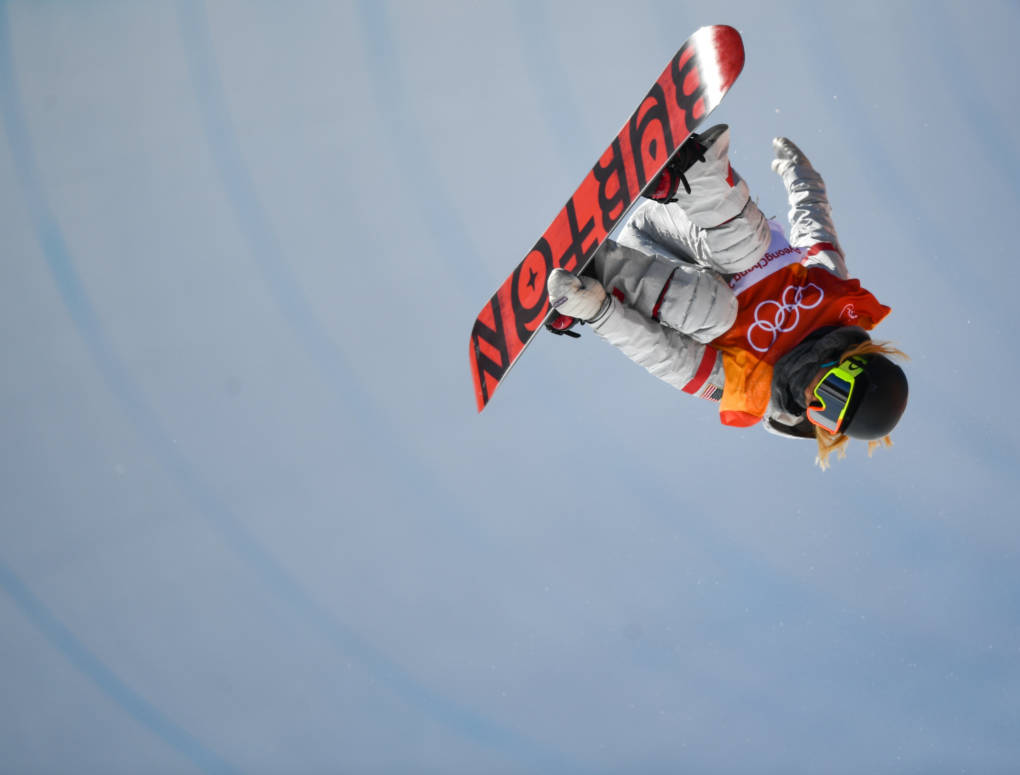
"caption": "U.S. snowboarder Chloe Kim, 17, soars to a gold medal in the halfpipe.",
"description": "U.S. snowboarder Chloe Kim, 17, soars to a gold medal in the halfpipe.",
"title": "U.S. snowboarder Chloe Kim, 17, soars to a gold medal in the halfpipe.",
"credit": "Ramsey Cardy/Sportsfile via Getty Images",
"status": "inherit",
"isLoading": false,
"fetchFailed": false
},
"news_11650679": {
"type": "attachments",
"id": "news_11650679",
"meta": {
"index": "attachments_1716263798",
"site": "news",
"id": "11650679",
"found": true
},
"parent": 11650654,
"imgSizes": {
"small": {
"file": "https://ww2.kqed.org/app/uploads/sites/10/2018/02/917260512-520x347.jpg",
"width": 520,
"mimeType": "image/jpeg",
"height": 347
},
"thumbnail": {
"file": "https://ww2.kqed.org/app/uploads/sites/10/2018/02/917260512-160x107.jpg",
"width": 160,
"mimeType": "image/jpeg",
"height": 107
},
"post-thumbnail": {
"file": "https://ww2.kqed.org/app/uploads/sites/10/2018/02/917260512-594x372.jpg",
"width": 594,
"mimeType": "image/jpeg",
"height": 372
},
"xsmall": {
"file": "https://ww2.kqed.org/app/uploads/sites/10/2018/02/917260512-375x250.jpg",
"width": 375,
"mimeType": "image/jpeg",
"height": 250
},
"kqedFullSize": {
"file": "https://ww2.kqed.org/app/uploads/sites/10/2018/02/917260512.jpg",
"width": 594,
"height": 396
},
"guest-author-50": {
"file": "https://ww2.kqed.org/app/uploads/sites/10/2018/02/917260512-50x50.jpg",
"width": 50,
"mimeType": "image/jpeg",
"height": 50
},
"guest-author-96": {
"file": "https://ww2.kqed.org/app/uploads/sites/10/2018/02/917260512-96x96.jpg",
"width": 96,
"mimeType": "image/jpeg",
"height": 96
},
"guest-author-64": {
"file": "https://ww2.kqed.org/app/uploads/sites/10/2018/02/917260512-64x64.jpg",
"width": 64,
"mimeType": "image/jpeg",
"height": 64
},
"detail": {
"file": "https://ww2.kqed.org/app/uploads/sites/10/2018/02/917260512-150x150.jpg",
"width": 150,
"mimeType": "image/jpeg",
"height": 150
},
"guest-author-32": {
"file": "https://ww2.kqed.org/app/uploads/sites/10/2018/02/917260512-32x32.jpg",
"width": 32,
"mimeType": "image/jpeg",
"height": 32
},
"guest-author-128": {
"file": "https://ww2.kqed.org/app/uploads/sites/10/2018/02/917260512-128x128.jpg",
"width": 128,
"mimeType": "image/jpeg",
"height": 128
},
"xxsmall": {
"file": "https://ww2.kqed.org/app/uploads/sites/10/2018/02/917260512-240x160.jpg",
"width": 240,
"mimeType": "image/jpeg",
"height": 160
}
},
"publishDate": 1518830131,
"modified": 1518833326,
"caption": "Social media companies react to the federal indictment of alleged Russian operatives. ",
"description": null,
"title": "917260512",
"credit": "Thomas Trutschel/Photothek via Getty Image",
"status": "inherit",
"isLoading": false,
"fetchFailed": false
},
"news_11650662": {
"type": "attachments",
"id": "news_11650662",
"meta": {
"index": "attachments_1716263798",
"site": "news",
"id": "11650662",
"found": true
},
"parent": 11650661,
"imgSizes": {
"small": {
"file": "https://ww2.kqed.org/app/uploads/sites/10/2018/02/gettyimages-908845456_custom-c6c2a84fc32c889bcbf84b554d81b3536a358e78-520x313.jpg",
"width": 520,
"mimeType": "image/jpeg",
"height": 313
},
"twentyfourteen-full-width": {
"file": "https://ww2.kqed.org/app/uploads/sites/10/2018/02/gettyimages-908845456_custom-c6c2a84fc32c889bcbf84b554d81b3536a358e78-1038x576.jpg",
"width": 1038,
"mimeType": "image/jpeg",
"height": 576
},
"thumbnail": {
"file": "https://ww2.kqed.org/app/uploads/sites/10/2018/02/gettyimages-908845456_custom-c6c2a84fc32c889bcbf84b554d81b3536a358e78-160x96.jpg",
"width": 160,
"mimeType": "image/jpeg",
"height": 96
},
"fd-sm": {
"file": "https://ww2.kqed.org/app/uploads/sites/10/2018/02/gettyimages-908845456_custom-c6c2a84fc32c889bcbf84b554d81b3536a358e78-960x578.jpg",
"width": 960,
"mimeType": "image/jpeg",
"height": 578
},
"post-thumbnail": {
"file": "https://ww2.kqed.org/app/uploads/sites/10/2018/02/gettyimages-908845456_custom-c6c2a84fc32c889bcbf84b554d81b3536a358e78-672x372.jpg",
"width": 672,
"mimeType": "image/jpeg",
"height": 372
},
"xsmall": {
"file": "https://ww2.kqed.org/app/uploads/sites/10/2018/02/gettyimages-908845456_custom-c6c2a84fc32c889bcbf84b554d81b3536a358e78-375x226.jpg",
"width": 375,
"mimeType": "image/jpeg",
"height": 226
},
"kqedFullSize": {
"file": "https://ww2.kqed.org/app/uploads/sites/10/2018/02/gettyimages-908845456_custom-c6c2a84fc32c889bcbf84b554d81b3536a358e78-e1518829301743.jpg",
"width": 1920,
"height": 1155
},
"large": {
"file": "https://ww2.kqed.org/app/uploads/sites/10/2018/02/gettyimages-908845456_custom-c6c2a84fc32c889bcbf84b554d81b3536a358e78-1020x614.jpg",
"width": 1020,
"mimeType": "image/jpeg",
"height": 614
},
"xlarge": {
"file": "https://ww2.kqed.org/app/uploads/sites/10/2018/02/gettyimages-908845456_custom-c6c2a84fc32c889bcbf84b554d81b3536a358e78-1180x710.jpg",
"width": 1180,
"mimeType": "image/jpeg",
"height": 710
},
"guest-author-50": {
"file": "https://ww2.kqed.org/app/uploads/sites/10/2018/02/gettyimages-908845456_custom-c6c2a84fc32c889bcbf84b554d81b3536a358e78-50x50.jpg",
"width": 50,
"mimeType": "image/jpeg",
"height": 50
},
"guest-author-96": {
"file": "https://ww2.kqed.org/app/uploads/sites/10/2018/02/gettyimages-908845456_custom-c6c2a84fc32c889bcbf84b554d81b3536a358e78-96x96.jpg",
"width": 96,
"mimeType": "image/jpeg",
"height": 96
},
"medium": {
"file": "https://ww2.kqed.org/app/uploads/sites/10/2018/02/gettyimages-908845456_custom-c6c2a84fc32c889bcbf84b554d81b3536a358e78-800x481.jpg",
"width": 800,
"mimeType": "image/jpeg",
"height": 481
},
"guest-author-64": {
"file": "https://ww2.kqed.org/app/uploads/sites/10/2018/02/gettyimages-908845456_custom-c6c2a84fc32c889bcbf84b554d81b3536a358e78-64x64.jpg",
"width": 64,
"mimeType": "image/jpeg",
"height": 64
},
"guest-author-32": {
"file": "https://ww2.kqed.org/app/uploads/sites/10/2018/02/gettyimages-908845456_custom-c6c2a84fc32c889bcbf84b554d81b3536a358e78-32x32.jpg",
"width": 32,
"mimeType": "image/jpeg",
"height": 32
},
"fd-lrg": {
"file": "https://ww2.kqed.org/app/uploads/sites/10/2018/02/gettyimages-908845456_custom-c6c2a84fc32c889bcbf84b554d81b3536a358e78-1920x1155.jpg",
"width": 1920,
"mimeType": "image/jpeg",
"height": 1155
},
"fd-med": {
"file": "https://ww2.kqed.org/app/uploads/sites/10/2018/02/gettyimages-908845456_custom-c6c2a84fc32c889bcbf84b554d81b3536a358e78-1180x710.jpg",
"width": 1180,
"mimeType": "image/jpeg",
"height": 710
},
"full-width": {
"file": "https://ww2.kqed.org/app/uploads/sites/10/2018/02/gettyimages-908845456_custom-c6c2a84fc32c889bcbf84b554d81b3536a358e78-1920x1155.jpg",
"width": 1920,
"mimeType": "image/jpeg",
"height": 1155
},
"detail": {
"file": "https://ww2.kqed.org/app/uploads/sites/10/2018/02/gettyimages-908845456_custom-c6c2a84fc32c889bcbf84b554d81b3536a358e78-150x150.jpg",
"width": 150,
"mimeType": "image/jpeg",
"height": 150
},
"guest-author-128": {
"file": "https://ww2.kqed.org/app/uploads/sites/10/2018/02/gettyimages-908845456_custom-c6c2a84fc32c889bcbf84b554d81b3536a358e78-128x128.jpg",
"width": 128,
"mimeType": "image/jpeg",
"height": 128
},
"xxsmall": {
"file": "https://ww2.kqed.org/app/uploads/sites/10/2018/02/gettyimages-908845456_custom-c6c2a84fc32c889bcbf84b554d81b3536a358e78-240x144.jpg",
"width": 240,
"mimeType": "image/jpeg",
"height": 144
}
},
"publishDate": 1518829237,
"modified": 1518829320,
"caption": "Demonstrators protest the lack of a deal on the Deferred Action for Childhood Arrivals program, which includes so-called DREAMers, last month outside of Federal Plaza in New York City. There is still no deal.",
"description": "Demonstrators protest the lack of a deal on the Deferred Action for Childhood Arrivals program, which includes so-called DREAMers, last month outside of Federal Plaza in New York City. There is still no deal.",
"title": "Demonstrators protest the lack of a deal on the Deferred Action for Childhood Arrivals program, which includes so-called DREAMers, last month outside of Federal Plaza in New York City. There is still no deal.",
"credit": "Spencer Platt/Getty Images",
"status": "inherit",
"isLoading": false,
"fetchFailed": false
},
"news_11650497": {
"type": "attachments",
"id": "news_11650497",
"meta": {
"index": "attachments_1716263798",
"site": "news",
"id": "11650497",
"found": true
},
"parent": 11650494,
"imgSizes": {
"small": {
"file": "https://ww2.kqed.org/app/uploads/sites/10/2018/02/RS26145_GettyImages-699394842-qut-520x349.jpg",
"width": 520,
"mimeType": "image/jpeg",
"height": 349
},
"twentyfourteen-full-width": {
"file": "https://ww2.kqed.org/app/uploads/sites/10/2018/02/RS26145_GettyImages-699394842-qut-1038x576.jpg",
"width": 1038,
"mimeType": "image/jpeg",
"height": 576
},
"thumbnail": {
"file": "https://ww2.kqed.org/app/uploads/sites/10/2018/02/RS26145_GettyImages-699394842-qut-160x108.jpg",
"width": 160,
"mimeType": "image/jpeg",
"height": 108
},
"fd-sm": {
"file": "https://ww2.kqed.org/app/uploads/sites/10/2018/02/RS26145_GettyImages-699394842-qut-960x645.jpg",
"width": 960,
"mimeType": "image/jpeg",
"height": 645
},
"post-thumbnail": {
"file": "https://ww2.kqed.org/app/uploads/sites/10/2018/02/RS26145_GettyImages-699394842-qut-672x372.jpg",
"width": 672,
"mimeType": "image/jpeg",
"height": 372
},
"xsmall": {
"file": "https://ww2.kqed.org/app/uploads/sites/10/2018/02/RS26145_GettyImages-699394842-qut-375x252.jpg",
"width": 375,
"mimeType": "image/jpeg",
"height": 252
},
"kqedFullSize": {
"file": "https://ww2.kqed.org/app/uploads/sites/10/2018/02/RS26145_GettyImages-699394842-qut.jpg",
"width": 1920,
"height": 1290
},
"large": {
"file": "https://ww2.kqed.org/app/uploads/sites/10/2018/02/RS26145_GettyImages-699394842-qut-1020x685.jpg",
"width": 1020,
"mimeType": "image/jpeg",
"height": 685
},
"xlarge": {
"file": "https://ww2.kqed.org/app/uploads/sites/10/2018/02/RS26145_GettyImages-699394842-qut-1180x793.jpg",
"width": 1180,
"mimeType": "image/jpeg",
"height": 793
},
"guest-author-50": {
"file": "https://ww2.kqed.org/app/uploads/sites/10/2018/02/RS26145_GettyImages-699394842-qut-50x50.jpg",
"width": 50,
"mimeType": "image/jpeg",
"height": 50
},
"guest-author-96": {
"file": "https://ww2.kqed.org/app/uploads/sites/10/2018/02/RS26145_GettyImages-699394842-qut-96x96.jpg",
"width": 96,
"mimeType": "image/jpeg",
"height": 96
},
"medium": {
"file": "https://ww2.kqed.org/app/uploads/sites/10/2018/02/RS26145_GettyImages-699394842-qut-800x538.jpg",
"width": 800,
"mimeType": "image/jpeg",
"height": 538
},
"guest-author-64": {
"file": "https://ww2.kqed.org/app/uploads/sites/10/2018/02/RS26145_GettyImages-699394842-qut-64x64.jpg",
"width": 64,
"mimeType": "image/jpeg",
"height": 64
},
"guest-author-32": {
"file": "https://ww2.kqed.org/app/uploads/sites/10/2018/02/RS26145_GettyImages-699394842-qut-32x32.jpg",
"width": 32,
"mimeType": "image/jpeg",
"height": 32
},
"fd-lrg": {
"file": "https://ww2.kqed.org/app/uploads/sites/10/2018/02/RS26145_GettyImages-699394842-qut-1920x1290.jpg",
"width": 1920,
"mimeType": "image/jpeg",
"height": 1290
},
"fd-med": {
"file": "https://ww2.kqed.org/app/uploads/sites/10/2018/02/RS26145_GettyImages-699394842-qut-1180x793.jpg",
"width": 1180,
"mimeType": "image/jpeg",
"height": 793
},
"full-width": {
"file": "https://ww2.kqed.org/app/uploads/sites/10/2018/02/RS26145_GettyImages-699394842-qut-1920x1290.jpg",
"width": 1920,
"mimeType": "image/jpeg",
"height": 1290
},
"detail": {
"file": "https://ww2.kqed.org/app/uploads/sites/10/2018/02/RS26145_GettyImages-699394842-qut-150x150.jpg",
"width": 150,
"mimeType": "image/jpeg",
"height": 150
},
"guest-author-128": {
"file": "https://ww2.kqed.org/app/uploads/sites/10/2018/02/RS26145_GettyImages-699394842-qut-128x128.jpg",
"width": 128,
"mimeType": "image/jpeg",
"height": 128
},
"xxsmall": {
"file": "https://ww2.kqed.org/app/uploads/sites/10/2018/02/RS26145_GettyImages-699394842-qut-240x161.jpg",
"width": 240,
"mimeType": "image/jpeg",
"height": 161
}
},
"publishDate": 1518805875,
"modified": 1518805944,
"caption": "Justice Department special counsel Robert Mueller.\n",
"description": "Justice Department special counsel Robert Mueller.\n",
"title": "Special Prosecutor Robert Mueller Briefs Senate Intel Committee On Capitol Hill",
"credit": "Alex Wong/Getty Images",
"status": "inherit",
"isLoading": false,
"fetchFailed": false
},
"news_11650574": {
"type": "attachments",
"id": "news_11650574",
"meta": {
"index": "attachments_1716263798",
"site": "news",
"id": "11650574",
"found": true
},
"parent": 11649765,
"imgSizes": {
"small": {
"file": "https://ww2.kqed.org/app/uploads/sites/10/2018/02/Bronzini-1-520x631.jpg",
"width": 520,
"mimeType": "image/jpeg",
"height": 631
},
"twentyfourteen-full-width": {
"file": "https://ww2.kqed.org/app/uploads/sites/10/2018/02/Bronzini-1-1038x576.jpg",
"width": 1038,
"mimeType": "image/jpeg",
"height": 576
},
"thumbnail": {
"file": "https://ww2.kqed.org/app/uploads/sites/10/2018/02/Bronzini-1-160x194.jpg",
"width": 160,
"mimeType": "image/jpeg",
"height": 194
},
"fd-sm": {
"file": "https://ww2.kqed.org/app/uploads/sites/10/2018/02/Bronzini-1-960x1166.jpg",
"width": 960,
"mimeType": "image/jpeg",
"height": 1166
},
"post-thumbnail": {
"file": "https://ww2.kqed.org/app/uploads/sites/10/2018/02/Bronzini-1-672x372.jpg",
"width": 672,
"mimeType": "image/jpeg",
"height": 372
},
"xsmall": {
"file": "https://ww2.kqed.org/app/uploads/sites/10/2018/02/Bronzini-1-375x455.jpg",
"width": 375,
"mimeType": "image/jpeg",
"height": 455
},
"kqedFullSize": {
"file": "https://ww2.kqed.org/app/uploads/sites/10/2018/02/Bronzini-1.jpg",
"width": 1920,
"height": 2331
},
"large": {
"file": "https://ww2.kqed.org/app/uploads/sites/10/2018/02/Bronzini-1-1020x1238.jpg",
"width": 1020,
"mimeType": "image/jpeg",
"height": 1238
},
"xlarge": {
"file": "https://ww2.kqed.org/app/uploads/sites/10/2018/02/Bronzini-1-1180x1433.jpg",
"width": 1180,
"mimeType": "image/jpeg",
"height": 1433
},
"guest-author-50": {
"file": "https://ww2.kqed.org/app/uploads/sites/10/2018/02/Bronzini-1-50x50.jpg",
"width": 50,
"mimeType": "image/jpeg",
"height": 50
},
"guest-author-96": {
"file": "https://ww2.kqed.org/app/uploads/sites/10/2018/02/Bronzini-1-96x96.jpg",
"width": 96,
"mimeType": "image/jpeg",
"height": 96
},
"medium": {
"file": "https://ww2.kqed.org/app/uploads/sites/10/2018/02/Bronzini-1-800x971.jpg",
"width": 800,
"mimeType": "image/jpeg",
"height": 971
},
"guest-author-64": {
"file": "https://ww2.kqed.org/app/uploads/sites/10/2018/02/Bronzini-1-64x64.jpg",
"width": 64,
"mimeType": "image/jpeg",
"height": 64
},
"guest-author-32": {
"file": "https://ww2.kqed.org/app/uploads/sites/10/2018/02/Bronzini-1-32x32.jpg",
"width": 32,
"mimeType": "image/jpeg",
"height": 32
},
"fd-lrg": {
"file": "https://ww2.kqed.org/app/uploads/sites/10/2018/02/Bronzini-1-1920x2331.jpg",
"width": 1920,
"mimeType": "image/jpeg",
"height": 2331
},
"fd-med": {
"file": "https://ww2.kqed.org/app/uploads/sites/10/2018/02/Bronzini-1-1180x1433.jpg",
"width": 1180,
"mimeType": "image/jpeg",
"height": 1433
},
"full-width": {
"file": "https://ww2.kqed.org/app/uploads/sites/10/2018/02/Bronzini-1-1920x2331.jpg",
"width": 1920,
"mimeType": "image/jpeg",
"height": 2331
},
"detail": {
"file": "https://ww2.kqed.org/app/uploads/sites/10/2018/02/Bronzini-1-150x150.jpg",
"width": 150,
"mimeType": "image/jpeg",
"height": 150
},
"guest-author-128": {
"file": "https://ww2.kqed.org/app/uploads/sites/10/2018/02/Bronzini-1-128x128.jpg",
"width": 128,
"mimeType": "image/jpeg",
"height": 128
},
"xxsmall": {
"file": "https://ww2.kqed.org/app/uploads/sites/10/2018/02/Bronzini-1-240x291.jpg",
"width": 240,
"mimeType": "image/jpeg",
"height": 291
}
},
"publishDate": 1518818259,
"modified": 1518818372,
"caption": "The Bronzini family: Guido, Clara, Lorenzo (seated), Al (standing), 1934-1935 Oakland.",
"description": "The Bronzini family: Guido, Clara, Lorenzo (seated), Al (standing), 1934-1935 Oakland.",
"title": "Bronzini",
"credit": "Courtesy of Al Bronzini",
"status": "inherit",
"isLoading": false,
"fetchFailed": false
},
"news_11650484": {
"type": "attachments",
"id": "news_11650484",
"meta": {
"index": "attachments_1716263798",
"site": "news",
"id": "11650484",
"found": true
},
"parent": 11650235,
"imgSizes": {
"small": {
"file": "https://ww2.kqed.org/app/uploads/sites/10/2018/02/GettyImages-916325340-520x347.jpg",
"width": 520,
"mimeType": "image/jpeg",
"height": 347
},
"twentyfourteen-full-width": {
"file": "https://ww2.kqed.org/app/uploads/sites/10/2018/02/GettyImages-916325340-1038x576.jpg",
"width": 1038,
"mimeType": "image/jpeg",
"height": 576
},
"thumbnail": {
"file": "https://ww2.kqed.org/app/uploads/sites/10/2018/02/GettyImages-916325340-160x107.jpg",
"width": 160,
"mimeType": "image/jpeg",
"height": 107
},
"fd-sm": {
"file": "https://ww2.kqed.org/app/uploads/sites/10/2018/02/GettyImages-916325340-960x640.jpg",
"width": 960,
"mimeType": "image/jpeg",
"height": 640
},
"post-thumbnail": {
"file": "https://ww2.kqed.org/app/uploads/sites/10/2018/02/GettyImages-916325340-672x372.jpg",
"width": 672,
"mimeType": "image/jpeg",
"height": 372
},
"xsmall": {
"file": "https://ww2.kqed.org/app/uploads/sites/10/2018/02/GettyImages-916325340-375x250.jpg",
"width": 375,
"mimeType": "image/jpeg",
"height": 250
},
"kqedFullSize": {
"file": "https://ww2.kqed.org/app/uploads/sites/10/2018/02/GettyImages-916325340-e1518804056358.jpg",
"width": 1920,
"height": 1280
},
"large": {
"file": "https://ww2.kqed.org/app/uploads/sites/10/2018/02/GettyImages-916325340-1020x680.jpg",
"width": 1020,
"mimeType": "image/jpeg",
"height": 680
},
"xlarge": {
"file": "https://ww2.kqed.org/app/uploads/sites/10/2018/02/GettyImages-916325340-1180x787.jpg",
"width": 1180,
"mimeType": "image/jpeg",
"height": 787
},
"guest-author-50": {
"file": "https://ww2.kqed.org/app/uploads/sites/10/2018/02/GettyImages-916325340-50x50.jpg",
"width": 50,
"mimeType": "image/jpeg",
"height": 50
},
"guest-author-96": {
"file": "https://ww2.kqed.org/app/uploads/sites/10/2018/02/GettyImages-916325340-96x96.jpg",
"width": 96,
"mimeType": "image/jpeg",
"height": 96
},
"medium": {
"file": "https://ww2.kqed.org/app/uploads/sites/10/2018/02/GettyImages-916325340-800x533.jpg",
"width": 800,
"mimeType": "image/jpeg",
"height": 533
},
"guest-author-64": {
"file": "https://ww2.kqed.org/app/uploads/sites/10/2018/02/GettyImages-916325340-64x64.jpg",
"width": 64,
"mimeType": "image/jpeg",
"height": 64
},
"guest-author-32": {
"file": "https://ww2.kqed.org/app/uploads/sites/10/2018/02/GettyImages-916325340-32x32.jpg",
"width": 32,
"mimeType": "image/jpeg",
"height": 32
},
"fd-lrg": {
"file": "https://ww2.kqed.org/app/uploads/sites/10/2018/02/GettyImages-916325340-1920x1280.jpg",
"width": 1920,
"mimeType": "image/jpeg",
"height": 1280
},
"fd-med": {
"file": "https://ww2.kqed.org/app/uploads/sites/10/2018/02/GettyImages-916325340-1180x787.jpg",
"width": 1180,
"mimeType": "image/jpeg",
"height": 787
},
"full-width": {
"file": "https://ww2.kqed.org/app/uploads/sites/10/2018/02/GettyImages-916325340-1920x1280.jpg",
"width": 1920,
"mimeType": "image/jpeg",
"height": 1280
},
"detail": {
"file": "https://ww2.kqed.org/app/uploads/sites/10/2018/02/GettyImages-916325340-150x150.jpg",
"width": 150,
"mimeType": "image/jpeg",
"height": 150
},
"guest-author-128": {
"file": "https://ww2.kqed.org/app/uploads/sites/10/2018/02/GettyImages-916325340-128x128.jpg",
"width": 128,
"mimeType": "image/jpeg",
"height": 128
},
"xxsmall": {
"file": "https://ww2.kqed.org/app/uploads/sites/10/2018/02/GettyImages-916325340-240x160.jpg",
"width": 240,
"mimeType": "image/jpeg",
"height": 160
}
},
"publishDate": 1518803974,
"modified": 1518822911,
"caption": "Oakland-born Director Ryan Coogler attends the \"Black Panther\" BFI preview screening held at BFI Southbank on Feb. 9, 2018, in London, England. ",
"description": null,
"title": "'Black Panther' BFI Preview Screening - Photocall",
"credit": "Jeff Spicer/Getty Images",
"status": "inherit",
"isLoading": false,
"fetchFailed": false
},
"news_11650554": {
"type": "attachments",
"id": "news_11650554",
"meta": {
"index": "attachments_1716263798",
"site": "news",
"id": "11650554",
"found": true
},
"parent": 11650543,
"imgSizes": {
"small": {
"file": "https://ww2.kqed.org/app/uploads/sites/10/2018/02/RS16247_GettyImages-150582090-qut-520x345.jpg",
"width": 520,
"mimeType": "image/jpeg",
"height": 345
},
"twentyfourteen-full-width": {
"file": "https://ww2.kqed.org/app/uploads/sites/10/2018/02/RS16247_GettyImages-150582090-qut-1038x576.jpg",
"width": 1038,
"mimeType": "image/jpeg",
"height": 576
},
"thumbnail": {
"file": "https://ww2.kqed.org/app/uploads/sites/10/2018/02/RS16247_GettyImages-150582090-qut-160x106.jpg",
"width": 160,
"mimeType": "image/jpeg",
"height": 106
},
"fd-sm": {
"file": "https://ww2.kqed.org/app/uploads/sites/10/2018/02/RS16247_GettyImages-150582090-qut-960x636.jpg",
"width": 960,
"mimeType": "image/jpeg",
"height": 636
},
"post-thumbnail": {
"file": "https://ww2.kqed.org/app/uploads/sites/10/2018/02/RS16247_GettyImages-150582090-qut-672x372.jpg",
"width": 672,
"mimeType": "image/jpeg",
"height": 372
},
"xsmall": {
"file": "https://ww2.kqed.org/app/uploads/sites/10/2018/02/RS16247_GettyImages-150582090-qut-375x248.jpg",
"width": 375,
"mimeType": "image/jpeg",
"height": 248
},
"kqedFullSize": {
"file": "https://ww2.kqed.org/app/uploads/sites/10/2018/02/RS16247_GettyImages-150582090-qut.jpg",
"width": 1920,
"height": 1272
},
"large": {
"file": "https://ww2.kqed.org/app/uploads/sites/10/2018/02/RS16247_GettyImages-150582090-qut-1020x676.jpg",
"width": 1020,
"mimeType": "image/jpeg",
"height": 676
},
"xlarge": {
"file": "https://ww2.kqed.org/app/uploads/sites/10/2018/02/RS16247_GettyImages-150582090-qut-1180x782.jpg",
"width": 1180,
"mimeType": "image/jpeg",
"height": 782
},
"guest-author-50": {
"file": "https://ww2.kqed.org/app/uploads/sites/10/2018/02/RS16247_GettyImages-150582090-qut-50x50.jpg",
"width": 50,
"mimeType": "image/jpeg",
"height": 50
},
"guest-author-96": {
"file": "https://ww2.kqed.org/app/uploads/sites/10/2018/02/RS16247_GettyImages-150582090-qut-96x96.jpg",
"width": 96,
"mimeType": "image/jpeg",
"height": 96
},
"medium": {
"file": "https://ww2.kqed.org/app/uploads/sites/10/2018/02/RS16247_GettyImages-150582090-qut-800x530.jpg",
"width": 800,
"mimeType": "image/jpeg",
"height": 530
},
"guest-author-64": {
"file": "https://ww2.kqed.org/app/uploads/sites/10/2018/02/RS16247_GettyImages-150582090-qut-64x64.jpg",
"width": 64,
"mimeType": "image/jpeg",
"height": 64
},
"guest-author-32": {
"file": "https://ww2.kqed.org/app/uploads/sites/10/2018/02/RS16247_GettyImages-150582090-qut-32x32.jpg",
"width": 32,
"mimeType": "image/jpeg",
"height": 32
},
"fd-lrg": {
"file": "https://ww2.kqed.org/app/uploads/sites/10/2018/02/RS16247_GettyImages-150582090-qut-1920x1272.jpg",
"width": 1920,
"mimeType": "image/jpeg",
"height": 1272
},
"fd-med": {
"file": "https://ww2.kqed.org/app/uploads/sites/10/2018/02/RS16247_GettyImages-150582090-qut-1180x782.jpg",
"width": 1180,
"mimeType": "image/jpeg",
"height": 782
},
"full-width": {
"file": "https://ww2.kqed.org/app/uploads/sites/10/2018/02/RS16247_GettyImages-150582090-qut-1920x1272.jpg",
"width": 1920,
"mimeType": "image/jpeg",
"height": 1272
},
"detail": {
"file": "https://ww2.kqed.org/app/uploads/sites/10/2018/02/RS16247_GettyImages-150582090-qut-150x150.jpg",
"width": 150,
"mimeType": "image/jpeg",
"height": 150
},
"guest-author-128": {
"file": "https://ww2.kqed.org/app/uploads/sites/10/2018/02/RS16247_GettyImages-150582090-qut-128x128.jpg",
"width": 128,
"mimeType": "image/jpeg",
"height": 128
},
"xxsmall": {
"file": "https://ww2.kqed.org/app/uploads/sites/10/2018/02/RS16247_GettyImages-150582090-qut-240x159.jpg",
"width": 240,
"mimeType": "image/jpeg",
"height": 159
}
},
"publishDate": 1518815839,
"modified": 1518815986,
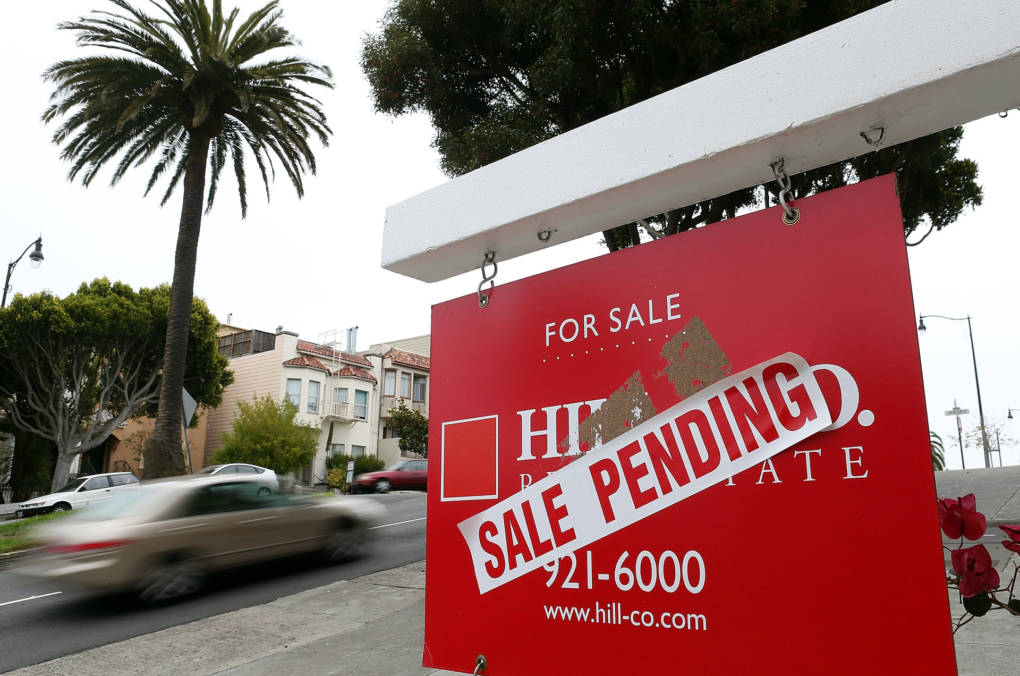
"caption": "A national analysis by Reveal from The Center for Investigative Reporting found Latinos in the San Francisco metro region made up a quarter of the population but just over 4 percent of home loan applications.",
"description": "A national analysis by Reveal from The Center for Investigative Reporting found Latinos in the San Francisco metro region made up a quarter of the population but just over 4 percent of home loan applications.",
"title": "RS16247_GettyImages-150582090-qut",
"credit": "Justin Sullivan/Getty Images",
"status": "inherit",
"isLoading": false,
"fetchFailed": false
},
"news_11650544": {
"type": "attachments",
"id": "news_11650544",
"meta": {
"index": "attachments_1716263798",
"site": "news",
"id": "11650544",
"found": true
},
"parent": 11650534,
"imgSizes": {
"small": {
"file": "https://ww2.kqed.org/app/uploads/sites/10/2018/02/SinglePayerNow-520x373.jpg",
"width": 520,
"mimeType": "image/jpeg",
"height": 373
},
"twentyfourteen-full-width": {
"file": "https://ww2.kqed.org/app/uploads/sites/10/2018/02/SinglePayerNow-1038x576.jpg",
"width": 1038,
"mimeType": "image/jpeg",
"height": 576
},
"thumbnail": {
"file": "https://ww2.kqed.org/app/uploads/sites/10/2018/02/SinglePayerNow-160x115.jpg",
"width": 160,
"mimeType": "image/jpeg",
"height": 115
},
"fd-sm": {
"file": "https://ww2.kqed.org/app/uploads/sites/10/2018/02/SinglePayerNow-960x689.jpg",
"width": 960,
"mimeType": "image/jpeg",
"height": 689
},
"post-thumbnail": {
"file": "https://ww2.kqed.org/app/uploads/sites/10/2018/02/SinglePayerNow-672x372.jpg",
"width": 672,
"mimeType": "image/jpeg",
"height": 372
},
"xsmall": {
"file": "https://ww2.kqed.org/app/uploads/sites/10/2018/02/SinglePayerNow-375x269.jpg",
"width": 375,
"mimeType": "image/jpeg",
"height": 269
},
"kqedFullSize": {
"file": "https://ww2.kqed.org/app/uploads/sites/10/2018/02/SinglePayerNow.jpg",
"width": 1920,
"height": 1378
},
"large": {
"file": "https://ww2.kqed.org/app/uploads/sites/10/2018/02/SinglePayerNow-1020x732.jpg",
"width": 1020,
"mimeType": "image/jpeg",
"height": 732
},
"xlarge": {
"file": "https://ww2.kqed.org/app/uploads/sites/10/2018/02/SinglePayerNow-1180x847.jpg",
"width": 1180,
"mimeType": "image/jpeg",
"height": 847
},
"guest-author-50": {
"file": "https://ww2.kqed.org/app/uploads/sites/10/2018/02/SinglePayerNow-50x50.jpg",
"width": 50,
"mimeType": "image/jpeg",
"height": 50
},
"guest-author-96": {
"file": "https://ww2.kqed.org/app/uploads/sites/10/2018/02/SinglePayerNow-96x96.jpg",
"width": 96,
"mimeType": "image/jpeg",
"height": 96
},
"medium": {
"file": "https://ww2.kqed.org/app/uploads/sites/10/2018/02/SinglePayerNow-800x574.jpg",
"width": 800,
"mimeType": "image/jpeg",
"height": 574
},
"guest-author-64": {
"file": "https://ww2.kqed.org/app/uploads/sites/10/2018/02/SinglePayerNow-64x64.jpg",
"width": 64,
"mimeType": "image/jpeg",
"height": 64
},
"guest-author-32": {
"file": "https://ww2.kqed.org/app/uploads/sites/10/2018/02/SinglePayerNow-32x32.jpg",
"width": 32,
"mimeType": "image/jpeg",
"height": 32
},
"fd-lrg": {
"file": "https://ww2.kqed.org/app/uploads/sites/10/2018/02/SinglePayerNow-1920x1378.jpg",
"width": 1920,
"mimeType": "image/jpeg",
"height": 1378
},
"fd-med": {
"file": "https://ww2.kqed.org/app/uploads/sites/10/2018/02/SinglePayerNow-1180x847.jpg",
"width": 1180,
"mimeType": "image/jpeg",
"height": 847
},
"full-width": {
"file": "https://ww2.kqed.org/app/uploads/sites/10/2018/02/SinglePayerNow-1920x1378.jpg",
"width": 1920,
"mimeType": "image/jpeg",
"height": 1378
},
"detail": {
"file": "https://ww2.kqed.org/app/uploads/sites/10/2018/02/SinglePayerNow-150x150.jpg",
"width": 150,
"mimeType": "image/jpeg",
"height": 150
},
"guest-author-128": {
"file": "https://ww2.kqed.org/app/uploads/sites/10/2018/02/SinglePayerNow-128x128.jpg",
"width": 128,
"mimeType": "image/jpeg",
"height": 128
},
"xxsmall": {
"file": "https://ww2.kqed.org/app/uploads/sites/10/2018/02/SinglePayerNow-240x172.jpg",
"width": 240,
"mimeType": "image/jpeg",
"height": 172
}
},
"publishDate": 1518814855,
"modified": 1518814900,
"caption": "People rally in favor of single-payer health care for all Californians as the U.S. Senate prepared to vote on the Senate GOP health care bill, outside the office of California Assembly Speaker Anthony Rendon, on June 27, 2017.",
"description": "People rally in favor of single-payer health care for all Californians as the U.S. Senate prepared to vote on the Senate GOP health care bill, outside the office of California Assembly Speaker Anthony Rendon, on June 27, 2017.",
"title": "SinglePayerNow",
"credit": "ROBYN BECK/AFP/Getty Images",
"status": "inherit",
"isLoading": false,
"fetchFailed": false
},
"news_11640093": {
"type": "attachments",
"id": "news_11640093",
"meta": {
"index": "attachments_1716263798",
"site": "news",
"id": "11640093",
"found": true
},
"parent": 11639973,
"imgSizes": {
"small": {
"file": "https://ww2.kqed.org/app/uploads/sites/10/2018/01/RS28744_Mendoza-qut-520x374.jpg",
"width": 520,
"mimeType": "image/jpeg",
"height": 374
},
"twentyfourteen-full-width": {
"file": "https://ww2.kqed.org/app/uploads/sites/10/2018/01/RS28744_Mendoza-qut-1024x576.jpg",
"width": 1024,
"mimeType": "image/jpeg",
"height": 576
},
"thumbnail": {
"file": "https://ww2.kqed.org/app/uploads/sites/10/2018/01/RS28744_Mendoza-qut-160x115.jpg",
"width": 160,
"mimeType": "image/jpeg",
"height": 115
},
"fd-sm": {
"file": "https://ww2.kqed.org/app/uploads/sites/10/2018/01/RS28744_Mendoza-qut-960x691.jpg",
"width": 960,
"mimeType": "image/jpeg",
"height": 691
},
"post-thumbnail": {
"file": "https://ww2.kqed.org/app/uploads/sites/10/2018/01/RS28744_Mendoza-qut-672x372.jpg",
"width": 672,
"mimeType": "image/jpeg",
"height": 372
},
"xsmall": {
"file": "https://ww2.kqed.org/app/uploads/sites/10/2018/01/RS28744_Mendoza-qut-375x270.jpg",
"width": 375,
"mimeType": "image/jpeg",
"height": 270
},
"kqedFullSize": {
"file": "https://ww2.kqed.org/app/uploads/sites/10/2018/01/RS28744_Mendoza-qut.jpg",
"width": 1024,
"height": 737
},
"large": {
"file": "https://ww2.kqed.org/app/uploads/sites/10/2018/01/RS28744_Mendoza-qut-1020x734.jpg",
"width": 1020,
"mimeType": "image/jpeg",
"height": 734
},
"guest-author-50": {
"file": "https://ww2.kqed.org/app/uploads/sites/10/2018/01/RS28744_Mendoza-qut-50x50.jpg",
"width": 50,
"mimeType": "image/jpeg",
"height": 50
},
"guest-author-96": {
"file": "https://ww2.kqed.org/app/uploads/sites/10/2018/01/RS28744_Mendoza-qut-96x96.jpg",
"width": 96,
"mimeType": "image/jpeg",
"height": 96
},
"medium": {
"file": "https://ww2.kqed.org/app/uploads/sites/10/2018/01/RS28744_Mendoza-qut-800x576.jpg",
"width": 800,
"mimeType": "image/jpeg",
"height": 576
},
"guest-author-64": {
"file": "https://ww2.kqed.org/app/uploads/sites/10/2018/01/RS28744_Mendoza-qut-64x64.jpg",
"width": 64,
"mimeType": "image/jpeg",
"height": 64
},
"guest-author-32": {
"file": "https://ww2.kqed.org/app/uploads/sites/10/2018/01/RS28744_Mendoza-qut-32x32.jpg",
"width": 32,
"mimeType": "image/jpeg",
"height": 32
},
"detail": {
"file": "https://ww2.kqed.org/app/uploads/sites/10/2018/01/RS28744_Mendoza-qut-150x150.jpg",
"width": 150,
"mimeType": "image/jpeg",
"height": 150
},
"guest-author-128": {
"file": "https://ww2.kqed.org/app/uploads/sites/10/2018/01/RS28744_Mendoza-qut-128x128.jpg",
"width": 128,
"mimeType": "image/jpeg",
"height": 128
},
"xxsmall": {
"file": "https://ww2.kqed.org/app/uploads/sites/10/2018/01/RS28744_Mendoza-qut-240x173.jpg",
"width": 240,
"mimeType": "image/jpeg",
"height": 173
}
},
"publishDate": 1515036323,
"modified": 1515036357,
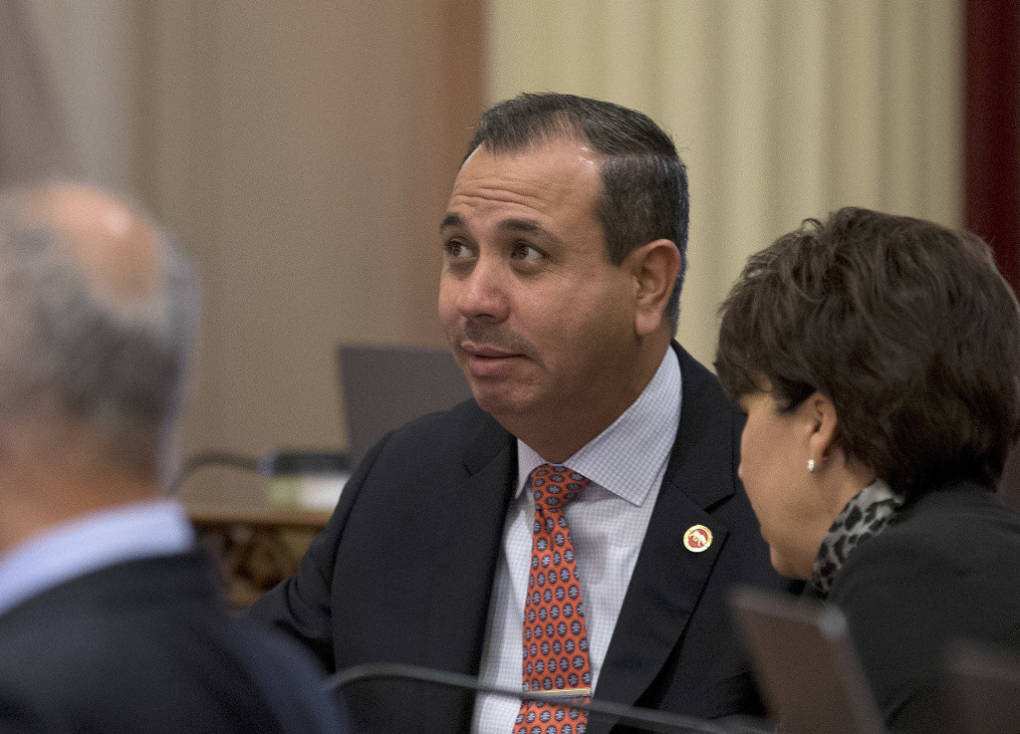
"caption": "Sen. Tony Mendoza (D-Artesia)",
"description": "Sen. Tony Mendoza (D-Artesia)",
"title": "RS28744_Mendoza-qut",
"credit": "KPCC",
"status": "inherit",
"isLoading": false,
"fetchFailed": false
}
},
"audioPlayerReducer": {
"postId": "stream_live",
"isPaused": true,
"isPlaying": false,
"pfsActive": false,
"pledgeModalIsOpen": true,
"playerDrawerIsOpen": false,
"liveAudioPlayStartedAt": 0,
"liveAudioPlayContext": ""
},
"authorsReducer": {
"byline_news_11650839": {
"type": "authors",
"id": "byline_news_11650839",
"meta": {
"override": true
},
"slug": "byline_news_11650839",
"name": "\u003cstrong>Philip Ewing\u003c/strong>",
"isLoading": false
},
"byline_news_11650739": {
"type": "authors",
"id": "byline_news_11650739",
"meta": {
"override": true
},
"slug": "byline_news_11650739",
"name": "\u003cstrong>Eric Westervelt\u003c/strong>",
"isLoading": false
},
"byline_news_11650782": {
"type": "authors",
"id": "byline_news_11650782",
"meta": {
"override": true
},
"slug": "byline_news_11650782",
"name": "\u003cstrong>Hannah Bloch\u003c/strong>",
"isLoading": false
},
"byline_news_11650661": {
"type": "authors",
"id": "byline_news_11650661",
"meta": {
"override": true
},
"slug": "byline_news_11650661",
"name": "Scott Detrow",
"isLoading": false
},
"byline_news_11650494": {
"type": "authors",
"id": "byline_news_11650494",
"meta": {
"override": true
},
"slug": "byline_news_11650494",
"name": "\u003cstrong>Jessica Taylor, Philip Ewing and Carrie Johnson\u003cbr />NPR\u003c/strong>",
"isLoading": false
},
"byline_news_11649765": {
"type": "authors",
"id": "byline_news_11649765",
"meta": {
"override": true
},
"slug": "byline_news_11649765",
"name": "\u003cstrong>Cari Spivack\u003c/strong>",
"isLoading": false
},
"byline_news_11650543": {
"type": "authors",
"id": "byline_news_11650543",
"meta": {
"override": true
},
"slug": "byline_news_11650543",
"name": "\u003cstrong>Janie Har \u003c/strong>\u003c/br>Associated Press",
"isLoading": false
},
"byline_news_11650534": {
"type": "authors",
"id": "byline_news_11650534",
"meta": {
"override": true
},
"slug": "byline_news_11650534",
"name": "\u003cstrong>\u003ca href=\"https://calmatters.org/articles/author/laurel-rosenhall/\">Laurel Rosenhall\u003c/a>\u003c/strong>",
"isLoading": false
},
"byline_news_11650501": {
"type": "authors",
"id": "byline_news_11650501",
"meta": {
"override": true
},
"slug": "byline_news_11650501",
"name": "\u003cstrong>Kathleen Ronanyne\u003cbr />Associated Press\u003c/strong>",
"isLoading": false
},
"sdirks": {
"type": "authors",
"id": "7239",
"meta": {
"index": "authors_1716337520",
"id": "7239",
"found": true
},
"name": "Sandhya Dirks",
"firstName": "Sandhya",
"lastName": "Dirks",
"slug": "sdirks",
"email": "sdirks@kqed.org",
"display_author_email": true,
"staff_mastheads": [],
"title": null,
"bio": "Sandhya Dirks was the race and equity reporter at KQED. She approaches race and equity not as a beat, but as a fundamental lens for all investigative and explanatory reporting.\r\n\r\nSandhya covered policing, housing, social justice movements, and the shifting demographics of cities and suburbs.\r\n\r\nShe was the creator and co-host of the podcast American Suburb, about the transformation of suburbia into the most diverse space in American life. She was the editor for Truth Be Told, an advice show for and by people of color. \r\n\r\nHer stories about race, space, and belonging were part of KQED's So Well Spoken project, which won RNDTA's Kaleidoscope award, honoring outstanding achievements in the coverage of diversity.\r\n\r\nPrior to joining KQED in 2015, Sandhya covered the 2012 presidential election from the swing state of Iowa for Iowa Public Radio. At KPBS in San Diego, she broke the story of a sexual harassment scandal that led to the mayor's resignation.\r\n\r\nShe got her start in radio working on documentaries about Oakland that investigated the high drop-out rate in public schools and mistrust between the police and the community.\r\n\r\nSandhya lives in Oakland and believes all stories are stories about power.",
"avatar": "https://secure.gravatar.com/avatar/c0247cb15929cd4c197672fd73d45300?s=600&d=blank&r=g",
"twitter": "audiosand",
"facebook": null,
"instagram": null,
"linkedin": null,
"sites": [
{
"site": "news",
"roles": [
"subscriber"
]
},
{
"site": "stateofhealth",
"roles": [
"author"
]
}
],
"headData": {
"title": "Sandhya Dirks | KQED",
"description": null,
"ogImgSrc": "https://secure.gravatar.com/avatar/c0247cb15929cd4c197672fd73d45300?s=600&d=blank&r=g",
"twImgSrc": "https://secure.gravatar.com/avatar/c0247cb15929cd4c197672fd73d45300?s=600&d=blank&r=g"
},
"isLoading": false,
"link": "/author/sdirks"
},
"rlevi": {
"type": "authors",
"id": "11260",
"meta": {
"index": "authors_1716337520",
"id": "11260",
"found": true
},
"name": "Ryan Levi",
"firstName": "Ryan",
"lastName": "Levi",
"slug": "rlevi",
"email": "rlevi@KQED.org",
"display_author_email": false,
"staff_mastheads": [],
"title": "KQED Contributor",
"bio": "Ryan Levi was a reporter and podcast producer at KQED News from 2016-2019. He worked on \u003ca href=\"https://www.kqed.org/news/series/baycurious\">Bay Curious\u003c/a>, \u003ca href=\"https://www.kqed.org/news/tag/the-bay/\">The Bay, \u003c/a>and \u003ca href=\"https://podcasts.apple.com/us/podcast/the-california-report-magazine/id1314750545\">The California Report Magazine\u003c/a>, as well as hosting and producing the weekly \u003ca href=\"https://www.kqed.org/news/program/qedup/\">Q'ed Up podcast. \u003c/a>He also helped inaugurate KQED's weekend news coverage in 2017 as one of two original digital producers. Ryan holds degrees in multimedia journalism and Spanish from the University of Missouri.",
"avatar": "https://secure.gravatar.com/avatar/4cb2ddd028ac8807d1adf09609c5555d?s=600&d=blank&r=g",
"twitter": "ryan_levi",
"facebook": null,
"instagram": null,
"linkedin": null,
"sites": [
{
"site": "arts",
"roles": [
"editor"
]
},
{
"site": "news",
"roles": [
"subscriber"
]
},
{
"site": "stateofhealth",
"roles": [
"editor"
]
},
{
"site": "science",
"roles": [
"editor"
]
},
{
"site": "forum",
"roles": [
"administrator"
]
},
{
"site": "perspectives",
"roles": [
"administrator"
]
}
],
"headData": {
"title": "Ryan Levi | KQED",
"description": "KQED Contributor",
"ogImgSrc": "https://secure.gravatar.com/avatar/4cb2ddd028ac8807d1adf09609c5555d?s=600&d=blank&r=g",
"twImgSrc": "https://secure.gravatar.com/avatar/4cb2ddd028ac8807d1adf09609c5555d?s=600&d=blank&r=g"
},
"isLoading": false,
"link": "/author/rlevi"
},
"tmosley": {
"type": "authors",
"id": "11373",
"meta": {
"index": "authors_1716337520",
"id": "11373",
"found": true
},
"name": "Tonya Mosley",
"firstName": "Tonya",
"lastName": "Mosley",
"slug": "tmosley",
"email": "tmosley@kqed.org",
"display_author_email": false,
"staff_mastheads": [],
"title": "KQED Contributor",
"bio": "Tonya Mosley is a former Silicon Valley bureau chief for KQED. She served as the senior editor, leading a team of journalists covering the impacts of technology companies on the South Bay and society. Tonya is also a former host and reporter for KQED.\r\n\r\nPrior to KQED, Tonya served as a television reporter & anchor for several media outlets, including Al Jazeera America.\r\n\r\nIn 2015, Tonya was awarded a John S. Knight Journalism Fellowship at Stanford University where she co-created a workshop for journalists on the impacts of implicit bias, and co-wrote a Belgian/American experimental study on the effects of protest coverage.\r\n\r\nTonya has won several national awards for her work, most recently an Emmy Award in 2016 for her televised piece \"Beyond Ferguson,\" and a national Edward R. Murrow award for her public radio series \"Black in Seattle.\"\r\n\r\nYou can reach Tonya at: tmosley@kqed.org.",
"avatar": "https://secure.gravatar.com/avatar/0b2ea2bbfed6bafaacd21e9398c68e5e?s=600&d=blank&r=g",
"twitter": "tonyamosley",
"facebook": null,
"instagram": null,
"linkedin": null,
"sites": [
{
"site": "arts",
"roles": [
"editor"
]
},
{
"site": "news",
"roles": [
"subscriber"
]
},
{
"site": "about",
"roles": [
"author"
]
},
{
"site": "forum",
"roles": [
"author"
]
}
],
"headData": {
"title": "Tonya Mosley | KQED",
"description": "KQED Contributor",
"ogImgSrc": "https://secure.gravatar.com/avatar/0b2ea2bbfed6bafaacd21e9398c68e5e?s=600&d=blank&r=g",
"twImgSrc": "https://secure.gravatar.com/avatar/0b2ea2bbfed6bafaacd21e9398c68e5e?s=600&d=blank&r=g"
},
"isLoading": false,
"link": "/author/tmosley"
}
},
"pagesReducer": {
"news_program_news-fix": {
"type": "terms",
"id": "news_6944",
"meta": {
"index": "terms_1716263798",
"site": "news",
"id": "6944",
"score": 16.377514
},
"featImg": "https://ww2.kqed.org/app/uploads/sites/10/2014/10/News-Fix-Logo-Web-Banners-04.png",
"name": "News Fix",
"description": null,
"taxonomy": "program",
"headData": {
"twImgId": null,
"twTitle": null,
"ogTitle": null,
"ogImgId": null,
"twDescription": null,
"description": "The News Fix is a daily news podcast from KQED that breaks down the latest headlines and provides in-depth analysis of the stories that matter to the Bay Area.",
"title": "News Fix - Daily Dose of Bay Area News | KQED",
"ogDescription": null
},
"ttid": 6968,
"slug": "news-fix",
"isLoading": false,
"title": "News Fix",
"pageMeta": {
"site": "news",
"WpPageTemplate": "page-topic-editorial",
"currentPage": 20
},
"blocks": [
{
"blockName": "kqed/post-list",
"attrs": {
"layout": "cardArticle2",
"query": "posts/news?program=news-fix",
"seeMore": false,
"paginated": true,
"page": 20
}
},
{
"blockName": "kqed/ad"
}
]
}
},
"pfsSessionReducer": {},
"postsReducer": {
"stream_live": {
"type": "live",
"id": "stream_live",
"audioUrl": "https://streams.kqed.org/kqedradio",
"title": "Live Stream",
"excerpt": "Live Stream information currently unavailable.",
"link": "/radio",
"featImg": "",
"label": {
"name": "KQED Live",
"link": "/"
}
},
"stream_kqedNewscast": {
"type": "posts",
"id": "stream_kqedNewscast",
"audioUrl": "https://www.kqed.org/.stream/anon/radio/RDnews/newscast.mp3?_=1",
"title": "KQED Newscast",
"featImg": "",
"label": {
"name": "88.5 FM",
"link": "/"
}
},
"news_11649517": {
"type": "posts",
"id": "news_11649517",
"meta": {
"index": "posts_1716263798",
"site": "news",
"id": "11649517",
"score": null,
"sort": [
1518910710000
]
},
"parent": 0,
"labelTerm": {},
"blocks": [],
"publishDate": 1518910710,
"format": "audio",
"title": "San Jose Rubber Puckies? How the Sharks Became the Sharks",
"headTitle": "San Jose Rubber Puckies? How the Sharks Became the Sharks | KQED",
"content": "\u003cp>Professional hockey in Northern California seemed like a pretty kooky idea back in 1990 when the National Hockey League, or the NHL, awarded San Jose an expansion team to start play the following year.\u003cbr>\n[baycuriouspodcastinfo]\u003cbr>\n“Wall Street Journal, Business Week, New York Times, ESPN, CBS started calling and saying, ‘God, hockey in California? In Northern California?'” said Matt Levine, the franchise’s second employee ever.\u003c/p>\n\u003cp>He was responsible for all business and marketing operations, and first among those was coming up with a name for the team.\u003c/p>\n\u003cfigure id=\"attachment_11650907\" class=\"wp-caption aligncenter\" style=\"max-width: 800px\">\u003ca href=\"https://ww2.kqed.org/news/wp-content/uploads/sites/10/2018/02/RS29378_Image-uploaded-from-iOS-56-qut.jpg\">\u003cimg decoding=\"async\" loading=\"lazy\" class=\"size-medium wp-image-11650907\" src=\"https://ww2.kqed.org/news/wp-content/uploads/sites/10/2018/02/RS29378_Image-uploaded-from-iOS-56-qut-800x600.jpg\" alt=\"Matt Levine was the second employee of the San Jose Sharks. He developed and executed the strategy that eventually landed on "Sharks" as the team's name.\" width=\"800\" height=\"600\" srcset=\"https://ww2.kqed.org/app/uploads/sites/10/2018/02/RS29378_Image-uploaded-from-iOS-56-qut-800x600.jpg 800w, https://ww2.kqed.org/app/uploads/sites/10/2018/02/RS29378_Image-uploaded-from-iOS-56-qut-160x120.jpg 160w, https://ww2.kqed.org/app/uploads/sites/10/2018/02/RS29378_Image-uploaded-from-iOS-56-qut-1020x765.jpg 1020w, https://ww2.kqed.org/app/uploads/sites/10/2018/02/RS29378_Image-uploaded-from-iOS-56-qut.jpg 1920w, https://ww2.kqed.org/app/uploads/sites/10/2018/02/RS29378_Image-uploaded-from-iOS-56-qut-1180x885.jpg 1180w, https://ww2.kqed.org/app/uploads/sites/10/2018/02/RS29378_Image-uploaded-from-iOS-56-qut-960x720.jpg 960w, https://ww2.kqed.org/app/uploads/sites/10/2018/02/RS29378_Image-uploaded-from-iOS-56-qut-240x180.jpg 240w, https://ww2.kqed.org/app/uploads/sites/10/2018/02/RS29378_Image-uploaded-from-iOS-56-qut-375x281.jpg 375w, https://ww2.kqed.org/app/uploads/sites/10/2018/02/RS29378_Image-uploaded-from-iOS-56-qut-520x390.jpg 520w\" sizes=\"(max-width: 800px) 100vw, 800px\">\u003c/a>\u003cfigcaption class=\"wp-caption-text\">Matt Levine was the second employee of the San Jose Sharks. He developed and executed the strategy that eventually landed on “Sharks” as the team’s name. \u003ccite>(Ryan Levi/KQED)\u003c/cite>\u003c/figcaption>\u003c/figure>\n\u003cp>Levine and his team came up with six criteria that any team name would have to meet:\u003c/p>\n\u003cul>\n\u003cli>Had to have a regional connection\u003c/li>\n\u003cli>Had to be a unique name in all of sports\u003c/li>\n\u003cli>Had to be emotionally charged and exciting\u003c/li>\n\u003cli>Had to lend itself to “imaginative graphic interpretation”\u003c/li>\n\u003cli>Had to suggest qualities you’d want in a hockey player and team\u003c/li>\n\u003cli>Could not be shortened in a headline\u003c/li>\n\u003c/ul>\n\u003cp>Those criteria produced 200 names internally, including Blades, Sharks, Stingrays and several names with the prefix “cyber” in homage to Silicon Valley and the nascent tech industry. But the team decided to widen the net and hold a “name the team” sweepstakes.\u003c/p>\n\u003cfigure id=\"attachment_11650900\" class=\"wp-caption alignright\" style=\"max-width: 800px\">\u003ca href=\"https://ww2.kqed.org/news/wp-content/uploads/sites/10/2018/02/RS29486_alt_688-e1518909045134.jpg\">\u003cimg decoding=\"async\" loading=\"lazy\" class=\"size-medium wp-image-11650900\" src=\"https://ww2.kqed.org/news/wp-content/uploads/sites/10/2018/02/RS29486_alt_688-e1518909045134-800x1279.jpg\" alt=\"This ad ran in the San Francisco Chronicle, Oakland Tribune and San Jose Mercury News as part of the name the team sweepstakes.\" width=\"800\" height=\"1279\" srcset=\"https://ww2.kqed.org/app/uploads/sites/10/2018/02/RS29486_alt_688-e1518909045134-800x1279.jpg 800w, https://ww2.kqed.org/app/uploads/sites/10/2018/02/RS29486_alt_688-e1518909045134-160x256.jpg 160w, https://ww2.kqed.org/app/uploads/sites/10/2018/02/RS29486_alt_688-e1518909045134-1020x1630.jpg 1020w, https://ww2.kqed.org/app/uploads/sites/10/2018/02/RS29486_alt_688-e1518909045134-1180x1886.jpg 1180w, https://ww2.kqed.org/app/uploads/sites/10/2018/02/RS29486_alt_688-e1518909045134-960x1534.jpg 960w, https://ww2.kqed.org/app/uploads/sites/10/2018/02/RS29486_alt_688-e1518909045134-240x384.jpg 240w, https://ww2.kqed.org/app/uploads/sites/10/2018/02/RS29486_alt_688-e1518909045134-375x599.jpg 375w, https://ww2.kqed.org/app/uploads/sites/10/2018/02/RS29486_alt_688-e1518909045134-520x831.jpg 520w, https://ww2.kqed.org/app/uploads/sites/10/2018/02/RS29486_alt_688-e1518909045134.jpg 1210w\" sizes=\"(max-width: 800px) 100vw, 800px\">\u003c/a>\u003cfigcaption class=\"wp-caption-text\">This ad ran in the San Francisco Chronicle, Oakland Tribune and San Jose Mercury News as part of the “name the team” sweepstakes. \u003ccite>(Matt Levine)\u003c/cite>\u003c/figcaption>\u003c/figure>\n\u003cp>Levine put a simple ad in these three local newspapers: The San Francisco Chronicle, the Oakland Tribune and the San Jose Mercury News.\u003c/p>\n\u003cp>“The responses started coming in and they were the wildest of names,” Levine said.\u003c/p>\n\u003cp>The team received around 6,000 responses from around the world with more than 2,300 different name suggestions including Saddlesores, Integrated Circuits, Rubber Puckies, Screaming Squids and Salty Dogs. Someone even suggested calling them the Cansecos after then-Oakland A’s slugger Jose Canseco.\u003c/p>\n\u003cp>“There was a young man up in Vancouver B.C. who submitted 250 names, and he said one of these names has to be the one you’re going to select,” Levine said with a laugh.\u003c/p>\n\u003cp>The top 15 suggestions, in alphabetical order, were: Blades, Breakers, Breeze, Condors, Fog, Gold, Golden Gaters, Golden Skaters, Grizzlies, Icebreakers, Knights, Redwoods, Sea Lions, Sharks and Waves.\u003c/p>\n\u003cp>The most common name suggested was the Blades, but it didn’t fit Levine’s criteria. It wasn’t that exciting, and they found in focus groups that people associated it more with gangs than with ice skating. So they moved onto the second most suggested name: Sharks.\u003c/p>\n\u003cp>With an exciting name in tow, now it was time to work on a logo.\u003cbr>\n[baycuriousbug]\u003cbr>\nWorking with a graphic designer, Levine and the team came up with the concept of a Shark coming out of a triangle. That’s when Levine remembered that the Bay Area is part of the so-called Red Triangle that is home to a high number of great white sharks.\u003c/p>\n\u003cp>“So all of a sudden the shark, the triangle had a reason,” Levine said, “and we can have the shark coming out of the triangle.” As an added bonus, the triangle could also represent the three largest cities in the Bay Area: San Jose, San Francisco and Oakland.\u003c/p>\n\u003cp>https://www.youtube.com/watch?v=LMIb7fMQ768\u003c/p>\n\u003cp>[baycuriousquestion]\u003c/p>\n\u003cp>[ad fullwidth]\u003c/p>\n\u003cp>\u003c/p>\n",
"stats": {
"hasVideo": true,
"hasChartOrMap": false,
"hasAudio": false,
"hasPolis": false,
"wordCount": 599,
"hasGoogleForm": false,
"hasGallery": false,
"hasHearkenModule": true,
"iframeSrcs": [],
"paragraphCount": 15
},
"modified": 1700597019,
"excerpt": "There were more than 2,300 suggestions for what to call the new San Jose professional hockey team in 1990. Why did they pick the Sharks?",
"headData": {
"twImgId": "",
"twTitle": "",
"ogTitle": "",
"ogImgId": "",
"twDescription": "",
"description": "There were more than 2,300 suggestions for what to call the new San Jose professional hockey team in 1990. Why did they pick the Sharks?",
"title": "San Jose Rubber Puckies? How the Sharks Became the Sharks | KQED",
"ogDescription": "",
"schema": {
"@context": "https://schema.org",
"@type": "NewsArticle",
"headline": "San Jose Rubber Puckies? How the Sharks Became the Sharks",
"datePublished": "2018-02-17T15:38:30-08:00",
"dateModified": "2023-11-21T12:03:39-08:00",
"image": "https://cdn.kqed.org/wp-content/uploads/2020/02/KQED-OG-Image@1x.png",
"isAccessibleForFree": "True",
"publisher": {
"@type": "NewsMediaOrganization",
"@id": "https://www.kqed.org/#organization",
"name": "KQED",
"logo": "https://cdn.kqed.org/wp-content/uploads/2020/02/KQED-OG-Image@1x.png",
"url": "https://www.kqed.org",
"sameAs": [
"https://www.facebook.com/KQED",
"https://twitter.com/KQED",
"https://www.instagram.com/kqed/",
"https://www.tiktok.com/@kqedofficial",
"https://www.linkedin.com/company/kqed",
"https://www.youtube.com/channel/UCeC0IOo7i1P_61zVUWbJ4nw"
]
}
}
},
"guestAuthors": [],
"slug": "san-jose-rubber-puckies-how-the-sharks-became-the-sharks",
"status": "publish",
"sourceUrl": "http://ww2.kqed.org/news/series/baycurious/",
"audioUrl": "https://www.kqed.org/.stream/anon/radio/bay-curious/2018/02/BCSharks.mp3",
"audioTrackLength": 102,
"source": "Bay Curious",
"path": "/news/11649517/san-jose-rubber-puckies-how-the-sharks-became-the-sharks",
"audioDuration": 118000,
"parsedContent": [
{
"type": "contentString",
"content": "\u003cdiv class=\"post-body\">\u003cp>\u003cp>Professional hockey in Northern California seemed like a pretty kooky idea back in 1990 when the National Hockey League, or the NHL, awarded San Jose an expansion team to start play the following year.\u003cbr>\n\u003c/p>\u003cp>\u003caside class=\"alignleft utils-parseShortcode-shortcodes-__bayCuriousPodcastShortcode__bayCurious\">\u003cimg src=https://cdn.kqed.org/wp-content/uploads/2023/02/bayCuriousLogo.png alt=\"Bay Curious Podcast\" loading=\"lazy\" />\n \u003ca href=\"/news/series/baycurious\">Bay Curious\u003c/a> is a podcast that answers your questions about the Bay Area.\n Subscribe on \u003ca href=\"https://itunes.apple.com/us/podcast/bay-curious/id1172473406\" target=\"_blank\" rel=\"noopener noreferrer\">Apple Podcasts\u003c/a>,\n \u003ca href=\"http://www.npr.org/podcasts/500557090/bay-curious\" target=\"_blank\" rel=\"noopener noreferrer\">NPR One\u003c/a> or your favorite podcast platform.\u003c/aside>\u003c/p>\u003cp>\u003cbr>\n“Wall Street Journal, Business Week, New York Times, ESPN, CBS started calling and saying, ‘God, hockey in California? In Northern California?'” said Matt Levine, the franchise’s second employee ever.\u003c/p>\n\u003cp>He was responsible for all business and marketing operations, and first among those was coming up with a name for the team.\u003c/p>\n\u003cfigure id=\"attachment_11650907\" class=\"wp-caption aligncenter\" style=\"max-width: 800px\">\u003ca href=\"https://ww2.kqed.org/news/wp-content/uploads/sites/10/2018/02/RS29378_Image-uploaded-from-iOS-56-qut.jpg\">\u003cimg decoding=\"async\" loading=\"lazy\" class=\"size-medium wp-image-11650907\" src=\"https://ww2.kqed.org/news/wp-content/uploads/sites/10/2018/02/RS29378_Image-uploaded-from-iOS-56-qut-800x600.jpg\" alt=\"Matt Levine was the second employee of the San Jose Sharks. He developed and executed the strategy that eventually landed on "Sharks" as the team's name.\" width=\"800\" height=\"600\" srcset=\"https://ww2.kqed.org/app/uploads/sites/10/2018/02/RS29378_Image-uploaded-from-iOS-56-qut-800x600.jpg 800w, https://ww2.kqed.org/app/uploads/sites/10/2018/02/RS29378_Image-uploaded-from-iOS-56-qut-160x120.jpg 160w, https://ww2.kqed.org/app/uploads/sites/10/2018/02/RS29378_Image-uploaded-from-iOS-56-qut-1020x765.jpg 1020w, https://ww2.kqed.org/app/uploads/sites/10/2018/02/RS29378_Image-uploaded-from-iOS-56-qut.jpg 1920w, https://ww2.kqed.org/app/uploads/sites/10/2018/02/RS29378_Image-uploaded-from-iOS-56-qut-1180x885.jpg 1180w, https://ww2.kqed.org/app/uploads/sites/10/2018/02/RS29378_Image-uploaded-from-iOS-56-qut-960x720.jpg 960w, https://ww2.kqed.org/app/uploads/sites/10/2018/02/RS29378_Image-uploaded-from-iOS-56-qut-240x180.jpg 240w, https://ww2.kqed.org/app/uploads/sites/10/2018/02/RS29378_Image-uploaded-from-iOS-56-qut-375x281.jpg 375w, https://ww2.kqed.org/app/uploads/sites/10/2018/02/RS29378_Image-uploaded-from-iOS-56-qut-520x390.jpg 520w\" sizes=\"(max-width: 800px) 100vw, 800px\">\u003c/a>\u003cfigcaption class=\"wp-caption-text\">Matt Levine was the second employee of the San Jose Sharks. He developed and executed the strategy that eventually landed on “Sharks” as the team’s name. \u003ccite>(Ryan Levi/KQED)\u003c/cite>\u003c/figcaption>\u003c/figure>\n\u003cp>Levine and his team came up with six criteria that any team name would have to meet:\u003c/p>\n\u003cul>\n\u003cli>Had to have a regional connection\u003c/li>\n\u003cli>Had to be a unique name in all of sports\u003c/li>\n\u003cli>Had to be emotionally charged and exciting\u003c/li>\n\u003cli>Had to lend itself to “imaginative graphic interpretation”\u003c/li>\n\u003cli>Had to suggest qualities you’d want in a hockey player and team\u003c/li>\n\u003cli>Could not be shortened in a headline\u003c/li>\n\u003c/ul>\n\u003cp>Those criteria produced 200 names internally, including Blades, Sharks, Stingrays and several names with the prefix “cyber” in homage to Silicon Valley and the nascent tech industry. But the team decided to widen the net and hold a “name the team” sweepstakes.\u003c/p>\n\u003cfigure id=\"attachment_11650900\" class=\"wp-caption alignright\" style=\"max-width: 800px\">\u003ca href=\"https://ww2.kqed.org/news/wp-content/uploads/sites/10/2018/02/RS29486_alt_688-e1518909045134.jpg\">\u003cimg decoding=\"async\" loading=\"lazy\" class=\"size-medium wp-image-11650900\" src=\"https://ww2.kqed.org/news/wp-content/uploads/sites/10/2018/02/RS29486_alt_688-e1518909045134-800x1279.jpg\" alt=\"This ad ran in the San Francisco Chronicle, Oakland Tribune and San Jose Mercury News as part of the name the team sweepstakes.\" width=\"800\" height=\"1279\" srcset=\"https://ww2.kqed.org/app/uploads/sites/10/2018/02/RS29486_alt_688-e1518909045134-800x1279.jpg 800w, https://ww2.kqed.org/app/uploads/sites/10/2018/02/RS29486_alt_688-e1518909045134-160x256.jpg 160w, https://ww2.kqed.org/app/uploads/sites/10/2018/02/RS29486_alt_688-e1518909045134-1020x1630.jpg 1020w, https://ww2.kqed.org/app/uploads/sites/10/2018/02/RS29486_alt_688-e1518909045134-1180x1886.jpg 1180w, https://ww2.kqed.org/app/uploads/sites/10/2018/02/RS29486_alt_688-e1518909045134-960x1534.jpg 960w, https://ww2.kqed.org/app/uploads/sites/10/2018/02/RS29486_alt_688-e1518909045134-240x384.jpg 240w, https://ww2.kqed.org/app/uploads/sites/10/2018/02/RS29486_alt_688-e1518909045134-375x599.jpg 375w, https://ww2.kqed.org/app/uploads/sites/10/2018/02/RS29486_alt_688-e1518909045134-520x831.jpg 520w, https://ww2.kqed.org/app/uploads/sites/10/2018/02/RS29486_alt_688-e1518909045134.jpg 1210w\" sizes=\"(max-width: 800px) 100vw, 800px\">\u003c/a>\u003cfigcaption class=\"wp-caption-text\">This ad ran in the San Francisco Chronicle, Oakland Tribune and San Jose Mercury News as part of the “name the team” sweepstakes. \u003ccite>(Matt Levine)\u003c/cite>\u003c/figcaption>\u003c/figure>\n\u003cp>Levine put a simple ad in these three local newspapers: The San Francisco Chronicle, the Oakland Tribune and the San Jose Mercury News.\u003c/p>\n\u003cp>“The responses started coming in and they were the wildest of names,” Levine said.\u003c/p>\n\u003cp>The team received around 6,000 responses from around the world with more than 2,300 different name suggestions including Saddlesores, Integrated Circuits, Rubber Puckies, Screaming Squids and Salty Dogs. Someone even suggested calling them the Cansecos after then-Oakland A’s slugger Jose Canseco.\u003c/p>\n\u003cp>“There was a young man up in Vancouver B.C. who submitted 250 names, and he said one of these names has to be the one you’re going to select,” Levine said with a laugh.\u003c/p>\n\u003cp>The top 15 suggestions, in alphabetical order, were: Blades, Breakers, Breeze, Condors, Fog, Gold, Golden Gaters, Golden Skaters, Grizzlies, Icebreakers, Knights, Redwoods, Sea Lions, Sharks and Waves.\u003c/p>\n\u003cp>The most common name suggested was the Blades, but it didn’t fit Levine’s criteria. It wasn’t that exciting, and they found in focus groups that people associated it more with gangs than with ice skating. So they moved onto the second most suggested name: Sharks.\u003c/p>\n\u003cp>With an exciting name in tow, now it was time to work on a logo.\u003cbr>\n\u003c/p>\u003cp>\u003caside class=\"alignleft utils-parseShortcode-shortcodes-__bayCuriousPodcastShortcode__bayCurious\">\u003cimg src=https://cdn.kqed.org/wp-content/uploads/2023/02/bayCuriousLogo.png alt=\"Bay Curious Podcast\" loading=\"lazy\" />\n What do you wonder about the Bay Area, its culture or people that you want KQED to investigate?\n \u003ca href=\"/news/series/baycurious\">Ask Bay Curious.\u003c/a>\u003c/aside>\u003c/p>\u003cp>\u003cbr>\nWorking with a graphic designer, Levine and the team came up with the concept of a Shark coming out of a triangle. That’s when Levine remembered that the Bay Area is part of the so-called Red Triangle that is home to a high number of great white sharks.\u003c/p>\n\u003cp>“So all of a sudden the shark, the triangle had a reason,” Levine said, “and we can have the shark coming out of the triangle.” As an added bonus, the triangle could also represent the three largest cities in the Bay Area: San Jose, San Francisco and Oakland.\u003c/p>\u003c/p>\u003cp>\u003cspan class='utils-parseShortcode-shortcodes-__youtubeShortcode__embedYoutube'>\n \u003cspan class='utils-parseShortcode-shortcodes-__youtubeShortcode__embedYoutubeInside'>\n \u003ciframe\n loading='lazy'\n class='utils-parseShortcode-shortcodes-__youtubeShortcode__youtubePlayer'\n type='text/html'\n src='//www.youtube.com/embed/LMIb7fMQ768'\n title='//www.youtube.com/embed/LMIb7fMQ768'\n allowfullscreen='true'\n style='border:0;'>\u003c/iframe>\n \u003c/span>\n \u003c/span>\u003c/p>\u003cp>\u003cp>\u003c/p>\u003c/div>",
"attributes": {
"named": {},
"numeric": []
}
},
{
"type": "component",
"content": "",
"name": "baycuriousquestion",
"attributes": {
"named": {
"label": ""
},
"numeric": []
}
},
{
"type": "contentString",
"content": "\u003cdiv class=\"post-body\">\u003cp>\u003c/p>\n\u003cp>\u003c/p>\u003c/div>",
"attributes": {
"named": {},
"numeric": []
}
},
{
"type": "component",
"content": "",
"name": "ad",
"attributes": {
"named": {
"label": "fullwidth"
},
"numeric": [
"fullwidth"
]
}
},
{
"type": "contentString",
"content": "\u003cdiv class=\"post-body\">\u003cp>\u003c/p>\n\u003cp>\u003c/p>\n\u003c/div>\u003c/p>",
"attributes": {
"named": {},
"numeric": []
}
}
],
"link": "/news/11649517/san-jose-rubber-puckies-how-the-sharks-became-the-sharks",
"authors": [
"11260"
],
"programs": [
"news_6944",
"news_33523"
],
"series": [
"news_17986"
],
"categories": [
"news_223",
"news_8",
"news_33520",
"news_10"
],
"tags": [
"news_1411"
],
"featImg": "news_11649546",
"label": "source_news_11649517"
},
"news_11650839": {
"type": "posts",
"id": "news_11650839",
"meta": {
"index": "posts_1716263798",
"site": "news",
"id": "11650839",
"score": null,
"sort": [
1518904830000
]
},
"parent": 0,
"labelTerm": {},
"blocks": [],
"publishDate": 1518904830,
"format": "standard",
"disqusTitle": "Five Takeaways From the Russia Indictments",
"title": "Five Takeaways From the Russia Indictments",
"headTitle": "News Fix | KQED News",
"content": "\u003cp>\u003cem>This week in the Russia investigations: A major new indictment from the special counsel's office that charges thirteen individuals and three companies and shakes up the political rhetoric as new facts are revealed in the sprawling imbroglio.\u003c/em>\u003c/p>\n\u003cp>Justice Department special counsel Robert Mueller prefers to let his work do the talking for him. On Friday, \u003ca href=\"https://www.npr.org/2018/02/16/586500591/grand-jury-indicts-russians-linked-to-interference-in-2016-election\" rel=\"noopener\" target=\"_blank\">he delivered a stemwinder\u003c/a>.\u003c/p>\n\u003cp>Thirteen Russians and three Russian entities were \u003ca href=\"https://apps.npr.org/documents/document.html?id=4380489-Justice-Department-s-Internet-Research-Agency\" rel=\"noopener\" target=\"_blank\">indicted by a federal grand jury\u003c/a> in connection with the attack on the 2016 election. The indictment lays out a number of detailed allegations against the Internet Research Agency located in St. Petersburg and against individuals who owned, controlled, funded or worked for the organization. [contextly_sidebar id=\"pL1uWKhBYWOKdqyPABJxPrVGrq6KXTes\"]\u003c/p>\n\u003cp>Much of what Mueller's office charges — \u003ca href=\"https://www.npr.org/2017/11/01/560481387/how-russian-backed-agitation-online-spilled-into-the-real-world-in-2016\" rel=\"noopener\" target=\"_blank\">that influence-mongers used Facebook and Twitter\u003c/a> to turn up the volume and pit American against American — was already public. But the 37-page indictment also includes a number of fascinating new insights.\u003c/p>\n\u003ch3>1. The scheme began earlier than previously known\u003c/h3>\n\u003cp>Then-FBI Director James Comey told Congress that Russia launched cyberattacks against a wave of targets in the United States as early as 2015. But the indictment on Friday traced the origins of the Russian interference operation even earlier — to May of 2014.\u003c/p>\n\u003cp>[ad fullwidth]\u003c/p>\n\u003cp>\u003cstrong>Why is that important? \u003c/strong>The revelation confirms the geopolitical context in which Russian President Vladimir Putin decided to place his chips on a major new influence campaign against the West. In 2014, he was angry at what he perceived as American meddling in Ukraine, in his own front yard. A scheme from that year in which \u003ca href=\"http://www.bbc.com/news/world-europe-26079957\" rel=\"noopener\" target=\"_blank\">Russia leaked a wiretapped phone conversation\u003c/a> with an American diplomat has proven to be its own little preview of 2016.\u003c/p>\n\u003cp>Placing the origins of the Russian effort that far back in time also raises new questions \u003ca href=\"https://www.npr.org/2017/06/24/534248580/trump-asks-why-no-action-amid-questions-about-obamas-response-to-russian-meddlin\">about what President Obama's administration knew\u003c/a> about what was happening. Were they aware? Did Obama and his aides look the other way from Russia's actions in order to protect other aspects of the relationship such as the international deal to restrict Iran's nuclear program?\u003c/p>\n\u003ch3>2. Russians didn't just post from afar. They traveled to the U.S.\u003c/h3>\n\u003cp>At least three Russian operatives physically traveled to the United States to do reconnaissance for their active measures campaign, according to the indictment.\u003c/p>\n\u003cp>They traveled throughout the West, South and Midwest, to New York and elsewhere. That led to the tracking and study of American political organizations that later matured into the sophisticated targeting of certain groups during the 2016 election cycle. For example, black voters later were encouraged not to vote for Hillary Clinton by messages suggesting they not vote at all or that they vote for a third-party candidate. Anti-Muslim groups were encouraged to stage rallies and so on.\u003c/p>\n\u003cp>Russian operatives also bought space on computer servers within the United States. That enabled them to connect from their headquarters in St. Petersburg and, using a virtual private network, post on Facebook and Twitter while appearing to be inside the United States.\u003c/p>\n\u003cp>The fact of the travel of Russian operatives also raises questions about other aspects of the influence campaign. How many meetings might have taken place between intelligence officers or their agents and \u003ca href=\"https://www.npr.org/2018/01/21/579230705/the-russia-investigations-is-infiltration-the-new-collusion\" rel=\"noopener\" target=\"_blank\">American political organizations\u003c/a> that might have been infiltrated, for example?\u003c/p>\n\u003cp>And will stories about Russian spies actually prowling around the U.S. — not just posting from behind a firewall somewhere overseas — change the politics of punishing Russia for its interference? \u003ca href=\"https://twitter.com/RNicholasBurns/status/963550708950818816\" rel=\"noopener\" target=\"_blank\">Trump has been criticized\u003c/a> for not imposing stronger sanctions after they were put into law last year by Congress.\u003c/p>\n\u003ch3>3. Operatives dealt directly with Americans, including some Trump campaign workers\u003c/h3>\n\u003cp>Russian influence-mongers corresponded with a number of Trump campaign workers and even paid some Americans to show up for protests they organized, the indictment alleges. They hired a person to buy a cage and paid another to stand in it pretending to be Hillary Clinton — part of the push to \"lock her up.\"\u003c/p>\n\u003cp>Mueller's indictment says none of the Americans knew they were dealing with Russian operatives, but they nonetheless provided the Russians with some important help.\u003c/p>\n\u003cp>For example, in June of 2016, Russian operatives began talking with an American \"affiliated with a Texas-based grassroots organization. During the exchange [the Russians] learned ... that they should focus their activities on 'purple states like Colorado, Virginia and Florida.'\" [contextly_sidebar id=\"T2sMSFFAcauL2KiNuNwdszMVnrP69vuw\"]\u003c/p>\n\u003cp>This insight, which might appear obvious to Americans, was treated as a major gem by the Russian influence operatives. Remember, these were foreigners trying to understand how to target a foreign land. It also helps explain another avenue through which they tried to influence the presidential race: cyberattacks on state elections systems. \u003c/p>\n\u003cp>The Russians might have wanted to know, simply, what those systems were, what information they contained and how they might have been able to exploit them. As outsiders they might not have known or trusted that a lot of voter information was already public in lists bought and sold by political campaign professionals.\u003c/p>\n\u003ch3>4. Trump now acknowledges active measures\u003c/h3>\n\u003cp>President Trump has gone back and forth about what he accepts and what he rejects about the Russian \u003ca href=\"https://www.npr.org/2017/05/23/528500501/lies-forgery-and-skulduggery-the-long-history-of-active-measures\" rel=\"noopener\" target=\"_blank\">active measures\u003c/a> campaign. On a trip to Asia, the president said \u003ca href=\"https://www.npr.org/sections/thetwo-way/2017/11/11/563481331/trump-putin-issue-joint-statement-on-defeating-syria\" rel=\"noopener\" target=\"_blank\">he believed Putin believed there was no election interference\u003c/a>.\u003c/p>\n\u003cp>The indictment on Friday, complete with an on-camera announcement by Deputy Attorney General Rod Rosenstein, took away much of Trump's room to maneuver. So the president conceded the fact of the attack while modifying his position again.\u003c/p>\n\u003cp>https://twitter.com/realDonaldTrump/status/964594780088033282 \u003c/p>\n\u003cp>For the purposes of this news cycle, the indictment brought good news for Trump and the White House. Rosenstein emphasized the charges did not include allegations that any Americans knowingly went along with the Russian attack. And the start date for the effort in 2014 gives Trump and allies a political weapon if they want to make a point of asking why Obama, Secretary of State John Kerry and others didn't do more to stop it.\u003c/p>\n\u003cp>The longer-term outlook for Trump is muddier.\u003c/p>\n\u003cp>Mueller has now documented many contacts between Trump aides and Russians, both witting and unwitting, not including the much-discussed contacts between Trump aides before and after Election Day in 2016.\u003c/p>\n\u003cp>Although the indictment was politically beneficial for Trump in the near term, or at least fell short of targeting another campaign aide, there — as always — is much more to the Russia imbroglio than any one document or news story.\u003c/p>\n\u003ch3>5. Mueller and the feds have a huge wealth of information at their disposal\u003c/h3>\n\u003cp>Russia isn't going to extradite the people indicted on Friday by the grand jury. There will be no status hearings or jury selection or opening arguments. The indictment was about Mueller showing everyone — Americans, Russians and the White House — how much he knows and that he, the career prosecutor, believes he can prove it in court.\u003c/p>\n\u003cp>Consider this: The FBI and National Security Agency not only say they can prove a Russian conspirator traveled to Atlanta from around Nov. 26 to Nov. 30, 2014, they know he or she filed an itinerary and expenses.\u003c/p>\n\u003cp>Or this: The feds and their spy allies not only know about the official work these influence-mongers were doing at the office, they also intercepted personal emails like this one from Irina Kaverzina, around Sept. 13, 2017: \"We've had a slight crisis here at work,\" she wrote, \"the FBI busted our activity (not a joke).\"\u003c/p>\n\u003cp>The indictment goes on and on in that level of detail.\u003c/p>\n\u003cp>\u003cstrong>Meaning what? \u003c/strong>For one thing, the charging document pushes \"hoax\" and \"witch hunt\" out to the periphery — even Trump had to change his tack in response to Mueller's sometimes Jesuitic specification.\u003c/p>\n\u003cp>[ad floatright]\u003c/p>\n\u003cp>For another, the indictment immediately inspires guesswork about what else the FBI, NSA, CIA and other agencies know about active measures that wasn't included — or which might appear in potential future documents filed by Mueller's office as his investigation progresses. \u003c/p>\n\u003cdiv class=\"fullattribution\">Copyright 2018 NPR. To see more, visit http://www.npr.org/.\u003cimg src=\"https://www.google-analytics.com/__utm.gif?utmac=UA-5828686-4&utmdt=The+Russia+Investigations%3A+Mueller+Indicts+The+%27Internet+Research+Agency%27&utme=8(APIKey)9(MDAxOTAwOTE4MDEyMTkxMDAzNjczZDljZA004)\">\u003c/div>\n\n",
"disqusIdentifier": "11650839 https://ww2.kqed.org/news/?p=11650839",
"disqusUrl": "https://ww2.kqed.org/news/2018/02/17/five-takeaways-from-the-russia-indictments/",
"stats": {
"hasVideo": false,
"hasChartOrMap": false,
"hasAudio": false,
"hasPolis": false,
"wordCount": 1355,
"hasGoogleForm": false,
"hasGallery": false,
"hasHearkenModule": false,
"iframeSrcs": [],
"paragraphCount": 31
},
"modified": 1518899930,
"excerpt": "Here are five takeaways from the indictment unveiled on Friday that charged a St. Petersburg troll farm and a number of individual Russians with waging \"information warfare\" against the United States.",
"headData": {
"twImgId": "",
"twTitle": "",
"ogTitle": "",
"ogImgId": "",
"twDescription": "",
"description": "Here are five takeaways from the indictment unveiled on Friday that charged a St. Petersburg troll farm and a number of individual Russians with waging "information warfare" against the United States.",
"title": "Five Takeaways From the Russia Indictments | KQED",
"ogDescription": "",
"schema": {
"@context": "https://schema.org",
"@type": "NewsArticle",
"headline": "Five Takeaways From the Russia Indictments",
"datePublished": "2018-02-17T14:00:30-08:00",
"dateModified": "2018-02-17T12:38:50-08:00",
"image": "https://cdn.kqed.org/wp-content/uploads/2020/02/KQED-OG-Image@1x.png",
"isAccessibleForFree": "True",
"publisher": {
"@type": "NewsMediaOrganization",
"@id": "https://www.kqed.org/#organization",
"name": "KQED",
"logo": "https://cdn.kqed.org/wp-content/uploads/2020/02/KQED-OG-Image@1x.png",
"url": "https://www.kqed.org",
"sameAs": [
"https://www.facebook.com/KQED",
"https://twitter.com/KQED",
"https://www.instagram.com/kqed/",
"https://www.tiktok.com/@kqedofficial",
"https://www.linkedin.com/company/kqed",
"https://www.youtube.com/channel/UCeC0IOo7i1P_61zVUWbJ4nw"
]
}
}
},
"guestAuthors": [],
"slug": "five-takeaways-from-the-russia-indictments",
"status": "publish",
"sourceUrl": "http://www.npr.org/",
"nprApiLink": "http://api.npr.org/query?id=586698361&apiKey=MDAxOTAwOTE4MDEyMTkxMDAzNjczZDljZA004",
"nprByline": "\u003cstrong>Philip Ewing\u003c/strong>",
"nprStoryDate": "Sat, 17 Feb 2018 07:00:00 -0500",
"nprLastModifiedDate": "Sat, 17 Feb 2018 09:13:17 -0500",
"nprHtmlLink": "https://www.npr.org/2018/02/17/586698361/the-russia-investigations-mueller-indicts-the-internet-research-agency?ft=nprml&f=586698361",
"nprImageAgency": "AP",
"nprImageCredit": "Dmitry Lovetsky",
"source": "NPR",
"nprStoryId": "586698361",
"nprRetrievedStory": "1",
"nprPubDate": "Sat, 17 Feb 2018 09:13:00 -0500",
"path": "/news/11650839/five-takeaways-from-the-russia-indictments",
"audioTrackLength": null,
"parsedContent": [
{
"type": "contentString",
"content": "\u003cdiv class=\"post-body\">\u003cp>\u003cp>\u003cem>This week in the Russia investigations: A major new indictment from the special counsel's office that charges thirteen individuals and three companies and shakes up the political rhetoric as new facts are revealed in the sprawling imbroglio.\u003c/em>\u003c/p>\n\u003cp>Justice Department special counsel Robert Mueller prefers to let his work do the talking for him. On Friday, \u003ca href=\"https://www.npr.org/2018/02/16/586500591/grand-jury-indicts-russians-linked-to-interference-in-2016-election\" rel=\"noopener\" target=\"_blank\">he delivered a stemwinder\u003c/a>.\u003c/p>\n\u003cp>Thirteen Russians and three Russian entities were \u003ca href=\"https://apps.npr.org/documents/document.html?id=4380489-Justice-Department-s-Internet-Research-Agency\" rel=\"noopener\" target=\"_blank\">indicted by a federal grand jury\u003c/a> in connection with the attack on the 2016 election. The indictment lays out a number of detailed allegations against the Internet Research Agency located in St. Petersburg and against individuals who owned, controlled, funded or worked for the organization. \u003c/p>\u003cp>\u003c/p>\u003cp>\u003c/p>\n\u003cp>Much of what Mueller's office charges — \u003ca href=\"https://www.npr.org/2017/11/01/560481387/how-russian-backed-agitation-online-spilled-into-the-real-world-in-2016\" rel=\"noopener\" target=\"_blank\">that influence-mongers used Facebook and Twitter\u003c/a> to turn up the volume and pit American against American — was already public. But the 37-page indictment also includes a number of fascinating new insights.\u003c/p>\n\u003ch3>1. The scheme began earlier than previously known\u003c/h3>\n\u003cp>Then-FBI Director James Comey told Congress that Russia launched cyberattacks against a wave of targets in the United States as early as 2015. But the indictment on Friday traced the origins of the Russian interference operation even earlier — to May of 2014.\u003c/p>\n\u003cp>\u003c/p>\u003c/div>",
"attributes": {
"named": {},
"numeric": []
}
},
{
"type": "component",
"content": "",
"name": "ad",
"attributes": {
"named": {
"label": "fullwidth"
},
"numeric": [
"fullwidth"
]
}
},
{
"type": "contentString",
"content": "\u003cdiv class=\"post-body\">\u003cp>\u003c/p>\n\u003cp>\u003cstrong>Why is that important? \u003c/strong>The revelation confirms the geopolitical context in which Russian President Vladimir Putin decided to place his chips on a major new influence campaign against the West. In 2014, he was angry at what he perceived as American meddling in Ukraine, in his own front yard. A scheme from that year in which \u003ca href=\"http://www.bbc.com/news/world-europe-26079957\" rel=\"noopener\" target=\"_blank\">Russia leaked a wiretapped phone conversation\u003c/a> with an American diplomat has proven to be its own little preview of 2016.\u003c/p>\n\u003cp>Placing the origins of the Russian effort that far back in time also raises new questions \u003ca href=\"https://www.npr.org/2017/06/24/534248580/trump-asks-why-no-action-amid-questions-about-obamas-response-to-russian-meddlin\">about what President Obama's administration knew\u003c/a> about what was happening. Were they aware? Did Obama and his aides look the other way from Russia's actions in order to protect other aspects of the relationship such as the international deal to restrict Iran's nuclear program?\u003c/p>\n\u003ch3>2. Russians didn't just post from afar. They traveled to the U.S.\u003c/h3>\n\u003cp>At least three Russian operatives physically traveled to the United States to do reconnaissance for their active measures campaign, according to the indictment.\u003c/p>\n\u003cp>They traveled throughout the West, South and Midwest, to New York and elsewhere. That led to the tracking and study of American political organizations that later matured into the sophisticated targeting of certain groups during the 2016 election cycle. For example, black voters later were encouraged not to vote for Hillary Clinton by messages suggesting they not vote at all or that they vote for a third-party candidate. Anti-Muslim groups were encouraged to stage rallies and so on.\u003c/p>\n\u003cp>Russian operatives also bought space on computer servers within the United States. That enabled them to connect from their headquarters in St. Petersburg and, using a virtual private network, post on Facebook and Twitter while appearing to be inside the United States.\u003c/p>\n\u003cp>The fact of the travel of Russian operatives also raises questions about other aspects of the influence campaign. How many meetings might have taken place between intelligence officers or their agents and \u003ca href=\"https://www.npr.org/2018/01/21/579230705/the-russia-investigations-is-infiltration-the-new-collusion\" rel=\"noopener\" target=\"_blank\">American political organizations\u003c/a> that might have been infiltrated, for example?\u003c/p>\n\u003cp>And will stories about Russian spies actually prowling around the U.S. — not just posting from behind a firewall somewhere overseas — change the politics of punishing Russia for its interference? \u003ca href=\"https://twitter.com/RNicholasBurns/status/963550708950818816\" rel=\"noopener\" target=\"_blank\">Trump has been criticized\u003c/a> for not imposing stronger sanctions after they were put into law last year by Congress.\u003c/p>\n\u003ch3>3. Operatives dealt directly with Americans, including some Trump campaign workers\u003c/h3>\n\u003cp>Russian influence-mongers corresponded with a number of Trump campaign workers and even paid some Americans to show up for protests they organized, the indictment alleges. They hired a person to buy a cage and paid another to stand in it pretending to be Hillary Clinton — part of the push to \"lock her up.\"\u003c/p>\n\u003cp>Mueller's indictment says none of the Americans knew they were dealing with Russian operatives, but they nonetheless provided the Russians with some important help.\u003c/p>\n\u003cp>For example, in June of 2016, Russian operatives began talking with an American \"affiliated with a Texas-based grassroots organization. During the exchange [the Russians] learned ... that they should focus their activities on 'purple states like Colorado, Virginia and Florida.'\" \u003c/p>\u003cp>\u003c/p>\u003cp>\u003c/p>\n\u003cp>This insight, which might appear obvious to Americans, was treated as a major gem by the Russian influence operatives. Remember, these were foreigners trying to understand how to target a foreign land. It also helps explain another avenue through which they tried to influence the presidential race: cyberattacks on state elections systems. \u003c/p>\n\u003cp>The Russians might have wanted to know, simply, what those systems were, what information they contained and how they might have been able to exploit them. As outsiders they might not have known or trusted that a lot of voter information was already public in lists bought and sold by political campaign professionals.\u003c/p>\n\u003ch3>4. Trump now acknowledges active measures\u003c/h3>\n\u003cp>President Trump has gone back and forth about what he accepts and what he rejects about the Russian \u003ca href=\"https://www.npr.org/2017/05/23/528500501/lies-forgery-and-skulduggery-the-long-history-of-active-measures\" rel=\"noopener\" target=\"_blank\">active measures\u003c/a> campaign. On a trip to Asia, the president said \u003ca href=\"https://www.npr.org/sections/thetwo-way/2017/11/11/563481331/trump-putin-issue-joint-statement-on-defeating-syria\" rel=\"noopener\" target=\"_blank\">he believed Putin believed there was no election interference\u003c/a>.\u003c/p>\n\u003cp>The indictment on Friday, complete with an on-camera announcement by Deputy Attorney General Rod Rosenstein, took away much of Trump's room to maneuver. So the president conceded the fact of the attack while modifying his position again.\u003c/p>\u003c/p>\u003c/div>",
"attributes": {
"named": {},
"numeric": []
}
},
{
"type": "component",
"content": "",
"name": "singleTwitterStatus",
"attributes": {
"named": {
"id": "964594780088033282"
},
"numeric": []
}
},
{
"type": "contentString",
"content": "\u003cdiv class=\"post-body\">\u003cp> \u003c/p>\n\u003cp>For the purposes of this news cycle, the indictment brought good news for Trump and the White House. Rosenstein emphasized the charges did not include allegations that any Americans knowingly went along with the Russian attack. And the start date for the effort in 2014 gives Trump and allies a political weapon if they want to make a point of asking why Obama, Secretary of State John Kerry and others didn't do more to stop it.\u003c/p>\n\u003cp>The longer-term outlook for Trump is muddier.\u003c/p>\n\u003cp>Mueller has now documented many contacts between Trump aides and Russians, both witting and unwitting, not including the much-discussed contacts between Trump aides before and after Election Day in 2016.\u003c/p>\n\u003cp>Although the indictment was politically beneficial for Trump in the near term, or at least fell short of targeting another campaign aide, there — as always — is much more to the Russia imbroglio than any one document or news story.\u003c/p>\n\u003ch3>5. Mueller and the feds have a huge wealth of information at their disposal\u003c/h3>\n\u003cp>Russia isn't going to extradite the people indicted on Friday by the grand jury. There will be no status hearings or jury selection or opening arguments. The indictment was about Mueller showing everyone — Americans, Russians and the White House — how much he knows and that he, the career prosecutor, believes he can prove it in court.\u003c/p>\n\u003cp>Consider this: The FBI and National Security Agency not only say they can prove a Russian conspirator traveled to Atlanta from around Nov. 26 to Nov. 30, 2014, they know he or she filed an itinerary and expenses.\u003c/p>\n\u003cp>Or this: The feds and their spy allies not only know about the official work these influence-mongers were doing at the office, they also intercepted personal emails like this one from Irina Kaverzina, around Sept. 13, 2017: \"We've had a slight crisis here at work,\" she wrote, \"the FBI busted our activity (not a joke).\"\u003c/p>\n\u003cp>The indictment goes on and on in that level of detail.\u003c/p>\n\u003cp>\u003cstrong>Meaning what? \u003c/strong>For one thing, the charging document pushes \"hoax\" and \"witch hunt\" out to the periphery — even Trump had to change his tack in response to Mueller's sometimes Jesuitic specification.\u003c/p>\n\u003cp>\u003c/p>\u003c/div>",
"attributes": {
"named": {},
"numeric": []
}
},
{
"type": "component",
"content": "",
"name": "ad",
"attributes": {
"named": {
"label": "floatright"
},
"numeric": [
"floatright"
]
}
},
{
"type": "contentString",
"content": "\u003cdiv class=\"post-body\">\u003cp>\u003c/p>\n\u003cp>For another, the indictment immediately inspires guesswork about what else the FBI, NSA, CIA and other agencies know about active measures that wasn't included — or which might appear in potential future documents filed by Mueller's office as his investigation progresses. \u003c/p>\n\u003cdiv class=\"fullattribution\">Copyright 2018 NPR. To see more, visit http://www.npr.org/.\u003cimg src=\"https://www.google-analytics.com/__utm.gif?utmac=UA-5828686-4&utmdt=The+Russia+Investigations%3A+Mueller+Indicts+The+%27Internet+Research+Agency%27&utme=8(APIKey)9(MDAxOTAwOTE4MDEyMTkxMDAzNjczZDljZA004)\">\u003c/div>\n\n\u003c/div>\u003c/p>",
"attributes": {
"named": {},
"numeric": []
}
}
],
"link": "/news/11650839/five-takeaways-from-the-russia-indictments",
"authors": [
"byline_news_11650839"
],
"programs": [
"news_6944"
],
"categories": [
"news_6188",
"news_8",
"news_13"
],
"tags": [
"news_20963",
"news_21120"
],
"featImg": "news_11650844",
"label": "source_news_11650839"
},
"news_11650739": {
"type": "posts",
"id": "news_11650739",
"meta": {
"index": "posts_1716263798",
"site": "news",
"id": "11650739",
"score": null,
"sort": [
1518896573000
]
},
"parent": 0,
"labelTerm": {},
"blocks": [],
"publishDate": 1518896573,
"format": "image",
"disqusTitle": "Some California Cities Criminalize Nuisance Code Violations",
"title": "Some California Cities Criminalize Nuisance Code Violations",
"headTitle": "The California Report | KQED News",
"content": "\u003cp>Ramona Morales, who turns 80 in May, technically has a criminal record. Her offense? One of her renters kept chickens.\u003c/p>\n\u003cp>\"Beautiful chickens. Beautiful roosters they were,\" Morales says walking in the backyard of the modest ranch home she rents out in the Coachella Valley city of Indio, Calif.\u003c/p>\n\u003cp>Beautiful, but annoying to some neighbors and against the Indio's municipal code on keeping farm animals in a residential area.\u003c/p>\n\u003cp>And violating that code comes with a price. The price for Morales: $6,000.\u003c/p>\n\u003cp>The steep fine stems from a change in city codes. In most American towns, a loud dog or a room addition without the proper permits would get you a potential citation and fine.\u003c/p>\n\u003cp>[ad fullwidth]\u003c/p>\n\u003cp>Indio and other Southern California cities are now prosecuting code violators criminally and slapping homeowners like Morales with bills they can't afford to pay.\u003c/p>\n\u003cfigure id=\"attachment_11650745\" class=\"wp-caption aligncenter\" style=\"max-width: 800px\">\u003cimg src=\"https://ww2.kqed.org/news/wp-content/uploads/sites/10/2018/02/044_20170201_jchou_npr_indiofines_dsc2251_slide-7c97370aa82e25332378cce4fa66c906144937f2-800x533.jpg\" alt=\"In Indio, Calif., some residents have been charged large amounts of money and are facing liens on their homes for minor infractions. State law allows cities to recover all costs for nuisance crimes, including attorney fees, if the city has the appropriate ordinances.\" width=\"800\" height=\"533\" class=\"size-medium wp-image-11650745\" srcset=\"https://ww2.kqed.org/app/uploads/sites/10/2018/02/044_20170201_jchou_npr_indiofines_dsc2251_slide-7c97370aa82e25332378cce4fa66c906144937f2-800x533.jpg 800w, https://ww2.kqed.org/app/uploads/sites/10/2018/02/044_20170201_jchou_npr_indiofines_dsc2251_slide-7c97370aa82e25332378cce4fa66c906144937f2-160x107.jpg 160w, https://ww2.kqed.org/app/uploads/sites/10/2018/02/044_20170201_jchou_npr_indiofines_dsc2251_slide-7c97370aa82e25332378cce4fa66c906144937f2-1020x680.jpg 1020w, https://ww2.kqed.org/app/uploads/sites/10/2018/02/044_20170201_jchou_npr_indiofines_dsc2251_slide-7c97370aa82e25332378cce4fa66c906144937f2-1920x1279.jpg 1920w, https://ww2.kqed.org/app/uploads/sites/10/2018/02/044_20170201_jchou_npr_indiofines_dsc2251_slide-7c97370aa82e25332378cce4fa66c906144937f2-1180x786.jpg 1180w, https://ww2.kqed.org/app/uploads/sites/10/2018/02/044_20170201_jchou_npr_indiofines_dsc2251_slide-7c97370aa82e25332378cce4fa66c906144937f2-960x640.jpg 960w, https://ww2.kqed.org/app/uploads/sites/10/2018/02/044_20170201_jchou_npr_indiofines_dsc2251_slide-7c97370aa82e25332378cce4fa66c906144937f2-240x160.jpg 240w, https://ww2.kqed.org/app/uploads/sites/10/2018/02/044_20170201_jchou_npr_indiofines_dsc2251_slide-7c97370aa82e25332378cce4fa66c906144937f2-375x250.jpg 375w, https://ww2.kqed.org/app/uploads/sites/10/2018/02/044_20170201_jchou_npr_indiofines_dsc2251_slide-7c97370aa82e25332378cce4fa66c906144937f2-520x346.jpg 520w\" sizes=\"(max-width: 800px) 100vw, 800px\">\u003cfigcaption class=\"wp-caption-text\">In Indio, Calif., some residents have been charged large amounts of money and are facing liens on their homes for minor infractions. State law allows cities to recover all costs for nuisance crimes, including attorney fees, if the city has the appropriate ordinances.\u003cbr> \u003ccite>(Jessica Chou for NPR)\u003c/cite>\u003c/figcaption>\u003c/figure>\n\u003cp>City administrators defend their aggressive approach, saying they're simply recovering the public cost of getting people to clean up their acts.\u003c/p>\n\u003cp>But a nonprofit legal group filed suit Tuesday, challenging the practice.\u003c/p>\n\u003cp>They say it is a for-profit policy that signals a dangerous trend of criminally prosecuting people and then billing them thousands of dollars for what are otherwise minor code violations.\u003c/p>\n\u003cp>That's what happened to Morales.\u003c/p>\n\u003cp>An inspector with the Indio Police Department sent Morales a warning citation: Provide some type of front yard landscaping, get rid of the chickens and obtain a business license for her rental property, required by a newly enacted law.\u003c/p>\n\u003cp>She wasn't sure how to force her tenants to comply but warned them to stop with the chickens.\u003c/p>\n\u003cp>\"I told him (tenant) lots of times,\" Morales says. \"He say, 'Well the chickens are gone.' And I understand that he removed the roosters because they make a lot of noise early in the morning, but he doesn't remove the hens.\"\u003c/p>\n\u003cp>A second warning citation arrived: \"Remove chickens/roosters from the property.\"\u003c/p>\n\u003cfigure id=\"attachment_11650742\" class=\"wp-caption aligncenter\" style=\"max-width: 800px\">\u003cimg src=\"https://ww2.kqed.org/news/wp-content/uploads/sites/10/2018/02/014_20170201_jchou_npr_indiofines_dsc2090_slide-3295ab05b59a61c63f3f27465d8df3ca00a8a309-800x533.jpg\" alt=\"Ramona Morales' renters kept chickens, which annoyed some neighbors and was against Indio's municipal code on keeping farm animals in a residential area.\" width=\"800\" height=\"533\" class=\"size-medium wp-image-11650742\" srcset=\"https://ww2.kqed.org/app/uploads/sites/10/2018/02/014_20170201_jchou_npr_indiofines_dsc2090_slide-3295ab05b59a61c63f3f27465d8df3ca00a8a309-800x533.jpg 800w, https://ww2.kqed.org/app/uploads/sites/10/2018/02/014_20170201_jchou_npr_indiofines_dsc2090_slide-3295ab05b59a61c63f3f27465d8df3ca00a8a309-160x107.jpg 160w, https://ww2.kqed.org/app/uploads/sites/10/2018/02/014_20170201_jchou_npr_indiofines_dsc2090_slide-3295ab05b59a61c63f3f27465d8df3ca00a8a309-1020x680.jpg 1020w, https://ww2.kqed.org/app/uploads/sites/10/2018/02/014_20170201_jchou_npr_indiofines_dsc2090_slide-3295ab05b59a61c63f3f27465d8df3ca00a8a309-1920x1279.jpg 1920w, https://ww2.kqed.org/app/uploads/sites/10/2018/02/014_20170201_jchou_npr_indiofines_dsc2090_slide-3295ab05b59a61c63f3f27465d8df3ca00a8a309-1180x786.jpg 1180w, https://ww2.kqed.org/app/uploads/sites/10/2018/02/014_20170201_jchou_npr_indiofines_dsc2090_slide-3295ab05b59a61c63f3f27465d8df3ca00a8a309-960x640.jpg 960w, https://ww2.kqed.org/app/uploads/sites/10/2018/02/014_20170201_jchou_npr_indiofines_dsc2090_slide-3295ab05b59a61c63f3f27465d8df3ca00a8a309-240x160.jpg 240w, https://ww2.kqed.org/app/uploads/sites/10/2018/02/014_20170201_jchou_npr_indiofines_dsc2090_slide-3295ab05b59a61c63f3f27465d8df3ca00a8a309-375x250.jpg 375w, https://ww2.kqed.org/app/uploads/sites/10/2018/02/014_20170201_jchou_npr_indiofines_dsc2090_slide-3295ab05b59a61c63f3f27465d8df3ca00a8a309-520x346.jpg 520w\" sizes=\"(max-width: 800px) 100vw, 800px\">\u003cfigcaption class=\"wp-caption-text\">Ramona Morales' renters kept chickens, which annoyed some neighbors and was against Indio's municipal code on keeping farm animals in a residential area.\u003cbr> \u003ccite>(Jessica Chou for NPR)\u003c/cite>\u003c/figcaption>\u003c/figure>\n\u003cp>Morales finally got the tenants to get rid of all the chickens and she went to city court to clear it all up. But there, she was baffled to learn she was being criminally prosecuted for her tenant's annoying chickens.\u003c/p>\n\u003cp>\"And the court they told me if I know about the roosters. I say 'yes.' And they said, 'How do you plead, guilty or not guilty?' And I have to say 'guilty' because if I don't say guilty, I have to pay for the lawyers. And I said 'guilty' and I paid $225.\"\u003c/p>\n\u003cp>Morales thought that $225 fine for all the violations was the end of the chicken, landscaping and rental license saga. \"We walk away thinking everything is good. But wasn't like that, no.\"\u003cstrong> \u003c/strong>\u003c/p>\n\u003cfigure id=\"attachment_11650740\" class=\"wp-caption aligncenter\" style=\"max-width: 800px\">\u003cimg src=\"https://ww2.kqed.org/news/wp-content/uploads/sites/10/2018/02/007_20170201_jchou_npr_indiofines_dsc2022_slide-3fbc7cc75fdd37d752eac59c396e5fbc32dbf0d2-800x533.jpg\" alt=\"Morales finally got the tenants to get rid of all of the chickens and went to city court to clear it all up. But there she was baffled to find out she was being criminally prosecuted for her tenant's annoying chickens.\" width=\"800\" height=\"533\" class=\"size-medium wp-image-11650740\" srcset=\"https://ww2.kqed.org/app/uploads/sites/10/2018/02/007_20170201_jchou_npr_indiofines_dsc2022_slide-3fbc7cc75fdd37d752eac59c396e5fbc32dbf0d2-800x533.jpg 800w, https://ww2.kqed.org/app/uploads/sites/10/2018/02/007_20170201_jchou_npr_indiofines_dsc2022_slide-3fbc7cc75fdd37d752eac59c396e5fbc32dbf0d2-160x107.jpg 160w, https://ww2.kqed.org/app/uploads/sites/10/2018/02/007_20170201_jchou_npr_indiofines_dsc2022_slide-3fbc7cc75fdd37d752eac59c396e5fbc32dbf0d2-1020x680.jpg 1020w, https://ww2.kqed.org/app/uploads/sites/10/2018/02/007_20170201_jchou_npr_indiofines_dsc2022_slide-3fbc7cc75fdd37d752eac59c396e5fbc32dbf0d2-1920x1279.jpg 1920w, https://ww2.kqed.org/app/uploads/sites/10/2018/02/007_20170201_jchou_npr_indiofines_dsc2022_slide-3fbc7cc75fdd37d752eac59c396e5fbc32dbf0d2-1180x786.jpg 1180w, https://ww2.kqed.org/app/uploads/sites/10/2018/02/007_20170201_jchou_npr_indiofines_dsc2022_slide-3fbc7cc75fdd37d752eac59c396e5fbc32dbf0d2-960x640.jpg 960w, https://ww2.kqed.org/app/uploads/sites/10/2018/02/007_20170201_jchou_npr_indiofines_dsc2022_slide-3fbc7cc75fdd37d752eac59c396e5fbc32dbf0d2-240x160.jpg 240w, https://ww2.kqed.org/app/uploads/sites/10/2018/02/007_20170201_jchou_npr_indiofines_dsc2022_slide-3fbc7cc75fdd37d752eac59c396e5fbc32dbf0d2-375x250.jpg 375w, https://ww2.kqed.org/app/uploads/sites/10/2018/02/007_20170201_jchou_npr_indiofines_dsc2022_slide-3fbc7cc75fdd37d752eac59c396e5fbc32dbf0d2-520x346.jpg 520w\" sizes=\"(max-width: 800px) 100vw, 800px\">\u003cfigcaption class=\"wp-caption-text\">Morales finally got the tenants to get rid of all of the chickens and went to city court to clear it all up. But there she was baffled to find out she was being criminally prosecuted for her tenant's annoying chickens.\u003cbr> \u003ccite>(Jessica Chou for NPR)\u003c/cite>\u003c/figcaption>\u003c/figure>\n\u003cp>On top of the $225 fine, she soon got legal bills on behalf of Indio from the private law firm of \u003ca href=\"https://www.silverwrightlaw.com/\">Silver & Wright\u003c/a> totaling $5,659.02. The order said \"the city reasonably incurred\" this money to \"abate the nuisance conditions\" and was entitled to reimbursement in \"defending the City's cost recovery rights.\"\u003c/p>\n\u003cp>\"That much money for some rooster? I think it's way too much. It's unfair,\" Morales says. \"I don't know what to do because I don't have that much money.\"\u003c/p>\n\u003cp>As a divorced, single mom Morales worked two, sometimes three, jobs most of her adult life to provide for her family: cleaning houses, selling Avon, working in a convenience store. She saved enough to buy some property but isn't wealthy.\u003c/p>\n\u003cp>\"I never had that much money with me,\" she says. \"I just try to have enough for my payments, and the rest I spend it in take care of my houses and pay taxes and insurance and everything else.\"\u003cstrong> \u003c/strong>\u003c/p>\n\u003cp>She borrowed money from her son who is in the U.S. Marine Corps to get out of the chicken trap.\u003c/p>\n\u003cfigure id=\"attachment_11650827\" class=\"wp-caption aligncenter\" style=\"max-width: 800px\">\u003cimg src=\"https://ww2.kqed.org/news/wp-content/uploads/sites/10/2018/02/006_20170201_jchou_npr_indiofines_dsc1966_slide-e8ea0f82bc15028d97904f286e314ac5bf32adf1-s1300-c85-800x533.jpg\" alt=\"As a divorced single mom, Morales worked two, even three, jobs most of her adult life to provide for her family: cleaning houses, selling Avon, working in a convenience store, and, for years before that, picking fruit and vegetables in the searing sun across the Coachella Valley's farm fields.\" width=\"800\" height=\"533\" class=\"size-medium wp-image-11650827\" srcset=\"https://ww2.kqed.org/app/uploads/sites/10/2018/02/006_20170201_jchou_npr_indiofines_dsc1966_slide-e8ea0f82bc15028d97904f286e314ac5bf32adf1-s1300-c85-800x533.jpg 800w, https://ww2.kqed.org/app/uploads/sites/10/2018/02/006_20170201_jchou_npr_indiofines_dsc1966_slide-e8ea0f82bc15028d97904f286e314ac5bf32adf1-s1300-c85-160x107.jpg 160w, https://ww2.kqed.org/app/uploads/sites/10/2018/02/006_20170201_jchou_npr_indiofines_dsc1966_slide-e8ea0f82bc15028d97904f286e314ac5bf32adf1-s1300-c85-1020x679.jpg 1020w, https://ww2.kqed.org/app/uploads/sites/10/2018/02/006_20170201_jchou_npr_indiofines_dsc1966_slide-e8ea0f82bc15028d97904f286e314ac5bf32adf1-s1300-c85-1180x786.jpg 1180w, https://ww2.kqed.org/app/uploads/sites/10/2018/02/006_20170201_jchou_npr_indiofines_dsc1966_slide-e8ea0f82bc15028d97904f286e314ac5bf32adf1-s1300-c85-960x640.jpg 960w, https://ww2.kqed.org/app/uploads/sites/10/2018/02/006_20170201_jchou_npr_indiofines_dsc1966_slide-e8ea0f82bc15028d97904f286e314ac5bf32adf1-s1300-c85-240x160.jpg 240w, https://ww2.kqed.org/app/uploads/sites/10/2018/02/006_20170201_jchou_npr_indiofines_dsc1966_slide-e8ea0f82bc15028d97904f286e314ac5bf32adf1-s1300-c85-375x250.jpg 375w, https://ww2.kqed.org/app/uploads/sites/10/2018/02/006_20170201_jchou_npr_indiofines_dsc1966_slide-e8ea0f82bc15028d97904f286e314ac5bf32adf1-s1300-c85-520x346.jpg 520w, https://ww2.kqed.org/app/uploads/sites/10/2018/02/006_20170201_jchou_npr_indiofines_dsc1966_slide-e8ea0f82bc15028d97904f286e314ac5bf32adf1-s1300-c85.jpg 1300w\" sizes=\"(max-width: 800px) 100vw, 800px\">\u003cfigcaption class=\"wp-caption-text\">As a divorced single mom, Morales worked two, even three, jobs most of her adult life to provide for her family: cleaning houses, selling Avon, working in a convenience store, and, for years before that, picking fruit and vegetables in the searing sun across the Coachella Valley's farm fields.\u003cbr> \u003ccite>(Jessica Chou for NPR)\u003c/cite>\u003c/figcaption>\u003c/figure>\n\u003cp>\u003cstrong>New code in town\u003c/strong>\u003c/p>\n\u003cp>In California, state law allows cities to recover all costs for nuisance crimes, including attorney fees, if the city has the appropriate ordinances.\u003c/p>\n\u003cp>Attorneys at Silver & Wright law firm have helped about a dozen California cities rewrite their municipal codes — including Indio and neighboring Coachella — to expand the kind of property violations that constitute a public nuisance and to pursue cost recovery.\u003c/p>\n\u003cp>\"Since the cost-recovery ordinance was passed, it gives us more options to do that administratively at a lower cost than actually petitioning the court for restitution,\" says Jason Anderson, the Indio Police Department's code enforcement supervisor.\"It saves the public money.\"\u003c/p>\n\u003cp>He says the city spent \"an exorbitant amount of time and cost\" bringing Morales' property into compliance, adding she was given ample time and warnings to fix the problems prior to her summons for criminal prosecution. The city is entitled to get that money back, Anderson says, \"to make the public whole.\"\u003c/p>\n\u003cfigure id=\"attachment_11650828\" class=\"wp-caption aligncenter\" style=\"max-width: 800px\">\u003cimg src=\"https://ww2.kqed.org/news/wp-content/uploads/sites/10/2018/02/035_20170201_jchou_npr_indiofines_dsc2139_slide-aeba3f5152eb3d4922bd289e9495ddca0594a4bc-s1300-c85-800x533.jpg\" alt=\""Since the cost-recovery ordinance was passed, it gives us more options to do that administratively at a lower cost than actually petitioning the court for restitution," says Jason Anderson, the Indio Police Department's code enforcement supervisor. "It saves the public money."\" width=\"800\" height=\"533\" class=\"size-medium wp-image-11650828\" srcset=\"https://ww2.kqed.org/app/uploads/sites/10/2018/02/035_20170201_jchou_npr_indiofines_dsc2139_slide-aeba3f5152eb3d4922bd289e9495ddca0594a4bc-s1300-c85-800x533.jpg 800w, https://ww2.kqed.org/app/uploads/sites/10/2018/02/035_20170201_jchou_npr_indiofines_dsc2139_slide-aeba3f5152eb3d4922bd289e9495ddca0594a4bc-s1300-c85-160x107.jpg 160w, https://ww2.kqed.org/app/uploads/sites/10/2018/02/035_20170201_jchou_npr_indiofines_dsc2139_slide-aeba3f5152eb3d4922bd289e9495ddca0594a4bc-s1300-c85-1020x679.jpg 1020w, https://ww2.kqed.org/app/uploads/sites/10/2018/02/035_20170201_jchou_npr_indiofines_dsc2139_slide-aeba3f5152eb3d4922bd289e9495ddca0594a4bc-s1300-c85-1180x786.jpg 1180w, https://ww2.kqed.org/app/uploads/sites/10/2018/02/035_20170201_jchou_npr_indiofines_dsc2139_slide-aeba3f5152eb3d4922bd289e9495ddca0594a4bc-s1300-c85-960x640.jpg 960w, https://ww2.kqed.org/app/uploads/sites/10/2018/02/035_20170201_jchou_npr_indiofines_dsc2139_slide-aeba3f5152eb3d4922bd289e9495ddca0594a4bc-s1300-c85-240x160.jpg 240w, https://ww2.kqed.org/app/uploads/sites/10/2018/02/035_20170201_jchou_npr_indiofines_dsc2139_slide-aeba3f5152eb3d4922bd289e9495ddca0594a4bc-s1300-c85-375x250.jpg 375w, https://ww2.kqed.org/app/uploads/sites/10/2018/02/035_20170201_jchou_npr_indiofines_dsc2139_slide-aeba3f5152eb3d4922bd289e9495ddca0594a4bc-s1300-c85-520x346.jpg 520w, https://ww2.kqed.org/app/uploads/sites/10/2018/02/035_20170201_jchou_npr_indiofines_dsc2139_slide-aeba3f5152eb3d4922bd289e9495ddca0594a4bc-s1300-c85.jpg 1300w\" sizes=\"(max-width: 800px) 100vw, 800px\">\u003cfigcaption class=\"wp-caption-text\">\"Since the cost-recovery ordinance was passed, it gives us more options to do that administratively at a lower cost than actually petitioning the court for restitution,\" says Jason Anderson, the Indio Police Department's code enforcement supervisor. \"It saves the public money.\"\u003cbr> \u003ccite>(Jessica Chou for NPR)\u003c/cite>\u003c/figcaption>\u003c/figure>\n\u003cp>\u003cstrong>The $31,000 permit violation\u003c/strong>\u003c/p>\n\u003cp>In neighboring Coachella, Silver & Wright helped rewrite the codes there, too. Just ask Cesar Garcia. His fine is $31,000.\u003c/p>\n\u003cp>Garcia failed to get a permit for an addition on his house, a small room in the back that his wife needed to expand her home-based child care business.\u003c/p>\n\u003cp>He is handy and didn't think it would be a huge deal to not get a permit. Garcia says he had heard that a lot of people don't pull permits for additions. He now deeply regrets he didn't do that and that he ignored at least 10 warning citations.\u003c/p>\n\u003cfigure id=\"attachment_11650829\" class=\"wp-caption aligncenter\" style=\"max-width: 800px\">\u003cimg src=\"https://ww2.kqed.org/news/wp-content/uploads/sites/10/2018/02/058_20170201_jchou_npr_indiofines_dsc2440_slide-a08a6ffb39d76c3fba2504c228b7884da89350e1-s1300-c85-800x533.jpg\" alt=\"Cesar Garcia was hit with a $31,000 legal bill after he converted his back patio into a room without a permit. "I know that I did wrong in not asking for the permit. But I think to lose my house — it's too much."\" width=\"800\" height=\"533\" class=\"size-medium wp-image-11650829\" srcset=\"https://ww2.kqed.org/app/uploads/sites/10/2018/02/058_20170201_jchou_npr_indiofines_dsc2440_slide-a08a6ffb39d76c3fba2504c228b7884da89350e1-s1300-c85-800x533.jpg 800w, https://ww2.kqed.org/app/uploads/sites/10/2018/02/058_20170201_jchou_npr_indiofines_dsc2440_slide-a08a6ffb39d76c3fba2504c228b7884da89350e1-s1300-c85-160x107.jpg 160w, https://ww2.kqed.org/app/uploads/sites/10/2018/02/058_20170201_jchou_npr_indiofines_dsc2440_slide-a08a6ffb39d76c3fba2504c228b7884da89350e1-s1300-c85-1020x679.jpg 1020w, https://ww2.kqed.org/app/uploads/sites/10/2018/02/058_20170201_jchou_npr_indiofines_dsc2440_slide-a08a6ffb39d76c3fba2504c228b7884da89350e1-s1300-c85-1180x786.jpg 1180w, https://ww2.kqed.org/app/uploads/sites/10/2018/02/058_20170201_jchou_npr_indiofines_dsc2440_slide-a08a6ffb39d76c3fba2504c228b7884da89350e1-s1300-c85-960x640.jpg 960w, https://ww2.kqed.org/app/uploads/sites/10/2018/02/058_20170201_jchou_npr_indiofines_dsc2440_slide-a08a6ffb39d76c3fba2504c228b7884da89350e1-s1300-c85-240x160.jpg 240w, https://ww2.kqed.org/app/uploads/sites/10/2018/02/058_20170201_jchou_npr_indiofines_dsc2440_slide-a08a6ffb39d76c3fba2504c228b7884da89350e1-s1300-c85-375x250.jpg 375w, https://ww2.kqed.org/app/uploads/sites/10/2018/02/058_20170201_jchou_npr_indiofines_dsc2440_slide-a08a6ffb39d76c3fba2504c228b7884da89350e1-s1300-c85-520x346.jpg 520w, https://ww2.kqed.org/app/uploads/sites/10/2018/02/058_20170201_jchou_npr_indiofines_dsc2440_slide-a08a6ffb39d76c3fba2504c228b7884da89350e1-s1300-c85.jpg 1300w\" sizes=\"(max-width: 800px) 100vw, 800px\">\u003cfigcaption class=\"wp-caption-text\">Cesar Garcia was hit with a $31,000 legal bill after he converted his back patio into a room without a permit. \"I know that I did wrong in not asking for the permit. But I think to lose my house — it's too much.\"\u003cbr> \u003ccite>(Jessica Chou for NPR)\u003c/cite>\u003c/figcaption>\u003c/figure>\n\u003cp>Cesar commutes about three hours round trip every day to his job as a grocery store manager. He says he just doesn't have $31,000 to spare and is now worried he could lose everything he has worked for.\u003c/p>\n\u003cp>\"The letter that I receive, they say if I don't pay the $31,000, they're going to put a lien on my house,\" Garcia says. \"I know that I did wrong in not asking for the permit. But I think to lose my house — it's too much.\"\u003cstrong> \u003c/strong>\u003c/p>\n\u003cp>Silver & Wright's co-founder Curtis Wright and officials in Coachella say they're not trying to take away anyone's home. Wright maintains it is rare to take the criminal route for nuisance cases. But he adds, sometimes fines and the civil process just don't work to get people to clean up their messes.\u003c/p>\n\u003cp>Cesar Garcia's unlicensed addition, he says, \"was not a safe habitable living space in compliance with the California Building Standards Code. Each day of maintaining those violations is also a new violation for each instance.\"\u003c/p>\n\u003cfigure id=\"attachment_11650741\" class=\"wp-caption aligncenter\" style=\"max-width: 800px\">\u003cimg src=\"https://ww2.kqed.org/news/wp-content/uploads/sites/10/2018/02/061_20170201_jchou_npr_indiofines_dsc2448_wide-391c54835b52de98946e4404573c6319ab60573b-800x450.jpg\" alt=\"Garcia failed to get a permit for an addition on his house, a small room in the back his wife needed to expand her home-based child care business.\" width=\"800\" height=\"450\" class=\"size-medium wp-image-11650741\" srcset=\"https://ww2.kqed.org/app/uploads/sites/10/2018/02/061_20170201_jchou_npr_indiofines_dsc2448_wide-391c54835b52de98946e4404573c6319ab60573b-800x450.jpg 800w, https://ww2.kqed.org/app/uploads/sites/10/2018/02/061_20170201_jchou_npr_indiofines_dsc2448_wide-391c54835b52de98946e4404573c6319ab60573b-160x90.jpg 160w, https://ww2.kqed.org/app/uploads/sites/10/2018/02/061_20170201_jchou_npr_indiofines_dsc2448_wide-391c54835b52de98946e4404573c6319ab60573b-1020x574.jpg 1020w, https://ww2.kqed.org/app/uploads/sites/10/2018/02/061_20170201_jchou_npr_indiofines_dsc2448_wide-391c54835b52de98946e4404573c6319ab60573b-1920x1080.jpg 1920w, https://ww2.kqed.org/app/uploads/sites/10/2018/02/061_20170201_jchou_npr_indiofines_dsc2448_wide-391c54835b52de98946e4404573c6319ab60573b-1180x664.jpg 1180w, https://ww2.kqed.org/app/uploads/sites/10/2018/02/061_20170201_jchou_npr_indiofines_dsc2448_wide-391c54835b52de98946e4404573c6319ab60573b-960x540.jpg 960w, https://ww2.kqed.org/app/uploads/sites/10/2018/02/061_20170201_jchou_npr_indiofines_dsc2448_wide-391c54835b52de98946e4404573c6319ab60573b-240x135.jpg 240w, https://ww2.kqed.org/app/uploads/sites/10/2018/02/061_20170201_jchou_npr_indiofines_dsc2448_wide-391c54835b52de98946e4404573c6319ab60573b-375x211.jpg 375w, https://ww2.kqed.org/app/uploads/sites/10/2018/02/061_20170201_jchou_npr_indiofines_dsc2448_wide-391c54835b52de98946e4404573c6319ab60573b-520x292.jpg 520w\" sizes=\"(max-width: 800px) 100vw, 800px\">\u003cfigcaption class=\"wp-caption-text\">Garcia failed to get a permit for an addition on his house, a small room in the back his wife needed to expand her home-based child care business.\u003cbr> \u003ccite>(Jessica Chou for NPR)\u003c/cite>\u003c/figcaption>\u003c/figure>\n\u003cp>I asked him whether he thought the \"cost recover\" legal bills to Garcia and Morales are proportionate to the crimes.\u003c/p>\n\u003cp>\"No, I don't think that they are proportionate,\" he says. \"But you have to understand that if the defendant is going to be uncooperative after they have been given notices and administrative opportunity to comply — and then we get into the criminal case and they're still not being cooperative and they're going to drag things out and drive up the public's cost — then the public is entitled to get that money back. It's not intended to be punitive at all.\"\u003c/p>\n\u003cp>But many who've been prosecuted criminally for annoyance violations say they were totally unaware and never warned that they faced legal fees on top of local fines.\u003c/p>\n\u003cp>\"I had never run into this practice of criminally prosecuting homeowners for municipal code violations,\" says Shaun Sullivan, Garcia's attorney. He alleges that Silver & Wright and Coachella, which hired the firm, are trying to run up legal fees under the guise of code enforcement. He says their methods are deceitful and end up shafting working people across the Coachella Valley.\u003c/p>\n\u003cp>\"They wait until it's difficult to withdraw your (guilty) plea and say, 'Oh, too late. By the way, you owe us money.' It's absolutely an unethical practice,\" Sullivan says. \"They don't tell Cesar before he pleads guilty that, in fact, you're going to be paying for everything we've done up this point. And they certainly don't tell it when they initially file criminal charges. And with every new court appearance, (Garcia's) bill is getting bigger.\"\u003c/p>\n\u003cp>The cost recovery controversy here echoes the other ways the criminal justice system has greatly expanded the fees charged to criminal defendants, many of them poor, across the nation. Check out NPR's award-winning investigation \u003ca href=\"https://www.npr.org/series/313986316/guilty-and-charged\">Guilty And Charged.\u003c/a>\u003c/p>\n\u003cfigure id=\"attachment_11650830\" class=\"wp-caption aligncenter\" style=\"max-width: 800px\">\u003cimg src=\"https://ww2.kqed.org/news/wp-content/uploads/sites/10/2018/02/064_20170201_jchou_npr_indiofines_dsc2284_slide-21e93eece833a880f84ab28f5ae41e404040b7dd-s1300-c85-800x533.jpg\" alt=\"In most American towns, a loud dog or a room addition without the proper permits would get you a potential citation and fine. Indio and other Southern California cities are now prosecuting code violators criminally and slapping homeowners with bills they can't afford to pay.\" width=\"800\" height=\"533\" class=\"size-medium wp-image-11650830\" srcset=\"https://ww2.kqed.org/app/uploads/sites/10/2018/02/064_20170201_jchou_npr_indiofines_dsc2284_slide-21e93eece833a880f84ab28f5ae41e404040b7dd-s1300-c85-800x533.jpg 800w, https://ww2.kqed.org/app/uploads/sites/10/2018/02/064_20170201_jchou_npr_indiofines_dsc2284_slide-21e93eece833a880f84ab28f5ae41e404040b7dd-s1300-c85-160x107.jpg 160w, https://ww2.kqed.org/app/uploads/sites/10/2018/02/064_20170201_jchou_npr_indiofines_dsc2284_slide-21e93eece833a880f84ab28f5ae41e404040b7dd-s1300-c85-1020x679.jpg 1020w, https://ww2.kqed.org/app/uploads/sites/10/2018/02/064_20170201_jchou_npr_indiofines_dsc2284_slide-21e93eece833a880f84ab28f5ae41e404040b7dd-s1300-c85-1180x786.jpg 1180w, https://ww2.kqed.org/app/uploads/sites/10/2018/02/064_20170201_jchou_npr_indiofines_dsc2284_slide-21e93eece833a880f84ab28f5ae41e404040b7dd-s1300-c85-960x640.jpg 960w, https://ww2.kqed.org/app/uploads/sites/10/2018/02/064_20170201_jchou_npr_indiofines_dsc2284_slide-21e93eece833a880f84ab28f5ae41e404040b7dd-s1300-c85-240x160.jpg 240w, https://ww2.kqed.org/app/uploads/sites/10/2018/02/064_20170201_jchou_npr_indiofines_dsc2284_slide-21e93eece833a880f84ab28f5ae41e404040b7dd-s1300-c85-375x250.jpg 375w, https://ww2.kqed.org/app/uploads/sites/10/2018/02/064_20170201_jchou_npr_indiofines_dsc2284_slide-21e93eece833a880f84ab28f5ae41e404040b7dd-s1300-c85-520x346.jpg 520w, https://ww2.kqed.org/app/uploads/sites/10/2018/02/064_20170201_jchou_npr_indiofines_dsc2284_slide-21e93eece833a880f84ab28f5ae41e404040b7dd-s1300-c85.jpg 1300w\" sizes=\"(max-width: 800px) 100vw, 800px\">\u003cfigcaption class=\"wp-caption-text\">In most American towns, a loud dog or a room addition without the proper permits would get you a potential citation and fine. Indio and other Southern California cities are now prosecuting code violators criminally and slapping homeowners with bills they can't afford to pay.\u003cbr> \u003ccite>(Jessica Chou for NPR)\u003c/cite>\u003c/figcaption>\u003c/figure>\n\u003cp>Stories of some of the excessive nuisance fines in the Coachella Valley were first reported by \u003ca href=\"https://www.desertsun.com/story/news/crime_courts/2017/11/15/he-confessed-minor-crime-then-city-hall-billed-him-31-k-his-own-prosecution/846850001/\">the Palm Springs Desert Sun\u003c/a>.\u003c/p>\n\u003cp>The city of Coachella now says it's putting the brakes on new cases with Silver & Wright until it can review what is happening, says Jacob Alvarez, assistant to Coachella's city manager.\u003c/p>\n\u003cp>\"We are hearing that there are issues. We have hit pause. We just want to make sure there is some equity and sensitivity for our residents,\" Alvarez says.\u003cstrong> \u003c/strong>\u003c/p>\n\u003cp>Officials in Indio, however, see no problem, saying the law firm is merely recovering the cost of prosecuting violators and helping clean up the city.\u003c/p>\n\u003cp>Silver & Wright works on nuisance issues with more than 40 cities and towns across California.\u003c/p>\n\u003cp>\"Whether it's a dangerous nuisance or just an aesthetic nuisance or a blight nuisance, the public is the victim of these, so we're there trying to help correct the issue for the public,\" attorney Wright says. \u003cstrong> \u003c/strong>\u003c/p>\n\u003cp>\u003cstrong>Lawsuit against the practice\u003c/strong>\u003c/p>\n\u003cp>Morales, the 79-year-old with the annoying chickens, is fighting back. She is working with the nonprofit Institute for Justice, which filed a lawsuit Tuesday. The suit alleges that it's a violation of the U.S. and California constitutions for Silver & Wright and these cities to have a financial stake in cost recovery in the nuisance cases they bring.\u003c/p>\n\u003cfigure id=\"attachment_11650744\" class=\"wp-caption aligncenter\" style=\"max-width: 800px\">\u003cimg src=\"https://ww2.kqed.org/news/wp-content/uploads/sites/10/2018/02/005_20170201_jchou_npr_indiofines_dsc1922_slide-63172dc9f108ca0629d506e076afc40aaa4ca960-800x533.jpg\" alt=\"Morales is working with the nonprofit Institute for Justice, which filed a lawsuit Tuesday. The suit alleges that it's a violation of the U.S. and California constitutions for Silver & Wright and these cities to have a financial stake in cost recovery in the nuisance cases they bring.\" width=\"800\" height=\"533\" class=\"size-medium wp-image-11650744\" srcset=\"https://ww2.kqed.org/app/uploads/sites/10/2018/02/005_20170201_jchou_npr_indiofines_dsc1922_slide-63172dc9f108ca0629d506e076afc40aaa4ca960-800x533.jpg 800w, https://ww2.kqed.org/app/uploads/sites/10/2018/02/005_20170201_jchou_npr_indiofines_dsc1922_slide-63172dc9f108ca0629d506e076afc40aaa4ca960-160x107.jpg 160w, https://ww2.kqed.org/app/uploads/sites/10/2018/02/005_20170201_jchou_npr_indiofines_dsc1922_slide-63172dc9f108ca0629d506e076afc40aaa4ca960-1020x680.jpg 1020w, https://ww2.kqed.org/app/uploads/sites/10/2018/02/005_20170201_jchou_npr_indiofines_dsc1922_slide-63172dc9f108ca0629d506e076afc40aaa4ca960-1920x1279.jpg 1920w, https://ww2.kqed.org/app/uploads/sites/10/2018/02/005_20170201_jchou_npr_indiofines_dsc1922_slide-63172dc9f108ca0629d506e076afc40aaa4ca960-1180x786.jpg 1180w, https://ww2.kqed.org/app/uploads/sites/10/2018/02/005_20170201_jchou_npr_indiofines_dsc1922_slide-63172dc9f108ca0629d506e076afc40aaa4ca960-960x640.jpg 960w, https://ww2.kqed.org/app/uploads/sites/10/2018/02/005_20170201_jchou_npr_indiofines_dsc1922_slide-63172dc9f108ca0629d506e076afc40aaa4ca960-240x160.jpg 240w, https://ww2.kqed.org/app/uploads/sites/10/2018/02/005_20170201_jchou_npr_indiofines_dsc1922_slide-63172dc9f108ca0629d506e076afc40aaa4ca960-375x250.jpg 375w, https://ww2.kqed.org/app/uploads/sites/10/2018/02/005_20170201_jchou_npr_indiofines_dsc1922_slide-63172dc9f108ca0629d506e076afc40aaa4ca960-520x346.jpg 520w\" sizes=\"(max-width: 800px) 100vw, 800px\">\u003cfigcaption class=\"wp-caption-text\">Morales is working with the nonprofit Institute for Justice, which filed a lawsuit Tuesday. The suit alleges that it's a violation of the U.S. and California constitutions for Silver & Wright and these cities to have a financial stake in cost recovery in the nuisance cases they bring.\u003cbr> \u003ccite>(Jessica Chou for NPR)\u003c/cite>\u003c/figcaption>\u003c/figure>\n\u003cp>\"The business model here of for-profit prosecution is premised on recovering fees from every criminal defendant. That creates perverse incentives, and it distorts the way prosecutors exercise their discretion,\" says Jeffrey Redfern, the Institute for Justice's lead attorney on this case\u003c/p>\n\u003cp>Redfern calls it policing for-profit and charges that Silver & Wright is, essentially, asking cities to define just about any violation of their property codes as a public nuisance, \"which means that things as little as faded street numbers could be treated as a public nuisance. And, if it's a nuisance, then they can abate it by prosecuting you criminally and then they can recover those costs.\"\u003c/p>\n\u003cp>The lawsuit, filed in California Superior Court in Riverside County, says that as of November 2017, Silver & Wright has recovered more than $122,000 in fees in the cities of Indio and Coachella.\u003c/p>\n\u003cp>Redfern hopes that those in other California cities who've been forced to pay huge legal fees for nuisance crimes sign on to his lawsuit and that it is eventually granted statewide class action status.\u003c/p>\n\u003cp>[ad floatright]\u003c/p>\n\u003cp>\"We'd love to hear from other people who are affected by this,\" he says. \"The more we hear from people, the more we can learn about what's going on. That only makes the case stronger.\" \u003c/p>\n\u003cfigure id=\"attachment_11650831\" class=\"wp-caption aligncenter\" style=\"max-width: 800px\">\u003cimg src=\"https://ww2.kqed.org/news/wp-content/uploads/sites/10/2018/02/030_20170201_jchou_npr_indiofines_dsc2083_slide-617fb14e48d3bafd67860bb29ce6e7648bd2664c-s1300-c85-800x533.jpg\" alt=\"The Institute for Justice is filing a lawsuit alleging that it's a violation of the U.S. and California constitutions for Silver and Wright and these cities to have a financial "cost recovery" stake in the nuisance cases they bring. The lawsuit says that as of November 2017, Silver & Wright has recovered more than $122,000 in fees in the cities of Indio and Coachella.\" width=\"800\" height=\"533\" class=\"size-medium wp-image-11650831\" srcset=\"https://ww2.kqed.org/app/uploads/sites/10/2018/02/030_20170201_jchou_npr_indiofines_dsc2083_slide-617fb14e48d3bafd67860bb29ce6e7648bd2664c-s1300-c85-800x533.jpg 800w, https://ww2.kqed.org/app/uploads/sites/10/2018/02/030_20170201_jchou_npr_indiofines_dsc2083_slide-617fb14e48d3bafd67860bb29ce6e7648bd2664c-s1300-c85-160x107.jpg 160w, https://ww2.kqed.org/app/uploads/sites/10/2018/02/030_20170201_jchou_npr_indiofines_dsc2083_slide-617fb14e48d3bafd67860bb29ce6e7648bd2664c-s1300-c85-1020x679.jpg 1020w, https://ww2.kqed.org/app/uploads/sites/10/2018/02/030_20170201_jchou_npr_indiofines_dsc2083_slide-617fb14e48d3bafd67860bb29ce6e7648bd2664c-s1300-c85-1180x786.jpg 1180w, https://ww2.kqed.org/app/uploads/sites/10/2018/02/030_20170201_jchou_npr_indiofines_dsc2083_slide-617fb14e48d3bafd67860bb29ce6e7648bd2664c-s1300-c85-960x640.jpg 960w, https://ww2.kqed.org/app/uploads/sites/10/2018/02/030_20170201_jchou_npr_indiofines_dsc2083_slide-617fb14e48d3bafd67860bb29ce6e7648bd2664c-s1300-c85-240x160.jpg 240w, https://ww2.kqed.org/app/uploads/sites/10/2018/02/030_20170201_jchou_npr_indiofines_dsc2083_slide-617fb14e48d3bafd67860bb29ce6e7648bd2664c-s1300-c85-375x250.jpg 375w, https://ww2.kqed.org/app/uploads/sites/10/2018/02/030_20170201_jchou_npr_indiofines_dsc2083_slide-617fb14e48d3bafd67860bb29ce6e7648bd2664c-s1300-c85-520x346.jpg 520w, https://ww2.kqed.org/app/uploads/sites/10/2018/02/030_20170201_jchou_npr_indiofines_dsc2083_slide-617fb14e48d3bafd67860bb29ce6e7648bd2664c-s1300-c85.jpg 1300w\" sizes=\"(max-width: 800px) 100vw, 800px\">\u003cfigcaption class=\"wp-caption-text\">The Institute for Justice is filing a lawsuit alleging that it's a violation of the U.S. and California constitutions for Silver and Wright and these cities to have a financial \"cost recovery\" stake in the nuisance cases they bring. The lawsuit says that as of November 2017, Silver & Wright has recovered more than $122,000 in fees in the cities of Indio and Coachella.\u003cbr> \u003ccite>(Jessica Chou for NPR)\u003c/cite>\u003c/figcaption>\u003c/figure>\n\u003cdiv class=\"fullattribution\">Copyright 2018 NPR. To see more, visit http://www.npr.org/.\u003cimg src=\"https://www.google-analytics.com/__utm.gif?utmac=UA-5828686-4&utmdt=Some+California+Cities+Criminalize+Nuisance+Code+Violations&utme=8(APIKey)9(MDAxOTAwOTE4MDEyMTkxMDAzNjczZDljZA004)\">\u003c/div>\n\n",
"disqusIdentifier": "11650739 https://ww2.kqed.org/news/?p=11650739",
"disqusUrl": "https://ww2.kqed.org/news/2018/02/17/some-california-cities-criminalize-nuisance-code-violations/",
"stats": {
"hasVideo": false,
"hasChartOrMap": false,
"hasAudio": false,
"hasPolis": false,
"wordCount": 2354,
"hasGoogleForm": false,
"hasGallery": false,
"hasHearkenModule": false,
"iframeSrcs": [],
"paragraphCount": 56
},
"modified": 1518896573,
"excerpt": "A lawsuit filed Tuesday aims to halt what it sees as the criminalization of minor property code violations, which can hit homeowners with thousands of dollars in cost recovery fees.",
"headData": {
"twImgId": "",
"twTitle": "",
"ogTitle": "",
"ogImgId": "",
"twDescription": "",
"description": "A lawsuit filed Tuesday aims to halt what it sees as the criminalization of minor property code violations, which can hit homeowners with thousands of dollars in cost recovery fees.",
"title": "Some California Cities Criminalize Nuisance Code Violations | KQED",
"ogDescription": "",
"schema": {
"@context": "https://schema.org",
"@type": "NewsArticle",
"headline": "Some California Cities Criminalize Nuisance Code Violations",
"datePublished": "2018-02-17T11:42:53-08:00",
"dateModified": "2018-02-17T11:42:53-08:00",
"image": "https://cdn.kqed.org/wp-content/uploads/2020/02/KQED-OG-Image@1x.png",
"isAccessibleForFree": "True",
"publisher": {
"@type": "NewsMediaOrganization",
"@id": "https://www.kqed.org/#organization",
"name": "KQED",
"logo": "https://cdn.kqed.org/wp-content/uploads/2020/02/KQED-OG-Image@1x.png",
"url": "https://www.kqed.org",
"sameAs": [
"https://www.facebook.com/KQED",
"https://twitter.com/KQED",
"https://www.instagram.com/kqed/",
"https://www.tiktok.com/@kqedofficial",
"https://www.linkedin.com/company/kqed",
"https://www.youtube.com/channel/UCeC0IOo7i1P_61zVUWbJ4nw"
]
}
}
},
"guestAuthors": [],
"slug": "some-california-cities-criminalize-nuisance-code-violations",
"status": "publish",
"sourceUrl": "https://www.npr.org",
"nprByline": "\u003cstrong>Eric Westervelt\u003c/strong>",
"nprImageAgency": "Jessica Chou for NPR",
"source": "NPR",
"path": "/news/11650739/some-california-cities-criminalize-nuisance-code-violations",
"audioTrackLength": null,
"parsedContent": [
{
"type": "contentString",
"content": "\u003cdiv class=\"post-body\">\u003cp>\u003cp>Ramona Morales, who turns 80 in May, technically has a criminal record. Her offense? One of her renters kept chickens.\u003c/p>\n\u003cp>\"Beautiful chickens. Beautiful roosters they were,\" Morales says walking in the backyard of the modest ranch home she rents out in the Coachella Valley city of Indio, Calif.\u003c/p>\n\u003cp>Beautiful, but annoying to some neighbors and against the Indio's municipal code on keeping farm animals in a residential area.\u003c/p>\n\u003cp>And violating that code comes with a price. The price for Morales: $6,000.\u003c/p>\n\u003cp>The steep fine stems from a change in city codes. In most American towns, a loud dog or a room addition without the proper permits would get you a potential citation and fine.\u003c/p>\n\u003cp>\u003c/p>\u003c/div>",
"attributes": {
"named": {},
"numeric": []
}
},
{
"type": "component",
"content": "",
"name": "ad",
"attributes": {
"named": {
"label": "fullwidth"
},
"numeric": [
"fullwidth"
]
}
},
{
"type": "contentString",
"content": "\u003cdiv class=\"post-body\">\u003cp>\u003c/p>\n\u003cp>Indio and other Southern California cities are now prosecuting code violators criminally and slapping homeowners like Morales with bills they can't afford to pay.\u003c/p>\n\u003cfigure id=\"attachment_11650745\" class=\"wp-caption aligncenter\" style=\"max-width: 800px\">\u003cimg src=\"https://ww2.kqed.org/news/wp-content/uploads/sites/10/2018/02/044_20170201_jchou_npr_indiofines_dsc2251_slide-7c97370aa82e25332378cce4fa66c906144937f2-800x533.jpg\" alt=\"In Indio, Calif., some residents have been charged large amounts of money and are facing liens on their homes for minor infractions. State law allows cities to recover all costs for nuisance crimes, including attorney fees, if the city has the appropriate ordinances.\" width=\"800\" height=\"533\" class=\"size-medium wp-image-11650745\" srcset=\"https://ww2.kqed.org/app/uploads/sites/10/2018/02/044_20170201_jchou_npr_indiofines_dsc2251_slide-7c97370aa82e25332378cce4fa66c906144937f2-800x533.jpg 800w, https://ww2.kqed.org/app/uploads/sites/10/2018/02/044_20170201_jchou_npr_indiofines_dsc2251_slide-7c97370aa82e25332378cce4fa66c906144937f2-160x107.jpg 160w, https://ww2.kqed.org/app/uploads/sites/10/2018/02/044_20170201_jchou_npr_indiofines_dsc2251_slide-7c97370aa82e25332378cce4fa66c906144937f2-1020x680.jpg 1020w, https://ww2.kqed.org/app/uploads/sites/10/2018/02/044_20170201_jchou_npr_indiofines_dsc2251_slide-7c97370aa82e25332378cce4fa66c906144937f2-1920x1279.jpg 1920w, https://ww2.kqed.org/app/uploads/sites/10/2018/02/044_20170201_jchou_npr_indiofines_dsc2251_slide-7c97370aa82e25332378cce4fa66c906144937f2-1180x786.jpg 1180w, https://ww2.kqed.org/app/uploads/sites/10/2018/02/044_20170201_jchou_npr_indiofines_dsc2251_slide-7c97370aa82e25332378cce4fa66c906144937f2-960x640.jpg 960w, https://ww2.kqed.org/app/uploads/sites/10/2018/02/044_20170201_jchou_npr_indiofines_dsc2251_slide-7c97370aa82e25332378cce4fa66c906144937f2-240x160.jpg 240w, https://ww2.kqed.org/app/uploads/sites/10/2018/02/044_20170201_jchou_npr_indiofines_dsc2251_slide-7c97370aa82e25332378cce4fa66c906144937f2-375x250.jpg 375w, https://ww2.kqed.org/app/uploads/sites/10/2018/02/044_20170201_jchou_npr_indiofines_dsc2251_slide-7c97370aa82e25332378cce4fa66c906144937f2-520x346.jpg 520w\" sizes=\"(max-width: 800px) 100vw, 800px\">\u003cfigcaption class=\"wp-caption-text\">In Indio, Calif., some residents have been charged large amounts of money and are facing liens on their homes for minor infractions. State law allows cities to recover all costs for nuisance crimes, including attorney fees, if the city has the appropriate ordinances.\u003cbr> \u003ccite>(Jessica Chou for NPR)\u003c/cite>\u003c/figcaption>\u003c/figure>\n\u003cp>City administrators defend their aggressive approach, saying they're simply recovering the public cost of getting people to clean up their acts.\u003c/p>\n\u003cp>But a nonprofit legal group filed suit Tuesday, challenging the practice.\u003c/p>\n\u003cp>They say it is a for-profit policy that signals a dangerous trend of criminally prosecuting people and then billing them thousands of dollars for what are otherwise minor code violations.\u003c/p>\n\u003cp>That's what happened to Morales.\u003c/p>\n\u003cp>An inspector with the Indio Police Department sent Morales a warning citation: Provide some type of front yard landscaping, get rid of the chickens and obtain a business license for her rental property, required by a newly enacted law.\u003c/p>\n\u003cp>She wasn't sure how to force her tenants to comply but warned them to stop with the chickens.\u003c/p>\n\u003cp>\"I told him (tenant) lots of times,\" Morales says. \"He say, 'Well the chickens are gone.' And I understand that he removed the roosters because they make a lot of noise early in the morning, but he doesn't remove the hens.\"\u003c/p>\n\u003cp>A second warning citation arrived: \"Remove chickens/roosters from the property.\"\u003c/p>\n\u003cfigure id=\"attachment_11650742\" class=\"wp-caption aligncenter\" style=\"max-width: 800px\">\u003cimg src=\"https://ww2.kqed.org/news/wp-content/uploads/sites/10/2018/02/014_20170201_jchou_npr_indiofines_dsc2090_slide-3295ab05b59a61c63f3f27465d8df3ca00a8a309-800x533.jpg\" alt=\"Ramona Morales' renters kept chickens, which annoyed some neighbors and was against Indio's municipal code on keeping farm animals in a residential area.\" width=\"800\" height=\"533\" class=\"size-medium wp-image-11650742\" srcset=\"https://ww2.kqed.org/app/uploads/sites/10/2018/02/014_20170201_jchou_npr_indiofines_dsc2090_slide-3295ab05b59a61c63f3f27465d8df3ca00a8a309-800x533.jpg 800w, https://ww2.kqed.org/app/uploads/sites/10/2018/02/014_20170201_jchou_npr_indiofines_dsc2090_slide-3295ab05b59a61c63f3f27465d8df3ca00a8a309-160x107.jpg 160w, https://ww2.kqed.org/app/uploads/sites/10/2018/02/014_20170201_jchou_npr_indiofines_dsc2090_slide-3295ab05b59a61c63f3f27465d8df3ca00a8a309-1020x680.jpg 1020w, https://ww2.kqed.org/app/uploads/sites/10/2018/02/014_20170201_jchou_npr_indiofines_dsc2090_slide-3295ab05b59a61c63f3f27465d8df3ca00a8a309-1920x1279.jpg 1920w, https://ww2.kqed.org/app/uploads/sites/10/2018/02/014_20170201_jchou_npr_indiofines_dsc2090_slide-3295ab05b59a61c63f3f27465d8df3ca00a8a309-1180x786.jpg 1180w, https://ww2.kqed.org/app/uploads/sites/10/2018/02/014_20170201_jchou_npr_indiofines_dsc2090_slide-3295ab05b59a61c63f3f27465d8df3ca00a8a309-960x640.jpg 960w, https://ww2.kqed.org/app/uploads/sites/10/2018/02/014_20170201_jchou_npr_indiofines_dsc2090_slide-3295ab05b59a61c63f3f27465d8df3ca00a8a309-240x160.jpg 240w, https://ww2.kqed.org/app/uploads/sites/10/2018/02/014_20170201_jchou_npr_indiofines_dsc2090_slide-3295ab05b59a61c63f3f27465d8df3ca00a8a309-375x250.jpg 375w, https://ww2.kqed.org/app/uploads/sites/10/2018/02/014_20170201_jchou_npr_indiofines_dsc2090_slide-3295ab05b59a61c63f3f27465d8df3ca00a8a309-520x346.jpg 520w\" sizes=\"(max-width: 800px) 100vw, 800px\">\u003cfigcaption class=\"wp-caption-text\">Ramona Morales' renters kept chickens, which annoyed some neighbors and was against Indio's municipal code on keeping farm animals in a residential area.\u003cbr> \u003ccite>(Jessica Chou for NPR)\u003c/cite>\u003c/figcaption>\u003c/figure>\n\u003cp>Morales finally got the tenants to get rid of all the chickens and she went to city court to clear it all up. But there, she was baffled to learn she was being criminally prosecuted for her tenant's annoying chickens.\u003c/p>\n\u003cp>\"And the court they told me if I know about the roosters. I say 'yes.' And they said, 'How do you plead, guilty or not guilty?' And I have to say 'guilty' because if I don't say guilty, I have to pay for the lawyers. And I said 'guilty' and I paid $225.\"\u003c/p>\n\u003cp>Morales thought that $225 fine for all the violations was the end of the chicken, landscaping and rental license saga. \"We walk away thinking everything is good. But wasn't like that, no.\"\u003cstrong> \u003c/strong>\u003c/p>\n\u003cfigure id=\"attachment_11650740\" class=\"wp-caption aligncenter\" style=\"max-width: 800px\">\u003cimg src=\"https://ww2.kqed.org/news/wp-content/uploads/sites/10/2018/02/007_20170201_jchou_npr_indiofines_dsc2022_slide-3fbc7cc75fdd37d752eac59c396e5fbc32dbf0d2-800x533.jpg\" alt=\"Morales finally got the tenants to get rid of all of the chickens and went to city court to clear it all up. But there she was baffled to find out she was being criminally prosecuted for her tenant's annoying chickens.\" width=\"800\" height=\"533\" class=\"size-medium wp-image-11650740\" srcset=\"https://ww2.kqed.org/app/uploads/sites/10/2018/02/007_20170201_jchou_npr_indiofines_dsc2022_slide-3fbc7cc75fdd37d752eac59c396e5fbc32dbf0d2-800x533.jpg 800w, https://ww2.kqed.org/app/uploads/sites/10/2018/02/007_20170201_jchou_npr_indiofines_dsc2022_slide-3fbc7cc75fdd37d752eac59c396e5fbc32dbf0d2-160x107.jpg 160w, https://ww2.kqed.org/app/uploads/sites/10/2018/02/007_20170201_jchou_npr_indiofines_dsc2022_slide-3fbc7cc75fdd37d752eac59c396e5fbc32dbf0d2-1020x680.jpg 1020w, https://ww2.kqed.org/app/uploads/sites/10/2018/02/007_20170201_jchou_npr_indiofines_dsc2022_slide-3fbc7cc75fdd37d752eac59c396e5fbc32dbf0d2-1920x1279.jpg 1920w, https://ww2.kqed.org/app/uploads/sites/10/2018/02/007_20170201_jchou_npr_indiofines_dsc2022_slide-3fbc7cc75fdd37d752eac59c396e5fbc32dbf0d2-1180x786.jpg 1180w, https://ww2.kqed.org/app/uploads/sites/10/2018/02/007_20170201_jchou_npr_indiofines_dsc2022_slide-3fbc7cc75fdd37d752eac59c396e5fbc32dbf0d2-960x640.jpg 960w, https://ww2.kqed.org/app/uploads/sites/10/2018/02/007_20170201_jchou_npr_indiofines_dsc2022_slide-3fbc7cc75fdd37d752eac59c396e5fbc32dbf0d2-240x160.jpg 240w, https://ww2.kqed.org/app/uploads/sites/10/2018/02/007_20170201_jchou_npr_indiofines_dsc2022_slide-3fbc7cc75fdd37d752eac59c396e5fbc32dbf0d2-375x250.jpg 375w, https://ww2.kqed.org/app/uploads/sites/10/2018/02/007_20170201_jchou_npr_indiofines_dsc2022_slide-3fbc7cc75fdd37d752eac59c396e5fbc32dbf0d2-520x346.jpg 520w\" sizes=\"(max-width: 800px) 100vw, 800px\">\u003cfigcaption class=\"wp-caption-text\">Morales finally got the tenants to get rid of all of the chickens and went to city court to clear it all up. But there she was baffled to find out she was being criminally prosecuted for her tenant's annoying chickens.\u003cbr> \u003ccite>(Jessica Chou for NPR)\u003c/cite>\u003c/figcaption>\u003c/figure>\n\u003cp>On top of the $225 fine, she soon got legal bills on behalf of Indio from the private law firm of \u003ca href=\"https://www.silverwrightlaw.com/\">Silver & Wright\u003c/a> totaling $5,659.02. The order said \"the city reasonably incurred\" this money to \"abate the nuisance conditions\" and was entitled to reimbursement in \"defending the City's cost recovery rights.\"\u003c/p>\n\u003cp>\"That much money for some rooster? I think it's way too much. It's unfair,\" Morales says. \"I don't know what to do because I don't have that much money.\"\u003c/p>\n\u003cp>As a divorced, single mom Morales worked two, sometimes three, jobs most of her adult life to provide for her family: cleaning houses, selling Avon, working in a convenience store. She saved enough to buy some property but isn't wealthy.\u003c/p>\n\u003cp>\"I never had that much money with me,\" she says. \"I just try to have enough for my payments, and the rest I spend it in take care of my houses and pay taxes and insurance and everything else.\"\u003cstrong> \u003c/strong>\u003c/p>\n\u003cp>She borrowed money from her son who is in the U.S. Marine Corps to get out of the chicken trap.\u003c/p>\n\u003cfigure id=\"attachment_11650827\" class=\"wp-caption aligncenter\" style=\"max-width: 800px\">\u003cimg src=\"https://ww2.kqed.org/news/wp-content/uploads/sites/10/2018/02/006_20170201_jchou_npr_indiofines_dsc1966_slide-e8ea0f82bc15028d97904f286e314ac5bf32adf1-s1300-c85-800x533.jpg\" alt=\"As a divorced single mom, Morales worked two, even three, jobs most of her adult life to provide for her family: cleaning houses, selling Avon, working in a convenience store, and, for years before that, picking fruit and vegetables in the searing sun across the Coachella Valley's farm fields.\" width=\"800\" height=\"533\" class=\"size-medium wp-image-11650827\" srcset=\"https://ww2.kqed.org/app/uploads/sites/10/2018/02/006_20170201_jchou_npr_indiofines_dsc1966_slide-e8ea0f82bc15028d97904f286e314ac5bf32adf1-s1300-c85-800x533.jpg 800w, https://ww2.kqed.org/app/uploads/sites/10/2018/02/006_20170201_jchou_npr_indiofines_dsc1966_slide-e8ea0f82bc15028d97904f286e314ac5bf32adf1-s1300-c85-160x107.jpg 160w, https://ww2.kqed.org/app/uploads/sites/10/2018/02/006_20170201_jchou_npr_indiofines_dsc1966_slide-e8ea0f82bc15028d97904f286e314ac5bf32adf1-s1300-c85-1020x679.jpg 1020w, https://ww2.kqed.org/app/uploads/sites/10/2018/02/006_20170201_jchou_npr_indiofines_dsc1966_slide-e8ea0f82bc15028d97904f286e314ac5bf32adf1-s1300-c85-1180x786.jpg 1180w, https://ww2.kqed.org/app/uploads/sites/10/2018/02/006_20170201_jchou_npr_indiofines_dsc1966_slide-e8ea0f82bc15028d97904f286e314ac5bf32adf1-s1300-c85-960x640.jpg 960w, https://ww2.kqed.org/app/uploads/sites/10/2018/02/006_20170201_jchou_npr_indiofines_dsc1966_slide-e8ea0f82bc15028d97904f286e314ac5bf32adf1-s1300-c85-240x160.jpg 240w, https://ww2.kqed.org/app/uploads/sites/10/2018/02/006_20170201_jchou_npr_indiofines_dsc1966_slide-e8ea0f82bc15028d97904f286e314ac5bf32adf1-s1300-c85-375x250.jpg 375w, https://ww2.kqed.org/app/uploads/sites/10/2018/02/006_20170201_jchou_npr_indiofines_dsc1966_slide-e8ea0f82bc15028d97904f286e314ac5bf32adf1-s1300-c85-520x346.jpg 520w, https://ww2.kqed.org/app/uploads/sites/10/2018/02/006_20170201_jchou_npr_indiofines_dsc1966_slide-e8ea0f82bc15028d97904f286e314ac5bf32adf1-s1300-c85.jpg 1300w\" sizes=\"(max-width: 800px) 100vw, 800px\">\u003cfigcaption class=\"wp-caption-text\">As a divorced single mom, Morales worked two, even three, jobs most of her adult life to provide for her family: cleaning houses, selling Avon, working in a convenience store, and, for years before that, picking fruit and vegetables in the searing sun across the Coachella Valley's farm fields.\u003cbr> \u003ccite>(Jessica Chou for NPR)\u003c/cite>\u003c/figcaption>\u003c/figure>\n\u003cp>\u003cstrong>New code in town\u003c/strong>\u003c/p>\n\u003cp>In California, state law allows cities to recover all costs for nuisance crimes, including attorney fees, if the city has the appropriate ordinances.\u003c/p>\n\u003cp>Attorneys at Silver & Wright law firm have helped about a dozen California cities rewrite their municipal codes — including Indio and neighboring Coachella — to expand the kind of property violations that constitute a public nuisance and to pursue cost recovery.\u003c/p>\n\u003cp>\"Since the cost-recovery ordinance was passed, it gives us more options to do that administratively at a lower cost than actually petitioning the court for restitution,\" says Jason Anderson, the Indio Police Department's code enforcement supervisor.\"It saves the public money.\"\u003c/p>\n\u003cp>He says the city spent \"an exorbitant amount of time and cost\" bringing Morales' property into compliance, adding she was given ample time and warnings to fix the problems prior to her summons for criminal prosecution. The city is entitled to get that money back, Anderson says, \"to make the public whole.\"\u003c/p>\n\u003cfigure id=\"attachment_11650828\" class=\"wp-caption aligncenter\" style=\"max-width: 800px\">\u003cimg src=\"https://ww2.kqed.org/news/wp-content/uploads/sites/10/2018/02/035_20170201_jchou_npr_indiofines_dsc2139_slide-aeba3f5152eb3d4922bd289e9495ddca0594a4bc-s1300-c85-800x533.jpg\" alt=\""Since the cost-recovery ordinance was passed, it gives us more options to do that administratively at a lower cost than actually petitioning the court for restitution," says Jason Anderson, the Indio Police Department's code enforcement supervisor. "It saves the public money."\" width=\"800\" height=\"533\" class=\"size-medium wp-image-11650828\" srcset=\"https://ww2.kqed.org/app/uploads/sites/10/2018/02/035_20170201_jchou_npr_indiofines_dsc2139_slide-aeba3f5152eb3d4922bd289e9495ddca0594a4bc-s1300-c85-800x533.jpg 800w, https://ww2.kqed.org/app/uploads/sites/10/2018/02/035_20170201_jchou_npr_indiofines_dsc2139_slide-aeba3f5152eb3d4922bd289e9495ddca0594a4bc-s1300-c85-160x107.jpg 160w, https://ww2.kqed.org/app/uploads/sites/10/2018/02/035_20170201_jchou_npr_indiofines_dsc2139_slide-aeba3f5152eb3d4922bd289e9495ddca0594a4bc-s1300-c85-1020x679.jpg 1020w, https://ww2.kqed.org/app/uploads/sites/10/2018/02/035_20170201_jchou_npr_indiofines_dsc2139_slide-aeba3f5152eb3d4922bd289e9495ddca0594a4bc-s1300-c85-1180x786.jpg 1180w, https://ww2.kqed.org/app/uploads/sites/10/2018/02/035_20170201_jchou_npr_indiofines_dsc2139_slide-aeba3f5152eb3d4922bd289e9495ddca0594a4bc-s1300-c85-960x640.jpg 960w, https://ww2.kqed.org/app/uploads/sites/10/2018/02/035_20170201_jchou_npr_indiofines_dsc2139_slide-aeba3f5152eb3d4922bd289e9495ddca0594a4bc-s1300-c85-240x160.jpg 240w, https://ww2.kqed.org/app/uploads/sites/10/2018/02/035_20170201_jchou_npr_indiofines_dsc2139_slide-aeba3f5152eb3d4922bd289e9495ddca0594a4bc-s1300-c85-375x250.jpg 375w, https://ww2.kqed.org/app/uploads/sites/10/2018/02/035_20170201_jchou_npr_indiofines_dsc2139_slide-aeba3f5152eb3d4922bd289e9495ddca0594a4bc-s1300-c85-520x346.jpg 520w, https://ww2.kqed.org/app/uploads/sites/10/2018/02/035_20170201_jchou_npr_indiofines_dsc2139_slide-aeba3f5152eb3d4922bd289e9495ddca0594a4bc-s1300-c85.jpg 1300w\" sizes=\"(max-width: 800px) 100vw, 800px\">\u003cfigcaption class=\"wp-caption-text\">\"Since the cost-recovery ordinance was passed, it gives us more options to do that administratively at a lower cost than actually petitioning the court for restitution,\" says Jason Anderson, the Indio Police Department's code enforcement supervisor. \"It saves the public money.\"\u003cbr> \u003ccite>(Jessica Chou for NPR)\u003c/cite>\u003c/figcaption>\u003c/figure>\n\u003cp>\u003cstrong>The $31,000 permit violation\u003c/strong>\u003c/p>\n\u003cp>In neighboring Coachella, Silver & Wright helped rewrite the codes there, too. Just ask Cesar Garcia. His fine is $31,000.\u003c/p>\n\u003cp>Garcia failed to get a permit for an addition on his house, a small room in the back that his wife needed to expand her home-based child care business.\u003c/p>\n\u003cp>He is handy and didn't think it would be a huge deal to not get a permit. Garcia says he had heard that a lot of people don't pull permits for additions. He now deeply regrets he didn't do that and that he ignored at least 10 warning citations.\u003c/p>\n\u003cfigure id=\"attachment_11650829\" class=\"wp-caption aligncenter\" style=\"max-width: 800px\">\u003cimg src=\"https://ww2.kqed.org/news/wp-content/uploads/sites/10/2018/02/058_20170201_jchou_npr_indiofines_dsc2440_slide-a08a6ffb39d76c3fba2504c228b7884da89350e1-s1300-c85-800x533.jpg\" alt=\"Cesar Garcia was hit with a $31,000 legal bill after he converted his back patio into a room without a permit. "I know that I did wrong in not asking for the permit. But I think to lose my house — it's too much."\" width=\"800\" height=\"533\" class=\"size-medium wp-image-11650829\" srcset=\"https://ww2.kqed.org/app/uploads/sites/10/2018/02/058_20170201_jchou_npr_indiofines_dsc2440_slide-a08a6ffb39d76c3fba2504c228b7884da89350e1-s1300-c85-800x533.jpg 800w, https://ww2.kqed.org/app/uploads/sites/10/2018/02/058_20170201_jchou_npr_indiofines_dsc2440_slide-a08a6ffb39d76c3fba2504c228b7884da89350e1-s1300-c85-160x107.jpg 160w, https://ww2.kqed.org/app/uploads/sites/10/2018/02/058_20170201_jchou_npr_indiofines_dsc2440_slide-a08a6ffb39d76c3fba2504c228b7884da89350e1-s1300-c85-1020x679.jpg 1020w, https://ww2.kqed.org/app/uploads/sites/10/2018/02/058_20170201_jchou_npr_indiofines_dsc2440_slide-a08a6ffb39d76c3fba2504c228b7884da89350e1-s1300-c85-1180x786.jpg 1180w, https://ww2.kqed.org/app/uploads/sites/10/2018/02/058_20170201_jchou_npr_indiofines_dsc2440_slide-a08a6ffb39d76c3fba2504c228b7884da89350e1-s1300-c85-960x640.jpg 960w, https://ww2.kqed.org/app/uploads/sites/10/2018/02/058_20170201_jchou_npr_indiofines_dsc2440_slide-a08a6ffb39d76c3fba2504c228b7884da89350e1-s1300-c85-240x160.jpg 240w, https://ww2.kqed.org/app/uploads/sites/10/2018/02/058_20170201_jchou_npr_indiofines_dsc2440_slide-a08a6ffb39d76c3fba2504c228b7884da89350e1-s1300-c85-375x250.jpg 375w, https://ww2.kqed.org/app/uploads/sites/10/2018/02/058_20170201_jchou_npr_indiofines_dsc2440_slide-a08a6ffb39d76c3fba2504c228b7884da89350e1-s1300-c85-520x346.jpg 520w, https://ww2.kqed.org/app/uploads/sites/10/2018/02/058_20170201_jchou_npr_indiofines_dsc2440_slide-a08a6ffb39d76c3fba2504c228b7884da89350e1-s1300-c85.jpg 1300w\" sizes=\"(max-width: 800px) 100vw, 800px\">\u003cfigcaption class=\"wp-caption-text\">Cesar Garcia was hit with a $31,000 legal bill after he converted his back patio into a room without a permit. \"I know that I did wrong in not asking for the permit. But I think to lose my house — it's too much.\"\u003cbr> \u003ccite>(Jessica Chou for NPR)\u003c/cite>\u003c/figcaption>\u003c/figure>\n\u003cp>Cesar commutes about three hours round trip every day to his job as a grocery store manager. He says he just doesn't have $31,000 to spare and is now worried he could lose everything he has worked for.\u003c/p>\n\u003cp>\"The letter that I receive, they say if I don't pay the $31,000, they're going to put a lien on my house,\" Garcia says. \"I know that I did wrong in not asking for the permit. But I think to lose my house — it's too much.\"\u003cstrong> \u003c/strong>\u003c/p>\n\u003cp>Silver & Wright's co-founder Curtis Wright and officials in Coachella say they're not trying to take away anyone's home. Wright maintains it is rare to take the criminal route for nuisance cases. But he adds, sometimes fines and the civil process just don't work to get people to clean up their messes.\u003c/p>\n\u003cp>Cesar Garcia's unlicensed addition, he says, \"was not a safe habitable living space in compliance with the California Building Standards Code. Each day of maintaining those violations is also a new violation for each instance.\"\u003c/p>\n\u003cfigure id=\"attachment_11650741\" class=\"wp-caption aligncenter\" style=\"max-width: 800px\">\u003cimg src=\"https://ww2.kqed.org/news/wp-content/uploads/sites/10/2018/02/061_20170201_jchou_npr_indiofines_dsc2448_wide-391c54835b52de98946e4404573c6319ab60573b-800x450.jpg\" alt=\"Garcia failed to get a permit for an addition on his house, a small room in the back his wife needed to expand her home-based child care business.\" width=\"800\" height=\"450\" class=\"size-medium wp-image-11650741\" srcset=\"https://ww2.kqed.org/app/uploads/sites/10/2018/02/061_20170201_jchou_npr_indiofines_dsc2448_wide-391c54835b52de98946e4404573c6319ab60573b-800x450.jpg 800w, https://ww2.kqed.org/app/uploads/sites/10/2018/02/061_20170201_jchou_npr_indiofines_dsc2448_wide-391c54835b52de98946e4404573c6319ab60573b-160x90.jpg 160w, https://ww2.kqed.org/app/uploads/sites/10/2018/02/061_20170201_jchou_npr_indiofines_dsc2448_wide-391c54835b52de98946e4404573c6319ab60573b-1020x574.jpg 1020w, https://ww2.kqed.org/app/uploads/sites/10/2018/02/061_20170201_jchou_npr_indiofines_dsc2448_wide-391c54835b52de98946e4404573c6319ab60573b-1920x1080.jpg 1920w, https://ww2.kqed.org/app/uploads/sites/10/2018/02/061_20170201_jchou_npr_indiofines_dsc2448_wide-391c54835b52de98946e4404573c6319ab60573b-1180x664.jpg 1180w, https://ww2.kqed.org/app/uploads/sites/10/2018/02/061_20170201_jchou_npr_indiofines_dsc2448_wide-391c54835b52de98946e4404573c6319ab60573b-960x540.jpg 960w, https://ww2.kqed.org/app/uploads/sites/10/2018/02/061_20170201_jchou_npr_indiofines_dsc2448_wide-391c54835b52de98946e4404573c6319ab60573b-240x135.jpg 240w, https://ww2.kqed.org/app/uploads/sites/10/2018/02/061_20170201_jchou_npr_indiofines_dsc2448_wide-391c54835b52de98946e4404573c6319ab60573b-375x211.jpg 375w, https://ww2.kqed.org/app/uploads/sites/10/2018/02/061_20170201_jchou_npr_indiofines_dsc2448_wide-391c54835b52de98946e4404573c6319ab60573b-520x292.jpg 520w\" sizes=\"(max-width: 800px) 100vw, 800px\">\u003cfigcaption class=\"wp-caption-text\">Garcia failed to get a permit for an addition on his house, a small room in the back his wife needed to expand her home-based child care business.\u003cbr> \u003ccite>(Jessica Chou for NPR)\u003c/cite>\u003c/figcaption>\u003c/figure>\n\u003cp>I asked him whether he thought the \"cost recover\" legal bills to Garcia and Morales are proportionate to the crimes.\u003c/p>\n\u003cp>\"No, I don't think that they are proportionate,\" he says. \"But you have to understand that if the defendant is going to be uncooperative after they have been given notices and administrative opportunity to comply — and then we get into the criminal case and they're still not being cooperative and they're going to drag things out and drive up the public's cost — then the public is entitled to get that money back. It's not intended to be punitive at all.\"\u003c/p>\n\u003cp>But many who've been prosecuted criminally for annoyance violations say they were totally unaware and never warned that they faced legal fees on top of local fines.\u003c/p>\n\u003cp>\"I had never run into this practice of criminally prosecuting homeowners for municipal code violations,\" says Shaun Sullivan, Garcia's attorney. He alleges that Silver & Wright and Coachella, which hired the firm, are trying to run up legal fees under the guise of code enforcement. He says their methods are deceitful and end up shafting working people across the Coachella Valley.\u003c/p>\n\u003cp>\"They wait until it's difficult to withdraw your (guilty) plea and say, 'Oh, too late. By the way, you owe us money.' It's absolutely an unethical practice,\" Sullivan says. \"They don't tell Cesar before he pleads guilty that, in fact, you're going to be paying for everything we've done up this point. And they certainly don't tell it when they initially file criminal charges. And with every new court appearance, (Garcia's) bill is getting bigger.\"\u003c/p>\n\u003cp>The cost recovery controversy here echoes the other ways the criminal justice system has greatly expanded the fees charged to criminal defendants, many of them poor, across the nation. Check out NPR's award-winning investigation \u003ca href=\"https://www.npr.org/series/313986316/guilty-and-charged\">Guilty And Charged.\u003c/a>\u003c/p>\n\u003cfigure id=\"attachment_11650830\" class=\"wp-caption aligncenter\" style=\"max-width: 800px\">\u003cimg src=\"https://ww2.kqed.org/news/wp-content/uploads/sites/10/2018/02/064_20170201_jchou_npr_indiofines_dsc2284_slide-21e93eece833a880f84ab28f5ae41e404040b7dd-s1300-c85-800x533.jpg\" alt=\"In most American towns, a loud dog or a room addition without the proper permits would get you a potential citation and fine. Indio and other Southern California cities are now prosecuting code violators criminally and slapping homeowners with bills they can't afford to pay.\" width=\"800\" height=\"533\" class=\"size-medium wp-image-11650830\" srcset=\"https://ww2.kqed.org/app/uploads/sites/10/2018/02/064_20170201_jchou_npr_indiofines_dsc2284_slide-21e93eece833a880f84ab28f5ae41e404040b7dd-s1300-c85-800x533.jpg 800w, https://ww2.kqed.org/app/uploads/sites/10/2018/02/064_20170201_jchou_npr_indiofines_dsc2284_slide-21e93eece833a880f84ab28f5ae41e404040b7dd-s1300-c85-160x107.jpg 160w, https://ww2.kqed.org/app/uploads/sites/10/2018/02/064_20170201_jchou_npr_indiofines_dsc2284_slide-21e93eece833a880f84ab28f5ae41e404040b7dd-s1300-c85-1020x679.jpg 1020w, https://ww2.kqed.org/app/uploads/sites/10/2018/02/064_20170201_jchou_npr_indiofines_dsc2284_slide-21e93eece833a880f84ab28f5ae41e404040b7dd-s1300-c85-1180x786.jpg 1180w, https://ww2.kqed.org/app/uploads/sites/10/2018/02/064_20170201_jchou_npr_indiofines_dsc2284_slide-21e93eece833a880f84ab28f5ae41e404040b7dd-s1300-c85-960x640.jpg 960w, https://ww2.kqed.org/app/uploads/sites/10/2018/02/064_20170201_jchou_npr_indiofines_dsc2284_slide-21e93eece833a880f84ab28f5ae41e404040b7dd-s1300-c85-240x160.jpg 240w, https://ww2.kqed.org/app/uploads/sites/10/2018/02/064_20170201_jchou_npr_indiofines_dsc2284_slide-21e93eece833a880f84ab28f5ae41e404040b7dd-s1300-c85-375x250.jpg 375w, https://ww2.kqed.org/app/uploads/sites/10/2018/02/064_20170201_jchou_npr_indiofines_dsc2284_slide-21e93eece833a880f84ab28f5ae41e404040b7dd-s1300-c85-520x346.jpg 520w, https://ww2.kqed.org/app/uploads/sites/10/2018/02/064_20170201_jchou_npr_indiofines_dsc2284_slide-21e93eece833a880f84ab28f5ae41e404040b7dd-s1300-c85.jpg 1300w\" sizes=\"(max-width: 800px) 100vw, 800px\">\u003cfigcaption class=\"wp-caption-text\">In most American towns, a loud dog or a room addition without the proper permits would get you a potential citation and fine. Indio and other Southern California cities are now prosecuting code violators criminally and slapping homeowners with bills they can't afford to pay.\u003cbr> \u003ccite>(Jessica Chou for NPR)\u003c/cite>\u003c/figcaption>\u003c/figure>\n\u003cp>Stories of some of the excessive nuisance fines in the Coachella Valley were first reported by \u003ca href=\"https://www.desertsun.com/story/news/crime_courts/2017/11/15/he-confessed-minor-crime-then-city-hall-billed-him-31-k-his-own-prosecution/846850001/\">the Palm Springs Desert Sun\u003c/a>.\u003c/p>\n\u003cp>The city of Coachella now says it's putting the brakes on new cases with Silver & Wright until it can review what is happening, says Jacob Alvarez, assistant to Coachella's city manager.\u003c/p>\n\u003cp>\"We are hearing that there are issues. We have hit pause. We just want to make sure there is some equity and sensitivity for our residents,\" Alvarez says.\u003cstrong> \u003c/strong>\u003c/p>\n\u003cp>Officials in Indio, however, see no problem, saying the law firm is merely recovering the cost of prosecuting violators and helping clean up the city.\u003c/p>\n\u003cp>Silver & Wright works on nuisance issues with more than 40 cities and towns across California.\u003c/p>\n\u003cp>\"Whether it's a dangerous nuisance or just an aesthetic nuisance or a blight nuisance, the public is the victim of these, so we're there trying to help correct the issue for the public,\" attorney Wright says. \u003cstrong> \u003c/strong>\u003c/p>\n\u003cp>\u003cstrong>Lawsuit against the practice\u003c/strong>\u003c/p>\n\u003cp>Morales, the 79-year-old with the annoying chickens, is fighting back. She is working with the nonprofit Institute for Justice, which filed a lawsuit Tuesday. The suit alleges that it's a violation of the U.S. and California constitutions for Silver & Wright and these cities to have a financial stake in cost recovery in the nuisance cases they bring.\u003c/p>\n\u003cfigure id=\"attachment_11650744\" class=\"wp-caption aligncenter\" style=\"max-width: 800px\">\u003cimg src=\"https://ww2.kqed.org/news/wp-content/uploads/sites/10/2018/02/005_20170201_jchou_npr_indiofines_dsc1922_slide-63172dc9f108ca0629d506e076afc40aaa4ca960-800x533.jpg\" alt=\"Morales is working with the nonprofit Institute for Justice, which filed a lawsuit Tuesday. The suit alleges that it's a violation of the U.S. and California constitutions for Silver & Wright and these cities to have a financial stake in cost recovery in the nuisance cases they bring.\" width=\"800\" height=\"533\" class=\"size-medium wp-image-11650744\" srcset=\"https://ww2.kqed.org/app/uploads/sites/10/2018/02/005_20170201_jchou_npr_indiofines_dsc1922_slide-63172dc9f108ca0629d506e076afc40aaa4ca960-800x533.jpg 800w, https://ww2.kqed.org/app/uploads/sites/10/2018/02/005_20170201_jchou_npr_indiofines_dsc1922_slide-63172dc9f108ca0629d506e076afc40aaa4ca960-160x107.jpg 160w, https://ww2.kqed.org/app/uploads/sites/10/2018/02/005_20170201_jchou_npr_indiofines_dsc1922_slide-63172dc9f108ca0629d506e076afc40aaa4ca960-1020x680.jpg 1020w, https://ww2.kqed.org/app/uploads/sites/10/2018/02/005_20170201_jchou_npr_indiofines_dsc1922_slide-63172dc9f108ca0629d506e076afc40aaa4ca960-1920x1279.jpg 1920w, https://ww2.kqed.org/app/uploads/sites/10/2018/02/005_20170201_jchou_npr_indiofines_dsc1922_slide-63172dc9f108ca0629d506e076afc40aaa4ca960-1180x786.jpg 1180w, https://ww2.kqed.org/app/uploads/sites/10/2018/02/005_20170201_jchou_npr_indiofines_dsc1922_slide-63172dc9f108ca0629d506e076afc40aaa4ca960-960x640.jpg 960w, https://ww2.kqed.org/app/uploads/sites/10/2018/02/005_20170201_jchou_npr_indiofines_dsc1922_slide-63172dc9f108ca0629d506e076afc40aaa4ca960-240x160.jpg 240w, https://ww2.kqed.org/app/uploads/sites/10/2018/02/005_20170201_jchou_npr_indiofines_dsc1922_slide-63172dc9f108ca0629d506e076afc40aaa4ca960-375x250.jpg 375w, https://ww2.kqed.org/app/uploads/sites/10/2018/02/005_20170201_jchou_npr_indiofines_dsc1922_slide-63172dc9f108ca0629d506e076afc40aaa4ca960-520x346.jpg 520w\" sizes=\"(max-width: 800px) 100vw, 800px\">\u003cfigcaption class=\"wp-caption-text\">Morales is working with the nonprofit Institute for Justice, which filed a lawsuit Tuesday. The suit alleges that it's a violation of the U.S. and California constitutions for Silver & Wright and these cities to have a financial stake in cost recovery in the nuisance cases they bring.\u003cbr> \u003ccite>(Jessica Chou for NPR)\u003c/cite>\u003c/figcaption>\u003c/figure>\n\u003cp>\"The business model here of for-profit prosecution is premised on recovering fees from every criminal defendant. That creates perverse incentives, and it distorts the way prosecutors exercise their discretion,\" says Jeffrey Redfern, the Institute for Justice's lead attorney on this case\u003c/p>\n\u003cp>Redfern calls it policing for-profit and charges that Silver & Wright is, essentially, asking cities to define just about any violation of their property codes as a public nuisance, \"which means that things as little as faded street numbers could be treated as a public nuisance. And, if it's a nuisance, then they can abate it by prosecuting you criminally and then they can recover those costs.\"\u003c/p>\n\u003cp>The lawsuit, filed in California Superior Court in Riverside County, says that as of November 2017, Silver & Wright has recovered more than $122,000 in fees in the cities of Indio and Coachella.\u003c/p>\n\u003cp>Redfern hopes that those in other California cities who've been forced to pay huge legal fees for nuisance crimes sign on to his lawsuit and that it is eventually granted statewide class action status.\u003c/p>\n\u003cp>\u003c/p>\u003c/div>",
"attributes": {
"named": {},
"numeric": []
}
},
{
"type": "component",
"content": "",
"name": "ad",
"attributes": {
"named": {
"label": "floatright"
},
"numeric": [
"floatright"
]
}
},
{
"type": "contentString",
"content": "\u003cdiv class=\"post-body\">\u003cp>\u003c/p>\n\u003cp>\"We'd love to hear from other people who are affected by this,\" he says. \"The more we hear from people, the more we can learn about what's going on. That only makes the case stronger.\" \u003c/p>\n\u003cfigure id=\"attachment_11650831\" class=\"wp-caption aligncenter\" style=\"max-width: 800px\">\u003cimg src=\"https://ww2.kqed.org/news/wp-content/uploads/sites/10/2018/02/030_20170201_jchou_npr_indiofines_dsc2083_slide-617fb14e48d3bafd67860bb29ce6e7648bd2664c-s1300-c85-800x533.jpg\" alt=\"The Institute for Justice is filing a lawsuit alleging that it's a violation of the U.S. and California constitutions for Silver and Wright and these cities to have a financial "cost recovery" stake in the nuisance cases they bring. The lawsuit says that as of November 2017, Silver & Wright has recovered more than $122,000 in fees in the cities of Indio and Coachella.\" width=\"800\" height=\"533\" class=\"size-medium wp-image-11650831\" srcset=\"https://ww2.kqed.org/app/uploads/sites/10/2018/02/030_20170201_jchou_npr_indiofines_dsc2083_slide-617fb14e48d3bafd67860bb29ce6e7648bd2664c-s1300-c85-800x533.jpg 800w, https://ww2.kqed.org/app/uploads/sites/10/2018/02/030_20170201_jchou_npr_indiofines_dsc2083_slide-617fb14e48d3bafd67860bb29ce6e7648bd2664c-s1300-c85-160x107.jpg 160w, https://ww2.kqed.org/app/uploads/sites/10/2018/02/030_20170201_jchou_npr_indiofines_dsc2083_slide-617fb14e48d3bafd67860bb29ce6e7648bd2664c-s1300-c85-1020x679.jpg 1020w, https://ww2.kqed.org/app/uploads/sites/10/2018/02/030_20170201_jchou_npr_indiofines_dsc2083_slide-617fb14e48d3bafd67860bb29ce6e7648bd2664c-s1300-c85-1180x786.jpg 1180w, https://ww2.kqed.org/app/uploads/sites/10/2018/02/030_20170201_jchou_npr_indiofines_dsc2083_slide-617fb14e48d3bafd67860bb29ce6e7648bd2664c-s1300-c85-960x640.jpg 960w, https://ww2.kqed.org/app/uploads/sites/10/2018/02/030_20170201_jchou_npr_indiofines_dsc2083_slide-617fb14e48d3bafd67860bb29ce6e7648bd2664c-s1300-c85-240x160.jpg 240w, https://ww2.kqed.org/app/uploads/sites/10/2018/02/030_20170201_jchou_npr_indiofines_dsc2083_slide-617fb14e48d3bafd67860bb29ce6e7648bd2664c-s1300-c85-375x250.jpg 375w, https://ww2.kqed.org/app/uploads/sites/10/2018/02/030_20170201_jchou_npr_indiofines_dsc2083_slide-617fb14e48d3bafd67860bb29ce6e7648bd2664c-s1300-c85-520x346.jpg 520w, https://ww2.kqed.org/app/uploads/sites/10/2018/02/030_20170201_jchou_npr_indiofines_dsc2083_slide-617fb14e48d3bafd67860bb29ce6e7648bd2664c-s1300-c85.jpg 1300w\" sizes=\"(max-width: 800px) 100vw, 800px\">\u003cfigcaption class=\"wp-caption-text\">The Institute for Justice is filing a lawsuit alleging that it's a violation of the U.S. and California constitutions for Silver and Wright and these cities to have a financial \"cost recovery\" stake in the nuisance cases they bring. The lawsuit says that as of November 2017, Silver & Wright has recovered more than $122,000 in fees in the cities of Indio and Coachella.\u003cbr> \u003ccite>(Jessica Chou for NPR)\u003c/cite>\u003c/figcaption>\u003c/figure>\n\u003cdiv class=\"fullattribution\">Copyright 2018 NPR. To see more, visit http://www.npr.org/.\u003cimg src=\"https://www.google-analytics.com/__utm.gif?utmac=UA-5828686-4&utmdt=Some+California+Cities+Criminalize+Nuisance+Code+Violations&utme=8(APIKey)9(MDAxOTAwOTE4MDEyMTkxMDAzNjczZDljZA004)\">\u003c/div>\n\n\u003c/div>\u003c/p>",
"attributes": {
"named": {},
"numeric": []
}
}
],
"link": "/news/11650739/some-california-cities-criminalize-nuisance-code-violations",
"authors": [
"byline_news_11650739"
],
"programs": [
"news_6944",
"news_72"
],
"categories": [
"news_6266",
"news_8"
],
"tags": [
"news_1775",
"news_17286"
],
"featImg": "news_11650743",
"label": "source_news_11650739"
},
"news_11650782": {
"type": "posts",
"id": "news_11650782",
"meta": {
"index": "posts_1716263798",
"site": "news",
"id": "11650782",
"score": null,
"sort": [
1518893621000
]
},
"guestAuthors": [],
"slug": "photos-highlights-of-week-1-at-the-pyeongchang-winter-olympics",
"title": "PHOTOS: Highlights of Week 1 at the Pyeongchang Winter Olympics",
"publishDate": 1518893621,
"format": "image",
"headTitle": "PHOTOS: Highlights of Week 1 at the Pyeongchang Winter Olympics | KQED",
"labelTerm": {},
"content": "\u003cp>By the time the first week wrapped up at the Pyeongchang Winter Olympics, the powerful, icy winds that earlier disrupted or delayed competition had largely calmed. Norway’s team led in medals, with 19, and Germany won more gold — nine medals — in the first week than any other country.\u003c/p>\n\u003cp>The U.S., meanwhile, earned eight medals by Friday, including five gold. Snowboarder Redmond “Red” Gerard, a 17-year-old who overslept on the day of his event and had to borrow a too-big jacket after he couldn’t find his own, clinched Team USA’s first gold medal last Sunday.\u003c/p>\n\u003cp>North Korean figure skaters made their Olympic debut; a Tongan cross-country skier crossed the finish line after only three months of experience on snow. U.S. and Canadian women’s hockey teams scuffled. Every day, there was curling.\u003c/p>\n\u003cp>Here is a look at some of the athletes, competition and other highlights of the past week in Pyeongchang. \u003c/p>\n\u003cfigure id=\"attachment_11650810\" class=\"wp-caption aligncenter\" style=\"max-width: 800px\">\u003cimg loading=\"lazy\" decoding=\"async\" src=\"https://ww2.kqed.org/news/wp-content/uploads/sites/10/2018/02/gettyimages-917171378_custom-3c5eafc2dcaeadf97bd3051f265d64e57b1735f5-s1300-c85-800x511.jpg\" alt=\"Mirai Nagasu of the United States exults after landing a triple axel during the team figure skating event. Nagasu is the first American woman to successfully complete the jump at the Olympics.\" width=\"800\" height=\"511\" class=\"size-medium wp-image-11650810\" srcset=\"https://cdn.kqed.org/wp-content/uploads/sites/10/2018/02/gettyimages-917171378_custom-3c5eafc2dcaeadf97bd3051f265d64e57b1735f5-s1300-c85-800x511.jpg 800w, https://cdn.kqed.org/wp-content/uploads/sites/10/2018/02/gettyimages-917171378_custom-3c5eafc2dcaeadf97bd3051f265d64e57b1735f5-s1300-c85-160x102.jpg 160w, https://cdn.kqed.org/wp-content/uploads/sites/10/2018/02/gettyimages-917171378_custom-3c5eafc2dcaeadf97bd3051f265d64e57b1735f5-s1300-c85-1020x651.jpg 1020w, https://cdn.kqed.org/wp-content/uploads/sites/10/2018/02/gettyimages-917171378_custom-3c5eafc2dcaeadf97bd3051f265d64e57b1735f5-s1300-c85-1180x753.jpg 1180w, https://cdn.kqed.org/wp-content/uploads/sites/10/2018/02/gettyimages-917171378_custom-3c5eafc2dcaeadf97bd3051f265d64e57b1735f5-s1300-c85-960x613.jpg 960w, https://cdn.kqed.org/wp-content/uploads/sites/10/2018/02/gettyimages-917171378_custom-3c5eafc2dcaeadf97bd3051f265d64e57b1735f5-s1300-c85-240x153.jpg 240w, https://cdn.kqed.org/wp-content/uploads/sites/10/2018/02/gettyimages-917171378_custom-3c5eafc2dcaeadf97bd3051f265d64e57b1735f5-s1300-c85-375x239.jpg 375w, https://cdn.kqed.org/wp-content/uploads/sites/10/2018/02/gettyimages-917171378_custom-3c5eafc2dcaeadf97bd3051f265d64e57b1735f5-s1300-c85-520x332.jpg 520w, https://cdn.kqed.org/wp-content/uploads/sites/10/2018/02/gettyimages-917171378_custom-3c5eafc2dcaeadf97bd3051f265d64e57b1735f5-s1300-c85.jpg 1300w\" sizes=\"(max-width: 800px) 100vw, 800px\">\u003cfigcaption class=\"wp-caption-text\">Mirai Nagasu of the United States exults after landing a triple axel during the team figure skating event. Nagasu is the first American woman to successfully complete the jump at the Olympics.\u003cbr> \u003ccite>(Xin Li/Getty Images)\u003c/cite>\u003c/figcaption>\u003c/figure>\n\u003cfigure id=\"attachment_11650786\" class=\"wp-caption aligncenter\" style=\"max-width: 800px\">\u003cimg loading=\"lazy\" decoding=\"async\" src=\"https://ww2.kqed.org/news/wp-content/uploads/sites/10/2018/02/gettyimages-918510296_custom-a6c7edc9fe333d39dc8f8ec65658767c10d394bb-800x541.jpg\" alt=\"Team USA's Mikaela Shiffrin kisses her gold medal on the podium during the medal ceremony for the women's alpine skiing giant slalom.\" width=\"800\" height=\"541\" class=\"size-medium wp-image-11650786\" srcset=\"https://cdn.kqed.org/wp-content/uploads/sites/10/2018/02/gettyimages-918510296_custom-a6c7edc9fe333d39dc8f8ec65658767c10d394bb-800x541.jpg 800w, https://cdn.kqed.org/wp-content/uploads/sites/10/2018/02/gettyimages-918510296_custom-a6c7edc9fe333d39dc8f8ec65658767c10d394bb-160x108.jpg 160w, https://cdn.kqed.org/wp-content/uploads/sites/10/2018/02/gettyimages-918510296_custom-a6c7edc9fe333d39dc8f8ec65658767c10d394bb-1020x689.jpg 1020w, https://cdn.kqed.org/wp-content/uploads/sites/10/2018/02/gettyimages-918510296_custom-a6c7edc9fe333d39dc8f8ec65658767c10d394bb-1920x1297.jpg 1920w, https://cdn.kqed.org/wp-content/uploads/sites/10/2018/02/gettyimages-918510296_custom-a6c7edc9fe333d39dc8f8ec65658767c10d394bb-1180x797.jpg 1180w, https://cdn.kqed.org/wp-content/uploads/sites/10/2018/02/gettyimages-918510296_custom-a6c7edc9fe333d39dc8f8ec65658767c10d394bb-960x649.jpg 960w, https://cdn.kqed.org/wp-content/uploads/sites/10/2018/02/gettyimages-918510296_custom-a6c7edc9fe333d39dc8f8ec65658767c10d394bb-240x162.jpg 240w, https://cdn.kqed.org/wp-content/uploads/sites/10/2018/02/gettyimages-918510296_custom-a6c7edc9fe333d39dc8f8ec65658767c10d394bb-375x253.jpg 375w, https://cdn.kqed.org/wp-content/uploads/sites/10/2018/02/gettyimages-918510296_custom-a6c7edc9fe333d39dc8f8ec65658767c10d394bb-520x351.jpg 520w\" sizes=\"(max-width: 800px) 100vw, 800px\">\u003cfigcaption class=\"wp-caption-text\">Team USA’s Mikaela Shiffrin kisses her gold medal on the podium during the medal ceremony for the women’s alpine skiing giant slalom.\u003cbr> \u003ccite>(Dimitar Dilkoff/AFP/Getty Images)\u003c/cite>\u003c/figcaption>\u003c/figure>\n\u003cfigure id=\"attachment_11650811\" class=\"wp-caption aligncenter\" style=\"max-width: 800px\">\u003cimg loading=\"lazy\" decoding=\"async\" src=\"https://ww2.kqed.org/news/wp-content/uploads/sites/10/2018/02/gettyimages-917693978-edit_custom-9dd0bfd2500e24d85c6af0ab1cd91ccda04109d3-s1300-c85-800x532.jpg\" alt=\"U.S. speedskater Maame Biney, 18, competes in the 500-meter quarterfinal on Tuesday.\" width=\"800\" height=\"532\" class=\"size-medium wp-image-11650811\" srcset=\"https://cdn.kqed.org/wp-content/uploads/sites/10/2018/02/gettyimages-917693978-edit_custom-9dd0bfd2500e24d85c6af0ab1cd91ccda04109d3-s1300-c85-800x532.jpg 800w, https://cdn.kqed.org/wp-content/uploads/sites/10/2018/02/gettyimages-917693978-edit_custom-9dd0bfd2500e24d85c6af0ab1cd91ccda04109d3-s1300-c85-160x106.jpg 160w, https://cdn.kqed.org/wp-content/uploads/sites/10/2018/02/gettyimages-917693978-edit_custom-9dd0bfd2500e24d85c6af0ab1cd91ccda04109d3-s1300-c85-1020x679.jpg 1020w, https://cdn.kqed.org/wp-content/uploads/sites/10/2018/02/gettyimages-917693978-edit_custom-9dd0bfd2500e24d85c6af0ab1cd91ccda04109d3-s1300-c85-1180x785.jpg 1180w, https://cdn.kqed.org/wp-content/uploads/sites/10/2018/02/gettyimages-917693978-edit_custom-9dd0bfd2500e24d85c6af0ab1cd91ccda04109d3-s1300-c85-960x639.jpg 960w, https://cdn.kqed.org/wp-content/uploads/sites/10/2018/02/gettyimages-917693978-edit_custom-9dd0bfd2500e24d85c6af0ab1cd91ccda04109d3-s1300-c85-240x160.jpg 240w, https://cdn.kqed.org/wp-content/uploads/sites/10/2018/02/gettyimages-917693978-edit_custom-9dd0bfd2500e24d85c6af0ab1cd91ccda04109d3-s1300-c85-375x250.jpg 375w, https://cdn.kqed.org/wp-content/uploads/sites/10/2018/02/gettyimages-917693978-edit_custom-9dd0bfd2500e24d85c6af0ab1cd91ccda04109d3-s1300-c85-520x346.jpg 520w, https://cdn.kqed.org/wp-content/uploads/sites/10/2018/02/gettyimages-917693978-edit_custom-9dd0bfd2500e24d85c6af0ab1cd91ccda04109d3-s1300-c85.jpg 1300w\" sizes=\"(max-width: 800px) 100vw, 800px\">\u003cfigcaption class=\"wp-caption-text\">U.S. speedskater Maame Biney, 18, competes in the 500-meter quarterfinal on Tuesday.\u003cbr> \u003ccite>(Harry How/Getty Images)\u003c/cite>\u003c/figcaption>\u003c/figure>\n\u003cfigure id=\"attachment_11650812\" class=\"wp-caption aligncenter\" style=\"max-width: 800px\">\u003cimg loading=\"lazy\" decoding=\"async\" src=\"https://ww2.kqed.org/news/wp-content/uploads/sites/10/2018/02/gettyimages-918819628_custom-f3f6316905784003b4d5b87ad830c8c577d42e96-s1300-c85-800x532.jpg\" alt=\"Team USA's Adam Rippon competes in the men's short program on Friday.\" width=\"800\" height=\"532\" class=\"size-medium wp-image-11650812\" srcset=\"https://cdn.kqed.org/wp-content/uploads/sites/10/2018/02/gettyimages-918819628_custom-f3f6316905784003b4d5b87ad830c8c577d42e96-s1300-c85-800x532.jpg 800w, https://cdn.kqed.org/wp-content/uploads/sites/10/2018/02/gettyimages-918819628_custom-f3f6316905784003b4d5b87ad830c8c577d42e96-s1300-c85-160x106.jpg 160w, https://cdn.kqed.org/wp-content/uploads/sites/10/2018/02/gettyimages-918819628_custom-f3f6316905784003b4d5b87ad830c8c577d42e96-s1300-c85-1020x679.jpg 1020w, https://cdn.kqed.org/wp-content/uploads/sites/10/2018/02/gettyimages-918819628_custom-f3f6316905784003b4d5b87ad830c8c577d42e96-s1300-c85-1180x785.jpg 1180w, https://cdn.kqed.org/wp-content/uploads/sites/10/2018/02/gettyimages-918819628_custom-f3f6316905784003b4d5b87ad830c8c577d42e96-s1300-c85-960x639.jpg 960w, https://cdn.kqed.org/wp-content/uploads/sites/10/2018/02/gettyimages-918819628_custom-f3f6316905784003b4d5b87ad830c8c577d42e96-s1300-c85-240x160.jpg 240w, https://cdn.kqed.org/wp-content/uploads/sites/10/2018/02/gettyimages-918819628_custom-f3f6316905784003b4d5b87ad830c8c577d42e96-s1300-c85-375x250.jpg 375w, https://cdn.kqed.org/wp-content/uploads/sites/10/2018/02/gettyimages-918819628_custom-f3f6316905784003b4d5b87ad830c8c577d42e96-s1300-c85-520x346.jpg 520w, https://cdn.kqed.org/wp-content/uploads/sites/10/2018/02/gettyimages-918819628_custom-f3f6316905784003b4d5b87ad830c8c577d42e96-s1300-c85.jpg 1300w\" sizes=\"(max-width: 800px) 100vw, 800px\">\u003cfigcaption class=\"wp-caption-text\">Team USA’s Adam Rippon competes in the men’s short program on Friday.\u003cbr> \u003ccite>(Mladen Antonov/AFP/Getty Images)\u003c/cite>\u003c/figcaption>\u003c/figure>\n\u003cfigure id=\"attachment_11650788\" class=\"wp-caption aligncenter\" style=\"max-width: 800px\">\u003cimg loading=\"lazy\" decoding=\"async\" src=\"https://ww2.kqed.org/news/wp-content/uploads/sites/10/2018/02/gettyimages-916472766_custom-ac5747633b8bfff669e747b8ccfdc19406eed01b-800x537.jpg\" alt=\"A child watches the men's luge singles Run 1.\" width=\"800\" height=\"537\" class=\"size-medium wp-image-11650788\" srcset=\"https://cdn.kqed.org/wp-content/uploads/sites/10/2018/02/gettyimages-916472766_custom-ac5747633b8bfff669e747b8ccfdc19406eed01b-800x537.jpg 800w, https://cdn.kqed.org/wp-content/uploads/sites/10/2018/02/gettyimages-916472766_custom-ac5747633b8bfff669e747b8ccfdc19406eed01b-160x107.jpg 160w, https://cdn.kqed.org/wp-content/uploads/sites/10/2018/02/gettyimages-916472766_custom-ac5747633b8bfff669e747b8ccfdc19406eed01b-1020x684.jpg 1020w, https://cdn.kqed.org/wp-content/uploads/sites/10/2018/02/gettyimages-916472766_custom-ac5747633b8bfff669e747b8ccfdc19406eed01b-1920x1288.jpg 1920w, https://cdn.kqed.org/wp-content/uploads/sites/10/2018/02/gettyimages-916472766_custom-ac5747633b8bfff669e747b8ccfdc19406eed01b-1180x792.jpg 1180w, https://cdn.kqed.org/wp-content/uploads/sites/10/2018/02/gettyimages-916472766_custom-ac5747633b8bfff669e747b8ccfdc19406eed01b-960x644.jpg 960w, https://cdn.kqed.org/wp-content/uploads/sites/10/2018/02/gettyimages-916472766_custom-ac5747633b8bfff669e747b8ccfdc19406eed01b-240x161.jpg 240w, https://cdn.kqed.org/wp-content/uploads/sites/10/2018/02/gettyimages-916472766_custom-ac5747633b8bfff669e747b8ccfdc19406eed01b-375x252.jpg 375w, https://cdn.kqed.org/wp-content/uploads/sites/10/2018/02/gettyimages-916472766_custom-ac5747633b8bfff669e747b8ccfdc19406eed01b-520x349.jpg 520w\" sizes=\"(max-width: 800px) 100vw, 800px\">\u003cfigcaption class=\"wp-caption-text\">A child watches the men’s luge singles Run 1.\u003cbr> \u003ccite>(Mohd Rasfan/AFP/Getty Images)\u003c/cite>\u003c/figcaption>\u003c/figure>\n\u003cfigure id=\"attachment_11650813\" class=\"wp-caption aligncenter\" style=\"max-width: 800px\">\u003cimg loading=\"lazy\" decoding=\"async\" src=\"https://ww2.kqed.org/news/wp-content/uploads/sites/10/2018/02/gettyimages-916765790_custom-170f50774b4b521dc6b77ba7082b19f0e8a949b1-s1300-c85-800x532.jpg\" alt=\"Seventeen-year-old Red Gerard (right), the first Team USA gold medalist of the Pyeongchang Games, gives Canadian silver medalist Max Parrot a high-five during the victory ceremony for men's snowboard slopestyle.\" width=\"800\" height=\"532\" class=\"size-medium wp-image-11650813\" srcset=\"https://cdn.kqed.org/wp-content/uploads/sites/10/2018/02/gettyimages-916765790_custom-170f50774b4b521dc6b77ba7082b19f0e8a949b1-s1300-c85-800x532.jpg 800w, https://cdn.kqed.org/wp-content/uploads/sites/10/2018/02/gettyimages-916765790_custom-170f50774b4b521dc6b77ba7082b19f0e8a949b1-s1300-c85-160x106.jpg 160w, https://cdn.kqed.org/wp-content/uploads/sites/10/2018/02/gettyimages-916765790_custom-170f50774b4b521dc6b77ba7082b19f0e8a949b1-s1300-c85-1020x679.jpg 1020w, https://cdn.kqed.org/wp-content/uploads/sites/10/2018/02/gettyimages-916765790_custom-170f50774b4b521dc6b77ba7082b19f0e8a949b1-s1300-c85-1180x785.jpg 1180w, https://cdn.kqed.org/wp-content/uploads/sites/10/2018/02/gettyimages-916765790_custom-170f50774b4b521dc6b77ba7082b19f0e8a949b1-s1300-c85-960x639.jpg 960w, https://cdn.kqed.org/wp-content/uploads/sites/10/2018/02/gettyimages-916765790_custom-170f50774b4b521dc6b77ba7082b19f0e8a949b1-s1300-c85-240x160.jpg 240w, https://cdn.kqed.org/wp-content/uploads/sites/10/2018/02/gettyimages-916765790_custom-170f50774b4b521dc6b77ba7082b19f0e8a949b1-s1300-c85-375x250.jpg 375w, https://cdn.kqed.org/wp-content/uploads/sites/10/2018/02/gettyimages-916765790_custom-170f50774b4b521dc6b77ba7082b19f0e8a949b1-s1300-c85-520x346.jpg 520w, https://cdn.kqed.org/wp-content/uploads/sites/10/2018/02/gettyimages-916765790_custom-170f50774b4b521dc6b77ba7082b19f0e8a949b1-s1300-c85.jpg 1300w\" sizes=\"(max-width: 800px) 100vw, 800px\">\u003cfigcaption class=\"wp-caption-text\">Seventeen-year-old Red Gerard (right), the first Team USA gold medalist of the Pyeongchang Games, gives Canadian silver medalist Max Parrot a high-five during the victory ceremony for men’s snowboard slopestyle.\u003cbr> \u003ccite>(Martin Bureau/AFP/Getty Images)\u003c/cite>\u003c/figcaption>\u003c/figure>\n\u003cfigure id=\"attachment_11650814\" class=\"wp-caption aligncenter\" style=\"max-width: 800px\">\u003cimg loading=\"lazy\" decoding=\"async\" src=\"https://ww2.kqed.org/news/wp-content/uploads/sites/10/2018/02/gettyimages-918067536_custom-b06673b57d5070e0768477652875510afb057b33-s1300-c85-800x534.jpg\" alt=\"U.S. snowboarder Shaun White wraps himself in the U.S. flag after winning gold in the men's halfpipe. He was later criticized for dragging a flag on the ground.\" width=\"800\" height=\"534\" class=\"size-medium wp-image-11650814\" srcset=\"https://cdn.kqed.org/wp-content/uploads/sites/10/2018/02/gettyimages-918067536_custom-b06673b57d5070e0768477652875510afb057b33-s1300-c85-800x534.jpg 800w, https://cdn.kqed.org/wp-content/uploads/sites/10/2018/02/gettyimages-918067536_custom-b06673b57d5070e0768477652875510afb057b33-s1300-c85-160x107.jpg 160w, https://cdn.kqed.org/wp-content/uploads/sites/10/2018/02/gettyimages-918067536_custom-b06673b57d5070e0768477652875510afb057b33-s1300-c85-1020x681.jpg 1020w, https://cdn.kqed.org/wp-content/uploads/sites/10/2018/02/gettyimages-918067536_custom-b06673b57d5070e0768477652875510afb057b33-s1300-c85-1180x788.jpg 1180w, https://cdn.kqed.org/wp-content/uploads/sites/10/2018/02/gettyimages-918067536_custom-b06673b57d5070e0768477652875510afb057b33-s1300-c85-960x641.jpg 960w, https://cdn.kqed.org/wp-content/uploads/sites/10/2018/02/gettyimages-918067536_custom-b06673b57d5070e0768477652875510afb057b33-s1300-c85-240x160.jpg 240w, https://cdn.kqed.org/wp-content/uploads/sites/10/2018/02/gettyimages-918067536_custom-b06673b57d5070e0768477652875510afb057b33-s1300-c85-375x250.jpg 375w, https://cdn.kqed.org/wp-content/uploads/sites/10/2018/02/gettyimages-918067536_custom-b06673b57d5070e0768477652875510afb057b33-s1300-c85-520x347.jpg 520w, https://cdn.kqed.org/wp-content/uploads/sites/10/2018/02/gettyimages-918067536_custom-b06673b57d5070e0768477652875510afb057b33-s1300-c85.jpg 1300w\" sizes=\"(max-width: 800px) 100vw, 800px\">\u003cfigcaption class=\"wp-caption-text\">U.S. snowboarder Shaun White wraps himself in the U.S. flag after winning gold in the men’s halfpipe. He was later criticized for dragging a flag on the ground.\u003cbr> \u003ccite>(David Ramos/Getty Images)\u003c/cite>\u003c/figcaption>\u003c/figure>\n\u003cfigure id=\"attachment_11650815\" class=\"wp-caption aligncenter\" style=\"max-width: 800px\">\u003cimg loading=\"lazy\" decoding=\"async\" src=\"https://ww2.kqed.org/news/wp-content/uploads/sites/10/2018/02/gettyimages-918900418_custom-9e82a8acd05f4c57f035296798125e1d9796172a-s1300-c85-800x537.jpg\" alt=\"Pita Taufatofua of Tonga — who grabbed attention by marching shirtless as his country's flag-bearer in the Olympics opening ceremony — comes in 114th on Friday in the men's cross-country skiing 15-kilometer race. Taufatofua, who had been skiing on snow for only three months, finished ahead of two other skiers.\" width=\"800\" height=\"537\" class=\"size-medium wp-image-11650815\" srcset=\"https://cdn.kqed.org/wp-content/uploads/sites/10/2018/02/gettyimages-918900418_custom-9e82a8acd05f4c57f035296798125e1d9796172a-s1300-c85-800x537.jpg 800w, https://cdn.kqed.org/wp-content/uploads/sites/10/2018/02/gettyimages-918900418_custom-9e82a8acd05f4c57f035296798125e1d9796172a-s1300-c85-160x107.jpg 160w, https://cdn.kqed.org/wp-content/uploads/sites/10/2018/02/gettyimages-918900418_custom-9e82a8acd05f4c57f035296798125e1d9796172a-s1300-c85-1020x684.jpg 1020w, https://cdn.kqed.org/wp-content/uploads/sites/10/2018/02/gettyimages-918900418_custom-9e82a8acd05f4c57f035296798125e1d9796172a-s1300-c85-1180x792.jpg 1180w, https://cdn.kqed.org/wp-content/uploads/sites/10/2018/02/gettyimages-918900418_custom-9e82a8acd05f4c57f035296798125e1d9796172a-s1300-c85-960x644.jpg 960w, https://cdn.kqed.org/wp-content/uploads/sites/10/2018/02/gettyimages-918900418_custom-9e82a8acd05f4c57f035296798125e1d9796172a-s1300-c85-240x161.jpg 240w, https://cdn.kqed.org/wp-content/uploads/sites/10/2018/02/gettyimages-918900418_custom-9e82a8acd05f4c57f035296798125e1d9796172a-s1300-c85-375x252.jpg 375w, https://cdn.kqed.org/wp-content/uploads/sites/10/2018/02/gettyimages-918900418_custom-9e82a8acd05f4c57f035296798125e1d9796172a-s1300-c85-520x349.jpg 520w, https://cdn.kqed.org/wp-content/uploads/sites/10/2018/02/gettyimages-918900418_custom-9e82a8acd05f4c57f035296798125e1d9796172a-s1300-c85.jpg 1300w\" sizes=\"(max-width: 800px) 100vw, 800px\">\u003cfigcaption class=\"wp-caption-text\">Pita Taufatofua of Tonga — who grabbed attention by marching shirtless as his country’s flag-bearer in the Olympics opening ceremony — comes in 114th on Friday in the men’s cross-country skiing 15-kilometer race. Taufatofua, who had been skiing on snow for only three months, finished ahead of two other skiers.\u003cbr> \u003ccite>(Clive Mason/Getty Images)\u003c/cite>\u003c/figcaption>\u003c/figure>\n\u003cfigure id=\"attachment_11650816\" class=\"wp-caption aligncenter\" style=\"max-width: 800px\">\u003cimg loading=\"lazy\" decoding=\"async\" src=\"https://ww2.kqed.org/news/wp-content/uploads/sites/10/2018/02/gettyimages-918466754_custom-5b78dbe65ce323778a53e08052274cce6eb54802-s1200-800x533.jpg\" alt=\"Akwasi Frimpong, Ghana's first skeleton athlete, prepares for the start of his run in the men's event.\" width=\"800\" height=\"533\" class=\"size-medium wp-image-11650816\" srcset=\"https://cdn.kqed.org/wp-content/uploads/sites/10/2018/02/gettyimages-918466754_custom-5b78dbe65ce323778a53e08052274cce6eb54802-s1200-800x533.jpg 800w, https://cdn.kqed.org/wp-content/uploads/sites/10/2018/02/gettyimages-918466754_custom-5b78dbe65ce323778a53e08052274cce6eb54802-s1200-160x107.jpg 160w, https://cdn.kqed.org/wp-content/uploads/sites/10/2018/02/gettyimages-918466754_custom-5b78dbe65ce323778a53e08052274cce6eb54802-s1200-1020x680.jpg 1020w, https://cdn.kqed.org/wp-content/uploads/sites/10/2018/02/gettyimages-918466754_custom-5b78dbe65ce323778a53e08052274cce6eb54802-s1200-1180x787.jpg 1180w, https://cdn.kqed.org/wp-content/uploads/sites/10/2018/02/gettyimages-918466754_custom-5b78dbe65ce323778a53e08052274cce6eb54802-s1200-960x640.jpg 960w, https://cdn.kqed.org/wp-content/uploads/sites/10/2018/02/gettyimages-918466754_custom-5b78dbe65ce323778a53e08052274cce6eb54802-s1200-240x160.jpg 240w, https://cdn.kqed.org/wp-content/uploads/sites/10/2018/02/gettyimages-918466754_custom-5b78dbe65ce323778a53e08052274cce6eb54802-s1200-375x250.jpg 375w, https://cdn.kqed.org/wp-content/uploads/sites/10/2018/02/gettyimages-918466754_custom-5b78dbe65ce323778a53e08052274cce6eb54802-s1200-520x347.jpg 520w, https://cdn.kqed.org/wp-content/uploads/sites/10/2018/02/gettyimages-918466754_custom-5b78dbe65ce323778a53e08052274cce6eb54802-s1200.jpg 1200w\" sizes=\"(max-width: 800px) 100vw, 800px\">\u003cfigcaption class=\"wp-caption-text\">Akwasi Frimpong, Ghana’s first skeleton athlete, prepares for the start of his run in the men’s event. \u003ccite>(Roland Harrison/Action Plus via Getty Images)\u003c/cite>\u003c/figcaption>\u003c/figure>\n\u003cfigure id=\"attachment_11650817\" class=\"wp-caption aligncenter\" style=\"max-width: 800px\">\u003cimg loading=\"lazy\" decoding=\"async\" src=\"https://ww2.kqed.org/news/wp-content/uploads/sites/10/2018/02/gettyimages-918409374_custom-788a100c49c066c567451cd5855a8c5252e35a6b-s1300-c85-800x532.jpg\" alt=\"Men compete during the snowboard cross quarterfinals on Thursday.\" width=\"800\" height=\"532\" class=\"size-medium wp-image-11650817\" srcset=\"https://cdn.kqed.org/wp-content/uploads/sites/10/2018/02/gettyimages-918409374_custom-788a100c49c066c567451cd5855a8c5252e35a6b-s1300-c85-800x532.jpg 800w, https://cdn.kqed.org/wp-content/uploads/sites/10/2018/02/gettyimages-918409374_custom-788a100c49c066c567451cd5855a8c5252e35a6b-s1300-c85-160x106.jpg 160w, https://cdn.kqed.org/wp-content/uploads/sites/10/2018/02/gettyimages-918409374_custom-788a100c49c066c567451cd5855a8c5252e35a6b-s1300-c85-1020x679.jpg 1020w, https://cdn.kqed.org/wp-content/uploads/sites/10/2018/02/gettyimages-918409374_custom-788a100c49c066c567451cd5855a8c5252e35a6b-s1300-c85-1180x785.jpg 1180w, https://cdn.kqed.org/wp-content/uploads/sites/10/2018/02/gettyimages-918409374_custom-788a100c49c066c567451cd5855a8c5252e35a6b-s1300-c85-960x639.jpg 960w, https://cdn.kqed.org/wp-content/uploads/sites/10/2018/02/gettyimages-918409374_custom-788a100c49c066c567451cd5855a8c5252e35a6b-s1300-c85-240x160.jpg 240w, https://cdn.kqed.org/wp-content/uploads/sites/10/2018/02/gettyimages-918409374_custom-788a100c49c066c567451cd5855a8c5252e35a6b-s1300-c85-375x250.jpg 375w, https://cdn.kqed.org/wp-content/uploads/sites/10/2018/02/gettyimages-918409374_custom-788a100c49c066c567451cd5855a8c5252e35a6b-s1300-c85-520x346.jpg 520w, https://cdn.kqed.org/wp-content/uploads/sites/10/2018/02/gettyimages-918409374_custom-788a100c49c066c567451cd5855a8c5252e35a6b-s1300-c85.jpg 1300w\" sizes=\"(max-width: 800px) 100vw, 800px\">\u003cfigcaption class=\"wp-caption-text\">Men compete during the snowboard cross quarterfinals on Thursday.\u003cbr> \u003ccite>(Cameron Spencer/Getty Images)\u003c/cite>\u003c/figcaption>\u003c/figure>\n\u003cfigure id=\"attachment_11650818\" class=\"wp-caption aligncenter\" style=\"max-width: 800px\">\u003cimg loading=\"lazy\" decoding=\"async\" src=\"https://ww2.kqed.org/news/wp-content/uploads/sites/10/2018/02/gettyimages-917130868_custom-90b1c994cdcb73dfb5de725ae5e191f577b93483-s1300-c85-800x593.jpg\" alt=\"Kaitlyn Lawes of Canada throws her rock on the way to a win against Norway in the curling mixed doubles semifinals.\" width=\"800\" height=\"593\" class=\"size-medium wp-image-11650818\" srcset=\"https://cdn.kqed.org/wp-content/uploads/sites/10/2018/02/gettyimages-917130868_custom-90b1c994cdcb73dfb5de725ae5e191f577b93483-s1300-c85-800x593.jpg 800w, https://cdn.kqed.org/wp-content/uploads/sites/10/2018/02/gettyimages-917130868_custom-90b1c994cdcb73dfb5de725ae5e191f577b93483-s1300-c85-160x119.jpg 160w, https://cdn.kqed.org/wp-content/uploads/sites/10/2018/02/gettyimages-917130868_custom-90b1c994cdcb73dfb5de725ae5e191f577b93483-s1300-c85-1020x756.jpg 1020w, https://cdn.kqed.org/wp-content/uploads/sites/10/2018/02/gettyimages-917130868_custom-90b1c994cdcb73dfb5de725ae5e191f577b93483-s1300-c85-1180x875.jpg 1180w, https://cdn.kqed.org/wp-content/uploads/sites/10/2018/02/gettyimages-917130868_custom-90b1c994cdcb73dfb5de725ae5e191f577b93483-s1300-c85-960x712.jpg 960w, https://cdn.kqed.org/wp-content/uploads/sites/10/2018/02/gettyimages-917130868_custom-90b1c994cdcb73dfb5de725ae5e191f577b93483-s1300-c85-240x178.jpg 240w, https://cdn.kqed.org/wp-content/uploads/sites/10/2018/02/gettyimages-917130868_custom-90b1c994cdcb73dfb5de725ae5e191f577b93483-s1300-c85-375x278.jpg 375w, https://cdn.kqed.org/wp-content/uploads/sites/10/2018/02/gettyimages-917130868_custom-90b1c994cdcb73dfb5de725ae5e191f577b93483-s1300-c85-520x386.jpg 520w, https://cdn.kqed.org/wp-content/uploads/sites/10/2018/02/gettyimages-917130868_custom-90b1c994cdcb73dfb5de725ae5e191f577b93483-s1300-c85.jpg 1300w\" sizes=\"(max-width: 800px) 100vw, 800px\">\u003cfigcaption class=\"wp-caption-text\">Kaitlyn Lawes of Canada throws her rock on the way to a win against Norway in the curling mixed doubles semifinals.\u003cbr> \u003ccite>(Harry How/Getty Images)\u003c/cite>\u003c/figcaption>\u003c/figure>\n\u003cdiv class=\"fullattribution\">Copyright 2018 NPR. To see more, visit http://www.npr.org/.\u003cimg decoding=\"async\" src=\"https://www.google-analytics.com/__utm.gif?utmac=UA-5828686-4&utmdt=PHOTOS%3A+Highlights+Of+Week+1+At+The+Pyeongchang+Winter+Olympics+&utme=8(APIKey)9(MDAxOTAwOTE4MDEyMTkxMDAzNjczZDljZA004)\">\u003c/div>\n\u003cp>[ad fullwidth]\u003c/p>\u003cp>\u003c/p>\n",
"blocks": [],
"excerpt": "By the end of the first week, Norway's team led in medals, with 19. Athletes from Team USA won eight medals, including five gold — the first of which went to 17-year-old snowboarder Red Gerard.",
"status": "publish",
"parent": 0,
"modified": 1721153509,
"stats": {
"hasAudio": false,
"hasVideo": false,
"hasChartOrMap": false,
"iframeSrcs": [],
"hasGoogleForm": false,
"hasGallery": false,
"hasHearkenModule": false,
"hasPolis": false,
"paragraphCount": 6,
"wordCount": 505
},
"headData": {
"title": "PHOTOS: Highlights of Week 1 at the Pyeongchang Winter Olympics | KQED",
"description": "By the end of the first week, Norway's team led in medals, with 19. Athletes from Team USA won eight medals, including five gold — the first of which went to 17-year-old snowboarder Red Gerard.",
"ogTitle": "",
"ogDescription": "",
"ogImgId": "",
"twTitle": "",
"twDescription": "",
"twImgId": "",
"schema": {
"@context": "https://schema.org",
"@type": "NewsArticle",
"headline": "PHOTOS: Highlights of Week 1 at the Pyeongchang Winter Olympics",
"datePublished": "2018-02-17T10:53:41-08:00",
"dateModified": "2024-07-16T11:11:49-07:00",
"image": "https://cdn.kqed.org/wp-content/uploads/2020/02/KQED-OG-Image@1x.png",
"isAccessibleForFree": "True",
"publisher": {
"@type": "NewsMediaOrganization",
"@id": "https://www.kqed.org/#organization",
"name": "KQED",
"logo": "https://cdn.kqed.org/wp-content/uploads/2020/02/KQED-OG-Image@1x.png",
"url": "https://www.kqed.org",
"sameAs": [
"https://www.facebook.com/KQED",
"https://twitter.com/KQED",
"https://www.instagram.com/kqed/",
"https://www.tiktok.com/@kqedofficial",
"https://www.linkedin.com/company/kqed",
"https://www.youtube.com/channel/UCeC0IOo7i1P_61zVUWbJ4nw"
]
}
}
},
"source": "NPR",
"sourceUrl": "https://www.npr.org/",
"sticky": false,
"nprImageCredit": "Ramsey Cardy",
"nprByline": "\u003cstrong>Hannah Bloch\u003c/strong>",
"nprImageAgency": "Sportsfile via Getty Images",
"path": "/news/11650782/photos-highlights-of-week-1-at-the-pyeongchang-winter-olympics",
"audioTrackLength": null,
"parsedContent": [
{
"type": "contentString",
"content": "\u003cdiv class=\"post-body\">\u003cp>\u003cp>By the time the first week wrapped up at the Pyeongchang Winter Olympics, the powerful, icy winds that earlier disrupted or delayed competition had largely calmed. Norway’s team led in medals, with 19, and Germany won more gold — nine medals — in the first week than any other country.\u003c/p>\n\u003cp>The U.S., meanwhile, earned eight medals by Friday, including five gold. Snowboarder Redmond “Red” Gerard, a 17-year-old who overslept on the day of his event and had to borrow a too-big jacket after he couldn’t find his own, clinched Team USA’s first gold medal last Sunday.\u003c/p>\n\u003cp>North Korean figure skaters made their Olympic debut; a Tongan cross-country skier crossed the finish line after only three months of experience on snow. U.S. and Canadian women’s hockey teams scuffled. Every day, there was curling.\u003c/p>\n\u003cp>Here is a look at some of the athletes, competition and other highlights of the past week in Pyeongchang. \u003c/p>\n\u003cfigure id=\"attachment_11650810\" class=\"wp-caption aligncenter\" style=\"max-width: 800px\">\u003cimg loading=\"lazy\" decoding=\"async\" src=\"https://ww2.kqed.org/news/wp-content/uploads/sites/10/2018/02/gettyimages-917171378_custom-3c5eafc2dcaeadf97bd3051f265d64e57b1735f5-s1300-c85-800x511.jpg\" alt=\"Mirai Nagasu of the United States exults after landing a triple axel during the team figure skating event. Nagasu is the first American woman to successfully complete the jump at the Olympics.\" width=\"800\" height=\"511\" class=\"size-medium wp-image-11650810\" srcset=\"https://cdn.kqed.org/wp-content/uploads/sites/10/2018/02/gettyimages-917171378_custom-3c5eafc2dcaeadf97bd3051f265d64e57b1735f5-s1300-c85-800x511.jpg 800w, https://cdn.kqed.org/wp-content/uploads/sites/10/2018/02/gettyimages-917171378_custom-3c5eafc2dcaeadf97bd3051f265d64e57b1735f5-s1300-c85-160x102.jpg 160w, https://cdn.kqed.org/wp-content/uploads/sites/10/2018/02/gettyimages-917171378_custom-3c5eafc2dcaeadf97bd3051f265d64e57b1735f5-s1300-c85-1020x651.jpg 1020w, https://cdn.kqed.org/wp-content/uploads/sites/10/2018/02/gettyimages-917171378_custom-3c5eafc2dcaeadf97bd3051f265d64e57b1735f5-s1300-c85-1180x753.jpg 1180w, https://cdn.kqed.org/wp-content/uploads/sites/10/2018/02/gettyimages-917171378_custom-3c5eafc2dcaeadf97bd3051f265d64e57b1735f5-s1300-c85-960x613.jpg 960w, https://cdn.kqed.org/wp-content/uploads/sites/10/2018/02/gettyimages-917171378_custom-3c5eafc2dcaeadf97bd3051f265d64e57b1735f5-s1300-c85-240x153.jpg 240w, https://cdn.kqed.org/wp-content/uploads/sites/10/2018/02/gettyimages-917171378_custom-3c5eafc2dcaeadf97bd3051f265d64e57b1735f5-s1300-c85-375x239.jpg 375w, https://cdn.kqed.org/wp-content/uploads/sites/10/2018/02/gettyimages-917171378_custom-3c5eafc2dcaeadf97bd3051f265d64e57b1735f5-s1300-c85-520x332.jpg 520w, https://cdn.kqed.org/wp-content/uploads/sites/10/2018/02/gettyimages-917171378_custom-3c5eafc2dcaeadf97bd3051f265d64e57b1735f5-s1300-c85.jpg 1300w\" sizes=\"(max-width: 800px) 100vw, 800px\">\u003cfigcaption class=\"wp-caption-text\">Mirai Nagasu of the United States exults after landing a triple axel during the team figure skating event. Nagasu is the first American woman to successfully complete the jump at the Olympics.\u003cbr> \u003ccite>(Xin Li/Getty Images)\u003c/cite>\u003c/figcaption>\u003c/figure>\n\u003cfigure id=\"attachment_11650786\" class=\"wp-caption aligncenter\" style=\"max-width: 800px\">\u003cimg loading=\"lazy\" decoding=\"async\" src=\"https://ww2.kqed.org/news/wp-content/uploads/sites/10/2018/02/gettyimages-918510296_custom-a6c7edc9fe333d39dc8f8ec65658767c10d394bb-800x541.jpg\" alt=\"Team USA's Mikaela Shiffrin kisses her gold medal on the podium during the medal ceremony for the women's alpine skiing giant slalom.\" width=\"800\" height=\"541\" class=\"size-medium wp-image-11650786\" srcset=\"https://cdn.kqed.org/wp-content/uploads/sites/10/2018/02/gettyimages-918510296_custom-a6c7edc9fe333d39dc8f8ec65658767c10d394bb-800x541.jpg 800w, https://cdn.kqed.org/wp-content/uploads/sites/10/2018/02/gettyimages-918510296_custom-a6c7edc9fe333d39dc8f8ec65658767c10d394bb-160x108.jpg 160w, https://cdn.kqed.org/wp-content/uploads/sites/10/2018/02/gettyimages-918510296_custom-a6c7edc9fe333d39dc8f8ec65658767c10d394bb-1020x689.jpg 1020w, https://cdn.kqed.org/wp-content/uploads/sites/10/2018/02/gettyimages-918510296_custom-a6c7edc9fe333d39dc8f8ec65658767c10d394bb-1920x1297.jpg 1920w, https://cdn.kqed.org/wp-content/uploads/sites/10/2018/02/gettyimages-918510296_custom-a6c7edc9fe333d39dc8f8ec65658767c10d394bb-1180x797.jpg 1180w, https://cdn.kqed.org/wp-content/uploads/sites/10/2018/02/gettyimages-918510296_custom-a6c7edc9fe333d39dc8f8ec65658767c10d394bb-960x649.jpg 960w, https://cdn.kqed.org/wp-content/uploads/sites/10/2018/02/gettyimages-918510296_custom-a6c7edc9fe333d39dc8f8ec65658767c10d394bb-240x162.jpg 240w, https://cdn.kqed.org/wp-content/uploads/sites/10/2018/02/gettyimages-918510296_custom-a6c7edc9fe333d39dc8f8ec65658767c10d394bb-375x253.jpg 375w, https://cdn.kqed.org/wp-content/uploads/sites/10/2018/02/gettyimages-918510296_custom-a6c7edc9fe333d39dc8f8ec65658767c10d394bb-520x351.jpg 520w\" sizes=\"(max-width: 800px) 100vw, 800px\">\u003cfigcaption class=\"wp-caption-text\">Team USA’s Mikaela Shiffrin kisses her gold medal on the podium during the medal ceremony for the women’s alpine skiing giant slalom.\u003cbr> \u003ccite>(Dimitar Dilkoff/AFP/Getty Images)\u003c/cite>\u003c/figcaption>\u003c/figure>\n\u003cfigure id=\"attachment_11650811\" class=\"wp-caption aligncenter\" style=\"max-width: 800px\">\u003cimg loading=\"lazy\" decoding=\"async\" src=\"https://ww2.kqed.org/news/wp-content/uploads/sites/10/2018/02/gettyimages-917693978-edit_custom-9dd0bfd2500e24d85c6af0ab1cd91ccda04109d3-s1300-c85-800x532.jpg\" alt=\"U.S. speedskater Maame Biney, 18, competes in the 500-meter quarterfinal on Tuesday.\" width=\"800\" height=\"532\" class=\"size-medium wp-image-11650811\" srcset=\"https://cdn.kqed.org/wp-content/uploads/sites/10/2018/02/gettyimages-917693978-edit_custom-9dd0bfd2500e24d85c6af0ab1cd91ccda04109d3-s1300-c85-800x532.jpg 800w, https://cdn.kqed.org/wp-content/uploads/sites/10/2018/02/gettyimages-917693978-edit_custom-9dd0bfd2500e24d85c6af0ab1cd91ccda04109d3-s1300-c85-160x106.jpg 160w, https://cdn.kqed.org/wp-content/uploads/sites/10/2018/02/gettyimages-917693978-edit_custom-9dd0bfd2500e24d85c6af0ab1cd91ccda04109d3-s1300-c85-1020x679.jpg 1020w, https://cdn.kqed.org/wp-content/uploads/sites/10/2018/02/gettyimages-917693978-edit_custom-9dd0bfd2500e24d85c6af0ab1cd91ccda04109d3-s1300-c85-1180x785.jpg 1180w, https://cdn.kqed.org/wp-content/uploads/sites/10/2018/02/gettyimages-917693978-edit_custom-9dd0bfd2500e24d85c6af0ab1cd91ccda04109d3-s1300-c85-960x639.jpg 960w, https://cdn.kqed.org/wp-content/uploads/sites/10/2018/02/gettyimages-917693978-edit_custom-9dd0bfd2500e24d85c6af0ab1cd91ccda04109d3-s1300-c85-240x160.jpg 240w, https://cdn.kqed.org/wp-content/uploads/sites/10/2018/02/gettyimages-917693978-edit_custom-9dd0bfd2500e24d85c6af0ab1cd91ccda04109d3-s1300-c85-375x250.jpg 375w, https://cdn.kqed.org/wp-content/uploads/sites/10/2018/02/gettyimages-917693978-edit_custom-9dd0bfd2500e24d85c6af0ab1cd91ccda04109d3-s1300-c85-520x346.jpg 520w, https://cdn.kqed.org/wp-content/uploads/sites/10/2018/02/gettyimages-917693978-edit_custom-9dd0bfd2500e24d85c6af0ab1cd91ccda04109d3-s1300-c85.jpg 1300w\" sizes=\"(max-width: 800px) 100vw, 800px\">\u003cfigcaption class=\"wp-caption-text\">U.S. speedskater Maame Biney, 18, competes in the 500-meter quarterfinal on Tuesday.\u003cbr> \u003ccite>(Harry How/Getty Images)\u003c/cite>\u003c/figcaption>\u003c/figure>\n\u003cfigure id=\"attachment_11650812\" class=\"wp-caption aligncenter\" style=\"max-width: 800px\">\u003cimg loading=\"lazy\" decoding=\"async\" src=\"https://ww2.kqed.org/news/wp-content/uploads/sites/10/2018/02/gettyimages-918819628_custom-f3f6316905784003b4d5b87ad830c8c577d42e96-s1300-c85-800x532.jpg\" alt=\"Team USA's Adam Rippon competes in the men's short program on Friday.\" width=\"800\" height=\"532\" class=\"size-medium wp-image-11650812\" srcset=\"https://cdn.kqed.org/wp-content/uploads/sites/10/2018/02/gettyimages-918819628_custom-f3f6316905784003b4d5b87ad830c8c577d42e96-s1300-c85-800x532.jpg 800w, https://cdn.kqed.org/wp-content/uploads/sites/10/2018/02/gettyimages-918819628_custom-f3f6316905784003b4d5b87ad830c8c577d42e96-s1300-c85-160x106.jpg 160w, https://cdn.kqed.org/wp-content/uploads/sites/10/2018/02/gettyimages-918819628_custom-f3f6316905784003b4d5b87ad830c8c577d42e96-s1300-c85-1020x679.jpg 1020w, https://cdn.kqed.org/wp-content/uploads/sites/10/2018/02/gettyimages-918819628_custom-f3f6316905784003b4d5b87ad830c8c577d42e96-s1300-c85-1180x785.jpg 1180w, https://cdn.kqed.org/wp-content/uploads/sites/10/2018/02/gettyimages-918819628_custom-f3f6316905784003b4d5b87ad830c8c577d42e96-s1300-c85-960x639.jpg 960w, https://cdn.kqed.org/wp-content/uploads/sites/10/2018/02/gettyimages-918819628_custom-f3f6316905784003b4d5b87ad830c8c577d42e96-s1300-c85-240x160.jpg 240w, https://cdn.kqed.org/wp-content/uploads/sites/10/2018/02/gettyimages-918819628_custom-f3f6316905784003b4d5b87ad830c8c577d42e96-s1300-c85-375x250.jpg 375w, https://cdn.kqed.org/wp-content/uploads/sites/10/2018/02/gettyimages-918819628_custom-f3f6316905784003b4d5b87ad830c8c577d42e96-s1300-c85-520x346.jpg 520w, https://cdn.kqed.org/wp-content/uploads/sites/10/2018/02/gettyimages-918819628_custom-f3f6316905784003b4d5b87ad830c8c577d42e96-s1300-c85.jpg 1300w\" sizes=\"(max-width: 800px) 100vw, 800px\">\u003cfigcaption class=\"wp-caption-text\">Team USA’s Adam Rippon competes in the men’s short program on Friday.\u003cbr> \u003ccite>(Mladen Antonov/AFP/Getty Images)\u003c/cite>\u003c/figcaption>\u003c/figure>\n\u003cfigure id=\"attachment_11650788\" class=\"wp-caption aligncenter\" style=\"max-width: 800px\">\u003cimg loading=\"lazy\" decoding=\"async\" src=\"https://ww2.kqed.org/news/wp-content/uploads/sites/10/2018/02/gettyimages-916472766_custom-ac5747633b8bfff669e747b8ccfdc19406eed01b-800x537.jpg\" alt=\"A child watches the men's luge singles Run 1.\" width=\"800\" height=\"537\" class=\"size-medium wp-image-11650788\" srcset=\"https://cdn.kqed.org/wp-content/uploads/sites/10/2018/02/gettyimages-916472766_custom-ac5747633b8bfff669e747b8ccfdc19406eed01b-800x537.jpg 800w, https://cdn.kqed.org/wp-content/uploads/sites/10/2018/02/gettyimages-916472766_custom-ac5747633b8bfff669e747b8ccfdc19406eed01b-160x107.jpg 160w, https://cdn.kqed.org/wp-content/uploads/sites/10/2018/02/gettyimages-916472766_custom-ac5747633b8bfff669e747b8ccfdc19406eed01b-1020x684.jpg 1020w, https://cdn.kqed.org/wp-content/uploads/sites/10/2018/02/gettyimages-916472766_custom-ac5747633b8bfff669e747b8ccfdc19406eed01b-1920x1288.jpg 1920w, https://cdn.kqed.org/wp-content/uploads/sites/10/2018/02/gettyimages-916472766_custom-ac5747633b8bfff669e747b8ccfdc19406eed01b-1180x792.jpg 1180w, https://cdn.kqed.org/wp-content/uploads/sites/10/2018/02/gettyimages-916472766_custom-ac5747633b8bfff669e747b8ccfdc19406eed01b-960x644.jpg 960w, https://cdn.kqed.org/wp-content/uploads/sites/10/2018/02/gettyimages-916472766_custom-ac5747633b8bfff669e747b8ccfdc19406eed01b-240x161.jpg 240w, https://cdn.kqed.org/wp-content/uploads/sites/10/2018/02/gettyimages-916472766_custom-ac5747633b8bfff669e747b8ccfdc19406eed01b-375x252.jpg 375w, https://cdn.kqed.org/wp-content/uploads/sites/10/2018/02/gettyimages-916472766_custom-ac5747633b8bfff669e747b8ccfdc19406eed01b-520x349.jpg 520w\" sizes=\"(max-width: 800px) 100vw, 800px\">\u003cfigcaption class=\"wp-caption-text\">A child watches the men’s luge singles Run 1.\u003cbr> \u003ccite>(Mohd Rasfan/AFP/Getty Images)\u003c/cite>\u003c/figcaption>\u003c/figure>\n\u003cfigure id=\"attachment_11650813\" class=\"wp-caption aligncenter\" style=\"max-width: 800px\">\u003cimg loading=\"lazy\" decoding=\"async\" src=\"https://ww2.kqed.org/news/wp-content/uploads/sites/10/2018/02/gettyimages-916765790_custom-170f50774b4b521dc6b77ba7082b19f0e8a949b1-s1300-c85-800x532.jpg\" alt=\"Seventeen-year-old Red Gerard (right), the first Team USA gold medalist of the Pyeongchang Games, gives Canadian silver medalist Max Parrot a high-five during the victory ceremony for men's snowboard slopestyle.\" width=\"800\" height=\"532\" class=\"size-medium wp-image-11650813\" srcset=\"https://cdn.kqed.org/wp-content/uploads/sites/10/2018/02/gettyimages-916765790_custom-170f50774b4b521dc6b77ba7082b19f0e8a949b1-s1300-c85-800x532.jpg 800w, https://cdn.kqed.org/wp-content/uploads/sites/10/2018/02/gettyimages-916765790_custom-170f50774b4b521dc6b77ba7082b19f0e8a949b1-s1300-c85-160x106.jpg 160w, https://cdn.kqed.org/wp-content/uploads/sites/10/2018/02/gettyimages-916765790_custom-170f50774b4b521dc6b77ba7082b19f0e8a949b1-s1300-c85-1020x679.jpg 1020w, https://cdn.kqed.org/wp-content/uploads/sites/10/2018/02/gettyimages-916765790_custom-170f50774b4b521dc6b77ba7082b19f0e8a949b1-s1300-c85-1180x785.jpg 1180w, https://cdn.kqed.org/wp-content/uploads/sites/10/2018/02/gettyimages-916765790_custom-170f50774b4b521dc6b77ba7082b19f0e8a949b1-s1300-c85-960x639.jpg 960w, https://cdn.kqed.org/wp-content/uploads/sites/10/2018/02/gettyimages-916765790_custom-170f50774b4b521dc6b77ba7082b19f0e8a949b1-s1300-c85-240x160.jpg 240w, https://cdn.kqed.org/wp-content/uploads/sites/10/2018/02/gettyimages-916765790_custom-170f50774b4b521dc6b77ba7082b19f0e8a949b1-s1300-c85-375x250.jpg 375w, https://cdn.kqed.org/wp-content/uploads/sites/10/2018/02/gettyimages-916765790_custom-170f50774b4b521dc6b77ba7082b19f0e8a949b1-s1300-c85-520x346.jpg 520w, https://cdn.kqed.org/wp-content/uploads/sites/10/2018/02/gettyimages-916765790_custom-170f50774b4b521dc6b77ba7082b19f0e8a949b1-s1300-c85.jpg 1300w\" sizes=\"(max-width: 800px) 100vw, 800px\">\u003cfigcaption class=\"wp-caption-text\">Seventeen-year-old Red Gerard (right), the first Team USA gold medalist of the Pyeongchang Games, gives Canadian silver medalist Max Parrot a high-five during the victory ceremony for men’s snowboard slopestyle.\u003cbr> \u003ccite>(Martin Bureau/AFP/Getty Images)\u003c/cite>\u003c/figcaption>\u003c/figure>\n\u003cfigure id=\"attachment_11650814\" class=\"wp-caption aligncenter\" style=\"max-width: 800px\">\u003cimg loading=\"lazy\" decoding=\"async\" src=\"https://ww2.kqed.org/news/wp-content/uploads/sites/10/2018/02/gettyimages-918067536_custom-b06673b57d5070e0768477652875510afb057b33-s1300-c85-800x534.jpg\" alt=\"U.S. snowboarder Shaun White wraps himself in the U.S. flag after winning gold in the men's halfpipe. He was later criticized for dragging a flag on the ground.\" width=\"800\" height=\"534\" class=\"size-medium wp-image-11650814\" srcset=\"https://cdn.kqed.org/wp-content/uploads/sites/10/2018/02/gettyimages-918067536_custom-b06673b57d5070e0768477652875510afb057b33-s1300-c85-800x534.jpg 800w, https://cdn.kqed.org/wp-content/uploads/sites/10/2018/02/gettyimages-918067536_custom-b06673b57d5070e0768477652875510afb057b33-s1300-c85-160x107.jpg 160w, https://cdn.kqed.org/wp-content/uploads/sites/10/2018/02/gettyimages-918067536_custom-b06673b57d5070e0768477652875510afb057b33-s1300-c85-1020x681.jpg 1020w, https://cdn.kqed.org/wp-content/uploads/sites/10/2018/02/gettyimages-918067536_custom-b06673b57d5070e0768477652875510afb057b33-s1300-c85-1180x788.jpg 1180w, https://cdn.kqed.org/wp-content/uploads/sites/10/2018/02/gettyimages-918067536_custom-b06673b57d5070e0768477652875510afb057b33-s1300-c85-960x641.jpg 960w, https://cdn.kqed.org/wp-content/uploads/sites/10/2018/02/gettyimages-918067536_custom-b06673b57d5070e0768477652875510afb057b33-s1300-c85-240x160.jpg 240w, https://cdn.kqed.org/wp-content/uploads/sites/10/2018/02/gettyimages-918067536_custom-b06673b57d5070e0768477652875510afb057b33-s1300-c85-375x250.jpg 375w, https://cdn.kqed.org/wp-content/uploads/sites/10/2018/02/gettyimages-918067536_custom-b06673b57d5070e0768477652875510afb057b33-s1300-c85-520x347.jpg 520w, https://cdn.kqed.org/wp-content/uploads/sites/10/2018/02/gettyimages-918067536_custom-b06673b57d5070e0768477652875510afb057b33-s1300-c85.jpg 1300w\" sizes=\"(max-width: 800px) 100vw, 800px\">\u003cfigcaption class=\"wp-caption-text\">U.S. snowboarder Shaun White wraps himself in the U.S. flag after winning gold in the men’s halfpipe. He was later criticized for dragging a flag on the ground.\u003cbr> \u003ccite>(David Ramos/Getty Images)\u003c/cite>\u003c/figcaption>\u003c/figure>\n\u003cfigure id=\"attachment_11650815\" class=\"wp-caption aligncenter\" style=\"max-width: 800px\">\u003cimg loading=\"lazy\" decoding=\"async\" src=\"https://ww2.kqed.org/news/wp-content/uploads/sites/10/2018/02/gettyimages-918900418_custom-9e82a8acd05f4c57f035296798125e1d9796172a-s1300-c85-800x537.jpg\" alt=\"Pita Taufatofua of Tonga — who grabbed attention by marching shirtless as his country's flag-bearer in the Olympics opening ceremony — comes in 114th on Friday in the men's cross-country skiing 15-kilometer race. Taufatofua, who had been skiing on snow for only three months, finished ahead of two other skiers.\" width=\"800\" height=\"537\" class=\"size-medium wp-image-11650815\" srcset=\"https://cdn.kqed.org/wp-content/uploads/sites/10/2018/02/gettyimages-918900418_custom-9e82a8acd05f4c57f035296798125e1d9796172a-s1300-c85-800x537.jpg 800w, https://cdn.kqed.org/wp-content/uploads/sites/10/2018/02/gettyimages-918900418_custom-9e82a8acd05f4c57f035296798125e1d9796172a-s1300-c85-160x107.jpg 160w, https://cdn.kqed.org/wp-content/uploads/sites/10/2018/02/gettyimages-918900418_custom-9e82a8acd05f4c57f035296798125e1d9796172a-s1300-c85-1020x684.jpg 1020w, https://cdn.kqed.org/wp-content/uploads/sites/10/2018/02/gettyimages-918900418_custom-9e82a8acd05f4c57f035296798125e1d9796172a-s1300-c85-1180x792.jpg 1180w, https://cdn.kqed.org/wp-content/uploads/sites/10/2018/02/gettyimages-918900418_custom-9e82a8acd05f4c57f035296798125e1d9796172a-s1300-c85-960x644.jpg 960w, https://cdn.kqed.org/wp-content/uploads/sites/10/2018/02/gettyimages-918900418_custom-9e82a8acd05f4c57f035296798125e1d9796172a-s1300-c85-240x161.jpg 240w, https://cdn.kqed.org/wp-content/uploads/sites/10/2018/02/gettyimages-918900418_custom-9e82a8acd05f4c57f035296798125e1d9796172a-s1300-c85-375x252.jpg 375w, https://cdn.kqed.org/wp-content/uploads/sites/10/2018/02/gettyimages-918900418_custom-9e82a8acd05f4c57f035296798125e1d9796172a-s1300-c85-520x349.jpg 520w, https://cdn.kqed.org/wp-content/uploads/sites/10/2018/02/gettyimages-918900418_custom-9e82a8acd05f4c57f035296798125e1d9796172a-s1300-c85.jpg 1300w\" sizes=\"(max-width: 800px) 100vw, 800px\">\u003cfigcaption class=\"wp-caption-text\">Pita Taufatofua of Tonga — who grabbed attention by marching shirtless as his country’s flag-bearer in the Olympics opening ceremony — comes in 114th on Friday in the men’s cross-country skiing 15-kilometer race. Taufatofua, who had been skiing on snow for only three months, finished ahead of two other skiers.\u003cbr> \u003ccite>(Clive Mason/Getty Images)\u003c/cite>\u003c/figcaption>\u003c/figure>\n\u003cfigure id=\"attachment_11650816\" class=\"wp-caption aligncenter\" style=\"max-width: 800px\">\u003cimg loading=\"lazy\" decoding=\"async\" src=\"https://ww2.kqed.org/news/wp-content/uploads/sites/10/2018/02/gettyimages-918466754_custom-5b78dbe65ce323778a53e08052274cce6eb54802-s1200-800x533.jpg\" alt=\"Akwasi Frimpong, Ghana's first skeleton athlete, prepares for the start of his run in the men's event.\" width=\"800\" height=\"533\" class=\"size-medium wp-image-11650816\" srcset=\"https://cdn.kqed.org/wp-content/uploads/sites/10/2018/02/gettyimages-918466754_custom-5b78dbe65ce323778a53e08052274cce6eb54802-s1200-800x533.jpg 800w, https://cdn.kqed.org/wp-content/uploads/sites/10/2018/02/gettyimages-918466754_custom-5b78dbe65ce323778a53e08052274cce6eb54802-s1200-160x107.jpg 160w, https://cdn.kqed.org/wp-content/uploads/sites/10/2018/02/gettyimages-918466754_custom-5b78dbe65ce323778a53e08052274cce6eb54802-s1200-1020x680.jpg 1020w, https://cdn.kqed.org/wp-content/uploads/sites/10/2018/02/gettyimages-918466754_custom-5b78dbe65ce323778a53e08052274cce6eb54802-s1200-1180x787.jpg 1180w, https://cdn.kqed.org/wp-content/uploads/sites/10/2018/02/gettyimages-918466754_custom-5b78dbe65ce323778a53e08052274cce6eb54802-s1200-960x640.jpg 960w, https://cdn.kqed.org/wp-content/uploads/sites/10/2018/02/gettyimages-918466754_custom-5b78dbe65ce323778a53e08052274cce6eb54802-s1200-240x160.jpg 240w, https://cdn.kqed.org/wp-content/uploads/sites/10/2018/02/gettyimages-918466754_custom-5b78dbe65ce323778a53e08052274cce6eb54802-s1200-375x250.jpg 375w, https://cdn.kqed.org/wp-content/uploads/sites/10/2018/02/gettyimages-918466754_custom-5b78dbe65ce323778a53e08052274cce6eb54802-s1200-520x347.jpg 520w, https://cdn.kqed.org/wp-content/uploads/sites/10/2018/02/gettyimages-918466754_custom-5b78dbe65ce323778a53e08052274cce6eb54802-s1200.jpg 1200w\" sizes=\"(max-width: 800px) 100vw, 800px\">\u003cfigcaption class=\"wp-caption-text\">Akwasi Frimpong, Ghana’s first skeleton athlete, prepares for the start of his run in the men’s event. \u003ccite>(Roland Harrison/Action Plus via Getty Images)\u003c/cite>\u003c/figcaption>\u003c/figure>\n\u003cfigure id=\"attachment_11650817\" class=\"wp-caption aligncenter\" style=\"max-width: 800px\">\u003cimg loading=\"lazy\" decoding=\"async\" src=\"https://ww2.kqed.org/news/wp-content/uploads/sites/10/2018/02/gettyimages-918409374_custom-788a100c49c066c567451cd5855a8c5252e35a6b-s1300-c85-800x532.jpg\" alt=\"Men compete during the snowboard cross quarterfinals on Thursday.\" width=\"800\" height=\"532\" class=\"size-medium wp-image-11650817\" srcset=\"https://cdn.kqed.org/wp-content/uploads/sites/10/2018/02/gettyimages-918409374_custom-788a100c49c066c567451cd5855a8c5252e35a6b-s1300-c85-800x532.jpg 800w, https://cdn.kqed.org/wp-content/uploads/sites/10/2018/02/gettyimages-918409374_custom-788a100c49c066c567451cd5855a8c5252e35a6b-s1300-c85-160x106.jpg 160w, https://cdn.kqed.org/wp-content/uploads/sites/10/2018/02/gettyimages-918409374_custom-788a100c49c066c567451cd5855a8c5252e35a6b-s1300-c85-1020x679.jpg 1020w, https://cdn.kqed.org/wp-content/uploads/sites/10/2018/02/gettyimages-918409374_custom-788a100c49c066c567451cd5855a8c5252e35a6b-s1300-c85-1180x785.jpg 1180w, https://cdn.kqed.org/wp-content/uploads/sites/10/2018/02/gettyimages-918409374_custom-788a100c49c066c567451cd5855a8c5252e35a6b-s1300-c85-960x639.jpg 960w, https://cdn.kqed.org/wp-content/uploads/sites/10/2018/02/gettyimages-918409374_custom-788a100c49c066c567451cd5855a8c5252e35a6b-s1300-c85-240x160.jpg 240w, https://cdn.kqed.org/wp-content/uploads/sites/10/2018/02/gettyimages-918409374_custom-788a100c49c066c567451cd5855a8c5252e35a6b-s1300-c85-375x250.jpg 375w, https://cdn.kqed.org/wp-content/uploads/sites/10/2018/02/gettyimages-918409374_custom-788a100c49c066c567451cd5855a8c5252e35a6b-s1300-c85-520x346.jpg 520w, https://cdn.kqed.org/wp-content/uploads/sites/10/2018/02/gettyimages-918409374_custom-788a100c49c066c567451cd5855a8c5252e35a6b-s1300-c85.jpg 1300w\" sizes=\"(max-width: 800px) 100vw, 800px\">\u003cfigcaption class=\"wp-caption-text\">Men compete during the snowboard cross quarterfinals on Thursday.\u003cbr> \u003ccite>(Cameron Spencer/Getty Images)\u003c/cite>\u003c/figcaption>\u003c/figure>\n\u003cfigure id=\"attachment_11650818\" class=\"wp-caption aligncenter\" style=\"max-width: 800px\">\u003cimg loading=\"lazy\" decoding=\"async\" src=\"https://ww2.kqed.org/news/wp-content/uploads/sites/10/2018/02/gettyimages-917130868_custom-90b1c994cdcb73dfb5de725ae5e191f577b93483-s1300-c85-800x593.jpg\" alt=\"Kaitlyn Lawes of Canada throws her rock on the way to a win against Norway in the curling mixed doubles semifinals.\" width=\"800\" height=\"593\" class=\"size-medium wp-image-11650818\" srcset=\"https://cdn.kqed.org/wp-content/uploads/sites/10/2018/02/gettyimages-917130868_custom-90b1c994cdcb73dfb5de725ae5e191f577b93483-s1300-c85-800x593.jpg 800w, https://cdn.kqed.org/wp-content/uploads/sites/10/2018/02/gettyimages-917130868_custom-90b1c994cdcb73dfb5de725ae5e191f577b93483-s1300-c85-160x119.jpg 160w, https://cdn.kqed.org/wp-content/uploads/sites/10/2018/02/gettyimages-917130868_custom-90b1c994cdcb73dfb5de725ae5e191f577b93483-s1300-c85-1020x756.jpg 1020w, https://cdn.kqed.org/wp-content/uploads/sites/10/2018/02/gettyimages-917130868_custom-90b1c994cdcb73dfb5de725ae5e191f577b93483-s1300-c85-1180x875.jpg 1180w, https://cdn.kqed.org/wp-content/uploads/sites/10/2018/02/gettyimages-917130868_custom-90b1c994cdcb73dfb5de725ae5e191f577b93483-s1300-c85-960x712.jpg 960w, https://cdn.kqed.org/wp-content/uploads/sites/10/2018/02/gettyimages-917130868_custom-90b1c994cdcb73dfb5de725ae5e191f577b93483-s1300-c85-240x178.jpg 240w, https://cdn.kqed.org/wp-content/uploads/sites/10/2018/02/gettyimages-917130868_custom-90b1c994cdcb73dfb5de725ae5e191f577b93483-s1300-c85-375x278.jpg 375w, https://cdn.kqed.org/wp-content/uploads/sites/10/2018/02/gettyimages-917130868_custom-90b1c994cdcb73dfb5de725ae5e191f577b93483-s1300-c85-520x386.jpg 520w, https://cdn.kqed.org/wp-content/uploads/sites/10/2018/02/gettyimages-917130868_custom-90b1c994cdcb73dfb5de725ae5e191f577b93483-s1300-c85.jpg 1300w\" sizes=\"(max-width: 800px) 100vw, 800px\">\u003cfigcaption class=\"wp-caption-text\">Kaitlyn Lawes of Canada throws her rock on the way to a win against Norway in the curling mixed doubles semifinals.\u003cbr> \u003ccite>(Harry How/Getty Images)\u003c/cite>\u003c/figcaption>\u003c/figure>\n\u003cdiv class=\"fullattribution\">Copyright 2018 NPR. To see more, visit http://www.npr.org/.\u003cimg decoding=\"async\" src=\"https://www.google-analytics.com/__utm.gif?utmac=UA-5828686-4&utmdt=PHOTOS%3A+Highlights+Of+Week+1+At+The+Pyeongchang+Winter+Olympics+&utme=8(APIKey)9(MDAxOTAwOTE4MDEyMTkxMDAzNjczZDljZA004)\">\u003c/div>\n\u003cp>\u003c/p>\u003c/div>",
"attributes": {
"named": {},
"numeric": []
}
},
{
"type": "component",
"content": "",
"name": "ad",
"attributes": {
"named": {
"label": "fullwidth"
},
"numeric": [
"fullwidth"
]
}
},
{
"type": "contentString",
"content": "\u003cdiv class=\"post-body\">\u003cp>\u003c/p>\u003cp>\u003c/p>\n\u003c/div>\u003c/p>",
"attributes": {
"named": {},
"numeric": []
}
}
],
"link": "/news/11650782/photos-highlights-of-week-1-at-the-pyeongchang-winter-olympics",
"authors": [
"byline_news_11650782"
],
"programs": [
"news_6944"
],
"categories": [
"news_8",
"news_10"
],
"tags": [
"news_2808",
"news_5637"
],
"featImg": "news_11650790",
"label": "source_news_11650782"
},
"news_11650654": {
"type": "posts",
"id": "news_11650654",
"meta": {
"index": "posts_1716263798",
"site": "news",
"id": "11650654",
"score": null,
"sort": [
1518833484000
]
},
"guestAuthors": [],
"slug": "social-media-companies-respond-to-russian-indictments",
"title": "Social Media Companies Respond to Russian Indictments",
"publishDate": 1518833484,
"format": "standard",
"headTitle": "Social Media Companies Respond to Russian Indictments | KQED",
"labelTerm": {
"term": 6944,
"site": "news"
},
"content": "\u003cp>On Friday, the Justice Department’s special counsel announced the indictment of 13 Russians and three Russian companies for an alleged scheme to interfere with the 2016 U.S. presidential election and sow discord.\u003c/p>\n\u003cp>Russian operatives, according to the indictment, began to track and study groups on social media sites four years ago. The operatives allegedly began tracking metrics of groups on Facebook, paying attention to details like the number of comments and responses. The employees hired to do the work were referred to as specialists, and were divided into day-shift and night-shift hours. They were instructed, according to the indictment, to make posts in accordance with the appropriate U.S. time zone.\u003c/p>\n\u003cp>The indictment goes on to say the specialists were instructed to write about topics on social media sites like Twitter, Facebook and Instagram specifically related to U.S. foreign policy and economic issues. These posts were to create “political intensity through supporting radical groups, users dissatisfied with [the] social and economic situation and oppositional social movements.”\u003c/p>\n\u003cp>The operatives allegedly created hundreds of social media accounts and used them to create fictitious personas on social media sites, posing as everything from local Trump campaign supporters to Black Lives Matter activists. By 2016, the size of many of these groups, according to the indictment, had amassed hundreds of thousands of online followers.\u003c/p>\n\u003ch4>\u003cstrong>Facebook’s Response\u003c/strong>\u003c/h4>\n\u003cp>Facebook has not responded directly to this indictment, but during the Senate Intelligence Committee hearing last fall, Facebook General Counsel Colin Stretch said they discovered fake accounts were used to place ads on its platforms. He went on to say that content reached millions of Americans over a two-year period. Moving forward, Stretch says they’re making changes, like adding more ad reviewers and security engineers.\u003c/p>\n\u003cp>[ad fullwidth]\u003c/p>\n\u003cp>Earlier this week, Facebook Chief Security Officer Alex Stamos issued this statement.\u003c/p>\n\u003cp>\u003cem>“In light of the continued threat of interference in US elections, we have maintained regular contact with the FBI, Department of Homeland Security, and other agencies about how we can work together to protect the 2018 midterms from external attack. We are particularly encouraged by the FBI’s creation of a task force dedicated to addressing election interference and we are actively working with that newly-formed body.”\u003c/em>\u003c/p>\n\u003ch4>\u003cstrong>Twitter’s Response\u003c/strong>\u003c/h4>\n\u003cp>Twitter issued this statement Friday afternoon.\u003c/p>\n\u003cp>\u003cem> “Russian efforts to disrupt the 2016 U.S. election, in part by abusing social media platforms, go against everything we at Twitter believe. Any activity of this kind is intolerable, and we all must do more to prevent it. Twitter continues to work with the Special Counsel’s Office and with Congress throughout their investigations, providing relevant information and cooperating through appropriate law enforcement channels. We are also continuing to be transparent with the public as our own review of the 2016 election has evolved.”\u003c/em>\u003c/p>\n\u003cp>Since fall, Twitter says it has notified more than a million users that they were potentially connected to a propaganda effort.\u003c/p>\n\u003ch4>\u003cstrong>PayPal Response \u003c/strong>\u003c/h4>\n\u003cp>\u003c/p>\n\u003cp>According to the indictment, the Russian operatives created fake Social Security numbers and identities to open accounts so that they could pay for ads on Facebook. PayPal spokesman Justin Higgs says the company has been working with investigators to identify and stop illegal activity.\u003c/p>\n\n",
"blocks": [],
"excerpt": "Thirteen Russians and three Russian companies have been charged with a scheme to interfere with the 2016 U.S. presidential election and sow discord.",
"status": "publish",
"parent": 0,
"modified": 1729029320,
"stats": {
"hasAudio": false,
"hasVideo": false,
"hasChartOrMap": false,
"iframeSrcs": [],
"hasGoogleForm": false,
"hasGallery": false,
"hasHearkenModule": false,
"hasPolis": false,
"paragraphCount": 13,
"wordCount": 551
},
"headData": {
"title": "Social Media Companies Respond to Russian Indictments | KQED",
"description": "Thirteen Russians and three Russian companies have been charged with a scheme to interfere with the 2016 U.S. presidential election and sow discord.",
"ogTitle": "",
"ogDescription": "",
"ogImgId": "",
"twTitle": "",
"twDescription": "",
"twImgId": "",
"schema": {
"@context": "https://schema.org",
"@type": "NewsArticle",
"headline": "Social Media Companies Respond to Russian Indictments",
"datePublished": "2018-02-16T18:11:24-08:00",
"dateModified": "2024-10-15T14:55:20-07:00",
"image": "https://cdn.kqed.org/wp-content/uploads/2020/02/KQED-OG-Image@1x.png",
"isAccessibleForFree": "True",
"publisher": {
"@type": "NewsMediaOrganization",
"@id": "https://www.kqed.org/#organization",
"name": "KQED",
"logo": "https://cdn.kqed.org/wp-content/uploads/2020/02/KQED-OG-Image@1x.png",
"url": "https://www.kqed.org",
"sameAs": [
"https://www.facebook.com/KQED",
"https://twitter.com/KQED",
"https://www.instagram.com/kqed/",
"https://www.tiktok.com/@kqedofficial",
"https://www.linkedin.com/company/kqed",
"https://www.youtube.com/channel/UCeC0IOo7i1P_61zVUWbJ4nw"
]
}
}
},
"sticky": false,
"path": "/news/11650654/social-media-companies-respond-to-russian-indictments",
"audioTrackLength": null,
"parsedContent": [
{
"type": "contentString",
"content": "\u003cdiv class=\"post-body\">\u003cp>\u003cp>On Friday, the Justice Department’s special counsel announced the indictment of 13 Russians and three Russian companies for an alleged scheme to interfere with the 2016 U.S. presidential election and sow discord.\u003c/p>\n\u003cp>Russian operatives, according to the indictment, began to track and study groups on social media sites four years ago. The operatives allegedly began tracking metrics of groups on Facebook, paying attention to details like the number of comments and responses. The employees hired to do the work were referred to as specialists, and were divided into day-shift and night-shift hours. They were instructed, according to the indictment, to make posts in accordance with the appropriate U.S. time zone.\u003c/p>\n\u003cp>The indictment goes on to say the specialists were instructed to write about topics on social media sites like Twitter, Facebook and Instagram specifically related to U.S. foreign policy and economic issues. These posts were to create “political intensity through supporting radical groups, users dissatisfied with [the] social and economic situation and oppositional social movements.”\u003c/p>\n\u003cp>The operatives allegedly created hundreds of social media accounts and used them to create fictitious personas on social media sites, posing as everything from local Trump campaign supporters to Black Lives Matter activists. By 2016, the size of many of these groups, according to the indictment, had amassed hundreds of thousands of online followers.\u003c/p>\n\u003ch4>\u003cstrong>Facebook’s Response\u003c/strong>\u003c/h4>\n\u003cp>Facebook has not responded directly to this indictment, but during the Senate Intelligence Committee hearing last fall, Facebook General Counsel Colin Stretch said they discovered fake accounts were used to place ads on its platforms. He went on to say that content reached millions of Americans over a two-year period. Moving forward, Stretch says they’re making changes, like adding more ad reviewers and security engineers.\u003c/p>\n\u003cp>\u003c/p>\u003c/div>",
"attributes": {
"named": {},
"numeric": []
}
},
{
"type": "component",
"content": "",
"name": "ad",
"attributes": {
"named": {
"label": "fullwidth"
},
"numeric": [
"fullwidth"
]
}
},
{
"type": "contentString",
"content": "\u003cdiv class=\"post-body\">\u003cp>\u003c/p>\n\u003cp>Earlier this week, Facebook Chief Security Officer Alex Stamos issued this statement.\u003c/p>\n\u003cp>\u003cem>“In light of the continued threat of interference in US elections, we have maintained regular contact with the FBI, Department of Homeland Security, and other agencies about how we can work together to protect the 2018 midterms from external attack. We are particularly encouraged by the FBI’s creation of a task force dedicated to addressing election interference and we are actively working with that newly-formed body.”\u003c/em>\u003c/p>\n\u003ch4>\u003cstrong>Twitter’s Response\u003c/strong>\u003c/h4>\n\u003cp>Twitter issued this statement Friday afternoon.\u003c/p>\n\u003cp>\u003cem> “Russian efforts to disrupt the 2016 U.S. election, in part by abusing social media platforms, go against everything we at Twitter believe. Any activity of this kind is intolerable, and we all must do more to prevent it. Twitter continues to work with the Special Counsel’s Office and with Congress throughout their investigations, providing relevant information and cooperating through appropriate law enforcement channels. We are also continuing to be transparent with the public as our own review of the 2016 election has evolved.”\u003c/em>\u003c/p>\n\u003cp>Since fall, Twitter says it has notified more than a million users that they were potentially connected to a propaganda effort.\u003c/p>\n\u003ch4>\u003cstrong>PayPal Response \u003c/strong>\u003c/h4>\n\u003cp>\u003c/p>\n\u003cp>According to the indictment, the Russian operatives created fake Social Security numbers and identities to open accounts so that they could pay for ads on Facebook. PayPal spokesman Justin Higgs says the company has been working with investigators to identify and stop illegal activity.\u003c/p>\n\n\u003c/div>\u003c/p>",
"attributes": {
"named": {},
"numeric": []
}
}
],
"link": "/news/11650654/social-media-companies-respond-to-russian-indictments",
"authors": [
"11373"
],
"programs": [
"news_6944"
],
"categories": [
"news_8",
"news_13",
"news_248"
],
"tags": [
"news_1089",
"news_23372",
"news_1631",
"news_22396"
],
"featImg": "news_11650679",
"label": "news_6944"
},
"news_11650661": {
"type": "posts",
"id": "news_11650661",
"meta": {
"index": "posts_1716263798",
"site": "news",
"id": "11650661",
"score": null,
"sort": [
1518829625000
]
},
"parent": 0,
"labelTerm": {},
"blocks": [],
"publishDate": 1518829625,
"format": "image",
"disqusTitle": "Is the March 5 DACA Deadline Meaningful Anymore?",
"title": "Is the March 5 DACA Deadline Meaningful Anymore?",
"headTitle": "The California Report | KQED News",
"content": "\u003cp>When it comes to the Deferred Action for Childhood Arrivals Program and Congress, no one seems to know what comes next.\u003c/p>\n\u003cp>Three approaches to making DACA permanent came up for a vote in the Senate on Thursday, and all three failed. A majority of lawmakers backed two narrow bills that would allow DACA protectees to live in the country legally and also increase funding for border security.\u003c/p>\n\u003cp>But an aggressive veto threat from the White House killed the chances of the bipartisan approach crafted by Sen. Susan Collins, R-Maine, and other moderate lawmakers from both parties.\u003c/p>\n\u003cp>[contextly_sidebar id=\"B2xxlVYBiGoueDaqmXlQvIXkTUbnfoeS\"]\u003c/p>\n\u003cp>President Trump is rejecting any measure that doesn't also narrow legal immigration. After telling legislators in January that he would sign anything that passed Congress, Trump has now tanked two bipartisan compromises. \u003c/p>\n\u003cp>[ad fullwidth]\u003c/p>\n\u003cp>But notably, the bill backed by the White House got far less support than any other measure Thursday, winning just 39 votes.\u003c/p>\n\u003cp>On Friday morning, Trump \u003ca href=\"https://twitter.com/realDonaldTrump/status/964512164865363968\">tried to put the blame\u003c/a> for the lack of progress on Democrats. \u003c/p>\n\u003cp>https://twitter.com/realDonaldTrump/status/964512164865363968\u003c/p>\n\u003cp>In September, Trump \u003ca href=\"https://www.npr.org/2017/09/05/546423550/trump-signals-end-to-daca-calls-on-congress-to-act\">set the March 5 expiration date\u003c/a> for DACA, a program that offers protections for immigrants in the U.S. illegally who came to the country as children. At the time, the White House called on Congress to come up with a more permanent solution as part of a broader immigration overhaul.\u003c/p>\n\u003cp>Now that deadline is inching closer and closer, and Congress is out next week on recess. \u003c/p>\n\u003cp>Yet, with ongoing court battles over the program, DACA will almost certainly stay in place beyond March 5. Two separate federal courts have \u003ca href=\"https://www.npr.org/sections/thetwo-way/2018/02/13/585597527/second-federal-court-blocks-trump-from-rescinding-daca\">blocked the president from ending the program\u003c/a>.\u003c/p>\n\u003cp>\u003c!-- iframe plugin v.4.3 wordpress.org/plugins/iframe/ -->\u003cbr>\n\u003ciframe src=\"https://www.npr.org/player/embed/586324098/586362037\" width=\"100%\" height=\"290\" frameborder=\"0\" scrolling=\"no\" title=\"NPR embedded audio player\" class=\"iframe-class\">\u003c/iframe>\u003c/p>\n\u003cp>\"Until further notice, the DACA policy will be operated on the terms in place before it was rescinded on Sept. 5, 2017,\" a spokesman for the United States Citizenship and Immigration Services told NPR. The agency continues to accept renewal applications for people whose status expired after Trump began the process of ending DACA.\u003c/p>\n\u003cp>And because of that — and because of Congress' inability to pass a fix — some leaders are beginning to say DACA doesn't necessarily need to be addressed before March 5. \u003c/p>\n\u003cp>\"We think this deadline's an important deadline. Obviously with the court ruling it's not as important as it was before, given the court rulings,\" said House Speaker Paul Ryan, R-Wis., this week.\u003c/p>\n\u003cp>[contextly_sidebar id=\"w5sfH3ErnMijboxLkP3r3pvExZZw4Aic\"]\u003c/p>\n\u003cp>Ryan said he still wants Congress to operate with some urgency. \"I think this place works better with deadlines, and we want to operate on deadlines. We clearly need to address this issue in March,\" he said.\u003c/p>\n\u003cp>A potential slide from March 5 to sometime in March has Democrats worried. \u003c/p>\n\u003cp>\"For the speaker to say this could go to March 5, to the end of March, means he doesn't know the fear that [the White House] has instilled into the families and into the hearts of these children,\" House Minority Leader Nancy Pelosi, D-Calif., said, referring to people whose protected status has expired or would be eliminated if future court rulings eliminate DACA. \u003c/p>\n\u003cp>\"I don't think the end of March has viability to it. Let's just get on with it,\" she said.\u003c/p>\n\u003cp>\u003c/p>\n\u003cp>The problem: With both narrow and broad approaches failing in the Senate this week, it's not clear what, if anything, could win support of the House, Senate and the White House. \u003c/p>\n\u003cdiv class=\"fullattribution\">Copyright 2018 NPR. To see more, visit http://www.npr.org/.\u003cimg src=\"https://www.google-analytics.com/__utm.gif?utmac=UA-5828686-4&utmdt=Is+The+March+5+DACA+Deadline+Meaningful+Anymore%3F&utme=8(APIKey)9(MDAxOTAwOTE4MDEyMTkxMDAzNjczZDljZA004)\">\u003c/div>\n\n",
"disqusIdentifier": "11650661 https://ww2.kqed.org/news/?p=11650661",
"disqusUrl": "https://ww2.kqed.org/news/2018/02/16/is-the-march-5-daca-deadline-meaningful-anymore/",
"stats": {
"hasVideo": false,
"hasChartOrMap": false,
"hasAudio": false,
"hasPolis": false,
"wordCount": 582,
"hasGoogleForm": false,
"hasGallery": false,
"hasHearkenModule": false,
"iframeSrcs": [],
"paragraphCount": 22
},
"modified": 1518829625,
"excerpt": "With President Trump's expiration date approaching and no solution in sight for the Deferred Action for Childhood Arrivals program, some lawmakers are beginning to downplay the date's importance.",
"headData": {
"twImgId": "",
"twTitle": "",
"ogTitle": "",
"ogImgId": "",
"twDescription": "",
"description": "With President Trump's expiration date approaching and no solution in sight for the Deferred Action for Childhood Arrivals program, some lawmakers are beginning to downplay the date's importance.",
"title": "Is the March 5 DACA Deadline Meaningful Anymore? | KQED",
"ogDescription": "",
"schema": {
"@context": "https://schema.org",
"@type": "NewsArticle",
"headline": "Is the March 5 DACA Deadline Meaningful Anymore?",
"datePublished": "2018-02-16T17:07:05-08:00",
"dateModified": "2018-02-16T17:07:05-08:00",
"image": "https://cdn.kqed.org/wp-content/uploads/2020/02/KQED-OG-Image@1x.png",
"isAccessibleForFree": "True",
"publisher": {
"@type": "NewsMediaOrganization",
"@id": "https://www.kqed.org/#organization",
"name": "KQED",
"logo": "https://cdn.kqed.org/wp-content/uploads/2020/02/KQED-OG-Image@1x.png",
"url": "https://www.kqed.org",
"sameAs": [
"https://www.facebook.com/KQED",
"https://twitter.com/KQED",
"https://www.instagram.com/kqed/",
"https://www.tiktok.com/@kqedofficial",
"https://www.linkedin.com/company/kqed",
"https://www.youtube.com/channel/UCeC0IOo7i1P_61zVUWbJ4nw"
]
}
}
},
"guestAuthors": [],
"slug": "is-the-march-5-daca-deadline-meaningful-anymore",
"status": "publish",
"sourceUrl": "https://www.npr.org/",
"nprApiLink": "http://api.npr.org/query?id=586324098&apiKey=MDAxOTAwOTE4MDEyMTkxMDAzNjczZDljZA004",
"nprByline": "Scott Detrow",
"nprStoryDate": "Fri, 16 Feb 2018 09:27:11 -0500",
"nprLastModifiedDate": "Fri, 16 Feb 2018 12:32:51 -0500",
"nprHtmlLink": "https://www.npr.org/2018/02/16/586324098/is-the-march-5-daca-deadline-meaningful-anymore?ft=nprml&f=586324098",
"nprImageAgency": "Getty Images",
"nprImageCredit": "Spencer Platt",
"source": "NPR",
"nprStoryId": "586324098",
"nprRetrievedStory": "1",
"nprPubDate": "Fri, 16 Feb 2018 12:32:00 -0500",
"path": "/news/11650661/is-the-march-5-daca-deadline-meaningful-anymore",
"audioTrackLength": null,
"parsedContent": [
{
"type": "contentString",
"content": "\u003cdiv class=\"post-body\">\u003cp>\u003cp>When it comes to the Deferred Action for Childhood Arrivals Program and Congress, no one seems to know what comes next.\u003c/p>\n\u003cp>Three approaches to making DACA permanent came up for a vote in the Senate on Thursday, and all three failed. A majority of lawmakers backed two narrow bills that would allow DACA protectees to live in the country legally and also increase funding for border security.\u003c/p>\n\u003cp>But an aggressive veto threat from the White House killed the chances of the bipartisan approach crafted by Sen. Susan Collins, R-Maine, and other moderate lawmakers from both parties.\u003c/p>\n\u003cp>\u003c/p>\u003cp>\u003c/p>\u003cp>\u003c/p>\n\u003cp>President Trump is rejecting any measure that doesn't also narrow legal immigration. After telling legislators in January that he would sign anything that passed Congress, Trump has now tanked two bipartisan compromises. \u003c/p>\n\u003cp>\u003c/p>\u003c/div>",
"attributes": {
"named": {},
"numeric": []
}
},
{
"type": "component",
"content": "",
"name": "ad",
"attributes": {
"named": {
"label": "fullwidth"
},
"numeric": [
"fullwidth"
]
}
},
{
"type": "contentString",
"content": "\u003cdiv class=\"post-body\">\u003cp>\u003c/p>\n\u003cp>But notably, the bill backed by the White House got far less support than any other measure Thursday, winning just 39 votes.\u003c/p>\n\u003cp>On Friday morning, Trump \u003ca href=\"https://twitter.com/realDonaldTrump/status/964512164865363968\">tried to put the blame\u003c/a> for the lack of progress on Democrats. \u003c/p>\u003c/p>\u003c/div>",
"attributes": {
"named": {},
"numeric": []
}
},
{
"type": "component",
"content": "",
"name": "singleTwitterStatus",
"attributes": {
"named": {
"id": "964512164865363968"
},
"numeric": []
}
},
{
"type": "contentString",
"content": "\u003cdiv class=\"post-body\">\u003cp>\n\u003cp>In September, Trump \u003ca href=\"https://www.npr.org/2017/09/05/546423550/trump-signals-end-to-daca-calls-on-congress-to-act\">set the March 5 expiration date\u003c/a> for DACA, a program that offers protections for immigrants in the U.S. illegally who came to the country as children. At the time, the White House called on Congress to come up with a more permanent solution as part of a broader immigration overhaul.\u003c/p>\n\u003cp>Now that deadline is inching closer and closer, and Congress is out next week on recess. \u003c/p>\n\u003cp>Yet, with ongoing court battles over the program, DACA will almost certainly stay in place beyond March 5. Two separate federal courts have \u003ca href=\"https://www.npr.org/sections/thetwo-way/2018/02/13/585597527/second-federal-court-blocks-trump-from-rescinding-daca\">blocked the president from ending the program\u003c/a>.\u003c/p>\n\u003cp>\u003c!-- iframe plugin v.4.3 wordpress.org/plugins/iframe/ -->\u003cbr>\n\u003ciframe src=\"https://www.npr.org/player/embed/586324098/586362037\" width=\"100%\" height=\"290\" frameborder=\"0\" scrolling=\"no\" title=\"NPR embedded audio player\" class=\"iframe-class\">\u003c/iframe>\u003c/p>\n\u003cp>\"Until further notice, the DACA policy will be operated on the terms in place before it was rescinded on Sept. 5, 2017,\" a spokesman for the United States Citizenship and Immigration Services told NPR. The agency continues to accept renewal applications for people whose status expired after Trump began the process of ending DACA.\u003c/p>\n\u003cp>And because of that — and because of Congress' inability to pass a fix — some leaders are beginning to say DACA doesn't necessarily need to be addressed before March 5. \u003c/p>\n\u003cp>\"We think this deadline's an important deadline. Obviously with the court ruling it's not as important as it was before, given the court rulings,\" said House Speaker Paul Ryan, R-Wis., this week.\u003c/p>\n\u003cp>\u003c/p>\u003cp>\u003c/p>\u003cp>\u003c/p>\n\u003cp>Ryan said he still wants Congress to operate with some urgency. \"I think this place works better with deadlines, and we want to operate on deadlines. We clearly need to address this issue in March,\" he said.\u003c/p>\n\u003cp>A potential slide from March 5 to sometime in March has Democrats worried. \u003c/p>\n\u003cp>\"For the speaker to say this could go to March 5, to the end of March, means he doesn't know the fear that [the White House] has instilled into the families and into the hearts of these children,\" House Minority Leader Nancy Pelosi, D-Calif., said, referring to people whose protected status has expired or would be eliminated if future court rulings eliminate DACA. \u003c/p>\n\u003cp>\"I don't think the end of March has viability to it. Let's just get on with it,\" she said.\u003c/p>\n\u003cp>\u003c/p>\n\u003cp>The problem: With both narrow and broad approaches failing in the Senate this week, it's not clear what, if anything, could win support of the House, Senate and the White House. \u003c/p>\n\u003cdiv class=\"fullattribution\">Copyright 2018 NPR. To see more, visit http://www.npr.org/.\u003cimg src=\"https://www.google-analytics.com/__utm.gif?utmac=UA-5828686-4&utmdt=Is+The+March+5+DACA+Deadline+Meaningful+Anymore%3F&utme=8(APIKey)9(MDAxOTAwOTE4MDEyMTkxMDAzNjczZDljZA004)\">\u003c/div>\n\n\u003c/div>\u003c/p>",
"attributes": {
"named": {},
"numeric": []
}
}
],
"link": "/news/11650661/is-the-march-5-daca-deadline-meaningful-anymore",
"authors": [
"byline_news_11650661"
],
"programs": [
"news_6944",
"news_72"
],
"categories": [
"news_1169",
"news_8",
"news_13"
],
"tags": [
"news_20226",
"news_1323",
"news_20415",
"news_17286"
],
"affiliates": [
"news_253"
],
"featImg": "news_11650662",
"label": "source_news_11650661"
},
"news_11650494": {
"type": "posts",
"id": "news_11650494",
"meta": {
"index": "posts_1716263798",
"site": "news",
"id": "11650494",
"score": null,
"sort": [
1518828300000
]
},
"parent": 0,
"labelTerm": {},
"blocks": [],
"publishDate": 1518828300,
"format": "standard",
"disqusTitle": "Grand Jury Indicts Russians Linked to Interference in 2016 Election",
"title": "Grand Jury Indicts Russians Linked to Interference in 2016 Election",
"headTitle": "The California Report | KQED News",
"content": "\u003cp>\u003cstrong>Updated at 6:57 p.m. ET\u003c/strong>\u003c/p>\n\u003cp>A federal grand jury has indicted 13 Russians and three Russian entities in connection with the attack on the 2016 presidential election.\u003c/p>\n\u003cp>The defendants are \"accused of violating U.S. criminal laws in order to interfere with U.S. elections and political processes,\" according to a statement from the special counsel's office. The indictment charges them with \"conspiracy to defraud the United States, three defendants with conspiracy to commit wire fraud and bank fraud, and five defendants with aggravated identity theft.\"\u003c/p>\n\u003cp>Some of the people described in the court documents even traveled to the United States or \"communicated with unwitting individuals associated with [President Trump's campaign] and with other political activists to seek to coordinate political activities,\" the indictment says.\u003c/p>\n\u003cp>The charges include some of the most detail yet from Justice Department special counsel Robert Mueller about who inside Russia waged the broad campaign of \"\u003ca href=\"https://www.npr.org/2017/05/23/528500501/lies-forgery-and-skulduggery-the-long-history-of-active-measures\" target=\"_blank\" rel=\"noopener noreferrer\">active measures\u003c/a>\" against the United States.\u003c/p>\n\u003cp>[ad fullwidth]\u003c/p>\n\u003cp>[contextly_sidebar id=\"j5d3zEScRg59Qm97iYXsXzBn3MRErZQZ\"]\u003c/p>\n\u003cp>At a Friday afternoon news conference, Deputy Attorney General Rod Rosenstein, who oversees Mueller's investigation, called the Russian efforts \"information warfare\" with \"the stated goal of spreading distrust against the candidates and the political system in general.\"\u003c/p>\n\u003cp>However, Rosenstein underscored that there is \"no allegation in this indictment that any American was a knowing participant in this illegal activity\" and \"no allegation that this activity actually altered the outcome of the 2016 election.\"\u003c/p>\n\u003cp>President Trump \u003ca href=\"https://twitter.com/realDonaldTrump/status/964594780088033282\" target=\"_blank\" rel=\"noopener noreferrer\">tweeted on Friday\u003c/a> shortly after the indictment was handed up that it proved that there was \"no collusion\" between his campaign and Russian agents.\u003c/p>\n\u003cp>https://twitter.com/realDonaldTrump/status/964594780088033282\u003c/p>\n\u003cp>The president's tweet also seems to accept that there was some degree of Russian interference. However, Trump has, at times, doubted that there were any efforts by Russians to influence the 2016 election, which Friday's indictment clearly outlines in rich, lengthy detail. He has called media reports and other discussion of the Russian interference campaign a \"hoax\" and \"fake news.\" And last month \u003ca href=\"https://www.npr.org/sections/thetwo-way/2018/01/30/581800347/u-s-releases-oligarchs-list-and-opts-against-new-sanctions-on-russia\" target=\"_blank\" rel=\"noopener noreferrer\">the administration decided not to impose new sanctions on Russia \u003c/a>despite a law passed by Congress.\u003c/p>\n\u003cp>Trump's personal lawyer, John M. Dowd, also said in an email that he was \"Very happy for the country. Bob and his team did a great job!\"\u003c/p>\n\u003cp>The actions the Russian individuals and entities allegedly carried out -- some of which date to May 2014 -- are extraordinarily detailed and complex as part of what the indictment refers to as \"Project Lakhta.\"\u003c/p>\n\u003cp>[contextly_sidebar id=\"gCi6zwVldoexgEZDbFxqq1bjzDXmxEmy\"]\u003c/p>\n\u003cp>The largest company indicted, the Internet Research Agency, was based in St. Petersburg, Russia, and was funded through shell companies by another individual indicted. The IRA employed as many as 80 people focused on the sole project of disrupting and influencing U.S. elections, according to the indictment. By September 2016, the company had a monthly budget of more than $1.25 million and was organized into multiple departments, including graphics, search engine optimization, information technology and finance.\u003c/p>\n\u003cp>The government alleges two defendants traveled to the U.S. and others attempted to hide their Russian origins, even using a virtual private network in the U.S. so it would appear their activity originated there. The Russians also paid real Americans to work for them as part of their interference campaign. However, \"the Americans did not know they were communicating with Russians,\" according to the indictment.\u003c/p>\n\u003cp>They also used \"false U.S. personas to communicate with unwitting members, volunteers, and supporters of the Trump campaign involved in local community outreach, as well as grassroots groups that supported then-candidate Trump,\" the indictment alleges. Through these personas, they encouraged minority voters in the U.S. to either not vote in the 2016 election or to cast their ballots for a third-party candidate. And they also promoted allegations of voter fraud among Democrats -- a message the Trump campaign seized upon in the closing days of the campaign.\u003c/p>\n\u003cp>[contextly_sidebar id=\"eEZyxeN6XoxSYXwJb9t4OBr3IugIjSPI\"]\u003c/p>\n\u003cp>Other actions the defendants allegedly undertook, according to the indictment, included \"buying political advertisements on social media in the names of U.S. persons and entities. Defendants also staged political rallies inside the United States, and while posing as U.S. grassroots entities and U.S. persons, and without revealing their Russian identities and organization affiliation, solicited and compensated real U.S. persons to promote or disparage candidates.\" To do so, they stole the identities of many people, including compromising their Social Security numbers, birthdays and home addresses.\u003c/p>\n\u003cp>According to the indictment, many of the advertisements the Russians purchased were designed specifically to malign Democratic presidential nominee Hillary Clinton. \"Donald wants to defeat terrorism...Hillary wants to sponsor it,\" one ad on May 10, 2016, read. \"Hillary is a Satan, and her crimes and lies had proved just how evil she is,\" was the message of another one on Oct. 19, 2016, just weeks before Election Day. And the indictment alleges the Russian defendants also frequently used election-related hashtags like #TrumpTrain, #MAGA and #Hillary4Prison.\u003c/p>\n\u003cp>The Russian agents also organized pro-Trump rallies and anti-Clinton rallies, the indictment alleges. They employed real U.S. persons to perform tasks at these events, such as paying one \"to build a cage on a flatbed truck and another U.S. person to wear a costume portraying Clinton in a prison uniform.\"\u003c/p>\n\u003cp>[contextly_sidebar id=\"LN1wpoqgn1qJzFLHtwHWBvJ1MprDvBOe\"]\u003c/p>\n\u003cp>And the Internet Research Agency also kept a list, the indictment says, of the more than 100 real U.S. people it had contacted to help with its recruitment efforts, logging their political views and what they had been asked to do by the Russian operation.\u003c/p>\n\u003cp>The social media accounts run by the Russian defendants supported Trump and independent Sen. Bernie Sanders of Vermont, Clinton's chief primary rival for the Democratic nomination, the indictment alleges. In addition to Clinton, Russian accounts also denigrated Texas Sen. Ted Cruz and Florida Sen. Marco Rubio, who challenged Trump for the GOP nomination.\u003c/p>\n\u003cp>According to the indictment, the individuals created hundreds of social media accounts to influence public opinion that were masquerading as legitimate U.S. political groups. The indictment points to one account, Tennessee GOP (@TEN_GOP), which gained over 100,000 followers yet had no affiliation with the actual state political party.\u003c/p>\n\u003cp>[contextly_sidebar id=\"k6DtKQHVjl2Use8fqtpuAsG4nDsrAXGu\"]\u003c/p>\n\u003cp>The Internet Research Agency also had employs monitoring social media during both day and night shifts so information would be posted across U.S. time zones, according to the indictment. The Russian operatives were also aware of U.S. holidays and made posts germane to those and also employed people who could post on social media about specific policy topics, such as the economy or foreign policy.\u003c/p>\n\u003cp>The Russians also allegedly created specific groups on Facebook and Instagram. Starting in at least 2014, they spent thousands of dollars each month to purchase targeted advertisements on social media sites. And there was allegedly specific targeting of \"purple states,\" or swing states, that are critical to the outcome in the Electoral College.\u003c/p>\n\u003cp>There were also efforts beyond influencing the election to simply sow discord and confusion. For example, defendants allegedly organized both pro-Trump and anti-Trump rallies in New York City.\u003c/p>\n\u003cp>[documentcloud url=\"https://www.documentcloud.org/documents/4380612-Justice-Department-s-Internet-Research-Agency\" notes=\"true\" text=\"true\" search=\"true\" sidebar=\"true\" pdf=\"true\" responsive=\"true\" page=\"1\"]\u003c/p>\n\u003cp>Rep. Adam Schiff, D-Calif., the top Democrat on the House Permanent Select Committee on Intelligence, which is also investigating Russian interference in the 2016 election, called the indictment from Mueller \"a significant step forward in exposing Russia's political and electoral interference in our democracy and holding Russia, and its agents, accountable.\"\u003c/p>\n\u003cp>\"While it does not include an allegation that any U.S. persons conspired wittingly with the Russian actors, the indictment leaves open the vital question of whether Americans, including any associated with the Trump campaign, knowingly played a role in Russia's active measures campaign,\" Schiff also said in a statement.\u003c/p>\n\u003cp>Sen. Mark Warner, D-Va., the vice chairman of the Senate Select Committee on Intelligence, which is also probing Russian interference, said that \"While platforms like Facebook and Twitter are allowing Americans to communicate and share ideas in ways unimaginable just a decade ago, we're also learning that we each bear some responsibility for exercising good judgment and a healthy amount of skepticism when it comes to the things we read and share on social media.\"\u003c/p>\n\u003cp>Sanders, who was in part a beneficiary of the Russian efforts according to the indictment, said in a statement that it's \"clear to everyone (except Donald Trump) that Russia was deeply involved in the 2016 elections and intends to be involved in the 2018 elections. It is the American people who should be deciding the political future of our country, not Mr. Putin and the Russian oligarchs.\"\u003c/p>\n\u003cp>House Speaker Paul Ryan, R-Wis., who has been more accepting of evidence of Russian interference than Trump has, said the \"announcement underscores why we need to follow the facts and work to protect the integrity of future elections.\"\u003c/p>\n\u003cp>\"These Russians engaged in a sinister and systematic attack on our political system. It was a conspiracy to subvert the process, and take aim at democracy itself,\" Ryan also said in a statement.\u003c/p>\n\u003cp>Sen. Ben Sasse, R-Neb., a frequent Trump critic, said the Mueller indictment \"just put Moscow on notice.\"\u003c/p>\n\u003cp>\"This ought to be a wakeup call to Washington: Putin's shadow war is aimed at undermining Americans' trust in our institutions,\" Sasse also said in a statement. \"We know Russia is coming back in 2018 and 2020 -- we have to take this threat seriously.\"\u003c/p>\n\u003cp>However, Republican National Committee Chairwoman Ronna McDaniel struck a tone similar to Trump's, saying in a statement that it \"remains crystal clear there was no collusion and the Russians were unsuccessful in their attempts to influence the results of the election.\"\u003c/p>\n\u003cp>But, unlike the president, McDaniel did say that the indictments \"should serve as a rallying cry for Washington and the country to come together to prevent Russia, or any foreign government, from attempting to meddle in future elections.\"\u003c/p>\n\u003cp>The indictment follows \u003ca href=\"https://www.npr.org/2018/02/13/584672450/intelligence-leaders-testify-about-global-threats-in-senate-hearing\" target=\"_blank\" rel=\"noopener noreferrer\">warnings this week\u003c/a> by the heads of the U.S. intelligence community that Russia's active measures campaign never stopped after 2016 and that the leaders of the major U.S. spy agencies expect interference to continue through this year's midterm elections.\u003c/p>\n\u003cp>And Friday afternoon, John Brennan, who was CIA director during the Obama administration from 2013-2017, \u003ca href=\"https://twitter.com/JohnBrennan/status/964599638916587521\">tweeted\u003c/a> that the \"DOJ statement and indictments reveal the extent and motivations of Russian interference in 2016 election.\" Brennan, who has been a frequent critic of Trump, also said, \"Claims of 'hoax' in tatters.\" \u003c/p>\n\u003cp>https://twitter.com/JohnBrennan/status/964599638916587521\u003c/p>\n\u003cp>[ad floatright]\u003c/p>\n\u003cp>Copyright 2018 NPR. To see more, visit http://www.npr.org/.\u003c/p>\n\n",
"disqusIdentifier": "11650494 https://ww2.kqed.org/news/?p=11650494",
"disqusUrl": "https://ww2.kqed.org/news/2018/02/16/grand-jury-indicts-russians-linked-to-interference-campaign-targeting-2016-election/",
"stats": {
"hasVideo": false,
"hasChartOrMap": false,
"hasAudio": false,
"hasPolis": false,
"wordCount": 1796,
"hasGoogleForm": false,
"hasGallery": false,
"hasHearkenModule": false,
"iframeSrcs": [],
"paragraphCount": 44
},
"modified": 1618877101,
"excerpt": "Justice Department special counsel Robert Mueller's office says 13 Russians and three Russian entities took part in a broad information war against the United States.",
"headData": {
"twImgId": "",
"twTitle": "",
"ogTitle": "",
"ogImgId": "",
"twDescription": "",
"description": "Justice Department special counsel Robert Mueller's office says 13 Russians and three Russian entities took part in a broad information war against the United States.",
"title": "Grand Jury Indicts Russians Linked to Interference in 2016 Election | KQED",
"ogDescription": "",
"schema": {
"@context": "https://schema.org",
"@type": "NewsArticle",
"headline": "Grand Jury Indicts Russians Linked to Interference in 2016 Election",
"datePublished": "2018-02-16T16:45:00-08:00",
"dateModified": "2021-04-19T17:05:01-07:00",
"image": "https://cdn.kqed.org/wp-content/uploads/2020/02/KQED-OG-Image@1x.png",
"isAccessibleForFree": "True",
"publisher": {
"@type": "NewsMediaOrganization",
"@id": "https://www.kqed.org/#organization",
"name": "KQED",
"logo": "https://cdn.kqed.org/wp-content/uploads/2020/02/KQED-OG-Image@1x.png",
"url": "https://www.kqed.org",
"sameAs": [
"https://www.facebook.com/KQED",
"https://twitter.com/KQED",
"https://www.instagram.com/kqed/",
"https://www.tiktok.com/@kqedofficial",
"https://www.linkedin.com/company/kqed",
"https://www.youtube.com/channel/UCeC0IOo7i1P_61zVUWbJ4nw"
]
}
}
},
"guestAuthors": [],
"slug": "grand-jury-indicts-russians-linked-to-interference-campaign-targeting-2016-election",
"status": "publish",
"nprApiLink": "http://api.npr.org/query?id=586500591&apiKey=MDAxOTAwOTE4MDEyMTkxMDAzNjczZDljZA004",
"templateType": "standard",
"nprStoryDate": "Fri, 16 Feb 2018 13:11:00 -0500",
"nprLastModifiedDate": "Fri, 16 Feb 2018 19:24:22 -0500",
"featuredImageType": "standard",
"nprHtmlLink": "https://www.npr.org/2018/02/16/586500591/grand-jury-indicts-russians-linked-to-interference-in-2016-election?ft=nprml&f=586500591",
"nprAudio": "https://ondemand.npr.org/anon.npr-mp3/npr/atc/2018/02/20180216_atc_grand_jury_indicts_russians_linked_to_interference_in_2016_election.mp3?orgId=1&topicId=1122&d=243&p=2&story=586500591&ft=nprml&f=586500591",
"nprImageAgency": "AP",
"source": "NPR",
"nprAudioM3u": "http://api.npr.org/m3u/1586616128-3d0477.m3u?orgId=1&topicId=1122&d=243&p=2&story=586500591&ft=nprml&f=586500591",
"nprStoryId": "586500591",
"sourceUrl": "https://www.npr.org",
"nprByline": "\u003cstrong>Jessica Taylor, Philip Ewing and Carrie Johnson\u003cbr />NPR\u003c/strong>",
"nprImageCredit": "Susan Walsh",
"nprRetrievedStory": "1",
"nprPubDate": "Fri, 16 Feb 2018 19:24:00 -0500",
"path": "/news/11650494/grand-jury-indicts-russians-linked-to-interference-campaign-targeting-2016-election",
"audioUrl": "https://ondemand.npr.org/anon.npr-mp3/npr/atc/2018/02/20180216_atc_grand_jury_indicts_russians_linked_to_interference_in_2016_election.mp3?orgId=1&topicId=1122&d=243&p=2&story=586500591&ft=nprml&f=586500591",
"audioTrackLength": null,
"parsedContent": [
{
"type": "contentString",
"content": "\u003cdiv class=\"post-body\">\u003cp>\u003cp>\u003cstrong>Updated at 6:57 p.m. ET\u003c/strong>\u003c/p>\n\u003cp>A federal grand jury has indicted 13 Russians and three Russian entities in connection with the attack on the 2016 presidential election.\u003c/p>\n\u003cp>The defendants are \"accused of violating U.S. criminal laws in order to interfere with U.S. elections and political processes,\" according to a statement from the special counsel's office. The indictment charges them with \"conspiracy to defraud the United States, three defendants with conspiracy to commit wire fraud and bank fraud, and five defendants with aggravated identity theft.\"\u003c/p>\n\u003cp>Some of the people described in the court documents even traveled to the United States or \"communicated with unwitting individuals associated with [President Trump's campaign] and with other political activists to seek to coordinate political activities,\" the indictment says.\u003c/p>\n\u003cp>The charges include some of the most detail yet from Justice Department special counsel Robert Mueller about who inside Russia waged the broad campaign of \"\u003ca href=\"https://www.npr.org/2017/05/23/528500501/lies-forgery-and-skulduggery-the-long-history-of-active-measures\" target=\"_blank\" rel=\"noopener noreferrer\">active measures\u003c/a>\" against the United States.\u003c/p>\n\u003cp>\u003c/p>\u003c/div>",
"attributes": {
"named": {},
"numeric": []
}
},
{
"type": "component",
"content": "",
"name": "ad",
"attributes": {
"named": {
"label": "fullwidth"
},
"numeric": [
"fullwidth"
]
}
},
{
"type": "contentString",
"content": "\u003cdiv class=\"post-body\">\u003cp>\u003c/p>\n\u003cp>\u003c/p>\u003cp>\u003c/p>\u003cp>\u003c/p>\n\u003cp>At a Friday afternoon news conference, Deputy Attorney General Rod Rosenstein, who oversees Mueller's investigation, called the Russian efforts \"information warfare\" with \"the stated goal of spreading distrust against the candidates and the political system in general.\"\u003c/p>\n\u003cp>However, Rosenstein underscored that there is \"no allegation in this indictment that any American was a knowing participant in this illegal activity\" and \"no allegation that this activity actually altered the outcome of the 2016 election.\"\u003c/p>\n\u003cp>President Trump \u003ca href=\"https://twitter.com/realDonaldTrump/status/964594780088033282\" target=\"_blank\" rel=\"noopener noreferrer\">tweeted on Friday\u003c/a> shortly after the indictment was handed up that it proved that there was \"no collusion\" between his campaign and Russian agents.\u003c/p>\u003c/p>\u003c/div>",
"attributes": {
"named": {},
"numeric": []
}
},
{
"type": "component",
"content": "",
"name": "singleTwitterStatus",
"attributes": {
"named": {
"id": "964594780088033282"
},
"numeric": []
}
},
{
"type": "contentString",
"content": "\u003cdiv class=\"post-body\">\u003cp>\n\u003cp>The president's tweet also seems to accept that there was some degree of Russian interference. However, Trump has, at times, doubted that there were any efforts by Russians to influence the 2016 election, which Friday's indictment clearly outlines in rich, lengthy detail. He has called media reports and other discussion of the Russian interference campaign a \"hoax\" and \"fake news.\" And last month \u003ca href=\"https://www.npr.org/sections/thetwo-way/2018/01/30/581800347/u-s-releases-oligarchs-list-and-opts-against-new-sanctions-on-russia\" target=\"_blank\" rel=\"noopener noreferrer\">the administration decided not to impose new sanctions on Russia \u003c/a>despite a law passed by Congress.\u003c/p>\n\u003cp>Trump's personal lawyer, John M. Dowd, also said in an email that he was \"Very happy for the country. Bob and his team did a great job!\"\u003c/p>\n\u003cp>The actions the Russian individuals and entities allegedly carried out -- some of which date to May 2014 -- are extraordinarily detailed and complex as part of what the indictment refers to as \"Project Lakhta.\"\u003c/p>\n\u003cp>\u003c/p>\u003cp>\u003c/p>\u003cp>\u003c/p>\n\u003cp>The largest company indicted, the Internet Research Agency, was based in St. Petersburg, Russia, and was funded through shell companies by another individual indicted. The IRA employed as many as 80 people focused on the sole project of disrupting and influencing U.S. elections, according to the indictment. By September 2016, the company had a monthly budget of more than $1.25 million and was organized into multiple departments, including graphics, search engine optimization, information technology and finance.\u003c/p>\n\u003cp>The government alleges two defendants traveled to the U.S. and others attempted to hide their Russian origins, even using a virtual private network in the U.S. so it would appear their activity originated there. The Russians also paid real Americans to work for them as part of their interference campaign. However, \"the Americans did not know they were communicating with Russians,\" according to the indictment.\u003c/p>\n\u003cp>They also used \"false U.S. personas to communicate with unwitting members, volunteers, and supporters of the Trump campaign involved in local community outreach, as well as grassroots groups that supported then-candidate Trump,\" the indictment alleges. Through these personas, they encouraged minority voters in the U.S. to either not vote in the 2016 election or to cast their ballots for a third-party candidate. And they also promoted allegations of voter fraud among Democrats -- a message the Trump campaign seized upon in the closing days of the campaign.\u003c/p>\n\u003cp>\u003c/p>\u003cp>\u003c/p>\u003cp>\u003c/p>\n\u003cp>Other actions the defendants allegedly undertook, according to the indictment, included \"buying political advertisements on social media in the names of U.S. persons and entities. Defendants also staged political rallies inside the United States, and while posing as U.S. grassroots entities and U.S. persons, and without revealing their Russian identities and organization affiliation, solicited and compensated real U.S. persons to promote or disparage candidates.\" To do so, they stole the identities of many people, including compromising their Social Security numbers, birthdays and home addresses.\u003c/p>\n\u003cp>According to the indictment, many of the advertisements the Russians purchased were designed specifically to malign Democratic presidential nominee Hillary Clinton. \"Donald wants to defeat terrorism...Hillary wants to sponsor it,\" one ad on May 10, 2016, read. \"Hillary is a Satan, and her crimes and lies had proved just how evil she is,\" was the message of another one on Oct. 19, 2016, just weeks before Election Day. And the indictment alleges the Russian defendants also frequently used election-related hashtags like #TrumpTrain, #MAGA and #Hillary4Prison.\u003c/p>\n\u003cp>The Russian agents also organized pro-Trump rallies and anti-Clinton rallies, the indictment alleges. They employed real U.S. persons to perform tasks at these events, such as paying one \"to build a cage on a flatbed truck and another U.S. person to wear a costume portraying Clinton in a prison uniform.\"\u003c/p>\n\u003cp>\u003c/p>\u003cp>\u003c/p>\u003cp>\u003c/p>\n\u003cp>And the Internet Research Agency also kept a list, the indictment says, of the more than 100 real U.S. people it had contacted to help with its recruitment efforts, logging their political views and what they had been asked to do by the Russian operation.\u003c/p>\n\u003cp>The social media accounts run by the Russian defendants supported Trump and independent Sen. Bernie Sanders of Vermont, Clinton's chief primary rival for the Democratic nomination, the indictment alleges. In addition to Clinton, Russian accounts also denigrated Texas Sen. Ted Cruz and Florida Sen. Marco Rubio, who challenged Trump for the GOP nomination.\u003c/p>\n\u003cp>According to the indictment, the individuals created hundreds of social media accounts to influence public opinion that were masquerading as legitimate U.S. political groups. The indictment points to one account, Tennessee GOP (@TEN_GOP), which gained over 100,000 followers yet had no affiliation with the actual state political party.\u003c/p>\n\u003cp>\u003c/p>\u003cp>\u003c/p>\u003cp>\u003c/p>\n\u003cp>The Internet Research Agency also had employs monitoring social media during both day and night shifts so information would be posted across U.S. time zones, according to the indictment. The Russian operatives were also aware of U.S. holidays and made posts germane to those and also employed people who could post on social media about specific policy topics, such as the economy or foreign policy.\u003c/p>\n\u003cp>The Russians also allegedly created specific groups on Facebook and Instagram. Starting in at least 2014, they spent thousands of dollars each month to purchase targeted advertisements on social media sites. And there was allegedly specific targeting of \"purple states,\" or swing states, that are critical to the outcome in the Electoral College.\u003c/p>\n\u003cp>There were also efforts beyond influencing the election to simply sow discord and confusion. For example, defendants allegedly organized both pro-Trump and anti-Trump rallies in New York City.\u003c/p>\n\u003cp>\u003c/p>\u003c/div>",
"attributes": {
"named": {},
"numeric": []
}
},
{
"type": "component",
"content": "",
"name": "documentcloud",
"attributes": {
"named": {
"url": "https://www.documentcloud.org/documents/4380612-Justice-Department-s-Internet-Research-Agency",
"notes": "true",
"text": "true",
"search": "true",
"sidebar": "true",
"pdf": "true",
"responsive": "true",
"page": "1",
"label": ""
},
"numeric": []
}
},
{
"type": "contentString",
"content": "\u003cdiv class=\"post-body\">\u003cp>\u003c/p>\n\u003cp>Rep. Adam Schiff, D-Calif., the top Democrat on the House Permanent Select Committee on Intelligence, which is also investigating Russian interference in the 2016 election, called the indictment from Mueller \"a significant step forward in exposing Russia's political and electoral interference in our democracy and holding Russia, and its agents, accountable.\"\u003c/p>\n\u003cp>\"While it does not include an allegation that any U.S. persons conspired wittingly with the Russian actors, the indictment leaves open the vital question of whether Americans, including any associated with the Trump campaign, knowingly played a role in Russia's active measures campaign,\" Schiff also said in a statement.\u003c/p>\n\u003cp>Sen. Mark Warner, D-Va., the vice chairman of the Senate Select Committee on Intelligence, which is also probing Russian interference, said that \"While platforms like Facebook and Twitter are allowing Americans to communicate and share ideas in ways unimaginable just a decade ago, we're also learning that we each bear some responsibility for exercising good judgment and a healthy amount of skepticism when it comes to the things we read and share on social media.\"\u003c/p>\n\u003cp>Sanders, who was in part a beneficiary of the Russian efforts according to the indictment, said in a statement that it's \"clear to everyone (except Donald Trump) that Russia was deeply involved in the 2016 elections and intends to be involved in the 2018 elections. It is the American people who should be deciding the political future of our country, not Mr. Putin and the Russian oligarchs.\"\u003c/p>\n\u003cp>House Speaker Paul Ryan, R-Wis., who has been more accepting of evidence of Russian interference than Trump has, said the \"announcement underscores why we need to follow the facts and work to protect the integrity of future elections.\"\u003c/p>\n\u003cp>\"These Russians engaged in a sinister and systematic attack on our political system. It was a conspiracy to subvert the process, and take aim at democracy itself,\" Ryan also said in a statement.\u003c/p>\n\u003cp>Sen. Ben Sasse, R-Neb., a frequent Trump critic, said the Mueller indictment \"just put Moscow on notice.\"\u003c/p>\n\u003cp>\"This ought to be a wakeup call to Washington: Putin's shadow war is aimed at undermining Americans' trust in our institutions,\" Sasse also said in a statement. \"We know Russia is coming back in 2018 and 2020 -- we have to take this threat seriously.\"\u003c/p>\n\u003cp>However, Republican National Committee Chairwoman Ronna McDaniel struck a tone similar to Trump's, saying in a statement that it \"remains crystal clear there was no collusion and the Russians were unsuccessful in their attempts to influence the results of the election.\"\u003c/p>\n\u003cp>But, unlike the president, McDaniel did say that the indictments \"should serve as a rallying cry for Washington and the country to come together to prevent Russia, or any foreign government, from attempting to meddle in future elections.\"\u003c/p>\n\u003cp>The indictment follows \u003ca href=\"https://www.npr.org/2018/02/13/584672450/intelligence-leaders-testify-about-global-threats-in-senate-hearing\" target=\"_blank\" rel=\"noopener noreferrer\">warnings this week\u003c/a> by the heads of the U.S. intelligence community that Russia's active measures campaign never stopped after 2016 and that the leaders of the major U.S. spy agencies expect interference to continue through this year's midterm elections.\u003c/p>\n\u003cp>And Friday afternoon, John Brennan, who was CIA director during the Obama administration from 2013-2017, \u003ca href=\"https://twitter.com/JohnBrennan/status/964599638916587521\">tweeted\u003c/a> that the \"DOJ statement and indictments reveal the extent and motivations of Russian interference in 2016 election.\" Brennan, who has been a frequent critic of Trump, also said, \"Claims of 'hoax' in tatters.\" \u003c/p>\u003c/p>\u003c/div>",
"attributes": {
"named": {},
"numeric": []
}
},
{
"type": "component",
"content": "",
"name": "singleTwitterStatus",
"attributes": {
"named": {
"id": "964599638916587521"
},
"numeric": []
}
},
{
"type": "contentString",
"content": "\u003cdiv class=\"post-body\">\u003cp>\n\u003cp>\u003c/p>\u003c/div>",
"attributes": {
"named": {},
"numeric": []
}
},
{
"type": "component",
"content": "",
"name": "ad",
"attributes": {
"named": {
"label": "floatright"
},
"numeric": [
"floatright"
]
}
},
{
"type": "contentString",
"content": "\u003cdiv class=\"post-body\">\u003cp>\u003c/p>\n\u003cp>Copyright 2018 NPR. To see more, visit http://www.npr.org/.\u003c/p>\n\n\u003c/div>\u003c/p>",
"attributes": {
"named": {},
"numeric": []
}
}
],
"link": "/news/11650494/grand-jury-indicts-russians-linked-to-interference-campaign-targeting-2016-election",
"authors": [
"byline_news_11650494"
],
"programs": [
"news_6944",
"news_72"
],
"categories": [
"news_6188",
"news_8",
"news_13"
],
"tags": [
"news_2240",
"news_20963",
"news_21120",
"news_21254"
],
"featImg": "news_11650497",
"label": "source_news_11650494"
},
"news_11649765": {
"type": "posts",
"id": "news_11649765",
"meta": {
"index": "posts_1716263798",
"site": "news",
"id": "11649765",
"score": null,
"sort": [
1518826184000
]
},
"guestAuthors": [],
"slug": "remember-when-italian-americans-were-enemy-aliens",
"title": "Remember When Italian-Americans Were 'Enemy Aliens?'",
"publishDate": 1518826184,
"format": "standard",
"headTitle": "Remember When Italian-Americans Were ‘Enemy Aliens?’ | KQED",
"labelTerm": {
"term": 72,
"site": "news"
},
"content": "\u003cp>Clara and Guido Bronzini came to the United States from a town near Pisa, Italy, in the late 1920s, after World War I devastated Italy. There were no crops, no jobs, no future. And the Fascists were gaining power. Al Bronzini remembers his mother telling him that Fascists came to her house when she was a teenager.\u003c/p>\n\u003cp>“My grandfather, her father, he refused to fly the Fascist flag,” he recalls. “So they tortured my grandfather.”\u003c/p>\n\u003cp>Clara and Guido left Italy as soon as they could. They settled in an Italian community in Oakland. Guido opened a fruit market called the Banana Depot. He worked hard and earned a good income. They bought a house. Then, a refrigerator to replace the icebox, and a brand-new four-door Pontiac. Finally, they got a top-of-the-line Philco radio.\u003c/p>\n\u003cp>“It could receive stations from overseas,” Bronzini recalls. His dad loved listening to opera music. “Listening to that radio,” he recalls, “life was good. Life was better than they could have ever thought possible.”\u003c/p>\n\u003cp>[audio src=\"https://www.kqed.org/.stream/anon/radio/tcrmag/2018/02/SpivakItalianAmericans.mp3\" Image=\"https://u.s.kqed.net/2018/02/16/BronziniForPlayer.jpg\" Title=\"Remember When Italian-Americans Were 'Enemy Aliens?'\" program=\"The California Report\"]\u003c/p>\n\u003cp>\u003cem>\u003ca href=\"http://itunes.apple.com/us/podcast/the-california-report-magazine/id1314750545?mt=2\" rel=\"noopener\" target=\"_blank\">Listen to this and more in-depth storytelling by subscribing to The California Report Magazine podcast.\u003c/a>\u003c/em>\u003c/p>\n\u003cp>[ad fullwidth]\u003c/p>\n\u003cp>Life was so good that Clara and Guido forgot about finishing the paperwork for their citizenship. It didn’t seem necessary. Italy and the United States had a great relationship. But that all started to change in 1939, when Italy and Nazi Germany joined forces. Bronzini remembers his mother, especially, being torn between her love for Italy, and her love for her new home in America.\u003c/p>\n\u003cp>“She cried her eyes out,” Bronzini says. “She just couldn’t believe what was happening. And the worst was yet to come.”\u003c/p>\n\u003cp>It came in February 1942, just two months after the United States entered the war. Bronzini is 88 years old now, but as we sit in his dining room, he says it feels like yesterday when he was 13, having supper with his family, the night two policemen came to their front door.\u003c/p>\n\u003cfigure id=\"attachment_11650577\" class=\"wp-caption aligncenter\" style=\"max-width: 800px\">\u003cimg loading=\"lazy\" decoding=\"async\" class=\"size-medium wp-image-11650577\" src=\"https://ww2.kqed.org/news/wp-content/uploads/sites/10/2018/02/BronziniCar-800x594.jpg\" alt=\"The Bronzini family: Clara, Al, Guido, and Lorenzo (in front), pose with their new 1939 Pontiac.\" width=\"800\" height=\"594\" srcset=\"https://cdn.kqed.org/wp-content/uploads/sites/10/2018/02/BronziniCar.jpg 800w, https://cdn.kqed.org/wp-content/uploads/sites/10/2018/02/BronziniCar-160x119.jpg 160w, https://cdn.kqed.org/wp-content/uploads/sites/10/2018/02/BronziniCar-240x178.jpg 240w, https://cdn.kqed.org/wp-content/uploads/sites/10/2018/02/BronziniCar-375x278.jpg 375w, https://cdn.kqed.org/wp-content/uploads/sites/10/2018/02/BronziniCar-520x386.jpg 520w\" sizes=\"(max-width: 800px) 100vw, 800px\">\u003cfigcaption class=\"wp-caption-text\">The Bronzini family: Clara, Al, Guido, and Lorenzo (in front), pose with their new 1939 Pontiac. \u003ccite>(Courtesy of Al Bronzini)\u003c/cite>\u003c/figcaption>\u003c/figure>\n\u003cp>“They said, ‘Mr. Bronzini, we have to search your house. You are on the enemy alien list,’ ” Bronzini recalls. Clara and Guido were now two of 50,000 Italian immigrants in California who were designated “enemy aliens.”\u003c/p>\n\u003cp>“They searched the house,” Bronzini says. “Found nothing. So they said, ‘We have to take your Philco radio.’ ” Flashlights, cameras and short-wave radios were considered contraband.\u003c/p>\n\u003cp>He remembers his mother pleaded with the police and pulled on an officer’s sleeve. “‘Please do not take my radio.'” he remembers her saying. “And as she was crying and tugging and pleading, they carried it out the front door.”\u003c/p>\n\u003caside class=\"pullquote alignright\">‘Freedom isn’t free. And don’t take your freedom for granted. You think it can’t happen today? Ha! You kidding me?’\u003ccite>Al Bronzini\u003c/cite>\u003c/aside>\n\u003cp>The government imposed a curfew, and placed travel restrictions on anyone labeled an “enemy alien.” Bronzini’s parents couldn’t go more than 5 miles from home without a permit. Clara and Guido, along with 600,000 Italian “enemy aliens” nationwide, had to join a national registry and provide photos and personal information.\u003c/p>\n\u003cp>Bronzini remembers going with them every Friday to have their “little alien book stamped.”\u003c/p>\n\u003cp>Then came Executive Order 9066, which created prohibited zones: areas around strategic facilities like the coast and oil fields.\u003c/p>\n\u003cp>[contextly_sidebar id=”i0BfWj9GjKzPWUd9GPugGT42J8z2Duak”]\u003c/p>\n\u003cp>Some 120,000 people of Japanese descent — two-thirds of them U.S. citizens — would be removed to internment camps further inland. Ten thousand Italian immigrants were forced from their homes in the Bay Area, Santa Cruz, Monterey, Los Angeles and the coastal areas in between. The Bronzinis could keep their home, but the family’s fruit market was in one of those zones.\u003c/p>\n\u003cp>“So, my father received a notice that his beloved Banana Depot was off-limits to him,” explains Bronzini.\u003c/p>\n\u003cp>Without an income from the Banana Depot, Guido Bronzini took work where he could find it. But the stigma of being an “enemy alien” followed him.\u003c/p>\n\u003cp>“A little bit of chatter and bingo, that guy’s an ‘enemy alien.’ He’s outta here,” Bronzini says.\u003c/p>\n\u003cfigure id=\"attachment_11649779\" class=\"wp-caption aligncenter\" style=\"max-width: 1920px\">\u003cimg loading=\"lazy\" decoding=\"async\" class=\"size-full wp-image-11649779\" src=\"https://ww2.kqed.org/news/wp-content/uploads/sites/10/2018/02/RS29401_29400_transform-qut.jpg\" alt=\"Al Bronzini at the Castro Valley Bocce Courts, 2017.\" width=\"1920\" height=\"2560\" srcset=\"https://cdn.kqed.org/wp-content/uploads/sites/10/2018/02/RS29401_29400_transform-qut.jpg 1920w, https://cdn.kqed.org/wp-content/uploads/sites/10/2018/02/RS29401_29400_transform-qut-160x213.jpg 160w, https://cdn.kqed.org/wp-content/uploads/sites/10/2018/02/RS29401_29400_transform-qut-800x1067.jpg 800w, https://cdn.kqed.org/wp-content/uploads/sites/10/2018/02/RS29401_29400_transform-qut-1020x1360.jpg 1020w, https://cdn.kqed.org/wp-content/uploads/sites/10/2018/02/RS29401_29400_transform-qut-1180x1573.jpg 1180w, https://cdn.kqed.org/wp-content/uploads/sites/10/2018/02/RS29401_29400_transform-qut-960x1280.jpg 960w, https://cdn.kqed.org/wp-content/uploads/sites/10/2018/02/RS29401_29400_transform-qut-240x320.jpg 240w, https://cdn.kqed.org/wp-content/uploads/sites/10/2018/02/RS29401_29400_transform-qut-375x500.jpg 375w, https://cdn.kqed.org/wp-content/uploads/sites/10/2018/02/RS29401_29400_transform-qut-520x693.jpg 520w\" sizes=\"(max-width: 1920px) 100vw, 1920px\">\u003cfigcaption class=\"wp-caption-text\">Al Bronzini at the Castro Valley Bocce Courts, 2017. \u003ccite>(Courtesy of Al Bronzini)\u003c/cite>\u003c/figcaption>\u003c/figure>\n\u003cp>For Bronzini’s mother, Clara, the growing similarities between the life she escaped in Italy and the new restrictions in America became overwhelming.\u003c/p>\n\u003cp>“She used to say in Italian, ‘Non abbiamo fatto niente a nessuno. We have done nothing to no one,’ ” Bronzini recalls. ” ‘Why is this happening?’ ”\u003c/p>\n\u003cp>It got so bad that Clara suffered a mental breakdown and was admitted into a hospital.\u003c/p>\n\u003cp>“This was not a crazy woman,” Bronzini says. “This is a woman who has been stripped of her dignity and she just wasn’t handling it.”\u003c/p>\n\u003cp>He remembers one Sunday going to visit her with his father and brother. It’s still hard for him to remember seeing her like this.\u003c/p>\n\u003cp>[contextly_sidebar id=”TloeCfMhX94ls1jQGAmruesjemIwBvzo”]\u003c/p>\n\u003cp>“She was sitting on her bed, in a straightjacket. A straightjacket,” he says, tearing up.\u003c/p>\n\u003cp>Eight months later, on Columbus Day 1942, President Roosevelt lifted the restrictions on Italian enemy aliens, citing their loyalty to America. Historians believe Roosevelt needed the support of Italian-Americans for the invasion of Italy. In the Bronzini family, Clara slowly recuperated. Guido reopened the Banana Depot. He and Clara immediately enrolled in classes and became naturalized citizens before the war ended.\u003c/p>\n\u003cp>Al Bronzini says his parents never talked about their time as enemy aliens.\u003c/p>\n\u003cp>The U.S. government wouldn’t talk about it either. Information about Italian enemy aliens was confidential until 2001. Then, a grassroots effort urged Congress to pass legislation making these wartime injustices public. In 2010, the state of California apologized.\u003c/p>\n\u003cp>United States congresswoman Zoe Lofgren recently sponsored legislation that would formally apologize and fund education about the treatment of Italian-Americans during WWII. Al Bronzini says he doesn’t blame the government for what happened to his mother and father.\u003c/p>\n\u003cp>“He was a good man. He suffered a lot and so did my mother and so did many others,” Bronzini says. “But freedom isn’t free. And don’t take your freedom for granted. You think it can’t happen today? Ha! You kidding me?”\u003c/p>\n\u003cp>[ad floatright]\u003c/p>\n\u003cp>\u003cem>Acknowledgment to Lawrence DiStasi for introducing me to Al Bronzini, who first told his story in DiStasi’s books: “Una Storia Segreta: The Secret History of Italian American Evacuation and Internment during World War II” and “Branded: How Italian Immigrants Became ‘Enemies’ During WWII.” Both book were valuable resources for understanding this history.\u003c/em>\u003c/p>\n\n",
"blocks": [],
"excerpt": "In 1942, President Roosevelt approved the internment of 120,000 people of Japanese descent. But 50,000 Italian-Americans in California were also targeted and deemed \"enemy aliens.\"",
"status": "publish",
"parent": 0,
"modified": 1721153528,
"stats": {
"hasAudio": true,
"hasVideo": false,
"hasChartOrMap": false,
"iframeSrcs": [],
"hasGoogleForm": false,
"hasGallery": false,
"hasHearkenModule": false,
"hasPolis": false,
"paragraphCount": 34,
"wordCount": 1232
},
"headData": {
"title": "Remember When Italian-Americans Were 'Enemy Aliens?' | KQED",
"description": "In 1942, President Roosevelt approved the internment of 120,000 people of Japanese descent. But 50,000 Italian-Americans in California were also targeted and deemed "enemy aliens."",
"ogTitle": "",
"ogDescription": "",
"ogImgId": "",
"twTitle": "",
"twDescription": "",
"twImgId": "",
"schema": {
"@context": "https://schema.org",
"@type": "NewsArticle",
"headline": "Remember When Italian-Americans Were 'Enemy Aliens?'",
"datePublished": "2018-02-16T16:09:44-08:00",
"dateModified": "2024-07-16T11:12:08-07:00",
"image": "https://cdn.kqed.org/wp-content/uploads/2020/02/KQED-OG-Image@1x.png",
"isAccessibleForFree": "True",
"publisher": {
"@type": "NewsMediaOrganization",
"@id": "https://www.kqed.org/#organization",
"name": "KQED",
"logo": "https://cdn.kqed.org/wp-content/uploads/2020/02/KQED-OG-Image@1x.png",
"url": "https://www.kqed.org",
"sameAs": [
"https://www.facebook.com/KQED",
"https://twitter.com/KQED",
"https://www.instagram.com/kqed/",
"https://www.tiktok.com/@kqedofficial",
"https://www.linkedin.com/company/kqed",
"https://www.youtube.com/channel/UCeC0IOo7i1P_61zVUWbJ4nw"
]
}
}
},
"sticky": false,
"nprByline": "\u003cstrong>Cari Spivack\u003c/strong>",
"path": "/news/11649765/remember-when-italian-americans-were-enemy-aliens",
"audioUrl": "https://www.kqed.org/.stream/anon/radio/tcrmag/2018/02/SpivakItalianAmericans.mp3",
"audioDuration": 542000,
"audioTrackLength": null,
"parsedContent": [
{
"type": "contentString",
"content": "\u003cdiv class=\"post-body\">\u003cp>\u003cp>Clara and Guido Bronzini came to the United States from a town near Pisa, Italy, in the late 1920s, after World War I devastated Italy. There were no crops, no jobs, no future. And the Fascists were gaining power. Al Bronzini remembers his mother telling him that Fascists came to her house when she was a teenager.\u003c/p>\n\u003cp>“My grandfather, her father, he refused to fly the Fascist flag,” he recalls. “So they tortured my grandfather.”\u003c/p>\n\u003cp>Clara and Guido left Italy as soon as they could. They settled in an Italian community in Oakland. Guido opened a fruit market called the Banana Depot. He worked hard and earned a good income. They bought a house. Then, a refrigerator to replace the icebox, and a brand-new four-door Pontiac. Finally, they got a top-of-the-line Philco radio.\u003c/p>\n\u003cp>“It could receive stations from overseas,” Bronzini recalls. His dad loved listening to opera music. “Listening to that radio,” he recalls, “life was good. Life was better than they could have ever thought possible.”\u003c/p>\n\u003cp>\u003c/p>\u003c/div>",
"attributes": {
"named": {},
"numeric": []
}
},
{
"type": "component",
"content": "",
"name": "audio",
"attributes": {
"named": {
"src": "https://www.kqed.org/.stream/anon/radio/tcrmag/2018/02/SpivakItalianAmericans.mp3",
"image": "https://u.s.kqed.net/2018/02/16/BronziniForPlayer.jpg",
"title": "Remember When Italian-Americans Were 'Enemy Aliens?'",
"program": "The California Report",
"label": ""
},
"numeric": []
}
},
{
"type": "contentString",
"content": "\u003cdiv class=\"post-body\">\u003cp>\u003c/p>\n\u003cp>\u003cem>\u003ca href=\"http://itunes.apple.com/us/podcast/the-california-report-magazine/id1314750545?mt=2\" rel=\"noopener\" target=\"_blank\">Listen to this and more in-depth storytelling by subscribing to The California Report Magazine podcast.\u003c/a>\u003c/em>\u003c/p>\n\u003cp>\u003c/p>\u003c/div>",
"attributes": {
"named": {},
"numeric": []
}
},
{
"type": "component",
"content": "",
"name": "ad",
"attributes": {
"named": {
"label": "fullwidth"
},
"numeric": [
"fullwidth"
]
}
},
{
"type": "contentString",
"content": "\u003cdiv class=\"post-body\">\u003cp>\u003c/p>\n\u003cp>Life was so good that Clara and Guido forgot about finishing the paperwork for their citizenship. It didn’t seem necessary. Italy and the United States had a great relationship. But that all started to change in 1939, when Italy and Nazi Germany joined forces. Bronzini remembers his mother, especially, being torn between her love for Italy, and her love for her new home in America.\u003c/p>\n\u003cp>“She cried her eyes out,” Bronzini says. “She just couldn’t believe what was happening. And the worst was yet to come.”\u003c/p>\n\u003cp>It came in February 1942, just two months after the United States entered the war. Bronzini is 88 years old now, but as we sit in his dining room, he says it feels like yesterday when he was 13, having supper with his family, the night two policemen came to their front door.\u003c/p>\n\u003cfigure id=\"attachment_11650577\" class=\"wp-caption aligncenter\" style=\"max-width: 800px\">\u003cimg loading=\"lazy\" decoding=\"async\" class=\"size-medium wp-image-11650577\" src=\"https://ww2.kqed.org/news/wp-content/uploads/sites/10/2018/02/BronziniCar-800x594.jpg\" alt=\"The Bronzini family: Clara, Al, Guido, and Lorenzo (in front), pose with their new 1939 Pontiac.\" width=\"800\" height=\"594\" srcset=\"https://cdn.kqed.org/wp-content/uploads/sites/10/2018/02/BronziniCar.jpg 800w, https://cdn.kqed.org/wp-content/uploads/sites/10/2018/02/BronziniCar-160x119.jpg 160w, https://cdn.kqed.org/wp-content/uploads/sites/10/2018/02/BronziniCar-240x178.jpg 240w, https://cdn.kqed.org/wp-content/uploads/sites/10/2018/02/BronziniCar-375x278.jpg 375w, https://cdn.kqed.org/wp-content/uploads/sites/10/2018/02/BronziniCar-520x386.jpg 520w\" sizes=\"(max-width: 800px) 100vw, 800px\">\u003cfigcaption class=\"wp-caption-text\">The Bronzini family: Clara, Al, Guido, and Lorenzo (in front), pose with their new 1939 Pontiac. \u003ccite>(Courtesy of Al Bronzini)\u003c/cite>\u003c/figcaption>\u003c/figure>\n\u003cp>“They said, ‘Mr. Bronzini, we have to search your house. You are on the enemy alien list,’ ” Bronzini recalls. Clara and Guido were now two of 50,000 Italian immigrants in California who were designated “enemy aliens.”\u003c/p>\n\u003cp>“They searched the house,” Bronzini says. “Found nothing. So they said, ‘We have to take your Philco radio.’ ” Flashlights, cameras and short-wave radios were considered contraband.\u003c/p>\n\u003cp>He remembers his mother pleaded with the police and pulled on an officer’s sleeve. “‘Please do not take my radio.'” he remembers her saying. “And as she was crying and tugging and pleading, they carried it out the front door.”\u003c/p>\n\u003caside class=\"pullquote alignright\">‘Freedom isn’t free. And don’t take your freedom for granted. You think it can’t happen today? Ha! You kidding me?’\u003ccite>Al Bronzini\u003c/cite>\u003c/aside>\n\u003cp>The government imposed a curfew, and placed travel restrictions on anyone labeled an “enemy alien.” Bronzini’s parents couldn’t go more than 5 miles from home without a permit. Clara and Guido, along with 600,000 Italian “enemy aliens” nationwide, had to join a national registry and provide photos and personal information.\u003c/p>\n\u003cp>Bronzini remembers going with them every Friday to have their “little alien book stamped.”\u003c/p>\n\u003cp>Then came Executive Order 9066, which created prohibited zones: areas around strategic facilities like the coast and oil fields.\u003c/p>\n\u003cp>\u003c/p>\u003cp>\u003c/p>\u003cp>\u003c/p>\n\u003cp>Some 120,000 people of Japanese descent — two-thirds of them U.S. citizens — would be removed to internment camps further inland. Ten thousand Italian immigrants were forced from their homes in the Bay Area, Santa Cruz, Monterey, Los Angeles and the coastal areas in between. The Bronzinis could keep their home, but the family’s fruit market was in one of those zones.\u003c/p>\n\u003cp>“So, my father received a notice that his beloved Banana Depot was off-limits to him,” explains Bronzini.\u003c/p>\n\u003cp>Without an income from the Banana Depot, Guido Bronzini took work where he could find it. But the stigma of being an “enemy alien” followed him.\u003c/p>\n\u003cp>“A little bit of chatter and bingo, that guy’s an ‘enemy alien.’ He’s outta here,” Bronzini says.\u003c/p>\n\u003cfigure id=\"attachment_11649779\" class=\"wp-caption aligncenter\" style=\"max-width: 1920px\">\u003cimg loading=\"lazy\" decoding=\"async\" class=\"size-full wp-image-11649779\" src=\"https://ww2.kqed.org/news/wp-content/uploads/sites/10/2018/02/RS29401_29400_transform-qut.jpg\" alt=\"Al Bronzini at the Castro Valley Bocce Courts, 2017.\" width=\"1920\" height=\"2560\" srcset=\"https://cdn.kqed.org/wp-content/uploads/sites/10/2018/02/RS29401_29400_transform-qut.jpg 1920w, https://cdn.kqed.org/wp-content/uploads/sites/10/2018/02/RS29401_29400_transform-qut-160x213.jpg 160w, https://cdn.kqed.org/wp-content/uploads/sites/10/2018/02/RS29401_29400_transform-qut-800x1067.jpg 800w, https://cdn.kqed.org/wp-content/uploads/sites/10/2018/02/RS29401_29400_transform-qut-1020x1360.jpg 1020w, https://cdn.kqed.org/wp-content/uploads/sites/10/2018/02/RS29401_29400_transform-qut-1180x1573.jpg 1180w, https://cdn.kqed.org/wp-content/uploads/sites/10/2018/02/RS29401_29400_transform-qut-960x1280.jpg 960w, https://cdn.kqed.org/wp-content/uploads/sites/10/2018/02/RS29401_29400_transform-qut-240x320.jpg 240w, https://cdn.kqed.org/wp-content/uploads/sites/10/2018/02/RS29401_29400_transform-qut-375x500.jpg 375w, https://cdn.kqed.org/wp-content/uploads/sites/10/2018/02/RS29401_29400_transform-qut-520x693.jpg 520w\" sizes=\"(max-width: 1920px) 100vw, 1920px\">\u003cfigcaption class=\"wp-caption-text\">Al Bronzini at the Castro Valley Bocce Courts, 2017. \u003ccite>(Courtesy of Al Bronzini)\u003c/cite>\u003c/figcaption>\u003c/figure>\n\u003cp>For Bronzini’s mother, Clara, the growing similarities between the life she escaped in Italy and the new restrictions in America became overwhelming.\u003c/p>\n\u003cp>“She used to say in Italian, ‘Non abbiamo fatto niente a nessuno. We have done nothing to no one,’ ” Bronzini recalls. ” ‘Why is this happening?’ ”\u003c/p>\n\u003cp>It got so bad that Clara suffered a mental breakdown and was admitted into a hospital.\u003c/p>\n\u003cp>“This was not a crazy woman,” Bronzini says. “This is a woman who has been stripped of her dignity and she just wasn’t handling it.”\u003c/p>\n\u003cp>He remembers one Sunday going to visit her with his father and brother. It’s still hard for him to remember seeing her like this.\u003c/p>\n\u003cp>\u003c/p>\u003cp>\u003c/p>\u003cp>\u003c/p>\n\u003cp>“She was sitting on her bed, in a straightjacket. A straightjacket,” he says, tearing up.\u003c/p>\n\u003cp>Eight months later, on Columbus Day 1942, President Roosevelt lifted the restrictions on Italian enemy aliens, citing their loyalty to America. Historians believe Roosevelt needed the support of Italian-Americans for the invasion of Italy. In the Bronzini family, Clara slowly recuperated. Guido reopened the Banana Depot. He and Clara immediately enrolled in classes and became naturalized citizens before the war ended.\u003c/p>\n\u003cp>Al Bronzini says his parents never talked about their time as enemy aliens.\u003c/p>\n\u003cp>The U.S. government wouldn’t talk about it either. Information about Italian enemy aliens was confidential until 2001. Then, a grassroots effort urged Congress to pass legislation making these wartime injustices public. In 2010, the state of California apologized.\u003c/p>\n\u003cp>United States congresswoman Zoe Lofgren recently sponsored legislation that would formally apologize and fund education about the treatment of Italian-Americans during WWII. Al Bronzini says he doesn’t blame the government for what happened to his mother and father.\u003c/p>\n\u003cp>“He was a good man. He suffered a lot and so did my mother and so did many others,” Bronzini says. “But freedom isn’t free. And don’t take your freedom for granted. You think it can’t happen today? Ha! You kidding me?”\u003c/p>\n\u003cp>\u003c/p>\u003c/div>",
"attributes": {
"named": {},
"numeric": []
}
},
{
"type": "component",
"content": "",
"name": "ad",
"attributes": {
"named": {
"label": "floatright"
},
"numeric": [
"floatright"
]
}
},
{
"type": "contentString",
"content": "\u003cdiv class=\"post-body\">\u003cp>\u003c/p>\n\u003cp>\u003cem>Acknowledgment to Lawrence DiStasi for introducing me to Al Bronzini, who first told his story in DiStasi’s books: “Una Storia Segreta: The Secret History of Italian American Evacuation and Internment during World War II” and “Branded: How Italian Immigrants Became ‘Enemies’ During WWII.” Both book were valuable resources for understanding this history.\u003c/em>\u003c/p>\n\n\u003c/div>\u003c/p>",
"attributes": {
"named": {},
"numeric": []
}
}
],
"link": "/news/11649765/remember-when-italian-americans-were-enemy-aliens",
"authors": [
"byline_news_11649765"
],
"programs": [
"news_6944",
"news_72"
],
"categories": [
"news_1169",
"news_6188",
"news_8",
"news_13"
],
"tags": [
"news_20397",
"news_22973",
"news_19542",
"news_17286",
"news_236"
],
"featImg": "news_11650574",
"label": "news_72"
},
"news_11650235": {
"type": "posts",
"id": "news_11650235",
"meta": {
"index": "posts_1716263798",
"site": "news",
"id": "11650235",
"score": null,
"sort": [
1518824411000
]
},
"parent": 0,
"labelTerm": {
"site": "news",
"term": 72
},
"blocks": [],
"publishDate": 1518824411,
"format": "image",
"disqusTitle": "Oakland's Two Black Panthers: The Movie and the Movement",
"title": "Oakland's Two Black Panthers: The Movie and the Movement",
"headTitle": "The California Report | KQED News",
"content": "\u003cp>\u003cem>\u003ca href=\"http://itunes.apple.com/us/podcast/the-california-report-magazine/id1314750545?mt=2\" target=\"_blank\" rel=\"noopener\">Listen to this and more in-depth storytelling by subscribing to The California Report Magazine podcast.\u003c/a>\u003c/em>\u003c/p>\n\u003cp>On the opening night of the much anticipated \"Black Panther\" movie, director Ryan Coogler made a special appearance at Oakland's Grand Lake Theatre, talking to fans before the screening. Coogler was born in Oakland, and the film actually begins in his hometown.\u003c/p>\n\u003cp>Oakland is also the birthplace of a different panther, the Black Panther Party for Self-Defense.\u003c/p>\n\u003cp>In 1966, two black men, Huey Newton and Bobby Seale, founded the revolutionary movement.\u003c/p>\n\u003cp>Only a few months earlier two white men, Stan Lee and Jack Kirby, had introduced a black superhero into the Marvel Comics canon with the same name.\u003c/p>\n\u003cp>[ad fullwidth]\u003c/p>\n\u003cp>“This is the middle of the civil rights movement, a ramping up of the civil rights movement, and they created a character called Black Panther” said Shawn Taylor, a co-founder of the \u003ca href=\"http://sfmlkday.org/bcafcon/\" target=\"_blank\" rel=\"noopener\">Black Comix Arts Festival\u003c/a> and the website \u003ca href=\"https://thenerdsofcolor.org/\">The Nerds of Color\u003c/a>.\u003c/p>\n\u003cp>Now that character has his own movie, a movie made by, about, and as Taylor sees it, \u003ca href=\"https://verysmartbrothas.theroot.com/are-you-black-enough-to-watch-black-panther-a-quiz-1822935444\" target=\"_blank\" rel=\"noopener\">\u003cem>for\u003c/em> black people\u003c/a>. “There’s cultural blackness in this film, that some people may not get,” Taylor said.\u003c/p>\n\u003cp>“There are so many, my friend calls them blackisms, that if you aren't black you just may not get,” he said.\u003c/p>\n\u003cp>And that is just fine with him, he said, \"because if people want to watch 'Friends' and 'Seinfeld' that have nothing to do with me, I am OK with 'Black Panther' having nothing to do with a lot of other people.\"\u003c/p>\n\u003cp>[contextly_sidebar id=\"j7bUBLN9Y6lkOUxKTfzw0C2xRr9mlXSN\"]\u003c/p>\n\u003cp>That is one reason this movie is much more than a movie.\u003ca href=\"https://www.nytimes.com/2018/02/12/magazine/why-black-panther-is-a-defining-moment-for-black-america.html\" target=\"_blank\" rel=\"noopener\"> It is a cultural event\u003c/a>. “This is a moment, like African medallions in hip-hop, that’s connecting us to a larger mythology,” Taylor said.\u003c/p>\n\u003cp>In Oakland, the anticipation is palpable. Coogler's ties to Oakland have informed his work. His breakthrough first movie, \"\u003ca href=\"http://www.nytimes.com/2013/07/12/movies/fruitvale-station-is-based-on-the-story-of-oscar-grant-iii.html\" target=\"_blank\" rel=\"noopener\">Fruitvale Station\u003c/a>,\" was about the last day in the life of Oscar Grant, a young unarmed black man from \u003ca href=\"http://www.nytimes.com/2010/07/09/us/09verdict.html\" target=\"_blank\" rel=\"noopener\">Oakland who was killed by a BART police officer in 2009\u003c/a>. Grant lay restrained and face down on a crowded BART platform when he was shot in the back. That was before Trayvon Martin, before Michael Brown, before Black Lives Matter.\u003c/p>\n\u003cp>Shawn Taylor said it was serendipity that Black Panther was the name given to both a black Marvel superhero and a movement for black liberation in the same year. It was not a connection that Marvel wanted, Taylor said. They even tried to change the name “because they didn’t want to be associated with the Black Panther Party.”\u003c/p>\n\u003cp>https://twitter.com/peterhartlaub/status/964390926071181314\u003c/p>\n\u003cp>Some of the options tried out included Black Jaguar and Coal Tiger, and even dropping the “black” from Black Panther. But none of it worked.\u003c/p>\n\u003cp>Taylor says it was just too cool of a name. “I mean, ideas are bigger than us,\" Taylor said.\u003c/p>\n\u003cp>The idea of the Black Panther grew over time. In comic books and graphic novels a character is not just created by its originator. The universe is explored and populated by other writers. The Black Panther comic, and the Black Panther universe, was written over decades, by \u003ca href=\"http://www.vulture.com/2018/02/5-black-panther-comics-to-read-before-you-see-the-movie.html\" target=\"_blank\" rel=\"noopener\">generations of comic book writers\u003c/a> such as \u003ca href=\"http://www.vulture.com/2018/01/christopher-priest-made-black-panther-cool-then-disappeared.html\" target=\"_blank\" rel=\"noopener\">Christopher Priest\u003c/a>, and more recently by \u003ca href=\"https://www.theatlantic.com/notes/2016/06/wakanda-and-the-black-aesthetic/489290/\" target=\"_blank\" rel=\"noopener\">Ta-Nehisi Coates\u003c/a> and Roxane Gay.\u003c/p>\n\u003cp>These writers expanded on the mythic world that T'Challa -- the Black Panther -- came from and protected, the imagined African country of Wakanda.\u003c/p>\n\u003cp>“It is a country in Africa that has never been conquered by any European powers or anyone else,” Taylor said.\u003c/p>\n\u003cp>Wakanda, Taylor said, “is the most technologically advanced country in the world.”\u003c/p>\n\u003cfigure id=\"attachment_11650622\" class=\"wp-caption alignright\" style=\"max-width: 503px\">\u003cimg class=\"size-full wp-image-11650622\" src=\"https://ww2.kqed.org/news/wp-content/uploads/sites/10/2018/02/seale-newton.jpg\" alt=\"\" width=\"503\" height=\"630\" srcset=\"https://ww2.kqed.org/app/uploads/sites/10/2018/02/seale-newton.jpg 503w, https://ww2.kqed.org/app/uploads/sites/10/2018/02/seale-newton-160x200.jpg 160w, https://ww2.kqed.org/app/uploads/sites/10/2018/02/seale-newton-240x301.jpg 240w, https://ww2.kqed.org/app/uploads/sites/10/2018/02/seale-newton-375x470.jpg 375w\" sizes=\"(max-width: 503px) 100vw, 503px\">\u003cfigcaption class=\"wp-caption-text\">Black Panther Party founders Bobby Seale and Huey P. Newton.\u003c/figcaption>\u003c/figure>\n\u003cp>Wakanda is not post-colonial or pre-colonial. It exists in a timeline where colonization \u003cem>never\u003c/em> happened. It is an African country in which people were never raped, murdered and kidnapped, never stacked on top of each other on ships that took them to death and slavery and struggle.\u003c/p>\n\u003cp>Colonization not only shapes the stories of black Americans, but also the narratives of African countries -- countries where colonizers staged proxy wars and propped up dictatorships so they could continue to harvest rich natural resources.\u003c/p>\n\u003cp>In the world of Wakanda black people are free to create, to innovate, to determine their own destiny. In that imagined space, they create technology beyond our wildest dreams. The metal that makes Captain America’s shield, vibranium, comes from Wakanda.\u003c/p>\n\u003cp>In the Marvel universe, Captain America represents America’s greatness. It seems fitting that his primary weapon, his shield, comes from the natural resources of an (imagined) African country.\u003c/p>\n\u003cp>That is a pretty apt metaphor for colonial power.\u003c/p>\n\u003cp>In Wakanda, the comics created a place where black people rule themselves. Historically, self-rule is a radical concept for people of color in America.\u003c/p>\n\u003cp>Which brings us back to the Black Panther Party, because self-rule is a concept for which they advocated and fought. That fight started in Oakland.\u003c/p>\n\u003cp>There is archival tape of Huey Newton, when he was leader of the Black Panther Party, just after he was arrested, talking to the press.\u003c/p>\n\u003cp>“If the police were to withdraw from the community,” Newton said, “and the black community control its own police institution as well as all the other institutions within our community -- we feel that law and order would exist.” Peace too, he added.\u003c/p>\n\u003cp>What he was asking for was a Wakanda, a space in which black people can rule themselves.\u003c/p>\n\u003cp>\u003cstrong>Imagination Is Revolutionary \u003c/strong>\u003c/p>\n\u003cp>“This idea of black heroes, this idea of a black liberation army, an army of warriors ready to fight, this is both literal and figurative,” Malkia Cyril said.\u003c/p>\n\u003cp>\u003ca href=\"https://ww2.kqed.org/news/2016/02/19/lessons-from-growing-up-as-a-black-panther-cub/\" target=\"_blank\" rel=\"noopener\">Cyril grew up in the Black Panther Party\u003c/a>. “I am the daughter of a Black Panther, a \u003cem>real\u003c/em> Black Panther.”\u003c/p>\n\u003cp>Cyril is also the founder of the \u003ca href=\"http://centerformediajustice.org/\">Center for Media Justice\u003c/a>, so Cyril knows just how much representation matters, and not just representation, but empowered representation.\u003c/p>\n\u003cp>“That’s the heart of Afrofuturism,” Cyril said.\u003c/p>\n\u003cp>Quick history lesson: \u003ca href=\"https://www.theguardian.com/culture/2015/dec/07/afrofuturism-black-identity-future-science-technology\" target=\"_blank\" rel=\"noopener\">Afrofuturism\u003c/a> was coined in 1993 by the journalist Mark Dery -- a white guy -- to define the artistic movement where images of ancient Africa intersect with the future and the fantastic.\u003c/p>\n\u003cp>“It’s also digging into the past, bringing it forward, imaging the impossible,” Cyril said.\u003c/p>\n\u003cp>Afrofuturism was, in part, born out of a question, said Shawn Taylor: Why weren’t more African-Americans represented in science fiction?\u003c/p>\n\u003cp>“Black existence in America is science fiction,” Taylor said. “Aliens came to your land, abducted you, stole your god, stole your music, stole your language, and dropped you off into an alien land with new flora, new fauna -- new everything. So black experience is science fiction.”\u003c/p>\n\u003caside class=\"pullquote alignright\">'Black existence in America is science fiction. Aliens came to your land, abducted you, stole your god, stole your music, stole your language, and dropped you off into an alien land with new flora, new fauna -- new everything. So black experience is science fiction.'\u003ccite>Shawn Taylor,\u003cbr>\nco-founder of the \u003ca href=\"http://sfmlkday.org/bcafcon/\" target=\"_blank\" rel=\"noopener\">Black Comix Arts Festival\u003c/a> and the website \u003ca href=\"https://thenerdsofcolor.org/\" target=\"_blank\" rel=\"noopener\">Nerds of Color\u003c/a>.\u003c/cite>\u003c/aside>\n\u003cp>If the real world is already sci-fi, why not use science fiction and fantasy to imagine a better one, Taylor asked.\u003c/p>\n\u003cp>Taylor believes the power of creations like Black Panther lies in their ability to imagine transcending the chains of the past, to fill in the holes of history, and to see the future through a black lens.\u003c/p>\n\u003cp>\"So what I think we can do as a revolutionary tool, as a resistance tool, is look at these narratives that Ryan Coogler and his team did, but then ask what do we create new from there,” Taylor said.\u003c/p>\n\u003cp>There is another term Taylor uses: ethno-speculation. The idea is to conjure and interrogate the world purely from one's own perspective. Historically, most mainstream movies about the African-American experience, he said, are about slavery and trauma, about the wounds of the past. There is a power in imagining yourself outside of that, Taylor said.\u003c/p>\n\u003cp>“I want to see what an Arab-American story is without white supremacy involved, without having to be labeled a terrorist. I want to see that story,” Taylor said.\u003c/p>\n\u003cp>“I want to see a woman’s story not having to contend with misogyny,\" Taylor said. \"I want to see a queer story not having to contend with homophobia, when you do these kind of cultural speculations, you get such beautiful and rich stories without always having to have double consciousness involved.”\u003c/p>\n\u003cp>Taylor said the power to speculate about a world without white supremacy makes that world, that self, feel possible. And that creates not a retreat, but a way forward.\u003c/p>\n\u003cp>Taylor admits that people still have to contend with reality.\u003c/p>\n\u003cp>In the technologically superior Wakanda, “technology elevates everybody,” Taylor said.\u003c/p>\n\u003cp>Taylor knows that does not carry over to the world we live in. “Oakland is kind of like the anti-Wakanda,” he said.\u003c/p>\n\u003cp>That is because technology here is fueling gentrification and the displacement of Oakland’s historic black population.\u003c/p>\n\u003cp>That is one reason activist Malkia Cyril said seeing the film is not enough.\u003c/p>\n\u003cp>At screenings, Cyril will also be talking, engaging in conversations. Cyril will be telling people about the \u003ca href=\"https://www.colorlines.com/articles/16-black-panthers-still-behind-bars\" target=\"_blank\" rel=\"noopener\">Black Panther Party members still behind bars\u003c/a>. Cyril said they were unfairly accused and convicted, \u003ca href=\"http://www.pbs.org/hueypnewton/actions/actions_cointelpro.html\" target=\"_blank\" rel=\"noopener\">targets of the FBI's COINTELPRO\u003c/a>.\u003c/p>\n\u003cp>Cyril will also be talking about the FBI’s newest target, so-called \u003ca href=\"http://foreignpolicy.com/2017/10/06/the-fbi-has-identified-a-new-domestic-terrorist-threat-and-its-black-identity-extremists/\">Black Identity Extremists\u003c/a>. Cyril said that is a barely disguised code for \u003ca href=\"https://blacklivesmatter.com/about/\">Black Lives Matter\u003c/a> activists, of which Cyril is one.\u003c/p>\n\u003cp>[ad floatright]\u003c/p>\n\u003cp>“Ryan Coogler’s job was to make this amazing film -- and he did that. He did his job. Now it’s time for us to be on our job,” Cyril said.\u003c/p>\n\n",
"disqusIdentifier": "11650235 https://ww2.kqed.org/news/?p=11650235",
"disqusUrl": "https://ww2.kqed.org/news/2018/02/16/oaklands-two-black-panthers-the-movie-and-the-movement/",
"stats": {
"hasVideo": false,
"hasChartOrMap": false,
"hasAudio": false,
"hasPolis": false,
"wordCount": 1685,
"hasGoogleForm": false,
"hasGallery": false,
"hasHearkenModule": false,
"iframeSrcs": [],
"paragraphCount": 55
},
"modified": 1522016277,
"excerpt": "The director of \"Black Panther\" was born in Oakland. So was the Black Panther Party. ",
"headData": {
"twImgId": "",
"twTitle": "",
"ogTitle": "",
"ogImgId": "",
"twDescription": "",
"description": "The director of "Black Panther" was born in Oakland. So was the Black Panther Party. ",
"title": "Oakland's Two Black Panthers: The Movie and the Movement | KQED",
"ogDescription": "",
"schema": {
"@context": "https://schema.org",
"@type": "NewsArticle",
"headline": "Oakland's Two Black Panthers: The Movie and the Movement",
"datePublished": "2018-02-16T15:40:11-08:00",
"dateModified": "2018-03-25T15:17:57-07:00",
"image": "https://cdn.kqed.org/wp-content/uploads/2020/02/KQED-OG-Image@1x.png",
"isAccessibleForFree": "True",
"publisher": {
"@type": "NewsMediaOrganization",
"@id": "https://www.kqed.org/#organization",
"name": "KQED",
"logo": "https://cdn.kqed.org/wp-content/uploads/2020/02/KQED-OG-Image@1x.png",
"url": "https://www.kqed.org",
"sameAs": [
"https://www.facebook.com/KQED",
"https://twitter.com/KQED",
"https://www.instagram.com/kqed/",
"https://www.tiktok.com/@kqedofficial",
"https://www.linkedin.com/company/kqed",
"https://www.youtube.com/channel/UCeC0IOo7i1P_61zVUWbJ4nw"
]
}
}
},
"guestAuthors": [],
"slug": "oaklands-two-black-panthers-the-movie-and-the-movement",
"status": "publish",
"audioUrl": "https://www.kqed.org/.stream/anon/radio/tcrmag/2018/02/DirksBlackPanther.mp3",
"path": "/news/11650235/oaklands-two-black-panthers-the-movie-and-the-movement",
"audioDuration": 428000,
"audioTrackLength": null,
"parsedContent": [
{
"type": "contentString",
"content": "\u003cdiv class=\"post-body\">\u003cp>\u003cp>\u003cem>\u003ca href=\"http://itunes.apple.com/us/podcast/the-california-report-magazine/id1314750545?mt=2\" target=\"_blank\" rel=\"noopener\">Listen to this and more in-depth storytelling by subscribing to The California Report Magazine podcast.\u003c/a>\u003c/em>\u003c/p>\n\u003cp>On the opening night of the much anticipated \"Black Panther\" movie, director Ryan Coogler made a special appearance at Oakland's Grand Lake Theatre, talking to fans before the screening. Coogler was born in Oakland, and the film actually begins in his hometown.\u003c/p>\n\u003cp>Oakland is also the birthplace of a different panther, the Black Panther Party for Self-Defense.\u003c/p>\n\u003cp>In 1966, two black men, Huey Newton and Bobby Seale, founded the revolutionary movement.\u003c/p>\n\u003cp>Only a few months earlier two white men, Stan Lee and Jack Kirby, had introduced a black superhero into the Marvel Comics canon with the same name.\u003c/p>\n\u003cp>\u003c/p>\u003c/div>",
"attributes": {
"named": {},
"numeric": []
}
},
{
"type": "component",
"content": "",
"name": "ad",
"attributes": {
"named": {
"label": "fullwidth"
},
"numeric": [
"fullwidth"
]
}
},
{
"type": "contentString",
"content": "\u003cdiv class=\"post-body\">\u003cp>\u003c/p>\n\u003cp>“This is the middle of the civil rights movement, a ramping up of the civil rights movement, and they created a character called Black Panther” said Shawn Taylor, a co-founder of the \u003ca href=\"http://sfmlkday.org/bcafcon/\" target=\"_blank\" rel=\"noopener\">Black Comix Arts Festival\u003c/a> and the website \u003ca href=\"https://thenerdsofcolor.org/\">The Nerds of Color\u003c/a>.\u003c/p>\n\u003cp>Now that character has his own movie, a movie made by, about, and as Taylor sees it, \u003ca href=\"https://verysmartbrothas.theroot.com/are-you-black-enough-to-watch-black-panther-a-quiz-1822935444\" target=\"_blank\" rel=\"noopener\">\u003cem>for\u003c/em> black people\u003c/a>. “There’s cultural blackness in this film, that some people may not get,” Taylor said.\u003c/p>\n\u003cp>“There are so many, my friend calls them blackisms, that if you aren't black you just may not get,” he said.\u003c/p>\n\u003cp>And that is just fine with him, he said, \"because if people want to watch 'Friends' and 'Seinfeld' that have nothing to do with me, I am OK with 'Black Panther' having nothing to do with a lot of other people.\"\u003c/p>\n\u003cp>\u003c/p>\u003cp>\u003c/p>\u003cp>\u003c/p>\n\u003cp>That is one reason this movie is much more than a movie.\u003ca href=\"https://www.nytimes.com/2018/02/12/magazine/why-black-panther-is-a-defining-moment-for-black-america.html\" target=\"_blank\" rel=\"noopener\"> It is a cultural event\u003c/a>. “This is a moment, like African medallions in hip-hop, that’s connecting us to a larger mythology,” Taylor said.\u003c/p>\n\u003cp>In Oakland, the anticipation is palpable. Coogler's ties to Oakland have informed his work. His breakthrough first movie, \"\u003ca href=\"http://www.nytimes.com/2013/07/12/movies/fruitvale-station-is-based-on-the-story-of-oscar-grant-iii.html\" target=\"_blank\" rel=\"noopener\">Fruitvale Station\u003c/a>,\" was about the last day in the life of Oscar Grant, a young unarmed black man from \u003ca href=\"http://www.nytimes.com/2010/07/09/us/09verdict.html\" target=\"_blank\" rel=\"noopener\">Oakland who was killed by a BART police officer in 2009\u003c/a>. Grant lay restrained and face down on a crowded BART platform when he was shot in the back. That was before Trayvon Martin, before Michael Brown, before Black Lives Matter.\u003c/p>\n\u003cp>Shawn Taylor said it was serendipity that Black Panther was the name given to both a black Marvel superhero and a movement for black liberation in the same year. It was not a connection that Marvel wanted, Taylor said. They even tried to change the name “because they didn’t want to be associated with the Black Panther Party.”\u003c/p>\u003c/p>\u003c/div>",
"attributes": {
"named": {},
"numeric": []
}
},
{
"type": "component",
"content": "",
"name": "singleTwitterStatus",
"attributes": {
"named": {
"id": "964390926071181314"
},
"numeric": []
}
},
{
"type": "contentString",
"content": "\u003cdiv class=\"post-body\">\u003cp>\n\u003cp>Some of the options tried out included Black Jaguar and Coal Tiger, and even dropping the “black” from Black Panther. But none of it worked.\u003c/p>\n\u003cp>Taylor says it was just too cool of a name. “I mean, ideas are bigger than us,\" Taylor said.\u003c/p>\n\u003cp>The idea of the Black Panther grew over time. In comic books and graphic novels a character is not just created by its originator. The universe is explored and populated by other writers. The Black Panther comic, and the Black Panther universe, was written over decades, by \u003ca href=\"http://www.vulture.com/2018/02/5-black-panther-comics-to-read-before-you-see-the-movie.html\" target=\"_blank\" rel=\"noopener\">generations of comic book writers\u003c/a> such as \u003ca href=\"http://www.vulture.com/2018/01/christopher-priest-made-black-panther-cool-then-disappeared.html\" target=\"_blank\" rel=\"noopener\">Christopher Priest\u003c/a>, and more recently by \u003ca href=\"https://www.theatlantic.com/notes/2016/06/wakanda-and-the-black-aesthetic/489290/\" target=\"_blank\" rel=\"noopener\">Ta-Nehisi Coates\u003c/a> and Roxane Gay.\u003c/p>\n\u003cp>These writers expanded on the mythic world that T'Challa -- the Black Panther -- came from and protected, the imagined African country of Wakanda.\u003c/p>\n\u003cp>“It is a country in Africa that has never been conquered by any European powers or anyone else,” Taylor said.\u003c/p>\n\u003cp>Wakanda, Taylor said, “is the most technologically advanced country in the world.”\u003c/p>\n\u003cfigure id=\"attachment_11650622\" class=\"wp-caption alignright\" style=\"max-width: 503px\">\u003cimg class=\"size-full wp-image-11650622\" src=\"https://ww2.kqed.org/news/wp-content/uploads/sites/10/2018/02/seale-newton.jpg\" alt=\"\" width=\"503\" height=\"630\" srcset=\"https://ww2.kqed.org/app/uploads/sites/10/2018/02/seale-newton.jpg 503w, https://ww2.kqed.org/app/uploads/sites/10/2018/02/seale-newton-160x200.jpg 160w, https://ww2.kqed.org/app/uploads/sites/10/2018/02/seale-newton-240x301.jpg 240w, https://ww2.kqed.org/app/uploads/sites/10/2018/02/seale-newton-375x470.jpg 375w\" sizes=\"(max-width: 503px) 100vw, 503px\">\u003cfigcaption class=\"wp-caption-text\">Black Panther Party founders Bobby Seale and Huey P. Newton.\u003c/figcaption>\u003c/figure>\n\u003cp>Wakanda is not post-colonial or pre-colonial. It exists in a timeline where colonization \u003cem>never\u003c/em> happened. It is an African country in which people were never raped, murdered and kidnapped, never stacked on top of each other on ships that took them to death and slavery and struggle.\u003c/p>\n\u003cp>Colonization not only shapes the stories of black Americans, but also the narratives of African countries -- countries where colonizers staged proxy wars and propped up dictatorships so they could continue to harvest rich natural resources.\u003c/p>\n\u003cp>In the world of Wakanda black people are free to create, to innovate, to determine their own destiny. In that imagined space, they create technology beyond our wildest dreams. The metal that makes Captain America’s shield, vibranium, comes from Wakanda.\u003c/p>\n\u003cp>In the Marvel universe, Captain America represents America’s greatness. It seems fitting that his primary weapon, his shield, comes from the natural resources of an (imagined) African country.\u003c/p>\n\u003cp>That is a pretty apt metaphor for colonial power.\u003c/p>\n\u003cp>In Wakanda, the comics created a place where black people rule themselves. Historically, self-rule is a radical concept for people of color in America.\u003c/p>\n\u003cp>Which brings us back to the Black Panther Party, because self-rule is a concept for which they advocated and fought. That fight started in Oakland.\u003c/p>\n\u003cp>There is archival tape of Huey Newton, when he was leader of the Black Panther Party, just after he was arrested, talking to the press.\u003c/p>\n\u003cp>“If the police were to withdraw from the community,” Newton said, “and the black community control its own police institution as well as all the other institutions within our community -- we feel that law and order would exist.” Peace too, he added.\u003c/p>\n\u003cp>What he was asking for was a Wakanda, a space in which black people can rule themselves.\u003c/p>\n\u003cp>\u003cstrong>Imagination Is Revolutionary \u003c/strong>\u003c/p>\n\u003cp>“This idea of black heroes, this idea of a black liberation army, an army of warriors ready to fight, this is both literal and figurative,” Malkia Cyril said.\u003c/p>\n\u003cp>\u003ca href=\"https://ww2.kqed.org/news/2016/02/19/lessons-from-growing-up-as-a-black-panther-cub/\" target=\"_blank\" rel=\"noopener\">Cyril grew up in the Black Panther Party\u003c/a>. “I am the daughter of a Black Panther, a \u003cem>real\u003c/em> Black Panther.”\u003c/p>\n\u003cp>Cyril is also the founder of the \u003ca href=\"http://centerformediajustice.org/\">Center for Media Justice\u003c/a>, so Cyril knows just how much representation matters, and not just representation, but empowered representation.\u003c/p>\n\u003cp>“That’s the heart of Afrofuturism,” Cyril said.\u003c/p>\n\u003cp>Quick history lesson: \u003ca href=\"https://www.theguardian.com/culture/2015/dec/07/afrofuturism-black-identity-future-science-technology\" target=\"_blank\" rel=\"noopener\">Afrofuturism\u003c/a> was coined in 1993 by the journalist Mark Dery -- a white guy -- to define the artistic movement where images of ancient Africa intersect with the future and the fantastic.\u003c/p>\n\u003cp>“It’s also digging into the past, bringing it forward, imaging the impossible,” Cyril said.\u003c/p>\n\u003cp>Afrofuturism was, in part, born out of a question, said Shawn Taylor: Why weren’t more African-Americans represented in science fiction?\u003c/p>\n\u003cp>“Black existence in America is science fiction,” Taylor said. “Aliens came to your land, abducted you, stole your god, stole your music, stole your language, and dropped you off into an alien land with new flora, new fauna -- new everything. So black experience is science fiction.”\u003c/p>\n\u003caside class=\"pullquote alignright\">'Black existence in America is science fiction. Aliens came to your land, abducted you, stole your god, stole your music, stole your language, and dropped you off into an alien land with new flora, new fauna -- new everything. So black experience is science fiction.'\u003ccite>Shawn Taylor,\u003cbr>\nco-founder of the \u003ca href=\"http://sfmlkday.org/bcafcon/\" target=\"_blank\" rel=\"noopener\">Black Comix Arts Festival\u003c/a> and the website \u003ca href=\"https://thenerdsofcolor.org/\" target=\"_blank\" rel=\"noopener\">Nerds of Color\u003c/a>.\u003c/cite>\u003c/aside>\n\u003cp>If the real world is already sci-fi, why not use science fiction and fantasy to imagine a better one, Taylor asked.\u003c/p>\n\u003cp>Taylor believes the power of creations like Black Panther lies in their ability to imagine transcending the chains of the past, to fill in the holes of history, and to see the future through a black lens.\u003c/p>\n\u003cp>\"So what I think we can do as a revolutionary tool, as a resistance tool, is look at these narratives that Ryan Coogler and his team did, but then ask what do we create new from there,” Taylor said.\u003c/p>\n\u003cp>There is another term Taylor uses: ethno-speculation. The idea is to conjure and interrogate the world purely from one's own perspective. Historically, most mainstream movies about the African-American experience, he said, are about slavery and trauma, about the wounds of the past. There is a power in imagining yourself outside of that, Taylor said.\u003c/p>\n\u003cp>“I want to see what an Arab-American story is without white supremacy involved, without having to be labeled a terrorist. I want to see that story,” Taylor said.\u003c/p>\n\u003cp>“I want to see a woman’s story not having to contend with misogyny,\" Taylor said. \"I want to see a queer story not having to contend with homophobia, when you do these kind of cultural speculations, you get such beautiful and rich stories without always having to have double consciousness involved.”\u003c/p>\n\u003cp>Taylor said the power to speculate about a world without white supremacy makes that world, that self, feel possible. And that creates not a retreat, but a way forward.\u003c/p>\n\u003cp>Taylor admits that people still have to contend with reality.\u003c/p>\n\u003cp>In the technologically superior Wakanda, “technology elevates everybody,” Taylor said.\u003c/p>\n\u003cp>Taylor knows that does not carry over to the world we live in. “Oakland is kind of like the anti-Wakanda,” he said.\u003c/p>\n\u003cp>That is because technology here is fueling gentrification and the displacement of Oakland’s historic black population.\u003c/p>\n\u003cp>That is one reason activist Malkia Cyril said seeing the film is not enough.\u003c/p>\n\u003cp>At screenings, Cyril will also be talking, engaging in conversations. Cyril will be telling people about the \u003ca href=\"https://www.colorlines.com/articles/16-black-panthers-still-behind-bars\" target=\"_blank\" rel=\"noopener\">Black Panther Party members still behind bars\u003c/a>. Cyril said they were unfairly accused and convicted, \u003ca href=\"http://www.pbs.org/hueypnewton/actions/actions_cointelpro.html\" target=\"_blank\" rel=\"noopener\">targets of the FBI's COINTELPRO\u003c/a>.\u003c/p>\n\u003cp>Cyril will also be talking about the FBI’s newest target, so-called \u003ca href=\"http://foreignpolicy.com/2017/10/06/the-fbi-has-identified-a-new-domestic-terrorist-threat-and-its-black-identity-extremists/\">Black Identity Extremists\u003c/a>. Cyril said that is a barely disguised code for \u003ca href=\"https://blacklivesmatter.com/about/\">Black Lives Matter\u003c/a> activists, of which Cyril is one.\u003c/p>\n\u003cp>\u003c/p>\u003c/div>",
"attributes": {
"named": {},
"numeric": []
}
},
{
"type": "component",
"content": "",
"name": "ad",
"attributes": {
"named": {
"label": "floatright"
},
"numeric": [
"floatright"
]
}
},
{
"type": "contentString",
"content": "\u003cdiv class=\"post-body\">\u003cp>\u003c/p>\n\u003cp>“Ryan Coogler’s job was to make this amazing film -- and he did that. He did his job. Now it’s time for us to be on our job,” Cyril said.\u003c/p>\n\n\u003c/div>\u003c/p>",
"attributes": {
"named": {},
"numeric": []
}
}
],
"link": "/news/11650235/oaklands-two-black-panthers-the-movie-and-the-movement",
"authors": [
"7239"
],
"programs": [
"news_6944",
"news_72"
],
"categories": [
"news_223"
],
"tags": [
"news_22591",
"news_22590",
"news_19542",
"news_18",
"news_3762",
"news_17041"
],
"featImg": "news_11650484",
"label": "news_72"
},
"news_11650543": {
"type": "posts",
"id": "news_11650543",
"meta": {
"index": "posts_1716263798",
"site": "news",
"id": "11650543",
"score": null,
"sort": [
1518818190000
]
},
"parent": 0,
"labelTerm": {
"site": "news",
"term": 72
},
"blocks": [],
"publishDate": 1518818190,
"format": "standard",
"disqusTitle": "California Latinos Make Up Small Fraction of Mortgage Market",
"title": "California Latinos Make Up Small Fraction of Mortgage Market",
"headTitle": "The California Report | KQED News",
"content": "\u003cp>Latinos are the largest ethnic group in California, but a new analysis reveals they make up just a fraction of people applying for conventional home loans and were more likely to be denied loans in two rural Northern California metro areas.\u003c/p>\n\u003cp>A national analysis by Reveal from The Center for Investigative Reporting found Latinos accounted for nearly half of the population in the Los Angeles area in 2015-2016, yet applied for just 18 percent of conventional loan applications.\u003c/p>\n\u003cp>In the Central Valley city of Fresno, Latinos made up more than half of the population but accounted for only a quarter of traditional mortgage applications.\u003c/p>\n\u003cp>The data also showed disparities in two rural Northern California communities: in Chico, when Latinos did apply for such loans, they were nearly 2.5 times more likely than whites to be denied. In Salinas, they were 1.7 times more likely to be denied. The analysis compared applicants with similar incomes, loan amounts and purchasing neighborhood, among other factors. [contextly_sidebar id=\"6DOar0A3fTEazmhpy3uMKvOQ0ZHoHCG3\"]\u003c/p>\n\u003cp>The review of millions of federal records found evidence of redlining — the practice of charging more or denying services based on factors such as race or religion — in dozens of metro hubs across the country 50 years after the federal Fair Housing Act banned racial discrimination in lending.\u003c/p>\n\u003cp>[ad fullwidth]\u003c/p>\n\u003cp>Redlining makes it harder and more expensive for Latinos to buy homes and build wealth, exacerbating racial and ethnic inequities that have long plagued the country. Additionally, low application numbers for conventional loans mean Latinos are not getting favorable borrowing terms.\u003c/p>\n\u003cp>\"Redlining is not a thing of the past,\" said Dave Rodriguez, president of California LULAC, which stands for the League of United Latin American Citizens.\u003c/p>\n\u003cp>\"Lenders are missing the boat. They still think, in many respects, that we are a high-risk population for loan products, so we get the most expensive products and the most penalties for nonpayment,\" he said.\u003c/p>\n\u003cp>Housing and civil rights advocacy groups say there are legitimate reasons why Latinos, who tend to have lower incomes, made up a lower percentage of conventional loan applications: Homes are pricey in California or they may be relying on federally-backed FHA loans, which are more expensive but easier to get. FHA loans are not factored into Reveal's analysis.\u003c/p>\n\u003cp>But advocates also say the skewed numbers are not surprising given historical hostility toward Latino borrowers.\u003c/p>\n\u003cp>It is hard to prove that lenders are steering Latinos to pricier, unconventional loans, but at the very least, they could do a better job reaching out to Latinos, said Vedika Ahuja, economic equity program manager at The Greenlining Institute, a nonprofit that promotes social and economic justice. [contextly_sidebar id=\"rWWjUSuhvQtjRSqFoXTda6zLkuPzGjy8\"]\u003c/p>\n\u003cp>She said banks and other lenders could check utility and rent payments to determine a person's ability to make payments, rather than rely strictly on credit score and income.\u003c/p>\n\u003cp>\"With more flexible credit scoring methods, credit-worthy Latinos could be qualifying for conventional products that are cheaper,\" she said.\u003c/p>\n\u003cp>In Orange County's Anaheim area, Latinos were 34 percent of the population but 9 percent of applications. In the San Francisco metro region, where the market is notoriously expensive, Latinos made up a quarter of the population but just over 4 percent of loan applications.\u003c/p>\n\u003cp>Gary Acosta, co-founder and CEO of the National Association of Hispanic Real Estate Professionals, said there are legitimate reasons why Latinos may be going with flexible federal FHA loans rather than conventional loans: They tend to be inexperienced first-time home buyers who can't afford high down payments.\u003c/p>\n\u003cp>\"Do I think people intentionally put people in an FHA loan because they're discriminating against them? I'm certain that happens, but it doesn't account for the majority,\" he said. \"It's the path of least resistance.\"\u003c/p>\n\u003cp>Besides Chico and Salinas in California, Reveal found evidence of modern-day redlining in the Vallejo-Fairfield part of the San Francisco Bay Area, where residents have flocked in recent years in search of cheaper homes. African-Americans were 2.6 times more likely than whites to be denied.\u003c/p>\n\u003cp>In all, the Reveal investigation found 61 metro areas across the country where minorities were denied loans at greater rates than whites, even when controlling for income, loan amount, neighborhood and other factors.\u003c/p>\n\u003cp>\u003c/p>\n\u003cp>\u003cem>Data journalist Angeliki Kastanis in Los Angeles contributed to this story.\u003c/em>\u003c/p>\n\n",
"disqusIdentifier": "11650543 https://ww2.kqed.org/news/?p=11650543",
"disqusUrl": "https://ww2.kqed.org/news/2018/02/16/california-latinos-make-up-small-fraction-of-mortgage-market/",
"stats": {
"hasVideo": false,
"hasChartOrMap": false,
"hasAudio": false,
"hasPolis": false,
"wordCount": 727,
"hasGoogleForm": false,
"hasGallery": false,
"hasHearkenModule": false,
"iframeSrcs": [],
"paragraphCount": 21
},
"modified": 1518824102,
"excerpt": "An analysis by Reveal from The Center for Investigative Reporting found Latinos made up a quarter of the population in the Bay Area but just over 4 percent of loan applications.\r\n",
"headData": {
"twImgId": "",
"twTitle": "",
"ogTitle": "",
"ogImgId": "",
"twDescription": "",
"description": "An analysis by Reveal from The Center for Investigative Reporting found Latinos made up a quarter of the population in the Bay Area but just over 4 percent of loan applications.\r\n",
"title": "California Latinos Make Up Small Fraction of Mortgage Market | KQED",
"ogDescription": "",
"schema": {
"@context": "https://schema.org",
"@type": "NewsArticle",
"headline": "California Latinos Make Up Small Fraction of Mortgage Market",
"datePublished": "2018-02-16T13:56:30-08:00",
"dateModified": "2018-02-16T15:35:02-08:00",
"image": "https://cdn.kqed.org/wp-content/uploads/2020/02/KQED-OG-Image@1x.png",
"isAccessibleForFree": "True",
"publisher": {
"@type": "NewsMediaOrganization",
"@id": "https://www.kqed.org/#organization",
"name": "KQED",
"logo": "https://cdn.kqed.org/wp-content/uploads/2020/02/KQED-OG-Image@1x.png",
"url": "https://www.kqed.org",
"sameAs": [
"https://www.facebook.com/KQED",
"https://twitter.com/KQED",
"https://www.instagram.com/kqed/",
"https://www.tiktok.com/@kqedofficial",
"https://www.linkedin.com/company/kqed",
"https://www.youtube.com/channel/UCeC0IOo7i1P_61zVUWbJ4nw"
]
}
}
},
"guestAuthors": [],
"slug": "california-latinos-make-up-small-fraction-of-mortgage-market",
"status": "publish",
"nprByline": "\u003cstrong>Janie Har \u003c/strong>\u003c/br>Associated Press",
"path": "/news/11650543/california-latinos-make-up-small-fraction-of-mortgage-market",
"audioTrackLength": null,
"parsedContent": [
{
"type": "contentString",
"content": "\u003cdiv class=\"post-body\">\u003cp>\u003cp>Latinos are the largest ethnic group in California, but a new analysis reveals they make up just a fraction of people applying for conventional home loans and were more likely to be denied loans in two rural Northern California metro areas.\u003c/p>\n\u003cp>A national analysis by Reveal from The Center for Investigative Reporting found Latinos accounted for nearly half of the population in the Los Angeles area in 2015-2016, yet applied for just 18 percent of conventional loan applications.\u003c/p>\n\u003cp>In the Central Valley city of Fresno, Latinos made up more than half of the population but accounted for only a quarter of traditional mortgage applications.\u003c/p>\n\u003cp>The data also showed disparities in two rural Northern California communities: in Chico, when Latinos did apply for such loans, they were nearly 2.5 times more likely than whites to be denied. In Salinas, they were 1.7 times more likely to be denied. The analysis compared applicants with similar incomes, loan amounts and purchasing neighborhood, among other factors. \u003c/p>\u003cp>\u003c/p>\u003cp>\u003c/p>\n\u003cp>The review of millions of federal records found evidence of redlining — the practice of charging more or denying services based on factors such as race or religion — in dozens of metro hubs across the country 50 years after the federal Fair Housing Act banned racial discrimination in lending.\u003c/p>\n\u003cp>\u003c/p>\u003c/div>",
"attributes": {
"named": {},
"numeric": []
}
},
{
"type": "component",
"content": "",
"name": "ad",
"attributes": {
"named": {
"label": "fullwidth"
},
"numeric": [
"fullwidth"
]
}
},
{
"type": "contentString",
"content": "\u003cdiv class=\"post-body\">\u003cp>\u003c/p>\n\u003cp>Redlining makes it harder and more expensive for Latinos to buy homes and build wealth, exacerbating racial and ethnic inequities that have long plagued the country. Additionally, low application numbers for conventional loans mean Latinos are not getting favorable borrowing terms.\u003c/p>\n\u003cp>\"Redlining is not a thing of the past,\" said Dave Rodriguez, president of California LULAC, which stands for the League of United Latin American Citizens.\u003c/p>\n\u003cp>\"Lenders are missing the boat. They still think, in many respects, that we are a high-risk population for loan products, so we get the most expensive products and the most penalties for nonpayment,\" he said.\u003c/p>\n\u003cp>Housing and civil rights advocacy groups say there are legitimate reasons why Latinos, who tend to have lower incomes, made up a lower percentage of conventional loan applications: Homes are pricey in California or they may be relying on federally-backed FHA loans, which are more expensive but easier to get. FHA loans are not factored into Reveal's analysis.\u003c/p>\n\u003cp>But advocates also say the skewed numbers are not surprising given historical hostility toward Latino borrowers.\u003c/p>\n\u003cp>It is hard to prove that lenders are steering Latinos to pricier, unconventional loans, but at the very least, they could do a better job reaching out to Latinos, said Vedika Ahuja, economic equity program manager at The Greenlining Institute, a nonprofit that promotes social and economic justice. \u003c/p>\u003cp>\u003c/p>\u003cp>\u003c/p>\n\u003cp>She said banks and other lenders could check utility and rent payments to determine a person's ability to make payments, rather than rely strictly on credit score and income.\u003c/p>\n\u003cp>\"With more flexible credit scoring methods, credit-worthy Latinos could be qualifying for conventional products that are cheaper,\" she said.\u003c/p>\n\u003cp>In Orange County's Anaheim area, Latinos were 34 percent of the population but 9 percent of applications. In the San Francisco metro region, where the market is notoriously expensive, Latinos made up a quarter of the population but just over 4 percent of loan applications.\u003c/p>\n\u003cp>Gary Acosta, co-founder and CEO of the National Association of Hispanic Real Estate Professionals, said there are legitimate reasons why Latinos may be going with flexible federal FHA loans rather than conventional loans: They tend to be inexperienced first-time home buyers who can't afford high down payments.\u003c/p>\n\u003cp>\"Do I think people intentionally put people in an FHA loan because they're discriminating against them? I'm certain that happens, but it doesn't account for the majority,\" he said. \"It's the path of least resistance.\"\u003c/p>\n\u003cp>Besides Chico and Salinas in California, Reveal found evidence of modern-day redlining in the Vallejo-Fairfield part of the San Francisco Bay Area, where residents have flocked in recent years in search of cheaper homes. African-Americans were 2.6 times more likely than whites to be denied.\u003c/p>\n\u003cp>In all, the Reveal investigation found 61 metro areas across the country where minorities were denied loans at greater rates than whites, even when controlling for income, loan amount, neighborhood and other factors.\u003c/p>\n\u003cp>\u003c/p>\n\u003cp>\u003cem>Data journalist Angeliki Kastanis in Los Angeles contributed to this story.\u003c/em>\u003c/p>\n\n\u003c/div>\u003c/p>",
"attributes": {
"named": {},
"numeric": []
}
}
],
"link": "/news/11650543/california-latinos-make-up-small-fraction-of-mortgage-market",
"authors": [
"byline_news_11650543"
],
"programs": [
"news_6944",
"news_72"
],
"categories": [
"news_1758",
"news_6266",
"news_8"
],
"tags": [
"news_1775",
"news_4032",
"news_17286"
],
"featImg": "news_11650554",
"label": "news_72"
},
"news_11650534": {
"type": "posts",
"id": "news_11650534",
"meta": {
"index": "posts_1716263798",
"site": "news",
"id": "11650534",
"score": null,
"sort": [
1518817561000
]
},
"guestAuthors": [],
"slug": "single-payer-health-care-in-california-why-advocates-are-playing-the-long-game",
"title": "Single-Payer Health Care in California? Why Advocates Are Playing the Long Game",
"publishDate": 1518817561,
"format": "image",
"headTitle": "Single-Payer Health Care in California? Why Advocates Are Playing the Long Game | KQED",
"labelTerm": {},
"content": "\u003cp>By many measures the rambunctious campaign for a single-payer health care system in California appears to be floundering.\u003c/p>\n\u003cp>A bill that would replace the existing health care system with a new one run by a single payer — specifically, the state government — and paid for with taxpayer money remains parked in the Assembly, with no sign of moving ahead. An effort by activists to recall Assembly Speaker Anthony Rendon for shelving the bill has gone dormant. And an initiative that would lay the financial groundwork for a future single-payer system has little funding, undercutting its chances to qualify for the ballot.\u003c/p>\n\u003cp>But even if single payer is a lost cause in the short term, advocates are playing a long game. For now, it may well be less a realistic policy blueprint than an organizing tool.\u003c/p>\n\u003cp>And by that metric, advocates are making gains.\u003c/p>\n\u003cp>Riding a wave of enthusiasm from progressive Democrats, supporters of single payer have effectively made it a front-and-center issue in California’s 2018 elections. It’s been discussed in virtually every forum with the candidates running for governor, emerged as a point of contention in some legislative races, and will likely be a rallying cry at the upcoming California Democratic Party convention.\u003c/p>\n\u003cp>[ad fullwidth]\u003c/p>\n\u003cp>[contextly_sidebar id=”sS3Whaix6T8nqcVe0YQAXX8vPyoTkq8S”]\u003c/p>\n\u003cp>“This issue is not going away,” said Garry South, a Democratic political consultant who has worked with the California Nurses Association, which sponsored the stalled \u003ca href=\"http://leginfo.legislature.ca.gov/faces/billAnalysisClient.xhtml?bill_id=201720180SB562\">single-payer bill\u003c/a>.\u003c/p>\n\u003cp>“The progressive elements who are supportive of the single-payer concept know that it’s not going to happen now, it’s not going to happen tomorrow. It’s a long-term process and Jerry Brown is gone as of January 2019.”\u003c/p>\n\u003cp>The governor has not had to stake a position on the bill because it skidded to a stop in the Assembly last summer without reaching his desk.\u003c/p>\n\u003cp>But state Sen. Toni Atkins, a San Diego Democrat who co-authored Senate Bill 562, said Brown was not receptive. Analyses peg the cost of a statewide single-payer system at between $330 billion and $400 billion — far exceeding the state’s entire budget. That made it an anathema to Brown’s record of prioritizing fiscal stability for state government.\u003c/p>\n\u003cp>“When the governor saw that we introduced that bill… all he could look at me and do is shake his head and say, ‘$400 billion dollars.’ And I kept trying to say, ‘Can we back up and talk about what you’ve got to do to get (there)?’” Atkins said in an interview.\u003c/p>\n\u003cp>“He wasn’t letting it go.”\u003c/p>\n\u003cp>Atkins, who will take over as Senate leader next month, said she’s not giving up on the goal of single-payer but does not expect it to happen this year. “People are polarized on this issue in a way that’s not good for coming together to get it done,” she said.\u003c/p>\n\u003cp>Led by the nurses association — a labor union that \u003ca href=\"https://calmatters.org/articles/union-boss-roseann-demoro-doesnt-play-nice/\">embraces firebrand activism\u003c/a> — supporters of single-payer have targeted Rendon after he shelved the bill last summer, saying it lacked critical information on how to pay for a massive overhaul of the healthcare system. They peppered social media with images that not only portrayed the bill fight as a boxing match between Rendon and the nurses, but also depicted a knife labeled “Rendon” back-stabbing the bear symbol of California.\u003c/p>\n\u003cp>\u003cimg loading=\"lazy\" decoding=\"async\" class=\"aligncenter size-medium wp-image-11650545\" src=\"https://ww2.kqed.org/news/wp-content/uploads/sites/10/2018/02/SinglePayerInfograph-800x1875.jpg\" alt=\"\" width=\"800\" height=\"1875\" srcset=\"https://cdn.kqed.org/wp-content/uploads/sites/10/2018/02/SinglePayerInfograph.jpg 800w, https://cdn.kqed.org/wp-content/uploads/sites/10/2018/02/SinglePayerInfograph-160x375.jpg 160w, https://cdn.kqed.org/wp-content/uploads/sites/10/2018/02/SinglePayerInfograph-240x563.jpg 240w, https://cdn.kqed.org/wp-content/uploads/sites/10/2018/02/SinglePayerInfograph-375x879.jpg 375w, https://cdn.kqed.org/wp-content/uploads/sites/10/2018/02/SinglePayerInfograph-520x1219.jpg 520w\" sizes=\"auto, (max-width: 800px) 100vw, 800px\">\u003c/p>\n\u003cp>The nurses were not involved in the campaign to recall Rendon, said recall organizer Stephen Elzie, who has since dropped the effort and is now helping Democrat Maria Estrada challenge Rendon’s re-election bid. But the nurses union leapt into the governor’s race as one of the first labor unions to endorse Lt. Gov. Gavin Newsom. Single-payer has emerged as one of few issues on which the Democratic \u003ca href=\"http://www.capradio.org/articles/2017/10/22/single-payer-is-lone-contrast-in-first-meeting-of-democratic-gubernatorial-candidates/\">candidates disagree\u003c/a>.\u003c/p>\n\u003cp>Newsom and Delaine Eastin, the former state superintendent of schools, have both said they \u003ca href=\"http://www.sacbee.com/news/politics-government/capitol-alert/article174827261.html\">support the nurses’ single-payer bill\u003c/a>. Fellow Democrats Antonio Villaraigosa, former mayor of Los Angeles, and John Chiang, the state treasurer, say they want to expand health care so that everyone is covered, but not necessarily with the single-payer model that would abolish private health insurers and replace them with a government-run system.\u003c/p>\n\u003cp>A coalition of medical groups is lobbying against the single-payer bill, arguing that it makes more sense to protect and expand the federal Affordable Care Act, which has increased the number of Californians who have health insurance. Some members of the coalition have a history of spending big money to sway California elections. One of them, the doctors association, donated to Newsom before he voiced support for single-payer; it’s not yet clear if they will shift support to another candidate.\u003c/p>\n\u003cp>[contextly_sidebar id=”DV8tS2sJT93TWXubLjjIDaylKLJdvynI”]\u003c/p>\n\u003cp>Almost two-thirds of Californians like the idea of a statewide single-payer health care system, although enthusiasm drops significantly if it would require raising taxes, according to polling last year by the Public Policy Institute of California. Still, Californians didn’t cite health care as a top priority when asked last month what the Legislature and governor should focus on in 2018.\u003c/p>\n\u003cp>The Assembly just wrapped up a \u003ca href=\"http://www.latimes.com/politics/essential/la-pol-ca-essential-politics-updates-chorus-of-healthcare-advocates-praise-1518049362-htmlstory.html\">series of hearings\u003c/a> on what it would take to create a health care system that covers all Californians. It exposed \u003ca href=\"https://www.scpr.org/news/2018/02/07/80550/these-legal-hurdles-could-trip-up-universal-health/\">many obstacles\u003c/a>—in both federal and state law—to swiftly enacting single-payer. For one, the state would need permission from the federal government—and perhaps an act of Congress—to shift billions of dollars from Medi-Cal and Medi-Care into a state-run single-payer plan. For another, if lawmakers raised taxes to fund single-payer, voters would likely have to approve changes to the California Constitution to allow the money to go to health care instead of schools. (That’s the only single-payer \u003ca href=\"https://www.euhc4ca.org/contact-us/\">initiative\u003c/a> trying to qualify for the ballot, and while a Silicon Valley tech consultant is gathering signatures for it, he doesn’t have support from the nurses union or any other well-financed group.)\u003c/p>\n\u003cp>Assemblyman Jim Wood, a Healdsburg Democrat who chaired the panel, called the single-payer bill “aspirational” and said he’s instead considering legislation that could help more Californians get health care without requiring permission from the federal government. One idea: extending subsidized health plans to adults who are undocumented immigrants.\u003c/p>\n\u003cp>“I believe we can actually get to single payer, once we go through a lot of study and a lot of work,” Wood said. “But this feels, at times, more like a litmus test.”\u003c/p>\n\u003cp>[ad floatright]\u003c/p>\n\u003cp>\u003ca href=\"http://calmatters.org\">\u003cem>CALmatters.org\u003c/em>\u003c/a>\u003cem> is a nonprofit, nonpartisan media venture explaining California policies and politics.\u003c/em>\u003c/p>\n\n",
"blocks": [],
"excerpt": "For now, single payer may be less a realistic policy blueprint than an organizing tool. And by that metric, advocates are making gains.",
"status": "publish",
"parent": 0,
"modified": 1738186991,
"stats": {
"hasAudio": false,
"hasVideo": false,
"hasChartOrMap": false,
"iframeSrcs": [],
"hasGoogleForm": false,
"hasGallery": false,
"hasHearkenModule": false,
"hasPolis": false,
"paragraphCount": 26,
"wordCount": 1154
},
"headData": {
"title": "Single-Payer Health Care in California? Why Advocates Are Playing the Long Game | KQED",
"description": "For now, single payer may be less a realistic policy blueprint than an organizing tool. And by that metric, advocates are making gains.",
"ogTitle": "",
"ogDescription": "",
"ogImgId": "",
"twTitle": "",
"twDescription": "",
"twImgId": "",
"schema": {
"@context": "https://schema.org",
"@type": "NewsArticle",
"headline": "Single-Payer Health Care in California? Why Advocates Are Playing the Long Game",
"datePublished": "2018-02-16T13:46:01-08:00",
"dateModified": "2025-01-29T13:43:11-08:00",
"image": "https://cdn.kqed.org/wp-content/uploads/2020/02/KQED-OG-Image@1x.png",
"isAccessibleForFree": "True",
"publisher": {
"@type": "NewsMediaOrganization",
"@id": "https://www.kqed.org/#organization",
"name": "KQED",
"logo": "https://cdn.kqed.org/wp-content/uploads/2020/02/KQED-OG-Image@1x.png",
"url": "https://www.kqed.org",
"sameAs": [
"https://www.facebook.com/KQED",
"https://twitter.com/KQED",
"https://www.instagram.com/kqed/",
"https://www.tiktok.com/@kqedofficial",
"https://www.linkedin.com/company/kqed",
"https://www.youtube.com/channel/UCeC0IOo7i1P_61zVUWbJ4nw"
]
}
}
},
"source": "CALmatters",
"sourceUrl": "https://calmatters.org/",
"sticky": false,
"nprByline": "\u003cstrong>\u003ca href=\"https://calmatters.org/articles/author/laurel-rosenhall/\">Laurel Rosenhall\u003c/a>\u003c/strong>",
"path": "/news/11650534/single-payer-health-care-in-california-why-advocates-are-playing-the-long-game",
"audioTrackLength": null,
"parsedContent": [
{
"type": "contentString",
"content": "\u003cdiv class=\"post-body\">\u003cp>\u003cp>By many measures the rambunctious campaign for a single-payer health care system in California appears to be floundering.\u003c/p>\n\u003cp>A bill that would replace the existing health care system with a new one run by a single payer — specifically, the state government — and paid for with taxpayer money remains parked in the Assembly, with no sign of moving ahead. An effort by activists to recall Assembly Speaker Anthony Rendon for shelving the bill has gone dormant. And an initiative that would lay the financial groundwork for a future single-payer system has little funding, undercutting its chances to qualify for the ballot.\u003c/p>\n\u003cp>But even if single payer is a lost cause in the short term, advocates are playing a long game. For now, it may well be less a realistic policy blueprint than an organizing tool.\u003c/p>\n\u003cp>And by that metric, advocates are making gains.\u003c/p>\n\u003cp>Riding a wave of enthusiasm from progressive Democrats, supporters of single payer have effectively made it a front-and-center issue in California’s 2018 elections. It’s been discussed in virtually every forum with the candidates running for governor, emerged as a point of contention in some legislative races, and will likely be a rallying cry at the upcoming California Democratic Party convention.\u003c/p>\n\u003cp>\u003c/p>\u003c/div>",
"attributes": {
"named": {},
"numeric": []
}
},
{
"type": "component",
"content": "",
"name": "ad",
"attributes": {
"named": {
"label": "fullwidth"
},
"numeric": [
"fullwidth"
]
}
},
{
"type": "contentString",
"content": "\u003cdiv class=\"post-body\">\u003cp>\u003c/p>\n\u003cp>\u003c/p>\u003cp>\u003c/p>\u003cp>\u003c/p>\n\u003cp>“This issue is not going away,” said Garry South, a Democratic political consultant who has worked with the California Nurses Association, which sponsored the stalled \u003ca href=\"http://leginfo.legislature.ca.gov/faces/billAnalysisClient.xhtml?bill_id=201720180SB562\">single-payer bill\u003c/a>.\u003c/p>\n\u003cp>“The progressive elements who are supportive of the single-payer concept know that it’s not going to happen now, it’s not going to happen tomorrow. It’s a long-term process and Jerry Brown is gone as of January 2019.”\u003c/p>\n\u003cp>The governor has not had to stake a position on the bill because it skidded to a stop in the Assembly last summer without reaching his desk.\u003c/p>\n\u003cp>But state Sen. Toni Atkins, a San Diego Democrat who co-authored Senate Bill 562, said Brown was not receptive. Analyses peg the cost of a statewide single-payer system at between $330 billion and $400 billion — far exceeding the state’s entire budget. That made it an anathema to Brown’s record of prioritizing fiscal stability for state government.\u003c/p>\n\u003cp>“When the governor saw that we introduced that bill… all he could look at me and do is shake his head and say, ‘$400 billion dollars.’ And I kept trying to say, ‘Can we back up and talk about what you’ve got to do to get (there)?’” Atkins said in an interview.\u003c/p>\n\u003cp>“He wasn’t letting it go.”\u003c/p>\n\u003cp>Atkins, who will take over as Senate leader next month, said she’s not giving up on the goal of single-payer but does not expect it to happen this year. “People are polarized on this issue in a way that’s not good for coming together to get it done,” she said.\u003c/p>\n\u003cp>Led by the nurses association — a labor union that \u003ca href=\"https://calmatters.org/articles/union-boss-roseann-demoro-doesnt-play-nice/\">embraces firebrand activism\u003c/a> — supporters of single-payer have targeted Rendon after he shelved the bill last summer, saying it lacked critical information on how to pay for a massive overhaul of the healthcare system. They peppered social media with images that not only portrayed the bill fight as a boxing match between Rendon and the nurses, but also depicted a knife labeled “Rendon” back-stabbing the bear symbol of California.\u003c/p>\n\u003cp>\u003cimg loading=\"lazy\" decoding=\"async\" class=\"aligncenter size-medium wp-image-11650545\" src=\"https://ww2.kqed.org/news/wp-content/uploads/sites/10/2018/02/SinglePayerInfograph-800x1875.jpg\" alt=\"\" width=\"800\" height=\"1875\" srcset=\"https://cdn.kqed.org/wp-content/uploads/sites/10/2018/02/SinglePayerInfograph.jpg 800w, https://cdn.kqed.org/wp-content/uploads/sites/10/2018/02/SinglePayerInfograph-160x375.jpg 160w, https://cdn.kqed.org/wp-content/uploads/sites/10/2018/02/SinglePayerInfograph-240x563.jpg 240w, https://cdn.kqed.org/wp-content/uploads/sites/10/2018/02/SinglePayerInfograph-375x879.jpg 375w, https://cdn.kqed.org/wp-content/uploads/sites/10/2018/02/SinglePayerInfograph-520x1219.jpg 520w\" sizes=\"auto, (max-width: 800px) 100vw, 800px\">\u003c/p>\n\u003cp>The nurses were not involved in the campaign to recall Rendon, said recall organizer Stephen Elzie, who has since dropped the effort and is now helping Democrat Maria Estrada challenge Rendon’s re-election bid. But the nurses union leapt into the governor’s race as one of the first labor unions to endorse Lt. Gov. Gavin Newsom. Single-payer has emerged as one of few issues on which the Democratic \u003ca href=\"http://www.capradio.org/articles/2017/10/22/single-payer-is-lone-contrast-in-first-meeting-of-democratic-gubernatorial-candidates/\">candidates disagree\u003c/a>.\u003c/p>\n\u003cp>Newsom and Delaine Eastin, the former state superintendent of schools, have both said they \u003ca href=\"http://www.sacbee.com/news/politics-government/capitol-alert/article174827261.html\">support the nurses’ single-payer bill\u003c/a>. Fellow Democrats Antonio Villaraigosa, former mayor of Los Angeles, and John Chiang, the state treasurer, say they want to expand health care so that everyone is covered, but not necessarily with the single-payer model that would abolish private health insurers and replace them with a government-run system.\u003c/p>\n\u003cp>A coalition of medical groups is lobbying against the single-payer bill, arguing that it makes more sense to protect and expand the federal Affordable Care Act, which has increased the number of Californians who have health insurance. Some members of the coalition have a history of spending big money to sway California elections. One of them, the doctors association, donated to Newsom before he voiced support for single-payer; it’s not yet clear if they will shift support to another candidate.\u003c/p>\n\u003cp>\u003c/p>\u003cp>\u003c/p>\u003cp>\u003c/p>\n\u003cp>Almost two-thirds of Californians like the idea of a statewide single-payer health care system, although enthusiasm drops significantly if it would require raising taxes, according to polling last year by the Public Policy Institute of California. Still, Californians didn’t cite health care as a top priority when asked last month what the Legislature and governor should focus on in 2018.\u003c/p>\n\u003cp>The Assembly just wrapped up a \u003ca href=\"http://www.latimes.com/politics/essential/la-pol-ca-essential-politics-updates-chorus-of-healthcare-advocates-praise-1518049362-htmlstory.html\">series of hearings\u003c/a> on what it would take to create a health care system that covers all Californians. It exposed \u003ca href=\"https://www.scpr.org/news/2018/02/07/80550/these-legal-hurdles-could-trip-up-universal-health/\">many obstacles\u003c/a>—in both federal and state law—to swiftly enacting single-payer. For one, the state would need permission from the federal government—and perhaps an act of Congress—to shift billions of dollars from Medi-Cal and Medi-Care into a state-run single-payer plan. For another, if lawmakers raised taxes to fund single-payer, voters would likely have to approve changes to the California Constitution to allow the money to go to health care instead of schools. (That’s the only single-payer \u003ca href=\"https://www.euhc4ca.org/contact-us/\">initiative\u003c/a> trying to qualify for the ballot, and while a Silicon Valley tech consultant is gathering signatures for it, he doesn’t have support from the nurses union or any other well-financed group.)\u003c/p>\n\u003cp>Assemblyman Jim Wood, a Healdsburg Democrat who chaired the panel, called the single-payer bill “aspirational” and said he’s instead considering legislation that could help more Californians get health care without requiring permission from the federal government. One idea: extending subsidized health plans to adults who are undocumented immigrants.\u003c/p>\n\u003cp>“I believe we can actually get to single payer, once we go through a lot of study and a lot of work,” Wood said. “But this feels, at times, more like a litmus test.”\u003c/p>\n\u003cp>\u003c/p>\u003c/div>",
"attributes": {
"named": {},
"numeric": []
}
},
{
"type": "component",
"content": "",
"name": "ad",
"attributes": {
"named": {
"label": "floatright"
},
"numeric": [
"floatright"
]
}
},
{
"type": "contentString",
"content": "\u003cdiv class=\"post-body\">\u003cp>\u003c/p>\n\u003cp>\u003ca href=\"http://calmatters.org\">\u003cem>CALmatters.org\u003c/em>\u003c/a>\u003cem> is a nonprofit, nonpartisan media venture explaining California policies and politics.\u003c/em>\u003c/p>\n\n\u003c/div>\u003c/p>",
"attributes": {
"named": {},
"numeric": []
}
}
],
"link": "/news/11650534/single-payer-health-care-in-california-why-advocates-are-playing-the-long-game",
"authors": [
"byline_news_11650534"
],
"programs": [
"news_6944",
"news_72"
],
"categories": [
"news_457",
"news_8",
"news_33520",
"news_13"
],
"tags": [
"news_19085",
"news_20191",
"news_23202",
"news_18543",
"news_1054",
"news_22597",
"news_17286"
],
"affiliates": [
"news_18481"
],
"featImg": "news_11650544",
"label": "source_news_11650534"
},
"news_11650501": {
"type": "posts",
"id": "news_11650501",
"meta": {
"index": "posts_1716263798",
"site": "news",
"id": "11650501",
"score": null,
"sort": [
1518808094000
]
},
"parent": 0,
"labelTerm": {
"site": "news",
"term": 72
},
"blocks": [],
"publishDate": 1518808094,
"format": "standard",
"disqusTitle": "Suspended California Lawmaker Sues Senate, Alleges Racism",
"title": "Suspended California Lawmaker Sues Senate, Alleges Racism",
"headTitle": "The California Report | KQED News",
"content": "\u003cp>SACRAMENTO -- A California lawmaker suspended amid a sexual misconduct allegation sued the Legislature for reinstatement, arguing he's being treated differently than his white colleague.\u003c/p>\n\u003cp>After pressure from colleagues, Democratic Sen. Tony Mendoza of Artesia went on voluntary leave after he was accused of acting inappropriately toward three young women who worked for him and firing another staffer who reported one of the instances. He was suspended last month because an investigation into misconduct hadn't concluded before he was expected to return from leave.\u003c/p>\n\u003cp>The lawsuit notes that Mendoza, who is Latino, has been suspended but Democratic Sen. Bob Hertzberg of Los Angeles, who is white, has not been asked to step aside despite also facing sexual misconduct allegations.\u003c/p>\n\u003cp>A former Assembly speaker, Hertzberg is under investigation for allegations that he made at least three female colleagues uncomfortable with hugs. \u003ca href=\"https://ww2.kqed.org/news/2018/02/02/four-lawmakers-named-in-newly-released-sexual-harassment-documents/\" target=\"_blank\" rel=\"noopener\">Documents released by the Legislature on Feb. 2\u003c/a> also show he was formally investigated in 2015 when a staff member complained he began dancing with her in his office, making her uncomfortable.\u003c/p>\n\u003cp>[contextly_sidebar id=\"InX5QQOHqUXLy05qjpRAwgyuygihCJXT\"]\u003c/p>\n\u003cp>Mendoza has denied retaliation or behaving inappropriately and said in the lawsuit that no one has accused him of \"any inappropriate bodily contact, propositions or threats.\"\u003c/p>\n\u003cp>[ad fullwidth]\u003c/p>\n\u003cp>Hertzberg and Senate President Pro Tem Kevin de León, a Democrat and Mendoza's former housemate, didn't comment on the charges.\u003c/p>\n\u003cp>The allegations against Mendoza date back to 2008 and include inviting a young woman to his home and offering another alcohol when she was underage. Some of the incidents happened when he was in the Assembly.\u003c/p>\n\u003cp>His suit argues he has never been told what exactly is under investigation and is being denied due process while his constituents lose out on representation in Sacramento. Roger Bagne, one of Mendoza's constituents, is also a plaintiff in the lawsuit.\u003c/p>\n\u003cp>The California Constitution requires a two-thirds vote to suspend a member, but the chamber voted last month to give the five-member Rules Committee the power to extend Mendoza's leave of absence.\u003c/p>\n\u003cp>\"It is an unconstitutional sleight-of-hand where attacks on one senator are used to hide other more serious allegations and offenders from public view,\" the lawsuit alleges.\u003c/p>\n\u003cp>Mendoza is the only lawmaker who has been suspended since allegations of sexual misconduct at the Capitol broke open last fall. Two assemblymen voluntarily resigned, and their seats haven't been filled. Democratic Assemblywoman Cristina Garcia \u003ca href=\"https://timesofsandiego.com/politics/2018/02/11/los-angeles-area-assemblywoman-takes-unpaid-leave-after-harassment-accusation/\" target=\"_blank\" rel=\"noopener\">took a voluntary leave of absence last Friday\u003c/a>.\u003c/p>\n\u003cp>Mendoza's suit also accused colleagues of making up their minds about his case before an investigation concluded. He specifically singled out de León and Democratic Sen. Connie Leyva of Chino, both members of the Senate Rules Committee.\u003c/p>\n\u003cp>\"The statements made by members of the Rules Committee to the media -- and not on the Senate floor -- indicate that the tribunal wielding the authority of the de facto suspension was already biased against him,\" the suit alleges.\u003c/p>\n\u003cp>News of Mendoza's lawsuit came just hours after a legislative panel met about revamping policies involving sexual misconduct. The public's right to know if their lawmakers have engaged in sexual misconduct was the chief topic of discussion.\u003c/p>\n\u003cp>\u003c/p>\n\u003cp>\"The public pays our salary, the public pays the settlements, the public has the absolute right to know what it is we're doing,\" said Democratic Assemblywoman Eloise Gomez Reyes of Grand Terrace.\u003c/p>\n\n",
"disqusIdentifier": "11650501 https://ww2.kqed.org/news/?p=11650501",
"disqusUrl": "https://ww2.kqed.org/news/2018/02/16/suspended-california-lawmaker-sues-senate-alleges-racism/",
"stats": {
"hasVideo": false,
"hasChartOrMap": false,
"hasAudio": false,
"hasPolis": false,
"wordCount": 562,
"hasGoogleForm": false,
"hasGallery": false,
"hasHearkenModule": false,
"iframeSrcs": [],
"paragraphCount": 18
},
"modified": 1518830787,
"excerpt": "The lawsuit notes that Tony Mendoza, who is Latino, has been suspended but Democratic Sen. Bob Hertzberg of Los Angeles, who is white, has not been asked to step aside despite also facing sexual misconduct allegations.",
"headData": {
"twImgId": "",
"twTitle": "",
"ogTitle": "",
"ogImgId": "",
"twDescription": "",
"description": "The lawsuit notes that Tony Mendoza, who is Latino, has been suspended but Democratic Sen. Bob Hertzberg of Los Angeles, who is white, has not been asked to step aside despite also facing sexual misconduct allegations.",
"title": "Suspended California Lawmaker Sues Senate, Alleges Racism | KQED",
"ogDescription": "",
"schema": {
"@context": "https://schema.org",
"@type": "NewsArticle",
"headline": "Suspended California Lawmaker Sues Senate, Alleges Racism",
"datePublished": "2018-02-16T11:08:14-08:00",
"dateModified": "2018-02-16T17:26:27-08:00",
"image": "https://cdn.kqed.org/wp-content/uploads/2020/02/KQED-OG-Image@1x.png",
"isAccessibleForFree": "True",
"publisher": {
"@type": "NewsMediaOrganization",
"@id": "https://www.kqed.org/#organization",
"name": "KQED",
"logo": "https://cdn.kqed.org/wp-content/uploads/2020/02/KQED-OG-Image@1x.png",
"url": "https://www.kqed.org",
"sameAs": [
"https://www.facebook.com/KQED",
"https://twitter.com/KQED",
"https://www.instagram.com/kqed/",
"https://www.tiktok.com/@kqedofficial",
"https://www.linkedin.com/company/kqed",
"https://www.youtube.com/channel/UCeC0IOo7i1P_61zVUWbJ4nw"
]
}
}
},
"guestAuthors": [],
"slug": "suspended-california-lawmaker-sues-senate-alleges-racism",
"status": "publish",
"nprByline": "\u003cstrong>Kathleen Ronanyne\u003cbr />Associated Press\u003c/strong>",
"path": "/news/11650501/suspended-california-lawmaker-sues-senate-alleges-racism",
"audioTrackLength": null,
"parsedContent": [
{
"type": "contentString",
"content": "\u003cdiv class=\"post-body\">\u003cp>\u003cp>SACRAMENTO -- A California lawmaker suspended amid a sexual misconduct allegation sued the Legislature for reinstatement, arguing he's being treated differently than his white colleague.\u003c/p>\n\u003cp>After pressure from colleagues, Democratic Sen. Tony Mendoza of Artesia went on voluntary leave after he was accused of acting inappropriately toward three young women who worked for him and firing another staffer who reported one of the instances. He was suspended last month because an investigation into misconduct hadn't concluded before he was expected to return from leave.\u003c/p>\n\u003cp>The lawsuit notes that Mendoza, who is Latino, has been suspended but Democratic Sen. Bob Hertzberg of Los Angeles, who is white, has not been asked to step aside despite also facing sexual misconduct allegations.\u003c/p>\n\u003cp>A former Assembly speaker, Hertzberg is under investigation for allegations that he made at least three female colleagues uncomfortable with hugs. \u003ca href=\"https://ww2.kqed.org/news/2018/02/02/four-lawmakers-named-in-newly-released-sexual-harassment-documents/\" target=\"_blank\" rel=\"noopener\">Documents released by the Legislature on Feb. 2\u003c/a> also show he was formally investigated in 2015 when a staff member complained he began dancing with her in his office, making her uncomfortable.\u003c/p>\n\u003cp>\u003c/p>\u003cp>\u003c/p>\u003cp>\u003c/p>\n\u003cp>Mendoza has denied retaliation or behaving inappropriately and said in the lawsuit that no one has accused him of \"any inappropriate bodily contact, propositions or threats.\"\u003c/p>\n\u003cp>\u003c/p>\u003c/div>",
"attributes": {
"named": {},
"numeric": []
}
},
{
"type": "component",
"content": "",
"name": "ad",
"attributes": {
"named": {
"label": "fullwidth"
},
"numeric": [
"fullwidth"
]
}
},
{
"type": "contentString",
"content": "\u003cdiv class=\"post-body\">\u003cp>\u003c/p>\n\u003cp>Hertzberg and Senate President Pro Tem Kevin de León, a Democrat and Mendoza's former housemate, didn't comment on the charges.\u003c/p>\n\u003cp>The allegations against Mendoza date back to 2008 and include inviting a young woman to his home and offering another alcohol when she was underage. Some of the incidents happened when he was in the Assembly.\u003c/p>\n\u003cp>His suit argues he has never been told what exactly is under investigation and is being denied due process while his constituents lose out on representation in Sacramento. Roger Bagne, one of Mendoza's constituents, is also a plaintiff in the lawsuit.\u003c/p>\n\u003cp>The California Constitution requires a two-thirds vote to suspend a member, but the chamber voted last month to give the five-member Rules Committee the power to extend Mendoza's leave of absence.\u003c/p>\n\u003cp>\"It is an unconstitutional sleight-of-hand where attacks on one senator are used to hide other more serious allegations and offenders from public view,\" the lawsuit alleges.\u003c/p>\n\u003cp>Mendoza is the only lawmaker who has been suspended since allegations of sexual misconduct at the Capitol broke open last fall. Two assemblymen voluntarily resigned, and their seats haven't been filled. Democratic Assemblywoman Cristina Garcia \u003ca href=\"https://timesofsandiego.com/politics/2018/02/11/los-angeles-area-assemblywoman-takes-unpaid-leave-after-harassment-accusation/\" target=\"_blank\" rel=\"noopener\">took a voluntary leave of absence last Friday\u003c/a>.\u003c/p>\n\u003cp>Mendoza's suit also accused colleagues of making up their minds about his case before an investigation concluded. He specifically singled out de León and Democratic Sen. Connie Leyva of Chino, both members of the Senate Rules Committee.\u003c/p>\n\u003cp>\"The statements made by members of the Rules Committee to the media -- and not on the Senate floor -- indicate that the tribunal wielding the authority of the de facto suspension was already biased against him,\" the suit alleges.\u003c/p>\n\u003cp>News of Mendoza's lawsuit came just hours after a legislative panel met about revamping policies involving sexual misconduct. The public's right to know if their lawmakers have engaged in sexual misconduct was the chief topic of discussion.\u003c/p>\n\u003cp>\u003c/p>\n\u003cp>\"The public pays our salary, the public pays the settlements, the public has the absolute right to know what it is we're doing,\" said Democratic Assemblywoman Eloise Gomez Reyes of Grand Terrace.\u003c/p>\n\n\u003c/div>\u003c/p>",
"attributes": {
"named": {},
"numeric": []
}
}
],
"link": "/news/11650501/suspended-california-lawmaker-sues-senate-alleges-racism",
"authors": [
"byline_news_11650501"
],
"programs": [
"news_6944",
"news_72"
],
"categories": [
"news_6188",
"news_8",
"news_13"
],
"tags": [
"news_21804",
"news_2838",
"news_20618",
"news_17286",
"news_17041",
"news_22199"
],
"featImg": "news_11640093",
"label": "news_72"
}
},
"podcastsReducer": {
"isFetching": false,
"fetchFailed": false,
"hasFetched": false,
"podcasts": {}
},
"radioProgramsReducer": {
"isFetching": false,
"fetchFailed": false,
"hasFetched": false,
"radioPrograms": {}
},
"radioSearchSegmentsReducer": {},
"programsReducer": {
"all-things-considered": {
"id": "all-things-considered",
"title": "All Things Considered",
"info": "Every weekday, \u003cem>All Things Considered\u003c/em> hosts Robert Siegel, Audie Cornish, Ari Shapiro, and Kelly McEvers present the program's trademark mix of news, interviews, commentaries, reviews, and offbeat features. Michel Martin hosts on the weekends.",
"airtime": "MON-FRI 1pm-2pm, 4:30pm-6:30pm\u003cbr />SAT-SUN 5pm-6pm",
"imageSrc": "https://cdn.kqed.org/wp-content/uploads/2024/04/All-Things-Considered-Podcast-Tile-360x360-1.jpg",
"officialWebsiteLink": "https://www.npr.org/programs/all-things-considered/",
"meta": {
"site": "news",
"source": "npr"
},
"link": "/radio/program/all-things-considered"
},
"american-suburb-podcast": {
"id": "american-suburb-podcast",
"title": "American Suburb: The Podcast",
"tagline": "The flip side of gentrification, told through one town",
"info": "Gentrification is changing cities across America, forcing people from neighborhoods they have long called home. Call them the displaced. Now those priced out of the Bay Area are looking for a better life in an unlikely place. American Suburb follows this migration to one California town along the Delta, 45 miles from San Francisco. But is this once sleepy suburb ready for them?",
"imageSrc": "https://cdn.kqed.org/wp-content/uploads/2024/04/American-Suburb-Podcast-Tile-703x703-1.jpg",
"officialWebsiteLink": "/news/series/american-suburb-podcast",
"meta": {
"site": "news",
"source": "kqed",
"order": 19
},
"link": "/news/series/american-suburb-podcast/",
"subscribe": {
"npr": "https://rpb3r.app.goo.gl/RBrW",
"apple": "https://itunes.apple.com/WebObjects/MZStore.woa/wa/viewPodcast?mt=2&id=1287748328",
"tuneIn": "https://tunein.com/radio/American-Suburb-p1086805/",
"rss": "https://ww2.kqed.org/news/series/american-suburb-podcast/feed/podcast",
"google": "https://podcasts.google.com/feed/aHR0cHM6Ly9mZWVkcy5tZWdhcGhvbmUuZm0vS1FJTkMzMDExODgxNjA5"
}
},
"baycurious": {
"id": "baycurious",
"title": "Bay Curious",
"tagline": "Exploring the Bay Area, one question at a time",
"info": "KQED’s new podcast, Bay Curious, gets to the bottom of the mysteries — both profound and peculiar — that give the Bay Area its unique identity. And we’ll do it with your help! You ask the questions. You decide what Bay Curious investigates. And you join us on the journey to find the answers.",
"imageSrc": "https://cdn.kqed.org/wp-content/uploads/2024/04/Bay-Curious-Podcast-Tile-703x703-1.jpg",
"imageAlt": "KQED Bay Curious",
"officialWebsiteLink": "/news/series/baycurious",
"meta": {
"site": "news",
"source": "kqed",
"order": 3
},
"link": "/podcasts/baycurious",
"subscribe": {
"apple": "https://podcasts.apple.com/us/podcast/bay-curious/id1172473406",
"npr": "https://www.npr.org/podcasts/500557090/bay-curious",
"rss": "https://ww2.kqed.org/news/category/bay-curious-podcast/feed/podcast",
"amazon": "https://music.amazon.com/podcasts/9a90d476-aa04-455d-9a4c-0871ed6216d4/bay-curious",
"stitcher": "https://www.stitcher.com/podcast/kqed/bay-curious",
"spotify": "https://open.spotify.com/show/6O76IdmhixfijmhTZLIJ8k"
}
},
"bbc-world-service": {
"id": "bbc-world-service",
"title": "BBC World Service",
"info": "The day's top stories from BBC News compiled twice daily in the week, once at weekends.",
"airtime": "MON-FRI 9pm-10pm, TUE-FRI 1am-2am",
"imageSrc": "https://cdn.kqed.org/wp-content/uploads/2024/04/BBC-World-Service-Podcast-Tile-360x360-1.jpg",
"officialWebsiteLink": "https://www.bbc.co.uk/sounds/play/live:bbc_world_service",
"meta": {
"site": "news",
"source": "BBC World Service"
},
"link": "/radio/program/bbc-world-service",
"subscribe": {
"apple": "https://itunes.apple.com/us/podcast/global-news-podcast/id135067274?mt=2",
"tuneIn": "https://tunein.com/radio/BBC-World-Service-p455581/",
"rss": "https://podcasts.files.bbci.co.uk/p02nq0gn.rss"
}
},
"californiareport": {
"id": "californiareport",
"title": "The California Report",
"tagline": "California, day by day",
"info": "KQED’s statewide radio news program providing daily coverage of issues, trends and public policy decisions.",
"imageSrc": "https://cdn.kqed.org/wp-content/uploads/2024/04/The-California-Report-Podcast-Tile-703x703-1.jpg",
"imageAlt": "KQED The California Report",
"officialWebsiteLink": "/californiareport",
"meta": {
"site": "news",
"source": "kqed",
"order": 8
},
"link": "/californiareport",
"subscribe": {
"apple": "https://podcasts.apple.com/us/podcast/kqeds-the-california-report/id79681292",
"amazon": "https://music.amazon.com/podcasts/26099305-72af-4542-9dde-ac1807fe36d5/kqed-s-the-california-report",
"npr": "https://www.npr.org/podcasts/432285393/the-california-report",
"stitcher": "https://www.stitcher.com/podcast/kqedfm-kqeds-the-california-report-podcast-8838",
"rss": "https://ww2.kqed.org/news/tag/tcram/feed/podcast"
}
},
"californiareportmagazine": {
"id": "californiareportmagazine",
"title": "The California Report Magazine",
"tagline": "Your state, your stories",
"info": "Every week, The California Report Magazine takes you on a road trip for the ears: to visit the places and meet the people who make California unique. The in-depth storytelling podcast from the California Report.",
"airtime": "FRI 4:30pm-5pm, 6:30pm-7pm, 11pm-11:30pm",
"imageSrc": "https://cdn.kqed.org/wp-content/uploads/2024/04/The-California-Report-Magazine-Podcast-Tile-703x703-1.jpg",
"imageAlt": "KQED The California Report Magazine",
"officialWebsiteLink": "/californiareportmagazine",
"meta": {
"site": "news",
"source": "kqed",
"order": 10
},
"link": "/californiareportmagazine",
"subscribe": {
"apple": "https://podcasts.apple.com/us/podcast/the-california-report-magazine/id1314750545",
"google": "https://podcasts.google.com/feed/aHR0cHM6Ly9mZWVkcy5tZWdhcGhvbmUuZm0vS1FJTkM3NjkwNjk1OTAz",
"npr": "https://www.npr.org/podcasts/564733126/the-california-report-magazine",
"stitcher": "https://www.stitcher.com/podcast/kqed/the-california-report-magazine",
"rss": "https://ww2.kqed.org/news/tag/tcrmag/feed/podcast"
}
},
"city-arts": {
"id": "city-arts",
"title": "City Arts & Lectures",
"info": "A one-hour radio program to hear celebrated writers, artists and thinkers address contemporary ideas and values, often discussing the creative process. Please note: tapes or transcripts are not available",
"imageSrc": "https://ww2.kqed.org/radio/wp-content/uploads/sites/50/2018/05/cityartsandlecture-300x300.jpg",
"officialWebsiteLink": "https://www.cityarts.net/",
"airtime": "SUN 1pm-2pm, TUE 10pm, WED 1am",
"meta": {
"site": "news",
"source": "City Arts & Lectures"
},
"link": "https://www.cityarts.net",
"subscribe": {
"tuneIn": "https://tunein.com/radio/City-Arts-and-Lectures-p692/",
"rss": "https://www.cityarts.net/feed/"
}
},
"closealltabs": {
"id": "closealltabs",
"title": "Close All Tabs",
"tagline": "Your irreverent guide to the trends redefining our world",
"info": "Close All Tabs breaks down how digital culture shapes our world through thoughtful insights and irreverent humor.",
"imageSrc": "https://cdn.kqed.org/wp-content/uploads/2025/02/CAT_2_Tile-scaled.jpg",
"imageAlt": "KQED Close All Tabs",
"officialWebsiteLink": "/podcasts/closealltabs",
"meta": {
"site": "news",
"source": "kqed",
"order": 1
},
"link": "/podcasts/closealltabs",
"subscribe": {
"apple": "https://podcasts.apple.com/us/podcast/close-all-tabs/id214663465",
"rss": "https://feeds.megaphone.fm/KQINC6993880386",
"amazon": "https://music.amazon.com/podcasts/92d9d4ac-67a3-4eed-b10a-fb45d45b1ef2/close-all-tabs",
"spotify": "https://open.spotify.com/show/6LAJFHnGK1pYXYzv6SIol6?si=deb0cae19813417c"
}
},
"code-switch-life-kit": {
"id": "code-switch-life-kit",
"title": "Code Switch / Life Kit",
"info": "\u003cem>Code Switch\u003c/em>, which listeners will hear in the first part of the hour, has fearless and much-needed conversations about race. Hosted by journalists of color, the show tackles the subject of race head-on, exploring how it impacts every part of society — from politics and pop culture to history, sports and more.\u003cbr />\u003cbr />\u003cem>Life Kit\u003c/em>, which will be in the second part of the hour, guides you through spaces and feelings no one prepares you for — from finances to mental health, from workplace microaggressions to imposter syndrome, from relationships to parenting. The show features experts with real world experience and shares their knowledge. Because everyone needs a little help being human.\u003cbr />\u003cbr />\u003ca href=\"https://www.npr.org/podcasts/510312/codeswitch\">\u003cem>Code Switch\u003c/em> offical site and podcast\u003c/a>\u003cbr />\u003ca href=\"https://www.npr.org/lifekit\">\u003cem>Life Kit\u003c/em> offical site and podcast\u003c/a>\u003cbr />",
"airtime": "SUN 9pm-10pm",
"imageSrc": "https://cdn.kqed.org/wp-content/uploads/2024/04/Code-Switch-Life-Kit-Podcast-Tile-360x360-1.jpg",
"meta": {
"site": "radio",
"source": "npr"
},
"link": "/radio/program/code-switch-life-kit",
"subscribe": {
"apple": "https://podcasts.apple.com/podcast/1112190608?mt=2&at=11l79Y&ct=nprdirectory",
"google": "https://podcasts.google.com/feed/aHR0cHM6Ly93d3cubnByLm9yZy9yc3MvcG9kY2FzdC5waHA_aWQ9NTEwMzEy",
"spotify": "https://open.spotify.com/show/3bExJ9JQpkwNhoHvaIIuyV",
"rss": "https://feeds.npr.org/510312/podcast.xml"
}
},
"commonwealth-club": {
"id": "commonwealth-club",
"title": "Commonwealth Club of California Podcast",
"info": "The Commonwealth Club of California is the nation's oldest and largest public affairs forum. As a non-partisan forum, The Club brings to the public airwaves diverse viewpoints on important topics. The Club's weekly radio broadcast - the oldest in the U.S., dating back to 1924 - is carried across the nation on public radio stations and is now podcasting. Our website archive features audio of our recent programs, as well as selected speeches from our long and distinguished history. This podcast feed is usually updated twice a week and is always un-edited.",
"airtime": "THU 10pm, FRI 1am",
"imageSrc": "https://cdn.kqed.org/wp-content/uploads/2024/04/Commonwealth-Club-Podcast-Tile-360x360-1.jpg",
"officialWebsiteLink": "https://www.commonwealthclub.org/podcasts",
"meta": {
"site": "news",
"source": "Commonwealth Club of California"
},
"link": "/radio/program/commonwealth-club",
"subscribe": {
"apple": "https://itunes.apple.com/us/podcast/commonwealth-club-of-california-podcast/id976334034?mt=2",
"google": "https://podcasts.google.com/feed/aHR0cDovL3d3dy5jb21tb253ZWFsdGhjbHViLm9yZy9hdWRpby9wb2RjYXN0L3dlZWtseS54bWw",
"tuneIn": "https://tunein.com/radio/Commonwealth-Club-of-California-p1060/"
}
},
"forum": {
"id": "forum",
"title": "Forum",
"tagline": "The conversation starts here",
"info": "KQED’s live call-in program discussing local, state, national and international issues, as well as in-depth interviews.",
"airtime": "MON-FRI 9am-11am, 10pm-11pm",
"imageSrc": "https://cdn.kqed.org/wp-content/uploads/2024/04/Forum-Podcast-Tile-703x703-1.jpg",
"imageAlt": "KQED Forum with Mina Kim and Alexis Madrigal",
"officialWebsiteLink": "/forum",
"meta": {
"site": "news",
"source": "kqed",
"order": 9
},
"link": "/forum",
"subscribe": {
"apple": "https://podcasts.apple.com/us/podcast/kqeds-forum/id73329719",
"google": "https://podcasts.google.com/feed/aHR0cHM6Ly9mZWVkcy5tZWdhcGhvbmUuZm0vS1FJTkM5NTU3MzgxNjMz",
"npr": "https://www.npr.org/podcasts/432307980/forum",
"stitcher": "https://www.stitcher.com/podcast/kqedfm-kqeds-forum-podcast",
"rss": "https://feeds.megaphone.fm/KQINC9557381633"
}
},
"freakonomics-radio": {
"id": "freakonomics-radio",
"title": "Freakonomics Radio",
"info": "Freakonomics Radio is a one-hour award-winning podcast and public-radio project hosted by Stephen Dubner, with co-author Steve Levitt as a regular guest. It is produced in partnership with WNYC.",
"imageSrc": "https://ww2.kqed.org/news/wp-content/uploads/sites/10/2018/05/freakonomicsRadio.png",
"officialWebsiteLink": "http://freakonomics.com/",
"airtime": "SUN 1am-2am, SAT 3pm-4pm",
"meta": {
"site": "radio",
"source": "WNYC"
},
"link": "/radio/program/freakonomics-radio",
"subscribe": {
"npr": "https://rpb3r.app.goo.gl/4s8b",
"apple": "https://itunes.apple.com/us/podcast/freakonomics-radio/id354668519",
"tuneIn": "https://tunein.com/podcasts/WNYC-Podcasts/Freakonomics-Radio-p272293/",
"rss": "https://feeds.feedburner.com/freakonomicsradio"
}
},
"fresh-air": {
"id": "fresh-air",
"title": "Fresh Air",
"info": "Hosted by Terry Gross, \u003cem>Fresh Air from WHYY\u003c/em> is the Peabody Award-winning weekday magazine of contemporary arts and issues. One of public radio's most popular programs, Fresh Air features intimate conversations with today's biggest luminaries.",
"airtime": "MON-FRI 7pm-8pm",
"imageSrc": "https://cdn.kqed.org/wp-content/uploads/2024/04/Fresh-Air-Podcast-Tile-360x360-1.jpg",
"officialWebsiteLink": "https://www.npr.org/programs/fresh-air/",
"meta": {
"site": "radio",
"source": "npr"
},
"link": "/radio/program/fresh-air",
"subscribe": {
"npr": "https://rpb3r.app.goo.gl/4s8b",
"apple": "https://itunes.apple.com/WebObjects/MZStore.woa/wa/viewPodcast?s=143441&mt=2&id=214089682&at=11l79Y&ct=nprdirectory",
"tuneIn": "https://tunein.com/radio/Fresh-Air-p17/",
"rss": "https://feeds.npr.org/381444908/podcast.xml"
}
},
"here-and-now": {
"id": "here-and-now",
"title": "Here & Now",
"info": "A live production of NPR and WBUR Boston, in collaboration with stations across the country, Here & Now reflects the fluid world of news as it's happening in the middle of the day, with timely, in-depth news, interviews and conversation. Hosted by Robin Young, Jeremy Hobson and Tonya Mosley.",
"airtime": "MON-THU 11am-12pm",
"imageSrc": "https://cdn.kqed.org/wp-content/uploads/2024/04/Here-And-Now-Podcast-Tile-360x360-1.jpg",
"officialWebsiteLink": "http://www.wbur.org/hereandnow",
"meta": {
"site": "news",
"source": "npr"
},
"link": "/radio/program/here-and-now",
"subsdcribe": {
"apple": "https://itunes.apple.com/WebObjects/MZStore.woa/wa/viewPodcast?mt=2&id=426698661",
"tuneIn": "https://tunein.com/radio/Here--Now-p211/",
"rss": "https://feeds.npr.org/510051/podcast.xml"
}
},
"hidden-brain": {
"id": "hidden-brain",
"title": "Hidden Brain",
"info": "Shankar Vedantam uses science and storytelling to reveal the unconscious patterns that drive human behavior, shape our choices and direct our relationships.",
"imageSrc": "https://ww2.kqed.org/radio/wp-content/uploads/sites/50/2018/05/hiddenbrain.jpg",
"officialWebsiteLink": "https://www.npr.org/series/423302056/hidden-brain",
"airtime": "SUN 7pm-8pm",
"meta": {
"site": "news",
"source": "NPR"
},
"link": "/radio/program/hidden-brain",
"subscribe": {
"apple": "https://itunes.apple.com/us/podcast/hidden-brain/id1028908750?mt=2",
"tuneIn": "https://tunein.com/podcasts/Science-Podcasts/Hidden-Brain-p787503/",
"rss": "https://feeds.npr.org/510308/podcast.xml"
}
},
"how-i-built-this": {
"id": "how-i-built-this",
"title": "How I Built This with Guy Raz",
"info": "Guy Raz dives into the stories behind some of the world's best known companies. How I Built This weaves a narrative journey about innovators, entrepreneurs and idealists—and the movements they built.",
"imageSrc": "https://ww2.kqed.org/news/wp-content/uploads/sites/10/2018/05/howIBuiltThis.png",
"officialWebsiteLink": "https://www.npr.org/podcasts/510313/how-i-built-this",
"airtime": "SUN 7:30pm-8pm",
"meta": {
"site": "news",
"source": "npr"
},
"link": "/radio/program/how-i-built-this",
"subscribe": {
"npr": "https://rpb3r.app.goo.gl/3zxy",
"apple": "https://itunes.apple.com/us/podcast/how-i-built-this-with-guy-raz/id1150510297?mt=2",
"tuneIn": "https://tunein.com/podcasts/Arts--Culture-Podcasts/How-I-Built-This-p910896/",
"rss": "https://feeds.npr.org/510313/podcast.xml"
}
},
"hyphenacion": {
"id": "hyphenacion",
"title": "Hyphenación",
"tagline": "Where conversation and cultura meet",
"info": "What kind of no sabo word is Hyphenación? For us, it’s about living within a hyphenation. Like being a third-gen Mexican-American from the Texas border now living that Bay Area Chicano life. Like Xorje! Each week we bring together a couple of hyphenated Latinos to talk all about personal life choices: family, careers, relationships, belonging … everything is on the table. ",
"imageSrc": "https://cdn.kqed.org/wp-content/uploads/2025/03/Hyphenacion_FinalAssets_PodcastTile.png",
"imageAlt": "KQED Hyphenación",
"officialWebsiteLink": "/podcasts/hyphenacion",
"meta": {
"site": "news",
"source": "kqed",
"order": 15
},
"link": "/podcasts/hyphenacion",
"subscribe": {
"apple": "https://podcasts.apple.com/us/podcast/hyphenaci%C3%B3n/id1191591838",
"spotify": "https://open.spotify.com/show/2p3Fifq96nw9BPcmFdIq0o?si=39209f7b25774f38",
"youtube": "https://www.youtube.com/c/kqedarts",
"amazon": "https://music.amazon.com/podcasts/6c3dd23c-93fb-4aab-97ba-1725fa6315f1/hyphenaci%C3%B3n",
"rss": "https://feeds.megaphone.fm/KQINC2275451163"
}
},
"jerrybrown": {
"id": "jerrybrown",
"title": "The Political Mind of Jerry Brown",
"tagline": "Lessons from a lifetime in politics",
"info": "The Political Mind of Jerry Brown brings listeners the wisdom of the former Governor, Mayor, and presidential candidate. Scott Shafer interviewed Brown for more than 40 hours, covering the former governor's life and half-century in the political game – and Brown has some lessons he'd like to share. ",
"imageSrc": "https://cdn.kqed.org/wp-content/uploads/2024/04/The-Political-Mind-of-Jerry-Brown-Podcast-Tile-703x703-1.jpg",
"imageAlt": "KQED The Political Mind of Jerry Brown",
"officialWebsiteLink": "/podcasts/jerrybrown",
"meta": {
"site": "news",
"source": "kqed",
"order": 18
},
"link": "/podcasts/jerrybrown",
"subscribe": {
"npr": "https://www.npr.org/podcasts/790253322/the-political-mind-of-jerry-brown",
"apple": "https://itunes.apple.com/us/podcast/id1492194549",
"rss": "https://ww2.kqed.org/news/series/jerrybrown/feed/podcast/",
"tuneIn": "http://tun.in/pjGcK",
"stitcher": "https://www.stitcher.com/podcast/kqed/the-political-mind-of-jerry-brown",
"spotify": "https://open.spotify.com/show/54C1dmuyFyKMFttY6X2j6r?si=K8SgRCoISNK6ZbjpXrX5-w",
"amazon": "https://music.amazon.com/podcasts/44420f75-3b0e-4301-ab3b-16da6b09e543/the-political-mind-of-jerry-brown"
}
},
"latino-usa": {
"id": "latino-usa",
"title": "Latino USA",
"airtime": "MON 1am-2am, SUN 6pm-7pm",
"info": "Latino USA, the radio journal of news and culture, is the only national, English-language radio program produced from a Latino perspective.",
"imageSrc": "https://ww2.kqed.org/radio/wp-content/uploads/sites/50/2018/04/latinoUsa.jpg",
"officialWebsiteLink": "http://latinousa.org/",
"meta": {
"site": "news",
"source": "npr"
},
"link": "/radio/program/latino-usa",
"subscribe": {
"npr": "https://rpb3r.app.goo.gl/xtTd",
"apple": "https://itunes.apple.com/WebObjects/MZStore.woa/wa/viewPodcast?s=143441&mt=2&id=79681317&at=11l79Y&ct=nprdirectory",
"tuneIn": "https://tunein.com/radio/Latino-USA-p621/",
"rss": "https://feeds.npr.org/510016/podcast.xml"
}
},
"marketplace": {
"id": "marketplace",
"title": "Marketplace",
"info": "Our flagship program, helmed by Kai Ryssdal, examines what the day in money delivered, through stories, conversations, newsworthy numbers and more. Updated Monday through Friday at about 3:30 p.m. PT.",
"airtime": "MON-FRI 4pm-4:30pm, MON-WED 6:30pm-7pm",
"imageSrc": "https://cdn.kqed.org/wp-content/uploads/2024/04/Marketplace-Podcast-Tile-360x360-1.jpg",
"officialWebsiteLink": "https://www.marketplace.org/",
"meta": {
"site": "news",
"source": "American Public Media"
},
"link": "/radio/program/marketplace",
"subscribe": {
"apple": "https://itunes.apple.com/WebObjects/MZStore.woa/wa/viewPodcast?s=143441&mt=2&id=201853034&at=11l79Y&ct=nprdirectory",
"tuneIn": "https://tunein.com/radio/APM-Marketplace-p88/",
"rss": "https://feeds.publicradio.org/public_feeds/marketplace-pm/rss/rss"
}
},
"masters-of-scale": {
"id": "masters-of-scale",
"title": "Masters of Scale",
"info": "Masters of Scale is an original podcast in which LinkedIn co-founder and Greylock Partner Reid Hoffman sets out to describe and prove theories that explain how great entrepreneurs take their companies from zero to a gazillion in ingenious fashion.",
"airtime": "Every other Wednesday June 12 through October 16 at 8pm (repeats Thursdays at 2am)",
"imageSrc": "https://cdn.kqed.org/wp-content/uploads/2024/04/Masters-of-Scale-Podcast-Tile-360x360-1.jpg",
"officialWebsiteLink": "https://mastersofscale.com/",
"meta": {
"site": "radio",
"source": "WaitWhat"
},
"link": "/radio/program/masters-of-scale",
"subscribe": {
"apple": "http://mastersofscale.app.link/",
"rss": "https://rss.art19.com/masters-of-scale"
}
},
"mindshift": {
"id": "mindshift",
"title": "MindShift",
"tagline": "A podcast about the future of learning and how we raise our kids",
"info": "The MindShift podcast explores the innovations in education that are shaping how kids learn. Hosts Ki Sung and Katrina Schwartz introduce listeners to educators, researchers, parents and students who are developing effective ways to improve how kids learn. We cover topics like how fed-up administrators are developing surprising tactics to deal with classroom disruptions; how listening to podcasts are helping kids develop reading skills; the consequences of overparenting; and why interdisciplinary learning can engage students on all ends of the traditional achievement spectrum. This podcast is part of the MindShift education site, a division of KQED News. KQED is an NPR/PBS member station based in San Francisco. You can also visit the MindShift website for episodes and supplemental blog posts or tweet us \u003ca href=\"https://twitter.com/MindShiftKQED\">@MindShiftKQED\u003c/a> or visit us at \u003ca href=\"/mindshift\">MindShift.KQED.org\u003c/a>",
"imageSrc": "https://cdn.kqed.org/wp-content/uploads/2024/04/Mindshift-Podcast-Tile-703x703-1.jpg",
"imageAlt": "KQED MindShift: How We Will Learn",
"officialWebsiteLink": "/mindshift/",
"meta": {
"site": "news",
"source": "kqed",
"order": 12
},
"link": "/podcasts/mindshift",
"subscribe": {
"apple": "https://podcasts.apple.com/us/podcast/mindshift-podcast/id1078765985",
"google": "https://podcasts.google.com/feed/aHR0cHM6Ly9mZWVkcy5tZWdhcGhvbmUuZm0vS1FJTkM1NzY0NjAwNDI5",
"npr": "https://www.npr.org/podcasts/464615685/mind-shift-podcast",
"stitcher": "https://www.stitcher.com/podcast/kqed/stories-teachers-share",
"spotify": "https://open.spotify.com/show/0MxSpNYZKNprFLCl7eEtyx"
}
},
"morning-edition": {
"id": "morning-edition",
"title": "Morning Edition",
"info": "\u003cem>Morning Edition\u003c/em> takes listeners around the country and the world with multi-faceted stories and commentaries every weekday. Hosts Steve Inskeep, David Greene and Rachel Martin bring you the latest breaking news and features to prepare you for the day.",
"airtime": "MON-FRI 3am-9am",
"imageSrc": "https://cdn.kqed.org/wp-content/uploads/2024/04/Morning-Edition-Podcast-Tile-360x360-1.jpg",
"officialWebsiteLink": "https://www.npr.org/programs/morning-edition/",
"meta": {
"site": "news",
"source": "npr"
},
"link": "/radio/program/morning-edition"
},
"onourwatch": {
"id": "onourwatch",
"title": "On Our Watch",
"tagline": "Deeply-reported investigative journalism",
"info": "For decades, the process for how police police themselves has been inconsistent – if not opaque. In some states, like California, these proceedings were completely hidden. After a new police transparency law unsealed scores of internal affairs files, our reporters set out to examine these cases and the shadow world of police discipline. On Our Watch brings listeners into the rooms where officers are questioned and witnesses are interrogated to find out who this system is really protecting. Is it the officers, or the public they've sworn to serve?",
"imageSrc": "https://cdn.kqed.org/wp-content/uploads/2024/04/On-Our-Watch-Podcast-Tile-703x703-1.jpg",
"imageAlt": "On Our Watch from NPR and KQED",
"officialWebsiteLink": "/podcasts/onourwatch",
"meta": {
"site": "news",
"source": "kqed",
"order": 11
},
"link": "/podcasts/onourwatch",
"subscribe": {
"apple": "https://podcasts.apple.com/podcast/id1567098962",
"google": "https://podcasts.google.com/feed/aHR0cHM6Ly9mZWVkcy5ucHIub3JnLzUxMDM2MC9wb2RjYXN0LnhtbD9zYz1nb29nbGVwb2RjYXN0cw",
"npr": "https://rpb3r.app.goo.gl/onourwatch",
"spotify": "https://open.spotify.com/show/0OLWoyizopu6tY1XiuX70x",
"tuneIn": "https://tunein.com/radio/On-Our-Watch-p1436229/",
"stitcher": "https://www.stitcher.com/show/on-our-watch",
"rss": "https://feeds.npr.org/510360/podcast.xml"
}
},
"on-the-media": {
"id": "on-the-media",
"title": "On The Media",
"info": "Our weekly podcast explores how the media 'sausage' is made, casts an incisive eye on fluctuations in the marketplace of ideas, and examines threats to the freedom of information and expression in America and abroad. For one hour a week, the show tries to lift the veil from the process of \"making media,\" especially news media, because it's through that lens that we see the world and the world sees us",
"airtime": "SUN 2pm-3pm, MON 12am-1am",
"imageSrc": "https://ww2.kqed.org/radio/wp-content/uploads/sites/50/2018/04/onTheMedia.png",
"officialWebsiteLink": "https://www.wnycstudios.org/shows/otm",
"meta": {
"site": "news",
"source": "wnyc"
},
"link": "/radio/program/on-the-media",
"subscribe": {
"apple": "https://itunes.apple.com/us/podcast/on-the-media/id73330715?mt=2",
"tuneIn": "https://tunein.com/radio/On-the-Media-p69/",
"rss": "http://feeds.wnyc.org/onthemedia"
}
},
"pbs-newshour": {
"id": "pbs-newshour",
"title": "PBS NewsHour",
"info": "Analysis, background reports and updates from the PBS NewsHour putting today's news in context.",
"airtime": "MON-FRI 3pm-4pm",
"imageSrc": "https://cdn.kqed.org/wp-content/uploads/2024/04/PBS-News-Hour-Podcast-Tile-360x360-1.jpg",
"officialWebsiteLink": "https://www.pbs.org/newshour/",
"meta": {
"site": "news",
"source": "pbs"
},
"link": "/radio/program/pbs-newshour",
"subscribe": {
"apple": "https://itunes.apple.com/us/podcast/pbs-newshour-full-show/id394432287?mt=2",
"tuneIn": "https://tunein.com/radio/PBS-NewsHour---Full-Show-p425698/",
"rss": "https://www.pbs.org/newshour/feeds/rss/podcasts/show"
}
},
"perspectives": {
"id": "perspectives",
"title": "Perspectives",
"tagline": "KQED's series of daily listener commentaries since 1991",
"info": "KQED's series of daily listener commentaries since 1991.",
"imageSrc": "https://cdn.kqed.org/wp-content/uploads/2025/01/Perspectives_Tile_Final.jpg",
"imageAlt": "KQED Perspectives",
"officialWebsiteLink": "/perspectives/",
"meta": {
"site": "radio",
"source": "kqed",
"order": 14
},
"link": "/perspectives",
"subscribe": {
"apple": "https://podcasts.apple.com/us/podcast/id73801135",
"npr": "https://www.npr.org/podcasts/432309616/perspectives",
"rss": "https://ww2.kqed.org/perspectives/category/perspectives/feed/",
"google": "https://podcasts.google.com/feed/aHR0cHM6Ly93dzIua3FlZC5vcmcvcGVyc3BlY3RpdmVzL2NhdGVnb3J5L3BlcnNwZWN0aXZlcy9mZWVkLw"
}
},
"planet-money": {
"id": "planet-money",
"title": "Planet Money",
"info": "The economy explained. Imagine you could call up a friend and say, Meet me at the bar and tell me what's going on with the economy. Now imagine that's actually a fun evening.",
"airtime": "SUN 3pm-4pm",
"imageSrc": "https://ww2.kqed.org/radio/wp-content/uploads/sites/50/2018/04/planetmoney.jpg",
"officialWebsiteLink": "https://www.npr.org/sections/money/",
"meta": {
"site": "news",
"source": "npr"
},
"link": "/radio/program/planet-money",
"subscribe": {
"npr": "https://rpb3r.app.goo.gl/M4f5",
"apple": "https://itunes.apple.com/us/podcast/planet-money/id290783428?mt=2",
"tuneIn": "https://tunein.com/podcasts/Business--Economics-Podcasts/Planet-Money-p164680/",
"rss": "https://feeds.npr.org/510289/podcast.xml"
}
},
"politicalbreakdown": {
"id": "politicalbreakdown",
"title": "Political Breakdown",
"tagline": "Politics from a personal perspective",
"info": "Political Breakdown is a new series that explores the political intersection of California and the nation. Each week hosts Scott Shafer and Marisa Lagos are joined with a new special guest to unpack politics -- with personality — and offer an insider’s glimpse at how politics happens.",
"airtime": "THU 6:30pm-7pm",
"imageSrc": "https://cdn.kqed.org/wp-content/uploads/2024/04/Political-Breakdown-2024-Podcast-Tile-703x703-1.jpg",
"imageAlt": "KQED Political Breakdown",
"officialWebsiteLink": "/podcasts/politicalbreakdown",
"meta": {
"site": "radio",
"source": "kqed",
"order": 5
},
"link": "/podcasts/politicalbreakdown",
"subscribe": {
"apple": "https://podcasts.apple.com/us/podcast/political-breakdown/id1327641087",
"amazon": "https://music.amazon.com/podcasts/e0c2d153-ad36-4c8d-901d-f1da6a724824/political-breakdown",
"npr": "https://www.npr.org/podcasts/572155894/political-breakdown",
"stitcher": "https://www.stitcher.com/podcast/kqed/political-breakdown",
"spotify": "https://open.spotify.com/show/07RVyIjIdk2WDuVehvBMoN",
"rss": "https://ww2.kqed.org/news/tag/political-breakdown/feed/podcast"
}
},
"possible": {
"id": "possible",
"title": "Possible",
"info": "Possible is hosted by entrepreneur Reid Hoffman and writer Aria Finger. Together in Possible, Hoffman and Finger lead enlightening discussions about building a brighter collective future. The show features interviews with visionary guests like Trevor Noah, Sam Altman and Janette Sadik-Khan. Possible paints an optimistic portrait of the world we can create through science, policy, business, art and our shared humanity. It asks: What if everything goes right for once? How can we get there? Each episode also includes a short fiction story generated by advanced AI GPT-4, serving as a thought-provoking springboard to speculate how humanity could leverage technology for good.",
"airtime": "SUN 2pm",
"imageSrc": "https://cdn.kqed.org/wp-content/uploads/2024/04/Possible-Podcast-Tile-360x360-1.jpg",
"officialWebsiteLink": "https://www.possible.fm/",
"meta": {
"site": "news",
"source": "Possible"
},
"link": "/radio/program/possible",
"subscribe": {
"apple": "https://podcasts.apple.com/us/podcast/possible/id1677184070",
"spotify": "https://open.spotify.com/show/730YpdUSNlMyPQwNnyjp4k"
}
},
"pri-the-world": {
"id": "pri-the-world",
"title": "PRI's The World: Latest Edition",
"info": "Each weekday, host Marco Werman and his team of producers bring you the world's most interesting stories in an hour of radio that reminds us just how small our planet really is.",
"airtime": "MON-FRI 2pm-3pm",
"imageSrc": "https://cdn.kqed.org/wp-content/uploads/2024/04/The-World-Podcast-Tile-360x360-1.jpg",
"officialWebsiteLink": "https://www.pri.org/programs/the-world",
"meta": {
"site": "news",
"source": "PRI"
},
"link": "/radio/program/pri-the-world",
"subscribe": {
"apple": "https://itunes.apple.com/us/podcast/pris-the-world-latest-edition/id278196007?mt=2",
"tuneIn": "https://tunein.com/podcasts/News--Politics-Podcasts/PRIs-The-World-p24/",
"rss": "http://feeds.feedburner.com/pri/theworld"
}
},
"radiolab": {
"id": "radiolab",
"title": "Radiolab",
"info": "A two-time Peabody Award-winner, Radiolab is an investigation told through sounds and stories, and centered around one big idea. In the Radiolab world, information sounds like music and science and culture collide. Hosted by Jad Abumrad and Robert Krulwich, the show is designed for listeners who demand skepticism, but appreciate wonder. WNYC Studios is the producer of other leading podcasts including Freakonomics Radio, Death, Sex & Money, On the Media and many more.",
"airtime": "SUN 12am-1am, SAT 2pm-3pm",
"imageSrc": "https://ww2.kqed.org/radio/wp-content/uploads/sites/50/2018/04/radiolab1400.png",
"officialWebsiteLink": "https://www.wnycstudios.org/shows/radiolab/",
"meta": {
"site": "science",
"source": "WNYC"
},
"link": "/radio/program/radiolab",
"subscribe": {
"apple": "https://itunes.apple.com/us/podcast/radiolab/id152249110?mt=2",
"tuneIn": "https://tunein.com/radio/RadioLab-p68032/",
"rss": "https://feeds.wnyc.org/radiolab"
}
},
"reveal": {
"id": "reveal",
"title": "Reveal",
"info": "Created by The Center for Investigative Reporting and PRX, Reveal is public radios first one-hour weekly radio show and podcast dedicated to investigative reporting. Credible, fact based and without a partisan agenda, Reveal combines the power and artistry of driveway moment storytelling with data-rich reporting on critically important issues. The result is stories that inform and inspire, arming our listeners with information to right injustices, hold the powerful accountable and improve lives.Reveal is hosted by Al Letson and showcases the award-winning work of CIR and newsrooms large and small across the nation. In a radio and podcast market crowded with choices, Reveal focuses on important and often surprising stories that illuminate the world for our listeners.",
"airtime": "SAT 4pm-5pm",
"imageSrc": "https://ww2.kqed.org/radio/wp-content/uploads/sites/50/2018/04/reveal300px.png",
"officialWebsiteLink": "https://www.revealnews.org/episodes/",
"meta": {
"site": "news",
"source": "npr"
},
"link": "/radio/program/reveal",
"subscribe": {
"apple": "https://itunes.apple.com/us/podcast/reveal/id886009669",
"tuneIn": "https://tunein.com/radio/Reveal-p679597/",
"rss": "http://feeds.revealradio.org/revealpodcast"
}
},
"rightnowish": {
"id": "rightnowish",
"title": "Rightnowish",
"tagline": "Art is where you find it",
"info": "Rightnowish digs into life in the Bay Area right now… ish. Journalist Pendarvis Harshaw takes us to galleries painted on the sides of liquor stores in West Oakland. We'll dance in warehouses in the Bayview, make smoothies with kids in South Berkeley, and listen to classical music in a 1984 Cutlass Supreme in Richmond. Every week, Pen talks to movers and shakers about how the Bay Area shapes what they create, and how they shape the place we call home.",
"imageSrc": "https://cdn.kqed.org/wp-content/uploads/2024/04/Rightnowish-Podcast-Tile-500x500-1.jpg",
"imageAlt": "KQED Rightnowish with Pendarvis Harshaw",
"officialWebsiteLink": "/podcasts/rightnowish",
"meta": {
"site": "arts",
"source": "kqed",
"order": 16
},
"link": "/podcasts/rightnowish",
"subscribe": {
"npr": "https://www.npr.org/podcasts/721590300/rightnowish",
"rss": "https://ww2.kqed.org/arts/programs/rightnowish/feed/podcast",
"apple": "https://podcasts.apple.com/us/podcast/rightnowish/id1482187648",
"stitcher": "https://www.stitcher.com/podcast/kqed/rightnowish",
"google": "https://podcasts.google.com/feed/aHR0cHM6Ly9mZWVkcy5tZWdhcGhvbmUuZm0vS1FJTkMxMjU5MTY3NDc4",
"spotify": "https://open.spotify.com/show/7kEJuafTzTVan7B78ttz1I"
}
},
"science-friday": {
"id": "science-friday",
"title": "Science Friday",
"info": "Science Friday is a weekly science talk show, broadcast live over public radio stations nationwide. Each week, the show focuses on science topics that are in the news and tries to bring an educated, balanced discussion to bear on the scientific issues at hand. Panels of expert guests join host Ira Flatow, a veteran science journalist, to discuss science and to take questions from listeners during the call-in portion of the program.",
"airtime": "FRI 11am-1pm",
"imageSrc": "https://cdn.kqed.org/wp-content/uploads/2024/04/Science-Friday-Podcast-Tile-360x360-1.jpg",
"officialWebsiteLink": "https://www.wnycstudios.org/shows/science-friday",
"meta": {
"site": "news",
"source": "npr"
},
"link": "/radio/program/science-friday",
"subscribe": {
"apple": "https://itunes.apple.com/WebObjects/MZStore.woa/wa/viewPodcast?s=143441&mt=2&id=73329284&at=11l79Y&ct=nprdirectory",
"tuneIn": "https://tunein.com/radio/Science-Friday-p394/",
"rss": "http://feeds.wnyc.org/science-friday"
}
},
"snap-judgment": {
"id": "snap-judgment",
"title": "Snap Judgment",
"tagline": "Real stories with killer beats",
"info": "The Snap Judgment radio show and podcast mixes real stories with killer beats to produce cinematic, dramatic radio. Snap's musical brand of storytelling dares listeners to see the world through the eyes of another. This is storytelling... with a BEAT!! Snap first aired on public radio stations nationwide in July 2010. Today, Snap Judgment airs on over 450 public radio stations and is brought to the airwaves by KQED & PRX.",
"airtime": "SAT 1pm-2pm, 9pm-10pm",
"imageSrc": "https://cdn.kqed.org/wp-content/uploads/2024/05/Snap-Judgment-Podcast-Tile-703x703-1.jpg",
"imageAlt": "KQED Snap Judgment",
"officialWebsiteLink": "https://snapjudgment.org",
"meta": {
"site": "arts",
"source": "kqed",
"order": 4
},
"link": "https://snapjudgment.org",
"subscribe": {
"apple": "https://podcasts.apple.com/us/podcast/snap-judgment/id283657561",
"npr": "https://www.npr.org/podcasts/449018144/snap-judgment",
"stitcher": "https://www.pandora.com/podcast/snap-judgment/PC:241?source=stitcher-sunset",
"spotify": "https://open.spotify.com/show/3Cct7ZWmxHNAtLgBTqjC5v",
"rss": "https://snap.feed.snapjudgment.org/"
}
},
"soldout": {
"id": "soldout",
"title": "SOLD OUT: Rethinking Housing in America",
"tagline": "A new future for housing",
"info": "Sold Out: Rethinking Housing in America",
"imageSrc": "https://cdn.kqed.org/wp-content/uploads/2024/04/Sold-Out-Podcast-Tile-703x703-1.jpg",
"imageAlt": "KQED Sold Out: Rethinking Housing in America",
"officialWebsiteLink": "/podcasts/soldout",
"meta": {
"site": "news",
"source": "kqed",
"order": 13
},
"link": "/podcasts/soldout",
"subscribe": {
"npr": "https://www.npr.org/podcasts/911586047/s-o-l-d-o-u-t-a-new-future-for-housing",
"apple": "https://podcasts.apple.com/us/podcast/introducing-sold-out-rethinking-housing-in-america/id1531354937",
"rss": "https://feeds.megaphone.fm/soldout",
"spotify": "https://open.spotify.com/show/38dTBSk2ISFoPiyYNoKn1X",
"stitcher": "https://www.stitcher.com/podcast/kqed/sold-out-rethinking-housing-in-america",
"tunein": "https://tunein.com/radio/SOLD-OUT-Rethinking-Housing-in-America-p1365871/"
}
},
"spooked": {
"id": "spooked",
"title": "Spooked",
"tagline": "True-life supernatural stories",
"info": "",
"imageSrc": "https://cdn.kqed.org/wp-content/uploads/2024/10/Spooked-Podcast-Tile-703x703-1.jpg",
"imageAlt": "KQED Spooked",
"officialWebsiteLink": "https://spookedpodcast.org/",
"meta": {
"site": "news",
"source": "kqed",
"order": 7
},
"link": "https://spookedpodcast.org/",
"subscribe": {
"apple": "https://podcasts.apple.com/us/podcast/spooked/id1279361017",
"npr": "https://www.npr.org/podcasts/549547848/snap-judgment-presents-spooked",
"spotify": "https://open.spotify.com/show/76571Rfl3m7PLJQZKQIGCT",
"rss": "https://feeds.simplecast.com/TBotaapn"
}
},
"tech-nation": {
"id": "tech-nation",
"title": "Tech Nation Radio Podcast",
"info": "Tech Nation is a weekly public radio program, hosted by Dr. Moira Gunn. Founded in 1993, it has grown from a simple interview show to a multi-faceted production, featuring conversations with noted technology and science leaders, and a weekly science and technology-related commentary.",
"airtime": "FRI 10pm",
"imageSrc": "https://cdn.kqed.org/wp-content/uploads/2024/04/Tech-Nation-Radio-Podcast-Tile-360x360-1.jpg",
"officialWebsiteLink": "http://technation.podomatic.com/",
"meta": {
"site": "science",
"source": "Tech Nation Media"
},
"link": "/radio/program/tech-nation",
"subscribe": {
"rss": "https://technation.podomatic.com/rss2.xml"
}
},
"ted-radio-hour": {
"id": "ted-radio-hour",
"title": "TED Radio Hour",
"info": "The TED Radio Hour is a journey through fascinating ideas, astonishing inventions, fresh approaches to old problems, and new ways to think and create.",
"airtime": "SUN 3pm-4pm, SAT 10pm-11pm",
"imageSrc": "https://ww2.kqed.org/radio/wp-content/uploads/sites/50/2018/04/tedRadioHour.jpg",
"officialWebsiteLink": "https://www.npr.org/programs/ted-radio-hour/?showDate=2018-06-22",
"meta": {
"site": "news",
"source": "npr"
},
"link": "/radio/program/ted-radio-hour",
"subscribe": {
"npr": "https://rpb3r.app.goo.gl/8vsS",
"apple": "https://itunes.apple.com/WebObjects/MZStore.woa/wa/viewPodcast?s=143441&mt=2&id=523121474&at=11l79Y&ct=nprdirectory",
"tuneIn": "https://tunein.com/radio/TED-Radio-Hour-p418021/",
"rss": "https://feeds.npr.org/510298/podcast.xml"
}
},
"thebay": {
"id": "thebay",
"title": "The Bay",
"tagline": "Local news to keep you rooted",
"info": "Host Devin Katayama walks you through the biggest story of the day with reporters and newsmakers.",
"imageSrc": "https://cdn.kqed.org/wp-content/uploads/2024/04/The-Bay-Podcast-Tile-703x703-1.jpg",
"imageAlt": "KQED The Bay",
"officialWebsiteLink": "/podcasts/thebay",
"meta": {
"site": "radio",
"source": "kqed",
"order": 2
},
"link": "/podcasts/thebay",
"subscribe": {
"apple": "https://podcasts.apple.com/us/podcast/the-bay/id1350043452",
"amazon": "https://music.amazon.com/podcasts/d800ea4c-7a2c-42f2-b861-edaf78a5db0b/the-bay",
"npr": "https://www.npr.org/podcasts/586725995/the-bay",
"stitcher": "https://www.stitcher.com/podcast/kqed/the-bay",
"spotify": "https://open.spotify.com/show/4BIKBKIujizLHlIlBNaAqQ",
"rss": "https://feeds.megaphone.fm/KQINC8259786327"
}
},
"thelatest": {
"id": "thelatest",
"title": "The Latest",
"tagline": "Trusted local news in real time",
"info": "",
"imageSrc": "https://cdn.kqed.org/wp-content/uploads/2025/05/The-Latest-2025-Podcast-Tile-703x703-1.jpg",
"imageAlt": "KQED The Latest",
"officialWebsiteLink": "/thelatest",
"meta": {
"site": "news",
"source": "kqed",
"order": 6
},
"link": "/thelatest",
"subscribe": {
"apple": "https://podcasts.apple.com/us/podcast/the-latest-from-kqed/id1197721799",
"npr": "https://www.npr.org/podcasts/1257949365/the-latest-from-k-q-e-d",
"spotify": "https://open.spotify.com/show/5KIIXMgM9GTi5AepwOYvIZ?si=bd3053fec7244dba",
"rss": "https://feeds.megaphone.fm/KQINC9137121918"
}
},
"theleap": {
"id": "theleap",
"title": "The Leap",
"tagline": "What if you closed your eyes, and jumped?",
"info": "Stories about people making dramatic, risky changes, told by award-winning public radio reporter Judy Campbell.",
"imageSrc": "https://cdn.kqed.org/wp-content/uploads/2024/04/The-Leap-Podcast-Tile-703x703-1.jpg",
"imageAlt": "KQED The Leap",
"officialWebsiteLink": "/podcasts/theleap",
"meta": {
"site": "news",
"source": "kqed",
"order": 17
},
"link": "/podcasts/theleap",
"subscribe": {
"apple": "https://podcasts.apple.com/us/podcast/the-leap/id1046668171",
"npr": "https://www.npr.org/podcasts/447248267/the-leap",
"stitcher": "https://www.stitcher.com/podcast/kqed/the-leap",
"spotify": "https://open.spotify.com/show/3sSlVHHzU0ytLwuGs1SD1U",
"rss": "https://ww2.kqed.org/news/programs/the-leap/feed/podcast"
}
},
"the-moth-radio-hour": {
"id": "the-moth-radio-hour",
"title": "The Moth Radio Hour",
"info": "Since its launch in 1997, The Moth has presented thousands of true stories, told live and without notes, to standing-room-only crowds worldwide. Moth storytellers stand alone, under a spotlight, with only a microphone and a roomful of strangers. The storyteller and the audience embark on a high-wire act of shared experience which is both terrifying and exhilarating. Since 2008, The Moth podcast has featured many of our favorite stories told live on Moth stages around the country. For information on all of our programs and live events, visit themoth.org.",
"airtime": "SAT 8pm-9pm and SUN 11am-12pm",
"imageSrc": "https://ww2.kqed.org/radio/wp-content/uploads/sites/50/2018/04/theMoth.jpg",
"officialWebsiteLink": "https://themoth.org/",
"meta": {
"site": "arts",
"source": "prx"
},
"link": "/radio/program/the-moth-radio-hour",
"subscribe": {
"apple": "https://itunes.apple.com/us/podcast/the-moth-podcast/id275699983?mt=2",
"tuneIn": "https://tunein.com/radio/The-Moth-p273888/",
"rss": "http://feeds.themoth.org/themothpodcast"
}
},
"the-new-yorker-radio-hour": {
"id": "the-new-yorker-radio-hour",
"title": "The New Yorker Radio Hour",
"info": "The New Yorker Radio Hour is a weekly program presented by the magazine's editor, David Remnick, and produced by WNYC Studios and The New Yorker. Each episode features a diverse mix of interviews, profiles, storytelling, and an occasional burst of humor inspired by the magazine, and shaped by its writers, artists, and editors. This isn't a radio version of a magazine, but something all its own, reflecting the rich possibilities of audio storytelling and conversation. Theme music for the show was composed and performed by Merrill Garbus of tUnE-YArDs.",
"airtime": "SAT 10am-11am",
"imageSrc": "https://cdn.kqed.org/wp-content/uploads/2024/04/The-New-Yorker-Podcast-Tile-360x360-1.jpg",
"officialWebsiteLink": "https://www.wnycstudios.org/shows/tnyradiohour",
"meta": {
"site": "arts",
"source": "WNYC"
},
"link": "/radio/program/the-new-yorker-radio-hour",
"subscribe": {
"apple": "https://itunes.apple.com/us/podcast/id1050430296",
"tuneIn": "https://tunein.com/podcasts/WNYC-Podcasts/New-Yorker-Radio-Hour-p803804/",
"rss": "https://feeds.feedburner.com/newyorkerradiohour"
}
},
"the-sam-sanders-show": {
"id": "the-sam-sanders-show",
"title": "The Sam Sanders Show",
"info": "One of public radio's most dynamic voices, Sam Sanders helped launch The NPR Politics Podcast and hosted NPR's hit show It's Been A Minute. Now, the award-winning host returns with something brand new, The Sam Sanders Show. Every week, Sam Sanders and friends dig into the culture that shapes our lives: what's driving the biggest trends, how artists really think, and even the memes you can't stop scrolling past. Sam is beloved for his way of unpacking the world and bringing you up close to fresh currents and engaging conversations. The Sam Sanders Show is smart, funny and always a good time.",
"airtime": "FRI 12-1pm AND SAT 11am-12pm",
"imageSrc": "https://cdn.kqed.org/wp-content/uploads/2025/11/The-Sam-Sanders-Show-Podcast-Tile-400x400-1.jpg",
"officialWebsiteLink": "https://www.kcrw.com/shows/the-sam-sanders-show/latest",
"meta": {
"site": "arts",
"source": "KCRW"
},
"link": "https://www.kcrw.com/shows/the-sam-sanders-show/latest",
"subscribe": {
"rss": "https://feed.cdnstream1.com/zjb/feed/download/ac/28/59/ac28594c-e1d0-4231-8728-61865cdc80e8.xml"
}
},
"the-splendid-table": {
"id": "the-splendid-table",
"title": "The Splendid Table",
"info": "\u003cem>The Splendid Table\u003c/em> hosts our nation's conversations about cooking, sustainability and food culture.",
"imageSrc": "https://cdn.kqed.org/wp-content/uploads/2024/04/The-Splendid-Table-Podcast-Tile-360x360-1.jpg",
"officialWebsiteLink": "https://www.splendidtable.org/",
"airtime": "SUN 10-11 pm",
"meta": {
"site": "radio",
"source": "npr"
},
"link": "/radio/program/the-splendid-table"
},
"this-american-life": {
"id": "this-american-life",
"title": "This American Life",
"info": "This American Life is a weekly public radio show, heard by 2.2 million people on more than 500 stations. Another 2.5 million people download the weekly podcast. It is hosted by Ira Glass, produced in collaboration with Chicago Public Media, delivered to stations by PRX The Public Radio Exchange, and has won all of the major broadcasting awards.",
"airtime": "SAT 12pm-1pm, 7pm-8pm",
"imageSrc": "https://ww2.kqed.org/radio/wp-content/uploads/sites/50/2018/04/thisAmericanLife.png",
"officialWebsiteLink": "https://www.thisamericanlife.org/",
"meta": {
"site": "news",
"source": "wbez"
},
"link": "/radio/program/this-american-life",
"subscribe": {
"apple": "https://itunes.apple.com/WebObjects/MZStore.woa/wa/viewPodcast?s=143441&mt=2&id=201671138&at=11l79Y&ct=nprdirectory",
"rss": "https://www.thisamericanlife.org/podcast/rss.xml"
}
},
"tinydeskradio": {
"id": "tinydeskradio",
"title": "Tiny Desk Radio",
"info": "We're bringing the best of Tiny Desk to the airwaves, only on public radio.",
"airtime": "SUN 8pm and SAT 9pm",
"imageSrc": "https://cdn.kqed.org/wp-content/uploads/2025/04/300x300-For-Member-Station-Logo-Tiny-Desk-Radio-@2x.png",
"officialWebsiteLink": "https://www.npr.org/series/g-s1-52030/tiny-desk-radio",
"meta": {
"site": "news",
"source": "npr"
},
"link": "/radio/program/tinydeskradio",
"subscribe": {
"rss": "https://feeds.npr.org/g-s1-52030/rss.xml"
}
},
"wait-wait-dont-tell-me": {
"id": "wait-wait-dont-tell-me",
"title": "Wait Wait... Don't Tell Me!",
"info": "Peter Sagal and Bill Kurtis host the weekly NPR News quiz show alongside some of the best and brightest news and entertainment personalities.",
"airtime": "SUN 10am-11am, SAT 11am-12pm, SAT 6pm-7pm",
"imageSrc": "https://cdn.kqed.org/wp-content/uploads/2024/04/Wait-Wait-Podcast-Tile-300x300-1.jpg",
"officialWebsiteLink": "https://www.npr.org/programs/wait-wait-dont-tell-me/",
"meta": {
"site": "news",
"source": "npr"
},
"link": "/radio/program/wait-wait-dont-tell-me",
"subscribe": {
"npr": "https://rpb3r.app.goo.gl/Xogv",
"apple": "https://itunes.apple.com/WebObjects/MZStore.woa/wa/viewPodcast?s=143441&mt=2&id=121493804&at=11l79Y&ct=nprdirectory",
"tuneIn": "https://tunein.com/radio/Wait-Wait-Dont-Tell-Me-p46/",
"rss": "https://feeds.npr.org/344098539/podcast.xml"
}
},
"weekend-edition-saturday": {
"id": "weekend-edition-saturday",
"title": "Weekend Edition Saturday",
"info": "Weekend Edition Saturday wraps up the week's news and offers a mix of analysis and features on a wide range of topics, including arts, sports, entertainment, and human interest stories. The two-hour program is hosted by NPR's Peabody Award-winning Scott Simon.",
"airtime": "SAT 5am-10am",
"imageSrc": "https://cdn.kqed.org/wp-content/uploads/2024/04/Weekend-Edition-Podcast-Tile-360x360-1.jpg",
"officialWebsiteLink": "https://www.npr.org/programs/weekend-edition-saturday/",
"meta": {
"site": "news",
"source": "npr"
},
"link": "/radio/program/weekend-edition-saturday"
},
"weekend-edition-sunday": {
"id": "weekend-edition-sunday",
"title": "Weekend Edition Sunday",
"info": "Weekend Edition Sunday features interviews with newsmakers, artists, scientists, politicians, musicians, writers, theologians and historians. The program has covered news events from Nelson Mandela's 1990 release from a South African prison to the capture of Saddam Hussein.",
"airtime": "SUN 5am-10am",
"imageSrc": "https://cdn.kqed.org/wp-content/uploads/2024/04/Weekend-Edition-Podcast-Tile-360x360-1.jpg",
"officialWebsiteLink": "https://www.npr.org/programs/weekend-edition-sunday/",
"meta": {
"site": "news",
"source": "npr"
},
"link": "/radio/program/weekend-edition-sunday"
}
},
"racesReducer": {},
"racesGenElectionReducer": {},
"racesGenElection2026Reducer": {},
"racesGenElection2026PresidentialReducer": {},
"radioSchedulesReducer": {},
"listsReducer": {
"posts/news?program=news-fix": {
"isFetching": false,
"latestQuery": {
"from": 228,
"size": 12
},
"vitalsOnly": false,
"totalRequested": 12,
"isLoading": false,
"isLoadingMore": true,
"total": {
"value": 10000,
"relation": "gte"
},
"items": [
"news_11649517",
"news_11650839",
"news_11650739",
"news_11650782",
"news_11650654",
"news_11650661",
"news_11650494",
"news_11649765",
"news_11650235",
"news_11650543",
"news_11650534",
"news_11650501"
],
"complete": true
}
},
"recallGuideReducer": {
"intros": {},
"policy": {},
"candidates": {}
},
"savedArticleReducer": {
"articles": [],
"status": {}
},
"newslettersReducer": {
"isFetching": false,
"fetchFailed": false,
"hasFetched": false,
"newsletters": {},
"isSubscribing": false,
"isUnsubscribing": false,
"subscribedNewsletters": {}
},
"termsReducer": {
"about": {
"name": "About",
"type": "terms",
"id": "about",
"slug": "about",
"link": "/about",
"taxonomy": "site"
},
"arts": {
"name": "Arts & Culture",
"grouping": [
"arts",
"pop",
"trulyca"
],
"description": "KQED Arts provides daily in-depth coverage of the Bay Area's music, art, film, performing arts, literature and arts news, as well as cultural commentary and criticism.",
"type": "terms",
"id": "arts",
"slug": "arts",
"link": "/arts",
"taxonomy": "site"
},
"artschool": {
"name": "Art School",
"parent": "arts",
"type": "terms",
"id": "artschool",
"slug": "artschool",
"link": "/artschool",
"taxonomy": "site"
},
"bayareabites": {
"name": "KQED food",
"grouping": [
"food",
"bayareabites",
"checkplease"
],
"parent": "food",
"type": "terms",
"id": "bayareabites",
"slug": "bayareabites",
"link": "/food",
"taxonomy": "site"
},
"bayareahiphop": {
"name": "Bay Area Hiphop",
"type": "terms",
"id": "bayareahiphop",
"slug": "bayareahiphop",
"link": "/bayareahiphop",
"taxonomy": "site"
},
"campaign21": {
"name": "Campaign 21",
"type": "terms",
"id": "campaign21",
"slug": "campaign21",
"link": "/campaign21",
"taxonomy": "site"
},
"careers": {
"name": "Careers",
"type": "terms",
"id": "careers",
"slug": "careers",
"link": "/careers",
"taxonomy": "site"
},
"checkplease": {
"name": "KQED food",
"grouping": [
"food",
"bayareabites",
"checkplease"
],
"parent": "food",
"type": "terms",
"id": "checkplease",
"slug": "checkplease",
"link": "/food",
"taxonomy": "site"
},
"education": {
"name": "Education",
"grouping": [
"education"
],
"type": "terms",
"id": "education",
"slug": "education",
"link": "/education",
"taxonomy": "site"
},
"elections": {
"name": "Elections",
"type": "terms",
"id": "elections",
"slug": "elections",
"link": "/elections",
"taxonomy": "site"
},
"events": {
"name": "Events",
"type": "terms",
"id": "events",
"slug": "events",
"link": "/events",
"taxonomy": "site"
},
"event": {
"name": "Event",
"alias": "events",
"type": "terms",
"id": "event",
"slug": "event",
"link": "/event",
"taxonomy": "site"
},
"filmschoolshorts": {
"name": "Film School Shorts",
"type": "terms",
"id": "filmschoolshorts",
"slug": "filmschoolshorts",
"link": "/filmschoolshorts",
"taxonomy": "site"
},
"food": {
"name": "KQED food",
"grouping": [
"food",
"bayareabites",
"checkplease"
],
"type": "terms",
"id": "food",
"slug": "food",
"link": "/food",
"taxonomy": "site"
},
"forum": {
"name": "Forum",
"relatedContentQuery": "posts/forum?",
"parent": "news",
"type": "terms",
"id": "forum",
"slug": "forum",
"link": "/forum",
"taxonomy": "site"
},
"futureofyou": {
"name": "Future of You",
"grouping": [
"science",
"futureofyou"
],
"parent": "science",
"type": "terms",
"id": "futureofyou",
"slug": "futureofyou",
"link": "/futureofyou",
"taxonomy": "site"
},
"jpepinheart": {
"name": "KQED food",
"relatedContentQuery": "posts/food,bayareabites,checkplease",
"parent": "food",
"type": "terms",
"id": "jpepinheart",
"slug": "jpepinheart",
"link": "/food",
"taxonomy": "site"
},
"liveblog": {
"name": "Live Blog",
"type": "terms",
"id": "liveblog",
"slug": "liveblog",
"link": "/liveblog",
"taxonomy": "site"
},
"livetv": {
"name": "Live TV",
"parent": "tv",
"type": "terms",
"id": "livetv",
"slug": "livetv",
"link": "/livetv",
"taxonomy": "site"
},
"lowdown": {
"name": "The Lowdown",
"relatedContentQuery": "posts/lowdown?",
"parent": "news",
"type": "terms",
"id": "lowdown",
"slug": "lowdown",
"link": "/lowdown",
"taxonomy": "site"
},
"mindshift": {
"name": "Mindshift",
"parent": "news",
"description": "MindShift explores the future of education by highlighting the innovative – and sometimes counterintuitive – ways educators and parents are helping all children succeed.",
"type": "terms",
"id": "mindshift",
"slug": "mindshift",
"link": "/mindshift",
"taxonomy": "site"
},
"news": {
"name": "News",
"grouping": [
"news",
"forum"
],
"type": "terms",
"id": "news",
"slug": "news",
"link": "/news",
"taxonomy": "site"
},
"newsletters": {
"name": "newsletters",
"type": "terms",
"id": "newsletters",
"slug": "newsletters",
"link": "/newsletters",
"taxonomy": "site"
},
"perspectives": {
"name": "Perspectives",
"parent": "radio",
"type": "terms",
"id": "perspectives",
"slug": "perspectives",
"link": "/perspectives",
"taxonomy": "site"
},
"podcasts": {
"name": "Podcasts",
"type": "terms",
"id": "podcasts",
"slug": "podcasts",
"link": "/podcasts",
"taxonomy": "site"
},
"pop": {
"name": "Pop",
"parent": "arts",
"type": "terms",
"id": "pop",
"slug": "pop",
"link": "/pop",
"taxonomy": "site"
},
"pressroom": {
"name": "Pressroom",
"type": "terms",
"id": "pressroom",
"slug": "pressroom",
"link": "/pressroom",
"taxonomy": "site"
},
"quest": {
"name": "Quest",
"parent": "science",
"type": "terms",
"id": "quest",
"slug": "quest",
"link": "/quest",
"taxonomy": "site"
},
"radio": {
"name": "Radio",
"grouping": [
"forum",
"perspectives"
],
"description": "Listen to KQED Public Radio – home of Forum and The California Report – on 88.5 FM in San Francisco, 89.3 FM in Sacramento, 88.3 FM in Santa Rosa and 88.1 FM in Martinez.",
"type": "terms",
"id": "radio",
"slug": "radio",
"link": "/radio",
"taxonomy": "site"
},
"root": {
"name": "KQED",
"image": "https://ww2.kqed.org/app/uploads/2020/02/KQED-OG-Image@1x.png",
"imageWidth": 1200,
"imageHeight": 630,
"headData": {
"title": "KQED | News, Radio, Podcasts, TV | Public Media for Northern California",
"description": "KQED provides public radio, television, and independent reporting on issues that matter to the Bay Area. We’re the NPR and PBS member station for Northern California."
},
"type": "terms",
"id": "root",
"slug": "root",
"link": "/root",
"taxonomy": "site"
},
"science": {
"name": "Science",
"grouping": [
"science",
"futureofyou"
],
"description": "KQED Science brings you award-winning science and environment coverage from the Bay Area and beyond.",
"type": "terms",
"id": "science",
"slug": "science",
"link": "/science",
"taxonomy": "site"
},
"stateofhealth": {
"name": "State of Health",
"parent": "science",
"type": "terms",
"id": "stateofhealth",
"slug": "stateofhealth",
"link": "/stateofhealth",
"taxonomy": "site"
},
"support": {
"name": "Support",
"type": "terms",
"id": "support",
"slug": "support",
"link": "/support",
"taxonomy": "site"
},
"thedolist": {
"name": "The Do List",
"parent": "arts",
"type": "terms",
"id": "thedolist",
"slug": "thedolist",
"link": "/thedolist",
"taxonomy": "site"
},
"trulyca": {
"name": "Truly CA",
"grouping": [
"arts",
"pop",
"trulyca"
],
"parent": "arts",
"type": "terms",
"id": "trulyca",
"slug": "trulyca",
"link": "/trulyca",
"taxonomy": "site"
},
"tv": {
"name": "TV",
"type": "terms",
"id": "tv",
"slug": "tv",
"link": "/tv",
"taxonomy": "site"
},
"voterguide": {
"name": "Voter Guide",
"parent": "elections",
"alias": "elections",
"type": "terms",
"id": "voterguide",
"slug": "voterguide",
"link": "/voterguide",
"taxonomy": "site"
},
"guiaelectoral": {
"name": "Guia Electoral",
"parent": "elections",
"alias": "elections",
"type": "terms",
"id": "guiaelectoral",
"slug": "guiaelectoral",
"link": "/guiaelectoral",
"taxonomy": "site"
},
"news_program_news-fix": {
"isLoading": true
},
"news_6944": {
"type": "terms",
"id": "news_6944",
"meta": {
"index": "terms_1716263798",
"site": "news",
"id": "6944",
"found": true
},
"relationships": {},
"featImg": "https://ww2.kqed.org/app/uploads/sites/10/2014/10/News-Fix-Logo-Web-Banners-04.png",
"name": "News Fix",
"description": null,
"taxonomy": "program",
"headData": {
"twImgId": null,
"twTitle": null,
"ogTitle": null,
"ogImgId": null,
"twDescription": null,
"description": "The News Fix is a daily news podcast from KQED that breaks down the latest headlines and provides in-depth analysis of the stories that matter to the Bay Area.",
"title": "News Fix - Daily Dose of Bay Area News | KQED",
"ogDescription": null
},
"ttid": 6968,
"slug": "news-fix",
"isLoading": false,
"link": "/news/program/news-fix"
},
"source_news_11649517": {
"type": "terms",
"id": "source_news_11649517",
"meta": {
"override": true
},
"name": "Bay Curious",
"link": "http://ww2.kqed.org/news/series/baycurious/",
"isLoading": false
},
"source_news_11650839": {
"type": "terms",
"id": "source_news_11650839",
"meta": {
"override": true
},
"name": "NPR",
"link": "http://www.npr.org/",
"isLoading": false
},
"source_news_11650739": {
"type": "terms",
"id": "source_news_11650739",
"meta": {
"override": true
},
"name": "NPR",
"link": "https://www.npr.org",
"isLoading": false
},
"source_news_11650782": {
"type": "terms",
"id": "source_news_11650782",
"meta": {
"override": true
},
"name": "NPR",
"link": "https://www.npr.org/",
"isLoading": false
},
"source_news_11650661": {
"type": "terms",
"id": "source_news_11650661",
"meta": {
"override": true
},
"name": "NPR",
"link": "https://www.npr.org/",
"isLoading": false
},
"source_news_11650494": {
"type": "terms",
"id": "source_news_11650494",
"meta": {
"override": true
},
"name": "NPR",
"link": "https://www.npr.org",
"isLoading": false
},
"source_news_11650534": {
"type": "terms",
"id": "source_news_11650534",
"meta": {
"override": true
},
"name": "CALmatters",
"link": "https://calmatters.org/",
"isLoading": false
},
"news_33523": {
"type": "terms",
"id": "news_33523",
"meta": {
"index": "terms_1716263798",
"site": "news",
"id": "33523",
"found": true
},
"relationships": {},
"featImg": null,
"name": "Bay Curious",
"description": null,
"taxonomy": "program",
"headData": {
"twImgId": null,
"twTitle": null,
"ogTitle": null,
"ogImgId": null,
"twDescription": null,
"description": null,
"title": "Bay Curious Archives | KQED News",
"ogDescription": null
},
"ttid": 33540,
"slug": "bay-curious",
"isLoading": false,
"link": "/news/program/bay-curious"
},
"news_17986": {
"type": "terms",
"id": "news_17986",
"meta": {
"index": "terms_1716263798",
"site": "news",
"id": "17986",
"found": true
},
"relationships": {},
"featImg": "https://ww2.kqed.org/app/uploads/sites/10/2016/11/BayCuriousLogoFinal01-e1493662037229.png",
"name": "Bay Curious",
"description": "\u003ch2>A podcast exploring the Bay Area one question at a time\u003c/h2>\r\n\r\n\u003caside>\r\n\u003cdiv style=\"width: 100%; padding-right: 20px;\">\r\n\r\nKQED’s \u003cstrong>Bay Curious\u003c/strong> gets to the bottom of the mysteries — both profound and peculiar — that give the Bay Area its unique identity. And we’ll do it with your help! You ask the questions. You decide what Bay Curious investigates. And you join us on the journey to find the answers.\r\n\u003cbr />\r\n\u003cspan class=\"alignleft\">\u003ca href=\"https://itunes.apple.com/us/podcast/id1172473406\">\u003cimg width=\"75px\" src=\"https://ww2.kqed.org/news/wp-content/uploads/sites/10/2016/11/DownloadOniTunes_100x100.png\">\u003c/a> \u003ca href=\"https://goo.gl/app/playmusic?ibi=com.google.PlayMusic&isi=691797987&ius=googleplaymusic&link=https://play.google.com/music/m/Ipi2mc5aqfen4nr2daayiziiyuy?t%3DBay_Curious\">\u003cimg width=\"75px\" src=\"https://ww2.kqed.org/news/wp-content/uploads/sites/10/2016/11/Google_Play_100x100.png\">\u003c/a>\u003c/span>\u003c/div>\r\n\u003c/aside> \r\n\u003ch2>What's your question?\u003c/h2>\r\n\u003cdiv id=\"huxq6\" class=\"curiosity-module\" data-pym-src=\"//modules.wearehearken.com/kqed/curiosity_modules/133\">\u003c/div>\r\n\u003cscript src=\"//assets.wearehearken.com/production/thirdparty/p.m.js\">\u003c/script>\r\n\u003ch2>Bay Curious monthly newsletter\u003c/h2>\r\nWe're launching it soon! \u003ca href=\"https://docs.google.com/forms/d/e/1FAIpQLSdEtzbyNbSQkRHCCAkKhoGiAl3Bd0zWxhk0ZseJ1KH_o_ZDjQ/viewform\" target=\"_blank\">Sign up\u003c/a> so you don't miss it when it drops.\r\n",
"taxonomy": "series",
"headData": {
"twImgId": null,
"twTitle": null,
"ogTitle": null,
"ogImgId": null,
"twDescription": null,
"description": "A podcast exploring the Bay Area one question at a time KQED’s Bay Curious gets to the bottom of the mysteries — both profound and peculiar — that give the Bay Area its unique identity. And we’ll do it with your help! You ask the questions. You decide what Bay Curious investigates. And you join us on the journey to find the answers. What's your question? Bay Curious monthly newsletter We're launching it soon! Sign up so you don't miss it when it drops.",
"title": "Bay Curious Archives | KQED News",
"ogDescription": null
},
"ttid": 18020,
"slug": "baycurious",
"isLoading": false,
"link": "/news/series/baycurious"
},
"news_223": {
"type": "terms",
"id": "news_223",
"meta": {
"index": "terms_1716263798",
"site": "news",
"id": "223",
"found": true
},
"relationships": {},
"featImg": null,
"name": "Arts and Culture",
"description": null,
"taxonomy": "category",
"headData": {
"twImgId": null,
"twTitle": null,
"ogTitle": null,
"ogImgId": null,
"twDescription": null,
"description": null,
"title": "Arts and Culture Archives | KQED News",
"ogDescription": null
},
"ttid": 231,
"slug": "arts-and-culture",
"isLoading": false,
"link": "/news/category/arts-and-culture"
},
"news_8": {
"type": "terms",
"id": "news_8",
"meta": {
"index": "terms_1716263798",
"site": "news",
"id": "8",
"found": true
},
"relationships": {},
"featImg": null,
"name": "News",
"description": null,
"taxonomy": "category",
"headData": {
"twImgId": null,
"twTitle": null,
"ogTitle": null,
"ogImgId": null,
"twDescription": null,
"description": null,
"title": "News Archives | KQED News",
"ogDescription": null
},
"ttid": 8,
"slug": "news",
"isLoading": false,
"link": "/news/category/news"
},
"news_33520": {
"type": "terms",
"id": "news_33520",
"meta": {
"index": "terms_1716263798",
"site": "news",
"id": "33520",
"found": true
},
"relationships": {},
"featImg": null,
"name": "Podcast",
"description": null,
"taxonomy": "category",
"headData": {
"twImgId": null,
"twTitle": null,
"ogTitle": null,
"ogImgId": null,
"twDescription": null,
"description": null,
"title": "Podcast Archives | KQED News",
"ogDescription": null
},
"ttid": 33537,
"slug": "podcast",
"isLoading": false,
"link": "/news/category/podcast"
},
"news_10": {
"type": "terms",
"id": "news_10",
"meta": {
"index": "terms_1716263798",
"site": "news",
"id": "10",
"found": true
},
"relationships": {},
"featImg": null,
"name": "Sports",
"description": null,
"taxonomy": "category",
"headData": {
"twImgId": null,
"twTitle": null,
"ogTitle": null,
"ogImgId": null,
"twDescription": null,
"description": null,
"title": "Sports Archives | KQED News",
"ogDescription": null
},
"ttid": 10,
"slug": "sports",
"isLoading": false,
"link": "/news/category/sports"
},
"news_1411": {
"type": "terms",
"id": "news_1411",
"meta": {
"index": "terms_1716263798",
"site": "news",
"id": "1411",
"found": true
},
"relationships": {},
"featImg": null,
"name": "San Jose Sharks",
"description": null,
"taxonomy": "tag",
"headData": {
"twImgId": null,
"twTitle": null,
"ogTitle": null,
"ogImgId": null,
"twDescription": null,
"description": null,
"title": "San Jose Sharks Archives | KQED News",
"ogDescription": null
},
"ttid": 1423,
"slug": "san-jose-sharks",
"isLoading": false,
"link": "/news/tag/san-jose-sharks"
},
"news_6188": {
"type": "terms",
"id": "news_6188",
"meta": {
"index": "terms_1716263798",
"site": "news",
"id": "6188",
"found": true
},
"relationships": {},
"featImg": null,
"name": "Law and Justice",
"description": null,
"taxonomy": "category",
"headData": {
"twImgId": null,
"twTitle": null,
"ogTitle": null,
"ogImgId": null,
"twDescription": null,
"description": null,
"title": "Law and Justice Archives | KQED News",
"ogDescription": null
},
"ttid": 6212,
"slug": "law-and-justice",
"isLoading": false,
"link": "/news/category/law-and-justice"
},
"news_13": {
"type": "terms",
"id": "news_13",
"meta": {
"index": "terms_1716263798",
"site": "news",
"id": "13",
"found": true
},
"relationships": {},
"name": "Politics",
"slug": "politics",
"taxonomy": "category",
"description": null,
"featImg": null,
"headData": {
"title": "Politics | KQED News",
"description": null,
"ogTitle": null,
"ogDescription": null,
"ogImgId": null,
"twTitle": null,
"twDescription": null,
"twImgId": null
},
"ttid": 13,
"isLoading": false,
"link": "/news/category/politics"
},
"news_20963": {
"type": "terms",
"id": "news_20963",
"meta": {
"index": "terms_1716263798",
"site": "news",
"id": "20963",
"found": true
},
"relationships": {},
"featImg": null,
"name": "Robert Mueller",
"description": null,
"taxonomy": "tag",
"headData": {
"twImgId": null,
"twTitle": null,
"ogTitle": null,
"ogImgId": null,
"twDescription": null,
"description": null,
"title": "Robert Mueller Archives | KQED News",
"ogDescription": null
},
"ttid": 20980,
"slug": "robert-mueller",
"isLoading": false,
"link": "/news/tag/robert-mueller"
},
"news_21120": {
"type": "terms",
"id": "news_21120",
"meta": {
"index": "terms_1716263798",
"site": "news",
"id": "21120",
"found": true
},
"relationships": {},
"featImg": null,
"name": "Russia investigation",
"description": null,
"taxonomy": "tag",
"headData": {
"twImgId": null,
"twTitle": null,
"ogTitle": null,
"ogImgId": null,
"twDescription": null,
"description": null,
"title": "Russia investigation Archives | KQED News",
"ogDescription": null
},
"ttid": 21137,
"slug": "russia-investigation",
"isLoading": false,
"link": "/news/tag/russia-investigation"
},
"news_72": {
"type": "terms",
"id": "news_72",
"meta": {
"index": "terms_1716263798",
"site": "news",
"id": "72",
"found": true
},
"relationships": {},
"featImg": "https://ww2.kqed.org/app/uploads/sites/10/2014/10/TCR-2-Logo-Web-Banners-03.png",
"name": "The California Report",
"description": null,
"taxonomy": "program",
"headData": {
"twImgId": null,
"twTitle": null,
"ogTitle": null,
"ogImgId": null,
"twDescription": null,
"description": null,
"title": "The California Report Archives | KQED News",
"ogDescription": null
},
"ttid": 6969,
"slug": "the-california-report",
"isLoading": false,
"link": "/news/program/the-california-report"
},
"news_6266": {
"type": "terms",
"id": "news_6266",
"meta": {
"index": "terms_1716263798",
"site": "news",
"id": "6266",
"found": true
},
"relationships": {},
"featImg": null,
"name": "Housing",
"description": null,
"taxonomy": "category",
"headData": {
"twImgId": null,
"twTitle": null,
"ogTitle": null,
"ogImgId": null,
"twDescription": null,
"description": null,
"title": "Housing Archives | KQED News",
"ogDescription": null
},
"ttid": 6290,
"slug": "housing",
"isLoading": false,
"link": "/news/category/housing"
},
"news_1775": {
"type": "terms",
"id": "news_1775",
"meta": {
"index": "terms_1716263798",
"site": "news",
"id": "1775",
"found": true
},
"relationships": {},
"featImg": null,
"name": "housing",
"description": null,
"taxonomy": "tag",
"headData": {
"twImgId": null,
"twTitle": null,
"ogTitle": null,
"ogImgId": null,
"twDescription": null,
"description": null,
"title": "housing Archives | KQED News",
"ogDescription": null
},
"ttid": 1790,
"slug": "housing",
"isLoading": false,
"link": "/news/tag/housing"
},
"news_17286": {
"type": "terms",
"id": "news_17286",
"meta": {
"index": "terms_1716263798",
"site": "news",
"id": "17286",
"found": true
},
"relationships": {},
"featImg": null,
"name": "tcr",
"description": null,
"taxonomy": "tag",
"headData": {
"twImgId": null,
"twTitle": null,
"ogTitle": null,
"ogImgId": null,
"twDescription": null,
"description": null,
"title": "tcr Archives | KQED News",
"ogDescription": null
},
"ttid": 17318,
"slug": "tcr",
"isLoading": false,
"link": "/news/tag/tcr"
},
"news_2808": {
"type": "terms",
"id": "news_2808",
"meta": {
"index": "terms_1716263798",
"site": "news",
"id": "2808",
"found": true
},
"relationships": {},
"featImg": null,
"name": "Olympics",
"description": null,
"taxonomy": "tag",
"headData": {
"twImgId": null,
"twTitle": null,
"ogTitle": null,
"ogImgId": null,
"twDescription": null,
"description": null,
"title": "Olympics Archives | KQED News",
"ogDescription": null
},
"ttid": 2826,
"slug": "olympics",
"isLoading": false,
"link": "/news/tag/olympics"
},
"news_5637": {
"type": "terms",
"id": "news_5637",
"meta": {
"index": "terms_1716263798",
"site": "news",
"id": "5637",
"found": true
},
"relationships": {},
"featImg": null,
"name": "Winter Olympics",
"description": null,
"taxonomy": "tag",
"headData": {
"twImgId": null,
"twTitle": null,
"ogTitle": null,
"ogImgId": null,
"twDescription": null,
"description": null,
"title": "Winter Olympics Archives | KQED News",
"ogDescription": null
},
"ttid": 5661,
"slug": "winter-olympics",
"isLoading": false,
"link": "/news/tag/winter-olympics"
},
"news_248": {
"type": "terms",
"id": "news_248",
"meta": {
"index": "terms_1716263798",
"site": "news",
"id": "248",
"found": true
},
"relationships": {},
"featImg": null,
"name": "Technology",
"description": null,
"taxonomy": "category",
"headData": {
"twImgId": null,
"twTitle": null,
"ogTitle": null,
"ogImgId": null,
"twDescription": null,
"description": null,
"title": "Technology Archives | KQED News",
"ogDescription": null
},
"ttid": 256,
"slug": "technology",
"isLoading": false,
"link": "/news/category/technology"
},
"news_1089": {
"type": "terms",
"id": "news_1089",
"meta": {
"index": "terms_1716263798",
"site": "news",
"id": "1089",
"found": true
},
"relationships": {},
"featImg": null,
"name": "social media",
"description": null,
"taxonomy": "tag",
"headData": {
"twImgId": null,
"twTitle": null,
"ogTitle": null,
"ogImgId": null,
"twDescription": null,
"description": null,
"title": "social media Archives | KQED News",
"ogDescription": null
},
"ttid": 1100,
"slug": "social-media",
"isLoading": false,
"link": "/news/tag/social-media"
},
"news_23372": {
"type": "terms",
"id": "news_23372",
"meta": {
"index": "terms_1716263798",
"site": "news",
"id": "23372",
"found": true
},
"relationships": {},
"featImg": null,
"name": "SVaccountability",
"description": null,
"taxonomy": "tag",
"headData": {
"twImgId": null,
"twTitle": null,
"ogTitle": null,
"ogImgId": null,
"twDescription": null,
"description": null,
"title": "SVaccountability Archives | KQED News",
"ogDescription": null
},
"ttid": 23389,
"slug": "svaccountability",
"isLoading": false,
"link": "/news/tag/svaccountability"
},
"news_1631": {
"type": "terms",
"id": "news_1631",
"meta": {
"index": "terms_1716263798",
"site": "news",
"id": "1631",
"found": true
},
"relationships": {},
"name": "Technology",
"slug": "technology",
"taxonomy": "tag",
"description": null,
"featImg": null,
"headData": {
"title": "Technology | KQED News",
"description": null,
"ogTitle": null,
"ogDescription": null,
"ogImgId": null,
"twTitle": null,
"twDescription": null,
"twImgId": null
},
"ttid": 1643,
"isLoading": false,
"link": "/news/tag/technology"
},
"news_22396": {
"type": "terms",
"id": "news_22396",
"meta": {
"index": "terms_1716263798",
"site": "news",
"id": "22396",
"found": true
},
"relationships": {},
"featImg": null,
"name": "Tonya Mosley",
"description": null,
"taxonomy": "tag",
"headData": {
"twImgId": null,
"twTitle": null,
"ogTitle": null,
"ogImgId": null,
"twDescription": null,
"description": null,
"title": "Tonya Mosley Archives | KQED News",
"ogDescription": null
},
"ttid": 22413,
"slug": "tonya-mosley",
"isLoading": false,
"link": "/news/tag/tonya-mosley"
},
"news_1169": {
"type": "terms",
"id": "news_1169",
"meta": {
"index": "terms_1716263798",
"site": "news",
"id": "1169",
"found": true
},
"relationships": {},
"featImg": null,
"name": "Immigration",
"description": null,
"taxonomy": "category",
"headData": {
"twImgId": null,
"twTitle": null,
"ogTitle": null,
"ogImgId": null,
"twDescription": null,
"description": null,
"title": "Immigration Archives | KQED News",
"ogDescription": null
},
"ttid": 1180,
"slug": "immigration",
"isLoading": false,
"link": "/news/category/immigration"
},
"news_20226": {
"type": "terms",
"id": "news_20226",
"meta": {
"index": "terms_1716263798",
"site": "news",
"id": "20226",
"found": true
},
"relationships": {},
"featImg": null,
"name": "DACA",
"description": null,
"taxonomy": "tag",
"headData": {
"twImgId": null,
"twTitle": null,
"ogTitle": null,
"ogImgId": null,
"twDescription": null,
"description": null,
"title": "DACA Archives | KQED News",
"ogDescription": null
},
"ttid": 20243,
"slug": "daca",
"isLoading": false,
"link": "/news/tag/daca"
},
"news_1323": {
"type": "terms",
"id": "news_1323",
"meta": {
"index": "terms_1716263798",
"site": "news",
"id": "1323",
"found": true
},
"relationships": {},
"featImg": null,
"name": "Donald Trump",
"description": null,
"taxonomy": "tag",
"headData": {
"twImgId": null,
"twTitle": null,
"ogTitle": null,
"ogImgId": null,
"twDescription": null,
"description": null,
"title": "Donald Trump Archives | KQED News",
"ogDescription": null
},
"ttid": 1335,
"slug": "donald-trump",
"isLoading": false,
"link": "/news/tag/donald-trump"
},
"news_20415": {
"type": "terms",
"id": "news_20415",
"meta": {
"index": "terms_1716263798",
"site": "news",
"id": "20415",
"found": true
},
"relationships": {},
"featImg": null,
"name": "dreamers",
"description": null,
"taxonomy": "tag",
"headData": {
"twImgId": null,
"twTitle": null,
"ogTitle": null,
"ogImgId": null,
"twDescription": null,
"description": null,
"title": "dreamers Archives | KQED News",
"ogDescription": null
},
"ttid": 20432,
"slug": "dreamers",
"isLoading": false,
"link": "/news/tag/dreamers"
},
"news_253": {
"type": "terms",
"id": "news_253",
"meta": {
"index": "terms_1716263798",
"site": "news",
"id": "253",
"found": true
},
"relationships": {},
"featImg": null,
"name": "NPR",
"description": null,
"taxonomy": "affiliate",
"headData": {
"twImgId": null,
"twTitle": null,
"ogTitle": null,
"ogImgId": null,
"twDescription": null,
"description": "KQED is the NPR station for the Bay Area, providing award-winning news, programming, and community engagement.",
"title": "NPR Archives - Get the Latest News and Reports from California | KQED",
"ogDescription": null
},
"ttid": 7083,
"slug": "npr",
"isLoading": false,
"link": "/news/affiliate/npr"
},
"news_2240": {
"type": "terms",
"id": "news_2240",
"meta": {
"index": "terms_1716263798",
"site": "news",
"id": "2240",
"found": true
},
"relationships": {},
"featImg": null,
"name": "Justice Department",
"description": null,
"taxonomy": "tag",
"headData": {
"twImgId": null,
"twTitle": null,
"ogTitle": null,
"ogImgId": null,
"twDescription": null,
"description": null,
"title": "Justice Department Archives | KQED News",
"ogDescription": null
},
"ttid": 2255,
"slug": "justice-department",
"isLoading": false,
"link": "/news/tag/justice-department"
},
"news_21254": {
"type": "terms",
"id": "news_21254",
"meta": {
"index": "terms_1716263798",
"site": "news",
"id": "21254",
"found": true
},
"relationships": {},
"featImg": null,
"name": "Russian meddling",
"description": null,
"taxonomy": "tag",
"headData": {
"twImgId": null,
"twTitle": null,
"ogTitle": null,
"ogImgId": null,
"twDescription": null,
"description": null,
"title": "Russian meddling Archives | KQED News",
"ogDescription": null
},
"ttid": 21271,
"slug": "russian-meddling",
"isLoading": false,
"link": "/news/tag/russian-meddling"
},
"news_20397": {
"type": "terms",
"id": "news_20397",
"meta": {
"index": "terms_1716263798",
"site": "news",
"id": "20397",
"found": true
},
"relationships": {},
"featImg": null,
"name": "California history",
"description": null,
"taxonomy": "tag",
"headData": {
"twImgId": null,
"twTitle": null,
"ogTitle": null,
"ogImgId": null,
"twDescription": null,
"description": null,
"title": "California history Archives | KQED News",
"ogDescription": null
},
"ttid": 20414,
"slug": "california-history",
"isLoading": false,
"link": "/news/tag/california-history"
},
"news_22973": {
"type": "terms",
"id": "news_22973",
"meta": {
"index": "terms_1716263798",
"site": "news",
"id": "22973",
"found": true
},
"relationships": {},
"featImg": null,
"name": "culture",
"description": null,
"taxonomy": "tag",
"headData": {
"twImgId": null,
"twTitle": null,
"ogTitle": null,
"ogImgId": null,
"twDescription": null,
"description": null,
"title": "culture Archives | KQED News",
"ogDescription": null
},
"ttid": 22990,
"slug": "culture",
"isLoading": false,
"link": "/news/tag/culture"
},
"news_19542": {
"type": "terms",
"id": "news_19542",
"meta": {
"index": "terms_1716263798",
"site": "news",
"id": "19542",
"found": true
},
"relationships": {},
"featImg": null,
"name": "featured",
"description": null,
"taxonomy": "tag",
"headData": {
"twImgId": null,
"twTitle": null,
"ogTitle": null,
"ogImgId": null,
"twDescription": null,
"description": null,
"title": "featured Archives | KQED News",
"ogDescription": null
},
"ttid": 19559,
"slug": "featured",
"isLoading": false,
"link": "/news/tag/featured"
},
"news_236": {
"type": "terms",
"id": "news_236",
"meta": {
"index": "terms_1716263798",
"site": "news",
"id": "236",
"found": true
},
"relationships": {},
"featImg": null,
"name": "World War II",
"description": null,
"taxonomy": "tag",
"headData": {
"twImgId": null,
"twTitle": null,
"ogTitle": null,
"ogImgId": null,
"twDescription": null,
"description": null,
"title": "World War II Archives | KQED News",
"ogDescription": null
},
"ttid": 244,
"slug": "world-war-ii",
"isLoading": false,
"link": "/news/tag/world-war-ii"
},
"news_22591": {
"type": "terms",
"id": "news_22591",
"meta": {
"index": "terms_1716263798",
"site": "news",
"id": "22591",
"found": true
},
"relationships": {},
"featImg": null,
"name": "Black Panther",
"description": null,
"taxonomy": "tag",
"headData": {
"twImgId": null,
"twTitle": null,
"ogTitle": null,
"ogImgId": null,
"twDescription": null,
"description": null,
"title": "Black Panther Archives | KQED News",
"ogDescription": null
},
"ttid": 22608,
"slug": "black-panther",
"isLoading": false,
"link": "/news/tag/black-panther"
},
"news_22590": {
"type": "terms",
"id": "news_22590",
"meta": {
"index": "terms_1716263798",
"site": "news",
"id": "22590",
"found": true
},
"relationships": {},
"featImg": null,
"name": "Black Panther Party",
"description": null,
"taxonomy": "tag",
"headData": {
"twImgId": null,
"twTitle": null,
"ogTitle": null,
"ogImgId": null,
"twDescription": null,
"description": null,
"title": "Black Panther Party Archives | KQED News",
"ogDescription": null
},
"ttid": 22607,
"slug": "black-panther-party",
"isLoading": false,
"link": "/news/tag/black-panther-party"
},
"news_3762": {
"type": "terms",
"id": "news_3762",
"meta": {
"index": "terms_1716263798",
"site": "news",
"id": "3762",
"found": true
},
"relationships": {},
"name": "Ryan Coogler",
"slug": "ryan-coogler",
"taxonomy": "tag",
"description": null,
"featImg": null,
"headData": {
"title": "Ryan Coogler | KQED News",
"description": null,
"ogTitle": null,
"ogDescription": null,
"ogImgId": null,
"twTitle": null,
"twDescription": null,
"twImgId": null,
"metaRobotsNoIndex": "noindex"
},
"ttid": 3780,
"isLoading": false,
"link": "/news/tag/ryan-coogler"
},
"news_17041": {
"type": "terms",
"id": "news_17041",
"meta": {
"index": "terms_1716263798",
"site": "news",
"id": "17041",
"found": true
},
"relationships": {},
"featImg": null,
"name": "the-california-report-featured",
"description": null,
"taxonomy": "tag",
"headData": {
"twImgId": null,
"twTitle": null,
"ogTitle": null,
"ogImgId": null,
"twDescription": null,
"description": null,
"title": "the-california-report-featured Archives | KQED News",
"ogDescription": null
},
"ttid": 17067,
"slug": "the-california-report-featured",
"isLoading": false,
"link": "/news/tag/the-california-report-featured"
},
"news_1758": {
"type": "terms",
"id": "news_1758",
"meta": {
"index": "terms_1716263798",
"site": "news",
"id": "1758",
"found": true
},
"relationships": {},
"featImg": null,
"name": "Economy",
"description": null,
"taxonomy": "category",
"headData": {
"twImgId": null,
"twTitle": null,
"ogTitle": null,
"ogImgId": null,
"twDescription": null,
"description": "Full coverage of the economy",
"title": "Economy Archives | KQED News",
"ogDescription": null
},
"ttid": 2648,
"slug": "economy",
"isLoading": false,
"link": "/news/category/economy"
},
"news_4032": {
"type": "terms",
"id": "news_4032",
"meta": {
"index": "terms_1716263798",
"site": "news",
"id": "4032",
"found": true
},
"relationships": {},
"featImg": null,
"name": "loans",
"description": null,
"taxonomy": "tag",
"headData": {
"twImgId": null,
"twTitle": null,
"ogTitle": null,
"ogImgId": null,
"twDescription": null,
"description": null,
"title": "loans Archives | KQED News",
"ogDescription": null
},
"ttid": 4051,
"slug": "loans",
"isLoading": false,
"link": "/news/tag/loans"
},
"news_457": {
"type": "terms",
"id": "news_457",
"meta": {
"index": "terms_1716263798",
"site": "news",
"id": "457",
"found": true
},
"relationships": {},
"featImg": null,
"name": "Health",
"description": null,
"taxonomy": "category",
"headData": {
"twImgId": null,
"twTitle": null,
"ogTitle": null,
"ogImgId": null,
"twDescription": null,
"description": null,
"title": "Health Archives | KQED News",
"ogDescription": null
},
"ttid": 16998,
"slug": "health",
"isLoading": false,
"link": "/news/category/health"
},
"news_19085": {
"type": "terms",
"id": "news_19085",
"meta": {
"index": "terms_1716263798",
"site": "news",
"id": "19085",
"found": true
},
"relationships": {},
"featImg": null,
"name": "Anthony Rendon",
"description": null,
"taxonomy": "tag",
"headData": {
"twImgId": null,
"twTitle": null,
"ogTitle": null,
"ogImgId": null,
"twDescription": null,
"description": null,
"title": "Anthony Rendon Archives | KQED News",
"ogDescription": null
},
"ttid": 19102,
"slug": "anthony-rendon",
"isLoading": false,
"link": "/news/tag/anthony-rendon"
},
"news_20191": {
"type": "terms",
"id": "news_20191",
"meta": {
"index": "terms_1716263798",
"site": "news",
"id": "20191",
"found": true
},
"relationships": {},
"featImg": null,
"name": "election 2018",
"description": null,
"taxonomy": "tag",
"headData": {
"twImgId": null,
"twTitle": null,
"ogTitle": null,
"ogImgId": null,
"twDescription": null,
"description": null,
"title": "election 2018 Archives | KQED News",
"ogDescription": null
},
"ttid": 20208,
"slug": "election-2018",
"isLoading": false,
"link": "/news/tag/election-2018"
},
"news_23202": {
"type": "terms",
"id": "news_23202",
"meta": {
"index": "terms_1716263798",
"site": "news",
"id": "23202",
"found": true
},
"relationships": {},
"featImg": null,
"name": "Governor 2018",
"description": null,
"taxonomy": "tag",
"headData": {
"twImgId": null,
"twTitle": null,
"ogTitle": null,
"ogImgId": null,
"twDescription": null,
"description": null,
"title": "Governor 2018 Archives | KQED News",
"ogDescription": null
},
"ttid": 23219,
"slug": "governor-2018",
"isLoading": false,
"link": "/news/tag/governor-2018"
},
"news_18543": {
"type": "terms",
"id": "news_18543",
"meta": {
"index": "terms_1716263798",
"site": "news",
"id": "18543",
"found": true
},
"relationships": {},
"featImg": null,
"name": "Health",
"description": null,
"taxonomy": "tag",
"headData": {
"twImgId": null,
"twTitle": null,
"ogTitle": null,
"ogImgId": null,
"twDescription": null,
"description": null,
"title": "Health Archives | KQED News",
"ogDescription": null
},
"ttid": 466,
"slug": "health",
"isLoading": false,
"link": "/news/tag/health"
},
"news_1054": {
"type": "terms",
"id": "news_1054",
"meta": {
"index": "terms_1716263798",
"site": "news",
"id": "1054",
"found": true
},
"relationships": {},
"featImg": null,
"name": "health insurance",
"description": null,
"taxonomy": "tag",
"headData": {
"twImgId": null,
"twTitle": null,
"ogTitle": null,
"ogImgId": null,
"twDescription": null,
"description": null,
"title": "health insurance Archives | KQED News",
"ogDescription": null
},
"ttid": 1065,
"slug": "health-insurance",
"isLoading": false,
"link": "/news/tag/health-insurance"
},
"news_22597": {
"type": "terms",
"id": "news_22597",
"meta": {
"index": "terms_1716263798",
"site": "news",
"id": "22597",
"found": true
},
"relationships": {},
"featImg": null,
"name": "single payer",
"description": null,
"taxonomy": "tag",
"headData": {
"twImgId": null,
"twTitle": null,
"ogTitle": null,
"ogImgId": null,
"twDescription": null,
"description": null,
"title": "single payer Archives | KQED News",
"ogDescription": null
},
"ttid": 22614,
"slug": "single-payer",
"isLoading": false,
"link": "/news/tag/single-payer"
},
"news_18481": {
"type": "terms",
"id": "news_18481",
"meta": {
"index": "terms_1716263798",
"site": "news",
"id": "18481",
"found": true
},
"relationships": {},
"featImg": null,
"name": "CALmatters",
"description": null,
"taxonomy": "affiliate",
"headData": {
"twImgId": null,
"twTitle": null,
"ogTitle": null,
"ogImgId": null,
"twDescription": null,
"description": null,
"title": "CALmatters Archives | KQED Arts",
"ogDescription": null
},
"ttid": 18515,
"slug": "calmatters",
"isLoading": false,
"link": "/news/affiliate/calmatters"
},
"news_21804": {
"type": "terms",
"id": "news_21804",
"meta": {
"index": "terms_1716263798",
"site": "news",
"id": "21804",
"found": true
},
"relationships": {},
"featImg": null,
"name": "MeToo",
"description": null,
"taxonomy": "tag",
"headData": {
"twImgId": null,
"twTitle": null,
"ogTitle": null,
"ogImgId": null,
"twDescription": null,
"description": null,
"title": "MeToo Archives | KQED News",
"ogDescription": null
},
"ttid": 21821,
"slug": "metoo",
"isLoading": false,
"link": "/news/tag/metoo"
},
"news_2838": {
"type": "terms",
"id": "news_2838",
"meta": {
"index": "terms_1716263798",
"site": "news",
"id": "2838",
"found": true
},
"relationships": {},
"featImg": null,
"name": "sexual harassment",
"description": null,
"taxonomy": "tag",
"headData": {
"twImgId": null,
"twTitle": null,
"ogTitle": null,
"ogImgId": null,
"twDescription": null,
"description": null,
"title": "sexual harassment Archives | KQED News",
"ogDescription": null
},
"ttid": 2856,
"slug": "sexual-harassment",
"isLoading": false,
"link": "/news/tag/sexual-harassment"
},
"news_20618": {
"type": "terms",
"id": "news_20618",
"meta": {
"index": "terms_1716263798",
"site": "news",
"id": "20618",
"found": true
},
"relationships": {},
"featImg": null,
"name": "sexual misconduct",
"description": null,
"taxonomy": "tag",
"headData": {
"twImgId": null,
"twTitle": null,
"ogTitle": null,
"ogImgId": null,
"twDescription": null,
"description": null,
"title": "sexual misconduct Archives | KQED News",
"ogDescription": null
},
"ttid": 20635,
"slug": "sexual-misconduct",
"isLoading": false,
"link": "/news/tag/sexual-misconduct"
},
"news_22199": {
"type": "terms",
"id": "news_22199",
"meta": {
"index": "terms_1716263798",
"site": "news",
"id": "22199",
"found": true
},
"relationships": {},
"featImg": null,
"name": "tony mendoza",
"description": null,
"taxonomy": "tag",
"headData": {
"twImgId": null,
"twTitle": null,
"ogTitle": null,
"ogImgId": null,
"twDescription": null,
"description": null,
"title": "tony mendoza Archives | KQED News",
"ogDescription": null
},
"ttid": 22216,
"slug": "tony-mendoza",
"isLoading": false,
"link": "/news/tag/tony-mendoza"
}
},
"userPermissionsReducer": {
"wpLoggedIn": false
},
"eventsReducer": {},
"fssReducer": {},
"tvDailyScheduleReducer": {},
"tvWeeklyScheduleReducer": {},
"tvPrimetimeScheduleReducer": {},
"tvMonthlyScheduleReducer": {},
"userAccountReducer": {
"user": {
"email": null,
"emailStatus": "EMAIL_UNVALIDATED",
"loggedStatus": "LOGGED_OUT",
"loggingChecked": false,
"articles": [],
"firstName": null,
"lastName": null,
"phoneNumber": null,
"fetchingMembership": false,
"membershipError": false,
"memberships": [
{
"id": null,
"startDate": null,
"firstName": null,
"lastName": null,
"familyNumber": null,
"memberNumber": null,
"memberSince": null,
"expirationDate": null,
"pfsEligible": false,
"isSustaining": false,
"membershipLevel": "Prospect",
"membershipStatus": "Non Member",
"lastGiftDate": null,
"renewalDate": null,
"lastDonationAmount": null
}
]
},
"authModal": {
"isOpen": false,
"view": "LANDING_VIEW"
},
"error": null
},
"youthMediaReducer": {},
"checkPleaseReducer": {
"filterData": {
"region": {
"key": "Restaurant Region",
"filters": [
"Any Region"
]
},
"cuisine": {
"key": "Restaurant Cuisine",
"filters": [
"Any Cuisine"
]
}
},
"restaurantDataById": {},
"restaurantIdsSorted": [],
"error": null
},
"userAgentReducer": {
"userAgent": "Mozilla/5.0 AppleWebKit/537.36 (KHTML, like Gecko; compatible; ClaudeBot/1.0; +claudebot@anthropic.com)",
"isBot": true
},
"requestOutcomesReducer": {
"notFound": []
}
}