window.__IS_SSR__=true
window.__INITIAL_STATE__={
"attachmentsReducer": {
"audio_0": {
"type": "attachments",
"id": "audio_0",
"imgSizes": {
"kqedFullSize": {
"file": "https://ww2.kqed.org/news/wp-content/themes/KQED-unified/img/audio_bgs/background0.jpg"
}
}
},
"audio_1": {
"type": "attachments",
"id": "audio_1",
"imgSizes": {
"kqedFullSize": {
"file": "https://ww2.kqed.org/news/wp-content/themes/KQED-unified/img/audio_bgs/background1.jpg"
}
}
},
"audio_2": {
"type": "attachments",
"id": "audio_2",
"imgSizes": {
"kqedFullSize": {
"file": "https://ww2.kqed.org/news/wp-content/themes/KQED-unified/img/audio_bgs/background2.jpg"
}
}
},
"audio_3": {
"type": "attachments",
"id": "audio_3",
"imgSizes": {
"kqedFullSize": {
"file": "https://ww2.kqed.org/news/wp-content/themes/KQED-unified/img/audio_bgs/background3.jpg"
}
}
},
"audio_4": {
"type": "attachments",
"id": "audio_4",
"imgSizes": {
"kqedFullSize": {
"file": "https://ww2.kqed.org/news/wp-content/themes/KQED-unified/img/audio_bgs/background4.jpg"
}
}
},
"placeholder": {
"type": "attachments",
"id": "placeholder",
"imgSizes": {
"thumbnail": {
"file": "https://cdn.kqed.org/wp-content/uploads/2024/12/KQED-Default-Image-816638274-2000x1333-1-160x107.jpg",
"width": 160,
"height": 107,
"mimeType": "image/jpeg"
},
"medium": {
"file": "https://cdn.kqed.org/wp-content/uploads/2024/12/KQED-Default-Image-816638274-2000x1333-1-800x533.jpg",
"width": 800,
"height": 533,
"mimeType": "image/jpeg"
},
"medium_large": {
"file": "https://cdn.kqed.org/wp-content/uploads/2024/12/KQED-Default-Image-816638274-2000x1333-1-768x512.jpg",
"width": 768,
"height": 512,
"mimeType": "image/jpeg"
},
"large": {
"file": "https://cdn.kqed.org/wp-content/uploads/2024/12/KQED-Default-Image-816638274-2000x1333-1-1020x680.jpg",
"width": 1020,
"height": 680,
"mimeType": "image/jpeg"
},
"1536x1536": {
"file": "https://cdn.kqed.org/wp-content/uploads/2024/12/KQED-Default-Image-816638274-2000x1333-1-1536x1024.jpg",
"width": 1536,
"height": 1024,
"mimeType": "image/jpeg"
},
"fd-lrg": {
"file": "https://cdn.kqed.org/wp-content/uploads/2024/12/KQED-Default-Image-816638274-2000x1333-1-1536x1024.jpg",
"width": 1536,
"height": 1024,
"mimeType": "image/jpeg"
},
"fd-med": {
"file": "https://cdn.kqed.org/wp-content/uploads/2024/12/KQED-Default-Image-816638274-2000x1333-1-1020x680.jpg",
"width": 1020,
"height": 680,
"mimeType": "image/jpeg"
},
"fd-sm": {
"file": "https://cdn.kqed.org/wp-content/uploads/2024/12/KQED-Default-Image-816638274-2000x1333-1-800x533.jpg",
"width": 800,
"height": 533,
"mimeType": "image/jpeg"
},
"post-thumbnail": {
"file": "https://cdn.kqed.org/wp-content/uploads/2024/12/KQED-Default-Image-816638274-2000x1333-1-672x372.jpg",
"width": 672,
"height": 372,
"mimeType": "image/jpeg"
},
"twentyfourteen-full-width": {
"file": "https://cdn.kqed.org/wp-content/uploads/2024/12/KQED-Default-Image-816638274-2000x1333-1-1038x576.jpg",
"width": 1038,
"height": 576,
"mimeType": "image/jpeg"
},
"xxsmall": {
"file": "https://cdn.kqed.org/wp-content/uploads/2024/12/KQED-Default-Image-816638274-2000x1333-1-160x107.jpg",
"width": 160,
"height": 107,
"mimeType": "image/jpeg"
},
"xsmall": {
"file": "https://cdn.kqed.org/wp-content/uploads/2024/12/KQED-Default-Image-816638274-2000x1333-1-672x372.jpg",
"width": 672,
"height": 372,
"mimeType": "image/jpeg"
},
"small": {
"file": "https://cdn.kqed.org/wp-content/uploads/2024/12/KQED-Default-Image-816638274-2000x1333-1-672x372.jpg",
"width": 672,
"height": 372,
"mimeType": "image/jpeg"
},
"xlarge": {
"file": "https://cdn.kqed.org/wp-content/uploads/2024/12/KQED-Default-Image-816638274-2000x1333-1-1020x680.jpg",
"width": 1020,
"height": 680,
"mimeType": "image/jpeg"
},
"full-width": {
"file": "https://cdn.kqed.org/wp-content/uploads/2024/12/KQED-Default-Image-816638274-2000x1333-1-1920x1280.jpg",
"width": 1920,
"height": 1280,
"mimeType": "image/jpeg"
},
"guest-author-32": {
"file": "https://cdn.kqed.org/wp-content/uploads/2025/01/KQED-Default-Image-816638274-1333x1333-1-160x160.jpg",
"width": 32,
"height": 32,
"mimeType": "image/jpeg"
},
"guest-author-50": {
"file": "https://cdn.kqed.org/wp-content/uploads/2025/01/KQED-Default-Image-816638274-1333x1333-1-160x160.jpg",
"width": 50,
"height": 50,
"mimeType": "image/jpeg"
},
"guest-author-64": {
"file": "https://cdn.kqed.org/wp-content/uploads/2025/01/KQED-Default-Image-816638274-1333x1333-1-160x160.jpg",
"width": 64,
"height": 64,
"mimeType": "image/jpeg"
},
"guest-author-96": {
"file": "https://cdn.kqed.org/wp-content/uploads/2025/01/KQED-Default-Image-816638274-1333x1333-1-160x160.jpg",
"width": 96,
"height": 96,
"mimeType": "image/jpeg"
},
"guest-author-128": {
"file": "https://cdn.kqed.org/wp-content/uploads/2025/01/KQED-Default-Image-816638274-1333x1333-1-160x160.jpg",
"width": 128,
"height": 128,
"mimeType": "image/jpeg"
},
"detail": {
"file": "https://cdn.kqed.org/wp-content/uploads/2025/01/KQED-Default-Image-816638274-1333x1333-1-160x160.jpg",
"width": 160,
"height": 160,
"mimeType": "image/jpeg"
},
"kqedFullSize": {
"file": "https://cdn.kqed.org/wp-content/uploads/2024/12/KQED-Default-Image-816638274-2000x1333-1.jpg",
"width": 2000,
"height": 1333
}
}
},
"news_11871566": {
"type": "attachments",
"id": "news_11871566",
"meta": {
"index": "attachments_1716263798",
"site": "news",
"id": "11871566",
"found": true
},
"parent": 11871565,
"imgSizes": {
"twentyfourteen-full-width": {
"file": "https://ww2.kqed.org/app/uploads/sites/10/2021/04/16994899290_64a91947fa_b-1023x576.jpg",
"width": 1023,
"mimeType": "image/jpeg",
"height": 576
},
"thumbnail": {
"file": "https://ww2.kqed.org/app/uploads/sites/10/2021/04/16994899290_64a91947fa_b-160x101.jpg",
"width": 160,
"mimeType": "image/jpeg",
"height": 101
},
"post-thumbnail": {
"file": "https://ww2.kqed.org/app/uploads/sites/10/2021/04/16994899290_64a91947fa_b-672x372.jpg",
"width": 672,
"mimeType": "image/jpeg",
"height": 372
},
"kqedFullSize": {
"file": "https://ww2.kqed.org/app/uploads/sites/10/2021/04/16994899290_64a91947fa_b.jpg",
"width": 1023,
"height": 645
},
"large": {
"file": "https://ww2.kqed.org/app/uploads/sites/10/2021/04/16994899290_64a91947fa_b-1020x643.jpg",
"width": 1020,
"mimeType": "image/jpeg",
"height": 643
},
"medium": {
"file": "https://ww2.kqed.org/app/uploads/sites/10/2021/04/16994899290_64a91947fa_b-800x504.jpg",
"width": 800,
"mimeType": "image/jpeg",
"height": 504
}
},
"publishDate": 1619652499,
"modified": 1621474833,
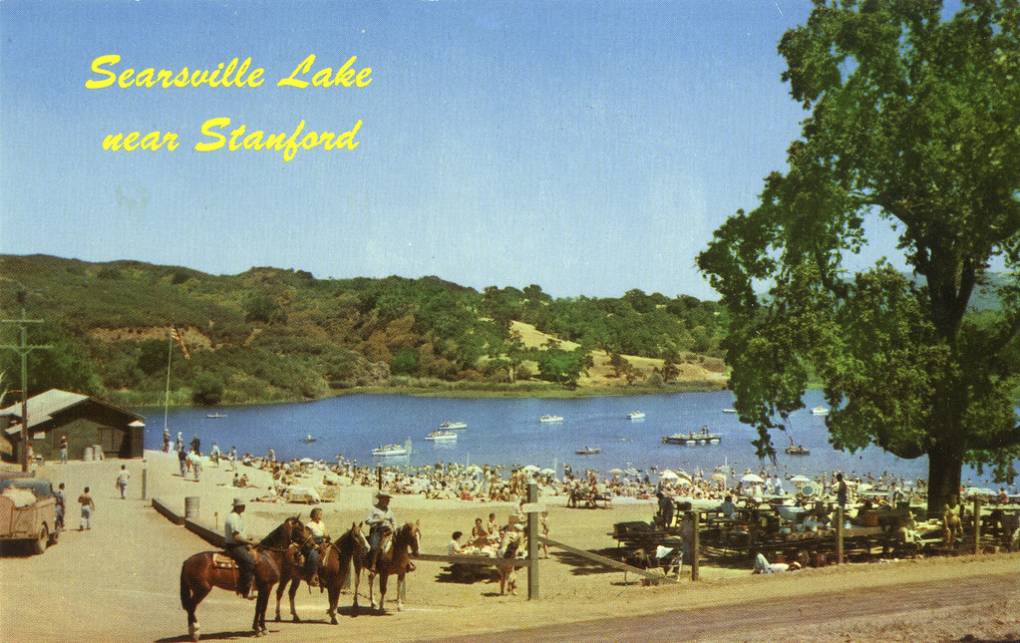
"caption": "For half a century, Searsville Lake functioned as a man-made playground that drew thousands of people from all over the Bay Area for water sports, summer camps, picnics and more. ",
"description": "For half a century, Searsville Lake functioned as a man-made playground that drew thousands of people from all over the Bay Area for water sports, summer camps, picnics and more.",
"title": "16994899290_64a91947fa_b",
"credit": "Courtesy Stanford University Archives",
"status": "inherit",
"altTag": "For half a century, Searsville Lake functioned as a man-made playground that drew thousands of people from all over the Bay Area for water sports, summer camps, picnics and more when the weather was good.",
"isLoading": false,
"fetchFailed": false
},
"news_11871925": {
"type": "attachments",
"id": "news_11871925",
"meta": {
"index": "attachments_1716263798",
"site": "news",
"id": "11871925",
"found": true
},
"parent": 11871915,
"imgSizes": {
"twentyfourteen-full-width": {
"file": "https://ww2.kqed.org/app/uploads/sites/10/2021/04/Chinese-and-donuts1-1038x576.jpg",
"width": 1038,
"mimeType": "image/jpeg",
"height": 576
},
"thumbnail": {
"file": "https://ww2.kqed.org/app/uploads/sites/10/2021/04/Chinese-and-donuts1-160x107.jpg",
"width": 160,
"mimeType": "image/jpeg",
"height": 107
},
"post-thumbnail": {
"file": "https://ww2.kqed.org/app/uploads/sites/10/2021/04/Chinese-and-donuts1-672x372.jpg",
"width": 672,
"mimeType": "image/jpeg",
"height": 372
},
"kqedFullSize": {
"file": "https://ww2.kqed.org/app/uploads/sites/10/2021/04/Chinese-and-donuts1.jpg",
"width": 1920,
"height": 1280
},
"large": {
"file": "https://ww2.kqed.org/app/uploads/sites/10/2021/04/Chinese-and-donuts1-1020x680.jpg",
"width": 1020,
"mimeType": "image/jpeg",
"height": 680
},
"1536x1536": {
"file": "https://ww2.kqed.org/app/uploads/sites/10/2021/04/Chinese-and-donuts1-1536x1024.jpg",
"width": 1536,
"mimeType": "image/jpeg",
"height": 1024
},
"medium": {
"file": "https://ww2.kqed.org/app/uploads/sites/10/2021/04/Chinese-and-donuts1-800x533.jpg",
"width": 800,
"mimeType": "image/jpeg",
"height": 533
}
},
"publishDate": 1619824939,
"modified": 1619825059,
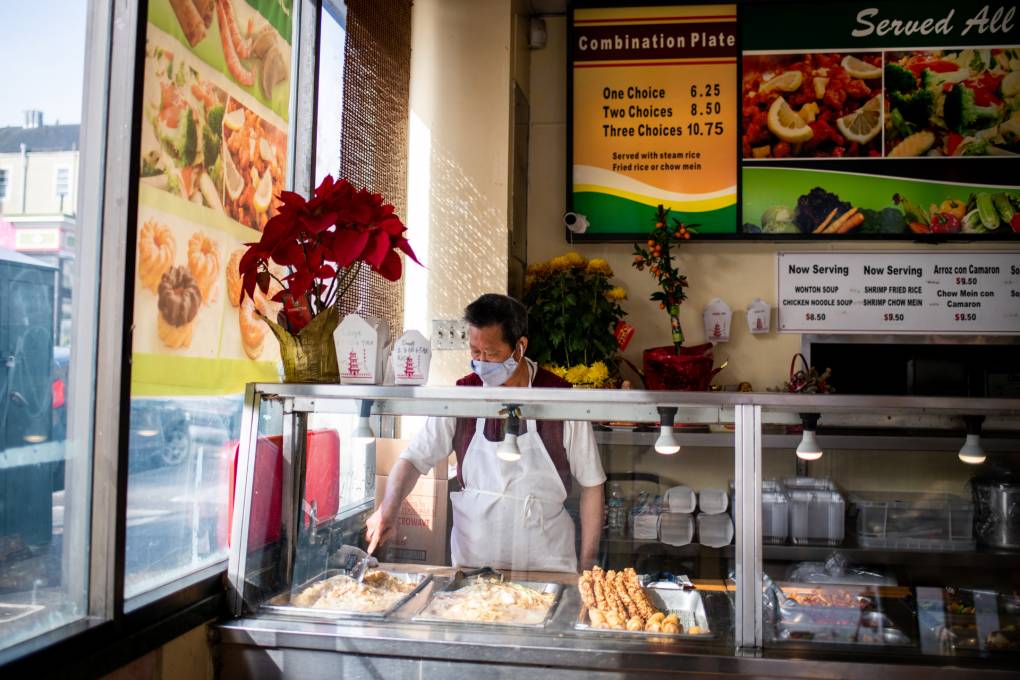
"caption": "An employee at China Express, a restaurant serving chinese food and doughnuts, on 24th and Mission Streets in San Francisco on March 19, 2021.",
"description": null,
"title": "Chinese-and-donuts1",
"credit": "Beth LaBerge/KQED",
"status": "inherit",
"altTag": "An employee at China Express on 24th and Mission Streets.",
"isLoading": false,
"fetchFailed": false
},
"news_11870626": {
"type": "attachments",
"id": "news_11870626",
"meta": {
"index": "attachments_1716263798",
"site": "news",
"id": "11870626",
"found": true
},
"parent": 11870625,
"imgSizes": {
"twentyfourteen-full-width": {
"file": "https://ww2.kqed.org/app/uploads/sites/10/2021/04/RS43040_011_KQED_SanFrancisco_TentEncampments_05052020-qut-1038x576.jpg",
"width": 1038,
"mimeType": "image/jpeg",
"height": 576
},
"thumbnail": {
"file": "https://ww2.kqed.org/app/uploads/sites/10/2021/04/RS43040_011_KQED_SanFrancisco_TentEncampments_05052020-qut-160x107.jpg",
"width": 160,
"mimeType": "image/jpeg",
"height": 107
},
"post-thumbnail": {
"file": "https://ww2.kqed.org/app/uploads/sites/10/2021/04/RS43040_011_KQED_SanFrancisco_TentEncampments_05052020-qut-672x372.jpg",
"width": 672,
"mimeType": "image/jpeg",
"height": 372
},
"kqedFullSize": {
"file": "https://ww2.kqed.org/app/uploads/sites/10/2021/04/RS43040_011_KQED_SanFrancisco_TentEncampments_05052020-qut.jpg",
"width": 1920,
"height": 1280
},
"large": {
"file": "https://ww2.kqed.org/app/uploads/sites/10/2021/04/RS43040_011_KQED_SanFrancisco_TentEncampments_05052020-qut-1020x680.jpg",
"width": 1020,
"mimeType": "image/jpeg",
"height": 680
},
"1536x1536": {
"file": "https://ww2.kqed.org/app/uploads/sites/10/2021/04/RS43040_011_KQED_SanFrancisco_TentEncampments_05052020-qut-1536x1024.jpg",
"width": 1536,
"mimeType": "image/jpeg",
"height": 1024
},
"medium": {
"file": "https://ww2.kqed.org/app/uploads/sites/10/2021/04/RS43040_011_KQED_SanFrancisco_TentEncampments_05052020-qut-800x533.jpg",
"width": 800,
"mimeType": "image/jpeg",
"height": 533
}
},
"publishDate": 1619047358,
"modified": 1619115561,
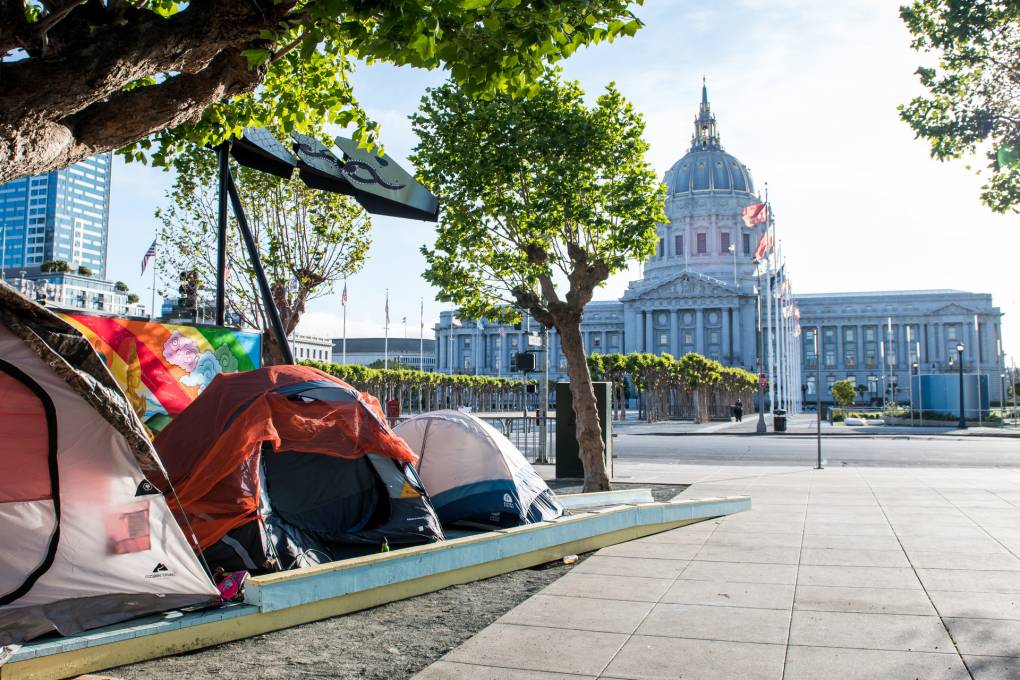
"caption": "Tents line Fulton Street near San Francisco City Hall on April 5, 2020.",
"description": null,
"title": "Tents line Fulton Street near City Hall on April 5, 2020.",
"credit": "Beth LeBarge/KQED",
"status": "inherit",
"altTag": "Tents line Fulton Street near City Hall on April 5, 2020.",
"isLoading": false,
"fetchFailed": false
},
"news_11857326": {
"type": "attachments",
"id": "news_11857326",
"meta": {
"index": "attachments_1716263798",
"site": "news",
"id": "11857326",
"found": true
},
"parent": 11857325,
"imgSizes": {
"apple_news_ca_landscape_5_5": {
"file": "https://ww2.kqed.org/app/uploads/sites/10/2021/01/RS46602_GettyImages-1230147824-qut-1044x783.jpg",
"width": 1044,
"mimeType": "image/jpeg",
"height": 783
},
"apple_news_ca_square_4_0": {
"file": "https://ww2.kqed.org/app/uploads/sites/10/2021/01/RS46602_GettyImages-1230147824-qut-470x470.jpg",
"width": 470,
"mimeType": "image/jpeg",
"height": 470
},
"twentyfourteen-full-width": {
"file": "https://ww2.kqed.org/app/uploads/sites/10/2021/01/RS46602_GettyImages-1230147824-qut-1038x576.jpg",
"width": 1038,
"mimeType": "image/jpeg",
"height": 576
},
"thumbnail": {
"file": "https://ww2.kqed.org/app/uploads/sites/10/2021/01/RS46602_GettyImages-1230147824-qut-160x107.jpg",
"width": 160,
"mimeType": "image/jpeg",
"height": 107
},
"post-thumbnail": {
"file": "https://ww2.kqed.org/app/uploads/sites/10/2021/01/RS46602_GettyImages-1230147824-qut-672x372.jpg",
"width": 672,
"mimeType": "image/jpeg",
"height": 372
},
"kqedFullSize": {
"file": "https://ww2.kqed.org/app/uploads/sites/10/2021/01/RS46602_GettyImages-1230147824-qut.jpg",
"width": 1920,
"height": 1280
},
"apple_news_ca_landscape_4_7": {
"file": "https://ww2.kqed.org/app/uploads/sites/10/2021/01/RS46602_GettyImages-1230147824-qut-632x474.jpg",
"width": 632,
"mimeType": "image/jpeg",
"height": 474
},
"large": {
"file": "https://ww2.kqed.org/app/uploads/sites/10/2021/01/RS46602_GettyImages-1230147824-qut-1020x680.jpg",
"width": 1020,
"mimeType": "image/jpeg",
"height": 680
},
"apple_news_ca_landscape_4_0": {
"file": "https://ww2.kqed.org/app/uploads/sites/10/2021/01/RS46602_GettyImages-1230147824-qut-536x402.jpg",
"width": 536,
"mimeType": "image/jpeg",
"height": 402
},
"apple_news_ca_portrait_12_9": {
"file": "https://ww2.kqed.org/app/uploads/sites/10/2021/01/RS46602_GettyImages-1230147824-qut-1122x1280.jpg",
"width": 1122,
"mimeType": "image/jpeg",
"height": 1280
},
"medium": {
"file": "https://ww2.kqed.org/app/uploads/sites/10/2021/01/RS46602_GettyImages-1230147824-qut-800x533.jpg",
"width": 800,
"mimeType": "image/jpeg",
"height": 533
},
"apple_news_ca_portrait_4_0": {
"file": "https://ww2.kqed.org/app/uploads/sites/10/2021/01/RS46602_GettyImages-1230147824-qut-354x472.jpg",
"width": 354,
"mimeType": "image/jpeg",
"height": 472
},
"apple_news_ca_portrait_9_7": {
"file": "https://ww2.kqed.org/app/uploads/sites/10/2021/01/RS46602_GettyImages-1230147824-qut-840x1120.jpg",
"width": 840,
"mimeType": "image/jpeg",
"height": 1120
},
"apple_news_ca_landscape_12_9": {
"file": "https://ww2.kqed.org/app/uploads/sites/10/2021/01/RS46602_GettyImages-1230147824-qut-1832x1280.jpg",
"width": 1832,
"mimeType": "image/jpeg",
"height": 1280
},
"apple_news_ca_square_9_7": {
"file": "https://ww2.kqed.org/app/uploads/sites/10/2021/01/RS46602_GettyImages-1230147824-qut-1104x1104.jpg",
"width": 1104,
"mimeType": "image/jpeg",
"height": 1104
},
"1536x1536": {
"file": "https://ww2.kqed.org/app/uploads/sites/10/2021/01/RS46602_GettyImages-1230147824-qut-1536x1024.jpg",
"width": 1536,
"mimeType": "image/jpeg",
"height": 1024
},
"apple_news_ca_portrait_4_7": {
"file": "https://ww2.kqed.org/app/uploads/sites/10/2021/01/RS46602_GettyImages-1230147824-qut-414x552.jpg",
"width": 414,
"mimeType": "image/jpeg",
"height": 552
},
"apple_news_ca_square_12_9": {
"file": "https://ww2.kqed.org/app/uploads/sites/10/2021/01/RS46602_GettyImages-1230147824-qut-1472x1280.jpg",
"width": 1472,
"mimeType": "image/jpeg",
"height": 1280
},
"apple_news_ca_portrait_5_5": {
"file": "https://ww2.kqed.org/app/uploads/sites/10/2021/01/RS46602_GettyImages-1230147824-qut-687x916.jpg",
"width": 687,
"mimeType": "image/jpeg",
"height": 916
},
"apple_news_ca_square_4_7": {
"file": "https://ww2.kqed.org/app/uploads/sites/10/2021/01/RS46602_GettyImages-1230147824-qut-550x550.jpg",
"width": 550,
"mimeType": "image/jpeg",
"height": 550
},
"apple_news_ca_landscape_9_7": {
"file": "https://ww2.kqed.org/app/uploads/sites/10/2021/01/RS46602_GettyImages-1230147824-qut-1376x1032.jpg",
"width": 1376,
"mimeType": "image/jpeg",
"height": 1032
},
"apple_news_ca_square_5_5": {
"file": "https://ww2.kqed.org/app/uploads/sites/10/2021/01/RS46602_GettyImages-1230147824-qut-912x912.jpg",
"width": 912,
"mimeType": "image/jpeg",
"height": 912
}
},
"publishDate": 1611776414,
"modified": 1615214993,
"caption": null,
"description": "Rachel Marrs (R) gives the Pfizer-BioNTech Covid-19 Vaccine shot to Kassandra Martinez, an EVS Attendant and Lead, at Rady Children's Hospital in San Diego, California.",
"title": "COVID vaccine",
"credit": "Ariana Drehsler / AFP via Getty Images",
"status": "inherit",
"altTag": null,
"isLoading": false,
"fetchFailed": false
},
"news_11843383": {
"type": "attachments",
"id": "news_11843383",
"meta": {
"index": "attachments_1716263798",
"site": "news",
"id": "11843383",
"found": true
},
"parent": 11843363,
"imgSizes": {
"apple_news_ca_landscape_5_5": {
"file": "https://ww2.kqed.org/app/uploads/sites/10/2020/10/iStock-1197828995-1044x783.jpg",
"width": 1044,
"mimeType": "image/jpeg",
"height": 783
},
"apple_news_ca_square_4_0": {
"file": "https://ww2.kqed.org/app/uploads/sites/10/2020/10/iStock-1197828995-470x470.jpg",
"width": 470,
"mimeType": "image/jpeg",
"height": 470
},
"twentyfourteen-full-width": {
"file": "https://ww2.kqed.org/app/uploads/sites/10/2020/10/iStock-1197828995-1038x576.jpg",
"width": 1038,
"mimeType": "image/jpeg",
"height": 576
},
"thumbnail": {
"file": "https://ww2.kqed.org/app/uploads/sites/10/2020/10/iStock-1197828995-160x111.jpg",
"width": 160,
"mimeType": "image/jpeg",
"height": 111
},
"post-thumbnail": {
"file": "https://ww2.kqed.org/app/uploads/sites/10/2020/10/iStock-1197828995-672x372.jpg",
"width": 672,
"mimeType": "image/jpeg",
"height": 372
},
"kqedFullSize": {
"file": "https://ww2.kqed.org/app/uploads/sites/10/2020/10/iStock-1197828995.jpg",
"width": 1920,
"height": 1336
},
"apple_news_ca_landscape_4_7": {
"file": "https://ww2.kqed.org/app/uploads/sites/10/2020/10/iStock-1197828995-632x474.jpg",
"width": 632,
"mimeType": "image/jpeg",
"height": 474
},
"large": {
"file": "https://ww2.kqed.org/app/uploads/sites/10/2020/10/iStock-1197828995-1020x710.jpg",
"width": 1020,
"mimeType": "image/jpeg",
"height": 710
},
"apple_news_ca_landscape_4_0": {
"file": "https://ww2.kqed.org/app/uploads/sites/10/2020/10/iStock-1197828995-536x402.jpg",
"width": 536,
"mimeType": "image/jpeg",
"height": 402
},
"apple_news_ca_portrait_12_9": {
"file": "https://ww2.kqed.org/app/uploads/sites/10/2020/10/iStock-1197828995-1122x1336.jpg",
"width": 1122,
"mimeType": "image/jpeg",
"height": 1336
},
"medium": {
"file": "https://ww2.kqed.org/app/uploads/sites/10/2020/10/iStock-1197828995-800x557.jpg",
"width": 800,
"mimeType": "image/jpeg",
"height": 557
},
"apple_news_ca_portrait_4_0": {
"file": "https://ww2.kqed.org/app/uploads/sites/10/2020/10/iStock-1197828995-354x472.jpg",
"width": 354,
"mimeType": "image/jpeg",
"height": 472
},
"apple_news_ca_portrait_9_7": {
"file": "https://ww2.kqed.org/app/uploads/sites/10/2020/10/iStock-1197828995-840x1120.jpg",
"width": 840,
"mimeType": "image/jpeg",
"height": 1120
},
"apple_news_ca_landscape_12_9": {
"file": "https://ww2.kqed.org/app/uploads/sites/10/2020/10/iStock-1197828995-1832x1336.jpg",
"width": 1832,
"mimeType": "image/jpeg",
"height": 1336
},
"apple_news_ca_square_9_7": {
"file": "https://ww2.kqed.org/app/uploads/sites/10/2020/10/iStock-1197828995-1104x1104.jpg",
"width": 1104,
"mimeType": "image/jpeg",
"height": 1104
},
"1536x1536": {
"file": "https://ww2.kqed.org/app/uploads/sites/10/2020/10/iStock-1197828995-1536x1069.jpg",
"width": 1536,
"mimeType": "image/jpeg",
"height": 1069
},
"apple_news_ca_portrait_4_7": {
"file": "https://ww2.kqed.org/app/uploads/sites/10/2020/10/iStock-1197828995-414x552.jpg",
"width": 414,
"mimeType": "image/jpeg",
"height": 552
},
"apple_news_ca_square_12_9": {
"file": "https://ww2.kqed.org/app/uploads/sites/10/2020/10/iStock-1197828995-1472x1336.jpg",
"width": 1472,
"mimeType": "image/jpeg",
"height": 1336
},
"apple_news_ca_portrait_5_5": {
"file": "https://ww2.kqed.org/app/uploads/sites/10/2020/10/iStock-1197828995-687x916.jpg",
"width": 687,
"mimeType": "image/jpeg",
"height": 916
},
"apple_news_ca_square_4_7": {
"file": "https://ww2.kqed.org/app/uploads/sites/10/2020/10/iStock-1197828995-550x550.jpg",
"width": 550,
"mimeType": "image/jpeg",
"height": 550
},
"apple_news_ca_landscape_9_7": {
"file": "https://ww2.kqed.org/app/uploads/sites/10/2020/10/iStock-1197828995-1376x1032.jpg",
"width": 1376,
"mimeType": "image/jpeg",
"height": 1032
},
"apple_news_ca_square_5_5": {
"file": "https://ww2.kqed.org/app/uploads/sites/10/2020/10/iStock-1197828995-912x912.jpg",
"width": 912,
"mimeType": "image/jpeg",
"height": 912
}
},
"publishDate": 1603407698,
"modified": 1603407867,
"caption": null,
"description": "Vector illustration of headphones with a plug and decorative elements around",
"title": "iStock-1197828995",
"credit": "Leonid studio/iStock",
"status": "inherit",
"isLoading": false,
"fetchFailed": false
},
"news_11842353": {
"type": "attachments",
"id": "news_11842353",
"meta": {
"index": "attachments_1716263798",
"site": "news",
"id": "11842353",
"found": true
},
"parent": 11842350,
"imgSizes": {
"apple_news_ca_landscape_5_5": {
"file": "https://ww2.kqed.org/app/uploads/sites/10/2020/10/data-privacy-1044x783.jpg",
"width": 1044,
"mimeType": "image/jpeg",
"height": 783
},
"apple_news_ca_square_4_0": {
"file": "https://ww2.kqed.org/app/uploads/sites/10/2020/10/data-privacy-470x470.jpg",
"width": 470,
"mimeType": "image/jpeg",
"height": 470
},
"twentyfourteen-full-width": {
"file": "https://ww2.kqed.org/app/uploads/sites/10/2020/10/data-privacy-1038x576.jpg",
"width": 1038,
"mimeType": "image/jpeg",
"height": 576
},
"thumbnail": {
"file": "https://ww2.kqed.org/app/uploads/sites/10/2020/10/data-privacy-160x90.jpg",
"width": 160,
"mimeType": "image/jpeg",
"height": 90
},
"post-thumbnail": {
"file": "https://ww2.kqed.org/app/uploads/sites/10/2020/10/data-privacy-672x372.jpg",
"width": 672,
"mimeType": "image/jpeg",
"height": 372
},
"kqedFullSize": {
"file": "https://ww2.kqed.org/app/uploads/sites/10/2020/10/data-privacy.jpg",
"width": 1920,
"height": 1080
},
"apple_news_ca_landscape_4_7": {
"file": "https://ww2.kqed.org/app/uploads/sites/10/2020/10/data-privacy-632x474.jpg",
"width": 632,
"mimeType": "image/jpeg",
"height": 474
},
"large": {
"file": "https://ww2.kqed.org/app/uploads/sites/10/2020/10/data-privacy-1020x574.jpg",
"width": 1020,
"mimeType": "image/jpeg",
"height": 574
},
"apple_news_ca_landscape_4_0": {
"file": "https://ww2.kqed.org/app/uploads/sites/10/2020/10/data-privacy-536x402.jpg",
"width": 536,
"mimeType": "image/jpeg",
"height": 402
},
"apple_news_ca_portrait_12_9": {
"file": "https://ww2.kqed.org/app/uploads/sites/10/2020/10/data-privacy-1122x1080.jpg",
"width": 1122,
"mimeType": "image/jpeg",
"height": 1080
},
"medium": {
"file": "https://ww2.kqed.org/app/uploads/sites/10/2020/10/data-privacy-800x450.jpg",
"width": 800,
"mimeType": "image/jpeg",
"height": 450
},
"apple_news_ca_portrait_4_0": {
"file": "https://ww2.kqed.org/app/uploads/sites/10/2020/10/data-privacy-354x472.jpg",
"width": 354,
"mimeType": "image/jpeg",
"height": 472
},
"apple_news_ca_portrait_9_7": {
"file": "https://ww2.kqed.org/app/uploads/sites/10/2020/10/data-privacy-840x1080.jpg",
"width": 840,
"mimeType": "image/jpeg",
"height": 1080
},
"apple_news_ca_landscape_12_9": {
"file": "https://ww2.kqed.org/app/uploads/sites/10/2020/10/data-privacy-1832x1080.jpg",
"width": 1832,
"mimeType": "image/jpeg",
"height": 1080
},
"apple_news_ca_square_9_7": {
"file": "https://ww2.kqed.org/app/uploads/sites/10/2020/10/data-privacy-1104x1080.jpg",
"width": 1104,
"mimeType": "image/jpeg",
"height": 1080
},
"1536x1536": {
"file": "https://ww2.kqed.org/app/uploads/sites/10/2020/10/data-privacy-1536x864.jpg",
"width": 1536,
"mimeType": "image/jpeg",
"height": 864
},
"apple_news_ca_portrait_4_7": {
"file": "https://ww2.kqed.org/app/uploads/sites/10/2020/10/data-privacy-414x552.jpg",
"width": 414,
"mimeType": "image/jpeg",
"height": 552
},
"apple_news_ca_square_12_9": {
"file": "https://ww2.kqed.org/app/uploads/sites/10/2020/10/data-privacy-1472x1080.jpg",
"width": 1472,
"mimeType": "image/jpeg",
"height": 1080
},
"apple_news_ca_portrait_5_5": {
"file": "https://ww2.kqed.org/app/uploads/sites/10/2020/10/data-privacy-687x916.jpg",
"width": 687,
"mimeType": "image/jpeg",
"height": 916
},
"apple_news_ca_square_4_7": {
"file": "https://ww2.kqed.org/app/uploads/sites/10/2020/10/data-privacy-550x550.jpg",
"width": 550,
"mimeType": "image/jpeg",
"height": 550
},
"apple_news_ca_landscape_9_7": {
"file": "https://ww2.kqed.org/app/uploads/sites/10/2020/10/data-privacy-1376x1032.jpg",
"width": 1376,
"mimeType": "image/jpeg",
"height": 1032
},
"apple_news_ca_square_5_5": {
"file": "https://ww2.kqed.org/app/uploads/sites/10/2020/10/data-privacy-912x912.jpg",
"width": 912,
"mimeType": "image/jpeg",
"height": 912
}
},
"publishDate": 1602715599,
"modified": 1602715675,
"caption": "California Proposition 24 wants to expand consumer privacy laws.",
"description": null,
"title": "data-privacy",
"credit": "peshkov/iStock",
"status": "inherit",
"isLoading": false,
"fetchFailed": false
},
"news_11842014": {
"type": "attachments",
"id": "news_11842014",
"meta": {
"index": "attachments_1716263798",
"site": "news",
"id": "11842014",
"found": true
},
"parent": 11842012,
"imgSizes": {
"apple_news_ca_landscape_5_5": {
"file": "https://ww2.kqed.org/app/uploads/sites/10/2020/10/RS16537_IMG_0458-1044x783.jpg",
"width": 1044,
"mimeType": "image/jpeg",
"height": 783
},
"apple_news_ca_square_4_0": {
"file": "https://ww2.kqed.org/app/uploads/sites/10/2020/10/RS16537_IMG_0458-470x470.jpg",
"width": 470,
"mimeType": "image/jpeg",
"height": 470
},
"twentyfourteen-full-width": {
"file": "https://ww2.kqed.org/app/uploads/sites/10/2020/10/RS16537_IMG_0458-1038x576.jpg",
"width": 1038,
"mimeType": "image/jpeg",
"height": 576
},
"thumbnail": {
"file": "https://ww2.kqed.org/app/uploads/sites/10/2020/10/RS16537_IMG_0458-160x107.jpg",
"width": 160,
"mimeType": "image/jpeg",
"height": 107
},
"post-thumbnail": {
"file": "https://ww2.kqed.org/app/uploads/sites/10/2020/10/RS16537_IMG_0458-672x372.jpg",
"width": 672,
"mimeType": "image/jpeg",
"height": 372
},
"kqedFullSize": {
"file": "https://ww2.kqed.org/app/uploads/sites/10/2020/10/RS16537_IMG_0458-scaled.jpg",
"width": 2560,
"height": 1707
},
"2048x2048": {
"file": "https://ww2.kqed.org/app/uploads/sites/10/2020/10/RS16537_IMG_0458-2048x1365.jpg",
"width": 2048,
"mimeType": "image/jpeg",
"height": 1365
},
"apple_news_ca_landscape_4_7": {
"file": "https://ww2.kqed.org/app/uploads/sites/10/2020/10/RS16537_IMG_0458-632x474.jpg",
"width": 632,
"mimeType": "image/jpeg",
"height": 474
},
"large": {
"file": "https://ww2.kqed.org/app/uploads/sites/10/2020/10/RS16537_IMG_0458-1020x680.jpg",
"width": 1020,
"mimeType": "image/jpeg",
"height": 680
},
"apple_news_ca_landscape_4_0": {
"file": "https://ww2.kqed.org/app/uploads/sites/10/2020/10/RS16537_IMG_0458-536x402.jpg",
"width": 536,
"mimeType": "image/jpeg",
"height": 402
},
"apple_news_ca_portrait_12_9": {
"file": "https://ww2.kqed.org/app/uploads/sites/10/2020/10/RS16537_IMG_0458-1122x1496.jpg",
"width": 1122,
"mimeType": "image/jpeg",
"height": 1496
},
"medium": {
"file": "https://ww2.kqed.org/app/uploads/sites/10/2020/10/RS16537_IMG_0458-800x533.jpg",
"width": 800,
"mimeType": "image/jpeg",
"height": 533
},
"apple_news_ca_portrait_4_0": {
"file": "https://ww2.kqed.org/app/uploads/sites/10/2020/10/RS16537_IMG_0458-354x472.jpg",
"width": 354,
"mimeType": "image/jpeg",
"height": 472
},
"apple_news_ca_portrait_9_7": {
"file": "https://ww2.kqed.org/app/uploads/sites/10/2020/10/RS16537_IMG_0458-840x1120.jpg",
"width": 840,
"mimeType": "image/jpeg",
"height": 1120
},
"apple_news_ca_landscape_12_9": {
"file": "https://ww2.kqed.org/app/uploads/sites/10/2020/10/RS16537_IMG_0458-1832x1374.jpg",
"width": 1832,
"mimeType": "image/jpeg",
"height": 1374
},
"apple_news_ca_square_9_7": {
"file": "https://ww2.kqed.org/app/uploads/sites/10/2020/10/RS16537_IMG_0458-1104x1104.jpg",
"width": 1104,
"mimeType": "image/jpeg",
"height": 1104
},
"1536x1536": {
"file": "https://ww2.kqed.org/app/uploads/sites/10/2020/10/RS16537_IMG_0458-1536x1024.jpg",
"width": 1536,
"mimeType": "image/jpeg",
"height": 1024
},
"apple_news_ca_portrait_4_7": {
"file": "https://ww2.kqed.org/app/uploads/sites/10/2020/10/RS16537_IMG_0458-414x552.jpg",
"width": 414,
"mimeType": "image/jpeg",
"height": 552
},
"apple_news_ca_square_12_9": {
"file": "https://ww2.kqed.org/app/uploads/sites/10/2020/10/RS16537_IMG_0458-1472x1472.jpg",
"width": 1472,
"mimeType": "image/jpeg",
"height": 1472
},
"apple_news_ca_portrait_5_5": {
"file": "https://ww2.kqed.org/app/uploads/sites/10/2020/10/RS16537_IMG_0458-687x916.jpg",
"width": 687,
"mimeType": "image/jpeg",
"height": 916
},
"full-width": {
"file": "https://ww2.kqed.org/app/uploads/sites/10/2020/10/RS16537_IMG_0458-1920x1280.jpg",
"width": 1920,
"mimeType": "image/jpeg",
"height": 1280
},
"apple_news_ca_square_4_7": {
"file": "https://ww2.kqed.org/app/uploads/sites/10/2020/10/RS16537_IMG_0458-550x550.jpg",
"width": 550,
"mimeType": "image/jpeg",
"height": 550
},
"apple_news_ca_landscape_9_7": {
"file": "https://ww2.kqed.org/app/uploads/sites/10/2020/10/RS16537_IMG_0458-1376x1032.jpg",
"width": 1376,
"mimeType": "image/jpeg",
"height": 1032
},
"apple_news_ca_square_5_5": {
"file": "https://ww2.kqed.org/app/uploads/sites/10/2020/10/RS16537_IMG_0458-912x912.jpg",
"width": 912,
"mimeType": "image/jpeg",
"height": 912
}
},
"publishDate": 1602544163,
"modified": 1602544664,
"caption": "At the heart of Prop 22 is a question about how app-based drivers should be classified. ",
"description": "An app-based driver behind the steering wheel, with his phone on the dashboard, displaying a map. ",
"title": "RS16537_IMG_0458",
"credit": "Ericka Cruz Guevarra/KQED",
"status": "inherit",
"isLoading": false,
"fetchFailed": false
},
"news_11841580": {
"type": "attachments",
"id": "news_11841580",
"meta": {
"index": "attachments_1716263798",
"site": "news",
"id": "11841580",
"found": true
},
"parent": 11841579,
"imgSizes": {
"apple_news_ca_landscape_5_5": {
"file": "https://ww2.kqed.org/app/uploads/sites/10/2020/10/iStock-1170519918-1044x783.jpg",
"width": 1044,
"mimeType": "image/jpeg",
"height": 783
},
"apple_news_ca_square_4_0": {
"file": "https://ww2.kqed.org/app/uploads/sites/10/2020/10/iStock-1170519918-470x470.jpg",
"width": 470,
"mimeType": "image/jpeg",
"height": 470
},
"twentyfourteen-full-width": {
"file": "https://ww2.kqed.org/app/uploads/sites/10/2020/10/iStock-1170519918-1038x576.jpg",
"width": 1038,
"mimeType": "image/jpeg",
"height": 576
},
"thumbnail": {
"file": "https://ww2.kqed.org/app/uploads/sites/10/2020/10/iStock-1170519918-160x107.jpg",
"width": 160,
"mimeType": "image/jpeg",
"height": 107
},
"post-thumbnail": {
"file": "https://ww2.kqed.org/app/uploads/sites/10/2020/10/iStock-1170519918-672x372.jpg",
"width": 672,
"mimeType": "image/jpeg",
"height": 372
},
"kqedFullSize": {
"file": "https://ww2.kqed.org/app/uploads/sites/10/2020/10/iStock-1170519918.jpg",
"width": 1920,
"height": 1280
},
"apple_news_ca_landscape_4_7": {
"file": "https://ww2.kqed.org/app/uploads/sites/10/2020/10/iStock-1170519918-632x474.jpg",
"width": 632,
"mimeType": "image/jpeg",
"height": 474
},
"large": {
"file": "https://ww2.kqed.org/app/uploads/sites/10/2020/10/iStock-1170519918-1020x680.jpg",
"width": 1020,
"mimeType": "image/jpeg",
"height": 680
},
"apple_news_ca_landscape_4_0": {
"file": "https://ww2.kqed.org/app/uploads/sites/10/2020/10/iStock-1170519918-536x402.jpg",
"width": 536,
"mimeType": "image/jpeg",
"height": 402
},
"apple_news_ca_portrait_12_9": {
"file": "https://ww2.kqed.org/app/uploads/sites/10/2020/10/iStock-1170519918-1122x1280.jpg",
"width": 1122,
"mimeType": "image/jpeg",
"height": 1280
},
"medium": {
"file": "https://ww2.kqed.org/app/uploads/sites/10/2020/10/iStock-1170519918-800x533.jpg",
"width": 800,
"mimeType": "image/jpeg",
"height": 533
},
"apple_news_ca_portrait_4_0": {
"file": "https://ww2.kqed.org/app/uploads/sites/10/2020/10/iStock-1170519918-354x472.jpg",
"width": 354,
"mimeType": "image/jpeg",
"height": 472
},
"apple_news_ca_portrait_9_7": {
"file": "https://ww2.kqed.org/app/uploads/sites/10/2020/10/iStock-1170519918-840x1120.jpg",
"width": 840,
"mimeType": "image/jpeg",
"height": 1120
},
"apple_news_ca_landscape_12_9": {
"file": "https://ww2.kqed.org/app/uploads/sites/10/2020/10/iStock-1170519918-1832x1280.jpg",
"width": 1832,
"mimeType": "image/jpeg",
"height": 1280
},
"apple_news_ca_square_9_7": {
"file": "https://ww2.kqed.org/app/uploads/sites/10/2020/10/iStock-1170519918-1104x1104.jpg",
"width": 1104,
"mimeType": "image/jpeg",
"height": 1104
},
"1536x1536": {
"file": "https://ww2.kqed.org/app/uploads/sites/10/2020/10/iStock-1170519918-1536x1024.jpg",
"width": 1536,
"mimeType": "image/jpeg",
"height": 1024
},
"apple_news_ca_portrait_4_7": {
"file": "https://ww2.kqed.org/app/uploads/sites/10/2020/10/iStock-1170519918-414x552.jpg",
"width": 414,
"mimeType": "image/jpeg",
"height": 552
},
"apple_news_ca_square_12_9": {
"file": "https://ww2.kqed.org/app/uploads/sites/10/2020/10/iStock-1170519918-1472x1280.jpg",
"width": 1472,
"mimeType": "image/jpeg",
"height": 1280
},
"apple_news_ca_portrait_5_5": {
"file": "https://ww2.kqed.org/app/uploads/sites/10/2020/10/iStock-1170519918-687x916.jpg",
"width": 687,
"mimeType": "image/jpeg",
"height": 916
},
"apple_news_ca_square_4_7": {
"file": "https://ww2.kqed.org/app/uploads/sites/10/2020/10/iStock-1170519918-550x550.jpg",
"width": 550,
"mimeType": "image/jpeg",
"height": 550
},
"apple_news_ca_landscape_9_7": {
"file": "https://ww2.kqed.org/app/uploads/sites/10/2020/10/iStock-1170519918-1376x1032.jpg",
"width": 1376,
"mimeType": "image/jpeg",
"height": 1032
},
"apple_news_ca_square_5_5": {
"file": "https://ww2.kqed.org/app/uploads/sites/10/2020/10/iStock-1170519918-912x912.jpg",
"width": 912,
"mimeType": "image/jpeg",
"height": 912
}
},
"publishDate": 1602197570,
"modified": 1602197674,
"caption": "Proposition 20 would make some people convicted of felonies ineligible for early parole, among other things. ",
"description": "High Angle View Of Judge Gavel And handcuffs.",
"title": null,
"credit": "artisteer/iStock photos",
"status": "inherit",
"isLoading": false,
"fetchFailed": false
},
"news_11839591": {
"type": "attachments",
"id": "news_11839591",
"meta": {
"index": "attachments_1716263798",
"site": "news",
"id": "11839591",
"found": true
},
"parent": 11839465,
"imgSizes": {
"apple_news_ca_landscape_5_5": {
"file": "https://ww2.kqed.org/app/uploads/sites/10/2020/09/vote-hands-1044x783.png",
"width": 1044,
"mimeType": "image/png",
"height": 783
},
"apple_news_ca_square_4_0": {
"file": "https://ww2.kqed.org/app/uploads/sites/10/2020/09/vote-hands-470x470.png",
"width": 470,
"mimeType": "image/png",
"height": 470
},
"twentyfourteen-full-width": {
"file": "https://ww2.kqed.org/app/uploads/sites/10/2020/09/vote-hands-1038x576.png",
"width": 1038,
"mimeType": "image/png",
"height": 576
},
"thumbnail": {
"file": "https://ww2.kqed.org/app/uploads/sites/10/2020/09/vote-hands-160x107.png",
"width": 160,
"mimeType": "image/png",
"height": 107
},
"post-thumbnail": {
"file": "https://ww2.kqed.org/app/uploads/sites/10/2020/09/vote-hands-672x372.png",
"width": 672,
"mimeType": "image/png",
"height": 372
},
"kqedFullSize": {
"file": "https://ww2.kqed.org/app/uploads/sites/10/2020/09/vote-hands.png",
"width": 1900,
"height": 1267
},
"apple_news_ca_landscape_4_7": {
"file": "https://ww2.kqed.org/app/uploads/sites/10/2020/09/vote-hands-632x474.png",
"width": 632,
"mimeType": "image/png",
"height": 474
},
"large": {
"file": "https://ww2.kqed.org/app/uploads/sites/10/2020/09/vote-hands-1020x680.png",
"width": 1020,
"mimeType": "image/png",
"height": 680
},
"apple_news_ca_landscape_4_0": {
"file": "https://ww2.kqed.org/app/uploads/sites/10/2020/09/vote-hands-536x402.png",
"width": 536,
"mimeType": "image/png",
"height": 402
},
"apple_news_ca_portrait_12_9": {
"file": "https://ww2.kqed.org/app/uploads/sites/10/2020/09/vote-hands-1122x1267.png",
"width": 1122,
"mimeType": "image/png",
"height": 1267
},
"medium": {
"file": "https://ww2.kqed.org/app/uploads/sites/10/2020/09/vote-hands-800x533.png",
"width": 800,
"mimeType": "image/png",
"height": 533
},
"apple_news_ca_portrait_4_0": {
"file": "https://ww2.kqed.org/app/uploads/sites/10/2020/09/vote-hands-354x472.png",
"width": 354,
"mimeType": "image/png",
"height": 472
},
"apple_news_ca_portrait_9_7": {
"file": "https://ww2.kqed.org/app/uploads/sites/10/2020/09/vote-hands-840x1120.png",
"width": 840,
"mimeType": "image/png",
"height": 1120
},
"apple_news_ca_landscape_12_9": {
"file": "https://ww2.kqed.org/app/uploads/sites/10/2020/09/vote-hands-1832x1267.png",
"width": 1832,
"mimeType": "image/png",
"height": 1267
},
"apple_news_ca_square_9_7": {
"file": "https://ww2.kqed.org/app/uploads/sites/10/2020/09/vote-hands-1104x1104.png",
"width": 1104,
"mimeType": "image/png",
"height": 1104
},
"1536x1536": {
"file": "https://ww2.kqed.org/app/uploads/sites/10/2020/09/vote-hands-1536x1024.png",
"width": 1536,
"mimeType": "image/png",
"height": 1024
},
"apple_news_ca_portrait_4_7": {
"file": "https://ww2.kqed.org/app/uploads/sites/10/2020/09/vote-hands-414x552.png",
"width": 414,
"mimeType": "image/png",
"height": 552
},
"apple_news_ca_square_12_9": {
"file": "https://ww2.kqed.org/app/uploads/sites/10/2020/09/vote-hands-1472x1267.png",
"width": 1472,
"mimeType": "image/png",
"height": 1267
},
"apple_news_ca_portrait_5_5": {
"file": "https://ww2.kqed.org/app/uploads/sites/10/2020/09/vote-hands-687x916.png",
"width": 687,
"mimeType": "image/png",
"height": 916
},
"apple_news_ca_square_4_7": {
"file": "https://ww2.kqed.org/app/uploads/sites/10/2020/09/vote-hands-550x550.png",
"width": 550,
"mimeType": "image/png",
"height": 550
},
"apple_news_ca_landscape_9_7": {
"file": "https://ww2.kqed.org/app/uploads/sites/10/2020/09/vote-hands-1376x1032.png",
"width": 1376,
"mimeType": "image/png",
"height": 1032
},
"apple_news_ca_square_5_5": {
"file": "https://ww2.kqed.org/app/uploads/sites/10/2020/09/vote-hands-912x912.png",
"width": 912,
"mimeType": "image/png",
"height": 912
}
},
"publishDate": 1600992446,
"modified": 1602535978,
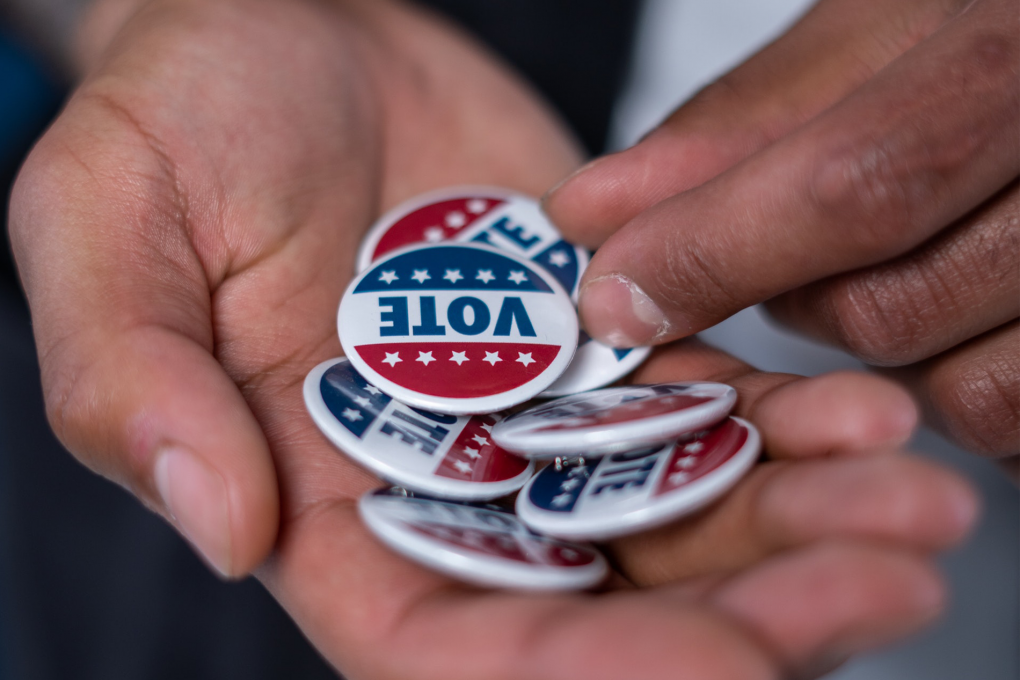
"caption": "Mail-in ballots, later results: what's different about voting in the 2020 election? A lot.",
"description": "Mail-in ballots, later results: what's different about voting in the 2020 election? A lot.",
"title": "election2020",
"credit": "cottonbro/Pexels",
"status": "inherit",
"isLoading": false,
"fetchFailed": false
},
"news_11839199": {
"type": "attachments",
"id": "news_11839199",
"meta": {
"index": "attachments_1716263798",
"site": "news",
"id": "11839199",
"found": true
},
"parent": 11839198,
"imgSizes": {
"apple_news_ca_landscape_5_5": {
"file": "https://ww2.kqed.org/app/uploads/sites/10/2020/09/NorthAmerPleistocene-1044x783.jpg",
"width": 1044,
"mimeType": "image/jpeg",
"height": 783
},
"apple_news_ca_square_4_0": {
"file": "https://ww2.kqed.org/app/uploads/sites/10/2020/09/NorthAmerPleistocene-470x470.jpg",
"width": 470,
"mimeType": "image/jpeg",
"height": 470
},
"twentyfourteen-full-width": {
"file": "https://ww2.kqed.org/app/uploads/sites/10/2020/09/NorthAmerPleistocene-1038x576.jpg",
"width": 1038,
"mimeType": "image/jpeg",
"height": 576
},
"thumbnail": {
"file": "https://ww2.kqed.org/app/uploads/sites/10/2020/09/NorthAmerPleistocene-160x133.jpg",
"width": 160,
"mimeType": "image/jpeg",
"height": 133
},
"post-thumbnail": {
"file": "https://ww2.kqed.org/app/uploads/sites/10/2020/09/NorthAmerPleistocene-672x372.jpg",
"width": 672,
"mimeType": "image/jpeg",
"height": 372
},
"kqedFullSize": {
"file": "https://ww2.kqed.org/app/uploads/sites/10/2020/09/NorthAmerPleistocene-scaled.jpg",
"width": 2560,
"height": 2133
},
"2048x2048": {
"file": "https://ww2.kqed.org/app/uploads/sites/10/2020/09/NorthAmerPleistocene-2048x1707.jpg",
"width": 2048,
"mimeType": "image/jpeg",
"height": 1707
},
"apple_news_ca_landscape_4_7": {
"file": "https://ww2.kqed.org/app/uploads/sites/10/2020/09/NorthAmerPleistocene-632x474.jpg",
"width": 632,
"mimeType": "image/jpeg",
"height": 474
},
"large": {
"file": "https://ww2.kqed.org/app/uploads/sites/10/2020/09/NorthAmerPleistocene-1020x850.jpg",
"width": 1020,
"mimeType": "image/jpeg",
"height": 850
},
"apple_news_ca_landscape_4_0": {
"file": "https://ww2.kqed.org/app/uploads/sites/10/2020/09/NorthAmerPleistocene-536x402.jpg",
"width": 536,
"mimeType": "image/jpeg",
"height": 402
},
"apple_news_ca_portrait_12_9": {
"file": "https://ww2.kqed.org/app/uploads/sites/10/2020/09/NorthAmerPleistocene-1122x1496.jpg",
"width": 1122,
"mimeType": "image/jpeg",
"height": 1496
},
"medium": {
"file": "https://ww2.kqed.org/app/uploads/sites/10/2020/09/NorthAmerPleistocene-800x667.jpg",
"width": 800,
"mimeType": "image/jpeg",
"height": 667
},
"apple_news_ca_portrait_4_0": {
"file": "https://ww2.kqed.org/app/uploads/sites/10/2020/09/NorthAmerPleistocene-354x472.jpg",
"width": 354,
"mimeType": "image/jpeg",
"height": 472
},
"apple_news_ca_portrait_9_7": {
"file": "https://ww2.kqed.org/app/uploads/sites/10/2020/09/NorthAmerPleistocene-840x1120.jpg",
"width": 840,
"mimeType": "image/jpeg",
"height": 1120
},
"apple_news_ca_landscape_12_9": {
"file": "https://ww2.kqed.org/app/uploads/sites/10/2020/09/NorthAmerPleistocene-1832x1374.jpg",
"width": 1832,
"mimeType": "image/jpeg",
"height": 1374
},
"apple_news_ca_square_9_7": {
"file": "https://ww2.kqed.org/app/uploads/sites/10/2020/09/NorthAmerPleistocene-1104x1104.jpg",
"width": 1104,
"mimeType": "image/jpeg",
"height": 1104
},
"1536x1536": {
"file": "https://ww2.kqed.org/app/uploads/sites/10/2020/09/NorthAmerPleistocene-1536x1280.jpg",
"width": 1536,
"mimeType": "image/jpeg",
"height": 1280
},
"apple_news_ca_portrait_4_7": {
"file": "https://ww2.kqed.org/app/uploads/sites/10/2020/09/NorthAmerPleistocene-414x552.jpg",
"width": 414,
"mimeType": "image/jpeg",
"height": 552
},
"apple_news_ca_square_12_9": {
"file": "https://ww2.kqed.org/app/uploads/sites/10/2020/09/NorthAmerPleistocene-1472x1472.jpg",
"width": 1472,
"mimeType": "image/jpeg",
"height": 1472
},
"apple_news_ca_portrait_5_5": {
"file": "https://ww2.kqed.org/app/uploads/sites/10/2020/09/NorthAmerPleistocene-687x916.jpg",
"width": 687,
"mimeType": "image/jpeg",
"height": 916
},
"full-width": {
"file": "https://ww2.kqed.org/app/uploads/sites/10/2020/09/NorthAmerPleistocene-1920x1600.jpg",
"width": 1920,
"mimeType": "image/jpeg",
"height": 1600
},
"apple_news_ca_square_4_7": {
"file": "https://ww2.kqed.org/app/uploads/sites/10/2020/09/NorthAmerPleistocene-550x550.jpg",
"width": 550,
"mimeType": "image/jpeg",
"height": 550
},
"apple_news_ca_landscape_9_7": {
"file": "https://ww2.kqed.org/app/uploads/sites/10/2020/09/NorthAmerPleistocene-1376x1032.jpg",
"width": 1376,
"mimeType": "image/jpeg",
"height": 1032
},
"apple_news_ca_square_5_5": {
"file": "https://ww2.kqed.org/app/uploads/sites/10/2020/09/NorthAmerPleistocene-912x912.jpg",
"width": 912,
"mimeType": "image/jpeg",
"height": 912
}
},
"publishDate": 1600819392,
"modified": 1600819458,
"caption": "Creatures that would have been seen in the Bay Area at the tail end of the last ice age.",
"description": "Creatures that would have been seen in the Bay Area at the tail end of the last ice age.",
"title": "NorthAmerPleistocene",
"credit": "Illustration by Karen Carr",
"status": "inherit",
"isLoading": false,
"fetchFailed": false
},
"news_11830449": {
"type": "attachments",
"id": "news_11830449",
"meta": {
"index": "attachments_1716263798",
"site": "news",
"id": "11830449",
"found": true
},
"parent": 11830384,
"imgSizes": {
"apple_news_ca_square_4_0": {
"file": "https://ww2.kqed.org/app/uploads/sites/10/2020/07/1495678.750x-470x470.png",
"width": 470,
"mimeType": "image/png",
"height": 470
},
"thumbnail": {
"file": "https://ww2.kqed.org/app/uploads/sites/10/2020/07/1495678.750x-160x102.png",
"width": 160,
"mimeType": "image/png",
"height": 102
},
"post-thumbnail": {
"file": "https://ww2.kqed.org/app/uploads/sites/10/2020/07/1495678.750x-672x372.png",
"width": 672,
"mimeType": "image/png",
"height": 372
},
"kqedFullSize": {
"file": "https://ww2.kqed.org/app/uploads/sites/10/2020/07/1495678.750x.png",
"width": 750,
"height": 480
},
"apple_news_ca_landscape_4_7": {
"file": "https://ww2.kqed.org/app/uploads/sites/10/2020/07/1495678.750x-632x474.png",
"width": 632,
"mimeType": "image/png",
"height": 474
},
"apple_news_ca_portrait_4_7": {
"file": "https://ww2.kqed.org/app/uploads/sites/10/2020/07/1495678.750x-414x480.png",
"width": 414,
"mimeType": "image/png",
"height": 480
},
"apple_news_ca_portrait_5_5": {
"file": "https://ww2.kqed.org/app/uploads/sites/10/2020/07/1495678.750x-687x480.png",
"width": 687,
"mimeType": "image/png",
"height": 480
},
"apple_news_ca_square_4_7": {
"file": "https://ww2.kqed.org/app/uploads/sites/10/2020/07/1495678.750x-550x480.png",
"width": 550,
"mimeType": "image/png",
"height": 480
},
"apple_news_ca_landscape_4_0": {
"file": "https://ww2.kqed.org/app/uploads/sites/10/2020/07/1495678.750x-536x402.png",
"width": 536,
"mimeType": "image/png",
"height": 402
},
"apple_news_ca_portrait_4_0": {
"file": "https://ww2.kqed.org/app/uploads/sites/10/2020/07/1495678.750x-354x472.png",
"width": 354,
"mimeType": "image/png",
"height": 472
}
},
"publishDate": 1595564467,
"modified": 1595614959,
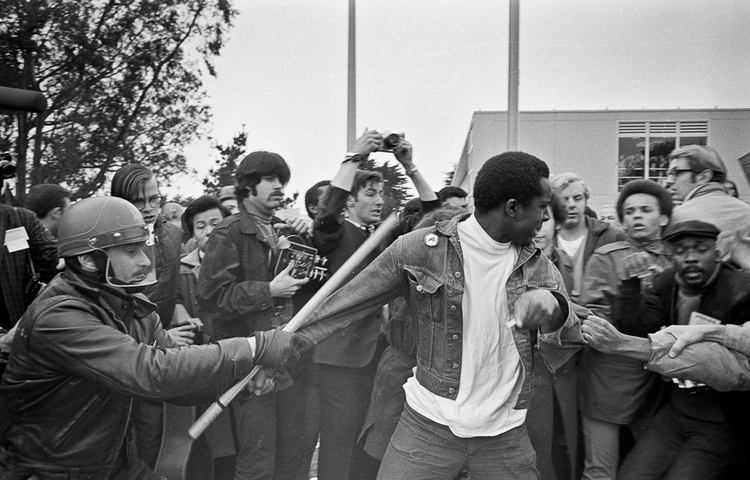
"caption": "Police arrest Black Student Union member John Cleveland during the student strike at San Francisco State College 1968-1969, which resulted in the creation of a College of Ethnic Studies.",
"description": null,
"title": "1495678.750x",
"credit": "Courtesy of San Francisco State University Photographic Timeline Project",
"status": "inherit",
"isLoading": false,
"fetchFailed": false
},
"news_11829149": {
"type": "attachments",
"id": "news_11829149",
"meta": {
"index": "attachments_1716263798",
"site": "news",
"id": "11829149",
"found": true
},
"parent": 11828932,
"imgSizes": {
"apple_news_ca_landscape_5_5": {
"file": "https://ww2.kqed.org/app/uploads/sites/10/2020/07/GettyImages-1142032802-1044x783.jpg",
"width": 1044,
"mimeType": "image/jpeg",
"height": 783
},
"apple_news_ca_square_4_0": {
"file": "https://ww2.kqed.org/app/uploads/sites/10/2020/07/GettyImages-1142032802-470x470.jpg",
"width": 470,
"mimeType": "image/jpeg",
"height": 470
},
"twentyfourteen-full-width": {
"file": "https://ww2.kqed.org/app/uploads/sites/10/2020/07/GettyImages-1142032802-1038x576.jpg",
"width": 1038,
"mimeType": "image/jpeg",
"height": 576
},
"thumbnail": {
"file": "https://ww2.kqed.org/app/uploads/sites/10/2020/07/GettyImages-1142032802-160x107.jpg",
"width": 160,
"mimeType": "image/jpeg",
"height": 107
},
"post-thumbnail": {
"file": "https://ww2.kqed.org/app/uploads/sites/10/2020/07/GettyImages-1142032802-672x372.jpg",
"width": 672,
"mimeType": "image/jpeg",
"height": 372
},
"kqedFullSize": {
"file": "https://ww2.kqed.org/app/uploads/sites/10/2020/07/GettyImages-1142032802.jpg",
"width": 1920,
"height": 1280
},
"apple_news_ca_landscape_4_7": {
"file": "https://ww2.kqed.org/app/uploads/sites/10/2020/07/GettyImages-1142032802-632x474.jpg",
"width": 632,
"mimeType": "image/jpeg",
"height": 474
},
"large": {
"file": "https://ww2.kqed.org/app/uploads/sites/10/2020/07/GettyImages-1142032802-1020x680.jpg",
"width": 1020,
"mimeType": "image/jpeg",
"height": 680
},
"apple_news_ca_landscape_4_0": {
"file": "https://ww2.kqed.org/app/uploads/sites/10/2020/07/GettyImages-1142032802-536x402.jpg",
"width": 536,
"mimeType": "image/jpeg",
"height": 402
},
"apple_news_ca_portrait_12_9": {
"file": "https://ww2.kqed.org/app/uploads/sites/10/2020/07/GettyImages-1142032802-1122x1280.jpg",
"width": 1122,
"mimeType": "image/jpeg",
"height": 1280
},
"medium": {
"file": "https://ww2.kqed.org/app/uploads/sites/10/2020/07/GettyImages-1142032802-800x533.jpg",
"width": 800,
"mimeType": "image/jpeg",
"height": 533
},
"apple_news_ca_portrait_4_0": {
"file": "https://ww2.kqed.org/app/uploads/sites/10/2020/07/GettyImages-1142032802-354x472.jpg",
"width": 354,
"mimeType": "image/jpeg",
"height": 472
},
"apple_news_ca_portrait_9_7": {
"file": "https://ww2.kqed.org/app/uploads/sites/10/2020/07/GettyImages-1142032802-840x1120.jpg",
"width": 840,
"mimeType": "image/jpeg",
"height": 1120
},
"apple_news_ca_landscape_12_9": {
"file": "https://ww2.kqed.org/app/uploads/sites/10/2020/07/GettyImages-1142032802-1832x1280.jpg",
"width": 1832,
"mimeType": "image/jpeg",
"height": 1280
},
"apple_news_ca_square_9_7": {
"file": "https://ww2.kqed.org/app/uploads/sites/10/2020/07/GettyImages-1142032802-1104x1104.jpg",
"width": 1104,
"mimeType": "image/jpeg",
"height": 1104
},
"1536x1536": {
"file": "https://ww2.kqed.org/app/uploads/sites/10/2020/07/GettyImages-1142032802-1536x1024.jpg",
"width": 1536,
"mimeType": "image/jpeg",
"height": 1024
},
"apple_news_ca_portrait_4_7": {
"file": "https://ww2.kqed.org/app/uploads/sites/10/2020/07/GettyImages-1142032802-414x552.jpg",
"width": 414,
"mimeType": "image/jpeg",
"height": 552
},
"apple_news_ca_square_12_9": {
"file": "https://ww2.kqed.org/app/uploads/sites/10/2020/07/GettyImages-1142032802-1472x1280.jpg",
"width": 1472,
"mimeType": "image/jpeg",
"height": 1280
},
"apple_news_ca_portrait_5_5": {
"file": "https://ww2.kqed.org/app/uploads/sites/10/2020/07/GettyImages-1142032802-687x916.jpg",
"width": 687,
"mimeType": "image/jpeg",
"height": 916
},
"apple_news_ca_square_4_7": {
"file": "https://ww2.kqed.org/app/uploads/sites/10/2020/07/GettyImages-1142032802-550x550.jpg",
"width": 550,
"mimeType": "image/jpeg",
"height": 550
},
"apple_news_ca_landscape_9_7": {
"file": "https://ww2.kqed.org/app/uploads/sites/10/2020/07/GettyImages-1142032802-1376x1032.jpg",
"width": 1376,
"mimeType": "image/jpeg",
"height": 1032
},
"apple_news_ca_square_5_5": {
"file": "https://ww2.kqed.org/app/uploads/sites/10/2020/07/GettyImages-1142032802-912x912.jpg",
"width": 912,
"mimeType": "image/jpeg",
"height": 912
}
},
"publishDate": 1594848496,
"modified": 1594848561,
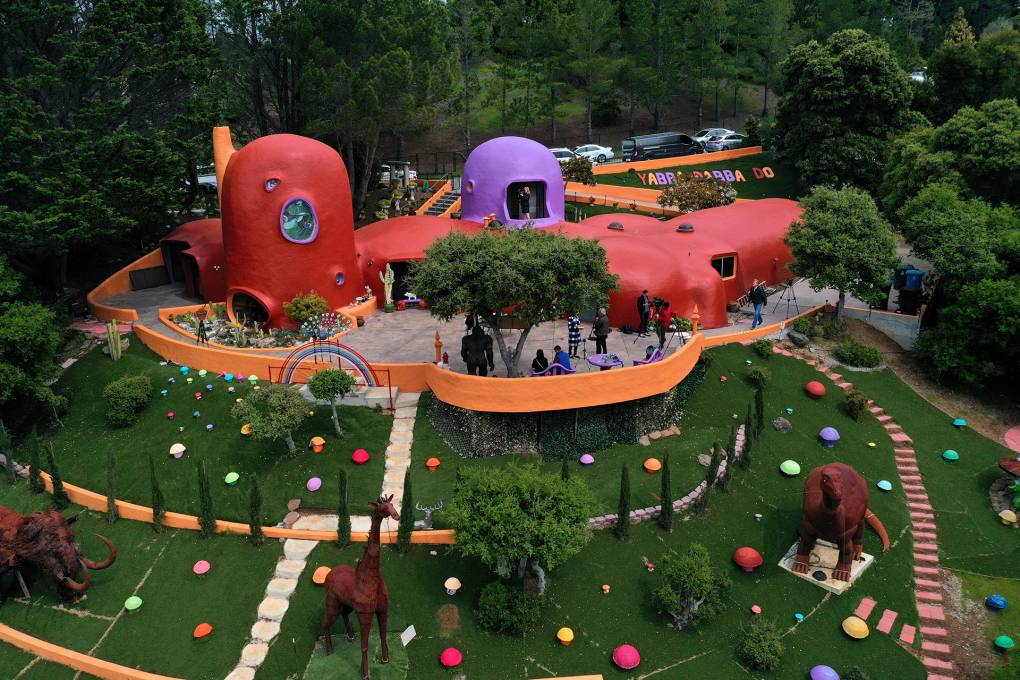
"caption": "The Flintstone House was born from a young architect's dreams of revolutionizing how we built homes. ",
"description": "The Flintstone House was born from a young architect's dreams of revolutionizing how we built homes. ",
"title": "Owners Of \"Flintstones\" Themed House In California In Legal Fight With Town Over Construction Permits",
"credit": "Justin Sullivan/Getty Images",
"status": "inherit",
"isLoading": false,
"fetchFailed": false
}
},
"audioPlayerReducer": {
"postId": "stream_live",
"isPaused": true,
"isPlaying": false,
"pfsActive": false,
"pledgeModalIsOpen": true,
"playerDrawerIsOpen": false,
"liveAudioPlayStartedAt": 0,
"liveAudioPlayContext": ""
},
"authorsReducer": {
"byline_news_11839198": {
"type": "authors",
"id": "byline_news_11839198",
"meta": {
"override": true
},
"slug": "byline_news_11839198",
"name": "Daniel Potter",
"isLoading": false
},
"ohubertallen": {
"type": "authors",
"id": "102",
"meta": {
"index": "authors_1716337520",
"id": "102",
"found": true
},
"name": "Olivia Allen-Price",
"firstName": "Olivia",
"lastName": "Allen-Price",
"slug": "ohubertallen",
"email": "oallenprice@kqed.org",
"display_author_email": false,
"staff_mastheads": [
"news"
],
"title": "Senior Editor",
"bio": "Olivia Allen-Price is senior editor and host of the award-winning Bay Curious podcast. Prior to joining KQED in 2013, Olivia worked at The Baltimore Sun and The Virginian-Pilot in Norfolk, Va. She holds degrees in journalism and political science from Elon University. Her work has earned awards from the Society of Professional Journalists, the Hearst Foundation and Hearken. She loves to talk about running and curly hair.\r\n\r\nFollow: \u003ca href=\"https://twitter.com/oallenprice\">@oallenprice\u003c/a>\r\nEmail: \u003ca href=\"mailto:oallenprice@kqed.org\">oallenprice@kqed.org\u003c/a>",
"avatar": "https://secure.gravatar.com/avatar/07f7803c1f6be56f3be58ef276dfa64dce898502e0554408ef4858451a8294f7?s=600&d=blank&r=g",
"twitter": "oallenprice",
"bluesky": null,
"facebook": null,
"instagram": null,
"linkedin": null,
"sites": [
{
"site": "",
"roles": [
"editor"
]
},
{
"site": "arts",
"roles": [
"subscriber"
]
},
{
"site": "news",
"roles": [
"administrator"
]
},
{
"site": "pop",
"roles": [
"administrator"
]
},
{
"site": "bayareabites",
"roles": [
"contributor"
]
},
{
"site": "stateofhealth",
"roles": [
"administrator"
]
},
{
"site": "science",
"roles": [
"editor"
]
}
],
"headData": {
"title": "Olivia Allen-Price | KQED",
"description": "Senior Editor",
"ogImgSrc": "https://secure.gravatar.com/avatar/07f7803c1f6be56f3be58ef276dfa64dce898502e0554408ef4858451a8294f7?s=600&d=blank&r=g",
"twImgSrc": "https://secure.gravatar.com/avatar/07f7803c1f6be56f3be58ef276dfa64dce898502e0554408ef4858451a8294f7?s=600&d=blank&r=g"
},
"isLoading": false,
"link": "/author/ohubertallen"
},
"katrinaschwartz": {
"type": "authors",
"id": "234",
"meta": {
"index": "authors_1716337520",
"id": "234",
"found": true
},
"name": "Katrina Schwartz",
"firstName": "Katrina",
"lastName": "Schwartz",
"slug": "katrinaschwartz",
"email": "kschwartz@kqed.org",
"display_author_email": false,
"staff_mastheads": [
"news"
],
"title": "Producer",
"bio": "Katrina Schwartz is a journalist based in San Francisco. She's worked at KPCC public radio in LA and has reported on air and online for KQED since 2010. She covered how teaching and learning is changing for MindShift between 2012 and 2020. She is the co-host of the MindShift podcast and now produces KQED's Bay Curious podcast.",
"avatar": "https://secure.gravatar.com/avatar/edb4ee79070447a018538c9aae6eeecf28786515b8a0c30e43b6b7dce5aa44c8?s=600&d=blank&r=g",
"twitter": "kschwart",
"bluesky": null,
"facebook": null,
"instagram": null,
"linkedin": null,
"sites": [
{
"site": "",
"roles": [
"editor"
]
},
{
"site": "news",
"roles": [
"editor"
]
},
{
"site": "mindshift",
"roles": [
"administrator"
]
},
{
"site": "stateofhealth",
"roles": [
"author"
]
},
{
"site": "science",
"roles": [
"editor"
]
}
],
"headData": {
"title": "Katrina Schwartz | KQED",
"description": "Producer",
"ogImgSrc": "https://secure.gravatar.com/avatar/edb4ee79070447a018538c9aae6eeecf28786515b8a0c30e43b6b7dce5aa44c8?s=600&d=blank&r=g",
"twImgSrc": "https://secure.gravatar.com/avatar/edb4ee79070447a018538c9aae6eeecf28786515b8a0c30e43b6b7dce5aa44c8?s=600&d=blank&r=g"
},
"isLoading": false,
"link": "/author/katrinaschwartz"
},
"rachael-myrow": {
"type": "authors",
"id": "251",
"meta": {
"index": "authors_1716337520",
"id": "251",
"found": true
},
"name": "Rachael Myrow",
"firstName": "Rachael",
"lastName": "Myrow",
"slug": "rachael-myrow",
"email": "rmyrow@kqed.org",
"display_author_email": true,
"staff_mastheads": [
"news"
],
"title": "Senior Editor of KQED's Silicon Valley News Desk",
"bio": "• I write and edit stories about how Silicon Valley power and policies shape everyday life in California. I’m also passionate about making Bay Area history and culture more accessible to a broad public. • I’ve been a journalist for most of my life, starting in high school with The Franklin Press in Los Angeles, where I grew up. While earning my first degree in English at UC Berkeley, I got my start in public radio at KALX-FM. After completing a second degree in journalism at Cal, I landed my first professional job at Marketplace, then moved on to KPCC (now LAist), and then KQED, where I hosted The California Report for more than seven years. • My reporting has appeared on NPR, The World, WBUR’s \u003ci>Here & Now\u003c/i>, and the BBC. I also guest host for KQED’s \u003ci>Forum\u003c/i>, as well as the Commonwealth Club in San Francisco. • I speak periodically on media, democracy and technology issues, and do voiceover work for documentaries and educational video projects. • Outside of the studio, you'll find me hiking Bay Area trails and whipping up Insta-ready meals in my kitchen. • I do not accept gifts, money, or favors from anyone connected to my reporting, I don't pay people for information, and I do not support or donate to political causes. • I strive to treat the people I report on with fairness, honesty, and respect. I also recognize there are often multiple sides to a story and work to verify information through multiple sources and documentation. If I get something wrong, I correct it.",
"avatar": "https://secure.gravatar.com/avatar/3ed8a3c5f26025e4a805ba634cda8cd764906b97438a6d9ce216b044e340da4e?s=600&d=blank&r=g",
"twitter": "rachaelmyrow",
"bluesky": null,
"facebook": null,
"instagram": null,
"linkedin": "https://www.linkedin.com/in/rachaelmyrow/",
"sites": [
{
"site": "arts",
"roles": [
"administrator"
]
},
{
"site": "news",
"roles": [
"edit_others_posts",
"editor"
]
},
{
"site": "futureofyou",
"roles": [
"editor"
]
},
{
"site": "bayareabites",
"roles": [
"editor"
]
},
{
"site": "stateofhealth",
"roles": [
"editor"
]
},
{
"site": "science",
"roles": [
"editor"
]
},
{
"site": "food",
"roles": [
"editor"
]
},
{
"site": "forum",
"roles": [
"editor"
]
},
{
"site": "liveblog",
"roles": [
"author"
]
}
],
"headData": {
"title": "Rachael Myrow | KQED",
"description": "Senior Editor of KQED's Silicon Valley News Desk",
"ogImgSrc": "https://secure.gravatar.com/avatar/3ed8a3c5f26025e4a805ba634cda8cd764906b97438a6d9ce216b044e340da4e?s=600&d=blank&r=g",
"twImgSrc": "https://secure.gravatar.com/avatar/3ed8a3c5f26025e4a805ba634cda8cd764906b97438a6d9ce216b044e340da4e?s=600&d=blank&r=g"
},
"isLoading": false,
"link": "/author/rachael-myrow"
},
"samharnett": {
"type": "authors",
"id": "253",
"meta": {
"index": "authors_1716337520",
"id": "253",
"found": true
},
"name": "Sam Harnett",
"firstName": "Sam",
"lastName": "Harnett",
"slug": "samharnett",
"email": "samharnett@gmail.com",
"display_author_email": false,
"staff_mastheads": [],
"title": "KQED Contributor",
"bio": "Sam Harnett covered tech and work at KQED. He is the co-creator of \u003cem>\u003ca href=\"http://www.theworldaccordingtosound.org\">The World According to Sound\u003c/a>,\u003c/em> a 90-second podcast that features different sounds and the stories behind them.\r\n\r\nBefore coming to KQED, Sam worked as an independent reporter who contributed regularly to \u003cem>The California Report, Marketplace,\u003c/em> \u003cem>The World \u003c/em>and NPR.",
"avatar": "https://secure.gravatar.com/avatar/2538b972ac02f2b9546c7a6c59a0f3d0?s=600&d=blank&r=g",
"twitter": "Samwharnett",
"facebook": null,
"instagram": null,
"linkedin": null,
"sites": [
{
"site": "news",
"roles": [
"edit_others_posts",
"subscriber"
]
},
{
"site": "stateofhealth",
"roles": [
"author"
]
},
{
"site": "science",
"roles": [
"editor"
]
},
{
"site": "quest",
"roles": [
"subscriber"
]
}
],
"headData": {
"title": "Sam Harnett | KQED",
"description": "KQED Contributor",
"ogImgSrc": "https://secure.gravatar.com/avatar/2538b972ac02f2b9546c7a6c59a0f3d0?s=600&d=blank&r=g",
"twImgSrc": "https://secure.gravatar.com/avatar/2538b972ac02f2b9546c7a6c59a0f3d0?s=600&d=blank&r=g"
},
"isLoading": false,
"link": "/author/samharnett"
},
"mlagos": {
"type": "authors",
"id": "3239",
"meta": {
"index": "authors_1716337520",
"id": "3239",
"found": true
},
"name": "Marisa Lagos",
"firstName": "Marisa",
"lastName": "Lagos",
"slug": "mlagos",
"email": "mlagos@kqed.org",
"display_author_email": false,
"staff_mastheads": [
"news"
],
"title": "KQED Contributor",
"bio": "Marisa Lagos is a correspondent for KQED’s California Politics and Government Desk and co-hosts the award-winning show and podcast, Political Breakdown. At KQED, Lagos also conducts reporting, analysis and investigations into state, local and national politics for radio, TV, online and onstage. In 2022, she and co-host, Scott Shafer, moderated the only gubernatorial debate in California. In 2020, the \u003ci>Washington Post\u003c/i> named her one of the top political journalists in California; she was nominated for a Peabody and won several other awards for her work investigating the 2017 California wildfires. She has worked at the \u003ci>San Francisco Chronicle\u003c/i>, \u003ci>San Francisco Examiner\u003c/i> and \u003ci>Los Angeles Times\u003c/i>. A UC Santa Barbara graduate, she lives in San Francisco with her two sons and husband.",
"avatar": "https://secure.gravatar.com/avatar/a261a0d3696fc066871ef96b85b5e7d2?s=600&d=blank&r=g",
"twitter": "@mlagos",
"facebook": null,
"instagram": null,
"linkedin": null,
"sites": [
{
"site": "arts",
"roles": [
"author"
]
},
{
"site": "news",
"roles": [
"editor"
]
},
{
"site": "science",
"roles": [
"editor"
]
},
{
"site": "forum",
"roles": [
"author"
]
},
{
"site": "liveblog",
"roles": [
"author"
]
}
],
"headData": {
"title": "Marisa Lagos | KQED",
"description": "KQED Contributor",
"ogImgSrc": "https://secure.gravatar.com/avatar/a261a0d3696fc066871ef96b85b5e7d2?s=600&d=blank&r=g",
"twImgSrc": "https://secure.gravatar.com/avatar/a261a0d3696fc066871ef96b85b5e7d2?s=600&d=blank&r=g"
},
"isLoading": false,
"link": "/author/mlagos"
},
"carlysevern": {
"type": "authors",
"id": "3243",
"meta": {
"index": "authors_1716337520",
"id": "3243",
"found": true
},
"name": "Carly Severn",
"firstName": "Carly",
"lastName": "Severn",
"slug": "carlysevern",
"email": "csevern@kqed.org",
"display_author_email": false,
"staff_mastheads": [
"news"
],
"title": "Senior Editor, Audience News ",
"bio": "Carly is KQED's Senior Editor of Audience News on the Digital News team, and has reported for the California Report Magazine, Bay Curious and KQED Arts. She's formerly the host of \u003ca href=\"http://ww2.kqed.org/pop/category/the-cooler/\" rel=\"noopener noreferrer\">The Cooler\u003c/a> podcast.",
"avatar": "https://secure.gravatar.com/avatar/54037bf5c128fe678f0ef26cec97a93f2e7f220a22d7285703328f12c42c1b1d?s=600&d=blank&r=g",
"twitter": "teacupinthebay",
"bluesky": null,
"facebook": null,
"instagram": null,
"linkedin": null,
"sites": [
{
"site": "",
"roles": [
"editor"
]
},
{
"site": "arts",
"roles": [
"editor"
]
},
{
"site": "news",
"roles": [
"administrator"
]
},
{
"site": "pop",
"roles": [
"editor"
]
},
{
"site": "futureofyou",
"roles": [
"editor"
]
},
{
"site": "about",
"roles": [
"administrator"
]
},
{
"site": "mindshift",
"roles": [
"editor"
]
},
{
"site": "bayareabites",
"roles": [
"editor"
]
},
{
"site": "stateofhealth",
"roles": [
"editor"
]
},
{
"site": "science",
"roles": [
"editor"
]
},
{
"site": "food",
"roles": [
"contributor"
]
},
{
"site": "forum",
"roles": [
"editor"
]
},
{
"site": "perspectives",
"roles": [
"administrator"
]
},
{
"site": "liveblog",
"roles": [
"editor"
]
}
],
"headData": {
"title": "Carly Severn | KQED",
"description": "Senior Editor, Audience News ",
"ogImgSrc": "https://secure.gravatar.com/avatar/54037bf5c128fe678f0ef26cec97a93f2e7f220a22d7285703328f12c42c1b1d?s=600&d=blank&r=g",
"twImgSrc": "https://secure.gravatar.com/avatar/54037bf5c128fe678f0ef26cec97a93f2e7f220a22d7285703328f12c42c1b1d?s=600&d=blank&r=g"
},
"isLoading": false,
"link": "/author/carlysevern"
},
"aehsanipour": {
"type": "authors",
"id": "11580",
"meta": {
"index": "authors_1716337520",
"id": "11580",
"found": true
},
"name": "Asal Ehsanipour",
"firstName": "Asal",
"lastName": "Ehsanipour",
"slug": "aehsanipour",
"email": "aehsanipour@kqed.org",
"display_author_email": false,
"staff_mastheads": [],
"title": "Reporter and Producer",
"bio": "Asal Ehsanipour is a producer and reporter for Rightnowish, Bay Curious and The California Report Magazine. She is also a producer for \u003ca href=\"https://www.thedoubleshift.com/\">The Double Shift\u003c/a>, a podcast about a new generation of working mothers. In 2018, Asal was named an Emerging Journalist Fellow by the Journalism and Women’s Symposium. Her work has appeared on KQED, KALW, PRI’s The World, and in several food and travel publications.",
"avatar": "https://secure.gravatar.com/avatar/c0e210438f5dca1b76921ff9f0eada52?s=600&d=blank&r=g",
"twitter": null,
"facebook": null,
"instagram": null,
"linkedin": null,
"sites": [
{
"site": "arts",
"roles": []
},
{
"site": "news",
"roles": [
"author",
"edit_others_posts"
]
}
],
"headData": {
"title": "Asal Ehsanipour | KQED",
"description": "Reporter and Producer",
"ogImgSrc": "https://secure.gravatar.com/avatar/c0e210438f5dca1b76921ff9f0eada52?s=600&d=blank&r=g",
"twImgSrc": "https://secure.gravatar.com/avatar/c0e210438f5dca1b76921ff9f0eada52?s=600&d=blank&r=g"
},
"isLoading": false,
"link": "/author/aehsanipour"
},
"msolomon": {
"type": "authors",
"id": "11651",
"meta": {
"index": "authors_1716337520",
"id": "11651",
"found": true
},
"name": "Molly Solomon",
"firstName": "Molly",
"lastName": "Solomon",
"slug": "msolomon",
"email": "msolomon@KQED.org",
"display_author_email": false,
"staff_mastheads": [
"news"
],
"title": "Senior Editor",
"bio": "Molly Solomon is the senior editor of KQED's California Politics and Government Desk. Previously, she was the station's editor-at-large, with a focus on editing early childhood education, politics, and criminal justice. Before that, she managed and edited statewide election coverage for The California Newsroom, a collaboration of local public radio stations, CalMatters and NPR. Molly joined KQED in 2019 to launch the station’s housing affordability desk, where she reported on homelessness, evictions and is the co-host of KQED’s housing podcast, SOLD OUT: Rethinking Housing in America. Before that, she was the Southwest Washington Bureau Chief for Oregon Public Broadcasting and a reporter at Hawaii Public Radio. Her stories have aired on NPR’s \u003cem>Morning Edition\u003c/em>, \u003cem>All Things Considered\u003c/em>, \u003cem>Here & Now\u003c/em>, \u003cem>Science Friday\u003c/em> and \u003cem>Marketplace\u003c/em>. Molly's award-winning reporting has been honored by the Best of the West, Edward R. Murrow awards, Society of Professional Journalists, National Headliner Awards, and the Asian American Journalists Association. Born and raised in Berkeley, Molly is a big fan of burritos and her scruffy terrier, Ollie.",
"avatar": "https://secure.gravatar.com/avatar/9ad9794616923d81c9a79897161545bd?s=600&d=blank&r=g",
"twitter": "solomonout",
"facebook": null,
"instagram": null,
"linkedin": null,
"sites": [
{
"site": "news",
"roles": [
"editor"
]
},
{
"site": "science",
"roles": [
"editor"
]
}
],
"headData": {
"title": "Molly Solomon | KQED",
"description": "Senior Editor",
"ogImgSrc": "https://secure.gravatar.com/avatar/9ad9794616923d81c9a79897161545bd?s=600&d=blank&r=g",
"twImgSrc": "https://secure.gravatar.com/avatar/9ad9794616923d81c9a79897161545bd?s=600&d=blank&r=g"
},
"isLoading": false,
"link": "/author/msolomon"
},
"ebaldassari": {
"type": "authors",
"id": "11652",
"meta": {
"index": "authors_1716337520",
"id": "11652",
"found": true
},
"name": "Erin Baldassari",
"firstName": "Erin",
"lastName": "Baldassari",
"slug": "ebaldassari",
"email": "ebaldassari@KQED.org",
"display_author_email": true,
"staff_mastheads": [
"news"
],
"title": "Staff Writer",
"bio": "Erin Baldassari covers housing for KQED. She's a former print journalist and most recently worked as the transportation reporter for the \u003cem>Mercury News\u003c/em> and \u003cem>East Bay Times. \u003c/em>There, she focused on how the Bay Area’s housing shortage has changed the way people move around the region. She also served on the \u003cem>East Bay Times\u003c/em>’ 2017 Pulitzer Prize-winning team for coverage of the Ghost Ship Fire in Oakland. Prior to that, Erin worked as a breaking news and general assignment reporter for a variety of outlets in the Bay Area and the greater Boston area. A Tufts University alumna, Erin grew up in the foothills of the Sierra Nevada mountains and in Sonoma County. She is a life-long KQED listener.",
"avatar": "https://secure.gravatar.com/avatar/5e95cad64a8ca08288082212e199d2b0cbeb4fd8e8ef5339395f361032bbe005?s=600&d=blank&r=g",
"twitter": "e_baldi",
"bluesky": null,
"facebook": null,
"instagram": null,
"linkedin": null,
"sites": [
{
"site": "news",
"roles": [
"edit_others_posts",
"editor"
]
},
{
"site": "science",
"roles": [
"editor"
]
},
{
"site": "liveblog",
"roles": [
"editor"
]
}
],
"headData": {
"title": "Erin Baldassari | KQED",
"description": "Staff Writer",
"ogImgSrc": "https://secure.gravatar.com/avatar/5e95cad64a8ca08288082212e199d2b0cbeb4fd8e8ef5339395f361032bbe005?s=600&d=blank&r=g",
"twImgSrc": "https://secure.gravatar.com/avatar/5e95cad64a8ca08288082212e199d2b0cbeb4fd8e8ef5339395f361032bbe005?s=600&d=blank&r=g"
},
"isLoading": false,
"link": "/author/ebaldassari"
}
},
"pagesReducer": {
"news_program_baycurious": {
"type": "terms",
"id": "news_34552",
"meta": {
"index": "terms_1716263798",
"site": "news",
"id": "34552",
"score": 15.279701
},
"name": "baycurious",
"slug": "baycurious",
"taxonomy": "program",
"description": null,
"featImg": null,
"headData": {
"title": "baycurious | KQED News",
"description": null,
"ogTitle": null,
"ogDescription": null,
"ogImgId": null,
"twTitle": null,
"twDescription": null,
"twImgId": null
},
"ttid": 34569,
"isLoading": false,
"title": "baycurious",
"pageMeta": {
"site": "news",
"WpPageTemplate": "page-topic-editorial",
"currentPage": 8
},
"blocks": [
{
"blockName": "kqed/post-list",
"attrs": {
"layout": "cardArticle2",
"query": "posts/news?program=baycurious",
"seeMore": false,
"paginated": true,
"page": 8
}
},
{
"blockName": "kqed/ad"
}
]
}
},
"pfsSessionReducer": {},
"postsReducer": {
"stream_live": {
"type": "live",
"id": "stream_live",
"audioUrl": "https://streams.kqed.org/kqedradio",
"title": "Live Stream",
"excerpt": "Live Stream information currently unavailable.",
"link": "/radio",
"featImg": "",
"label": {
"name": "KQED Live",
"link": "/"
}
},
"stream_kqedNewscast": {
"type": "posts",
"id": "stream_kqedNewscast",
"audioUrl": "https://www.kqed.org/.stream/anon/radio/RDnews/newscast.mp3?_=1",
"title": "KQED Newscast",
"featImg": "",
"label": {
"name": "88.5 FM",
"link": "/"
}
},
"news_11871565": {
"type": "posts",
"id": "news_11871565",
"meta": {
"index": "posts_1716263798",
"site": "news",
"id": "11871565",
"score": null,
"sort": [
1621504820000
]
},
"guestAuthors": [],
"slug": "the-real-history-behind-the-myths-and-mystery-of-stanfords-searsville-lake",
"title": "The Real History Behind the Myths and Mystery of Stanford's Searsville Lake",
"publishDate": 1621504820,
"format": "standard",
"headTitle": "The Real History Behind the Myths and Mystery of Stanford’s Searsville Lake | KQED",
"labelTerm": {},
"content": "\u003cp>Rohnert Park resident David Mattea remembers fondly when he was a boy in the 1970s, how his family would drive half an hour south to escape foggy Daly City. They would head to a place called Searsville Lake for some fun in the sun. When the weather was good, the man-made playground would regularly draw thousands of people from all over the Bay Area for water sports, summer camps, picnics and more.\u003c/p>\n\u003cp>[baycuriouspodcastinfo]\u003c/p>\n\u003cp>“Whatever became of Searsville Lake on the Peninsula?” Mattea wants to know.\u003c/p>\n\u003ch2>The Great Water Grab of the 19th Century\u003c/h2>\n\u003cp>In the years following the Gold Rush, San Francisco’s growing population was thirsty for drinking water. The Spring Valley Water Company bought up a lot of the farmland on the Peninsula south of the city to take advantage of all the creek water pouring off the Santa Cruz Mountains. They built dams to collect the water in reservoirs like \u003ca href=\"https://www.kqed.org/news/11747125/the-not-so-crystal-clean-history-of-san-franciscos-drinking-water-2\">Crystal Springs \u003c/a>and directed it to San Francisco.\u003c/p>\n\u003cp>Now, around this time, the railroad baron Leland Stanford was building a brand new university. He bought a small reservoir from the Spring Valley Water Company for use on his \u003ca href=\"https://www.kqed.org/news/11781771/how-stanford-became-the-largest-landowner-in-silicon-valley\" target=\"_blank\" rel=\"noopener noreferrer\">sprawling, 8,200-acre campus\u003c/a>.\u003c/p>\n\u003cfigure id=\"attachment_11871596\" class=\"wp-caption aligncenter\" style=\"max-width: 1024px\">\u003cimg loading=\"lazy\" decoding=\"async\" class=\"size-full wp-image-11871596\" src=\"https://ww2.kqed.org/app/uploads/sites/10/2021/05/16562202803_c583eefd4c_b.jpg\" alt=\"The dam was built in 1892 by the Spring Valley Water Company, but the reservoir never proved to be a reliable source of palatable drinking water and was acquired by Stanford University in 1919. \" width=\"1024\" height=\"612\" srcset=\"https://cdn.kqed.org/wp-content/uploads/sites/10/2021/05/16562202803_c583eefd4c_b.jpg 1024w, https://cdn.kqed.org/wp-content/uploads/sites/10/2021/05/16562202803_c583eefd4c_b-800x478.jpg 800w, https://cdn.kqed.org/wp-content/uploads/sites/10/2021/05/16562202803_c583eefd4c_b-1020x610.jpg 1020w, https://cdn.kqed.org/wp-content/uploads/sites/10/2021/05/16562202803_c583eefd4c_b-160x96.jpg 160w\" sizes=\"(max-width: 1024px) 100vw, 1024px\">\u003cfigcaption class=\"wp-caption-text\">The dam was built in 1892 by the Spring Valley Water Company, but the reservoir never proved to be a reliable source of palatable drinking water and was acquired by Stanford University in 1919. \u003ccite>(Courtesy of Stanford University Archives)\u003c/cite>\u003c/figcaption>\u003c/figure>\n\u003cp>A handful of creeks feed the little reservoir on the campus, according to Tom Zigterman, director of water resources and civil infrastructure at Stanford.\u003c/p>\n\u003cp>[ad fullwidth]\u003c/p>\n\u003cp>“There’s four or five, depends on where you’re doing the counting, but it’s a number of creeks that merge right there at that canyon,” he says.\u003c/p>\n\u003cp>However, this reservoir proved to be a major disappointment as a drinking water source because one of the creeks that fed into it, Corte Madera Creek, also carried tons of silt and sediment down from the mountains.\u003c/p>\n\u003cp>“The water smelled awful,” says Julie Cain, a historian for Stanford Heritage Services, which is responsible for the campus archaeology program. Cain is co-writing a book with another local historian, Nancy Lund, about Searsville Dam. “The water tasted awful. All of the porcelain sinks and bathtubs had yellow or brownish stains that could not be removed.”\u003c/p>\n\u003cp>Cain says Stanford’s early campus manager “figured out relatively quickly that this water was really going to only be good for irrigation and fire protection.”\u003c/p>\n\u003cp>Even though the reservoir couldn’t deliver potable water, it was still a pretty sweet place to hang out.\u003c/p>\n\u003cp>“There were about 200 families living in the area, roughly, and the lake became an immediate unofficial recreational spot with people that lived nearby,” Cain says.\u003c/p>\n\u003cfigure id=\"attachment_11871597\" class=\"wp-caption aligncenter\" style=\"max-width: 1024px\">\u003cimg loading=\"lazy\" decoding=\"async\" class=\"size-full wp-image-11871597\" src=\"https://ww2.kqed.org/app/uploads/sites/10/2021/05/17180724472_97b8ec665b_b.jpg\" alt=\"Searsville Dam may be man-made, but it's still pretty and fascinating to natural scientists. The dam is surrounded by grasslands, chaparral, oak woodland, mixed evergreen forest, and even freshwater wetlands. \" width=\"1024\" height=\"665\" srcset=\"https://cdn.kqed.org/wp-content/uploads/sites/10/2021/05/17180724472_97b8ec665b_b.jpg 1024w, https://cdn.kqed.org/wp-content/uploads/sites/10/2021/05/17180724472_97b8ec665b_b-800x520.jpg 800w, https://cdn.kqed.org/wp-content/uploads/sites/10/2021/05/17180724472_97b8ec665b_b-1020x662.jpg 1020w, https://cdn.kqed.org/wp-content/uploads/sites/10/2021/05/17180724472_97b8ec665b_b-160x104.jpg 160w\" sizes=\"(max-width: 1024px) 100vw, 1024px\">\u003cfigcaption class=\"wp-caption-text\">Searsville Dam may be man-made, but it’s still pretty to many and fascinating to natural scientists. The dam is surrounded by grasslands, chaparral, oak woodland, mixed evergreen forest, and even freshwater wetlands. \u003ccite>(Courtesy of Dan Quinn)\u003c/cite>\u003c/figcaption>\u003c/figure>\n\u003cp>In 1922, a Stanford couple leased the property so they could teach water sports and run a summer camp. Ernst and Greta Brandsten were both Swedish immigrants and Olympic divers. They called it Camp Searsville.\u003c/p>\n\u003cp>“Greta was the first woman ever to win an Olympic gold medal for \u003ca href=\"https://en.wikipedia.org/wiki/Greta_Johansson\" target=\"_blank\" rel=\"noopener noreferrer\">high diving in 1912\u003c/a>!” Cain notes.\u003c/p>\n\u003cp>Girl Scouts and Boy Scouts camped on the property. Tons of sand was brought in to create a man-made beach. 1,500 people might show up on a Sunday, 2,500 people on a holiday weekend. It was a scene, “for not just the local community, but really anybody within the Bay Area. I have photos of, I think Memorial Day, and it looks like \u003ca href=\"http://www.pdxhistory.com/html/coney_island.html\" target=\"_blank\" rel=\"noopener noreferrer\">Coney Island\u003c/a>,” Cain says.\u003c/p>\n\u003ch2>Debunking Urban Myths\u003c/h2>\n\u003cp>Near the lake, there was a tiny town called Searsville that doesn’t exist anymore. It’s a myth, however, that the town was flooded by the construction of the reservoir. That was a rumor started by Ernst Brandsten, who loved to scare his diving students by telling them they could hit their heads on an old Searsville rooftop if they weren’t careful.\u003c/p>\n\u003cp>Also untrue: a legendary concert in 1968 that baby boomers who spent summer days at Searsville Lake as children and teenagers recall. They remember hearing \u003cem>about\u003c/em> \u003cem>it\u003c/em>, but nobody could have \u003cem>attended\u003c/em> \u003cem>it\u003c/em>, because as historian Julie Cain explains, the university got wind of it while it was being organized and shut the concert down.\u003c/p>\n\u003cp>(A legendary concert that DID happen in 1963 featured the famous folk singer Pete Seeger. But Searsville – again, contrary to rumor – did not become a rock concert venue.)\u003c/p>\n\u003cfigure id=\"attachment_11871599\" class=\"wp-caption aligncenter\" style=\"max-width: 1024px\">\u003cimg loading=\"lazy\" decoding=\"async\" class=\"size-full wp-image-11871599\" src=\"https://ww2.kqed.org/app/uploads/sites/10/2021/05/16559944954_0ba30159ea_b.jpg\" alt=\"Searsville Dam is a concrete gravity structure made of interlocking concrete blocks. \" width=\"1024\" height=\"681\" srcset=\"https://cdn.kqed.org/wp-content/uploads/sites/10/2021/05/16559944954_0ba30159ea_b.jpg 1024w, https://cdn.kqed.org/wp-content/uploads/sites/10/2021/05/16559944954_0ba30159ea_b-800x532.jpg 800w, https://cdn.kqed.org/wp-content/uploads/sites/10/2021/05/16559944954_0ba30159ea_b-1020x678.jpg 1020w, https://cdn.kqed.org/wp-content/uploads/sites/10/2021/05/16559944954_0ba30159ea_b-160x106.jpg 160w\" sizes=\"(max-width: 1024px) 100vw, 1024px\">\u003cfigcaption class=\"wp-caption-text\">Searsville Dam is a concrete gravity structure made of interlocking concrete blocks. \u003ccite>(Courtesy of Philippe Cohen)\u003c/cite>\u003c/figcaption>\u003c/figure>\n\u003cp>“They would have had great people, though,” Cain says. “Country Joe and the Fish, Joan Baez, everybody and their dog that was anybody in San Francisco was on that list.”\u003c/p>\n\u003ch2>What happened to the Coney Island of Stanford University, Then?\u003c/h2>\n\u003cp>As decades passed, the university’s biology department grew tired of having to share its 1,200-acre biological preserve with the swimming, boating, picnicking party animals of the Bay Area.\u003c/p>\n\u003cp>Stanford researchers use the land to study everything from Bay \u003ca href=\"https://news.stanford.edu/news/2002/may15/butterfly-515.html\" target=\"_blank\" rel=\"noopener noreferrer\">checkerspot butterflies\u003c/a> to climate change and invasive plants. A lot of this didn’t mean much to Searsville Lake visitors, who unwittingly trampled on a lot of science projects.\u003c/p>\n\u003cp>“Which really, has continued to this day with local kids who got nothing better to do,” Cain says.\u003c/p>\n\u003cp>In 1976, the university bought out the camp’s lease and closed the beloved swimming spot down. You can still take docent-led tours of what’s now called the Jasper Ridge Biological Preserve, but mostly, the party is over.\u003c/p>\n\u003cp>After more decades passed, the dam caught the eye of a different group of locals for very different reasons. In 2013, two environmental groups brought a \u003ca href=\"https://www.kqed.org/news/7035/environmentalists-sue-stanford-over-dam\" target=\"_blank\" rel=\"noopener noreferrer\">lawsuit\u003c/a> against Stanford, arguing Searsville Dam, particularly its diversion of water from the San Francisquito Creek Watershed, damaged the habitat and threatened local fauna.\u003c/p>\n\u003cfigure id=\"attachment_11871600\" class=\"wp-caption aligncenter\" style=\"max-width: 613px\">\u003cimg loading=\"lazy\" decoding=\"async\" class=\"size-full wp-image-11871600\" src=\"https://ww2.kqed.org/app/uploads/sites/10/2021/05/17156443456_8de7bb384f_z.jpg\" alt=\"The Searsville Dam is located within the San Francisquito Creek watershed, which encompasses about 50 square miles and more than 20 creeks. Over thousands of years, the creek has carried sediment downstream from the Santa Cruz Mountains to create the alluvial fan upon which Atherton, Menlo Park, Palo Alto, East Palo Alto and Stanford were developed.\" width=\"613\" height=\"640\" srcset=\"https://cdn.kqed.org/wp-content/uploads/sites/10/2021/05/17156443456_8de7bb384f_z.jpg 613w, https://cdn.kqed.org/wp-content/uploads/sites/10/2021/05/17156443456_8de7bb384f_z-160x167.jpg 160w\" sizes=\"(max-width: 613px) 100vw, 613px\">\u003cfigcaption class=\"wp-caption-text\">The Searsville Dam is located within the San Francisquito Creek Watershed, which encompasses about 50 square miles and more than 20 creeks. Over thousands of years, the creek has carried sediment downstream from the Santa Cruz Mountains to create the alluvial fan upon which Atherton, Menlo Park, Palo Alto, East Palo Alto and Stanford were developed. \u003ccite>(Courtesy Oakland Museum)\u003c/cite>\u003c/figcaption>\u003c/figure>\n\u003cp>Fish biologist Matt Stoecker grew up in Portola Valley, one of several Peninsula cities that popped up near Stanford. His parents swam in Searsville Lake. He remembers playing in the creeks that fed the reservoir when he was a boy.\u003c/p>\n\u003cp>“There was a steelhead run that used to run from the Bay all the way up to Windy Hill and Portola Valley, where I lived,” Stoecker says.\u003c/p>\n\u003cp>He remembers one brave little steelhead trout in particular.\u003c/p>\n\u003cp>“This was actually a steelhead that had come from the ocean and may have swum from as far away as, you know, off the coast of Japan, all the way back to the stream it was born in and this useless dam that’s not serving a function anymore is preventing it from swimming back to its home,” Stoecker says.\u003c/p>\n\u003cp>As a grown-up, Stoecker started a group called \u003ca href=\"http://www.beyondsearsvilledam.org/Beyond_Searsville_Dam/Home.html\" target=\"_blank\" rel=\"noopener noreferrer\">Beyond Searsville Dam\u003c/a>, which has spent 20 years trying to get Stanford to restore the local watershed to something like its original glory.\u003c/p>\n\u003cp>The university did budge, kind of. It’s come up with a \u003ca href=\"https://news.stanford.edu/news/2015/may/searsville-preferred-plan-050115.html\" target=\"_blank\" rel=\"noopener noreferrer\">plan\u003c/a> — not to get rid of Searsville Dam altogether, which is what Stoecker wants — but to open a hole in the bottom of the dam.\u003c/p>\n\u003cfigure id=\"attachment_11871593\" class=\"wp-caption aligncenter\" style=\"max-width: 1024px\">\u003cimg loading=\"lazy\" decoding=\"async\" class=\"size-full wp-image-11871593\" src=\"https://ww2.kqed.org/app/uploads/sites/10/2013/01/16562202473_dbbd4e6bbd_b.jpg\" alt=\"Two environmental groups filed a federal lawsuit against Stanford University, claiming Searsville Dam harms threatened steelhead trout.\" width=\"1024\" height=\"638\" srcset=\"https://cdn.kqed.org/wp-content/uploads/sites/10/2013/01/16562202473_dbbd4e6bbd_b.jpg 1024w, https://cdn.kqed.org/wp-content/uploads/sites/10/2013/01/16562202473_dbbd4e6bbd_b-800x498.jpg 800w, https://cdn.kqed.org/wp-content/uploads/sites/10/2013/01/16562202473_dbbd4e6bbd_b-1020x636.jpg 1020w, https://cdn.kqed.org/wp-content/uploads/sites/10/2013/01/16562202473_dbbd4e6bbd_b-160x100.jpg 160w\" sizes=\"(max-width: 1024px) 100vw, 1024px\">\u003cfigcaption class=\"wp-caption-text\">Two environmental groups filed a federal lawsuit against Stanford University, claiming Searsville Dam harms threatened steelhead trout. \u003ccite>(Courtesy of Philippe Cohen)\u003c/cite>\u003c/figcaption>\u003c/figure>\n\u003cp>That would let the \u003ca href=\"https://www.fisheries.noaa.gov/west-coast/endangered-species-conservation/central-california-coast-steelhead\" target=\"_blank\" rel=\"noopener noreferrer\">steelhead trout\u003c/a> returning from the bay go upstream, and it would let the water go downstream.\u003c/p>\n\u003cp>Even so, you can anticipate Stanford will engage in a lot of meetings in the years to come with the public and various agencies before anything finally happens on the ground.\u003c/p>\n\u003cp>“So it’s not a total success story, but it’s a partial success story,” writes plaintiff’s attorney Chris Sproul, who notes the lawsuit has been resolved. “The environment organizations I represent are happy with the progress so far and hopeful that the big prize will be attained (steelhead being able to freely utilize the entire Corte Madera Creek watershed — there is some absolutely beautiful habitat up above Searsville) in the not-too-distant future.”\u003c/p>\n\u003cp>“We’ve been meeting with the resource agencies at the state and federal level: (Army) Corps of Engineers, National Marine Fisheries (Service), the California Department of Fish and Wildlife, (San Francisco Bay) Regional Water Quality Control Board. They’re all involved,” says Zigterman, director of water resources and civil infrastructure for Stanford.\u003c/p>\n\u003cp>So, I gotta give the last word to historian Julie Cain.\u003c/p>\n\u003cp>“I’m probably going to put words in somebody’s mouth,” she says, “but I’m sure somebody at Stanford is shaking his or her head, going, ‘What in the hell did we buy that place for?'”\u003c/p>\n\u003cp>[ad floatright]\u003c/p>\n\u003cp>[baycuriousquestion]\u003c/p>\n\n",
"blocks": [],
"excerpt": "Some of the shoreline along Searsville Dam used to be a man-made, beach-like playground open to the public on the Stanford campus. Over the years rumors and myths about the place have taken root.",
"status": "publish",
"parent": 0,
"modified": 1729027889,
"stats": {
"hasAudio": false,
"hasVideo": false,
"hasChartOrMap": false,
"iframeSrcs": [],
"hasGoogleForm": false,
"hasGallery": false,
"hasHearkenModule": true,
"hasPolis": false,
"paragraphCount": 39,
"wordCount": 1584
},
"headData": {
"title": "The Real History Behind the Myths and Mystery of Stanford's Searsville Lake | KQED",
"description": "Some of the shoreline along Searsville Dam used to be a man-made, beach-like playground open to the public on the Stanford campus. Over the years rumors and myths about the place have taken root.",
"ogTitle": "",
"ogDescription": "",
"ogImgId": "",
"twTitle": "",
"twDescription": "",
"twImgId": "",
"schema": {
"@context": "https://schema.org",
"@type": "NewsArticle",
"headline": "The Real History Behind the Myths and Mystery of Stanford's Searsville Lake",
"datePublished": "2021-05-20T03:00:20-07:00",
"dateModified": "2024-10-15T14:31:29-07:00",
"image": "https://cdn.kqed.org/wp-content/uploads/2020/02/KQED-OG-Image@1x.png",
"isAccessibleForFree": "True",
"publisher": {
"@type": "NewsMediaOrganization",
"@id": "https://www.kqed.org/#organization",
"name": "KQED",
"logo": "https://cdn.kqed.org/wp-content/uploads/2020/02/KQED-OG-Image@1x.png",
"url": "https://www.kqed.org",
"sameAs": [
"https://www.facebook.com/KQED",
"https://twitter.com/KQED",
"https://www.instagram.com/kqed/",
"https://www.tiktok.com/@kqedofficial",
"https://www.linkedin.com/company/kqed",
"https://www.youtube.com/channel/UCeC0IOo7i1P_61zVUWbJ4nw"
]
}
}
},
"source": "Bay Curious",
"sourceUrl": "https://www.kqed.org/podcasts/baycurious",
"audioUrl": "https://www.podtrac.com/pts/redirect.mp3/traffic.megaphone.fm/KQINC5318402244.mp3?updated=1621448971",
"sticky": false,
"templateType": "standard",
"featuredImageType": "standard",
"subhead": "Did Leland Stanford really flood a town? What about that legendary concert in 1968?",
"path": "/news/11871565/the-real-history-behind-the-myths-and-mystery-of-stanfords-searsville-lake",
"audioTrackLength": null,
"parsedContent": [
{
"type": "contentString",
"content": "\u003cdiv class=\"post-body\">\u003cp>\u003cp>Rohnert Park resident David Mattea remembers fondly when he was a boy in the 1970s, how his family would drive half an hour south to escape foggy Daly City. They would head to a place called Searsville Lake for some fun in the sun. When the weather was good, the man-made playground would regularly draw thousands of people from all over the Bay Area for water sports, summer camps, picnics and more.\u003c/p>\n\u003cp>\u003c/p>\u003cp>\u003caside class=\"alignleft utils-parseShortcode-shortcodes-__bayCuriousPodcastShortcode__bayCurious\">\u003cimg src=https://cdn.kqed.org/wp-content/uploads/2023/02/bayCuriousLogo.png alt=\"Bay Curious Podcast\" loading=\"lazy\" />\n \u003ca href=\"/news/series/baycurious\">Bay Curious\u003c/a> is a podcast that answers your questions about the Bay Area.\n Subscribe on \u003ca href=\"https://itunes.apple.com/us/podcast/bay-curious/id1172473406\" target=\"_blank\" rel=\"noopener noreferrer\">Apple Podcasts\u003c/a>,\n \u003ca href=\"http://www.npr.org/podcasts/500557090/bay-curious\" target=\"_blank\" rel=\"noopener noreferrer\">NPR One\u003c/a> or your favorite podcast platform.\u003c/aside>\u003c/p>\u003cp>\u003c/p>\n\u003cp>“Whatever became of Searsville Lake on the Peninsula?” Mattea wants to know.\u003c/p>\n\u003ch2>The Great Water Grab of the 19th Century\u003c/h2>\n\u003cp>In the years following the Gold Rush, San Francisco’s growing population was thirsty for drinking water. The Spring Valley Water Company bought up a lot of the farmland on the Peninsula south of the city to take advantage of all the creek water pouring off the Santa Cruz Mountains. They built dams to collect the water in reservoirs like \u003ca href=\"https://www.kqed.org/news/11747125/the-not-so-crystal-clean-history-of-san-franciscos-drinking-water-2\">Crystal Springs \u003c/a>and directed it to San Francisco.\u003c/p>\n\u003cp>Now, around this time, the railroad baron Leland Stanford was building a brand new university. He bought a small reservoir from the Spring Valley Water Company for use on his \u003ca href=\"https://www.kqed.org/news/11781771/how-stanford-became-the-largest-landowner-in-silicon-valley\" target=\"_blank\" rel=\"noopener noreferrer\">sprawling, 8,200-acre campus\u003c/a>.\u003c/p>\n\u003cfigure id=\"attachment_11871596\" class=\"wp-caption aligncenter\" style=\"max-width: 1024px\">\u003cimg loading=\"lazy\" decoding=\"async\" class=\"size-full wp-image-11871596\" src=\"https://ww2.kqed.org/app/uploads/sites/10/2021/05/16562202803_c583eefd4c_b.jpg\" alt=\"The dam was built in 1892 by the Spring Valley Water Company, but the reservoir never proved to be a reliable source of palatable drinking water and was acquired by Stanford University in 1919. \" width=\"1024\" height=\"612\" srcset=\"https://cdn.kqed.org/wp-content/uploads/sites/10/2021/05/16562202803_c583eefd4c_b.jpg 1024w, https://cdn.kqed.org/wp-content/uploads/sites/10/2021/05/16562202803_c583eefd4c_b-800x478.jpg 800w, https://cdn.kqed.org/wp-content/uploads/sites/10/2021/05/16562202803_c583eefd4c_b-1020x610.jpg 1020w, https://cdn.kqed.org/wp-content/uploads/sites/10/2021/05/16562202803_c583eefd4c_b-160x96.jpg 160w\" sizes=\"(max-width: 1024px) 100vw, 1024px\">\u003cfigcaption class=\"wp-caption-text\">The dam was built in 1892 by the Spring Valley Water Company, but the reservoir never proved to be a reliable source of palatable drinking water and was acquired by Stanford University in 1919. \u003ccite>(Courtesy of Stanford University Archives)\u003c/cite>\u003c/figcaption>\u003c/figure>\n\u003cp>A handful of creeks feed the little reservoir on the campus, according to Tom Zigterman, director of water resources and civil infrastructure at Stanford.\u003c/p>\n\u003cp>\u003c/p>\u003c/div>",
"attributes": {
"named": {},
"numeric": []
}
},
{
"type": "component",
"content": "",
"name": "ad",
"attributes": {
"named": {
"label": "fullwidth"
},
"numeric": [
"fullwidth"
]
}
},
{
"type": "contentString",
"content": "\u003cdiv class=\"post-body\">\u003cp>\u003c/p>\n\u003cp>“There’s four or five, depends on where you’re doing the counting, but it’s a number of creeks that merge right there at that canyon,” he says.\u003c/p>\n\u003cp>However, this reservoir proved to be a major disappointment as a drinking water source because one of the creeks that fed into it, Corte Madera Creek, also carried tons of silt and sediment down from the mountains.\u003c/p>\n\u003cp>“The water smelled awful,” says Julie Cain, a historian for Stanford Heritage Services, which is responsible for the campus archaeology program. Cain is co-writing a book with another local historian, Nancy Lund, about Searsville Dam. “The water tasted awful. All of the porcelain sinks and bathtubs had yellow or brownish stains that could not be removed.”\u003c/p>\n\u003cp>Cain says Stanford’s early campus manager “figured out relatively quickly that this water was really going to only be good for irrigation and fire protection.”\u003c/p>\n\u003cp>Even though the reservoir couldn’t deliver potable water, it was still a pretty sweet place to hang out.\u003c/p>\n\u003cp>“There were about 200 families living in the area, roughly, and the lake became an immediate unofficial recreational spot with people that lived nearby,” Cain says.\u003c/p>\n\u003cfigure id=\"attachment_11871597\" class=\"wp-caption aligncenter\" style=\"max-width: 1024px\">\u003cimg loading=\"lazy\" decoding=\"async\" class=\"size-full wp-image-11871597\" src=\"https://ww2.kqed.org/app/uploads/sites/10/2021/05/17180724472_97b8ec665b_b.jpg\" alt=\"Searsville Dam may be man-made, but it's still pretty and fascinating to natural scientists. The dam is surrounded by grasslands, chaparral, oak woodland, mixed evergreen forest, and even freshwater wetlands. \" width=\"1024\" height=\"665\" srcset=\"https://cdn.kqed.org/wp-content/uploads/sites/10/2021/05/17180724472_97b8ec665b_b.jpg 1024w, https://cdn.kqed.org/wp-content/uploads/sites/10/2021/05/17180724472_97b8ec665b_b-800x520.jpg 800w, https://cdn.kqed.org/wp-content/uploads/sites/10/2021/05/17180724472_97b8ec665b_b-1020x662.jpg 1020w, https://cdn.kqed.org/wp-content/uploads/sites/10/2021/05/17180724472_97b8ec665b_b-160x104.jpg 160w\" sizes=\"(max-width: 1024px) 100vw, 1024px\">\u003cfigcaption class=\"wp-caption-text\">Searsville Dam may be man-made, but it’s still pretty to many and fascinating to natural scientists. The dam is surrounded by grasslands, chaparral, oak woodland, mixed evergreen forest, and even freshwater wetlands. \u003ccite>(Courtesy of Dan Quinn)\u003c/cite>\u003c/figcaption>\u003c/figure>\n\u003cp>In 1922, a Stanford couple leased the property so they could teach water sports and run a summer camp. Ernst and Greta Brandsten were both Swedish immigrants and Olympic divers. They called it Camp Searsville.\u003c/p>\n\u003cp>“Greta was the first woman ever to win an Olympic gold medal for \u003ca href=\"https://en.wikipedia.org/wiki/Greta_Johansson\" target=\"_blank\" rel=\"noopener noreferrer\">high diving in 1912\u003c/a>!” Cain notes.\u003c/p>\n\u003cp>Girl Scouts and Boy Scouts camped on the property. Tons of sand was brought in to create a man-made beach. 1,500 people might show up on a Sunday, 2,500 people on a holiday weekend. It was a scene, “for not just the local community, but really anybody within the Bay Area. I have photos of, I think Memorial Day, and it looks like \u003ca href=\"http://www.pdxhistory.com/html/coney_island.html\" target=\"_blank\" rel=\"noopener noreferrer\">Coney Island\u003c/a>,” Cain says.\u003c/p>\n\u003ch2>Debunking Urban Myths\u003c/h2>\n\u003cp>Near the lake, there was a tiny town called Searsville that doesn’t exist anymore. It’s a myth, however, that the town was flooded by the construction of the reservoir. That was a rumor started by Ernst Brandsten, who loved to scare his diving students by telling them they could hit their heads on an old Searsville rooftop if they weren’t careful.\u003c/p>\n\u003cp>Also untrue: a legendary concert in 1968 that baby boomers who spent summer days at Searsville Lake as children and teenagers recall. They remember hearing \u003cem>about\u003c/em> \u003cem>it\u003c/em>, but nobody could have \u003cem>attended\u003c/em> \u003cem>it\u003c/em>, because as historian Julie Cain explains, the university got wind of it while it was being organized and shut the concert down.\u003c/p>\n\u003cp>(A legendary concert that DID happen in 1963 featured the famous folk singer Pete Seeger. But Searsville – again, contrary to rumor – did not become a rock concert venue.)\u003c/p>\n\u003cfigure id=\"attachment_11871599\" class=\"wp-caption aligncenter\" style=\"max-width: 1024px\">\u003cimg loading=\"lazy\" decoding=\"async\" class=\"size-full wp-image-11871599\" src=\"https://ww2.kqed.org/app/uploads/sites/10/2021/05/16559944954_0ba30159ea_b.jpg\" alt=\"Searsville Dam is a concrete gravity structure made of interlocking concrete blocks. \" width=\"1024\" height=\"681\" srcset=\"https://cdn.kqed.org/wp-content/uploads/sites/10/2021/05/16559944954_0ba30159ea_b.jpg 1024w, https://cdn.kqed.org/wp-content/uploads/sites/10/2021/05/16559944954_0ba30159ea_b-800x532.jpg 800w, https://cdn.kqed.org/wp-content/uploads/sites/10/2021/05/16559944954_0ba30159ea_b-1020x678.jpg 1020w, https://cdn.kqed.org/wp-content/uploads/sites/10/2021/05/16559944954_0ba30159ea_b-160x106.jpg 160w\" sizes=\"(max-width: 1024px) 100vw, 1024px\">\u003cfigcaption class=\"wp-caption-text\">Searsville Dam is a concrete gravity structure made of interlocking concrete blocks. \u003ccite>(Courtesy of Philippe Cohen)\u003c/cite>\u003c/figcaption>\u003c/figure>\n\u003cp>“They would have had great people, though,” Cain says. “Country Joe and the Fish, Joan Baez, everybody and their dog that was anybody in San Francisco was on that list.”\u003c/p>\n\u003ch2>What happened to the Coney Island of Stanford University, Then?\u003c/h2>\n\u003cp>As decades passed, the university’s biology department grew tired of having to share its 1,200-acre biological preserve with the swimming, boating, picnicking party animals of the Bay Area.\u003c/p>\n\u003cp>Stanford researchers use the land to study everything from Bay \u003ca href=\"https://news.stanford.edu/news/2002/may15/butterfly-515.html\" target=\"_blank\" rel=\"noopener noreferrer\">checkerspot butterflies\u003c/a> to climate change and invasive plants. A lot of this didn’t mean much to Searsville Lake visitors, who unwittingly trampled on a lot of science projects.\u003c/p>\n\u003cp>“Which really, has continued to this day with local kids who got nothing better to do,” Cain says.\u003c/p>\n\u003cp>In 1976, the university bought out the camp’s lease and closed the beloved swimming spot down. You can still take docent-led tours of what’s now called the Jasper Ridge Biological Preserve, but mostly, the party is over.\u003c/p>\n\u003cp>After more decades passed, the dam caught the eye of a different group of locals for very different reasons. In 2013, two environmental groups brought a \u003ca href=\"https://www.kqed.org/news/7035/environmentalists-sue-stanford-over-dam\" target=\"_blank\" rel=\"noopener noreferrer\">lawsuit\u003c/a> against Stanford, arguing Searsville Dam, particularly its diversion of water from the San Francisquito Creek Watershed, damaged the habitat and threatened local fauna.\u003c/p>\n\u003cfigure id=\"attachment_11871600\" class=\"wp-caption aligncenter\" style=\"max-width: 613px\">\u003cimg loading=\"lazy\" decoding=\"async\" class=\"size-full wp-image-11871600\" src=\"https://ww2.kqed.org/app/uploads/sites/10/2021/05/17156443456_8de7bb384f_z.jpg\" alt=\"The Searsville Dam is located within the San Francisquito Creek watershed, which encompasses about 50 square miles and more than 20 creeks. Over thousands of years, the creek has carried sediment downstream from the Santa Cruz Mountains to create the alluvial fan upon which Atherton, Menlo Park, Palo Alto, East Palo Alto and Stanford were developed.\" width=\"613\" height=\"640\" srcset=\"https://cdn.kqed.org/wp-content/uploads/sites/10/2021/05/17156443456_8de7bb384f_z.jpg 613w, https://cdn.kqed.org/wp-content/uploads/sites/10/2021/05/17156443456_8de7bb384f_z-160x167.jpg 160w\" sizes=\"(max-width: 613px) 100vw, 613px\">\u003cfigcaption class=\"wp-caption-text\">The Searsville Dam is located within the San Francisquito Creek Watershed, which encompasses about 50 square miles and more than 20 creeks. Over thousands of years, the creek has carried sediment downstream from the Santa Cruz Mountains to create the alluvial fan upon which Atherton, Menlo Park, Palo Alto, East Palo Alto and Stanford were developed. \u003ccite>(Courtesy Oakland Museum)\u003c/cite>\u003c/figcaption>\u003c/figure>\n\u003cp>Fish biologist Matt Stoecker grew up in Portola Valley, one of several Peninsula cities that popped up near Stanford. His parents swam in Searsville Lake. He remembers playing in the creeks that fed the reservoir when he was a boy.\u003c/p>\n\u003cp>“There was a steelhead run that used to run from the Bay all the way up to Windy Hill and Portola Valley, where I lived,” Stoecker says.\u003c/p>\n\u003cp>He remembers one brave little steelhead trout in particular.\u003c/p>\n\u003cp>“This was actually a steelhead that had come from the ocean and may have swum from as far away as, you know, off the coast of Japan, all the way back to the stream it was born in and this useless dam that’s not serving a function anymore is preventing it from swimming back to its home,” Stoecker says.\u003c/p>\n\u003cp>As a grown-up, Stoecker started a group called \u003ca href=\"http://www.beyondsearsvilledam.org/Beyond_Searsville_Dam/Home.html\" target=\"_blank\" rel=\"noopener noreferrer\">Beyond Searsville Dam\u003c/a>, which has spent 20 years trying to get Stanford to restore the local watershed to something like its original glory.\u003c/p>\n\u003cp>The university did budge, kind of. It’s come up with a \u003ca href=\"https://news.stanford.edu/news/2015/may/searsville-preferred-plan-050115.html\" target=\"_blank\" rel=\"noopener noreferrer\">plan\u003c/a> — not to get rid of Searsville Dam altogether, which is what Stoecker wants — but to open a hole in the bottom of the dam.\u003c/p>\n\u003cfigure id=\"attachment_11871593\" class=\"wp-caption aligncenter\" style=\"max-width: 1024px\">\u003cimg loading=\"lazy\" decoding=\"async\" class=\"size-full wp-image-11871593\" src=\"https://ww2.kqed.org/app/uploads/sites/10/2013/01/16562202473_dbbd4e6bbd_b.jpg\" alt=\"Two environmental groups filed a federal lawsuit against Stanford University, claiming Searsville Dam harms threatened steelhead trout.\" width=\"1024\" height=\"638\" srcset=\"https://cdn.kqed.org/wp-content/uploads/sites/10/2013/01/16562202473_dbbd4e6bbd_b.jpg 1024w, https://cdn.kqed.org/wp-content/uploads/sites/10/2013/01/16562202473_dbbd4e6bbd_b-800x498.jpg 800w, https://cdn.kqed.org/wp-content/uploads/sites/10/2013/01/16562202473_dbbd4e6bbd_b-1020x636.jpg 1020w, https://cdn.kqed.org/wp-content/uploads/sites/10/2013/01/16562202473_dbbd4e6bbd_b-160x100.jpg 160w\" sizes=\"(max-width: 1024px) 100vw, 1024px\">\u003cfigcaption class=\"wp-caption-text\">Two environmental groups filed a federal lawsuit against Stanford University, claiming Searsville Dam harms threatened steelhead trout. \u003ccite>(Courtesy of Philippe Cohen)\u003c/cite>\u003c/figcaption>\u003c/figure>\n\u003cp>That would let the \u003ca href=\"https://www.fisheries.noaa.gov/west-coast/endangered-species-conservation/central-california-coast-steelhead\" target=\"_blank\" rel=\"noopener noreferrer\">steelhead trout\u003c/a> returning from the bay go upstream, and it would let the water go downstream.\u003c/p>\n\u003cp>Even so, you can anticipate Stanford will engage in a lot of meetings in the years to come with the public and various agencies before anything finally happens on the ground.\u003c/p>\n\u003cp>“So it’s not a total success story, but it’s a partial success story,” writes plaintiff’s attorney Chris Sproul, who notes the lawsuit has been resolved. “The environment organizations I represent are happy with the progress so far and hopeful that the big prize will be attained (steelhead being able to freely utilize the entire Corte Madera Creek watershed — there is some absolutely beautiful habitat up above Searsville) in the not-too-distant future.”\u003c/p>\n\u003cp>“We’ve been meeting with the resource agencies at the state and federal level: (Army) Corps of Engineers, National Marine Fisheries (Service), the California Department of Fish and Wildlife, (San Francisco Bay) Regional Water Quality Control Board. They’re all involved,” says Zigterman, director of water resources and civil infrastructure for Stanford.\u003c/p>\n\u003cp>So, I gotta give the last word to historian Julie Cain.\u003c/p>\n\u003cp>“I’m probably going to put words in somebody’s mouth,” she says, “but I’m sure somebody at Stanford is shaking his or her head, going, ‘What in the hell did we buy that place for?'”\u003c/p>\n\u003cp>\u003c/p>\u003c/div>",
"attributes": {
"named": {},
"numeric": []
}
},
{
"type": "component",
"content": "",
"name": "ad",
"attributes": {
"named": {
"label": "floatright"
},
"numeric": [
"floatright"
]
}
},
{
"type": "contentString",
"content": "\u003cdiv class=\"post-body\">\u003cp>\u003c/p>\n\u003cp>\u003c/p>\u003c/div>",
"attributes": {
"named": {},
"numeric": []
}
},
{
"type": "component",
"content": "",
"name": "baycuriousquestion",
"attributes": {
"named": {
"label": ""
},
"numeric": []
}
},
{
"type": "contentString",
"content": "\u003cdiv class=\"post-body\">\u003cp>\u003c/p>\n\n\u003c/div>\u003c/p>",
"attributes": {
"named": {},
"numeric": []
}
}
],
"link": "/news/11871565/the-real-history-behind-the-myths-and-mystery-of-stanfords-searsville-lake",
"authors": [
"251"
],
"programs": [
"news_28779",
"news_34552",
"news_33523"
],
"series": [
"news_17986"
],
"categories": [
"news_19906",
"news_28250",
"news_8",
"news_33520",
"news_248"
],
"tags": [
"news_27626",
"news_178",
"news_1631",
"news_22761"
],
"featImg": "news_11871566",
"label": "source_news_11871565"
},
"news_11871915": {
"type": "posts",
"id": "news_11871915",
"meta": {
"index": "posts_1716263798",
"site": "news",
"id": "11871915",
"score": null,
"sort": [
1620295292000
]
},
"guestAuthors": [],
"slug": "why-donuts-chinese-food-a-very-californian-combination",
"title": "Why Donuts + Chinese Food = A Very Californian Combination",
"publishDate": 1620295292,
"format": "standard",
"headTitle": "Why Donuts + Chinese Food = A Very Californian Combination | KQED",
"labelTerm": {},
"content": "\u003cp> \u003ca href=\"#episode-transcript\">\u003ci>View the full episode transcript.\u003c/i>\u003c/a>\u003c/p>\n\u003cp>[dropcap]B[/dropcap]ay Curious listener Jaimie Cohen wants to learn more about the \u003ca href=\"https://time.com/2837756/donut-or-doughnut/\">doughnut\u003c/a> and Chinese food shops she’s seen around the Bay Area:\u003c/p>\n\u003cp>“Why are there restaurants that serve Chinese food, doughnuts and burgers all in one location? And why are there so many of them specifically in the Bay Area? What is the history of it happening here?”\u003c/p>\n\u003cp>[baycuriouspodcastinfo]\u003c/p>\n\u003cp>Doughnuts have long been a favorite \u003ca href=\"https://www.smithsonianmag.com/history/the-history-of-the-doughnut-150405177/\">American treat\u003c/a>. But what if you could get some lo mein or fried rice while grabbing a dozen of your favorite crullers? It’s a uniquely Californian combination with an unexpected history.\u003c/p>\n\u003ch3>Inside the Mission District’s ‘China Express and Donut’\u003c/h3>\n\u003cp>Those passing through the 24th Street / Mission BART station may have seen the doughnut shop that first piqued Jaimie Cohen’s curiosity. It sits right on the corner: “Chinese Food and Donuts” in bold red lettering.\u003c/p>\n\u003cp>[ad fullwidth]\u003c/p>\n\u003cp>The shop’s owner, Jolly Chan, immigrated from Cambodia in 1981. He started off in Los Angeles, where he lived until 1985 when he moved up to San Francisco and started China Express and Donut in 1993. “I continue until now,” Chan says.\u003c/p>\n\u003cp>The walls of Chan’s shop flash with neon signs spotlighting the two wildly different foods he serves. He points to his daily array of doughnuts: glazed, sugar and sprinkles. A few feet away, he also offers a buffet of Chinese food classics, including chicken fried rice, pot stickers and sweet and sour pork.\u003c/p>\n\u003cfigure id=\"attachment_11871927\" class=\"wp-caption aligncenter\" style=\"max-width: 1920px\">\u003cimg loading=\"lazy\" decoding=\"async\" class=\"wp-image-11871927 size-full\" src=\"https://ww2.kqed.org/app/uploads/sites/10/2021/04/Chinese-and-donuts3.jpg\" alt=\"People wait for the bus across the street from China Express, a restaurant serving chinese food and donuts, on 24th and Mission Streets in San Francisco\" width=\"1920\" height=\"1280\" srcset=\"https://cdn.kqed.org/wp-content/uploads/sites/10/2021/04/Chinese-and-donuts3.jpg 1920w, https://cdn.kqed.org/wp-content/uploads/sites/10/2021/04/Chinese-and-donuts3-800x533.jpg 800w, https://cdn.kqed.org/wp-content/uploads/sites/10/2021/04/Chinese-and-donuts3-1020x680.jpg 1020w, https://cdn.kqed.org/wp-content/uploads/sites/10/2021/04/Chinese-and-donuts3-160x107.jpg 160w, https://cdn.kqed.org/wp-content/uploads/sites/10/2021/04/Chinese-and-donuts3-1536x1024.jpg 1536w\" sizes=\"auto, (max-width: 1920px) 100vw, 1920px\">\u003cfigcaption class=\"wp-caption-text\">People wait for the bus across the street from China Express, a restaurant serving Chinese food and doughnuts, on 24th and Mission Streets in San Francisco on March 19, 2021. \u003ccite>(Beth LaBerge/KQED)\u003c/cite>\u003c/figcaption>\u003c/figure>\n\u003cp>“A little spicy, a little sweet,” he laughs.\u003c/p>\n\u003cp>The beauty of his operation is that regulars can grab their coffee and a doughnut in the morning and a plate of orange chicken in the afternoon — all for under $10, he says.\u003c/p>\n\u003cp>Chan learned the ins and outs of this deep fried duo when he first immigrated to Los Angeles. While working at a Chinese restaurant, he learned to make doughnuts from friends who had also recently immigrated from Cambodia.\u003c/p>\n\u003cp>Those friends, he said, learned from one very unlikely entrepreneur: “Ted Ngoy, the king of doughnut.”\u003c/p>\n\u003ch3>Ted Ngoy, the Donut King, Sweeps California\u003c/h3>\n\u003cp>[dropcap]T[/dropcap]he Donut King is largely responsible for building a doughnut dynasty across California.\u003c/p>\n\u003cp>Ted Ngoy fled Cambodia after the \u003ca href=\"https://www.ushmm.org/genocide-prevention/countries/cambodia/case-study/background/origins-of-the-khmer-rouge\">Khmer Rouge\u003c/a> rose to power during the country’s civil war. In 1975, he arrived at Camp Pendleton, a refugee camp in San Diego County, without a penny to his name. Ngoy was working at a gas station in Tustin, California to support his wife and three children when he smelled a sweet aroma from a nearby doughnut shop.\u003c/p>\n\u003cp>“I remember it was a slow night, about midnight, and there was no traffic,” says Ngoy in \u003ca href=\"https://www.imdb.com/title/tt10214496/\">\u003cem>The Donut King\u003c/em>\u003c/a>, a recent documentary about his life by filmmaker Alice Gu (premiering on KQED Channel 9, May 24, 2021 at 10pm). “I ran real fast to come to this window right here. I say, ‘Lady, I would like to buy some doughnut.’ She said, ‘Okay, I’ll sell you a dozen doughnut.'”\u003c/p>\n\u003cp>\u003c!-- iframe plugin v.4.3 wordpress.org/plugins/iframe/ -->\u003cbr>\n\u003ciframe loading=\"lazy\" width=\"1920\" height=\"480\" src=\"https://www.youtube.com/embed/sY2jXx0OP88\" title=\"YouTube video player\" frameborder=\"0\" allow=\"accelerometer; autoplay; clipboard-write; encrypted-media; gyroscope; picture-in-picture\" scrolling=\"yes\" class=\"iframe-class\">\u003c/iframe>\u003c/p>\n\u003cp>It was love at first bite. Ngoy set out to learn how to make doughnuts himself.\u003c/p>\n\u003cp>He applied and got accepted to a training program with \u003ca href=\"https://en.wikipedia.org/wiki/Winchell%27s_Donuts\">Winchell’s Donut House\u003c/a>, then the leading doughnut chain in California. The company gave him a store to manage, and before long, Ngoy scraped together the money to buy his own shop. Then he bought another and another. Within a decade, he owned 70 doughnut shops across California.\u003c/p>\n\u003cp>Those iconic pink doughnut boxes were his idea. Before Ngoy came along, doughnuts in the U.S were typically sold in a white box.\u003c/p>\n\u003cp>“One day I asked the salesman, ‘How about we create some kind of pink box?'” Ngoy says in The Donut King. “The pink box costs a lot less. Even a dime or two dimes. We can save a lot of money.”\u003c/p>\n\u003cp>Ngoy was a shrewd businessman who shared his fortune with other immigrants. He sponsored over 100 Cambodian families to immigrate to the United States and even welcomed them to stay in his mansion when they first arrived.\u003c/p>\n\u003cp>Ngoy also taught dozens of Cambodian immigrants to make doughnuts. At one point, there were \u003ca href=\"https://www.latimes.com/entertainment-arts/movies/story/2020-10-29/review-the-donut-king-documentary\">reportedly over 5,000\u003c/a> independent doughnut shops sprinkled across the state — roughly 90 percent of them owned by Cambodians. Initially, most of these immigrant-owned, mom and pop shops were concentrated in Southern California, but it was only a matter of time before they began migrating up to the Bay Area.\u003c/p>\n\u003ch3>Supporting One Another to Get Ahead\u003c/h3>\n\u003cp>Decades after Ngoy took California’s doughnut scene by storm, these fried sweet treats still represent the promise of a better life. Dorothy Chow of B & H Bakery Distributors, a Cambodian-American-owned company, supplies doughnut ingredients throughout Northern California.\u003c/p>\n\u003cfigure id=\"attachment_11871926\" class=\"wp-caption aligncenter\" style=\"max-width: 1920px\">\u003cimg loading=\"lazy\" decoding=\"async\" class=\"wp-image-11871926 size-full\" src=\"https://ww2.kqed.org/app/uploads/sites/10/2021/04/Chinese-and-donuts2.jpg\" alt=\"The donut case at China Express and Donuts on Mission Street in San Francisco\" width=\"1920\" height=\"1280\" srcset=\"https://cdn.kqed.org/wp-content/uploads/sites/10/2021/04/Chinese-and-donuts2.jpg 1920w, https://cdn.kqed.org/wp-content/uploads/sites/10/2021/04/Chinese-and-donuts2-800x533.jpg 800w, https://cdn.kqed.org/wp-content/uploads/sites/10/2021/04/Chinese-and-donuts2-1020x680.jpg 1020w, https://cdn.kqed.org/wp-content/uploads/sites/10/2021/04/Chinese-and-donuts2-160x107.jpg 160w, https://cdn.kqed.org/wp-content/uploads/sites/10/2021/04/Chinese-and-donuts2-1536x1024.jpg 1536w\" sizes=\"auto, (max-width: 1920px) 100vw, 1920px\">\u003cfigcaption class=\"wp-caption-text\">The doughnut case at China Express and Donut on Mission Street in San Francisco on April 16, 2021. \u003ccite>(Beth LaBerge/KQED)\u003c/cite>\u003c/figcaption>\u003c/figure>\n\u003cp>“Basically [B&H] started to try and create another option to help our own people,” says Chow.\u003c/p>\n\u003cp>Chow’s dad started running the business decades ago as an alternative to the giant companies that held a monopoly on doughnut supplies, Chow says. As a survivor of the \u003ca href=\"https://en.wikipedia.org/wiki/Cambodian_Civil_War\">Cambodian Civil War\u003c/a> and resulting \u003ca href=\"https://en.wikipedia.org/wiki/Cambodian_genocide\">genocide\u003c/a>, his singular motivation was to support refugees like himself.\u003c/p>\n\u003cp>“My dad is actually one of the first groups that escaped out of Cambodia,” says Chow. “He was caught into the labor camps that were happening at the time. He’s seen really horrific things. And I’m sure a lot of these doughnut shop owners have their own experiences.”\u003c/p>\n\u003cp>Going to her dad’s warehouse and selling doughnuts in the summer, Chow spent a lot of time with people who had just come from Cambodia. They worked hard to get a better life for their kids. And took advantage of the resources and knowledge around them in their community, learning to cook new cuisines and how to run businesses in America.\u003c/p>\n\u003cp>“If you’ve gone through war and you’ve been able to escape,” says Chow. “If you’ve lost your family and you’ve seen terrible things, owning a doughnut shop is a piece of cake.”\u003c/p>\n\u003ch3>Adapting to Survive and Thrive\u003c/h3>\n\u003cp>[dropcap]M[/dropcap]ost Cambodian-owned doughnut shops focus on the dessert. However, others have the space, skills and equipment to make high-profit fast foods that cater to American tastes, like hot dogs and hamburgers. Chow says a majority of these doughnut crossover shops are in urban spaces, including San Francisco and Oakland.\u003c/p>\n\u003cp>For China Express and Donut owner Jolly Chan, the combination of the two tasty treats came out of necessity. Everything in the Bay Area is so expensive, he says, “We have to sell more stuff to make up the rent and the expense.”\u003c/p>\n\u003cp>Doughnut shops in less expensive areas can afford to close when they’ve sold out, but that’s not an option for Chan. He decided to incorporate another food option to appeal to the lunch crowd. He says he considered burgers, but that would mean competing with the McDonald’s across the street. He thought Chinese food would help his shop stand out on a crowded corner.\u003c/p>\n\u003cfigure id=\"attachment_11871932\" class=\"wp-caption aligncenter\" style=\"max-width: 1920px\">\u003cimg loading=\"lazy\" decoding=\"async\" class=\"size-full wp-image-11871932\" src=\"https://ww2.kqed.org/app/uploads/sites/10/2021/04/Chinese-and-donuts5.jpg\" alt=\"\" width=\"1920\" height=\"1280\" srcset=\"https://cdn.kqed.org/wp-content/uploads/sites/10/2021/04/Chinese-and-donuts5.jpg 1920w, https://cdn.kqed.org/wp-content/uploads/sites/10/2021/04/Chinese-and-donuts5-800x533.jpg 800w, https://cdn.kqed.org/wp-content/uploads/sites/10/2021/04/Chinese-and-donuts5-1020x680.jpg 1020w, https://cdn.kqed.org/wp-content/uploads/sites/10/2021/04/Chinese-and-donuts5-160x107.jpg 160w, https://cdn.kqed.org/wp-content/uploads/sites/10/2021/04/Chinese-and-donuts5-1536x1024.jpg 1536w\" sizes=\"auto, (max-width: 1920px) 100vw, 1920px\">\u003cfigcaption class=\"wp-caption-text\">China Express employee Kyi Sin Hnin Htet helps a customer at the restaurant on 24th and Mission Streets in San Francisco on March 19, 2021. \u003ccite>(Beth LaBerge/KQED)\u003c/cite>\u003c/figcaption>\u003c/figure>\n\u003cp>Chan says the majority of his customers are locals and commuters — 80 percent are Latino.\u003c/p>\n\u003cp>“They love it,” he said. However, he has noticed a drop in business since the Mission District started gentrifying.\u003c/p>\n\u003cp>Chan says once Valencia Street started changing, younger people moved to the area. And they have different tastes.\u003c/p>\n\u003cp>“They don’t like the food that we sell, the doughnuts that we sell. They eat different food,” he says.\u003c/p>\n\u003cp>Chan’s shop specializes in old fashioned treats, like gooey raspberry jelly doughnuts or cake doughnuts with rainbow sprinkles.\u003c/p>\n\u003cp>“What doughnuts used to be,” he says. “The traditional doughnut.”\u003c/p>\n\u003cp>Neighboring independent doughnut shops like \u003ca href=\"https://dynamodonut.com/\">Dynamo Donut\u003c/a> that sell artisanal, seasonal and organic doughnuts at a much higher price point than Chan’s doughnuts are the new trend. And Chan says during the coronavirus shutdowns, his sales dropped more than 50 percent.\u003c/p>\n\u003cp>His business used to be a 50-50 split between customers who would do takeaway and those who would eat inside. During the pandemic, the takeaway orders didn’t make up for the loss of indoor dining.\u003c/p>\n\u003cp>As a Cambodian entrepreneur, Chan is no stranger to thriving under difficult circumstances. But, he says that if things don’t look up soon he’s not sure he can continue to adapt. He worries his shop won’t survive the next year.\u003c/p>\n\u003cp>“We cannot make it,” he says.\u003c/p>\n\u003cp>[baycuriousquestion]\u003c/p>\n\u003ch2 id=\"episode-transcript\">Episode Transcript\u003c/h2>\n\u003cp>\u003cspan style=\"font-weight: 400;\">\u003cbr>\n\u003c/span>\u003cb>Olivia Allen-Price:\u003c/b> \u003cspan style=\"font-weight: 400;\">This is Bay Curious, the show that answers listener questions about the San Francisco Bay Area. I’m Olivia Allen-Price.\u003c/span>\u003c/p>\n\u003cp>\u003cspan style=\"font-weight: 400;\">You know how most offices have a “food table?” Some communal spot where you might find extra lemons from someone’s tree … or a bag of leftover Halloween candy … or, on a lucky day, the fresh scones your baking-obsessed colleague whipped together that morning. At KQED, I can’t walk by our food table without taking a glance. You know, just in case something delicious is on offer. Nothing gets me quite as excited as when I spot a \u003c/span>\u003ci>\u003cspan style=\"font-weight: 400;\">little pink cardboard box. \u003c/span>\u003c/i>\u003cspan style=\"font-weight: 400;\">Under the flap await a dozen golden doughnuts – just waiting to become my second breakfast.\u003c/span>\u003c/p>\n\u003cp>\u003cspan style=\"font-weight: 400;\">This particular pink box is from a shop just a few blocks away in San Francisco’s Mission District that’s grabbed the attention of our question asker today, Jaime Cohen. Because they have more than donuts for sale…\u003c/span>\u003cspan style=\"font-weight: 400;\">\u003cbr>\n\u003c/span>\u003cspan style=\"font-weight: 400;\">\u003cbr>\n\u003c/span>\u003cb>Jamie Cohen: \u003c/b>\u003cspan style=\"font-weight: 400;\">So my question is, why are there restaurants that serve Chinese food, doughnuts, and burgers all in one location?\u003c/span>\u003cb>\u003cbr>\n\u003c/b>\u003cb>\u003cbr>\n\u003c/b>\u003cb>Olivia Allen-Price:\u003c/b>\u003cspan style=\"font-weight: 400;\">This is a winning combination Jamie has only seen in California and she wants to know why. Today on the show, we’re exploring the fascinating history and the \u003c/span>\u003ci>\u003cspan style=\"font-weight: 400;\">donut king\u003c/span>\u003c/i>\u003cspan style=\"font-weight: 400;\"> behind it all. This story first aired in 2021, but its one that still makes my mouth water. Stick around. \u003c/span>\u003c/p>\n\u003cp>\u003cspan style=\"font-weight: 400;\">[[SPONSOR MESSAGE]]\u003cbr>\n\u003c/span>\u003c/p>\n\u003cp>\u003cb>Olivia Allen-Price: \u003c/b>\u003cspan style=\"font-weight: 400;\">Reporter Asal Ehsanipour called Jamie Cohen to find out more about her obsession with donut places that \u003c/span>\u003ci>\u003cspan style=\"font-weight: 400;\">also \u003c/span>\u003c/i>\u003cspan style=\"font-weight: 400;\">serve Chinese food.\u003c/span>\u003c/p>\n\u003cp>\u003cb>Asal Ehsanipour: \u003c/b>\u003cspan style=\"font-weight: 400;\">Paint me a picture. Can you remember the first time that you saw a sign that said Chinese food and doughnuts, or doughnuts and hamburgers or whatever the combination is? What were you thinking? \u003c/span>\u003c/p>\n\u003cp>\u003cb>Jamie Cohen:\u003c/b> \u003cspan style=\"font-weight: 400;\">So the very first time we ever–I ever noticed it, it was my husband and I. We pointed it out to each other and it said doughnuts and Chinese food and hamburgers. Why are there so many of them? And specifically in the Bay Area– what is the history of it happening here?\u003c/span>\u003c/p>\n\u003cp>\u003cb>Asal Ehsanipour:\u003c/b>\u003cspan style=\"font-weight: 400;\"> I’ll see if I can find out. \u003c/span>\u003c/p>\n\u003cp>\u003cb>Jamie Cohen: \u003c/b>\u003cspan style=\"font-weight: 400;\">I want to know the history. What’s the history? \u003c/span>\u003c/p>\n\u003cp>\u003cb>Asal Ehsanipour: \u003c/b>\u003cspan style=\"font-weight: 400;\">OK, you got it.\u003c/span>\u003c/p>\n\u003cp>\u003cb>Jamie Cohen: \u003c/b>\u003cspan style=\"font-weight: 400;\">Okay, cool.\u003c/span>\u003c/p>\n\u003cp>\u003ci>\u003cspan style=\"font-weight: 400;\">[STREET NOISE]\u003c/span>\u003c/i>\u003c/p>\n\u003cp>\u003cb>Asal Ehsanipour: \u003c/b>\u003cspan style=\"font-weight: 400;\">If you’ve ever gotten off at the 24th Street / Mission BART station, you’ve probably seen the doughnut shop that first piqued Jaime’s curiosity. It’s right on the corner: “Chinese Food and Donuts” in bold red lettering. \u003c/span>\u003c/p>\n\u003cp>\u003cb>Asal Ehsanipour: \u003c/b>\u003cspan style=\"font-weight: 400;\">Did you eat breakfast today?\u003c/span>\u003c/p>\n\u003cp>\u003cb>Jolly Chan:\u003c/b>\u003cspan style=\"font-weight: 400;\"> Yes. Early mornings, sometimes I feel hungry. I just grab a doughnut. \u003c/span>\u003ci>\u003cspan style=\"font-weight: 400;\">[laugh]\u003c/span>\u003c/i>\u003c/p>\n\u003cp>\u003cb>Asal Ehsanipour: \u003c/b>\u003cspan style=\"font-weight: 400;\">This is Jolly Chan, the owner of China Express and Donut.\u003c/span>\u003c/p>\n\u003cp>\u003cb>Jolly Chan:\u003c/b>\u003cspan style=\"font-weight: 400;\"> I’m an immigrant from Cambodia. I came to United States in 1981 and I have my small business started in 1985 in Los Angeles. And I move up to San Francisco and have this corner store in early 1993. And continue until now.\u003c/span>\u003c/p>\n\u003cp>\u003cb>Asal Ehsanipour: \u003c/b>\u003cspan style=\"font-weight: 400;\">Jolly’s shop is understated. On the wall there are neon signs flashing the two wildly different foods he serves. \u003c/span>\u003c/p>\n\u003cp>\u003cb>Jolly Chan:\u003c/b>\u003cspan style=\"font-weight: 400;\"> The doughnut that we have every day – have glaze, have sugar.\u003c/span>\u003c/p>\n\u003cp>\u003cb>Asal Ehsanipour: \u003c/b>\u003cspan style=\"font-weight: 400;\">Doughnut holes, sprinkles, there’s chocolate. A few feet away — there’s a buffet style array of Chinese food classics. Like chicken fried rice, pot stickers, and sweet and sour pork. \u003c/span>\u003c/p>\n\u003cp>\u003cb>Jolly Chan: \u003c/b>\u003cspan style=\"font-weight: 400;\">The most popular item for the Chinese food is the hot chicken wings, the teriyaki chicken and the broccoli beef. \u003c/span>\u003c/p>\n\u003cp>\u003cb>Asal Ehsanipour: \u003c/b>\u003cspan style=\"font-weight: 400;\">What’s your favorite?\u003c/span>\u003c/p>\n\u003cp>\u003cb>Jolly Chan: \u003c/b>\u003cspan style=\"font-weight: 400;\">The hot wings and the broccoli. \u003c/span>\u003c/p>\n\u003cp>\u003cb>Asal Ehsanipour: \u003c/b>\u003cspan style=\"font-weight: 400;\">Jolly says the beauty of this operation is that people can buy lunch and dinner for under 10 bucks. \u003c/span>\u003c/p>\n\u003cp>\u003cb>Jolly Chan: \u003c/b>\u003cspan style=\"font-weight: 400;\">Yeah because it’s a local customer. Yeah. it’s not a tourist spot. It’s a local. \u003c/span>\u003c/p>\n\u003cp>\u003cb>Asal Ehsanipour: \u003c/b>\u003cspan style=\"font-weight: 400;\">Regulars can grab their coffee and a doughnut in the morning… And a plate of orange chicken in the afternoon. \u003c/span>\u003c/p>\n\u003cp>\u003cb>Jolly Chan: \u003c/b>\u003cspan style=\"font-weight: 400;\">A little spicy, a little sweet.\u003c/span>\u003c/p>\n\u003cp>\u003cb>Asal Ehsanipour: \u003c/b>\u003cspan style=\"font-weight: 400;\">To some, it may seem like an unconventional pairing. But for \u003c/span>\u003cspan style=\"font-weight: 400;\">Jolly, this deep fried duo makes perfect sense. \u003c/span>\u003c/p>\n\u003cp>\u003cb>Jolly Chan: \u003c/b>\u003cspan style=\"font-weight: 400;\">Yeah, because I know both. Donut and Chinese food. I used to cook Chinese food in Los Angeles.\u003c/span>\u003c/p>\n\u003cp>\u003cb>Asal Ehsanipour: \u003c/b>\u003cspan style=\"font-weight: 400;\">…Which is also where he learned how to make doughnuts. \u003c/span>\u003c/p>\n\u003cp>\u003cb>Jolly Chan: \u003c/b>\u003cspan style=\"font-weight: 400;\">Yeah I learned it from my friend and the friend learned, yeah, it from each other. \u003c/span>\u003c/p>\n\u003cp>\u003cb>Asal Ehsanipour: \u003c/b>\u003cspan style=\"font-weight: 400;\">And those friends learned from one very unlikely entrepreneur: \u003c/span>\u003c/p>\n\u003cp>\u003cb>Jolly Chan: \u003c/b>\u003cspan style=\"font-weight: 400;\">Ted Ngoy, the king of donut. \u003c/span>\u003ci>\u003cspan style=\"font-weight: 400;\">[laugh]\u003c/span>\u003c/i>\u003c/p>\n\u003cp>\u003cb>Asal Ehsanipour: \u003c/b>\u003cspan style=\"font-weight: 400;\">Ted Ngoy. The Donut \u003c/span>\u003ci>\u003cspan style=\"font-weight: 400;\">King\u003c/span>\u003c/i>\u003cspan style=\"font-weight: 400;\">.\u003c/span>\u003c/p>\n\u003cp>\u003cb>Donut King: \u003c/b>\u003cspan style=\"font-weight: 400;\">Donut time!\u003c/span>\u003c/p>\n\u003cp>\u003cb>Asal Ehsanipour: \u003c/b>\u003cspan style=\"font-weight: 400;\">The Donut King is pretty much single-handedly responsible for building a doughnut dynasty across California. Ted was a refugee who fled Cambodia after the Khmer Rouge rose to power during the country’s civil war. In 1975, he arrived in California without a penny to his name. One day, he was working at a gas station when he smelled a sweet aroma from a nearby doughnut shop. Here he is in a recent documentary made by Alice Gu, aptly called “The Donut King.\u003c/span>\u003c/p>\n\u003cp>\u003cb>Ted Ngoy:\u003c/b>\u003cspan style=\"font-weight: 400;\"> I remember it was a slow night, about midnight and there’s no traffic. I ran real fast to come to this window right here. I say, ‘Lady, I would like to buy some doughnut.’ She said, ‘Okay, I’ll sell you a dozen doughnut.’ I fell in love with doughnuts from that moment that I had a bite. Doughnuts remind me of a cake called nom-ko in Cambodia. \u003c/span>\u003c/p>\n\u003cp>\u003cb>Asal Ehsanipour: \u003c/b>\u003cspan style=\"font-weight: 400;\">It was love at first bite. Ted applied and got accepted to a training program with Winchell’s Donut House. Before long he’d scraped together the money to buy his own shop. And then another. And then another. Within a decade, he owned 70 doughnut shops across California. And, get this… Those iconic pink boxes? That was Ted. \u003c/span>\u003c/p>\n\u003cp>\u003cb>Ted Ngoy: \u003c/b>\u003cspan style=\"font-weight: 400;\">Before we come to the picture, American people always use a white box. One day I asked the salesman, say ‘How about we create some kind of pink box? The pink box costs a lot less. Even a dime or two dime. We can save a lot of money.\u003c/span>\u003c/p>\n\u003cp>\u003cb>Asal Ehsanipour: \u003c/b>\u003cspan style=\"font-weight: 400;\">Ted had a knack for business and he shared his fortune with other immigrants. He sponsored over 100 Cambodian families to immigrate to the US and when they arrived he would literally open up his mansion to them. And he taught them how to make donuts. At one point, there were reportedly over 5,000 independent doughnut shops sprinkled around the state. Roughly 90 percent were owned by Cambodians. Most were concentrated in Southern California but pretty soon these immigrant-owned mom and pop shops started opening up in the Bay Area. \u003c/span>\u003c/p>\n\u003cp>\u003cb>Dorothy Chow: \u003c/b>\u003cspan style=\"font-weight: 400;\">We distribute currently all throughout Northern California. \u003c/span>\u003c/p>\n\u003cp>\u003cb>Asal Ehsanipour: \u003c/b>\u003cspan style=\"font-weight: 400;\">This is Dorothy Chow of B and H Bakery Distributors, a Cambodian American-owned company that supplies doughnut ingredients\u003c/span>\u003cb>. \u003c/b>\u003c/p>\n\u003cp>\u003cb>Dorothy Chow: \u003c/b>\u003cspan style=\"font-weight: 400;\">Basically the whole purpose is it started to just try and create another option to help our own people. \u003c/span>\u003c/p>\n\u003cp>\u003cb>Asal Ehsanipour: \u003c/b>\u003cspan style=\"font-weight: 400;\">Dorothy’s dad started running the business decades ago as an alternative to the giant companies that held a monopoly on doughnut supplies. His singular motivation was to support Cambodian refugees like himself. \u003c/span>\u003c/p>\n\u003cp>\u003cb>Dorothy Chow: \u003c/b>\u003cspan style=\"font-weight: 400;\">My dad is actually one of the first groups that escaped out of Cambodia. And on top of that he was caught into the labor camps that were happening at the time. He’s seen really, really horrific things and I’m sure a lot of these doughnut shop owners have their own experiences. \u003c/span>\u003c/p>\n\u003cp>\u003cb>Asal Ehsanipour: \u003c/b>\u003cspan style=\"font-weight: 400;\">Going to her dad’s warehouse and selling donuts in the summer, Dorothy spent a lot of time with people who had just come from Cambodia. They worked hard to get a better life for their kids. And took advantage of the resources and knowledge around them in their community, learning to cook new cuisines and run businesses. \u003c/span>\u003c/p>\n\u003cp>\u003cb>Dorothy Chow: \u003c/b>\u003cspan style=\"font-weight: 400;\">I mean if you’ve gone through war and you’ve been able to escape. You’ve lost your family and you’ve seen terrible things, you know, owning a doughnuts shop is a piece of cake. \u003c/span>\u003ci>\u003cspan style=\"font-weight: 400;\">[laughs]\u003c/span>\u003c/i>\u003c/p>\n\u003cp>\u003cb>Asal Ehsanipour: \u003c/b>\u003cspan style=\"font-weight: 400;\">Of course, most of these shops deal strictly in doughnuts. But others have the space, skills, and equipment to make high profit fast foods that cater to Americans tastes, like hot dogs and hamburgers. \u003c/span>\u003c/p>\n\u003cp>\u003cb>Dorothy Chow:\u003c/b>\u003cspan style=\"font-weight: 400;\"> Why not make something that can make more money? You know, doughnuts are fast food that you can get. And they’re trying to do the same thing with that lunch category. \u003c/span>\u003c/p>\n\u003cp>\u003cb>Asal Ehsanipour: \u003c/b>\u003cspan style=\"font-weight: 400;\">Dorothy says there are more donut-Chinese crossover shops in urban areas – like San Francisco and Oakland. \u003c/span>\u003cspan style=\"font-weight: 400;\">The reason why? It’s back at Jolly Chan’s restaurant near the 24th Street Bart station. Hi, can I get a veggie deluxe please? And I’ll get a \u003c/span>\u003cspan style=\"font-weight: 400;\">doughnut\u003c/span>\u003cspan style=\"font-weight: 400;\">, too.\u003c/span>\u003c/p>\n\u003cp>\u003cb>Asal Ehsanipour: \u003c/b>\u003cspan style=\"font-weight: 400;\">Jolly Chan says, for him – the combination of doughnuts and Chinese food came out of necessity. \u003c/span>\u003c/p>\n\u003cp>\u003cb>Jolly Chan:\u003c/b>\u003cspan style=\"font-weight: 400;\"> The rent, the cost of employee, the cost of everything in Bay Area is higher than other places. We have to sell more stuff to make up the rent and the expense. \u003c/span>\u003c/p>\n\u003cp>\u003cb>Asal Ehsanipour: \u003c/b>\u003cspan style=\"font-weight: 400;\">Doughnut shops in less expensive areas can \u003c/span>\u003ci>\u003cspan style=\"font-weight: 400;\">afford\u003c/span>\u003c/i>\u003cspan style=\"font-weight: 400;\"> to close when they’ve sold out. But closing at noon is impossible in urban areas where the rents are higher. So Jolly had to incorporate another food option to appeal to the lunch crowd. He considered burgers, but that would mean competing with the McDonalds across the street. He already knew how to make Chinese food from his early days in the US, and it helped his shop stand out on a crowded corner. Jolly says his customers are local to the Mission District. \u003c/span>\u003c/p>\n\u003cp>\u003cb>Jolly Chan: \u003c/b>\u003cspan style=\"font-weight: 400;\">80 percent Latino. 80 percent Latino. They love it. \u003c/span>\u003c/p>\n\u003cp>\u003cb>Asal Ehsanipour: \u003c/b>\u003cspan style=\"font-weight: 400;\">Or, the folks that used to be local. That’s all changing now.\u003c/span>\u003c/p>\n\u003cp>\u003cb>Jolly Chan: \u003c/b>\u003cspan style=\"font-weight: 400;\">In the 90s a lot of Latino, a lot of live in this Mission District. But now after they develop the Valencia, yeah a lot of younger people. They are coming and they don’t like the way that we sell. The food that we sell. The donuts that we sell. They eat different food.\u003c/span>\u003c/p>\n\u003cp>\u003cb>Asal Ehsanipour: \u003c/b>\u003cspan style=\"font-weight: 400;\">Jolly says he’s struggled to keep up with the changes in the Mission. He specializes in the good old fashioned stuff. Like – those gooey raspberry jelly donuts, or cake donuts with rainbow sprinkles. \u003c/span>\u003c/p>\n\u003cp>\u003cb>Jolly Chan: \u003c/b>\u003cspan style=\"font-weight: 400;\">What donut used to be.\u003c/span>\u003cb>\u003cbr>\n\u003c/b>\u003c/p>\n\u003cp>\u003cb>Asal Ehsanipour: \u003c/b>\u003cspan style=\"font-weight: 400;\">What did donuts used to be?\u003c/span>\u003c/p>\n\u003cp>\u003cb>Jolly Chan: \u003c/b>\u003cspan style=\"font-weight: 400;\">The traditional donut. Not the one that they make up like a cake like a decoration that cost more than the regular one, yeah.\u003c/span>\u003c/p>\n\u003cp>\u003cb>Asal Ehsanipour: \u003c/b>\u003cspan style=\"font-weight: 400;\">He’s talking about shops like Dynamo Donuts on 24th Street just a few blocks over. They sell donuts that are local, artisanal, seasonal, organic – you get it. And that competition has been hard for Jolly. Cambodian entrepreneurs like Jolly Chan are survivors. They left their homeland. And through sheer grit, they were able to thrive here in California. But, according to Jolly, everything is changing so fast. And after all this time, he’s not sure he has the energy to keep up.\u003c/span>\u003c/p>\n\u003cp>\u003cb>Olivia Allen-Price: \u003c/b>\u003cspan style=\"font-weight: 400;\">That was reporter Asal Ehsanipour. We do have an update since this story aired. China Express and Donut DID survive the challenges of the pandemic. Jolly Chan still owns the shop, though he is looking for his next step. Retirement perhaps. The business is for sale. So if you’re interested, give him a call.\u003c/span>\u003c/p>\n\u003cp>\u003cspan style=\"font-weight: 400;\">We’ve got a brand new voting round to kick off the new year – Here’s what’s up for consideration: \u003c/span>\u003c/p>\n\u003cp>\u003cspan style=\"font-weight: 400;\">Who is “Stevens” and why is Stevens Creek in San Jose and Cupertino named after him or her?\u003c/span>\u003c/p>\n\u003cp>\u003cspan style=\"font-weight: 400;\">Why does San Jose have such a high concentration of Vietnamese people?\u003c/span>\u003c/p>\n\u003cp>I see peacocks sometimes in the East Foothills of San Jose. They certainly are not native to California. How did they get here?\u003c/p>\n\u003cp>\u003cspan style=\"font-weight: 400;\">Head to BayCuriuos.org to vote for which question you’d like to hear on the program. It only takes a few seconds! \u003c/span>\u003c/p>\n\u003cp>[ad floatright]\u003c/p>\n\u003cp>\u003cspan style=\"font-weight: 400;\">This episode of Bay Curious was made in 2021 by Katie McMurran, Suzie Racho and Katrina Schwartz. It was updated this week by Christopher Beale, Olivia Allen-Price, Amanda Font and Ana De Almeida Amaral. Our show is a production of member-supported KQED in San Francisco. I’m Olivia Allen-Price. Have a great week!\u003c/span>\u003c/p>\n\n",
"blocks": [],
"excerpt": "Small businesses that sell doughnuts and Chinese food are a common sight in California. Many of their owners are Cambodian immigrants who escaped the Khamer Rouge.",
"status": "publish",
"parent": 0,
"modified": 1735778093,
"stats": {
"hasAudio": false,
"hasVideo": true,
"hasChartOrMap": false,
"iframeSrcs": [],
"hasGoogleForm": false,
"hasGallery": false,
"hasHearkenModule": true,
"hasPolis": false,
"paragraphCount": 112,
"wordCount": 3805
},
"headData": {
"title": "Why Donuts + Chinese Food = A Very Californian Combination | KQED",
"description": "Small businesses that sell doughnuts and Chinese food are a common sight in California. Many of their owners are Cambodian immigrants who escaped the Khamer Rouge.",
"ogTitle": "",
"ogDescription": "",
"ogImgId": "",
"twTitle": "",
"twDescription": "",
"twImgId": "",
"schema": {
"@context": "https://schema.org",
"@type": "NewsArticle",
"headline": "Why Donuts + Chinese Food = A Very Californian Combination",
"datePublished": "2021-05-06T03:01:32-07:00",
"dateModified": "2025-01-01T16:34:53-08:00",
"image": "https://cdn.kqed.org/wp-content/uploads/2020/02/KQED-OG-Image@1x.png",
"isAccessibleForFree": "True",
"publisher": {
"@type": "NewsMediaOrganization",
"@id": "https://www.kqed.org/#organization",
"name": "KQED",
"logo": "https://cdn.kqed.org/wp-content/uploads/2020/02/KQED-OG-Image@1x.png",
"url": "https://www.kqed.org",
"sameAs": [
"https://www.facebook.com/KQED",
"https://twitter.com/KQED",
"https://www.instagram.com/kqed/",
"https://www.tiktok.com/@kqedofficial",
"https://www.linkedin.com/company/kqed",
"https://www.youtube.com/channel/UCeC0IOo7i1P_61zVUWbJ4nw"
]
}
}
},
"source": "Food",
"sourceUrl": "https://www.kqed.org/food",
"audioUrl": "https://www.podtrac.com/pts/redirect.mp3/traffic.megaphone.fm/KQINC7113675020.mp3?updated=1620241348",
"sticky": false,
"excludeFromSiteSearch": "Include",
"articleAge": "0",
"path": "/news/11871915/why-donuts-chinese-food-a-very-californian-combination",
"audioTrackLength": null,
"parsedContent": [
{
"type": "contentString",
"content": "\u003cdiv class=\"post-body\">\u003cp>\u003cp> \u003ca href=\"#episode-transcript\">\u003ci>View the full episode transcript.\u003c/i>\u003c/a>\u003c/p>\n\u003cp>\u003c/p>\u003cp>\u003cspan class=\"utils-parseShortcode-shortcodes-__dropcapShortcode__dropcap\">B\u003c/span>\u003c/p>\u003cp>ay Curious listener Jaimie Cohen wants to learn more about the \u003ca href=\"https://time.com/2837756/donut-or-doughnut/\">doughnut\u003c/a> and Chinese food shops she’s seen around the Bay Area:\u003c/p>\n\u003cp>“Why are there restaurants that serve Chinese food, doughnuts and burgers all in one location? And why are there so many of them specifically in the Bay Area? What is the history of it happening here?”\u003c/p>\n\u003cp>\u003c/p>\u003cp>\u003caside class=\"alignleft utils-parseShortcode-shortcodes-__bayCuriousPodcastShortcode__bayCurious\">\u003cimg src=https://cdn.kqed.org/wp-content/uploads/2023/02/bayCuriousLogo.png alt=\"Bay Curious Podcast\" loading=\"lazy\" />\n \u003ca href=\"/news/series/baycurious\">Bay Curious\u003c/a> is a podcast that answers your questions about the Bay Area.\n Subscribe on \u003ca href=\"https://itunes.apple.com/us/podcast/bay-curious/id1172473406\" target=\"_blank\" rel=\"noopener noreferrer\">Apple Podcasts\u003c/a>,\n \u003ca href=\"http://www.npr.org/podcasts/500557090/bay-curious\" target=\"_blank\" rel=\"noopener noreferrer\">NPR One\u003c/a> or your favorite podcast platform.\u003c/aside>\u003c/p>\u003cp>\u003c/p>\n\u003cp>Doughnuts have long been a favorite \u003ca href=\"https://www.smithsonianmag.com/history/the-history-of-the-doughnut-150405177/\">American treat\u003c/a>. But what if you could get some lo mein or fried rice while grabbing a dozen of your favorite crullers? It’s a uniquely Californian combination with an unexpected history.\u003c/p>\n\u003ch3>Inside the Mission District’s ‘China Express and Donut’\u003c/h3>\n\u003cp>Those passing through the 24th Street / Mission BART station may have seen the doughnut shop that first piqued Jaimie Cohen’s curiosity. It sits right on the corner: “Chinese Food and Donuts” in bold red lettering.\u003c/p>\n\u003cp>\u003c/p>\u003c/div>",
"attributes": {
"named": {},
"numeric": []
}
},
{
"type": "component",
"content": "",
"name": "ad",
"attributes": {
"named": {
"label": "fullwidth"
},
"numeric": [
"fullwidth"
]
}
},
{
"type": "contentString",
"content": "\u003cdiv class=\"post-body\">\u003cp>\u003c/p>\n\u003cp>The shop’s owner, Jolly Chan, immigrated from Cambodia in 1981. He started off in Los Angeles, where he lived until 1985 when he moved up to San Francisco and started China Express and Donut in 1993. “I continue until now,” Chan says.\u003c/p>\n\u003cp>The walls of Chan’s shop flash with neon signs spotlighting the two wildly different foods he serves. He points to his daily array of doughnuts: glazed, sugar and sprinkles. A few feet away, he also offers a buffet of Chinese food classics, including chicken fried rice, pot stickers and sweet and sour pork.\u003c/p>\n\u003cfigure id=\"attachment_11871927\" class=\"wp-caption aligncenter\" style=\"max-width: 1920px\">\u003cimg loading=\"lazy\" decoding=\"async\" class=\"wp-image-11871927 size-full\" src=\"https://ww2.kqed.org/app/uploads/sites/10/2021/04/Chinese-and-donuts3.jpg\" alt=\"People wait for the bus across the street from China Express, a restaurant serving chinese food and donuts, on 24th and Mission Streets in San Francisco\" width=\"1920\" height=\"1280\" srcset=\"https://cdn.kqed.org/wp-content/uploads/sites/10/2021/04/Chinese-and-donuts3.jpg 1920w, https://cdn.kqed.org/wp-content/uploads/sites/10/2021/04/Chinese-and-donuts3-800x533.jpg 800w, https://cdn.kqed.org/wp-content/uploads/sites/10/2021/04/Chinese-and-donuts3-1020x680.jpg 1020w, https://cdn.kqed.org/wp-content/uploads/sites/10/2021/04/Chinese-and-donuts3-160x107.jpg 160w, https://cdn.kqed.org/wp-content/uploads/sites/10/2021/04/Chinese-and-donuts3-1536x1024.jpg 1536w\" sizes=\"auto, (max-width: 1920px) 100vw, 1920px\">\u003cfigcaption class=\"wp-caption-text\">People wait for the bus across the street from China Express, a restaurant serving Chinese food and doughnuts, on 24th and Mission Streets in San Francisco on March 19, 2021. \u003ccite>(Beth LaBerge/KQED)\u003c/cite>\u003c/figcaption>\u003c/figure>\n\u003cp>“A little spicy, a little sweet,” he laughs.\u003c/p>\n\u003cp>The beauty of his operation is that regulars can grab their coffee and a doughnut in the morning and a plate of orange chicken in the afternoon — all for under $10, he says.\u003c/p>\n\u003cp>Chan learned the ins and outs of this deep fried duo when he first immigrated to Los Angeles. While working at a Chinese restaurant, he learned to make doughnuts from friends who had also recently immigrated from Cambodia.\u003c/p>\n\u003cp>Those friends, he said, learned from one very unlikely entrepreneur: “Ted Ngoy, the king of doughnut.”\u003c/p>\n\u003ch3>Ted Ngoy, the Donut King, Sweeps California\u003c/h3>\n\u003cp>\u003c/p>\u003cp>\u003cspan class=\"utils-parseShortcode-shortcodes-__dropcapShortcode__dropcap\">T\u003c/span>\u003c/p>\u003cp>he Donut King is largely responsible for building a doughnut dynasty across California.\u003c/p>\n\u003cp>Ted Ngoy fled Cambodia after the \u003ca href=\"https://www.ushmm.org/genocide-prevention/countries/cambodia/case-study/background/origins-of-the-khmer-rouge\">Khmer Rouge\u003c/a> rose to power during the country’s civil war. In 1975, he arrived at Camp Pendleton, a refugee camp in San Diego County, without a penny to his name. Ngoy was working at a gas station in Tustin, California to support his wife and three children when he smelled a sweet aroma from a nearby doughnut shop.\u003c/p>\n\u003cp>“I remember it was a slow night, about midnight, and there was no traffic,” says Ngoy in \u003ca href=\"https://www.imdb.com/title/tt10214496/\">\u003cem>The Donut King\u003c/em>\u003c/a>, a recent documentary about his life by filmmaker Alice Gu (premiering on KQED Channel 9, May 24, 2021 at 10pm). “I ran real fast to come to this window right here. I say, ‘Lady, I would like to buy some doughnut.’ She said, ‘Okay, I’ll sell you a dozen doughnut.'”\u003c/p>\n\u003cp>\u003c!-- iframe plugin v.4.3 wordpress.org/plugins/iframe/ -->\u003cbr>\n\u003ciframe loading=\"lazy\" width=\"1920\" height=\"480\" src=\"https://www.youtube.com/embed/sY2jXx0OP88\" title=\"YouTube video player\" frameborder=\"0\" allow=\"accelerometer; autoplay; clipboard-write; encrypted-media; gyroscope; picture-in-picture\" scrolling=\"yes\" class=\"iframe-class\">\u003c/iframe>\u003c/p>\n\u003cp>It was love at first bite. Ngoy set out to learn how to make doughnuts himself.\u003c/p>\n\u003cp>He applied and got accepted to a training program with \u003ca href=\"https://en.wikipedia.org/wiki/Winchell%27s_Donuts\">Winchell’s Donut House\u003c/a>, then the leading doughnut chain in California. The company gave him a store to manage, and before long, Ngoy scraped together the money to buy his own shop. Then he bought another and another. Within a decade, he owned 70 doughnut shops across California.\u003c/p>\n\u003cp>Those iconic pink doughnut boxes were his idea. Before Ngoy came along, doughnuts in the U.S were typically sold in a white box.\u003c/p>\n\u003cp>“One day I asked the salesman, ‘How about we create some kind of pink box?'” Ngoy says in The Donut King. “The pink box costs a lot less. Even a dime or two dimes. We can save a lot of money.”\u003c/p>\n\u003cp>Ngoy was a shrewd businessman who shared his fortune with other immigrants. He sponsored over 100 Cambodian families to immigrate to the United States and even welcomed them to stay in his mansion when they first arrived.\u003c/p>\n\u003cp>Ngoy also taught dozens of Cambodian immigrants to make doughnuts. At one point, there were \u003ca href=\"https://www.latimes.com/entertainment-arts/movies/story/2020-10-29/review-the-donut-king-documentary\">reportedly over 5,000\u003c/a> independent doughnut shops sprinkled across the state — roughly 90 percent of them owned by Cambodians. Initially, most of these immigrant-owned, mom and pop shops were concentrated in Southern California, but it was only a matter of time before they began migrating up to the Bay Area.\u003c/p>\n\u003ch3>Supporting One Another to Get Ahead\u003c/h3>\n\u003cp>Decades after Ngoy took California’s doughnut scene by storm, these fried sweet treats still represent the promise of a better life. Dorothy Chow of B & H Bakery Distributors, a Cambodian-American-owned company, supplies doughnut ingredients throughout Northern California.\u003c/p>\n\u003cfigure id=\"attachment_11871926\" class=\"wp-caption aligncenter\" style=\"max-width: 1920px\">\u003cimg loading=\"lazy\" decoding=\"async\" class=\"wp-image-11871926 size-full\" src=\"https://ww2.kqed.org/app/uploads/sites/10/2021/04/Chinese-and-donuts2.jpg\" alt=\"The donut case at China Express and Donuts on Mission Street in San Francisco\" width=\"1920\" height=\"1280\" srcset=\"https://cdn.kqed.org/wp-content/uploads/sites/10/2021/04/Chinese-and-donuts2.jpg 1920w, https://cdn.kqed.org/wp-content/uploads/sites/10/2021/04/Chinese-and-donuts2-800x533.jpg 800w, https://cdn.kqed.org/wp-content/uploads/sites/10/2021/04/Chinese-and-donuts2-1020x680.jpg 1020w, https://cdn.kqed.org/wp-content/uploads/sites/10/2021/04/Chinese-and-donuts2-160x107.jpg 160w, https://cdn.kqed.org/wp-content/uploads/sites/10/2021/04/Chinese-and-donuts2-1536x1024.jpg 1536w\" sizes=\"auto, (max-width: 1920px) 100vw, 1920px\">\u003cfigcaption class=\"wp-caption-text\">The doughnut case at China Express and Donut on Mission Street in San Francisco on April 16, 2021. \u003ccite>(Beth LaBerge/KQED)\u003c/cite>\u003c/figcaption>\u003c/figure>\n\u003cp>“Basically [B&H] started to try and create another option to help our own people,” says Chow.\u003c/p>\n\u003cp>Chow’s dad started running the business decades ago as an alternative to the giant companies that held a monopoly on doughnut supplies, Chow says. As a survivor of the \u003ca href=\"https://en.wikipedia.org/wiki/Cambodian_Civil_War\">Cambodian Civil War\u003c/a> and resulting \u003ca href=\"https://en.wikipedia.org/wiki/Cambodian_genocide\">genocide\u003c/a>, his singular motivation was to support refugees like himself.\u003c/p>\n\u003cp>“My dad is actually one of the first groups that escaped out of Cambodia,” says Chow. “He was caught into the labor camps that were happening at the time. He’s seen really horrific things. And I’m sure a lot of these doughnut shop owners have their own experiences.”\u003c/p>\n\u003cp>Going to her dad’s warehouse and selling doughnuts in the summer, Chow spent a lot of time with people who had just come from Cambodia. They worked hard to get a better life for their kids. And took advantage of the resources and knowledge around them in their community, learning to cook new cuisines and how to run businesses in America.\u003c/p>\n\u003cp>“If you’ve gone through war and you’ve been able to escape,” says Chow. “If you’ve lost your family and you’ve seen terrible things, owning a doughnut shop is a piece of cake.”\u003c/p>\n\u003ch3>Adapting to Survive and Thrive\u003c/h3>\n\u003cp>\u003c/p>\u003cp>\u003cspan class=\"utils-parseShortcode-shortcodes-__dropcapShortcode__dropcap\">M\u003c/span>\u003c/p>\u003cp>ost Cambodian-owned doughnut shops focus on the dessert. However, others have the space, skills and equipment to make high-profit fast foods that cater to American tastes, like hot dogs and hamburgers. Chow says a majority of these doughnut crossover shops are in urban spaces, including San Francisco and Oakland.\u003c/p>\n\u003cp>For China Express and Donut owner Jolly Chan, the combination of the two tasty treats came out of necessity. Everything in the Bay Area is so expensive, he says, “We have to sell more stuff to make up the rent and the expense.”\u003c/p>\n\u003cp>Doughnut shops in less expensive areas can afford to close when they’ve sold out, but that’s not an option for Chan. He decided to incorporate another food option to appeal to the lunch crowd. He says he considered burgers, but that would mean competing with the McDonald’s across the street. He thought Chinese food would help his shop stand out on a crowded corner.\u003c/p>\n\u003cfigure id=\"attachment_11871932\" class=\"wp-caption aligncenter\" style=\"max-width: 1920px\">\u003cimg loading=\"lazy\" decoding=\"async\" class=\"size-full wp-image-11871932\" src=\"https://ww2.kqed.org/app/uploads/sites/10/2021/04/Chinese-and-donuts5.jpg\" alt=\"\" width=\"1920\" height=\"1280\" srcset=\"https://cdn.kqed.org/wp-content/uploads/sites/10/2021/04/Chinese-and-donuts5.jpg 1920w, https://cdn.kqed.org/wp-content/uploads/sites/10/2021/04/Chinese-and-donuts5-800x533.jpg 800w, https://cdn.kqed.org/wp-content/uploads/sites/10/2021/04/Chinese-and-donuts5-1020x680.jpg 1020w, https://cdn.kqed.org/wp-content/uploads/sites/10/2021/04/Chinese-and-donuts5-160x107.jpg 160w, https://cdn.kqed.org/wp-content/uploads/sites/10/2021/04/Chinese-and-donuts5-1536x1024.jpg 1536w\" sizes=\"auto, (max-width: 1920px) 100vw, 1920px\">\u003cfigcaption class=\"wp-caption-text\">China Express employee Kyi Sin Hnin Htet helps a customer at the restaurant on 24th and Mission Streets in San Francisco on March 19, 2021. \u003ccite>(Beth LaBerge/KQED)\u003c/cite>\u003c/figcaption>\u003c/figure>\n\u003cp>Chan says the majority of his customers are locals and commuters — 80 percent are Latino.\u003c/p>\n\u003cp>“They love it,” he said. However, he has noticed a drop in business since the Mission District started gentrifying.\u003c/p>\n\u003cp>Chan says once Valencia Street started changing, younger people moved to the area. And they have different tastes.\u003c/p>\n\u003cp>“They don’t like the food that we sell, the doughnuts that we sell. They eat different food,” he says.\u003c/p>\n\u003cp>Chan’s shop specializes in old fashioned treats, like gooey raspberry jelly doughnuts or cake doughnuts with rainbow sprinkles.\u003c/p>\n\u003cp>“What doughnuts used to be,” he says. “The traditional doughnut.”\u003c/p>\n\u003cp>Neighboring independent doughnut shops like \u003ca href=\"https://dynamodonut.com/\">Dynamo Donut\u003c/a> that sell artisanal, seasonal and organic doughnuts at a much higher price point than Chan’s doughnuts are the new trend. And Chan says during the coronavirus shutdowns, his sales dropped more than 50 percent.\u003c/p>\n\u003cp>His business used to be a 50-50 split between customers who would do takeaway and those who would eat inside. During the pandemic, the takeaway orders didn’t make up for the loss of indoor dining.\u003c/p>\n\u003cp>As a Cambodian entrepreneur, Chan is no stranger to thriving under difficult circumstances. But, he says that if things don’t look up soon he’s not sure he can continue to adapt. He worries his shop won’t survive the next year.\u003c/p>\n\u003cp>“We cannot make it,” he says.\u003c/p>\n\u003cp>\u003c/p>\u003c/div>",
"attributes": {
"named": {},
"numeric": []
}
},
{
"type": "component",
"content": "",
"name": "baycuriousquestion",
"attributes": {
"named": {
"label": ""
},
"numeric": []
}
},
{
"type": "contentString",
"content": "\u003cdiv class=\"post-body\">\u003c/div>",
"attributes": {
"named": {},
"numeric": []
}
},
{
"type": "contentString",
"content": "\u003cdiv class=\"post-content post-body\">\u003ch2 id=\"episode-transcript\">Episode Transcript\u003c/h2>\n\u003cp>\u003cspan style=\"font-weight: 400;\">\u003cbr>\n\u003c/span>\u003cb>Olivia Allen-Price:\u003c/b> \u003cspan style=\"font-weight: 400;\">This is Bay Curious, the show that answers listener questions about the San Francisco Bay Area. I’m Olivia Allen-Price.\u003c/span>\u003c/p>\n\u003cp>\u003cspan style=\"font-weight: 400;\">You know how most offices have a “food table?” Some communal spot where you might find extra lemons from someone’s tree … or a bag of leftover Halloween candy … or, on a lucky day, the fresh scones your baking-obsessed colleague whipped together that morning. At KQED, I can’t walk by our food table without taking a glance. You know, just in case something delicious is on offer. Nothing gets me quite as excited as when I spot a \u003c/span>\u003ci>\u003cspan style=\"font-weight: 400;\">little pink cardboard box. \u003c/span>\u003c/i>\u003cspan style=\"font-weight: 400;\">Under the flap await a dozen golden doughnuts – just waiting to become my second breakfast.\u003c/span>\u003c/p>\n\u003cp>\u003cspan style=\"font-weight: 400;\">This particular pink box is from a shop just a few blocks away in San Francisco’s Mission District that’s grabbed the attention of our question asker today, Jaime Cohen. Because they have more than donuts for sale…\u003c/span>\u003cspan style=\"font-weight: 400;\">\u003cbr>\n\u003c/span>\u003cspan style=\"font-weight: 400;\">\u003cbr>\n\u003c/span>\u003cb>Jamie Cohen: \u003c/b>\u003cspan style=\"font-weight: 400;\">So my question is, why are there restaurants that serve Chinese food, doughnuts, and burgers all in one location?\u003c/span>\u003cb>\u003cbr>\n\u003c/b>\u003cb>\u003cbr>\n\u003c/b>\u003cb>Olivia Allen-Price:\u003c/b>\u003cspan style=\"font-weight: 400;\">This is a winning combination Jamie has only seen in California and she wants to know why. Today on the show, we’re exploring the fascinating history and the \u003c/span>\u003ci>\u003cspan style=\"font-weight: 400;\">donut king\u003c/span>\u003c/i>\u003cspan style=\"font-weight: 400;\"> behind it all. This story first aired in 2021, but its one that still makes my mouth water. Stick around. \u003c/span>\u003c/p>\n\u003cp>\u003cspan style=\"font-weight: 400;\">[[SPONSOR MESSAGE]]\u003cbr>\n\u003c/span>\u003c/p>\n\u003cp>\u003cb>Olivia Allen-Price: \u003c/b>\u003cspan style=\"font-weight: 400;\">Reporter Asal Ehsanipour called Jamie Cohen to find out more about her obsession with donut places that \u003c/span>\u003ci>\u003cspan style=\"font-weight: 400;\">also \u003c/span>\u003c/i>\u003cspan style=\"font-weight: 400;\">serve Chinese food.\u003c/span>\u003c/p>\n\u003cp>\u003cb>Asal Ehsanipour: \u003c/b>\u003cspan style=\"font-weight: 400;\">Paint me a picture. Can you remember the first time that you saw a sign that said Chinese food and doughnuts, or doughnuts and hamburgers or whatever the combination is? What were you thinking? \u003c/span>\u003c/p>\n\u003cp>\u003cb>Jamie Cohen:\u003c/b> \u003cspan style=\"font-weight: 400;\">So the very first time we ever–I ever noticed it, it was my husband and I. We pointed it out to each other and it said doughnuts and Chinese food and hamburgers. Why are there so many of them? And specifically in the Bay Area– what is the history of it happening here?\u003c/span>\u003c/p>\n\u003cp>\u003cb>Asal Ehsanipour:\u003c/b>\u003cspan style=\"font-weight: 400;\"> I’ll see if I can find out. \u003c/span>\u003c/p>\n\u003cp>\u003cb>Jamie Cohen: \u003c/b>\u003cspan style=\"font-weight: 400;\">I want to know the history. What’s the history? \u003c/span>\u003c/p>\n\u003cp>\u003cb>Asal Ehsanipour: \u003c/b>\u003cspan style=\"font-weight: 400;\">OK, you got it.\u003c/span>\u003c/p>\n\u003cp>\u003cb>Jamie Cohen: \u003c/b>\u003cspan style=\"font-weight: 400;\">Okay, cool.\u003c/span>\u003c/p>\n\u003cp>\u003ci>\u003cspan style=\"font-weight: 400;\">[STREET NOISE]\u003c/span>\u003c/i>\u003c/p>\n\u003cp>\u003cb>Asal Ehsanipour: \u003c/b>\u003cspan style=\"font-weight: 400;\">If you’ve ever gotten off at the 24th Street / Mission BART station, you’ve probably seen the doughnut shop that first piqued Jaime’s curiosity. It’s right on the corner: “Chinese Food and Donuts” in bold red lettering. \u003c/span>\u003c/p>\n\u003cp>\u003cb>Asal Ehsanipour: \u003c/b>\u003cspan style=\"font-weight: 400;\">Did you eat breakfast today?\u003c/span>\u003c/p>\n\u003cp>\u003cb>Jolly Chan:\u003c/b>\u003cspan style=\"font-weight: 400;\"> Yes. Early mornings, sometimes I feel hungry. I just grab a doughnut. \u003c/span>\u003ci>\u003cspan style=\"font-weight: 400;\">[laugh]\u003c/span>\u003c/i>\u003c/p>\n\u003cp>\u003cb>Asal Ehsanipour: \u003c/b>\u003cspan style=\"font-weight: 400;\">This is Jolly Chan, the owner of China Express and Donut.\u003c/span>\u003c/p>\n\u003cp>\u003cb>Jolly Chan:\u003c/b>\u003cspan style=\"font-weight: 400;\"> I’m an immigrant from Cambodia. I came to United States in 1981 and I have my small business started in 1985 in Los Angeles. And I move up to San Francisco and have this corner store in early 1993. And continue until now.\u003c/span>\u003c/p>\n\u003cp>\u003cb>Asal Ehsanipour: \u003c/b>\u003cspan style=\"font-weight: 400;\">Jolly’s shop is understated. On the wall there are neon signs flashing the two wildly different foods he serves. \u003c/span>\u003c/p>\n\u003cp>\u003cb>Jolly Chan:\u003c/b>\u003cspan style=\"font-weight: 400;\"> The doughnut that we have every day – have glaze, have sugar.\u003c/span>\u003c/p>\n\u003cp>\u003cb>Asal Ehsanipour: \u003c/b>\u003cspan style=\"font-weight: 400;\">Doughnut holes, sprinkles, there’s chocolate. A few feet away — there’s a buffet style array of Chinese food classics. Like chicken fried rice, pot stickers, and sweet and sour pork. \u003c/span>\u003c/p>\n\u003cp>\u003cb>Jolly Chan: \u003c/b>\u003cspan style=\"font-weight: 400;\">The most popular item for the Chinese food is the hot chicken wings, the teriyaki chicken and the broccoli beef. \u003c/span>\u003c/p>\n\u003cp>\u003cb>Asal Ehsanipour: \u003c/b>\u003cspan style=\"font-weight: 400;\">What’s your favorite?\u003c/span>\u003c/p>\n\u003cp>\u003cb>Jolly Chan: \u003c/b>\u003cspan style=\"font-weight: 400;\">The hot wings and the broccoli. \u003c/span>\u003c/p>\n\u003cp>\u003cb>Asal Ehsanipour: \u003c/b>\u003cspan style=\"font-weight: 400;\">Jolly says the beauty of this operation is that people can buy lunch and dinner for under 10 bucks. \u003c/span>\u003c/p>\n\u003cp>\u003cb>Jolly Chan: \u003c/b>\u003cspan style=\"font-weight: 400;\">Yeah because it’s a local customer. Yeah. it’s not a tourist spot. It’s a local. \u003c/span>\u003c/p>\n\u003cp>\u003cb>Asal Ehsanipour: \u003c/b>\u003cspan style=\"font-weight: 400;\">Regulars can grab their coffee and a doughnut in the morning… And a plate of orange chicken in the afternoon. \u003c/span>\u003c/p>\n\u003cp>\u003cb>Jolly Chan: \u003c/b>\u003cspan style=\"font-weight: 400;\">A little spicy, a little sweet.\u003c/span>\u003c/p>\n\u003cp>\u003cb>Asal Ehsanipour: \u003c/b>\u003cspan style=\"font-weight: 400;\">To some, it may seem like an unconventional pairing. But for \u003c/span>\u003cspan style=\"font-weight: 400;\">Jolly, this deep fried duo makes perfect sense. \u003c/span>\u003c/p>\n\u003cp>\u003cb>Jolly Chan: \u003c/b>\u003cspan style=\"font-weight: 400;\">Yeah, because I know both. Donut and Chinese food. I used to cook Chinese food in Los Angeles.\u003c/span>\u003c/p>\n\u003cp>\u003cb>Asal Ehsanipour: \u003c/b>\u003cspan style=\"font-weight: 400;\">…Which is also where he learned how to make doughnuts. \u003c/span>\u003c/p>\n\u003cp>\u003cb>Jolly Chan: \u003c/b>\u003cspan style=\"font-weight: 400;\">Yeah I learned it from my friend and the friend learned, yeah, it from each other. \u003c/span>\u003c/p>\n\u003cp>\u003cb>Asal Ehsanipour: \u003c/b>\u003cspan style=\"font-weight: 400;\">And those friends learned from one very unlikely entrepreneur: \u003c/span>\u003c/p>\n\u003cp>\u003cb>Jolly Chan: \u003c/b>\u003cspan style=\"font-weight: 400;\">Ted Ngoy, the king of donut. \u003c/span>\u003ci>\u003cspan style=\"font-weight: 400;\">[laugh]\u003c/span>\u003c/i>\u003c/p>\n\u003cp>\u003cb>Asal Ehsanipour: \u003c/b>\u003cspan style=\"font-weight: 400;\">Ted Ngoy. The Donut \u003c/span>\u003ci>\u003cspan style=\"font-weight: 400;\">King\u003c/span>\u003c/i>\u003cspan style=\"font-weight: 400;\">.\u003c/span>\u003c/p>\n\u003cp>\u003cb>Donut King: \u003c/b>\u003cspan style=\"font-weight: 400;\">Donut time!\u003c/span>\u003c/p>\n\u003cp>\u003cb>Asal Ehsanipour: \u003c/b>\u003cspan style=\"font-weight: 400;\">The Donut King is pretty much single-handedly responsible for building a doughnut dynasty across California. Ted was a refugee who fled Cambodia after the Khmer Rouge rose to power during the country’s civil war. In 1975, he arrived in California without a penny to his name. One day, he was working at a gas station when he smelled a sweet aroma from a nearby doughnut shop. Here he is in a recent documentary made by Alice Gu, aptly called “The Donut King.\u003c/span>\u003c/p>\n\u003cp>\u003cb>Ted Ngoy:\u003c/b>\u003cspan style=\"font-weight: 400;\"> I remember it was a slow night, about midnight and there’s no traffic. I ran real fast to come to this window right here. I say, ‘Lady, I would like to buy some doughnut.’ She said, ‘Okay, I’ll sell you a dozen doughnut.’ I fell in love with doughnuts from that moment that I had a bite. Doughnuts remind me of a cake called nom-ko in Cambodia. \u003c/span>\u003c/p>\n\u003cp>\u003cb>Asal Ehsanipour: \u003c/b>\u003cspan style=\"font-weight: 400;\">It was love at first bite. Ted applied and got accepted to a training program with Winchell’s Donut House. Before long he’d scraped together the money to buy his own shop. And then another. And then another. Within a decade, he owned 70 doughnut shops across California. And, get this… Those iconic pink boxes? That was Ted. \u003c/span>\u003c/p>\n\u003cp>\u003cb>Ted Ngoy: \u003c/b>\u003cspan style=\"font-weight: 400;\">Before we come to the picture, American people always use a white box. One day I asked the salesman, say ‘How about we create some kind of pink box? The pink box costs a lot less. Even a dime or two dime. We can save a lot of money.\u003c/span>\u003c/p>\n\u003cp>\u003cb>Asal Ehsanipour: \u003c/b>\u003cspan style=\"font-weight: 400;\">Ted had a knack for business and he shared his fortune with other immigrants. He sponsored over 100 Cambodian families to immigrate to the US and when they arrived he would literally open up his mansion to them. And he taught them how to make donuts. At one point, there were reportedly over 5,000 independent doughnut shops sprinkled around the state. Roughly 90 percent were owned by Cambodians. Most were concentrated in Southern California but pretty soon these immigrant-owned mom and pop shops started opening up in the Bay Area. \u003c/span>\u003c/p>\n\u003cp>\u003cb>Dorothy Chow: \u003c/b>\u003cspan style=\"font-weight: 400;\">We distribute currently all throughout Northern California. \u003c/span>\u003c/p>\n\u003cp>\u003cb>Asal Ehsanipour: \u003c/b>\u003cspan style=\"font-weight: 400;\">This is Dorothy Chow of B and H Bakery Distributors, a Cambodian American-owned company that supplies doughnut ingredients\u003c/span>\u003cb>. \u003c/b>\u003c/p>\n\u003cp>\u003cb>Dorothy Chow: \u003c/b>\u003cspan style=\"font-weight: 400;\">Basically the whole purpose is it started to just try and create another option to help our own people. \u003c/span>\u003c/p>\n\u003cp>\u003cb>Asal Ehsanipour: \u003c/b>\u003cspan style=\"font-weight: 400;\">Dorothy’s dad started running the business decades ago as an alternative to the giant companies that held a monopoly on doughnut supplies. His singular motivation was to support Cambodian refugees like himself. \u003c/span>\u003c/p>\n\u003cp>\u003cb>Dorothy Chow: \u003c/b>\u003cspan style=\"font-weight: 400;\">My dad is actually one of the first groups that escaped out of Cambodia. And on top of that he was caught into the labor camps that were happening at the time. He’s seen really, really horrific things and I’m sure a lot of these doughnut shop owners have their own experiences. \u003c/span>\u003c/p>\n\u003cp>\u003cb>Asal Ehsanipour: \u003c/b>\u003cspan style=\"font-weight: 400;\">Going to her dad’s warehouse and selling donuts in the summer, Dorothy spent a lot of time with people who had just come from Cambodia. They worked hard to get a better life for their kids. And took advantage of the resources and knowledge around them in their community, learning to cook new cuisines and run businesses. \u003c/span>\u003c/p>\n\u003cp>\u003cb>Dorothy Chow: \u003c/b>\u003cspan style=\"font-weight: 400;\">I mean if you’ve gone through war and you’ve been able to escape. You’ve lost your family and you’ve seen terrible things, you know, owning a doughnuts shop is a piece of cake. \u003c/span>\u003ci>\u003cspan style=\"font-weight: 400;\">[laughs]\u003c/span>\u003c/i>\u003c/p>\n\u003cp>\u003cb>Asal Ehsanipour: \u003c/b>\u003cspan style=\"font-weight: 400;\">Of course, most of these shops deal strictly in doughnuts. But others have the space, skills, and equipment to make high profit fast foods that cater to Americans tastes, like hot dogs and hamburgers. \u003c/span>\u003c/p>\n\u003cp>\u003cb>Dorothy Chow:\u003c/b>\u003cspan style=\"font-weight: 400;\"> Why not make something that can make more money? You know, doughnuts are fast food that you can get. And they’re trying to do the same thing with that lunch category. \u003c/span>\u003c/p>\n\u003cp>\u003cb>Asal Ehsanipour: \u003c/b>\u003cspan style=\"font-weight: 400;\">Dorothy says there are more donut-Chinese crossover shops in urban areas – like San Francisco and Oakland. \u003c/span>\u003cspan style=\"font-weight: 400;\">The reason why? It’s back at Jolly Chan’s restaurant near the 24th Street Bart station. Hi, can I get a veggie deluxe please? And I’ll get a \u003c/span>\u003cspan style=\"font-weight: 400;\">doughnut\u003c/span>\u003cspan style=\"font-weight: 400;\">, too.\u003c/span>\u003c/p>\n\u003cp>\u003cb>Asal Ehsanipour: \u003c/b>\u003cspan style=\"font-weight: 400;\">Jolly Chan says, for him – the combination of doughnuts and Chinese food came out of necessity. \u003c/span>\u003c/p>\n\u003cp>\u003cb>Jolly Chan:\u003c/b>\u003cspan style=\"font-weight: 400;\"> The rent, the cost of employee, the cost of everything in Bay Area is higher than other places. We have to sell more stuff to make up the rent and the expense. \u003c/span>\u003c/p>\n\u003cp>\u003cb>Asal Ehsanipour: \u003c/b>\u003cspan style=\"font-weight: 400;\">Doughnut shops in less expensive areas can \u003c/span>\u003ci>\u003cspan style=\"font-weight: 400;\">afford\u003c/span>\u003c/i>\u003cspan style=\"font-weight: 400;\"> to close when they’ve sold out. But closing at noon is impossible in urban areas where the rents are higher. So Jolly had to incorporate another food option to appeal to the lunch crowd. He considered burgers, but that would mean competing with the McDonalds across the street. He already knew how to make Chinese food from his early days in the US, and it helped his shop stand out on a crowded corner. Jolly says his customers are local to the Mission District. \u003c/span>\u003c/p>\n\u003cp>\u003cb>Jolly Chan: \u003c/b>\u003cspan style=\"font-weight: 400;\">80 percent Latino. 80 percent Latino. They love it. \u003c/span>\u003c/p>\n\u003cp>\u003cb>Asal Ehsanipour: \u003c/b>\u003cspan style=\"font-weight: 400;\">Or, the folks that used to be local. That’s all changing now.\u003c/span>\u003c/p>\n\u003cp>\u003cb>Jolly Chan: \u003c/b>\u003cspan style=\"font-weight: 400;\">In the 90s a lot of Latino, a lot of live in this Mission District. But now after they develop the Valencia, yeah a lot of younger people. They are coming and they don’t like the way that we sell. The food that we sell. The donuts that we sell. They eat different food.\u003c/span>\u003c/p>\n\u003cp>\u003cb>Asal Ehsanipour: \u003c/b>\u003cspan style=\"font-weight: 400;\">Jolly says he’s struggled to keep up with the changes in the Mission. He specializes in the good old fashioned stuff. Like – those gooey raspberry jelly donuts, or cake donuts with rainbow sprinkles. \u003c/span>\u003c/p>\n\u003cp>\u003cb>Jolly Chan: \u003c/b>\u003cspan style=\"font-weight: 400;\">What donut used to be.\u003c/span>\u003cb>\u003cbr>\n\u003c/b>\u003c/p>\n\u003cp>\u003cb>Asal Ehsanipour: \u003c/b>\u003cspan style=\"font-weight: 400;\">What did donuts used to be?\u003c/span>\u003c/p>\n\u003cp>\u003cb>Jolly Chan: \u003c/b>\u003cspan style=\"font-weight: 400;\">The traditional donut. Not the one that they make up like a cake like a decoration that cost more than the regular one, yeah.\u003c/span>\u003c/p>\n\u003cp>\u003cb>Asal Ehsanipour: \u003c/b>\u003cspan style=\"font-weight: 400;\">He’s talking about shops like Dynamo Donuts on 24th Street just a few blocks over. They sell donuts that are local, artisanal, seasonal, organic – you get it. And that competition has been hard for Jolly. Cambodian entrepreneurs like Jolly Chan are survivors. They left their homeland. And through sheer grit, they were able to thrive here in California. But, according to Jolly, everything is changing so fast. And after all this time, he’s not sure he has the energy to keep up.\u003c/span>\u003c/p>\n\u003cp>\u003cb>Olivia Allen-Price: \u003c/b>\u003cspan style=\"font-weight: 400;\">That was reporter Asal Ehsanipour. We do have an update since this story aired. China Express and Donut DID survive the challenges of the pandemic. Jolly Chan still owns the shop, though he is looking for his next step. Retirement perhaps. The business is for sale. So if you’re interested, give him a call.\u003c/span>\u003c/p>\n\u003cp>\u003cspan style=\"font-weight: 400;\">We’ve got a brand new voting round to kick off the new year – Here’s what’s up for consideration: \u003c/span>\u003c/p>\n\u003cp>\u003cspan style=\"font-weight: 400;\">Who is “Stevens” and why is Stevens Creek in San Jose and Cupertino named after him or her?\u003c/span>\u003c/p>\n\u003cp>\u003cspan style=\"font-weight: 400;\">Why does San Jose have such a high concentration of Vietnamese people?\u003c/span>\u003c/p>\n\u003cp>I see peacocks sometimes in the East Foothills of San Jose. They certainly are not native to California. How did they get here?\u003c/p>\n\u003cp>\u003cspan style=\"font-weight: 400;\">Head to BayCuriuos.org to vote for which question you’d like to hear on the program. It only takes a few seconds! \u003c/span>\u003c/p>\n\u003cp>\u003c/p>\n\u003cp>\u003cspan style=\"font-weight: 400;\">This episode of Bay Curious was made in 2021 by Katie McMurran, Suzie Racho and Katrina Schwartz. It was updated this week by Christopher Beale, Olivia Allen-Price, Amanda Font and Ana De Almeida Amaral. Our show is a production of member-supported KQED in San Francisco. I’m Olivia Allen-Price. Have a great week!\u003c/span>\u003c/p>\n\n\u003c/div>"
}
],
"link": "/news/11871915/why-donuts-chinese-food-a-very-californian-combination",
"authors": [
"11580"
],
"programs": [
"news_33523",
"news_34552",
"news_28779"
],
"series": [
"news_17986"
],
"categories": [
"news_223",
"news_1758",
"news_24114",
"news_28250",
"news_8",
"news_33520"
],
"tags": [
"news_333",
"news_20920",
"news_519"
],
"featImg": "news_11871925",
"label": "source_news_11871915"
},
"news_11870625": {
"type": "posts",
"id": "news_11870625",
"meta": {
"index": "posts_1716263798",
"site": "news",
"id": "11870625",
"score": null,
"sort": [
1619085620000
]
},
"guestAuthors": [],
"slug": "from-new-york-to-helsinki-what-the-bay-area-can-learn-in-addressing-homelessness",
"title": "From New York to Helsinki: What the Bay Area Can Learn in Addressing Homelessness",
"publishDate": 1619085620,
"format": "standard",
"headTitle": "From New York to Helsinki: What the Bay Area Can Learn in Addressing Homelessness | KQED",
"labelTerm": {},
"content": "\u003cp>[dropcap]H[/dropcap]omeless encampments are so ubiquitous in the Bay Area, they’ve become a part of the landscape as people seek shelter in tents and RVs, along residential streets and under highway overpasses.\u003c/p>\n\u003cp>Bay Curious listener Matthew Schmitz lives in San Francisco’s Mission District and was shocked to see this kind of extreme poverty in a region as wealthy as the Bay Area.\u003c/p>\n\u003cp>“It doesn’t seem to make sense,” he said. “It feels dystopian.”\u003c/p>\n\u003cp>[baycuriouspodcastinfo]\u003c/p>\n\u003cp>It made him wonder: How does homelessness in San Francisco — and by extension, the Bay Area — compare to other major cities across the globe? Are more people experiencing homelessness in the Bay Area, or is it just more visible?\u003c/p>\n\u003cp>[ad fullwidth]\u003c/p>\n\u003cp>When you look at just the numbers, the rate of homelessness in San Francisco and elsewhere in the Bay Area is really high. A \u003ca href=\"https://www.sfchronicle.com/bayarea/article/Oakland-surpasses-other-large-California-cities-14271160.php\">San Francisco Chronicle\u003c/a> analysis found that Oakland and San Francisco had the highest rates of homelessness per capita, compared to other large cities in California.\u003c/p>\n\u003cp>In 2020, \u003ca href=\"https://www.hudexchange.info/programs/coc/coc-homeless-populations-and-subpopulations-reports/\">more than 8,000 people\u003c/a> experienced homelessness in San Francisco on any given night, and the vast majority — more than 5,100 — were unsheltered. That is, they spent the night either sleeping on the street or in cars, tents and RVs. And if we count the entire nine-county Bay Area, there were more than 35,000 homeless people in 2020. Nearly three-quarters of them lived outdoors.\u003c/p>\n\u003cp>But comparing San Francisco and the greater Bay Area to other cities around the world is not as simple as comparing numbers on a chart. That’s because there’s no international definition for what it means to be homeless.\u003c/p>\n\u003ch3>Not apples to apples\u003c/h3>\n\u003cp>[dropcap]W[/dropcap]hen it comes to defining who is homeless, countries stick to three broad categories, according to Marissa Plouin, a housing researcher at the Organization for Economic Cooperation and Development, an international policy group. The first category is for “rough sleepers,” or people who sleep in tents, on sidewalks or park benches. The second category covers people who are living in temporary institutional settings, like emergency shelters, mental health facilities or jails, but don’t have a home to return to when they leave. And finally, the third category includes people who are couch surfing with family or friends, or are otherwise living in crowded, unstable housing.\u003c/p>\n\u003cfigure id=\"attachment_11870665\" class=\"wp-caption aligncenter\" style=\"max-width: 1920px\">\u003cimg loading=\"lazy\" decoding=\"async\" class=\"size-full wp-image-11870665\" src=\"https://ww2.kqed.org/app/uploads/sites/10/2021/04/RS42267_001_KQED_Oakland_CoronavirusHomelessRelief_03252020_0007-qut.jpg\" alt=\"Encampments and motor homes in West Oakland\" width=\"1920\" height=\"1280\" srcset=\"https://cdn.kqed.org/wp-content/uploads/sites/10/2021/04/RS42267_001_KQED_Oakland_CoronavirusHomelessRelief_03252020_0007-qut.jpg 1920w, https://cdn.kqed.org/wp-content/uploads/sites/10/2021/04/RS42267_001_KQED_Oakland_CoronavirusHomelessRelief_03252020_0007-qut-800x533.jpg 800w, https://cdn.kqed.org/wp-content/uploads/sites/10/2021/04/RS42267_001_KQED_Oakland_CoronavirusHomelessRelief_03252020_0007-qut-1020x680.jpg 1020w, https://cdn.kqed.org/wp-content/uploads/sites/10/2021/04/RS42267_001_KQED_Oakland_CoronavirusHomelessRelief_03252020_0007-qut-160x107.jpg 160w, https://cdn.kqed.org/wp-content/uploads/sites/10/2021/04/RS42267_001_KQED_Oakland_CoronavirusHomelessRelief_03252020_0007-qut-1536x1024.jpg 1536w\" sizes=\"auto, (max-width: 1920px) 100vw, 1920px\">\u003cfigcaption class=\"wp-caption-text\">Encampments and motor homes near 24th and Wood streets in West Oakland on March 25, 2020. \u003ccite>(Beth LaBerge/KQED)\u003c/cite>\u003c/figcaption>\u003c/figure>\n\u003cp>Some countries — like Australia and New Zealand — use the broadest definition, counting all three categories, Plouin said. Others, like Japan, count only rough sleepers and people in certain types of institutions. Plouin said the United States is somewhere in between.\u003c/p>\n\u003cp>“We’re not really comparing, in all cases, apples to apples and oranges to oranges,” Plouin said.\u003c/p>\n\u003cp>Here in the U.S., it is easier to make comparisons between big cities. That’s because the federal Department of Housing and Urban Development requires a more uniform process for getting a snapshot of the number of people who are homeless. It’s called the point-in-time count, and it involves an inventory of who is living in shelters, as well as sending out volunteers to manually count people on the street on a given night.\u003c/p>\n\u003cp>When you look at those numbers, there are some startling differences between cities in California and other big cities across the country. Take New York City, where housing costs are as high — or sometimes higher — than in the Bay Area. But unlike in San Francisco, you won’t see sprawling homeless encampments in New York City.\u003c/p>\n\u003cp>According to the \u003ca href=\"https://www.hudexchange.info/programs/coc/coc-homeless-populations-and-subpopulations-reports/\">latest count\u003c/a>, there were nearly 78,000 people experiencing homelessness in New York City in 2020, but the vast majority — nearly 71,000 — slept in shelters. Giselle Routhier, the policy director at the Coalition for the Homeless in New York City, said a big reason for that stark contrast is a policy called the “right to shelter.”\u003c/p>\n\u003ch3>Right to shelter\u003c/h3>\n\u003cp>[dropcap]I[/dropcap]n the late 1970s, mass homelessness as we know it today was just beginning to emerge across the country. A young lawyer in New York City, Robert Hayes, befriended a man experiencing homelessness who told him that he would have liked to get into the city’s shelters, but that he kept getting turned away.\u003c/p>\n\u003cp>“There were no beds for him,” Routhier said.\u003c/p>\n\u003cp>[aside postID='news_11838323' label='More Reading']\u003c/p>\n\u003cp>So, Hayes sued the state and the city, arguing that the state constitution required the city to provide shelter for its residents. And, he won.\u003c/p>\n\u003cp>It was a huge victory, Routhier said.\u003c/p>\n\u003cp>“The point of the shelter system is to provide a basic safety net,” she said, “so that people actually have a roof over their head, have access to food and bathrooms and space to be while they are homeless.”\u003c/p>\n\u003cp>When the shelters first opened, they were massive, said Dr. Deborah Padgett, a professor of social work at New York University’s Silver School of Social Work.\u003c/p>\n\u003cp>“They would take over a whole armory and then fill it with up to 900 men and beds and a huge open floor,” she said. “And that became sort of intolerable — just the size and the scale of it.”\u003c/p>\n\u003cp>Over time, Padgett said the shelters evolved and became smaller. The city introduced cluster apartments, where families would share a kitchen and bathrooms.\u003c/p>\n\u003cp>But it hasn’t solved homelessness in New York City, where \u003ca href=\"https://ny.chalkbeat.org/2020/12/3/22151208/nyc-is-home-to-more-than-111000-homeless-students-new-data-shows\">one in 10 public school children experience homlessness\u003c/a>. Instead, Padgett says it’s created an intensely bureaucratic shelter industry.\u003c/p>\n\u003cfigure id=\"attachment_11870666\" class=\"wp-caption aligncenter\" style=\"max-width: 1920px\">\u003cimg loading=\"lazy\" decoding=\"async\" class=\"size-full wp-image-11870666\" src=\"https://ww2.kqed.org/app/uploads/sites/10/2021/04/NYC-homeless.jpg\" alt=\"Families who are homeless wait to get into an emergency shelter in New York City.\" width=\"1920\" height=\"1080\" srcset=\"https://cdn.kqed.org/wp-content/uploads/sites/10/2021/04/NYC-homeless.jpg 1920w, https://cdn.kqed.org/wp-content/uploads/sites/10/2021/04/NYC-homeless-800x450.jpg 800w, https://cdn.kqed.org/wp-content/uploads/sites/10/2021/04/NYC-homeless-1020x574.jpg 1020w, https://cdn.kqed.org/wp-content/uploads/sites/10/2021/04/NYC-homeless-160x90.jpg 160w, https://cdn.kqed.org/wp-content/uploads/sites/10/2021/04/NYC-homeless-1536x864.jpg 1536w\" sizes=\"auto, (max-width: 1920px) 100vw, 1920px\">\u003cfigcaption class=\"wp-caption-text\">Homeless families try to keep their belongings dry while waiting for housing placement outside of the emergency overnight shelter intake center Oct. 11, 2007 in the Bronx borough of New York City. \u003ccite>(Spencer Platt/Getty Images)\u003c/cite>\u003c/figcaption>\u003c/figure>\n\u003cp>“I call it an industry because there are dozens and dozens of nonprofits that get millions of dollars a year in contracts to run shelters,” she said. “And so you have thousands and thousands of people whose jobs depend on homelessness.”\u003c/p>\n\u003cp>New York City spends \u003ca href=\"https://www.wsj.com/articles/new-york-citys-spending-on-homeless-hits-3-2-billion-this-year-11558562997#:~:text=Spending%20on%20homelessness%20in%20New,Wednesday%20by%20Comptroller%20Scott%20Stringer.\">more than $3 billion a year on homelessness\u003c/a>, but Padgett said moving from the shelter system into permanent, affordable housing is “almost a dream that never comes true.”\u003c/p>\n\u003cp>“People spend years in shelters,” she said. “There’s this huge bottleneck.”\u003c/p>\n\u003cp>Part of the problem is that New York is legally obligated to spend all of this money on shelters to comply with the right to shelter mandate. That leaves them with fewer resources to spend on housing, and like in the Bay Area, it’s incredibly expensive to build.\u003c/p>\n\u003ch3>Solving homelessness by giving people a home\u003c/h3>\n\u003cp>[dropcap]T[/dropcap]here is a place an ocean away that has done the opposite of New York City and is now considered \u003ca href=\"https://www.theguardian.com/cities/2019/jun/03/its-a-miracle-helsinkis-radical-solution-to-homelessness\">a model for reducing homelessness\u003c/a>. In Finland, housing authorities tore down the country’s once vast shelter system and replaced it with affordable apartments.\u003c/p>\n\u003cp>“You could say that we stole the idea from the U.S.,” said Freek Spinnewijn, director of the \u003ca href=\"https://www.feantsa.org/en\">European Federation of National Organizations Working With the Homeless\u003c/a>, or FEANTSA.\u003c/p>\n\u003cp>In the early 1990s, Sam Tsemberis, a homeless services provider in New York City, came up with a radically new concept when it came to addressing homelessness. He called it “Housing First.”\u003c/p>\n\u003cp>The idea was really simple: The solution to homelessness is housing. And in order for people to address the root causes of their homelessness — whether that’s getting sober, accessing mental health treatment, getting medical care or getting a job — they had to have a place to live.\u003c/p>\n\u003cp>In the 1980s, Finland looked a lot like New York City: The shelter system was a revolving door for the country’s 20,000 homeless people.\u003c/p>\n\u003cp>So in 2008, a four-person working group — a politician, an activist, a sociologist and a bishop — got in a room together and devised a new plan to tackle homelessness. They also called it Housing First, and policymakers adopted it as Finland’s national policy.\u003c/p>\n\u003cp>“It’s not rocket science at all,” said Juha Kaakinen, CEO of the nonprofit \u003ca href=\"https://ysaatio.fi/en/home\">Y-Foundation\u003c/a> and one of the original architects of Finland’s Housing First approach. “In Finnish society, we have this thinking that housing should be a basic human right, that society has to take care of its members.”\u003c/p>\n\u003cfigure id=\"attachment_11870667\" class=\"wp-caption aligncenter\" style=\"max-width: 1920px\">\u003ca href=\"https://www.flickr.com/photos/oecd/47846161552/in/photolist-25n1gT4-2fU16iE-2fU164S-2fU16Ys-2eLRS1W-25n1gEi-2ezEbRn-2fU17es-2ezEb4k-2fU15SE-2eLRRHG-25n1gXx-2ezEbsg-2eLRRLh-2ezEbbK-2fU15LN-2fU167N-2fU16MA-2ezEbVv-2fU15TS-2ezEc6a-2ezEcgv-2ezEc8e-2eLRRYw-2fU15Q5\">\u003cimg loading=\"lazy\" decoding=\"async\" class=\"size-full wp-image-11870667\" src=\"https://ww2.kqed.org/app/uploads/sites/10/2021/04/JuhaKaakinen.jpg\" alt=\"Juha Kaakinen\" width=\"1920\" height=\"1080\" srcset=\"https://cdn.kqed.org/wp-content/uploads/sites/10/2021/04/JuhaKaakinen.jpg 1920w, https://cdn.kqed.org/wp-content/uploads/sites/10/2021/04/JuhaKaakinen-800x450.jpg 800w, https://cdn.kqed.org/wp-content/uploads/sites/10/2021/04/JuhaKaakinen-1020x574.jpg 1020w, https://cdn.kqed.org/wp-content/uploads/sites/10/2021/04/JuhaKaakinen-160x90.jpg 160w, https://cdn.kqed.org/wp-content/uploads/sites/10/2021/04/JuhaKaakinen-1536x864.jpg 1536w\" sizes=\"auto, (max-width: 1920px) 100vw, 1920px\">\u003c/a>\u003cfigcaption class=\"wp-caption-text\">Juha Kaakinen speaking at 2019 OECD Housing Forum: Your Investment, My Home \u003ccite>(Andrew Wheeler / OECD/\u003ca href=\"https://www.flickr.com/photos/oecd/47846161552/in/photolist-25n1gT4-2fU16iE-2fU164S-2fU16Ys-2eLRS1W-25n1gEi-2ezEbRn-2fU17es-2ezEb4k-2fU15SE-2eLRRHG-25n1gXx-2ezEbsg-2eLRRLh-2ezEbbK-2fU15LN-2fU167N-2fU16MA-2ezEbVv-2fU15TS-2ezEc6a-2ezEcgv-2ezEc8e-2eLRRYw-2fU15Q5\">Flickr\u003c/a>)\u003c/cite>\u003c/figcaption>\u003c/figure>\n\u003cp>Today, Finland has 5,400 homeless people, a 40% reduction in homelessness since the Housing First policy was adopted. Street homelessness is almost nonexistent and only one 50-bed emergency shelter in the country remains. Finnish officials say the country is on track to end homelessness by 2027.\u003c/p>\n\u003cp>Spinnewijn attributed the country’s success to long-term commitment from political leaders.\u003c/p>\n\u003cp>“In Finland, there is a consensus that Housing First is the way to go,” Spinnewijn said. “So they’re not afraid of the elections. Whatever political coalition comes into power, Housing First will continue. And so it allowed them to have a longer-term perspective.”\u003c/p>\n\u003cp>Finland has invested heavily in supportive housing and permanently affordable apartments, also called social housing. Kaakinen’s Y-Foundation is the fourth-largest landlord in Finland, with 17,300 social housing units meant for low-income families.\u003c/p>\n\u003cp>“They are very good quality. That’s the special thing with social housing. If you go around in the housing area in Helsinki, you can’t make the difference which one is private housing and which one is social housing,” Kaakinen said.\u003c/p>\n\u003cp>But building new, permanently affordable housing isn’t cheap. Finland has spent about 350 million euros on Housing First since the policy began more than a decade ago. The bulk of that money is spent on building new affordable housing and buying rental units.\u003c/p>\n\u003cp>At the same time, Finnish officials argue the policy saves taxpayers around 15,000 euros a year, from fewer emergency room visits, encounters with police and other social services.\u003c/p>\n\u003cp>By comparison, San Francisco’s \u003ca href=\"https://hsh.sfgov.org/about/budget/\">proposed budget\u003c/a> for its Department of Homelessness and Supportive Housing for the upcoming year is a little more than $567 million. More than half, or about 54%, is dedicated to providing rent subsidies, operating permanent, supportive housing and building new housing. About 12% funds the city’s shelters.\u003c/p>\n\u003ch3>Could San Francisco Follow Finland’s Lead?\u003c/h3>\n\u003cp>[dropcap]T[/dropcap]here is a movement in San Francisco to build more permanently affordable housing as a long-term solution to homelessness. In 2018, voters approved Proposition C, a new tax that has so far \u003ca href=\"https://sfcontroller.org/sites/default/files/Our%20City%2C%20Our%20Home/OCOH%20Comm.%20Meeting%20One%20Final%20Presentation.pdf\">raised nearly $600 million, with another $300 million expected to come in this year\u003c/a>, and is primarily dedicated to creating new, affordable housing.\u003c/p>\n\u003cfigure id=\"attachment_11870668\" class=\"wp-caption aligncenter\" style=\"max-width: 1920px\">\u003cimg loading=\"lazy\" decoding=\"async\" class=\"size-full wp-image-11870668\" src=\"https://ww2.kqed.org/app/uploads/sites/10/2021/04/RS43035_008_KQED_SanFrancisco_TentEncampments_05052020-qut.jpg\" alt=\"Tents are spaced for social distancing at Bay View Park K.C. Jones Playground on May 5, 2020.\" width=\"1920\" height=\"1280\" srcset=\"https://cdn.kqed.org/wp-content/uploads/sites/10/2021/04/RS43035_008_KQED_SanFrancisco_TentEncampments_05052020-qut.jpg 1920w, https://cdn.kqed.org/wp-content/uploads/sites/10/2021/04/RS43035_008_KQED_SanFrancisco_TentEncampments_05052020-qut-800x533.jpg 800w, https://cdn.kqed.org/wp-content/uploads/sites/10/2021/04/RS43035_008_KQED_SanFrancisco_TentEncampments_05052020-qut-1020x680.jpg 1020w, https://cdn.kqed.org/wp-content/uploads/sites/10/2021/04/RS43035_008_KQED_SanFrancisco_TentEncampments_05052020-qut-160x107.jpg 160w, https://cdn.kqed.org/wp-content/uploads/sites/10/2021/04/RS43035_008_KQED_SanFrancisco_TentEncampments_05052020-qut-1536x1024.jpg 1536w\" sizes=\"auto, (max-width: 1920px) 100vw, 1920px\">\u003cfigcaption class=\"wp-caption-text\">Tents are spaced for social distancing at Bay View Park K.C. Jones Playground on April 5, 2020. \u003ccite>(Beth LaBerge/KQED)\u003c/cite>\u003c/figcaption>\u003c/figure>\n\u003cp>Proposition C nearly doubles the amount of money available annually to address homelessness, and represents a sea change in the city’s approach to solving homelessness, said Christin Evans.\u003c/p>\n\u003cp>“The Prop. C funds are a game changer for the city,” said Evans, a local book store owner and one of the proponents of Proposition C. “It’s giving a significant amount of resources to service providers who have a proven track record in helping people exit homelessness.”\u003c/p>\n\u003cp>But San Francisco is only one of 101 cities across the Bay Area. And, it won’t be able to solve homelessness on its own. Many of the most impactful financial resources for housing programs come from state and federal governments.\u003c/p>\n\u003cp>California Gov. Gavin Newsom allocated over \u003ca href=\"https://www.gov.ca.gov/2020/12/29/governor-newsom-announces-major-homekey-milestone-all-94-sites-closing-escrow-ahead-of-deadline/\">$800 million in funding last year\u003c/a> to create some 6,000 new units of permanent housing through a program called \u003ca href=\"https://www.kqed.org/news/11838323/heres-how-california-is-turning-hotels-into-housing-for-formerly-homeless-people\">Project Homekey\u003c/a>. And, he’s proposing doubling down on that program this year, with another $750 million. The 6,000 new units won’t be nearly enough to house everyone experiencing homelessness in California, but even so, it represents one of the largest expansions of affordable housing for formerly homeless residents in the state’s recent history.\u003c/p>\n\u003cp>At the federal level, President Biden has \u003ca href=\"https://www.sfexaminer.com/news/biden-administration-will-bring-new-focus-on-housing-and-possibly-new-funding-as-well/\">declared housing a human right\u003c/a> — becoming the first president to do so since\u003cbr>\nFranklin D. Roosevelt. And, he has proposed vastly expanding the federal rental voucher program to prevent more people from becoming homeless, as well as doubling the amount of new funding for affordable housing.\u003c/p>\n\u003cp>But in order for these policies to be truly effective — and to put a significant dent in the Bay Area’s homeless population — they will need to outlive Newsom’s and Biden’s terms in office. The U.S. will have to learn from Finland’s example and commit to a policy that doesn’t change course with every election.\u003c/p>\n\u003cp>“Too many countries try to solve homelessness or radically reduce it within one political mandate,” said FEANSTA’s Freek Spinnewijn. “And that’s not possible.”\u003c/p>\n\u003cp>[ad floatright]\u003c/p>\n\u003cp>[baycuriousquestion]\u003c/p>\n\n",
"blocks": [],
"excerpt": "Comparing homelessness in the Bay Area to cities across the world isn't as simple as it sounds because there's not a universal definition for homelessness. But, we can learn some things from other places.",
"status": "publish",
"parent": 0,
"modified": 1740518037,
"stats": {
"hasAudio": false,
"hasVideo": false,
"hasChartOrMap": false,
"iframeSrcs": [],
"hasGoogleForm": false,
"hasGallery": false,
"hasHearkenModule": true,
"hasPolis": false,
"paragraphCount": 54,
"wordCount": 2253
},
"headData": {
"title": "From New York to Helsinki: What the Bay Area Can Learn in Addressing Homelessness | KQED",
"description": "Comparing homelessness in the Bay Area to cities across the world isn't as simple as it sounds because there's not a universal definition for homelessness. But, we can learn some things from other places.",
"ogTitle": "",
"ogDescription": "",
"ogImgId": "",
"twTitle": "",
"twDescription": "",
"twImgId": "",
"schema": {
"@context": "https://schema.org",
"@type": "NewsArticle",
"headline": "From New York to Helsinki: What the Bay Area Can Learn in Addressing Homelessness",
"datePublished": "2021-04-22T03:00:20-07:00",
"dateModified": "2025-02-25T13:13:57-08:00",
"image": "https://cdn.kqed.org/wp-content/uploads/2020/02/KQED-OG-Image@1x.png",
"isAccessibleForFree": "True",
"publisher": {
"@type": "NewsMediaOrganization",
"@id": "https://www.kqed.org/#organization",
"name": "KQED",
"logo": "https://cdn.kqed.org/wp-content/uploads/2020/02/KQED-OG-Image@1x.png",
"url": "https://www.kqed.org",
"sameAs": [
"https://www.facebook.com/KQED",
"https://twitter.com/KQED",
"https://www.instagram.com/kqed/",
"https://www.tiktok.com/@kqedofficial",
"https://www.linkedin.com/company/kqed",
"https://www.youtube.com/channel/UCeC0IOo7i1P_61zVUWbJ4nw"
]
}
}
},
"source": "Bay Curious",
"sourceUrl": "https://www.kqed.org/podcasts/baycurious",
"audioUrl": "https://www.podtrac.com/pts/redirect.mp3/traffic.megaphone.fm/KQINC6885216836.mp3?updated=1619119048",
"sticky": false,
"subhead": "How Does Bay Area Homelessness Compare Globally?",
"path": "/news/11870625/from-new-york-to-helsinki-what-the-bay-area-can-learn-in-addressing-homelessness",
"audioTrackLength": null,
"parsedContent": [
{
"type": "contentString",
"content": "\u003cdiv class=\"post-body\">\u003cp>\u003cp>\u003c/p>\u003cp>\u003cspan class=\"utils-parseShortcode-shortcodes-__dropcapShortcode__dropcap\">H\u003c/span>\u003c/p>\u003cp>omeless encampments are so ubiquitous in the Bay Area, they’ve become a part of the landscape as people seek shelter in tents and RVs, along residential streets and under highway overpasses.\u003c/p>\n\u003cp>Bay Curious listener Matthew Schmitz lives in San Francisco’s Mission District and was shocked to see this kind of extreme poverty in a region as wealthy as the Bay Area.\u003c/p>\n\u003cp>“It doesn’t seem to make sense,” he said. “It feels dystopian.”\u003c/p>\n\u003cp>\u003c/p>\u003cp>\u003caside class=\"alignleft utils-parseShortcode-shortcodes-__bayCuriousPodcastShortcode__bayCurious\">\u003cimg src=https://cdn.kqed.org/wp-content/uploads/2023/02/bayCuriousLogo.png alt=\"Bay Curious Podcast\" loading=\"lazy\" />\n \u003ca href=\"/news/series/baycurious\">Bay Curious\u003c/a> is a podcast that answers your questions about the Bay Area.\n Subscribe on \u003ca href=\"https://itunes.apple.com/us/podcast/bay-curious/id1172473406\" target=\"_blank\" rel=\"noopener noreferrer\">Apple Podcasts\u003c/a>,\n \u003ca href=\"http://www.npr.org/podcasts/500557090/bay-curious\" target=\"_blank\" rel=\"noopener noreferrer\">NPR One\u003c/a> or your favorite podcast platform.\u003c/aside>\u003c/p>\u003cp>\u003c/p>\n\u003cp>It made him wonder: How does homelessness in San Francisco — and by extension, the Bay Area — compare to other major cities across the globe? Are more people experiencing homelessness in the Bay Area, or is it just more visible?\u003c/p>\n\u003cp>\u003c/p>\u003c/div>",
"attributes": {
"named": {},
"numeric": []
}
},
{
"type": "component",
"content": "",
"name": "ad",
"attributes": {
"named": {
"label": "fullwidth"
},
"numeric": [
"fullwidth"
]
}
},
{
"type": "contentString",
"content": "\u003cdiv class=\"post-body\">\u003cp>\u003c/p>\n\u003cp>When you look at just the numbers, the rate of homelessness in San Francisco and elsewhere in the Bay Area is really high. A \u003ca href=\"https://www.sfchronicle.com/bayarea/article/Oakland-surpasses-other-large-California-cities-14271160.php\">San Francisco Chronicle\u003c/a> analysis found that Oakland and San Francisco had the highest rates of homelessness per capita, compared to other large cities in California.\u003c/p>\n\u003cp>In 2020, \u003ca href=\"https://www.hudexchange.info/programs/coc/coc-homeless-populations-and-subpopulations-reports/\">more than 8,000 people\u003c/a> experienced homelessness in San Francisco on any given night, and the vast majority — more than 5,100 — were unsheltered. That is, they spent the night either sleeping on the street or in cars, tents and RVs. And if we count the entire nine-county Bay Area, there were more than 35,000 homeless people in 2020. Nearly three-quarters of them lived outdoors.\u003c/p>\n\u003cp>But comparing San Francisco and the greater Bay Area to other cities around the world is not as simple as comparing numbers on a chart. That’s because there’s no international definition for what it means to be homeless.\u003c/p>\n\u003ch3>Not apples to apples\u003c/h3>\n\u003cp>\u003c/p>\u003cp>\u003cspan class=\"utils-parseShortcode-shortcodes-__dropcapShortcode__dropcap\">W\u003c/span>\u003c/p>\u003cp>hen it comes to defining who is homeless, countries stick to three broad categories, according to Marissa Plouin, a housing researcher at the Organization for Economic Cooperation and Development, an international policy group. The first category is for “rough sleepers,” or people who sleep in tents, on sidewalks or park benches. The second category covers people who are living in temporary institutional settings, like emergency shelters, mental health facilities or jails, but don’t have a home to return to when they leave. And finally, the third category includes people who are couch surfing with family or friends, or are otherwise living in crowded, unstable housing.\u003c/p>\n\u003cfigure id=\"attachment_11870665\" class=\"wp-caption aligncenter\" style=\"max-width: 1920px\">\u003cimg loading=\"lazy\" decoding=\"async\" class=\"size-full wp-image-11870665\" src=\"https://ww2.kqed.org/app/uploads/sites/10/2021/04/RS42267_001_KQED_Oakland_CoronavirusHomelessRelief_03252020_0007-qut.jpg\" alt=\"Encampments and motor homes in West Oakland\" width=\"1920\" height=\"1280\" srcset=\"https://cdn.kqed.org/wp-content/uploads/sites/10/2021/04/RS42267_001_KQED_Oakland_CoronavirusHomelessRelief_03252020_0007-qut.jpg 1920w, https://cdn.kqed.org/wp-content/uploads/sites/10/2021/04/RS42267_001_KQED_Oakland_CoronavirusHomelessRelief_03252020_0007-qut-800x533.jpg 800w, https://cdn.kqed.org/wp-content/uploads/sites/10/2021/04/RS42267_001_KQED_Oakland_CoronavirusHomelessRelief_03252020_0007-qut-1020x680.jpg 1020w, https://cdn.kqed.org/wp-content/uploads/sites/10/2021/04/RS42267_001_KQED_Oakland_CoronavirusHomelessRelief_03252020_0007-qut-160x107.jpg 160w, https://cdn.kqed.org/wp-content/uploads/sites/10/2021/04/RS42267_001_KQED_Oakland_CoronavirusHomelessRelief_03252020_0007-qut-1536x1024.jpg 1536w\" sizes=\"auto, (max-width: 1920px) 100vw, 1920px\">\u003cfigcaption class=\"wp-caption-text\">Encampments and motor homes near 24th and Wood streets in West Oakland on March 25, 2020. \u003ccite>(Beth LaBerge/KQED)\u003c/cite>\u003c/figcaption>\u003c/figure>\n\u003cp>Some countries — like Australia and New Zealand — use the broadest definition, counting all three categories, Plouin said. Others, like Japan, count only rough sleepers and people in certain types of institutions. Plouin said the United States is somewhere in between.\u003c/p>\n\u003cp>“We’re not really comparing, in all cases, apples to apples and oranges to oranges,” Plouin said.\u003c/p>\n\u003cp>Here in the U.S., it is easier to make comparisons between big cities. That’s because the federal Department of Housing and Urban Development requires a more uniform process for getting a snapshot of the number of people who are homeless. It’s called the point-in-time count, and it involves an inventory of who is living in shelters, as well as sending out volunteers to manually count people on the street on a given night.\u003c/p>\n\u003cp>When you look at those numbers, there are some startling differences between cities in California and other big cities across the country. Take New York City, where housing costs are as high — or sometimes higher — than in the Bay Area. But unlike in San Francisco, you won’t see sprawling homeless encampments in New York City.\u003c/p>\n\u003cp>According to the \u003ca href=\"https://www.hudexchange.info/programs/coc/coc-homeless-populations-and-subpopulations-reports/\">latest count\u003c/a>, there were nearly 78,000 people experiencing homelessness in New York City in 2020, but the vast majority — nearly 71,000 — slept in shelters. Giselle Routhier, the policy director at the Coalition for the Homeless in New York City, said a big reason for that stark contrast is a policy called the “right to shelter.”\u003c/p>\n\u003ch3>Right to shelter\u003c/h3>\n\u003cp>\u003c/p>\u003cp>\u003cspan class=\"utils-parseShortcode-shortcodes-__dropcapShortcode__dropcap\">I\u003c/span>\u003c/p>\u003cp>n the late 1970s, mass homelessness as we know it today was just beginning to emerge across the country. A young lawyer in New York City, Robert Hayes, befriended a man experiencing homelessness who told him that he would have liked to get into the city’s shelters, but that he kept getting turned away.\u003c/p>\n\u003cp>“There were no beds for him,” Routhier said.\u003c/p>\n\u003cp>\u003c/p>\u003c/div>",
"attributes": {
"named": {},
"numeric": []
}
},
{
"type": "component",
"content": "",
"name": "aside",
"attributes": {
"named": {
"postid": "news_11838323",
"label": "More Reading "
},
"numeric": []
}
},
{
"type": "contentString",
"content": "\u003cdiv class=\"post-body\">\u003cp>\u003c/p>\n\u003cp>So, Hayes sued the state and the city, arguing that the state constitution required the city to provide shelter for its residents. And, he won.\u003c/p>\n\u003cp>It was a huge victory, Routhier said.\u003c/p>\n\u003cp>“The point of the shelter system is to provide a basic safety net,” she said, “so that people actually have a roof over their head, have access to food and bathrooms and space to be while they are homeless.”\u003c/p>\n\u003cp>When the shelters first opened, they were massive, said Dr. Deborah Padgett, a professor of social work at New York University’s Silver School of Social Work.\u003c/p>\n\u003cp>“They would take over a whole armory and then fill it with up to 900 men and beds and a huge open floor,” she said. “And that became sort of intolerable — just the size and the scale of it.”\u003c/p>\n\u003cp>Over time, Padgett said the shelters evolved and became smaller. The city introduced cluster apartments, where families would share a kitchen and bathrooms.\u003c/p>\n\u003cp>But it hasn’t solved homelessness in New York City, where \u003ca href=\"https://ny.chalkbeat.org/2020/12/3/22151208/nyc-is-home-to-more-than-111000-homeless-students-new-data-shows\">one in 10 public school children experience homlessness\u003c/a>. Instead, Padgett says it’s created an intensely bureaucratic shelter industry.\u003c/p>\n\u003cfigure id=\"attachment_11870666\" class=\"wp-caption aligncenter\" style=\"max-width: 1920px\">\u003cimg loading=\"lazy\" decoding=\"async\" class=\"size-full wp-image-11870666\" src=\"https://ww2.kqed.org/app/uploads/sites/10/2021/04/NYC-homeless.jpg\" alt=\"Families who are homeless wait to get into an emergency shelter in New York City.\" width=\"1920\" height=\"1080\" srcset=\"https://cdn.kqed.org/wp-content/uploads/sites/10/2021/04/NYC-homeless.jpg 1920w, https://cdn.kqed.org/wp-content/uploads/sites/10/2021/04/NYC-homeless-800x450.jpg 800w, https://cdn.kqed.org/wp-content/uploads/sites/10/2021/04/NYC-homeless-1020x574.jpg 1020w, https://cdn.kqed.org/wp-content/uploads/sites/10/2021/04/NYC-homeless-160x90.jpg 160w, https://cdn.kqed.org/wp-content/uploads/sites/10/2021/04/NYC-homeless-1536x864.jpg 1536w\" sizes=\"auto, (max-width: 1920px) 100vw, 1920px\">\u003cfigcaption class=\"wp-caption-text\">Homeless families try to keep their belongings dry while waiting for housing placement outside of the emergency overnight shelter intake center Oct. 11, 2007 in the Bronx borough of New York City. \u003ccite>(Spencer Platt/Getty Images)\u003c/cite>\u003c/figcaption>\u003c/figure>\n\u003cp>“I call it an industry because there are dozens and dozens of nonprofits that get millions of dollars a year in contracts to run shelters,” she said. “And so you have thousands and thousands of people whose jobs depend on homelessness.”\u003c/p>\n\u003cp>New York City spends \u003ca href=\"https://www.wsj.com/articles/new-york-citys-spending-on-homeless-hits-3-2-billion-this-year-11558562997#:~:text=Spending%20on%20homelessness%20in%20New,Wednesday%20by%20Comptroller%20Scott%20Stringer.\">more than $3 billion a year on homelessness\u003c/a>, but Padgett said moving from the shelter system into permanent, affordable housing is “almost a dream that never comes true.”\u003c/p>\n\u003cp>“People spend years in shelters,” she said. “There’s this huge bottleneck.”\u003c/p>\n\u003cp>Part of the problem is that New York is legally obligated to spend all of this money on shelters to comply with the right to shelter mandate. That leaves them with fewer resources to spend on housing, and like in the Bay Area, it’s incredibly expensive to build.\u003c/p>\n\u003ch3>Solving homelessness by giving people a home\u003c/h3>\n\u003cp>\u003c/p>\u003cp>\u003cspan class=\"utils-parseShortcode-shortcodes-__dropcapShortcode__dropcap\">T\u003c/span>\u003c/p>\u003cp>here is a place an ocean away that has done the opposite of New York City and is now considered \u003ca href=\"https://www.theguardian.com/cities/2019/jun/03/its-a-miracle-helsinkis-radical-solution-to-homelessness\">a model for reducing homelessness\u003c/a>. In Finland, housing authorities tore down the country’s once vast shelter system and replaced it with affordable apartments.\u003c/p>\n\u003cp>“You could say that we stole the idea from the U.S.,” said Freek Spinnewijn, director of the \u003ca href=\"https://www.feantsa.org/en\">European Federation of National Organizations Working With the Homeless\u003c/a>, or FEANTSA.\u003c/p>\n\u003cp>In the early 1990s, Sam Tsemberis, a homeless services provider in New York City, came up with a radically new concept when it came to addressing homelessness. He called it “Housing First.”\u003c/p>\n\u003cp>The idea was really simple: The solution to homelessness is housing. And in order for people to address the root causes of their homelessness — whether that’s getting sober, accessing mental health treatment, getting medical care or getting a job — they had to have a place to live.\u003c/p>\n\u003cp>In the 1980s, Finland looked a lot like New York City: The shelter system was a revolving door for the country’s 20,000 homeless people.\u003c/p>\n\u003cp>So in 2008, a four-person working group — a politician, an activist, a sociologist and a bishop — got in a room together and devised a new plan to tackle homelessness. They also called it Housing First, and policymakers adopted it as Finland’s national policy.\u003c/p>\n\u003cp>“It’s not rocket science at all,” said Juha Kaakinen, CEO of the nonprofit \u003ca href=\"https://ysaatio.fi/en/home\">Y-Foundation\u003c/a> and one of the original architects of Finland’s Housing First approach. “In Finnish society, we have this thinking that housing should be a basic human right, that society has to take care of its members.”\u003c/p>\n\u003cfigure id=\"attachment_11870667\" class=\"wp-caption aligncenter\" style=\"max-width: 1920px\">\u003ca href=\"https://www.flickr.com/photos/oecd/47846161552/in/photolist-25n1gT4-2fU16iE-2fU164S-2fU16Ys-2eLRS1W-25n1gEi-2ezEbRn-2fU17es-2ezEb4k-2fU15SE-2eLRRHG-25n1gXx-2ezEbsg-2eLRRLh-2ezEbbK-2fU15LN-2fU167N-2fU16MA-2ezEbVv-2fU15TS-2ezEc6a-2ezEcgv-2ezEc8e-2eLRRYw-2fU15Q5\">\u003cimg loading=\"lazy\" decoding=\"async\" class=\"size-full wp-image-11870667\" src=\"https://ww2.kqed.org/app/uploads/sites/10/2021/04/JuhaKaakinen.jpg\" alt=\"Juha Kaakinen\" width=\"1920\" height=\"1080\" srcset=\"https://cdn.kqed.org/wp-content/uploads/sites/10/2021/04/JuhaKaakinen.jpg 1920w, https://cdn.kqed.org/wp-content/uploads/sites/10/2021/04/JuhaKaakinen-800x450.jpg 800w, https://cdn.kqed.org/wp-content/uploads/sites/10/2021/04/JuhaKaakinen-1020x574.jpg 1020w, https://cdn.kqed.org/wp-content/uploads/sites/10/2021/04/JuhaKaakinen-160x90.jpg 160w, https://cdn.kqed.org/wp-content/uploads/sites/10/2021/04/JuhaKaakinen-1536x864.jpg 1536w\" sizes=\"auto, (max-width: 1920px) 100vw, 1920px\">\u003c/a>\u003cfigcaption class=\"wp-caption-text\">Juha Kaakinen speaking at 2019 OECD Housing Forum: Your Investment, My Home \u003ccite>(Andrew Wheeler / OECD/\u003ca href=\"https://www.flickr.com/photos/oecd/47846161552/in/photolist-25n1gT4-2fU16iE-2fU164S-2fU16Ys-2eLRS1W-25n1gEi-2ezEbRn-2fU17es-2ezEb4k-2fU15SE-2eLRRHG-25n1gXx-2ezEbsg-2eLRRLh-2ezEbbK-2fU15LN-2fU167N-2fU16MA-2ezEbVv-2fU15TS-2ezEc6a-2ezEcgv-2ezEc8e-2eLRRYw-2fU15Q5\">Flickr\u003c/a>)\u003c/cite>\u003c/figcaption>\u003c/figure>\n\u003cp>Today, Finland has 5,400 homeless people, a 40% reduction in homelessness since the Housing First policy was adopted. Street homelessness is almost nonexistent and only one 50-bed emergency shelter in the country remains. Finnish officials say the country is on track to end homelessness by 2027.\u003c/p>\n\u003cp>Spinnewijn attributed the country’s success to long-term commitment from political leaders.\u003c/p>\n\u003cp>“In Finland, there is a consensus that Housing First is the way to go,” Spinnewijn said. “So they’re not afraid of the elections. Whatever political coalition comes into power, Housing First will continue. And so it allowed them to have a longer-term perspective.”\u003c/p>\n\u003cp>Finland has invested heavily in supportive housing and permanently affordable apartments, also called social housing. Kaakinen’s Y-Foundation is the fourth-largest landlord in Finland, with 17,300 social housing units meant for low-income families.\u003c/p>\n\u003cp>“They are very good quality. That’s the special thing with social housing. If you go around in the housing area in Helsinki, you can’t make the difference which one is private housing and which one is social housing,” Kaakinen said.\u003c/p>\n\u003cp>But building new, permanently affordable housing isn’t cheap. Finland has spent about 350 million euros on Housing First since the policy began more than a decade ago. The bulk of that money is spent on building new affordable housing and buying rental units.\u003c/p>\n\u003cp>At the same time, Finnish officials argue the policy saves taxpayers around 15,000 euros a year, from fewer emergency room visits, encounters with police and other social services.\u003c/p>\n\u003cp>By comparison, San Francisco’s \u003ca href=\"https://hsh.sfgov.org/about/budget/\">proposed budget\u003c/a> for its Department of Homelessness and Supportive Housing for the upcoming year is a little more than $567 million. More than half, or about 54%, is dedicated to providing rent subsidies, operating permanent, supportive housing and building new housing. About 12% funds the city’s shelters.\u003c/p>\n\u003ch3>Could San Francisco Follow Finland’s Lead?\u003c/h3>\n\u003cp>\u003c/p>\u003cp>\u003cspan class=\"utils-parseShortcode-shortcodes-__dropcapShortcode__dropcap\">T\u003c/span>\u003c/p>\u003cp>here is a movement in San Francisco to build more permanently affordable housing as a long-term solution to homelessness. In 2018, voters approved Proposition C, a new tax that has so far \u003ca href=\"https://sfcontroller.org/sites/default/files/Our%20City%2C%20Our%20Home/OCOH%20Comm.%20Meeting%20One%20Final%20Presentation.pdf\">raised nearly $600 million, with another $300 million expected to come in this year\u003c/a>, and is primarily dedicated to creating new, affordable housing.\u003c/p>\n\u003cfigure id=\"attachment_11870668\" class=\"wp-caption aligncenter\" style=\"max-width: 1920px\">\u003cimg loading=\"lazy\" decoding=\"async\" class=\"size-full wp-image-11870668\" src=\"https://ww2.kqed.org/app/uploads/sites/10/2021/04/RS43035_008_KQED_SanFrancisco_TentEncampments_05052020-qut.jpg\" alt=\"Tents are spaced for social distancing at Bay View Park K.C. Jones Playground on May 5, 2020.\" width=\"1920\" height=\"1280\" srcset=\"https://cdn.kqed.org/wp-content/uploads/sites/10/2021/04/RS43035_008_KQED_SanFrancisco_TentEncampments_05052020-qut.jpg 1920w, https://cdn.kqed.org/wp-content/uploads/sites/10/2021/04/RS43035_008_KQED_SanFrancisco_TentEncampments_05052020-qut-800x533.jpg 800w, https://cdn.kqed.org/wp-content/uploads/sites/10/2021/04/RS43035_008_KQED_SanFrancisco_TentEncampments_05052020-qut-1020x680.jpg 1020w, https://cdn.kqed.org/wp-content/uploads/sites/10/2021/04/RS43035_008_KQED_SanFrancisco_TentEncampments_05052020-qut-160x107.jpg 160w, https://cdn.kqed.org/wp-content/uploads/sites/10/2021/04/RS43035_008_KQED_SanFrancisco_TentEncampments_05052020-qut-1536x1024.jpg 1536w\" sizes=\"auto, (max-width: 1920px) 100vw, 1920px\">\u003cfigcaption class=\"wp-caption-text\">Tents are spaced for social distancing at Bay View Park K.C. Jones Playground on April 5, 2020. \u003ccite>(Beth LaBerge/KQED)\u003c/cite>\u003c/figcaption>\u003c/figure>\n\u003cp>Proposition C nearly doubles the amount of money available annually to address homelessness, and represents a sea change in the city’s approach to solving homelessness, said Christin Evans.\u003c/p>\n\u003cp>“The Prop. C funds are a game changer for the city,” said Evans, a local book store owner and one of the proponents of Proposition C. “It’s giving a significant amount of resources to service providers who have a proven track record in helping people exit homelessness.”\u003c/p>\n\u003cp>But San Francisco is only one of 101 cities across the Bay Area. And, it won’t be able to solve homelessness on its own. Many of the most impactful financial resources for housing programs come from state and federal governments.\u003c/p>\n\u003cp>California Gov. Gavin Newsom allocated over \u003ca href=\"https://www.gov.ca.gov/2020/12/29/governor-newsom-announces-major-homekey-milestone-all-94-sites-closing-escrow-ahead-of-deadline/\">$800 million in funding last year\u003c/a> to create some 6,000 new units of permanent housing through a program called \u003ca href=\"https://www.kqed.org/news/11838323/heres-how-california-is-turning-hotels-into-housing-for-formerly-homeless-people\">Project Homekey\u003c/a>. And, he’s proposing doubling down on that program this year, with another $750 million. The 6,000 new units won’t be nearly enough to house everyone experiencing homelessness in California, but even so, it represents one of the largest expansions of affordable housing for formerly homeless residents in the state’s recent history.\u003c/p>\n\u003cp>At the federal level, President Biden has \u003ca href=\"https://www.sfexaminer.com/news/biden-administration-will-bring-new-focus-on-housing-and-possibly-new-funding-as-well/\">declared housing a human right\u003c/a> — becoming the first president to do so since\u003cbr>\nFranklin D. Roosevelt. And, he has proposed vastly expanding the federal rental voucher program to prevent more people from becoming homeless, as well as doubling the amount of new funding for affordable housing.\u003c/p>\n\u003cp>But in order for these policies to be truly effective — and to put a significant dent in the Bay Area’s homeless population — they will need to outlive Newsom’s and Biden’s terms in office. The U.S. will have to learn from Finland’s example and commit to a policy that doesn’t change course with every election.\u003c/p>\n\u003cp>“Too many countries try to solve homelessness or radically reduce it within one political mandate,” said FEANSTA’s Freek Spinnewijn. “And that’s not possible.”\u003c/p>\n\u003cp>\u003c/p>\u003c/div>",
"attributes": {
"named": {},
"numeric": []
}
},
{
"type": "component",
"content": "",
"name": "ad",
"attributes": {
"named": {
"label": "floatright"
},
"numeric": [
"floatright"
]
}
},
{
"type": "contentString",
"content": "\u003cdiv class=\"post-body\">\u003cp>\u003c/p>\n\u003cp>\u003c/p>\u003c/div>",
"attributes": {
"named": {},
"numeric": []
}
},
{
"type": "component",
"content": "",
"name": "baycuriousquestion",
"attributes": {
"named": {
"label": ""
},
"numeric": []
}
},
{
"type": "contentString",
"content": "\u003cdiv class=\"post-body\">\u003cp>\u003c/p>\n\n\u003c/div>\u003c/p>",
"attributes": {
"named": {},
"numeric": []
}
}
],
"link": "/news/11870625/from-new-york-to-helsinki-what-the-bay-area-can-learn-in-addressing-homelessness",
"authors": [
"11651",
"11652"
],
"programs": [
"news_28779",
"news_34552",
"news_33523"
],
"series": [
"news_17986"
],
"categories": [
"news_6266",
"news_8",
"news_33520"
],
"tags": [
"news_3921",
"news_20472",
"news_4020"
],
"featImg": "news_11870626",
"label": "source_news_11870625"
},
"news_11857325": {
"type": "posts",
"id": "news_11857325",
"meta": {
"index": "posts_1716263798",
"site": "news",
"id": "11857325",
"score": null,
"sort": [
1611831647000
]
},
"guestAuthors": [],
"slug": "californias-covid-19-vaccine-plans-the-tension-between-speed-and-equity",
"title": "California's COVID-19 Vaccine Plans: The Tension Between Speed and Equity",
"publishDate": 1611831647,
"format": "standard",
"headTitle": "California’s COVID-19 Vaccine Plans: The Tension Between Speed and Equity | KQED",
"labelTerm": {},
"content": "\u003cp>\u003cem>Information about California’s COVID-19 vaccine rollout is changing quickly. The links below will keep you up to date. Bay Curious episode transcript below.\u003c/em>\u003c/p>\n\u003ch3>COVID-19 Vaccine Resources:\u003c/h3>\n\u003cul>\n\u003cli>\u003ca href=\"https://www.kqed.org/news/11855623/where-can-i-get-a-covid-19-vaccine-in-the-bay-area-your-questions-answered\">Where Can I Get The COVID-19 Vaccine In The Bay Area? Your Questions Answered\u003c/a>\u003c/li>\n\u003cli>\u003ca href=\"https://www.kqed.org/news/11856356/california-considers-prioritizing-speed-over-equity-in-vaccine-distribution-plan\">California Debates Speed Vs. Equity in Vaccine Distribution Plan\u003c/a>\u003c/li>\n\u003cli>\u003ca href=\"https://www.kqed.org/news/11856204/californias-clearest-covid-19-vaccine-appointment-dashboard-is-run-by-volunteers\">California’s Clearest Vaccine Appointment Dashboard Is Run By Volunteers.\u003c/a>\u003c/li>\n\u003cli>\u003ca href=\"https://www.kqed.org/coronavirusliveupdates\">Live Coronavirus updates\u003c/a>\u003c/li>\n\u003cli>\u003ca href=\"https://myturn.ca.gov/\">California Department of Public Health MyTurn website\u003c/a>\u003c/li>\n\u003c/ul>\n\u003cp>\u003cem>Transcript:\u003c/em>\u003c/p>\n\u003cp>\u003cstrong>Katrina Schwartz\u003c/strong> [00:00:01] When we started hearing back in December that there was an effective coronavirus vaccine, I got really excited. I started to imagine that by summer or fall, my life might start to actually look more normal again. And I even started thinking about plans for the future. Now about a month into the vaccine rollout, I’m a little less hopeful. The messaging about the vaccine has been confusing and the whole thing feels really chaotic. My parents, Tim and Sandra Schwartz, have had very different experiences trying to get the vaccine.\u003c/p>\n\u003cp>\u003cstrong>Tim Schwartz\u003c/strong> [00:00:34] It’s frustrating, we hear 65 and older, let’s say, is eligible for a vaccine. You go to the website and it says, “Don’t bother calling. You’ll be on hold for hours and hours. We’re vaccinating 75 and older. We’ll let you know.”\u003c/p>\n\u003cp>\u003cstrong>Sandra Schwartz\u003c/strong> [00:00:49] I’m a volunteer with hospice. And they decided to vaccinate everybody, from their people who work in the kitchen through their doctors and nurses to their volunteers. So I got a call from the volunteer coordinator and she said, you have an appointment tomorrow morning. \u003c/p>\n\u003cp>[ad fullwidth]\u003c/p>\n\u003cp>\u003cstrong>Tim Schwartz\u003c/strong> [00:01:05] Apparently in other counties, they’re vaccinating 65 year olds. Well, why is that? And can I go over there and get vaccinated? \u003c/p>\n\u003cp>[emailsignup newslettername=\"baycurious\" align=\"right\"]\u003c/p>\n\u003cp>\u003cstrong>Katrina Schwartz \u003c/strong>[00:01:14] First the vaccine was only available to healthcare workers and that made sense. But then there were plans to focus on groups that were hit the hardest by the pandemic. Now it’s all about age. Today on the show, what’s going on with California’s vaccine rollout and why has it felt so chaotic? I’m Katrina Schwartz and this is Bay Curious. \u003c/p>\n\u003cp>\u003cstrong>Katrina Schwartz\u003c/strong> [00:01:41] California health officials originally said they intended to focus vaccines on the most vulnerable groups, but that plan has been changing quickly. KQED’s health correspondent April Dembosky is here to explain what’s going on. Hi, April. \u003c/p>\n\u003cp>\u003cstrong>April Dembosky\u003c/strong> [00:01:56] Hi, Katrina. \u003c/p>\n\u003cp>\u003cstrong>Katrina Schwartz\u003c/strong> [00:01:57] OK, so the state knew that a vaccine was coming months before it was actually approved. So shouldn’t they have prepared for this moment? \u003c/p>\n\u003cp>\u003cstrong>April Dembosky\u003c/strong> [00:02:05] Well, yes and no. California did do a lot of planning. But when you have a federal government that keeps changing things up, it can be hard to keep up. And that’s the biggest failing of the vaccine rollout, is the utter lack of national leadership. So the Trump administration did an amazing job of getting the vaccine made in record time. It had vaccines ready to ship the moment it was approved by the FDA. But after that, once it got to the states, there was no plan. And so instead, you have 50 states making up 50 plans. And in California, we have 58 counties with 58 plans. So everyone is making this up as they go along. Also, keep in mind that we’ve been trying to do this at the same time that we’ve been in the middle of our biggest surge of the pandemic. Hospitals have been maxed out and the health care system has not had a ton of resources left over to also manage a mass vaccination effort. And until recently, there was no money from the feds to really prepare. So let me put it this way. At every turn in the pandemic, the U.S. has responded poorly. We’ve been slow and uncoordinated with testing, contact tracing, prevention, masks. And it’s the same public health system for the vaccine. So I think the expectation that this would ever happen quickly and smoothly was a little unrealistic. \u003c/p>\n\u003cp>\u003cstrong>Katrina Schwartz \u003c/strong>[00:03:26] But you said that the state did do a lot of planning, so why wasn’t that enough?\u003cbr>\n\u003cstrong>\u003cbr>\nApril Dembosky\u003c/strong> [00:03:30] So I think it’s fair to say that the state didn’t fully think things through. So, yes, starting in November, the state convened the Community Vaccine Advisory Committee and they invited 70 different groups to be part of it. Advocates for farm workers, teachers, the elderly, as well as health insurance groups, hospital groups, county health departments, across the spectrum. And the main goal of this group was to figure out who should get the vaccine first. So we’ve known from the beginning that there wouldn’t be enough vaccines for everybody. And so who should get priority? So this group put a ton of thought into this. They were balancing, risk and exposure and societal impact. And they came up with a very detailed plan that was centered on equity and fairness. So the first phase, health care workers. But it also had all these tiers for which health care workers were most at risk and should be first. And that also included sending vaccines to hospitals in low income neighborhoods first. So the second phase, the state prioritized mainly essential workers, farm workers or meatpackers who had no way of working from home. But it turns out that all that detail was just too complex to actually put into operation on the ground. And by the time the state plan got to the counties, there was hardly any time left for them to figure out how to actually implement it. Denny Chan is an attorney with \u003ca href=\"https://justiceinaging.org/\">Justice in Aging\u003c/a> and a member of the vaccine committee. \u003c/p>\n\u003cp>\u003cstrong>Denny Chan\u003c/strong> [00:04:58] “We have been so caught up in some of the minutiae of what sectors in which phase, but we don’t seem to be spending the same amount of time and consideration on thinking through how you’re going to get to those people ultimately in the end.” \u003c/p>\n\u003cp>\u003cstrong>Katrina Schwartz\u003c/strong> [00:05:30] This whole pandemic has shown us over and over again how inequitable and fragile the U.S. healthcare system is and getting vaccines to people has been no exception. So can you help us to understand why it has been so hard for California to actually follow through on its good intentions and to be more equitable?\u003cbr>\n\u003cstrong>\u003cbr>\nApril Dembosky\u003c/strong> [00:05:48] I would say it comes down to logistics and leadership. So let me give you a couple of examples. So this vaccine needs to be stored at very low temperatures. And once you allow a batch to thaw, you have to use it within a few hours or it’s no good. So you have a situation where hospitals had vaccine ready to go, but not enough people from the priority groups ready and willing to be vaccinated. That’s where you have hospitals putting out word to their own friends and family, ‘Hey, come get the vaccine or it’s going to go to waste.’ There is another example of a hospital in San Jose where the hospital administrator called up a local school superintendent and said, ‘Send over your employees,’ even though it was not their turn yet. So stories like these start filtering out. And at the same time, you have those 50 states with those 50 plans. And so over here in California, we start hearing stories about older people in Florida getting the vaccine first. So, older Floridians are a large Republican voting bloc. And so there’s been some talk that that’s why the governor there went his own way and put them first. But either way, older people here in California start deluging the state, ‘What about us?’ So you have these logistical complications combined with this political pressure to speed things up. So this is the point where Governor Newsom opens up vaccinations to all people 65 and over. \u003c/p>\n\u003cp>\u003cstrong>Katrina Schwartz\u003c/strong> [00:07:11] OK, so what’s the rationale behind the change, like moving to this age-based system? Why that? \u003c/p>\n\u003cp>\u003cstrong>April Dembosky\u003c/strong> [00:07:17] So there are two reasons. And the main one, which is a very powerful one, is that people 65 and older are the most likely to need hospital care if they get Covid and the most likely to die. They account for 75 percent of Covid deaths in the state. And so the thinking is, if we can quickly start vaccinating this group, maybe we can actually start to impact both the death toll and the toll on our overwhelmed hospital system. So the other reason to do it this way is because health officials have said it’s easier. It’s a clear message to communicate to the public and there’s data for it. So health insurers don’t have reliable data on who’s a farm worker, for example, or who’s a teacher. You know, many farm workers are uninsured, but they do have data on who is 65 and over. \u003c/p>\n\u003cp>\u003cstrong>Katrina Schwartz\u003c/strong> [00:08:05] So now the governor has opened up vaccinations to folks over 65 and that’s over 6.2 million people. Will that just make it harder for less privileged people to get the vaccine? \u003c/p>\n\u003cp>\u003cstrong>April Dembosky\u003c/strong> [00:08:17] At first, it’s definitely going to make it harder. Remember, this was not part of the original plan. Some counties had already started setting up vaccination clinics for teachers or first responders or farm workers. And now there’s this last minute change. And so it’s hard for counties to just turn on a dime and suddenly do something different. And that’s part of the reason we’re hearing all sorts of stories of the struggles that seniors are having, getting a vaccine, people waiting on hold on the phone for eight hours to get an appointment. People refreshing their web portal over and over and over again to try to register online for an appointment or driving two hours to a clinic, because that’s the only place where you could get an appointment. So if you don’t have a computer or a family member who can help you with this, it’s too hard. You have to fight. And so this is inherently going to favor people with time and means to navigate the system. There was a \u003ca href=\"https://www.ncbi.nlm.nih.gov/pmc/articles/PMC7183732/\">recent study\u003c/a> that was investigating racial inequities in heart failure treatment, and it showed that white patients were more likely to receive specialty care. And the reason that they found was because white patients were more likely to vigorously advocate for access to that care. I talked to Dr. Michelle Morse from Harvard Medical School. She worked on the study and she said the same thing is likely to play out with vaccines. \u003c/p>\n\u003cp>\u003cstrong>Michelle Morse\u003c/strong> [00:09:37] “Folks who are white do feel that they are entitled or feel that they should have access to certain things that, you know, other groups have either been told that they shouldn’t have access to or actually have been intentionally excluded from having access to.”\u003c/p>\n\u003cp>\u003cstrong>April Dembosky\u003c/strong> [00:09:54] We are already seeing this play out with the first group that got vaccinated, health care workers. \u003ca href=\"https://khn.org/news/article/black-americans-are-getting-vaccinated-at-lower-rates-than-white-americans/\">Kaiser Health News did an analysis\u003c/a> of 16 states that have been tracking race data and vaccinations. And so far in all of them, white people are being vaccinated at much higher rates than black people. In many cases, the rate is two to three times higher for white people. So some of the reasons are similar to what we’re seeing now with computer access. At one hospital in Virginia, for example, notifications about vaccine registration went out by email. Well, it turned out the janitorial staff there did not have access to email, so structurally our systems are leaving people of color out. \u003c/p>\n\u003cp>\u003cstrong>Katrina Schwartz\u003c/strong> [00:10:50] So I have to say, when I first heard that California was trying to be thoughtful about the vaccine distribution to prioritize populations who’ve been historically disadvantaged or who have already borne the brunt of this pandemic, I was actually really hopeful about that. I mean, it seemed to me like a new way of thinking about health care, one that takes a bit more of a holistic approach. So it’s kind of disturbing to watch all of this fall apart. Is there any way that this could have gone better? \u003c/p>\n\u003cp>\u003cstrong>April Dembosky\u003c/strong> [00:11:18] It’s hard to say. And I think part of what’s tricky is that, the state did set out to do that and set up a lot of expectations. That is now leaving a lot of groups disappointed. But, could it have gone better? I mean, reaching hard to reach populations takes time. You have to build trust. And in general, it’s better to go to those communities rather than asking them to come to you. And as much as advocates know that this is the path to follow, our current healthcare system is just not set up for that. And right now, there’s so much impatience and so much urgency to move fast. So I think the real issue is the fact that the state changed its plan at the last minute. We’ve known all along that vaccine doses were going to be scarce. So in some ways, we could have seen this coming and it seemed like the state wasn’t really willing to say at any certain point, no, your group will not be prioritized because they can work from home or they can mitigate their risk. And, seniors are the ones who are dying. But at the same time, it’s not that the state is, going to drop all concerns about equity. It is still thinking about this and talking about this. You know, if they’re going to direct vaccines to seniors, how do you direct them to seniors who live maybe in low income areas or to areas of the state that have been hit hard by the pandemic? Some counties are working on mobile clinics that can bring the vaccine to the most vulnerable communities. And now more recently, the state has said it is it has finally said it’s it’s taking the reins. It’s saying it’s going to lead distribution at the state level. It’s creating a statewide registry called My Turn, and it’s going to coordinate the delivery and keep data on who’s getting the vaccine. So on some level, that’s going to streamline the process and also hopefully make it easier to track and implement an equity plan. The other thing that I’ll say is that we also have a new administration coming in at the federal level. And the Biden administration has absolutely signaled that they’re going to do more to take on national leadership around vaccine distribution. So a lot of things really could be changing. The one thing I will say is that I do think we’re going to get better at this.\u003c/p>\n\u003cp>\u003cstrong>Katrina Schwartz\u003c/strong> [00:13:39] Good. A note of optimism to end on. Thank you so much, April. \u003c/p>\n\u003cp>\u003cstrong>April Dembosky\u003c/strong> [00:13:42] Thanks, Katrina. \u003c/p>\n\u003cp>\u003cstrong>Katrina Schwartz\u003c/strong> [00:13:43] That was April Dembosky, KQED health correspondent. Information about the coronavirus and the vaccine’s. It’s changing all the time, like April just said. So the best place to find answers to your practical questions is \u003ca href=\"https://www.kqed.org/news/11855623/where-can-i-get-a-covid-19-vaccine-in-the-bay-area-your-questions-answered\">online at KQED\u003c/a>. Dawg, our colleagues have been answering your questions about where to get the vaccine, who’s eligible, and making sure that it’s all up to date. So that’s really the place to go for the nitty gritty. \u003c/p>\n\u003cp>\u003cstrong>Katrina Schwartz \u003c/strong>[00:14:12] KQED is looking to learn more about how you listen to podcasts and what you love about them, so if you have ten minutes to spare, could you \u003ca href=\"https://www.kqed.org/about/15410/podcastsurvey\">please take our survey\u003c/a>? It would help us a lot and give us really valuable feedback. All you have to do is go to KQED.org/podcastsurvey. It’s all one word. I’ll put a link in our show notes. Bay Curious is produced by Suzie Racho, Katie McMurran and me, Katrina Schwartz. Our show is a production of member-supported KQED in San Francisco. See you next week. \u003c/p>\n\u003cp>[ad floatright]\u003c/p>\n\u003cp>[baycuriousquestion] \u003c/p>\n\n",
"blocks": [],
"excerpt": "The coronavirus vaccine rollout in California has felt chaotic, in part because the state has changed course several times. What do those changes mean for getting the most vulnernable people vaccinated?",
"status": "publish",
"parent": 0,
"modified": 1740614879,
"stats": {
"hasAudio": false,
"hasVideo": false,
"hasChartOrMap": false,
"iframeSrcs": [],
"hasGoogleForm": false,
"hasGallery": false,
"hasHearkenModule": true,
"hasPolis": false,
"paragraphCount": 30,
"wordCount": 2896
},
"headData": {
"title": "California's COVID-19 Vaccine Plans: The Tension Between Speed and Equity | KQED",
"description": "The coronavirus vaccine rollout in California has felt chaotic, in part because the state has changed course several times. What do those changes mean for getting the most vulnernable people vaccinated?",
"ogTitle": "",
"ogDescription": "",
"ogImgId": "",
"twTitle": "",
"twDescription": "",
"twImgId": "",
"schema": {
"@context": "https://schema.org",
"@type": "NewsArticle",
"headline": "California's COVID-19 Vaccine Plans: The Tension Between Speed and Equity",
"datePublished": "2021-01-28T03:00:47-08:00",
"dateModified": "2025-02-26T16:07:59-08:00",
"image": "https://cdn.kqed.org/wp-content/uploads/2020/02/KQED-OG-Image@1x.png",
"isAccessibleForFree": "True",
"publisher": {
"@type": "NewsMediaOrganization",
"@id": "https://www.kqed.org/#organization",
"name": "KQED",
"logo": "https://cdn.kqed.org/wp-content/uploads/2020/02/KQED-OG-Image@1x.png",
"url": "https://www.kqed.org",
"sameAs": [
"https://www.facebook.com/KQED",
"https://twitter.com/KQED",
"https://www.instagram.com/kqed/",
"https://www.tiktok.com/@kqedofficial",
"https://www.linkedin.com/company/kqed",
"https://www.youtube.com/channel/UCeC0IOo7i1P_61zVUWbJ4nw"
]
}
}
},
"source": "Bay Curious",
"sourceUrl": "https://www.kqed.org/podcasts/baycurious",
"audioUrl": "https://www.podtrac.com/pts/redirect.mp3/traffic.megaphone.fm/KQINC7973911546.mp3?updated=1611798750",
"sticky": false,
"path": "/news/11857325/californias-covid-19-vaccine-plans-the-tension-between-speed-and-equity",
"audioTrackLength": null,
"parsedContent": [
{
"type": "contentString",
"content": "\u003cdiv class=\"post-body\">\u003cp>\u003cp>\u003cem>Information about California’s COVID-19 vaccine rollout is changing quickly. The links below will keep you up to date. Bay Curious episode transcript below.\u003c/em>\u003c/p>\n\u003ch3>COVID-19 Vaccine Resources:\u003c/h3>\n\u003cul>\n\u003cli>\u003ca href=\"https://www.kqed.org/news/11855623/where-can-i-get-a-covid-19-vaccine-in-the-bay-area-your-questions-answered\">Where Can I Get The COVID-19 Vaccine In The Bay Area? Your Questions Answered\u003c/a>\u003c/li>\n\u003cli>\u003ca href=\"https://www.kqed.org/news/11856356/california-considers-prioritizing-speed-over-equity-in-vaccine-distribution-plan\">California Debates Speed Vs. Equity in Vaccine Distribution Plan\u003c/a>\u003c/li>\n\u003cli>\u003ca href=\"https://www.kqed.org/news/11856204/californias-clearest-covid-19-vaccine-appointment-dashboard-is-run-by-volunteers\">California’s Clearest Vaccine Appointment Dashboard Is Run By Volunteers.\u003c/a>\u003c/li>\n\u003cli>\u003ca href=\"https://www.kqed.org/coronavirusliveupdates\">Live Coronavirus updates\u003c/a>\u003c/li>\n\u003cli>\u003ca href=\"https://myturn.ca.gov/\">California Department of Public Health MyTurn website\u003c/a>\u003c/li>\n\u003c/ul>\n\u003cp>\u003cem>Transcript:\u003c/em>\u003c/p>\n\u003cp>\u003cstrong>Katrina Schwartz\u003c/strong> [00:00:01] When we started hearing back in December that there was an effective coronavirus vaccine, I got really excited. I started to imagine that by summer or fall, my life might start to actually look more normal again. And I even started thinking about plans for the future. Now about a month into the vaccine rollout, I’m a little less hopeful. The messaging about the vaccine has been confusing and the whole thing feels really chaotic. My parents, Tim and Sandra Schwartz, have had very different experiences trying to get the vaccine.\u003c/p>\n\u003cp>\u003cstrong>Tim Schwartz\u003c/strong> [00:00:34] It’s frustrating, we hear 65 and older, let’s say, is eligible for a vaccine. You go to the website and it says, “Don’t bother calling. You’ll be on hold for hours and hours. We’re vaccinating 75 and older. We’ll let you know.”\u003c/p>\n\u003cp>\u003cstrong>Sandra Schwartz\u003c/strong> [00:00:49] I’m a volunteer with hospice. And they decided to vaccinate everybody, from their people who work in the kitchen through their doctors and nurses to their volunteers. So I got a call from the volunteer coordinator and she said, you have an appointment tomorrow morning. \u003c/p>\n\u003cp>\u003c/p>\u003c/div>",
"attributes": {
"named": {},
"numeric": []
}
},
{
"type": "component",
"content": "",
"name": "ad",
"attributes": {
"named": {
"label": "fullwidth"
},
"numeric": [
"fullwidth"
]
}
},
{
"type": "contentString",
"content": "\u003cdiv class=\"post-body\">\u003cp>\u003c/p>\n\u003cp>\u003cstrong>Tim Schwartz\u003c/strong> [00:01:05] Apparently in other counties, they’re vaccinating 65 year olds. Well, why is that? And can I go over there and get vaccinated? \u003c/p>\n\u003cp>\u003c/p>\u003c/div>",
"attributes": {
"named": {},
"numeric": []
}
},
{
"type": "component",
"content": "",
"name": "emailsignup",
"attributes": {
"named": {
"newslettername": "baycurious",
"align": "right",
"label": ""
},
"numeric": []
}
},
{
"type": "contentString",
"content": "\u003cdiv class=\"post-body\">\u003cp>\u003c/p>\n\u003cp>\u003cstrong>Katrina Schwartz \u003c/strong>[00:01:14] First the vaccine was only available to healthcare workers and that made sense. But then there were plans to focus on groups that were hit the hardest by the pandemic. Now it’s all about age. Today on the show, what’s going on with California’s vaccine rollout and why has it felt so chaotic? I’m Katrina Schwartz and this is Bay Curious. \u003c/p>\n\u003cp>\u003cstrong>Katrina Schwartz\u003c/strong> [00:01:41] California health officials originally said they intended to focus vaccines on the most vulnerable groups, but that plan has been changing quickly. KQED’s health correspondent April Dembosky is here to explain what’s going on. Hi, April. \u003c/p>\n\u003cp>\u003cstrong>April Dembosky\u003c/strong> [00:01:56] Hi, Katrina. \u003c/p>\n\u003cp>\u003cstrong>Katrina Schwartz\u003c/strong> [00:01:57] OK, so the state knew that a vaccine was coming months before it was actually approved. So shouldn’t they have prepared for this moment? \u003c/p>\n\u003cp>\u003cstrong>April Dembosky\u003c/strong> [00:02:05] Well, yes and no. California did do a lot of planning. But when you have a federal government that keeps changing things up, it can be hard to keep up. And that’s the biggest failing of the vaccine rollout, is the utter lack of national leadership. So the Trump administration did an amazing job of getting the vaccine made in record time. It had vaccines ready to ship the moment it was approved by the FDA. But after that, once it got to the states, there was no plan. And so instead, you have 50 states making up 50 plans. And in California, we have 58 counties with 58 plans. So everyone is making this up as they go along. Also, keep in mind that we’ve been trying to do this at the same time that we’ve been in the middle of our biggest surge of the pandemic. Hospitals have been maxed out and the health care system has not had a ton of resources left over to also manage a mass vaccination effort. And until recently, there was no money from the feds to really prepare. So let me put it this way. At every turn in the pandemic, the U.S. has responded poorly. We’ve been slow and uncoordinated with testing, contact tracing, prevention, masks. And it’s the same public health system for the vaccine. So I think the expectation that this would ever happen quickly and smoothly was a little unrealistic. \u003c/p>\n\u003cp>\u003cstrong>Katrina Schwartz \u003c/strong>[00:03:26] But you said that the state did do a lot of planning, so why wasn’t that enough?\u003cbr>\n\u003cstrong>\u003cbr>\nApril Dembosky\u003c/strong> [00:03:30] So I think it’s fair to say that the state didn’t fully think things through. So, yes, starting in November, the state convened the Community Vaccine Advisory Committee and they invited 70 different groups to be part of it. Advocates for farm workers, teachers, the elderly, as well as health insurance groups, hospital groups, county health departments, across the spectrum. And the main goal of this group was to figure out who should get the vaccine first. So we’ve known from the beginning that there wouldn’t be enough vaccines for everybody. And so who should get priority? So this group put a ton of thought into this. They were balancing, risk and exposure and societal impact. And they came up with a very detailed plan that was centered on equity and fairness. So the first phase, health care workers. But it also had all these tiers for which health care workers were most at risk and should be first. And that also included sending vaccines to hospitals in low income neighborhoods first. So the second phase, the state prioritized mainly essential workers, farm workers or meatpackers who had no way of working from home. But it turns out that all that detail was just too complex to actually put into operation on the ground. And by the time the state plan got to the counties, there was hardly any time left for them to figure out how to actually implement it. Denny Chan is an attorney with \u003ca href=\"https://justiceinaging.org/\">Justice in Aging\u003c/a> and a member of the vaccine committee. \u003c/p>\n\u003cp>\u003cstrong>Denny Chan\u003c/strong> [00:04:58] “We have been so caught up in some of the minutiae of what sectors in which phase, but we don’t seem to be spending the same amount of time and consideration on thinking through how you’re going to get to those people ultimately in the end.” \u003c/p>\n\u003cp>\u003cstrong>Katrina Schwartz\u003c/strong> [00:05:30] This whole pandemic has shown us over and over again how inequitable and fragile the U.S. healthcare system is and getting vaccines to people has been no exception. So can you help us to understand why it has been so hard for California to actually follow through on its good intentions and to be more equitable?\u003cbr>\n\u003cstrong>\u003cbr>\nApril Dembosky\u003c/strong> [00:05:48] I would say it comes down to logistics and leadership. So let me give you a couple of examples. So this vaccine needs to be stored at very low temperatures. And once you allow a batch to thaw, you have to use it within a few hours or it’s no good. So you have a situation where hospitals had vaccine ready to go, but not enough people from the priority groups ready and willing to be vaccinated. That’s where you have hospitals putting out word to their own friends and family, ‘Hey, come get the vaccine or it’s going to go to waste.’ There is another example of a hospital in San Jose where the hospital administrator called up a local school superintendent and said, ‘Send over your employees,’ even though it was not their turn yet. So stories like these start filtering out. And at the same time, you have those 50 states with those 50 plans. And so over here in California, we start hearing stories about older people in Florida getting the vaccine first. So, older Floridians are a large Republican voting bloc. And so there’s been some talk that that’s why the governor there went his own way and put them first. But either way, older people here in California start deluging the state, ‘What about us?’ So you have these logistical complications combined with this political pressure to speed things up. So this is the point where Governor Newsom opens up vaccinations to all people 65 and over. \u003c/p>\n\u003cp>\u003cstrong>Katrina Schwartz\u003c/strong> [00:07:11] OK, so what’s the rationale behind the change, like moving to this age-based system? Why that? \u003c/p>\n\u003cp>\u003cstrong>April Dembosky\u003c/strong> [00:07:17] So there are two reasons. And the main one, which is a very powerful one, is that people 65 and older are the most likely to need hospital care if they get Covid and the most likely to die. They account for 75 percent of Covid deaths in the state. And so the thinking is, if we can quickly start vaccinating this group, maybe we can actually start to impact both the death toll and the toll on our overwhelmed hospital system. So the other reason to do it this way is because health officials have said it’s easier. It’s a clear message to communicate to the public and there’s data for it. So health insurers don’t have reliable data on who’s a farm worker, for example, or who’s a teacher. You know, many farm workers are uninsured, but they do have data on who is 65 and over. \u003c/p>\n\u003cp>\u003cstrong>Katrina Schwartz\u003c/strong> [00:08:05] So now the governor has opened up vaccinations to folks over 65 and that’s over 6.2 million people. Will that just make it harder for less privileged people to get the vaccine? \u003c/p>\n\u003cp>\u003cstrong>April Dembosky\u003c/strong> [00:08:17] At first, it’s definitely going to make it harder. Remember, this was not part of the original plan. Some counties had already started setting up vaccination clinics for teachers or first responders or farm workers. And now there’s this last minute change. And so it’s hard for counties to just turn on a dime and suddenly do something different. And that’s part of the reason we’re hearing all sorts of stories of the struggles that seniors are having, getting a vaccine, people waiting on hold on the phone for eight hours to get an appointment. People refreshing their web portal over and over and over again to try to register online for an appointment or driving two hours to a clinic, because that’s the only place where you could get an appointment. So if you don’t have a computer or a family member who can help you with this, it’s too hard. You have to fight. And so this is inherently going to favor people with time and means to navigate the system. There was a \u003ca href=\"https://www.ncbi.nlm.nih.gov/pmc/articles/PMC7183732/\">recent study\u003c/a> that was investigating racial inequities in heart failure treatment, and it showed that white patients were more likely to receive specialty care. And the reason that they found was because white patients were more likely to vigorously advocate for access to that care. I talked to Dr. Michelle Morse from Harvard Medical School. She worked on the study and she said the same thing is likely to play out with vaccines. \u003c/p>\n\u003cp>\u003cstrong>Michelle Morse\u003c/strong> [00:09:37] “Folks who are white do feel that they are entitled or feel that they should have access to certain things that, you know, other groups have either been told that they shouldn’t have access to or actually have been intentionally excluded from having access to.”\u003c/p>\n\u003cp>\u003cstrong>April Dembosky\u003c/strong> [00:09:54] We are already seeing this play out with the first group that got vaccinated, health care workers. \u003ca href=\"https://khn.org/news/article/black-americans-are-getting-vaccinated-at-lower-rates-than-white-americans/\">Kaiser Health News did an analysis\u003c/a> of 16 states that have been tracking race data and vaccinations. And so far in all of them, white people are being vaccinated at much higher rates than black people. In many cases, the rate is two to three times higher for white people. So some of the reasons are similar to what we’re seeing now with computer access. At one hospital in Virginia, for example, notifications about vaccine registration went out by email. Well, it turned out the janitorial staff there did not have access to email, so structurally our systems are leaving people of color out. \u003c/p>\n\u003cp>\u003cstrong>Katrina Schwartz\u003c/strong> [00:10:50] So I have to say, when I first heard that California was trying to be thoughtful about the vaccine distribution to prioritize populations who’ve been historically disadvantaged or who have already borne the brunt of this pandemic, I was actually really hopeful about that. I mean, it seemed to me like a new way of thinking about health care, one that takes a bit more of a holistic approach. So it’s kind of disturbing to watch all of this fall apart. Is there any way that this could have gone better? \u003c/p>\n\u003cp>\u003cstrong>April Dembosky\u003c/strong> [00:11:18] It’s hard to say. And I think part of what’s tricky is that, the state did set out to do that and set up a lot of expectations. That is now leaving a lot of groups disappointed. But, could it have gone better? I mean, reaching hard to reach populations takes time. You have to build trust. And in general, it’s better to go to those communities rather than asking them to come to you. And as much as advocates know that this is the path to follow, our current healthcare system is just not set up for that. And right now, there’s so much impatience and so much urgency to move fast. So I think the real issue is the fact that the state changed its plan at the last minute. We’ve known all along that vaccine doses were going to be scarce. So in some ways, we could have seen this coming and it seemed like the state wasn’t really willing to say at any certain point, no, your group will not be prioritized because they can work from home or they can mitigate their risk. And, seniors are the ones who are dying. But at the same time, it’s not that the state is, going to drop all concerns about equity. It is still thinking about this and talking about this. You know, if they’re going to direct vaccines to seniors, how do you direct them to seniors who live maybe in low income areas or to areas of the state that have been hit hard by the pandemic? Some counties are working on mobile clinics that can bring the vaccine to the most vulnerable communities. And now more recently, the state has said it is it has finally said it’s it’s taking the reins. It’s saying it’s going to lead distribution at the state level. It’s creating a statewide registry called My Turn, and it’s going to coordinate the delivery and keep data on who’s getting the vaccine. So on some level, that’s going to streamline the process and also hopefully make it easier to track and implement an equity plan. The other thing that I’ll say is that we also have a new administration coming in at the federal level. And the Biden administration has absolutely signaled that they’re going to do more to take on national leadership around vaccine distribution. So a lot of things really could be changing. The one thing I will say is that I do think we’re going to get better at this.\u003c/p>\n\u003cp>\u003cstrong>Katrina Schwartz\u003c/strong> [00:13:39] Good. A note of optimism to end on. Thank you so much, April. \u003c/p>\n\u003cp>\u003cstrong>April Dembosky\u003c/strong> [00:13:42] Thanks, Katrina. \u003c/p>\n\u003cp>\u003cstrong>Katrina Schwartz\u003c/strong> [00:13:43] That was April Dembosky, KQED health correspondent. Information about the coronavirus and the vaccine’s. It’s changing all the time, like April just said. So the best place to find answers to your practical questions is \u003ca href=\"https://www.kqed.org/news/11855623/where-can-i-get-a-covid-19-vaccine-in-the-bay-area-your-questions-answered\">online at KQED\u003c/a>. Dawg, our colleagues have been answering your questions about where to get the vaccine, who’s eligible, and making sure that it’s all up to date. So that’s really the place to go for the nitty gritty. \u003c/p>\n\u003cp>\u003cstrong>Katrina Schwartz \u003c/strong>[00:14:12] KQED is looking to learn more about how you listen to podcasts and what you love about them, so if you have ten minutes to spare, could you \u003ca href=\"https://www.kqed.org/about/15410/podcastsurvey\">please take our survey\u003c/a>? It would help us a lot and give us really valuable feedback. All you have to do is go to KQED.org/podcastsurvey. It’s all one word. I’ll put a link in our show notes. Bay Curious is produced by Suzie Racho, Katie McMurran and me, Katrina Schwartz. Our show is a production of member-supported KQED in San Francisco. See you next week. \u003c/p>\n\u003cp>\u003c/p>\u003c/div>",
"attributes": {
"named": {},
"numeric": []
}
},
{
"type": "component",
"content": "",
"name": "ad",
"attributes": {
"named": {
"label": "floatright"
},
"numeric": [
"floatright"
]
}
},
{
"type": "contentString",
"content": "\u003cdiv class=\"post-body\">\u003cp>\u003c/p>\n\u003cp>\u003c/p>\u003c/div>",
"attributes": {
"named": {},
"numeric": []
}
},
{
"type": "component",
"content": "",
"name": "baycuriousquestion",
"attributes": {
"named": {
"label": ""
},
"numeric": []
}
},
{
"type": "contentString",
"content": "\u003cdiv class=\"post-body\">\u003cp> \u003c/p>\n\n\u003c/div>\u003c/p>",
"attributes": {
"named": {},
"numeric": []
}
}
],
"link": "/news/11857325/californias-covid-19-vaccine-plans-the-tension-between-speed-and-equity",
"authors": [
"234"
],
"programs": [
"news_28779",
"news_34552",
"news_33523"
],
"series": [
"news_17986"
],
"categories": [
"news_457",
"news_8",
"news_33520"
],
"tags": [
"news_27350",
"news_28801",
"news_27504",
"news_21405",
"news_27626"
],
"featImg": "news_11857326",
"label": "source_news_11857325"
},
"news_11843363": {
"type": "posts",
"id": "news_11843363",
"meta": {
"index": "posts_1716263798",
"site": "news",
"id": "11843363",
"score": null,
"sort": [
1603408783000
]
},
"guestAuthors": [],
"slug": "confused-by-californias-propositions-this-podcast-explains-each-one",
"title": "Confused by California’s Propositions? This Podcast Explains Each One",
"publishDate": 1603408783,
"format": "standard",
"headTitle": "Confused by California’s Propositions? This Podcast Explains Each One | KQED",
"labelTerm": {},
"content": "\u003cp>If you’re left confused after reading some of the propositions on the California ballot, you are not alone! There are some tricky ones to wade through this year.\u003c/p>\n\u003cp>\u003ca href=\"http://baycurious.org/propfest\">Bay Curious Prop Fest\u003c/a> explains each of the 12 propositions in bite-size podcast episodes that go \u003cem>beyond\u003c/em> the ballot language. We answer questions like: What kind of impact will this proposition have? Why are we voting on this? And what are arguments for and against it? \u003c/p>\n\u003cp>Binge them all, or pick and choose as you need.\u003c/p>\n\u003cp>\u003c!-- iframe plugin v.4.3 wordpress.org/plugins/iframe/ -->\u003cbr>\n\u003ciframe loading=\"lazy\" src=\"https://open.spotify.com/embed/playlist/0subMbJoVc9llrz6OTnZQj\" width=\"800\" height=\"600\" frameborder=\"0\" allowtransparency=\"true\" allow=\"encrypted-media\" scrolling=\"yes\" class=\"iframe-class\">\u003c/iframe>\u003c/p>\n\u003cp>[ad fullwidth]\u003c/p>\u003cp>\u003c/p>\n",
"blocks": [],
"excerpt": "Bite-sized podcast episodes that go deep into what each propositions means, why we're voting on it and arguments for and against.",
"status": "publish",
"parent": 0,
"modified": 1728430636,
"stats": {
"hasAudio": false,
"hasVideo": false,
"hasChartOrMap": false,
"iframeSrcs": [],
"hasGoogleForm": false,
"hasGallery": false,
"hasHearkenModule": false,
"hasPolis": false,
"paragraphCount": 6,
"wordCount": 89
},
"headData": {
"title": "Confused by California’s Propositions? This Podcast Explains Each One | KQED",
"description": "Bite-sized podcast episodes that go deep into what each propositions means, why we're voting on it and arguments for and against.",
"ogTitle": "",
"ogDescription": "",
"ogImgId": "",
"twTitle": "",
"twDescription": "",
"twImgId": "",
"schema": {
"@context": "https://schema.org",
"@type": "NewsArticle",
"headline": "Confused by California’s Propositions? This Podcast Explains Each One",
"datePublished": "2020-10-22T16:19:43-07:00",
"dateModified": "2024-10-08T16:37:16-07:00",
"image": "https://cdn.kqed.org/wp-content/uploads/2020/02/KQED-OG-Image@1x.png",
"isAccessibleForFree": "True",
"publisher": {
"@type": "NewsMediaOrganization",
"@id": "https://www.kqed.org/#organization",
"name": "KQED",
"logo": "https://cdn.kqed.org/wp-content/uploads/2020/02/KQED-OG-Image@1x.png",
"url": "https://www.kqed.org",
"sameAs": [
"https://www.facebook.com/KQED",
"https://twitter.com/KQED",
"https://www.instagram.com/kqed/",
"https://www.tiktok.com/@kqedofficial",
"https://www.linkedin.com/company/kqed",
"https://www.youtube.com/channel/UCeC0IOo7i1P_61zVUWbJ4nw"
]
}
}
},
"source": "Bay Curious",
"sourceUrl": "https://www.kqed.org/podcasts/baycurious",
"sticky": false,
"templateType": "standard",
"featuredImageType": "standard",
"path": "/news/11843363/confused-by-californias-propositions-this-podcast-explains-each-one",
"audioTrackLength": null,
"parsedContent": [
{
"type": "contentString",
"content": "\u003cdiv class=\"post-body\">\u003cp>\u003cp>If you’re left confused after reading some of the propositions on the California ballot, you are not alone! There are some tricky ones to wade through this year.\u003c/p>\n\u003cp>\u003ca href=\"http://baycurious.org/propfest\">Bay Curious Prop Fest\u003c/a> explains each of the 12 propositions in bite-size podcast episodes that go \u003cem>beyond\u003c/em> the ballot language. We answer questions like: What kind of impact will this proposition have? Why are we voting on this? And what are arguments for and against it? \u003c/p>\n\u003cp>Binge them all, or pick and choose as you need.\u003c/p>\n\u003cp>\u003c!-- iframe plugin v.4.3 wordpress.org/plugins/iframe/ -->\u003cbr>\n\u003ciframe loading=\"lazy\" src=\"https://open.spotify.com/embed/playlist/0subMbJoVc9llrz6OTnZQj\" width=\"800\" height=\"600\" frameborder=\"0\" allowtransparency=\"true\" allow=\"encrypted-media\" scrolling=\"yes\" class=\"iframe-class\">\u003c/iframe>\u003c/p>\n\u003cp>\u003c/p>\u003c/div>",
"attributes": {
"named": {},
"numeric": []
}
},
{
"type": "component",
"content": "",
"name": "ad",
"attributes": {
"named": {
"label": "fullwidth"
},
"numeric": [
"fullwidth"
]
}
},
{
"type": "contentString",
"content": "\u003cdiv class=\"post-body\">\u003cp>\u003c/p>\u003cp>\u003c/p>\n\u003c/div>\u003c/p>",
"attributes": {
"named": {},
"numeric": []
}
}
],
"link": "/news/11843363/confused-by-californias-propositions-this-podcast-explains-each-one",
"authors": [
"102"
],
"programs": [
"news_28779",
"news_34552"
],
"series": [
"news_17986"
],
"categories": [
"news_8",
"news_33520"
],
"tags": [
"news_28756"
],
"featImg": "news_11843383",
"label": "source_news_11843363"
},
"news_11842350": {
"type": "posts",
"id": "news_11842350",
"meta": {
"index": "posts_1716263798",
"site": "news",
"id": "11842350",
"score": null,
"sort": [
1602756039000
]
},
"guestAuthors": [],
"slug": "prop-24-asks-should-we-expand-california-consumer-privacy-laws-transcript",
"title": "Prop. 24 Asks: Should We Expand California Consumer Privacy Laws? (Transcript)",
"publishDate": 1602756039,
"format": "standard",
"headTitle": "Prop. 24 Asks: Should We Expand California Consumer Privacy Laws? (Transcript) | KQED",
"labelTerm": {
"term": 33523,
"site": "news"
},
"content": "\u003cp>\u003cem>The Bay Curious team is breaking down all 12 of the statewide propositions on the ballot this November. If you missed our coverage of Propositions 14-23, check out the \u003ca href=\"https://www.kqed.org/propfest\">Prop Fest\u003c/a> homepage or \u003ca href=\"https://www.kqed.org/podcasts/baycurious\">subscribe to the Bay Curious podcast\u003c/a>.\u003c/em>\u003c/p>\n\u003cp>\u003c!-- iframe plugin v.4.3 wordpress.org/plugins/iframe/ -->\u003cbr>\n\u003ciframe loading=\"lazy\" frameborder=\"0\" height=\"200\" scrolling=\"no\" src=\"https://playlist.megaphone.fm?e=KQINC9691888386\" width=\"100%\" class=\"iframe-class\">\u003c/iframe>\u003c/p>\n\u003ch2>Transcript\u003c/h2>\n\u003cp> \u003c/p>\n\u003cp>\u003cstrong>Olivia Allen-Price\u003c/strong> [00:00:00] Good morning, friends. Olivia Allen-Price here on our second to last day of Bay Curious Prop Fest, our twelve part series explaining the propositions on California’s statewide ballot.\u003c/p>\n\u003cp>\u003cstrong>Olivia Allen-Price\u003c/strong> [00:00:12] Today, we take on \u003ca href=\"https://voterguide.sos.ca.gov/propositions/24/\">Proposition 24\u003c/a>. It’s a measure about consumer data privacy. The full text of this prop is more than 50 pages and it has lots of provisions. And quite frankly, they’re not all easy to understand. We’ll go through some of them today on the show. It’s Proposition 24, the consumer privacy prop.\u003cbr>\n\u003cstrong>\u003cbr>\nOlivia Allen-Price \u003c/strong>[00:00:36] Proposition 24 would change consumer privacy law in California in a lot of different ways. But before we can explain what it would do, it’s important to understand where we’ve been.\u003c/p>\n\u003cp>[ad fullwidth]\u003c/p>\n\u003cp>\u003cstrong>Rachael Myrow\u003c/strong> [00:00:48] Well, Olivia, it all starts at a dinner party.\u003c/p>\n\u003cp>\u003cstrong>Olivia Allen-Price\u003c/strong> [00:00:51] This is \u003ca href=\"https://www.kqed.org/author/rachael-myrow\">Rachael Myrow\u003c/a>, senior editor of KQED’s Silicon Valley Desk.\u003c/p>\n\u003cp>[baycuriouspodcastinfo]\u003c/p>\n\u003cp>\u003cstrong>Rachael Myrow\u003c/strong> [00:00:55] This Bay Area real estate developer named \u003ca href=\"https://www.caprivacy.org/about-us/\">Alastair Mactaggart\u003c/a> gets to talking with a Google engineer at this party.\u003c/p>\n\u003cp>\u003cstrong>Alastair Mactaggart\u003c/strong> [00:01:02] There was something in the press that day about privacy, and I asked him, hey, what’s – is there a big deal about this? And I expect him to say, nothing to see here. And he said, you’d be terrified if you knew how much we knew about everybody.\u003c/p>\n\u003cp>\u003cstrong>Rachael Myrow\u003c/strong> [00:01:14] So he goes home and he starts learning about this global industry where people are buying and selling our data, essentially.\u003c/p>\n\u003cp>\u003cstrong>Alastair Mactaggart \u003c/strong>[00:01:20] We’re being tracked 24/7, 365. All of your searches, all of your location, who you’re standing next to, what apps you have installed, what you’re interested in.\u003c/p>\n\u003cp>\u003cstrong>Olivia Allen-Price\u003c/strong> [00:01:32] Alastair Mactaggart decides to write a ballot proposition with a bunch of consumer privacy protections that he wants to see put in place. Lawmakers and the tech industry take notice, and they were worried that if a proposition like that went before voters and passed, it would be super difficult to amend.\u003c/p>\n\u003cp>\u003cstrong>Rachael Myrow\u003c/strong> [00:01:49] They got him to wave it off with the promise that there would be a bill that would be passed in the state legislature and that during the legislative year that followed, there would be lots of little amendments that could be discussed, debated, passed or killed. And that’s exactly what happened.\u003c/p>\n\u003cp>\u003cstrong>Olivia Allen-Price\u003c/strong> [00:02:08] The \u003ca href=\"https://oag.ca.gov/privacy/ccpa\">California Consumer Privacy Act\u003c/a> passes in 2018, then goes into effect in January of this year. You know, those dialog boxes that pop up when you visit websites all the time now? The ones with the big “accept” button. Yeah, that’s the California Consumer Privacy Act [CCPA] in action.\u003c/p>\n\u003cp>\u003cstrong>Rachael Myrow\u003c/strong> [00:02:28] Basically, you can think about it in five easy pieces, right.\u003c/p>\n\u003cp>\u003cstrong>Rachael Myrow\u003c/strong> [00:02:35] Number one, you have the right to go to any company that’s collecting information about you and ask, what are you collecting – specifically? Like, send me the details.\u003c/p>\n\u003cp>\u003cstrong>Rachael Myrow\u003c/strong> [00:02:46] Number two, you have the right to tell that company to delete your information.\u003c/p>\n\u003cp>\u003cstrong>Rachael Myrow\u003c/strong> [00:02:52] Three, you have the right to demand that the company not sell the information on.\u003c/p>\n\u003cp>\u003cstrong>Rachael Myrow \u003c/strong>[00:02:57] Number four, you, the consumer, can sue only if a company’s negligence leads to a hack that exposes your data. Otherwise, only the state attorney general’s office can sue.\u003c/p>\n\u003cp>\u003cstrong>Rachael Myrow\u003c/strong> [00:03:10] Finally, number five, companies can’t create this two tier system where you get a lesser package of goods and services if you try to exercise your rights to privacy under the CCPA.\u003c/p>\n\u003cp>\u003cstrong>Olivia Allen-Price\u003c/strong> [00:03:27] So, that’s the California Consumer Privacy Act, which is in effect already. But Mactaggart and a lot of others aren’t quite satisfied.\u003c/p>\n\u003cp>\u003cstrong>Rachael Myrow\u003c/strong> [00:03:35] You know, a lot of people would describe it as a hot mess. And, you know, quite possibly Mactaggart as well, because he’s back with this second proposition. It’s more of what he wants to see and less of what is kind of collectively hashed out by all of these different power players in Sacramento.\u003c/p>\n\u003cp>\u003cstrong>Olivia Allen-Price \u003c/strong>[00:03:55] OK. So that gets us to today, we’re looking at Prop 24 on our ballot, a new collection of privacy measures. Rachel, what are we voting on here?\u003c/p>\n\u003cp>\u003cstrong>Rachael Myrow \u003c/strong>[00:04:03] So many things, Olivia. Too many things, in fact, to explain without going into some depth. I’m going to talk about four of the biggies, although actually, why don’t we have Mactaggart talk about, number one:.\u003c/p>\n\u003cp>\u003cstrong>Alastair Mactaggart\u003c/strong> [00:04:13] Recreate a new category of sensitive personal information. That’s your race, your ethnicity, your health information, your sexual orientation. And you get to tell a business, look, that stuff is so sensitive, you shouldn’t even be able to use it.\u003c/p>\n\u003cp>\u003cstrong>Rachael Myrow\u003c/strong> [00:04:29] Proposition 24 goes into further detail about what it defines as “sensitive data”. Number two, tougher fines for companies that violate children’s privacy rights. Number three, no holding onto data longer than necessary. Unclear exactly what that means, but that’s a concept in there. Number four, news state agency. This Olivia, I think, is the most intriguing aspect of Proposition 24, the creation of a new regulatory agency funded at a bare minimum of ten million dollars a year to work in tandem with the state attorney general’s office.\u003cbr>\n\u003cstrong>\u003cbr>\nAlastair Mactaggart\u003c/strong> [00:05:07] We should have more privacy professionals in this agency than right now exist in the FTC [Federal Trade Commission] for the entire country. The FTC only has about 40 lawyers for the entire country for privacy. And we’ll have about the same number here in California once it gets funded up and operating if the initiative passes.\u003c/p>\n\u003cp>\u003cstrong>Olivia Allen-Price\u003c/strong> [00:05:21] Rachel, I thought Thomas was already the case under current consumer privacy law. Like that I could tell companies not to use my sensitive info.\u003c/p>\n\u003cp>\u003cstrong>Rachael Myrow\u003c/strong> [00:05:31] Right. That’s one of the confusing things about Proposition 24, that it promises to enshrine some things that are already law. Of course, there’s very little enforcement, and companies, big and small sidestep the laws a lot. So, it’s possible a new purpose built regulatory agency in Sacramento might enforce better behavior.\u003c/p>\n\u003cp>\u003cstrong>Olivia Allen-Price\u003c/strong> [00:05:51] Mactaggart says consumer privacy protections would be more secure if this prop passes.\u003c/p>\n\u003cp>\u003cstrong>Alastair Mactaggart\u003c/strong> [00:05:57] CCPA right now is “just a law”. It can get amended by the legislature tomorrow.\u003c/p>\n\u003cp>\u003cstrong>Olivia Allen-Price\u003c/strong> [00:06:02] Voter passed initiatives are harder to amend. But Mactaggart says this one does give legislators a little more flexibility.\u003c/p>\n\u003cp>\u003cstrong>Alastair Mactaggart\u003c/strong> [00:06:09] We do give the legislature the power to invent it, even with just a simple majority vote. But here’s the sort of protection: It has to be amended in furtherance of the purpose and intent of the act. And we have a section which is kinda of like a bill of rights for privacy, it just says, hey look, you can amend it, just don’t hurt consumers.\u003c/p>\n\u003cp>\u003cstrong>Olivia Allen-Price\u003c/strong> [00:06:29] But this one isn’t all about increasing privacy for consumers. There are some provisions that seem like they might have the opposite effect.\u003c/p>\n\u003cp>\u003cstrong>Rachael Myrow\u003c/strong> [00:06:37] Frankly, Olivia, here’s where things get confusing. I mean, on the one hand, Prop 24 directs companies to collect only what they need to provide you with their service. But it would be easier for companies to refuse to delete your information when you asked them to. And easier for companies to squirrel out of making sure that other companies get some of that data are also complying with your request not to use it.\u003c/p>\n\u003cp>\u003cstrong>Olivia Allen-Price\u003c/strong> [00:07:02] Prop 24 would also reduce the number of companies that have to comply with these privacy laws. Companies that buy or sell data from less than 100,000 households a year would be exempt.\u003c/p>\n\u003cp>\u003cstrong>Olivia Allen-Price\u003c/strong> [00:07:18] Where do the companies who this prop could impact come down on this one?\u003c/p>\n\u003cp>\u003cstrong>Rachael Myrow\u003c/strong> [00:07:22] That’s an excellent question. And I really want to take this moment to make the point that we’re not just talking about tech companies like Facebook and Google collecting and selling your data. We’ve reached the point now in the global economy where your insurance company is in this game, your broadband provider, your retail outlets, and a host of companies you’ve never even heard of, located all over the world. And while we saw a lot of lobbyists paid for by these companies, saying a lot of things very loudly when the rollout of the current consumer privacy law was in play, most of them seemed to be weirdly silent right now. There are different ideas about why that is, but the one I’ve heard most often is that the industry knows data collection is not popular, knows that consumer privacy is popular, so, they’re just staying in the shadows to avoid blowback at the ballot box.\u003cbr>\n\u003cstrong>\u003cbr>\nOlivia Allen-Price \u003c/strong>[00:08:17] All right. Well, let’s get into what makes this prop sort of especially fascinating to me. Who is for and against it? I understand that it’s kind of all over the place.\u003c/p>\n\u003cp>\u003cstrong>Rachael Myrow\u003c/strong> [00:08:26] Yes. People and groups who are usually on the same page are split on this one.\u003c/p>\n\u003cp>\u003cstrong>Olivia Allen-Price\u003c/strong> [00:08:32] OK, let’s start with who’s for it.\u003c/p>\n\u003cp>\u003cstrong>Rachael Myrow\u003c/strong> [00:08:33] \u003ca href=\"https://consumerwatchdog.org/\">Consumer WatchDog\u003c/a>, \u003ca href=\"https://www.commonsensemedia.org/\">Common Sense\u003c/a>, \u003ca href=\"https://www.latimes.com/people/the-times-editorial-board\">The L.A. Times Editorial Board\u003c/a>, and perhaps the biggest headliner of all, \u003ca href=\"https://www.yang2020.com/\">Andrew Yang\u003c/a>, former presidential candidate who was one of the foremost techies on the early campaign trail. I would say, to put it succinctly, these folks like the basic premise of expanding consumer rights, and they trust Alastair Mactaggart, that his heart is in the right place, even if the language of the proposition is convoluted and unclear. The political action committee supporting the group is reporting 5.4 million dollars in contributions – nearly all of that, Olivia, from Alastair Mactaggart.\u003cbr>\n\u003cstrong>\u003cbr>\nOlivia Allen-Price\u003c/strong> [00:09:13] And who’s come out against it?\u003c/p>\n\u003cp>\u003cstrong>Rachael Myrow \u003c/strong>[00:09:15] On the no side we’ve got the \u003ca href=\"https://consumercal.org/\">Consumer Federation of California\u003c/a>, \u003ca href=\"https://media-alliance.org/\">Media Alliance\u003c/a>, a couple chapters of the \u003ca href=\"https://www.aclu.org/\">ACLU\u003c/a> [American Civil Liberties Union]. These groups are against 24 for a host of different reasons. Some say the state doesn’t really need another regulatory agency, which Prop 24 would create. Others think this prop is simply the wrong way to solve this type of problem because laws voted in as propositions are harder to amend than laws passed by the state legislature.\u003c/p>\n\u003cp>\u003cstrong>Rachael Myrow\u003c/strong> [00:09:45] I should also mention the no side has spent nowhere near the amount of money Mactaggart has. To date, not even 50 grand, according to the secretary of state’s website.\u003c/p>\n\u003cp>\u003cstrong>Olivia Allen-Price\u003c/strong> [00:09:56] And we should also mention that there are some pretty notable groups like \u003ca href=\"https://www.consumerreports.org/cro/index.htm\">Consumer Reports\u003c/a> and the \u003ca href=\"https://www.eff.org/deeplinks/2020/07/why-eff-doesnt-support-cal-prop-24\">Electronic Frontier Foundation [EFF]\u003c/a> who are not taking a side.\u003c/p>\n\u003cp>\u003cstrong>Rachael Myrow\u003c/strong> [00:10:05] Yes. And this is particularly interesting to me. I reached out to Hayley Tsukayama, a legislative analyst at EFF, which is a well-respected consumer data privacy advocate.\u003cbr>\n\u003cstrong>\u003cbr>\nHayley Tsukayama\u003c/strong> [00:10:16] So, I’m not saying it’s the worst thing in the world, I’m just, it’s not something that we felt able to support.\u003cbr>\n\u003cstrong>\u003cbr>\nRachael Myrow \u003c/strong>[00:10:23] The EFF has dug into the details in a tech savvy way, but also they haven’t locked into a political position that makes you worry they’re shoving other concerns behind the curtain, trying to show a united front.\u003c/p>\n\u003cp>\u003cstrong>Hayley Tsukayama\u003c/strong> [00:10:36] I just think there are enough things in here that I don’t know what they would do, functionally, and I don’t know how hard they will be to fix if they do end up being wrong. It’s a funny time in privacy law, right? We’re trying a lot of things. We’re seeing what there’s political appetite for. We’re seeing what there’s consumer appetite for.\u003c/p>\n\u003cp>\u003cstrong>Olivia Allen-Price\u003c/strong> [00:10:57] So, she wants to see the new privacy law that we already have play out for a bit, sounds like.\u003c/p>\n\u003cp>\u003cstrong>Rachael Myrow \u003c/strong>[00:11:02] Yeah.\u003c/p>\n\u003cp>\u003cstrong>Olivia Allen-Price\u003c/strong> [00:11:03] I mean, that’s kind of taking a side?\u003c/p>\n\u003cp>\u003cstrong>Rachael Myrow\u003c/strong> [00:11:06] I mean, mainly in the sense that the EFF is following an ancient maxim in California ballot box politics: When in doubt, don’t vote yes. I don’t get the impression reading the foundation’s blog post explaining their position that anyone at the foundation believes Prop 24 is world ending or an unfixable giveaway to industry. It’s just, as we’ve been talking about, it’s way too hard to understand, even to people who know the territory.\u003c/p>\n\u003cp>\u003cstrong>Olivia Allen-Price\u003c/strong> [00:11:34] All right. Well, Rachael Myrow, thank you for walking us through this one.\u003c/p>\n\u003cp>\u003cstrong>Rachael Myrow\u003c/strong> [00:11:38] My pleasure.\u003c/p>\n\u003cp>\u003cstrong>Olivia Allen-Price\u003c/strong> [00:11:45] In a nutshell, a vote yes on Proposition 24 says you want to see California’s consumer data privacy laws expanded as outlined in the full 50 plus page text of this proposition. And you support creating a new state agency to enforce these laws. A no vote means businesses will continue to follow California’s current data privacy laws and the state’s Department of Justice would continue to enforce them.\u003c/p>\n\u003cp>\u003cstrong>Olivia Allen-Price\u003c/strong> [00:12:14] That’s it on Proposition 24. We’ll be back tomorrow with our final episode of Prop Fest. It’ll cover Prop 25, which would end the use of cash bail in California. So it’s a big one. Catch up on all of our prop fest episodes in our podcast feed or online at Bay Curious dot org slash prop fest.\u003c/p>\n\u003cp>\u003cstrong>Olivia Allen-Price\u003c/strong> [00:12:34] One reminder, October 19th is the last day you can register to vote. That’s this coming Monday. \u003ca href=\"https://www.kqed.org/propfest\">Bay Curious Prop Fest\u003c/a> is produced by \u003ca href=\"https://www.kqed.org/author/katrinaschwartz\">Katrina Schwartz\u003c/a>, Katie McMurran, Rob Speight and me, Olivia Allen-Price. Our show was made in San Francisco at member supported KQED.\u003c/p>\n\u003cp>[ad floatright]\u003c/p>\n\u003cp>[baycuriousquestion]\u003c/p>\n\n",
"blocks": [],
"excerpt": "Proposition 24 would expand California's privacy laws, including the creation of a new state agency to regulate how companies collect and use consumer data. ",
"status": "publish",
"parent": 0,
"modified": 1729028072,
"stats": {
"hasAudio": true,
"hasVideo": false,
"hasChartOrMap": false,
"iframeSrcs": [],
"hasGoogleForm": false,
"hasGallery": false,
"hasHearkenModule": true,
"hasPolis": false,
"paragraphCount": 57,
"wordCount": 2628
},
"headData": {
"title": "Prop. 24 Asks: Should We Expand California Consumer Privacy Laws? (Transcript) | KQED",
"description": "Proposition 24 would expand California's privacy laws, including the creation of a new state agency to regulate how companies collect and use consumer data. ",
"ogTitle": "",
"ogDescription": "",
"ogImgId": "",
"twTitle": "",
"twDescription": "",
"twImgId": "",
"schema": {
"@context": "https://schema.org",
"@type": "NewsArticle",
"headline": "Prop. 24 Asks: Should We Expand California Consumer Privacy Laws? (Transcript)",
"datePublished": "2020-10-15T03:00:39-07:00",
"dateModified": "2024-10-15T14:34:32-07:00",
"image": "https://cdn.kqed.org/wp-content/uploads/2020/02/KQED-OG-Image@1x.png",
"isAccessibleForFree": "True",
"publisher": {
"@type": "NewsMediaOrganization",
"@id": "https://www.kqed.org/#organization",
"name": "KQED",
"logo": "https://cdn.kqed.org/wp-content/uploads/2020/02/KQED-OG-Image@1x.png",
"url": "https://www.kqed.org",
"sameAs": [
"https://www.facebook.com/KQED",
"https://twitter.com/KQED",
"https://www.instagram.com/kqed/",
"https://www.tiktok.com/@kqedofficial",
"https://www.linkedin.com/company/kqed",
"https://www.youtube.com/channel/UCeC0IOo7i1P_61zVUWbJ4nw"
]
}
}
},
"audioUrl": "https://www.podtrac.com/pts/redirect.mp3/traffic.megaphone.fm/KQINC9691888386.mp3",
"sticky": false,
"subhead": "Bay Curious Prop Fest",
"path": "/news/11842350/prop-24-asks-should-we-expand-california-consumer-privacy-laws-transcript",
"audioTrackLength": null,
"parsedContent": [
{
"type": "contentString",
"content": "\u003cdiv class=\"post-body\">\u003cp>\u003cp>\u003cem>The Bay Curious team is breaking down all 12 of the statewide propositions on the ballot this November. If you missed our coverage of Propositions 14-23, check out the \u003ca href=\"https://www.kqed.org/propfest\">Prop Fest\u003c/a> homepage or \u003ca href=\"https://www.kqed.org/podcasts/baycurious\">subscribe to the Bay Curious podcast\u003c/a>.\u003c/em>\u003c/p>\n\u003cp>\u003c!-- iframe plugin v.4.3 wordpress.org/plugins/iframe/ -->\u003cbr>\n\u003ciframe loading=\"lazy\" frameborder=\"0\" height=\"200\" scrolling=\"no\" src=\"https://playlist.megaphone.fm?e=KQINC9691888386\" width=\"100%\" class=\"iframe-class\">\u003c/iframe>\u003c/p>\n\u003ch2>Transcript\u003c/h2>\n\u003cp> \u003c/p>\n\u003cp>\u003cstrong>Olivia Allen-Price\u003c/strong> [00:00:00] Good morning, friends. Olivia Allen-Price here on our second to last day of Bay Curious Prop Fest, our twelve part series explaining the propositions on California’s statewide ballot.\u003c/p>\n\u003cp>\u003cstrong>Olivia Allen-Price\u003c/strong> [00:00:12] Today, we take on \u003ca href=\"https://voterguide.sos.ca.gov/propositions/24/\">Proposition 24\u003c/a>. It’s a measure about consumer data privacy. The full text of this prop is more than 50 pages and it has lots of provisions. And quite frankly, they’re not all easy to understand. We’ll go through some of them today on the show. It’s Proposition 24, the consumer privacy prop.\u003cbr>\n\u003cstrong>\u003cbr>\nOlivia Allen-Price \u003c/strong>[00:00:36] Proposition 24 would change consumer privacy law in California in a lot of different ways. But before we can explain what it would do, it’s important to understand where we’ve been.\u003c/p>\n\u003cp>\u003c/p>\u003c/div>",
"attributes": {
"named": {},
"numeric": []
}
},
{
"type": "component",
"content": "",
"name": "ad",
"attributes": {
"named": {
"label": "fullwidth"
},
"numeric": [
"fullwidth"
]
}
},
{
"type": "contentString",
"content": "\u003cdiv class=\"post-body\">\u003cp>\u003c/p>\n\u003cp>\u003cstrong>Rachael Myrow\u003c/strong> [00:00:48] Well, Olivia, it all starts at a dinner party.\u003c/p>\n\u003cp>\u003cstrong>Olivia Allen-Price\u003c/strong> [00:00:51] This is \u003ca href=\"https://www.kqed.org/author/rachael-myrow\">Rachael Myrow\u003c/a>, senior editor of KQED’s Silicon Valley Desk.\u003c/p>\n\u003cp>\u003c/p>\u003cp>\u003caside class=\"alignleft utils-parseShortcode-shortcodes-__bayCuriousPodcastShortcode__bayCurious\">\u003cimg src=https://cdn.kqed.org/wp-content/uploads/2023/02/bayCuriousLogo.png alt=\"Bay Curious Podcast\" loading=\"lazy\" />\n \u003ca href=\"/news/series/baycurious\">Bay Curious\u003c/a> is a podcast that answers your questions about the Bay Area.\n Subscribe on \u003ca href=\"https://itunes.apple.com/us/podcast/bay-curious/id1172473406\" target=\"_blank\" rel=\"noopener noreferrer\">Apple Podcasts\u003c/a>,\n \u003ca href=\"http://www.npr.org/podcasts/500557090/bay-curious\" target=\"_blank\" rel=\"noopener noreferrer\">NPR One\u003c/a> or your favorite podcast platform.\u003c/aside>\u003c/p>\u003cp>\u003c/p>\n\u003cp>\u003cstrong>Rachael Myrow\u003c/strong> [00:00:55] This Bay Area real estate developer named \u003ca href=\"https://www.caprivacy.org/about-us/\">Alastair Mactaggart\u003c/a> gets to talking with a Google engineer at this party.\u003c/p>\n\u003cp>\u003cstrong>Alastair Mactaggart\u003c/strong> [00:01:02] There was something in the press that day about privacy, and I asked him, hey, what’s – is there a big deal about this? And I expect him to say, nothing to see here. And he said, you’d be terrified if you knew how much we knew about everybody.\u003c/p>\n\u003cp>\u003cstrong>Rachael Myrow\u003c/strong> [00:01:14] So he goes home and he starts learning about this global industry where people are buying and selling our data, essentially.\u003c/p>\n\u003cp>\u003cstrong>Alastair Mactaggart \u003c/strong>[00:01:20] We’re being tracked 24/7, 365. All of your searches, all of your location, who you’re standing next to, what apps you have installed, what you’re interested in.\u003c/p>\n\u003cp>\u003cstrong>Olivia Allen-Price\u003c/strong> [00:01:32] Alastair Mactaggart decides to write a ballot proposition with a bunch of consumer privacy protections that he wants to see put in place. Lawmakers and the tech industry take notice, and they were worried that if a proposition like that went before voters and passed, it would be super difficult to amend.\u003c/p>\n\u003cp>\u003cstrong>Rachael Myrow\u003c/strong> [00:01:49] They got him to wave it off with the promise that there would be a bill that would be passed in the state legislature and that during the legislative year that followed, there would be lots of little amendments that could be discussed, debated, passed or killed. And that’s exactly what happened.\u003c/p>\n\u003cp>\u003cstrong>Olivia Allen-Price\u003c/strong> [00:02:08] The \u003ca href=\"https://oag.ca.gov/privacy/ccpa\">California Consumer Privacy Act\u003c/a> passes in 2018, then goes into effect in January of this year. You know, those dialog boxes that pop up when you visit websites all the time now? The ones with the big “accept” button. Yeah, that’s the California Consumer Privacy Act [CCPA] in action.\u003c/p>\n\u003cp>\u003cstrong>Rachael Myrow\u003c/strong> [00:02:28] Basically, you can think about it in five easy pieces, right.\u003c/p>\n\u003cp>\u003cstrong>Rachael Myrow\u003c/strong> [00:02:35] Number one, you have the right to go to any company that’s collecting information about you and ask, what are you collecting – specifically? Like, send me the details.\u003c/p>\n\u003cp>\u003cstrong>Rachael Myrow\u003c/strong> [00:02:46] Number two, you have the right to tell that company to delete your information.\u003c/p>\n\u003cp>\u003cstrong>Rachael Myrow\u003c/strong> [00:02:52] Three, you have the right to demand that the company not sell the information on.\u003c/p>\n\u003cp>\u003cstrong>Rachael Myrow \u003c/strong>[00:02:57] Number four, you, the consumer, can sue only if a company’s negligence leads to a hack that exposes your data. Otherwise, only the state attorney general’s office can sue.\u003c/p>\n\u003cp>\u003cstrong>Rachael Myrow\u003c/strong> [00:03:10] Finally, number five, companies can’t create this two tier system where you get a lesser package of goods and services if you try to exercise your rights to privacy under the CCPA.\u003c/p>\n\u003cp>\u003cstrong>Olivia Allen-Price\u003c/strong> [00:03:27] So, that’s the California Consumer Privacy Act, which is in effect already. But Mactaggart and a lot of others aren’t quite satisfied.\u003c/p>\n\u003cp>\u003cstrong>Rachael Myrow\u003c/strong> [00:03:35] You know, a lot of people would describe it as a hot mess. And, you know, quite possibly Mactaggart as well, because he’s back with this second proposition. It’s more of what he wants to see and less of what is kind of collectively hashed out by all of these different power players in Sacramento.\u003c/p>\n\u003cp>\u003cstrong>Olivia Allen-Price \u003c/strong>[00:03:55] OK. So that gets us to today, we’re looking at Prop 24 on our ballot, a new collection of privacy measures. Rachel, what are we voting on here?\u003c/p>\n\u003cp>\u003cstrong>Rachael Myrow \u003c/strong>[00:04:03] So many things, Olivia. Too many things, in fact, to explain without going into some depth. I’m going to talk about four of the biggies, although actually, why don’t we have Mactaggart talk about, number one:.\u003c/p>\n\u003cp>\u003cstrong>Alastair Mactaggart\u003c/strong> [00:04:13] Recreate a new category of sensitive personal information. That’s your race, your ethnicity, your health information, your sexual orientation. And you get to tell a business, look, that stuff is so sensitive, you shouldn’t even be able to use it.\u003c/p>\n\u003cp>\u003cstrong>Rachael Myrow\u003c/strong> [00:04:29] Proposition 24 goes into further detail about what it defines as “sensitive data”. Number two, tougher fines for companies that violate children’s privacy rights. Number three, no holding onto data longer than necessary. Unclear exactly what that means, but that’s a concept in there. Number four, news state agency. This Olivia, I think, is the most intriguing aspect of Proposition 24, the creation of a new regulatory agency funded at a bare minimum of ten million dollars a year to work in tandem with the state attorney general’s office.\u003cbr>\n\u003cstrong>\u003cbr>\nAlastair Mactaggart\u003c/strong> [00:05:07] We should have more privacy professionals in this agency than right now exist in the FTC [Federal Trade Commission] for the entire country. The FTC only has about 40 lawyers for the entire country for privacy. And we’ll have about the same number here in California once it gets funded up and operating if the initiative passes.\u003c/p>\n\u003cp>\u003cstrong>Olivia Allen-Price\u003c/strong> [00:05:21] Rachel, I thought Thomas was already the case under current consumer privacy law. Like that I could tell companies not to use my sensitive info.\u003c/p>\n\u003cp>\u003cstrong>Rachael Myrow\u003c/strong> [00:05:31] Right. That’s one of the confusing things about Proposition 24, that it promises to enshrine some things that are already law. Of course, there’s very little enforcement, and companies, big and small sidestep the laws a lot. So, it’s possible a new purpose built regulatory agency in Sacramento might enforce better behavior.\u003c/p>\n\u003cp>\u003cstrong>Olivia Allen-Price\u003c/strong> [00:05:51] Mactaggart says consumer privacy protections would be more secure if this prop passes.\u003c/p>\n\u003cp>\u003cstrong>Alastair Mactaggart\u003c/strong> [00:05:57] CCPA right now is “just a law”. It can get amended by the legislature tomorrow.\u003c/p>\n\u003cp>\u003cstrong>Olivia Allen-Price\u003c/strong> [00:06:02] Voter passed initiatives are harder to amend. But Mactaggart says this one does give legislators a little more flexibility.\u003c/p>\n\u003cp>\u003cstrong>Alastair Mactaggart\u003c/strong> [00:06:09] We do give the legislature the power to invent it, even with just a simple majority vote. But here’s the sort of protection: It has to be amended in furtherance of the purpose and intent of the act. And we have a section which is kinda of like a bill of rights for privacy, it just says, hey look, you can amend it, just don’t hurt consumers.\u003c/p>\n\u003cp>\u003cstrong>Olivia Allen-Price\u003c/strong> [00:06:29] But this one isn’t all about increasing privacy for consumers. There are some provisions that seem like they might have the opposite effect.\u003c/p>\n\u003cp>\u003cstrong>Rachael Myrow\u003c/strong> [00:06:37] Frankly, Olivia, here’s where things get confusing. I mean, on the one hand, Prop 24 directs companies to collect only what they need to provide you with their service. But it would be easier for companies to refuse to delete your information when you asked them to. And easier for companies to squirrel out of making sure that other companies get some of that data are also complying with your request not to use it.\u003c/p>\n\u003cp>\u003cstrong>Olivia Allen-Price\u003c/strong> [00:07:02] Prop 24 would also reduce the number of companies that have to comply with these privacy laws. Companies that buy or sell data from less than 100,000 households a year would be exempt.\u003c/p>\n\u003cp>\u003cstrong>Olivia Allen-Price\u003c/strong> [00:07:18] Where do the companies who this prop could impact come down on this one?\u003c/p>\n\u003cp>\u003cstrong>Rachael Myrow\u003c/strong> [00:07:22] That’s an excellent question. And I really want to take this moment to make the point that we’re not just talking about tech companies like Facebook and Google collecting and selling your data. We’ve reached the point now in the global economy where your insurance company is in this game, your broadband provider, your retail outlets, and a host of companies you’ve never even heard of, located all over the world. And while we saw a lot of lobbyists paid for by these companies, saying a lot of things very loudly when the rollout of the current consumer privacy law was in play, most of them seemed to be weirdly silent right now. There are different ideas about why that is, but the one I’ve heard most often is that the industry knows data collection is not popular, knows that consumer privacy is popular, so, they’re just staying in the shadows to avoid blowback at the ballot box.\u003cbr>\n\u003cstrong>\u003cbr>\nOlivia Allen-Price \u003c/strong>[00:08:17] All right. Well, let’s get into what makes this prop sort of especially fascinating to me. Who is for and against it? I understand that it’s kind of all over the place.\u003c/p>\n\u003cp>\u003cstrong>Rachael Myrow\u003c/strong> [00:08:26] Yes. People and groups who are usually on the same page are split on this one.\u003c/p>\n\u003cp>\u003cstrong>Olivia Allen-Price\u003c/strong> [00:08:32] OK, let’s start with who’s for it.\u003c/p>\n\u003cp>\u003cstrong>Rachael Myrow\u003c/strong> [00:08:33] \u003ca href=\"https://consumerwatchdog.org/\">Consumer WatchDog\u003c/a>, \u003ca href=\"https://www.commonsensemedia.org/\">Common Sense\u003c/a>, \u003ca href=\"https://www.latimes.com/people/the-times-editorial-board\">The L.A. Times Editorial Board\u003c/a>, and perhaps the biggest headliner of all, \u003ca href=\"https://www.yang2020.com/\">Andrew Yang\u003c/a>, former presidential candidate who was one of the foremost techies on the early campaign trail. I would say, to put it succinctly, these folks like the basic premise of expanding consumer rights, and they trust Alastair Mactaggart, that his heart is in the right place, even if the language of the proposition is convoluted and unclear. The political action committee supporting the group is reporting 5.4 million dollars in contributions – nearly all of that, Olivia, from Alastair Mactaggart.\u003cbr>\n\u003cstrong>\u003cbr>\nOlivia Allen-Price\u003c/strong> [00:09:13] And who’s come out against it?\u003c/p>\n\u003cp>\u003cstrong>Rachael Myrow \u003c/strong>[00:09:15] On the no side we’ve got the \u003ca href=\"https://consumercal.org/\">Consumer Federation of California\u003c/a>, \u003ca href=\"https://media-alliance.org/\">Media Alliance\u003c/a>, a couple chapters of the \u003ca href=\"https://www.aclu.org/\">ACLU\u003c/a> [American Civil Liberties Union]. These groups are against 24 for a host of different reasons. Some say the state doesn’t really need another regulatory agency, which Prop 24 would create. Others think this prop is simply the wrong way to solve this type of problem because laws voted in as propositions are harder to amend than laws passed by the state legislature.\u003c/p>\n\u003cp>\u003cstrong>Rachael Myrow\u003c/strong> [00:09:45] I should also mention the no side has spent nowhere near the amount of money Mactaggart has. To date, not even 50 grand, according to the secretary of state’s website.\u003c/p>\n\u003cp>\u003cstrong>Olivia Allen-Price\u003c/strong> [00:09:56] And we should also mention that there are some pretty notable groups like \u003ca href=\"https://www.consumerreports.org/cro/index.htm\">Consumer Reports\u003c/a> and the \u003ca href=\"https://www.eff.org/deeplinks/2020/07/why-eff-doesnt-support-cal-prop-24\">Electronic Frontier Foundation [EFF]\u003c/a> who are not taking a side.\u003c/p>\n\u003cp>\u003cstrong>Rachael Myrow\u003c/strong> [00:10:05] Yes. And this is particularly interesting to me. I reached out to Hayley Tsukayama, a legislative analyst at EFF, which is a well-respected consumer data privacy advocate.\u003cbr>\n\u003cstrong>\u003cbr>\nHayley Tsukayama\u003c/strong> [00:10:16] So, I’m not saying it’s the worst thing in the world, I’m just, it’s not something that we felt able to support.\u003cbr>\n\u003cstrong>\u003cbr>\nRachael Myrow \u003c/strong>[00:10:23] The EFF has dug into the details in a tech savvy way, but also they haven’t locked into a political position that makes you worry they’re shoving other concerns behind the curtain, trying to show a united front.\u003c/p>\n\u003cp>\u003cstrong>Hayley Tsukayama\u003c/strong> [00:10:36] I just think there are enough things in here that I don’t know what they would do, functionally, and I don’t know how hard they will be to fix if they do end up being wrong. It’s a funny time in privacy law, right? We’re trying a lot of things. We’re seeing what there’s political appetite for. We’re seeing what there’s consumer appetite for.\u003c/p>\n\u003cp>\u003cstrong>Olivia Allen-Price\u003c/strong> [00:10:57] So, she wants to see the new privacy law that we already have play out for a bit, sounds like.\u003c/p>\n\u003cp>\u003cstrong>Rachael Myrow \u003c/strong>[00:11:02] Yeah.\u003c/p>\n\u003cp>\u003cstrong>Olivia Allen-Price\u003c/strong> [00:11:03] I mean, that’s kind of taking a side?\u003c/p>\n\u003cp>\u003cstrong>Rachael Myrow\u003c/strong> [00:11:06] I mean, mainly in the sense that the EFF is following an ancient maxim in California ballot box politics: When in doubt, don’t vote yes. I don’t get the impression reading the foundation’s blog post explaining their position that anyone at the foundation believes Prop 24 is world ending or an unfixable giveaway to industry. It’s just, as we’ve been talking about, it’s way too hard to understand, even to people who know the territory.\u003c/p>\n\u003cp>\u003cstrong>Olivia Allen-Price\u003c/strong> [00:11:34] All right. Well, Rachael Myrow, thank you for walking us through this one.\u003c/p>\n\u003cp>\u003cstrong>Rachael Myrow\u003c/strong> [00:11:38] My pleasure.\u003c/p>\n\u003cp>\u003cstrong>Olivia Allen-Price\u003c/strong> [00:11:45] In a nutshell, a vote yes on Proposition 24 says you want to see California’s consumer data privacy laws expanded as outlined in the full 50 plus page text of this proposition. And you support creating a new state agency to enforce these laws. A no vote means businesses will continue to follow California’s current data privacy laws and the state’s Department of Justice would continue to enforce them.\u003c/p>\n\u003cp>\u003cstrong>Olivia Allen-Price\u003c/strong> [00:12:14] That’s it on Proposition 24. We’ll be back tomorrow with our final episode of Prop Fest. It’ll cover Prop 25, which would end the use of cash bail in California. So it’s a big one. Catch up on all of our prop fest episodes in our podcast feed or online at Bay Curious dot org slash prop fest.\u003c/p>\n\u003cp>\u003cstrong>Olivia Allen-Price\u003c/strong> [00:12:34] One reminder, October 19th is the last day you can register to vote. That’s this coming Monday. \u003ca href=\"https://www.kqed.org/propfest\">Bay Curious Prop Fest\u003c/a> is produced by \u003ca href=\"https://www.kqed.org/author/katrinaschwartz\">Katrina Schwartz\u003c/a>, Katie McMurran, Rob Speight and me, Olivia Allen-Price. Our show was made in San Francisco at member supported KQED.\u003c/p>\n\u003cp>\u003c/p>\u003c/div>",
"attributes": {
"named": {},
"numeric": []
}
},
{
"type": "component",
"content": "",
"name": "ad",
"attributes": {
"named": {
"label": "floatright"
},
"numeric": [
"floatright"
]
}
},
{
"type": "contentString",
"content": "\u003cdiv class=\"post-body\">\u003cp>\u003c/p>\n\u003cp>\u003c/p>\u003c/div>",
"attributes": {
"named": {},
"numeric": []
}
},
{
"type": "component",
"content": "",
"name": "baycuriousquestion",
"attributes": {
"named": {
"label": ""
},
"numeric": []
}
},
{
"type": "contentString",
"content": "\u003cdiv class=\"post-body\">\u003cp>\u003c/p>\n\n\u003c/div>\u003c/p>",
"attributes": {
"named": {},
"numeric": []
}
}
],
"link": "/news/11842350/prop-24-asks-should-we-expand-california-consumer-privacy-laws-transcript",
"authors": [
"234",
"251",
"102"
],
"programs": [
"news_28779",
"news_34552",
"news_33523"
],
"series": [
"news_17986"
],
"categories": [
"news_8",
"news_33520",
"news_248"
],
"tags": [
"news_28606",
"news_22844",
"news_28756",
"news_2011",
"news_1631"
],
"featImg": "news_11842353",
"label": "news_33523"
},
"news_11842012": {
"type": "posts",
"id": "news_11842012",
"meta": {
"index": "posts_1716263798",
"site": "news",
"id": "11842012",
"score": null,
"sort": [
1602583216000
]
},
"guestAuthors": [],
"slug": "prop-22-asks-should-app-based-drivers-be-classified-as-contractors-instead-of-employees",
"title": "Prop. 22 Asks: Should App-Based Drivers Be Classified as Contractors Instead of Employees? (Transcript)",
"publishDate": 1602583216,
"format": "standard",
"headTitle": "Prop. 22 Asks: Should App-Based Drivers Be Classified as Contractors Instead of Employees? (Transcript) | KQED",
"labelTerm": {},
"content": "\u003cp>\u003cem>Proposition 22 asks Californians if they want to define app-based transportation and delivery drivers as independent contractors, instead of as employees, as state law currently requires. This is an industry-specific carve-out. This episode is part of our \u003ca href=\"https://www.kqed.org/propfest\">Bay Curious Prop Fest\u003c/a> series, which explores the 12 propositions on California’s ballot. The series runs from Oct. 1-16, with new episodes dropping every weekday.\u003c/em>\u003c/p>\n\u003ch2>Transcript\u003c/h2>\n\u003cp>\u003cb>Olivia Allen-Price \u003c/b>[00:00:00] I’m \u003ca href=\"https://www.kqed.org/author/ohubertallen\"> Olivia Allen-Price \u003c/a> . You’re listening to \u003ca href=\"https://www.kqed.org/propfest\">Bay Curious Prop Fest. \u003c/a>\u003c/p>\n\u003cp>\u003cb>Olivia Allen-Price \u003c/b>[00:00:05] It’s the most expensive ballot measure in California history, \u003ca href=\"https://voterguide.sos.ca.gov/propositions/22/\">Proposition 22 \u003c/a>. Or, as you might be calling it, that one about \u003ca href=\"https://www.uber.com/\">Uber \u003c/a> and \u003ca href=\"https://www.lyft.com/\">Lyft. \u003c/a>\u003c/p>\n\u003cp>\u003cb>Lyft driver \u003c/b> [00:00:15] I like the flexibility of driving whenever you want. Having your own schedule.\u003c/p>\n\u003cp>\u003cb>Uber driver \u003c/b>[00:00:20] We want to be independent contractors, but Uber doesn’t treat us like independent contractors. We’re not able to set our rates.\u003c/p>\n\u003cp>[ad fullwidth]\u003c/p>\n\u003cp>\u003cb>Lyft driver \u003c/b><[00:00:26] Right now, I’m going to school. As my part-time gig to make money I’m doing Lyft.\u003c/p>\n\u003cp>\u003cb>Uber driver \u003c/b>[00:00:31] We’re not able to work when we want to, we pretty much have to work when we have to, in order to make money.\u003c/p>\n\u003cp>\u003cb>Olivia Allen-Price \u003c/b>[00:00:38] How should app based drivers be classified? As employees or contractors? Prop 22 asks the public to decide. Today in the show we’ll unpack what difference those classifications make and learn how Prop 22 could impact the future of work.\u003c/p>\n\u003cp>\u003cb>Olivia Allen-Price \u003c/b>[00:01:02] KQED reporter \u003ca href=\"https://www.kqed.org/author/samharnett\">Sam Harnett\u003c/a> has been covering these gig apps for years now and is here to walk us through Prop 22. Welcome, Sam.\u003c/p>\n\u003cp>\u003cb>Sam Harnett \u003c/b>[00:01:09] Hello, Olivia.\u003c/p>\n\u003cp>\u003cb>Olivia Allen-Price \u003c/b>[00:01:10] So I know there’s a lot of layers to this one and we’re gonna get into all of those, but give us first a brief break down, what would Prop 22 do? What are we voting on?\u003c/p>\n\u003cp>\u003cb>Sam Harnett \u003c/b>[00:01:19] So at the highest level, Proposition 22 would exempt a handful of gig app companies like Uber, Lyft and \u003ca href=\"https://www.instacart.com/\">Instacart \u003c/a>from California state labor law. And it would allow those companies to continue classifying their drivers as contractors.\u003c/p>\n\u003cp>[baycuriouspodcastinfo]\u003c/p>\n\u003cp>\u003cb>Olivia Allen-Price \u003c/b>[00:01:33] And the issue of whether app based drivers, you know, should be considered employees or independent contractors, it really goes back to sort of the beginning of when these apps kind of first came out. What’s going on?\u003c/p>\n\u003cp>\u003cb>Sam Harnett \u003c/b>[00:01:45] Sure. So if you go back to the beginning of Uber and Lyft in 2012, they started using this labor model where they, they classified their workers as contractors, which means they don’t pay unemployment insurance, they don’t have to pay overtime, they don’t pay workers comp. They have way less liability if there’s an accident. The whole business model is built on this contractor status, which was legally suspect from the start. So there are lawsuits right in the beginning against these companies, but the companies prevailed and they were able to keep classifying their workers as contractors.\u003c/p>\n\u003cp>\u003cb>Sam Harnett \u003c/b>[00:02:11] Then in 2018, the California Supreme Court came in and they issued what’s called \u003ca href=\"https://scocal.stanford.edu/opinion/dynamex-operations-west-inc-v-superior-court-34584\">The Dynamex Decision\u003c/a>, which actually wasn’t about the gig companies, it was about this independent trucking company that was classifying workers as contractors. But anyway, it made it harder for companies to classify workers as contractors. So in 2018, a lot people thought, OK, now these companies are going to change and start classifying workers as employees. But the companies didn’t.\u003c/p>\n\u003cp>\u003cb>Sam Harnett \u003c/b>[00:02:34] So, the legislature in 2019 passed a law called AB 5, which just codified into law the California Supreme Court dynamic’s decision. That became a law in 2020, and a lot people thought, OK, now, Uber, Lyft and InstaCart, they’re going to classify their workers as employees. But the companies didn’t. So then the pandemic happens, suddenly you’ve got tens or hundreds of thousands of workers for these apps that are out of work, but they can’t collect unemployment because the companies never paid into the state unemployment fund. So then you had the California attorney general step in, and a bunch of city attorneys, and they sued Uber and Lyft. This was back in May. And they sued them saying, hey, listen, you’re you’re still misclassifying your workers. Meanwhile, Uber, Lyft, Instacart, \u003ca href=\"https://postmates.com/\">Postmates\u003c/a> and a bunch of the other gig apps put Proposition 22 on the ballot. And they’re betting like, OK, if we can get the voters to pass this proposition, then we can keep operating as, as we were before.\u003c/p>\n\u003cp>\u003cb>Olivia Allen-Price \u003c/b>[00:03:27] Can you explain a little bit more thoroughly like what is the difference effectively between an employee and an independent contractor?\u003c/p>\n\u003cp>\u003cb>Sam Harnett \u003c/b>[00:03:34] In America the only way to get basic protections like unemployment insurance, guaranteed minimum wage, overtime, workers compensation, is to be an employee. If you’re a contractor, you don’t get any of those protections. That’s essentially the difference. Really, the contractor was supposed to be for kind of professionals who were making a ton of money and were deciding to be a contractor because they wanted to, not because they were being forced to be a contractor. But corporations saw that, hey, with this contractor model, we can get out of paying for all these employee benefits and protections, and it’s way, way cheaper. So over the last, you know, since the late 70s, companies have been pushing more and more workers from employees into contractor status. It’s really just about do you get guaranteed employee protections or not?\u003c/p>\n\u003cp>\u003cb>Olivia Allen-Price \u003c/b>[00:04:19] OK. And can we get into, like, a little bit the nitty gritty of 22 – what would really change.\u003c/p>\n\u003cp>\u003cb>Sam Harnett \u003c/b>[00:04:25] So Proposition 22 is a carve out for select companies. And the carve out is for companies that do transportation or delivery through apps. And if a company fits that description, that means they can classify their workers as contractors.\u003c/p>\n\u003cp>\u003cb>Olivia Allen-Price \u003c/b>[00:04:39] And this isn’t just like Uber and Lyft, which is what I think people immediately think of, but also like delivery, like \u003ca href=\"https://www.doordash.com/en-US\">DoorDash\u003c/a>, Instacart,.\u003c/p>\n\u003cp>\u003cb>Sam Harnett \u003c/b>[00:04:46] PostMates.\u003c/p>\n\u003cp>\u003cb>Olivia Allen-Price \u003c/b>[00:04:47] Anyone who is in a car.\u003c/p>\n\u003cp>\u003cb>Sam Harnett \u003c/b>[00:04:48] Yeah. Through an app, on a car, on a bike, doing delivery or transportation.\u003c/p>\n\u003cp>\u003cb>Olivia Allen-Price \u003c/b>[00:04:53] OK.\u003c/p>\n\u003cp>\u003cb>Sam Harnett \u003c/b>[00:04:53] The proposition then also has a couple increase perks or benefits for contractors. They can get health subsidies if they drive a certain amount. They can get limited insurance. They also, it says Iike a minimum floor for pay, but the minimum pay is calculated based on engaged hours – this is a really important difference. So it’s 120% of minimum wage is going to be guaranteed, but that’s only while you’re actually engaged in the app.\u003c/p>\n\u003cp>[aside label=\"From KQED's California Voter Guide\" link1='https://www.kqed.org/voterguide/proposition-22-ab-5-gig-workers,Proposition 22: Should so-called gig economy companies such as Uber, Lyft, and Instacart be exempted from state labor law?' hero=https://ww2.kqed.org/app/uploads/2020/10/KQED-Election-2020-Aside-Prop-22.png]\u003c/p>\n\u003cp>\u003cb>Sam Harnett \u003c/b>[00:05:17] So that means if you’re driving for Uber and let’s say you don’t get a ride for an hour, well, you don’t get paid for that hour of driving around even though you were working. So that’s like a really important kind of distinction. And I guess, the thing with Proposition 22 is, it’s all – it all gets very complicated in the details, but basically, if you look at the package, it’s going to guarantee a slight improvement to the benefits and protections for the contractors, but it’s far short of what you’d get in employee status.\u003c/p>\n\u003cp>\u003cb>Olivia Allen-Price \u003c/b>[00:05:42] Could other industries be impacted if this passes.\u003c/p>\n\u003cp>\u003cb>Sam Harnett \u003c/b>[00:05:45] It creates this sort of third category that you can bet that corporations are going to go for because they can see a way to make money. And if you remember, Uber and Lyft, you know, started the gig app trend, but Instacart, PostMates, DoorDash, all these companies followed Uber and Lyft by creating apps to create more jobs that were contractor and not employee. So, you can bet that a lot of other industries, if they can figure out a way, you know, if trucking can get on an app, you know, maybe there’s a way to have warehouse workers work through an app. This opens the door for more companies to try to find ways to fit this model because contractors are way cheaper than employees.\u003c/p>\n\u003cp>\u003cb>Olivia Allen-Price \u003c/b>[00:06:24] Now, what are these companies like Uber, Lyft, Instacart, DoorDash, etc., what are their arguments for why people should vote for 22?\u003c/p>\n\u003cp>\u003cb>Sam Harnett \u003c/b>[00:06:32] I’d say their primary argument is: This will allow us to keep operating as we were operating. It’s basically a pitch to consumers saying, hey, you know, you liked Uber and Lyft and Instacart and DoorSash. The second argument they make is, you know, listen, people need work right now, and so you can get work through these apps. We just want to give people work. And it’s not our fault that America doesn’t have a real safety net. It’s not our fault that it’s really hard to make it in this country, even if you’re working full-time. The anti side is saying, listen, if you allow these corporations to provide this kind of subpar, substandard work, you’re going to erode more of the good jobs that we do have. And you’re going to see more and more companies following Uber, Lyft, Instacart down this app route, which means you’re going to have more inequality and you’re going to have less good jobs.\u003c/p>\n\u003cp>\u003cb>Olivia Allen-Price \u003c/b>[00:07:14] I’ve seen a lot of arguments that these companies will stop operating in California if this law doesn’t pass. Is that a risk here?\u003c/p>\n\u003cp>\u003cb>Sam Harnett \u003c/b>[00:07:22] Well, Uber definitely made it clear that they would temporarily pull out of California. But it’s important to remember that Uber, Lyft and other gig companies have threatened to leave whenever they didn’t like a regulation in multiple cities and states across the country. In Austin, in New York City, in Chicago and Seattle, and they always came back. In all of those cases, Uber and Lyft would temporarily leave until the regulation was changed back in their favor and then they return.\u003c/p>\n\u003cp>\u003cb>Sam Harnett \u003c/b>[00:07:48] Now, if you look at California, you know, I think what, Olivia, we’re like the fifth biggest economy in the world. Right? The idea that they would pull out of California forever, it just doesn’t seem very feasible, given how big of a market that they are now.\u003c/p>\n\u003cp>\u003cb>Olivia Allen-Price \u003c/b>[00:08:01] Sort of another sort of, I guess, argument that I’ve seen out there is not just, OK, we might pull out of California, but also if we have to make everyone employees, fewer people will be able to drive for us because of the additional cost of making them employees. Could we see drivers potentially lose out on opportunity here if this were to fail?\u003c/p>\n\u003cp>\u003cb>Sam Harnett \u003c/b>[00:08:24] Uber, Lyft, DoorDash, shifting to employee status is definitely gonna force them to change their business model. They’re going to have to do things a little differently, and that might mean they have fewer drivers who then drive more hours. And so some very casual drivers might lose out.\u003c/p>\n\u003cp>\u003cb>Olivia Allen-Price \u003c/b>[00:08:39] Drivers using these apps come down on both sides of Prop 22. Supporters are worried that becoming employees could ultimately take away their flexible work schedules or cause job losses. They also say rates could go up for consumers and service could disappear from lower profit regions. Drivers voting against Prop 22 want the protections that they would get as an employee. They argue a company shouldn’t get to write their own labor laws. They also point out that Prop 22 would be difficult to amend or overturn, requiring a 7/8 vote in the California state legislature or another proposition on a feature ballot.\u003c/p>\n\u003cp>\u003cb>Olivia Allen-Price \u003c/b>[00:09:19] The campaign financing on this one is bonkers. What does the money situation look like?\u003c/p>\n\u003cp>\u003cb>Sam Harnett \u003c/b>[00:09:23] Right. So on the pro side, I mean, the people who want this proposition, it’s mainly the gig companies. Over 181 million dollars. The most on a California proposition. And if you’re watching TV right now, you’re probably seeing the ads. I mean, they are flooding the airwaves. On the against side, it’s mostly labor, and they’ve got about 10 million dollars. So it’s an 18 to 1 disparity between the funding.\u003c/p>\n\u003cp>\u003cb>Olivia Allen-Price \u003c/b>[00:09:47] Well, Sam Harnett, KQED, Silicon Valley reporter, thanks.\u003c/p>\n\u003cp>\u003cb>Sam Harnett \u003c/b>[00:09:50] Thanks, Olivia.\u003c/p>\n\u003cp>\u003cb>Olivia Allen-Price \u003c/b>[00:09:52] To put a cap on this one, a vote yes says you think app based driving services should be treated differently from other industries and be allowed to classify their workers as independent contractors rather than employees. A no vote means you think app based driving services should follow the regulations set out by our existing law.\u003c/p>\n\u003cp>[ad floatright]\u003c/p>\n\u003cp>\u003cb>Olivia Allen-Price \u003c/b>[00:10:14] Bay Curious Prop Fest is produced by \u003ca href=\"https://www.kqed.org/author/katrinaschwartz\">Katrina Schwartz\u003c/a>, Rob Speight, Katie McMurran and me, Olivia Allen-Price, with a huge assist from the entire KQED newsroom. Our show is made in San Francisco at member supported KQED. We’ll be back tomorrow with an episode on Prop 23, the dialysis prop. See you then.\u003c/p>\n\n",
"blocks": [],
"excerpt": "Proposition 22 asks Californians if they want to define app-based transportation and delivery drivers as independent contractors, instead of as employees.",
"status": "publish",
"parent": 0,
"modified": 1729028077,
"stats": {
"hasAudio": false,
"hasVideo": false,
"hasChartOrMap": false,
"iframeSrcs": [],
"hasGoogleForm": false,
"hasGallery": false,
"hasHearkenModule": false,
"hasPolis": false,
"paragraphCount": 47,
"wordCount": 2488
},
"headData": {
"title": "Prop. 22 Asks: Should App-Based Drivers Be Classified as Contractors Instead of Employees? (Transcript) | KQED",
"description": "Proposition 22 asks Californians if they want to define app-based transportation and delivery drivers as independent contractors, instead of as employees.",
"ogTitle": "",
"ogDescription": "",
"ogImgId": "",
"twTitle": "",
"twDescription": "",
"twImgId": "",
"schema": {
"@context": "https://schema.org",
"@type": "NewsArticle",
"headline": "Prop. 22 Asks: Should App-Based Drivers Be Classified as Contractors Instead of Employees? (Transcript)",
"datePublished": "2020-10-13T03:00:16-07:00",
"dateModified": "2024-10-15T14:34:37-07:00",
"image": "https://cdn.kqed.org/wp-content/uploads/2020/02/KQED-OG-Image@1x.png",
"isAccessibleForFree": "True",
"publisher": {
"@type": "NewsMediaOrganization",
"@id": "https://www.kqed.org/#organization",
"name": "KQED",
"logo": "https://cdn.kqed.org/wp-content/uploads/2020/02/KQED-OG-Image@1x.png",
"url": "https://www.kqed.org",
"sameAs": [
"https://www.facebook.com/KQED",
"https://twitter.com/KQED",
"https://www.instagram.com/kqed/",
"https://www.tiktok.com/@kqedofficial",
"https://www.linkedin.com/company/kqed",
"https://www.youtube.com/channel/UCeC0IOo7i1P_61zVUWbJ4nw"
]
}
}
},
"source": "Bay Curious",
"sourceUrl": "https://www.kqed.org/podcasts/baycurious",
"audioUrl": "https://www.podtrac.com/pts/redirect.mp3/traffic.megaphone.fm/KQINC6138373547.mp3",
"sticky": false,
"path": "/news/11842012/prop-22-asks-should-app-based-drivers-be-classified-as-contractors-instead-of-employees",
"audioTrackLength": null,
"parsedContent": [
{
"type": "contentString",
"content": "\u003cdiv class=\"post-body\">\u003cp>\u003cp>\u003cem>Proposition 22 asks Californians if they want to define app-based transportation and delivery drivers as independent contractors, instead of as employees, as state law currently requires. This is an industry-specific carve-out. This episode is part of our \u003ca href=\"https://www.kqed.org/propfest\">Bay Curious Prop Fest\u003c/a> series, which explores the 12 propositions on California’s ballot. The series runs from Oct. 1-16, with new episodes dropping every weekday.\u003c/em>\u003c/p>\n\u003ch2>Transcript\u003c/h2>\n\u003cp>\u003cb>Olivia Allen-Price \u003c/b>[00:00:00] I’m \u003ca href=\"https://www.kqed.org/author/ohubertallen\"> Olivia Allen-Price \u003c/a> . You’re listening to \u003ca href=\"https://www.kqed.org/propfest\">Bay Curious Prop Fest. \u003c/a>\u003c/p>\n\u003cp>\u003cb>Olivia Allen-Price \u003c/b>[00:00:05] It’s the most expensive ballot measure in California history, \u003ca href=\"https://voterguide.sos.ca.gov/propositions/22/\">Proposition 22 \u003c/a>. Or, as you might be calling it, that one about \u003ca href=\"https://www.uber.com/\">Uber \u003c/a> and \u003ca href=\"https://www.lyft.com/\">Lyft. \u003c/a>\u003c/p>\n\u003cp>\u003cb>Lyft driver \u003c/b> [00:00:15] I like the flexibility of driving whenever you want. Having your own schedule.\u003c/p>\n\u003cp>\u003cb>Uber driver \u003c/b>[00:00:20] We want to be independent contractors, but Uber doesn’t treat us like independent contractors. We’re not able to set our rates.\u003c/p>\n\u003cp>\u003c/p>\u003c/div>",
"attributes": {
"named": {},
"numeric": []
}
},
{
"type": "component",
"content": "",
"name": "ad",
"attributes": {
"named": {
"label": "fullwidth"
},
"numeric": [
"fullwidth"
]
}
},
{
"type": "contentString",
"content": "\u003cdiv class=\"post-body\">\u003cp>\u003c/p>\n\u003cp>\u003cb>Lyft driver \u003c/b><[00:00:26] Right now, I’m going to school. As my part-time gig to make money I’m doing Lyft.\u003c/p>\n\u003cp>\u003cb>Uber driver \u003c/b>[00:00:31] We’re not able to work when we want to, we pretty much have to work when we have to, in order to make money.\u003c/p>\n\u003cp>\u003cb>Olivia Allen-Price \u003c/b>[00:00:38] How should app based drivers be classified? As employees or contractors? Prop 22 asks the public to decide. Today in the show we’ll unpack what difference those classifications make and learn how Prop 22 could impact the future of work.\u003c/p>\n\u003cp>\u003cb>Olivia Allen-Price \u003c/b>[00:01:02] KQED reporter \u003ca href=\"https://www.kqed.org/author/samharnett\">Sam Harnett\u003c/a> has been covering these gig apps for years now and is here to walk us through Prop 22. Welcome, Sam.\u003c/p>\n\u003cp>\u003cb>Sam Harnett \u003c/b>[00:01:09] Hello, Olivia.\u003c/p>\n\u003cp>\u003cb>Olivia Allen-Price \u003c/b>[00:01:10] So I know there’s a lot of layers to this one and we’re gonna get into all of those, but give us first a brief break down, what would Prop 22 do? What are we voting on?\u003c/p>\n\u003cp>\u003cb>Sam Harnett \u003c/b>[00:01:19] So at the highest level, Proposition 22 would exempt a handful of gig app companies like Uber, Lyft and \u003ca href=\"https://www.instacart.com/\">Instacart \u003c/a>from California state labor law. And it would allow those companies to continue classifying their drivers as contractors.\u003c/p>\n\u003cp>\u003c/p>\u003cp>\u003caside class=\"alignleft utils-parseShortcode-shortcodes-__bayCuriousPodcastShortcode__bayCurious\">\u003cimg src=https://cdn.kqed.org/wp-content/uploads/2023/02/bayCuriousLogo.png alt=\"Bay Curious Podcast\" loading=\"lazy\" />\n \u003ca href=\"/news/series/baycurious\">Bay Curious\u003c/a> is a podcast that answers your questions about the Bay Area.\n Subscribe on \u003ca href=\"https://itunes.apple.com/us/podcast/bay-curious/id1172473406\" target=\"_blank\" rel=\"noopener noreferrer\">Apple Podcasts\u003c/a>,\n \u003ca href=\"http://www.npr.org/podcasts/500557090/bay-curious\" target=\"_blank\" rel=\"noopener noreferrer\">NPR One\u003c/a> or your favorite podcast platform.\u003c/aside>\u003c/p>\u003cp>\u003c/p>\n\u003cp>\u003cb>Olivia Allen-Price \u003c/b>[00:01:33] And the issue of whether app based drivers, you know, should be considered employees or independent contractors, it really goes back to sort of the beginning of when these apps kind of first came out. What’s going on?\u003c/p>\n\u003cp>\u003cb>Sam Harnett \u003c/b>[00:01:45] Sure. So if you go back to the beginning of Uber and Lyft in 2012, they started using this labor model where they, they classified their workers as contractors, which means they don’t pay unemployment insurance, they don’t have to pay overtime, they don’t pay workers comp. They have way less liability if there’s an accident. The whole business model is built on this contractor status, which was legally suspect from the start. So there are lawsuits right in the beginning against these companies, but the companies prevailed and they were able to keep classifying their workers as contractors.\u003c/p>\n\u003cp>\u003cb>Sam Harnett \u003c/b>[00:02:11] Then in 2018, the California Supreme Court came in and they issued what’s called \u003ca href=\"https://scocal.stanford.edu/opinion/dynamex-operations-west-inc-v-superior-court-34584\">The Dynamex Decision\u003c/a>, which actually wasn’t about the gig companies, it was about this independent trucking company that was classifying workers as contractors. But anyway, it made it harder for companies to classify workers as contractors. So in 2018, a lot people thought, OK, now these companies are going to change and start classifying workers as employees. But the companies didn’t.\u003c/p>\n\u003cp>\u003cb>Sam Harnett \u003c/b>[00:02:34] So, the legislature in 2019 passed a law called AB 5, which just codified into law the California Supreme Court dynamic’s decision. That became a law in 2020, and a lot people thought, OK, now, Uber, Lyft and InstaCart, they’re going to classify their workers as employees. But the companies didn’t. So then the pandemic happens, suddenly you’ve got tens or hundreds of thousands of workers for these apps that are out of work, but they can’t collect unemployment because the companies never paid into the state unemployment fund. So then you had the California attorney general step in, and a bunch of city attorneys, and they sued Uber and Lyft. This was back in May. And they sued them saying, hey, listen, you’re you’re still misclassifying your workers. Meanwhile, Uber, Lyft, Instacart, \u003ca href=\"https://postmates.com/\">Postmates\u003c/a> and a bunch of the other gig apps put Proposition 22 on the ballot. And they’re betting like, OK, if we can get the voters to pass this proposition, then we can keep operating as, as we were before.\u003c/p>\n\u003cp>\u003cb>Olivia Allen-Price \u003c/b>[00:03:27] Can you explain a little bit more thoroughly like what is the difference effectively between an employee and an independent contractor?\u003c/p>\n\u003cp>\u003cb>Sam Harnett \u003c/b>[00:03:34] In America the only way to get basic protections like unemployment insurance, guaranteed minimum wage, overtime, workers compensation, is to be an employee. If you’re a contractor, you don’t get any of those protections. That’s essentially the difference. Really, the contractor was supposed to be for kind of professionals who were making a ton of money and were deciding to be a contractor because they wanted to, not because they were being forced to be a contractor. But corporations saw that, hey, with this contractor model, we can get out of paying for all these employee benefits and protections, and it’s way, way cheaper. So over the last, you know, since the late 70s, companies have been pushing more and more workers from employees into contractor status. It’s really just about do you get guaranteed employee protections or not?\u003c/p>\n\u003cp>\u003cb>Olivia Allen-Price \u003c/b>[00:04:19] OK. And can we get into, like, a little bit the nitty gritty of 22 – what would really change.\u003c/p>\n\u003cp>\u003cb>Sam Harnett \u003c/b>[00:04:25] So Proposition 22 is a carve out for select companies. And the carve out is for companies that do transportation or delivery through apps. And if a company fits that description, that means they can classify their workers as contractors.\u003c/p>\n\u003cp>\u003cb>Olivia Allen-Price \u003c/b>[00:04:39] And this isn’t just like Uber and Lyft, which is what I think people immediately think of, but also like delivery, like \u003ca href=\"https://www.doordash.com/en-US\">DoorDash\u003c/a>, Instacart,.\u003c/p>\n\u003cp>\u003cb>Sam Harnett \u003c/b>[00:04:46] PostMates.\u003c/p>\n\u003cp>\u003cb>Olivia Allen-Price \u003c/b>[00:04:47] Anyone who is in a car.\u003c/p>\n\u003cp>\u003cb>Sam Harnett \u003c/b>[00:04:48] Yeah. Through an app, on a car, on a bike, doing delivery or transportation.\u003c/p>\n\u003cp>\u003cb>Olivia Allen-Price \u003c/b>[00:04:53] OK.\u003c/p>\n\u003cp>\u003cb>Sam Harnett \u003c/b>[00:04:53] The proposition then also has a couple increase perks or benefits for contractors. They can get health subsidies if they drive a certain amount. They can get limited insurance. They also, it says Iike a minimum floor for pay, but the minimum pay is calculated based on engaged hours – this is a really important difference. So it’s 120% of minimum wage is going to be guaranteed, but that’s only while you’re actually engaged in the app.\u003c/p>\n\u003cp>\u003c/p>\u003c/div>",
"attributes": {
"named": {},
"numeric": []
}
},
{
"type": "component",
"content": "",
"name": "aside",
"attributes": {
"named": {
"label": "From KQED's California Voter Guide ",
"link1": "https://www.kqed.org/voterguide/proposition-22-ab-5-gig-workers,Proposition 22: Should so-called gig economy companies such as Uber, Lyft, and Instacart be exempted from state labor law?",
"hero": "https://ww2.kqed.org/app/uploads/2020/10/KQED-Election-2020-Aside-Prop-22.png"
},
"numeric": []
}
},
{
"type": "contentString",
"content": "\u003cdiv class=\"post-body\">\u003cp>\u003c/p>\n\u003cp>\u003cb>Sam Harnett \u003c/b>[00:05:17] So that means if you’re driving for Uber and let’s say you don’t get a ride for an hour, well, you don’t get paid for that hour of driving around even though you were working. So that’s like a really important kind of distinction. And I guess, the thing with Proposition 22 is, it’s all – it all gets very complicated in the details, but basically, if you look at the package, it’s going to guarantee a slight improvement to the benefits and protections for the contractors, but it’s far short of what you’d get in employee status.\u003c/p>\n\u003cp>\u003cb>Olivia Allen-Price \u003c/b>[00:05:42] Could other industries be impacted if this passes.\u003c/p>\n\u003cp>\u003cb>Sam Harnett \u003c/b>[00:05:45] It creates this sort of third category that you can bet that corporations are going to go for because they can see a way to make money. And if you remember, Uber and Lyft, you know, started the gig app trend, but Instacart, PostMates, DoorDash, all these companies followed Uber and Lyft by creating apps to create more jobs that were contractor and not employee. So, you can bet that a lot of other industries, if they can figure out a way, you know, if trucking can get on an app, you know, maybe there’s a way to have warehouse workers work through an app. This opens the door for more companies to try to find ways to fit this model because contractors are way cheaper than employees.\u003c/p>\n\u003cp>\u003cb>Olivia Allen-Price \u003c/b>[00:06:24] Now, what are these companies like Uber, Lyft, Instacart, DoorDash, etc., what are their arguments for why people should vote for 22?\u003c/p>\n\u003cp>\u003cb>Sam Harnett \u003c/b>[00:06:32] I’d say their primary argument is: This will allow us to keep operating as we were operating. It’s basically a pitch to consumers saying, hey, you know, you liked Uber and Lyft and Instacart and DoorSash. The second argument they make is, you know, listen, people need work right now, and so you can get work through these apps. We just want to give people work. And it’s not our fault that America doesn’t have a real safety net. It’s not our fault that it’s really hard to make it in this country, even if you’re working full-time. The anti side is saying, listen, if you allow these corporations to provide this kind of subpar, substandard work, you’re going to erode more of the good jobs that we do have. And you’re going to see more and more companies following Uber, Lyft, Instacart down this app route, which means you’re going to have more inequality and you’re going to have less good jobs.\u003c/p>\n\u003cp>\u003cb>Olivia Allen-Price \u003c/b>[00:07:14] I’ve seen a lot of arguments that these companies will stop operating in California if this law doesn’t pass. Is that a risk here?\u003c/p>\n\u003cp>\u003cb>Sam Harnett \u003c/b>[00:07:22] Well, Uber definitely made it clear that they would temporarily pull out of California. But it’s important to remember that Uber, Lyft and other gig companies have threatened to leave whenever they didn’t like a regulation in multiple cities and states across the country. In Austin, in New York City, in Chicago and Seattle, and they always came back. In all of those cases, Uber and Lyft would temporarily leave until the regulation was changed back in their favor and then they return.\u003c/p>\n\u003cp>\u003cb>Sam Harnett \u003c/b>[00:07:48] Now, if you look at California, you know, I think what, Olivia, we’re like the fifth biggest economy in the world. Right? The idea that they would pull out of California forever, it just doesn’t seem very feasible, given how big of a market that they are now.\u003c/p>\n\u003cp>\u003cb>Olivia Allen-Price \u003c/b>[00:08:01] Sort of another sort of, I guess, argument that I’ve seen out there is not just, OK, we might pull out of California, but also if we have to make everyone employees, fewer people will be able to drive for us because of the additional cost of making them employees. Could we see drivers potentially lose out on opportunity here if this were to fail?\u003c/p>\n\u003cp>\u003cb>Sam Harnett \u003c/b>[00:08:24] Uber, Lyft, DoorDash, shifting to employee status is definitely gonna force them to change their business model. They’re going to have to do things a little differently, and that might mean they have fewer drivers who then drive more hours. And so some very casual drivers might lose out.\u003c/p>\n\u003cp>\u003cb>Olivia Allen-Price \u003c/b>[00:08:39] Drivers using these apps come down on both sides of Prop 22. Supporters are worried that becoming employees could ultimately take away their flexible work schedules or cause job losses. They also say rates could go up for consumers and service could disappear from lower profit regions. Drivers voting against Prop 22 want the protections that they would get as an employee. They argue a company shouldn’t get to write their own labor laws. They also point out that Prop 22 would be difficult to amend or overturn, requiring a 7/8 vote in the California state legislature or another proposition on a feature ballot.\u003c/p>\n\u003cp>\u003cb>Olivia Allen-Price \u003c/b>[00:09:19] The campaign financing on this one is bonkers. What does the money situation look like?\u003c/p>\n\u003cp>\u003cb>Sam Harnett \u003c/b>[00:09:23] Right. So on the pro side, I mean, the people who want this proposition, it’s mainly the gig companies. Over 181 million dollars. The most on a California proposition. And if you’re watching TV right now, you’re probably seeing the ads. I mean, they are flooding the airwaves. On the against side, it’s mostly labor, and they’ve got about 10 million dollars. So it’s an 18 to 1 disparity between the funding.\u003c/p>\n\u003cp>\u003cb>Olivia Allen-Price \u003c/b>[00:09:47] Well, Sam Harnett, KQED, Silicon Valley reporter, thanks.\u003c/p>\n\u003cp>\u003cb>Sam Harnett \u003c/b>[00:09:50] Thanks, Olivia.\u003c/p>\n\u003cp>\u003cb>Olivia Allen-Price \u003c/b>[00:09:52] To put a cap on this one, a vote yes says you think app based driving services should be treated differently from other industries and be allowed to classify their workers as independent contractors rather than employees. A no vote means you think app based driving services should follow the regulations set out by our existing law.\u003c/p>\n\u003cp>\u003c/p>\u003c/div>",
"attributes": {
"named": {},
"numeric": []
}
},
{
"type": "component",
"content": "",
"name": "ad",
"attributes": {
"named": {
"label": "floatright"
},
"numeric": [
"floatright"
]
}
},
{
"type": "contentString",
"content": "\u003cdiv class=\"post-body\">\u003cp>\u003c/p>\n\u003cp>\u003cb>Olivia Allen-Price \u003c/b>[00:10:14] Bay Curious Prop Fest is produced by \u003ca href=\"https://www.kqed.org/author/katrinaschwartz\">Katrina Schwartz\u003c/a>, Rob Speight, Katie McMurran and me, Olivia Allen-Price, with a huge assist from the entire KQED newsroom. Our show is made in San Francisco at member supported KQED. We’ll be back tomorrow with an episode on Prop 23, the dialysis prop. See you then.\u003c/p>\n\n\u003c/div>\u003c/p>",
"attributes": {
"named": {},
"numeric": []
}
}
],
"link": "/news/11842012/prop-22-asks-should-app-based-drivers-be-classified-as-contractors-instead-of-employees",
"authors": [
"253",
"102",
"234"
],
"programs": [
"news_28779",
"news_34552",
"news_33523"
],
"series": [
"news_17986"
],
"categories": [
"news_8",
"news_33520",
"news_13",
"news_248"
],
"tags": [
"news_28606",
"news_28756",
"news_28581",
"news_22800",
"news_1631"
],
"featImg": "news_11842014",
"label": "source_news_11842012"
},
"news_11841579": {
"type": "posts",
"id": "news_11841579",
"meta": {
"index": "posts_1716263798",
"site": "news",
"id": "11841579",
"score": null,
"sort": [
1602237619000
]
},
"guestAuthors": [],
"slug": "prop-20-asks-should-california-rollback-recent-criminal-justice-reforms-transcript",
"title": "Prop. 20 Asks: Should California Rollback Recent Criminal Justice Reforms? (Transcript)",
"publishDate": 1602237619,
"format": "standard",
"headTitle": "Prop. 20 Asks: Should California Rollback Recent Criminal Justice Reforms? (Transcript) | KQED",
"labelTerm": {},
"content": "\u003cp>\u003cem>We’re explaining the 12 propositions on the California ballot in our series, \u003ca href=\"https://www.kqed.org/propfest\">Bay Curious Prop Fest\u003c/a> (psst, check out the \u003ca href=\"https://open.spotify.com/show/6O76IdmhixfijmhTZLIJ8k?si=t9N5QWyuSOqBrXf6r-EUqw\">podcast\u003c/a> if you haven’t already). Today we take on Proposition 20, which revisits some recently passed legislation aimed at reducing California’s inmate population. \u003c/em>\u003c/p>\n\u003cp>\u003ciframe loading=\"lazy\" src=\"https://playlist.megaphone.fm?e=KQINC1788378647&light=true\" width=\"100%\" height=\"200\" frameborder=\"0\" scrolling=\"no\">\u003c/iframe>\u003c/p>\n\u003ch2>Transcript\u003c/h2>\n\u003cp>\u003cstrong>Olivia Allen-Price\u003c/strong> [00:00:00] Hello. Hello. Happy Friday, everybody. \u003ca href=\"https://www.kqed.org/author/ohubertallen\">Olivia Allen-Price\u003c/a> here, and you’re tuned in to our \u003ca href=\"https://www.kqed.org/propfest\">Bay Curious Prop Fest\u003c/a> series. Twelve statewide propositions. Twelve days. Let’s go.\u003c/p>\n\u003cp>\u003cstrong>Olivia Allen-Price\u003c/strong> [00:00:14] \u003ca href=\"https://voterguide.sos.ca.gov/propositions/20/\">Proposition 20\u003c/a> would walk back some changes made to the state’s criminal justice law over the past decade. Here’s how you’ll see it on your ballot:.\u003c/p>\n\u003cp>\u003cstrong>Voice 1\u003c/strong> [00:00:22] Proposition 20 restricts parole for nonviolent offenders, authorizes felony sentences for certain offenses currently treated only as misdemeanors, and requires DNA samples from people convicted of specified misdemeanors.\u003c/p>\n\u003cp>[ad fullwidth]\u003c/p>\n\u003cp>\u003cstrong>Olivia Allen-Price\u003c/strong> [00:00:38] Yes, this one has a lot of pieces to it. We’ll unpack it all today on the show. It’s Prop 20, the criminal sentencing prop.\u003c/p>\n\u003cp>\u003cstrong>Olivia Allen-Price\u003c/strong> [00:00:52] Hey, everyone. Just a quick programing note in this episode, we discuss violent crime, including rape.\u003c/p>\n\u003cp>\u003cstrong>Olivia Allen-Price\u003c/strong> [00:00:59] Here to talk Prop 20 with us is \u003ca href=\"https://www.kqed.org/author/mlagos\">Marisa Lagos\u003c/a>, KQED politics correspondent and co-host of the Political Breakdown podcast. Good morning, Marisa.\u003c/p>\n\u003cp>\u003cstrong>Marisa Lagos\u003c/strong> [00:01:07] Morning, Olivia.\u003c/p>\n\u003cp>\u003cstrong>Olivia Allen-Price\u003c/strong> [00:01:08] So, what is Prop 20 about? Why are we even voting on this?\u003c/p>\n\u003cp>\u003cstrong>Marisa Lagos\u003c/strong> [00:01:12] There has been a lot of reforms in California over the past decade or so around criminal justice, and most of them were really aimed at reducing the prison population and giving people more opportunities for rehabilitation. It was sort of a reversal of the tough on crime push that we saw largely in the 1990s. And a lot of those changes have been very controversial among law enforcement. They were not pleased, particularly with two ballot measures that voters passed in 2014 and 2016. And I would say, kind of top level, Proposition 20 is aimed at rolling back some of the key portions of those ballot measures, and essentially making it harder for a lot of people to get out of prison and potentially easier for DA’s [District Attorneys] to send a lot of people to jail.\u003c/p>\n\u003cp>\u003cstrong>Olivia Allen-Price\u003c/strong> [00:01:59] Now, let’s get into some of those ballot measures, because I feel like I was just voting on this, you know, during the last presidential election. You know, so, what were some those reforms? And you what happened there?\u003c/p>\n\u003cp>[baycuriouspodcastinfo]\u003c/p>\n\u003cp>\u003cstrong>Marisa Lagos\u003c/strong> [00:02:09] Yeah. I mean, in 2011, as Governor Jerry Brown took office, the U.S. Supreme Court ruled in favor of a very long standing lawsuit that essentially challenged California’s – the way it was treating prisoners. And what the courts found was that essentially California’s prisons were so overcrowded that it was resulting in inmates dying – at one point, at a rate of like one person a day, I believe. And the court said, you, California, have to find a way to reduce the number of people in your prisons or essentially the courts are just gonna open up the doors and let prisoners out, you know, willy nilly. And so the state kind of embarked on a series of reforms. The first one, it was passed in the legislature in 2011. It’s called realignment. It was kind of the building block for some of these later reforms.\u003c/p>\n\u003cp>\u003cstrong>Olivia Allen-Price\u003c/strong> [00:02:55] Right. Yeah. So, a lot of us will probably remember realignment. That is when the state changed the punishment for many crimes so that people convicted were sent to jail instead of prison. But, Marisa that was just the beginning of reforms, right?\u003c/p>\n\u003cp>\u003cstrong>Marisa Lagos\u003c/strong> [00:03:09] Sort of parallel to that, we have seen a real awakening around racial justice and criminal justice in California. It started to really shift public opinion and the kind of tough on crime mantra that really dominated the day during the 1990s started to slip. And I think voters were more willing to take a chance and try some new things because a lot of people felt like what was being done wasn’t working and we were just kind of burning up public funds.\u003c/p>\n\u003cp>\u003cstrong>Olivia Allen-Price\u003c/strong> [00:03:41] All right, so public opinion is, is moving on some these big topics. How did they take advantage of that to bring about some reforms?\u003c/p>\n\u003cp>\u003cstrong>Marisa Lagos\u003c/strong> [00:03:48] Yes, so first, there was a ballot measure in 2014. This was Proposition 47. It essentially made a lot of felonies, misdemeanors. So if you had a simple drug possession arrest on your record, if you were caught shoplifting less than $900 worth of merchandise, instead of getting charged with a felony, you could get charged with a misdemeanor.\u003c/p>\n\u003cp>\u003cstrong>Olivia Allen-Price\u003c/strong> [00:04:08] All right. So that means fewer people are being sent to prison, which should mean the state saved some money here, right? What happens to the extra cash?\u003c/p>\n\u003cp>\u003cstrong>Marisa Lagos\u003c/strong> [00:04:17] It also had a provision saying, we’re going to take the savings from those lower prison and jail populations and actually put them right back into programs that will hopefully help prevent future crimes by supporting communities and kids, and rehabilitating people who have been in prison, and by spending more money on victim services. So, this was really an attempt to sort of shift the narrative and the actual money flow away from incarceration and back in to rehabilitation.\u003c/p>\n\u003cp>\u003cstrong>Olivia Allen-Price\u003c/strong> [00:04:46] All right, so that’s one set of reforms, but you said there were more.\u003c/p>\n\u003cp>\u003cstrong>Marisa Lagos\u003c/strong> [00:04:50] The second measure was actually written by Jerry Brown. I think there was a sense that they had gone as far as they could in the legislature to help reduce the prison population and that they needed to ask voters to change the law so that far more felons could go before the parole board earlier. So this was a, was a measure that really allowed a broader class of prison inmates to potentially apply for rehabilitative programs and then asked the parole board to release them early. It didn’t guarantee any early releases, but it has resulted in thousands of inmates getting out, you know, in some cases years before they would have even been eligible to ask for that release.\u003c/p>\n\u003cp>\u003cstrong>Olivia Allen-Price\u003c/strong> [00:05:34] And then we get from those to where we are today, voting on Prop 20, our criminal sentencing prop. Marissa, I understand that Prop 20 would change four things. Let’s start in on what it would do.\u003c/p>\n\u003cp>\u003cstrong>Marisa Lagos\u003c/strong> [00:05:47] Broadly, this is a ballot measure written by law enforcement – from their perspective, fixing some of the problems with those earlier reforms. It would reduce the number of people eligible to go before the parole board by bringing in a whole bigger group of crimes, sort of doubling the list of people that are just ineligible to ask for early parole.\u003c/p>\n\u003cp>\u003cstrong>Olivia Allen-Price\u003c/strong> [00:06:09] OK, that’s the first part. What’s the second thing it does?\u003c/p>\n\u003cp>\u003cstrong>Marisa Lagos\u003c/strong> [00:06:12] It would also make it a lot easier to charge people with felony theft by lowering back the dollar threshold. So, this would say instead of $900 it’s at $450.\u003c/p>\n\u003cp>\u003cstrong>Olivia Allen-Price\u003c/strong> [00:06:23] And the third thing?\u003c/p>\n\u003cp>\u003cstrong>Marisa Lagos\u003c/strong> [00:06:24] It would also kind of, I would say, tie the board of parole hearings, hands a little bit more by requiring them to look a lot more broadly at an inmate’s history when they’re considering release.\u003c/p>\n\u003cp>\u003cstrong>Marisa Lagos\u003c/strong> [00:06:38] And finally, and I would say this might be the least controversial aspect of it, it would reinstate DNA collection for people who have been convicted of a long list of misdemeanors. Right now, if you, if you get a misdemeanor conviction they do not collect your DNA and put it in the state and federal database.\u003c/p>\n\u003cp>\u003cstrong>Olivia Allen-Price\u003c/strong> [00:07:00] And I know you’ve been talking with folks on both sides of this issue. You know, give me a broad sense of what people are saying on the yes side.\u003c/p>\n\u003cp>\u003cstrong>Marisa Lagos\u003c/strong> [00:07:07] So, this is broadly supported by the kind of typical law and order groups that you might expect to be pushing harsher criminal sentencing laws. We’re talking police unions, we’re talking some of the more conservative prosecutors in the state. Even one victims group that was really instrumental in the 90s in pushing things like three strikes. They basically say that the reforms of the past decade or so went too far, that violent offenders are getting out of prison who shouldn’t be.\u003c/p>\n\u003cp>\u003cstrong>Olivia Allen-Price\u003c/strong> [00:07:36] One of those earlier reform measures that passed relied on a list that the state has that delineates which crimes are considered violent. People convicted of those violent crimes were not eligible for early parole. But if someone’s crime wasn’t on that list, they technically were.\u003c/p>\n\u003cp>\u003cstrong>Marisa Lagos\u003c/strong> [00:07:52] So that is a pretty limited list. It does include things like murder and rape, but there’s some specifics within the code, like rape of an unconscious person isn’t included on that list. And so Richard Temple, the consultant for the yes side, says that essentially voters were misled by \u003ca href=\"https://www.cdcr.ca.gov/proposition57/\">Prop 57\u003c/a> and some of these other reforms.\u003c/p>\n\u003cp>\u003cstrong>Richard Temple clip\u003c/strong> [00:08:12] It was designed for nonviolent offenders. That’s what voters were told – that’s what the governor promised, even afterwards, if there was any situation his administration would fix it by regulations. Both did not happen. So, there are violent crimes that under California law are not classified as violence, and therefore these criminals are allowed early release, which is not what Proposition 57 promised.\u003c/p>\n\u003cp>\u003cstrong>Marisa Lagos\u003c/strong> [00:08:36] I think folks pushing some of these earlier reforms didn’t talk very deeply about what which statute, you know, would be considered a violent offense versus which wouldn’t. But the parole board still has a lot of discretion here, it’s largely made up of former law enforcement officials. And what the other side would say to that is, well, it’s very unusual that you would be in prison for just, say, rape of an unconscious person. There’s probably other charges, and the parole board is going to look at the whole picture, not just go kind of by the nitty gritty of what the statutes say.\u003c/p>\n\u003cp>\u003cstrong>Olivia Allen-Price\u003c/strong> [00:09:09] And what about those who are lining up against it? What do they think?\u003c/p>\n\u003cp>\u003cstrong>Marisa Lagos\u003c/strong> [00:09:12] So, the biggest name is Governor Jerry Brown, who helped draft some of these earlier reforms that this would roll back. But this is kind of also a who’s who of the Democratic establishment, including the current governor, Gavin Newsom. And additionally, a lot of the public employee unions and other big kind of left leaning labor organizations. There’s also some groups representing victims that are against this measure. And these are folks who have tried to kind of reframe the discussion around who is a victim, who is a survivor of crime – they more represent communities of color, people who maybe live in places where, yes, they’ve been victims of crime, but they or their family members have also been accused of crimes. And they see healing needs to happen at the community level and worry that locking more people up won’t actually help victims, but actually hurt them by taking money away from victim services.\u003c/p>\n\u003cp>[aside label=\"KQED’s 2020 California Voter Guide\" link1=\"https://www.kqed.org/voterguide/,All the State Props, All the Bay Area Measures\" hero=https://ww2.kqed.org/app/uploads/2020/10/KQED-Election-2020-Aside-CA-Voter-Guide.png]\u003c/p>\n\u003cp>\u003cstrong>Olivia Allen-Price\u003c/strong> [00:10:04] I think I find it pretty interesting that some of the, you know, people that you spoke with are victims of crimes that I would have assumed would have been in favor of keeping people in prison longer, but they actually come out on the other side of things. Why is that?\u003c/p>\n\u003cp>\u003cstrong>Marisa Lagos\u003c/strong> [00:10:19] Take someone like Sophora Acheson, she’s executive director of \u003ca href=\"https://www.rubysplace.org/\">Ruby’s Place\u003c/a>, it’s a domestic violence shelter. She was on a call recently where she talked about being a survivor of child sexual abuse and domestic violence. And, you know, she felt like the idea that sending somebody who harms you to prison is not actually a long term solution.\u003c/p>\n\u003cp>\u003cstrong>Sophora Acheson\u003c/strong> [00:10:41] It provided temporary sense of safety when the person that caused me harm was in jail, but it didn’t change their behavior. And where the healing really came in for me is from the services, from counseling, from shelter, from case management. And also the rehabilitation services of those that caused harm.\u003c/p>\n\u003cp>\u003cstrong>Marisa Lagos\u003c/strong> [00:11:07] I think that they are really a new voice in this whole debate that has been dominated for a long time by people who really favored a harsher approach.\u003c/p>\n\u003cp>\u003cstrong>Olivia Allen-Price\u003c/strong> [00:11:20] And let’s talk a little bit about the spending on this campaign. What have you seen so far?\u003c/p>\n\u003cp>\u003cstrong>Marisa Lagos\u003c/strong> [00:11:24] Proposition 20 is being far outspent and outraised so far by their opponents. They have about a million and a half in the bank, and they have not really raised a ton of money this year. On the other hand, you have, you know, Governor Jerry Brown putting a million dollars into defeating this measure. You also have some foundations and other sort of good government and civil rights groups who have put money into it. And so, the no side actually has over five million dollars in the bank, and I think we’re going to see them being, like, ramping up their campaign.\u003c/p>\n\u003cp>\u003cstrong>Olivia Allen-Price\u003c/strong> [00:11:57] All right. Well, politics correspondent Marisa Lagos, thanks for your help.\u003c/p>\n\u003cp>\u003cstrong>Marisa Lagos\u003c/strong> [00:12:01] My pleasure.\u003c/p>\n\u003cp>\u003cstrong>Olivia Allen-Price\u003c/strong> [00:12:04] A quick recap: A vote yes on Proposition 20 says you want to take early parole away as an option for some crimes. Recategorize certain types of theft and fraud crimes, so they could be charged as a misdemeanor or a felony instead, of just as a misdemeanor. And require DNA collection from people convicted of certain misdemeanors. A no vote means you think the current laws should stand.\u003c/p>\n\u003cp>\u003cstrong>Olivia Allen-Price\u003c/strong> [00:12:32] We’ll be back Monday with more Bay Curious Prop Fest. Some big ones are still on deck; props that deal with rent control, how companies like Uber and Lyft classify their workers, and whether or not California jails should use cash bail. Bay Curious Prop Fest is produced by \u003ca href=\"https://www.kqed.org/author/katrinaschwartz\">Katrina Schwartz\u003c/a>, Rob Speight and me, Olivia Allen-Price, with help from all of our smart friends in the KQED newsroom. You can find audio and transcripts of these episodes at \u003ca href=\"https://www.kqed.org/propfest\">Bay Curiou.org/PropFest.\u003c/a>\u003c/p>\n\u003cp>\u003cstrong>Olivia Allen-Price\u003c/strong> [00:13:07] If you want to learn more about the local measures on your ballot around the Bay Area, I highly recommend \u003ca href=\"https://www.kqed.org/voterguide\">KQED’s Voter Guide\u003c/a>. You can select the county where you live and see all sorts of interesting stuff about what’s on the ballot there. Find it at \u003ca href=\"https://www.kqed.org/voterguide\">KQED.org/elections\u003c/a>.\u003c/p>\n\u003cp>[ad floatright]\u003c/p>\n\u003cp>\u003cstrong>Olivia Allen-Price\u003c/strong> [00:13:25] Bay Curious is made in San Francisco at member supported KQED. Thanks so much for listening, and I hope you all have a great weekend.\u003c/p>\n\n",
"blocks": [],
"excerpt": "Did Californians go too far with recent criminal justice reforms? The proponents of Prop 20 say yes. ",
"status": "publish",
"parent": 0,
"modified": 1730494508,
"stats": {
"hasAudio": true,
"hasVideo": false,
"hasChartOrMap": false,
"iframeSrcs": [],
"hasGoogleForm": false,
"hasGallery": false,
"hasHearkenModule": false,
"hasPolis": false,
"paragraphCount": 52,
"wordCount": 2749
},
"headData": {
"title": "Prop. 20 Asks: Should California Rollback Recent Criminal Justice Reforms? (Transcript) | KQED",
"description": "Did Californians go too far with recent criminal justice reforms? The proponents of Prop 20 say yes. ",
"ogTitle": "",
"ogDescription": "",
"ogImgId": "",
"twTitle": "",
"twDescription": "",
"twImgId": "",
"schema": {
"@context": "https://schema.org",
"@type": "NewsArticle",
"headline": "Prop. 20 Asks: Should California Rollback Recent Criminal Justice Reforms? (Transcript)",
"datePublished": "2020-10-09T03:00:19-07:00",
"dateModified": "2024-11-01T13:55:08-07:00",
"image": "https://cdn.kqed.org/wp-content/uploads/2020/02/KQED-OG-Image@1x.png",
"isAccessibleForFree": "True",
"publisher": {
"@type": "NewsMediaOrganization",
"@id": "https://www.kqed.org/#organization",
"name": "KQED",
"logo": "https://cdn.kqed.org/wp-content/uploads/2020/02/KQED-OG-Image@1x.png",
"url": "https://www.kqed.org",
"sameAs": [
"https://www.facebook.com/KQED",
"https://twitter.com/KQED",
"https://www.instagram.com/kqed/",
"https://www.tiktok.com/@kqedofficial",
"https://www.linkedin.com/company/kqed",
"https://www.youtube.com/channel/UCeC0IOo7i1P_61zVUWbJ4nw"
]
}
}
},
"source": "Bay Curious",
"sourceUrl": "http://baycurious.org/",
"audioUrl": "https://www.podtrac.com/pts/redirect.mp3/traffic.megaphone.fm/KQINC1788378647.mp3",
"sticky": false,
"path": "/news/11841579/prop-20-asks-should-california-rollback-recent-criminal-justice-reforms-transcript",
"audioTrackLength": null,
"parsedContent": [
{
"type": "contentString",
"content": "\u003cdiv class=\"post-body\">\u003cp>\u003cp>\u003cem>We’re explaining the 12 propositions on the California ballot in our series, \u003ca href=\"https://www.kqed.org/propfest\">Bay Curious Prop Fest\u003c/a> (psst, check out the \u003ca href=\"https://open.spotify.com/show/6O76IdmhixfijmhTZLIJ8k?si=t9N5QWyuSOqBrXf6r-EUqw\">podcast\u003c/a> if you haven’t already). Today we take on Proposition 20, which revisits some recently passed legislation aimed at reducing California’s inmate population. \u003c/em>\u003c/p>\n\u003cp>\u003ciframe loading=\"lazy\" src=\"https://playlist.megaphone.fm?e=KQINC1788378647&light=true\" width=\"100%\" height=\"200\" frameborder=\"0\" scrolling=\"no\">\u003c/iframe>\u003c/p>\n\u003ch2>Transcript\u003c/h2>\n\u003cp>\u003cstrong>Olivia Allen-Price\u003c/strong> [00:00:00] Hello. Hello. Happy Friday, everybody. \u003ca href=\"https://www.kqed.org/author/ohubertallen\">Olivia Allen-Price\u003c/a> here, and you’re tuned in to our \u003ca href=\"https://www.kqed.org/propfest\">Bay Curious Prop Fest\u003c/a> series. Twelve statewide propositions. Twelve days. Let’s go.\u003c/p>\n\u003cp>\u003cstrong>Olivia Allen-Price\u003c/strong> [00:00:14] \u003ca href=\"https://voterguide.sos.ca.gov/propositions/20/\">Proposition 20\u003c/a> would walk back some changes made to the state’s criminal justice law over the past decade. Here’s how you’ll see it on your ballot:.\u003c/p>\n\u003cp>\u003cstrong>Voice 1\u003c/strong> [00:00:22] Proposition 20 restricts parole for nonviolent offenders, authorizes felony sentences for certain offenses currently treated only as misdemeanors, and requires DNA samples from people convicted of specified misdemeanors.\u003c/p>\n\u003cp>\u003c/p>\u003c/div>",
"attributes": {
"named": {},
"numeric": []
}
},
{
"type": "component",
"content": "",
"name": "ad",
"attributes": {
"named": {
"label": "fullwidth"
},
"numeric": [
"fullwidth"
]
}
},
{
"type": "contentString",
"content": "\u003cdiv class=\"post-body\">\u003cp>\u003c/p>\n\u003cp>\u003cstrong>Olivia Allen-Price\u003c/strong> [00:00:38] Yes, this one has a lot of pieces to it. We’ll unpack it all today on the show. It’s Prop 20, the criminal sentencing prop.\u003c/p>\n\u003cp>\u003cstrong>Olivia Allen-Price\u003c/strong> [00:00:52] Hey, everyone. Just a quick programing note in this episode, we discuss violent crime, including rape.\u003c/p>\n\u003cp>\u003cstrong>Olivia Allen-Price\u003c/strong> [00:00:59] Here to talk Prop 20 with us is \u003ca href=\"https://www.kqed.org/author/mlagos\">Marisa Lagos\u003c/a>, KQED politics correspondent and co-host of the Political Breakdown podcast. Good morning, Marisa.\u003c/p>\n\u003cp>\u003cstrong>Marisa Lagos\u003c/strong> [00:01:07] Morning, Olivia.\u003c/p>\n\u003cp>\u003cstrong>Olivia Allen-Price\u003c/strong> [00:01:08] So, what is Prop 20 about? Why are we even voting on this?\u003c/p>\n\u003cp>\u003cstrong>Marisa Lagos\u003c/strong> [00:01:12] There has been a lot of reforms in California over the past decade or so around criminal justice, and most of them were really aimed at reducing the prison population and giving people more opportunities for rehabilitation. It was sort of a reversal of the tough on crime push that we saw largely in the 1990s. And a lot of those changes have been very controversial among law enforcement. They were not pleased, particularly with two ballot measures that voters passed in 2014 and 2016. And I would say, kind of top level, Proposition 20 is aimed at rolling back some of the key portions of those ballot measures, and essentially making it harder for a lot of people to get out of prison and potentially easier for DA’s [District Attorneys] to send a lot of people to jail.\u003c/p>\n\u003cp>\u003cstrong>Olivia Allen-Price\u003c/strong> [00:01:59] Now, let’s get into some of those ballot measures, because I feel like I was just voting on this, you know, during the last presidential election. You know, so, what were some those reforms? And you what happened there?\u003c/p>\n\u003cp>\u003c/p>\u003cp>\u003caside class=\"alignleft utils-parseShortcode-shortcodes-__bayCuriousPodcastShortcode__bayCurious\">\u003cimg src=https://cdn.kqed.org/wp-content/uploads/2023/02/bayCuriousLogo.png alt=\"Bay Curious Podcast\" loading=\"lazy\" />\n \u003ca href=\"/news/series/baycurious\">Bay Curious\u003c/a> is a podcast that answers your questions about the Bay Area.\n Subscribe on \u003ca href=\"https://itunes.apple.com/us/podcast/bay-curious/id1172473406\" target=\"_blank\" rel=\"noopener noreferrer\">Apple Podcasts\u003c/a>,\n \u003ca href=\"http://www.npr.org/podcasts/500557090/bay-curious\" target=\"_blank\" rel=\"noopener noreferrer\">NPR One\u003c/a> or your favorite podcast platform.\u003c/aside>\u003c/p>\u003cp>\u003c/p>\n\u003cp>\u003cstrong>Marisa Lagos\u003c/strong> [00:02:09] Yeah. I mean, in 2011, as Governor Jerry Brown took office, the U.S. Supreme Court ruled in favor of a very long standing lawsuit that essentially challenged California’s – the way it was treating prisoners. And what the courts found was that essentially California’s prisons were so overcrowded that it was resulting in inmates dying – at one point, at a rate of like one person a day, I believe. And the court said, you, California, have to find a way to reduce the number of people in your prisons or essentially the courts are just gonna open up the doors and let prisoners out, you know, willy nilly. And so the state kind of embarked on a series of reforms. The first one, it was passed in the legislature in 2011. It’s called realignment. It was kind of the building block for some of these later reforms.\u003c/p>\n\u003cp>\u003cstrong>Olivia Allen-Price\u003c/strong> [00:02:55] Right. Yeah. So, a lot of us will probably remember realignment. That is when the state changed the punishment for many crimes so that people convicted were sent to jail instead of prison. But, Marisa that was just the beginning of reforms, right?\u003c/p>\n\u003cp>\u003cstrong>Marisa Lagos\u003c/strong> [00:03:09] Sort of parallel to that, we have seen a real awakening around racial justice and criminal justice in California. It started to really shift public opinion and the kind of tough on crime mantra that really dominated the day during the 1990s started to slip. And I think voters were more willing to take a chance and try some new things because a lot of people felt like what was being done wasn’t working and we were just kind of burning up public funds.\u003c/p>\n\u003cp>\u003cstrong>Olivia Allen-Price\u003c/strong> [00:03:41] All right, so public opinion is, is moving on some these big topics. How did they take advantage of that to bring about some reforms?\u003c/p>\n\u003cp>\u003cstrong>Marisa Lagos\u003c/strong> [00:03:48] Yes, so first, there was a ballot measure in 2014. This was Proposition 47. It essentially made a lot of felonies, misdemeanors. So if you had a simple drug possession arrest on your record, if you were caught shoplifting less than $900 worth of merchandise, instead of getting charged with a felony, you could get charged with a misdemeanor.\u003c/p>\n\u003cp>\u003cstrong>Olivia Allen-Price\u003c/strong> [00:04:08] All right. So that means fewer people are being sent to prison, which should mean the state saved some money here, right? What happens to the extra cash?\u003c/p>\n\u003cp>\u003cstrong>Marisa Lagos\u003c/strong> [00:04:17] It also had a provision saying, we’re going to take the savings from those lower prison and jail populations and actually put them right back into programs that will hopefully help prevent future crimes by supporting communities and kids, and rehabilitating people who have been in prison, and by spending more money on victim services. So, this was really an attempt to sort of shift the narrative and the actual money flow away from incarceration and back in to rehabilitation.\u003c/p>\n\u003cp>\u003cstrong>Olivia Allen-Price\u003c/strong> [00:04:46] All right, so that’s one set of reforms, but you said there were more.\u003c/p>\n\u003cp>\u003cstrong>Marisa Lagos\u003c/strong> [00:04:50] The second measure was actually written by Jerry Brown. I think there was a sense that they had gone as far as they could in the legislature to help reduce the prison population and that they needed to ask voters to change the law so that far more felons could go before the parole board earlier. So this was a, was a measure that really allowed a broader class of prison inmates to potentially apply for rehabilitative programs and then asked the parole board to release them early. It didn’t guarantee any early releases, but it has resulted in thousands of inmates getting out, you know, in some cases years before they would have even been eligible to ask for that release.\u003c/p>\n\u003cp>\u003cstrong>Olivia Allen-Price\u003c/strong> [00:05:34] And then we get from those to where we are today, voting on Prop 20, our criminal sentencing prop. Marissa, I understand that Prop 20 would change four things. Let’s start in on what it would do.\u003c/p>\n\u003cp>\u003cstrong>Marisa Lagos\u003c/strong> [00:05:47] Broadly, this is a ballot measure written by law enforcement – from their perspective, fixing some of the problems with those earlier reforms. It would reduce the number of people eligible to go before the parole board by bringing in a whole bigger group of crimes, sort of doubling the list of people that are just ineligible to ask for early parole.\u003c/p>\n\u003cp>\u003cstrong>Olivia Allen-Price\u003c/strong> [00:06:09] OK, that’s the first part. What’s the second thing it does?\u003c/p>\n\u003cp>\u003cstrong>Marisa Lagos\u003c/strong> [00:06:12] It would also make it a lot easier to charge people with felony theft by lowering back the dollar threshold. So, this would say instead of $900 it’s at $450.\u003c/p>\n\u003cp>\u003cstrong>Olivia Allen-Price\u003c/strong> [00:06:23] And the third thing?\u003c/p>\n\u003cp>\u003cstrong>Marisa Lagos\u003c/strong> [00:06:24] It would also kind of, I would say, tie the board of parole hearings, hands a little bit more by requiring them to look a lot more broadly at an inmate’s history when they’re considering release.\u003c/p>\n\u003cp>\u003cstrong>Marisa Lagos\u003c/strong> [00:06:38] And finally, and I would say this might be the least controversial aspect of it, it would reinstate DNA collection for people who have been convicted of a long list of misdemeanors. Right now, if you, if you get a misdemeanor conviction they do not collect your DNA and put it in the state and federal database.\u003c/p>\n\u003cp>\u003cstrong>Olivia Allen-Price\u003c/strong> [00:07:00] And I know you’ve been talking with folks on both sides of this issue. You know, give me a broad sense of what people are saying on the yes side.\u003c/p>\n\u003cp>\u003cstrong>Marisa Lagos\u003c/strong> [00:07:07] So, this is broadly supported by the kind of typical law and order groups that you might expect to be pushing harsher criminal sentencing laws. We’re talking police unions, we’re talking some of the more conservative prosecutors in the state. Even one victims group that was really instrumental in the 90s in pushing things like three strikes. They basically say that the reforms of the past decade or so went too far, that violent offenders are getting out of prison who shouldn’t be.\u003c/p>\n\u003cp>\u003cstrong>Olivia Allen-Price\u003c/strong> [00:07:36] One of those earlier reform measures that passed relied on a list that the state has that delineates which crimes are considered violent. People convicted of those violent crimes were not eligible for early parole. But if someone’s crime wasn’t on that list, they technically were.\u003c/p>\n\u003cp>\u003cstrong>Marisa Lagos\u003c/strong> [00:07:52] So that is a pretty limited list. It does include things like murder and rape, but there’s some specifics within the code, like rape of an unconscious person isn’t included on that list. And so Richard Temple, the consultant for the yes side, says that essentially voters were misled by \u003ca href=\"https://www.cdcr.ca.gov/proposition57/\">Prop 57\u003c/a> and some of these other reforms.\u003c/p>\n\u003cp>\u003cstrong>Richard Temple clip\u003c/strong> [00:08:12] It was designed for nonviolent offenders. That’s what voters were told – that’s what the governor promised, even afterwards, if there was any situation his administration would fix it by regulations. Both did not happen. So, there are violent crimes that under California law are not classified as violence, and therefore these criminals are allowed early release, which is not what Proposition 57 promised.\u003c/p>\n\u003cp>\u003cstrong>Marisa Lagos\u003c/strong> [00:08:36] I think folks pushing some of these earlier reforms didn’t talk very deeply about what which statute, you know, would be considered a violent offense versus which wouldn’t. But the parole board still has a lot of discretion here, it’s largely made up of former law enforcement officials. And what the other side would say to that is, well, it’s very unusual that you would be in prison for just, say, rape of an unconscious person. There’s probably other charges, and the parole board is going to look at the whole picture, not just go kind of by the nitty gritty of what the statutes say.\u003c/p>\n\u003cp>\u003cstrong>Olivia Allen-Price\u003c/strong> [00:09:09] And what about those who are lining up against it? What do they think?\u003c/p>\n\u003cp>\u003cstrong>Marisa Lagos\u003c/strong> [00:09:12] So, the biggest name is Governor Jerry Brown, who helped draft some of these earlier reforms that this would roll back. But this is kind of also a who’s who of the Democratic establishment, including the current governor, Gavin Newsom. And additionally, a lot of the public employee unions and other big kind of left leaning labor organizations. There’s also some groups representing victims that are against this measure. And these are folks who have tried to kind of reframe the discussion around who is a victim, who is a survivor of crime – they more represent communities of color, people who maybe live in places where, yes, they’ve been victims of crime, but they or their family members have also been accused of crimes. And they see healing needs to happen at the community level and worry that locking more people up won’t actually help victims, but actually hurt them by taking money away from victim services.\u003c/p>\n\u003cp>\u003c/p>\u003c/div>",
"attributes": {
"named": {},
"numeric": []
}
},
{
"type": "component",
"content": "",
"name": "aside",
"attributes": {
"named": {
"label": "KQEDs 2020 California Voter Guide ",
"link1": "https://www.kqed.org/voterguide/,All the State Props, All the Bay Area Measures",
"hero": "https://ww2.kqed.org/app/uploads/2020/10/KQED-Election-2020-Aside-CA-Voter-Guide.png"
},
"numeric": []
}
},
{
"type": "contentString",
"content": "\u003cdiv class=\"post-body\">\u003cp>\u003c/p>\n\u003cp>\u003cstrong>Olivia Allen-Price\u003c/strong> [00:10:04] I think I find it pretty interesting that some of the, you know, people that you spoke with are victims of crimes that I would have assumed would have been in favor of keeping people in prison longer, but they actually come out on the other side of things. Why is that?\u003c/p>\n\u003cp>\u003cstrong>Marisa Lagos\u003c/strong> [00:10:19] Take someone like Sophora Acheson, she’s executive director of \u003ca href=\"https://www.rubysplace.org/\">Ruby’s Place\u003c/a>, it’s a domestic violence shelter. She was on a call recently where she talked about being a survivor of child sexual abuse and domestic violence. And, you know, she felt like the idea that sending somebody who harms you to prison is not actually a long term solution.\u003c/p>\n\u003cp>\u003cstrong>Sophora Acheson\u003c/strong> [00:10:41] It provided temporary sense of safety when the person that caused me harm was in jail, but it didn’t change their behavior. And where the healing really came in for me is from the services, from counseling, from shelter, from case management. And also the rehabilitation services of those that caused harm.\u003c/p>\n\u003cp>\u003cstrong>Marisa Lagos\u003c/strong> [00:11:07] I think that they are really a new voice in this whole debate that has been dominated for a long time by people who really favored a harsher approach.\u003c/p>\n\u003cp>\u003cstrong>Olivia Allen-Price\u003c/strong> [00:11:20] And let’s talk a little bit about the spending on this campaign. What have you seen so far?\u003c/p>\n\u003cp>\u003cstrong>Marisa Lagos\u003c/strong> [00:11:24] Proposition 20 is being far outspent and outraised so far by their opponents. They have about a million and a half in the bank, and they have not really raised a ton of money this year. On the other hand, you have, you know, Governor Jerry Brown putting a million dollars into defeating this measure. You also have some foundations and other sort of good government and civil rights groups who have put money into it. And so, the no side actually has over five million dollars in the bank, and I think we’re going to see them being, like, ramping up their campaign.\u003c/p>\n\u003cp>\u003cstrong>Olivia Allen-Price\u003c/strong> [00:11:57] All right. Well, politics correspondent Marisa Lagos, thanks for your help.\u003c/p>\n\u003cp>\u003cstrong>Marisa Lagos\u003c/strong> [00:12:01] My pleasure.\u003c/p>\n\u003cp>\u003cstrong>Olivia Allen-Price\u003c/strong> [00:12:04] A quick recap: A vote yes on Proposition 20 says you want to take early parole away as an option for some crimes. Recategorize certain types of theft and fraud crimes, so they could be charged as a misdemeanor or a felony instead, of just as a misdemeanor. And require DNA collection from people convicted of certain misdemeanors. A no vote means you think the current laws should stand.\u003c/p>\n\u003cp>\u003cstrong>Olivia Allen-Price\u003c/strong> [00:12:32] We’ll be back Monday with more Bay Curious Prop Fest. Some big ones are still on deck; props that deal with rent control, how companies like Uber and Lyft classify their workers, and whether or not California jails should use cash bail. Bay Curious Prop Fest is produced by \u003ca href=\"https://www.kqed.org/author/katrinaschwartz\">Katrina Schwartz\u003c/a>, Rob Speight and me, Olivia Allen-Price, with help from all of our smart friends in the KQED newsroom. You can find audio and transcripts of these episodes at \u003ca href=\"https://www.kqed.org/propfest\">Bay Curiou.org/PropFest.\u003c/a>\u003c/p>\n\u003cp>\u003cstrong>Olivia Allen-Price\u003c/strong> [00:13:07] If you want to learn more about the local measures on your ballot around the Bay Area, I highly recommend \u003ca href=\"https://www.kqed.org/voterguide\">KQED’s Voter Guide\u003c/a>. You can select the county where you live and see all sorts of interesting stuff about what’s on the ballot there. Find it at \u003ca href=\"https://www.kqed.org/voterguide\">KQED.org/elections\u003c/a>.\u003c/p>\n\u003cp>\u003c/p>\u003c/div>",
"attributes": {
"named": {},
"numeric": []
}
},
{
"type": "component",
"content": "",
"name": "ad",
"attributes": {
"named": {
"label": "floatright"
},
"numeric": [
"floatright"
]
}
},
{
"type": "contentString",
"content": "\u003cdiv class=\"post-body\">\u003cp>\u003c/p>\n\u003cp>\u003cstrong>Olivia Allen-Price\u003c/strong> [00:13:25] Bay Curious is made in San Francisco at member supported KQED. Thanks so much for listening, and I hope you all have a great weekend.\u003c/p>\n\n\u003c/div>\u003c/p>",
"attributes": {
"named": {},
"numeric": []
}
}
],
"link": "/news/11841579/prop-20-asks-should-california-rollback-recent-criminal-justice-reforms-transcript",
"authors": [
"3239",
"234",
"102"
],
"programs": [
"news_28779",
"news_34552",
"news_33523"
],
"series": [
"news_17986"
],
"categories": [
"news_34167",
"news_8",
"news_33520",
"news_13"
],
"tags": [
"news_28606",
"news_17725",
"news_28756"
],
"featImg": "news_11841580",
"label": "source_news_11841579"
},
"news_11839465": {
"type": "posts",
"id": "news_11839465",
"meta": {
"index": "posts_1716263798",
"site": "news",
"id": "11839465",
"score": null,
"sort": [
1601059229000
]
},
"guestAuthors": [],
"slug": "whats-different-about-voting-in-california-this-year",
"title": "What's Different About Voting in California This Year?",
"publishDate": 1601059229,
"format": "image",
"headTitle": "What’s Different About Voting in California This Year? | KQED",
"labelTerm": {
"term": 34552,
"site": "news"
},
"content": "\u003cul>\n\u003cli>\u003cstrong>\u003ca href=\"#ask\">Ask us: What do you want to know about voting in the Bay Area for the 2020 election?\u003c/a>\u003c/strong>\u003c/li>\n\u003c/ul>\n\u003cp>\u003cem>\u003ca href=\"https://www.kqed.org/news/11840174/como-sera-diferente-votar-en-california-este-ano\">Leer en espa\u003cspan style=\"font-weight: 400;\">ñol\u003c/span>\u003c/a>\u003c/em>\u003c/p>\n\u003cp>The COVID-19 pandemic means that there are several big changes to how you’ll vote in the 2020 election — and honestly, there are some you might not be aware of at this stage.\u003c/p>\n\u003cp>Read on for a rundown of the major differences about voting this year.\u003c/p>\n\u003ch3>\u003cem>Everyone’s\u003c/em> getting a mail-in ballot\u003c/h3>\n\u003cp>Because of the coronavirus pandemic,\u003ca href=\"https://www.sos.ca.gov/elections/voter-registration/vote-mail\"> if you’re registered to vote you’ll be receiving a mail-in ballot by default\u003c/a>, without requesting it. Even if you’re usually an absentee voter, you’ll still be getting just that one mail-in ballot this year.\u003c/p>\n\u003cp>\u003cstrong>Remember\u003c/strong>: It’ll be sent to the address at which you’re registered to vote, so \u003ca href=\"https://voterstatus.sos.ca.gov/\">check that your address is correct\u003c/a>. And \u003ca href=\"https://www.sos.ca.gov/elections/voter-registration/\">if you’re not already registered to vote, you can do it online until Oct. 19\u003c/a>.\u003c/p>\n\u003cp>If you see information online about the \u003ca href=\"https://www.sos.ca.gov/elections/voting-resources/voting-california/election-dates-and-resources/\">deadline to request a mail-in ballot (Oct. 27)\u003c/a>, don’t worry. That deadline is for requesting a \u003cem>new\u003c/em> mail-in ballot — say, if you’ve made an error filling out the one you were already sent.\u003c/p>\n\u003ch3>Everyone should bring their ballot along to vote in person\u003c/h3>\n\u003cp>One big thing to know this year: if you decide you want to vote in person on Election Day itself, you should bring the ballot along with you.\u003c/p>\n\u003cp>[pullquote size='medium' align='right']The deadline to \u003ca href=\"https://www.sos.ca.gov/elections/voter-registration/\">register online to vote\u003c/a> is Monday, Oct. 19.[/pullquote]\u003c/p>\n\u003cp>Why? It’s because people who opt to vote-by-mail \u003cem>always\u003c/em> have to bring their ballot with them if they decide to vote in person, as proof they didn’t already mail it and aren’t therefore voting twice. It’s just that this year, all registered voters in California are getting sent a ballot in the mail — i.e becoming mail-in voters by default, even without requesting it.\u003c/p>\n\u003cp>So what happens if you arrive at the polls without your ballot, because you forgot it? Or perhaps you’re a student who doesn’t live full-time at the address at which you’re registered to vote, where the ballot was sent? Unhoused people or those who have no fixed address might also be affected by not being able to bring a ballot to the polls.\u003c/p>\n\u003cp>The good news: Without a ballot you can still vote in person, but you may be required to vote provisionally. A provisional vote is a vote that’s subject to extra checks (i.e., that you’re actually registered to vote in California, or that you didn’t already complete and mail your ballot.) This extra layer of confirmation takes time, and therefore means your vote might not be counted on Election Day itself — although it’ll eventually be counted.\u003c/p>\n\u003cfigure id=\"attachment_11833305\" class=\"wp-caption alignnone\" style=\"max-width: 1900px\">\u003cimg loading=\"lazy\" decoding=\"async\" class=\"size-full wp-image-11833305\" src=\"https://ww2.kqed.org/app/uploads/sites/10/2020/08/election2020.png\" alt=\"Election 2020 is drawing closer. Get to know the crucial dates.\" width=\"1900\" height=\"1280\" srcset=\"https://cdn.kqed.org/wp-content/uploads/sites/10/2020/08/election2020.png 1900w, https://cdn.kqed.org/wp-content/uploads/sites/10/2020/08/election2020-800x539.png 800w, https://cdn.kqed.org/wp-content/uploads/sites/10/2020/08/election2020-1020x687.png 1020w, https://cdn.kqed.org/wp-content/uploads/sites/10/2020/08/election2020-160x108.png 160w, https://cdn.kqed.org/wp-content/uploads/sites/10/2020/08/election2020-1536x1035.png 1536w\" sizes=\"(max-width: 1900px) 100vw, 1900px\">\u003cfigcaption class=\"wp-caption-text\">Election 2020 is drawing closer. Get to know the crucial dates. \u003ccite>(cottonbro/Pexels)\u003c/cite>\u003c/figcaption>\u003c/figure>\n\u003cp>If you didn’t bring a ballot because you didn’t actually register to vote, you can register via what’s called \u003ca href=\"https://www.sos.ca.gov/elections/voter-registration/same-day-reg\">Same Day Voter Registration\u003c/a> (also known as Conditional Voter Registration.) If you’re doing this on Election Day itself, you can register and vote at the same time at your polling place — \u003ca href=\"https://www.sos.ca.gov/elections/polling-place\">find details of your polling place here.\u003c/a>\u003c/p>\n\u003cp>If you’re unhoused or have no fixed address, you can still register to vote by providing a description of the place where you spend most of your time if you don’t have a street address, including cross streets. You can \u003ca href=\"https://registertovote.ca.gov/\">register to vote this way via online application\u003c/a> — deadline October 19 — or on the paper voter registration application you can pick up at any Department of Motor Vehicles field office, or many post offices, public libraries, government offices or \u003ca href=\"https://www.sos.ca.gov/elections/voting-resources/county-elections-offices\">your county elections office\u003c/a> by request. You can also do it on the day you vote in person, with Same Day Voter Registration.\u003c/p>\n\u003cp>\u003ca href=\"https://elections.cdn.sos.ca.gov/pdfs/votesafe-displaced-voters.pdf\">If you have been displaced from your home by a wildfire\u003c/a> and won’t be able to access your ballot, you can fill out a \u003ca href=\"https://elections.cdn.sos.ca.gov/vote-by-mail/pdf/vote-by-mail-application.pdf\" target=\"_blank\" rel=\"noopener noreferrer\">one-time Vote-by-Mail Ballot Application\u003c/a> and list a new mailing address where you’d like to receive your ballot for the November 2020 election.\u003c/p>\n\u003ch3>Your ballot is being given more time to get there\u003c/h3>\n\u003cp>We know\u003ca href=\"https://www.npr.org/2020/08/11/901242514/whats-changing-at-the-postal-service-and-what-it-could-mean-for-2020\"> folks have voiced concerns about how changes at the U.S. Postal Service might impact the delivery of completed mail-in ballots\u003c/a>.\u003c/p>\n\u003cp>In California, your ballot must be postmarked on Election Day at the latest, but the deadline for mail-in ballots to be received has been extended to Nov. 20 \u003cstrong>— \u003c/strong>from Nov. 6 — to allow your ballot extra time to reach your county elections office. You’ll also be able to drop off your completed ballot by hand at any drop box, polling location or county elections office.\u003c/p>\n\u003cp>[ad fullwidth]\u003c/p>\n\u003ch3>Voting in person will probably look different\u003c/h3>\n\u003cp>You can still absolutely vote in person at the polls despite receiving your mail-in ballot (remember: bring it along), but the voting experience and your polling place may be very different because of the pandemic.\u003c/p>\n\u003cp>Alameda, Contra Costa, Marin, Napa, San Mateo, Santa Clara and Sonoma counties are opening most locations for early voting from Saturday, October 31st to Monday, November 2nd.\u003c/p>\n\u003cp>Counties have been advised to maintain social distancing protocols and to have face coverings on hand for voters who don’t have one.\u003c/p>\n\u003cp>Poll workers will also be provided with the appropriate personal protective equipment (PPE) to reduce their own risk. Some polling places may also be consolidated. More information should be coming as November draws closer.\u003c/p>\n\u003ch3>Results will take longer than usual\u003c/h3>\n\u003cp>The coronavirus pandemic will almost certainly increase the adoption of voting by mail this year. More mail-in ballots to count means a longer vote-counting process, and \u003cem>that\u003c/em> means that\u003cspan style=\"font-weight: 400;\"> close races might not be decided for days — or even weeks — after Election Day. This is also true for the presidential election.\u003c/span>\u003c/p>\n\u003cp>\u003cspan style=\"font-weight: 400;\">At a time in which so much is in flux, it’s important to remember that a longer vote count is expected and not a sign of fraud or error. It’s happened as recently as 2018, when \u003c/span>\u003cspan style=\"font-weight: 400;\">some California congressional races were not decided until weeks after Election Day, as mail ballots and provisional ballots were counted.\u003c/span>\u003c/p>\n\u003ch3>\u003ca id=\"ask\">\u003c/a>Tell us: what else do you want to know?\u003c/h3>\n\u003cp>[hearken id=\"6426\" src=\"https://modules.wearehearken.com/kqed/embed/6426.js\"]\u003c/p>\n\u003cp>[ad floatright]\u003c/p>\n",
"blocks": [],
"excerpt": "The pandemic means that there are several big changes to how you'll vote in the 2020 election. Find them here.",
"status": "publish",
"parent": 0,
"modified": 1728430688,
"stats": {
"hasAudio": false,
"hasVideo": false,
"hasChartOrMap": false,
"iframeSrcs": [],
"hasGoogleForm": false,
"hasGallery": false,
"hasHearkenModule": true,
"hasPolis": false,
"paragraphCount": 25,
"wordCount": 1123
},
"headData": {
"title": "What's Different About Voting in California This Year? | KQED",
"description": "From mail-in ballots to polling places, the COVID-19 pandemic means that there are several big changes to how you'll vote in the 2020 election.",
"ogTitle": "",
"ogDescription": "",
"ogImgId": "",
"twTitle": "",
"twDescription": "",
"twImgId": "",
"socialDescription": "From mail-in ballots to polling places, the COVID-19 pandemic means that there are several big changes to how you'll vote in the 2020 election.",
"schema": {
"@context": "https://schema.org",
"@type": "NewsArticle",
"headline": "What's Different About Voting in California This Year?",
"datePublished": "2020-09-25T11:40:29-07:00",
"dateModified": "2024-10-08T16:38:08-07:00",
"image": "https://cdn.kqed.org/wp-content/uploads/2020/02/KQED-OG-Image@1x.png",
"isAccessibleForFree": "True",
"publisher": {
"@type": "NewsMediaOrganization",
"@id": "https://www.kqed.org/#organization",
"name": "KQED",
"logo": "https://cdn.kqed.org/wp-content/uploads/2020/02/KQED-OG-Image@1x.png",
"url": "https://www.kqed.org",
"sameAs": [
"https://www.facebook.com/KQED",
"https://twitter.com/KQED",
"https://www.instagram.com/kqed/",
"https://www.tiktok.com/@kqedofficial",
"https://www.linkedin.com/company/kqed",
"https://www.youtube.com/channel/UCeC0IOo7i1P_61zVUWbJ4nw"
]
}
}
},
"sticky": false,
"path": "/news/11839465/whats-different-about-voting-in-california-this-year",
"audioTrackLength": null,
"parsedContent": [
{
"type": "contentString",
"content": "\u003cdiv class=\"post-body\">\u003cp>\u003cul>\n\u003cli>\u003cstrong>\u003ca href=\"#ask\">Ask us: What do you want to know about voting in the Bay Area for the 2020 election?\u003c/a>\u003c/strong>\u003c/li>\n\u003c/ul>\n\u003cp>\u003cem>\u003ca href=\"https://www.kqed.org/news/11840174/como-sera-diferente-votar-en-california-este-ano\">Leer en espa\u003cspan style=\"font-weight: 400;\">ñol\u003c/span>\u003c/a>\u003c/em>\u003c/p>\n\u003cp>The COVID-19 pandemic means that there are several big changes to how you’ll vote in the 2020 election — and honestly, there are some you might not be aware of at this stage.\u003c/p>\n\u003cp>Read on for a rundown of the major differences about voting this year.\u003c/p>\n\u003ch3>\u003cem>Everyone’s\u003c/em> getting a mail-in ballot\u003c/h3>\n\u003cp>Because of the coronavirus pandemic,\u003ca href=\"https://www.sos.ca.gov/elections/voter-registration/vote-mail\"> if you’re registered to vote you’ll be receiving a mail-in ballot by default\u003c/a>, without requesting it. Even if you’re usually an absentee voter, you’ll still be getting just that one mail-in ballot this year.\u003c/p>\n\u003cp>\u003cstrong>Remember\u003c/strong>: It’ll be sent to the address at which you’re registered to vote, so \u003ca href=\"https://voterstatus.sos.ca.gov/\">check that your address is correct\u003c/a>. And \u003ca href=\"https://www.sos.ca.gov/elections/voter-registration/\">if you’re not already registered to vote, you can do it online until Oct. 19\u003c/a>.\u003c/p>\n\u003cp>If you see information online about the \u003ca href=\"https://www.sos.ca.gov/elections/voting-resources/voting-california/election-dates-and-resources/\">deadline to request a mail-in ballot (Oct. 27)\u003c/a>, don’t worry. That deadline is for requesting a \u003cem>new\u003c/em> mail-in ballot — say, if you’ve made an error filling out the one you were already sent.\u003c/p>\n\u003ch3>Everyone should bring their ballot along to vote in person\u003c/h3>\n\u003cp>One big thing to know this year: if you decide you want to vote in person on Election Day itself, you should bring the ballot along with you.\u003c/p>\n\u003cp>\u003c/p>\u003c/div>",
"attributes": {
"named": {},
"numeric": []
}
},
{
"type": "component",
"content": "The deadline to \u003ca href=\"https://www.sos.ca.gov/elections/voter-registration/\">register online to vote\u003c/a> is Monday, Oct. 19.",
"name": "pullquote",
"attributes": {
"named": {
"size": "medium",
"align": "right",
"label": ""
},
"numeric": []
}
},
{
"type": "contentString",
"content": "\u003cdiv class=\"post-body\">\u003cp>\u003c/p>\n\u003cp>Why? It’s because people who opt to vote-by-mail \u003cem>always\u003c/em> have to bring their ballot with them if they decide to vote in person, as proof they didn’t already mail it and aren’t therefore voting twice. It’s just that this year, all registered voters in California are getting sent a ballot in the mail — i.e becoming mail-in voters by default, even without requesting it.\u003c/p>\n\u003cp>So what happens if you arrive at the polls without your ballot, because you forgot it? Or perhaps you’re a student who doesn’t live full-time at the address at which you’re registered to vote, where the ballot was sent? Unhoused people or those who have no fixed address might also be affected by not being able to bring a ballot to the polls.\u003c/p>\n\u003cp>The good news: Without a ballot you can still vote in person, but you may be required to vote provisionally. A provisional vote is a vote that’s subject to extra checks (i.e., that you’re actually registered to vote in California, or that you didn’t already complete and mail your ballot.) This extra layer of confirmation takes time, and therefore means your vote might not be counted on Election Day itself — although it’ll eventually be counted.\u003c/p>\n\u003cfigure id=\"attachment_11833305\" class=\"wp-caption alignnone\" style=\"max-width: 1900px\">\u003cimg loading=\"lazy\" decoding=\"async\" class=\"size-full wp-image-11833305\" src=\"https://ww2.kqed.org/app/uploads/sites/10/2020/08/election2020.png\" alt=\"Election 2020 is drawing closer. Get to know the crucial dates.\" width=\"1900\" height=\"1280\" srcset=\"https://cdn.kqed.org/wp-content/uploads/sites/10/2020/08/election2020.png 1900w, https://cdn.kqed.org/wp-content/uploads/sites/10/2020/08/election2020-800x539.png 800w, https://cdn.kqed.org/wp-content/uploads/sites/10/2020/08/election2020-1020x687.png 1020w, https://cdn.kqed.org/wp-content/uploads/sites/10/2020/08/election2020-160x108.png 160w, https://cdn.kqed.org/wp-content/uploads/sites/10/2020/08/election2020-1536x1035.png 1536w\" sizes=\"(max-width: 1900px) 100vw, 1900px\">\u003cfigcaption class=\"wp-caption-text\">Election 2020 is drawing closer. Get to know the crucial dates. \u003ccite>(cottonbro/Pexels)\u003c/cite>\u003c/figcaption>\u003c/figure>\n\u003cp>If you didn’t bring a ballot because you didn’t actually register to vote, you can register via what’s called \u003ca href=\"https://www.sos.ca.gov/elections/voter-registration/same-day-reg\">Same Day Voter Registration\u003c/a> (also known as Conditional Voter Registration.) If you’re doing this on Election Day itself, you can register and vote at the same time at your polling place — \u003ca href=\"https://www.sos.ca.gov/elections/polling-place\">find details of your polling place here.\u003c/a>\u003c/p>\n\u003cp>If you’re unhoused or have no fixed address, you can still register to vote by providing a description of the place where you spend most of your time if you don’t have a street address, including cross streets. You can \u003ca href=\"https://registertovote.ca.gov/\">register to vote this way via online application\u003c/a> — deadline October 19 — or on the paper voter registration application you can pick up at any Department of Motor Vehicles field office, or many post offices, public libraries, government offices or \u003ca href=\"https://www.sos.ca.gov/elections/voting-resources/county-elections-offices\">your county elections office\u003c/a> by request. You can also do it on the day you vote in person, with Same Day Voter Registration.\u003c/p>\n\u003cp>\u003ca href=\"https://elections.cdn.sos.ca.gov/pdfs/votesafe-displaced-voters.pdf\">If you have been displaced from your home by a wildfire\u003c/a> and won’t be able to access your ballot, you can fill out a \u003ca href=\"https://elections.cdn.sos.ca.gov/vote-by-mail/pdf/vote-by-mail-application.pdf\" target=\"_blank\" rel=\"noopener noreferrer\">one-time Vote-by-Mail Ballot Application\u003c/a> and list a new mailing address where you’d like to receive your ballot for the November 2020 election.\u003c/p>\n\u003ch3>Your ballot is being given more time to get there\u003c/h3>\n\u003cp>We know\u003ca href=\"https://www.npr.org/2020/08/11/901242514/whats-changing-at-the-postal-service-and-what-it-could-mean-for-2020\"> folks have voiced concerns about how changes at the U.S. Postal Service might impact the delivery of completed mail-in ballots\u003c/a>.\u003c/p>\n\u003cp>In California, your ballot must be postmarked on Election Day at the latest, but the deadline for mail-in ballots to be received has been extended to Nov. 20 \u003cstrong>— \u003c/strong>from Nov. 6 — to allow your ballot extra time to reach your county elections office. You’ll also be able to drop off your completed ballot by hand at any drop box, polling location or county elections office.\u003c/p>\n\u003cp>\u003c/p>\u003c/div>",
"attributes": {
"named": {},
"numeric": []
}
},
{
"type": "component",
"content": "",
"name": "ad",
"attributes": {
"named": {
"label": "fullwidth"
},
"numeric": [
"fullwidth"
]
}
},
{
"type": "contentString",
"content": "\u003cdiv class=\"post-body\">\u003cp>\u003c/p>\n\u003ch3>Voting in person will probably look different\u003c/h3>\n\u003cp>You can still absolutely vote in person at the polls despite receiving your mail-in ballot (remember: bring it along), but the voting experience and your polling place may be very different because of the pandemic.\u003c/p>\n\u003cp>Alameda, Contra Costa, Marin, Napa, San Mateo, Santa Clara and Sonoma counties are opening most locations for early voting from Saturday, October 31st to Monday, November 2nd.\u003c/p>\n\u003cp>Counties have been advised to maintain social distancing protocols and to have face coverings on hand for voters who don’t have one.\u003c/p>\n\u003cp>Poll workers will also be provided with the appropriate personal protective equipment (PPE) to reduce their own risk. Some polling places may also be consolidated. More information should be coming as November draws closer.\u003c/p>\n\u003ch3>Results will take longer than usual\u003c/h3>\n\u003cp>The coronavirus pandemic will almost certainly increase the adoption of voting by mail this year. More mail-in ballots to count means a longer vote-counting process, and \u003cem>that\u003c/em> means that\u003cspan style=\"font-weight: 400;\"> close races might not be decided for days — or even weeks — after Election Day. This is also true for the presidential election.\u003c/span>\u003c/p>\n\u003cp>\u003cspan style=\"font-weight: 400;\">At a time in which so much is in flux, it’s important to remember that a longer vote count is expected and not a sign of fraud or error. It’s happened as recently as 2018, when \u003c/span>\u003cspan style=\"font-weight: 400;\">some California congressional races were not decided until weeks after Election Day, as mail ballots and provisional ballots were counted.\u003c/span>\u003c/p>\n\u003ch3>\u003ca id=\"ask\">\u003c/a>Tell us: what else do you want to know?\u003c/h3>\n\u003cp>\u003c/p>\u003c/div>",
"attributes": {
"named": {},
"numeric": []
}
},
{
"type": "component",
"content": "",
"name": "hearken",
"attributes": {
"named": {
"id": "6426",
"src": "https://modules.wearehearken.com/kqed/embed/6426.js",
"label": ""
},
"numeric": []
}
},
{
"type": "contentString",
"content": "\u003cdiv class=\"post-body\">\u003cp>\u003c/p>\n\u003cp>\u003c/p>\u003c/div>",
"attributes": {
"named": {},
"numeric": []
}
},
{
"type": "component",
"content": "",
"name": "ad",
"attributes": {
"named": {
"label": "floatright"
},
"numeric": [
"floatright"
]
}
},
{
"type": "contentString",
"content": "\u003cdiv class=\"post-body\">\u003cp>\u003c/p>\n\u003c/div>\u003c/p>",
"attributes": {
"named": {},
"numeric": []
}
}
],
"link": "/news/11839465/whats-different-about-voting-in-california-this-year",
"authors": [
"3243"
],
"programs": [
"news_28779",
"news_34552"
],
"series": [
"news_17986"
],
"categories": [
"news_8",
"news_33520",
"news_13"
],
"tags": [
"news_28606",
"news_28756",
"news_28639",
"news_28404",
"news_28403"
],
"featImg": "news_11839591",
"label": "news_34552"
},
"news_11839198": {
"type": "posts",
"id": "news_11839198",
"meta": {
"index": "posts_1716263798",
"site": "news",
"id": "11839198",
"score": null,
"sort": [
1600941613000
]
},
"guestAuthors": [],
"slug": "the-bay-area-during-the-ice-age-think-saber-tooth-cats-and-mammoths",
"title": "The Bay Area During the Ice Age (Think Saber-Tooth Cats and Mammoths)",
"publishDate": 1600941613,
"format": "standard",
"headTitle": "The Bay Area During the Ice Age (Think Saber-Tooth Cats and Mammoths) | KQED",
"labelTerm": {
"term": 28779,
"site": "news"
},
"content": "\u003cp>Sometimes one great question begets another, and then another. Such was the case when Bronwyn Pidgeon, an eighth-grader from Half Moon Bay, began wondering what the Bay Area was like during the last ice age.\u003c/p>\n\u003cp>An avowed cat aficionado — she has two, shouts to Molly and Coraline — Bronwyn especially wanted to know what large felines once roamed here. And she didn’t stop there. What about other animals — or for that matter, people? Was the coastline different? Was the landscape covered in ice, or were there many plants?\u003c/p>\n\u003cp>[baycuriouspodcastinfo]\u003c/p>\n\u003cp>We at Bay Curious live for lists of questions such as these. Thank you, Bronwyn.\u003c/p>\n\u003cp>It turns out there have been several ice ages throughout our planet’s long history. We’ll concern ourselves with the most recent, and specifically what the Bay Area was like around 12,000 years ago, near the end of a \u003ca href=\"https://stratigraphy.org/timescale/\">geological period\u003c/a> called the Pleistocene, which started more than 2.5 million years ago.\u003c/p>\n\u003cp>[ad fullwidth]\u003c/p>\n\u003cp>What causes ice ages, you ask? In a word, gravity. Not every circle the Earth makes as it revolves ceaselessly around the sun is exactly the same. Over thousands of years, our planet sometimes wobbles a bit due to gravitational nudges from the sun and the moon. Also, sometimes those circles are stretched slightly by the gravitational pull of Jupiter and Saturn.\u003c/p>\n\u003cp>Over time, these patterns, called \u003ca href=\"https://climate.nasa.gov/news/2948/milankovitch-orbital-cycles-and-their-role-in-earths-climate/\">Milankovitch cycles\u003c/a>, change how much solar radiation the Earth gets, which affects our long-term climate.\u003c/p>\n\u003ch2>Neat. So what was the landscape like?\u003c/h2>\n\u003cp>If your mental picture of the ice age involves a frozen wasteland, you’re thinking of someplace besides the Bay Area.\u003c/p>\n\u003cp>“The Bay Area during the peak of the ice age was not covered with snow and ice. In fact, not much of California was,” says Doris Sloan, a retired UC Berkeley geologist and author of \u003ca href=\"https://www.ucpress.edu/book.php?isbn=9780520241268\">\u003cem>Geology of the San Francisco Bay Region\u003c/em>\u003c/a>. “The main ice sheets covered Canada and the northern parts of the states in the midwest. Here in California, the ice sheet covered the Sierra Nevada.”\u003c/p>\n\u003cp>[aside postID='news_11487363' label='You might also like']\u003c/p>\n\u003cp>By contrast, the Bay Area would have been lush, verdant, and grassy, with several species of oak and perhaps more annual rainfall. Also, in place of the Bay, picture a valley, with a river flowing through what’s now known as Raccoon Strait, in between Angel Island and Tiburon. Also, \u003ca href=\"https://www.kqed.org/quest/7788/the-importance-of-studying-the-history-of-sea-level-change-in-san-francisco-bay\">the Pacific coastline is not where you remember leaving it\u003c/a>.\u003c/p>\n\u003cp>“Sea level went down about 400 feet because so much of the Earth’s water was tied up on land in glaciers and ice sheets. Ocean level dropped. And that put the shoreline out past the Farallones, which is really quite amazing,” Sloan says.\u003c/p>\n\u003cp>If you’ve ever squinted west out over the ocean on a clear day at Land’s End, you may have seen the Farallon Islands. Or, maybe you’ve been lucky enough to go whale watching out there. During the last ice age, Sloan says, there wouldn’t have been all that pesky water between you and what she refers to as the Farallon Ridge — just a 20-odd-mile hike slightly downhill along a coastal plain.\u003c/p>\n\u003cp>“You could have ridden your bicycle out to the Farallones and had a picnic on the mountaintops,” she says.\u003c/p>\n\u003ch2>Rad. What about those prehistoric beasts?\u003c/h2>\n\u003cp>Pat Holroyd, the scientist in charge of Vertebrate Collections at the University of California Museum of Paleontology in Berkeley, says a non-exhaustive list of the remarkable creatures that roamed the Bay Area during the last ice age would include: mammoths, mastodons, camels, sloths, a muskox relative called a shrub-ox, short-faced bears, dire wolves, and, much to Bronwyn’s delight, \u003ca href=\"https://igws.indiana.edu/FossilsAndTime/Sabertooth\">saber-toothed cats\u003c/a>.\u003c/p>\n\u003cp>https://youtu.be/GqNmG1NUKdY\u003c/p>\n\u003cp>Those cats would have preyed on herding animals like horses, Holroyd says, not necessarily mammoths or mastodons, except perhaps young ones. But wait, you ask, mammoths and mastodons weren’t the same thing? Nope — the Bay Area was graced by two different extinct elephant relatives.\u003c/p>\n\u003cp>“The way they differ is they have different types of teeth, and that made it possible for them to eat different things,” Holroyd says. Mastodon teeth have big cusps suited to crushing whatever. “They would have been eating shrubs, parts of trees, even fruit. It gives them the ability to eat quite a bit of food,” she says.\u003c/p>\n\u003cp>Mammoths, on the other hand, were grass specialists, with teeth more like flat grinding surfaces.\u003c/p>\n\u003cp>There were other cats here as well, including the cougars, or mountain lions, still present today. Also perhaps lynx, which we associate with cooler climates. And maybe one called the American lion, the bones of which have appeared elsewhere in California; Holroyd says it wouldn’t be a shock for some to turn up in the Bay Area.\u003c/p>\n\u003cblockquote class=\"twitter-tweet\">\n\u003cp dir=\"ltr\" lang=\"en\">Ayo big shouts goin out to the good folks at Indiana University’s Alumni Magazine for commissioning this 2 page spread about their \u003ca href=\"https://twitter.com/hashtag/Megalonyx?src=hash&ref_src=twsrc%5Etfw\">#Megalonyx\u003c/a> giant ground \u003ca href=\"https://twitter.com/hashtag/sloth?src=hash&ref_src=twsrc%5Etfw\">#sloth\u003c/a> restoration project \u003ca href=\"https://twitter.com/hashtag/MEGAJEFF?src=hash&ref_src=twsrc%5Etfw\">#MEGAJEFF\u003c/a>! I also owe a big thanks (& a print 😉 to \u003ca href=\"https://twitter.com/eawilloughby?ref_src=twsrc%5Etfw\">@Eawilloughby\u003c/a> for linking me with this client. \u003ca href=\"https://t.co/SHM9KqT0md\">pic.twitter.com/SHM9KqT0md\u003c/a>\u003c/p>\n\u003cp>— Brian Engh (@BrianEngh_Art) \u003ca href=\"https://twitter.com/BrianEngh_Art/status/1172561569164791808?ref_src=twsrc%5Etfw\">September 13, 2019\u003c/a>\u003c/p>\u003c/blockquote>\n\u003cp>As it happens, ice age bones turn up here \u003cem>all the time\u003c/em>. People have found mammoth teeth and bones while doing construction or out walking the dog. There was even a sloth femur a short walk from Holroyd’s work, in what’s now the Downtown Berkeley BART station.\u003c/p>\n\u003cp>“What I tell people who call and ask about the likelihood of finding a fossil when they’re doing construction work in the Bay Area is that if you dig a big enough hole, you’ll probably find a fossil,” Holroyd says.\u003c/p>\n\u003ch2>Were people here during the ice age?\u003c/h2>\n\u003cp>“When people got to California is very controversial,” Holroyd says. “There’s no doubt that people were here by 12,000 years ago, and would have overlapped with some of these megafauna.” (Megafauna is a slightly more dignified term for “terrific beasts.” Tomayto, tomahto.)\u003c/p>\n\u003cp>There are signs of people here much earlier, she says, but it’s not easy to say exactly when — at least yet. Another problem is a lot of their early sites may now be underwater, “because just like today, the coastline is a great place to travel along. And so there were probably many coastal archaeological sites of the first peopling of North America that are now underwater out in the Bay.”\u003c/p>\n\u003cp>Alas.\u003c/p>\n\u003cp>As for Bronwyn, she was quite pleased to hear about the Bay Area’s prehistoric cats, as well as the mammoths and mastodons:\u003c/p>\n\u003cp>“I think the most interesting thing was probably the fact that there were two different kinds of very large hairy elephants in this area,” she said. “And it’s really interesting that you used to be able to walk out to the Farallones.”\u003c/p>\n\u003cp>It turns out she can see the islands from her house in Half Moon Bay.\u003c/p>\n\u003cp>[ad floatright]\u003c/p>\n\u003cp>[baycuriousquestion]\u003c/p>\n\n",
"blocks": [],
"excerpt": "Ever wonder what the ice age looked like during the last ice age? Eighth grader Bronwyn Pidgeon does. And she's particularly fascinated by the strange creatures that roamed our region back then.",
"status": "publish",
"parent": 0,
"modified": 1727905593,
"stats": {
"hasAudio": false,
"hasVideo": false,
"hasChartOrMap": false,
"iframeSrcs": [],
"hasGoogleForm": false,
"hasGallery": false,
"hasHearkenModule": true,
"hasPolis": false,
"paragraphCount": 31,
"wordCount": 1212
},
"headData": {
"title": "The Bay Area During the Ice Age (Think Saber-Tooth Cats and Mammoths) | KQED",
"description": "Ever wonder what the ice age looked like during the last ice age? Eighth grader Bronwyn Pidgeon does. And she's particularly fascinated by the strange creatures that roamed our region back then.",
"ogTitle": "",
"ogDescription": "",
"ogImgId": "",
"twTitle": "",
"twDescription": "",
"twImgId": "",
"schema": {
"@context": "https://schema.org",
"@type": "NewsArticle",
"headline": "The Bay Area During the Ice Age (Think Saber-Tooth Cats and Mammoths)",
"datePublished": "2020-09-24T03:00:13-07:00",
"dateModified": "2024-10-02T14:46:33-07:00",
"image": "https://cdn.kqed.org/wp-content/uploads/2020/02/KQED-OG-Image@1x.png",
"isAccessibleForFree": "True",
"publisher": {
"@type": "NewsMediaOrganization",
"@id": "https://www.kqed.org/#organization",
"name": "KQED",
"logo": "https://cdn.kqed.org/wp-content/uploads/2020/02/KQED-OG-Image@1x.png",
"url": "https://www.kqed.org",
"sameAs": [
"https://www.facebook.com/KQED",
"https://twitter.com/KQED",
"https://www.instagram.com/kqed/",
"https://www.tiktok.com/@kqedofficial",
"https://www.linkedin.com/company/kqed",
"https://www.youtube.com/channel/UCeC0IOo7i1P_61zVUWbJ4nw"
]
}
}
},
"audioUrl": "https://dcs.megaphone.fm/KQINC1531495713.mp3?key=ddf750b14354f514a8a95919c1c20755",
"sticky": false,
"nprByline": "Daniel Potter",
"path": "/news/11839198/the-bay-area-during-the-ice-age-think-saber-tooth-cats-and-mammoths",
"audioTrackLength": null,
"parsedContent": [
{
"type": "contentString",
"content": "\u003cdiv class=\"post-body\">\u003cp>\u003cp>Sometimes one great question begets another, and then another. Such was the case when Bronwyn Pidgeon, an eighth-grader from Half Moon Bay, began wondering what the Bay Area was like during the last ice age.\u003c/p>\n\u003cp>An avowed cat aficionado — she has two, shouts to Molly and Coraline — Bronwyn especially wanted to know what large felines once roamed here. And she didn’t stop there. What about other animals — or for that matter, people? Was the coastline different? Was the landscape covered in ice, or were there many plants?\u003c/p>\n\u003cp>\u003c/p>\u003cp>\u003caside class=\"alignleft utils-parseShortcode-shortcodes-__bayCuriousPodcastShortcode__bayCurious\">\u003cimg src=https://cdn.kqed.org/wp-content/uploads/2023/02/bayCuriousLogo.png alt=\"Bay Curious Podcast\" loading=\"lazy\" />\n \u003ca href=\"/news/series/baycurious\">Bay Curious\u003c/a> is a podcast that answers your questions about the Bay Area.\n Subscribe on \u003ca href=\"https://itunes.apple.com/us/podcast/bay-curious/id1172473406\" target=\"_blank\" rel=\"noopener noreferrer\">Apple Podcasts\u003c/a>,\n \u003ca href=\"http://www.npr.org/podcasts/500557090/bay-curious\" target=\"_blank\" rel=\"noopener noreferrer\">NPR One\u003c/a> or your favorite podcast platform.\u003c/aside>\u003c/p>\u003cp>\u003c/p>\n\u003cp>We at Bay Curious live for lists of questions such as these. Thank you, Bronwyn.\u003c/p>\n\u003cp>It turns out there have been several ice ages throughout our planet’s long history. We’ll concern ourselves with the most recent, and specifically what the Bay Area was like around 12,000 years ago, near the end of a \u003ca href=\"https://stratigraphy.org/timescale/\">geological period\u003c/a> called the Pleistocene, which started more than 2.5 million years ago.\u003c/p>\n\u003cp>\u003c/p>\u003c/div>",
"attributes": {
"named": {},
"numeric": []
}
},
{
"type": "component",
"content": "",
"name": "ad",
"attributes": {
"named": {
"label": "fullwidth"
},
"numeric": [
"fullwidth"
]
}
},
{
"type": "contentString",
"content": "\u003cdiv class=\"post-body\">\u003cp>\u003c/p>\n\u003cp>What causes ice ages, you ask? In a word, gravity. Not every circle the Earth makes as it revolves ceaselessly around the sun is exactly the same. Over thousands of years, our planet sometimes wobbles a bit due to gravitational nudges from the sun and the moon. Also, sometimes those circles are stretched slightly by the gravitational pull of Jupiter and Saturn.\u003c/p>\n\u003cp>Over time, these patterns, called \u003ca href=\"https://climate.nasa.gov/news/2948/milankovitch-orbital-cycles-and-their-role-in-earths-climate/\">Milankovitch cycles\u003c/a>, change how much solar radiation the Earth gets, which affects our long-term climate.\u003c/p>\n\u003ch2>Neat. So what was the landscape like?\u003c/h2>\n\u003cp>If your mental picture of the ice age involves a frozen wasteland, you’re thinking of someplace besides the Bay Area.\u003c/p>\n\u003cp>“The Bay Area during the peak of the ice age was not covered with snow and ice. In fact, not much of California was,” says Doris Sloan, a retired UC Berkeley geologist and author of \u003ca href=\"https://www.ucpress.edu/book.php?isbn=9780520241268\">\u003cem>Geology of the San Francisco Bay Region\u003c/em>\u003c/a>. “The main ice sheets covered Canada and the northern parts of the states in the midwest. Here in California, the ice sheet covered the Sierra Nevada.”\u003c/p>\n\u003cp>\u003c/p>\u003c/div>",
"attributes": {
"named": {},
"numeric": []
}
},
{
"type": "component",
"content": "",
"name": "aside",
"attributes": {
"named": {
"postid": "news_11487363",
"label": "You might also like "
},
"numeric": []
}
},
{
"type": "contentString",
"content": "\u003cdiv class=\"post-body\">\u003cp>\u003c/p>\n\u003cp>By contrast, the Bay Area would have been lush, verdant, and grassy, with several species of oak and perhaps more annual rainfall. Also, in place of the Bay, picture a valley, with a river flowing through what’s now known as Raccoon Strait, in between Angel Island and Tiburon. Also, \u003ca href=\"https://www.kqed.org/quest/7788/the-importance-of-studying-the-history-of-sea-level-change-in-san-francisco-bay\">the Pacific coastline is not where you remember leaving it\u003c/a>.\u003c/p>\n\u003cp>“Sea level went down about 400 feet because so much of the Earth’s water was tied up on land in glaciers and ice sheets. Ocean level dropped. And that put the shoreline out past the Farallones, which is really quite amazing,” Sloan says.\u003c/p>\n\u003cp>If you’ve ever squinted west out over the ocean on a clear day at Land’s End, you may have seen the Farallon Islands. Or, maybe you’ve been lucky enough to go whale watching out there. During the last ice age, Sloan says, there wouldn’t have been all that pesky water between you and what she refers to as the Farallon Ridge — just a 20-odd-mile hike slightly downhill along a coastal plain.\u003c/p>\n\u003cp>“You could have ridden your bicycle out to the Farallones and had a picnic on the mountaintops,” she says.\u003c/p>\n\u003ch2>Rad. What about those prehistoric beasts?\u003c/h2>\n\u003cp>Pat Holroyd, the scientist in charge of Vertebrate Collections at the University of California Museum of Paleontology in Berkeley, says a non-exhaustive list of the remarkable creatures that roamed the Bay Area during the last ice age would include: mammoths, mastodons, camels, sloths, a muskox relative called a shrub-ox, short-faced bears, dire wolves, and, much to Bronwyn’s delight, \u003ca href=\"https://igws.indiana.edu/FossilsAndTime/Sabertooth\">saber-toothed cats\u003c/a>.\u003c/p>\u003c/p>\u003cp>\u003cspan class='utils-parseShortcode-shortcodes-__youtubeShortcode__embedYoutube'>\n \u003cspan class='utils-parseShortcode-shortcodes-__youtubeShortcode__embedYoutubeInside'>\n \u003ciframe\n loading='lazy'\n class='utils-parseShortcode-shortcodes-__youtubeShortcode__youtubePlayer'\n type='text/html'\n src='//www.youtube.com/embed/GqNmG1NUKdY'\n title='//www.youtube.com/embed/GqNmG1NUKdY'\n allowfullscreen='true'\n style='border:0;'>\u003c/iframe>\n \u003c/span>\n \u003c/span>\u003c/p>\u003cp>\u003cp>Those cats would have preyed on herding animals like horses, Holroyd says, not necessarily mammoths or mastodons, except perhaps young ones. But wait, you ask, mammoths and mastodons weren’t the same thing? Nope — the Bay Area was graced by two different extinct elephant relatives.\u003c/p>\n\u003cp>“The way they differ is they have different types of teeth, and that made it possible for them to eat different things,” Holroyd says. Mastodon teeth have big cusps suited to crushing whatever. “They would have been eating shrubs, parts of trees, even fruit. It gives them the ability to eat quite a bit of food,” she says.\u003c/p>\n\u003cp>Mammoths, on the other hand, were grass specialists, with teeth more like flat grinding surfaces.\u003c/p>\n\u003cp>There were other cats here as well, including the cougars, or mountain lions, still present today. Also perhaps lynx, which we associate with cooler climates. And maybe one called the American lion, the bones of which have appeared elsewhere in California; Holroyd says it wouldn’t be a shock for some to turn up in the Bay Area.\u003c/p>\n\u003cblockquote class=\"twitter-tweet\">\n\u003cp dir=\"ltr\" lang=\"en\">Ayo big shouts goin out to the good folks at Indiana University’s Alumni Magazine for commissioning this 2 page spread about their \u003ca href=\"https://twitter.com/hashtag/Megalonyx?src=hash&ref_src=twsrc%5Etfw\">#Megalonyx\u003c/a> giant ground \u003ca href=\"https://twitter.com/hashtag/sloth?src=hash&ref_src=twsrc%5Etfw\">#sloth\u003c/a> restoration project \u003ca href=\"https://twitter.com/hashtag/MEGAJEFF?src=hash&ref_src=twsrc%5Etfw\">#MEGAJEFF\u003c/a>! I also owe a big thanks (& a print 😉 to \u003ca href=\"https://twitter.com/eawilloughby?ref_src=twsrc%5Etfw\">@Eawilloughby\u003c/a> for linking me with this client. \u003ca href=\"https://t.co/SHM9KqT0md\">pic.twitter.com/SHM9KqT0md\u003c/a>\u003c/p>\n\u003cp>— Brian Engh (@BrianEngh_Art) \u003ca href=\"https://twitter.com/BrianEngh_Art/status/1172561569164791808?ref_src=twsrc%5Etfw\">September 13, 2019\u003c/a>\u003c/p>\u003c/blockquote>\n\u003cp>As it happens, ice age bones turn up here \u003cem>all the time\u003c/em>. People have found mammoth teeth and bones while doing construction or out walking the dog. There was even a sloth femur a short walk from Holroyd’s work, in what’s now the Downtown Berkeley BART station.\u003c/p>\n\u003cp>“What I tell people who call and ask about the likelihood of finding a fossil when they’re doing construction work in the Bay Area is that if you dig a big enough hole, you’ll probably find a fossil,” Holroyd says.\u003c/p>\n\u003ch2>Were people here during the ice age?\u003c/h2>\n\u003cp>“When people got to California is very controversial,” Holroyd says. “There’s no doubt that people were here by 12,000 years ago, and would have overlapped with some of these megafauna.” (Megafauna is a slightly more dignified term for “terrific beasts.” Tomayto, tomahto.)\u003c/p>\n\u003cp>There are signs of people here much earlier, she says, but it’s not easy to say exactly when — at least yet. Another problem is a lot of their early sites may now be underwater, “because just like today, the coastline is a great place to travel along. And so there were probably many coastal archaeological sites of the first peopling of North America that are now underwater out in the Bay.”\u003c/p>\n\u003cp>Alas.\u003c/p>\n\u003cp>As for Bronwyn, she was quite pleased to hear about the Bay Area’s prehistoric cats, as well as the mammoths and mastodons:\u003c/p>\n\u003cp>“I think the most interesting thing was probably the fact that there were two different kinds of very large hairy elephants in this area,” she said. “And it’s really interesting that you used to be able to walk out to the Farallones.”\u003c/p>\n\u003cp>It turns out she can see the islands from her house in Half Moon Bay.\u003c/p>\n\u003cp>\u003c/p>\u003c/div>",
"attributes": {
"named": {},
"numeric": []
}
},
{
"type": "component",
"content": "",
"name": "ad",
"attributes": {
"named": {
"label": "floatright"
},
"numeric": [
"floatright"
]
}
},
{
"type": "contentString",
"content": "\u003cdiv class=\"post-body\">\u003cp>\u003c/p>\n\u003cp>\u003c/p>\u003c/div>",
"attributes": {
"named": {},
"numeric": []
}
},
{
"type": "component",
"content": "",
"name": "baycuriousquestion",
"attributes": {
"named": {
"label": ""
},
"numeric": []
}
},
{
"type": "contentString",
"content": "\u003cdiv class=\"post-body\">\u003cp>\u003c/p>\n\n\u003c/div>\u003c/p>",
"attributes": {
"named": {},
"numeric": []
}
}
],
"link": "/news/11839198/the-bay-area-during-the-ice-age-think-saber-tooth-cats-and-mammoths",
"authors": [
"byline_news_11839198"
],
"programs": [
"news_33523",
"news_34552",
"news_28779"
],
"series": [
"news_17986"
],
"categories": [
"news_34165",
"news_28250",
"news_33520",
"news_356"
],
"tags": [
"news_3631",
"news_19204",
"news_28582"
],
"featImg": "news_11839199",
"label": "news_28779"
},
"news_11830384": {
"type": "posts",
"id": "news_11830384",
"meta": {
"index": "posts_1716263798",
"site": "news",
"id": "11830384",
"score": null,
"sort": [
1596103248000
]
},
"guestAuthors": [],
"slug": "how-the-longest-student-strike-in-u-s-history-created-ethnic-studies",
"title": "Ethnic Studies: Born in the Bay Area from History's Biggest Student Strike",
"publishDate": 1596103248,
"format": "image",
"headTitle": "Ethnic Studies: Born in the Bay Area from History’s Biggest Student Strike | KQED",
"labelTerm": {},
"content": "\u003cp>Earlier this summer, education advocates scored a major win in the California state Assembly.\u003c/p>\n\u003cp>Legislation passed \u003ca href=\"https://www.kqed.org/news/11825573/ethnic-studies-to-be-required-for-cal-state-university-students\">requiring all California State University students to take courses in ethnic studies\u003c/a>, including African American, Asian American, Latinx and Native American studies. Gov. Gavin Newsom is expected to sign the bill later this summer.\u003c/p>\n\u003cp>[baycuriouspodcastinfo]\u003c/p>\n\u003cp>Bay Curious received a question about ethnic studies from 23-year-old Michael Viray: “I’ve heard from one of my professors of ethnic studies at UC Davis that there was actually a revolution in the Bay Area for an ethnic studies field. Is this true? And how did it happen?”\u003c/p>\n\u003cp>Viray minored in Asian American Studies, fascinated by coursework that revealed the history and contributions of Filipino Americans, Asian Americans and Latinx Americans.\u003c/p>\n\u003cp>[ad fullwidth]\u003c/p>\n\u003cp>“It’s not being taught in classrooms,” he said. “I didn’t know my own history.”\u003c/p>\n\u003cp>Michael’s professor was right. Ethnic studies was born from a revolution that began at San Francisco State in 1968. How it happened, is a fascinating story.\u003c/p>\n\u003cp>\u003cstrong>The Origins of Black Activism on Campus\u003c/strong>\u003c/p>\n\u003cp>November of 1968 was a tumultuous time. The United States was 13 years into the Vietnam War, Martin Luther King Jr. had been assassinated and the Black Panther Party was demanding systemic change for Black communities plagued by poverty and police brutality.\u003c/p>\n\u003cp>“There were members of the Black Student Union who were also members of the Black Panther Party,” said Nesbit Crutchfield, who started his studies at San Francisco State as a business school student in 1967. Crutchfield — who considered himself an “aspiring revolutionary” — soon joined San Francisco State’s Black Student Union, the very first in the country.\u003c/p>\n\u003cfigure id=\"attachment_11830386\" class=\"wp-caption alignnone\" style=\"max-width: 750px\">\u003cimg loading=\"lazy\" decoding=\"async\" class=\"wp-image-11830386 size-full\" src=\"https://ww2.kqed.org/app/uploads/sites/10/2020/07/1515532.750x.png\" alt=\"\" width=\"750\" height=\"521\" srcset=\"https://cdn.kqed.org/wp-content/uploads/sites/10/2020/07/1515532.750x.png 750w, https://cdn.kqed.org/wp-content/uploads/sites/10/2020/07/1515532.750x-160x111.png 160w\" sizes=\"(max-width: 750px) 100vw, 750px\">\u003cfigcaption class=\"wp-caption-text\">Nesbit Crutchfield in a crowd at a San Francisco State College strike. \u003ccite>(Courtesy of Labor Archives and Research Center, San Francisco State University)\u003c/cite>\u003c/figcaption>\u003c/figure>\n\u003cp>“I felt very privileged to be a member of the Black Student Union,” Crutchfield said. “It was clear to me that the Black Student Union represented a very progressive energy and thought among Black students in the Bay Area.”\u003c/p>\n\u003cp>However, just a small percentage of Black students attended San Francisco State. Enrollment rates for minority students had dwindled down to just 4%, even though 70% of students in the San Francisco Unified School District were from minority backgrounds. Black students were just a fraction of that 4%. Crutchfield remembers it as a time when “white supremacy was the norm of the day.”\u003c/p>\n\u003cp>“It was very unusual to see Black people in any positive positions,” Crutchfield said. “As a Black person, you expected to be one of the very few Black people in any classroom, laboratory or auditorium. [The campus] was overwhelmingly white.”\u003c/p>\n\u003cp>Meanwhile, Black students were hungry to study their own history. The Black Student Union had been pushing the university to create a Black studies department for nearly three years, but administrators resisted the idea.\u003c/p>\n\u003cp>“Even though ethnic studies was not validated by the university, it doesn’t mean that that study wasn’t taking place,” said \u003ca href=\"https://faculty.sfsu.edu/~cheo/\">Jason Ferreira\u003c/a>, a professor in the Department of Race and Resistance Studies at San Francisco State’s College of Ethnic Studies.\u003c/p>\n\u003cp>Ferreira has spent years collecting oral histories on the student strike. Back in 1968, he said, students had to create their own spaces to learn about their history.\u003c/p>\n\u003cfigure id=\"attachment_11830387\" class=\"wp-caption alignleft\" style=\"max-width: 293px\">\u003cimg loading=\"lazy\" decoding=\"async\" class=\"wp-image-11830387\" src=\"https://ww2.kqed.org/app/uploads/sites/10/2020/07/IMG_4106.jpeg\" alt=\"\" width=\"293\" height=\"391\" srcset=\"https://cdn.kqed.org/wp-content/uploads/sites/10/2020/07/IMG_4106.jpeg 480w, https://cdn.kqed.org/wp-content/uploads/sites/10/2020/07/IMG_4106-160x213.jpeg 160w, https://cdn.kqed.org/wp-content/uploads/sites/10/2020/07/IMG_4106-414x552.jpeg 414w, https://cdn.kqed.org/wp-content/uploads/sites/10/2020/07/IMG_4106-354x472.jpeg 354w\" sizes=\"(max-width: 293px) 100vw, 293px\">\u003cfigcaption class=\"wp-caption-text\">Historian Jason Ferreira. \u003ccite>(Courtesy of Jason Ferreira)\u003c/cite>\u003c/figcaption>\u003c/figure>\n\u003cp>“There was something called the Experimental College, which was a student-run initiative for them to teach their own classes,” Ferreira said. “The Black Student Union had its own classes, so that was another space.”\u003c/p>\n\u003cp>But students didn’t just learn untold histories, they connected them to the ongoing struggle against systemic issues plaguing their communities, including poverty, police brutality and lack of affordable housing.\u003c/p>\n\u003cp>“It was an era of young people asking questions and wanting to transform their communities,” Ferreira explained. “That impulse, that hunger to transform one’s community is actually what forms the basis of ethnic studies.”\u003c/p>\n\u003ch2>Students of Color Create the Third World Liberation Front\u003c/h2>\n\u003cp>In fall 1968, Penny Nakatsu — originally from San Francisco’s Western Addition neighborhood — was grappling with her own questions about race and identity. At San Francisco State, she pursued a self-directed degree in Asian American studies.\u003c/p>\n\u003cp>“We weren’t ‘Asian Americans’ then, we were ‘Orientals,’ ” Nakatsu said. “ ‘Oriental’ is a term that was imposed on us by the larger society. Starting to use the term ‘Asian American’ was a way of taking back our own destiny.”\u003c/p>\n\u003cfigure id=\"attachment_11830398\" class=\"wp-caption alignnone\" style=\"max-width: 800px\">\u003cimg loading=\"lazy\" decoding=\"async\" class=\"size-medium wp-image-11830398\" src=\"https://ww2.kqed.org/app/uploads/sites/10/2020/07/Screen-Shot-2020-07-23-at-4.26.06-PM-800x449.png\" alt=\"\" width=\"800\" height=\"449\" srcset=\"https://cdn.kqed.org/wp-content/uploads/sites/10/2020/07/Screen-Shot-2020-07-23-at-4.26.06-PM-800x449.png 800w, https://cdn.kqed.org/wp-content/uploads/sites/10/2020/07/Screen-Shot-2020-07-23-at-4.26.06-PM-160x90.png 160w, https://cdn.kqed.org/wp-content/uploads/sites/10/2020/07/Screen-Shot-2020-07-23-at-4.26.06-PM.png 973w\" sizes=\"(max-width: 800px) 100vw, 800px\">\u003cfigcaption class=\"wp-caption-text\">A KTVU News report from November 1968 at San Francisco State College in which Roger Alvarado (center) and Penny Nakatsu (right) announce the Third World Liberation Front’s support of the Black Student Union. \u003ccite>(Courtesy of Penny Nakatsu)\u003c/cite>\u003c/figcaption>\u003c/figure>\n\u003cp>At San Francisco State, Nakatsu found herself gravitating toward people with like-minded values and who were involved in the anti-war movement. She became a member of a student organization called the Asian American Political Alliance, which was one of many ethnic student organizations on campus. In early Fall of 1968, these organizations banded together and formed a coalition called \u003ca href=\"https://en.wikipedia.org/wiki/Third_World_Liberation_Front\">the Third World Liberation Front.\u003c/a>\u003c/p>\n\u003cp>“At that particular time, ‘Third World’ referred to the nonaligned countries or cultures in Asia, Africa and Latin America,” Nakatsu explained.\u003c/p>\n\u003cp>Though students in the Third World Liberation Front came from different cultures, they believed they were united in their shared history of colonial and imperial oppression. The students saw parallels between their tension with the school and what they viewed as the oppression of the Vietnamese by the United States military.\u003c/p>\n\u003ch2>The Firing of a Beloved Teacher Sparks Protest\u003c/h2>\n\u003cfigure id=\"attachment_11830392\" class=\"wp-caption alignnone\" style=\"max-width: 750px\">\u003cimg loading=\"lazy\" decoding=\"async\" class=\"wp-image-11830392\" src=\"https://ww2.kqed.org/app/uploads/sites/10/2020/07/681438b78e080128a0ca3c065b53176b.jpeg\" alt=\"\" width=\"750\" height=\"492\" srcset=\"https://cdn.kqed.org/wp-content/uploads/sites/10/2020/07/681438b78e080128a0ca3c065b53176b.jpeg 500w, https://cdn.kqed.org/wp-content/uploads/sites/10/2020/07/681438b78e080128a0ca3c065b53176b-160x105.jpeg 160w\" sizes=\"(max-width: 750px) 100vw, 750px\">\u003cfigcaption class=\"wp-caption-text\">George Murray, Minister of Education for the Black Panthers, teaching English at San Francisco State College. \u003ccite>(Courtesy of the California State Library)\u003c/cite>\u003c/figcaption>\u003c/figure>\n\u003cp>One of San Francisco State’s most influential anti-Vietnam War organizers was a popular English instructor named George Mason Murray. He also happened to be the minister of education for the \u003ca href=\"https://www.kqed.org/arts/tag/black-panthers\">Black Panther Party\u003c/a>. Students loved Murray, but his outspoken politics were not tolerated by San Francisco State administrators.\u003c/p>\n\u003cp>“The war in Vietnam is racist,” Murray said in a \u003ca href=\"https://diva.sfsu.edu/collections/sfbatv/bundles/187251?searchOffset=0\">televised press conference\u003c/a>. “It is the war that crackers like Johnson are using Black soldiers and poor white soldiers and Mexican soldiers as dupes and fools to fight against people of color in Vietnam.”\u003c/p>\n\u003cp>The board of trustees forced San Francisco State’s president, Robert Smith, to fire Murray on Nov. 1, 1968. Five days later, the Black Student Union and the Third World Liberation Front joined together and went on strike.\u003c/p>\n\u003cp>Murray’s suspension was like setting fire to kindling.\u003c/p>\n\u003cp>Student strikers wanted the right to define their own educational experience. Together they drafted \u003ca href=\"https://diva.sfsu.edu/collections/strike/bundles/187915\">15 demands\u003c/a>, including a \u003ca href=\"https://diva.sfsu.edu/collections/strike/bundles/187979?searchOffset=88\">school of Third World studies\u003c/a>, and a Black studies degree and department.\u003c/p>\n\u003cfigure id=\"attachment_11830393\" class=\"wp-caption aligncenter\" style=\"max-width: 750px\">\u003cimg loading=\"lazy\" decoding=\"async\" class=\"wp-image-11830393 size-full\" src=\"https://ww2.kqed.org/app/uploads/sites/10/2020/07/1515517.750x.png\" alt=\"\" width=\"750\" height=\"522\" srcset=\"https://cdn.kqed.org/wp-content/uploads/sites/10/2020/07/1515517.750x.png 750w, https://cdn.kqed.org/wp-content/uploads/sites/10/2020/07/1515517.750x-160x111.png 160w\" sizes=\"(max-width: 750px) 100vw, 750px\">\u003cfigcaption class=\"wp-caption-text\">Nesbit Crutchfield during the San Francisco State College strike. \u003ccite>(Courtesy of Labor Archives and Research Center, San Francisco State University)\u003c/cite>\u003c/figcaption>\u003c/figure>\n\u003cp>“In 1968, the vast majority of white people, a whole lot of Black people, and other people of color did not feel that it was reasonable to know more about themselves,” Crutchfield explained.\u003c/p>\n\u003cp>He disagreed. He and the other strikers felt it was vital.\u003c/p>\n\u003cp>“We knew that geniuses were falling by the wayside,” he said. “I’m talking about geniuses in education, in literature, in drama, in art … geniuses, in politics.”\u003c/p>\n\u003cp>The strikers also wanted to raise admission rates for students of color. At the time, a special admissions program intended to prioritize marginalized students continued to allocate spots to white students. Meanwhile, the United States military was disproportionately drafting Black and brown men to fight in the Vietnam War. They weren’t eligible for student exemption if they weren’t in school, which meant that their right to an education was a matter of life or death.\u003c/p>\n\u003cp>Strikers vowed to boycott all classes until the school met their demands.\u003c/p>\n\u003cp>“We wanted to find out and be educated about ourselves,” Crutchfield said. “If we could not get that, then nobody could get an education.”\u003c/p>\n\u003ch2>Five Months of Striking\u003c/h2>\n\u003cp>Initially, strikers engaged in acts of disruption known as the “War of the Flea,” a campaign to disrupt the normal operations of the school. Students put cherry bombs in toilets and checked out huge quantities of books to overwhelm the school’s library system.\u003c/p>\n\u003cp>Almost immediately, administrators invited police on campus. They swarmed San Francisco State, dressed in full riot gear and armed with five-foot batons. Students responded by throwing rocks and yelling obscenities at police and administrators.\u003c/p>\n\u003cfigure id=\"attachment_11830426\" class=\"wp-caption alignnone\" style=\"max-width: 750px\">\u003cimg loading=\"lazy\" decoding=\"async\" class=\"wp-image-11830426 size-full\" src=\"https://ww2.kqed.org/app/uploads/sites/10/2020/07/1515826.750x.png\" alt=\"\" width=\"750\" height=\"609\" srcset=\"https://cdn.kqed.org/wp-content/uploads/sites/10/2020/07/1515826.750x.png 750w, https://cdn.kqed.org/wp-content/uploads/sites/10/2020/07/1515826.750x-160x130.png 160w\" sizes=\"(max-width: 750px) 100vw, 750px\">\u003cfigcaption class=\"wp-caption-text\">Police officers in riot gear marching in formation. \u003ccite>(Courtesy of University Archives, J. Paul Leonard Library, San Francisco State University)\u003c/cite>\u003c/figcaption>\u003c/figure>\n\u003cp>By this time, Crutchfield had become a leader of the strike, often \u003ca href=\"https://www.youtube.com/watch?v=0QtlxIPNiQ0\">speaking to huge crowds of protesters\u003c/a>. He said his involvement put a target on his back.\u003c/p>\n\u003cp>“I’m quite sure they wouldn’t have cared if some of us had died. They definitely wanted some of us to go to prison. Some of us went to prison,” he said.\u003c/p>\n\u003cp>One day early on in the strike, police surrounded the Black Student Union office. Crutchfield said police were looking to arrest its members.\u003c/p>\n\u003cfigure id=\"attachment_11830444\" class=\"wp-caption alignleft\" style=\"max-width: 214px\">\u003cimg loading=\"lazy\" decoding=\"async\" class=\"wp-image-11830444\" src=\"https://ww2.kqed.org/app/uploads/sites/10/2020/07/1495646.750x.png\" alt=\"\" width=\"214\" height=\"334\" srcset=\"https://cdn.kqed.org/wp-content/uploads/sites/10/2020/07/1495646.750x.png 750w, https://cdn.kqed.org/wp-content/uploads/sites/10/2020/07/1495646.750x-160x250.png 160w\" sizes=\"(max-width: 214px) 100vw, 214px\">\u003cfigcaption class=\"wp-caption-text\">An unidentified, bloody-faced student is taken away in handcuffs during a protest. \u003ccite>(Courtesy of San Francisco State University Photographic Timeline Project)\u003c/cite>\u003c/figcaption>\u003c/figure>\n\u003cp>“I volunteered to leave the Black Student Union first,” Crutchfield said. “The police started running at me. I got beat up with nightsticks and boots and fists.”\u003c/p>\n\u003cp>The police arrested Crutchfield and escorted him off campus. He faced charges for illegal assembly, resisting arrest and intent to injure and maim, resulting in more than a year in jail. At 80 years old, Crutchfield, now a mental health administrator in Richmond, said he is still dealing with the trauma of that time.\u003c/p>\n\u003cp>“I don’t think you can talk to anyone who was at S.F. State, who participated [in the strike], who ran from the police and can say that they’re the same person,” he said.\u003c/p>\n\u003cp>He said he has no regrets.\u003c/p>\n\u003cp>“I was the great, great grandson of Africans who were made slaves,” he said. “I realized the things I got arrested for were really important to me.”\u003c/p>\n\u003cp>Many white students, especially white radicals, followed the lead of strike leaders like Crutchfield. They believed that without ethnic studies, they themselves had been denied a proper education. Their support intensified as the strike dragged on and the violence continued.\u003c/p>\n\u003cp>About a month into the strike, teachers joined with demands of their own. As tensions escalated, President Smith shut down the school indefinitely. However, Gov. Ronald Reagan and the California State University Board of Trustees demanded he reopen the campus. Smith resigned in December 1968.\u003c/p>\n\u003cp>In his place, the board appointed \u003ca href=\"https://en.wikipedia.org/wiki/S._I._Hayakawa\">S.I. Hayakawa\u003c/a>, an English professor.\u003c/p>\n\u003cp>Hayakawa was popular with conservatives in Sacramento, but extremely unpopular with strikers. Their confrontations were heated and frequent.\u003c/p>\n\u003cp>Early on in his role as interim president, Hayakawa famously climbed aboard a sound truck and yanked the wires from a loud speaker during a student protest. Strikers, in return, called Hayakawa “The Puppet.”\u003c/p>\n\u003cfigure id=\"attachment_11830442\" class=\"wp-caption alignnone\" style=\"max-width: 750px\">\u003cimg loading=\"lazy\" decoding=\"async\" class=\"wp-image-11830442 size-full\" src=\"https://ww2.kqed.org/app/uploads/sites/10/2020/07/1495648.750x.png\" alt=\"\" width=\"750\" height=\"483\" srcset=\"https://cdn.kqed.org/wp-content/uploads/sites/10/2020/07/1495648.750x.png 750w, https://cdn.kqed.org/wp-content/uploads/sites/10/2020/07/1495648.750x-160x103.png 160w\" sizes=\"(max-width: 750px) 100vw, 750px\">\u003cfigcaption class=\"wp-caption-text\">San Francisco State College acting-President S. I. Hayakawa holds press conference after violent demonstrations in December 1968. \u003ccite>(Courtesy of San Francisco State University Photographic Timeline Project)\u003c/cite>\u003c/figcaption>\u003c/figure>\n\u003cp>In early January, Hayakawa declared an end to student gatherings on campus. In a press conference he said he believed in the right to free speech, but that “freedom of speech does not mean freedom to incite riot.”\u003c/p>\n\u003ch2>The Mass Bust\u003c/h2>\n\u003cp>Strikers ignored Hayakawa’s ban on gatherings. Penny Nakatsu was protesting on Jan. 23, 1969 in what many call “the mass bust.”\u003c/p>\n\u003cp>“Two lines of police came up,” Nakatsu said. “They surrounded over 500 people who were there for the rally and trapped all of the individuals who were caught within a human net.”\u003c/p>\n\u003cp>Police charged at the students. Nakatsu said it was one of the bloodiest and most frightening days of the entire strike.\u003c/p>\n\u003cp>“The power of the state was trying to literally beat down the strike and strikers,” she said. “It was literally a practiced, orchestrated, military movement.”\u003c/p>\n\u003cp>Hundreds of protesters were arrested, backing up San Francisco’s court system for months. Students, faculty and members of the community were affected, Nakatsu said.\u003c/p>\n\u003cp>“Many people suffered. Virtually all of the individuals who were arrested had to spend some jail time. A lot of those folks were blacklisted. University lecturers or teachers lost their jobs. There were real consequences to having participated in that event,” she said.\u003c/p>\n\u003ch2>Strikers Prevail\u003c/h2>\n\u003cp>After two more months of striking, Hayakawa and strikers negotiated a deal on March 20, 1969.\u003c/p>\n\u003cp>The school agreed to accept virtually all nonwhite applicants for the fall 1969 semester, and establish a College of Ethnic Studies, the first in the country, with classes geared towards communities of color. Hayakawa gave Nakatsu and her peers the job of designing a curriculum from scratch in a matter of months.\u003c/p>\n\u003cfigure id=\"attachment_11830484\" class=\"wp-caption alignnone\" style=\"max-width: 750px\">\u003cimg loading=\"lazy\" decoding=\"async\" class=\"wp-image-11830484 size-full\" src=\"https://ww2.kqed.org/app/uploads/sites/10/2020/07/1515751.750x.png\" alt=\"\" width=\"750\" height=\"612\" srcset=\"https://cdn.kqed.org/wp-content/uploads/sites/10/2020/07/1515751.750x.png 750w, https://cdn.kqed.org/wp-content/uploads/sites/10/2020/07/1515751.750x-160x131.png 160w\" sizes=\"(max-width: 750px) 100vw, 750px\">\u003cfigcaption class=\"wp-caption-text\">Protesters in action during the San Francisco State College strike. \u003ccite>(Courtesy of San Francisco State College Strike Collection)\u003c/cite>\u003c/figcaption>\u003c/figure>\n\u003cp>“I have a feeling that one of the reasons why the administration agreed to that was I don’t think they thought we could pull it off,” Nakatsu said.\u003c/p>\n\u003cp>The College of Ethnic Studies was ready by fall of 1969. Today, Nakatsu is a civil rights lawyer in San Francisco and believes in the importance of ethnic studies as much as ever.\u003c/p>\n\u003cp>“Ethnic studies is a way of embracing all of the cultures that make up the world,” she said. “If we don’t understand each other, how are we going to get along? Ethnic studies is something that’s important, not just for people of color so we know about our histories and cultures and destinies, but for all people.”\u003c/p>\n\u003cp>Like many strikers, Ferreira believes ethnic studies should be required in K-12 schools, as well as universities.\u003c/p>\n\u003cp>“The demand for ethnic studies is as important today as it ever was, if not more,” he said. “The inability of this country to come to terms with the ongoing practices of racism and white supremacy speaks to the demands of the Third World Liberation Front and the Black Student Union for an education that was relevant and transformative. It’s still an uphill battle. But we’ll win.”\u003c/p>\n\u003cp>[ad floatright]\u003c/p>\n\u003cp>[baycuriousquestion]\u003c/p>\n\n",
"blocks": [],
"excerpt": "San Francisco State students went on strike for five months in 1968-69 to demand the creation of the first College of Ethnic Studies in the U.S.",
"status": "publish",
"parent": 0,
"modified": 1729712899,
"stats": {
"hasAudio": false,
"hasVideo": false,
"hasChartOrMap": false,
"iframeSrcs": [],
"hasGoogleForm": false,
"hasGallery": false,
"hasHearkenModule": true,
"hasPolis": false,
"paragraphCount": 67,
"wordCount": 2499
},
"headData": {
"title": "Ethnic Studies: Born in the Bay Area from History's Biggest Student Strike | KQED",
"description": "San Francisco State students went on strike for five months in 1968-69 to demand the creation of the first College of Ethnic Studies in the U.S.",
"ogTitle": "",
"ogDescription": "",
"ogImgId": "",
"twTitle": "",
"twDescription": "",
"twImgId": "",
"schema": {
"@context": "https://schema.org",
"@type": "NewsArticle",
"headline": "Ethnic Studies: Born in the Bay Area from History's Biggest Student Strike",
"datePublished": "2020-07-30T03:00:48-07:00",
"dateModified": "2024-10-23T12:48:19-07:00",
"image": "https://cdn.kqed.org/wp-content/uploads/2020/02/KQED-OG-Image@1x.png",
"isAccessibleForFree": "True",
"publisher": {
"@type": "NewsMediaOrganization",
"@id": "https://www.kqed.org/#organization",
"name": "KQED",
"logo": "https://cdn.kqed.org/wp-content/uploads/2020/02/KQED-OG-Image@1x.png",
"url": "https://www.kqed.org",
"sameAs": [
"https://www.facebook.com/KQED",
"https://twitter.com/KQED",
"https://www.instagram.com/kqed/",
"https://www.tiktok.com/@kqedofficial",
"https://www.linkedin.com/company/kqed",
"https://www.youtube.com/channel/UCeC0IOo7i1P_61zVUWbJ4nw"
]
}
}
},
"source": "Bay Curious",
"sourceUrl": "https://www.kqed.org/podcasts/baycurious",
"audioUrl": "https://www.podtrac.com/pts/redirect.mp3/traffic.megaphone.fm/KQINC1386887319.mp3",
"sticky": false,
"excludeFromSiteSearch": "Include",
"articleAge": "0",
"path": "/news/11830384/how-the-longest-student-strike-in-u-s-history-created-ethnic-studies",
"audioTrackLength": null,
"parsedContent": [
{
"type": "contentString",
"content": "\u003cdiv class=\"post-body\">\u003cp>\u003cp>Earlier this summer, education advocates scored a major win in the California state Assembly.\u003c/p>\n\u003cp>Legislation passed \u003ca href=\"https://www.kqed.org/news/11825573/ethnic-studies-to-be-required-for-cal-state-university-students\">requiring all California State University students to take courses in ethnic studies\u003c/a>, including African American, Asian American, Latinx and Native American studies. Gov. Gavin Newsom is expected to sign the bill later this summer.\u003c/p>\n\u003cp>\u003c/p>\u003cp>\u003caside class=\"alignleft utils-parseShortcode-shortcodes-__bayCuriousPodcastShortcode__bayCurious\">\u003cimg src=https://cdn.kqed.org/wp-content/uploads/2023/02/bayCuriousLogo.png alt=\"Bay Curious Podcast\" loading=\"lazy\" />\n \u003ca href=\"/news/series/baycurious\">Bay Curious\u003c/a> is a podcast that answers your questions about the Bay Area.\n Subscribe on \u003ca href=\"https://itunes.apple.com/us/podcast/bay-curious/id1172473406\" target=\"_blank\" rel=\"noopener noreferrer\">Apple Podcasts\u003c/a>,\n \u003ca href=\"http://www.npr.org/podcasts/500557090/bay-curious\" target=\"_blank\" rel=\"noopener noreferrer\">NPR One\u003c/a> or your favorite podcast platform.\u003c/aside>\u003c/p>\u003cp>\u003c/p>\n\u003cp>Bay Curious received a question about ethnic studies from 23-year-old Michael Viray: “I’ve heard from one of my professors of ethnic studies at UC Davis that there was actually a revolution in the Bay Area for an ethnic studies field. Is this true? And how did it happen?”\u003c/p>\n\u003cp>Viray minored in Asian American Studies, fascinated by coursework that revealed the history and contributions of Filipino Americans, Asian Americans and Latinx Americans.\u003c/p>\n\u003cp>\u003c/p>\u003c/div>",
"attributes": {
"named": {},
"numeric": []
}
},
{
"type": "component",
"content": "",
"name": "ad",
"attributes": {
"named": {
"label": "fullwidth"
},
"numeric": [
"fullwidth"
]
}
},
{
"type": "contentString",
"content": "\u003cdiv class=\"post-body\">\u003cp>\u003c/p>\n\u003cp>“It’s not being taught in classrooms,” he said. “I didn’t know my own history.”\u003c/p>\n\u003cp>Michael’s professor was right. Ethnic studies was born from a revolution that began at San Francisco State in 1968. How it happened, is a fascinating story.\u003c/p>\n\u003cp>\u003cstrong>The Origins of Black Activism on Campus\u003c/strong>\u003c/p>\n\u003cp>November of 1968 was a tumultuous time. The United States was 13 years into the Vietnam War, Martin Luther King Jr. had been assassinated and the Black Panther Party was demanding systemic change for Black communities plagued by poverty and police brutality.\u003c/p>\n\u003cp>“There were members of the Black Student Union who were also members of the Black Panther Party,” said Nesbit Crutchfield, who started his studies at San Francisco State as a business school student in 1967. Crutchfield — who considered himself an “aspiring revolutionary” — soon joined San Francisco State’s Black Student Union, the very first in the country.\u003c/p>\n\u003cfigure id=\"attachment_11830386\" class=\"wp-caption alignnone\" style=\"max-width: 750px\">\u003cimg loading=\"lazy\" decoding=\"async\" class=\"wp-image-11830386 size-full\" src=\"https://ww2.kqed.org/app/uploads/sites/10/2020/07/1515532.750x.png\" alt=\"\" width=\"750\" height=\"521\" srcset=\"https://cdn.kqed.org/wp-content/uploads/sites/10/2020/07/1515532.750x.png 750w, https://cdn.kqed.org/wp-content/uploads/sites/10/2020/07/1515532.750x-160x111.png 160w\" sizes=\"(max-width: 750px) 100vw, 750px\">\u003cfigcaption class=\"wp-caption-text\">Nesbit Crutchfield in a crowd at a San Francisco State College strike. \u003ccite>(Courtesy of Labor Archives and Research Center, San Francisco State University)\u003c/cite>\u003c/figcaption>\u003c/figure>\n\u003cp>“I felt very privileged to be a member of the Black Student Union,” Crutchfield said. “It was clear to me that the Black Student Union represented a very progressive energy and thought among Black students in the Bay Area.”\u003c/p>\n\u003cp>However, just a small percentage of Black students attended San Francisco State. Enrollment rates for minority students had dwindled down to just 4%, even though 70% of students in the San Francisco Unified School District were from minority backgrounds. Black students were just a fraction of that 4%. Crutchfield remembers it as a time when “white supremacy was the norm of the day.”\u003c/p>\n\u003cp>“It was very unusual to see Black people in any positive positions,” Crutchfield said. “As a Black person, you expected to be one of the very few Black people in any classroom, laboratory or auditorium. [The campus] was overwhelmingly white.”\u003c/p>\n\u003cp>Meanwhile, Black students were hungry to study their own history. The Black Student Union had been pushing the university to create a Black studies department for nearly three years, but administrators resisted the idea.\u003c/p>\n\u003cp>“Even though ethnic studies was not validated by the university, it doesn’t mean that that study wasn’t taking place,” said \u003ca href=\"https://faculty.sfsu.edu/~cheo/\">Jason Ferreira\u003c/a>, a professor in the Department of Race and Resistance Studies at San Francisco State’s College of Ethnic Studies.\u003c/p>\n\u003cp>Ferreira has spent years collecting oral histories on the student strike. Back in 1968, he said, students had to create their own spaces to learn about their history.\u003c/p>\n\u003cfigure id=\"attachment_11830387\" class=\"wp-caption alignleft\" style=\"max-width: 293px\">\u003cimg loading=\"lazy\" decoding=\"async\" class=\"wp-image-11830387\" src=\"https://ww2.kqed.org/app/uploads/sites/10/2020/07/IMG_4106.jpeg\" alt=\"\" width=\"293\" height=\"391\" srcset=\"https://cdn.kqed.org/wp-content/uploads/sites/10/2020/07/IMG_4106.jpeg 480w, https://cdn.kqed.org/wp-content/uploads/sites/10/2020/07/IMG_4106-160x213.jpeg 160w, https://cdn.kqed.org/wp-content/uploads/sites/10/2020/07/IMG_4106-414x552.jpeg 414w, https://cdn.kqed.org/wp-content/uploads/sites/10/2020/07/IMG_4106-354x472.jpeg 354w\" sizes=\"(max-width: 293px) 100vw, 293px\">\u003cfigcaption class=\"wp-caption-text\">Historian Jason Ferreira. \u003ccite>(Courtesy of Jason Ferreira)\u003c/cite>\u003c/figcaption>\u003c/figure>\n\u003cp>“There was something called the Experimental College, which was a student-run initiative for them to teach their own classes,” Ferreira said. “The Black Student Union had its own classes, so that was another space.”\u003c/p>\n\u003cp>But students didn’t just learn untold histories, they connected them to the ongoing struggle against systemic issues plaguing their communities, including poverty, police brutality and lack of affordable housing.\u003c/p>\n\u003cp>“It was an era of young people asking questions and wanting to transform their communities,” Ferreira explained. “That impulse, that hunger to transform one’s community is actually what forms the basis of ethnic studies.”\u003c/p>\n\u003ch2>Students of Color Create the Third World Liberation Front\u003c/h2>\n\u003cp>In fall 1968, Penny Nakatsu — originally from San Francisco’s Western Addition neighborhood — was grappling with her own questions about race and identity. At San Francisco State, she pursued a self-directed degree in Asian American studies.\u003c/p>\n\u003cp>“We weren’t ‘Asian Americans’ then, we were ‘Orientals,’ ” Nakatsu said. “ ‘Oriental’ is a term that was imposed on us by the larger society. Starting to use the term ‘Asian American’ was a way of taking back our own destiny.”\u003c/p>\n\u003cfigure id=\"attachment_11830398\" class=\"wp-caption alignnone\" style=\"max-width: 800px\">\u003cimg loading=\"lazy\" decoding=\"async\" class=\"size-medium wp-image-11830398\" src=\"https://ww2.kqed.org/app/uploads/sites/10/2020/07/Screen-Shot-2020-07-23-at-4.26.06-PM-800x449.png\" alt=\"\" width=\"800\" height=\"449\" srcset=\"https://cdn.kqed.org/wp-content/uploads/sites/10/2020/07/Screen-Shot-2020-07-23-at-4.26.06-PM-800x449.png 800w, https://cdn.kqed.org/wp-content/uploads/sites/10/2020/07/Screen-Shot-2020-07-23-at-4.26.06-PM-160x90.png 160w, https://cdn.kqed.org/wp-content/uploads/sites/10/2020/07/Screen-Shot-2020-07-23-at-4.26.06-PM.png 973w\" sizes=\"(max-width: 800px) 100vw, 800px\">\u003cfigcaption class=\"wp-caption-text\">A KTVU News report from November 1968 at San Francisco State College in which Roger Alvarado (center) and Penny Nakatsu (right) announce the Third World Liberation Front’s support of the Black Student Union. \u003ccite>(Courtesy of Penny Nakatsu)\u003c/cite>\u003c/figcaption>\u003c/figure>\n\u003cp>At San Francisco State, Nakatsu found herself gravitating toward people with like-minded values and who were involved in the anti-war movement. She became a member of a student organization called the Asian American Political Alliance, which was one of many ethnic student organizations on campus. In early Fall of 1968, these organizations banded together and formed a coalition called \u003ca href=\"https://en.wikipedia.org/wiki/Third_World_Liberation_Front\">the Third World Liberation Front.\u003c/a>\u003c/p>\n\u003cp>“At that particular time, ‘Third World’ referred to the nonaligned countries or cultures in Asia, Africa and Latin America,” Nakatsu explained.\u003c/p>\n\u003cp>Though students in the Third World Liberation Front came from different cultures, they believed they were united in their shared history of colonial and imperial oppression. The students saw parallels between their tension with the school and what they viewed as the oppression of the Vietnamese by the United States military.\u003c/p>\n\u003ch2>The Firing of a Beloved Teacher Sparks Protest\u003c/h2>\n\u003cfigure id=\"attachment_11830392\" class=\"wp-caption alignnone\" style=\"max-width: 750px\">\u003cimg loading=\"lazy\" decoding=\"async\" class=\"wp-image-11830392\" src=\"https://ww2.kqed.org/app/uploads/sites/10/2020/07/681438b78e080128a0ca3c065b53176b.jpeg\" alt=\"\" width=\"750\" height=\"492\" srcset=\"https://cdn.kqed.org/wp-content/uploads/sites/10/2020/07/681438b78e080128a0ca3c065b53176b.jpeg 500w, https://cdn.kqed.org/wp-content/uploads/sites/10/2020/07/681438b78e080128a0ca3c065b53176b-160x105.jpeg 160w\" sizes=\"(max-width: 750px) 100vw, 750px\">\u003cfigcaption class=\"wp-caption-text\">George Murray, Minister of Education for the Black Panthers, teaching English at San Francisco State College. \u003ccite>(Courtesy of the California State Library)\u003c/cite>\u003c/figcaption>\u003c/figure>\n\u003cp>One of San Francisco State’s most influential anti-Vietnam War organizers was a popular English instructor named George Mason Murray. He also happened to be the minister of education for the \u003ca href=\"https://www.kqed.org/arts/tag/black-panthers\">Black Panther Party\u003c/a>. Students loved Murray, but his outspoken politics were not tolerated by San Francisco State administrators.\u003c/p>\n\u003cp>“The war in Vietnam is racist,” Murray said in a \u003ca href=\"https://diva.sfsu.edu/collections/sfbatv/bundles/187251?searchOffset=0\">televised press conference\u003c/a>. “It is the war that crackers like Johnson are using Black soldiers and poor white soldiers and Mexican soldiers as dupes and fools to fight against people of color in Vietnam.”\u003c/p>\n\u003cp>The board of trustees forced San Francisco State’s president, Robert Smith, to fire Murray on Nov. 1, 1968. Five days later, the Black Student Union and the Third World Liberation Front joined together and went on strike.\u003c/p>\n\u003cp>Murray’s suspension was like setting fire to kindling.\u003c/p>\n\u003cp>Student strikers wanted the right to define their own educational experience. Together they drafted \u003ca href=\"https://diva.sfsu.edu/collections/strike/bundles/187915\">15 demands\u003c/a>, including a \u003ca href=\"https://diva.sfsu.edu/collections/strike/bundles/187979?searchOffset=88\">school of Third World studies\u003c/a>, and a Black studies degree and department.\u003c/p>\n\u003cfigure id=\"attachment_11830393\" class=\"wp-caption aligncenter\" style=\"max-width: 750px\">\u003cimg loading=\"lazy\" decoding=\"async\" class=\"wp-image-11830393 size-full\" src=\"https://ww2.kqed.org/app/uploads/sites/10/2020/07/1515517.750x.png\" alt=\"\" width=\"750\" height=\"522\" srcset=\"https://cdn.kqed.org/wp-content/uploads/sites/10/2020/07/1515517.750x.png 750w, https://cdn.kqed.org/wp-content/uploads/sites/10/2020/07/1515517.750x-160x111.png 160w\" sizes=\"(max-width: 750px) 100vw, 750px\">\u003cfigcaption class=\"wp-caption-text\">Nesbit Crutchfield during the San Francisco State College strike. \u003ccite>(Courtesy of Labor Archives and Research Center, San Francisco State University)\u003c/cite>\u003c/figcaption>\u003c/figure>\n\u003cp>“In 1968, the vast majority of white people, a whole lot of Black people, and other people of color did not feel that it was reasonable to know more about themselves,” Crutchfield explained.\u003c/p>\n\u003cp>He disagreed. He and the other strikers felt it was vital.\u003c/p>\n\u003cp>“We knew that geniuses were falling by the wayside,” he said. “I’m talking about geniuses in education, in literature, in drama, in art … geniuses, in politics.”\u003c/p>\n\u003cp>The strikers also wanted to raise admission rates for students of color. At the time, a special admissions program intended to prioritize marginalized students continued to allocate spots to white students. Meanwhile, the United States military was disproportionately drafting Black and brown men to fight in the Vietnam War. They weren’t eligible for student exemption if they weren’t in school, which meant that their right to an education was a matter of life or death.\u003c/p>\n\u003cp>Strikers vowed to boycott all classes until the school met their demands.\u003c/p>\n\u003cp>“We wanted to find out and be educated about ourselves,” Crutchfield said. “If we could not get that, then nobody could get an education.”\u003c/p>\n\u003ch2>Five Months of Striking\u003c/h2>\n\u003cp>Initially, strikers engaged in acts of disruption known as the “War of the Flea,” a campaign to disrupt the normal operations of the school. Students put cherry bombs in toilets and checked out huge quantities of books to overwhelm the school’s library system.\u003c/p>\n\u003cp>Almost immediately, administrators invited police on campus. They swarmed San Francisco State, dressed in full riot gear and armed with five-foot batons. Students responded by throwing rocks and yelling obscenities at police and administrators.\u003c/p>\n\u003cfigure id=\"attachment_11830426\" class=\"wp-caption alignnone\" style=\"max-width: 750px\">\u003cimg loading=\"lazy\" decoding=\"async\" class=\"wp-image-11830426 size-full\" src=\"https://ww2.kqed.org/app/uploads/sites/10/2020/07/1515826.750x.png\" alt=\"\" width=\"750\" height=\"609\" srcset=\"https://cdn.kqed.org/wp-content/uploads/sites/10/2020/07/1515826.750x.png 750w, https://cdn.kqed.org/wp-content/uploads/sites/10/2020/07/1515826.750x-160x130.png 160w\" sizes=\"(max-width: 750px) 100vw, 750px\">\u003cfigcaption class=\"wp-caption-text\">Police officers in riot gear marching in formation. \u003ccite>(Courtesy of University Archives, J. Paul Leonard Library, San Francisco State University)\u003c/cite>\u003c/figcaption>\u003c/figure>\n\u003cp>By this time, Crutchfield had become a leader of the strike, often \u003ca href=\"https://www.youtube.com/watch?v=0QtlxIPNiQ0\">speaking to huge crowds of protesters\u003c/a>. He said his involvement put a target on his back.\u003c/p>\n\u003cp>“I’m quite sure they wouldn’t have cared if some of us had died. They definitely wanted some of us to go to prison. Some of us went to prison,” he said.\u003c/p>\n\u003cp>One day early on in the strike, police surrounded the Black Student Union office. Crutchfield said police were looking to arrest its members.\u003c/p>\n\u003cfigure id=\"attachment_11830444\" class=\"wp-caption alignleft\" style=\"max-width: 214px\">\u003cimg loading=\"lazy\" decoding=\"async\" class=\"wp-image-11830444\" src=\"https://ww2.kqed.org/app/uploads/sites/10/2020/07/1495646.750x.png\" alt=\"\" width=\"214\" height=\"334\" srcset=\"https://cdn.kqed.org/wp-content/uploads/sites/10/2020/07/1495646.750x.png 750w, https://cdn.kqed.org/wp-content/uploads/sites/10/2020/07/1495646.750x-160x250.png 160w\" sizes=\"(max-width: 214px) 100vw, 214px\">\u003cfigcaption class=\"wp-caption-text\">An unidentified, bloody-faced student is taken away in handcuffs during a protest. \u003ccite>(Courtesy of San Francisco State University Photographic Timeline Project)\u003c/cite>\u003c/figcaption>\u003c/figure>\n\u003cp>“I volunteered to leave the Black Student Union first,” Crutchfield said. “The police started running at me. I got beat up with nightsticks and boots and fists.”\u003c/p>\n\u003cp>The police arrested Crutchfield and escorted him off campus. He faced charges for illegal assembly, resisting arrest and intent to injure and maim, resulting in more than a year in jail. At 80 years old, Crutchfield, now a mental health administrator in Richmond, said he is still dealing with the trauma of that time.\u003c/p>\n\u003cp>“I don’t think you can talk to anyone who was at S.F. State, who participated [in the strike], who ran from the police and can say that they’re the same person,” he said.\u003c/p>\n\u003cp>He said he has no regrets.\u003c/p>\n\u003cp>“I was the great, great grandson of Africans who were made slaves,” he said. “I realized the things I got arrested for were really important to me.”\u003c/p>\n\u003cp>Many white students, especially white radicals, followed the lead of strike leaders like Crutchfield. They believed that without ethnic studies, they themselves had been denied a proper education. Their support intensified as the strike dragged on and the violence continued.\u003c/p>\n\u003cp>About a month into the strike, teachers joined with demands of their own. As tensions escalated, President Smith shut down the school indefinitely. However, Gov. Ronald Reagan and the California State University Board of Trustees demanded he reopen the campus. Smith resigned in December 1968.\u003c/p>\n\u003cp>In his place, the board appointed \u003ca href=\"https://en.wikipedia.org/wiki/S._I._Hayakawa\">S.I. Hayakawa\u003c/a>, an English professor.\u003c/p>\n\u003cp>Hayakawa was popular with conservatives in Sacramento, but extremely unpopular with strikers. Their confrontations were heated and frequent.\u003c/p>\n\u003cp>Early on in his role as interim president, Hayakawa famously climbed aboard a sound truck and yanked the wires from a loud speaker during a student protest. Strikers, in return, called Hayakawa “The Puppet.”\u003c/p>\n\u003cfigure id=\"attachment_11830442\" class=\"wp-caption alignnone\" style=\"max-width: 750px\">\u003cimg loading=\"lazy\" decoding=\"async\" class=\"wp-image-11830442 size-full\" src=\"https://ww2.kqed.org/app/uploads/sites/10/2020/07/1495648.750x.png\" alt=\"\" width=\"750\" height=\"483\" srcset=\"https://cdn.kqed.org/wp-content/uploads/sites/10/2020/07/1495648.750x.png 750w, https://cdn.kqed.org/wp-content/uploads/sites/10/2020/07/1495648.750x-160x103.png 160w\" sizes=\"(max-width: 750px) 100vw, 750px\">\u003cfigcaption class=\"wp-caption-text\">San Francisco State College acting-President S. I. Hayakawa holds press conference after violent demonstrations in December 1968. \u003ccite>(Courtesy of San Francisco State University Photographic Timeline Project)\u003c/cite>\u003c/figcaption>\u003c/figure>\n\u003cp>In early January, Hayakawa declared an end to student gatherings on campus. In a press conference he said he believed in the right to free speech, but that “freedom of speech does not mean freedom to incite riot.”\u003c/p>\n\u003ch2>The Mass Bust\u003c/h2>\n\u003cp>Strikers ignored Hayakawa’s ban on gatherings. Penny Nakatsu was protesting on Jan. 23, 1969 in what many call “the mass bust.”\u003c/p>\n\u003cp>“Two lines of police came up,” Nakatsu said. “They surrounded over 500 people who were there for the rally and trapped all of the individuals who were caught within a human net.”\u003c/p>\n\u003cp>Police charged at the students. Nakatsu said it was one of the bloodiest and most frightening days of the entire strike.\u003c/p>\n\u003cp>“The power of the state was trying to literally beat down the strike and strikers,” she said. “It was literally a practiced, orchestrated, military movement.”\u003c/p>\n\u003cp>Hundreds of protesters were arrested, backing up San Francisco’s court system for months. Students, faculty and members of the community were affected, Nakatsu said.\u003c/p>\n\u003cp>“Many people suffered. Virtually all of the individuals who were arrested had to spend some jail time. A lot of those folks were blacklisted. University lecturers or teachers lost their jobs. There were real consequences to having participated in that event,” she said.\u003c/p>\n\u003ch2>Strikers Prevail\u003c/h2>\n\u003cp>After two more months of striking, Hayakawa and strikers negotiated a deal on March 20, 1969.\u003c/p>\n\u003cp>The school agreed to accept virtually all nonwhite applicants for the fall 1969 semester, and establish a College of Ethnic Studies, the first in the country, with classes geared towards communities of color. Hayakawa gave Nakatsu and her peers the job of designing a curriculum from scratch in a matter of months.\u003c/p>\n\u003cfigure id=\"attachment_11830484\" class=\"wp-caption alignnone\" style=\"max-width: 750px\">\u003cimg loading=\"lazy\" decoding=\"async\" class=\"wp-image-11830484 size-full\" src=\"https://ww2.kqed.org/app/uploads/sites/10/2020/07/1515751.750x.png\" alt=\"\" width=\"750\" height=\"612\" srcset=\"https://cdn.kqed.org/wp-content/uploads/sites/10/2020/07/1515751.750x.png 750w, https://cdn.kqed.org/wp-content/uploads/sites/10/2020/07/1515751.750x-160x131.png 160w\" sizes=\"(max-width: 750px) 100vw, 750px\">\u003cfigcaption class=\"wp-caption-text\">Protesters in action during the San Francisco State College strike. \u003ccite>(Courtesy of San Francisco State College Strike Collection)\u003c/cite>\u003c/figcaption>\u003c/figure>\n\u003cp>“I have a feeling that one of the reasons why the administration agreed to that was I don’t think they thought we could pull it off,” Nakatsu said.\u003c/p>\n\u003cp>The College of Ethnic Studies was ready by fall of 1969. Today, Nakatsu is a civil rights lawyer in San Francisco and believes in the importance of ethnic studies as much as ever.\u003c/p>\n\u003cp>“Ethnic studies is a way of embracing all of the cultures that make up the world,” she said. “If we don’t understand each other, how are we going to get along? Ethnic studies is something that’s important, not just for people of color so we know about our histories and cultures and destinies, but for all people.”\u003c/p>\n\u003cp>Like many strikers, Ferreira believes ethnic studies should be required in K-12 schools, as well as universities.\u003c/p>\n\u003cp>“The demand for ethnic studies is as important today as it ever was, if not more,” he said. “The inability of this country to come to terms with the ongoing practices of racism and white supremacy speaks to the demands of the Third World Liberation Front and the Black Student Union for an education that was relevant and transformative. It’s still an uphill battle. But we’ll win.”\u003c/p>\n\u003cp>\u003c/p>\u003c/div>",
"attributes": {
"named": {},
"numeric": []
}
},
{
"type": "component",
"content": "",
"name": "ad",
"attributes": {
"named": {
"label": "floatright"
},
"numeric": [
"floatright"
]
}
},
{
"type": "contentString",
"content": "\u003cdiv class=\"post-body\">\u003cp>\u003c/p>\n\u003cp>\u003c/p>\u003c/div>",
"attributes": {
"named": {},
"numeric": []
}
},
{
"type": "component",
"content": "",
"name": "baycuriousquestion",
"attributes": {
"named": {
"label": ""
},
"numeric": []
}
},
{
"type": "contentString",
"content": "\u003cdiv class=\"post-body\">\u003cp>\u003c/p>\n\n\u003c/div>\u003c/p>",
"attributes": {
"named": {},
"numeric": []
}
}
],
"link": "/news/11830384/how-the-longest-student-strike-in-u-s-history-created-ethnic-studies",
"authors": [
"11580"
],
"programs": [
"news_28779",
"news_34552",
"news_33523"
],
"series": [
"news_17986"
],
"categories": [
"news_18540",
"news_8",
"news_33520"
],
"tags": [
"news_20013",
"news_19203",
"news_27626",
"news_20219",
"news_1260",
"news_2200"
],
"featImg": "news_11830449",
"label": "source_news_11830384"
},
"news_11828932": {
"type": "posts",
"id": "news_11828932",
"meta": {
"index": "posts_1716263798",
"site": "news",
"id": "11828932",
"score": null,
"sort": [
1594893600000
]
},
"guestAuthors": [],
"slug": "the-architect-who-built-the-flintstone-house-explains-its-origin-story",
"title": "The Architect Who Built the Flintstone House Explains Its Origin Story",
"publishDate": 1594893600,
"format": "image",
"headTitle": "The Architect Who Built the Flintstone House Explains Its Origin Story | KQED",
"labelTerm": {},
"content": "\u003cp>It’s one of the most iconic pieces of domestic architecture in the Bay Area — the Flintstone House! You may have noticed the bright orange and purple structure while driving northbound on 280 in Hillsborough.\u003c/p>\n\u003cp>[baycuriouspodcastinfo]\u003c/p>\n\u003cp>I first visited this place a few years ago for a \u003ca href=\"https://www.kqed.org/news/11350365/whats-that-thing-off-280-the-flintstone-house\" target=\"_blank\" rel=\"noopener noreferrer\">Bay Curious podcast episode\u003c/a> that remains one of their most-popular episodes of all time. But back then, the architect wasn’t available. So when the chance came to tour the house with its architect, I pounced.\u003c/p>\n\u003cp>Here’s some of our conversation, edited for coherency and aesthetic enjoyment.\u003c/p>\n\u003cp>NN: My name’s William Nicholson, but people call me Nick.\u003c/p>\n\u003cp>\u003cstrong>RM: Which do you prefer?\u003c/strong>\u003c/p>\n\u003cp>NN: Nick. Probably.\u003c/p>\n\u003cp>\u003cstrong>RM: How do you feel about your creation?\u003c/strong>\u003c/p>\n\u003cp>NN: This was a big failure. You know, I was going to revolutionize architecture when I got out of school and I didn’t. People like the places, especially once they get inside. But nobody bought them. So I felt like such a failure. But I’ve talked to so many people driving along (280, and they say the sight of the Flintstone House) brings a smile to your face. Now, why shouldn’t a house be fun? I mean, that’s fantastic. So many people drive by and at least subconsciously realize that, ‘Hey, there’s something other than a box!’\u003c/p>\n\u003cfigure id=\"attachment_11828960\" class=\"wp-caption aligncenter\" style=\"max-width: 1024px\">\u003cimg loading=\"lazy\" decoding=\"async\" class=\"wp-image-11828960 size-full\" src=\"https://ww2.kqed.org/app/uploads/sites/10/2020/07/50f3db7f-b285-4c7a-a196-d82c2b2dd793.jpeg\" alt=\"The current owner Florence Fang didn't come up with the nickname "Flintstone House," but she's run with it, installing all kinds of cartoonish tchotchkes inside and out. \" width=\"1024\" height=\"768\" srcset=\"https://cdn.kqed.org/wp-content/uploads/sites/10/2020/07/50f3db7f-b285-4c7a-a196-d82c2b2dd793.jpeg 1024w, https://cdn.kqed.org/wp-content/uploads/sites/10/2020/07/50f3db7f-b285-4c7a-a196-d82c2b2dd793-800x600.jpeg 800w, https://cdn.kqed.org/wp-content/uploads/sites/10/2020/07/50f3db7f-b285-4c7a-a196-d82c2b2dd793-1020x765.jpeg 1020w, https://cdn.kqed.org/wp-content/uploads/sites/10/2020/07/50f3db7f-b285-4c7a-a196-d82c2b2dd793-160x120.jpeg 160w, https://cdn.kqed.org/wp-content/uploads/sites/10/2020/07/50f3db7f-b285-4c7a-a196-d82c2b2dd793-632x474.jpeg 632w, https://cdn.kqed.org/wp-content/uploads/sites/10/2020/07/50f3db7f-b285-4c7a-a196-d82c2b2dd793-536x402.jpeg 536w\" sizes=\"(max-width: 1024px) 100vw, 1024px\">\u003cfigcaption class=\"wp-caption-text\">The current owner Florence Fang didn’t come up with the nickname “Flintstone House,” but she’s run with it, to the \u003ca href=\"https://www.kqed.org/arts/13854843/flintstone-house-owner-hires-lawyers-to-fight-hillsborough-lawsuit\" target=\"_blank\" rel=\"noopener noreferrer\">dismay of local officials\u003c/a>, installing all kinds of cartoon-inspired touches inside and out.\u003c/figcaption>\u003c/figure>\n\u003cp>\u003cstrong>RM: Take us back to the very first conversation you had with the original owners. What was the culture like then?\u003c/strong>\u003c/p>\n\u003cp>NN: They were into computer programming. I’d built the first house out in Apple Valley, Calif., and they came and went through that house. That was an era that was a little hippie. You know? Everyone was looking at accepting something new.\u003c/p>\n\u003cp>\u003cstrong>RM: When you said you really wanted to revolutionize architecture, what was it you had in mind?\u003c/strong>\u003c/p>\n\u003cp>NN: Well, I had this idea of blowing up balloons. I developed a material that was plaster with fiberglass in it. There was this machine that you could spray that on and it would hydrate at the nozzle. So you sprayed (the plaster/fiberglass mix) on these balloons and then let the air out, and you’d have this dome structure. Then I would put the electrical elements, spray it with foam and then put wire and and steel on and then gunite it, like a swimming pool.\u003c/p>\n\u003cp>[ad fullwidth]\u003c/p>\n\u003cp>I came up with the original thought in Istanbul. I went to the \u003ca href=\"https://www.youtube.com/watch?v=ocyyxHkCvm8\" target=\"_blank\" rel=\"noopener noreferrer\">Blue Mosque\u003c/a>. There was hardly anybody in there at the time, so I laid down on the floor, and I looked up at the (domed) ceiling. That was the germination of the thing.\u003c/p>\n\u003cfigure id=\"attachment_11828963\" class=\"wp-caption aligncenter\" style=\"max-width: 1024px\">\u003cimg loading=\"lazy\" decoding=\"async\" class=\"wp-image-11828963 size-full\" src=\"https://ww2.kqed.org/app/uploads/sites/10/2020/07/59c0e338-876f-43f7-ae35-d3458c38aeb6.jpeg\" alt=\"So many people drive by and at least subconsciously realize that, 'Hey, there's something other than a box!' - Flintstone House architect Nick Nicholson\" width=\"1024\" height=\"768\" srcset=\"https://cdn.kqed.org/wp-content/uploads/sites/10/2020/07/59c0e338-876f-43f7-ae35-d3458c38aeb6.jpeg 1024w, https://cdn.kqed.org/wp-content/uploads/sites/10/2020/07/59c0e338-876f-43f7-ae35-d3458c38aeb6-800x600.jpeg 800w, https://cdn.kqed.org/wp-content/uploads/sites/10/2020/07/59c0e338-876f-43f7-ae35-d3458c38aeb6-1020x765.jpeg 1020w, https://cdn.kqed.org/wp-content/uploads/sites/10/2020/07/59c0e338-876f-43f7-ae35-d3458c38aeb6-160x120.jpeg 160w, https://cdn.kqed.org/wp-content/uploads/sites/10/2020/07/59c0e338-876f-43f7-ae35-d3458c38aeb6-632x474.jpeg 632w, https://cdn.kqed.org/wp-content/uploads/sites/10/2020/07/59c0e338-876f-43f7-ae35-d3458c38aeb6-536x402.jpeg 536w\" sizes=\"(max-width: 1024px) 100vw, 1024px\">\u003cfigcaption class=\"wp-caption-text\">So many people drive by and at least subconsciously realize that, ‘Hey, there’s something other than a box!’ – Flintstone House architect Nick Nicholson \u003ccite>(Polly Stryker/KQED)\u003c/cite>\u003c/figcaption>\u003c/figure>\n\u003cp>\u003cstrong>RM: How many of these (homes) did you build?\u003c/strong>\u003c/p>\n\u003cp>NN: Four. The last one in \u003ca href=\"https://www.palmspringslife.com/palm-springs-house/\" target=\"_blank\" rel=\"noopener noreferrer\">Palm Springs\u003c/a>.\u003c/p>\n\u003cp>\u003cstrong>RM: Now that one looks a little bit like an elf’s home, or a hobbit’s home. Does it have a nickname like the Flintstone House?\u003c/strong>\u003c/p>\n\u003cp>NN: Yeah. This was the Santorini, because it’s kind of like the Greek island Santorini.\u003c/p>\n\u003cp>\u003cstrong>RM: Do you want to show me some of your favorite parts of the Flintstone House?\u003c/strong>\u003c/p>\n\u003cp>NN: My favorite room is this room here.\u003c/p>\n\u003cfigure id=\"attachment_11828955\" class=\"wp-caption aligncenter\" style=\"max-width: 1024px\">\u003cimg loading=\"lazy\" decoding=\"async\" class=\"wp-image-11828955 size-full\" src=\"https://ww2.kqed.org/app/uploads/sites/10/2020/07/803f779b-27ac-44ee-8902-e7458c7ca171.jpeg\" alt=\"KQED's Rachael Myrow interviews Flintstone House architect Nick Nicholson as they stare upwards in the tubular lounge.\" width=\"1024\" height=\"768\" srcset=\"https://cdn.kqed.org/wp-content/uploads/sites/10/2020/07/803f779b-27ac-44ee-8902-e7458c7ca171.jpeg 1024w, https://cdn.kqed.org/wp-content/uploads/sites/10/2020/07/803f779b-27ac-44ee-8902-e7458c7ca171-800x600.jpeg 800w, https://cdn.kqed.org/wp-content/uploads/sites/10/2020/07/803f779b-27ac-44ee-8902-e7458c7ca171-1020x765.jpeg 1020w, https://cdn.kqed.org/wp-content/uploads/sites/10/2020/07/803f779b-27ac-44ee-8902-e7458c7ca171-160x120.jpeg 160w, https://cdn.kqed.org/wp-content/uploads/sites/10/2020/07/803f779b-27ac-44ee-8902-e7458c7ca171-632x474.jpeg 632w, https://cdn.kqed.org/wp-content/uploads/sites/10/2020/07/803f779b-27ac-44ee-8902-e7458c7ca171-536x402.jpeg 536w\" sizes=\"(max-width: 1024px) 100vw, 1024px\">\u003cfigcaption class=\"wp-caption-text\">KQED’s Rachael Myrow interviews Flintstone House architect Nick Nicholson as they stare upwards in the tubular lounge. \u003ccite>(Polly Stryker/KQED)\u003c/cite>\u003c/figcaption>\u003c/figure>\n\u003cp>\u003cstrong>RM: It’s almost like being on the the inside of cotton candy. \u003c/strong>\u003c/p>\n\u003cp>NN: That’s a great line I’ve never heard that before. May I use that?\u003c/p>\n\u003cp>\u003cstrong>RM: Absolutely! You know, I can’t get over the fact that, if you’re standing outside the house, the (280) freeway is roaring. It’s really loud. But in here, you hear nothing.\u003c/strong>\u003c/p>\n\u003cp>NN: Yeah, right, and it saves about 30 percent on heating and cooling: a function of how thick the walls are, and the fact they don’t have any seams like a square house has.\u003c/p>\n\u003cp>Just kind of lean back. This is very much like the feeling I had in the mosque.\u003c/p>\n\u003cp>\u003cstrong>RM: You’ve been an architect for many years now. How come only four houses of this type?\u003c/strong>\u003c/p>\n\u003cp>NN: Burned me out. I spent several years developing the material and everything. It became a passion. I was beating this tambourine. You know, we’ve only lived in boxes for about three or four thousand years.\u003c/p>\n\u003cp>Hundreds of thousands of years before that, we lived in soft structures. Our psychological, our cellular makeup, is that we’re a little more comfortable in soft structures than we are in a box. But also, we have this tribal instinct. The reason we survive is that we follow the tribe, and so we want to live in something like the rest of the tribe lives in. The rest of the tribe lives in boxes now.\u003c/p>\n\u003cfigure id=\"attachment_11350460\" class=\"wp-caption aligncenter\" style=\"max-width: 1920px\">\u003cimg loading=\"lazy\" decoding=\"async\" class=\"wp-image-11350460 size-full\" src=\"https://ww2.kqed.org/app/uploads/sites/10/2017/03/RS23951_170127_FlintstonesHouse_bhs14-qut.jpg\" alt=\"Wherever you stand or sit in the Flintstone House, you’re looking into other rooms.\" width=\"1920\" height=\"2880\" srcset=\"https://cdn.kqed.org/wp-content/uploads/sites/10/2017/03/RS23951_170127_FlintstonesHouse_bhs14-qut.jpg 1920w, https://cdn.kqed.org/wp-content/uploads/sites/10/2017/03/RS23951_170127_FlintstonesHouse_bhs14-qut-160x240.jpg 160w, https://cdn.kqed.org/wp-content/uploads/sites/10/2017/03/RS23951_170127_FlintstonesHouse_bhs14-qut-800x1200.jpg 800w, https://cdn.kqed.org/wp-content/uploads/sites/10/2017/03/RS23951_170127_FlintstonesHouse_bhs14-qut-1020x1530.jpg 1020w, https://cdn.kqed.org/wp-content/uploads/sites/10/2017/03/RS23951_170127_FlintstonesHouse_bhs14-qut-1180x1770.jpg 1180w, https://cdn.kqed.org/wp-content/uploads/sites/10/2017/03/RS23951_170127_FlintstonesHouse_bhs14-qut-960x1440.jpg 960w, https://cdn.kqed.org/wp-content/uploads/sites/10/2017/03/RS23951_170127_FlintstonesHouse_bhs14-qut-240x360.jpg 240w, https://cdn.kqed.org/wp-content/uploads/sites/10/2017/03/RS23951_170127_FlintstonesHouse_bhs14-qut-375x563.jpg 375w, https://cdn.kqed.org/wp-content/uploads/sites/10/2017/03/RS23951_170127_FlintstonesHouse_bhs14-qut-520x780.jpg 520w\" sizes=\"(max-width: 1920px) 100vw, 1920px\">\u003cfigcaption class=\"wp-caption-text\">Wherever you stand or sit in the Flintstone House, you’re looking into other rooms. \u003ccite>(Brittany Hosea-Small/KQED)\u003c/cite>\u003c/figcaption>\u003c/figure>\n\u003cp>\u003cstrong>RM: You’re supposed to build a box!\u003c/strong>\u003c/p>\n\u003cp>NN: People are really afraid to be different.\u003c/p>\n\u003cp>\u003cstrong>RM: So you decided to build more conventional homes?\u003c/strong>\u003c/p>\n\u003cp>NN: No. I went into land development. I made back all the money that I lost over eight years in a year and a half.\u003c/p>\n\u003cp>\u003cstrong>RM: So I have to ask you about one of the many controversies surrounding this home. Some people likes the outdoor paint being a kind of neutral cream (like it was in the past). Others prefer the purple and orange. What about you?\u003c/strong>\u003c/p>\n\u003cp>NN: I was shocked the first time I saw it. Then I got into the fact that, hey, it’s got to be fun! Anybody should be able to paint their house any color they want. Frankly, I was shocked when they nicknamed this the Flintstone House. And now it’s a landmark!\u003c/p>\n\u003cp>[baycuriousquestion]\u003c/p>\n\u003cp>[ad floatright]\u003c/p>\n",
"blocks": [],
"excerpt": "Hear from the architect who designed the beloved — and bemoaned — Flintstone House. ",
"status": "publish",
"parent": 0,
"modified": 1729028118,
"stats": {
"hasAudio": false,
"hasVideo": false,
"hasChartOrMap": false,
"iframeSrcs": [],
"hasGoogleForm": false,
"hasGallery": false,
"hasHearkenModule": true,
"hasPolis": false,
"paragraphCount": 37,
"wordCount": 1068
},
"headData": {
"title": "The Architect Who Built the Flintstone House Explains Its Origin Story | KQED",
"description": "Hear from the architect who designed the beloved — and bemoaned — Flintstone House. ",
"ogTitle": "",
"ogDescription": "",
"ogImgId": "",
"twTitle": "",
"twDescription": "",
"twImgId": "",
"schema": {
"@context": "https://schema.org",
"@type": "NewsArticle",
"headline": "The Architect Who Built the Flintstone House Explains Its Origin Story",
"datePublished": "2020-07-16T03:00:00-07:00",
"dateModified": "2024-10-15T14:35:18-07:00",
"image": "https://cdn.kqed.org/wp-content/uploads/2020/02/KQED-OG-Image@1x.png",
"isAccessibleForFree": "True",
"publisher": {
"@type": "NewsMediaOrganization",
"@id": "https://www.kqed.org/#organization",
"name": "KQED",
"logo": "https://cdn.kqed.org/wp-content/uploads/2020/02/KQED-OG-Image@1x.png",
"url": "https://www.kqed.org",
"sameAs": [
"https://www.facebook.com/KQED",
"https://twitter.com/KQED",
"https://www.instagram.com/kqed/",
"https://www.tiktok.com/@kqedofficial",
"https://www.linkedin.com/company/kqed",
"https://www.youtube.com/channel/UCeC0IOo7i1P_61zVUWbJ4nw"
]
}
}
},
"source": "Bay Curious",
"sourceUrl": "https://www.kqed.org/podcasts/baycurious",
"audioUrl": "https://www.podtrac.com/pts/redirect.mp3/traffic.megaphone.fm/KQINC9500084473.mp3",
"sticky": false,
"path": "/news/11828932/the-architect-who-built-the-flintstone-house-explains-its-origin-story",
"audioTrackLength": null,
"parsedContent": [
{
"type": "contentString",
"content": "\u003cdiv class=\"post-body\">\u003cp>\u003cp>It’s one of the most iconic pieces of domestic architecture in the Bay Area — the Flintstone House! You may have noticed the bright orange and purple structure while driving northbound on 280 in Hillsborough.\u003c/p>\n\u003cp>\u003c/p>\u003cp>\u003caside class=\"alignleft utils-parseShortcode-shortcodes-__bayCuriousPodcastShortcode__bayCurious\">\u003cimg src=https://cdn.kqed.org/wp-content/uploads/2023/02/bayCuriousLogo.png alt=\"Bay Curious Podcast\" loading=\"lazy\" />\n \u003ca href=\"/news/series/baycurious\">Bay Curious\u003c/a> is a podcast that answers your questions about the Bay Area.\n Subscribe on \u003ca href=\"https://itunes.apple.com/us/podcast/bay-curious/id1172473406\" target=\"_blank\" rel=\"noopener noreferrer\">Apple Podcasts\u003c/a>,\n \u003ca href=\"http://www.npr.org/podcasts/500557090/bay-curious\" target=\"_blank\" rel=\"noopener noreferrer\">NPR One\u003c/a> or your favorite podcast platform.\u003c/aside>\u003c/p>\u003cp>\u003c/p>\n\u003cp>I first visited this place a few years ago for a \u003ca href=\"https://www.kqed.org/news/11350365/whats-that-thing-off-280-the-flintstone-house\" target=\"_blank\" rel=\"noopener noreferrer\">Bay Curious podcast episode\u003c/a> that remains one of their most-popular episodes of all time. But back then, the architect wasn’t available. So when the chance came to tour the house with its architect, I pounced.\u003c/p>\n\u003cp>Here’s some of our conversation, edited for coherency and aesthetic enjoyment.\u003c/p>\n\u003cp>NN: My name’s William Nicholson, but people call me Nick.\u003c/p>\n\u003cp>\u003cstrong>RM: Which do you prefer?\u003c/strong>\u003c/p>\n\u003cp>NN: Nick. Probably.\u003c/p>\n\u003cp>\u003cstrong>RM: How do you feel about your creation?\u003c/strong>\u003c/p>\n\u003cp>NN: This was a big failure. You know, I was going to revolutionize architecture when I got out of school and I didn’t. People like the places, especially once they get inside. But nobody bought them. So I felt like such a failure. But I’ve talked to so many people driving along (280, and they say the sight of the Flintstone House) brings a smile to your face. Now, why shouldn’t a house be fun? I mean, that’s fantastic. So many people drive by and at least subconsciously realize that, ‘Hey, there’s something other than a box!’\u003c/p>\n\u003cfigure id=\"attachment_11828960\" class=\"wp-caption aligncenter\" style=\"max-width: 1024px\">\u003cimg loading=\"lazy\" decoding=\"async\" class=\"wp-image-11828960 size-full\" src=\"https://ww2.kqed.org/app/uploads/sites/10/2020/07/50f3db7f-b285-4c7a-a196-d82c2b2dd793.jpeg\" alt=\"The current owner Florence Fang didn't come up with the nickname "Flintstone House," but she's run with it, installing all kinds of cartoonish tchotchkes inside and out. \" width=\"1024\" height=\"768\" srcset=\"https://cdn.kqed.org/wp-content/uploads/sites/10/2020/07/50f3db7f-b285-4c7a-a196-d82c2b2dd793.jpeg 1024w, https://cdn.kqed.org/wp-content/uploads/sites/10/2020/07/50f3db7f-b285-4c7a-a196-d82c2b2dd793-800x600.jpeg 800w, https://cdn.kqed.org/wp-content/uploads/sites/10/2020/07/50f3db7f-b285-4c7a-a196-d82c2b2dd793-1020x765.jpeg 1020w, https://cdn.kqed.org/wp-content/uploads/sites/10/2020/07/50f3db7f-b285-4c7a-a196-d82c2b2dd793-160x120.jpeg 160w, https://cdn.kqed.org/wp-content/uploads/sites/10/2020/07/50f3db7f-b285-4c7a-a196-d82c2b2dd793-632x474.jpeg 632w, https://cdn.kqed.org/wp-content/uploads/sites/10/2020/07/50f3db7f-b285-4c7a-a196-d82c2b2dd793-536x402.jpeg 536w\" sizes=\"(max-width: 1024px) 100vw, 1024px\">\u003cfigcaption class=\"wp-caption-text\">The current owner Florence Fang didn’t come up with the nickname “Flintstone House,” but she’s run with it, to the \u003ca href=\"https://www.kqed.org/arts/13854843/flintstone-house-owner-hires-lawyers-to-fight-hillsborough-lawsuit\" target=\"_blank\" rel=\"noopener noreferrer\">dismay of local officials\u003c/a>, installing all kinds of cartoon-inspired touches inside and out.\u003c/figcaption>\u003c/figure>\n\u003cp>\u003cstrong>RM: Take us back to the very first conversation you had with the original owners. What was the culture like then?\u003c/strong>\u003c/p>\n\u003cp>NN: They were into computer programming. I’d built the first house out in Apple Valley, Calif., and they came and went through that house. That was an era that was a little hippie. You know? Everyone was looking at accepting something new.\u003c/p>\n\u003cp>\u003cstrong>RM: When you said you really wanted to revolutionize architecture, what was it you had in mind?\u003c/strong>\u003c/p>\n\u003cp>NN: Well, I had this idea of blowing up balloons. I developed a material that was plaster with fiberglass in it. There was this machine that you could spray that on and it would hydrate at the nozzle. So you sprayed (the plaster/fiberglass mix) on these balloons and then let the air out, and you’d have this dome structure. Then I would put the electrical elements, spray it with foam and then put wire and and steel on and then gunite it, like a swimming pool.\u003c/p>\n\u003cp>\u003c/p>\u003c/div>",
"attributes": {
"named": {},
"numeric": []
}
},
{
"type": "component",
"content": "",
"name": "ad",
"attributes": {
"named": {
"label": "fullwidth"
},
"numeric": [
"fullwidth"
]
}
},
{
"type": "contentString",
"content": "\u003cdiv class=\"post-body\">\u003cp>\u003c/p>\n\u003cp>I came up with the original thought in Istanbul. I went to the \u003ca href=\"https://www.youtube.com/watch?v=ocyyxHkCvm8\" target=\"_blank\" rel=\"noopener noreferrer\">Blue Mosque\u003c/a>. There was hardly anybody in there at the time, so I laid down on the floor, and I looked up at the (domed) ceiling. That was the germination of the thing.\u003c/p>\n\u003cfigure id=\"attachment_11828963\" class=\"wp-caption aligncenter\" style=\"max-width: 1024px\">\u003cimg loading=\"lazy\" decoding=\"async\" class=\"wp-image-11828963 size-full\" src=\"https://ww2.kqed.org/app/uploads/sites/10/2020/07/59c0e338-876f-43f7-ae35-d3458c38aeb6.jpeg\" alt=\"So many people drive by and at least subconsciously realize that, 'Hey, there's something other than a box!' - Flintstone House architect Nick Nicholson\" width=\"1024\" height=\"768\" srcset=\"https://cdn.kqed.org/wp-content/uploads/sites/10/2020/07/59c0e338-876f-43f7-ae35-d3458c38aeb6.jpeg 1024w, https://cdn.kqed.org/wp-content/uploads/sites/10/2020/07/59c0e338-876f-43f7-ae35-d3458c38aeb6-800x600.jpeg 800w, https://cdn.kqed.org/wp-content/uploads/sites/10/2020/07/59c0e338-876f-43f7-ae35-d3458c38aeb6-1020x765.jpeg 1020w, https://cdn.kqed.org/wp-content/uploads/sites/10/2020/07/59c0e338-876f-43f7-ae35-d3458c38aeb6-160x120.jpeg 160w, https://cdn.kqed.org/wp-content/uploads/sites/10/2020/07/59c0e338-876f-43f7-ae35-d3458c38aeb6-632x474.jpeg 632w, https://cdn.kqed.org/wp-content/uploads/sites/10/2020/07/59c0e338-876f-43f7-ae35-d3458c38aeb6-536x402.jpeg 536w\" sizes=\"(max-width: 1024px) 100vw, 1024px\">\u003cfigcaption class=\"wp-caption-text\">So many people drive by and at least subconsciously realize that, ‘Hey, there’s something other than a box!’ – Flintstone House architect Nick Nicholson \u003ccite>(Polly Stryker/KQED)\u003c/cite>\u003c/figcaption>\u003c/figure>\n\u003cp>\u003cstrong>RM: How many of these (homes) did you build?\u003c/strong>\u003c/p>\n\u003cp>NN: Four. The last one in \u003ca href=\"https://www.palmspringslife.com/palm-springs-house/\" target=\"_blank\" rel=\"noopener noreferrer\">Palm Springs\u003c/a>.\u003c/p>\n\u003cp>\u003cstrong>RM: Now that one looks a little bit like an elf’s home, or a hobbit’s home. Does it have a nickname like the Flintstone House?\u003c/strong>\u003c/p>\n\u003cp>NN: Yeah. This was the Santorini, because it’s kind of like the Greek island Santorini.\u003c/p>\n\u003cp>\u003cstrong>RM: Do you want to show me some of your favorite parts of the Flintstone House?\u003c/strong>\u003c/p>\n\u003cp>NN: My favorite room is this room here.\u003c/p>\n\u003cfigure id=\"attachment_11828955\" class=\"wp-caption aligncenter\" style=\"max-width: 1024px\">\u003cimg loading=\"lazy\" decoding=\"async\" class=\"wp-image-11828955 size-full\" src=\"https://ww2.kqed.org/app/uploads/sites/10/2020/07/803f779b-27ac-44ee-8902-e7458c7ca171.jpeg\" alt=\"KQED's Rachael Myrow interviews Flintstone House architect Nick Nicholson as they stare upwards in the tubular lounge.\" width=\"1024\" height=\"768\" srcset=\"https://cdn.kqed.org/wp-content/uploads/sites/10/2020/07/803f779b-27ac-44ee-8902-e7458c7ca171.jpeg 1024w, https://cdn.kqed.org/wp-content/uploads/sites/10/2020/07/803f779b-27ac-44ee-8902-e7458c7ca171-800x600.jpeg 800w, https://cdn.kqed.org/wp-content/uploads/sites/10/2020/07/803f779b-27ac-44ee-8902-e7458c7ca171-1020x765.jpeg 1020w, https://cdn.kqed.org/wp-content/uploads/sites/10/2020/07/803f779b-27ac-44ee-8902-e7458c7ca171-160x120.jpeg 160w, https://cdn.kqed.org/wp-content/uploads/sites/10/2020/07/803f779b-27ac-44ee-8902-e7458c7ca171-632x474.jpeg 632w, https://cdn.kqed.org/wp-content/uploads/sites/10/2020/07/803f779b-27ac-44ee-8902-e7458c7ca171-536x402.jpeg 536w\" sizes=\"(max-width: 1024px) 100vw, 1024px\">\u003cfigcaption class=\"wp-caption-text\">KQED’s Rachael Myrow interviews Flintstone House architect Nick Nicholson as they stare upwards in the tubular lounge. \u003ccite>(Polly Stryker/KQED)\u003c/cite>\u003c/figcaption>\u003c/figure>\n\u003cp>\u003cstrong>RM: It’s almost like being on the the inside of cotton candy. \u003c/strong>\u003c/p>\n\u003cp>NN: That’s a great line I’ve never heard that before. May I use that?\u003c/p>\n\u003cp>\u003cstrong>RM: Absolutely! You know, I can’t get over the fact that, if you’re standing outside the house, the (280) freeway is roaring. It’s really loud. But in here, you hear nothing.\u003c/strong>\u003c/p>\n\u003cp>NN: Yeah, right, and it saves about 30 percent on heating and cooling: a function of how thick the walls are, and the fact they don’t have any seams like a square house has.\u003c/p>\n\u003cp>Just kind of lean back. This is very much like the feeling I had in the mosque.\u003c/p>\n\u003cp>\u003cstrong>RM: You’ve been an architect for many years now. How come only four houses of this type?\u003c/strong>\u003c/p>\n\u003cp>NN: Burned me out. I spent several years developing the material and everything. It became a passion. I was beating this tambourine. You know, we’ve only lived in boxes for about three or four thousand years.\u003c/p>\n\u003cp>Hundreds of thousands of years before that, we lived in soft structures. Our psychological, our cellular makeup, is that we’re a little more comfortable in soft structures than we are in a box. But also, we have this tribal instinct. The reason we survive is that we follow the tribe, and so we want to live in something like the rest of the tribe lives in. The rest of the tribe lives in boxes now.\u003c/p>\n\u003cfigure id=\"attachment_11350460\" class=\"wp-caption aligncenter\" style=\"max-width: 1920px\">\u003cimg loading=\"lazy\" decoding=\"async\" class=\"wp-image-11350460 size-full\" src=\"https://ww2.kqed.org/app/uploads/sites/10/2017/03/RS23951_170127_FlintstonesHouse_bhs14-qut.jpg\" alt=\"Wherever you stand or sit in the Flintstone House, you’re looking into other rooms.\" width=\"1920\" height=\"2880\" srcset=\"https://cdn.kqed.org/wp-content/uploads/sites/10/2017/03/RS23951_170127_FlintstonesHouse_bhs14-qut.jpg 1920w, https://cdn.kqed.org/wp-content/uploads/sites/10/2017/03/RS23951_170127_FlintstonesHouse_bhs14-qut-160x240.jpg 160w, https://cdn.kqed.org/wp-content/uploads/sites/10/2017/03/RS23951_170127_FlintstonesHouse_bhs14-qut-800x1200.jpg 800w, https://cdn.kqed.org/wp-content/uploads/sites/10/2017/03/RS23951_170127_FlintstonesHouse_bhs14-qut-1020x1530.jpg 1020w, https://cdn.kqed.org/wp-content/uploads/sites/10/2017/03/RS23951_170127_FlintstonesHouse_bhs14-qut-1180x1770.jpg 1180w, https://cdn.kqed.org/wp-content/uploads/sites/10/2017/03/RS23951_170127_FlintstonesHouse_bhs14-qut-960x1440.jpg 960w, https://cdn.kqed.org/wp-content/uploads/sites/10/2017/03/RS23951_170127_FlintstonesHouse_bhs14-qut-240x360.jpg 240w, https://cdn.kqed.org/wp-content/uploads/sites/10/2017/03/RS23951_170127_FlintstonesHouse_bhs14-qut-375x563.jpg 375w, https://cdn.kqed.org/wp-content/uploads/sites/10/2017/03/RS23951_170127_FlintstonesHouse_bhs14-qut-520x780.jpg 520w\" sizes=\"(max-width: 1920px) 100vw, 1920px\">\u003cfigcaption class=\"wp-caption-text\">Wherever you stand or sit in the Flintstone House, you’re looking into other rooms. \u003ccite>(Brittany Hosea-Small/KQED)\u003c/cite>\u003c/figcaption>\u003c/figure>\n\u003cp>\u003cstrong>RM: You’re supposed to build a box!\u003c/strong>\u003c/p>\n\u003cp>NN: People are really afraid to be different.\u003c/p>\n\u003cp>\u003cstrong>RM: So you decided to build more conventional homes?\u003c/strong>\u003c/p>\n\u003cp>NN: No. I went into land development. I made back all the money that I lost over eight years in a year and a half.\u003c/p>\n\u003cp>\u003cstrong>RM: So I have to ask you about one of the many controversies surrounding this home. Some people likes the outdoor paint being a kind of neutral cream (like it was in the past). Others prefer the purple and orange. What about you?\u003c/strong>\u003c/p>\n\u003cp>NN: I was shocked the first time I saw it. Then I got into the fact that, hey, it’s got to be fun! Anybody should be able to paint their house any color they want. Frankly, I was shocked when they nicknamed this the Flintstone House. And now it’s a landmark!\u003c/p>\n\u003cp>\u003c/p>\u003c/div>",
"attributes": {
"named": {},
"numeric": []
}
},
{
"type": "component",
"content": "",
"name": "baycuriousquestion",
"attributes": {
"named": {
"label": ""
},
"numeric": []
}
},
{
"type": "contentString",
"content": "\u003cdiv class=\"post-body\">\u003cp>\u003c/p>\n\u003cp>\u003c/p>\u003c/div>",
"attributes": {
"named": {},
"numeric": []
}
},
{
"type": "component",
"content": "",
"name": "ad",
"attributes": {
"named": {
"label": "floatright"
},
"numeric": [
"floatright"
]
}
},
{
"type": "contentString",
"content": "\u003cdiv class=\"post-body\">\u003cp>\u003c/p>\n\u003c/div>\u003c/p>",
"attributes": {
"named": {},
"numeric": []
}
}
],
"link": "/news/11828932/the-architect-who-built-the-flintstone-house-explains-its-origin-story",
"authors": [
"251"
],
"programs": [
"news_28779",
"news_34552",
"news_33523"
],
"series": [
"news_17986"
],
"categories": [
"news_223",
"news_28250",
"news_8",
"news_33520",
"news_248"
],
"tags": [
"news_17657",
"news_2011",
"news_1631"
],
"featImg": "news_11829149",
"label": "source_news_11828932"
}
},
"podcastsReducer": {
"isFetching": false,
"fetchFailed": false,
"hasFetched": false,
"podcasts": {}
},
"radioProgramsReducer": {
"isFetching": false,
"fetchFailed": false,
"hasFetched": false,
"radioPrograms": {}
},
"radioSearchSegmentsReducer": {},
"programsReducer": {
"all-things-considered": {
"id": "all-things-considered",
"title": "All Things Considered",
"info": "Every weekday, \u003cem>All Things Considered\u003c/em> hosts Robert Siegel, Audie Cornish, Ari Shapiro, and Kelly McEvers present the program's trademark mix of news, interviews, commentaries, reviews, and offbeat features. Michel Martin hosts on the weekends.",
"airtime": "MON-FRI 1pm-2pm, 4:30pm-6:30pm\u003cbr />SAT-SUN 5pm-6pm",
"imageSrc": "https://cdn.kqed.org/wp-content/uploads/2024/04/All-Things-Considered-Podcast-Tile-360x360-1.jpg",
"officialWebsiteLink": "https://www.npr.org/programs/all-things-considered/",
"meta": {
"site": "news",
"source": "npr"
},
"link": "/radio/program/all-things-considered"
},
"american-suburb-podcast": {
"id": "american-suburb-podcast",
"title": "American Suburb: The Podcast",
"tagline": "The flip side of gentrification, told through one town",
"info": "Gentrification is changing cities across America, forcing people from neighborhoods they have long called home. Call them the displaced. Now those priced out of the Bay Area are looking for a better life in an unlikely place. American Suburb follows this migration to one California town along the Delta, 45 miles from San Francisco. But is this once sleepy suburb ready for them?",
"imageSrc": "https://cdn.kqed.org/wp-content/uploads/2024/04/American-Suburb-Podcast-Tile-703x703-1.jpg",
"officialWebsiteLink": "/news/series/american-suburb-podcast",
"meta": {
"site": "news",
"source": "kqed",
"order": 19
},
"link": "/news/series/american-suburb-podcast/",
"subscribe": {
"npr": "https://rpb3r.app.goo.gl/RBrW",
"apple": "https://itunes.apple.com/WebObjects/MZStore.woa/wa/viewPodcast?mt=2&id=1287748328",
"tuneIn": "https://tunein.com/radio/American-Suburb-p1086805/",
"rss": "https://ww2.kqed.org/news/series/american-suburb-podcast/feed/podcast",
"google": "https://podcasts.google.com/feed/aHR0cHM6Ly9mZWVkcy5tZWdhcGhvbmUuZm0vS1FJTkMzMDExODgxNjA5"
}
},
"baycurious": {
"id": "baycurious",
"title": "Bay Curious",
"tagline": "Exploring the Bay Area, one question at a time",
"info": "KQED’s new podcast, Bay Curious, gets to the bottom of the mysteries — both profound and peculiar — that give the Bay Area its unique identity. And we’ll do it with your help! You ask the questions. You decide what Bay Curious investigates. And you join us on the journey to find the answers.",
"imageSrc": "https://cdn.kqed.org/wp-content/uploads/2024/04/Bay-Curious-Podcast-Tile-703x703-1.jpg",
"imageAlt": "KQED Bay Curious",
"officialWebsiteLink": "/news/series/baycurious",
"meta": {
"site": "news",
"source": "kqed",
"order": 3
},
"link": "/podcasts/baycurious",
"subscribe": {
"apple": "https://podcasts.apple.com/us/podcast/bay-curious/id1172473406",
"npr": "https://www.npr.org/podcasts/500557090/bay-curious",
"rss": "https://ww2.kqed.org/news/category/bay-curious-podcast/feed/podcast",
"amazon": "https://music.amazon.com/podcasts/9a90d476-aa04-455d-9a4c-0871ed6216d4/bay-curious",
"stitcher": "https://www.stitcher.com/podcast/kqed/bay-curious",
"spotify": "https://open.spotify.com/show/6O76IdmhixfijmhTZLIJ8k"
}
},
"bbc-world-service": {
"id": "bbc-world-service",
"title": "BBC World Service",
"info": "The day's top stories from BBC News compiled twice daily in the week, once at weekends.",
"airtime": "MON-FRI 9pm-10pm, TUE-FRI 1am-2am",
"imageSrc": "https://cdn.kqed.org/wp-content/uploads/2024/04/BBC-World-Service-Podcast-Tile-360x360-1.jpg",
"officialWebsiteLink": "https://www.bbc.co.uk/sounds/play/live:bbc_world_service",
"meta": {
"site": "news",
"source": "BBC World Service"
},
"link": "/radio/program/bbc-world-service",
"subscribe": {
"apple": "https://itunes.apple.com/us/podcast/global-news-podcast/id135067274?mt=2",
"tuneIn": "https://tunein.com/radio/BBC-World-Service-p455581/",
"rss": "https://podcasts.files.bbci.co.uk/p02nq0gn.rss"
}
},
"californiareport": {
"id": "californiareport",
"title": "The California Report",
"tagline": "California, day by day",
"info": "KQED’s statewide radio news program providing daily coverage of issues, trends and public policy decisions.",
"imageSrc": "https://cdn.kqed.org/wp-content/uploads/2024/04/The-California-Report-Podcast-Tile-703x703-1.jpg",
"imageAlt": "KQED The California Report",
"officialWebsiteLink": "/californiareport",
"meta": {
"site": "news",
"source": "kqed",
"order": 8
},
"link": "/californiareport",
"subscribe": {
"apple": "https://podcasts.apple.com/us/podcast/kqeds-the-california-report/id79681292",
"amazon": "https://music.amazon.com/podcasts/26099305-72af-4542-9dde-ac1807fe36d5/kqed-s-the-california-report",
"npr": "https://www.npr.org/podcasts/432285393/the-california-report",
"stitcher": "https://www.stitcher.com/podcast/kqedfm-kqeds-the-california-report-podcast-8838",
"rss": "https://ww2.kqed.org/news/tag/tcram/feed/podcast"
}
},
"californiareportmagazine": {
"id": "californiareportmagazine",
"title": "The California Report Magazine",
"tagline": "Your state, your stories",
"info": "Every week, The California Report Magazine takes you on a road trip for the ears: to visit the places and meet the people who make California unique. The in-depth storytelling podcast from the California Report.",
"airtime": "FRI 4:30pm-5pm, 6:30pm-7pm, 11pm-11:30pm",
"imageSrc": "https://cdn.kqed.org/wp-content/uploads/2024/04/The-California-Report-Magazine-Podcast-Tile-703x703-1.jpg",
"imageAlt": "KQED The California Report Magazine",
"officialWebsiteLink": "/californiareportmagazine",
"meta": {
"site": "news",
"source": "kqed",
"order": 10
},
"link": "/californiareportmagazine",
"subscribe": {
"apple": "https://podcasts.apple.com/us/podcast/the-california-report-magazine/id1314750545",
"google": "https://podcasts.google.com/feed/aHR0cHM6Ly9mZWVkcy5tZWdhcGhvbmUuZm0vS1FJTkM3NjkwNjk1OTAz",
"npr": "https://www.npr.org/podcasts/564733126/the-california-report-magazine",
"stitcher": "https://www.stitcher.com/podcast/kqed/the-california-report-magazine",
"rss": "https://ww2.kqed.org/news/tag/tcrmag/feed/podcast"
}
},
"city-arts": {
"id": "city-arts",
"title": "City Arts & Lectures",
"info": "A one-hour radio program to hear celebrated writers, artists and thinkers address contemporary ideas and values, often discussing the creative process. Please note: tapes or transcripts are not available",
"imageSrc": "https://ww2.kqed.org/radio/wp-content/uploads/sites/50/2018/05/cityartsandlecture-300x300.jpg",
"officialWebsiteLink": "https://www.cityarts.net/",
"airtime": "SUN 1pm-2pm, TUE 10pm, WED 1am",
"meta": {
"site": "news",
"source": "City Arts & Lectures"
},
"link": "https://www.cityarts.net",
"subscribe": {
"tuneIn": "https://tunein.com/radio/City-Arts-and-Lectures-p692/",
"rss": "https://www.cityarts.net/feed/"
}
},
"closealltabs": {
"id": "closealltabs",
"title": "Close All Tabs",
"tagline": "Your irreverent guide to the trends redefining our world",
"info": "Close All Tabs breaks down how digital culture shapes our world through thoughtful insights and irreverent humor.",
"imageSrc": "https://cdn.kqed.org/wp-content/uploads/2025/02/CAT_2_Tile-scaled.jpg",
"imageAlt": "KQED Close All Tabs",
"officialWebsiteLink": "/podcasts/closealltabs",
"meta": {
"site": "news",
"source": "kqed",
"order": 1
},
"link": "/podcasts/closealltabs",
"subscribe": {
"apple": "https://podcasts.apple.com/us/podcast/close-all-tabs/id214663465",
"rss": "https://feeds.megaphone.fm/KQINC6993880386",
"amazon": "https://music.amazon.com/podcasts/92d9d4ac-67a3-4eed-b10a-fb45d45b1ef2/close-all-tabs",
"spotify": "https://open.spotify.com/show/6LAJFHnGK1pYXYzv6SIol6?si=deb0cae19813417c"
}
},
"code-switch-life-kit": {
"id": "code-switch-life-kit",
"title": "Code Switch / Life Kit",
"info": "\u003cem>Code Switch\u003c/em>, which listeners will hear in the first part of the hour, has fearless and much-needed conversations about race. Hosted by journalists of color, the show tackles the subject of race head-on, exploring how it impacts every part of society — from politics and pop culture to history, sports and more.\u003cbr />\u003cbr />\u003cem>Life Kit\u003c/em>, which will be in the second part of the hour, guides you through spaces and feelings no one prepares you for — from finances to mental health, from workplace microaggressions to imposter syndrome, from relationships to parenting. The show features experts with real world experience and shares their knowledge. Because everyone needs a little help being human.\u003cbr />\u003cbr />\u003ca href=\"https://www.npr.org/podcasts/510312/codeswitch\">\u003cem>Code Switch\u003c/em> offical site and podcast\u003c/a>\u003cbr />\u003ca href=\"https://www.npr.org/lifekit\">\u003cem>Life Kit\u003c/em> offical site and podcast\u003c/a>\u003cbr />",
"airtime": "SUN 9pm-10pm",
"imageSrc": "https://cdn.kqed.org/wp-content/uploads/2024/04/Code-Switch-Life-Kit-Podcast-Tile-360x360-1.jpg",
"meta": {
"site": "radio",
"source": "npr"
},
"link": "/radio/program/code-switch-life-kit",
"subscribe": {
"apple": "https://podcasts.apple.com/podcast/1112190608?mt=2&at=11l79Y&ct=nprdirectory",
"google": "https://podcasts.google.com/feed/aHR0cHM6Ly93d3cubnByLm9yZy9yc3MvcG9kY2FzdC5waHA_aWQ9NTEwMzEy",
"spotify": "https://open.spotify.com/show/3bExJ9JQpkwNhoHvaIIuyV",
"rss": "https://feeds.npr.org/510312/podcast.xml"
}
},
"commonwealth-club": {
"id": "commonwealth-club",
"title": "Commonwealth Club of California Podcast",
"info": "The Commonwealth Club of California is the nation's oldest and largest public affairs forum. As a non-partisan forum, The Club brings to the public airwaves diverse viewpoints on important topics. The Club's weekly radio broadcast - the oldest in the U.S., dating back to 1924 - is carried across the nation on public radio stations and is now podcasting. Our website archive features audio of our recent programs, as well as selected speeches from our long and distinguished history. This podcast feed is usually updated twice a week and is always un-edited.",
"airtime": "THU 10pm, FRI 1am",
"imageSrc": "https://cdn.kqed.org/wp-content/uploads/2024/04/Commonwealth-Club-Podcast-Tile-360x360-1.jpg",
"officialWebsiteLink": "https://www.commonwealthclub.org/podcasts",
"meta": {
"site": "news",
"source": "Commonwealth Club of California"
},
"link": "/radio/program/commonwealth-club",
"subscribe": {
"apple": "https://itunes.apple.com/us/podcast/commonwealth-club-of-california-podcast/id976334034?mt=2",
"google": "https://podcasts.google.com/feed/aHR0cDovL3d3dy5jb21tb253ZWFsdGhjbHViLm9yZy9hdWRpby9wb2RjYXN0L3dlZWtseS54bWw",
"tuneIn": "https://tunein.com/radio/Commonwealth-Club-of-California-p1060/"
}
},
"forum": {
"id": "forum",
"title": "Forum",
"tagline": "The conversation starts here",
"info": "KQED’s live call-in program discussing local, state, national and international issues, as well as in-depth interviews.",
"airtime": "MON-FRI 9am-11am, 10pm-11pm",
"imageSrc": "https://cdn.kqed.org/wp-content/uploads/2024/04/Forum-Podcast-Tile-703x703-1.jpg",
"imageAlt": "KQED Forum with Mina Kim and Alexis Madrigal",
"officialWebsiteLink": "/forum",
"meta": {
"site": "news",
"source": "kqed",
"order": 9
},
"link": "/forum",
"subscribe": {
"apple": "https://podcasts.apple.com/us/podcast/kqeds-forum/id73329719",
"google": "https://podcasts.google.com/feed/aHR0cHM6Ly9mZWVkcy5tZWdhcGhvbmUuZm0vS1FJTkM5NTU3MzgxNjMz",
"npr": "https://www.npr.org/podcasts/432307980/forum",
"stitcher": "https://www.stitcher.com/podcast/kqedfm-kqeds-forum-podcast",
"rss": "https://feeds.megaphone.fm/KQINC9557381633"
}
},
"freakonomics-radio": {
"id": "freakonomics-radio",
"title": "Freakonomics Radio",
"info": "Freakonomics Radio is a one-hour award-winning podcast and public-radio project hosted by Stephen Dubner, with co-author Steve Levitt as a regular guest. It is produced in partnership with WNYC.",
"imageSrc": "https://ww2.kqed.org/news/wp-content/uploads/sites/10/2018/05/freakonomicsRadio.png",
"officialWebsiteLink": "http://freakonomics.com/",
"airtime": "SUN 1am-2am, SAT 3pm-4pm",
"meta": {
"site": "radio",
"source": "WNYC"
},
"link": "/radio/program/freakonomics-radio",
"subscribe": {
"npr": "https://rpb3r.app.goo.gl/4s8b",
"apple": "https://itunes.apple.com/us/podcast/freakonomics-radio/id354668519",
"tuneIn": "https://tunein.com/podcasts/WNYC-Podcasts/Freakonomics-Radio-p272293/",
"rss": "https://feeds.feedburner.com/freakonomicsradio"
}
},
"fresh-air": {
"id": "fresh-air",
"title": "Fresh Air",
"info": "Hosted by Terry Gross, \u003cem>Fresh Air from WHYY\u003c/em> is the Peabody Award-winning weekday magazine of contemporary arts and issues. One of public radio's most popular programs, Fresh Air features intimate conversations with today's biggest luminaries.",
"airtime": "MON-FRI 7pm-8pm",
"imageSrc": "https://cdn.kqed.org/wp-content/uploads/2024/04/Fresh-Air-Podcast-Tile-360x360-1.jpg",
"officialWebsiteLink": "https://www.npr.org/programs/fresh-air/",
"meta": {
"site": "radio",
"source": "npr"
},
"link": "/radio/program/fresh-air",
"subscribe": {
"npr": "https://rpb3r.app.goo.gl/4s8b",
"apple": "https://itunes.apple.com/WebObjects/MZStore.woa/wa/viewPodcast?s=143441&mt=2&id=214089682&at=11l79Y&ct=nprdirectory",
"tuneIn": "https://tunein.com/radio/Fresh-Air-p17/",
"rss": "https://feeds.npr.org/381444908/podcast.xml"
}
},
"here-and-now": {
"id": "here-and-now",
"title": "Here & Now",
"info": "A live production of NPR and WBUR Boston, in collaboration with stations across the country, Here & Now reflects the fluid world of news as it's happening in the middle of the day, with timely, in-depth news, interviews and conversation. Hosted by Robin Young, Jeremy Hobson and Tonya Mosley.",
"airtime": "MON-THU 11am-12pm",
"imageSrc": "https://cdn.kqed.org/wp-content/uploads/2024/04/Here-And-Now-Podcast-Tile-360x360-1.jpg",
"officialWebsiteLink": "http://www.wbur.org/hereandnow",
"meta": {
"site": "news",
"source": "npr"
},
"link": "/radio/program/here-and-now",
"subsdcribe": {
"apple": "https://itunes.apple.com/WebObjects/MZStore.woa/wa/viewPodcast?mt=2&id=426698661",
"tuneIn": "https://tunein.com/radio/Here--Now-p211/",
"rss": "https://feeds.npr.org/510051/podcast.xml"
}
},
"hidden-brain": {
"id": "hidden-brain",
"title": "Hidden Brain",
"info": "Shankar Vedantam uses science and storytelling to reveal the unconscious patterns that drive human behavior, shape our choices and direct our relationships.",
"imageSrc": "https://ww2.kqed.org/radio/wp-content/uploads/sites/50/2018/05/hiddenbrain.jpg",
"officialWebsiteLink": "https://www.npr.org/series/423302056/hidden-brain",
"airtime": "SUN 7pm-8pm",
"meta": {
"site": "news",
"source": "NPR"
},
"link": "/radio/program/hidden-brain",
"subscribe": {
"apple": "https://itunes.apple.com/us/podcast/hidden-brain/id1028908750?mt=2",
"tuneIn": "https://tunein.com/podcasts/Science-Podcasts/Hidden-Brain-p787503/",
"rss": "https://feeds.npr.org/510308/podcast.xml"
}
},
"how-i-built-this": {
"id": "how-i-built-this",
"title": "How I Built This with Guy Raz",
"info": "Guy Raz dives into the stories behind some of the world's best known companies. How I Built This weaves a narrative journey about innovators, entrepreneurs and idealists—and the movements they built.",
"imageSrc": "https://ww2.kqed.org/news/wp-content/uploads/sites/10/2018/05/howIBuiltThis.png",
"officialWebsiteLink": "https://www.npr.org/podcasts/510313/how-i-built-this",
"airtime": "SUN 7:30pm-8pm",
"meta": {
"site": "news",
"source": "npr"
},
"link": "/radio/program/how-i-built-this",
"subscribe": {
"npr": "https://rpb3r.app.goo.gl/3zxy",
"apple": "https://itunes.apple.com/us/podcast/how-i-built-this-with-guy-raz/id1150510297?mt=2",
"tuneIn": "https://tunein.com/podcasts/Arts--Culture-Podcasts/How-I-Built-This-p910896/",
"rss": "https://feeds.npr.org/510313/podcast.xml"
}
},
"hyphenacion": {
"id": "hyphenacion",
"title": "Hyphenación",
"tagline": "Where conversation and cultura meet",
"info": "What kind of no sabo word is Hyphenación? For us, it’s about living within a hyphenation. Like being a third-gen Mexican-American from the Texas border now living that Bay Area Chicano life. Like Xorje! Each week we bring together a couple of hyphenated Latinos to talk all about personal life choices: family, careers, relationships, belonging … everything is on the table. ",
"imageSrc": "https://cdn.kqed.org/wp-content/uploads/2025/03/Hyphenacion_FinalAssets_PodcastTile.png",
"imageAlt": "KQED Hyphenación",
"officialWebsiteLink": "/podcasts/hyphenacion",
"meta": {
"site": "news",
"source": "kqed",
"order": 15
},
"link": "/podcasts/hyphenacion",
"subscribe": {
"apple": "https://podcasts.apple.com/us/podcast/hyphenaci%C3%B3n/id1191591838",
"spotify": "https://open.spotify.com/show/2p3Fifq96nw9BPcmFdIq0o?si=39209f7b25774f38",
"youtube": "https://www.youtube.com/c/kqedarts",
"amazon": "https://music.amazon.com/podcasts/6c3dd23c-93fb-4aab-97ba-1725fa6315f1/hyphenaci%C3%B3n",
"rss": "https://feeds.megaphone.fm/KQINC2275451163"
}
},
"jerrybrown": {
"id": "jerrybrown",
"title": "The Political Mind of Jerry Brown",
"tagline": "Lessons from a lifetime in politics",
"info": "The Political Mind of Jerry Brown brings listeners the wisdom of the former Governor, Mayor, and presidential candidate. Scott Shafer interviewed Brown for more than 40 hours, covering the former governor's life and half-century in the political game – and Brown has some lessons he'd like to share. ",
"imageSrc": "https://cdn.kqed.org/wp-content/uploads/2024/04/The-Political-Mind-of-Jerry-Brown-Podcast-Tile-703x703-1.jpg",
"imageAlt": "KQED The Political Mind of Jerry Brown",
"officialWebsiteLink": "/podcasts/jerrybrown",
"meta": {
"site": "news",
"source": "kqed",
"order": 18
},
"link": "/podcasts/jerrybrown",
"subscribe": {
"npr": "https://www.npr.org/podcasts/790253322/the-political-mind-of-jerry-brown",
"apple": "https://itunes.apple.com/us/podcast/id1492194549",
"rss": "https://ww2.kqed.org/news/series/jerrybrown/feed/podcast/",
"tuneIn": "http://tun.in/pjGcK",
"stitcher": "https://www.stitcher.com/podcast/kqed/the-political-mind-of-jerry-brown",
"spotify": "https://open.spotify.com/show/54C1dmuyFyKMFttY6X2j6r?si=K8SgRCoISNK6ZbjpXrX5-w",
"amazon": "https://music.amazon.com/podcasts/44420f75-3b0e-4301-ab3b-16da6b09e543/the-political-mind-of-jerry-brown"
}
},
"latino-usa": {
"id": "latino-usa",
"title": "Latino USA",
"airtime": "MON 1am-2am, SUN 6pm-7pm",
"info": "Latino USA, the radio journal of news and culture, is the only national, English-language radio program produced from a Latino perspective.",
"imageSrc": "https://ww2.kqed.org/radio/wp-content/uploads/sites/50/2018/04/latinoUsa.jpg",
"officialWebsiteLink": "http://latinousa.org/",
"meta": {
"site": "news",
"source": "npr"
},
"link": "/radio/program/latino-usa",
"subscribe": {
"npr": "https://rpb3r.app.goo.gl/xtTd",
"apple": "https://itunes.apple.com/WebObjects/MZStore.woa/wa/viewPodcast?s=143441&mt=2&id=79681317&at=11l79Y&ct=nprdirectory",
"tuneIn": "https://tunein.com/radio/Latino-USA-p621/",
"rss": "https://feeds.npr.org/510016/podcast.xml"
}
},
"marketplace": {
"id": "marketplace",
"title": "Marketplace",
"info": "Our flagship program, helmed by Kai Ryssdal, examines what the day in money delivered, through stories, conversations, newsworthy numbers and more. Updated Monday through Friday at about 3:30 p.m. PT.",
"airtime": "MON-FRI 4pm-4:30pm, MON-WED 6:30pm-7pm",
"imageSrc": "https://cdn.kqed.org/wp-content/uploads/2024/04/Marketplace-Podcast-Tile-360x360-1.jpg",
"officialWebsiteLink": "https://www.marketplace.org/",
"meta": {
"site": "news",
"source": "American Public Media"
},
"link": "/radio/program/marketplace",
"subscribe": {
"apple": "https://itunes.apple.com/WebObjects/MZStore.woa/wa/viewPodcast?s=143441&mt=2&id=201853034&at=11l79Y&ct=nprdirectory",
"tuneIn": "https://tunein.com/radio/APM-Marketplace-p88/",
"rss": "https://feeds.publicradio.org/public_feeds/marketplace-pm/rss/rss"
}
},
"masters-of-scale": {
"id": "masters-of-scale",
"title": "Masters of Scale",
"info": "Masters of Scale is an original podcast in which LinkedIn co-founder and Greylock Partner Reid Hoffman sets out to describe and prove theories that explain how great entrepreneurs take their companies from zero to a gazillion in ingenious fashion.",
"airtime": "Every other Wednesday June 12 through October 16 at 8pm (repeats Thursdays at 2am)",
"imageSrc": "https://cdn.kqed.org/wp-content/uploads/2024/04/Masters-of-Scale-Podcast-Tile-360x360-1.jpg",
"officialWebsiteLink": "https://mastersofscale.com/",
"meta": {
"site": "radio",
"source": "WaitWhat"
},
"link": "/radio/program/masters-of-scale",
"subscribe": {
"apple": "http://mastersofscale.app.link/",
"rss": "https://rss.art19.com/masters-of-scale"
}
},
"mindshift": {
"id": "mindshift",
"title": "MindShift",
"tagline": "A podcast about the future of learning and how we raise our kids",
"info": "The MindShift podcast explores the innovations in education that are shaping how kids learn. Hosts Ki Sung and Katrina Schwartz introduce listeners to educators, researchers, parents and students who are developing effective ways to improve how kids learn. We cover topics like how fed-up administrators are developing surprising tactics to deal with classroom disruptions; how listening to podcasts are helping kids develop reading skills; the consequences of overparenting; and why interdisciplinary learning can engage students on all ends of the traditional achievement spectrum. This podcast is part of the MindShift education site, a division of KQED News. KQED is an NPR/PBS member station based in San Francisco. You can also visit the MindShift website for episodes and supplemental blog posts or tweet us \u003ca href=\"https://twitter.com/MindShiftKQED\">@MindShiftKQED\u003c/a> or visit us at \u003ca href=\"/mindshift\">MindShift.KQED.org\u003c/a>",
"imageSrc": "https://cdn.kqed.org/wp-content/uploads/2024/04/Mindshift-Podcast-Tile-703x703-1.jpg",
"imageAlt": "KQED MindShift: How We Will Learn",
"officialWebsiteLink": "/mindshift/",
"meta": {
"site": "news",
"source": "kqed",
"order": 12
},
"link": "/podcasts/mindshift",
"subscribe": {
"apple": "https://podcasts.apple.com/us/podcast/mindshift-podcast/id1078765985",
"google": "https://podcasts.google.com/feed/aHR0cHM6Ly9mZWVkcy5tZWdhcGhvbmUuZm0vS1FJTkM1NzY0NjAwNDI5",
"npr": "https://www.npr.org/podcasts/464615685/mind-shift-podcast",
"stitcher": "https://www.stitcher.com/podcast/kqed/stories-teachers-share",
"spotify": "https://open.spotify.com/show/0MxSpNYZKNprFLCl7eEtyx"
}
},
"morning-edition": {
"id": "morning-edition",
"title": "Morning Edition",
"info": "\u003cem>Morning Edition\u003c/em> takes listeners around the country and the world with multi-faceted stories and commentaries every weekday. Hosts Steve Inskeep, David Greene and Rachel Martin bring you the latest breaking news and features to prepare you for the day.",
"airtime": "MON-FRI 3am-9am",
"imageSrc": "https://cdn.kqed.org/wp-content/uploads/2024/04/Morning-Edition-Podcast-Tile-360x360-1.jpg",
"officialWebsiteLink": "https://www.npr.org/programs/morning-edition/",
"meta": {
"site": "news",
"source": "npr"
},
"link": "/radio/program/morning-edition"
},
"onourwatch": {
"id": "onourwatch",
"title": "On Our Watch",
"tagline": "Deeply-reported investigative journalism",
"info": "For decades, the process for how police police themselves has been inconsistent – if not opaque. In some states, like California, these proceedings were completely hidden. After a new police transparency law unsealed scores of internal affairs files, our reporters set out to examine these cases and the shadow world of police discipline. On Our Watch brings listeners into the rooms where officers are questioned and witnesses are interrogated to find out who this system is really protecting. Is it the officers, or the public they've sworn to serve?",
"imageSrc": "https://cdn.kqed.org/wp-content/uploads/2024/04/On-Our-Watch-Podcast-Tile-703x703-1.jpg",
"imageAlt": "On Our Watch from NPR and KQED",
"officialWebsiteLink": "/podcasts/onourwatch",
"meta": {
"site": "news",
"source": "kqed",
"order": 11
},
"link": "/podcasts/onourwatch",
"subscribe": {
"apple": "https://podcasts.apple.com/podcast/id1567098962",
"google": "https://podcasts.google.com/feed/aHR0cHM6Ly9mZWVkcy5ucHIub3JnLzUxMDM2MC9wb2RjYXN0LnhtbD9zYz1nb29nbGVwb2RjYXN0cw",
"npr": "https://rpb3r.app.goo.gl/onourwatch",
"spotify": "https://open.spotify.com/show/0OLWoyizopu6tY1XiuX70x",
"tuneIn": "https://tunein.com/radio/On-Our-Watch-p1436229/",
"stitcher": "https://www.stitcher.com/show/on-our-watch",
"rss": "https://feeds.npr.org/510360/podcast.xml"
}
},
"on-the-media": {
"id": "on-the-media",
"title": "On The Media",
"info": "Our weekly podcast explores how the media 'sausage' is made, casts an incisive eye on fluctuations in the marketplace of ideas, and examines threats to the freedom of information and expression in America and abroad. For one hour a week, the show tries to lift the veil from the process of \"making media,\" especially news media, because it's through that lens that we see the world and the world sees us",
"airtime": "SUN 2pm-3pm, MON 12am-1am",
"imageSrc": "https://ww2.kqed.org/radio/wp-content/uploads/sites/50/2018/04/onTheMedia.png",
"officialWebsiteLink": "https://www.wnycstudios.org/shows/otm",
"meta": {
"site": "news",
"source": "wnyc"
},
"link": "/radio/program/on-the-media",
"subscribe": {
"apple": "https://itunes.apple.com/us/podcast/on-the-media/id73330715?mt=2",
"tuneIn": "https://tunein.com/radio/On-the-Media-p69/",
"rss": "http://feeds.wnyc.org/onthemedia"
}
},
"pbs-newshour": {
"id": "pbs-newshour",
"title": "PBS NewsHour",
"info": "Analysis, background reports and updates from the PBS NewsHour putting today's news in context.",
"airtime": "MON-FRI 3pm-4pm",
"imageSrc": "https://cdn.kqed.org/wp-content/uploads/2024/04/PBS-News-Hour-Podcast-Tile-360x360-1.jpg",
"officialWebsiteLink": "https://www.pbs.org/newshour/",
"meta": {
"site": "news",
"source": "pbs"
},
"link": "/radio/program/pbs-newshour",
"subscribe": {
"apple": "https://itunes.apple.com/us/podcast/pbs-newshour-full-show/id394432287?mt=2",
"tuneIn": "https://tunein.com/radio/PBS-NewsHour---Full-Show-p425698/",
"rss": "https://www.pbs.org/newshour/feeds/rss/podcasts/show"
}
},
"perspectives": {
"id": "perspectives",
"title": "Perspectives",
"tagline": "KQED's series of daily listener commentaries since 1991",
"info": "KQED's series of daily listener commentaries since 1991.",
"imageSrc": "https://cdn.kqed.org/wp-content/uploads/2025/01/Perspectives_Tile_Final.jpg",
"imageAlt": "KQED Perspectives",
"officialWebsiteLink": "/perspectives/",
"meta": {
"site": "radio",
"source": "kqed",
"order": 14
},
"link": "/perspectives",
"subscribe": {
"apple": "https://podcasts.apple.com/us/podcast/id73801135",
"npr": "https://www.npr.org/podcasts/432309616/perspectives",
"rss": "https://ww2.kqed.org/perspectives/category/perspectives/feed/",
"google": "https://podcasts.google.com/feed/aHR0cHM6Ly93dzIua3FlZC5vcmcvcGVyc3BlY3RpdmVzL2NhdGVnb3J5L3BlcnNwZWN0aXZlcy9mZWVkLw"
}
},
"planet-money": {
"id": "planet-money",
"title": "Planet Money",
"info": "The economy explained. Imagine you could call up a friend and say, Meet me at the bar and tell me what's going on with the economy. Now imagine that's actually a fun evening.",
"airtime": "SUN 3pm-4pm",
"imageSrc": "https://ww2.kqed.org/radio/wp-content/uploads/sites/50/2018/04/planetmoney.jpg",
"officialWebsiteLink": "https://www.npr.org/sections/money/",
"meta": {
"site": "news",
"source": "npr"
},
"link": "/radio/program/planet-money",
"subscribe": {
"npr": "https://rpb3r.app.goo.gl/M4f5",
"apple": "https://itunes.apple.com/us/podcast/planet-money/id290783428?mt=2",
"tuneIn": "https://tunein.com/podcasts/Business--Economics-Podcasts/Planet-Money-p164680/",
"rss": "https://feeds.npr.org/510289/podcast.xml"
}
},
"politicalbreakdown": {
"id": "politicalbreakdown",
"title": "Political Breakdown",
"tagline": "Politics from a personal perspective",
"info": "Political Breakdown is a new series that explores the political intersection of California and the nation. Each week hosts Scott Shafer and Marisa Lagos are joined with a new special guest to unpack politics -- with personality — and offer an insider’s glimpse at how politics happens.",
"airtime": "THU 6:30pm-7pm",
"imageSrc": "https://cdn.kqed.org/wp-content/uploads/2024/04/Political-Breakdown-2024-Podcast-Tile-703x703-1.jpg",
"imageAlt": "KQED Political Breakdown",
"officialWebsiteLink": "/podcasts/politicalbreakdown",
"meta": {
"site": "radio",
"source": "kqed",
"order": 5
},
"link": "/podcasts/politicalbreakdown",
"subscribe": {
"apple": "https://podcasts.apple.com/us/podcast/political-breakdown/id1327641087",
"amazon": "https://music.amazon.com/podcasts/e0c2d153-ad36-4c8d-901d-f1da6a724824/political-breakdown",
"npr": "https://www.npr.org/podcasts/572155894/political-breakdown",
"stitcher": "https://www.stitcher.com/podcast/kqed/political-breakdown",
"spotify": "https://open.spotify.com/show/07RVyIjIdk2WDuVehvBMoN",
"rss": "https://ww2.kqed.org/news/tag/political-breakdown/feed/podcast"
}
},
"possible": {
"id": "possible",
"title": "Possible",
"info": "Possible is hosted by entrepreneur Reid Hoffman and writer Aria Finger. Together in Possible, Hoffman and Finger lead enlightening discussions about building a brighter collective future. The show features interviews with visionary guests like Trevor Noah, Sam Altman and Janette Sadik-Khan. Possible paints an optimistic portrait of the world we can create through science, policy, business, art and our shared humanity. It asks: What if everything goes right for once? How can we get there? Each episode also includes a short fiction story generated by advanced AI GPT-4, serving as a thought-provoking springboard to speculate how humanity could leverage technology for good.",
"airtime": "SUN 2pm",
"imageSrc": "https://cdn.kqed.org/wp-content/uploads/2024/04/Possible-Podcast-Tile-360x360-1.jpg",
"officialWebsiteLink": "https://www.possible.fm/",
"meta": {
"site": "news",
"source": "Possible"
},
"link": "/radio/program/possible",
"subscribe": {
"apple": "https://podcasts.apple.com/us/podcast/possible/id1677184070",
"spotify": "https://open.spotify.com/show/730YpdUSNlMyPQwNnyjp4k"
}
},
"pri-the-world": {
"id": "pri-the-world",
"title": "PRI's The World: Latest Edition",
"info": "Each weekday, host Marco Werman and his team of producers bring you the world's most interesting stories in an hour of radio that reminds us just how small our planet really is.",
"airtime": "MON-FRI 2pm-3pm",
"imageSrc": "https://cdn.kqed.org/wp-content/uploads/2024/04/The-World-Podcast-Tile-360x360-1.jpg",
"officialWebsiteLink": "https://www.pri.org/programs/the-world",
"meta": {
"site": "news",
"source": "PRI"
},
"link": "/radio/program/pri-the-world",
"subscribe": {
"apple": "https://itunes.apple.com/us/podcast/pris-the-world-latest-edition/id278196007?mt=2",
"tuneIn": "https://tunein.com/podcasts/News--Politics-Podcasts/PRIs-The-World-p24/",
"rss": "http://feeds.feedburner.com/pri/theworld"
}
},
"radiolab": {
"id": "radiolab",
"title": "Radiolab",
"info": "A two-time Peabody Award-winner, Radiolab is an investigation told through sounds and stories, and centered around one big idea. In the Radiolab world, information sounds like music and science and culture collide. Hosted by Jad Abumrad and Robert Krulwich, the show is designed for listeners who demand skepticism, but appreciate wonder. WNYC Studios is the producer of other leading podcasts including Freakonomics Radio, Death, Sex & Money, On the Media and many more.",
"airtime": "SUN 12am-1am, SAT 2pm-3pm",
"imageSrc": "https://ww2.kqed.org/radio/wp-content/uploads/sites/50/2018/04/radiolab1400.png",
"officialWebsiteLink": "https://www.wnycstudios.org/shows/radiolab/",
"meta": {
"site": "science",
"source": "WNYC"
},
"link": "/radio/program/radiolab",
"subscribe": {
"apple": "https://itunes.apple.com/us/podcast/radiolab/id152249110?mt=2",
"tuneIn": "https://tunein.com/radio/RadioLab-p68032/",
"rss": "https://feeds.wnyc.org/radiolab"
}
},
"reveal": {
"id": "reveal",
"title": "Reveal",
"info": "Created by The Center for Investigative Reporting and PRX, Reveal is public radios first one-hour weekly radio show and podcast dedicated to investigative reporting. Credible, fact based and without a partisan agenda, Reveal combines the power and artistry of driveway moment storytelling with data-rich reporting on critically important issues. The result is stories that inform and inspire, arming our listeners with information to right injustices, hold the powerful accountable and improve lives.Reveal is hosted by Al Letson and showcases the award-winning work of CIR and newsrooms large and small across the nation. In a radio and podcast market crowded with choices, Reveal focuses on important and often surprising stories that illuminate the world for our listeners.",
"airtime": "SAT 4pm-5pm",
"imageSrc": "https://ww2.kqed.org/radio/wp-content/uploads/sites/50/2018/04/reveal300px.png",
"officialWebsiteLink": "https://www.revealnews.org/episodes/",
"meta": {
"site": "news",
"source": "npr"
},
"link": "/radio/program/reveal",
"subscribe": {
"apple": "https://itunes.apple.com/us/podcast/reveal/id886009669",
"tuneIn": "https://tunein.com/radio/Reveal-p679597/",
"rss": "http://feeds.revealradio.org/revealpodcast"
}
},
"rightnowish": {
"id": "rightnowish",
"title": "Rightnowish",
"tagline": "Art is where you find it",
"info": "Rightnowish digs into life in the Bay Area right now… ish. Journalist Pendarvis Harshaw takes us to galleries painted on the sides of liquor stores in West Oakland. We'll dance in warehouses in the Bayview, make smoothies with kids in South Berkeley, and listen to classical music in a 1984 Cutlass Supreme in Richmond. Every week, Pen talks to movers and shakers about how the Bay Area shapes what they create, and how they shape the place we call home.",
"imageSrc": "https://cdn.kqed.org/wp-content/uploads/2024/04/Rightnowish-Podcast-Tile-500x500-1.jpg",
"imageAlt": "KQED Rightnowish with Pendarvis Harshaw",
"officialWebsiteLink": "/podcasts/rightnowish",
"meta": {
"site": "arts",
"source": "kqed",
"order": 16
},
"link": "/podcasts/rightnowish",
"subscribe": {
"npr": "https://www.npr.org/podcasts/721590300/rightnowish",
"rss": "https://ww2.kqed.org/arts/programs/rightnowish/feed/podcast",
"apple": "https://podcasts.apple.com/us/podcast/rightnowish/id1482187648",
"stitcher": "https://www.stitcher.com/podcast/kqed/rightnowish",
"google": "https://podcasts.google.com/feed/aHR0cHM6Ly9mZWVkcy5tZWdhcGhvbmUuZm0vS1FJTkMxMjU5MTY3NDc4",
"spotify": "https://open.spotify.com/show/7kEJuafTzTVan7B78ttz1I"
}
},
"science-friday": {
"id": "science-friday",
"title": "Science Friday",
"info": "Science Friday is a weekly science talk show, broadcast live over public radio stations nationwide. Each week, the show focuses on science topics that are in the news and tries to bring an educated, balanced discussion to bear on the scientific issues at hand. Panels of expert guests join host Ira Flatow, a veteran science journalist, to discuss science and to take questions from listeners during the call-in portion of the program.",
"airtime": "FRI 11am-1pm",
"imageSrc": "https://cdn.kqed.org/wp-content/uploads/2024/04/Science-Friday-Podcast-Tile-360x360-1.jpg",
"officialWebsiteLink": "https://www.wnycstudios.org/shows/science-friday",
"meta": {
"site": "news",
"source": "npr"
},
"link": "/radio/program/science-friday",
"subscribe": {
"apple": "https://itunes.apple.com/WebObjects/MZStore.woa/wa/viewPodcast?s=143441&mt=2&id=73329284&at=11l79Y&ct=nprdirectory",
"tuneIn": "https://tunein.com/radio/Science-Friday-p394/",
"rss": "http://feeds.wnyc.org/science-friday"
}
},
"snap-judgment": {
"id": "snap-judgment",
"title": "Snap Judgment",
"tagline": "Real stories with killer beats",
"info": "The Snap Judgment radio show and podcast mixes real stories with killer beats to produce cinematic, dramatic radio. Snap's musical brand of storytelling dares listeners to see the world through the eyes of another. This is storytelling... with a BEAT!! Snap first aired on public radio stations nationwide in July 2010. Today, Snap Judgment airs on over 450 public radio stations and is brought to the airwaves by KQED & PRX.",
"airtime": "SAT 1pm-2pm, 9pm-10pm",
"imageSrc": "https://cdn.kqed.org/wp-content/uploads/2024/05/Snap-Judgment-Podcast-Tile-703x703-1.jpg",
"imageAlt": "KQED Snap Judgment",
"officialWebsiteLink": "https://snapjudgment.org",
"meta": {
"site": "arts",
"source": "kqed",
"order": 4
},
"link": "https://snapjudgment.org",
"subscribe": {
"apple": "https://podcasts.apple.com/us/podcast/snap-judgment/id283657561",
"npr": "https://www.npr.org/podcasts/449018144/snap-judgment",
"stitcher": "https://www.pandora.com/podcast/snap-judgment/PC:241?source=stitcher-sunset",
"spotify": "https://open.spotify.com/show/3Cct7ZWmxHNAtLgBTqjC5v",
"rss": "https://snap.feed.snapjudgment.org/"
}
},
"soldout": {
"id": "soldout",
"title": "SOLD OUT: Rethinking Housing in America",
"tagline": "A new future for housing",
"info": "Sold Out: Rethinking Housing in America",
"imageSrc": "https://cdn.kqed.org/wp-content/uploads/2024/04/Sold-Out-Podcast-Tile-703x703-1.jpg",
"imageAlt": "KQED Sold Out: Rethinking Housing in America",
"officialWebsiteLink": "/podcasts/soldout",
"meta": {
"site": "news",
"source": "kqed",
"order": 13
},
"link": "/podcasts/soldout",
"subscribe": {
"npr": "https://www.npr.org/podcasts/911586047/s-o-l-d-o-u-t-a-new-future-for-housing",
"apple": "https://podcasts.apple.com/us/podcast/introducing-sold-out-rethinking-housing-in-america/id1531354937",
"rss": "https://feeds.megaphone.fm/soldout",
"spotify": "https://open.spotify.com/show/38dTBSk2ISFoPiyYNoKn1X",
"stitcher": "https://www.stitcher.com/podcast/kqed/sold-out-rethinking-housing-in-america",
"tunein": "https://tunein.com/radio/SOLD-OUT-Rethinking-Housing-in-America-p1365871/"
}
},
"spooked": {
"id": "spooked",
"title": "Spooked",
"tagline": "True-life supernatural stories",
"info": "",
"imageSrc": "https://cdn.kqed.org/wp-content/uploads/2024/10/Spooked-Podcast-Tile-703x703-1.jpg",
"imageAlt": "KQED Spooked",
"officialWebsiteLink": "https://spookedpodcast.org/",
"meta": {
"site": "news",
"source": "kqed",
"order": 7
},
"link": "https://spookedpodcast.org/",
"subscribe": {
"apple": "https://podcasts.apple.com/us/podcast/spooked/id1279361017",
"npr": "https://www.npr.org/podcasts/549547848/snap-judgment-presents-spooked",
"spotify": "https://open.spotify.com/show/76571Rfl3m7PLJQZKQIGCT",
"rss": "https://feeds.simplecast.com/TBotaapn"
}
},
"tech-nation": {
"id": "tech-nation",
"title": "Tech Nation Radio Podcast",
"info": "Tech Nation is a weekly public radio program, hosted by Dr. Moira Gunn. Founded in 1993, it has grown from a simple interview show to a multi-faceted production, featuring conversations with noted technology and science leaders, and a weekly science and technology-related commentary.",
"airtime": "FRI 10pm",
"imageSrc": "https://cdn.kqed.org/wp-content/uploads/2024/04/Tech-Nation-Radio-Podcast-Tile-360x360-1.jpg",
"officialWebsiteLink": "http://technation.podomatic.com/",
"meta": {
"site": "science",
"source": "Tech Nation Media"
},
"link": "/radio/program/tech-nation",
"subscribe": {
"rss": "https://technation.podomatic.com/rss2.xml"
}
},
"ted-radio-hour": {
"id": "ted-radio-hour",
"title": "TED Radio Hour",
"info": "The TED Radio Hour is a journey through fascinating ideas, astonishing inventions, fresh approaches to old problems, and new ways to think and create.",
"airtime": "SUN 3pm-4pm, SAT 10pm-11pm",
"imageSrc": "https://ww2.kqed.org/radio/wp-content/uploads/sites/50/2018/04/tedRadioHour.jpg",
"officialWebsiteLink": "https://www.npr.org/programs/ted-radio-hour/?showDate=2018-06-22",
"meta": {
"site": "news",
"source": "npr"
},
"link": "/radio/program/ted-radio-hour",
"subscribe": {
"npr": "https://rpb3r.app.goo.gl/8vsS",
"apple": "https://itunes.apple.com/WebObjects/MZStore.woa/wa/viewPodcast?s=143441&mt=2&id=523121474&at=11l79Y&ct=nprdirectory",
"tuneIn": "https://tunein.com/radio/TED-Radio-Hour-p418021/",
"rss": "https://feeds.npr.org/510298/podcast.xml"
}
},
"thebay": {
"id": "thebay",
"title": "The Bay",
"tagline": "Local news to keep you rooted",
"info": "Host Devin Katayama walks you through the biggest story of the day with reporters and newsmakers.",
"imageSrc": "https://cdn.kqed.org/wp-content/uploads/2024/04/The-Bay-Podcast-Tile-703x703-1.jpg",
"imageAlt": "KQED The Bay",
"officialWebsiteLink": "/podcasts/thebay",
"meta": {
"site": "radio",
"source": "kqed",
"order": 2
},
"link": "/podcasts/thebay",
"subscribe": {
"apple": "https://podcasts.apple.com/us/podcast/the-bay/id1350043452",
"amazon": "https://music.amazon.com/podcasts/d800ea4c-7a2c-42f2-b861-edaf78a5db0b/the-bay",
"npr": "https://www.npr.org/podcasts/586725995/the-bay",
"stitcher": "https://www.stitcher.com/podcast/kqed/the-bay",
"spotify": "https://open.spotify.com/show/4BIKBKIujizLHlIlBNaAqQ",
"rss": "https://feeds.megaphone.fm/KQINC8259786327"
}
},
"thelatest": {
"id": "thelatest",
"title": "The Latest",
"tagline": "Trusted local news in real time",
"info": "",
"imageSrc": "https://cdn.kqed.org/wp-content/uploads/2025/05/The-Latest-2025-Podcast-Tile-703x703-1.jpg",
"imageAlt": "KQED The Latest",
"officialWebsiteLink": "/thelatest",
"meta": {
"site": "news",
"source": "kqed",
"order": 6
},
"link": "/thelatest",
"subscribe": {
"apple": "https://podcasts.apple.com/us/podcast/the-latest-from-kqed/id1197721799",
"npr": "https://www.npr.org/podcasts/1257949365/the-latest-from-k-q-e-d",
"spotify": "https://open.spotify.com/show/5KIIXMgM9GTi5AepwOYvIZ?si=bd3053fec7244dba",
"rss": "https://feeds.megaphone.fm/KQINC9137121918"
}
},
"theleap": {
"id": "theleap",
"title": "The Leap",
"tagline": "What if you closed your eyes, and jumped?",
"info": "Stories about people making dramatic, risky changes, told by award-winning public radio reporter Judy Campbell.",
"imageSrc": "https://cdn.kqed.org/wp-content/uploads/2024/04/The-Leap-Podcast-Tile-703x703-1.jpg",
"imageAlt": "KQED The Leap",
"officialWebsiteLink": "/podcasts/theleap",
"meta": {
"site": "news",
"source": "kqed",
"order": 17
},
"link": "/podcasts/theleap",
"subscribe": {
"apple": "https://podcasts.apple.com/us/podcast/the-leap/id1046668171",
"npr": "https://www.npr.org/podcasts/447248267/the-leap",
"stitcher": "https://www.stitcher.com/podcast/kqed/the-leap",
"spotify": "https://open.spotify.com/show/3sSlVHHzU0ytLwuGs1SD1U",
"rss": "https://ww2.kqed.org/news/programs/the-leap/feed/podcast"
}
},
"the-moth-radio-hour": {
"id": "the-moth-radio-hour",
"title": "The Moth Radio Hour",
"info": "Since its launch in 1997, The Moth has presented thousands of true stories, told live and without notes, to standing-room-only crowds worldwide. Moth storytellers stand alone, under a spotlight, with only a microphone and a roomful of strangers. The storyteller and the audience embark on a high-wire act of shared experience which is both terrifying and exhilarating. Since 2008, The Moth podcast has featured many of our favorite stories told live on Moth stages around the country. For information on all of our programs and live events, visit themoth.org.",
"airtime": "SAT 8pm-9pm and SUN 11am-12pm",
"imageSrc": "https://ww2.kqed.org/radio/wp-content/uploads/sites/50/2018/04/theMoth.jpg",
"officialWebsiteLink": "https://themoth.org/",
"meta": {
"site": "arts",
"source": "prx"
},
"link": "/radio/program/the-moth-radio-hour",
"subscribe": {
"apple": "https://itunes.apple.com/us/podcast/the-moth-podcast/id275699983?mt=2",
"tuneIn": "https://tunein.com/radio/The-Moth-p273888/",
"rss": "http://feeds.themoth.org/themothpodcast"
}
},
"the-new-yorker-radio-hour": {
"id": "the-new-yorker-radio-hour",
"title": "The New Yorker Radio Hour",
"info": "The New Yorker Radio Hour is a weekly program presented by the magazine's editor, David Remnick, and produced by WNYC Studios and The New Yorker. Each episode features a diverse mix of interviews, profiles, storytelling, and an occasional burst of humor inspired by the magazine, and shaped by its writers, artists, and editors. This isn't a radio version of a magazine, but something all its own, reflecting the rich possibilities of audio storytelling and conversation. Theme music for the show was composed and performed by Merrill Garbus of tUnE-YArDs.",
"airtime": "SAT 10am-11am",
"imageSrc": "https://cdn.kqed.org/wp-content/uploads/2024/04/The-New-Yorker-Podcast-Tile-360x360-1.jpg",
"officialWebsiteLink": "https://www.wnycstudios.org/shows/tnyradiohour",
"meta": {
"site": "arts",
"source": "WNYC"
},
"link": "/radio/program/the-new-yorker-radio-hour",
"subscribe": {
"apple": "https://itunes.apple.com/us/podcast/id1050430296",
"tuneIn": "https://tunein.com/podcasts/WNYC-Podcasts/New-Yorker-Radio-Hour-p803804/",
"rss": "https://feeds.feedburner.com/newyorkerradiohour"
}
},
"the-sam-sanders-show": {
"id": "the-sam-sanders-show",
"title": "The Sam Sanders Show",
"info": "One of public radio's most dynamic voices, Sam Sanders helped launch The NPR Politics Podcast and hosted NPR's hit show It's Been A Minute. Now, the award-winning host returns with something brand new, The Sam Sanders Show. Every week, Sam Sanders and friends dig into the culture that shapes our lives: what's driving the biggest trends, how artists really think, and even the memes you can't stop scrolling past. Sam is beloved for his way of unpacking the world and bringing you up close to fresh currents and engaging conversations. The Sam Sanders Show is smart, funny and always a good time.",
"airtime": "FRI 12-1pm AND SAT 11am-12pm",
"imageSrc": "https://cdn.kqed.org/wp-content/uploads/2025/11/The-Sam-Sanders-Show-Podcast-Tile-400x400-1.jpg",
"officialWebsiteLink": "https://www.kcrw.com/shows/the-sam-sanders-show/latest",
"meta": {
"site": "arts",
"source": "KCRW"
},
"link": "https://www.kcrw.com/shows/the-sam-sanders-show/latest",
"subscribe": {
"rss": "https://feed.cdnstream1.com/zjb/feed/download/ac/28/59/ac28594c-e1d0-4231-8728-61865cdc80e8.xml"
}
},
"the-splendid-table": {
"id": "the-splendid-table",
"title": "The Splendid Table",
"info": "\u003cem>The Splendid Table\u003c/em> hosts our nation's conversations about cooking, sustainability and food culture.",
"imageSrc": "https://cdn.kqed.org/wp-content/uploads/2024/04/The-Splendid-Table-Podcast-Tile-360x360-1.jpg",
"officialWebsiteLink": "https://www.splendidtable.org/",
"airtime": "SUN 10-11 pm",
"meta": {
"site": "radio",
"source": "npr"
},
"link": "/radio/program/the-splendid-table"
},
"this-american-life": {
"id": "this-american-life",
"title": "This American Life",
"info": "This American Life is a weekly public radio show, heard by 2.2 million people on more than 500 stations. Another 2.5 million people download the weekly podcast. It is hosted by Ira Glass, produced in collaboration with Chicago Public Media, delivered to stations by PRX The Public Radio Exchange, and has won all of the major broadcasting awards.",
"airtime": "SAT 12pm-1pm, 7pm-8pm",
"imageSrc": "https://ww2.kqed.org/radio/wp-content/uploads/sites/50/2018/04/thisAmericanLife.png",
"officialWebsiteLink": "https://www.thisamericanlife.org/",
"meta": {
"site": "news",
"source": "wbez"
},
"link": "/radio/program/this-american-life",
"subscribe": {
"apple": "https://itunes.apple.com/WebObjects/MZStore.woa/wa/viewPodcast?s=143441&mt=2&id=201671138&at=11l79Y&ct=nprdirectory",
"rss": "https://www.thisamericanlife.org/podcast/rss.xml"
}
},
"tinydeskradio": {
"id": "tinydeskradio",
"title": "Tiny Desk Radio",
"info": "We're bringing the best of Tiny Desk to the airwaves, only on public radio.",
"airtime": "SUN 8pm and SAT 9pm",
"imageSrc": "https://cdn.kqed.org/wp-content/uploads/2025/04/300x300-For-Member-Station-Logo-Tiny-Desk-Radio-@2x.png",
"officialWebsiteLink": "https://www.npr.org/series/g-s1-52030/tiny-desk-radio",
"meta": {
"site": "news",
"source": "npr"
},
"link": "/radio/program/tinydeskradio",
"subscribe": {
"rss": "https://feeds.npr.org/g-s1-52030/rss.xml"
}
},
"wait-wait-dont-tell-me": {
"id": "wait-wait-dont-tell-me",
"title": "Wait Wait... Don't Tell Me!",
"info": "Peter Sagal and Bill Kurtis host the weekly NPR News quiz show alongside some of the best and brightest news and entertainment personalities.",
"airtime": "SUN 10am-11am, SAT 11am-12pm, SAT 6pm-7pm",
"imageSrc": "https://cdn.kqed.org/wp-content/uploads/2024/04/Wait-Wait-Podcast-Tile-300x300-1.jpg",
"officialWebsiteLink": "https://www.npr.org/programs/wait-wait-dont-tell-me/",
"meta": {
"site": "news",
"source": "npr"
},
"link": "/radio/program/wait-wait-dont-tell-me",
"subscribe": {
"npr": "https://rpb3r.app.goo.gl/Xogv",
"apple": "https://itunes.apple.com/WebObjects/MZStore.woa/wa/viewPodcast?s=143441&mt=2&id=121493804&at=11l79Y&ct=nprdirectory",
"tuneIn": "https://tunein.com/radio/Wait-Wait-Dont-Tell-Me-p46/",
"rss": "https://feeds.npr.org/344098539/podcast.xml"
}
},
"weekend-edition-saturday": {
"id": "weekend-edition-saturday",
"title": "Weekend Edition Saturday",
"info": "Weekend Edition Saturday wraps up the week's news and offers a mix of analysis and features on a wide range of topics, including arts, sports, entertainment, and human interest stories. The two-hour program is hosted by NPR's Peabody Award-winning Scott Simon.",
"airtime": "SAT 5am-10am",
"imageSrc": "https://cdn.kqed.org/wp-content/uploads/2024/04/Weekend-Edition-Podcast-Tile-360x360-1.jpg",
"officialWebsiteLink": "https://www.npr.org/programs/weekend-edition-saturday/",
"meta": {
"site": "news",
"source": "npr"
},
"link": "/radio/program/weekend-edition-saturday"
},
"weekend-edition-sunday": {
"id": "weekend-edition-sunday",
"title": "Weekend Edition Sunday",
"info": "Weekend Edition Sunday features interviews with newsmakers, artists, scientists, politicians, musicians, writers, theologians and historians. The program has covered news events from Nelson Mandela's 1990 release from a South African prison to the capture of Saddam Hussein.",
"airtime": "SUN 5am-10am",
"imageSrc": "https://cdn.kqed.org/wp-content/uploads/2024/04/Weekend-Edition-Podcast-Tile-360x360-1.jpg",
"officialWebsiteLink": "https://www.npr.org/programs/weekend-edition-sunday/",
"meta": {
"site": "news",
"source": "npr"
},
"link": "/radio/program/weekend-edition-sunday"
}
},
"racesReducer": {},
"racesGenElectionReducer": {},
"racesGenElection2026Reducer": {},
"racesGenElection2026PresidentialReducer": {},
"radioSchedulesReducer": {},
"listsReducer": {
"posts/news?program=baycurious": {
"isFetching": false,
"latestQuery": {
"from": 84,
"size": 12
},
"vitalsOnly": false,
"totalRequested": 12,
"isLoading": false,
"isLoadingMore": true,
"total": {
"value": 103,
"relation": "eq"
},
"items": [
"news_11871565",
"news_11871915",
"news_11870625",
"news_11857325",
"news_11843363",
"news_11842350",
"news_11842012",
"news_11841579",
"news_11839465",
"news_11839198",
"news_11830384",
"news_11828932"
],
"complete": true
}
},
"recallGuideReducer": {
"intros": {},
"policy": {},
"candidates": {}
},
"savedArticleReducer": {
"articles": [],
"status": {}
},
"newslettersReducer": {
"isFetching": false,
"fetchFailed": false,
"hasFetched": false,
"newsletters": {},
"isSubscribing": false,
"isUnsubscribing": false,
"subscribedNewsletters": {}
},
"termsReducer": {
"about": {
"name": "About",
"type": "terms",
"id": "about",
"slug": "about",
"link": "/about",
"taxonomy": "site"
},
"arts": {
"name": "Arts & Culture",
"grouping": [
"arts",
"pop",
"trulyca"
],
"description": "KQED Arts provides daily in-depth coverage of the Bay Area's music, art, film, performing arts, literature and arts news, as well as cultural commentary and criticism.",
"type": "terms",
"id": "arts",
"slug": "arts",
"link": "/arts",
"taxonomy": "site"
},
"artschool": {
"name": "Art School",
"parent": "arts",
"type": "terms",
"id": "artschool",
"slug": "artschool",
"link": "/artschool",
"taxonomy": "site"
},
"bayareabites": {
"name": "KQED food",
"grouping": [
"food",
"bayareabites",
"checkplease"
],
"parent": "food",
"type": "terms",
"id": "bayareabites",
"slug": "bayareabites",
"link": "/food",
"taxonomy": "site"
},
"bayareahiphop": {
"name": "Bay Area Hiphop",
"type": "terms",
"id": "bayareahiphop",
"slug": "bayareahiphop",
"link": "/bayareahiphop",
"taxonomy": "site"
},
"campaign21": {
"name": "Campaign 21",
"type": "terms",
"id": "campaign21",
"slug": "campaign21",
"link": "/campaign21",
"taxonomy": "site"
},
"careers": {
"name": "Careers",
"type": "terms",
"id": "careers",
"slug": "careers",
"link": "/careers",
"taxonomy": "site"
},
"checkplease": {
"name": "KQED food",
"grouping": [
"food",
"bayareabites",
"checkplease"
],
"parent": "food",
"type": "terms",
"id": "checkplease",
"slug": "checkplease",
"link": "/food",
"taxonomy": "site"
},
"education": {
"name": "Education",
"grouping": [
"education"
],
"type": "terms",
"id": "education",
"slug": "education",
"link": "/education",
"taxonomy": "site"
},
"elections": {
"name": "Elections",
"type": "terms",
"id": "elections",
"slug": "elections",
"link": "/elections",
"taxonomy": "site"
},
"events": {
"name": "Events",
"type": "terms",
"id": "events",
"slug": "events",
"link": "/events",
"taxonomy": "site"
},
"event": {
"name": "Event",
"alias": "events",
"type": "terms",
"id": "event",
"slug": "event",
"link": "/event",
"taxonomy": "site"
},
"filmschoolshorts": {
"name": "Film School Shorts",
"type": "terms",
"id": "filmschoolshorts",
"slug": "filmschoolshorts",
"link": "/filmschoolshorts",
"taxonomy": "site"
},
"food": {
"name": "KQED food",
"grouping": [
"food",
"bayareabites",
"checkplease"
],
"type": "terms",
"id": "food",
"slug": "food",
"link": "/food",
"taxonomy": "site"
},
"forum": {
"name": "Forum",
"relatedContentQuery": "posts/forum?",
"parent": "news",
"type": "terms",
"id": "forum",
"slug": "forum",
"link": "/forum",
"taxonomy": "site"
},
"futureofyou": {
"name": "Future of You",
"grouping": [
"science",
"futureofyou"
],
"parent": "science",
"type": "terms",
"id": "futureofyou",
"slug": "futureofyou",
"link": "/futureofyou",
"taxonomy": "site"
},
"jpepinheart": {
"name": "KQED food",
"relatedContentQuery": "posts/food,bayareabites,checkplease",
"parent": "food",
"type": "terms",
"id": "jpepinheart",
"slug": "jpepinheart",
"link": "/food",
"taxonomy": "site"
},
"liveblog": {
"name": "Live Blog",
"type": "terms",
"id": "liveblog",
"slug": "liveblog",
"link": "/liveblog",
"taxonomy": "site"
},
"livetv": {
"name": "Live TV",
"parent": "tv",
"type": "terms",
"id": "livetv",
"slug": "livetv",
"link": "/livetv",
"taxonomy": "site"
},
"lowdown": {
"name": "The Lowdown",
"relatedContentQuery": "posts/lowdown?",
"parent": "news",
"type": "terms",
"id": "lowdown",
"slug": "lowdown",
"link": "/lowdown",
"taxonomy": "site"
},
"mindshift": {
"name": "Mindshift",
"parent": "news",
"description": "MindShift explores the future of education by highlighting the innovative – and sometimes counterintuitive – ways educators and parents are helping all children succeed.",
"type": "terms",
"id": "mindshift",
"slug": "mindshift",
"link": "/mindshift",
"taxonomy": "site"
},
"news": {
"name": "News",
"grouping": [
"news",
"forum"
],
"type": "terms",
"id": "news",
"slug": "news",
"link": "/news",
"taxonomy": "site"
},
"newsletters": {
"name": "newsletters",
"type": "terms",
"id": "newsletters",
"slug": "newsletters",
"link": "/newsletters",
"taxonomy": "site"
},
"perspectives": {
"name": "Perspectives",
"parent": "radio",
"type": "terms",
"id": "perspectives",
"slug": "perspectives",
"link": "/perspectives",
"taxonomy": "site"
},
"podcasts": {
"name": "Podcasts",
"type": "terms",
"id": "podcasts",
"slug": "podcasts",
"link": "/podcasts",
"taxonomy": "site"
},
"pop": {
"name": "Pop",
"parent": "arts",
"type": "terms",
"id": "pop",
"slug": "pop",
"link": "/pop",
"taxonomy": "site"
},
"pressroom": {
"name": "Pressroom",
"type": "terms",
"id": "pressroom",
"slug": "pressroom",
"link": "/pressroom",
"taxonomy": "site"
},
"quest": {
"name": "Quest",
"parent": "science",
"type": "terms",
"id": "quest",
"slug": "quest",
"link": "/quest",
"taxonomy": "site"
},
"radio": {
"name": "Radio",
"grouping": [
"forum",
"perspectives"
],
"description": "Listen to KQED Public Radio – home of Forum and The California Report – on 88.5 FM in San Francisco, 89.3 FM in Sacramento, 88.3 FM in Santa Rosa and 88.1 FM in Martinez.",
"type": "terms",
"id": "radio",
"slug": "radio",
"link": "/radio",
"taxonomy": "site"
},
"root": {
"name": "KQED",
"image": "https://ww2.kqed.org/app/uploads/2020/02/KQED-OG-Image@1x.png",
"imageWidth": 1200,
"imageHeight": 630,
"headData": {
"title": "KQED | News, Radio, Podcasts, TV | Public Media for Northern California",
"description": "KQED provides public radio, television, and independent reporting on issues that matter to the Bay Area. We’re the NPR and PBS member station for Northern California."
},
"type": "terms",
"id": "root",
"slug": "root",
"link": "/root",
"taxonomy": "site"
},
"science": {
"name": "Science",
"grouping": [
"science",
"futureofyou"
],
"description": "KQED Science brings you award-winning science and environment coverage from the Bay Area and beyond.",
"type": "terms",
"id": "science",
"slug": "science",
"link": "/science",
"taxonomy": "site"
},
"stateofhealth": {
"name": "State of Health",
"parent": "science",
"type": "terms",
"id": "stateofhealth",
"slug": "stateofhealth",
"link": "/stateofhealth",
"taxonomy": "site"
},
"support": {
"name": "Support",
"type": "terms",
"id": "support",
"slug": "support",
"link": "/support",
"taxonomy": "site"
},
"thedolist": {
"name": "The Do List",
"parent": "arts",
"type": "terms",
"id": "thedolist",
"slug": "thedolist",
"link": "/thedolist",
"taxonomy": "site"
},
"trulyca": {
"name": "Truly CA",
"grouping": [
"arts",
"pop",
"trulyca"
],
"parent": "arts",
"type": "terms",
"id": "trulyca",
"slug": "trulyca",
"link": "/trulyca",
"taxonomy": "site"
},
"tv": {
"name": "TV",
"type": "terms",
"id": "tv",
"slug": "tv",
"link": "/tv",
"taxonomy": "site"
},
"voterguide": {
"name": "Voter Guide",
"parent": "elections",
"alias": "elections",
"type": "terms",
"id": "voterguide",
"slug": "voterguide",
"link": "/voterguide",
"taxonomy": "site"
},
"guiaelectoral": {
"name": "Guia Electoral",
"parent": "elections",
"alias": "elections",
"type": "terms",
"id": "guiaelectoral",
"slug": "guiaelectoral",
"link": "/guiaelectoral",
"taxonomy": "site"
},
"news_program_baycurious": {
"isLoading": true
},
"news_34552": {
"type": "terms",
"id": "news_34552",
"meta": {
"index": "terms_1716263798",
"site": "news",
"id": "34552",
"found": true
},
"relationships": {},
"name": "baycurious",
"slug": "baycurious",
"taxonomy": "program",
"description": null,
"featImg": null,
"headData": {
"title": "baycurious | KQED News",
"description": null,
"ogTitle": null,
"ogDescription": null,
"ogImgId": null,
"twTitle": null,
"twDescription": null,
"twImgId": null
},
"ttid": 34569,
"isLoading": false,
"link": "/news/program/baycurious"
},
"source_news_11871565": {
"type": "terms",
"id": "source_news_11871565",
"meta": {
"override": true
},
"name": "Bay Curious",
"link": "https://www.kqed.org/podcasts/baycurious",
"isLoading": false
},
"source_news_11871915": {
"type": "terms",
"id": "source_news_11871915",
"meta": {
"override": true
},
"name": "Food",
"link": "https://www.kqed.org/food",
"isLoading": false
},
"source_news_11870625": {
"type": "terms",
"id": "source_news_11870625",
"meta": {
"override": true
},
"name": "Bay Curious",
"link": "https://www.kqed.org/podcasts/baycurious",
"isLoading": false
},
"source_news_11857325": {
"type": "terms",
"id": "source_news_11857325",
"meta": {
"override": true
},
"name": "Bay Curious",
"link": "https://www.kqed.org/podcasts/baycurious",
"isLoading": false
},
"source_news_11843363": {
"type": "terms",
"id": "source_news_11843363",
"meta": {
"override": true
},
"name": "Bay Curious",
"link": "https://www.kqed.org/podcasts/baycurious",
"isLoading": false
},
"source_news_11842012": {
"type": "terms",
"id": "source_news_11842012",
"meta": {
"override": true
},
"name": "Bay Curious",
"link": "https://www.kqed.org/podcasts/baycurious",
"isLoading": false
},
"source_news_11841579": {
"type": "terms",
"id": "source_news_11841579",
"meta": {
"override": true
},
"name": "Bay Curious",
"link": "http://baycurious.org/",
"isLoading": false
},
"source_news_11830384": {
"type": "terms",
"id": "source_news_11830384",
"meta": {
"override": true
},
"name": "Bay Curious",
"link": "https://www.kqed.org/podcasts/baycurious",
"isLoading": false
},
"source_news_11828932": {
"type": "terms",
"id": "source_news_11828932",
"meta": {
"override": true
},
"name": "Bay Curious",
"link": "https://www.kqed.org/podcasts/baycurious",
"isLoading": false
},
"news_28779": {
"type": "terms",
"id": "news_28779",
"meta": {
"index": "terms_1716263798",
"site": "news",
"id": "28779",
"found": true
},
"relationships": {},
"featImg": null,
"name": "The Bay",
"description": null,
"taxonomy": "program",
"headData": {
"twImgId": null,
"twTitle": null,
"ogTitle": null,
"ogImgId": null,
"twDescription": null,
"description": "The Bay is a daily news and culture program from KQED that covers the latest headlines, trends, and stories that matter to the Bay Area.",
"title": "The Bay Area Archives | KQED",
"ogDescription": null
},
"ttid": 28796,
"slug": "the-bay",
"isLoading": false,
"link": "/news/program/the-bay"
},
"news_33523": {
"type": "terms",
"id": "news_33523",
"meta": {
"index": "terms_1716263798",
"site": "news",
"id": "33523",
"found": true
},
"relationships": {},
"featImg": null,
"name": "Bay Curious",
"description": null,
"taxonomy": "program",
"headData": {
"twImgId": null,
"twTitle": null,
"ogTitle": null,
"ogImgId": null,
"twDescription": null,
"description": null,
"title": "Bay Curious Archives | KQED News",
"ogDescription": null
},
"ttid": 33540,
"slug": "bay-curious",
"isLoading": false,
"link": "/news/program/bay-curious"
},
"news_17986": {
"type": "terms",
"id": "news_17986",
"meta": {
"index": "terms_1716263798",
"site": "news",
"id": "17986",
"found": true
},
"relationships": {},
"featImg": "https://ww2.kqed.org/app/uploads/sites/10/2016/11/BayCuriousLogoFinal01-e1493662037229.png",
"name": "Bay Curious",
"description": "\u003ch2>A podcast exploring the Bay Area one question at a time\u003c/h2>\r\n\r\n\u003caside>\r\n\u003cdiv style=\"width: 100%; padding-right: 20px;\">\r\n\r\nKQED’s \u003cstrong>Bay Curious\u003c/strong> gets to the bottom of the mysteries — both profound and peculiar — that give the Bay Area its unique identity. And we’ll do it with your help! You ask the questions. You decide what Bay Curious investigates. And you join us on the journey to find the answers.\r\n\u003cbr />\r\n\u003cspan class=\"alignleft\">\u003ca href=\"https://itunes.apple.com/us/podcast/id1172473406\">\u003cimg width=\"75px\" src=\"https://ww2.kqed.org/news/wp-content/uploads/sites/10/2016/11/DownloadOniTunes_100x100.png\">\u003c/a> \u003ca href=\"https://goo.gl/app/playmusic?ibi=com.google.PlayMusic&isi=691797987&ius=googleplaymusic&link=https://play.google.com/music/m/Ipi2mc5aqfen4nr2daayiziiyuy?t%3DBay_Curious\">\u003cimg width=\"75px\" src=\"https://ww2.kqed.org/news/wp-content/uploads/sites/10/2016/11/Google_Play_100x100.png\">\u003c/a>\u003c/span>\u003c/div>\r\n\u003c/aside> \r\n\u003ch2>What's your question?\u003c/h2>\r\n\u003cdiv id=\"huxq6\" class=\"curiosity-module\" data-pym-src=\"//modules.wearehearken.com/kqed/curiosity_modules/133\">\u003c/div>\r\n\u003cscript src=\"//assets.wearehearken.com/production/thirdparty/p.m.js\">\u003c/script>\r\n\u003ch2>Bay Curious monthly newsletter\u003c/h2>\r\nWe're launching it soon! \u003ca href=\"https://docs.google.com/forms/d/e/1FAIpQLSdEtzbyNbSQkRHCCAkKhoGiAl3Bd0zWxhk0ZseJ1KH_o_ZDjQ/viewform\" target=\"_blank\">Sign up\u003c/a> so you don't miss it when it drops.\r\n",
"taxonomy": "series",
"headData": {
"twImgId": null,
"twTitle": null,
"ogTitle": null,
"ogImgId": null,
"twDescription": null,
"description": "A podcast exploring the Bay Area one question at a time KQED’s Bay Curious gets to the bottom of the mysteries — both profound and peculiar — that give the Bay Area its unique identity. And we’ll do it with your help! You ask the questions. You decide what Bay Curious investigates. And you join us on the journey to find the answers. What's your question? Bay Curious monthly newsletter We're launching it soon! Sign up so you don't miss it when it drops.",
"title": "Bay Curious Archives | KQED News",
"ogDescription": null
},
"ttid": 18020,
"slug": "baycurious",
"isLoading": false,
"link": "/news/series/baycurious"
},
"news_19906": {
"type": "terms",
"id": "news_19906",
"meta": {
"index": "terms_1716263798",
"site": "news",
"id": "19906",
"found": true
},
"relationships": {},
"featImg": null,
"name": "Environment",
"description": null,
"taxonomy": "category",
"headData": {
"twImgId": null,
"twTitle": null,
"ogTitle": null,
"ogImgId": null,
"twDescription": null,
"description": null,
"title": "Environment Archives | KQED News",
"ogDescription": null
},
"ttid": 19923,
"slug": "environment",
"isLoading": false,
"link": "/news/category/environment"
},
"news_28250": {
"type": "terms",
"id": "news_28250",
"meta": {
"index": "terms_1716263798",
"site": "news",
"id": "28250",
"found": true
},
"relationships": {},
"featImg": null,
"name": "Local",
"description": null,
"taxonomy": "category",
"headData": {
"twImgId": null,
"twTitle": null,
"ogTitle": null,
"ogImgId": null,
"twDescription": null,
"description": null,
"title": "Local Archives | KQED News",
"ogDescription": null
},
"ttid": 28267,
"slug": "local",
"isLoading": false,
"link": "/news/category/local"
},
"news_8": {
"type": "terms",
"id": "news_8",
"meta": {
"index": "terms_1716263798",
"site": "news",
"id": "8",
"found": true
},
"relationships": {},
"featImg": null,
"name": "News",
"description": null,
"taxonomy": "category",
"headData": {
"twImgId": null,
"twTitle": null,
"ogTitle": null,
"ogImgId": null,
"twDescription": null,
"description": null,
"title": "News Archives | KQED News",
"ogDescription": null
},
"ttid": 8,
"slug": "news",
"isLoading": false,
"link": "/news/category/news"
},
"news_33520": {
"type": "terms",
"id": "news_33520",
"meta": {
"index": "terms_1716263798",
"site": "news",
"id": "33520",
"found": true
},
"relationships": {},
"featImg": null,
"name": "Podcast",
"description": null,
"taxonomy": "category",
"headData": {
"twImgId": null,
"twTitle": null,
"ogTitle": null,
"ogImgId": null,
"twDescription": null,
"description": null,
"title": "Podcast Archives | KQED News",
"ogDescription": null
},
"ttid": 33537,
"slug": "podcast",
"isLoading": false,
"link": "/news/category/podcast"
},
"news_248": {
"type": "terms",
"id": "news_248",
"meta": {
"index": "terms_1716263798",
"site": "news",
"id": "248",
"found": true
},
"relationships": {},
"featImg": null,
"name": "Technology",
"description": null,
"taxonomy": "category",
"headData": {
"twImgId": null,
"twTitle": null,
"ogTitle": null,
"ogImgId": null,
"twDescription": null,
"description": null,
"title": "Technology Archives | KQED News",
"ogDescription": null
},
"ttid": 256,
"slug": "technology",
"isLoading": false,
"link": "/news/category/technology"
},
"news_27626": {
"type": "terms",
"id": "news_27626",
"meta": {
"index": "terms_1716263798",
"site": "news",
"id": "27626",
"found": true
},
"relationships": {},
"featImg": null,
"name": "featured-news",
"description": null,
"taxonomy": "tag",
"headData": {
"twImgId": null,
"twTitle": null,
"ogTitle": null,
"ogImgId": null,
"twDescription": null,
"description": null,
"title": "featured-news Archives | KQED News",
"ogDescription": null
},
"ttid": 27643,
"slug": "featured-news",
"isLoading": false,
"link": "/news/tag/featured-news"
},
"news_178": {
"type": "terms",
"id": "news_178",
"meta": {
"index": "terms_1716263798",
"site": "news",
"id": "178",
"found": true
},
"relationships": {},
"featImg": null,
"name": "Stanford",
"description": null,
"taxonomy": "tag",
"headData": {
"twImgId": null,
"twTitle": null,
"ogTitle": null,
"ogImgId": null,
"twDescription": null,
"description": null,
"title": "Stanford Archives | KQED News",
"ogDescription": null
},
"ttid": 185,
"slug": "stanford",
"isLoading": false,
"link": "/news/tag/stanford"
},
"news_1631": {
"type": "terms",
"id": "news_1631",
"meta": {
"index": "terms_1716263798",
"site": "news",
"id": "1631",
"found": true
},
"relationships": {},
"name": "Technology",
"slug": "technology",
"taxonomy": "tag",
"description": null,
"featImg": null,
"headData": {
"title": "Technology | KQED News",
"description": null,
"ogTitle": null,
"ogDescription": null,
"ogImgId": null,
"twTitle": null,
"twDescription": null,
"twImgId": null
},
"ttid": 1643,
"isLoading": false,
"link": "/news/tag/technology"
},
"news_22761": {
"type": "terms",
"id": "news_22761",
"meta": {
"index": "terms_1716263798",
"site": "news",
"id": "22761",
"found": true
},
"relationships": {},
"featImg": null,
"name": "The Gold Rush",
"description": null,
"taxonomy": "tag",
"headData": {
"twImgId": null,
"twTitle": null,
"ogTitle": null,
"ogImgId": null,
"twDescription": null,
"description": null,
"title": "The Gold Rush Archives | KQED News",
"ogDescription": null
},
"ttid": 22778,
"slug": "the-gold-rush",
"isLoading": false,
"link": "/news/tag/the-gold-rush"
},
"news_223": {
"type": "terms",
"id": "news_223",
"meta": {
"index": "terms_1716263798",
"site": "news",
"id": "223",
"found": true
},
"relationships": {},
"featImg": null,
"name": "Arts and Culture",
"description": null,
"taxonomy": "category",
"headData": {
"twImgId": null,
"twTitle": null,
"ogTitle": null,
"ogImgId": null,
"twDescription": null,
"description": null,
"title": "Arts and Culture Archives | KQED News",
"ogDescription": null
},
"ttid": 231,
"slug": "arts-and-culture",
"isLoading": false,
"link": "/news/category/arts-and-culture"
},
"news_1758": {
"type": "terms",
"id": "news_1758",
"meta": {
"index": "terms_1716263798",
"site": "news",
"id": "1758",
"found": true
},
"relationships": {},
"featImg": null,
"name": "Economy",
"description": null,
"taxonomy": "category",
"headData": {
"twImgId": null,
"twTitle": null,
"ogTitle": null,
"ogImgId": null,
"twDescription": null,
"description": "Full coverage of the economy",
"title": "Economy Archives | KQED News",
"ogDescription": null
},
"ttid": 2648,
"slug": "economy",
"isLoading": false,
"link": "/news/category/economy"
},
"news_24114": {
"type": "terms",
"id": "news_24114",
"meta": {
"index": "terms_1716263798",
"site": "news",
"id": "24114",
"found": true
},
"relationships": {},
"featImg": null,
"name": "Food",
"description": null,
"taxonomy": "category",
"headData": {
"twImgId": null,
"twTitle": null,
"ogTitle": null,
"ogImgId": null,
"twDescription": null,
"description": null,
"title": "Food Archives | KQED News",
"ogDescription": null
},
"ttid": 24131,
"slug": "food",
"isLoading": false,
"link": "/news/category/food"
},
"news_333": {
"type": "terms",
"id": "news_333",
"meta": {
"index": "terms_1716263798",
"site": "news",
"id": "333",
"found": true
},
"relationships": {},
"featImg": null,
"name": "Food",
"description": null,
"taxonomy": "tag",
"headData": {
"twImgId": null,
"twTitle": null,
"ogTitle": null,
"ogImgId": null,
"twDescription": null,
"description": null,
"title": "Food Archives | KQED News",
"ogDescription": null
},
"ttid": 341,
"slug": "food",
"isLoading": false,
"link": "/news/tag/food"
},
"news_20920": {
"type": "terms",
"id": "news_20920",
"meta": {
"index": "terms_1716263798",
"site": "news",
"id": "20920",
"found": true
},
"relationships": {},
"featImg": null,
"name": "small business",
"description": null,
"taxonomy": "tag",
"headData": {
"twImgId": null,
"twTitle": null,
"ogTitle": null,
"ogImgId": null,
"twDescription": null,
"description": null,
"title": "small business Archives | KQED News",
"ogDescription": null
},
"ttid": 20937,
"slug": "small-business",
"isLoading": false,
"link": "/news/tag/small-business"
},
"news_519": {
"type": "terms",
"id": "news_519",
"meta": {
"index": "terms_1716263798",
"site": "news",
"id": "519",
"found": true
},
"relationships": {},
"featImg": null,
"name": "the Mission",
"description": null,
"taxonomy": "tag",
"headData": {
"twImgId": null,
"twTitle": null,
"ogTitle": null,
"ogImgId": null,
"twDescription": null,
"description": null,
"title": "the Mission Archives | KQED News",
"ogDescription": null
},
"ttid": 528,
"slug": "the-mission",
"isLoading": false,
"link": "/news/tag/the-mission"
},
"news_6266": {
"type": "terms",
"id": "news_6266",
"meta": {
"index": "terms_1716263798",
"site": "news",
"id": "6266",
"found": true
},
"relationships": {},
"featImg": null,
"name": "Housing",
"description": null,
"taxonomy": "category",
"headData": {
"twImgId": null,
"twTitle": null,
"ogTitle": null,
"ogImgId": null,
"twDescription": null,
"description": null,
"title": "Housing Archives | KQED News",
"ogDescription": null
},
"ttid": 6290,
"slug": "housing",
"isLoading": false,
"link": "/news/category/housing"
},
"news_3921": {
"type": "terms",
"id": "news_3921",
"meta": {
"index": "terms_1716263798",
"site": "news",
"id": "3921",
"found": true
},
"relationships": {},
"featImg": null,
"name": "affordable housing",
"description": null,
"taxonomy": "tag",
"headData": {
"twImgId": null,
"twTitle": null,
"ogTitle": null,
"ogImgId": null,
"twDescription": null,
"description": null,
"title": "affordable housing Archives | KQED News",
"ogDescription": null
},
"ttid": 3940,
"slug": "affordable-housing",
"isLoading": false,
"link": "/news/tag/affordable-housing"
},
"news_20472": {
"type": "terms",
"id": "news_20472",
"meta": {
"index": "terms_1716263798",
"site": "news",
"id": "20472",
"found": true
},
"relationships": {},
"featImg": null,
"name": "california housing",
"description": null,
"taxonomy": "tag",
"headData": {
"twImgId": null,
"twTitle": null,
"ogTitle": null,
"ogImgId": null,
"twDescription": null,
"description": null,
"title": "california housing Archives | KQED News",
"ogDescription": null
},
"ttid": 20489,
"slug": "california-housing",
"isLoading": false,
"link": "/news/tag/california-housing"
},
"news_4020": {
"type": "terms",
"id": "news_4020",
"meta": {
"index": "terms_1716263798",
"site": "news",
"id": "4020",
"found": true
},
"relationships": {},
"name": "Homelessness",
"slug": "homelessness",
"taxonomy": "tag",
"description": null,
"featImg": null,
"headData": {
"title": "Homelessness | KQED News",
"description": null,
"ogTitle": null,
"ogDescription": null,
"ogImgId": null,
"twTitle": null,
"twDescription": null,
"twImgId": null,
"metaRobotsNoIndex": "index"
},
"ttid": 4039,
"isLoading": false,
"link": "/news/tag/homelessness"
},
"news_457": {
"type": "terms",
"id": "news_457",
"meta": {
"index": "terms_1716263798",
"site": "news",
"id": "457",
"found": true
},
"relationships": {},
"featImg": null,
"name": "Health",
"description": null,
"taxonomy": "category",
"headData": {
"twImgId": null,
"twTitle": null,
"ogTitle": null,
"ogImgId": null,
"twDescription": null,
"description": null,
"title": "Health Archives | KQED News",
"ogDescription": null
},
"ttid": 16998,
"slug": "health",
"isLoading": false,
"link": "/news/category/health"
},
"news_27350": {
"type": "terms",
"id": "news_27350",
"meta": {
"index": "terms_1716263798",
"site": "news",
"id": "27350",
"found": true
},
"relationships": {},
"featImg": null,
"name": "coronavirus",
"description": null,
"taxonomy": "tag",
"headData": {
"twImgId": null,
"twTitle": null,
"ogTitle": null,
"ogImgId": null,
"twDescription": null,
"description": null,
"title": "coronavirus Archives | KQED News",
"ogDescription": null
},
"ttid": 27367,
"slug": "coronavirus",
"isLoading": false,
"link": "/news/tag/coronavirus"
},
"news_28801": {
"type": "terms",
"id": "news_28801",
"meta": {
"index": "terms_1716263798",
"site": "news",
"id": "28801",
"found": true
},
"relationships": {},
"name": "COVID vaccines",
"slug": "covid-vaccines",
"taxonomy": "tag",
"description": null,
"featImg": null,
"headData": {
"title": "COVID vaccines | KQED News",
"description": null,
"ogTitle": null,
"ogDescription": null,
"ogImgId": null,
"twTitle": null,
"twDescription": null,
"twImgId": null
},
"ttid": 28818,
"isLoading": false,
"link": "/news/tag/covid-vaccines"
},
"news_27504": {
"type": "terms",
"id": "news_27504",
"meta": {
"index": "terms_1716263798",
"site": "news",
"id": "27504",
"found": true
},
"relationships": {},
"featImg": null,
"name": "covid-19",
"description": null,
"taxonomy": "tag",
"headData": {
"twImgId": null,
"twTitle": null,
"ogTitle": null,
"ogImgId": null,
"twDescription": null,
"description": null,
"title": "covid-19 Archives | KQED News",
"ogDescription": null
},
"ttid": 27521,
"slug": "covid-19",
"isLoading": false,
"link": "/news/tag/covid-19"
},
"news_21405": {
"type": "terms",
"id": "news_21405",
"meta": {
"index": "terms_1716263798",
"site": "news",
"id": "21405",
"found": true
},
"relationships": {},
"featImg": null,
"name": "equity",
"description": null,
"taxonomy": "tag",
"headData": {
"twImgId": null,
"twTitle": null,
"ogTitle": null,
"ogImgId": null,
"twDescription": null,
"description": null,
"title": "equity Archives | KQED News",
"ogDescription": null
},
"ttid": 21422,
"slug": "equity",
"isLoading": false,
"link": "/news/tag/equity"
},
"news_28756": {
"type": "terms",
"id": "news_28756",
"meta": {
"index": "terms_1716263798",
"site": "news",
"id": "28756",
"found": true
},
"relationships": {},
"name": "Election 2020",
"slug": "election-2020",
"taxonomy": "tag",
"description": null,
"featImg": null,
"headData": {
"title": "Election 2020 | KQED News",
"description": null,
"ogTitle": null,
"ogDescription": null,
"ogImgId": null,
"twTitle": null,
"twDescription": null,
"twImgId": null
},
"ttid": 28773,
"isLoading": false,
"link": "/news/tag/election-2020"
},
"news_28606": {
"type": "terms",
"id": "news_28606",
"meta": {
"index": "terms_1716263798",
"site": "news",
"id": "28606",
"found": true
},
"relationships": {},
"featImg": null,
"name": "Bay Curious Prop Fest",
"description": null,
"taxonomy": "tag",
"headData": {
"twImgId": null,
"twTitle": null,
"ogTitle": null,
"ogImgId": null,
"twDescription": null,
"description": null,
"title": "Bay Curious Prop Fest Archives | KQED News",
"ogDescription": null
},
"ttid": 28623,
"slug": "bay-curious-prop-fest",
"isLoading": false,
"link": "/news/tag/bay-curious-prop-fest"
},
"news_22844": {
"type": "terms",
"id": "news_22844",
"meta": {
"index": "terms_1716263798",
"site": "news",
"id": "22844",
"found": true
},
"relationships": {},
"featImg": null,
"name": "Data Privacy",
"description": null,
"taxonomy": "tag",
"headData": {
"twImgId": null,
"twTitle": null,
"ogTitle": null,
"ogImgId": null,
"twDescription": null,
"description": null,
"title": "Data Privacy Archives | KQED News",
"ogDescription": null
},
"ttid": 22861,
"slug": "data-privacy",
"isLoading": false,
"link": "/news/tag/data-privacy"
},
"news_2011": {
"type": "terms",
"id": "news_2011",
"meta": {
"index": "terms_1716263798",
"site": "news",
"id": "2011",
"found": true
},
"relationships": {},
"featImg": null,
"name": "Rachael Myrow",
"description": null,
"taxonomy": "tag",
"headData": {
"twImgId": null,
"twTitle": null,
"ogTitle": null,
"ogImgId": null,
"twDescription": null,
"description": null,
"title": "Rachael Myrow Archives | KQED News",
"ogDescription": null
},
"ttid": 2026,
"slug": "rachael-myrow-2",
"isLoading": false,
"link": "/news/tag/rachael-myrow-2"
},
"news_13": {
"type": "terms",
"id": "news_13",
"meta": {
"index": "terms_1716263798",
"site": "news",
"id": "13",
"found": true
},
"relationships": {},
"name": "Politics",
"slug": "politics",
"taxonomy": "category",
"description": null,
"featImg": null,
"headData": {
"title": "Politics | KQED News",
"description": null,
"ogTitle": null,
"ogDescription": null,
"ogImgId": null,
"twTitle": null,
"twDescription": null,
"twImgId": null
},
"ttid": 13,
"isLoading": false,
"link": "/news/category/politics"
},
"news_28581": {
"type": "terms",
"id": "news_28581",
"meta": {
"index": "terms_1716263798",
"site": "news",
"id": "28581",
"found": true
},
"relationships": {},
"featImg": null,
"name": "prop 22",
"description": null,
"taxonomy": "tag",
"headData": {
"twImgId": null,
"twTitle": null,
"ogTitle": null,
"ogImgId": null,
"twDescription": null,
"description": null,
"title": "prop 22 Archives | KQED News",
"ogDescription": null
},
"ttid": 28598,
"slug": "prop-22",
"isLoading": false,
"link": "/news/tag/prop-22"
},
"news_22800": {
"type": "terms",
"id": "news_22800",
"meta": {
"index": "terms_1716263798",
"site": "news",
"id": "22800",
"found": true
},
"relationships": {},
"featImg": null,
"name": "Sam Harnett",
"description": null,
"taxonomy": "tag",
"headData": {
"twImgId": null,
"twTitle": null,
"ogTitle": null,
"ogImgId": null,
"twDescription": null,
"description": null,
"title": "Sam Harnett Archives | KQED News",
"ogDescription": null
},
"ttid": 22817,
"slug": "sam-harnett",
"isLoading": false,
"link": "/news/tag/sam-harnett"
},
"news_34167": {
"type": "terms",
"id": "news_34167",
"meta": {
"index": "terms_1716263798",
"site": "news",
"id": "34167",
"found": true
},
"relationships": {},
"name": "Criminal Justice",
"slug": "criminal-justice",
"taxonomy": "category",
"description": null,
"featImg": null,
"headData": {
"title": "Criminal Justice Archives | KQED News",
"description": null,
"ogTitle": null,
"ogDescription": null,
"ogImgId": null,
"twTitle": null,
"twDescription": null,
"twImgId": null
},
"ttid": 34184,
"isLoading": false,
"link": "/news/category/criminal-justice"
},
"news_17725": {
"type": "terms",
"id": "news_17725",
"meta": {
"index": "terms_1716263798",
"site": "news",
"id": "17725",
"found": true
},
"relationships": {},
"featImg": null,
"name": "criminal justice",
"description": null,
"taxonomy": "tag",
"headData": {
"twImgId": null,
"twTitle": null,
"ogTitle": null,
"ogImgId": null,
"twDescription": null,
"description": null,
"title": "criminal justice Archives | KQED News",
"ogDescription": null
},
"ttid": 17759,
"slug": "criminal-justice",
"isLoading": false,
"link": "/news/tag/criminal-justice"
},
"news_28639": {
"type": "terms",
"id": "news_28639",
"meta": {
"index": "terms_1716263798",
"site": "news",
"id": "28639",
"found": true
},
"relationships": {},
"featImg": null,
"name": "Election Explainers",
"description": null,
"taxonomy": "tag",
"headData": {
"twImgId": null,
"twTitle": null,
"ogTitle": null,
"ogImgId": null,
"twDescription": null,
"description": null,
"title": "Election Explainers Archives | KQED News",
"ogDescription": null
},
"ttid": 28656,
"slug": "election-explainers",
"isLoading": false,
"link": "/news/tag/election-explainers"
},
"news_28404": {
"type": "terms",
"id": "news_28404",
"meta": {
"index": "terms_1716263798",
"site": "news",
"id": "28404",
"found": true
},
"relationships": {},
"featImg": null,
"name": "mail-in ballots",
"description": null,
"taxonomy": "tag",
"headData": {
"twImgId": null,
"twTitle": null,
"ogTitle": null,
"ogImgId": null,
"twDescription": null,
"description": null,
"title": "mail-in ballots Archives | KQED News",
"ogDescription": null
},
"ttid": 28421,
"slug": "mail-in-ballots",
"isLoading": false,
"link": "/news/tag/mail-in-ballots"
},
"news_28403": {
"type": "terms",
"id": "news_28403",
"meta": {
"index": "terms_1716263798",
"site": "news",
"id": "28403",
"found": true
},
"relationships": {},
"featImg": null,
"name": "mail-in voting",
"description": null,
"taxonomy": "tag",
"headData": {
"twImgId": null,
"twTitle": null,
"ogTitle": null,
"ogImgId": null,
"twDescription": null,
"description": null,
"title": "mail-in voting Archives | KQED News",
"ogDescription": null
},
"ttid": 28420,
"slug": "mail-in-voting",
"isLoading": false,
"link": "/news/tag/mail-in-voting"
},
"news_34165": {
"type": "terms",
"id": "news_34165",
"meta": {
"index": "terms_1716263798",
"site": "news",
"id": "34165",
"found": true
},
"relationships": {},
"name": "Climate",
"slug": "climate",
"taxonomy": "category",
"description": null,
"featImg": null,
"headData": {
"title": "Climate Archives | KQED News",
"description": null,
"ogTitle": null,
"ogDescription": null,
"ogImgId": null,
"twTitle": null,
"twDescription": null,
"twImgId": null
},
"ttid": 34182,
"isLoading": false,
"link": "/news/category/climate"
},
"news_356": {
"type": "terms",
"id": "news_356",
"meta": {
"index": "terms_1716263798",
"site": "news",
"id": "356",
"found": true
},
"relationships": {},
"featImg": null,
"name": "Science",
"description": null,
"taxonomy": "category",
"headData": {
"twImgId": null,
"twTitle": null,
"ogTitle": null,
"ogImgId": null,
"twDescription": null,
"description": null,
"title": "Science Archives | KQED News",
"ogDescription": null
},
"ttid": 364,
"slug": "science",
"isLoading": false,
"link": "/news/category/science"
},
"news_3631": {
"type": "terms",
"id": "news_3631",
"meta": {
"index": "terms_1716263798",
"site": "news",
"id": "3631",
"found": true
},
"relationships": {},
"featImg": null,
"name": "Bay Area History",
"description": null,
"taxonomy": "tag",
"headData": {
"twImgId": null,
"twTitle": null,
"ogTitle": null,
"ogImgId": null,
"twDescription": null,
"description": null,
"title": "Bay Area History Archives | KQED News",
"ogDescription": null
},
"ttid": 3649,
"slug": "bay-area-history",
"isLoading": false,
"link": "/news/tag/bay-area-history"
},
"news_19204": {
"type": "terms",
"id": "news_19204",
"meta": {
"index": "terms_1716263798",
"site": "news",
"id": "19204",
"found": true
},
"relationships": {},
"featImg": null,
"name": "climate",
"description": null,
"taxonomy": "tag",
"headData": {
"twImgId": null,
"twTitle": null,
"ogTitle": null,
"ogImgId": null,
"twDescription": null,
"description": null,
"title": "climate Archives | KQED News",
"ogDescription": null
},
"ttid": 19221,
"slug": "climate",
"isLoading": false,
"link": "/news/tag/climate"
},
"news_28582": {
"type": "terms",
"id": "news_28582",
"meta": {
"index": "terms_1716263798",
"site": "news",
"id": "28582",
"found": true
},
"relationships": {},
"name": "Paleontology",
"slug": "paleontology",
"taxonomy": "tag",
"description": null,
"featImg": null,
"headData": {
"title": "Paleontology | KQED News",
"description": null,
"ogTitle": null,
"ogDescription": null,
"ogImgId": null,
"twTitle": null,
"twDescription": null,
"twImgId": null,
"metaRobotsNoIndex": "noindex"
},
"ttid": 28599,
"isLoading": false,
"link": "/news/tag/paleontology"
},
"news_18540": {
"type": "terms",
"id": "news_18540",
"meta": {
"index": "terms_1716263798",
"site": "news",
"id": "18540",
"found": true
},
"relationships": {},
"featImg": null,
"name": "Education",
"description": null,
"taxonomy": "category",
"headData": {
"twImgId": null,
"twTitle": null,
"ogTitle": null,
"ogImgId": null,
"twDescription": null,
"description": null,
"title": "Education Archives | KQED News",
"ogDescription": null
},
"ttid": 2595,
"slug": "education",
"isLoading": false,
"link": "/news/category/education"
},
"news_20013": {
"type": "terms",
"id": "news_20013",
"meta": {
"index": "terms_1716263798",
"site": "news",
"id": "20013",
"found": true
},
"relationships": {},
"featImg": null,
"name": "education",
"description": null,
"taxonomy": "tag",
"headData": {
"twImgId": null,
"twTitle": null,
"ogTitle": null,
"ogImgId": null,
"twDescription": null,
"description": null,
"title": "education Archives | KQED News",
"ogDescription": null
},
"ttid": 20030,
"slug": "education",
"isLoading": false,
"link": "/news/tag/education"
},
"news_19203": {
"type": "terms",
"id": "news_19203",
"meta": {
"index": "terms_1716263798",
"site": "news",
"id": "19203",
"found": true
},
"relationships": {},
"featImg": null,
"name": "ethnic studies",
"description": null,
"taxonomy": "tag",
"headData": {
"twImgId": null,
"twTitle": null,
"ogTitle": null,
"ogImgId": null,
"twDescription": null,
"description": null,
"title": "ethnic studies Archives | KQED News",
"ogDescription": null
},
"ttid": 19220,
"slug": "ethnic-studies",
"isLoading": false,
"link": "/news/tag/ethnic-studies"
},
"news_20219": {
"type": "terms",
"id": "news_20219",
"meta": {
"index": "terms_1716263798",
"site": "news",
"id": "20219",
"found": true
},
"relationships": {},
"featImg": null,
"name": "race",
"description": null,
"taxonomy": "tag",
"headData": {
"twImgId": null,
"twTitle": null,
"ogTitle": null,
"ogImgId": null,
"twDescription": null,
"description": null,
"title": "race Archives | KQED News",
"ogDescription": null
},
"ttid": 20236,
"slug": "race",
"isLoading": false,
"link": "/news/tag/race"
},
"news_1260": {
"type": "terms",
"id": "news_1260",
"meta": {
"index": "terms_1716263798",
"site": "news",
"id": "1260",
"found": true
},
"relationships": {},
"featImg": null,
"name": "San Francisco State",
"description": null,
"taxonomy": "tag",
"headData": {
"twImgId": null,
"twTitle": null,
"ogTitle": null,
"ogImgId": null,
"twDescription": null,
"description": null,
"title": "San Francisco State Archives | KQED News",
"ogDescription": null
},
"ttid": 1272,
"slug": "san-francisco-state",
"isLoading": false,
"link": "/news/tag/san-francisco-state"
},
"news_2200": {
"type": "terms",
"id": "news_2200",
"meta": {
"index": "terms_1716263798",
"site": "news",
"id": "2200",
"found": true
},
"relationships": {},
"featImg": null,
"name": "San Francisco State University",
"description": null,
"taxonomy": "tag",
"headData": {
"twImgId": null,
"twTitle": null,
"ogTitle": null,
"ogImgId": null,
"twDescription": null,
"description": null,
"title": "San Francisco State University Archives | KQED News",
"ogDescription": null
},
"ttid": 2215,
"slug": "san-francisco-state-university",
"isLoading": false,
"link": "/news/tag/san-francisco-state-university"
},
"news_17657": {
"type": "terms",
"id": "news_17657",
"meta": {
"index": "terms_1716263798",
"site": "news",
"id": "17657",
"found": true
},
"relationships": {},
"featImg": null,
"name": "architecture",
"description": null,
"taxonomy": "tag",
"headData": {
"twImgId": null,
"twTitle": null,
"ogTitle": null,
"ogImgId": null,
"twDescription": null,
"description": null,
"title": "architecture Archives | KQED News",
"ogDescription": null
},
"ttid": 17691,
"slug": "architecture",
"isLoading": false,
"link": "/news/tag/architecture"
}
},
"userPermissionsReducer": {
"wpLoggedIn": false
},
"eventsReducer": {},
"fssReducer": {},
"tvDailyScheduleReducer": {},
"tvWeeklyScheduleReducer": {},
"tvPrimetimeScheduleReducer": {},
"tvMonthlyScheduleReducer": {},
"userAccountReducer": {
"user": {
"email": null,
"emailStatus": "EMAIL_UNVALIDATED",
"loggedStatus": "LOGGED_OUT",
"loggingChecked": false,
"articles": [],
"firstName": null,
"lastName": null,
"phoneNumber": null,
"fetchingMembership": false,
"membershipError": false,
"memberships": [
{
"id": null,
"startDate": null,
"firstName": null,
"lastName": null,
"familyNumber": null,
"memberNumber": null,
"memberSince": null,
"expirationDate": null,
"pfsEligible": false,
"isSustaining": false,
"membershipLevel": "Prospect",
"membershipStatus": "Non Member",
"lastGiftDate": null,
"renewalDate": null,
"lastDonationAmount": null
}
]
},
"authModal": {
"isOpen": false,
"view": "LANDING_VIEW"
},
"error": null
},
"youthMediaReducer": {},
"checkPleaseReducer": {
"filterData": {
"region": {
"key": "Restaurant Region",
"filters": [
"Any Region"
]
},
"cuisine": {
"key": "Restaurant Cuisine",
"filters": [
"Any Cuisine"
]
}
},
"restaurantDataById": {},
"restaurantIdsSorted": [],
"error": null
},
"userAgentReducer": {
"userAgent": "Mozilla/5.0 AppleWebKit/537.36 (KHTML, like Gecko; compatible; ClaudeBot/1.0; +claudebot@anthropic.com)",
"isBot": true
},
"requestOutcomesReducer": {
"notFound": []
}
}