window.__IS_SSR__=true
window.__INITIAL_STATE__={
"attachmentsReducer": {
"audio_0": {
"type": "attachments",
"id": "audio_0",
"imgSizes": {
"kqedFullSize": {
"file": "https://ww2.kqed.org/news/wp-content/themes/KQED-unified/img/audio_bgs/background0.jpg"
}
}
},
"audio_1": {
"type": "attachments",
"id": "audio_1",
"imgSizes": {
"kqedFullSize": {
"file": "https://ww2.kqed.org/news/wp-content/themes/KQED-unified/img/audio_bgs/background1.jpg"
}
}
},
"audio_2": {
"type": "attachments",
"id": "audio_2",
"imgSizes": {
"kqedFullSize": {
"file": "https://ww2.kqed.org/news/wp-content/themes/KQED-unified/img/audio_bgs/background2.jpg"
}
}
},
"audio_3": {
"type": "attachments",
"id": "audio_3",
"imgSizes": {
"kqedFullSize": {
"file": "https://ww2.kqed.org/news/wp-content/themes/KQED-unified/img/audio_bgs/background3.jpg"
}
}
},
"audio_4": {
"type": "attachments",
"id": "audio_4",
"imgSizes": {
"kqedFullSize": {
"file": "https://ww2.kqed.org/news/wp-content/themes/KQED-unified/img/audio_bgs/background4.jpg"
}
}
},
"placeholder": {
"type": "attachments",
"id": "placeholder",
"imgSizes": {
"thumbnail": {
"file": "https://cdn.kqed.org/wp-content/uploads/2024/12/KQED-Default-Image-816638274-2000x1333-1-160x107.jpg",
"width": 160,
"height": 107,
"mimeType": "image/jpeg"
},
"medium": {
"file": "https://cdn.kqed.org/wp-content/uploads/2024/12/KQED-Default-Image-816638274-2000x1333-1-800x533.jpg",
"width": 800,
"height": 533,
"mimeType": "image/jpeg"
},
"medium_large": {
"file": "https://cdn.kqed.org/wp-content/uploads/2024/12/KQED-Default-Image-816638274-2000x1333-1-768x512.jpg",
"width": 768,
"height": 512,
"mimeType": "image/jpeg"
},
"large": {
"file": "https://cdn.kqed.org/wp-content/uploads/2024/12/KQED-Default-Image-816638274-2000x1333-1-1020x680.jpg",
"width": 1020,
"height": 680,
"mimeType": "image/jpeg"
},
"1536x1536": {
"file": "https://cdn.kqed.org/wp-content/uploads/2024/12/KQED-Default-Image-816638274-2000x1333-1-1536x1024.jpg",
"width": 1536,
"height": 1024,
"mimeType": "image/jpeg"
},
"fd-lrg": {
"file": "https://cdn.kqed.org/wp-content/uploads/2024/12/KQED-Default-Image-816638274-2000x1333-1-1536x1024.jpg",
"width": 1536,
"height": 1024,
"mimeType": "image/jpeg"
},
"fd-med": {
"file": "https://cdn.kqed.org/wp-content/uploads/2024/12/KQED-Default-Image-816638274-2000x1333-1-1020x680.jpg",
"width": 1020,
"height": 680,
"mimeType": "image/jpeg"
},
"fd-sm": {
"file": "https://cdn.kqed.org/wp-content/uploads/2024/12/KQED-Default-Image-816638274-2000x1333-1-800x533.jpg",
"width": 800,
"height": 533,
"mimeType": "image/jpeg"
},
"post-thumbnail": {
"file": "https://cdn.kqed.org/wp-content/uploads/2024/12/KQED-Default-Image-816638274-2000x1333-1-672x372.jpg",
"width": 672,
"height": 372,
"mimeType": "image/jpeg"
},
"twentyfourteen-full-width": {
"file": "https://cdn.kqed.org/wp-content/uploads/2024/12/KQED-Default-Image-816638274-2000x1333-1-1038x576.jpg",
"width": 1038,
"height": 576,
"mimeType": "image/jpeg"
},
"xxsmall": {
"file": "https://cdn.kqed.org/wp-content/uploads/2024/12/KQED-Default-Image-816638274-2000x1333-1-160x107.jpg",
"width": 160,
"height": 107,
"mimeType": "image/jpeg"
},
"xsmall": {
"file": "https://cdn.kqed.org/wp-content/uploads/2024/12/KQED-Default-Image-816638274-2000x1333-1-672x372.jpg",
"width": 672,
"height": 372,
"mimeType": "image/jpeg"
},
"small": {
"file": "https://cdn.kqed.org/wp-content/uploads/2024/12/KQED-Default-Image-816638274-2000x1333-1-672x372.jpg",
"width": 672,
"height": 372,
"mimeType": "image/jpeg"
},
"xlarge": {
"file": "https://cdn.kqed.org/wp-content/uploads/2024/12/KQED-Default-Image-816638274-2000x1333-1-1020x680.jpg",
"width": 1020,
"height": 680,
"mimeType": "image/jpeg"
},
"full-width": {
"file": "https://cdn.kqed.org/wp-content/uploads/2024/12/KQED-Default-Image-816638274-2000x1333-1-1920x1280.jpg",
"width": 1920,
"height": 1280,
"mimeType": "image/jpeg"
},
"guest-author-32": {
"file": "https://cdn.kqed.org/wp-content/uploads/2025/01/KQED-Default-Image-816638274-1333x1333-1-160x160.jpg",
"width": 32,
"height": 32,
"mimeType": "image/jpeg"
},
"guest-author-50": {
"file": "https://cdn.kqed.org/wp-content/uploads/2025/01/KQED-Default-Image-816638274-1333x1333-1-160x160.jpg",
"width": 50,
"height": 50,
"mimeType": "image/jpeg"
},
"guest-author-64": {
"file": "https://cdn.kqed.org/wp-content/uploads/2025/01/KQED-Default-Image-816638274-1333x1333-1-160x160.jpg",
"width": 64,
"height": 64,
"mimeType": "image/jpeg"
},
"guest-author-96": {
"file": "https://cdn.kqed.org/wp-content/uploads/2025/01/KQED-Default-Image-816638274-1333x1333-1-160x160.jpg",
"width": 96,
"height": 96,
"mimeType": "image/jpeg"
},
"guest-author-128": {
"file": "https://cdn.kqed.org/wp-content/uploads/2025/01/KQED-Default-Image-816638274-1333x1333-1-160x160.jpg",
"width": 128,
"height": 128,
"mimeType": "image/jpeg"
},
"detail": {
"file": "https://cdn.kqed.org/wp-content/uploads/2025/01/KQED-Default-Image-816638274-1333x1333-1-160x160.jpg",
"width": 160,
"height": 160,
"mimeType": "image/jpeg"
},
"kqedFullSize": {
"file": "https://cdn.kqed.org/wp-content/uploads/2024/12/KQED-Default-Image-816638274-2000x1333-1.jpg",
"width": 2000,
"height": 1333
}
}
},
"news_11475944": {
"type": "attachments",
"id": "news_11475944",
"meta": {
"index": "attachments_1716263798",
"site": "news",
"id": "11475944",
"found": true
},
"parent": 11475826,
"imgSizes": {
"small": {
"file": "https://ww2.kqed.org/app/uploads/sites/10/2017/05/IMG_1310-520x390.jpg",
"width": 520,
"mimeType": "image/jpeg",
"height": 390
},
"twentyfourteen-full-width": {
"file": "https://ww2.kqed.org/app/uploads/sites/10/2017/05/IMG_1310-1038x576.jpg",
"width": 1038,
"mimeType": "image/jpeg",
"height": 576
},
"thumbnail": {
"file": "https://ww2.kqed.org/app/uploads/sites/10/2017/05/IMG_1310-160x120.jpg",
"width": 160,
"mimeType": "image/jpeg",
"height": 120
},
"fd-sm": {
"file": "https://ww2.kqed.org/app/uploads/sites/10/2017/05/IMG_1310-960x720.jpg",
"width": 960,
"mimeType": "image/jpeg",
"height": 720
},
"post-thumbnail": {
"file": "https://ww2.kqed.org/app/uploads/sites/10/2017/05/IMG_1310-672x372.jpg",
"width": 672,
"mimeType": "image/jpeg",
"height": 372
},
"xsmall": {
"file": "https://ww2.kqed.org/app/uploads/sites/10/2017/05/IMG_1310-375x281.jpg",
"width": 375,
"mimeType": "image/jpeg",
"height": 281
},
"kqedFullSize": {
"file": "https://ww2.kqed.org/app/uploads/sites/10/2017/05/IMG_1310.jpg",
"width": 1632,
"height": 1224
},
"large": {
"file": "https://ww2.kqed.org/app/uploads/sites/10/2017/05/IMG_1310-1020x765.jpg",
"width": 1020,
"mimeType": "image/jpeg",
"height": 765
},
"xlarge": {
"file": "https://ww2.kqed.org/app/uploads/sites/10/2017/05/IMG_1310-1180x885.jpg",
"width": 1180,
"mimeType": "image/jpeg",
"height": 885
},
"guest-author-50": {
"file": "https://ww2.kqed.org/app/uploads/sites/10/2017/05/IMG_1310-50x50.jpg",
"width": 50,
"mimeType": "image/jpeg",
"height": 50
},
"guest-author-96": {
"file": "https://ww2.kqed.org/app/uploads/sites/10/2017/05/IMG_1310-96x96.jpg",
"width": 96,
"mimeType": "image/jpeg",
"height": 96
},
"medium": {
"file": "https://ww2.kqed.org/app/uploads/sites/10/2017/05/IMG_1310-800x600.jpg",
"width": 800,
"mimeType": "image/jpeg",
"height": 600
},
"guest-author-64": {
"file": "https://ww2.kqed.org/app/uploads/sites/10/2017/05/IMG_1310-64x64.jpg",
"width": 64,
"mimeType": "image/jpeg",
"height": 64
},
"guest-author-32": {
"file": "https://ww2.kqed.org/app/uploads/sites/10/2017/05/IMG_1310-32x32.jpg",
"width": 32,
"mimeType": "image/jpeg",
"height": 32
},
"fd-med": {
"file": "https://ww2.kqed.org/app/uploads/sites/10/2017/05/IMG_1310-1180x885.jpg",
"width": 1180,
"mimeType": "image/jpeg",
"height": 885
},
"detail": {
"file": "https://ww2.kqed.org/app/uploads/sites/10/2017/05/IMG_1310-150x150.jpg",
"width": 150,
"mimeType": "image/jpeg",
"height": 150
},
"guest-author-128": {
"file": "https://ww2.kqed.org/app/uploads/sites/10/2017/05/IMG_1310-128x128.jpg",
"width": 128,
"mimeType": "image/jpeg",
"height": 128
},
"xxsmall": {
"file": "https://ww2.kqed.org/app/uploads/sites/10/2017/05/IMG_1310-240x180.jpg",
"width": 240,
"mimeType": "image/jpeg",
"height": 180
}
},
"publishDate": 1495669367,
"modified": 1495669836,
"caption": "A map from 1908 that shows the parts of San Francisco that burned in the fires after the 1906 earthquake.",
"description": "A map from 1908 that shows the parts of San Francisco that burned in the fires after the 1906 earthquake.",
"title": "IMG_1310",
"credit": "Penny Nelson/KQED",
"status": "inherit",
"isLoading": false,
"fetchFailed": false
},
"news_11463454": {
"type": "attachments",
"id": "news_11463454",
"meta": {
"index": "attachments_1716263798",
"site": "news",
"id": "11463454",
"found": true
},
"parent": 11461251,
"imgSizes": {
"small": {
"file": "https://ww2.kqed.org/app/uploads/sites/10/2017/05/GettyImages-73735629-520x347.jpg",
"width": 520,
"mimeType": "image/jpeg",
"height": 347
},
"twentyfourteen-full-width": {
"file": "https://ww2.kqed.org/app/uploads/sites/10/2017/05/GettyImages-73735629-1038x576.jpg",
"width": 1038,
"mimeType": "image/jpeg",
"height": 576
},
"thumbnail": {
"file": "https://ww2.kqed.org/app/uploads/sites/10/2017/05/GettyImages-73735629-160x107.jpg",
"width": 160,
"mimeType": "image/jpeg",
"height": 107
},
"fd-sm": {
"file": "https://ww2.kqed.org/app/uploads/sites/10/2017/05/GettyImages-73735629-960x640.jpg",
"width": 960,
"mimeType": "image/jpeg",
"height": 640
},
"post-thumbnail": {
"file": "https://ww2.kqed.org/app/uploads/sites/10/2017/05/GettyImages-73735629-672x372.jpg",
"width": 672,
"mimeType": "image/jpeg",
"height": 372
},
"xsmall": {
"file": "https://ww2.kqed.org/app/uploads/sites/10/2017/05/GettyImages-73735629-375x250.jpg",
"width": 375,
"mimeType": "image/jpeg",
"height": 250
},
"kqedFullSize": {
"file": "https://ww2.kqed.org/app/uploads/sites/10/2017/05/GettyImages-73735629.jpg",
"width": 3504,
"height": 2336
},
"large": {
"file": "https://ww2.kqed.org/app/uploads/sites/10/2017/05/GettyImages-73735629-1020x680.jpg",
"width": 1020,
"mimeType": "image/jpeg",
"height": 680
},
"xlarge": {
"file": "https://ww2.kqed.org/app/uploads/sites/10/2017/05/GettyImages-73735629-1180x787.jpg",
"width": 1180,
"mimeType": "image/jpeg",
"height": 787
},
"guest-author-50": {
"file": "https://ww2.kqed.org/app/uploads/sites/10/2017/05/GettyImages-73735629-50x50.jpg",
"width": 50,
"mimeType": "image/jpeg",
"height": 50
},
"guest-author-96": {
"file": "https://ww2.kqed.org/app/uploads/sites/10/2017/05/GettyImages-73735629-96x96.jpg",
"width": 96,
"mimeType": "image/jpeg",
"height": 96
},
"medium": {
"file": "https://ww2.kqed.org/app/uploads/sites/10/2017/05/GettyImages-73735629-800x533.jpg",
"width": 800,
"mimeType": "image/jpeg",
"height": 533
},
"guest-author-64": {
"file": "https://ww2.kqed.org/app/uploads/sites/10/2017/05/GettyImages-73735629-64x64.jpg",
"width": 64,
"mimeType": "image/jpeg",
"height": 64
},
"guest-author-32": {
"file": "https://ww2.kqed.org/app/uploads/sites/10/2017/05/GettyImages-73735629-32x32.jpg",
"width": 32,
"mimeType": "image/jpeg",
"height": 32
},
"fd-lrg": {
"file": "https://ww2.kqed.org/app/uploads/sites/10/2017/05/GettyImages-73735629-1920x1280.jpg",
"width": 1920,
"mimeType": "image/jpeg",
"height": 1280
},
"fd-med": {
"file": "https://ww2.kqed.org/app/uploads/sites/10/2017/05/GettyImages-73735629-1180x787.jpg",
"width": 1180,
"mimeType": "image/jpeg",
"height": 787
},
"full-width": {
"file": "https://ww2.kqed.org/app/uploads/sites/10/2017/05/GettyImages-73735629-1920x1280.jpg",
"width": 1920,
"mimeType": "image/jpeg",
"height": 1280
},
"detail": {
"file": "https://ww2.kqed.org/app/uploads/sites/10/2017/05/GettyImages-73735629-150x150.jpg",
"width": 150,
"mimeType": "image/jpeg",
"height": 150
},
"guest-author-128": {
"file": "https://ww2.kqed.org/app/uploads/sites/10/2017/05/GettyImages-73735629-128x128.jpg",
"width": 128,
"mimeType": "image/jpeg",
"height": 128
},
"xxsmall": {
"file": "https://ww2.kqed.org/app/uploads/sites/10/2017/05/GettyImages-73735629-240x160.jpg",
"width": 240,
"mimeType": "image/jpeg",
"height": 160
}
},
"publishDate": 1495060849,
"modified": 1495067098,
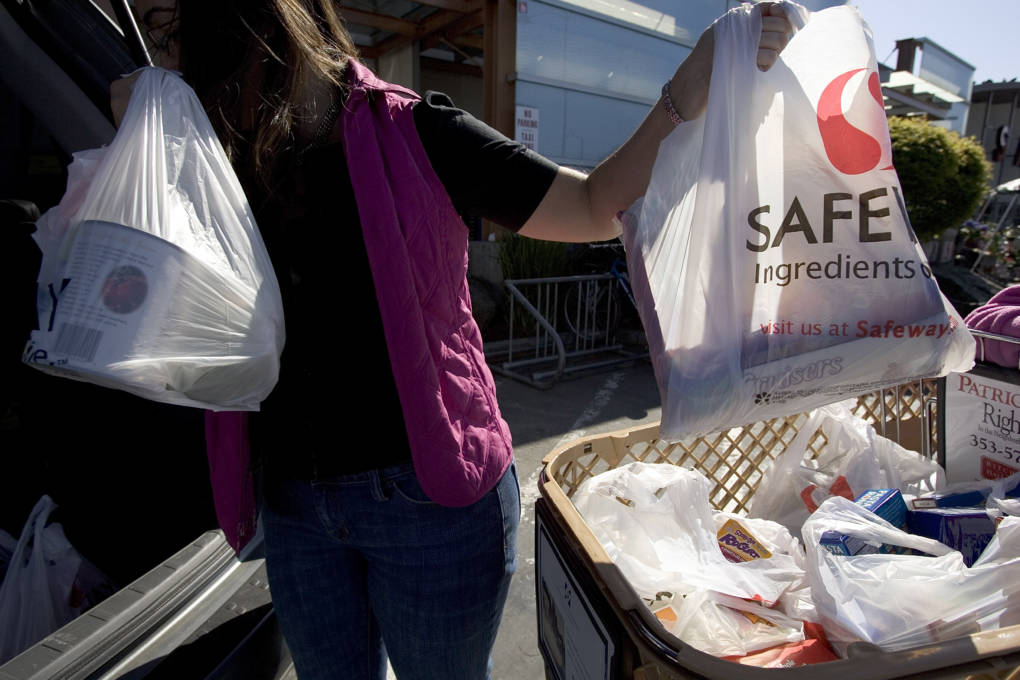
"caption": "A woman loads groceries in plastic bags into her car in San Francisco before the city enacted its plastic bag ban. ",
"description": null,
"title": "San Francisco To Ban Non-Recyclable Plastic Bags",
"credit": "David Paul Morris/Getty Images",
"status": "inherit",
"isLoading": false,
"fetchFailed": false
},
"news_10711226": {
"type": "attachments",
"id": "news_10711226",
"meta": {
"index": "attachments_1716263798",
"site": "news",
"id": "10711226",
"found": true
},
"parent": 10710678,
"imgSizes": {
"twentyfourteen-full-width": {
"file": "https://ww2.kqed.org/app/uploads/sites/10/2015/10/ItsITcleaner-1038x576.jpg",
"width": 1038,
"mimeType": "image/jpeg",
"height": 576
},
"thumbnail": {
"file": "https://ww2.kqed.org/app/uploads/sites/10/2015/10/ItsITcleaner-400x255.jpg",
"width": 400,
"mimeType": "image/jpeg",
"height": 255
},
"fd-sm": {
"file": "https://ww2.kqed.org/app/uploads/sites/10/2015/10/ItsITcleaner-960x611.jpg",
"width": 960,
"mimeType": "image/jpeg",
"height": 611
},
"post-thumbnail": {
"file": "https://ww2.kqed.org/app/uploads/sites/10/2015/10/ItsITcleaner-672x372.jpg",
"width": 672,
"mimeType": "image/jpeg",
"height": 372
},
"kqedFullSize": {
"file": "https://ww2.kqed.org/app/uploads/sites/10/2015/10/ItsITcleaner.jpg",
"width": 1920,
"height": 1222
},
"large": {
"file": "https://ww2.kqed.org/app/uploads/sites/10/2015/10/ItsITcleaner-1440x917.jpg",
"width": 1440,
"mimeType": "image/jpeg",
"height": 917
},
"guest-author-96": {
"file": "https://ww2.kqed.org/app/uploads/sites/10/2015/10/ItsITcleaner-96x96.jpg",
"width": 96,
"mimeType": "image/jpeg",
"height": 96
},
"medium": {
"file": "https://ww2.kqed.org/app/uploads/sites/10/2015/10/ItsITcleaner-800x509.jpg",
"width": 800,
"mimeType": "image/jpeg",
"height": 509
},
"guest-author-64": {
"file": "https://ww2.kqed.org/app/uploads/sites/10/2015/10/ItsITcleaner-64x64.jpg",
"width": 64,
"mimeType": "image/jpeg",
"height": 64
},
"guest-author-32": {
"file": "https://ww2.kqed.org/app/uploads/sites/10/2015/10/ItsITcleaner-32x32.jpg",
"width": 32,
"mimeType": "image/jpeg",
"height": 32
},
"jmtc-small-thumb": {
"file": "https://ww2.kqed.org/app/uploads/sites/10/2015/10/ItsITcleaner-280x150.jpg",
"width": 280,
"mimeType": "image/jpeg",
"height": 150
},
"fd-lrg": {
"file": "https://ww2.kqed.org/app/uploads/sites/10/2015/10/ItsITcleaner-1920x1222.jpg",
"width": 1920,
"mimeType": "image/jpeg",
"height": 1222
},
"fd-med": {
"file": "https://ww2.kqed.org/app/uploads/sites/10/2015/10/ItsITcleaner-1180x751.jpg",
"width": 1180,
"mimeType": "image/jpeg",
"height": 751
},
"detail": {
"file": "https://ww2.kqed.org/app/uploads/sites/10/2015/10/ItsITcleaner-75x75.jpg",
"width": 75,
"mimeType": "image/jpeg",
"height": 75
},
"guest-author-128": {
"file": "https://ww2.kqed.org/app/uploads/sites/10/2015/10/ItsITcleaner-128x128.jpg",
"width": 128,
"mimeType": "image/jpeg",
"height": 128
}
},
"publishDate": 1444277319,
"modified": 1444277514,
"caption": null,
"description": null,
"title": "ItsITcleaner",
"credit": "Olivia Allen-Price/KQED",
"status": "inherit",
"isLoading": false,
"fetchFailed": false
},
"news_11428738": {
"type": "attachments",
"id": "news_11428738",
"meta": {
"index": "attachments_1716263798",
"site": "news",
"id": "11428738",
"found": true
},
"parent": 11428075,
"imgSizes": {
"small": {
"file": "https://ww2.kqed.org/app/uploads/sites/10/2017/04/DSC_c4951-3-520x346.jpg",
"width": 520,
"mimeType": "image/jpeg",
"height": 346
},
"twentyfourteen-full-width": {
"file": "https://ww2.kqed.org/app/uploads/sites/10/2017/04/DSC_c4951-3-1038x576.jpg",
"width": 1038,
"mimeType": "image/jpeg",
"height": 576
},
"thumbnail": {
"file": "https://ww2.kqed.org/app/uploads/sites/10/2017/04/DSC_c4951-3-160x106.jpg",
"width": 160,
"mimeType": "image/jpeg",
"height": 106
},
"fd-sm": {
"file": "https://ww2.kqed.org/app/uploads/sites/10/2017/04/DSC_c4951-3-960x639.jpg",
"width": 960,
"mimeType": "image/jpeg",
"height": 639
},
"post-thumbnail": {
"file": "https://ww2.kqed.org/app/uploads/sites/10/2017/04/DSC_c4951-3-672x372.jpg",
"width": 672,
"mimeType": "image/jpeg",
"height": 372
},
"xsmall": {
"file": "https://ww2.kqed.org/app/uploads/sites/10/2017/04/DSC_c4951-3-375x250.jpg",
"width": 375,
"mimeType": "image/jpeg",
"height": 250
},
"kqedFullSize": {
"file": "https://ww2.kqed.org/app/uploads/sites/10/2017/04/DSC_c4951-3.jpg",
"width": 4016,
"height": 2672
},
"large": {
"file": "https://ww2.kqed.org/app/uploads/sites/10/2017/04/DSC_c4951-3-1020x679.jpg",
"width": 1020,
"mimeType": "image/jpeg",
"height": 679
},
"xlarge": {
"file": "https://ww2.kqed.org/app/uploads/sites/10/2017/04/DSC_c4951-3-1180x785.jpg",
"width": 1180,
"mimeType": "image/jpeg",
"height": 785
},
"guest-author-50": {
"file": "https://ww2.kqed.org/app/uploads/sites/10/2017/04/DSC_c4951-3-50x50.jpg",
"width": 50,
"mimeType": "image/jpeg",
"height": 50
},
"guest-author-96": {
"file": "https://ww2.kqed.org/app/uploads/sites/10/2017/04/DSC_c4951-3-96x96.jpg",
"width": 96,
"mimeType": "image/jpeg",
"height": 96
},
"medium": {
"file": "https://ww2.kqed.org/app/uploads/sites/10/2017/04/DSC_c4951-3-800x532.jpg",
"width": 800,
"mimeType": "image/jpeg",
"height": 532
},
"guest-author-64": {
"file": "https://ww2.kqed.org/app/uploads/sites/10/2017/04/DSC_c4951-3-64x64.jpg",
"width": 64,
"mimeType": "image/jpeg",
"height": 64
},
"guest-author-32": {
"file": "https://ww2.kqed.org/app/uploads/sites/10/2017/04/DSC_c4951-3-32x32.jpg",
"width": 32,
"mimeType": "image/jpeg",
"height": 32
},
"fd-lrg": {
"file": "https://ww2.kqed.org/app/uploads/sites/10/2017/04/DSC_c4951-3-1920x1277.jpg",
"width": 1920,
"mimeType": "image/jpeg",
"height": 1277
},
"fd-med": {
"file": "https://ww2.kqed.org/app/uploads/sites/10/2017/04/DSC_c4951-3-1180x785.jpg",
"width": 1180,
"mimeType": "image/jpeg",
"height": 785
},
"full-width": {
"file": "https://ww2.kqed.org/app/uploads/sites/10/2017/04/DSC_c4951-3-1920x1277.jpg",
"width": 1920,
"mimeType": "image/jpeg",
"height": 1277
},
"detail": {
"file": "https://ww2.kqed.org/app/uploads/sites/10/2017/04/DSC_c4951-3-150x150.jpg",
"width": 150,
"mimeType": "image/jpeg",
"height": 150
},
"guest-author-128": {
"file": "https://ww2.kqed.org/app/uploads/sites/10/2017/04/DSC_c4951-3-128x128.jpg",
"width": 128,
"mimeType": "image/jpeg",
"height": 128
},
"xxsmall": {
"file": "https://ww2.kqed.org/app/uploads/sites/10/2017/04/DSC_c4951-3-240x160.jpg",
"width": 240,
"mimeType": "image/jpeg",
"height": 160
}
},
"publishDate": 1493260531,
"modified": 1493265495,
"caption": "San Francisco City Hall is lit up green for St. Patrick's Day.",
"description": "San Francisco City Hall is lit up green for St. Patrick's Day.",
"title": "DSC_c4951 (3)",
"credit": "Blair Wells/KQED",
"status": "inherit",
"isLoading": false,
"fetchFailed": false
},
"news_11431556": {
"type": "attachments",
"id": "news_11431556",
"meta": {
"index": "attachments_1716263798",
"site": "news",
"id": "11431556",
"found": true
},
"parent": 11401794,
"imgSizes": {
"small": {
"file": "https://ww2.kqed.org/app/uploads/sites/10/2017/04/GettyImages-80811914-520x347.jpg",
"width": 520,
"mimeType": "image/jpeg",
"height": 347
},
"twentyfourteen-full-width": {
"file": "https://ww2.kqed.org/app/uploads/sites/10/2017/04/GettyImages-80811914-1024x576.jpg",
"width": 1024,
"mimeType": "image/jpeg",
"height": 576
},
"thumbnail": {
"file": "https://ww2.kqed.org/app/uploads/sites/10/2017/04/GettyImages-80811914-160x107.jpg",
"width": 160,
"mimeType": "image/jpeg",
"height": 107
},
"fd-sm": {
"file": "https://ww2.kqed.org/app/uploads/sites/10/2017/04/GettyImages-80811914-960x640.jpg",
"width": 960,
"mimeType": "image/jpeg",
"height": 640
},
"post-thumbnail": {
"file": "https://ww2.kqed.org/app/uploads/sites/10/2017/04/GettyImages-80811914-672x372.jpg",
"width": 672,
"mimeType": "image/jpeg",
"height": 372
},
"xsmall": {
"file": "https://ww2.kqed.org/app/uploads/sites/10/2017/04/GettyImages-80811914-375x250.jpg",
"width": 375,
"mimeType": "image/jpeg",
"height": 250
},
"kqedFullSize": {
"file": "https://ww2.kqed.org/app/uploads/sites/10/2017/04/GettyImages-80811914.jpg",
"width": 1024,
"height": 683
},
"large": {
"file": "https://ww2.kqed.org/app/uploads/sites/10/2017/04/GettyImages-80811914-1020x680.jpg",
"width": 1020,
"mimeType": "image/jpeg",
"height": 680
},
"guest-author-50": {
"file": "https://ww2.kqed.org/app/uploads/sites/10/2017/04/GettyImages-80811914-50x50.jpg",
"width": 50,
"mimeType": "image/jpeg",
"height": 50
},
"guest-author-96": {
"file": "https://ww2.kqed.org/app/uploads/sites/10/2017/04/GettyImages-80811914-96x96.jpg",
"width": 96,
"mimeType": "image/jpeg",
"height": 96
},
"medium": {
"file": "https://ww2.kqed.org/app/uploads/sites/10/2017/04/GettyImages-80811914-800x534.jpg",
"width": 800,
"mimeType": "image/jpeg",
"height": 534
},
"guest-author-64": {
"file": "https://ww2.kqed.org/app/uploads/sites/10/2017/04/GettyImages-80811914-64x64.jpg",
"width": 64,
"mimeType": "image/jpeg",
"height": 64
},
"guest-author-32": {
"file": "https://ww2.kqed.org/app/uploads/sites/10/2017/04/GettyImages-80811914-32x32.jpg",
"width": 32,
"mimeType": "image/jpeg",
"height": 32
},
"detail": {
"file": "https://ww2.kqed.org/app/uploads/sites/10/2017/04/GettyImages-80811914-150x150.jpg",
"width": 150,
"mimeType": "image/jpeg",
"height": 150
},
"guest-author-128": {
"file": "https://ww2.kqed.org/app/uploads/sites/10/2017/04/GettyImages-80811914-128x128.jpg",
"width": 128,
"mimeType": "image/jpeg",
"height": 128
},
"xxsmall": {
"file": "https://ww2.kqed.org/app/uploads/sites/10/2017/04/GettyImages-80811914-240x160.jpg",
"width": 240,
"mimeType": "image/jpeg",
"height": 160
}
},
"publishDate": 1493406908,
"modified": 1493406928,
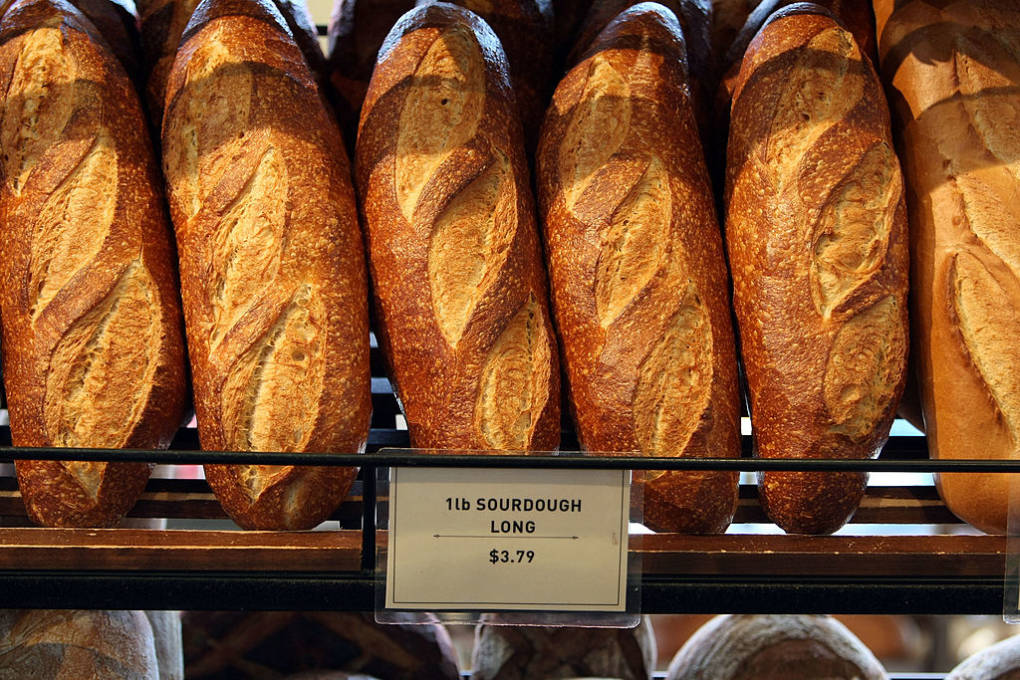
"caption": "Freshly baked loaves of sourdough bread are displayed at Boudin Bakery.",
"description": "Freshly baked loaves of sourdough bread are displayed at Boudin Bakery.",
"title": "Flour Scarcity Affects San Francisco Sourdough Bread Bakers",
"credit": "Justin Sullivan/Getty Images",
"status": "inherit",
"isLoading": false,
"fetchFailed": false
},
"news_10608967": {
"type": "attachments",
"id": "news_10608967",
"meta": {
"index": "attachments_1716263798",
"site": "news",
"id": "10608967",
"found": true
},
"parent": 0,
"imgSizes": {
"twentyfourteen-full-width": {
"file": "https://ww2.kqed.org/app/uploads/sites/10/2015/07/att-feature-1038x576.jpg",
"width": 1038,
"mimeType": "image/jpeg",
"height": 576
},
"thumbnail": {
"file": "https://ww2.kqed.org/app/uploads/sites/10/2015/07/att-feature-400x225.jpg",
"width": 400,
"mimeType": "image/jpeg",
"height": 225
},
"fd-sm": {
"file": "https://ww2.kqed.org/app/uploads/sites/10/2015/07/att-feature-960x540.jpg",
"width": 960,
"mimeType": "image/jpeg",
"height": 540
},
"post-thumbnail": {
"file": "https://ww2.kqed.org/app/uploads/sites/10/2015/07/att-feature-672x372.jpg",
"width": 672,
"mimeType": "image/jpeg",
"height": 372
},
"kqedFullSize": {
"file": "https://ww2.kqed.org/app/uploads/sites/10/2015/07/att-feature.jpg",
"width": 2560,
"height": 1440
},
"large": {
"file": "https://ww2.kqed.org/app/uploads/sites/10/2015/07/att-feature-1440x810.jpg",
"width": 1440,
"mimeType": "image/jpeg",
"height": 810
},
"guest-author-96": {
"file": "https://ww2.kqed.org/app/uploads/sites/10/2015/07/att-feature-96x96.jpg",
"width": 96,
"mimeType": "image/jpeg",
"height": 96
},
"medium": {
"file": "https://ww2.kqed.org/app/uploads/sites/10/2015/07/att-feature-800x450.jpg",
"width": 800,
"mimeType": "image/jpeg",
"height": 450
},
"guest-author-64": {
"file": "https://ww2.kqed.org/app/uploads/sites/10/2015/07/att-feature-64x64.jpg",
"width": 64,
"mimeType": "image/jpeg",
"height": 64
},
"guest-author-32": {
"file": "https://ww2.kqed.org/app/uploads/sites/10/2015/07/att-feature-32x32.jpg",
"width": 32,
"mimeType": "image/jpeg",
"height": 32
},
"jmtc-small-thumb": {
"file": "https://ww2.kqed.org/app/uploads/sites/10/2015/07/att-feature-280x150.jpg",
"width": 280,
"mimeType": "image/jpeg",
"height": 150
},
"fd-lrg": {
"file": "https://ww2.kqed.org/app/uploads/sites/10/2015/07/att-feature-1400x788.jpg",
"width": 1400,
"mimeType": "image/jpeg",
"height": 788
},
"fd-med": {
"file": "https://ww2.kqed.org/app/uploads/sites/10/2015/07/att-feature-1180x664.jpg",
"width": 1180,
"mimeType": "image/jpeg",
"height": 664
},
"detail": {
"file": "https://ww2.kqed.org/app/uploads/sites/10/2015/07/att-feature-75x75.jpg",
"width": 75,
"mimeType": "image/jpeg",
"height": 75
},
"guest-author-128": {
"file": "https://ww2.kqed.org/app/uploads/sites/10/2015/07/att-feature-128x128.jpg",
"width": 128,
"mimeType": "image/jpeg",
"height": 128
}
},
"publishDate": 1437442360,
"modified": 1437523533,
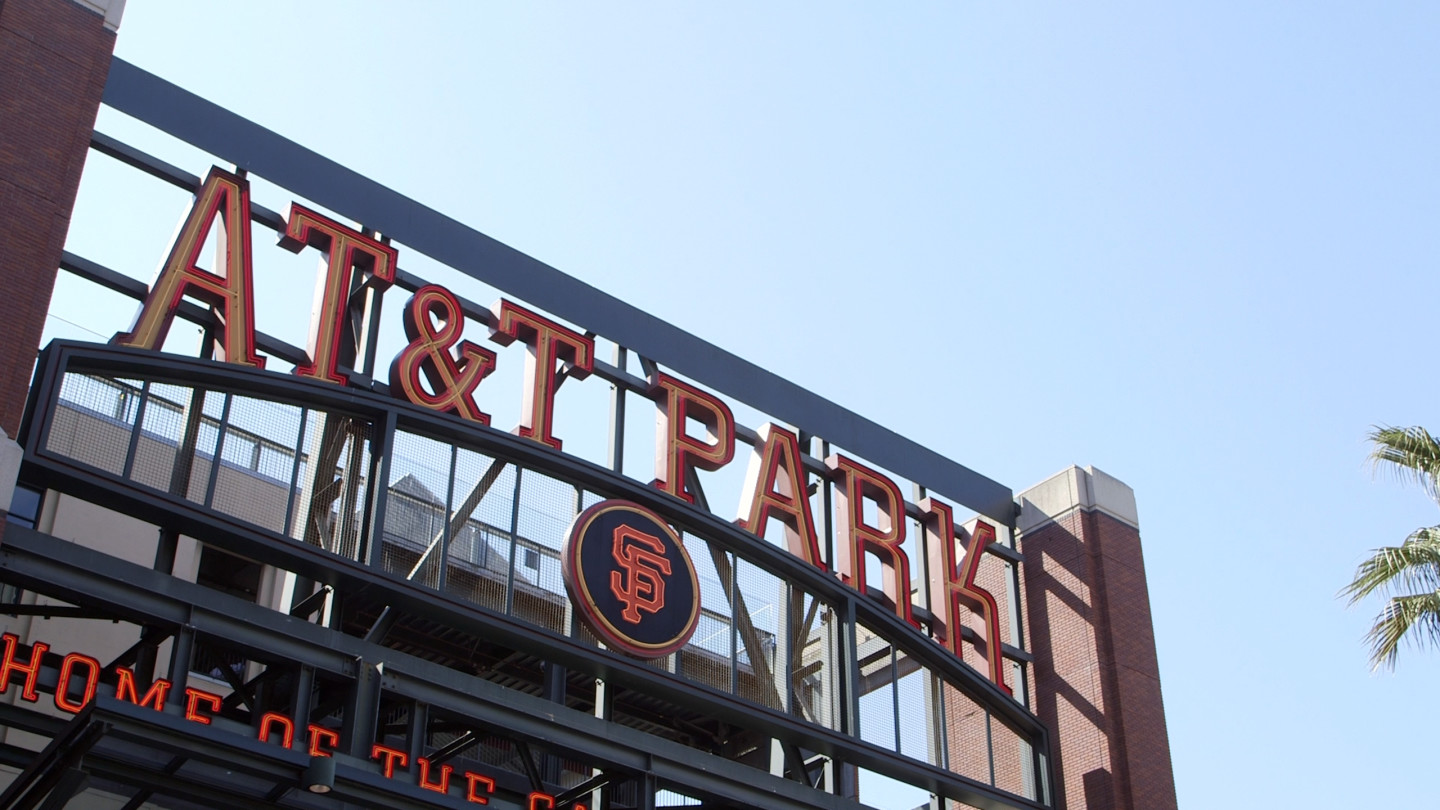
"caption": "AT&T Park inherited an unofficial wave ban from Candlestick Park. ",
"description": "AT&T Park inherited an unofficial wave ban from Candlestick Park. ",
"title": "att-feature",
"credit": "Adam Grossberg/KQED",
"status": "inherit",
"isLoading": false,
"fetchFailed": false
},
"news_11382274": {
"type": "attachments",
"id": "news_11382274",
"meta": {
"index": "attachments_1716263798",
"site": "news",
"id": "11382274",
"found": true
},
"parent": 11382204,
"imgSizes": {
"small": {
"file": "https://ww2.kqed.org/app/uploads/sites/10/2017/03/Dots1-520x347.jpg",
"width": 520,
"mimeType": "image/jpeg",
"height": 347
},
"twentyfourteen-full-width": {
"file": "https://ww2.kqed.org/app/uploads/sites/10/2017/03/Dots1-1038x576.jpg",
"width": 1038,
"mimeType": "image/jpeg",
"height": 576
},
"thumbnail": {
"file": "https://ww2.kqed.org/app/uploads/sites/10/2017/03/Dots1-160x107.jpg",
"width": 160,
"mimeType": "image/jpeg",
"height": 107
},
"fd-sm": {
"file": "https://ww2.kqed.org/app/uploads/sites/10/2017/03/Dots1-960x640.jpg",
"width": 960,
"mimeType": "image/jpeg",
"height": 640
},
"post-thumbnail": {
"file": "https://ww2.kqed.org/app/uploads/sites/10/2017/03/Dots1-672x372.jpg",
"width": 672,
"mimeType": "image/jpeg",
"height": 372
},
"xsmall": {
"file": "https://ww2.kqed.org/app/uploads/sites/10/2017/03/Dots1-375x250.jpg",
"width": 375,
"mimeType": "image/jpeg",
"height": 250
},
"kqedFullSize": {
"file": "https://ww2.kqed.org/app/uploads/sites/10/2017/03/Dots1.jpg",
"width": 1920,
"height": 1280
},
"large": {
"file": "https://ww2.kqed.org/app/uploads/sites/10/2017/03/Dots1-1020x680.jpg",
"width": 1020,
"mimeType": "image/jpeg",
"height": 680
},
"xlarge": {
"file": "https://ww2.kqed.org/app/uploads/sites/10/2017/03/Dots1-1180x787.jpg",
"width": 1180,
"mimeType": "image/jpeg",
"height": 787
},
"guest-author-50": {
"file": "https://ww2.kqed.org/app/uploads/sites/10/2017/03/Dots1-50x50.jpg",
"width": 50,
"mimeType": "image/jpeg",
"height": 50
},
"guest-author-96": {
"file": "https://ww2.kqed.org/app/uploads/sites/10/2017/03/Dots1-96x96.jpg",
"width": 96,
"mimeType": "image/jpeg",
"height": 96
},
"medium": {
"file": "https://ww2.kqed.org/app/uploads/sites/10/2017/03/Dots1-800x533.jpg",
"width": 800,
"mimeType": "image/jpeg",
"height": 533
},
"guest-author-64": {
"file": "https://ww2.kqed.org/app/uploads/sites/10/2017/03/Dots1-64x64.jpg",
"width": 64,
"mimeType": "image/jpeg",
"height": 64
},
"guest-author-32": {
"file": "https://ww2.kqed.org/app/uploads/sites/10/2017/03/Dots1-32x32.jpg",
"width": 32,
"mimeType": "image/jpeg",
"height": 32
},
"fd-lrg": {
"file": "https://ww2.kqed.org/app/uploads/sites/10/2017/03/Dots1-1920x1280.jpg",
"width": 1920,
"mimeType": "image/jpeg",
"height": 1280
},
"fd-med": {
"file": "https://ww2.kqed.org/app/uploads/sites/10/2017/03/Dots1-1180x787.jpg",
"width": 1180,
"mimeType": "image/jpeg",
"height": 787
},
"full-width": {
"file": "https://ww2.kqed.org/app/uploads/sites/10/2017/03/Dots1-1920x1280.jpg",
"width": 1920,
"mimeType": "image/jpeg",
"height": 1280
},
"detail": {
"file": "https://ww2.kqed.org/app/uploads/sites/10/2017/03/Dots1-150x150.jpg",
"width": 150,
"mimeType": "image/jpeg",
"height": 150
},
"guest-author-128": {
"file": "https://ww2.kqed.org/app/uploads/sites/10/2017/03/Dots1-128x128.jpg",
"width": 128,
"mimeType": "image/jpeg",
"height": 128
},
"xxsmall": {
"file": "https://ww2.kqed.org/app/uploads/sites/10/2017/03/Dots1-240x160.jpg",
"width": 240,
"mimeType": "image/jpeg",
"height": 160
}
},
"publishDate": 1490828745,
"modified": 1490828790,
"caption": "A San Francisco storm drain that has been marked by members of the Mosquito Abatement Courier (MAC) crew after they added a larvicide tablet to prevent mosquitoes from reaching maturity. March 23, 2017.\n",
"description": "A San Francisco storm drain that has been marked by members of the Mosquito Abatement Courier (MAC) crew after they added a larvicide tablet to prevent mosquitoes from reaching maturity. March 23, 2017.\n",
"title": "A San Francisco storm drain that has been marked by members of the Mosquito Abatement Courier (MAC) crew after they added a larvicide tablet to prevent mosquitoes from reaching maturity. March 23, 2017.",
"credit": "Bert Johnson/KQED",
"status": "inherit",
"isLoading": false,
"fetchFailed": false
},
"news_11382102": {
"type": "attachments",
"id": "news_11382102",
"meta": {
"index": "attachments_1716263798",
"site": "news",
"id": "11382102",
"found": true
},
"parent": 11380485,
"imgSizes": {
"small": {
"file": "https://ww2.kqed.org/app/uploads/sites/10/2017/03/mushrooms-520x292.jpg",
"width": 520,
"mimeType": "image/jpeg",
"height": 292
},
"twentyfourteen-full-width": {
"file": "https://ww2.kqed.org/app/uploads/sites/10/2017/03/mushrooms-1038x576.jpg",
"width": 1038,
"mimeType": "image/jpeg",
"height": 576
},
"thumbnail": {
"file": "https://ww2.kqed.org/app/uploads/sites/10/2017/03/mushrooms-160x90.jpg",
"width": 160,
"mimeType": "image/jpeg",
"height": 90
},
"fd-sm": {
"file": "https://ww2.kqed.org/app/uploads/sites/10/2017/03/mushrooms-960x540.jpg",
"width": 960,
"mimeType": "image/jpeg",
"height": 540
},
"post-thumbnail": {
"file": "https://ww2.kqed.org/app/uploads/sites/10/2017/03/mushrooms-672x372.jpg",
"width": 672,
"mimeType": "image/jpeg",
"height": 372
},
"xsmall": {
"file": "https://ww2.kqed.org/app/uploads/sites/10/2017/03/mushrooms-375x211.jpg",
"width": 375,
"mimeType": "image/jpeg",
"height": 211
},
"kqedFullSize": {
"file": "https://ww2.kqed.org/app/uploads/sites/10/2017/03/mushrooms.jpg",
"width": 1659,
"height": 933
},
"large": {
"file": "https://ww2.kqed.org/app/uploads/sites/10/2017/03/mushrooms-1020x574.jpg",
"width": 1020,
"mimeType": "image/jpeg",
"height": 574
},
"xlarge": {
"file": "https://ww2.kqed.org/app/uploads/sites/10/2017/03/mushrooms-1180x664.jpg",
"width": 1180,
"mimeType": "image/jpeg",
"height": 664
},
"guest-author-50": {
"file": "https://ww2.kqed.org/app/uploads/sites/10/2017/03/mushrooms-50x50.jpg",
"width": 50,
"mimeType": "image/jpeg",
"height": 50
},
"guest-author-96": {
"file": "https://ww2.kqed.org/app/uploads/sites/10/2017/03/mushrooms-96x96.jpg",
"width": 96,
"mimeType": "image/jpeg",
"height": 96
},
"medium": {
"file": "https://ww2.kqed.org/app/uploads/sites/10/2017/03/mushrooms-800x450.jpg",
"width": 800,
"mimeType": "image/jpeg",
"height": 450
},
"guest-author-64": {
"file": "https://ww2.kqed.org/app/uploads/sites/10/2017/03/mushrooms-64x64.jpg",
"width": 64,
"mimeType": "image/jpeg",
"height": 64
},
"guest-author-32": {
"file": "https://ww2.kqed.org/app/uploads/sites/10/2017/03/mushrooms-32x32.jpg",
"width": 32,
"mimeType": "image/jpeg",
"height": 32
},
"fd-med": {
"file": "https://ww2.kqed.org/app/uploads/sites/10/2017/03/mushrooms-1180x664.jpg",
"width": 1180,
"mimeType": "image/jpeg",
"height": 664
},
"detail": {
"file": "https://ww2.kqed.org/app/uploads/sites/10/2017/03/mushrooms-150x150.jpg",
"width": 150,
"mimeType": "image/jpeg",
"height": 150
},
"guest-author-128": {
"file": "https://ww2.kqed.org/app/uploads/sites/10/2017/03/mushrooms-128x128.jpg",
"width": 128,
"mimeType": "image/jpeg",
"height": 128
},
"xxsmall": {
"file": "https://ww2.kqed.org/app/uploads/sites/10/2017/03/mushrooms-240x135.jpg",
"width": 240,
"mimeType": "image/jpeg",
"height": 135
}
},
"publishDate": 1490823993,
"modified": 1490824045,
"caption": "Mushrooms are popping up in a major way after years of drought in California. But it's important for foragers to be mindful of toxic varieties. ",
"description": "Mushrooms are popping up in a major way after years of drought in California. But it's important for foragers to be mindful of toxic varieties. ",
"title": "mushrooms",
"credit": "Josh Cassidy/KQED",
"status": "inherit",
"isLoading": false,
"fetchFailed": false
},
"news_10900611": {
"type": "attachments",
"id": "news_10900611",
"meta": {
"index": "attachments_1716263798",
"site": "news",
"id": "10900611",
"found": true
},
"parent": 10900605,
"imgSizes": {
"twentyfourteen-full-width": {
"file": "https://ww2.kqed.org/app/uploads/sites/10/2016/03/Screen-Shot-2016-03-17-at-3.56.55-PM-1038x576.png",
"width": 1038,
"mimeType": "image/png",
"height": 576
},
"thumbnail": {
"file": "https://ww2.kqed.org/app/uploads/sites/10/2016/03/Screen-Shot-2016-03-17-at-3.56.55-PM-400x225.png",
"width": 400,
"mimeType": "image/png",
"height": 225
},
"fd-sm": {
"file": "https://ww2.kqed.org/app/uploads/sites/10/2016/03/Screen-Shot-2016-03-17-at-3.56.55-PM-960x540.png",
"width": 960,
"mimeType": "image/png",
"height": 540
},
"post-thumbnail": {
"file": "https://ww2.kqed.org/app/uploads/sites/10/2016/03/Screen-Shot-2016-03-17-at-3.56.55-PM-672x372.png",
"width": 672,
"mimeType": "image/png",
"height": 372
},
"kqedFullSize": {
"file": "https://ww2.kqed.org/app/uploads/sites/10/2016/03/Screen-Shot-2016-03-17-at-3.56.55-PM.png",
"width": 2560,
"height": 1440
},
"large": {
"file": "https://ww2.kqed.org/app/uploads/sites/10/2016/03/Screen-Shot-2016-03-17-at-3.56.55-PM-1920x1080.png",
"width": 1920,
"mimeType": "image/png",
"height": 1080
},
"guest-author-96": {
"file": "https://ww2.kqed.org/app/uploads/sites/10/2016/03/Screen-Shot-2016-03-17-at-3.56.55-PM-96x96.png",
"width": 96,
"mimeType": "image/png",
"height": 96
},
"medium": {
"file": "https://ww2.kqed.org/app/uploads/sites/10/2016/03/Screen-Shot-2016-03-17-at-3.56.55-PM-800x450.png",
"width": 800,
"mimeType": "image/png",
"height": 450
},
"guest-author-64": {
"file": "https://ww2.kqed.org/app/uploads/sites/10/2016/03/Screen-Shot-2016-03-17-at-3.56.55-PM-64x64.png",
"width": 64,
"mimeType": "image/png",
"height": 64
},
"guest-author-32": {
"file": "https://ww2.kqed.org/app/uploads/sites/10/2016/03/Screen-Shot-2016-03-17-at-3.56.55-PM-32x32.png",
"width": 32,
"mimeType": "image/png",
"height": 32
},
"jmtc-small-thumb": {
"file": "https://ww2.kqed.org/app/uploads/sites/10/2016/03/Screen-Shot-2016-03-17-at-3.56.55-PM-280x150.png",
"width": 280,
"mimeType": "image/png",
"height": 150
},
"fd-lrg": {
"file": "https://ww2.kqed.org/app/uploads/sites/10/2016/03/Screen-Shot-2016-03-17-at-3.56.55-PM-1920x1080.png",
"width": 1920,
"mimeType": "image/png",
"height": 1080
},
"fd-med": {
"file": "https://ww2.kqed.org/app/uploads/sites/10/2016/03/Screen-Shot-2016-03-17-at-3.56.55-PM-1180x664.png",
"width": 1180,
"mimeType": "image/png",
"height": 664
},
"detail": {
"file": "https://ww2.kqed.org/app/uploads/sites/10/2016/03/Screen-Shot-2016-03-17-at-3.56.55-PM-75x75.png",
"width": 75,
"mimeType": "image/png",
"height": 75
},
"guest-author-128": {
"file": "https://ww2.kqed.org/app/uploads/sites/10/2016/03/Screen-Shot-2016-03-17-at-3.56.55-PM-128x128.png",
"width": 128,
"mimeType": "image/png",
"height": 128
}
},
"publishDate": 1458333466,
"modified": 1458685110,
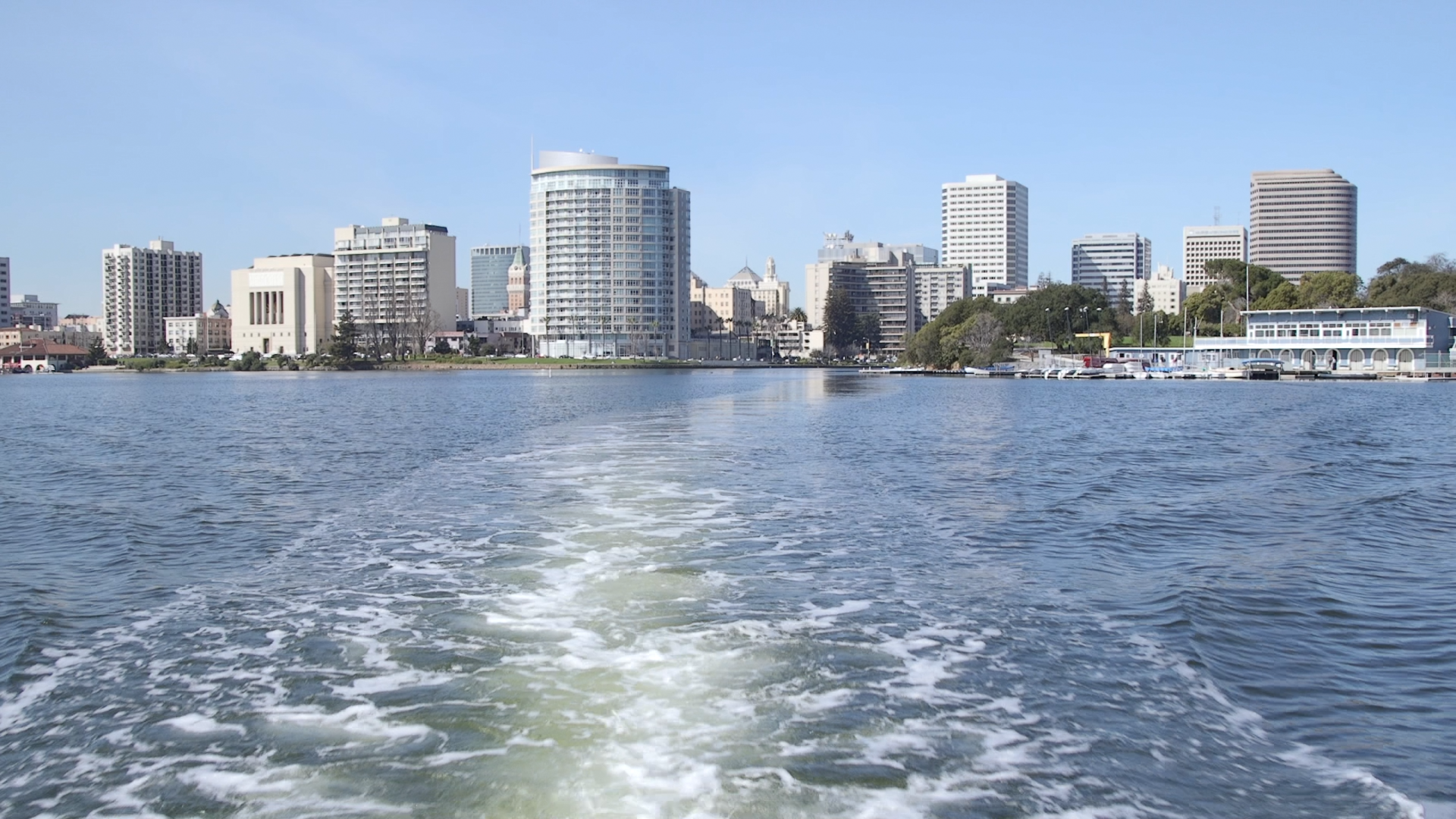
"caption": "A view of Oakland from Lake Merritt.",
"description": null,
"title": "Screen-Shot-2016-03-17-at-3.56.55-PM",
"credit": "Adam Grossberg/KQED",
"status": "inherit",
"isLoading": false,
"fetchFailed": false
},
"news_11361116": {
"type": "attachments",
"id": "news_11361116",
"meta": {
"index": "attachments_1716263798",
"site": "news",
"id": "11361116",
"found": true
},
"parent": 11350365,
"imgSizes": {
"small": {
"file": "https://ww2.kqed.org/app/uploads/sites/10/2017/03/flintstone-520x292.jpg",
"width": 520,
"mimeType": "image/jpeg",
"height": 292
},
"twentyfourteen-full-width": {
"file": "https://ww2.kqed.org/app/uploads/sites/10/2017/03/flintstone-1038x576.jpg",
"width": 1038,
"mimeType": "image/jpeg",
"height": 576
},
"thumbnail": {
"file": "https://ww2.kqed.org/app/uploads/sites/10/2017/03/flintstone-160x90.jpg",
"width": 160,
"mimeType": "image/jpeg",
"height": 90
},
"fd-sm": {
"file": "https://ww2.kqed.org/app/uploads/sites/10/2017/03/flintstone-960x540.jpg",
"width": 960,
"mimeType": "image/jpeg",
"height": 540
},
"post-thumbnail": {
"file": "https://ww2.kqed.org/app/uploads/sites/10/2017/03/flintstone-672x372.jpg",
"width": 672,
"mimeType": "image/jpeg",
"height": 372
},
"xsmall": {
"file": "https://ww2.kqed.org/app/uploads/sites/10/2017/03/flintstone-375x211.jpg",
"width": 375,
"mimeType": "image/jpeg",
"height": 211
},
"kqedFullSize": {
"file": "https://ww2.kqed.org/app/uploads/sites/10/2017/03/flintstone.jpg",
"width": 2978,
"height": 1675
},
"large": {
"file": "https://ww2.kqed.org/app/uploads/sites/10/2017/03/flintstone-1020x574.jpg",
"width": 1020,
"mimeType": "image/jpeg",
"height": 574
},
"xlarge": {
"file": "https://ww2.kqed.org/app/uploads/sites/10/2017/03/flintstone-1180x664.jpg",
"width": 1180,
"mimeType": "image/jpeg",
"height": 664
},
"guest-author-50": {
"file": "https://ww2.kqed.org/app/uploads/sites/10/2017/03/flintstone-50x50.jpg",
"width": 50,
"mimeType": "image/jpeg",
"height": 50
},
"guest-author-96": {
"file": "https://ww2.kqed.org/app/uploads/sites/10/2017/03/flintstone-96x96.jpg",
"width": 96,
"mimeType": "image/jpeg",
"height": 96
},
"medium": {
"file": "https://ww2.kqed.org/app/uploads/sites/10/2017/03/flintstone-800x450.jpg",
"width": 800,
"mimeType": "image/jpeg",
"height": 450
},
"guest-author-64": {
"file": "https://ww2.kqed.org/app/uploads/sites/10/2017/03/flintstone-64x64.jpg",
"width": 64,
"mimeType": "image/jpeg",
"height": 64
},
"guest-author-32": {
"file": "https://ww2.kqed.org/app/uploads/sites/10/2017/03/flintstone-32x32.jpg",
"width": 32,
"mimeType": "image/jpeg",
"height": 32
},
"fd-lrg": {
"file": "https://ww2.kqed.org/app/uploads/sites/10/2017/03/flintstone-1920x1080.jpg",
"width": 1920,
"mimeType": "image/jpeg",
"height": 1080
},
"fd-med": {
"file": "https://ww2.kqed.org/app/uploads/sites/10/2017/03/flintstone-1180x664.jpg",
"width": 1180,
"mimeType": "image/jpeg",
"height": 664
},
"full-width": {
"file": "https://ww2.kqed.org/app/uploads/sites/10/2017/03/flintstone-1920x1080.jpg",
"width": 1920,
"mimeType": "image/jpeg",
"height": 1080
},
"detail": {
"file": "https://ww2.kqed.org/app/uploads/sites/10/2017/03/flintstone-150x150.jpg",
"width": 150,
"mimeType": "image/jpeg",
"height": 150
},
"guest-author-128": {
"file": "https://ww2.kqed.org/app/uploads/sites/10/2017/03/flintstone-128x128.jpg",
"width": 128,
"mimeType": "image/jpeg",
"height": 128
},
"xxsmall": {
"file": "https://ww2.kqed.org/app/uploads/sites/10/2017/03/flintstone-240x135.jpg",
"width": 240,
"mimeType": "image/jpeg",
"height": 135
}
},
"publishDate": 1489622047,
"modified": 1489622106,
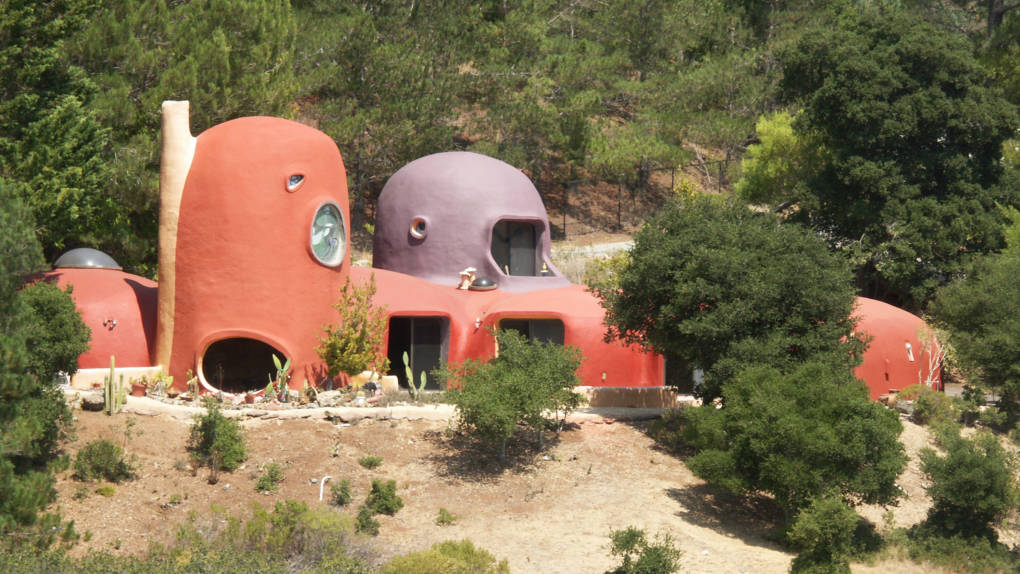
"caption": "The Flintstone House is a local landmark for drivers heading northbound on I-280.",
"description": "The Flintstone House is a local landmark for drivers heading northbound on I-280.",
"title": "Flintstone House",
"credit": "Courtesy of Judy Meuschke.",
"status": "inherit",
"isLoading": false,
"fetchFailed": false
},
"news_11350603": {
"type": "attachments",
"id": "news_11350603",
"meta": {
"index": "attachments_1716263798",
"site": "news",
"id": "11350603",
"found": true
},
"parent": 11350519,
"imgSizes": {
"small": {
"file": "https://ww2.kqed.org/app/uploads/sites/10/2017/03/pothole-520x345.jpg",
"width": 520,
"mimeType": "image/jpeg",
"height": 345
},
"twentyfourteen-full-width": {
"file": "https://ww2.kqed.org/app/uploads/sites/10/2017/03/pothole-1038x576.jpg",
"width": 1038,
"mimeType": "image/jpeg",
"height": 576
},
"thumbnail": {
"file": "https://ww2.kqed.org/app/uploads/sites/10/2017/03/pothole-160x106.jpg",
"width": 160,
"mimeType": "image/jpeg",
"height": 106
},
"fd-sm": {
"file": "https://ww2.kqed.org/app/uploads/sites/10/2017/03/pothole-960x637.jpg",
"width": 960,
"mimeType": "image/jpeg",
"height": 637
},
"post-thumbnail": {
"file": "https://ww2.kqed.org/app/uploads/sites/10/2017/03/pothole-672x372.jpg",
"width": 672,
"mimeType": "image/jpeg",
"height": 372
},
"xsmall": {
"file": "https://ww2.kqed.org/app/uploads/sites/10/2017/03/pothole-375x249.jpg",
"width": 375,
"mimeType": "image/jpeg",
"height": 249
},
"kqedFullSize": {
"file": "https://ww2.kqed.org/app/uploads/sites/10/2017/03/pothole.jpg",
"width": 3000,
"height": 1992
},
"large": {
"file": "https://ww2.kqed.org/app/uploads/sites/10/2017/03/pothole-1020x677.jpg",
"width": 1020,
"mimeType": "image/jpeg",
"height": 677
},
"xlarge": {
"file": "https://ww2.kqed.org/app/uploads/sites/10/2017/03/pothole-1180x784.jpg",
"width": 1180,
"mimeType": "image/jpeg",
"height": 784
},
"guest-author-50": {
"file": "https://ww2.kqed.org/app/uploads/sites/10/2017/03/pothole-50x50.jpg",
"width": 50,
"mimeType": "image/jpeg",
"height": 50
},
"guest-author-96": {
"file": "https://ww2.kqed.org/app/uploads/sites/10/2017/03/pothole-96x96.jpg",
"width": 96,
"mimeType": "image/jpeg",
"height": 96
},
"medium": {
"file": "https://ww2.kqed.org/app/uploads/sites/10/2017/03/pothole-800x531.jpg",
"width": 800,
"mimeType": "image/jpeg",
"height": 531
},
"guest-author-64": {
"file": "https://ww2.kqed.org/app/uploads/sites/10/2017/03/pothole-64x64.jpg",
"width": 64,
"mimeType": "image/jpeg",
"height": 64
},
"guest-author-32": {
"file": "https://ww2.kqed.org/app/uploads/sites/10/2017/03/pothole-32x32.jpg",
"width": 32,
"mimeType": "image/jpeg",
"height": 32
},
"fd-lrg": {
"file": "https://ww2.kqed.org/app/uploads/sites/10/2017/03/pothole-1920x1275.jpg",
"width": 1920,
"mimeType": "image/jpeg",
"height": 1275
},
"fd-med": {
"file": "https://ww2.kqed.org/app/uploads/sites/10/2017/03/pothole-1180x784.jpg",
"width": 1180,
"mimeType": "image/jpeg",
"height": 784
},
"full-width": {
"file": "https://ww2.kqed.org/app/uploads/sites/10/2017/03/pothole-1920x1275.jpg",
"width": 1920,
"mimeType": "image/jpeg",
"height": 1275
},
"detail": {
"file": "https://ww2.kqed.org/app/uploads/sites/10/2017/03/pothole-150x150.jpg",
"width": 150,
"mimeType": "image/jpeg",
"height": 150
},
"guest-author-128": {
"file": "https://ww2.kqed.org/app/uploads/sites/10/2017/03/pothole-128x128.jpg",
"width": 128,
"mimeType": "image/jpeg",
"height": 128
},
"xxsmall": {
"file": "https://ww2.kqed.org/app/uploads/sites/10/2017/03/pothole-240x159.jpg",
"width": 240,
"mimeType": "image/jpeg",
"height": 159
}
},
"publishDate": 1489018108,
"modified": 1489018172,
"caption": "A rainy winter has made potholes a huge problem in the San Francisco Bay Area. ",
"description": "A rainy winter has made potholes a huge problem in the San Francisco Bay Area. ",
"title": "Obama Proposes 300 Billion Four-Year Transport Bill Aimed At Improving Country's Transportation System",
"credit": "Justin Sullivan/Getty Images",
"status": "inherit",
"isLoading": false,
"fetchFailed": false
},
"news_11339883": {
"type": "attachments",
"id": "news_11339883",
"meta": {
"index": "attachments_1716263798",
"site": "news",
"id": "11339883",
"found": true
},
"parent": 11339599,
"imgSizes": {
"small": {
"file": "https://ww2.kqed.org/app/uploads/sites/10/2017/03/RS10555_470165429-520x347.jpg",
"width": 520,
"mimeType": "image/jpeg",
"height": 347
},
"twentyfourteen-full-width": {
"file": "https://ww2.kqed.org/app/uploads/sites/10/2017/03/RS10555_470165429-1038x576.jpg",
"width": 1038,
"mimeType": "image/jpeg",
"height": 576
},
"thumbnail": {
"file": "https://ww2.kqed.org/app/uploads/sites/10/2017/03/RS10555_470165429-160x107.jpg",
"width": 160,
"mimeType": "image/jpeg",
"height": 107
},
"fd-sm": {
"file": "https://ww2.kqed.org/app/uploads/sites/10/2017/03/RS10555_470165429-960x640.jpg",
"width": 960,
"mimeType": "image/jpeg",
"height": 640
},
"post-thumbnail": {
"file": "https://ww2.kqed.org/app/uploads/sites/10/2017/03/RS10555_470165429-672x372.jpg",
"width": 672,
"mimeType": "image/jpeg",
"height": 372
},
"xsmall": {
"file": "https://ww2.kqed.org/app/uploads/sites/10/2017/03/RS10555_470165429-375x250.jpg",
"width": 375,
"mimeType": "image/jpeg",
"height": 250
},
"kqedFullSize": {
"file": "https://ww2.kqed.org/app/uploads/sites/10/2017/03/RS10555_470165429-e1488411429958.jpg",
"width": 1920,
"height": 1281
},
"large": {
"file": "https://ww2.kqed.org/app/uploads/sites/10/2017/03/RS10555_470165429-1020x680.jpg",
"width": 1020,
"mimeType": "image/jpeg",
"height": 680
},
"xlarge": {
"file": "https://ww2.kqed.org/app/uploads/sites/10/2017/03/RS10555_470165429-1180x787.jpg",
"width": 1180,
"mimeType": "image/jpeg",
"height": 787
},
"guest-author-50": {
"file": "https://ww2.kqed.org/app/uploads/sites/10/2017/03/RS10555_470165429-50x50.jpg",
"width": 50,
"mimeType": "image/jpeg",
"height": 50
},
"guest-author-96": {
"file": "https://ww2.kqed.org/app/uploads/sites/10/2017/03/RS10555_470165429-96x96.jpg",
"width": 96,
"mimeType": "image/jpeg",
"height": 96
},
"medium": {
"file": "https://ww2.kqed.org/app/uploads/sites/10/2017/03/RS10555_470165429-800x534.jpg",
"width": 800,
"mimeType": "image/jpeg",
"height": 534
},
"guest-author-64": {
"file": "https://ww2.kqed.org/app/uploads/sites/10/2017/03/RS10555_470165429-64x64.jpg",
"width": 64,
"mimeType": "image/jpeg",
"height": 64
},
"guest-author-32": {
"file": "https://ww2.kqed.org/app/uploads/sites/10/2017/03/RS10555_470165429-32x32.jpg",
"width": 32,
"mimeType": "image/jpeg",
"height": 32
},
"fd-lrg": {
"file": "https://ww2.kqed.org/app/uploads/sites/10/2017/03/RS10555_470165429-1920x1281.jpg",
"width": 1920,
"mimeType": "image/jpeg",
"height": 1281
},
"fd-med": {
"file": "https://ww2.kqed.org/app/uploads/sites/10/2017/03/RS10555_470165429-1180x787.jpg",
"width": 1180,
"mimeType": "image/jpeg",
"height": 787
},
"full-width": {
"file": "https://ww2.kqed.org/app/uploads/sites/10/2017/03/RS10555_470165429-1920x1281.jpg",
"width": 1920,
"mimeType": "image/jpeg",
"height": 1281
},
"detail": {
"file": "https://ww2.kqed.org/app/uploads/sites/10/2017/03/RS10555_470165429-150x150.jpg",
"width": 150,
"mimeType": "image/jpeg",
"height": 150
},
"guest-author-128": {
"file": "https://ww2.kqed.org/app/uploads/sites/10/2017/03/RS10555_470165429-128x128.jpg",
"width": 128,
"mimeType": "image/jpeg",
"height": 128
},
"xxsmall": {
"file": "https://ww2.kqed.org/app/uploads/sites/10/2017/03/RS10555_470165429-240x160.jpg",
"width": 240,
"mimeType": "image/jpeg",
"height": 160
}
},
"publishDate": 1488410402,
"modified": 1488410511,
"caption": "People love to hate the San Francisco nickname Frisco. But why?",
"description": "People love to hate the San Francisco nickname Frisco. But why?",
"title": "New Study Names San Francisco As Most Expensive To Buy A Home",
"credit": "Photo by Justin Sullivan/Getty Images",
"status": "inherit",
"isLoading": false,
"fetchFailed": false
}
},
"audioPlayerReducer": {
"postId": "stream_live",
"isPaused": true,
"isPlaying": false,
"pfsActive": false,
"pledgeModalIsOpen": true,
"playerDrawerIsOpen": false,
"liveAudioPlayStartedAt": 0,
"liveAudioPlayContext": ""
},
"authorsReducer": {
"byline_news_10710678": {
"type": "authors",
"id": "byline_news_10710678",
"meta": {
"override": true
},
"slug": "byline_news_10710678",
"name": "\u003cstrong>Alyssa Kapnik Samuel\u003c/strong>",
"isLoading": false
},
"ohubertallen": {
"type": "authors",
"id": "102",
"meta": {
"index": "authors_1716337520",
"id": "102",
"found": true
},
"name": "Olivia Allen-Price",
"firstName": "Olivia",
"lastName": "Allen-Price",
"slug": "ohubertallen",
"email": "oallenprice@kqed.org",
"display_author_email": false,
"staff_mastheads": [
"news"
],
"title": "Senior Editor",
"bio": "Olivia Allen-Price is senior editor and host of the award-winning Bay Curious podcast. Prior to joining KQED in 2013, Olivia worked at The Baltimore Sun and The Virginian-Pilot in Norfolk, Va. She holds degrees in journalism and political science from Elon University. Her work has earned awards from the Society of Professional Journalists, the Hearst Foundation and Hearken. She loves to talk about running and curly hair.\r\n\r\nFollow: \u003ca href=\"https://twitter.com/oallenprice\">@oallenprice\u003c/a>\r\nEmail: \u003ca href=\"mailto:oallenprice@kqed.org\">oallenprice@kqed.org\u003c/a>",
"avatar": "https://secure.gravatar.com/avatar/07f7803c1f6be56f3be58ef276dfa64dce898502e0554408ef4858451a8294f7?s=600&d=blank&r=g",
"twitter": "oallenprice",
"bluesky": null,
"facebook": null,
"instagram": null,
"linkedin": null,
"sites": [
{
"site": "",
"roles": [
"editor"
]
},
{
"site": "arts",
"roles": [
"subscriber"
]
},
{
"site": "news",
"roles": [
"administrator"
]
},
{
"site": "pop",
"roles": [
"administrator"
]
},
{
"site": "bayareabites",
"roles": [
"contributor"
]
},
{
"site": "stateofhealth",
"roles": [
"administrator"
]
},
{
"site": "science",
"roles": [
"editor"
]
}
],
"headData": {
"title": "Olivia Allen-Price | KQED",
"description": "Senior Editor",
"ogImgSrc": "https://secure.gravatar.com/avatar/07f7803c1f6be56f3be58ef276dfa64dce898502e0554408ef4858451a8294f7?s=600&d=blank&r=g",
"twImgSrc": "https://secure.gravatar.com/avatar/07f7803c1f6be56f3be58ef276dfa64dce898502e0554408ef4858451a8294f7?s=600&d=blank&r=g"
},
"isLoading": false,
"link": "/author/ohubertallen"
},
"agrossberg": {
"type": "authors",
"id": "188",
"meta": {
"index": "authors_1716337520",
"id": "188",
"found": true
},
"name": "Adam Grossberg",
"firstName": "Adam",
"lastName": "Grossberg",
"slug": "agrossberg",
"email": "agrossberg@KQED.org",
"display_author_email": false,
"staff_mastheads": [],
"title": "KQED Contributor",
"bio": "Adam Grossberg is a former video producer at KQED News. Prior to coming to KQED, he produced videos for PBS, The New York Times, Current TV and The Center for Investigative Reporting. His work has received an Excellence in Journalism award from the Society of Professional Journalists, a regional Murrow award and two Northern California Emmy awards. He is a graduate of the UC Berkeley Graduate School of Journalism.",
"avatar": "https://secure.gravatar.com/avatar/8e96dbdaaf98f5959a2c778289e0f9b5?s=600&d=blank&r=g",
"twitter": null,
"facebook": null,
"instagram": null,
"linkedin": null,
"sites": [
{
"site": "arts",
"roles": [
"contributor"
]
},
{
"site": "news",
"roles": [
"subscriber"
]
},
{
"site": "stateofhealth",
"roles": [
"editor"
]
},
{
"site": "science",
"roles": [
"editor"
]
}
],
"headData": {
"title": "Adam Grossberg | KQED",
"description": "KQED Contributor",
"ogImgSrc": "https://secure.gravatar.com/avatar/8e96dbdaaf98f5959a2c778289e0f9b5?s=600&d=blank&r=g",
"twImgSrc": "https://secure.gravatar.com/avatar/8e96dbdaaf98f5959a2c778289e0f9b5?s=600&d=blank&r=g"
},
"isLoading": false,
"link": "/author/agrossberg"
},
"rachael-myrow": {
"type": "authors",
"id": "251",
"meta": {
"index": "authors_1716337520",
"id": "251",
"found": true
},
"name": "Rachael Myrow",
"firstName": "Rachael",
"lastName": "Myrow",
"slug": "rachael-myrow",
"email": "rmyrow@kqed.org",
"display_author_email": true,
"staff_mastheads": [
"news"
],
"title": "Senior Editor of KQED's Silicon Valley News Desk",
"bio": "• I write and edit stories about how Silicon Valley power and policies shape everyday life in California. I’m also passionate about making Bay Area history and culture more accessible to a broad public. • I’ve been a journalist for most of my life, starting in high school with The Franklin Press in Los Angeles, where I grew up. While earning my first degree in English at UC Berkeley, I got my start in public radio at KALX-FM. After completing a second degree in journalism at Cal, I landed my first professional job at Marketplace, then moved on to KPCC (now LAist), and then KQED, where I hosted The California Report for more than seven years. • My reporting has appeared on NPR, The World, WBUR’s \u003ci>Here & Now\u003c/i>, and the BBC. I also guest host for KQED’s \u003ci>Forum\u003c/i>, as well as the Commonwealth Club in San Francisco. • I speak periodically on media, democracy and technology issues, and do voiceover work for documentaries and educational video projects. • Outside of the studio, you'll find me hiking Bay Area trails and whipping up Insta-ready meals in my kitchen. • I do not accept gifts, money, or favors from anyone connected to my reporting, I don't pay people for information, and I do not support or donate to political causes. • I strive to treat the people I report on with fairness, honesty, and respect. I also recognize there are often multiple sides to a story and work to verify information through multiple sources and documentation. If I get something wrong, I correct it.",
"avatar": "https://secure.gravatar.com/avatar/3ed8a3c5f26025e4a805ba634cda8cd764906b97438a6d9ce216b044e340da4e?s=600&d=blank&r=g",
"twitter": "rachaelmyrow",
"bluesky": null,
"facebook": null,
"instagram": null,
"linkedin": "https://www.linkedin.com/in/rachaelmyrow/",
"sites": [
{
"site": "arts",
"roles": [
"administrator"
]
},
{
"site": "news",
"roles": [
"edit_others_posts",
"editor"
]
},
{
"site": "futureofyou",
"roles": [
"editor"
]
},
{
"site": "bayareabites",
"roles": [
"editor"
]
},
{
"site": "stateofhealth",
"roles": [
"editor"
]
},
{
"site": "science",
"roles": [
"editor"
]
},
{
"site": "food",
"roles": [
"editor"
]
},
{
"site": "forum",
"roles": [
"editor"
]
},
{
"site": "liveblog",
"roles": [
"author"
]
}
],
"headData": {
"title": "Rachael Myrow | KQED",
"description": "Senior Editor of KQED's Silicon Valley News Desk",
"ogImgSrc": "https://secure.gravatar.com/avatar/3ed8a3c5f26025e4a805ba634cda8cd764906b97438a6d9ce216b044e340da4e?s=600&d=blank&r=g",
"twImgSrc": "https://secure.gravatar.com/avatar/3ed8a3c5f26025e4a805ba634cda8cd764906b97438a6d9ce216b044e340da4e?s=600&d=blank&r=g"
},
"isLoading": false,
"link": "/author/rachael-myrow"
},
"vinneetong": {
"type": "authors",
"id": "260",
"meta": {
"index": "authors_1716337520",
"id": "260",
"found": true
},
"name": "Vinnee Tong",
"firstName": "Vinnee",
"lastName": "Tong",
"slug": "vinneetong",
"email": "vtong@kqed.org",
"display_author_email": false,
"staff_mastheads": [
"news"
],
"title": "KQED Contributor",
"bio": "\u003cspan style=\"font-weight: 400;\">Vinnee Tong is the managing editor of news at KQED. She oversees editorial standards \u003cspan class=\"s2\">and works to highlight underrepresented voices and perspectives\u003c/span>\u003cspan class=\"s3\">.\u003c/span>\u003cspan class=\"s2\"> She was founding editor\u003c/span>\u003c/span>\u003cspan style=\"font-weight: 400;\"> of \u003ca href=\"http://bit.ly/thebaykqed\">\u003cem>The Bay,\u003c/em>\u003c/a> a storytelling news podcast from KQED\u003c/span>\u003cspan style=\"font-weight: 400;\">. Previously, she was a producer on the \u003ca href=\"http://baycurious.org\">\u003cem>Bay Curious\u003c/em> podcast\u003c/a> and the lead producer of \u003c/span>\u003cspan style=\"font-weight: 400;\">\u003cem>Truth Be Told,\u003c/em> an award-winning KQED series on race and identity distributed nationally by Public Radio International. \u003c/span>\u003cspan style=\"font-weight: 400;\">Before KQED, Vinnee was a print reporter at the Associated Press and newspapers. \u003cspan class=\"s4\">She covered local news from city hall and planning commission hearings as well as business news from New York, like the financial meltdown of 2008. \u003c/span>She has won a\u003c/span>\u003cspan style=\"font-weight: 400;\">wards for her reporting including an RTNDA Edward R. Murrow Award, as well as awards from the New York Press Club and the Society of American Business Editors and Writers. She is a graduate of the Columbia University Graduate School of Journalism and the University of California at Berkeley, \u003cspan class=\"s4\">where she was editor-in-chief of \u003ci>The Daily Californian\u003c/i>.\u003c/span>\u003c/span>",
"avatar": "https://secure.gravatar.com/avatar/02245596ef0333bf29265e2fd547f108?s=600&d=blank&r=g",
"twitter": "vinneetong",
"facebook": null,
"instagram": null,
"linkedin": null,
"sites": [
{
"site": "news",
"roles": [
"editor",
"edit_others_pages",
"edit_others_posts"
]
},
{
"site": "stateofhealth",
"roles": [
"author"
]
}
],
"headData": {
"title": "Vinnee Tong | KQED",
"description": "KQED Contributor",
"ogImgSrc": "https://secure.gravatar.com/avatar/02245596ef0333bf29265e2fd547f108?s=600&d=blank&r=g",
"twImgSrc": "https://secure.gravatar.com/avatar/02245596ef0333bf29265e2fd547f108?s=600&d=blank&r=g"
},
"isLoading": false,
"link": "/author/vinneetong"
},
"kdomara": {
"type": "authors",
"id": "1459",
"meta": {
"index": "authors_1716337520",
"id": "1459",
"found": true
},
"name": "Kelly O'Mara",
"firstName": "Kelly",
"lastName": "O'Mara",
"slug": "kdomara",
"email": "komara@kqed.org",
"display_author_email": false,
"staff_mastheads": [
"news"
],
"title": "KQED Contributor",
"bio": "Kelly O'Mara is a writer and reporter in the San Francisco Bay Area. She writes about food, health, sports, travel, business and California news. Her work has appeared on KQED, online for Outside Magazine, epsnW, VICE and in Competitor Magazine, among others. Follow Kelly on Twitter \u003ca href=\"https://twitter.com/kellydomara\">@kellydomara\u003c/a>.",
"avatar": "https://secure.gravatar.com/avatar/768fec7412028b72f13bdd0f5f9d8186?s=600&d=blank&r=g",
"twitter": null,
"facebook": null,
"instagram": null,
"linkedin": null,
"sites": [
{
"site": "arts",
"roles": []
},
{
"site": "news",
"roles": []
},
{
"site": "bayareabites",
"roles": []
},
{
"site": "stateofhealth",
"roles": []
},
{
"site": "science",
"roles": []
},
{
"site": "checkplease",
"roles": [
"editor"
]
},
{
"site": "food",
"roles": []
},
{
"site": "forum",
"roles": [
"editor"
]
},
{
"site": "liveblog",
"roles": [
"editor"
]
}
],
"headData": {
"title": "Kelly O'Mara | KQED",
"description": "KQED Contributor",
"ogImgSrc": "https://secure.gravatar.com/avatar/768fec7412028b72f13bdd0f5f9d8186?s=600&d=blank&r=g",
"twImgSrc": "https://secure.gravatar.com/avatar/768fec7412028b72f13bdd0f5f9d8186?s=600&d=blank&r=g"
},
"isLoading": false,
"link": "/author/kdomara"
},
"jplaczek": {
"type": "authors",
"id": "8606",
"meta": {
"index": "authors_1716337520",
"id": "8606",
"found": true
},
"name": "Jessica Placzek",
"firstName": "Jessica",
"lastName": "Placzek",
"slug": "jplaczek",
"email": "jessicalplaczek@gmail.com",
"display_author_email": false,
"staff_mastheads": [
"news"
],
"title": "KQED Contributor",
"bio": "Jessica Placzek is a former senior editor of podcasts at KQED where she served as the editorial lead of the podcast department. She worked with shows like MindShift, Rightnowish, Consider This, SOLD OUT, Bay Curious and The Bay. She’s also been a reporter and audio producer at KQED, KPFA, and KALW. She taught audio production to men incarcerated at California State Prison Solano and edited pieces they produced for the Uncuffed podcast through KALW. In 2018 she co-hosted and produced the third season of Raw Material for SFMOMA. In New Orleans she wrote for the Nola Defender. Her work has also appeared on Marketplace, All Things Considered, The California Report, and Vice. You can find more at jessicaplaczek.com",
"avatar": "https://secure.gravatar.com/avatar/5ead103b5880f672eceb84ce75eecd1b4b6f74a47edc457684a73ad5b8b158e9?s=600&d=blank&r=g",
"twitter": null,
"bluesky": null,
"facebook": null,
"instagram": null,
"linkedin": null,
"sites": [
{
"site": "arts",
"roles": [
"subscriber"
]
},
{
"site": "news",
"roles": [
"subscriber"
]
},
{
"site": "stateofhealth",
"roles": [
"editor"
]
},
{
"site": "forum",
"roles": [
"editor"
]
}
],
"headData": {
"title": "Jessica Placzek | KQED",
"description": "KQED Contributor",
"ogImgSrc": "https://secure.gravatar.com/avatar/5ead103b5880f672eceb84ce75eecd1b4b6f74a47edc457684a73ad5b8b158e9?s=600&d=blank&r=g",
"twImgSrc": "https://secure.gravatar.com/avatar/5ead103b5880f672eceb84ce75eecd1b4b6f74a47edc457684a73ad5b8b158e9?s=600&d=blank&r=g"
},
"isLoading": false,
"link": "/author/jplaczek"
},
"jscott": {
"type": "authors",
"id": "8664",
"meta": {
"index": "authors_1716337520",
"id": "8664",
"found": true
},
"name": "Julia Scott",
"firstName": "Julia",
"lastName": "Scott",
"slug": "jscott",
"email": "jscott@kqed.org",
"display_author_email": false,
"staff_mastheads": [],
"title": "KQED Contributor",
"bio": "Julia Scott is a former editor with KQED News. Prior to KQED, she was an editor with \u003cem>Crosscurrents\u003c/em> at KALW Radio in San Francisco. As a freelance reporter, she has filed stories for \u003cem>The California Report, Marketplace, Nautilus\u003c/em> and \u003cem>The New York Times Magazine.\u003c/em>\r\n\r\nPrior to her work in radio, Julia was an environmental reporter for the \u003cem>San Jose Mercury News\u003c/em> and Bay Area News Group, where her work was recognized with awards from the California Newspaper Publishers Association and the Society of Professional Journalists. Her radio honors include awards and citations from the Sony Radio Academy Awards and the National Lesbian and Gay Journalists Association.\r\n\r\nJulia hails from Montreal, Canada and lives in Oakland. She is the editor of the humor collection\u003cem> DRIVEL: Deliciously Bad Writing by Your Favorite Authors.\u003c/em>",
"avatar": "https://secure.gravatar.com/avatar/7fe25e0cf81dec2d4f74f1d4737a2871?s=600&d=blank&r=g",
"twitter": "juliascribe",
"facebook": null,
"instagram": null,
"linkedin": null,
"sites": [
{
"site": "",
"roles": [
"editor"
]
},
{
"site": "arts",
"roles": [
"administrator"
]
},
{
"site": "news",
"roles": [
"subscriber"
]
},
{
"site": "futureofyou",
"roles": [
"editor"
]
},
{
"site": "science",
"roles": [
"administrator"
]
}
],
"headData": {
"title": "Julia Scott | KQED",
"description": "KQED Contributor",
"ogImgSrc": "https://secure.gravatar.com/avatar/7fe25e0cf81dec2d4f74f1d4737a2871?s=600&d=blank&r=g",
"twImgSrc": "https://secure.gravatar.com/avatar/7fe25e0cf81dec2d4f74f1d4737a2871?s=600&d=blank&r=g"
},
"isLoading": false,
"link": "/author/jscott"
},
"lesleymcclurg": {
"type": "authors",
"id": "11229",
"meta": {
"index": "authors_1716337520",
"id": "11229",
"found": true
},
"name": "Lesley McClurg",
"firstName": "Lesley",
"lastName": "McClurg",
"slug": "lesleymcclurg",
"email": "lmcclurg@KQED.org",
"display_author_email": false,
"staff_mastheads": [
"news",
"science"
],
"title": "KQED Health Correspondent",
"bio": "Lesley McClurg is a health correspondent and fill-in host whose work is regularly rebroadcast on NPR and PBS programs. She’s earned multiple regional Emmy awards, a national and a regional Edward R. Murrow award, and was named Best Beat Reporter by the Association of Health Care Journalists. The Society of Professional Journalists has recognized her work several times, and the Society of Environmental Journalists spotlighted her coverage of California’s historic drought.\r\n\r\nBefore joining KQED in 2016, Lesley covered food and sustainability for Capital Public Radio, environmental issues for Colorado Public Radio, and reported for KUOW and KCTS 9 in Seattle. Away from the newsroom, she loves skiing with her daughter, mountain biking with her partner, and playing with Ollie, the family’s goldendoodle. On deadline, she runs almost entirely on chocolate chips.\r\n\r\n ",
"avatar": "https://secure.gravatar.com/avatar/bab49e972ea10c774fe0f5e29dba1722b158f7c0d58a360923d1389d380b2978?s=600&d=blank&r=g",
"twitter": "lesleywmcclurg",
"bluesky": null,
"facebook": null,
"instagram": null,
"linkedin": null,
"sites": [
{
"site": "arts",
"roles": [
"author"
]
},
{
"site": "news",
"roles": [
"editor"
]
},
{
"site": "futureofyou",
"roles": [
"editor"
]
},
{
"site": "stateofhealth",
"roles": [
"author"
]
},
{
"site": "science",
"roles": [
"editor"
]
},
{
"site": "quest",
"roles": [
"subscriber"
]
},
{
"site": "forum",
"roles": [
"administrator"
]
},
{
"site": "liveblog",
"roles": [
"author"
]
}
],
"headData": {
"title": "Lesley McClurg | KQED",
"description": "KQED Health Correspondent",
"ogImgSrc": "https://secure.gravatar.com/avatar/bab49e972ea10c774fe0f5e29dba1722b158f7c0d58a360923d1389d380b2978?s=600&d=blank&r=g",
"twImgSrc": "https://secure.gravatar.com/avatar/bab49e972ea10c774fe0f5e29dba1722b158f7c0d58a360923d1389d380b2978?s=600&d=blank&r=g"
},
"isLoading": false,
"link": "/author/lesleymcclurg"
},
"pnelson": {
"type": "authors",
"id": "11293",
"meta": {
"index": "authors_1716337520",
"id": "11293",
"found": true
},
"name": "Penny Nelson",
"firstName": "Penny",
"lastName": "Nelson",
"slug": "pnelson",
"email": "PNelson@KQED.org",
"display_author_email": false,
"staff_mastheads": [],
"title": "KQED Contributor",
"bio": "Penny Nelson was based in the Bay Area and worked at KQED in many capacities since 1996. Prior to working in San Francisco, she worked at WHYY. At KQED, Penny was an anchor, host, producer and editor.",
"avatar": "https://secure.gravatar.com/avatar/986e19a6d0bd017e82bf77481175c4ad?s=600&d=blank&r=g",
"twitter": null,
"facebook": null,
"instagram": null,
"linkedin": null,
"sites": [
{
"site": "arts",
"roles": [
"author"
]
},
{
"site": "news",
"roles": [
"subscriber"
]
}
],
"headData": {
"title": "Penny Nelson | KQED",
"description": "KQED Contributor",
"ogImgSrc": "https://secure.gravatar.com/avatar/986e19a6d0bd017e82bf77481175c4ad?s=600&d=blank&r=g",
"twImgSrc": "https://secure.gravatar.com/avatar/986e19a6d0bd017e82bf77481175c4ad?s=600&d=blank&r=g"
},
"isLoading": false,
"link": "/author/pnelson"
},
"trubio": {
"type": "authors",
"id": "11311",
"meta": {
"index": "authors_1716337520",
"id": "11311",
"found": true
},
"name": "Tena Rubio",
"firstName": "Tena",
"lastName": "Rubio",
"slug": "trubio",
"email": "trubio@KQED.org",
"display_author_email": false,
"staff_mastheads": [],
"title": null,
"bio": " \r\n\r\n\u003cstrong>TENA RUBIO \u003c/strong>is an award-winning radio journalist and multimedia producer based in San Francisco and Los Angeles. Currently, she works on contract as a producer and reporter for KQED Public Radio. She was the managing editor of NPR’s \u003cem>Latino USA \u003c/em>and is the former host & executive producer of the news magazine radio show, \u003cem>Making Contact\u003c/em>. Previously, a TV producer and newswriter, Tena continues to produce and report for various radio outlets across the country. Tena is currently the Board Secretary and Elections Chair for the Association of Independents in Radio (AIR).\r\n\r\n ",
"avatar": "https://secure.gravatar.com/avatar/3ff35feefc3472ea9e4e43ecd4df283b?s=600&d=blank&r=g",
"twitter": "@tenarubio",
"facebook": null,
"instagram": null,
"linkedin": null,
"sites": [
{
"site": "news",
"roles": [
"author"
]
}
],
"headData": {
"title": "Tena Rubio | KQED",
"description": null,
"ogImgSrc": "https://secure.gravatar.com/avatar/3ff35feefc3472ea9e4e43ecd4df283b?s=600&d=blank&r=g",
"twImgSrc": "https://secure.gravatar.com/avatar/3ff35feefc3472ea9e4e43ecd4df283b?s=600&d=blank&r=g"
},
"isLoading": false,
"link": "/author/trubio"
}
},
"pagesReducer": {
"news_program_bay-curious": {
"type": "terms",
"id": "news_33523",
"meta": {
"index": "terms_1716263798",
"site": "news",
"id": "33523",
"score": 15.085616
},
"featImg": null,
"name": "Bay Curious",
"description": null,
"taxonomy": "program",
"headData": {
"twImgId": null,
"twTitle": null,
"ogTitle": null,
"ogImgId": null,
"twDescription": null,
"description": null,
"title": "Bay Curious Archives | KQED News",
"ogDescription": null
},
"ttid": 33540,
"slug": "bay-curious",
"isLoading": false,
"title": "Bay Curious",
"pageMeta": {
"site": "news",
"WpPageTemplate": "page-topic-editorial",
"currentPage": 40
},
"blocks": [
{
"blockName": "kqed/post-list",
"attrs": {
"layout": "cardArticle2",
"query": "posts/news?program=bay-curious",
"seeMore": false,
"paginated": true,
"page": 40
}
},
{
"blockName": "kqed/ad"
}
]
}
},
"pfsSessionReducer": {},
"postsReducer": {
"stream_live": {
"type": "live",
"id": "stream_live",
"audioUrl": "https://streams.kqed.org/kqedradio",
"title": "Live Stream",
"excerpt": "Live Stream information currently unavailable.",
"link": "/radio",
"featImg": "",
"label": {
"name": "KQED Live",
"link": "/"
}
},
"stream_kqedNewscast": {
"type": "posts",
"id": "stream_kqedNewscast",
"audioUrl": "https://www.kqed.org/.stream/anon/radio/RDnews/newscast.mp3?_=1",
"title": "KQED Newscast",
"featImg": "",
"label": {
"name": "88.5 FM",
"link": "/"
}
},
"news_11475826": {
"type": "posts",
"id": "news_11475826",
"meta": {
"index": "posts_1716263798",
"site": "news",
"id": "11475826",
"score": null,
"sort": [
1495695683000
]
},
"parent": 0,
"labelTerm": {
"site": "news",
"term": 33523
},
"blocks": [],
"publishDate": 1495695683,
"format": "audio",
"title": "You Live in S.F. and Your Home Was Built in 1906: True or False?",
"headTitle": "You Live in S.F. and Your Home Was Built in 1906: True or False? | KQED",
"content": "\u003cp>Ask around in the more historic parts of San Francisco and you’ll find a good number of the homes were built in 1906. Or so people have been told.\u003c/p>\n\u003cp>One of our Bay Curious listeners, Scott Sharpe, couldn’t help but notice how often that date popped up when he and his wife went house hunting.\u003c/p>\n\u003cp>They ended up buying a condo on Grant Avenue in North Beach and the records for his building say — no surprise — 1906.\u003c/p>\n\u003cp>Scott knew about the earthquake and the fires. But he also had heard rumors that his building was older than its 1906 date. His upstairs neighbor thought sailors might have rented rooms in the long narrow buildings on his block when they came ashore in San Francisco.\u003c/p>\n\u003cp>That got him wondering …\u003c/p>\n\u003cp>[ad fullwidth]\u003c/p>\n\u003cp>\u003cstrong>What proportion of houses in his neighborhood and other neighborhoods actually have been around for much longer than we have records for?\u003c/strong>\u003c/p>\n\u003cp>\u003cstrong>And also, was his building older than 1906? Was it a boardinghouse for sailors?\u003c/strong>\u003c/p>\n\u003cp>Let’s find out.\u003c/p>\n\u003cp>On April 18, 1906, a massive earthquake tore through roughly 300 miles up and down the San Andreas Fault.\u003c/p>\n\u003cp>The epicenter of this enormous temblor was near San Francisco. It brought down buildings, and the fires it caused burned for three days. By the end of the nightmare, roughly 80 percent of the most populated part of the city was destroyed. An estimated 28,000 buildings in the burn area of North Beach, the downtown area, along Van Ness Avenue and the Mission were lost. A quarter-million people, more than half the city, were homeless. On top of all that misery, while exact numbers remain unknown, around 3,000 people are thought to have died. Numbers remain hard to determine, but math leads us to believe that 7,000 buildings might have survived.\u003c/p>\n\u003cfigure id=\"attachment_11475946\" class=\"wp-caption aligncenter\" style=\"max-width: 800px\">\u003cimg decoding=\"async\" loading=\"lazy\" class=\"size-medium wp-image-11475946\" src=\"https://ww2.kqed.org/news/wp-content/uploads/sites/10/2017/05/IMG_1313-800x600.jpg\" alt=\"\" width=\"800\" height=\"600\" srcset=\"https://ww2.kqed.org/app/uploads/sites/10/2017/05/IMG_1313-800x600.jpg 800w, https://ww2.kqed.org/app/uploads/sites/10/2017/05/IMG_1313-160x120.jpg 160w, https://ww2.kqed.org/app/uploads/sites/10/2017/05/IMG_1313-1020x765.jpg 1020w, https://ww2.kqed.org/app/uploads/sites/10/2017/05/IMG_1313-1180x885.jpg 1180w, https://ww2.kqed.org/app/uploads/sites/10/2017/05/IMG_1313-960x720.jpg 960w, https://ww2.kqed.org/app/uploads/sites/10/2017/05/IMG_1313-240x180.jpg 240w, https://ww2.kqed.org/app/uploads/sites/10/2017/05/IMG_1313-375x281.jpg 375w, https://ww2.kqed.org/app/uploads/sites/10/2017/05/IMG_1313-520x390.jpg 520w, https://ww2.kqed.org/app/uploads/sites/10/2017/05/IMG_1313.jpg 1632w\" sizes=\"(max-width: 800px) 100vw, 800px\">\u003cfigcaption class=\"wp-caption-text\">San Francisco archivist Susan Goldstein looking through the Sanborn Fire Insurance maps. \u003ccite>(Penny Nelson/KQED)\u003c/cite>\u003c/figcaption>\u003c/figure>\n\u003cp>Another loss from the quake and fires — a loss that we still feel today: documents. Volumes of building records, deeds to homes, contracts, parcel histories and the like went up in smoke those three days.\u003c/p>\n\u003cp>As a result, much of the historic part of the city received a second birthday: 1906. While San Francisco was formally incorporated April 15, 1850, much of it was destroyed 56 years later, on April 18, 19 and 20. But with money in the bank and bodies ready to work, all the rebuilding was a rebirth of sorts. And a new date of 1906 was slapped on much of the city.\u003c/p>\n\u003cp>That gets us back to the search for an answer to Scott’s question, and a trip to the city history center and archives on the sixth floor of the main branch of the San Francisco Public Library.\u003c/p>\n\u003cp>Make no mistake. This is no musty, dank setup. These archives, just like the library itself, are light and airy, and accessible. City archivist Susan Goldstein and her crew are there to help me every step of the way, and I ask her Scott’s first question: What proportion of the city’s homes are older than their build date of 1906?\u003c/p>\n\u003cp>We speculate that roughly 7,000 buildings survived. She explains that this question is one that will take quite a while as it will require serious data digging and compilation, as well as follow-up on the status of those 7,000 or so homes and buildings. It’s doable, but requires more time that Bay Curious can invest. But we can dig into Scott’s second question.\u003c/p>\n\u003cp>Is his building older than its 1906 “birthdate”?\u003c/p>\n\u003cp>I ask Goldstein how we research this, given that the city’s documents burned in the fires. This is when she offers a golden nugget.\u003c/p>\n\u003cp>“People think we’ve lost all the records. That’s really not true.”\u003c/p>\n\u003cfigure id=\"attachment_11479080\" class=\"wp-caption aligncenter\" style=\"max-width: 800px\">\u003cimg decoding=\"async\" loading=\"lazy\" class=\"size-medium wp-image-11479080\" src=\"https://ww2.kqed.org/news/wp-content/uploads/sites/10/2017/05/IMG_1319-800x600.jpg\" alt=\"\" width=\"800\" height=\"600\" srcset=\"https://ww2.kqed.org/app/uploads/sites/10/2017/05/IMG_1319-800x600.jpg 800w, https://ww2.kqed.org/app/uploads/sites/10/2017/05/IMG_1319-160x120.jpg 160w, https://ww2.kqed.org/app/uploads/sites/10/2017/05/IMG_1319-1020x765.jpg 1020w, https://ww2.kqed.org/app/uploads/sites/10/2017/05/IMG_1319-1180x885.jpg 1180w, https://ww2.kqed.org/app/uploads/sites/10/2017/05/IMG_1319-960x720.jpg 960w, https://ww2.kqed.org/app/uploads/sites/10/2017/05/IMG_1319-240x180.jpg 240w, https://ww2.kqed.org/app/uploads/sites/10/2017/05/IMG_1319-375x281.jpg 375w, https://ww2.kqed.org/app/uploads/sites/10/2017/05/IMG_1319-520x390.jpg 520w, https://ww2.kqed.org/app/uploads/sites/10/2017/05/IMG_1319.jpg 1632w\" sizes=\"(max-width: 800px) 100vw, 800px\">\u003cfigcaption class=\"wp-caption-text\">Looking through Sanborn Fire Insurance maps for specific homes that may have survived the 1906 earthquake. \u003ccite>(Penny Nelson/KQED)\u003c/cite>\u003c/figcaption>\u003c/figure>\n\u003cp>Many of the city’s building records did burn. But not all of them. While documents about ownership, deeds and the like may have burned, there are many other types of records that were distributed around town in different places that did survive.\u003c/p>\n\u003cp>Goldstein said, “For example, there’s a wealth of information in the water tap records.” Those are the ledgers dating back to the mid-19\u003csup>th\u003c/sup> century that document when and where water was hooked up to a home or building. From that we learn the names associated with a building, about the buildings, and interestingly the order in which buildings were put in place. So while they may not be in order on any given street, the water hookups, or water tap records, reveal the order in which the houses or buildings appear on a street.\u003c/p>\n\u003cp>Those ledgers are at the library in hard copy and digitized. The digitized version offers photos of the ledgers, so either way it’s a trip back in time with a glimpse at the old-fashioned handwriting and the ink blots on the pages.\u003c/p>\n\u003cp>The archives also have Sanborn Fire Insurance Maps. With colorful drawings, they paint a picture of what was on any given street and even the outlines of the buildings and hints at the interiors. The building materials used are included.\u003c/p>\n\u003cp>There are block books that show an entire block’s buildings. There are loads of maps, as well as 44,000 photos of old San Francisco that did NOT burn. So, the myth that all the documents burned is dispelled.\u003c/p>\n\u003cp>With that, we know we have different options for finding out what was on Scott’s place in 1906.\u003c/p>\n\u003cp>Goldstein is looking through the water tap records, through some cross-street reference guides, and a few other spots. No luck. She and her colleagues remember that Grant Avenue used to go by the name Dupont — and that leads to success.\u003c/p>\n\u003cp>Goldstein then turns to the Sanborn Fire Insurance Maps, which end up being a goldmine and show us what, in 1905, was on the spot where Scott lives now.\u003c/p>\n\u003cp>And, you know what? It does not look like what’s there now. But that’s cool, too! The building footprint today is different from 1905, when the Sanborn Fire Maps were drawn. What’s there on the page shows what looks like mixed-use strip of shops with flats on top. And we can almost see in our mind’s eye what was there. There are three shops joined together like a strip mall, and then a second-floor flat for each shop.\u003c/p>\n\u003cp>And the maps even give us clues about the shop’s business. One was a furniture repair shop. That was easy — it said so on the map. Next to that was what may have been a bakery or a potter’s shop because the oven was so large it shows up on the map. And where Scott’s building is, it’s harder to tell. But atop each shop is a flat with two large rooms. Nothing looks like the rooms that Scott described for the boardinghouse rooms in which he imagined the sailors stayed.\u003c/p>\n\u003cp>So, sorry, Scott. From what the Fire Insurance maps show, it doesn’t appear that your building predates the fire. Perhaps it really was built in the flurry of construction in 1906. It was a popular birthdate, after all!\u003c/p>\n\u003cp>[ad floatright]\u003c/p>\n\u003cp>One more thing. Archivist Susan Goldstein invites anyone curious to learn more about the history of a house or building to come down to the sixth floor of San Francisco’s Main Library on Larkin Street and start digging. It’s there for the public to enjoy!\u003c/p>\n\n",
"stats": {
"hasVideo": false,
"hasChartOrMap": false,
"hasAudio": false,
"hasPolis": false,
"wordCount": 1326,
"hasGoogleForm": false,
"hasGallery": false,
"hasHearkenModule": false,
"iframeSrcs": [],
"paragraphCount": 32
},
"modified": 1700597616,
"excerpt": "Many building records went up in smoke after the city was devastated by the Great Quake and Fire.",
"headData": {
"twImgId": "",
"twTitle": "",
"ogTitle": "",
"ogImgId": "",
"twDescription": "",
"description": "Many building records went up in smoke after the city was devastated by the Great Quake and Fire.",
"title": "You Live in S.F. and Your Home Was Built in 1906: True or False? | KQED",
"ogDescription": "",
"schema": {
"@context": "https://schema.org",
"@type": "NewsArticle",
"headline": "You Live in S.F. and Your Home Was Built in 1906: True or False?",
"datePublished": "2017-05-25T00:01:23-07:00",
"dateModified": "2023-11-21T12:13:36-08:00",
"image": "https://cdn.kqed.org/wp-content/uploads/2020/02/KQED-OG-Image@1x.png",
"isAccessibleForFree": "True",
"publisher": {
"@type": "NewsMediaOrganization",
"@id": "https://www.kqed.org/#organization",
"name": "KQED",
"logo": "https://cdn.kqed.org/wp-content/uploads/2020/02/KQED-OG-Image@1x.png",
"url": "https://www.kqed.org",
"sameAs": [
"https://www.facebook.com/KQED",
"https://twitter.com/KQED",
"https://www.instagram.com/kqed/",
"https://www.tiktok.com/@kqedofficial",
"https://www.linkedin.com/company/kqed",
"https://www.youtube.com/channel/UCeC0IOo7i1P_61zVUWbJ4nw"
]
}
}
},
"guestAuthors": [],
"slug": "you-live-in-san-francisco-and-your-home-was-built-in-1906-true-or-false",
"status": "publish",
"audioUrl": "https://www.kqed.org/.stream/anon/radio/bay-curious/2017/05/OldHouseBayCurious.mp3",
"path": "/news/11475826/you-live-in-san-francisco-and-your-home-was-built-in-1906-true-or-false",
"audioDuration": 367000,
"audioTrackLength": null,
"parsedContent": [
{
"type": "contentString",
"content": "\u003cdiv class=\"post-body\">\u003cp>\u003cp>Ask around in the more historic parts of San Francisco and you’ll find a good number of the homes were built in 1906. Or so people have been told.\u003c/p>\n\u003cp>One of our Bay Curious listeners, Scott Sharpe, couldn’t help but notice how often that date popped up when he and his wife went house hunting.\u003c/p>\n\u003cp>They ended up buying a condo on Grant Avenue in North Beach and the records for his building say — no surprise — 1906.\u003c/p>\n\u003cp>Scott knew about the earthquake and the fires. But he also had heard rumors that his building was older than its 1906 date. His upstairs neighbor thought sailors might have rented rooms in the long narrow buildings on his block when they came ashore in San Francisco.\u003c/p>\n\u003cp>That got him wondering …\u003c/p>\n\u003cp>\u003c/p>\u003c/div>",
"attributes": {
"named": {},
"numeric": []
}
},
{
"type": "component",
"content": "",
"name": "ad",
"attributes": {
"named": {
"label": "fullwidth"
},
"numeric": [
"fullwidth"
]
}
},
{
"type": "contentString",
"content": "\u003cdiv class=\"post-body\">\u003cp>\u003c/p>\n\u003cp>\u003cstrong>What proportion of houses in his neighborhood and other neighborhoods actually have been around for much longer than we have records for?\u003c/strong>\u003c/p>\n\u003cp>\u003cstrong>And also, was his building older than 1906? Was it a boardinghouse for sailors?\u003c/strong>\u003c/p>\n\u003cp>Let’s find out.\u003c/p>\n\u003cp>On April 18, 1906, a massive earthquake tore through roughly 300 miles up and down the San Andreas Fault.\u003c/p>\n\u003cp>The epicenter of this enormous temblor was near San Francisco. It brought down buildings, and the fires it caused burned for three days. By the end of the nightmare, roughly 80 percent of the most populated part of the city was destroyed. An estimated 28,000 buildings in the burn area of North Beach, the downtown area, along Van Ness Avenue and the Mission were lost. A quarter-million people, more than half the city, were homeless. On top of all that misery, while exact numbers remain unknown, around 3,000 people are thought to have died. Numbers remain hard to determine, but math leads us to believe that 7,000 buildings might have survived.\u003c/p>\n\u003cfigure id=\"attachment_11475946\" class=\"wp-caption aligncenter\" style=\"max-width: 800px\">\u003cimg decoding=\"async\" loading=\"lazy\" class=\"size-medium wp-image-11475946\" src=\"https://ww2.kqed.org/news/wp-content/uploads/sites/10/2017/05/IMG_1313-800x600.jpg\" alt=\"\" width=\"800\" height=\"600\" srcset=\"https://ww2.kqed.org/app/uploads/sites/10/2017/05/IMG_1313-800x600.jpg 800w, https://ww2.kqed.org/app/uploads/sites/10/2017/05/IMG_1313-160x120.jpg 160w, https://ww2.kqed.org/app/uploads/sites/10/2017/05/IMG_1313-1020x765.jpg 1020w, https://ww2.kqed.org/app/uploads/sites/10/2017/05/IMG_1313-1180x885.jpg 1180w, https://ww2.kqed.org/app/uploads/sites/10/2017/05/IMG_1313-960x720.jpg 960w, https://ww2.kqed.org/app/uploads/sites/10/2017/05/IMG_1313-240x180.jpg 240w, https://ww2.kqed.org/app/uploads/sites/10/2017/05/IMG_1313-375x281.jpg 375w, https://ww2.kqed.org/app/uploads/sites/10/2017/05/IMG_1313-520x390.jpg 520w, https://ww2.kqed.org/app/uploads/sites/10/2017/05/IMG_1313.jpg 1632w\" sizes=\"(max-width: 800px) 100vw, 800px\">\u003cfigcaption class=\"wp-caption-text\">San Francisco archivist Susan Goldstein looking through the Sanborn Fire Insurance maps. \u003ccite>(Penny Nelson/KQED)\u003c/cite>\u003c/figcaption>\u003c/figure>\n\u003cp>Another loss from the quake and fires — a loss that we still feel today: documents. Volumes of building records, deeds to homes, contracts, parcel histories and the like went up in smoke those three days.\u003c/p>\n\u003cp>As a result, much of the historic part of the city received a second birthday: 1906. While San Francisco was formally incorporated April 15, 1850, much of it was destroyed 56 years later, on April 18, 19 and 20. But with money in the bank and bodies ready to work, all the rebuilding was a rebirth of sorts. And a new date of 1906 was slapped on much of the city.\u003c/p>\n\u003cp>That gets us back to the search for an answer to Scott’s question, and a trip to the city history center and archives on the sixth floor of the main branch of the San Francisco Public Library.\u003c/p>\n\u003cp>Make no mistake. This is no musty, dank setup. These archives, just like the library itself, are light and airy, and accessible. City archivist Susan Goldstein and her crew are there to help me every step of the way, and I ask her Scott’s first question: What proportion of the city’s homes are older than their build date of 1906?\u003c/p>\n\u003cp>We speculate that roughly 7,000 buildings survived. She explains that this question is one that will take quite a while as it will require serious data digging and compilation, as well as follow-up on the status of those 7,000 or so homes and buildings. It’s doable, but requires more time that Bay Curious can invest. But we can dig into Scott’s second question.\u003c/p>\n\u003cp>Is his building older than its 1906 “birthdate”?\u003c/p>\n\u003cp>I ask Goldstein how we research this, given that the city’s documents burned in the fires. This is when she offers a golden nugget.\u003c/p>\n\u003cp>“People think we’ve lost all the records. That’s really not true.”\u003c/p>\n\u003cfigure id=\"attachment_11479080\" class=\"wp-caption aligncenter\" style=\"max-width: 800px\">\u003cimg decoding=\"async\" loading=\"lazy\" class=\"size-medium wp-image-11479080\" src=\"https://ww2.kqed.org/news/wp-content/uploads/sites/10/2017/05/IMG_1319-800x600.jpg\" alt=\"\" width=\"800\" height=\"600\" srcset=\"https://ww2.kqed.org/app/uploads/sites/10/2017/05/IMG_1319-800x600.jpg 800w, https://ww2.kqed.org/app/uploads/sites/10/2017/05/IMG_1319-160x120.jpg 160w, https://ww2.kqed.org/app/uploads/sites/10/2017/05/IMG_1319-1020x765.jpg 1020w, https://ww2.kqed.org/app/uploads/sites/10/2017/05/IMG_1319-1180x885.jpg 1180w, https://ww2.kqed.org/app/uploads/sites/10/2017/05/IMG_1319-960x720.jpg 960w, https://ww2.kqed.org/app/uploads/sites/10/2017/05/IMG_1319-240x180.jpg 240w, https://ww2.kqed.org/app/uploads/sites/10/2017/05/IMG_1319-375x281.jpg 375w, https://ww2.kqed.org/app/uploads/sites/10/2017/05/IMG_1319-520x390.jpg 520w, https://ww2.kqed.org/app/uploads/sites/10/2017/05/IMG_1319.jpg 1632w\" sizes=\"(max-width: 800px) 100vw, 800px\">\u003cfigcaption class=\"wp-caption-text\">Looking through Sanborn Fire Insurance maps for specific homes that may have survived the 1906 earthquake. \u003ccite>(Penny Nelson/KQED)\u003c/cite>\u003c/figcaption>\u003c/figure>\n\u003cp>Many of the city’s building records did burn. But not all of them. While documents about ownership, deeds and the like may have burned, there are many other types of records that were distributed around town in different places that did survive.\u003c/p>\n\u003cp>Goldstein said, “For example, there’s a wealth of information in the water tap records.” Those are the ledgers dating back to the mid-19\u003csup>th\u003c/sup> century that document when and where water was hooked up to a home or building. From that we learn the names associated with a building, about the buildings, and interestingly the order in which buildings were put in place. So while they may not be in order on any given street, the water hookups, or water tap records, reveal the order in which the houses or buildings appear on a street.\u003c/p>\n\u003cp>Those ledgers are at the library in hard copy and digitized. The digitized version offers photos of the ledgers, so either way it’s a trip back in time with a glimpse at the old-fashioned handwriting and the ink blots on the pages.\u003c/p>\n\u003cp>The archives also have Sanborn Fire Insurance Maps. With colorful drawings, they paint a picture of what was on any given street and even the outlines of the buildings and hints at the interiors. The building materials used are included.\u003c/p>\n\u003cp>There are block books that show an entire block’s buildings. There are loads of maps, as well as 44,000 photos of old San Francisco that did NOT burn. So, the myth that all the documents burned is dispelled.\u003c/p>\n\u003cp>With that, we know we have different options for finding out what was on Scott’s place in 1906.\u003c/p>\n\u003cp>Goldstein is looking through the water tap records, through some cross-street reference guides, and a few other spots. No luck. She and her colleagues remember that Grant Avenue used to go by the name Dupont — and that leads to success.\u003c/p>\n\u003cp>Goldstein then turns to the Sanborn Fire Insurance Maps, which end up being a goldmine and show us what, in 1905, was on the spot where Scott lives now.\u003c/p>\n\u003cp>And, you know what? It does not look like what’s there now. But that’s cool, too! The building footprint today is different from 1905, when the Sanborn Fire Maps were drawn. What’s there on the page shows what looks like mixed-use strip of shops with flats on top. And we can almost see in our mind’s eye what was there. There are three shops joined together like a strip mall, and then a second-floor flat for each shop.\u003c/p>\n\u003cp>And the maps even give us clues about the shop’s business. One was a furniture repair shop. That was easy — it said so on the map. Next to that was what may have been a bakery or a potter’s shop because the oven was so large it shows up on the map. And where Scott’s building is, it’s harder to tell. But atop each shop is a flat with two large rooms. Nothing looks like the rooms that Scott described for the boardinghouse rooms in which he imagined the sailors stayed.\u003c/p>\n\u003cp>So, sorry, Scott. From what the Fire Insurance maps show, it doesn’t appear that your building predates the fire. Perhaps it really was built in the flurry of construction in 1906. It was a popular birthdate, after all!\u003c/p>\n\u003cp>\u003c/p>\u003c/div>",
"attributes": {
"named": {},
"numeric": []
}
},
{
"type": "component",
"content": "",
"name": "ad",
"attributes": {
"named": {
"label": "floatright"
},
"numeric": [
"floatright"
]
}
},
{
"type": "contentString",
"content": "\u003cdiv class=\"post-body\">\u003cp>\u003c/p>\n\u003cp>One more thing. Archivist Susan Goldstein invites anyone curious to learn more about the history of a house or building to come down to the sixth floor of San Francisco’s Main Library on Larkin Street and start digging. It’s there for the public to enjoy!\u003c/p>\n\n\u003c/div>\u003c/p>",
"attributes": {
"named": {},
"numeric": []
}
}
],
"link": "/news/11475826/you-live-in-san-francisco-and-your-home-was-built-in-1906-true-or-false",
"authors": [
"11293"
],
"programs": [
"news_6944",
"news_33523"
],
"series": [
"news_17986"
],
"categories": [
"news_6266",
"news_33520"
],
"featImg": "news_11475944",
"label": "news_33523"
},
"news_11461251": {
"type": "posts",
"id": "news_11461251",
"meta": {
"index": "posts_1716263798",
"site": "news",
"id": "11461251",
"score": null,
"sort": [
1495090877000
]
},
"guestAuthors": [],
"slug": "are-plastic-bag-bans-good-for-the-environment",
"title": "Are Plastic Bag Bans Actually Helping the Environment?",
"publishDate": 1495090877,
"format": "audio",
"headTitle": "Are Plastic Bag Bans Actually Helping the Environment? | KQED",
"labelTerm": {
"term": 33523,
"site": "news"
},
"content": "\u003cp>“Do you need a bag?”\u003c/p>\n\u003cp>Since November, when California became the first state to ban single-use plastic bags, it’s a question you have to answer almost every time you go to the store. And you have to ask yourself: Am I willing to pay 10 cents for a bag?\u003c/p>\n\u003cp>[baycuriouspodcastinfo]\u003c/p>\n\u003cp>It’s also a question that made 12-year-old Amar Farhat have a question of her own.\u003c/p>\n\u003cp>\u003cem>“Is banning plastic bags making a difference in the environment?”\u003c/em>\u003c/p>\n\u003cp>[ad fullwidth]\u003c/p>\n\u003cp>Amar doesn’t just want to know if fewer bags are being used now, but also if the law is doing what it was meant to do: help the environment. She’s a little skeptical. Amar and her family used to reuse the old plastic bags for trash or errands. Plus, she said, the new thicker bags you get at the store seem to be made of more plastic, not less.\u003c/p>\n\u003cp>“I feel like it might help a little bit, but overall, we have so many plastic things, this is a small percentage,” she said.\u003c/p>\n\u003ch3>What is the Plastic Bag Ban?\u003c/h3>\n\u003cp>If plastic bags are banned, what are these thicker plastic bags Amar is getting from the grocery store?\u003c/p>\n\u003cp>It’s important to understand how the new statewide ban works. The law gets rid of single-use plastic bags — those thin, cheap plastic bags you used to get. It also requires grocery stores to charge 10 cents for paper bags or for new, thicker, reusable plastic bags. Those thicker plastic bags have to be made of partially recycled material and have to meet \u003ca href=\"http://leginfo.legislature.ca.gov/faces/codes_displayText.xhtml?lawCode=PRC&division=30.&title=&part=3.&chapter=5.3.&article=2.\" target=\"_blank\" rel=\"noopener noreferrer\">specific requirements\u003c/a>. The state hopes that if these bags are heftier and bigger, you can use fewer of them at the checkout line and reuse them for longer.\u003c/p>\n\u003cp>This is one of the old bags:\u003c/p>\n\u003cp>\u003ca href=\"https://ww2.kqed.org/news/wp-content/uploads/sites/10/2017/05/20170516_194321.jpg\">\u003cimg loading=\"lazy\" decoding=\"async\" class=\"aligncenter size-large wp-image-11463433\" src=\"https://ww2.kqed.org/news/wp-content/uploads/sites/10/2017/05/20170516_194321-1020x574.jpg\" alt=\"\" width=\"640\" height=\"360\" srcset=\"https://cdn.kqed.org/wp-content/uploads/sites/10/2017/05/20170516_194321-1020x574.jpg 1020w, https://cdn.kqed.org/wp-content/uploads/sites/10/2017/05/20170516_194321-160x90.jpg 160w, https://cdn.kqed.org/wp-content/uploads/sites/10/2017/05/20170516_194321-800x450.jpg 800w, https://cdn.kqed.org/wp-content/uploads/sites/10/2017/05/20170516_194321-1920x1080.jpg 1920w, https://cdn.kqed.org/wp-content/uploads/sites/10/2017/05/20170516_194321-1180x664.jpg 1180w, https://cdn.kqed.org/wp-content/uploads/sites/10/2017/05/20170516_194321-960x540.jpg 960w, https://cdn.kqed.org/wp-content/uploads/sites/10/2017/05/20170516_194321-240x135.jpg 240w, https://cdn.kqed.org/wp-content/uploads/sites/10/2017/05/20170516_194321-375x211.jpg 375w, https://cdn.kqed.org/wp-content/uploads/sites/10/2017/05/20170516_194321-520x293.jpg 520w\" sizes=\"auto, (max-width: 640px) 100vw, 640px\">\u003c/a>\u003c/p>\n\u003cp>This is one of the new bags:\u003c/p>\n\u003cp>\u003ca href=\"https://ww2.kqed.org/news/wp-content/uploads/sites/10/2017/05/20170516_194250.jpg\">\u003cimg loading=\"lazy\" decoding=\"async\" class=\"aligncenter size-large wp-image-11463426\" src=\"https://ww2.kqed.org/news/wp-content/uploads/sites/10/2017/05/20170516_194250-1020x574.jpg\" alt=\"\" width=\"640\" height=\"360\" srcset=\"https://cdn.kqed.org/wp-content/uploads/sites/10/2017/05/20170516_194250-1020x574.jpg 1020w, https://cdn.kqed.org/wp-content/uploads/sites/10/2017/05/20170516_194250-160x90.jpg 160w, https://cdn.kqed.org/wp-content/uploads/sites/10/2017/05/20170516_194250-800x450.jpg 800w, https://cdn.kqed.org/wp-content/uploads/sites/10/2017/05/20170516_194250-1920x1080.jpg 1920w, https://cdn.kqed.org/wp-content/uploads/sites/10/2017/05/20170516_194250-1180x664.jpg 1180w, https://cdn.kqed.org/wp-content/uploads/sites/10/2017/05/20170516_194250-960x540.jpg 960w, https://cdn.kqed.org/wp-content/uploads/sites/10/2017/05/20170516_194250-240x135.jpg 240w, https://cdn.kqed.org/wp-content/uploads/sites/10/2017/05/20170516_194250-375x211.jpg 375w, https://cdn.kqed.org/wp-content/uploads/sites/10/2017/05/20170516_194250-520x293.jpg 520w\" sizes=\"auto, (max-width: 640px) 100vw, 640px\">\u003c/a>\u003c/p>\n\u003cp>You can also opt to bring your own bags or not take any bags at all.\u003c/p>\n\u003cp>Since the state law just went into effect, it’s too soon to know how it’s working, but there are hundreds of cities around California that already had their own plastic bag bans. If something different is happening at your grocery store, it might be because your local law varies slightly.\u003c/p>\n\u003cp>These cities can tell us how they’ve fared so far.\u003c/p>\n\u003ch3>Are Fewer Bags Being Used Overall?\u003c/h3>\n\u003cp>In 2013, Alameda County passed an ordinance very similar to the current state law.\u003c/p>\n\u003cp>“We’ve seen an 80 percent reduction in the number of bags — paper and plastic,” said Meri Soll, senior program manager at \u003ca href=\"http://www.stopwaste.org/\" target=\"_blank\" rel=\"noopener noreferrer\">StopWaste\u003c/a>. The agency oversees waste management in Alameda County\u003c/p>\n\u003cp>There are a number of ways Soll and her colleague, Jeff Becerra, measured the impact of the ordinance — but one of the most effective methods was surprisingly low-tech.\u003c/p>\n\u003cp>“We stood in a parking lot,” said Soll. “We just watched the consumers go out, how many bags did they have, what types of bags? Did they not have bags?”\u003c/p>\n\u003cp>And a year after the ordinance, they went back to those same stores at the same time and counted again. What they found was that twice as many people are bringing their own bags and almost three times as many simply don’t take a bag at all. The big differences have been that people are no longer taking bags when they buy one or two items, double-bagging items or taking extra free bags.\u003c/p>\n\u003cp>Here’s a chart StopWaste made:\u003c/p>\n\u003cp>\u003ca href=\"https://ww2.kqed.org/news/wp-content/uploads/sites/10/2017/05/bags.png\">\u003cimg loading=\"lazy\" decoding=\"async\" class=\"aligncenter size-full wp-image-11462981\" src=\"https://ww2.kqed.org/news/wp-content/uploads/sites/10/2017/05/bags.png\" alt=\"\" width=\"1332\" height=\"841\" srcset=\"https://cdn.kqed.org/wp-content/uploads/sites/10/2017/05/bags.png 1332w, https://cdn.kqed.org/wp-content/uploads/sites/10/2017/05/bags-160x101.png 160w, https://cdn.kqed.org/wp-content/uploads/sites/10/2017/05/bags-800x505.png 800w, https://cdn.kqed.org/wp-content/uploads/sites/10/2017/05/bags-1020x644.png 1020w, https://cdn.kqed.org/wp-content/uploads/sites/10/2017/05/bags-1180x745.png 1180w, https://cdn.kqed.org/wp-content/uploads/sites/10/2017/05/bags-960x606.png 960w, https://cdn.kqed.org/wp-content/uploads/sites/10/2017/05/bags-240x152.png 240w, https://cdn.kqed.org/wp-content/uploads/sites/10/2017/05/bags-375x237.png 375w, https://cdn.kqed.org/wp-content/uploads/sites/10/2017/05/bags-520x328.png 520w\" sizes=\"auto, (max-width: 1332px) 100vw, 1332px\">\u003c/a>\u003c/p>\n\u003cp>Soll and Becerra didn’t just stand in parking lots, though. They also got the purchasing data from 69 chain stores in the county. Those stores went from using 50 million bags each year to using just 10 million total — paper and plastic. The number of paper bags used went from 13 million to 8 million, and the number of plastic bags went from 37 million to 2 million.\u003c/p>\n\u003cp>Alameda is not the only county that has attempted to measure the impact of its bag ban.\u003c/p>\n\u003cp>There are \u003ca href=\"http://www.cawrecycles.org/list-of-local-bag-bans/\" target=\"_blank\" rel=\"noopener noreferrer\">multiple studies\u003c/a> and a few \u003ca href=\"http://citeseerx.ist.psu.edu/viewdoc/download?doi=10.1.1.849.5625&rep=rep1&type=pdf\" target=\"_blank\" rel=\"noopener noreferrer\">in-depth analyses\u003c/a> of different local bans — nearly all of which show a decrease in the overall number of single-use bags.\u003c/p>\n\u003cp>A few:\u003c/p>\n\u003cul>\n\u003cli>In\u003ca href=\"http://www3.sanjoseca.gov/clerk/CommitteeAgenda/TE/20121203/TE20121203_d5.pdf\" target=\"_blank\" rel=\"noopener noreferrer\"> its effectiveness study\u003c/a>, San Jose found twice as many people opted not to take a bag post-ban.\u003c/li>\n\u003cli>San Jose also measured the number of plastic bags found in litter and creek cleanups, and saw decreases.\u003c/li>\n\u003cli>California Waste Solutions, which does the majority of recycling for San Jose, reported fewer plastic bags getting caught in recycling machines and a 35-50 percent reduction in down time because of that.\u003c/li>\n\u003cli>\u003ca href=\"http://ladpw.org/epd/aboutthebag/PDF/Bag%20Ban%20Status%20Nov%202012.pdf\" target=\"_blank\" rel=\"noopener noreferrer\">Los Angeles County found\u003c/a> its large stores gave away 2 million plastic bags and 196,000 paper bags annually before its ban. A year later, those stores handed out only 125,000 paper bags.\u003c/li>\n\u003c/ul>\n\u003cp>What cities have found is charging people for a bag makes a big difference. San Francisco’s original ordinance, which didn’t charge a fee, wasn’t nearly as effective as it is now. “People just take the free option then,” said Soll. “We found if you were giving one bag free and charging for the other, there would just be a switch” — not a decrease.\u003c/p>\n\u003cp>The 10-cent charge is why use of both paper and plastic decreased in places like Alameda County.\u003c/p>\n\u003cp>“The 10-cents charge actually really affects how the consumer behaves at point of sale,” said Soll. “A bag that used to be free and now you’re charging 10 cents actually gives the consumer pause. ‘Do I need this bag and next time I’m going to bring my own bag. I’m not going to pay that 10-cents charge.’ ”\u003c/p>\n\u003caside class=\"pullquote alignright\">‘The 10-cents charge actually really affects how the consumer behaves at point of sale.’\u003ccite>Meri Soll, Stop Waste\u003c/cite>\u003c/aside>\n\u003cp>“We do know that these ordinances work,” said Becerra.\u003c/p>\n\u003cp>In all likelihood, we’ll see similar drops statewide in single-use bags, though we can’t know for sure yet.\u003c/p>\n\u003ch3>Is It Better for the Environment?\u003c/h3>\n\u003cp>Amar, our question asker, also wanted to know if all these plastic bag bans are actually doing any good.\u003c/p>\n\u003cp>It comes down to two issues: How big a problem were plastic bags in the first place, and what are you using now instead?\u003c/p>\n\u003cp>Stephen Joseph is a lawyer for the plastic bag industry, and fought the bans. He also used to run an anti-litter group in San Francisco. He said plastic bags have gotten an unfair bad rap.\u003c/p>\n\u003cp>“It’s media sensationalism,” he said.\u003c/p>\n\u003caside class=\"pullquote alignright\">‘Plastic bag litter was so tiny that even after they banned plastic bags, there was no appreciable effect.’\u003ccite>Lawyer Stephen Joseph\u003c/cite>\u003c/aside>\n\u003cp>Plastic bags, he said, account for a tiny portion of overall litter. He rarely saw them when picking up trash. City litter surveys and beach cleanups actually confirm this. \u003ca href=\"https://ww2.kqed.org/news/wp-content/uploads/sites/10/2017/05/Bag-Ban-San-Jose-2.pdf\" target=\"_blank\" rel=\"noopener noreferrer\">In San Jose’s pre-ban tally, plastic bags accounted for only about 2 percent of trash\u003c/a>. And Eben Schwartz, from the Coastal Commission, said plastic bags were about 9 percent of what they picked up on San Francisco beaches before the local bans went into effect — and are about 6 percent of trash they pick up now.\u003c/p>\n\u003cp>“Plastic bag litter was so tiny that even after they banned plastic bags, there was no appreciable effect, because there’d been so little of it in the first place,” said Joseph, of San Francisco’s ban.\u003c/p>\n\u003cp>The bigger problem, said Joseph — what’s killing marine mammals and gathering in patches in the ocean — is “hard plastic.”\u003c/p>\n\u003cp>While researchers do find plastic bags in the stomachs of dead whales and turtles, what \u003ca href=\"https://www.youtube.com/watch?v=yom6zlm5VqE\" target=\"_blank\" rel=\"noopener noreferrer\">they find more often\u003c/a> are: toothbrushes, golf balls, plastic water bottle caps, fishing debris.\u003c/p>\n\u003cp>But Schwartz said plastic bags are still a problem.\u003c/p>\n\u003cp>“They break down into smaller pieces of plastic. That doesn’t mean they’re less harmful. It just means there’s more plastic to be ingested,” he said. “You create little toxic pellets.”\u003c/p>\n\u003cp>[baycuriousbug]Plus, the main reason environmental groups have focused on plastic bags is because they’re easy to replace.\u003c/p>\n\u003cp>“Is it really just a product we’re using for 37 seconds, for one minute, and then we’re throwing it away, and what we’re learning here is there is no away,” said Dan Jacobson, the state director for Environment California, who worked to pass the measure.\u003c/p>\n\u003ch3>What Do You Use Instead?\u003c/h3>\n\u003cp>When you think about how good or bad a bag is for the environment, you need to think about its whole life cycle— from how much energy it takes to produce to what happens after you throw it in the trash or the recycling bin.\u003c/p>\n\u003cfigure id=\"attachment_11463425\" class=\"wp-caption aligncenter\" style=\"max-width: 5312px\">\u003ca href=\"https://ww2.kqed.org/news/wp-content/uploads/sites/10/2017/05/20170515_210327.jpg\">\u003cimg loading=\"lazy\" decoding=\"async\" class=\"size-full wp-image-11463425\" src=\"https://ww2.kqed.org/news/wp-content/uploads/sites/10/2017/05/20170515_210327.jpg\" alt=\"\" width=\"5312\" height=\"2988\" srcset=\"https://cdn.kqed.org/wp-content/uploads/sites/10/2017/05/20170515_210327.jpg 5312w, https://cdn.kqed.org/wp-content/uploads/sites/10/2017/05/20170515_210327-160x90.jpg 160w, https://cdn.kqed.org/wp-content/uploads/sites/10/2017/05/20170515_210327-800x450.jpg 800w, https://cdn.kqed.org/wp-content/uploads/sites/10/2017/05/20170515_210327-1020x574.jpg 1020w, https://cdn.kqed.org/wp-content/uploads/sites/10/2017/05/20170515_210327-1920x1080.jpg 1920w, https://cdn.kqed.org/wp-content/uploads/sites/10/2017/05/20170515_210327-1180x664.jpg 1180w, https://cdn.kqed.org/wp-content/uploads/sites/10/2017/05/20170515_210327-960x540.jpg 960w, https://cdn.kqed.org/wp-content/uploads/sites/10/2017/05/20170515_210327-240x135.jpg 240w, https://cdn.kqed.org/wp-content/uploads/sites/10/2017/05/20170515_210327-375x211.jpg 375w, https://cdn.kqed.org/wp-content/uploads/sites/10/2017/05/20170515_210327-520x293.jpg 520w\" sizes=\"auto, (max-width: 5312px) 100vw, 5312px\">\u003c/a>\u003cfigcaption class=\"wp-caption-text\">My kitchen cabinet stuffed full of plastic, paper and reusable bags. \u003ccite>(Kelly O'Mara/KQED)\u003c/cite>\u003c/figcaption>\u003c/figure>\n\u003cp>Amar and her family used to reuse the old plastic bags to line trash cans and carry things to work. Lots of people used them for pet waste.\u003c/p>\n\u003cp>Many of the replacement bags take more resources to make than the old, single-use plastic bags. Paper bags are heavier, so they take more gas to ship. Canvas bags need to be washed, which uses water and energy. All of these factors mean a reusable bag must be used multiple times to have a net positive effect on the environment.\u003c/p>\n\u003cp>How many times you need to reuse a bag to compensate for the additional resources depends on what the bag’s made out of. This is called a life-cycle analysis. Alameda County conducted its own analysis as part of \u003ca href=\"http://reusablebagsac.org/resources/addendum-final-environmental-impact-report-2016\" target=\"_blank\" rel=\"noopener noreferrer\">its environmental impact report\u003c/a>. \u003ca href=\"https://www.gov.uk/government/uploads/system/uploads/attachment_data/file/291023/scho0711buan-e-e.pdf\" target=\"_blank\" rel=\"noopener noreferrer\">The UK’s Environment Agency conducted its own\u003c/a>, too, and there have been others.\u003c/p>\n\u003cp>Here are how many uses are needed to equal one use of one of the old thin plastic bags:\u003c/p>\n\u003ctable class=\"tableizer-table\">\n\u003cthead>\n\u003ctr class=\"tableizer-firstrow\">\n\u003cth>REUSABLE BAG TYPE\u003c/th>\n\u003cth># OF USES NEEDED\u003c/th>\n\u003c/tr>\n\u003c/thead>\n\u003ctbody>\n\u003ctr>\n\u003ctd>New reusable plastic bags at the grocery store (LDPE)\u003c/td>\n\u003ctd>4.2\u003c/td>\n\u003c/tr>\n\u003ctr>\n\u003ctd>PET reusable plastic bags\u003c/td>\n\u003ctd>10-11\u003c/td>\n\u003c/tr>\n\u003ctr>\n\u003ctd>Non-woven polypropylene fabric bags\u003c/td>\n\u003ctd>11-13\u003c/td>\n\u003c/tr>\n\u003ctr>\n\u003ctd>Polyester bags\u003c/td>\n\u003ctd>42\u003c/td>\n\u003c/tr>\n\u003ctr>\n\u003ctd>Cotton bag\u003c/td>\n\u003ctd>131\u003c/td>\n\u003c/tr>\n\u003c/tbody>\n\u003c/table>\n\u003cp>\u003ca href=\"https://www.customearthpromos.com/custom-recycled-shopping-bags.html?utm_source=google&utm_medium=cpc&utm_content=recycled_bags&utm_campaign=shopping_CEP&gclid=CjwKEAjw6e_IBRDvorfv2Ku79jMSJAAuiv9YdgpOTV4o0Wr-uU1aKvaMnvbbnP2cZ5j5GqRFrrZNuRoCPzbw_wcB\" target=\"_blank\" rel=\"noopener noreferrer\">A PET reusable plastic bag\u003c/a> is the plastic square kind you can buy at Whole Foods or Trader Joe’s. \u003ca href=\"https://www.customearthpromos.com/custom-reusable-non-woven-bags.html?utm_source=google&utm_medium=cpc&utm_content=non_woven_bags&utm_campaign=shopping_CEP&gclid=CjwKEAjw6e_IBRDvorfv2Ku79jMSJAAuiv9YjFsNnFSZPX7QE01DtcZBWcT2j2RliVafMI9yzeBezhoCgKTw_wcB\" target=\"_blank\" rel=\"noopener noreferrer\">A polypropylene bag\u003c/a> is the semi-fabric boxlike kind often given out at expos or festivals. Cotton bags are the nice cotton totes you might buy for their cute design or charm.\u003c/p>\n\u003cp>“We do know that once you have a reusable bag and you’re using it over and over, the environmental savings always outweigh something that can be used once,” said Soll.\u003c/p>\n\u003cp>That’s especially true when those reusable bags are made from recycled materials. Even Joseph agreed with that.\u003c/p>\n\u003cp>“Fortunately, what they’re being replaced with today are to some extent recyclable polyethylene reusable bags,” said Joseph. “Then that’s good for the environment.”\u003c/p>\n\u003cp>We can’t know for sure what people will do, but if what happened at the local level happens at the state level, then we’ll end up using fewer plastic \u003cem>and\u003c/em> fewer paper bags. And that should ultimately be enough fewer resources that the environment will come out ahead.\u003c/p>\n\u003cp>[ad floatright]\u003c/p>\n\u003cp>[baycuriousquestion]\u003c/p>\n\n",
"blocks": [],
"excerpt": "The state plastic bag ban will likely lead to a decrease in single-use bags. But what do people use instead?",
"status": "publish",
"parent": 0,
"modified": 1740012047,
"stats": {
"hasAudio": false,
"hasVideo": false,
"hasChartOrMap": false,
"iframeSrcs": [],
"hasGoogleForm": false,
"hasGallery": false,
"hasHearkenModule": true,
"hasPolis": false,
"paragraphCount": 57,
"wordCount": 1972
},
"headData": {
"title": "Are Plastic Bag Bans Actually Helping the Environment? | KQED",
"description": "The state plastic bag ban will likely lead to a decrease in single-use bags. But what do people use instead?",
"ogTitle": "",
"ogDescription": "",
"ogImgId": "",
"twTitle": "",
"twDescription": "",
"twImgId": "",
"schema": {
"@context": "https://schema.org",
"@type": "NewsArticle",
"headline": "Are Plastic Bag Bans Actually Helping the Environment?",
"datePublished": "2017-05-18T00:01:17-07:00",
"dateModified": "2025-02-19T16:40:47-08:00",
"image": "https://cdn.kqed.org/wp-content/uploads/2020/02/KQED-OG-Image@1x.png",
"isAccessibleForFree": "True",
"publisher": {
"@type": "NewsMediaOrganization",
"@id": "https://www.kqed.org/#organization",
"name": "KQED",
"logo": "https://cdn.kqed.org/wp-content/uploads/2020/02/KQED-OG-Image@1x.png",
"url": "https://www.kqed.org",
"sameAs": [
"https://www.facebook.com/KQED",
"https://twitter.com/KQED",
"https://www.instagram.com/kqed/",
"https://www.tiktok.com/@kqedofficial",
"https://www.linkedin.com/company/kqed",
"https://www.youtube.com/channel/UCeC0IOo7i1P_61zVUWbJ4nw"
]
}
}
},
"audioUrl": "https://www.kqed.org/.stream/anon/radio/bay-curious/2017/05/BCPlasticBagsmastered.mp3",
"sticky": false,
"audioTrackLength": 535,
"path": "/news/11461251/are-plastic-bag-bans-good-for-the-environment",
"audioDuration": 535000,
"parsedContent": [
{
"type": "contentString",
"content": "\u003cdiv class=\"post-body\">\u003cp>\u003cp>“Do you need a bag?”\u003c/p>\n\u003cp>Since November, when California became the first state to ban single-use plastic bags, it’s a question you have to answer almost every time you go to the store. And you have to ask yourself: Am I willing to pay 10 cents for a bag?\u003c/p>\n\u003cp>\u003c/p>\u003cp>\u003caside class=\"alignleft utils-parseShortcode-shortcodes-__bayCuriousPodcastShortcode__bayCurious\">\u003cimg src=https://cdn.kqed.org/wp-content/uploads/2023/02/bayCuriousLogo.png alt=\"Bay Curious Podcast\" loading=\"lazy\" />\n \u003ca href=\"/news/series/baycurious\">Bay Curious\u003c/a> is a podcast that answers your questions about the Bay Area.\n Subscribe on \u003ca href=\"https://itunes.apple.com/us/podcast/bay-curious/id1172473406\" target=\"_blank\" rel=\"noopener noreferrer\">Apple Podcasts\u003c/a>,\n \u003ca href=\"http://www.npr.org/podcasts/500557090/bay-curious\" target=\"_blank\" rel=\"noopener noreferrer\">NPR One\u003c/a> or your favorite podcast platform.\u003c/aside>\u003c/p>\u003cp>\u003c/p>\n\u003cp>It’s also a question that made 12-year-old Amar Farhat have a question of her own.\u003c/p>\n\u003cp>\u003cem>“Is banning plastic bags making a difference in the environment?”\u003c/em>\u003c/p>\n\u003cp>\u003c/p>\u003c/div>",
"attributes": {
"named": {},
"numeric": []
}
},
{
"type": "component",
"content": "",
"name": "ad",
"attributes": {
"named": {
"label": "fullwidth"
},
"numeric": [
"fullwidth"
]
}
},
{
"type": "contentString",
"content": "\u003cdiv class=\"post-body\">\u003cp>\u003c/p>\n\u003cp>Amar doesn’t just want to know if fewer bags are being used now, but also if the law is doing what it was meant to do: help the environment. She’s a little skeptical. Amar and her family used to reuse the old plastic bags for trash or errands. Plus, she said, the new thicker bags you get at the store seem to be made of more plastic, not less.\u003c/p>\n\u003cp>“I feel like it might help a little bit, but overall, we have so many plastic things, this is a small percentage,” she said.\u003c/p>\n\u003ch3>What is the Plastic Bag Ban?\u003c/h3>\n\u003cp>If plastic bags are banned, what are these thicker plastic bags Amar is getting from the grocery store?\u003c/p>\n\u003cp>It’s important to understand how the new statewide ban works. The law gets rid of single-use plastic bags — those thin, cheap plastic bags you used to get. It also requires grocery stores to charge 10 cents for paper bags or for new, thicker, reusable plastic bags. Those thicker plastic bags have to be made of partially recycled material and have to meet \u003ca href=\"http://leginfo.legislature.ca.gov/faces/codes_displayText.xhtml?lawCode=PRC&division=30.&title=&part=3.&chapter=5.3.&article=2.\" target=\"_blank\" rel=\"noopener noreferrer\">specific requirements\u003c/a>. The state hopes that if these bags are heftier and bigger, you can use fewer of them at the checkout line and reuse them for longer.\u003c/p>\n\u003cp>This is one of the old bags:\u003c/p>\n\u003cp>\u003ca href=\"https://ww2.kqed.org/news/wp-content/uploads/sites/10/2017/05/20170516_194321.jpg\">\u003cimg loading=\"lazy\" decoding=\"async\" class=\"aligncenter size-large wp-image-11463433\" src=\"https://ww2.kqed.org/news/wp-content/uploads/sites/10/2017/05/20170516_194321-1020x574.jpg\" alt=\"\" width=\"640\" height=\"360\" srcset=\"https://cdn.kqed.org/wp-content/uploads/sites/10/2017/05/20170516_194321-1020x574.jpg 1020w, https://cdn.kqed.org/wp-content/uploads/sites/10/2017/05/20170516_194321-160x90.jpg 160w, https://cdn.kqed.org/wp-content/uploads/sites/10/2017/05/20170516_194321-800x450.jpg 800w, https://cdn.kqed.org/wp-content/uploads/sites/10/2017/05/20170516_194321-1920x1080.jpg 1920w, https://cdn.kqed.org/wp-content/uploads/sites/10/2017/05/20170516_194321-1180x664.jpg 1180w, https://cdn.kqed.org/wp-content/uploads/sites/10/2017/05/20170516_194321-960x540.jpg 960w, https://cdn.kqed.org/wp-content/uploads/sites/10/2017/05/20170516_194321-240x135.jpg 240w, https://cdn.kqed.org/wp-content/uploads/sites/10/2017/05/20170516_194321-375x211.jpg 375w, https://cdn.kqed.org/wp-content/uploads/sites/10/2017/05/20170516_194321-520x293.jpg 520w\" sizes=\"auto, (max-width: 640px) 100vw, 640px\">\u003c/a>\u003c/p>\n\u003cp>This is one of the new bags:\u003c/p>\n\u003cp>\u003ca href=\"https://ww2.kqed.org/news/wp-content/uploads/sites/10/2017/05/20170516_194250.jpg\">\u003cimg loading=\"lazy\" decoding=\"async\" class=\"aligncenter size-large wp-image-11463426\" src=\"https://ww2.kqed.org/news/wp-content/uploads/sites/10/2017/05/20170516_194250-1020x574.jpg\" alt=\"\" width=\"640\" height=\"360\" srcset=\"https://cdn.kqed.org/wp-content/uploads/sites/10/2017/05/20170516_194250-1020x574.jpg 1020w, https://cdn.kqed.org/wp-content/uploads/sites/10/2017/05/20170516_194250-160x90.jpg 160w, https://cdn.kqed.org/wp-content/uploads/sites/10/2017/05/20170516_194250-800x450.jpg 800w, https://cdn.kqed.org/wp-content/uploads/sites/10/2017/05/20170516_194250-1920x1080.jpg 1920w, https://cdn.kqed.org/wp-content/uploads/sites/10/2017/05/20170516_194250-1180x664.jpg 1180w, https://cdn.kqed.org/wp-content/uploads/sites/10/2017/05/20170516_194250-960x540.jpg 960w, https://cdn.kqed.org/wp-content/uploads/sites/10/2017/05/20170516_194250-240x135.jpg 240w, https://cdn.kqed.org/wp-content/uploads/sites/10/2017/05/20170516_194250-375x211.jpg 375w, https://cdn.kqed.org/wp-content/uploads/sites/10/2017/05/20170516_194250-520x293.jpg 520w\" sizes=\"auto, (max-width: 640px) 100vw, 640px\">\u003c/a>\u003c/p>\n\u003cp>You can also opt to bring your own bags or not take any bags at all.\u003c/p>\n\u003cp>Since the state law just went into effect, it’s too soon to know how it’s working, but there are hundreds of cities around California that already had their own plastic bag bans. If something different is happening at your grocery store, it might be because your local law varies slightly.\u003c/p>\n\u003cp>These cities can tell us how they’ve fared so far.\u003c/p>\n\u003ch3>Are Fewer Bags Being Used Overall?\u003c/h3>\n\u003cp>In 2013, Alameda County passed an ordinance very similar to the current state law.\u003c/p>\n\u003cp>“We’ve seen an 80 percent reduction in the number of bags — paper and plastic,” said Meri Soll, senior program manager at \u003ca href=\"http://www.stopwaste.org/\" target=\"_blank\" rel=\"noopener noreferrer\">StopWaste\u003c/a>. The agency oversees waste management in Alameda County\u003c/p>\n\u003cp>There are a number of ways Soll and her colleague, Jeff Becerra, measured the impact of the ordinance — but one of the most effective methods was surprisingly low-tech.\u003c/p>\n\u003cp>“We stood in a parking lot,” said Soll. “We just watched the consumers go out, how many bags did they have, what types of bags? Did they not have bags?”\u003c/p>\n\u003cp>And a year after the ordinance, they went back to those same stores at the same time and counted again. What they found was that twice as many people are bringing their own bags and almost three times as many simply don’t take a bag at all. The big differences have been that people are no longer taking bags when they buy one or two items, double-bagging items or taking extra free bags.\u003c/p>\n\u003cp>Here’s a chart StopWaste made:\u003c/p>\n\u003cp>\u003ca href=\"https://ww2.kqed.org/news/wp-content/uploads/sites/10/2017/05/bags.png\">\u003cimg loading=\"lazy\" decoding=\"async\" class=\"aligncenter size-full wp-image-11462981\" src=\"https://ww2.kqed.org/news/wp-content/uploads/sites/10/2017/05/bags.png\" alt=\"\" width=\"1332\" height=\"841\" srcset=\"https://cdn.kqed.org/wp-content/uploads/sites/10/2017/05/bags.png 1332w, https://cdn.kqed.org/wp-content/uploads/sites/10/2017/05/bags-160x101.png 160w, https://cdn.kqed.org/wp-content/uploads/sites/10/2017/05/bags-800x505.png 800w, https://cdn.kqed.org/wp-content/uploads/sites/10/2017/05/bags-1020x644.png 1020w, https://cdn.kqed.org/wp-content/uploads/sites/10/2017/05/bags-1180x745.png 1180w, https://cdn.kqed.org/wp-content/uploads/sites/10/2017/05/bags-960x606.png 960w, https://cdn.kqed.org/wp-content/uploads/sites/10/2017/05/bags-240x152.png 240w, https://cdn.kqed.org/wp-content/uploads/sites/10/2017/05/bags-375x237.png 375w, https://cdn.kqed.org/wp-content/uploads/sites/10/2017/05/bags-520x328.png 520w\" sizes=\"auto, (max-width: 1332px) 100vw, 1332px\">\u003c/a>\u003c/p>\n\u003cp>Soll and Becerra didn’t just stand in parking lots, though. They also got the purchasing data from 69 chain stores in the county. Those stores went from using 50 million bags each year to using just 10 million total — paper and plastic. The number of paper bags used went from 13 million to 8 million, and the number of plastic bags went from 37 million to 2 million.\u003c/p>\n\u003cp>Alameda is not the only county that has attempted to measure the impact of its bag ban.\u003c/p>\n\u003cp>There are \u003ca href=\"http://www.cawrecycles.org/list-of-local-bag-bans/\" target=\"_blank\" rel=\"noopener noreferrer\">multiple studies\u003c/a> and a few \u003ca href=\"http://citeseerx.ist.psu.edu/viewdoc/download?doi=10.1.1.849.5625&rep=rep1&type=pdf\" target=\"_blank\" rel=\"noopener noreferrer\">in-depth analyses\u003c/a> of different local bans — nearly all of which show a decrease in the overall number of single-use bags.\u003c/p>\n\u003cp>A few:\u003c/p>\n\u003cul>\n\u003cli>In\u003ca href=\"http://www3.sanjoseca.gov/clerk/CommitteeAgenda/TE/20121203/TE20121203_d5.pdf\" target=\"_blank\" rel=\"noopener noreferrer\"> its effectiveness study\u003c/a>, San Jose found twice as many people opted not to take a bag post-ban.\u003c/li>\n\u003cli>San Jose also measured the number of plastic bags found in litter and creek cleanups, and saw decreases.\u003c/li>\n\u003cli>California Waste Solutions, which does the majority of recycling for San Jose, reported fewer plastic bags getting caught in recycling machines and a 35-50 percent reduction in down time because of that.\u003c/li>\n\u003cli>\u003ca href=\"http://ladpw.org/epd/aboutthebag/PDF/Bag%20Ban%20Status%20Nov%202012.pdf\" target=\"_blank\" rel=\"noopener noreferrer\">Los Angeles County found\u003c/a> its large stores gave away 2 million plastic bags and 196,000 paper bags annually before its ban. A year later, those stores handed out only 125,000 paper bags.\u003c/li>\n\u003c/ul>\n\u003cp>What cities have found is charging people for a bag makes a big difference. San Francisco’s original ordinance, which didn’t charge a fee, wasn’t nearly as effective as it is now. “People just take the free option then,” said Soll. “We found if you were giving one bag free and charging for the other, there would just be a switch” — not a decrease.\u003c/p>\n\u003cp>The 10-cent charge is why use of both paper and plastic decreased in places like Alameda County.\u003c/p>\n\u003cp>“The 10-cents charge actually really affects how the consumer behaves at point of sale,” said Soll. “A bag that used to be free and now you’re charging 10 cents actually gives the consumer pause. ‘Do I need this bag and next time I’m going to bring my own bag. I’m not going to pay that 10-cents charge.’ ”\u003c/p>\n\u003caside class=\"pullquote alignright\">‘The 10-cents charge actually really affects how the consumer behaves at point of sale.’\u003ccite>Meri Soll, Stop Waste\u003c/cite>\u003c/aside>\n\u003cp>“We do know that these ordinances work,” said Becerra.\u003c/p>\n\u003cp>In all likelihood, we’ll see similar drops statewide in single-use bags, though we can’t know for sure yet.\u003c/p>\n\u003ch3>Is It Better for the Environment?\u003c/h3>\n\u003cp>Amar, our question asker, also wanted to know if all these plastic bag bans are actually doing any good.\u003c/p>\n\u003cp>It comes down to two issues: How big a problem were plastic bags in the first place, and what are you using now instead?\u003c/p>\n\u003cp>Stephen Joseph is a lawyer for the plastic bag industry, and fought the bans. He also used to run an anti-litter group in San Francisco. He said plastic bags have gotten an unfair bad rap.\u003c/p>\n\u003cp>“It’s media sensationalism,” he said.\u003c/p>\n\u003caside class=\"pullquote alignright\">‘Plastic bag litter was so tiny that even after they banned plastic bags, there was no appreciable effect.’\u003ccite>Lawyer Stephen Joseph\u003c/cite>\u003c/aside>\n\u003cp>Plastic bags, he said, account for a tiny portion of overall litter. He rarely saw them when picking up trash. City litter surveys and beach cleanups actually confirm this. \u003ca href=\"https://ww2.kqed.org/news/wp-content/uploads/sites/10/2017/05/Bag-Ban-San-Jose-2.pdf\" target=\"_blank\" rel=\"noopener noreferrer\">In San Jose’s pre-ban tally, plastic bags accounted for only about 2 percent of trash\u003c/a>. And Eben Schwartz, from the Coastal Commission, said plastic bags were about 9 percent of what they picked up on San Francisco beaches before the local bans went into effect — and are about 6 percent of trash they pick up now.\u003c/p>\n\u003cp>“Plastic bag litter was so tiny that even after they banned plastic bags, there was no appreciable effect, because there’d been so little of it in the first place,” said Joseph, of San Francisco’s ban.\u003c/p>\n\u003cp>The bigger problem, said Joseph — what’s killing marine mammals and gathering in patches in the ocean — is “hard plastic.”\u003c/p>\n\u003cp>While researchers do find plastic bags in the stomachs of dead whales and turtles, what \u003ca href=\"https://www.youtube.com/watch?v=yom6zlm5VqE\" target=\"_blank\" rel=\"noopener noreferrer\">they find more often\u003c/a> are: toothbrushes, golf balls, plastic water bottle caps, fishing debris.\u003c/p>\n\u003cp>But Schwartz said plastic bags are still a problem.\u003c/p>\n\u003cp>“They break down into smaller pieces of plastic. That doesn’t mean they’re less harmful. It just means there’s more plastic to be ingested,” he said. “You create little toxic pellets.”\u003c/p>\n\u003cp>\u003c/p>\u003cp>\u003caside class=\"alignleft utils-parseShortcode-shortcodes-__bayCuriousPodcastShortcode__bayCurious\">\u003cimg src=https://cdn.kqed.org/wp-content/uploads/2023/02/bayCuriousLogo.png alt=\"Bay Curious Podcast\" loading=\"lazy\" />\n What do you wonder about the Bay Area, its culture or people that you want KQED to investigate?\n \u003ca href=\"/news/series/baycurious\">Ask Bay Curious.\u003c/a>\u003c/aside>\u003c/p>\u003cp>Plus, the main reason environmental groups have focused on plastic bags is because they’re easy to replace.\u003c/p>\n\u003cp>“Is it really just a product we’re using for 37 seconds, for one minute, and then we’re throwing it away, and what we’re learning here is there is no away,” said Dan Jacobson, the state director for Environment California, who worked to pass the measure.\u003c/p>\n\u003ch3>What Do You Use Instead?\u003c/h3>\n\u003cp>When you think about how good or bad a bag is for the environment, you need to think about its whole life cycle— from how much energy it takes to produce to what happens after you throw it in the trash or the recycling bin.\u003c/p>\n\u003cfigure id=\"attachment_11463425\" class=\"wp-caption aligncenter\" style=\"max-width: 5312px\">\u003ca href=\"https://ww2.kqed.org/news/wp-content/uploads/sites/10/2017/05/20170515_210327.jpg\">\u003cimg loading=\"lazy\" decoding=\"async\" class=\"size-full wp-image-11463425\" src=\"https://ww2.kqed.org/news/wp-content/uploads/sites/10/2017/05/20170515_210327.jpg\" alt=\"\" width=\"5312\" height=\"2988\" srcset=\"https://cdn.kqed.org/wp-content/uploads/sites/10/2017/05/20170515_210327.jpg 5312w, https://cdn.kqed.org/wp-content/uploads/sites/10/2017/05/20170515_210327-160x90.jpg 160w, https://cdn.kqed.org/wp-content/uploads/sites/10/2017/05/20170515_210327-800x450.jpg 800w, https://cdn.kqed.org/wp-content/uploads/sites/10/2017/05/20170515_210327-1020x574.jpg 1020w, https://cdn.kqed.org/wp-content/uploads/sites/10/2017/05/20170515_210327-1920x1080.jpg 1920w, https://cdn.kqed.org/wp-content/uploads/sites/10/2017/05/20170515_210327-1180x664.jpg 1180w, https://cdn.kqed.org/wp-content/uploads/sites/10/2017/05/20170515_210327-960x540.jpg 960w, https://cdn.kqed.org/wp-content/uploads/sites/10/2017/05/20170515_210327-240x135.jpg 240w, https://cdn.kqed.org/wp-content/uploads/sites/10/2017/05/20170515_210327-375x211.jpg 375w, https://cdn.kqed.org/wp-content/uploads/sites/10/2017/05/20170515_210327-520x293.jpg 520w\" sizes=\"auto, (max-width: 5312px) 100vw, 5312px\">\u003c/a>\u003cfigcaption class=\"wp-caption-text\">My kitchen cabinet stuffed full of plastic, paper and reusable bags. \u003ccite>(Kelly O'Mara/KQED)\u003c/cite>\u003c/figcaption>\u003c/figure>\n\u003cp>Amar and her family used to reuse the old plastic bags to line trash cans and carry things to work. Lots of people used them for pet waste.\u003c/p>\n\u003cp>Many of the replacement bags take more resources to make than the old, single-use plastic bags. Paper bags are heavier, so they take more gas to ship. Canvas bags need to be washed, which uses water and energy. All of these factors mean a reusable bag must be used multiple times to have a net positive effect on the environment.\u003c/p>\n\u003cp>How many times you need to reuse a bag to compensate for the additional resources depends on what the bag’s made out of. This is called a life-cycle analysis. Alameda County conducted its own analysis as part of \u003ca href=\"http://reusablebagsac.org/resources/addendum-final-environmental-impact-report-2016\" target=\"_blank\" rel=\"noopener noreferrer\">its environmental impact report\u003c/a>. \u003ca href=\"https://www.gov.uk/government/uploads/system/uploads/attachment_data/file/291023/scho0711buan-e-e.pdf\" target=\"_blank\" rel=\"noopener noreferrer\">The UK’s Environment Agency conducted its own\u003c/a>, too, and there have been others.\u003c/p>\n\u003cp>Here are how many uses are needed to equal one use of one of the old thin plastic bags:\u003c/p>\n\u003ctable class=\"tableizer-table\">\n\u003cthead>\n\u003ctr class=\"tableizer-firstrow\">\n\u003cth>REUSABLE BAG TYPE\u003c/th>\n\u003cth># OF USES NEEDED\u003c/th>\n\u003c/tr>\n\u003c/thead>\n\u003ctbody>\n\u003ctr>\n\u003ctd>New reusable plastic bags at the grocery store (LDPE)\u003c/td>\n\u003ctd>4.2\u003c/td>\n\u003c/tr>\n\u003ctr>\n\u003ctd>PET reusable plastic bags\u003c/td>\n\u003ctd>10-11\u003c/td>\n\u003c/tr>\n\u003ctr>\n\u003ctd>Non-woven polypropylene fabric bags\u003c/td>\n\u003ctd>11-13\u003c/td>\n\u003c/tr>\n\u003ctr>\n\u003ctd>Polyester bags\u003c/td>\n\u003ctd>42\u003c/td>\n\u003c/tr>\n\u003ctr>\n\u003ctd>Cotton bag\u003c/td>\n\u003ctd>131\u003c/td>\n\u003c/tr>\n\u003c/tbody>\n\u003c/table>\n\u003cp>\u003ca href=\"https://www.customearthpromos.com/custom-recycled-shopping-bags.html?utm_source=google&utm_medium=cpc&utm_content=recycled_bags&utm_campaign=shopping_CEP&gclid=CjwKEAjw6e_IBRDvorfv2Ku79jMSJAAuiv9YdgpOTV4o0Wr-uU1aKvaMnvbbnP2cZ5j5GqRFrrZNuRoCPzbw_wcB\" target=\"_blank\" rel=\"noopener noreferrer\">A PET reusable plastic bag\u003c/a> is the plastic square kind you can buy at Whole Foods or Trader Joe’s. \u003ca href=\"https://www.customearthpromos.com/custom-reusable-non-woven-bags.html?utm_source=google&utm_medium=cpc&utm_content=non_woven_bags&utm_campaign=shopping_CEP&gclid=CjwKEAjw6e_IBRDvorfv2Ku79jMSJAAuiv9YjFsNnFSZPX7QE01DtcZBWcT2j2RliVafMI9yzeBezhoCgKTw_wcB\" target=\"_blank\" rel=\"noopener noreferrer\">A polypropylene bag\u003c/a> is the semi-fabric boxlike kind often given out at expos or festivals. Cotton bags are the nice cotton totes you might buy for their cute design or charm.\u003c/p>\n\u003cp>“We do know that once you have a reusable bag and you’re using it over and over, the environmental savings always outweigh something that can be used once,” said Soll.\u003c/p>\n\u003cp>That’s especially true when those reusable bags are made from recycled materials. Even Joseph agreed with that.\u003c/p>\n\u003cp>“Fortunately, what they’re being replaced with today are to some extent recyclable polyethylene reusable bags,” said Joseph. “Then that’s good for the environment.”\u003c/p>\n\u003cp>We can’t know for sure what people will do, but if what happened at the local level happens at the state level, then we’ll end up using fewer plastic \u003cem>and\u003c/em> fewer paper bags. And that should ultimately be enough fewer resources that the environment will come out ahead.\u003c/p>\n\u003cp>\u003c/p>\u003c/div>",
"attributes": {
"named": {},
"numeric": []
}
},
{
"type": "component",
"content": "",
"name": "ad",
"attributes": {
"named": {
"label": "floatright"
},
"numeric": [
"floatright"
]
}
},
{
"type": "contentString",
"content": "\u003cdiv class=\"post-body\">\u003cp>\u003c/p>\n\u003cp>\u003c/p>\u003c/div>",
"attributes": {
"named": {},
"numeric": []
}
},
{
"type": "component",
"content": "",
"name": "baycuriousquestion",
"attributes": {
"named": {
"label": ""
},
"numeric": []
}
},
{
"type": "contentString",
"content": "\u003cdiv class=\"post-body\">\u003cp>\u003c/p>\n\n\u003c/div>\u003c/p>",
"attributes": {
"named": {},
"numeric": []
}
}
],
"link": "/news/11461251/are-plastic-bag-bans-good-for-the-environment",
"authors": [
"1459"
],
"programs": [
"news_28779",
"news_34552",
"news_6944",
"news_72",
"news_33523"
],
"series": [
"news_17986"
],
"categories": [
"news_19906",
"news_8",
"news_33520",
"news_356"
],
"tags": [
"news_25428"
],
"featImg": "news_11463454",
"label": "news_33523"
},
"news_10710678": {
"type": "posts",
"id": "news_10710678",
"meta": {
"index": "posts_1716263798",
"site": "news",
"id": "10710678",
"score": null,
"sort": [
1493902824000
]
},
"parent": 0,
"labelTerm": {},
"blocks": [],
"publishDate": 1493902824,
"format": "audio",
"title": "It's-It! The San Francisco Treat That Sparked a Cult Following",
"headTitle": "It’s-It! The San Francisco Treat That Sparked a Cult Following | KQED",
"content": "\u003cp>\u003cem>San Franciscans have been having a love-affair with this ice cream treat since 1928. \u003ca href=\"https://ww2.kqed.org/news/series/baycurious/\" target=\"_blank\" rel=\"noopener\">Bay Curious\u003c/a> is a podcast from KQED that answers questions about the Bay Area.\u003c/em>\u003c/p>\n\u003cp>[dropcap]I[/dropcap]t’s rare to meet a true San Francisco native. In a city almost completely overrun these days with advancement and development and the future, we find brief moments of peace and solace in anything that came before the first tech bubble burst.\u003c/p>\n\u003cp>My husband, Seth, and I are not natives. Far from it. He hails from Georgia and I from Colorado. I moved to the Bay Area three years ago, and I often find myself trying to puzzle out the “real” San Francisco.\u003c/p>\n\u003cp>I first heard about It’s-It ice cream bars from my sister-in-law. She was the first to mention them, but then everyone worth their San Francisco salt had a word to describe the bars: intrinsic, essential, authentic, old-school San Francisco, I was told.\u003c/p>\n\u003cp>It’s-It belongs to a different era. In 1928, George Whitney, manager of a well-loved, long gone Ocean Beach amusement park, Playland, invented a soon-to-be classic. The It’s-It: cookie, ice cream, cookie, chocolate.\u003c/p>\n\u003cfigure id=\"attachment_10710734\" class=\"wp-caption aligncenter\" style=\"max-width: 661px\">\u003ca href=\"http://ww2.kqed.org/news/wp-content/uploads/sites/10/2015/10/playland.jpg\">\u003cimg decoding=\"async\" loading=\"lazy\" class=\"size-full wp-image-10710734\" src=\"http://ww2.kqed.org/news/wp-content/uploads/sites/10/2015/10/playland.jpg\" alt=\"Playland was located at Ocean Beach, just north of Golden Gate Park. It closed in 1972.\" width=\"661\" height=\"443\" srcset=\"https://ww2.kqed.org/app/uploads/sites/10/2015/10/playland.jpg 661w, https://ww2.kqed.org/app/uploads/sites/10/2015/10/playland-400x268.jpg 400w\" sizes=\"(max-width: 661px) 100vw, 661px\">\u003c/a>\u003cfigcaption class=\"wp-caption-text\">Playland was located at Ocean Beach, just north of Golden Gate Park. It closed in 1972. \u003ccite>(San Francisco Public Library)\u003c/cite>\u003c/figcaption>\u003c/figure>\n\u003cp>The sandwich has survived nearly 90 years. It’s seen the construction of the both the Bay Bridge and the Golden Gate Bridge; witnessed the New York Giants move to San Francisco; lived through the Summer of Love, the rise and fall of the Beat Poets, the assassinations of Harvey Milk and Mayor George Moscone. That sandwich has felt earthquakes, won three World Series, and seen the city swell with pride and wealth and a bit of self-loathing following not one, but two tech booms.\u003c/p>\n\u003cp>[ad fullwidth]\u003c/p>\n\u003cp>The dessert has even endured multiple owners. In the 1970s, the original formula and name were sold to an immigrant with an eye on the American Dream: Mr. Charles Shamieh. He didn’t quite stick to the recipe — he made it his own — but the concept, the name, the title it had earned, that bit of original San Francisco, is still tucked between those cookie walls.\u003c/p>\n\u003cp>Today, they’re made at a \u003ca href=\"https://www.youtube.com/watch?v=6hajtrkpt60\" target=\"_blank\" rel=\"noopener\">factory in Burlingame\u003c/a> that you may pass on U.S. 101.\u003c/p>\n\u003cp>Last summer, It’s-It announced the introduction of two new flavors to the classically short list of options: pumpkin and strawberry. So we went to the factory. We met the Shamieh family. We saw nothing. We went all the way to Burlingame, and were told that no one gets to see inside the It’s-It factory.\u003c/p>\n\u003cp>So we took to the streets. We wanted to see what people really think about It’s-Its, and if they’d care at all about the change.\u003c/p>\n\u003cp>[baycuriousbug]\u003c/p>\n\u003cp>Almost every person we stopped on the street had an opinion. Most of them had tried the ice cream sandwich at one point or another during their time in San Francisco. Some had routines that included the ice cream in their weekly, or nightly, schedule. Some remembered childhoods filled with family and that particular treat.\u003c/p>\n\u003cp>Tatiana Rivera, 22, told us she’s been eating vanilla It’s-Its since she was seven years old. We asked her if she always gets the vanilla, and she said yes. “I just can’t get over it,” she said.\u003c/p>\n\u003cp>Steve Cox told us, “This is personal. I’ve been having an affair with It’s-It for 17 years.”\u003c/p>\n\u003cp>\u003c/p>\n\u003cp>“It’s a treat — a San Francisco treat,” said John Stillwater. “It’s good. Nothing super special. It’s not gonna change your life. It’s just a yummy little ice cream sandwich.”\u003c/p>\n\n",
"stats": {
"hasVideo": false,
"hasChartOrMap": false,
"hasAudio": false,
"hasPolis": false,
"wordCount": 664,
"hasGoogleForm": false,
"hasGallery": false,
"hasHearkenModule": false,
"iframeSrcs": [],
"paragraphCount": 17
},
"modified": 1700597642,
"excerpt": "San Franciscans have been having a love-affair with this ice cream treat since 1928.",
"headData": {
"twImgId": "",
"twTitle": "",
"ogTitle": "",
"ogImgId": "",
"twDescription": "",
"description": "San Franciscans have been having a love-affair with this ice cream treat since 1928.",
"title": "It's-It! The San Francisco Treat That Sparked a Cult Following | KQED",
"ogDescription": "",
"schema": {
"@context": "https://schema.org",
"@type": "NewsArticle",
"headline": "It's-It! The San Francisco Treat That Sparked a Cult Following",
"datePublished": "2017-05-04T06:00:24-07:00",
"dateModified": "2023-11-21T12:14:02-08:00",
"image": "https://cdn.kqed.org/wp-content/uploads/2020/02/KQED-OG-Image@1x.png",
"isAccessibleForFree": "True",
"publisher": {
"@type": "NewsMediaOrganization",
"@id": "https://www.kqed.org/#organization",
"name": "KQED",
"logo": "https://cdn.kqed.org/wp-content/uploads/2020/02/KQED-OG-Image@1x.png",
"url": "https://www.kqed.org",
"sameAs": [
"https://www.facebook.com/KQED",
"https://twitter.com/KQED",
"https://www.instagram.com/kqed/",
"https://www.tiktok.com/@kqedofficial",
"https://www.linkedin.com/company/kqed",
"https://www.youtube.com/channel/UCeC0IOo7i1P_61zVUWbJ4nw"
]
}
}
},
"guestAuthors": [],
"slug": "its-it-the-san-francisco-treat-that-sparked-a-cult-following",
"status": "publish",
"sourceUrl": "https://www.kqed.org/news/series/baycurious",
"customPermalink": "2015/10/11/its-it-the-san-francisco-treat-that-sparked-a-cult-following/",
"audioUrl": "https://www.kqed.org/.stream/anon/radio/bay-curious/2017/05/its-its-ice-cream.mp3",
"nprByline": "\u003cstrong>Alyssa Kapnik Samuel\u003c/strong>",
"audioTrackLength": 351,
"source": "Bay Curious",
"path": "/news/10710678/its-it-the-san-francisco-treat-that-sparked-a-cult-following",
"audioDuration": 351000,
"parsedContent": [
{
"type": "contentString",
"content": "\u003cdiv class=\"post-body\">\u003cp>\u003cp>\u003cem>San Franciscans have been having a love-affair with this ice cream treat since 1928. \u003ca href=\"https://ww2.kqed.org/news/series/baycurious/\" target=\"_blank\" rel=\"noopener\">Bay Curious\u003c/a> is a podcast from KQED that answers questions about the Bay Area.\u003c/em>\u003c/p>\n\u003cp>\u003c/p>\u003cp>\u003cspan class=\"utils-parseShortcode-shortcodes-__dropcapShortcode__dropcap\">I\u003c/span>\u003c/p>\u003cp>t’s rare to meet a true San Francisco native. In a city almost completely overrun these days with advancement and development and the future, we find brief moments of peace and solace in anything that came before the first tech bubble burst.\u003c/p>\n\u003cp>My husband, Seth, and I are not natives. Far from it. He hails from Georgia and I from Colorado. I moved to the Bay Area three years ago, and I often find myself trying to puzzle out the “real” San Francisco.\u003c/p>\n\u003cp>I first heard about It’s-It ice cream bars from my sister-in-law. She was the first to mention them, but then everyone worth their San Francisco salt had a word to describe the bars: intrinsic, essential, authentic, old-school San Francisco, I was told.\u003c/p>\n\u003cp>It’s-It belongs to a different era. In 1928, George Whitney, manager of a well-loved, long gone Ocean Beach amusement park, Playland, invented a soon-to-be classic. The It’s-It: cookie, ice cream, cookie, chocolate.\u003c/p>\n\u003cfigure id=\"attachment_10710734\" class=\"wp-caption aligncenter\" style=\"max-width: 661px\">\u003ca href=\"http://ww2.kqed.org/news/wp-content/uploads/sites/10/2015/10/playland.jpg\">\u003cimg decoding=\"async\" loading=\"lazy\" class=\"size-full wp-image-10710734\" src=\"http://ww2.kqed.org/news/wp-content/uploads/sites/10/2015/10/playland.jpg\" alt=\"Playland was located at Ocean Beach, just north of Golden Gate Park. It closed in 1972.\" width=\"661\" height=\"443\" srcset=\"https://ww2.kqed.org/app/uploads/sites/10/2015/10/playland.jpg 661w, https://ww2.kqed.org/app/uploads/sites/10/2015/10/playland-400x268.jpg 400w\" sizes=\"(max-width: 661px) 100vw, 661px\">\u003c/a>\u003cfigcaption class=\"wp-caption-text\">Playland was located at Ocean Beach, just north of Golden Gate Park. It closed in 1972. \u003ccite>(San Francisco Public Library)\u003c/cite>\u003c/figcaption>\u003c/figure>\n\u003cp>The sandwich has survived nearly 90 years. It’s seen the construction of the both the Bay Bridge and the Golden Gate Bridge; witnessed the New York Giants move to San Francisco; lived through the Summer of Love, the rise and fall of the Beat Poets, the assassinations of Harvey Milk and Mayor George Moscone. That sandwich has felt earthquakes, won three World Series, and seen the city swell with pride and wealth and a bit of self-loathing following not one, but two tech booms.\u003c/p>\n\u003cp>\u003c/p>\u003c/div>",
"attributes": {
"named": {},
"numeric": []
}
},
{
"type": "component",
"content": "",
"name": "ad",
"attributes": {
"named": {
"label": "fullwidth"
},
"numeric": [
"fullwidth"
]
}
},
{
"type": "contentString",
"content": "\u003cdiv class=\"post-body\">\u003cp>\u003c/p>\n\u003cp>The dessert has even endured multiple owners. In the 1970s, the original formula and name were sold to an immigrant with an eye on the American Dream: Mr. Charles Shamieh. He didn’t quite stick to the recipe — he made it his own — but the concept, the name, the title it had earned, that bit of original San Francisco, is still tucked between those cookie walls.\u003c/p>\n\u003cp>Today, they’re made at a \u003ca href=\"https://www.youtube.com/watch?v=6hajtrkpt60\" target=\"_blank\" rel=\"noopener\">factory in Burlingame\u003c/a> that you may pass on U.S. 101.\u003c/p>\n\u003cp>Last summer, It’s-It announced the introduction of two new flavors to the classically short list of options: pumpkin and strawberry. So we went to the factory. We met the Shamieh family. We saw nothing. We went all the way to Burlingame, and were told that no one gets to see inside the It’s-It factory.\u003c/p>\n\u003cp>So we took to the streets. We wanted to see what people really think about It’s-Its, and if they’d care at all about the change.\u003c/p>\n\u003cp>\u003c/p>\u003cp>\u003caside class=\"alignleft utils-parseShortcode-shortcodes-__bayCuriousPodcastShortcode__bayCurious\">\u003cimg src=https://cdn.kqed.org/wp-content/uploads/2023/02/bayCuriousLogo.png alt=\"Bay Curious Podcast\" loading=\"lazy\" />\n What do you wonder about the Bay Area, its culture or people that you want KQED to investigate?\n \u003ca href=\"/news/series/baycurious\">Ask Bay Curious.\u003c/a>\u003c/aside>\u003c/p>\u003cp>\u003c/p>\n\u003cp>Almost every person we stopped on the street had an opinion. Most of them had tried the ice cream sandwich at one point or another during their time in San Francisco. Some had routines that included the ice cream in their weekly, or nightly, schedule. Some remembered childhoods filled with family and that particular treat.\u003c/p>\n\u003cp>Tatiana Rivera, 22, told us she’s been eating vanilla It’s-Its since she was seven years old. We asked her if she always gets the vanilla, and she said yes. “I just can’t get over it,” she said.\u003c/p>\n\u003cp>Steve Cox told us, “This is personal. I’ve been having an affair with It’s-It for 17 years.”\u003c/p>\n\u003cp>\u003c/p>\n\u003cp>“It’s a treat — a San Francisco treat,” said John Stillwater. “It’s good. Nothing super special. It’s not gonna change your life. It’s just a yummy little ice cream sandwich.”\u003c/p>\n\n\u003c/div>\u003c/p>",
"attributes": {
"named": {},
"numeric": []
}
}
],
"link": "/news/10710678/its-it-the-san-francisco-treat-that-sparked-a-cult-following",
"authors": [
"byline_news_10710678"
],
"programs": [
"news_33523"
],
"series": [
"news_17986"
],
"categories": [
"news_8",
"news_33520"
],
"tags": [
"news_38"
],
"featImg": "news_10711226",
"label": "source_news_10710678"
},
"news_11428075": {
"type": "posts",
"id": "news_11428075",
"meta": {
"index": "posts_1716263798",
"site": "news",
"id": "11428075",
"score": null,
"sort": [
1493276543000
]
},
"parent": 0,
"labelTerm": {
"site": "news",
"term": 33523
},
"blocks": [],
"publishDate": 1493276543,
"format": "audio",
"title": "Who’s Behind the Colorful Lights at San Francisco City Hall?",
"headTitle": "Who’s Behind the Colorful Lights at San Francisco City Hall? | KQED",
"content": "\u003cp>[dropcap]B[/dropcap]ay Curious listener \u003ca href=\"https://www.fireclaytile.com/our-team/\">Katie Emigh \u003c/a>loves walking by San Francisco’s City Hall after sunset. The building’s ominous granite exterior is lit up dramatically every night. Most nights the lights are white. But there are special days when City Hall takes on a whole new look.\u003c/p>\n\u003cp>For \u003ca href=\"http://www.sfpride.org/\">Pride Week\u003c/a>, it glowed in all the colors of the rainbow. After \u003ca href=\"http://www.rollingstone.com/music/artists/prince\">Prince\u003c/a> died, it was bathed in purple. On St. Paddy’s Day, City Hall turned a radiant shamrock green.\u003c/p>\n\u003cp>[baycuriouspodcastinfo]\u003c/p>\n\u003cp>“It’s such a symbol of San Francisco, and has become more of a symbol as time’s gone on,” Katie says as she stands before City Hall.\u003c/p>\n\u003cp>With her favorite San Francisco building in mind, Katie had a question for \u003ca href=\"https://ww2.kqed.org/news/series/baycurious/\">\u003cem>Bay Curious\u003c/em>\u003c/a>:\u003c/p>\n\u003cp>[ad fullwidth]\u003c/p>\n\u003cp>“I was always just curious who decides what the lights are going to be at City Hall — and who does them?”\u003c/p>\n\u003cfigure id=\"attachment_11428739\" class=\"wp-caption alignright\" style=\"max-width: 640px\">\u003cimg decoding=\"async\" loading=\"lazy\" class=\"size-large wp-image-11428739\" src=\"https://ww2.kqed.org/news/wp-content/uploads/sites/10/2017/04/DSC_k4956-11-1020x679.jpg\" alt=\"Katie Emigh met up with her best friend Kim Ish for St. Patricks Day -- but first a stop at her favorite landmark.\" width=\"640\" height=\"426\" srcset=\"https://ww2.kqed.org/app/uploads/sites/10/2017/04/DSC_k4956-11-1020x679.jpg 1020w, https://ww2.kqed.org/app/uploads/sites/10/2017/04/DSC_k4956-11-160x106.jpg 160w, https://ww2.kqed.org/app/uploads/sites/10/2017/04/DSC_k4956-11-800x532.jpg 800w, https://ww2.kqed.org/app/uploads/sites/10/2017/04/DSC_k4956-11-1920x1277.jpg 1920w, https://ww2.kqed.org/app/uploads/sites/10/2017/04/DSC_k4956-11-1180x785.jpg 1180w, https://ww2.kqed.org/app/uploads/sites/10/2017/04/DSC_k4956-11-960x639.jpg 960w, https://ww2.kqed.org/app/uploads/sites/10/2017/04/DSC_k4956-11-240x160.jpg 240w, https://ww2.kqed.org/app/uploads/sites/10/2017/04/DSC_k4956-11-375x249.jpg 375w, https://ww2.kqed.org/app/uploads/sites/10/2017/04/DSC_k4956-11-520x346.jpg 520w\" sizes=\"(max-width: 640px) 100vw, 640px\">\u003cfigcaption class=\"wp-caption-text\">Katie Emigh met up with her best friend, Kim Ish, for St. Patrick’s Day — but first a stop at her favorite landmark. \u003ccite>(Blair Wells/KQED)\u003c/cite>\u003c/figcaption>\u003c/figure>\n\u003ch3>City Hall History\u003c/h3>\n\u003cp>Like every great structure in every great city, \u003ca href=\"http://sfgov.org/cityhall/\">San Francisco City Hall\u003c/a> has a story to tell.\u003c/p>\n\u003cp>Most city halls are landmarks, it’s true. But our City Hall is even more iconic than your average civic building — one with a history that makes its special luminous hues even more meaningful.\u003c/p>\n\u003cp>Built in 1915, in the \u003ca href=\"https://www.britannica.com/art/Neoclassical-architecture\">neoclassical style\u003c/a>, it rises more than the length of a football field into the San Francisco sky. At 307 feet, it’s taller than the \u003ca href=\"https://www.nps.gov/nr/travel/wash/dc76.htm\">U.S. Capitol Building\u003c/a> in Washington, D.C., and features 240 windows.\u003c/p>\n\u003cp>Every year, tens of thousands of visitors walk through its ornate bronze doors — like \u003ca href=\"http://www.history.com/this-day-in-history/marilyn-monroe-marries-joe-dimaggio\">Marilyn Monroe & Joe DiMaggio\u003c/a> did in 1954. The American icons were \u003ca href=\"http://www.sfmuseum.org/hist8/jodimag.html\">married here\u003c/a>.\u003c/p>\n\u003cp>For generations of San Franciscans, City Hall has long been a symbol of political and social change.\u003c/p>\n\u003cp>It was here that former San Francisco Mayor \u003ca href=\"http://www.ltg.ca.gov/\">Gavin Newsom\u003c/a> unleashed a watershed legal and political tempest when he issued \u003ca href=\"http://www.nytimes.com/2004/02/12/national/san-francisco-city-officials-perform-gay-marriages.html?_r=0\">marriage licenses to gay couples\u003c/a> in 2004, putting the nation on notice when he said, “As California goes, so goes the nation.”\u003c/p>\n\u003cp>City Hall has also seen its \u003ca href=\"http://www.history.com/this-day-in-history/san-francisco-leaders-george-moscone-and-harvey-milk-are-murdered\">tragic moments\u003c/a>. In 1978, then-Board of Supervisors President \u003ca href=\"https://www.feinstein.senate.gov/public/\">Dianne Feinstein\u003c/a> made a chilling announcement on the front steps that both \u003ca href=\"http://www.latimes.com/opinion/la-oe-getlin23-2008nov23-story.html\">Mayor George Moscone\u003c/a> and \u003ca href=\"http://milkfoundation.org/about/harvey-milk-biography/\">Supervisor Harvey Milk\u003c/a>, the first openly gay person elected to public office, had been shot and killed by former Supervisor \u003ca href=\"http://www.biography.com/people/dan-white-17169664\">Dan White\u003c/a>.\u003c/p>\n\u003cp>And City Hall has had its turn in the Hollywood spotlight, too, including roles in classics like 1971’s \u003ca href=\"http://www.imdb.com/title/tt0066999/\">“Dirty Harry,”\u003c/a> the blockbuster \u003ca href=\"http://www.imdb.com/title/tt0082971/?ref_=fn_al_tt_1\">“Raiders of the Lost Ark”\u003c/a> and the remake of the sci-fi cult standard, \u003ca href=\"http://www.imdb.com/title/tt0077745/?ref_=fn_al_tt_1\">“Invasion of the Body Snatchers.”\u003c/a>\u003c/p>\n\u003cp>By day, City Hall is a monument to this place we call home. And at night, the lights continue to reflect the city’s unique identity.\u003c/p>\n\u003ch3>So, who makes the lighting decisions?\u003c/h3>\n\u003cp>It’s actually a trio of City Hall officials: \u003ca href=\"http://sfgsa.org/about-naomi-kelly\">City Administrator Naomi Kelly\u003c/a>; the mayor’s director of special events, \u003ca href=\"http://variety.com/2000/film/news/s-f-mayor-ups-cohen-to-head-city-film-office-1117787009/\">Martha Cohen\u003c/a>; and the city’s chief of protocol, \u003ca href=\"http://sfmayor.org/mayor-lee-appoints-charlotte-mailliard-shultz-chief-protocol\">Charlotte Shultz\u003c/a>. Together, they decide which civic events get lit up — always keying into what Kelly calls “a local nexus.”\u003c/p>\n\u003cp>[baycuriousbug]\u003c/p>\n\u003cp>They go with red, white and blue for Election Day and rainbow colors for Pride Week. But sometimes the colors that shine are a little less obvious. Blue on an ordinary February evening? Red tones amid a windy September night?\u003c/p>\n\u003cp>Turns out City Hall can be rented for private events, and paying clients get to decide City Hall’s lighting scheme.\u003c/p>\n\u003cp>Our \u003ca href=\"https://ww2.kqed.org/news/series/baycurious/\">\u003cem>Bay Curious\u003c/em>\u003c/a> question-asker, Katie, also noticed something else.\u003c/p>\n\u003cp>“It used to happen less, and now it seems to happen more frequently,” she says.\u003c/p>\n\u003cp>Katie’s right. City Hall goes all-aglow more often now. The older lighting system made changing colors a big challenge.\u003c/p>\n\u003caside class=\"pullquote alignright\">Funding for the $2.5 million project came from a combination of private donations and city funds.\u003c/aside>\n\u003cp>“We would have to send a team of electricians and our station engineers out on the second floor of this building and manually change each of the 220 exterior lights with these gel caps,” says Kelly. “That process could take days. And they were incandescent lights, so they burned a lot of energy.”\u003c/p>\n\u003cp>Each time there was a lighting change it cost about $5,000 to create a new color scheme, so it didn’t happen very often.\u003c/p>\n\u003cp>But two years ago, City Hall celebrated a milestone — its 100\u003csup>th\u003c/sup> birthday.\u003c/p>\n\u003cp>“All the \u003ca href=\"http://sfcityhall100.com/projects.html\">exterior lights were replaced with LED bulbs\u003c/a>,” says Kelly.\u003c/p>\n\u003cp>Changing the colors of the lights got a lot easier. Instead of hiring a full work crew to make the alterations by hand, now one man makes it shine — \u003ca href=\"https://www.linkedin.com/in/norman-goldwyn-0b922011\">Norm Goldwyn\u003c/a>, IT Director of the City and County of San Francisco.\u003c/p>\n\u003cfigure id=\"attachment_11428747\" class=\"wp-caption alignright\" style=\"max-width: 640px\">\u003cimg decoding=\"async\" loading=\"lazy\" class=\"size-large wp-image-11428747\" src=\"https://ww2.kqed.org/news/wp-content/uploads/sites/10/2017/04/DSC_b4850-1-1020x679.jpg\" alt=\"Before the new LED lights were installed, it took a crew hours or days to swap out colored gels on the old lights. \" width=\"640\" height=\"426\" srcset=\"https://ww2.kqed.org/app/uploads/sites/10/2017/04/DSC_b4850-1-1020x679.jpg 1020w, https://ww2.kqed.org/app/uploads/sites/10/2017/04/DSC_b4850-1-160x106.jpg 160w, https://ww2.kqed.org/app/uploads/sites/10/2017/04/DSC_b4850-1-800x532.jpg 800w, https://ww2.kqed.org/app/uploads/sites/10/2017/04/DSC_b4850-1-1920x1278.jpg 1920w, https://ww2.kqed.org/app/uploads/sites/10/2017/04/DSC_b4850-1-1180x785.jpg 1180w, https://ww2.kqed.org/app/uploads/sites/10/2017/04/DSC_b4850-1-960x639.jpg 960w, https://ww2.kqed.org/app/uploads/sites/10/2017/04/DSC_b4850-1-240x160.jpg 240w, https://ww2.kqed.org/app/uploads/sites/10/2017/04/DSC_b4850-1-375x250.jpg 375w, https://ww2.kqed.org/app/uploads/sites/10/2017/04/DSC_b4850-1-520x346.jpg 520w\" sizes=\"(max-width: 640px) 100vw, 640px\">\u003cfigcaption class=\"wp-caption-text\">Before the new LED lights were installed, it took a crew hours or days to swap out colored gels on the old lights. \u003ccite>(Blair Wells/KQED)\u003c/cite>\u003c/figcaption>\u003c/figure>\n\u003cp>Goldwyn works his magic in a dark, cramped room far below the rattle and hubbub of the San Francisco streets above. Some might call him an artist. Instead of a brush he uses a mouse. His canvas is a piece of granite. And his paint palette – it’s a computer screen.\u003c/p>\n\u003cp>In his windowless lab downstairs, Goldwyn gets to do what he calls “probably one of the funnest parts of my job.”\u003c/p>\n\u003cp>The room is cluttered. Old boxes, a table, some steel machinery, a piece of granite and one of the new LED light fixtures sit amid the mess. He quickly goes to work and explains his process.\u003c/p>\n\u003cfigure id=\"attachment_11428743\" class=\"wp-caption aligncenter\" style=\"max-width: 640px\">\u003cimg decoding=\"async\" loading=\"lazy\" class=\"size-large wp-image-11428743\" src=\"https://ww2.kqed.org/news/wp-content/uploads/sites/10/2017/04/DSC_bb4887-6-1020x679.jpg\" alt=\"For Norm Goldwyn, getting the hue to shine on the granite just right is an art. \" width=\"640\" height=\"426\" srcset=\"https://ww2.kqed.org/app/uploads/sites/10/2017/04/DSC_bb4887-6-1020x679.jpg 1020w, https://ww2.kqed.org/app/uploads/sites/10/2017/04/DSC_bb4887-6-160x106.jpg 160w, https://ww2.kqed.org/app/uploads/sites/10/2017/04/DSC_bb4887-6-800x532.jpg 800w, https://ww2.kqed.org/app/uploads/sites/10/2017/04/DSC_bb4887-6-1920x1278.jpg 1920w, https://ww2.kqed.org/app/uploads/sites/10/2017/04/DSC_bb4887-6-1180x785.jpg 1180w, https://ww2.kqed.org/app/uploads/sites/10/2017/04/DSC_bb4887-6-960x639.jpg 960w, https://ww2.kqed.org/app/uploads/sites/10/2017/04/DSC_bb4887-6-240x160.jpg 240w, https://ww2.kqed.org/app/uploads/sites/10/2017/04/DSC_bb4887-6-375x250.jpg 375w, https://ww2.kqed.org/app/uploads/sites/10/2017/04/DSC_bb4887-6-520x346.jpg 520w\" sizes=\"(max-width: 640px) 100vw, 640px\">\u003cfigcaption class=\"wp-caption-text\">For Norm Goldwyn, getting the hue to shine on the granite just right is an art. \u003ccite>(Blair Wells/KQED)\u003c/cite>\u003c/figcaption>\u003c/figure>\n\u003cp>“I grab a computer and hook it up to a light fixture, and then I can adjust the sliders until I can find the exact color combination that makes sense for that particular special occasion,” he says.\u003c/p>\n\u003cp>But getting the colors right can be tricky, since they look different on a laptop than they do shining on the City Hall facade. For this, he has a real-world solution — that slab of granite on the basement floor.\u003c/p>\n\u003cp>“This is an example of the granite we use on the outside of City Hall,” he says, positioning the stone just right. “So when we finally take a color idea, we can shine it on the sample material here and see what color, with our own eyes, it’s really going to look like.”\u003c/p>\n\u003cp>And with a quick touch on a laptop keyboard, the whole space is suddenly lit up green. A shamrock green to be precise. Other nights, the dark basement radiates in \u003ca href=\"https://www.womensmarch.com/\">Women’s March\u003c/a> pink or \u003ca href=\"http://www.nba.com/warriors/\">Warriors\u003c/a> blue and gold.\u003c/p>\n\u003cfigure id=\"attachment_11428744\" class=\"wp-caption aligncenter\" style=\"max-width: 640px\">\u003cimg decoding=\"async\" loading=\"lazy\" class=\"size-large wp-image-11428744\" src=\"https://ww2.kqed.org/news/wp-content/uploads/sites/10/2017/04/DSC_bb4887-3-1020x679.jpg\" alt=\"A dark room with a sample piece of granite helps Goldwyn find the right hue from his palette of 16 million. \" width=\"640\" height=\"426\" srcset=\"https://ww2.kqed.org/app/uploads/sites/10/2017/04/DSC_bb4887-3-1020x679.jpg 1020w, https://ww2.kqed.org/app/uploads/sites/10/2017/04/DSC_bb4887-3-160x106.jpg 160w, https://ww2.kqed.org/app/uploads/sites/10/2017/04/DSC_bb4887-3-800x532.jpg 800w, https://ww2.kqed.org/app/uploads/sites/10/2017/04/DSC_bb4887-3-1920x1278.jpg 1920w, https://ww2.kqed.org/app/uploads/sites/10/2017/04/DSC_bb4887-3-1180x785.jpg 1180w, https://ww2.kqed.org/app/uploads/sites/10/2017/04/DSC_bb4887-3-960x639.jpg 960w, https://ww2.kqed.org/app/uploads/sites/10/2017/04/DSC_bb4887-3-240x160.jpg 240w, https://ww2.kqed.org/app/uploads/sites/10/2017/04/DSC_bb4887-3-375x250.jpg 375w, https://ww2.kqed.org/app/uploads/sites/10/2017/04/DSC_bb4887-3-520x346.jpg 520w\" sizes=\"(max-width: 640px) 100vw, 640px\">\u003cfigcaption class=\"wp-caption-text\">A dark room with a sample piece of granite helps Goldwyn find the right hue from his palette of 16 million. \u003ccite>(Blair Wells/KQED)\u003c/cite>\u003c/figcaption>\u003c/figure>\n\u003cp>But getting the colors just right isn’t as easy as you might think.\u003c/p>\n\u003cp>“It took us a lot of tries to get Giants orange looking orange, as opposed to red or yellow,” admits Goldwyn. “And most people don’t actually know what they want. They just want blue. But they don’t think about Sky Blue, Carolina Blue, Deep Indigo. They just say, ‘I want blue.’ ”\u003c/p>\n\u003cp>Goldwyn can adjust for 16 million hues. The colors can also be set to change and move. And with the new technology also comes ease of use. The lights are programmed to go off and on with a touch of the hand and simple flip of a switch.\u003c/p>\n\u003cfigure id=\"attachment_11428745\" class=\"wp-caption aligncenter\" style=\"max-width: 640px\">\u003cimg decoding=\"async\" loading=\"lazy\" class=\"size-large wp-image-11428745\" src=\"https://ww2.kqed.org/news/wp-content/uploads/sites/10/2017/04/DSC_k4956-7-1020x679.jpg\" alt=\"Katie Emigh is eager for one particular San Francisco sports team to be honored by the City Hall light scheme. \" width=\"640\" height=\"426\" srcset=\"https://ww2.kqed.org/app/uploads/sites/10/2017/04/DSC_k4956-7-1020x679.jpg 1020w, https://ww2.kqed.org/app/uploads/sites/10/2017/04/DSC_k4956-7-160x106.jpg 160w, https://ww2.kqed.org/app/uploads/sites/10/2017/04/DSC_k4956-7-800x532.jpg 800w, https://ww2.kqed.org/app/uploads/sites/10/2017/04/DSC_k4956-7-1920x1278.jpg 1920w, https://ww2.kqed.org/app/uploads/sites/10/2017/04/DSC_k4956-7-1180x785.jpg 1180w, https://ww2.kqed.org/app/uploads/sites/10/2017/04/DSC_k4956-7-960x639.jpg 960w, https://ww2.kqed.org/app/uploads/sites/10/2017/04/DSC_k4956-7-240x160.jpg 240w, https://ww2.kqed.org/app/uploads/sites/10/2017/04/DSC_k4956-7-375x250.jpg 375w, https://ww2.kqed.org/app/uploads/sites/10/2017/04/DSC_k4956-7-520x346.jpg 520w\" sizes=\"(max-width: 640px) 100vw, 640px\">\u003cfigcaption class=\"wp-caption-text\">Katie Emigh is eager for one particular San Francisco sports team to be honored by the City Hall light scheme. \u003ccite>(Blair Wells/KQED)\u003c/cite>\u003c/figcaption>\u003c/figure>\n\u003cp>Outside, Katie admires the work of the man in the basement down below.\u003c/p>\n\u003cp>“Norm really did it tonight. He really killed it with the green,” she says. “It’s inspiring, because it’s less bureaucratic than I thought it would be, less people involved than I thought it would be. That this small group of people are able to represent these moments for the city, that really show this beautiful civic monument, is absolutely wonderful.”\u003c/p>\n\u003cp>As she heads off into the San Francisco night, she turns to say one last thing.\u003c/p>\n\u003cp>“Do you want to know the next great moment I’m looking forward to City Hall shining bright for? \u003ca href=\"https://www.mlb.com/giants\">Giants\u003c/a> orange, baby!”\u003c/p>\n\u003cp>It’s a good thing Norm Goldwyn already has the right shade of orange all figured out. Not too red. Not too yellow.\u003c/p>\n\u003cp>[ad floatright]\u003c/p>\n\u003cp>[baycuriousquestion]\u003c/p>\n\n",
"stats": {
"hasVideo": false,
"hasChartOrMap": false,
"hasAudio": false,
"hasPolis": false,
"wordCount": 1523,
"hasGoogleForm": false,
"hasGallery": false,
"hasHearkenModule": true,
"iframeSrcs": [],
"paragraphCount": 45
},
"modified": 1700597651,
"excerpt": "It used to take hours or days to change the lights at City Hall. Now it's done with a few clicks.",
"headData": {
"twImgId": "",
"twTitle": "",
"ogTitle": "",
"ogImgId": "",
"twDescription": "",
"description": "It used to take hours or days to change the lights at City Hall. Now it's done with a few clicks.",
"title": "Who’s Behind the Colorful Lights at San Francisco City Hall? | KQED",
"ogDescription": "",
"schema": {
"@context": "https://schema.org",
"@type": "NewsArticle",
"headline": "Who’s Behind the Colorful Lights at San Francisco City Hall?",
"datePublished": "2017-04-27T00:02:23-07:00",
"dateModified": "2023-11-21T12:14:11-08:00",
"image": "https://cdn.kqed.org/wp-content/uploads/2020/02/KQED-OG-Image@1x.png",
"isAccessibleForFree": "True",
"publisher": {
"@type": "NewsMediaOrganization",
"@id": "https://www.kqed.org/#organization",
"name": "KQED",
"logo": "https://cdn.kqed.org/wp-content/uploads/2020/02/KQED-OG-Image@1x.png",
"url": "https://www.kqed.org",
"sameAs": [
"https://www.facebook.com/KQED",
"https://twitter.com/KQED",
"https://www.instagram.com/kqed/",
"https://www.tiktok.com/@kqedofficial",
"https://www.linkedin.com/company/kqed",
"https://www.youtube.com/channel/UCeC0IOo7i1P_61zVUWbJ4nw"
]
}
}
},
"guestAuthors": [],
"slug": "whos-behind-the-colorful-lights-at-san-francisco-city-hall",
"status": "publish",
"audioUrl": "https://www.kqed.org/.stream/anon/radio/bay-curious/2017/04/city-hall-lights.mp3",
"path": "/news/11428075/whos-behind-the-colorful-lights-at-san-francisco-city-hall",
"audioDuration": 536000,
"audioTrackLength": null,
"parsedContent": [
{
"type": "contentString",
"content": "\u003cdiv class=\"post-body\">\u003cp>\u003cp>\u003c/p>\u003cp>\u003cspan class=\"utils-parseShortcode-shortcodes-__dropcapShortcode__dropcap\">B\u003c/span>\u003c/p>\u003cp>ay Curious listener \u003ca href=\"https://www.fireclaytile.com/our-team/\">Katie Emigh \u003c/a>loves walking by San Francisco’s City Hall after sunset. The building’s ominous granite exterior is lit up dramatically every night. Most nights the lights are white. But there are special days when City Hall takes on a whole new look.\u003c/p>\n\u003cp>For \u003ca href=\"http://www.sfpride.org/\">Pride Week\u003c/a>, it glowed in all the colors of the rainbow. After \u003ca href=\"http://www.rollingstone.com/music/artists/prince\">Prince\u003c/a> died, it was bathed in purple. On St. Paddy’s Day, City Hall turned a radiant shamrock green.\u003c/p>\n\u003cp>\u003c/p>\u003cp>\u003caside class=\"alignleft utils-parseShortcode-shortcodes-__bayCuriousPodcastShortcode__bayCurious\">\u003cimg src=https://cdn.kqed.org/wp-content/uploads/2023/02/bayCuriousLogo.png alt=\"Bay Curious Podcast\" loading=\"lazy\" />\n \u003ca href=\"/news/series/baycurious\">Bay Curious\u003c/a> is a podcast that answers your questions about the Bay Area.\n Subscribe on \u003ca href=\"https://itunes.apple.com/us/podcast/bay-curious/id1172473406\" target=\"_blank\" rel=\"noopener noreferrer\">Apple Podcasts\u003c/a>,\n \u003ca href=\"http://www.npr.org/podcasts/500557090/bay-curious\" target=\"_blank\" rel=\"noopener noreferrer\">NPR One\u003c/a> or your favorite podcast platform.\u003c/aside>\u003c/p>\u003cp>\u003c/p>\n\u003cp>“It’s such a symbol of San Francisco, and has become more of a symbol as time’s gone on,” Katie says as she stands before City Hall.\u003c/p>\n\u003cp>With her favorite San Francisco building in mind, Katie had a question for \u003ca href=\"https://ww2.kqed.org/news/series/baycurious/\">\u003cem>Bay Curious\u003c/em>\u003c/a>:\u003c/p>\n\u003cp>\u003c/p>\u003c/div>",
"attributes": {
"named": {},
"numeric": []
}
},
{
"type": "component",
"content": "",
"name": "ad",
"attributes": {
"named": {
"label": "fullwidth"
},
"numeric": [
"fullwidth"
]
}
},
{
"type": "contentString",
"content": "\u003cdiv class=\"post-body\">\u003cp>\u003c/p>\n\u003cp>“I was always just curious who decides what the lights are going to be at City Hall — and who does them?”\u003c/p>\n\u003cfigure id=\"attachment_11428739\" class=\"wp-caption alignright\" style=\"max-width: 640px\">\u003cimg decoding=\"async\" loading=\"lazy\" class=\"size-large wp-image-11428739\" src=\"https://ww2.kqed.org/news/wp-content/uploads/sites/10/2017/04/DSC_k4956-11-1020x679.jpg\" alt=\"Katie Emigh met up with her best friend Kim Ish for St. Patricks Day -- but first a stop at her favorite landmark.\" width=\"640\" height=\"426\" srcset=\"https://ww2.kqed.org/app/uploads/sites/10/2017/04/DSC_k4956-11-1020x679.jpg 1020w, https://ww2.kqed.org/app/uploads/sites/10/2017/04/DSC_k4956-11-160x106.jpg 160w, https://ww2.kqed.org/app/uploads/sites/10/2017/04/DSC_k4956-11-800x532.jpg 800w, https://ww2.kqed.org/app/uploads/sites/10/2017/04/DSC_k4956-11-1920x1277.jpg 1920w, https://ww2.kqed.org/app/uploads/sites/10/2017/04/DSC_k4956-11-1180x785.jpg 1180w, https://ww2.kqed.org/app/uploads/sites/10/2017/04/DSC_k4956-11-960x639.jpg 960w, https://ww2.kqed.org/app/uploads/sites/10/2017/04/DSC_k4956-11-240x160.jpg 240w, https://ww2.kqed.org/app/uploads/sites/10/2017/04/DSC_k4956-11-375x249.jpg 375w, https://ww2.kqed.org/app/uploads/sites/10/2017/04/DSC_k4956-11-520x346.jpg 520w\" sizes=\"(max-width: 640px) 100vw, 640px\">\u003cfigcaption class=\"wp-caption-text\">Katie Emigh met up with her best friend, Kim Ish, for St. Patrick’s Day — but first a stop at her favorite landmark. \u003ccite>(Blair Wells/KQED)\u003c/cite>\u003c/figcaption>\u003c/figure>\n\u003ch3>City Hall History\u003c/h3>\n\u003cp>Like every great structure in every great city, \u003ca href=\"http://sfgov.org/cityhall/\">San Francisco City Hall\u003c/a> has a story to tell.\u003c/p>\n\u003cp>Most city halls are landmarks, it’s true. But our City Hall is even more iconic than your average civic building — one with a history that makes its special luminous hues even more meaningful.\u003c/p>\n\u003cp>Built in 1915, in the \u003ca href=\"https://www.britannica.com/art/Neoclassical-architecture\">neoclassical style\u003c/a>, it rises more than the length of a football field into the San Francisco sky. At 307 feet, it’s taller than the \u003ca href=\"https://www.nps.gov/nr/travel/wash/dc76.htm\">U.S. Capitol Building\u003c/a> in Washington, D.C., and features 240 windows.\u003c/p>\n\u003cp>Every year, tens of thousands of visitors walk through its ornate bronze doors — like \u003ca href=\"http://www.history.com/this-day-in-history/marilyn-monroe-marries-joe-dimaggio\">Marilyn Monroe & Joe DiMaggio\u003c/a> did in 1954. The American icons were \u003ca href=\"http://www.sfmuseum.org/hist8/jodimag.html\">married here\u003c/a>.\u003c/p>\n\u003cp>For generations of San Franciscans, City Hall has long been a symbol of political and social change.\u003c/p>\n\u003cp>It was here that former San Francisco Mayor \u003ca href=\"http://www.ltg.ca.gov/\">Gavin Newsom\u003c/a> unleashed a watershed legal and political tempest when he issued \u003ca href=\"http://www.nytimes.com/2004/02/12/national/san-francisco-city-officials-perform-gay-marriages.html?_r=0\">marriage licenses to gay couples\u003c/a> in 2004, putting the nation on notice when he said, “As California goes, so goes the nation.”\u003c/p>\n\u003cp>City Hall has also seen its \u003ca href=\"http://www.history.com/this-day-in-history/san-francisco-leaders-george-moscone-and-harvey-milk-are-murdered\">tragic moments\u003c/a>. In 1978, then-Board of Supervisors President \u003ca href=\"https://www.feinstein.senate.gov/public/\">Dianne Feinstein\u003c/a> made a chilling announcement on the front steps that both \u003ca href=\"http://www.latimes.com/opinion/la-oe-getlin23-2008nov23-story.html\">Mayor George Moscone\u003c/a> and \u003ca href=\"http://milkfoundation.org/about/harvey-milk-biography/\">Supervisor Harvey Milk\u003c/a>, the first openly gay person elected to public office, had been shot and killed by former Supervisor \u003ca href=\"http://www.biography.com/people/dan-white-17169664\">Dan White\u003c/a>.\u003c/p>\n\u003cp>And City Hall has had its turn in the Hollywood spotlight, too, including roles in classics like 1971’s \u003ca href=\"http://www.imdb.com/title/tt0066999/\">“Dirty Harry,”\u003c/a> the blockbuster \u003ca href=\"http://www.imdb.com/title/tt0082971/?ref_=fn_al_tt_1\">“Raiders of the Lost Ark”\u003c/a> and the remake of the sci-fi cult standard, \u003ca href=\"http://www.imdb.com/title/tt0077745/?ref_=fn_al_tt_1\">“Invasion of the Body Snatchers.”\u003c/a>\u003c/p>\n\u003cp>By day, City Hall is a monument to this place we call home. And at night, the lights continue to reflect the city’s unique identity.\u003c/p>\n\u003ch3>So, who makes the lighting decisions?\u003c/h3>\n\u003cp>It’s actually a trio of City Hall officials: \u003ca href=\"http://sfgsa.org/about-naomi-kelly\">City Administrator Naomi Kelly\u003c/a>; the mayor’s director of special events, \u003ca href=\"http://variety.com/2000/film/news/s-f-mayor-ups-cohen-to-head-city-film-office-1117787009/\">Martha Cohen\u003c/a>; and the city’s chief of protocol, \u003ca href=\"http://sfmayor.org/mayor-lee-appoints-charlotte-mailliard-shultz-chief-protocol\">Charlotte Shultz\u003c/a>. Together, they decide which civic events get lit up — always keying into what Kelly calls “a local nexus.”\u003c/p>\n\u003cp>\u003c/p>\u003cp>\u003caside class=\"alignleft utils-parseShortcode-shortcodes-__bayCuriousPodcastShortcode__bayCurious\">\u003cimg src=https://cdn.kqed.org/wp-content/uploads/2023/02/bayCuriousLogo.png alt=\"Bay Curious Podcast\" loading=\"lazy\" />\n What do you wonder about the Bay Area, its culture or people that you want KQED to investigate?\n \u003ca href=\"/news/series/baycurious\">Ask Bay Curious.\u003c/a>\u003c/aside>\u003c/p>\u003cp>\u003c/p>\n\u003cp>They go with red, white and blue for Election Day and rainbow colors for Pride Week. But sometimes the colors that shine are a little less obvious. Blue on an ordinary February evening? Red tones amid a windy September night?\u003c/p>\n\u003cp>Turns out City Hall can be rented for private events, and paying clients get to decide City Hall’s lighting scheme.\u003c/p>\n\u003cp>Our \u003ca href=\"https://ww2.kqed.org/news/series/baycurious/\">\u003cem>Bay Curious\u003c/em>\u003c/a> question-asker, Katie, also noticed something else.\u003c/p>\n\u003cp>“It used to happen less, and now it seems to happen more frequently,” she says.\u003c/p>\n\u003cp>Katie’s right. City Hall goes all-aglow more often now. The older lighting system made changing colors a big challenge.\u003c/p>\n\u003caside class=\"pullquote alignright\">Funding for the $2.5 million project came from a combination of private donations and city funds.\u003c/aside>\n\u003cp>“We would have to send a team of electricians and our station engineers out on the second floor of this building and manually change each of the 220 exterior lights with these gel caps,” says Kelly. “That process could take days. And they were incandescent lights, so they burned a lot of energy.”\u003c/p>\n\u003cp>Each time there was a lighting change it cost about $5,000 to create a new color scheme, so it didn’t happen very often.\u003c/p>\n\u003cp>But two years ago, City Hall celebrated a milestone — its 100\u003csup>th\u003c/sup> birthday.\u003c/p>\n\u003cp>“All the \u003ca href=\"http://sfcityhall100.com/projects.html\">exterior lights were replaced with LED bulbs\u003c/a>,” says Kelly.\u003c/p>\n\u003cp>Changing the colors of the lights got a lot easier. Instead of hiring a full work crew to make the alterations by hand, now one man makes it shine — \u003ca href=\"https://www.linkedin.com/in/norman-goldwyn-0b922011\">Norm Goldwyn\u003c/a>, IT Director of the City and County of San Francisco.\u003c/p>\n\u003cfigure id=\"attachment_11428747\" class=\"wp-caption alignright\" style=\"max-width: 640px\">\u003cimg decoding=\"async\" loading=\"lazy\" class=\"size-large wp-image-11428747\" src=\"https://ww2.kqed.org/news/wp-content/uploads/sites/10/2017/04/DSC_b4850-1-1020x679.jpg\" alt=\"Before the new LED lights were installed, it took a crew hours or days to swap out colored gels on the old lights. \" width=\"640\" height=\"426\" srcset=\"https://ww2.kqed.org/app/uploads/sites/10/2017/04/DSC_b4850-1-1020x679.jpg 1020w, https://ww2.kqed.org/app/uploads/sites/10/2017/04/DSC_b4850-1-160x106.jpg 160w, https://ww2.kqed.org/app/uploads/sites/10/2017/04/DSC_b4850-1-800x532.jpg 800w, https://ww2.kqed.org/app/uploads/sites/10/2017/04/DSC_b4850-1-1920x1278.jpg 1920w, https://ww2.kqed.org/app/uploads/sites/10/2017/04/DSC_b4850-1-1180x785.jpg 1180w, https://ww2.kqed.org/app/uploads/sites/10/2017/04/DSC_b4850-1-960x639.jpg 960w, https://ww2.kqed.org/app/uploads/sites/10/2017/04/DSC_b4850-1-240x160.jpg 240w, https://ww2.kqed.org/app/uploads/sites/10/2017/04/DSC_b4850-1-375x250.jpg 375w, https://ww2.kqed.org/app/uploads/sites/10/2017/04/DSC_b4850-1-520x346.jpg 520w\" sizes=\"(max-width: 640px) 100vw, 640px\">\u003cfigcaption class=\"wp-caption-text\">Before the new LED lights were installed, it took a crew hours or days to swap out colored gels on the old lights. \u003ccite>(Blair Wells/KQED)\u003c/cite>\u003c/figcaption>\u003c/figure>\n\u003cp>Goldwyn works his magic in a dark, cramped room far below the rattle and hubbub of the San Francisco streets above. Some might call him an artist. Instead of a brush he uses a mouse. His canvas is a piece of granite. And his paint palette – it’s a computer screen.\u003c/p>\n\u003cp>In his windowless lab downstairs, Goldwyn gets to do what he calls “probably one of the funnest parts of my job.”\u003c/p>\n\u003cp>The room is cluttered. Old boxes, a table, some steel machinery, a piece of granite and one of the new LED light fixtures sit amid the mess. He quickly goes to work and explains his process.\u003c/p>\n\u003cfigure id=\"attachment_11428743\" class=\"wp-caption aligncenter\" style=\"max-width: 640px\">\u003cimg decoding=\"async\" loading=\"lazy\" class=\"size-large wp-image-11428743\" src=\"https://ww2.kqed.org/news/wp-content/uploads/sites/10/2017/04/DSC_bb4887-6-1020x679.jpg\" alt=\"For Norm Goldwyn, getting the hue to shine on the granite just right is an art. \" width=\"640\" height=\"426\" srcset=\"https://ww2.kqed.org/app/uploads/sites/10/2017/04/DSC_bb4887-6-1020x679.jpg 1020w, https://ww2.kqed.org/app/uploads/sites/10/2017/04/DSC_bb4887-6-160x106.jpg 160w, https://ww2.kqed.org/app/uploads/sites/10/2017/04/DSC_bb4887-6-800x532.jpg 800w, https://ww2.kqed.org/app/uploads/sites/10/2017/04/DSC_bb4887-6-1920x1278.jpg 1920w, https://ww2.kqed.org/app/uploads/sites/10/2017/04/DSC_bb4887-6-1180x785.jpg 1180w, https://ww2.kqed.org/app/uploads/sites/10/2017/04/DSC_bb4887-6-960x639.jpg 960w, https://ww2.kqed.org/app/uploads/sites/10/2017/04/DSC_bb4887-6-240x160.jpg 240w, https://ww2.kqed.org/app/uploads/sites/10/2017/04/DSC_bb4887-6-375x250.jpg 375w, https://ww2.kqed.org/app/uploads/sites/10/2017/04/DSC_bb4887-6-520x346.jpg 520w\" sizes=\"(max-width: 640px) 100vw, 640px\">\u003cfigcaption class=\"wp-caption-text\">For Norm Goldwyn, getting the hue to shine on the granite just right is an art. \u003ccite>(Blair Wells/KQED)\u003c/cite>\u003c/figcaption>\u003c/figure>\n\u003cp>“I grab a computer and hook it up to a light fixture, and then I can adjust the sliders until I can find the exact color combination that makes sense for that particular special occasion,” he says.\u003c/p>\n\u003cp>But getting the colors right can be tricky, since they look different on a laptop than they do shining on the City Hall facade. For this, he has a real-world solution — that slab of granite on the basement floor.\u003c/p>\n\u003cp>“This is an example of the granite we use on the outside of City Hall,” he says, positioning the stone just right. “So when we finally take a color idea, we can shine it on the sample material here and see what color, with our own eyes, it’s really going to look like.”\u003c/p>\n\u003cp>And with a quick touch on a laptop keyboard, the whole space is suddenly lit up green. A shamrock green to be precise. Other nights, the dark basement radiates in \u003ca href=\"https://www.womensmarch.com/\">Women’s March\u003c/a> pink or \u003ca href=\"http://www.nba.com/warriors/\">Warriors\u003c/a> blue and gold.\u003c/p>\n\u003cfigure id=\"attachment_11428744\" class=\"wp-caption aligncenter\" style=\"max-width: 640px\">\u003cimg decoding=\"async\" loading=\"lazy\" class=\"size-large wp-image-11428744\" src=\"https://ww2.kqed.org/news/wp-content/uploads/sites/10/2017/04/DSC_bb4887-3-1020x679.jpg\" alt=\"A dark room with a sample piece of granite helps Goldwyn find the right hue from his palette of 16 million. \" width=\"640\" height=\"426\" srcset=\"https://ww2.kqed.org/app/uploads/sites/10/2017/04/DSC_bb4887-3-1020x679.jpg 1020w, https://ww2.kqed.org/app/uploads/sites/10/2017/04/DSC_bb4887-3-160x106.jpg 160w, https://ww2.kqed.org/app/uploads/sites/10/2017/04/DSC_bb4887-3-800x532.jpg 800w, https://ww2.kqed.org/app/uploads/sites/10/2017/04/DSC_bb4887-3-1920x1278.jpg 1920w, https://ww2.kqed.org/app/uploads/sites/10/2017/04/DSC_bb4887-3-1180x785.jpg 1180w, https://ww2.kqed.org/app/uploads/sites/10/2017/04/DSC_bb4887-3-960x639.jpg 960w, https://ww2.kqed.org/app/uploads/sites/10/2017/04/DSC_bb4887-3-240x160.jpg 240w, https://ww2.kqed.org/app/uploads/sites/10/2017/04/DSC_bb4887-3-375x250.jpg 375w, https://ww2.kqed.org/app/uploads/sites/10/2017/04/DSC_bb4887-3-520x346.jpg 520w\" sizes=\"(max-width: 640px) 100vw, 640px\">\u003cfigcaption class=\"wp-caption-text\">A dark room with a sample piece of granite helps Goldwyn find the right hue from his palette of 16 million. \u003ccite>(Blair Wells/KQED)\u003c/cite>\u003c/figcaption>\u003c/figure>\n\u003cp>But getting the colors just right isn’t as easy as you might think.\u003c/p>\n\u003cp>“It took us a lot of tries to get Giants orange looking orange, as opposed to red or yellow,” admits Goldwyn. “And most people don’t actually know what they want. They just want blue. But they don’t think about Sky Blue, Carolina Blue, Deep Indigo. They just say, ‘I want blue.’ ”\u003c/p>\n\u003cp>Goldwyn can adjust for 16 million hues. The colors can also be set to change and move. And with the new technology also comes ease of use. The lights are programmed to go off and on with a touch of the hand and simple flip of a switch.\u003c/p>\n\u003cfigure id=\"attachment_11428745\" class=\"wp-caption aligncenter\" style=\"max-width: 640px\">\u003cimg decoding=\"async\" loading=\"lazy\" class=\"size-large wp-image-11428745\" src=\"https://ww2.kqed.org/news/wp-content/uploads/sites/10/2017/04/DSC_k4956-7-1020x679.jpg\" alt=\"Katie Emigh is eager for one particular San Francisco sports team to be honored by the City Hall light scheme. \" width=\"640\" height=\"426\" srcset=\"https://ww2.kqed.org/app/uploads/sites/10/2017/04/DSC_k4956-7-1020x679.jpg 1020w, https://ww2.kqed.org/app/uploads/sites/10/2017/04/DSC_k4956-7-160x106.jpg 160w, https://ww2.kqed.org/app/uploads/sites/10/2017/04/DSC_k4956-7-800x532.jpg 800w, https://ww2.kqed.org/app/uploads/sites/10/2017/04/DSC_k4956-7-1920x1278.jpg 1920w, https://ww2.kqed.org/app/uploads/sites/10/2017/04/DSC_k4956-7-1180x785.jpg 1180w, https://ww2.kqed.org/app/uploads/sites/10/2017/04/DSC_k4956-7-960x639.jpg 960w, https://ww2.kqed.org/app/uploads/sites/10/2017/04/DSC_k4956-7-240x160.jpg 240w, https://ww2.kqed.org/app/uploads/sites/10/2017/04/DSC_k4956-7-375x250.jpg 375w, https://ww2.kqed.org/app/uploads/sites/10/2017/04/DSC_k4956-7-520x346.jpg 520w\" sizes=\"(max-width: 640px) 100vw, 640px\">\u003cfigcaption class=\"wp-caption-text\">Katie Emigh is eager for one particular San Francisco sports team to be honored by the City Hall light scheme. \u003ccite>(Blair Wells/KQED)\u003c/cite>\u003c/figcaption>\u003c/figure>\n\u003cp>Outside, Katie admires the work of the man in the basement down below.\u003c/p>\n\u003cp>“Norm really did it tonight. He really killed it with the green,” she says. “It’s inspiring, because it’s less bureaucratic than I thought it would be, less people involved than I thought it would be. That this small group of people are able to represent these moments for the city, that really show this beautiful civic monument, is absolutely wonderful.”\u003c/p>\n\u003cp>As she heads off into the San Francisco night, she turns to say one last thing.\u003c/p>\n\u003cp>“Do you want to know the next great moment I’m looking forward to City Hall shining bright for? \u003ca href=\"https://www.mlb.com/giants\">Giants\u003c/a> orange, baby!”\u003c/p>\n\u003cp>It’s a good thing Norm Goldwyn already has the right shade of orange all figured out. Not too red. Not too yellow.\u003c/p>\n\u003cp>\u003c/p>\u003c/div>",
"attributes": {
"named": {},
"numeric": []
}
},
{
"type": "component",
"content": "",
"name": "ad",
"attributes": {
"named": {
"label": "floatright"
},
"numeric": [
"floatright"
]
}
},
{
"type": "contentString",
"content": "\u003cdiv class=\"post-body\">\u003cp>\u003c/p>\n\u003cp>\u003c/p>\u003c/div>",
"attributes": {
"named": {},
"numeric": []
}
},
{
"type": "component",
"content": "",
"name": "baycuriousquestion",
"attributes": {
"named": {
"label": ""
},
"numeric": []
}
},
{
"type": "contentString",
"content": "\u003cdiv class=\"post-body\">\u003cp>\u003c/p>\n\n\u003c/div>\u003c/p>",
"attributes": {
"named": {},
"numeric": []
}
}
],
"link": "/news/11428075/whos-behind-the-colorful-lights-at-san-francisco-city-hall",
"authors": [
"11311"
],
"programs": [
"news_6944",
"news_33523"
],
"series": [
"news_17986"
],
"categories": [
"news_223",
"news_8",
"news_33520"
],
"tags": [
"news_19542"
],
"featImg": "news_11428738",
"label": "news_33523"
},
"news_11401794": {
"type": "posts",
"id": "news_11401794",
"meta": {
"index": "posts_1716263798",
"site": "news",
"id": "11401794",
"score": null,
"sort": [
1492671676000
]
},
"guestAuthors": [],
"slug": "what-makes-san-francisco-sourdough-unique",
"title": "What Makes San Francisco Sourdough Unique?",
"publishDate": 1492671676,
"format": "audio",
"headTitle": "What Makes San Francisco Sourdough Unique? | KQED",
"labelTerm": {
"term": 33523,
"site": "news"
},
"content": "\u003cp>If bagels are a New York thing, San Francisco definitely has sourdough. And probably no one has convinced more people that our sourdough is unique than \u003ca href=\"https://www.boudinbakery.com/\">Boudin Bakery\u003c/a>, where tourists line up at Fisherman’s Wharf for a taste of that moist-tangy, fogbound delight.\u003c/p>\n\u003cp>[baycuriouspodcastinfo]\u003c/p>\n\u003cp>Bay Area native (and KQED staffer) Peter Cavagnaro has been eating local sourdough all his life. It’s his favorite bread. And that got him wondering about something. He asked\u003ca href=\"https://ww2.kqed.org/news/series/baycurious/\"> Bay Curious\u003c/a>….\u003c/p>\n\u003cp>\u003cstrong>“What makes San Francisco sourdough so unique?”\u003c/strong>\u003c/p>\n\u003cp>Here at KQED, we’ve always heard there’s something in the water or the air that makes our sourdough special. But is that really true?\u003c/p>\n\u003cp>[ad fullwidth]\u003c/p>\n\u003cp>It turns out that this is as much a science question as it is about the history and local mythology of our “authentic” local sourdough. By the time I had the answer, I also had 2 pounds of smelly homemade sourdough starter fermenting at home, \u003cem>and\u003c/em> the results of a lab test that described the microbes living in it.\u003c/p>\n\u003ch3>Taste the Microbes\u003c/h3>\n\u003cp>To understand what makes our bread taste the way it does, you need to know how bread gets started. My investigation began in the fermentation room at \u003ca href=\"https://www.semifreddis.com/\">Semifreddi’s\u003c/a> bakery in Alameda, one of the best-known local producers of sourdough, along with \u003ca href=\"http://www.acmebread.com/\">Acme Bread Company\u003c/a> and \u003ca href=\"http://www.tartinebakery.com/\">Tartine Bakery\u003c/a>.\u003c/p>\n\u003cp>The fermentation room is the inner sanctum of the bakery. It’s a very cold, stainless-steel vault where 300 yellow buckets brim with slow-bubbling beige goop: future sourdough. I stood there, shivering in a hairnet, with co-owner Mike Rose and head baker John Tredgold.\u003c/p>\n\u003cp>Rose is a soft-spoken man who talks about sourdough with wonderment, as if it’s alive — which it is, with millions of microbes.\u003c/p>\n\u003cp>“Can you hear it? It’s hungry,” Rose said. “It will be fed later today. It gets fed once a day. Equal parts flour and water.”\u003c/p>\n\u003cp>Before sourdough gets baked, it has to be grown. Born as a primordial glop, aptly called starter. All it needs to grow, as Rose said, is flour and water. And time. That’s it. If you add anything else, it’s not real sourdough. Eventually, the sugars in the flour start to break down, and fermentation happens on its own.\u003c/p>\n\u003cp>Tredgold handed me a plastic spoon and pointed me to a bucket. I could see bubbles rising to the surface of the bucket — a sure sign of microbial activity. The starter tasted like very sour yogurt to me, but Tredgold treated the experience like tasting a fine wine, smelling and savoring.\u003c/p>\n\u003cp>“This is more like creme fraiche,” he said. “It makes you salivate, it makes you excited to eat more.”\u003c/p>\n\u003cfigure id=\"attachment_11405274\" class=\"wp-caption aligncenter\" style=\"max-width: 800px\">\u003cimg loading=\"lazy\" decoding=\"async\" class=\"size-medium wp-image-11405274\" src=\"https://ww2.kqed.org/news/wp-content/uploads/sites/10/2018/04/starter-e1492028179160-800x1067.jpeg\" alt=\"The author's starter, looking healthy with lots of air pockets.\" width=\"800\" height=\"1067\" srcset=\"https://cdn.kqed.org/wp-content/uploads/sites/10/2018/04/starter-e1492028179160-800x1067.jpeg 800w, https://cdn.kqed.org/wp-content/uploads/sites/10/2018/04/starter-e1492028179160-160x213.jpeg 160w, https://cdn.kqed.org/wp-content/uploads/sites/10/2018/04/starter-e1492028179160-1020x1360.jpeg 1020w, https://cdn.kqed.org/wp-content/uploads/sites/10/2018/04/starter-e1492028179160-1920x2560.jpeg 1920w, https://cdn.kqed.org/wp-content/uploads/sites/10/2018/04/starter-e1492028179160-1180x1573.jpeg 1180w, https://cdn.kqed.org/wp-content/uploads/sites/10/2018/04/starter-e1492028179160-960x1280.jpeg 960w, https://cdn.kqed.org/wp-content/uploads/sites/10/2018/04/starter-e1492028179160-240x320.jpeg 240w, https://cdn.kqed.org/wp-content/uploads/sites/10/2018/04/starter-e1492028179160-375x500.jpeg 375w, https://cdn.kqed.org/wp-content/uploads/sites/10/2018/04/starter-e1492028179160-520x693.jpeg 520w\" sizes=\"(max-width: 800px) 100vw, 800px\">\u003cfigcaption class=\"wp-caption-text\">The author’s starter, looking healthy with lots of air pockets. \u003ccite>(Julia Scott/KQED)\u003c/cite>\u003c/figcaption>\u003c/figure>\n\u003ch3>Flour, Water, Temperature, Time\u003c/h3>\n\u003cp>Semifreddi’s produces 9,500 loaves of sourdough each day. But no two loaves taste exactly alike. And that’s because the starter is alive with millions of wild yeast cells and naturally occurring bacteria. The yeast makes the bread rise. And the bacteria create the acids that make the bread sour.\u003c/p>\n\u003cp>The flavors vary from day to day, and batch to batch. Sourdough is one of the most \u003ca href=\"https://en.wikipedia.org/wiki/Sourdough#History\">ancient breads\u003c/a>, dating back at least 5,000 years. It’s reasonably easy to create a starter from scratch, but tricky to master the triple arts of crust, crumb and flavor when baking. So much depends on capturing enough wild yeast to make the bread light and airy. (Adding commercial yeast is not a permitted technique at the baking stage if the goal is authentic, old-fashioned sourdough).\u003c/p>\n\u003cp>“We try to control it by temperature and time. And our hands. It’s never fully totally under control, because we’re dealing with natural organisms,” said Rose. “I love it,” he added with a grin.\u003c/p>\n\u003cp>Rose was so passionate that I decided to try growing my own sourdough starter at home (more on that below).\u003c/p>\n\u003ch3>The Boudin Lore\u003c/h3>\n\u003cp>A little voice nagged at me, though. Anyone can make sourdough, but would it be \u003cem>authentic\u003c/em> if it wasn’t born in San Francisco? (I live in Oakland).\u003c/p>\n\u003cp>No one has convinced more people about the unique qualities of San Francisco sourdough than Boudin, which says it’s been selling the same loaf of bread for 168 years. According to the Boudin Bakery museum at Fisherman’s Wharf, the company’s mother dough follows an unbroken line back to the Gold Rush in 1849. Louise Boudin even saved the starter from a burning building in the 1906 earthquake.\u003c/p>\n\u003cfigure id=\"attachment_11431554\" class=\"wp-caption aligncenter\" style=\"max-width: 800px\">\u003cimg loading=\"lazy\" decoding=\"async\" class=\"size-medium wp-image-11431554\" src=\"https://ww2.kqed.org/news/wp-content/uploads/sites/10/2017/04/4945590922_813a0a546c_o-800x531.jpg\" alt=\"Boudin Bakery says their decades-old starter is the key to the bread's flavor.\" width=\"800\" height=\"531\" srcset=\"https://cdn.kqed.org/wp-content/uploads/sites/10/2017/04/4945590922_813a0a546c_o-800x531.jpg 800w, https://cdn.kqed.org/wp-content/uploads/sites/10/2017/04/4945590922_813a0a546c_o-160x106.jpg 160w, https://cdn.kqed.org/wp-content/uploads/sites/10/2017/04/4945590922_813a0a546c_o-1020x677.jpg 1020w, https://cdn.kqed.org/wp-content/uploads/sites/10/2017/04/4945590922_813a0a546c_o-1920x1275.jpg 1920w, https://cdn.kqed.org/wp-content/uploads/sites/10/2017/04/4945590922_813a0a546c_o-1180x784.jpg 1180w, https://cdn.kqed.org/wp-content/uploads/sites/10/2017/04/4945590922_813a0a546c_o-960x638.jpg 960w, https://cdn.kqed.org/wp-content/uploads/sites/10/2017/04/4945590922_813a0a546c_o-240x159.jpg 240w, https://cdn.kqed.org/wp-content/uploads/sites/10/2017/04/4945590922_813a0a546c_o-375x249.jpg 375w, https://cdn.kqed.org/wp-content/uploads/sites/10/2017/04/4945590922_813a0a546c_o-520x345.jpg 520w\" sizes=\"(max-width: 800px) 100vw, 800px\">\u003cfigcaption class=\"wp-caption-text\">Boudin Bakery says their decades-old starter is the key to the bread’s flavor. \u003ccite>(\u003ca href=\"https://www.flickr.com/photos/rachelhathaway/4945590922/\" target=\"_blank\">Rachel Hathaway\u003c/a>/Flickr)\u003c/cite>\u003c/figcaption>\u003c/figure>\n\u003cp>A museum docent told me the starter is so special and irreplaceable that the Boudin mothership sends its retail stores fresh starter every 23 days. Without it, they say the sourdough those stores produce would stop tasting like San Francisco sourdough and start tasting like San Diego or Sacramento sourdough.\u003c/p>\n\u003cp>Why? Well, according to the museum, Boudin bread owes its special flavor to a strain of bacteria that thrives only in San Francisco’s climate. Scientists \u003ca href=\"http://discovermagazine.com/2003/sep/featscienceof\">identified it here \u003c/a>in 1970, so they named it \u003cem>Lactobacillus sanfranciscensis.\u003c/em>\u003c/p>\n\u003ch3>Not That Unique, Actually\u003c/h3>\n\u003cp>It’s a great story. Too bad it’s not quite true.\u003c/p>\n\u003cp>Scientists did identify\u003cem> Lactobacillus sanfranciscensis\u003c/em> here. But recent studies have found it in up to \u003ca href=\"http://www.nytimes.com/2012/09/19/dining/for-gastronomists-a-go-to-microbiologist.html\">90 percent of countries \u003c/a>where sourdough is produced. So from a biological standpoint, San Francisco sourdough is not all that distinctive.\u003c/p>\n\u003cp>“It’s something that everyone thinks is unique to San Francisco and that is not true at all,” said Ben Wolfe, a microbiologist at Tufts University in Boston. \u003ca href=\"https://sites.tufts.edu/wolfelab/\">His lab studies fermentation\u003c/a> full time … including the microbes you find in sourdough.\u003c/p>\n\u003cp>So, case closed? Not quite.\u003c/p>\n\u003cp>https://www.youtube.com/watch?v=y5xOpss4j5E&t=56s\u003c/p>\n\u003cp>Science is still learning about the lactic acid bacteria (like\u003cem> L. sanfranciscensis\u003c/em>) that give sourdough its main sour flavor. Other fermented foods have lactic acids, too, like miso, yogurt and kimchi.\u003c/p>\n\u003cp>But scientists don’t know where they come from. Or how they get into your sourdough starter when you make it in your kitchen.\u003c/p>\n\u003cfigure id=\"attachment_11403523\" class=\"wp-caption aligncenter\" style=\"max-width: 800px\">\u003cimg loading=\"lazy\" decoding=\"async\" class=\"size-medium wp-image-11403523\" src=\"https://ww2.kqed.org/news/wp-content/uploads/sites/10/2018/04/Screen-Shot-2017-04-11-at-11.31.58-AM-e1492027997490-800x437.png\" alt=\"Colonies of bacteria found in the author's sourdough starter, magnified 1,000 times. \" width=\"800\" height=\"437\" srcset=\"https://cdn.kqed.org/wp-content/uploads/sites/10/2018/04/Screen-Shot-2017-04-11-at-11.31.58-AM-e1492027997490-800x437.png 800w, https://cdn.kqed.org/wp-content/uploads/sites/10/2018/04/Screen-Shot-2017-04-11-at-11.31.58-AM-e1492027997490-160x87.png 160w, https://cdn.kqed.org/wp-content/uploads/sites/10/2018/04/Screen-Shot-2017-04-11-at-11.31.58-AM-e1492027997490-240x131.png 240w, https://cdn.kqed.org/wp-content/uploads/sites/10/2018/04/Screen-Shot-2017-04-11-at-11.31.58-AM-e1492027997490-375x205.png 375w, https://cdn.kqed.org/wp-content/uploads/sites/10/2018/04/Screen-Shot-2017-04-11-at-11.31.58-AM-e1492027997490-520x284.png 520w, https://cdn.kqed.org/wp-content/uploads/sites/10/2018/04/Screen-Shot-2017-04-11-at-11.31.58-AM-e1492027997490.png 894w\" sizes=\"(max-width: 800px) 100vw, 800px\">\u003cfigcaption class=\"wp-caption-text\">Colonies of bacteria found in the author’s sourdough starter, magnified 1,000 times. \u003ccite>(Courtesy of the Wolfe Lab at Tufts University)\u003c/cite>\u003c/figcaption>\u003c/figure>\n\u003cp>One explanation is that the bacteria could be in the flour to begin with. So when you go to the store and buy a bag of flour, it’s not sterile. They could also be on your skin or floating around your kitchen, but Wolfe says those are less likely to become the dominant bacteria in your starter.\u003c/p>\n\u003cp>“This is one of the big questions we’re trying to answer in our story of American sourdough: Where are the lactic acid bacteria coming from?” said Wolfe.\u003c/p>\n\u003ch3>The Sourdough Project\u003c/h3>\n\u003cp>There’s never been a large-scale study in home kitchens to really identify the sources of bacteria at home.\u003c/p>\n\u003cp>Until now.\u003c/p>\n\u003cp>Wolfe’s lab has partnered with the Rob Dunn Lab at North Carolina State University on \u003ca href=\"http://robdunnlab.com/projects/sourdough/\">the Sourdough Project\u003c/a>, the first comprehensive effort to test the DNA of sourdough starters across America — and understand the evolutionary biology that underlies the differences among starters.\u003c/p>\n\u003cfigure id=\"attachment_11403524\" class=\"wp-caption aligncenter\" style=\"max-width: 548px\">\u003cimg loading=\"lazy\" decoding=\"async\" class=\"size-full wp-image-11403524\" src=\"https://ww2.kqed.org/news/wp-content/uploads/sites/10/2018/04/Screen-Shot-2017-04-11-at-11.32.25-AM-e1492028037372.png\" alt=\"A colony of yeast from the author's sourdough starter under the microscope. \" width=\"548\" height=\"301\" srcset=\"https://cdn.kqed.org/wp-content/uploads/sites/10/2018/04/Screen-Shot-2017-04-11-at-11.32.25-AM-e1492028037372.png 548w, https://cdn.kqed.org/wp-content/uploads/sites/10/2018/04/Screen-Shot-2017-04-11-at-11.32.25-AM-e1492028037372-160x88.png 160w, https://cdn.kqed.org/wp-content/uploads/sites/10/2018/04/Screen-Shot-2017-04-11-at-11.32.25-AM-e1492028037372-240x132.png 240w, https://cdn.kqed.org/wp-content/uploads/sites/10/2018/04/Screen-Shot-2017-04-11-at-11.32.25-AM-e1492028037372-375x206.png 375w, https://cdn.kqed.org/wp-content/uploads/sites/10/2018/04/Screen-Shot-2017-04-11-at-11.32.25-AM-e1492028037372-520x286.png 520w\" sizes=\"(max-width: 548px) 100vw, 548px\">\u003cfigcaption class=\"wp-caption-text\">A colony of yeast from the author’s sourdough starter under the microscope. \u003ccite>(Courtesy of the Wolfe Lab at Tufts University)\u003c/cite>\u003c/figcaption>\u003c/figure>\n\u003cp>The Sourdough Project is soliciting hundreds of sourdough starter samples from amateur and professional bread bakers across the country. (To participate in this public science project, get started by filling out \u003ca href=\"https://designscience.wufoo.com/forms/p1pgrbjq05dzces/\">this questionnaire\u003c/a>).\u003c/p>\n\u003cp>Scientists will analyze samples to answer the baseline question: How variable are the microbes from region to region? And how much variability can be attributed to the grain of the bread, versus the air, the water or the humans involved?\u003c/p>\n\u003cp>There are so many factors. Wolfe ticks them off.\u003c/p>\n\u003cp>“It could be the time that people ferment their breads. It could be the temperature. It could be a special set of recipes used in San Francisco than in other places.”\u003c/p>\n\u003cp>[baycuriousbug]\u003c/p>\n\u003cp>When I told him I was growing my own sourdough starter, he offered to analyze it.\u003c/p>\n\u003cp>So while science may yet discover something special is lurking in our sourdough, Wolfe isn’t holding his breath.\u003c/p>\n\u003cp>Not even the bakers at Semifreddi’s, a company that has been in a position to benefit from the reputation of local sourdough, embrace the cachet.\u003c/p>\n\u003cp>Semifreddi’s head baker Tredgold says it’s pure marketing.\u003c/p>\n\u003cp>“It sells the city. It’s one of the things the city’s known for. The bridge, the bay, the sourdough.”\u003c/p>\n\u003cp>And Rose, the co-owner of the bakery, added: “If we take our local starter and bake with it in Los Angeles, I think it will taste very similar to what we’re making here,” he said.\u003c/p>\n\u003cp>Blasphemy! But possibly … true.\u003c/p>\n\u003ch3>My Kitchen Sourdough Experiment: Results\u003c/h3>\n\u003cp>My own sourdough experiment lasted more than a month. I used King Arthur whole wheat flour and kept my mixture on the kitchen counter. As it grew, it smelled distressingly like vomit before it mellowed. At one point it almost spilled out of the Tupperware I’d been keeping it in.\u003c/p>\n\u003cp>As my starter matured, it needed to be fed twice a day on a regular schedule. I raced home from work to give it more flour and water, spoke to it, and pampered it with field trips out to the balcony to give it some exposure to the Oakland atmosphere. (In spite of what I learned about the uncertainty of the science of microbes in sourdough, I still pictured my starter capturing beneficial wild yeast and bacteria from the atmosphere.)\u003c/p>\n\u003cp>I don’t have pets or children, so I took photos of my starter’s regular maturity and forced my friends to admire them.\u003c/p>\n\u003cfigure id=\"attachment_11403508\" class=\"wp-caption aligncenter\" style=\"max-width: 640px\">\u003cimg loading=\"lazy\" decoding=\"async\" class=\"size-large wp-image-11403508\" src=\"https://ww2.kqed.org/news/wp-content/uploads/sites/10/2018/04/RS24904_IMG_7422-qut-1020x765.jpg\" alt=\"The author's sourdough bread was a bit dense, but tasters said the flavor was spot on.\" width=\"640\" height=\"480\" srcset=\"https://cdn.kqed.org/wp-content/uploads/sites/10/2018/04/RS24904_IMG_7422-qut-1020x765.jpg 1020w, https://cdn.kqed.org/wp-content/uploads/sites/10/2018/04/RS24904_IMG_7422-qut-160x120.jpg 160w, https://cdn.kqed.org/wp-content/uploads/sites/10/2018/04/RS24904_IMG_7422-qut-800x600.jpg 800w, https://cdn.kqed.org/wp-content/uploads/sites/10/2018/04/RS24904_IMG_7422-qut.jpg 1920w, https://cdn.kqed.org/wp-content/uploads/sites/10/2018/04/RS24904_IMG_7422-qut-1180x885.jpg 1180w, https://cdn.kqed.org/wp-content/uploads/sites/10/2018/04/RS24904_IMG_7422-qut-960x720.jpg 960w, https://cdn.kqed.org/wp-content/uploads/sites/10/2018/04/RS24904_IMG_7422-qut-240x180.jpg 240w, https://cdn.kqed.org/wp-content/uploads/sites/10/2018/04/RS24904_IMG_7422-qut-375x281.jpg 375w, https://cdn.kqed.org/wp-content/uploads/sites/10/2018/04/RS24904_IMG_7422-qut-520x390.jpg 520w\" sizes=\"(max-width: 640px) 100vw, 640px\">\u003cfigcaption class=\"wp-caption-text\">The author’s sourdough bread was a bit dense, but tasters said the flavor was spot on. \u003ccite>(Julia Scott/KQED)\u003c/cite>\u003c/figcaption>\u003c/figure>\n\u003cp>But the most important question was: How did it taste? I baked two little loaves and brought them into the KQED newsroom to get some brutally honest feedback from fellow reporters.\u003c/p>\n\u003cp>Being a first-time baker, you can imagine how this went. The loaves were so dense they had almost no air pockets. They weighed at least 3 pounds and were nearly rock-hard. My colleagues at KQED charitably praised the taste, but it was clear something had gone wrong in the baking process … or with the starter itself.\u003c/p>\n\u003cfigure id=\"attachment_11431549\" class=\"wp-caption alignright\" style=\"max-width: 640px\">\u003cimg loading=\"lazy\" decoding=\"async\" class=\"size-large wp-image-11431549\" src=\"https://ww2.kqed.org/news/wp-content/uploads/sites/10/2017/04/IMG_4453-1020x765.jpeg\" alt=\"Julia Scott, left, and Bay Curious podcast host Olivia Allen-Price enjoy the fruits of Scott's labor -- some homemade sourdough bread.\" width=\"640\" height=\"480\" srcset=\"https://cdn.kqed.org/wp-content/uploads/sites/10/2017/04/IMG_4453-1020x765.jpeg 1020w, https://cdn.kqed.org/wp-content/uploads/sites/10/2017/04/IMG_4453-160x120.jpeg 160w, https://cdn.kqed.org/wp-content/uploads/sites/10/2017/04/IMG_4453-800x600.jpeg 800w, https://cdn.kqed.org/wp-content/uploads/sites/10/2017/04/IMG_4453-1920x1440.jpeg 1920w, https://cdn.kqed.org/wp-content/uploads/sites/10/2017/04/IMG_4453-1180x885.jpeg 1180w, https://cdn.kqed.org/wp-content/uploads/sites/10/2017/04/IMG_4453-960x720.jpeg 960w, https://cdn.kqed.org/wp-content/uploads/sites/10/2017/04/IMG_4453-240x180.jpeg 240w, https://cdn.kqed.org/wp-content/uploads/sites/10/2017/04/IMG_4453-375x281.jpeg 375w, https://cdn.kqed.org/wp-content/uploads/sites/10/2017/04/IMG_4453-520x390.jpeg 520w, https://cdn.kqed.org/wp-content/uploads/sites/10/2017/04/IMG_4453.jpeg 2016w\" sizes=\"(max-width: 640px) 100vw, 640px\">\u003cfigcaption class=\"wp-caption-text\">Julia Scott, left, and Bay Curious podcast host Olivia Allen-Price enjoy the fruits of Scott’s labor — some homemade sourdough bread. \u003ccite>(Vinnee Tong/KQED)\u003c/cite>\u003c/figcaption>\u003c/figure>\n\u003cp>A few weeks later, I got my sourdough DNA results back from Ben Wolfe’s Tufts lab. My starter had two bacterial species: \u003ca href=\"https://en.wikipedia.org/wiki/Lactobacillus_brevis\">\u003cem> Lactobacillus brevis \u003c/em>\u003c/a>and \u003cem>\u003ca href=\"https://en.wikipedia.org/wiki/Lactobacillus_plantarum\"> Lactobacillus plantarum\u003c/a>;\u003c/em> and one yeast species: \u003ca href=\"http://genome.jgi.doe.gov/Wican1/Wican1.home.html\">\u003cem>Wickerhamomyces anomalus\u003c/em>\u003c/a>. All of which are very commonly found in sourdough starters made around the world, according to Wolfe. It’s also common to have no more than a few species of yeast and bacteria in any given starter.\u003c/p>\n\u003cp>But that one bacterium once believed to make our bread so special — \u003cem>Lactobacillus sanfranciscensis\u003c/em>? My bread didn’t have any. Would things have gone differently if it had shown up? I may never know.\u003c/p>\n\u003cp>[ad floatright]\u003c/p>\n\u003cp>[baycuriousquestion]\u003c/p>\n\n",
"blocks": [],
"excerpt": "When it comes to the mecca of sourdough, separating scientific fact from lore means breaking a few taboos.",
"status": "publish",
"parent": 0,
"modified": 1721103341,
"stats": {
"hasAudio": false,
"hasVideo": true,
"hasChartOrMap": false,
"iframeSrcs": [],
"hasGoogleForm": false,
"hasGallery": false,
"hasHearkenModule": true,
"hasPolis": false,
"paragraphCount": 54,
"wordCount": 1963
},
"headData": {
"title": "What Makes San Francisco Sourdough Unique? | KQED",
"description": "When it comes to the mecca of sourdough, separating scientific fact from lore means breaking a few taboos.",
"ogTitle": "",
"ogDescription": "",
"ogImgId": "",
"twTitle": "",
"twDescription": "",
"twImgId": "",
"schema": {
"@context": "https://schema.org",
"@type": "NewsArticle",
"headline": "What Makes San Francisco Sourdough Unique?",
"datePublished": "2017-04-20T00:01:16-07:00",
"dateModified": "2024-07-15T21:15:41-07:00",
"image": "https://cdn.kqed.org/wp-content/uploads/2020/02/KQED-OG-Image@1x.png",
"isAccessibleForFree": "True",
"publisher": {
"@type": "NewsMediaOrganization",
"@id": "https://www.kqed.org/#organization",
"name": "KQED",
"logo": "https://cdn.kqed.org/wp-content/uploads/2020/02/KQED-OG-Image@1x.png",
"url": "https://www.kqed.org",
"sameAs": [
"https://www.facebook.com/KQED",
"https://twitter.com/KQED",
"https://www.instagram.com/kqed/",
"https://www.tiktok.com/@kqedofficial",
"https://www.linkedin.com/company/kqed",
"https://www.youtube.com/channel/UCeC0IOo7i1P_61zVUWbJ4nw"
]
}
}
},
"audioUrl": "https://www.kqed.org/.stream/anon/radio/bay-curious/2017/04/San-Francisco-Sourdough-Unique.mp3",
"sticky": false,
"path": "/news/11401794/what-makes-san-francisco-sourdough-unique",
"audioDuration": 621000,
"audioTrackLength": null,
"parsedContent": [
{
"type": "contentString",
"content": "\u003cdiv class=\"post-body\">\u003cp>\u003cp>If bagels are a New York thing, San Francisco definitely has sourdough. And probably no one has convinced more people that our sourdough is unique than \u003ca href=\"https://www.boudinbakery.com/\">Boudin Bakery\u003c/a>, where tourists line up at Fisherman’s Wharf for a taste of that moist-tangy, fogbound delight.\u003c/p>\n\u003cp>\u003c/p>\u003cp>\u003caside class=\"alignleft utils-parseShortcode-shortcodes-__bayCuriousPodcastShortcode__bayCurious\">\u003cimg src=https://cdn.kqed.org/wp-content/uploads/2023/02/bayCuriousLogo.png alt=\"Bay Curious Podcast\" loading=\"lazy\" />\n \u003ca href=\"/news/series/baycurious\">Bay Curious\u003c/a> is a podcast that answers your questions about the Bay Area.\n Subscribe on \u003ca href=\"https://itunes.apple.com/us/podcast/bay-curious/id1172473406\" target=\"_blank\" rel=\"noopener noreferrer\">Apple Podcasts\u003c/a>,\n \u003ca href=\"http://www.npr.org/podcasts/500557090/bay-curious\" target=\"_blank\" rel=\"noopener noreferrer\">NPR One\u003c/a> or your favorite podcast platform.\u003c/aside>\u003c/p>\u003cp>\u003c/p>\n\u003cp>Bay Area native (and KQED staffer) Peter Cavagnaro has been eating local sourdough all his life. It’s his favorite bread. And that got him wondering about something. He asked\u003ca href=\"https://ww2.kqed.org/news/series/baycurious/\"> Bay Curious\u003c/a>….\u003c/p>\n\u003cp>\u003cstrong>“What makes San Francisco sourdough so unique?”\u003c/strong>\u003c/p>\n\u003cp>Here at KQED, we’ve always heard there’s something in the water or the air that makes our sourdough special. But is that really true?\u003c/p>\n\u003cp>\u003c/p>\u003c/div>",
"attributes": {
"named": {},
"numeric": []
}
},
{
"type": "component",
"content": "",
"name": "ad",
"attributes": {
"named": {
"label": "fullwidth"
},
"numeric": [
"fullwidth"
]
}
},
{
"type": "contentString",
"content": "\u003cdiv class=\"post-body\">\u003cp>\u003c/p>\n\u003cp>It turns out that this is as much a science question as it is about the history and local mythology of our “authentic” local sourdough. By the time I had the answer, I also had 2 pounds of smelly homemade sourdough starter fermenting at home, \u003cem>and\u003c/em> the results of a lab test that described the microbes living in it.\u003c/p>\n\u003ch3>Taste the Microbes\u003c/h3>\n\u003cp>To understand what makes our bread taste the way it does, you need to know how bread gets started. My investigation began in the fermentation room at \u003ca href=\"https://www.semifreddis.com/\">Semifreddi’s\u003c/a> bakery in Alameda, one of the best-known local producers of sourdough, along with \u003ca href=\"http://www.acmebread.com/\">Acme Bread Company\u003c/a> and \u003ca href=\"http://www.tartinebakery.com/\">Tartine Bakery\u003c/a>.\u003c/p>\n\u003cp>The fermentation room is the inner sanctum of the bakery. It’s a very cold, stainless-steel vault where 300 yellow buckets brim with slow-bubbling beige goop: future sourdough. I stood there, shivering in a hairnet, with co-owner Mike Rose and head baker John Tredgold.\u003c/p>\n\u003cp>Rose is a soft-spoken man who talks about sourdough with wonderment, as if it’s alive — which it is, with millions of microbes.\u003c/p>\n\u003cp>“Can you hear it? It’s hungry,” Rose said. “It will be fed later today. It gets fed once a day. Equal parts flour and water.”\u003c/p>\n\u003cp>Before sourdough gets baked, it has to be grown. Born as a primordial glop, aptly called starter. All it needs to grow, as Rose said, is flour and water. And time. That’s it. If you add anything else, it’s not real sourdough. Eventually, the sugars in the flour start to break down, and fermentation happens on its own.\u003c/p>\n\u003cp>Tredgold handed me a plastic spoon and pointed me to a bucket. I could see bubbles rising to the surface of the bucket — a sure sign of microbial activity. The starter tasted like very sour yogurt to me, but Tredgold treated the experience like tasting a fine wine, smelling and savoring.\u003c/p>\n\u003cp>“This is more like creme fraiche,” he said. “It makes you salivate, it makes you excited to eat more.”\u003c/p>\n\u003cfigure id=\"attachment_11405274\" class=\"wp-caption aligncenter\" style=\"max-width: 800px\">\u003cimg loading=\"lazy\" decoding=\"async\" class=\"size-medium wp-image-11405274\" src=\"https://ww2.kqed.org/news/wp-content/uploads/sites/10/2018/04/starter-e1492028179160-800x1067.jpeg\" alt=\"The author's starter, looking healthy with lots of air pockets.\" width=\"800\" height=\"1067\" srcset=\"https://cdn.kqed.org/wp-content/uploads/sites/10/2018/04/starter-e1492028179160-800x1067.jpeg 800w, https://cdn.kqed.org/wp-content/uploads/sites/10/2018/04/starter-e1492028179160-160x213.jpeg 160w, https://cdn.kqed.org/wp-content/uploads/sites/10/2018/04/starter-e1492028179160-1020x1360.jpeg 1020w, https://cdn.kqed.org/wp-content/uploads/sites/10/2018/04/starter-e1492028179160-1920x2560.jpeg 1920w, https://cdn.kqed.org/wp-content/uploads/sites/10/2018/04/starter-e1492028179160-1180x1573.jpeg 1180w, https://cdn.kqed.org/wp-content/uploads/sites/10/2018/04/starter-e1492028179160-960x1280.jpeg 960w, https://cdn.kqed.org/wp-content/uploads/sites/10/2018/04/starter-e1492028179160-240x320.jpeg 240w, https://cdn.kqed.org/wp-content/uploads/sites/10/2018/04/starter-e1492028179160-375x500.jpeg 375w, https://cdn.kqed.org/wp-content/uploads/sites/10/2018/04/starter-e1492028179160-520x693.jpeg 520w\" sizes=\"(max-width: 800px) 100vw, 800px\">\u003cfigcaption class=\"wp-caption-text\">The author’s starter, looking healthy with lots of air pockets. \u003ccite>(Julia Scott/KQED)\u003c/cite>\u003c/figcaption>\u003c/figure>\n\u003ch3>Flour, Water, Temperature, Time\u003c/h3>\n\u003cp>Semifreddi’s produces 9,500 loaves of sourdough each day. But no two loaves taste exactly alike. And that’s because the starter is alive with millions of wild yeast cells and naturally occurring bacteria. The yeast makes the bread rise. And the bacteria create the acids that make the bread sour.\u003c/p>\n\u003cp>The flavors vary from day to day, and batch to batch. Sourdough is one of the most \u003ca href=\"https://en.wikipedia.org/wiki/Sourdough#History\">ancient breads\u003c/a>, dating back at least 5,000 years. It’s reasonably easy to create a starter from scratch, but tricky to master the triple arts of crust, crumb and flavor when baking. So much depends on capturing enough wild yeast to make the bread light and airy. (Adding commercial yeast is not a permitted technique at the baking stage if the goal is authentic, old-fashioned sourdough).\u003c/p>\n\u003cp>“We try to control it by temperature and time. And our hands. It’s never fully totally under control, because we’re dealing with natural organisms,” said Rose. “I love it,” he added with a grin.\u003c/p>\n\u003cp>Rose was so passionate that I decided to try growing my own sourdough starter at home (more on that below).\u003c/p>\n\u003ch3>The Boudin Lore\u003c/h3>\n\u003cp>A little voice nagged at me, though. Anyone can make sourdough, but would it be \u003cem>authentic\u003c/em> if it wasn’t born in San Francisco? (I live in Oakland).\u003c/p>\n\u003cp>No one has convinced more people about the unique qualities of San Francisco sourdough than Boudin, which says it’s been selling the same loaf of bread for 168 years. According to the Boudin Bakery museum at Fisherman’s Wharf, the company’s mother dough follows an unbroken line back to the Gold Rush in 1849. Louise Boudin even saved the starter from a burning building in the 1906 earthquake.\u003c/p>\n\u003cfigure id=\"attachment_11431554\" class=\"wp-caption aligncenter\" style=\"max-width: 800px\">\u003cimg loading=\"lazy\" decoding=\"async\" class=\"size-medium wp-image-11431554\" src=\"https://ww2.kqed.org/news/wp-content/uploads/sites/10/2017/04/4945590922_813a0a546c_o-800x531.jpg\" alt=\"Boudin Bakery says their decades-old starter is the key to the bread's flavor.\" width=\"800\" height=\"531\" srcset=\"https://cdn.kqed.org/wp-content/uploads/sites/10/2017/04/4945590922_813a0a546c_o-800x531.jpg 800w, https://cdn.kqed.org/wp-content/uploads/sites/10/2017/04/4945590922_813a0a546c_o-160x106.jpg 160w, https://cdn.kqed.org/wp-content/uploads/sites/10/2017/04/4945590922_813a0a546c_o-1020x677.jpg 1020w, https://cdn.kqed.org/wp-content/uploads/sites/10/2017/04/4945590922_813a0a546c_o-1920x1275.jpg 1920w, https://cdn.kqed.org/wp-content/uploads/sites/10/2017/04/4945590922_813a0a546c_o-1180x784.jpg 1180w, https://cdn.kqed.org/wp-content/uploads/sites/10/2017/04/4945590922_813a0a546c_o-960x638.jpg 960w, https://cdn.kqed.org/wp-content/uploads/sites/10/2017/04/4945590922_813a0a546c_o-240x159.jpg 240w, https://cdn.kqed.org/wp-content/uploads/sites/10/2017/04/4945590922_813a0a546c_o-375x249.jpg 375w, https://cdn.kqed.org/wp-content/uploads/sites/10/2017/04/4945590922_813a0a546c_o-520x345.jpg 520w\" sizes=\"(max-width: 800px) 100vw, 800px\">\u003cfigcaption class=\"wp-caption-text\">Boudin Bakery says their decades-old starter is the key to the bread’s flavor. \u003ccite>(\u003ca href=\"https://www.flickr.com/photos/rachelhathaway/4945590922/\" target=\"_blank\">Rachel Hathaway\u003c/a>/Flickr)\u003c/cite>\u003c/figcaption>\u003c/figure>\n\u003cp>A museum docent told me the starter is so special and irreplaceable that the Boudin mothership sends its retail stores fresh starter every 23 days. Without it, they say the sourdough those stores produce would stop tasting like San Francisco sourdough and start tasting like San Diego or Sacramento sourdough.\u003c/p>\n\u003cp>Why? Well, according to the museum, Boudin bread owes its special flavor to a strain of bacteria that thrives only in San Francisco’s climate. Scientists \u003ca href=\"http://discovermagazine.com/2003/sep/featscienceof\">identified it here \u003c/a>in 1970, so they named it \u003cem>Lactobacillus sanfranciscensis.\u003c/em>\u003c/p>\n\u003ch3>Not That Unique, Actually\u003c/h3>\n\u003cp>It’s a great story. Too bad it’s not quite true.\u003c/p>\n\u003cp>Scientists did identify\u003cem> Lactobacillus sanfranciscensis\u003c/em> here. But recent studies have found it in up to \u003ca href=\"http://www.nytimes.com/2012/09/19/dining/for-gastronomists-a-go-to-microbiologist.html\">90 percent of countries \u003c/a>where sourdough is produced. So from a biological standpoint, San Francisco sourdough is not all that distinctive.\u003c/p>\n\u003cp>“It’s something that everyone thinks is unique to San Francisco and that is not true at all,” said Ben Wolfe, a microbiologist at Tufts University in Boston. \u003ca href=\"https://sites.tufts.edu/wolfelab/\">His lab studies fermentation\u003c/a> full time … including the microbes you find in sourdough.\u003c/p>\n\u003cp>So, case closed? Not quite.\u003c/p>\u003c/p>\u003cp>\u003cspan class='utils-parseShortcode-shortcodes-__youtubeShortcode__embedYoutube'>\n \u003cspan class='utils-parseShortcode-shortcodes-__youtubeShortcode__embedYoutubeInside'>\n \u003ciframe\n loading='lazy'\n class='utils-parseShortcode-shortcodes-__youtubeShortcode__youtubePlayer'\n type='text/html'\n src='//www.youtube.com/embed/y5xOpss4j5E'\n title='//www.youtube.com/embed/y5xOpss4j5E'\n allowfullscreen='true'\n style='border:0;'>\u003c/iframe>\n \u003c/span>\n \u003c/span>\u003c/p>\u003cp>\u003cp>Science is still learning about the lactic acid bacteria (like\u003cem> L. sanfranciscensis\u003c/em>) that give sourdough its main sour flavor. Other fermented foods have lactic acids, too, like miso, yogurt and kimchi.\u003c/p>\n\u003cp>But scientists don’t know where they come from. Or how they get into your sourdough starter when you make it in your kitchen.\u003c/p>\n\u003cfigure id=\"attachment_11403523\" class=\"wp-caption aligncenter\" style=\"max-width: 800px\">\u003cimg loading=\"lazy\" decoding=\"async\" class=\"size-medium wp-image-11403523\" src=\"https://ww2.kqed.org/news/wp-content/uploads/sites/10/2018/04/Screen-Shot-2017-04-11-at-11.31.58-AM-e1492027997490-800x437.png\" alt=\"Colonies of bacteria found in the author's sourdough starter, magnified 1,000 times. \" width=\"800\" height=\"437\" srcset=\"https://cdn.kqed.org/wp-content/uploads/sites/10/2018/04/Screen-Shot-2017-04-11-at-11.31.58-AM-e1492027997490-800x437.png 800w, https://cdn.kqed.org/wp-content/uploads/sites/10/2018/04/Screen-Shot-2017-04-11-at-11.31.58-AM-e1492027997490-160x87.png 160w, https://cdn.kqed.org/wp-content/uploads/sites/10/2018/04/Screen-Shot-2017-04-11-at-11.31.58-AM-e1492027997490-240x131.png 240w, https://cdn.kqed.org/wp-content/uploads/sites/10/2018/04/Screen-Shot-2017-04-11-at-11.31.58-AM-e1492027997490-375x205.png 375w, https://cdn.kqed.org/wp-content/uploads/sites/10/2018/04/Screen-Shot-2017-04-11-at-11.31.58-AM-e1492027997490-520x284.png 520w, https://cdn.kqed.org/wp-content/uploads/sites/10/2018/04/Screen-Shot-2017-04-11-at-11.31.58-AM-e1492027997490.png 894w\" sizes=\"(max-width: 800px) 100vw, 800px\">\u003cfigcaption class=\"wp-caption-text\">Colonies of bacteria found in the author’s sourdough starter, magnified 1,000 times. \u003ccite>(Courtesy of the Wolfe Lab at Tufts University)\u003c/cite>\u003c/figcaption>\u003c/figure>\n\u003cp>One explanation is that the bacteria could be in the flour to begin with. So when you go to the store and buy a bag of flour, it’s not sterile. They could also be on your skin or floating around your kitchen, but Wolfe says those are less likely to become the dominant bacteria in your starter.\u003c/p>\n\u003cp>“This is one of the big questions we’re trying to answer in our story of American sourdough: Where are the lactic acid bacteria coming from?” said Wolfe.\u003c/p>\n\u003ch3>The Sourdough Project\u003c/h3>\n\u003cp>There’s never been a large-scale study in home kitchens to really identify the sources of bacteria at home.\u003c/p>\n\u003cp>Until now.\u003c/p>\n\u003cp>Wolfe’s lab has partnered with the Rob Dunn Lab at North Carolina State University on \u003ca href=\"http://robdunnlab.com/projects/sourdough/\">the Sourdough Project\u003c/a>, the first comprehensive effort to test the DNA of sourdough starters across America — and understand the evolutionary biology that underlies the differences among starters.\u003c/p>\n\u003cfigure id=\"attachment_11403524\" class=\"wp-caption aligncenter\" style=\"max-width: 548px\">\u003cimg loading=\"lazy\" decoding=\"async\" class=\"size-full wp-image-11403524\" src=\"https://ww2.kqed.org/news/wp-content/uploads/sites/10/2018/04/Screen-Shot-2017-04-11-at-11.32.25-AM-e1492028037372.png\" alt=\"A colony of yeast from the author's sourdough starter under the microscope. \" width=\"548\" height=\"301\" srcset=\"https://cdn.kqed.org/wp-content/uploads/sites/10/2018/04/Screen-Shot-2017-04-11-at-11.32.25-AM-e1492028037372.png 548w, https://cdn.kqed.org/wp-content/uploads/sites/10/2018/04/Screen-Shot-2017-04-11-at-11.32.25-AM-e1492028037372-160x88.png 160w, https://cdn.kqed.org/wp-content/uploads/sites/10/2018/04/Screen-Shot-2017-04-11-at-11.32.25-AM-e1492028037372-240x132.png 240w, https://cdn.kqed.org/wp-content/uploads/sites/10/2018/04/Screen-Shot-2017-04-11-at-11.32.25-AM-e1492028037372-375x206.png 375w, https://cdn.kqed.org/wp-content/uploads/sites/10/2018/04/Screen-Shot-2017-04-11-at-11.32.25-AM-e1492028037372-520x286.png 520w\" sizes=\"(max-width: 548px) 100vw, 548px\">\u003cfigcaption class=\"wp-caption-text\">A colony of yeast from the author’s sourdough starter under the microscope. \u003ccite>(Courtesy of the Wolfe Lab at Tufts University)\u003c/cite>\u003c/figcaption>\u003c/figure>\n\u003cp>The Sourdough Project is soliciting hundreds of sourdough starter samples from amateur and professional bread bakers across the country. (To participate in this public science project, get started by filling out \u003ca href=\"https://designscience.wufoo.com/forms/p1pgrbjq05dzces/\">this questionnaire\u003c/a>).\u003c/p>\n\u003cp>Scientists will analyze samples to answer the baseline question: How variable are the microbes from region to region? And how much variability can be attributed to the grain of the bread, versus the air, the water or the humans involved?\u003c/p>\n\u003cp>There are so many factors. Wolfe ticks them off.\u003c/p>\n\u003cp>“It could be the time that people ferment their breads. It could be the temperature. It could be a special set of recipes used in San Francisco than in other places.”\u003c/p>\n\u003cp>\u003c/p>\u003cp>\u003caside class=\"alignleft utils-parseShortcode-shortcodes-__bayCuriousPodcastShortcode__bayCurious\">\u003cimg src=https://cdn.kqed.org/wp-content/uploads/2023/02/bayCuriousLogo.png alt=\"Bay Curious Podcast\" loading=\"lazy\" />\n What do you wonder about the Bay Area, its culture or people that you want KQED to investigate?\n \u003ca href=\"/news/series/baycurious\">Ask Bay Curious.\u003c/a>\u003c/aside>\u003c/p>\u003cp>\u003c/p>\n\u003cp>When I told him I was growing my own sourdough starter, he offered to analyze it.\u003c/p>\n\u003cp>So while science may yet discover something special is lurking in our sourdough, Wolfe isn’t holding his breath.\u003c/p>\n\u003cp>Not even the bakers at Semifreddi’s, a company that has been in a position to benefit from the reputation of local sourdough, embrace the cachet.\u003c/p>\n\u003cp>Semifreddi’s head baker Tredgold says it’s pure marketing.\u003c/p>\n\u003cp>“It sells the city. It’s one of the things the city’s known for. The bridge, the bay, the sourdough.”\u003c/p>\n\u003cp>And Rose, the co-owner of the bakery, added: “If we take our local starter and bake with it in Los Angeles, I think it will taste very similar to what we’re making here,” he said.\u003c/p>\n\u003cp>Blasphemy! But possibly … true.\u003c/p>\n\u003ch3>My Kitchen Sourdough Experiment: Results\u003c/h3>\n\u003cp>My own sourdough experiment lasted more than a month. I used King Arthur whole wheat flour and kept my mixture on the kitchen counter. As it grew, it smelled distressingly like vomit before it mellowed. At one point it almost spilled out of the Tupperware I’d been keeping it in.\u003c/p>\n\u003cp>As my starter matured, it needed to be fed twice a day on a regular schedule. I raced home from work to give it more flour and water, spoke to it, and pampered it with field trips out to the balcony to give it some exposure to the Oakland atmosphere. (In spite of what I learned about the uncertainty of the science of microbes in sourdough, I still pictured my starter capturing beneficial wild yeast and bacteria from the atmosphere.)\u003c/p>\n\u003cp>I don’t have pets or children, so I took photos of my starter’s regular maturity and forced my friends to admire them.\u003c/p>\n\u003cfigure id=\"attachment_11403508\" class=\"wp-caption aligncenter\" style=\"max-width: 640px\">\u003cimg loading=\"lazy\" decoding=\"async\" class=\"size-large wp-image-11403508\" src=\"https://ww2.kqed.org/news/wp-content/uploads/sites/10/2018/04/RS24904_IMG_7422-qut-1020x765.jpg\" alt=\"The author's sourdough bread was a bit dense, but tasters said the flavor was spot on.\" width=\"640\" height=\"480\" srcset=\"https://cdn.kqed.org/wp-content/uploads/sites/10/2018/04/RS24904_IMG_7422-qut-1020x765.jpg 1020w, https://cdn.kqed.org/wp-content/uploads/sites/10/2018/04/RS24904_IMG_7422-qut-160x120.jpg 160w, https://cdn.kqed.org/wp-content/uploads/sites/10/2018/04/RS24904_IMG_7422-qut-800x600.jpg 800w, https://cdn.kqed.org/wp-content/uploads/sites/10/2018/04/RS24904_IMG_7422-qut.jpg 1920w, https://cdn.kqed.org/wp-content/uploads/sites/10/2018/04/RS24904_IMG_7422-qut-1180x885.jpg 1180w, https://cdn.kqed.org/wp-content/uploads/sites/10/2018/04/RS24904_IMG_7422-qut-960x720.jpg 960w, https://cdn.kqed.org/wp-content/uploads/sites/10/2018/04/RS24904_IMG_7422-qut-240x180.jpg 240w, https://cdn.kqed.org/wp-content/uploads/sites/10/2018/04/RS24904_IMG_7422-qut-375x281.jpg 375w, https://cdn.kqed.org/wp-content/uploads/sites/10/2018/04/RS24904_IMG_7422-qut-520x390.jpg 520w\" sizes=\"(max-width: 640px) 100vw, 640px\">\u003cfigcaption class=\"wp-caption-text\">The author’s sourdough bread was a bit dense, but tasters said the flavor was spot on. \u003ccite>(Julia Scott/KQED)\u003c/cite>\u003c/figcaption>\u003c/figure>\n\u003cp>But the most important question was: How did it taste? I baked two little loaves and brought them into the KQED newsroom to get some brutally honest feedback from fellow reporters.\u003c/p>\n\u003cp>Being a first-time baker, you can imagine how this went. The loaves were so dense they had almost no air pockets. They weighed at least 3 pounds and were nearly rock-hard. My colleagues at KQED charitably praised the taste, but it was clear something had gone wrong in the baking process … or with the starter itself.\u003c/p>\n\u003cfigure id=\"attachment_11431549\" class=\"wp-caption alignright\" style=\"max-width: 640px\">\u003cimg loading=\"lazy\" decoding=\"async\" class=\"size-large wp-image-11431549\" src=\"https://ww2.kqed.org/news/wp-content/uploads/sites/10/2017/04/IMG_4453-1020x765.jpeg\" alt=\"Julia Scott, left, and Bay Curious podcast host Olivia Allen-Price enjoy the fruits of Scott's labor -- some homemade sourdough bread.\" width=\"640\" height=\"480\" srcset=\"https://cdn.kqed.org/wp-content/uploads/sites/10/2017/04/IMG_4453-1020x765.jpeg 1020w, https://cdn.kqed.org/wp-content/uploads/sites/10/2017/04/IMG_4453-160x120.jpeg 160w, https://cdn.kqed.org/wp-content/uploads/sites/10/2017/04/IMG_4453-800x600.jpeg 800w, https://cdn.kqed.org/wp-content/uploads/sites/10/2017/04/IMG_4453-1920x1440.jpeg 1920w, https://cdn.kqed.org/wp-content/uploads/sites/10/2017/04/IMG_4453-1180x885.jpeg 1180w, https://cdn.kqed.org/wp-content/uploads/sites/10/2017/04/IMG_4453-960x720.jpeg 960w, https://cdn.kqed.org/wp-content/uploads/sites/10/2017/04/IMG_4453-240x180.jpeg 240w, https://cdn.kqed.org/wp-content/uploads/sites/10/2017/04/IMG_4453-375x281.jpeg 375w, https://cdn.kqed.org/wp-content/uploads/sites/10/2017/04/IMG_4453-520x390.jpeg 520w, https://cdn.kqed.org/wp-content/uploads/sites/10/2017/04/IMG_4453.jpeg 2016w\" sizes=\"(max-width: 640px) 100vw, 640px\">\u003cfigcaption class=\"wp-caption-text\">Julia Scott, left, and Bay Curious podcast host Olivia Allen-Price enjoy the fruits of Scott’s labor — some homemade sourdough bread. \u003ccite>(Vinnee Tong/KQED)\u003c/cite>\u003c/figcaption>\u003c/figure>\n\u003cp>A few weeks later, I got my sourdough DNA results back from Ben Wolfe’s Tufts lab. My starter had two bacterial species: \u003ca href=\"https://en.wikipedia.org/wiki/Lactobacillus_brevis\">\u003cem> Lactobacillus brevis \u003c/em>\u003c/a>and \u003cem>\u003ca href=\"https://en.wikipedia.org/wiki/Lactobacillus_plantarum\"> Lactobacillus plantarum\u003c/a>;\u003c/em> and one yeast species: \u003ca href=\"http://genome.jgi.doe.gov/Wican1/Wican1.home.html\">\u003cem>Wickerhamomyces anomalus\u003c/em>\u003c/a>. All of which are very commonly found in sourdough starters made around the world, according to Wolfe. It’s also common to have no more than a few species of yeast and bacteria in any given starter.\u003c/p>\n\u003cp>But that one bacterium once believed to make our bread so special — \u003cem>Lactobacillus sanfranciscensis\u003c/em>? My bread didn’t have any. Would things have gone differently if it had shown up? I may never know.\u003c/p>\n\u003cp>\u003c/p>\u003c/div>",
"attributes": {
"named": {},
"numeric": []
}
},
{
"type": "component",
"content": "",
"name": "ad",
"attributes": {
"named": {
"label": "floatright"
},
"numeric": [
"floatright"
]
}
},
{
"type": "contentString",
"content": "\u003cdiv class=\"post-body\">\u003cp>\u003c/p>\n\u003cp>\u003c/p>\u003c/div>",
"attributes": {
"named": {},
"numeric": []
}
},
{
"type": "component",
"content": "",
"name": "baycuriousquestion",
"attributes": {
"named": {
"label": ""
},
"numeric": []
}
},
{
"type": "contentString",
"content": "\u003cdiv class=\"post-body\">\u003cp>\u003c/p>\n\n\u003c/div>\u003c/p>",
"attributes": {
"named": {},
"numeric": []
}
}
],
"link": "/news/11401794/what-makes-san-francisco-sourdough-unique",
"authors": [
"8664"
],
"programs": [
"news_6944",
"news_33523"
],
"series": [
"news_17986"
],
"categories": [
"news_8",
"news_33520"
],
"tags": [
"news_18426",
"news_19542",
"news_333",
"news_3187"
],
"featImg": "news_11431556",
"label": "news_33523"
},
"news_10608660": {
"type": "posts",
"id": "news_10608660",
"meta": {
"index": "posts_1716263798",
"site": "news",
"id": "10608660",
"score": null,
"sort": [
1492066903000
]
},
"guestAuthors": [],
"slug": "the-wave-was-born-in-oakland-and-some-giants-fans-want-it-dead",
"title": "Why Do Giants Fans Hate the Wave? Oakland Started It.",
"publishDate": 1492066903,
"format": "audio",
"headTitle": "Why Do Giants Fans Hate the Wave? Oakland Started It. | KQED",
"labelTerm": {
"term": 33523,
"site": "news"
},
"content": "\u003cp>KQED listener Chris Thompson is an avid A’s fan who recently found himself at a Giants game with work colleagues. He noticed fans a few rows away trying to get the wave started, but saw they were quickly booed by other Giants fans. Eventually ushers came over and told the group trying to start the wave to simmer down.\u003c/p>\n\u003cp>[baycuriouspodcastinfo]\u003c/p>\n\u003cp>Thompson wrote to Bay Curious asking:\u003c/p>\n\u003cp>\u003cstrong>Why don’t they allow people to do the wave at Giants stadium?\u003c/strong>\u003c/p>\n\u003cp>First thing we have to get cleared up right away — there is no \u003cem>official\u003c/em> policy against the wave at Giants games. It’s a self-imposed ban that has been a part of Giants fan culture for decades.\u003c/p>\n\u003cp>[ad fullwidth]\u003c/p>\n\u003cp>But why? I mean, it’s\u003cem> the wave. \u003c/em>At many stadiums, it’s as much a part of baseball as hot dogs and beer.\u003c/p>\n\u003ch3>The Oakland Athletics Started It\u003c/h3>\n\u003cfigure id=\"attachment_10608965\" class=\"wp-caption alignright\" style=\"max-width: 800px\">\u003ca href=\"http://ww2.kqed.org/news/wp-content/uploads/sites/10/2015/07/chris-and-george.jpg\">\u003cimg loading=\"lazy\" decoding=\"async\" class=\"wp-image-10608965 size-medium\" src=\"http://ww2.kqed.org/news/wp-content/uploads/sites/10/2015/07/chris-and-george-800x450.jpg\" alt=\"Krazy George Henderson tells KQED listener Christopher about the very first wave. (Adam Grossberg/KQED)\" width=\"800\" height=\"450\" srcset=\"https://cdn.kqed.org/wp-content/uploads/sites/10/2015/07/chris-and-george-800x450.jpg 800w, https://cdn.kqed.org/wp-content/uploads/sites/10/2015/07/chris-and-george-400x225.jpg 400w, https://cdn.kqed.org/wp-content/uploads/sites/10/2015/07/chris-and-george-1440x810.jpg 1440w, https://cdn.kqed.org/wp-content/uploads/sites/10/2015/07/chris-and-george-1400x787.jpg 1400w, https://cdn.kqed.org/wp-content/uploads/sites/10/2015/07/chris-and-george-1180x664.jpg 1180w, https://cdn.kqed.org/wp-content/uploads/sites/10/2015/07/chris-and-george-960x540.jpg 960w\" sizes=\"(max-width: 800px) 100vw, 800px\">\u003c/a>\u003cfigcaption class=\"wp-caption-text\">Krazy George Henderson tells KQED listener Chris Thompson about the very first wave. (Adam Grossberg/KQED)\u003c/figcaption>\u003c/figure>\n\u003cp>Some Giants fans point back to the origins of the wave on Oct. 15, 1981, as the reason they developed a no-wave tradition.\u003c/p>\n\u003cp>The Athletics were battling the Yankees for the American League Championship, and things were not going well for Oakland. The A’s were down by two games in a best-of-five series, and were scoreless five innings into the game.\u003c/p>\n\u003cp>That’s when a professional cheerleader called \u003ca href=\"http://www.krazygeorge.com/\" target=\"_blank\" rel=\"noopener\">Krazy George\u003c/a> decided to unveil a cheer he’d been developing at local high school pep rallies.\u003c/p>\n\u003cp>Watch our video of Krazy George Henderson reliving the very first wave:\u003cbr>\n\u003c!-- iframe plugin v.4.3 wordpress.org/plugins/iframe/ -->\u003cbr>\n\u003ciframe loading=\"lazy\" src=\"https://player.vimeo.com/video/134024146?title=0&byline=0\" width=\"700\" height=\"393\" frameborder=\"0\" scrolling=\"yes\" class=\"iframe-class\">\u003c/iframe>\u003c/p>\n\u003cp>There is \u003ca href=\"https://en.wikipedia.org/wiki/Wave_(audience)\" target=\"_blank\" rel=\"noopener\">some dispute\u003c/a> about whether or not Krazy George’s ’81 Oakland wave was in fact the first wave in history. Other claims point to the University of Washington or international soccer matches. But if you ask Krazy George, all of those other claims were either later than October 1981, or lack the proper supporting evidence of his nationally televised wave at the Oakland Coliseum.\u003c/p>\n\u003cp>“I say, ‘I don’t \u003cem>claim\u003c/em> to have invented the wave. I DID INVENT THE WAVE.’ ”\u003c/p>\n\u003cp>Whether that’s definitive or not, the wave’s early connection to Oakland and the A’s is enough to turn some San Francisco Giants fans against it.\u003c/p>\n\u003cp>Bennett Dake came to a recent Giants game wearing a T-shirt he got in the ’80s. The back says: “Top 10 Reasons Real Fans Go to the ’Stick.” One reason? No wave.\u003c/p>\n\u003cp>“That’s Oakland,” he says. “We’re San Francisco. It’s always been like that. We don’t do the wave here.”\u003c/p>\n\u003cfigure id=\"attachment_10608966\" class=\"wp-caption alignleft\" style=\"max-width: 800px\">\u003ca href=\"http://ww2.kqed.org/news/wp-content/uploads/sites/10/2015/07/t-shirt.jpg\">\u003cimg loading=\"lazy\" decoding=\"async\" class=\"wp-image-10608966 size-medium\" src=\"http://ww2.kqed.org/news/wp-content/uploads/sites/10/2015/07/t-shirt-800x450.jpg\" alt=\"Bennett Dake shows of his "Late Night at the 'Stick" shirt from the '80s. Number 9 reads: "No Wave." (Adam Grossberg/KQED)\" width=\"800\" height=\"450\" srcset=\"https://cdn.kqed.org/wp-content/uploads/sites/10/2015/07/t-shirt-800x450.jpg 800w, https://cdn.kqed.org/wp-content/uploads/sites/10/2015/07/t-shirt-400x225.jpg 400w, https://cdn.kqed.org/wp-content/uploads/sites/10/2015/07/t-shirt-1440x810.jpg 1440w, https://cdn.kqed.org/wp-content/uploads/sites/10/2015/07/t-shirt-1400x788.jpg 1400w, https://cdn.kqed.org/wp-content/uploads/sites/10/2015/07/t-shirt-1180x664.jpg 1180w, https://cdn.kqed.org/wp-content/uploads/sites/10/2015/07/t-shirt-960x540.jpg 960w\" sizes=\"(max-width: 800px) 100vw, 800px\">\u003c/a>\u003cfigcaption class=\"wp-caption-text\">Bennett Dake shows off his ‘Late Night at the ‘Stick’ shirt from the ’80s. Number 9 reads: ‘No Wave.’ (Adam Grossberg/KQED)\u003c/figcaption>\u003c/figure>\n\u003ch3>The Wave Was Associated With Los Angeles (and Thus, the Dodgers)\u003c/h3>\n\u003cp>Though the wave might have started in Oakland, it was broadcast internationally for the first time during the 1984 Olympics in Los Angeles. Television sets across the world showed images of the crowd doing the wave at the soccer final — in many minds forever linking the cheer with that city.\u003c/p>\n\u003cp>“I think the wave is seen as something really Los Angeles, and it was San Francisco reacting to that,” says \u003ca href=\"http://www.danfost.com/\" target=\"_blank\" rel=\"noopener\">Dan Fost\u003c/a>, author of \u003ca href=\"http://www.amazon.com/Dan-Fost/e/B0030CEFRE/ref=dp_byline_cont_book_1\" target=\"_blank\" rel=\"noopener\">two books about the Giants.\u003c/a> “[The Dodgers fan] experience is all about beating the traffic, getting to the game late, leaving early and throwing beach balls around in the stands. And the wave is just such an L.A. part of that.”\u003c/p>\n\u003ch3>It’s Too Mainstream\u003c/h3>\n\u003cp>One identity trait that came up repeatedly during interviews with Giants fans was their feeling of uniqueness.\u003c/p>\n\u003cp>“Giants fans sort of think that they’re a little different, so we would never stoop to something as pedestrian as doing the wave,” says Pat Gallagher, who worked as the team’s director of marketing for nearly 33 years.\u003c/p>\n\u003cp>And let’s be honest, this identity goes beyond the baseball diamond. The San Francisco Bay Area as a whole has a long history of reveling in the ways it stands apart from the rest of America.\u003c/p>\n\u003cp>“Not doing the wave is a way of saying, ‘San Francisco is different and we don’t do that here,’ ” says Fost.\u003c/p>\n\u003cp>Need another example? Look no further than the \u003ca href=\"http://sanfrancisco.giants.mlb.com/sf/history/sf_history_timeline_article.jsp?article=31\" target=\"_blank\" rel=\"noopener\">Crazy Crab\u003c/a>. At a time when baseball teams around the country were eagerly bringing cheery mascots into the mix, the Giants introduced an anti-mascot. The crustacean was a walking mascot parody, and fans were encouraged to boo, hiss and sometimes throw things at the poor schmuck stuck inside the costume.\u003c/p>\n\u003ch3>Real Serious Fans Are Real Serious\u003c/h3>\n\u003cp>Beyond tradition and perception, what is it about the wave that Giants fans dislike so much?\u003c/p>\n\u003cp>To put it simply, some people think that “real baseball fans” don’t do it. It’s seen as yet another frivolous ballpark novelty that detracts from their beloved pastime. Right up there with the Kiss Cam.\u003c/p>\n\u003cp>One Giants fan we spoke with says, “It’s an obnoxious response to fan excitement. I don’t like it. I think it’s silly.”\u003c/p>\n\u003cp>Real fans chart every pitch and obsess over fundamentals. Everyone else does the wave and eats cotton candy.\u003c/p>\n\u003cp>“Giants fans don’t do the wave because they are serious about baseball,” Fost says. “They love the game, they’re paying attention to the game, and they don’t want to take themselves out of the game.”\u003c/p>\n\u003ch3>How the Tradition is Passed On\u003c/h3>\n\u003cp>The Giants anti-wave philosophy is carried on as a sort of oral tradition. That is, via hearty “BOOOOOs.”\u003c/p>\n\u003cp>[baycuriousbug]\u003c/p>\n\u003cp>Gallagher says that when the team played at Candlestick, you’d often hear hardcore fans boo when anyone tried to start the wave.\u003c/p>\n\u003cp>“They weren’t booing the players, they were actually booing other fans,” he says.\u003c/p>\n\u003cp>It appears this tradition has made the trip from the ’Stick to AT&T Park.\u003c/p>\n\u003cp>Giants fan Dalton Hurst had a rude awakening at one of his childhood games.\u003c/p>\n\u003cp>“When I was a kid, I tried to start [the wave] and someone yelled at me,” says Hurst. “I don’t know why they don’t do it.”\u003c/p>\n\u003ch3>But New Fans Doing The Wave?\u003c/h3>\n\u003cp>Despite the booing, long-standing tradition and ’80s T-shirts — sacrilege — the wave has been spotted circling AT&T park recently. It may be that the team’s success is attracting new fans who just don’t know the rules yet.\u003c/p>\n\u003cp>Several die-hard fans blamed these bandwagon fans, (or “hipsters,” as one Giants fan called them) for bringing this abhorred tradition into their no-wave stadium.\u003c/p>\n\u003cfigure id=\"attachment_10608969\" class=\"wp-caption alignright\" style=\"max-width: 337px\">\u003ca href=\"http://ww2.kqed.org/news/wp-content/uploads/sites/10/2015/07/Screen-Shot-2015-07-20-at-6.51.10-PM.png\">\u003cimg loading=\"lazy\" decoding=\"async\" class=\"size-full wp-image-10608969\" src=\"http://ww2.kqed.org/news/wp-content/uploads/sites/10/2015/07/Screen-Shot-2015-07-20-at-6.51.10-PM.png\" alt=\"YouTube Comments on a video titled, "The Wae at AT&T Park (Giants vs. A's).\" width=\"337\" height=\"227\">\u003c/a>\u003cfigcaption class=\"wp-caption-text\">YouTube Comments on a video titled, “The Wave at AT&T Park (Giants vs. A’s).\u003c/figcaption>\u003c/figure>\n\u003cp>On one \u003ca href=\"https://www.youtube.com/watch?v=17NxEykL2c8\" target=\"_blank\" rel=\"noopener\">YouTube video of an AT&T Park wave\u003c/a>, the comments section spells out this argument.\u003c/p>\n\u003ch3>Sharing our Findings\u003c/h3>\n\u003cp>We took our findings back to Chris Thompson, the question-asker for this Bay Curious story. He couldn’t help but laugh.\u003c/p>\n\u003cp>“Are they proud to be that bourgeois?” he says of Giants fans. “This is baseball. … It’s waves and hot dogs and beers.”\u003c/p>\n\u003cp>To wave or not to wave? Sound off in the comments below.\u003c/p>\n\u003cp>[ad floatright]\u003c/p>\n\u003cp>\u003cem>Got a question you want to see the Bay Curious team take on? \u003ca href=\"http://ww2.kqed.org/news/series/baycurious\" target=\"_blank\" rel=\"noopener\">Submit it!\u003c/a>\u003c/em>\u003c/p>\n\n",
"blocks": [],
"excerpt": "San Francisco fans have had an unofficial no-wave policy forever. Why do they reject a cheer so many embrace?",
"status": "publish",
"parent": 0,
"modified": 1727383491,
"stats": {
"hasAudio": false,
"hasVideo": true,
"hasChartOrMap": false,
"iframeSrcs": [],
"hasGoogleForm": false,
"hasGallery": false,
"hasHearkenModule": false,
"hasPolis": false,
"paragraphCount": 43,
"wordCount": 1338
},
"headData": {
"title": "Why Do Giants Fans Hate the Wave? Oakland Started It. | KQED",
"description": "San Francisco fans have had an unofficial no-wave policy forever. Why do they reject a cheer so many embrace?",
"ogTitle": "",
"ogDescription": "",
"ogImgId": "",
"twTitle": "",
"twDescription": "",
"twImgId": "",
"schema": {
"@context": "https://schema.org",
"@type": "NewsArticle",
"headline": "Why Do Giants Fans Hate the Wave? Oakland Started It.",
"datePublished": "2017-04-13T00:01:43-07:00",
"dateModified": "2024-09-26T13:44:51-07:00",
"image": "https://cdn.kqed.org/wp-content/uploads/2020/02/KQED-OG-Image@1x.png",
"isAccessibleForFree": "True",
"publisher": {
"@type": "NewsMediaOrganization",
"@id": "https://www.kqed.org/#organization",
"name": "KQED",
"logo": "https://cdn.kqed.org/wp-content/uploads/2020/02/KQED-OG-Image@1x.png",
"url": "https://www.kqed.org",
"sameAs": [
"https://www.facebook.com/KQED",
"https://twitter.com/KQED",
"https://www.instagram.com/kqed/",
"https://www.tiktok.com/@kqedofficial",
"https://www.linkedin.com/company/kqed",
"https://www.youtube.com/channel/UCeC0IOo7i1P_61zVUWbJ4nw"
]
}
}
},
"audioUrl": "https://www.kqed.org/.stream/anon/radio/bay-curious/2017/04/The-Wave.mp3",
"sticky": false,
"customPermalink": "2015/07/21/the-wave-was-born-in-oakland-and-some-giants-fans-want-it-dead/",
"path": "/news/10608660/the-wave-was-born-in-oakland-and-some-giants-fans-want-it-dead",
"audioDuration": 358000,
"audioTrackLength": null,
"parsedContent": [
{
"type": "contentString",
"content": "\u003cdiv class=\"post-body\">\u003cp>\u003cp>KQED listener Chris Thompson is an avid A’s fan who recently found himself at a Giants game with work colleagues. He noticed fans a few rows away trying to get the wave started, but saw they were quickly booed by other Giants fans. Eventually ushers came over and told the group trying to start the wave to simmer down.\u003c/p>\n\u003cp>\u003c/p>\u003cp>\u003caside class=\"alignleft utils-parseShortcode-shortcodes-__bayCuriousPodcastShortcode__bayCurious\">\u003cimg src=https://cdn.kqed.org/wp-content/uploads/2023/02/bayCuriousLogo.png alt=\"Bay Curious Podcast\" loading=\"lazy\" />\n \u003ca href=\"/news/series/baycurious\">Bay Curious\u003c/a> is a podcast that answers your questions about the Bay Area.\n Subscribe on \u003ca href=\"https://itunes.apple.com/us/podcast/bay-curious/id1172473406\" target=\"_blank\" rel=\"noopener noreferrer\">Apple Podcasts\u003c/a>,\n \u003ca href=\"http://www.npr.org/podcasts/500557090/bay-curious\" target=\"_blank\" rel=\"noopener noreferrer\">NPR One\u003c/a> or your favorite podcast platform.\u003c/aside>\u003c/p>\u003cp>\u003c/p>\n\u003cp>Thompson wrote to Bay Curious asking:\u003c/p>\n\u003cp>\u003cstrong>Why don’t they allow people to do the wave at Giants stadium?\u003c/strong>\u003c/p>\n\u003cp>First thing we have to get cleared up right away — there is no \u003cem>official\u003c/em> policy against the wave at Giants games. It’s a self-imposed ban that has been a part of Giants fan culture for decades.\u003c/p>\n\u003cp>\u003c/p>\u003c/div>",
"attributes": {
"named": {},
"numeric": []
}
},
{
"type": "component",
"content": "",
"name": "ad",
"attributes": {
"named": {
"label": "fullwidth"
},
"numeric": [
"fullwidth"
]
}
},
{
"type": "contentString",
"content": "\u003cdiv class=\"post-body\">\u003cp>\u003c/p>\n\u003cp>But why? I mean, it’s\u003cem> the wave. \u003c/em>At many stadiums, it’s as much a part of baseball as hot dogs and beer.\u003c/p>\n\u003ch3>The Oakland Athletics Started It\u003c/h3>\n\u003cfigure id=\"attachment_10608965\" class=\"wp-caption alignright\" style=\"max-width: 800px\">\u003ca href=\"http://ww2.kqed.org/news/wp-content/uploads/sites/10/2015/07/chris-and-george.jpg\">\u003cimg loading=\"lazy\" decoding=\"async\" class=\"wp-image-10608965 size-medium\" src=\"http://ww2.kqed.org/news/wp-content/uploads/sites/10/2015/07/chris-and-george-800x450.jpg\" alt=\"Krazy George Henderson tells KQED listener Christopher about the very first wave. (Adam Grossberg/KQED)\" width=\"800\" height=\"450\" srcset=\"https://cdn.kqed.org/wp-content/uploads/sites/10/2015/07/chris-and-george-800x450.jpg 800w, https://cdn.kqed.org/wp-content/uploads/sites/10/2015/07/chris-and-george-400x225.jpg 400w, https://cdn.kqed.org/wp-content/uploads/sites/10/2015/07/chris-and-george-1440x810.jpg 1440w, https://cdn.kqed.org/wp-content/uploads/sites/10/2015/07/chris-and-george-1400x787.jpg 1400w, https://cdn.kqed.org/wp-content/uploads/sites/10/2015/07/chris-and-george-1180x664.jpg 1180w, https://cdn.kqed.org/wp-content/uploads/sites/10/2015/07/chris-and-george-960x540.jpg 960w\" sizes=\"(max-width: 800px) 100vw, 800px\">\u003c/a>\u003cfigcaption class=\"wp-caption-text\">Krazy George Henderson tells KQED listener Chris Thompson about the very first wave. (Adam Grossberg/KQED)\u003c/figcaption>\u003c/figure>\n\u003cp>Some Giants fans point back to the origins of the wave on Oct. 15, 1981, as the reason they developed a no-wave tradition.\u003c/p>\n\u003cp>The Athletics were battling the Yankees for the American League Championship, and things were not going well for Oakland. The A’s were down by two games in a best-of-five series, and were scoreless five innings into the game.\u003c/p>\n\u003cp>That’s when a professional cheerleader called \u003ca href=\"http://www.krazygeorge.com/\" target=\"_blank\" rel=\"noopener\">Krazy George\u003c/a> decided to unveil a cheer he’d been developing at local high school pep rallies.\u003c/p>\n\u003cp>Watch our video of Krazy George Henderson reliving the very first wave:\u003cbr>\n\u003c!-- iframe plugin v.4.3 wordpress.org/plugins/iframe/ -->\u003cbr>\n\u003ciframe loading=\"lazy\" src=\"https://player.vimeo.com/video/134024146?title=0&byline=0\" width=\"700\" height=\"393\" frameborder=\"0\" scrolling=\"yes\" class=\"iframe-class\">\u003c/iframe>\u003c/p>\n\u003cp>There is \u003ca href=\"https://en.wikipedia.org/wiki/Wave_(audience)\" target=\"_blank\" rel=\"noopener\">some dispute\u003c/a> about whether or not Krazy George’s ’81 Oakland wave was in fact the first wave in history. Other claims point to the University of Washington or international soccer matches. But if you ask Krazy George, all of those other claims were either later than October 1981, or lack the proper supporting evidence of his nationally televised wave at the Oakland Coliseum.\u003c/p>\n\u003cp>“I say, ‘I don’t \u003cem>claim\u003c/em> to have invented the wave. I DID INVENT THE WAVE.’ ”\u003c/p>\n\u003cp>Whether that’s definitive or not, the wave’s early connection to Oakland and the A’s is enough to turn some San Francisco Giants fans against it.\u003c/p>\n\u003cp>Bennett Dake came to a recent Giants game wearing a T-shirt he got in the ’80s. The back says: “Top 10 Reasons Real Fans Go to the ’Stick.” One reason? No wave.\u003c/p>\n\u003cp>“That’s Oakland,” he says. “We’re San Francisco. It’s always been like that. We don’t do the wave here.”\u003c/p>\n\u003cfigure id=\"attachment_10608966\" class=\"wp-caption alignleft\" style=\"max-width: 800px\">\u003ca href=\"http://ww2.kqed.org/news/wp-content/uploads/sites/10/2015/07/t-shirt.jpg\">\u003cimg loading=\"lazy\" decoding=\"async\" class=\"wp-image-10608966 size-medium\" src=\"http://ww2.kqed.org/news/wp-content/uploads/sites/10/2015/07/t-shirt-800x450.jpg\" alt=\"Bennett Dake shows of his "Late Night at the 'Stick" shirt from the '80s. Number 9 reads: "No Wave." (Adam Grossberg/KQED)\" width=\"800\" height=\"450\" srcset=\"https://cdn.kqed.org/wp-content/uploads/sites/10/2015/07/t-shirt-800x450.jpg 800w, https://cdn.kqed.org/wp-content/uploads/sites/10/2015/07/t-shirt-400x225.jpg 400w, https://cdn.kqed.org/wp-content/uploads/sites/10/2015/07/t-shirt-1440x810.jpg 1440w, https://cdn.kqed.org/wp-content/uploads/sites/10/2015/07/t-shirt-1400x788.jpg 1400w, https://cdn.kqed.org/wp-content/uploads/sites/10/2015/07/t-shirt-1180x664.jpg 1180w, https://cdn.kqed.org/wp-content/uploads/sites/10/2015/07/t-shirt-960x540.jpg 960w\" sizes=\"(max-width: 800px) 100vw, 800px\">\u003c/a>\u003cfigcaption class=\"wp-caption-text\">Bennett Dake shows off his ‘Late Night at the ‘Stick’ shirt from the ’80s. Number 9 reads: ‘No Wave.’ (Adam Grossberg/KQED)\u003c/figcaption>\u003c/figure>\n\u003ch3>The Wave Was Associated With Los Angeles (and Thus, the Dodgers)\u003c/h3>\n\u003cp>Though the wave might have started in Oakland, it was broadcast internationally for the first time during the 1984 Olympics in Los Angeles. Television sets across the world showed images of the crowd doing the wave at the soccer final — in many minds forever linking the cheer with that city.\u003c/p>\n\u003cp>“I think the wave is seen as something really Los Angeles, and it was San Francisco reacting to that,” says \u003ca href=\"http://www.danfost.com/\" target=\"_blank\" rel=\"noopener\">Dan Fost\u003c/a>, author of \u003ca href=\"http://www.amazon.com/Dan-Fost/e/B0030CEFRE/ref=dp_byline_cont_book_1\" target=\"_blank\" rel=\"noopener\">two books about the Giants.\u003c/a> “[The Dodgers fan] experience is all about beating the traffic, getting to the game late, leaving early and throwing beach balls around in the stands. And the wave is just such an L.A. part of that.”\u003c/p>\n\u003ch3>It’s Too Mainstream\u003c/h3>\n\u003cp>One identity trait that came up repeatedly during interviews with Giants fans was their feeling of uniqueness.\u003c/p>\n\u003cp>“Giants fans sort of think that they’re a little different, so we would never stoop to something as pedestrian as doing the wave,” says Pat Gallagher, who worked as the team’s director of marketing for nearly 33 years.\u003c/p>\n\u003cp>And let’s be honest, this identity goes beyond the baseball diamond. The San Francisco Bay Area as a whole has a long history of reveling in the ways it stands apart from the rest of America.\u003c/p>\n\u003cp>“Not doing the wave is a way of saying, ‘San Francisco is different and we don’t do that here,’ ” says Fost.\u003c/p>\n\u003cp>Need another example? Look no further than the \u003ca href=\"http://sanfrancisco.giants.mlb.com/sf/history/sf_history_timeline_article.jsp?article=31\" target=\"_blank\" rel=\"noopener\">Crazy Crab\u003c/a>. At a time when baseball teams around the country were eagerly bringing cheery mascots into the mix, the Giants introduced an anti-mascot. The crustacean was a walking mascot parody, and fans were encouraged to boo, hiss and sometimes throw things at the poor schmuck stuck inside the costume.\u003c/p>\n\u003ch3>Real Serious Fans Are Real Serious\u003c/h3>\n\u003cp>Beyond tradition and perception, what is it about the wave that Giants fans dislike so much?\u003c/p>\n\u003cp>To put it simply, some people think that “real baseball fans” don’t do it. It’s seen as yet another frivolous ballpark novelty that detracts from their beloved pastime. Right up there with the Kiss Cam.\u003c/p>\n\u003cp>One Giants fan we spoke with says, “It’s an obnoxious response to fan excitement. I don’t like it. I think it’s silly.”\u003c/p>\n\u003cp>Real fans chart every pitch and obsess over fundamentals. Everyone else does the wave and eats cotton candy.\u003c/p>\n\u003cp>“Giants fans don’t do the wave because they are serious about baseball,” Fost says. “They love the game, they’re paying attention to the game, and they don’t want to take themselves out of the game.”\u003c/p>\n\u003ch3>How the Tradition is Passed On\u003c/h3>\n\u003cp>The Giants anti-wave philosophy is carried on as a sort of oral tradition. That is, via hearty “BOOOOOs.”\u003c/p>\n\u003cp>\u003c/p>\u003cp>\u003caside class=\"alignleft utils-parseShortcode-shortcodes-__bayCuriousPodcastShortcode__bayCurious\">\u003cimg src=https://cdn.kqed.org/wp-content/uploads/2023/02/bayCuriousLogo.png alt=\"Bay Curious Podcast\" loading=\"lazy\" />\n What do you wonder about the Bay Area, its culture or people that you want KQED to investigate?\n \u003ca href=\"/news/series/baycurious\">Ask Bay Curious.\u003c/a>\u003c/aside>\u003c/p>\u003cp>\u003c/p>\n\u003cp>Gallagher says that when the team played at Candlestick, you’d often hear hardcore fans boo when anyone tried to start the wave.\u003c/p>\n\u003cp>“They weren’t booing the players, they were actually booing other fans,” he says.\u003c/p>\n\u003cp>It appears this tradition has made the trip from the ’Stick to AT&T Park.\u003c/p>\n\u003cp>Giants fan Dalton Hurst had a rude awakening at one of his childhood games.\u003c/p>\n\u003cp>“When I was a kid, I tried to start [the wave] and someone yelled at me,” says Hurst. “I don’t know why they don’t do it.”\u003c/p>\n\u003ch3>But New Fans Doing The Wave?\u003c/h3>\n\u003cp>Despite the booing, long-standing tradition and ’80s T-shirts — sacrilege — the wave has been spotted circling AT&T park recently. It may be that the team’s success is attracting new fans who just don’t know the rules yet.\u003c/p>\n\u003cp>Several die-hard fans blamed these bandwagon fans, (or “hipsters,” as one Giants fan called them) for bringing this abhorred tradition into their no-wave stadium.\u003c/p>\n\u003cfigure id=\"attachment_10608969\" class=\"wp-caption alignright\" style=\"max-width: 337px\">\u003ca href=\"http://ww2.kqed.org/news/wp-content/uploads/sites/10/2015/07/Screen-Shot-2015-07-20-at-6.51.10-PM.png\">\u003cimg loading=\"lazy\" decoding=\"async\" class=\"size-full wp-image-10608969\" src=\"http://ww2.kqed.org/news/wp-content/uploads/sites/10/2015/07/Screen-Shot-2015-07-20-at-6.51.10-PM.png\" alt=\"YouTube Comments on a video titled, "The Wae at AT&T Park (Giants vs. A's).\" width=\"337\" height=\"227\">\u003c/a>\u003cfigcaption class=\"wp-caption-text\">YouTube Comments on a video titled, “The Wave at AT&T Park (Giants vs. A’s).\u003c/figcaption>\u003c/figure>\n\u003cp>On one \u003ca href=\"https://www.youtube.com/watch?v=17NxEykL2c8\" target=\"_blank\" rel=\"noopener\">YouTube video of an AT&T Park wave\u003c/a>, the comments section spells out this argument.\u003c/p>\n\u003ch3>Sharing our Findings\u003c/h3>\n\u003cp>We took our findings back to Chris Thompson, the question-asker for this Bay Curious story. He couldn’t help but laugh.\u003c/p>\n\u003cp>“Are they proud to be that bourgeois?” he says of Giants fans. “This is baseball. … It’s waves and hot dogs and beers.”\u003c/p>\n\u003cp>To wave or not to wave? Sound off in the comments below.\u003c/p>\n\u003cp>\u003c/p>\u003c/div>",
"attributes": {
"named": {},
"numeric": []
}
},
{
"type": "component",
"content": "",
"name": "ad",
"attributes": {
"named": {
"label": "floatright"
},
"numeric": [
"floatright"
]
}
},
{
"type": "contentString",
"content": "\u003cdiv class=\"post-body\">\u003cp>\u003c/p>\n\u003cp>\u003cem>Got a question you want to see the Bay Curious team take on? \u003ca href=\"http://ww2.kqed.org/news/series/baycurious\" target=\"_blank\" rel=\"noopener\">Submit it!\u003c/a>\u003c/em>\u003c/p>\n\n\u003c/div>\u003c/p>",
"attributes": {
"named": {},
"numeric": []
}
}
],
"link": "/news/10608660/the-wave-was-born-in-oakland-and-some-giants-fans-want-it-dead",
"authors": [
"102",
"188"
],
"programs": [
"news_28779",
"news_34552",
"news_6944",
"news_33523"
],
"series": [
"news_17986"
],
"categories": [
"news_8",
"news_33520",
"news_10"
],
"tags": [
"news_18203",
"news_27",
"news_161",
"news_17152",
"news_150"
],
"featImg": "news_10608967",
"label": "news_33523"
},
"news_11382204": {
"type": "posts",
"id": "news_11382204",
"meta": {
"index": "posts_1716263798",
"site": "news",
"id": "11382204",
"score": null,
"sort": [
1491462168000
]
},
"guestAuthors": [],
"slug": "these-colorful-dots-will-save-your-life",
"title": "These Colorful Dots Are For Your Health",
"publishDate": 1491462168,
"format": "audio",
"headTitle": "These Colorful Dots Are For Your Health | KQED",
"labelTerm": {
"term": 33523,
"site": "news"
},
"content": "\u003cp>You know when you first notice something, and then you can’t ever “unnotice” it? A year ago that happened to Zak Brazen when he noticed a pattern in several local communities. He asked \u003ca href=\"https://ww2.kqed.org/news/series/baycurious/\" target=\"_blank\" rel=\"noopener noreferrer\">Bay Curious\u003c/a> …\u003c/p>\n\u003cp>\u003cstrong>“Why are there colorful dots above the drainage system? And who puts them there?”\u003c/strong>\u003c/p>\n\u003cp>[baycuriouspodcastinfo]\u003c/p>\n\u003cp>The dots are located above storm drains around the Bay Area, usually on curbs. They’re spray-painted layer upon colorful layer and look like a work of abstract art.\u003c/p>\n\u003cp>To Zak, they seem like they’re painted intentionally, and reminded him of the clusters of colorful thread he once saw in the back alleys of cities in Morocco.\u003c/p>\n\u003cfigure id=\"attachment_11382268\" class=\"wp-caption aligncenter\" style=\"max-width: 453px\">\u003cimg loading=\"lazy\" decoding=\"async\" class=\"wp-image-11382268 size-full\" src=\"https://ww2.kqed.org/app/uploads/sites/10/2017/03/Colorful-Thread-Dot.jpg\" alt=\"These colorful bundles of thread can be found on the walls of back alleys in Morocco in cities like Marrakesh and Fez.\" width=\"453\" height=\"575\" srcset=\"https://cdn.kqed.org/wp-content/uploads/sites/10/2017/03/Colorful-Thread-Dot.jpg 453w, https://cdn.kqed.org/wp-content/uploads/sites/10/2017/03/Colorful-Thread-Dot-160x203.jpg 160w, https://cdn.kqed.org/wp-content/uploads/sites/10/2017/03/Colorful-Thread-Dot-240x305.jpg 240w, https://cdn.kqed.org/wp-content/uploads/sites/10/2017/03/Colorful-Thread-Dot-375x476.jpg 375w\" sizes=\"(max-width: 453px) 100vw, 453px\">\u003cfigcaption class=\"wp-caption-text\">These colorful bundles of thread can be found on the walls of back alleys in Morocco in cities like Marrakech and Fez. \u003ccite>(Zak Brazen)\u003c/cite>\u003c/figcaption>\u003c/figure>\n\u003cp>So what’s the deal with the dots?\u003c/p>\n\u003ch3>A Public Health War\u003c/h3>\n\u003cp>The dots are part of a war against one of man’s greatest enemies, an enemy that kills several million people each year — the mosquito.\u003c/p>\n\u003cp>[ad fullwidth]\u003c/p>\n\u003cp>“Mosquitoes are naturally present in our environment here in California,” says Dr. Cora Hoover, director of Communicable Disease Control and Prevention for the San Francisco Department of Public Health. Some are capable of carrying the potentially deadly West Nile virus.\u003c/p>\n\u003cp>West Nile first arrived in California in 2003, and spread quickly across the state. In 2007 it killed 21 people, and Gov. Arnold Schwarzenegger declared a state of emergency in certain counties.\u003c/p>\n\u003cp>San Francisco began working with Pestec, a pest control company, to treat more than 23,000 storm drains in the city for mosquitoes. Its eight-member San Francisco Mosquito Abatement Courier Team (SF MAC Team) completes most treatment by hand, getting around on bike or foot.\u003c/p>\n\u003caside class=\"alignright\">\n\u003ch3>What happens when you get West Nile?\u003c/h3>\n\u003cp>While most people who contract West Nile show no visible symptoms, one in five experience a flulike illness. About 1 percent become really sick, developing symptoms of meningitis or encephalitis. These infections affect the brain and spinal cord, and can lead to death.\u003c/p>\n\u003ch3>What are cities doing to prevent West Nile?\u003c/h3>\n\u003cp>Local governments treat standing water or use foggers in areas with a high density of adults. In San Francisco, the city hunts down potential breeding grounds, while contractor Pestec treats the city’s storm drains.\u003c/p>\n\u003c/aside>\n\u003cp>So far, San Francisco’s approach seems to work. Only a handful of birds and humans have contracted the virus since it started treating for West Nile in 2005. According to Hoover, no one has died.\u003c/p>\n\u003ch3>But Why The Dots?\u003c/h3>\n\u003cp>One Thursday, I joined Jake Munoz of the SF MAC Team on his morning route. As the first long rays of golden sunlight illuminated the pollinated spring air, Munoz led us up and down the hills near City College, pedaling past pastel homes and garbagemen on their routes.\u003c/p>\n\u003cfigure id=\"attachment_11382272\" class=\"wp-caption aligncenter\" style=\"max-width: 1920px\">\u003cimg loading=\"lazy\" decoding=\"async\" class=\"wp-image-11382272 size-full\" src=\"https://ww2.kqed.org/app/uploads/sites/10/2017/03/Munoz-1-e1490828574396.jpg\" alt=\"Jake Munoz has worked in the Mosquito Abatement Courier (MAC) program in San Francisco for six seasons, distributing larvicide tablets in city storm drains and marking each finished drain with spray paint. He covered a route near City College of San Francisco on the morning of March 23, 2017.\" width=\"1920\" height=\"1280\">\u003cfigcaption class=\"wp-caption-text\">Jake Munoz has worked in the Mosquito Abatement Courier (MAC) program in San Francisco for six seasons, distributing larvicide tablets in city storm drains and marking each finished drain with spray paint. \u003ccite>(Bert Johnson/KQED)\u003c/cite>\u003c/figcaption>\u003c/figure>\n\u003cp>Munoz stops his bike at every single storm drain. Using tongs, he picks up a little white plaster brick that’s laced with methoprene, and drops it through the grate. A moment later, we hear a small splash.\u003c/p>\n\u003cp>Rather than killing adults, methoprene works like an insect hormone, preventing normal growth. It halts egg-laying, hatching and development. The pesticide \u003ca href=\"https://www3.epa.gov/pesticides/chem_search/reg_actions/reregistration/fs_PC-105401_1-Jun-01.pdf\">was found\u003c/a> to have minimal effects on terrestrial animals, and is used around livestock, grain, corn, mushrooms and peanuts. Methoprene residue can be found in some cereals.\u003c/p>\n\u003cfigure id=\"attachment_11382277\" class=\"wp-caption aligncenter\" style=\"max-width: 800px\">\u003cimg loading=\"lazy\" decoding=\"async\" class=\"wp-image-11382277 size-medium\" src=\"https://ww2.kqed.org/app/uploads/sites/10/2017/03/mosquito-block-800x533.jpg\" alt=\"Jake Munoz carries a little brick of laced with methoprene used to treat storm drains for mosquitoes.\" width=\"800\" height=\"533\" srcset=\"https://cdn.kqed.org/wp-content/uploads/sites/10/2017/03/mosquito-block-800x533.jpg 800w, https://cdn.kqed.org/wp-content/uploads/sites/10/2017/03/mosquito-block-160x107.jpg 160w, https://cdn.kqed.org/wp-content/uploads/sites/10/2017/03/mosquito-block-1020x680.jpg 1020w, https://cdn.kqed.org/wp-content/uploads/sites/10/2017/03/mosquito-block.jpg 1920w, https://cdn.kqed.org/wp-content/uploads/sites/10/2017/03/mosquito-block-1180x787.jpg 1180w, https://cdn.kqed.org/wp-content/uploads/sites/10/2017/03/mosquito-block-960x640.jpg 960w, https://cdn.kqed.org/wp-content/uploads/sites/10/2017/03/mosquito-block-240x160.jpg 240w, https://cdn.kqed.org/wp-content/uploads/sites/10/2017/03/mosquito-block-375x250.jpg 375w, https://cdn.kqed.org/wp-content/uploads/sites/10/2017/03/mosquito-block-520x347.jpg 520w\" sizes=\"(max-width: 800px) 100vw, 800px\">\u003cfigcaption class=\"wp-caption-text\">Jake Munoz carries a little brick laced with methoprene used to treat storm drains for mosquitoes. \u003ccite>(Bert Johnson/KQED)\u003c/cite>\u003c/figcaption>\u003c/figure>\n\u003cp>Each day, Munoz drops those little methoprene bricks into roughly 120 drains. After finishing each one, he sprays a dot on the curb above it to signify that the drain has been treated in the last 100 days. On this day, Jake uses blue spray paint. He covers the previous dot left after the last treatment less than 100 days ago.\u003c/p>\n\u003cp>Dot placement varies from drain to drain. Some dots look like colorful bull’s-eyes, and some are sprayed in a messy line. Others leave artful drips down the curb.\u003c/p>\n\u003ch3>Not Just a Sign, But Art!\u003c/h3>\n\u003cp>Before being a mosquito abatement courier, Munoz worked at a desk doing CAD modeling.\u003c/p>\n\u003cp>“I just got tired of sitting at a computer all day, so it’s good to be outside riding my bike,” he says.\u003c/p>\n\u003cp>Spending so much time on the road does have its drawbacks. He’s been hit by cars half a dozen times, and twice badly.\u003c/p>\n\u003cfigure id=\"attachment_11393239\" class=\"wp-caption aligncenter\" style=\"max-width: 800px\">\u003cimg loading=\"lazy\" decoding=\"async\" class=\"wp-image-11393239 size-medium\" src=\"https://ww2.kqed.org/app/uploads/sites/10/2018/04/RS24755_20170323_BayCurious_MosquitoAbatement_Credit_BertJohnson-9-800x1200.jpg\" alt=\"Jake Munoz has worked in the Mosquito Abatement Courier (MAC) program in San Francisco for six seasons.\" width=\"800\" height=\"1200\" srcset=\"https://cdn.kqed.org/wp-content/uploads/sites/10/2018/04/RS24755_20170323_BayCurious_MosquitoAbatement_Credit_BertJohnson-9-800x1200.jpg 800w, https://cdn.kqed.org/wp-content/uploads/sites/10/2018/04/RS24755_20170323_BayCurious_MosquitoAbatement_Credit_BertJohnson-9-160x240.jpg 160w, https://cdn.kqed.org/wp-content/uploads/sites/10/2018/04/RS24755_20170323_BayCurious_MosquitoAbatement_Credit_BertJohnson-9-1020x1530.jpg 1020w, https://cdn.kqed.org/wp-content/uploads/sites/10/2018/04/RS24755_20170323_BayCurious_MosquitoAbatement_Credit_BertJohnson-9-1920x2880.jpg 1920w, https://cdn.kqed.org/wp-content/uploads/sites/10/2018/04/RS24755_20170323_BayCurious_MosquitoAbatement_Credit_BertJohnson-9-1180x1770.jpg 1180w, https://cdn.kqed.org/wp-content/uploads/sites/10/2018/04/RS24755_20170323_BayCurious_MosquitoAbatement_Credit_BertJohnson-9-960x1440.jpg 960w, https://cdn.kqed.org/wp-content/uploads/sites/10/2018/04/RS24755_20170323_BayCurious_MosquitoAbatement_Credit_BertJohnson-9-240x360.jpg 240w, https://cdn.kqed.org/wp-content/uploads/sites/10/2018/04/RS24755_20170323_BayCurious_MosquitoAbatement_Credit_BertJohnson-9-375x563.jpg 375w, https://cdn.kqed.org/wp-content/uploads/sites/10/2018/04/RS24755_20170323_BayCurious_MosquitoAbatement_Credit_BertJohnson-9-520x780.jpg 520w\" sizes=\"(max-width: 800px) 100vw, 800px\">\u003cfigcaption class=\"wp-caption-text\">Jake Munoz has worked in the Mosquito Abatement Courier (MAC) program in San Francisco for six seasons. \u003ccite>(Bert Johnson/KQED)\u003c/cite>\u003c/figcaption>\u003c/figure>\n\u003cp>“I got my ankle run over one time. It looked like a seven-layer dip. It pinched the bone to the concrete. It was a nasty open wound for quite some time,” Munoz tells me.\u003c/p>\n\u003cp>He finds himself explaining what he’s doing to a lot of suspicious people who see him wielding a spray-paint can.\u003c/p>\n\u003cp>“Some people think it’s art. It kinda looks like it! I mean, you make your next dot a little over to the side so the previous one shows. … I do think about it,” says Munoz.\u003c/p>\n\u003cp>When he’s not on the clock, Munoz is a graffiti artist. He started his art when he was 12 years old, and recently helped paint a large mural behind the Mission Cultural Center. He uses his artistic eye to help choose the dot color schemes with his supervisor, Lorae Fernandis, who is also an artist, working in textiles and fiber art. In fact, many of the team members are visual or musical artists.\u003c/p>\n\u003cfigure id=\"attachment_11382273\" class=\"wp-caption aligncenter\" style=\"max-width: 800px\">\u003cimg loading=\"lazy\" decoding=\"async\" class=\"wp-image-11382273 size-medium\" src=\"https://ww2.kqed.org/app/uploads/sites/10/2017/03/Lorrae-1-800x533.jpg\" alt=\"Lorae Fernandis (left) briefs Kevin Lash (right) on his route for mosquito abatement in San Francisco on the morning of March 23, 2017. They and other members of the Mosquito Abatement Courier (MAC) crew distribute larvicide tablets throughout the city's storm drains by bicycle.\" width=\"800\" height=\"533\" srcset=\"https://cdn.kqed.org/wp-content/uploads/sites/10/2017/03/Lorrae-1-800x533.jpg 800w, https://cdn.kqed.org/wp-content/uploads/sites/10/2017/03/Lorrae-1-160x107.jpg 160w, https://cdn.kqed.org/wp-content/uploads/sites/10/2017/03/Lorrae-1-1020x680.jpg 1020w, https://cdn.kqed.org/wp-content/uploads/sites/10/2017/03/Lorrae-1.jpg 1920w, https://cdn.kqed.org/wp-content/uploads/sites/10/2017/03/Lorrae-1-1180x787.jpg 1180w, https://cdn.kqed.org/wp-content/uploads/sites/10/2017/03/Lorrae-1-960x640.jpg 960w, https://cdn.kqed.org/wp-content/uploads/sites/10/2017/03/Lorrae-1-240x160.jpg 240w, https://cdn.kqed.org/wp-content/uploads/sites/10/2017/03/Lorrae-1-375x250.jpg 375w, https://cdn.kqed.org/wp-content/uploads/sites/10/2017/03/Lorrae-1-520x347.jpg 520w\" sizes=\"(max-width: 800px) 100vw, 800px\">\u003cfigcaption class=\"wp-caption-text\">Lorae Fernandis (left) briefs Kevin Lash (right) on his route for mosquito abatement in San Francisco. \u003ccite>(Bert Johnson/KQED)\u003c/cite>\u003c/figcaption>\u003c/figure>\n\u003cp>Right now, the team is starting this season with blue, but “that wasn’t our choice,” Fernandis says.\u003c/p>\n\u003cp>They are planning on using pink next, then orange.\u003c/p>\n\u003cp>So while the dots do have a practical application — to signify that drains have been treated for potentially deadly mosquitoes — they are also the work of artists.\u003c/p>\n\u003cp>\u003cem>You can visit the SF MAC \u003ca href=\"http://mosquitosf.com/spot-your-dot/\" target=\"_blank\" rel=\"noopener noreferrer\">website\u003c/a> to see what color a particular dot should be. \u003c/em>\u003c/p>\n\u003cp>[ad floatright]\u003c/p>\n\u003cp>[baycuriousquestion]\u003c/p>\n\n",
"blocks": [],
"excerpt": "They look like a work of abstract art, but these colorful dots on Bay Area streets have a big purpose. ",
"status": "publish",
"parent": 0,
"modified": 1721152519,
"stats": {
"hasAudio": false,
"hasVideo": false,
"hasChartOrMap": false,
"iframeSrcs": [],
"hasGoogleForm": false,
"hasGallery": false,
"hasHearkenModule": true,
"hasPolis": false,
"paragraphCount": 32,
"wordCount": 1094
},
"headData": {
"title": "These Colorful Dots Are For Your Health | KQED",
"description": "They look like a work of abstract art, but these colorful dots on Bay Area streets have a big purpose. ",
"ogTitle": "",
"ogDescription": "",
"ogImgId": "",
"twTitle": "",
"twDescription": "",
"twImgId": "",
"schema": {
"@context": "https://schema.org",
"@type": "NewsArticle",
"headline": "These Colorful Dots Are For Your Health",
"datePublished": "2017-04-06T00:02:48-07:00",
"dateModified": "2024-07-16T10:55:19-07:00",
"image": "https://cdn.kqed.org/wp-content/uploads/2020/02/KQED-OG-Image@1x.png",
"isAccessibleForFree": "True",
"publisher": {
"@type": "NewsMediaOrganization",
"@id": "https://www.kqed.org/#organization",
"name": "KQED",
"logo": "https://cdn.kqed.org/wp-content/uploads/2020/02/KQED-OG-Image@1x.png",
"url": "https://www.kqed.org",
"sameAs": [
"https://www.facebook.com/KQED",
"https://twitter.com/KQED",
"https://www.instagram.com/kqed/",
"https://www.tiktok.com/@kqedofficial",
"https://www.linkedin.com/company/kqed",
"https://www.youtube.com/channel/UCeC0IOo7i1P_61zVUWbJ4nw"
]
}
}
},
"audioUrl": "https://www.kqed.org/.stream/anon/radio/bay-curious/2017/04/DotsOnDrains.mp3",
"sticky": false,
"excludeFromSiteSearch": "Include",
"path": "/news/11382204/these-colorful-dots-will-save-your-life",
"audioDuration": 388000,
"audioTrackLength": null,
"parsedContent": [
{
"type": "contentString",
"content": "\u003cdiv class=\"post-body\">\u003cp>\u003cp>You know when you first notice something, and then you can’t ever “unnotice” it? A year ago that happened to Zak Brazen when he noticed a pattern in several local communities. He asked \u003ca href=\"https://ww2.kqed.org/news/series/baycurious/\" target=\"_blank\" rel=\"noopener noreferrer\">Bay Curious\u003c/a> …\u003c/p>\n\u003cp>\u003cstrong>“Why are there colorful dots above the drainage system? And who puts them there?”\u003c/strong>\u003c/p>\n\u003cp>\u003c/p>\u003cp>\u003caside class=\"alignleft utils-parseShortcode-shortcodes-__bayCuriousPodcastShortcode__bayCurious\">\u003cimg src=https://cdn.kqed.org/wp-content/uploads/2023/02/bayCuriousLogo.png alt=\"Bay Curious Podcast\" loading=\"lazy\" />\n \u003ca href=\"/news/series/baycurious\">Bay Curious\u003c/a> is a podcast that answers your questions about the Bay Area.\n Subscribe on \u003ca href=\"https://itunes.apple.com/us/podcast/bay-curious/id1172473406\" target=\"_blank\" rel=\"noopener noreferrer\">Apple Podcasts\u003c/a>,\n \u003ca href=\"http://www.npr.org/podcasts/500557090/bay-curious\" target=\"_blank\" rel=\"noopener noreferrer\">NPR One\u003c/a> or your favorite podcast platform.\u003c/aside>\u003c/p>\u003cp>\u003c/p>\n\u003cp>The dots are located above storm drains around the Bay Area, usually on curbs. They’re spray-painted layer upon colorful layer and look like a work of abstract art.\u003c/p>\n\u003cp>To Zak, they seem like they’re painted intentionally, and reminded him of the clusters of colorful thread he once saw in the back alleys of cities in Morocco.\u003c/p>\n\u003cfigure id=\"attachment_11382268\" class=\"wp-caption aligncenter\" style=\"max-width: 453px\">\u003cimg loading=\"lazy\" decoding=\"async\" class=\"wp-image-11382268 size-full\" src=\"https://ww2.kqed.org/app/uploads/sites/10/2017/03/Colorful-Thread-Dot.jpg\" alt=\"These colorful bundles of thread can be found on the walls of back alleys in Morocco in cities like Marrakesh and Fez.\" width=\"453\" height=\"575\" srcset=\"https://cdn.kqed.org/wp-content/uploads/sites/10/2017/03/Colorful-Thread-Dot.jpg 453w, https://cdn.kqed.org/wp-content/uploads/sites/10/2017/03/Colorful-Thread-Dot-160x203.jpg 160w, https://cdn.kqed.org/wp-content/uploads/sites/10/2017/03/Colorful-Thread-Dot-240x305.jpg 240w, https://cdn.kqed.org/wp-content/uploads/sites/10/2017/03/Colorful-Thread-Dot-375x476.jpg 375w\" sizes=\"(max-width: 453px) 100vw, 453px\">\u003cfigcaption class=\"wp-caption-text\">These colorful bundles of thread can be found on the walls of back alleys in Morocco in cities like Marrakech and Fez. \u003ccite>(Zak Brazen)\u003c/cite>\u003c/figcaption>\u003c/figure>\n\u003cp>So what’s the deal with the dots?\u003c/p>\n\u003ch3>A Public Health War\u003c/h3>\n\u003cp>The dots are part of a war against one of man’s greatest enemies, an enemy that kills several million people each year — the mosquito.\u003c/p>\n\u003cp>\u003c/p>\u003c/div>",
"attributes": {
"named": {},
"numeric": []
}
},
{
"type": "component",
"content": "",
"name": "ad",
"attributes": {
"named": {
"label": "fullwidth"
},
"numeric": [
"fullwidth"
]
}
},
{
"type": "contentString",
"content": "\u003cdiv class=\"post-body\">\u003cp>\u003c/p>\n\u003cp>“Mosquitoes are naturally present in our environment here in California,” says Dr. Cora Hoover, director of Communicable Disease Control and Prevention for the San Francisco Department of Public Health. Some are capable of carrying the potentially deadly West Nile virus.\u003c/p>\n\u003cp>West Nile first arrived in California in 2003, and spread quickly across the state. In 2007 it killed 21 people, and Gov. Arnold Schwarzenegger declared a state of emergency in certain counties.\u003c/p>\n\u003cp>San Francisco began working with Pestec, a pest control company, to treat more than 23,000 storm drains in the city for mosquitoes. Its eight-member San Francisco Mosquito Abatement Courier Team (SF MAC Team) completes most treatment by hand, getting around on bike or foot.\u003c/p>\n\u003caside class=\"alignright\">\n\u003ch3>What happens when you get West Nile?\u003c/h3>\n\u003cp>While most people who contract West Nile show no visible symptoms, one in five experience a flulike illness. About 1 percent become really sick, developing symptoms of meningitis or encephalitis. These infections affect the brain and spinal cord, and can lead to death.\u003c/p>\n\u003ch3>What are cities doing to prevent West Nile?\u003c/h3>\n\u003cp>Local governments treat standing water or use foggers in areas with a high density of adults. In San Francisco, the city hunts down potential breeding grounds, while contractor Pestec treats the city’s storm drains.\u003c/p>\n\u003c/aside>\n\u003cp>So far, San Francisco’s approach seems to work. Only a handful of birds and humans have contracted the virus since it started treating for West Nile in 2005. According to Hoover, no one has died.\u003c/p>\n\u003ch3>But Why The Dots?\u003c/h3>\n\u003cp>One Thursday, I joined Jake Munoz of the SF MAC Team on his morning route. As the first long rays of golden sunlight illuminated the pollinated spring air, Munoz led us up and down the hills near City College, pedaling past pastel homes and garbagemen on their routes.\u003c/p>\n\u003cfigure id=\"attachment_11382272\" class=\"wp-caption aligncenter\" style=\"max-width: 1920px\">\u003cimg loading=\"lazy\" decoding=\"async\" class=\"wp-image-11382272 size-full\" src=\"https://ww2.kqed.org/app/uploads/sites/10/2017/03/Munoz-1-e1490828574396.jpg\" alt=\"Jake Munoz has worked in the Mosquito Abatement Courier (MAC) program in San Francisco for six seasons, distributing larvicide tablets in city storm drains and marking each finished drain with spray paint. He covered a route near City College of San Francisco on the morning of March 23, 2017.\" width=\"1920\" height=\"1280\">\u003cfigcaption class=\"wp-caption-text\">Jake Munoz has worked in the Mosquito Abatement Courier (MAC) program in San Francisco for six seasons, distributing larvicide tablets in city storm drains and marking each finished drain with spray paint. \u003ccite>(Bert Johnson/KQED)\u003c/cite>\u003c/figcaption>\u003c/figure>\n\u003cp>Munoz stops his bike at every single storm drain. Using tongs, he picks up a little white plaster brick that’s laced with methoprene, and drops it through the grate. A moment later, we hear a small splash.\u003c/p>\n\u003cp>Rather than killing adults, methoprene works like an insect hormone, preventing normal growth. It halts egg-laying, hatching and development. The pesticide \u003ca href=\"https://www3.epa.gov/pesticides/chem_search/reg_actions/reregistration/fs_PC-105401_1-Jun-01.pdf\">was found\u003c/a> to have minimal effects on terrestrial animals, and is used around livestock, grain, corn, mushrooms and peanuts. Methoprene residue can be found in some cereals.\u003c/p>\n\u003cfigure id=\"attachment_11382277\" class=\"wp-caption aligncenter\" style=\"max-width: 800px\">\u003cimg loading=\"lazy\" decoding=\"async\" class=\"wp-image-11382277 size-medium\" src=\"https://ww2.kqed.org/app/uploads/sites/10/2017/03/mosquito-block-800x533.jpg\" alt=\"Jake Munoz carries a little brick of laced with methoprene used to treat storm drains for mosquitoes.\" width=\"800\" height=\"533\" srcset=\"https://cdn.kqed.org/wp-content/uploads/sites/10/2017/03/mosquito-block-800x533.jpg 800w, https://cdn.kqed.org/wp-content/uploads/sites/10/2017/03/mosquito-block-160x107.jpg 160w, https://cdn.kqed.org/wp-content/uploads/sites/10/2017/03/mosquito-block-1020x680.jpg 1020w, https://cdn.kqed.org/wp-content/uploads/sites/10/2017/03/mosquito-block.jpg 1920w, https://cdn.kqed.org/wp-content/uploads/sites/10/2017/03/mosquito-block-1180x787.jpg 1180w, https://cdn.kqed.org/wp-content/uploads/sites/10/2017/03/mosquito-block-960x640.jpg 960w, https://cdn.kqed.org/wp-content/uploads/sites/10/2017/03/mosquito-block-240x160.jpg 240w, https://cdn.kqed.org/wp-content/uploads/sites/10/2017/03/mosquito-block-375x250.jpg 375w, https://cdn.kqed.org/wp-content/uploads/sites/10/2017/03/mosquito-block-520x347.jpg 520w\" sizes=\"(max-width: 800px) 100vw, 800px\">\u003cfigcaption class=\"wp-caption-text\">Jake Munoz carries a little brick laced with methoprene used to treat storm drains for mosquitoes. \u003ccite>(Bert Johnson/KQED)\u003c/cite>\u003c/figcaption>\u003c/figure>\n\u003cp>Each day, Munoz drops those little methoprene bricks into roughly 120 drains. After finishing each one, he sprays a dot on the curb above it to signify that the drain has been treated in the last 100 days. On this day, Jake uses blue spray paint. He covers the previous dot left after the last treatment less than 100 days ago.\u003c/p>\n\u003cp>Dot placement varies from drain to drain. Some dots look like colorful bull’s-eyes, and some are sprayed in a messy line. Others leave artful drips down the curb.\u003c/p>\n\u003ch3>Not Just a Sign, But Art!\u003c/h3>\n\u003cp>Before being a mosquito abatement courier, Munoz worked at a desk doing CAD modeling.\u003c/p>\n\u003cp>“I just got tired of sitting at a computer all day, so it’s good to be outside riding my bike,” he says.\u003c/p>\n\u003cp>Spending so much time on the road does have its drawbacks. He’s been hit by cars half a dozen times, and twice badly.\u003c/p>\n\u003cfigure id=\"attachment_11393239\" class=\"wp-caption aligncenter\" style=\"max-width: 800px\">\u003cimg loading=\"lazy\" decoding=\"async\" class=\"wp-image-11393239 size-medium\" src=\"https://ww2.kqed.org/app/uploads/sites/10/2018/04/RS24755_20170323_BayCurious_MosquitoAbatement_Credit_BertJohnson-9-800x1200.jpg\" alt=\"Jake Munoz has worked in the Mosquito Abatement Courier (MAC) program in San Francisco for six seasons.\" width=\"800\" height=\"1200\" srcset=\"https://cdn.kqed.org/wp-content/uploads/sites/10/2018/04/RS24755_20170323_BayCurious_MosquitoAbatement_Credit_BertJohnson-9-800x1200.jpg 800w, https://cdn.kqed.org/wp-content/uploads/sites/10/2018/04/RS24755_20170323_BayCurious_MosquitoAbatement_Credit_BertJohnson-9-160x240.jpg 160w, https://cdn.kqed.org/wp-content/uploads/sites/10/2018/04/RS24755_20170323_BayCurious_MosquitoAbatement_Credit_BertJohnson-9-1020x1530.jpg 1020w, https://cdn.kqed.org/wp-content/uploads/sites/10/2018/04/RS24755_20170323_BayCurious_MosquitoAbatement_Credit_BertJohnson-9-1920x2880.jpg 1920w, https://cdn.kqed.org/wp-content/uploads/sites/10/2018/04/RS24755_20170323_BayCurious_MosquitoAbatement_Credit_BertJohnson-9-1180x1770.jpg 1180w, https://cdn.kqed.org/wp-content/uploads/sites/10/2018/04/RS24755_20170323_BayCurious_MosquitoAbatement_Credit_BertJohnson-9-960x1440.jpg 960w, https://cdn.kqed.org/wp-content/uploads/sites/10/2018/04/RS24755_20170323_BayCurious_MosquitoAbatement_Credit_BertJohnson-9-240x360.jpg 240w, https://cdn.kqed.org/wp-content/uploads/sites/10/2018/04/RS24755_20170323_BayCurious_MosquitoAbatement_Credit_BertJohnson-9-375x563.jpg 375w, https://cdn.kqed.org/wp-content/uploads/sites/10/2018/04/RS24755_20170323_BayCurious_MosquitoAbatement_Credit_BertJohnson-9-520x780.jpg 520w\" sizes=\"(max-width: 800px) 100vw, 800px\">\u003cfigcaption class=\"wp-caption-text\">Jake Munoz has worked in the Mosquito Abatement Courier (MAC) program in San Francisco for six seasons. \u003ccite>(Bert Johnson/KQED)\u003c/cite>\u003c/figcaption>\u003c/figure>\n\u003cp>“I got my ankle run over one time. It looked like a seven-layer dip. It pinched the bone to the concrete. It was a nasty open wound for quite some time,” Munoz tells me.\u003c/p>\n\u003cp>He finds himself explaining what he’s doing to a lot of suspicious people who see him wielding a spray-paint can.\u003c/p>\n\u003cp>“Some people think it’s art. It kinda looks like it! I mean, you make your next dot a little over to the side so the previous one shows. … I do think about it,” says Munoz.\u003c/p>\n\u003cp>When he’s not on the clock, Munoz is a graffiti artist. He started his art when he was 12 years old, and recently helped paint a large mural behind the Mission Cultural Center. He uses his artistic eye to help choose the dot color schemes with his supervisor, Lorae Fernandis, who is also an artist, working in textiles and fiber art. In fact, many of the team members are visual or musical artists.\u003c/p>\n\u003cfigure id=\"attachment_11382273\" class=\"wp-caption aligncenter\" style=\"max-width: 800px\">\u003cimg loading=\"lazy\" decoding=\"async\" class=\"wp-image-11382273 size-medium\" src=\"https://ww2.kqed.org/app/uploads/sites/10/2017/03/Lorrae-1-800x533.jpg\" alt=\"Lorae Fernandis (left) briefs Kevin Lash (right) on his route for mosquito abatement in San Francisco on the morning of March 23, 2017. They and other members of the Mosquito Abatement Courier (MAC) crew distribute larvicide tablets throughout the city's storm drains by bicycle.\" width=\"800\" height=\"533\" srcset=\"https://cdn.kqed.org/wp-content/uploads/sites/10/2017/03/Lorrae-1-800x533.jpg 800w, https://cdn.kqed.org/wp-content/uploads/sites/10/2017/03/Lorrae-1-160x107.jpg 160w, https://cdn.kqed.org/wp-content/uploads/sites/10/2017/03/Lorrae-1-1020x680.jpg 1020w, https://cdn.kqed.org/wp-content/uploads/sites/10/2017/03/Lorrae-1.jpg 1920w, https://cdn.kqed.org/wp-content/uploads/sites/10/2017/03/Lorrae-1-1180x787.jpg 1180w, https://cdn.kqed.org/wp-content/uploads/sites/10/2017/03/Lorrae-1-960x640.jpg 960w, https://cdn.kqed.org/wp-content/uploads/sites/10/2017/03/Lorrae-1-240x160.jpg 240w, https://cdn.kqed.org/wp-content/uploads/sites/10/2017/03/Lorrae-1-375x250.jpg 375w, https://cdn.kqed.org/wp-content/uploads/sites/10/2017/03/Lorrae-1-520x347.jpg 520w\" sizes=\"(max-width: 800px) 100vw, 800px\">\u003cfigcaption class=\"wp-caption-text\">Lorae Fernandis (left) briefs Kevin Lash (right) on his route for mosquito abatement in San Francisco. \u003ccite>(Bert Johnson/KQED)\u003c/cite>\u003c/figcaption>\u003c/figure>\n\u003cp>Right now, the team is starting this season with blue, but “that wasn’t our choice,” Fernandis says.\u003c/p>\n\u003cp>They are planning on using pink next, then orange.\u003c/p>\n\u003cp>So while the dots do have a practical application — to signify that drains have been treated for potentially deadly mosquitoes — they are also the work of artists.\u003c/p>\n\u003cp>\u003cem>You can visit the SF MAC \u003ca href=\"http://mosquitosf.com/spot-your-dot/\" target=\"_blank\" rel=\"noopener noreferrer\">website\u003c/a> to see what color a particular dot should be. \u003c/em>\u003c/p>\n\u003cp>\u003c/p>\u003c/div>",
"attributes": {
"named": {},
"numeric": []
}
},
{
"type": "component",
"content": "",
"name": "ad",
"attributes": {
"named": {
"label": "floatright"
},
"numeric": [
"floatright"
]
}
},
{
"type": "contentString",
"content": "\u003cdiv class=\"post-body\">\u003cp>\u003c/p>\n\u003cp>\u003c/p>\u003c/div>",
"attributes": {
"named": {},
"numeric": []
}
},
{
"type": "component",
"content": "",
"name": "baycuriousquestion",
"attributes": {
"named": {
"label": ""
},
"numeric": []
}
},
{
"type": "contentString",
"content": "\u003cdiv class=\"post-body\">\u003cp>\u003c/p>\n\n\u003c/div>\u003c/p>",
"attributes": {
"named": {},
"numeric": []
}
}
],
"link": "/news/11382204/these-colorful-dots-will-save-your-life",
"authors": [
"8606"
],
"programs": [
"news_6944",
"news_33523"
],
"series": [
"news_17986"
],
"categories": [
"news_19906",
"news_457",
"news_8",
"news_33520",
"news_356"
],
"tags": [
"news_18426"
],
"featImg": "news_11382274",
"label": "news_33523"
},
"news_11380485": {
"type": "posts",
"id": "news_11380485",
"meta": {
"index": "posts_1716263798",
"site": "news",
"id": "11380485",
"score": null,
"sort": [
1490857326000
]
},
"parent": 0,
"labelTerm": {
"site": "news",
"term": 33523
},
"blocks": [],
"publishDate": 1490857326,
"format": "audio",
"title": "It's a Mushroom Bonanza This Year! What's the Deal?",
"headTitle": "It’s a Mushroom Bonanza This Year! What’s the Deal? | KQED",
"content": "\u003cp>It’s been a very wet winter across Northern California this year, and that means a bounty of mushrooms is popping up in our yards and forests. This got listener Theresa Halula wondering …\u003c/p>\n\u003cp>[baycuriouspodcastinfo]\u003c/p>\n\u003cp>\u003cstrong>How can we find out more about mushrooms that pop up in the area? They are everywhere!\u003c/strong>\u003c/p>\n\u003cp>Not long after Theresa sent in this question, reporter Lesley McClurg wrapped up a \u003ca href=\"https://ww2.kqed.org/science/2017/02/27/winter-rains-leave-forests-flush-with-fungi/\" target=\"_blank\" rel=\"noopener\">story about mushrooms\u003c/a> for KQED Science. We asked her to join us on the \u003ca href=\"https://itunes.apple.com/us/podcast/bay-curious/id1172473406\" target=\"_blank\" rel=\"noopener\">Bay Curious podcast\u003c/a> to share what she learned on a recent foray — that’s forager lingo for a mushroom hunt.\u003c/p>\n\u003ch2>Here are five things we learned about fungi …\u003c/h2>\n\u003cp>[dropcap]1[/dropcap] The cap of the mushroom is only the tip of a much bigger organism that lives underground. Think of the cap as the apple on the apple tree. Underground, tendrils of a thin network called mycelium expand like cobwebs threading through the dirt.\u003c/p>\n\u003cfigure id=\"attachment_11382183\" class=\"wp-caption aligncenter\" style=\"max-width: 710px\">\u003cimg decoding=\"async\" loading=\"lazy\" class=\"size-full wp-image-11382183\" src=\"https://ww2.kqed.org/news/wp-content/uploads/sites/10/2017/03/sea-of-mushrooms-e1487721258933.jpg\" alt=\"Redwood Forest.\" width=\"710\" height=\"432\" srcset=\"https://ww2.kqed.org/app/uploads/sites/10/2017/03/sea-of-mushrooms-e1487721258933.jpg 710w, https://ww2.kqed.org/app/uploads/sites/10/2017/03/sea-of-mushrooms-e1487721258933-160x97.jpg 160w, https://ww2.kqed.org/app/uploads/sites/10/2017/03/sea-of-mushrooms-e1487721258933-240x146.jpg 240w, https://ww2.kqed.org/app/uploads/sites/10/2017/03/sea-of-mushrooms-e1487721258933-375x228.jpg 375w, https://ww2.kqed.org/app/uploads/sites/10/2017/03/sea-of-mushrooms-e1487721258933-520x316.jpg 520w\" sizes=\"(max-width: 710px) 100vw, 710px\">\u003cfigcaption class=\"wp-caption-text\">Redwood Forest. \u003ccite>(Wendy Goodfriend/ KQED)\u003c/cite>\u003c/figcaption>\u003c/figure>\n\u003cp>[dropcap]2[/dropcap] Just because there isn’t a cap, doesn’t mean there isn’t a fungal organism. Scientists aren’t certain why some mushrooms pop, and others don’t. Even though conditions have been perfect for mushrooms this year, there are still some varieties that foragers haven’t seen. But that doesn’t mean the fungi isn’t present in the soil.\u003c/p>\n\u003cfigure id=\"attachment_11382288\" class=\"wp-caption aligncenter\" style=\"max-width: 640px\">\u003cimg decoding=\"async\" loading=\"lazy\" class=\"size-large wp-image-11382288\" src=\"https://ww2.kqed.org/news/wp-content/uploads/sites/10/2017/03/gills-1020x574.jpg\" alt=\"Death cap mushrooms have gills from which they launch spores in order to reproduce. \" width=\"640\" height=\"360\" srcset=\"https://ww2.kqed.org/app/uploads/sites/10/2017/03/gills-1020x574.jpg 1020w, https://ww2.kqed.org/app/uploads/sites/10/2017/03/gills-160x90.jpg 160w, https://ww2.kqed.org/app/uploads/sites/10/2017/03/gills-800x450.jpg 800w, https://ww2.kqed.org/app/uploads/sites/10/2017/03/gills-1180x664.jpg 1180w, https://ww2.kqed.org/app/uploads/sites/10/2017/03/gills-960x540.jpg 960w, https://ww2.kqed.org/app/uploads/sites/10/2017/03/gills-240x135.jpg 240w, https://ww2.kqed.org/app/uploads/sites/10/2017/03/gills-375x211.jpg 375w, https://ww2.kqed.org/app/uploads/sites/10/2017/03/gills-520x292.jpg 520w, https://ww2.kqed.org/app/uploads/sites/10/2017/03/gills.jpg 1570w\" sizes=\"(max-width: 640px) 100vw, 640px\">\u003cfigcaption class=\"wp-caption-text\">Death cap mushrooms have gills from which they launch spores in order to reproduce. \u003ccite>(Josh Cassidy/KQED)\u003c/cite>\u003c/figcaption>\u003c/figure>\n\u003cp>[dropcap]3[/dropcap] The largest known fungi system in the world is in Oregon’s Malheur National Forest, where one single organism is thought to spread about 3.4 miles. Since most of the organism is underground, there isn’t too much to see — but it’s killed many evergreen trees.\u003c/p>\n\u003cfigure id=\"attachment_11382196\" class=\"wp-caption aligncenter\" style=\"max-width: 640px\">\u003cimg decoding=\"async\" loading=\"lazy\" class=\"size-large wp-image-11382196\" src=\"https://ww2.kqed.org/news/wp-content/uploads/sites/10/2017/03/104135803_f79076d1fb_o-1020x765.jpg\" alt=\"Armillaria mellea, also known as the Honey Mushroom.\" width=\"640\" height=\"480\" srcset=\"https://ww2.kqed.org/app/uploads/sites/10/2017/03/104135803_f79076d1fb_o-1020x765.jpg 1020w, https://ww2.kqed.org/app/uploads/sites/10/2017/03/104135803_f79076d1fb_o-160x120.jpg 160w, https://ww2.kqed.org/app/uploads/sites/10/2017/03/104135803_f79076d1fb_o-800x600.jpg 800w, https://ww2.kqed.org/app/uploads/sites/10/2017/03/104135803_f79076d1fb_o-1180x885.jpg 1180w, https://ww2.kqed.org/app/uploads/sites/10/2017/03/104135803_f79076d1fb_o-960x720.jpg 960w, https://ww2.kqed.org/app/uploads/sites/10/2017/03/104135803_f79076d1fb_o-240x180.jpg 240w, https://ww2.kqed.org/app/uploads/sites/10/2017/03/104135803_f79076d1fb_o-375x281.jpg 375w, https://ww2.kqed.org/app/uploads/sites/10/2017/03/104135803_f79076d1fb_o-520x390.jpg 520w, https://ww2.kqed.org/app/uploads/sites/10/2017/03/104135803_f79076d1fb_o.jpg 1600w\" sizes=\"(max-width: 640px) 100vw, 640px\">\u003cfigcaption class=\"wp-caption-text\">Armillaria mellea, also known as the Honey Mushroom. \u003ccite>(\u003ca href=\"https://www.flickr.com/photos/corydalina/104135803/in/photolist-acHWT-aWrUgc-QY5Mx8-QY5NfR-kr5Eyh-anomiE-pvknqF-pXZ2cF-hyLdnS-pXBfF6-b5aCgk-6X5qru-zoCbB5-Njo2bv-oYYGUb-Puyxem-Pk3jtm-puW2EL-fD6KR8-qS2UNX-pHhUdU-bUCnHv-cbZBoE-aoEYyK-ap1auw-areMTW-79vLpV-dZc5a8-Ni9nAy-BEVTue-dmZtaE-AX12zW-5vBTYX-aBAVsM-psVFkJ-dMs5X3-pNphuR-3UN28G-qKbiDn-BUvTQD-3PzCy7-aBDAmJ-5VBbi-aBDAyS-guNsVP-hCn3My-areP5W-areFrW-arc6R4-areJoA/\" target=\"_blank\">Nathan Wilson\u003c/a>/Flickr)\u003c/cite>\u003c/figcaption>\u003c/figure>\n\u003cp>[dropcap]4[/dropcap] There is a deadly mushroom lurking in California forests called \u003cem>Amanita phalloides\u003c/em>, commonly known as the death cap. It looks a lot like the white button mushroom, so spotting them in the wild can be tricky. Until you really know your stuff, it’s a good idea to have a \u003ca href=\"http://bayareamushrooms.org/poisonings/preventing_poisonings.html\" target=\"_blank\" rel=\"noopener\">local expert\u003c/a> check your mushrooms before eating them.\u003c/p>\n\u003cp>[ad fullwidth]\u003c/p>\n\u003cp>Get an up close view of the death caps and hear from a woman who survived eating one in this \u003ca href=\"https://www.youtube.com/user/KQEDDeepLook\" target=\"_blank\" rel=\"noopener\">Deep Look\u003c/a> video.\u003c/p>\n\u003cp>https://www.youtube.com/watch?v=bl9aCH2QaQY\u003c/p>\n\u003cp>[dropcap]5[/dropcap] The mushroom business is booming. U.S. farms are producing 25 percent more mushrooms today than a decade ago. The largest mushroom farm in North America is Monterey Mushrooms, just south of Santa Cruz. They produce 120,000 pounds of mushrooms every day.\u003c/p>\n\u003cfigure id=\"attachment_11382287\" class=\"wp-caption aligncenter\" style=\"max-width: 640px\">\u003cimg decoding=\"async\" loading=\"lazy\" class=\"size-large wp-image-11382287\" src=\"https://ww2.kqed.org/news/wp-content/uploads/sites/10/2017/03/mushroomroom-1020x574.jpg\" alt=\"The entire crop at Monterey Mushrooms is the button mushroom. \" width=\"640\" height=\"360\" srcset=\"https://ww2.kqed.org/app/uploads/sites/10/2017/03/mushroomroom-1020x574.jpg 1020w, https://ww2.kqed.org/app/uploads/sites/10/2017/03/mushroomroom-160x90.jpg 160w, https://ww2.kqed.org/app/uploads/sites/10/2017/03/mushroomroom-800x450.jpg 800w, https://ww2.kqed.org/app/uploads/sites/10/2017/03/mushroomroom-1920x1080.jpg 1920w, https://ww2.kqed.org/app/uploads/sites/10/2017/03/mushroomroom-1180x664.jpg 1180w, https://ww2.kqed.org/app/uploads/sites/10/2017/03/mushroomroom-960x540.jpg 960w, https://ww2.kqed.org/app/uploads/sites/10/2017/03/mushroomroom-240x135.jpg 240w, https://ww2.kqed.org/app/uploads/sites/10/2017/03/mushroomroom-375x211.jpg 375w, https://ww2.kqed.org/app/uploads/sites/10/2017/03/mushroomroom-520x292.jpg 520w\" sizes=\"(max-width: 640px) 100vw, 640px\">\u003cfigcaption class=\"wp-caption-text\">The entire crop at Monterey Mushrooms is the button mushroom. \u003ccite>(Lesley McClurg/KQED)\u003c/cite>\u003c/figcaption>\u003c/figure>\n\u003cp>Read Lesley’s full story: \u003ca href=\"https://ww2.kqed.org/science/2017/02/27/winter-rains-leave-forests-flush-with-fungi/\" target=\"_blank\" rel=\"noopener\">Winter Rains Leave Forests Flush with Fungi\u003c/a>\u003c/p>\n\u003cp>Learn more at the \u003ca href=\"http://bayareamushrooms.org/index.html\" target=\"_blank\" rel=\"noopener\">Bay Area Mycological Society\u003c/a> website.\u003c/p>\n\u003cp>\u003c/p>\n\u003cp>[baycuriousquestion]\u003c/p>\n\n",
"stats": {
"hasVideo": true,
"hasChartOrMap": false,
"hasAudio": false,
"hasPolis": false,
"wordCount": 494,
"hasGoogleForm": false,
"hasGallery": false,
"hasHearkenModule": true,
"iframeSrcs": [],
"paragraphCount": 15
},
"modified": 1700597702,
"excerpt": "It’s been a wet winter across Northern California this year, and that means a bounty of mushrooms.",
"headData": {
"twImgId": "",
"twTitle": "",
"ogTitle": "",
"ogImgId": "",
"twDescription": "",
"description": "It’s been a wet winter across Northern California this year, and that means a bounty of mushrooms.",
"title": "It's a Mushroom Bonanza This Year! What's the Deal? | KQED",
"ogDescription": "",
"schema": {
"@context": "https://schema.org",
"@type": "NewsArticle",
"headline": "It's a Mushroom Bonanza This Year! What's the Deal?",
"datePublished": "2017-03-30T00:02:06-07:00",
"dateModified": "2023-11-21T12:15:02-08:00",
"image": "https://cdn.kqed.org/wp-content/uploads/2020/02/KQED-OG-Image@1x.png",
"isAccessibleForFree": "True",
"publisher": {
"@type": "NewsMediaOrganization",
"@id": "https://www.kqed.org/#organization",
"name": "KQED",
"logo": "https://cdn.kqed.org/wp-content/uploads/2020/02/KQED-OG-Image@1x.png",
"url": "https://www.kqed.org",
"sameAs": [
"https://www.facebook.com/KQED",
"https://twitter.com/KQED",
"https://www.instagram.com/kqed/",
"https://www.tiktok.com/@kqedofficial",
"https://www.linkedin.com/company/kqed",
"https://www.youtube.com/channel/UCeC0IOo7i1P_61zVUWbJ4nw"
]
}
}
},
"guestAuthors": [],
"slug": "its-a-mushroom-bonanza-this-year-whats-the-deal",
"status": "publish",
"audioUrl": "https://www.kqed.org/.stream/anon/radio/bay-curious/2017/03/MushroomsPodcastFinal.mp3",
"path": "/news/11380485/its-a-mushroom-bonanza-this-year-whats-the-deal",
"audioDuration": 520000,
"audioTrackLength": null,
"parsedContent": [
{
"type": "contentString",
"content": "\u003cdiv class=\"post-body\">\u003cp>\u003cp>It’s been a very wet winter across Northern California this year, and that means a bounty of mushrooms is popping up in our yards and forests. This got listener Theresa Halula wondering …\u003c/p>\n\u003cp>\u003c/p>\u003cp>\u003caside class=\"alignleft utils-parseShortcode-shortcodes-__bayCuriousPodcastShortcode__bayCurious\">\u003cimg src=https://cdn.kqed.org/wp-content/uploads/2023/02/bayCuriousLogo.png alt=\"Bay Curious Podcast\" loading=\"lazy\" />\n \u003ca href=\"/news/series/baycurious\">Bay Curious\u003c/a> is a podcast that answers your questions about the Bay Area.\n Subscribe on \u003ca href=\"https://itunes.apple.com/us/podcast/bay-curious/id1172473406\" target=\"_blank\" rel=\"noopener noreferrer\">Apple Podcasts\u003c/a>,\n \u003ca href=\"http://www.npr.org/podcasts/500557090/bay-curious\" target=\"_blank\" rel=\"noopener noreferrer\">NPR One\u003c/a> or your favorite podcast platform.\u003c/aside>\u003c/p>\u003cp>\u003c/p>\n\u003cp>\u003cstrong>How can we find out more about mushrooms that pop up in the area? They are everywhere!\u003c/strong>\u003c/p>\n\u003cp>Not long after Theresa sent in this question, reporter Lesley McClurg wrapped up a \u003ca href=\"https://ww2.kqed.org/science/2017/02/27/winter-rains-leave-forests-flush-with-fungi/\" target=\"_blank\" rel=\"noopener\">story about mushrooms\u003c/a> for KQED Science. We asked her to join us on the \u003ca href=\"https://itunes.apple.com/us/podcast/bay-curious/id1172473406\" target=\"_blank\" rel=\"noopener\">Bay Curious podcast\u003c/a> to share what she learned on a recent foray — that’s forager lingo for a mushroom hunt.\u003c/p>\n\u003ch2>Here are five things we learned about fungi …\u003c/h2>\n\u003cp>\u003c/p>\u003cp>\u003cspan class=\"utils-parseShortcode-shortcodes-__dropcapShortcode__dropcap\">1\u003c/span>\u003c/p>\u003cp> The cap of the mushroom is only the tip of a much bigger organism that lives underground. Think of the cap as the apple on the apple tree. Underground, tendrils of a thin network called mycelium expand like cobwebs threading through the dirt.\u003c/p>\n\u003cfigure id=\"attachment_11382183\" class=\"wp-caption aligncenter\" style=\"max-width: 710px\">\u003cimg decoding=\"async\" loading=\"lazy\" class=\"size-full wp-image-11382183\" src=\"https://ww2.kqed.org/news/wp-content/uploads/sites/10/2017/03/sea-of-mushrooms-e1487721258933.jpg\" alt=\"Redwood Forest.\" width=\"710\" height=\"432\" srcset=\"https://ww2.kqed.org/app/uploads/sites/10/2017/03/sea-of-mushrooms-e1487721258933.jpg 710w, https://ww2.kqed.org/app/uploads/sites/10/2017/03/sea-of-mushrooms-e1487721258933-160x97.jpg 160w, https://ww2.kqed.org/app/uploads/sites/10/2017/03/sea-of-mushrooms-e1487721258933-240x146.jpg 240w, https://ww2.kqed.org/app/uploads/sites/10/2017/03/sea-of-mushrooms-e1487721258933-375x228.jpg 375w, https://ww2.kqed.org/app/uploads/sites/10/2017/03/sea-of-mushrooms-e1487721258933-520x316.jpg 520w\" sizes=\"(max-width: 710px) 100vw, 710px\">\u003cfigcaption class=\"wp-caption-text\">Redwood Forest. \u003ccite>(Wendy Goodfriend/ KQED)\u003c/cite>\u003c/figcaption>\u003c/figure>\n\u003cp>\u003c/p>\u003cp>\u003cspan class=\"utils-parseShortcode-shortcodes-__dropcapShortcode__dropcap\">2\u003c/span>\u003c/p>\u003cp> Just because there isn’t a cap, doesn’t mean there isn’t a fungal organism. Scientists aren’t certain why some mushrooms pop, and others don’t. Even though conditions have been perfect for mushrooms this year, there are still some varieties that foragers haven’t seen. But that doesn’t mean the fungi isn’t present in the soil.\u003c/p>\n\u003cfigure id=\"attachment_11382288\" class=\"wp-caption aligncenter\" style=\"max-width: 640px\">\u003cimg decoding=\"async\" loading=\"lazy\" class=\"size-large wp-image-11382288\" src=\"https://ww2.kqed.org/news/wp-content/uploads/sites/10/2017/03/gills-1020x574.jpg\" alt=\"Death cap mushrooms have gills from which they launch spores in order to reproduce. \" width=\"640\" height=\"360\" srcset=\"https://ww2.kqed.org/app/uploads/sites/10/2017/03/gills-1020x574.jpg 1020w, https://ww2.kqed.org/app/uploads/sites/10/2017/03/gills-160x90.jpg 160w, https://ww2.kqed.org/app/uploads/sites/10/2017/03/gills-800x450.jpg 800w, https://ww2.kqed.org/app/uploads/sites/10/2017/03/gills-1180x664.jpg 1180w, https://ww2.kqed.org/app/uploads/sites/10/2017/03/gills-960x540.jpg 960w, https://ww2.kqed.org/app/uploads/sites/10/2017/03/gills-240x135.jpg 240w, https://ww2.kqed.org/app/uploads/sites/10/2017/03/gills-375x211.jpg 375w, https://ww2.kqed.org/app/uploads/sites/10/2017/03/gills-520x292.jpg 520w, https://ww2.kqed.org/app/uploads/sites/10/2017/03/gills.jpg 1570w\" sizes=\"(max-width: 640px) 100vw, 640px\">\u003cfigcaption class=\"wp-caption-text\">Death cap mushrooms have gills from which they launch spores in order to reproduce. \u003ccite>(Josh Cassidy/KQED)\u003c/cite>\u003c/figcaption>\u003c/figure>\n\u003cp>\u003c/p>\u003cp>\u003cspan class=\"utils-parseShortcode-shortcodes-__dropcapShortcode__dropcap\">3\u003c/span>\u003c/p>\u003cp> The largest known fungi system in the world is in Oregon’s Malheur National Forest, where one single organism is thought to spread about 3.4 miles. Since most of the organism is underground, there isn’t too much to see — but it’s killed many evergreen trees.\u003c/p>\n\u003cfigure id=\"attachment_11382196\" class=\"wp-caption aligncenter\" style=\"max-width: 640px\">\u003cimg decoding=\"async\" loading=\"lazy\" class=\"size-large wp-image-11382196\" src=\"https://ww2.kqed.org/news/wp-content/uploads/sites/10/2017/03/104135803_f79076d1fb_o-1020x765.jpg\" alt=\"Armillaria mellea, also known as the Honey Mushroom.\" width=\"640\" height=\"480\" srcset=\"https://ww2.kqed.org/app/uploads/sites/10/2017/03/104135803_f79076d1fb_o-1020x765.jpg 1020w, https://ww2.kqed.org/app/uploads/sites/10/2017/03/104135803_f79076d1fb_o-160x120.jpg 160w, https://ww2.kqed.org/app/uploads/sites/10/2017/03/104135803_f79076d1fb_o-800x600.jpg 800w, https://ww2.kqed.org/app/uploads/sites/10/2017/03/104135803_f79076d1fb_o-1180x885.jpg 1180w, https://ww2.kqed.org/app/uploads/sites/10/2017/03/104135803_f79076d1fb_o-960x720.jpg 960w, https://ww2.kqed.org/app/uploads/sites/10/2017/03/104135803_f79076d1fb_o-240x180.jpg 240w, https://ww2.kqed.org/app/uploads/sites/10/2017/03/104135803_f79076d1fb_o-375x281.jpg 375w, https://ww2.kqed.org/app/uploads/sites/10/2017/03/104135803_f79076d1fb_o-520x390.jpg 520w, https://ww2.kqed.org/app/uploads/sites/10/2017/03/104135803_f79076d1fb_o.jpg 1600w\" sizes=\"(max-width: 640px) 100vw, 640px\">\u003cfigcaption class=\"wp-caption-text\">Armillaria mellea, also known as the Honey Mushroom. \u003ccite>(\u003ca href=\"https://www.flickr.com/photos/corydalina/104135803/in/photolist-acHWT-aWrUgc-QY5Mx8-QY5NfR-kr5Eyh-anomiE-pvknqF-pXZ2cF-hyLdnS-pXBfF6-b5aCgk-6X5qru-zoCbB5-Njo2bv-oYYGUb-Puyxem-Pk3jtm-puW2EL-fD6KR8-qS2UNX-pHhUdU-bUCnHv-cbZBoE-aoEYyK-ap1auw-areMTW-79vLpV-dZc5a8-Ni9nAy-BEVTue-dmZtaE-AX12zW-5vBTYX-aBAVsM-psVFkJ-dMs5X3-pNphuR-3UN28G-qKbiDn-BUvTQD-3PzCy7-aBDAmJ-5VBbi-aBDAyS-guNsVP-hCn3My-areP5W-areFrW-arc6R4-areJoA/\" target=\"_blank\">Nathan Wilson\u003c/a>/Flickr)\u003c/cite>\u003c/figcaption>\u003c/figure>\n\u003cp>\u003c/p>\u003cp>\u003cspan class=\"utils-parseShortcode-shortcodes-__dropcapShortcode__dropcap\">4\u003c/span>\u003c/p>\u003cp> There is a deadly mushroom lurking in California forests called \u003cem>Amanita phalloides\u003c/em>, commonly known as the death cap. It looks a lot like the white button mushroom, so spotting them in the wild can be tricky. Until you really know your stuff, it’s a good idea to have a \u003ca href=\"http://bayareamushrooms.org/poisonings/preventing_poisonings.html\" target=\"_blank\" rel=\"noopener\">local expert\u003c/a> check your mushrooms before eating them.\u003c/p>\n\u003cp>\u003c/p>\u003c/div>",
"attributes": {
"named": {},
"numeric": []
}
},
{
"type": "component",
"content": "",
"name": "ad",
"attributes": {
"named": {
"label": "fullwidth"
},
"numeric": [
"fullwidth"
]
}
},
{
"type": "contentString",
"content": "\u003cdiv class=\"post-body\">\u003cp>\u003c/p>\n\u003cp>Get an up close view of the death caps and hear from a woman who survived eating one in this \u003ca href=\"https://www.youtube.com/user/KQEDDeepLook\" target=\"_blank\" rel=\"noopener\">Deep Look\u003c/a> video.\u003c/p>\u003c/p>\u003cp>\u003cspan class='utils-parseShortcode-shortcodes-__youtubeShortcode__embedYoutube'>\n \u003cspan class='utils-parseShortcode-shortcodes-__youtubeShortcode__embedYoutubeInside'>\n \u003ciframe\n loading='lazy'\n class='utils-parseShortcode-shortcodes-__youtubeShortcode__youtubePlayer'\n type='text/html'\n src='//www.youtube.com/embed/bl9aCH2QaQY'\n title='//www.youtube.com/embed/bl9aCH2QaQY'\n allowfullscreen='true'\n style='border:0;'>\u003c/iframe>\n \u003c/span>\n \u003c/span>\u003c/p>\u003cp>\u003cp>\u003c/p>\u003cp>\u003cspan class=\"utils-parseShortcode-shortcodes-__dropcapShortcode__dropcap\">5\u003c/span>\u003c/p>\u003cp> The mushroom business is booming. U.S. farms are producing 25 percent more mushrooms today than a decade ago. The largest mushroom farm in North America is Monterey Mushrooms, just south of Santa Cruz. They produce 120,000 pounds of mushrooms every day.\u003c/p>\n\u003cfigure id=\"attachment_11382287\" class=\"wp-caption aligncenter\" style=\"max-width: 640px\">\u003cimg decoding=\"async\" loading=\"lazy\" class=\"size-large wp-image-11382287\" src=\"https://ww2.kqed.org/news/wp-content/uploads/sites/10/2017/03/mushroomroom-1020x574.jpg\" alt=\"The entire crop at Monterey Mushrooms is the button mushroom. \" width=\"640\" height=\"360\" srcset=\"https://ww2.kqed.org/app/uploads/sites/10/2017/03/mushroomroom-1020x574.jpg 1020w, https://ww2.kqed.org/app/uploads/sites/10/2017/03/mushroomroom-160x90.jpg 160w, https://ww2.kqed.org/app/uploads/sites/10/2017/03/mushroomroom-800x450.jpg 800w, https://ww2.kqed.org/app/uploads/sites/10/2017/03/mushroomroom-1920x1080.jpg 1920w, https://ww2.kqed.org/app/uploads/sites/10/2017/03/mushroomroom-1180x664.jpg 1180w, https://ww2.kqed.org/app/uploads/sites/10/2017/03/mushroomroom-960x540.jpg 960w, https://ww2.kqed.org/app/uploads/sites/10/2017/03/mushroomroom-240x135.jpg 240w, https://ww2.kqed.org/app/uploads/sites/10/2017/03/mushroomroom-375x211.jpg 375w, https://ww2.kqed.org/app/uploads/sites/10/2017/03/mushroomroom-520x292.jpg 520w\" sizes=\"(max-width: 640px) 100vw, 640px\">\u003cfigcaption class=\"wp-caption-text\">The entire crop at Monterey Mushrooms is the button mushroom. \u003ccite>(Lesley McClurg/KQED)\u003c/cite>\u003c/figcaption>\u003c/figure>\n\u003cp>Read Lesley’s full story: \u003ca href=\"https://ww2.kqed.org/science/2017/02/27/winter-rains-leave-forests-flush-with-fungi/\" target=\"_blank\" rel=\"noopener\">Winter Rains Leave Forests Flush with Fungi\u003c/a>\u003c/p>\n\u003cp>Learn more at the \u003ca href=\"http://bayareamushrooms.org/index.html\" target=\"_blank\" rel=\"noopener\">Bay Area Mycological Society\u003c/a> website.\u003c/p>\n\u003cp>\u003c/p>\n\u003cp>\u003c/p>\u003c/div>",
"attributes": {
"named": {},
"numeric": []
}
},
{
"type": "component",
"content": "",
"name": "baycuriousquestion",
"attributes": {
"named": {
"label": ""
},
"numeric": []
}
},
{
"type": "contentString",
"content": "\u003cdiv class=\"post-body\">\u003cp>\u003c/p>\n\n\u003c/div>\u003c/p>",
"attributes": {
"named": {},
"numeric": []
}
}
],
"link": "/news/11380485/its-a-mushroom-bonanza-this-year-whats-the-deal",
"authors": [
"11229",
"102"
],
"programs": [
"news_6944",
"news_33523"
],
"series": [
"news_17986"
],
"categories": [
"news_8",
"news_33520"
],
"featImg": "news_11382102",
"label": "news_33523"
},
"news_10900605": {
"type": "posts",
"id": "news_10900605",
"meta": {
"index": "posts_1716263798",
"site": "news",
"id": "10900605",
"score": null,
"sort": [
1490281240000
]
},
"parent": 0,
"labelTerm": {
"site": "news",
"term": 33523
},
"blocks": [],
"publishDate": 1490281240,
"format": "audio",
"title": "What Would It Take to Make Lake Merritt Swimmable?",
"headTitle": "What Would It Take to Make Lake Merritt Swimmable? | KQED",
"content": "\u003cp>\u003ci>This week’s \u003ca href=\"https://itunes.apple.com/us/podcast/bay-curious/id1172473406\" target=\"_blank\" rel=\"noopener\">Bay Curious podcast\u003c/a> tackles a question from the 7-year-old daughter of KQED’s Judy Campbell. Her name is Violet. She visits Lake Merritt a lot and she wants to know: \u003c/i>\u003c/p>\n\u003cp>\u003cb>What would it take to make Lake Merritt swimmable? \u003c/b>\u003c/p>\n\u003cp>Today, Lake Merritt is known as the Crown Jewel of Oakland, but it used to be called by a different name: the Lake of 1,000 Smells. To figure how to make it a swimming lake, it’d be good to know how it became un-swimmable in the first place.\u003c/p>\n\u003ch2>Before Lake Merritt Was A Lake\u003c/h2>\n\u003cp>Once upon a time, tides from the bay flowed freely in and out of Lake Merritt. In fact, Lake Merritt wasn’t a lake at all, but a tidal marsh, a slough. Water from the surrounding creeks flowed into the slough. During high tide, salt water filled the area. At low tide, when the water rushed back to the ocean, it left behind shimmering mudflats.\u003c/p>\n\u003cp>[baycuriouspodcastinfo]\u003c/p>\n\u003cp>In 1852, the city of Oakland was founded and its new residents took advantage of the tidal flow.\u003c/p>\n\u003cp>[ad fullwidth]\u003c/p>\n\u003cp>“Back then, putting sewage in Lake Merritt was somewhat reasonable … it flushed twice a day!” says Chris Read, museum docent and researcher of \u003ca href=\"http://www.cshouse.org/\" target=\"_blank\" rel=\"noopener\">the Camron-Stanford House\u003c/a> exhibition, “Slough, Cesspool, City Jewel: the Evolution of Lake Merritt.”\u003c/p>\n\u003cp>“Originally, the population was very small. In 1850, there were about 70 permanent residents. By 1860, there were about 1,500 residents,” says Read. “As the population grew, they continued to throw sewage into the slough.”\u003c/p>\n\u003cfigure id=\"attachment_10900608\" class=\"wp-caption alignnone\" style=\"max-width: 800px\">\u003cimg decoding=\"async\" loading=\"lazy\" class=\"size-medium wp-image-10900608\" src=\"http://ww2.kqed.org/news/wp-content/uploads/sites/10/2016/03/1857_U.S._Coast_Survey_Map_of_San_Antonio_Creek_and_Oakland_California_near_San_Francisco_-_Geographicus_-_SanAntonioCreek-uscs-1857-800x576.jpg\" alt=\"A map from 1957, back when Lake Merritt was known as the San Antonio Creek.\" width=\"800\" height=\"576\" srcset=\"https://ww2.kqed.org/app/uploads/sites/10/2016/03/1857_U.S._Coast_Survey_Map_of_San_Antonio_Creek_and_Oakland_California_near_San_Francisco_-_Geographicus_-_SanAntonioCreek-uscs-1857-800x576.jpg 800w, https://ww2.kqed.org/app/uploads/sites/10/2016/03/1857_U.S._Coast_Survey_Map_of_San_Antonio_Creek_and_Oakland_California_near_San_Francisco_-_Geographicus_-_SanAntonioCreek-uscs-1857-400x288.jpg 400w, https://ww2.kqed.org/app/uploads/sites/10/2016/03/1857_U.S._Coast_Survey_Map_of_San_Antonio_Creek_and_Oakland_California_near_San_Francisco_-_Geographicus_-_SanAntonioCreek-uscs-1857-1920x1382.jpg 1920w, https://ww2.kqed.org/app/uploads/sites/10/2016/03/1857_U.S._Coast_Survey_Map_of_San_Antonio_Creek_and_Oakland_California_near_San_Francisco_-_Geographicus_-_SanAntonioCreek-uscs-1857-1180x849.jpg 1180w, https://ww2.kqed.org/app/uploads/sites/10/2016/03/1857_U.S._Coast_Survey_Map_of_San_Antonio_Creek_and_Oakland_California_near_San_Francisco_-_Geographicus_-_SanAntonioCreek-uscs-1857-960x691.jpg 960w\" sizes=\"(max-width: 800px) 100vw, 800px\">\u003cfigcaption class=\"wp-caption-text\">A map from 1957, back when Lake Merritt was known as the San Antonio Creek.\u003c/figcaption>\u003c/figure>\n\u003cp>Around this time, Dr. Samuel Merritt, the 13th mayor of Oakland, began building homes near the marsh. “He thought the real estate would be better if the slough was instead a lake,” says Linda Nack, a Camron-Stanford House docent. A weir — a kind of barrier across a river — was built in 1869 to control tidal flow and create Merritt’s Lake.\u003c/p>\n\u003cp>“That led to problems. If you reduce the flow of water, oxygen is reduced and the water gets more polluted,” says Read.\u003c/p>\n\u003cp>The next year Lake Merritt was declared the first wildlife refuge in the country, although motivations were not purely conservational.\u003c/p>\n\u003cp>“Dr. Merritt had a big home along the lake and he had his window shot out by a hunter,” says Nack. “His neighbor’s cow was also killed by the hunters.”\u003c/p>\n\u003cp>https://www.youtube.com/watch?v=W3PkzIB7efk\u003c/p>\n\u003cp>Gradually, the duck poo began to build up and the water quality worsened.\u003c/p>\n\u003cp>“The lake did smell, but people tolerated it,” Nack says.\u003c/p>\n\u003cp>In 1897, swimming at Lake Merritt became illegal. Despite the ban, newspaper clippings from the time show a few sanctioned swim events even after it was outlawed.\u003c/p>\n\u003cfigure id=\"attachment_10900609\" class=\"wp-caption alignnone\" style=\"max-width: 800px\">\u003cimg decoding=\"async\" loading=\"lazy\" class=\"size-medium wp-image-10900609\" src=\"http://ww2.kqed.org/news/wp-content/uploads/sites/10/2016/03/ladies-rocks-800x489.jpg\" alt=\"Ladies throwing rocks along the Lake Merritt waterfront.\" width=\"800\" height=\"489\" srcset=\"https://ww2.kqed.org/app/uploads/sites/10/2016/03/ladies-rocks-800x489.jpg 800w, https://ww2.kqed.org/app/uploads/sites/10/2016/03/ladies-rocks-400x245.jpg 400w, https://ww2.kqed.org/app/uploads/sites/10/2016/03/ladies-rocks-1920x1175.jpg 1920w, https://ww2.kqed.org/app/uploads/sites/10/2016/03/ladies-rocks-1180x722.jpg 1180w, https://ww2.kqed.org/app/uploads/sites/10/2016/03/ladies-rocks-960x587.jpg 960w\" sizes=\"(max-width: 800px) 100vw, 800px\">\u003cfigcaption class=\"wp-caption-text\">Ladies throwing rocks along the Lake Merritt waterfront. (Prelinger Archives)\u003c/figcaption>\u003c/figure>\n\u003cp>Over the years, there have been various projects to improve the lake’s water quality. Human waste was diverted into sewer treatment systems and the lake was dredged a few times. However, smelly algae blooms, and trash and pollution issues plagued the lake throughout the 20th century.\u003c/p>\n\u003cp>By the 1960s, Lake Merritt had picked up its nickname: the Lake of a 1,000 Smells.\u003c/p>\n\u003ch2>The Lake Merritt of Today\u003c/h2>\n\u003cp>Lake Merritt is now a far cry from the poop swamp of yesteryear. Funds from Measure DD, passed in 2002, have been used to clean up the waterfront and restore the creek. This has increased the flow of water between Lake Merritt and the San Francisco Bay. Still, there’s a lot left to be done. The EPA has listed Lake Merritt as an impaired water body, citing low dissolved oxygen levels and trash.\u003c/p>\n\u003cfigure id=\"attachment_10900610\" class=\"wp-caption alignnone\" style=\"max-width: 800px\">\u003cimg decoding=\"async\" loading=\"lazy\" class=\"size-medium wp-image-10900610\" src=\"http://ww2.kqed.org/news/wp-content/uploads/sites/10/2016/03/Screen-Shot-2016-03-17-at-4.04.15-PM-800x450.png\" alt=\"Jessica Placzek talks to volunteers from the Lake Merritt Institute.\" width=\"800\" height=\"450\" srcset=\"https://ww2.kqed.org/app/uploads/sites/10/2016/03/Screen-Shot-2016-03-17-at-4.04.15-PM-800x450.png 800w, https://ww2.kqed.org/app/uploads/sites/10/2016/03/Screen-Shot-2016-03-17-at-4.04.15-PM-400x225.png 400w, https://ww2.kqed.org/app/uploads/sites/10/2016/03/Screen-Shot-2016-03-17-at-4.04.15-PM-1920x1080.png 1920w, https://ww2.kqed.org/app/uploads/sites/10/2016/03/Screen-Shot-2016-03-17-at-4.04.15-PM-1180x664.png 1180w, https://ww2.kqed.org/app/uploads/sites/10/2016/03/Screen-Shot-2016-03-17-at-4.04.15-PM-960x540.png 960w\" sizes=\"(max-width: 800px) 100vw, 800px\">\u003cfigcaption class=\"wp-caption-text\">Jessica Placzek talks to volunteers from the Lake Merritt Institute. \u003ccite>(Adam Grossberg/KQED)\u003c/cite>\u003c/figcaption>\u003c/figure>\n\u003cp>“We have 62-plus storm drains that drain into Lake Merritt, and the urban runoff from 7 square miles. It’s a lot,” says James Robinson, co-director of \u003ca href=\"http://www.lakemerrittinstitute.org/\" target=\"_blank\" rel=\"noopener\">the Lake Merritt Institute\u003c/a>, who helps organize volunteers to pick up trash around the lake.\u003c/p>\n\u003cp>In drier summer months, volunteers can pull 560 pounds of trash from the lake. But during wetter months crews pull out much, much more. In December 2015, 3,220 pounds of trash were pulled from the lake, says Robinson.\u003c/p>\n\u003cp>Lake Merritt Institute volunteers find all kinds of debris in the lake. The oddest items? A probation anklet, a bowling ball, a gerbil in a casket and a bag full of jewelry.\u003c/p>\n\u003cp>More commonly, volunteers pick up plastic bags, food, cigarette butts, children’s toys, used condoms, bottles and furniture.\u003c/p>\n\u003cfigure id=\"attachment_10900612\" class=\"wp-caption alignnone\" style=\"max-width: 800px\">\u003cimg decoding=\"async\" loading=\"lazy\" class=\"size-medium wp-image-10900612\" src=\"http://ww2.kqed.org/news/wp-content/uploads/sites/10/2016/03/Screen-Shot-2016-03-17-at-3.54.14-PM-800x450.png\" alt=\"A needle collected by volunteers at Lake Merritt.\" width=\"800\" height=\"450\" srcset=\"https://ww2.kqed.org/app/uploads/sites/10/2016/03/Screen-Shot-2016-03-17-at-3.54.14-PM-800x450.png 800w, https://ww2.kqed.org/app/uploads/sites/10/2016/03/Screen-Shot-2016-03-17-at-3.54.14-PM-400x225.png 400w, https://ww2.kqed.org/app/uploads/sites/10/2016/03/Screen-Shot-2016-03-17-at-3.54.14-PM-1920x1080.png 1920w, https://ww2.kqed.org/app/uploads/sites/10/2016/03/Screen-Shot-2016-03-17-at-3.54.14-PM-1180x664.png 1180w, https://ww2.kqed.org/app/uploads/sites/10/2016/03/Screen-Shot-2016-03-17-at-3.54.14-PM-960x540.png 960w\" sizes=\"(max-width: 800px) 100vw, 800px\">\u003cfigcaption class=\"wp-caption-text\">A needle collected by volunteers at Lake Merritt. \u003ccite>(Adam Grossberg/KQED)\u003c/cite>\u003c/figcaption>\u003c/figure>\n\u003cp>Oakland officials are currently working toward the goal of no visible trash in the lake by 2022.\u003c/p>\n\u003cp>But it’s more than just the visible trash that is harming the lake. Some of the worst pollutants are cleaning chemicals, pesticides, leaked gas and pet feces. Birds also poop directly into the lake and volunteers have even caught people using the lake as a toilet.\u003c/p>\n\u003cp>Part of the problem, though, is that even when people aren’t using the lake as a bathroom, their toilets can still cause sewage to end up in the water.\u003c/p>\n\u003cp>[contextly_sidebar id=”IFqngkyQqJWkmCCLWxaforsAvecAhKf1″]\u003c/p>\n\u003cp>“Our sewer lines go to a treatment plant, but our pipes are old. And, as systems get overloaded and overwhelmed, they can have leaks or spills underground. And that could end up in Lake Merritt,” says Kristine Shaff, from the Oakland Public Works Department.\u003c/p>\n\u003cp>Fecal matter is the biggest public health concern stopping swimmers in Lake Merritt. Human feces spread disease, and in order for the lake to be designated for swimming, there can’t be more than a minuscule amount of fecal matter in the water.\u003c/p>\n\u003cp>Since the lake is not currently open for swimmers, water quality tests are not regularly required, but are taken during special circumstances. One bacteria test, ordered after a sewage break, found that disease-causing pathogens were 20 times what is considered acceptable for swimming.\u003c/p>\n\u003cp>[baycuriousbug]\u003c/p>\n\u003cp>Even if testing were done more regularly, testing for feces is difficult. The lake is big and the water moves. A water sample collected next to Fairyland could be safe one minute, but five minutes later it could be bacteria-ridden.\u003c/p>\n\u003cp>While \u003cem>most\u003c/em> of the water in the lake likely would not make you sick, there is a risk. And so far that’s a risk that the city, and most people, are not willing to take.\u003c/p>\n\u003cfigure id=\"attachment_10900611\" class=\"wp-caption alignnone\" style=\"max-width: 800px\">\u003cimg decoding=\"async\" loading=\"lazy\" class=\"size-medium wp-image-10900611\" src=\"http://ww2.kqed.org/news/wp-content/uploads/sites/10/2016/03/Screen-Shot-2016-03-17-at-3.56.55-PM-800x450.png\" alt=\"A view of Oakland from Lake Merritt.\" width=\"800\" height=\"450\" srcset=\"https://ww2.kqed.org/app/uploads/sites/10/2016/03/Screen-Shot-2016-03-17-at-3.56.55-PM-800x450.png 800w, https://ww2.kqed.org/app/uploads/sites/10/2016/03/Screen-Shot-2016-03-17-at-3.56.55-PM-400x225.png 400w, https://ww2.kqed.org/app/uploads/sites/10/2016/03/Screen-Shot-2016-03-17-at-3.56.55-PM-1920x1080.png 1920w, https://ww2.kqed.org/app/uploads/sites/10/2016/03/Screen-Shot-2016-03-17-at-3.56.55-PM-1180x664.png 1180w, https://ww2.kqed.org/app/uploads/sites/10/2016/03/Screen-Shot-2016-03-17-at-3.56.55-PM-960x540.png 960w\" sizes=\"(max-width: 800px) 100vw, 800px\">\u003cfigcaption class=\"wp-caption-text\">A view of Oakland from Lake Merritt. \u003ccite>(Adam Grossberg/KQED)\u003c/cite>\u003c/figcaption>\u003c/figure>\n\u003ch2>Into the Realm of the Theoretical\u003c/h2>\n\u003cp>Shaff, from the Oakland Public Works Department, says there are no plans to create a swimming beach at Lake Merritt.\u003c/p>\n\u003cp>“There are \u003ca href=\"http://www2.oaklandnet.com/Government/o/opr/s/aquatics/index.htm\" target=\"_blank\" rel=\"noopener\">six city swimming pools run by Oakland Parks and Recreation\u003c/a>. One of them, \u003ca href=\"http://eastoaklandsportscenter.org/\" target=\"_blank\" rel=\"noopener\">the East Oakland Sports Center\u003c/a>, is a fabulous swimming venue, so take your kids there right away,” she says.\u003c/p>\n\u003cp>So from here on, our Bay Curious answer becomes purely theoretical.\u003c/p>\n\u003cp>“To make it a swimming lake, we would have to close off all of the pipes that drain into the lake,” says Shaff. “Then we’d be tearing up all kinds of streets, so that’s not really feasible.”\u003c/p>\n\u003cp>The second option would be to chlorinate the lake, or at least part of it. A similar project was done at \u003ca href=\"http://www.ebparks.org/parks/cull_canyon#about\" target=\"_blank\" rel=\"noopener\">Cull Canyon in Castro Valley\u003c/a>, where the park built a chlorinated swim lagoon.\u003c/p>\n\u003caside class=\"alignright\">\n\u003ch2>Take A Gondola Ride on Lake Merritt\u003c/h2>\n\u003cp>Make the video below fullscreen and use your mouse to click and drag around the 360-degree scene. (\u003ca href=\"https://support.google.com/youtube/answer/6178631?hl=en\" target=\"_blank\" rel=\"noopener\">See if your browser is compatible\u003c/a>.)\u003cbr>\nhttps://www.youtube.com/watch?v=2QgMw3CTJ8A&feature=youtu.be\u003c/p>\n\u003c/aside>\n\u003cp>But chlorine comes with its own environmental problems. While it kills bacteria, chlorine also kills other living things in the water. Lake Merritt is first and foremost a wildlife refuge, so chlorination wouldn’t fly.\u003c/p>\n\u003cp>The third option — and likely the most realistic — would be to build a few acres of wetlands.\u003c/p>\n\u003cp>“You can pump the water through a wetland and let the wetland remove the bacteria. In fact, you could clean it down to whatever level you want,” says Dr. Alex Horne, professor emeritus of ecological engineering at UC Berkeley. Horne has helped build wetlands around the world.\u003c/p>\n\u003cp>“It’s easy. You get wildlife; it can look good. People would want to live there, because it looks like little lakes and islands,” he says.\u003c/p>\n\u003cp>A small pilot wetland was built a few years ago, but failed due to lack of funding. Horne says a high-quality wetland might cost up to $75,000 an acre. Money would also be needed to pump the water, maintain the wetland, get regular water-quality tests and employ lifeguards.\u003c/p>\n\u003cp>All this being said, and despite the dangers, people do still end up swimming in the lake. Boats capsize and people fall in all the time.\u003c/p>\n\u003cp>[ad floatright]\u003c/p>\n\u003cp>\u003cem>Got a question you want the Bay Curious team to investigate? \u003ca href=\"http://ww2.kqed.org/news/series/baycurious\" target=\"_blank\" rel=\"noopener\">Ask!\u003c/a>\u003c/em>\u003c/p>\n\n",
"stats": {
"hasVideo": true,
"hasChartOrMap": false,
"hasAudio": false,
"hasPolis": false,
"wordCount": 1578,
"hasGoogleForm": false,
"hasGallery": false,
"hasHearkenModule": false,
"iframeSrcs": [],
"paragraphCount": 47
},
"modified": 1700597714,
"excerpt": "It would take a lot of money, work and imagination to turn Lake Merritt into a swimmable body of water.",
"headData": {
"twImgId": "",
"twTitle": "",
"ogTitle": "",
"ogImgId": "",
"twDescription": "",
"description": "It would take a lot of money, work and imagination to turn Lake Merritt into a swimmable body of water.",
"title": "What Would It Take to Make Lake Merritt Swimmable? | KQED",
"ogDescription": "",
"schema": {
"@context": "https://schema.org",
"@type": "NewsArticle",
"headline": "What Would It Take to Make Lake Merritt Swimmable?",
"datePublished": "2017-03-23T08:00:40-07:00",
"dateModified": "2023-11-21T12:15:14-08:00",
"image": "https://cdn.kqed.org/wp-content/uploads/2020/02/KQED-OG-Image@1x.png",
"isAccessibleForFree": "True",
"publisher": {
"@type": "NewsMediaOrganization",
"@id": "https://www.kqed.org/#organization",
"name": "KQED",
"logo": "https://cdn.kqed.org/wp-content/uploads/2020/02/KQED-OG-Image@1x.png",
"url": "https://www.kqed.org",
"sameAs": [
"https://www.facebook.com/KQED",
"https://twitter.com/KQED",
"https://www.instagram.com/kqed/",
"https://www.tiktok.com/@kqedofficial",
"https://www.linkedin.com/company/kqed",
"https://www.youtube.com/channel/UCeC0IOo7i1P_61zVUWbJ4nw"
]
}
}
},
"guestAuthors": [],
"slug": "what-would-it-take-to-make-lake-merritt-swimmable",
"status": "publish",
"customPermalink": "2016/03/22/what-would-it-take-to-make-lake-merritt-swimmable/",
"videoEmbed": "https://www.youtube.com/watch?v=W3PkzIB7efk&feature=youtu.be",
"audioUrl": "https://www.kqed.org/.stream/anon/radio/bay-curious/2017/03/LakeMerritt.mp3",
"path": "/news/10900605/what-would-it-take-to-make-lake-merritt-swimmable",
"audioDuration": 422000,
"audioTrackLength": null,
"parsedContent": [
{
"type": "contentString",
"content": "\u003cdiv class=\"post-body\">\u003cp>\u003cp>\u003ci>This week’s \u003ca href=\"https://itunes.apple.com/us/podcast/bay-curious/id1172473406\" target=\"_blank\" rel=\"noopener\">Bay Curious podcast\u003c/a> tackles a question from the 7-year-old daughter of KQED’s Judy Campbell. Her name is Violet. She visits Lake Merritt a lot and she wants to know: \u003c/i>\u003c/p>\n\u003cp>\u003cb>What would it take to make Lake Merritt swimmable? \u003c/b>\u003c/p>\n\u003cp>Today, Lake Merritt is known as the Crown Jewel of Oakland, but it used to be called by a different name: the Lake of 1,000 Smells. To figure how to make it a swimming lake, it’d be good to know how it became un-swimmable in the first place.\u003c/p>\n\u003ch2>Before Lake Merritt Was A Lake\u003c/h2>\n\u003cp>Once upon a time, tides from the bay flowed freely in and out of Lake Merritt. In fact, Lake Merritt wasn’t a lake at all, but a tidal marsh, a slough. Water from the surrounding creeks flowed into the slough. During high tide, salt water filled the area. At low tide, when the water rushed back to the ocean, it left behind shimmering mudflats.\u003c/p>\n\u003cp>\u003c/p>\u003cp>\u003caside class=\"alignleft utils-parseShortcode-shortcodes-__bayCuriousPodcastShortcode__bayCurious\">\u003cimg src=https://cdn.kqed.org/wp-content/uploads/2023/02/bayCuriousLogo.png alt=\"Bay Curious Podcast\" loading=\"lazy\" />\n \u003ca href=\"/news/series/baycurious\">Bay Curious\u003c/a> is a podcast that answers your questions about the Bay Area.\n Subscribe on \u003ca href=\"https://itunes.apple.com/us/podcast/bay-curious/id1172473406\" target=\"_blank\" rel=\"noopener noreferrer\">Apple Podcasts\u003c/a>,\n \u003ca href=\"http://www.npr.org/podcasts/500557090/bay-curious\" target=\"_blank\" rel=\"noopener noreferrer\">NPR One\u003c/a> or your favorite podcast platform.\u003c/aside>\u003c/p>\u003cp>\u003c/p>\n\u003cp>In 1852, the city of Oakland was founded and its new residents took advantage of the tidal flow.\u003c/p>\n\u003cp>\u003c/p>\u003c/div>",
"attributes": {
"named": {},
"numeric": []
}
},
{
"type": "component",
"content": "",
"name": "ad",
"attributes": {
"named": {
"label": "fullwidth"
},
"numeric": [
"fullwidth"
]
}
},
{
"type": "contentString",
"content": "\u003cdiv class=\"post-body\">\u003cp>\u003c/p>\n\u003cp>“Back then, putting sewage in Lake Merritt was somewhat reasonable … it flushed twice a day!” says Chris Read, museum docent and researcher of \u003ca href=\"http://www.cshouse.org/\" target=\"_blank\" rel=\"noopener\">the Camron-Stanford House\u003c/a> exhibition, “Slough, Cesspool, City Jewel: the Evolution of Lake Merritt.”\u003c/p>\n\u003cp>“Originally, the population was very small. In 1850, there were about 70 permanent residents. By 1860, there were about 1,500 residents,” says Read. “As the population grew, they continued to throw sewage into the slough.”\u003c/p>\n\u003cfigure id=\"attachment_10900608\" class=\"wp-caption alignnone\" style=\"max-width: 800px\">\u003cimg decoding=\"async\" loading=\"lazy\" class=\"size-medium wp-image-10900608\" src=\"http://ww2.kqed.org/news/wp-content/uploads/sites/10/2016/03/1857_U.S._Coast_Survey_Map_of_San_Antonio_Creek_and_Oakland_California_near_San_Francisco_-_Geographicus_-_SanAntonioCreek-uscs-1857-800x576.jpg\" alt=\"A map from 1957, back when Lake Merritt was known as the San Antonio Creek.\" width=\"800\" height=\"576\" srcset=\"https://ww2.kqed.org/app/uploads/sites/10/2016/03/1857_U.S._Coast_Survey_Map_of_San_Antonio_Creek_and_Oakland_California_near_San_Francisco_-_Geographicus_-_SanAntonioCreek-uscs-1857-800x576.jpg 800w, https://ww2.kqed.org/app/uploads/sites/10/2016/03/1857_U.S._Coast_Survey_Map_of_San_Antonio_Creek_and_Oakland_California_near_San_Francisco_-_Geographicus_-_SanAntonioCreek-uscs-1857-400x288.jpg 400w, https://ww2.kqed.org/app/uploads/sites/10/2016/03/1857_U.S._Coast_Survey_Map_of_San_Antonio_Creek_and_Oakland_California_near_San_Francisco_-_Geographicus_-_SanAntonioCreek-uscs-1857-1920x1382.jpg 1920w, https://ww2.kqed.org/app/uploads/sites/10/2016/03/1857_U.S._Coast_Survey_Map_of_San_Antonio_Creek_and_Oakland_California_near_San_Francisco_-_Geographicus_-_SanAntonioCreek-uscs-1857-1180x849.jpg 1180w, https://ww2.kqed.org/app/uploads/sites/10/2016/03/1857_U.S._Coast_Survey_Map_of_San_Antonio_Creek_and_Oakland_California_near_San_Francisco_-_Geographicus_-_SanAntonioCreek-uscs-1857-960x691.jpg 960w\" sizes=\"(max-width: 800px) 100vw, 800px\">\u003cfigcaption class=\"wp-caption-text\">A map from 1957, back when Lake Merritt was known as the San Antonio Creek.\u003c/figcaption>\u003c/figure>\n\u003cp>Around this time, Dr. Samuel Merritt, the 13th mayor of Oakland, began building homes near the marsh. “He thought the real estate would be better if the slough was instead a lake,” says Linda Nack, a Camron-Stanford House docent. A weir — a kind of barrier across a river — was built in 1869 to control tidal flow and create Merritt’s Lake.\u003c/p>\n\u003cp>“That led to problems. If you reduce the flow of water, oxygen is reduced and the water gets more polluted,” says Read.\u003c/p>\n\u003cp>The next year Lake Merritt was declared the first wildlife refuge in the country, although motivations were not purely conservational.\u003c/p>\n\u003cp>“Dr. Merritt had a big home along the lake and he had his window shot out by a hunter,” says Nack. “His neighbor’s cow was also killed by the hunters.”\u003c/p>\u003c/p>\u003cp>\u003cspan class='utils-parseShortcode-shortcodes-__youtubeShortcode__embedYoutube'>\n \u003cspan class='utils-parseShortcode-shortcodes-__youtubeShortcode__embedYoutubeInside'>\n \u003ciframe\n loading='lazy'\n class='utils-parseShortcode-shortcodes-__youtubeShortcode__youtubePlayer'\n type='text/html'\n src='//www.youtube.com/embed/W3PkzIB7efk'\n title='//www.youtube.com/embed/W3PkzIB7efk'\n allowfullscreen='true'\n style='border:0;'>\u003c/iframe>\n \u003c/span>\n \u003c/span>\u003c/p>\u003cp>\u003cp>Gradually, the duck poo began to build up and the water quality worsened.\u003c/p>\n\u003cp>“The lake did smell, but people tolerated it,” Nack says.\u003c/p>\n\u003cp>In 1897, swimming at Lake Merritt became illegal. Despite the ban, newspaper clippings from the time show a few sanctioned swim events even after it was outlawed.\u003c/p>\n\u003cfigure id=\"attachment_10900609\" class=\"wp-caption alignnone\" style=\"max-width: 800px\">\u003cimg decoding=\"async\" loading=\"lazy\" class=\"size-medium wp-image-10900609\" src=\"http://ww2.kqed.org/news/wp-content/uploads/sites/10/2016/03/ladies-rocks-800x489.jpg\" alt=\"Ladies throwing rocks along the Lake Merritt waterfront.\" width=\"800\" height=\"489\" srcset=\"https://ww2.kqed.org/app/uploads/sites/10/2016/03/ladies-rocks-800x489.jpg 800w, https://ww2.kqed.org/app/uploads/sites/10/2016/03/ladies-rocks-400x245.jpg 400w, https://ww2.kqed.org/app/uploads/sites/10/2016/03/ladies-rocks-1920x1175.jpg 1920w, https://ww2.kqed.org/app/uploads/sites/10/2016/03/ladies-rocks-1180x722.jpg 1180w, https://ww2.kqed.org/app/uploads/sites/10/2016/03/ladies-rocks-960x587.jpg 960w\" sizes=\"(max-width: 800px) 100vw, 800px\">\u003cfigcaption class=\"wp-caption-text\">Ladies throwing rocks along the Lake Merritt waterfront. (Prelinger Archives)\u003c/figcaption>\u003c/figure>\n\u003cp>Over the years, there have been various projects to improve the lake’s water quality. Human waste was diverted into sewer treatment systems and the lake was dredged a few times. However, smelly algae blooms, and trash and pollution issues plagued the lake throughout the 20th century.\u003c/p>\n\u003cp>By the 1960s, Lake Merritt had picked up its nickname: the Lake of a 1,000 Smells.\u003c/p>\n\u003ch2>The Lake Merritt of Today\u003c/h2>\n\u003cp>Lake Merritt is now a far cry from the poop swamp of yesteryear. Funds from Measure DD, passed in 2002, have been used to clean up the waterfront and restore the creek. This has increased the flow of water between Lake Merritt and the San Francisco Bay. Still, there’s a lot left to be done. The EPA has listed Lake Merritt as an impaired water body, citing low dissolved oxygen levels and trash.\u003c/p>\n\u003cfigure id=\"attachment_10900610\" class=\"wp-caption alignnone\" style=\"max-width: 800px\">\u003cimg decoding=\"async\" loading=\"lazy\" class=\"size-medium wp-image-10900610\" src=\"http://ww2.kqed.org/news/wp-content/uploads/sites/10/2016/03/Screen-Shot-2016-03-17-at-4.04.15-PM-800x450.png\" alt=\"Jessica Placzek talks to volunteers from the Lake Merritt Institute.\" width=\"800\" height=\"450\" srcset=\"https://ww2.kqed.org/app/uploads/sites/10/2016/03/Screen-Shot-2016-03-17-at-4.04.15-PM-800x450.png 800w, https://ww2.kqed.org/app/uploads/sites/10/2016/03/Screen-Shot-2016-03-17-at-4.04.15-PM-400x225.png 400w, https://ww2.kqed.org/app/uploads/sites/10/2016/03/Screen-Shot-2016-03-17-at-4.04.15-PM-1920x1080.png 1920w, https://ww2.kqed.org/app/uploads/sites/10/2016/03/Screen-Shot-2016-03-17-at-4.04.15-PM-1180x664.png 1180w, https://ww2.kqed.org/app/uploads/sites/10/2016/03/Screen-Shot-2016-03-17-at-4.04.15-PM-960x540.png 960w\" sizes=\"(max-width: 800px) 100vw, 800px\">\u003cfigcaption class=\"wp-caption-text\">Jessica Placzek talks to volunteers from the Lake Merritt Institute. \u003ccite>(Adam Grossberg/KQED)\u003c/cite>\u003c/figcaption>\u003c/figure>\n\u003cp>“We have 62-plus storm drains that drain into Lake Merritt, and the urban runoff from 7 square miles. It’s a lot,” says James Robinson, co-director of \u003ca href=\"http://www.lakemerrittinstitute.org/\" target=\"_blank\" rel=\"noopener\">the Lake Merritt Institute\u003c/a>, who helps organize volunteers to pick up trash around the lake.\u003c/p>\n\u003cp>In drier summer months, volunteers can pull 560 pounds of trash from the lake. But during wetter months crews pull out much, much more. In December 2015, 3,220 pounds of trash were pulled from the lake, says Robinson.\u003c/p>\n\u003cp>Lake Merritt Institute volunteers find all kinds of debris in the lake. The oddest items? A probation anklet, a bowling ball, a gerbil in a casket and a bag full of jewelry.\u003c/p>\n\u003cp>More commonly, volunteers pick up plastic bags, food, cigarette butts, children’s toys, used condoms, bottles and furniture.\u003c/p>\n\u003cfigure id=\"attachment_10900612\" class=\"wp-caption alignnone\" style=\"max-width: 800px\">\u003cimg decoding=\"async\" loading=\"lazy\" class=\"size-medium wp-image-10900612\" src=\"http://ww2.kqed.org/news/wp-content/uploads/sites/10/2016/03/Screen-Shot-2016-03-17-at-3.54.14-PM-800x450.png\" alt=\"A needle collected by volunteers at Lake Merritt.\" width=\"800\" height=\"450\" srcset=\"https://ww2.kqed.org/app/uploads/sites/10/2016/03/Screen-Shot-2016-03-17-at-3.54.14-PM-800x450.png 800w, https://ww2.kqed.org/app/uploads/sites/10/2016/03/Screen-Shot-2016-03-17-at-3.54.14-PM-400x225.png 400w, https://ww2.kqed.org/app/uploads/sites/10/2016/03/Screen-Shot-2016-03-17-at-3.54.14-PM-1920x1080.png 1920w, https://ww2.kqed.org/app/uploads/sites/10/2016/03/Screen-Shot-2016-03-17-at-3.54.14-PM-1180x664.png 1180w, https://ww2.kqed.org/app/uploads/sites/10/2016/03/Screen-Shot-2016-03-17-at-3.54.14-PM-960x540.png 960w\" sizes=\"(max-width: 800px) 100vw, 800px\">\u003cfigcaption class=\"wp-caption-text\">A needle collected by volunteers at Lake Merritt. \u003ccite>(Adam Grossberg/KQED)\u003c/cite>\u003c/figcaption>\u003c/figure>\n\u003cp>Oakland officials are currently working toward the goal of no visible trash in the lake by 2022.\u003c/p>\n\u003cp>But it’s more than just the visible trash that is harming the lake. Some of the worst pollutants are cleaning chemicals, pesticides, leaked gas and pet feces. Birds also poop directly into the lake and volunteers have even caught people using the lake as a toilet.\u003c/p>\n\u003cp>Part of the problem, though, is that even when people aren’t using the lake as a bathroom, their toilets can still cause sewage to end up in the water.\u003c/p>\n\u003cp>\u003c/p>\u003cp>\u003c/p>\u003cp>\u003c/p>\n\u003cp>“Our sewer lines go to a treatment plant, but our pipes are old. And, as systems get overloaded and overwhelmed, they can have leaks or spills underground. And that could end up in Lake Merritt,” says Kristine Shaff, from the Oakland Public Works Department.\u003c/p>\n\u003cp>Fecal matter is the biggest public health concern stopping swimmers in Lake Merritt. Human feces spread disease, and in order for the lake to be designated for swimming, there can’t be more than a minuscule amount of fecal matter in the water.\u003c/p>\n\u003cp>Since the lake is not currently open for swimmers, water quality tests are not regularly required, but are taken during special circumstances. One bacteria test, ordered after a sewage break, found that disease-causing pathogens were 20 times what is considered acceptable for swimming.\u003c/p>\n\u003cp>\u003c/p>\u003cp>\u003caside class=\"alignleft utils-parseShortcode-shortcodes-__bayCuriousPodcastShortcode__bayCurious\">\u003cimg src=https://cdn.kqed.org/wp-content/uploads/2023/02/bayCuriousLogo.png alt=\"Bay Curious Podcast\" loading=\"lazy\" />\n What do you wonder about the Bay Area, its culture or people that you want KQED to investigate?\n \u003ca href=\"/news/series/baycurious\">Ask Bay Curious.\u003c/a>\u003c/aside>\u003c/p>\u003cp>\u003c/p>\n\u003cp>Even if testing were done more regularly, testing for feces is difficult. The lake is big and the water moves. A water sample collected next to Fairyland could be safe one minute, but five minutes later it could be bacteria-ridden.\u003c/p>\n\u003cp>While \u003cem>most\u003c/em> of the water in the lake likely would not make you sick, there is a risk. And so far that’s a risk that the city, and most people, are not willing to take.\u003c/p>\n\u003cfigure id=\"attachment_10900611\" class=\"wp-caption alignnone\" style=\"max-width: 800px\">\u003cimg decoding=\"async\" loading=\"lazy\" class=\"size-medium wp-image-10900611\" src=\"http://ww2.kqed.org/news/wp-content/uploads/sites/10/2016/03/Screen-Shot-2016-03-17-at-3.56.55-PM-800x450.png\" alt=\"A view of Oakland from Lake Merritt.\" width=\"800\" height=\"450\" srcset=\"https://ww2.kqed.org/app/uploads/sites/10/2016/03/Screen-Shot-2016-03-17-at-3.56.55-PM-800x450.png 800w, https://ww2.kqed.org/app/uploads/sites/10/2016/03/Screen-Shot-2016-03-17-at-3.56.55-PM-400x225.png 400w, https://ww2.kqed.org/app/uploads/sites/10/2016/03/Screen-Shot-2016-03-17-at-3.56.55-PM-1920x1080.png 1920w, https://ww2.kqed.org/app/uploads/sites/10/2016/03/Screen-Shot-2016-03-17-at-3.56.55-PM-1180x664.png 1180w, https://ww2.kqed.org/app/uploads/sites/10/2016/03/Screen-Shot-2016-03-17-at-3.56.55-PM-960x540.png 960w\" sizes=\"(max-width: 800px) 100vw, 800px\">\u003cfigcaption class=\"wp-caption-text\">A view of Oakland from Lake Merritt. \u003ccite>(Adam Grossberg/KQED)\u003c/cite>\u003c/figcaption>\u003c/figure>\n\u003ch2>Into the Realm of the Theoretical\u003c/h2>\n\u003cp>Shaff, from the Oakland Public Works Department, says there are no plans to create a swimming beach at Lake Merritt.\u003c/p>\n\u003cp>“There are \u003ca href=\"http://www2.oaklandnet.com/Government/o/opr/s/aquatics/index.htm\" target=\"_blank\" rel=\"noopener\">six city swimming pools run by Oakland Parks and Recreation\u003c/a>. One of them, \u003ca href=\"http://eastoaklandsportscenter.org/\" target=\"_blank\" rel=\"noopener\">the East Oakland Sports Center\u003c/a>, is a fabulous swimming venue, so take your kids there right away,” she says.\u003c/p>\n\u003cp>So from here on, our Bay Curious answer becomes purely theoretical.\u003c/p>\n\u003cp>“To make it a swimming lake, we would have to close off all of the pipes that drain into the lake,” says Shaff. “Then we’d be tearing up all kinds of streets, so that’s not really feasible.”\u003c/p>\n\u003cp>The second option would be to chlorinate the lake, or at least part of it. A similar project was done at \u003ca href=\"http://www.ebparks.org/parks/cull_canyon#about\" target=\"_blank\" rel=\"noopener\">Cull Canyon in Castro Valley\u003c/a>, where the park built a chlorinated swim lagoon.\u003c/p>\n\u003caside class=\"alignright\">\n\u003ch2>Take A Gondola Ride on Lake Merritt\u003c/h2>\n\u003cp>Make the video below fullscreen and use your mouse to click and drag around the 360-degree scene. (\u003ca href=\"https://support.google.com/youtube/answer/6178631?hl=en\" target=\"_blank\" rel=\"noopener\">See if your browser is compatible\u003c/a>.)\u003cbr>\u003c/p>\u003cp>\u003cspan class='utils-parseShortcode-shortcodes-__youtubeShortcode__embedYoutube'>\n \u003cspan class='utils-parseShortcode-shortcodes-__youtubeShortcode__embedYoutubeInside'>\n \u003ciframe\n loading='lazy'\n class='utils-parseShortcode-shortcodes-__youtubeShortcode__youtubePlayer'\n type='text/html'\n src='//www.youtube.com/embed/2QgMw3CTJ8A'\n title='//www.youtube.com/embed/2QgMw3CTJ8A'\n allowfullscreen='true'\n style='border:0;'>\u003c/iframe>\n \u003c/span>\n \u003c/span>\u003c/p>\u003cp>\u003c/aside>\n\u003cp>But chlorine comes with its own environmental problems. While it kills bacteria, chlorine also kills other living things in the water. Lake Merritt is first and foremost a wildlife refuge, so chlorination wouldn’t fly.\u003c/p>\n\u003cp>The third option — and likely the most realistic — would be to build a few acres of wetlands.\u003c/p>\n\u003cp>“You can pump the water through a wetland and let the wetland remove the bacteria. In fact, you could clean it down to whatever level you want,” says Dr. Alex Horne, professor emeritus of ecological engineering at UC Berkeley. Horne has helped build wetlands around the world.\u003c/p>\n\u003cp>“It’s easy. You get wildlife; it can look good. People would want to live there, because it looks like little lakes and islands,” he says.\u003c/p>\n\u003cp>A small pilot wetland was built a few years ago, but failed due to lack of funding. Horne says a high-quality wetland might cost up to $75,000 an acre. Money would also be needed to pump the water, maintain the wetland, get regular water-quality tests and employ lifeguards.\u003c/p>\n\u003cp>All this being said, and despite the dangers, people do still end up swimming in the lake. Boats capsize and people fall in all the time.\u003c/p>\n\u003cp>\u003c/p>\u003c/div>",
"attributes": {
"named": {},
"numeric": []
}
},
{
"type": "component",
"content": "",
"name": "ad",
"attributes": {
"named": {
"label": "floatright"
},
"numeric": [
"floatright"
]
}
},
{
"type": "contentString",
"content": "\u003cdiv class=\"post-body\">\u003cp>\u003c/p>\n\u003cp>\u003cem>Got a question you want the Bay Curious team to investigate? \u003ca href=\"http://ww2.kqed.org/news/series/baycurious\" target=\"_blank\" rel=\"noopener\">Ask!\u003c/a>\u003c/em>\u003c/p>\n\n\u003c/div>\u003c/p>",
"attributes": {
"named": {},
"numeric": []
}
}
],
"link": "/news/10900605/what-would-it-take-to-make-lake-merritt-swimmable",
"authors": [
"8606"
],
"programs": [
"news_6944",
"news_33523"
],
"series": [
"news_17986"
],
"categories": [
"news_8",
"news_33520"
],
"tags": [
"news_23201",
"news_1604",
"news_18",
"news_18743",
"news_150"
],
"featImg": "news_10900611",
"label": "news_33523"
},
"news_11350365": {
"type": "posts",
"id": "news_11350365",
"meta": {
"index": "posts_1716263798",
"site": "news",
"id": "11350365",
"score": null,
"sort": [
1489648541000
]
},
"guestAuthors": [],
"slug": "whats-that-thing-off-280-the-flintstone-house",
"title": "What's That Thing Off 280? The Flintstone House",
"publishDate": 1489648541,
"format": "audio",
"headTitle": "What’s That Thing Off 280? The Flintstone House | KQED",
"labelTerm": {},
"content": "\u003cp>[dropcap]W[/dropcap]e don’t normally profile real estate listings for \u003ca href=\"https://ww2.kqed.org/news/series/baycurious/\" target=\"_blank\" rel=\"noopener\">Bay Curious\u003c/a>, but this one was too fascinating to pass up. The “Flintstone House,” as Peninsula locals call it, is on the market for $3.2 million. Which means we have a rare opportunity to \u003ca href=\"http://www.flintstonehouse280.com/\" target=\"_blank\" rel=\"noopener\">\u003cem>peek inside\u003c/em>\u003c/a>.\u003c/p>\n\u003cp>[baycuriouspodcastinfo]\u003c/p>\n\u003cp>If you’ve ever driven northbound on Interstate 280 through Hillsborough, you’ve surely seen this house from the highway. There is nothing else like it in the neighborhood, which looks much like something out of “The Brady Bunch”: that is to say, sedate, one-story ranch homes circa the 1960s.\u003c/p>\n\u003cp>Locals named this the Flintstone House because it looks like one of the domed houses you might see in the 1960s Hanna-Barbera cartoon.\u003c/p>\n\u003cp>[youtube https://www.youtube.com/watch?v=uq7noaMwLfg]And 45 Berryessa Way does look like it could be home to Fred and Wilma.\u003c/p>\n\u003cp>[ad fullwidth]\u003c/p>\n\u003cp>I asked the listing agent for the house, Judy Meuschke, if this is the most eccentric house she’s ever been involved in listing — “Yes!”\u003c/p>\n\u003cp>Meuschke says many people are surprised when they walk inside this 2,700-square-foot, three-bedroom, two-bathroom home. They expect something cavelike: dark, musty, weird. Instead, the interior is bright and airy, a meditation in cream with orange accents.\u003c/p>\n\u003cfigure id=\"attachment_11350378\" class=\"wp-caption aligncenter\" style=\"max-width: 800px\">\u003cimg loading=\"lazy\" decoding=\"async\" class=\"size-medium wp-image-11350378\" src=\"https://ww2.kqed.org/news/wp-content/uploads/sites/10/2017/03/RS23949_170127_FlintstonesHouse_bhs01-qut-800x533.jpg\" alt=\"The owner loves art, making the interior a showcase in more ways than one.\" width=\"800\" height=\"533\" srcset=\"https://cdn.kqed.org/wp-content/uploads/sites/10/2017/03/RS23949_170127_FlintstonesHouse_bhs01-qut-800x533.jpg 800w, https://cdn.kqed.org/wp-content/uploads/sites/10/2017/03/RS23949_170127_FlintstonesHouse_bhs01-qut-160x107.jpg 160w, https://cdn.kqed.org/wp-content/uploads/sites/10/2017/03/RS23949_170127_FlintstonesHouse_bhs01-qut-1020x680.jpg 1020w, https://cdn.kqed.org/wp-content/uploads/sites/10/2017/03/RS23949_170127_FlintstonesHouse_bhs01-qut.jpg 1920w, https://cdn.kqed.org/wp-content/uploads/sites/10/2017/03/RS23949_170127_FlintstonesHouse_bhs01-qut-1180x787.jpg 1180w, https://cdn.kqed.org/wp-content/uploads/sites/10/2017/03/RS23949_170127_FlintstonesHouse_bhs01-qut-960x640.jpg 960w, https://cdn.kqed.org/wp-content/uploads/sites/10/2017/03/RS23949_170127_FlintstonesHouse_bhs01-qut-240x160.jpg 240w, https://cdn.kqed.org/wp-content/uploads/sites/10/2017/03/RS23949_170127_FlintstonesHouse_bhs01-qut-375x250.jpg 375w, https://cdn.kqed.org/wp-content/uploads/sites/10/2017/03/RS23949_170127_FlintstonesHouse_bhs01-qut-520x347.jpg 520w\" sizes=\"(max-width: 800px) 100vw, 800px\">\u003cfigcaption class=\"wp-caption-text\">The owner loves art, making the interior a showcase in more ways than one. \u003ccite>(Brittany Hosea-Small/KQED)\u003c/cite>\u003c/figcaption>\u003c/figure>\n\u003cp>“It’s cozy,” Meuschke says. “It’s really livable. I love the house.”\u003c/p>\n\u003cp>She is showing me around because the current owner has moved to a smaller place, not too far from here. The woman keeps a low profile and doesn’t want her name used for this story, but she has done a lot of work on the place over the more than two decades she lived here.\u003c/p>\n\u003cp>The orange-and-purple paint job on the house is relatively new, as are a number of structural renovations, including a waterproof membrane, and insulation that obviates the need for air conditioning in the warmer months.\u003c/p>\n\u003cp>The kitchen, remodeled in the 2000s, looks to me like a biotech lab designed by Gustav Klimt. It was designed and built by Emeryville architect \u003ca href=\"http://eugenetsui.com/\" target=\"_blank\" rel=\"noopener\">Eugene Tssui\u003c/a>. His marching orders?\u003c/p>\n\u003cp>“The owner lives a life of art. She loves to live in art. She said to me, ‘I need a stove. I need a place for a fridge. But otherwise, anything goes,’ ” Tssui says.\u003c/p>\n\u003cfigure id=\"attachment_11350436\" class=\"wp-caption aligncenter\" style=\"max-width: 800px\">\u003cimg loading=\"lazy\" decoding=\"async\" class=\"wp-image-11350436 size-medium\" src=\"https://ww2.kqed.org/news/wp-content/uploads/sites/10/2017/03/RS23958_170127_FlintstonesHouse_bhs10-qut-800x533.jpg\" alt='\"What if the kitchen became a work of art in itself?\" asked architect Eugene Tssui. ' width=\"800\" height=\"533\" srcset=\"https://cdn.kqed.org/wp-content/uploads/sites/10/2017/03/RS23958_170127_FlintstonesHouse_bhs10-qut-800x533.jpg 800w, https://cdn.kqed.org/wp-content/uploads/sites/10/2017/03/RS23958_170127_FlintstonesHouse_bhs10-qut-160x107.jpg 160w, https://cdn.kqed.org/wp-content/uploads/sites/10/2017/03/RS23958_170127_FlintstonesHouse_bhs10-qut-1020x680.jpg 1020w, https://cdn.kqed.org/wp-content/uploads/sites/10/2017/03/RS23958_170127_FlintstonesHouse_bhs10-qut.jpg 1920w, https://cdn.kqed.org/wp-content/uploads/sites/10/2017/03/RS23958_170127_FlintstonesHouse_bhs10-qut-1180x787.jpg 1180w, https://cdn.kqed.org/wp-content/uploads/sites/10/2017/03/RS23958_170127_FlintstonesHouse_bhs10-qut-960x640.jpg 960w, https://cdn.kqed.org/wp-content/uploads/sites/10/2017/03/RS23958_170127_FlintstonesHouse_bhs10-qut-240x160.jpg 240w, https://cdn.kqed.org/wp-content/uploads/sites/10/2017/03/RS23958_170127_FlintstonesHouse_bhs10-qut-375x250.jpg 375w, https://cdn.kqed.org/wp-content/uploads/sites/10/2017/03/RS23958_170127_FlintstonesHouse_bhs10-qut-520x347.jpg 520w\" sizes=\"(max-width: 800px) 100vw, 800px\">\u003cfigcaption class=\"wp-caption-text\">“What if the kitchen became a work of art in itself?” asked architect Eugene Tssui. \u003ccite>(Brittany Hosea-Small/KQED)\u003c/cite>\u003c/figcaption>\u003c/figure>\n\u003cp>Everything is round in the house, creating a biomorphic quality to the place. Even the walls are curved. You don’t hang a painting. You set it on the floor and lean it back. Or build an alcove to house it.\u003c/p>\n\u003cp>“Because it’s a circular plan, I felt like the vocabulary of the design needed to fit that, the grammar of the geometry,” Tssui says. “Nothing like that had ever been done before. We had to experiment ahead of time and adapt it to that space: the way that space works, the way it accommodates movement.”\u003c/p>\n\u003cp>[gallery type=\"rectangular\" ids=\"11361109,11361108,11361107\"]\u003c/p>\n\u003cp>Why the cables holding up the glass countertop? Earthquake safety. Tssui explains they “allow for flex, and they allow the glass countertop to float above the ground.”\u003c/p>\n\u003cp>Looking back at the project after about a decade, Tssui says he’s most happy about the quality of the light in the space, and its effect on the viewer: “a kind of a shimmering, soaring feeling.”\u003c/p>\n\u003cfigure id=\"attachment_11350442\" class=\"wp-caption aligncenter\" style=\"max-width: 800px\">\u003cimg loading=\"lazy\" decoding=\"async\" class=\"wp-image-11350442 size-medium\" src=\"https://ww2.kqed.org/news/wp-content/uploads/sites/10/2017/03/RS23952_170127_FlintstonesHouse_bhs06-qut-800x533.jpg\" alt=\"Inside the dome, in the “conversation pit,”, there’s tons of natural light, and a great view of the Crystal Springs Reservoir out of the window – which is shaped, as many of the windows in this home are, like an amoeba. Everything accentuates the biomorphic quality of the place. \" width=\"800\" height=\"533\" srcset=\"https://cdn.kqed.org/wp-content/uploads/sites/10/2017/03/RS23952_170127_FlintstonesHouse_bhs06-qut-800x533.jpg 800w, https://cdn.kqed.org/wp-content/uploads/sites/10/2017/03/RS23952_170127_FlintstonesHouse_bhs06-qut-160x107.jpg 160w, https://cdn.kqed.org/wp-content/uploads/sites/10/2017/03/RS23952_170127_FlintstonesHouse_bhs06-qut-1020x680.jpg 1020w, https://cdn.kqed.org/wp-content/uploads/sites/10/2017/03/RS23952_170127_FlintstonesHouse_bhs06-qut.jpg 1920w, https://cdn.kqed.org/wp-content/uploads/sites/10/2017/03/RS23952_170127_FlintstonesHouse_bhs06-qut-1180x787.jpg 1180w, https://cdn.kqed.org/wp-content/uploads/sites/10/2017/03/RS23952_170127_FlintstonesHouse_bhs06-qut-960x640.jpg 960w, https://cdn.kqed.org/wp-content/uploads/sites/10/2017/03/RS23952_170127_FlintstonesHouse_bhs06-qut-240x160.jpg 240w, https://cdn.kqed.org/wp-content/uploads/sites/10/2017/03/RS23952_170127_FlintstonesHouse_bhs06-qut-375x250.jpg 375w, https://cdn.kqed.org/wp-content/uploads/sites/10/2017/03/RS23952_170127_FlintstonesHouse_bhs06-qut-520x347.jpg 520w\" sizes=\"(max-width: 800px) 100vw, 800px\">\u003cfigcaption class=\"wp-caption-text\">Inside the “conversation pit,” there’s tons of natural light, and a great view of Crystal Springs Reservoir out of the window — which is shaped, as many of the windows in this home are, like an amoeba. Everything accentuates the biomorphic quality of the place. \u003ccite>(Brittany Hosea-Small/KQED)\u003c/cite>\u003c/figcaption>\u003c/figure>\n\u003cp>Especially in the rooms that face 280 and Crystal Springs Reservoir, there is a lot of natural light, pouring in through amoeba-shaped windows like the one above.\u003c/p>\n\u003cp>So who would spend $3.2 million on a party pad like this? For a number of months, there was a fair bit of interest in renting it out for $700+ a night on \u003ca href=\"https://www.airbnb.com/rooms/15148453\" target=\"_blank\" rel=\"noopener\">Airbnb\u003c/a>. But it’s been a challenge to find the wealthy person with as big a sense of whimsy as the Flintstone House requires.\u003c/p>\n\u003cp>Over the years, assessor’s records show, the house has sold five times. This time around, the Flintstone House went on the market for $4.2 million in September 2015, but there have been two price reductions since then.\u003c/p>\n\u003cfigure id=\"attachment_11350460\" class=\"wp-caption alignright\" style=\"max-width: 800px\">\u003cimg loading=\"lazy\" decoding=\"async\" class=\"wp-image-11350460 size-medium\" src=\"https://ww2.kqed.org/news/wp-content/uploads/sites/10/2017/03/RS23951_170127_FlintstonesHouse_bhs14-qut-800x1200.jpg\" alt=\"Wherever you stand or sit in the Flintstone House, you’re looking into other rooms.\" width=\"800\" height=\"1200\" srcset=\"https://cdn.kqed.org/wp-content/uploads/sites/10/2017/03/RS23951_170127_FlintstonesHouse_bhs14-qut-800x1200.jpg 800w, https://cdn.kqed.org/wp-content/uploads/sites/10/2017/03/RS23951_170127_FlintstonesHouse_bhs14-qut-160x240.jpg 160w, https://cdn.kqed.org/wp-content/uploads/sites/10/2017/03/RS23951_170127_FlintstonesHouse_bhs14-qut-1020x1530.jpg 1020w, https://cdn.kqed.org/wp-content/uploads/sites/10/2017/03/RS23951_170127_FlintstonesHouse_bhs14-qut.jpg 1920w, https://cdn.kqed.org/wp-content/uploads/sites/10/2017/03/RS23951_170127_FlintstonesHouse_bhs14-qut-1180x1770.jpg 1180w, https://cdn.kqed.org/wp-content/uploads/sites/10/2017/03/RS23951_170127_FlintstonesHouse_bhs14-qut-960x1440.jpg 960w, https://cdn.kqed.org/wp-content/uploads/sites/10/2017/03/RS23951_170127_FlintstonesHouse_bhs14-qut-240x360.jpg 240w, https://cdn.kqed.org/wp-content/uploads/sites/10/2017/03/RS23951_170127_FlintstonesHouse_bhs14-qut-375x563.jpg 375w, https://cdn.kqed.org/wp-content/uploads/sites/10/2017/03/RS23951_170127_FlintstonesHouse_bhs14-qut-520x780.jpg 520w\" sizes=\"(max-width: 800px) 100vw, 800px\">\u003cfigcaption class=\"wp-caption-text\">Wherever you stand or sit in the Flintstone House, you’re looking into other rooms. \u003ccite>(Brittany Hosea-Small/KQED)\u003c/cite>\u003c/figcaption>\u003c/figure>\n\u003cp>Meuschke acknowledges the house is not conventional.\u003c/p>\n\u003cp>“I think the pool of buyers is much smaller,” she says, adding she does not imagine anyone would spend this kind of money just to tear this house down.\u003c/p>\n\u003cp>\u003cstrong>A Spirit of Adventure in the 1970s\u003c/strong>\u003c/p>\n\u003cp>When you think about it, it’s kind of crazy that other home owners in the San Francisco Bay Area haven’t built more outlandish experiments like the Flintstone House.\u003c/p>\n\u003cp>I did check with Hillsborough’s planning division, and there aren’t any rules against wacky, \u003cem>per se\u003c/em>.\u003c/p>\n\u003cp>That said, the owner had plans to build a second house to rent out on the property, designed by Tssui. Officials denied her proposal.\u003c/p>\n\u003cp>The owner wasn’t willing to fight, but Tssui still harbors misgivings.\u003c/p>\n\u003cp>“Planning departments promote conformity and a meek approach to design,” Tssui says. “It’s an aggressive hindrance to the freedom of human thought and action, forcing citizens to conform to personal, subjective edicts, which should be fought.”\u003c/p>\n\u003cfigure id=\"attachment_11350449\" class=\"wp-caption aligncenter\" style=\"max-width: 800px\">\u003cimg loading=\"lazy\" decoding=\"async\" class=\"wp-image-11350449 size-medium\" src=\"https://ww2.kqed.org/news/wp-content/uploads/sites/10/2017/03/edises-residence-june-28-2010_FIXED-800x450.jpg\" alt=\"Hillsborough planners put the kibosh on plans to build a second house on the property in 2006. \" width=\"800\" height=\"450\" srcset=\"https://cdn.kqed.org/wp-content/uploads/sites/10/2017/03/edises-residence-june-28-2010_FIXED-800x450.jpg 800w, https://cdn.kqed.org/wp-content/uploads/sites/10/2017/03/edises-residence-june-28-2010_FIXED-160x90.jpg 160w, https://cdn.kqed.org/wp-content/uploads/sites/10/2017/03/edises-residence-june-28-2010_FIXED-1020x574.jpg 1020w, https://cdn.kqed.org/wp-content/uploads/sites/10/2017/03/edises-residence-june-28-2010_FIXED-1920x1081.jpg 1920w, https://cdn.kqed.org/wp-content/uploads/sites/10/2017/03/edises-residence-june-28-2010_FIXED-1180x664.jpg 1180w, https://cdn.kqed.org/wp-content/uploads/sites/10/2017/03/edises-residence-june-28-2010_FIXED-960x540.jpg 960w, https://cdn.kqed.org/wp-content/uploads/sites/10/2017/03/edises-residence-june-28-2010_FIXED-240x135.jpg 240w, https://cdn.kqed.org/wp-content/uploads/sites/10/2017/03/edises-residence-june-28-2010_FIXED-375x211.jpg 375w, https://cdn.kqed.org/wp-content/uploads/sites/10/2017/03/edises-residence-june-28-2010_FIXED-520x293.jpg 520w\" sizes=\"(max-width: 800px) 100vw, 800px\">\u003cfigcaption class=\"wp-caption-text\">Hillsborough planners put the kibosh on plans to build a second house on the property in 2006. \u003ccite>(Photo: Courtesy of Eugene Tsui)\u003c/cite>\u003c/figcaption>\u003c/figure>\n\u003cp>“You know, it’s an expression of its time,” says \u003ca href=\"http://www.pierluigiserraino.com/\" target=\"_blank\" rel=\"noopener\">Pierluigi Serraino\u003c/a>, an architect in Alameda who also writes books about architectural history.\u003c/p>\n\u003cp>“I find it, in many respects, endearing,” he says of the Flintstone House. “I’ve always seen it from the freeway and I always thought it was a classic period piece, a bit of a folly.”\u003c/p>\n\u003cp>The original owners built this place in 1977. In the late 1970s, Serraino says, people were more comfortable letting their freak flag fly.\u003c/p>\n\u003cp>“There have always been certain strands in architecture that try to establish some relationship with the organic world,” he says.\u003c/p>\n\u003cp>[baycuriousbug]\u003c/p>\n\u003cp>In some respects, the Flintstone House follows a long line of fanciful architecture, with prestigious forbears including the famous Spanish architect \u003ca href=\"https://en.wikipedia.org/wiki/Antoni_Gaud%C3%AD\" target=\"_blank\" rel=\"noopener\">Antoni Gaudi\u003c/a>.\u003c/p>\n\u003cp>Also, the development of “shotcrete” at the turn of the last century opened a lot of doors for architecture. It’s a process in which concrete is sprayed through a hose at high velocity onto a frame of, typically, steel rebar and mesh.\u003c/p>\n\u003cp>“Shotcrete is a way to essentially create a sculptural fantasy, that then you cover with this layer of fluid stone,” says Serraino.\u003c/p>\n\u003cp>Think about that next time you’re driving past.\u003c/p>\n\u003cp>[ad floatright]\u003c/p>\n\u003cp>[baycuriousquestion]\u003c/p>\n\n",
"blocks": [],
"excerpt": "Take a tour inside this unique Peninsula home that architects find whimsical. ",
"status": "publish",
"parent": 0,
"modified": 1721149443,
"stats": {
"hasAudio": false,
"hasVideo": true,
"hasChartOrMap": false,
"iframeSrcs": [],
"hasGoogleForm": false,
"hasGallery": true,
"hasHearkenModule": true,
"hasPolis": false,
"paragraphCount": 40,
"wordCount": 1247
},
"headData": {
"title": "What's That Thing Off 280? The Flintstone House | KQED",
"description": "Take a tour inside this unique Peninsula home that architects find whimsical. ",
"ogTitle": "",
"ogDescription": "",
"ogImgId": "",
"twTitle": "",
"twDescription": "",
"twImgId": "",
"schema": {
"@context": "https://schema.org",
"@type": "NewsArticle",
"headline": "What's That Thing Off 280? The Flintstone House",
"datePublished": "2017-03-16T00:15:41-07:00",
"dateModified": "2024-07-16T10:04:03-07:00",
"image": "https://cdn.kqed.org/wp-content/uploads/2020/02/KQED-OG-Image@1x.png",
"isAccessibleForFree": "True",
"publisher": {
"@type": "NewsMediaOrganization",
"@id": "https://www.kqed.org/#organization",
"name": "KQED",
"logo": "https://cdn.kqed.org/wp-content/uploads/2020/02/KQED-OG-Image@1x.png",
"url": "https://www.kqed.org",
"sameAs": [
"https://www.facebook.com/KQED",
"https://twitter.com/KQED",
"https://www.instagram.com/kqed/",
"https://www.tiktok.com/@kqedofficial",
"https://www.linkedin.com/company/kqed",
"https://www.youtube.com/channel/UCeC0IOo7i1P_61zVUWbJ4nw"
]
}
}
},
"source": "Bay Curious",
"sourceUrl": "https://www.kqed.org/news/series/baycurious",
"audioUrl": "https://www.kqed.org/.stream/anon/radio/bay-curious/2017/03/FlintstoneHousePodcast.mp3",
"sticky": false,
"audioTrackLength": 572,
"path": "/news/11350365/whats-that-thing-off-280-the-flintstone-house",
"audioDuration": null,
"parsedContent": [
{
"type": "contentString",
"content": "\u003cdiv class=\"post-body\">\u003cp>\u003cp>\u003c/p>\u003cp>\u003cspan class=\"utils-parseShortcode-shortcodes-__dropcapShortcode__dropcap\">W\u003c/span>\u003c/p>\u003cp>e don’t normally profile real estate listings for \u003ca href=\"https://ww2.kqed.org/news/series/baycurious/\" target=\"_blank\" rel=\"noopener\">Bay Curious\u003c/a>, but this one was too fascinating to pass up. The “Flintstone House,” as Peninsula locals call it, is on the market for $3.2 million. Which means we have a rare opportunity to \u003ca href=\"http://www.flintstonehouse280.com/\" target=\"_blank\" rel=\"noopener\">\u003cem>peek inside\u003c/em>\u003c/a>.\u003c/p>\n\u003cp>\u003c/p>\u003cp>\u003caside class=\"alignleft utils-parseShortcode-shortcodes-__bayCuriousPodcastShortcode__bayCurious\">\u003cimg src=https://cdn.kqed.org/wp-content/uploads/2023/02/bayCuriousLogo.png alt=\"Bay Curious Podcast\" loading=\"lazy\" />\n \u003ca href=\"/news/series/baycurious\">Bay Curious\u003c/a> is a podcast that answers your questions about the Bay Area.\n Subscribe on \u003ca href=\"https://itunes.apple.com/us/podcast/bay-curious/id1172473406\" target=\"_blank\" rel=\"noopener noreferrer\">Apple Podcasts\u003c/a>,\n \u003ca href=\"http://www.npr.org/podcasts/500557090/bay-curious\" target=\"_blank\" rel=\"noopener noreferrer\">NPR One\u003c/a> or your favorite podcast platform.\u003c/aside>\u003c/p>\u003cp>\u003c/p>\n\u003cp>If you’ve ever driven northbound on Interstate 280 through Hillsborough, you’ve surely seen this house from the highway. There is nothing else like it in the neighborhood, which looks much like something out of “The Brady Bunch”: that is to say, sedate, one-story ranch homes circa the 1960s.\u003c/p>\n\u003cp>Locals named this the Flintstone House because it looks like one of the domed houses you might see in the 1960s Hanna-Barbera cartoon.\u003c/p>\n\u003cp>\u003c/p>\u003cp>\u003cspan class='utils-parseShortcode-shortcodes-__youtubeShortcode__embedYoutube'>\n \u003cspan class='utils-parseShortcode-shortcodes-__youtubeShortcode__embedYoutubeInside'>\n \u003ciframe\n loading='lazy'\n class='utils-parseShortcode-shortcodes-__youtubeShortcode__youtubePlayer'\n type='text/html'\n src='//www.youtube.com/embed/uq7noaMwLfg'\n title='//www.youtube.com/embed/uq7noaMwLfg'\n allowfullscreen='true'\n style='border:0;'>\u003c/iframe>\n \u003c/span>\n \u003c/span>\u003c/p>\u003cp>And 45 Berryessa Way does look like it could be home to Fred and Wilma.\u003c/p>\n\u003cp>\u003c/p>\u003c/div>",
"attributes": {
"named": {},
"numeric": []
}
},
{
"type": "component",
"content": "",
"name": "ad",
"attributes": {
"named": {
"label": "fullwidth"
},
"numeric": [
"fullwidth"
]
}
},
{
"type": "contentString",
"content": "\u003cdiv class=\"post-body\">\u003cp>\u003c/p>\n\u003cp>I asked the listing agent for the house, Judy Meuschke, if this is the most eccentric house she’s ever been involved in listing — “Yes!”\u003c/p>\n\u003cp>Meuschke says many people are surprised when they walk inside this 2,700-square-foot, three-bedroom, two-bathroom home. They expect something cavelike: dark, musty, weird. Instead, the interior is bright and airy, a meditation in cream with orange accents.\u003c/p>\n\u003cfigure id=\"attachment_11350378\" class=\"wp-caption aligncenter\" style=\"max-width: 800px\">\u003cimg loading=\"lazy\" decoding=\"async\" class=\"size-medium wp-image-11350378\" src=\"https://ww2.kqed.org/news/wp-content/uploads/sites/10/2017/03/RS23949_170127_FlintstonesHouse_bhs01-qut-800x533.jpg\" alt=\"The owner loves art, making the interior a showcase in more ways than one.\" width=\"800\" height=\"533\" srcset=\"https://cdn.kqed.org/wp-content/uploads/sites/10/2017/03/RS23949_170127_FlintstonesHouse_bhs01-qut-800x533.jpg 800w, https://cdn.kqed.org/wp-content/uploads/sites/10/2017/03/RS23949_170127_FlintstonesHouse_bhs01-qut-160x107.jpg 160w, https://cdn.kqed.org/wp-content/uploads/sites/10/2017/03/RS23949_170127_FlintstonesHouse_bhs01-qut-1020x680.jpg 1020w, https://cdn.kqed.org/wp-content/uploads/sites/10/2017/03/RS23949_170127_FlintstonesHouse_bhs01-qut.jpg 1920w, https://cdn.kqed.org/wp-content/uploads/sites/10/2017/03/RS23949_170127_FlintstonesHouse_bhs01-qut-1180x787.jpg 1180w, https://cdn.kqed.org/wp-content/uploads/sites/10/2017/03/RS23949_170127_FlintstonesHouse_bhs01-qut-960x640.jpg 960w, https://cdn.kqed.org/wp-content/uploads/sites/10/2017/03/RS23949_170127_FlintstonesHouse_bhs01-qut-240x160.jpg 240w, https://cdn.kqed.org/wp-content/uploads/sites/10/2017/03/RS23949_170127_FlintstonesHouse_bhs01-qut-375x250.jpg 375w, https://cdn.kqed.org/wp-content/uploads/sites/10/2017/03/RS23949_170127_FlintstonesHouse_bhs01-qut-520x347.jpg 520w\" sizes=\"(max-width: 800px) 100vw, 800px\">\u003cfigcaption class=\"wp-caption-text\">The owner loves art, making the interior a showcase in more ways than one. \u003ccite>(Brittany Hosea-Small/KQED)\u003c/cite>\u003c/figcaption>\u003c/figure>\n\u003cp>“It’s cozy,” Meuschke says. “It’s really livable. I love the house.”\u003c/p>\n\u003cp>She is showing me around because the current owner has moved to a smaller place, not too far from here. The woman keeps a low profile and doesn’t want her name used for this story, but she has done a lot of work on the place over the more than two decades she lived here.\u003c/p>\n\u003cp>The orange-and-purple paint job on the house is relatively new, as are a number of structural renovations, including a waterproof membrane, and insulation that obviates the need for air conditioning in the warmer months.\u003c/p>\n\u003cp>The kitchen, remodeled in the 2000s, looks to me like a biotech lab designed by Gustav Klimt. It was designed and built by Emeryville architect \u003ca href=\"http://eugenetsui.com/\" target=\"_blank\" rel=\"noopener\">Eugene Tssui\u003c/a>. His marching orders?\u003c/p>\n\u003cp>“The owner lives a life of art. She loves to live in art. She said to me, ‘I need a stove. I need a place for a fridge. But otherwise, anything goes,’ ” Tssui says.\u003c/p>\n\u003cfigure id=\"attachment_11350436\" class=\"wp-caption aligncenter\" style=\"max-width: 800px\">\u003cimg loading=\"lazy\" decoding=\"async\" class=\"wp-image-11350436 size-medium\" src=\"https://ww2.kqed.org/news/wp-content/uploads/sites/10/2017/03/RS23958_170127_FlintstonesHouse_bhs10-qut-800x533.jpg\" alt='\"What if the kitchen became a work of art in itself?\" asked architect Eugene Tssui. ' width=\"800\" height=\"533\" srcset=\"https://cdn.kqed.org/wp-content/uploads/sites/10/2017/03/RS23958_170127_FlintstonesHouse_bhs10-qut-800x533.jpg 800w, https://cdn.kqed.org/wp-content/uploads/sites/10/2017/03/RS23958_170127_FlintstonesHouse_bhs10-qut-160x107.jpg 160w, https://cdn.kqed.org/wp-content/uploads/sites/10/2017/03/RS23958_170127_FlintstonesHouse_bhs10-qut-1020x680.jpg 1020w, https://cdn.kqed.org/wp-content/uploads/sites/10/2017/03/RS23958_170127_FlintstonesHouse_bhs10-qut.jpg 1920w, https://cdn.kqed.org/wp-content/uploads/sites/10/2017/03/RS23958_170127_FlintstonesHouse_bhs10-qut-1180x787.jpg 1180w, https://cdn.kqed.org/wp-content/uploads/sites/10/2017/03/RS23958_170127_FlintstonesHouse_bhs10-qut-960x640.jpg 960w, https://cdn.kqed.org/wp-content/uploads/sites/10/2017/03/RS23958_170127_FlintstonesHouse_bhs10-qut-240x160.jpg 240w, https://cdn.kqed.org/wp-content/uploads/sites/10/2017/03/RS23958_170127_FlintstonesHouse_bhs10-qut-375x250.jpg 375w, https://cdn.kqed.org/wp-content/uploads/sites/10/2017/03/RS23958_170127_FlintstonesHouse_bhs10-qut-520x347.jpg 520w\" sizes=\"(max-width: 800px) 100vw, 800px\">\u003cfigcaption class=\"wp-caption-text\">“What if the kitchen became a work of art in itself?” asked architect Eugene Tssui. \u003ccite>(Brittany Hosea-Small/KQED)\u003c/cite>\u003c/figcaption>\u003c/figure>\n\u003cp>Everything is round in the house, creating a biomorphic quality to the place. Even the walls are curved. You don’t hang a painting. You set it on the floor and lean it back. Or build an alcove to house it.\u003c/p>\n\u003cp>“Because it’s a circular plan, I felt like the vocabulary of the design needed to fit that, the grammar of the geometry,” Tssui says. “Nothing like that had ever been done before. We had to experiment ahead of time and adapt it to that space: the way that space works, the way it accommodates movement.”\u003c/p>\n\u003cp>\u003c/p>\u003c/div>",
"attributes": {
"named": {},
"numeric": []
}
},
{
"type": "component",
"content": "",
"name": "gallery",
"attributes": {
"named": {
"type": "rectangular",
"ids": "11361109,11361108,11361107",
"label": ""
},
"numeric": []
}
},
{
"type": "contentString",
"content": "\u003cdiv class=\"post-body\">\u003cp>\u003c/p>\n\u003cp>Why the cables holding up the glass countertop? Earthquake safety. Tssui explains they “allow for flex, and they allow the glass countertop to float above the ground.”\u003c/p>\n\u003cp>Looking back at the project after about a decade, Tssui says he’s most happy about the quality of the light in the space, and its effect on the viewer: “a kind of a shimmering, soaring feeling.”\u003c/p>\n\u003cfigure id=\"attachment_11350442\" class=\"wp-caption aligncenter\" style=\"max-width: 800px\">\u003cimg loading=\"lazy\" decoding=\"async\" class=\"wp-image-11350442 size-medium\" src=\"https://ww2.kqed.org/news/wp-content/uploads/sites/10/2017/03/RS23952_170127_FlintstonesHouse_bhs06-qut-800x533.jpg\" alt=\"Inside the dome, in the “conversation pit,”, there’s tons of natural light, and a great view of the Crystal Springs Reservoir out of the window – which is shaped, as many of the windows in this home are, like an amoeba. Everything accentuates the biomorphic quality of the place. \" width=\"800\" height=\"533\" srcset=\"https://cdn.kqed.org/wp-content/uploads/sites/10/2017/03/RS23952_170127_FlintstonesHouse_bhs06-qut-800x533.jpg 800w, https://cdn.kqed.org/wp-content/uploads/sites/10/2017/03/RS23952_170127_FlintstonesHouse_bhs06-qut-160x107.jpg 160w, https://cdn.kqed.org/wp-content/uploads/sites/10/2017/03/RS23952_170127_FlintstonesHouse_bhs06-qut-1020x680.jpg 1020w, https://cdn.kqed.org/wp-content/uploads/sites/10/2017/03/RS23952_170127_FlintstonesHouse_bhs06-qut.jpg 1920w, https://cdn.kqed.org/wp-content/uploads/sites/10/2017/03/RS23952_170127_FlintstonesHouse_bhs06-qut-1180x787.jpg 1180w, https://cdn.kqed.org/wp-content/uploads/sites/10/2017/03/RS23952_170127_FlintstonesHouse_bhs06-qut-960x640.jpg 960w, https://cdn.kqed.org/wp-content/uploads/sites/10/2017/03/RS23952_170127_FlintstonesHouse_bhs06-qut-240x160.jpg 240w, https://cdn.kqed.org/wp-content/uploads/sites/10/2017/03/RS23952_170127_FlintstonesHouse_bhs06-qut-375x250.jpg 375w, https://cdn.kqed.org/wp-content/uploads/sites/10/2017/03/RS23952_170127_FlintstonesHouse_bhs06-qut-520x347.jpg 520w\" sizes=\"(max-width: 800px) 100vw, 800px\">\u003cfigcaption class=\"wp-caption-text\">Inside the “conversation pit,” there’s tons of natural light, and a great view of Crystal Springs Reservoir out of the window — which is shaped, as many of the windows in this home are, like an amoeba. Everything accentuates the biomorphic quality of the place. \u003ccite>(Brittany Hosea-Small/KQED)\u003c/cite>\u003c/figcaption>\u003c/figure>\n\u003cp>Especially in the rooms that face 280 and Crystal Springs Reservoir, there is a lot of natural light, pouring in through amoeba-shaped windows like the one above.\u003c/p>\n\u003cp>So who would spend $3.2 million on a party pad like this? For a number of months, there was a fair bit of interest in renting it out for $700+ a night on \u003ca href=\"https://www.airbnb.com/rooms/15148453\" target=\"_blank\" rel=\"noopener\">Airbnb\u003c/a>. But it’s been a challenge to find the wealthy person with as big a sense of whimsy as the Flintstone House requires.\u003c/p>\n\u003cp>Over the years, assessor’s records show, the house has sold five times. This time around, the Flintstone House went on the market for $4.2 million in September 2015, but there have been two price reductions since then.\u003c/p>\n\u003cfigure id=\"attachment_11350460\" class=\"wp-caption alignright\" style=\"max-width: 800px\">\u003cimg loading=\"lazy\" decoding=\"async\" class=\"wp-image-11350460 size-medium\" src=\"https://ww2.kqed.org/news/wp-content/uploads/sites/10/2017/03/RS23951_170127_FlintstonesHouse_bhs14-qut-800x1200.jpg\" alt=\"Wherever you stand or sit in the Flintstone House, you’re looking into other rooms.\" width=\"800\" height=\"1200\" srcset=\"https://cdn.kqed.org/wp-content/uploads/sites/10/2017/03/RS23951_170127_FlintstonesHouse_bhs14-qut-800x1200.jpg 800w, https://cdn.kqed.org/wp-content/uploads/sites/10/2017/03/RS23951_170127_FlintstonesHouse_bhs14-qut-160x240.jpg 160w, https://cdn.kqed.org/wp-content/uploads/sites/10/2017/03/RS23951_170127_FlintstonesHouse_bhs14-qut-1020x1530.jpg 1020w, https://cdn.kqed.org/wp-content/uploads/sites/10/2017/03/RS23951_170127_FlintstonesHouse_bhs14-qut.jpg 1920w, https://cdn.kqed.org/wp-content/uploads/sites/10/2017/03/RS23951_170127_FlintstonesHouse_bhs14-qut-1180x1770.jpg 1180w, https://cdn.kqed.org/wp-content/uploads/sites/10/2017/03/RS23951_170127_FlintstonesHouse_bhs14-qut-960x1440.jpg 960w, https://cdn.kqed.org/wp-content/uploads/sites/10/2017/03/RS23951_170127_FlintstonesHouse_bhs14-qut-240x360.jpg 240w, https://cdn.kqed.org/wp-content/uploads/sites/10/2017/03/RS23951_170127_FlintstonesHouse_bhs14-qut-375x563.jpg 375w, https://cdn.kqed.org/wp-content/uploads/sites/10/2017/03/RS23951_170127_FlintstonesHouse_bhs14-qut-520x780.jpg 520w\" sizes=\"(max-width: 800px) 100vw, 800px\">\u003cfigcaption class=\"wp-caption-text\">Wherever you stand or sit in the Flintstone House, you’re looking into other rooms. \u003ccite>(Brittany Hosea-Small/KQED)\u003c/cite>\u003c/figcaption>\u003c/figure>\n\u003cp>Meuschke acknowledges the house is not conventional.\u003c/p>\n\u003cp>“I think the pool of buyers is much smaller,” she says, adding she does not imagine anyone would spend this kind of money just to tear this house down.\u003c/p>\n\u003cp>\u003cstrong>A Spirit of Adventure in the 1970s\u003c/strong>\u003c/p>\n\u003cp>When you think about it, it’s kind of crazy that other home owners in the San Francisco Bay Area haven’t built more outlandish experiments like the Flintstone House.\u003c/p>\n\u003cp>I did check with Hillsborough’s planning division, and there aren’t any rules against wacky, \u003cem>per se\u003c/em>.\u003c/p>\n\u003cp>That said, the owner had plans to build a second house to rent out on the property, designed by Tssui. Officials denied her proposal.\u003c/p>\n\u003cp>The owner wasn’t willing to fight, but Tssui still harbors misgivings.\u003c/p>\n\u003cp>“Planning departments promote conformity and a meek approach to design,” Tssui says. “It’s an aggressive hindrance to the freedom of human thought and action, forcing citizens to conform to personal, subjective edicts, which should be fought.”\u003c/p>\n\u003cfigure id=\"attachment_11350449\" class=\"wp-caption aligncenter\" style=\"max-width: 800px\">\u003cimg loading=\"lazy\" decoding=\"async\" class=\"wp-image-11350449 size-medium\" src=\"https://ww2.kqed.org/news/wp-content/uploads/sites/10/2017/03/edises-residence-june-28-2010_FIXED-800x450.jpg\" alt=\"Hillsborough planners put the kibosh on plans to build a second house on the property in 2006. \" width=\"800\" height=\"450\" srcset=\"https://cdn.kqed.org/wp-content/uploads/sites/10/2017/03/edises-residence-june-28-2010_FIXED-800x450.jpg 800w, https://cdn.kqed.org/wp-content/uploads/sites/10/2017/03/edises-residence-june-28-2010_FIXED-160x90.jpg 160w, https://cdn.kqed.org/wp-content/uploads/sites/10/2017/03/edises-residence-june-28-2010_FIXED-1020x574.jpg 1020w, https://cdn.kqed.org/wp-content/uploads/sites/10/2017/03/edises-residence-june-28-2010_FIXED-1920x1081.jpg 1920w, https://cdn.kqed.org/wp-content/uploads/sites/10/2017/03/edises-residence-june-28-2010_FIXED-1180x664.jpg 1180w, https://cdn.kqed.org/wp-content/uploads/sites/10/2017/03/edises-residence-june-28-2010_FIXED-960x540.jpg 960w, https://cdn.kqed.org/wp-content/uploads/sites/10/2017/03/edises-residence-june-28-2010_FIXED-240x135.jpg 240w, https://cdn.kqed.org/wp-content/uploads/sites/10/2017/03/edises-residence-june-28-2010_FIXED-375x211.jpg 375w, https://cdn.kqed.org/wp-content/uploads/sites/10/2017/03/edises-residence-june-28-2010_FIXED-520x293.jpg 520w\" sizes=\"(max-width: 800px) 100vw, 800px\">\u003cfigcaption class=\"wp-caption-text\">Hillsborough planners put the kibosh on plans to build a second house on the property in 2006. \u003ccite>(Photo: Courtesy of Eugene Tsui)\u003c/cite>\u003c/figcaption>\u003c/figure>\n\u003cp>“You know, it’s an expression of its time,” says \u003ca href=\"http://www.pierluigiserraino.com/\" target=\"_blank\" rel=\"noopener\">Pierluigi Serraino\u003c/a>, an architect in Alameda who also writes books about architectural history.\u003c/p>\n\u003cp>“I find it, in many respects, endearing,” he says of the Flintstone House. “I’ve always seen it from the freeway and I always thought it was a classic period piece, a bit of a folly.”\u003c/p>\n\u003cp>The original owners built this place in 1977. In the late 1970s, Serraino says, people were more comfortable letting their freak flag fly.\u003c/p>\n\u003cp>“There have always been certain strands in architecture that try to establish some relationship with the organic world,” he says.\u003c/p>\n\u003cp>\u003c/p>\u003cp>\u003caside class=\"alignleft utils-parseShortcode-shortcodes-__bayCuriousPodcastShortcode__bayCurious\">\u003cimg src=https://cdn.kqed.org/wp-content/uploads/2023/02/bayCuriousLogo.png alt=\"Bay Curious Podcast\" loading=\"lazy\" />\n What do you wonder about the Bay Area, its culture or people that you want KQED to investigate?\n \u003ca href=\"/news/series/baycurious\">Ask Bay Curious.\u003c/a>\u003c/aside>\u003c/p>\u003cp>\u003c/p>\n\u003cp>In some respects, the Flintstone House follows a long line of fanciful architecture, with prestigious forbears including the famous Spanish architect \u003ca href=\"https://en.wikipedia.org/wiki/Antoni_Gaud%C3%AD\" target=\"_blank\" rel=\"noopener\">Antoni Gaudi\u003c/a>.\u003c/p>\n\u003cp>Also, the development of “shotcrete” at the turn of the last century opened a lot of doors for architecture. It’s a process in which concrete is sprayed through a hose at high velocity onto a frame of, typically, steel rebar and mesh.\u003c/p>\n\u003cp>“Shotcrete is a way to essentially create a sculptural fantasy, that then you cover with this layer of fluid stone,” says Serraino.\u003c/p>\n\u003cp>Think about that next time you’re driving past.\u003c/p>\n\u003cp>\u003c/p>\u003c/div>",
"attributes": {
"named": {},
"numeric": []
}
},
{
"type": "component",
"content": "",
"name": "ad",
"attributes": {
"named": {
"label": "floatright"
},
"numeric": [
"floatright"
]
}
},
{
"type": "contentString",
"content": "\u003cdiv class=\"post-body\">\u003cp>\u003c/p>\n\u003cp>\u003c/p>\u003c/div>",
"attributes": {
"named": {},
"numeric": []
}
},
{
"type": "component",
"content": "",
"name": "baycuriousquestion",
"attributes": {
"named": {
"label": ""
},
"numeric": []
}
},
{
"type": "contentString",
"content": "\u003cdiv class=\"post-body\">\u003cp>\u003c/p>\n\n\u003c/div>\u003c/p>",
"attributes": {
"named": {},
"numeric": []
}
}
],
"link": "/news/11350365/whats-that-thing-off-280-the-flintstone-house",
"authors": [
"251"
],
"programs": [
"news_33523"
],
"series": [
"news_17986"
],
"categories": [
"news_223",
"news_8",
"news_33520"
],
"featImg": "news_11361116",
"label": "source_news_11350365"
},
"news_11350519": {
"type": "posts",
"id": "news_11350519",
"meta": {
"index": "posts_1716263798",
"site": "news",
"id": "11350519",
"score": null,
"sort": [
1489047342000
]
},
"parent": 0,
"labelTerm": {
"site": "news",
"term": 33523
},
"blocks": [],
"publishDate": 1489047342,
"format": "audio",
"title": "How Does Rain Create More Potholes?",
"headTitle": "How Does Rain Create More Potholes? | KQED",
"content": "\u003cp>When you get enough rain to end a drought, there’s gonna be collateral damage.\u003c/p>\n\u003cp>We’re talking about our roads, where some drivers have noticed the extra potholes popping up on our highways and local streets.\u003c/p>\n\u003cp>“I ran over a pothole on Van Ness,” Muni transit operator Matt Smith says. “It damaged the inner boot of my car and gave me a flat front tire. The pothole was massive. It was massive! It’s no reason why that pothole should not have been fixed.”\u003c/p>\n\u003cp>\u003ca href=\"https://ww2.kqed.org/news/series/baycurious/\" target=\"_blank\" rel=\"noopener\">Bay Curious\u003c/a> got this question from Anne Schaefer-Salinas and her son, Declan: Why does bad weather cause potholes?\u003c/p>\n\u003cp>[baycuriouspodcastinfo]\u003c/p>\n\u003cp>We spoke to \u003ca href=\"http://www.dot.ca.gov/\" target=\"_blank\" rel=\"noopener\">Caltrans \u003c/a>and got a lesson in how potholes are formed.\u003c/p>\n\u003cp>[ad fullwidth]\u003c/p>\n\u003cp>Imagine for a moment life as a section of roadway. Passing cars are constantly pressing down on you, followed by periods of relaxation when there’s no car. All day, every day, year after year. All this repeated pressing and releasing creates tiny imperfections in the pavement that turn into cracks. When you add water into the mix, those cracks get bigger, faster.\u003c/p>\n\u003cp>“Whenever it rains and the rainwater accumulates on the road, tires from the road actually squeeze the water into the pavement,” Caltrans spokesman Bob Haus says. “So that repeated squeezing into the asphalt and into the concrete causes the cracking.”\u003c/p>\n\u003cp>Water gets through those cracks and weakens the soil under the road. That leads to even more cracking and eventually a pothole.\u003c/p>\n\u003cp>The more traffic, the more potholes. And the \u003ca href=\"http://www.sfgate.com/bayarea/article/SF-traffic-ranks-as-4th-worst-in-world-10960858.php\" target=\"_blank\" rel=\"noopener\">Bay Area has no shortage of traffic\u003c/a>.\u003c/p>\n\u003cp>“There’s just a lot of traffic on Bay Area roads,” Haus says. “We all know that. We feel the congestion every day. So there’s just a lot of wear and tear on our highways.”\u003c/p>\n\u003cp>I’m sure a lot of you are wondering why crews aren’t out there fixing all these potholes. One thing to note: Road workers have to wait for dry conditions to make permanent fixes. So the rain not only makes more potholes, it makes it harder to fix them.\u003c/p>\n\u003cp>\u003c/p>\n\u003cp>\u003cem>Got a question you want to see the \u003ca href=\"https://ww2.kqed.org/news/series/baycurious/\" target=\"_blank\" rel=\"noopener\">Bay Curious\u003c/a> team take on? Submit it!\u003c/em>\u003c/p>\n\n",
"stats": {
"hasVideo": false,
"hasChartOrMap": false,
"hasAudio": false,
"hasPolis": false,
"wordCount": 381,
"hasGoogleForm": false,
"hasGallery": false,
"hasHearkenModule": false,
"iframeSrcs": [],
"paragraphCount": 15
},
"modified": 1700597741,
"excerpt": "This year's rainy winter has left San Francisco Bay Area roads riddled with potholes. ",
"headData": {
"twImgId": "",
"twTitle": "",
"ogTitle": "",
"ogImgId": "",
"twDescription": "",
"description": "This year's rainy winter has left San Francisco Bay Area roads riddled with potholes. ",
"title": "How Does Rain Create More Potholes? | KQED",
"ogDescription": "",
"schema": {
"@context": "https://schema.org",
"@type": "NewsArticle",
"headline": "How Does Rain Create More Potholes?",
"datePublished": "2017-03-09T00:15:42-08:00",
"dateModified": "2023-11-21T12:15:41-08:00",
"image": "https://cdn.kqed.org/wp-content/uploads/2020/02/KQED-OG-Image@1x.png",
"isAccessibleForFree": "True",
"publisher": {
"@type": "NewsMediaOrganization",
"@id": "https://www.kqed.org/#organization",
"name": "KQED",
"logo": "https://cdn.kqed.org/wp-content/uploads/2020/02/KQED-OG-Image@1x.png",
"url": "https://www.kqed.org",
"sameAs": [
"https://www.facebook.com/KQED",
"https://twitter.com/KQED",
"https://www.instagram.com/kqed/",
"https://www.tiktok.com/@kqedofficial",
"https://www.linkedin.com/company/kqed",
"https://www.youtube.com/channel/UCeC0IOo7i1P_61zVUWbJ4nw"
]
}
}
},
"guestAuthors": [],
"slug": "how-does-rain-create-more-potholes",
"status": "publish",
"audioUrl": "https://www.kqed.org/.stream/anon/radio/bay-curious/2017/03/Bay-Curious-Potholes.mp3",
"path": "/news/11350519/how-does-rain-create-more-potholes",
"audioDuration": 370000,
"audioTrackLength": null,
"parsedContent": [
{
"type": "contentString",
"content": "\u003cdiv class=\"post-body\">\u003cp>\u003cp>When you get enough rain to end a drought, there’s gonna be collateral damage.\u003c/p>\n\u003cp>We’re talking about our roads, where some drivers have noticed the extra potholes popping up on our highways and local streets.\u003c/p>\n\u003cp>“I ran over a pothole on Van Ness,” Muni transit operator Matt Smith says. “It damaged the inner boot of my car and gave me a flat front tire. The pothole was massive. It was massive! It’s no reason why that pothole should not have been fixed.”\u003c/p>\n\u003cp>\u003ca href=\"https://ww2.kqed.org/news/series/baycurious/\" target=\"_blank\" rel=\"noopener\">Bay Curious\u003c/a> got this question from Anne Schaefer-Salinas and her son, Declan: Why does bad weather cause potholes?\u003c/p>\n\u003cp>\u003c/p>\u003cp>\u003caside class=\"alignleft utils-parseShortcode-shortcodes-__bayCuriousPodcastShortcode__bayCurious\">\u003cimg src=https://cdn.kqed.org/wp-content/uploads/2023/02/bayCuriousLogo.png alt=\"Bay Curious Podcast\" loading=\"lazy\" />\n \u003ca href=\"/news/series/baycurious\">Bay Curious\u003c/a> is a podcast that answers your questions about the Bay Area.\n Subscribe on \u003ca href=\"https://itunes.apple.com/us/podcast/bay-curious/id1172473406\" target=\"_blank\" rel=\"noopener noreferrer\">Apple Podcasts\u003c/a>,\n \u003ca href=\"http://www.npr.org/podcasts/500557090/bay-curious\" target=\"_blank\" rel=\"noopener noreferrer\">NPR One\u003c/a> or your favorite podcast platform.\u003c/aside>\u003c/p>\u003cp>\u003c/p>\n\u003cp>We spoke to \u003ca href=\"http://www.dot.ca.gov/\" target=\"_blank\" rel=\"noopener\">Caltrans \u003c/a>and got a lesson in how potholes are formed.\u003c/p>\n\u003cp>\u003c/p>\u003c/div>",
"attributes": {
"named": {},
"numeric": []
}
},
{
"type": "component",
"content": "",
"name": "ad",
"attributes": {
"named": {
"label": "fullwidth"
},
"numeric": [
"fullwidth"
]
}
},
{
"type": "contentString",
"content": "\u003cdiv class=\"post-body\">\u003cp>\u003c/p>\n\u003cp>Imagine for a moment life as a section of roadway. Passing cars are constantly pressing down on you, followed by periods of relaxation when there’s no car. All day, every day, year after year. All this repeated pressing and releasing creates tiny imperfections in the pavement that turn into cracks. When you add water into the mix, those cracks get bigger, faster.\u003c/p>\n\u003cp>“Whenever it rains and the rainwater accumulates on the road, tires from the road actually squeeze the water into the pavement,” Caltrans spokesman Bob Haus says. “So that repeated squeezing into the asphalt and into the concrete causes the cracking.”\u003c/p>\n\u003cp>Water gets through those cracks and weakens the soil under the road. That leads to even more cracking and eventually a pothole.\u003c/p>\n\u003cp>The more traffic, the more potholes. And the \u003ca href=\"http://www.sfgate.com/bayarea/article/SF-traffic-ranks-as-4th-worst-in-world-10960858.php\" target=\"_blank\" rel=\"noopener\">Bay Area has no shortage of traffic\u003c/a>.\u003c/p>\n\u003cp>“There’s just a lot of traffic on Bay Area roads,” Haus says. “We all know that. We feel the congestion every day. So there’s just a lot of wear and tear on our highways.”\u003c/p>\n\u003cp>I’m sure a lot of you are wondering why crews aren’t out there fixing all these potholes. One thing to note: Road workers have to wait for dry conditions to make permanent fixes. So the rain not only makes more potholes, it makes it harder to fix them.\u003c/p>\n\u003cp>\u003c/p>\n\u003cp>\u003cem>Got a question you want to see the \u003ca href=\"https://ww2.kqed.org/news/series/baycurious/\" target=\"_blank\" rel=\"noopener\">Bay Curious\u003c/a> team take on? Submit it!\u003c/em>\u003c/p>\n\n\u003c/div>\u003c/p>",
"attributes": {
"named": {},
"numeric": []
}
}
],
"link": "/news/11350519/how-does-rain-create-more-potholes",
"authors": [
"11293"
],
"programs": [
"news_6944",
"news_33523"
],
"series": [
"news_17986"
],
"categories": [
"news_8",
"news_33520",
"news_356",
"news_1397"
],
"tags": [
"news_943"
],
"featImg": "news_11350603",
"label": "news_33523"
},
"news_11339599": {
"type": "posts",
"id": "news_11339599",
"meta": {
"index": "posts_1716263798",
"site": "news",
"id": "11339599",
"score": null,
"sort": [
1488483820000
]
},
"parent": 0,
"labelTerm": {},
"blocks": [],
"publishDate": 1488483820,
"format": "audio",
"title": "Why Do Some Hate the Nickname ‘Frisco’?",
"headTitle": "Why Do Some Hate the Nickname ‘Frisco’? | KQED",
"content": "\u003cp>FRISCO.\u003c/p>\n\u003cp>Just try dropping that word into conversation these days and see what kind of response you get. Chances are good the nickname will be met with a healthy dose of side-eye, a grimace or even a slap on the wrist.\u003c/p>\n\u003cp>Frisco is the nickname we love to hate.\u003c/p>\n\u003cp>[baycuriouspodcastinfo]\u003c/p>\n\u003cp>\u003ca href=\"http://kqed.org/baycurious\" target=\"_blank\" rel=\"noopener\">Bay Curious\u003c/a> listener Rena Yang, a native of \u003ca href=\"http://www2.oaklandnet.com/\" target=\"_blank\" rel=\"noopener\">Oaktown \u003c/a>(people seem fine with this one), asked us why she can’t say “Frisco” without someone’s head exploding nearby.\u003c/p>\n\u003cp>Growing up, Rena relied on her friends to learn the local lingo, since her family spoke Chinese at home. One of the slang words her friends taught her was Frisco. She used it for years, until one day she slipped it in while talking to a co-worker.\u003c/p>\n\u003cfigure id=\"attachment_11340962\" class=\"wp-caption alignright\" style=\"max-width: 160px\">\u003cimg decoding=\"async\" loading=\"lazy\" class=\"size-thumbnail wp-image-11340962\" src=\"https://ww2.kqed.org/news/wp-content/uploads/sites/10/2017/03/yang-160x212.jpg\" alt=\"Rena Yang has been wondering why some people don't like "Frisco" for years.\" width=\"160\" height=\"212\" srcset=\"https://ww2.kqed.org/app/uploads/sites/10/2017/03/yang-160x212.jpg 160w, https://ww2.kqed.org/app/uploads/sites/10/2017/03/yang-800x1059.jpg 800w, https://ww2.kqed.org/app/uploads/sites/10/2017/03/yang-1020x1351.jpg 1020w, https://ww2.kqed.org/app/uploads/sites/10/2017/03/yang-1920x2542.jpg 1920w, https://ww2.kqed.org/app/uploads/sites/10/2017/03/yang-1180x1563.jpg 1180w, https://ww2.kqed.org/app/uploads/sites/10/2017/03/yang-960x1271.jpg 960w, https://ww2.kqed.org/app/uploads/sites/10/2017/03/yang-240x318.jpg 240w, https://ww2.kqed.org/app/uploads/sites/10/2017/03/yang-375x497.jpg 375w, https://ww2.kqed.org/app/uploads/sites/10/2017/03/yang-520x689.jpg 520w\" sizes=\"(max-width: 160px) 100vw, 160px\">\u003cfigcaption class=\"wp-caption-text\">Rena Yang has been wondering why some people don’t like “Frisco” for years. \u003ccite>(Courtesy of Rena Yang)\u003c/cite>\u003c/figcaption>\u003c/figure>\n\u003cp>“She stops me or she kind of looks at me, and says, ‘Wait, I thought people don’t like that name.’ And I said, ‘Really? I don’t think so,’ ” Rena recalls.\u003c/p>\n\u003cp>Suddenly, even though she’s a Bay Area native, she felt like an outsider. Ever since she’s wondered: Why all the hate?\u003cbr>\n[ad fullwidth]\u003cbr>\nIf you ask around, people say it’s because it’s disrespectful, truncated, ugly-sounding or icky. Basically, they don’t think the name does the city justice. But we had to find out where these arguments originally came from.\u003c/p>\n\u003ch3>A Mysterious Birth\u003c/h3>\n\u003cp>Let’s start with some history. (Read a \u003ca href=\"http://www.motherjones.com/media/2016/01/san-francisco-frisco-timeline\" target=\"_blank\" rel=\"noopener\">great timeline from Mother Jones\u003c/a> here.)\u003c/p>\n\u003cfigure id=\"attachment_11340965\" class=\"wp-caption alignleft\" style=\"max-width: 250px\">\u003cimg decoding=\"async\" loading=\"lazy\" class=\"wp-image-11340965\" src=\"https://ww2.kqed.org/news/wp-content/uploads/sites/10/2017/03/friscogirl1-160x214.jpg\" alt='Sheet music from 1897 is among the earliest known documents that uses the word \"Frisco.\"' width=\"250\" height=\"335\" srcset=\"https://ww2.kqed.org/app/uploads/sites/10/2017/03/friscogirl1-160x214.jpg 160w, https://ww2.kqed.org/app/uploads/sites/10/2017/03/friscogirl1-240x321.jpg 240w, https://ww2.kqed.org/app/uploads/sites/10/2017/03/friscogirl1-375x502.jpg 375w, https://ww2.kqed.org/app/uploads/sites/10/2017/03/friscogirl1-520x696.jpg 520w, https://ww2.kqed.org/app/uploads/sites/10/2017/03/friscogirl1.jpg 600w\" sizes=\"(max-width: 250px) 100vw, 250px\">\u003cfigcaption class=\"wp-caption-text\">Sheet music from 1897 is among the earliest known documents that uses the word “Frisco.” \u003ccite>(\u003ca href=\"http://www.sfmuseum.org/hist1/friscogirl.html\" target=\"_blank\">The Virtual Museum of the City of San Francisco\u003c/a>)\u003c/cite>\u003c/figcaption>\u003c/figure>\n\u003cp>Author Charles Fracchia, the founder of the \u003ca href=\"http://www.sfhistory.org/\" target=\"_blank\" rel=\"noopener\">San Francisco Museum and Historical Society\u003c/a>, tells me nobody knows exactly where the word originated, but he thinks Frisco got its start in the late 1800s — potentially from some drunkard making a contraction out of San Francisco.\u003c/p>\n\u003cp>He thinks one of the first written uses was maybe on some sheet music, \u003ca href=\"http://www.sfmuseum.org/hist1/friscogirl.html\" target=\"_blank\" rel=\"noopener\">like this example from 1897.\u003c/a> Other people say it may have come earlier, perhaps during the Gold Rush.\u003c/p>\n\u003cp>Frisco’s use was probably in its heyday when the ports were strong here, around the time of World War II in the 1940s.\u003c/p>\n\u003cp>“It was kind of a working man’s period of time,” Fracchia says. “The port was thriving, you had lots of small manufactories here. Frisco is kind of a working man’s word.”\u003c/p>\n\u003ch3>A Trashy Name for a Classy City?\u003c/h3>\n\u003cp>The other thing to know: Not long after people started using it, other people started hating it. They said only out-of-towners used it. Tourists, basically.\u003c/p>\n\u003caside class=\"alignright\">\n\u003ch2>What Should We Call San Francisco?\u003c/h2>\n\u003cp>Listener Mark Coor, wanted to know what nickname locals are OK with. We conducted a highly \u003ca href=\"https://www.facebook.com/KQED/posts/10154024427206191?match=ZnJpc2NvLGtxZWQ%3D\" target=\"_blank\" rel=\"noopener\">unscientific survey\u003c/a>.\u003c/p>\n\u003cp>Widely considered OK:\u003cbr>\nSan Francisco\u003cbr>\nThe City*\u003c/p>\n\u003cp>Sometimes OK:\u003cbr>\nSF\u003c/p>\n\u003cp>Needs further discussion:\u003cbr>\nFrisco\u003cbr>\nSan Fran**\u003c/p>\n\u003cp>\u003cem>*People agree ‘the city’ makes the most sense if you’re near the city but not actually physically in it. But that it makes no sense if you’re near another big city like, say, Hong Kong or New York.\u003c/em>\u003c/p>\n\u003cp>\u003cem>**This is my 5-year-old son’s personal favorite because … logic.\u003c/em>\u003c/p>\n\u003c/aside>\n\u003cp>San Francisco’s \u003ca href=\"https://www.kqed.org/news/11652705/americas-emperor-san-franciscos-treasure-who-was-emperor-norton\" target=\"_blank\" rel=\"noopener\">self-proclaimed emperor\u003c/a> — the Brit Joshua Norton — supposedly banned the use of Frisco in 1872 and said whoever used it would have to pay a $25 fine. But that has not been verified.\u003c/p>\n\u003cp>One person we do know hated the word: Herb Caen, \u003ca href=\"http://www.nytimes.com/1997/02/02/us/herb-caen-80-san-francisco-voice-dies.html\" target=\"_blank\" rel=\"noopener\">the revered columnist\u003c/a> for the San Francisco Chronicle. When he wrote about the city, people listened.\u003c/p>\n\u003cp>“Herb Caen made San Francisco into almost a village,” Fracchia says. “By the fact that his columns were very popular. There was kind of a lingua franca about them.”\u003c/p>\n\u003cp>Caen came along after the city had grown from a dinky West Coast outpost into a Gold Rush boomtown with saloons and debauchery, and later into a city that looked more like the East Coast and European cities it wanted to imitate.\u003c/p>\n\u003cp>Caen wanted San Francisco to be more classy, more chic.\u003c/p>\n\u003cp>His book, “\u003ca href=\"http://www.goodreads.com/book/show/8682323-don-t-call-it-frisco\" target=\"_blank\" rel=\"noopener\">Don’t Call It Frisco\u003c/a>,” came out in 1953.\u003c/p>\n\u003cp>The opening paragraph:\u003c/p>\n\u003cblockquote>\u003cp>“Don’t call it Frisco — it’s San Francisco, because it was named after St. Francis of Assisi. And because “Frisco” is a nickname that reminds the city uncomfortably of the early, brawling, boisterous days of the Barbary Coast and the cribs and sailors who were shanghaied. And because Frisco shows disrespect for a city that is now big and proper and respectable. And because only tourists call it Frisco anyway, and you don’t want to be taken for a tourist, do you?”\u003c/p>\u003c/blockquote>\n\u003cp>Fracchia says Caen’s book ruined the nickname for a lot of people. People wanted to seem proper, and cultured, so they listened to Caen and shunned it.\u003c/p>\n\u003cp>“That’s when I think it became controversial or contentious,” Fracchia says.\u003c/p>\n\u003ch3>Frisco is Loved, Too\u003c/h3>\n\u003cp>Now, many people associate the word with an earlier generation. And rightly so.\u003c/p>\n\u003cp>Take Joey Wilson, co-owner of a tattoo shop in the Mission called … yep, Frisco Tattoo.\u003c/p>\n\u003cfigure id=\"attachment_11339901\" class=\"wp-caption alignleft\" style=\"max-width: 800px\">\u003cimg decoding=\"async\" loading=\"lazy\" class=\"size-medium wp-image-11339901\" src=\"https://ww2.kqed.org/news/wp-content/uploads/sites/10/2017/03/RS22143_161021_FriscoTattoo_bhs05-qut-800x533.jpg\" alt=\"Customers of Frisco Tattoo in the Mission sometimes get local pride tattoos that say 'Frisco' or 'San Franpsycho' in fancy lettering.\" width=\"800\" height=\"533\" srcset=\"https://ww2.kqed.org/app/uploads/sites/10/2017/03/RS22143_161021_FriscoTattoo_bhs05-qut-800x533.jpg 800w, https://ww2.kqed.org/app/uploads/sites/10/2017/03/RS22143_161021_FriscoTattoo_bhs05-qut-160x107.jpg 160w, https://ww2.kqed.org/app/uploads/sites/10/2017/03/RS22143_161021_FriscoTattoo_bhs05-qut-1020x680.jpg 1020w, https://ww2.kqed.org/app/uploads/sites/10/2017/03/RS22143_161021_FriscoTattoo_bhs05-qut.jpg 1920w, https://ww2.kqed.org/app/uploads/sites/10/2017/03/RS22143_161021_FriscoTattoo_bhs05-qut-1180x787.jpg 1180w, https://ww2.kqed.org/app/uploads/sites/10/2017/03/RS22143_161021_FriscoTattoo_bhs05-qut-960x640.jpg 960w, https://ww2.kqed.org/app/uploads/sites/10/2017/03/RS22143_161021_FriscoTattoo_bhs05-qut-240x160.jpg 240w, https://ww2.kqed.org/app/uploads/sites/10/2017/03/RS22143_161021_FriscoTattoo_bhs05-qut-375x250.jpg 375w, https://ww2.kqed.org/app/uploads/sites/10/2017/03/RS22143_161021_FriscoTattoo_bhs05-qut-520x347.jpg 520w\" sizes=\"(max-width: 800px) 100vw, 800px\">\u003cfigcaption class=\"wp-caption-text\">Customers of Frisco Tattoo in the Mission sometimes get local pride tattoos that say ‘Frisco’ or ‘San Franpsycho’ in fancy lettering. \u003ccite>(Brittany Hosea-Small/KQED)\u003c/cite>\u003c/figcaption>\u003c/figure>\n\u003cp>“My parents always called it that,” Wilson says. “They were blue-collar workers. It was just something that was instilled in me as a kid.”\u003c/p>\n\u003cp>Wilson remembers Frisco as a part of his childhood.\u003c/p>\n\u003cp>“When I was a little kid, I think I was 12 or 13, there was a bike shop called Frisco Choppers,” Wilson says. “I’d race down there on the bus, down Valencia Street, just to buy a T-shirt that said Frisco in big, bold letters because that was the coolest.”\u003c/p>\n\u003cp>Today he’s in the Hells Angels — the Frisco chapter.\u003c/p>\n\u003cfigure id=\"attachment_11339672\" class=\"wp-caption aligncenter\" style=\"max-width: 800px\">\u003cimg decoding=\"async\" loading=\"lazy\" class=\"wp-image-11339672 size-medium\" src=\"https://ww2.kqed.org/news/wp-content/uploads/sites/10/2017/03/RS22149_161021_FriscoTattoo_bhs11-qut-800x533.jpg\" alt=\"Joey Wilson co-owns the Mission District tattoo shop, Frisco Tattoo. He grew up saying 'Frisco' and has it tattooed on his wrist.\" width=\"800\" height=\"533\" srcset=\"https://ww2.kqed.org/app/uploads/sites/10/2017/03/RS22149_161021_FriscoTattoo_bhs11-qut-800x533.jpg 800w, https://ww2.kqed.org/app/uploads/sites/10/2017/03/RS22149_161021_FriscoTattoo_bhs11-qut-160x107.jpg 160w, https://ww2.kqed.org/app/uploads/sites/10/2017/03/RS22149_161021_FriscoTattoo_bhs11-qut-1020x680.jpg 1020w, https://ww2.kqed.org/app/uploads/sites/10/2017/03/RS22149_161021_FriscoTattoo_bhs11-qut.jpg 1920w, https://ww2.kqed.org/app/uploads/sites/10/2017/03/RS22149_161021_FriscoTattoo_bhs11-qut-1180x787.jpg 1180w, https://ww2.kqed.org/app/uploads/sites/10/2017/03/RS22149_161021_FriscoTattoo_bhs11-qut-960x640.jpg 960w, https://ww2.kqed.org/app/uploads/sites/10/2017/03/RS22149_161021_FriscoTattoo_bhs11-qut-240x160.jpg 240w, https://ww2.kqed.org/app/uploads/sites/10/2017/03/RS22149_161021_FriscoTattoo_bhs11-qut-375x250.jpg 375w, https://ww2.kqed.org/app/uploads/sites/10/2017/03/RS22149_161021_FriscoTattoo_bhs11-qut-520x347.jpg 520w\" sizes=\"(max-width: 800px) 100vw, 800px\">\u003cfigcaption class=\"wp-caption-text\">Joey Wilson co-owns the Mission District tattoo shop, Frisco Tattoo. He grew up saying ‘Frisco’ and has it tattooed on his wrist. \u003ccite>(Brittany Hosea-Small/KQED)\u003c/cite>\u003c/figcaption>\u003c/figure>\n\u003cp>His wife, Lilah Wilson, says they have lots of friends who love Frisco as much as they do.\u003c/p>\n\u003cp>“A lot of our friends are kind of small-business owners in the city here actually, and really are owners of the name Frisco,” she says. “We had Frisco Boxing, we have 415 Clothing, we had Frisco Choppers years back. Just kind of the root and background of that name and took it far, with T-shirts and tattoos and blew up that name.”\u003c/p>\n\u003cp>And now Joey Wilson wants to know why Caen’s opinion should matter more than his. After all, Caen was born in Sacramento.\u003c/p>\n\u003cp>“So that’s the question — why does it upset you to call it Frisco?” he says. “Give us a reason. And who are you to tell us what we can and can’t do? I’m from here. I’m born and raised here, so I think I got rights to call it whatever I want.”\u003c/p>\n\u003cp>Working on this story one day, I grabbed a Lyft and got to talking with the driver, a guy named Lorenzo Beasley.\u003c/p>\n\u003cp>“I grew up on the bottom of the city, a small neighborhood called Visitacion Valley,” Beasley says. “I think more of the urban community, like blacks or Hispanics in the city, those people always grew up using that word.”\u003c/p>\n\u003cp>Beasley says you hear it in Hunters Point, Lakeview, the Fillmore, Potrero Hill and especially the Mission.\u003c/p>\n\u003cp>I asked him who doesn’t like Frisco.\u003c/p>\n\u003cp>“It’s like a higher class of people, I guess,” Beasley says. “People who stay in Nob Hill and stuff. They look at it like slang, so they’re not really with it. It’s definitely a bit of snob thing involved.”\u003c/p>\n\u003cp>For Beasley, whether you use Frisco says what neighborhood you’re from.\u003c/p>\n\u003cp>\u003ca href=\"http://web.stanford.edu/~tcpratt/\" target=\"_blank\" rel=\"noopener\"> Stanford linguist Teresa Pratt\u003c/a> echoes that. She says that when you’re talking about language and word choice, like nicknames, you’re virtually always talking about money and power.\u003c/p>\n\u003cp>“Institutions or people who have power have an interest in maintaining that the way they speak is the right way to speak,” Pratt says. “Because it helps them. Because it’s coupled with this ideology that’s really widespread, that there’s a right way to speak, that there’s a way to speak that gets you ahead.”\u003c/p>\n\u003cp>Pratt says word choice is like a signal.\u003c/p>\n\u003cp>“Language as cultural capital, right?” she says. “It’s something like knowing exactly where to put your forks at the end of a meal.”\u003c/p>\n\u003cp>[baycuriousbug]\u003c/p>\n\u003cp>Nicknames are even more like that. Knowing which one to use and which one not to use tells people where you belong. Which brings us back to Rena, our question-asker, who suddenly felt out of place because she was called out for using Frisco.\u003c/p>\n\u003cp>“For someone to correct you on that, it’s kind of like, ‘Ugh, did I have it wrong this whole time?’ ” she says.\u003c/p>\n\u003cp>Well, we have some good news for Rena. The famous Herb Caen eventually flip-flopped on Frisco a couple of times in the 1990s. It turns out we’ve built our anti-Frisco bias on some shaky ground.\u003c/p>\n\u003cp>And, there are a some admirable bootstrap efforts to bring it back.\u003c/p>\n\u003cp>SFGate predicted awhile ago that the \u003ca href=\"http://www.sfgate.com/entertainment/article/Frisco-that-once-verboten-term-for-the-city-by-2582886.php\" target=\"_blank\" rel=\"noopener\">young and hip\u003c/a> would revive it. Joe Eskenazi wrote for \u003ca href=\"http://archives.sfweekly.com/sanfrancisco/dont-call-it-frisco-if-youre-old-and-white/Content?oid=2828709\" target=\"_blank\" rel=\"noopener\">SF Weekly\u003c/a> that it’s mostly old white people who don’t like it. And Buzzfeed launched a \u003ca href=\"https://www.buzzfeed.com/mathonan/17-reasons-why-its-okay-to-call-it-frisco?utm_term=.taYPdapGR#.oqk835R6q\" target=\"_blank\" rel=\"noopener\">“Call It Frisco” campaign\u003c/a> last year.\u003c/p>\n\u003cp>Join the movement?\u003c/p>\n\u003cp>[ad floatright]\u003c/p>\n",
"stats": {
"hasVideo": false,
"hasChartOrMap": false,
"hasAudio": false,
"hasPolis": false,
"wordCount": 1720,
"hasGoogleForm": false,
"hasGallery": false,
"hasHearkenModule": false,
"iframeSrcs": [],
"paragraphCount": 58
},
"modified": 1700597757,
"excerpt": "Not long after people started using it, others started hating it. They said only out-of-towners used it. ",
"headData": {
"twImgId": "",
"twTitle": "",
"ogTitle": "",
"ogImgId": "",
"twDescription": "",
"description": "Not long after people started using it, others started hating it. They said only out-of-towners used it. ",
"title": "Why Do Some Hate the Nickname ‘Frisco’? | KQED",
"ogDescription": "",
"schema": {
"@context": "https://schema.org",
"@type": "NewsArticle",
"headline": "Why Do Some Hate the Nickname ‘Frisco’?",
"datePublished": "2017-03-02T11:43:40-08:00",
"dateModified": "2023-11-21T12:15:57-08:00",
"image": "https://cdn.kqed.org/wp-content/uploads/2020/02/KQED-OG-Image@1x.png",
"isAccessibleForFree": "True",
"publisher": {
"@type": "NewsMediaOrganization",
"@id": "https://www.kqed.org/#organization",
"name": "KQED",
"logo": "https://cdn.kqed.org/wp-content/uploads/2020/02/KQED-OG-Image@1x.png",
"url": "https://www.kqed.org",
"sameAs": [
"https://www.facebook.com/KQED",
"https://twitter.com/KQED",
"https://www.instagram.com/kqed/",
"https://www.tiktok.com/@kqedofficial",
"https://www.linkedin.com/company/kqed",
"https://www.youtube.com/channel/UCeC0IOo7i1P_61zVUWbJ4nw"
]
}
}
},
"guestAuthors": [],
"slug": "why-do-some-hate-the-nickname-frisco",
"status": "publish",
"sourceUrl": "https://www.kqed.org/news/series/baycurious",
"audioUrl": "https://www.kqed.org/.stream/anon/radio/bay-curious/2017/03/BayCuriousFrisco.mp3",
"audioTrackLength": 619,
"source": "Bay Curious",
"path": "/news/11339599/why-do-some-hate-the-nickname-frisco",
"audioDuration": 634000,
"parsedContent": [
{
"type": "contentString",
"content": "\u003cdiv class=\"post-body\">\u003cp>\u003cp>FRISCO.\u003c/p>\n\u003cp>Just try dropping that word into conversation these days and see what kind of response you get. Chances are good the nickname will be met with a healthy dose of side-eye, a grimace or even a slap on the wrist.\u003c/p>\n\u003cp>Frisco is the nickname we love to hate.\u003c/p>\n\u003cp>\u003c/p>\u003cp>\u003caside class=\"alignleft utils-parseShortcode-shortcodes-__bayCuriousPodcastShortcode__bayCurious\">\u003cimg src=https://cdn.kqed.org/wp-content/uploads/2023/02/bayCuriousLogo.png alt=\"Bay Curious Podcast\" loading=\"lazy\" />\n \u003ca href=\"/news/series/baycurious\">Bay Curious\u003c/a> is a podcast that answers your questions about the Bay Area.\n Subscribe on \u003ca href=\"https://itunes.apple.com/us/podcast/bay-curious/id1172473406\" target=\"_blank\" rel=\"noopener noreferrer\">Apple Podcasts\u003c/a>,\n \u003ca href=\"http://www.npr.org/podcasts/500557090/bay-curious\" target=\"_blank\" rel=\"noopener noreferrer\">NPR One\u003c/a> or your favorite podcast platform.\u003c/aside>\u003c/p>\u003cp>\u003c/p>\n\u003cp>\u003ca href=\"http://kqed.org/baycurious\" target=\"_blank\" rel=\"noopener\">Bay Curious\u003c/a> listener Rena Yang, a native of \u003ca href=\"http://www2.oaklandnet.com/\" target=\"_blank\" rel=\"noopener\">Oaktown \u003c/a>(people seem fine with this one), asked us why she can’t say “Frisco” without someone’s head exploding nearby.\u003c/p>\n\u003cp>Growing up, Rena relied on her friends to learn the local lingo, since her family spoke Chinese at home. One of the slang words her friends taught her was Frisco. She used it for years, until one day she slipped it in while talking to a co-worker.\u003c/p>\n\u003cfigure id=\"attachment_11340962\" class=\"wp-caption alignright\" style=\"max-width: 160px\">\u003cimg decoding=\"async\" loading=\"lazy\" class=\"size-thumbnail wp-image-11340962\" src=\"https://ww2.kqed.org/news/wp-content/uploads/sites/10/2017/03/yang-160x212.jpg\" alt=\"Rena Yang has been wondering why some people don't like "Frisco" for years.\" width=\"160\" height=\"212\" srcset=\"https://ww2.kqed.org/app/uploads/sites/10/2017/03/yang-160x212.jpg 160w, https://ww2.kqed.org/app/uploads/sites/10/2017/03/yang-800x1059.jpg 800w, https://ww2.kqed.org/app/uploads/sites/10/2017/03/yang-1020x1351.jpg 1020w, https://ww2.kqed.org/app/uploads/sites/10/2017/03/yang-1920x2542.jpg 1920w, https://ww2.kqed.org/app/uploads/sites/10/2017/03/yang-1180x1563.jpg 1180w, https://ww2.kqed.org/app/uploads/sites/10/2017/03/yang-960x1271.jpg 960w, https://ww2.kqed.org/app/uploads/sites/10/2017/03/yang-240x318.jpg 240w, https://ww2.kqed.org/app/uploads/sites/10/2017/03/yang-375x497.jpg 375w, https://ww2.kqed.org/app/uploads/sites/10/2017/03/yang-520x689.jpg 520w\" sizes=\"(max-width: 160px) 100vw, 160px\">\u003cfigcaption class=\"wp-caption-text\">Rena Yang has been wondering why some people don’t like “Frisco” for years. \u003ccite>(Courtesy of Rena Yang)\u003c/cite>\u003c/figcaption>\u003c/figure>\n\u003cp>“She stops me or she kind of looks at me, and says, ‘Wait, I thought people don’t like that name.’ And I said, ‘Really? I don’t think so,’ ” Rena recalls.\u003c/p>\n\u003cp>Suddenly, even though she’s a Bay Area native, she felt like an outsider. Ever since she’s wondered: Why all the hate?\u003cbr>\n\u003c/p>\u003c/div>",
"attributes": {
"named": {},
"numeric": []
}
},
{
"type": "component",
"content": "",
"name": "ad",
"attributes": {
"named": {
"label": "fullwidth"
},
"numeric": [
"fullwidth"
]
}
},
{
"type": "contentString",
"content": "\u003cdiv class=\"post-body\">\u003cp>\u003cbr>\nIf you ask around, people say it’s because it’s disrespectful, truncated, ugly-sounding or icky. Basically, they don’t think the name does the city justice. But we had to find out where these arguments originally came from.\u003c/p>\n\u003ch3>A Mysterious Birth\u003c/h3>\n\u003cp>Let’s start with some history. (Read a \u003ca href=\"http://www.motherjones.com/media/2016/01/san-francisco-frisco-timeline\" target=\"_blank\" rel=\"noopener\">great timeline from Mother Jones\u003c/a> here.)\u003c/p>\n\u003cfigure id=\"attachment_11340965\" class=\"wp-caption alignleft\" style=\"max-width: 250px\">\u003cimg decoding=\"async\" loading=\"lazy\" class=\"wp-image-11340965\" src=\"https://ww2.kqed.org/news/wp-content/uploads/sites/10/2017/03/friscogirl1-160x214.jpg\" alt='Sheet music from 1897 is among the earliest known documents that uses the word \"Frisco.\"' width=\"250\" height=\"335\" srcset=\"https://ww2.kqed.org/app/uploads/sites/10/2017/03/friscogirl1-160x214.jpg 160w, https://ww2.kqed.org/app/uploads/sites/10/2017/03/friscogirl1-240x321.jpg 240w, https://ww2.kqed.org/app/uploads/sites/10/2017/03/friscogirl1-375x502.jpg 375w, https://ww2.kqed.org/app/uploads/sites/10/2017/03/friscogirl1-520x696.jpg 520w, https://ww2.kqed.org/app/uploads/sites/10/2017/03/friscogirl1.jpg 600w\" sizes=\"(max-width: 250px) 100vw, 250px\">\u003cfigcaption class=\"wp-caption-text\">Sheet music from 1897 is among the earliest known documents that uses the word “Frisco.” \u003ccite>(\u003ca href=\"http://www.sfmuseum.org/hist1/friscogirl.html\" target=\"_blank\">The Virtual Museum of the City of San Francisco\u003c/a>)\u003c/cite>\u003c/figcaption>\u003c/figure>\n\u003cp>Author Charles Fracchia, the founder of the \u003ca href=\"http://www.sfhistory.org/\" target=\"_blank\" rel=\"noopener\">San Francisco Museum and Historical Society\u003c/a>, tells me nobody knows exactly where the word originated, but he thinks Frisco got its start in the late 1800s — potentially from some drunkard making a contraction out of San Francisco.\u003c/p>\n\u003cp>He thinks one of the first written uses was maybe on some sheet music, \u003ca href=\"http://www.sfmuseum.org/hist1/friscogirl.html\" target=\"_blank\" rel=\"noopener\">like this example from 1897.\u003c/a> Other people say it may have come earlier, perhaps during the Gold Rush.\u003c/p>\n\u003cp>Frisco’s use was probably in its heyday when the ports were strong here, around the time of World War II in the 1940s.\u003c/p>\n\u003cp>“It was kind of a working man’s period of time,” Fracchia says. “The port was thriving, you had lots of small manufactories here. Frisco is kind of a working man’s word.”\u003c/p>\n\u003ch3>A Trashy Name for a Classy City?\u003c/h3>\n\u003cp>The other thing to know: Not long after people started using it, other people started hating it. They said only out-of-towners used it. Tourists, basically.\u003c/p>\n\u003caside class=\"alignright\">\n\u003ch2>What Should We Call San Francisco?\u003c/h2>\n\u003cp>Listener Mark Coor, wanted to know what nickname locals are OK with. We conducted a highly \u003ca href=\"https://www.facebook.com/KQED/posts/10154024427206191?match=ZnJpc2NvLGtxZWQ%3D\" target=\"_blank\" rel=\"noopener\">unscientific survey\u003c/a>.\u003c/p>\n\u003cp>Widely considered OK:\u003cbr>\nSan Francisco\u003cbr>\nThe City*\u003c/p>\n\u003cp>Sometimes OK:\u003cbr>\nSF\u003c/p>\n\u003cp>Needs further discussion:\u003cbr>\nFrisco\u003cbr>\nSan Fran**\u003c/p>\n\u003cp>\u003cem>*People agree ‘the city’ makes the most sense if you’re near the city but not actually physically in it. But that it makes no sense if you’re near another big city like, say, Hong Kong or New York.\u003c/em>\u003c/p>\n\u003cp>\u003cem>**This is my 5-year-old son’s personal favorite because … logic.\u003c/em>\u003c/p>\n\u003c/aside>\n\u003cp>San Francisco’s \u003ca href=\"https://www.kqed.org/news/11652705/americas-emperor-san-franciscos-treasure-who-was-emperor-norton\" target=\"_blank\" rel=\"noopener\">self-proclaimed emperor\u003c/a> — the Brit Joshua Norton — supposedly banned the use of Frisco in 1872 and said whoever used it would have to pay a $25 fine. But that has not been verified.\u003c/p>\n\u003cp>One person we do know hated the word: Herb Caen, \u003ca href=\"http://www.nytimes.com/1997/02/02/us/herb-caen-80-san-francisco-voice-dies.html\" target=\"_blank\" rel=\"noopener\">the revered columnist\u003c/a> for the San Francisco Chronicle. When he wrote about the city, people listened.\u003c/p>\n\u003cp>“Herb Caen made San Francisco into almost a village,” Fracchia says. “By the fact that his columns were very popular. There was kind of a lingua franca about them.”\u003c/p>\n\u003cp>Caen came along after the city had grown from a dinky West Coast outpost into a Gold Rush boomtown with saloons and debauchery, and later into a city that looked more like the East Coast and European cities it wanted to imitate.\u003c/p>\n\u003cp>Caen wanted San Francisco to be more classy, more chic.\u003c/p>\n\u003cp>His book, “\u003ca href=\"http://www.goodreads.com/book/show/8682323-don-t-call-it-frisco\" target=\"_blank\" rel=\"noopener\">Don’t Call It Frisco\u003c/a>,” came out in 1953.\u003c/p>\n\u003cp>The opening paragraph:\u003c/p>\n\u003cblockquote>\u003cp>“Don’t call it Frisco — it’s San Francisco, because it was named after St. Francis of Assisi. And because “Frisco” is a nickname that reminds the city uncomfortably of the early, brawling, boisterous days of the Barbary Coast and the cribs and sailors who were shanghaied. And because Frisco shows disrespect for a city that is now big and proper and respectable. And because only tourists call it Frisco anyway, and you don’t want to be taken for a tourist, do you?”\u003c/p>\u003c/blockquote>\n\u003cp>Fracchia says Caen’s book ruined the nickname for a lot of people. People wanted to seem proper, and cultured, so they listened to Caen and shunned it.\u003c/p>\n\u003cp>“That’s when I think it became controversial or contentious,” Fracchia says.\u003c/p>\n\u003ch3>Frisco is Loved, Too\u003c/h3>\n\u003cp>Now, many people associate the word with an earlier generation. And rightly so.\u003c/p>\n\u003cp>Take Joey Wilson, co-owner of a tattoo shop in the Mission called … yep, Frisco Tattoo.\u003c/p>\n\u003cfigure id=\"attachment_11339901\" class=\"wp-caption alignleft\" style=\"max-width: 800px\">\u003cimg decoding=\"async\" loading=\"lazy\" class=\"size-medium wp-image-11339901\" src=\"https://ww2.kqed.org/news/wp-content/uploads/sites/10/2017/03/RS22143_161021_FriscoTattoo_bhs05-qut-800x533.jpg\" alt=\"Customers of Frisco Tattoo in the Mission sometimes get local pride tattoos that say 'Frisco' or 'San Franpsycho' in fancy lettering.\" width=\"800\" height=\"533\" srcset=\"https://ww2.kqed.org/app/uploads/sites/10/2017/03/RS22143_161021_FriscoTattoo_bhs05-qut-800x533.jpg 800w, https://ww2.kqed.org/app/uploads/sites/10/2017/03/RS22143_161021_FriscoTattoo_bhs05-qut-160x107.jpg 160w, https://ww2.kqed.org/app/uploads/sites/10/2017/03/RS22143_161021_FriscoTattoo_bhs05-qut-1020x680.jpg 1020w, https://ww2.kqed.org/app/uploads/sites/10/2017/03/RS22143_161021_FriscoTattoo_bhs05-qut.jpg 1920w, https://ww2.kqed.org/app/uploads/sites/10/2017/03/RS22143_161021_FriscoTattoo_bhs05-qut-1180x787.jpg 1180w, https://ww2.kqed.org/app/uploads/sites/10/2017/03/RS22143_161021_FriscoTattoo_bhs05-qut-960x640.jpg 960w, https://ww2.kqed.org/app/uploads/sites/10/2017/03/RS22143_161021_FriscoTattoo_bhs05-qut-240x160.jpg 240w, https://ww2.kqed.org/app/uploads/sites/10/2017/03/RS22143_161021_FriscoTattoo_bhs05-qut-375x250.jpg 375w, https://ww2.kqed.org/app/uploads/sites/10/2017/03/RS22143_161021_FriscoTattoo_bhs05-qut-520x347.jpg 520w\" sizes=\"(max-width: 800px) 100vw, 800px\">\u003cfigcaption class=\"wp-caption-text\">Customers of Frisco Tattoo in the Mission sometimes get local pride tattoos that say ‘Frisco’ or ‘San Franpsycho’ in fancy lettering. \u003ccite>(Brittany Hosea-Small/KQED)\u003c/cite>\u003c/figcaption>\u003c/figure>\n\u003cp>“My parents always called it that,” Wilson says. “They were blue-collar workers. It was just something that was instilled in me as a kid.”\u003c/p>\n\u003cp>Wilson remembers Frisco as a part of his childhood.\u003c/p>\n\u003cp>“When I was a little kid, I think I was 12 or 13, there was a bike shop called Frisco Choppers,” Wilson says. “I’d race down there on the bus, down Valencia Street, just to buy a T-shirt that said Frisco in big, bold letters because that was the coolest.”\u003c/p>\n\u003cp>Today he’s in the Hells Angels — the Frisco chapter.\u003c/p>\n\u003cfigure id=\"attachment_11339672\" class=\"wp-caption aligncenter\" style=\"max-width: 800px\">\u003cimg decoding=\"async\" loading=\"lazy\" class=\"wp-image-11339672 size-medium\" src=\"https://ww2.kqed.org/news/wp-content/uploads/sites/10/2017/03/RS22149_161021_FriscoTattoo_bhs11-qut-800x533.jpg\" alt=\"Joey Wilson co-owns the Mission District tattoo shop, Frisco Tattoo. He grew up saying 'Frisco' and has it tattooed on his wrist.\" width=\"800\" height=\"533\" srcset=\"https://ww2.kqed.org/app/uploads/sites/10/2017/03/RS22149_161021_FriscoTattoo_bhs11-qut-800x533.jpg 800w, https://ww2.kqed.org/app/uploads/sites/10/2017/03/RS22149_161021_FriscoTattoo_bhs11-qut-160x107.jpg 160w, https://ww2.kqed.org/app/uploads/sites/10/2017/03/RS22149_161021_FriscoTattoo_bhs11-qut-1020x680.jpg 1020w, https://ww2.kqed.org/app/uploads/sites/10/2017/03/RS22149_161021_FriscoTattoo_bhs11-qut.jpg 1920w, https://ww2.kqed.org/app/uploads/sites/10/2017/03/RS22149_161021_FriscoTattoo_bhs11-qut-1180x787.jpg 1180w, https://ww2.kqed.org/app/uploads/sites/10/2017/03/RS22149_161021_FriscoTattoo_bhs11-qut-960x640.jpg 960w, https://ww2.kqed.org/app/uploads/sites/10/2017/03/RS22149_161021_FriscoTattoo_bhs11-qut-240x160.jpg 240w, https://ww2.kqed.org/app/uploads/sites/10/2017/03/RS22149_161021_FriscoTattoo_bhs11-qut-375x250.jpg 375w, https://ww2.kqed.org/app/uploads/sites/10/2017/03/RS22149_161021_FriscoTattoo_bhs11-qut-520x347.jpg 520w\" sizes=\"(max-width: 800px) 100vw, 800px\">\u003cfigcaption class=\"wp-caption-text\">Joey Wilson co-owns the Mission District tattoo shop, Frisco Tattoo. He grew up saying ‘Frisco’ and has it tattooed on his wrist. \u003ccite>(Brittany Hosea-Small/KQED)\u003c/cite>\u003c/figcaption>\u003c/figure>\n\u003cp>His wife, Lilah Wilson, says they have lots of friends who love Frisco as much as they do.\u003c/p>\n\u003cp>“A lot of our friends are kind of small-business owners in the city here actually, and really are owners of the name Frisco,” she says. “We had Frisco Boxing, we have 415 Clothing, we had Frisco Choppers years back. Just kind of the root and background of that name and took it far, with T-shirts and tattoos and blew up that name.”\u003c/p>\n\u003cp>And now Joey Wilson wants to know why Caen’s opinion should matter more than his. After all, Caen was born in Sacramento.\u003c/p>\n\u003cp>“So that’s the question — why does it upset you to call it Frisco?” he says. “Give us a reason. And who are you to tell us what we can and can’t do? I’m from here. I’m born and raised here, so I think I got rights to call it whatever I want.”\u003c/p>\n\u003cp>Working on this story one day, I grabbed a Lyft and got to talking with the driver, a guy named Lorenzo Beasley.\u003c/p>\n\u003cp>“I grew up on the bottom of the city, a small neighborhood called Visitacion Valley,” Beasley says. “I think more of the urban community, like blacks or Hispanics in the city, those people always grew up using that word.”\u003c/p>\n\u003cp>Beasley says you hear it in Hunters Point, Lakeview, the Fillmore, Potrero Hill and especially the Mission.\u003c/p>\n\u003cp>I asked him who doesn’t like Frisco.\u003c/p>\n\u003cp>“It’s like a higher class of people, I guess,” Beasley says. “People who stay in Nob Hill and stuff. They look at it like slang, so they’re not really with it. It’s definitely a bit of snob thing involved.”\u003c/p>\n\u003cp>For Beasley, whether you use Frisco says what neighborhood you’re from.\u003c/p>\n\u003cp>\u003ca href=\"http://web.stanford.edu/~tcpratt/\" target=\"_blank\" rel=\"noopener\"> Stanford linguist Teresa Pratt\u003c/a> echoes that. She says that when you’re talking about language and word choice, like nicknames, you’re virtually always talking about money and power.\u003c/p>\n\u003cp>“Institutions or people who have power have an interest in maintaining that the way they speak is the right way to speak,” Pratt says. “Because it helps them. Because it’s coupled with this ideology that’s really widespread, that there’s a right way to speak, that there’s a way to speak that gets you ahead.”\u003c/p>\n\u003cp>Pratt says word choice is like a signal.\u003c/p>\n\u003cp>“Language as cultural capital, right?” she says. “It’s something like knowing exactly where to put your forks at the end of a meal.”\u003c/p>\n\u003cp>\u003c/p>\u003cp>\u003caside class=\"alignleft utils-parseShortcode-shortcodes-__bayCuriousPodcastShortcode__bayCurious\">\u003cimg src=https://cdn.kqed.org/wp-content/uploads/2023/02/bayCuriousLogo.png alt=\"Bay Curious Podcast\" loading=\"lazy\" />\n What do you wonder about the Bay Area, its culture or people that you want KQED to investigate?\n \u003ca href=\"/news/series/baycurious\">Ask Bay Curious.\u003c/a>\u003c/aside>\u003c/p>\u003cp>\u003c/p>\n\u003cp>Nicknames are even more like that. Knowing which one to use and which one not to use tells people where you belong. Which brings us back to Rena, our question-asker, who suddenly felt out of place because she was called out for using Frisco.\u003c/p>\n\u003cp>“For someone to correct you on that, it’s kind of like, ‘Ugh, did I have it wrong this whole time?’ ” she says.\u003c/p>\n\u003cp>Well, we have some good news for Rena. The famous Herb Caen eventually flip-flopped on Frisco a couple of times in the 1990s. It turns out we’ve built our anti-Frisco bias on some shaky ground.\u003c/p>\n\u003cp>And, there are a some admirable bootstrap efforts to bring it back.\u003c/p>\n\u003cp>SFGate predicted awhile ago that the \u003ca href=\"http://www.sfgate.com/entertainment/article/Frisco-that-once-verboten-term-for-the-city-by-2582886.php\" target=\"_blank\" rel=\"noopener\">young and hip\u003c/a> would revive it. Joe Eskenazi wrote for \u003ca href=\"http://archives.sfweekly.com/sanfrancisco/dont-call-it-frisco-if-youre-old-and-white/Content?oid=2828709\" target=\"_blank\" rel=\"noopener\">SF Weekly\u003c/a> that it’s mostly old white people who don’t like it. And Buzzfeed launched a \u003ca href=\"https://www.buzzfeed.com/mathonan/17-reasons-why-its-okay-to-call-it-frisco?utm_term=.taYPdapGR#.oqk835R6q\" target=\"_blank\" rel=\"noopener\">“Call It Frisco” campaign\u003c/a> last year.\u003c/p>\n\u003cp>Join the movement?\u003c/p>\n\u003cp>\u003c/p>\u003c/div>",
"attributes": {
"named": {},
"numeric": []
}
},
{
"type": "component",
"content": "",
"name": "ad",
"attributes": {
"named": {
"label": "floatright"
},
"numeric": [
"floatright"
]
}
},
{
"type": "contentString",
"content": "\u003cdiv class=\"post-body\">\u003cp>\u003c/p>\n\u003c/div>\u003c/p>",
"attributes": {
"named": {},
"numeric": []
}
}
],
"link": "/news/11339599/why-do-some-hate-the-nickname-frisco",
"authors": [
"260"
],
"programs": [
"news_33523"
],
"series": [
"news_17986"
],
"categories": [
"news_223",
"news_33520"
],
"tags": [
"news_22586",
"news_24374"
],
"featImg": "news_11339883",
"label": "source_news_11339599"
}
},
"podcastsReducer": {
"isFetching": false,
"fetchFailed": false,
"hasFetched": false,
"podcasts": {}
},
"radioProgramsReducer": {
"isFetching": false,
"fetchFailed": false,
"hasFetched": false,
"radioPrograms": {}
},
"radioSearchSegmentsReducer": {},
"programsReducer": {
"all-things-considered": {
"id": "all-things-considered",
"title": "All Things Considered",
"info": "Every weekday, \u003cem>All Things Considered\u003c/em> hosts Robert Siegel, Audie Cornish, Ari Shapiro, and Kelly McEvers present the program's trademark mix of news, interviews, commentaries, reviews, and offbeat features. Michel Martin hosts on the weekends.",
"airtime": "MON-FRI 1pm-2pm, 4:30pm-6:30pm\u003cbr />SAT-SUN 5pm-6pm",
"imageSrc": "https://cdn.kqed.org/wp-content/uploads/2024/04/All-Things-Considered-Podcast-Tile-360x360-1.jpg",
"officialWebsiteLink": "https://www.npr.org/programs/all-things-considered/",
"meta": {
"site": "news",
"source": "npr"
},
"link": "/radio/program/all-things-considered"
},
"american-suburb-podcast": {
"id": "american-suburb-podcast",
"title": "American Suburb: The Podcast",
"tagline": "The flip side of gentrification, told through one town",
"info": "Gentrification is changing cities across America, forcing people from neighborhoods they have long called home. Call them the displaced. Now those priced out of the Bay Area are looking for a better life in an unlikely place. American Suburb follows this migration to one California town along the Delta, 45 miles from San Francisco. But is this once sleepy suburb ready for them?",
"imageSrc": "https://cdn.kqed.org/wp-content/uploads/2024/04/American-Suburb-Podcast-Tile-703x703-1.jpg",
"officialWebsiteLink": "/news/series/american-suburb-podcast",
"meta": {
"site": "news",
"source": "kqed",
"order": 19
},
"link": "/news/series/american-suburb-podcast/",
"subscribe": {
"npr": "https://rpb3r.app.goo.gl/RBrW",
"apple": "https://itunes.apple.com/WebObjects/MZStore.woa/wa/viewPodcast?mt=2&id=1287748328",
"tuneIn": "https://tunein.com/radio/American-Suburb-p1086805/",
"rss": "https://ww2.kqed.org/news/series/american-suburb-podcast/feed/podcast",
"google": "https://podcasts.google.com/feed/aHR0cHM6Ly9mZWVkcy5tZWdhcGhvbmUuZm0vS1FJTkMzMDExODgxNjA5"
}
},
"baycurious": {
"id": "baycurious",
"title": "Bay Curious",
"tagline": "Exploring the Bay Area, one question at a time",
"info": "KQED’s new podcast, Bay Curious, gets to the bottom of the mysteries — both profound and peculiar — that give the Bay Area its unique identity. And we’ll do it with your help! You ask the questions. You decide what Bay Curious investigates. And you join us on the journey to find the answers.",
"imageSrc": "https://cdn.kqed.org/wp-content/uploads/2024/04/Bay-Curious-Podcast-Tile-703x703-1.jpg",
"imageAlt": "KQED Bay Curious",
"officialWebsiteLink": "/news/series/baycurious",
"meta": {
"site": "news",
"source": "kqed",
"order": 3
},
"link": "/podcasts/baycurious",
"subscribe": {
"apple": "https://podcasts.apple.com/us/podcast/bay-curious/id1172473406",
"npr": "https://www.npr.org/podcasts/500557090/bay-curious",
"rss": "https://ww2.kqed.org/news/category/bay-curious-podcast/feed/podcast",
"amazon": "https://music.amazon.com/podcasts/9a90d476-aa04-455d-9a4c-0871ed6216d4/bay-curious",
"stitcher": "https://www.stitcher.com/podcast/kqed/bay-curious",
"spotify": "https://open.spotify.com/show/6O76IdmhixfijmhTZLIJ8k"
}
},
"bbc-world-service": {
"id": "bbc-world-service",
"title": "BBC World Service",
"info": "The day's top stories from BBC News compiled twice daily in the week, once at weekends.",
"airtime": "MON-FRI 9pm-10pm, TUE-FRI 1am-2am",
"imageSrc": "https://cdn.kqed.org/wp-content/uploads/2024/04/BBC-World-Service-Podcast-Tile-360x360-1.jpg",
"officialWebsiteLink": "https://www.bbc.co.uk/sounds/play/live:bbc_world_service",
"meta": {
"site": "news",
"source": "BBC World Service"
},
"link": "/radio/program/bbc-world-service",
"subscribe": {
"apple": "https://itunes.apple.com/us/podcast/global-news-podcast/id135067274?mt=2",
"tuneIn": "https://tunein.com/radio/BBC-World-Service-p455581/",
"rss": "https://podcasts.files.bbci.co.uk/p02nq0gn.rss"
}
},
"californiareport": {
"id": "californiareport",
"title": "The California Report",
"tagline": "California, day by day",
"info": "KQED’s statewide radio news program providing daily coverage of issues, trends and public policy decisions.",
"imageSrc": "https://cdn.kqed.org/wp-content/uploads/2024/04/The-California-Report-Podcast-Tile-703x703-1.jpg",
"imageAlt": "KQED The California Report",
"officialWebsiteLink": "/californiareport",
"meta": {
"site": "news",
"source": "kqed",
"order": 8
},
"link": "/californiareport",
"subscribe": {
"apple": "https://podcasts.apple.com/us/podcast/kqeds-the-california-report/id79681292",
"amazon": "https://music.amazon.com/podcasts/26099305-72af-4542-9dde-ac1807fe36d5/kqed-s-the-california-report",
"npr": "https://www.npr.org/podcasts/432285393/the-california-report",
"stitcher": "https://www.stitcher.com/podcast/kqedfm-kqeds-the-california-report-podcast-8838",
"rss": "https://ww2.kqed.org/news/tag/tcram/feed/podcast"
}
},
"californiareportmagazine": {
"id": "californiareportmagazine",
"title": "The California Report Magazine",
"tagline": "Your state, your stories",
"info": "Every week, The California Report Magazine takes you on a road trip for the ears: to visit the places and meet the people who make California unique. The in-depth storytelling podcast from the California Report.",
"airtime": "FRI 4:30pm-5pm, 6:30pm-7pm, 11pm-11:30pm",
"imageSrc": "https://cdn.kqed.org/wp-content/uploads/2024/04/The-California-Report-Magazine-Podcast-Tile-703x703-1.jpg",
"imageAlt": "KQED The California Report Magazine",
"officialWebsiteLink": "/californiareportmagazine",
"meta": {
"site": "news",
"source": "kqed",
"order": 10
},
"link": "/californiareportmagazine",
"subscribe": {
"apple": "https://podcasts.apple.com/us/podcast/the-california-report-magazine/id1314750545",
"google": "https://podcasts.google.com/feed/aHR0cHM6Ly9mZWVkcy5tZWdhcGhvbmUuZm0vS1FJTkM3NjkwNjk1OTAz",
"npr": "https://www.npr.org/podcasts/564733126/the-california-report-magazine",
"stitcher": "https://www.stitcher.com/podcast/kqed/the-california-report-magazine",
"rss": "https://ww2.kqed.org/news/tag/tcrmag/feed/podcast"
}
},
"city-arts": {
"id": "city-arts",
"title": "City Arts & Lectures",
"info": "A one-hour radio program to hear celebrated writers, artists and thinkers address contemporary ideas and values, often discussing the creative process. Please note: tapes or transcripts are not available",
"imageSrc": "https://ww2.kqed.org/radio/wp-content/uploads/sites/50/2018/05/cityartsandlecture-300x300.jpg",
"officialWebsiteLink": "https://www.cityarts.net/",
"airtime": "SUN 1pm-2pm, TUE 10pm, WED 1am",
"meta": {
"site": "news",
"source": "City Arts & Lectures"
},
"link": "https://www.cityarts.net",
"subscribe": {
"tuneIn": "https://tunein.com/radio/City-Arts-and-Lectures-p692/",
"rss": "https://www.cityarts.net/feed/"
}
},
"closealltabs": {
"id": "closealltabs",
"title": "Close All Tabs",
"tagline": "Your irreverent guide to the trends redefining our world",
"info": "Close All Tabs breaks down how digital culture shapes our world through thoughtful insights and irreverent humor.",
"imageSrc": "https://cdn.kqed.org/wp-content/uploads/2025/02/CAT_2_Tile-scaled.jpg",
"imageAlt": "KQED Close All Tabs",
"officialWebsiteLink": "/podcasts/closealltabs",
"meta": {
"site": "news",
"source": "kqed",
"order": 1
},
"link": "/podcasts/closealltabs",
"subscribe": {
"apple": "https://podcasts.apple.com/us/podcast/close-all-tabs/id214663465",
"rss": "https://feeds.megaphone.fm/KQINC6993880386",
"amazon": "https://music.amazon.com/podcasts/92d9d4ac-67a3-4eed-b10a-fb45d45b1ef2/close-all-tabs",
"spotify": "https://open.spotify.com/show/6LAJFHnGK1pYXYzv6SIol6?si=deb0cae19813417c"
}
},
"code-switch-life-kit": {
"id": "code-switch-life-kit",
"title": "Code Switch / Life Kit",
"info": "\u003cem>Code Switch\u003c/em>, which listeners will hear in the first part of the hour, has fearless and much-needed conversations about race. Hosted by journalists of color, the show tackles the subject of race head-on, exploring how it impacts every part of society — from politics and pop culture to history, sports and more.\u003cbr />\u003cbr />\u003cem>Life Kit\u003c/em>, which will be in the second part of the hour, guides you through spaces and feelings no one prepares you for — from finances to mental health, from workplace microaggressions to imposter syndrome, from relationships to parenting. The show features experts with real world experience and shares their knowledge. Because everyone needs a little help being human.\u003cbr />\u003cbr />\u003ca href=\"https://www.npr.org/podcasts/510312/codeswitch\">\u003cem>Code Switch\u003c/em> offical site and podcast\u003c/a>\u003cbr />\u003ca href=\"https://www.npr.org/lifekit\">\u003cem>Life Kit\u003c/em> offical site and podcast\u003c/a>\u003cbr />",
"airtime": "SUN 9pm-10pm",
"imageSrc": "https://cdn.kqed.org/wp-content/uploads/2024/04/Code-Switch-Life-Kit-Podcast-Tile-360x360-1.jpg",
"meta": {
"site": "radio",
"source": "npr"
},
"link": "/radio/program/code-switch-life-kit",
"subscribe": {
"apple": "https://podcasts.apple.com/podcast/1112190608?mt=2&at=11l79Y&ct=nprdirectory",
"google": "https://podcasts.google.com/feed/aHR0cHM6Ly93d3cubnByLm9yZy9yc3MvcG9kY2FzdC5waHA_aWQ9NTEwMzEy",
"spotify": "https://open.spotify.com/show/3bExJ9JQpkwNhoHvaIIuyV",
"rss": "https://feeds.npr.org/510312/podcast.xml"
}
},
"commonwealth-club": {
"id": "commonwealth-club",
"title": "Commonwealth Club of California Podcast",
"info": "The Commonwealth Club of California is the nation's oldest and largest public affairs forum. As a non-partisan forum, The Club brings to the public airwaves diverse viewpoints on important topics. The Club's weekly radio broadcast - the oldest in the U.S., dating back to 1924 - is carried across the nation on public radio stations and is now podcasting. Our website archive features audio of our recent programs, as well as selected speeches from our long and distinguished history. This podcast feed is usually updated twice a week and is always un-edited.",
"airtime": "THU 10pm, FRI 1am",
"imageSrc": "https://cdn.kqed.org/wp-content/uploads/2024/04/Commonwealth-Club-Podcast-Tile-360x360-1.jpg",
"officialWebsiteLink": "https://www.commonwealthclub.org/podcasts",
"meta": {
"site": "news",
"source": "Commonwealth Club of California"
},
"link": "/radio/program/commonwealth-club",
"subscribe": {
"apple": "https://itunes.apple.com/us/podcast/commonwealth-club-of-california-podcast/id976334034?mt=2",
"google": "https://podcasts.google.com/feed/aHR0cDovL3d3dy5jb21tb253ZWFsdGhjbHViLm9yZy9hdWRpby9wb2RjYXN0L3dlZWtseS54bWw",
"tuneIn": "https://tunein.com/radio/Commonwealth-Club-of-California-p1060/"
}
},
"forum": {
"id": "forum",
"title": "Forum",
"tagline": "The conversation starts here",
"info": "KQED’s live call-in program discussing local, state, national and international issues, as well as in-depth interviews.",
"airtime": "MON-FRI 9am-11am, 10pm-11pm",
"imageSrc": "https://cdn.kqed.org/wp-content/uploads/2024/04/Forum-Podcast-Tile-703x703-1.jpg",
"imageAlt": "KQED Forum with Mina Kim and Alexis Madrigal",
"officialWebsiteLink": "/forum",
"meta": {
"site": "news",
"source": "kqed",
"order": 9
},
"link": "/forum",
"subscribe": {
"apple": "https://podcasts.apple.com/us/podcast/kqeds-forum/id73329719",
"google": "https://podcasts.google.com/feed/aHR0cHM6Ly9mZWVkcy5tZWdhcGhvbmUuZm0vS1FJTkM5NTU3MzgxNjMz",
"npr": "https://www.npr.org/podcasts/432307980/forum",
"stitcher": "https://www.stitcher.com/podcast/kqedfm-kqeds-forum-podcast",
"rss": "https://feeds.megaphone.fm/KQINC9557381633"
}
},
"freakonomics-radio": {
"id": "freakonomics-radio",
"title": "Freakonomics Radio",
"info": "Freakonomics Radio is a one-hour award-winning podcast and public-radio project hosted by Stephen Dubner, with co-author Steve Levitt as a regular guest. It is produced in partnership with WNYC.",
"imageSrc": "https://ww2.kqed.org/news/wp-content/uploads/sites/10/2018/05/freakonomicsRadio.png",
"officialWebsiteLink": "http://freakonomics.com/",
"airtime": "SUN 1am-2am, SAT 3pm-4pm",
"meta": {
"site": "radio",
"source": "WNYC"
},
"link": "/radio/program/freakonomics-radio",
"subscribe": {
"npr": "https://rpb3r.app.goo.gl/4s8b",
"apple": "https://itunes.apple.com/us/podcast/freakonomics-radio/id354668519",
"tuneIn": "https://tunein.com/podcasts/WNYC-Podcasts/Freakonomics-Radio-p272293/",
"rss": "https://feeds.feedburner.com/freakonomicsradio"
}
},
"fresh-air": {
"id": "fresh-air",
"title": "Fresh Air",
"info": "Hosted by Terry Gross, \u003cem>Fresh Air from WHYY\u003c/em> is the Peabody Award-winning weekday magazine of contemporary arts and issues. One of public radio's most popular programs, Fresh Air features intimate conversations with today's biggest luminaries.",
"airtime": "MON-FRI 7pm-8pm",
"imageSrc": "https://cdn.kqed.org/wp-content/uploads/2024/04/Fresh-Air-Podcast-Tile-360x360-1.jpg",
"officialWebsiteLink": "https://www.npr.org/programs/fresh-air/",
"meta": {
"site": "radio",
"source": "npr"
},
"link": "/radio/program/fresh-air",
"subscribe": {
"npr": "https://rpb3r.app.goo.gl/4s8b",
"apple": "https://itunes.apple.com/WebObjects/MZStore.woa/wa/viewPodcast?s=143441&mt=2&id=214089682&at=11l79Y&ct=nprdirectory",
"tuneIn": "https://tunein.com/radio/Fresh-Air-p17/",
"rss": "https://feeds.npr.org/381444908/podcast.xml"
}
},
"here-and-now": {
"id": "here-and-now",
"title": "Here & Now",
"info": "A live production of NPR and WBUR Boston, in collaboration with stations across the country, Here & Now reflects the fluid world of news as it's happening in the middle of the day, with timely, in-depth news, interviews and conversation. Hosted by Robin Young, Jeremy Hobson and Tonya Mosley.",
"airtime": "MON-THU 11am-12pm",
"imageSrc": "https://cdn.kqed.org/wp-content/uploads/2024/04/Here-And-Now-Podcast-Tile-360x360-1.jpg",
"officialWebsiteLink": "http://www.wbur.org/hereandnow",
"meta": {
"site": "news",
"source": "npr"
},
"link": "/radio/program/here-and-now",
"subsdcribe": {
"apple": "https://itunes.apple.com/WebObjects/MZStore.woa/wa/viewPodcast?mt=2&id=426698661",
"tuneIn": "https://tunein.com/radio/Here--Now-p211/",
"rss": "https://feeds.npr.org/510051/podcast.xml"
}
},
"hidden-brain": {
"id": "hidden-brain",
"title": "Hidden Brain",
"info": "Shankar Vedantam uses science and storytelling to reveal the unconscious patterns that drive human behavior, shape our choices and direct our relationships.",
"imageSrc": "https://ww2.kqed.org/radio/wp-content/uploads/sites/50/2018/05/hiddenbrain.jpg",
"officialWebsiteLink": "https://www.npr.org/series/423302056/hidden-brain",
"airtime": "SUN 7pm-8pm",
"meta": {
"site": "news",
"source": "NPR"
},
"link": "/radio/program/hidden-brain",
"subscribe": {
"apple": "https://itunes.apple.com/us/podcast/hidden-brain/id1028908750?mt=2",
"tuneIn": "https://tunein.com/podcasts/Science-Podcasts/Hidden-Brain-p787503/",
"rss": "https://feeds.npr.org/510308/podcast.xml"
}
},
"how-i-built-this": {
"id": "how-i-built-this",
"title": "How I Built This with Guy Raz",
"info": "Guy Raz dives into the stories behind some of the world's best known companies. How I Built This weaves a narrative journey about innovators, entrepreneurs and idealists—and the movements they built.",
"imageSrc": "https://ww2.kqed.org/news/wp-content/uploads/sites/10/2018/05/howIBuiltThis.png",
"officialWebsiteLink": "https://www.npr.org/podcasts/510313/how-i-built-this",
"airtime": "SUN 7:30pm-8pm",
"meta": {
"site": "news",
"source": "npr"
},
"link": "/radio/program/how-i-built-this",
"subscribe": {
"npr": "https://rpb3r.app.goo.gl/3zxy",
"apple": "https://itunes.apple.com/us/podcast/how-i-built-this-with-guy-raz/id1150510297?mt=2",
"tuneIn": "https://tunein.com/podcasts/Arts--Culture-Podcasts/How-I-Built-This-p910896/",
"rss": "https://feeds.npr.org/510313/podcast.xml"
}
},
"hyphenacion": {
"id": "hyphenacion",
"title": "Hyphenación",
"tagline": "Where conversation and cultura meet",
"info": "What kind of no sabo word is Hyphenación? For us, it’s about living within a hyphenation. Like being a third-gen Mexican-American from the Texas border now living that Bay Area Chicano life. Like Xorje! Each week we bring together a couple of hyphenated Latinos to talk all about personal life choices: family, careers, relationships, belonging … everything is on the table. ",
"imageSrc": "https://cdn.kqed.org/wp-content/uploads/2025/03/Hyphenacion_FinalAssets_PodcastTile.png",
"imageAlt": "KQED Hyphenación",
"officialWebsiteLink": "/podcasts/hyphenacion",
"meta": {
"site": "news",
"source": "kqed",
"order": 15
},
"link": "/podcasts/hyphenacion",
"subscribe": {
"apple": "https://podcasts.apple.com/us/podcast/hyphenaci%C3%B3n/id1191591838",
"spotify": "https://open.spotify.com/show/2p3Fifq96nw9BPcmFdIq0o?si=39209f7b25774f38",
"youtube": "https://www.youtube.com/c/kqedarts",
"amazon": "https://music.amazon.com/podcasts/6c3dd23c-93fb-4aab-97ba-1725fa6315f1/hyphenaci%C3%B3n",
"rss": "https://feeds.megaphone.fm/KQINC2275451163"
}
},
"jerrybrown": {
"id": "jerrybrown",
"title": "The Political Mind of Jerry Brown",
"tagline": "Lessons from a lifetime in politics",
"info": "The Political Mind of Jerry Brown brings listeners the wisdom of the former Governor, Mayor, and presidential candidate. Scott Shafer interviewed Brown for more than 40 hours, covering the former governor's life and half-century in the political game – and Brown has some lessons he'd like to share. ",
"imageSrc": "https://cdn.kqed.org/wp-content/uploads/2024/04/The-Political-Mind-of-Jerry-Brown-Podcast-Tile-703x703-1.jpg",
"imageAlt": "KQED The Political Mind of Jerry Brown",
"officialWebsiteLink": "/podcasts/jerrybrown",
"meta": {
"site": "news",
"source": "kqed",
"order": 18
},
"link": "/podcasts/jerrybrown",
"subscribe": {
"npr": "https://www.npr.org/podcasts/790253322/the-political-mind-of-jerry-brown",
"apple": "https://itunes.apple.com/us/podcast/id1492194549",
"rss": "https://ww2.kqed.org/news/series/jerrybrown/feed/podcast/",
"tuneIn": "http://tun.in/pjGcK",
"stitcher": "https://www.stitcher.com/podcast/kqed/the-political-mind-of-jerry-brown",
"spotify": "https://open.spotify.com/show/54C1dmuyFyKMFttY6X2j6r?si=K8SgRCoISNK6ZbjpXrX5-w",
"amazon": "https://music.amazon.com/podcasts/44420f75-3b0e-4301-ab3b-16da6b09e543/the-political-mind-of-jerry-brown"
}
},
"latino-usa": {
"id": "latino-usa",
"title": "Latino USA",
"airtime": "MON 1am-2am, SUN 6pm-7pm",
"info": "Latino USA, the radio journal of news and culture, is the only national, English-language radio program produced from a Latino perspective.",
"imageSrc": "https://ww2.kqed.org/radio/wp-content/uploads/sites/50/2018/04/latinoUsa.jpg",
"officialWebsiteLink": "http://latinousa.org/",
"meta": {
"site": "news",
"source": "npr"
},
"link": "/radio/program/latino-usa",
"subscribe": {
"npr": "https://rpb3r.app.goo.gl/xtTd",
"apple": "https://itunes.apple.com/WebObjects/MZStore.woa/wa/viewPodcast?s=143441&mt=2&id=79681317&at=11l79Y&ct=nprdirectory",
"tuneIn": "https://tunein.com/radio/Latino-USA-p621/",
"rss": "https://feeds.npr.org/510016/podcast.xml"
}
},
"marketplace": {
"id": "marketplace",
"title": "Marketplace",
"info": "Our flagship program, helmed by Kai Ryssdal, examines what the day in money delivered, through stories, conversations, newsworthy numbers and more. Updated Monday through Friday at about 3:30 p.m. PT.",
"airtime": "MON-FRI 4pm-4:30pm, MON-WED 6:30pm-7pm",
"imageSrc": "https://cdn.kqed.org/wp-content/uploads/2024/04/Marketplace-Podcast-Tile-360x360-1.jpg",
"officialWebsiteLink": "https://www.marketplace.org/",
"meta": {
"site": "news",
"source": "American Public Media"
},
"link": "/radio/program/marketplace",
"subscribe": {
"apple": "https://itunes.apple.com/WebObjects/MZStore.woa/wa/viewPodcast?s=143441&mt=2&id=201853034&at=11l79Y&ct=nprdirectory",
"tuneIn": "https://tunein.com/radio/APM-Marketplace-p88/",
"rss": "https://feeds.publicradio.org/public_feeds/marketplace-pm/rss/rss"
}
},
"masters-of-scale": {
"id": "masters-of-scale",
"title": "Masters of Scale",
"info": "Masters of Scale is an original podcast in which LinkedIn co-founder and Greylock Partner Reid Hoffman sets out to describe and prove theories that explain how great entrepreneurs take their companies from zero to a gazillion in ingenious fashion.",
"airtime": "Every other Wednesday June 12 through October 16 at 8pm (repeats Thursdays at 2am)",
"imageSrc": "https://cdn.kqed.org/wp-content/uploads/2024/04/Masters-of-Scale-Podcast-Tile-360x360-1.jpg",
"officialWebsiteLink": "https://mastersofscale.com/",
"meta": {
"site": "radio",
"source": "WaitWhat"
},
"link": "/radio/program/masters-of-scale",
"subscribe": {
"apple": "http://mastersofscale.app.link/",
"rss": "https://rss.art19.com/masters-of-scale"
}
},
"mindshift": {
"id": "mindshift",
"title": "MindShift",
"tagline": "A podcast about the future of learning and how we raise our kids",
"info": "The MindShift podcast explores the innovations in education that are shaping how kids learn. Hosts Ki Sung and Katrina Schwartz introduce listeners to educators, researchers, parents and students who are developing effective ways to improve how kids learn. We cover topics like how fed-up administrators are developing surprising tactics to deal with classroom disruptions; how listening to podcasts are helping kids develop reading skills; the consequences of overparenting; and why interdisciplinary learning can engage students on all ends of the traditional achievement spectrum. This podcast is part of the MindShift education site, a division of KQED News. KQED is an NPR/PBS member station based in San Francisco. You can also visit the MindShift website for episodes and supplemental blog posts or tweet us \u003ca href=\"https://twitter.com/MindShiftKQED\">@MindShiftKQED\u003c/a> or visit us at \u003ca href=\"/mindshift\">MindShift.KQED.org\u003c/a>",
"imageSrc": "https://cdn.kqed.org/wp-content/uploads/2024/04/Mindshift-Podcast-Tile-703x703-1.jpg",
"imageAlt": "KQED MindShift: How We Will Learn",
"officialWebsiteLink": "/mindshift/",
"meta": {
"site": "news",
"source": "kqed",
"order": 12
},
"link": "/podcasts/mindshift",
"subscribe": {
"apple": "https://podcasts.apple.com/us/podcast/mindshift-podcast/id1078765985",
"google": "https://podcasts.google.com/feed/aHR0cHM6Ly9mZWVkcy5tZWdhcGhvbmUuZm0vS1FJTkM1NzY0NjAwNDI5",
"npr": "https://www.npr.org/podcasts/464615685/mind-shift-podcast",
"stitcher": "https://www.stitcher.com/podcast/kqed/stories-teachers-share",
"spotify": "https://open.spotify.com/show/0MxSpNYZKNprFLCl7eEtyx"
}
},
"morning-edition": {
"id": "morning-edition",
"title": "Morning Edition",
"info": "\u003cem>Morning Edition\u003c/em> takes listeners around the country and the world with multi-faceted stories and commentaries every weekday. Hosts Steve Inskeep, David Greene and Rachel Martin bring you the latest breaking news and features to prepare you for the day.",
"airtime": "MON-FRI 3am-9am",
"imageSrc": "https://cdn.kqed.org/wp-content/uploads/2024/04/Morning-Edition-Podcast-Tile-360x360-1.jpg",
"officialWebsiteLink": "https://www.npr.org/programs/morning-edition/",
"meta": {
"site": "news",
"source": "npr"
},
"link": "/radio/program/morning-edition"
},
"onourwatch": {
"id": "onourwatch",
"title": "On Our Watch",
"tagline": "Deeply-reported investigative journalism",
"info": "For decades, the process for how police police themselves has been inconsistent – if not opaque. In some states, like California, these proceedings were completely hidden. After a new police transparency law unsealed scores of internal affairs files, our reporters set out to examine these cases and the shadow world of police discipline. On Our Watch brings listeners into the rooms where officers are questioned and witnesses are interrogated to find out who this system is really protecting. Is it the officers, or the public they've sworn to serve?",
"imageSrc": "https://cdn.kqed.org/wp-content/uploads/2024/04/On-Our-Watch-Podcast-Tile-703x703-1.jpg",
"imageAlt": "On Our Watch from NPR and KQED",
"officialWebsiteLink": "/podcasts/onourwatch",
"meta": {
"site": "news",
"source": "kqed",
"order": 11
},
"link": "/podcasts/onourwatch",
"subscribe": {
"apple": "https://podcasts.apple.com/podcast/id1567098962",
"google": "https://podcasts.google.com/feed/aHR0cHM6Ly9mZWVkcy5ucHIub3JnLzUxMDM2MC9wb2RjYXN0LnhtbD9zYz1nb29nbGVwb2RjYXN0cw",
"npr": "https://rpb3r.app.goo.gl/onourwatch",
"spotify": "https://open.spotify.com/show/0OLWoyizopu6tY1XiuX70x",
"tuneIn": "https://tunein.com/radio/On-Our-Watch-p1436229/",
"stitcher": "https://www.stitcher.com/show/on-our-watch",
"rss": "https://feeds.npr.org/510360/podcast.xml"
}
},
"on-the-media": {
"id": "on-the-media",
"title": "On The Media",
"info": "Our weekly podcast explores how the media 'sausage' is made, casts an incisive eye on fluctuations in the marketplace of ideas, and examines threats to the freedom of information and expression in America and abroad. For one hour a week, the show tries to lift the veil from the process of \"making media,\" especially news media, because it's through that lens that we see the world and the world sees us",
"airtime": "SUN 2pm-3pm, MON 12am-1am",
"imageSrc": "https://ww2.kqed.org/radio/wp-content/uploads/sites/50/2018/04/onTheMedia.png",
"officialWebsiteLink": "https://www.wnycstudios.org/shows/otm",
"meta": {
"site": "news",
"source": "wnyc"
},
"link": "/radio/program/on-the-media",
"subscribe": {
"apple": "https://itunes.apple.com/us/podcast/on-the-media/id73330715?mt=2",
"tuneIn": "https://tunein.com/radio/On-the-Media-p69/",
"rss": "http://feeds.wnyc.org/onthemedia"
}
},
"pbs-newshour": {
"id": "pbs-newshour",
"title": "PBS NewsHour",
"info": "Analysis, background reports and updates from the PBS NewsHour putting today's news in context.",
"airtime": "MON-FRI 3pm-4pm",
"imageSrc": "https://cdn.kqed.org/wp-content/uploads/2024/04/PBS-News-Hour-Podcast-Tile-360x360-1.jpg",
"officialWebsiteLink": "https://www.pbs.org/newshour/",
"meta": {
"site": "news",
"source": "pbs"
},
"link": "/radio/program/pbs-newshour",
"subscribe": {
"apple": "https://itunes.apple.com/us/podcast/pbs-newshour-full-show/id394432287?mt=2",
"tuneIn": "https://tunein.com/radio/PBS-NewsHour---Full-Show-p425698/",
"rss": "https://www.pbs.org/newshour/feeds/rss/podcasts/show"
}
},
"perspectives": {
"id": "perspectives",
"title": "Perspectives",
"tagline": "KQED's series of daily listener commentaries since 1991",
"info": "KQED's series of daily listener commentaries since 1991.",
"imageSrc": "https://cdn.kqed.org/wp-content/uploads/2025/01/Perspectives_Tile_Final.jpg",
"imageAlt": "KQED Perspectives",
"officialWebsiteLink": "/perspectives/",
"meta": {
"site": "radio",
"source": "kqed",
"order": 14
},
"link": "/perspectives",
"subscribe": {
"apple": "https://podcasts.apple.com/us/podcast/id73801135",
"npr": "https://www.npr.org/podcasts/432309616/perspectives",
"rss": "https://ww2.kqed.org/perspectives/category/perspectives/feed/",
"google": "https://podcasts.google.com/feed/aHR0cHM6Ly93dzIua3FlZC5vcmcvcGVyc3BlY3RpdmVzL2NhdGVnb3J5L3BlcnNwZWN0aXZlcy9mZWVkLw"
}
},
"planet-money": {
"id": "planet-money",
"title": "Planet Money",
"info": "The economy explained. Imagine you could call up a friend and say, Meet me at the bar and tell me what's going on with the economy. Now imagine that's actually a fun evening.",
"airtime": "SUN 3pm-4pm",
"imageSrc": "https://ww2.kqed.org/radio/wp-content/uploads/sites/50/2018/04/planetmoney.jpg",
"officialWebsiteLink": "https://www.npr.org/sections/money/",
"meta": {
"site": "news",
"source": "npr"
},
"link": "/radio/program/planet-money",
"subscribe": {
"npr": "https://rpb3r.app.goo.gl/M4f5",
"apple": "https://itunes.apple.com/us/podcast/planet-money/id290783428?mt=2",
"tuneIn": "https://tunein.com/podcasts/Business--Economics-Podcasts/Planet-Money-p164680/",
"rss": "https://feeds.npr.org/510289/podcast.xml"
}
},
"politicalbreakdown": {
"id": "politicalbreakdown",
"title": "Political Breakdown",
"tagline": "Politics from a personal perspective",
"info": "Political Breakdown is a new series that explores the political intersection of California and the nation. Each week hosts Scott Shafer and Marisa Lagos are joined with a new special guest to unpack politics -- with personality — and offer an insider’s glimpse at how politics happens.",
"airtime": "THU 6:30pm-7pm",
"imageSrc": "https://cdn.kqed.org/wp-content/uploads/2024/04/Political-Breakdown-2024-Podcast-Tile-703x703-1.jpg",
"imageAlt": "KQED Political Breakdown",
"officialWebsiteLink": "/podcasts/politicalbreakdown",
"meta": {
"site": "radio",
"source": "kqed",
"order": 5
},
"link": "/podcasts/politicalbreakdown",
"subscribe": {
"apple": "https://podcasts.apple.com/us/podcast/political-breakdown/id1327641087",
"amazon": "https://music.amazon.com/podcasts/e0c2d153-ad36-4c8d-901d-f1da6a724824/political-breakdown",
"npr": "https://www.npr.org/podcasts/572155894/political-breakdown",
"stitcher": "https://www.stitcher.com/podcast/kqed/political-breakdown",
"spotify": "https://open.spotify.com/show/07RVyIjIdk2WDuVehvBMoN",
"rss": "https://ww2.kqed.org/news/tag/political-breakdown/feed/podcast"
}
},
"possible": {
"id": "possible",
"title": "Possible",
"info": "Possible is hosted by entrepreneur Reid Hoffman and writer Aria Finger. Together in Possible, Hoffman and Finger lead enlightening discussions about building a brighter collective future. The show features interviews with visionary guests like Trevor Noah, Sam Altman and Janette Sadik-Khan. Possible paints an optimistic portrait of the world we can create through science, policy, business, art and our shared humanity. It asks: What if everything goes right for once? How can we get there? Each episode also includes a short fiction story generated by advanced AI GPT-4, serving as a thought-provoking springboard to speculate how humanity could leverage technology for good.",
"airtime": "SUN 2pm",
"imageSrc": "https://cdn.kqed.org/wp-content/uploads/2024/04/Possible-Podcast-Tile-360x360-1.jpg",
"officialWebsiteLink": "https://www.possible.fm/",
"meta": {
"site": "news",
"source": "Possible"
},
"link": "/radio/program/possible",
"subscribe": {
"apple": "https://podcasts.apple.com/us/podcast/possible/id1677184070",
"spotify": "https://open.spotify.com/show/730YpdUSNlMyPQwNnyjp4k"
}
},
"pri-the-world": {
"id": "pri-the-world",
"title": "PRI's The World: Latest Edition",
"info": "Each weekday, host Marco Werman and his team of producers bring you the world's most interesting stories in an hour of radio that reminds us just how small our planet really is.",
"airtime": "MON-FRI 2pm-3pm",
"imageSrc": "https://cdn.kqed.org/wp-content/uploads/2024/04/The-World-Podcast-Tile-360x360-1.jpg",
"officialWebsiteLink": "https://www.pri.org/programs/the-world",
"meta": {
"site": "news",
"source": "PRI"
},
"link": "/radio/program/pri-the-world",
"subscribe": {
"apple": "https://itunes.apple.com/us/podcast/pris-the-world-latest-edition/id278196007?mt=2",
"tuneIn": "https://tunein.com/podcasts/News--Politics-Podcasts/PRIs-The-World-p24/",
"rss": "http://feeds.feedburner.com/pri/theworld"
}
},
"radiolab": {
"id": "radiolab",
"title": "Radiolab",
"info": "A two-time Peabody Award-winner, Radiolab is an investigation told through sounds and stories, and centered around one big idea. In the Radiolab world, information sounds like music and science and culture collide. Hosted by Jad Abumrad and Robert Krulwich, the show is designed for listeners who demand skepticism, but appreciate wonder. WNYC Studios is the producer of other leading podcasts including Freakonomics Radio, Death, Sex & Money, On the Media and many more.",
"airtime": "SUN 12am-1am, SAT 2pm-3pm",
"imageSrc": "https://ww2.kqed.org/radio/wp-content/uploads/sites/50/2018/04/radiolab1400.png",
"officialWebsiteLink": "https://www.wnycstudios.org/shows/radiolab/",
"meta": {
"site": "science",
"source": "WNYC"
},
"link": "/radio/program/radiolab",
"subscribe": {
"apple": "https://itunes.apple.com/us/podcast/radiolab/id152249110?mt=2",
"tuneIn": "https://tunein.com/radio/RadioLab-p68032/",
"rss": "https://feeds.wnyc.org/radiolab"
}
},
"reveal": {
"id": "reveal",
"title": "Reveal",
"info": "Created by The Center for Investigative Reporting and PRX, Reveal is public radios first one-hour weekly radio show and podcast dedicated to investigative reporting. Credible, fact based and without a partisan agenda, Reveal combines the power and artistry of driveway moment storytelling with data-rich reporting on critically important issues. The result is stories that inform and inspire, arming our listeners with information to right injustices, hold the powerful accountable and improve lives.Reveal is hosted by Al Letson and showcases the award-winning work of CIR and newsrooms large and small across the nation. In a radio and podcast market crowded with choices, Reveal focuses on important and often surprising stories that illuminate the world for our listeners.",
"airtime": "SAT 4pm-5pm",
"imageSrc": "https://ww2.kqed.org/radio/wp-content/uploads/sites/50/2018/04/reveal300px.png",
"officialWebsiteLink": "https://www.revealnews.org/episodes/",
"meta": {
"site": "news",
"source": "npr"
},
"link": "/radio/program/reveal",
"subscribe": {
"apple": "https://itunes.apple.com/us/podcast/reveal/id886009669",
"tuneIn": "https://tunein.com/radio/Reveal-p679597/",
"rss": "http://feeds.revealradio.org/revealpodcast"
}
},
"rightnowish": {
"id": "rightnowish",
"title": "Rightnowish",
"tagline": "Art is where you find it",
"info": "Rightnowish digs into life in the Bay Area right now… ish. Journalist Pendarvis Harshaw takes us to galleries painted on the sides of liquor stores in West Oakland. We'll dance in warehouses in the Bayview, make smoothies with kids in South Berkeley, and listen to classical music in a 1984 Cutlass Supreme in Richmond. Every week, Pen talks to movers and shakers about how the Bay Area shapes what they create, and how they shape the place we call home.",
"imageSrc": "https://cdn.kqed.org/wp-content/uploads/2024/04/Rightnowish-Podcast-Tile-500x500-1.jpg",
"imageAlt": "KQED Rightnowish with Pendarvis Harshaw",
"officialWebsiteLink": "/podcasts/rightnowish",
"meta": {
"site": "arts",
"source": "kqed",
"order": 16
},
"link": "/podcasts/rightnowish",
"subscribe": {
"npr": "https://www.npr.org/podcasts/721590300/rightnowish",
"rss": "https://ww2.kqed.org/arts/programs/rightnowish/feed/podcast",
"apple": "https://podcasts.apple.com/us/podcast/rightnowish/id1482187648",
"stitcher": "https://www.stitcher.com/podcast/kqed/rightnowish",
"google": "https://podcasts.google.com/feed/aHR0cHM6Ly9mZWVkcy5tZWdhcGhvbmUuZm0vS1FJTkMxMjU5MTY3NDc4",
"spotify": "https://open.spotify.com/show/7kEJuafTzTVan7B78ttz1I"
}
},
"science-friday": {
"id": "science-friday",
"title": "Science Friday",
"info": "Science Friday is a weekly science talk show, broadcast live over public radio stations nationwide. Each week, the show focuses on science topics that are in the news and tries to bring an educated, balanced discussion to bear on the scientific issues at hand. Panels of expert guests join host Ira Flatow, a veteran science journalist, to discuss science and to take questions from listeners during the call-in portion of the program.",
"airtime": "FRI 11am-1pm",
"imageSrc": "https://cdn.kqed.org/wp-content/uploads/2024/04/Science-Friday-Podcast-Tile-360x360-1.jpg",
"officialWebsiteLink": "https://www.wnycstudios.org/shows/science-friday",
"meta": {
"site": "news",
"source": "npr"
},
"link": "/radio/program/science-friday",
"subscribe": {
"apple": "https://itunes.apple.com/WebObjects/MZStore.woa/wa/viewPodcast?s=143441&mt=2&id=73329284&at=11l79Y&ct=nprdirectory",
"tuneIn": "https://tunein.com/radio/Science-Friday-p394/",
"rss": "http://feeds.wnyc.org/science-friday"
}
},
"snap-judgment": {
"id": "snap-judgment",
"title": "Snap Judgment",
"tagline": "Real stories with killer beats",
"info": "The Snap Judgment radio show and podcast mixes real stories with killer beats to produce cinematic, dramatic radio. Snap's musical brand of storytelling dares listeners to see the world through the eyes of another. This is storytelling... with a BEAT!! Snap first aired on public radio stations nationwide in July 2010. Today, Snap Judgment airs on over 450 public radio stations and is brought to the airwaves by KQED & PRX.",
"airtime": "SAT 1pm-2pm, 9pm-10pm",
"imageSrc": "https://cdn.kqed.org/wp-content/uploads/2024/05/Snap-Judgment-Podcast-Tile-703x703-1.jpg",
"imageAlt": "KQED Snap Judgment",
"officialWebsiteLink": "https://snapjudgment.org",
"meta": {
"site": "arts",
"source": "kqed",
"order": 4
},
"link": "https://snapjudgment.org",
"subscribe": {
"apple": "https://podcasts.apple.com/us/podcast/snap-judgment/id283657561",
"npr": "https://www.npr.org/podcasts/449018144/snap-judgment",
"stitcher": "https://www.pandora.com/podcast/snap-judgment/PC:241?source=stitcher-sunset",
"spotify": "https://open.spotify.com/show/3Cct7ZWmxHNAtLgBTqjC5v",
"rss": "https://snap.feed.snapjudgment.org/"
}
},
"soldout": {
"id": "soldout",
"title": "SOLD OUT: Rethinking Housing in America",
"tagline": "A new future for housing",
"info": "Sold Out: Rethinking Housing in America",
"imageSrc": "https://cdn.kqed.org/wp-content/uploads/2024/04/Sold-Out-Podcast-Tile-703x703-1.jpg",
"imageAlt": "KQED Sold Out: Rethinking Housing in America",
"officialWebsiteLink": "/podcasts/soldout",
"meta": {
"site": "news",
"source": "kqed",
"order": 13
},
"link": "/podcasts/soldout",
"subscribe": {
"npr": "https://www.npr.org/podcasts/911586047/s-o-l-d-o-u-t-a-new-future-for-housing",
"apple": "https://podcasts.apple.com/us/podcast/introducing-sold-out-rethinking-housing-in-america/id1531354937",
"rss": "https://feeds.megaphone.fm/soldout",
"spotify": "https://open.spotify.com/show/38dTBSk2ISFoPiyYNoKn1X",
"stitcher": "https://www.stitcher.com/podcast/kqed/sold-out-rethinking-housing-in-america",
"tunein": "https://tunein.com/radio/SOLD-OUT-Rethinking-Housing-in-America-p1365871/"
}
},
"spooked": {
"id": "spooked",
"title": "Spooked",
"tagline": "True-life supernatural stories",
"info": "",
"imageSrc": "https://cdn.kqed.org/wp-content/uploads/2024/10/Spooked-Podcast-Tile-703x703-1.jpg",
"imageAlt": "KQED Spooked",
"officialWebsiteLink": "https://spookedpodcast.org/",
"meta": {
"site": "news",
"source": "kqed",
"order": 7
},
"link": "https://spookedpodcast.org/",
"subscribe": {
"apple": "https://podcasts.apple.com/us/podcast/spooked/id1279361017",
"npr": "https://www.npr.org/podcasts/549547848/snap-judgment-presents-spooked",
"spotify": "https://open.spotify.com/show/76571Rfl3m7PLJQZKQIGCT",
"rss": "https://feeds.simplecast.com/TBotaapn"
}
},
"tech-nation": {
"id": "tech-nation",
"title": "Tech Nation Radio Podcast",
"info": "Tech Nation is a weekly public radio program, hosted by Dr. Moira Gunn. Founded in 1993, it has grown from a simple interview show to a multi-faceted production, featuring conversations with noted technology and science leaders, and a weekly science and technology-related commentary.",
"airtime": "FRI 10pm",
"imageSrc": "https://cdn.kqed.org/wp-content/uploads/2024/04/Tech-Nation-Radio-Podcast-Tile-360x360-1.jpg",
"officialWebsiteLink": "http://technation.podomatic.com/",
"meta": {
"site": "science",
"source": "Tech Nation Media"
},
"link": "/radio/program/tech-nation",
"subscribe": {
"rss": "https://technation.podomatic.com/rss2.xml"
}
},
"ted-radio-hour": {
"id": "ted-radio-hour",
"title": "TED Radio Hour",
"info": "The TED Radio Hour is a journey through fascinating ideas, astonishing inventions, fresh approaches to old problems, and new ways to think and create.",
"airtime": "SUN 3pm-4pm, SAT 10pm-11pm",
"imageSrc": "https://ww2.kqed.org/radio/wp-content/uploads/sites/50/2018/04/tedRadioHour.jpg",
"officialWebsiteLink": "https://www.npr.org/programs/ted-radio-hour/?showDate=2018-06-22",
"meta": {
"site": "news",
"source": "npr"
},
"link": "/radio/program/ted-radio-hour",
"subscribe": {
"npr": "https://rpb3r.app.goo.gl/8vsS",
"apple": "https://itunes.apple.com/WebObjects/MZStore.woa/wa/viewPodcast?s=143441&mt=2&id=523121474&at=11l79Y&ct=nprdirectory",
"tuneIn": "https://tunein.com/radio/TED-Radio-Hour-p418021/",
"rss": "https://feeds.npr.org/510298/podcast.xml"
}
},
"thebay": {
"id": "thebay",
"title": "The Bay",
"tagline": "Local news to keep you rooted",
"info": "Host Devin Katayama walks you through the biggest story of the day with reporters and newsmakers.",
"imageSrc": "https://cdn.kqed.org/wp-content/uploads/2024/04/The-Bay-Podcast-Tile-703x703-1.jpg",
"imageAlt": "KQED The Bay",
"officialWebsiteLink": "/podcasts/thebay",
"meta": {
"site": "radio",
"source": "kqed",
"order": 2
},
"link": "/podcasts/thebay",
"subscribe": {
"apple": "https://podcasts.apple.com/us/podcast/the-bay/id1350043452",
"amazon": "https://music.amazon.com/podcasts/d800ea4c-7a2c-42f2-b861-edaf78a5db0b/the-bay",
"npr": "https://www.npr.org/podcasts/586725995/the-bay",
"stitcher": "https://www.stitcher.com/podcast/kqed/the-bay",
"spotify": "https://open.spotify.com/show/4BIKBKIujizLHlIlBNaAqQ",
"rss": "https://feeds.megaphone.fm/KQINC8259786327"
}
},
"thelatest": {
"id": "thelatest",
"title": "The Latest",
"tagline": "Trusted local news in real time",
"info": "",
"imageSrc": "https://cdn.kqed.org/wp-content/uploads/2025/05/The-Latest-2025-Podcast-Tile-703x703-1.jpg",
"imageAlt": "KQED The Latest",
"officialWebsiteLink": "/thelatest",
"meta": {
"site": "news",
"source": "kqed",
"order": 6
},
"link": "/thelatest",
"subscribe": {
"apple": "https://podcasts.apple.com/us/podcast/the-latest-from-kqed/id1197721799",
"npr": "https://www.npr.org/podcasts/1257949365/the-latest-from-k-q-e-d",
"spotify": "https://open.spotify.com/show/5KIIXMgM9GTi5AepwOYvIZ?si=bd3053fec7244dba",
"rss": "https://feeds.megaphone.fm/KQINC9137121918"
}
},
"theleap": {
"id": "theleap",
"title": "The Leap",
"tagline": "What if you closed your eyes, and jumped?",
"info": "Stories about people making dramatic, risky changes, told by award-winning public radio reporter Judy Campbell.",
"imageSrc": "https://cdn.kqed.org/wp-content/uploads/2024/04/The-Leap-Podcast-Tile-703x703-1.jpg",
"imageAlt": "KQED The Leap",
"officialWebsiteLink": "/podcasts/theleap",
"meta": {
"site": "news",
"source": "kqed",
"order": 17
},
"link": "/podcasts/theleap",
"subscribe": {
"apple": "https://podcasts.apple.com/us/podcast/the-leap/id1046668171",
"npr": "https://www.npr.org/podcasts/447248267/the-leap",
"stitcher": "https://www.stitcher.com/podcast/kqed/the-leap",
"spotify": "https://open.spotify.com/show/3sSlVHHzU0ytLwuGs1SD1U",
"rss": "https://ww2.kqed.org/news/programs/the-leap/feed/podcast"
}
},
"the-moth-radio-hour": {
"id": "the-moth-radio-hour",
"title": "The Moth Radio Hour",
"info": "Since its launch in 1997, The Moth has presented thousands of true stories, told live and without notes, to standing-room-only crowds worldwide. Moth storytellers stand alone, under a spotlight, with only a microphone and a roomful of strangers. The storyteller and the audience embark on a high-wire act of shared experience which is both terrifying and exhilarating. Since 2008, The Moth podcast has featured many of our favorite stories told live on Moth stages around the country. For information on all of our programs and live events, visit themoth.org.",
"airtime": "SAT 8pm-9pm and SUN 11am-12pm",
"imageSrc": "https://ww2.kqed.org/radio/wp-content/uploads/sites/50/2018/04/theMoth.jpg",
"officialWebsiteLink": "https://themoth.org/",
"meta": {
"site": "arts",
"source": "prx"
},
"link": "/radio/program/the-moth-radio-hour",
"subscribe": {
"apple": "https://itunes.apple.com/us/podcast/the-moth-podcast/id275699983?mt=2",
"tuneIn": "https://tunein.com/radio/The-Moth-p273888/",
"rss": "http://feeds.themoth.org/themothpodcast"
}
},
"the-new-yorker-radio-hour": {
"id": "the-new-yorker-radio-hour",
"title": "The New Yorker Radio Hour",
"info": "The New Yorker Radio Hour is a weekly program presented by the magazine's editor, David Remnick, and produced by WNYC Studios and The New Yorker. Each episode features a diverse mix of interviews, profiles, storytelling, and an occasional burst of humor inspired by the magazine, and shaped by its writers, artists, and editors. This isn't a radio version of a magazine, but something all its own, reflecting the rich possibilities of audio storytelling and conversation. Theme music for the show was composed and performed by Merrill Garbus of tUnE-YArDs.",
"airtime": "SAT 10am-11am",
"imageSrc": "https://cdn.kqed.org/wp-content/uploads/2024/04/The-New-Yorker-Podcast-Tile-360x360-1.jpg",
"officialWebsiteLink": "https://www.wnycstudios.org/shows/tnyradiohour",
"meta": {
"site": "arts",
"source": "WNYC"
},
"link": "/radio/program/the-new-yorker-radio-hour",
"subscribe": {
"apple": "https://itunes.apple.com/us/podcast/id1050430296",
"tuneIn": "https://tunein.com/podcasts/WNYC-Podcasts/New-Yorker-Radio-Hour-p803804/",
"rss": "https://feeds.feedburner.com/newyorkerradiohour"
}
},
"the-sam-sanders-show": {
"id": "the-sam-sanders-show",
"title": "The Sam Sanders Show",
"info": "One of public radio's most dynamic voices, Sam Sanders helped launch The NPR Politics Podcast and hosted NPR's hit show It's Been A Minute. Now, the award-winning host returns with something brand new, The Sam Sanders Show. Every week, Sam Sanders and friends dig into the culture that shapes our lives: what's driving the biggest trends, how artists really think, and even the memes you can't stop scrolling past. Sam is beloved for his way of unpacking the world and bringing you up close to fresh currents and engaging conversations. The Sam Sanders Show is smart, funny and always a good time.",
"airtime": "FRI 12-1pm AND SAT 11am-12pm",
"imageSrc": "https://cdn.kqed.org/wp-content/uploads/2025/11/The-Sam-Sanders-Show-Podcast-Tile-400x400-1.jpg",
"officialWebsiteLink": "https://www.kcrw.com/shows/the-sam-sanders-show/latest",
"meta": {
"site": "arts",
"source": "KCRW"
},
"link": "https://www.kcrw.com/shows/the-sam-sanders-show/latest",
"subscribe": {
"rss": "https://feed.cdnstream1.com/zjb/feed/download/ac/28/59/ac28594c-e1d0-4231-8728-61865cdc80e8.xml"
}
},
"the-splendid-table": {
"id": "the-splendid-table",
"title": "The Splendid Table",
"info": "\u003cem>The Splendid Table\u003c/em> hosts our nation's conversations about cooking, sustainability and food culture.",
"imageSrc": "https://cdn.kqed.org/wp-content/uploads/2024/04/The-Splendid-Table-Podcast-Tile-360x360-1.jpg",
"officialWebsiteLink": "https://www.splendidtable.org/",
"airtime": "SUN 10-11 pm",
"meta": {
"site": "radio",
"source": "npr"
},
"link": "/radio/program/the-splendid-table"
},
"this-american-life": {
"id": "this-american-life",
"title": "This American Life",
"info": "This American Life is a weekly public radio show, heard by 2.2 million people on more than 500 stations. Another 2.5 million people download the weekly podcast. It is hosted by Ira Glass, produced in collaboration with Chicago Public Media, delivered to stations by PRX The Public Radio Exchange, and has won all of the major broadcasting awards.",
"airtime": "SAT 12pm-1pm, 7pm-8pm",
"imageSrc": "https://ww2.kqed.org/radio/wp-content/uploads/sites/50/2018/04/thisAmericanLife.png",
"officialWebsiteLink": "https://www.thisamericanlife.org/",
"meta": {
"site": "news",
"source": "wbez"
},
"link": "/radio/program/this-american-life",
"subscribe": {
"apple": "https://itunes.apple.com/WebObjects/MZStore.woa/wa/viewPodcast?s=143441&mt=2&id=201671138&at=11l79Y&ct=nprdirectory",
"rss": "https://www.thisamericanlife.org/podcast/rss.xml"
}
},
"tinydeskradio": {
"id": "tinydeskradio",
"title": "Tiny Desk Radio",
"info": "We're bringing the best of Tiny Desk to the airwaves, only on public radio.",
"airtime": "SUN 8pm and SAT 9pm",
"imageSrc": "https://cdn.kqed.org/wp-content/uploads/2025/04/300x300-For-Member-Station-Logo-Tiny-Desk-Radio-@2x.png",
"officialWebsiteLink": "https://www.npr.org/series/g-s1-52030/tiny-desk-radio",
"meta": {
"site": "news",
"source": "npr"
},
"link": "/radio/program/tinydeskradio",
"subscribe": {
"rss": "https://feeds.npr.org/g-s1-52030/rss.xml"
}
},
"wait-wait-dont-tell-me": {
"id": "wait-wait-dont-tell-me",
"title": "Wait Wait... Don't Tell Me!",
"info": "Peter Sagal and Bill Kurtis host the weekly NPR News quiz show alongside some of the best and brightest news and entertainment personalities.",
"airtime": "SUN 10am-11am, SAT 11am-12pm, SAT 6pm-7pm",
"imageSrc": "https://cdn.kqed.org/wp-content/uploads/2024/04/Wait-Wait-Podcast-Tile-300x300-1.jpg",
"officialWebsiteLink": "https://www.npr.org/programs/wait-wait-dont-tell-me/",
"meta": {
"site": "news",
"source": "npr"
},
"link": "/radio/program/wait-wait-dont-tell-me",
"subscribe": {
"npr": "https://rpb3r.app.goo.gl/Xogv",
"apple": "https://itunes.apple.com/WebObjects/MZStore.woa/wa/viewPodcast?s=143441&mt=2&id=121493804&at=11l79Y&ct=nprdirectory",
"tuneIn": "https://tunein.com/radio/Wait-Wait-Dont-Tell-Me-p46/",
"rss": "https://feeds.npr.org/344098539/podcast.xml"
}
},
"weekend-edition-saturday": {
"id": "weekend-edition-saturday",
"title": "Weekend Edition Saturday",
"info": "Weekend Edition Saturday wraps up the week's news and offers a mix of analysis and features on a wide range of topics, including arts, sports, entertainment, and human interest stories. The two-hour program is hosted by NPR's Peabody Award-winning Scott Simon.",
"airtime": "SAT 5am-10am",
"imageSrc": "https://cdn.kqed.org/wp-content/uploads/2024/04/Weekend-Edition-Podcast-Tile-360x360-1.jpg",
"officialWebsiteLink": "https://www.npr.org/programs/weekend-edition-saturday/",
"meta": {
"site": "news",
"source": "npr"
},
"link": "/radio/program/weekend-edition-saturday"
},
"weekend-edition-sunday": {
"id": "weekend-edition-sunday",
"title": "Weekend Edition Sunday",
"info": "Weekend Edition Sunday features interviews with newsmakers, artists, scientists, politicians, musicians, writers, theologians and historians. The program has covered news events from Nelson Mandela's 1990 release from a South African prison to the capture of Saddam Hussein.",
"airtime": "SUN 5am-10am",
"imageSrc": "https://cdn.kqed.org/wp-content/uploads/2024/04/Weekend-Edition-Podcast-Tile-360x360-1.jpg",
"officialWebsiteLink": "https://www.npr.org/programs/weekend-edition-sunday/",
"meta": {
"site": "news",
"source": "npr"
},
"link": "/radio/program/weekend-edition-sunday"
}
},
"racesReducer": {},
"racesGenElectionReducer": {},
"racesGenElection2026Reducer": {},
"radioSchedulesReducer": {},
"listsReducer": {
"posts/news?program=bay-curious": {
"isFetching": false,
"latestQuery": {
"from": 468,
"size": 12
},
"vitalsOnly": false,
"totalRequested": 12,
"isLoading": false,
"isLoadingMore": true,
"total": {
"value": 497,
"relation": "eq"
},
"items": [
"news_11475826",
"news_11461251",
"news_10710678",
"news_11428075",
"news_11401794",
"news_10608660",
"news_11382204",
"news_11380485",
"news_10900605",
"news_11350365",
"news_11350519",
"news_11339599"
],
"complete": true
}
},
"recallGuideReducer": {
"intros": {},
"policy": {},
"candidates": {}
},
"savedArticleReducer": {
"articles": [],
"status": {}
},
"newslettersReducer": {
"isFetching": false,
"fetchFailed": false,
"hasFetched": false,
"newsletters": {},
"isSubscribing": false,
"isUnsubscribing": false,
"subscribedNewsletters": {}
},
"termsReducer": {
"about": {
"name": "About",
"type": "terms",
"id": "about",
"slug": "about",
"link": "/about",
"taxonomy": "site"
},
"arts": {
"name": "Arts & Culture",
"grouping": [
"arts",
"pop",
"trulyca"
],
"description": "KQED Arts provides daily in-depth coverage of the Bay Area's music, art, film, performing arts, literature and arts news, as well as cultural commentary and criticism.",
"type": "terms",
"id": "arts",
"slug": "arts",
"link": "/arts",
"taxonomy": "site"
},
"artschool": {
"name": "Art School",
"parent": "arts",
"type": "terms",
"id": "artschool",
"slug": "artschool",
"link": "/artschool",
"taxonomy": "site"
},
"bayareabites": {
"name": "KQED food",
"grouping": [
"food",
"bayareabites",
"checkplease"
],
"parent": "food",
"type": "terms",
"id": "bayareabites",
"slug": "bayareabites",
"link": "/food",
"taxonomy": "site"
},
"bayareahiphop": {
"name": "Bay Area Hiphop",
"type": "terms",
"id": "bayareahiphop",
"slug": "bayareahiphop",
"link": "/bayareahiphop",
"taxonomy": "site"
},
"campaign21": {
"name": "Campaign 21",
"type": "terms",
"id": "campaign21",
"slug": "campaign21",
"link": "/campaign21",
"taxonomy": "site"
},
"careers": {
"name": "Careers",
"type": "terms",
"id": "careers",
"slug": "careers",
"link": "/careers",
"taxonomy": "site"
},
"checkplease": {
"name": "KQED food",
"grouping": [
"food",
"bayareabites",
"checkplease"
],
"parent": "food",
"type": "terms",
"id": "checkplease",
"slug": "checkplease",
"link": "/food",
"taxonomy": "site"
},
"education": {
"name": "Education",
"grouping": [
"education"
],
"type": "terms",
"id": "education",
"slug": "education",
"link": "/education",
"taxonomy": "site"
},
"elections": {
"name": "Elections",
"type": "terms",
"id": "elections",
"slug": "elections",
"link": "/elections",
"taxonomy": "site"
},
"events": {
"name": "Events",
"type": "terms",
"id": "events",
"slug": "events",
"link": "/events",
"taxonomy": "site"
},
"event": {
"name": "Event",
"alias": "events",
"type": "terms",
"id": "event",
"slug": "event",
"link": "/event",
"taxonomy": "site"
},
"filmschoolshorts": {
"name": "Film School Shorts",
"type": "terms",
"id": "filmschoolshorts",
"slug": "filmschoolshorts",
"link": "/filmschoolshorts",
"taxonomy": "site"
},
"food": {
"name": "KQED food",
"grouping": [
"food",
"bayareabites",
"checkplease"
],
"type": "terms",
"id": "food",
"slug": "food",
"link": "/food",
"taxonomy": "site"
},
"forum": {
"name": "Forum",
"relatedContentQuery": "posts/forum?",
"parent": "news",
"type": "terms",
"id": "forum",
"slug": "forum",
"link": "/forum",
"taxonomy": "site"
},
"futureofyou": {
"name": "Future of You",
"grouping": [
"science",
"futureofyou"
],
"parent": "science",
"type": "terms",
"id": "futureofyou",
"slug": "futureofyou",
"link": "/futureofyou",
"taxonomy": "site"
},
"jpepinheart": {
"name": "KQED food",
"relatedContentQuery": "posts/food,bayareabites,checkplease",
"parent": "food",
"type": "terms",
"id": "jpepinheart",
"slug": "jpepinheart",
"link": "/food",
"taxonomy": "site"
},
"liveblog": {
"name": "Live Blog",
"type": "terms",
"id": "liveblog",
"slug": "liveblog",
"link": "/liveblog",
"taxonomy": "site"
},
"livetv": {
"name": "Live TV",
"parent": "tv",
"type": "terms",
"id": "livetv",
"slug": "livetv",
"link": "/livetv",
"taxonomy": "site"
},
"lowdown": {
"name": "The Lowdown",
"relatedContentQuery": "posts/lowdown?",
"parent": "news",
"type": "terms",
"id": "lowdown",
"slug": "lowdown",
"link": "/lowdown",
"taxonomy": "site"
},
"mindshift": {
"name": "Mindshift",
"parent": "news",
"description": "MindShift explores the future of education by highlighting the innovative – and sometimes counterintuitive – ways educators and parents are helping all children succeed.",
"type": "terms",
"id": "mindshift",
"slug": "mindshift",
"link": "/mindshift",
"taxonomy": "site"
},
"news": {
"name": "News",
"grouping": [
"news",
"forum"
],
"type": "terms",
"id": "news",
"slug": "news",
"link": "/news",
"taxonomy": "site"
},
"newsletters": {
"name": "newsletters",
"type": "terms",
"id": "newsletters",
"slug": "newsletters",
"link": "/newsletters",
"taxonomy": "site"
},
"perspectives": {
"name": "Perspectives",
"parent": "radio",
"type": "terms",
"id": "perspectives",
"slug": "perspectives",
"link": "/perspectives",
"taxonomy": "site"
},
"podcasts": {
"name": "Podcasts",
"type": "terms",
"id": "podcasts",
"slug": "podcasts",
"link": "/podcasts",
"taxonomy": "site"
},
"pop": {
"name": "Pop",
"parent": "arts",
"type": "terms",
"id": "pop",
"slug": "pop",
"link": "/pop",
"taxonomy": "site"
},
"pressroom": {
"name": "Pressroom",
"type": "terms",
"id": "pressroom",
"slug": "pressroom",
"link": "/pressroom",
"taxonomy": "site"
},
"quest": {
"name": "Quest",
"parent": "science",
"type": "terms",
"id": "quest",
"slug": "quest",
"link": "/quest",
"taxonomy": "site"
},
"radio": {
"name": "Radio",
"grouping": [
"forum",
"perspectives"
],
"description": "Listen to KQED Public Radio – home of Forum and The California Report – on 88.5 FM in San Francisco, 89.3 FM in Sacramento, 88.3 FM in Santa Rosa and 88.1 FM in Martinez.",
"type": "terms",
"id": "radio",
"slug": "radio",
"link": "/radio",
"taxonomy": "site"
},
"root": {
"name": "KQED",
"image": "https://ww2.kqed.org/app/uploads/2020/02/KQED-OG-Image@1x.png",
"imageWidth": 1200,
"imageHeight": 630,
"headData": {
"title": "KQED | News, Radio, Podcasts, TV | Public Media for Northern California",
"description": "KQED provides public radio, television, and independent reporting on issues that matter to the Bay Area. We’re the NPR and PBS member station for Northern California."
},
"type": "terms",
"id": "root",
"slug": "root",
"link": "/root",
"taxonomy": "site"
},
"science": {
"name": "Science",
"grouping": [
"science",
"futureofyou"
],
"description": "KQED Science brings you award-winning science and environment coverage from the Bay Area and beyond.",
"type": "terms",
"id": "science",
"slug": "science",
"link": "/science",
"taxonomy": "site"
},
"stateofhealth": {
"name": "State of Health",
"parent": "science",
"type": "terms",
"id": "stateofhealth",
"slug": "stateofhealth",
"link": "/stateofhealth",
"taxonomy": "site"
},
"support": {
"name": "Support",
"type": "terms",
"id": "support",
"slug": "support",
"link": "/support",
"taxonomy": "site"
},
"thedolist": {
"name": "The Do List",
"parent": "arts",
"type": "terms",
"id": "thedolist",
"slug": "thedolist",
"link": "/thedolist",
"taxonomy": "site"
},
"trulyca": {
"name": "Truly CA",
"grouping": [
"arts",
"pop",
"trulyca"
],
"parent": "arts",
"type": "terms",
"id": "trulyca",
"slug": "trulyca",
"link": "/trulyca",
"taxonomy": "site"
},
"tv": {
"name": "TV",
"type": "terms",
"id": "tv",
"slug": "tv",
"link": "/tv",
"taxonomy": "site"
},
"voterguide": {
"name": "Voter Guide",
"parent": "elections",
"alias": "elections",
"type": "terms",
"id": "voterguide",
"slug": "voterguide",
"link": "/voterguide",
"taxonomy": "site"
},
"guiaelectoral": {
"name": "Guia Electoral",
"parent": "elections",
"alias": "elections",
"type": "terms",
"id": "guiaelectoral",
"slug": "guiaelectoral",
"link": "/guiaelectoral",
"taxonomy": "site"
},
"news_program_bay-curious": {
"isLoading": true
},
"news_33523": {
"type": "terms",
"id": "news_33523",
"meta": {
"index": "terms_1716263798",
"site": "news",
"id": "33523",
"found": true
},
"relationships": {},
"featImg": null,
"name": "Bay Curious",
"description": null,
"taxonomy": "program",
"headData": {
"twImgId": null,
"twTitle": null,
"ogTitle": null,
"ogImgId": null,
"twDescription": null,
"description": null,
"title": "Bay Curious Archives | KQED News",
"ogDescription": null
},
"ttid": 33540,
"slug": "bay-curious",
"isLoading": false,
"link": "/news/program/bay-curious"
},
"source_news_10710678": {
"type": "terms",
"id": "source_news_10710678",
"meta": {
"override": true
},
"name": "Bay Curious",
"link": "https://www.kqed.org/news/series/baycurious",
"isLoading": false
},
"source_news_11350365": {
"type": "terms",
"id": "source_news_11350365",
"meta": {
"override": true
},
"name": "Bay Curious",
"link": "https://www.kqed.org/news/series/baycurious",
"isLoading": false
},
"source_news_11339599": {
"type": "terms",
"id": "source_news_11339599",
"meta": {
"override": true
},
"name": "Bay Curious",
"link": "https://www.kqed.org/news/series/baycurious",
"isLoading": false
},
"news_6944": {
"type": "terms",
"id": "news_6944",
"meta": {
"index": "terms_1716263798",
"site": "news",
"id": "6944",
"found": true
},
"relationships": {},
"featImg": "https://ww2.kqed.org/app/uploads/sites/10/2014/10/News-Fix-Logo-Web-Banners-04.png",
"name": "News Fix",
"description": null,
"taxonomy": "program",
"headData": {
"twImgId": null,
"twTitle": null,
"ogTitle": null,
"ogImgId": null,
"twDescription": null,
"description": "The News Fix is a daily news podcast from KQED that breaks down the latest headlines and provides in-depth analysis of the stories that matter to the Bay Area.",
"title": "News Fix - Daily Dose of Bay Area News | KQED",
"ogDescription": null
},
"ttid": 6968,
"slug": "news-fix",
"isLoading": false,
"link": "/news/program/news-fix"
},
"news_17986": {
"type": "terms",
"id": "news_17986",
"meta": {
"index": "terms_1716263798",
"site": "news",
"id": "17986",
"found": true
},
"relationships": {},
"featImg": "https://ww2.kqed.org/app/uploads/sites/10/2016/11/BayCuriousLogoFinal01-e1493662037229.png",
"name": "Bay Curious",
"description": "\u003ch2>A podcast exploring the Bay Area one question at a time\u003c/h2>\r\n\r\n\u003caside>\r\n\u003cdiv style=\"width: 100%; padding-right: 20px;\">\r\n\r\nKQED’s \u003cstrong>Bay Curious\u003c/strong> gets to the bottom of the mysteries — both profound and peculiar — that give the Bay Area its unique identity. And we’ll do it with your help! You ask the questions. You decide what Bay Curious investigates. And you join us on the journey to find the answers.\r\n\u003cbr />\r\n\u003cspan class=\"alignleft\">\u003ca href=\"https://itunes.apple.com/us/podcast/id1172473406\">\u003cimg width=\"75px\" src=\"https://ww2.kqed.org/news/wp-content/uploads/sites/10/2016/11/DownloadOniTunes_100x100.png\">\u003c/a> \u003ca href=\"https://goo.gl/app/playmusic?ibi=com.google.PlayMusic&isi=691797987&ius=googleplaymusic&link=https://play.google.com/music/m/Ipi2mc5aqfen4nr2daayiziiyuy?t%3DBay_Curious\">\u003cimg width=\"75px\" src=\"https://ww2.kqed.org/news/wp-content/uploads/sites/10/2016/11/Google_Play_100x100.png\">\u003c/a>\u003c/span>\u003c/div>\r\n\u003c/aside> \r\n\u003ch2>What's your question?\u003c/h2>\r\n\u003cdiv id=\"huxq6\" class=\"curiosity-module\" data-pym-src=\"//modules.wearehearken.com/kqed/curiosity_modules/133\">\u003c/div>\r\n\u003cscript src=\"//assets.wearehearken.com/production/thirdparty/p.m.js\">\u003c/script>\r\n\u003ch2>Bay Curious monthly newsletter\u003c/h2>\r\nWe're launching it soon! \u003ca href=\"https://docs.google.com/forms/d/e/1FAIpQLSdEtzbyNbSQkRHCCAkKhoGiAl3Bd0zWxhk0ZseJ1KH_o_ZDjQ/viewform\" target=\"_blank\">Sign up\u003c/a> so you don't miss it when it drops.\r\n",
"taxonomy": "series",
"headData": {
"twImgId": null,
"twTitle": null,
"ogTitle": null,
"ogImgId": null,
"twDescription": null,
"description": "A podcast exploring the Bay Area one question at a time KQED’s Bay Curious gets to the bottom of the mysteries — both profound and peculiar — that give the Bay Area its unique identity. And we’ll do it with your help! You ask the questions. You decide what Bay Curious investigates. And you join us on the journey to find the answers. What's your question? Bay Curious monthly newsletter We're launching it soon! Sign up so you don't miss it when it drops.",
"title": "Bay Curious Archives | KQED News",
"ogDescription": null
},
"ttid": 18020,
"slug": "baycurious",
"isLoading": false,
"link": "/news/series/baycurious"
},
"news_6266": {
"type": "terms",
"id": "news_6266",
"meta": {
"index": "terms_1716263798",
"site": "news",
"id": "6266",
"found": true
},
"relationships": {},
"featImg": null,
"name": "Housing",
"description": null,
"taxonomy": "category",
"headData": {
"twImgId": null,
"twTitle": null,
"ogTitle": null,
"ogImgId": null,
"twDescription": null,
"description": null,
"title": "Housing Archives | KQED News",
"ogDescription": null
},
"ttid": 6290,
"slug": "housing",
"isLoading": false,
"link": "/news/category/housing"
},
"news_33520": {
"type": "terms",
"id": "news_33520",
"meta": {
"index": "terms_1716263798",
"site": "news",
"id": "33520",
"found": true
},
"relationships": {},
"featImg": null,
"name": "Podcast",
"description": null,
"taxonomy": "category",
"headData": {
"twImgId": null,
"twTitle": null,
"ogTitle": null,
"ogImgId": null,
"twDescription": null,
"description": null,
"title": "Podcast Archives | KQED News",
"ogDescription": null
},
"ttid": 33537,
"slug": "podcast",
"isLoading": false,
"link": "/news/category/podcast"
},
"news_28779": {
"type": "terms",
"id": "news_28779",
"meta": {
"index": "terms_1716263798",
"site": "news",
"id": "28779",
"found": true
},
"relationships": {},
"featImg": null,
"name": "The Bay",
"description": null,
"taxonomy": "program",
"headData": {
"twImgId": null,
"twTitle": null,
"ogTitle": null,
"ogImgId": null,
"twDescription": null,
"description": "The Bay is a daily news and culture program from KQED that covers the latest headlines, trends, and stories that matter to the Bay Area.",
"title": "The Bay Area Archives | KQED",
"ogDescription": null
},
"ttid": 28796,
"slug": "the-bay",
"isLoading": false,
"link": "/news/program/the-bay"
},
"news_34552": {
"type": "terms",
"id": "news_34552",
"meta": {
"index": "terms_1716263798",
"site": "news",
"id": "34552",
"found": true
},
"relationships": {},
"name": "baycurious",
"slug": "baycurious",
"taxonomy": "program",
"description": null,
"featImg": null,
"headData": {
"title": "baycurious | KQED News",
"description": null,
"ogTitle": null,
"ogDescription": null,
"ogImgId": null,
"twTitle": null,
"twDescription": null,
"twImgId": null
},
"ttid": 34569,
"isLoading": false,
"link": "/news/program/baycurious"
},
"news_72": {
"type": "terms",
"id": "news_72",
"meta": {
"index": "terms_1716263798",
"site": "news",
"id": "72",
"found": true
},
"relationships": {},
"featImg": "https://ww2.kqed.org/app/uploads/sites/10/2014/10/TCR-2-Logo-Web-Banners-03.png",
"name": "The California Report",
"description": null,
"taxonomy": "program",
"headData": {
"twImgId": null,
"twTitle": null,
"ogTitle": null,
"ogImgId": null,
"twDescription": null,
"description": null,
"title": "The California Report Archives | KQED News",
"ogDescription": null
},
"ttid": 6969,
"slug": "the-california-report",
"isLoading": false,
"link": "/news/program/the-california-report"
},
"news_19906": {
"type": "terms",
"id": "news_19906",
"meta": {
"index": "terms_1716263798",
"site": "news",
"id": "19906",
"found": true
},
"relationships": {},
"featImg": null,
"name": "Environment",
"description": null,
"taxonomy": "category",
"headData": {
"twImgId": null,
"twTitle": null,
"ogTitle": null,
"ogImgId": null,
"twDescription": null,
"description": null,
"title": "Environment Archives | KQED News",
"ogDescription": null
},
"ttid": 19923,
"slug": "environment",
"isLoading": false,
"link": "/news/category/environment"
},
"news_8": {
"type": "terms",
"id": "news_8",
"meta": {
"index": "terms_1716263798",
"site": "news",
"id": "8",
"found": true
},
"relationships": {},
"featImg": null,
"name": "News",
"description": null,
"taxonomy": "category",
"headData": {
"twImgId": null,
"twTitle": null,
"ogTitle": null,
"ogImgId": null,
"twDescription": null,
"description": null,
"title": "News Archives | KQED News",
"ogDescription": null
},
"ttid": 8,
"slug": "news",
"isLoading": false,
"link": "/news/category/news"
},
"news_356": {
"type": "terms",
"id": "news_356",
"meta": {
"index": "terms_1716263798",
"site": "news",
"id": "356",
"found": true
},
"relationships": {},
"featImg": null,
"name": "Science",
"description": null,
"taxonomy": "category",
"headData": {
"twImgId": null,
"twTitle": null,
"ogTitle": null,
"ogImgId": null,
"twDescription": null,
"description": null,
"title": "Science Archives | KQED News",
"ogDescription": null
},
"ttid": 364,
"slug": "science",
"isLoading": false,
"link": "/news/category/science"
},
"news_25428": {
"type": "terms",
"id": "news_25428",
"meta": {
"index": "terms_1716263798",
"site": "news",
"id": "25428",
"found": true
},
"relationships": {},
"featImg": null,
"name": "plastic",
"description": null,
"taxonomy": "tag",
"headData": {
"twImgId": null,
"twTitle": null,
"ogTitle": null,
"ogImgId": null,
"twDescription": null,
"description": null,
"title": "plastic Archives | KQED News",
"ogDescription": null
},
"ttid": 25445,
"slug": "plastic",
"isLoading": false,
"link": "/news/tag/plastic"
},
"news_38": {
"type": "terms",
"id": "news_38",
"meta": {
"index": "terms_1716263798",
"site": "news",
"id": "38",
"found": true
},
"relationships": {},
"featImg": null,
"name": "San Francisco",
"description": null,
"taxonomy": "tag",
"headData": {
"twImgId": null,
"twTitle": null,
"ogTitle": null,
"ogImgId": null,
"twDescription": null,
"description": null,
"title": "San Francisco Archives | KQED News",
"ogDescription": null
},
"ttid": 58,
"slug": "san-francisco",
"isLoading": false,
"link": "/news/tag/san-francisco"
},
"news_223": {
"type": "terms",
"id": "news_223",
"meta": {
"index": "terms_1716263798",
"site": "news",
"id": "223",
"found": true
},
"relationships": {},
"featImg": null,
"name": "Arts and Culture",
"description": null,
"taxonomy": "category",
"headData": {
"twImgId": null,
"twTitle": null,
"ogTitle": null,
"ogImgId": null,
"twDescription": null,
"description": null,
"title": "Arts and Culture Archives | KQED News",
"ogDescription": null
},
"ttid": 231,
"slug": "arts-and-culture",
"isLoading": false,
"link": "/news/category/arts-and-culture"
},
"news_19542": {
"type": "terms",
"id": "news_19542",
"meta": {
"index": "terms_1716263798",
"site": "news",
"id": "19542",
"found": true
},
"relationships": {},
"featImg": null,
"name": "featured",
"description": null,
"taxonomy": "tag",
"headData": {
"twImgId": null,
"twTitle": null,
"ogTitle": null,
"ogImgId": null,
"twDescription": null,
"description": null,
"title": "featured Archives | KQED News",
"ogDescription": null
},
"ttid": 19559,
"slug": "featured",
"isLoading": false,
"link": "/news/tag/featured"
},
"news_18426": {
"type": "terms",
"id": "news_18426",
"meta": {
"index": "terms_1716263798",
"site": "news",
"id": "18426",
"found": true
},
"relationships": {},
"featImg": null,
"name": "Bay Curious",
"description": null,
"taxonomy": "tag",
"headData": {
"twImgId": null,
"twTitle": null,
"ogTitle": null,
"ogImgId": null,
"twDescription": null,
"description": null,
"title": "Bay Curious Archives | KQED News",
"ogDescription": null
},
"ttid": 18460,
"slug": "bay-curious",
"isLoading": false,
"link": "/news/tag/bay-curious"
},
"news_333": {
"type": "terms",
"id": "news_333",
"meta": {
"index": "terms_1716263798",
"site": "news",
"id": "333",
"found": true
},
"relationships": {},
"featImg": null,
"name": "Food",
"description": null,
"taxonomy": "tag",
"headData": {
"twImgId": null,
"twTitle": null,
"ogTitle": null,
"ogImgId": null,
"twDescription": null,
"description": null,
"title": "Food Archives | KQED News",
"ogDescription": null
},
"ttid": 341,
"slug": "food",
"isLoading": false,
"link": "/news/tag/food"
},
"news_3187": {
"type": "terms",
"id": "news_3187",
"meta": {
"index": "terms_1716263798",
"site": "news",
"id": "3187",
"found": true
},
"relationships": {},
"featImg": null,
"name": "science",
"description": null,
"taxonomy": "tag",
"headData": {
"twImgId": null,
"twTitle": null,
"ogTitle": null,
"ogImgId": null,
"twDescription": null,
"description": null,
"title": "science Archives | KQED News",
"ogDescription": null
},
"ttid": 3205,
"slug": "science-2",
"isLoading": false,
"link": "/news/tag/science-2"
},
"news_10": {
"type": "terms",
"id": "news_10",
"meta": {
"index": "terms_1716263798",
"site": "news",
"id": "10",
"found": true
},
"relationships": {},
"featImg": null,
"name": "Sports",
"description": null,
"taxonomy": "category",
"headData": {
"twImgId": null,
"twTitle": null,
"ogTitle": null,
"ogImgId": null,
"twDescription": null,
"description": null,
"title": "Sports Archives | KQED News",
"ogDescription": null
},
"ttid": 10,
"slug": "sports",
"isLoading": false,
"link": "/news/category/sports"
},
"news_18203": {
"type": "terms",
"id": "news_18203",
"meta": {
"index": "terms_1716263798",
"site": "news",
"id": "18203",
"found": true
},
"relationships": {},
"featImg": null,
"name": "baseball",
"description": null,
"taxonomy": "tag",
"headData": {
"twImgId": null,
"twTitle": null,
"ogTitle": null,
"ogImgId": null,
"twDescription": null,
"description": null,
"title": "baseball Archives | KQED News",
"ogDescription": null
},
"ttid": 18237,
"slug": "baseball",
"isLoading": false,
"link": "/news/tag/baseball"
},
"news_27": {
"type": "terms",
"id": "news_27",
"meta": {
"index": "terms_1716263798",
"site": "news",
"id": "27",
"found": true
},
"relationships": {},
"featImg": null,
"name": "Giants",
"description": null,
"taxonomy": "tag",
"headData": {
"twImgId": null,
"twTitle": null,
"ogTitle": null,
"ogImgId": null,
"twDescription": null,
"description": null,
"title": "Giants Archives | KQED News",
"ogDescription": null
},
"ttid": 27,
"slug": "giants",
"isLoading": false,
"link": "/news/tag/giants"
},
"news_161": {
"type": "terms",
"id": "news_161",
"meta": {
"index": "terms_1716263798",
"site": "news",
"id": "161",
"found": true
},
"relationships": {},
"name": "Oakland As",
"slug": "oakland-as",
"taxonomy": "tag",
"description": null,
"featImg": null,
"headData": {
"title": "Oakland As | KQED News",
"description": null,
"ogTitle": null,
"ogDescription": null,
"ogImgId": null,
"twTitle": null,
"twDescription": null,
"twImgId": null
},
"ttid": 168,
"isLoading": false,
"link": "/news/tag/oakland-as"
},
"news_17152": {
"type": "terms",
"id": "news_17152",
"meta": {
"index": "terms_1716263798",
"site": "news",
"id": "17152",
"found": true
},
"relationships": {},
"featImg": null,
"name": "San Francisco Giants",
"description": null,
"taxonomy": "tag",
"headData": {
"twImgId": null,
"twTitle": null,
"ogTitle": null,
"ogImgId": null,
"twDescription": null,
"description": null,
"title": "San Francisco Giants Archives | KQED News",
"ogDescription": null
},
"ttid": 17182,
"slug": "san-francisco-giants",
"isLoading": false,
"link": "/news/tag/san-francisco-giants"
},
"news_150": {
"type": "terms",
"id": "news_150",
"meta": {
"index": "terms_1716263798",
"site": "news",
"id": "150",
"found": true
},
"relationships": {},
"featImg": null,
"name": "video",
"description": null,
"taxonomy": "tag",
"headData": {
"twImgId": null,
"twTitle": null,
"ogTitle": null,
"ogImgId": null,
"twDescription": null,
"description": null,
"title": "video Archives | KQED News",
"ogDescription": null
},
"ttid": 157,
"slug": "video",
"isLoading": false,
"link": "/news/tag/video"
},
"news_457": {
"type": "terms",
"id": "news_457",
"meta": {
"index": "terms_1716263798",
"site": "news",
"id": "457",
"found": true
},
"relationships": {},
"featImg": null,
"name": "Health",
"description": null,
"taxonomy": "category",
"headData": {
"twImgId": null,
"twTitle": null,
"ogTitle": null,
"ogImgId": null,
"twDescription": null,
"description": null,
"title": "Health Archives | KQED News",
"ogDescription": null
},
"ttid": 16998,
"slug": "health",
"isLoading": false,
"link": "/news/category/health"
},
"news_23201": {
"type": "terms",
"id": "news_23201",
"meta": {
"index": "terms_1716263798",
"site": "news",
"id": "23201",
"found": true
},
"relationships": {},
"featImg": null,
"name": "Bay Curious Video",
"description": null,
"taxonomy": "tag",
"headData": {
"twImgId": null,
"twTitle": null,
"ogTitle": null,
"ogImgId": null,
"twDescription": null,
"description": null,
"title": "Bay Curious Video Archives | KQED News",
"ogDescription": null
},
"ttid": 23218,
"slug": "bay-curious-video",
"isLoading": false,
"link": "/news/tag/bay-curious-video"
},
"news_1604": {
"type": "terms",
"id": "news_1604",
"meta": {
"index": "terms_1716263798",
"site": "news",
"id": "1604",
"found": true
},
"relationships": {},
"featImg": null,
"name": "Lake Merritt",
"description": null,
"taxonomy": "tag",
"headData": {
"twImgId": null,
"twTitle": null,
"ogTitle": null,
"ogImgId": null,
"twDescription": null,
"description": null,
"title": "Lake Merritt Archives | KQED News",
"ogDescription": null
},
"ttid": 1616,
"slug": "lake-merritt",
"isLoading": false,
"link": "/news/tag/lake-merritt"
},
"news_18743": {
"type": "terms",
"id": "news_18743",
"meta": {
"index": "terms_1716263798",
"site": "news",
"id": "18743",
"found": true
},
"relationships": {},
"featImg": null,
"name": "Stories Shared on Instagram",
"description": null,
"taxonomy": "tag",
"headData": {
"twImgId": null,
"twTitle": null,
"ogTitle": null,
"ogImgId": null,
"twDescription": null,
"description": null,
"title": "Stories Shared on Instagram Archives | KQED News",
"ogDescription": null
},
"ttid": 18760,
"slug": "insta",
"isLoading": false,
"link": "/news/tag/insta"
},
"news_1397": {
"type": "terms",
"id": "news_1397",
"meta": {
"index": "terms_1716263798",
"site": "news",
"id": "1397",
"found": true
},
"relationships": {},
"featImg": null,
"name": "Transportation",
"description": null,
"taxonomy": "category",
"headData": {
"twImgId": null,
"twTitle": null,
"ogTitle": null,
"ogImgId": null,
"twDescription": null,
"description": null,
"title": "Transportation Archives | KQED News",
"ogDescription": null
},
"ttid": 1409,
"slug": "transportation",
"isLoading": false,
"link": "/news/category/transportation"
},
"news_943": {
"type": "terms",
"id": "news_943",
"meta": {
"index": "terms_1716263798",
"site": "news",
"id": "943",
"found": true
},
"relationships": {},
"featImg": null,
"name": "Caltrans",
"description": null,
"taxonomy": "tag",
"headData": {
"twImgId": null,
"twTitle": null,
"ogTitle": null,
"ogImgId": null,
"twDescription": null,
"description": null,
"title": "Caltrans Archives | KQED News",
"ogDescription": null
},
"ttid": 953,
"slug": "caltrans",
"isLoading": false,
"link": "/news/tag/caltrans"
},
"news_22586": {
"type": "terms",
"id": "news_22586",
"meta": {
"index": "terms_1716263798",
"site": "news",
"id": "22586",
"found": true
},
"relationships": {},
"name": "_2018_lp",
"slug": "_2018_lp",
"taxonomy": "tag",
"description": null,
"featImg": null,
"headData": {
"title": "_2018_lp | KQED News",
"description": null,
"ogTitle": null,
"ogDescription": null,
"ogImgId": null,
"twTitle": null,
"twDescription": null,
"twImgId": null,
"metaRobotsNoIndex": "noindex"
},
"ttid": 22603,
"isLoading": false,
"link": "/news/tag/_2018_lp"
},
"news_24374": {
"type": "terms",
"id": "news_24374",
"meta": {
"index": "terms_1716263798",
"site": "news",
"id": "24374",
"found": true
},
"relationships": {},
"featImg": null,
"name": "Bay Curious featured",
"description": null,
"taxonomy": "tag",
"headData": {
"twImgId": null,
"twTitle": null,
"ogTitle": null,
"ogImgId": null,
"twDescription": null,
"description": null,
"title": "Bay Curious featured Archives | KQED News",
"ogDescription": null
},
"ttid": 24391,
"slug": "bay-curious-featured",
"isLoading": false,
"link": "/news/tag/bay-curious-featured"
}
},
"userPermissionsReducer": {
"wpLoggedIn": false
},
"eventsReducer": {},
"fssReducer": {},
"tvDailyScheduleReducer": {},
"tvWeeklyScheduleReducer": {},
"tvPrimetimeScheduleReducer": {},
"tvMonthlyScheduleReducer": {},
"userAccountReducer": {
"user": {
"email": null,
"emailStatus": "EMAIL_UNVALIDATED",
"loggedStatus": "LOGGED_OUT",
"loggingChecked": false,
"articles": [],
"firstName": null,
"lastName": null,
"phoneNumber": null,
"fetchingMembership": false,
"membershipError": false,
"memberships": [
{
"id": null,
"startDate": null,
"firstName": null,
"lastName": null,
"familyNumber": null,
"memberNumber": null,
"memberSince": null,
"expirationDate": null,
"pfsEligible": false,
"isSustaining": false,
"membershipLevel": "Prospect",
"membershipStatus": "Non Member",
"lastGiftDate": null,
"renewalDate": null,
"lastDonationAmount": null
}
]
},
"authModal": {
"isOpen": false,
"view": "LANDING_VIEW"
},
"error": null
},
"youthMediaReducer": {},
"checkPleaseReducer": {
"filterData": {
"region": {
"key": "Restaurant Region",
"filters": [
"Any Region"
]
},
"cuisine": {
"key": "Restaurant Cuisine",
"filters": [
"Any Cuisine"
]
}
},
"restaurantDataById": {},
"restaurantIdsSorted": [],
"error": null
},
"userAgentReducer": {
"userAgent": "Mozilla/5.0 AppleWebKit/537.36 (KHTML, like Gecko; compatible; ClaudeBot/1.0; +claudebot@anthropic.com)",
"isBot": true
},
"requestOutcomesReducer": {
"notFound": []
}
}