window.__IS_SSR__=true
window.__INITIAL_STATE__={
"attachmentsReducer": {
"audio_0": {
"type": "attachments",
"id": "audio_0",
"imgSizes": {
"kqedFullSize": {
"file": "https://ww2.kqed.org/news/wp-content/themes/KQED-unified/img/audio_bgs/background0.jpg"
}
}
},
"audio_1": {
"type": "attachments",
"id": "audio_1",
"imgSizes": {
"kqedFullSize": {
"file": "https://ww2.kqed.org/news/wp-content/themes/KQED-unified/img/audio_bgs/background1.jpg"
}
}
},
"audio_2": {
"type": "attachments",
"id": "audio_2",
"imgSizes": {
"kqedFullSize": {
"file": "https://ww2.kqed.org/news/wp-content/themes/KQED-unified/img/audio_bgs/background2.jpg"
}
}
},
"audio_3": {
"type": "attachments",
"id": "audio_3",
"imgSizes": {
"kqedFullSize": {
"file": "https://ww2.kqed.org/news/wp-content/themes/KQED-unified/img/audio_bgs/background3.jpg"
}
}
},
"audio_4": {
"type": "attachments",
"id": "audio_4",
"imgSizes": {
"kqedFullSize": {
"file": "https://ww2.kqed.org/news/wp-content/themes/KQED-unified/img/audio_bgs/background4.jpg"
}
}
},
"placeholder": {
"type": "attachments",
"id": "placeholder",
"imgSizes": {
"thumbnail": {
"file": "https://cdn.kqed.org/wp-content/uploads/2024/12/KQED-Default-Image-816638274-2000x1333-1-160x107.jpg",
"width": 160,
"height": 107,
"mimeType": "image/jpeg"
},
"medium": {
"file": "https://cdn.kqed.org/wp-content/uploads/2024/12/KQED-Default-Image-816638274-2000x1333-1-800x533.jpg",
"width": 800,
"height": 533,
"mimeType": "image/jpeg"
},
"medium_large": {
"file": "https://cdn.kqed.org/wp-content/uploads/2024/12/KQED-Default-Image-816638274-2000x1333-1-768x512.jpg",
"width": 768,
"height": 512,
"mimeType": "image/jpeg"
},
"large": {
"file": "https://cdn.kqed.org/wp-content/uploads/2024/12/KQED-Default-Image-816638274-2000x1333-1-1020x680.jpg",
"width": 1020,
"height": 680,
"mimeType": "image/jpeg"
},
"1536x1536": {
"file": "https://cdn.kqed.org/wp-content/uploads/2024/12/KQED-Default-Image-816638274-2000x1333-1-1536x1024.jpg",
"width": 1536,
"height": 1024,
"mimeType": "image/jpeg"
},
"fd-lrg": {
"file": "https://cdn.kqed.org/wp-content/uploads/2024/12/KQED-Default-Image-816638274-2000x1333-1-1536x1024.jpg",
"width": 1536,
"height": 1024,
"mimeType": "image/jpeg"
},
"fd-med": {
"file": "https://cdn.kqed.org/wp-content/uploads/2024/12/KQED-Default-Image-816638274-2000x1333-1-1020x680.jpg",
"width": 1020,
"height": 680,
"mimeType": "image/jpeg"
},
"fd-sm": {
"file": "https://cdn.kqed.org/wp-content/uploads/2024/12/KQED-Default-Image-816638274-2000x1333-1-800x533.jpg",
"width": 800,
"height": 533,
"mimeType": "image/jpeg"
},
"post-thumbnail": {
"file": "https://cdn.kqed.org/wp-content/uploads/2024/12/KQED-Default-Image-816638274-2000x1333-1-672x372.jpg",
"width": 672,
"height": 372,
"mimeType": "image/jpeg"
},
"twentyfourteen-full-width": {
"file": "https://cdn.kqed.org/wp-content/uploads/2024/12/KQED-Default-Image-816638274-2000x1333-1-1038x576.jpg",
"width": 1038,
"height": 576,
"mimeType": "image/jpeg"
},
"xxsmall": {
"file": "https://cdn.kqed.org/wp-content/uploads/2024/12/KQED-Default-Image-816638274-2000x1333-1-160x107.jpg",
"width": 160,
"height": 107,
"mimeType": "image/jpeg"
},
"xsmall": {
"file": "https://cdn.kqed.org/wp-content/uploads/2024/12/KQED-Default-Image-816638274-2000x1333-1-672x372.jpg",
"width": 672,
"height": 372,
"mimeType": "image/jpeg"
},
"small": {
"file": "https://cdn.kqed.org/wp-content/uploads/2024/12/KQED-Default-Image-816638274-2000x1333-1-672x372.jpg",
"width": 672,
"height": 372,
"mimeType": "image/jpeg"
},
"xlarge": {
"file": "https://cdn.kqed.org/wp-content/uploads/2024/12/KQED-Default-Image-816638274-2000x1333-1-1020x680.jpg",
"width": 1020,
"height": 680,
"mimeType": "image/jpeg"
},
"full-width": {
"file": "https://cdn.kqed.org/wp-content/uploads/2024/12/KQED-Default-Image-816638274-2000x1333-1-1920x1280.jpg",
"width": 1920,
"height": 1280,
"mimeType": "image/jpeg"
},
"guest-author-32": {
"file": "https://cdn.kqed.org/wp-content/uploads/2025/01/KQED-Default-Image-816638274-1333x1333-1-160x160.jpg",
"width": 32,
"height": 32,
"mimeType": "image/jpeg"
},
"guest-author-50": {
"file": "https://cdn.kqed.org/wp-content/uploads/2025/01/KQED-Default-Image-816638274-1333x1333-1-160x160.jpg",
"width": 50,
"height": 50,
"mimeType": "image/jpeg"
},
"guest-author-64": {
"file": "https://cdn.kqed.org/wp-content/uploads/2025/01/KQED-Default-Image-816638274-1333x1333-1-160x160.jpg",
"width": 64,
"height": 64,
"mimeType": "image/jpeg"
},
"guest-author-96": {
"file": "https://cdn.kqed.org/wp-content/uploads/2025/01/KQED-Default-Image-816638274-1333x1333-1-160x160.jpg",
"width": 96,
"height": 96,
"mimeType": "image/jpeg"
},
"guest-author-128": {
"file": "https://cdn.kqed.org/wp-content/uploads/2025/01/KQED-Default-Image-816638274-1333x1333-1-160x160.jpg",
"width": 128,
"height": 128,
"mimeType": "image/jpeg"
},
"detail": {
"file": "https://cdn.kqed.org/wp-content/uploads/2025/01/KQED-Default-Image-816638274-1333x1333-1-160x160.jpg",
"width": 160,
"height": 160,
"mimeType": "image/jpeg"
},
"kqedFullSize": {
"file": "https://cdn.kqed.org/wp-content/uploads/2024/12/KQED-Default-Image-816638274-2000x1333-1.jpg",
"width": 2000,
"height": 1333
}
}
},
"news_11842360": {
"type": "attachments",
"id": "news_11842360",
"meta": {
"index": "attachments_1716263798",
"site": "news",
"id": "11842360",
"found": true
},
"parent": 11842131,
"imgSizes": {
"apple_news_ca_landscape_5_5": {
"file": "https://ww2.kqed.org/app/uploads/sites/10/2020/10/RS21786_GettyImages-615470738-qut-1044x783.jpg",
"width": 1044,
"mimeType": "image/jpeg",
"height": 783
},
"apple_news_ca_square_4_0": {
"file": "https://ww2.kqed.org/app/uploads/sites/10/2020/10/RS21786_GettyImages-615470738-qut-470x470.jpg",
"width": 470,
"mimeType": "image/jpeg",
"height": 470
},
"twentyfourteen-full-width": {
"file": "https://ww2.kqed.org/app/uploads/sites/10/2020/10/RS21786_GettyImages-615470738-qut-1038x576.jpg",
"width": 1038,
"mimeType": "image/jpeg",
"height": 576
},
"thumbnail": {
"file": "https://ww2.kqed.org/app/uploads/sites/10/2020/10/RS21786_GettyImages-615470738-qut-160x107.jpg",
"width": 160,
"mimeType": "image/jpeg",
"height": 107
},
"post-thumbnail": {
"file": "https://ww2.kqed.org/app/uploads/sites/10/2020/10/RS21786_GettyImages-615470738-qut-672x372.jpg",
"width": 672,
"mimeType": "image/jpeg",
"height": 372
},
"kqedFullSize": {
"file": "https://ww2.kqed.org/app/uploads/sites/10/2020/10/RS21786_GettyImages-615470738-qut.jpg",
"width": 1920,
"height": 1280
},
"apple_news_ca_landscape_4_7": {
"file": "https://ww2.kqed.org/app/uploads/sites/10/2020/10/RS21786_GettyImages-615470738-qut-632x474.jpg",
"width": 632,
"mimeType": "image/jpeg",
"height": 474
},
"large": {
"file": "https://ww2.kqed.org/app/uploads/sites/10/2020/10/RS21786_GettyImages-615470738-qut-1020x680.jpg",
"width": 1020,
"mimeType": "image/jpeg",
"height": 680
},
"apple_news_ca_landscape_4_0": {
"file": "https://ww2.kqed.org/app/uploads/sites/10/2020/10/RS21786_GettyImages-615470738-qut-536x402.jpg",
"width": 536,
"mimeType": "image/jpeg",
"height": 402
},
"apple_news_ca_portrait_12_9": {
"file": "https://ww2.kqed.org/app/uploads/sites/10/2020/10/RS21786_GettyImages-615470738-qut-1122x1280.jpg",
"width": 1122,
"mimeType": "image/jpeg",
"height": 1280
},
"medium": {
"file": "https://ww2.kqed.org/app/uploads/sites/10/2020/10/RS21786_GettyImages-615470738-qut-800x533.jpg",
"width": 800,
"mimeType": "image/jpeg",
"height": 533
},
"apple_news_ca_portrait_4_0": {
"file": "https://ww2.kqed.org/app/uploads/sites/10/2020/10/RS21786_GettyImages-615470738-qut-354x472.jpg",
"width": 354,
"mimeType": "image/jpeg",
"height": 472
},
"apple_news_ca_portrait_9_7": {
"file": "https://ww2.kqed.org/app/uploads/sites/10/2020/10/RS21786_GettyImages-615470738-qut-840x1120.jpg",
"width": 840,
"mimeType": "image/jpeg",
"height": 1120
},
"apple_news_ca_landscape_12_9": {
"file": "https://ww2.kqed.org/app/uploads/sites/10/2020/10/RS21786_GettyImages-615470738-qut-1832x1280.jpg",
"width": 1832,
"mimeType": "image/jpeg",
"height": 1280
},
"apple_news_ca_square_9_7": {
"file": "https://ww2.kqed.org/app/uploads/sites/10/2020/10/RS21786_GettyImages-615470738-qut-1104x1104.jpg",
"width": 1104,
"mimeType": "image/jpeg",
"height": 1104
},
"1536x1536": {
"file": "https://ww2.kqed.org/app/uploads/sites/10/2020/10/RS21786_GettyImages-615470738-qut-1536x1024.jpg",
"width": 1536,
"mimeType": "image/jpeg",
"height": 1024
},
"apple_news_ca_portrait_4_7": {
"file": "https://ww2.kqed.org/app/uploads/sites/10/2020/10/RS21786_GettyImages-615470738-qut-414x552.jpg",
"width": 414,
"mimeType": "image/jpeg",
"height": 552
},
"apple_news_ca_square_12_9": {
"file": "https://ww2.kqed.org/app/uploads/sites/10/2020/10/RS21786_GettyImages-615470738-qut-1472x1280.jpg",
"width": 1472,
"mimeType": "image/jpeg",
"height": 1280
},
"apple_news_ca_portrait_5_5": {
"file": "https://ww2.kqed.org/app/uploads/sites/10/2020/10/RS21786_GettyImages-615470738-qut-687x916.jpg",
"width": 687,
"mimeType": "image/jpeg",
"height": 916
},
"apple_news_ca_square_4_7": {
"file": "https://ww2.kqed.org/app/uploads/sites/10/2020/10/RS21786_GettyImages-615470738-qut-550x550.jpg",
"width": 550,
"mimeType": "image/jpeg",
"height": 550
},
"apple_news_ca_landscape_9_7": {
"file": "https://ww2.kqed.org/app/uploads/sites/10/2020/10/RS21786_GettyImages-615470738-qut-1376x1032.jpg",
"width": 1376,
"mimeType": "image/jpeg",
"height": 1032
},
"apple_news_ca_square_5_5": {
"file": "https://ww2.kqed.org/app/uploads/sites/10/2020/10/RS21786_GettyImages-615470738-qut-912x912.jpg",
"width": 912,
"mimeType": "image/jpeg",
"height": 912
}
},
"publishDate": 1602717883,
"modified": 1602717930,
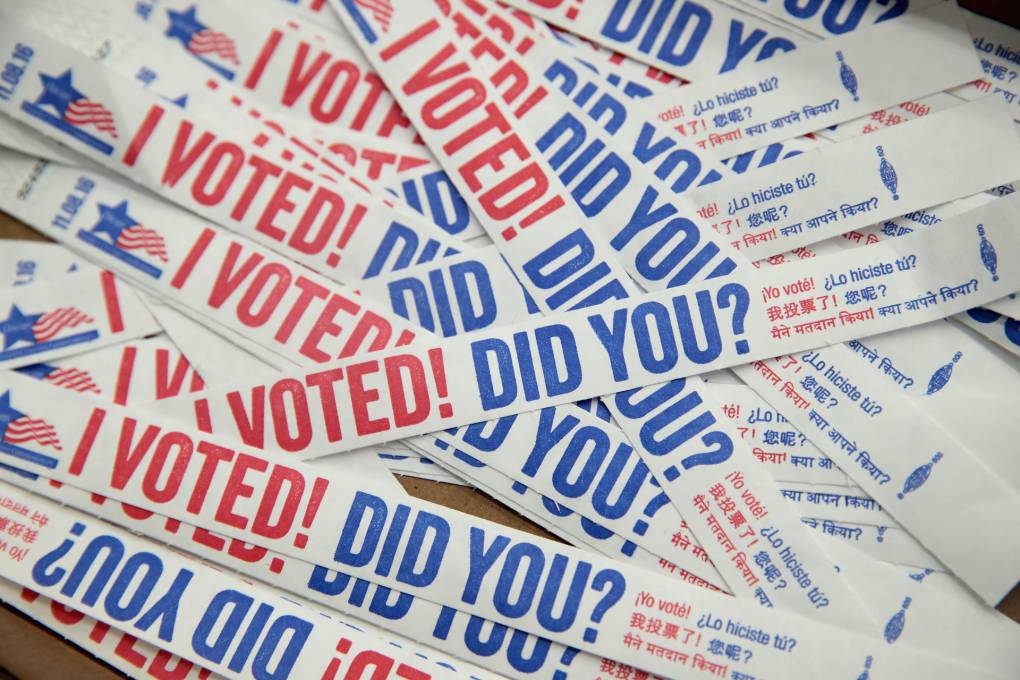
"caption": "I voted wristbands.",
"description": null,
"title": "RS21786_GettyImages-615470738-qut",
"credit": "Scott Olson/Getty Images",
"status": "inherit",
"isLoading": false,
"fetchFailed": false
},
"news_11842446": {
"type": "attachments",
"id": "news_11842446",
"meta": {
"index": "attachments_1716263798",
"site": "news",
"id": "11842446",
"found": true
},
"parent": 11842445,
"imgSizes": {
"apple_news_ca_landscape_5_5": {
"file": "https://ww2.kqed.org/app/uploads/sites/10/2020/10/Bail-1044x783.jpg",
"width": 1044,
"mimeType": "image/jpeg",
"height": 783
},
"apple_news_ca_square_4_0": {
"file": "https://ww2.kqed.org/app/uploads/sites/10/2020/10/Bail-470x470.jpg",
"width": 470,
"mimeType": "image/jpeg",
"height": 470
},
"twentyfourteen-full-width": {
"file": "https://ww2.kqed.org/app/uploads/sites/10/2020/10/Bail-1038x576.jpg",
"width": 1038,
"mimeType": "image/jpeg",
"height": 576
},
"thumbnail": {
"file": "https://ww2.kqed.org/app/uploads/sites/10/2020/10/Bail-160x90.jpg",
"width": 160,
"mimeType": "image/jpeg",
"height": 90
},
"post-thumbnail": {
"file": "https://ww2.kqed.org/app/uploads/sites/10/2020/10/Bail-672x372.jpg",
"width": 672,
"mimeType": "image/jpeg",
"height": 372
},
"kqedFullSize": {
"file": "https://ww2.kqed.org/app/uploads/sites/10/2020/10/Bail.jpg",
"width": 1920,
"height": 1080
},
"apple_news_ca_landscape_4_7": {
"file": "https://ww2.kqed.org/app/uploads/sites/10/2020/10/Bail-632x474.jpg",
"width": 632,
"mimeType": "image/jpeg",
"height": 474
},
"large": {
"file": "https://ww2.kqed.org/app/uploads/sites/10/2020/10/Bail-1020x574.jpg",
"width": 1020,
"mimeType": "image/jpeg",
"height": 574
},
"apple_news_ca_landscape_4_0": {
"file": "https://ww2.kqed.org/app/uploads/sites/10/2020/10/Bail-536x402.jpg",
"width": 536,
"mimeType": "image/jpeg",
"height": 402
},
"apple_news_ca_portrait_12_9": {
"file": "https://ww2.kqed.org/app/uploads/sites/10/2020/10/Bail-1122x1080.jpg",
"width": 1122,
"mimeType": "image/jpeg",
"height": 1080
},
"medium": {
"file": "https://ww2.kqed.org/app/uploads/sites/10/2020/10/Bail-800x450.jpg",
"width": 800,
"mimeType": "image/jpeg",
"height": 450
},
"apple_news_ca_portrait_4_0": {
"file": "https://ww2.kqed.org/app/uploads/sites/10/2020/10/Bail-354x472.jpg",
"width": 354,
"mimeType": "image/jpeg",
"height": 472
},
"apple_news_ca_portrait_9_7": {
"file": "https://ww2.kqed.org/app/uploads/sites/10/2020/10/Bail-840x1080.jpg",
"width": 840,
"mimeType": "image/jpeg",
"height": 1080
},
"apple_news_ca_landscape_12_9": {
"file": "https://ww2.kqed.org/app/uploads/sites/10/2020/10/Bail-1832x1080.jpg",
"width": 1832,
"mimeType": "image/jpeg",
"height": 1080
},
"apple_news_ca_square_9_7": {
"file": "https://ww2.kqed.org/app/uploads/sites/10/2020/10/Bail-1104x1080.jpg",
"width": 1104,
"mimeType": "image/jpeg",
"height": 1080
},
"1536x1536": {
"file": "https://ww2.kqed.org/app/uploads/sites/10/2020/10/Bail-1536x864.jpg",
"width": 1536,
"mimeType": "image/jpeg",
"height": 864
},
"apple_news_ca_portrait_4_7": {
"file": "https://ww2.kqed.org/app/uploads/sites/10/2020/10/Bail-414x552.jpg",
"width": 414,
"mimeType": "image/jpeg",
"height": 552
},
"apple_news_ca_square_12_9": {
"file": "https://ww2.kqed.org/app/uploads/sites/10/2020/10/Bail-1472x1080.jpg",
"width": 1472,
"mimeType": "image/jpeg",
"height": 1080
},
"apple_news_ca_portrait_5_5": {
"file": "https://ww2.kqed.org/app/uploads/sites/10/2020/10/Bail-687x916.jpg",
"width": 687,
"mimeType": "image/jpeg",
"height": 916
},
"apple_news_ca_square_4_7": {
"file": "https://ww2.kqed.org/app/uploads/sites/10/2020/10/Bail-550x550.jpg",
"width": 550,
"mimeType": "image/jpeg",
"height": 550
},
"apple_news_ca_landscape_9_7": {
"file": "https://ww2.kqed.org/app/uploads/sites/10/2020/10/Bail-1376x1032.jpg",
"width": 1376,
"mimeType": "image/jpeg",
"height": 1032
},
"apple_news_ca_square_5_5": {
"file": "https://ww2.kqed.org/app/uploads/sites/10/2020/10/Bail-912x912.jpg",
"width": 912,
"mimeType": "image/jpeg",
"height": 912
}
},
"publishDate": 1602787197,
"modified": 1602787267,
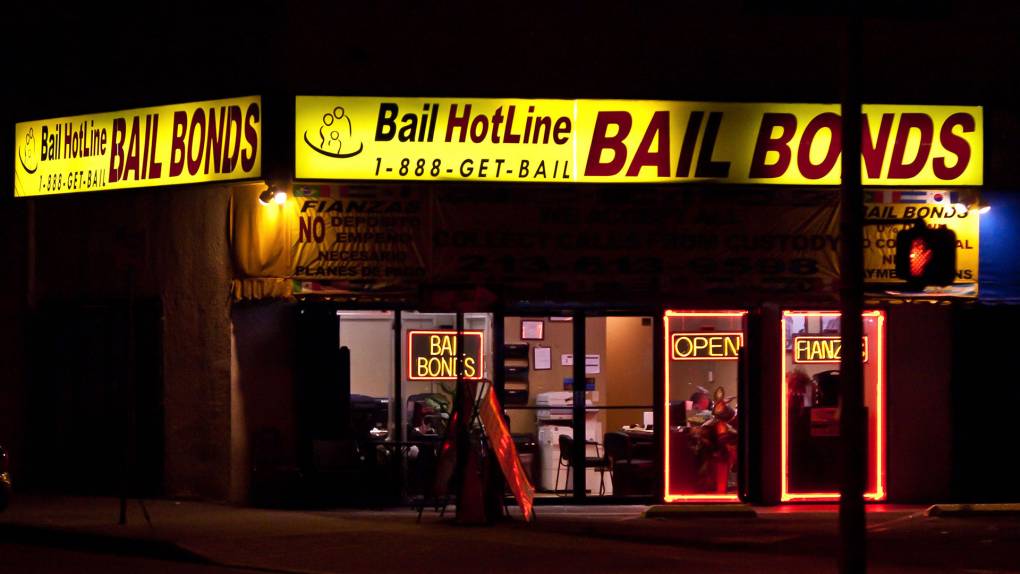
"caption": "Bail bonds shops.",
"description": null,
"title": "Bail",
"credit": "Thomas Hawk/\u003ca href=\"https://www.flickr.com/photos/thomashawk/16237854047/\">Flickr\u003c/a>",
"status": "inherit",
"isLoading": false,
"fetchFailed": false
},
"news_11842353": {
"type": "attachments",
"id": "news_11842353",
"meta": {
"index": "attachments_1716263798",
"site": "news",
"id": "11842353",
"found": true
},
"parent": 11842350,
"imgSizes": {
"apple_news_ca_landscape_5_5": {
"file": "https://ww2.kqed.org/app/uploads/sites/10/2020/10/data-privacy-1044x783.jpg",
"width": 1044,
"mimeType": "image/jpeg",
"height": 783
},
"apple_news_ca_square_4_0": {
"file": "https://ww2.kqed.org/app/uploads/sites/10/2020/10/data-privacy-470x470.jpg",
"width": 470,
"mimeType": "image/jpeg",
"height": 470
},
"twentyfourteen-full-width": {
"file": "https://ww2.kqed.org/app/uploads/sites/10/2020/10/data-privacy-1038x576.jpg",
"width": 1038,
"mimeType": "image/jpeg",
"height": 576
},
"thumbnail": {
"file": "https://ww2.kqed.org/app/uploads/sites/10/2020/10/data-privacy-160x90.jpg",
"width": 160,
"mimeType": "image/jpeg",
"height": 90
},
"post-thumbnail": {
"file": "https://ww2.kqed.org/app/uploads/sites/10/2020/10/data-privacy-672x372.jpg",
"width": 672,
"mimeType": "image/jpeg",
"height": 372
},
"kqedFullSize": {
"file": "https://ww2.kqed.org/app/uploads/sites/10/2020/10/data-privacy.jpg",
"width": 1920,
"height": 1080
},
"apple_news_ca_landscape_4_7": {
"file": "https://ww2.kqed.org/app/uploads/sites/10/2020/10/data-privacy-632x474.jpg",
"width": 632,
"mimeType": "image/jpeg",
"height": 474
},
"large": {
"file": "https://ww2.kqed.org/app/uploads/sites/10/2020/10/data-privacy-1020x574.jpg",
"width": 1020,
"mimeType": "image/jpeg",
"height": 574
},
"apple_news_ca_landscape_4_0": {
"file": "https://ww2.kqed.org/app/uploads/sites/10/2020/10/data-privacy-536x402.jpg",
"width": 536,
"mimeType": "image/jpeg",
"height": 402
},
"apple_news_ca_portrait_12_9": {
"file": "https://ww2.kqed.org/app/uploads/sites/10/2020/10/data-privacy-1122x1080.jpg",
"width": 1122,
"mimeType": "image/jpeg",
"height": 1080
},
"medium": {
"file": "https://ww2.kqed.org/app/uploads/sites/10/2020/10/data-privacy-800x450.jpg",
"width": 800,
"mimeType": "image/jpeg",
"height": 450
},
"apple_news_ca_portrait_4_0": {
"file": "https://ww2.kqed.org/app/uploads/sites/10/2020/10/data-privacy-354x472.jpg",
"width": 354,
"mimeType": "image/jpeg",
"height": 472
},
"apple_news_ca_portrait_9_7": {
"file": "https://ww2.kqed.org/app/uploads/sites/10/2020/10/data-privacy-840x1080.jpg",
"width": 840,
"mimeType": "image/jpeg",
"height": 1080
},
"apple_news_ca_landscape_12_9": {
"file": "https://ww2.kqed.org/app/uploads/sites/10/2020/10/data-privacy-1832x1080.jpg",
"width": 1832,
"mimeType": "image/jpeg",
"height": 1080
},
"apple_news_ca_square_9_7": {
"file": "https://ww2.kqed.org/app/uploads/sites/10/2020/10/data-privacy-1104x1080.jpg",
"width": 1104,
"mimeType": "image/jpeg",
"height": 1080
},
"1536x1536": {
"file": "https://ww2.kqed.org/app/uploads/sites/10/2020/10/data-privacy-1536x864.jpg",
"width": 1536,
"mimeType": "image/jpeg",
"height": 864
},
"apple_news_ca_portrait_4_7": {
"file": "https://ww2.kqed.org/app/uploads/sites/10/2020/10/data-privacy-414x552.jpg",
"width": 414,
"mimeType": "image/jpeg",
"height": 552
},
"apple_news_ca_square_12_9": {
"file": "https://ww2.kqed.org/app/uploads/sites/10/2020/10/data-privacy-1472x1080.jpg",
"width": 1472,
"mimeType": "image/jpeg",
"height": 1080
},
"apple_news_ca_portrait_5_5": {
"file": "https://ww2.kqed.org/app/uploads/sites/10/2020/10/data-privacy-687x916.jpg",
"width": 687,
"mimeType": "image/jpeg",
"height": 916
},
"apple_news_ca_square_4_7": {
"file": "https://ww2.kqed.org/app/uploads/sites/10/2020/10/data-privacy-550x550.jpg",
"width": 550,
"mimeType": "image/jpeg",
"height": 550
},
"apple_news_ca_landscape_9_7": {
"file": "https://ww2.kqed.org/app/uploads/sites/10/2020/10/data-privacy-1376x1032.jpg",
"width": 1376,
"mimeType": "image/jpeg",
"height": 1032
},
"apple_news_ca_square_5_5": {
"file": "https://ww2.kqed.org/app/uploads/sites/10/2020/10/data-privacy-912x912.jpg",
"width": 912,
"mimeType": "image/jpeg",
"height": 912
}
},
"publishDate": 1602715599,
"modified": 1602715675,
"caption": "California Proposition 24 wants to expand consumer privacy laws.",
"description": null,
"title": "data-privacy",
"credit": "peshkov/iStock",
"status": "inherit",
"isLoading": false,
"fetchFailed": false
},
"news_11842101": {
"type": "attachments",
"id": "news_11842101",
"meta": {
"index": "attachments_1716263798",
"site": "news",
"id": "11842101",
"found": true
},
"parent": 11842100,
"imgSizes": {
"apple_news_ca_landscape_5_5": {
"file": "https://ww2.kqed.org/app/uploads/sites/10/2020/10/dialysis-1044x783.jpg",
"width": 1044,
"mimeType": "image/jpeg",
"height": 783
},
"apple_news_ca_square_4_0": {
"file": "https://ww2.kqed.org/app/uploads/sites/10/2020/10/dialysis-470x470.jpg",
"width": 470,
"mimeType": "image/jpeg",
"height": 470
},
"twentyfourteen-full-width": {
"file": "https://ww2.kqed.org/app/uploads/sites/10/2020/10/dialysis-1038x576.jpg",
"width": 1038,
"mimeType": "image/jpeg",
"height": 576
},
"thumbnail": {
"file": "https://ww2.kqed.org/app/uploads/sites/10/2020/10/dialysis-160x90.jpg",
"width": 160,
"mimeType": "image/jpeg",
"height": 90
},
"post-thumbnail": {
"file": "https://ww2.kqed.org/app/uploads/sites/10/2020/10/dialysis-672x372.jpg",
"width": 672,
"mimeType": "image/jpeg",
"height": 372
},
"kqedFullSize": {
"file": "https://ww2.kqed.org/app/uploads/sites/10/2020/10/dialysis.jpg",
"width": 1920,
"height": 1080
},
"apple_news_ca_landscape_4_7": {
"file": "https://ww2.kqed.org/app/uploads/sites/10/2020/10/dialysis-632x474.jpg",
"width": 632,
"mimeType": "image/jpeg",
"height": 474
},
"large": {
"file": "https://ww2.kqed.org/app/uploads/sites/10/2020/10/dialysis-1020x574.jpg",
"width": 1020,
"mimeType": "image/jpeg",
"height": 574
},
"apple_news_ca_landscape_4_0": {
"file": "https://ww2.kqed.org/app/uploads/sites/10/2020/10/dialysis-536x402.jpg",
"width": 536,
"mimeType": "image/jpeg",
"height": 402
},
"apple_news_ca_portrait_12_9": {
"file": "https://ww2.kqed.org/app/uploads/sites/10/2020/10/dialysis-1122x1080.jpg",
"width": 1122,
"mimeType": "image/jpeg",
"height": 1080
},
"medium": {
"file": "https://ww2.kqed.org/app/uploads/sites/10/2020/10/dialysis-800x450.jpg",
"width": 800,
"mimeType": "image/jpeg",
"height": 450
},
"apple_news_ca_portrait_4_0": {
"file": "https://ww2.kqed.org/app/uploads/sites/10/2020/10/dialysis-354x472.jpg",
"width": 354,
"mimeType": "image/jpeg",
"height": 472
},
"apple_news_ca_portrait_9_7": {
"file": "https://ww2.kqed.org/app/uploads/sites/10/2020/10/dialysis-840x1080.jpg",
"width": 840,
"mimeType": "image/jpeg",
"height": 1080
},
"apple_news_ca_landscape_12_9": {
"file": "https://ww2.kqed.org/app/uploads/sites/10/2020/10/dialysis-1832x1080.jpg",
"width": 1832,
"mimeType": "image/jpeg",
"height": 1080
},
"apple_news_ca_square_9_7": {
"file": "https://ww2.kqed.org/app/uploads/sites/10/2020/10/dialysis-1104x1080.jpg",
"width": 1104,
"mimeType": "image/jpeg",
"height": 1080
},
"1536x1536": {
"file": "https://ww2.kqed.org/app/uploads/sites/10/2020/10/dialysis-1536x864.jpg",
"width": 1536,
"mimeType": "image/jpeg",
"height": 864
},
"apple_news_ca_portrait_4_7": {
"file": "https://ww2.kqed.org/app/uploads/sites/10/2020/10/dialysis-414x552.jpg",
"width": 414,
"mimeType": "image/jpeg",
"height": 552
},
"apple_news_ca_square_12_9": {
"file": "https://ww2.kqed.org/app/uploads/sites/10/2020/10/dialysis-1472x1080.jpg",
"width": 1472,
"mimeType": "image/jpeg",
"height": 1080
},
"apple_news_ca_portrait_5_5": {
"file": "https://ww2.kqed.org/app/uploads/sites/10/2020/10/dialysis-687x916.jpg",
"width": 687,
"mimeType": "image/jpeg",
"height": 916
},
"apple_news_ca_square_4_7": {
"file": "https://ww2.kqed.org/app/uploads/sites/10/2020/10/dialysis-550x550.jpg",
"width": 550,
"mimeType": "image/jpeg",
"height": 550
},
"apple_news_ca_landscape_9_7": {
"file": "https://ww2.kqed.org/app/uploads/sites/10/2020/10/dialysis-1376x1032.jpg",
"width": 1376,
"mimeType": "image/jpeg",
"height": 1032
},
"apple_news_ca_square_5_5": {
"file": "https://ww2.kqed.org/app/uploads/sites/10/2020/10/dialysis-912x912.jpg",
"width": 912,
"mimeType": "image/jpeg",
"height": 912
}
},
"publishDate": 1602617866,
"modified": 1602617992,
"caption": "Dialysis is a health procedure that people with kidney failure need to survive. The process cleans toxins from the blood.",
"description": null,
"title": "dialysis",
"credit": "Mailson Pignata/iStock ",
"status": "inherit",
"isLoading": false,
"fetchFailed": false
},
"news_11842014": {
"type": "attachments",
"id": "news_11842014",
"meta": {
"index": "attachments_1716263798",
"site": "news",
"id": "11842014",
"found": true
},
"parent": 11842012,
"imgSizes": {
"apple_news_ca_landscape_5_5": {
"file": "https://ww2.kqed.org/app/uploads/sites/10/2020/10/RS16537_IMG_0458-1044x783.jpg",
"width": 1044,
"mimeType": "image/jpeg",
"height": 783
},
"apple_news_ca_square_4_0": {
"file": "https://ww2.kqed.org/app/uploads/sites/10/2020/10/RS16537_IMG_0458-470x470.jpg",
"width": 470,
"mimeType": "image/jpeg",
"height": 470
},
"twentyfourteen-full-width": {
"file": "https://ww2.kqed.org/app/uploads/sites/10/2020/10/RS16537_IMG_0458-1038x576.jpg",
"width": 1038,
"mimeType": "image/jpeg",
"height": 576
},
"thumbnail": {
"file": "https://ww2.kqed.org/app/uploads/sites/10/2020/10/RS16537_IMG_0458-160x107.jpg",
"width": 160,
"mimeType": "image/jpeg",
"height": 107
},
"post-thumbnail": {
"file": "https://ww2.kqed.org/app/uploads/sites/10/2020/10/RS16537_IMG_0458-672x372.jpg",
"width": 672,
"mimeType": "image/jpeg",
"height": 372
},
"kqedFullSize": {
"file": "https://ww2.kqed.org/app/uploads/sites/10/2020/10/RS16537_IMG_0458-scaled.jpg",
"width": 2560,
"height": 1707
},
"2048x2048": {
"file": "https://ww2.kqed.org/app/uploads/sites/10/2020/10/RS16537_IMG_0458-2048x1365.jpg",
"width": 2048,
"mimeType": "image/jpeg",
"height": 1365
},
"apple_news_ca_landscape_4_7": {
"file": "https://ww2.kqed.org/app/uploads/sites/10/2020/10/RS16537_IMG_0458-632x474.jpg",
"width": 632,
"mimeType": "image/jpeg",
"height": 474
},
"large": {
"file": "https://ww2.kqed.org/app/uploads/sites/10/2020/10/RS16537_IMG_0458-1020x680.jpg",
"width": 1020,
"mimeType": "image/jpeg",
"height": 680
},
"apple_news_ca_landscape_4_0": {
"file": "https://ww2.kqed.org/app/uploads/sites/10/2020/10/RS16537_IMG_0458-536x402.jpg",
"width": 536,
"mimeType": "image/jpeg",
"height": 402
},
"apple_news_ca_portrait_12_9": {
"file": "https://ww2.kqed.org/app/uploads/sites/10/2020/10/RS16537_IMG_0458-1122x1496.jpg",
"width": 1122,
"mimeType": "image/jpeg",
"height": 1496
},
"medium": {
"file": "https://ww2.kqed.org/app/uploads/sites/10/2020/10/RS16537_IMG_0458-800x533.jpg",
"width": 800,
"mimeType": "image/jpeg",
"height": 533
},
"apple_news_ca_portrait_4_0": {
"file": "https://ww2.kqed.org/app/uploads/sites/10/2020/10/RS16537_IMG_0458-354x472.jpg",
"width": 354,
"mimeType": "image/jpeg",
"height": 472
},
"apple_news_ca_portrait_9_7": {
"file": "https://ww2.kqed.org/app/uploads/sites/10/2020/10/RS16537_IMG_0458-840x1120.jpg",
"width": 840,
"mimeType": "image/jpeg",
"height": 1120
},
"apple_news_ca_landscape_12_9": {
"file": "https://ww2.kqed.org/app/uploads/sites/10/2020/10/RS16537_IMG_0458-1832x1374.jpg",
"width": 1832,
"mimeType": "image/jpeg",
"height": 1374
},
"apple_news_ca_square_9_7": {
"file": "https://ww2.kqed.org/app/uploads/sites/10/2020/10/RS16537_IMG_0458-1104x1104.jpg",
"width": 1104,
"mimeType": "image/jpeg",
"height": 1104
},
"1536x1536": {
"file": "https://ww2.kqed.org/app/uploads/sites/10/2020/10/RS16537_IMG_0458-1536x1024.jpg",
"width": 1536,
"mimeType": "image/jpeg",
"height": 1024
},
"apple_news_ca_portrait_4_7": {
"file": "https://ww2.kqed.org/app/uploads/sites/10/2020/10/RS16537_IMG_0458-414x552.jpg",
"width": 414,
"mimeType": "image/jpeg",
"height": 552
},
"apple_news_ca_square_12_9": {
"file": "https://ww2.kqed.org/app/uploads/sites/10/2020/10/RS16537_IMG_0458-1472x1472.jpg",
"width": 1472,
"mimeType": "image/jpeg",
"height": 1472
},
"apple_news_ca_portrait_5_5": {
"file": "https://ww2.kqed.org/app/uploads/sites/10/2020/10/RS16537_IMG_0458-687x916.jpg",
"width": 687,
"mimeType": "image/jpeg",
"height": 916
},
"full-width": {
"file": "https://ww2.kqed.org/app/uploads/sites/10/2020/10/RS16537_IMG_0458-1920x1280.jpg",
"width": 1920,
"mimeType": "image/jpeg",
"height": 1280
},
"apple_news_ca_square_4_7": {
"file": "https://ww2.kqed.org/app/uploads/sites/10/2020/10/RS16537_IMG_0458-550x550.jpg",
"width": 550,
"mimeType": "image/jpeg",
"height": 550
},
"apple_news_ca_landscape_9_7": {
"file": "https://ww2.kqed.org/app/uploads/sites/10/2020/10/RS16537_IMG_0458-1376x1032.jpg",
"width": 1376,
"mimeType": "image/jpeg",
"height": 1032
},
"apple_news_ca_square_5_5": {
"file": "https://ww2.kqed.org/app/uploads/sites/10/2020/10/RS16537_IMG_0458-912x912.jpg",
"width": 912,
"mimeType": "image/jpeg",
"height": 912
}
},
"publishDate": 1602544163,
"modified": 1602544664,
"caption": "At the heart of Prop 22 is a question about how app-based drivers should be classified. ",
"description": "An app-based driver behind the steering wheel, with his phone on the dashboard, displaying a map. ",
"title": "RS16537_IMG_0458",
"credit": "Ericka Cruz Guevarra/KQED",
"status": "inherit",
"isLoading": false,
"fetchFailed": false
},
"news_11841783": {
"type": "attachments",
"id": "news_11841783",
"meta": {
"index": "attachments_1716263798",
"site": "news",
"id": "11841783",
"found": true
},
"parent": 11841779,
"imgSizes": {
"apple_news_ca_landscape_5_5": {
"file": "https://ww2.kqed.org/app/uploads/sites/10/2020/10/iStock-904795404-1044x783.jpg",
"width": 1044,
"mimeType": "image/jpeg",
"height": 783
},
"apple_news_ca_square_4_0": {
"file": "https://ww2.kqed.org/app/uploads/sites/10/2020/10/iStock-904795404-470x470.jpg",
"width": 470,
"mimeType": "image/jpeg",
"height": 470
},
"twentyfourteen-full-width": {
"file": "https://ww2.kqed.org/app/uploads/sites/10/2020/10/iStock-904795404-1038x576.jpg",
"width": 1038,
"mimeType": "image/jpeg",
"height": 576
},
"thumbnail": {
"file": "https://ww2.kqed.org/app/uploads/sites/10/2020/10/iStock-904795404-160x107.jpg",
"width": 160,
"mimeType": "image/jpeg",
"height": 107
},
"post-thumbnail": {
"file": "https://ww2.kqed.org/app/uploads/sites/10/2020/10/iStock-904795404-672x372.jpg",
"width": 672,
"mimeType": "image/jpeg",
"height": 372
},
"kqedFullSize": {
"file": "https://ww2.kqed.org/app/uploads/sites/10/2020/10/iStock-904795404.jpg",
"width": 2121,
"height": 1414
},
"2048x2048": {
"file": "https://ww2.kqed.org/app/uploads/sites/10/2020/10/iStock-904795404-2048x1365.jpg",
"width": 2048,
"mimeType": "image/jpeg",
"height": 1365
},
"apple_news_ca_landscape_4_7": {
"file": "https://ww2.kqed.org/app/uploads/sites/10/2020/10/iStock-904795404-632x474.jpg",
"width": 632,
"mimeType": "image/jpeg",
"height": 474
},
"large": {
"file": "https://ww2.kqed.org/app/uploads/sites/10/2020/10/iStock-904795404-1020x680.jpg",
"width": 1020,
"mimeType": "image/jpeg",
"height": 680
},
"apple_news_ca_landscape_4_0": {
"file": "https://ww2.kqed.org/app/uploads/sites/10/2020/10/iStock-904795404-536x402.jpg",
"width": 536,
"mimeType": "image/jpeg",
"height": 402
},
"apple_news_ca_portrait_12_9": {
"file": "https://ww2.kqed.org/app/uploads/sites/10/2020/10/iStock-904795404-1122x1414.jpg",
"width": 1122,
"mimeType": "image/jpeg",
"height": 1414
},
"medium": {
"file": "https://ww2.kqed.org/app/uploads/sites/10/2020/10/iStock-904795404-800x533.jpg",
"width": 800,
"mimeType": "image/jpeg",
"height": 533
},
"apple_news_ca_portrait_4_0": {
"file": "https://ww2.kqed.org/app/uploads/sites/10/2020/10/iStock-904795404-354x472.jpg",
"width": 354,
"mimeType": "image/jpeg",
"height": 472
},
"apple_news_ca_portrait_9_7": {
"file": "https://ww2.kqed.org/app/uploads/sites/10/2020/10/iStock-904795404-840x1120.jpg",
"width": 840,
"mimeType": "image/jpeg",
"height": 1120
},
"apple_news_ca_landscape_12_9": {
"file": "https://ww2.kqed.org/app/uploads/sites/10/2020/10/iStock-904795404-1832x1374.jpg",
"width": 1832,
"mimeType": "image/jpeg",
"height": 1374
},
"apple_news_ca_square_9_7": {
"file": "https://ww2.kqed.org/app/uploads/sites/10/2020/10/iStock-904795404-1104x1104.jpg",
"width": 1104,
"mimeType": "image/jpeg",
"height": 1104
},
"1536x1536": {
"file": "https://ww2.kqed.org/app/uploads/sites/10/2020/10/iStock-904795404-1536x1024.jpg",
"width": 1536,
"mimeType": "image/jpeg",
"height": 1024
},
"apple_news_ca_portrait_4_7": {
"file": "https://ww2.kqed.org/app/uploads/sites/10/2020/10/iStock-904795404-414x552.jpg",
"width": 414,
"mimeType": "image/jpeg",
"height": 552
},
"apple_news_ca_square_12_9": {
"file": "https://ww2.kqed.org/app/uploads/sites/10/2020/10/iStock-904795404-1472x1414.jpg",
"width": 1472,
"mimeType": "image/jpeg",
"height": 1414
},
"apple_news_ca_portrait_5_5": {
"file": "https://ww2.kqed.org/app/uploads/sites/10/2020/10/iStock-904795404-687x916.jpg",
"width": 687,
"mimeType": "image/jpeg",
"height": 916
},
"full-width": {
"file": "https://ww2.kqed.org/app/uploads/sites/10/2020/10/iStock-904795404-1920x1280.jpg",
"width": 1920,
"mimeType": "image/jpeg",
"height": 1280
},
"apple_news_ca_square_4_7": {
"file": "https://ww2.kqed.org/app/uploads/sites/10/2020/10/iStock-904795404-550x550.jpg",
"width": 550,
"mimeType": "image/jpeg",
"height": 550
},
"apple_news_ca_landscape_9_7": {
"file": "https://ww2.kqed.org/app/uploads/sites/10/2020/10/iStock-904795404-1376x1032.jpg",
"width": 1376,
"mimeType": "image/jpeg",
"height": 1032
},
"apple_news_ca_square_5_5": {
"file": "https://ww2.kqed.org/app/uploads/sites/10/2020/10/iStock-904795404-912x912.jpg",
"width": 912,
"mimeType": "image/jpeg",
"height": 912
}
},
"publishDate": 1602285246,
"modified": 1602285390,
"caption": "Current law requires buildings built after 1995 be exempt from local rent control measures. But in many cities, like San Francisco, the cutoff date is older. ",
"description": "An outside photo of colorful apartment buildings with bay windows in San Francisco.",
"title": "Typical buildings in San Francisco.",
"credit": "ibsky/iStock",
"status": "inherit",
"isLoading": false,
"fetchFailed": false
},
"news_11841580": {
"type": "attachments",
"id": "news_11841580",
"meta": {
"index": "attachments_1716263798",
"site": "news",
"id": "11841580",
"found": true
},
"parent": 11841579,
"imgSizes": {
"apple_news_ca_landscape_5_5": {
"file": "https://ww2.kqed.org/app/uploads/sites/10/2020/10/iStock-1170519918-1044x783.jpg",
"width": 1044,
"mimeType": "image/jpeg",
"height": 783
},
"apple_news_ca_square_4_0": {
"file": "https://ww2.kqed.org/app/uploads/sites/10/2020/10/iStock-1170519918-470x470.jpg",
"width": 470,
"mimeType": "image/jpeg",
"height": 470
},
"twentyfourteen-full-width": {
"file": "https://ww2.kqed.org/app/uploads/sites/10/2020/10/iStock-1170519918-1038x576.jpg",
"width": 1038,
"mimeType": "image/jpeg",
"height": 576
},
"thumbnail": {
"file": "https://ww2.kqed.org/app/uploads/sites/10/2020/10/iStock-1170519918-160x107.jpg",
"width": 160,
"mimeType": "image/jpeg",
"height": 107
},
"post-thumbnail": {
"file": "https://ww2.kqed.org/app/uploads/sites/10/2020/10/iStock-1170519918-672x372.jpg",
"width": 672,
"mimeType": "image/jpeg",
"height": 372
},
"kqedFullSize": {
"file": "https://ww2.kqed.org/app/uploads/sites/10/2020/10/iStock-1170519918.jpg",
"width": 1920,
"height": 1280
},
"apple_news_ca_landscape_4_7": {
"file": "https://ww2.kqed.org/app/uploads/sites/10/2020/10/iStock-1170519918-632x474.jpg",
"width": 632,
"mimeType": "image/jpeg",
"height": 474
},
"large": {
"file": "https://ww2.kqed.org/app/uploads/sites/10/2020/10/iStock-1170519918-1020x680.jpg",
"width": 1020,
"mimeType": "image/jpeg",
"height": 680
},
"apple_news_ca_landscape_4_0": {
"file": "https://ww2.kqed.org/app/uploads/sites/10/2020/10/iStock-1170519918-536x402.jpg",
"width": 536,
"mimeType": "image/jpeg",
"height": 402
},
"apple_news_ca_portrait_12_9": {
"file": "https://ww2.kqed.org/app/uploads/sites/10/2020/10/iStock-1170519918-1122x1280.jpg",
"width": 1122,
"mimeType": "image/jpeg",
"height": 1280
},
"medium": {
"file": "https://ww2.kqed.org/app/uploads/sites/10/2020/10/iStock-1170519918-800x533.jpg",
"width": 800,
"mimeType": "image/jpeg",
"height": 533
},
"apple_news_ca_portrait_4_0": {
"file": "https://ww2.kqed.org/app/uploads/sites/10/2020/10/iStock-1170519918-354x472.jpg",
"width": 354,
"mimeType": "image/jpeg",
"height": 472
},
"apple_news_ca_portrait_9_7": {
"file": "https://ww2.kqed.org/app/uploads/sites/10/2020/10/iStock-1170519918-840x1120.jpg",
"width": 840,
"mimeType": "image/jpeg",
"height": 1120
},
"apple_news_ca_landscape_12_9": {
"file": "https://ww2.kqed.org/app/uploads/sites/10/2020/10/iStock-1170519918-1832x1280.jpg",
"width": 1832,
"mimeType": "image/jpeg",
"height": 1280
},
"apple_news_ca_square_9_7": {
"file": "https://ww2.kqed.org/app/uploads/sites/10/2020/10/iStock-1170519918-1104x1104.jpg",
"width": 1104,
"mimeType": "image/jpeg",
"height": 1104
},
"1536x1536": {
"file": "https://ww2.kqed.org/app/uploads/sites/10/2020/10/iStock-1170519918-1536x1024.jpg",
"width": 1536,
"mimeType": "image/jpeg",
"height": 1024
},
"apple_news_ca_portrait_4_7": {
"file": "https://ww2.kqed.org/app/uploads/sites/10/2020/10/iStock-1170519918-414x552.jpg",
"width": 414,
"mimeType": "image/jpeg",
"height": 552
},
"apple_news_ca_square_12_9": {
"file": "https://ww2.kqed.org/app/uploads/sites/10/2020/10/iStock-1170519918-1472x1280.jpg",
"width": 1472,
"mimeType": "image/jpeg",
"height": 1280
},
"apple_news_ca_portrait_5_5": {
"file": "https://ww2.kqed.org/app/uploads/sites/10/2020/10/iStock-1170519918-687x916.jpg",
"width": 687,
"mimeType": "image/jpeg",
"height": 916
},
"apple_news_ca_square_4_7": {
"file": "https://ww2.kqed.org/app/uploads/sites/10/2020/10/iStock-1170519918-550x550.jpg",
"width": 550,
"mimeType": "image/jpeg",
"height": 550
},
"apple_news_ca_landscape_9_7": {
"file": "https://ww2.kqed.org/app/uploads/sites/10/2020/10/iStock-1170519918-1376x1032.jpg",
"width": 1376,
"mimeType": "image/jpeg",
"height": 1032
},
"apple_news_ca_square_5_5": {
"file": "https://ww2.kqed.org/app/uploads/sites/10/2020/10/iStock-1170519918-912x912.jpg",
"width": 912,
"mimeType": "image/jpeg",
"height": 912
}
},
"publishDate": 1602197570,
"modified": 1602197674,
"caption": "Proposition 20 would make some people convicted of felonies ineligible for early parole, among other things. ",
"description": "High Angle View Of Judge Gavel And handcuffs.",
"title": null,
"credit": "artisteer/iStock photos",
"status": "inherit",
"isLoading": false,
"fetchFailed": false
},
"news_11841421": {
"type": "attachments",
"id": "news_11841421",
"meta": {
"index": "attachments_1716263798",
"site": "news",
"id": "11841421",
"found": true
},
"parent": 11841414,
"imgSizes": {
"apple_news_ca_landscape_5_5": {
"file": "https://ww2.kqed.org/app/uploads/sites/10/2020/10/RS16247_GettyImages-150582090-qut-1044x783.jpg",
"width": 1044,
"mimeType": "image/jpeg",
"height": 783
},
"apple_news_ca_square_4_0": {
"file": "https://ww2.kqed.org/app/uploads/sites/10/2020/10/RS16247_GettyImages-150582090-qut-470x470.jpg",
"width": 470,
"mimeType": "image/jpeg",
"height": 470
},
"twentyfourteen-full-width": {
"file": "https://ww2.kqed.org/app/uploads/sites/10/2020/10/RS16247_GettyImages-150582090-qut-1038x576.jpg",
"width": 1038,
"mimeType": "image/jpeg",
"height": 576
},
"thumbnail": {
"file": "https://ww2.kqed.org/app/uploads/sites/10/2020/10/RS16247_GettyImages-150582090-qut-160x106.jpg",
"width": 160,
"mimeType": "image/jpeg",
"height": 106
},
"post-thumbnail": {
"file": "https://ww2.kqed.org/app/uploads/sites/10/2020/10/RS16247_GettyImages-150582090-qut-672x372.jpg",
"width": 672,
"mimeType": "image/jpeg",
"height": 372
},
"kqedFullSize": {
"file": "https://ww2.kqed.org/app/uploads/sites/10/2020/10/RS16247_GettyImages-150582090-qut.jpg",
"width": 1920,
"height": 1272
},
"apple_news_ca_landscape_4_7": {
"file": "https://ww2.kqed.org/app/uploads/sites/10/2020/10/RS16247_GettyImages-150582090-qut-632x474.jpg",
"width": 632,
"mimeType": "image/jpeg",
"height": 474
},
"large": {
"file": "https://ww2.kqed.org/app/uploads/sites/10/2020/10/RS16247_GettyImages-150582090-qut-1020x676.jpg",
"width": 1020,
"mimeType": "image/jpeg",
"height": 676
},
"apple_news_ca_landscape_4_0": {
"file": "https://ww2.kqed.org/app/uploads/sites/10/2020/10/RS16247_GettyImages-150582090-qut-536x402.jpg",
"width": 536,
"mimeType": "image/jpeg",
"height": 402
},
"apple_news_ca_portrait_12_9": {
"file": "https://ww2.kqed.org/app/uploads/sites/10/2020/10/RS16247_GettyImages-150582090-qut-1122x1272.jpg",
"width": 1122,
"mimeType": "image/jpeg",
"height": 1272
},
"medium": {
"file": "https://ww2.kqed.org/app/uploads/sites/10/2020/10/RS16247_GettyImages-150582090-qut-800x530.jpg",
"width": 800,
"mimeType": "image/jpeg",
"height": 530
},
"apple_news_ca_portrait_4_0": {
"file": "https://ww2.kqed.org/app/uploads/sites/10/2020/10/RS16247_GettyImages-150582090-qut-354x472.jpg",
"width": 354,
"mimeType": "image/jpeg",
"height": 472
},
"apple_news_ca_portrait_9_7": {
"file": "https://ww2.kqed.org/app/uploads/sites/10/2020/10/RS16247_GettyImages-150582090-qut-840x1120.jpg",
"width": 840,
"mimeType": "image/jpeg",
"height": 1120
},
"apple_news_ca_landscape_12_9": {
"file": "https://ww2.kqed.org/app/uploads/sites/10/2020/10/RS16247_GettyImages-150582090-qut-1832x1272.jpg",
"width": 1832,
"mimeType": "image/jpeg",
"height": 1272
},
"apple_news_ca_square_9_7": {
"file": "https://ww2.kqed.org/app/uploads/sites/10/2020/10/RS16247_GettyImages-150582090-qut-1104x1104.jpg",
"width": 1104,
"mimeType": "image/jpeg",
"height": 1104
},
"1536x1536": {
"file": "https://ww2.kqed.org/app/uploads/sites/10/2020/10/RS16247_GettyImages-150582090-qut-1536x1018.jpg",
"width": 1536,
"mimeType": "image/jpeg",
"height": 1018
},
"apple_news_ca_portrait_4_7": {
"file": "https://ww2.kqed.org/app/uploads/sites/10/2020/10/RS16247_GettyImages-150582090-qut-414x552.jpg",
"width": 414,
"mimeType": "image/jpeg",
"height": 552
},
"apple_news_ca_square_12_9": {
"file": "https://ww2.kqed.org/app/uploads/sites/10/2020/10/RS16247_GettyImages-150582090-qut-1472x1272.jpg",
"width": 1472,
"mimeType": "image/jpeg",
"height": 1272
},
"apple_news_ca_portrait_5_5": {
"file": "https://ww2.kqed.org/app/uploads/sites/10/2020/10/RS16247_GettyImages-150582090-qut-687x916.jpg",
"width": 687,
"mimeType": "image/jpeg",
"height": 916
},
"apple_news_ca_square_4_7": {
"file": "https://ww2.kqed.org/app/uploads/sites/10/2020/10/RS16247_GettyImages-150582090-qut-550x550.jpg",
"width": 550,
"mimeType": "image/jpeg",
"height": 550
},
"apple_news_ca_landscape_9_7": {
"file": "https://ww2.kqed.org/app/uploads/sites/10/2020/10/RS16247_GettyImages-150582090-qut-1376x1032.jpg",
"width": 1376,
"mimeType": "image/jpeg",
"height": 1032
},
"apple_news_ca_square_5_5": {
"file": "https://ww2.kqed.org/app/uploads/sites/10/2020/10/RS16247_GettyImages-150582090-qut-912x912.jpg",
"width": 912,
"mimeType": "image/jpeg",
"height": 912
}
},
"publishDate": 1602101174,
"modified": 1606281333,
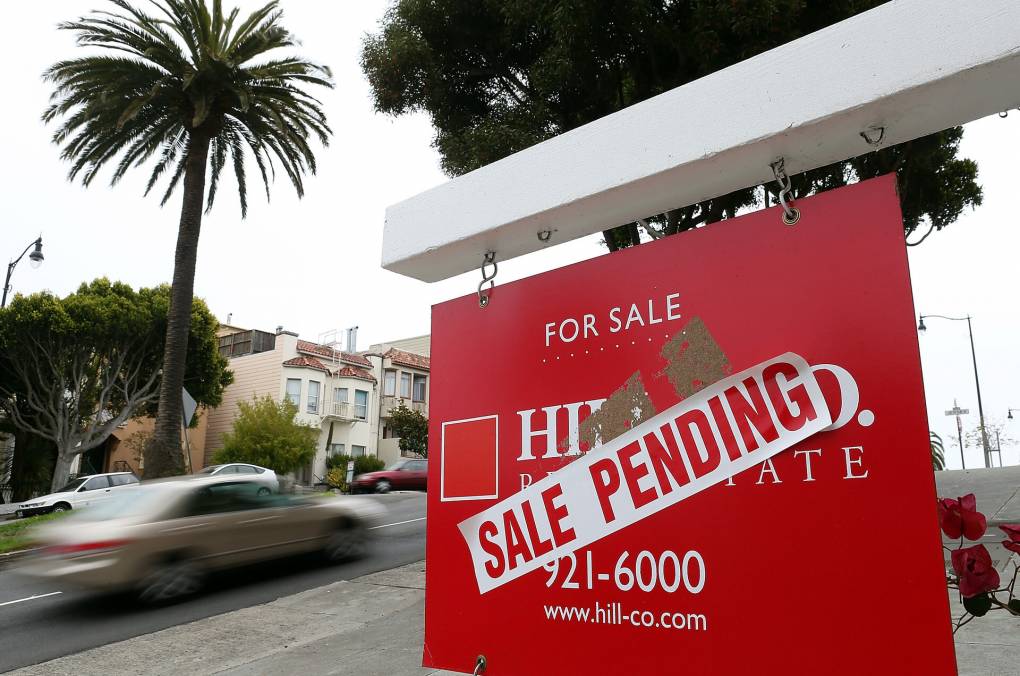
"caption": "A red for sale sign outside a home with a \"sold pending\" sticker posted across the front. ",
"description": "A red for sale sign outside a home with a \"sold pending\" sticker posted across the front. ",
"title": "RS16247_GettyImages-150582090-qut",
"credit": "Justin Sullivan/KQED",
"status": "inherit",
"isLoading": false,
"fetchFailed": false
},
"news_11841299": {
"type": "attachments",
"id": "news_11841299",
"meta": {
"index": "attachments_1716263798",
"site": "news",
"id": "11841299",
"found": true
},
"parent": 11841211,
"imgSizes": {
"apple_news_ca_landscape_5_5": {
"file": "https://ww2.kqed.org/app/uploads/sites/10/2020/10/youth-vote-1044x783.jpg",
"width": 1044,
"mimeType": "image/jpeg",
"height": 783
},
"apple_news_ca_square_4_0": {
"file": "https://ww2.kqed.org/app/uploads/sites/10/2020/10/youth-vote-470x470.jpg",
"width": 470,
"mimeType": "image/jpeg",
"height": 470
},
"twentyfourteen-full-width": {
"file": "https://ww2.kqed.org/app/uploads/sites/10/2020/10/youth-vote-1038x576.jpg",
"width": 1038,
"mimeType": "image/jpeg",
"height": 576
},
"thumbnail": {
"file": "https://ww2.kqed.org/app/uploads/sites/10/2020/10/youth-vote-160x107.jpg",
"width": 160,
"mimeType": "image/jpeg",
"height": 107
},
"post-thumbnail": {
"file": "https://ww2.kqed.org/app/uploads/sites/10/2020/10/youth-vote-672x372.jpg",
"width": 672,
"mimeType": "image/jpeg",
"height": 372
},
"kqedFullSize": {
"file": "https://ww2.kqed.org/app/uploads/sites/10/2020/10/youth-vote.jpg",
"width": 1920,
"height": 1280
},
"apple_news_ca_landscape_4_7": {
"file": "https://ww2.kqed.org/app/uploads/sites/10/2020/10/youth-vote-632x474.jpg",
"width": 632,
"mimeType": "image/jpeg",
"height": 474
},
"large": {
"file": "https://ww2.kqed.org/app/uploads/sites/10/2020/10/youth-vote-1020x680.jpg",
"width": 1020,
"mimeType": "image/jpeg",
"height": 680
},
"apple_news_ca_landscape_4_0": {
"file": "https://ww2.kqed.org/app/uploads/sites/10/2020/10/youth-vote-536x402.jpg",
"width": 536,
"mimeType": "image/jpeg",
"height": 402
},
"apple_news_ca_portrait_12_9": {
"file": "https://ww2.kqed.org/app/uploads/sites/10/2020/10/youth-vote-1122x1280.jpg",
"width": 1122,
"mimeType": "image/jpeg",
"height": 1280
},
"medium": {
"file": "https://ww2.kqed.org/app/uploads/sites/10/2020/10/youth-vote-800x533.jpg",
"width": 800,
"mimeType": "image/jpeg",
"height": 533
},
"apple_news_ca_portrait_4_0": {
"file": "https://ww2.kqed.org/app/uploads/sites/10/2020/10/youth-vote-354x472.jpg",
"width": 354,
"mimeType": "image/jpeg",
"height": 472
},
"apple_news_ca_portrait_9_7": {
"file": "https://ww2.kqed.org/app/uploads/sites/10/2020/10/youth-vote-840x1120.jpg",
"width": 840,
"mimeType": "image/jpeg",
"height": 1120
},
"apple_news_ca_landscape_12_9": {
"file": "https://ww2.kqed.org/app/uploads/sites/10/2020/10/youth-vote-1832x1280.jpg",
"width": 1832,
"mimeType": "image/jpeg",
"height": 1280
},
"apple_news_ca_square_9_7": {
"file": "https://ww2.kqed.org/app/uploads/sites/10/2020/10/youth-vote-1104x1104.jpg",
"width": 1104,
"mimeType": "image/jpeg",
"height": 1104
},
"1536x1536": {
"file": "https://ww2.kqed.org/app/uploads/sites/10/2020/10/youth-vote-1536x1024.jpg",
"width": 1536,
"mimeType": "image/jpeg",
"height": 1024
},
"apple_news_ca_portrait_4_7": {
"file": "https://ww2.kqed.org/app/uploads/sites/10/2020/10/youth-vote-414x552.jpg",
"width": 414,
"mimeType": "image/jpeg",
"height": 552
},
"apple_news_ca_square_12_9": {
"file": "https://ww2.kqed.org/app/uploads/sites/10/2020/10/youth-vote-1472x1280.jpg",
"width": 1472,
"mimeType": "image/jpeg",
"height": 1280
},
"apple_news_ca_portrait_5_5": {
"file": "https://ww2.kqed.org/app/uploads/sites/10/2020/10/youth-vote-687x916.jpg",
"width": 687,
"mimeType": "image/jpeg",
"height": 916
},
"apple_news_ca_square_4_7": {
"file": "https://ww2.kqed.org/app/uploads/sites/10/2020/10/youth-vote-550x550.jpg",
"width": 550,
"mimeType": "image/jpeg",
"height": 550
},
"apple_news_ca_landscape_9_7": {
"file": "https://ww2.kqed.org/app/uploads/sites/10/2020/10/youth-vote-1376x1032.jpg",
"width": 1376,
"mimeType": "image/jpeg",
"height": 1032
},
"apple_news_ca_square_5_5": {
"file": "https://ww2.kqed.org/app/uploads/sites/10/2020/10/youth-vote-912x912.jpg",
"width": 912,
"mimeType": "image/jpeg",
"height": 912
}
},
"publishDate": 1602026249,
"modified": 1602032815,
"caption": "Sebastian Vera Cuevas, who just turned 15, celebrates Bernie Sanders win in California at the Sanders headquarters in San Francisco’s Mission District on Tuesday, Mar. 3, 2020. If Prop 18 passes, young people who will be 18 by the general election would have the right to vote in the primary when they are still 17.",
"description": null,
"title": "youth-vote",
"credit": "Beth LaBerge/KQED",
"status": "inherit",
"isLoading": false,
"fetchFailed": false
},
"news_11841141": {
"type": "attachments",
"id": "news_11841141",
"meta": {
"index": "attachments_1716263798",
"site": "news",
"id": "11841141",
"found": true
},
"parent": 11841121,
"imgSizes": {
"apple_news_ca_landscape_5_5": {
"file": "https://ww2.kqed.org/app/uploads/sites/10/2020/10/Voting-on-parole-1044x783.jpg",
"width": 1044,
"mimeType": "image/jpeg",
"height": 783
},
"apple_news_ca_square_4_0": {
"file": "https://ww2.kqed.org/app/uploads/sites/10/2020/10/Voting-on-parole-470x470.jpg",
"width": 470,
"mimeType": "image/jpeg",
"height": 470
},
"twentyfourteen-full-width": {
"file": "https://ww2.kqed.org/app/uploads/sites/10/2020/10/Voting-on-parole-1038x576.jpg",
"width": 1038,
"mimeType": "image/jpeg",
"height": 576
},
"thumbnail": {
"file": "https://ww2.kqed.org/app/uploads/sites/10/2020/10/Voting-on-parole-160x90.jpg",
"width": 160,
"mimeType": "image/jpeg",
"height": 90
},
"post-thumbnail": {
"file": "https://ww2.kqed.org/app/uploads/sites/10/2020/10/Voting-on-parole-672x372.jpg",
"width": 672,
"mimeType": "image/jpeg",
"height": 372
},
"kqedFullSize": {
"file": "https://ww2.kqed.org/app/uploads/sites/10/2020/10/Voting-on-parole.jpg",
"width": 1920,
"height": 1080
},
"apple_news_ca_landscape_4_7": {
"file": "https://ww2.kqed.org/app/uploads/sites/10/2020/10/Voting-on-parole-632x474.jpg",
"width": 632,
"mimeType": "image/jpeg",
"height": 474
},
"large": {
"file": "https://ww2.kqed.org/app/uploads/sites/10/2020/10/Voting-on-parole-1020x574.jpg",
"width": 1020,
"mimeType": "image/jpeg",
"height": 574
},
"apple_news_ca_landscape_4_0": {
"file": "https://ww2.kqed.org/app/uploads/sites/10/2020/10/Voting-on-parole-536x402.jpg",
"width": 536,
"mimeType": "image/jpeg",
"height": 402
},
"apple_news_ca_portrait_12_9": {
"file": "https://ww2.kqed.org/app/uploads/sites/10/2020/10/Voting-on-parole-1122x1080.jpg",
"width": 1122,
"mimeType": "image/jpeg",
"height": 1080
},
"medium": {
"file": "https://ww2.kqed.org/app/uploads/sites/10/2020/10/Voting-on-parole-800x450.jpg",
"width": 800,
"mimeType": "image/jpeg",
"height": 450
},
"apple_news_ca_portrait_4_0": {
"file": "https://ww2.kqed.org/app/uploads/sites/10/2020/10/Voting-on-parole-354x472.jpg",
"width": 354,
"mimeType": "image/jpeg",
"height": 472
},
"apple_news_ca_portrait_9_7": {
"file": "https://ww2.kqed.org/app/uploads/sites/10/2020/10/Voting-on-parole-840x1080.jpg",
"width": 840,
"mimeType": "image/jpeg",
"height": 1080
},
"apple_news_ca_landscape_12_9": {
"file": "https://ww2.kqed.org/app/uploads/sites/10/2020/10/Voting-on-parole-1832x1080.jpg",
"width": 1832,
"mimeType": "image/jpeg",
"height": 1080
},
"apple_news_ca_square_9_7": {
"file": "https://ww2.kqed.org/app/uploads/sites/10/2020/10/Voting-on-parole-1104x1080.jpg",
"width": 1104,
"mimeType": "image/jpeg",
"height": 1080
},
"1536x1536": {
"file": "https://ww2.kqed.org/app/uploads/sites/10/2020/10/Voting-on-parole-1536x864.jpg",
"width": 1536,
"mimeType": "image/jpeg",
"height": 864
},
"apple_news_ca_portrait_4_7": {
"file": "https://ww2.kqed.org/app/uploads/sites/10/2020/10/Voting-on-parole-414x552.jpg",
"width": 414,
"mimeType": "image/jpeg",
"height": 552
},
"apple_news_ca_square_12_9": {
"file": "https://ww2.kqed.org/app/uploads/sites/10/2020/10/Voting-on-parole-1472x1080.jpg",
"width": 1472,
"mimeType": "image/jpeg",
"height": 1080
},
"apple_news_ca_portrait_5_5": {
"file": "https://ww2.kqed.org/app/uploads/sites/10/2020/10/Voting-on-parole-687x916.jpg",
"width": 687,
"mimeType": "image/jpeg",
"height": 916
},
"apple_news_ca_square_4_7": {
"file": "https://ww2.kqed.org/app/uploads/sites/10/2020/10/Voting-on-parole-550x550.jpg",
"width": 550,
"mimeType": "image/jpeg",
"height": 550
},
"apple_news_ca_landscape_9_7": {
"file": "https://ww2.kqed.org/app/uploads/sites/10/2020/10/Voting-on-parole-1376x1032.jpg",
"width": 1376,
"mimeType": "image/jpeg",
"height": 1032
},
"apple_news_ca_square_5_5": {
"file": "https://ww2.kqed.org/app/uploads/sites/10/2020/10/Voting-on-parole-912x912.jpg",
"width": 912,
"mimeType": "image/jpeg",
"height": 912
}
},
"publishDate": 1601943440,
"modified": 1601943485,
"caption": null,
"description": null,
"title": "Voting-on-parole",
"credit": "iStock",
"status": "inherit",
"isLoading": false,
"fetchFailed": false
},
"news_11840895": {
"type": "attachments",
"id": "news_11840895",
"meta": {
"index": "attachments_1716263798",
"site": "news",
"id": "11840895",
"found": true
},
"parent": 11840892,
"imgSizes": {
"apple_news_ca_landscape_5_5": {
"file": "https://ww2.kqed.org/app/uploads/sites/10/2020/10/GettyImages-138891408-1044x783.jpg",
"width": 1044,
"mimeType": "image/jpeg",
"height": 783
},
"apple_news_ca_square_4_0": {
"file": "https://ww2.kqed.org/app/uploads/sites/10/2020/10/GettyImages-138891408-470x470.jpg",
"width": 470,
"mimeType": "image/jpeg",
"height": 470
},
"twentyfourteen-full-width": {
"file": "https://ww2.kqed.org/app/uploads/sites/10/2020/10/GettyImages-138891408-1038x576.jpg",
"width": 1038,
"mimeType": "image/jpeg",
"height": 576
},
"thumbnail": {
"file": "https://ww2.kqed.org/app/uploads/sites/10/2020/10/GettyImages-138891408-160x107.jpg",
"width": 160,
"mimeType": "image/jpeg",
"height": 107
},
"post-thumbnail": {
"file": "https://ww2.kqed.org/app/uploads/sites/10/2020/10/GettyImages-138891408-672x372.jpg",
"width": 672,
"mimeType": "image/jpeg",
"height": 372
},
"kqedFullSize": {
"file": "https://ww2.kqed.org/app/uploads/sites/10/2020/10/GettyImages-138891408.jpg",
"width": 1920,
"height": 1281
},
"apple_news_ca_landscape_4_7": {
"file": "https://ww2.kqed.org/app/uploads/sites/10/2020/10/GettyImages-138891408-632x474.jpg",
"width": 632,
"mimeType": "image/jpeg",
"height": 474
},
"large": {
"file": "https://ww2.kqed.org/app/uploads/sites/10/2020/10/GettyImages-138891408-1020x681.jpg",
"width": 1020,
"mimeType": "image/jpeg",
"height": 681
},
"apple_news_ca_landscape_4_0": {
"file": "https://ww2.kqed.org/app/uploads/sites/10/2020/10/GettyImages-138891408-536x402.jpg",
"width": 536,
"mimeType": "image/jpeg",
"height": 402
},
"apple_news_ca_portrait_12_9": {
"file": "https://ww2.kqed.org/app/uploads/sites/10/2020/10/GettyImages-138891408-1122x1281.jpg",
"width": 1122,
"mimeType": "image/jpeg",
"height": 1281
},
"medium": {
"file": "https://ww2.kqed.org/app/uploads/sites/10/2020/10/GettyImages-138891408-800x534.jpg",
"width": 800,
"mimeType": "image/jpeg",
"height": 534
},
"apple_news_ca_portrait_4_0": {
"file": "https://ww2.kqed.org/app/uploads/sites/10/2020/10/GettyImages-138891408-354x472.jpg",
"width": 354,
"mimeType": "image/jpeg",
"height": 472
},
"apple_news_ca_portrait_9_7": {
"file": "https://ww2.kqed.org/app/uploads/sites/10/2020/10/GettyImages-138891408-840x1120.jpg",
"width": 840,
"mimeType": "image/jpeg",
"height": 1120
},
"apple_news_ca_landscape_12_9": {
"file": "https://ww2.kqed.org/app/uploads/sites/10/2020/10/GettyImages-138891408-1832x1281.jpg",
"width": 1832,
"mimeType": "image/jpeg",
"height": 1281
},
"apple_news_ca_square_9_7": {
"file": "https://ww2.kqed.org/app/uploads/sites/10/2020/10/GettyImages-138891408-1104x1104.jpg",
"width": 1104,
"mimeType": "image/jpeg",
"height": 1104
},
"1536x1536": {
"file": "https://ww2.kqed.org/app/uploads/sites/10/2020/10/GettyImages-138891408-1536x1025.jpg",
"width": 1536,
"mimeType": "image/jpeg",
"height": 1025
},
"apple_news_ca_portrait_4_7": {
"file": "https://ww2.kqed.org/app/uploads/sites/10/2020/10/GettyImages-138891408-414x552.jpg",
"width": 414,
"mimeType": "image/jpeg",
"height": 552
},
"apple_news_ca_square_12_9": {
"file": "https://ww2.kqed.org/app/uploads/sites/10/2020/10/GettyImages-138891408-1472x1281.jpg",
"width": 1472,
"mimeType": "image/jpeg",
"height": 1281
},
"apple_news_ca_portrait_5_5": {
"file": "https://ww2.kqed.org/app/uploads/sites/10/2020/10/GettyImages-138891408-687x916.jpg",
"width": 687,
"mimeType": "image/jpeg",
"height": 916
},
"apple_news_ca_square_4_7": {
"file": "https://ww2.kqed.org/app/uploads/sites/10/2020/10/GettyImages-138891408-550x550.jpg",
"width": 550,
"mimeType": "image/jpeg",
"height": 550
},
"apple_news_ca_landscape_9_7": {
"file": "https://ww2.kqed.org/app/uploads/sites/10/2020/10/GettyImages-138891408-1376x1032.jpg",
"width": 1376,
"mimeType": "image/jpeg",
"height": 1032
},
"apple_news_ca_square_5_5": {
"file": "https://ww2.kqed.org/app/uploads/sites/10/2020/10/GettyImages-138891408-912x912.jpg",
"width": 912,
"mimeType": "image/jpeg",
"height": 912
}
},
"publishDate": 1601680007,
"modified": 1601680358,
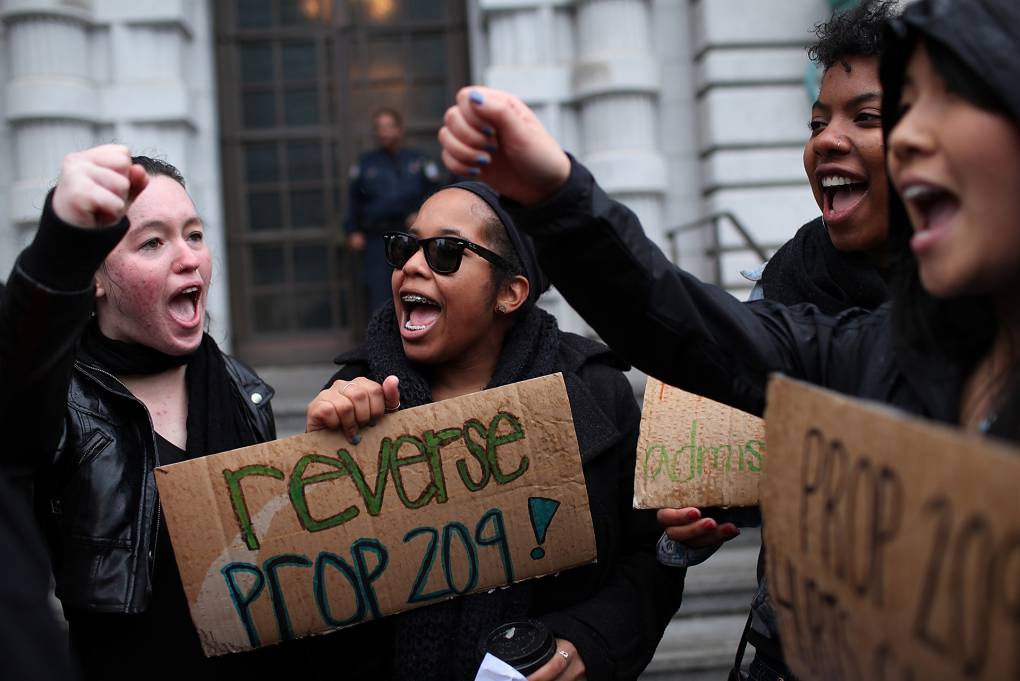
"caption": "Supporters of affirmative action have been trying to repeal Proposition 209 since it was put in place in 1996.",
"description": null,
"title": "Federal Appeals Court To Consider Overturning CA Affirmative Action Ban",
"credit": "Justin Sullivan/Getty Images",
"status": "inherit",
"isLoading": false,
"fetchFailed": false
},
"news_11840694": {
"type": "attachments",
"id": "news_11840694",
"meta": {
"index": "attachments_1716263798",
"site": "news",
"id": "11840694",
"found": true
},
"parent": 11840670,
"imgSizes": {
"apple_news_ca_landscape_5_5": {
"file": "https://ww2.kqed.org/app/uploads/sites/10/2020/10/RS24039__MG_6495-qut-1044x783.jpg",
"width": 1044,
"mimeType": "image/jpeg",
"height": 783
},
"apple_news_ca_square_4_0": {
"file": "https://ww2.kqed.org/app/uploads/sites/10/2020/10/RS24039__MG_6495-qut-470x470.jpg",
"width": 470,
"mimeType": "image/jpeg",
"height": 470
},
"twentyfourteen-full-width": {
"file": "https://ww2.kqed.org/app/uploads/sites/10/2020/10/RS24039__MG_6495-qut-1038x576.jpg",
"width": 1038,
"mimeType": "image/jpeg",
"height": 576
},
"thumbnail": {
"file": "https://ww2.kqed.org/app/uploads/sites/10/2020/10/RS24039__MG_6495-qut-160x107.jpg",
"width": 160,
"mimeType": "image/jpeg",
"height": 107
},
"post-thumbnail": {
"file": "https://ww2.kqed.org/app/uploads/sites/10/2020/10/RS24039__MG_6495-qut-672x372.jpg",
"width": 672,
"mimeType": "image/jpeg",
"height": 372
},
"kqedFullSize": {
"file": "https://ww2.kqed.org/app/uploads/sites/10/2020/10/RS24039__MG_6495-qut.jpg",
"width": 1920,
"height": 1280
},
"apple_news_ca_landscape_4_7": {
"file": "https://ww2.kqed.org/app/uploads/sites/10/2020/10/RS24039__MG_6495-qut-632x474.jpg",
"width": 632,
"mimeType": "image/jpeg",
"height": 474
},
"large": {
"file": "https://ww2.kqed.org/app/uploads/sites/10/2020/10/RS24039__MG_6495-qut-1020x680.jpg",
"width": 1020,
"mimeType": "image/jpeg",
"height": 680
},
"apple_news_ca_landscape_4_0": {
"file": "https://ww2.kqed.org/app/uploads/sites/10/2020/10/RS24039__MG_6495-qut-536x402.jpg",
"width": 536,
"mimeType": "image/jpeg",
"height": 402
},
"apple_news_ca_portrait_12_9": {
"file": "https://ww2.kqed.org/app/uploads/sites/10/2020/10/RS24039__MG_6495-qut-1122x1280.jpg",
"width": 1122,
"mimeType": "image/jpeg",
"height": 1280
},
"medium": {
"file": "https://ww2.kqed.org/app/uploads/sites/10/2020/10/RS24039__MG_6495-qut-800x533.jpg",
"width": 800,
"mimeType": "image/jpeg",
"height": 533
},
"apple_news_ca_portrait_4_0": {
"file": "https://ww2.kqed.org/app/uploads/sites/10/2020/10/RS24039__MG_6495-qut-354x472.jpg",
"width": 354,
"mimeType": "image/jpeg",
"height": 472
},
"apple_news_ca_portrait_9_7": {
"file": "https://ww2.kqed.org/app/uploads/sites/10/2020/10/RS24039__MG_6495-qut-840x1120.jpg",
"width": 840,
"mimeType": "image/jpeg",
"height": 1120
},
"apple_news_ca_landscape_12_9": {
"file": "https://ww2.kqed.org/app/uploads/sites/10/2020/10/RS24039__MG_6495-qut-1832x1280.jpg",
"width": 1832,
"mimeType": "image/jpeg",
"height": 1280
},
"apple_news_ca_square_9_7": {
"file": "https://ww2.kqed.org/app/uploads/sites/10/2020/10/RS24039__MG_6495-qut-1104x1104.jpg",
"width": 1104,
"mimeType": "image/jpeg",
"height": 1104
},
"1536x1536": {
"file": "https://ww2.kqed.org/app/uploads/sites/10/2020/10/RS24039__MG_6495-qut-1536x1024.jpg",
"width": 1536,
"mimeType": "image/jpeg",
"height": 1024
},
"apple_news_ca_portrait_4_7": {
"file": "https://ww2.kqed.org/app/uploads/sites/10/2020/10/RS24039__MG_6495-qut-414x552.jpg",
"width": 414,
"mimeType": "image/jpeg",
"height": 552
},
"apple_news_ca_square_12_9": {
"file": "https://ww2.kqed.org/app/uploads/sites/10/2020/10/RS24039__MG_6495-qut-1472x1280.jpg",
"width": 1472,
"mimeType": "image/jpeg",
"height": 1280
},
"apple_news_ca_portrait_5_5": {
"file": "https://ww2.kqed.org/app/uploads/sites/10/2020/10/RS24039__MG_6495-qut-687x916.jpg",
"width": 687,
"mimeType": "image/jpeg",
"height": 916
},
"apple_news_ca_square_4_7": {
"file": "https://ww2.kqed.org/app/uploads/sites/10/2020/10/RS24039__MG_6495-qut-550x550.jpg",
"width": 550,
"mimeType": "image/jpeg",
"height": 550
},
"apple_news_ca_landscape_9_7": {
"file": "https://ww2.kqed.org/app/uploads/sites/10/2020/10/RS24039__MG_6495-qut-1376x1032.jpg",
"width": 1376,
"mimeType": "image/jpeg",
"height": 1032
},
"apple_news_ca_square_5_5": {
"file": "https://ww2.kqed.org/app/uploads/sites/10/2020/10/RS24039__MG_6495-qut-912x912.jpg",
"width": 912,
"mimeType": "image/jpeg",
"height": 912
}
},
"publishDate": 1601596262,
"modified": 1601596343,
"caption": "A strip mall in Antioch with an AMC theater and Taco Bell. If Proposition 15 passes, commercial properties like this one would be taxed at market value.",
"description": null,
"title": "RS24039__MG_6495-qut",
"credit": "Deborah Svoboda/KQED",
"status": "inherit",
"isLoading": false,
"fetchFailed": false
}
},
"audioPlayerReducer": {
"postId": "stream_live",
"isPaused": true,
"isPlaying": false,
"pfsActive": false,
"pledgeModalIsOpen": true,
"playerDrawerIsOpen": false,
"liveAudioPlayStartedAt": 0,
"liveAudioPlayContext": ""
},
"authorsReducer": {
"ohubertallen": {
"type": "authors",
"id": "102",
"meta": {
"index": "authors_1716337520",
"id": "102",
"found": true
},
"name": "Olivia Allen-Price",
"firstName": "Olivia",
"lastName": "Allen-Price",
"slug": "ohubertallen",
"email": "oallenprice@kqed.org",
"display_author_email": false,
"staff_mastheads": [
"news"
],
"title": "Senior Editor",
"bio": "Olivia Allen-Price is senior editor and host of the award-winning Bay Curious podcast. Prior to joining KQED in 2013, Olivia worked at The Baltimore Sun and The Virginian-Pilot in Norfolk, Va. She holds degrees in journalism and political science from Elon University. Her work has earned awards from the Society of Professional Journalists, the Hearst Foundation and Hearken. She loves to talk about running and curly hair.\r\n\r\nFollow: \u003ca href=\"https://twitter.com/oallenprice\">@oallenprice\u003c/a>\r\nEmail: \u003ca href=\"mailto:oallenprice@kqed.org\">oallenprice@kqed.org\u003c/a>",
"avatar": "https://secure.gravatar.com/avatar/07f7803c1f6be56f3be58ef276dfa64dce898502e0554408ef4858451a8294f7?s=600&d=blank&r=g",
"twitter": "oallenprice",
"bluesky": null,
"facebook": null,
"instagram": null,
"linkedin": null,
"sites": [
{
"site": "",
"roles": [
"editor"
]
},
{
"site": "arts",
"roles": [
"subscriber"
]
},
{
"site": "news",
"roles": [
"administrator"
]
},
{
"site": "pop",
"roles": [
"administrator"
]
},
{
"site": "bayareabites",
"roles": [
"contributor"
]
},
{
"site": "stateofhealth",
"roles": [
"administrator"
]
},
{
"site": "science",
"roles": [
"editor"
]
}
],
"headData": {
"title": "Olivia Allen-Price | KQED",
"description": "Senior Editor",
"ogImgSrc": "https://secure.gravatar.com/avatar/07f7803c1f6be56f3be58ef276dfa64dce898502e0554408ef4858451a8294f7?s=600&d=blank&r=g",
"twImgSrc": "https://secure.gravatar.com/avatar/07f7803c1f6be56f3be58ef276dfa64dce898502e0554408ef4858451a8294f7?s=600&d=blank&r=g"
},
"isLoading": false,
"link": "/author/ohubertallen"
},
"gmarzorati": {
"type": "authors",
"id": "227",
"meta": {
"index": "authors_1716337520",
"id": "227",
"found": true
},
"name": "Guy Marzorati",
"firstName": "Guy",
"lastName": "Marzorati",
"slug": "gmarzorati",
"email": "gmarzorati@KQED.org",
"display_author_email": true,
"staff_mastheads": [
"news"
],
"title": "Correspondent",
"bio": "Guy Marzorati is a correspondent on KQED's California Politics and Government Desk, based in San Jose. A graduate of Santa Clara University, Guy joined KQED in 2013. He reports on state and local politics and produces KQED's digital voter guide.",
"avatar": "https://secure.gravatar.com/avatar/e7038b8dbfd55b104369b76b1cd0b9de?s=600&d=blank&r=g",
"twitter": "guymarzorati",
"facebook": null,
"instagram": null,
"linkedin": null,
"sites": [
{
"site": "",
"roles": [
"editor"
]
},
{
"site": "news",
"roles": [
"editor"
]
},
{
"site": "science",
"roles": [
"editor"
]
},
{
"site": "forum",
"roles": [
"editor"
]
},
{
"site": "elections",
"roles": [
"editor"
]
},
{
"site": "liveblog",
"roles": [
"editor"
]
}
],
"headData": {
"title": "Guy Marzorati | KQED",
"description": "Correspondent",
"ogImgSrc": "https://secure.gravatar.com/avatar/e7038b8dbfd55b104369b76b1cd0b9de?s=600&d=blank&r=g",
"twImgSrc": "https://secure.gravatar.com/avatar/e7038b8dbfd55b104369b76b1cd0b9de?s=600&d=blank&r=g"
},
"isLoading": false,
"link": "/author/gmarzorati"
},
"katrinaschwartz": {
"type": "authors",
"id": "234",
"meta": {
"index": "authors_1716337520",
"id": "234",
"found": true
},
"name": "Katrina Schwartz",
"firstName": "Katrina",
"lastName": "Schwartz",
"slug": "katrinaschwartz",
"email": "kschwartz@kqed.org",
"display_author_email": false,
"staff_mastheads": [
"news"
],
"title": "Producer",
"bio": "Katrina Schwartz is a journalist based in San Francisco. She's worked at KPCC public radio in LA and has reported on air and online for KQED since 2010. She covered how teaching and learning is changing for MindShift between 2012 and 2020. She is the co-host of the MindShift podcast and now produces KQED's Bay Curious podcast.",
"avatar": "https://secure.gravatar.com/avatar/edb4ee79070447a018538c9aae6eeecf28786515b8a0c30e43b6b7dce5aa44c8?s=600&d=blank&r=g",
"twitter": "kschwart",
"bluesky": null,
"facebook": null,
"instagram": null,
"linkedin": null,
"sites": [
{
"site": "",
"roles": [
"editor"
]
},
{
"site": "news",
"roles": [
"editor"
]
},
{
"site": "mindshift",
"roles": [
"administrator"
]
},
{
"site": "stateofhealth",
"roles": [
"author"
]
},
{
"site": "science",
"roles": [
"editor"
]
}
],
"headData": {
"title": "Katrina Schwartz | KQED",
"description": "Producer",
"ogImgSrc": "https://secure.gravatar.com/avatar/edb4ee79070447a018538c9aae6eeecf28786515b8a0c30e43b6b7dce5aa44c8?s=600&d=blank&r=g",
"twImgSrc": "https://secure.gravatar.com/avatar/edb4ee79070447a018538c9aae6eeecf28786515b8a0c30e43b6b7dce5aa44c8?s=600&d=blank&r=g"
},
"isLoading": false,
"link": "/author/katrinaschwartz"
},
"rachael-myrow": {
"type": "authors",
"id": "251",
"meta": {
"index": "authors_1716337520",
"id": "251",
"found": true
},
"name": "Rachael Myrow",
"firstName": "Rachael",
"lastName": "Myrow",
"slug": "rachael-myrow",
"email": "rmyrow@kqed.org",
"display_author_email": true,
"staff_mastheads": [
"news"
],
"title": "Senior Editor of KQED's Silicon Valley News Desk",
"bio": "• I write and edit stories about how Silicon Valley power and policies shape everyday life in California. I’m also passionate about making Bay Area history and culture more accessible to a broad public. • I’ve been a journalist for most of my life, starting in high school with The Franklin Press in Los Angeles, where I grew up. While earning my first degree in English at UC Berkeley, I got my start in public radio at KALX-FM. After completing a second degree in journalism at Cal, I landed my first professional job at Marketplace, then moved on to KPCC (now LAist), and then KQED, where I hosted The California Report for more than seven years. • My reporting has appeared on NPR, The World, WBUR’s \u003ci>Here & Now\u003c/i>, and the BBC. I also guest host for KQED’s \u003ci>Forum\u003c/i>, as well as the Commonwealth Club in San Francisco. • I speak periodically on media, democracy and technology issues, and do voiceover work for documentaries and educational video projects. • Outside of the studio, you'll find me hiking Bay Area trails and whipping up Insta-ready meals in my kitchen. • I do not accept gifts, money, or favors from anyone connected to my reporting, I don't pay people for information, and I do not support or donate to political causes. • I strive to treat the people I report on with fairness, honesty, and respect. I also recognize there are often multiple sides to a story and work to verify information through multiple sources and documentation. If I get something wrong, I correct it.",
"avatar": "https://secure.gravatar.com/avatar/3ed8a3c5f26025e4a805ba634cda8cd764906b97438a6d9ce216b044e340da4e?s=600&d=blank&r=g",
"twitter": "rachaelmyrow",
"bluesky": null,
"facebook": null,
"instagram": null,
"linkedin": "https://www.linkedin.com/in/rachaelmyrow/",
"sites": [
{
"site": "arts",
"roles": [
"administrator"
]
},
{
"site": "news",
"roles": [
"edit_others_posts",
"editor"
]
},
{
"site": "futureofyou",
"roles": [
"editor"
]
},
{
"site": "bayareabites",
"roles": [
"editor"
]
},
{
"site": "stateofhealth",
"roles": [
"editor"
]
},
{
"site": "science",
"roles": [
"editor"
]
},
{
"site": "food",
"roles": [
"editor"
]
},
{
"site": "forum",
"roles": [
"editor"
]
},
{
"site": "liveblog",
"roles": [
"author"
]
}
],
"headData": {
"title": "Rachael Myrow | KQED",
"description": "Senior Editor of KQED's Silicon Valley News Desk",
"ogImgSrc": "https://secure.gravatar.com/avatar/3ed8a3c5f26025e4a805ba634cda8cd764906b97438a6d9ce216b044e340da4e?s=600&d=blank&r=g",
"twImgSrc": "https://secure.gravatar.com/avatar/3ed8a3c5f26025e4a805ba634cda8cd764906b97438a6d9ce216b044e340da4e?s=600&d=blank&r=g"
},
"isLoading": false,
"link": "/author/rachael-myrow"
},
"samharnett": {
"type": "authors",
"id": "253",
"meta": {
"index": "authors_1716337520",
"id": "253",
"found": true
},
"name": "Sam Harnett",
"firstName": "Sam",
"lastName": "Harnett",
"slug": "samharnett",
"email": "samharnett@gmail.com",
"display_author_email": false,
"staff_mastheads": [],
"title": "KQED Contributor",
"bio": "Sam Harnett covered tech and work at KQED. He is the co-creator of \u003cem>\u003ca href=\"http://www.theworldaccordingtosound.org\">The World According to Sound\u003c/a>,\u003c/em> a 90-second podcast that features different sounds and the stories behind them.\r\n\r\nBefore coming to KQED, Sam worked as an independent reporter who contributed regularly to \u003cem>The California Report, Marketplace,\u003c/em> \u003cem>The World \u003c/em>and NPR.",
"avatar": "https://secure.gravatar.com/avatar/2538b972ac02f2b9546c7a6c59a0f3d0?s=600&d=blank&r=g",
"twitter": "Samwharnett",
"facebook": null,
"instagram": null,
"linkedin": null,
"sites": [
{
"site": "news",
"roles": [
"edit_others_posts",
"subscriber"
]
},
{
"site": "stateofhealth",
"roles": [
"author"
]
},
{
"site": "science",
"roles": [
"editor"
]
},
{
"site": "quest",
"roles": [
"subscriber"
]
}
],
"headData": {
"title": "Sam Harnett | KQED",
"description": "KQED Contributor",
"ogImgSrc": "https://secure.gravatar.com/avatar/2538b972ac02f2b9546c7a6c59a0f3d0?s=600&d=blank&r=g",
"twImgSrc": "https://secure.gravatar.com/avatar/2538b972ac02f2b9546c7a6c59a0f3d0?s=600&d=blank&r=g"
},
"isLoading": false,
"link": "/author/samharnett"
},
"scottshafer": {
"type": "authors",
"id": "255",
"meta": {
"index": "authors_1716337520",
"id": "255",
"found": true
},
"name": "Scott Shafer",
"firstName": "Scott",
"lastName": "Shafer",
"slug": "scottshafer",
"email": "sshafer@kqed.org",
"display_author_email": false,
"staff_mastheads": [
"news"
],
"title": "KQED Contributor",
"bio": "Scott Shafer is a senior editor with the KQED Politics and Government desk. He is co-host of Political Breakdown, the award-winning radio show and podcast with a personal take on the world of politics. Scott came to KQED in 1998 to host the statewide\u003cem> California Report\u003c/em>. Prior to that he had extended stints in politics and government\u003cem>.\u003c/em> He uses that inside experience at KQED in his, reporting, hosting and analysis for the politics desk. Scott collaborated \u003cem>Political Breakdown a\u003c/em>nd on \u003cem>The Political Mind of Jerry Brown, \u003c/em>an eight-part series about the life and extraordinary political career of the former governor. For fun, he plays water polo with the San Francisco Tsunami.",
"avatar": "https://secure.gravatar.com/avatar/a62ebae45b79d7aed1a39a0e3bf68104?s=600&d=blank&r=g",
"twitter": "scottshafer",
"bluesky": null,
"facebook": null,
"instagram": null,
"linkedin": null,
"sites": [
{
"site": "news",
"roles": [
"editor"
]
},
{
"site": "stateofhealth",
"roles": [
"author"
]
},
{
"site": "science",
"roles": [
"author"
]
},
{
"site": "forum",
"roles": [
"subscriber"
]
},
{
"site": "liveblog",
"roles": [
"author"
]
}
],
"headData": {
"title": "Scott Shafer | KQED",
"description": "KQED Contributor",
"ogImgSrc": "https://secure.gravatar.com/avatar/a62ebae45b79d7aed1a39a0e3bf68104?s=600&d=blank&r=g",
"twImgSrc": "https://secure.gravatar.com/avatar/a62ebae45b79d7aed1a39a0e3bf68104?s=600&d=blank&r=g"
},
"isLoading": false,
"link": "/author/scottshafer"
},
"adembosky": {
"type": "authors",
"id": "3205",
"meta": {
"index": "authors_1716337520",
"id": "3205",
"found": true
},
"name": "April Dembosky",
"firstName": "April",
"lastName": "Dembosky",
"slug": "adembosky",
"email": "adembosky@kqed.org",
"display_author_email": false,
"staff_mastheads": [
"news",
"science"
],
"title": "KQED Health Correspondent",
"bio": "April Dembosky is the health correspondent for KQED News and a regular contributor to NPR. She specializes in covering altered states of mind, from postpartum depression to methamphetamine-induced psychosis to the insanity defense. Her investigative series on insurance companies sidestepping mental health laws won multiple awards, including first place in beat reporting from the national Association of Health Care Journalists. She is the recipient of numerous other prizes and fellowships, including a national Edward R. Murrow award for investigative reporting, a Society of Professional Journalists award for long-form storytelling, and a Carter Center Fellowship for Mental Health Journalism.\r\n\r\nDembosky reported and produced \u003cem>Soundtrack of Silence\u003c/em>, an audio documentary about music and memory that is currently being made into a feature film by Paramount Pictures.\r\n\r\nBefore joining KQED in 2013, Dembosky covered technology and Silicon Valley for \u003cem>The Financial Times of London,\u003c/em> and contributed business and arts stories to \u003cem>Marketplace \u003c/em>and \u003cem>The New York Times.\u003c/em> She got her undergraduate degree in philosophy from Smith College and her master's in journalism from the University of California, Berkeley. She is a classically trained violinist and proud alum of the first symphony orchestra at Burning Man.",
"avatar": "https://secure.gravatar.com/avatar/ef92999be4ceb9ea60701e7dc276f813?s=600&d=blank&r=g",
"twitter": "adembosky",
"facebook": null,
"instagram": null,
"linkedin": null,
"sites": [
{
"site": "arts",
"roles": [
"author"
]
},
{
"site": "news",
"roles": [
"editor"
]
},
{
"site": "futureofyou",
"roles": [
"author"
]
},
{
"site": "stateofhealth",
"roles": [
"editor"
]
},
{
"site": "science",
"roles": [
"editor"
]
},
{
"site": "forum",
"roles": [
"editor"
]
}
],
"headData": {
"title": "April Dembosky | KQED",
"description": "KQED Health Correspondent",
"ogImgSrc": "https://secure.gravatar.com/avatar/ef92999be4ceb9ea60701e7dc276f813?s=600&d=blank&r=g",
"twImgSrc": "https://secure.gravatar.com/avatar/ef92999be4ceb9ea60701e7dc276f813?s=600&d=blank&r=g"
},
"isLoading": false,
"link": "/author/adembosky"
},
"mlagos": {
"type": "authors",
"id": "3239",
"meta": {
"index": "authors_1716337520",
"id": "3239",
"found": true
},
"name": "Marisa Lagos",
"firstName": "Marisa",
"lastName": "Lagos",
"slug": "mlagos",
"email": "mlagos@kqed.org",
"display_author_email": false,
"staff_mastheads": [
"news"
],
"title": "KQED Contributor",
"bio": "Marisa Lagos is a correspondent for KQED’s California Politics and Government Desk and co-hosts the award-winning show and podcast, Political Breakdown. At KQED, Lagos also conducts reporting, analysis and investigations into state, local and national politics for radio, TV, online and onstage. In 2022, she and co-host, Scott Shafer, moderated the only gubernatorial debate in California. In 2020, the \u003ci>Washington Post\u003c/i> named her one of the top political journalists in California; she was nominated for a Peabody and won several other awards for her work investigating the 2017 California wildfires. She has worked at the \u003ci>San Francisco Chronicle\u003c/i>, \u003ci>San Francisco Examiner\u003c/i> and \u003ci>Los Angeles Times\u003c/i>. A UC Santa Barbara graduate, she lives in San Francisco with her two sons and husband.",
"avatar": "https://secure.gravatar.com/avatar/a261a0d3696fc066871ef96b85b5e7d2?s=600&d=blank&r=g",
"twitter": "@mlagos",
"facebook": null,
"instagram": null,
"linkedin": null,
"sites": [
{
"site": "arts",
"roles": [
"author"
]
},
{
"site": "news",
"roles": [
"editor"
]
},
{
"site": "science",
"roles": [
"editor"
]
},
{
"site": "forum",
"roles": [
"author"
]
},
{
"site": "liveblog",
"roles": [
"author"
]
}
],
"headData": {
"title": "Marisa Lagos | KQED",
"description": "KQED Contributor",
"ogImgSrc": "https://secure.gravatar.com/avatar/a261a0d3696fc066871ef96b85b5e7d2?s=600&d=blank&r=g",
"twImgSrc": "https://secure.gravatar.com/avatar/a261a0d3696fc066871ef96b85b5e7d2?s=600&d=blank&r=g"
},
"isLoading": false,
"link": "/author/mlagos"
},
"cveltman": {
"type": "authors",
"id": "8608",
"meta": {
"index": "authors_1716337520",
"id": "8608",
"found": true
},
"name": "Chloe Veltman",
"firstName": "Chloe",
"lastName": "Veltman",
"slug": "cveltman",
"email": "cveltman@kqed.org",
"display_author_email": true,
"staff_mastheads": [],
"title": "Arts and Culture Reporter",
"bio": "Chloe Veltman is a former arts and culture reporter for KQED. Prior to joining the organization, she launched and led the arts bureau at Colorado Public Radio, served as the Bay Area's culture columnist for the New York Times, and was the founder, host and executive producer of VoiceBox, a national award-winning weekly podcast/radio show and live events series all about the human voice. Chloe is the recipient of numerous prizes, grants and fellowships including a Webby Award for her work on interactive storytelling, both the John S Knight Journalism Fellowship and Humanities Center Fellowship at Stanford University, the Sundance Arts Writing Fellowship and a Library of Congress Research Fellowship. She is the author of the book \"On Acting\" and has appeared as a guest lecturer at Yale University and the San Francisco Conservatory of Music among other institutions. She holds a BA in english literature from King's College, Cambridge, and a Masters in Dramaturgy from the Central School of Speech and Drama/Harvard Institute for Advanced Theater Training.\r\n\u003ca href=\"https://www.chloeveltman.com\">www.chloeveltman.com\u003c/a>",
"avatar": "https://secure.gravatar.com/avatar/55403394b00a1ddab683952c2eb2cf85?s=600&d=blank&r=g",
"twitter": "chloeveltman",
"facebook": null,
"instagram": null,
"linkedin": null,
"sites": [
{
"site": "arts",
"roles": []
},
{
"site": "news",
"roles": [
"author"
]
},
{
"site": "pop",
"roles": [
"editor"
]
},
{
"site": "science",
"roles": []
}
],
"headData": {
"title": "Chloe Veltman | KQED",
"description": "Arts and Culture Reporter",
"ogImgSrc": "https://secure.gravatar.com/avatar/55403394b00a1ddab683952c2eb2cf85?s=600&d=blank&r=g",
"twImgSrc": "https://secure.gravatar.com/avatar/55403394b00a1ddab683952c2eb2cf85?s=600&d=blank&r=g"
},
"isLoading": false,
"link": "/author/cveltman"
},
"korr": {
"type": "authors",
"id": "11200",
"meta": {
"index": "authors_1716337520",
"id": "11200",
"found": true
},
"name": "Katie Orr",
"firstName": "Katie",
"lastName": "Orr",
"slug": "korr",
"email": "korr@kqed.org",
"display_author_email": false,
"staff_mastheads": [],
"title": "KQED Contributor",
"bio": "Katie Orr was a Sacramento-based reporter for KQED's Politics and Government Desk, covering the state Capitol and a variety of issues including women in politics, voting and elections and legislation. Prior to joining KQED in 2016, Katie was state government reporter for Capital Public Radio in Sacramento. She's also worked for KPBS in San Diego, where she covered City Hall.\r\n\r\nKatie received her masters degree in political science from San Diego State University and holds a Bachelors degree in broadcast journalism from Arizona State University.\r\n\r\nIn 2015 Katie won a national Clarion Award for a series of stories she did on women in California politics. She's been honored by the Society for Professional Journalists and, in 2013, was named by \u003cem>The Washington Post\u003c/em> as one of the country's top state Capitol reporters. She's also reported for the award-winning documentary series \u003cem>The View from Here \u003c/em>and was part of the team that won national PRNDI and Gabriel Awards in 2015. She lives in Sacramento with her husband. Twitter: @1KatieOrr",
"avatar": "https://secure.gravatar.com/avatar/41a40b25845adc78f50808670860449e?s=600&d=blank&r=g",
"twitter": "1katieorr",
"facebook": null,
"instagram": null,
"linkedin": null,
"sites": [
{
"site": "news",
"roles": [
"subscriber"
]
},
{
"site": "stateofhealth",
"roles": [
"author"
]
},
{
"site": "forum",
"roles": [
"author"
]
}
],
"headData": {
"title": "Katie Orr | KQED",
"description": "KQED Contributor",
"ogImgSrc": "https://secure.gravatar.com/avatar/41a40b25845adc78f50808670860449e?s=600&d=blank&r=g",
"twImgSrc": "https://secure.gravatar.com/avatar/41a40b25845adc78f50808670860449e?s=600&d=blank&r=g"
},
"isLoading": false,
"link": "/author/korr"
},
"jrodriguez": {
"type": "authors",
"id": "11690",
"meta": {
"index": "authors_1716337520",
"id": "11690",
"found": true
},
"name": "Joe Fitzgerald Rodriguez",
"firstName": "Joe",
"lastName": "Fitzgerald Rodriguez",
"slug": "jrodriguez",
"email": "jrodriguez@kqed.org",
"display_author_email": true,
"staff_mastheads": [
"news"
],
"title": "Reporter and Producer",
"bio": "Joe Fitzgerald Rodriguez is a reporter and digital producer for KQED covering politics. Joe most recently wrote for the \u003cem>San Francisco Examiner\u003c/em> as a political columnist covering The City. He was raised in San Francisco and has spent his reporting career in his beloved, foggy, city by the bay. Joe was 12-years-old when he conducted his first interview in journalism, grilling former San Francisco Mayor Willie Brown for the Marina Middle School newspaper, \u003cem>The Penguin Press, \u003c/em>and he continues to report on the San Francisco Bay Area to this day.",
"avatar": "https://secure.gravatar.com/avatar/2247beb0564c1e9c62228d5649d2edac?s=600&d=blank&r=g",
"twitter": "FitztheReporter",
"facebook": null,
"instagram": "https://www.instagram.com/fitzthereporter/",
"linkedin": null,
"sites": [
{
"site": "",
"roles": [
"editor"
]
},
{
"site": "arts",
"roles": [
"editor"
]
},
{
"site": "news",
"roles": [
"editor"
]
},
{
"site": "science",
"roles": [
"editor"
]
},
{
"site": "elections",
"roles": [
"editor"
]
},
{
"site": "liveblog",
"roles": [
"editor"
]
}
],
"headData": {
"title": "Joe Fitzgerald Rodriguez | KQED",
"description": "Reporter and Producer",
"ogImgSrc": "https://secure.gravatar.com/avatar/2247beb0564c1e9c62228d5649d2edac?s=600&d=blank&r=g",
"twImgSrc": "https://secure.gravatar.com/avatar/2247beb0564c1e9c62228d5649d2edac?s=600&d=blank&r=g"
},
"isLoading": false,
"link": "/author/jrodriguez"
}
},
"pagesReducer": {
"news_program_bay-curious": {
"type": "terms",
"id": "news_33523",
"meta": {
"index": "terms_1716263798",
"site": "news",
"id": "33523",
"score": 15.085701
},
"featImg": null,
"name": "Bay Curious",
"description": null,
"taxonomy": "program",
"headData": {
"twImgId": null,
"twTitle": null,
"ogTitle": null,
"ogImgId": null,
"twDescription": null,
"description": null,
"title": "Bay Curious Archives | KQED News",
"ogDescription": null
},
"ttid": 33540,
"slug": "bay-curious",
"isLoading": false,
"title": "Bay Curious",
"pageMeta": {
"site": "news",
"WpPageTemplate": "page-topic-editorial",
"currentPage": 26
},
"blocks": [
{
"blockName": "kqed/post-list",
"attrs": {
"layout": "cardArticle2",
"query": "posts/news?program=bay-curious",
"seeMore": false,
"paginated": true,
"page": 26
}
},
{
"blockName": "kqed/ad"
}
]
}
},
"pfsSessionReducer": {},
"postsReducer": {
"stream_live": {
"type": "live",
"id": "stream_live",
"audioUrl": "https://streams.kqed.org/kqedradio",
"title": "Live Stream",
"excerpt": "Live Stream information currently unavailable.",
"link": "/radio",
"featImg": "",
"label": {
"name": "KQED Live",
"link": "/"
}
},
"stream_kqedNewscast": {
"type": "posts",
"id": "stream_kqedNewscast",
"audioUrl": "https://www.kqed.org/.stream/anon/radio/RDnews/newscast.mp3?_=1",
"title": "KQED Newscast",
"featImg": "",
"label": {
"name": "88.5 FM",
"link": "/"
}
},
"news_11842131": {
"type": "posts",
"id": "news_11842131",
"meta": {
"index": "posts_1716263798",
"site": "news",
"id": "11842131",
"score": null,
"sort": [
1603386462000
]
},
"parent": 0,
"labelTerm": {
"site": "news",
"term": 33523
},
"blocks": [],
"publishDate": 1603386462,
"format": "image",
"title": "11 Million Households, 10 Languages — That's Right, It's The Official Calif. Voter Guide",
"headTitle": "11 Million Households, 10 Languages — That’s Right, It’s The Official Calif. Voter Guide | KQED",
"content": "\u003cp>It’s an election year, in case you hadn’t noticed. And that means we’re all being bombarded with messages about ballot measures up for consideration this November, from bringing back affirmative action to restricting parole.\u003c/p>\n\u003cp>[baycuriouspodcastinfo]\u003c/p>\n\u003cp>It’s a lot.\u003c/p>\n\u003cp>That’s why the California Secretary of State’s office publishes an \u003ca href=\"https://vig.cdn.sos.ca.gov/2020/general/pdf/complete-vig.pdf\" target=\"_blank\" rel=\"noopener noreferrer\">Official Voter Information Guide\u003c/a>. It’s meant to help us voters make informed decisions.\u003c/p>\n\u003cp>KQED listener Colin Nichols wanted to know more about it. So he put the following question to the Bay Curious team:\u003c/p>\n\u003cp>[ad fullwidth]\u003c/p>\n\u003cp>“Who gets to write the arguments for and against the ballot measures in the state’s official voter information guide?” Nichols asked. “How are they picked? And why does Gary Wesley write so many of them?”\u003c/p>\n\u003ch2>\u003cstrong>The Basics \u003c/strong>\u003c/h2>\n\u003cp>The Official Voter Information Guide summarizes each ballot measure, gives some context and offers the main arguments for and against them — all in one place.\u003c/p>\n\u003cp>It comes in 10 languages — English, Spanish, Chinese, Hindi, Japanese, Khmer, Korean, Tagalog, Thai and Vietnamese — as well as several formats, including large print and audio.\u003c/p>\n\u003cp>The Secretary of State’s office mails the paper version out to over 11 million households, and depending on the number of measures on the ballot, it costs anywhere between $6 million and $14 million to produce each time.\u003c/p>\n\u003cfigure id=\"attachment_11843029\" class=\"wp-caption aligncenter\" style=\"max-width: 640px\">\u003cimg decoding=\"async\" loading=\"lazy\" class=\"size-large wp-image-11843029\" src=\"https://ww2.kqed.org/app/uploads/sites/10/2020/10/Voting2-1020x680.jpg\" alt=\"\" width=\"640\" height=\"427\" srcset=\"https://ww2.kqed.org/app/uploads/sites/10/2020/10/Voting2-1020x680.jpg 1020w, https://ww2.kqed.org/app/uploads/sites/10/2020/10/Voting2-800x533.jpg 800w, https://ww2.kqed.org/app/uploads/sites/10/2020/10/Voting2-160x107.jpg 160w, https://ww2.kqed.org/app/uploads/sites/10/2020/10/Voting2-1536x1024.jpg 1536w, https://ww2.kqed.org/app/uploads/sites/10/2020/10/Voting2.jpg 1920w\" sizes=\"(max-width: 640px) 100vw, 640px\">\u003cfigcaption class=\"wp-caption-text\">A San Francisco resident fills out their mail-in ballot at their home on Oct. 6, 2020. \u003ccite>(Beth LaBerge/KQED)\u003c/cite>\u003c/figcaption>\u003c/figure>\n\u003cp>California has been publishing an official voter guide in some form since the early 1900s (San Francisco’s \u003ca href=\"https://repository.uchastings.edu/ca_ballot_pamphlets/\" target=\"_blank\" rel=\"noopener noreferrer\">UC Hastings College of Law\u003c/a> provides public access online to all of the state voter guides dating back to 1911!) It’s the largest mailing that the Secretary of State’s office puts out. And California is among only a dozen or so U.S. states to offer this resource.\u003c/p>\n\u003cp>“We often have Californians who move away and say, ‘Oh, my gosh, I don’t have a voter information guide in my state. How do I make this happen?'” said Joanna Southard, who oversees the production of the guide each election cycle in her role as assistant chief of elections for the Secretary of State’s office. “‘I miss it!'”\u003c/p>\n\u003ch2>\u003cstrong>Putting The Guide Together\u003cbr>\n\u003c/strong>\u003c/h2>\n\u003cp>Southard said about four months before the election, her office collects information for the guide from four sources.\u003c/p>\n\u003cfigure id=\"attachment_11842163\" class=\"wp-caption alignright\" style=\"max-width: 480px\">\u003cimg decoding=\"async\" loading=\"lazy\" class=\"size-full wp-image-11842163\" src=\"https://ww2.kqed.org/app/uploads/sites/10/2020/10/RS45349_Joanna-Southard-qut.jpg\" alt=\"\" width=\"480\" height=\"640\" srcset=\"https://ww2.kqed.org/app/uploads/sites/10/2020/10/RS45349_Joanna-Southard-qut.jpg 480w, https://ww2.kqed.org/app/uploads/sites/10/2020/10/RS45349_Joanna-Southard-qut-160x213.jpg 160w, https://ww2.kqed.org/app/uploads/sites/10/2020/10/RS45349_Joanna-Southard-qut-414x552.jpg 414w, https://ww2.kqed.org/app/uploads/sites/10/2020/10/RS45349_Joanna-Southard-qut-354x472.jpg 354w\" sizes=\"(max-width: 480px) 100vw, 480px\">\u003cfigcaption class=\"wp-caption-text\">Joanna Southard oversees the planning and production of the voter information guide each election cycle as the assistant chief of elections in the California Secretary of State’s office. \u003ccite>(Courtesy of Joanna Southard)\u003c/cite>\u003c/figcaption>\u003c/figure>\n\u003cp>The first is internal: Southard and her team write up some election basics, like how and where to vote.\u003c/p>\n\u003cp>Next, there’s the Attorney General, who’s responsible for writing the ballot language — namely, the ballot titles and summaries.\u003c/p>\n\u003cp>Third, the state’s \u003ca href=\"https://lao.ca.gov/BallotAnalysis\">Legislative Analyst contributes a detailed breakdown of each measure\u003c/a>. It includes things like historical context, financial impact and costs.\u003c/p>\n\u003cp>Last, the Secretary of State’s office solicits arguments for each of the measures: one argument in favor, one argument against and rebuttals to each. So there are four in total for each measure.\u003c/p>\n\u003cp>There are prescribed word limits for these texts. The for and against arguments get 500 words each, and the rebuttals get 250.\u003c/p>\n\u003cp>The bottom line is that anyone can submit an argument for or against a ballot measure. The Secretary of State posts the propositions on their website, and people have a little less than three weeks to submit arguments.\u003c/p>\n\u003ch2>\u003cstrong>How Arguments Are Selected\u003cbr>\n\u003c/strong>\u003c/h2>\n\u003cp>Not everybody who sends in an argument gets picked.\u003c/p>\n\u003cp>“There is, you know, a preference and priority outlined in our state elections code,” Southard said.\u003c/p>\n\u003cp>The pecking order is laid out in \u003ca href=\"https://leginfo.legislature.ca.gov/faces/codes_displaySection.xhtml?lawCode=ELEC§ionNum=9067.\" target=\"_blank\" rel=\"noopener noreferrer\">California Elections Code Section 9067\u003c/a>.\u003c/p>\n\u003cp>The hierarchy is complicated. But generally speaking, members of the state Legislature get first dibs on writing measures they put on the ballot. For initiatives and referendum measures that require voter signatures to qualify, the people pushing the proposition get first shot.\u003c/p>\n\u003cp>Next in the hierarchy of authors, you have advocacy groups, like the \u003ca href=\"https://www.lwv.org/\" target=\"_blank\" rel=\"noopener noreferrer\">League of Women Voters\u003c/a>.\u003c/p>\n\u003cp>“\u003cb>\u003c/b>Many times either our organization has served as a co-sponsor or supported a piece of legislation as it works its way through the Legislature, and are asked to help write a ballot argument,” said \u003ca href=\"https://lwvc.org/about/people/carol-moon-goldberg\" target=\"_blank\" rel=\"noopener noreferrer\">Carol Moon Goldberg, President of the League of Women Voters of California\u003c/a>. Goldberg’s name is the first one voters will see at the bottom of the “\u003ca href=\"https://voterguide.sos.ca.gov/propositions/16/arguments-rebuttals.htm\" target=\"_blank\" rel=\"noopener noreferrer\">Argument in Favor of Proposition 16\u003c/a>” in this year’s voter guide.\u003c/p>\n\u003cfigure id=\"attachment_11843030\" class=\"wp-caption aligncenter\" style=\"max-width: 640px\">\u003cimg decoding=\"async\" loading=\"lazy\" class=\"size-large wp-image-11843030\" src=\"https://ww2.kqed.org/app/uploads/sites/10/2020/10/Voting1-1020x680.jpg\" alt='A voter receives an \"I Voted\" sticker at a new outdoor voting center near Civic Center Plaza in San Francisco on Oct. 5, 2020, the first day of early voting.' width=\"640\" height=\"427\" srcset=\"https://ww2.kqed.org/app/uploads/sites/10/2020/10/Voting1-1020x680.jpg 1020w, https://ww2.kqed.org/app/uploads/sites/10/2020/10/Voting1-800x533.jpg 800w, https://ww2.kqed.org/app/uploads/sites/10/2020/10/Voting1-160x107.jpg 160w, https://ww2.kqed.org/app/uploads/sites/10/2020/10/Voting1-1536x1024.jpg 1536w, https://ww2.kqed.org/app/uploads/sites/10/2020/10/Voting1.jpg 1920w\" sizes=\"(max-width: 640px) 100vw, 640px\">\u003cfigcaption class=\"wp-caption-text\">A voter receives an ‘I Voted’ sticker at a new outdoor voting center near Civic Center Plaza in San Francisco on Oct. 5, 2020, the first day of early voting. \u003ccite>(Beth LaBerge/KQED)\u003c/cite>\u003c/figcaption>\u003c/figure>\n\u003cp>Generally, that same pecking order also holds for arguments \u003cem>against\u003c/em> propositions.\u003c/p>\n\u003cp>But there’s one difference: Way down there at the bottom of the pile, individual citizens occasionally get a shot at writing a “No” argument. But that only happens when no one else above them in the hierarchy does it.\u003c/p>\n\u003cp>“We tend to get more submissions for the arguments against,” Southard said.\u003c/p>\n\u003cp>And this is where Gary Wesley comes in.\u003c/p>\n\u003cp>“I would say he’s unique, especially as an individual,” Southard said. “He always has something to say and submits an argument generally each and every time.”\u003c/p>\n\u003cp>Wesley is a \u003ca href=\"http://members.calbar.ca.gov/fal/Licensee/Detail/84745\">lawyer in Silicon Valley\u003c/a>. Perhaps best described as the Official California Voter Information Guide’s ‘Chief Naysayer,’ he believes firmly that any official California voter guide should have arguments against propositions too.\u003c/p>\n\u003cp>“\u003cspan style=\"font-weight: 400\">I made it my task to ensure that California voters received arguments against all statewide propositions – not just propositions that buck and draw opposition from special interest groups,” he wrote in an email to KQED.\u003c/span>\u003cspan style=\"font-weight: 400\"> \u003c/span>\u003c/p>\n\u003cp>That’s why over the past 40 years, Wesley has submitted and gotten published dozens of “No” arguments.\u003c/p>\n\u003cp>“Sometimes he’s the only one that has submitted an argument,” Southard said. “And we would hate for there not to be any argument.”\u003c/p>\n\u003cp>Despite Wesley’s “notoriety” — there’s a \u003ca href=\"https://www.reddit.com/r/todayilearned/comments/9uuh4j/til_for_40_years_a_man_named_gary_b_wesley_in/\" target=\"_blank\" rel=\"noopener noreferrer\">Reddit thread\u003c/a> dedicated to his oppositional temperament and the \u003ca href=\"https://www.latimes.com/archives/la-xpm-1986-10-23-mn-7068-story.html\" target=\"_blank\" rel=\"noopener noreferrer\">Los Angeles Times profiled him back in the 1980s\u003c/a> — he declined KQED’s request for an interview for this story.\u003c/p>\n\u003cp>“Thanks but no,” Wesley wrote in an email. “No argument of mine is in the current voter guide. Maybe next time I have arguments in there.” (You can read his contributions to the 2018 voter guide, the ones Colin Nichols noticed, \u003ca href=\"https://vig.cdn.sos.ca.gov/2018/general/pdf/complete-vig.pdf\" target=\"_blank\" rel=\"noopener noreferrer\">here\u003c/a>.)\u003c/p>\n\u003cp>Despite the fact Wesley was outranked in the publication hierarchy for arguments this time around, Southard said she appreciates that Wesley takes democracy so seriously.\u003c/p>\n\u003cp>“We want both sides represented,” said Southard. “It is a nonpartisan publication.”\u003c/p>\n\u003cp>\u003cstrong>How Neutral Is the Voter Guide?\u003cbr>\n\u003c/strong>\u003c/p>\n\u003cfigure id=\"attachment_11843035\" class=\"wp-caption aligncenter\" style=\"max-width: 640px\">\u003cimg decoding=\"async\" loading=\"lazy\" class=\"size-large wp-image-11843035\" src=\"https://ww2.kqed.org/app/uploads/sites/10/2020/10/Voting3-1020x585.jpg\" alt=\"An official ballot drop box \" width=\"640\" height=\"367\" srcset=\"https://ww2.kqed.org/app/uploads/sites/10/2020/10/Voting3-1020x585.jpg 1020w, https://ww2.kqed.org/app/uploads/sites/10/2020/10/Voting3-800x459.jpg 800w, https://ww2.kqed.org/app/uploads/sites/10/2020/10/Voting3-160x92.jpg 160w, https://ww2.kqed.org/app/uploads/sites/10/2020/10/Voting3-1536x882.jpg 1536w, https://ww2.kqed.org/app/uploads/sites/10/2020/10/Voting3.jpg 1920w\" sizes=\"(max-width: 640px) 100vw, 640px\">\u003cfigcaption class=\"wp-caption-text\">Jake Tremblay walks his dog Eugene to cast his ballot at an official ballot drop box for the 2020 US Elections on a sidewalk in Los Angeles, California on October 12, 2020. \u003ccite>(FREDERIC J. BROWN/AFP via Getty Images)\u003c/cite>\u003c/figcaption>\u003c/figure>\n\u003cp>Voters should be aware that the arguments for and against ballot measures are opinions.\u003c/p>\n\u003cp>As the voter guide clearly states: “Please note that the arguments for and against each measure are the opinions of the authors and have not been checked for accuracy by any official agency.”\u003c/p>\n\u003cp>But the titles and summaries for each ballot measures \u003cem>are\u003c/em> supposed to be written in a completely neutral way. Accusations of partisanship on the part of the state’s Attorney General are common.\u003c/p>\n\u003cp>The current California Attorney General, Xavier Becerra, was \u003ca href=\"https://calmatters.org/politics/california-election-2020/2020/08/california-proposition-descriptions-lawsuits-attorney-general/\" target=\"_blank\" rel=\"noopener noreferrer\">sued six times\u003c/a> this summer for how he worded some of the ballot measure titles and summaries.\u003c/p>\n\u003cp>“\u003cb>\u003c/b>This year, the titling and the summary, which are prepared by a political appointee, the Attorney General, have been done in a leading and I would say somewhat deceptive and tendentious way,” said \u003ca href=\"https://gould.usc.edu/faculty/?id=236#:~:text=Professor%20of%20Business%2C%20Law%20and%20Political%20Science&text=He%20is%20the%20Executive%20Director,at%20Stanford%20University%3B%20John%20M.\" target=\"_blank\" rel=\"noopener noreferrer\">John Matsusaka\u003c/a>, \u003cb>\u003c/b>a professor of business and law at the University of Southern California.\u003c/p>\n\u003cp>The lawsuits against the Attorney General are nothing new, they happen almost every year. Though this year there was a particularly high number of them.\u003c/p>\n\u003cp>The courts nearly always side with the Attorney General on matters of wording. As Sacramento Superior Court Judge Laurie Earl wrote in several of her rulings this summer: “The Court is not a copy editor.”\u003c/p>\n\u003cp>“\u003cb>\u003c/b>What should really happen is the Attorney General should do his job in a nonpartisan way,” Matsusaka said. “Or maybe what we need to do is to take the job out of the hands of partisan officials and say we’re going to put this in the hands of a nonpartisan office. I could imagine putting in the hands of Legislative Analyst.”\u003c/p>\n\u003cp>[ad floatright]\u003c/p>\n\u003cp>[baycuriousquestion]\u003c/p>\n\n",
"stats": {
"hasVideo": false,
"hasChartOrMap": false,
"hasAudio": false,
"hasPolis": false,
"wordCount": 1528,
"hasGoogleForm": false,
"hasGallery": false,
"hasHearkenModule": true,
"iframeSrcs": [],
"paragraphCount": 49
},
"modified": 1700589208,
"excerpt": "California has been publishing an official voter guide in some form since the early 1900s. The paper version goes out to 11 million households. This is what happens behind the scenes.",
"headData": {
"twImgId": "",
"twTitle": "",
"ogTitle": "",
"ogImgId": "",
"twDescription": "",
"description": "California has been publishing an official voter guide in some form since the early 1900s. The paper version goes out to 11 million households. This is what happens behind the scenes.",
"title": "11 Million Households, 10 Languages — That's Right, It's The Official Calif. Voter Guide | KQED",
"ogDescription": "",
"schema": {
"@context": "https://schema.org",
"@type": "NewsArticle",
"headline": "11 Million Households, 10 Languages — That's Right, It's The Official Calif. Voter Guide",
"datePublished": "2020-10-22T10:07:42-07:00",
"dateModified": "2023-11-21T09:53:28-08:00",
"image": "https://cdn.kqed.org/wp-content/uploads/2020/02/KQED-OG-Image@1x.png",
"isAccessibleForFree": "True",
"publisher": {
"@type": "NewsMediaOrganization",
"@id": "https://www.kqed.org/#organization",
"name": "KQED",
"logo": "https://cdn.kqed.org/wp-content/uploads/2020/02/KQED-OG-Image@1x.png",
"url": "https://www.kqed.org",
"sameAs": [
"https://www.facebook.com/KQED",
"https://twitter.com/KQED",
"https://www.instagram.com/kqed/",
"https://www.tiktok.com/@kqedofficial",
"https://www.linkedin.com/company/kqed",
"https://www.youtube.com/channel/UCeC0IOo7i1P_61zVUWbJ4nw"
]
}
}
},
"guestAuthors": [],
"slug": "11-million-households-10-languages-thats-right-its-the-official-calif-voter-guide",
"status": "publish",
"audioUrl": "https://www.podtrac.com/pts/redirect.mp3/traffic.megaphone.fm/KQINC2672483978.mp3?updated=1603311395",
"path": "/news/11842131/11-million-households-10-languages-thats-right-its-the-official-calif-voter-guide",
"audioTrackLength": null,
"parsedContent": [
{
"type": "contentString",
"content": "\u003cdiv class=\"post-body\">\u003cp>\u003cp>It’s an election year, in case you hadn’t noticed. And that means we’re all being bombarded with messages about ballot measures up for consideration this November, from bringing back affirmative action to restricting parole.\u003c/p>\n\u003cp>\u003c/p>\u003cp>\u003caside class=\"alignleft utils-parseShortcode-shortcodes-__bayCuriousPodcastShortcode__bayCurious\">\u003cimg src=https://cdn.kqed.org/wp-content/uploads/2023/02/bayCuriousLogo.png alt=\"Bay Curious Podcast\" loading=\"lazy\" />\n \u003ca href=\"/news/series/baycurious\">Bay Curious\u003c/a> is a podcast that answers your questions about the Bay Area.\n Subscribe on \u003ca href=\"https://itunes.apple.com/us/podcast/bay-curious/id1172473406\" target=\"_blank\" rel=\"noopener noreferrer\">Apple Podcasts\u003c/a>,\n \u003ca href=\"http://www.npr.org/podcasts/500557090/bay-curious\" target=\"_blank\" rel=\"noopener noreferrer\">NPR One\u003c/a> or your favorite podcast platform.\u003c/aside>\u003c/p>\u003cp>\u003c/p>\n\u003cp>It’s a lot.\u003c/p>\n\u003cp>That’s why the California Secretary of State’s office publishes an \u003ca href=\"https://vig.cdn.sos.ca.gov/2020/general/pdf/complete-vig.pdf\" target=\"_blank\" rel=\"noopener noreferrer\">Official Voter Information Guide\u003c/a>. It’s meant to help us voters make informed decisions.\u003c/p>\n\u003cp>KQED listener Colin Nichols wanted to know more about it. So he put the following question to the Bay Curious team:\u003c/p>\n\u003cp>\u003c/p>\u003c/div>",
"attributes": {
"named": {},
"numeric": []
}
},
{
"type": "component",
"content": "",
"name": "ad",
"attributes": {
"named": {
"label": "fullwidth"
},
"numeric": [
"fullwidth"
]
}
},
{
"type": "contentString",
"content": "\u003cdiv class=\"post-body\">\u003cp>\u003c/p>\n\u003cp>“Who gets to write the arguments for and against the ballot measures in the state’s official voter information guide?” Nichols asked. “How are they picked? And why does Gary Wesley write so many of them?”\u003c/p>\n\u003ch2>\u003cstrong>The Basics \u003c/strong>\u003c/h2>\n\u003cp>The Official Voter Information Guide summarizes each ballot measure, gives some context and offers the main arguments for and against them — all in one place.\u003c/p>\n\u003cp>It comes in 10 languages — English, Spanish, Chinese, Hindi, Japanese, Khmer, Korean, Tagalog, Thai and Vietnamese — as well as several formats, including large print and audio.\u003c/p>\n\u003cp>The Secretary of State’s office mails the paper version out to over 11 million households, and depending on the number of measures on the ballot, it costs anywhere between $6 million and $14 million to produce each time.\u003c/p>\n\u003cfigure id=\"attachment_11843029\" class=\"wp-caption aligncenter\" style=\"max-width: 640px\">\u003cimg decoding=\"async\" loading=\"lazy\" class=\"size-large wp-image-11843029\" src=\"https://ww2.kqed.org/app/uploads/sites/10/2020/10/Voting2-1020x680.jpg\" alt=\"\" width=\"640\" height=\"427\" srcset=\"https://ww2.kqed.org/app/uploads/sites/10/2020/10/Voting2-1020x680.jpg 1020w, https://ww2.kqed.org/app/uploads/sites/10/2020/10/Voting2-800x533.jpg 800w, https://ww2.kqed.org/app/uploads/sites/10/2020/10/Voting2-160x107.jpg 160w, https://ww2.kqed.org/app/uploads/sites/10/2020/10/Voting2-1536x1024.jpg 1536w, https://ww2.kqed.org/app/uploads/sites/10/2020/10/Voting2.jpg 1920w\" sizes=\"(max-width: 640px) 100vw, 640px\">\u003cfigcaption class=\"wp-caption-text\">A San Francisco resident fills out their mail-in ballot at their home on Oct. 6, 2020. \u003ccite>(Beth LaBerge/KQED)\u003c/cite>\u003c/figcaption>\u003c/figure>\n\u003cp>California has been publishing an official voter guide in some form since the early 1900s (San Francisco’s \u003ca href=\"https://repository.uchastings.edu/ca_ballot_pamphlets/\" target=\"_blank\" rel=\"noopener noreferrer\">UC Hastings College of Law\u003c/a> provides public access online to all of the state voter guides dating back to 1911!) It’s the largest mailing that the Secretary of State’s office puts out. And California is among only a dozen or so U.S. states to offer this resource.\u003c/p>\n\u003cp>“We often have Californians who move away and say, ‘Oh, my gosh, I don’t have a voter information guide in my state. How do I make this happen?'” said Joanna Southard, who oversees the production of the guide each election cycle in her role as assistant chief of elections for the Secretary of State’s office. “‘I miss it!'”\u003c/p>\n\u003ch2>\u003cstrong>Putting The Guide Together\u003cbr>\n\u003c/strong>\u003c/h2>\n\u003cp>Southard said about four months before the election, her office collects information for the guide from four sources.\u003c/p>\n\u003cfigure id=\"attachment_11842163\" class=\"wp-caption alignright\" style=\"max-width: 480px\">\u003cimg decoding=\"async\" loading=\"lazy\" class=\"size-full wp-image-11842163\" src=\"https://ww2.kqed.org/app/uploads/sites/10/2020/10/RS45349_Joanna-Southard-qut.jpg\" alt=\"\" width=\"480\" height=\"640\" srcset=\"https://ww2.kqed.org/app/uploads/sites/10/2020/10/RS45349_Joanna-Southard-qut.jpg 480w, https://ww2.kqed.org/app/uploads/sites/10/2020/10/RS45349_Joanna-Southard-qut-160x213.jpg 160w, https://ww2.kqed.org/app/uploads/sites/10/2020/10/RS45349_Joanna-Southard-qut-414x552.jpg 414w, https://ww2.kqed.org/app/uploads/sites/10/2020/10/RS45349_Joanna-Southard-qut-354x472.jpg 354w\" sizes=\"(max-width: 480px) 100vw, 480px\">\u003cfigcaption class=\"wp-caption-text\">Joanna Southard oversees the planning and production of the voter information guide each election cycle as the assistant chief of elections in the California Secretary of State’s office. \u003ccite>(Courtesy of Joanna Southard)\u003c/cite>\u003c/figcaption>\u003c/figure>\n\u003cp>The first is internal: Southard and her team write up some election basics, like how and where to vote.\u003c/p>\n\u003cp>Next, there’s the Attorney General, who’s responsible for writing the ballot language — namely, the ballot titles and summaries.\u003c/p>\n\u003cp>Third, the state’s \u003ca href=\"https://lao.ca.gov/BallotAnalysis\">Legislative Analyst contributes a detailed breakdown of each measure\u003c/a>. It includes things like historical context, financial impact and costs.\u003c/p>\n\u003cp>Last, the Secretary of State’s office solicits arguments for each of the measures: one argument in favor, one argument against and rebuttals to each. So there are four in total for each measure.\u003c/p>\n\u003cp>There are prescribed word limits for these texts. The for and against arguments get 500 words each, and the rebuttals get 250.\u003c/p>\n\u003cp>The bottom line is that anyone can submit an argument for or against a ballot measure. The Secretary of State posts the propositions on their website, and people have a little less than three weeks to submit arguments.\u003c/p>\n\u003ch2>\u003cstrong>How Arguments Are Selected\u003cbr>\n\u003c/strong>\u003c/h2>\n\u003cp>Not everybody who sends in an argument gets picked.\u003c/p>\n\u003cp>“There is, you know, a preference and priority outlined in our state elections code,” Southard said.\u003c/p>\n\u003cp>The pecking order is laid out in \u003ca href=\"https://leginfo.legislature.ca.gov/faces/codes_displaySection.xhtml?lawCode=ELEC§ionNum=9067.\" target=\"_blank\" rel=\"noopener noreferrer\">California Elections Code Section 9067\u003c/a>.\u003c/p>\n\u003cp>The hierarchy is complicated. But generally speaking, members of the state Legislature get first dibs on writing measures they put on the ballot. For initiatives and referendum measures that require voter signatures to qualify, the people pushing the proposition get first shot.\u003c/p>\n\u003cp>Next in the hierarchy of authors, you have advocacy groups, like the \u003ca href=\"https://www.lwv.org/\" target=\"_blank\" rel=\"noopener noreferrer\">League of Women Voters\u003c/a>.\u003c/p>\n\u003cp>“\u003cb>\u003c/b>Many times either our organization has served as a co-sponsor or supported a piece of legislation as it works its way through the Legislature, and are asked to help write a ballot argument,” said \u003ca href=\"https://lwvc.org/about/people/carol-moon-goldberg\" target=\"_blank\" rel=\"noopener noreferrer\">Carol Moon Goldberg, President of the League of Women Voters of California\u003c/a>. Goldberg’s name is the first one voters will see at the bottom of the “\u003ca href=\"https://voterguide.sos.ca.gov/propositions/16/arguments-rebuttals.htm\" target=\"_blank\" rel=\"noopener noreferrer\">Argument in Favor of Proposition 16\u003c/a>” in this year’s voter guide.\u003c/p>\n\u003cfigure id=\"attachment_11843030\" class=\"wp-caption aligncenter\" style=\"max-width: 640px\">\u003cimg decoding=\"async\" loading=\"lazy\" class=\"size-large wp-image-11843030\" src=\"https://ww2.kqed.org/app/uploads/sites/10/2020/10/Voting1-1020x680.jpg\" alt='A voter receives an \"I Voted\" sticker at a new outdoor voting center near Civic Center Plaza in San Francisco on Oct. 5, 2020, the first day of early voting.' width=\"640\" height=\"427\" srcset=\"https://ww2.kqed.org/app/uploads/sites/10/2020/10/Voting1-1020x680.jpg 1020w, https://ww2.kqed.org/app/uploads/sites/10/2020/10/Voting1-800x533.jpg 800w, https://ww2.kqed.org/app/uploads/sites/10/2020/10/Voting1-160x107.jpg 160w, https://ww2.kqed.org/app/uploads/sites/10/2020/10/Voting1-1536x1024.jpg 1536w, https://ww2.kqed.org/app/uploads/sites/10/2020/10/Voting1.jpg 1920w\" sizes=\"(max-width: 640px) 100vw, 640px\">\u003cfigcaption class=\"wp-caption-text\">A voter receives an ‘I Voted’ sticker at a new outdoor voting center near Civic Center Plaza in San Francisco on Oct. 5, 2020, the first day of early voting. \u003ccite>(Beth LaBerge/KQED)\u003c/cite>\u003c/figcaption>\u003c/figure>\n\u003cp>Generally, that same pecking order also holds for arguments \u003cem>against\u003c/em> propositions.\u003c/p>\n\u003cp>But there’s one difference: Way down there at the bottom of the pile, individual citizens occasionally get a shot at writing a “No” argument. But that only happens when no one else above them in the hierarchy does it.\u003c/p>\n\u003cp>“We tend to get more submissions for the arguments against,” Southard said.\u003c/p>\n\u003cp>And this is where Gary Wesley comes in.\u003c/p>\n\u003cp>“I would say he’s unique, especially as an individual,” Southard said. “He always has something to say and submits an argument generally each and every time.”\u003c/p>\n\u003cp>Wesley is a \u003ca href=\"http://members.calbar.ca.gov/fal/Licensee/Detail/84745\">lawyer in Silicon Valley\u003c/a>. Perhaps best described as the Official California Voter Information Guide’s ‘Chief Naysayer,’ he believes firmly that any official California voter guide should have arguments against propositions too.\u003c/p>\n\u003cp>“\u003cspan style=\"font-weight: 400\">I made it my task to ensure that California voters received arguments against all statewide propositions – not just propositions that buck and draw opposition from special interest groups,” he wrote in an email to KQED.\u003c/span>\u003cspan style=\"font-weight: 400\"> \u003c/span>\u003c/p>\n\u003cp>That’s why over the past 40 years, Wesley has submitted and gotten published dozens of “No” arguments.\u003c/p>\n\u003cp>“Sometimes he’s the only one that has submitted an argument,” Southard said. “And we would hate for there not to be any argument.”\u003c/p>\n\u003cp>Despite Wesley’s “notoriety” — there’s a \u003ca href=\"https://www.reddit.com/r/todayilearned/comments/9uuh4j/til_for_40_years_a_man_named_gary_b_wesley_in/\" target=\"_blank\" rel=\"noopener noreferrer\">Reddit thread\u003c/a> dedicated to his oppositional temperament and the \u003ca href=\"https://www.latimes.com/archives/la-xpm-1986-10-23-mn-7068-story.html\" target=\"_blank\" rel=\"noopener noreferrer\">Los Angeles Times profiled him back in the 1980s\u003c/a> — he declined KQED’s request for an interview for this story.\u003c/p>\n\u003cp>“Thanks but no,” Wesley wrote in an email. “No argument of mine is in the current voter guide. Maybe next time I have arguments in there.” (You can read his contributions to the 2018 voter guide, the ones Colin Nichols noticed, \u003ca href=\"https://vig.cdn.sos.ca.gov/2018/general/pdf/complete-vig.pdf\" target=\"_blank\" rel=\"noopener noreferrer\">here\u003c/a>.)\u003c/p>\n\u003cp>Despite the fact Wesley was outranked in the publication hierarchy for arguments this time around, Southard said she appreciates that Wesley takes democracy so seriously.\u003c/p>\n\u003cp>“We want both sides represented,” said Southard. “It is a nonpartisan publication.”\u003c/p>\n\u003cp>\u003cstrong>How Neutral Is the Voter Guide?\u003cbr>\n\u003c/strong>\u003c/p>\n\u003cfigure id=\"attachment_11843035\" class=\"wp-caption aligncenter\" style=\"max-width: 640px\">\u003cimg decoding=\"async\" loading=\"lazy\" class=\"size-large wp-image-11843035\" src=\"https://ww2.kqed.org/app/uploads/sites/10/2020/10/Voting3-1020x585.jpg\" alt=\"An official ballot drop box \" width=\"640\" height=\"367\" srcset=\"https://ww2.kqed.org/app/uploads/sites/10/2020/10/Voting3-1020x585.jpg 1020w, https://ww2.kqed.org/app/uploads/sites/10/2020/10/Voting3-800x459.jpg 800w, https://ww2.kqed.org/app/uploads/sites/10/2020/10/Voting3-160x92.jpg 160w, https://ww2.kqed.org/app/uploads/sites/10/2020/10/Voting3-1536x882.jpg 1536w, https://ww2.kqed.org/app/uploads/sites/10/2020/10/Voting3.jpg 1920w\" sizes=\"(max-width: 640px) 100vw, 640px\">\u003cfigcaption class=\"wp-caption-text\">Jake Tremblay walks his dog Eugene to cast his ballot at an official ballot drop box for the 2020 US Elections on a sidewalk in Los Angeles, California on October 12, 2020. \u003ccite>(FREDERIC J. BROWN/AFP via Getty Images)\u003c/cite>\u003c/figcaption>\u003c/figure>\n\u003cp>Voters should be aware that the arguments for and against ballot measures are opinions.\u003c/p>\n\u003cp>As the voter guide clearly states: “Please note that the arguments for and against each measure are the opinions of the authors and have not been checked for accuracy by any official agency.”\u003c/p>\n\u003cp>But the titles and summaries for each ballot measures \u003cem>are\u003c/em> supposed to be written in a completely neutral way. Accusations of partisanship on the part of the state’s Attorney General are common.\u003c/p>\n\u003cp>The current California Attorney General, Xavier Becerra, was \u003ca href=\"https://calmatters.org/politics/california-election-2020/2020/08/california-proposition-descriptions-lawsuits-attorney-general/\" target=\"_blank\" rel=\"noopener noreferrer\">sued six times\u003c/a> this summer for how he worded some of the ballot measure titles and summaries.\u003c/p>\n\u003cp>“\u003cb>\u003c/b>This year, the titling and the summary, which are prepared by a political appointee, the Attorney General, have been done in a leading and I would say somewhat deceptive and tendentious way,” said \u003ca href=\"https://gould.usc.edu/faculty/?id=236#:~:text=Professor%20of%20Business%2C%20Law%20and%20Political%20Science&text=He%20is%20the%20Executive%20Director,at%20Stanford%20University%3B%20John%20M.\" target=\"_blank\" rel=\"noopener noreferrer\">John Matsusaka\u003c/a>, \u003cb>\u003c/b>a professor of business and law at the University of Southern California.\u003c/p>\n\u003cp>The lawsuits against the Attorney General are nothing new, they happen almost every year. Though this year there was a particularly high number of them.\u003c/p>\n\u003cp>The courts nearly always side with the Attorney General on matters of wording. As Sacramento Superior Court Judge Laurie Earl wrote in several of her rulings this summer: “The Court is not a copy editor.”\u003c/p>\n\u003cp>“\u003cb>\u003c/b>What should really happen is the Attorney General should do his job in a nonpartisan way,” Matsusaka said. “Or maybe what we need to do is to take the job out of the hands of partisan officials and say we’re going to put this in the hands of a nonpartisan office. I could imagine putting in the hands of Legislative Analyst.”\u003c/p>\n\u003cp>\u003c/p>\u003c/div>",
"attributes": {
"named": {},
"numeric": []
}
},
{
"type": "component",
"content": "",
"name": "ad",
"attributes": {
"named": {
"label": "floatright"
},
"numeric": [
"floatright"
]
}
},
{
"type": "contentString",
"content": "\u003cdiv class=\"post-body\">\u003cp>\u003c/p>\n\u003cp>\u003c/p>\u003c/div>",
"attributes": {
"named": {},
"numeric": []
}
},
{
"type": "component",
"content": "",
"name": "baycuriousquestion",
"attributes": {
"named": {
"label": ""
},
"numeric": []
}
},
{
"type": "contentString",
"content": "\u003cdiv class=\"post-body\">\u003cp>\u003c/p>\n\n\u003c/div>\u003c/p>",
"attributes": {
"named": {},
"numeric": []
}
}
],
"link": "/news/11842131/11-million-households-10-languages-thats-right-its-the-official-calif-voter-guide",
"authors": [
"8608"
],
"programs": [
"news_33523"
],
"series": [
"news_17986"
],
"categories": [
"news_8",
"news_33520"
],
"tags": [
"news_28756"
],
"featImg": "news_11842360",
"label": "news_33523"
},
"news_11842445": {
"type": "posts",
"id": "news_11842445",
"meta": {
"index": "posts_1716263798",
"site": "news",
"id": "11842445",
"score": null,
"sort": [
1602842428000
]
},
"guestAuthors": [],
"slug": "prop-25-asks-should-california-get-rid-of-money-bail-transcript",
"title": "Proposition 25 Asks: Should California Get Rid Of Money Bail? (Transcript)",
"publishDate": 1602842428,
"format": "image",
"headTitle": "Proposition 25 Asks: Should California Get Rid Of Money Bail? (Transcript) | KQED",
"labelTerm": {
"term": 33523,
"site": "news"
},
"content": "\u003cp>\u003cem>The Bay Curious team is breaking down all 12 of the statewide propositions on the ballot this November. If you missed our coverage of Propositions 14-24, check out the \u003ca href=\"https://www.kqed.org/propfest\">Prop Fest\u003c/a> homepage or \u003ca href=\"https://www.kqed.org/podcasts/baycurious\">subscribe to the Bay Curious podcast\u003c/a>.\u003c/em>\u003c/p>\n\u003cp>\u003c!-- iframe plugin v.4.3 wordpress.org/plugins/iframe/ -->\u003cbr>\n\u003ciframe loading=\"lazy\" frameborder=\"0\" height=\"200\" scrolling=\"no\" src=\"https://playlist.megaphone.fm?e=KQINC6730738384\" width=\"100%\" class=\"iframe-class\">\u003c/iframe>\u003c/p>\n\u003ch2>Transcript\u003c/h2>\n\u003cp>\u003cstrong>Olivia Allen-Price\u003c/strong> [00:00:00] Hello. Hello. Y’all, we have made it. Today is the final episode in our Bay Curious Prop Fest series. I’m \u003ca href=\"https://www.kqed.org/author/ohubertallen\">Olivia Allen-Price\u003c/a>. Here we go.\u003c/p>\n\u003cp>\u003cstrong>Olivia Allen-Price\u003c/strong> [00:00:14] Cash bail has long been criticized for allowing rich suspects to walk free while keeping low income suspects behind bars. \u003ca href=\"https://voterguide.sos.ca.gov/propositions/25/\">Proposition 25\u003c/a> could bring an end to money bail. Here’s how it will read on your ballot:\u003c/p>\n\u003cp>\u003cstrong>Voice 1 \u003c/strong>[00:00:28] Proposition 25 would replace the money bail system with a system based on determination of public safety and flight risk. It also limits detention of a person in jail before trial for most misdemeanors.\u003c/p>\n\u003cp>[ad fullwidth]\u003c/p>\n\u003cp>\u003cstrong>Olivia Allen-Price\u003c/strong> [00:00:41] But is the alternative proposal more equitable? On this final day of Bay Curious Prop Fest, we take a look at Proposition 25, replacing cash bail.\u003c/p>\n\u003cp>\u003cstrong>Olivia Allen-Price\u003c/strong> [00:00:56] Political correspondent \u003ca href=\"https://www.kqed.org/author/mlagos\">Marisa Lagos\u003c/a> is covering Prop 25 for KQED and she’s also the co-host of the podcast Political Breakdown. Welcome, Marisa.\u003c/p>\n\u003cp>[baycuriouspodcastinfo]\u003c/p>\n\u003cp>\u003cstrong>Marisa Lagos\u003c/strong> [00:01:05] Hey, Olivia.\u003c/p>\n\u003cp>\u003cstrong>Olivia Allen-Price\u003c/strong> [00:01:05] First, can you take us through how the cash bail bond system works in California now?\u003c/p>\n\u003cp>\u003cstrong>Marisa Lagos\u003c/strong> [00:01:10] Yes. To do this, I am going to make you an accused felon, Olivia Allen-Price.\u003c/p>\n\u003cp>\u003cstrong>Olivia Allen-Price\u003c/strong> [00:01:14] All right.\u003c/p>\n\u003cp>\u003cstrong>Marisa Lagos\u003c/strong> [00:01:15] So, you’re walking down the street in San Mateo County. You get arrested on suspicion of possession for sale of a controlled substance. This wouldn’t be like you have a little weed in your bag, this would be like maybe you’ve got a bunch of heroin or they think you do. The bail for that is going to be set at $25,000 just by the schedule that exists in San Mateo County. So, the officers would arrest you and either you would have to hand over 25 grand to the county to secure a release or possibly depending on how big of a drug dealer they think you are, they might make you go before a judge who could either lower or increase that $25,000.\u003c/p>\n\u003cp>\u003cstrong>Marisa Lagos\u003c/strong> [00:01:57] So, you don’t have 25 grand lying around. I mean, really, who does? Right. You would then decide whether you’re going to stay in jail until you can get a trial set or you might call a bail bonds agency. And what they would do is essentially guarantee the county that they would pay that 25 grand if you skipped out on your case. So, if you didn’t come back for your trial dates. In exchange for that, you would have to pay them 10% of that amount. So, $2,500. If you have the 25 grand to post your own bail, you would get that money back regardless of whether you got convicted of the crime or the charges got dropped or you were found to be innocent. You would just get that money – the money is just there to make sure you show up at trial. However, if you didn’t have that kind of cash laying around and you had to go through a bail bond agent, that $2,500 that you gave them to secure your bond, you would forfeit. You would never get that money back.\u003c/p>\n\u003cp>\u003cstrong>Olivia Allen-Price\u003c/strong> [00:02:55] The whole cash bail system has sort of been under fire for a long time for being inequitable. Give us an example of how that inequity plays out.\u003c/p>\n\u003cp>\u003cstrong>Marisa Lagos\u003c/strong> [00:03:04] Look, people who have been accused of very violent crimes up to murder can sometimes post bail if they have the means. But a lot of people end up languishing behind bars for really minor crimes because they just don’t have the money. Their families don’t have the money. And disproportionately study after study shows these tend to be black and brown people.\u003c/p>\n\u003cp>\u003cstrong>Marisa Lagos\u003c/strong> [00:03:24] If you can’t pay that bail amount, you can’t go to work. You might lose custody of your kid. By losing your work you might not be able to pay your rent. So what critics of the system say is that it kind of perpetuates the cycle of poverty and potentially leads more people into crime, or can lead people to plead guilty to things that they did not do, or that they might have a good chance of fighting, because they essentially just want to get out of jail and get back to their lives.\u003c/p>\n\u003cp>\u003cstrong>Olivia Allen-Price\u003c/strong> [00:03:58] And we should add that this isn’t an insignificant number of people, right? 2/3 of people in California jails are people who haven’t gone to trial yet and have only been accused of a crime. So, Marisa. How would Prop 25 change things?\u003c/p>\n\u003cp>\u003cstrong>Marisa Lagos\u003c/strong> [00:04:13] If Prop 25 passes, it will make California the first state in the nation to completely eliminate bail and it creates a whole new system.\u003c/p>\n\u003cp>\u003cstrong>Olivia Allen-Price\u003c/strong> [00:04:23] Walk us through how this made it onto our ballot.\u003c/p>\n\u003cp>\u003cstrong>Marisa Lagos\u003c/strong> [00:04:25] So, let’s go back in time. Two years ago, the legislature passes \u003ca href=\"https://www.courts.ca.gov/pretrial.htm\">Senate Bill 10 [SB 10]\u003c/a> and it’s signed by Governor Jerry Brown. Virtually immediately, the bail bond industry went to the secretary of state and filed what’s called a referendum. A referendum is a special type of ballot measure, which sole purpose is to overturn a law that the legislature has enacted.\u003c/p>\n\u003cp>\u003cstrong>Olivia Allen-Price\u003c/strong> [00:04:45] And what did SB 10 say?\u003c/p>\n\u003cp>\u003cstrong>Marisa Lagos\u003c/strong> [00:04:47] SB 10 essentially said that commercial bail would be illegal in California. You could no longer pay a bail bondsman or woman for your freedom. Instead, most people accused of very low level misdemeanors would just automatically get released. No questions asked, here’s your court date. People accused of very violent felonies would almost never get out pretrial. People kind of in the middle would have an opportunity for the courts to do what’s called a risk assessment. So, essentially an algorithm where they put in a bunch of information where you live, who you are, what your criminal history is. Are you employed? And it spits out its best guess based on a lot of data as to whether you’re a risk to public safety and whether you’re likely to come back to court. And, perhaps most importantly, if there are maybe conditions we could put on your release that would ensure that you would come back and not pose a threat. So, that might be that you have to check in with a probation officer. It might be that you have to be drug tested. But essentially alternatives to this idea that money is the best way to ensure that somebody comes back. And within that system, judges would have a lot of discretion to decide both whether someone should be released at all and if they are, what conditions they need to abide by.\u003c/p>\n\u003cp>\u003cstrong>Olivia Allen-Price\u003c/strong> [00:06:05] What do we know about the risk assessment system that would be put in place?\u003c/p>\n\u003cp>\u003cstrong>Marisa Lagos\u003c/strong> [00:06:09] These are built by people and there’s a lot of existing inequities within our system. And so I think the concerns that have been raised about them is that if you’re relying on an algorithm that already assumes that maybe, I mean, this is a really like, like blunt example, but that assumes like if you’re a Black man, you’re more likely to be a criminal because historically we have over-arrested Black men, then that’s not fair either. And so there are some questions from a civil liberties perspective about the way these algorithms are being developed and if they are perpetuating the existing disparities within our system. And then on top of that, you know, judges are humans and they have their own subjective approaches and beliefs. They’re all there to try to be very fair. But we, again, know from our existing system that a white person and a Black person are not always treated the same, even if they’re accused of the exact same crime.\u003c/p>\n\u003cp>\u003cstrong>Olivia Allen-Price\u003c/strong> [00:07:12] I think that’s a perfect segue way to get us into talking a little bit more about the arguments for and against Prop 25. So, let’s start with who is supporting this prop and kind of what they’re arguing.\u003c/p>\n\u003cp>\u003cstrong>Marisa Lagos\u003c/strong> [00:07:22] Probably what you see is really the Democratic establishment pushing this in California, and they’re supported by – certainly not everyone in law enforcement, there are a lot of law enforcement groups on the other side – but groups who have had experience with this, like the probation chiefs, are also in support.\u003c/p>\n\u003cp>\u003cstrong>Olivia Allen-Price\u003c/strong> [00:07:38] And what are their arguments, broadly?\u003c/p>\n\u003cp>\u003cstrong>Marisa Lagos\u003c/strong> [00:07:40] So, they’re basically saying that public safety should guide these decisions – not money, not race, not sort of the neighborhood you came from. They’re saying that this is going to make the process fairer for all people and that it will actually end up saving taxpayers money, because after you get past the kind of initial cost of building up this pretrial system, you may end up with far less people awaiting trial in jail. And those are people that we’re all paying to feed and house and potentially to support in other ways. I think that they are really trying to drill down on the issue that the bail industry are the ones that spent the money to get this on the ballot and that are really funding this campaign, that this is a commercial entity that isn’t interested in public safety or anything else, but rather in protecting their own bottom line.\u003c/p>\n\u003cp>\u003cstrong>Olivia Allen-Price\u003c/strong> [00:08:33] There are some interesting groups standing in opposition to this one. Who are they and what are their arguments?\u003c/p>\n\u003cp>\u003cstrong>Marisa Lagos\u003c/strong> [00:08:39] The biggest sort of coalition against this are the bail bonds, businesses that are going to lose their business if it passes. They’re the ones that paid to get it on the ballot. They are largely the ones that have funded no on Prop 25. They do have support, though, from the California Republican Party, from a handful of elected officials, most of them Republican, and certainly from some law enforcement groups who are worried about this. They’re trying to make this a sort of question, not about whether money bail is fair, but whether it denies a constitutional right if you take away the option of money bail. That it could actually create additional biases against minorities and the poor by giving these judges so much power. And they are also basically making the argument that it puts public safety at risk.\u003c/p>\n\u003cp>\u003cstrong>Marisa Lagos\u003c/strong> [00:09:28] I will say, though, that there are some progressive groups, especially in L.A., who have raised concerns about this. The \u003ca href=\"https://www.aclu.org/\">ACLU\u003c/a> is not advocating for a no vote, but did not support Senate Bill 10 when it passed, because they were concerned about this question of racial disparity and judicial discretion. Some folks on the left really feel like this could potentially lead to more people being locked up behind bars before their trials because it does give judges, you know, so much power. And I think that judges have their own biases and these risk assessment tools were built by data that included a lot of disparities, especially racially.\u003c/p>\n\u003cp>\u003cstrong>Olivia Allen-Price\u003c/strong> [00:10:09] How well-funded are these campaigns for and against 25?\u003c/p>\n\u003cp>\u003cstrong>Marisa Lagos \u003c/strong>[00:10:13] So, on the no side, and to reiterate, this is the side that wants to overturn Senate Bill 10 – so, that would keep cash bail. It is almost entirely being funded by insurance companies and individual bail bondsmen and women who are paying to try to overturn this law. On the other side, I would say it is kind of a who’s who of Democratic activists and groups, including some of the big public employee unions like SEIU [Service Employees International Union], some of the big criminal justice groups, and individual donations from activists who have been pushing these reforms. And we’ve also seen some money come in from the Democratic Party itself.\u003c/p>\n\u003cp>\u003cstrong>Olivia Allen-Price\u003c/strong> [00:10:54] Marisa Largos is KQED politics correspondent and the co-host of the \u003ca href=\"https://www.kqed.org/podcasts/politicalbreakdown\">Political Breakdown podcast\u003c/a>. Thanks, Marisa.\u003c/p>\n\u003cp>\u003cstrong>Marisa Lagos\u003c/strong> [00:11:01] Thank you.\u003c/p>\n\u003cp>\u003cstrong>Olivia Allen-Price\u003c/strong> [00:11:03] To recap, a yes vote on Prop 25 says you want to replace cash bail with risk assessments as outlined in Senate Bill 10. A vote no means you’d rather keep cash bail practices in place and repeal Senate Bill 10.\u003c/p>\n\u003cp>\u003cstrong>Olivia Allen-Price\u003c/strong> [00:11:20] That’s a wrap on Bay Curious Prop Fest. It has been a journey going through these 12 statewide propositions together over the past few weeks. Thank you all so much for riding along with us. If Prop Fest helped you out, please let us know by leaving a rating and review wherever you listen, or send us an email at Bay Curious at KQED dot org [\u003ca href=\"mailto:baycurious@kqed.org\">baycurious@kqed.org\u003c/a>]. We love to hear from you. We’ll get back to our regular programming with a new episode next Thursday. If you’re a new listener who is just tuning in for Prop Fest, be sure to \u003ca href=\"https://www.kqed.org/podcasts/baycurious\">subscribe to Bay Curious\u003c/a> so you don’t miss a thing.\u003c/p>\n\u003cp>\u003cstrong>Olivia Allen-Price\u003c/strong> [00:11:58] Prop Fest has been a labor of love from our small team here at KQED. None of it would’ve been possible without the hard work of producer \u003ca href=\"https://www.kqed.org/author/katrinaschwartz\">Katrina Schwartz\u003c/a>, who was in the trenches with me making the series every day. Katrina, I am so, so grateful for you. Let’s go take a day off. Our sound engineers, Rob Speight and Katie McMurran make our episodes sing, despite all the wonky-recorded-at-home tape that we throw their way. Thanks also to Jessica Placzek, Kyana Moghadam, Erika Aguilar, Bianca Taylor and Paul Lancour for giving us feedback on every episode. And to the entire KQED staff that helped make what we do possible, thank you.\u003c/p>\n\u003cp>\u003cstrong>Olivia Allen-Price\u003c/strong> [00:12:40] Bay Curious is made in San Francisco at member supported KQED. I’m Olivia Allen-Price. Now please go vote with confidence.\u003c/p>\n\u003cp>[ad floatright]\u003c/p>\n\u003cp>[baycuriousquestion] \u003c/p>\n\n",
"blocks": [],
"excerpt": "Proposition 25 would eliminate cash bail in California and replace it with a threat-assessment system that uses algorithms and judicial discretion to determine a person's flight risk.",
"status": "publish",
"parent": 0,
"modified": 1722891709,
"stats": {
"hasAudio": true,
"hasVideo": false,
"hasChartOrMap": false,
"iframeSrcs": [],
"hasGoogleForm": false,
"hasGallery": false,
"hasHearkenModule": true,
"hasPolis": false,
"paragraphCount": 43,
"wordCount": 2572
},
"headData": {
"title": "Proposition 25 Asks: Should California Get Rid Of Money Bail? (Transcript) | KQED",
"description": "Proposition 25 would eliminate cash bail in California and replace it with a threat-assessment system that uses algorithms and judicial discretion to determine a person's flight risk.",
"ogTitle": "",
"ogDescription": "",
"ogImgId": "",
"twTitle": "",
"twDescription": "",
"twImgId": "",
"schema": {
"@context": "https://schema.org",
"@type": "NewsArticle",
"headline": "Proposition 25 Asks: Should California Get Rid Of Money Bail? (Transcript)",
"datePublished": "2020-10-16T03:00:28-07:00",
"dateModified": "2024-08-05T14:01:49-07:00",
"image": "https://cdn.kqed.org/wp-content/uploads/2020/02/KQED-OG-Image@1x.png",
"isAccessibleForFree": "True",
"publisher": {
"@type": "NewsMediaOrganization",
"@id": "https://www.kqed.org/#organization",
"name": "KQED",
"logo": "https://cdn.kqed.org/wp-content/uploads/2020/02/KQED-OG-Image@1x.png",
"url": "https://www.kqed.org",
"sameAs": [
"https://www.facebook.com/KQED",
"https://twitter.com/KQED",
"https://www.instagram.com/kqed/",
"https://www.tiktok.com/@kqedofficial",
"https://www.linkedin.com/company/kqed",
"https://www.youtube.com/channel/UCeC0IOo7i1P_61zVUWbJ4nw"
]
}
}
},
"audioUrl": "https://dcs.megaphone.fm/KQINC6730738384.mp3?key=d38bbcae0605d748572af5d653e6a22d",
"sticky": false,
"path": "/news/11842445/prop-25-asks-should-california-get-rid-of-money-bail-transcript",
"audioTrackLength": null,
"parsedContent": [
{
"type": "contentString",
"content": "\u003cdiv class=\"post-body\">\u003cp>\u003cp>\u003cem>The Bay Curious team is breaking down all 12 of the statewide propositions on the ballot this November. If you missed our coverage of Propositions 14-24, check out the \u003ca href=\"https://www.kqed.org/propfest\">Prop Fest\u003c/a> homepage or \u003ca href=\"https://www.kqed.org/podcasts/baycurious\">subscribe to the Bay Curious podcast\u003c/a>.\u003c/em>\u003c/p>\n\u003cp>\u003c!-- iframe plugin v.4.3 wordpress.org/plugins/iframe/ -->\u003cbr>\n\u003ciframe loading=\"lazy\" frameborder=\"0\" height=\"200\" scrolling=\"no\" src=\"https://playlist.megaphone.fm?e=KQINC6730738384\" width=\"100%\" class=\"iframe-class\">\u003c/iframe>\u003c/p>\n\u003ch2>Transcript\u003c/h2>\n\u003cp>\u003cstrong>Olivia Allen-Price\u003c/strong> [00:00:00] Hello. Hello. Y’all, we have made it. Today is the final episode in our Bay Curious Prop Fest series. I’m \u003ca href=\"https://www.kqed.org/author/ohubertallen\">Olivia Allen-Price\u003c/a>. Here we go.\u003c/p>\n\u003cp>\u003cstrong>Olivia Allen-Price\u003c/strong> [00:00:14] Cash bail has long been criticized for allowing rich suspects to walk free while keeping low income suspects behind bars. \u003ca href=\"https://voterguide.sos.ca.gov/propositions/25/\">Proposition 25\u003c/a> could bring an end to money bail. Here’s how it will read on your ballot:\u003c/p>\n\u003cp>\u003cstrong>Voice 1 \u003c/strong>[00:00:28] Proposition 25 would replace the money bail system with a system based on determination of public safety and flight risk. It also limits detention of a person in jail before trial for most misdemeanors.\u003c/p>\n\u003cp>\u003c/p>\u003c/div>",
"attributes": {
"named": {},
"numeric": []
}
},
{
"type": "component",
"content": "",
"name": "ad",
"attributes": {
"named": {
"label": "fullwidth"
},
"numeric": [
"fullwidth"
]
}
},
{
"type": "contentString",
"content": "\u003cdiv class=\"post-body\">\u003cp>\u003c/p>\n\u003cp>\u003cstrong>Olivia Allen-Price\u003c/strong> [00:00:41] But is the alternative proposal more equitable? On this final day of Bay Curious Prop Fest, we take a look at Proposition 25, replacing cash bail.\u003c/p>\n\u003cp>\u003cstrong>Olivia Allen-Price\u003c/strong> [00:00:56] Political correspondent \u003ca href=\"https://www.kqed.org/author/mlagos\">Marisa Lagos\u003c/a> is covering Prop 25 for KQED and she’s also the co-host of the podcast Political Breakdown. Welcome, Marisa.\u003c/p>\n\u003cp>\u003c/p>\u003cp>\u003caside class=\"alignleft utils-parseShortcode-shortcodes-__bayCuriousPodcastShortcode__bayCurious\">\u003cimg src=https://cdn.kqed.org/wp-content/uploads/2023/02/bayCuriousLogo.png alt=\"Bay Curious Podcast\" loading=\"lazy\" />\n \u003ca href=\"/news/series/baycurious\">Bay Curious\u003c/a> is a podcast that answers your questions about the Bay Area.\n Subscribe on \u003ca href=\"https://itunes.apple.com/us/podcast/bay-curious/id1172473406\" target=\"_blank\" rel=\"noopener noreferrer\">Apple Podcasts\u003c/a>,\n \u003ca href=\"http://www.npr.org/podcasts/500557090/bay-curious\" target=\"_blank\" rel=\"noopener noreferrer\">NPR One\u003c/a> or your favorite podcast platform.\u003c/aside>\u003c/p>\u003cp>\u003c/p>\n\u003cp>\u003cstrong>Marisa Lagos\u003c/strong> [00:01:05] Hey, Olivia.\u003c/p>\n\u003cp>\u003cstrong>Olivia Allen-Price\u003c/strong> [00:01:05] First, can you take us through how the cash bail bond system works in California now?\u003c/p>\n\u003cp>\u003cstrong>Marisa Lagos\u003c/strong> [00:01:10] Yes. To do this, I am going to make you an accused felon, Olivia Allen-Price.\u003c/p>\n\u003cp>\u003cstrong>Olivia Allen-Price\u003c/strong> [00:01:14] All right.\u003c/p>\n\u003cp>\u003cstrong>Marisa Lagos\u003c/strong> [00:01:15] So, you’re walking down the street in San Mateo County. You get arrested on suspicion of possession for sale of a controlled substance. This wouldn’t be like you have a little weed in your bag, this would be like maybe you’ve got a bunch of heroin or they think you do. The bail for that is going to be set at $25,000 just by the schedule that exists in San Mateo County. So, the officers would arrest you and either you would have to hand over 25 grand to the county to secure a release or possibly depending on how big of a drug dealer they think you are, they might make you go before a judge who could either lower or increase that $25,000.\u003c/p>\n\u003cp>\u003cstrong>Marisa Lagos\u003c/strong> [00:01:57] So, you don’t have 25 grand lying around. I mean, really, who does? Right. You would then decide whether you’re going to stay in jail until you can get a trial set or you might call a bail bonds agency. And what they would do is essentially guarantee the county that they would pay that 25 grand if you skipped out on your case. So, if you didn’t come back for your trial dates. In exchange for that, you would have to pay them 10% of that amount. So, $2,500. If you have the 25 grand to post your own bail, you would get that money back regardless of whether you got convicted of the crime or the charges got dropped or you were found to be innocent. You would just get that money – the money is just there to make sure you show up at trial. However, if you didn’t have that kind of cash laying around and you had to go through a bail bond agent, that $2,500 that you gave them to secure your bond, you would forfeit. You would never get that money back.\u003c/p>\n\u003cp>\u003cstrong>Olivia Allen-Price\u003c/strong> [00:02:55] The whole cash bail system has sort of been under fire for a long time for being inequitable. Give us an example of how that inequity plays out.\u003c/p>\n\u003cp>\u003cstrong>Marisa Lagos\u003c/strong> [00:03:04] Look, people who have been accused of very violent crimes up to murder can sometimes post bail if they have the means. But a lot of people end up languishing behind bars for really minor crimes because they just don’t have the money. Their families don’t have the money. And disproportionately study after study shows these tend to be black and brown people.\u003c/p>\n\u003cp>\u003cstrong>Marisa Lagos\u003c/strong> [00:03:24] If you can’t pay that bail amount, you can’t go to work. You might lose custody of your kid. By losing your work you might not be able to pay your rent. So what critics of the system say is that it kind of perpetuates the cycle of poverty and potentially leads more people into crime, or can lead people to plead guilty to things that they did not do, or that they might have a good chance of fighting, because they essentially just want to get out of jail and get back to their lives.\u003c/p>\n\u003cp>\u003cstrong>Olivia Allen-Price\u003c/strong> [00:03:58] And we should add that this isn’t an insignificant number of people, right? 2/3 of people in California jails are people who haven’t gone to trial yet and have only been accused of a crime. So, Marisa. How would Prop 25 change things?\u003c/p>\n\u003cp>\u003cstrong>Marisa Lagos\u003c/strong> [00:04:13] If Prop 25 passes, it will make California the first state in the nation to completely eliminate bail and it creates a whole new system.\u003c/p>\n\u003cp>\u003cstrong>Olivia Allen-Price\u003c/strong> [00:04:23] Walk us through how this made it onto our ballot.\u003c/p>\n\u003cp>\u003cstrong>Marisa Lagos\u003c/strong> [00:04:25] So, let’s go back in time. Two years ago, the legislature passes \u003ca href=\"https://www.courts.ca.gov/pretrial.htm\">Senate Bill 10 [SB 10]\u003c/a> and it’s signed by Governor Jerry Brown. Virtually immediately, the bail bond industry went to the secretary of state and filed what’s called a referendum. A referendum is a special type of ballot measure, which sole purpose is to overturn a law that the legislature has enacted.\u003c/p>\n\u003cp>\u003cstrong>Olivia Allen-Price\u003c/strong> [00:04:45] And what did SB 10 say?\u003c/p>\n\u003cp>\u003cstrong>Marisa Lagos\u003c/strong> [00:04:47] SB 10 essentially said that commercial bail would be illegal in California. You could no longer pay a bail bondsman or woman for your freedom. Instead, most people accused of very low level misdemeanors would just automatically get released. No questions asked, here’s your court date. People accused of very violent felonies would almost never get out pretrial. People kind of in the middle would have an opportunity for the courts to do what’s called a risk assessment. So, essentially an algorithm where they put in a bunch of information where you live, who you are, what your criminal history is. Are you employed? And it spits out its best guess based on a lot of data as to whether you’re a risk to public safety and whether you’re likely to come back to court. And, perhaps most importantly, if there are maybe conditions we could put on your release that would ensure that you would come back and not pose a threat. So, that might be that you have to check in with a probation officer. It might be that you have to be drug tested. But essentially alternatives to this idea that money is the best way to ensure that somebody comes back. And within that system, judges would have a lot of discretion to decide both whether someone should be released at all and if they are, what conditions they need to abide by.\u003c/p>\n\u003cp>\u003cstrong>Olivia Allen-Price\u003c/strong> [00:06:05] What do we know about the risk assessment system that would be put in place?\u003c/p>\n\u003cp>\u003cstrong>Marisa Lagos\u003c/strong> [00:06:09] These are built by people and there’s a lot of existing inequities within our system. And so I think the concerns that have been raised about them is that if you’re relying on an algorithm that already assumes that maybe, I mean, this is a really like, like blunt example, but that assumes like if you’re a Black man, you’re more likely to be a criminal because historically we have over-arrested Black men, then that’s not fair either. And so there are some questions from a civil liberties perspective about the way these algorithms are being developed and if they are perpetuating the existing disparities within our system. And then on top of that, you know, judges are humans and they have their own subjective approaches and beliefs. They’re all there to try to be very fair. But we, again, know from our existing system that a white person and a Black person are not always treated the same, even if they’re accused of the exact same crime.\u003c/p>\n\u003cp>\u003cstrong>Olivia Allen-Price\u003c/strong> [00:07:12] I think that’s a perfect segue way to get us into talking a little bit more about the arguments for and against Prop 25. So, let’s start with who is supporting this prop and kind of what they’re arguing.\u003c/p>\n\u003cp>\u003cstrong>Marisa Lagos\u003c/strong> [00:07:22] Probably what you see is really the Democratic establishment pushing this in California, and they’re supported by – certainly not everyone in law enforcement, there are a lot of law enforcement groups on the other side – but groups who have had experience with this, like the probation chiefs, are also in support.\u003c/p>\n\u003cp>\u003cstrong>Olivia Allen-Price\u003c/strong> [00:07:38] And what are their arguments, broadly?\u003c/p>\n\u003cp>\u003cstrong>Marisa Lagos\u003c/strong> [00:07:40] So, they’re basically saying that public safety should guide these decisions – not money, not race, not sort of the neighborhood you came from. They’re saying that this is going to make the process fairer for all people and that it will actually end up saving taxpayers money, because after you get past the kind of initial cost of building up this pretrial system, you may end up with far less people awaiting trial in jail. And those are people that we’re all paying to feed and house and potentially to support in other ways. I think that they are really trying to drill down on the issue that the bail industry are the ones that spent the money to get this on the ballot and that are really funding this campaign, that this is a commercial entity that isn’t interested in public safety or anything else, but rather in protecting their own bottom line.\u003c/p>\n\u003cp>\u003cstrong>Olivia Allen-Price\u003c/strong> [00:08:33] There are some interesting groups standing in opposition to this one. Who are they and what are their arguments?\u003c/p>\n\u003cp>\u003cstrong>Marisa Lagos\u003c/strong> [00:08:39] The biggest sort of coalition against this are the bail bonds, businesses that are going to lose their business if it passes. They’re the ones that paid to get it on the ballot. They are largely the ones that have funded no on Prop 25. They do have support, though, from the California Republican Party, from a handful of elected officials, most of them Republican, and certainly from some law enforcement groups who are worried about this. They’re trying to make this a sort of question, not about whether money bail is fair, but whether it denies a constitutional right if you take away the option of money bail. That it could actually create additional biases against minorities and the poor by giving these judges so much power. And they are also basically making the argument that it puts public safety at risk.\u003c/p>\n\u003cp>\u003cstrong>Marisa Lagos\u003c/strong> [00:09:28] I will say, though, that there are some progressive groups, especially in L.A., who have raised concerns about this. The \u003ca href=\"https://www.aclu.org/\">ACLU\u003c/a> is not advocating for a no vote, but did not support Senate Bill 10 when it passed, because they were concerned about this question of racial disparity and judicial discretion. Some folks on the left really feel like this could potentially lead to more people being locked up behind bars before their trials because it does give judges, you know, so much power. And I think that judges have their own biases and these risk assessment tools were built by data that included a lot of disparities, especially racially.\u003c/p>\n\u003cp>\u003cstrong>Olivia Allen-Price\u003c/strong> [00:10:09] How well-funded are these campaigns for and against 25?\u003c/p>\n\u003cp>\u003cstrong>Marisa Lagos \u003c/strong>[00:10:13] So, on the no side, and to reiterate, this is the side that wants to overturn Senate Bill 10 – so, that would keep cash bail. It is almost entirely being funded by insurance companies and individual bail bondsmen and women who are paying to try to overturn this law. On the other side, I would say it is kind of a who’s who of Democratic activists and groups, including some of the big public employee unions like SEIU [Service Employees International Union], some of the big criminal justice groups, and individual donations from activists who have been pushing these reforms. And we’ve also seen some money come in from the Democratic Party itself.\u003c/p>\n\u003cp>\u003cstrong>Olivia Allen-Price\u003c/strong> [00:10:54] Marisa Largos is KQED politics correspondent and the co-host of the \u003ca href=\"https://www.kqed.org/podcasts/politicalbreakdown\">Political Breakdown podcast\u003c/a>. Thanks, Marisa.\u003c/p>\n\u003cp>\u003cstrong>Marisa Lagos\u003c/strong> [00:11:01] Thank you.\u003c/p>\n\u003cp>\u003cstrong>Olivia Allen-Price\u003c/strong> [00:11:03] To recap, a yes vote on Prop 25 says you want to replace cash bail with risk assessments as outlined in Senate Bill 10. A vote no means you’d rather keep cash bail practices in place and repeal Senate Bill 10.\u003c/p>\n\u003cp>\u003cstrong>Olivia Allen-Price\u003c/strong> [00:11:20] That’s a wrap on Bay Curious Prop Fest. It has been a journey going through these 12 statewide propositions together over the past few weeks. Thank you all so much for riding along with us. If Prop Fest helped you out, please let us know by leaving a rating and review wherever you listen, or send us an email at Bay Curious at KQED dot org [\u003ca href=\"mailto:baycurious@kqed.org\">baycurious@kqed.org\u003c/a>]. We love to hear from you. We’ll get back to our regular programming with a new episode next Thursday. If you’re a new listener who is just tuning in for Prop Fest, be sure to \u003ca href=\"https://www.kqed.org/podcasts/baycurious\">subscribe to Bay Curious\u003c/a> so you don’t miss a thing.\u003c/p>\n\u003cp>\u003cstrong>Olivia Allen-Price\u003c/strong> [00:11:58] Prop Fest has been a labor of love from our small team here at KQED. None of it would’ve been possible without the hard work of producer \u003ca href=\"https://www.kqed.org/author/katrinaschwartz\">Katrina Schwartz\u003c/a>, who was in the trenches with me making the series every day. Katrina, I am so, so grateful for you. Let’s go take a day off. Our sound engineers, Rob Speight and Katie McMurran make our episodes sing, despite all the wonky-recorded-at-home tape that we throw their way. Thanks also to Jessica Placzek, Kyana Moghadam, Erika Aguilar, Bianca Taylor and Paul Lancour for giving us feedback on every episode. And to the entire KQED staff that helped make what we do possible, thank you.\u003c/p>\n\u003cp>\u003cstrong>Olivia Allen-Price\u003c/strong> [00:12:40] Bay Curious is made in San Francisco at member supported KQED. I’m Olivia Allen-Price. Now please go vote with confidence.\u003c/p>\n\u003cp>\u003c/p>\u003c/div>",
"attributes": {
"named": {},
"numeric": []
}
},
{
"type": "component",
"content": "",
"name": "ad",
"attributes": {
"named": {
"label": "floatright"
},
"numeric": [
"floatright"
]
}
},
{
"type": "contentString",
"content": "\u003cdiv class=\"post-body\">\u003cp>\u003c/p>\n\u003cp>\u003c/p>\u003c/div>",
"attributes": {
"named": {},
"numeric": []
}
},
{
"type": "component",
"content": "",
"name": "baycuriousquestion",
"attributes": {
"named": {
"label": ""
},
"numeric": []
}
},
{
"type": "contentString",
"content": "\u003cdiv class=\"post-body\">\u003cp> \u003c/p>\n\n\u003c/div>\u003c/p>",
"attributes": {
"named": {},
"numeric": []
}
}
],
"link": "/news/11842445/prop-25-asks-should-california-get-rid-of-money-bail-transcript",
"authors": [
"234",
"3239",
"102"
],
"programs": [
"news_33523"
],
"series": [
"news_17986"
],
"categories": [
"news_8",
"news_33520"
],
"tags": [
"news_28606",
"news_24036",
"news_28756"
],
"featImg": "news_11842446",
"label": "news_33523"
},
"news_11842350": {
"type": "posts",
"id": "news_11842350",
"meta": {
"index": "posts_1716263798",
"site": "news",
"id": "11842350",
"score": null,
"sort": [
1602756039000
]
},
"guestAuthors": [],
"slug": "prop-24-asks-should-we-expand-california-consumer-privacy-laws-transcript",
"title": "Prop. 24 Asks: Should We Expand California Consumer Privacy Laws? (Transcript)",
"publishDate": 1602756039,
"format": "standard",
"headTitle": "Prop. 24 Asks: Should We Expand California Consumer Privacy Laws? (Transcript) | KQED",
"labelTerm": {
"term": 33523,
"site": "news"
},
"content": "\u003cp>\u003cem>The Bay Curious team is breaking down all 12 of the statewide propositions on the ballot this November. If you missed our coverage of Propositions 14-23, check out the \u003ca href=\"https://www.kqed.org/propfest\">Prop Fest\u003c/a> homepage or \u003ca href=\"https://www.kqed.org/podcasts/baycurious\">subscribe to the Bay Curious podcast\u003c/a>.\u003c/em>\u003c/p>\n\u003cp>\u003c!-- iframe plugin v.4.3 wordpress.org/plugins/iframe/ -->\u003cbr>\n\u003ciframe loading=\"lazy\" frameborder=\"0\" height=\"200\" scrolling=\"no\" src=\"https://playlist.megaphone.fm?e=KQINC9691888386\" width=\"100%\" class=\"iframe-class\">\u003c/iframe>\u003c/p>\n\u003ch2>Transcript\u003c/h2>\n\u003cp> \u003c/p>\n\u003cp>\u003cstrong>Olivia Allen-Price\u003c/strong> [00:00:00] Good morning, friends. Olivia Allen-Price here on our second to last day of Bay Curious Prop Fest, our twelve part series explaining the propositions on California’s statewide ballot.\u003c/p>\n\u003cp>\u003cstrong>Olivia Allen-Price\u003c/strong> [00:00:12] Today, we take on \u003ca href=\"https://voterguide.sos.ca.gov/propositions/24/\">Proposition 24\u003c/a>. It’s a measure about consumer data privacy. The full text of this prop is more than 50 pages and it has lots of provisions. And quite frankly, they’re not all easy to understand. We’ll go through some of them today on the show. It’s Proposition 24, the consumer privacy prop.\u003cbr>\n\u003cstrong>\u003cbr>\nOlivia Allen-Price \u003c/strong>[00:00:36] Proposition 24 would change consumer privacy law in California in a lot of different ways. But before we can explain what it would do, it’s important to understand where we’ve been.\u003c/p>\n\u003cp>[ad fullwidth]\u003c/p>\n\u003cp>\u003cstrong>Rachael Myrow\u003c/strong> [00:00:48] Well, Olivia, it all starts at a dinner party.\u003c/p>\n\u003cp>\u003cstrong>Olivia Allen-Price\u003c/strong> [00:00:51] This is \u003ca href=\"https://www.kqed.org/author/rachael-myrow\">Rachael Myrow\u003c/a>, senior editor of KQED’s Silicon Valley Desk.\u003c/p>\n\u003cp>[baycuriouspodcastinfo]\u003c/p>\n\u003cp>\u003cstrong>Rachael Myrow\u003c/strong> [00:00:55] This Bay Area real estate developer named \u003ca href=\"https://www.caprivacy.org/about-us/\">Alastair Mactaggart\u003c/a> gets to talking with a Google engineer at this party.\u003c/p>\n\u003cp>\u003cstrong>Alastair Mactaggart\u003c/strong> [00:01:02] There was something in the press that day about privacy, and I asked him, hey, what’s – is there a big deal about this? And I expect him to say, nothing to see here. And he said, you’d be terrified if you knew how much we knew about everybody.\u003c/p>\n\u003cp>\u003cstrong>Rachael Myrow\u003c/strong> [00:01:14] So he goes home and he starts learning about this global industry where people are buying and selling our data, essentially.\u003c/p>\n\u003cp>\u003cstrong>Alastair Mactaggart \u003c/strong>[00:01:20] We’re being tracked 24/7, 365. All of your searches, all of your location, who you’re standing next to, what apps you have installed, what you’re interested in.\u003c/p>\n\u003cp>\u003cstrong>Olivia Allen-Price\u003c/strong> [00:01:32] Alastair Mactaggart decides to write a ballot proposition with a bunch of consumer privacy protections that he wants to see put in place. Lawmakers and the tech industry take notice, and they were worried that if a proposition like that went before voters and passed, it would be super difficult to amend.\u003c/p>\n\u003cp>\u003cstrong>Rachael Myrow\u003c/strong> [00:01:49] They got him to wave it off with the promise that there would be a bill that would be passed in the state legislature and that during the legislative year that followed, there would be lots of little amendments that could be discussed, debated, passed or killed. And that’s exactly what happened.\u003c/p>\n\u003cp>\u003cstrong>Olivia Allen-Price\u003c/strong> [00:02:08] The \u003ca href=\"https://oag.ca.gov/privacy/ccpa\">California Consumer Privacy Act\u003c/a> passes in 2018, then goes into effect in January of this year. You know, those dialog boxes that pop up when you visit websites all the time now? The ones with the big “accept” button. Yeah, that’s the California Consumer Privacy Act [CCPA] in action.\u003c/p>\n\u003cp>\u003cstrong>Rachael Myrow\u003c/strong> [00:02:28] Basically, you can think about it in five easy pieces, right.\u003c/p>\n\u003cp>\u003cstrong>Rachael Myrow\u003c/strong> [00:02:35] Number one, you have the right to go to any company that’s collecting information about you and ask, what are you collecting – specifically? Like, send me the details.\u003c/p>\n\u003cp>\u003cstrong>Rachael Myrow\u003c/strong> [00:02:46] Number two, you have the right to tell that company to delete your information.\u003c/p>\n\u003cp>\u003cstrong>Rachael Myrow\u003c/strong> [00:02:52] Three, you have the right to demand that the company not sell the information on.\u003c/p>\n\u003cp>\u003cstrong>Rachael Myrow \u003c/strong>[00:02:57] Number four, you, the consumer, can sue only if a company’s negligence leads to a hack that exposes your data. Otherwise, only the state attorney general’s office can sue.\u003c/p>\n\u003cp>\u003cstrong>Rachael Myrow\u003c/strong> [00:03:10] Finally, number five, companies can’t create this two tier system where you get a lesser package of goods and services if you try to exercise your rights to privacy under the CCPA.\u003c/p>\n\u003cp>\u003cstrong>Olivia Allen-Price\u003c/strong> [00:03:27] So, that’s the California Consumer Privacy Act, which is in effect already. But Mactaggart and a lot of others aren’t quite satisfied.\u003c/p>\n\u003cp>\u003cstrong>Rachael Myrow\u003c/strong> [00:03:35] You know, a lot of people would describe it as a hot mess. And, you know, quite possibly Mactaggart as well, because he’s back with this second proposition. It’s more of what he wants to see and less of what is kind of collectively hashed out by all of these different power players in Sacramento.\u003c/p>\n\u003cp>\u003cstrong>Olivia Allen-Price \u003c/strong>[00:03:55] OK. So that gets us to today, we’re looking at Prop 24 on our ballot, a new collection of privacy measures. Rachel, what are we voting on here?\u003c/p>\n\u003cp>\u003cstrong>Rachael Myrow \u003c/strong>[00:04:03] So many things, Olivia. Too many things, in fact, to explain without going into some depth. I’m going to talk about four of the biggies, although actually, why don’t we have Mactaggart talk about, number one:.\u003c/p>\n\u003cp>\u003cstrong>Alastair Mactaggart\u003c/strong> [00:04:13] Recreate a new category of sensitive personal information. That’s your race, your ethnicity, your health information, your sexual orientation. And you get to tell a business, look, that stuff is so sensitive, you shouldn’t even be able to use it.\u003c/p>\n\u003cp>\u003cstrong>Rachael Myrow\u003c/strong> [00:04:29] Proposition 24 goes into further detail about what it defines as “sensitive data”. Number two, tougher fines for companies that violate children’s privacy rights. Number three, no holding onto data longer than necessary. Unclear exactly what that means, but that’s a concept in there. Number four, news state agency. This Olivia, I think, is the most intriguing aspect of Proposition 24, the creation of a new regulatory agency funded at a bare minimum of ten million dollars a year to work in tandem with the state attorney general’s office.\u003cbr>\n\u003cstrong>\u003cbr>\nAlastair Mactaggart\u003c/strong> [00:05:07] We should have more privacy professionals in this agency than right now exist in the FTC [Federal Trade Commission] for the entire country. The FTC only has about 40 lawyers for the entire country for privacy. And we’ll have about the same number here in California once it gets funded up and operating if the initiative passes.\u003c/p>\n\u003cp>\u003cstrong>Olivia Allen-Price\u003c/strong> [00:05:21] Rachel, I thought Thomas was already the case under current consumer privacy law. Like that I could tell companies not to use my sensitive info.\u003c/p>\n\u003cp>\u003cstrong>Rachael Myrow\u003c/strong> [00:05:31] Right. That’s one of the confusing things about Proposition 24, that it promises to enshrine some things that are already law. Of course, there’s very little enforcement, and companies, big and small sidestep the laws a lot. So, it’s possible a new purpose built regulatory agency in Sacramento might enforce better behavior.\u003c/p>\n\u003cp>\u003cstrong>Olivia Allen-Price\u003c/strong> [00:05:51] Mactaggart says consumer privacy protections would be more secure if this prop passes.\u003c/p>\n\u003cp>\u003cstrong>Alastair Mactaggart\u003c/strong> [00:05:57] CCPA right now is “just a law”. It can get amended by the legislature tomorrow.\u003c/p>\n\u003cp>\u003cstrong>Olivia Allen-Price\u003c/strong> [00:06:02] Voter passed initiatives are harder to amend. But Mactaggart says this one does give legislators a little more flexibility.\u003c/p>\n\u003cp>\u003cstrong>Alastair Mactaggart\u003c/strong> [00:06:09] We do give the legislature the power to invent it, even with just a simple majority vote. But here’s the sort of protection: It has to be amended in furtherance of the purpose and intent of the act. And we have a section which is kinda of like a bill of rights for privacy, it just says, hey look, you can amend it, just don’t hurt consumers.\u003c/p>\n\u003cp>\u003cstrong>Olivia Allen-Price\u003c/strong> [00:06:29] But this one isn’t all about increasing privacy for consumers. There are some provisions that seem like they might have the opposite effect.\u003c/p>\n\u003cp>\u003cstrong>Rachael Myrow\u003c/strong> [00:06:37] Frankly, Olivia, here’s where things get confusing. I mean, on the one hand, Prop 24 directs companies to collect only what they need to provide you with their service. But it would be easier for companies to refuse to delete your information when you asked them to. And easier for companies to squirrel out of making sure that other companies get some of that data are also complying with your request not to use it.\u003c/p>\n\u003cp>\u003cstrong>Olivia Allen-Price\u003c/strong> [00:07:02] Prop 24 would also reduce the number of companies that have to comply with these privacy laws. Companies that buy or sell data from less than 100,000 households a year would be exempt.\u003c/p>\n\u003cp>\u003cstrong>Olivia Allen-Price\u003c/strong> [00:07:18] Where do the companies who this prop could impact come down on this one?\u003c/p>\n\u003cp>\u003cstrong>Rachael Myrow\u003c/strong> [00:07:22] That’s an excellent question. And I really want to take this moment to make the point that we’re not just talking about tech companies like Facebook and Google collecting and selling your data. We’ve reached the point now in the global economy where your insurance company is in this game, your broadband provider, your retail outlets, and a host of companies you’ve never even heard of, located all over the world. And while we saw a lot of lobbyists paid for by these companies, saying a lot of things very loudly when the rollout of the current consumer privacy law was in play, most of them seemed to be weirdly silent right now. There are different ideas about why that is, but the one I’ve heard most often is that the industry knows data collection is not popular, knows that consumer privacy is popular, so, they’re just staying in the shadows to avoid blowback at the ballot box.\u003cbr>\n\u003cstrong>\u003cbr>\nOlivia Allen-Price \u003c/strong>[00:08:17] All right. Well, let’s get into what makes this prop sort of especially fascinating to me. Who is for and against it? I understand that it’s kind of all over the place.\u003c/p>\n\u003cp>\u003cstrong>Rachael Myrow\u003c/strong> [00:08:26] Yes. People and groups who are usually on the same page are split on this one.\u003c/p>\n\u003cp>\u003cstrong>Olivia Allen-Price\u003c/strong> [00:08:32] OK, let’s start with who’s for it.\u003c/p>\n\u003cp>\u003cstrong>Rachael Myrow\u003c/strong> [00:08:33] \u003ca href=\"https://consumerwatchdog.org/\">Consumer WatchDog\u003c/a>, \u003ca href=\"https://www.commonsensemedia.org/\">Common Sense\u003c/a>, \u003ca href=\"https://www.latimes.com/people/the-times-editorial-board\">The L.A. Times Editorial Board\u003c/a>, and perhaps the biggest headliner of all, \u003ca href=\"https://www.yang2020.com/\">Andrew Yang\u003c/a>, former presidential candidate who was one of the foremost techies on the early campaign trail. I would say, to put it succinctly, these folks like the basic premise of expanding consumer rights, and they trust Alastair Mactaggart, that his heart is in the right place, even if the language of the proposition is convoluted and unclear. The political action committee supporting the group is reporting 5.4 million dollars in contributions – nearly all of that, Olivia, from Alastair Mactaggart.\u003cbr>\n\u003cstrong>\u003cbr>\nOlivia Allen-Price\u003c/strong> [00:09:13] And who’s come out against it?\u003c/p>\n\u003cp>\u003cstrong>Rachael Myrow \u003c/strong>[00:09:15] On the no side we’ve got the \u003ca href=\"https://consumercal.org/\">Consumer Federation of California\u003c/a>, \u003ca href=\"https://media-alliance.org/\">Media Alliance\u003c/a>, a couple chapters of the \u003ca href=\"https://www.aclu.org/\">ACLU\u003c/a> [American Civil Liberties Union]. These groups are against 24 for a host of different reasons. Some say the state doesn’t really need another regulatory agency, which Prop 24 would create. Others think this prop is simply the wrong way to solve this type of problem because laws voted in as propositions are harder to amend than laws passed by the state legislature.\u003c/p>\n\u003cp>\u003cstrong>Rachael Myrow\u003c/strong> [00:09:45] I should also mention the no side has spent nowhere near the amount of money Mactaggart has. To date, not even 50 grand, according to the secretary of state’s website.\u003c/p>\n\u003cp>\u003cstrong>Olivia Allen-Price\u003c/strong> [00:09:56] And we should also mention that there are some pretty notable groups like \u003ca href=\"https://www.consumerreports.org/cro/index.htm\">Consumer Reports\u003c/a> and the \u003ca href=\"https://www.eff.org/deeplinks/2020/07/why-eff-doesnt-support-cal-prop-24\">Electronic Frontier Foundation [EFF]\u003c/a> who are not taking a side.\u003c/p>\n\u003cp>\u003cstrong>Rachael Myrow\u003c/strong> [00:10:05] Yes. And this is particularly interesting to me. I reached out to Hayley Tsukayama, a legislative analyst at EFF, which is a well-respected consumer data privacy advocate.\u003cbr>\n\u003cstrong>\u003cbr>\nHayley Tsukayama\u003c/strong> [00:10:16] So, I’m not saying it’s the worst thing in the world, I’m just, it’s not something that we felt able to support.\u003cbr>\n\u003cstrong>\u003cbr>\nRachael Myrow \u003c/strong>[00:10:23] The EFF has dug into the details in a tech savvy way, but also they haven’t locked into a political position that makes you worry they’re shoving other concerns behind the curtain, trying to show a united front.\u003c/p>\n\u003cp>\u003cstrong>Hayley Tsukayama\u003c/strong> [00:10:36] I just think there are enough things in here that I don’t know what they would do, functionally, and I don’t know how hard they will be to fix if they do end up being wrong. It’s a funny time in privacy law, right? We’re trying a lot of things. We’re seeing what there’s political appetite for. We’re seeing what there’s consumer appetite for.\u003c/p>\n\u003cp>\u003cstrong>Olivia Allen-Price\u003c/strong> [00:10:57] So, she wants to see the new privacy law that we already have play out for a bit, sounds like.\u003c/p>\n\u003cp>\u003cstrong>Rachael Myrow \u003c/strong>[00:11:02] Yeah.\u003c/p>\n\u003cp>\u003cstrong>Olivia Allen-Price\u003c/strong> [00:11:03] I mean, that’s kind of taking a side?\u003c/p>\n\u003cp>\u003cstrong>Rachael Myrow\u003c/strong> [00:11:06] I mean, mainly in the sense that the EFF is following an ancient maxim in California ballot box politics: When in doubt, don’t vote yes. I don’t get the impression reading the foundation’s blog post explaining their position that anyone at the foundation believes Prop 24 is world ending or an unfixable giveaway to industry. It’s just, as we’ve been talking about, it’s way too hard to understand, even to people who know the territory.\u003c/p>\n\u003cp>\u003cstrong>Olivia Allen-Price\u003c/strong> [00:11:34] All right. Well, Rachael Myrow, thank you for walking us through this one.\u003c/p>\n\u003cp>\u003cstrong>Rachael Myrow\u003c/strong> [00:11:38] My pleasure.\u003c/p>\n\u003cp>\u003cstrong>Olivia Allen-Price\u003c/strong> [00:11:45] In a nutshell, a vote yes on Proposition 24 says you want to see California’s consumer data privacy laws expanded as outlined in the full 50 plus page text of this proposition. And you support creating a new state agency to enforce these laws. A no vote means businesses will continue to follow California’s current data privacy laws and the state’s Department of Justice would continue to enforce them.\u003c/p>\n\u003cp>\u003cstrong>Olivia Allen-Price\u003c/strong> [00:12:14] That’s it on Proposition 24. We’ll be back tomorrow with our final episode of Prop Fest. It’ll cover Prop 25, which would end the use of cash bail in California. So it’s a big one. Catch up on all of our prop fest episodes in our podcast feed or online at Bay Curious dot org slash prop fest.\u003c/p>\n\u003cp>\u003cstrong>Olivia Allen-Price\u003c/strong> [00:12:34] One reminder, October 19th is the last day you can register to vote. That’s this coming Monday. \u003ca href=\"https://www.kqed.org/propfest\">Bay Curious Prop Fest\u003c/a> is produced by \u003ca href=\"https://www.kqed.org/author/katrinaschwartz\">Katrina Schwartz\u003c/a>, Katie McMurran, Rob Speight and me, Olivia Allen-Price. Our show was made in San Francisco at member supported KQED.\u003c/p>\n\u003cp>[ad floatright]\u003c/p>\n\u003cp>[baycuriousquestion]\u003c/p>\n\n",
"blocks": [],
"excerpt": "Proposition 24 would expand California's privacy laws, including the creation of a new state agency to regulate how companies collect and use consumer data. ",
"status": "publish",
"parent": 0,
"modified": 1729028072,
"stats": {
"hasAudio": true,
"hasVideo": false,
"hasChartOrMap": false,
"iframeSrcs": [],
"hasGoogleForm": false,
"hasGallery": false,
"hasHearkenModule": true,
"hasPolis": false,
"paragraphCount": 57,
"wordCount": 2628
},
"headData": {
"title": "Prop. 24 Asks: Should We Expand California Consumer Privacy Laws? (Transcript) | KQED",
"description": "Proposition 24 would expand California's privacy laws, including the creation of a new state agency to regulate how companies collect and use consumer data. ",
"ogTitle": "",
"ogDescription": "",
"ogImgId": "",
"twTitle": "",
"twDescription": "",
"twImgId": "",
"schema": {
"@context": "https://schema.org",
"@type": "NewsArticle",
"headline": "Prop. 24 Asks: Should We Expand California Consumer Privacy Laws? (Transcript)",
"datePublished": "2020-10-15T03:00:39-07:00",
"dateModified": "2024-10-15T14:34:32-07:00",
"image": "https://cdn.kqed.org/wp-content/uploads/2020/02/KQED-OG-Image@1x.png",
"isAccessibleForFree": "True",
"publisher": {
"@type": "NewsMediaOrganization",
"@id": "https://www.kqed.org/#organization",
"name": "KQED",
"logo": "https://cdn.kqed.org/wp-content/uploads/2020/02/KQED-OG-Image@1x.png",
"url": "https://www.kqed.org",
"sameAs": [
"https://www.facebook.com/KQED",
"https://twitter.com/KQED",
"https://www.instagram.com/kqed/",
"https://www.tiktok.com/@kqedofficial",
"https://www.linkedin.com/company/kqed",
"https://www.youtube.com/channel/UCeC0IOo7i1P_61zVUWbJ4nw"
]
}
}
},
"audioUrl": "https://www.podtrac.com/pts/redirect.mp3/traffic.megaphone.fm/KQINC9691888386.mp3",
"sticky": false,
"subhead": "Bay Curious Prop Fest",
"path": "/news/11842350/prop-24-asks-should-we-expand-california-consumer-privacy-laws-transcript",
"audioTrackLength": null,
"parsedContent": [
{
"type": "contentString",
"content": "\u003cdiv class=\"post-body\">\u003cp>\u003cp>\u003cem>The Bay Curious team is breaking down all 12 of the statewide propositions on the ballot this November. If you missed our coverage of Propositions 14-23, check out the \u003ca href=\"https://www.kqed.org/propfest\">Prop Fest\u003c/a> homepage or \u003ca href=\"https://www.kqed.org/podcasts/baycurious\">subscribe to the Bay Curious podcast\u003c/a>.\u003c/em>\u003c/p>\n\u003cp>\u003c!-- iframe plugin v.4.3 wordpress.org/plugins/iframe/ -->\u003cbr>\n\u003ciframe loading=\"lazy\" frameborder=\"0\" height=\"200\" scrolling=\"no\" src=\"https://playlist.megaphone.fm?e=KQINC9691888386\" width=\"100%\" class=\"iframe-class\">\u003c/iframe>\u003c/p>\n\u003ch2>Transcript\u003c/h2>\n\u003cp> \u003c/p>\n\u003cp>\u003cstrong>Olivia Allen-Price\u003c/strong> [00:00:00] Good morning, friends. Olivia Allen-Price here on our second to last day of Bay Curious Prop Fest, our twelve part series explaining the propositions on California’s statewide ballot.\u003c/p>\n\u003cp>\u003cstrong>Olivia Allen-Price\u003c/strong> [00:00:12] Today, we take on \u003ca href=\"https://voterguide.sos.ca.gov/propositions/24/\">Proposition 24\u003c/a>. It’s a measure about consumer data privacy. The full text of this prop is more than 50 pages and it has lots of provisions. And quite frankly, they’re not all easy to understand. We’ll go through some of them today on the show. It’s Proposition 24, the consumer privacy prop.\u003cbr>\n\u003cstrong>\u003cbr>\nOlivia Allen-Price \u003c/strong>[00:00:36] Proposition 24 would change consumer privacy law in California in a lot of different ways. But before we can explain what it would do, it’s important to understand where we’ve been.\u003c/p>\n\u003cp>\u003c/p>\u003c/div>",
"attributes": {
"named": {},
"numeric": []
}
},
{
"type": "component",
"content": "",
"name": "ad",
"attributes": {
"named": {
"label": "fullwidth"
},
"numeric": [
"fullwidth"
]
}
},
{
"type": "contentString",
"content": "\u003cdiv class=\"post-body\">\u003cp>\u003c/p>\n\u003cp>\u003cstrong>Rachael Myrow\u003c/strong> [00:00:48] Well, Olivia, it all starts at a dinner party.\u003c/p>\n\u003cp>\u003cstrong>Olivia Allen-Price\u003c/strong> [00:00:51] This is \u003ca href=\"https://www.kqed.org/author/rachael-myrow\">Rachael Myrow\u003c/a>, senior editor of KQED’s Silicon Valley Desk.\u003c/p>\n\u003cp>\u003c/p>\u003cp>\u003caside class=\"alignleft utils-parseShortcode-shortcodes-__bayCuriousPodcastShortcode__bayCurious\">\u003cimg src=https://cdn.kqed.org/wp-content/uploads/2023/02/bayCuriousLogo.png alt=\"Bay Curious Podcast\" loading=\"lazy\" />\n \u003ca href=\"/news/series/baycurious\">Bay Curious\u003c/a> is a podcast that answers your questions about the Bay Area.\n Subscribe on \u003ca href=\"https://itunes.apple.com/us/podcast/bay-curious/id1172473406\" target=\"_blank\" rel=\"noopener noreferrer\">Apple Podcasts\u003c/a>,\n \u003ca href=\"http://www.npr.org/podcasts/500557090/bay-curious\" target=\"_blank\" rel=\"noopener noreferrer\">NPR One\u003c/a> or your favorite podcast platform.\u003c/aside>\u003c/p>\u003cp>\u003c/p>\n\u003cp>\u003cstrong>Rachael Myrow\u003c/strong> [00:00:55] This Bay Area real estate developer named \u003ca href=\"https://www.caprivacy.org/about-us/\">Alastair Mactaggart\u003c/a> gets to talking with a Google engineer at this party.\u003c/p>\n\u003cp>\u003cstrong>Alastair Mactaggart\u003c/strong> [00:01:02] There was something in the press that day about privacy, and I asked him, hey, what’s – is there a big deal about this? And I expect him to say, nothing to see here. And he said, you’d be terrified if you knew how much we knew about everybody.\u003c/p>\n\u003cp>\u003cstrong>Rachael Myrow\u003c/strong> [00:01:14] So he goes home and he starts learning about this global industry where people are buying and selling our data, essentially.\u003c/p>\n\u003cp>\u003cstrong>Alastair Mactaggart \u003c/strong>[00:01:20] We’re being tracked 24/7, 365. All of your searches, all of your location, who you’re standing next to, what apps you have installed, what you’re interested in.\u003c/p>\n\u003cp>\u003cstrong>Olivia Allen-Price\u003c/strong> [00:01:32] Alastair Mactaggart decides to write a ballot proposition with a bunch of consumer privacy protections that he wants to see put in place. Lawmakers and the tech industry take notice, and they were worried that if a proposition like that went before voters and passed, it would be super difficult to amend.\u003c/p>\n\u003cp>\u003cstrong>Rachael Myrow\u003c/strong> [00:01:49] They got him to wave it off with the promise that there would be a bill that would be passed in the state legislature and that during the legislative year that followed, there would be lots of little amendments that could be discussed, debated, passed or killed. And that’s exactly what happened.\u003c/p>\n\u003cp>\u003cstrong>Olivia Allen-Price\u003c/strong> [00:02:08] The \u003ca href=\"https://oag.ca.gov/privacy/ccpa\">California Consumer Privacy Act\u003c/a> passes in 2018, then goes into effect in January of this year. You know, those dialog boxes that pop up when you visit websites all the time now? The ones with the big “accept” button. Yeah, that’s the California Consumer Privacy Act [CCPA] in action.\u003c/p>\n\u003cp>\u003cstrong>Rachael Myrow\u003c/strong> [00:02:28] Basically, you can think about it in five easy pieces, right.\u003c/p>\n\u003cp>\u003cstrong>Rachael Myrow\u003c/strong> [00:02:35] Number one, you have the right to go to any company that’s collecting information about you and ask, what are you collecting – specifically? Like, send me the details.\u003c/p>\n\u003cp>\u003cstrong>Rachael Myrow\u003c/strong> [00:02:46] Number two, you have the right to tell that company to delete your information.\u003c/p>\n\u003cp>\u003cstrong>Rachael Myrow\u003c/strong> [00:02:52] Three, you have the right to demand that the company not sell the information on.\u003c/p>\n\u003cp>\u003cstrong>Rachael Myrow \u003c/strong>[00:02:57] Number four, you, the consumer, can sue only if a company’s negligence leads to a hack that exposes your data. Otherwise, only the state attorney general’s office can sue.\u003c/p>\n\u003cp>\u003cstrong>Rachael Myrow\u003c/strong> [00:03:10] Finally, number five, companies can’t create this two tier system where you get a lesser package of goods and services if you try to exercise your rights to privacy under the CCPA.\u003c/p>\n\u003cp>\u003cstrong>Olivia Allen-Price\u003c/strong> [00:03:27] So, that’s the California Consumer Privacy Act, which is in effect already. But Mactaggart and a lot of others aren’t quite satisfied.\u003c/p>\n\u003cp>\u003cstrong>Rachael Myrow\u003c/strong> [00:03:35] You know, a lot of people would describe it as a hot mess. And, you know, quite possibly Mactaggart as well, because he’s back with this second proposition. It’s more of what he wants to see and less of what is kind of collectively hashed out by all of these different power players in Sacramento.\u003c/p>\n\u003cp>\u003cstrong>Olivia Allen-Price \u003c/strong>[00:03:55] OK. So that gets us to today, we’re looking at Prop 24 on our ballot, a new collection of privacy measures. Rachel, what are we voting on here?\u003c/p>\n\u003cp>\u003cstrong>Rachael Myrow \u003c/strong>[00:04:03] So many things, Olivia. Too many things, in fact, to explain without going into some depth. I’m going to talk about four of the biggies, although actually, why don’t we have Mactaggart talk about, number one:.\u003c/p>\n\u003cp>\u003cstrong>Alastair Mactaggart\u003c/strong> [00:04:13] Recreate a new category of sensitive personal information. That’s your race, your ethnicity, your health information, your sexual orientation. And you get to tell a business, look, that stuff is so sensitive, you shouldn’t even be able to use it.\u003c/p>\n\u003cp>\u003cstrong>Rachael Myrow\u003c/strong> [00:04:29] Proposition 24 goes into further detail about what it defines as “sensitive data”. Number two, tougher fines for companies that violate children’s privacy rights. Number three, no holding onto data longer than necessary. Unclear exactly what that means, but that’s a concept in there. Number four, news state agency. This Olivia, I think, is the most intriguing aspect of Proposition 24, the creation of a new regulatory agency funded at a bare minimum of ten million dollars a year to work in tandem with the state attorney general’s office.\u003cbr>\n\u003cstrong>\u003cbr>\nAlastair Mactaggart\u003c/strong> [00:05:07] We should have more privacy professionals in this agency than right now exist in the FTC [Federal Trade Commission] for the entire country. The FTC only has about 40 lawyers for the entire country for privacy. And we’ll have about the same number here in California once it gets funded up and operating if the initiative passes.\u003c/p>\n\u003cp>\u003cstrong>Olivia Allen-Price\u003c/strong> [00:05:21] Rachel, I thought Thomas was already the case under current consumer privacy law. Like that I could tell companies not to use my sensitive info.\u003c/p>\n\u003cp>\u003cstrong>Rachael Myrow\u003c/strong> [00:05:31] Right. That’s one of the confusing things about Proposition 24, that it promises to enshrine some things that are already law. Of course, there’s very little enforcement, and companies, big and small sidestep the laws a lot. So, it’s possible a new purpose built regulatory agency in Sacramento might enforce better behavior.\u003c/p>\n\u003cp>\u003cstrong>Olivia Allen-Price\u003c/strong> [00:05:51] Mactaggart says consumer privacy protections would be more secure if this prop passes.\u003c/p>\n\u003cp>\u003cstrong>Alastair Mactaggart\u003c/strong> [00:05:57] CCPA right now is “just a law”. It can get amended by the legislature tomorrow.\u003c/p>\n\u003cp>\u003cstrong>Olivia Allen-Price\u003c/strong> [00:06:02] Voter passed initiatives are harder to amend. But Mactaggart says this one does give legislators a little more flexibility.\u003c/p>\n\u003cp>\u003cstrong>Alastair Mactaggart\u003c/strong> [00:06:09] We do give the legislature the power to invent it, even with just a simple majority vote. But here’s the sort of protection: It has to be amended in furtherance of the purpose and intent of the act. And we have a section which is kinda of like a bill of rights for privacy, it just says, hey look, you can amend it, just don’t hurt consumers.\u003c/p>\n\u003cp>\u003cstrong>Olivia Allen-Price\u003c/strong> [00:06:29] But this one isn’t all about increasing privacy for consumers. There are some provisions that seem like they might have the opposite effect.\u003c/p>\n\u003cp>\u003cstrong>Rachael Myrow\u003c/strong> [00:06:37] Frankly, Olivia, here’s where things get confusing. I mean, on the one hand, Prop 24 directs companies to collect only what they need to provide you with their service. But it would be easier for companies to refuse to delete your information when you asked them to. And easier for companies to squirrel out of making sure that other companies get some of that data are also complying with your request not to use it.\u003c/p>\n\u003cp>\u003cstrong>Olivia Allen-Price\u003c/strong> [00:07:02] Prop 24 would also reduce the number of companies that have to comply with these privacy laws. Companies that buy or sell data from less than 100,000 households a year would be exempt.\u003c/p>\n\u003cp>\u003cstrong>Olivia Allen-Price\u003c/strong> [00:07:18] Where do the companies who this prop could impact come down on this one?\u003c/p>\n\u003cp>\u003cstrong>Rachael Myrow\u003c/strong> [00:07:22] That’s an excellent question. And I really want to take this moment to make the point that we’re not just talking about tech companies like Facebook and Google collecting and selling your data. We’ve reached the point now in the global economy where your insurance company is in this game, your broadband provider, your retail outlets, and a host of companies you’ve never even heard of, located all over the world. And while we saw a lot of lobbyists paid for by these companies, saying a lot of things very loudly when the rollout of the current consumer privacy law was in play, most of them seemed to be weirdly silent right now. There are different ideas about why that is, but the one I’ve heard most often is that the industry knows data collection is not popular, knows that consumer privacy is popular, so, they’re just staying in the shadows to avoid blowback at the ballot box.\u003cbr>\n\u003cstrong>\u003cbr>\nOlivia Allen-Price \u003c/strong>[00:08:17] All right. Well, let’s get into what makes this prop sort of especially fascinating to me. Who is for and against it? I understand that it’s kind of all over the place.\u003c/p>\n\u003cp>\u003cstrong>Rachael Myrow\u003c/strong> [00:08:26] Yes. People and groups who are usually on the same page are split on this one.\u003c/p>\n\u003cp>\u003cstrong>Olivia Allen-Price\u003c/strong> [00:08:32] OK, let’s start with who’s for it.\u003c/p>\n\u003cp>\u003cstrong>Rachael Myrow\u003c/strong> [00:08:33] \u003ca href=\"https://consumerwatchdog.org/\">Consumer WatchDog\u003c/a>, \u003ca href=\"https://www.commonsensemedia.org/\">Common Sense\u003c/a>, \u003ca href=\"https://www.latimes.com/people/the-times-editorial-board\">The L.A. Times Editorial Board\u003c/a>, and perhaps the biggest headliner of all, \u003ca href=\"https://www.yang2020.com/\">Andrew Yang\u003c/a>, former presidential candidate who was one of the foremost techies on the early campaign trail. I would say, to put it succinctly, these folks like the basic premise of expanding consumer rights, and they trust Alastair Mactaggart, that his heart is in the right place, even if the language of the proposition is convoluted and unclear. The political action committee supporting the group is reporting 5.4 million dollars in contributions – nearly all of that, Olivia, from Alastair Mactaggart.\u003cbr>\n\u003cstrong>\u003cbr>\nOlivia Allen-Price\u003c/strong> [00:09:13] And who’s come out against it?\u003c/p>\n\u003cp>\u003cstrong>Rachael Myrow \u003c/strong>[00:09:15] On the no side we’ve got the \u003ca href=\"https://consumercal.org/\">Consumer Federation of California\u003c/a>, \u003ca href=\"https://media-alliance.org/\">Media Alliance\u003c/a>, a couple chapters of the \u003ca href=\"https://www.aclu.org/\">ACLU\u003c/a> [American Civil Liberties Union]. These groups are against 24 for a host of different reasons. Some say the state doesn’t really need another regulatory agency, which Prop 24 would create. Others think this prop is simply the wrong way to solve this type of problem because laws voted in as propositions are harder to amend than laws passed by the state legislature.\u003c/p>\n\u003cp>\u003cstrong>Rachael Myrow\u003c/strong> [00:09:45] I should also mention the no side has spent nowhere near the amount of money Mactaggart has. To date, not even 50 grand, according to the secretary of state’s website.\u003c/p>\n\u003cp>\u003cstrong>Olivia Allen-Price\u003c/strong> [00:09:56] And we should also mention that there are some pretty notable groups like \u003ca href=\"https://www.consumerreports.org/cro/index.htm\">Consumer Reports\u003c/a> and the \u003ca href=\"https://www.eff.org/deeplinks/2020/07/why-eff-doesnt-support-cal-prop-24\">Electronic Frontier Foundation [EFF]\u003c/a> who are not taking a side.\u003c/p>\n\u003cp>\u003cstrong>Rachael Myrow\u003c/strong> [00:10:05] Yes. And this is particularly interesting to me. I reached out to Hayley Tsukayama, a legislative analyst at EFF, which is a well-respected consumer data privacy advocate.\u003cbr>\n\u003cstrong>\u003cbr>\nHayley Tsukayama\u003c/strong> [00:10:16] So, I’m not saying it’s the worst thing in the world, I’m just, it’s not something that we felt able to support.\u003cbr>\n\u003cstrong>\u003cbr>\nRachael Myrow \u003c/strong>[00:10:23] The EFF has dug into the details in a tech savvy way, but also they haven’t locked into a political position that makes you worry they’re shoving other concerns behind the curtain, trying to show a united front.\u003c/p>\n\u003cp>\u003cstrong>Hayley Tsukayama\u003c/strong> [00:10:36] I just think there are enough things in here that I don’t know what they would do, functionally, and I don’t know how hard they will be to fix if they do end up being wrong. It’s a funny time in privacy law, right? We’re trying a lot of things. We’re seeing what there’s political appetite for. We’re seeing what there’s consumer appetite for.\u003c/p>\n\u003cp>\u003cstrong>Olivia Allen-Price\u003c/strong> [00:10:57] So, she wants to see the new privacy law that we already have play out for a bit, sounds like.\u003c/p>\n\u003cp>\u003cstrong>Rachael Myrow \u003c/strong>[00:11:02] Yeah.\u003c/p>\n\u003cp>\u003cstrong>Olivia Allen-Price\u003c/strong> [00:11:03] I mean, that’s kind of taking a side?\u003c/p>\n\u003cp>\u003cstrong>Rachael Myrow\u003c/strong> [00:11:06] I mean, mainly in the sense that the EFF is following an ancient maxim in California ballot box politics: When in doubt, don’t vote yes. I don’t get the impression reading the foundation’s blog post explaining their position that anyone at the foundation believes Prop 24 is world ending or an unfixable giveaway to industry. It’s just, as we’ve been talking about, it’s way too hard to understand, even to people who know the territory.\u003c/p>\n\u003cp>\u003cstrong>Olivia Allen-Price\u003c/strong> [00:11:34] All right. Well, Rachael Myrow, thank you for walking us through this one.\u003c/p>\n\u003cp>\u003cstrong>Rachael Myrow\u003c/strong> [00:11:38] My pleasure.\u003c/p>\n\u003cp>\u003cstrong>Olivia Allen-Price\u003c/strong> [00:11:45] In a nutshell, a vote yes on Proposition 24 says you want to see California’s consumer data privacy laws expanded as outlined in the full 50 plus page text of this proposition. And you support creating a new state agency to enforce these laws. A no vote means businesses will continue to follow California’s current data privacy laws and the state’s Department of Justice would continue to enforce them.\u003c/p>\n\u003cp>\u003cstrong>Olivia Allen-Price\u003c/strong> [00:12:14] That’s it on Proposition 24. We’ll be back tomorrow with our final episode of Prop Fest. It’ll cover Prop 25, which would end the use of cash bail in California. So it’s a big one. Catch up on all of our prop fest episodes in our podcast feed or online at Bay Curious dot org slash prop fest.\u003c/p>\n\u003cp>\u003cstrong>Olivia Allen-Price\u003c/strong> [00:12:34] One reminder, October 19th is the last day you can register to vote. That’s this coming Monday. \u003ca href=\"https://www.kqed.org/propfest\">Bay Curious Prop Fest\u003c/a> is produced by \u003ca href=\"https://www.kqed.org/author/katrinaschwartz\">Katrina Schwartz\u003c/a>, Katie McMurran, Rob Speight and me, Olivia Allen-Price. Our show was made in San Francisco at member supported KQED.\u003c/p>\n\u003cp>\u003c/p>\u003c/div>",
"attributes": {
"named": {},
"numeric": []
}
},
{
"type": "component",
"content": "",
"name": "ad",
"attributes": {
"named": {
"label": "floatright"
},
"numeric": [
"floatright"
]
}
},
{
"type": "contentString",
"content": "\u003cdiv class=\"post-body\">\u003cp>\u003c/p>\n\u003cp>\u003c/p>\u003c/div>",
"attributes": {
"named": {},
"numeric": []
}
},
{
"type": "component",
"content": "",
"name": "baycuriousquestion",
"attributes": {
"named": {
"label": ""
},
"numeric": []
}
},
{
"type": "contentString",
"content": "\u003cdiv class=\"post-body\">\u003cp>\u003c/p>\n\n\u003c/div>\u003c/p>",
"attributes": {
"named": {},
"numeric": []
}
}
],
"link": "/news/11842350/prop-24-asks-should-we-expand-california-consumer-privacy-laws-transcript",
"authors": [
"234",
"251",
"102"
],
"programs": [
"news_28779",
"news_34552",
"news_33523"
],
"series": [
"news_17986"
],
"categories": [
"news_8",
"news_33520",
"news_248"
],
"tags": [
"news_28606",
"news_22844",
"news_28756",
"news_2011",
"news_1631"
],
"featImg": "news_11842353",
"label": "news_33523"
},
"news_11842100": {
"type": "posts",
"id": "news_11842100",
"meta": {
"index": "posts_1716263798",
"site": "news",
"id": "11842100",
"score": null,
"sort": [
1602702042000
]
},
"guestAuthors": [],
"slug": "prop-23-asks-should-dialysis-clinics-always-have-a-physician-on-site",
"title": "Prop. 23 Asks: Should Dialysis Clinics Always Have A Physician On Site? (Transcript)",
"publishDate": 1602702042,
"format": "standard",
"headTitle": "Prop. 23 Asks: Should Dialysis Clinics Always Have A Physician On Site? (Transcript) | KQED",
"labelTerm": {
"term": 33523,
"site": "news"
},
"content": "\u003cp>The Bay Curious team is breaking down each statewide proposition on the California ballot this year. If you haven’t listened to our episodes on Propositions 14 to 22, check out the \u003ca href=\"https://www.kqed.org/propfest\">Prop Fest\u003c/a> Page for more.\u003c/p>\n\u003cp>Today, we take on Proposition 23, which would require dialysis clinics to have a physician on site while patients are receiving care.\u003c/p>\n\u003cp>\u003c!-- iframe plugin v.4.3 wordpress.org/plugins/iframe/ -->\u003cbr>\n\u003ciframe loading=\"lazy\" frameborder=\"0\" height=\"200\" scrolling=\"no\" src=\"https://playlist.megaphone.fm?e=KQINC6767930943\" width=\"100%\" class=\"iframe-class\">\u003c/iframe>\u003c/p>\n\u003ch2>Transcript\u003c/h2>\n\u003cp>\u003cstrong>\u003cbr>\nOlivia Allen-Price\u003c/strong> [00:00:00] Hello. Hello. You’re tuned in to \u003ca href=\"https://www.kqed.org/propfest\">Bay Curious Prop Fest\u003c/a>, a twelve part series that explores the 12 propositions on the California ballot. I’m \u003ca href=\"https://www.kqed.org/author/ohubertallen\">Olivia Allen-Price\u003c/a>.\u003c/p>\n\u003cp>\u003cstrong>Olivia Allen-Price\u003c/strong> [00:00:11] Today we’re on to \u003ca href=\"https://voterguide.sos.ca.gov/propositions/23/\">Proposition 23\u003c/a>, which would establish a new requirement for dialysis clinics. On your ballot it will read in part like this:\u003c/p>\n\u003cp>[ad fullwidth]\u003c/p>\n\u003cp>\u003cstrong>Voice 1\u003c/strong> [00:00:22] Prop 23 requires at least one licensed physician onsite during treatment at outpatient kidney dialysis clinics.\u003c/p>\n\u003cp>\u003cstrong>Olivia Allen-Price\u003c/strong> [00:00:30] This one sounds simple on the surface, but has a lot going on when you take a closer look. We’ll go through the ins and outs today on Proposition 23, the dialysis prop.\u003c/p>\n\u003cp>\u003cstrong>Olivia Allen-Price\u003c/strong> [00:00:43] KQED health correspondent \u003ca href=\"https://www.kqed.org/author/adembosky\">April Dembosky\u003c/a> has been following Prop 23. Hey, April.\u003c/p>\n\u003cp>[baycuriouspodcastinfo] \u003c/p>\n\u003cp>\u003cstrong>April Dembosky\u003c/strong> [00:00:47] Hey, Olivia.\u003c/p>\n\u003cp>\u003cstrong>Olivia Allen-Price\u003c/strong> [00:00:48] Let’s start off with just the top line here. What are we voting on in Prop 23?\u003c/p>\n\u003cp>\u003cstrong>April Dembosky\u003c/strong> [00:00:52] Proposition 23 is aimed at improving care at dialysis clinics in California. There are a few different parts to it, but the main thing is that it would require clinics to have a physician onsite during all hours patients are receiving treatment.\u003c/p>\n\u003cp>\u003cstrong>Olivia Allen-Price\u003c/strong> [00:01:07] One of my first thoughts when I saw this on the ballot was, didn’t we already vote on this? Like I remember a ballot initiative from just a couple of years ago about dialysis.\u003c/p>\n\u003cp>\u003cstrong>April Dembosky\u003c/strong> [00:01:16] Yeah, a lot of people are having deja vu on this one. Two years ago, there was another dialysis measure on the ballot and the same groups that were for and against it last time are the same groups duking it out this time. So, at the core of both ballot measures is a labor dispute on the yes side is \u003ca href=\"https://www.seiu.org/\">SEIU [Service Employees International Union]\u003c/a> a union that represents health care workers at various hospitals like nurses and maintenance staff. And they’ve been trying to organize workers at dialysis clinics for about four or five years now. But the companies put up a fierce resistance to those efforts. That’s \u003ca href=\"https://www.davita.com/\">DeVita\u003c/a> and \u003ca href=\"https://fmcna.com/\">Fresenius [Medical Care]\u003c/a>, the two big dialysis companies in California, they are not interested in seeing their workforce unionized.\u003c/p>\n\u003cp>\u003cstrong>April Dembosky\u003c/strong> [00:01:56] So in 2018, SEIU put a measure on the ballot to try to get leverage with the dialysis companies. And this is actually a typical MO of the union. In the past, they’ve put measures on the ballot that sound appealing to voters but that they know will irk the hospital they’re fighting with. Then if they get what they want from the hospital, they withdraw the measure. Now, with Prop 23, the companies say that the union is at it again and the union says they’ve given up trying to unionize dialysis workers, but they learned a lot about clinics along the way and the way that patients are cared for. And they say they’re doing this for the patients. This is Steve Trossman, a spokesman for the union.\u003cbr>\n\u003cstrong>\u003cbr>\nSteve Trossman\u003c/strong> [00:02:35] This initiative is about improving conditions for patients, improving safety for patients and making the dialysis clinic spend some of the billions of dollars they make every year to improve their clinics.\u003c/p>\n\u003cp>\u003cstrong>Olivia Allen-Price\u003c/strong> [00:02:50] So is Prop 23 the exact same measure that we voted on in 2018?\u003cbr>\n\u003cstrong>\u003cbr>\nApril Dembosky\u003c/strong> [00:02:54] No, it’s different. Two years ago, the measure was about trying to limit the revenues that dialysis companies could take in to try to direct more money to workers and patient care. And the union was trying to hit them in the wallet. But it was a really confusing measure and voters voted it down. So the union went back to the drawing board pretty much right away to come up with a new measure, one that they hoped would be easier for voters to understand and perhaps more appealing. And they decided on this: Let’s require dialysis companies to have doctors onsite full time for as long as patients are receiving treatment. Now, a lot of dialysis centers are open from 5:00 in the morning to 8:00 p.m. at night, so most are going to need two or three doctors to keep them fully staffed. And the state \u003ca href=\"https://lao.ca.gov/\">Legislative Analyst’s Office\u003c/a> says that’s several hundred thousand dollars a year for each clinic. So, it’s still a way for the union to hit the clinics in the wallet, but this time, maybe a bit more appealing to voters.\u003cbr>\n \u003cstrong>\u003cbr>\nOlivia Allen-Price\u003c/strong> [00:03:52] Now, before we get into the details of the measure, can you explain a bit about what dialysis is first and who gets it?\u003c/p>\n\u003cp>\u003cstrong>April Dembosky\u003c/strong> [00:03:59] Dialysis is for people with kidney failure. It’s a procedure that cleans toxins from the blood. Most patients go three times a week for three to four hours each time. And you’re exhausted afterwards. So it’s a big disruption to life. A lot of people have to quit their jobs. Kidney failure can result from a variety of health conditions, but most often it’s caused by diabetes or high blood pressure. And because people of color are more likely to experience these health conditions, they are more likely to be on dialysis. 57% of dialysis patients in California are either African American or Latino.\u003c/p>\n\u003cp>\u003cstrong>Olivia Allen-Price \u003c/strong>[00:04:37] Now, when I first read this measure, I thought, yeah, having doctors around to help with patients sounds like a great idea. I guess, is this a good idea?\u003c/p>\n\u003cp>\u003cstrong>April Dembosky \u003c/strong>[00:04:46] So, healthcare is complicated and it’s hard to know if this would really help patients or if it might have unintended consequences. So patients already have their own doctors. They come see them in the clinics once a month or once a week to check on their dialysis, prescription medications, to monitor their labs. And researchers have studied whether the frequency of doctor’s visits makes a difference in patients’ health. Back in 2004, \u003ca href=\"https://www.medicare.gov/\">Medicare\u003c/a>, the government health program that pays for most dialysis treatment, created a new incentive to encourage doctors to visit their dialysis patients more often. So instead of one or two times a month, it pushed them to visit four or more times per month. Well, after more than 10 years of doing this, it turns out seeing your doctor more often has no impact on health outcomes. In fact, patients who were seen less often by their doctor actually had better survival rates. So the government was paying doctors more money for more services with no conclusive benefits to show for it.\u003c/p>\n\u003cp>\u003cstrong>April Dembosky \u003c/strong>[00:05:51] Then there’s a question of emergencies. Emergencies do come up. Patients and employees have told me that they’ve seen patients faint during treatment, or code, which means their heart stops. If someone’s heart stops while they’re in the clinic, nurses or technicians will do CPR. Maybe use a defibrillator and they will call 911 to have paramedics take them to the hospital. I spoke with Magellan Handford. He’s been a dialysis nurse for almost 20 years and he’s in favor of Prop 23. He says having a doctor on site would help with these kinds of emergencies.\u003c/p>\n\u003cp>\u003cstrong>Magellan Handford\u003c/strong> [00:06:23] Before we used to have – in our crash cart – we used to have medications like epinephrine and bicarb and different things to assist in a code. And we don’t have those anymore. They took all of those off our crash carts because there’s no doctor there to give instructions.\u003c/p>\n\u003cp>\u003cstrong>April Dembosky\u003c/strong> [00:06:41] But the people on the no side say that having a doctor there won’t change any of the protocols and won’t make any difference whether the patient survives or not. They would do the same CPR the nurses do, and they would still call an ambulance to take them to the ER. And there are some studies out there looking at ways to prevent this sudden cardiac death from happening, but they focus on medications patients take regularly or having patients use a wearable defibrillator to monitor their heart activity. But I haven’t found any studies that suggest having a doctor at a clinic full time will impact sudden cardiac death among dialysis patients.\u003c/p>\n\u003cp>\u003cstrong>Olivia Allen-Price\u003c/strong> [00:07:17] Could having doctors around help with other aspects of dialysis patient health?\u003c/p>\n\u003cp>\u003cstrong>April Dembosky\u003c/strong> [00:07:21] The other big concern at dialysis clinics is infections. You’re using catheters and needles to access the bloodstream. And dialysis patients have weakened immune systems that make it harder to fight infection. But all the best practices around how to prevent infections have to do with sanitation, cleaning the dialysis station, wearing gloves, washing your hands, and other antiseptic protocols. And doctor time doesn’t really seem to affect this. Giving nurses more time to do these things could improve outcomes. But this measure doesn’t mention anything like this. It would require clinics to report infection data to the state, but they already report the same data to the federal government.\u003c/p>\n\u003cp>\u003cstrong>Olivia Allen-Price\u003c/strong> [00:08:03] Is there possibly a downside to having doctors on site full time?\u003c/p>\n\u003cp>\u003cstrong>April Dembosky\u003c/strong> [00:08:06] So, just to be clear, clinics do have doctors affiliated with them, they’re just not full time. Federal regulations require them to have medical directors and they’re required to be kidney specialists. Prop 23 doesn’t specify that the doctor on site has to be a kidney specialist. And there’s a question about whether there’s even enough kidney specialists in the state to go around. Dialysis patients will tell you that they’ve had encounters with other doctors at the hospital who are not specialists, who don’t really know how to treat them or they make mistakes. And so this actually kind of scares them a bit, that this could be harmful.\u003c/p>\n\u003cp>\u003cstrong>Olivia Allen-Price\u003c/strong> [00:08:42] Yeah, some of the ads that I’ve seen are really scary and paint this as an issue of life or death. Let’s listen to one from the no on Prop 23 campaign.\u003c/p>\n\u003cp>\u003cstrong>No on Prop 23 advertisement\u003c/strong> [00:08:52] One special interest group, again, is putting my life at risk. And Prop 23 could shut down my clinic. I’m not going to die from dialysis. I’m going to die without it. Prop 23 is dangerous. Please vote no.\u003c/p>\n\u003cp>\u003cstrong>Olivia Allen-Price \u003c/strong>[00:09:09] So, April, let’s talk about this. Is it true that clinics will close if this passes because they just become too expensive to operate?\u003c/p>\n\u003cp>\u003cstrong>April Dembosky\u003c/strong> [00:09:17] So this is the same MO the dialysis companies used last time, threatening to shut down clinics. Two years ago they spent 111 million dollars on ads like this one to defeat the previous measure, and they’re approaching similar spending on this one. And while it’s possible that some clinics could close, it would likely not be an extraordinary number. And here’s why: 3/4 of dialysis clinics in California are owned by two companies, DaVita and Fresenius. They’re both for profit companies, and last year, they both did very well. Both made more than a billion in profits, and DaVita had a 16% operating margin last year. And for Fresenius it was 13%. And for health care, that is very good. But even beyond the question of whether these companies could even absorb these costs, there are ways that they could pass them on. So, they could go to insurance companies and say, hey, California passed this law, it’s now going to cost us X percent more to deliver dialysis treatment, and because we control most of the market, we’re going to need you to shoulder some of that costs. Otherwise, we’re not going to deliver the care.\u003c/p>\n\u003cp>\u003cstrong>Olivia Allen-Price\u003c/strong> [00:10:23] OK, so maybe this won’t bankrupt the dialysis clinics, but it’s not really clear how much having doctors around will really help the situation either. So, I guess, is this worth some money?\u003c/p>\n\u003cp>\u003cstrong>April Dembosky\u003c/strong> [00:10:34] So, there’s a big picture consideration here. You know, more is not always better in health care. The U.S. spends almost 18% of GDP on health care, and that’s more than any other developed country. But our outcomes are worse. And so, you know, spending more money on health care does not always result in patients doing better. And health care policy in general is trying to take this into account. California and the country have actually been moving in the opposite direction of having doctors do everything. Doctor’s time is really expensive and there’s a recognition that there are a lot of health care duties that just don’t require the expertise of a doctor.\u003c/p>\n\u003cp>\u003cstrong>April Dembosky\u003c/strong> [00:11:12] So, in fact, the governor, California governor, just signed a couple new laws that give nurse practitioners and nurse midwives more autonomy to practice without a doctor’s supervision. Health advocates believe that these kinds of measures will actually make healthcare more affordable and more widely available, like in rural areas where it’s hard to attract enough doctors. So, putting this measure on the ballot, voters are being given a big responsibility here, they’re being asked to make health policy. We have to decide how much better things might be having doctors on site, and if it’s worth the cost. And a lot of patients out there are really uncomfortable with voters being the one doing this balancing act, they think lawmakers should be the one to weigh all these factors and make decisions about how clinics should be regulated. I talked to one patient, DeWayne Cox, and he does not like Prop 23 at all because of this:\u003c/p>\n\u003cp>\u003cstrong>DeWayne Cox\u003c/strong> [00:12:05] When I see these propositions that are put before the voters, who have no idea what we go through and what’s necessary to keep us alive, it makes me angry. Because they’re, they’re playing politics, for whatever their reasons are, but they’re putting patients like me in the middle of it.\u003c/p>\n\u003cp>\u003cstrong>Olivia Allen-Price\u003c/strong> [00:12:32] April, what’s the spending ban on this ballot measure so far?\u003c/p>\n\u003cp>\u003cstrong>April Dembosky\u003c/strong> [00:12:34] It’s been pretty lopsided. The dialysis companies have been putting in about 93 million dollars so far to try to defeat the measure. And the unions have put in just a little bit over 6 million to try to get voters to pass it.\u003c/p>\n\u003cp>\u003cstrong>Olivia Allen-Price\u003c/strong> [00:12:51] All right, KQED health correspondent April Dembosky, thanks.\u003c/p>\n\u003cp>\u003cstrong>April Dembosky\u003c/strong> [00:12:55] You’re welcome.\u003c/p>\n\u003cp>\u003cstrong>Olivia Allen-Price\u003c/strong> [00:12:58] In a nutshell, a vote yes on Prop 23 says you want dialysis clinics to follow these new requirements. A no vote says you want to keep things the way they are now.\u003c/p>\n\u003cp>\u003cstrong>Olivia Allen-Price\u003c/strong> [00:13:12] Join us tomorrow for our episode on Prop 24 about consumer privacy. It’s one of the more complicated measures on the ballot this year. Bay Curious Prop Fest is made by \u003ca href=\"https://www.kqed.org/author/katrinaschwartz\">Katrina Schwartz\u003c/a>, Rob Speight, Katie McMurran, and me, Olivia Allen-Price. Our show is produced in San Francisco at Member Supported KQED. Thanks for listening.\u003c/p>\n\u003cp>[ad floatright]\u003c/p>\n\u003cp>[baycuriousquestion]\u003c/p>\n\n",
"blocks": [],
"excerpt": "Proposition 23 asks voters to decide if dialysis clinics should be required to have a physician on site while patients are receiving care.",
"status": "publish",
"parent": 0,
"modified": 1722891725,
"stats": {
"hasAudio": true,
"hasVideo": false,
"hasChartOrMap": false,
"iframeSrcs": [],
"hasGoogleForm": false,
"hasGallery": false,
"hasHearkenModule": true,
"hasPolis": false,
"paragraphCount": 43,
"wordCount": 2785
},
"headData": {
"title": "Prop. 23 Asks: Should Dialysis Clinics Always Have A Physician On Site? (Transcript) | KQED",
"description": "Proposition 23 asks voters to decide if dialysis clinics should be required to have a physician on site while patients are receiving care.",
"ogTitle": "",
"ogDescription": "",
"ogImgId": "",
"twTitle": "",
"twDescription": "",
"twImgId": "",
"schema": {
"@context": "https://schema.org",
"@type": "NewsArticle",
"headline": "Prop. 23 Asks: Should Dialysis Clinics Always Have A Physician On Site? (Transcript)",
"datePublished": "2020-10-14T12:00:42-07:00",
"dateModified": "2024-08-05T14:02:05-07:00",
"image": "https://cdn.kqed.org/wp-content/uploads/2020/02/KQED-OG-Image@1x.png",
"isAccessibleForFree": "True",
"publisher": {
"@type": "NewsMediaOrganization",
"@id": "https://www.kqed.org/#organization",
"name": "KQED",
"logo": "https://cdn.kqed.org/wp-content/uploads/2020/02/KQED-OG-Image@1x.png",
"url": "https://www.kqed.org",
"sameAs": [
"https://www.facebook.com/KQED",
"https://twitter.com/KQED",
"https://www.instagram.com/kqed/",
"https://www.tiktok.com/@kqedofficial",
"https://www.linkedin.com/company/kqed",
"https://www.youtube.com/channel/UCeC0IOo7i1P_61zVUWbJ4nw"
]
}
}
},
"audioUrl": "https://www.podtrac.com/pts/redirect.mp3/traffic.megaphone.fm/KQINC6767930943.mp3",
"sticky": false,
"path": "/news/11842100/prop-23-asks-should-dialysis-clinics-always-have-a-physician-on-site",
"audioTrackLength": null,
"parsedContent": [
{
"type": "contentString",
"content": "\u003cdiv class=\"post-body\">\u003cp>\u003cp>The Bay Curious team is breaking down each statewide proposition on the California ballot this year. If you haven’t listened to our episodes on Propositions 14 to 22, check out the \u003ca href=\"https://www.kqed.org/propfest\">Prop Fest\u003c/a> Page for more.\u003c/p>\n\u003cp>Today, we take on Proposition 23, which would require dialysis clinics to have a physician on site while patients are receiving care.\u003c/p>\n\u003cp>\u003c!-- iframe plugin v.4.3 wordpress.org/plugins/iframe/ -->\u003cbr>\n\u003ciframe loading=\"lazy\" frameborder=\"0\" height=\"200\" scrolling=\"no\" src=\"https://playlist.megaphone.fm?e=KQINC6767930943\" width=\"100%\" class=\"iframe-class\">\u003c/iframe>\u003c/p>\n\u003ch2>Transcript\u003c/h2>\n\u003cp>\u003cstrong>\u003cbr>\nOlivia Allen-Price\u003c/strong> [00:00:00] Hello. Hello. You’re tuned in to \u003ca href=\"https://www.kqed.org/propfest\">Bay Curious Prop Fest\u003c/a>, a twelve part series that explores the 12 propositions on the California ballot. I’m \u003ca href=\"https://www.kqed.org/author/ohubertallen\">Olivia Allen-Price\u003c/a>.\u003c/p>\n\u003cp>\u003cstrong>Olivia Allen-Price\u003c/strong> [00:00:11] Today we’re on to \u003ca href=\"https://voterguide.sos.ca.gov/propositions/23/\">Proposition 23\u003c/a>, which would establish a new requirement for dialysis clinics. On your ballot it will read in part like this:\u003c/p>\n\u003cp>\u003c/p>\u003c/div>",
"attributes": {
"named": {},
"numeric": []
}
},
{
"type": "component",
"content": "",
"name": "ad",
"attributes": {
"named": {
"label": "fullwidth"
},
"numeric": [
"fullwidth"
]
}
},
{
"type": "contentString",
"content": "\u003cdiv class=\"post-body\">\u003cp>\u003c/p>\n\u003cp>\u003cstrong>Voice 1\u003c/strong> [00:00:22] Prop 23 requires at least one licensed physician onsite during treatment at outpatient kidney dialysis clinics.\u003c/p>\n\u003cp>\u003cstrong>Olivia Allen-Price\u003c/strong> [00:00:30] This one sounds simple on the surface, but has a lot going on when you take a closer look. We’ll go through the ins and outs today on Proposition 23, the dialysis prop.\u003c/p>\n\u003cp>\u003cstrong>Olivia Allen-Price\u003c/strong> [00:00:43] KQED health correspondent \u003ca href=\"https://www.kqed.org/author/adembosky\">April Dembosky\u003c/a> has been following Prop 23. Hey, April.\u003c/p>\n\u003cp>\u003c/p>\u003cp>\u003caside class=\"alignleft utils-parseShortcode-shortcodes-__bayCuriousPodcastShortcode__bayCurious\">\u003cimg src=https://cdn.kqed.org/wp-content/uploads/2023/02/bayCuriousLogo.png alt=\"Bay Curious Podcast\" loading=\"lazy\" />\n \u003ca href=\"/news/series/baycurious\">Bay Curious\u003c/a> is a podcast that answers your questions about the Bay Area.\n Subscribe on \u003ca href=\"https://itunes.apple.com/us/podcast/bay-curious/id1172473406\" target=\"_blank\" rel=\"noopener noreferrer\">Apple Podcasts\u003c/a>,\n \u003ca href=\"http://www.npr.org/podcasts/500557090/bay-curious\" target=\"_blank\" rel=\"noopener noreferrer\">NPR One\u003c/a> or your favorite podcast platform.\u003c/aside>\u003c/p>\u003cp> \u003c/p>\n\u003cp>\u003cstrong>April Dembosky\u003c/strong> [00:00:47] Hey, Olivia.\u003c/p>\n\u003cp>\u003cstrong>Olivia Allen-Price\u003c/strong> [00:00:48] Let’s start off with just the top line here. What are we voting on in Prop 23?\u003c/p>\n\u003cp>\u003cstrong>April Dembosky\u003c/strong> [00:00:52] Proposition 23 is aimed at improving care at dialysis clinics in California. There are a few different parts to it, but the main thing is that it would require clinics to have a physician onsite during all hours patients are receiving treatment.\u003c/p>\n\u003cp>\u003cstrong>Olivia Allen-Price\u003c/strong> [00:01:07] One of my first thoughts when I saw this on the ballot was, didn’t we already vote on this? Like I remember a ballot initiative from just a couple of years ago about dialysis.\u003c/p>\n\u003cp>\u003cstrong>April Dembosky\u003c/strong> [00:01:16] Yeah, a lot of people are having deja vu on this one. Two years ago, there was another dialysis measure on the ballot and the same groups that were for and against it last time are the same groups duking it out this time. So, at the core of both ballot measures is a labor dispute on the yes side is \u003ca href=\"https://www.seiu.org/\">SEIU [Service Employees International Union]\u003c/a> a union that represents health care workers at various hospitals like nurses and maintenance staff. And they’ve been trying to organize workers at dialysis clinics for about four or five years now. But the companies put up a fierce resistance to those efforts. That’s \u003ca href=\"https://www.davita.com/\">DeVita\u003c/a> and \u003ca href=\"https://fmcna.com/\">Fresenius [Medical Care]\u003c/a>, the two big dialysis companies in California, they are not interested in seeing their workforce unionized.\u003c/p>\n\u003cp>\u003cstrong>April Dembosky\u003c/strong> [00:01:56] So in 2018, SEIU put a measure on the ballot to try to get leverage with the dialysis companies. And this is actually a typical MO of the union. In the past, they’ve put measures on the ballot that sound appealing to voters but that they know will irk the hospital they’re fighting with. Then if they get what they want from the hospital, they withdraw the measure. Now, with Prop 23, the companies say that the union is at it again and the union says they’ve given up trying to unionize dialysis workers, but they learned a lot about clinics along the way and the way that patients are cared for. And they say they’re doing this for the patients. This is Steve Trossman, a spokesman for the union.\u003cbr>\n\u003cstrong>\u003cbr>\nSteve Trossman\u003c/strong> [00:02:35] This initiative is about improving conditions for patients, improving safety for patients and making the dialysis clinic spend some of the billions of dollars they make every year to improve their clinics.\u003c/p>\n\u003cp>\u003cstrong>Olivia Allen-Price\u003c/strong> [00:02:50] So is Prop 23 the exact same measure that we voted on in 2018?\u003cbr>\n\u003cstrong>\u003cbr>\nApril Dembosky\u003c/strong> [00:02:54] No, it’s different. Two years ago, the measure was about trying to limit the revenues that dialysis companies could take in to try to direct more money to workers and patient care. And the union was trying to hit them in the wallet. But it was a really confusing measure and voters voted it down. So the union went back to the drawing board pretty much right away to come up with a new measure, one that they hoped would be easier for voters to understand and perhaps more appealing. And they decided on this: Let’s require dialysis companies to have doctors onsite full time for as long as patients are receiving treatment. Now, a lot of dialysis centers are open from 5:00 in the morning to 8:00 p.m. at night, so most are going to need two or three doctors to keep them fully staffed. And the state \u003ca href=\"https://lao.ca.gov/\">Legislative Analyst’s Office\u003c/a> says that’s several hundred thousand dollars a year for each clinic. So, it’s still a way for the union to hit the clinics in the wallet, but this time, maybe a bit more appealing to voters.\u003cbr>\n \u003cstrong>\u003cbr>\nOlivia Allen-Price\u003c/strong> [00:03:52] Now, before we get into the details of the measure, can you explain a bit about what dialysis is first and who gets it?\u003c/p>\n\u003cp>\u003cstrong>April Dembosky\u003c/strong> [00:03:59] Dialysis is for people with kidney failure. It’s a procedure that cleans toxins from the blood. Most patients go three times a week for three to four hours each time. And you’re exhausted afterwards. So it’s a big disruption to life. A lot of people have to quit their jobs. Kidney failure can result from a variety of health conditions, but most often it’s caused by diabetes or high blood pressure. And because people of color are more likely to experience these health conditions, they are more likely to be on dialysis. 57% of dialysis patients in California are either African American or Latino.\u003c/p>\n\u003cp>\u003cstrong>Olivia Allen-Price \u003c/strong>[00:04:37] Now, when I first read this measure, I thought, yeah, having doctors around to help with patients sounds like a great idea. I guess, is this a good idea?\u003c/p>\n\u003cp>\u003cstrong>April Dembosky \u003c/strong>[00:04:46] So, healthcare is complicated and it’s hard to know if this would really help patients or if it might have unintended consequences. So patients already have their own doctors. They come see them in the clinics once a month or once a week to check on their dialysis, prescription medications, to monitor their labs. And researchers have studied whether the frequency of doctor’s visits makes a difference in patients’ health. Back in 2004, \u003ca href=\"https://www.medicare.gov/\">Medicare\u003c/a>, the government health program that pays for most dialysis treatment, created a new incentive to encourage doctors to visit their dialysis patients more often. So instead of one or two times a month, it pushed them to visit four or more times per month. Well, after more than 10 years of doing this, it turns out seeing your doctor more often has no impact on health outcomes. In fact, patients who were seen less often by their doctor actually had better survival rates. So the government was paying doctors more money for more services with no conclusive benefits to show for it.\u003c/p>\n\u003cp>\u003cstrong>April Dembosky \u003c/strong>[00:05:51] Then there’s a question of emergencies. Emergencies do come up. Patients and employees have told me that they’ve seen patients faint during treatment, or code, which means their heart stops. If someone’s heart stops while they’re in the clinic, nurses or technicians will do CPR. Maybe use a defibrillator and they will call 911 to have paramedics take them to the hospital. I spoke with Magellan Handford. He’s been a dialysis nurse for almost 20 years and he’s in favor of Prop 23. He says having a doctor on site would help with these kinds of emergencies.\u003c/p>\n\u003cp>\u003cstrong>Magellan Handford\u003c/strong> [00:06:23] Before we used to have – in our crash cart – we used to have medications like epinephrine and bicarb and different things to assist in a code. And we don’t have those anymore. They took all of those off our crash carts because there’s no doctor there to give instructions.\u003c/p>\n\u003cp>\u003cstrong>April Dembosky\u003c/strong> [00:06:41] But the people on the no side say that having a doctor there won’t change any of the protocols and won’t make any difference whether the patient survives or not. They would do the same CPR the nurses do, and they would still call an ambulance to take them to the ER. And there are some studies out there looking at ways to prevent this sudden cardiac death from happening, but they focus on medications patients take regularly or having patients use a wearable defibrillator to monitor their heart activity. But I haven’t found any studies that suggest having a doctor at a clinic full time will impact sudden cardiac death among dialysis patients.\u003c/p>\n\u003cp>\u003cstrong>Olivia Allen-Price\u003c/strong> [00:07:17] Could having doctors around help with other aspects of dialysis patient health?\u003c/p>\n\u003cp>\u003cstrong>April Dembosky\u003c/strong> [00:07:21] The other big concern at dialysis clinics is infections. You’re using catheters and needles to access the bloodstream. And dialysis patients have weakened immune systems that make it harder to fight infection. But all the best practices around how to prevent infections have to do with sanitation, cleaning the dialysis station, wearing gloves, washing your hands, and other antiseptic protocols. And doctor time doesn’t really seem to affect this. Giving nurses more time to do these things could improve outcomes. But this measure doesn’t mention anything like this. It would require clinics to report infection data to the state, but they already report the same data to the federal government.\u003c/p>\n\u003cp>\u003cstrong>Olivia Allen-Price\u003c/strong> [00:08:03] Is there possibly a downside to having doctors on site full time?\u003c/p>\n\u003cp>\u003cstrong>April Dembosky\u003c/strong> [00:08:06] So, just to be clear, clinics do have doctors affiliated with them, they’re just not full time. Federal regulations require them to have medical directors and they’re required to be kidney specialists. Prop 23 doesn’t specify that the doctor on site has to be a kidney specialist. And there’s a question about whether there’s even enough kidney specialists in the state to go around. Dialysis patients will tell you that they’ve had encounters with other doctors at the hospital who are not specialists, who don’t really know how to treat them or they make mistakes. And so this actually kind of scares them a bit, that this could be harmful.\u003c/p>\n\u003cp>\u003cstrong>Olivia Allen-Price\u003c/strong> [00:08:42] Yeah, some of the ads that I’ve seen are really scary and paint this as an issue of life or death. Let’s listen to one from the no on Prop 23 campaign.\u003c/p>\n\u003cp>\u003cstrong>No on Prop 23 advertisement\u003c/strong> [00:08:52] One special interest group, again, is putting my life at risk. And Prop 23 could shut down my clinic. I’m not going to die from dialysis. I’m going to die without it. Prop 23 is dangerous. Please vote no.\u003c/p>\n\u003cp>\u003cstrong>Olivia Allen-Price \u003c/strong>[00:09:09] So, April, let’s talk about this. Is it true that clinics will close if this passes because they just become too expensive to operate?\u003c/p>\n\u003cp>\u003cstrong>April Dembosky\u003c/strong> [00:09:17] So this is the same MO the dialysis companies used last time, threatening to shut down clinics. Two years ago they spent 111 million dollars on ads like this one to defeat the previous measure, and they’re approaching similar spending on this one. And while it’s possible that some clinics could close, it would likely not be an extraordinary number. And here’s why: 3/4 of dialysis clinics in California are owned by two companies, DaVita and Fresenius. They’re both for profit companies, and last year, they both did very well. Both made more than a billion in profits, and DaVita had a 16% operating margin last year. And for Fresenius it was 13%. And for health care, that is very good. But even beyond the question of whether these companies could even absorb these costs, there are ways that they could pass them on. So, they could go to insurance companies and say, hey, California passed this law, it’s now going to cost us X percent more to deliver dialysis treatment, and because we control most of the market, we’re going to need you to shoulder some of that costs. Otherwise, we’re not going to deliver the care.\u003c/p>\n\u003cp>\u003cstrong>Olivia Allen-Price\u003c/strong> [00:10:23] OK, so maybe this won’t bankrupt the dialysis clinics, but it’s not really clear how much having doctors around will really help the situation either. So, I guess, is this worth some money?\u003c/p>\n\u003cp>\u003cstrong>April Dembosky\u003c/strong> [00:10:34] So, there’s a big picture consideration here. You know, more is not always better in health care. The U.S. spends almost 18% of GDP on health care, and that’s more than any other developed country. But our outcomes are worse. And so, you know, spending more money on health care does not always result in patients doing better. And health care policy in general is trying to take this into account. California and the country have actually been moving in the opposite direction of having doctors do everything. Doctor’s time is really expensive and there’s a recognition that there are a lot of health care duties that just don’t require the expertise of a doctor.\u003c/p>\n\u003cp>\u003cstrong>April Dembosky\u003c/strong> [00:11:12] So, in fact, the governor, California governor, just signed a couple new laws that give nurse practitioners and nurse midwives more autonomy to practice without a doctor’s supervision. Health advocates believe that these kinds of measures will actually make healthcare more affordable and more widely available, like in rural areas where it’s hard to attract enough doctors. So, putting this measure on the ballot, voters are being given a big responsibility here, they’re being asked to make health policy. We have to decide how much better things might be having doctors on site, and if it’s worth the cost. And a lot of patients out there are really uncomfortable with voters being the one doing this balancing act, they think lawmakers should be the one to weigh all these factors and make decisions about how clinics should be regulated. I talked to one patient, DeWayne Cox, and he does not like Prop 23 at all because of this:\u003c/p>\n\u003cp>\u003cstrong>DeWayne Cox\u003c/strong> [00:12:05] When I see these propositions that are put before the voters, who have no idea what we go through and what’s necessary to keep us alive, it makes me angry. Because they’re, they’re playing politics, for whatever their reasons are, but they’re putting patients like me in the middle of it.\u003c/p>\n\u003cp>\u003cstrong>Olivia Allen-Price\u003c/strong> [00:12:32] April, what’s the spending ban on this ballot measure so far?\u003c/p>\n\u003cp>\u003cstrong>April Dembosky\u003c/strong> [00:12:34] It’s been pretty lopsided. The dialysis companies have been putting in about 93 million dollars so far to try to defeat the measure. And the unions have put in just a little bit over 6 million to try to get voters to pass it.\u003c/p>\n\u003cp>\u003cstrong>Olivia Allen-Price\u003c/strong> [00:12:51] All right, KQED health correspondent April Dembosky, thanks.\u003c/p>\n\u003cp>\u003cstrong>April Dembosky\u003c/strong> [00:12:55] You’re welcome.\u003c/p>\n\u003cp>\u003cstrong>Olivia Allen-Price\u003c/strong> [00:12:58] In a nutshell, a vote yes on Prop 23 says you want dialysis clinics to follow these new requirements. A no vote says you want to keep things the way they are now.\u003c/p>\n\u003cp>\u003cstrong>Olivia Allen-Price\u003c/strong> [00:13:12] Join us tomorrow for our episode on Prop 24 about consumer privacy. It’s one of the more complicated measures on the ballot this year. Bay Curious Prop Fest is made by \u003ca href=\"https://www.kqed.org/author/katrinaschwartz\">Katrina Schwartz\u003c/a>, Rob Speight, Katie McMurran, and me, Olivia Allen-Price. Our show is produced in San Francisco at Member Supported KQED. Thanks for listening.\u003c/p>\n\u003cp>\u003c/p>\u003c/div>",
"attributes": {
"named": {},
"numeric": []
}
},
{
"type": "component",
"content": "",
"name": "ad",
"attributes": {
"named": {
"label": "floatright"
},
"numeric": [
"floatright"
]
}
},
{
"type": "contentString",
"content": "\u003cdiv class=\"post-body\">\u003cp>\u003c/p>\n\u003cp>\u003c/p>\u003c/div>",
"attributes": {
"named": {},
"numeric": []
}
},
{
"type": "component",
"content": "",
"name": "baycuriousquestion",
"attributes": {
"named": {
"label": ""
},
"numeric": []
}
},
{
"type": "contentString",
"content": "\u003cdiv class=\"post-body\">\u003cp>\u003c/p>\n\n\u003c/div>\u003c/p>",
"attributes": {
"named": {},
"numeric": []
}
}
],
"link": "/news/11842100/prop-23-asks-should-dialysis-clinics-always-have-a-physician-on-site",
"authors": [
"234",
"102",
"3205"
],
"programs": [
"news_33523"
],
"series": [
"news_17986"
],
"categories": [
"news_8",
"news_33520"
],
"tags": [
"news_28606",
"news_23591",
"news_28756"
],
"featImg": "news_11842101",
"label": "news_33523"
},
"news_11842012": {
"type": "posts",
"id": "news_11842012",
"meta": {
"index": "posts_1716263798",
"site": "news",
"id": "11842012",
"score": null,
"sort": [
1602583216000
]
},
"guestAuthors": [],
"slug": "prop-22-asks-should-app-based-drivers-be-classified-as-contractors-instead-of-employees",
"title": "Prop. 22 Asks: Should App-Based Drivers Be Classified as Contractors Instead of Employees? (Transcript)",
"publishDate": 1602583216,
"format": "standard",
"headTitle": "Prop. 22 Asks: Should App-Based Drivers Be Classified as Contractors Instead of Employees? (Transcript) | KQED",
"labelTerm": {},
"content": "\u003cp>\u003cem>Proposition 22 asks Californians if they want to define app-based transportation and delivery drivers as independent contractors, instead of as employees, as state law currently requires. This is an industry-specific carve-out. This episode is part of our \u003ca href=\"https://www.kqed.org/propfest\">Bay Curious Prop Fest\u003c/a> series, which explores the 12 propositions on California’s ballot. The series runs from Oct. 1-16, with new episodes dropping every weekday.\u003c/em>\u003c/p>\n\u003ch2>Transcript\u003c/h2>\n\u003cp>\u003cb>Olivia Allen-Price \u003c/b>[00:00:00] I’m \u003ca href=\"https://www.kqed.org/author/ohubertallen\"> Olivia Allen-Price \u003c/a> . You’re listening to \u003ca href=\"https://www.kqed.org/propfest\">Bay Curious Prop Fest. \u003c/a>\u003c/p>\n\u003cp>\u003cb>Olivia Allen-Price \u003c/b>[00:00:05] It’s the most expensive ballot measure in California history, \u003ca href=\"https://voterguide.sos.ca.gov/propositions/22/\">Proposition 22 \u003c/a>. Or, as you might be calling it, that one about \u003ca href=\"https://www.uber.com/\">Uber \u003c/a> and \u003ca href=\"https://www.lyft.com/\">Lyft. \u003c/a>\u003c/p>\n\u003cp>\u003cb>Lyft driver \u003c/b> [00:00:15] I like the flexibility of driving whenever you want. Having your own schedule.\u003c/p>\n\u003cp>\u003cb>Uber driver \u003c/b>[00:00:20] We want to be independent contractors, but Uber doesn’t treat us like independent contractors. We’re not able to set our rates.\u003c/p>\n\u003cp>[ad fullwidth]\u003c/p>\n\u003cp>\u003cb>Lyft driver \u003c/b><[00:00:26] Right now, I’m going to school. As my part-time gig to make money I’m doing Lyft.\u003c/p>\n\u003cp>\u003cb>Uber driver \u003c/b>[00:00:31] We’re not able to work when we want to, we pretty much have to work when we have to, in order to make money.\u003c/p>\n\u003cp>\u003cb>Olivia Allen-Price \u003c/b>[00:00:38] How should app based drivers be classified? As employees or contractors? Prop 22 asks the public to decide. Today in the show we’ll unpack what difference those classifications make and learn how Prop 22 could impact the future of work.\u003c/p>\n\u003cp>\u003cb>Olivia Allen-Price \u003c/b>[00:01:02] KQED reporter \u003ca href=\"https://www.kqed.org/author/samharnett\">Sam Harnett\u003c/a> has been covering these gig apps for years now and is here to walk us through Prop 22. Welcome, Sam.\u003c/p>\n\u003cp>\u003cb>Sam Harnett \u003c/b>[00:01:09] Hello, Olivia.\u003c/p>\n\u003cp>\u003cb>Olivia Allen-Price \u003c/b>[00:01:10] So I know there’s a lot of layers to this one and we’re gonna get into all of those, but give us first a brief break down, what would Prop 22 do? What are we voting on?\u003c/p>\n\u003cp>\u003cb>Sam Harnett \u003c/b>[00:01:19] So at the highest level, Proposition 22 would exempt a handful of gig app companies like Uber, Lyft and \u003ca href=\"https://www.instacart.com/\">Instacart \u003c/a>from California state labor law. And it would allow those companies to continue classifying their drivers as contractors.\u003c/p>\n\u003cp>[baycuriouspodcastinfo]\u003c/p>\n\u003cp>\u003cb>Olivia Allen-Price \u003c/b>[00:01:33] And the issue of whether app based drivers, you know, should be considered employees or independent contractors, it really goes back to sort of the beginning of when these apps kind of first came out. What’s going on?\u003c/p>\n\u003cp>\u003cb>Sam Harnett \u003c/b>[00:01:45] Sure. So if you go back to the beginning of Uber and Lyft in 2012, they started using this labor model where they, they classified their workers as contractors, which means they don’t pay unemployment insurance, they don’t have to pay overtime, they don’t pay workers comp. They have way less liability if there’s an accident. The whole business model is built on this contractor status, which was legally suspect from the start. So there are lawsuits right in the beginning against these companies, but the companies prevailed and they were able to keep classifying their workers as contractors.\u003c/p>\n\u003cp>\u003cb>Sam Harnett \u003c/b>[00:02:11] Then in 2018, the California Supreme Court came in and they issued what’s called \u003ca href=\"https://scocal.stanford.edu/opinion/dynamex-operations-west-inc-v-superior-court-34584\">The Dynamex Decision\u003c/a>, which actually wasn’t about the gig companies, it was about this independent trucking company that was classifying workers as contractors. But anyway, it made it harder for companies to classify workers as contractors. So in 2018, a lot people thought, OK, now these companies are going to change and start classifying workers as employees. But the companies didn’t.\u003c/p>\n\u003cp>\u003cb>Sam Harnett \u003c/b>[00:02:34] So, the legislature in 2019 passed a law called AB 5, which just codified into law the California Supreme Court dynamic’s decision. That became a law in 2020, and a lot people thought, OK, now, Uber, Lyft and InstaCart, they’re going to classify their workers as employees. But the companies didn’t. So then the pandemic happens, suddenly you’ve got tens or hundreds of thousands of workers for these apps that are out of work, but they can’t collect unemployment because the companies never paid into the state unemployment fund. So then you had the California attorney general step in, and a bunch of city attorneys, and they sued Uber and Lyft. This was back in May. And they sued them saying, hey, listen, you’re you’re still misclassifying your workers. Meanwhile, Uber, Lyft, Instacart, \u003ca href=\"https://postmates.com/\">Postmates\u003c/a> and a bunch of the other gig apps put Proposition 22 on the ballot. And they’re betting like, OK, if we can get the voters to pass this proposition, then we can keep operating as, as we were before.\u003c/p>\n\u003cp>\u003cb>Olivia Allen-Price \u003c/b>[00:03:27] Can you explain a little bit more thoroughly like what is the difference effectively between an employee and an independent contractor?\u003c/p>\n\u003cp>\u003cb>Sam Harnett \u003c/b>[00:03:34] In America the only way to get basic protections like unemployment insurance, guaranteed minimum wage, overtime, workers compensation, is to be an employee. If you’re a contractor, you don’t get any of those protections. That’s essentially the difference. Really, the contractor was supposed to be for kind of professionals who were making a ton of money and were deciding to be a contractor because they wanted to, not because they were being forced to be a contractor. But corporations saw that, hey, with this contractor model, we can get out of paying for all these employee benefits and protections, and it’s way, way cheaper. So over the last, you know, since the late 70s, companies have been pushing more and more workers from employees into contractor status. It’s really just about do you get guaranteed employee protections or not?\u003c/p>\n\u003cp>\u003cb>Olivia Allen-Price \u003c/b>[00:04:19] OK. And can we get into, like, a little bit the nitty gritty of 22 – what would really change.\u003c/p>\n\u003cp>\u003cb>Sam Harnett \u003c/b>[00:04:25] So Proposition 22 is a carve out for select companies. And the carve out is for companies that do transportation or delivery through apps. And if a company fits that description, that means they can classify their workers as contractors.\u003c/p>\n\u003cp>\u003cb>Olivia Allen-Price \u003c/b>[00:04:39] And this isn’t just like Uber and Lyft, which is what I think people immediately think of, but also like delivery, like \u003ca href=\"https://www.doordash.com/en-US\">DoorDash\u003c/a>, Instacart,.\u003c/p>\n\u003cp>\u003cb>Sam Harnett \u003c/b>[00:04:46] PostMates.\u003c/p>\n\u003cp>\u003cb>Olivia Allen-Price \u003c/b>[00:04:47] Anyone who is in a car.\u003c/p>\n\u003cp>\u003cb>Sam Harnett \u003c/b>[00:04:48] Yeah. Through an app, on a car, on a bike, doing delivery or transportation.\u003c/p>\n\u003cp>\u003cb>Olivia Allen-Price \u003c/b>[00:04:53] OK.\u003c/p>\n\u003cp>\u003cb>Sam Harnett \u003c/b>[00:04:53] The proposition then also has a couple increase perks or benefits for contractors. They can get health subsidies if they drive a certain amount. They can get limited insurance. They also, it says Iike a minimum floor for pay, but the minimum pay is calculated based on engaged hours – this is a really important difference. So it’s 120% of minimum wage is going to be guaranteed, but that’s only while you’re actually engaged in the app.\u003c/p>\n\u003cp>[aside label=\"From KQED's California Voter Guide\" link1='https://www.kqed.org/voterguide/proposition-22-ab-5-gig-workers,Proposition 22: Should so-called gig economy companies such as Uber, Lyft, and Instacart be exempted from state labor law?' hero=https://ww2.kqed.org/app/uploads/2020/10/KQED-Election-2020-Aside-Prop-22.png]\u003c/p>\n\u003cp>\u003cb>Sam Harnett \u003c/b>[00:05:17] So that means if you’re driving for Uber and let’s say you don’t get a ride for an hour, well, you don’t get paid for that hour of driving around even though you were working. So that’s like a really important kind of distinction. And I guess, the thing with Proposition 22 is, it’s all – it all gets very complicated in the details, but basically, if you look at the package, it’s going to guarantee a slight improvement to the benefits and protections for the contractors, but it’s far short of what you’d get in employee status.\u003c/p>\n\u003cp>\u003cb>Olivia Allen-Price \u003c/b>[00:05:42] Could other industries be impacted if this passes.\u003c/p>\n\u003cp>\u003cb>Sam Harnett \u003c/b>[00:05:45] It creates this sort of third category that you can bet that corporations are going to go for because they can see a way to make money. And if you remember, Uber and Lyft, you know, started the gig app trend, but Instacart, PostMates, DoorDash, all these companies followed Uber and Lyft by creating apps to create more jobs that were contractor and not employee. So, you can bet that a lot of other industries, if they can figure out a way, you know, if trucking can get on an app, you know, maybe there’s a way to have warehouse workers work through an app. This opens the door for more companies to try to find ways to fit this model because contractors are way cheaper than employees.\u003c/p>\n\u003cp>\u003cb>Olivia Allen-Price \u003c/b>[00:06:24] Now, what are these companies like Uber, Lyft, Instacart, DoorDash, etc., what are their arguments for why people should vote for 22?\u003c/p>\n\u003cp>\u003cb>Sam Harnett \u003c/b>[00:06:32] I’d say their primary argument is: This will allow us to keep operating as we were operating. It’s basically a pitch to consumers saying, hey, you know, you liked Uber and Lyft and Instacart and DoorSash. The second argument they make is, you know, listen, people need work right now, and so you can get work through these apps. We just want to give people work. And it’s not our fault that America doesn’t have a real safety net. It’s not our fault that it’s really hard to make it in this country, even if you’re working full-time. The anti side is saying, listen, if you allow these corporations to provide this kind of subpar, substandard work, you’re going to erode more of the good jobs that we do have. And you’re going to see more and more companies following Uber, Lyft, Instacart down this app route, which means you’re going to have more inequality and you’re going to have less good jobs.\u003c/p>\n\u003cp>\u003cb>Olivia Allen-Price \u003c/b>[00:07:14] I’ve seen a lot of arguments that these companies will stop operating in California if this law doesn’t pass. Is that a risk here?\u003c/p>\n\u003cp>\u003cb>Sam Harnett \u003c/b>[00:07:22] Well, Uber definitely made it clear that they would temporarily pull out of California. But it’s important to remember that Uber, Lyft and other gig companies have threatened to leave whenever they didn’t like a regulation in multiple cities and states across the country. In Austin, in New York City, in Chicago and Seattle, and they always came back. In all of those cases, Uber and Lyft would temporarily leave until the regulation was changed back in their favor and then they return.\u003c/p>\n\u003cp>\u003cb>Sam Harnett \u003c/b>[00:07:48] Now, if you look at California, you know, I think what, Olivia, we’re like the fifth biggest economy in the world. Right? The idea that they would pull out of California forever, it just doesn’t seem very feasible, given how big of a market that they are now.\u003c/p>\n\u003cp>\u003cb>Olivia Allen-Price \u003c/b>[00:08:01] Sort of another sort of, I guess, argument that I’ve seen out there is not just, OK, we might pull out of California, but also if we have to make everyone employees, fewer people will be able to drive for us because of the additional cost of making them employees. Could we see drivers potentially lose out on opportunity here if this were to fail?\u003c/p>\n\u003cp>\u003cb>Sam Harnett \u003c/b>[00:08:24] Uber, Lyft, DoorDash, shifting to employee status is definitely gonna force them to change their business model. They’re going to have to do things a little differently, and that might mean they have fewer drivers who then drive more hours. And so some very casual drivers might lose out.\u003c/p>\n\u003cp>\u003cb>Olivia Allen-Price \u003c/b>[00:08:39] Drivers using these apps come down on both sides of Prop 22. Supporters are worried that becoming employees could ultimately take away their flexible work schedules or cause job losses. They also say rates could go up for consumers and service could disappear from lower profit regions. Drivers voting against Prop 22 want the protections that they would get as an employee. They argue a company shouldn’t get to write their own labor laws. They also point out that Prop 22 would be difficult to amend or overturn, requiring a 7/8 vote in the California state legislature or another proposition on a feature ballot.\u003c/p>\n\u003cp>\u003cb>Olivia Allen-Price \u003c/b>[00:09:19] The campaign financing on this one is bonkers. What does the money situation look like?\u003c/p>\n\u003cp>\u003cb>Sam Harnett \u003c/b>[00:09:23] Right. So on the pro side, I mean, the people who want this proposition, it’s mainly the gig companies. Over 181 million dollars. The most on a California proposition. And if you’re watching TV right now, you’re probably seeing the ads. I mean, they are flooding the airwaves. On the against side, it’s mostly labor, and they’ve got about 10 million dollars. So it’s an 18 to 1 disparity between the funding.\u003c/p>\n\u003cp>\u003cb>Olivia Allen-Price \u003c/b>[00:09:47] Well, Sam Harnett, KQED, Silicon Valley reporter, thanks.\u003c/p>\n\u003cp>\u003cb>Sam Harnett \u003c/b>[00:09:50] Thanks, Olivia.\u003c/p>\n\u003cp>\u003cb>Olivia Allen-Price \u003c/b>[00:09:52] To put a cap on this one, a vote yes says you think app based driving services should be treated differently from other industries and be allowed to classify their workers as independent contractors rather than employees. A no vote means you think app based driving services should follow the regulations set out by our existing law.\u003c/p>\n\u003cp>[ad floatright]\u003c/p>\n\u003cp>\u003cb>Olivia Allen-Price \u003c/b>[00:10:14] Bay Curious Prop Fest is produced by \u003ca href=\"https://www.kqed.org/author/katrinaschwartz\">Katrina Schwartz\u003c/a>, Rob Speight, Katie McMurran and me, Olivia Allen-Price, with a huge assist from the entire KQED newsroom. Our show is made in San Francisco at member supported KQED. We’ll be back tomorrow with an episode on Prop 23, the dialysis prop. See you then.\u003c/p>\n\n",
"blocks": [],
"excerpt": "Proposition 22 asks Californians if they want to define app-based transportation and delivery drivers as independent contractors, instead of as employees.",
"status": "publish",
"parent": 0,
"modified": 1729028077,
"stats": {
"hasAudio": false,
"hasVideo": false,
"hasChartOrMap": false,
"iframeSrcs": [],
"hasGoogleForm": false,
"hasGallery": false,
"hasHearkenModule": false,
"hasPolis": false,
"paragraphCount": 47,
"wordCount": 2488
},
"headData": {
"title": "Prop. 22 Asks: Should App-Based Drivers Be Classified as Contractors Instead of Employees? (Transcript) | KQED",
"description": "Proposition 22 asks Californians if they want to define app-based transportation and delivery drivers as independent contractors, instead of as employees.",
"ogTitle": "",
"ogDescription": "",
"ogImgId": "",
"twTitle": "",
"twDescription": "",
"twImgId": "",
"schema": {
"@context": "https://schema.org",
"@type": "NewsArticle",
"headline": "Prop. 22 Asks: Should App-Based Drivers Be Classified as Contractors Instead of Employees? (Transcript)",
"datePublished": "2020-10-13T03:00:16-07:00",
"dateModified": "2024-10-15T14:34:37-07:00",
"image": "https://cdn.kqed.org/wp-content/uploads/2020/02/KQED-OG-Image@1x.png",
"isAccessibleForFree": "True",
"publisher": {
"@type": "NewsMediaOrganization",
"@id": "https://www.kqed.org/#organization",
"name": "KQED",
"logo": "https://cdn.kqed.org/wp-content/uploads/2020/02/KQED-OG-Image@1x.png",
"url": "https://www.kqed.org",
"sameAs": [
"https://www.facebook.com/KQED",
"https://twitter.com/KQED",
"https://www.instagram.com/kqed/",
"https://www.tiktok.com/@kqedofficial",
"https://www.linkedin.com/company/kqed",
"https://www.youtube.com/channel/UCeC0IOo7i1P_61zVUWbJ4nw"
]
}
}
},
"source": "Bay Curious",
"sourceUrl": "https://www.kqed.org/podcasts/baycurious",
"audioUrl": "https://www.podtrac.com/pts/redirect.mp3/traffic.megaphone.fm/KQINC6138373547.mp3",
"sticky": false,
"path": "/news/11842012/prop-22-asks-should-app-based-drivers-be-classified-as-contractors-instead-of-employees",
"audioTrackLength": null,
"parsedContent": [
{
"type": "contentString",
"content": "\u003cdiv class=\"post-body\">\u003cp>\u003cp>\u003cem>Proposition 22 asks Californians if they want to define app-based transportation and delivery drivers as independent contractors, instead of as employees, as state law currently requires. This is an industry-specific carve-out. This episode is part of our \u003ca href=\"https://www.kqed.org/propfest\">Bay Curious Prop Fest\u003c/a> series, which explores the 12 propositions on California’s ballot. The series runs from Oct. 1-16, with new episodes dropping every weekday.\u003c/em>\u003c/p>\n\u003ch2>Transcript\u003c/h2>\n\u003cp>\u003cb>Olivia Allen-Price \u003c/b>[00:00:00] I’m \u003ca href=\"https://www.kqed.org/author/ohubertallen\"> Olivia Allen-Price \u003c/a> . You’re listening to \u003ca href=\"https://www.kqed.org/propfest\">Bay Curious Prop Fest. \u003c/a>\u003c/p>\n\u003cp>\u003cb>Olivia Allen-Price \u003c/b>[00:00:05] It’s the most expensive ballot measure in California history, \u003ca href=\"https://voterguide.sos.ca.gov/propositions/22/\">Proposition 22 \u003c/a>. Or, as you might be calling it, that one about \u003ca href=\"https://www.uber.com/\">Uber \u003c/a> and \u003ca href=\"https://www.lyft.com/\">Lyft. \u003c/a>\u003c/p>\n\u003cp>\u003cb>Lyft driver \u003c/b> [00:00:15] I like the flexibility of driving whenever you want. Having your own schedule.\u003c/p>\n\u003cp>\u003cb>Uber driver \u003c/b>[00:00:20] We want to be independent contractors, but Uber doesn’t treat us like independent contractors. We’re not able to set our rates.\u003c/p>\n\u003cp>\u003c/p>\u003c/div>",
"attributes": {
"named": {},
"numeric": []
}
},
{
"type": "component",
"content": "",
"name": "ad",
"attributes": {
"named": {
"label": "fullwidth"
},
"numeric": [
"fullwidth"
]
}
},
{
"type": "contentString",
"content": "\u003cdiv class=\"post-body\">\u003cp>\u003c/p>\n\u003cp>\u003cb>Lyft driver \u003c/b><[00:00:26] Right now, I’m going to school. As my part-time gig to make money I’m doing Lyft.\u003c/p>\n\u003cp>\u003cb>Uber driver \u003c/b>[00:00:31] We’re not able to work when we want to, we pretty much have to work when we have to, in order to make money.\u003c/p>\n\u003cp>\u003cb>Olivia Allen-Price \u003c/b>[00:00:38] How should app based drivers be classified? As employees or contractors? Prop 22 asks the public to decide. Today in the show we’ll unpack what difference those classifications make and learn how Prop 22 could impact the future of work.\u003c/p>\n\u003cp>\u003cb>Olivia Allen-Price \u003c/b>[00:01:02] KQED reporter \u003ca href=\"https://www.kqed.org/author/samharnett\">Sam Harnett\u003c/a> has been covering these gig apps for years now and is here to walk us through Prop 22. Welcome, Sam.\u003c/p>\n\u003cp>\u003cb>Sam Harnett \u003c/b>[00:01:09] Hello, Olivia.\u003c/p>\n\u003cp>\u003cb>Olivia Allen-Price \u003c/b>[00:01:10] So I know there’s a lot of layers to this one and we’re gonna get into all of those, but give us first a brief break down, what would Prop 22 do? What are we voting on?\u003c/p>\n\u003cp>\u003cb>Sam Harnett \u003c/b>[00:01:19] So at the highest level, Proposition 22 would exempt a handful of gig app companies like Uber, Lyft and \u003ca href=\"https://www.instacart.com/\">Instacart \u003c/a>from California state labor law. And it would allow those companies to continue classifying their drivers as contractors.\u003c/p>\n\u003cp>\u003c/p>\u003cp>\u003caside class=\"alignleft utils-parseShortcode-shortcodes-__bayCuriousPodcastShortcode__bayCurious\">\u003cimg src=https://cdn.kqed.org/wp-content/uploads/2023/02/bayCuriousLogo.png alt=\"Bay Curious Podcast\" loading=\"lazy\" />\n \u003ca href=\"/news/series/baycurious\">Bay Curious\u003c/a> is a podcast that answers your questions about the Bay Area.\n Subscribe on \u003ca href=\"https://itunes.apple.com/us/podcast/bay-curious/id1172473406\" target=\"_blank\" rel=\"noopener noreferrer\">Apple Podcasts\u003c/a>,\n \u003ca href=\"http://www.npr.org/podcasts/500557090/bay-curious\" target=\"_blank\" rel=\"noopener noreferrer\">NPR One\u003c/a> or your favorite podcast platform.\u003c/aside>\u003c/p>\u003cp>\u003c/p>\n\u003cp>\u003cb>Olivia Allen-Price \u003c/b>[00:01:33] And the issue of whether app based drivers, you know, should be considered employees or independent contractors, it really goes back to sort of the beginning of when these apps kind of first came out. What’s going on?\u003c/p>\n\u003cp>\u003cb>Sam Harnett \u003c/b>[00:01:45] Sure. So if you go back to the beginning of Uber and Lyft in 2012, they started using this labor model where they, they classified their workers as contractors, which means they don’t pay unemployment insurance, they don’t have to pay overtime, they don’t pay workers comp. They have way less liability if there’s an accident. The whole business model is built on this contractor status, which was legally suspect from the start. So there are lawsuits right in the beginning against these companies, but the companies prevailed and they were able to keep classifying their workers as contractors.\u003c/p>\n\u003cp>\u003cb>Sam Harnett \u003c/b>[00:02:11] Then in 2018, the California Supreme Court came in and they issued what’s called \u003ca href=\"https://scocal.stanford.edu/opinion/dynamex-operations-west-inc-v-superior-court-34584\">The Dynamex Decision\u003c/a>, which actually wasn’t about the gig companies, it was about this independent trucking company that was classifying workers as contractors. But anyway, it made it harder for companies to classify workers as contractors. So in 2018, a lot people thought, OK, now these companies are going to change and start classifying workers as employees. But the companies didn’t.\u003c/p>\n\u003cp>\u003cb>Sam Harnett \u003c/b>[00:02:34] So, the legislature in 2019 passed a law called AB 5, which just codified into law the California Supreme Court dynamic’s decision. That became a law in 2020, and a lot people thought, OK, now, Uber, Lyft and InstaCart, they’re going to classify their workers as employees. But the companies didn’t. So then the pandemic happens, suddenly you’ve got tens or hundreds of thousands of workers for these apps that are out of work, but they can’t collect unemployment because the companies never paid into the state unemployment fund. So then you had the California attorney general step in, and a bunch of city attorneys, and they sued Uber and Lyft. This was back in May. And they sued them saying, hey, listen, you’re you’re still misclassifying your workers. Meanwhile, Uber, Lyft, Instacart, \u003ca href=\"https://postmates.com/\">Postmates\u003c/a> and a bunch of the other gig apps put Proposition 22 on the ballot. And they’re betting like, OK, if we can get the voters to pass this proposition, then we can keep operating as, as we were before.\u003c/p>\n\u003cp>\u003cb>Olivia Allen-Price \u003c/b>[00:03:27] Can you explain a little bit more thoroughly like what is the difference effectively between an employee and an independent contractor?\u003c/p>\n\u003cp>\u003cb>Sam Harnett \u003c/b>[00:03:34] In America the only way to get basic protections like unemployment insurance, guaranteed minimum wage, overtime, workers compensation, is to be an employee. If you’re a contractor, you don’t get any of those protections. That’s essentially the difference. Really, the contractor was supposed to be for kind of professionals who were making a ton of money and were deciding to be a contractor because they wanted to, not because they were being forced to be a contractor. But corporations saw that, hey, with this contractor model, we can get out of paying for all these employee benefits and protections, and it’s way, way cheaper. So over the last, you know, since the late 70s, companies have been pushing more and more workers from employees into contractor status. It’s really just about do you get guaranteed employee protections or not?\u003c/p>\n\u003cp>\u003cb>Olivia Allen-Price \u003c/b>[00:04:19] OK. And can we get into, like, a little bit the nitty gritty of 22 – what would really change.\u003c/p>\n\u003cp>\u003cb>Sam Harnett \u003c/b>[00:04:25] So Proposition 22 is a carve out for select companies. And the carve out is for companies that do transportation or delivery through apps. And if a company fits that description, that means they can classify their workers as contractors.\u003c/p>\n\u003cp>\u003cb>Olivia Allen-Price \u003c/b>[00:04:39] And this isn’t just like Uber and Lyft, which is what I think people immediately think of, but also like delivery, like \u003ca href=\"https://www.doordash.com/en-US\">DoorDash\u003c/a>, Instacart,.\u003c/p>\n\u003cp>\u003cb>Sam Harnett \u003c/b>[00:04:46] PostMates.\u003c/p>\n\u003cp>\u003cb>Olivia Allen-Price \u003c/b>[00:04:47] Anyone who is in a car.\u003c/p>\n\u003cp>\u003cb>Sam Harnett \u003c/b>[00:04:48] Yeah. Through an app, on a car, on a bike, doing delivery or transportation.\u003c/p>\n\u003cp>\u003cb>Olivia Allen-Price \u003c/b>[00:04:53] OK.\u003c/p>\n\u003cp>\u003cb>Sam Harnett \u003c/b>[00:04:53] The proposition then also has a couple increase perks or benefits for contractors. They can get health subsidies if they drive a certain amount. They can get limited insurance. They also, it says Iike a minimum floor for pay, but the minimum pay is calculated based on engaged hours – this is a really important difference. So it’s 120% of minimum wage is going to be guaranteed, but that’s only while you’re actually engaged in the app.\u003c/p>\n\u003cp>\u003c/p>\u003c/div>",
"attributes": {
"named": {},
"numeric": []
}
},
{
"type": "component",
"content": "",
"name": "aside",
"attributes": {
"named": {
"label": "From KQED's California Voter Guide ",
"link1": "https://www.kqed.org/voterguide/proposition-22-ab-5-gig-workers,Proposition 22: Should so-called gig economy companies such as Uber, Lyft, and Instacart be exempted from state labor law?",
"hero": "https://ww2.kqed.org/app/uploads/2020/10/KQED-Election-2020-Aside-Prop-22.png"
},
"numeric": []
}
},
{
"type": "contentString",
"content": "\u003cdiv class=\"post-body\">\u003cp>\u003c/p>\n\u003cp>\u003cb>Sam Harnett \u003c/b>[00:05:17] So that means if you’re driving for Uber and let’s say you don’t get a ride for an hour, well, you don’t get paid for that hour of driving around even though you were working. So that’s like a really important kind of distinction. And I guess, the thing with Proposition 22 is, it’s all – it all gets very complicated in the details, but basically, if you look at the package, it’s going to guarantee a slight improvement to the benefits and protections for the contractors, but it’s far short of what you’d get in employee status.\u003c/p>\n\u003cp>\u003cb>Olivia Allen-Price \u003c/b>[00:05:42] Could other industries be impacted if this passes.\u003c/p>\n\u003cp>\u003cb>Sam Harnett \u003c/b>[00:05:45] It creates this sort of third category that you can bet that corporations are going to go for because they can see a way to make money. And if you remember, Uber and Lyft, you know, started the gig app trend, but Instacart, PostMates, DoorDash, all these companies followed Uber and Lyft by creating apps to create more jobs that were contractor and not employee. So, you can bet that a lot of other industries, if they can figure out a way, you know, if trucking can get on an app, you know, maybe there’s a way to have warehouse workers work through an app. This opens the door for more companies to try to find ways to fit this model because contractors are way cheaper than employees.\u003c/p>\n\u003cp>\u003cb>Olivia Allen-Price \u003c/b>[00:06:24] Now, what are these companies like Uber, Lyft, Instacart, DoorDash, etc., what are their arguments for why people should vote for 22?\u003c/p>\n\u003cp>\u003cb>Sam Harnett \u003c/b>[00:06:32] I’d say their primary argument is: This will allow us to keep operating as we were operating. It’s basically a pitch to consumers saying, hey, you know, you liked Uber and Lyft and Instacart and DoorSash. The second argument they make is, you know, listen, people need work right now, and so you can get work through these apps. We just want to give people work. And it’s not our fault that America doesn’t have a real safety net. It’s not our fault that it’s really hard to make it in this country, even if you’re working full-time. The anti side is saying, listen, if you allow these corporations to provide this kind of subpar, substandard work, you’re going to erode more of the good jobs that we do have. And you’re going to see more and more companies following Uber, Lyft, Instacart down this app route, which means you’re going to have more inequality and you’re going to have less good jobs.\u003c/p>\n\u003cp>\u003cb>Olivia Allen-Price \u003c/b>[00:07:14] I’ve seen a lot of arguments that these companies will stop operating in California if this law doesn’t pass. Is that a risk here?\u003c/p>\n\u003cp>\u003cb>Sam Harnett \u003c/b>[00:07:22] Well, Uber definitely made it clear that they would temporarily pull out of California. But it’s important to remember that Uber, Lyft and other gig companies have threatened to leave whenever they didn’t like a regulation in multiple cities and states across the country. In Austin, in New York City, in Chicago and Seattle, and they always came back. In all of those cases, Uber and Lyft would temporarily leave until the regulation was changed back in their favor and then they return.\u003c/p>\n\u003cp>\u003cb>Sam Harnett \u003c/b>[00:07:48] Now, if you look at California, you know, I think what, Olivia, we’re like the fifth biggest economy in the world. Right? The idea that they would pull out of California forever, it just doesn’t seem very feasible, given how big of a market that they are now.\u003c/p>\n\u003cp>\u003cb>Olivia Allen-Price \u003c/b>[00:08:01] Sort of another sort of, I guess, argument that I’ve seen out there is not just, OK, we might pull out of California, but also if we have to make everyone employees, fewer people will be able to drive for us because of the additional cost of making them employees. Could we see drivers potentially lose out on opportunity here if this were to fail?\u003c/p>\n\u003cp>\u003cb>Sam Harnett \u003c/b>[00:08:24] Uber, Lyft, DoorDash, shifting to employee status is definitely gonna force them to change their business model. They’re going to have to do things a little differently, and that might mean they have fewer drivers who then drive more hours. And so some very casual drivers might lose out.\u003c/p>\n\u003cp>\u003cb>Olivia Allen-Price \u003c/b>[00:08:39] Drivers using these apps come down on both sides of Prop 22. Supporters are worried that becoming employees could ultimately take away their flexible work schedules or cause job losses. They also say rates could go up for consumers and service could disappear from lower profit regions. Drivers voting against Prop 22 want the protections that they would get as an employee. They argue a company shouldn’t get to write their own labor laws. They also point out that Prop 22 would be difficult to amend or overturn, requiring a 7/8 vote in the California state legislature or another proposition on a feature ballot.\u003c/p>\n\u003cp>\u003cb>Olivia Allen-Price \u003c/b>[00:09:19] The campaign financing on this one is bonkers. What does the money situation look like?\u003c/p>\n\u003cp>\u003cb>Sam Harnett \u003c/b>[00:09:23] Right. So on the pro side, I mean, the people who want this proposition, it’s mainly the gig companies. Over 181 million dollars. The most on a California proposition. And if you’re watching TV right now, you’re probably seeing the ads. I mean, they are flooding the airwaves. On the against side, it’s mostly labor, and they’ve got about 10 million dollars. So it’s an 18 to 1 disparity between the funding.\u003c/p>\n\u003cp>\u003cb>Olivia Allen-Price \u003c/b>[00:09:47] Well, Sam Harnett, KQED, Silicon Valley reporter, thanks.\u003c/p>\n\u003cp>\u003cb>Sam Harnett \u003c/b>[00:09:50] Thanks, Olivia.\u003c/p>\n\u003cp>\u003cb>Olivia Allen-Price \u003c/b>[00:09:52] To put a cap on this one, a vote yes says you think app based driving services should be treated differently from other industries and be allowed to classify their workers as independent contractors rather than employees. A no vote means you think app based driving services should follow the regulations set out by our existing law.\u003c/p>\n\u003cp>\u003c/p>\u003c/div>",
"attributes": {
"named": {},
"numeric": []
}
},
{
"type": "component",
"content": "",
"name": "ad",
"attributes": {
"named": {
"label": "floatright"
},
"numeric": [
"floatright"
]
}
},
{
"type": "contentString",
"content": "\u003cdiv class=\"post-body\">\u003cp>\u003c/p>\n\u003cp>\u003cb>Olivia Allen-Price \u003c/b>[00:10:14] Bay Curious Prop Fest is produced by \u003ca href=\"https://www.kqed.org/author/katrinaschwartz\">Katrina Schwartz\u003c/a>, Rob Speight, Katie McMurran and me, Olivia Allen-Price, with a huge assist from the entire KQED newsroom. Our show is made in San Francisco at member supported KQED. We’ll be back tomorrow with an episode on Prop 23, the dialysis prop. See you then.\u003c/p>\n\n\u003c/div>\u003c/p>",
"attributes": {
"named": {},
"numeric": []
}
}
],
"link": "/news/11842012/prop-22-asks-should-app-based-drivers-be-classified-as-contractors-instead-of-employees",
"authors": [
"253",
"102",
"234"
],
"programs": [
"news_28779",
"news_34552",
"news_33523"
],
"series": [
"news_17986"
],
"categories": [
"news_8",
"news_33520",
"news_13",
"news_248"
],
"tags": [
"news_28606",
"news_28756",
"news_28581",
"news_22800",
"news_1631"
],
"featImg": "news_11842014",
"label": "source_news_11842012"
},
"news_11841779": {
"type": "posts",
"id": "news_11841779",
"meta": {
"index": "posts_1716263798",
"site": "news",
"id": "11841779",
"score": null,
"sort": [
1602496815000
]
},
"guestAuthors": [],
"slug": "prop-21-asks-should-local-governments-be-allowed-to-set-rent-control-transcript",
"title": "Prop. 21 Asks: Should Local Governments Be Allowed to Set Rent Control? (Transcript)",
"publishDate": 1602496815,
"format": "standard",
"headTitle": "Prop. 21 Asks: Should Local Governments Be Allowed to Set Rent Control? (Transcript) | KQED",
"labelTerm": {},
"content": "\u003cp>Bay Curious is exploring the 12 statewide ballot propositions in our Prop Fest series. This episode tackles Proposition 21, which would largely return decision-making power for rent control measures to local governments.\u003c/p>\n\u003cp>\u003c!-- iframe plugin v.4.3 wordpress.org/plugins/iframe/ -->\u003cbr>\n\u003ciframe loading=\"lazy\" frameborder=\"0\" height=\"200\" scrolling=\"no\" src=\"https://playlist.megaphone.fm?e=KQINC4127886947\" width=\"100%\" class=\"iframe-class\">\u003c/iframe>\u003c/p>\n\u003cp>\u003cem>The audio and transcript have been updated in this post.\u003c/em>\u003c/p>\n\u003ch2>Transcript\u003c/h2>\n\u003cp>\u003cstrong>Olivia Allen-Price \u003c/strong>[00:00:00] Welcome to Monday, people. I hope you had a great weekend. Maybe you got a chance to catch up on the seven \u003ca href=\"https://www.kqed.org/propfest\">Bay Curious Prop Fest\u003c/a> episodes that are already live. Today, we’re on to \u003ca href=\"https://voterguide.sos.ca.gov/quick-reference-guide/21.htm\">Proposition 21\u003c/a>. I’m \u003ca href=\"https://www.kqed.org/author/ohubertallen\">Olivia Allen-Price\u003c/a>.\u003c/p>\n\u003cp>\u003cstrong>Olivia Allen-Price\u003c/strong> [00:00:18] Ads for Proposition 21, the rent control prop, are everywhere. You’ve probably heard some of them.\u003c/p>\n\u003cp>[ad fullwidth]\u003c/p>\n\u003cp>\u003cstrong>Vote Yes on Prop 21 Advertisement \u003c/strong>[00:00:24] How did homelessness get so bad? Keep families in their homes. Vote yes on Prop 21 this November. \u003c/p>\n\u003cp>\u003cstrong>Vote No on Prop 21 Advertisement\u003c/strong> [00:00:30] California is in a deep hole with the shortage of affordable housing. Prop 21 digs an even deeper hole.\u003c/p>\n\u003cp>[baycuriouspodcastinfo]\u003c/p>\n\u003cp>\u003cstrong>Vote Si en la Prop 21 Advertisement\u003c/strong> [00:00:37] El sueño Californiano no es lo que solía ser.\u003c/p>\n\u003cp>\u003cstrong>Olivia Allen-Price\u003c/strong> [00:00:38] Rent control has become a perennial issue in California elections. But how is this year’s law different from others that we’ve seen? That’s what we’re here to figure out. Stick around.\u003c/p>\n\u003cp>\u003cstrong>Olivia Allen-Price\u003c/strong> [00:00:53] Like so many of the propositions on our ballot this year, Proposition 21 on rent control proposes changing an existing law. In this case, it’s called the \u003ca href=\"http://costa-hawkins.com/what-is-costa-hawkins/#:~:text=The%20Costa%2DHawkins%20Rental%20Housing,tenant%20no%20longer%20permanently%20resides\">Costa-Hawkin’s Rental Housing Act\u003c/a>. And before we can talk about Prop 21, you really need to know how it works. Reporter \u003ca href=\"https://www.kqed.org/author/jplaczek\">Jessica Placzek\u003c/a> explains.\u003c/p>\n\u003cp>\u003cstrong>Jessica Placzek \u003c/strong>[00:01:13] In California, rent control limits how much a landlord can raise rent year after year. And right now, only 15 cities in the state have some form of rent control.\u003c/p>\n\u003cp>\u003cstrong>Matt Levin\u003c/strong> [00:01:23] It’s really the bigger cities, those, so LA, San Francisco, Oakland, San Jose.\u003c/p>\n\u003cp>\u003cstrong>Jessica Placzek\u003c/strong> [00:01:29] This is \u003ca href=\"https://calmatters.org/author/matt-levin/\">Matt Levin\u003c/a>, a data reporter for \u003ca href=\"https://calmatters.org/\">CalMatters\u003c/a> and co-host of the housing podcast \u003ca href=\"https://calmatters.org/category/multimedia/podcasts/gimme-shelter/\">Gimme Shelter\u003c/a>. And he says even in those cities, not every home is under rent control. That’s because of this 1995 law that was trying to encourage building by limiting rent control. It’s called the Costa-Hawkin’s Rental Housing Act.\u003c/p>\n\u003cp>\u003cstrong>Matt Levin\u003c/strong> [00:01:49] It passed by one vote that shapes rent control policy across California.\u003c/p>\n\u003cp>\u003cstrong>Jessica Placzek\u003c/strong> [00:01:55] It’s a huge deal that most people know very little about. And it limits rent control in two big ways. First, Costa-Hawkins made it so when a tenant moves out of a rent controlled apartment, the landlord can raise rent to whatever they want. This is called vacancy decontrol.\u003c/p>\n\u003cp>\u003cstrong>Matt Levin\u003c/strong> [00:02:13] I see old apartments all the time. They’re total pieces of crap and they’re, they’re they’re charging like a bazillion dollars, right. But once you get into that apartment, they’re limited in how much more they can raise it. Every time a person moves out, they can reset it.\u003c/p>\n\u003cp>\u003cstrong>Jessica Placzek\u003c/strong> [00:02:30] Costa-Hawkin’s also made it so you can not have rent control on most single family homes or condos, meaning most of the suburbs can’t be rent controlled. And you can’t have rent control on new buildings. So, the law created a cutoff date.\u003c/p>\n\u003cp>\u003cstrong>Matt Levin\u003c/strong> [00:02:45] You can’t impose rent control on properties that were built after 1995.\u003c/p>\n\u003cp>\u003cstrong>Jessica Placzek\u003c/strong> [00:02:50] As for the cities that already had rent control, Costa-Hawkins froze their cutoff dates where they stood. In Oakland the cutoff is in 1983. Berkeley is 1980. While in San Jose and San Francisco, nothing built after 1979 can have rent control.\u003c/p>\n\u003cp>\u003cstrong>Matt Levin\u003c/strong> [00:03:06] So anything new and nice looking in San Francisco is not going to have rent control on it.\u003c/p>\n\u003cp>\u003cstrong>Olivia Allen-Price\u003c/strong> [00:03:16] Proposition 21, what we’re voting on this year, would overturn that cost to Hawkins-Housing Act and shift future decisions about rent control from the state to local governments. Now, the economics of rent control, who it works for and who it works against, are debated. And we don’t have time to get into all of that on today’s show. But we do have an episode from a few years ago that does look closer at that issue. We’ll put a link on our show notes, so if you find yourself wondering, go give that a listen.\u003c/p>\n\u003cp>\u003cstrong>Olivia Allen-Price\u003c/strong> [00:03:49] OK. Back to Proposition 21. KQED reporter \u003ca href=\"https://www.kqed.org/author/jrodriguez\">Joe Fitzgerald Rodriguez\u003c/a> is here to help us untangle it all. Welcome, Joe.\u003c/p>\n\u003cp>\u003cstrong>Joe Fitzgerald Rodriguez\u003c/strong> [00:03:56] Hiya.\u003c/p>\n\u003cp>\u003cstrong>Olivia Allen-Price \u003c/strong>[00:03:57] So give us the top line for Prop 21. What does it do?\u003c/p>\n\u003cp>\u003cstrong>Joe Fitzgerald Rodriguez\u003c/strong> [00:04:01] Well, it’s very easy to misunderstand the whole premise. It does not impose new rent control laws, but what Prop 21 does do is allow cities to pass their own rent control laws so they can make their own tenant protections on more recently built buildings, with some exceptions.\u003c/p>\n\u003cp>\u003cstrong>Olivia Allen-Price\u003c/strong> [00:04:20] And the details on this one really matter, because we did see a similar proposition two years ago, which California voters turned down. Now, the same tenants rights groups are back, but they’ve made some changes this time around. What are the specifics here?\u003c/p>\n\u003cp>\u003cstrong>Joe Fitzgerald Rodriguez\u003c/strong> [00:04:34] Well, property one really does three things. First it would overturn the statewide Costa-Hawkins law, and allow lawmakers to make decisions about whether or not to have rent control. Getting rid of Costa-Hawkins also means doing away with the vacancy decontrol. What does that mean? That’s a wonky word, “decontrol”. It basically means if a tenant leaves a rent controlled unit, the landlord could no longer crank up the rent. They’d be able to raise the rent 15 percent over the first three years.\u003c/p>\n\u003cp>\u003cstrong>Olivia Allen-Price\u003c/strong> [00:05:03] So under Prop 21, let’s say a tenant moves out and they were paying $1000 in rent. Wouldn’t that be a dream? And then a new tenant moves in, the landlord could only raise the rent by 15 percent, which would be $1150 and no higher.\u003c/p>\n\u003cp>\u003cstrong>Joe Fitzgerald Rodriguez\u003c/strong> [00:05:22] Right. Right. Good back of the napkin math.\u003c/p>\n\u003cp>\u003cstrong>Olivia Allen-Price\u003c/strong> [00:05:26] Thanks.\u003c/p>\n\u003cp>\u003cstrong>Olivia Allen-Price\u003c/strong> [00:05:27] And what about the third thing Prop 21 would do?\u003c/p>\n\u003cp>\u003cstrong>Joe Fitzgerald Rodriguez\u003c/strong> [00:05:30] It also has this provision that says after a new building goes up, the developer can charge whatever they want for the first 15 years. That’s so they can make their money back. After 15 years, if the city has rent control, that building would then be subject to the local rent control laws. This was added by the authors of the Prop 21 to address criticism that more rent control might deter developers from building more housing.\u003c/p>\n\u003cp>\u003cstrong>Olivia Allen-Price\u003c/strong> [00:05:52] And that’s a common critique of rent control laws in general, that basically they cause less development. And that could actually drive market rate rents in the city up.\u003c/p>\n\u003cp>\u003cstrong>Joe Fitzgerald Rodriguez\u003c/strong> [00:06:01] Now, the last thing Prop 21 would do, is it makes an exception for small landlords who rent out one or two single family homes. They’re the little guy. So this would not apply to them. However, if an individual owns a multi unit building, Prop 21 would still apply to their property.\u003c/p>\n\u003cp>\u003cstrong>Olivia Allen-Price\u003c/strong> [00:06:22] Now, here’s a bit of a wrinkle on Prop 21. A state law just went into effect that caps rent increases statewide in many cases, even in cities that are not currently covered by a local rent control law. Joe, tell us about that law and how it’s different from Prop 21.\u003c/p>\n\u003cp>\u003cstrong>Joe Fitzgerald Rodriguez\u003c/strong> [00:06:40] Well, it seems you’re talking about the California Tenant Protection Act passed in 2019.\u003cbr>\n \u003cstrong>\u003cbr>\nCalifornia Tenant Protect Act Advertisement\u003c/strong> [00:06:45] Are you a renter in California? Your rights may have grown under a new law . . .\u003c/p>\n\u003cp>\u003cstrong>Joe Fitzgerald Rodriguez\u003c/strong> [00:06:51] For buildings in locales that are not already under rent control – now, just to be clear, it does not supersede existing rent control – but if you aren’t protected, it would cap the amount of rent that your landlord could raise by five percent. It also says that landlords have to have just cause to evict someone. Just cause is pretty much how it sounds, like a right, a right cause, right. If you didn’t pay your rent, if you were violent, if there’s a health issue that you’ve created inside your apartment, those are all just causes that can lead to your eviction. I will add as a quick addendum, there are other tenant protections for the pandemic that recently passed at the state that prevents landlords from kicking you out if you lost your job due to the pandemic and you swear to it under penalty of perjury.\u003c/p>\n\u003cp>\u003cstrong>Joe Fitzgerald Rodriguez\u003c/strong> [00:07:41] But essentially, this maintains the landlords ability to evict you for some just causes. And it also sunsets in 2030. But that’s actually part of the critique. The Prop 21 proponents are like, well, hey, guys, this sunsets in 2030, that’s way too soon, we have a pandemic, we have a potential pandemic fueled recession, we don’t know how long it’ll last, we don’t know how long the economic effects will last, and, they maintain, a lot of these protections, while they sound good, were meant to undercut Prop 21. And we’re, in fact, a calculated political method of doing just that.\u003c/p>\n\u003cp>\u003cstrong>Olivia Allen-Price\u003c/strong> [00:08:17] OK. Let’s turn our attention back to Prop 21. Who is supporting it and what are their arguments?\u003c/p>\n\u003cp>\u003cstrong>Joe Fitzgerald Rodriguez\u003c/strong> [00:08:23] Yeah, so \u003ca href=\"https://www.aidshealth.org/about/leadership/\">Michael Weinstein\u003c/a>, the president of the \u003ca href=\"https://www.aidshealth.org/\">AIDS Healthcare Foundation\u003c/a>, is a perennial supporter of trying to repeal Costa-Hopkins and put this on the ballot. It may seem a little far afield from AIDS help to be spending on housing and rent laws, but the organization makes the argument that housing is health care. And that’s an opinion shared widely in the homelessness community, where many folks die of ailments on the streets. Other supporters include former presidential runner Bernie Sanders, a Democratic Party and tenants rights groups. Broadly, they argue that this is an issue of local control, that there are lots of different kinds of communities in California with lots of different needs, and local lawmakers should be able to make policies that fit their locale. They also say high rents are pushing people out of California and increasingly rental properties are owned by big companies who are making the affordability problems worse. This is especially pronounced during the pandemic where Latins and Black households are especially hurt by job losses due to COVID-19. And they say that they listen to voters’ concerns that rent control could possibly discourage developers from building more housing, which is why they have that 15 year provision that we talked about earlier.\u003c/p>\n\u003cp>\u003cstrong>Olivia Allen-Price\u003c/strong> [00:09:38] Let’s hear about the opposition.\u003c/p>\n\u003cp>\u003cstrong>Joe Fitzgerald Rodriguez\u003c/strong> [00:09:39] Well, notably, a pretty big opposition, Governor Gavin Newsom, but also construction groups, business groups, landlord groups. They say the law that went into effect earlier this year covers a lot of the same ground as Prop 21. And they say that rent control is not the ultimate answer to California’s housing problem. They say a lack of housing is the problem. So we should not be passing a law that could discourage development of that needed housing. Now, they don’t think the 15 year window of market rate rent is enough to mitigate the potential downsides of this proposition of potentially discouraging development. And finally, they argue this could hit seniors particularly hard. Many people live off rental income in their old age, and this could sap their wallets when they have no other source of income.\u003c/p>\n\u003cp>\u003cstrong>Olivia Allen-Price \u003c/strong>[00:10:27] Let’s move on to the campaign finance here. So how is financing looking on Prop 21?\u003c/p>\n\u003cp>\u003cstrong>Joe Fitzgerald Rodriguez\u003c/strong> [00:10:32] Yeah, well, the opposition is far outspending yes on Prop 21, that’s 42 million dollars on the no side.\u003cbr>\n\u003cstrong>\u003cbr>\nOlivia Allen-Price\u003c/strong> [00:10:39] That’s developers, right?\u003c/p>\n\u003cp>\u003cstrong>Joe Fitzgerald Rodriguez\u003c/strong> [00:10:42] Yeah, basically. Twenty four million dollars on the yes side. I mean, it doesn’t take rocket scientists to see who would be against it, right. As you’re saying, it’s property management firms as developers, it’s the Apartment Association of Los Angeles, which represents landlords.\u003c/p>\n\u003cp>\u003cstrong>Olivia Allen-Price\u003c/strong> [00:11:02] All right. KQED reporter Joe Fitzgerald Rodriguez, thank you so much.\u003c/p>\n\u003cp>\u003cstrong>Joe Fitzgerald Rodriguez\u003c/strong> [00:11:07] Thank you.\u003cbr>\n \u003cstrong>\u003cbr>\nOlivia Allen-Price\u003c/strong> [00:11:13] Let’s recap that, shall we? A vote yes on Proposition 21 means you want cities to have the power to pass or update local rent control laws on almost all rental housing, as long as it’s at least 15 years old. A no vote means you want state limits on rent control to stay in place.\u003cbr>\n \u003cstrong>\u003cbr>\nOlivia Allen-Price\u003c/strong> [00:11:37] Bay Curious is produced by \u003ca href=\"https://www.kqed.org/author/katrinaschwartz\">Katrina Schwartz\u003c/a>, Rob Speight, Katie McMurran and me, Olivia Allen-Price. But we could not do it without the help of the entire KQED newsroom. Check out more election coverage at \u003ca href=\"https://www.kqed.org/voterguide\">KQED dot org slash elections\u003c/a>. Tomorrow, we take on \u003ca href=\"https://voterguide.sos.ca.gov/propositions/22/\">Proposition 22\u003c/a>, the most expensive proposition in California history.\u003cbr>\n\u003cstrong>\u003cbr>\nOlivia Allen-Price\u003c/strong> [00:12:00] Bay Curious is made in San Francisco at member supported KQED. I’ll see you tomorrow.\u003c/p>\n\u003cp>[ad floatright]\u003c/p>\n\u003cp>[baycuriousquestion]\u003c/p>\n\n",
"blocks": [],
"excerpt": "Prop 21 would replace the Costa-Hawkins Rental Housing Act, which was enacted in 1995 and limited the rent control measures local governments could impose.",
"status": "publish",
"parent": 0,
"modified": 1725922908,
"stats": {
"hasAudio": true,
"hasVideo": false,
"hasChartOrMap": false,
"iframeSrcs": [],
"hasGoogleForm": false,
"hasGallery": false,
"hasHearkenModule": true,
"hasPolis": false,
"paragraphCount": 51,
"wordCount": 2457
},
"headData": {
"title": "Prop. 21 Asks: Should Local Governments Be Allowed to Set Rent Control? (Transcript) | KQED",
"description": "Prop 21 would replace the Costa-Hawkins Rental Housing Act, which was enacted in 1995 and limited the rent control measures local governments could impose.",
"ogTitle": "",
"ogDescription": "",
"ogImgId": "",
"twTitle": "",
"twDescription": "",
"twImgId": "",
"schema": {
"@context": "https://schema.org",
"@type": "NewsArticle",
"headline": "Prop. 21 Asks: Should Local Governments Be Allowed to Set Rent Control? (Transcript)",
"datePublished": "2020-10-12T03:00:15-07:00",
"dateModified": "2024-09-09T16:01:48-07:00",
"image": "https://cdn.kqed.org/wp-content/uploads/2020/02/KQED-OG-Image@1x.png",
"isAccessibleForFree": "True",
"publisher": {
"@type": "NewsMediaOrganization",
"@id": "https://www.kqed.org/#organization",
"name": "KQED",
"logo": "https://cdn.kqed.org/wp-content/uploads/2020/02/KQED-OG-Image@1x.png",
"url": "https://www.kqed.org",
"sameAs": [
"https://www.facebook.com/KQED",
"https://twitter.com/KQED",
"https://www.instagram.com/kqed/",
"https://www.tiktok.com/@kqedofficial",
"https://www.linkedin.com/company/kqed",
"https://www.youtube.com/channel/UCeC0IOo7i1P_61zVUWbJ4nw"
]
}
}
},
"source": "Bay Curious",
"sourceUrl": "https://www.kqed.org/podcasts/baycurious",
"audioUrl": "https://www.podtrac.com/pts/redirect.mp3/traffic.megaphone.fm/KQINC4127886947.mp3?updated=1602626629",
"sticky": false,
"path": "/news/11841779/prop-21-asks-should-local-governments-be-allowed-to-set-rent-control-transcript",
"audioTrackLength": null,
"parsedContent": [
{
"type": "contentString",
"content": "\u003cdiv class=\"post-body\">\u003cp>\u003cp>Bay Curious is exploring the 12 statewide ballot propositions in our Prop Fest series. This episode tackles Proposition 21, which would largely return decision-making power for rent control measures to local governments.\u003c/p>\n\u003cp>\u003c!-- iframe plugin v.4.3 wordpress.org/plugins/iframe/ -->\u003cbr>\n\u003ciframe loading=\"lazy\" frameborder=\"0\" height=\"200\" scrolling=\"no\" src=\"https://playlist.megaphone.fm?e=KQINC4127886947\" width=\"100%\" class=\"iframe-class\">\u003c/iframe>\u003c/p>\n\u003cp>\u003cem>The audio and transcript have been updated in this post.\u003c/em>\u003c/p>\n\u003ch2>Transcript\u003c/h2>\n\u003cp>\u003cstrong>Olivia Allen-Price \u003c/strong>[00:00:00] Welcome to Monday, people. I hope you had a great weekend. Maybe you got a chance to catch up on the seven \u003ca href=\"https://www.kqed.org/propfest\">Bay Curious Prop Fest\u003c/a> episodes that are already live. Today, we’re on to \u003ca href=\"https://voterguide.sos.ca.gov/quick-reference-guide/21.htm\">Proposition 21\u003c/a>. I’m \u003ca href=\"https://www.kqed.org/author/ohubertallen\">Olivia Allen-Price\u003c/a>.\u003c/p>\n\u003cp>\u003cstrong>Olivia Allen-Price\u003c/strong> [00:00:18] Ads for Proposition 21, the rent control prop, are everywhere. You’ve probably heard some of them.\u003c/p>\n\u003cp>\u003c/p>\u003c/div>",
"attributes": {
"named": {},
"numeric": []
}
},
{
"type": "component",
"content": "",
"name": "ad",
"attributes": {
"named": {
"label": "fullwidth"
},
"numeric": [
"fullwidth"
]
}
},
{
"type": "contentString",
"content": "\u003cdiv class=\"post-body\">\u003cp>\u003c/p>\n\u003cp>\u003cstrong>Vote Yes on Prop 21 Advertisement \u003c/strong>[00:00:24] How did homelessness get so bad? Keep families in their homes. Vote yes on Prop 21 this November. \u003c/p>\n\u003cp>\u003cstrong>Vote No on Prop 21 Advertisement\u003c/strong> [00:00:30] California is in a deep hole with the shortage of affordable housing. Prop 21 digs an even deeper hole.\u003c/p>\n\u003cp>\u003c/p>\u003cp>\u003caside class=\"alignleft utils-parseShortcode-shortcodes-__bayCuriousPodcastShortcode__bayCurious\">\u003cimg src=https://cdn.kqed.org/wp-content/uploads/2023/02/bayCuriousLogo.png alt=\"Bay Curious Podcast\" loading=\"lazy\" />\n \u003ca href=\"/news/series/baycurious\">Bay Curious\u003c/a> is a podcast that answers your questions about the Bay Area.\n Subscribe on \u003ca href=\"https://itunes.apple.com/us/podcast/bay-curious/id1172473406\" target=\"_blank\" rel=\"noopener noreferrer\">Apple Podcasts\u003c/a>,\n \u003ca href=\"http://www.npr.org/podcasts/500557090/bay-curious\" target=\"_blank\" rel=\"noopener noreferrer\">NPR One\u003c/a> or your favorite podcast platform.\u003c/aside>\u003c/p>\u003cp>\u003c/p>\n\u003cp>\u003cstrong>Vote Si en la Prop 21 Advertisement\u003c/strong> [00:00:37] El sueño Californiano no es lo que solía ser.\u003c/p>\n\u003cp>\u003cstrong>Olivia Allen-Price\u003c/strong> [00:00:38] Rent control has become a perennial issue in California elections. But how is this year’s law different from others that we’ve seen? That’s what we’re here to figure out. Stick around.\u003c/p>\n\u003cp>\u003cstrong>Olivia Allen-Price\u003c/strong> [00:00:53] Like so many of the propositions on our ballot this year, Proposition 21 on rent control proposes changing an existing law. In this case, it’s called the \u003ca href=\"http://costa-hawkins.com/what-is-costa-hawkins/#:~:text=The%20Costa%2DHawkins%20Rental%20Housing,tenant%20no%20longer%20permanently%20resides\">Costa-Hawkin’s Rental Housing Act\u003c/a>. And before we can talk about Prop 21, you really need to know how it works. Reporter \u003ca href=\"https://www.kqed.org/author/jplaczek\">Jessica Placzek\u003c/a> explains.\u003c/p>\n\u003cp>\u003cstrong>Jessica Placzek \u003c/strong>[00:01:13] In California, rent control limits how much a landlord can raise rent year after year. And right now, only 15 cities in the state have some form of rent control.\u003c/p>\n\u003cp>\u003cstrong>Matt Levin\u003c/strong> [00:01:23] It’s really the bigger cities, those, so LA, San Francisco, Oakland, San Jose.\u003c/p>\n\u003cp>\u003cstrong>Jessica Placzek\u003c/strong> [00:01:29] This is \u003ca href=\"https://calmatters.org/author/matt-levin/\">Matt Levin\u003c/a>, a data reporter for \u003ca href=\"https://calmatters.org/\">CalMatters\u003c/a> and co-host of the housing podcast \u003ca href=\"https://calmatters.org/category/multimedia/podcasts/gimme-shelter/\">Gimme Shelter\u003c/a>. And he says even in those cities, not every home is under rent control. That’s because of this 1995 law that was trying to encourage building by limiting rent control. It’s called the Costa-Hawkin’s Rental Housing Act.\u003c/p>\n\u003cp>\u003cstrong>Matt Levin\u003c/strong> [00:01:49] It passed by one vote that shapes rent control policy across California.\u003c/p>\n\u003cp>\u003cstrong>Jessica Placzek\u003c/strong> [00:01:55] It’s a huge deal that most people know very little about. And it limits rent control in two big ways. First, Costa-Hawkins made it so when a tenant moves out of a rent controlled apartment, the landlord can raise rent to whatever they want. This is called vacancy decontrol.\u003c/p>\n\u003cp>\u003cstrong>Matt Levin\u003c/strong> [00:02:13] I see old apartments all the time. They’re total pieces of crap and they’re, they’re they’re charging like a bazillion dollars, right. But once you get into that apartment, they’re limited in how much more they can raise it. Every time a person moves out, they can reset it.\u003c/p>\n\u003cp>\u003cstrong>Jessica Placzek\u003c/strong> [00:02:30] Costa-Hawkin’s also made it so you can not have rent control on most single family homes or condos, meaning most of the suburbs can’t be rent controlled. And you can’t have rent control on new buildings. So, the law created a cutoff date.\u003c/p>\n\u003cp>\u003cstrong>Matt Levin\u003c/strong> [00:02:45] You can’t impose rent control on properties that were built after 1995.\u003c/p>\n\u003cp>\u003cstrong>Jessica Placzek\u003c/strong> [00:02:50] As for the cities that already had rent control, Costa-Hawkins froze their cutoff dates where they stood. In Oakland the cutoff is in 1983. Berkeley is 1980. While in San Jose and San Francisco, nothing built after 1979 can have rent control.\u003c/p>\n\u003cp>\u003cstrong>Matt Levin\u003c/strong> [00:03:06] So anything new and nice looking in San Francisco is not going to have rent control on it.\u003c/p>\n\u003cp>\u003cstrong>Olivia Allen-Price\u003c/strong> [00:03:16] Proposition 21, what we’re voting on this year, would overturn that cost to Hawkins-Housing Act and shift future decisions about rent control from the state to local governments. Now, the economics of rent control, who it works for and who it works against, are debated. And we don’t have time to get into all of that on today’s show. But we do have an episode from a few years ago that does look closer at that issue. We’ll put a link on our show notes, so if you find yourself wondering, go give that a listen.\u003c/p>\n\u003cp>\u003cstrong>Olivia Allen-Price\u003c/strong> [00:03:49] OK. Back to Proposition 21. KQED reporter \u003ca href=\"https://www.kqed.org/author/jrodriguez\">Joe Fitzgerald Rodriguez\u003c/a> is here to help us untangle it all. Welcome, Joe.\u003c/p>\n\u003cp>\u003cstrong>Joe Fitzgerald Rodriguez\u003c/strong> [00:03:56] Hiya.\u003c/p>\n\u003cp>\u003cstrong>Olivia Allen-Price \u003c/strong>[00:03:57] So give us the top line for Prop 21. What does it do?\u003c/p>\n\u003cp>\u003cstrong>Joe Fitzgerald Rodriguez\u003c/strong> [00:04:01] Well, it’s very easy to misunderstand the whole premise. It does not impose new rent control laws, but what Prop 21 does do is allow cities to pass their own rent control laws so they can make their own tenant protections on more recently built buildings, with some exceptions.\u003c/p>\n\u003cp>\u003cstrong>Olivia Allen-Price\u003c/strong> [00:04:20] And the details on this one really matter, because we did see a similar proposition two years ago, which California voters turned down. Now, the same tenants rights groups are back, but they’ve made some changes this time around. What are the specifics here?\u003c/p>\n\u003cp>\u003cstrong>Joe Fitzgerald Rodriguez\u003c/strong> [00:04:34] Well, property one really does three things. First it would overturn the statewide Costa-Hawkins law, and allow lawmakers to make decisions about whether or not to have rent control. Getting rid of Costa-Hawkins also means doing away with the vacancy decontrol. What does that mean? That’s a wonky word, “decontrol”. It basically means if a tenant leaves a rent controlled unit, the landlord could no longer crank up the rent. They’d be able to raise the rent 15 percent over the first three years.\u003c/p>\n\u003cp>\u003cstrong>Olivia Allen-Price\u003c/strong> [00:05:03] So under Prop 21, let’s say a tenant moves out and they were paying $1000 in rent. Wouldn’t that be a dream? And then a new tenant moves in, the landlord could only raise the rent by 15 percent, which would be $1150 and no higher.\u003c/p>\n\u003cp>\u003cstrong>Joe Fitzgerald Rodriguez\u003c/strong> [00:05:22] Right. Right. Good back of the napkin math.\u003c/p>\n\u003cp>\u003cstrong>Olivia Allen-Price\u003c/strong> [00:05:26] Thanks.\u003c/p>\n\u003cp>\u003cstrong>Olivia Allen-Price\u003c/strong> [00:05:27] And what about the third thing Prop 21 would do?\u003c/p>\n\u003cp>\u003cstrong>Joe Fitzgerald Rodriguez\u003c/strong> [00:05:30] It also has this provision that says after a new building goes up, the developer can charge whatever they want for the first 15 years. That’s so they can make their money back. After 15 years, if the city has rent control, that building would then be subject to the local rent control laws. This was added by the authors of the Prop 21 to address criticism that more rent control might deter developers from building more housing.\u003c/p>\n\u003cp>\u003cstrong>Olivia Allen-Price\u003c/strong> [00:05:52] And that’s a common critique of rent control laws in general, that basically they cause less development. And that could actually drive market rate rents in the city up.\u003c/p>\n\u003cp>\u003cstrong>Joe Fitzgerald Rodriguez\u003c/strong> [00:06:01] Now, the last thing Prop 21 would do, is it makes an exception for small landlords who rent out one or two single family homes. They’re the little guy. So this would not apply to them. However, if an individual owns a multi unit building, Prop 21 would still apply to their property.\u003c/p>\n\u003cp>\u003cstrong>Olivia Allen-Price\u003c/strong> [00:06:22] Now, here’s a bit of a wrinkle on Prop 21. A state law just went into effect that caps rent increases statewide in many cases, even in cities that are not currently covered by a local rent control law. Joe, tell us about that law and how it’s different from Prop 21.\u003c/p>\n\u003cp>\u003cstrong>Joe Fitzgerald Rodriguez\u003c/strong> [00:06:40] Well, it seems you’re talking about the California Tenant Protection Act passed in 2019.\u003cbr>\n \u003cstrong>\u003cbr>\nCalifornia Tenant Protect Act Advertisement\u003c/strong> [00:06:45] Are you a renter in California? Your rights may have grown under a new law . . .\u003c/p>\n\u003cp>\u003cstrong>Joe Fitzgerald Rodriguez\u003c/strong> [00:06:51] For buildings in locales that are not already under rent control – now, just to be clear, it does not supersede existing rent control – but if you aren’t protected, it would cap the amount of rent that your landlord could raise by five percent. It also says that landlords have to have just cause to evict someone. Just cause is pretty much how it sounds, like a right, a right cause, right. If you didn’t pay your rent, if you were violent, if there’s a health issue that you’ve created inside your apartment, those are all just causes that can lead to your eviction. I will add as a quick addendum, there are other tenant protections for the pandemic that recently passed at the state that prevents landlords from kicking you out if you lost your job due to the pandemic and you swear to it under penalty of perjury.\u003c/p>\n\u003cp>\u003cstrong>Joe Fitzgerald Rodriguez\u003c/strong> [00:07:41] But essentially, this maintains the landlords ability to evict you for some just causes. And it also sunsets in 2030. But that’s actually part of the critique. The Prop 21 proponents are like, well, hey, guys, this sunsets in 2030, that’s way too soon, we have a pandemic, we have a potential pandemic fueled recession, we don’t know how long it’ll last, we don’t know how long the economic effects will last, and, they maintain, a lot of these protections, while they sound good, were meant to undercut Prop 21. And we’re, in fact, a calculated political method of doing just that.\u003c/p>\n\u003cp>\u003cstrong>Olivia Allen-Price\u003c/strong> [00:08:17] OK. Let’s turn our attention back to Prop 21. Who is supporting it and what are their arguments?\u003c/p>\n\u003cp>\u003cstrong>Joe Fitzgerald Rodriguez\u003c/strong> [00:08:23] Yeah, so \u003ca href=\"https://www.aidshealth.org/about/leadership/\">Michael Weinstein\u003c/a>, the president of the \u003ca href=\"https://www.aidshealth.org/\">AIDS Healthcare Foundation\u003c/a>, is a perennial supporter of trying to repeal Costa-Hopkins and put this on the ballot. It may seem a little far afield from AIDS help to be spending on housing and rent laws, but the organization makes the argument that housing is health care. And that’s an opinion shared widely in the homelessness community, where many folks die of ailments on the streets. Other supporters include former presidential runner Bernie Sanders, a Democratic Party and tenants rights groups. Broadly, they argue that this is an issue of local control, that there are lots of different kinds of communities in California with lots of different needs, and local lawmakers should be able to make policies that fit their locale. They also say high rents are pushing people out of California and increasingly rental properties are owned by big companies who are making the affordability problems worse. This is especially pronounced during the pandemic where Latins and Black households are especially hurt by job losses due to COVID-19. And they say that they listen to voters’ concerns that rent control could possibly discourage developers from building more housing, which is why they have that 15 year provision that we talked about earlier.\u003c/p>\n\u003cp>\u003cstrong>Olivia Allen-Price\u003c/strong> [00:09:38] Let’s hear about the opposition.\u003c/p>\n\u003cp>\u003cstrong>Joe Fitzgerald Rodriguez\u003c/strong> [00:09:39] Well, notably, a pretty big opposition, Governor Gavin Newsom, but also construction groups, business groups, landlord groups. They say the law that went into effect earlier this year covers a lot of the same ground as Prop 21. And they say that rent control is not the ultimate answer to California’s housing problem. They say a lack of housing is the problem. So we should not be passing a law that could discourage development of that needed housing. Now, they don’t think the 15 year window of market rate rent is enough to mitigate the potential downsides of this proposition of potentially discouraging development. And finally, they argue this could hit seniors particularly hard. Many people live off rental income in their old age, and this could sap their wallets when they have no other source of income.\u003c/p>\n\u003cp>\u003cstrong>Olivia Allen-Price \u003c/strong>[00:10:27] Let’s move on to the campaign finance here. So how is financing looking on Prop 21?\u003c/p>\n\u003cp>\u003cstrong>Joe Fitzgerald Rodriguez\u003c/strong> [00:10:32] Yeah, well, the opposition is far outspending yes on Prop 21, that’s 42 million dollars on the no side.\u003cbr>\n\u003cstrong>\u003cbr>\nOlivia Allen-Price\u003c/strong> [00:10:39] That’s developers, right?\u003c/p>\n\u003cp>\u003cstrong>Joe Fitzgerald Rodriguez\u003c/strong> [00:10:42] Yeah, basically. Twenty four million dollars on the yes side. I mean, it doesn’t take rocket scientists to see who would be against it, right. As you’re saying, it’s property management firms as developers, it’s the Apartment Association of Los Angeles, which represents landlords.\u003c/p>\n\u003cp>\u003cstrong>Olivia Allen-Price\u003c/strong> [00:11:02] All right. KQED reporter Joe Fitzgerald Rodriguez, thank you so much.\u003c/p>\n\u003cp>\u003cstrong>Joe Fitzgerald Rodriguez\u003c/strong> [00:11:07] Thank you.\u003cbr>\n \u003cstrong>\u003cbr>\nOlivia Allen-Price\u003c/strong> [00:11:13] Let’s recap that, shall we? A vote yes on Proposition 21 means you want cities to have the power to pass or update local rent control laws on almost all rental housing, as long as it’s at least 15 years old. A no vote means you want state limits on rent control to stay in place.\u003cbr>\n \u003cstrong>\u003cbr>\nOlivia Allen-Price\u003c/strong> [00:11:37] Bay Curious is produced by \u003ca href=\"https://www.kqed.org/author/katrinaschwartz\">Katrina Schwartz\u003c/a>, Rob Speight, Katie McMurran and me, Olivia Allen-Price. But we could not do it without the help of the entire KQED newsroom. Check out more election coverage at \u003ca href=\"https://www.kqed.org/voterguide\">KQED dot org slash elections\u003c/a>. Tomorrow, we take on \u003ca href=\"https://voterguide.sos.ca.gov/propositions/22/\">Proposition 22\u003c/a>, the most expensive proposition in California history.\u003cbr>\n\u003cstrong>\u003cbr>\nOlivia Allen-Price\u003c/strong> [00:12:00] Bay Curious is made in San Francisco at member supported KQED. I’ll see you tomorrow.\u003c/p>\n\u003cp>\u003c/p>\u003c/div>",
"attributes": {
"named": {},
"numeric": []
}
},
{
"type": "component",
"content": "",
"name": "ad",
"attributes": {
"named": {
"label": "floatright"
},
"numeric": [
"floatright"
]
}
},
{
"type": "contentString",
"content": "\u003cdiv class=\"post-body\">\u003cp>\u003c/p>\n\u003cp>\u003c/p>\u003c/div>",
"attributes": {
"named": {},
"numeric": []
}
},
{
"type": "component",
"content": "",
"name": "baycuriousquestion",
"attributes": {
"named": {
"label": ""
},
"numeric": []
}
},
{
"type": "contentString",
"content": "\u003cdiv class=\"post-body\">\u003cp>\u003c/p>\n\n\u003c/div>\u003c/p>",
"attributes": {
"named": {},
"numeric": []
}
}
],
"link": "/news/11841779/prop-21-asks-should-local-governments-be-allowed-to-set-rent-control-transcript",
"authors": [
"11690",
"102",
"234"
],
"programs": [
"news_33523"
],
"series": [
"news_17986"
],
"categories": [
"news_6266",
"news_8",
"news_33520"
],
"tags": [
"news_28606",
"news_28756",
"news_1775"
],
"featImg": "news_11841783",
"label": "source_news_11841779"
},
"news_11841579": {
"type": "posts",
"id": "news_11841579",
"meta": {
"index": "posts_1716263798",
"site": "news",
"id": "11841579",
"score": null,
"sort": [
1602237619000
]
},
"guestAuthors": [],
"slug": "prop-20-asks-should-california-rollback-recent-criminal-justice-reforms-transcript",
"title": "Prop. 20 Asks: Should California Rollback Recent Criminal Justice Reforms? (Transcript)",
"publishDate": 1602237619,
"format": "standard",
"headTitle": "Prop. 20 Asks: Should California Rollback Recent Criminal Justice Reforms? (Transcript) | KQED",
"labelTerm": {},
"content": "\u003cp>\u003cem>We’re explaining the 12 propositions on the California ballot in our series, \u003ca href=\"https://www.kqed.org/propfest\">Bay Curious Prop Fest\u003c/a> (psst, check out the \u003ca href=\"https://open.spotify.com/show/6O76IdmhixfijmhTZLIJ8k?si=t9N5QWyuSOqBrXf6r-EUqw\">podcast\u003c/a> if you haven’t already). Today we take on Proposition 20, which revisits some recently passed legislation aimed at reducing California’s inmate population. \u003c/em>\u003c/p>\n\u003cp>\u003ciframe loading=\"lazy\" src=\"https://playlist.megaphone.fm?e=KQINC1788378647&light=true\" width=\"100%\" height=\"200\" frameborder=\"0\" scrolling=\"no\">\u003c/iframe>\u003c/p>\n\u003ch2>Transcript\u003c/h2>\n\u003cp>\u003cstrong>Olivia Allen-Price\u003c/strong> [00:00:00] Hello. Hello. Happy Friday, everybody. \u003ca href=\"https://www.kqed.org/author/ohubertallen\">Olivia Allen-Price\u003c/a> here, and you’re tuned in to our \u003ca href=\"https://www.kqed.org/propfest\">Bay Curious Prop Fest\u003c/a> series. Twelve statewide propositions. Twelve days. Let’s go.\u003c/p>\n\u003cp>\u003cstrong>Olivia Allen-Price\u003c/strong> [00:00:14] \u003ca href=\"https://voterguide.sos.ca.gov/propositions/20/\">Proposition 20\u003c/a> would walk back some changes made to the state’s criminal justice law over the past decade. Here’s how you’ll see it on your ballot:.\u003c/p>\n\u003cp>\u003cstrong>Voice 1\u003c/strong> [00:00:22] Proposition 20 restricts parole for nonviolent offenders, authorizes felony sentences for certain offenses currently treated only as misdemeanors, and requires DNA samples from people convicted of specified misdemeanors.\u003c/p>\n\u003cp>[ad fullwidth]\u003c/p>\n\u003cp>\u003cstrong>Olivia Allen-Price\u003c/strong> [00:00:38] Yes, this one has a lot of pieces to it. We’ll unpack it all today on the show. It’s Prop 20, the criminal sentencing prop.\u003c/p>\n\u003cp>\u003cstrong>Olivia Allen-Price\u003c/strong> [00:00:52] Hey, everyone. Just a quick programing note in this episode, we discuss violent crime, including rape.\u003c/p>\n\u003cp>\u003cstrong>Olivia Allen-Price\u003c/strong> [00:00:59] Here to talk Prop 20 with us is \u003ca href=\"https://www.kqed.org/author/mlagos\">Marisa Lagos\u003c/a>, KQED politics correspondent and co-host of the Political Breakdown podcast. Good morning, Marisa.\u003c/p>\n\u003cp>\u003cstrong>Marisa Lagos\u003c/strong> [00:01:07] Morning, Olivia.\u003c/p>\n\u003cp>\u003cstrong>Olivia Allen-Price\u003c/strong> [00:01:08] So, what is Prop 20 about? Why are we even voting on this?\u003c/p>\n\u003cp>\u003cstrong>Marisa Lagos\u003c/strong> [00:01:12] There has been a lot of reforms in California over the past decade or so around criminal justice, and most of them were really aimed at reducing the prison population and giving people more opportunities for rehabilitation. It was sort of a reversal of the tough on crime push that we saw largely in the 1990s. And a lot of those changes have been very controversial among law enforcement. They were not pleased, particularly with two ballot measures that voters passed in 2014 and 2016. And I would say, kind of top level, Proposition 20 is aimed at rolling back some of the key portions of those ballot measures, and essentially making it harder for a lot of people to get out of prison and potentially easier for DA’s [District Attorneys] to send a lot of people to jail.\u003c/p>\n\u003cp>\u003cstrong>Olivia Allen-Price\u003c/strong> [00:01:59] Now, let’s get into some of those ballot measures, because I feel like I was just voting on this, you know, during the last presidential election. You know, so, what were some those reforms? And you what happened there?\u003c/p>\n\u003cp>[baycuriouspodcastinfo]\u003c/p>\n\u003cp>\u003cstrong>Marisa Lagos\u003c/strong> [00:02:09] Yeah. I mean, in 2011, as Governor Jerry Brown took office, the U.S. Supreme Court ruled in favor of a very long standing lawsuit that essentially challenged California’s – the way it was treating prisoners. And what the courts found was that essentially California’s prisons were so overcrowded that it was resulting in inmates dying – at one point, at a rate of like one person a day, I believe. And the court said, you, California, have to find a way to reduce the number of people in your prisons or essentially the courts are just gonna open up the doors and let prisoners out, you know, willy nilly. And so the state kind of embarked on a series of reforms. The first one, it was passed in the legislature in 2011. It’s called realignment. It was kind of the building block for some of these later reforms.\u003c/p>\n\u003cp>\u003cstrong>Olivia Allen-Price\u003c/strong> [00:02:55] Right. Yeah. So, a lot of us will probably remember realignment. That is when the state changed the punishment for many crimes so that people convicted were sent to jail instead of prison. But, Marisa that was just the beginning of reforms, right?\u003c/p>\n\u003cp>\u003cstrong>Marisa Lagos\u003c/strong> [00:03:09] Sort of parallel to that, we have seen a real awakening around racial justice and criminal justice in California. It started to really shift public opinion and the kind of tough on crime mantra that really dominated the day during the 1990s started to slip. And I think voters were more willing to take a chance and try some new things because a lot of people felt like what was being done wasn’t working and we were just kind of burning up public funds.\u003c/p>\n\u003cp>\u003cstrong>Olivia Allen-Price\u003c/strong> [00:03:41] All right, so public opinion is, is moving on some these big topics. How did they take advantage of that to bring about some reforms?\u003c/p>\n\u003cp>\u003cstrong>Marisa Lagos\u003c/strong> [00:03:48] Yes, so first, there was a ballot measure in 2014. This was Proposition 47. It essentially made a lot of felonies, misdemeanors. So if you had a simple drug possession arrest on your record, if you were caught shoplifting less than $900 worth of merchandise, instead of getting charged with a felony, you could get charged with a misdemeanor.\u003c/p>\n\u003cp>\u003cstrong>Olivia Allen-Price\u003c/strong> [00:04:08] All right. So that means fewer people are being sent to prison, which should mean the state saved some money here, right? What happens to the extra cash?\u003c/p>\n\u003cp>\u003cstrong>Marisa Lagos\u003c/strong> [00:04:17] It also had a provision saying, we’re going to take the savings from those lower prison and jail populations and actually put them right back into programs that will hopefully help prevent future crimes by supporting communities and kids, and rehabilitating people who have been in prison, and by spending more money on victim services. So, this was really an attempt to sort of shift the narrative and the actual money flow away from incarceration and back in to rehabilitation.\u003c/p>\n\u003cp>\u003cstrong>Olivia Allen-Price\u003c/strong> [00:04:46] All right, so that’s one set of reforms, but you said there were more.\u003c/p>\n\u003cp>\u003cstrong>Marisa Lagos\u003c/strong> [00:04:50] The second measure was actually written by Jerry Brown. I think there was a sense that they had gone as far as they could in the legislature to help reduce the prison population and that they needed to ask voters to change the law so that far more felons could go before the parole board earlier. So this was a, was a measure that really allowed a broader class of prison inmates to potentially apply for rehabilitative programs and then asked the parole board to release them early. It didn’t guarantee any early releases, but it has resulted in thousands of inmates getting out, you know, in some cases years before they would have even been eligible to ask for that release.\u003c/p>\n\u003cp>\u003cstrong>Olivia Allen-Price\u003c/strong> [00:05:34] And then we get from those to where we are today, voting on Prop 20, our criminal sentencing prop. Marissa, I understand that Prop 20 would change four things. Let’s start in on what it would do.\u003c/p>\n\u003cp>\u003cstrong>Marisa Lagos\u003c/strong> [00:05:47] Broadly, this is a ballot measure written by law enforcement – from their perspective, fixing some of the problems with those earlier reforms. It would reduce the number of people eligible to go before the parole board by bringing in a whole bigger group of crimes, sort of doubling the list of people that are just ineligible to ask for early parole.\u003c/p>\n\u003cp>\u003cstrong>Olivia Allen-Price\u003c/strong> [00:06:09] OK, that’s the first part. What’s the second thing it does?\u003c/p>\n\u003cp>\u003cstrong>Marisa Lagos\u003c/strong> [00:06:12] It would also make it a lot easier to charge people with felony theft by lowering back the dollar threshold. So, this would say instead of $900 it’s at $450.\u003c/p>\n\u003cp>\u003cstrong>Olivia Allen-Price\u003c/strong> [00:06:23] And the third thing?\u003c/p>\n\u003cp>\u003cstrong>Marisa Lagos\u003c/strong> [00:06:24] It would also kind of, I would say, tie the board of parole hearings, hands a little bit more by requiring them to look a lot more broadly at an inmate’s history when they’re considering release.\u003c/p>\n\u003cp>\u003cstrong>Marisa Lagos\u003c/strong> [00:06:38] And finally, and I would say this might be the least controversial aspect of it, it would reinstate DNA collection for people who have been convicted of a long list of misdemeanors. Right now, if you, if you get a misdemeanor conviction they do not collect your DNA and put it in the state and federal database.\u003c/p>\n\u003cp>\u003cstrong>Olivia Allen-Price\u003c/strong> [00:07:00] And I know you’ve been talking with folks on both sides of this issue. You know, give me a broad sense of what people are saying on the yes side.\u003c/p>\n\u003cp>\u003cstrong>Marisa Lagos\u003c/strong> [00:07:07] So, this is broadly supported by the kind of typical law and order groups that you might expect to be pushing harsher criminal sentencing laws. We’re talking police unions, we’re talking some of the more conservative prosecutors in the state. Even one victims group that was really instrumental in the 90s in pushing things like three strikes. They basically say that the reforms of the past decade or so went too far, that violent offenders are getting out of prison who shouldn’t be.\u003c/p>\n\u003cp>\u003cstrong>Olivia Allen-Price\u003c/strong> [00:07:36] One of those earlier reform measures that passed relied on a list that the state has that delineates which crimes are considered violent. People convicted of those violent crimes were not eligible for early parole. But if someone’s crime wasn’t on that list, they technically were.\u003c/p>\n\u003cp>\u003cstrong>Marisa Lagos\u003c/strong> [00:07:52] So that is a pretty limited list. It does include things like murder and rape, but there’s some specifics within the code, like rape of an unconscious person isn’t included on that list. And so Richard Temple, the consultant for the yes side, says that essentially voters were misled by \u003ca href=\"https://www.cdcr.ca.gov/proposition57/\">Prop 57\u003c/a> and some of these other reforms.\u003c/p>\n\u003cp>\u003cstrong>Richard Temple clip\u003c/strong> [00:08:12] It was designed for nonviolent offenders. That’s what voters were told – that’s what the governor promised, even afterwards, if there was any situation his administration would fix it by regulations. Both did not happen. So, there are violent crimes that under California law are not classified as violence, and therefore these criminals are allowed early release, which is not what Proposition 57 promised.\u003c/p>\n\u003cp>\u003cstrong>Marisa Lagos\u003c/strong> [00:08:36] I think folks pushing some of these earlier reforms didn’t talk very deeply about what which statute, you know, would be considered a violent offense versus which wouldn’t. But the parole board still has a lot of discretion here, it’s largely made up of former law enforcement officials. And what the other side would say to that is, well, it’s very unusual that you would be in prison for just, say, rape of an unconscious person. There’s probably other charges, and the parole board is going to look at the whole picture, not just go kind of by the nitty gritty of what the statutes say.\u003c/p>\n\u003cp>\u003cstrong>Olivia Allen-Price\u003c/strong> [00:09:09] And what about those who are lining up against it? What do they think?\u003c/p>\n\u003cp>\u003cstrong>Marisa Lagos\u003c/strong> [00:09:12] So, the biggest name is Governor Jerry Brown, who helped draft some of these earlier reforms that this would roll back. But this is kind of also a who’s who of the Democratic establishment, including the current governor, Gavin Newsom. And additionally, a lot of the public employee unions and other big kind of left leaning labor organizations. There’s also some groups representing victims that are against this measure. And these are folks who have tried to kind of reframe the discussion around who is a victim, who is a survivor of crime – they more represent communities of color, people who maybe live in places where, yes, they’ve been victims of crime, but they or their family members have also been accused of crimes. And they see healing needs to happen at the community level and worry that locking more people up won’t actually help victims, but actually hurt them by taking money away from victim services.\u003c/p>\n\u003cp>[aside label=\"KQED’s 2020 California Voter Guide\" link1=\"https://www.kqed.org/voterguide/,All the State Props, All the Bay Area Measures\" hero=https://ww2.kqed.org/app/uploads/2020/10/KQED-Election-2020-Aside-CA-Voter-Guide.png]\u003c/p>\n\u003cp>\u003cstrong>Olivia Allen-Price\u003c/strong> [00:10:04] I think I find it pretty interesting that some of the, you know, people that you spoke with are victims of crimes that I would have assumed would have been in favor of keeping people in prison longer, but they actually come out on the other side of things. Why is that?\u003c/p>\n\u003cp>\u003cstrong>Marisa Lagos\u003c/strong> [00:10:19] Take someone like Sophora Acheson, she’s executive director of \u003ca href=\"https://www.rubysplace.org/\">Ruby’s Place\u003c/a>, it’s a domestic violence shelter. She was on a call recently where she talked about being a survivor of child sexual abuse and domestic violence. And, you know, she felt like the idea that sending somebody who harms you to prison is not actually a long term solution.\u003c/p>\n\u003cp>\u003cstrong>Sophora Acheson\u003c/strong> [00:10:41] It provided temporary sense of safety when the person that caused me harm was in jail, but it didn’t change their behavior. And where the healing really came in for me is from the services, from counseling, from shelter, from case management. And also the rehabilitation services of those that caused harm.\u003c/p>\n\u003cp>\u003cstrong>Marisa Lagos\u003c/strong> [00:11:07] I think that they are really a new voice in this whole debate that has been dominated for a long time by people who really favored a harsher approach.\u003c/p>\n\u003cp>\u003cstrong>Olivia Allen-Price\u003c/strong> [00:11:20] And let’s talk a little bit about the spending on this campaign. What have you seen so far?\u003c/p>\n\u003cp>\u003cstrong>Marisa Lagos\u003c/strong> [00:11:24] Proposition 20 is being far outspent and outraised so far by their opponents. They have about a million and a half in the bank, and they have not really raised a ton of money this year. On the other hand, you have, you know, Governor Jerry Brown putting a million dollars into defeating this measure. You also have some foundations and other sort of good government and civil rights groups who have put money into it. And so, the no side actually has over five million dollars in the bank, and I think we’re going to see them being, like, ramping up their campaign.\u003c/p>\n\u003cp>\u003cstrong>Olivia Allen-Price\u003c/strong> [00:11:57] All right. Well, politics correspondent Marisa Lagos, thanks for your help.\u003c/p>\n\u003cp>\u003cstrong>Marisa Lagos\u003c/strong> [00:12:01] My pleasure.\u003c/p>\n\u003cp>\u003cstrong>Olivia Allen-Price\u003c/strong> [00:12:04] A quick recap: A vote yes on Proposition 20 says you want to take early parole away as an option for some crimes. Recategorize certain types of theft and fraud crimes, so they could be charged as a misdemeanor or a felony instead, of just as a misdemeanor. And require DNA collection from people convicted of certain misdemeanors. A no vote means you think the current laws should stand.\u003c/p>\n\u003cp>\u003cstrong>Olivia Allen-Price\u003c/strong> [00:12:32] We’ll be back Monday with more Bay Curious Prop Fest. Some big ones are still on deck; props that deal with rent control, how companies like Uber and Lyft classify their workers, and whether or not California jails should use cash bail. Bay Curious Prop Fest is produced by \u003ca href=\"https://www.kqed.org/author/katrinaschwartz\">Katrina Schwartz\u003c/a>, Rob Speight and me, Olivia Allen-Price, with help from all of our smart friends in the KQED newsroom. You can find audio and transcripts of these episodes at \u003ca href=\"https://www.kqed.org/propfest\">Bay Curiou.org/PropFest.\u003c/a>\u003c/p>\n\u003cp>\u003cstrong>Olivia Allen-Price\u003c/strong> [00:13:07] If you want to learn more about the local measures on your ballot around the Bay Area, I highly recommend \u003ca href=\"https://www.kqed.org/voterguide\">KQED’s Voter Guide\u003c/a>. You can select the county where you live and see all sorts of interesting stuff about what’s on the ballot there. Find it at \u003ca href=\"https://www.kqed.org/voterguide\">KQED.org/elections\u003c/a>.\u003c/p>\n\u003cp>[ad floatright]\u003c/p>\n\u003cp>\u003cstrong>Olivia Allen-Price\u003c/strong> [00:13:25] Bay Curious is made in San Francisco at member supported KQED. Thanks so much for listening, and I hope you all have a great weekend.\u003c/p>\n\n",
"blocks": [],
"excerpt": "Did Californians go too far with recent criminal justice reforms? The proponents of Prop 20 say yes. ",
"status": "publish",
"parent": 0,
"modified": 1730494508,
"stats": {
"hasAudio": true,
"hasVideo": false,
"hasChartOrMap": false,
"iframeSrcs": [],
"hasGoogleForm": false,
"hasGallery": false,
"hasHearkenModule": false,
"hasPolis": false,
"paragraphCount": 52,
"wordCount": 2749
},
"headData": {
"title": "Prop. 20 Asks: Should California Rollback Recent Criminal Justice Reforms? (Transcript) | KQED",
"description": "Did Californians go too far with recent criminal justice reforms? The proponents of Prop 20 say yes. ",
"ogTitle": "",
"ogDescription": "",
"ogImgId": "",
"twTitle": "",
"twDescription": "",
"twImgId": "",
"schema": {
"@context": "https://schema.org",
"@type": "NewsArticle",
"headline": "Prop. 20 Asks: Should California Rollback Recent Criminal Justice Reforms? (Transcript)",
"datePublished": "2020-10-09T03:00:19-07:00",
"dateModified": "2024-11-01T13:55:08-07:00",
"image": "https://cdn.kqed.org/wp-content/uploads/2020/02/KQED-OG-Image@1x.png",
"isAccessibleForFree": "True",
"publisher": {
"@type": "NewsMediaOrganization",
"@id": "https://www.kqed.org/#organization",
"name": "KQED",
"logo": "https://cdn.kqed.org/wp-content/uploads/2020/02/KQED-OG-Image@1x.png",
"url": "https://www.kqed.org",
"sameAs": [
"https://www.facebook.com/KQED",
"https://twitter.com/KQED",
"https://www.instagram.com/kqed/",
"https://www.tiktok.com/@kqedofficial",
"https://www.linkedin.com/company/kqed",
"https://www.youtube.com/channel/UCeC0IOo7i1P_61zVUWbJ4nw"
]
}
}
},
"source": "Bay Curious",
"sourceUrl": "http://baycurious.org/",
"audioUrl": "https://www.podtrac.com/pts/redirect.mp3/traffic.megaphone.fm/KQINC1788378647.mp3",
"sticky": false,
"path": "/news/11841579/prop-20-asks-should-california-rollback-recent-criminal-justice-reforms-transcript",
"audioTrackLength": null,
"parsedContent": [
{
"type": "contentString",
"content": "\u003cdiv class=\"post-body\">\u003cp>\u003cp>\u003cem>We’re explaining the 12 propositions on the California ballot in our series, \u003ca href=\"https://www.kqed.org/propfest\">Bay Curious Prop Fest\u003c/a> (psst, check out the \u003ca href=\"https://open.spotify.com/show/6O76IdmhixfijmhTZLIJ8k?si=t9N5QWyuSOqBrXf6r-EUqw\">podcast\u003c/a> if you haven’t already). Today we take on Proposition 20, which revisits some recently passed legislation aimed at reducing California’s inmate population. \u003c/em>\u003c/p>\n\u003cp>\u003ciframe loading=\"lazy\" src=\"https://playlist.megaphone.fm?e=KQINC1788378647&light=true\" width=\"100%\" height=\"200\" frameborder=\"0\" scrolling=\"no\">\u003c/iframe>\u003c/p>\n\u003ch2>Transcript\u003c/h2>\n\u003cp>\u003cstrong>Olivia Allen-Price\u003c/strong> [00:00:00] Hello. Hello. Happy Friday, everybody. \u003ca href=\"https://www.kqed.org/author/ohubertallen\">Olivia Allen-Price\u003c/a> here, and you’re tuned in to our \u003ca href=\"https://www.kqed.org/propfest\">Bay Curious Prop Fest\u003c/a> series. Twelve statewide propositions. Twelve days. Let’s go.\u003c/p>\n\u003cp>\u003cstrong>Olivia Allen-Price\u003c/strong> [00:00:14] \u003ca href=\"https://voterguide.sos.ca.gov/propositions/20/\">Proposition 20\u003c/a> would walk back some changes made to the state’s criminal justice law over the past decade. Here’s how you’ll see it on your ballot:.\u003c/p>\n\u003cp>\u003cstrong>Voice 1\u003c/strong> [00:00:22] Proposition 20 restricts parole for nonviolent offenders, authorizes felony sentences for certain offenses currently treated only as misdemeanors, and requires DNA samples from people convicted of specified misdemeanors.\u003c/p>\n\u003cp>\u003c/p>\u003c/div>",
"attributes": {
"named": {},
"numeric": []
}
},
{
"type": "component",
"content": "",
"name": "ad",
"attributes": {
"named": {
"label": "fullwidth"
},
"numeric": [
"fullwidth"
]
}
},
{
"type": "contentString",
"content": "\u003cdiv class=\"post-body\">\u003cp>\u003c/p>\n\u003cp>\u003cstrong>Olivia Allen-Price\u003c/strong> [00:00:38] Yes, this one has a lot of pieces to it. We’ll unpack it all today on the show. It’s Prop 20, the criminal sentencing prop.\u003c/p>\n\u003cp>\u003cstrong>Olivia Allen-Price\u003c/strong> [00:00:52] Hey, everyone. Just a quick programing note in this episode, we discuss violent crime, including rape.\u003c/p>\n\u003cp>\u003cstrong>Olivia Allen-Price\u003c/strong> [00:00:59] Here to talk Prop 20 with us is \u003ca href=\"https://www.kqed.org/author/mlagos\">Marisa Lagos\u003c/a>, KQED politics correspondent and co-host of the Political Breakdown podcast. Good morning, Marisa.\u003c/p>\n\u003cp>\u003cstrong>Marisa Lagos\u003c/strong> [00:01:07] Morning, Olivia.\u003c/p>\n\u003cp>\u003cstrong>Olivia Allen-Price\u003c/strong> [00:01:08] So, what is Prop 20 about? Why are we even voting on this?\u003c/p>\n\u003cp>\u003cstrong>Marisa Lagos\u003c/strong> [00:01:12] There has been a lot of reforms in California over the past decade or so around criminal justice, and most of them were really aimed at reducing the prison population and giving people more opportunities for rehabilitation. It was sort of a reversal of the tough on crime push that we saw largely in the 1990s. And a lot of those changes have been very controversial among law enforcement. They were not pleased, particularly with two ballot measures that voters passed in 2014 and 2016. And I would say, kind of top level, Proposition 20 is aimed at rolling back some of the key portions of those ballot measures, and essentially making it harder for a lot of people to get out of prison and potentially easier for DA’s [District Attorneys] to send a lot of people to jail.\u003c/p>\n\u003cp>\u003cstrong>Olivia Allen-Price\u003c/strong> [00:01:59] Now, let’s get into some of those ballot measures, because I feel like I was just voting on this, you know, during the last presidential election. You know, so, what were some those reforms? And you what happened there?\u003c/p>\n\u003cp>\u003c/p>\u003cp>\u003caside class=\"alignleft utils-parseShortcode-shortcodes-__bayCuriousPodcastShortcode__bayCurious\">\u003cimg src=https://cdn.kqed.org/wp-content/uploads/2023/02/bayCuriousLogo.png alt=\"Bay Curious Podcast\" loading=\"lazy\" />\n \u003ca href=\"/news/series/baycurious\">Bay Curious\u003c/a> is a podcast that answers your questions about the Bay Area.\n Subscribe on \u003ca href=\"https://itunes.apple.com/us/podcast/bay-curious/id1172473406\" target=\"_blank\" rel=\"noopener noreferrer\">Apple Podcasts\u003c/a>,\n \u003ca href=\"http://www.npr.org/podcasts/500557090/bay-curious\" target=\"_blank\" rel=\"noopener noreferrer\">NPR One\u003c/a> or your favorite podcast platform.\u003c/aside>\u003c/p>\u003cp>\u003c/p>\n\u003cp>\u003cstrong>Marisa Lagos\u003c/strong> [00:02:09] Yeah. I mean, in 2011, as Governor Jerry Brown took office, the U.S. Supreme Court ruled in favor of a very long standing lawsuit that essentially challenged California’s – the way it was treating prisoners. And what the courts found was that essentially California’s prisons were so overcrowded that it was resulting in inmates dying – at one point, at a rate of like one person a day, I believe. And the court said, you, California, have to find a way to reduce the number of people in your prisons or essentially the courts are just gonna open up the doors and let prisoners out, you know, willy nilly. And so the state kind of embarked on a series of reforms. The first one, it was passed in the legislature in 2011. It’s called realignment. It was kind of the building block for some of these later reforms.\u003c/p>\n\u003cp>\u003cstrong>Olivia Allen-Price\u003c/strong> [00:02:55] Right. Yeah. So, a lot of us will probably remember realignment. That is when the state changed the punishment for many crimes so that people convicted were sent to jail instead of prison. But, Marisa that was just the beginning of reforms, right?\u003c/p>\n\u003cp>\u003cstrong>Marisa Lagos\u003c/strong> [00:03:09] Sort of parallel to that, we have seen a real awakening around racial justice and criminal justice in California. It started to really shift public opinion and the kind of tough on crime mantra that really dominated the day during the 1990s started to slip. And I think voters were more willing to take a chance and try some new things because a lot of people felt like what was being done wasn’t working and we were just kind of burning up public funds.\u003c/p>\n\u003cp>\u003cstrong>Olivia Allen-Price\u003c/strong> [00:03:41] All right, so public opinion is, is moving on some these big topics. How did they take advantage of that to bring about some reforms?\u003c/p>\n\u003cp>\u003cstrong>Marisa Lagos\u003c/strong> [00:03:48] Yes, so first, there was a ballot measure in 2014. This was Proposition 47. It essentially made a lot of felonies, misdemeanors. So if you had a simple drug possession arrest on your record, if you were caught shoplifting less than $900 worth of merchandise, instead of getting charged with a felony, you could get charged with a misdemeanor.\u003c/p>\n\u003cp>\u003cstrong>Olivia Allen-Price\u003c/strong> [00:04:08] All right. So that means fewer people are being sent to prison, which should mean the state saved some money here, right? What happens to the extra cash?\u003c/p>\n\u003cp>\u003cstrong>Marisa Lagos\u003c/strong> [00:04:17] It also had a provision saying, we’re going to take the savings from those lower prison and jail populations and actually put them right back into programs that will hopefully help prevent future crimes by supporting communities and kids, and rehabilitating people who have been in prison, and by spending more money on victim services. So, this was really an attempt to sort of shift the narrative and the actual money flow away from incarceration and back in to rehabilitation.\u003c/p>\n\u003cp>\u003cstrong>Olivia Allen-Price\u003c/strong> [00:04:46] All right, so that’s one set of reforms, but you said there were more.\u003c/p>\n\u003cp>\u003cstrong>Marisa Lagos\u003c/strong> [00:04:50] The second measure was actually written by Jerry Brown. I think there was a sense that they had gone as far as they could in the legislature to help reduce the prison population and that they needed to ask voters to change the law so that far more felons could go before the parole board earlier. So this was a, was a measure that really allowed a broader class of prison inmates to potentially apply for rehabilitative programs and then asked the parole board to release them early. It didn’t guarantee any early releases, but it has resulted in thousands of inmates getting out, you know, in some cases years before they would have even been eligible to ask for that release.\u003c/p>\n\u003cp>\u003cstrong>Olivia Allen-Price\u003c/strong> [00:05:34] And then we get from those to where we are today, voting on Prop 20, our criminal sentencing prop. Marissa, I understand that Prop 20 would change four things. Let’s start in on what it would do.\u003c/p>\n\u003cp>\u003cstrong>Marisa Lagos\u003c/strong> [00:05:47] Broadly, this is a ballot measure written by law enforcement – from their perspective, fixing some of the problems with those earlier reforms. It would reduce the number of people eligible to go before the parole board by bringing in a whole bigger group of crimes, sort of doubling the list of people that are just ineligible to ask for early parole.\u003c/p>\n\u003cp>\u003cstrong>Olivia Allen-Price\u003c/strong> [00:06:09] OK, that’s the first part. What’s the second thing it does?\u003c/p>\n\u003cp>\u003cstrong>Marisa Lagos\u003c/strong> [00:06:12] It would also make it a lot easier to charge people with felony theft by lowering back the dollar threshold. So, this would say instead of $900 it’s at $450.\u003c/p>\n\u003cp>\u003cstrong>Olivia Allen-Price\u003c/strong> [00:06:23] And the third thing?\u003c/p>\n\u003cp>\u003cstrong>Marisa Lagos\u003c/strong> [00:06:24] It would also kind of, I would say, tie the board of parole hearings, hands a little bit more by requiring them to look a lot more broadly at an inmate’s history when they’re considering release.\u003c/p>\n\u003cp>\u003cstrong>Marisa Lagos\u003c/strong> [00:06:38] And finally, and I would say this might be the least controversial aspect of it, it would reinstate DNA collection for people who have been convicted of a long list of misdemeanors. Right now, if you, if you get a misdemeanor conviction they do not collect your DNA and put it in the state and federal database.\u003c/p>\n\u003cp>\u003cstrong>Olivia Allen-Price\u003c/strong> [00:07:00] And I know you’ve been talking with folks on both sides of this issue. You know, give me a broad sense of what people are saying on the yes side.\u003c/p>\n\u003cp>\u003cstrong>Marisa Lagos\u003c/strong> [00:07:07] So, this is broadly supported by the kind of typical law and order groups that you might expect to be pushing harsher criminal sentencing laws. We’re talking police unions, we’re talking some of the more conservative prosecutors in the state. Even one victims group that was really instrumental in the 90s in pushing things like three strikes. They basically say that the reforms of the past decade or so went too far, that violent offenders are getting out of prison who shouldn’t be.\u003c/p>\n\u003cp>\u003cstrong>Olivia Allen-Price\u003c/strong> [00:07:36] One of those earlier reform measures that passed relied on a list that the state has that delineates which crimes are considered violent. People convicted of those violent crimes were not eligible for early parole. But if someone’s crime wasn’t on that list, they technically were.\u003c/p>\n\u003cp>\u003cstrong>Marisa Lagos\u003c/strong> [00:07:52] So that is a pretty limited list. It does include things like murder and rape, but there’s some specifics within the code, like rape of an unconscious person isn’t included on that list. And so Richard Temple, the consultant for the yes side, says that essentially voters were misled by \u003ca href=\"https://www.cdcr.ca.gov/proposition57/\">Prop 57\u003c/a> and some of these other reforms.\u003c/p>\n\u003cp>\u003cstrong>Richard Temple clip\u003c/strong> [00:08:12] It was designed for nonviolent offenders. That’s what voters were told – that’s what the governor promised, even afterwards, if there was any situation his administration would fix it by regulations. Both did not happen. So, there are violent crimes that under California law are not classified as violence, and therefore these criminals are allowed early release, which is not what Proposition 57 promised.\u003c/p>\n\u003cp>\u003cstrong>Marisa Lagos\u003c/strong> [00:08:36] I think folks pushing some of these earlier reforms didn’t talk very deeply about what which statute, you know, would be considered a violent offense versus which wouldn’t. But the parole board still has a lot of discretion here, it’s largely made up of former law enforcement officials. And what the other side would say to that is, well, it’s very unusual that you would be in prison for just, say, rape of an unconscious person. There’s probably other charges, and the parole board is going to look at the whole picture, not just go kind of by the nitty gritty of what the statutes say.\u003c/p>\n\u003cp>\u003cstrong>Olivia Allen-Price\u003c/strong> [00:09:09] And what about those who are lining up against it? What do they think?\u003c/p>\n\u003cp>\u003cstrong>Marisa Lagos\u003c/strong> [00:09:12] So, the biggest name is Governor Jerry Brown, who helped draft some of these earlier reforms that this would roll back. But this is kind of also a who’s who of the Democratic establishment, including the current governor, Gavin Newsom. And additionally, a lot of the public employee unions and other big kind of left leaning labor organizations. There’s also some groups representing victims that are against this measure. And these are folks who have tried to kind of reframe the discussion around who is a victim, who is a survivor of crime – they more represent communities of color, people who maybe live in places where, yes, they’ve been victims of crime, but they or their family members have also been accused of crimes. And they see healing needs to happen at the community level and worry that locking more people up won’t actually help victims, but actually hurt them by taking money away from victim services.\u003c/p>\n\u003cp>\u003c/p>\u003c/div>",
"attributes": {
"named": {},
"numeric": []
}
},
{
"type": "component",
"content": "",
"name": "aside",
"attributes": {
"named": {
"label": "KQEDs 2020 California Voter Guide ",
"link1": "https://www.kqed.org/voterguide/,All the State Props, All the Bay Area Measures",
"hero": "https://ww2.kqed.org/app/uploads/2020/10/KQED-Election-2020-Aside-CA-Voter-Guide.png"
},
"numeric": []
}
},
{
"type": "contentString",
"content": "\u003cdiv class=\"post-body\">\u003cp>\u003c/p>\n\u003cp>\u003cstrong>Olivia Allen-Price\u003c/strong> [00:10:04] I think I find it pretty interesting that some of the, you know, people that you spoke with are victims of crimes that I would have assumed would have been in favor of keeping people in prison longer, but they actually come out on the other side of things. Why is that?\u003c/p>\n\u003cp>\u003cstrong>Marisa Lagos\u003c/strong> [00:10:19] Take someone like Sophora Acheson, she’s executive director of \u003ca href=\"https://www.rubysplace.org/\">Ruby’s Place\u003c/a>, it’s a domestic violence shelter. She was on a call recently where she talked about being a survivor of child sexual abuse and domestic violence. And, you know, she felt like the idea that sending somebody who harms you to prison is not actually a long term solution.\u003c/p>\n\u003cp>\u003cstrong>Sophora Acheson\u003c/strong> [00:10:41] It provided temporary sense of safety when the person that caused me harm was in jail, but it didn’t change their behavior. And where the healing really came in for me is from the services, from counseling, from shelter, from case management. And also the rehabilitation services of those that caused harm.\u003c/p>\n\u003cp>\u003cstrong>Marisa Lagos\u003c/strong> [00:11:07] I think that they are really a new voice in this whole debate that has been dominated for a long time by people who really favored a harsher approach.\u003c/p>\n\u003cp>\u003cstrong>Olivia Allen-Price\u003c/strong> [00:11:20] And let’s talk a little bit about the spending on this campaign. What have you seen so far?\u003c/p>\n\u003cp>\u003cstrong>Marisa Lagos\u003c/strong> [00:11:24] Proposition 20 is being far outspent and outraised so far by their opponents. They have about a million and a half in the bank, and they have not really raised a ton of money this year. On the other hand, you have, you know, Governor Jerry Brown putting a million dollars into defeating this measure. You also have some foundations and other sort of good government and civil rights groups who have put money into it. And so, the no side actually has over five million dollars in the bank, and I think we’re going to see them being, like, ramping up their campaign.\u003c/p>\n\u003cp>\u003cstrong>Olivia Allen-Price\u003c/strong> [00:11:57] All right. Well, politics correspondent Marisa Lagos, thanks for your help.\u003c/p>\n\u003cp>\u003cstrong>Marisa Lagos\u003c/strong> [00:12:01] My pleasure.\u003c/p>\n\u003cp>\u003cstrong>Olivia Allen-Price\u003c/strong> [00:12:04] A quick recap: A vote yes on Proposition 20 says you want to take early parole away as an option for some crimes. Recategorize certain types of theft and fraud crimes, so they could be charged as a misdemeanor or a felony instead, of just as a misdemeanor. And require DNA collection from people convicted of certain misdemeanors. A no vote means you think the current laws should stand.\u003c/p>\n\u003cp>\u003cstrong>Olivia Allen-Price\u003c/strong> [00:12:32] We’ll be back Monday with more Bay Curious Prop Fest. Some big ones are still on deck; props that deal with rent control, how companies like Uber and Lyft classify their workers, and whether or not California jails should use cash bail. Bay Curious Prop Fest is produced by \u003ca href=\"https://www.kqed.org/author/katrinaschwartz\">Katrina Schwartz\u003c/a>, Rob Speight and me, Olivia Allen-Price, with help from all of our smart friends in the KQED newsroom. You can find audio and transcripts of these episodes at \u003ca href=\"https://www.kqed.org/propfest\">Bay Curiou.org/PropFest.\u003c/a>\u003c/p>\n\u003cp>\u003cstrong>Olivia Allen-Price\u003c/strong> [00:13:07] If you want to learn more about the local measures on your ballot around the Bay Area, I highly recommend \u003ca href=\"https://www.kqed.org/voterguide\">KQED’s Voter Guide\u003c/a>. You can select the county where you live and see all sorts of interesting stuff about what’s on the ballot there. Find it at \u003ca href=\"https://www.kqed.org/voterguide\">KQED.org/elections\u003c/a>.\u003c/p>\n\u003cp>\u003c/p>\u003c/div>",
"attributes": {
"named": {},
"numeric": []
}
},
{
"type": "component",
"content": "",
"name": "ad",
"attributes": {
"named": {
"label": "floatright"
},
"numeric": [
"floatright"
]
}
},
{
"type": "contentString",
"content": "\u003cdiv class=\"post-body\">\u003cp>\u003c/p>\n\u003cp>\u003cstrong>Olivia Allen-Price\u003c/strong> [00:13:25] Bay Curious is made in San Francisco at member supported KQED. Thanks so much for listening, and I hope you all have a great weekend.\u003c/p>\n\n\u003c/div>\u003c/p>",
"attributes": {
"named": {},
"numeric": []
}
}
],
"link": "/news/11841579/prop-20-asks-should-california-rollback-recent-criminal-justice-reforms-transcript",
"authors": [
"3239",
"234",
"102"
],
"programs": [
"news_28779",
"news_34552",
"news_33523"
],
"series": [
"news_17986"
],
"categories": [
"news_34167",
"news_8",
"news_33520",
"news_13"
],
"tags": [
"news_28606",
"news_17725",
"news_28756"
],
"featImg": "news_11841580",
"label": "source_news_11841579"
},
"news_11841414": {
"type": "posts",
"id": "news_11841414",
"meta": {
"index": "posts_1716263798",
"site": "news",
"id": "11841414",
"score": null,
"sort": [
1602151216000
]
},
"guestAuthors": [],
"slug": "what-you-need-to-know-about-proposition-19-and-property-tax-transfers-transcript",
"title": "What You Need To Know About Prop. 19 and Property Tax Transfers (Transcript)",
"publishDate": 1602151216,
"format": "standard",
"headTitle": "What You Need To Know About Prop. 19 and Property Tax Transfers (Transcript) | KQED",
"labelTerm": {},
"content": "\u003cp>\u003cem>We’re explaining the 12 propositions on the California ballot in our series, \u003ca href=\"https://www.kqed.org/propfest\">Bay Curious Prop Fest\u003c/a> (psst, check out the \u003ca href=\"https://open.spotify.com/show/6O76IdmhixfijmhTZLIJ8k?si=t9N5QWyuSOqBrXf6r-EUqw\">podcast\u003c/a> if you haven’t already). Today we take on Proposition 19, would allow some homeowners to take low property tax assessments with them when they buy a new home.\u003c/em>\u003c/p>\n\u003cp>\u003ciframe loading=\"lazy\" frameborder=\"0\" height=\"200\" scrolling=\"no\" src=\"https://playlist.megaphone.fm?e=KQINC2564614474&light=true\" width=\"100%\">\u003c/iframe>\u003c/p>\n\u003ch2>Transcript\u003c/h2>\n\u003cp>\u003cstrong>Olivia Allen-Price\u003c/strong> [00:00:00] It’s \u003ca href=\"https://www.kqed.org/propfest\">Bay Curious Prop Fest\u003c/a>, I’m \u003ca href=\"https://www.kqed.org/author/ohubertallen\">Olivia Allen-Price\u003c/a>.\u003c/p>\n\u003cp>\u003cem>Theme song\u003c/em>\u003c/p>\n\u003cp>\u003cstrong>Olivia Allen-Price\u003c/strong> [00:00:04] Would it even be election season in California if we weren’t voting on property taxes? Today we’ll look at Proposition 19, which would allow some homeowners to take low property tax assessments with them when they buy a new home. A warning now: This one is a bit of a doozy. There are winners and losers. The Big Lebowski factors in at one point. So roll up your sleeves with us, we’re getting into the nitty gritty on Proposition 19, property tax transfer.\u003c/p>\n\u003cp>[ad fullwidth]\u003c/p>\n\u003cp>\u003cem>End theme song\u003c/em>\u003c/p>\n\u003cp>\u003cstrong>Olivia Allen-Price\u003c/strong> [00:00:43] We’re going to kick off our deep dive into Proposition 19 by taking a trip with KQED’s \u003ca href=\"https://www.kqed.org/author/scottshafer\">Scott Shafer\u003c/a>.\u003c/p>\n\u003cp>\u003cstrong>Scott Shafer\u003c/strong> [00:00:49] So, let’s start at the beginning. First of all, tell me your name and a little bit about yourself.\u003c/p>\n\u003cp>\u003cstrong>Kenneth Wilkins\u003c/strong> [00:00:54] Oh, God.\u003c/p>\n\u003cp>\u003cstrong>Scott Shafer\u003c/strong> [00:00:55] Kenneth Wilkins is a long time resident of North Oakland.\u003c/p>\n\u003cp>\u003cstrong>Scott Shafer clip\u003c/strong> [00:00:59] Just spell your name for me.\u003c/p>\n\u003cp>\u003cstrong>Kenneth Wilkins\u003c/strong> [00:01:01] Kenneth. K – E – N – N . . .\u003c/p>\n\u003cp>\u003cstrong>Scott Shafer\u003c/strong> [00:01:01] And he’s been there – he was born, basically in the area.\u003c/p>\n\u003cp>\u003cstrong>Scott Shafer clip\u003c/strong> [00:01:06] So, you moved here, you say ’86?\u003c/p>\n\u003cp>\u003cstrong>Kenneth Wilkins\u003c/strong> [00:01:10] 1976.\u003c/p>\n\u003cp>\u003cstrong>Scott Shafer\u003c/strong> [00:01:10] It’s a beautiful neighborhood. It’s a very quiet, tree lined streets, mostly single family homes, a few larger apartment buildings. There’s a lot of construction going on.\u003c/p>\n\u003cp>\u003cstrong>Kenneth Wilkins\u003c/strong> [00:01:20] It seems like everyone who purchased a house, they’re refurbishing it.\u003c/p>\n\u003cp>\u003cstrong>Scott Shafer\u003c/strong> [00:01:24] He was walking me down the street.\u003c/p>\n\u003cp>\u003cstrong>Kenneth Wilkins\u003c/strong> [00:01:26] This house, it was the Dixons, here. And they were here when I came in 1976. And this one here, Mr. Armstrong, he helped us with some plumbing.\u003c/p>\n\u003cp>\u003cstrong>Olivia Allen-Price\u003c/strong> [00:01:37] So he’s been on the block for 40 some years. How much was that house when he first bought it?\u003c/p>\n\u003cp>\u003cstrong>Scott Shafer\u003c/strong> [00:01:42] Well, it’s very funny, he pointed to a car, his car, that was parked in front of the house. And he said:\u003c/p>\n\u003cp>\u003cstrong>Kenneth Wilkins\u003c/strong> [00:01:48] Actually, it cost less than this car.\u003c/p>\n\u003cp>\u003cstrong>Scott Shafer clip\u003c/strong> [00:01:51] Is that right?\u003c/p>\n\u003cp>\u003cstrong>Kenneth Wilkins\u003c/strong> [00:01:51] This car cost $21,000, I think, and it was less than that.\u003c/p>\n\u003cp>\u003cstrong>Scott Shafer\u003c/strong> [00:01:56] It’s like a Toyota, you know, not something he could find in his, you know, the cushions of his couch. But nonetheless, you get a sense of, you know, how much it’s gone up. It’s – those houses now sell for three quarters of a million or more.\u003c/p>\n\u003cp>\u003cstrong>Kenneth Wilkins\u003c/strong> [00:02:08] I never dreamed that a house would be sold for over a million in this neighborhood.\u003c/p>\n\u003cp>[baycuriouspodcastinfo]\u003c/p>\n\u003cp>\u003cstrong>Scott Shafer clip\u003c/strong> [00:02:16] But they do.\u003c/p>\n\u003cp>\u003cstrong>Kenneth Wilkins\u003c/strong> [00:02:17] But they do.\u003c/p>\n\u003cp>\u003cstrong>Olivia Allen-Price\u003c/strong> [00:02:18] Because Kenneth has been the same house for so long, he’s benefited from Proposition 13, the law that passed in 1978 that dramatically curtailed how much homeowners pay in property taxes.\u003c/p>\n\u003cp>\u003cstrong>Scott Shafer\u003c/strong> [00:02:32] And you remember if you voted for it?\u003c/p>\n\u003cp>\u003cstrong>Kenneth Wilkins\u003c/strong> [00:02:34] I think, I think I did.\u003c/p>\n\u003cp>\u003cstrong>Scott Shafer\u003c/strong> [00:02:35] His tax bill is, I don’t know exactly what it is, but it’s a lot less than somebody who lives next door and just bought the house and is paying taxes based on the market rate assessment.\u003c/p>\n\u003cp>\u003cstrong>Olivia Allen-Price\u003c/strong> [00:02:46] We explained the history of 1978’s Prop 13 in an earlier episode of Prop Fest. But, here’s what’s important to remember; it based the property tax that homeowners pay on the purchase price of the home. So, as home values have gone up, like they have in Kenneth’s neighborhood, the tax bills that homeowners like Kenneth pay, have stayed about the same.\u003c/p>\n\u003cp>\u003cstrong>Joe Fitzgerald Rodriguez\u003c/strong> [00:03:07] As a senior homeowner your taxes basically haven’t gone up a lot since you first originally bought your home.\u003c/p>\n\u003cp>\u003cstrong>Olivia Allen-Price\u003c/strong> [00:03:14] This is KQED reporter \u003ca href=\"https://www.kqed.org/author/jrodriguez\">Joe Fitzgerald Rodriguez\u003c/a>. He’s gonna help us out today. Now, in some ways, Prop 13 was a huge success. It stabilized property tax bills and has helped a lot of people stay in their homes. But it also brought about some problems, problems that proponents of Prop 19 say they’re going to fix. For one, property taxes fund our schools. So, lower taxes has meant less money for education.\u003c/p>\n\u003cp>\u003cstrong>Joe Fitzgerald Rodriguez\u003c/strong> [00:03:39] We used to be, you know, one of the top per pupil spenders on schools, but now we’re among the lowest.\u003c/p>\n\u003cp>\u003cstrong>Olivia Allen-Price\u003c/strong> [00:03:46] Another issue is low tax bills have effectively trapped some older folks in their homes.\u003c/p>\n\u003cp>\u003cstrong>Joe Fitzgerald Rodriguez\u003c/strong> [00:03:52] What it looks like now is that when you buy a new home, right, you all of a sudden are seeing your property tax rate go up by an incredible amount because yours has been frozen in time. And this, people contend, has scared some seniors from wanting to buy new homes, having a ripple effect throughout the home buying economy.\u003c/p>\n\u003cp>\u003cstrong>Olivia Allen-Price\u003c/strong> [00:04:20] Because the property tax value resets every time a house is sold, local governments and schools get more money when there’s a higher turnover in our housing stock. And people are concerned that the way that laws are set up now discourages that kind of turnover. To address those issues – and at the urging of realtors who stand to gain a lot here – the California legislature put Proposition 19 on this year’s ballot. It does three main things. Let’s start with the big one.\u003c/p>\n\u003cp>\u003cstrong>Joe Fitzgerald Rodriguez\u003c/strong> [00:04:51] So what this would do, would allow you, as a senior, to basically take the amount of property tax you pay now and take that with you to the new home you’re buying, assuming it’s around the same price. When more seniors are moving out of their long term homes, there is a hope that younger folks will be able to purchase those homes and spur more buying across the market.\u003c/p>\n\u003cp>\u003cstrong>Olivia Allen-Price\u003c/strong> [00:05:18] If a senior, which this prop defines as 55 and older, wanted to move to a more expensive home, they’d pay a bit more.\u003c/p>\n\u003cp>\u003cstrong>Joe Fitzgerald Rodriguez\u003c/strong> [00:05:26] The formula is: The home that you are buying, that price, let’s say it’s 700,000 dollars, minus the home you’re selling, let’s say it’s 500,000 dollars. The difference is 200,000 dollars, right. So that difference is then assessed at the market rate and that is added on to the property tax you’ve been paying as a senior with a reduced rate under Prop 1.\u003c/p>\n\u003cp>\u003cstrong>Olivia Allen-Price\u003c/strong> [00:05:51] If Prop 19 passes, seniors could move like this three times. Now, two other groups would also get these benefits as well. Those living with a severe disability, and people who are victims of a natural disaster like a wildfire or earthquake. But they could only move once.\u003c/p>\n\u003cp>\u003cstrong>Olivia Allen-Price\u003c/strong> [00:06:13] I should mention a limited form of property tax transfer is already available to seniors, but it comes with a lot of conditions about where you can move, and how much you can spend on a home, and how many times you can do it. Prop 19 allows eligible homeowners to move anywhere to any priced home and take their property tax assessment with them.\u003c/p>\n\u003cp>\u003cstrong>Olivia Allen-Price\u003c/strong> [00:06:40] Now onto the second thing that Prop 19 would do:\u003c/p>\n\u003cp>\u003cstrong>Joe Fitzgerald Rodriguez\u003c/strong> [00:06:43] The way that the inheritance works now is, is if you, Olivia, inherit property from your parents – whether you live in it or you don’t live in it, you rent it out – you can keep their property tax levels. It doesn’t get reassessed as if it were sold.\u003c/p>\n\u003cp>\u003cstrong>Olivia Allen-Price\u003c/strong> [00:07:01] The Los Angeles Times did \u003ca href=\"https://www.latimes.com/politics/la-pol-ca-california-property-taxes-elites-201808-htmlstory.html\">this investigation\u003c/a> a few years ago and found state and local governments were losing out on billions because of this.\u003c/p>\n\u003cp>\u003cstrong>Joe Fitzgerald Rodriguez\u003c/strong> [00:07:08] What they found is that, you know, there is a sizable portion of folks who are not living in the property and are renting it out and making a lot of money. And one of those people is actor Jeff Bridges, who played the titular character in \u003ca href=\"https://www.imdb.com/title/tt0118715/\">The Big Lebowski.\u003c/a>\u003c/p>\n\u003cp>\u003ca href=\"https://www.youtube.com/watch?v=Be7Og9Gc_KY\">\u003cstrong>Big Lebowski clip\u003c/strong>\u003c/a> [00:07:25] I am not Mr. Lebowski. You’re Mr Lebowski. I’m the Dude. So that’s what you call me, you know?\u003c/p>\n\u003cp>\u003cstrong>Joe Fitzgerald Rodriguez\u003c/strong> [00:07:33] Then in the L.A. Times own reporting, they found that Jeff Bridges was renting it out monthly for far more than he was paying in property taxes annually, and just because he inherited it from his parents and he inherited their property tax rate.\u003c/p>\n\u003cp>\u003cstrong>Olivia Allen-Price\u003c/strong> [00:07:48] This has come to be known as “The Lebowski Loophole”. Prop 19 tries to address it.\u003c/p>\n\u003cp>\u003cstrong>Joe Fitzgerald Rodriguez\u003c/strong> [00:07:54] Essentially, The Lebowski Loophole be somewhat winnowed. I don’t want to say it’s closed because essentially what it would do is for anyone who elects not to live in the property, if you decide to rent out the property, then it will be reassessed at the market rate. And your property taxes are going to go up. If you live in the property, then they’re going to ease up on you. And you can continue paying the same property tax rate that your parents paid.\u003c/p>\n\u003cp>\u003cstrong>Olivia Allen-Price\u003c/strong> [00:08:21] All right. On to a final thing that Prop 19 would do. Now property taxes are a local government resource, but they still affect the state budget because of how we’ve set up some of our education funding. So, the state stands to save some money if local governments are taking in more revenue. If Prop 19 passes, the state must create two new funds using those savings. One would be for wildfire protection and response – something we definitely need more funding for. And the other would be to reimburse any counties that might end up losing money because of this measure.\u003c/p>\n\u003cp>\u003cstrong>Olivia Allen-Price\u003c/strong> [00:09:02] Joe, let’s move on to who is supporting this prop. Who wants to see property tax transfers expanded?\u003c/p>\n\u003cp>\u003cstrong>Joe Fitzgerald Rodriguez\u003c/strong> [00:09:08] The list of supporters is as long as my arm, and its governor, Gavin Newsom, its Democratic clubs, it’s the firefighters themselves they are coming out there in commercials for it. If anyone has goodwill in California right now, it’s firefighters.\u003c/p>\n\u003cp>\u003cstrong>Olivia Allen-Price\u003c/strong> [00:09:24] So, what are the supporters arguing?\u003c/p>\n\u003cp>\u003cstrong>Joe Fitzgerald Rodriguez\u003c/strong> [00:09:26] Supporters are arguing that, you know, this, this loophole, this inhereter loophole has long needed to be addressed and that it could be very helpful to have seniors downgrading their homes and buying smaller homes to putter around in in their elder years. That, you know, this would actually help younger homebuyers who want to buy older stock that might be cheaper – especially useful during a housing crisis where we need to invigorate the purchasing of homes in California, but also that schools are going to benefit in a big way.\u003c/p>\n\u003cp>\u003cstrong>Olivia Allen-Price\u003c/strong> [00:09:56] And what about arguments against this one?\u003c/p>\n\u003cp>\u003cstrong>Joe Fitzgerald Rodriguez\u003c/strong> [00:09:59] Yeah, so the arguments against have been very limited and a little scattered. Like there’s the \u003ca href=\"https://www.youtube.com/watch?v=Be7Og9Gc_KY\">Howard Jarvis [Taxpayers] Association\u003c/a> is not for it. And then there’s a few newspaper editorials against it, \u003ca href=\"https://www.ocregister.com/\">The Orange County Register\u003c/a>, the \u003ca href=\"https://www.mercurynews.com/\">San Jose Mercury News\u003c/a>, \u003ca href=\"https://www.mercurynews.com/2020/08/01/editorial-prop-19-perpetuates-california-property-tax-inequity/\">their argument\u003c/a> was basically, how dare you hurt inheritors who are one class of people that you shouldn’t be knocking just to help another class of people.\u003c/p>\n\u003cp>\u003cstrong>Olivia Allen-Price\u003c/strong> [00:10:19] The L.A. Times, whose editorial board leans more liberal, has also \u003ca href=\"https://www.latimes.com/opinion/story/2020-09-17/vote-no-on-proposition-19\">come out against it.\u003c/a>\u003c/p>\n\u003cp>\u003cstrong>Joe Fitzgerald Rodriguez\u003c/strong> [00:10:24] The argument was that this exacerbates inequality and helps an already-helped group, which is seniors – who have already benefited greatly from Prop 13 – and hurting those who are in a generation who have not been able to buy homes.\u003c/p>\n\u003cp>\u003cstrong>Olivia Allen-Price\u003c/strong> [00:10:38] They argue Prop 19 skews tax breaks further away from people who don’t own a home or may be struggling to buy one.\u003c/p>\n\u003cp>\u003cstrong>Joe Fitzgerald Rodriguez\u003c/strong> [00:10:46] And a lot of their arguments in the editorials were we have a tax code problem – the tax code needs to be overhauled. Plug in one leak, while letting another one pour out, why aren’t we just redoing the whole thing?\u003c/p>\n\u003cp>\u003cstrong>Olivia Allen-Price\u003c/strong> [00:10:58] Spending on this ballot measure has been very lopsided as of early October, with 36 million dollars coming from those who want to see property tax transfers expanded.\u003c/p>\n\u003cp>\u003cstrong>Joe Fitzgerald Rodriguez\u003c/strong> [00:11:09] A huge portion of that is the \u003ca href=\"https://www.car.org/\">California Association of Realtors\u003c/a>. And the realtors stand to benefit, incredibly, by seeing homes sold throughout California. The realtors have incredible political influence throughout the state of California, in the state legislature, which is part of how this got to the ballot, which was by the state legislature, but at the behest of the realtors.\u003c/p>\n\u003cp>\u003cstrong>Olivia Allen-Price\u003c/strong> [00:11:31] Spending to defeat this prop has been pretty modest: $45,000.\u003c/p>\n\u003cp>\u003cstrong>Joe Fitzgerald Rodriguez\u003c/strong> [00:11:36] There really is no organized no on Prop 19 that has any significant funding.\u003c/p>\n\u003cp>\u003cstrong>Olivia Allen-Price\u003c/strong> [00:11:43] KQED reporter Joe Fitzgerald Rodriguez, thanks for your help on this one.\u003c/p>\n\u003cp>\u003cstrong>Joe Fitzgerald Rodriguez\u003c/strong> [00:11:46] Thank you so much.\u003c/p>\n\u003cp>\u003cstrong>Olivia Allen-Price\u003c/strong> [00:11:50] A vote yes on Prop 19 says you want seniors, people with severe disabilities and victims of natural disasters to be able to move their property tax assessments to another property in the state. If they buy a more expensive home, they would pay an upward adjustment. And people who inherit property would have to live in the home to keep a low tax assessment. Otherwise, it would be adjusted to market rate. A vote no on Prop 19 would keep things as they currently are.\u003c/p>\n\u003cp>\u003cstrong>Olivia Allen-Price\u003c/strong> [00:12:23] That’s it on Prop 19. Well done for sticking with it. Tomorrow, we’ll look at Prop 20, a tough on crime measure that aims to rollback some criminal justice reforms from recent years. If you’re finding Prop Fest helpful, let us know by leaving a rating or review for \u003ca href=\"https://podcasts.apple.com/us/podcast/bay-curious/id1172473406\">Bay Curious on Apple podcasts\u003c/a>. It takes just a minute. And we’ll help other people find our show.\u003c/p>\n\u003cp>[ad floatright]\u003c/p>\n\u003cp>\u003cstrong>Olivia Allen-Price\u003c/strong> [00:12:45] Bay Curious Prop Fest is a labor of love made by \u003ca href=\"https://www.kqed.org/author/katrinaschwartz\">Katrina Schwartz\u003c/a>, Rob Speight, Katie McMurran and me, Olivia Allen-Price with support from the entire KQED newsroom. We’ll be back tomorrow. I’ll see you then.\u003c/p>\n\n",
"blocks": [],
"excerpt": "Right now, seniors can transfer property tax assessments to a new home in a limited capacity. Prop 19 would expand their options, add more eligible homeowners into the fold, and could increase taxes on some who inherit property. ",
"status": "publish",
"parent": 0,
"modified": 1722891842,
"stats": {
"hasAudio": true,
"hasVideo": false,
"hasChartOrMap": false,
"iframeSrcs": [],
"hasGoogleForm": false,
"hasGallery": false,
"hasHearkenModule": false,
"hasPolis": false,
"paragraphCount": 75,
"wordCount": 2744
},
"headData": {
"title": "What You Need To Know About Prop. 19 and Property Tax Transfers (Transcript) | KQED",
"description": "Right now, seniors can transfer property tax assessments to a new home in a limited capacity. Prop 19 would expand their options, add more eligible homeowners into the fold, and could increase taxes on some who inherit property. ",
"ogTitle": "",
"ogDescription": "",
"ogImgId": "",
"twTitle": "",
"twDescription": "",
"twImgId": "",
"schema": {
"@context": "https://schema.org",
"@type": "NewsArticle",
"headline": "What You Need To Know About Prop. 19 and Property Tax Transfers (Transcript)",
"datePublished": "2020-10-08T03:00:16-07:00",
"dateModified": "2024-08-05T14:04:02-07:00",
"image": "https://cdn.kqed.org/wp-content/uploads/2020/02/KQED-OG-Image@1x.png",
"isAccessibleForFree": "True",
"publisher": {
"@type": "NewsMediaOrganization",
"@id": "https://www.kqed.org/#organization",
"name": "KQED",
"logo": "https://cdn.kqed.org/wp-content/uploads/2020/02/KQED-OG-Image@1x.png",
"url": "https://www.kqed.org",
"sameAs": [
"https://www.facebook.com/KQED",
"https://twitter.com/KQED",
"https://www.instagram.com/kqed/",
"https://www.tiktok.com/@kqedofficial",
"https://www.linkedin.com/company/kqed",
"https://www.youtube.com/channel/UCeC0IOo7i1P_61zVUWbJ4nw"
]
}
}
},
"source": "Bay Curious Prop Week",
"sourceUrl": "https://www.kqed.org/propfest/",
"audioUrl": "https://www.podtrac.com/pts/redirect.mp3/traffic.megaphone.fm/KQINC2564614474.mp3?updated=1602099608",
"sticky": false,
"path": "/news/11841414/what-you-need-to-know-about-proposition-19-and-property-tax-transfers-transcript",
"audioTrackLength": null,
"parsedContent": [
{
"type": "contentString",
"content": "\u003cdiv class=\"post-body\">\u003cp>\u003cp>\u003cem>We’re explaining the 12 propositions on the California ballot in our series, \u003ca href=\"https://www.kqed.org/propfest\">Bay Curious Prop Fest\u003c/a> (psst, check out the \u003ca href=\"https://open.spotify.com/show/6O76IdmhixfijmhTZLIJ8k?si=t9N5QWyuSOqBrXf6r-EUqw\">podcast\u003c/a> if you haven’t already). Today we take on Proposition 19, would allow some homeowners to take low property tax assessments with them when they buy a new home.\u003c/em>\u003c/p>\n\u003cp>\u003ciframe loading=\"lazy\" frameborder=\"0\" height=\"200\" scrolling=\"no\" src=\"https://playlist.megaphone.fm?e=KQINC2564614474&light=true\" width=\"100%\">\u003c/iframe>\u003c/p>\n\u003ch2>Transcript\u003c/h2>\n\u003cp>\u003cstrong>Olivia Allen-Price\u003c/strong> [00:00:00] It’s \u003ca href=\"https://www.kqed.org/propfest\">Bay Curious Prop Fest\u003c/a>, I’m \u003ca href=\"https://www.kqed.org/author/ohubertallen\">Olivia Allen-Price\u003c/a>.\u003c/p>\n\u003cp>\u003cem>Theme song\u003c/em>\u003c/p>\n\u003cp>\u003cstrong>Olivia Allen-Price\u003c/strong> [00:00:04] Would it even be election season in California if we weren’t voting on property taxes? Today we’ll look at Proposition 19, which would allow some homeowners to take low property tax assessments with them when they buy a new home. A warning now: This one is a bit of a doozy. There are winners and losers. The Big Lebowski factors in at one point. So roll up your sleeves with us, we’re getting into the nitty gritty on Proposition 19, property tax transfer.\u003c/p>\n\u003cp>\u003c/p>\u003c/div>",
"attributes": {
"named": {},
"numeric": []
}
},
{
"type": "component",
"content": "",
"name": "ad",
"attributes": {
"named": {
"label": "fullwidth"
},
"numeric": [
"fullwidth"
]
}
},
{
"type": "contentString",
"content": "\u003cdiv class=\"post-body\">\u003cp>\u003c/p>\n\u003cp>\u003cem>End theme song\u003c/em>\u003c/p>\n\u003cp>\u003cstrong>Olivia Allen-Price\u003c/strong> [00:00:43] We’re going to kick off our deep dive into Proposition 19 by taking a trip with KQED’s \u003ca href=\"https://www.kqed.org/author/scottshafer\">Scott Shafer\u003c/a>.\u003c/p>\n\u003cp>\u003cstrong>Scott Shafer\u003c/strong> [00:00:49] So, let’s start at the beginning. First of all, tell me your name and a little bit about yourself.\u003c/p>\n\u003cp>\u003cstrong>Kenneth Wilkins\u003c/strong> [00:00:54] Oh, God.\u003c/p>\n\u003cp>\u003cstrong>Scott Shafer\u003c/strong> [00:00:55] Kenneth Wilkins is a long time resident of North Oakland.\u003c/p>\n\u003cp>\u003cstrong>Scott Shafer clip\u003c/strong> [00:00:59] Just spell your name for me.\u003c/p>\n\u003cp>\u003cstrong>Kenneth Wilkins\u003c/strong> [00:01:01] Kenneth. K – E – N – N . . .\u003c/p>\n\u003cp>\u003cstrong>Scott Shafer\u003c/strong> [00:01:01] And he’s been there – he was born, basically in the area.\u003c/p>\n\u003cp>\u003cstrong>Scott Shafer clip\u003c/strong> [00:01:06] So, you moved here, you say ’86?\u003c/p>\n\u003cp>\u003cstrong>Kenneth Wilkins\u003c/strong> [00:01:10] 1976.\u003c/p>\n\u003cp>\u003cstrong>Scott Shafer\u003c/strong> [00:01:10] It’s a beautiful neighborhood. It’s a very quiet, tree lined streets, mostly single family homes, a few larger apartment buildings. There’s a lot of construction going on.\u003c/p>\n\u003cp>\u003cstrong>Kenneth Wilkins\u003c/strong> [00:01:20] It seems like everyone who purchased a house, they’re refurbishing it.\u003c/p>\n\u003cp>\u003cstrong>Scott Shafer\u003c/strong> [00:01:24] He was walking me down the street.\u003c/p>\n\u003cp>\u003cstrong>Kenneth Wilkins\u003c/strong> [00:01:26] This house, it was the Dixons, here. And they were here when I came in 1976. And this one here, Mr. Armstrong, he helped us with some plumbing.\u003c/p>\n\u003cp>\u003cstrong>Olivia Allen-Price\u003c/strong> [00:01:37] So he’s been on the block for 40 some years. How much was that house when he first bought it?\u003c/p>\n\u003cp>\u003cstrong>Scott Shafer\u003c/strong> [00:01:42] Well, it’s very funny, he pointed to a car, his car, that was parked in front of the house. And he said:\u003c/p>\n\u003cp>\u003cstrong>Kenneth Wilkins\u003c/strong> [00:01:48] Actually, it cost less than this car.\u003c/p>\n\u003cp>\u003cstrong>Scott Shafer clip\u003c/strong> [00:01:51] Is that right?\u003c/p>\n\u003cp>\u003cstrong>Kenneth Wilkins\u003c/strong> [00:01:51] This car cost $21,000, I think, and it was less than that.\u003c/p>\n\u003cp>\u003cstrong>Scott Shafer\u003c/strong> [00:01:56] It’s like a Toyota, you know, not something he could find in his, you know, the cushions of his couch. But nonetheless, you get a sense of, you know, how much it’s gone up. It’s – those houses now sell for three quarters of a million or more.\u003c/p>\n\u003cp>\u003cstrong>Kenneth Wilkins\u003c/strong> [00:02:08] I never dreamed that a house would be sold for over a million in this neighborhood.\u003c/p>\n\u003cp>\u003c/p>\u003cp>\u003caside class=\"alignleft utils-parseShortcode-shortcodes-__bayCuriousPodcastShortcode__bayCurious\">\u003cimg src=https://cdn.kqed.org/wp-content/uploads/2023/02/bayCuriousLogo.png alt=\"Bay Curious Podcast\" loading=\"lazy\" />\n \u003ca href=\"/news/series/baycurious\">Bay Curious\u003c/a> is a podcast that answers your questions about the Bay Area.\n Subscribe on \u003ca href=\"https://itunes.apple.com/us/podcast/bay-curious/id1172473406\" target=\"_blank\" rel=\"noopener noreferrer\">Apple Podcasts\u003c/a>,\n \u003ca href=\"http://www.npr.org/podcasts/500557090/bay-curious\" target=\"_blank\" rel=\"noopener noreferrer\">NPR One\u003c/a> or your favorite podcast platform.\u003c/aside>\u003c/p>\u003cp>\u003c/p>\n\u003cp>\u003cstrong>Scott Shafer clip\u003c/strong> [00:02:16] But they do.\u003c/p>\n\u003cp>\u003cstrong>Kenneth Wilkins\u003c/strong> [00:02:17] But they do.\u003c/p>\n\u003cp>\u003cstrong>Olivia Allen-Price\u003c/strong> [00:02:18] Because Kenneth has been the same house for so long, he’s benefited from Proposition 13, the law that passed in 1978 that dramatically curtailed how much homeowners pay in property taxes.\u003c/p>\n\u003cp>\u003cstrong>Scott Shafer\u003c/strong> [00:02:32] And you remember if you voted for it?\u003c/p>\n\u003cp>\u003cstrong>Kenneth Wilkins\u003c/strong> [00:02:34] I think, I think I did.\u003c/p>\n\u003cp>\u003cstrong>Scott Shafer\u003c/strong> [00:02:35] His tax bill is, I don’t know exactly what it is, but it’s a lot less than somebody who lives next door and just bought the house and is paying taxes based on the market rate assessment.\u003c/p>\n\u003cp>\u003cstrong>Olivia Allen-Price\u003c/strong> [00:02:46] We explained the history of 1978’s Prop 13 in an earlier episode of Prop Fest. But, here’s what’s important to remember; it based the property tax that homeowners pay on the purchase price of the home. So, as home values have gone up, like they have in Kenneth’s neighborhood, the tax bills that homeowners like Kenneth pay, have stayed about the same.\u003c/p>\n\u003cp>\u003cstrong>Joe Fitzgerald Rodriguez\u003c/strong> [00:03:07] As a senior homeowner your taxes basically haven’t gone up a lot since you first originally bought your home.\u003c/p>\n\u003cp>\u003cstrong>Olivia Allen-Price\u003c/strong> [00:03:14] This is KQED reporter \u003ca href=\"https://www.kqed.org/author/jrodriguez\">Joe Fitzgerald Rodriguez\u003c/a>. He’s gonna help us out today. Now, in some ways, Prop 13 was a huge success. It stabilized property tax bills and has helped a lot of people stay in their homes. But it also brought about some problems, problems that proponents of Prop 19 say they’re going to fix. For one, property taxes fund our schools. So, lower taxes has meant less money for education.\u003c/p>\n\u003cp>\u003cstrong>Joe Fitzgerald Rodriguez\u003c/strong> [00:03:39] We used to be, you know, one of the top per pupil spenders on schools, but now we’re among the lowest.\u003c/p>\n\u003cp>\u003cstrong>Olivia Allen-Price\u003c/strong> [00:03:46] Another issue is low tax bills have effectively trapped some older folks in their homes.\u003c/p>\n\u003cp>\u003cstrong>Joe Fitzgerald Rodriguez\u003c/strong> [00:03:52] What it looks like now is that when you buy a new home, right, you all of a sudden are seeing your property tax rate go up by an incredible amount because yours has been frozen in time. And this, people contend, has scared some seniors from wanting to buy new homes, having a ripple effect throughout the home buying economy.\u003c/p>\n\u003cp>\u003cstrong>Olivia Allen-Price\u003c/strong> [00:04:20] Because the property tax value resets every time a house is sold, local governments and schools get more money when there’s a higher turnover in our housing stock. And people are concerned that the way that laws are set up now discourages that kind of turnover. To address those issues – and at the urging of realtors who stand to gain a lot here – the California legislature put Proposition 19 on this year’s ballot. It does three main things. Let’s start with the big one.\u003c/p>\n\u003cp>\u003cstrong>Joe Fitzgerald Rodriguez\u003c/strong> [00:04:51] So what this would do, would allow you, as a senior, to basically take the amount of property tax you pay now and take that with you to the new home you’re buying, assuming it’s around the same price. When more seniors are moving out of their long term homes, there is a hope that younger folks will be able to purchase those homes and spur more buying across the market.\u003c/p>\n\u003cp>\u003cstrong>Olivia Allen-Price\u003c/strong> [00:05:18] If a senior, which this prop defines as 55 and older, wanted to move to a more expensive home, they’d pay a bit more.\u003c/p>\n\u003cp>\u003cstrong>Joe Fitzgerald Rodriguez\u003c/strong> [00:05:26] The formula is: The home that you are buying, that price, let’s say it’s 700,000 dollars, minus the home you’re selling, let’s say it’s 500,000 dollars. The difference is 200,000 dollars, right. So that difference is then assessed at the market rate and that is added on to the property tax you’ve been paying as a senior with a reduced rate under Prop 1.\u003c/p>\n\u003cp>\u003cstrong>Olivia Allen-Price\u003c/strong> [00:05:51] If Prop 19 passes, seniors could move like this three times. Now, two other groups would also get these benefits as well. Those living with a severe disability, and people who are victims of a natural disaster like a wildfire or earthquake. But they could only move once.\u003c/p>\n\u003cp>\u003cstrong>Olivia Allen-Price\u003c/strong> [00:06:13] I should mention a limited form of property tax transfer is already available to seniors, but it comes with a lot of conditions about where you can move, and how much you can spend on a home, and how many times you can do it. Prop 19 allows eligible homeowners to move anywhere to any priced home and take their property tax assessment with them.\u003c/p>\n\u003cp>\u003cstrong>Olivia Allen-Price\u003c/strong> [00:06:40] Now onto the second thing that Prop 19 would do:\u003c/p>\n\u003cp>\u003cstrong>Joe Fitzgerald Rodriguez\u003c/strong> [00:06:43] The way that the inheritance works now is, is if you, Olivia, inherit property from your parents – whether you live in it or you don’t live in it, you rent it out – you can keep their property tax levels. It doesn’t get reassessed as if it were sold.\u003c/p>\n\u003cp>\u003cstrong>Olivia Allen-Price\u003c/strong> [00:07:01] The Los Angeles Times did \u003ca href=\"https://www.latimes.com/politics/la-pol-ca-california-property-taxes-elites-201808-htmlstory.html\">this investigation\u003c/a> a few years ago and found state and local governments were losing out on billions because of this.\u003c/p>\n\u003cp>\u003cstrong>Joe Fitzgerald Rodriguez\u003c/strong> [00:07:08] What they found is that, you know, there is a sizable portion of folks who are not living in the property and are renting it out and making a lot of money. And one of those people is actor Jeff Bridges, who played the titular character in \u003ca href=\"https://www.imdb.com/title/tt0118715/\">The Big Lebowski.\u003c/a>\u003c/p>\n\u003cp>\u003ca href=\"https://www.youtube.com/watch?v=Be7Og9Gc_KY\">\u003cstrong>Big Lebowski clip\u003c/strong>\u003c/a> [00:07:25] I am not Mr. Lebowski. You’re Mr Lebowski. I’m the Dude. So that’s what you call me, you know?\u003c/p>\n\u003cp>\u003cstrong>Joe Fitzgerald Rodriguez\u003c/strong> [00:07:33] Then in the L.A. Times own reporting, they found that Jeff Bridges was renting it out monthly for far more than he was paying in property taxes annually, and just because he inherited it from his parents and he inherited their property tax rate.\u003c/p>\n\u003cp>\u003cstrong>Olivia Allen-Price\u003c/strong> [00:07:48] This has come to be known as “The Lebowski Loophole”. Prop 19 tries to address it.\u003c/p>\n\u003cp>\u003cstrong>Joe Fitzgerald Rodriguez\u003c/strong> [00:07:54] Essentially, The Lebowski Loophole be somewhat winnowed. I don’t want to say it’s closed because essentially what it would do is for anyone who elects not to live in the property, if you decide to rent out the property, then it will be reassessed at the market rate. And your property taxes are going to go up. If you live in the property, then they’re going to ease up on you. And you can continue paying the same property tax rate that your parents paid.\u003c/p>\n\u003cp>\u003cstrong>Olivia Allen-Price\u003c/strong> [00:08:21] All right. On to a final thing that Prop 19 would do. Now property taxes are a local government resource, but they still affect the state budget because of how we’ve set up some of our education funding. So, the state stands to save some money if local governments are taking in more revenue. If Prop 19 passes, the state must create two new funds using those savings. One would be for wildfire protection and response – something we definitely need more funding for. And the other would be to reimburse any counties that might end up losing money because of this measure.\u003c/p>\n\u003cp>\u003cstrong>Olivia Allen-Price\u003c/strong> [00:09:02] Joe, let’s move on to who is supporting this prop. Who wants to see property tax transfers expanded?\u003c/p>\n\u003cp>\u003cstrong>Joe Fitzgerald Rodriguez\u003c/strong> [00:09:08] The list of supporters is as long as my arm, and its governor, Gavin Newsom, its Democratic clubs, it’s the firefighters themselves they are coming out there in commercials for it. If anyone has goodwill in California right now, it’s firefighters.\u003c/p>\n\u003cp>\u003cstrong>Olivia Allen-Price\u003c/strong> [00:09:24] So, what are the supporters arguing?\u003c/p>\n\u003cp>\u003cstrong>Joe Fitzgerald Rodriguez\u003c/strong> [00:09:26] Supporters are arguing that, you know, this, this loophole, this inhereter loophole has long needed to be addressed and that it could be very helpful to have seniors downgrading their homes and buying smaller homes to putter around in in their elder years. That, you know, this would actually help younger homebuyers who want to buy older stock that might be cheaper – especially useful during a housing crisis where we need to invigorate the purchasing of homes in California, but also that schools are going to benefit in a big way.\u003c/p>\n\u003cp>\u003cstrong>Olivia Allen-Price\u003c/strong> [00:09:56] And what about arguments against this one?\u003c/p>\n\u003cp>\u003cstrong>Joe Fitzgerald Rodriguez\u003c/strong> [00:09:59] Yeah, so the arguments against have been very limited and a little scattered. Like there’s the \u003ca href=\"https://www.youtube.com/watch?v=Be7Og9Gc_KY\">Howard Jarvis [Taxpayers] Association\u003c/a> is not for it. And then there’s a few newspaper editorials against it, \u003ca href=\"https://www.ocregister.com/\">The Orange County Register\u003c/a>, the \u003ca href=\"https://www.mercurynews.com/\">San Jose Mercury News\u003c/a>, \u003ca href=\"https://www.mercurynews.com/2020/08/01/editorial-prop-19-perpetuates-california-property-tax-inequity/\">their argument\u003c/a> was basically, how dare you hurt inheritors who are one class of people that you shouldn’t be knocking just to help another class of people.\u003c/p>\n\u003cp>\u003cstrong>Olivia Allen-Price\u003c/strong> [00:10:19] The L.A. Times, whose editorial board leans more liberal, has also \u003ca href=\"https://www.latimes.com/opinion/story/2020-09-17/vote-no-on-proposition-19\">come out against it.\u003c/a>\u003c/p>\n\u003cp>\u003cstrong>Joe Fitzgerald Rodriguez\u003c/strong> [00:10:24] The argument was that this exacerbates inequality and helps an already-helped group, which is seniors – who have already benefited greatly from Prop 13 – and hurting those who are in a generation who have not been able to buy homes.\u003c/p>\n\u003cp>\u003cstrong>Olivia Allen-Price\u003c/strong> [00:10:38] They argue Prop 19 skews tax breaks further away from people who don’t own a home or may be struggling to buy one.\u003c/p>\n\u003cp>\u003cstrong>Joe Fitzgerald Rodriguez\u003c/strong> [00:10:46] And a lot of their arguments in the editorials were we have a tax code problem – the tax code needs to be overhauled. Plug in one leak, while letting another one pour out, why aren’t we just redoing the whole thing?\u003c/p>\n\u003cp>\u003cstrong>Olivia Allen-Price\u003c/strong> [00:10:58] Spending on this ballot measure has been very lopsided as of early October, with 36 million dollars coming from those who want to see property tax transfers expanded.\u003c/p>\n\u003cp>\u003cstrong>Joe Fitzgerald Rodriguez\u003c/strong> [00:11:09] A huge portion of that is the \u003ca href=\"https://www.car.org/\">California Association of Realtors\u003c/a>. And the realtors stand to benefit, incredibly, by seeing homes sold throughout California. The realtors have incredible political influence throughout the state of California, in the state legislature, which is part of how this got to the ballot, which was by the state legislature, but at the behest of the realtors.\u003c/p>\n\u003cp>\u003cstrong>Olivia Allen-Price\u003c/strong> [00:11:31] Spending to defeat this prop has been pretty modest: $45,000.\u003c/p>\n\u003cp>\u003cstrong>Joe Fitzgerald Rodriguez\u003c/strong> [00:11:36] There really is no organized no on Prop 19 that has any significant funding.\u003c/p>\n\u003cp>\u003cstrong>Olivia Allen-Price\u003c/strong> [00:11:43] KQED reporter Joe Fitzgerald Rodriguez, thanks for your help on this one.\u003c/p>\n\u003cp>\u003cstrong>Joe Fitzgerald Rodriguez\u003c/strong> [00:11:46] Thank you so much.\u003c/p>\n\u003cp>\u003cstrong>Olivia Allen-Price\u003c/strong> [00:11:50] A vote yes on Prop 19 says you want seniors, people with severe disabilities and victims of natural disasters to be able to move their property tax assessments to another property in the state. If they buy a more expensive home, they would pay an upward adjustment. And people who inherit property would have to live in the home to keep a low tax assessment. Otherwise, it would be adjusted to market rate. A vote no on Prop 19 would keep things as they currently are.\u003c/p>\n\u003cp>\u003cstrong>Olivia Allen-Price\u003c/strong> [00:12:23] That’s it on Prop 19. Well done for sticking with it. Tomorrow, we’ll look at Prop 20, a tough on crime measure that aims to rollback some criminal justice reforms from recent years. If you’re finding Prop Fest helpful, let us know by leaving a rating or review for \u003ca href=\"https://podcasts.apple.com/us/podcast/bay-curious/id1172473406\">Bay Curious on Apple podcasts\u003c/a>. It takes just a minute. And we’ll help other people find our show.\u003c/p>\n\u003cp>\u003c/p>\u003c/div>",
"attributes": {
"named": {},
"numeric": []
}
},
{
"type": "component",
"content": "",
"name": "ad",
"attributes": {
"named": {
"label": "floatright"
},
"numeric": [
"floatright"
]
}
},
{
"type": "contentString",
"content": "\u003cdiv class=\"post-body\">\u003cp>\u003c/p>\n\u003cp>\u003cstrong>Olivia Allen-Price\u003c/strong> [00:12:45] Bay Curious Prop Fest is a labor of love made by \u003ca href=\"https://www.kqed.org/author/katrinaschwartz\">Katrina Schwartz\u003c/a>, Rob Speight, Katie McMurran and me, Olivia Allen-Price with support from the entire KQED newsroom. We’ll be back tomorrow. I’ll see you then.\u003c/p>\n\n\u003c/div>\u003c/p>",
"attributes": {
"named": {},
"numeric": []
}
}
],
"link": "/news/11841414/what-you-need-to-know-about-proposition-19-and-property-tax-transfers-transcript",
"authors": [
"11690",
"255",
"234",
"102"
],
"programs": [
"news_33523"
],
"series": [
"news_17986"
],
"categories": [
"news_8",
"news_33520",
"news_13"
],
"tags": [
"news_28606",
"news_28756",
"news_101"
],
"featImg": "news_11841421",
"label": "source_news_11841414"
},
"news_11841211": {
"type": "posts",
"id": "news_11841211",
"meta": {
"index": "posts_1716263798",
"site": "news",
"id": "11841211",
"score": null,
"sort": [
1602064801000
]
},
"parent": 0,
"labelTerm": {
"site": "news",
"term": 33523
},
"blocks": [],
"publishDate": 1602064801,
"format": "standard",
"title": "Proposition 18: Should 17-Year-Olds Be Eligible To Vote in Primary Elections?",
"headTitle": "Proposition 18: Should 17-Year-Olds Be Eligible To Vote in Primary Elections? | KQED",
"content": "\u003cp>\u003cem>Today we take on Proposition 18, which would give 17-year-olds — who will be 18 by the general election— the right to vote in the primary. We’re explaining all the propositions on \u003ca href=\"https://www.kqed.org/propfest\">Bay Curious Prop Fest\u003c/a> (psst, check out the \u003ca href=\"https://open.spotify.com/show/6O76IdmhixfijmhTZLIJ8k?si=t9N5QWyuSOqBrXf6r-EUqw\">podcast\u003c/a> if you haven’t already). We want you to be your best voting self!\u003c/em>\u003c/p>\n\u003cp>\u003c!-- iframe plugin v.4.3 wordpress.org/plugins/iframe/ -->\u003cbr>\n\u003ciframe loading=\"lazy\" frameborder=\"0\" height=\"200\" scrolling=\"no\" src=\"https://playlist.megaphone.fm?e=KQINC9070353815\" width=\"100%\" class=\"iframe-class\">\u003c/iframe>\u003c/p>\n\u003ch2>Transcript\u003c/h2>\n\u003cp>\u003cstrong>Olivia Allen-Price\u003c/strong> [00:00:00] Hey, hey, everyone. It’s \u003ca href=\"https://www.kqed.org/author/ohubertallen\">Olivia Allen-Price\u003c/a> coming to you from \u003ca href=\"https://www.kqed.org/propfest\">Bay Curious Prop Fest\u003c/a>, our series on the 12 statewide propositions on the California ballot.\u003c/p>\n\u003cp>\u003cem>Theme music\u003c/em>\u003c/p>\n\u003cp>\u003cstrong>Olivia Allen-Price\u003c/strong> [00:00:11] KQED’s Guy Marzorati is back again, this time to help us with Proposition 18, which would allow some 17-year-olds to vote in some elections. On your ballot, it reads a little something like this:\u003c/p>\n\u003cp>[ad fullwidth]\u003c/p>\n\u003cp>\u003cstrong>Voice 1\u003c/strong> [00:00:24] Prop 18 amends the California Constitution to permit 17-year-olds to vote in primary and special elections if they will turn 18 by the next general election and be otherwise eligible to vote.\u003c/p>\n\u003cp>\u003cstrong>Olivia Allen-Price\u003c/strong> [00:00:34] We’ll get into the ins and outs of this one on today’s show. Stick around.\u003c/p>\n\u003cp>\u003cem>Theme music out\u003c/em>\u003c/p>\n\u003cp>\u003cstrong>Olivia Allen-Price\u003c/strong> [00:00:43] Politics reporter \u003ca href=\"https://www.kqed.org/author/gmarzorati\">Guy Marzorati \u003c/a>has been covering \u003ca href=\"https://voterguide.sos.ca.gov/propositions/18/\">Prop 18\u003c/a> for KQED. Hey, Guy.\u003c/p>\n\u003cp>[baycuriouspodcastinfo]\u003c/p>\n\u003cp>\u003cstrong>Guy Marzorati \u003c/strong>[00:00:48] Hey.\u003c/p>\n\u003cp>\u003cstrong>Olivia Allen-Price\u003c/strong> [00:00:49] So, walk us through what we’re voting on here.\u003c/p>\n\u003cp>\u003cstrong>Guy Marzorati\u003c/strong> [00:00:51] So the very basics is that Proposition 18 would allow 17-year-olds to vote in primary and special elections if they turn 18 by the general election.\u003c/p>\n\u003cp>\u003cstrong>Olivia Allen-Price\u003c/strong> [00:01:02] So, to clarify, this would not have helped, for example, me, who was 17 during the 2004 general election and was pretty disgruntled that I wasn’t able to vote, right?\u003c/p>\n\u003cp>\u003cstrong>Guy Marzorati\u003c/strong> [00:01:13] Right. And I was in the same boat, 17 in the 2008 election. This does not change that. If you’re 17, when the general election is happening, you still won’t be able to vote. This is really aimed at the voters who turn 18 in the window between the primary and the general election. It would let them kind of get a head start in voting and let them vote in the primary.\u003c/p>\n\u003cp>\u003cstrong>Olivia Allen-Price\u003c/strong> [00:01:32] Now, some people may think, you know, it’s only the primary, it’s not a huge deal. You still get to vote in the general. Why does it even matter that, you know, young people would be voting in primaries?\u003c/p>\n\u003cp>\u003cstrong>Guy Marzorati \u003c/strong>[00:01:43] Well, proponents really make two arguments. And the first is a question of fairness. They say it’s only fair that voters in the general election also get to have a voice in the primary. Ella Yitzhaki of San Francisco is now a freshman in college, but for the past few years she’s been advocating for this change for exactly that reason.\u003c/p>\n\u003cp>\u003cstrong>Ella Yitzhaki\u003c/strong> [00:02:01] I was cheated out on this election cycle, and thousands of others were cheated out, to not be able to vote in the 2020 primary – such an exciting primary, I should add. It was really disappointing. And I’m not the only one, think about all the people you know who were born between like March and November.\u003c/p>\n\u003cp>\u003cstrong>Guy Marzorati\u003c/strong> [00:02:16] And then the second argument is really around habit building. So supporters say that voting is a habit, the more you do it, the more you’re likely to do it in the future. And that if you let 17-year-olds vote in the primary, when they’re still in high school, they’re getting civics education, that education could be enriched by actually participating in the electoral process. It’s building a habit for the future and might make these young Californians habitual voters.\u003c/p>\n\u003cp>\u003cstrong>Olivia Allen-Price\u003c/strong> [00:02:40] OK, and there are definitely some people who are not excited about the prospect of 17-year-olds voting at all. Let’s hear a little bit about what they argue.\u003c/p>\n\u003cp>\u003cstrong>Guy Marzorati\u003c/strong> [00:02:48] Right. So, when this was put on the ballot by the state legislature, mostly all Democrats supported it, mostly all Republicans opposed it. And anti-tax groups are also against this measure. They say 17-year-olds, most of them are still in high school and they’re captive audiences in classrooms who could be swayed by teachers, especially on school bonds and school taxes. They say basically they might spend a whole day only hearing one side of a campaign, and while there’s 18 states and the District of Columbia that allow this change as well, the opponents of Prop 18 say California is different because we directly vote on taxes, school bonds, parcel taxes. And they say that these 17-year-olds are not to be trusted in those votes. Here’s \u003ca href=\"http://www.susanshelley.com/\">Susan Shelley\u003c/a> with the Howard Jarvis Taxpayers Association.\u003c/p>\n\u003cp>\u003cstrong>Susan Shelley \u003c/strong>[00:03:33] So if 17-year-olds are seeing this in high school and then they’re voting in a primary on school taxes, school bonds, they can be influenced to vote for these taxes without seeing the full argument. Or having the knowledge of the previous tax increases that may have been passed for the same purpose.\u003c/p>\n\u003cp>\u003cstrong>Olivia Allen-Price \u003c/strong>[00:03:52] Another argument that I read was because our primaries have moved so early, some of these voters will actually be, I mean, closer to 16 than they are to 18 when they would be voting in these primaries.\u003c/p>\n\u003cp>\u003cstrong>Guy Marzorati \u003c/strong>[00:04:05] Yeah, and I think there’s – that’s another argument made on the no side, really about brain development that, you know, we’ve set this legal age at 18 and we shouldn’t go any farther below it. I haven’t seen a whole lot of evidence to suggest that 17-year-olds are somehow less likely to make these decisions than 18-year-olds. There are 17-year-olds who pay taxes after all. But that’s definitely something you’re hearing from the no campaign.\u003c/p>\n\u003cp>\u003cstrong>Olivia Allen-Price\u003c/strong> [00:04:29] Now, it’s not often that we actually see propositions that benefit teenage Californians. How did this one make it on the ballot in the first place?\u003c/p>\n\u003cp>\u003cstrong>Guy Marzorati \u003c/strong>[00:04:36] This was put on the ballot by the state legislature. A two thirds vote. And it was largely Democrats who backed it. There was only one Democrat who voted against it in the legislature. Only two Republicans who ended up supporting it.\u003c/p>\n\u003cp>\u003cstrong>Olivia Allen-Price\u003c/strong> [00:04:48] OK. So even though the legislature has already passed this as law, because it’s basically going to be an amendment to the state constitution, they have to get a public approval for it.\u003c/p>\n\u003cp>\u003cstrong>Guy Marzorati\u003c/strong> [00:04:58] That’s right. And you might be thinking, wait, doesn’t the Constitution of the United States kind of set the voting age? And it really only addresses the fact that you can’t deny the right to vote to citizens or 18. It really doesn’t speak to allowing younger citizens to cast ballots, which is why you’ve seen a number of states move in this direction and allow 17-year-olds to participate in the primary, at least if they turn 18 by the general election.\u003c/p>\n\u003cp>\u003cstrong>Olivia Allen-Price\u003c/strong> [00:05:22] Is there any idea on what kind of impact this will actually have on voter turnout?\u003c/p>\n\u003cp>\u003cstrong>Guy Marzorati\u003c/strong> [00:05:27] Well, we have some idea, and that’s because of a study by the Public Policy Institute of California, which took a look at what they called the so-called Prop 18 voters. And there were 200,000 such Californians in this boat in the last couple elections. These voters are potentially a significant bloc, especially for primary elections, where votes can often be very close – decided by a few thousand, a few hundred votes even. But another key finding that the study found was that the participation of these group of voters is really far from being guaranteed. Experts and civic engagement say that passing this measure alone is not going to be enough to boost turnout rates among young voters. I talked with \u003ca href=\"https://sociology.ucsc.edu/about/directory-faculty.php?uid=vterriqu\">Veronica Terriquez\u003c/a> about this. She’s a sociology professor at UC Santa Cruz.\u003c/p>\n\u003cp>\u003cstrong>Veronica Terriquez\u003c/strong> [00:06:11] I think that Proposition 18, if it passes, will be very successful at increasing turnout if it is coupled with civics education at the secondary school level. It creates an opportunity for secondary school educators to really concentrate more time and resources to developing curriculum that excites young people about voting.\u003c/p>\n\u003cp>\u003cstrong>Guy Marzorati\u003c/strong> [00:06:38] So, even folks who are back in this change say it’s not a panacea. It won’t solve all the issues around voting rates and participation of young voters.\u003c/p>\n\u003cp>\u003cstrong>Olivia Allen-Price\u003c/strong> [00:06:46] All right, KQED politics reporter, Guy Marzorati, thanks for your help.\u003c/p>\n\u003cp>\u003cstrong>Guy Marzorati \u003c/strong>[00:06:50] Thank you.\u003c/p>\n\u003cp>\u003cstrong>Olivia Allen-Price\u003c/strong> [00:06:55] A vote yes on Proposition 18 says you think 17-year-olds who will be 18 on general election day should be allowed to vote in primaries. A no vote means you think we should keep things the way they are and only allow people who are 18 or older to cast a vote.\u003c/p>\n\u003cp>\u003cstrong>Olivia Allen-Price\u003c/strong> [00:07:16] That’s it on Prop 18, the youth voting prop. You can catch up on all of our other Prop Fest episodes in our podcast feed or online at \u003ca href=\"https://www.kqed.org/propfest\">Bay Curious dot org slash prop fest\u003c/a>.\u003c/p>\n\u003cp>[00:07:28] Bay Curious is produced by \u003ca href=\"https://www.kqed.org/author/katrinaschwartz\">Katrina Schwartz\u003c/a>, Rob Speight and Olivia Allen-Price with help from the entire KQED newsroom.\u003c/p>\n\u003cp>[00:07:36] We’ll be back tomorrow to talk about a property tax transfers. I, for one, can not wait. See you then.\u003c/p>\n\u003cp>[ad floatright]\u003c/p>\n\u003cp>[baycuriousquestion] \u003c/p>\n\n",
"stats": {
"hasVideo": false,
"hasChartOrMap": false,
"hasAudio": true,
"hasPolis": false,
"wordCount": 1742,
"hasGoogleForm": false,
"hasGallery": false,
"hasHearkenModule": true,
"iframeSrcs": [],
"paragraphCount": 41
},
"modified": 1700590128,
"excerpt": "Proposition 18 would give voters who will be 18 by the general election in November the right to vote in California's primary as 17-year-olds.",
"headData": {
"twImgId": "",
"twTitle": "",
"ogTitle": "",
"ogImgId": "",
"twDescription": "",
"description": "Proposition 18 would give voters who will be 18 by the general election in November the right to vote in California's primary as 17-year-olds.",
"title": "Proposition 18: Should 17-Year-Olds Be Eligible To Vote in Primary Elections? | KQED",
"ogDescription": "",
"schema": {
"@context": "https://schema.org",
"@type": "NewsArticle",
"headline": "Proposition 18: Should 17-Year-Olds Be Eligible To Vote in Primary Elections?",
"datePublished": "2020-10-07T03:00:01-07:00",
"dateModified": "2023-11-21T10:08:48-08:00",
"image": "https://cdn.kqed.org/wp-content/uploads/2020/02/KQED-OG-Image@1x.png",
"isAccessibleForFree": "True",
"publisher": {
"@type": "NewsMediaOrganization",
"@id": "https://www.kqed.org/#organization",
"name": "KQED",
"logo": "https://cdn.kqed.org/wp-content/uploads/2020/02/KQED-OG-Image@1x.png",
"url": "https://www.kqed.org",
"sameAs": [
"https://www.facebook.com/KQED",
"https://twitter.com/KQED",
"https://www.instagram.com/kqed/",
"https://www.tiktok.com/@kqedofficial",
"https://www.linkedin.com/company/kqed",
"https://www.youtube.com/channel/UCeC0IOo7i1P_61zVUWbJ4nw"
]
}
}
},
"guestAuthors": [],
"slug": "proposition-18-should-17-year-olds-be-eligible-to-vote-in-primary-elections",
"status": "publish",
"audioUrl": "https://www.podtrac.com/pts/redirect.mp3/traffic.megaphone.fm/KQINC9070353815.mp3",
"path": "/news/11841211/proposition-18-should-17-year-olds-be-eligible-to-vote-in-primary-elections",
"audioTrackLength": null,
"parsedContent": [
{
"type": "contentString",
"content": "\u003cdiv class=\"post-body\">\u003cp>\u003cp>\u003cem>Today we take on Proposition 18, which would give 17-year-olds — who will be 18 by the general election— the right to vote in the primary. We’re explaining all the propositions on \u003ca href=\"https://www.kqed.org/propfest\">Bay Curious Prop Fest\u003c/a> (psst, check out the \u003ca href=\"https://open.spotify.com/show/6O76IdmhixfijmhTZLIJ8k?si=t9N5QWyuSOqBrXf6r-EUqw\">podcast\u003c/a> if you haven’t already). We want you to be your best voting self!\u003c/em>\u003c/p>\n\u003cp>\u003c!-- iframe plugin v.4.3 wordpress.org/plugins/iframe/ -->\u003cbr>\n\u003ciframe loading=\"lazy\" frameborder=\"0\" height=\"200\" scrolling=\"no\" src=\"https://playlist.megaphone.fm?e=KQINC9070353815\" width=\"100%\" class=\"iframe-class\">\u003c/iframe>\u003c/p>\n\u003ch2>Transcript\u003c/h2>\n\u003cp>\u003cstrong>Olivia Allen-Price\u003c/strong> [00:00:00] Hey, hey, everyone. It’s \u003ca href=\"https://www.kqed.org/author/ohubertallen\">Olivia Allen-Price\u003c/a> coming to you from \u003ca href=\"https://www.kqed.org/propfest\">Bay Curious Prop Fest\u003c/a>, our series on the 12 statewide propositions on the California ballot.\u003c/p>\n\u003cp>\u003cem>Theme music\u003c/em>\u003c/p>\n\u003cp>\u003cstrong>Olivia Allen-Price\u003c/strong> [00:00:11] KQED’s Guy Marzorati is back again, this time to help us with Proposition 18, which would allow some 17-year-olds to vote in some elections. On your ballot, it reads a little something like this:\u003c/p>\n\u003cp>\u003c/p>\u003c/div>",
"attributes": {
"named": {},
"numeric": []
}
},
{
"type": "component",
"content": "",
"name": "ad",
"attributes": {
"named": {
"label": "fullwidth"
},
"numeric": [
"fullwidth"
]
}
},
{
"type": "contentString",
"content": "\u003cdiv class=\"post-body\">\u003cp>\u003c/p>\n\u003cp>\u003cstrong>Voice 1\u003c/strong> [00:00:24] Prop 18 amends the California Constitution to permit 17-year-olds to vote in primary and special elections if they will turn 18 by the next general election and be otherwise eligible to vote.\u003c/p>\n\u003cp>\u003cstrong>Olivia Allen-Price\u003c/strong> [00:00:34] We’ll get into the ins and outs of this one on today’s show. Stick around.\u003c/p>\n\u003cp>\u003cem>Theme music out\u003c/em>\u003c/p>\n\u003cp>\u003cstrong>Olivia Allen-Price\u003c/strong> [00:00:43] Politics reporter \u003ca href=\"https://www.kqed.org/author/gmarzorati\">Guy Marzorati \u003c/a>has been covering \u003ca href=\"https://voterguide.sos.ca.gov/propositions/18/\">Prop 18\u003c/a> for KQED. Hey, Guy.\u003c/p>\n\u003cp>\u003c/p>\u003cp>\u003caside class=\"alignleft utils-parseShortcode-shortcodes-__bayCuriousPodcastShortcode__bayCurious\">\u003cimg src=https://cdn.kqed.org/wp-content/uploads/2023/02/bayCuriousLogo.png alt=\"Bay Curious Podcast\" loading=\"lazy\" />\n \u003ca href=\"/news/series/baycurious\">Bay Curious\u003c/a> is a podcast that answers your questions about the Bay Area.\n Subscribe on \u003ca href=\"https://itunes.apple.com/us/podcast/bay-curious/id1172473406\" target=\"_blank\" rel=\"noopener noreferrer\">Apple Podcasts\u003c/a>,\n \u003ca href=\"http://www.npr.org/podcasts/500557090/bay-curious\" target=\"_blank\" rel=\"noopener noreferrer\">NPR One\u003c/a> or your favorite podcast platform.\u003c/aside>\u003c/p>\u003cp>\u003c/p>\n\u003cp>\u003cstrong>Guy Marzorati \u003c/strong>[00:00:48] Hey.\u003c/p>\n\u003cp>\u003cstrong>Olivia Allen-Price\u003c/strong> [00:00:49] So, walk us through what we’re voting on here.\u003c/p>\n\u003cp>\u003cstrong>Guy Marzorati\u003c/strong> [00:00:51] So the very basics is that Proposition 18 would allow 17-year-olds to vote in primary and special elections if they turn 18 by the general election.\u003c/p>\n\u003cp>\u003cstrong>Olivia Allen-Price\u003c/strong> [00:01:02] So, to clarify, this would not have helped, for example, me, who was 17 during the 2004 general election and was pretty disgruntled that I wasn’t able to vote, right?\u003c/p>\n\u003cp>\u003cstrong>Guy Marzorati\u003c/strong> [00:01:13] Right. And I was in the same boat, 17 in the 2008 election. This does not change that. If you’re 17, when the general election is happening, you still won’t be able to vote. This is really aimed at the voters who turn 18 in the window between the primary and the general election. It would let them kind of get a head start in voting and let them vote in the primary.\u003c/p>\n\u003cp>\u003cstrong>Olivia Allen-Price\u003c/strong> [00:01:32] Now, some people may think, you know, it’s only the primary, it’s not a huge deal. You still get to vote in the general. Why does it even matter that, you know, young people would be voting in primaries?\u003c/p>\n\u003cp>\u003cstrong>Guy Marzorati \u003c/strong>[00:01:43] Well, proponents really make two arguments. And the first is a question of fairness. They say it’s only fair that voters in the general election also get to have a voice in the primary. Ella Yitzhaki of San Francisco is now a freshman in college, but for the past few years she’s been advocating for this change for exactly that reason.\u003c/p>\n\u003cp>\u003cstrong>Ella Yitzhaki\u003c/strong> [00:02:01] I was cheated out on this election cycle, and thousands of others were cheated out, to not be able to vote in the 2020 primary – such an exciting primary, I should add. It was really disappointing. And I’m not the only one, think about all the people you know who were born between like March and November.\u003c/p>\n\u003cp>\u003cstrong>Guy Marzorati\u003c/strong> [00:02:16] And then the second argument is really around habit building. So supporters say that voting is a habit, the more you do it, the more you’re likely to do it in the future. And that if you let 17-year-olds vote in the primary, when they’re still in high school, they’re getting civics education, that education could be enriched by actually participating in the electoral process. It’s building a habit for the future and might make these young Californians habitual voters.\u003c/p>\n\u003cp>\u003cstrong>Olivia Allen-Price\u003c/strong> [00:02:40] OK, and there are definitely some people who are not excited about the prospect of 17-year-olds voting at all. Let’s hear a little bit about what they argue.\u003c/p>\n\u003cp>\u003cstrong>Guy Marzorati\u003c/strong> [00:02:48] Right. So, when this was put on the ballot by the state legislature, mostly all Democrats supported it, mostly all Republicans opposed it. And anti-tax groups are also against this measure. They say 17-year-olds, most of them are still in high school and they’re captive audiences in classrooms who could be swayed by teachers, especially on school bonds and school taxes. They say basically they might spend a whole day only hearing one side of a campaign, and while there’s 18 states and the District of Columbia that allow this change as well, the opponents of Prop 18 say California is different because we directly vote on taxes, school bonds, parcel taxes. And they say that these 17-year-olds are not to be trusted in those votes. Here’s \u003ca href=\"http://www.susanshelley.com/\">Susan Shelley\u003c/a> with the Howard Jarvis Taxpayers Association.\u003c/p>\n\u003cp>\u003cstrong>Susan Shelley \u003c/strong>[00:03:33] So if 17-year-olds are seeing this in high school and then they’re voting in a primary on school taxes, school bonds, they can be influenced to vote for these taxes without seeing the full argument. Or having the knowledge of the previous tax increases that may have been passed for the same purpose.\u003c/p>\n\u003cp>\u003cstrong>Olivia Allen-Price \u003c/strong>[00:03:52] Another argument that I read was because our primaries have moved so early, some of these voters will actually be, I mean, closer to 16 than they are to 18 when they would be voting in these primaries.\u003c/p>\n\u003cp>\u003cstrong>Guy Marzorati \u003c/strong>[00:04:05] Yeah, and I think there’s – that’s another argument made on the no side, really about brain development that, you know, we’ve set this legal age at 18 and we shouldn’t go any farther below it. I haven’t seen a whole lot of evidence to suggest that 17-year-olds are somehow less likely to make these decisions than 18-year-olds. There are 17-year-olds who pay taxes after all. But that’s definitely something you’re hearing from the no campaign.\u003c/p>\n\u003cp>\u003cstrong>Olivia Allen-Price\u003c/strong> [00:04:29] Now, it’s not often that we actually see propositions that benefit teenage Californians. How did this one make it on the ballot in the first place?\u003c/p>\n\u003cp>\u003cstrong>Guy Marzorati \u003c/strong>[00:04:36] This was put on the ballot by the state legislature. A two thirds vote. And it was largely Democrats who backed it. There was only one Democrat who voted against it in the legislature. Only two Republicans who ended up supporting it.\u003c/p>\n\u003cp>\u003cstrong>Olivia Allen-Price\u003c/strong> [00:04:48] OK. So even though the legislature has already passed this as law, because it’s basically going to be an amendment to the state constitution, they have to get a public approval for it.\u003c/p>\n\u003cp>\u003cstrong>Guy Marzorati\u003c/strong> [00:04:58] That’s right. And you might be thinking, wait, doesn’t the Constitution of the United States kind of set the voting age? And it really only addresses the fact that you can’t deny the right to vote to citizens or 18. It really doesn’t speak to allowing younger citizens to cast ballots, which is why you’ve seen a number of states move in this direction and allow 17-year-olds to participate in the primary, at least if they turn 18 by the general election.\u003c/p>\n\u003cp>\u003cstrong>Olivia Allen-Price\u003c/strong> [00:05:22] Is there any idea on what kind of impact this will actually have on voter turnout?\u003c/p>\n\u003cp>\u003cstrong>Guy Marzorati\u003c/strong> [00:05:27] Well, we have some idea, and that’s because of a study by the Public Policy Institute of California, which took a look at what they called the so-called Prop 18 voters. And there were 200,000 such Californians in this boat in the last couple elections. These voters are potentially a significant bloc, especially for primary elections, where votes can often be very close – decided by a few thousand, a few hundred votes even. But another key finding that the study found was that the participation of these group of voters is really far from being guaranteed. Experts and civic engagement say that passing this measure alone is not going to be enough to boost turnout rates among young voters. I talked with \u003ca href=\"https://sociology.ucsc.edu/about/directory-faculty.php?uid=vterriqu\">Veronica Terriquez\u003c/a> about this. She’s a sociology professor at UC Santa Cruz.\u003c/p>\n\u003cp>\u003cstrong>Veronica Terriquez\u003c/strong> [00:06:11] I think that Proposition 18, if it passes, will be very successful at increasing turnout if it is coupled with civics education at the secondary school level. It creates an opportunity for secondary school educators to really concentrate more time and resources to developing curriculum that excites young people about voting.\u003c/p>\n\u003cp>\u003cstrong>Guy Marzorati\u003c/strong> [00:06:38] So, even folks who are back in this change say it’s not a panacea. It won’t solve all the issues around voting rates and participation of young voters.\u003c/p>\n\u003cp>\u003cstrong>Olivia Allen-Price\u003c/strong> [00:06:46] All right, KQED politics reporter, Guy Marzorati, thanks for your help.\u003c/p>\n\u003cp>\u003cstrong>Guy Marzorati \u003c/strong>[00:06:50] Thank you.\u003c/p>\n\u003cp>\u003cstrong>Olivia Allen-Price\u003c/strong> [00:06:55] A vote yes on Proposition 18 says you think 17-year-olds who will be 18 on general election day should be allowed to vote in primaries. A no vote means you think we should keep things the way they are and only allow people who are 18 or older to cast a vote.\u003c/p>\n\u003cp>\u003cstrong>Olivia Allen-Price\u003c/strong> [00:07:16] That’s it on Prop 18, the youth voting prop. You can catch up on all of our other Prop Fest episodes in our podcast feed or online at \u003ca href=\"https://www.kqed.org/propfest\">Bay Curious dot org slash prop fest\u003c/a>.\u003c/p>\n\u003cp>[00:07:28] Bay Curious is produced by \u003ca href=\"https://www.kqed.org/author/katrinaschwartz\">Katrina Schwartz\u003c/a>, Rob Speight and Olivia Allen-Price with help from the entire KQED newsroom.\u003c/p>\n\u003cp>[00:07:36] We’ll be back tomorrow to talk about a property tax transfers. I, for one, can not wait. See you then.\u003c/p>\n\u003cp>\u003c/p>\u003c/div>",
"attributes": {
"named": {},
"numeric": []
}
},
{
"type": "component",
"content": "",
"name": "ad",
"attributes": {
"named": {
"label": "floatright"
},
"numeric": [
"floatright"
]
}
},
{
"type": "contentString",
"content": "\u003cdiv class=\"post-body\">\u003cp>\u003c/p>\n\u003cp>\u003c/p>\u003c/div>",
"attributes": {
"named": {},
"numeric": []
}
},
{
"type": "component",
"content": "",
"name": "baycuriousquestion",
"attributes": {
"named": {
"label": ""
},
"numeric": []
}
},
{
"type": "contentString",
"content": "\u003cdiv class=\"post-body\">\u003cp> \u003c/p>\n\n\u003c/div>\u003c/p>",
"attributes": {
"named": {},
"numeric": []
}
}
],
"link": "/news/11841211/proposition-18-should-17-year-olds-be-eligible-to-vote-in-primary-elections",
"authors": [
"234",
"102",
"227"
],
"programs": [
"news_33523"
],
"series": [
"news_17986"
],
"categories": [
"news_8",
"news_33520"
],
"tags": [
"news_28606",
"news_28756"
],
"featImg": "news_11841299",
"label": "news_33523"
},
"news_11841121": {
"type": "posts",
"id": "news_11841121",
"meta": {
"index": "posts_1716263798",
"site": "news",
"id": "11841121",
"score": null,
"sort": [
1601978422000
]
},
"parent": 0,
"labelTerm": {
"site": "news",
"term": 33523
},
"blocks": [],
"publishDate": 1601978422,
"format": "standard",
"title": "Proposition 17: Should People Be Able to Vote While on Parole? (Transcript)",
"headTitle": "Proposition 17: Should People Be Able to Vote While on Parole? (Transcript) | KQED",
"content": "\u003cp>Feeling overwhelmed by your ballot? Don’t worry, you’ve come to the right place. From Oct. 1 – 16, \u003ca href=\"https://www.kqed.org/podcasts/baycurious\">Bay Curious\u003c/a> is exploring the 12 statewide ballot propositions in our \u003ca href=\"https://www.kqed.org/propfest\">Prop Fest\u003c/a> series. This episode tackles Proposition 17, which would restore voting rights for Californians on parole for a felony.\u003c/p>\n\u003ch2>Transcript\u003c/h2>\n\u003cp>\u003cstrong>Olivia Allen-Price\u003c/strong> [00:00:00] Hey, everybody, it’s \u003ca href=\"https://www.kqed.org/propfest\">Bay Curious Prop Fest\u003c/a>. I’m \u003ca href=\"https://www.kqed.org/author/ohubertallen\">Olivia Allen-Price\u003c/a>.\u003c/p>\n\u003cp>\u003cstrong>Olivia Allen-Price\u003c/strong> [00:00:07] We’ve come through some tricky props these past few days, but Proposition 17 is refreshingly straightforward: should people be able to vote while they’re on parole? And get this, the title you’ll see on your ballot? It’s actually easy to understand.\u003c/p>\n\u003cp>\u003cstrong>Voice 1\u003c/strong> [00:00:22] Prop 17 restores right to vote after completion of prison term.\u003c/p>\n\u003cp>\u003cstrong>Olivia Allen-Price \u003c/strong>[00:00:26] There are still a few nuances to pick apart on this one. We’ll get into those today as we go through Proposition 17, voting while on parole.\u003c/p>\n\u003cp>[ad fullwidth]\u003c/p>\n\u003cp>\u003cstrong>Olivia Allen-Price\u003c/strong> [00:00:38] We asked KQED politics reporter \u003ca href=\"https://www.kqed.org/author/gmarzorati\">Guy Marzorati\u003c/a> to stop by and get into this one with us. Welcome, Guy.\u003c/p>\n\u003cp>[baycuriouspodcastinfo]\u003c/p>\n\u003cp>\u003cstrong>\u003cbr>\nGuy Marzorati \u003c/strong>[00:00:44] Hey, Olivia.\u003c/p>\n\u003cp>\u003cstrong>Olivia Allen-Price\u003c/strong> [00:00:45] Give us the rundown. What are we voting on in Prop 17?\u003c/p>\n\u003cp>\u003cstrong>Guy Marzorati\u003c/strong> [00:00:49] So, Prop 17 would restore voting rights for Californians on parole for a felony. And there’s about 40,000 Californians who would get the right to vote if this measure passes.\u003c/p>\n\u003cp>\u003cstrong>Olivia Allen-Price\u003c/strong> [00:00:59] So, right now, if you’ve committed a felony and you’re on parole, you cannot vote, right?\u003c/p>\n\u003cp>\u003cstrong>Guy Marzorati\u003c/strong> [00:01:05] That’s right.\u003c/p>\n\u003cp>\u003cstrong>Olivia Allen-Price\u003c/strong> [00:01:06] Guy, this may seem like a really basic question, but what exactly is parole and how long does it usually last?\u003c/p>\n\u003cp>\u003cstrong>Guy Marzorati\u003c/strong> [00:01:13] So, parole is a period of supervision for people convicted of a felony. It takes place after they leave state prison. And parole terms typically last a few years. But, in some cases, they can last for the rest of the parolee’s life.\u003c/p>\n\u003cp>\u003cstrong>Olivia Allen-Price\u003c/strong> [00:01:26] OK. And it seems like in recent decades the state has generally been moving, sort of, more in the direction of prisoner rights. And this is something that’s been playing out, you know, for decades.\u003c/p>\n\u003cp>\u003cstrong>Guy Marzorati\u003c/strong> [00:01:37] Right. And this has been the case on the national level, we’ve seen a lot of recent change and push for enfranchisement for people convicted of felonies, people on parole. For most of California’s history this was really not discussed and debated. If you were convicted of a felony, you were banned from voting for life – even after you’re done with your parole. In the 60s and 70s, the state Supreme Court took this up and ultimately said there’s not a lot of risk of voter fraud and it’s an equal protection violation to deny the right to vote to Californians after they have completed their parole. Then the U.S. Supreme Court stepped in and overruled that. They said, no voting is not a fundamental right for citizens who are convicted of a felony. And it ultimately took a state proposition, Proposition 10 in November of 1974 to extend the right to vote to Californians who completed their parole term. So, now here we are, all the way in 2020. And Proposition 17 is trying to take that a step further and give the right to vote for people who are currently on parole.\u003c/p>\n\u003cp>\u003cstrong>Olivia Allen-Price\u003c/strong> [00:02:36] And how do we stack up with other states when it comes to, you know, letting people who have committed felonies vote?\u003c/p>\n\u003cp>\u003cstrong>Guy Marzorati\u003c/strong> [00:02:41] California’s actually in the middle of the pack on this. 21 states are in the same boat as us where voting rights are restored after the full term or penalty of a sentence. But 16 states have gone further. They let parolees vote, including Oregon and Nevada. So, even though California’s been at the vanguard of a lot of criminal justice reform, when it comes to voting rights, it’s actually been kind of in the middle of the pack.\u003cbr>\n\u003cstrong>\u003cbr>\nOlivia Allen-Price\u003c/strong> [00:03:12] All right, I want to get into some of the arguments for and against that we’re hearing. Who has come out in support of this one?\u003c/p>\n\u003cp>\u003cstrong>Guy Marzorati\u003c/strong> [00:03:18] It’s largely been Democrats in the state legislature that backed this measure, initially. They’re the ones who placed it on the ballot with a two thirds vote. And they’ve argued really that civic participation is a key part of reintegrating parolees into society. I talked with Democratic Assemblyman \u003ca href=\"https://a07.asmdc.org/\">Kevin McCarty\u003c/a> of Sacramento, he wrote Proposition 17.\u003c/p>\n\u003cp>\u003cstrong>Kevin McCarty\u003c/strong> [00:03:37] Parole, by definition, isn’t punishment. Parole when it was created – you look at the legal definition of it – it’s to help reintegrate formerly incarcerated back to society. That means find housing and health care, find a job, you know, be a member of your community, which means voting.\u003cbr>\n\u003cstrong>\u003cbr>\nOlivia Allen-Price\u003c/strong> [00:03:56] And what about the opposition on this one?\u003c/p>\n\u003cp>\u003cstrong>Guy Marzorati\u003c/strong> [00:03:58] Well, the opposition is really led by Republicans in the state legislature, most of whom voted against even putting this on the ballot. They’ve argued that parole is really part of the punishment and parolees shouldn’t have the right to vote until they’ve completed that term. They say that California’s made a lot of shifts in recent years to move nonviolent offenders to county jails and people on probation who currently have the right to vote. So, opponents of Prop 17 say that people still without the right to vote or what they call the worst of the worst. And that’s kind of the argument that Republican \u003ca href=\"https://nielsen.cssrc.us/\">Senator Jim Nielsen\u003c/a> made.\u003c/p>\n\u003cp>\u003cstrong>Jim Nielsen\u003c/strong> [00:04:32] Take a look at the universe we’re dealing with in this particular case. We’re dealing with murderers and rapists, not low-level offenders, but utmost-serious offenders that we have incarcerated. So, it’s an issue not of them being able to get able to vote again – they will be able to – but they have to complete their sentence and the completion of the sentence requires a completion of their parole period.\u003cbr>\n\u003cstrong>\u003cbr>\nOlivia Allen-Price\u003c/strong> [00:05:03] So, this is really a question of how you view the role of parole.\u003c/p>\n\u003cp>\u003cstrong>Guy Marzorati\u003c/strong> [00:05:08] That’s absolutely right. So, supporters of Proposition 17 say it should really be focused on the rehabilitation part of it. If you’re reintegrating people to society, they’re looking for jobs, they’re getting education, they’re living in our communities and raising families, a natural extension of that is civic participation and the voting process. Opponents of Prop 17 say, no, think of parole and a prison term as a football field – getting to parole is just 90 yards, and you still have to complete your term before you’re extended what they call “privileges of democracy”, something like voting.\u003c/p>\n\u003cp>\u003cstrong>Olivia Allen-Price\u003c/strong> [00:05:44] All right, let’s move on to campaign finance. It looks like nobody is really spending money on this prop so far.\u003c/p>\n\u003cp>\u003cstrong>Guy Marzorati\u003c/strong> [00:05:50] That’s right. This is not a big money campaign so far. We’ve seen on the yes side, philanthropist Susan Pritzker and the ACLU are the biggest donors and support. The no campaign, to this point, hasn’t gotten any funding. But what’s interesting on the on the yes side is really elevating the voices of parolees, putting them front and center, both working on the campaign and in the kind of public messaging, doing a lot of that legwork, telling their stories and why they feel like this change, if Prop 17 passes, would make a big difference in their life. I’ve talked to José Gonzalez, who’s one of those parolees. He told me why it’s so important to him that Prop 17 passes.\u003c/p>\n\u003cp>\u003cstrong>José Gonzalez\u003c/strong> [00:06:26] For me, it’s important because now I, I have a son and I’m, I’m working and I’ve graduated. I got my college degree. And I want to change that, at the very least, that’s something that small. The change is small in the sense where I could be talking about voting. I could have, you know, something visual like the sticker on my chest that says I voted to where my son sees it and it changes his narrative or his perspective on what it is to vote.\u003c/p>\n\u003cp>\u003cstrong>Olivia Allen-Price\u003c/strong> [00:06:54] All right. Guy Marzorati, KQED politics reporter. Thanks for swinging by.\u003c/p>\n\u003cp>\u003cstrong>Guy Marzorati \u003c/strong>[00:06:58] Thank you.\u003c/p>\n\u003cp>\u003cstrong>Olivia Allen-Price\u003c/strong> [00:07:00] In a nutshell, a vote yes on Proposition 17 says you think people convicted of felonies should be able to vote while they’re on parole. A no vote means you think current law should stand and people with felonies can only vote once they’ve completed their parole sentence.\u003c/p>\n\u003cp>\u003cstrong>Olivia Allen-Price\u003c/strong> [00:07:17] We’ll be back again with Guy tomorrow to talk voting rights again, this time for a different group: young people. If you’re enjoying Bay Curious Prop Fest so far, please share it with a friend, or maybe give us some love on social media. We rely on recommendations like that to get the word out about what we’re doing here. Thanks.\u003cbr>\n\u003cstrong>\u003cbr>\nOlivia Allen-Price\u003c/strong> [00:07:38] Bay Curious Prop Fest is produced by Katrina Schwartz, Rob Speight and me Olivia Allen-Price with a big assist from the entire KQED newsroom. You can find more in-depth election coverage at \u003ca href=\"https://www.kqed.org/electionsnews\">KQED dot org slash elections\u003c/a>.\u003c/p>\n\u003cp>\u003cstrong>Voice 2\u003c/strong> [00:07:53] Bay Curious is mate at member supported KQED in San Francisco. I’ll see you tomorrow.\u003c/p>\n\u003cp>[ad floatright]\u003c/p>\n\u003cp>[baycuriousquestion] \u003c/p>\n\n",
"stats": {
"hasVideo": false,
"hasChartOrMap": false,
"hasAudio": false,
"hasPolis": false,
"wordCount": 1778,
"hasGoogleForm": false,
"hasGallery": false,
"hasHearkenModule": true,
"iframeSrcs": [],
"paragraphCount": 34
},
"modified": 1700590143,
"excerpt": "Prop 17 would restore voting rights for Californians on parole for a felony. There's about 40,000 Californians who would get the right to vote if this measure passes.\r\n",
"headData": {
"twImgId": "",
"twTitle": "",
"ogTitle": "",
"ogImgId": "",
"twDescription": "",
"description": "Prop 17 would restore voting rights for Californians on parole for a felony. There's about 40,000 Californians who would get the right to vote if this measure passes.\r\n",
"title": "Proposition 17: Should People Be Able to Vote While on Parole? (Transcript) | KQED",
"ogDescription": "",
"schema": {
"@context": "https://schema.org",
"@type": "NewsArticle",
"headline": "Proposition 17: Should People Be Able to Vote While on Parole? (Transcript)",
"datePublished": "2020-10-06T03:00:22-07:00",
"dateModified": "2023-11-21T10:09:03-08:00",
"image": "https://cdn.kqed.org/wp-content/uploads/2020/02/KQED-OG-Image@1x.png",
"isAccessibleForFree": "True",
"publisher": {
"@type": "NewsMediaOrganization",
"@id": "https://www.kqed.org/#organization",
"name": "KQED",
"logo": "https://cdn.kqed.org/wp-content/uploads/2020/02/KQED-OG-Image@1x.png",
"url": "https://www.kqed.org",
"sameAs": [
"https://www.facebook.com/KQED",
"https://twitter.com/KQED",
"https://www.instagram.com/kqed/",
"https://www.tiktok.com/@kqedofficial",
"https://www.linkedin.com/company/kqed",
"https://www.youtube.com/channel/UCeC0IOo7i1P_61zVUWbJ4nw"
]
}
}
},
"guestAuthors": [],
"slug": "proposition-17-should-people-be-able-to-vote-while-on-parole-transcript",
"status": "publish",
"audioUrl": "https://dcs.megaphone.fm/KQINC2917213063.mp3?key=ba32f3c8a419542770c4bc0fd45bd7c5",
"path": "/news/11841121/proposition-17-should-people-be-able-to-vote-while-on-parole-transcript",
"audioTrackLength": null,
"parsedContent": [
{
"type": "contentString",
"content": "\u003cdiv class=\"post-body\">\u003cp>\u003cp>Feeling overwhelmed by your ballot? Don’t worry, you’ve come to the right place. From Oct. 1 – 16, \u003ca href=\"https://www.kqed.org/podcasts/baycurious\">Bay Curious\u003c/a> is exploring the 12 statewide ballot propositions in our \u003ca href=\"https://www.kqed.org/propfest\">Prop Fest\u003c/a> series. This episode tackles Proposition 17, which would restore voting rights for Californians on parole for a felony.\u003c/p>\n\u003ch2>Transcript\u003c/h2>\n\u003cp>\u003cstrong>Olivia Allen-Price\u003c/strong> [00:00:00] Hey, everybody, it’s \u003ca href=\"https://www.kqed.org/propfest\">Bay Curious Prop Fest\u003c/a>. I’m \u003ca href=\"https://www.kqed.org/author/ohubertallen\">Olivia Allen-Price\u003c/a>.\u003c/p>\n\u003cp>\u003cstrong>Olivia Allen-Price\u003c/strong> [00:00:07] We’ve come through some tricky props these past few days, but Proposition 17 is refreshingly straightforward: should people be able to vote while they’re on parole? And get this, the title you’ll see on your ballot? It’s actually easy to understand.\u003c/p>\n\u003cp>\u003cstrong>Voice 1\u003c/strong> [00:00:22] Prop 17 restores right to vote after completion of prison term.\u003c/p>\n\u003cp>\u003cstrong>Olivia Allen-Price \u003c/strong>[00:00:26] There are still a few nuances to pick apart on this one. We’ll get into those today as we go through Proposition 17, voting while on parole.\u003c/p>\n\u003cp>\u003c/p>\u003c/div>",
"attributes": {
"named": {},
"numeric": []
}
},
{
"type": "component",
"content": "",
"name": "ad",
"attributes": {
"named": {
"label": "fullwidth"
},
"numeric": [
"fullwidth"
]
}
},
{
"type": "contentString",
"content": "\u003cdiv class=\"post-body\">\u003cp>\u003c/p>\n\u003cp>\u003cstrong>Olivia Allen-Price\u003c/strong> [00:00:38] We asked KQED politics reporter \u003ca href=\"https://www.kqed.org/author/gmarzorati\">Guy Marzorati\u003c/a> to stop by and get into this one with us. Welcome, Guy.\u003c/p>\n\u003cp>\u003c/p>\u003cp>\u003caside class=\"alignleft utils-parseShortcode-shortcodes-__bayCuriousPodcastShortcode__bayCurious\">\u003cimg src=https://cdn.kqed.org/wp-content/uploads/2023/02/bayCuriousLogo.png alt=\"Bay Curious Podcast\" loading=\"lazy\" />\n \u003ca href=\"/news/series/baycurious\">Bay Curious\u003c/a> is a podcast that answers your questions about the Bay Area.\n Subscribe on \u003ca href=\"https://itunes.apple.com/us/podcast/bay-curious/id1172473406\" target=\"_blank\" rel=\"noopener noreferrer\">Apple Podcasts\u003c/a>,\n \u003ca href=\"http://www.npr.org/podcasts/500557090/bay-curious\" target=\"_blank\" rel=\"noopener noreferrer\">NPR One\u003c/a> or your favorite podcast platform.\u003c/aside>\u003c/p>\u003cp>\u003c/p>\n\u003cp>\u003cstrong>\u003cbr>\nGuy Marzorati \u003c/strong>[00:00:44] Hey, Olivia.\u003c/p>\n\u003cp>\u003cstrong>Olivia Allen-Price\u003c/strong> [00:00:45] Give us the rundown. What are we voting on in Prop 17?\u003c/p>\n\u003cp>\u003cstrong>Guy Marzorati\u003c/strong> [00:00:49] So, Prop 17 would restore voting rights for Californians on parole for a felony. And there’s about 40,000 Californians who would get the right to vote if this measure passes.\u003c/p>\n\u003cp>\u003cstrong>Olivia Allen-Price\u003c/strong> [00:00:59] So, right now, if you’ve committed a felony and you’re on parole, you cannot vote, right?\u003c/p>\n\u003cp>\u003cstrong>Guy Marzorati\u003c/strong> [00:01:05] That’s right.\u003c/p>\n\u003cp>\u003cstrong>Olivia Allen-Price\u003c/strong> [00:01:06] Guy, this may seem like a really basic question, but what exactly is parole and how long does it usually last?\u003c/p>\n\u003cp>\u003cstrong>Guy Marzorati\u003c/strong> [00:01:13] So, parole is a period of supervision for people convicted of a felony. It takes place after they leave state prison. And parole terms typically last a few years. But, in some cases, they can last for the rest of the parolee’s life.\u003c/p>\n\u003cp>\u003cstrong>Olivia Allen-Price\u003c/strong> [00:01:26] OK. And it seems like in recent decades the state has generally been moving, sort of, more in the direction of prisoner rights. And this is something that’s been playing out, you know, for decades.\u003c/p>\n\u003cp>\u003cstrong>Guy Marzorati\u003c/strong> [00:01:37] Right. And this has been the case on the national level, we’ve seen a lot of recent change and push for enfranchisement for people convicted of felonies, people on parole. For most of California’s history this was really not discussed and debated. If you were convicted of a felony, you were banned from voting for life – even after you’re done with your parole. In the 60s and 70s, the state Supreme Court took this up and ultimately said there’s not a lot of risk of voter fraud and it’s an equal protection violation to deny the right to vote to Californians after they have completed their parole. Then the U.S. Supreme Court stepped in and overruled that. They said, no voting is not a fundamental right for citizens who are convicted of a felony. And it ultimately took a state proposition, Proposition 10 in November of 1974 to extend the right to vote to Californians who completed their parole term. So, now here we are, all the way in 2020. And Proposition 17 is trying to take that a step further and give the right to vote for people who are currently on parole.\u003c/p>\n\u003cp>\u003cstrong>Olivia Allen-Price\u003c/strong> [00:02:36] And how do we stack up with other states when it comes to, you know, letting people who have committed felonies vote?\u003c/p>\n\u003cp>\u003cstrong>Guy Marzorati\u003c/strong> [00:02:41] California’s actually in the middle of the pack on this. 21 states are in the same boat as us where voting rights are restored after the full term or penalty of a sentence. But 16 states have gone further. They let parolees vote, including Oregon and Nevada. So, even though California’s been at the vanguard of a lot of criminal justice reform, when it comes to voting rights, it’s actually been kind of in the middle of the pack.\u003cbr>\n\u003cstrong>\u003cbr>\nOlivia Allen-Price\u003c/strong> [00:03:12] All right, I want to get into some of the arguments for and against that we’re hearing. Who has come out in support of this one?\u003c/p>\n\u003cp>\u003cstrong>Guy Marzorati\u003c/strong> [00:03:18] It’s largely been Democrats in the state legislature that backed this measure, initially. They’re the ones who placed it on the ballot with a two thirds vote. And they’ve argued really that civic participation is a key part of reintegrating parolees into society. I talked with Democratic Assemblyman \u003ca href=\"https://a07.asmdc.org/\">Kevin McCarty\u003c/a> of Sacramento, he wrote Proposition 17.\u003c/p>\n\u003cp>\u003cstrong>Kevin McCarty\u003c/strong> [00:03:37] Parole, by definition, isn’t punishment. Parole when it was created – you look at the legal definition of it – it’s to help reintegrate formerly incarcerated back to society. That means find housing and health care, find a job, you know, be a member of your community, which means voting.\u003cbr>\n\u003cstrong>\u003cbr>\nOlivia Allen-Price\u003c/strong> [00:03:56] And what about the opposition on this one?\u003c/p>\n\u003cp>\u003cstrong>Guy Marzorati\u003c/strong> [00:03:58] Well, the opposition is really led by Republicans in the state legislature, most of whom voted against even putting this on the ballot. They’ve argued that parole is really part of the punishment and parolees shouldn’t have the right to vote until they’ve completed that term. They say that California’s made a lot of shifts in recent years to move nonviolent offenders to county jails and people on probation who currently have the right to vote. So, opponents of Prop 17 say that people still without the right to vote or what they call the worst of the worst. And that’s kind of the argument that Republican \u003ca href=\"https://nielsen.cssrc.us/\">Senator Jim Nielsen\u003c/a> made.\u003c/p>\n\u003cp>\u003cstrong>Jim Nielsen\u003c/strong> [00:04:32] Take a look at the universe we’re dealing with in this particular case. We’re dealing with murderers and rapists, not low-level offenders, but utmost-serious offenders that we have incarcerated. So, it’s an issue not of them being able to get able to vote again – they will be able to – but they have to complete their sentence and the completion of the sentence requires a completion of their parole period.\u003cbr>\n\u003cstrong>\u003cbr>\nOlivia Allen-Price\u003c/strong> [00:05:03] So, this is really a question of how you view the role of parole.\u003c/p>\n\u003cp>\u003cstrong>Guy Marzorati\u003c/strong> [00:05:08] That’s absolutely right. So, supporters of Proposition 17 say it should really be focused on the rehabilitation part of it. If you’re reintegrating people to society, they’re looking for jobs, they’re getting education, they’re living in our communities and raising families, a natural extension of that is civic participation and the voting process. Opponents of Prop 17 say, no, think of parole and a prison term as a football field – getting to parole is just 90 yards, and you still have to complete your term before you’re extended what they call “privileges of democracy”, something like voting.\u003c/p>\n\u003cp>\u003cstrong>Olivia Allen-Price\u003c/strong> [00:05:44] All right, let’s move on to campaign finance. It looks like nobody is really spending money on this prop so far.\u003c/p>\n\u003cp>\u003cstrong>Guy Marzorati\u003c/strong> [00:05:50] That’s right. This is not a big money campaign so far. We’ve seen on the yes side, philanthropist Susan Pritzker and the ACLU are the biggest donors and support. The no campaign, to this point, hasn’t gotten any funding. But what’s interesting on the on the yes side is really elevating the voices of parolees, putting them front and center, both working on the campaign and in the kind of public messaging, doing a lot of that legwork, telling their stories and why they feel like this change, if Prop 17 passes, would make a big difference in their life. I’ve talked to José Gonzalez, who’s one of those parolees. He told me why it’s so important to him that Prop 17 passes.\u003c/p>\n\u003cp>\u003cstrong>José Gonzalez\u003c/strong> [00:06:26] For me, it’s important because now I, I have a son and I’m, I’m working and I’ve graduated. I got my college degree. And I want to change that, at the very least, that’s something that small. The change is small in the sense where I could be talking about voting. I could have, you know, something visual like the sticker on my chest that says I voted to where my son sees it and it changes his narrative or his perspective on what it is to vote.\u003c/p>\n\u003cp>\u003cstrong>Olivia Allen-Price\u003c/strong> [00:06:54] All right. Guy Marzorati, KQED politics reporter. Thanks for swinging by.\u003c/p>\n\u003cp>\u003cstrong>Guy Marzorati \u003c/strong>[00:06:58] Thank you.\u003c/p>\n\u003cp>\u003cstrong>Olivia Allen-Price\u003c/strong> [00:07:00] In a nutshell, a vote yes on Proposition 17 says you think people convicted of felonies should be able to vote while they’re on parole. A no vote means you think current law should stand and people with felonies can only vote once they’ve completed their parole sentence.\u003c/p>\n\u003cp>\u003cstrong>Olivia Allen-Price\u003c/strong> [00:07:17] We’ll be back again with Guy tomorrow to talk voting rights again, this time for a different group: young people. If you’re enjoying Bay Curious Prop Fest so far, please share it with a friend, or maybe give us some love on social media. We rely on recommendations like that to get the word out about what we’re doing here. Thanks.\u003cbr>\n\u003cstrong>\u003cbr>\nOlivia Allen-Price\u003c/strong> [00:07:38] Bay Curious Prop Fest is produced by Katrina Schwartz, Rob Speight and me Olivia Allen-Price with a big assist from the entire KQED newsroom. You can find more in-depth election coverage at \u003ca href=\"https://www.kqed.org/electionsnews\">KQED dot org slash elections\u003c/a>.\u003c/p>\n\u003cp>\u003cstrong>Voice 2\u003c/strong> [00:07:53] Bay Curious is mate at member supported KQED in San Francisco. I’ll see you tomorrow.\u003c/p>\n\u003cp>\u003c/p>\u003c/div>",
"attributes": {
"named": {},
"numeric": []
}
},
{
"type": "component",
"content": "",
"name": "ad",
"attributes": {
"named": {
"label": "floatright"
},
"numeric": [
"floatright"
]
}
},
{
"type": "contentString",
"content": "\u003cdiv class=\"post-body\">\u003cp>\u003c/p>\n\u003cp>\u003c/p>\u003c/div>",
"attributes": {
"named": {},
"numeric": []
}
},
{
"type": "component",
"content": "",
"name": "baycuriousquestion",
"attributes": {
"named": {
"label": ""
},
"numeric": []
}
},
{
"type": "contentString",
"content": "\u003cdiv class=\"post-body\">\u003cp> \u003c/p>\n\n\u003c/div>\u003c/p>",
"attributes": {
"named": {},
"numeric": []
}
}
],
"link": "/news/11841121/proposition-17-should-people-be-able-to-vote-while-on-parole-transcript",
"authors": [
"234",
"102",
"227"
],
"programs": [
"news_33523"
],
"series": [
"news_17986"
],
"categories": [
"news_8",
"news_33520"
],
"tags": [
"news_28606",
"news_28756"
],
"featImg": "news_11841141",
"label": "news_33523"
},
"news_11840892": {
"type": "posts",
"id": "news_11840892",
"meta": {
"index": "posts_1716263798",
"site": "news",
"id": "11840892",
"score": null,
"sort": [
1601892032000
]
},
"guestAuthors": [],
"slug": "prop-16-asks-should-california-allow-affirmative-action-once-again-transcript",
"title": "Prop. 16 Asks: Should California Allow Affirmative Action Once Again? (Transcript)",
"publishDate": 1601892032,
"format": "standard",
"headTitle": "Prop. 16 Asks: Should California Allow Affirmative Action Once Again? (Transcript) | KQED",
"labelTerm": {},
"content": "\u003cp>If reading through the statewide ballot propositions has made your head spin, you are in the right place! From Oct. 1 – 16, \u003ca href=\"https://www.kqed.org/podcasts/baycurious\">Bay Curious\u003c/a> is exploring the 12 statewide ballot propositions in our \u003ca href=\"https://www.kqed.org/propfest\">Prop Fest\u003c/a> series. This episode tackles Prop 16, which asks voters if affirmative action should once again be an option for public institutions.\u003c/p>\n\u003cp>\u003ciframe loading=\"lazy\" frameborder=\"0\" height=\"200\" scrolling=\"no\" src=\"https://playlist.megaphone.fm?e=KQINC1255748798&light=true\" width=\"100%\">\u003c/iframe>\u003c/p>\n\u003ch2>Transcript\u003c/h2>\n\u003cp>\u003cstrong>Olivia Allen-Price\u003c/strong> [00:00:01] Good morning, everyone. Olivia Allen-Price here. If you caught our two episodes last week, you know that we are in the middle of Bay Curious Prop Fest, a 12 part series that explores the propositions on the California ballot. Last week, we went through Prop 14. A bond to fund stem cell research and Prop 15, which would affect property tax assessments for commercial real estate. If you missed those, go check out the Bay Curious podcast feed this week. We’ll continue onward down the list of props, starting right now.\u003c/p>\n\u003cp>\u003cem>Theme music\u003c/em>\u003c/p>\n\u003cp>\u003cstrong>Olivia Allen-Price\u003c/strong> [00:00:38] Did you know that public entities are banned from using affirmative action in California, Proposition 16 would overturn that ban. On your ballot it reads like this:\u003c/p>\n\u003cp>[ad fullwidth]\u003c/p>\n\u003cp>\u003cstrong>Voice 1\u003c/strong> [00:00:49] Proposition 16 permits government decision making policies to consider race, sex, color, ethnicity or national origin to address diversity.\u003c/p>\n\u003cp>\u003cstrong>Olivia Allen-Price\u003c/strong> [00:00:59] Today on the show, we’ll look back to when the state first banned using these categories; race, sex, ethnicity, for hiring and admissions decisions. And learn how Prop 16 could bring them back.\u003c/p>\n\u003cp>\u003cem>Theme music end\u003c/em>\u003c/p>\n\u003cp>\u003cstrong>Olivia Allen-Price\u003c/strong> [00:01:19] KQED politics and government reporter Katie Orr joins us today to talk through Prop 16. Welcome, Katie.\u003c/p>\n\u003cp>\u003cstrong>Katie Orr\u003c/strong> [00:01:25] Hi, Olivia.\u003c/p>\n\u003cp>\u003cstrong>Olivia Allen-Price\u003c/strong> [00:01:26] At its core, Prop 16 is asking voters, basically how they feel about affirmative action. And I do want to talk about that phrase, “affirmative action”, because we hear it thrown around a lot in politics, but I think sometimes we can forget what it actually means. So, what are we talking about when we say affirmative action?\u003c/p>\n\u003cp>\u003cstrong>Katie Orr\u003c/strong> [00:01:45] So historically, there have been some groups such as women, people of color, who have been excluded from employment or educational opportunities. And so affirmative action is a practice where these specific groups are actually given preferential treatment to access those opportunities now with the goal being to give them more parity, to increase equality and diversity, and tackle lingering inequalities that we still deal with today.\u003c/p>\n\u003cp>\u003cstrong>Olivia Allen-Price\u003c/strong> [00:02:15] OK, and Proposition 16 would repeal a ban that California has had on affirmative action for more than two decades now. Where did that ban first come from?\u003c/p>\n\u003cp>\u003cstrong>Katie Orr\u003c/strong> [00:02:26] For that, we need to go back to the 1990s. So, Pete Wilson was the governor for much of that time.\u003c/p>\n\u003cp>\u003cstrong>Olivia Allen-Price\u003c/strong> [00:02:32] Wilson was more conservative than many California lawmakers are now, and he strongly opposed affirmative action.\u003c/p>\n\u003cp>\u003cstrong>Katie Orr\u003c/strong> [00:02:38] A lot of Californians agreed with Governor Wilson. They passed Proposition 209 in 1996. That banned the state from considering race, gender, ethnicity, things like that when hiring, awarding contracts, and admitting students into public universities. And that law has been in place ever since.\u003c/p>\n\u003cp>\u003cstrong>Olivia Allen-Price\u003c/strong> [00:02:57] What would Proposition 16, which is what we’re voting on this year, do?\u003c/p>\n\u003cp>\u003cstrong>Katie Orr\u003c/strong> [00:03:01] So, Prop 16 would overturn Prop 209, meaning that the state could once again consider race and sex and ethnicity in those decisions of hiring, awarding contracts and admitting kids in to our public universities here in California.\u003c/p>\n\u003cp>\u003cstrong>Olivia Allen-Price\u003c/strong> [00:03:23] I’m really glad you brought up university admissions because that’s where we usually hear about affirmative action. What kind of impact would this prop have on California’s public universities?\u003c/p>\n\u003cp>\u003cstrong>Katie Orr\u003c/strong> [00:03:35] It’s really hard to say. Supporters say that it would increase racial diversity at these universities, especially the top performing universities like UC Berkeley and UCLA. Critics of this proposition are worried that it could hurt some racial groups.\u003c/p>\n\u003cp>\u003cstrong>Katie Orr\u003c/strong> [00:03:55] When people hear the words affirmative action, they actually have a gut reaction related to fairness. And I spoke with Janelle’s Scott, who is a professor at UC Berkeley’s Graduate School of Education about this.\u003c/p>\n\u003cp>\u003cstrong>Janelle Scott\u003c/strong> [00:04:08] Some people fear that they’ll miss out, but they especially fear that they’ll miss out because they think they deserve it, right. Whereas other people, they believe, don’t.\u003c/p>\n\u003cp>\u003cstrong>Katie Orr\u003c/strong> [00:04:18] But she also points out that the way we measure who is “deserving” is problematic.\u003c/p>\n\u003cp>\u003cstrong>Janelle Scott\u003c/strong> [00:04:26] We’re relying on measures that seem to be only merit based, but that would actually measure a whole lot of social status and social privilege.\u003c/p>\n\u003cp>\u003cstrong>Katie Orr\u003c/strong> [00:04:34] For instance, you know, somebody’s grades, somebody’s SATs, somebody’s, you know, extracurriculars, which might speak to whether or not they deserve to be at this high tier university. They tend to track a lot with a person’s socioeconomic status.\u003c/p>\n\u003cp>\u003cstrong>Janelle Scott\u003c/strong> [00:04:51] Without a kind of holistic assessment that takes into account, you know, multiple ways of measuring intelligence and competence and talent, we’re left with indicators that map really neatly onto race and socioeconomic status and immigration status.\u003c/p>\n\u003cp>\u003cstrong>Katie Orr\u003c/strong> [00:05:10] Scott also points out that the ‘Varsity Blues’ admissions scandal and a recent state audit of UC admissions both highlight what many of us already know, that white, wealthy people often find ways to get a leg up in the current system.\u003c/p>\n\u003cp>\u003cstrong>Janelle Scott\u003c/strong> [00:05:24] There has been a different kind of affirmative action in place for wealthy people who have had access to preferential admissions through their wealth or political or social connections.\u003c/p>\n\u003cp>\u003cstrong>Olivia Allen-Pric\u003c/strong>e [00:05:35] All right. And then beyond education, this isn’t just, just about education, what other public sectors are going to see impact if this passes?\u003c/p>\n\u003cp>\u003cstrong>Katie Orr\u003c/strong> [00:05:43] So, one area where we could see a big effect is state contracts,. The state awards, you know, hundreds of contracts for various projects. And supporters of Prop 16 say that women and minority owned businesses have lost out on a lot of these contracts because they don’t have the same connections that, say, a firm owned by a white man might have – the same connections or the same resources. So, supporters say that this could give those businesses a boost and essentially level the playing field for women and minorities.\u003c/p>\n\u003cp>\u003cstrong>Olivia Allen-Price\u003c/strong> [00:06:17] Now. Proposition 209 banned preferential treatment, which we’ve been talking a lot about. But it also banned discriminatory treatment. So, I guess, is there risk with overturning 209? You know, could that open the door for more discrimination?\u003c/p>\n\u003cp>\u003cstrong>Katie Orr\u003c/strong> [00:06:32] Well, we have to keep in mind that affirmative action would not be the only law in place. There are several state laws, as well as federal laws, in place that are meant to ensure against discrimination.\u003c/p>\n\u003cp>\u003cstrong>Olivia Allen-Price\u003c/strong> [00:06:46] And I know one other concern has been, you know, are we going to see effectively like quotas, let’s say UC Berkeley, you know, has these ideas about what the racial makeup of a class is and they’re just looking to fill those quotas. Will that come to fruition?\u003c/p>\n\u003cp>\u003cstrong>Katie Orr\u003c/strong> [00:07:00] No. Quotas are against federal law. And actually, the UC Board of Regents just passed a measure reaffirming that no, none of their campuses will ever use a quota system. But I will say critics of Prop 16 have expressed concerns that while we might not have a specific quota spelled out, they’re worried that there will be some kind of secret target in mind that schools will try to fill regardless of whether or not they’re actually allowed to.\u003c/p>\n\u003cp>\u003cstrong>Olivia Allen-Price\u003c/strong> [00:07:36] And let’s talk about arguments for and against Prop 16. Who is lining up in support of this so far?\u003c/p>\n\u003cp>\u003cstrong>Janelle Scott\u003c/strong> [00:07:42] So, the yes on 16 campaign has drawn a lot of high-profile names. Kamala Harris has been supportive of it. Governor Gavin Newsom has been supportive of it. And it’s really I think the campaign is trying to capitalize on this national conversation we’ve been seeing about socioeconomic justice, race and equity, those kinds of conversations, because they have been trying – supporters of affirmative action have been trying to overturn Prop 209, basically since it was passed. So, this is the moment they’re really trying to seize and trying to capitalize on this attention and get that message through and finally overturn the ban.\u003c/p>\n\u003cp>\u003cstrong>Olivia Allen-Price\u003c/strong> [00:08:28] And what about the opposition?\u003c/p>\n\u003cp>\u003cstrong>Katie Orr\u003c/strong> [00:08:30] The opposition to Prop 16 doesn’t have the high powered names associated with it, but their argument isn’t as hard to make, though. I mean, they’re on the no side of the proposition. They don’t have to convince anyone to, like, change anything. It’s hard to get people to change their minds on affirmative action because there’s a feeling that, you know, it’s been working. Our universities are relatively diverse without an affirmative action policy in place.\u003c/p>\n\u003cp>\u003cstrong>Gail Heriot\u003c/strong> [00:09:03] It has increased graduation rates for underrepresented minority students because they were going to schools where their academic credentials put them in the ballpark with other students.\u003c/p>\n\u003cp>\u003cstrong>Katie Orr\u003c/strong> [00:09:14] I spoke with University of San Diego law professor Gail Heriot about this.\u003c/p>\n\u003cp>\u003cstrong>Gail Heriot\u003c/strong> [00:09:18] They wanted to increase diversity, but they weren’t allowed to use it. Just in terms of race and more, it caused the University of California to concentrate on students who are actually in need. This is lower income students, students whose parents didn’t go to college.\u003c/p>\n\u003cp>\u003cstrong>Katie Orr\u003c/strong> [00:09:34] She’s concerned that if universities are once again allowed to consider race in college admissions, that’s all they’ll look at.\u003c/p>\n\u003cp>\u003cstrong>Gail Heriot\u003c/strong> [00:09:42] They want to be able to measure disadvantage just in terms of race.\u003c/p>\n\u003cp>\u003cstrong>Katie Orr\u003c/strong> [00:09:47] Harriet’s concerned that Prop 16 might actually mean state universities end up admitting more middle class students based on race instead of those with the most need.\u003c/p>\n\u003cp>\u003cstrong>Olivia Allen-Price\u003c/strong> [00:09:58] Mm hmm. That’s interesting, although I guess it’s worth remembering that Prop 16 would allow race to be considered, but that doesn’t mean universities would have to stop using any of these other factors, right?\u003c/p>\n\u003cp>\u003cstrong>Katie Orr\u003c/strong> [00:10:08] Yes, that’s right. It would be one of the elements they would be allowed to consider in admissions.\u003c/p>\n\u003cp>\u003cstrong>Olivia Allen-Price\u003c/strong> [00:10:14] All right. What about campaign finance on this one, Katie? How’s the money looking as of now?\u003c/p>\n\u003cp>\u003cstrong>Katie Orr\u003c/strong> [00:10:18] It’s pretty lopsided, actually, right now at the end of September, supporters of Prop 16 have raised 14 million dollars, whereas the opponents have raised about one million.\u003c/p>\n\u003cp>\u003cstrong>Olivia Allen-Price\u003c/strong> [00:10:30] All right. Well, KQED politics reporter Katie Orr, thank you.\u003c/p>\n\u003cp>\u003cstrong>Katie Orr\u003c/strong> [00:10:33] You’re welcome.\u003c/p>\n\u003cp>\u003cstrong>Olivia Allen-Price\u003c/strong> [00:10:38] In a nutshell, a vote yes on Proposition 16 says you want to end the ban on affirmative action for public institutions in California. A vote no means you think affirmative action should continue to be banned in public employment, education and contracting.\u003c/p>\n\u003cp>\u003cstrong>Olivia Allen-Price\u003c/strong> [00:10:58] Join us tomorrow to learn about Prop 17, which would restore voting rights for felons while on parole. In the meantime, you can find more of KQED election coverage at \u003ca href=\"https://www.kqed.org/electionsnews\">KQED.org/elections\u003c/a>.\u003c/p>\n\u003cp>[ad floatright]\u003c/p>\n\u003cp>\u003cstrong>Olivia Allen-Price\u003c/strong> [00:11:14] Bay Curious is made in San Francisco at member supported KQED. Our show is produced by Katrina Schwartz, Rob Speight, and me, Olivia Allen-Price, with help from the entire KQED newsroom. See you tomorrow, everybody.\u003c/p>\n\n",
"blocks": [],
"excerpt": null,
"status": "publish",
"parent": 0,
"modified": 1722891852,
"stats": {
"hasAudio": true,
"hasVideo": false,
"hasChartOrMap": false,
"iframeSrcs": [],
"hasGoogleForm": false,
"hasGallery": false,
"hasHearkenModule": false,
"hasPolis": false,
"paragraphCount": 55,
"wordCount": 2126
},
"headData": {
"title": "Prop. 16 Asks: Should California Allow Affirmative Action Once Again? (Transcript) | KQED",
"description": "If reading through the statewide ballot propositions has made your head spin, you are in the right place! From Oct. 1 - 16, Bay Curious is exploring the 12 statewide ballot propositions in our Prop Fest series. This episode tackles Prop 16, which asks voters if affirmative action should once again be an option for public institutions. Transcript Olivia Allen-Price Good morning, everyone. Olivia Allen-Price here. If you caught our two episodes last week, you know that we are in the middle of Bay Curious Prop Fest, a 12 part series that explores the propositions on the California ballot.",
"ogTitle": "",
"ogDescription": "",
"ogImgId": "",
"twTitle": "",
"twDescription": "",
"twImgId": "",
"schema": {
"@context": "https://schema.org",
"@type": "NewsArticle",
"headline": "Prop. 16 Asks: Should California Allow Affirmative Action Once Again? (Transcript)",
"datePublished": "2020-10-05T03:00:32-07:00",
"dateModified": "2024-08-05T14:04:12-07:00",
"image": "https://cdn.kqed.org/wp-content/uploads/2020/02/KQED-OG-Image@1x.png",
"isAccessibleForFree": "True",
"publisher": {
"@type": "NewsMediaOrganization",
"@id": "https://www.kqed.org/#organization",
"name": "KQED",
"logo": "https://cdn.kqed.org/wp-content/uploads/2020/02/KQED-OG-Image@1x.png",
"url": "https://www.kqed.org",
"sameAs": [
"https://www.facebook.com/KQED",
"https://twitter.com/KQED",
"https://www.instagram.com/kqed/",
"https://www.tiktok.com/@kqedofficial",
"https://www.linkedin.com/company/kqed",
"https://www.youtube.com/channel/UCeC0IOo7i1P_61zVUWbJ4nw"
]
}
}
},
"source": "Bay Curious Prop Week",
"sourceUrl": "https://www.kqed.org/propfest",
"audioUrl": "https://www.podtrac.com/pts/redirect.mp3/traffic.megaphone.fm/KQINC1255748798.mp3",
"sticky": false,
"path": "/news/11840892/prop-16-asks-should-california-allow-affirmative-action-once-again-transcript",
"audioTrackLength": null,
"parsedContent": [
{
"type": "contentString",
"content": "\u003cdiv class=\"post-body\">\u003cp>\u003cp>If reading through the statewide ballot propositions has made your head spin, you are in the right place! From Oct. 1 – 16, \u003ca href=\"https://www.kqed.org/podcasts/baycurious\">Bay Curious\u003c/a> is exploring the 12 statewide ballot propositions in our \u003ca href=\"https://www.kqed.org/propfest\">Prop Fest\u003c/a> series. This episode tackles Prop 16, which asks voters if affirmative action should once again be an option for public institutions.\u003c/p>\n\u003cp>\u003ciframe loading=\"lazy\" frameborder=\"0\" height=\"200\" scrolling=\"no\" src=\"https://playlist.megaphone.fm?e=KQINC1255748798&light=true\" width=\"100%\">\u003c/iframe>\u003c/p>\n\u003ch2>Transcript\u003c/h2>\n\u003cp>\u003cstrong>Olivia Allen-Price\u003c/strong> [00:00:01] Good morning, everyone. Olivia Allen-Price here. If you caught our two episodes last week, you know that we are in the middle of Bay Curious Prop Fest, a 12 part series that explores the propositions on the California ballot. Last week, we went through Prop 14. A bond to fund stem cell research and Prop 15, which would affect property tax assessments for commercial real estate. If you missed those, go check out the Bay Curious podcast feed this week. We’ll continue onward down the list of props, starting right now.\u003c/p>\n\u003cp>\u003cem>Theme music\u003c/em>\u003c/p>\n\u003cp>\u003cstrong>Olivia Allen-Price\u003c/strong> [00:00:38] Did you know that public entities are banned from using affirmative action in California, Proposition 16 would overturn that ban. On your ballot it reads like this:\u003c/p>\n\u003cp>\u003c/p>\u003c/div>",
"attributes": {
"named": {},
"numeric": []
}
},
{
"type": "component",
"content": "",
"name": "ad",
"attributes": {
"named": {
"label": "fullwidth"
},
"numeric": [
"fullwidth"
]
}
},
{
"type": "contentString",
"content": "\u003cdiv class=\"post-body\">\u003cp>\u003c/p>\n\u003cp>\u003cstrong>Voice 1\u003c/strong> [00:00:49] Proposition 16 permits government decision making policies to consider race, sex, color, ethnicity or national origin to address diversity.\u003c/p>\n\u003cp>\u003cstrong>Olivia Allen-Price\u003c/strong> [00:00:59] Today on the show, we’ll look back to when the state first banned using these categories; race, sex, ethnicity, for hiring and admissions decisions. And learn how Prop 16 could bring them back.\u003c/p>\n\u003cp>\u003cem>Theme music end\u003c/em>\u003c/p>\n\u003cp>\u003cstrong>Olivia Allen-Price\u003c/strong> [00:01:19] KQED politics and government reporter Katie Orr joins us today to talk through Prop 16. Welcome, Katie.\u003c/p>\n\u003cp>\u003cstrong>Katie Orr\u003c/strong> [00:01:25] Hi, Olivia.\u003c/p>\n\u003cp>\u003cstrong>Olivia Allen-Price\u003c/strong> [00:01:26] At its core, Prop 16 is asking voters, basically how they feel about affirmative action. And I do want to talk about that phrase, “affirmative action”, because we hear it thrown around a lot in politics, but I think sometimes we can forget what it actually means. So, what are we talking about when we say affirmative action?\u003c/p>\n\u003cp>\u003cstrong>Katie Orr\u003c/strong> [00:01:45] So historically, there have been some groups such as women, people of color, who have been excluded from employment or educational opportunities. And so affirmative action is a practice where these specific groups are actually given preferential treatment to access those opportunities now with the goal being to give them more parity, to increase equality and diversity, and tackle lingering inequalities that we still deal with today.\u003c/p>\n\u003cp>\u003cstrong>Olivia Allen-Price\u003c/strong> [00:02:15] OK, and Proposition 16 would repeal a ban that California has had on affirmative action for more than two decades now. Where did that ban first come from?\u003c/p>\n\u003cp>\u003cstrong>Katie Orr\u003c/strong> [00:02:26] For that, we need to go back to the 1990s. So, Pete Wilson was the governor for much of that time.\u003c/p>\n\u003cp>\u003cstrong>Olivia Allen-Price\u003c/strong> [00:02:32] Wilson was more conservative than many California lawmakers are now, and he strongly opposed affirmative action.\u003c/p>\n\u003cp>\u003cstrong>Katie Orr\u003c/strong> [00:02:38] A lot of Californians agreed with Governor Wilson. They passed Proposition 209 in 1996. That banned the state from considering race, gender, ethnicity, things like that when hiring, awarding contracts, and admitting students into public universities. And that law has been in place ever since.\u003c/p>\n\u003cp>\u003cstrong>Olivia Allen-Price\u003c/strong> [00:02:57] What would Proposition 16, which is what we’re voting on this year, do?\u003c/p>\n\u003cp>\u003cstrong>Katie Orr\u003c/strong> [00:03:01] So, Prop 16 would overturn Prop 209, meaning that the state could once again consider race and sex and ethnicity in those decisions of hiring, awarding contracts and admitting kids in to our public universities here in California.\u003c/p>\n\u003cp>\u003cstrong>Olivia Allen-Price\u003c/strong> [00:03:23] I’m really glad you brought up university admissions because that’s where we usually hear about affirmative action. What kind of impact would this prop have on California’s public universities?\u003c/p>\n\u003cp>\u003cstrong>Katie Orr\u003c/strong> [00:03:35] It’s really hard to say. Supporters say that it would increase racial diversity at these universities, especially the top performing universities like UC Berkeley and UCLA. Critics of this proposition are worried that it could hurt some racial groups.\u003c/p>\n\u003cp>\u003cstrong>Katie Orr\u003c/strong> [00:03:55] When people hear the words affirmative action, they actually have a gut reaction related to fairness. And I spoke with Janelle’s Scott, who is a professor at UC Berkeley’s Graduate School of Education about this.\u003c/p>\n\u003cp>\u003cstrong>Janelle Scott\u003c/strong> [00:04:08] Some people fear that they’ll miss out, but they especially fear that they’ll miss out because they think they deserve it, right. Whereas other people, they believe, don’t.\u003c/p>\n\u003cp>\u003cstrong>Katie Orr\u003c/strong> [00:04:18] But she also points out that the way we measure who is “deserving” is problematic.\u003c/p>\n\u003cp>\u003cstrong>Janelle Scott\u003c/strong> [00:04:26] We’re relying on measures that seem to be only merit based, but that would actually measure a whole lot of social status and social privilege.\u003c/p>\n\u003cp>\u003cstrong>Katie Orr\u003c/strong> [00:04:34] For instance, you know, somebody’s grades, somebody’s SATs, somebody’s, you know, extracurriculars, which might speak to whether or not they deserve to be at this high tier university. They tend to track a lot with a person’s socioeconomic status.\u003c/p>\n\u003cp>\u003cstrong>Janelle Scott\u003c/strong> [00:04:51] Without a kind of holistic assessment that takes into account, you know, multiple ways of measuring intelligence and competence and talent, we’re left with indicators that map really neatly onto race and socioeconomic status and immigration status.\u003c/p>\n\u003cp>\u003cstrong>Katie Orr\u003c/strong> [00:05:10] Scott also points out that the ‘Varsity Blues’ admissions scandal and a recent state audit of UC admissions both highlight what many of us already know, that white, wealthy people often find ways to get a leg up in the current system.\u003c/p>\n\u003cp>\u003cstrong>Janelle Scott\u003c/strong> [00:05:24] There has been a different kind of affirmative action in place for wealthy people who have had access to preferential admissions through their wealth or political or social connections.\u003c/p>\n\u003cp>\u003cstrong>Olivia Allen-Pric\u003c/strong>e [00:05:35] All right. And then beyond education, this isn’t just, just about education, what other public sectors are going to see impact if this passes?\u003c/p>\n\u003cp>\u003cstrong>Katie Orr\u003c/strong> [00:05:43] So, one area where we could see a big effect is state contracts,. The state awards, you know, hundreds of contracts for various projects. And supporters of Prop 16 say that women and minority owned businesses have lost out on a lot of these contracts because they don’t have the same connections that, say, a firm owned by a white man might have – the same connections or the same resources. So, supporters say that this could give those businesses a boost and essentially level the playing field for women and minorities.\u003c/p>\n\u003cp>\u003cstrong>Olivia Allen-Price\u003c/strong> [00:06:17] Now. Proposition 209 banned preferential treatment, which we’ve been talking a lot about. But it also banned discriminatory treatment. So, I guess, is there risk with overturning 209? You know, could that open the door for more discrimination?\u003c/p>\n\u003cp>\u003cstrong>Katie Orr\u003c/strong> [00:06:32] Well, we have to keep in mind that affirmative action would not be the only law in place. There are several state laws, as well as federal laws, in place that are meant to ensure against discrimination.\u003c/p>\n\u003cp>\u003cstrong>Olivia Allen-Price\u003c/strong> [00:06:46] And I know one other concern has been, you know, are we going to see effectively like quotas, let’s say UC Berkeley, you know, has these ideas about what the racial makeup of a class is and they’re just looking to fill those quotas. Will that come to fruition?\u003c/p>\n\u003cp>\u003cstrong>Katie Orr\u003c/strong> [00:07:00] No. Quotas are against federal law. And actually, the UC Board of Regents just passed a measure reaffirming that no, none of their campuses will ever use a quota system. But I will say critics of Prop 16 have expressed concerns that while we might not have a specific quota spelled out, they’re worried that there will be some kind of secret target in mind that schools will try to fill regardless of whether or not they’re actually allowed to.\u003c/p>\n\u003cp>\u003cstrong>Olivia Allen-Price\u003c/strong> [00:07:36] And let’s talk about arguments for and against Prop 16. Who is lining up in support of this so far?\u003c/p>\n\u003cp>\u003cstrong>Janelle Scott\u003c/strong> [00:07:42] So, the yes on 16 campaign has drawn a lot of high-profile names. Kamala Harris has been supportive of it. Governor Gavin Newsom has been supportive of it. And it’s really I think the campaign is trying to capitalize on this national conversation we’ve been seeing about socioeconomic justice, race and equity, those kinds of conversations, because they have been trying – supporters of affirmative action have been trying to overturn Prop 209, basically since it was passed. So, this is the moment they’re really trying to seize and trying to capitalize on this attention and get that message through and finally overturn the ban.\u003c/p>\n\u003cp>\u003cstrong>Olivia Allen-Price\u003c/strong> [00:08:28] And what about the opposition?\u003c/p>\n\u003cp>\u003cstrong>Katie Orr\u003c/strong> [00:08:30] The opposition to Prop 16 doesn’t have the high powered names associated with it, but their argument isn’t as hard to make, though. I mean, they’re on the no side of the proposition. They don’t have to convince anyone to, like, change anything. It’s hard to get people to change their minds on affirmative action because there’s a feeling that, you know, it’s been working. Our universities are relatively diverse without an affirmative action policy in place.\u003c/p>\n\u003cp>\u003cstrong>Gail Heriot\u003c/strong> [00:09:03] It has increased graduation rates for underrepresented minority students because they were going to schools where their academic credentials put them in the ballpark with other students.\u003c/p>\n\u003cp>\u003cstrong>Katie Orr\u003c/strong> [00:09:14] I spoke with University of San Diego law professor Gail Heriot about this.\u003c/p>\n\u003cp>\u003cstrong>Gail Heriot\u003c/strong> [00:09:18] They wanted to increase diversity, but they weren’t allowed to use it. Just in terms of race and more, it caused the University of California to concentrate on students who are actually in need. This is lower income students, students whose parents didn’t go to college.\u003c/p>\n\u003cp>\u003cstrong>Katie Orr\u003c/strong> [00:09:34] She’s concerned that if universities are once again allowed to consider race in college admissions, that’s all they’ll look at.\u003c/p>\n\u003cp>\u003cstrong>Gail Heriot\u003c/strong> [00:09:42] They want to be able to measure disadvantage just in terms of race.\u003c/p>\n\u003cp>\u003cstrong>Katie Orr\u003c/strong> [00:09:47] Harriet’s concerned that Prop 16 might actually mean state universities end up admitting more middle class students based on race instead of those with the most need.\u003c/p>\n\u003cp>\u003cstrong>Olivia Allen-Price\u003c/strong> [00:09:58] Mm hmm. That’s interesting, although I guess it’s worth remembering that Prop 16 would allow race to be considered, but that doesn’t mean universities would have to stop using any of these other factors, right?\u003c/p>\n\u003cp>\u003cstrong>Katie Orr\u003c/strong> [00:10:08] Yes, that’s right. It would be one of the elements they would be allowed to consider in admissions.\u003c/p>\n\u003cp>\u003cstrong>Olivia Allen-Price\u003c/strong> [00:10:14] All right. What about campaign finance on this one, Katie? How’s the money looking as of now?\u003c/p>\n\u003cp>\u003cstrong>Katie Orr\u003c/strong> [00:10:18] It’s pretty lopsided, actually, right now at the end of September, supporters of Prop 16 have raised 14 million dollars, whereas the opponents have raised about one million.\u003c/p>\n\u003cp>\u003cstrong>Olivia Allen-Price\u003c/strong> [00:10:30] All right. Well, KQED politics reporter Katie Orr, thank you.\u003c/p>\n\u003cp>\u003cstrong>Katie Orr\u003c/strong> [00:10:33] You’re welcome.\u003c/p>\n\u003cp>\u003cstrong>Olivia Allen-Price\u003c/strong> [00:10:38] In a nutshell, a vote yes on Proposition 16 says you want to end the ban on affirmative action for public institutions in California. A vote no means you think affirmative action should continue to be banned in public employment, education and contracting.\u003c/p>\n\u003cp>\u003cstrong>Olivia Allen-Price\u003c/strong> [00:10:58] Join us tomorrow to learn about Prop 17, which would restore voting rights for felons while on parole. In the meantime, you can find more of KQED election coverage at \u003ca href=\"https://www.kqed.org/electionsnews\">KQED.org/elections\u003c/a>.\u003c/p>\n\u003cp>\u003c/p>\u003c/div>",
"attributes": {
"named": {},
"numeric": []
}
},
{
"type": "component",
"content": "",
"name": "ad",
"attributes": {
"named": {
"label": "floatright"
},
"numeric": [
"floatright"
]
}
},
{
"type": "contentString",
"content": "\u003cdiv class=\"post-body\">\u003cp>\u003c/p>\n\u003cp>\u003cstrong>Olivia Allen-Price\u003c/strong> [00:11:14] Bay Curious is made in San Francisco at member supported KQED. Our show is produced by Katrina Schwartz, Rob Speight, and me, Olivia Allen-Price, with help from the entire KQED newsroom. See you tomorrow, everybody.\u003c/p>\n\n\u003c/div>\u003c/p>",
"attributes": {
"named": {},
"numeric": []
}
}
],
"link": "/news/11840892/prop-16-asks-should-california-allow-affirmative-action-once-again-transcript",
"authors": [
"11200",
"234",
"102"
],
"programs": [
"news_33523"
],
"series": [
"news_17986"
],
"categories": [
"news_8",
"news_33520"
],
"tags": [
"news_28606",
"news_28756"
],
"featImg": "news_11840895",
"label": "source_news_11840892"
},
"news_11840670": {
"type": "posts",
"id": "news_11840670",
"meta": {
"index": "posts_1716263798",
"site": "news",
"id": "11840670",
"score": null,
"sort": [
1601632823000
]
},
"guestAuthors": [],
"slug": "proposition-15-and-commercial-property-taxes-explained",
"title": "Proposition 15 — And Commercial Property Taxes — Explained (Transcript)",
"publishDate": 1601632823,
"format": "standard",
"headTitle": "Proposition 15 — And Commercial Property Taxes — Explained (Transcript) | KQED",
"labelTerm": {
"term": 33523,
"site": "news"
},
"content": "\u003cp>If reading through the statewide ballot propositions has made your head spin, you are in the right place! From Oct. 1 – 16, \u003ca href=\"https://www.kqed.org/podcasts/baycurious\">Bay Curious\u003c/a> is exploring the 12 statewide ballot propositions in our \u003ca href=\"https://www.kqed.org/propfest\">Prop Fest\u003c/a> series. This episode tackles Prop 15, which would change how the state assesses taxes on commercial and industrial property.\u003c/p>\n\u003ch2>Transcript\u003c/h2>\n\u003cp>\u003cstrong>Olivia Allen-Price\u003c/strong> [00:00:00] Happy Friday, everyone, and welcome to day two of Bay Curious Prop Fest. We’re going through the 12 statewide propositions on the ballot this year. That’s one prop per episode. I’m Olivia Allen-Price. Let’s get to it.\u003c/p>\n\u003cp>\u003cem>Theme music\u003c/em>\u003c/p>\n\u003cp>\u003cstrong>Olivia Allen-Price\u003c/strong> [00:00:14] Today, we’ll take on the contentious \u003ca href=\"https://voterguide.sos.ca.gov/propositions/15/\">Proposition 15\u003c/a>, which would raise the property tax assessments on many commercial properties around the state. Local governments and school boards love this one – they see dollar signs. But businesses? Not so keen.\u003c/p>\n\u003cp>\u003cstrong>Olivia Allen-Price\u003c/strong> [00:00:32] Here’s the title of the prop as you’ll see it on your ballot:.\u003c/p>\n\u003cp>[ad fullwidth]\u003c/p>\n\u003cp>\u003cstrong>Voice 1\u003c/strong> [00:00:35] Proposition 15 increases funding for public schools, community colleges and local government services by changing tax assessment of commercial and industrial property.\u003c/p>\n\u003cp>\u003cstrong>Olivia Allen-Price \u003c/strong>[00:00:44] Billions of dollars are on the line with this one. We’ll get into who would pay and where that money goes today on the show. It’s Proposition 15: commercial property tax.\u003c/p>\n\u003cp>\u003cem>End theme music\u003c/em>\u003c/p>\n\u003cp>\u003cstrong>Olivia Allen-Price\u003c/strong> [00:00:59] Before we can unpack Proposition 15, we first need to understand how commercial and industrial property tax in California works now. And to do that, we have to venture back forty two years.\u003c/p>\n\u003cp>\u003cstrong>Scott Shafer\u003c/strong> [00:01:15] Yeah, well, you have to go back to like nineteen seventy seven, seventy eight, Olivia.\u003c/p>\n\u003cp>\u003cstrong>Olivia Allen-Price\u003c/strong> [00:01:20] This is KQED politics and government editor \u003ca href=\"https://www.kqed.org/author/scottshafer\">Scott Shafer\u003c/a>.\u003c/p>\n\u003cp>\u003cstrong>Scott Shafer\u003c/strong> [00:01:23] Back then, Jimmy Carter was president. \u003ca href=\"https://www.kqed.org/podcasts/jerrybrown\">Jerry Brown\u003c/a> was governor the first time, and the inflation rate was high, like really high.\u003c/p>\n\u003cp>\u003cstrong>Archive Audio Clip\u003c/strong> [00:01:31] Inflation’s hit the standard of living particularly hard here. And soaring property taxes have been a major factor.\u003c/p>\n\u003cp>\u003cstrong>Scott Shafer\u003c/strong> [00:01:39] And at that time, property taxes were based on the value of your house. And so people who were having, you know, living on fixed incomes, like senior citizens, were having a hard time paying their property taxes – and some of them were actually losing their homes. And so this created a movement.\u003c/p>\n\u003cp>\u003cstrong>Archive Audio Clip 2\u003c/strong> [00:01:58] I am forming the American tax reduction movement where the United States.\u003c/p>\n\u003cp>\u003cstrong>Scott Shafer\u003c/strong> [00:02:05] I don’t know if you ever saw the movie \u003ca href=\"https://www.youtube.com/watch?v=1cSGvqQHpjs\">“Network”\u003c/a> with Peter Finch. He plays this anchor man, Howard Beale. And the I’m sure you’ve seen this clip where he throws open the window of his apartment and he screams out”\u003cbr>\n\u003cstrong>\u003cbr>\n\u003ca href=\"https://www.youtube.com/watch?v=kOSaVPX2yB8\">“Network” movie clip\u003c/a>\u003c/strong> [00:02:20] I’m as mad as hell, and I’m not going to take this anymore!\u003c/p>\n\u003cp>\u003cstrong>Scott Shafer\u003c/strong> [00:02:20] Well, that’s what was happening in California about property taxes in the late 1970s.\u003c/p>\n\u003cp>\u003cstrong>Olivia Allen-Price\u003c/strong> [00:02:27] Proposition 13 gets placed on the California ballot and it does a few things. It taxes properties based on their 1976 values or their purchase price if the home was bought after 1978. Then it says, “hey, homeowners, we’re not going to raise your property tax assessment any more than two percent each year, even if your home appreciates by five percent year over year, we’re going to pretend it was only two percent, or less, for tax purposes.” And lastly, Prop 13 says property tax can be no more than one percent of a home’s value.\u003c/p>\n\u003cp>\u003cstrong>Archive Audio Clip 3 \u003c/strong>[00:03:05] And the purpose of this amendment is to reduce the amount of money that government takes in in taxes, because we think the only way you can cut spending is to not give them the money in the first place.\u003c/p>\n\u003cp>\u003cstrong>Olivia Allen-Price\u003c/strong> [00:03:15] \u003ca href=\"https://ballotpedia.org/California_Proposition_13,_Tax_Limitations_Initiative_(1978)\">Proposition 13\u003c/a> is passed into law by a huge margin.\u003c/p>\n\u003cp>\u003cstrong>Archive Audio Clip 4\u003c/strong> [00:03:18] Proposition 13 caused what may be a record voter turnout.\u003c/p>\n\u003cp>\u003cstrong>Scott Shafer\u003c/strong> [00:03:27] So, if you’ve owned property for, you know, since the 1970s, your property tax bill has gone up a lot more slowly than others who bought the property since then.\u003c/p>\n\u003cp>\u003cstrong>Olivia Allen-Price\u003c/strong> [00:03:38] A 2009 study found that since it went into effect, Prop 13 has reduced taxes in the state by about $528 billion in aggregate. That’s good news for property owners, right? But it’s not good news for local governments and school districts whose budgets depend on those property taxes.\u003c/p>\n\u003cp>\u003cstrong>Olivia Allen-Price\u003c/strong> [00:03:59] All right, Scott, so if Prop 13 was originally written with homeowners in mind, how did all these commercial properties end up benefiting?\u003cbr>\n\u003cstrong>\u003cbr>\nScott Shafer\u003c/strong> [00:04:07] Since 1850, all property in California was taxed the same way, whether it was residential property or commercial property or agriculture property. Prop 13, it didn’t change. It didn’t divide up different kinds of property. It just changed the way they were taxed.\u003c/p>\n\u003cp>\u003cstrong>Olivia Allen-Price\u003c/strong> [00:04:25] OK. So we get to this point where we’re at today where I know there’s some pretty big, notable companies that have gotten away with paying relatively small tax bills. Tell us about them.\u003c/p>\n\u003cp>\u003cstrong>Scott Shafer \u003c/strong>[00:04:35] There are some companies that are particularly benefiting from that tax structure. One of them is Disneyland. It’s taxes being based on 1975 property values in Anaheim. One study showed that in 2004 – so it’s a little ways back, but you get the idea – Disneyland was paying five cents per square foot in taxes. Now, if the land was reassessed, they would pay a whole lot more than that to Orange County.\u003c/p>\n\u003cp>\u003cstrong>Scott Shafer\u003c/strong> [00:04:59] Right here in the Bay Area, Intel has a plot of land in the heart of Silicon Valley, and it has a current value of about $2.50 per square foot – that’s what the property is valued at. Well, a professional office center right across the street was assessed recently at $126 per square foot. So, 50 times more – that’s what they’re paying property tax on while Intel is paying on just a tiny fraction of that. So, that’s the inequity that some people see. And that they think Prop 15 will address.\u003c/p>\n\u003cp>\u003cstrong>Olivia Allen-Price\u003c/strong> [00:05:33] OK. So that’s how everything is working right now. How would Prop 15, which is what we’re voting on this year, change things?\u003cbr>\n\u003cstrong>\u003cbr>\nScott Shafer\u003c/strong> [00:05:41] OK, so the phrase that’s used is it would create a split role. Right now, there’s one role for property taxes – commercial property and residential, all treated the same. Prop 15 would create a split role. It would split off commercial property. And instead of taxing it based on what the owners paid for it, it would be reassessed and it would be taxed based on current market value, which is going to be a lot higher, especially if that property has been owned for a long time. And so that would generate between 6.5 and 11.5 billion dollars a year that would go back to the counties. So, it would go, 60% of that would go to local governments for local services and 40% of it would go to school districts and community colleges to spend as they see fit.\u003c/p>\n\u003cp>\u003cstrong>Olivia Allen-Price\u003c/strong> [00:06:27] And what’s the rollout timeline? Would it be like the day after the elections, suddenly, you know, everyone’s tax bill goes up?\u003c/p>\n\u003cp>\u003cstrong>Scott Shafer\u003c/strong> [00:06:32] No, not at all. So it would begin to be phased in in 2022, because it’s going to take some time for counties to kind of ramp up for this – they have to hire more assessors. They have to decide how to prioritize properties. And then it would be fully phased in by 2025.\u003c/p>\n\u003cp>\u003cstrong>Olivia Allen-Price\u003c/strong> [00:06:49] And so is this going to hit, you know, commercial and industrial properties uniformly, whether you’re sort of a small business or someone like Intel?\u003cbr>\n\u003cstrong>\u003cbr>\nScott Shafer \u003c/strong>[00:06:57] No, I mean, first of all, the way the law is written, if your property’s worth less, $3 million or less, it’s not going to be affected at all. But here’s the caveat: if you own, let’s say you own four pieces of property that are worth 2 million dollars each. That’s 8 million dollars. And so then those properties would be reassessed and they look at what is the total holding of the person who owns it, not just any single property, but what’s the total that they own. And if it’s above 3 million, then it would it would, in fact, trigger a reassessment.\u003cbr>\n\u003cstrong>\u003cbr>\nOlivia Allen-Price\u003c/strong> [00:07:28] And what about agriculture?\u003c/p>\n\u003cp>\u003cstrong>Scott Shafer\u003c/strong> [00:07:30] Agricultural land is exempted from from this. So, just as residential property is, ag property is. But, you know, this is opposed by the Farm Bureau and it’s opposed by a lot of ag groups because they feel that whole though the land itself may not be reassessed, that other things like apple trees or grapes or almond trees or, you know, improvements that they make to the property, that, that could trigger a reassessment. So, they don’t quite believe that, in fact, farms and, you know, ranchers will be held harmless.\u003cbr>\n\u003cstrong>\u003cbr>\nOlivia Allen-Price\u003c/strong> [00:08:01] Scott, I know one big question that people will have is how will these changes impact homeowners?\u003c/p>\n\u003cp>\u003cstrong>Scott Shafer\u003c/strong> [00:08:06] Well, that’s a good question. And the answer is it doesn’t affect homeowners at all. Those rules for property taxes will be exactly the same as they are now. So, that won’t change at all.\u003c/p>\n\u003cp>\u003cstrong>Olivia Allen-Price\u003c/strong> [00:08:19] All right. Let’s now go to who is supporting Prop 15 and why.\u003c/p>\n\u003cp>\u003cstrong>Scott Shafer\u003c/strong> [00:08:23] Well, this measure was put on the ballot by unions, organized labor, in particular, the teachers union – they’ve put a lot of money into this. And part of the reason is that Prop 13, back in, again, 42 years ago, really reduced the amount of money that was going to schools, because property tax money goes to school districts. And, so teachers unions feel that because of, you know, large class sizes inability to hire teachers, because of the cost of living in California, that all these things mean that this infusion of money that would come from Prop 15 would really be good for, for schools.\u003c/p>\n\u003cp>\u003cstrong>Scott Shafer\u003c/strong> [00:09:03] You know, and it’s also being endorsed by a long list of prominent Democrats, including Governor Gavin Newsom, who endorsed recently. Joe Biden. Kamala Harris. Bernie Sanders has weighed in, he supports it. A number of local mayors like London Breed and Libby Schaaf. And then there’s some sort of advocacy groups like the Sierra Club and the ACLU that also endorse Prop 15.\u003c/p>\n\u003cp>\u003cstrong>Olivia Allen-Price\u003c/strong> [00:09:24] Who is opposing the prop so far?\u003c/p>\n\u003cp>\u003cstrong>Scott Shafer\u003c/strong>Well, not surprisingly, it’s, it’s business groups. The Chamber of Commerce, Black and Hispanic Chambers of Commerce, the Republican Party. And of course, they’re saying, look, we’re in the middle of a recession, it’s hard enough to do business in California already with regulation and other kinds of taxes, and now you want to raise taxes on businesses at a time when so many businesses are just struggling to keep the doors open. So, you know that, that’s an argument that they’re making now because of the economic situation. Now, it’d be interesting to know, and we will never know, but, you know, what would their argument be if the pandemic hadn’t happened and the economy was still roaring? But, you know, as it turns out, it’s a pretty good argument for some voters, given that, you know, the economy is, in fact, struggling.\u003c/p>\n\u003cp>\u003cstrong>Olivia Allen-Price\u003c/strong> [00:10:14] Now, I don’t think people will be surprised, but because there is so much money on the line here, that also means that this is shaping up to be one of the most expensive props that will be voting on this year. Tell us a little bit about the campaign finance and how that’s shaking out so far.\u003c/p>\n\u003cp>\u003cstrong>Scott Shafer\u003c/strong> [00:10:26] Yeah, so as of late September, early October, the yes side has raised a little bit more money, 40 million, roughly 30 million for the no side. So they’re pretty evenly funded. The thing is, Olivia, it’s hard to break through to voters in this climate where we’ve got so much focus on the presidential election, the pandemic, the Supreme Court, wildfires. And so what we’ve seen actually in some recent polling is that there’s an unusually high level of undecided voters because they, they don’t know much about these ballot measures because they just don’t, there’s not enough time in the day, really, to learn about so many things, especially when you’re, people are, you know, focused on and preoccupied with other things.\u003c/p>\n\u003cp>\u003cstrong>Olivia Allen-Price\u003c/strong> [00:11:05] Yeah, there’s a lot to be focused on right now.\u003c/p>\n\u003cp>\u003cstrong>Scott Shafer\u003c/strong> [00:11:07] So much, way too much.\u003c/p>\n\u003cp>\u003cstrong>Olivia Allen-Price\u003c/strong> [00:11:09] Well, Scott Shafer, thank you so much for stopping by. I really just appreciate you walking us through this one.\u003c/p>\n\u003cp>\u003cstrong>Scott Shafer\u003c/strong> [00:11:14] Yeah. Always happy to talk to you.\u003c/p>\n\u003cp>\u003cstrong>Olivia Allen-Price\u003c/strong> [00:11:17] A vote yes on Proposition 15 says: Barring some exemptions, you want commercial and industrial properties taxed according to their current market value rather than their original purchase price. A no vote means things stay the same and properties should continue to be taxed based on their purchase price, with annual increases equal to the rate of inflation or 2%, whichever is lower.\u003c/p>\n\u003cp>\u003cstrong>Olivia Allen-Price\u003c/strong> [00:11:44] We’ll be back on Monday with our episode on Proposition 16, which is about affirmative action in the state. Bay Curious Prop Fest is produced by Katrina Schwartz, Rob Speight and me, Olivia Allen-Price. With a big assist from the whole KQED newsroom. You can find more of their in-depth coverage at \u003ca href=\"https://www.kqed.org/electionsnews\">KQED dot org slash elections\u003c/a>.\u003c/p>\n\u003cp>\u003cstrong>Voice 2\u003c/strong> [00:12:05] Bay Curious has made it. A member supported KQED in San Francisco.\u003c/p>\n\u003cp>[ad floatright]\u003c/p>\n\u003cp>\u003cstrong>Olivia Allen-Price\u003c/strong> [00:12:08] If you’re fighting Prop Fest helpful, do us a solid and share it with a friend. Thanks so much.\u003c/p>\n\n",
"blocks": [],
"excerpt": "Proposition 15 would tax commercial and industrial properties based on their market value, not their purchase price. We did into why this is on the ballot, who put it there, and what it would change.",
"status": "publish",
"parent": 0,
"modified": 1722891875,
"stats": {
"hasAudio": false,
"hasVideo": false,
"hasChartOrMap": false,
"iframeSrcs": [],
"hasGoogleForm": false,
"hasGallery": false,
"hasHearkenModule": false,
"hasPolis": false,
"paragraphCount": 50,
"wordCount": 2631
},
"headData": {
"title": "Proposition 15 — And Commercial Property Taxes — Explained (Transcript) | KQED",
"description": "Proposition 15 would tax commercial and industrial properties based on their market value, not their purchase price. We did into why this is on the ballot, who put it there, and what it would change.",
"ogTitle": "",
"ogDescription": "",
"ogImgId": "",
"twTitle": "",
"twDescription": "",
"twImgId": "",
"schema": {
"@context": "https://schema.org",
"@type": "NewsArticle",
"headline": "Proposition 15 — And Commercial Property Taxes — Explained (Transcript)",
"datePublished": "2020-10-02T03:00:23-07:00",
"dateModified": "2024-08-05T14:04:35-07:00",
"image": "https://cdn.kqed.org/wp-content/uploads/2020/02/KQED-OG-Image@1x.png",
"isAccessibleForFree": "True",
"publisher": {
"@type": "NewsMediaOrganization",
"@id": "https://www.kqed.org/#organization",
"name": "KQED",
"logo": "https://cdn.kqed.org/wp-content/uploads/2020/02/KQED-OG-Image@1x.png",
"url": "https://www.kqed.org",
"sameAs": [
"https://www.facebook.com/KQED",
"https://twitter.com/KQED",
"https://www.instagram.com/kqed/",
"https://www.tiktok.com/@kqedofficial",
"https://www.linkedin.com/company/kqed",
"https://www.youtube.com/channel/UCeC0IOo7i1P_61zVUWbJ4nw"
]
}
}
},
"audioUrl": "https://dcs.megaphone.fm/KQINC2033398789.mp3?key=91dad338025f204529979a45c997981c",
"sticky": false,
"path": "/news/11840670/proposition-15-and-commercial-property-taxes-explained",
"audioTrackLength": null,
"parsedContent": [
{
"type": "contentString",
"content": "\u003cdiv class=\"post-body\">\u003cp>\u003cp>If reading through the statewide ballot propositions has made your head spin, you are in the right place! From Oct. 1 – 16, \u003ca href=\"https://www.kqed.org/podcasts/baycurious\">Bay Curious\u003c/a> is exploring the 12 statewide ballot propositions in our \u003ca href=\"https://www.kqed.org/propfest\">Prop Fest\u003c/a> series. This episode tackles Prop 15, which would change how the state assesses taxes on commercial and industrial property.\u003c/p>\n\u003ch2>Transcript\u003c/h2>\n\u003cp>\u003cstrong>Olivia Allen-Price\u003c/strong> [00:00:00] Happy Friday, everyone, and welcome to day two of Bay Curious Prop Fest. We’re going through the 12 statewide propositions on the ballot this year. That’s one prop per episode. I’m Olivia Allen-Price. Let’s get to it.\u003c/p>\n\u003cp>\u003cem>Theme music\u003c/em>\u003c/p>\n\u003cp>\u003cstrong>Olivia Allen-Price\u003c/strong> [00:00:14] Today, we’ll take on the contentious \u003ca href=\"https://voterguide.sos.ca.gov/propositions/15/\">Proposition 15\u003c/a>, which would raise the property tax assessments on many commercial properties around the state. Local governments and school boards love this one – they see dollar signs. But businesses? Not so keen.\u003c/p>\n\u003cp>\u003cstrong>Olivia Allen-Price\u003c/strong> [00:00:32] Here’s the title of the prop as you’ll see it on your ballot:.\u003c/p>\n\u003cp>\u003c/p>\u003c/div>",
"attributes": {
"named": {},
"numeric": []
}
},
{
"type": "component",
"content": "",
"name": "ad",
"attributes": {
"named": {
"label": "fullwidth"
},
"numeric": [
"fullwidth"
]
}
},
{
"type": "contentString",
"content": "\u003cdiv class=\"post-body\">\u003cp>\u003c/p>\n\u003cp>\u003cstrong>Voice 1\u003c/strong> [00:00:35] Proposition 15 increases funding for public schools, community colleges and local government services by changing tax assessment of commercial and industrial property.\u003c/p>\n\u003cp>\u003cstrong>Olivia Allen-Price \u003c/strong>[00:00:44] Billions of dollars are on the line with this one. We’ll get into who would pay and where that money goes today on the show. It’s Proposition 15: commercial property tax.\u003c/p>\n\u003cp>\u003cem>End theme music\u003c/em>\u003c/p>\n\u003cp>\u003cstrong>Olivia Allen-Price\u003c/strong> [00:00:59] Before we can unpack Proposition 15, we first need to understand how commercial and industrial property tax in California works now. And to do that, we have to venture back forty two years.\u003c/p>\n\u003cp>\u003cstrong>Scott Shafer\u003c/strong> [00:01:15] Yeah, well, you have to go back to like nineteen seventy seven, seventy eight, Olivia.\u003c/p>\n\u003cp>\u003cstrong>Olivia Allen-Price\u003c/strong> [00:01:20] This is KQED politics and government editor \u003ca href=\"https://www.kqed.org/author/scottshafer\">Scott Shafer\u003c/a>.\u003c/p>\n\u003cp>\u003cstrong>Scott Shafer\u003c/strong> [00:01:23] Back then, Jimmy Carter was president. \u003ca href=\"https://www.kqed.org/podcasts/jerrybrown\">Jerry Brown\u003c/a> was governor the first time, and the inflation rate was high, like really high.\u003c/p>\n\u003cp>\u003cstrong>Archive Audio Clip\u003c/strong> [00:01:31] Inflation’s hit the standard of living particularly hard here. And soaring property taxes have been a major factor.\u003c/p>\n\u003cp>\u003cstrong>Scott Shafer\u003c/strong> [00:01:39] And at that time, property taxes were based on the value of your house. And so people who were having, you know, living on fixed incomes, like senior citizens, were having a hard time paying their property taxes – and some of them were actually losing their homes. And so this created a movement.\u003c/p>\n\u003cp>\u003cstrong>Archive Audio Clip 2\u003c/strong> [00:01:58] I am forming the American tax reduction movement where the United States.\u003c/p>\n\u003cp>\u003cstrong>Scott Shafer\u003c/strong> [00:02:05] I don’t know if you ever saw the movie \u003ca href=\"https://www.youtube.com/watch?v=1cSGvqQHpjs\">“Network”\u003c/a> with Peter Finch. He plays this anchor man, Howard Beale. And the I’m sure you’ve seen this clip where he throws open the window of his apartment and he screams out”\u003cbr>\n\u003cstrong>\u003cbr>\n\u003ca href=\"https://www.youtube.com/watch?v=kOSaVPX2yB8\">“Network” movie clip\u003c/a>\u003c/strong> [00:02:20] I’m as mad as hell, and I’m not going to take this anymore!\u003c/p>\n\u003cp>\u003cstrong>Scott Shafer\u003c/strong> [00:02:20] Well, that’s what was happening in California about property taxes in the late 1970s.\u003c/p>\n\u003cp>\u003cstrong>Olivia Allen-Price\u003c/strong> [00:02:27] Proposition 13 gets placed on the California ballot and it does a few things. It taxes properties based on their 1976 values or their purchase price if the home was bought after 1978. Then it says, “hey, homeowners, we’re not going to raise your property tax assessment any more than two percent each year, even if your home appreciates by five percent year over year, we’re going to pretend it was only two percent, or less, for tax purposes.” And lastly, Prop 13 says property tax can be no more than one percent of a home’s value.\u003c/p>\n\u003cp>\u003cstrong>Archive Audio Clip 3 \u003c/strong>[00:03:05] And the purpose of this amendment is to reduce the amount of money that government takes in in taxes, because we think the only way you can cut spending is to not give them the money in the first place.\u003c/p>\n\u003cp>\u003cstrong>Olivia Allen-Price\u003c/strong> [00:03:15] \u003ca href=\"https://ballotpedia.org/California_Proposition_13,_Tax_Limitations_Initiative_(1978)\">Proposition 13\u003c/a> is passed into law by a huge margin.\u003c/p>\n\u003cp>\u003cstrong>Archive Audio Clip 4\u003c/strong> [00:03:18] Proposition 13 caused what may be a record voter turnout.\u003c/p>\n\u003cp>\u003cstrong>Scott Shafer\u003c/strong> [00:03:27] So, if you’ve owned property for, you know, since the 1970s, your property tax bill has gone up a lot more slowly than others who bought the property since then.\u003c/p>\n\u003cp>\u003cstrong>Olivia Allen-Price\u003c/strong> [00:03:38] A 2009 study found that since it went into effect, Prop 13 has reduced taxes in the state by about $528 billion in aggregate. That’s good news for property owners, right? But it’s not good news for local governments and school districts whose budgets depend on those property taxes.\u003c/p>\n\u003cp>\u003cstrong>Olivia Allen-Price\u003c/strong> [00:03:59] All right, Scott, so if Prop 13 was originally written with homeowners in mind, how did all these commercial properties end up benefiting?\u003cbr>\n\u003cstrong>\u003cbr>\nScott Shafer\u003c/strong> [00:04:07] Since 1850, all property in California was taxed the same way, whether it was residential property or commercial property or agriculture property. Prop 13, it didn’t change. It didn’t divide up different kinds of property. It just changed the way they were taxed.\u003c/p>\n\u003cp>\u003cstrong>Olivia Allen-Price\u003c/strong> [00:04:25] OK. So we get to this point where we’re at today where I know there’s some pretty big, notable companies that have gotten away with paying relatively small tax bills. Tell us about them.\u003c/p>\n\u003cp>\u003cstrong>Scott Shafer \u003c/strong>[00:04:35] There are some companies that are particularly benefiting from that tax structure. One of them is Disneyland. It’s taxes being based on 1975 property values in Anaheim. One study showed that in 2004 – so it’s a little ways back, but you get the idea – Disneyland was paying five cents per square foot in taxes. Now, if the land was reassessed, they would pay a whole lot more than that to Orange County.\u003c/p>\n\u003cp>\u003cstrong>Scott Shafer\u003c/strong> [00:04:59] Right here in the Bay Area, Intel has a plot of land in the heart of Silicon Valley, and it has a current value of about $2.50 per square foot – that’s what the property is valued at. Well, a professional office center right across the street was assessed recently at $126 per square foot. So, 50 times more – that’s what they’re paying property tax on while Intel is paying on just a tiny fraction of that. So, that’s the inequity that some people see. And that they think Prop 15 will address.\u003c/p>\n\u003cp>\u003cstrong>Olivia Allen-Price\u003c/strong> [00:05:33] OK. So that’s how everything is working right now. How would Prop 15, which is what we’re voting on this year, change things?\u003cbr>\n\u003cstrong>\u003cbr>\nScott Shafer\u003c/strong> [00:05:41] OK, so the phrase that’s used is it would create a split role. Right now, there’s one role for property taxes – commercial property and residential, all treated the same. Prop 15 would create a split role. It would split off commercial property. And instead of taxing it based on what the owners paid for it, it would be reassessed and it would be taxed based on current market value, which is going to be a lot higher, especially if that property has been owned for a long time. And so that would generate between 6.5 and 11.5 billion dollars a year that would go back to the counties. So, it would go, 60% of that would go to local governments for local services and 40% of it would go to school districts and community colleges to spend as they see fit.\u003c/p>\n\u003cp>\u003cstrong>Olivia Allen-Price\u003c/strong> [00:06:27] And what’s the rollout timeline? Would it be like the day after the elections, suddenly, you know, everyone’s tax bill goes up?\u003c/p>\n\u003cp>\u003cstrong>Scott Shafer\u003c/strong> [00:06:32] No, not at all. So it would begin to be phased in in 2022, because it’s going to take some time for counties to kind of ramp up for this – they have to hire more assessors. They have to decide how to prioritize properties. And then it would be fully phased in by 2025.\u003c/p>\n\u003cp>\u003cstrong>Olivia Allen-Price\u003c/strong> [00:06:49] And so is this going to hit, you know, commercial and industrial properties uniformly, whether you’re sort of a small business or someone like Intel?\u003cbr>\n\u003cstrong>\u003cbr>\nScott Shafer \u003c/strong>[00:06:57] No, I mean, first of all, the way the law is written, if your property’s worth less, $3 million or less, it’s not going to be affected at all. But here’s the caveat: if you own, let’s say you own four pieces of property that are worth 2 million dollars each. That’s 8 million dollars. And so then those properties would be reassessed and they look at what is the total holding of the person who owns it, not just any single property, but what’s the total that they own. And if it’s above 3 million, then it would it would, in fact, trigger a reassessment.\u003cbr>\n\u003cstrong>\u003cbr>\nOlivia Allen-Price\u003c/strong> [00:07:28] And what about agriculture?\u003c/p>\n\u003cp>\u003cstrong>Scott Shafer\u003c/strong> [00:07:30] Agricultural land is exempted from from this. So, just as residential property is, ag property is. But, you know, this is opposed by the Farm Bureau and it’s opposed by a lot of ag groups because they feel that whole though the land itself may not be reassessed, that other things like apple trees or grapes or almond trees or, you know, improvements that they make to the property, that, that could trigger a reassessment. So, they don’t quite believe that, in fact, farms and, you know, ranchers will be held harmless.\u003cbr>\n\u003cstrong>\u003cbr>\nOlivia Allen-Price\u003c/strong> [00:08:01] Scott, I know one big question that people will have is how will these changes impact homeowners?\u003c/p>\n\u003cp>\u003cstrong>Scott Shafer\u003c/strong> [00:08:06] Well, that’s a good question. And the answer is it doesn’t affect homeowners at all. Those rules for property taxes will be exactly the same as they are now. So, that won’t change at all.\u003c/p>\n\u003cp>\u003cstrong>Olivia Allen-Price\u003c/strong> [00:08:19] All right. Let’s now go to who is supporting Prop 15 and why.\u003c/p>\n\u003cp>\u003cstrong>Scott Shafer\u003c/strong> [00:08:23] Well, this measure was put on the ballot by unions, organized labor, in particular, the teachers union – they’ve put a lot of money into this. And part of the reason is that Prop 13, back in, again, 42 years ago, really reduced the amount of money that was going to schools, because property tax money goes to school districts. And, so teachers unions feel that because of, you know, large class sizes inability to hire teachers, because of the cost of living in California, that all these things mean that this infusion of money that would come from Prop 15 would really be good for, for schools.\u003c/p>\n\u003cp>\u003cstrong>Scott Shafer\u003c/strong> [00:09:03] You know, and it’s also being endorsed by a long list of prominent Democrats, including Governor Gavin Newsom, who endorsed recently. Joe Biden. Kamala Harris. Bernie Sanders has weighed in, he supports it. A number of local mayors like London Breed and Libby Schaaf. And then there’s some sort of advocacy groups like the Sierra Club and the ACLU that also endorse Prop 15.\u003c/p>\n\u003cp>\u003cstrong>Olivia Allen-Price\u003c/strong> [00:09:24] Who is opposing the prop so far?\u003c/p>\n\u003cp>\u003cstrong>Scott Shafer\u003c/strong>Well, not surprisingly, it’s, it’s business groups. The Chamber of Commerce, Black and Hispanic Chambers of Commerce, the Republican Party. And of course, they’re saying, look, we’re in the middle of a recession, it’s hard enough to do business in California already with regulation and other kinds of taxes, and now you want to raise taxes on businesses at a time when so many businesses are just struggling to keep the doors open. So, you know that, that’s an argument that they’re making now because of the economic situation. Now, it’d be interesting to know, and we will never know, but, you know, what would their argument be if the pandemic hadn’t happened and the economy was still roaring? But, you know, as it turns out, it’s a pretty good argument for some voters, given that, you know, the economy is, in fact, struggling.\u003c/p>\n\u003cp>\u003cstrong>Olivia Allen-Price\u003c/strong> [00:10:14] Now, I don’t think people will be surprised, but because there is so much money on the line here, that also means that this is shaping up to be one of the most expensive props that will be voting on this year. Tell us a little bit about the campaign finance and how that’s shaking out so far.\u003c/p>\n\u003cp>\u003cstrong>Scott Shafer\u003c/strong> [00:10:26] Yeah, so as of late September, early October, the yes side has raised a little bit more money, 40 million, roughly 30 million for the no side. So they’re pretty evenly funded. The thing is, Olivia, it’s hard to break through to voters in this climate where we’ve got so much focus on the presidential election, the pandemic, the Supreme Court, wildfires. And so what we’ve seen actually in some recent polling is that there’s an unusually high level of undecided voters because they, they don’t know much about these ballot measures because they just don’t, there’s not enough time in the day, really, to learn about so many things, especially when you’re, people are, you know, focused on and preoccupied with other things.\u003c/p>\n\u003cp>\u003cstrong>Olivia Allen-Price\u003c/strong> [00:11:05] Yeah, there’s a lot to be focused on right now.\u003c/p>\n\u003cp>\u003cstrong>Scott Shafer\u003c/strong> [00:11:07] So much, way too much.\u003c/p>\n\u003cp>\u003cstrong>Olivia Allen-Price\u003c/strong> [00:11:09] Well, Scott Shafer, thank you so much for stopping by. I really just appreciate you walking us through this one.\u003c/p>\n\u003cp>\u003cstrong>Scott Shafer\u003c/strong> [00:11:14] Yeah. Always happy to talk to you.\u003c/p>\n\u003cp>\u003cstrong>Olivia Allen-Price\u003c/strong> [00:11:17] A vote yes on Proposition 15 says: Barring some exemptions, you want commercial and industrial properties taxed according to their current market value rather than their original purchase price. A no vote means things stay the same and properties should continue to be taxed based on their purchase price, with annual increases equal to the rate of inflation or 2%, whichever is lower.\u003c/p>\n\u003cp>\u003cstrong>Olivia Allen-Price\u003c/strong> [00:11:44] We’ll be back on Monday with our episode on Proposition 16, which is about affirmative action in the state. Bay Curious Prop Fest is produced by Katrina Schwartz, Rob Speight and me, Olivia Allen-Price. With a big assist from the whole KQED newsroom. You can find more of their in-depth coverage at \u003ca href=\"https://www.kqed.org/electionsnews\">KQED dot org slash elections\u003c/a>.\u003c/p>\n\u003cp>\u003cstrong>Voice 2\u003c/strong> [00:12:05] Bay Curious has made it. A member supported KQED in San Francisco.\u003c/p>\n\u003cp>\u003c/p>\u003c/div>",
"attributes": {
"named": {},
"numeric": []
}
},
{
"type": "component",
"content": "",
"name": "ad",
"attributes": {
"named": {
"label": "floatright"
},
"numeric": [
"floatright"
]
}
},
{
"type": "contentString",
"content": "\u003cdiv class=\"post-body\">\u003cp>\u003c/p>\n\u003cp>\u003cstrong>Olivia Allen-Price\u003c/strong> [00:12:08] If you’re fighting Prop Fest helpful, do us a solid and share it with a friend. Thanks so much.\u003c/p>\n\n\u003c/div>\u003c/p>",
"attributes": {
"named": {},
"numeric": []
}
}
],
"link": "/news/11840670/proposition-15-and-commercial-property-taxes-explained",
"authors": [
"255",
"234",
"102"
],
"programs": [
"news_33523"
],
"series": [
"news_17986"
],
"categories": [
"news_8",
"news_33520"
],
"tags": [
"news_28606",
"news_28756"
],
"featImg": "news_11840694",
"label": "news_33523"
}
},
"podcastsReducer": {
"isFetching": false,
"fetchFailed": false,
"hasFetched": false,
"podcasts": {}
},
"radioProgramsReducer": {
"isFetching": false,
"fetchFailed": false,
"hasFetched": false,
"radioPrograms": {}
},
"radioSearchSegmentsReducer": {},
"programsReducer": {
"all-things-considered": {
"id": "all-things-considered",
"title": "All Things Considered",
"info": "Every weekday, \u003cem>All Things Considered\u003c/em> hosts Robert Siegel, Audie Cornish, Ari Shapiro, and Kelly McEvers present the program's trademark mix of news, interviews, commentaries, reviews, and offbeat features. Michel Martin hosts on the weekends.",
"airtime": "MON-FRI 1pm-2pm, 4:30pm-6:30pm\u003cbr />SAT-SUN 5pm-6pm",
"imageSrc": "https://cdn.kqed.org/wp-content/uploads/2024/04/All-Things-Considered-Podcast-Tile-360x360-1.jpg",
"officialWebsiteLink": "https://www.npr.org/programs/all-things-considered/",
"meta": {
"site": "news",
"source": "npr"
},
"link": "/radio/program/all-things-considered"
},
"american-suburb-podcast": {
"id": "american-suburb-podcast",
"title": "American Suburb: The Podcast",
"tagline": "The flip side of gentrification, told through one town",
"info": "Gentrification is changing cities across America, forcing people from neighborhoods they have long called home. Call them the displaced. Now those priced out of the Bay Area are looking for a better life in an unlikely place. American Suburb follows this migration to one California town along the Delta, 45 miles from San Francisco. But is this once sleepy suburb ready for them?",
"imageSrc": "https://cdn.kqed.org/wp-content/uploads/2024/04/American-Suburb-Podcast-Tile-703x703-1.jpg",
"officialWebsiteLink": "/news/series/american-suburb-podcast",
"meta": {
"site": "news",
"source": "kqed",
"order": 19
},
"link": "/news/series/american-suburb-podcast/",
"subscribe": {
"npr": "https://rpb3r.app.goo.gl/RBrW",
"apple": "https://itunes.apple.com/WebObjects/MZStore.woa/wa/viewPodcast?mt=2&id=1287748328",
"tuneIn": "https://tunein.com/radio/American-Suburb-p1086805/",
"rss": "https://ww2.kqed.org/news/series/american-suburb-podcast/feed/podcast",
"google": "https://podcasts.google.com/feed/aHR0cHM6Ly9mZWVkcy5tZWdhcGhvbmUuZm0vS1FJTkMzMDExODgxNjA5"
}
},
"baycurious": {
"id": "baycurious",
"title": "Bay Curious",
"tagline": "Exploring the Bay Area, one question at a time",
"info": "KQED’s new podcast, Bay Curious, gets to the bottom of the mysteries — both profound and peculiar — that give the Bay Area its unique identity. And we’ll do it with your help! You ask the questions. You decide what Bay Curious investigates. And you join us on the journey to find the answers.",
"imageSrc": "https://cdn.kqed.org/wp-content/uploads/2024/04/Bay-Curious-Podcast-Tile-703x703-1.jpg",
"imageAlt": "KQED Bay Curious",
"officialWebsiteLink": "/news/series/baycurious",
"meta": {
"site": "news",
"source": "kqed",
"order": 3
},
"link": "/podcasts/baycurious",
"subscribe": {
"apple": "https://podcasts.apple.com/us/podcast/bay-curious/id1172473406",
"npr": "https://www.npr.org/podcasts/500557090/bay-curious",
"rss": "https://ww2.kqed.org/news/category/bay-curious-podcast/feed/podcast",
"amazon": "https://music.amazon.com/podcasts/9a90d476-aa04-455d-9a4c-0871ed6216d4/bay-curious",
"stitcher": "https://www.stitcher.com/podcast/kqed/bay-curious",
"spotify": "https://open.spotify.com/show/6O76IdmhixfijmhTZLIJ8k"
}
},
"bbc-world-service": {
"id": "bbc-world-service",
"title": "BBC World Service",
"info": "The day's top stories from BBC News compiled twice daily in the week, once at weekends.",
"airtime": "MON-FRI 9pm-10pm, TUE-FRI 1am-2am",
"imageSrc": "https://cdn.kqed.org/wp-content/uploads/2024/04/BBC-World-Service-Podcast-Tile-360x360-1.jpg",
"officialWebsiteLink": "https://www.bbc.co.uk/sounds/play/live:bbc_world_service",
"meta": {
"site": "news",
"source": "BBC World Service"
},
"link": "/radio/program/bbc-world-service",
"subscribe": {
"apple": "https://itunes.apple.com/us/podcast/global-news-podcast/id135067274?mt=2",
"tuneIn": "https://tunein.com/radio/BBC-World-Service-p455581/",
"rss": "https://podcasts.files.bbci.co.uk/p02nq0gn.rss"
}
},
"californiareport": {
"id": "californiareport",
"title": "The California Report",
"tagline": "California, day by day",
"info": "KQED’s statewide radio news program providing daily coverage of issues, trends and public policy decisions.",
"imageSrc": "https://cdn.kqed.org/wp-content/uploads/2024/04/The-California-Report-Podcast-Tile-703x703-1.jpg",
"imageAlt": "KQED The California Report",
"officialWebsiteLink": "/californiareport",
"meta": {
"site": "news",
"source": "kqed",
"order": 8
},
"link": "/californiareport",
"subscribe": {
"apple": "https://podcasts.apple.com/us/podcast/kqeds-the-california-report/id79681292",
"amazon": "https://music.amazon.com/podcasts/26099305-72af-4542-9dde-ac1807fe36d5/kqed-s-the-california-report",
"npr": "https://www.npr.org/podcasts/432285393/the-california-report",
"stitcher": "https://www.stitcher.com/podcast/kqedfm-kqeds-the-california-report-podcast-8838",
"rss": "https://ww2.kqed.org/news/tag/tcram/feed/podcast"
}
},
"californiareportmagazine": {
"id": "californiareportmagazine",
"title": "The California Report Magazine",
"tagline": "Your state, your stories",
"info": "Every week, The California Report Magazine takes you on a road trip for the ears: to visit the places and meet the people who make California unique. The in-depth storytelling podcast from the California Report.",
"airtime": "FRI 4:30pm-5pm, 6:30pm-7pm, 11pm-11:30pm",
"imageSrc": "https://cdn.kqed.org/wp-content/uploads/2024/04/The-California-Report-Magazine-Podcast-Tile-703x703-1.jpg",
"imageAlt": "KQED The California Report Magazine",
"officialWebsiteLink": "/californiareportmagazine",
"meta": {
"site": "news",
"source": "kqed",
"order": 10
},
"link": "/californiareportmagazine",
"subscribe": {
"apple": "https://podcasts.apple.com/us/podcast/the-california-report-magazine/id1314750545",
"google": "https://podcasts.google.com/feed/aHR0cHM6Ly9mZWVkcy5tZWdhcGhvbmUuZm0vS1FJTkM3NjkwNjk1OTAz",
"npr": "https://www.npr.org/podcasts/564733126/the-california-report-magazine",
"stitcher": "https://www.stitcher.com/podcast/kqed/the-california-report-magazine",
"rss": "https://ww2.kqed.org/news/tag/tcrmag/feed/podcast"
}
},
"city-arts": {
"id": "city-arts",
"title": "City Arts & Lectures",
"info": "A one-hour radio program to hear celebrated writers, artists and thinkers address contemporary ideas and values, often discussing the creative process. Please note: tapes or transcripts are not available",
"imageSrc": "https://ww2.kqed.org/radio/wp-content/uploads/sites/50/2018/05/cityartsandlecture-300x300.jpg",
"officialWebsiteLink": "https://www.cityarts.net/",
"airtime": "SUN 1pm-2pm, TUE 10pm, WED 1am",
"meta": {
"site": "news",
"source": "City Arts & Lectures"
},
"link": "https://www.cityarts.net",
"subscribe": {
"tuneIn": "https://tunein.com/radio/City-Arts-and-Lectures-p692/",
"rss": "https://www.cityarts.net/feed/"
}
},
"closealltabs": {
"id": "closealltabs",
"title": "Close All Tabs",
"tagline": "Your irreverent guide to the trends redefining our world",
"info": "Close All Tabs breaks down how digital culture shapes our world through thoughtful insights and irreverent humor.",
"imageSrc": "https://cdn.kqed.org/wp-content/uploads/2025/02/CAT_2_Tile-scaled.jpg",
"imageAlt": "KQED Close All Tabs",
"officialWebsiteLink": "/podcasts/closealltabs",
"meta": {
"site": "news",
"source": "kqed",
"order": 1
},
"link": "/podcasts/closealltabs",
"subscribe": {
"apple": "https://podcasts.apple.com/us/podcast/close-all-tabs/id214663465",
"rss": "https://feeds.megaphone.fm/KQINC6993880386",
"amazon": "https://music.amazon.com/podcasts/92d9d4ac-67a3-4eed-b10a-fb45d45b1ef2/close-all-tabs",
"spotify": "https://open.spotify.com/show/6LAJFHnGK1pYXYzv6SIol6?si=deb0cae19813417c"
}
},
"code-switch-life-kit": {
"id": "code-switch-life-kit",
"title": "Code Switch / Life Kit",
"info": "\u003cem>Code Switch\u003c/em>, which listeners will hear in the first part of the hour, has fearless and much-needed conversations about race. Hosted by journalists of color, the show tackles the subject of race head-on, exploring how it impacts every part of society — from politics and pop culture to history, sports and more.\u003cbr />\u003cbr />\u003cem>Life Kit\u003c/em>, which will be in the second part of the hour, guides you through spaces and feelings no one prepares you for — from finances to mental health, from workplace microaggressions to imposter syndrome, from relationships to parenting. The show features experts with real world experience and shares their knowledge. Because everyone needs a little help being human.\u003cbr />\u003cbr />\u003ca href=\"https://www.npr.org/podcasts/510312/codeswitch\">\u003cem>Code Switch\u003c/em> offical site and podcast\u003c/a>\u003cbr />\u003ca href=\"https://www.npr.org/lifekit\">\u003cem>Life Kit\u003c/em> offical site and podcast\u003c/a>\u003cbr />",
"airtime": "SUN 9pm-10pm",
"imageSrc": "https://cdn.kqed.org/wp-content/uploads/2024/04/Code-Switch-Life-Kit-Podcast-Tile-360x360-1.jpg",
"meta": {
"site": "radio",
"source": "npr"
},
"link": "/radio/program/code-switch-life-kit",
"subscribe": {
"apple": "https://podcasts.apple.com/podcast/1112190608?mt=2&at=11l79Y&ct=nprdirectory",
"google": "https://podcasts.google.com/feed/aHR0cHM6Ly93d3cubnByLm9yZy9yc3MvcG9kY2FzdC5waHA_aWQ9NTEwMzEy",
"spotify": "https://open.spotify.com/show/3bExJ9JQpkwNhoHvaIIuyV",
"rss": "https://feeds.npr.org/510312/podcast.xml"
}
},
"commonwealth-club": {
"id": "commonwealth-club",
"title": "Commonwealth Club of California Podcast",
"info": "The Commonwealth Club of California is the nation's oldest and largest public affairs forum. As a non-partisan forum, The Club brings to the public airwaves diverse viewpoints on important topics. The Club's weekly radio broadcast - the oldest in the U.S., dating back to 1924 - is carried across the nation on public radio stations and is now podcasting. Our website archive features audio of our recent programs, as well as selected speeches from our long and distinguished history. This podcast feed is usually updated twice a week and is always un-edited.",
"airtime": "THU 10pm, FRI 1am",
"imageSrc": "https://cdn.kqed.org/wp-content/uploads/2024/04/Commonwealth-Club-Podcast-Tile-360x360-1.jpg",
"officialWebsiteLink": "https://www.commonwealthclub.org/podcasts",
"meta": {
"site": "news",
"source": "Commonwealth Club of California"
},
"link": "/radio/program/commonwealth-club",
"subscribe": {
"apple": "https://itunes.apple.com/us/podcast/commonwealth-club-of-california-podcast/id976334034?mt=2",
"google": "https://podcasts.google.com/feed/aHR0cDovL3d3dy5jb21tb253ZWFsdGhjbHViLm9yZy9hdWRpby9wb2RjYXN0L3dlZWtseS54bWw",
"tuneIn": "https://tunein.com/radio/Commonwealth-Club-of-California-p1060/"
}
},
"forum": {
"id": "forum",
"title": "Forum",
"tagline": "The conversation starts here",
"info": "KQED’s live call-in program discussing local, state, national and international issues, as well as in-depth interviews.",
"airtime": "MON-FRI 9am-11am, 10pm-11pm",
"imageSrc": "https://cdn.kqed.org/wp-content/uploads/2024/04/Forum-Podcast-Tile-703x703-1.jpg",
"imageAlt": "KQED Forum with Mina Kim and Alexis Madrigal",
"officialWebsiteLink": "/forum",
"meta": {
"site": "news",
"source": "kqed",
"order": 9
},
"link": "/forum",
"subscribe": {
"apple": "https://podcasts.apple.com/us/podcast/kqeds-forum/id73329719",
"google": "https://podcasts.google.com/feed/aHR0cHM6Ly9mZWVkcy5tZWdhcGhvbmUuZm0vS1FJTkM5NTU3MzgxNjMz",
"npr": "https://www.npr.org/podcasts/432307980/forum",
"stitcher": "https://www.stitcher.com/podcast/kqedfm-kqeds-forum-podcast",
"rss": "https://feeds.megaphone.fm/KQINC9557381633"
}
},
"freakonomics-radio": {
"id": "freakonomics-radio",
"title": "Freakonomics Radio",
"info": "Freakonomics Radio is a one-hour award-winning podcast and public-radio project hosted by Stephen Dubner, with co-author Steve Levitt as a regular guest. It is produced in partnership with WNYC.",
"imageSrc": "https://ww2.kqed.org/news/wp-content/uploads/sites/10/2018/05/freakonomicsRadio.png",
"officialWebsiteLink": "http://freakonomics.com/",
"airtime": "SUN 1am-2am, SAT 3pm-4pm",
"meta": {
"site": "radio",
"source": "WNYC"
},
"link": "/radio/program/freakonomics-radio",
"subscribe": {
"npr": "https://rpb3r.app.goo.gl/4s8b",
"apple": "https://itunes.apple.com/us/podcast/freakonomics-radio/id354668519",
"tuneIn": "https://tunein.com/podcasts/WNYC-Podcasts/Freakonomics-Radio-p272293/",
"rss": "https://feeds.feedburner.com/freakonomicsradio"
}
},
"fresh-air": {
"id": "fresh-air",
"title": "Fresh Air",
"info": "Hosted by Terry Gross, \u003cem>Fresh Air from WHYY\u003c/em> is the Peabody Award-winning weekday magazine of contemporary arts and issues. One of public radio's most popular programs, Fresh Air features intimate conversations with today's biggest luminaries.",
"airtime": "MON-FRI 7pm-8pm",
"imageSrc": "https://cdn.kqed.org/wp-content/uploads/2024/04/Fresh-Air-Podcast-Tile-360x360-1.jpg",
"officialWebsiteLink": "https://www.npr.org/programs/fresh-air/",
"meta": {
"site": "radio",
"source": "npr"
},
"link": "/radio/program/fresh-air",
"subscribe": {
"npr": "https://rpb3r.app.goo.gl/4s8b",
"apple": "https://itunes.apple.com/WebObjects/MZStore.woa/wa/viewPodcast?s=143441&mt=2&id=214089682&at=11l79Y&ct=nprdirectory",
"tuneIn": "https://tunein.com/radio/Fresh-Air-p17/",
"rss": "https://feeds.npr.org/381444908/podcast.xml"
}
},
"here-and-now": {
"id": "here-and-now",
"title": "Here & Now",
"info": "A live production of NPR and WBUR Boston, in collaboration with stations across the country, Here & Now reflects the fluid world of news as it's happening in the middle of the day, with timely, in-depth news, interviews and conversation. Hosted by Robin Young, Jeremy Hobson and Tonya Mosley.",
"airtime": "MON-THU 11am-12pm",
"imageSrc": "https://cdn.kqed.org/wp-content/uploads/2024/04/Here-And-Now-Podcast-Tile-360x360-1.jpg",
"officialWebsiteLink": "http://www.wbur.org/hereandnow",
"meta": {
"site": "news",
"source": "npr"
},
"link": "/radio/program/here-and-now",
"subsdcribe": {
"apple": "https://itunes.apple.com/WebObjects/MZStore.woa/wa/viewPodcast?mt=2&id=426698661",
"tuneIn": "https://tunein.com/radio/Here--Now-p211/",
"rss": "https://feeds.npr.org/510051/podcast.xml"
}
},
"hidden-brain": {
"id": "hidden-brain",
"title": "Hidden Brain",
"info": "Shankar Vedantam uses science and storytelling to reveal the unconscious patterns that drive human behavior, shape our choices and direct our relationships.",
"imageSrc": "https://ww2.kqed.org/radio/wp-content/uploads/sites/50/2018/05/hiddenbrain.jpg",
"officialWebsiteLink": "https://www.npr.org/series/423302056/hidden-brain",
"airtime": "SUN 7pm-8pm",
"meta": {
"site": "news",
"source": "NPR"
},
"link": "/radio/program/hidden-brain",
"subscribe": {
"apple": "https://itunes.apple.com/us/podcast/hidden-brain/id1028908750?mt=2",
"tuneIn": "https://tunein.com/podcasts/Science-Podcasts/Hidden-Brain-p787503/",
"rss": "https://feeds.npr.org/510308/podcast.xml"
}
},
"how-i-built-this": {
"id": "how-i-built-this",
"title": "How I Built This with Guy Raz",
"info": "Guy Raz dives into the stories behind some of the world's best known companies. How I Built This weaves a narrative journey about innovators, entrepreneurs and idealists—and the movements they built.",
"imageSrc": "https://ww2.kqed.org/news/wp-content/uploads/sites/10/2018/05/howIBuiltThis.png",
"officialWebsiteLink": "https://www.npr.org/podcasts/510313/how-i-built-this",
"airtime": "SUN 7:30pm-8pm",
"meta": {
"site": "news",
"source": "npr"
},
"link": "/radio/program/how-i-built-this",
"subscribe": {
"npr": "https://rpb3r.app.goo.gl/3zxy",
"apple": "https://itunes.apple.com/us/podcast/how-i-built-this-with-guy-raz/id1150510297?mt=2",
"tuneIn": "https://tunein.com/podcasts/Arts--Culture-Podcasts/How-I-Built-This-p910896/",
"rss": "https://feeds.npr.org/510313/podcast.xml"
}
},
"hyphenacion": {
"id": "hyphenacion",
"title": "Hyphenación",
"tagline": "Where conversation and cultura meet",
"info": "What kind of no sabo word is Hyphenación? For us, it’s about living within a hyphenation. Like being a third-gen Mexican-American from the Texas border now living that Bay Area Chicano life. Like Xorje! Each week we bring together a couple of hyphenated Latinos to talk all about personal life choices: family, careers, relationships, belonging … everything is on the table. ",
"imageSrc": "https://cdn.kqed.org/wp-content/uploads/2025/03/Hyphenacion_FinalAssets_PodcastTile.png",
"imageAlt": "KQED Hyphenación",
"officialWebsiteLink": "/podcasts/hyphenacion",
"meta": {
"site": "news",
"source": "kqed",
"order": 15
},
"link": "/podcasts/hyphenacion",
"subscribe": {
"apple": "https://podcasts.apple.com/us/podcast/hyphenaci%C3%B3n/id1191591838",
"spotify": "https://open.spotify.com/show/2p3Fifq96nw9BPcmFdIq0o?si=39209f7b25774f38",
"youtube": "https://www.youtube.com/c/kqedarts",
"amazon": "https://music.amazon.com/podcasts/6c3dd23c-93fb-4aab-97ba-1725fa6315f1/hyphenaci%C3%B3n",
"rss": "https://feeds.megaphone.fm/KQINC2275451163"
}
},
"jerrybrown": {
"id": "jerrybrown",
"title": "The Political Mind of Jerry Brown",
"tagline": "Lessons from a lifetime in politics",
"info": "The Political Mind of Jerry Brown brings listeners the wisdom of the former Governor, Mayor, and presidential candidate. Scott Shafer interviewed Brown for more than 40 hours, covering the former governor's life and half-century in the political game – and Brown has some lessons he'd like to share. ",
"imageSrc": "https://cdn.kqed.org/wp-content/uploads/2024/04/The-Political-Mind-of-Jerry-Brown-Podcast-Tile-703x703-1.jpg",
"imageAlt": "KQED The Political Mind of Jerry Brown",
"officialWebsiteLink": "/podcasts/jerrybrown",
"meta": {
"site": "news",
"source": "kqed",
"order": 18
},
"link": "/podcasts/jerrybrown",
"subscribe": {
"npr": "https://www.npr.org/podcasts/790253322/the-political-mind-of-jerry-brown",
"apple": "https://itunes.apple.com/us/podcast/id1492194549",
"rss": "https://ww2.kqed.org/news/series/jerrybrown/feed/podcast/",
"tuneIn": "http://tun.in/pjGcK",
"stitcher": "https://www.stitcher.com/podcast/kqed/the-political-mind-of-jerry-brown",
"spotify": "https://open.spotify.com/show/54C1dmuyFyKMFttY6X2j6r?si=K8SgRCoISNK6ZbjpXrX5-w",
"amazon": "https://music.amazon.com/podcasts/44420f75-3b0e-4301-ab3b-16da6b09e543/the-political-mind-of-jerry-brown"
}
},
"latino-usa": {
"id": "latino-usa",
"title": "Latino USA",
"airtime": "MON 1am-2am, SUN 6pm-7pm",
"info": "Latino USA, the radio journal of news and culture, is the only national, English-language radio program produced from a Latino perspective.",
"imageSrc": "https://ww2.kqed.org/radio/wp-content/uploads/sites/50/2018/04/latinoUsa.jpg",
"officialWebsiteLink": "http://latinousa.org/",
"meta": {
"site": "news",
"source": "npr"
},
"link": "/radio/program/latino-usa",
"subscribe": {
"npr": "https://rpb3r.app.goo.gl/xtTd",
"apple": "https://itunes.apple.com/WebObjects/MZStore.woa/wa/viewPodcast?s=143441&mt=2&id=79681317&at=11l79Y&ct=nprdirectory",
"tuneIn": "https://tunein.com/radio/Latino-USA-p621/",
"rss": "https://feeds.npr.org/510016/podcast.xml"
}
},
"marketplace": {
"id": "marketplace",
"title": "Marketplace",
"info": "Our flagship program, helmed by Kai Ryssdal, examines what the day in money delivered, through stories, conversations, newsworthy numbers and more. Updated Monday through Friday at about 3:30 p.m. PT.",
"airtime": "MON-FRI 4pm-4:30pm, MON-WED 6:30pm-7pm",
"imageSrc": "https://cdn.kqed.org/wp-content/uploads/2024/04/Marketplace-Podcast-Tile-360x360-1.jpg",
"officialWebsiteLink": "https://www.marketplace.org/",
"meta": {
"site": "news",
"source": "American Public Media"
},
"link": "/radio/program/marketplace",
"subscribe": {
"apple": "https://itunes.apple.com/WebObjects/MZStore.woa/wa/viewPodcast?s=143441&mt=2&id=201853034&at=11l79Y&ct=nprdirectory",
"tuneIn": "https://tunein.com/radio/APM-Marketplace-p88/",
"rss": "https://feeds.publicradio.org/public_feeds/marketplace-pm/rss/rss"
}
},
"masters-of-scale": {
"id": "masters-of-scale",
"title": "Masters of Scale",
"info": "Masters of Scale is an original podcast in which LinkedIn co-founder and Greylock Partner Reid Hoffman sets out to describe and prove theories that explain how great entrepreneurs take their companies from zero to a gazillion in ingenious fashion.",
"airtime": "Every other Wednesday June 12 through October 16 at 8pm (repeats Thursdays at 2am)",
"imageSrc": "https://cdn.kqed.org/wp-content/uploads/2024/04/Masters-of-Scale-Podcast-Tile-360x360-1.jpg",
"officialWebsiteLink": "https://mastersofscale.com/",
"meta": {
"site": "radio",
"source": "WaitWhat"
},
"link": "/radio/program/masters-of-scale",
"subscribe": {
"apple": "http://mastersofscale.app.link/",
"rss": "https://rss.art19.com/masters-of-scale"
}
},
"mindshift": {
"id": "mindshift",
"title": "MindShift",
"tagline": "A podcast about the future of learning and how we raise our kids",
"info": "The MindShift podcast explores the innovations in education that are shaping how kids learn. Hosts Ki Sung and Katrina Schwartz introduce listeners to educators, researchers, parents and students who are developing effective ways to improve how kids learn. We cover topics like how fed-up administrators are developing surprising tactics to deal with classroom disruptions; how listening to podcasts are helping kids develop reading skills; the consequences of overparenting; and why interdisciplinary learning can engage students on all ends of the traditional achievement spectrum. This podcast is part of the MindShift education site, a division of KQED News. KQED is an NPR/PBS member station based in San Francisco. You can also visit the MindShift website for episodes and supplemental blog posts or tweet us \u003ca href=\"https://twitter.com/MindShiftKQED\">@MindShiftKQED\u003c/a> or visit us at \u003ca href=\"/mindshift\">MindShift.KQED.org\u003c/a>",
"imageSrc": "https://cdn.kqed.org/wp-content/uploads/2024/04/Mindshift-Podcast-Tile-703x703-1.jpg",
"imageAlt": "KQED MindShift: How We Will Learn",
"officialWebsiteLink": "/mindshift/",
"meta": {
"site": "news",
"source": "kqed",
"order": 12
},
"link": "/podcasts/mindshift",
"subscribe": {
"apple": "https://podcasts.apple.com/us/podcast/mindshift-podcast/id1078765985",
"google": "https://podcasts.google.com/feed/aHR0cHM6Ly9mZWVkcy5tZWdhcGhvbmUuZm0vS1FJTkM1NzY0NjAwNDI5",
"npr": "https://www.npr.org/podcasts/464615685/mind-shift-podcast",
"stitcher": "https://www.stitcher.com/podcast/kqed/stories-teachers-share",
"spotify": "https://open.spotify.com/show/0MxSpNYZKNprFLCl7eEtyx"
}
},
"morning-edition": {
"id": "morning-edition",
"title": "Morning Edition",
"info": "\u003cem>Morning Edition\u003c/em> takes listeners around the country and the world with multi-faceted stories and commentaries every weekday. Hosts Steve Inskeep, David Greene and Rachel Martin bring you the latest breaking news and features to prepare you for the day.",
"airtime": "MON-FRI 3am-9am",
"imageSrc": "https://cdn.kqed.org/wp-content/uploads/2024/04/Morning-Edition-Podcast-Tile-360x360-1.jpg",
"officialWebsiteLink": "https://www.npr.org/programs/morning-edition/",
"meta": {
"site": "news",
"source": "npr"
},
"link": "/radio/program/morning-edition"
},
"onourwatch": {
"id": "onourwatch",
"title": "On Our Watch",
"tagline": "Deeply-reported investigative journalism",
"info": "For decades, the process for how police police themselves has been inconsistent – if not opaque. In some states, like California, these proceedings were completely hidden. After a new police transparency law unsealed scores of internal affairs files, our reporters set out to examine these cases and the shadow world of police discipline. On Our Watch brings listeners into the rooms where officers are questioned and witnesses are interrogated to find out who this system is really protecting. Is it the officers, or the public they've sworn to serve?",
"imageSrc": "https://cdn.kqed.org/wp-content/uploads/2024/04/On-Our-Watch-Podcast-Tile-703x703-1.jpg",
"imageAlt": "On Our Watch from NPR and KQED",
"officialWebsiteLink": "/podcasts/onourwatch",
"meta": {
"site": "news",
"source": "kqed",
"order": 11
},
"link": "/podcasts/onourwatch",
"subscribe": {
"apple": "https://podcasts.apple.com/podcast/id1567098962",
"google": "https://podcasts.google.com/feed/aHR0cHM6Ly9mZWVkcy5ucHIub3JnLzUxMDM2MC9wb2RjYXN0LnhtbD9zYz1nb29nbGVwb2RjYXN0cw",
"npr": "https://rpb3r.app.goo.gl/onourwatch",
"spotify": "https://open.spotify.com/show/0OLWoyizopu6tY1XiuX70x",
"tuneIn": "https://tunein.com/radio/On-Our-Watch-p1436229/",
"stitcher": "https://www.stitcher.com/show/on-our-watch",
"rss": "https://feeds.npr.org/510360/podcast.xml"
}
},
"on-the-media": {
"id": "on-the-media",
"title": "On The Media",
"info": "Our weekly podcast explores how the media 'sausage' is made, casts an incisive eye on fluctuations in the marketplace of ideas, and examines threats to the freedom of information and expression in America and abroad. For one hour a week, the show tries to lift the veil from the process of \"making media,\" especially news media, because it's through that lens that we see the world and the world sees us",
"airtime": "SUN 2pm-3pm, MON 12am-1am",
"imageSrc": "https://ww2.kqed.org/radio/wp-content/uploads/sites/50/2018/04/onTheMedia.png",
"officialWebsiteLink": "https://www.wnycstudios.org/shows/otm",
"meta": {
"site": "news",
"source": "wnyc"
},
"link": "/radio/program/on-the-media",
"subscribe": {
"apple": "https://itunes.apple.com/us/podcast/on-the-media/id73330715?mt=2",
"tuneIn": "https://tunein.com/radio/On-the-Media-p69/",
"rss": "http://feeds.wnyc.org/onthemedia"
}
},
"pbs-newshour": {
"id": "pbs-newshour",
"title": "PBS NewsHour",
"info": "Analysis, background reports and updates from the PBS NewsHour putting today's news in context.",
"airtime": "MON-FRI 3pm-4pm",
"imageSrc": "https://cdn.kqed.org/wp-content/uploads/2024/04/PBS-News-Hour-Podcast-Tile-360x360-1.jpg",
"officialWebsiteLink": "https://www.pbs.org/newshour/",
"meta": {
"site": "news",
"source": "pbs"
},
"link": "/radio/program/pbs-newshour",
"subscribe": {
"apple": "https://itunes.apple.com/us/podcast/pbs-newshour-full-show/id394432287?mt=2",
"tuneIn": "https://tunein.com/radio/PBS-NewsHour---Full-Show-p425698/",
"rss": "https://www.pbs.org/newshour/feeds/rss/podcasts/show"
}
},
"perspectives": {
"id": "perspectives",
"title": "Perspectives",
"tagline": "KQED's series of daily listener commentaries since 1991",
"info": "KQED's series of daily listener commentaries since 1991.",
"imageSrc": "https://cdn.kqed.org/wp-content/uploads/2025/01/Perspectives_Tile_Final.jpg",
"imageAlt": "KQED Perspectives",
"officialWebsiteLink": "/perspectives/",
"meta": {
"site": "radio",
"source": "kqed",
"order": 14
},
"link": "/perspectives",
"subscribe": {
"apple": "https://podcasts.apple.com/us/podcast/id73801135",
"npr": "https://www.npr.org/podcasts/432309616/perspectives",
"rss": "https://ww2.kqed.org/perspectives/category/perspectives/feed/",
"google": "https://podcasts.google.com/feed/aHR0cHM6Ly93dzIua3FlZC5vcmcvcGVyc3BlY3RpdmVzL2NhdGVnb3J5L3BlcnNwZWN0aXZlcy9mZWVkLw"
}
},
"planet-money": {
"id": "planet-money",
"title": "Planet Money",
"info": "The economy explained. Imagine you could call up a friend and say, Meet me at the bar and tell me what's going on with the economy. Now imagine that's actually a fun evening.",
"airtime": "SUN 3pm-4pm",
"imageSrc": "https://ww2.kqed.org/radio/wp-content/uploads/sites/50/2018/04/planetmoney.jpg",
"officialWebsiteLink": "https://www.npr.org/sections/money/",
"meta": {
"site": "news",
"source": "npr"
},
"link": "/radio/program/planet-money",
"subscribe": {
"npr": "https://rpb3r.app.goo.gl/M4f5",
"apple": "https://itunes.apple.com/us/podcast/planet-money/id290783428?mt=2",
"tuneIn": "https://tunein.com/podcasts/Business--Economics-Podcasts/Planet-Money-p164680/",
"rss": "https://feeds.npr.org/510289/podcast.xml"
}
},
"politicalbreakdown": {
"id": "politicalbreakdown",
"title": "Political Breakdown",
"tagline": "Politics from a personal perspective",
"info": "Political Breakdown is a new series that explores the political intersection of California and the nation. Each week hosts Scott Shafer and Marisa Lagos are joined with a new special guest to unpack politics -- with personality — and offer an insider’s glimpse at how politics happens.",
"airtime": "THU 6:30pm-7pm",
"imageSrc": "https://cdn.kqed.org/wp-content/uploads/2024/04/Political-Breakdown-2024-Podcast-Tile-703x703-1.jpg",
"imageAlt": "KQED Political Breakdown",
"officialWebsiteLink": "/podcasts/politicalbreakdown",
"meta": {
"site": "radio",
"source": "kqed",
"order": 5
},
"link": "/podcasts/politicalbreakdown",
"subscribe": {
"apple": "https://podcasts.apple.com/us/podcast/political-breakdown/id1327641087",
"amazon": "https://music.amazon.com/podcasts/e0c2d153-ad36-4c8d-901d-f1da6a724824/political-breakdown",
"npr": "https://www.npr.org/podcasts/572155894/political-breakdown",
"stitcher": "https://www.stitcher.com/podcast/kqed/political-breakdown",
"spotify": "https://open.spotify.com/show/07RVyIjIdk2WDuVehvBMoN",
"rss": "https://ww2.kqed.org/news/tag/political-breakdown/feed/podcast"
}
},
"possible": {
"id": "possible",
"title": "Possible",
"info": "Possible is hosted by entrepreneur Reid Hoffman and writer Aria Finger. Together in Possible, Hoffman and Finger lead enlightening discussions about building a brighter collective future. The show features interviews with visionary guests like Trevor Noah, Sam Altman and Janette Sadik-Khan. Possible paints an optimistic portrait of the world we can create through science, policy, business, art and our shared humanity. It asks: What if everything goes right for once? How can we get there? Each episode also includes a short fiction story generated by advanced AI GPT-4, serving as a thought-provoking springboard to speculate how humanity could leverage technology for good.",
"airtime": "SUN 2pm",
"imageSrc": "https://cdn.kqed.org/wp-content/uploads/2024/04/Possible-Podcast-Tile-360x360-1.jpg",
"officialWebsiteLink": "https://www.possible.fm/",
"meta": {
"site": "news",
"source": "Possible"
},
"link": "/radio/program/possible",
"subscribe": {
"apple": "https://podcasts.apple.com/us/podcast/possible/id1677184070",
"spotify": "https://open.spotify.com/show/730YpdUSNlMyPQwNnyjp4k"
}
},
"pri-the-world": {
"id": "pri-the-world",
"title": "PRI's The World: Latest Edition",
"info": "Each weekday, host Marco Werman and his team of producers bring you the world's most interesting stories in an hour of radio that reminds us just how small our planet really is.",
"airtime": "MON-FRI 2pm-3pm",
"imageSrc": "https://cdn.kqed.org/wp-content/uploads/2024/04/The-World-Podcast-Tile-360x360-1.jpg",
"officialWebsiteLink": "https://www.pri.org/programs/the-world",
"meta": {
"site": "news",
"source": "PRI"
},
"link": "/radio/program/pri-the-world",
"subscribe": {
"apple": "https://itunes.apple.com/us/podcast/pris-the-world-latest-edition/id278196007?mt=2",
"tuneIn": "https://tunein.com/podcasts/News--Politics-Podcasts/PRIs-The-World-p24/",
"rss": "http://feeds.feedburner.com/pri/theworld"
}
},
"radiolab": {
"id": "radiolab",
"title": "Radiolab",
"info": "A two-time Peabody Award-winner, Radiolab is an investigation told through sounds and stories, and centered around one big idea. In the Radiolab world, information sounds like music and science and culture collide. Hosted by Jad Abumrad and Robert Krulwich, the show is designed for listeners who demand skepticism, but appreciate wonder. WNYC Studios is the producer of other leading podcasts including Freakonomics Radio, Death, Sex & Money, On the Media and many more.",
"airtime": "SUN 12am-1am, SAT 2pm-3pm",
"imageSrc": "https://ww2.kqed.org/radio/wp-content/uploads/sites/50/2018/04/radiolab1400.png",
"officialWebsiteLink": "https://www.wnycstudios.org/shows/radiolab/",
"meta": {
"site": "science",
"source": "WNYC"
},
"link": "/radio/program/radiolab",
"subscribe": {
"apple": "https://itunes.apple.com/us/podcast/radiolab/id152249110?mt=2",
"tuneIn": "https://tunein.com/radio/RadioLab-p68032/",
"rss": "https://feeds.wnyc.org/radiolab"
}
},
"reveal": {
"id": "reveal",
"title": "Reveal",
"info": "Created by The Center for Investigative Reporting and PRX, Reveal is public radios first one-hour weekly radio show and podcast dedicated to investigative reporting. Credible, fact based and without a partisan agenda, Reveal combines the power and artistry of driveway moment storytelling with data-rich reporting on critically important issues. The result is stories that inform and inspire, arming our listeners with information to right injustices, hold the powerful accountable and improve lives.Reveal is hosted by Al Letson and showcases the award-winning work of CIR and newsrooms large and small across the nation. In a radio and podcast market crowded with choices, Reveal focuses on important and often surprising stories that illuminate the world for our listeners.",
"airtime": "SAT 4pm-5pm",
"imageSrc": "https://ww2.kqed.org/radio/wp-content/uploads/sites/50/2018/04/reveal300px.png",
"officialWebsiteLink": "https://www.revealnews.org/episodes/",
"meta": {
"site": "news",
"source": "npr"
},
"link": "/radio/program/reveal",
"subscribe": {
"apple": "https://itunes.apple.com/us/podcast/reveal/id886009669",
"tuneIn": "https://tunein.com/radio/Reveal-p679597/",
"rss": "http://feeds.revealradio.org/revealpodcast"
}
},
"rightnowish": {
"id": "rightnowish",
"title": "Rightnowish",
"tagline": "Art is where you find it",
"info": "Rightnowish digs into life in the Bay Area right now… ish. Journalist Pendarvis Harshaw takes us to galleries painted on the sides of liquor stores in West Oakland. We'll dance in warehouses in the Bayview, make smoothies with kids in South Berkeley, and listen to classical music in a 1984 Cutlass Supreme in Richmond. Every week, Pen talks to movers and shakers about how the Bay Area shapes what they create, and how they shape the place we call home.",
"imageSrc": "https://cdn.kqed.org/wp-content/uploads/2024/04/Rightnowish-Podcast-Tile-500x500-1.jpg",
"imageAlt": "KQED Rightnowish with Pendarvis Harshaw",
"officialWebsiteLink": "/podcasts/rightnowish",
"meta": {
"site": "arts",
"source": "kqed",
"order": 16
},
"link": "/podcasts/rightnowish",
"subscribe": {
"npr": "https://www.npr.org/podcasts/721590300/rightnowish",
"rss": "https://ww2.kqed.org/arts/programs/rightnowish/feed/podcast",
"apple": "https://podcasts.apple.com/us/podcast/rightnowish/id1482187648",
"stitcher": "https://www.stitcher.com/podcast/kqed/rightnowish",
"google": "https://podcasts.google.com/feed/aHR0cHM6Ly9mZWVkcy5tZWdhcGhvbmUuZm0vS1FJTkMxMjU5MTY3NDc4",
"spotify": "https://open.spotify.com/show/7kEJuafTzTVan7B78ttz1I"
}
},
"science-friday": {
"id": "science-friday",
"title": "Science Friday",
"info": "Science Friday is a weekly science talk show, broadcast live over public radio stations nationwide. Each week, the show focuses on science topics that are in the news and tries to bring an educated, balanced discussion to bear on the scientific issues at hand. Panels of expert guests join host Ira Flatow, a veteran science journalist, to discuss science and to take questions from listeners during the call-in portion of the program.",
"airtime": "FRI 11am-1pm",
"imageSrc": "https://cdn.kqed.org/wp-content/uploads/2024/04/Science-Friday-Podcast-Tile-360x360-1.jpg",
"officialWebsiteLink": "https://www.wnycstudios.org/shows/science-friday",
"meta": {
"site": "news",
"source": "npr"
},
"link": "/radio/program/science-friday",
"subscribe": {
"apple": "https://itunes.apple.com/WebObjects/MZStore.woa/wa/viewPodcast?s=143441&mt=2&id=73329284&at=11l79Y&ct=nprdirectory",
"tuneIn": "https://tunein.com/radio/Science-Friday-p394/",
"rss": "http://feeds.wnyc.org/science-friday"
}
},
"snap-judgment": {
"id": "snap-judgment",
"title": "Snap Judgment",
"tagline": "Real stories with killer beats",
"info": "The Snap Judgment radio show and podcast mixes real stories with killer beats to produce cinematic, dramatic radio. Snap's musical brand of storytelling dares listeners to see the world through the eyes of another. This is storytelling... with a BEAT!! Snap first aired on public radio stations nationwide in July 2010. Today, Snap Judgment airs on over 450 public radio stations and is brought to the airwaves by KQED & PRX.",
"airtime": "SAT 1pm-2pm, 9pm-10pm",
"imageSrc": "https://cdn.kqed.org/wp-content/uploads/2024/05/Snap-Judgment-Podcast-Tile-703x703-1.jpg",
"imageAlt": "KQED Snap Judgment",
"officialWebsiteLink": "https://snapjudgment.org",
"meta": {
"site": "arts",
"source": "kqed",
"order": 4
},
"link": "https://snapjudgment.org",
"subscribe": {
"apple": "https://podcasts.apple.com/us/podcast/snap-judgment/id283657561",
"npr": "https://www.npr.org/podcasts/449018144/snap-judgment",
"stitcher": "https://www.pandora.com/podcast/snap-judgment/PC:241?source=stitcher-sunset",
"spotify": "https://open.spotify.com/show/3Cct7ZWmxHNAtLgBTqjC5v",
"rss": "https://snap.feed.snapjudgment.org/"
}
},
"soldout": {
"id": "soldout",
"title": "SOLD OUT: Rethinking Housing in America",
"tagline": "A new future for housing",
"info": "Sold Out: Rethinking Housing in America",
"imageSrc": "https://cdn.kqed.org/wp-content/uploads/2024/04/Sold-Out-Podcast-Tile-703x703-1.jpg",
"imageAlt": "KQED Sold Out: Rethinking Housing in America",
"officialWebsiteLink": "/podcasts/soldout",
"meta": {
"site": "news",
"source": "kqed",
"order": 13
},
"link": "/podcasts/soldout",
"subscribe": {
"npr": "https://www.npr.org/podcasts/911586047/s-o-l-d-o-u-t-a-new-future-for-housing",
"apple": "https://podcasts.apple.com/us/podcast/introducing-sold-out-rethinking-housing-in-america/id1531354937",
"rss": "https://feeds.megaphone.fm/soldout",
"spotify": "https://open.spotify.com/show/38dTBSk2ISFoPiyYNoKn1X",
"stitcher": "https://www.stitcher.com/podcast/kqed/sold-out-rethinking-housing-in-america",
"tunein": "https://tunein.com/radio/SOLD-OUT-Rethinking-Housing-in-America-p1365871/"
}
},
"spooked": {
"id": "spooked",
"title": "Spooked",
"tagline": "True-life supernatural stories",
"info": "",
"imageSrc": "https://cdn.kqed.org/wp-content/uploads/2024/10/Spooked-Podcast-Tile-703x703-1.jpg",
"imageAlt": "KQED Spooked",
"officialWebsiteLink": "https://spookedpodcast.org/",
"meta": {
"site": "news",
"source": "kqed",
"order": 7
},
"link": "https://spookedpodcast.org/",
"subscribe": {
"apple": "https://podcasts.apple.com/us/podcast/spooked/id1279361017",
"npr": "https://www.npr.org/podcasts/549547848/snap-judgment-presents-spooked",
"spotify": "https://open.spotify.com/show/76571Rfl3m7PLJQZKQIGCT",
"rss": "https://feeds.simplecast.com/TBotaapn"
}
},
"tech-nation": {
"id": "tech-nation",
"title": "Tech Nation Radio Podcast",
"info": "Tech Nation is a weekly public radio program, hosted by Dr. Moira Gunn. Founded in 1993, it has grown from a simple interview show to a multi-faceted production, featuring conversations with noted technology and science leaders, and a weekly science and technology-related commentary.",
"airtime": "FRI 10pm",
"imageSrc": "https://cdn.kqed.org/wp-content/uploads/2024/04/Tech-Nation-Radio-Podcast-Tile-360x360-1.jpg",
"officialWebsiteLink": "http://technation.podomatic.com/",
"meta": {
"site": "science",
"source": "Tech Nation Media"
},
"link": "/radio/program/tech-nation",
"subscribe": {
"rss": "https://technation.podomatic.com/rss2.xml"
}
},
"ted-radio-hour": {
"id": "ted-radio-hour",
"title": "TED Radio Hour",
"info": "The TED Radio Hour is a journey through fascinating ideas, astonishing inventions, fresh approaches to old problems, and new ways to think and create.",
"airtime": "SUN 3pm-4pm, SAT 10pm-11pm",
"imageSrc": "https://ww2.kqed.org/radio/wp-content/uploads/sites/50/2018/04/tedRadioHour.jpg",
"officialWebsiteLink": "https://www.npr.org/programs/ted-radio-hour/?showDate=2018-06-22",
"meta": {
"site": "news",
"source": "npr"
},
"link": "/radio/program/ted-radio-hour",
"subscribe": {
"npr": "https://rpb3r.app.goo.gl/8vsS",
"apple": "https://itunes.apple.com/WebObjects/MZStore.woa/wa/viewPodcast?s=143441&mt=2&id=523121474&at=11l79Y&ct=nprdirectory",
"tuneIn": "https://tunein.com/radio/TED-Radio-Hour-p418021/",
"rss": "https://feeds.npr.org/510298/podcast.xml"
}
},
"thebay": {
"id": "thebay",
"title": "The Bay",
"tagline": "Local news to keep you rooted",
"info": "Host Devin Katayama walks you through the biggest story of the day with reporters and newsmakers.",
"imageSrc": "https://cdn.kqed.org/wp-content/uploads/2024/04/The-Bay-Podcast-Tile-703x703-1.jpg",
"imageAlt": "KQED The Bay",
"officialWebsiteLink": "/podcasts/thebay",
"meta": {
"site": "radio",
"source": "kqed",
"order": 2
},
"link": "/podcasts/thebay",
"subscribe": {
"apple": "https://podcasts.apple.com/us/podcast/the-bay/id1350043452",
"amazon": "https://music.amazon.com/podcasts/d800ea4c-7a2c-42f2-b861-edaf78a5db0b/the-bay",
"npr": "https://www.npr.org/podcasts/586725995/the-bay",
"stitcher": "https://www.stitcher.com/podcast/kqed/the-bay",
"spotify": "https://open.spotify.com/show/4BIKBKIujizLHlIlBNaAqQ",
"rss": "https://feeds.megaphone.fm/KQINC8259786327"
}
},
"thelatest": {
"id": "thelatest",
"title": "The Latest",
"tagline": "Trusted local news in real time",
"info": "",
"imageSrc": "https://cdn.kqed.org/wp-content/uploads/2025/05/The-Latest-2025-Podcast-Tile-703x703-1.jpg",
"imageAlt": "KQED The Latest",
"officialWebsiteLink": "/thelatest",
"meta": {
"site": "news",
"source": "kqed",
"order": 6
},
"link": "/thelatest",
"subscribe": {
"apple": "https://podcasts.apple.com/us/podcast/the-latest-from-kqed/id1197721799",
"npr": "https://www.npr.org/podcasts/1257949365/the-latest-from-k-q-e-d",
"spotify": "https://open.spotify.com/show/5KIIXMgM9GTi5AepwOYvIZ?si=bd3053fec7244dba",
"rss": "https://feeds.megaphone.fm/KQINC9137121918"
}
},
"theleap": {
"id": "theleap",
"title": "The Leap",
"tagline": "What if you closed your eyes, and jumped?",
"info": "Stories about people making dramatic, risky changes, told by award-winning public radio reporter Judy Campbell.",
"imageSrc": "https://cdn.kqed.org/wp-content/uploads/2024/04/The-Leap-Podcast-Tile-703x703-1.jpg",
"imageAlt": "KQED The Leap",
"officialWebsiteLink": "/podcasts/theleap",
"meta": {
"site": "news",
"source": "kqed",
"order": 17
},
"link": "/podcasts/theleap",
"subscribe": {
"apple": "https://podcasts.apple.com/us/podcast/the-leap/id1046668171",
"npr": "https://www.npr.org/podcasts/447248267/the-leap",
"stitcher": "https://www.stitcher.com/podcast/kqed/the-leap",
"spotify": "https://open.spotify.com/show/3sSlVHHzU0ytLwuGs1SD1U",
"rss": "https://ww2.kqed.org/news/programs/the-leap/feed/podcast"
}
},
"the-moth-radio-hour": {
"id": "the-moth-radio-hour",
"title": "The Moth Radio Hour",
"info": "Since its launch in 1997, The Moth has presented thousands of true stories, told live and without notes, to standing-room-only crowds worldwide. Moth storytellers stand alone, under a spotlight, with only a microphone and a roomful of strangers. The storyteller and the audience embark on a high-wire act of shared experience which is both terrifying and exhilarating. Since 2008, The Moth podcast has featured many of our favorite stories told live on Moth stages around the country. For information on all of our programs and live events, visit themoth.org.",
"airtime": "SAT 8pm-9pm and SUN 11am-12pm",
"imageSrc": "https://ww2.kqed.org/radio/wp-content/uploads/sites/50/2018/04/theMoth.jpg",
"officialWebsiteLink": "https://themoth.org/",
"meta": {
"site": "arts",
"source": "prx"
},
"link": "/radio/program/the-moth-radio-hour",
"subscribe": {
"apple": "https://itunes.apple.com/us/podcast/the-moth-podcast/id275699983?mt=2",
"tuneIn": "https://tunein.com/radio/The-Moth-p273888/",
"rss": "http://feeds.themoth.org/themothpodcast"
}
},
"the-new-yorker-radio-hour": {
"id": "the-new-yorker-radio-hour",
"title": "The New Yorker Radio Hour",
"info": "The New Yorker Radio Hour is a weekly program presented by the magazine's editor, David Remnick, and produced by WNYC Studios and The New Yorker. Each episode features a diverse mix of interviews, profiles, storytelling, and an occasional burst of humor inspired by the magazine, and shaped by its writers, artists, and editors. This isn't a radio version of a magazine, but something all its own, reflecting the rich possibilities of audio storytelling and conversation. Theme music for the show was composed and performed by Merrill Garbus of tUnE-YArDs.",
"airtime": "SAT 10am-11am",
"imageSrc": "https://cdn.kqed.org/wp-content/uploads/2024/04/The-New-Yorker-Podcast-Tile-360x360-1.jpg",
"officialWebsiteLink": "https://www.wnycstudios.org/shows/tnyradiohour",
"meta": {
"site": "arts",
"source": "WNYC"
},
"link": "/radio/program/the-new-yorker-radio-hour",
"subscribe": {
"apple": "https://itunes.apple.com/us/podcast/id1050430296",
"tuneIn": "https://tunein.com/podcasts/WNYC-Podcasts/New-Yorker-Radio-Hour-p803804/",
"rss": "https://feeds.feedburner.com/newyorkerradiohour"
}
},
"the-sam-sanders-show": {
"id": "the-sam-sanders-show",
"title": "The Sam Sanders Show",
"info": "One of public radio's most dynamic voices, Sam Sanders helped launch The NPR Politics Podcast and hosted NPR's hit show It's Been A Minute. Now, the award-winning host returns with something brand new, The Sam Sanders Show. Every week, Sam Sanders and friends dig into the culture that shapes our lives: what's driving the biggest trends, how artists really think, and even the memes you can't stop scrolling past. Sam is beloved for his way of unpacking the world and bringing you up close to fresh currents and engaging conversations. The Sam Sanders Show is smart, funny and always a good time.",
"airtime": "FRI 12-1pm AND SAT 11am-12pm",
"imageSrc": "https://cdn.kqed.org/wp-content/uploads/2025/11/The-Sam-Sanders-Show-Podcast-Tile-400x400-1.jpg",
"officialWebsiteLink": "https://www.kcrw.com/shows/the-sam-sanders-show/latest",
"meta": {
"site": "arts",
"source": "KCRW"
},
"link": "https://www.kcrw.com/shows/the-sam-sanders-show/latest",
"subscribe": {
"rss": "https://feed.cdnstream1.com/zjb/feed/download/ac/28/59/ac28594c-e1d0-4231-8728-61865cdc80e8.xml"
}
},
"the-splendid-table": {
"id": "the-splendid-table",
"title": "The Splendid Table",
"info": "\u003cem>The Splendid Table\u003c/em> hosts our nation's conversations about cooking, sustainability and food culture.",
"imageSrc": "https://cdn.kqed.org/wp-content/uploads/2024/04/The-Splendid-Table-Podcast-Tile-360x360-1.jpg",
"officialWebsiteLink": "https://www.splendidtable.org/",
"airtime": "SUN 10-11 pm",
"meta": {
"site": "radio",
"source": "npr"
},
"link": "/radio/program/the-splendid-table"
},
"this-american-life": {
"id": "this-american-life",
"title": "This American Life",
"info": "This American Life is a weekly public radio show, heard by 2.2 million people on more than 500 stations. Another 2.5 million people download the weekly podcast. It is hosted by Ira Glass, produced in collaboration with Chicago Public Media, delivered to stations by PRX The Public Radio Exchange, and has won all of the major broadcasting awards.",
"airtime": "SAT 12pm-1pm, 7pm-8pm",
"imageSrc": "https://ww2.kqed.org/radio/wp-content/uploads/sites/50/2018/04/thisAmericanLife.png",
"officialWebsiteLink": "https://www.thisamericanlife.org/",
"meta": {
"site": "news",
"source": "wbez"
},
"link": "/radio/program/this-american-life",
"subscribe": {
"apple": "https://itunes.apple.com/WebObjects/MZStore.woa/wa/viewPodcast?s=143441&mt=2&id=201671138&at=11l79Y&ct=nprdirectory",
"rss": "https://www.thisamericanlife.org/podcast/rss.xml"
}
},
"tinydeskradio": {
"id": "tinydeskradio",
"title": "Tiny Desk Radio",
"info": "We're bringing the best of Tiny Desk to the airwaves, only on public radio.",
"airtime": "SUN 8pm and SAT 9pm",
"imageSrc": "https://cdn.kqed.org/wp-content/uploads/2025/04/300x300-For-Member-Station-Logo-Tiny-Desk-Radio-@2x.png",
"officialWebsiteLink": "https://www.npr.org/series/g-s1-52030/tiny-desk-radio",
"meta": {
"site": "news",
"source": "npr"
},
"link": "/radio/program/tinydeskradio",
"subscribe": {
"rss": "https://feeds.npr.org/g-s1-52030/rss.xml"
}
},
"wait-wait-dont-tell-me": {
"id": "wait-wait-dont-tell-me",
"title": "Wait Wait... Don't Tell Me!",
"info": "Peter Sagal and Bill Kurtis host the weekly NPR News quiz show alongside some of the best and brightest news and entertainment personalities.",
"airtime": "SUN 10am-11am, SAT 11am-12pm, SAT 6pm-7pm",
"imageSrc": "https://cdn.kqed.org/wp-content/uploads/2024/04/Wait-Wait-Podcast-Tile-300x300-1.jpg",
"officialWebsiteLink": "https://www.npr.org/programs/wait-wait-dont-tell-me/",
"meta": {
"site": "news",
"source": "npr"
},
"link": "/radio/program/wait-wait-dont-tell-me",
"subscribe": {
"npr": "https://rpb3r.app.goo.gl/Xogv",
"apple": "https://itunes.apple.com/WebObjects/MZStore.woa/wa/viewPodcast?s=143441&mt=2&id=121493804&at=11l79Y&ct=nprdirectory",
"tuneIn": "https://tunein.com/radio/Wait-Wait-Dont-Tell-Me-p46/",
"rss": "https://feeds.npr.org/344098539/podcast.xml"
}
},
"weekend-edition-saturday": {
"id": "weekend-edition-saturday",
"title": "Weekend Edition Saturday",
"info": "Weekend Edition Saturday wraps up the week's news and offers a mix of analysis and features on a wide range of topics, including arts, sports, entertainment, and human interest stories. The two-hour program is hosted by NPR's Peabody Award-winning Scott Simon.",
"airtime": "SAT 5am-10am",
"imageSrc": "https://cdn.kqed.org/wp-content/uploads/2024/04/Weekend-Edition-Podcast-Tile-360x360-1.jpg",
"officialWebsiteLink": "https://www.npr.org/programs/weekend-edition-saturday/",
"meta": {
"site": "news",
"source": "npr"
},
"link": "/radio/program/weekend-edition-saturday"
},
"weekend-edition-sunday": {
"id": "weekend-edition-sunday",
"title": "Weekend Edition Sunday",
"info": "Weekend Edition Sunday features interviews with newsmakers, artists, scientists, politicians, musicians, writers, theologians and historians. The program has covered news events from Nelson Mandela's 1990 release from a South African prison to the capture of Saddam Hussein.",
"airtime": "SUN 5am-10am",
"imageSrc": "https://cdn.kqed.org/wp-content/uploads/2024/04/Weekend-Edition-Podcast-Tile-360x360-1.jpg",
"officialWebsiteLink": "https://www.npr.org/programs/weekend-edition-sunday/",
"meta": {
"site": "news",
"source": "npr"
},
"link": "/radio/program/weekend-edition-sunday"
}
},
"racesReducer": {},
"racesGenElectionReducer": {},
"racesGenElection2026Reducer": {},
"radioSchedulesReducer": {},
"listsReducer": {
"posts/news?program=bay-curious": {
"isFetching": false,
"latestQuery": {
"from": 300,
"size": 12
},
"vitalsOnly": false,
"totalRequested": 12,
"isLoading": false,
"isLoadingMore": true,
"total": {
"value": 497,
"relation": "eq"
},
"items": [
"news_11842131",
"news_11842445",
"news_11842350",
"news_11842100",
"news_11842012",
"news_11841779",
"news_11841579",
"news_11841414",
"news_11841211",
"news_11841121",
"news_11840892",
"news_11840670"
],
"complete": true
}
},
"recallGuideReducer": {
"intros": {},
"policy": {},
"candidates": {}
},
"savedArticleReducer": {
"articles": [],
"status": {}
},
"newslettersReducer": {
"isFetching": false,
"fetchFailed": false,
"hasFetched": false,
"newsletters": {},
"isSubscribing": false,
"isUnsubscribing": false,
"subscribedNewsletters": {}
},
"termsReducer": {
"about": {
"name": "About",
"type": "terms",
"id": "about",
"slug": "about",
"link": "/about",
"taxonomy": "site"
},
"arts": {
"name": "Arts & Culture",
"grouping": [
"arts",
"pop",
"trulyca"
],
"description": "KQED Arts provides daily in-depth coverage of the Bay Area's music, art, film, performing arts, literature and arts news, as well as cultural commentary and criticism.",
"type": "terms",
"id": "arts",
"slug": "arts",
"link": "/arts",
"taxonomy": "site"
},
"artschool": {
"name": "Art School",
"parent": "arts",
"type": "terms",
"id": "artschool",
"slug": "artschool",
"link": "/artschool",
"taxonomy": "site"
},
"bayareabites": {
"name": "KQED food",
"grouping": [
"food",
"bayareabites",
"checkplease"
],
"parent": "food",
"type": "terms",
"id": "bayareabites",
"slug": "bayareabites",
"link": "/food",
"taxonomy": "site"
},
"bayareahiphop": {
"name": "Bay Area Hiphop",
"type": "terms",
"id": "bayareahiphop",
"slug": "bayareahiphop",
"link": "/bayareahiphop",
"taxonomy": "site"
},
"campaign21": {
"name": "Campaign 21",
"type": "terms",
"id": "campaign21",
"slug": "campaign21",
"link": "/campaign21",
"taxonomy": "site"
},
"careers": {
"name": "Careers",
"type": "terms",
"id": "careers",
"slug": "careers",
"link": "/careers",
"taxonomy": "site"
},
"checkplease": {
"name": "KQED food",
"grouping": [
"food",
"bayareabites",
"checkplease"
],
"parent": "food",
"type": "terms",
"id": "checkplease",
"slug": "checkplease",
"link": "/food",
"taxonomy": "site"
},
"education": {
"name": "Education",
"grouping": [
"education"
],
"type": "terms",
"id": "education",
"slug": "education",
"link": "/education",
"taxonomy": "site"
},
"elections": {
"name": "Elections",
"type": "terms",
"id": "elections",
"slug": "elections",
"link": "/elections",
"taxonomy": "site"
},
"events": {
"name": "Events",
"type": "terms",
"id": "events",
"slug": "events",
"link": "/events",
"taxonomy": "site"
},
"event": {
"name": "Event",
"alias": "events",
"type": "terms",
"id": "event",
"slug": "event",
"link": "/event",
"taxonomy": "site"
},
"filmschoolshorts": {
"name": "Film School Shorts",
"type": "terms",
"id": "filmschoolshorts",
"slug": "filmschoolshorts",
"link": "/filmschoolshorts",
"taxonomy": "site"
},
"food": {
"name": "KQED food",
"grouping": [
"food",
"bayareabites",
"checkplease"
],
"type": "terms",
"id": "food",
"slug": "food",
"link": "/food",
"taxonomy": "site"
},
"forum": {
"name": "Forum",
"relatedContentQuery": "posts/forum?",
"parent": "news",
"type": "terms",
"id": "forum",
"slug": "forum",
"link": "/forum",
"taxonomy": "site"
},
"futureofyou": {
"name": "Future of You",
"grouping": [
"science",
"futureofyou"
],
"parent": "science",
"type": "terms",
"id": "futureofyou",
"slug": "futureofyou",
"link": "/futureofyou",
"taxonomy": "site"
},
"jpepinheart": {
"name": "KQED food",
"relatedContentQuery": "posts/food,bayareabites,checkplease",
"parent": "food",
"type": "terms",
"id": "jpepinheart",
"slug": "jpepinheart",
"link": "/food",
"taxonomy": "site"
},
"liveblog": {
"name": "Live Blog",
"type": "terms",
"id": "liveblog",
"slug": "liveblog",
"link": "/liveblog",
"taxonomy": "site"
},
"livetv": {
"name": "Live TV",
"parent": "tv",
"type": "terms",
"id": "livetv",
"slug": "livetv",
"link": "/livetv",
"taxonomy": "site"
},
"lowdown": {
"name": "The Lowdown",
"relatedContentQuery": "posts/lowdown?",
"parent": "news",
"type": "terms",
"id": "lowdown",
"slug": "lowdown",
"link": "/lowdown",
"taxonomy": "site"
},
"mindshift": {
"name": "Mindshift",
"parent": "news",
"description": "MindShift explores the future of education by highlighting the innovative – and sometimes counterintuitive – ways educators and parents are helping all children succeed.",
"type": "terms",
"id": "mindshift",
"slug": "mindshift",
"link": "/mindshift",
"taxonomy": "site"
},
"news": {
"name": "News",
"grouping": [
"news",
"forum"
],
"type": "terms",
"id": "news",
"slug": "news",
"link": "/news",
"taxonomy": "site"
},
"newsletters": {
"name": "newsletters",
"type": "terms",
"id": "newsletters",
"slug": "newsletters",
"link": "/newsletters",
"taxonomy": "site"
},
"perspectives": {
"name": "Perspectives",
"parent": "radio",
"type": "terms",
"id": "perspectives",
"slug": "perspectives",
"link": "/perspectives",
"taxonomy": "site"
},
"podcasts": {
"name": "Podcasts",
"type": "terms",
"id": "podcasts",
"slug": "podcasts",
"link": "/podcasts",
"taxonomy": "site"
},
"pop": {
"name": "Pop",
"parent": "arts",
"type": "terms",
"id": "pop",
"slug": "pop",
"link": "/pop",
"taxonomy": "site"
},
"pressroom": {
"name": "Pressroom",
"type": "terms",
"id": "pressroom",
"slug": "pressroom",
"link": "/pressroom",
"taxonomy": "site"
},
"quest": {
"name": "Quest",
"parent": "science",
"type": "terms",
"id": "quest",
"slug": "quest",
"link": "/quest",
"taxonomy": "site"
},
"radio": {
"name": "Radio",
"grouping": [
"forum",
"perspectives"
],
"description": "Listen to KQED Public Radio – home of Forum and The California Report – on 88.5 FM in San Francisco, 89.3 FM in Sacramento, 88.3 FM in Santa Rosa and 88.1 FM in Martinez.",
"type": "terms",
"id": "radio",
"slug": "radio",
"link": "/radio",
"taxonomy": "site"
},
"root": {
"name": "KQED",
"image": "https://ww2.kqed.org/app/uploads/2020/02/KQED-OG-Image@1x.png",
"imageWidth": 1200,
"imageHeight": 630,
"headData": {
"title": "KQED | News, Radio, Podcasts, TV | Public Media for Northern California",
"description": "KQED provides public radio, television, and independent reporting on issues that matter to the Bay Area. We’re the NPR and PBS member station for Northern California."
},
"type": "terms",
"id": "root",
"slug": "root",
"link": "/root",
"taxonomy": "site"
},
"science": {
"name": "Science",
"grouping": [
"science",
"futureofyou"
],
"description": "KQED Science brings you award-winning science and environment coverage from the Bay Area and beyond.",
"type": "terms",
"id": "science",
"slug": "science",
"link": "/science",
"taxonomy": "site"
},
"stateofhealth": {
"name": "State of Health",
"parent": "science",
"type": "terms",
"id": "stateofhealth",
"slug": "stateofhealth",
"link": "/stateofhealth",
"taxonomy": "site"
},
"support": {
"name": "Support",
"type": "terms",
"id": "support",
"slug": "support",
"link": "/support",
"taxonomy": "site"
},
"thedolist": {
"name": "The Do List",
"parent": "arts",
"type": "terms",
"id": "thedolist",
"slug": "thedolist",
"link": "/thedolist",
"taxonomy": "site"
},
"trulyca": {
"name": "Truly CA",
"grouping": [
"arts",
"pop",
"trulyca"
],
"parent": "arts",
"type": "terms",
"id": "trulyca",
"slug": "trulyca",
"link": "/trulyca",
"taxonomy": "site"
},
"tv": {
"name": "TV",
"type": "terms",
"id": "tv",
"slug": "tv",
"link": "/tv",
"taxonomy": "site"
},
"voterguide": {
"name": "Voter Guide",
"parent": "elections",
"alias": "elections",
"type": "terms",
"id": "voterguide",
"slug": "voterguide",
"link": "/voterguide",
"taxonomy": "site"
},
"guiaelectoral": {
"name": "Guia Electoral",
"parent": "elections",
"alias": "elections",
"type": "terms",
"id": "guiaelectoral",
"slug": "guiaelectoral",
"link": "/guiaelectoral",
"taxonomy": "site"
},
"news_program_bay-curious": {
"isLoading": true
},
"news_33523": {
"type": "terms",
"id": "news_33523",
"meta": {
"index": "terms_1716263798",
"site": "news",
"id": "33523",
"found": true
},
"relationships": {},
"featImg": null,
"name": "Bay Curious",
"description": null,
"taxonomy": "program",
"headData": {
"twImgId": null,
"twTitle": null,
"ogTitle": null,
"ogImgId": null,
"twDescription": null,
"description": null,
"title": "Bay Curious Archives | KQED News",
"ogDescription": null
},
"ttid": 33540,
"slug": "bay-curious",
"isLoading": false,
"link": "/news/program/bay-curious"
},
"source_news_11842012": {
"type": "terms",
"id": "source_news_11842012",
"meta": {
"override": true
},
"name": "Bay Curious",
"link": "https://www.kqed.org/podcasts/baycurious",
"isLoading": false
},
"source_news_11841779": {
"type": "terms",
"id": "source_news_11841779",
"meta": {
"override": true
},
"name": "Bay Curious",
"link": "https://www.kqed.org/podcasts/baycurious",
"isLoading": false
},
"source_news_11841579": {
"type": "terms",
"id": "source_news_11841579",
"meta": {
"override": true
},
"name": "Bay Curious",
"link": "http://baycurious.org/",
"isLoading": false
},
"source_news_11841414": {
"type": "terms",
"id": "source_news_11841414",
"meta": {
"override": true
},
"name": "Bay Curious Prop Week",
"link": "https://www.kqed.org/propfest/",
"isLoading": false
},
"source_news_11840892": {
"type": "terms",
"id": "source_news_11840892",
"meta": {
"override": true
},
"name": "Bay Curious Prop Week",
"link": "https://www.kqed.org/propfest",
"isLoading": false
},
"news_17986": {
"type": "terms",
"id": "news_17986",
"meta": {
"index": "terms_1716263798",
"site": "news",
"id": "17986",
"found": true
},
"relationships": {},
"featImg": "https://ww2.kqed.org/app/uploads/sites/10/2016/11/BayCuriousLogoFinal01-e1493662037229.png",
"name": "Bay Curious",
"description": "\u003ch2>A podcast exploring the Bay Area one question at a time\u003c/h2>\r\n\r\n\u003caside>\r\n\u003cdiv style=\"width: 100%; padding-right: 20px;\">\r\n\r\nKQED’s \u003cstrong>Bay Curious\u003c/strong> gets to the bottom of the mysteries — both profound and peculiar — that give the Bay Area its unique identity. And we’ll do it with your help! You ask the questions. You decide what Bay Curious investigates. And you join us on the journey to find the answers.\r\n\u003cbr />\r\n\u003cspan class=\"alignleft\">\u003ca href=\"https://itunes.apple.com/us/podcast/id1172473406\">\u003cimg width=\"75px\" src=\"https://ww2.kqed.org/news/wp-content/uploads/sites/10/2016/11/DownloadOniTunes_100x100.png\">\u003c/a> \u003ca href=\"https://goo.gl/app/playmusic?ibi=com.google.PlayMusic&isi=691797987&ius=googleplaymusic&link=https://play.google.com/music/m/Ipi2mc5aqfen4nr2daayiziiyuy?t%3DBay_Curious\">\u003cimg width=\"75px\" src=\"https://ww2.kqed.org/news/wp-content/uploads/sites/10/2016/11/Google_Play_100x100.png\">\u003c/a>\u003c/span>\u003c/div>\r\n\u003c/aside> \r\n\u003ch2>What's your question?\u003c/h2>\r\n\u003cdiv id=\"huxq6\" class=\"curiosity-module\" data-pym-src=\"//modules.wearehearken.com/kqed/curiosity_modules/133\">\u003c/div>\r\n\u003cscript src=\"//assets.wearehearken.com/production/thirdparty/p.m.js\">\u003c/script>\r\n\u003ch2>Bay Curious monthly newsletter\u003c/h2>\r\nWe're launching it soon! \u003ca href=\"https://docs.google.com/forms/d/e/1FAIpQLSdEtzbyNbSQkRHCCAkKhoGiAl3Bd0zWxhk0ZseJ1KH_o_ZDjQ/viewform\" target=\"_blank\">Sign up\u003c/a> so you don't miss it when it drops.\r\n",
"taxonomy": "series",
"headData": {
"twImgId": null,
"twTitle": null,
"ogTitle": null,
"ogImgId": null,
"twDescription": null,
"description": "A podcast exploring the Bay Area one question at a time KQED’s Bay Curious gets to the bottom of the mysteries — both profound and peculiar — that give the Bay Area its unique identity. And we’ll do it with your help! You ask the questions. You decide what Bay Curious investigates. And you join us on the journey to find the answers. What's your question? Bay Curious monthly newsletter We're launching it soon! Sign up so you don't miss it when it drops.",
"title": "Bay Curious Archives | KQED News",
"ogDescription": null
},
"ttid": 18020,
"slug": "baycurious",
"isLoading": false,
"link": "/news/series/baycurious"
},
"news_8": {
"type": "terms",
"id": "news_8",
"meta": {
"index": "terms_1716263798",
"site": "news",
"id": "8",
"found": true
},
"relationships": {},
"featImg": null,
"name": "News",
"description": null,
"taxonomy": "category",
"headData": {
"twImgId": null,
"twTitle": null,
"ogTitle": null,
"ogImgId": null,
"twDescription": null,
"description": null,
"title": "News Archives | KQED News",
"ogDescription": null
},
"ttid": 8,
"slug": "news",
"isLoading": false,
"link": "/news/category/news"
},
"news_33520": {
"type": "terms",
"id": "news_33520",
"meta": {
"index": "terms_1716263798",
"site": "news",
"id": "33520",
"found": true
},
"relationships": {},
"featImg": null,
"name": "Podcast",
"description": null,
"taxonomy": "category",
"headData": {
"twImgId": null,
"twTitle": null,
"ogTitle": null,
"ogImgId": null,
"twDescription": null,
"description": null,
"title": "Podcast Archives | KQED News",
"ogDescription": null
},
"ttid": 33537,
"slug": "podcast",
"isLoading": false,
"link": "/news/category/podcast"
},
"news_28756": {
"type": "terms",
"id": "news_28756",
"meta": {
"index": "terms_1716263798",
"site": "news",
"id": "28756",
"found": true
},
"relationships": {},
"name": "Election 2020",
"slug": "election-2020",
"taxonomy": "tag",
"description": null,
"featImg": null,
"headData": {
"title": "Election 2020 | KQED News",
"description": null,
"ogTitle": null,
"ogDescription": null,
"ogImgId": null,
"twTitle": null,
"twDescription": null,
"twImgId": null
},
"ttid": 28773,
"isLoading": false,
"link": "/news/tag/election-2020"
},
"news_28606": {
"type": "terms",
"id": "news_28606",
"meta": {
"index": "terms_1716263798",
"site": "news",
"id": "28606",
"found": true
},
"relationships": {},
"featImg": null,
"name": "Bay Curious Prop Fest",
"description": null,
"taxonomy": "tag",
"headData": {
"twImgId": null,
"twTitle": null,
"ogTitle": null,
"ogImgId": null,
"twDescription": null,
"description": null,
"title": "Bay Curious Prop Fest Archives | KQED News",
"ogDescription": null
},
"ttid": 28623,
"slug": "bay-curious-prop-fest",
"isLoading": false,
"link": "/news/tag/bay-curious-prop-fest"
},
"news_24036": {
"type": "terms",
"id": "news_24036",
"meta": {
"index": "terms_1716263798",
"site": "news",
"id": "24036",
"found": true
},
"relationships": {},
"featImg": null,
"name": "cash bail",
"description": null,
"taxonomy": "tag",
"headData": {
"twImgId": null,
"twTitle": null,
"ogTitle": null,
"ogImgId": null,
"twDescription": null,
"description": null,
"title": "cash bail Archives | KQED News",
"ogDescription": null
},
"ttid": 24053,
"slug": "cash-bail",
"isLoading": false,
"link": "/news/tag/cash-bail"
},
"news_28779": {
"type": "terms",
"id": "news_28779",
"meta": {
"index": "terms_1716263798",
"site": "news",
"id": "28779",
"found": true
},
"relationships": {},
"featImg": null,
"name": "The Bay",
"description": null,
"taxonomy": "program",
"headData": {
"twImgId": null,
"twTitle": null,
"ogTitle": null,
"ogImgId": null,
"twDescription": null,
"description": "The Bay is a daily news and culture program from KQED that covers the latest headlines, trends, and stories that matter to the Bay Area.",
"title": "The Bay Area Archives | KQED",
"ogDescription": null
},
"ttid": 28796,
"slug": "the-bay",
"isLoading": false,
"link": "/news/program/the-bay"
},
"news_34552": {
"type": "terms",
"id": "news_34552",
"meta": {
"index": "terms_1716263798",
"site": "news",
"id": "34552",
"found": true
},
"relationships": {},
"name": "baycurious",
"slug": "baycurious",
"taxonomy": "program",
"description": null,
"featImg": null,
"headData": {
"title": "baycurious | KQED News",
"description": null,
"ogTitle": null,
"ogDescription": null,
"ogImgId": null,
"twTitle": null,
"twDescription": null,
"twImgId": null
},
"ttid": 34569,
"isLoading": false,
"link": "/news/program/baycurious"
},
"news_248": {
"type": "terms",
"id": "news_248",
"meta": {
"index": "terms_1716263798",
"site": "news",
"id": "248",
"found": true
},
"relationships": {},
"featImg": null,
"name": "Technology",
"description": null,
"taxonomy": "category",
"headData": {
"twImgId": null,
"twTitle": null,
"ogTitle": null,
"ogImgId": null,
"twDescription": null,
"description": null,
"title": "Technology Archives | KQED News",
"ogDescription": null
},
"ttid": 256,
"slug": "technology",
"isLoading": false,
"link": "/news/category/technology"
},
"news_22844": {
"type": "terms",
"id": "news_22844",
"meta": {
"index": "terms_1716263798",
"site": "news",
"id": "22844",
"found": true
},
"relationships": {},
"featImg": null,
"name": "Data Privacy",
"description": null,
"taxonomy": "tag",
"headData": {
"twImgId": null,
"twTitle": null,
"ogTitle": null,
"ogImgId": null,
"twDescription": null,
"description": null,
"title": "Data Privacy Archives | KQED News",
"ogDescription": null
},
"ttid": 22861,
"slug": "data-privacy",
"isLoading": false,
"link": "/news/tag/data-privacy"
},
"news_2011": {
"type": "terms",
"id": "news_2011",
"meta": {
"index": "terms_1716263798",
"site": "news",
"id": "2011",
"found": true
},
"relationships": {},
"featImg": null,
"name": "Rachael Myrow",
"description": null,
"taxonomy": "tag",
"headData": {
"twImgId": null,
"twTitle": null,
"ogTitle": null,
"ogImgId": null,
"twDescription": null,
"description": null,
"title": "Rachael Myrow Archives | KQED News",
"ogDescription": null
},
"ttid": 2026,
"slug": "rachael-myrow-2",
"isLoading": false,
"link": "/news/tag/rachael-myrow-2"
},
"news_1631": {
"type": "terms",
"id": "news_1631",
"meta": {
"index": "terms_1716263798",
"site": "news",
"id": "1631",
"found": true
},
"relationships": {},
"name": "Technology",
"slug": "technology",
"taxonomy": "tag",
"description": null,
"featImg": null,
"headData": {
"title": "Technology | KQED News",
"description": null,
"ogTitle": null,
"ogDescription": null,
"ogImgId": null,
"twTitle": null,
"twDescription": null,
"twImgId": null
},
"ttid": 1643,
"isLoading": false,
"link": "/news/tag/technology"
},
"news_23591": {
"type": "terms",
"id": "news_23591",
"meta": {
"index": "terms_1716263798",
"site": "news",
"id": "23591",
"found": true
},
"relationships": {},
"featImg": null,
"name": "dialysis",
"description": null,
"taxonomy": "tag",
"headData": {
"twImgId": null,
"twTitle": null,
"ogTitle": null,
"ogImgId": null,
"twDescription": null,
"description": null,
"title": "dialysis Archives | KQED News",
"ogDescription": null
},
"ttid": 23608,
"slug": "dialysis",
"isLoading": false,
"link": "/news/tag/dialysis"
},
"news_13": {
"type": "terms",
"id": "news_13",
"meta": {
"index": "terms_1716263798",
"site": "news",
"id": "13",
"found": true
},
"relationships": {},
"name": "Politics",
"slug": "politics",
"taxonomy": "category",
"description": null,
"featImg": null,
"headData": {
"title": "Politics | KQED News",
"description": null,
"ogTitle": null,
"ogDescription": null,
"ogImgId": null,
"twTitle": null,
"twDescription": null,
"twImgId": null
},
"ttid": 13,
"isLoading": false,
"link": "/news/category/politics"
},
"news_28581": {
"type": "terms",
"id": "news_28581",
"meta": {
"index": "terms_1716263798",
"site": "news",
"id": "28581",
"found": true
},
"relationships": {},
"featImg": null,
"name": "prop 22",
"description": null,
"taxonomy": "tag",
"headData": {
"twImgId": null,
"twTitle": null,
"ogTitle": null,
"ogImgId": null,
"twDescription": null,
"description": null,
"title": "prop 22 Archives | KQED News",
"ogDescription": null
},
"ttid": 28598,
"slug": "prop-22",
"isLoading": false,
"link": "/news/tag/prop-22"
},
"news_22800": {
"type": "terms",
"id": "news_22800",
"meta": {
"index": "terms_1716263798",
"site": "news",
"id": "22800",
"found": true
},
"relationships": {},
"featImg": null,
"name": "Sam Harnett",
"description": null,
"taxonomy": "tag",
"headData": {
"twImgId": null,
"twTitle": null,
"ogTitle": null,
"ogImgId": null,
"twDescription": null,
"description": null,
"title": "Sam Harnett Archives | KQED News",
"ogDescription": null
},
"ttid": 22817,
"slug": "sam-harnett",
"isLoading": false,
"link": "/news/tag/sam-harnett"
},
"news_6266": {
"type": "terms",
"id": "news_6266",
"meta": {
"index": "terms_1716263798",
"site": "news",
"id": "6266",
"found": true
},
"relationships": {},
"featImg": null,
"name": "Housing",
"description": null,
"taxonomy": "category",
"headData": {
"twImgId": null,
"twTitle": null,
"ogTitle": null,
"ogImgId": null,
"twDescription": null,
"description": null,
"title": "Housing Archives | KQED News",
"ogDescription": null
},
"ttid": 6290,
"slug": "housing",
"isLoading": false,
"link": "/news/category/housing"
},
"news_1775": {
"type": "terms",
"id": "news_1775",
"meta": {
"index": "terms_1716263798",
"site": "news",
"id": "1775",
"found": true
},
"relationships": {},
"featImg": null,
"name": "housing",
"description": null,
"taxonomy": "tag",
"headData": {
"twImgId": null,
"twTitle": null,
"ogTitle": null,
"ogImgId": null,
"twDescription": null,
"description": null,
"title": "housing Archives | KQED News",
"ogDescription": null
},
"ttid": 1790,
"slug": "housing",
"isLoading": false,
"link": "/news/tag/housing"
},
"news_34167": {
"type": "terms",
"id": "news_34167",
"meta": {
"index": "terms_1716263798",
"site": "news",
"id": "34167",
"found": true
},
"relationships": {},
"name": "Criminal Justice",
"slug": "criminal-justice",
"taxonomy": "category",
"description": null,
"featImg": null,
"headData": {
"title": "Criminal Justice Archives | KQED News",
"description": null,
"ogTitle": null,
"ogDescription": null,
"ogImgId": null,
"twTitle": null,
"twDescription": null,
"twImgId": null
},
"ttid": 34184,
"isLoading": false,
"link": "/news/category/criminal-justice"
},
"news_17725": {
"type": "terms",
"id": "news_17725",
"meta": {
"index": "terms_1716263798",
"site": "news",
"id": "17725",
"found": true
},
"relationships": {},
"featImg": null,
"name": "criminal justice",
"description": null,
"taxonomy": "tag",
"headData": {
"twImgId": null,
"twTitle": null,
"ogTitle": null,
"ogImgId": null,
"twDescription": null,
"description": null,
"title": "criminal justice Archives | KQED News",
"ogDescription": null
},
"ttid": 17759,
"slug": "criminal-justice",
"isLoading": false,
"link": "/news/tag/criminal-justice"
},
"news_101": {
"type": "terms",
"id": "news_101",
"meta": {
"index": "terms_1716263798",
"site": "news",
"id": "101",
"found": true
},
"relationships": {},
"featImg": null,
"name": "Proposition 19",
"description": null,
"taxonomy": "tag",
"headData": {
"twImgId": null,
"twTitle": null,
"ogTitle": null,
"ogImgId": null,
"twDescription": null,
"description": null,
"title": "Proposition 19 Archives | KQED News",
"ogDescription": null
},
"ttid": 105,
"slug": "proposition-19",
"isLoading": false,
"link": "/news/tag/proposition-19"
}
},
"userPermissionsReducer": {
"wpLoggedIn": false
},
"eventsReducer": {},
"fssReducer": {},
"tvDailyScheduleReducer": {},
"tvWeeklyScheduleReducer": {},
"tvPrimetimeScheduleReducer": {},
"tvMonthlyScheduleReducer": {},
"userAccountReducer": {
"user": {
"email": null,
"emailStatus": "EMAIL_UNVALIDATED",
"loggedStatus": "LOGGED_OUT",
"loggingChecked": false,
"articles": [],
"firstName": null,
"lastName": null,
"phoneNumber": null,
"fetchingMembership": false,
"membershipError": false,
"memberships": [
{
"id": null,
"startDate": null,
"firstName": null,
"lastName": null,
"familyNumber": null,
"memberNumber": null,
"memberSince": null,
"expirationDate": null,
"pfsEligible": false,
"isSustaining": false,
"membershipLevel": "Prospect",
"membershipStatus": "Non Member",
"lastGiftDate": null,
"renewalDate": null,
"lastDonationAmount": null
}
]
},
"authModal": {
"isOpen": false,
"view": "LANDING_VIEW"
},
"error": null
},
"youthMediaReducer": {},
"checkPleaseReducer": {
"filterData": {
"region": {
"key": "Restaurant Region",
"filters": [
"Any Region"
]
},
"cuisine": {
"key": "Restaurant Cuisine",
"filters": [
"Any Cuisine"
]
}
},
"restaurantDataById": {},
"restaurantIdsSorted": [],
"error": null
},
"userAgentReducer": {
"userAgent": "Mozilla/5.0 AppleWebKit/537.36 (KHTML, like Gecko; compatible; ClaudeBot/1.0; +claudebot@anthropic.com)",
"isBot": true
},
"requestOutcomesReducer": {
"notFound": []
}
}