window.__IS_SSR__=true
window.__INITIAL_STATE__={
"attachmentsReducer": {
"audio_0": {
"type": "attachments",
"id": "audio_0",
"imgSizes": {
"kqedFullSize": {
"file": "https://ww2.kqed.org/news/wp-content/themes/KQED-unified/img/audio_bgs/background0.jpg"
}
}
},
"audio_1": {
"type": "attachments",
"id": "audio_1",
"imgSizes": {
"kqedFullSize": {
"file": "https://ww2.kqed.org/news/wp-content/themes/KQED-unified/img/audio_bgs/background1.jpg"
}
}
},
"audio_2": {
"type": "attachments",
"id": "audio_2",
"imgSizes": {
"kqedFullSize": {
"file": "https://ww2.kqed.org/news/wp-content/themes/KQED-unified/img/audio_bgs/background2.jpg"
}
}
},
"audio_3": {
"type": "attachments",
"id": "audio_3",
"imgSizes": {
"kqedFullSize": {
"file": "https://ww2.kqed.org/news/wp-content/themes/KQED-unified/img/audio_bgs/background3.jpg"
}
}
},
"audio_4": {
"type": "attachments",
"id": "audio_4",
"imgSizes": {
"kqedFullSize": {
"file": "https://ww2.kqed.org/news/wp-content/themes/KQED-unified/img/audio_bgs/background4.jpg"
}
}
},
"placeholder": {
"type": "attachments",
"id": "placeholder",
"imgSizes": {
"thumbnail": {
"file": "https://cdn.kqed.org/wp-content/uploads/2024/12/KQED-Default-Image-816638274-2000x1333-1-160x107.jpg",
"width": 160,
"height": 107,
"mimeType": "image/jpeg"
},
"medium": {
"file": "https://cdn.kqed.org/wp-content/uploads/2024/12/KQED-Default-Image-816638274-2000x1333-1-800x533.jpg",
"width": 800,
"height": 533,
"mimeType": "image/jpeg"
},
"medium_large": {
"file": "https://cdn.kqed.org/wp-content/uploads/2024/12/KQED-Default-Image-816638274-2000x1333-1-768x512.jpg",
"width": 768,
"height": 512,
"mimeType": "image/jpeg"
},
"large": {
"file": "https://cdn.kqed.org/wp-content/uploads/2024/12/KQED-Default-Image-816638274-2000x1333-1-1020x680.jpg",
"width": 1020,
"height": 680,
"mimeType": "image/jpeg"
},
"1536x1536": {
"file": "https://cdn.kqed.org/wp-content/uploads/2024/12/KQED-Default-Image-816638274-2000x1333-1-1536x1024.jpg",
"width": 1536,
"height": 1024,
"mimeType": "image/jpeg"
},
"fd-lrg": {
"file": "https://cdn.kqed.org/wp-content/uploads/2024/12/KQED-Default-Image-816638274-2000x1333-1-1536x1024.jpg",
"width": 1536,
"height": 1024,
"mimeType": "image/jpeg"
},
"fd-med": {
"file": "https://cdn.kqed.org/wp-content/uploads/2024/12/KQED-Default-Image-816638274-2000x1333-1-1020x680.jpg",
"width": 1020,
"height": 680,
"mimeType": "image/jpeg"
},
"fd-sm": {
"file": "https://cdn.kqed.org/wp-content/uploads/2024/12/KQED-Default-Image-816638274-2000x1333-1-800x533.jpg",
"width": 800,
"height": 533,
"mimeType": "image/jpeg"
},
"post-thumbnail": {
"file": "https://cdn.kqed.org/wp-content/uploads/2024/12/KQED-Default-Image-816638274-2000x1333-1-672x372.jpg",
"width": 672,
"height": 372,
"mimeType": "image/jpeg"
},
"twentyfourteen-full-width": {
"file": "https://cdn.kqed.org/wp-content/uploads/2024/12/KQED-Default-Image-816638274-2000x1333-1-1038x576.jpg",
"width": 1038,
"height": 576,
"mimeType": "image/jpeg"
},
"xxsmall": {
"file": "https://cdn.kqed.org/wp-content/uploads/2024/12/KQED-Default-Image-816638274-2000x1333-1-160x107.jpg",
"width": 160,
"height": 107,
"mimeType": "image/jpeg"
},
"xsmall": {
"file": "https://cdn.kqed.org/wp-content/uploads/2024/12/KQED-Default-Image-816638274-2000x1333-1-672x372.jpg",
"width": 672,
"height": 372,
"mimeType": "image/jpeg"
},
"small": {
"file": "https://cdn.kqed.org/wp-content/uploads/2024/12/KQED-Default-Image-816638274-2000x1333-1-672x372.jpg",
"width": 672,
"height": 372,
"mimeType": "image/jpeg"
},
"xlarge": {
"file": "https://cdn.kqed.org/wp-content/uploads/2024/12/KQED-Default-Image-816638274-2000x1333-1-1020x680.jpg",
"width": 1020,
"height": 680,
"mimeType": "image/jpeg"
},
"full-width": {
"file": "https://cdn.kqed.org/wp-content/uploads/2024/12/KQED-Default-Image-816638274-2000x1333-1-1920x1280.jpg",
"width": 1920,
"height": 1280,
"mimeType": "image/jpeg"
},
"guest-author-32": {
"file": "https://cdn.kqed.org/wp-content/uploads/2025/01/KQED-Default-Image-816638274-1333x1333-1-160x160.jpg",
"width": 32,
"height": 32,
"mimeType": "image/jpeg"
},
"guest-author-50": {
"file": "https://cdn.kqed.org/wp-content/uploads/2025/01/KQED-Default-Image-816638274-1333x1333-1-160x160.jpg",
"width": 50,
"height": 50,
"mimeType": "image/jpeg"
},
"guest-author-64": {
"file": "https://cdn.kqed.org/wp-content/uploads/2025/01/KQED-Default-Image-816638274-1333x1333-1-160x160.jpg",
"width": 64,
"height": 64,
"mimeType": "image/jpeg"
},
"guest-author-96": {
"file": "https://cdn.kqed.org/wp-content/uploads/2025/01/KQED-Default-Image-816638274-1333x1333-1-160x160.jpg",
"width": 96,
"height": 96,
"mimeType": "image/jpeg"
},
"guest-author-128": {
"file": "https://cdn.kqed.org/wp-content/uploads/2025/01/KQED-Default-Image-816638274-1333x1333-1-160x160.jpg",
"width": 128,
"height": 128,
"mimeType": "image/jpeg"
},
"detail": {
"file": "https://cdn.kqed.org/wp-content/uploads/2025/01/KQED-Default-Image-816638274-1333x1333-1-160x160.jpg",
"width": 160,
"height": 160,
"mimeType": "image/jpeg"
},
"kqedFullSize": {
"file": "https://cdn.kqed.org/wp-content/uploads/2024/12/KQED-Default-Image-816638274-2000x1333-1.jpg",
"width": 2000,
"height": 1333
}
}
},
"news_11859797": {
"type": "attachments",
"id": "news_11859797",
"meta": {
"index": "attachments_1716263798",
"site": "news",
"id": "11859797",
"found": true
},
"parent": 11859773,
"imgSizes": {
"apple_news_ca_landscape_5_5": {
"file": "https://ww2.kqed.org/app/uploads/sites/10/2021/02/RS46599_017_KQED_Berkeley_SchoolSitIn_01132021-qut-1044x783.jpg",
"width": 1044,
"mimeType": "image/jpeg",
"height": 783
},
"apple_news_ca_square_4_0": {
"file": "https://ww2.kqed.org/app/uploads/sites/10/2021/02/RS46599_017_KQED_Berkeley_SchoolSitIn_01132021-qut-470x470.jpg",
"width": 470,
"mimeType": "image/jpeg",
"height": 470
},
"twentyfourteen-full-width": {
"file": "https://ww2.kqed.org/app/uploads/sites/10/2021/02/RS46599_017_KQED_Berkeley_SchoolSitIn_01132021-qut-1038x576.jpg",
"width": 1038,
"mimeType": "image/jpeg",
"height": 576
},
"thumbnail": {
"file": "https://ww2.kqed.org/app/uploads/sites/10/2021/02/RS46599_017_KQED_Berkeley_SchoolSitIn_01132021-qut-160x107.jpg",
"width": 160,
"mimeType": "image/jpeg",
"height": 107
},
"post-thumbnail": {
"file": "https://ww2.kqed.org/app/uploads/sites/10/2021/02/RS46599_017_KQED_Berkeley_SchoolSitIn_01132021-qut-672x372.jpg",
"width": 672,
"mimeType": "image/jpeg",
"height": 372
},
"kqedFullSize": {
"file": "https://ww2.kqed.org/app/uploads/sites/10/2021/02/RS46599_017_KQED_Berkeley_SchoolSitIn_01132021-qut.jpg",
"width": 1920,
"height": 1282
},
"apple_news_ca_landscape_4_7": {
"file": "https://ww2.kqed.org/app/uploads/sites/10/2021/02/RS46599_017_KQED_Berkeley_SchoolSitIn_01132021-qut-632x474.jpg",
"width": 632,
"mimeType": "image/jpeg",
"height": 474
},
"large": {
"file": "https://ww2.kqed.org/app/uploads/sites/10/2021/02/RS46599_017_KQED_Berkeley_SchoolSitIn_01132021-qut-1020x681.jpg",
"width": 1020,
"mimeType": "image/jpeg",
"height": 681
},
"apple_news_ca_landscape_4_0": {
"file": "https://ww2.kqed.org/app/uploads/sites/10/2021/02/RS46599_017_KQED_Berkeley_SchoolSitIn_01132021-qut-536x402.jpg",
"width": 536,
"mimeType": "image/jpeg",
"height": 402
},
"apple_news_ca_portrait_12_9": {
"file": "https://ww2.kqed.org/app/uploads/sites/10/2021/02/RS46599_017_KQED_Berkeley_SchoolSitIn_01132021-qut-1122x1282.jpg",
"width": 1122,
"mimeType": "image/jpeg",
"height": 1282
},
"medium": {
"file": "https://ww2.kqed.org/app/uploads/sites/10/2021/02/RS46599_017_KQED_Berkeley_SchoolSitIn_01132021-qut-800x534.jpg",
"width": 800,
"mimeType": "image/jpeg",
"height": 534
},
"apple_news_ca_portrait_4_0": {
"file": "https://ww2.kqed.org/app/uploads/sites/10/2021/02/RS46599_017_KQED_Berkeley_SchoolSitIn_01132021-qut-354x472.jpg",
"width": 354,
"mimeType": "image/jpeg",
"height": 472
},
"apple_news_ca_portrait_9_7": {
"file": "https://ww2.kqed.org/app/uploads/sites/10/2021/02/RS46599_017_KQED_Berkeley_SchoolSitIn_01132021-qut-840x1120.jpg",
"width": 840,
"mimeType": "image/jpeg",
"height": 1120
},
"apple_news_ca_landscape_12_9": {
"file": "https://ww2.kqed.org/app/uploads/sites/10/2021/02/RS46599_017_KQED_Berkeley_SchoolSitIn_01132021-qut-1832x1282.jpg",
"width": 1832,
"mimeType": "image/jpeg",
"height": 1282
},
"apple_news_ca_square_9_7": {
"file": "https://ww2.kqed.org/app/uploads/sites/10/2021/02/RS46599_017_KQED_Berkeley_SchoolSitIn_01132021-qut-1104x1104.jpg",
"width": 1104,
"mimeType": "image/jpeg",
"height": 1104
},
"1536x1536": {
"file": "https://ww2.kqed.org/app/uploads/sites/10/2021/02/RS46599_017_KQED_Berkeley_SchoolSitIn_01132021-qut-1536x1026.jpg",
"width": 1536,
"mimeType": "image/jpeg",
"height": 1026
},
"apple_news_ca_portrait_4_7": {
"file": "https://ww2.kqed.org/app/uploads/sites/10/2021/02/RS46599_017_KQED_Berkeley_SchoolSitIn_01132021-qut-414x552.jpg",
"width": 414,
"mimeType": "image/jpeg",
"height": 552
},
"apple_news_ca_square_12_9": {
"file": "https://ww2.kqed.org/app/uploads/sites/10/2021/02/RS46599_017_KQED_Berkeley_SchoolSitIn_01132021-qut-1472x1282.jpg",
"width": 1472,
"mimeType": "image/jpeg",
"height": 1282
},
"apple_news_ca_portrait_5_5": {
"file": "https://ww2.kqed.org/app/uploads/sites/10/2021/02/RS46599_017_KQED_Berkeley_SchoolSitIn_01132021-qut-687x916.jpg",
"width": 687,
"mimeType": "image/jpeg",
"height": 916
},
"apple_news_ca_square_4_7": {
"file": "https://ww2.kqed.org/app/uploads/sites/10/2021/02/RS46599_017_KQED_Berkeley_SchoolSitIn_01132021-qut-550x550.jpg",
"width": 550,
"mimeType": "image/jpeg",
"height": 550
},
"apple_news_ca_landscape_9_7": {
"file": "https://ww2.kqed.org/app/uploads/sites/10/2021/02/RS46599_017_KQED_Berkeley_SchoolSitIn_01132021-qut-1376x1032.jpg",
"width": 1376,
"mimeType": "image/jpeg",
"height": 1032
},
"apple_news_ca_square_5_5": {
"file": "https://ww2.kqed.org/app/uploads/sites/10/2021/02/RS46599_017_KQED_Berkeley_SchoolSitIn_01132021-qut-912x912.jpg",
"width": 912,
"mimeType": "image/jpeg",
"height": 912
}
},
"publishDate": 1613003185,
"modified": 1613003216,
"caption": "Parents and students hold up signs in support of reopening schools at Thousand Oaks Elementary School in Berkeley, CA. Parents and students staged a sit-in for equity in school reopening on January 13, 2021.",
"description": null,
"title": "RS46599_017_KQED_Berkeley_SchoolSitIn_01132021-qut",
"credit": "Anna Vignet/KQED",
"status": "inherit",
"altTag": null,
"isLoading": false,
"fetchFailed": false
},
"news_11858545": {
"type": "attachments",
"id": "news_11858545",
"meta": {
"index": "attachments_1716263798",
"site": "news",
"id": "11858545",
"found": true
},
"parent": 11858491,
"imgSizes": {
"apple_news_ca_landscape_5_5": {
"file": "https://ww2.kqed.org/app/uploads/sites/10/2021/02/RS44432_036_KQED_Vallejo_FactoryOS_08062020-qut-1044x783.jpg",
"width": 1044,
"mimeType": "image/jpeg",
"height": 783
},
"apple_news_ca_square_4_0": {
"file": "https://ww2.kqed.org/app/uploads/sites/10/2021/02/RS44432_036_KQED_Vallejo_FactoryOS_08062020-qut-470x470.jpg",
"width": 470,
"mimeType": "image/jpeg",
"height": 470
},
"twentyfourteen-full-width": {
"file": "https://ww2.kqed.org/app/uploads/sites/10/2021/02/RS44432_036_KQED_Vallejo_FactoryOS_08062020-qut-1038x576.jpg",
"width": 1038,
"mimeType": "image/jpeg",
"height": 576
},
"thumbnail": {
"file": "https://ww2.kqed.org/app/uploads/sites/10/2021/02/RS44432_036_KQED_Vallejo_FactoryOS_08062020-qut-160x107.jpg",
"width": 160,
"mimeType": "image/jpeg",
"height": 107
},
"post-thumbnail": {
"file": "https://ww2.kqed.org/app/uploads/sites/10/2021/02/RS44432_036_KQED_Vallejo_FactoryOS_08062020-qut-672x372.jpg",
"width": 672,
"mimeType": "image/jpeg",
"height": 372
},
"kqedFullSize": {
"file": "https://ww2.kqed.org/app/uploads/sites/10/2021/02/RS44432_036_KQED_Vallejo_FactoryOS_08062020-qut.jpg",
"width": 1920,
"height": 1280
},
"apple_news_ca_landscape_4_7": {
"file": "https://ww2.kqed.org/app/uploads/sites/10/2021/02/RS44432_036_KQED_Vallejo_FactoryOS_08062020-qut-632x474.jpg",
"width": 632,
"mimeType": "image/jpeg",
"height": 474
},
"large": {
"file": "https://ww2.kqed.org/app/uploads/sites/10/2021/02/RS44432_036_KQED_Vallejo_FactoryOS_08062020-qut-1020x680.jpg",
"width": 1020,
"mimeType": "image/jpeg",
"height": 680
},
"apple_news_ca_landscape_4_0": {
"file": "https://ww2.kqed.org/app/uploads/sites/10/2021/02/RS44432_036_KQED_Vallejo_FactoryOS_08062020-qut-536x402.jpg",
"width": 536,
"mimeType": "image/jpeg",
"height": 402
},
"apple_news_ca_portrait_12_9": {
"file": "https://ww2.kqed.org/app/uploads/sites/10/2021/02/RS44432_036_KQED_Vallejo_FactoryOS_08062020-qut-1122x1280.jpg",
"width": 1122,
"mimeType": "image/jpeg",
"height": 1280
},
"medium": {
"file": "https://ww2.kqed.org/app/uploads/sites/10/2021/02/RS44432_036_KQED_Vallejo_FactoryOS_08062020-qut-800x533.jpg",
"width": 800,
"mimeType": "image/jpeg",
"height": 533
},
"apple_news_ca_portrait_4_0": {
"file": "https://ww2.kqed.org/app/uploads/sites/10/2021/02/RS44432_036_KQED_Vallejo_FactoryOS_08062020-qut-354x472.jpg",
"width": 354,
"mimeType": "image/jpeg",
"height": 472
},
"apple_news_ca_portrait_9_7": {
"file": "https://ww2.kqed.org/app/uploads/sites/10/2021/02/RS44432_036_KQED_Vallejo_FactoryOS_08062020-qut-840x1120.jpg",
"width": 840,
"mimeType": "image/jpeg",
"height": 1120
},
"apple_news_ca_landscape_12_9": {
"file": "https://ww2.kqed.org/app/uploads/sites/10/2021/02/RS44432_036_KQED_Vallejo_FactoryOS_08062020-qut-1832x1280.jpg",
"width": 1832,
"mimeType": "image/jpeg",
"height": 1280
},
"apple_news_ca_square_9_7": {
"file": "https://ww2.kqed.org/app/uploads/sites/10/2021/02/RS44432_036_KQED_Vallejo_FactoryOS_08062020-qut-1104x1104.jpg",
"width": 1104,
"mimeType": "image/jpeg",
"height": 1104
},
"1536x1536": {
"file": "https://ww2.kqed.org/app/uploads/sites/10/2021/02/RS44432_036_KQED_Vallejo_FactoryOS_08062020-qut-1536x1024.jpg",
"width": 1536,
"mimeType": "image/jpeg",
"height": 1024
},
"apple_news_ca_portrait_4_7": {
"file": "https://ww2.kqed.org/app/uploads/sites/10/2021/02/RS44432_036_KQED_Vallejo_FactoryOS_08062020-qut-414x552.jpg",
"width": 414,
"mimeType": "image/jpeg",
"height": 552
},
"apple_news_ca_square_12_9": {
"file": "https://ww2.kqed.org/app/uploads/sites/10/2021/02/RS44432_036_KQED_Vallejo_FactoryOS_08062020-qut-1472x1280.jpg",
"width": 1472,
"mimeType": "image/jpeg",
"height": 1280
},
"apple_news_ca_portrait_5_5": {
"file": "https://ww2.kqed.org/app/uploads/sites/10/2021/02/RS44432_036_KQED_Vallejo_FactoryOS_08062020-qut-687x916.jpg",
"width": 687,
"mimeType": "image/jpeg",
"height": 916
},
"apple_news_ca_square_4_7": {
"file": "https://ww2.kqed.org/app/uploads/sites/10/2021/02/RS44432_036_KQED_Vallejo_FactoryOS_08062020-qut-550x550.jpg",
"width": 550,
"mimeType": "image/jpeg",
"height": 550
},
"apple_news_ca_landscape_9_7": {
"file": "https://ww2.kqed.org/app/uploads/sites/10/2021/02/RS44432_036_KQED_Vallejo_FactoryOS_08062020-qut-1376x1032.jpg",
"width": 1376,
"mimeType": "image/jpeg",
"height": 1032
},
"apple_news_ca_square_5_5": {
"file": "https://ww2.kqed.org/app/uploads/sites/10/2021/02/RS44432_036_KQED_Vallejo_FactoryOS_08062020-qut-912x912.jpg",
"width": 912,
"mimeType": "image/jpeg",
"height": 912
}
},
"publishDate": 1612396823,
"modified": 1612396869,
"caption": "A photo of a completed modular home being lifted by a crane onto a building, at Factory OS in Vallejo on August 6, 2020.",
"description": null,
"title": "RS44432_036_KQED_Vallejo_FactoryOS_08062020-qut",
"credit": "Beth LaBerge/KQED",
"status": "inherit",
"altTag": "A photo of a completed modular home being lifted by a crane onto a building, at Factory OS in Vallejo on August 6, 2020.",
"isLoading": false,
"fetchFailed": false
},
"news_11857326": {
"type": "attachments",
"id": "news_11857326",
"meta": {
"index": "attachments_1716263798",
"site": "news",
"id": "11857326",
"found": true
},
"parent": 11857325,
"imgSizes": {
"apple_news_ca_landscape_5_5": {
"file": "https://ww2.kqed.org/app/uploads/sites/10/2021/01/RS46602_GettyImages-1230147824-qut-1044x783.jpg",
"width": 1044,
"mimeType": "image/jpeg",
"height": 783
},
"apple_news_ca_square_4_0": {
"file": "https://ww2.kqed.org/app/uploads/sites/10/2021/01/RS46602_GettyImages-1230147824-qut-470x470.jpg",
"width": 470,
"mimeType": "image/jpeg",
"height": 470
},
"twentyfourteen-full-width": {
"file": "https://ww2.kqed.org/app/uploads/sites/10/2021/01/RS46602_GettyImages-1230147824-qut-1038x576.jpg",
"width": 1038,
"mimeType": "image/jpeg",
"height": 576
},
"thumbnail": {
"file": "https://ww2.kqed.org/app/uploads/sites/10/2021/01/RS46602_GettyImages-1230147824-qut-160x107.jpg",
"width": 160,
"mimeType": "image/jpeg",
"height": 107
},
"post-thumbnail": {
"file": "https://ww2.kqed.org/app/uploads/sites/10/2021/01/RS46602_GettyImages-1230147824-qut-672x372.jpg",
"width": 672,
"mimeType": "image/jpeg",
"height": 372
},
"kqedFullSize": {
"file": "https://ww2.kqed.org/app/uploads/sites/10/2021/01/RS46602_GettyImages-1230147824-qut.jpg",
"width": 1920,
"height": 1280
},
"apple_news_ca_landscape_4_7": {
"file": "https://ww2.kqed.org/app/uploads/sites/10/2021/01/RS46602_GettyImages-1230147824-qut-632x474.jpg",
"width": 632,
"mimeType": "image/jpeg",
"height": 474
},
"large": {
"file": "https://ww2.kqed.org/app/uploads/sites/10/2021/01/RS46602_GettyImages-1230147824-qut-1020x680.jpg",
"width": 1020,
"mimeType": "image/jpeg",
"height": 680
},
"apple_news_ca_landscape_4_0": {
"file": "https://ww2.kqed.org/app/uploads/sites/10/2021/01/RS46602_GettyImages-1230147824-qut-536x402.jpg",
"width": 536,
"mimeType": "image/jpeg",
"height": 402
},
"apple_news_ca_portrait_12_9": {
"file": "https://ww2.kqed.org/app/uploads/sites/10/2021/01/RS46602_GettyImages-1230147824-qut-1122x1280.jpg",
"width": 1122,
"mimeType": "image/jpeg",
"height": 1280
},
"medium": {
"file": "https://ww2.kqed.org/app/uploads/sites/10/2021/01/RS46602_GettyImages-1230147824-qut-800x533.jpg",
"width": 800,
"mimeType": "image/jpeg",
"height": 533
},
"apple_news_ca_portrait_4_0": {
"file": "https://ww2.kqed.org/app/uploads/sites/10/2021/01/RS46602_GettyImages-1230147824-qut-354x472.jpg",
"width": 354,
"mimeType": "image/jpeg",
"height": 472
},
"apple_news_ca_portrait_9_7": {
"file": "https://ww2.kqed.org/app/uploads/sites/10/2021/01/RS46602_GettyImages-1230147824-qut-840x1120.jpg",
"width": 840,
"mimeType": "image/jpeg",
"height": 1120
},
"apple_news_ca_landscape_12_9": {
"file": "https://ww2.kqed.org/app/uploads/sites/10/2021/01/RS46602_GettyImages-1230147824-qut-1832x1280.jpg",
"width": 1832,
"mimeType": "image/jpeg",
"height": 1280
},
"apple_news_ca_square_9_7": {
"file": "https://ww2.kqed.org/app/uploads/sites/10/2021/01/RS46602_GettyImages-1230147824-qut-1104x1104.jpg",
"width": 1104,
"mimeType": "image/jpeg",
"height": 1104
},
"1536x1536": {
"file": "https://ww2.kqed.org/app/uploads/sites/10/2021/01/RS46602_GettyImages-1230147824-qut-1536x1024.jpg",
"width": 1536,
"mimeType": "image/jpeg",
"height": 1024
},
"apple_news_ca_portrait_4_7": {
"file": "https://ww2.kqed.org/app/uploads/sites/10/2021/01/RS46602_GettyImages-1230147824-qut-414x552.jpg",
"width": 414,
"mimeType": "image/jpeg",
"height": 552
},
"apple_news_ca_square_12_9": {
"file": "https://ww2.kqed.org/app/uploads/sites/10/2021/01/RS46602_GettyImages-1230147824-qut-1472x1280.jpg",
"width": 1472,
"mimeType": "image/jpeg",
"height": 1280
},
"apple_news_ca_portrait_5_5": {
"file": "https://ww2.kqed.org/app/uploads/sites/10/2021/01/RS46602_GettyImages-1230147824-qut-687x916.jpg",
"width": 687,
"mimeType": "image/jpeg",
"height": 916
},
"apple_news_ca_square_4_7": {
"file": "https://ww2.kqed.org/app/uploads/sites/10/2021/01/RS46602_GettyImages-1230147824-qut-550x550.jpg",
"width": 550,
"mimeType": "image/jpeg",
"height": 550
},
"apple_news_ca_landscape_9_7": {
"file": "https://ww2.kqed.org/app/uploads/sites/10/2021/01/RS46602_GettyImages-1230147824-qut-1376x1032.jpg",
"width": 1376,
"mimeType": "image/jpeg",
"height": 1032
},
"apple_news_ca_square_5_5": {
"file": "https://ww2.kqed.org/app/uploads/sites/10/2021/01/RS46602_GettyImages-1230147824-qut-912x912.jpg",
"width": 912,
"mimeType": "image/jpeg",
"height": 912
}
},
"publishDate": 1611776414,
"modified": 1615214993,
"caption": null,
"description": "Rachel Marrs (R) gives the Pfizer-BioNTech Covid-19 Vaccine shot to Kassandra Martinez, an EVS Attendant and Lead, at Rady Children's Hospital in San Diego, California.",
"title": "COVID vaccine",
"credit": "Ariana Drehsler / AFP via Getty Images",
"status": "inherit",
"altTag": null,
"isLoading": false,
"fetchFailed": false
},
"news_11856232": {
"type": "attachments",
"id": "news_11856232",
"meta": {
"index": "attachments_1716263798",
"site": "news",
"id": "11856232",
"found": true
},
"parent": 11856213,
"imgSizes": {
"apple_news_ca_landscape_5_5": {
"file": "https://ww2.kqed.org/app/uploads/sites/10/2021/01/BayCurious1920x1080-1044x783.jpg",
"width": 1044,
"mimeType": "image/jpeg",
"height": 783
},
"apple_news_ca_square_4_0": {
"file": "https://ww2.kqed.org/app/uploads/sites/10/2021/01/BayCurious1920x1080-470x470.jpg",
"width": 470,
"mimeType": "image/jpeg",
"height": 470
},
"twentyfourteen-full-width": {
"file": "https://ww2.kqed.org/app/uploads/sites/10/2021/01/BayCurious1920x1080-1038x576.jpg",
"width": 1038,
"mimeType": "image/jpeg",
"height": 576
},
"thumbnail": {
"file": "https://ww2.kqed.org/app/uploads/sites/10/2021/01/BayCurious1920x1080-160x90.jpg",
"width": 160,
"mimeType": "image/jpeg",
"height": 90
},
"post-thumbnail": {
"file": "https://ww2.kqed.org/app/uploads/sites/10/2021/01/BayCurious1920x1080-672x372.jpg",
"width": 672,
"mimeType": "image/jpeg",
"height": 372
},
"kqedFullSize": {
"file": "https://ww2.kqed.org/app/uploads/sites/10/2021/01/BayCurious1920x1080.jpg",
"width": 1920,
"height": 1080
},
"apple_news_ca_landscape_4_7": {
"file": "https://ww2.kqed.org/app/uploads/sites/10/2021/01/BayCurious1920x1080-632x474.jpg",
"width": 632,
"mimeType": "image/jpeg",
"height": 474
},
"large": {
"file": "https://ww2.kqed.org/app/uploads/sites/10/2021/01/BayCurious1920x1080-1020x574.jpg",
"width": 1020,
"mimeType": "image/jpeg",
"height": 574
},
"apple_news_ca_landscape_4_0": {
"file": "https://ww2.kqed.org/app/uploads/sites/10/2021/01/BayCurious1920x1080-536x402.jpg",
"width": 536,
"mimeType": "image/jpeg",
"height": 402
},
"apple_news_ca_portrait_12_9": {
"file": "https://ww2.kqed.org/app/uploads/sites/10/2021/01/BayCurious1920x1080-1122x1080.jpg",
"width": 1122,
"mimeType": "image/jpeg",
"height": 1080
},
"medium": {
"file": "https://ww2.kqed.org/app/uploads/sites/10/2021/01/BayCurious1920x1080-800x450.jpg",
"width": 800,
"mimeType": "image/jpeg",
"height": 450
},
"apple_news_ca_portrait_4_0": {
"file": "https://ww2.kqed.org/app/uploads/sites/10/2021/01/BayCurious1920x1080-354x472.jpg",
"width": 354,
"mimeType": "image/jpeg",
"height": 472
},
"apple_news_ca_portrait_9_7": {
"file": "https://ww2.kqed.org/app/uploads/sites/10/2021/01/BayCurious1920x1080-840x1080.jpg",
"width": 840,
"mimeType": "image/jpeg",
"height": 1080
},
"apple_news_ca_landscape_12_9": {
"file": "https://ww2.kqed.org/app/uploads/sites/10/2021/01/BayCurious1920x1080-1832x1080.jpg",
"width": 1832,
"mimeType": "image/jpeg",
"height": 1080
},
"apple_news_ca_square_9_7": {
"file": "https://ww2.kqed.org/app/uploads/sites/10/2021/01/BayCurious1920x1080-1104x1080.jpg",
"width": 1104,
"mimeType": "image/jpeg",
"height": 1080
},
"1536x1536": {
"file": "https://ww2.kqed.org/app/uploads/sites/10/2021/01/BayCurious1920x1080-1536x864.jpg",
"width": 1536,
"mimeType": "image/jpeg",
"height": 864
},
"apple_news_ca_portrait_4_7": {
"file": "https://ww2.kqed.org/app/uploads/sites/10/2021/01/BayCurious1920x1080-414x552.jpg",
"width": 414,
"mimeType": "image/jpeg",
"height": 552
},
"apple_news_ca_square_12_9": {
"file": "https://ww2.kqed.org/app/uploads/sites/10/2021/01/BayCurious1920x1080-1472x1080.jpg",
"width": 1472,
"mimeType": "image/jpeg",
"height": 1080
},
"apple_news_ca_portrait_5_5": {
"file": "https://ww2.kqed.org/app/uploads/sites/10/2021/01/BayCurious1920x1080-687x916.jpg",
"width": 687,
"mimeType": "image/jpeg",
"height": 916
},
"apple_news_ca_square_4_7": {
"file": "https://ww2.kqed.org/app/uploads/sites/10/2021/01/BayCurious1920x1080-550x550.jpg",
"width": 550,
"mimeType": "image/jpeg",
"height": 550
},
"apple_news_ca_landscape_9_7": {
"file": "https://ww2.kqed.org/app/uploads/sites/10/2021/01/BayCurious1920x1080-1376x1032.jpg",
"width": 1376,
"mimeType": "image/jpeg",
"height": 1032
},
"apple_news_ca_square_5_5": {
"file": "https://ww2.kqed.org/app/uploads/sites/10/2021/01/BayCurious1920x1080-912x912.jpg",
"width": 912,
"mimeType": "image/jpeg",
"height": 912
}
},
"publishDate": 1611180255,
"modified": 1611180367,
"caption": "Katrina Schwartz (left) and Olivia Allen-Price (right) pose at an overlook on Mount Tamalpais while reporting the first Bay Curious story ever.",
"description": null,
"title": "BayCurious1920x1080",
"credit": "KQED",
"status": "inherit",
"altTag": "Katrina Schwartz (left) and Olivia Allen-Price (right) pose at an overlook on Mount Tamalpais while reporting the first Bay Curious story ever.",
"isLoading": false,
"fetchFailed": false
},
"news_11853906": {
"type": "attachments",
"id": "news_11853906",
"meta": {
"index": "attachments_1716263798",
"site": "news",
"id": "11853906",
"found": true
},
"parent": 11853891,
"imgSizes": {
"apple_news_ca_square_4_0": {
"file": "https://ww2.kqed.org/app/uploads/sites/10/2021/01/1937TimeVoice-470x470.jpg",
"width": 470,
"mimeType": "image/jpeg",
"height": 470
},
"thumbnail": {
"file": "https://ww2.kqed.org/app/uploads/sites/10/2021/01/1937TimeVoice-160x126.jpg",
"width": 160,
"mimeType": "image/jpeg",
"height": 126
},
"post-thumbnail": {
"file": "https://ww2.kqed.org/app/uploads/sites/10/2021/01/1937TimeVoice-648x372.jpg",
"width": 648,
"mimeType": "image/jpeg",
"height": 372
},
"kqedFullSize": {
"file": "https://ww2.kqed.org/app/uploads/sites/10/2021/01/1937TimeVoice.jpg",
"width": 648,
"height": 510
},
"apple_news_ca_landscape_4_7": {
"file": "https://ww2.kqed.org/app/uploads/sites/10/2021/01/1937TimeVoice-632x474.jpg",
"width": 632,
"mimeType": "image/jpeg",
"height": 474
},
"apple_news_ca_portrait_4_7": {
"file": "https://ww2.kqed.org/app/uploads/sites/10/2021/01/1937TimeVoice-414x510.jpg",
"width": 414,
"mimeType": "image/jpeg",
"height": 510
},
"apple_news_ca_square_4_7": {
"file": "https://ww2.kqed.org/app/uploads/sites/10/2021/01/1937TimeVoice-550x510.jpg",
"width": 550,
"mimeType": "image/jpeg",
"height": 510
},
"apple_news_ca_landscape_4_0": {
"file": "https://ww2.kqed.org/app/uploads/sites/10/2021/01/1937TimeVoice-536x402.jpg",
"width": 536,
"mimeType": "image/jpeg",
"height": 402
},
"apple_news_ca_portrait_4_0": {
"file": "https://ww2.kqed.org/app/uploads/sites/10/2021/01/1937TimeVoice-354x472.jpg",
"width": 354,
"mimeType": "image/jpeg",
"height": 472
}
},
"publishDate": 1609960903,
"modified": 1609960973,
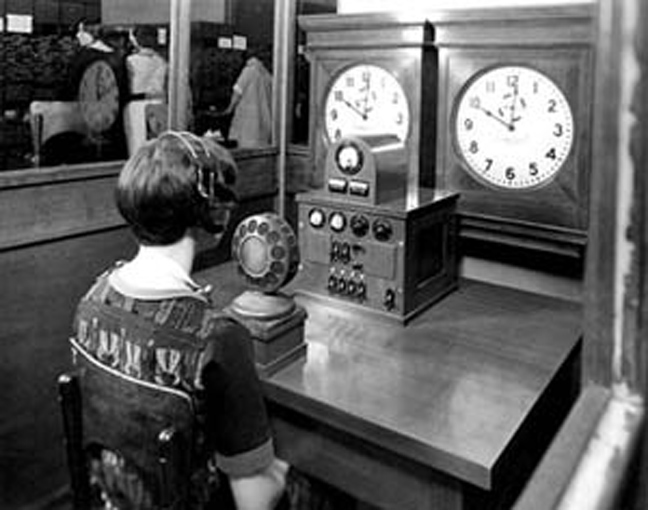
"caption": "An operator reads the time in 1937, prior to introduction of automated systems.",
"description": null,
"title": "1937 Time Voice",
"credit": "Courtesy Telecommunications History Group",
"status": "inherit",
"altTag": null,
"isLoading": false,
"fetchFailed": false
},
"news_11851438": {
"type": "attachments",
"id": "news_11851438",
"meta": {
"index": "attachments_1716263798",
"site": "news",
"id": "11851438",
"found": true
},
"title": "Rapidly-Spreading Wildfire In California's Butte County Prompts Evacuations",
"publishDate": 1608153868,
"status": "inherit",
"parent": 11851411,
"modified": 1789147242,
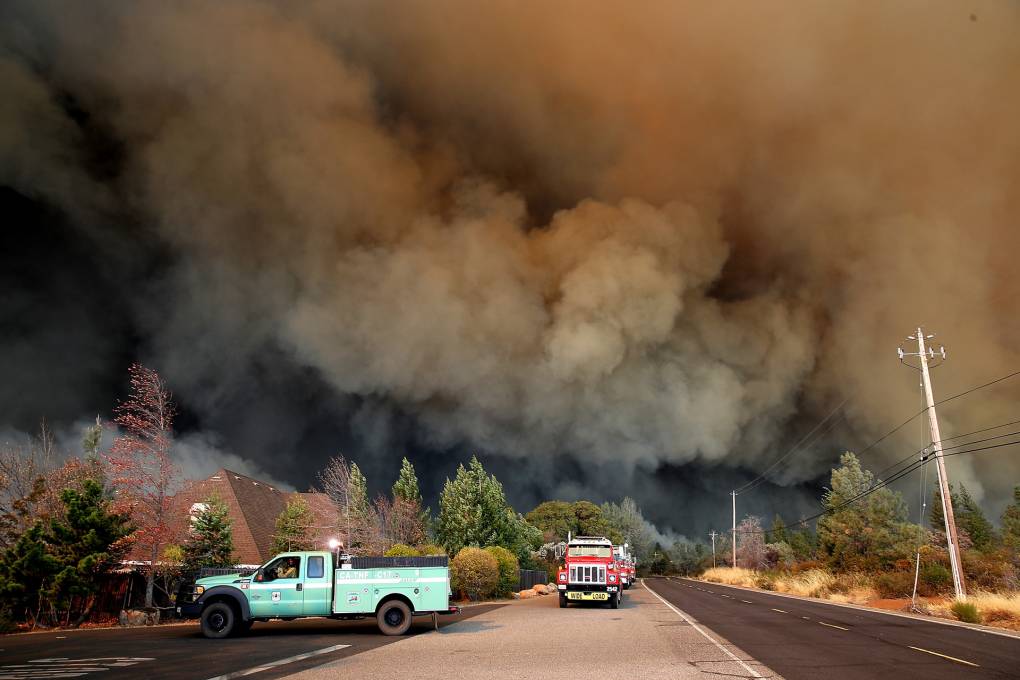
"caption": "A plume of smoke rises above the Camp Fire as it moves through the area on Nov. 8, 2018, in Paradise, California. ",
"credit": "Justin Sullivan/Getty Images",
"altTag": "A plume of smoke rises above the Camp Fire as it moves through the area on November 8, 2018 in Paradise, California.",
"description": null,
"imgSizes": {
"medium": {
"file": "https://cdn.kqed.org/wp-content/uploads/sites/10/2020/12/underground-PGE-lines-800x533.jpg",
"width": 800,
"height": 533,
"mimeType": "image/jpeg"
},
"large": {
"file": "https://cdn.kqed.org/wp-content/uploads/sites/10/2020/12/underground-PGE-lines-1020x680.jpg",
"width": 1020,
"height": 680,
"mimeType": "image/jpeg"
},
"thumbnail": {
"file": "https://cdn.kqed.org/wp-content/uploads/sites/10/2020/12/underground-PGE-lines-160x107.jpg",
"width": 160,
"height": 107,
"mimeType": "image/jpeg"
},
"1536x1536": {
"file": "https://cdn.kqed.org/wp-content/uploads/sites/10/2020/12/underground-PGE-lines-1536x1024.jpg",
"width": 1536,
"height": 1024,
"mimeType": "image/jpeg"
},
"post-thumbnail": {
"file": "https://cdn.kqed.org/wp-content/uploads/sites/10/2020/12/underground-PGE-lines-672x372.jpg",
"width": 672,
"height": 372,
"mimeType": "image/jpeg"
},
"twentyfourteen-full-width": {
"file": "https://cdn.kqed.org/wp-content/uploads/sites/10/2020/12/underground-PGE-lines-1038x576.jpg",
"width": 1038,
"height": 576,
"mimeType": "image/jpeg"
},
"apple_news_ca_landscape_12_9": {
"file": "https://cdn.kqed.org/wp-content/uploads/sites/10/2020/12/underground-PGE-lines-1832x1280.jpg",
"width": 1832,
"height": 1280,
"mimeType": "image/jpeg"
},
"apple_news_ca_landscape_9_7": {
"file": "https://cdn.kqed.org/wp-content/uploads/sites/10/2020/12/underground-PGE-lines-1376x1032.jpg",
"width": 1376,
"height": 1032,
"mimeType": "image/jpeg"
},
"apple_news_ca_landscape_5_5": {
"file": "https://cdn.kqed.org/wp-content/uploads/sites/10/2020/12/underground-PGE-lines-1044x783.jpg",
"width": 1044,
"height": 783,
"mimeType": "image/jpeg"
},
"apple_news_ca_landscape_4_7": {
"file": "https://cdn.kqed.org/wp-content/uploads/sites/10/2020/12/underground-PGE-lines-632x474.jpg",
"width": 632,
"height": 474,
"mimeType": "image/jpeg"
},
"apple_news_ca_landscape_4_0": {
"file": "https://cdn.kqed.org/wp-content/uploads/sites/10/2020/12/underground-PGE-lines-536x402.jpg",
"width": 536,
"height": 402,
"mimeType": "image/jpeg"
},
"apple_news_ca_portrait_12_9": {
"file": "https://cdn.kqed.org/wp-content/uploads/sites/10/2020/12/underground-PGE-lines-1122x1280.jpg",
"width": 1122,
"height": 1280,
"mimeType": "image/jpeg"
},
"apple_news_ca_portrait_9_7": {
"file": "https://cdn.kqed.org/wp-content/uploads/sites/10/2020/12/underground-PGE-lines-840x1120.jpg",
"width": 840,
"height": 1120,
"mimeType": "image/jpeg"
},
"apple_news_ca_portrait_5_5": {
"file": "https://cdn.kqed.org/wp-content/uploads/sites/10/2020/12/underground-PGE-lines-687x916.jpg",
"width": 687,
"height": 916,
"mimeType": "image/jpeg"
},
"apple_news_ca_portrait_4_7": {
"file": "https://cdn.kqed.org/wp-content/uploads/sites/10/2020/12/underground-PGE-lines-414x552.jpg",
"width": 414,
"height": 552,
"mimeType": "image/jpeg"
},
"apple_news_ca_portrait_4_0": {
"file": "https://cdn.kqed.org/wp-content/uploads/sites/10/2020/12/underground-PGE-lines-354x472.jpg",
"width": 354,
"height": 472,
"mimeType": "image/jpeg"
},
"apple_news_ca_square_12_9": {
"file": "https://cdn.kqed.org/wp-content/uploads/sites/10/2020/12/underground-PGE-lines-1472x1280.jpg",
"width": 1472,
"height": 1280,
"mimeType": "image/jpeg"
},
"apple_news_ca_square_9_7": {
"file": "https://cdn.kqed.org/wp-content/uploads/sites/10/2020/12/underground-PGE-lines-1104x1104.jpg",
"width": 1104,
"height": 1104,
"mimeType": "image/jpeg"
},
"apple_news_ca_square_5_5": {
"file": "https://cdn.kqed.org/wp-content/uploads/sites/10/2020/12/underground-PGE-lines-912x912.jpg",
"width": 912,
"height": 912,
"mimeType": "image/jpeg"
},
"apple_news_ca_square_4_7": {
"file": "https://cdn.kqed.org/wp-content/uploads/sites/10/2020/12/underground-PGE-lines-550x550.jpg",
"width": 550,
"height": 550,
"mimeType": "image/jpeg"
},
"apple_news_ca_square_4_0": {
"file": "https://cdn.kqed.org/wp-content/uploads/sites/10/2020/12/underground-PGE-lines-470x470.jpg",
"width": 470,
"height": 470,
"mimeType": "image/jpeg"
},
"kqedFullSize": {
"file": "https://cdn.kqed.org/wp-content/uploads/sites/10/2020/12/underground-PGE-lines.jpg",
"width": 1920,
"height": 1280
}
},
"isLoading": false,
"fetchFailed": false
},
"news_11849393": {
"type": "attachments",
"id": "news_11849393",
"meta": {
"index": "attachments_1716263798",
"site": "news",
"id": "11849393",
"found": true
},
"parent": 11848986,
"imgSizes": {
"apple_news_ca_square_4_0": {
"file": "https://ww2.kqed.org/app/uploads/sites/10/2020/12/fridaanddiego-470x470.png",
"width": 470,
"mimeType": "image/png",
"height": 470
},
"twentyfourteen-full-width": {
"file": "https://ww2.kqed.org/app/uploads/sites/10/2020/12/fridaanddiego-906x576.png",
"width": 906,
"mimeType": "image/png",
"height": 576
},
"thumbnail": {
"file": "https://ww2.kqed.org/app/uploads/sites/10/2020/12/fridaanddiego-160x114.png",
"width": 160,
"mimeType": "image/png",
"height": 114
},
"post-thumbnail": {
"file": "https://ww2.kqed.org/app/uploads/sites/10/2020/12/fridaanddiego-672x372.png",
"width": 672,
"mimeType": "image/png",
"height": 372
},
"kqedFullSize": {
"file": "https://ww2.kqed.org/app/uploads/sites/10/2020/12/fridaanddiego.png",
"width": 906,
"height": 647
},
"apple_news_ca_landscape_4_7": {
"file": "https://ww2.kqed.org/app/uploads/sites/10/2020/12/fridaanddiego-632x474.png",
"width": 632,
"mimeType": "image/png",
"height": 474
},
"apple_news_ca_landscape_4_0": {
"file": "https://ww2.kqed.org/app/uploads/sites/10/2020/12/fridaanddiego-536x402.png",
"width": 536,
"mimeType": "image/png",
"height": 402
},
"medium": {
"file": "https://ww2.kqed.org/app/uploads/sites/10/2020/12/fridaanddiego-800x571.png",
"width": 800,
"mimeType": "image/png",
"height": 571
},
"apple_news_ca_portrait_4_0": {
"file": "https://ww2.kqed.org/app/uploads/sites/10/2020/12/fridaanddiego-354x472.png",
"width": 354,
"mimeType": "image/png",
"height": 472
},
"apple_news_ca_portrait_9_7": {
"file": "https://ww2.kqed.org/app/uploads/sites/10/2020/12/fridaanddiego-840x647.png",
"width": 840,
"mimeType": "image/png",
"height": 647
},
"apple_news_ca_portrait_4_7": {
"file": "https://ww2.kqed.org/app/uploads/sites/10/2020/12/fridaanddiego-414x552.png",
"width": 414,
"mimeType": "image/png",
"height": 552
},
"apple_news_ca_portrait_5_5": {
"file": "https://ww2.kqed.org/app/uploads/sites/10/2020/12/fridaanddiego-687x647.png",
"width": 687,
"mimeType": "image/png",
"height": 647
},
"apple_news_ca_square_4_7": {
"file": "https://ww2.kqed.org/app/uploads/sites/10/2020/12/fridaanddiego-550x550.png",
"width": 550,
"mimeType": "image/png",
"height": 550
}
},
"publishDate": 1606947203,
"modified": 1606947226,
"caption": "Frida Kahlo and Diego Rivera lived in the studio of sculptor Ralph Stackpole, on Montgomery Street, San Francisco. ",
"description": null,
"title": "fridaanddiego",
"credit": "Paul A. Juley/Archives of American Art, Smithsonian Institution",
"status": "inherit",
"altTag": null,
"isLoading": false,
"fetchFailed": false
},
"news_11847614": {
"type": "attachments",
"id": "news_11847614",
"meta": {
"index": "attachments_1716263798",
"site": "news",
"id": "11847614",
"found": true
},
"parent": 11847612,
"imgSizes": {
"apple_news_ca_landscape_5_5": {
"file": "https://ww2.kqed.org/app/uploads/sites/10/2020/11/BERKHIST13-1044x783.jpg",
"width": 1044,
"mimeType": "image/jpeg",
"height": 783
},
"apple_news_ca_square_4_0": {
"file": "https://ww2.kqed.org/app/uploads/sites/10/2020/11/BERKHIST13-470x470.jpg",
"width": 470,
"mimeType": "image/jpeg",
"height": 470
},
"twentyfourteen-full-width": {
"file": "https://ww2.kqed.org/app/uploads/sites/10/2020/11/BERKHIST13-1038x576.jpg",
"width": 1038,
"mimeType": "image/jpeg",
"height": 576
},
"thumbnail": {
"file": "https://ww2.kqed.org/app/uploads/sites/10/2020/11/BERKHIST13-160x107.jpg",
"width": 160,
"mimeType": "image/jpeg",
"height": 107
},
"post-thumbnail": {
"file": "https://ww2.kqed.org/app/uploads/sites/10/2020/11/BERKHIST13-672x372.jpg",
"width": 672,
"mimeType": "image/jpeg",
"height": 372
},
"kqedFullSize": {
"file": "https://ww2.kqed.org/app/uploads/sites/10/2020/11/BERKHIST13.jpg",
"width": 1670,
"height": 1122
},
"apple_news_ca_landscape_4_7": {
"file": "https://ww2.kqed.org/app/uploads/sites/10/2020/11/BERKHIST13-632x474.jpg",
"width": 632,
"mimeType": "image/jpeg",
"height": 474
},
"large": {
"file": "https://ww2.kqed.org/app/uploads/sites/10/2020/11/BERKHIST13-1020x685.jpg",
"width": 1020,
"mimeType": "image/jpeg",
"height": 685
},
"apple_news_ca_landscape_4_0": {
"file": "https://ww2.kqed.org/app/uploads/sites/10/2020/11/BERKHIST13-536x402.jpg",
"width": 536,
"mimeType": "image/jpeg",
"height": 402
},
"apple_news_ca_portrait_12_9": {
"file": "https://ww2.kqed.org/app/uploads/sites/10/2020/11/BERKHIST13-1122x1122.jpg",
"width": 1122,
"mimeType": "image/jpeg",
"height": 1122
},
"medium": {
"file": "https://ww2.kqed.org/app/uploads/sites/10/2020/11/BERKHIST13-800x537.jpg",
"width": 800,
"mimeType": "image/jpeg",
"height": 537
},
"apple_news_ca_portrait_4_0": {
"file": "https://ww2.kqed.org/app/uploads/sites/10/2020/11/BERKHIST13-354x472.jpg",
"width": 354,
"mimeType": "image/jpeg",
"height": 472
},
"apple_news_ca_portrait_9_7": {
"file": "https://ww2.kqed.org/app/uploads/sites/10/2020/11/BERKHIST13-840x1120.jpg",
"width": 840,
"mimeType": "image/jpeg",
"height": 1120
},
"apple_news_ca_square_9_7": {
"file": "https://ww2.kqed.org/app/uploads/sites/10/2020/11/BERKHIST13-1104x1104.jpg",
"width": 1104,
"mimeType": "image/jpeg",
"height": 1104
},
"1536x1536": {
"file": "https://ww2.kqed.org/app/uploads/sites/10/2020/11/BERKHIST13-1536x1032.jpg",
"width": 1536,
"mimeType": "image/jpeg",
"height": 1032
},
"apple_news_ca_portrait_4_7": {
"file": "https://ww2.kqed.org/app/uploads/sites/10/2020/11/BERKHIST13-414x552.jpg",
"width": 414,
"mimeType": "image/jpeg",
"height": 552
},
"apple_news_ca_square_12_9": {
"file": "https://ww2.kqed.org/app/uploads/sites/10/2020/11/BERKHIST13-1472x1122.jpg",
"width": 1472,
"mimeType": "image/jpeg",
"height": 1122
},
"apple_news_ca_portrait_5_5": {
"file": "https://ww2.kqed.org/app/uploads/sites/10/2020/11/BERKHIST13-687x916.jpg",
"width": 687,
"mimeType": "image/jpeg",
"height": 916
},
"apple_news_ca_square_4_7": {
"file": "https://ww2.kqed.org/app/uploads/sites/10/2020/11/BERKHIST13-550x550.jpg",
"width": 550,
"mimeType": "image/jpeg",
"height": 550
},
"apple_news_ca_landscape_9_7": {
"file": "https://ww2.kqed.org/app/uploads/sites/10/2020/11/BERKHIST13-1376x1032.jpg",
"width": 1376,
"mimeType": "image/jpeg",
"height": 1032
},
"apple_news_ca_square_5_5": {
"file": "https://ww2.kqed.org/app/uploads/sites/10/2020/11/BERKHIST13-912x912.jpg",
"width": 912,
"mimeType": "image/jpeg",
"height": 912
}
},
"publishDate": 1605542772,
"modified": 1605543123,
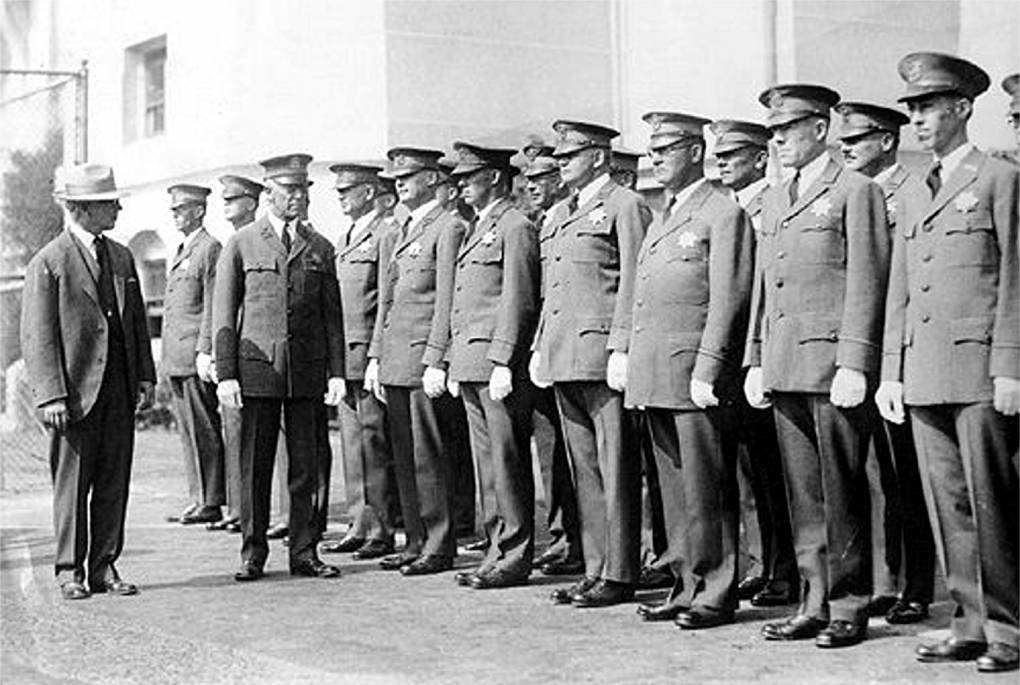
"caption": "August Vollmer inspects a line of police officers standing at attention.",
"description": "August Vollmer inspects a line of police officers standing at attention.",
"title": "BERKHIST13",
"credit": "Courtesy of \u003ca href=\"https://www.cityofberkeley.info/Police/Home/Historical_Unit.aspx\">Berkeley Police Department Historical Unit\u003c/a>",
"status": "inherit",
"isLoading": false,
"fetchFailed": false
},
"news_11846629": {
"type": "attachments",
"id": "news_11846629",
"meta": {
"index": "attachments_1716263798",
"site": "news",
"id": "11846629",
"found": true
},
"parent": 11846622,
"imgSizes": {
"apple_news_ca_landscape_5_5": {
"file": "https://ww2.kqed.org/app/uploads/sites/10/2020/11/InmateFirefighters-1044x783.jpg",
"width": 1044,
"mimeType": "image/jpeg",
"height": 783
},
"apple_news_ca_square_4_0": {
"file": "https://ww2.kqed.org/app/uploads/sites/10/2020/11/InmateFirefighters-470x470.jpg",
"width": 470,
"mimeType": "image/jpeg",
"height": 470
},
"twentyfourteen-full-width": {
"file": "https://ww2.kqed.org/app/uploads/sites/10/2020/11/InmateFirefighters-1038x576.jpg",
"width": 1038,
"mimeType": "image/jpeg",
"height": 576
},
"thumbnail": {
"file": "https://ww2.kqed.org/app/uploads/sites/10/2020/11/InmateFirefighters-160x107.jpg",
"width": 160,
"mimeType": "image/jpeg",
"height": 107
},
"post-thumbnail": {
"file": "https://ww2.kqed.org/app/uploads/sites/10/2020/11/InmateFirefighters-672x372.jpg",
"width": 672,
"mimeType": "image/jpeg",
"height": 372
},
"kqedFullSize": {
"file": "https://ww2.kqed.org/app/uploads/sites/10/2020/11/InmateFirefighters.jpg",
"width": 1920,
"height": 1280
},
"apple_news_ca_landscape_4_7": {
"file": "https://ww2.kqed.org/app/uploads/sites/10/2020/11/InmateFirefighters-632x474.jpg",
"width": 632,
"mimeType": "image/jpeg",
"height": 474
},
"large": {
"file": "https://ww2.kqed.org/app/uploads/sites/10/2020/11/InmateFirefighters-1020x680.jpg",
"width": 1020,
"mimeType": "image/jpeg",
"height": 680
},
"apple_news_ca_landscape_4_0": {
"file": "https://ww2.kqed.org/app/uploads/sites/10/2020/11/InmateFirefighters-536x402.jpg",
"width": 536,
"mimeType": "image/jpeg",
"height": 402
},
"apple_news_ca_portrait_12_9": {
"file": "https://ww2.kqed.org/app/uploads/sites/10/2020/11/InmateFirefighters-1122x1280.jpg",
"width": 1122,
"mimeType": "image/jpeg",
"height": 1280
},
"medium": {
"file": "https://ww2.kqed.org/app/uploads/sites/10/2020/11/InmateFirefighters-800x533.jpg",
"width": 800,
"mimeType": "image/jpeg",
"height": 533
},
"apple_news_ca_portrait_4_0": {
"file": "https://ww2.kqed.org/app/uploads/sites/10/2020/11/InmateFirefighters-354x472.jpg",
"width": 354,
"mimeType": "image/jpeg",
"height": 472
},
"apple_news_ca_portrait_9_7": {
"file": "https://ww2.kqed.org/app/uploads/sites/10/2020/11/InmateFirefighters-840x1120.jpg",
"width": 840,
"mimeType": "image/jpeg",
"height": 1120
},
"apple_news_ca_landscape_12_9": {
"file": "https://ww2.kqed.org/app/uploads/sites/10/2020/11/InmateFirefighters-1832x1280.jpg",
"width": 1832,
"mimeType": "image/jpeg",
"height": 1280
},
"apple_news_ca_square_9_7": {
"file": "https://ww2.kqed.org/app/uploads/sites/10/2020/11/InmateFirefighters-1104x1104.jpg",
"width": 1104,
"mimeType": "image/jpeg",
"height": 1104
},
"1536x1536": {
"file": "https://ww2.kqed.org/app/uploads/sites/10/2020/11/InmateFirefighters-1536x1024.jpg",
"width": 1536,
"mimeType": "image/jpeg",
"height": 1024
},
"apple_news_ca_portrait_4_7": {
"file": "https://ww2.kqed.org/app/uploads/sites/10/2020/11/InmateFirefighters-414x552.jpg",
"width": 414,
"mimeType": "image/jpeg",
"height": 552
},
"apple_news_ca_square_12_9": {
"file": "https://ww2.kqed.org/app/uploads/sites/10/2020/11/InmateFirefighters-1472x1280.jpg",
"width": 1472,
"mimeType": "image/jpeg",
"height": 1280
},
"apple_news_ca_portrait_5_5": {
"file": "https://ww2.kqed.org/app/uploads/sites/10/2020/11/InmateFirefighters-687x916.jpg",
"width": 687,
"mimeType": "image/jpeg",
"height": 916
},
"apple_news_ca_square_4_7": {
"file": "https://ww2.kqed.org/app/uploads/sites/10/2020/11/InmateFirefighters-550x550.jpg",
"width": 550,
"mimeType": "image/jpeg",
"height": 550
},
"apple_news_ca_landscape_9_7": {
"file": "https://ww2.kqed.org/app/uploads/sites/10/2020/11/InmateFirefighters-1376x1032.jpg",
"width": 1376,
"mimeType": "image/jpeg",
"height": 1032
},
"apple_news_ca_square_5_5": {
"file": "https://ww2.kqed.org/app/uploads/sites/10/2020/11/InmateFirefighters-912x912.jpg",
"width": 912,
"mimeType": "image/jpeg",
"height": 912
}
},
"publishDate": 1604941310,
"modified": 1604941402,
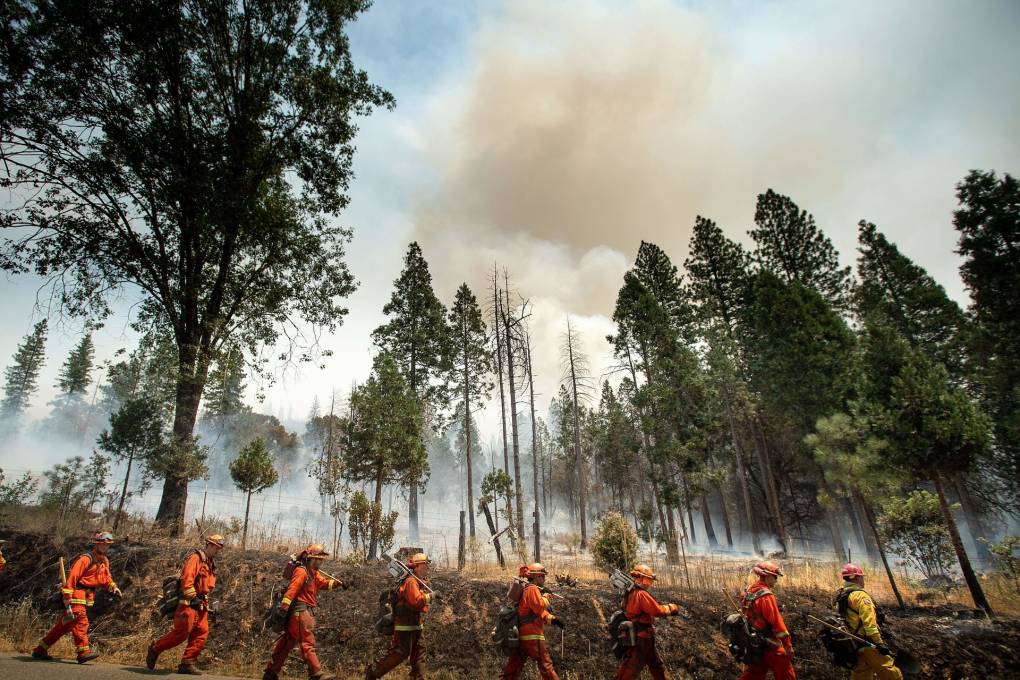
"caption": "Inmate firefighters battle the Ferguson fire in Jerseydale, California, on July 22, 2018. ",
"description": null,
"title": "US-ENVIRONMENT-FIRE-YOSEMITE",
"credit": "NOAH BERGER/AFP/Getty Images",
"status": "inherit",
"isLoading": false,
"fetchFailed": false
},
"news_11844264": {
"type": "attachments",
"id": "news_11844264",
"meta": {
"index": "attachments_1716263798",
"site": "news",
"id": "11844264",
"found": true
},
"parent": 11844159,
"imgSizes": {
"apple_news_ca_landscape_5_5": {
"file": "https://ww2.kqed.org/app/uploads/sites/10/2020/10/RS45368_010_KQED_SanMateo_ElectionsOffice_10212020-1044x783.jpg",
"width": 1044,
"mimeType": "image/jpeg",
"height": 783
},
"apple_news_ca_square_4_0": {
"file": "https://ww2.kqed.org/app/uploads/sites/10/2020/10/RS45368_010_KQED_SanMateo_ElectionsOffice_10212020-470x470.jpg",
"width": 470,
"mimeType": "image/jpeg",
"height": 470
},
"twentyfourteen-full-width": {
"file": "https://ww2.kqed.org/app/uploads/sites/10/2020/10/RS45368_010_KQED_SanMateo_ElectionsOffice_10212020-1038x576.jpg",
"width": 1038,
"mimeType": "image/jpeg",
"height": 576
},
"thumbnail": {
"file": "https://ww2.kqed.org/app/uploads/sites/10/2020/10/RS45368_010_KQED_SanMateo_ElectionsOffice_10212020-160x106.jpg",
"width": 160,
"mimeType": "image/jpeg",
"height": 106
},
"post-thumbnail": {
"file": "https://ww2.kqed.org/app/uploads/sites/10/2020/10/RS45368_010_KQED_SanMateo_ElectionsOffice_10212020-672x372.jpg",
"width": 672,
"mimeType": "image/jpeg",
"height": 372
},
"kqedFullSize": {
"file": "https://ww2.kqed.org/app/uploads/sites/10/2020/10/RS45368_010_KQED_SanMateo_ElectionsOffice_10212020-scaled.jpg",
"width": 2560,
"height": 1704
},
"2048x2048": {
"file": "https://ww2.kqed.org/app/uploads/sites/10/2020/10/RS45368_010_KQED_SanMateo_ElectionsOffice_10212020-2048x1363.jpg",
"width": 2048,
"mimeType": "image/jpeg",
"height": 1363
},
"apple_news_ca_landscape_4_7": {
"file": "https://ww2.kqed.org/app/uploads/sites/10/2020/10/RS45368_010_KQED_SanMateo_ElectionsOffice_10212020-632x474.jpg",
"width": 632,
"mimeType": "image/jpeg",
"height": 474
},
"large": {
"file": "https://ww2.kqed.org/app/uploads/sites/10/2020/10/RS45368_010_KQED_SanMateo_ElectionsOffice_10212020-1020x679.jpg",
"width": 1020,
"mimeType": "image/jpeg",
"height": 679
},
"apple_news_ca_landscape_4_0": {
"file": "https://ww2.kqed.org/app/uploads/sites/10/2020/10/RS45368_010_KQED_SanMateo_ElectionsOffice_10212020-536x402.jpg",
"width": 536,
"mimeType": "image/jpeg",
"height": 402
},
"apple_news_ca_portrait_12_9": {
"file": "https://ww2.kqed.org/app/uploads/sites/10/2020/10/RS45368_010_KQED_SanMateo_ElectionsOffice_10212020-1122x1496.jpg",
"width": 1122,
"mimeType": "image/jpeg",
"height": 1496
},
"medium": {
"file": "https://ww2.kqed.org/app/uploads/sites/10/2020/10/RS45368_010_KQED_SanMateo_ElectionsOffice_10212020-800x532.jpg",
"width": 800,
"mimeType": "image/jpeg",
"height": 532
},
"apple_news_ca_portrait_4_0": {
"file": "https://ww2.kqed.org/app/uploads/sites/10/2020/10/RS45368_010_KQED_SanMateo_ElectionsOffice_10212020-354x472.jpg",
"width": 354,
"mimeType": "image/jpeg",
"height": 472
},
"apple_news_ca_portrait_9_7": {
"file": "https://ww2.kqed.org/app/uploads/sites/10/2020/10/RS45368_010_KQED_SanMateo_ElectionsOffice_10212020-840x1120.jpg",
"width": 840,
"mimeType": "image/jpeg",
"height": 1120
},
"apple_news_ca_landscape_12_9": {
"file": "https://ww2.kqed.org/app/uploads/sites/10/2020/10/RS45368_010_KQED_SanMateo_ElectionsOffice_10212020-1832x1374.jpg",
"width": 1832,
"mimeType": "image/jpeg",
"height": 1374
},
"apple_news_ca_square_9_7": {
"file": "https://ww2.kqed.org/app/uploads/sites/10/2020/10/RS45368_010_KQED_SanMateo_ElectionsOffice_10212020-1104x1104.jpg",
"width": 1104,
"mimeType": "image/jpeg",
"height": 1104
},
"1536x1536": {
"file": "https://ww2.kqed.org/app/uploads/sites/10/2020/10/RS45368_010_KQED_SanMateo_ElectionsOffice_10212020-1536x1022.jpg",
"width": 1536,
"mimeType": "image/jpeg",
"height": 1022
},
"apple_news_ca_portrait_4_7": {
"file": "https://ww2.kqed.org/app/uploads/sites/10/2020/10/RS45368_010_KQED_SanMateo_ElectionsOffice_10212020-414x552.jpg",
"width": 414,
"mimeType": "image/jpeg",
"height": 552
},
"apple_news_ca_square_12_9": {
"file": "https://ww2.kqed.org/app/uploads/sites/10/2020/10/RS45368_010_KQED_SanMateo_ElectionsOffice_10212020-1472x1472.jpg",
"width": 1472,
"mimeType": "image/jpeg",
"height": 1472
},
"apple_news_ca_portrait_5_5": {
"file": "https://ww2.kqed.org/app/uploads/sites/10/2020/10/RS45368_010_KQED_SanMateo_ElectionsOffice_10212020-687x916.jpg",
"width": 687,
"mimeType": "image/jpeg",
"height": 916
},
"full-width": {
"file": "https://ww2.kqed.org/app/uploads/sites/10/2020/10/RS45368_010_KQED_SanMateo_ElectionsOffice_10212020-1920x1278.jpg",
"width": 1920,
"mimeType": "image/jpeg",
"height": 1278
},
"apple_news_ca_square_4_7": {
"file": "https://ww2.kqed.org/app/uploads/sites/10/2020/10/RS45368_010_KQED_SanMateo_ElectionsOffice_10212020-550x550.jpg",
"width": 550,
"mimeType": "image/jpeg",
"height": 550
},
"apple_news_ca_landscape_9_7": {
"file": "https://ww2.kqed.org/app/uploads/sites/10/2020/10/RS45368_010_KQED_SanMateo_ElectionsOffice_10212020-1376x1032.jpg",
"width": 1376,
"mimeType": "image/jpeg",
"height": 1032
},
"apple_news_ca_square_5_5": {
"file": "https://ww2.kqed.org/app/uploads/sites/10/2020/10/RS45368_010_KQED_SanMateo_ElectionsOffice_10212020-912x912.jpg",
"width": 912,
"mimeType": "image/jpeg",
"height": 912
}
},
"publishDate": 1603984333,
"modified": 1603984392,
"caption": "An election employee processes mail-in ballots at the San Mateo County Elections Office on Oct. 21, 2020.",
"description": null,
"title": "RS45368_010_KQED_SanMateo_ElectionsOffice_10212020",
"credit": "Beth LaBerge/KQED",
"status": "inherit",
"isLoading": false,
"fetchFailed": false
},
"news_11844061": {
"type": "attachments",
"id": "news_11844061",
"meta": {
"index": "attachments_1716263798",
"site": "news",
"id": "11844061",
"found": true
},
"parent": 11844019,
"imgSizes": {
"apple_news_ca_landscape_5_5": {
"file": "https://ww2.kqed.org/app/uploads/sites/10/2020/10/2-Lakefull-1044x783.png",
"width": 1044,
"mimeType": "image/png",
"height": 783
},
"apple_news_ca_square_4_0": {
"file": "https://ww2.kqed.org/app/uploads/sites/10/2020/10/2-Lakefull-470x470.png",
"width": 470,
"mimeType": "image/png",
"height": 470
},
"twentyfourteen-full-width": {
"file": "https://ww2.kqed.org/app/uploads/sites/10/2020/10/2-Lakefull-1038x576.png",
"width": 1038,
"mimeType": "image/png",
"height": 576
},
"thumbnail": {
"file": "https://ww2.kqed.org/app/uploads/sites/10/2020/10/2-Lakefull-160x107.png",
"width": 160,
"mimeType": "image/png",
"height": 107
},
"post-thumbnail": {
"file": "https://ww2.kqed.org/app/uploads/sites/10/2020/10/2-Lakefull-672x372.png",
"width": 672,
"mimeType": "image/png",
"height": 372
},
"kqedFullSize": {
"file": "https://ww2.kqed.org/app/uploads/sites/10/2020/10/2-Lakefull.png",
"width": 1920,
"height": 1280
},
"apple_news_ca_landscape_4_7": {
"file": "https://ww2.kqed.org/app/uploads/sites/10/2020/10/2-Lakefull-632x474.png",
"width": 632,
"mimeType": "image/png",
"height": 474
},
"large": {
"file": "https://ww2.kqed.org/app/uploads/sites/10/2020/10/2-Lakefull-1020x680.png",
"width": 1020,
"mimeType": "image/png",
"height": 680
},
"apple_news_ca_landscape_4_0": {
"file": "https://ww2.kqed.org/app/uploads/sites/10/2020/10/2-Lakefull-536x402.png",
"width": 536,
"mimeType": "image/png",
"height": 402
},
"apple_news_ca_portrait_12_9": {
"file": "https://ww2.kqed.org/app/uploads/sites/10/2020/10/2-Lakefull-1122x1280.png",
"width": 1122,
"mimeType": "image/png",
"height": 1280
},
"medium": {
"file": "https://ww2.kqed.org/app/uploads/sites/10/2020/10/2-Lakefull-800x533.png",
"width": 800,
"mimeType": "image/png",
"height": 533
},
"apple_news_ca_portrait_4_0": {
"file": "https://ww2.kqed.org/app/uploads/sites/10/2020/10/2-Lakefull-354x472.png",
"width": 354,
"mimeType": "image/png",
"height": 472
},
"apple_news_ca_portrait_9_7": {
"file": "https://ww2.kqed.org/app/uploads/sites/10/2020/10/2-Lakefull-840x1120.png",
"width": 840,
"mimeType": "image/png",
"height": 1120
},
"apple_news_ca_landscape_12_9": {
"file": "https://ww2.kqed.org/app/uploads/sites/10/2020/10/2-Lakefull-1832x1280.png",
"width": 1832,
"mimeType": "image/png",
"height": 1280
},
"apple_news_ca_square_9_7": {
"file": "https://ww2.kqed.org/app/uploads/sites/10/2020/10/2-Lakefull-1104x1104.png",
"width": 1104,
"mimeType": "image/png",
"height": 1104
},
"1536x1536": {
"file": "https://ww2.kqed.org/app/uploads/sites/10/2020/10/2-Lakefull-1536x1024.png",
"width": 1536,
"mimeType": "image/png",
"height": 1024
},
"apple_news_ca_portrait_4_7": {
"file": "https://ww2.kqed.org/app/uploads/sites/10/2020/10/2-Lakefull-414x552.png",
"width": 414,
"mimeType": "image/png",
"height": 552
},
"apple_news_ca_square_12_9": {
"file": "https://ww2.kqed.org/app/uploads/sites/10/2020/10/2-Lakefull-1472x1280.png",
"width": 1472,
"mimeType": "image/png",
"height": 1280
},
"apple_news_ca_portrait_5_5": {
"file": "https://ww2.kqed.org/app/uploads/sites/10/2020/10/2-Lakefull-687x916.png",
"width": 687,
"mimeType": "image/png",
"height": 916
},
"apple_news_ca_square_4_7": {
"file": "https://ww2.kqed.org/app/uploads/sites/10/2020/10/2-Lakefull-550x550.png",
"width": 550,
"mimeType": "image/png",
"height": 550
},
"apple_news_ca_landscape_9_7": {
"file": "https://ww2.kqed.org/app/uploads/sites/10/2020/10/2-Lakefull-1376x1032.png",
"width": 1376,
"mimeType": "image/png",
"height": 1032
},
"apple_news_ca_square_5_5": {
"file": "https://ww2.kqed.org/app/uploads/sites/10/2020/10/2-Lakefull-912x912.png",
"width": 912,
"mimeType": "image/png",
"height": 912
}
},
"publishDate": 1603861833,
"modified": 1603861908,
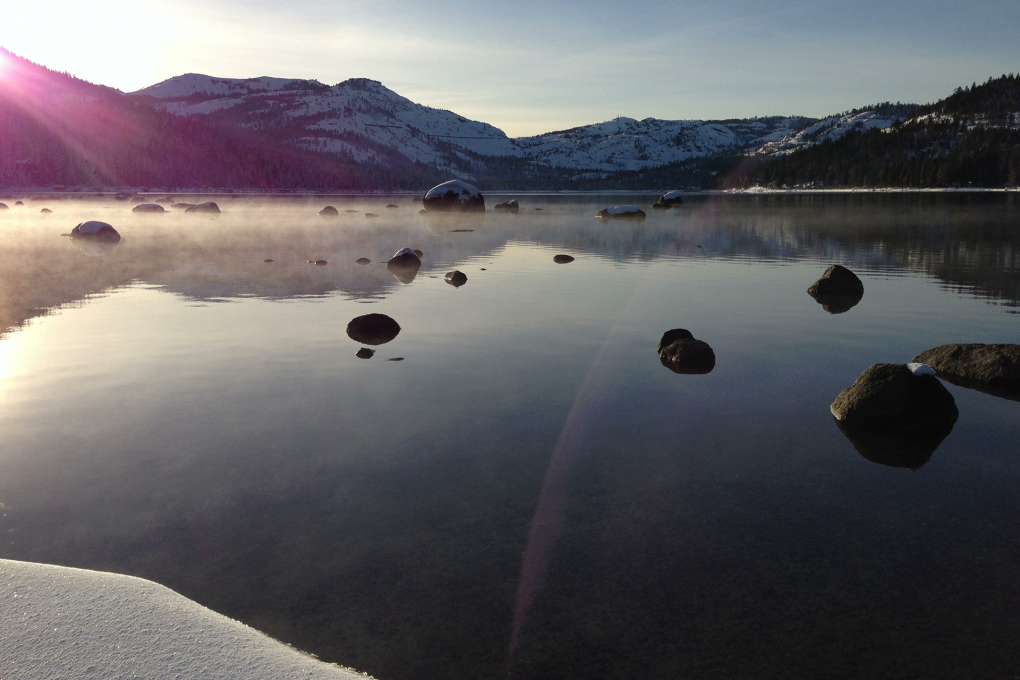
"caption": "Donner Lake in the winter. The lake was frozen solid for much of the Donner Party's ordeal here.",
"description": null,
"title": "2-Lakefull",
"credit": "Cyril Fluck/Flickr",
"status": "inherit",
"isLoading": false,
"fetchFailed": false
},
"news_11844081": {
"type": "attachments",
"id": "news_11844081",
"meta": {
"index": "attachments_1716263798",
"site": "news",
"id": "11844081",
"found": true
},
"parent": 11844011,
"imgSizes": {
"apple_news_ca_landscape_5_5": {
"file": "https://ww2.kqed.org/app/uploads/sites/10/2020/10/1-4-1044x783.png",
"width": 1044,
"mimeType": "image/png",
"height": 783
},
"apple_news_ca_square_4_0": {
"file": "https://ww2.kqed.org/app/uploads/sites/10/2020/10/1-4-470x470.png",
"width": 470,
"mimeType": "image/png",
"height": 470
},
"twentyfourteen-full-width": {
"file": "https://ww2.kqed.org/app/uploads/sites/10/2020/10/1-4-1038x576.png",
"width": 1038,
"mimeType": "image/png",
"height": 576
},
"thumbnail": {
"file": "https://ww2.kqed.org/app/uploads/sites/10/2020/10/1-4-160x107.png",
"width": 160,
"mimeType": "image/png",
"height": 107
},
"post-thumbnail": {
"file": "https://ww2.kqed.org/app/uploads/sites/10/2020/10/1-4-672x372.png",
"width": 672,
"mimeType": "image/png",
"height": 372
},
"kqedFullSize": {
"file": "https://ww2.kqed.org/app/uploads/sites/10/2020/10/1-4.png",
"width": 1920,
"height": 1280
},
"apple_news_ca_landscape_4_7": {
"file": "https://ww2.kqed.org/app/uploads/sites/10/2020/10/1-4-632x474.png",
"width": 632,
"mimeType": "image/png",
"height": 474
},
"large": {
"file": "https://ww2.kqed.org/app/uploads/sites/10/2020/10/1-4-1020x680.png",
"width": 1020,
"mimeType": "image/png",
"height": 680
},
"apple_news_ca_landscape_4_0": {
"file": "https://ww2.kqed.org/app/uploads/sites/10/2020/10/1-4-536x402.png",
"width": 536,
"mimeType": "image/png",
"height": 402
},
"apple_news_ca_portrait_12_9": {
"file": "https://ww2.kqed.org/app/uploads/sites/10/2020/10/1-4-1122x1280.png",
"width": 1122,
"mimeType": "image/png",
"height": 1280
},
"medium": {
"file": "https://ww2.kqed.org/app/uploads/sites/10/2020/10/1-4-800x533.png",
"width": 800,
"mimeType": "image/png",
"height": 533
},
"apple_news_ca_portrait_4_0": {
"file": "https://ww2.kqed.org/app/uploads/sites/10/2020/10/1-4-354x472.png",
"width": 354,
"mimeType": "image/png",
"height": 472
},
"apple_news_ca_portrait_9_7": {
"file": "https://ww2.kqed.org/app/uploads/sites/10/2020/10/1-4-840x1120.png",
"width": 840,
"mimeType": "image/png",
"height": 1120
},
"apple_news_ca_landscape_12_9": {
"file": "https://ww2.kqed.org/app/uploads/sites/10/2020/10/1-4-1832x1280.png",
"width": 1832,
"mimeType": "image/png",
"height": 1280
},
"apple_news_ca_square_9_7": {
"file": "https://ww2.kqed.org/app/uploads/sites/10/2020/10/1-4-1104x1104.png",
"width": 1104,
"mimeType": "image/png",
"height": 1104
},
"1536x1536": {
"file": "https://ww2.kqed.org/app/uploads/sites/10/2020/10/1-4-1536x1024.png",
"width": 1536,
"mimeType": "image/png",
"height": 1024
},
"apple_news_ca_portrait_4_7": {
"file": "https://ww2.kqed.org/app/uploads/sites/10/2020/10/1-4-414x552.png",
"width": 414,
"mimeType": "image/png",
"height": 552
},
"apple_news_ca_square_12_9": {
"file": "https://ww2.kqed.org/app/uploads/sites/10/2020/10/1-4-1472x1280.png",
"width": 1472,
"mimeType": "image/png",
"height": 1280
},
"apple_news_ca_portrait_5_5": {
"file": "https://ww2.kqed.org/app/uploads/sites/10/2020/10/1-4-687x916.png",
"width": 687,
"mimeType": "image/png",
"height": 916
},
"apple_news_ca_square_4_7": {
"file": "https://ww2.kqed.org/app/uploads/sites/10/2020/10/1-4-550x550.png",
"width": 550,
"mimeType": "image/png",
"height": 550
},
"apple_news_ca_landscape_9_7": {
"file": "https://ww2.kqed.org/app/uploads/sites/10/2020/10/1-4-1376x1032.png",
"width": 1376,
"mimeType": "image/png",
"height": 1032
},
"apple_news_ca_square_5_5": {
"file": "https://ww2.kqed.org/app/uploads/sites/10/2020/10/1-4-912x912.png",
"width": 912,
"mimeType": "image/png",
"height": 912
}
},
"publishDate": 1603863976,
"modified": 1603864020,
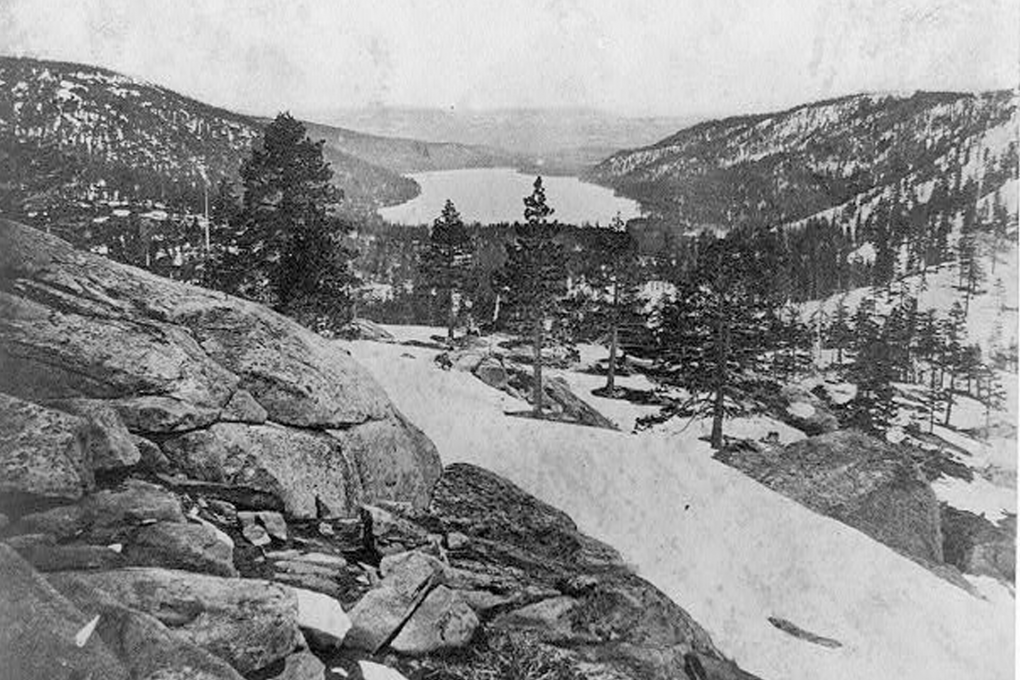
"caption": "Donner Lake from the summit, photographed in 1866 Lawrence & Houseworth",
"description": null,
"title": "1-4",
"credit": "Library of Congress",
"status": "inherit",
"isLoading": false,
"fetchFailed": false
}
},
"audioPlayerReducer": {
"postId": "stream_live",
"isPaused": true,
"isPlaying": false,
"pfsActive": false,
"pledgeModalIsOpen": true,
"playerDrawerIsOpen": false,
"liveAudioPlayStartedAt": 0,
"liveAudioPlayContext": ""
},
"authorsReducer": {
"gmarzorati": {
"type": "authors",
"id": "227",
"meta": {
"index": "authors_1716337520",
"id": "227",
"found": true
},
"name": "Guy Marzorati",
"firstName": "Guy",
"lastName": "Marzorati",
"slug": "gmarzorati",
"email": "gmarzorati@KQED.org",
"display_author_email": true,
"staff_mastheads": [
"news"
],
"title": "Correspondent",
"bio": "Guy Marzorati is a correspondent on KQED's California Politics and Government Desk, based in San Jose. A graduate of Santa Clara University, Guy joined KQED in 2013. He reports on state and local politics and produces KQED's digital voter guide.",
"avatar": "https://secure.gravatar.com/avatar/e7038b8dbfd55b104369b76b1cd0b9de?s=600&d=blank&r=g",
"twitter": "guymarzorati",
"facebook": null,
"instagram": null,
"linkedin": null,
"sites": [
{
"site": "",
"roles": [
"editor"
]
},
{
"site": "news",
"roles": [
"editor"
]
},
{
"site": "science",
"roles": [
"editor"
]
},
{
"site": "forum",
"roles": [
"editor"
]
},
{
"site": "elections",
"roles": [
"editor"
]
},
{
"site": "liveblog",
"roles": [
"editor"
]
}
],
"headData": {
"title": "Guy Marzorati | KQED",
"description": "Correspondent",
"ogImgSrc": "https://secure.gravatar.com/avatar/e7038b8dbfd55b104369b76b1cd0b9de?s=600&d=blank&r=g",
"twImgSrc": "https://secure.gravatar.com/avatar/e7038b8dbfd55b104369b76b1cd0b9de?s=600&d=blank&r=g"
},
"isLoading": false,
"link": "/author/gmarzorati"
},
"katrinaschwartz": {
"type": "authors",
"id": "234",
"meta": {
"index": "authors_1716337520",
"id": "234",
"found": true
},
"name": "Katrina Schwartz",
"firstName": "Katrina",
"lastName": "Schwartz",
"slug": "katrinaschwartz",
"email": "kschwartz@kqed.org",
"display_author_email": false,
"staff_mastheads": [
"news"
],
"title": "Producer",
"bio": "Katrina Schwartz is a journalist based in San Francisco. She's worked at KPCC public radio in LA and has reported on air and online for KQED since 2010. She covered how teaching and learning is changing for MindShift between 2012 and 2020. She is the co-host of the MindShift podcast and now produces KQED's Bay Curious podcast.",
"avatar": "https://secure.gravatar.com/avatar/edb4ee79070447a018538c9aae6eeecf28786515b8a0c30e43b6b7dce5aa44c8?s=600&d=blank&r=g",
"twitter": "kschwart",
"bluesky": null,
"facebook": null,
"instagram": null,
"linkedin": null,
"sites": [
{
"site": "",
"roles": [
"editor"
]
},
{
"site": "news",
"roles": [
"editor"
]
},
{
"site": "mindshift",
"roles": [
"administrator"
]
},
{
"site": "stateofhealth",
"roles": [
"author"
]
},
{
"site": "science",
"roles": [
"editor"
]
}
],
"headData": {
"title": "Katrina Schwartz | KQED",
"description": "Producer",
"ogImgSrc": "https://secure.gravatar.com/avatar/edb4ee79070447a018538c9aae6eeecf28786515b8a0c30e43b6b7dce5aa44c8?s=600&d=blank&r=g",
"twImgSrc": "https://secure.gravatar.com/avatar/edb4ee79070447a018538c9aae6eeecf28786515b8a0c30e43b6b7dce5aa44c8?s=600&d=blank&r=g"
},
"isLoading": false,
"link": "/author/katrinaschwartz"
},
"carlysevern": {
"type": "authors",
"id": "3243",
"meta": {
"index": "authors_1716337520",
"id": "3243",
"found": true
},
"name": "Carly Severn",
"firstName": "Carly",
"lastName": "Severn",
"slug": "carlysevern",
"email": "csevern@kqed.org",
"display_author_email": false,
"staff_mastheads": [
"news"
],
"title": "Senior Editor, Audience News ",
"bio": "Carly is KQED's Senior Editor of Audience News on the Digital News team, and has reported for the California Report Magazine, Bay Curious and KQED Arts. She's formerly the host of \u003ca href=\"http://ww2.kqed.org/pop/category/the-cooler/\" rel=\"noopener noreferrer\">The Cooler\u003c/a> podcast.",
"avatar": "https://secure.gravatar.com/avatar/54037bf5c128fe678f0ef26cec97a93f2e7f220a22d7285703328f12c42c1b1d?s=600&d=blank&r=g",
"twitter": "teacupinthebay",
"bluesky": null,
"facebook": null,
"instagram": null,
"linkedin": null,
"sites": [
{
"site": "",
"roles": [
"editor"
]
},
{
"site": "arts",
"roles": [
"editor"
]
},
{
"site": "news",
"roles": [
"administrator"
]
},
{
"site": "pop",
"roles": [
"editor"
]
},
{
"site": "futureofyou",
"roles": [
"editor"
]
},
{
"site": "about",
"roles": [
"administrator"
]
},
{
"site": "mindshift",
"roles": [
"editor"
]
},
{
"site": "bayareabites",
"roles": [
"editor"
]
},
{
"site": "stateofhealth",
"roles": [
"editor"
]
},
{
"site": "science",
"roles": [
"editor"
]
},
{
"site": "food",
"roles": [
"contributor"
]
},
{
"site": "forum",
"roles": [
"editor"
]
},
{
"site": "perspectives",
"roles": [
"administrator"
]
},
{
"site": "liveblog",
"roles": [
"editor"
]
}
],
"headData": {
"title": "Carly Severn | KQED",
"description": "Senior Editor, Audience News ",
"ogImgSrc": "https://secure.gravatar.com/avatar/54037bf5c128fe678f0ef26cec97a93f2e7f220a22d7285703328f12c42c1b1d?s=600&d=blank&r=g",
"twImgSrc": "https://secure.gravatar.com/avatar/54037bf5c128fe678f0ef26cec97a93f2e7f220a22d7285703328f12c42c1b1d?s=600&d=blank&r=g"
},
"isLoading": false,
"link": "/author/carlysevern"
},
"mmedina": {
"type": "authors",
"id": "11528",
"meta": {
"index": "authors_1716337520",
"id": "11528",
"found": true
},
"name": "Marisol Medina-Cadena",
"firstName": "Marisol",
"lastName": "Medina-Cadena",
"slug": "mmedina",
"email": "mmedina@KQED.org",
"display_author_email": true,
"staff_mastheads": [],
"title": "Producer, Rightnowish Podcast",
"bio": "Marisol Medina-Cadena is a radio reporter and podcast producer. Before working at KQED, she produced for PBS member station, KCET, in Los Angeles. In 2017, Marisol won an Emmy Award for her work on the televised documentary, \u003cem>City Rising\u003c/em>, examining California's affordable housing crisis and the historical roots of gentrification.",
"avatar": "https://secure.gravatar.com/avatar/6c3db46a1cabb5e1fe9a365b5f4e681e?s=600&d=blank&r=g",
"twitter": "marisolreports",
"facebook": null,
"instagram": null,
"linkedin": null,
"sites": [
{
"site": "arts",
"roles": []
},
{
"site": "news",
"roles": [
"edit_others_posts"
]
}
],
"headData": {
"title": "Marisol Medina-Cadena | KQED",
"description": "Producer, Rightnowish Podcast",
"ogImgSrc": "https://secure.gravatar.com/avatar/6c3db46a1cabb5e1fe9a365b5f4e681e?s=600&d=blank&r=g",
"twImgSrc": "https://secure.gravatar.com/avatar/6c3db46a1cabb5e1fe9a365b5f4e681e?s=600&d=blank&r=g"
},
"isLoading": false,
"link": "/author/mmedina"
},
"kevinstark": {
"type": "authors",
"id": "11608",
"meta": {
"index": "authors_1716337520",
"id": "11608",
"found": true
},
"name": "Kevin Stark",
"firstName": "Kevin",
"lastName": "Stark",
"slug": "kevinstark",
"email": "kstark@kqed.org",
"display_author_email": true,
"staff_mastheads": [
"science"
],
"title": "Senior Editor",
"bio": "Kevin is a senior editor for KQED Science, managing the station's health and climate desks. His journalism career began in the Pacific Northwest, and he later became a lead reporter for the San Francisco Public Press. His work has appeared in Pacific Standard magazine, the Energy News Network, the Center for Investigative Reporting's Reveal and WBEZ in Chicago. Kevin joined KQED in 2019, and has covered issues related to energy, wildfire, climate change and the environment.",
"avatar": "https://secure.gravatar.com/avatar/365aaa4b597d3a8374f67504ff0facd323d7906e8eb4be0a7efd2427408e802c?s=600&d=blank&r=g",
"twitter": "starkkev",
"bluesky": null,
"facebook": null,
"instagram": null,
"linkedin": null,
"sites": [
{
"site": "",
"roles": [
"editor"
]
},
{
"site": "news",
"roles": [
"editor"
]
},
{
"site": "science",
"roles": [
"administrator"
]
}
],
"headData": {
"title": "Kevin Stark | KQED",
"description": "Senior Editor",
"ogImgSrc": "https://secure.gravatar.com/avatar/365aaa4b597d3a8374f67504ff0facd323d7906e8eb4be0a7efd2427408e802c?s=600&d=blank&r=g",
"twImgSrc": "https://secure.gravatar.com/avatar/365aaa4b597d3a8374f67504ff0facd323d7906e8eb4be0a7efd2427408e802c?s=600&d=blank&r=g"
},
"isLoading": false,
"link": "/author/kevinstark"
},
"cbeale": {
"type": "authors",
"id": "11749",
"meta": {
"index": "authors_1716337520",
"id": "11749",
"found": true
},
"name": "Christopher Beale",
"firstName": "Christopher",
"lastName": "Beale",
"slug": "cbeale",
"email": "cbeale@kqed.org",
"display_author_email": true,
"staff_mastheads": [
"news"
],
"title": "Engineer/Producer/Reporter",
"bio": "\u003ca href=\"https://linktr.ee/realchrisjbeale\" rel=\"noopener noreferrer\">Christopher J. Beale\u003c/a> is an award winning journalist, audio engineer, and media host living in San Francisco. \r\n\r\nChristopher works primarily as an audio engineer at KQED and serves as the sound designer for both the Bay Curious and Rightnowish podcasts. He is the host and producer of the LGBTQIA podcast and radio segment \u003ca href=\"https://stereotypespodcast.org\">Stereotypes\u003c/a>.",
"avatar": "https://secure.gravatar.com/avatar/dc485bf84788eb7e7414eb638e72407e?s=600&d=blank&r=g",
"twitter": "realchrisjbeale",
"facebook": null,
"instagram": "http://instagram.com/realchrisjbeale",
"linkedin": null,
"sites": [
{
"site": "arts",
"roles": [
"contributor"
]
},
{
"site": "news",
"roles": [
"editor"
]
},
{
"site": "forum",
"roles": [
"editor"
]
}
],
"headData": {
"title": "Christopher Beale | KQED",
"description": "Engineer/Producer/Reporter",
"ogImgSrc": "https://secure.gravatar.com/avatar/dc485bf84788eb7e7414eb638e72407e?s=600&d=blank&r=g",
"twImgSrc": "https://secure.gravatar.com/avatar/dc485bf84788eb7e7414eb638e72407e?s=600&d=blank&r=g"
},
"isLoading": false,
"link": "/author/cbeale"
}
},
"pagesReducer": {
"news_program_bay-curious": {
"type": "terms",
"id": "news_33523",
"meta": {
"index": "terms_1716263798",
"site": "news",
"id": "33523",
"score": 15.085743
},
"featImg": null,
"name": "Bay Curious",
"description": null,
"taxonomy": "program",
"headData": {
"twImgId": null,
"twTitle": null,
"ogTitle": null,
"ogImgId": null,
"twDescription": null,
"description": null,
"title": "Bay Curious Archives | KQED News",
"ogDescription": null
},
"ttid": 33540,
"slug": "bay-curious",
"isLoading": false,
"title": "Bay Curious",
"pageMeta": {
"site": "news",
"WpPageTemplate": "page-topic-editorial",
"currentPage": 25
},
"blocks": [
{
"blockName": "kqed/post-list",
"attrs": {
"layout": "cardArticle2",
"query": "posts/news?program=bay-curious",
"seeMore": false,
"paginated": true,
"page": 25
}
},
{
"blockName": "kqed/ad"
}
]
}
},
"pfsSessionReducer": {},
"postsReducer": {
"stream_live": {
"type": "live",
"id": "stream_live",
"audioUrl": "https://streams.kqed.org/kqedradio",
"title": "Live Stream",
"excerpt": "Live Stream information currently unavailable.",
"link": "/radio",
"featImg": "",
"label": {
"name": "KQED Live",
"link": "/"
}
},
"stream_kqedNewscast": {
"type": "posts",
"id": "stream_kqedNewscast",
"audioUrl": "https://www.kqed.org/.stream/anon/radio/RDnews/newscast.mp3?_=1",
"title": "KQED Newscast",
"featImg": "",
"label": {
"name": "88.5 FM",
"link": "/"
}
},
"news_11859773": {
"type": "posts",
"id": "news_11859773",
"meta": {
"index": "posts_1716263798",
"site": "news",
"id": "11859773",
"score": null,
"sort": [
1613041313000
]
},
"parent": 0,
"labelTerm": {},
"blocks": [],
"publishDate": 1613041313,
"format": "standard",
"title": "How Will a Year of Pandemic Learning Impact Bay Area Schools Long Term?",
"headTitle": "How Will a Year of Pandemic Learning Impact Bay Area Schools Long Term? | KQED",
"content": "\u003cp>Parents have come to understand their child’s school day — and what it’s like to be a teacher — more intimately than they ever wanted.\u003c/p>\n\u003cp>Last spring, social media was filled with memes featuring tired parents applauding their children’s teachers. Everyone wanted to \u003ca href=\"https://edsource.org/2020/parents-appreciation-for-teachers-grow-but-sentiments-are-simpler/631083\">celebrate teachers’ heroic work\u003c/a> and their resilience as they adapted to difficult conditions.\u003c/p>\n\u003cblockquote class=\"twitter-tweet\">\n\u003cp dir=\"ltr\" lang=\"en\">Anyone working from home with kids still think teachers are paid appropriately? \u003ca href=\"https://t.co/vqA0fsRp9s\">pic.twitter.com/vqA0fsRp9s\u003c/a>\u003c/p>\n\u003cp>— James DeVaney (@DeVaneyGoBlue) \u003ca href=\"https://twitter.com/DeVaneyGoBlue/status/1239893700836315141?ref_src=twsrc%5Etfw\">March 17, 2020\u003c/a>\u003c/p>\u003c/blockquote>\n\u003cp>“It’s been interesting to see the empathy arc develop since the start of the pandemic and shelter in place last spring,” says \u003ca href=\"https://gse.berkeley.edu/janelle-scott\">Janelle Scott\u003c/a>, a professor at the UC Berkeley Graduate School of Education.\u003c/p>\n\u003cp>“We saw a kind of immediate outpouring of public empathy for teachers, but also this \u003ca href=\"https://hechingerreport.org/after-coronavirus-subsides-we-must-pay-teachers-more/\">groundswell \u003c/a>of ‘pay teachers whatever they want.’ And that we’ve been woefully under-compensating them for what they do.”\u003c/p>\n\u003cp>Scott says that empathy has been tested recently as \u003ca href=\"https://www.kqed.org/news/11857557/parents-unite-from-all-over-california-to-press-for-schools-reopening-unions-are-pushing-back\">many parents call for schools to reopen for in-person learning\u003c/a>. Some families and many teachers fear their going back to in-person school will expose them to COVID-19. School administrators have been caught in the middle, trying to meet the needs of all parties.\u003c/p>\n\u003cp>[baycuriouspodcastinfo]\u003c/p>\n\u003cp>“One of the more critical challenges in front of us in the next few years is to restore some two-way empathy between families and schools,” says Scott. “And to really appreciate that teachers and school leaders and district leaders are bound up in the same kind of destiny that families are.”\u003c/p>\n\u003cp>That includes devastating personal losses, mental health challenges, the lasting health effects from COVID-19 and economic hardship.\u003c/p>\n\u003cp>Even after it’s safe for schools to reopen for in-person learning, Scott says, \u003ca href=\"https://www.kqed.org/mindshift/57343/child-psychiatrists-warn-that-the-pandemic-may-be-driving-up-kids-suicide-risk\">schools do not exist in a silo\u003c/a> — and they’ll be affected by all the inequalities and hardships of the pandemic.\u003c/p>\n\u003cp>“The concentration of illness in Black and Latino and poor communities in California is important because it means that some communities, given our segregation, have no idea of the scale of loss and devastation,” says Scott.\u003c/p>\n\u003cp>[aside postID=\"news_11859494\"]\u003c/p>\n\u003cp>She herself has two kids: one in middle school, the other in high school. Scott understands how challenging learning online and at home has been for families like hers.\u003c/p>\n\u003cp>She’s also teaching university classes online. In both cases, she has tried to prioritize the mental health and well-being of her children and her students, knowing that they can pick up their school work once those fundamental needs are met.\u003c/p>\n\u003cp>\u003ca href=\"https://www.nytimes.com/2020/10/05/us/teachers-covid-schools-pandemic.html\">It has been a long, frustrating year\u003c/a>. Teachers are as tired as families. Many educators were not trained to teach online, and have had to learn new tools and techniques — while balancing the needs of their \u003cem>own\u003c/em> kids and families.\u003c/p>\n\u003cp>[ad fullwidth]\u003c/p>\n\u003cp>“None of us would prefer to be doing it this way,” says Scott. “And yet the conditions require it.”\u003c/p>\n\u003cp>“I think about the over 400,000 people who have died and I just remind myself how fortunate we are to be frustrated by not being able to get into the Zoom room,” she says.\u003c/p>\n\u003cp>Scott also points out that not only are Black and Latino families experiencing higher COVID-19 infection rates, proportionately, but their \u003ca href=\"https://www.cdc.gov/coronavirus/2019-ncov/community/health-equity/racial-ethnic-disparities/disparities-deaths.html\">rates of severe illness and death \u003c/a>are much higher as well. Some families have lost multiple loved ones, and haven’t even been able to grieve for them in the usual ways. She says these disparities are likely \u003ca href=\"https://www.kqed.org/news/11858457/as-battle-over-reopening-san-francisco-schools-turns-ugly-equity-emerges-as-fault-line\">contributing to the racial divide between parents\u003c/a> calling for a return to in-person learning, and those who are more cautious.\u003c/p>\n\u003cp>“In cities like New York and Chicago, where in-person learning has been offered, Black and Latino families are much less likely to elect to return to in-person learning,” says Scott.\u003c/p>\n\u003cp>One long-term effect on education in the Bay Area she sees may be higher private school enrollment, as wealthier parents opt out of the public school system, frustrated at what they perceive as a slow return.\u003c/p>\n\u003cp>“Part of the political chaos of the last year has meant that there is a lot of very conflicting and confusing information about what constitutes a safe school reopening. And I think the problem is that we have not centralized that information,” says Scott.\u003c/p>\n\u003cp>Scott points out that the pandemic is not the only big news from this year. The nation — and its schools — have been grappling with institutionalized racism, a contentious election and a violent mob of pro-Trump supporters \u003ca href=\"https://www.kqed.org/mindshift/57205/how-to-talk-to-kids-about-the-riots-at-the-u-s-capitol\">taking over the U.S. Capitol building\u003c/a> on Jan. 6.\u003c/p>\n\u003cp>“Teachers and school leaders and children and families have been at the nexus of all of those things,” Scott says. “I am actually encouraged by the conversations that I have been a part of in my local community, about really wanting education to be more holistic, to be more humane — to really help students make sense of their world and to become informed democratic citizens.”\u003c/p>\n\u003cp>Scott says she hopes that as we emerge from this pandemic, we don’t forget that all the economic, healthf and emotional difficulties of this year will still be with teachers, kids and families. They are going to need support — and help weathering a storm that will continue long after everyone has been vaccinated.\u003c/p>\n\u003cp>[baycuriousquestion]\u003c/p>\n\u003cp>\u003c/p>\n",
"stats": {
"hasVideo": false,
"hasChartOrMap": false,
"hasAudio": false,
"hasPolis": false,
"wordCount": 923,
"hasGoogleForm": false,
"hasGallery": false,
"hasHearkenModule": true,
"iframeSrcs": [],
"paragraphCount": 27
},
"modified": 1700588872,
"excerpt": "Teaching and learning during the coronavirus pandemic have been difficult for everyone involved. Now that we're starting to have conversations about safely reopening schools, it's clear that the inequitable effects of the pandemic on families will be felt by schools long into the future.",
"headData": {
"twImgId": "",
"twTitle": "",
"ogTitle": "",
"ogImgId": "",
"twDescription": "",
"description": "Teaching and learning during the coronavirus pandemic have been difficult for everyone involved. Now that we're starting to have conversations about safely reopening schools, it's clear that the inequitable effects of the pandemic on families will be felt by schools long into the future.",
"title": "How Will a Year of Pandemic Learning Impact Bay Area Schools Long Term? | KQED",
"ogDescription": "",
"schema": {
"@context": "https://schema.org",
"@type": "NewsArticle",
"headline": "How Will a Year of Pandemic Learning Impact Bay Area Schools Long Term?",
"datePublished": "2021-02-11T03:01:53-08:00",
"dateModified": "2023-11-21T09:47:52-08:00",
"image": "https://cdn.kqed.org/wp-content/uploads/2020/02/KQED-OG-Image@1x.png",
"isAccessibleForFree": "True",
"publisher": {
"@type": "NewsMediaOrganization",
"@id": "https://www.kqed.org/#organization",
"name": "KQED",
"logo": "https://cdn.kqed.org/wp-content/uploads/2020/02/KQED-OG-Image@1x.png",
"url": "https://www.kqed.org",
"sameAs": [
"https://www.facebook.com/KQED",
"https://twitter.com/KQED",
"https://www.instagram.com/kqed/",
"https://www.tiktok.com/@kqedofficial",
"https://www.linkedin.com/company/kqed",
"https://www.youtube.com/channel/UCeC0IOo7i1P_61zVUWbJ4nw"
]
}
}
},
"guestAuthors": [],
"slug": "how-will-a-year-of-pandemic-learning-impact-bay-area-schools-long-term",
"status": "publish",
"sourceUrl": "https://www.kqed.org/podcasts/baycurious",
"audioUrl": "https://www.podtrac.com/pts/redirect.mp3/traffic.megaphone.fm/KQINC3754423400.mp3?updated=1612999833",
"source": "Bay Curious",
"path": "/news/11859773/how-will-a-year-of-pandemic-learning-impact-bay-area-schools-long-term",
"audioTrackLength": null,
"parsedContent": [
{
"type": "contentString",
"content": "\u003cdiv class=\"post-body\">\u003cp>\u003cp>Parents have come to understand their child’s school day — and what it’s like to be a teacher — more intimately than they ever wanted.\u003c/p>\n\u003cp>Last spring, social media was filled with memes featuring tired parents applauding their children’s teachers. Everyone wanted to \u003ca href=\"https://edsource.org/2020/parents-appreciation-for-teachers-grow-but-sentiments-are-simpler/631083\">celebrate teachers’ heroic work\u003c/a> and their resilience as they adapted to difficult conditions.\u003c/p>\n\u003cblockquote class=\"twitter-tweet\">\n\u003cp dir=\"ltr\" lang=\"en\">Anyone working from home with kids still think teachers are paid appropriately? \u003ca href=\"https://t.co/vqA0fsRp9s\">pic.twitter.com/vqA0fsRp9s\u003c/a>\u003c/p>\n\u003cp>— James DeVaney (@DeVaneyGoBlue) \u003ca href=\"https://twitter.com/DeVaneyGoBlue/status/1239893700836315141?ref_src=twsrc%5Etfw\">March 17, 2020\u003c/a>\u003c/p>\u003c/blockquote>\n\u003cp>“It’s been interesting to see the empathy arc develop since the start of the pandemic and shelter in place last spring,” says \u003ca href=\"https://gse.berkeley.edu/janelle-scott\">Janelle Scott\u003c/a>, a professor at the UC Berkeley Graduate School of Education.\u003c/p>\n\u003cp>“We saw a kind of immediate outpouring of public empathy for teachers, but also this \u003ca href=\"https://hechingerreport.org/after-coronavirus-subsides-we-must-pay-teachers-more/\">groundswell \u003c/a>of ‘pay teachers whatever they want.’ And that we’ve been woefully under-compensating them for what they do.”\u003c/p>\n\u003cp>Scott says that empathy has been tested recently as \u003ca href=\"https://www.kqed.org/news/11857557/parents-unite-from-all-over-california-to-press-for-schools-reopening-unions-are-pushing-back\">many parents call for schools to reopen for in-person learning\u003c/a>. Some families and many teachers fear their going back to in-person school will expose them to COVID-19. School administrators have been caught in the middle, trying to meet the needs of all parties.\u003c/p>\n\u003cp>\u003c/p>\u003cp>\u003caside class=\"alignleft utils-parseShortcode-shortcodes-__bayCuriousPodcastShortcode__bayCurious\">\u003cimg src=https://cdn.kqed.org/wp-content/uploads/2023/02/bayCuriousLogo.png alt=\"Bay Curious Podcast\" loading=\"lazy\" />\n \u003ca href=\"/news/series/baycurious\">Bay Curious\u003c/a> is a podcast that answers your questions about the Bay Area.\n Subscribe on \u003ca href=\"https://itunes.apple.com/us/podcast/bay-curious/id1172473406\" target=\"_blank\" rel=\"noopener noreferrer\">Apple Podcasts\u003c/a>,\n \u003ca href=\"http://www.npr.org/podcasts/500557090/bay-curious\" target=\"_blank\" rel=\"noopener noreferrer\">NPR One\u003c/a> or your favorite podcast platform.\u003c/aside>\u003c/p>\u003cp>\u003c/p>\n\u003cp>“One of the more critical challenges in front of us in the next few years is to restore some two-way empathy between families and schools,” says Scott. “And to really appreciate that teachers and school leaders and district leaders are bound up in the same kind of destiny that families are.”\u003c/p>\n\u003cp>That includes devastating personal losses, mental health challenges, the lasting health effects from COVID-19 and economic hardship.\u003c/p>\n\u003cp>Even after it’s safe for schools to reopen for in-person learning, Scott says, \u003ca href=\"https://www.kqed.org/mindshift/57343/child-psychiatrists-warn-that-the-pandemic-may-be-driving-up-kids-suicide-risk\">schools do not exist in a silo\u003c/a> — and they’ll be affected by all the inequalities and hardships of the pandemic.\u003c/p>\n\u003cp>“The concentration of illness in Black and Latino and poor communities in California is important because it means that some communities, given our segregation, have no idea of the scale of loss and devastation,” says Scott.\u003c/p>\n\u003cp>\u003c/p>\u003c/div>",
"attributes": {
"named": {},
"numeric": []
}
},
{
"type": "component",
"content": "",
"name": "aside",
"attributes": {
"named": {
"postid": "news_11859494",
"label": ""
},
"numeric": []
}
},
{
"type": "contentString",
"content": "\u003cdiv class=\"post-body\">\u003cp>\u003c/p>\n\u003cp>She herself has two kids: one in middle school, the other in high school. Scott understands how challenging learning online and at home has been for families like hers.\u003c/p>\n\u003cp>She’s also teaching university classes online. In both cases, she has tried to prioritize the mental health and well-being of her children and her students, knowing that they can pick up their school work once those fundamental needs are met.\u003c/p>\n\u003cp>\u003ca href=\"https://www.nytimes.com/2020/10/05/us/teachers-covid-schools-pandemic.html\">It has been a long, frustrating year\u003c/a>. Teachers are as tired as families. Many educators were not trained to teach online, and have had to learn new tools and techniques — while balancing the needs of their \u003cem>own\u003c/em> kids and families.\u003c/p>\n\u003cp>\u003c/p>\u003c/div>",
"attributes": {
"named": {},
"numeric": []
}
},
{
"type": "component",
"content": "",
"name": "ad",
"attributes": {
"named": {
"label": "fullwidth"
},
"numeric": [
"fullwidth"
]
}
},
{
"type": "contentString",
"content": "\u003cdiv class=\"post-body\">\u003cp>\u003c/p>\n\u003cp>“None of us would prefer to be doing it this way,” says Scott. “And yet the conditions require it.”\u003c/p>\n\u003cp>“I think about the over 400,000 people who have died and I just remind myself how fortunate we are to be frustrated by not being able to get into the Zoom room,” she says.\u003c/p>\n\u003cp>Scott also points out that not only are Black and Latino families experiencing higher COVID-19 infection rates, proportionately, but their \u003ca href=\"https://www.cdc.gov/coronavirus/2019-ncov/community/health-equity/racial-ethnic-disparities/disparities-deaths.html\">rates of severe illness and death \u003c/a>are much higher as well. Some families have lost multiple loved ones, and haven’t even been able to grieve for them in the usual ways. She says these disparities are likely \u003ca href=\"https://www.kqed.org/news/11858457/as-battle-over-reopening-san-francisco-schools-turns-ugly-equity-emerges-as-fault-line\">contributing to the racial divide between parents\u003c/a> calling for a return to in-person learning, and those who are more cautious.\u003c/p>\n\u003cp>“In cities like New York and Chicago, where in-person learning has been offered, Black and Latino families are much less likely to elect to return to in-person learning,” says Scott.\u003c/p>\n\u003cp>One long-term effect on education in the Bay Area she sees may be higher private school enrollment, as wealthier parents opt out of the public school system, frustrated at what they perceive as a slow return.\u003c/p>\n\u003cp>“Part of the political chaos of the last year has meant that there is a lot of very conflicting and confusing information about what constitutes a safe school reopening. And I think the problem is that we have not centralized that information,” says Scott.\u003c/p>\n\u003cp>Scott points out that the pandemic is not the only big news from this year. The nation — and its schools — have been grappling with institutionalized racism, a contentious election and a violent mob of pro-Trump supporters \u003ca href=\"https://www.kqed.org/mindshift/57205/how-to-talk-to-kids-about-the-riots-at-the-u-s-capitol\">taking over the U.S. Capitol building\u003c/a> on Jan. 6.\u003c/p>\n\u003cp>“Teachers and school leaders and children and families have been at the nexus of all of those things,” Scott says. “I am actually encouraged by the conversations that I have been a part of in my local community, about really wanting education to be more holistic, to be more humane — to really help students make sense of their world and to become informed democratic citizens.”\u003c/p>\n\u003cp>Scott says she hopes that as we emerge from this pandemic, we don’t forget that all the economic, healthf and emotional difficulties of this year will still be with teachers, kids and families. They are going to need support — and help weathering a storm that will continue long after everyone has been vaccinated.\u003c/p>\n\u003cp>\u003c/p>\u003c/div>",
"attributes": {
"named": {},
"numeric": []
}
},
{
"type": "component",
"content": "",
"name": "baycuriousquestion",
"attributes": {
"named": {
"label": ""
},
"numeric": []
}
},
{
"type": "contentString",
"content": "\u003cdiv class=\"post-body\">\u003cp>\u003c/p>\n\u003cp>\u003c/p>\n\u003c/div>\u003c/p>",
"attributes": {
"named": {},
"numeric": []
}
}
],
"link": "/news/11859773/how-will-a-year-of-pandemic-learning-impact-bay-area-schools-long-term",
"authors": [
"234"
],
"programs": [
"news_33523"
],
"series": [
"news_17986"
],
"categories": [
"news_18540",
"news_33520"
],
"tags": [
"news_27350",
"news_27504",
"news_28515",
"news_28267"
],
"featImg": "news_11859797",
"label": "source_news_11859773"
},
"news_11858491": {
"type": "posts",
"id": "news_11858491",
"meta": {
"index": "posts_1716263798",
"site": "news",
"id": "11858491",
"score": null,
"sort": [
1612436486000
]
},
"parent": 0,
"labelTerm": {},
"blocks": [],
"publishDate": 1612436486,
"format": "standard",
"title": "The Bay Area Has a Housing Crisis (Obviously.) Could Prefab Be the Answer?",
"headTitle": "The Bay Area Has a Housing Crisis (Obviously.) Could Prefab Be the Answer? | KQED",
"content": "\u003cp>We get a lot of questions about why there are so many homeless people in the Bay Area, and what cities and the state can do to make it more affordable to live here. Like so many issues, at least part of the answer comes back to the high cost of housing here.\u003c/p>\n\u003cp>Despite the current downturn in the rental market because of the coronavirus pandemic, the Bay Area still doesn’t have enough affordable housing. The average cost to build just one unit of affordable housing statewide is $480,000. It’s often more in the Bay Area, where the \u003ca href=\"https://www.kqed.org/news/11839409/5-reasons-its-so-expensive-to-build-housing-in-california\">cost of land, labor and materials are high, and space is limited\u003c/a>.\u003c/p>\n\u003cp>[baycuriouspodcastinfo]\u003c/p>\n\u003cp>Modular or prefabricated housing is an idea that’s been \u003ca href=\"https://arch.be.uw.edu/operation-breakthrough-promise-and-failure-in-us-factory-built-housing/\">tried a few times throughout history\u003c/a>. It’s never really taken off, in part because the homes had problems. But, some design experts and housing experts are excited about a comeback. They say the technology has gotten a lot better, so the homes being prefabricated are higher quality. And, key for the Bay Area, building with modular is a lot cheaper.\u003c/p>\n\u003cp>Even some of the region’s biggest companies, like Google, are excited about the idea. The company has invested in a local modular housing startup called \u003ca href=\"https://factoryos.com/our-story-modular-home-manufacturers/\">Factory_OS\u003c/a>. With some big names — and money — behind it, folks like \u003ca href=\"https://sdc.wsu.edu/about-us/faculty-staff/profiles/?nid=r.e.smith\">Ryan Smith\u003c/a>, director of the Washington State University School of Design and Construction, say modular construction could make a big impact on our ability to build affordable housing quickly and cheaply.\u003c/p>\n\u003cp>[ad fullwidth]\u003c/p>\n\u003cp>Nationwide modular housing accounts for only 3% of new building. And, the movement faces some challenges. Construction companies have been slow to embrace the idea, and unions worry the trend will drive wages down. That’s one reason Factory_OS unionized its workforce from the beginning.\u003c/p>\n\u003cp>KQED housing reporters Molly Solomon and Erin Baldassari \u003ca href=\"https://www.kqed.org/news/11839409/5-reasons-its-so-expensive-to-build-housing-in-california\">explain why it’s so expensive to build the traditional way.\u003c/a>\u003c/p>\n\u003cp>Check out their podcast \u003ca href=\"https://www.kqed.org/podcasts/soldout\">SOLDOUT \u003c/a>for more insights into California’s housing crisis and to hear some ideas for how we might start fixing it.\u003c/p>\n\u003cp>\u003c/p>\n\u003cp>[baycuriousquestion]\u003c/p>\n\n",
"stats": {
"hasVideo": false,
"hasChartOrMap": false,
"hasAudio": false,
"hasPolis": false,
"wordCount": 355,
"hasGoogleForm": false,
"hasGallery": false,
"hasHearkenModule": true,
"iframeSrcs": [],
"paragraphCount": 11
},
"modified": 1700589080,
"excerpt": "The Bay Area need more affordable housing. But high labor and land costs, complex financing, and complicated restrictions make it hard to build. Some experts think modular housing could help.",
"headData": {
"twImgId": "",
"twTitle": "",
"ogTitle": "",
"ogImgId": "",
"twDescription": "",
"description": "The Bay Area need more affordable housing. But high labor and land costs, complex financing, and complicated restrictions make it hard to build. Some experts think modular housing could help.",
"title": "The Bay Area Has a Housing Crisis (Obviously.) Could Prefab Be the Answer? | KQED",
"ogDescription": "",
"schema": {
"@context": "https://schema.org",
"@type": "NewsArticle",
"headline": "The Bay Area Has a Housing Crisis (Obviously.) Could Prefab Be the Answer?",
"datePublished": "2021-02-04T03:01:26-08:00",
"dateModified": "2023-11-21T09:51:20-08:00",
"image": "https://cdn.kqed.org/wp-content/uploads/2020/02/KQED-OG-Image@1x.png",
"isAccessibleForFree": "True",
"publisher": {
"@type": "NewsMediaOrganization",
"@id": "https://www.kqed.org/#organization",
"name": "KQED",
"logo": "https://cdn.kqed.org/wp-content/uploads/2020/02/KQED-OG-Image@1x.png",
"url": "https://www.kqed.org",
"sameAs": [
"https://www.facebook.com/KQED",
"https://twitter.com/KQED",
"https://www.instagram.com/kqed/",
"https://www.tiktok.com/@kqedofficial",
"https://www.linkedin.com/company/kqed",
"https://www.youtube.com/channel/UCeC0IOo7i1P_61zVUWbJ4nw"
]
}
}
},
"guestAuthors": [],
"slug": "the-bay-area-has-a-housing-crisis-obviously-could-prefab-be-the-answer",
"status": "publish",
"sourceUrl": "https://www.kqed.org/podcasts/baycurious",
"audioUrl": "https://dcs.megaphone.fm/KQINC5466569245.mp3?key=46e954ec29faab4806fb009cb5abde9f",
"source": "Bay Curious",
"path": "/news/11858491/the-bay-area-has-a-housing-crisis-obviously-could-prefab-be-the-answer",
"audioTrackLength": null,
"parsedContent": [
{
"type": "contentString",
"content": "\u003cdiv class=\"post-body\">\u003cp>\u003cp>We get a lot of questions about why there are so many homeless people in the Bay Area, and what cities and the state can do to make it more affordable to live here. Like so many issues, at least part of the answer comes back to the high cost of housing here.\u003c/p>\n\u003cp>Despite the current downturn in the rental market because of the coronavirus pandemic, the Bay Area still doesn’t have enough affordable housing. The average cost to build just one unit of affordable housing statewide is $480,000. It’s often more in the Bay Area, where the \u003ca href=\"https://www.kqed.org/news/11839409/5-reasons-its-so-expensive-to-build-housing-in-california\">cost of land, labor and materials are high, and space is limited\u003c/a>.\u003c/p>\n\u003cp>\u003c/p>\u003cp>\u003caside class=\"alignleft utils-parseShortcode-shortcodes-__bayCuriousPodcastShortcode__bayCurious\">\u003cimg src=https://cdn.kqed.org/wp-content/uploads/2023/02/bayCuriousLogo.png alt=\"Bay Curious Podcast\" loading=\"lazy\" />\n \u003ca href=\"/news/series/baycurious\">Bay Curious\u003c/a> is a podcast that answers your questions about the Bay Area.\n Subscribe on \u003ca href=\"https://itunes.apple.com/us/podcast/bay-curious/id1172473406\" target=\"_blank\" rel=\"noopener noreferrer\">Apple Podcasts\u003c/a>,\n \u003ca href=\"http://www.npr.org/podcasts/500557090/bay-curious\" target=\"_blank\" rel=\"noopener noreferrer\">NPR One\u003c/a> or your favorite podcast platform.\u003c/aside>\u003c/p>\u003cp>\u003c/p>\n\u003cp>Modular or prefabricated housing is an idea that’s been \u003ca href=\"https://arch.be.uw.edu/operation-breakthrough-promise-and-failure-in-us-factory-built-housing/\">tried a few times throughout history\u003c/a>. It’s never really taken off, in part because the homes had problems. But, some design experts and housing experts are excited about a comeback. They say the technology has gotten a lot better, so the homes being prefabricated are higher quality. And, key for the Bay Area, building with modular is a lot cheaper.\u003c/p>\n\u003cp>Even some of the region’s biggest companies, like Google, are excited about the idea. The company has invested in a local modular housing startup called \u003ca href=\"https://factoryos.com/our-story-modular-home-manufacturers/\">Factory_OS\u003c/a>. With some big names — and money — behind it, folks like \u003ca href=\"https://sdc.wsu.edu/about-us/faculty-staff/profiles/?nid=r.e.smith\">Ryan Smith\u003c/a>, director of the Washington State University School of Design and Construction, say modular construction could make a big impact on our ability to build affordable housing quickly and cheaply.\u003c/p>\n\u003cp>\u003c/p>\u003c/div>",
"attributes": {
"named": {},
"numeric": []
}
},
{
"type": "component",
"content": "",
"name": "ad",
"attributes": {
"named": {
"label": "fullwidth"
},
"numeric": [
"fullwidth"
]
}
},
{
"type": "contentString",
"content": "\u003cdiv class=\"post-body\">\u003cp>\u003c/p>\n\u003cp>Nationwide modular housing accounts for only 3% of new building. And, the movement faces some challenges. Construction companies have been slow to embrace the idea, and unions worry the trend will drive wages down. That’s one reason Factory_OS unionized its workforce from the beginning.\u003c/p>\n\u003cp>KQED housing reporters Molly Solomon and Erin Baldassari \u003ca href=\"https://www.kqed.org/news/11839409/5-reasons-its-so-expensive-to-build-housing-in-california\">explain why it’s so expensive to build the traditional way.\u003c/a>\u003c/p>\n\u003cp>Check out their podcast \u003ca href=\"https://www.kqed.org/podcasts/soldout\">SOLDOUT \u003c/a>for more insights into California’s housing crisis and to hear some ideas for how we might start fixing it.\u003c/p>\n\u003cp>\u003c/p>\n\u003cp>\u003c/p>\u003c/div>",
"attributes": {
"named": {},
"numeric": []
}
},
{
"type": "component",
"content": "",
"name": "baycuriousquestion",
"attributes": {
"named": {
"label": ""
},
"numeric": []
}
},
{
"type": "contentString",
"content": "\u003cdiv class=\"post-body\">\u003cp>\u003c/p>\n\n\u003c/div>\u003c/p>",
"attributes": {
"named": {},
"numeric": []
}
}
],
"link": "/news/11858491/the-bay-area-has-a-housing-crisis-obviously-could-prefab-be-the-answer",
"authors": [
"234"
],
"programs": [
"news_33523"
],
"series": [
"news_17986"
],
"categories": [
"news_6266",
"news_8",
"news_33520"
],
"tags": [
"news_3921",
"news_27626",
"news_1775",
"news_21358"
],
"featImg": "news_11858545",
"label": "source_news_11858491"
},
"news_11857325": {
"type": "posts",
"id": "news_11857325",
"meta": {
"index": "posts_1716263798",
"site": "news",
"id": "11857325",
"score": null,
"sort": [
1611831647000
]
},
"guestAuthors": [],
"slug": "californias-covid-19-vaccine-plans-the-tension-between-speed-and-equity",
"title": "California's COVID-19 Vaccine Plans: The Tension Between Speed and Equity",
"publishDate": 1611831647,
"format": "standard",
"headTitle": "California’s COVID-19 Vaccine Plans: The Tension Between Speed and Equity | KQED",
"labelTerm": {},
"content": "\u003cp>\u003cem>Information about California’s COVID-19 vaccine rollout is changing quickly. The links below will keep you up to date. Bay Curious episode transcript below.\u003c/em>\u003c/p>\n\u003ch3>COVID-19 Vaccine Resources:\u003c/h3>\n\u003cul>\n\u003cli>\u003ca href=\"https://www.kqed.org/news/11855623/where-can-i-get-a-covid-19-vaccine-in-the-bay-area-your-questions-answered\">Where Can I Get The COVID-19 Vaccine In The Bay Area? Your Questions Answered\u003c/a>\u003c/li>\n\u003cli>\u003ca href=\"https://www.kqed.org/news/11856356/california-considers-prioritizing-speed-over-equity-in-vaccine-distribution-plan\">California Debates Speed Vs. Equity in Vaccine Distribution Plan\u003c/a>\u003c/li>\n\u003cli>\u003ca href=\"https://www.kqed.org/news/11856204/californias-clearest-covid-19-vaccine-appointment-dashboard-is-run-by-volunteers\">California’s Clearest Vaccine Appointment Dashboard Is Run By Volunteers.\u003c/a>\u003c/li>\n\u003cli>\u003ca href=\"https://www.kqed.org/coronavirusliveupdates\">Live Coronavirus updates\u003c/a>\u003c/li>\n\u003cli>\u003ca href=\"https://myturn.ca.gov/\">California Department of Public Health MyTurn website\u003c/a>\u003c/li>\n\u003c/ul>\n\u003cp>\u003cem>Transcript:\u003c/em>\u003c/p>\n\u003cp>\u003cstrong>Katrina Schwartz\u003c/strong> [00:00:01] When we started hearing back in December that there was an effective coronavirus vaccine, I got really excited. I started to imagine that by summer or fall, my life might start to actually look more normal again. And I even started thinking about plans for the future. Now about a month into the vaccine rollout, I’m a little less hopeful. The messaging about the vaccine has been confusing and the whole thing feels really chaotic. My parents, Tim and Sandra Schwartz, have had very different experiences trying to get the vaccine.\u003c/p>\n\u003cp>\u003cstrong>Tim Schwartz\u003c/strong> [00:00:34] It’s frustrating, we hear 65 and older, let’s say, is eligible for a vaccine. You go to the website and it says, “Don’t bother calling. You’ll be on hold for hours and hours. We’re vaccinating 75 and older. We’ll let you know.”\u003c/p>\n\u003cp>\u003cstrong>Sandra Schwartz\u003c/strong> [00:00:49] I’m a volunteer with hospice. And they decided to vaccinate everybody, from their people who work in the kitchen through their doctors and nurses to their volunteers. So I got a call from the volunteer coordinator and she said, you have an appointment tomorrow morning. \u003c/p>\n\u003cp>[ad fullwidth]\u003c/p>\n\u003cp>\u003cstrong>Tim Schwartz\u003c/strong> [00:01:05] Apparently in other counties, they’re vaccinating 65 year olds. Well, why is that? And can I go over there and get vaccinated? \u003c/p>\n\u003cp>[emailsignup newslettername=\"baycurious\" align=\"right\"]\u003c/p>\n\u003cp>\u003cstrong>Katrina Schwartz \u003c/strong>[00:01:14] First the vaccine was only available to healthcare workers and that made sense. But then there were plans to focus on groups that were hit the hardest by the pandemic. Now it’s all about age. Today on the show, what’s going on with California’s vaccine rollout and why has it felt so chaotic? I’m Katrina Schwartz and this is Bay Curious. \u003c/p>\n\u003cp>\u003cstrong>Katrina Schwartz\u003c/strong> [00:01:41] California health officials originally said they intended to focus vaccines on the most vulnerable groups, but that plan has been changing quickly. KQED’s health correspondent April Dembosky is here to explain what’s going on. Hi, April. \u003c/p>\n\u003cp>\u003cstrong>April Dembosky\u003c/strong> [00:01:56] Hi, Katrina. \u003c/p>\n\u003cp>\u003cstrong>Katrina Schwartz\u003c/strong> [00:01:57] OK, so the state knew that a vaccine was coming months before it was actually approved. So shouldn’t they have prepared for this moment? \u003c/p>\n\u003cp>\u003cstrong>April Dembosky\u003c/strong> [00:02:05] Well, yes and no. California did do a lot of planning. But when you have a federal government that keeps changing things up, it can be hard to keep up. And that’s the biggest failing of the vaccine rollout, is the utter lack of national leadership. So the Trump administration did an amazing job of getting the vaccine made in record time. It had vaccines ready to ship the moment it was approved by the FDA. But after that, once it got to the states, there was no plan. And so instead, you have 50 states making up 50 plans. And in California, we have 58 counties with 58 plans. So everyone is making this up as they go along. Also, keep in mind that we’ve been trying to do this at the same time that we’ve been in the middle of our biggest surge of the pandemic. Hospitals have been maxed out and the health care system has not had a ton of resources left over to also manage a mass vaccination effort. And until recently, there was no money from the feds to really prepare. So let me put it this way. At every turn in the pandemic, the U.S. has responded poorly. We’ve been slow and uncoordinated with testing, contact tracing, prevention, masks. And it’s the same public health system for the vaccine. So I think the expectation that this would ever happen quickly and smoothly was a little unrealistic. \u003c/p>\n\u003cp>\u003cstrong>Katrina Schwartz \u003c/strong>[00:03:26] But you said that the state did do a lot of planning, so why wasn’t that enough?\u003cbr>\n\u003cstrong>\u003cbr>\nApril Dembosky\u003c/strong> [00:03:30] So I think it’s fair to say that the state didn’t fully think things through. So, yes, starting in November, the state convened the Community Vaccine Advisory Committee and they invited 70 different groups to be part of it. Advocates for farm workers, teachers, the elderly, as well as health insurance groups, hospital groups, county health departments, across the spectrum. And the main goal of this group was to figure out who should get the vaccine first. So we’ve known from the beginning that there wouldn’t be enough vaccines for everybody. And so who should get priority? So this group put a ton of thought into this. They were balancing, risk and exposure and societal impact. And they came up with a very detailed plan that was centered on equity and fairness. So the first phase, health care workers. But it also had all these tiers for which health care workers were most at risk and should be first. And that also included sending vaccines to hospitals in low income neighborhoods first. So the second phase, the state prioritized mainly essential workers, farm workers or meatpackers who had no way of working from home. But it turns out that all that detail was just too complex to actually put into operation on the ground. And by the time the state plan got to the counties, there was hardly any time left for them to figure out how to actually implement it. Denny Chan is an attorney with \u003ca href=\"https://justiceinaging.org/\">Justice in Aging\u003c/a> and a member of the vaccine committee. \u003c/p>\n\u003cp>\u003cstrong>Denny Chan\u003c/strong> [00:04:58] “We have been so caught up in some of the minutiae of what sectors in which phase, but we don’t seem to be spending the same amount of time and consideration on thinking through how you’re going to get to those people ultimately in the end.” \u003c/p>\n\u003cp>\u003cstrong>Katrina Schwartz\u003c/strong> [00:05:30] This whole pandemic has shown us over and over again how inequitable and fragile the U.S. healthcare system is and getting vaccines to people has been no exception. So can you help us to understand why it has been so hard for California to actually follow through on its good intentions and to be more equitable?\u003cbr>\n\u003cstrong>\u003cbr>\nApril Dembosky\u003c/strong> [00:05:48] I would say it comes down to logistics and leadership. So let me give you a couple of examples. So this vaccine needs to be stored at very low temperatures. And once you allow a batch to thaw, you have to use it within a few hours or it’s no good. So you have a situation where hospitals had vaccine ready to go, but not enough people from the priority groups ready and willing to be vaccinated. That’s where you have hospitals putting out word to their own friends and family, ‘Hey, come get the vaccine or it’s going to go to waste.’ There is another example of a hospital in San Jose where the hospital administrator called up a local school superintendent and said, ‘Send over your employees,’ even though it was not their turn yet. So stories like these start filtering out. And at the same time, you have those 50 states with those 50 plans. And so over here in California, we start hearing stories about older people in Florida getting the vaccine first. So, older Floridians are a large Republican voting bloc. And so there’s been some talk that that’s why the governor there went his own way and put them first. But either way, older people here in California start deluging the state, ‘What about us?’ So you have these logistical complications combined with this political pressure to speed things up. So this is the point where Governor Newsom opens up vaccinations to all people 65 and over. \u003c/p>\n\u003cp>\u003cstrong>Katrina Schwartz\u003c/strong> [00:07:11] OK, so what’s the rationale behind the change, like moving to this age-based system? Why that? \u003c/p>\n\u003cp>\u003cstrong>April Dembosky\u003c/strong> [00:07:17] So there are two reasons. And the main one, which is a very powerful one, is that people 65 and older are the most likely to need hospital care if they get Covid and the most likely to die. They account for 75 percent of Covid deaths in the state. And so the thinking is, if we can quickly start vaccinating this group, maybe we can actually start to impact both the death toll and the toll on our overwhelmed hospital system. So the other reason to do it this way is because health officials have said it’s easier. It’s a clear message to communicate to the public and there’s data for it. So health insurers don’t have reliable data on who’s a farm worker, for example, or who’s a teacher. You know, many farm workers are uninsured, but they do have data on who is 65 and over. \u003c/p>\n\u003cp>\u003cstrong>Katrina Schwartz\u003c/strong> [00:08:05] So now the governor has opened up vaccinations to folks over 65 and that’s over 6.2 million people. Will that just make it harder for less privileged people to get the vaccine? \u003c/p>\n\u003cp>\u003cstrong>April Dembosky\u003c/strong> [00:08:17] At first, it’s definitely going to make it harder. Remember, this was not part of the original plan. Some counties had already started setting up vaccination clinics for teachers or first responders or farm workers. And now there’s this last minute change. And so it’s hard for counties to just turn on a dime and suddenly do something different. And that’s part of the reason we’re hearing all sorts of stories of the struggles that seniors are having, getting a vaccine, people waiting on hold on the phone for eight hours to get an appointment. People refreshing their web portal over and over and over again to try to register online for an appointment or driving two hours to a clinic, because that’s the only place where you could get an appointment. So if you don’t have a computer or a family member who can help you with this, it’s too hard. You have to fight. And so this is inherently going to favor people with time and means to navigate the system. There was a \u003ca href=\"https://www.ncbi.nlm.nih.gov/pmc/articles/PMC7183732/\">recent study\u003c/a> that was investigating racial inequities in heart failure treatment, and it showed that white patients were more likely to receive specialty care. And the reason that they found was because white patients were more likely to vigorously advocate for access to that care. I talked to Dr. Michelle Morse from Harvard Medical School. She worked on the study and she said the same thing is likely to play out with vaccines. \u003c/p>\n\u003cp>\u003cstrong>Michelle Morse\u003c/strong> [00:09:37] “Folks who are white do feel that they are entitled or feel that they should have access to certain things that, you know, other groups have either been told that they shouldn’t have access to or actually have been intentionally excluded from having access to.”\u003c/p>\n\u003cp>\u003cstrong>April Dembosky\u003c/strong> [00:09:54] We are already seeing this play out with the first group that got vaccinated, health care workers. \u003ca href=\"https://khn.org/news/article/black-americans-are-getting-vaccinated-at-lower-rates-than-white-americans/\">Kaiser Health News did an analysis\u003c/a> of 16 states that have been tracking race data and vaccinations. And so far in all of them, white people are being vaccinated at much higher rates than black people. In many cases, the rate is two to three times higher for white people. So some of the reasons are similar to what we’re seeing now with computer access. At one hospital in Virginia, for example, notifications about vaccine registration went out by email. Well, it turned out the janitorial staff there did not have access to email, so structurally our systems are leaving people of color out. \u003c/p>\n\u003cp>\u003cstrong>Katrina Schwartz\u003c/strong> [00:10:50] So I have to say, when I first heard that California was trying to be thoughtful about the vaccine distribution to prioritize populations who’ve been historically disadvantaged or who have already borne the brunt of this pandemic, I was actually really hopeful about that. I mean, it seemed to me like a new way of thinking about health care, one that takes a bit more of a holistic approach. So it’s kind of disturbing to watch all of this fall apart. Is there any way that this could have gone better? \u003c/p>\n\u003cp>\u003cstrong>April Dembosky\u003c/strong> [00:11:18] It’s hard to say. And I think part of what’s tricky is that, the state did set out to do that and set up a lot of expectations. That is now leaving a lot of groups disappointed. But, could it have gone better? I mean, reaching hard to reach populations takes time. You have to build trust. And in general, it’s better to go to those communities rather than asking them to come to you. And as much as advocates know that this is the path to follow, our current healthcare system is just not set up for that. And right now, there’s so much impatience and so much urgency to move fast. So I think the real issue is the fact that the state changed its plan at the last minute. We’ve known all along that vaccine doses were going to be scarce. So in some ways, we could have seen this coming and it seemed like the state wasn’t really willing to say at any certain point, no, your group will not be prioritized because they can work from home or they can mitigate their risk. And, seniors are the ones who are dying. But at the same time, it’s not that the state is, going to drop all concerns about equity. It is still thinking about this and talking about this. You know, if they’re going to direct vaccines to seniors, how do you direct them to seniors who live maybe in low income areas or to areas of the state that have been hit hard by the pandemic? Some counties are working on mobile clinics that can bring the vaccine to the most vulnerable communities. And now more recently, the state has said it is it has finally said it’s it’s taking the reins. It’s saying it’s going to lead distribution at the state level. It’s creating a statewide registry called My Turn, and it’s going to coordinate the delivery and keep data on who’s getting the vaccine. So on some level, that’s going to streamline the process and also hopefully make it easier to track and implement an equity plan. The other thing that I’ll say is that we also have a new administration coming in at the federal level. And the Biden administration has absolutely signaled that they’re going to do more to take on national leadership around vaccine distribution. So a lot of things really could be changing. The one thing I will say is that I do think we’re going to get better at this.\u003c/p>\n\u003cp>\u003cstrong>Katrina Schwartz\u003c/strong> [00:13:39] Good. A note of optimism to end on. Thank you so much, April. \u003c/p>\n\u003cp>\u003cstrong>April Dembosky\u003c/strong> [00:13:42] Thanks, Katrina. \u003c/p>\n\u003cp>\u003cstrong>Katrina Schwartz\u003c/strong> [00:13:43] That was April Dembosky, KQED health correspondent. Information about the coronavirus and the vaccine’s. It’s changing all the time, like April just said. So the best place to find answers to your practical questions is \u003ca href=\"https://www.kqed.org/news/11855623/where-can-i-get-a-covid-19-vaccine-in-the-bay-area-your-questions-answered\">online at KQED\u003c/a>. Dawg, our colleagues have been answering your questions about where to get the vaccine, who’s eligible, and making sure that it’s all up to date. So that’s really the place to go for the nitty gritty. \u003c/p>\n\u003cp>\u003cstrong>Katrina Schwartz \u003c/strong>[00:14:12] KQED is looking to learn more about how you listen to podcasts and what you love about them, so if you have ten minutes to spare, could you \u003ca href=\"https://www.kqed.org/about/15410/podcastsurvey\">please take our survey\u003c/a>? It would help us a lot and give us really valuable feedback. All you have to do is go to KQED.org/podcastsurvey. It’s all one word. I’ll put a link in our show notes. Bay Curious is produced by Suzie Racho, Katie McMurran and me, Katrina Schwartz. Our show is a production of member-supported KQED in San Francisco. See you next week. \u003c/p>\n\u003cp>[ad floatright]\u003c/p>\n\u003cp>[baycuriousquestion] \u003c/p>\n\n",
"blocks": [],
"excerpt": "The coronavirus vaccine rollout in California has felt chaotic, in part because the state has changed course several times. What do those changes mean for getting the most vulnernable people vaccinated?",
"status": "publish",
"parent": 0,
"modified": 1740614879,
"stats": {
"hasAudio": false,
"hasVideo": false,
"hasChartOrMap": false,
"iframeSrcs": [],
"hasGoogleForm": false,
"hasGallery": false,
"hasHearkenModule": true,
"hasPolis": false,
"paragraphCount": 30,
"wordCount": 2896
},
"headData": {
"title": "California's COVID-19 Vaccine Plans: The Tension Between Speed and Equity | KQED",
"description": "The coronavirus vaccine rollout in California has felt chaotic, in part because the state has changed course several times. What do those changes mean for getting the most vulnernable people vaccinated?",
"ogTitle": "",
"ogDescription": "",
"ogImgId": "",
"twTitle": "",
"twDescription": "",
"twImgId": "",
"schema": {
"@context": "https://schema.org",
"@type": "NewsArticle",
"headline": "California's COVID-19 Vaccine Plans: The Tension Between Speed and Equity",
"datePublished": "2021-01-28T03:00:47-08:00",
"dateModified": "2025-02-26T16:07:59-08:00",
"image": "https://cdn.kqed.org/wp-content/uploads/2020/02/KQED-OG-Image@1x.png",
"isAccessibleForFree": "True",
"publisher": {
"@type": "NewsMediaOrganization",
"@id": "https://www.kqed.org/#organization",
"name": "KQED",
"logo": "https://cdn.kqed.org/wp-content/uploads/2020/02/KQED-OG-Image@1x.png",
"url": "https://www.kqed.org",
"sameAs": [
"https://www.facebook.com/KQED",
"https://twitter.com/KQED",
"https://www.instagram.com/kqed/",
"https://www.tiktok.com/@kqedofficial",
"https://www.linkedin.com/company/kqed",
"https://www.youtube.com/channel/UCeC0IOo7i1P_61zVUWbJ4nw"
]
}
}
},
"source": "Bay Curious",
"sourceUrl": "https://www.kqed.org/podcasts/baycurious",
"audioUrl": "https://www.podtrac.com/pts/redirect.mp3/traffic.megaphone.fm/KQINC7973911546.mp3?updated=1611798750",
"sticky": false,
"path": "/news/11857325/californias-covid-19-vaccine-plans-the-tension-between-speed-and-equity",
"audioTrackLength": null,
"parsedContent": [
{
"type": "contentString",
"content": "\u003cdiv class=\"post-body\">\u003cp>\u003cp>\u003cem>Information about California’s COVID-19 vaccine rollout is changing quickly. The links below will keep you up to date. Bay Curious episode transcript below.\u003c/em>\u003c/p>\n\u003ch3>COVID-19 Vaccine Resources:\u003c/h3>\n\u003cul>\n\u003cli>\u003ca href=\"https://www.kqed.org/news/11855623/where-can-i-get-a-covid-19-vaccine-in-the-bay-area-your-questions-answered\">Where Can I Get The COVID-19 Vaccine In The Bay Area? Your Questions Answered\u003c/a>\u003c/li>\n\u003cli>\u003ca href=\"https://www.kqed.org/news/11856356/california-considers-prioritizing-speed-over-equity-in-vaccine-distribution-plan\">California Debates Speed Vs. Equity in Vaccine Distribution Plan\u003c/a>\u003c/li>\n\u003cli>\u003ca href=\"https://www.kqed.org/news/11856204/californias-clearest-covid-19-vaccine-appointment-dashboard-is-run-by-volunteers\">California’s Clearest Vaccine Appointment Dashboard Is Run By Volunteers.\u003c/a>\u003c/li>\n\u003cli>\u003ca href=\"https://www.kqed.org/coronavirusliveupdates\">Live Coronavirus updates\u003c/a>\u003c/li>\n\u003cli>\u003ca href=\"https://myturn.ca.gov/\">California Department of Public Health MyTurn website\u003c/a>\u003c/li>\n\u003c/ul>\n\u003cp>\u003cem>Transcript:\u003c/em>\u003c/p>\n\u003cp>\u003cstrong>Katrina Schwartz\u003c/strong> [00:00:01] When we started hearing back in December that there was an effective coronavirus vaccine, I got really excited. I started to imagine that by summer or fall, my life might start to actually look more normal again. And I even started thinking about plans for the future. Now about a month into the vaccine rollout, I’m a little less hopeful. The messaging about the vaccine has been confusing and the whole thing feels really chaotic. My parents, Tim and Sandra Schwartz, have had very different experiences trying to get the vaccine.\u003c/p>\n\u003cp>\u003cstrong>Tim Schwartz\u003c/strong> [00:00:34] It’s frustrating, we hear 65 and older, let’s say, is eligible for a vaccine. You go to the website and it says, “Don’t bother calling. You’ll be on hold for hours and hours. We’re vaccinating 75 and older. We’ll let you know.”\u003c/p>\n\u003cp>\u003cstrong>Sandra Schwartz\u003c/strong> [00:00:49] I’m a volunteer with hospice. And they decided to vaccinate everybody, from their people who work in the kitchen through their doctors and nurses to their volunteers. So I got a call from the volunteer coordinator and she said, you have an appointment tomorrow morning. \u003c/p>\n\u003cp>\u003c/p>\u003c/div>",
"attributes": {
"named": {},
"numeric": []
}
},
{
"type": "component",
"content": "",
"name": "ad",
"attributes": {
"named": {
"label": "fullwidth"
},
"numeric": [
"fullwidth"
]
}
},
{
"type": "contentString",
"content": "\u003cdiv class=\"post-body\">\u003cp>\u003c/p>\n\u003cp>\u003cstrong>Tim Schwartz\u003c/strong> [00:01:05] Apparently in other counties, they’re vaccinating 65 year olds. Well, why is that? And can I go over there and get vaccinated? \u003c/p>\n\u003cp>\u003c/p>\u003c/div>",
"attributes": {
"named": {},
"numeric": []
}
},
{
"type": "component",
"content": "",
"name": "emailsignup",
"attributes": {
"named": {
"newslettername": "baycurious",
"align": "right",
"label": ""
},
"numeric": []
}
},
{
"type": "contentString",
"content": "\u003cdiv class=\"post-body\">\u003cp>\u003c/p>\n\u003cp>\u003cstrong>Katrina Schwartz \u003c/strong>[00:01:14] First the vaccine was only available to healthcare workers and that made sense. But then there were plans to focus on groups that were hit the hardest by the pandemic. Now it’s all about age. Today on the show, what’s going on with California’s vaccine rollout and why has it felt so chaotic? I’m Katrina Schwartz and this is Bay Curious. \u003c/p>\n\u003cp>\u003cstrong>Katrina Schwartz\u003c/strong> [00:01:41] California health officials originally said they intended to focus vaccines on the most vulnerable groups, but that plan has been changing quickly. KQED’s health correspondent April Dembosky is here to explain what’s going on. Hi, April. \u003c/p>\n\u003cp>\u003cstrong>April Dembosky\u003c/strong> [00:01:56] Hi, Katrina. \u003c/p>\n\u003cp>\u003cstrong>Katrina Schwartz\u003c/strong> [00:01:57] OK, so the state knew that a vaccine was coming months before it was actually approved. So shouldn’t they have prepared for this moment? \u003c/p>\n\u003cp>\u003cstrong>April Dembosky\u003c/strong> [00:02:05] Well, yes and no. California did do a lot of planning. But when you have a federal government that keeps changing things up, it can be hard to keep up. And that’s the biggest failing of the vaccine rollout, is the utter lack of national leadership. So the Trump administration did an amazing job of getting the vaccine made in record time. It had vaccines ready to ship the moment it was approved by the FDA. But after that, once it got to the states, there was no plan. And so instead, you have 50 states making up 50 plans. And in California, we have 58 counties with 58 plans. So everyone is making this up as they go along. Also, keep in mind that we’ve been trying to do this at the same time that we’ve been in the middle of our biggest surge of the pandemic. Hospitals have been maxed out and the health care system has not had a ton of resources left over to also manage a mass vaccination effort. And until recently, there was no money from the feds to really prepare. So let me put it this way. At every turn in the pandemic, the U.S. has responded poorly. We’ve been slow and uncoordinated with testing, contact tracing, prevention, masks. And it’s the same public health system for the vaccine. So I think the expectation that this would ever happen quickly and smoothly was a little unrealistic. \u003c/p>\n\u003cp>\u003cstrong>Katrina Schwartz \u003c/strong>[00:03:26] But you said that the state did do a lot of planning, so why wasn’t that enough?\u003cbr>\n\u003cstrong>\u003cbr>\nApril Dembosky\u003c/strong> [00:03:30] So I think it’s fair to say that the state didn’t fully think things through. So, yes, starting in November, the state convened the Community Vaccine Advisory Committee and they invited 70 different groups to be part of it. Advocates for farm workers, teachers, the elderly, as well as health insurance groups, hospital groups, county health departments, across the spectrum. And the main goal of this group was to figure out who should get the vaccine first. So we’ve known from the beginning that there wouldn’t be enough vaccines for everybody. And so who should get priority? So this group put a ton of thought into this. They were balancing, risk and exposure and societal impact. And they came up with a very detailed plan that was centered on equity and fairness. So the first phase, health care workers. But it also had all these tiers for which health care workers were most at risk and should be first. And that also included sending vaccines to hospitals in low income neighborhoods first. So the second phase, the state prioritized mainly essential workers, farm workers or meatpackers who had no way of working from home. But it turns out that all that detail was just too complex to actually put into operation on the ground. And by the time the state plan got to the counties, there was hardly any time left for them to figure out how to actually implement it. Denny Chan is an attorney with \u003ca href=\"https://justiceinaging.org/\">Justice in Aging\u003c/a> and a member of the vaccine committee. \u003c/p>\n\u003cp>\u003cstrong>Denny Chan\u003c/strong> [00:04:58] “We have been so caught up in some of the minutiae of what sectors in which phase, but we don’t seem to be spending the same amount of time and consideration on thinking through how you’re going to get to those people ultimately in the end.” \u003c/p>\n\u003cp>\u003cstrong>Katrina Schwartz\u003c/strong> [00:05:30] This whole pandemic has shown us over and over again how inequitable and fragile the U.S. healthcare system is and getting vaccines to people has been no exception. So can you help us to understand why it has been so hard for California to actually follow through on its good intentions and to be more equitable?\u003cbr>\n\u003cstrong>\u003cbr>\nApril Dembosky\u003c/strong> [00:05:48] I would say it comes down to logistics and leadership. So let me give you a couple of examples. So this vaccine needs to be stored at very low temperatures. And once you allow a batch to thaw, you have to use it within a few hours or it’s no good. So you have a situation where hospitals had vaccine ready to go, but not enough people from the priority groups ready and willing to be vaccinated. That’s where you have hospitals putting out word to their own friends and family, ‘Hey, come get the vaccine or it’s going to go to waste.’ There is another example of a hospital in San Jose where the hospital administrator called up a local school superintendent and said, ‘Send over your employees,’ even though it was not their turn yet. So stories like these start filtering out. And at the same time, you have those 50 states with those 50 plans. And so over here in California, we start hearing stories about older people in Florida getting the vaccine first. So, older Floridians are a large Republican voting bloc. And so there’s been some talk that that’s why the governor there went his own way and put them first. But either way, older people here in California start deluging the state, ‘What about us?’ So you have these logistical complications combined with this political pressure to speed things up. So this is the point where Governor Newsom opens up vaccinations to all people 65 and over. \u003c/p>\n\u003cp>\u003cstrong>Katrina Schwartz\u003c/strong> [00:07:11] OK, so what’s the rationale behind the change, like moving to this age-based system? Why that? \u003c/p>\n\u003cp>\u003cstrong>April Dembosky\u003c/strong> [00:07:17] So there are two reasons. And the main one, which is a very powerful one, is that people 65 and older are the most likely to need hospital care if they get Covid and the most likely to die. They account for 75 percent of Covid deaths in the state. And so the thinking is, if we can quickly start vaccinating this group, maybe we can actually start to impact both the death toll and the toll on our overwhelmed hospital system. So the other reason to do it this way is because health officials have said it’s easier. It’s a clear message to communicate to the public and there’s data for it. So health insurers don’t have reliable data on who’s a farm worker, for example, or who’s a teacher. You know, many farm workers are uninsured, but they do have data on who is 65 and over. \u003c/p>\n\u003cp>\u003cstrong>Katrina Schwartz\u003c/strong> [00:08:05] So now the governor has opened up vaccinations to folks over 65 and that’s over 6.2 million people. Will that just make it harder for less privileged people to get the vaccine? \u003c/p>\n\u003cp>\u003cstrong>April Dembosky\u003c/strong> [00:08:17] At first, it’s definitely going to make it harder. Remember, this was not part of the original plan. Some counties had already started setting up vaccination clinics for teachers or first responders or farm workers. And now there’s this last minute change. And so it’s hard for counties to just turn on a dime and suddenly do something different. And that’s part of the reason we’re hearing all sorts of stories of the struggles that seniors are having, getting a vaccine, people waiting on hold on the phone for eight hours to get an appointment. People refreshing their web portal over and over and over again to try to register online for an appointment or driving two hours to a clinic, because that’s the only place where you could get an appointment. So if you don’t have a computer or a family member who can help you with this, it’s too hard. You have to fight. And so this is inherently going to favor people with time and means to navigate the system. There was a \u003ca href=\"https://www.ncbi.nlm.nih.gov/pmc/articles/PMC7183732/\">recent study\u003c/a> that was investigating racial inequities in heart failure treatment, and it showed that white patients were more likely to receive specialty care. And the reason that they found was because white patients were more likely to vigorously advocate for access to that care. I talked to Dr. Michelle Morse from Harvard Medical School. She worked on the study and she said the same thing is likely to play out with vaccines. \u003c/p>\n\u003cp>\u003cstrong>Michelle Morse\u003c/strong> [00:09:37] “Folks who are white do feel that they are entitled or feel that they should have access to certain things that, you know, other groups have either been told that they shouldn’t have access to or actually have been intentionally excluded from having access to.”\u003c/p>\n\u003cp>\u003cstrong>April Dembosky\u003c/strong> [00:09:54] We are already seeing this play out with the first group that got vaccinated, health care workers. \u003ca href=\"https://khn.org/news/article/black-americans-are-getting-vaccinated-at-lower-rates-than-white-americans/\">Kaiser Health News did an analysis\u003c/a> of 16 states that have been tracking race data and vaccinations. And so far in all of them, white people are being vaccinated at much higher rates than black people. In many cases, the rate is two to three times higher for white people. So some of the reasons are similar to what we’re seeing now with computer access. At one hospital in Virginia, for example, notifications about vaccine registration went out by email. Well, it turned out the janitorial staff there did not have access to email, so structurally our systems are leaving people of color out. \u003c/p>\n\u003cp>\u003cstrong>Katrina Schwartz\u003c/strong> [00:10:50] So I have to say, when I first heard that California was trying to be thoughtful about the vaccine distribution to prioritize populations who’ve been historically disadvantaged or who have already borne the brunt of this pandemic, I was actually really hopeful about that. I mean, it seemed to me like a new way of thinking about health care, one that takes a bit more of a holistic approach. So it’s kind of disturbing to watch all of this fall apart. Is there any way that this could have gone better? \u003c/p>\n\u003cp>\u003cstrong>April Dembosky\u003c/strong> [00:11:18] It’s hard to say. And I think part of what’s tricky is that, the state did set out to do that and set up a lot of expectations. That is now leaving a lot of groups disappointed. But, could it have gone better? I mean, reaching hard to reach populations takes time. You have to build trust. And in general, it’s better to go to those communities rather than asking them to come to you. And as much as advocates know that this is the path to follow, our current healthcare system is just not set up for that. And right now, there’s so much impatience and so much urgency to move fast. So I think the real issue is the fact that the state changed its plan at the last minute. We’ve known all along that vaccine doses were going to be scarce. So in some ways, we could have seen this coming and it seemed like the state wasn’t really willing to say at any certain point, no, your group will not be prioritized because they can work from home or they can mitigate their risk. And, seniors are the ones who are dying. But at the same time, it’s not that the state is, going to drop all concerns about equity. It is still thinking about this and talking about this. You know, if they’re going to direct vaccines to seniors, how do you direct them to seniors who live maybe in low income areas or to areas of the state that have been hit hard by the pandemic? Some counties are working on mobile clinics that can bring the vaccine to the most vulnerable communities. And now more recently, the state has said it is it has finally said it’s it’s taking the reins. It’s saying it’s going to lead distribution at the state level. It’s creating a statewide registry called My Turn, and it’s going to coordinate the delivery and keep data on who’s getting the vaccine. So on some level, that’s going to streamline the process and also hopefully make it easier to track and implement an equity plan. The other thing that I’ll say is that we also have a new administration coming in at the federal level. And the Biden administration has absolutely signaled that they’re going to do more to take on national leadership around vaccine distribution. So a lot of things really could be changing. The one thing I will say is that I do think we’re going to get better at this.\u003c/p>\n\u003cp>\u003cstrong>Katrina Schwartz\u003c/strong> [00:13:39] Good. A note of optimism to end on. Thank you so much, April. \u003c/p>\n\u003cp>\u003cstrong>April Dembosky\u003c/strong> [00:13:42] Thanks, Katrina. \u003c/p>\n\u003cp>\u003cstrong>Katrina Schwartz\u003c/strong> [00:13:43] That was April Dembosky, KQED health correspondent. Information about the coronavirus and the vaccine’s. It’s changing all the time, like April just said. So the best place to find answers to your practical questions is \u003ca href=\"https://www.kqed.org/news/11855623/where-can-i-get-a-covid-19-vaccine-in-the-bay-area-your-questions-answered\">online at KQED\u003c/a>. Dawg, our colleagues have been answering your questions about where to get the vaccine, who’s eligible, and making sure that it’s all up to date. So that’s really the place to go for the nitty gritty. \u003c/p>\n\u003cp>\u003cstrong>Katrina Schwartz \u003c/strong>[00:14:12] KQED is looking to learn more about how you listen to podcasts and what you love about them, so if you have ten minutes to spare, could you \u003ca href=\"https://www.kqed.org/about/15410/podcastsurvey\">please take our survey\u003c/a>? It would help us a lot and give us really valuable feedback. All you have to do is go to KQED.org/podcastsurvey. It’s all one word. I’ll put a link in our show notes. Bay Curious is produced by Suzie Racho, Katie McMurran and me, Katrina Schwartz. Our show is a production of member-supported KQED in San Francisco. See you next week. \u003c/p>\n\u003cp>\u003c/p>\u003c/div>",
"attributes": {
"named": {},
"numeric": []
}
},
{
"type": "component",
"content": "",
"name": "ad",
"attributes": {
"named": {
"label": "floatright"
},
"numeric": [
"floatright"
]
}
},
{
"type": "contentString",
"content": "\u003cdiv class=\"post-body\">\u003cp>\u003c/p>\n\u003cp>\u003c/p>\u003c/div>",
"attributes": {
"named": {},
"numeric": []
}
},
{
"type": "component",
"content": "",
"name": "baycuriousquestion",
"attributes": {
"named": {
"label": ""
},
"numeric": []
}
},
{
"type": "contentString",
"content": "\u003cdiv class=\"post-body\">\u003cp> \u003c/p>\n\n\u003c/div>\u003c/p>",
"attributes": {
"named": {},
"numeric": []
}
}
],
"link": "/news/11857325/californias-covid-19-vaccine-plans-the-tension-between-speed-and-equity",
"authors": [
"234"
],
"programs": [
"news_28779",
"news_34552",
"news_33523"
],
"series": [
"news_17986"
],
"categories": [
"news_457",
"news_8",
"news_33520"
],
"tags": [
"news_27350",
"news_28801",
"news_27504",
"news_21405",
"news_27626"
],
"featImg": "news_11857326",
"label": "source_news_11857325"
},
"news_11856213": {
"type": "posts",
"id": "news_11856213",
"meta": {
"index": "posts_1716263798",
"site": "news",
"id": "11856213",
"score": null,
"sort": [
1611226848000
]
},
"parent": 0,
"labelTerm": {},
"blocks": [],
"publishDate": 1611226848,
"format": "standard",
"title": "Bay Curious Podcast Listeners: We've Got Some Changes for You",
"headTitle": "Bay Curious Podcast Listeners: We’ve Got Some Changes for You | KQED",
"content": "\u003cp>The Bay Curious team has big news! Olivia Allen-Price is having a baby! While she’s on maternity leave, Bay Curious producer \u003ca href=\"https://twitter.com/Kschwart?ref_src=twsrc%5Egoogle%7Ctwcamp%5Eserp%7Ctwgr%5Eauthor\">Katrina Schwartz \u003c/a>will host the show.\u003c/p>\n\u003cp>Katrina’s a relatively new addition to the Bay Curious podcast team, but her history with the show goes back to its very beginning. She \u003ca href=\"https://www.kqed.org/news/10512843/why-doesnt-san-francisco-enforce-double-parking-on-sundays\">helped pilot the concept \u003c/a>when it was a radio segment. Olivia and Katrina reported the very first Bay Curious story together. It was about \u003ca href=\"https://www.kqed.org/news/10496914/whats-the-story-behind-the-wrecked-car-on-a-mount-tamalpais-trail\">the history behind a wrecked car on a Mount Tamalpais\u003c/a> hiking trail. They learned some important lessons along the way, like make sure the question has an answer before committing to answer it!\u003c/p>\n\u003cfigure id=\"attachment_11856236\" class=\"wp-caption aligncenter\" style=\"max-width: 640px\">\u003cimg decoding=\"async\" loading=\"lazy\" src=\"https://ww2.kqed.org/app/uploads/sites/10/2021/01/MarinCar-1020x574.jpg\" alt=\"Katrina and Olivia investigate the wreck of a vintage car on a hiking trail in Marin.\" width=\"640\" height=\"360\" class=\"size-large wp-image-11856236\" srcset=\"https://ww2.kqed.org/app/uploads/sites/10/2021/01/MarinCar-1020x574.jpg 1020w, https://ww2.kqed.org/app/uploads/sites/10/2021/01/MarinCar-800x450.jpg 800w, https://ww2.kqed.org/app/uploads/sites/10/2021/01/MarinCar-160x90.jpg 160w, https://ww2.kqed.org/app/uploads/sites/10/2021/01/MarinCar-1536x864.jpg 1536w, https://ww2.kqed.org/app/uploads/sites/10/2021/01/MarinCar.jpg 1920w\" sizes=\"(max-width: 640px) 100vw, 640px\">\u003cfigcaption class=\"wp-caption-text\">Katrina and Olivia investigate the wreck of a vintage car on a Mt. Tamalpais hiking trail. \u003ccite>(KQED)\u003c/cite>\u003c/figcaption>\u003c/figure>\n\u003cp>Unlike Olivia, who is a relatively new transplant to the Bay Area, Katrina grew up in San Francisco. She has a deep love for this place, but also sees ways that the area’s outward-facing identity elides the diversity of experience and perspectives found here. She’s excited to produce more Bay Curious stories from lesser-covered areas and communities in the Bay Area.\u003c/p>\n\u003cblockquote class=\"twitter-tweet\">\n\u003cp lang=\"en\" dir=\"ltr\">Peace out, folks! I'm on maternity leave. Thrilled that \u003ca href=\"https://twitter.com/hashtag/BayCurious?src=hash&ref_src=twsrc%5Etfw\">#BayCurious\u003c/a> is in the talented hands of \u003ca href=\"https://twitter.com/Kschwart?ref_src=twsrc%5Etfw\">@Kschwart\u003c/a> and \u003ca href=\"https://twitter.com/SRacho?ref_src=twsrc%5Etfw\">@SRacho\u003c/a>. The show has been my baby of sorts for the past 5 years. Figured it was time to try having a real one. ✌ Wish me luck! \u003ca href=\"https://t.co/pQn5QAXH13\">pic.twitter.com/pQn5QAXH13\u003c/a>\u003c/p>\n\u003cp>— Olivia Allen-Price (@oallenprice) \u003ca href=\"https://twitter.com/oallenprice/status/1349507520436453379?ref_src=twsrc%5Etfw\">January 14, 2021\u003c/a>\u003c/p>\u003c/blockquote>\n\u003cp>As Olivia heads out on perhaps the biggest adventure of her life so far — motherhood — she’s bringing her curiosity and love for the area with her. She’s excited to learn about the Bay Area from the perspective of a parent and is already noticing playgrounds and kid-friendly restaurants that she never paid attention to before. If you’ve got favorite kid-friendly spots and activities, \u003ca href=\"https://twitter.com/oallenprice?lang=en\">share them with her on Twitter\u003c/a>!\u003c/p>\n\u003cp>And, as always, keep your questions coming!\u003c/p>\n\u003cp>[ad fullwidth]\u003c/p>\n\u003cp>\u003c/p>\n\u003cp>[baycuriousquestion]\u003c/p>\n\n",
"stats": {
"hasVideo": false,
"hasChartOrMap": false,
"hasAudio": false,
"hasPolis": false,
"wordCount": 345,
"hasGoogleForm": false,
"hasGallery": false,
"hasHearkenModule": true,
"iframeSrcs": [],
"paragraphCount": 9
},
"modified": 1700589101,
"excerpt": "Olivia is having a baby! While she's on maternity leave, Bay Curious producer Katrina Schwartz will fill in as the podcast host.",
"headData": {
"twImgId": "",
"twTitle": "",
"ogTitle": "",
"ogImgId": "",
"twDescription": "",
"description": "Olivia is having a baby! While she's on maternity leave, Bay Curious producer Katrina Schwartz will fill in as the podcast host.",
"title": "Bay Curious Podcast Listeners: We've Got Some Changes for You | KQED",
"ogDescription": "",
"schema": {
"@context": "https://schema.org",
"@type": "NewsArticle",
"headline": "Bay Curious Podcast Listeners: We've Got Some Changes for You",
"datePublished": "2021-01-21T03:00:48-08:00",
"dateModified": "2023-11-21T09:51:41-08:00",
"image": "https://cdn.kqed.org/wp-content/uploads/2020/02/KQED-OG-Image@1x.png",
"isAccessibleForFree": "True",
"publisher": {
"@type": "NewsMediaOrganization",
"@id": "https://www.kqed.org/#organization",
"name": "KQED",
"logo": "https://cdn.kqed.org/wp-content/uploads/2020/02/KQED-OG-Image@1x.png",
"url": "https://www.kqed.org",
"sameAs": [
"https://www.facebook.com/KQED",
"https://twitter.com/KQED",
"https://www.instagram.com/kqed/",
"https://www.tiktok.com/@kqedofficial",
"https://www.linkedin.com/company/kqed",
"https://www.youtube.com/channel/UCeC0IOo7i1P_61zVUWbJ4nw"
]
}
}
},
"guestAuthors": [],
"slug": "bay-curious-podcast-listeners-weve-got-some-changes-for-you",
"status": "publish",
"sourceUrl": "https://www.kqed.org/podcasts/baycurious",
"audioUrl": "https://www.podtrac.com/pts/redirect.mp3/traffic.megaphone.fm/KQINC3399305879.mp3?updated=1610735382",
"subhead": "While Oliva Allen-Price is out on maternity leave, Bay Curious will be hosted by Bay Curious producer, Katrina Schwartz.",
"source": "Bay Curious",
"path": "/news/11856213/bay-curious-podcast-listeners-weve-got-some-changes-for-you",
"audioTrackLength": null,
"parsedContent": [
{
"type": "contentString",
"content": "\u003cdiv class=\"post-body\">\u003cp>\u003cp>The Bay Curious team has big news! Olivia Allen-Price is having a baby! While she’s on maternity leave, Bay Curious producer \u003ca href=\"https://twitter.com/Kschwart?ref_src=twsrc%5Egoogle%7Ctwcamp%5Eserp%7Ctwgr%5Eauthor\">Katrina Schwartz \u003c/a>will host the show.\u003c/p>\n\u003cp>Katrina’s a relatively new addition to the Bay Curious podcast team, but her history with the show goes back to its very beginning. She \u003ca href=\"https://www.kqed.org/news/10512843/why-doesnt-san-francisco-enforce-double-parking-on-sundays\">helped pilot the concept \u003c/a>when it was a radio segment. Olivia and Katrina reported the very first Bay Curious story together. It was about \u003ca href=\"https://www.kqed.org/news/10496914/whats-the-story-behind-the-wrecked-car-on-a-mount-tamalpais-trail\">the history behind a wrecked car on a Mount Tamalpais\u003c/a> hiking trail. They learned some important lessons along the way, like make sure the question has an answer before committing to answer it!\u003c/p>\n\u003cfigure id=\"attachment_11856236\" class=\"wp-caption aligncenter\" style=\"max-width: 640px\">\u003cimg decoding=\"async\" loading=\"lazy\" src=\"https://ww2.kqed.org/app/uploads/sites/10/2021/01/MarinCar-1020x574.jpg\" alt=\"Katrina and Olivia investigate the wreck of a vintage car on a hiking trail in Marin.\" width=\"640\" height=\"360\" class=\"size-large wp-image-11856236\" srcset=\"https://ww2.kqed.org/app/uploads/sites/10/2021/01/MarinCar-1020x574.jpg 1020w, https://ww2.kqed.org/app/uploads/sites/10/2021/01/MarinCar-800x450.jpg 800w, https://ww2.kqed.org/app/uploads/sites/10/2021/01/MarinCar-160x90.jpg 160w, https://ww2.kqed.org/app/uploads/sites/10/2021/01/MarinCar-1536x864.jpg 1536w, https://ww2.kqed.org/app/uploads/sites/10/2021/01/MarinCar.jpg 1920w\" sizes=\"(max-width: 640px) 100vw, 640px\">\u003cfigcaption class=\"wp-caption-text\">Katrina and Olivia investigate the wreck of a vintage car on a Mt. Tamalpais hiking trail. \u003ccite>(KQED)\u003c/cite>\u003c/figcaption>\u003c/figure>\n\u003cp>Unlike Olivia, who is a relatively new transplant to the Bay Area, Katrina grew up in San Francisco. She has a deep love for this place, but also sees ways that the area’s outward-facing identity elides the diversity of experience and perspectives found here. She’s excited to produce more Bay Curious stories from lesser-covered areas and communities in the Bay Area.\u003c/p>\n\u003cblockquote class=\"twitter-tweet\">\n\u003cp lang=\"en\" dir=\"ltr\">Peace out, folks! I'm on maternity leave. Thrilled that \u003ca href=\"https://twitter.com/hashtag/BayCurious?src=hash&ref_src=twsrc%5Etfw\">#BayCurious\u003c/a> is in the talented hands of \u003ca href=\"https://twitter.com/Kschwart?ref_src=twsrc%5Etfw\">@Kschwart\u003c/a> and \u003ca href=\"https://twitter.com/SRacho?ref_src=twsrc%5Etfw\">@SRacho\u003c/a>. The show has been my baby of sorts for the past 5 years. Figured it was time to try having a real one. ✌ Wish me luck! \u003ca href=\"https://t.co/pQn5QAXH13\">pic.twitter.com/pQn5QAXH13\u003c/a>\u003c/p>\n\u003cp>— Olivia Allen-Price (@oallenprice) \u003ca href=\"https://twitter.com/oallenprice/status/1349507520436453379?ref_src=twsrc%5Etfw\">January 14, 2021\u003c/a>\u003c/p>\u003c/blockquote>\n\u003cp>As Olivia heads out on perhaps the biggest adventure of her life so far — motherhood — she’s bringing her curiosity and love for the area with her. She’s excited to learn about the Bay Area from the perspective of a parent and is already noticing playgrounds and kid-friendly restaurants that she never paid attention to before. If you’ve got favorite kid-friendly spots and activities, \u003ca href=\"https://twitter.com/oallenprice?lang=en\">share them with her on Twitter\u003c/a>!\u003c/p>\n\u003cp>And, as always, keep your questions coming!\u003c/p>\n\u003cp>\u003c/p>\u003c/div>",
"attributes": {
"named": {},
"numeric": []
}
},
{
"type": "component",
"content": "",
"name": "ad",
"attributes": {
"named": {
"label": "fullwidth"
},
"numeric": [
"fullwidth"
]
}
},
{
"type": "contentString",
"content": "\u003cdiv class=\"post-body\">\u003cp>\u003c/p>\n\u003cp>\u003c/p>\n\u003cp>\u003c/p>\u003c/div>",
"attributes": {
"named": {},
"numeric": []
}
},
{
"type": "component",
"content": "",
"name": "baycuriousquestion",
"attributes": {
"named": {
"label": ""
},
"numeric": []
}
},
{
"type": "contentString",
"content": "\u003cdiv class=\"post-body\">\u003cp>\u003c/p>\n\n\u003c/div>\u003c/p>",
"attributes": {
"named": {},
"numeric": []
}
}
],
"link": "/news/11856213/bay-curious-podcast-listeners-weve-got-some-changes-for-you",
"authors": [
"234"
],
"programs": [
"news_33523"
],
"series": [
"news_17986"
],
"categories": [
"news_8",
"news_33520"
],
"featImg": "news_11856232",
"label": "source_news_11856213"
},
"news_11853891": {
"type": "posts",
"id": "news_11853891",
"meta": {
"index": "posts_1716263798",
"site": "news",
"id": "11853891",
"score": null,
"sort": [
1610622058000
]
},
"guestAuthors": [],
"slug": "you-used-to-be-able-to-call-pop-corn-and-get-the-time-what-happened-to-that",
"title": "You Used to Be Able to Call POP-CORN and Get the Time. What Happened to That?",
"publishDate": 1610622058,
"format": "standard",
"headTitle": "You Used to Be Able to Call POP-CORN and Get the Time. What Happened to That? | KQED",
"labelTerm": {},
"content": "\u003cp>Here is a throwback to an earlier era some of you may remember. For decades there was a phone service in Northern California that would read you the time and date if you dialed POP-CORN, the letters that represented 767-2676. That service went dark back in 2007, and Bay Curious listener George wants to know why.\u003c/p>\n\u003cp>The answer begins at the very origins of the telephone in 1876, when just two years after Alexander Graham Bell famously invented the technology, \u003ca href=\"https://connecticuthistory.org/the-first-commercial-telephone-exchange-today-in-history/#:~:text=On%20January%2028%2C%201878%2C%20the,Herrick%20Frost%20and%20Walter%20Lewis.\">phone service went commercial\u003c/a>. The telephone began to spread across the country; those earliest phones were connected by live operators who would manually connect your call.\u003c/p>\n\u003cp>[baycuriouspodcastinfo]\u003c/p>\n\u003cp>Operators had access to something the average person didn’t in those days: the correct time. “Starting in 1870, Western Union, the telegraph company, offered a nationwide, highly accurate time service, where they would install a clock in your business that was controlled centrally by their master clock in New York City and represented super accurate time for the day,” explains Peter Amstein of the \u003ca href=\"https://www.telcomhistory.org/\">Telecommunications History Group\u003c/a>.\u003c/p>\n\u003cp>You could find these accurate clocks in railroad stations and at the phone company. Watches and clocks weren’t set automatically like they are today. You needed to start with the accurate time when setting and winding your watch, or clock, which would then maintain the correct time.\u003c/p>\n\u003cp>[ad fullwidth]\u003c/p>\n\u003cp>“It’s impossible for us to know exactly when someone first called the operator to ask her what time it was,” says Amstein, “but surely that happened in the very earliest days of the (phone) system.”\u003c/p>\n\u003cp>Though never an official service, Amstein says, “The phone company wanted to be friendly and helpful. And certainly if the operators weren’t too busy and had time, they would answer all sorts of questions for people,” like the weather and the current, correct time.\u003c/p>\n\u003cp>In 1918, \u003ca href=\"https://www.history.com/news/spanish-flu-second-wave-resurgence\">the Spanish flu\u003c/a> spread across the country, killing hundreds of thousands of Americans.\u003c/p>\n\u003cp>“The phone company,” says Amstein, “started putting notices in the newspapers telling people the operators would no longer answer questions like what time it was, because they needed them to concentrate fully on connecting people’s phone calls.”\u003c/p>\n\u003cfigure id=\"attachment_11853905\" class=\"wp-caption aligncenter\" style=\"max-width: 720px\">\u003cimg loading=\"lazy\" decoding=\"async\" class=\"size-full wp-image-11853905\" src=\"https://ww2.kqed.org/app/uploads/sites/10/2021/01/time-diagram.png\" alt=\"A diagram showing when an operator when read the time each minute.\" width=\"720\" height=\"756\" srcset=\"https://cdn.kqed.org/wp-content/uploads/sites/10/2021/01/time-diagram.png 720w, https://cdn.kqed.org/wp-content/uploads/sites/10/2021/01/time-diagram-160x168.png 160w\" sizes=\"(max-width: 720px) 100vw, 720px\">\u003cfigcaption class=\"wp-caption-text\">The kind of schedule a live time and date operator would have followed to accurately deliver the time multiple times a minute. \u003ccite>(Courtesy Telecommunications History Group)\u003c/cite>\u003c/figcaption>\u003c/figure>\n\u003cp>But watches still didn’t set themselves, so in the 1920s Amstein says some phone companies “began experimenting with a live time-of-day service,” where a live operator would read the time to a revolving queue of callers at a set pace, multiple times a minute. You thought your job was monotonous? This needed to be automated.\u003c/p>\n\u003cp>“In 1934,” says Amstein, “a gentleman named John Franklin from Atlanta, Georgia, had the brilliant idea to set up a phone number that people could call to hear the time that would be sponsored by Tick Tock Ginger Ale.” To create his ad-supported call-in line, Franklin repurposed an existing piece of phone company technology called a drum recorder.\u003c/p>\n\u003cp>https://www.youtube.com/watch?v=fqkGUyFB7xA\u003c/p>\n\u003cp>A drum recorder uses a cylindrical drum coated in magnetic tape to record messages like, “The number you have dialed is no longer in service.” Franklin reprogrammed that machine to always play the current time, as read by an announcer. The company he created to sell that technology, Audichron, expanded into cities across the United States. The business model revolved around selling an ad, or the service and equipment themselves, to a sponsor. That advertiser could plug their company, and callers got the time and date.\u003c/p>\n\u003cp>Beginning in the 1960s, the voice of the time lady here in the Bay Area was that of \u003ca href=\"https://en.wikipedia.org/wiki/Joanne_Daniels\">Joanne Daniels\u003c/a>. A resident of Atlanta, Georgia, to this day, Daniels recorded the familiar announcements in a single paid session in the 1950s. And though she was paid no royalties throughout the almost 60 years her recording was used, she was the Bay Area’s POP-CORN lady until the very end.\u003c/p>\n\u003cp>In the service’s heyday here in the Bay area, you could actually call POP + any four digits, something Amstein says was “a technical shortcut” for the phone company, then called the Pacific Telephone and Telegraph Company.\u003c/p>\n\u003cp>In 1984, the \u003ca href=\"https://www.cbc.ca/news/technology/5-major-moments-in-cellphone-history-1.1407352\">first cellphones became commercially available\u003c/a> in the United States, and the road to shutdown began for Northern California’s POP-CORN and similar services across the country. In 2007, Apple unveiled the first iPhone and Americans spent more money on cellphone service than landline service \u003ca href=\"https://www.bls.gov/opub/btn/volume-5/expenditures-on-celluar-phone-services-have-increased-significantly-since-2007.htm#_edn1\">for the first time\u003c/a>.\u003c/p>\n\u003cp>More cellphone users created demand for more unassigned phone numbers. Pacific Bell’s POP + four digits “shortcut” hogged a lot of potential new phone numbers that AT&T would need to meet that demand. So AT&T shut the service down in September 2007, securing 30,000 new numbers in Northern California alone.\u003c/p>\n\u003cp>The \u003ca href=\"http://cdn.sfgate.com/blogs/sounds/sfgate/chroncast/2007/08/31/ChronRadio-Daniels-20070901-2.mp3\">San Francisco Chronicle interviewed Joanne Daniels\u003c/a> ahead of the line’s shutdown: “I feel like I’m fading away. I think it’s a sad thing because I think it’s filled a need for a lot of people that aren’t quite as modern as the trend is going.”\u003c/p>\n\u003cp>There are a few, lesser-known time services \u003ca href=\"https://www.theatlantic.com/technology/archive/2016/06/remember-when-you-could-call-the-time/488273/\">still in operation\u003c/a> all over the country. In fact, (415) POP-CORN will still get you the time and date in San Francisco, but it’s not the time lady — Joanne Daniels is retired and living in Atlanta.\u003c/p>\n\u003cp>\u003c/p>\n\u003cp>[baycuriousquestion]\u003c/p>\n\n",
"blocks": [],
"excerpt": "For many years you could dial the numbers corresponding to POP-CORN from any phone and get the accurate time and date. Bay Curious listener George wanted to know, what happened to the POP-CORN lady?",
"status": "publish",
"parent": 0,
"modified": 1721115900,
"stats": {
"hasAudio": false,
"hasVideo": true,
"hasChartOrMap": false,
"iframeSrcs": [],
"hasGoogleForm": false,
"hasGallery": false,
"hasHearkenModule": true,
"hasPolis": false,
"paragraphCount": 21,
"wordCount": 953
},
"headData": {
"title": "You Used to Be Able to Call POP-CORN and Get the Time. What Happened to That? | KQED",
"description": "For many years you could dial the numbers corresponding to POP-CORN from any phone and get the accurate time and date. Bay Curious listener George wanted to know, what happened to the POP-CORN lady?",
"ogTitle": "",
"ogDescription": "",
"ogImgId": "",
"twTitle": "",
"twDescription": "",
"twImgId": "",
"schema": {
"@context": "https://schema.org",
"@type": "NewsArticle",
"headline": "You Used to Be Able to Call POP-CORN and Get the Time. What Happened to That?",
"datePublished": "2021-01-14T03:00:58-08:00",
"dateModified": "2024-07-16T00:45:00-07:00",
"image": "https://cdn.kqed.org/wp-content/uploads/2020/02/KQED-OG-Image@1x.png",
"isAccessibleForFree": "True",
"publisher": {
"@type": "NewsMediaOrganization",
"@id": "https://www.kqed.org/#organization",
"name": "KQED",
"logo": "https://cdn.kqed.org/wp-content/uploads/2020/02/KQED-OG-Image@1x.png",
"url": "https://www.kqed.org",
"sameAs": [
"https://www.facebook.com/KQED",
"https://twitter.com/KQED",
"https://www.instagram.com/kqed/",
"https://www.tiktok.com/@kqedofficial",
"https://www.linkedin.com/company/kqed",
"https://www.youtube.com/channel/UCeC0IOo7i1P_61zVUWbJ4nw"
]
}
}
},
"source": "Bay Curious",
"sourceUrl": "https://www.kqed.org/podcasts/baycurious",
"audioUrl": "https://dcs.megaphone.fm/KQINC6308862630.mp3?key=e2c7101e14cbb1178c3b07c699edaa1b",
"sticky": false,
"subhead": "What Happened To The POP-CORN Lady?",
"path": "/news/11853891/you-used-to-be-able-to-call-pop-corn-and-get-the-time-what-happened-to-that",
"audioTrackLength": null,
"parsedContent": [
{
"type": "contentString",
"content": "\u003cdiv class=\"post-body\">\u003cp>\u003cp>Here is a throwback to an earlier era some of you may remember. For decades there was a phone service in Northern California that would read you the time and date if you dialed POP-CORN, the letters that represented 767-2676. That service went dark back in 2007, and Bay Curious listener George wants to know why.\u003c/p>\n\u003cp>The answer begins at the very origins of the telephone in 1876, when just two years after Alexander Graham Bell famously invented the technology, \u003ca href=\"https://connecticuthistory.org/the-first-commercial-telephone-exchange-today-in-history/#:~:text=On%20January%2028%2C%201878%2C%20the,Herrick%20Frost%20and%20Walter%20Lewis.\">phone service went commercial\u003c/a>. The telephone began to spread across the country; those earliest phones were connected by live operators who would manually connect your call.\u003c/p>\n\u003cp>\u003c/p>\u003cp>\u003caside class=\"alignleft utils-parseShortcode-shortcodes-__bayCuriousPodcastShortcode__bayCurious\">\u003cimg src=https://cdn.kqed.org/wp-content/uploads/2023/02/bayCuriousLogo.png alt=\"Bay Curious Podcast\" loading=\"lazy\" />\n \u003ca href=\"/news/series/baycurious\">Bay Curious\u003c/a> is a podcast that answers your questions about the Bay Area.\n Subscribe on \u003ca href=\"https://itunes.apple.com/us/podcast/bay-curious/id1172473406\" target=\"_blank\" rel=\"noopener noreferrer\">Apple Podcasts\u003c/a>,\n \u003ca href=\"http://www.npr.org/podcasts/500557090/bay-curious\" target=\"_blank\" rel=\"noopener noreferrer\">NPR One\u003c/a> or your favorite podcast platform.\u003c/aside>\u003c/p>\u003cp>\u003c/p>\n\u003cp>Operators had access to something the average person didn’t in those days: the correct time. “Starting in 1870, Western Union, the telegraph company, offered a nationwide, highly accurate time service, where they would install a clock in your business that was controlled centrally by their master clock in New York City and represented super accurate time for the day,” explains Peter Amstein of the \u003ca href=\"https://www.telcomhistory.org/\">Telecommunications History Group\u003c/a>.\u003c/p>\n\u003cp>You could find these accurate clocks in railroad stations and at the phone company. Watches and clocks weren’t set automatically like they are today. You needed to start with the accurate time when setting and winding your watch, or clock, which would then maintain the correct time.\u003c/p>\n\u003cp>\u003c/p>\u003c/div>",
"attributes": {
"named": {},
"numeric": []
}
},
{
"type": "component",
"content": "",
"name": "ad",
"attributes": {
"named": {
"label": "fullwidth"
},
"numeric": [
"fullwidth"
]
}
},
{
"type": "contentString",
"content": "\u003cdiv class=\"post-body\">\u003cp>\u003c/p>\n\u003cp>“It’s impossible for us to know exactly when someone first called the operator to ask her what time it was,” says Amstein, “but surely that happened in the very earliest days of the (phone) system.”\u003c/p>\n\u003cp>Though never an official service, Amstein says, “The phone company wanted to be friendly and helpful. And certainly if the operators weren’t too busy and had time, they would answer all sorts of questions for people,” like the weather and the current, correct time.\u003c/p>\n\u003cp>In 1918, \u003ca href=\"https://www.history.com/news/spanish-flu-second-wave-resurgence\">the Spanish flu\u003c/a> spread across the country, killing hundreds of thousands of Americans.\u003c/p>\n\u003cp>“The phone company,” says Amstein, “started putting notices in the newspapers telling people the operators would no longer answer questions like what time it was, because they needed them to concentrate fully on connecting people’s phone calls.”\u003c/p>\n\u003cfigure id=\"attachment_11853905\" class=\"wp-caption aligncenter\" style=\"max-width: 720px\">\u003cimg loading=\"lazy\" decoding=\"async\" class=\"size-full wp-image-11853905\" src=\"https://ww2.kqed.org/app/uploads/sites/10/2021/01/time-diagram.png\" alt=\"A diagram showing when an operator when read the time each minute.\" width=\"720\" height=\"756\" srcset=\"https://cdn.kqed.org/wp-content/uploads/sites/10/2021/01/time-diagram.png 720w, https://cdn.kqed.org/wp-content/uploads/sites/10/2021/01/time-diagram-160x168.png 160w\" sizes=\"(max-width: 720px) 100vw, 720px\">\u003cfigcaption class=\"wp-caption-text\">The kind of schedule a live time and date operator would have followed to accurately deliver the time multiple times a minute. \u003ccite>(Courtesy Telecommunications History Group)\u003c/cite>\u003c/figcaption>\u003c/figure>\n\u003cp>But watches still didn’t set themselves, so in the 1920s Amstein says some phone companies “began experimenting with a live time-of-day service,” where a live operator would read the time to a revolving queue of callers at a set pace, multiple times a minute. You thought your job was monotonous? This needed to be automated.\u003c/p>\n\u003cp>“In 1934,” says Amstein, “a gentleman named John Franklin from Atlanta, Georgia, had the brilliant idea to set up a phone number that people could call to hear the time that would be sponsored by Tick Tock Ginger Ale.” To create his ad-supported call-in line, Franklin repurposed an existing piece of phone company technology called a drum recorder.\u003c/p>\u003c/p>\u003cp>\u003cspan class='utils-parseShortcode-shortcodes-__youtubeShortcode__embedYoutube'>\n \u003cspan class='utils-parseShortcode-shortcodes-__youtubeShortcode__embedYoutubeInside'>\n \u003ciframe\n loading='lazy'\n class='utils-parseShortcode-shortcodes-__youtubeShortcode__youtubePlayer'\n type='text/html'\n src='//www.youtube.com/embed/fqkGUyFB7xA'\n title='//www.youtube.com/embed/fqkGUyFB7xA'\n allowfullscreen='true'\n style='border:0;'>\u003c/iframe>\n \u003c/span>\n \u003c/span>\u003c/p>\u003cp>\u003cp>A drum recorder uses a cylindrical drum coated in magnetic tape to record messages like, “The number you have dialed is no longer in service.” Franklin reprogrammed that machine to always play the current time, as read by an announcer. The company he created to sell that technology, Audichron, expanded into cities across the United States. The business model revolved around selling an ad, or the service and equipment themselves, to a sponsor. That advertiser could plug their company, and callers got the time and date.\u003c/p>\n\u003cp>Beginning in the 1960s, the voice of the time lady here in the Bay Area was that of \u003ca href=\"https://en.wikipedia.org/wiki/Joanne_Daniels\">Joanne Daniels\u003c/a>. A resident of Atlanta, Georgia, to this day, Daniels recorded the familiar announcements in a single paid session in the 1950s. And though she was paid no royalties throughout the almost 60 years her recording was used, she was the Bay Area’s POP-CORN lady until the very end.\u003c/p>\n\u003cp>In the service’s heyday here in the Bay area, you could actually call POP + any four digits, something Amstein says was “a technical shortcut” for the phone company, then called the Pacific Telephone and Telegraph Company.\u003c/p>\n\u003cp>In 1984, the \u003ca href=\"https://www.cbc.ca/news/technology/5-major-moments-in-cellphone-history-1.1407352\">first cellphones became commercially available\u003c/a> in the United States, and the road to shutdown began for Northern California’s POP-CORN and similar services across the country. In 2007, Apple unveiled the first iPhone and Americans spent more money on cellphone service than landline service \u003ca href=\"https://www.bls.gov/opub/btn/volume-5/expenditures-on-celluar-phone-services-have-increased-significantly-since-2007.htm#_edn1\">for the first time\u003c/a>.\u003c/p>\n\u003cp>More cellphone users created demand for more unassigned phone numbers. Pacific Bell’s POP + four digits “shortcut” hogged a lot of potential new phone numbers that AT&T would need to meet that demand. So AT&T shut the service down in September 2007, securing 30,000 new numbers in Northern California alone.\u003c/p>\n\u003cp>The \u003ca href=\"http://cdn.sfgate.com/blogs/sounds/sfgate/chroncast/2007/08/31/ChronRadio-Daniels-20070901-2.mp3\">San Francisco Chronicle interviewed Joanne Daniels\u003c/a> ahead of the line’s shutdown: “I feel like I’m fading away. I think it’s a sad thing because I think it’s filled a need for a lot of people that aren’t quite as modern as the trend is going.”\u003c/p>\n\u003cp>There are a few, lesser-known time services \u003ca href=\"https://www.theatlantic.com/technology/archive/2016/06/remember-when-you-could-call-the-time/488273/\">still in operation\u003c/a> all over the country. In fact, (415) POP-CORN will still get you the time and date in San Francisco, but it’s not the time lady — Joanne Daniels is retired and living in Atlanta.\u003c/p>\n\u003cp>\u003c/p>\n\u003cp>\u003c/p>\u003c/div>",
"attributes": {
"named": {},
"numeric": []
}
},
{
"type": "component",
"content": "",
"name": "baycuriousquestion",
"attributes": {
"named": {
"label": ""
},
"numeric": []
}
},
{
"type": "contentString",
"content": "\u003cdiv class=\"post-body\">\u003cp>\u003c/p>\n\n\u003c/div>\u003c/p>",
"attributes": {
"named": {},
"numeric": []
}
}
],
"link": "/news/11853891/you-used-to-be-able-to-call-pop-corn-and-get-the-time-what-happened-to-that",
"authors": [
"234",
"11749"
],
"programs": [
"news_33523"
],
"series": [
"news_17986"
],
"categories": [
"news_28250",
"news_33520"
],
"tags": [
"news_3631",
"news_2958",
"news_1631"
],
"featImg": "news_11853906",
"label": "source_news_11853891"
},
"news_11851411": {
"type": "posts",
"id": "news_11851411",
"meta": {
"index": "posts_1716263798",
"site": "news",
"id": "11851411",
"score": null,
"sort": [
1608202851000
]
},
"parent": 0,
"labelTerm": {},
"blocks": [],
"publishDate": 1608202851,
"format": "standard",
"title": "Why Doesn't PG&E Bury the Power Lines to Prevent Wildfires?",
"headTitle": "Why Doesn’t PG&E Bury the Power Lines to Prevent Wildfires? | KQED",
"content": "\u003cp>California has always had wildfires. Like earthquakes or drought, they’re part of living in this state. Lightning starts some of our wildfires, and careless people start others. But over the last several years, \u003ca href=\"https://www.kqed.org/news/11833283/deflect-delay-defer-decade-of-pge-wildfire-safety-pushback-preceded-disasters\">a lot of fires have been started by Pacific Gas and Electric (PG&E)\u003c/a>, the power company serving 5.1 million households all over Central and Northern California.\u003c/p>\n\u003cp>[baycuriouspodcastinfo]\u003c/p>\n\u003cp>In just two-and-a-half years the utility’s equipment started more than fifteen-hundred fires, a \u003ca href=\"https://www.wsj.com/articles/pg-e-sparked-at-least-1-500-california-fires-now-the-utility-faces-collapse-11547410768\">Wall Street Journal investigation found\u003c/a>. Some of those were small, but others were deadly, like the \u003ca href=\"https://www.kqed.org/news/11705243/california-wildfires-what-you-need-to-know\">2018 Camp Fire\u003c/a>, which burned the town of Paradise to the ground and killed\u003ca href=\"https://www.fire.ca.gov/incidents/2018/11/8/camp-fire/\"> 85 people\u003c/a>. The Camp Fire caused about $16.5 billion in damages.\u003c/p>\n\u003cp>PG&E didn’t pay for all of that, but facing billions in claims from fire victims the company declared bankruptcy in 2019, an expensive process that \u003ca href=\"https://www.kqed.org/news/11791486/wall-street-could-make-1-billion-off-pges-bankruptcy-and-ratepayers-are-on-the-hook\">funneled huge amounts of cash to lawyers and Wall Street investors\u003c/a> without fundamentally changing the company.\u003c/p>\n\u003cp>Bay Curious listener Sally Swope has been watching all this news unfold. It sparked a question: “I wanted to know why PG&E doesn’t just bury their lines. There are so many [law]suits against them, and it seems like it would be more economical if they just buried their lines.”\u003c/p>\n\u003cp>[ad fullwidth]\u003c/p>\n\u003cp>We’re going to answer Sally’s question and explore a few other common questions people have about how PG&E got so big and what can be done to make their system safer.\u003c/p>\n\u003ch2>Why Not Put All Power Lines Underground?\u003c/h2>\n\u003cfigure id=\"attachment_11851440\" class=\"wp-caption aligncenter\" style=\"max-width: 640px\">\u003cimg decoding=\"async\" loading=\"lazy\" class=\"size-large wp-image-11851440\" src=\"https://ww2.kqed.org/app/uploads/sites/10/2020/12/underground-PGE-lines2-1020x680.jpg\" alt=\"A PG&E contractor works on utility poles along Highway 128 near Geyserville, California on October 31, 2019. \" width=\"640\" height=\"427\" srcset=\"https://ww2.kqed.org/app/uploads/sites/10/2020/12/underground-PGE-lines2-1020x680.jpg 1020w, https://ww2.kqed.org/app/uploads/sites/10/2020/12/underground-PGE-lines2-800x533.jpg 800w, https://ww2.kqed.org/app/uploads/sites/10/2020/12/underground-PGE-lines2-160x107.jpg 160w, https://ww2.kqed.org/app/uploads/sites/10/2020/12/underground-PGE-lines2-1536x1024.jpg 1536w, https://ww2.kqed.org/app/uploads/sites/10/2020/12/underground-PGE-lines2.jpg 1920w\" sizes=\"(max-width: 640px) 100vw, 640px\">\u003cfigcaption class=\"wp-caption-text\">A PG&E contractor works on utility poles along Highway 128 near Geyserville, California on October 31, 2019. \u003ccite>(PHILIP PACHECO/AFP via Getty Images)\u003c/cite>\u003c/figcaption>\u003c/figure>\n\u003cp>\u003ca href=\"https://www.sfchronicle.com/california-wildfires/article/Put-PG-E-s-power-lines-underground-It-can-be-14565060.php\">Undergrounding power lines is a popular idea\u003c/a>. It would look nicer, and at first glance it seems like a sensible way to prevent fires that start when tree branches fall on power lines. But it’s not as simple as it seems.\u003c/p>\n\u003cp>“You have kind of a tradeoff to look at,” says UC Berkeley electrical engineering professor Sascha von Meier. “When power lines are underground, if and when something does go wrong, it’s a lot harder to find where the problem is and go fix it. So that then takes longer, and costs more to do.”\u003c/p>\n\u003cp>Underground lines can be affected by earthquakes or malfunction for other reasons. PG&E would have to dig up the street to find and fix the problem. Getting them underground in the first place is also expensive. PG&E estimates it costs $3 million dollars per circuit mile, and the company has over \u003ca href=\"https://www.pge.com/en_US/about-pge/company-information/profile/profile.page\">100,000 miles of distribution and transmission lines.\u003c/a>\u003c/p>\n\u003cp>“It quickly becomes prohibitively expensive,” says Nathaniel Skinner, safety program expert at the \u003ca href=\"https://www.publicadvocates.cpuc.ca.gov/\">CPUC Public Advocates Office\u003c/a>. “People are paying a lot for their electricity service right now. There’s a lot of people who can’t afford the utility bills. At what point does electricity service become unaffordable? And that starts to introduce all sorts of health and safety impacts.”\u003c/p>\n\u003cp>Skinner estimates that if PG&E were to bury only its overhead lines in high fire threat areas it would cost ratepayers anywhere between $55 billion to $144 billion dollars. To put that in perspective, Skinner says, all of PG&E’s current assets are worth about $50 billion. So putting just the most fire prone lines underground would cost as much or more than PG&E is worth. And, even if we assume the low end of the range, the average ratepayer could pay eight-times as much per year.\u003c/p>\n\u003cp>The cost is a big reason why utilities are much more likely to put power lines underground in a new development, especially if the city or homeowners help shoulder the cost. PG&E has also put power lines underground in pilot projects, or after catastrophes. When the \u003ca href=\"https://www.kqed.org/news/11139448/lessons-from-the-east-bay-hills-fire-25-years-later\">Oakland Hills fire\u003c/a> devastated the East Bay in 1991, homeowners pushed PG&E to rebuild the distribution network underground. Similar pressure from residents in Paradise prompted PG&E to commit to undergrounding 200 miles of power lines in and around the town as it rebuilds.\u003c/p>\n\u003cp>Using PG&E’s $3 million per mile estimate, a rough back-of-the napkin calculation says the 200 miles around Paradise will cost about $460 million. A hefty price tag. But it’s still a bargain when you realize the Camp Fire caused about \u003ca href=\"https://www.nbcnews.com/news/us-news/california-wildfire-was-world-s-costliest-natural-disaster-2018-insurer-n956376\">$16.5 billion dollars in damages\u003c/a>.\u003c/p>\n\u003ch2>Are There Cheaper Ways To Make the Power Grid Safer?\u003c/h2>\n\u003cfigure id=\"attachment_11851447\" class=\"wp-caption aligncenter\" style=\"max-width: 640px\">\u003cimg decoding=\"async\" loading=\"lazy\" class=\"size-large wp-image-11851447\" src=\"https://ww2.kqed.org/app/uploads/sites/10/2020/12/underground-PGE-lines3-1020x746.jpg\" alt=\"A PG&E worker cuts damaged power lines on November 13, 2018.\" width=\"640\" height=\"468\" srcset=\"https://ww2.kqed.org/app/uploads/sites/10/2020/12/underground-PGE-lines3-1020x746.jpg 1020w, https://ww2.kqed.org/app/uploads/sites/10/2020/12/underground-PGE-lines3-800x585.jpg 800w, https://ww2.kqed.org/app/uploads/sites/10/2020/12/underground-PGE-lines3-160x117.jpg 160w, https://ww2.kqed.org/app/uploads/sites/10/2020/12/underground-PGE-lines3-1536x1124.jpg 1536w, https://ww2.kqed.org/app/uploads/sites/10/2020/12/underground-PGE-lines3.jpg 1920w\" sizes=\"(max-width: 640px) 100vw, 640px\">\u003cfigcaption class=\"wp-caption-text\">A PG&E worker cuts damaged power lines on November 13, 2018. \u003ccite>(Anne Wernikoff/KQED)\u003c/cite>\u003c/figcaption>\u003c/figure>\n\u003cp>Beyond burying power lines, there are other ways to prevent wildfires.\u003c/p>\n\u003cp>\u003cstrong>1) Keep better records.\u003c/strong> The power grid is old and needs constant maintenance. \u003ca href=\"https://www.wsj.com/articles/pg-e-knew-for-years-its-lines-could-spark-wildfires-and-didnt-fix-them-11562768885\">PG&E hasn’t replaced some of its infrastructure\u003c/a> in over a hundred years, part of the reason it has had so many \u003ca href=\"https://www.buttecounty.net/Portals/30/CFReport/PGE-THE-CAMP-FIRE-PUBLIC-REPORT.pdf?ver=2020-06-15-190515-977\">equipment failures\u003c/a>. Better record keeping and a more robust inspection and quality control program would go a long way, some say. Without good records, PG&E won’t know where there are safety risks.\u003c/p>\n\u003cp>\u003cstrong>2) Upgrade key equipment.\u003c/strong> Power is brought into populated areas on long, high voltage transmission lines, which are usually not insulated. That means a fallen tree or branch that touches the line can easily ignite a fire. Replacing those exposed wires with what’s called covered conductor wire would make the system safer. More cameras and weather monitoring technology would also help PG&E predict fire danger better.\u003c/p>\n\u003cp>\u003cstrong>3) Cut back vegetation.\u003c/strong> PG&E is also responsible for trimming vegetation around its lines to reduce the likelihood of it brushing up against live wires. Skinner points out often people push back against this work for aesthetic reasons, but it’s very important. That’s why he’s concerned that despite submitting plans for increased inspections and tree trimming, PG&E \u003ca href=\"https://www.sfchronicle.com/business/article/PG-E-monitor-suggests-tree-trimming-program-15662342.php\">may be rushing to fill quotas instead of doing work in the most fire-prone areas\u003c/a>.\u003c/p>\n\u003cp>https://youtu.be/WfZ7QyrlEjQ\u003c/p>\n\u003cp>The CPUC has hired more people to inspect the work the utilities say they’ve done. A federal monitor is also watching PG&E. But there are still signs that PG&E’s safety program has problems.\u003c/p>\n\u003cp>The 2019 Kincade fire \u003ca href=\"https://www.fire.ca.gov/media/11163/kincadefire_2019_cause.pdf\">was started by a PG&E line\u003c/a> that the company told regulators was \u003ca href=\"https://www.pge.com/en/about/newsroom/newsdetails/index.page?title=20190619_pge_provides_update_on_enhanced_safety_inspections_and_repairs_made_to_electric_infrastructure_in_high-fire_threat_areas\">recently inspected\u003c/a>.\u003c/p>\n\u003cp>“And so it raises the question of how are things getting missed when these are some of the areas where PG&E, coming out of the [20]17 and [20]18 fires, is saying that they’re doing the best work,” Skinner says. “So there’s clearly still a long road ahead for PG&E.”\u003c/p>\n\u003ch2>Could New Technologies Change the Paradigm?\u003c/h2>\n\u003cp>UC Berkeley electrical engineering professor Sascha von Meier is excited about the promise of a “smarter grid,” one where utilities could control the component parts better.\u003c/p>\n\u003cp>Sascha von Meier has experimented with what are known as “synchrophasors,” \u003ca href=\"https://www.kqed.org/science/1949483/one-way-california-can-avoid-more-blackouts-make-power-lines-smarter\">sensors on the lines that detect small and large power disturbances\u003c/a>. So, for example, a tree branch might bump up against an exposed line a dozen times before finally igniting a fire. The synchrophasors would sense and record that data, giving the utility precise information about problematic areas and equipment.\u003c/p>\n\u003cp>This kind of technology is already in use or being tested. San Diego Gas and Electric has deployed sensors on its distribution lines that can detect if a line breaks and shut off power instantly, before the severed wire touches the ground. PG&E tested similar technology in Napa Valley and found it useful for detecting equipment that needed replacing.\u003c/p>\n\u003cp>von Meier says a smarter grid would allow utilities to operate the system in fundamentally different ways. It would make it easier, for example, to integrate rooftop solar generation into the mix, to deal with electric vehicle charging and to potentially create microgrids that could generate and store power independently during a power shutoff.\u003c/p>\n\u003ch2>How Did PG&E Get So Big?\u003c/h2>\n\u003cp>\u003ca href=\"https://www.sfgate.com/news/article/HISTORY-Utility-Giant-Grew-from-Gold-Rush-Roots-2934359.php\">PG&E’s history\u003c/a> goes back to just after the Gold Rush, when California’s population first boomed. At the time, electricity generation was extremely local, just a small generator hooked up to a few poles and wires running into a building. Over time, companies realized it was more efficient to team up, generate power further away, and bring it to cities on long transmission lines. As power companies consolidated throughout the 20th century, PG&E kept getting bigger and bigger.\u003c/p>\n\u003cp>“It’s something that grew kind of organically over the course of decades,” says Steve Weissman, a UC Berkeley public policy professor and former administrative law judge at the CPUC. “As a result of that, this is a company that really never got to a point where it stepped back and asked itself, ‘Have we become too big for our current form of management?’ [They haven’t had to] ask a lot of self-reflective questions about the most useful way to make sure the service is safe, that it’s environmentally sensitive, that it’s reliable and that it’s cheap.”\u003c/p>\n\u003cp>That lack of foresight may help explain why PG&E has such a bad track record when it comes to safety. When one of PG&E’s gas pipelines exploded in \u003ca href=\"https://www.kqed.org/news/10667274/five-years-after-deadly-san-bruno-explosion-are-we-safer\">San Bruno in 2010\u003c/a> it killed eight people and destroyed 38 homes. There was a visible crack in a line, something PG&E quality control failed to find. Similar story with the Camp Fire that destroyed Paradise and killed 85 people — old and poorly maintained PG&E equipment was at fault.\u003c/p>\n\u003cp>“This is a company that has not had an instinct to put safeguards in place … to make sure people are looking for problems and trying to identify them and overcome them early,” Weissman says.\u003c/p>\n\u003cp>But Weissman doesn’t put all the blame on the company. He says regulators are also at fault. In the 1980s and 1990s there was a national backlash against government regulation. Voters signaled they felt companies should be left alone to run their businesses without government meddling.\u003c/p>\n\u003cp>“The notion was that these big companies care a lot about safety,” Weissman says. “And so what the commission wanted to do was to step back and let the company take care of its system. And with the understanding that if problems came up, the company would come and report those problems to the regulators.”\u003c/p>\n\u003cp>That “light touch” approach meant the CPUC made rules and trusted the utilities to implement them. They didn’t always check to make sure safety improvements and inspections were actually getting done.\u003c/p>\n\u003cp>“Now the regulators, I think, have a very different approach and a very different attitude about overseeing what these companies are doing,” Weissman says.\u003c/p>\n\u003cp>[ad floatright]\u003c/p>\n\u003cp>[baycuriousquestion]\u003c/p>\n\n",
"stats": {
"hasVideo": false,
"hasChartOrMap": false,
"hasAudio": false,
"hasPolis": false,
"wordCount": 1881,
"hasGoogleForm": false,
"hasGallery": false,
"hasHearkenModule": true,
"iframeSrcs": [],
"paragraphCount": 35
},
"modified": 1700589128,
"excerpt": "PG&E equipment has started several catastrophic wildfires. Why don't they put the power lines underground?",
"headData": {
"twImgId": "",
"twTitle": "",
"ogTitle": "",
"ogImgId": "",
"twDescription": "",
"description": "PG&E equipment has started several catastrophic wildfires. Why don't they put the power lines underground?",
"title": "Why Doesn't PG&E Bury the Power Lines to Prevent Wildfires? | KQED",
"ogDescription": "",
"schema": {
"@context": "https://schema.org",
"@type": "NewsArticle",
"headline": "Why Doesn't PG&E Bury the Power Lines to Prevent Wildfires?",
"datePublished": "2020-12-17T03:00:51-08:00",
"dateModified": "2023-11-21T09:52:08-08:00",
"image": "https://cdn.kqed.org/wp-content/uploads/2020/02/KQED-OG-Image@1x.png",
"isAccessibleForFree": "True",
"publisher": {
"@type": "NewsMediaOrganization",
"@id": "https://www.kqed.org/#organization",
"name": "KQED",
"logo": "https://cdn.kqed.org/wp-content/uploads/2020/02/KQED-OG-Image@1x.png",
"url": "https://www.kqed.org",
"sameAs": [
"https://www.facebook.com/KQED",
"https://twitter.com/KQED",
"https://www.instagram.com/kqed/",
"https://www.tiktok.com/@kqedofficial",
"https://www.linkedin.com/company/kqed",
"https://www.youtube.com/channel/UCeC0IOo7i1P_61zVUWbJ4nw"
]
}
}
},
"guestAuthors": [],
"slug": "why-doesnt-pge-bury-the-power-lines-to-prevent-wildfires",
"status": "publish",
"sourceUrl": "https://www.kqed.org/podcasts/baycurious",
"audioUrl": "https://www.podtrac.com/pts/redirect.mp3/traffic.megaphone.fm/KQINC7674912309.mp3",
"source": "Bay Curious",
"path": "/news/11851411/why-doesnt-pge-bury-the-power-lines-to-prevent-wildfires",
"audioTrackLength": null,
"parsedContent": [
{
"type": "contentString",
"content": "\u003cdiv class=\"post-body\">\u003cp>\u003cp>California has always had wildfires. Like earthquakes or drought, they’re part of living in this state. Lightning starts some of our wildfires, and careless people start others. But over the last several years, \u003ca href=\"https://www.kqed.org/news/11833283/deflect-delay-defer-decade-of-pge-wildfire-safety-pushback-preceded-disasters\">a lot of fires have been started by Pacific Gas and Electric (PG&E)\u003c/a>, the power company serving 5.1 million households all over Central and Northern California.\u003c/p>\n\u003cp>\u003c/p>\u003cp>\u003caside class=\"alignleft utils-parseShortcode-shortcodes-__bayCuriousPodcastShortcode__bayCurious\">\u003cimg src=https://cdn.kqed.org/wp-content/uploads/2023/02/bayCuriousLogo.png alt=\"Bay Curious Podcast\" loading=\"lazy\" />\n \u003ca href=\"/news/series/baycurious\">Bay Curious\u003c/a> is a podcast that answers your questions about the Bay Area.\n Subscribe on \u003ca href=\"https://itunes.apple.com/us/podcast/bay-curious/id1172473406\" target=\"_blank\" rel=\"noopener noreferrer\">Apple Podcasts\u003c/a>,\n \u003ca href=\"http://www.npr.org/podcasts/500557090/bay-curious\" target=\"_blank\" rel=\"noopener noreferrer\">NPR One\u003c/a> or your favorite podcast platform.\u003c/aside>\u003c/p>\u003cp>\u003c/p>\n\u003cp>In just two-and-a-half years the utility’s equipment started more than fifteen-hundred fires, a \u003ca href=\"https://www.wsj.com/articles/pg-e-sparked-at-least-1-500-california-fires-now-the-utility-faces-collapse-11547410768\">Wall Street Journal investigation found\u003c/a>. Some of those were small, but others were deadly, like the \u003ca href=\"https://www.kqed.org/news/11705243/california-wildfires-what-you-need-to-know\">2018 Camp Fire\u003c/a>, which burned the town of Paradise to the ground and killed\u003ca href=\"https://www.fire.ca.gov/incidents/2018/11/8/camp-fire/\"> 85 people\u003c/a>. The Camp Fire caused about $16.5 billion in damages.\u003c/p>\n\u003cp>PG&E didn’t pay for all of that, but facing billions in claims from fire victims the company declared bankruptcy in 2019, an expensive process that \u003ca href=\"https://www.kqed.org/news/11791486/wall-street-could-make-1-billion-off-pges-bankruptcy-and-ratepayers-are-on-the-hook\">funneled huge amounts of cash to lawyers and Wall Street investors\u003c/a> without fundamentally changing the company.\u003c/p>\n\u003cp>Bay Curious listener Sally Swope has been watching all this news unfold. It sparked a question: “I wanted to know why PG&E doesn’t just bury their lines. There are so many [law]suits against them, and it seems like it would be more economical if they just buried their lines.”\u003c/p>\n\u003cp>\u003c/p>\u003c/div>",
"attributes": {
"named": {},
"numeric": []
}
},
{
"type": "component",
"content": "",
"name": "ad",
"attributes": {
"named": {
"label": "fullwidth"
},
"numeric": [
"fullwidth"
]
}
},
{
"type": "contentString",
"content": "\u003cdiv class=\"post-body\">\u003cp>\u003c/p>\n\u003cp>We’re going to answer Sally’s question and explore a few other common questions people have about how PG&E got so big and what can be done to make their system safer.\u003c/p>\n\u003ch2>Why Not Put All Power Lines Underground?\u003c/h2>\n\u003cfigure id=\"attachment_11851440\" class=\"wp-caption aligncenter\" style=\"max-width: 640px\">\u003cimg decoding=\"async\" loading=\"lazy\" class=\"size-large wp-image-11851440\" src=\"https://ww2.kqed.org/app/uploads/sites/10/2020/12/underground-PGE-lines2-1020x680.jpg\" alt=\"A PG&E contractor works on utility poles along Highway 128 near Geyserville, California on October 31, 2019. \" width=\"640\" height=\"427\" srcset=\"https://ww2.kqed.org/app/uploads/sites/10/2020/12/underground-PGE-lines2-1020x680.jpg 1020w, https://ww2.kqed.org/app/uploads/sites/10/2020/12/underground-PGE-lines2-800x533.jpg 800w, https://ww2.kqed.org/app/uploads/sites/10/2020/12/underground-PGE-lines2-160x107.jpg 160w, https://ww2.kqed.org/app/uploads/sites/10/2020/12/underground-PGE-lines2-1536x1024.jpg 1536w, https://ww2.kqed.org/app/uploads/sites/10/2020/12/underground-PGE-lines2.jpg 1920w\" sizes=\"(max-width: 640px) 100vw, 640px\">\u003cfigcaption class=\"wp-caption-text\">A PG&E contractor works on utility poles along Highway 128 near Geyserville, California on October 31, 2019. \u003ccite>(PHILIP PACHECO/AFP via Getty Images)\u003c/cite>\u003c/figcaption>\u003c/figure>\n\u003cp>\u003ca href=\"https://www.sfchronicle.com/california-wildfires/article/Put-PG-E-s-power-lines-underground-It-can-be-14565060.php\">Undergrounding power lines is a popular idea\u003c/a>. It would look nicer, and at first glance it seems like a sensible way to prevent fires that start when tree branches fall on power lines. But it’s not as simple as it seems.\u003c/p>\n\u003cp>“You have kind of a tradeoff to look at,” says UC Berkeley electrical engineering professor Sascha von Meier. “When power lines are underground, if and when something does go wrong, it’s a lot harder to find where the problem is and go fix it. So that then takes longer, and costs more to do.”\u003c/p>\n\u003cp>Underground lines can be affected by earthquakes or malfunction for other reasons. PG&E would have to dig up the street to find and fix the problem. Getting them underground in the first place is also expensive. PG&E estimates it costs $3 million dollars per circuit mile, and the company has over \u003ca href=\"https://www.pge.com/en_US/about-pge/company-information/profile/profile.page\">100,000 miles of distribution and transmission lines.\u003c/a>\u003c/p>\n\u003cp>“It quickly becomes prohibitively expensive,” says Nathaniel Skinner, safety program expert at the \u003ca href=\"https://www.publicadvocates.cpuc.ca.gov/\">CPUC Public Advocates Office\u003c/a>. “People are paying a lot for their electricity service right now. There’s a lot of people who can’t afford the utility bills. At what point does electricity service become unaffordable? And that starts to introduce all sorts of health and safety impacts.”\u003c/p>\n\u003cp>Skinner estimates that if PG&E were to bury only its overhead lines in high fire threat areas it would cost ratepayers anywhere between $55 billion to $144 billion dollars. To put that in perspective, Skinner says, all of PG&E’s current assets are worth about $50 billion. So putting just the most fire prone lines underground would cost as much or more than PG&E is worth. And, even if we assume the low end of the range, the average ratepayer could pay eight-times as much per year.\u003c/p>\n\u003cp>The cost is a big reason why utilities are much more likely to put power lines underground in a new development, especially if the city or homeowners help shoulder the cost. PG&E has also put power lines underground in pilot projects, or after catastrophes. When the \u003ca href=\"https://www.kqed.org/news/11139448/lessons-from-the-east-bay-hills-fire-25-years-later\">Oakland Hills fire\u003c/a> devastated the East Bay in 1991, homeowners pushed PG&E to rebuild the distribution network underground. Similar pressure from residents in Paradise prompted PG&E to commit to undergrounding 200 miles of power lines in and around the town as it rebuilds.\u003c/p>\n\u003cp>Using PG&E’s $3 million per mile estimate, a rough back-of-the napkin calculation says the 200 miles around Paradise will cost about $460 million. A hefty price tag. But it’s still a bargain when you realize the Camp Fire caused about \u003ca href=\"https://www.nbcnews.com/news/us-news/california-wildfire-was-world-s-costliest-natural-disaster-2018-insurer-n956376\">$16.5 billion dollars in damages\u003c/a>.\u003c/p>\n\u003ch2>Are There Cheaper Ways To Make the Power Grid Safer?\u003c/h2>\n\u003cfigure id=\"attachment_11851447\" class=\"wp-caption aligncenter\" style=\"max-width: 640px\">\u003cimg decoding=\"async\" loading=\"lazy\" class=\"size-large wp-image-11851447\" src=\"https://ww2.kqed.org/app/uploads/sites/10/2020/12/underground-PGE-lines3-1020x746.jpg\" alt=\"A PG&E worker cuts damaged power lines on November 13, 2018.\" width=\"640\" height=\"468\" srcset=\"https://ww2.kqed.org/app/uploads/sites/10/2020/12/underground-PGE-lines3-1020x746.jpg 1020w, https://ww2.kqed.org/app/uploads/sites/10/2020/12/underground-PGE-lines3-800x585.jpg 800w, https://ww2.kqed.org/app/uploads/sites/10/2020/12/underground-PGE-lines3-160x117.jpg 160w, https://ww2.kqed.org/app/uploads/sites/10/2020/12/underground-PGE-lines3-1536x1124.jpg 1536w, https://ww2.kqed.org/app/uploads/sites/10/2020/12/underground-PGE-lines3.jpg 1920w\" sizes=\"(max-width: 640px) 100vw, 640px\">\u003cfigcaption class=\"wp-caption-text\">A PG&E worker cuts damaged power lines on November 13, 2018. \u003ccite>(Anne Wernikoff/KQED)\u003c/cite>\u003c/figcaption>\u003c/figure>\n\u003cp>Beyond burying power lines, there are other ways to prevent wildfires.\u003c/p>\n\u003cp>\u003cstrong>1) Keep better records.\u003c/strong> The power grid is old and needs constant maintenance. \u003ca href=\"https://www.wsj.com/articles/pg-e-knew-for-years-its-lines-could-spark-wildfires-and-didnt-fix-them-11562768885\">PG&E hasn’t replaced some of its infrastructure\u003c/a> in over a hundred years, part of the reason it has had so many \u003ca href=\"https://www.buttecounty.net/Portals/30/CFReport/PGE-THE-CAMP-FIRE-PUBLIC-REPORT.pdf?ver=2020-06-15-190515-977\">equipment failures\u003c/a>. Better record keeping and a more robust inspection and quality control program would go a long way, some say. Without good records, PG&E won’t know where there are safety risks.\u003c/p>\n\u003cp>\u003cstrong>2) Upgrade key equipment.\u003c/strong> Power is brought into populated areas on long, high voltage transmission lines, which are usually not insulated. That means a fallen tree or branch that touches the line can easily ignite a fire. Replacing those exposed wires with what’s called covered conductor wire would make the system safer. More cameras and weather monitoring technology would also help PG&E predict fire danger better.\u003c/p>\n\u003cp>\u003cstrong>3) Cut back vegetation.\u003c/strong> PG&E is also responsible for trimming vegetation around its lines to reduce the likelihood of it brushing up against live wires. Skinner points out often people push back against this work for aesthetic reasons, but it’s very important. That’s why he’s concerned that despite submitting plans for increased inspections and tree trimming, PG&E \u003ca href=\"https://www.sfchronicle.com/business/article/PG-E-monitor-suggests-tree-trimming-program-15662342.php\">may be rushing to fill quotas instead of doing work in the most fire-prone areas\u003c/a>.\u003c/p>\u003c/p>\u003cp>\u003cspan class='utils-parseShortcode-shortcodes-__youtubeShortcode__embedYoutube'>\n \u003cspan class='utils-parseShortcode-shortcodes-__youtubeShortcode__embedYoutubeInside'>\n \u003ciframe\n loading='lazy'\n class='utils-parseShortcode-shortcodes-__youtubeShortcode__youtubePlayer'\n type='text/html'\n src='//www.youtube.com/embed/WfZ7QyrlEjQ'\n title='//www.youtube.com/embed/WfZ7QyrlEjQ'\n allowfullscreen='true'\n style='border:0;'>\u003c/iframe>\n \u003c/span>\n \u003c/span>\u003c/p>\u003cp>\u003cp>The CPUC has hired more people to inspect the work the utilities say they’ve done. A federal monitor is also watching PG&E. But there are still signs that PG&E’s safety program has problems.\u003c/p>\n\u003cp>The 2019 Kincade fire \u003ca href=\"https://www.fire.ca.gov/media/11163/kincadefire_2019_cause.pdf\">was started by a PG&E line\u003c/a> that the company told regulators was \u003ca href=\"https://www.pge.com/en/about/newsroom/newsdetails/index.page?title=20190619_pge_provides_update_on_enhanced_safety_inspections_and_repairs_made_to_electric_infrastructure_in_high-fire_threat_areas\">recently inspected\u003c/a>.\u003c/p>\n\u003cp>“And so it raises the question of how are things getting missed when these are some of the areas where PG&E, coming out of the [20]17 and [20]18 fires, is saying that they’re doing the best work,” Skinner says. “So there’s clearly still a long road ahead for PG&E.”\u003c/p>\n\u003ch2>Could New Technologies Change the Paradigm?\u003c/h2>\n\u003cp>UC Berkeley electrical engineering professor Sascha von Meier is excited about the promise of a “smarter grid,” one where utilities could control the component parts better.\u003c/p>\n\u003cp>Sascha von Meier has experimented with what are known as “synchrophasors,” \u003ca href=\"https://www.kqed.org/science/1949483/one-way-california-can-avoid-more-blackouts-make-power-lines-smarter\">sensors on the lines that detect small and large power disturbances\u003c/a>. So, for example, a tree branch might bump up against an exposed line a dozen times before finally igniting a fire. The synchrophasors would sense and record that data, giving the utility precise information about problematic areas and equipment.\u003c/p>\n\u003cp>This kind of technology is already in use or being tested. San Diego Gas and Electric has deployed sensors on its distribution lines that can detect if a line breaks and shut off power instantly, before the severed wire touches the ground. PG&E tested similar technology in Napa Valley and found it useful for detecting equipment that needed replacing.\u003c/p>\n\u003cp>von Meier says a smarter grid would allow utilities to operate the system in fundamentally different ways. It would make it easier, for example, to integrate rooftop solar generation into the mix, to deal with electric vehicle charging and to potentially create microgrids that could generate and store power independently during a power shutoff.\u003c/p>\n\u003ch2>How Did PG&E Get So Big?\u003c/h2>\n\u003cp>\u003ca href=\"https://www.sfgate.com/news/article/HISTORY-Utility-Giant-Grew-from-Gold-Rush-Roots-2934359.php\">PG&E’s history\u003c/a> goes back to just after the Gold Rush, when California’s population first boomed. At the time, electricity generation was extremely local, just a small generator hooked up to a few poles and wires running into a building. Over time, companies realized it was more efficient to team up, generate power further away, and bring it to cities on long transmission lines. As power companies consolidated throughout the 20th century, PG&E kept getting bigger and bigger.\u003c/p>\n\u003cp>“It’s something that grew kind of organically over the course of decades,” says Steve Weissman, a UC Berkeley public policy professor and former administrative law judge at the CPUC. “As a result of that, this is a company that really never got to a point where it stepped back and asked itself, ‘Have we become too big for our current form of management?’ [They haven’t had to] ask a lot of self-reflective questions about the most useful way to make sure the service is safe, that it’s environmentally sensitive, that it’s reliable and that it’s cheap.”\u003c/p>\n\u003cp>That lack of foresight may help explain why PG&E has such a bad track record when it comes to safety. When one of PG&E’s gas pipelines exploded in \u003ca href=\"https://www.kqed.org/news/10667274/five-years-after-deadly-san-bruno-explosion-are-we-safer\">San Bruno in 2010\u003c/a> it killed eight people and destroyed 38 homes. There was a visible crack in a line, something PG&E quality control failed to find. Similar story with the Camp Fire that destroyed Paradise and killed 85 people — old and poorly maintained PG&E equipment was at fault.\u003c/p>\n\u003cp>“This is a company that has not had an instinct to put safeguards in place … to make sure people are looking for problems and trying to identify them and overcome them early,” Weissman says.\u003c/p>\n\u003cp>But Weissman doesn’t put all the blame on the company. He says regulators are also at fault. In the 1980s and 1990s there was a national backlash against government regulation. Voters signaled they felt companies should be left alone to run their businesses without government meddling.\u003c/p>\n\u003cp>“The notion was that these big companies care a lot about safety,” Weissman says. “And so what the commission wanted to do was to step back and let the company take care of its system. And with the understanding that if problems came up, the company would come and report those problems to the regulators.”\u003c/p>\n\u003cp>That “light touch” approach meant the CPUC made rules and trusted the utilities to implement them. They didn’t always check to make sure safety improvements and inspections were actually getting done.\u003c/p>\n\u003cp>“Now the regulators, I think, have a very different approach and a very different attitude about overseeing what these companies are doing,” Weissman says.\u003c/p>\n\u003cp>\u003c/p>\u003c/div>",
"attributes": {
"named": {},
"numeric": []
}
},
{
"type": "component",
"content": "",
"name": "ad",
"attributes": {
"named": {
"label": "floatright"
},
"numeric": [
"floatright"
]
}
},
{
"type": "contentString",
"content": "\u003cdiv class=\"post-body\">\u003cp>\u003c/p>\n\u003cp>\u003c/p>\u003c/div>",
"attributes": {
"named": {},
"numeric": []
}
},
{
"type": "component",
"content": "",
"name": "baycuriousquestion",
"attributes": {
"named": {
"label": ""
},
"numeric": []
}
},
{
"type": "contentString",
"content": "\u003cdiv class=\"post-body\">\u003cp>\u003c/p>\n\n\u003c/div>\u003c/p>",
"attributes": {
"named": {},
"numeric": []
}
}
],
"link": "/news/11851411/why-doesnt-pge-bury-the-power-lines-to-prevent-wildfires",
"authors": [
"234"
],
"programs": [
"news_33523"
],
"series": [
"news_17986"
],
"categories": [
"news_28250",
"news_33520"
],
"tags": [
"news_140",
"news_26848"
],
"featImg": "news_11851438",
"label": "source_news_11851411"
},
"news_11848986": {
"type": "posts",
"id": "news_11848986",
"meta": {
"index": "posts_1716263798",
"site": "news",
"id": "11848986",
"score": null,
"sort": [
1606993254000
]
},
"guestAuthors": [],
"slug": "inside-frida-kahlo-and-diego-riveras-life-in-san-francisco",
"title": "Inside Frida Kahlo and Diego Rivera's Life in San Francisco",
"publishDate": 1606993254,
"format": "standard",
"headTitle": "Inside Frida Kahlo and Diego Rivera’s Life in San Francisco | KQED",
"labelTerm": {},
"content": "\u003cp>\u003cem>\u003ca href=\"https://www.kqed.org/podcasts/baycurious\">Bay Curious\u003c/a> listener Erin Al Gwaiz wrote us asking to learn more about Frida Kahlo and Diego Rivera’s time spent in San Francisco and their lasting impact on the arts scene here. This story originally ran on Dec. 3, 2020.\u003c/em>\u003c/p>\n\u003cp>[dropcap]T[/dropcap]hese days, Frida Kahlo’s image is all around us. Her iconic eyebrows and piercing gaze have been immortalized on T-shirts, tote bags and tequila bottles. There’s even a \u003ca href=\"https://barbie.mattel.com/shop/en-us/ba/inspiring-women-series/barbie-inspiring-women-series-frida-kahlo-doll-fjh65\">Frida Barbie doll\u003c/a>.\u003c/p>\n\u003cp>But before her image became so commercialized and ubiquitous, Kahlo was just a budding artist waiting for her big break. Married to the older and already famous artist Diego Rivera, Kahlo was determined to make a name for herself, and her time in San Francisco would help her do that.\u003c/p>\n\u003ch3>Frida and Diego Come to San Francisco\u003c/h3>\n\u003cp>It was a place she called “the city of the world,” and she often dreamed of it as a teenager, says University of San Francisco professor and author of \u003cem>\u003ca href=\"http://fridakahlojourney.com/index.html\">Frida in America\u003c/a>\u003c/em>, Celia Stahr. As she and Rivera make their way to San Francisco in 1930, she doodles a portrait of herself set against a backdrop of how she imagined the city to be.\u003c/p>\n\u003cp>“When they get to San Francisco, she shows it to Diego and he just marvels at how much it looks like what they’re seeing before them, kind of like she already knew what it was going to look like even though she’d never been [here],” says Stahr. “So there’s a sense of destiny that she was supposed to come here.”\u003c/p>\n\u003cp>[baycuriouspodcastinfo]\u003c/p>\n\u003cp>Despite the fact that it was the Great Depression and paid work opportunities for American artists were scarce, Rivera landed two prestigious mural commissions: one at the \u003ca href=\"https://www.sfai.edu/about-sfai/diego-rivera-mural\">San Francisco Art Institute\u003c/a> and another at the Pacific Stock Exchange building, now called the City Club of San Francisco. His patrons hoped that Rivera’s fame would bring prestige to the local art scene and help jump-start a mural movement in the bay.\u003c/p>\n\u003cp>But Rivera was a controversial pick for the Stock Exchange. As a member of the Mexican Communist Party, Rivera imbued his politics in his large-scale public murals. Many San Francisco artists were outraged that an outspoken communist would paint in the city’s “citadel of capitalism” and took to the newspaper to express their opposition.\u003c/p>\n\u003cfigure id=\"attachment_11848996\" class=\"wp-caption alignright\" style=\"max-width: 383px\">\u003cimg loading=\"lazy\" decoding=\"async\" class=\"wp-image-11848996 size-full\" src=\"https://ww2.kqed.org/app/uploads/sites/10/2020/11/AAK-0313.jpg\" alt=\"\" width=\"383\" height=\"400\" srcset=\"https://cdn.kqed.org/wp-content/uploads/sites/10/2020/11/AAK-0313.jpg 383w, https://cdn.kqed.org/wp-content/uploads/sites/10/2020/11/AAK-0313-160x167.jpg 160w\" sizes=\"(max-width: 383px) 100vw, 383px\">\u003cfigcaption class=\"wp-caption-text\">Rivera at work on the ‘Allegory of California’ mural at the Pacific Stock Exchange. \u003ccite>(San Francisco History Center, San Francisco Public Library)\u003c/cite>\u003c/figcaption>\u003c/figure>\n\u003cp>“I believe he is the greatest living artist in the world and we would do well to have an example of his work in a public building in San Francisco. But he is not the man for the Stock Exchange building,” argued painter Maynard Dixon.\u003c/p>\n\u003cp>Where his critics saw offense, his supporters saw beauty. Rivera’s masterful use of the fresco technique, applying pigment to wet plaster, fascinated local artists who eagerly wanted to learn the craft.\u003c/p>\n\u003cp>In one of the many letters Kahlo wrote to her family about the Bay Area, she notes the nonstop attention Rivera attracted. “The poor guy can’t even go to the bathroom in peace because they’re bugging him all day,” she wrote.\u003c/p>\n\u003cp>The 23-year-old Kahlo had only been painting for five years, and the local press merely regarded her as the wife of the famous Mexican muralist.\u003c/p>\n\u003cp>“She hasn’t had that much experience. She hasn’t really found her artistic voice quite yet,” explains Celia Stahr.\u003c/p>\n\u003cp>[ad fullwidth]\u003c/p>\n\u003ch3>Soirees, Sketching and Sightseeing\u003c/h3>\n\u003cp>In their new home at 716 Montgomery St., not far from North Beach and Chinatown, Kahlo was surrounded by artists who energized her creative process, says Stahr. For six months, the couple stayed at the studio of Rivera’s old classmate and friend, sculptor Ralph Stackpole, who introduced them to an eclectic group of writers, painters and photographers.\u003c/p>\n\u003cfigure id=\"attachment_11848997\" class=\"wp-caption aligncenter\" style=\"max-width: 800px\">\u003cimg loading=\"lazy\" decoding=\"async\" class=\"wp-image-11848997 size-medium\" src=\"https://ww2.kqed.org/app/uploads/sites/10/2020/11/RS46092_AAA-AAA_packemmy_65269-qut-800x820.jpg\" alt=\"\" width=\"800\" height=\"820\" srcset=\"https://cdn.kqed.org/wp-content/uploads/sites/10/2020/11/RS46092_AAA-AAA_packemmy_65269-qut-800x820.jpg 800w, https://cdn.kqed.org/wp-content/uploads/sites/10/2020/11/RS46092_AAA-AAA_packemmy_65269-qut-160x164.jpg 160w, https://cdn.kqed.org/wp-content/uploads/sites/10/2020/11/RS46092_AAA-AAA_packemmy_65269-qut.jpg 858w\" sizes=\"(max-width: 800px) 100vw, 800px\">\u003cfigcaption class=\"wp-caption-text\">Rivera and Kahlo stay at the studio of sculptor Ralph Stackpole while living in San Francisco between 1930-1931. \u003ccite>(Archives of American Art, Smithsonian Institution)\u003c/cite>\u003c/figcaption>\u003c/figure>\n\u003cp>Among the many Bay Area-based artists they befriended included Dorothea Lange and her husband Maynard Dixon (who had warmed to Rivera by this point).\u003c/p>\n\u003cp>“The foursome talked art, politics, and the bleak times,” writes Stahr. “Dorothea’s need to respond to these desperate times appealed to Frida and Diego’s working-class sympathies.”\u003c/p>\n\u003cp>Part of Kahlo’s routine was getting together with \u003ca href=\"https://en.wikipedia.org/wiki/Pele_de_Lappe\">Pele deLappe\u003c/a> and \u003ca href=\"https://en.wikipedia.org/wiki/Lucile_Blanch\">Lucile Blanch\u003c/a> to make art.\u003c/p>\n\u003cp>“We would draw these composite drawings where each one would start on a particular sheet of paper and then trade them off and pass them around,” recalled deLappe in an interview \u003ca href=\"https://archive.org/details/pele-frieda\">recorded in 2001\u003c/a>. “[The sketches] were usually very obscene or horrendous and bloody or sensuous in some way.”\u003c/p>\n\u003cp>Art historian Celia Stahr says these hangouts were helpful for Kahlo’s artistic development.\u003c/p>\n\u003cp>When she and Rivera weren’t busy painting, they made plenty of time for sightseeing around San Francisco.\u003c/p>\n\u003cp>“In the Russia colony they dress as they do in Russia, and the girls dance on the hills. The Greek colony is also very interesting and the Japanese, but most of all the Chinese,” Frida wrote in a letter to her mother.\u003c/p>\n\u003cp>“She just gushes about Chinatown and she writes about it quite a bit. It reminded her very much, she said, of home. She writes about how she’s convinced that the Mexican people and the Chinese people are connected to one another,” says Stahr.\u003c/p>\n\u003cp>Letters detail how the firecrackers during Chinese New Year festivities reminded Kahlo of street fairs back in Mexico. Silks and other handmade fabrics sold in the shops of Chinatown also caught her eye. She purchased a few to embellish her red leather boots and make into Mexican-style skirts.\u003c/p>\n\u003cp>Kahlo’s style definitely caught the attention of San Franciscans. Her indigenous dress, influenced by the Zapotec women of Tehuantepec, stirred so much excitement on the streets of San Francisco that she reportedly stopped traffic.\u003c/p>\n\u003cfigure id=\"attachment_11848998\" class=\"wp-caption alignright\" style=\"max-width: 345px\">\u003cimg loading=\"lazy\" decoding=\"async\" class=\"wp-image-11848998 size-full\" src=\"https://ww2.kqed.org/app/uploads/sites/10/2020/11/AAF-0633.jpg\" alt=\"\" width=\"345\" height=\"400\" srcset=\"https://cdn.kqed.org/wp-content/uploads/sites/10/2020/11/AAF-0633.jpg 345w, https://cdn.kqed.org/wp-content/uploads/sites/10/2020/11/AAF-0633-160x186.jpg 160w\" sizes=\"(max-width: 345px) 100vw, 345px\">\u003cfigcaption class=\"wp-caption-text\">Kahlo painting a portrait of Mrs. Jean Wight in San Francisco \u003ccite>(San Francisco History Center, San Francisco Public Library )\u003c/cite>\u003c/figcaption>\u003c/figure>\n\u003cp>“The gringas seem to like me a lot and they are really impressed by all the dresses and rebozos I brought with me, they gape at the jade necklaces and all the painters want me to model for the portraits,” Kahlo wrote to her mother.\u003c/p>\n\u003cp>Her bold look catches the attention of well-known photographers Imogen Cunningham and Edward Weston, who ask her to pose for them in San Francisco. Since Kahlo was the daughter of a photographer, she was a natural in front of the camera. A local writer also pens a play about her and Rivera called “\u003ca href=\"https://www.si.edu/object/AAADCD_item_766\">The Queen of Montgomery Street\u003c/a>.”\u003c/p>\n\u003cp>This recognition adds to Frida’s growing artist persona and helped plant the seeds for her eventual rise to icon status.\u003c/p>\n\u003cp>But underneath her colorful garments, Kahlo’s body ached. At 18 she had suffered a horrific street car accident that severely damaged most of her body and exacerbated the chronic pain of her polio leg. Her long walks around San Francisco began to take a toll on her.\u003c/p>\n\u003ch3>New Friends, New Places and New Ideas\u003c/h3>\n\u003cp>That changed when she met \u003ca href=\"https://www.wikiart.org/en/frida-kahlo/portrait-of-dr-leo-eloesser-1931\">Dr. Leo Eloesser\u003c/a>, who would ultimately have a big impact on her life. Eloesser was the chief of thoracic surgery at San Francisco General Hospital and he went above and beyond to treat Kahlo’s foot and leg pain, even showing up at her doorstep when she’d miss her appointments.\u003c/p>\n\u003cp>Beyond his thorough care, he connected with Kahlo and Rivera on a creative level.\u003c/p>\n\u003cp>“Leo was a musician. He played viola and he would have weekly soirees at his flat. And so he was a doctor, but you could say he had the soul of an artist,” said Stahr.\u003c/p>\n\u003cp>The three of them even traveled around Northern California together. One time, Eloesser took Kahlo on her first plane ride. They flew from Oakland to Sacramento to meet up with Rivera who was busy sketching mines and dredgers for his \u003ca href=\"https://www.wikiart.org/en/diego-rivera/allegory-of-california-1931\">“Allegory of California” \u003c/a>mural. One of these excursions proved to be a major turning point for Kahlo’s art.\u003c/p>\n\u003cp>On a trip to Santa Rosa, Rivera and Kahlo visited the garden of the famous horticulturist Luther Burbank, known as “the wizard of horticulture.” He developed more than 800 varieties of fruits, vegetables and plants by cross breeding two kinds together.\u003c/p>\n\u003cfigure id=\"attachment_11849000\" class=\"wp-caption aligncenter\" style=\"max-width: 640px\">\u003cimg loading=\"lazy\" decoding=\"async\" class=\"wp-image-11849000 size-large\" src=\"https://ww2.kqed.org/app/uploads/sites/10/2020/11/RS46089_castrbhg_pho_1178_01-qut-1020x1424.jpg\" alt=\"\" width=\"640\" height=\"893\" srcset=\"https://cdn.kqed.org/wp-content/uploads/sites/10/2020/11/RS46089_castrbhg_pho_1178_01-qut-1020x1424.jpg 1020w, https://cdn.kqed.org/wp-content/uploads/sites/10/2020/11/RS46089_castrbhg_pho_1178_01-qut-800x1117.jpg 800w, https://cdn.kqed.org/wp-content/uploads/sites/10/2020/11/RS46089_castrbhg_pho_1178_01-qut-160x223.jpg 160w, https://cdn.kqed.org/wp-content/uploads/sites/10/2020/11/RS46089_castrbhg_pho_1178_01-qut-1100x1536.jpg 1100w, https://cdn.kqed.org/wp-content/uploads/sites/10/2020/11/RS46089_castrbhg_pho_1178_01-qut-1467x2048.jpg 1467w, https://cdn.kqed.org/wp-content/uploads/sites/10/2020/11/RS46089_castrbhg_pho_1178_01-qut-scaled.jpg 1833w\" sizes=\"(max-width: 640px) 100vw, 640px\">\u003cfigcaption class=\"wp-caption-text\">Diego Rivera and Frida Kahlo at the garden of Luther Burbank in Santa Rosa \u003ccite>(Luther Burbank Home & Gardens Collection--Sonoma County Library Digital Collections)\u003c/cite>\u003c/figcaption>\u003c/figure>\n\u003cp>Seeing how Burbank literally fused together two organisms to create something brand new mesmerized Kahlo. She applies Burbank’s hybrid technique to her art, and what comes out is a \u003ca href=\"https://artsandculture.google.com/story/portrait-of-luther-burbank/fwJiOmp7mtPdLA\">portrait of the horticulturist\u003c/a> as part human and part tree trunk with roots connecting to his buried corpse.\u003c/p>\n\u003cp>[emailsignup newslettername=\"baycurious\" align=\"right\"]\u003c/p>\n\u003cp>“This is really her first major breakthrough creatively, in terms of creating a new style that was very different from what she’d been working on,” explains Stahr.\u003c/p>\n\u003cp>From this point on, Kahlo continued to play with imagery of \u003ca href=\"https://www.wikiart.org/en/frida-kahlo/roots-1943\">roots\u003c/a>, plants and \u003ca href=\"https://www.wikiart.org/en/frida-kahlo/the-wounded-deer-1946\">hybrid bodies\u003c/a> to portray themes of life and death. It’s a duality that was already part of her Mexican upbringing, says Stahr, but a visual style that was honed here in the Bay Area.\u003c/p>\n\u003cp>When Rivera completed his two murals in 1931, the couple briefly went back to Mexico before returning to the U.S. to paint in New York City and Detroit. But it wouldn’t be the last time they visited San Francisco.\u003c/p>\n\u003ch3>Frida and Diego Take on San Francisco a Second Time\u003c/h3>\n\u003cp>When they return a decade later, Kahlo and Rivera are divorced, and they arrive following dramatic circumstances.\u003c/p>\n\u003cp>First came Rivera, who fled Mexican authorities who wanted to question him about the attempted assassination of his former friend and exiled Russian revolutionary, Leon Trotsky.\u003c/p>\n\u003cp>Kahlo wasn’t so lucky. Months later, when Trotsky was actually assassinated, the police detained her for questioning, believing she was an accomplice. (Years prior, she and Rivera offered their Casa Azul to Trotsky and his wife for political asylum). The brief experience in jail left her traumatized.\u003c/p>\n\u003cp>“She was in a terrible emotional state. Physically, she wasn’t doing well. She complained of back and leg pain,” says Stahr.\u003c/p>\n\u003cfigure id=\"attachment_11849008\" class=\"wp-caption alignleft\" style=\"max-width: 599px\">\u003cimg loading=\"lazy\" decoding=\"async\" class=\"wp-image-11849008 size-full\" src=\"https://ww2.kqed.org/app/uploads/sites/10/2020/11/AAA-AAA_packemmy_24693-1.jpg\" alt=\"\" width=\"599\" height=\"1280\" srcset=\"https://cdn.kqed.org/wp-content/uploads/sites/10/2020/11/AAA-AAA_packemmy_24693-1.jpg 599w, https://cdn.kqed.org/wp-content/uploads/sites/10/2020/11/AAA-AAA_packemmy_24693-1-160x342.jpg 160w\" sizes=\"(max-width: 599px) 100vw, 599px\">\u003cfigcaption class=\"wp-caption-text\">A letter Kahlo wrote to Rivera while hospitalized at St. Luke’s \u003ccite>(Archives of American Art)\u003c/cite>\u003c/figcaption>\u003c/figure>\n\u003cp>In response, her doctors in Mexico advised her to undergo more surgeries. But her friend and trusted doctor, Leo Eloesser, didn’t agree. He felt her emotional health needed tending to, so he prescribed her a better diet, less drinking and advised her to reconcile with Rivera in San Francisco.\u003c/p>\n\u003cp>“[Eloesser] played this important role in their marriage. He was really the go between with their relationship,” explains Stahr.\u003c/p>\n\u003cp>Kahlo took his advice and when she arrived, she resided with Rivera at 42 Calhoun Terrace in Telegraph Hill before letting Eloesser admit her to St. Luke’s Hospital in the Mission District.\u003c/p>\n\u003cp>Meanwhile, Rivera was busy working on his \u003ca href=\"https://www.ccsf.edu/campus-life/arts-ccsf/pan-american-unity-mural\">largest single standing mural\u003c/a>, known as the “Pan American Unity” mural. For months he and his assistants painted in front of a public audience at Treasure Island during the Golden Gate International Exposition. (\u003ca href=\"https://diva.sfsu.edu/collections/sfbatv/bundles/187038\">Watch this video clip\u003c/a> of Rivera and his team painting at Treasure Island.)\u003c/p>\n\u003cp>Once again, Rivera’s art sparked controversy. Not because he painted his communist politics but because he portrayed the cruelty of Nazi Germany. It was his way of urging the U.S. to intervene in World War II and protect all of the Americas, including Mexico.\u003c/p>\n\u003cp>When Kahlo was discharged from the hospital and felt physically and emotionally stronger, she and Rivera remarried at San Francisco City Hall on Rivera’s 54th birthday.\u003c/p>\n\u003cp>The Oakland Tribune snaps a photograph of the couple and this time acknowledges Kahlo as “an artist in her own right.”\u003c/p>\n\u003cfigure id=\"attachment_11848999\" class=\"wp-caption alignright\" style=\"max-width: 477px\">\u003cimg loading=\"lazy\" decoding=\"async\" class=\"size-full wp-image-11848999\" src=\"https://ww2.kqed.org/app/uploads/sites/10/2020/11/AAD-2975.jpg\" alt=\"\" width=\"477\" height=\"400\" srcset=\"https://cdn.kqed.org/wp-content/uploads/sites/10/2020/11/AAD-2975.jpg 477w, https://cdn.kqed.org/wp-content/uploads/sites/10/2020/11/AAD-2975-160x134.jpg 160w\" sizes=\"(max-width: 477px) 100vw, 477px\">\u003cfigcaption class=\"wp-caption-text\">Kahlo and Rivera remarry at San Francisco City Hall in 1940 \u003ccite>(San Francisco History Center, San Francisco Public Library )\u003c/cite>\u003c/figcaption>\u003c/figure>\n\u003cp>“By 1940 she has achieved quite a bit. You might say she’s at the height of her career at that time,” says Stahr.\u003c/p>\n\u003cp>Her art was exhibited at the World’s Fair on Treasure Island, the Legion of Honor and landed in the hands of an important collector, Albert Bender, who was affiliated with San Francisco Museum of Modern Art — all things that helped give Kahlo wider exposure around the U.S.\u003c/p>\n\u003cp>“You have no idea how marvelous the city is, it helped me a lot to come because it opened my eyes and I’ve seen lots of swell new things,” wrote Kahlo to a friend.*\u003c/p>\n\u003ch3>A Legacy That Keeps Evolving\u003c/h3>\n\u003cp>As much as the Bay Area provided Kahlo and Rivera a platform to create and thrive, the couple also gave San Francisco a lasting blueprint for creativity.\u003c/p>\n\u003cp>“In fact, Coit Tower and the murals there emerge because of Diego’s influence,” says Stahr. Some of the Coit Tower muralists actually trained under Rivera, following in his footsteps by painting large-scale fresco murals that focus on workers and class issues.\u003c/p>\n\u003cp>His work also emboldened muralists at the \u003ca href=\"https://www.atlasobscura.com/places/beach-chalet-wpa-murals\">Beach Chalet\u003c/a> and \u003ca href=\"https://www.foundsf.org/index.php?title=UCSF%27s_Depression-Era_Medical_History_Murals\">UCSF\u003c/a>. Ultimately, his patron’s desire for a mural movement to take off in San Francisco came to fruition.\u003c/p>\n\u003cfigure id=\"attachment_11848992\" class=\"wp-caption aligncenter\" style=\"max-width: 800px\">\u003cimg loading=\"lazy\" decoding=\"async\" class=\"wp-image-11848992 size-medium\" src=\"https://ww2.kqed.org/app/uploads/sites/10/2020/11/RS46091_s7uB6jO5-qut-800x1167.jpg\" alt=\"\" width=\"800\" height=\"1167\" srcset=\"https://cdn.kqed.org/wp-content/uploads/sites/10/2020/11/RS46091_s7uB6jO5-qut-800x1167.jpg 800w, https://cdn.kqed.org/wp-content/uploads/sites/10/2020/11/RS46091_s7uB6jO5-qut-160x233.jpg 160w, https://cdn.kqed.org/wp-content/uploads/sites/10/2020/11/RS46091_s7uB6jO5-qut.jpg 941w\" sizes=\"(max-width: 800px) 100vw, 800px\">\u003cfigcaption class=\"wp-caption-text\">Starting in the 1970s, exhibits and events at La Galería de la Raza in the Mission District helped generate interest and appreciation for Kahlo’s life. \u003ccite>(Courtesy of Rio Yañez)\u003c/cite>\u003c/figcaption>\u003c/figure>\n\u003cp>Kahlo’s body of work also had a monumental impact on Bay Area artists, starting in the 1970s.\u003c/p>\n\u003cp>As many Chicanos and Latinos continued the fight for civil rights and representation, local artists like \u003ca href=\"https://en.wikipedia.org/wiki/Amalia_Mesa-Bains\">Amalia Mesa-Bains\u003c/a> turned to Kahlo and Rivera’s art as a source of empowerment and cultural pride.\u003c/p>\n\u003cp>“We had experienced racism and discrimination and so we needed to reclaim our sense of belonging. Frida and Diego became in many ways models for us, that an artist could be at the same time political and cultural,” says Mesa-Bains.\u003c/p>\n\u003cfigure id=\"attachment_11848993\" class=\"wp-caption alignright\" style=\"max-width: 328px\">\u003cimg loading=\"lazy\" decoding=\"async\" class=\"wp-image-11848993\" src=\"https://ww2.kqed.org/app/uploads/sites/10/2020/11/RS46088_1RZDDcSJ-qut-160x209.jpg\" alt=\"\" width=\"328\" height=\"429\" srcset=\"https://cdn.kqed.org/wp-content/uploads/sites/10/2020/11/RS46088_1RZDDcSJ-qut-160x209.jpg 160w, https://cdn.kqed.org/wp-content/uploads/sites/10/2020/11/RS46088_1RZDDcSJ-qut.jpg 791w\" sizes=\"(max-width: 328px) 100vw, 328px\">\u003cfigcaption class=\"wp-caption-text\">Poster designed by Rupert Garcia for the seminal 1978 exhibition. \u003ccite>(Courtesy of Rio Yañez)\u003c/cite>\u003c/figcaption>\u003c/figure>\n\u003cp>Mesa-Bains and other Chicana/o artists were so moved by Kahlo’s complicated and bold art that they curated an exhibition called “Homenaje a Frida Kahlo” at the\u003ca href=\"http://www.galeriadelaraza.org/\"> Galería de la Raza\u003c/a> in 1978.\u003c/p>\n\u003cp>Artists created works inspired by Kahlo and those who personally knew the couple in San Francisco, such as \u003ca href=\"https://en.wikipedia.org/wiki/Emmy_Lou_Packard\">Emmy Lou Packard\u003c/a>, were invited to share memories of them.\u003c/p>\n\u003cp>This exhibit came at a time when there was very little published about Kahlo’s life and work, so it was seminal to introducing Kahlo to a wider audience before Frida-mania ensued.\u003c/p>\n\u003cp>Today, local artists continue to pay tribute to the two Mexican artists. Rio Yañez’s series, “\u003ca href=\"https://www.flickr.com/photos/elrio/sets/72157594566662293/\">Ghetto Frida\u003c/a>,” imagines Kahlo as a sort of comic book character hanging out at various spots in the pre-gentrified Mission District. And the political ethos of street art in the Bay hearkens back to Rivera’s masterpieces.\u003c/p>\n\u003cp>In 2018, San Francisco city officials renamed a street after Frida Kahlo in front of City College of San Francisco’s main campus, also the permanent home of Diego Rivera’s “\u003ca href=\"https://riveramural.org/\">Pan American Unity” mural\u003c/a>.\u003c/p>\n\u003cp>In what Kahlo called the “city of the world” the lasting brush strokes of Mexico’s most known artists are as vibrant as ever.\u003c/p>\n\u003cfigure id=\"attachment_11848991\" class=\"wp-caption aligncenter\" style=\"max-width: 800px\">\u003cimg loading=\"lazy\" decoding=\"async\" class=\"wp-image-11848991 size-medium\" src=\"https://ww2.kqed.org/app/uploads/sites/10/2020/11/RS46090_2009MissionMemories-qut-800x640.jpg\" alt=\"\" width=\"800\" height=\"640\" srcset=\"https://cdn.kqed.org/wp-content/uploads/sites/10/2020/11/RS46090_2009MissionMemories-qut-800x640.jpg 800w, https://cdn.kqed.org/wp-content/uploads/sites/10/2020/11/RS46090_2009MissionMemories-qut-1020x816.jpg 1020w, https://cdn.kqed.org/wp-content/uploads/sites/10/2020/11/RS46090_2009MissionMemories-qut-160x128.jpg 160w, https://cdn.kqed.org/wp-content/uploads/sites/10/2020/11/RS46090_2009MissionMemories-qut-1536x1229.jpg 1536w, https://cdn.kqed.org/wp-content/uploads/sites/10/2020/11/RS46090_2009MissionMemories-qut.jpg 1920w\" sizes=\"(max-width: 800px) 100vw, 800px\">\u003cfigcaption class=\"wp-caption-text\">In 2009, Rio Yañez created Ghetto Frida’s ‘Mission Memories’ to pay tribute to the iconic artist and favorite spots growing up in the Mission district. \u003ccite>(Rio Yañez)\u003c/cite>\u003c/figcaption>\u003c/figure>\n\u003cp>\u003cem>The translated quotes from Kahlo’s letters to her family that appear in this article have been sourced from Celia Stahr’s book, “\u003ca href=\"https://us.macmillan.com/books/9781250113399\">Frida in America: The Creative Awakening of a Great Artist\u003c/a>.”\u003c/em>\u003c/p>\n\u003cp>\u003cem>* Letter to Kahlos’s friend appears in Frida by Frida collected by Raquel Tibol\u003c/em>\u003c/p>\n\u003cp>[ad floatright]\u003c/p>\n",
"blocks": [],
"excerpt": "The Bay Area provided Kahlo and Rivera a place to create and thrive, and they gave San Francisco a lasting blueprint for creativity. ",
"status": "publish",
"parent": 0,
"modified": 1721147564,
"stats": {
"hasAudio": false,
"hasVideo": false,
"hasChartOrMap": false,
"iframeSrcs": [],
"hasGoogleForm": false,
"hasGallery": false,
"hasHearkenModule": false,
"hasPolis": false,
"paragraphCount": 68,
"wordCount": 2773
},
"headData": {
"title": "Inside Frida Kahlo and Diego Rivera's Life in San Francisco | KQED",
"description": "The Bay Area provided Kahlo and Rivera a place to create and thrive, and they gave San Francisco a lasting blueprint for creativity. ",
"ogTitle": "",
"ogDescription": "",
"ogImgId": "",
"twTitle": "",
"twDescription": "",
"twImgId": "",
"schema": {
"@context": "https://schema.org",
"@type": "NewsArticle",
"headline": "Inside Frida Kahlo and Diego Rivera's Life in San Francisco",
"datePublished": "2020-12-03T03:00:54-08:00",
"dateModified": "2024-07-16T09:32:44-07:00",
"image": "https://cdn.kqed.org/wp-content/uploads/2020/02/KQED-OG-Image@1x.png",
"isAccessibleForFree": "True",
"publisher": {
"@type": "NewsMediaOrganization",
"@id": "https://www.kqed.org/#organization",
"name": "KQED",
"logo": "https://cdn.kqed.org/wp-content/uploads/2020/02/KQED-OG-Image@1x.png",
"url": "https://www.kqed.org",
"sameAs": [
"https://www.facebook.com/KQED",
"https://twitter.com/KQED",
"https://www.instagram.com/kqed/",
"https://www.tiktok.com/@kqedofficial",
"https://www.linkedin.com/company/kqed",
"https://www.youtube.com/channel/UCeC0IOo7i1P_61zVUWbJ4nw"
]
}
}
},
"source": "Bay Curious",
"sourceUrl": "https://www.kqed.org/podcasts/baycurious",
"audioUrl": "https://www.podtrac.com/pts/redirect.mp3/traffic.megaphone.fm/KQINC4452216207.mp3?updated=1660796816",
"sticky": false,
"excludeFromSiteSearch": "Include",
"path": "/news/11848986/inside-frida-kahlo-and-diego-riveras-life-in-san-francisco",
"audioTrackLength": null,
"parsedContent": [
{
"type": "contentString",
"content": "\u003cdiv class=\"post-body\">\u003cp>\u003cp>\u003cem>\u003ca href=\"https://www.kqed.org/podcasts/baycurious\">Bay Curious\u003c/a> listener Erin Al Gwaiz wrote us asking to learn more about Frida Kahlo and Diego Rivera’s time spent in San Francisco and their lasting impact on the arts scene here. This story originally ran on Dec. 3, 2020.\u003c/em>\u003c/p>\n\u003cp>\u003c/p>\u003cp>\u003cspan class=\"utils-parseShortcode-shortcodes-__dropcapShortcode__dropcap\">T\u003c/span>\u003c/p>\u003cp>hese days, Frida Kahlo’s image is all around us. Her iconic eyebrows and piercing gaze have been immortalized on T-shirts, tote bags and tequila bottles. There’s even a \u003ca href=\"https://barbie.mattel.com/shop/en-us/ba/inspiring-women-series/barbie-inspiring-women-series-frida-kahlo-doll-fjh65\">Frida Barbie doll\u003c/a>.\u003c/p>\n\u003cp>But before her image became so commercialized and ubiquitous, Kahlo was just a budding artist waiting for her big break. Married to the older and already famous artist Diego Rivera, Kahlo was determined to make a name for herself, and her time in San Francisco would help her do that.\u003c/p>\n\u003ch3>Frida and Diego Come to San Francisco\u003c/h3>\n\u003cp>It was a place she called “the city of the world,” and she often dreamed of it as a teenager, says University of San Francisco professor and author of \u003cem>\u003ca href=\"http://fridakahlojourney.com/index.html\">Frida in America\u003c/a>\u003c/em>, Celia Stahr. As she and Rivera make their way to San Francisco in 1930, she doodles a portrait of herself set against a backdrop of how she imagined the city to be.\u003c/p>\n\u003cp>“When they get to San Francisco, she shows it to Diego and he just marvels at how much it looks like what they’re seeing before them, kind of like she already knew what it was going to look like even though she’d never been [here],” says Stahr. “So there’s a sense of destiny that she was supposed to come here.”\u003c/p>\n\u003cp>\u003c/p>\u003cp>\u003caside class=\"alignleft utils-parseShortcode-shortcodes-__bayCuriousPodcastShortcode__bayCurious\">\u003cimg src=https://cdn.kqed.org/wp-content/uploads/2023/02/bayCuriousLogo.png alt=\"Bay Curious Podcast\" loading=\"lazy\" />\n \u003ca href=\"/news/series/baycurious\">Bay Curious\u003c/a> is a podcast that answers your questions about the Bay Area.\n Subscribe on \u003ca href=\"https://itunes.apple.com/us/podcast/bay-curious/id1172473406\" target=\"_blank\" rel=\"noopener noreferrer\">Apple Podcasts\u003c/a>,\n \u003ca href=\"http://www.npr.org/podcasts/500557090/bay-curious\" target=\"_blank\" rel=\"noopener noreferrer\">NPR One\u003c/a> or your favorite podcast platform.\u003c/aside>\u003c/p>\u003cp>\u003c/p>\n\u003cp>Despite the fact that it was the Great Depression and paid work opportunities for American artists were scarce, Rivera landed two prestigious mural commissions: one at the \u003ca href=\"https://www.sfai.edu/about-sfai/diego-rivera-mural\">San Francisco Art Institute\u003c/a> and another at the Pacific Stock Exchange building, now called the City Club of San Francisco. His patrons hoped that Rivera’s fame would bring prestige to the local art scene and help jump-start a mural movement in the bay.\u003c/p>\n\u003cp>But Rivera was a controversial pick for the Stock Exchange. As a member of the Mexican Communist Party, Rivera imbued his politics in his large-scale public murals. Many San Francisco artists were outraged that an outspoken communist would paint in the city’s “citadel of capitalism” and took to the newspaper to express their opposition.\u003c/p>\n\u003cfigure id=\"attachment_11848996\" class=\"wp-caption alignright\" style=\"max-width: 383px\">\u003cimg loading=\"lazy\" decoding=\"async\" class=\"wp-image-11848996 size-full\" src=\"https://ww2.kqed.org/app/uploads/sites/10/2020/11/AAK-0313.jpg\" alt=\"\" width=\"383\" height=\"400\" srcset=\"https://cdn.kqed.org/wp-content/uploads/sites/10/2020/11/AAK-0313.jpg 383w, https://cdn.kqed.org/wp-content/uploads/sites/10/2020/11/AAK-0313-160x167.jpg 160w\" sizes=\"(max-width: 383px) 100vw, 383px\">\u003cfigcaption class=\"wp-caption-text\">Rivera at work on the ‘Allegory of California’ mural at the Pacific Stock Exchange. \u003ccite>(San Francisco History Center, San Francisco Public Library)\u003c/cite>\u003c/figcaption>\u003c/figure>\n\u003cp>“I believe he is the greatest living artist in the world and we would do well to have an example of his work in a public building in San Francisco. But he is not the man for the Stock Exchange building,” argued painter Maynard Dixon.\u003c/p>\n\u003cp>Where his critics saw offense, his supporters saw beauty. Rivera’s masterful use of the fresco technique, applying pigment to wet plaster, fascinated local artists who eagerly wanted to learn the craft.\u003c/p>\n\u003cp>In one of the many letters Kahlo wrote to her family about the Bay Area, she notes the nonstop attention Rivera attracted. “The poor guy can’t even go to the bathroom in peace because they’re bugging him all day,” she wrote.\u003c/p>\n\u003cp>The 23-year-old Kahlo had only been painting for five years, and the local press merely regarded her as the wife of the famous Mexican muralist.\u003c/p>\n\u003cp>“She hasn’t had that much experience. She hasn’t really found her artistic voice quite yet,” explains Celia Stahr.\u003c/p>\n\u003cp>\u003c/p>\u003c/div>",
"attributes": {
"named": {},
"numeric": []
}
},
{
"type": "component",
"content": "",
"name": "ad",
"attributes": {
"named": {
"label": "fullwidth"
},
"numeric": [
"fullwidth"
]
}
},
{
"type": "contentString",
"content": "\u003cdiv class=\"post-body\">\u003cp>\u003c/p>\n\u003ch3>Soirees, Sketching and Sightseeing\u003c/h3>\n\u003cp>In their new home at 716 Montgomery St., not far from North Beach and Chinatown, Kahlo was surrounded by artists who energized her creative process, says Stahr. For six months, the couple stayed at the studio of Rivera’s old classmate and friend, sculptor Ralph Stackpole, who introduced them to an eclectic group of writers, painters and photographers.\u003c/p>\n\u003cfigure id=\"attachment_11848997\" class=\"wp-caption aligncenter\" style=\"max-width: 800px\">\u003cimg loading=\"lazy\" decoding=\"async\" class=\"wp-image-11848997 size-medium\" src=\"https://ww2.kqed.org/app/uploads/sites/10/2020/11/RS46092_AAA-AAA_packemmy_65269-qut-800x820.jpg\" alt=\"\" width=\"800\" height=\"820\" srcset=\"https://cdn.kqed.org/wp-content/uploads/sites/10/2020/11/RS46092_AAA-AAA_packemmy_65269-qut-800x820.jpg 800w, https://cdn.kqed.org/wp-content/uploads/sites/10/2020/11/RS46092_AAA-AAA_packemmy_65269-qut-160x164.jpg 160w, https://cdn.kqed.org/wp-content/uploads/sites/10/2020/11/RS46092_AAA-AAA_packemmy_65269-qut.jpg 858w\" sizes=\"(max-width: 800px) 100vw, 800px\">\u003cfigcaption class=\"wp-caption-text\">Rivera and Kahlo stay at the studio of sculptor Ralph Stackpole while living in San Francisco between 1930-1931. \u003ccite>(Archives of American Art, Smithsonian Institution)\u003c/cite>\u003c/figcaption>\u003c/figure>\n\u003cp>Among the many Bay Area-based artists they befriended included Dorothea Lange and her husband Maynard Dixon (who had warmed to Rivera by this point).\u003c/p>\n\u003cp>“The foursome talked art, politics, and the bleak times,” writes Stahr. “Dorothea’s need to respond to these desperate times appealed to Frida and Diego’s working-class sympathies.”\u003c/p>\n\u003cp>Part of Kahlo’s routine was getting together with \u003ca href=\"https://en.wikipedia.org/wiki/Pele_de_Lappe\">Pele deLappe\u003c/a> and \u003ca href=\"https://en.wikipedia.org/wiki/Lucile_Blanch\">Lucile Blanch\u003c/a> to make art.\u003c/p>\n\u003cp>“We would draw these composite drawings where each one would start on a particular sheet of paper and then trade them off and pass them around,” recalled deLappe in an interview \u003ca href=\"https://archive.org/details/pele-frieda\">recorded in 2001\u003c/a>. “[The sketches] were usually very obscene or horrendous and bloody or sensuous in some way.”\u003c/p>\n\u003cp>Art historian Celia Stahr says these hangouts were helpful for Kahlo’s artistic development.\u003c/p>\n\u003cp>When she and Rivera weren’t busy painting, they made plenty of time for sightseeing around San Francisco.\u003c/p>\n\u003cp>“In the Russia colony they dress as they do in Russia, and the girls dance on the hills. The Greek colony is also very interesting and the Japanese, but most of all the Chinese,” Frida wrote in a letter to her mother.\u003c/p>\n\u003cp>“She just gushes about Chinatown and she writes about it quite a bit. It reminded her very much, she said, of home. She writes about how she’s convinced that the Mexican people and the Chinese people are connected to one another,” says Stahr.\u003c/p>\n\u003cp>Letters detail how the firecrackers during Chinese New Year festivities reminded Kahlo of street fairs back in Mexico. Silks and other handmade fabrics sold in the shops of Chinatown also caught her eye. She purchased a few to embellish her red leather boots and make into Mexican-style skirts.\u003c/p>\n\u003cp>Kahlo’s style definitely caught the attention of San Franciscans. Her indigenous dress, influenced by the Zapotec women of Tehuantepec, stirred so much excitement on the streets of San Francisco that she reportedly stopped traffic.\u003c/p>\n\u003cfigure id=\"attachment_11848998\" class=\"wp-caption alignright\" style=\"max-width: 345px\">\u003cimg loading=\"lazy\" decoding=\"async\" class=\"wp-image-11848998 size-full\" src=\"https://ww2.kqed.org/app/uploads/sites/10/2020/11/AAF-0633.jpg\" alt=\"\" width=\"345\" height=\"400\" srcset=\"https://cdn.kqed.org/wp-content/uploads/sites/10/2020/11/AAF-0633.jpg 345w, https://cdn.kqed.org/wp-content/uploads/sites/10/2020/11/AAF-0633-160x186.jpg 160w\" sizes=\"(max-width: 345px) 100vw, 345px\">\u003cfigcaption class=\"wp-caption-text\">Kahlo painting a portrait of Mrs. Jean Wight in San Francisco \u003ccite>(San Francisco History Center, San Francisco Public Library )\u003c/cite>\u003c/figcaption>\u003c/figure>\n\u003cp>“The gringas seem to like me a lot and they are really impressed by all the dresses and rebozos I brought with me, they gape at the jade necklaces and all the painters want me to model for the portraits,” Kahlo wrote to her mother.\u003c/p>\n\u003cp>Her bold look catches the attention of well-known photographers Imogen Cunningham and Edward Weston, who ask her to pose for them in San Francisco. Since Kahlo was the daughter of a photographer, she was a natural in front of the camera. A local writer also pens a play about her and Rivera called “\u003ca href=\"https://www.si.edu/object/AAADCD_item_766\">The Queen of Montgomery Street\u003c/a>.”\u003c/p>\n\u003cp>This recognition adds to Frida’s growing artist persona and helped plant the seeds for her eventual rise to icon status.\u003c/p>\n\u003cp>But underneath her colorful garments, Kahlo’s body ached. At 18 she had suffered a horrific street car accident that severely damaged most of her body and exacerbated the chronic pain of her polio leg. Her long walks around San Francisco began to take a toll on her.\u003c/p>\n\u003ch3>New Friends, New Places and New Ideas\u003c/h3>\n\u003cp>That changed when she met \u003ca href=\"https://www.wikiart.org/en/frida-kahlo/portrait-of-dr-leo-eloesser-1931\">Dr. Leo Eloesser\u003c/a>, who would ultimately have a big impact on her life. Eloesser was the chief of thoracic surgery at San Francisco General Hospital and he went above and beyond to treat Kahlo’s foot and leg pain, even showing up at her doorstep when she’d miss her appointments.\u003c/p>\n\u003cp>Beyond his thorough care, he connected with Kahlo and Rivera on a creative level.\u003c/p>\n\u003cp>“Leo was a musician. He played viola and he would have weekly soirees at his flat. And so he was a doctor, but you could say he had the soul of an artist,” said Stahr.\u003c/p>\n\u003cp>The three of them even traveled around Northern California together. One time, Eloesser took Kahlo on her first plane ride. They flew from Oakland to Sacramento to meet up with Rivera who was busy sketching mines and dredgers for his \u003ca href=\"https://www.wikiart.org/en/diego-rivera/allegory-of-california-1931\">“Allegory of California” \u003c/a>mural. One of these excursions proved to be a major turning point for Kahlo’s art.\u003c/p>\n\u003cp>On a trip to Santa Rosa, Rivera and Kahlo visited the garden of the famous horticulturist Luther Burbank, known as “the wizard of horticulture.” He developed more than 800 varieties of fruits, vegetables and plants by cross breeding two kinds together.\u003c/p>\n\u003cfigure id=\"attachment_11849000\" class=\"wp-caption aligncenter\" style=\"max-width: 640px\">\u003cimg loading=\"lazy\" decoding=\"async\" class=\"wp-image-11849000 size-large\" src=\"https://ww2.kqed.org/app/uploads/sites/10/2020/11/RS46089_castrbhg_pho_1178_01-qut-1020x1424.jpg\" alt=\"\" width=\"640\" height=\"893\" srcset=\"https://cdn.kqed.org/wp-content/uploads/sites/10/2020/11/RS46089_castrbhg_pho_1178_01-qut-1020x1424.jpg 1020w, https://cdn.kqed.org/wp-content/uploads/sites/10/2020/11/RS46089_castrbhg_pho_1178_01-qut-800x1117.jpg 800w, https://cdn.kqed.org/wp-content/uploads/sites/10/2020/11/RS46089_castrbhg_pho_1178_01-qut-160x223.jpg 160w, https://cdn.kqed.org/wp-content/uploads/sites/10/2020/11/RS46089_castrbhg_pho_1178_01-qut-1100x1536.jpg 1100w, https://cdn.kqed.org/wp-content/uploads/sites/10/2020/11/RS46089_castrbhg_pho_1178_01-qut-1467x2048.jpg 1467w, https://cdn.kqed.org/wp-content/uploads/sites/10/2020/11/RS46089_castrbhg_pho_1178_01-qut-scaled.jpg 1833w\" sizes=\"(max-width: 640px) 100vw, 640px\">\u003cfigcaption class=\"wp-caption-text\">Diego Rivera and Frida Kahlo at the garden of Luther Burbank in Santa Rosa \u003ccite>(Luther Burbank Home & Gardens Collection--Sonoma County Library Digital Collections)\u003c/cite>\u003c/figcaption>\u003c/figure>\n\u003cp>Seeing how Burbank literally fused together two organisms to create something brand new mesmerized Kahlo. She applies Burbank’s hybrid technique to her art, and what comes out is a \u003ca href=\"https://artsandculture.google.com/story/portrait-of-luther-burbank/fwJiOmp7mtPdLA\">portrait of the horticulturist\u003c/a> as part human and part tree trunk with roots connecting to his buried corpse.\u003c/p>\n\u003cp>\u003c/p>\u003c/div>",
"attributes": {
"named": {},
"numeric": []
}
},
{
"type": "component",
"content": "",
"name": "emailsignup",
"attributes": {
"named": {
"newslettername": "baycurious",
"align": "right",
"label": ""
},
"numeric": []
}
},
{
"type": "contentString",
"content": "\u003cdiv class=\"post-body\">\u003cp>\u003c/p>\n\u003cp>“This is really her first major breakthrough creatively, in terms of creating a new style that was very different from what she’d been working on,” explains Stahr.\u003c/p>\n\u003cp>From this point on, Kahlo continued to play with imagery of \u003ca href=\"https://www.wikiart.org/en/frida-kahlo/roots-1943\">roots\u003c/a>, plants and \u003ca href=\"https://www.wikiart.org/en/frida-kahlo/the-wounded-deer-1946\">hybrid bodies\u003c/a> to portray themes of life and death. It’s a duality that was already part of her Mexican upbringing, says Stahr, but a visual style that was honed here in the Bay Area.\u003c/p>\n\u003cp>When Rivera completed his two murals in 1931, the couple briefly went back to Mexico before returning to the U.S. to paint in New York City and Detroit. But it wouldn’t be the last time they visited San Francisco.\u003c/p>\n\u003ch3>Frida and Diego Take on San Francisco a Second Time\u003c/h3>\n\u003cp>When they return a decade later, Kahlo and Rivera are divorced, and they arrive following dramatic circumstances.\u003c/p>\n\u003cp>First came Rivera, who fled Mexican authorities who wanted to question him about the attempted assassination of his former friend and exiled Russian revolutionary, Leon Trotsky.\u003c/p>\n\u003cp>Kahlo wasn’t so lucky. Months later, when Trotsky was actually assassinated, the police detained her for questioning, believing she was an accomplice. (Years prior, she and Rivera offered their Casa Azul to Trotsky and his wife for political asylum). The brief experience in jail left her traumatized.\u003c/p>\n\u003cp>“She was in a terrible emotional state. Physically, she wasn’t doing well. She complained of back and leg pain,” says Stahr.\u003c/p>\n\u003cfigure id=\"attachment_11849008\" class=\"wp-caption alignleft\" style=\"max-width: 599px\">\u003cimg loading=\"lazy\" decoding=\"async\" class=\"wp-image-11849008 size-full\" src=\"https://ww2.kqed.org/app/uploads/sites/10/2020/11/AAA-AAA_packemmy_24693-1.jpg\" alt=\"\" width=\"599\" height=\"1280\" srcset=\"https://cdn.kqed.org/wp-content/uploads/sites/10/2020/11/AAA-AAA_packemmy_24693-1.jpg 599w, https://cdn.kqed.org/wp-content/uploads/sites/10/2020/11/AAA-AAA_packemmy_24693-1-160x342.jpg 160w\" sizes=\"(max-width: 599px) 100vw, 599px\">\u003cfigcaption class=\"wp-caption-text\">A letter Kahlo wrote to Rivera while hospitalized at St. Luke’s \u003ccite>(Archives of American Art)\u003c/cite>\u003c/figcaption>\u003c/figure>\n\u003cp>In response, her doctors in Mexico advised her to undergo more surgeries. But her friend and trusted doctor, Leo Eloesser, didn’t agree. He felt her emotional health needed tending to, so he prescribed her a better diet, less drinking and advised her to reconcile with Rivera in San Francisco.\u003c/p>\n\u003cp>“[Eloesser] played this important role in their marriage. He was really the go between with their relationship,” explains Stahr.\u003c/p>\n\u003cp>Kahlo took his advice and when she arrived, she resided with Rivera at 42 Calhoun Terrace in Telegraph Hill before letting Eloesser admit her to St. Luke’s Hospital in the Mission District.\u003c/p>\n\u003cp>Meanwhile, Rivera was busy working on his \u003ca href=\"https://www.ccsf.edu/campus-life/arts-ccsf/pan-american-unity-mural\">largest single standing mural\u003c/a>, known as the “Pan American Unity” mural. For months he and his assistants painted in front of a public audience at Treasure Island during the Golden Gate International Exposition. (\u003ca href=\"https://diva.sfsu.edu/collections/sfbatv/bundles/187038\">Watch this video clip\u003c/a> of Rivera and his team painting at Treasure Island.)\u003c/p>\n\u003cp>Once again, Rivera’s art sparked controversy. Not because he painted his communist politics but because he portrayed the cruelty of Nazi Germany. It was his way of urging the U.S. to intervene in World War II and protect all of the Americas, including Mexico.\u003c/p>\n\u003cp>When Kahlo was discharged from the hospital and felt physically and emotionally stronger, she and Rivera remarried at San Francisco City Hall on Rivera’s 54th birthday.\u003c/p>\n\u003cp>The Oakland Tribune snaps a photograph of the couple and this time acknowledges Kahlo as “an artist in her own right.”\u003c/p>\n\u003cfigure id=\"attachment_11848999\" class=\"wp-caption alignright\" style=\"max-width: 477px\">\u003cimg loading=\"lazy\" decoding=\"async\" class=\"size-full wp-image-11848999\" src=\"https://ww2.kqed.org/app/uploads/sites/10/2020/11/AAD-2975.jpg\" alt=\"\" width=\"477\" height=\"400\" srcset=\"https://cdn.kqed.org/wp-content/uploads/sites/10/2020/11/AAD-2975.jpg 477w, https://cdn.kqed.org/wp-content/uploads/sites/10/2020/11/AAD-2975-160x134.jpg 160w\" sizes=\"(max-width: 477px) 100vw, 477px\">\u003cfigcaption class=\"wp-caption-text\">Kahlo and Rivera remarry at San Francisco City Hall in 1940 \u003ccite>(San Francisco History Center, San Francisco Public Library )\u003c/cite>\u003c/figcaption>\u003c/figure>\n\u003cp>“By 1940 she has achieved quite a bit. You might say she’s at the height of her career at that time,” says Stahr.\u003c/p>\n\u003cp>Her art was exhibited at the World’s Fair on Treasure Island, the Legion of Honor and landed in the hands of an important collector, Albert Bender, who was affiliated with San Francisco Museum of Modern Art — all things that helped give Kahlo wider exposure around the U.S.\u003c/p>\n\u003cp>“You have no idea how marvelous the city is, it helped me a lot to come because it opened my eyes and I’ve seen lots of swell new things,” wrote Kahlo to a friend.*\u003c/p>\n\u003ch3>A Legacy That Keeps Evolving\u003c/h3>\n\u003cp>As much as the Bay Area provided Kahlo and Rivera a platform to create and thrive, the couple also gave San Francisco a lasting blueprint for creativity.\u003c/p>\n\u003cp>“In fact, Coit Tower and the murals there emerge because of Diego’s influence,” says Stahr. Some of the Coit Tower muralists actually trained under Rivera, following in his footsteps by painting large-scale fresco murals that focus on workers and class issues.\u003c/p>\n\u003cp>His work also emboldened muralists at the \u003ca href=\"https://www.atlasobscura.com/places/beach-chalet-wpa-murals\">Beach Chalet\u003c/a> and \u003ca href=\"https://www.foundsf.org/index.php?title=UCSF%27s_Depression-Era_Medical_History_Murals\">UCSF\u003c/a>. Ultimately, his patron’s desire for a mural movement to take off in San Francisco came to fruition.\u003c/p>\n\u003cfigure id=\"attachment_11848992\" class=\"wp-caption aligncenter\" style=\"max-width: 800px\">\u003cimg loading=\"lazy\" decoding=\"async\" class=\"wp-image-11848992 size-medium\" src=\"https://ww2.kqed.org/app/uploads/sites/10/2020/11/RS46091_s7uB6jO5-qut-800x1167.jpg\" alt=\"\" width=\"800\" height=\"1167\" srcset=\"https://cdn.kqed.org/wp-content/uploads/sites/10/2020/11/RS46091_s7uB6jO5-qut-800x1167.jpg 800w, https://cdn.kqed.org/wp-content/uploads/sites/10/2020/11/RS46091_s7uB6jO5-qut-160x233.jpg 160w, https://cdn.kqed.org/wp-content/uploads/sites/10/2020/11/RS46091_s7uB6jO5-qut.jpg 941w\" sizes=\"(max-width: 800px) 100vw, 800px\">\u003cfigcaption class=\"wp-caption-text\">Starting in the 1970s, exhibits and events at La Galería de la Raza in the Mission District helped generate interest and appreciation for Kahlo’s life. \u003ccite>(Courtesy of Rio Yañez)\u003c/cite>\u003c/figcaption>\u003c/figure>\n\u003cp>Kahlo’s body of work also had a monumental impact on Bay Area artists, starting in the 1970s.\u003c/p>\n\u003cp>As many Chicanos and Latinos continued the fight for civil rights and representation, local artists like \u003ca href=\"https://en.wikipedia.org/wiki/Amalia_Mesa-Bains\">Amalia Mesa-Bains\u003c/a> turned to Kahlo and Rivera’s art as a source of empowerment and cultural pride.\u003c/p>\n\u003cp>“We had experienced racism and discrimination and so we needed to reclaim our sense of belonging. Frida and Diego became in many ways models for us, that an artist could be at the same time political and cultural,” says Mesa-Bains.\u003c/p>\n\u003cfigure id=\"attachment_11848993\" class=\"wp-caption alignright\" style=\"max-width: 328px\">\u003cimg loading=\"lazy\" decoding=\"async\" class=\"wp-image-11848993\" src=\"https://ww2.kqed.org/app/uploads/sites/10/2020/11/RS46088_1RZDDcSJ-qut-160x209.jpg\" alt=\"\" width=\"328\" height=\"429\" srcset=\"https://cdn.kqed.org/wp-content/uploads/sites/10/2020/11/RS46088_1RZDDcSJ-qut-160x209.jpg 160w, https://cdn.kqed.org/wp-content/uploads/sites/10/2020/11/RS46088_1RZDDcSJ-qut.jpg 791w\" sizes=\"(max-width: 328px) 100vw, 328px\">\u003cfigcaption class=\"wp-caption-text\">Poster designed by Rupert Garcia for the seminal 1978 exhibition. \u003ccite>(Courtesy of Rio Yañez)\u003c/cite>\u003c/figcaption>\u003c/figure>\n\u003cp>Mesa-Bains and other Chicana/o artists were so moved by Kahlo’s complicated and bold art that they curated an exhibition called “Homenaje a Frida Kahlo” at the\u003ca href=\"http://www.galeriadelaraza.org/\"> Galería de la Raza\u003c/a> in 1978.\u003c/p>\n\u003cp>Artists created works inspired by Kahlo and those who personally knew the couple in San Francisco, such as \u003ca href=\"https://en.wikipedia.org/wiki/Emmy_Lou_Packard\">Emmy Lou Packard\u003c/a>, were invited to share memories of them.\u003c/p>\n\u003cp>This exhibit came at a time when there was very little published about Kahlo’s life and work, so it was seminal to introducing Kahlo to a wider audience before Frida-mania ensued.\u003c/p>\n\u003cp>Today, local artists continue to pay tribute to the two Mexican artists. Rio Yañez’s series, “\u003ca href=\"https://www.flickr.com/photos/elrio/sets/72157594566662293/\">Ghetto Frida\u003c/a>,” imagines Kahlo as a sort of comic book character hanging out at various spots in the pre-gentrified Mission District. And the political ethos of street art in the Bay hearkens back to Rivera’s masterpieces.\u003c/p>\n\u003cp>In 2018, San Francisco city officials renamed a street after Frida Kahlo in front of City College of San Francisco’s main campus, also the permanent home of Diego Rivera’s “\u003ca href=\"https://riveramural.org/\">Pan American Unity” mural\u003c/a>.\u003c/p>\n\u003cp>In what Kahlo called the “city of the world” the lasting brush strokes of Mexico’s most known artists are as vibrant as ever.\u003c/p>\n\u003cfigure id=\"attachment_11848991\" class=\"wp-caption aligncenter\" style=\"max-width: 800px\">\u003cimg loading=\"lazy\" decoding=\"async\" class=\"wp-image-11848991 size-medium\" src=\"https://ww2.kqed.org/app/uploads/sites/10/2020/11/RS46090_2009MissionMemories-qut-800x640.jpg\" alt=\"\" width=\"800\" height=\"640\" srcset=\"https://cdn.kqed.org/wp-content/uploads/sites/10/2020/11/RS46090_2009MissionMemories-qut-800x640.jpg 800w, https://cdn.kqed.org/wp-content/uploads/sites/10/2020/11/RS46090_2009MissionMemories-qut-1020x816.jpg 1020w, https://cdn.kqed.org/wp-content/uploads/sites/10/2020/11/RS46090_2009MissionMemories-qut-160x128.jpg 160w, https://cdn.kqed.org/wp-content/uploads/sites/10/2020/11/RS46090_2009MissionMemories-qut-1536x1229.jpg 1536w, https://cdn.kqed.org/wp-content/uploads/sites/10/2020/11/RS46090_2009MissionMemories-qut.jpg 1920w\" sizes=\"(max-width: 800px) 100vw, 800px\">\u003cfigcaption class=\"wp-caption-text\">In 2009, Rio Yañez created Ghetto Frida’s ‘Mission Memories’ to pay tribute to the iconic artist and favorite spots growing up in the Mission district. \u003ccite>(Rio Yañez)\u003c/cite>\u003c/figcaption>\u003c/figure>\n\u003cp>\u003cem>The translated quotes from Kahlo’s letters to her family that appear in this article have been sourced from Celia Stahr’s book, “\u003ca href=\"https://us.macmillan.com/books/9781250113399\">Frida in America: The Creative Awakening of a Great Artist\u003c/a>.”\u003c/em>\u003c/p>\n\u003cp>\u003cem>* Letter to Kahlos’s friend appears in Frida by Frida collected by Raquel Tibol\u003c/em>\u003c/p>\n\u003cp>\u003c/p>\u003c/div>",
"attributes": {
"named": {},
"numeric": []
}
},
{
"type": "component",
"content": "",
"name": "ad",
"attributes": {
"named": {
"label": "floatright"
},
"numeric": [
"floatright"
]
}
},
{
"type": "contentString",
"content": "\u003cdiv class=\"post-body\">\u003cp>\u003c/p>\n\u003c/div>\u003c/p>",
"attributes": {
"named": {},
"numeric": []
}
}
],
"link": "/news/11848986/inside-frida-kahlo-and-diego-riveras-life-in-san-francisco",
"authors": [
"11528"
],
"programs": [
"news_33523"
],
"series": [
"news_17986"
],
"categories": [
"news_223",
"news_8",
"news_33520"
],
"tags": [
"news_21334",
"news_27626",
"news_5270",
"news_1247",
"news_1279"
],
"featImg": "news_11849393",
"label": "source_news_11848986"
},
"news_11847612": {
"type": "posts",
"id": "news_11847612",
"meta": {
"index": "posts_1716263798",
"site": "news",
"id": "11847612",
"score": null,
"sort": [
1605783637000
]
},
"parent": 0,
"labelTerm": {
"site": "news",
"term": 33523
},
"blocks": [],
"publishDate": 1605783637,
"format": "image",
"title": "How a Berkeley Police Chief Gave Rise to the Modern Force",
"headTitle": "How a Berkeley Police Chief Gave Rise to the Modern Force | KQED",
"content": "\u003cp>Conversations about reforming American policing have been percolating for years, but they came rushing to the forefront in May 2020, after Minneapolis police officers killed George Floyd. Protesters around the world took to the streets calling for justice and police accountability.\u003c/p>\n\u003cp>The majority of protests were peaceful, and many police responded professionally. But there were also violent clashes. Multiple videos began circulating showing startling violence by police against protesters. Police armed with tasers, guns and batons, decked out in riot gear, bulletproof vests and helmets performed flanking maneuvers around crowds of screaming people. They beat unarmed civilians, fired tear gas at close range and shot people with bean bag bullets. All this only served to sharpen critiques of the police.\u003c/p>\n\u003cp>[baycuriouspodcastinfo]\u003c/p>\n\u003cp>Bay Curious listener Blake Schmidt watched the violence unfold in our public squares and decided he needed to become more educated about the history of policing. While reading “\u003ca href=\"https://www.npr.org/sections/codeswitch/2020/06/03/457251670/how-much-do-we-need-the-police\">The End of Policing\u003c/a>” by Alex Vitale, Blake came across a man from Berkeley named August Vollmer.\u003c/p>\n\u003cp>“He’s credited with being the ‘Father of Modern Policing,’ ” Blake said.\u003c/p>\n\u003cp>[ad fullwidth]\u003c/p>\n\u003cp>That information stopped Blake in his tracks. He’s always thought of Berkeley as a liberal bubble, a place where progressive reforms start. Could Berkeley really be responsible for the type of militarization he was seeing on the streets?\u003c/p>\n\u003cp>“It seems like we put this militarization in front and we say we’re just going to squash it with tear gas and force. Clearly, there’s a lot of issues with doing that. And is that what Vollmer had envisioned?” Blake said.\u003c/p>\n\u003ch2>The Making of August Vollmer\u003c/h2>\n\u003cfigure id=\"attachment_11847617\" class=\"wp-caption aligncenter\" style=\"max-width: 2054px\">\u003cimg decoding=\"async\" loading=\"lazy\" class=\"size-full wp-image-11847617\" src=\"https://ww2.kqed.org/app/uploads/sites/10/2020/11/1905-Berkeley-Marshals-Cropped-032213-scaled.jpg\" alt=\"Photos of the 10 men who made up the Berkeley Police Department in 1905 when August Vollmer was elected town marshal.\" width=\"2054\" height=\"2560\" srcset=\"https://ww2.kqed.org/app/uploads/sites/10/2020/11/1905-Berkeley-Marshals-Cropped-032213-scaled.jpg 2054w, https://ww2.kqed.org/app/uploads/sites/10/2020/11/1905-Berkeley-Marshals-Cropped-032213-800x997.jpg 800w, https://ww2.kqed.org/app/uploads/sites/10/2020/11/1905-Berkeley-Marshals-Cropped-032213-1020x1271.jpg 1020w, https://ww2.kqed.org/app/uploads/sites/10/2020/11/1905-Berkeley-Marshals-Cropped-032213-160x199.jpg 160w, https://ww2.kqed.org/app/uploads/sites/10/2020/11/1905-Berkeley-Marshals-Cropped-032213-1232x1536.jpg 1232w, https://ww2.kqed.org/app/uploads/sites/10/2020/11/1905-Berkeley-Marshals-Cropped-032213-1643x2048.jpg 1643w, https://ww2.kqed.org/app/uploads/sites/10/2020/11/1905-Berkeley-Marshals-Cropped-032213-1920x2393.jpg 1920w\" sizes=\"(max-width: 2054px) 100vw, 2054px\">\u003cfigcaption class=\"wp-caption-text\">The Berkeley Police Department only had 10 men in 1905 when August Vollmer was elected town marshal. \u003ccite>(Courtesy of \u003ca href=\"https://www.cityofberkeley.info/Police/Home/Historical_Unit.aspx\">Berkeley Police Department Historical Unit\u003c/a>)\u003c/cite>\u003c/figcaption>\u003c/figure>\n\u003cp>August Vollmer was born in New Orleans in 1876, but moved with his mother first to San Francisco and then to Berkeley in the 1890s. Towards the end of that decade, Vollmer went off to fight in the Spanish-American War in the Philippines. It was there that he learned many of the tactics he would later apply to policing.\u003c/p>\n\u003cp>When Vollmer first returned from fighting overseas he wasn’t thinking about becoming a cop. He was a mail carrier in Berkeley. One day while he was delivering the mail, he noticed a runaway railroad car careening down Shattuck Avenue towards a station where a crowd of people were waiting. Vollmer ran, jumped on the renegade train car and stopped it before it crashed into the crowd. This feat won him some local press, and soon Berkeley’s elite were asking him to run for town marshal, the top cop at the time. He won the election and took office in 1905.\u003c/p>\n\u003cfigure id=\"attachment_11847626\" class=\"wp-caption aligncenter\" style=\"max-width: 640px\">\u003cimg decoding=\"async\" loading=\"lazy\" class=\"size-large wp-image-11847626\" src=\"https://ww2.kqed.org/app/uploads/sites/10/2020/11/Vollmer-008-In-Dark-Uniform-With-Military-Style-Chief-Cap-1020x1279.jpg\" alt=\"Portrait of August Vollmer sitting at his desk wearing a dark uniform and his chief's hat.\" width=\"640\" height=\"803\" srcset=\"https://ww2.kqed.org/app/uploads/sites/10/2020/11/Vollmer-008-In-Dark-Uniform-With-Military-Style-Chief-Cap-1020x1279.jpg 1020w, https://ww2.kqed.org/app/uploads/sites/10/2020/11/Vollmer-008-In-Dark-Uniform-With-Military-Style-Chief-Cap-800x1003.jpg 800w, https://ww2.kqed.org/app/uploads/sites/10/2020/11/Vollmer-008-In-Dark-Uniform-With-Military-Style-Chief-Cap-160x201.jpg 160w, https://ww2.kqed.org/app/uploads/sites/10/2020/11/Vollmer-008-In-Dark-Uniform-With-Military-Style-Chief-Cap-1225x1536.jpg 1225w, https://ww2.kqed.org/app/uploads/sites/10/2020/11/Vollmer-008-In-Dark-Uniform-With-Military-Style-Chief-Cap-1634x2048.jpg 1634w, https://ww2.kqed.org/app/uploads/sites/10/2020/11/Vollmer-008-In-Dark-Uniform-With-Military-Style-Chief-Cap-1920x2407.jpg 1920w, https://ww2.kqed.org/app/uploads/sites/10/2020/11/Vollmer-008-In-Dark-Uniform-With-Military-Style-Chief-Cap-scaled.jpg 2042w\" sizes=\"(max-width: 640px) 100vw, 640px\">\u003cfigcaption class=\"wp-caption-text\">August Vollmer wearing his chief’s hat. \u003ccite>(Courtesy of \u003ca href=\"https://www.cityofberkeley.info/Police/Home/History_The_Earliest_Years_1905-1925.aspx\">Berkeley Police Department Historical Unit\u003c/a>)\u003c/cite>\u003c/figcaption>\u003c/figure>\n\u003cp>This was a moment in the history of American policing called the \u003ca href=\"http://www.communitypolicing.com/history-of-policing\">Political Era\u003c/a>. Police were entirely beholden to whoever held political power. They did what the mayor told them, whether it was garnering good will by reuniting lost children with their parents, breaking up strikes or dragging people to the polls and telling them \u003ca href=\"https://www.history.com/this-day-in-history/boss-tweed-delivered-to-authorities\">how to vote\u003c/a>.\u003c/p>\n\u003cp>“Whole entire police departments are beholden to certain mayors or certain political parties,” said \u003ca href=\"https://gspp.berkeley.edu/directories/phd-students/perfecta-oxholm\">Perfecta Oxholm\u003c/a>, a public policy doctoral student at UC Berkeley who studies policing. “There’s a lot of corruption because they’re also not paid very well.”\u003c/p>\n\u003cp>Police often took bribes. They weren’t very well educated. And they regularly beat people they detained.\u003c/p>\n\u003cp>August Vollmer didn’t stand for any of that when he took over Berkeley’s police force. He set about reforming his little Police Department 20 years before it was common, setting a new tone in policing that began to spread across the country.\u003c/p>\n\u003cp>“He institutes training academies,” Oxholm said. “He very much values formal education for police officers, whereas before, that wasn’t a part of the job requirements.”\u003c/p>\n\u003cfigure id=\"attachment_11847618\" class=\"wp-caption aligncenter\" style=\"max-width: 1310px\">\u003cimg decoding=\"async\" loading=\"lazy\" class=\"size-full wp-image-11847618\" src=\"https://ww2.kqed.org/app/uploads/sites/10/2020/11/BPDTrng3b-.jpg\" alt=\"August Vollmer pioneered regular training for his officers. Here police officers listen to a lecture held at Berkeley City Hall in 1935.\" width=\"1310\" height=\"978\" srcset=\"https://ww2.kqed.org/app/uploads/sites/10/2020/11/BPDTrng3b-.jpg 1310w, https://ww2.kqed.org/app/uploads/sites/10/2020/11/BPDTrng3b--800x597.jpg 800w, https://ww2.kqed.org/app/uploads/sites/10/2020/11/BPDTrng3b--1020x761.jpg 1020w, https://ww2.kqed.org/app/uploads/sites/10/2020/11/BPDTrng3b--160x119.jpg 160w\" sizes=\"(max-width: 1310px) 100vw, 1310px\">\u003cfigcaption class=\"wp-caption-text\">August Vollmer pioneered regular training for his officers. Here police officers listen to a lecture held at Berkeley City Hall in 1935. \u003ccite>(Courtesy of \u003ca href=\"https://www.cityofberkeley.info/Police/Home/Historical_Unit.aspx\">Berkeley Police Department Historical Unit\u003c/a>)\u003c/cite>\u003c/figcaption>\u003c/figure>\n\u003cp>Vollmer recruited officers from UC Berkeley. Several of his proteges entered the force through this route and went on to become police chiefs in cities all over the country. One of them, \u003ca href=\"https://archive.org/details/cabeuroh_000191/cabeuroh_000191_t01_a_access.mp3\">John Holstrom\u003c/a>, was interviewed by the \u003ca href=\"https://www.lib.berkeley.edu/libraries/bancroft-library/oral-history-center\">Oral History Center at the Bancroft Library\u003c/a> as part of \u003ca href=\"https://digitalassets.lib.berkeley.edu/rohoia/ucb/text/augustvollmer01vollrich.pdf\">a project on Vollmer’s legacy\u003c/a>.\u003c/p>\n\u003cp>“Let me just give you some things that I choose to call Vollmerisms,” Holstrom said. “ ‘Kill them with kindness.’ ‘Never hit a person, except in self-defense; if you do, you have just resigned.’ ‘There could be more fair justice distributed at the curbstone than in some of the highest courts.’ ”\u003c/p>\n\u003cp>Holstrom, and many other former colleagues, say Vollmer was an upright, moral person \u003ca href=\"https://www.cityofberkeley.info/Police/Home/History_The_Earliest_Years_1905-1925.aspx\">whose aim was to make policing more respectable and professional\u003c/a>. How he did that, however, is where his legacy becomes murkier.\u003c/p>\n\u003ch2>The Influence of War\u003c/h2>\n\u003cp>After the American military drove the Spanish out of the Philippines in 1899, the U.S. tried to take over the Philippines for itself. But the Filipino people did not want to be colonial subjects of the United States, so they continued to fight a war of independence against the U.S. military. It was a brutal war in which at least 200,000 Filipino people died, but some estimates put the death toll at almost 1 million people. Filipino independence fighters fought a guerrilla war for three years, forcing the U.S. army to develop new tactics.\u003c/p>\n\u003cp>“The Filipino insurgents were out in the jungles and the plains of Central Luzon in the Philippines,” said \u003ca href=\"https://sociology.uchicago.edu/directory/julian-go\">Julian Go\u003c/a>, professor of sociology at the University of Chicago.\u003c/p>\n\u003cp>In response, the U.S. military collected intelligence from spies about where fighters were hiding and sent mobile units on horseback to hunt them down in the jungle. They mapped the locations of insurgent attacks and tried to predict where the next attack would be. Vollmer learned these tactics and brought them back to the U.S.\u003c/p>\n\u003cp>“Vollmer took that same idea and said, criminals are kind of like Filipino insurgents,” Go said. “They’re hidden throughout the city. There’s going to be outbreaks, and just as we did in the Philippines, we have to concentrate our force and quickly mobilize to these areas.”\u003c/p>\n\u003cfigure id=\"attachment_11847621\" class=\"wp-caption aligncenter\" style=\"max-width: 2560px\">\u003cimg decoding=\"async\" loading=\"lazy\" class=\"size-full wp-image-11847621\" src=\"https://ww2.kqed.org/app/uploads/sites/10/2020/11/1910-to-1912-Bike-Patrol-scaled.jpg\" alt=\"\" width=\"2560\" height=\"773\" srcset=\"https://ww2.kqed.org/app/uploads/sites/10/2020/11/1910-to-1912-Bike-Patrol-scaled.jpg 2560w, https://ww2.kqed.org/app/uploads/sites/10/2020/11/1910-to-1912-Bike-Patrol-800x242.jpg 800w, https://ww2.kqed.org/app/uploads/sites/10/2020/11/1910-to-1912-Bike-Patrol-1020x308.jpg 1020w, https://ww2.kqed.org/app/uploads/sites/10/2020/11/1910-to-1912-Bike-Patrol-160x48.jpg 160w, https://ww2.kqed.org/app/uploads/sites/10/2020/11/1910-to-1912-Bike-Patrol-1536x464.jpg 1536w, https://ww2.kqed.org/app/uploads/sites/10/2020/11/1910-to-1912-Bike-Patrol-2048x619.jpg 2048w, https://ww2.kqed.org/app/uploads/sites/10/2020/11/1910-to-1912-Bike-Patrol-1920x580.jpg 1920w\" sizes=\"(max-width: 2560px) 100vw, 2560px\">\u003cfigcaption class=\"wp-caption-text\">August Vollmer put his officers on bicycles so they could patrol a larger area and respond to crimes more quickly. \u003ccite>(Courtesy of \u003ca href=\"https://www.cityofberkeley.info/Police/Home/History_The_Earliest_Years_1905-1925.aspx\">Berkeley Police Department Historical Unit\u003c/a>)\u003c/cite>\u003c/figcaption>\u003c/figure>\n\u003cp>One of Vollmer’s most famous innovations — putting police first on bicycles and then in cars as mobile units that could respond quickly to crimes in a larger region — came from a similar strategy used in the war. And, Go argues, the imperialist and racist attitudes that led the Americans to invade the Philippines in the first place came home with Vollmer, too.\u003c/p>\n\u003cp>“The justification for U.S. colonialism was racialized,” Go said. “It was that whites are superior to nonwhites. The Filipinos are rebellious children. They are violent or prone to criminality. Now, when Vollmer applies these tactics to the U.S., the group of people that he thinks about, when he’s thinking about criminals, are not white criminals.”\u003c/p>\n\u003cp>While doing research for his paper \u003ca href=\"https://www.journals.uchicago.edu/doi/full/10.1086/708464?af=R&mobileUi=0\">“The Imperial Origins of American Policing: Militarization and Imperial Feedback in the Early 20th Century,”\u003c/a> Go came across documents showing that Berkeley elites had racist views and hired August Vollmer specifically for his experience fighting Asians overseas. Go writes:\u003c/p>\n\u003cblockquote>\u003cp>Prior to Vollmer’s rise as chief, the Berkeley community had been lamenting the influx of Chinese from other parts of the state. In their view, they created a culture where ‘crooks, gamblers, opium addicts’ reigned. Vollmer, upon returning from the Philippines, was thereby urged by his friends in city hall to take the job, who reportedly told him, ‘It will be a fighting job for whoever takes it. That’s why we want you, Gus. You were a pretty good fighting man when you went up against those gugus [a racial epithet for Filipinos] over in the islands.’\u003c/p>\u003c/blockquote>\n\u003cp>Go goes on to write that one of Vollmer’s first actions as police chief was to lead a mobile squad to raid Chinese-owned opium dens and gambling parlors.\u003c/p>\n\u003cp>Vollmer also brought back intelligence gathering techniques and crime mapping, which led to over-policing certain neighborhoods. Beyond these concrete tactics, Vollmer believed the military was a good model for policing, that it would help professionalize the force. He pushed for policemen to wear uniforms, to be organized in ranks, and created police academies modeled on military training academies. He was also interested in modernizing the force by implementing new technologies like radios in squad cars, fingerprinting and lie detector tests.\u003c/p>\n\u003ch2>Police Maintain Power Structures\u003c/h2>\n\u003cp>Vollmer is revered in policing circles for ushering in the \u003ca href=\"http://www.communitypolicing.com/history-of-policing\">Professional Era\u003c/a> of policing. He was systematic, methodical and wrote about his ideas copiously. But he also helped to mold the modern police force in the image of the military, both in tactics and mindsets. While fighting in the Philippines he learned an “us versus them” mentality, which he applied to U.S citizens back home. On top of that, the power structure Vollmer worked to enforce \u003ca href=\"https://www.newyorker.com/magazine/2020/07/20/the-invention-of-the-police\">was racist and always has been\u003c/a>, says Perfecta Oxholm.\u003c/p>\n\u003cp>“Since police forces were created in the United States, there’s been a model for the white population, or the population that would come to know itself as white, and then the racialized other,” Oxholm explained. “And that group is different in every location.”\u003c/p>\n\u003cp>In the American South, the \u003ca href=\"https://www.newyorker.com/magazine/2020/07/20/the-invention-of-the-police\">first police forces were slave patrols\u003c/a>. In the Northeast, when Irish and German immigrants were moving to the U.S and bringing their cultural practices around alcohol with them, the police cracked down. In the west, the groups without power were Native American, Mexican and Asian people, often of Chinese ancestry.\u003c/p>\n\u003cp>“What Vollmer did is just continue that model with new means,” Oxholm said.\u003c/p>\n\u003ch2>So, Can Modern Policing Be Traced Back to Vollmer?\u003c/h2>\n\u003cfigure id=\"attachment_11847628\" class=\"wp-caption aligncenter\" style=\"max-width: 640px\">\u003cimg decoding=\"async\" loading=\"lazy\" class=\"size-large wp-image-11847628\" src=\"https://ww2.kqed.org/app/uploads/sites/10/2020/11/Motorcycle-Squad-Berkeley-Police-Department-1912-1020x831.jpg\" alt=\"Berkeley Police Department motorcycle squad, 1912\" width=\"640\" height=\"521\" srcset=\"https://ww2.kqed.org/app/uploads/sites/10/2020/11/Motorcycle-Squad-Berkeley-Police-Department-1912-1020x831.jpg 1020w, https://ww2.kqed.org/app/uploads/sites/10/2020/11/Motorcycle-Squad-Berkeley-Police-Department-1912-800x652.jpg 800w, https://ww2.kqed.org/app/uploads/sites/10/2020/11/Motorcycle-Squad-Berkeley-Police-Department-1912-160x130.jpg 160w, https://ww2.kqed.org/app/uploads/sites/10/2020/11/Motorcycle-Squad-Berkeley-Police-Department-1912-1536x1251.jpg 1536w, https://ww2.kqed.org/app/uploads/sites/10/2020/11/Motorcycle-Squad-Berkeley-Police-Department-1912-2048x1668.jpg 2048w, https://ww2.kqed.org/app/uploads/sites/10/2020/11/Motorcycle-Squad-Berkeley-Police-Department-1912-1920x1564.jpg 1920w\" sizes=\"(max-width: 640px) 100vw, 640px\">\u003cfigcaption class=\"wp-caption-text\">Berkeley Police Department motorcycle squad, 1912. \u003ccite>(Courtesy \u003ca href=\"https://www.cityofberkeley.info/Police/Home/History_The_Earliest_Years_1905-1925.aspx\">Berkeley Police Department Historical Unit\u003c/a>)\u003c/cite>\u003c/figcaption>\u003c/figure>\n\u003cp>In some ways, yes. He helped militarize the police long before they had \u003ca href=\"https://www.aclu.org/issues/criminal-law-reform/reforming-police/police-militarization\">access to military-grade weaponry\u003c/a>, armor and tanks. The reforms Vollmer modeled in Berkeley soon spread across the country, where many other veterans of wars had become policemen. And, Vollmer saw merit in \u003ca href=\"https://www.history.com/topics/germany/eugenics\">eugenics\u003c/a> — a set of \u003ca href=\"https://www.nature.com/scitable/forums/genetics-generation/america-s-hidden-history-the-eugenics-movement-123919444/\">beliefs and practices\u003c/a> that \u003ca href=\"https://en.wikipedia.org/wiki/Eugenics\">aim to improve the genetic quality\u003c/a> of the human population with selective breeding — for fighting crime.* When he helped start a criminology department at UC Berkeley, eugenics was part of the curriculum.\u003c/p>\n\u003cp>And while Vollmer may not have invented the tear gas that police use on protesters today, he did embrace new technologies for policing. He also laid a respectable, bureaucratic foundation for police departments that legitimized much of what came after.\u003c/p>\n\u003cp>In a speech delivered to an audience of police, Vollmer said, “For years, ever since Spanish-American War days, I’ve studied military tactics and used them to good effect in rounding up crooks. After all we’re conducting a war, a war against the enemies of society.”\u003c/p>\n\u003ch2>Vollmer’s Death\u003c/h2>\n\u003cp>Vollmer retired from the Berkeley Police Department in 1932. Over his several decades of service he did a lot to transform policing. He also garnered a lot of press coverage, which helped his ideas spread. He served as the president of the International Association of Police Chiefs and is said to have advised the FBI on intelligence gathering.\u003c/p>\n\u003cfigure id=\"attachment_11847623\" class=\"wp-caption aligncenter\" style=\"max-width: 640px\">\u003cimg decoding=\"async\" loading=\"lazy\" class=\"size-large wp-image-11847623\" src=\"https://ww2.kqed.org/app/uploads/sites/10/2020/11/Screen-Shot-2020-11-16-at-7.58.43-AM-1020x1275.png\" alt=\"Vollmer's obituary\" width=\"640\" height=\"800\" srcset=\"https://ww2.kqed.org/app/uploads/sites/10/2020/11/Screen-Shot-2020-11-16-at-7.58.43-AM-1020x1275.png 1020w, https://ww2.kqed.org/app/uploads/sites/10/2020/11/Screen-Shot-2020-11-16-at-7.58.43-AM-800x1000.png 800w, https://ww2.kqed.org/app/uploads/sites/10/2020/11/Screen-Shot-2020-11-16-at-7.58.43-AM-160x200.png 160w, https://ww2.kqed.org/app/uploads/sites/10/2020/11/Screen-Shot-2020-11-16-at-7.58.43-AM.png 1088w\" sizes=\"(max-width: 640px) 100vw, 640px\">\u003cfigcaption class=\"wp-caption-text\">Vollmer’s obituary. \u003ccite>(The San Bernadino Sun)\u003c/cite>\u003c/figcaption>\u003c/figure>\n\u003cp>Toward the end of his life, Vollmer was diagnosed with Parkinson’s disease and cancer. Friends report he was in a lot of pain. On Nov. 4, 1955, \u003ca href=\"https://www.newspapers.com/clip/14229779/august-vollmer-suicide/\">he told his housekeeper\u003c/a>, “I’m going to shoot myself. Call the Berkeley police.” Then he stepped outside and did so.\u003c/p>\n\u003cp>There’s a peak in the East Bay hills named for Vollmer. It commemorates his role as one of the first directors of the East Bay Regional Parks District and his commitment to the outdoors. But recently the \u003ca href=\"https://www.sfgate.com/bayarea/article/Berkeley-Vollmer-Peak-police-chief-eugenics-15597927.php\">Berkeley City Council wrote a letter \u003c/a>to the East Bay Regional Parks District requesting they change the name because of Vollmer’s history with eugenics.\u003c/p>\n\u003cp>If you are interested in reading more about August Vollmer, he was a prolific writer and saved his correspondence. There’s also a biography of his life and work.\u003c/p>\n\u003cul>\n\u003cli>\u003cem>\u003ca href=\"https://www.amazon.com/August-Vollmer-Father-American-Policing/dp/1611635594\">August Vollmer: The Father of Modern Policing\u003c/a>\u003c/em>, by Willard M. Oliver\u003c/li>\n\u003cli>\u003cem>The Police and Modern Society: Plain Talk Based on Practical Experience\u003c/em>, by August Vollmer\u003c/li>\n\u003c/ul>\n\u003cp>\u003cem>*This post has been updated to include a more expanded definition of \u003ca href=\"https://en.wikipedia.org/wiki/Eugenics\">eugenics\u003c/a>.\u003c/em>\u003c/p>\n\u003cp>[ad floatright]\u003c/p>\n\u003cp>[baycuriousquestion]\u003c/p>\n\n",
"stats": {
"hasVideo": false,
"hasChartOrMap": false,
"hasAudio": false,
"hasPolis": false,
"wordCount": 2197,
"hasGoogleForm": false,
"hasGallery": false,
"hasHearkenModule": true,
"iframeSrcs": [],
"paragraphCount": 42
},
"modified": 1700589150,
"excerpt": "August Vollmer was Berkeley's first police chief and is credited with pioneering many common aspects of policing used today. Like many historical figures, however, some of his contributions have a darker side too.",
"headData": {
"twImgId": "",
"twTitle": "",
"ogTitle": "",
"ogImgId": "",
"twDescription": "",
"description": "August Vollmer was Berkeley's first police chief and is credited with pioneering many common aspects of policing used today. Like many historical figures, however, some of his contributions have a darker side too.",
"title": "How a Berkeley Police Chief Gave Rise to the Modern Force | KQED",
"ogDescription": "",
"schema": {
"@context": "https://schema.org",
"@type": "NewsArticle",
"headline": "How a Berkeley Police Chief Gave Rise to the Modern Force",
"datePublished": "2020-11-19T03:00:37-08:00",
"dateModified": "2023-11-21T09:52:30-08:00",
"image": "https://cdn.kqed.org/wp-content/uploads/2020/02/KQED-OG-Image@1x.png",
"isAccessibleForFree": "True",
"publisher": {
"@type": "NewsMediaOrganization",
"@id": "https://www.kqed.org/#organization",
"name": "KQED",
"logo": "https://cdn.kqed.org/wp-content/uploads/2020/02/KQED-OG-Image@1x.png",
"url": "https://www.kqed.org",
"sameAs": [
"https://www.facebook.com/KQED",
"https://twitter.com/KQED",
"https://www.instagram.com/kqed/",
"https://www.tiktok.com/@kqedofficial",
"https://www.linkedin.com/company/kqed",
"https://www.youtube.com/channel/UCeC0IOo7i1P_61zVUWbJ4nw"
]
}
}
},
"guestAuthors": [],
"slug": "who-was-august-vollmer-and-is-he-responsible-for-the-modern-police-force",
"status": "publish",
"audioUrl": "https://www.podtrac.com/pts/redirect.mp3/traffic.megaphone.fm/KQINC7937573612.mp3",
"path": "/news/11847612/who-was-august-vollmer-and-is-he-responsible-for-the-modern-police-force",
"audioTrackLength": null,
"parsedContent": [
{
"type": "contentString",
"content": "\u003cdiv class=\"post-body\">\u003cp>\u003cp>Conversations about reforming American policing have been percolating for years, but they came rushing to the forefront in May 2020, after Minneapolis police officers killed George Floyd. Protesters around the world took to the streets calling for justice and police accountability.\u003c/p>\n\u003cp>The majority of protests were peaceful, and many police responded professionally. But there were also violent clashes. Multiple videos began circulating showing startling violence by police against protesters. Police armed with tasers, guns and batons, decked out in riot gear, bulletproof vests and helmets performed flanking maneuvers around crowds of screaming people. They beat unarmed civilians, fired tear gas at close range and shot people with bean bag bullets. All this only served to sharpen critiques of the police.\u003c/p>\n\u003cp>\u003c/p>\u003cp>\u003caside class=\"alignleft utils-parseShortcode-shortcodes-__bayCuriousPodcastShortcode__bayCurious\">\u003cimg src=https://cdn.kqed.org/wp-content/uploads/2023/02/bayCuriousLogo.png alt=\"Bay Curious Podcast\" loading=\"lazy\" />\n \u003ca href=\"/news/series/baycurious\">Bay Curious\u003c/a> is a podcast that answers your questions about the Bay Area.\n Subscribe on \u003ca href=\"https://itunes.apple.com/us/podcast/bay-curious/id1172473406\" target=\"_blank\" rel=\"noopener noreferrer\">Apple Podcasts\u003c/a>,\n \u003ca href=\"http://www.npr.org/podcasts/500557090/bay-curious\" target=\"_blank\" rel=\"noopener noreferrer\">NPR One\u003c/a> or your favorite podcast platform.\u003c/aside>\u003c/p>\u003cp>\u003c/p>\n\u003cp>Bay Curious listener Blake Schmidt watched the violence unfold in our public squares and decided he needed to become more educated about the history of policing. While reading “\u003ca href=\"https://www.npr.org/sections/codeswitch/2020/06/03/457251670/how-much-do-we-need-the-police\">The End of Policing\u003c/a>” by Alex Vitale, Blake came across a man from Berkeley named August Vollmer.\u003c/p>\n\u003cp>“He’s credited with being the ‘Father of Modern Policing,’ ” Blake said.\u003c/p>\n\u003cp>\u003c/p>\u003c/div>",
"attributes": {
"named": {},
"numeric": []
}
},
{
"type": "component",
"content": "",
"name": "ad",
"attributes": {
"named": {
"label": "fullwidth"
},
"numeric": [
"fullwidth"
]
}
},
{
"type": "contentString",
"content": "\u003cdiv class=\"post-body\">\u003cp>\u003c/p>\n\u003cp>That information stopped Blake in his tracks. He’s always thought of Berkeley as a liberal bubble, a place where progressive reforms start. Could Berkeley really be responsible for the type of militarization he was seeing on the streets?\u003c/p>\n\u003cp>“It seems like we put this militarization in front and we say we’re just going to squash it with tear gas and force. Clearly, there’s a lot of issues with doing that. And is that what Vollmer had envisioned?” Blake said.\u003c/p>\n\u003ch2>The Making of August Vollmer\u003c/h2>\n\u003cfigure id=\"attachment_11847617\" class=\"wp-caption aligncenter\" style=\"max-width: 2054px\">\u003cimg decoding=\"async\" loading=\"lazy\" class=\"size-full wp-image-11847617\" src=\"https://ww2.kqed.org/app/uploads/sites/10/2020/11/1905-Berkeley-Marshals-Cropped-032213-scaled.jpg\" alt=\"Photos of the 10 men who made up the Berkeley Police Department in 1905 when August Vollmer was elected town marshal.\" width=\"2054\" height=\"2560\" srcset=\"https://ww2.kqed.org/app/uploads/sites/10/2020/11/1905-Berkeley-Marshals-Cropped-032213-scaled.jpg 2054w, https://ww2.kqed.org/app/uploads/sites/10/2020/11/1905-Berkeley-Marshals-Cropped-032213-800x997.jpg 800w, https://ww2.kqed.org/app/uploads/sites/10/2020/11/1905-Berkeley-Marshals-Cropped-032213-1020x1271.jpg 1020w, https://ww2.kqed.org/app/uploads/sites/10/2020/11/1905-Berkeley-Marshals-Cropped-032213-160x199.jpg 160w, https://ww2.kqed.org/app/uploads/sites/10/2020/11/1905-Berkeley-Marshals-Cropped-032213-1232x1536.jpg 1232w, https://ww2.kqed.org/app/uploads/sites/10/2020/11/1905-Berkeley-Marshals-Cropped-032213-1643x2048.jpg 1643w, https://ww2.kqed.org/app/uploads/sites/10/2020/11/1905-Berkeley-Marshals-Cropped-032213-1920x2393.jpg 1920w\" sizes=\"(max-width: 2054px) 100vw, 2054px\">\u003cfigcaption class=\"wp-caption-text\">The Berkeley Police Department only had 10 men in 1905 when August Vollmer was elected town marshal. \u003ccite>(Courtesy of \u003ca href=\"https://www.cityofberkeley.info/Police/Home/Historical_Unit.aspx\">Berkeley Police Department Historical Unit\u003c/a>)\u003c/cite>\u003c/figcaption>\u003c/figure>\n\u003cp>August Vollmer was born in New Orleans in 1876, but moved with his mother first to San Francisco and then to Berkeley in the 1890s. Towards the end of that decade, Vollmer went off to fight in the Spanish-American War in the Philippines. It was there that he learned many of the tactics he would later apply to policing.\u003c/p>\n\u003cp>When Vollmer first returned from fighting overseas he wasn’t thinking about becoming a cop. He was a mail carrier in Berkeley. One day while he was delivering the mail, he noticed a runaway railroad car careening down Shattuck Avenue towards a station where a crowd of people were waiting. Vollmer ran, jumped on the renegade train car and stopped it before it crashed into the crowd. This feat won him some local press, and soon Berkeley’s elite were asking him to run for town marshal, the top cop at the time. He won the election and took office in 1905.\u003c/p>\n\u003cfigure id=\"attachment_11847626\" class=\"wp-caption aligncenter\" style=\"max-width: 640px\">\u003cimg decoding=\"async\" loading=\"lazy\" class=\"size-large wp-image-11847626\" src=\"https://ww2.kqed.org/app/uploads/sites/10/2020/11/Vollmer-008-In-Dark-Uniform-With-Military-Style-Chief-Cap-1020x1279.jpg\" alt=\"Portrait of August Vollmer sitting at his desk wearing a dark uniform and his chief's hat.\" width=\"640\" height=\"803\" srcset=\"https://ww2.kqed.org/app/uploads/sites/10/2020/11/Vollmer-008-In-Dark-Uniform-With-Military-Style-Chief-Cap-1020x1279.jpg 1020w, https://ww2.kqed.org/app/uploads/sites/10/2020/11/Vollmer-008-In-Dark-Uniform-With-Military-Style-Chief-Cap-800x1003.jpg 800w, https://ww2.kqed.org/app/uploads/sites/10/2020/11/Vollmer-008-In-Dark-Uniform-With-Military-Style-Chief-Cap-160x201.jpg 160w, https://ww2.kqed.org/app/uploads/sites/10/2020/11/Vollmer-008-In-Dark-Uniform-With-Military-Style-Chief-Cap-1225x1536.jpg 1225w, https://ww2.kqed.org/app/uploads/sites/10/2020/11/Vollmer-008-In-Dark-Uniform-With-Military-Style-Chief-Cap-1634x2048.jpg 1634w, https://ww2.kqed.org/app/uploads/sites/10/2020/11/Vollmer-008-In-Dark-Uniform-With-Military-Style-Chief-Cap-1920x2407.jpg 1920w, https://ww2.kqed.org/app/uploads/sites/10/2020/11/Vollmer-008-In-Dark-Uniform-With-Military-Style-Chief-Cap-scaled.jpg 2042w\" sizes=\"(max-width: 640px) 100vw, 640px\">\u003cfigcaption class=\"wp-caption-text\">August Vollmer wearing his chief’s hat. \u003ccite>(Courtesy of \u003ca href=\"https://www.cityofberkeley.info/Police/Home/History_The_Earliest_Years_1905-1925.aspx\">Berkeley Police Department Historical Unit\u003c/a>)\u003c/cite>\u003c/figcaption>\u003c/figure>\n\u003cp>This was a moment in the history of American policing called the \u003ca href=\"http://www.communitypolicing.com/history-of-policing\">Political Era\u003c/a>. Police were entirely beholden to whoever held political power. They did what the mayor told them, whether it was garnering good will by reuniting lost children with their parents, breaking up strikes or dragging people to the polls and telling them \u003ca href=\"https://www.history.com/this-day-in-history/boss-tweed-delivered-to-authorities\">how to vote\u003c/a>.\u003c/p>\n\u003cp>“Whole entire police departments are beholden to certain mayors or certain political parties,” said \u003ca href=\"https://gspp.berkeley.edu/directories/phd-students/perfecta-oxholm\">Perfecta Oxholm\u003c/a>, a public policy doctoral student at UC Berkeley who studies policing. “There’s a lot of corruption because they’re also not paid very well.”\u003c/p>\n\u003cp>Police often took bribes. They weren’t very well educated. And they regularly beat people they detained.\u003c/p>\n\u003cp>August Vollmer didn’t stand for any of that when he took over Berkeley’s police force. He set about reforming his little Police Department 20 years before it was common, setting a new tone in policing that began to spread across the country.\u003c/p>\n\u003cp>“He institutes training academies,” Oxholm said. “He very much values formal education for police officers, whereas before, that wasn’t a part of the job requirements.”\u003c/p>\n\u003cfigure id=\"attachment_11847618\" class=\"wp-caption aligncenter\" style=\"max-width: 1310px\">\u003cimg decoding=\"async\" loading=\"lazy\" class=\"size-full wp-image-11847618\" src=\"https://ww2.kqed.org/app/uploads/sites/10/2020/11/BPDTrng3b-.jpg\" alt=\"August Vollmer pioneered regular training for his officers. Here police officers listen to a lecture held at Berkeley City Hall in 1935.\" width=\"1310\" height=\"978\" srcset=\"https://ww2.kqed.org/app/uploads/sites/10/2020/11/BPDTrng3b-.jpg 1310w, https://ww2.kqed.org/app/uploads/sites/10/2020/11/BPDTrng3b--800x597.jpg 800w, https://ww2.kqed.org/app/uploads/sites/10/2020/11/BPDTrng3b--1020x761.jpg 1020w, https://ww2.kqed.org/app/uploads/sites/10/2020/11/BPDTrng3b--160x119.jpg 160w\" sizes=\"(max-width: 1310px) 100vw, 1310px\">\u003cfigcaption class=\"wp-caption-text\">August Vollmer pioneered regular training for his officers. Here police officers listen to a lecture held at Berkeley City Hall in 1935. \u003ccite>(Courtesy of \u003ca href=\"https://www.cityofberkeley.info/Police/Home/Historical_Unit.aspx\">Berkeley Police Department Historical Unit\u003c/a>)\u003c/cite>\u003c/figcaption>\u003c/figure>\n\u003cp>Vollmer recruited officers from UC Berkeley. Several of his proteges entered the force through this route and went on to become police chiefs in cities all over the country. One of them, \u003ca href=\"https://archive.org/details/cabeuroh_000191/cabeuroh_000191_t01_a_access.mp3\">John Holstrom\u003c/a>, was interviewed by the \u003ca href=\"https://www.lib.berkeley.edu/libraries/bancroft-library/oral-history-center\">Oral History Center at the Bancroft Library\u003c/a> as part of \u003ca href=\"https://digitalassets.lib.berkeley.edu/rohoia/ucb/text/augustvollmer01vollrich.pdf\">a project on Vollmer’s legacy\u003c/a>.\u003c/p>\n\u003cp>“Let me just give you some things that I choose to call Vollmerisms,” Holstrom said. “ ‘Kill them with kindness.’ ‘Never hit a person, except in self-defense; if you do, you have just resigned.’ ‘There could be more fair justice distributed at the curbstone than in some of the highest courts.’ ”\u003c/p>\n\u003cp>Holstrom, and many other former colleagues, say Vollmer was an upright, moral person \u003ca href=\"https://www.cityofberkeley.info/Police/Home/History_The_Earliest_Years_1905-1925.aspx\">whose aim was to make policing more respectable and professional\u003c/a>. How he did that, however, is where his legacy becomes murkier.\u003c/p>\n\u003ch2>The Influence of War\u003c/h2>\n\u003cp>After the American military drove the Spanish out of the Philippines in 1899, the U.S. tried to take over the Philippines for itself. But the Filipino people did not want to be colonial subjects of the United States, so they continued to fight a war of independence against the U.S. military. It was a brutal war in which at least 200,000 Filipino people died, but some estimates put the death toll at almost 1 million people. Filipino independence fighters fought a guerrilla war for three years, forcing the U.S. army to develop new tactics.\u003c/p>\n\u003cp>“The Filipino insurgents were out in the jungles and the plains of Central Luzon in the Philippines,” said \u003ca href=\"https://sociology.uchicago.edu/directory/julian-go\">Julian Go\u003c/a>, professor of sociology at the University of Chicago.\u003c/p>\n\u003cp>In response, the U.S. military collected intelligence from spies about where fighters were hiding and sent mobile units on horseback to hunt them down in the jungle. They mapped the locations of insurgent attacks and tried to predict where the next attack would be. Vollmer learned these tactics and brought them back to the U.S.\u003c/p>\n\u003cp>“Vollmer took that same idea and said, criminals are kind of like Filipino insurgents,” Go said. “They’re hidden throughout the city. There’s going to be outbreaks, and just as we did in the Philippines, we have to concentrate our force and quickly mobilize to these areas.”\u003c/p>\n\u003cfigure id=\"attachment_11847621\" class=\"wp-caption aligncenter\" style=\"max-width: 2560px\">\u003cimg decoding=\"async\" loading=\"lazy\" class=\"size-full wp-image-11847621\" src=\"https://ww2.kqed.org/app/uploads/sites/10/2020/11/1910-to-1912-Bike-Patrol-scaled.jpg\" alt=\"\" width=\"2560\" height=\"773\" srcset=\"https://ww2.kqed.org/app/uploads/sites/10/2020/11/1910-to-1912-Bike-Patrol-scaled.jpg 2560w, https://ww2.kqed.org/app/uploads/sites/10/2020/11/1910-to-1912-Bike-Patrol-800x242.jpg 800w, https://ww2.kqed.org/app/uploads/sites/10/2020/11/1910-to-1912-Bike-Patrol-1020x308.jpg 1020w, https://ww2.kqed.org/app/uploads/sites/10/2020/11/1910-to-1912-Bike-Patrol-160x48.jpg 160w, https://ww2.kqed.org/app/uploads/sites/10/2020/11/1910-to-1912-Bike-Patrol-1536x464.jpg 1536w, https://ww2.kqed.org/app/uploads/sites/10/2020/11/1910-to-1912-Bike-Patrol-2048x619.jpg 2048w, https://ww2.kqed.org/app/uploads/sites/10/2020/11/1910-to-1912-Bike-Patrol-1920x580.jpg 1920w\" sizes=\"(max-width: 2560px) 100vw, 2560px\">\u003cfigcaption class=\"wp-caption-text\">August Vollmer put his officers on bicycles so they could patrol a larger area and respond to crimes more quickly. \u003ccite>(Courtesy of \u003ca href=\"https://www.cityofberkeley.info/Police/Home/History_The_Earliest_Years_1905-1925.aspx\">Berkeley Police Department Historical Unit\u003c/a>)\u003c/cite>\u003c/figcaption>\u003c/figure>\n\u003cp>One of Vollmer’s most famous innovations — putting police first on bicycles and then in cars as mobile units that could respond quickly to crimes in a larger region — came from a similar strategy used in the war. And, Go argues, the imperialist and racist attitudes that led the Americans to invade the Philippines in the first place came home with Vollmer, too.\u003c/p>\n\u003cp>“The justification for U.S. colonialism was racialized,” Go said. “It was that whites are superior to nonwhites. The Filipinos are rebellious children. They are violent or prone to criminality. Now, when Vollmer applies these tactics to the U.S., the group of people that he thinks about, when he’s thinking about criminals, are not white criminals.”\u003c/p>\n\u003cp>While doing research for his paper \u003ca href=\"https://www.journals.uchicago.edu/doi/full/10.1086/708464?af=R&mobileUi=0\">“The Imperial Origins of American Policing: Militarization and Imperial Feedback in the Early 20th Century,”\u003c/a> Go came across documents showing that Berkeley elites had racist views and hired August Vollmer specifically for his experience fighting Asians overseas. Go writes:\u003c/p>\n\u003cblockquote>\u003cp>Prior to Vollmer’s rise as chief, the Berkeley community had been lamenting the influx of Chinese from other parts of the state. In their view, they created a culture where ‘crooks, gamblers, opium addicts’ reigned. Vollmer, upon returning from the Philippines, was thereby urged by his friends in city hall to take the job, who reportedly told him, ‘It will be a fighting job for whoever takes it. That’s why we want you, Gus. You were a pretty good fighting man when you went up against those gugus [a racial epithet for Filipinos] over in the islands.’\u003c/p>\u003c/blockquote>\n\u003cp>Go goes on to write that one of Vollmer’s first actions as police chief was to lead a mobile squad to raid Chinese-owned opium dens and gambling parlors.\u003c/p>\n\u003cp>Vollmer also brought back intelligence gathering techniques and crime mapping, which led to over-policing certain neighborhoods. Beyond these concrete tactics, Vollmer believed the military was a good model for policing, that it would help professionalize the force. He pushed for policemen to wear uniforms, to be organized in ranks, and created police academies modeled on military training academies. He was also interested in modernizing the force by implementing new technologies like radios in squad cars, fingerprinting and lie detector tests.\u003c/p>\n\u003ch2>Police Maintain Power Structures\u003c/h2>\n\u003cp>Vollmer is revered in policing circles for ushering in the \u003ca href=\"http://www.communitypolicing.com/history-of-policing\">Professional Era\u003c/a> of policing. He was systematic, methodical and wrote about his ideas copiously. But he also helped to mold the modern police force in the image of the military, both in tactics and mindsets. While fighting in the Philippines he learned an “us versus them” mentality, which he applied to U.S citizens back home. On top of that, the power structure Vollmer worked to enforce \u003ca href=\"https://www.newyorker.com/magazine/2020/07/20/the-invention-of-the-police\">was racist and always has been\u003c/a>, says Perfecta Oxholm.\u003c/p>\n\u003cp>“Since police forces were created in the United States, there’s been a model for the white population, or the population that would come to know itself as white, and then the racialized other,” Oxholm explained. “And that group is different in every location.”\u003c/p>\n\u003cp>In the American South, the \u003ca href=\"https://www.newyorker.com/magazine/2020/07/20/the-invention-of-the-police\">first police forces were slave patrols\u003c/a>. In the Northeast, when Irish and German immigrants were moving to the U.S and bringing their cultural practices around alcohol with them, the police cracked down. In the west, the groups without power were Native American, Mexican and Asian people, often of Chinese ancestry.\u003c/p>\n\u003cp>“What Vollmer did is just continue that model with new means,” Oxholm said.\u003c/p>\n\u003ch2>So, Can Modern Policing Be Traced Back to Vollmer?\u003c/h2>\n\u003cfigure id=\"attachment_11847628\" class=\"wp-caption aligncenter\" style=\"max-width: 640px\">\u003cimg decoding=\"async\" loading=\"lazy\" class=\"size-large wp-image-11847628\" src=\"https://ww2.kqed.org/app/uploads/sites/10/2020/11/Motorcycle-Squad-Berkeley-Police-Department-1912-1020x831.jpg\" alt=\"Berkeley Police Department motorcycle squad, 1912\" width=\"640\" height=\"521\" srcset=\"https://ww2.kqed.org/app/uploads/sites/10/2020/11/Motorcycle-Squad-Berkeley-Police-Department-1912-1020x831.jpg 1020w, https://ww2.kqed.org/app/uploads/sites/10/2020/11/Motorcycle-Squad-Berkeley-Police-Department-1912-800x652.jpg 800w, https://ww2.kqed.org/app/uploads/sites/10/2020/11/Motorcycle-Squad-Berkeley-Police-Department-1912-160x130.jpg 160w, https://ww2.kqed.org/app/uploads/sites/10/2020/11/Motorcycle-Squad-Berkeley-Police-Department-1912-1536x1251.jpg 1536w, https://ww2.kqed.org/app/uploads/sites/10/2020/11/Motorcycle-Squad-Berkeley-Police-Department-1912-2048x1668.jpg 2048w, https://ww2.kqed.org/app/uploads/sites/10/2020/11/Motorcycle-Squad-Berkeley-Police-Department-1912-1920x1564.jpg 1920w\" sizes=\"(max-width: 640px) 100vw, 640px\">\u003cfigcaption class=\"wp-caption-text\">Berkeley Police Department motorcycle squad, 1912. \u003ccite>(Courtesy \u003ca href=\"https://www.cityofberkeley.info/Police/Home/History_The_Earliest_Years_1905-1925.aspx\">Berkeley Police Department Historical Unit\u003c/a>)\u003c/cite>\u003c/figcaption>\u003c/figure>\n\u003cp>In some ways, yes. He helped militarize the police long before they had \u003ca href=\"https://www.aclu.org/issues/criminal-law-reform/reforming-police/police-militarization\">access to military-grade weaponry\u003c/a>, armor and tanks. The reforms Vollmer modeled in Berkeley soon spread across the country, where many other veterans of wars had become policemen. And, Vollmer saw merit in \u003ca href=\"https://www.history.com/topics/germany/eugenics\">eugenics\u003c/a> — a set of \u003ca href=\"https://www.nature.com/scitable/forums/genetics-generation/america-s-hidden-history-the-eugenics-movement-123919444/\">beliefs and practices\u003c/a> that \u003ca href=\"https://en.wikipedia.org/wiki/Eugenics\">aim to improve the genetic quality\u003c/a> of the human population with selective breeding — for fighting crime.* When he helped start a criminology department at UC Berkeley, eugenics was part of the curriculum.\u003c/p>\n\u003cp>And while Vollmer may not have invented the tear gas that police use on protesters today, he did embrace new technologies for policing. He also laid a respectable, bureaucratic foundation for police departments that legitimized much of what came after.\u003c/p>\n\u003cp>In a speech delivered to an audience of police, Vollmer said, “For years, ever since Spanish-American War days, I’ve studied military tactics and used them to good effect in rounding up crooks. After all we’re conducting a war, a war against the enemies of society.”\u003c/p>\n\u003ch2>Vollmer’s Death\u003c/h2>\n\u003cp>Vollmer retired from the Berkeley Police Department in 1932. Over his several decades of service he did a lot to transform policing. He also garnered a lot of press coverage, which helped his ideas spread. He served as the president of the International Association of Police Chiefs and is said to have advised the FBI on intelligence gathering.\u003c/p>\n\u003cfigure id=\"attachment_11847623\" class=\"wp-caption aligncenter\" style=\"max-width: 640px\">\u003cimg decoding=\"async\" loading=\"lazy\" class=\"size-large wp-image-11847623\" src=\"https://ww2.kqed.org/app/uploads/sites/10/2020/11/Screen-Shot-2020-11-16-at-7.58.43-AM-1020x1275.png\" alt=\"Vollmer's obituary\" width=\"640\" height=\"800\" srcset=\"https://ww2.kqed.org/app/uploads/sites/10/2020/11/Screen-Shot-2020-11-16-at-7.58.43-AM-1020x1275.png 1020w, https://ww2.kqed.org/app/uploads/sites/10/2020/11/Screen-Shot-2020-11-16-at-7.58.43-AM-800x1000.png 800w, https://ww2.kqed.org/app/uploads/sites/10/2020/11/Screen-Shot-2020-11-16-at-7.58.43-AM-160x200.png 160w, https://ww2.kqed.org/app/uploads/sites/10/2020/11/Screen-Shot-2020-11-16-at-7.58.43-AM.png 1088w\" sizes=\"(max-width: 640px) 100vw, 640px\">\u003cfigcaption class=\"wp-caption-text\">Vollmer’s obituary. \u003ccite>(The San Bernadino Sun)\u003c/cite>\u003c/figcaption>\u003c/figure>\n\u003cp>Toward the end of his life, Vollmer was diagnosed with Parkinson’s disease and cancer. Friends report he was in a lot of pain. On Nov. 4, 1955, \u003ca href=\"https://www.newspapers.com/clip/14229779/august-vollmer-suicide/\">he told his housekeeper\u003c/a>, “I’m going to shoot myself. Call the Berkeley police.” Then he stepped outside and did so.\u003c/p>\n\u003cp>There’s a peak in the East Bay hills named for Vollmer. It commemorates his role as one of the first directors of the East Bay Regional Parks District and his commitment to the outdoors. But recently the \u003ca href=\"https://www.sfgate.com/bayarea/article/Berkeley-Vollmer-Peak-police-chief-eugenics-15597927.php\">Berkeley City Council wrote a letter \u003c/a>to the East Bay Regional Parks District requesting they change the name because of Vollmer’s history with eugenics.\u003c/p>\n\u003cp>If you are interested in reading more about August Vollmer, he was a prolific writer and saved his correspondence. There’s also a biography of his life and work.\u003c/p>\n\u003cul>\n\u003cli>\u003cem>\u003ca href=\"https://www.amazon.com/August-Vollmer-Father-American-Policing/dp/1611635594\">August Vollmer: The Father of Modern Policing\u003c/a>\u003c/em>, by Willard M. Oliver\u003c/li>\n\u003cli>\u003cem>The Police and Modern Society: Plain Talk Based on Practical Experience\u003c/em>, by August Vollmer\u003c/li>\n\u003c/ul>\n\u003cp>\u003cem>*This post has been updated to include a more expanded definition of \u003ca href=\"https://en.wikipedia.org/wiki/Eugenics\">eugenics\u003c/a>.\u003c/em>\u003c/p>\n\u003cp>\u003c/p>\u003c/div>",
"attributes": {
"named": {},
"numeric": []
}
},
{
"type": "component",
"content": "",
"name": "ad",
"attributes": {
"named": {
"label": "floatright"
},
"numeric": [
"floatright"
]
}
},
{
"type": "contentString",
"content": "\u003cdiv class=\"post-body\">\u003cp>\u003c/p>\n\u003cp>\u003c/p>\u003c/div>",
"attributes": {
"named": {},
"numeric": []
}
},
{
"type": "component",
"content": "",
"name": "baycuriousquestion",
"attributes": {
"named": {
"label": ""
},
"numeric": []
}
},
{
"type": "contentString",
"content": "\u003cdiv class=\"post-body\">\u003cp>\u003c/p>\n\n\u003c/div>\u003c/p>",
"attributes": {
"named": {},
"numeric": []
}
}
],
"link": "/news/11847612/who-was-august-vollmer-and-is-he-responsible-for-the-modern-police-force",
"authors": [
"234"
],
"programs": [
"news_33523"
],
"series": [
"news_17986"
],
"categories": [
"news_8",
"news_33520"
],
"tags": [
"news_3631",
"news_129",
"news_2385",
"news_27626",
"news_20625"
],
"featImg": "news_11847614",
"label": "news_33523"
},
"news_11846622": {
"type": "posts",
"id": "news_11846622",
"meta": {
"index": "posts_1716263798",
"site": "news",
"id": "11846622",
"score": null,
"sort": [
1605178847000
]
},
"guestAuthors": [],
"slug": "whats-next-for-incarcerated-firefighters-in-california",
"title": "What's Next For Incarcerated Firefighters in California?",
"publishDate": 1605178847,
"format": "standard",
"headTitle": "What’s Next For Incarcerated Firefighters in California? | KQED",
"labelTerm": {},
"content": "\u003cp>Fire season in California has been particularly devastating this year. Some of the biggest wildfires the state has ever seen \u003ca href=\"https://www.kqed.org/news/11840987/glass-fire-continues-as-california-wildfires-burn-over-4-million-acres\">raged across the state\u003c/a> and almost 4.2 million acres burned.\u003c/p>\n\u003cp>Among the firefighters battling to keep our communities safe are state prisoners, which prompted Bay Curious listener Brittany Powers to ask this question: \u003cstrong>“Why are prisoners fighting California wildfires [paid so little] and why are they unable to get jobs in this field after they’ve served their sentences?”\u003c/strong>\u003c/p>\n\u003cp>[baycuriouspodcastinfo] Brittany’s question won our September voting round, right around the time news was breaking that the state’s wildfire response was \u003ca href=\"https://www.kqed.org/science/1968728/shortage-of-inmate-firefighters-hampers-response-in-bay-area\">hampered this year by a lack of inmate firefighters\u003c/a>. As \u003ca href=\"https://www.kqed.org/news/11843335/in-californias-prison-with-the-worst-covid-19-outbreak-men-say-their-mental-health-is-suffering\">COVID-19 swept through the prison system\u003c/a>, Gov. Gavin Newsom released many low-level offenders early, including some of the firefighters. Suddenly, it was more obvious than ever just how important this workforce is to California’s wildland firefighting capacity.\u003c/p>\n\u003cp>While crucial, the prison firefighting program has \u003ca href=\"https://www.kqed.org/news/11784042/inmates-saved-homes-in-the-kincade-fire-theyll-face-an-uphill-battle-getting-firefighting-jobs-after-release\">long been criticized \u003c/a>for paying low wages and providing few job opportunities for people upon release.\u003c/p>\n\u003ch2>The History of Fire Camps\u003c/h2>\n\u003cp>The \u003ca href=\"https://www.cdcr.ca.gov/facility-locator/conservation-camps/\">inmate firefighter program first started in 1915, \u003c/a>but it was during World War II — when civilian firefighters were fighting in the war — that the program really got going. Inmate firefighters took care of fire emergencies during the war. Since then, California has maintained inmate fire camps, mostly in the mountains near where fires are likely to break out. The incarcerated firefighters live at those camps year-round, ready to respond.\u003c/p>\n\u003cp>[ad fullwidth]\u003c/p>\n\u003cp>Inmate firefighters are paid $2 to $5 per day, and they get an extra dollar per hour when they’re actively working at a fire. While this is much less than entry-level professional firefighters make, it’s still the highest paid job in the prison system, says a spokesperson for the California Department of Corrections and Rehabilitation. It’s also a desirable and competitive job to get.\u003c/p>\n\u003cp>Only people who the state deems a low safety risk are eligible, and everyone must pass a series of physical fitness tests and be trained. Once a person steps foot in fire camp, their remaining sentence is reduced, sometimes by as much as half. And life at a fire camp is more permissive than in a general population prison.\u003c/p>\n\u003cfigure id=\"attachment_11846634\" class=\"wp-caption aligncenter\" style=\"max-width: 1920px\">\u003cimg loading=\"lazy\" decoding=\"async\" class=\"size-full wp-image-11846634\" src=\"https://ww2.kqed.org/app/uploads/sites/10/2020/11/Inmate-Firefighters3.jpg\" alt=\"Inmate firefighters clear brush from a roadside in the Berkeley Hills near Tilden Regional Park on Tuesday, Sept. 26, 2017. Fire officials say fuel reduction projects like this are critical to preventing major wildfires.\" width=\"1920\" height=\"1272\" srcset=\"https://cdn.kqed.org/wp-content/uploads/sites/10/2020/11/Inmate-Firefighters3.jpg 1920w, https://cdn.kqed.org/wp-content/uploads/sites/10/2020/11/Inmate-Firefighters3-800x530.jpg 800w, https://cdn.kqed.org/wp-content/uploads/sites/10/2020/11/Inmate-Firefighters3-1020x676.jpg 1020w, https://cdn.kqed.org/wp-content/uploads/sites/10/2020/11/Inmate-Firefighters3-160x106.jpg 160w, https://cdn.kqed.org/wp-content/uploads/sites/10/2020/11/Inmate-Firefighters3-1536x1018.jpg 1536w\" sizes=\"(max-width: 1920px) 100vw, 1920px\">\u003cfigcaption class=\"wp-caption-text\">Inmate firefighters clear brush from a roadside in the Berkeley Hills near Tilden Regional Park on Tuesday, Sept. 26, 2017. Fire officials say fuel reduction projects like this are critical to preventing major wildfires. \u003ccite>(Ryan Levi/KQED)\u003c/cite>\u003c/figcaption>\u003c/figure>\n\u003cp>“Oh man, night and day. It almost feels like you are free there,” said Gary Minnick, a firefighter working at the \u003ca href=\"https://www.kqed.org/news/11782314/what-you-need-to-know-sonoma-countys-kincade-fire\">Kincade Fire in 2019\u003c/a>. “Enough to keep you on track and in line, but kinda helping you get back to be able to be reintroduced to the public and out of the politics and the bad stuff that goes along with a regular prison yard. I’d rather be here than where I was at, any day.”\u003c/p>\n\u003cp>Fire camps have dorms, a dining hall and a yard for working out. Prisoners get to work outside, doing an important job that many take pride in doing. In the off season, they cut fire breaks and do general forest management. When a fire breaks out, they’re often assigned to the most difficult and backbreaking work. They hike cross-country carrying heavy tools like chainsaws, shovels, rakes and other hand tools. Then, in teams of 12-16, they work to clear six-foot wide trenches called fire breaks, to help contain the fire. At times, when a fire is threatening a home, they fight it directly.\u003c/p>\n\u003cp>“Direct attack. Flames licking in your face. Situations where you have to get in and out quickly with no margin for error,” said Christopher Jones, another incarcerated firefighter who fought at the Kincade Fire last year. “It’s exhilarating. It’s exciting. It’s challenging. You feel like you are alive and you are doing something both positive and productive.”\u003c/p>\n\u003ch2>Legislative Changes\u003c/h2>\n\u003cfigure id=\"attachment_11846630\" class=\"wp-caption aligncenter\" style=\"max-width: 1920px\">\u003cimg loading=\"lazy\" decoding=\"async\" class=\"size-full wp-image-11846630\" src=\"https://ww2.kqed.org/app/uploads/sites/10/2020/11/InmateFirefightersBully.jpg\" alt=\"Inmate firefighters seen from a distance, working on the Bully fire.\" width=\"1920\" height=\"1080\" srcset=\"https://cdn.kqed.org/wp-content/uploads/sites/10/2020/11/InmateFirefightersBully.jpg 1920w, https://cdn.kqed.org/wp-content/uploads/sites/10/2020/11/InmateFirefightersBully-800x450.jpg 800w, https://cdn.kqed.org/wp-content/uploads/sites/10/2020/11/InmateFirefightersBully-1020x574.jpg 1020w, https://cdn.kqed.org/wp-content/uploads/sites/10/2020/11/InmateFirefightersBully-160x90.jpg 160w, https://cdn.kqed.org/wp-content/uploads/sites/10/2020/11/InmateFirefightersBully-1536x864.jpg 1536w\" sizes=\"(max-width: 1920px) 100vw, 1920px\">\u003cfigcaption class=\"wp-caption-text\">Inmate firefighters seen from a distance, working on the Bully fire. \u003ccite>(Adam Grossberg/KQED)\u003c/cite>\u003c/figcaption>\u003c/figure>\n\u003cp>While \u003ca href=\"https://www.kqed.org/news/11836399/how-two-men-went-from-prison-crew-to-professional-firefighting\">some former prisoners do get contract jobs\u003c/a> working for CalFire or the National Forest Service doing wildland firefighting after they are released, the path to stable employment in municipal fire departments has been very narrow to them for many years. That’s because of a law that says people with felonies can’t get EMT licenses, which are required to become a firefighter in many cities across the state. Advocates have long wanted to see this barrier removed so formerly incarcerated folks with firefighting experience have access to good, well-paid jobs.\u003c/p>\n\u003cp>This year they got their wish. In September, \u003ca href=\"https://www.kqed.org/news/11837644/newsom-signs-law-paving-way-for-former-inmates-to-become-professional-firefighters\">Newsom signed Assembly Bill 2147\u003c/a>, which would make it easier for formerly incarcerated people to have their records expunged, and open the door to an EMT license.\u003c/p>\n\u003cblockquote class=\"twitter-tweet\">\n\u003cp dir=\"ltr\" lang=\"en\">At the site of the North Complex Fire today, Governor \u003ca href=\"https://twitter.com/GavinNewsom?ref_src=twsrc%5Etfw\">@GavinNewsom\u003c/a> signed \u003ca href=\"https://twitter.com/AsmReyes47?ref_src=twsrc%5Etfw\">@AsmReyes47\u003c/a>‘s \u003ca href=\"https://twitter.com/hashtag/AB2147?src=hash&ref_src=twsrc%5Etfw\">#AB2147\u003c/a> eliminating barriers that prevent former inmate fire crews from pursuing a career as a firefighter once they served their time. \u003ca href=\"https://twitter.com/hashtag/CaliforniaForAll?src=hash&ref_src=twsrc%5Etfw\">#CaliforniaForAll\u003c/a> \u003ca href=\"https://t.co/tT3D18UJWK\">pic.twitter.com/tT3D18UJWK\u003c/a>\u003c/p>\n\u003cp>— Office of the Governor of California (@CAgovernor) \u003ca href=\"https://twitter.com/CAgovernor/status/1304514036306829313?ref_src=twsrc%5Etfw\">September 11, 2020\u003c/a>\u003c/p>\u003c/blockquote>\n\u003cp>Questions remain about how quickly the state will process requests from formerly incarcerated firefighters, but many are grateful there is now a path forward. Samantha Vetter was fighting fires outside Los Angeles this year, but she was released this summer as part of the state’s push to slow the spread of the coronavirus across the prison system. She says the new legislation gives her hope for a career as a firefighter.\u003c/p>\n\u003cp>“I feel very grateful that the bill passed and I’m grateful for everyone who voted on it,” Vetter said. “There’s a lot of us that want to change and it is just really going to help. Totally one less obstacle, and I feel blessed that it went through at the perfect time. You know, I did just get out.”\u003c/p>\n\u003cp>Meanwhile, the governor is shifting resources away from the fire camps. The \u003ca href=\"https://www.sacbee.com/news/politics-government/the-state-worker/article246400810.html\">state plans to shutter eight\u003c/a> at the end of fire season, which will mean fewer opportunities for incarcerated people to participate in the program. At the same time, Newsom is expanding the California Conservation Corps, which means the state will bolster the number of civilian hand crews fighting wildland fires while contracting its prison camp program.\u003c/p>\n\u003cp>[ad floatright]\u003c/p>\n\u003cp>[baycuriousquestion]\u003c/p>\n\n",
"blocks": [],
"excerpt": "Inmate firefighters have helped save lives and homes at some of California's biggest wildfires. Now, when they get out of jail, they'll have an easier path to finding similar jobs on the outside.",
"status": "publish",
"parent": 0,
"modified": 1722632195,
"stats": {
"hasAudio": false,
"hasVideo": false,
"hasChartOrMap": false,
"iframeSrcs": [],
"hasGoogleForm": false,
"hasGallery": false,
"hasHearkenModule": true,
"hasPolis": false,
"paragraphCount": 19,
"wordCount": 1096
},
"headData": {
"title": "What's Next For Incarcerated Firefighters in California? | KQED",
"description": "Inmate firefighters have helped save lives and homes at some of California's biggest wildfires. Now, when they get out of jail, they'll have an easier path to finding similar jobs on the outside.",
"ogTitle": "",
"ogDescription": "",
"ogImgId": "",
"twTitle": "",
"twDescription": "",
"twImgId": "",
"schema": {
"@context": "https://schema.org",
"@type": "NewsArticle",
"headline": "What's Next For Incarcerated Firefighters in California?",
"datePublished": "2020-11-12T03:00:47-08:00",
"dateModified": "2024-08-02T13:56:35-07:00",
"image": "https://cdn.kqed.org/wp-content/uploads/2020/02/KQED-OG-Image@1x.png",
"isAccessibleForFree": "True",
"publisher": {
"@type": "NewsMediaOrganization",
"@id": "https://www.kqed.org/#organization",
"name": "KQED",
"logo": "https://cdn.kqed.org/wp-content/uploads/2020/02/KQED-OG-Image@1x.png",
"url": "https://www.kqed.org",
"sameAs": [
"https://www.facebook.com/KQED",
"https://twitter.com/KQED",
"https://www.instagram.com/kqed/",
"https://www.tiktok.com/@kqedofficial",
"https://www.linkedin.com/company/kqed",
"https://www.youtube.com/channel/UCeC0IOo7i1P_61zVUWbJ4nw"
]
}
}
},
"source": "Bay Curious",
"sourceUrl": "https://www.kqed.org/podcasts/baycurious",
"audioUrl": "https://dcs.megaphone.fm/KQINC9512913790.mp3?key=0e2f35dbb3e9f0b6b2175757f675bb92",
"sticky": false,
"path": "/news/11846622/whats-next-for-incarcerated-firefighters-in-california",
"audioTrackLength": null,
"parsedContent": [
{
"type": "contentString",
"content": "\u003cdiv class=\"post-body\">\u003cp>\u003cp>Fire season in California has been particularly devastating this year. Some of the biggest wildfires the state has ever seen \u003ca href=\"https://www.kqed.org/news/11840987/glass-fire-continues-as-california-wildfires-burn-over-4-million-acres\">raged across the state\u003c/a> and almost 4.2 million acres burned.\u003c/p>\n\u003cp>Among the firefighters battling to keep our communities safe are state prisoners, which prompted Bay Curious listener Brittany Powers to ask this question: \u003cstrong>“Why are prisoners fighting California wildfires [paid so little] and why are they unable to get jobs in this field after they’ve served their sentences?”\u003c/strong>\u003c/p>\n\u003cp>\u003c/p>\u003cp>\u003caside class=\"alignleft utils-parseShortcode-shortcodes-__bayCuriousPodcastShortcode__bayCurious\">\u003cimg src=https://cdn.kqed.org/wp-content/uploads/2023/02/bayCuriousLogo.png alt=\"Bay Curious Podcast\" loading=\"lazy\" />\n \u003ca href=\"/news/series/baycurious\">Bay Curious\u003c/a> is a podcast that answers your questions about the Bay Area.\n Subscribe on \u003ca href=\"https://itunes.apple.com/us/podcast/bay-curious/id1172473406\" target=\"_blank\" rel=\"noopener noreferrer\">Apple Podcasts\u003c/a>,\n \u003ca href=\"http://www.npr.org/podcasts/500557090/bay-curious\" target=\"_blank\" rel=\"noopener noreferrer\">NPR One\u003c/a> or your favorite podcast platform.\u003c/aside>\u003c/p>\u003cp> Brittany’s question won our September voting round, right around the time news was breaking that the state’s wildfire response was \u003ca href=\"https://www.kqed.org/science/1968728/shortage-of-inmate-firefighters-hampers-response-in-bay-area\">hampered this year by a lack of inmate firefighters\u003c/a>. As \u003ca href=\"https://www.kqed.org/news/11843335/in-californias-prison-with-the-worst-covid-19-outbreak-men-say-their-mental-health-is-suffering\">COVID-19 swept through the prison system\u003c/a>, Gov. Gavin Newsom released many low-level offenders early, including some of the firefighters. Suddenly, it was more obvious than ever just how important this workforce is to California’s wildland firefighting capacity.\u003c/p>\n\u003cp>While crucial, the prison firefighting program has \u003ca href=\"https://www.kqed.org/news/11784042/inmates-saved-homes-in-the-kincade-fire-theyll-face-an-uphill-battle-getting-firefighting-jobs-after-release\">long been criticized \u003c/a>for paying low wages and providing few job opportunities for people upon release.\u003c/p>\n\u003ch2>The History of Fire Camps\u003c/h2>\n\u003cp>The \u003ca href=\"https://www.cdcr.ca.gov/facility-locator/conservation-camps/\">inmate firefighter program first started in 1915, \u003c/a>but it was during World War II — when civilian firefighters were fighting in the war — that the program really got going. Inmate firefighters took care of fire emergencies during the war. Since then, California has maintained inmate fire camps, mostly in the mountains near where fires are likely to break out. The incarcerated firefighters live at those camps year-round, ready to respond.\u003c/p>\n\u003cp>\u003c/p>\u003c/div>",
"attributes": {
"named": {},
"numeric": []
}
},
{
"type": "component",
"content": "",
"name": "ad",
"attributes": {
"named": {
"label": "fullwidth"
},
"numeric": [
"fullwidth"
]
}
},
{
"type": "contentString",
"content": "\u003cdiv class=\"post-body\">\u003cp>\u003c/p>\n\u003cp>Inmate firefighters are paid $2 to $5 per day, and they get an extra dollar per hour when they’re actively working at a fire. While this is much less than entry-level professional firefighters make, it’s still the highest paid job in the prison system, says a spokesperson for the California Department of Corrections and Rehabilitation. It’s also a desirable and competitive job to get.\u003c/p>\n\u003cp>Only people who the state deems a low safety risk are eligible, and everyone must pass a series of physical fitness tests and be trained. Once a person steps foot in fire camp, their remaining sentence is reduced, sometimes by as much as half. And life at a fire camp is more permissive than in a general population prison.\u003c/p>\n\u003cfigure id=\"attachment_11846634\" class=\"wp-caption aligncenter\" style=\"max-width: 1920px\">\u003cimg loading=\"lazy\" decoding=\"async\" class=\"size-full wp-image-11846634\" src=\"https://ww2.kqed.org/app/uploads/sites/10/2020/11/Inmate-Firefighters3.jpg\" alt=\"Inmate firefighters clear brush from a roadside in the Berkeley Hills near Tilden Regional Park on Tuesday, Sept. 26, 2017. Fire officials say fuel reduction projects like this are critical to preventing major wildfires.\" width=\"1920\" height=\"1272\" srcset=\"https://cdn.kqed.org/wp-content/uploads/sites/10/2020/11/Inmate-Firefighters3.jpg 1920w, https://cdn.kqed.org/wp-content/uploads/sites/10/2020/11/Inmate-Firefighters3-800x530.jpg 800w, https://cdn.kqed.org/wp-content/uploads/sites/10/2020/11/Inmate-Firefighters3-1020x676.jpg 1020w, https://cdn.kqed.org/wp-content/uploads/sites/10/2020/11/Inmate-Firefighters3-160x106.jpg 160w, https://cdn.kqed.org/wp-content/uploads/sites/10/2020/11/Inmate-Firefighters3-1536x1018.jpg 1536w\" sizes=\"(max-width: 1920px) 100vw, 1920px\">\u003cfigcaption class=\"wp-caption-text\">Inmate firefighters clear brush from a roadside in the Berkeley Hills near Tilden Regional Park on Tuesday, Sept. 26, 2017. Fire officials say fuel reduction projects like this are critical to preventing major wildfires. \u003ccite>(Ryan Levi/KQED)\u003c/cite>\u003c/figcaption>\u003c/figure>\n\u003cp>“Oh man, night and day. It almost feels like you are free there,” said Gary Minnick, a firefighter working at the \u003ca href=\"https://www.kqed.org/news/11782314/what-you-need-to-know-sonoma-countys-kincade-fire\">Kincade Fire in 2019\u003c/a>. “Enough to keep you on track and in line, but kinda helping you get back to be able to be reintroduced to the public and out of the politics and the bad stuff that goes along with a regular prison yard. I’d rather be here than where I was at, any day.”\u003c/p>\n\u003cp>Fire camps have dorms, a dining hall and a yard for working out. Prisoners get to work outside, doing an important job that many take pride in doing. In the off season, they cut fire breaks and do general forest management. When a fire breaks out, they’re often assigned to the most difficult and backbreaking work. They hike cross-country carrying heavy tools like chainsaws, shovels, rakes and other hand tools. Then, in teams of 12-16, they work to clear six-foot wide trenches called fire breaks, to help contain the fire. At times, when a fire is threatening a home, they fight it directly.\u003c/p>\n\u003cp>“Direct attack. Flames licking in your face. Situations where you have to get in and out quickly with no margin for error,” said Christopher Jones, another incarcerated firefighter who fought at the Kincade Fire last year. “It’s exhilarating. It’s exciting. It’s challenging. You feel like you are alive and you are doing something both positive and productive.”\u003c/p>\n\u003ch2>Legislative Changes\u003c/h2>\n\u003cfigure id=\"attachment_11846630\" class=\"wp-caption aligncenter\" style=\"max-width: 1920px\">\u003cimg loading=\"lazy\" decoding=\"async\" class=\"size-full wp-image-11846630\" src=\"https://ww2.kqed.org/app/uploads/sites/10/2020/11/InmateFirefightersBully.jpg\" alt=\"Inmate firefighters seen from a distance, working on the Bully fire.\" width=\"1920\" height=\"1080\" srcset=\"https://cdn.kqed.org/wp-content/uploads/sites/10/2020/11/InmateFirefightersBully.jpg 1920w, https://cdn.kqed.org/wp-content/uploads/sites/10/2020/11/InmateFirefightersBully-800x450.jpg 800w, https://cdn.kqed.org/wp-content/uploads/sites/10/2020/11/InmateFirefightersBully-1020x574.jpg 1020w, https://cdn.kqed.org/wp-content/uploads/sites/10/2020/11/InmateFirefightersBully-160x90.jpg 160w, https://cdn.kqed.org/wp-content/uploads/sites/10/2020/11/InmateFirefightersBully-1536x864.jpg 1536w\" sizes=\"(max-width: 1920px) 100vw, 1920px\">\u003cfigcaption class=\"wp-caption-text\">Inmate firefighters seen from a distance, working on the Bully fire. \u003ccite>(Adam Grossberg/KQED)\u003c/cite>\u003c/figcaption>\u003c/figure>\n\u003cp>While \u003ca href=\"https://www.kqed.org/news/11836399/how-two-men-went-from-prison-crew-to-professional-firefighting\">some former prisoners do get contract jobs\u003c/a> working for CalFire or the National Forest Service doing wildland firefighting after they are released, the path to stable employment in municipal fire departments has been very narrow to them for many years. That’s because of a law that says people with felonies can’t get EMT licenses, which are required to become a firefighter in many cities across the state. Advocates have long wanted to see this barrier removed so formerly incarcerated folks with firefighting experience have access to good, well-paid jobs.\u003c/p>\n\u003cp>This year they got their wish. In September, \u003ca href=\"https://www.kqed.org/news/11837644/newsom-signs-law-paving-way-for-former-inmates-to-become-professional-firefighters\">Newsom signed Assembly Bill 2147\u003c/a>, which would make it easier for formerly incarcerated people to have their records expunged, and open the door to an EMT license.\u003c/p>\n\u003cblockquote class=\"twitter-tweet\">\n\u003cp dir=\"ltr\" lang=\"en\">At the site of the North Complex Fire today, Governor \u003ca href=\"https://twitter.com/GavinNewsom?ref_src=twsrc%5Etfw\">@GavinNewsom\u003c/a> signed \u003ca href=\"https://twitter.com/AsmReyes47?ref_src=twsrc%5Etfw\">@AsmReyes47\u003c/a>‘s \u003ca href=\"https://twitter.com/hashtag/AB2147?src=hash&ref_src=twsrc%5Etfw\">#AB2147\u003c/a> eliminating barriers that prevent former inmate fire crews from pursuing a career as a firefighter once they served their time. \u003ca href=\"https://twitter.com/hashtag/CaliforniaForAll?src=hash&ref_src=twsrc%5Etfw\">#CaliforniaForAll\u003c/a> \u003ca href=\"https://t.co/tT3D18UJWK\">pic.twitter.com/tT3D18UJWK\u003c/a>\u003c/p>\n\u003cp>— Office of the Governor of California (@CAgovernor) \u003ca href=\"https://twitter.com/CAgovernor/status/1304514036306829313?ref_src=twsrc%5Etfw\">September 11, 2020\u003c/a>\u003c/p>\u003c/blockquote>\n\u003cp>Questions remain about how quickly the state will process requests from formerly incarcerated firefighters, but many are grateful there is now a path forward. Samantha Vetter was fighting fires outside Los Angeles this year, but she was released this summer as part of the state’s push to slow the spread of the coronavirus across the prison system. She says the new legislation gives her hope for a career as a firefighter.\u003c/p>\n\u003cp>“I feel very grateful that the bill passed and I’m grateful for everyone who voted on it,” Vetter said. “There’s a lot of us that want to change and it is just really going to help. Totally one less obstacle, and I feel blessed that it went through at the perfect time. You know, I did just get out.”\u003c/p>\n\u003cp>Meanwhile, the governor is shifting resources away from the fire camps. The \u003ca href=\"https://www.sacbee.com/news/politics-government/the-state-worker/article246400810.html\">state plans to shutter eight\u003c/a> at the end of fire season, which will mean fewer opportunities for incarcerated people to participate in the program. At the same time, Newsom is expanding the California Conservation Corps, which means the state will bolster the number of civilian hand crews fighting wildland fires while contracting its prison camp program.\u003c/p>\n\u003cp>\u003c/p>\u003c/div>",
"attributes": {
"named": {},
"numeric": []
}
},
{
"type": "component",
"content": "",
"name": "ad",
"attributes": {
"named": {
"label": "floatright"
},
"numeric": [
"floatright"
]
}
},
{
"type": "contentString",
"content": "\u003cdiv class=\"post-body\">\u003cp>\u003c/p>\n\u003cp>\u003c/p>\u003c/div>",
"attributes": {
"named": {},
"numeric": []
}
},
{
"type": "component",
"content": "",
"name": "baycuriousquestion",
"attributes": {
"named": {
"label": ""
},
"numeric": []
}
},
{
"type": "contentString",
"content": "\u003cdiv class=\"post-body\">\u003cp>\u003c/p>\n\n\u003c/div>\u003c/p>",
"attributes": {
"named": {},
"numeric": []
}
}
],
"link": "/news/11846622/whats-next-for-incarcerated-firefighters-in-california",
"authors": [
"234",
"11608"
],
"programs": [
"news_33523"
],
"series": [
"news_17986"
],
"categories": [
"news_19906",
"news_8",
"news_33520"
],
"tags": [
"news_27626",
"news_21241",
"news_4463"
],
"featImg": "news_11846629",
"label": "source_news_11846622"
},
"news_11844159": {
"type": "posts",
"id": "news_11844159",
"meta": {
"index": "posts_1716263798",
"site": "news",
"id": "11844159",
"score": null,
"sort": [
1604084731000
]
},
"parent": 0,
"labelTerm": {
"site": "news",
"term": 33523
},
"blocks": [],
"publishDate": 1604084731,
"format": "standard",
"title": "When to Expect Election Results in the Bay Area",
"headTitle": "When to Expect Election Results in the Bay Area | KQED",
"content": "\u003cul>\n\u003cli>\u003cstrong>\u003ca href=\"https://www.kqed.org/elections/results\">See KQED’s election results as they come in\u003c/a>\u003c/strong>\u003c/li>\n\u003c/ul>\n\u003cp>With every registered voter in the state having received a mail-in ballot this year, Californians participated in early voting at record levels. Going into Election Day, the electorate reached a milestone by returning more than 11.8 million mail-in ballots — more than 50% of all ballots issued — \u003ca href=\"https://admin.cdn.sos.ca.gov/press-releases/2020/ballot-return-updates/11.2/VBMStatistics-November2020General-updated.pdf\">according to the most recent data\u003c/a> from the California Secretary of State.\u003c/p>\n\u003cp>In the Bay Area, participation has been even higher, with seven of the region’s nine counties surpassing the 60% mark of mail-in ballots returned.\u003c/p>\n\u003ch3>What Does Early Voting Mean for Getting Results on Election Night and Beyond?\u003c/h3>\n\u003cp>Election officials are expecting to make a splash with the first tallies announced on Tuesday night.\u003c/p>\n\u003cp>“We will release a very significant number of votes right after 8 p.m.” said Scott Konopasek, Contra Costa County’s assistant registrar of voters.\u003cspan style=\"font-weight: 400\">[aside postID=news_11844284,news_11841547,news_11841059]\u003c/span>\u003c/p>\n\u003cp>In most counties, the initial tallies released on Tuesday night encompass \u003ca href=\"https://www.kqed.org/news/11841201/you-mailed-your-ballot-where-does-it-go-and-when-is-it-counted\">vote-by-mail ballots received before Election Day\u003c/a> — with some counties adding in-person votes. The increase in early mail voting could make those early counts more accurately reflect the \u003cem>whole\u003c/em> electorate and continue a shift away from early votes representing more conservative voters.\u003c/p>\n\u003ch3>\u003cstrong>How Long Will the Vote Counting Take?\u003c/strong>\u003c/h3>\n\u003cp>The explosion of early voting may beef up the initial vote counts released in the Bay Area, but election officials say a few factors will dictate how long the entire vote count will take.\u003c/p>\n\u003cp>For one, \u003ca href=\"https://www.kqed.org/news/11840343/how-to-make-sure-your-mail-in-ballot-isnt-rejected-in-california\">ballots mailed by Election Day can still be counted\u003c/a>, as long as they are postmarked by Nov. 3 and received by county elections officials by Nov. 20. (Pro tip: if you are returning your mail ballot close to Election Day, use a county drop box to avoid having your ballot \u003ca href=\"https://www.kqed.org/news/11840343/how-to-make-sure-your-mail-in-ballot-isnt-rejected-in-california\">miss the last USPS collection\u003c/a> on Nov. 3.)\u003c/p>\n\u003cp>And California’s \u003ca href=\"https://www.sos.ca.gov/elections/voter-registration/same-day-reg\">Same Day Voter Registration\u003c/a> (also known as conditional registration) rules allow voters to show up at a voting location and register on Election Day, while casting a provisional ballot that will be further checked by election workers.\u003cspan style=\"font-weight: 400\">[aside postID=news_11839465,news_11840343,news_11841201]\u003c/span>\u003c/p>\n\u003cp>The number of provisional votes cast is usually a good indicator of how many ballots are left to count after Election Day, said John Gardner, Solano County’s assistant registrar of voters.\u003c/p>\n\u003cp>“That usually tells us how long we’ll need to go,” Gardner said. “Prior to Election Day, it’s really hard to say.”\u003c/p>\n\u003cp>The deadline to certify the results of the election is Dec. 3. Throughout November, election workers will process late-arriving ballots and work with voters to \u003ca href=\"https://www.kqed.org/news/11840343/how-to-make-sure-your-mail-in-ballot-isnt-rejected-in-california#signature\">address any mismatched signatures on ballot envelopes\u003c/a>.\u003c/p>\n\u003cp>“It typically takes us close to the certification deadline,” said Lynda Roberts, Marin County registrar of voters. “I anticipate we’ll be counting the whole month of November.”\u003c/p>\n\u003ch3>\u003cstrong>The Results Say 100% of Precincts Are Reporting. What Does That Mean? \u003c/strong>\u003c/h3>\n\u003cp>In the past, “precincts reporting” was a good measurement of the vote counting process. But California’s shift to vote by mail and changes to many counties’ in-person voting systems have changed that.\u003c/p>\n\u003cp>With voting spread out over a longer time period, an initial declaration of “100% precincts” reporting could simply mean that at least \u003cem>some \u003c/em>votes have been reported from every precinct.\u003c/p>\n\u003cp>“It just means we have results from all precincts,” said Konopasek, from Contra Costa County. “Our first report should show 100% of precincts reporting because we should have at least some votes from every precinct.”\u003c/p>\n\u003cp>Many counties don’t include vote-by-mail ballots in their precinct count, so vote counts could be unveiled on Tuesday night with no precincts shown reporting.\u003c/p>\n\u003cp>“Precincts reporting” can basically be ignored in counties that have abandoned the precinct polling place model entirely in favor of county-wide vote centers. That list already included Napa, San Mateo and Santa Clara counties. This election, Alameda and Sonoma counties are also allowing voters to cast a ballot at any voting location in the county, instead of an assigned precinct polling place. (\u003ca href=\"https://www.kqed.org/news/11841059/how-to-find-your-early-voting-site-or-ballot-drop-off-location#find\">More details on each county’s in-person voting rules and changes this year.\u003c/a>)\u003c/p>\n\u003cp>In these five counties, “precincts reporting” “doesn’t carry the same significance as it does in counties with precinct-based polling places,” said Eric Kurhi, communications officer with Santa Clara County.\u003c/p>\n\u003cfigure id=\"attachment_11844549\" class=\"wp-caption alignnone\" style=\"max-width: 1920px\">\u003cimg decoding=\"async\" loading=\"lazy\" class=\"size-full wp-image-11844549\" src=\"https://ww2.kqed.org/app/uploads/sites/10/2020/10/RS45375_017_KQED_SanMateo_ElectionsOffice_10212020-qut.jpg\" alt=\"\" width=\"1920\" height=\"1278\" srcset=\"https://ww2.kqed.org/app/uploads/sites/10/2020/10/RS45375_017_KQED_SanMateo_ElectionsOffice_10212020-qut.jpg 1920w, https://ww2.kqed.org/app/uploads/sites/10/2020/10/RS45375_017_KQED_SanMateo_ElectionsOffice_10212020-qut-800x533.jpg 800w, https://ww2.kqed.org/app/uploads/sites/10/2020/10/RS45375_017_KQED_SanMateo_ElectionsOffice_10212020-qut-1020x679.jpg 1020w, https://ww2.kqed.org/app/uploads/sites/10/2020/10/RS45375_017_KQED_SanMateo_ElectionsOffice_10212020-qut-160x107.jpg 160w, https://ww2.kqed.org/app/uploads/sites/10/2020/10/RS45375_017_KQED_SanMateo_ElectionsOffice_10212020-qut-1536x1022.jpg 1536w\" sizes=\"(max-width: 1920px) 100vw, 1920px\">\u003cfigcaption class=\"wp-caption-text\">An election employee works in the mail cleaning section, which includes arranging the ballots with their barcodes facing in one direction, at the San Mateo County Elections Office on Oct. 21, 2020. \u003ccite>(Beth LaBerge/KQED)\u003c/cite>\u003c/figcaption>\u003c/figure>\n\u003ch3>\u003cstrong>If a Result Is Clear, Do Election Officials Declare a Winner? \u003c/strong>\u003c/h3>\n\u003cp>Election officials are in the business of vote counting, not calling races.\u003c/p>\n\u003cp>“The only time I call a race is when I certify an election,” said John Arntz, director of San Francisco’s Department of Elections.\u003c/p>\n\u003cp>In our coverage of national and state races, KQED relies on the race calls of The Associated Press, which are based on data analyses that include vote counts as well as polling research.\u003c/p>\n\u003cp>Election officials, on the other hand, are only concerned with processing and counting ballots.\u003c/p>\n\u003ch3>\u003cstrong>But What if a Candidate Concedes? \u003c/strong>\u003c/h3>\n\u003cp>A candidate’s concession or declaration of victory also has no bearing on the steadfast vote-counting being done by election officials.\u003cspan style=\"font-weight: 400\">[pullquote size='medium' align='right' citation=\"John Arntz, director of San Francisco's Department of Elections\"]‘The only time I call a race is when I certify an election.’[/pullquote]\u003c/span>\u003c/p>\n\u003cp>Arntz brought up the recent example of March’s presidential primary, in which Democratic candidates Pete Buttigieg and Amy Klobuchar dropped out of the race shortly before voters went to the polls — but after hundreds of thousands of Californians had already cast ballots for the two contenders.\u003c/p>\n\u003cp>“As far as the county was concerned, we were still counting their votes,” Arntz said.\u003c/p>\n\u003ch3>\u003cstrong>What Happens to the Ballots After They Are Counted? \u003c/strong>\u003c/h3>\n\u003cp>Just because your ballot has been counted does not mean it’s on the fast track to the paper shredder.\u003c/p>\n\u003cp>State law requires election officials to hold on to polling place ballots and paper copies, along with vote-by-mail ballots and envelopes, for 22 months after the election.\u003c/p>\n\u003cp>Those counted ballots are traditionally used in the state-mandated election audit — a manual tally in which election workers hand count all the votes in 1% of precincts.\u003c/p>\n\u003cp>“The paper ballot is the official record,” said Gardner, in Solano County. “If there’s ever a court case, we go back to that paper record.”\u003c/p>\n\u003cp>[ad fullwidth]\u003c/p>\n\u003ch3>\u003cstrong>When Does a Recount of Votes Occur?\u003c/strong>\u003c/h3>\n\u003cp>Unlike 21 other states, California does not have a law triggering automatic recounts in the result of a close race.\u003c/p>\n\u003cp>Instead, an individual citizen has to request a recount within five days of the election’s certification. And they have to pay for the entire recount process, up front.\u003c/p>\n\u003cp>John Tuteur, Napa County registrar of voters, said his county charges $500 a day for a recount. But he’s learned that a pre-emptive explanation typically lessens the chance that he’ll spend the holiday season (re)counting votes.\u003c/p>\n\u003cp>“Any close race, I call the candidates and explain our procedures of a manual tally,” said Tuteur. “After that, they have full confidence in the accuracy of what we’re reporting.”\u003c/p>\n\u003cp>[ad floatright]\u003c/p>\n",
"stats": {
"hasVideo": false,
"hasChartOrMap": false,
"hasAudio": false,
"hasPolis": false,
"wordCount": 1279,
"hasGoogleForm": false,
"hasGallery": false,
"hasHearkenModule": false,
"iframeSrcs": [],
"paragraphCount": 35
},
"modified": 1700589171,
"excerpt": "What kind of vote counts might be released on Election Day? Who calls races? And what does 'precincts reporting' really mean this year? We have answers.",
"headData": {
"twImgId": "",
"twTitle": "",
"ogTitle": "",
"ogImgId": "",
"twDescription": "",
"description": "What kind of vote counts might be released on Election Day? Who calls races? And what does 'precincts reporting' really mean this year? We have answers.",
"title": "When to Expect Election Results in the Bay Area | KQED",
"ogDescription": "",
"schema": {
"@context": "https://schema.org",
"@type": "NewsArticle",
"headline": "When to Expect Election Results in the Bay Area",
"datePublished": "2020-10-30T12:05:31-07:00",
"dateModified": "2023-11-21T09:52:51-08:00",
"image": "https://cdn.kqed.org/wp-content/uploads/2020/02/KQED-OG-Image@1x.png",
"isAccessibleForFree": "True",
"publisher": {
"@type": "NewsMediaOrganization",
"@id": "https://www.kqed.org/#organization",
"name": "KQED",
"logo": "https://cdn.kqed.org/wp-content/uploads/2020/02/KQED-OG-Image@1x.png",
"url": "https://www.kqed.org",
"sameAs": [
"https://www.facebook.com/KQED",
"https://twitter.com/KQED",
"https://www.instagram.com/kqed/",
"https://www.tiktok.com/@kqedofficial",
"https://www.linkedin.com/company/kqed",
"https://www.youtube.com/channel/UCeC0IOo7i1P_61zVUWbJ4nw"
]
}
}
},
"guestAuthors": [],
"slug": "vote-count-bay-area",
"status": "publish",
"audioUrl": "https://www.podtrac.com/pts/redirect.mp3/traffic.megaphone.fm/KQINC2785608825.mp3",
"path": "/news/11844159/vote-count-bay-area",
"audioTrackLength": null,
"parsedContent": [
{
"type": "contentString",
"content": "\u003cdiv class=\"post-body\">\u003cp>\u003cul>\n\u003cli>\u003cstrong>\u003ca href=\"https://www.kqed.org/elections/results\">See KQED’s election results as they come in\u003c/a>\u003c/strong>\u003c/li>\n\u003c/ul>\n\u003cp>With every registered voter in the state having received a mail-in ballot this year, Californians participated in early voting at record levels. Going into Election Day, the electorate reached a milestone by returning more than 11.8 million mail-in ballots — more than 50% of all ballots issued — \u003ca href=\"https://admin.cdn.sos.ca.gov/press-releases/2020/ballot-return-updates/11.2/VBMStatistics-November2020General-updated.pdf\">according to the most recent data\u003c/a> from the California Secretary of State.\u003c/p>\n\u003cp>In the Bay Area, participation has been even higher, with seven of the region’s nine counties surpassing the 60% mark of mail-in ballots returned.\u003c/p>\n\u003ch3>What Does Early Voting Mean for Getting Results on Election Night and Beyond?\u003c/h3>\n\u003cp>Election officials are expecting to make a splash with the first tallies announced on Tuesday night.\u003c/p>\n\u003cp>“We will release a very significant number of votes right after 8 p.m.” said Scott Konopasek, Contra Costa County’s assistant registrar of voters.\u003cspan style=\"font-weight: 400\">\u003c/p>\u003c/div>",
"attributes": {
"named": {},
"numeric": []
}
},
{
"type": "component",
"content": "",
"name": "aside",
"attributes": {
"named": {
"postid": "news_11844284,news_11841547,news_11841059",
"label": ""
},
"numeric": []
}
},
{
"type": "contentString",
"content": "\u003cdiv class=\"post-body\">\u003cp>\u003c/span>\u003c/p>\n\u003cp>In most counties, the initial tallies released on Tuesday night encompass \u003ca href=\"https://www.kqed.org/news/11841201/you-mailed-your-ballot-where-does-it-go-and-when-is-it-counted\">vote-by-mail ballots received before Election Day\u003c/a> — with some counties adding in-person votes. The increase in early mail voting could make those early counts more accurately reflect the \u003cem>whole\u003c/em> electorate and continue a shift away from early votes representing more conservative voters.\u003c/p>\n\u003ch3>\u003cstrong>How Long Will the Vote Counting Take?\u003c/strong>\u003c/h3>\n\u003cp>The explosion of early voting may beef up the initial vote counts released in the Bay Area, but election officials say a few factors will dictate how long the entire vote count will take.\u003c/p>\n\u003cp>For one, \u003ca href=\"https://www.kqed.org/news/11840343/how-to-make-sure-your-mail-in-ballot-isnt-rejected-in-california\">ballots mailed by Election Day can still be counted\u003c/a>, as long as they are postmarked by Nov. 3 and received by county elections officials by Nov. 20. (Pro tip: if you are returning your mail ballot close to Election Day, use a county drop box to avoid having your ballot \u003ca href=\"https://www.kqed.org/news/11840343/how-to-make-sure-your-mail-in-ballot-isnt-rejected-in-california\">miss the last USPS collection\u003c/a> on Nov. 3.)\u003c/p>\n\u003cp>And California’s \u003ca href=\"https://www.sos.ca.gov/elections/voter-registration/same-day-reg\">Same Day Voter Registration\u003c/a> (also known as conditional registration) rules allow voters to show up at a voting location and register on Election Day, while casting a provisional ballot that will be further checked by election workers.\u003cspan style=\"font-weight: 400\">\u003c/p>\u003c/div>",
"attributes": {
"named": {},
"numeric": []
}
},
{
"type": "component",
"content": "",
"name": "aside",
"attributes": {
"named": {
"postid": "news_11839465,news_11840343,news_11841201",
"label": ""
},
"numeric": []
}
},
{
"type": "contentString",
"content": "\u003cdiv class=\"post-body\">\u003cp>\u003c/span>\u003c/p>\n\u003cp>The number of provisional votes cast is usually a good indicator of how many ballots are left to count after Election Day, said John Gardner, Solano County’s assistant registrar of voters.\u003c/p>\n\u003cp>“That usually tells us how long we’ll need to go,” Gardner said. “Prior to Election Day, it’s really hard to say.”\u003c/p>\n\u003cp>The deadline to certify the results of the election is Dec. 3. Throughout November, election workers will process late-arriving ballots and work with voters to \u003ca href=\"https://www.kqed.org/news/11840343/how-to-make-sure-your-mail-in-ballot-isnt-rejected-in-california#signature\">address any mismatched signatures on ballot envelopes\u003c/a>.\u003c/p>\n\u003cp>“It typically takes us close to the certification deadline,” said Lynda Roberts, Marin County registrar of voters. “I anticipate we’ll be counting the whole month of November.”\u003c/p>\n\u003ch3>\u003cstrong>The Results Say 100% of Precincts Are Reporting. What Does That Mean? \u003c/strong>\u003c/h3>\n\u003cp>In the past, “precincts reporting” was a good measurement of the vote counting process. But California’s shift to vote by mail and changes to many counties’ in-person voting systems have changed that.\u003c/p>\n\u003cp>With voting spread out over a longer time period, an initial declaration of “100% precincts” reporting could simply mean that at least \u003cem>some \u003c/em>votes have been reported from every precinct.\u003c/p>\n\u003cp>“It just means we have results from all precincts,” said Konopasek, from Contra Costa County. “Our first report should show 100% of precincts reporting because we should have at least some votes from every precinct.”\u003c/p>\n\u003cp>Many counties don’t include vote-by-mail ballots in their precinct count, so vote counts could be unveiled on Tuesday night with no precincts shown reporting.\u003c/p>\n\u003cp>“Precincts reporting” can basically be ignored in counties that have abandoned the precinct polling place model entirely in favor of county-wide vote centers. That list already included Napa, San Mateo and Santa Clara counties. This election, Alameda and Sonoma counties are also allowing voters to cast a ballot at any voting location in the county, instead of an assigned precinct polling place. (\u003ca href=\"https://www.kqed.org/news/11841059/how-to-find-your-early-voting-site-or-ballot-drop-off-location#find\">More details on each county’s in-person voting rules and changes this year.\u003c/a>)\u003c/p>\n\u003cp>In these five counties, “precincts reporting” “doesn’t carry the same significance as it does in counties with precinct-based polling places,” said Eric Kurhi, communications officer with Santa Clara County.\u003c/p>\n\u003cfigure id=\"attachment_11844549\" class=\"wp-caption alignnone\" style=\"max-width: 1920px\">\u003cimg decoding=\"async\" loading=\"lazy\" class=\"size-full wp-image-11844549\" src=\"https://ww2.kqed.org/app/uploads/sites/10/2020/10/RS45375_017_KQED_SanMateo_ElectionsOffice_10212020-qut.jpg\" alt=\"\" width=\"1920\" height=\"1278\" srcset=\"https://ww2.kqed.org/app/uploads/sites/10/2020/10/RS45375_017_KQED_SanMateo_ElectionsOffice_10212020-qut.jpg 1920w, https://ww2.kqed.org/app/uploads/sites/10/2020/10/RS45375_017_KQED_SanMateo_ElectionsOffice_10212020-qut-800x533.jpg 800w, https://ww2.kqed.org/app/uploads/sites/10/2020/10/RS45375_017_KQED_SanMateo_ElectionsOffice_10212020-qut-1020x679.jpg 1020w, https://ww2.kqed.org/app/uploads/sites/10/2020/10/RS45375_017_KQED_SanMateo_ElectionsOffice_10212020-qut-160x107.jpg 160w, https://ww2.kqed.org/app/uploads/sites/10/2020/10/RS45375_017_KQED_SanMateo_ElectionsOffice_10212020-qut-1536x1022.jpg 1536w\" sizes=\"(max-width: 1920px) 100vw, 1920px\">\u003cfigcaption class=\"wp-caption-text\">An election employee works in the mail cleaning section, which includes arranging the ballots with their barcodes facing in one direction, at the San Mateo County Elections Office on Oct. 21, 2020. \u003ccite>(Beth LaBerge/KQED)\u003c/cite>\u003c/figcaption>\u003c/figure>\n\u003ch3>\u003cstrong>If a Result Is Clear, Do Election Officials Declare a Winner? \u003c/strong>\u003c/h3>\n\u003cp>Election officials are in the business of vote counting, not calling races.\u003c/p>\n\u003cp>“The only time I call a race is when I certify an election,” said John Arntz, director of San Francisco’s Department of Elections.\u003c/p>\n\u003cp>In our coverage of national and state races, KQED relies on the race calls of The Associated Press, which are based on data analyses that include vote counts as well as polling research.\u003c/p>\n\u003cp>Election officials, on the other hand, are only concerned with processing and counting ballots.\u003c/p>\n\u003ch3>\u003cstrong>But What if a Candidate Concedes? \u003c/strong>\u003c/h3>\n\u003cp>A candidate’s concession or declaration of victory also has no bearing on the steadfast vote-counting being done by election officials.\u003cspan style=\"font-weight: 400\">\u003c/p>\u003c/div>",
"attributes": {
"named": {},
"numeric": []
}
},
{
"type": "component",
"content": "‘The only time I call a race is when I certify an election.’",
"name": "pullquote",
"attributes": {
"named": {
"size": "medium",
"align": "right",
"citation": "John Arntz, director of San Francisco's Department of Elections",
"label": ""
},
"numeric": []
}
},
{
"type": "contentString",
"content": "\u003cdiv class=\"post-body\">\u003cp>\u003c/span>\u003c/p>\n\u003cp>Arntz brought up the recent example of March’s presidential primary, in which Democratic candidates Pete Buttigieg and Amy Klobuchar dropped out of the race shortly before voters went to the polls — but after hundreds of thousands of Californians had already cast ballots for the two contenders.\u003c/p>\n\u003cp>“As far as the county was concerned, we were still counting their votes,” Arntz said.\u003c/p>\n\u003ch3>\u003cstrong>What Happens to the Ballots After They Are Counted? \u003c/strong>\u003c/h3>\n\u003cp>Just because your ballot has been counted does not mean it’s on the fast track to the paper shredder.\u003c/p>\n\u003cp>State law requires election officials to hold on to polling place ballots and paper copies, along with vote-by-mail ballots and envelopes, for 22 months after the election.\u003c/p>\n\u003cp>Those counted ballots are traditionally used in the state-mandated election audit — a manual tally in which election workers hand count all the votes in 1% of precincts.\u003c/p>\n\u003cp>“The paper ballot is the official record,” said Gardner, in Solano County. “If there’s ever a court case, we go back to that paper record.”\u003c/p>\n\u003cp>\u003c/p>\u003c/div>",
"attributes": {
"named": {},
"numeric": []
}
},
{
"type": "component",
"content": "",
"name": "ad",
"attributes": {
"named": {
"label": "fullwidth"
},
"numeric": [
"fullwidth"
]
}
},
{
"type": "contentString",
"content": "\u003cdiv class=\"post-body\">\u003cp>\u003c/p>\n\u003ch3>\u003cstrong>When Does a Recount of Votes Occur?\u003c/strong>\u003c/h3>\n\u003cp>Unlike 21 other states, California does not have a law triggering automatic recounts in the result of a close race.\u003c/p>\n\u003cp>Instead, an individual citizen has to request a recount within five days of the election’s certification. And they have to pay for the entire recount process, up front.\u003c/p>\n\u003cp>John Tuteur, Napa County registrar of voters, said his county charges $500 a day for a recount. But he’s learned that a pre-emptive explanation typically lessens the chance that he’ll spend the holiday season (re)counting votes.\u003c/p>\n\u003cp>“Any close race, I call the candidates and explain our procedures of a manual tally,” said Tuteur. “After that, they have full confidence in the accuracy of what we’re reporting.”\u003c/p>\n\u003cp>\u003c/p>\u003c/div>",
"attributes": {
"named": {},
"numeric": []
}
},
{
"type": "component",
"content": "",
"name": "ad",
"attributes": {
"named": {
"label": "floatright"
},
"numeric": [
"floatright"
]
}
},
{
"type": "contentString",
"content": "\u003cdiv class=\"post-body\">\u003cp>\u003c/p>\n\u003c/div>\u003c/p>",
"attributes": {
"named": {},
"numeric": []
}
}
],
"link": "/news/11844159/vote-count-bay-area",
"authors": [
"227"
],
"programs": [
"news_33523"
],
"series": [
"news_17986"
],
"categories": [
"news_8",
"news_33520",
"news_13"
],
"tags": [
"news_28639",
"news_28756",
"news_27626",
"news_28404",
"news_17968",
"news_2027"
],
"featImg": "news_11844264",
"label": "news_33523"
},
"news_11844019": {
"type": "posts",
"id": "news_11844019",
"meta": {
"index": "posts_1716263798",
"site": "news",
"id": "11844019",
"score": null,
"sort": [
1603965689000
]
},
"parent": 0,
"labelTerm": {
"site": "news",
"term": 33523
},
"blocks": [],
"publishDate": 1603965689,
"format": "image",
"title": "Surviving the Donner Party: California, Gold and Lifelong Secrets",
"headTitle": "Surviving the Donner Party: California, Gold and Lifelong Secrets | KQED",
"content": "\u003cp>\u003cem>\u003cstrong>This is Part Two of the Bay Curious series on the Donner Party. \u003ca href=\"https://www.kqed.org/news/11844011/donner-party-pt-1\">Read Part One of this story here.\u003c/a>\u003c/strong>\u003c/em>\u003c/p>\n\u003cp>[dropcap]W[/dropcap]hen the snow finally melted in spring of 1847, the grisly evidence of the Donner Party’s ordeal — the things that had been buried under feet of snow at Donner Lake — were revealed in full.\u003c/p>\n\u003cp>Word of the Donner Party disaster had spread across the country and was already creating “lousy PR” for California, says Donner Party historian Greg Palmer. The story spooked would-be emigrants to the state, making officials wish “they could just wipe the slate clean.”\u003c/p>\n\u003cp>The solution was a California military detachment, led by Gen. Stephen Kearny. On their way over the mountains to Kansas in summer 1847, these men were given new orders to go to Donner Lake and clean up the mess.\u003c/p>\n\u003cp>Writer Edwin Bryant was with them — himself a recent emigrant who’d been on the Oregon Trail just ahead of the Donner Party. What he later wrote about that day was stomach-churning.\u003c/p>\n\u003cp>“Near the principal lake cabin I saw two bodies entire, except the abdomens had been cut open and entrails extracted,” Bryant wrote. “Their flesh had been either wasted by famine or evaporated by exposure to dry atmosphere, and presented the appearance of mummies.”\u003c/p>\n\u003cfigure id=\"attachment_11844056\" class=\"wp-caption alignnone\" style=\"max-width: 1920px\">\u003cimg decoding=\"async\" loading=\"lazy\" class=\"size-full wp-image-11844056\" src=\"https://ww2.kqed.org/app/uploads/sites/10/2020/10/2-Creek.png\" alt=\"\" width=\"1920\" height=\"1280\" srcset=\"https://ww2.kqed.org/app/uploads/sites/10/2020/10/2-Creek.png 1920w, https://ww2.kqed.org/app/uploads/sites/10/2020/10/2-Creek-800x533.png 800w, https://ww2.kqed.org/app/uploads/sites/10/2020/10/2-Creek-1020x680.png 1020w, https://ww2.kqed.org/app/uploads/sites/10/2020/10/2-Creek-160x107.png 160w, https://ww2.kqed.org/app/uploads/sites/10/2020/10/2-Creek-1536x1024.png 1536w\" sizes=\"(max-width: 1920px) 100vw, 1920px\">\u003cfigcaption class=\"wp-caption-text\">Donner Memorial State Park in summer \u003ccite>(Carly Severn/KQED)\u003c/cite>\u003c/figcaption>\u003c/figure>\n\u003cp>Bryant and the other soldiers were looking at what remained of the Donner Party: evidence of sheer desperation, and what it looks like when human bodies are stripped for food. “Human skeletons, in short, in every variety of mutilation,” Bryant wrote. “A more appalling spectacle I never witnessed.”\u003c/p>\n\u003cp>Bryant reported how that military party scraped all the remains they could find up from the forest floor, dug a hole in the floor of one of the cabins, and set fire to the whole thing: “With everything surrounding them connected with the horrible and melancholy tragedy, consumed.”\u003c/p>\n\u003cp>These soldiers weren’t just performing a physical clean-up job. They were taking a truly shameful part of the state’s history and erasing it from human sight. This new California demanded it.\u003c/p>\n\u003ch3>Survivors in the Spotlight\u003c/h3>\n\u003cp>As soldiers were burning the Donner Party’s dead up at Donner Lake, their family members who’d made it out alive were safe and warm miles away in the west.\u003c/p>\n\u003cp>A lot of the survivors spent the immediate aftermath recovering in present-day Sacramento at Sutter’s Fort. Presided over by colonizer John Sutter, this was the same place that had acted as a kind of Donner Party rescue command center during those long winter months.\u003c/p>\n\u003cp>Once the first survivors had escaped and brought the terrible news to California, public interest in the Donner Party saga soared. “The fact that it wasn’t just a bunch of mountain men … but these were women and children,” made it even more compelling, Palmer says. And of course, there was the cannibalism.\u003c/p>\n\u003cp>Like many people who find themselves at the center of disaster, the Donner Party survivors quickly found that other people were already writing their story for them. The same month that the last survivor, Lewis Keseberg, was rescued from Donner Lake, the California Star newspaper published an account it claimed was based on eyewitness accounts from the rescuers.\u003c/p>\n\u003cp>“A more shocking scene cannot be imagined than was witnessed by the party of men who went to the relief of the unfortunate emigrants in the California Mountains … A woman sat by the side of the body of her dead husband cutting out his tongue ; the heart she had already taken out, broiled, and eaten.”\u003c/p>\n\u003cp>The California Star cast the Donner Party as terrifying ghouls, so hooked on the taste of humans that they’d been somehow transformed by it into cannibalistic monsters:\u003c/p>\n\u003cp>“So changed had the emigrants become that when the rescuing party arrived with food, some of them cast it aside, and seemed to prefer the putrid human flesh that still remained.”\u003c/p>\n\u003cfigure id=\"attachment_11844051\" class=\"wp-caption alignnone\" style=\"max-width: 1920px\">\u003cimg decoding=\"async\" loading=\"lazy\" class=\"size-full wp-image-11844051\" src=\"https://ww2.kqed.org/app/uploads/sites/10/2020/10/2-6.png\" alt=\"\" width=\"1920\" height=\"1280\" srcset=\"https://ww2.kqed.org/app/uploads/sites/10/2020/10/2-6.png 1920w, https://ww2.kqed.org/app/uploads/sites/10/2020/10/2-6-800x533.png 800w, https://ww2.kqed.org/app/uploads/sites/10/2020/10/2-6-1020x680.png 1020w, https://ww2.kqed.org/app/uploads/sites/10/2020/10/2-6-160x107.png 160w, https://ww2.kqed.org/app/uploads/sites/10/2020/10/2-6-1536x1024.png 1536w\" sizes=\"(max-width: 1920px) 100vw, 1920px\">\u003cfigcaption class=\"wp-caption-text\">A man poses by stumps of trees cut above the snow line by the Donner Party in Summit Valley, Placer County, photographed in1866 by Lawrence & Houseworth, \u003ccite>(Library of Congress)\u003c/cite>\u003c/figcaption>\u003c/figure>\n\u003cp>This account drips with revulsion at what cannibalism might have done to the Donner Party’s very humanity:\u003c/p>\n\u003cp>“Calculations were coldly made, as they sat around their gloomy camp fires, for the next succeeding meals… Language can not describe the awful change that a few weeks of dire suffering had wrought in the minds of the wretched and pitiable beings.”\u003c/p>\n\u003cp>A lot of what was published in the California Star is undoubtedly sensationalized, or just flat-out wrong. But this story, published hot on the heels of the disaster, set the tone for how California looked at the Donner Party, and it haunted the survivors for years.\u003c/p>\n\u003cp>Eliza Donner was just three years old when the Sierras orphaned her. It wasn’t until 1911 that she felt able to write her memoir, and to talk publicly about what she remembered of the disaster, but also about her life as a Donner Party survivor. In her book “The Expedition of the Donner Party and its Tragic Fate” she detailed how for years afterward, people came up to her and quoted that newspaper story.\u003c/p>\n\u003cp>“Evidently, it was written without malice, but in ignorance, and by some warmly clad, well nourished person, who did not know the humanizing effect of suffering and sorrow,” she wrote.\u003c/p>\n\u003ch3>Two Survivors, Two Stories\u003c/h3>\n\u003cp>A lot of the public outcry was directed at the final man to leave Donner Lake: Lewis Keseberg. Much of this was owing to another bit of lurid reportage, this time courtesy of one of the men who’d rescued Keseberg, Capt. William Fallon. He wrote how he “discovered Keseberg lying down amid the human bones, and beside him a large pan full of fresh liver and lights [lungs]”, and heavily insinuated that Keseberg had murdered Eliza Donner’s mother, Tamsen Donner, to consume her flesh and keep himself alive.\u003c/p>\n\u003cp>From almost the moment he came down from the mountain, Keseberg was a marked man. “Some declared him crazy, others called him a monster,” wrote Eliza Donner, who knew all too well how fast — and how effectively — the written word could be used against someone. She described “blood-curdling editorials” that were written about Keseberg, “stamping him with the mark of Cain, and closing the door of every home against him.”\u003c/p>\n\u003cfigure id=\"attachment_11844052\" class=\"wp-caption alignnone\" style=\"max-width: 1920px\">\u003cimg decoding=\"async\" loading=\"lazy\" class=\"size-full wp-image-11844052\" src=\"https://ww2.kqed.org/app/uploads/sites/10/2020/10/2-Lakeside.png\" alt=\"\" width=\"1920\" height=\"1280\" srcset=\"https://ww2.kqed.org/app/uploads/sites/10/2020/10/2-Lakeside.png 1920w, https://ww2.kqed.org/app/uploads/sites/10/2020/10/2-Lakeside-800x533.png 800w, https://ww2.kqed.org/app/uploads/sites/10/2020/10/2-Lakeside-1020x680.png 1020w, https://ww2.kqed.org/app/uploads/sites/10/2020/10/2-Lakeside-160x107.png 160w, https://ww2.kqed.org/app/uploads/sites/10/2020/10/2-Lakeside-1536x1024.png 1536w\" sizes=\"(max-width: 1920px) 100vw, 1920px\">\u003cfigcaption class=\"wp-caption-text\">Donner Lake, pictured in summer \u003ccite>(Carly Severn/KQED)\u003c/cite>\u003c/figcaption>\u003c/figure>\n\u003cp>Yet all the while, another man — the only actual, confirmed murderer of the Donner Party — received quite different treatment. It was no secret that William Foster had murdered the two Miwok men Luis and Salvador so that the first “Folorn Hope” group to escape Donner Lake could eat their flesh. But because of who he’d killed — two Native Americans, rather than a white woman like Tamsen Donner — Foster never faced a reckoning for his crime.\u003c/p>\n\u003cp>As Greg Palmer says, it wasn’t even seen as a crime. “‘They’re only Indian’: That was the mentality of the day,” he says.\u003c/p>\n\u003cp>What’s more, Foster had chosen to join the third rescue party, to voluntarily return to Donner Lake to bring more people to safety. To the white world in California, Foster was a hero, not a murderer —and condemning him would have meant condemning a mindset and a way of life that had greatly benefited many people who came to California to claim it for their own.\u003c/p>\n\u003cp>And the many more were about to make the journey.\u003c/p>\n\u003ch3>The Gold Rush Takes Over\u003c/h3>\n\u003cp>As brutal as the Donner Party’s life and death story is, the immediate aftermath actually marks a calm before the storm in California’s history.\u003c/p>\n\u003cp>In the short-term, the Donner Party horror scared people in California, but also would-be emigrants contemplating the same trip. The overland traffic of settlers in 1847 and 1848 dropped sharply, says Greg Palmer “because of what happened.”\u003c/p>\n\u003cp>In January, 1848, just nine months after final survivor Lewis Keseberg was dragged off the mountain, gold was discovered in California. As if to demonstrate the interconnectedness of the players in this period of time, that gold was found on land claimed by none other than John Sutter, on a site he was developing as an expansion of his Sutter’s Fort empire.\u003c/p>\n\u003cfigure id=\"attachment_11844049\" class=\"wp-caption alignnone\" style=\"max-width: 1920px\">\u003cimg decoding=\"async\" loading=\"lazy\" class=\"size-full wp-image-11844049\" src=\"https://ww2.kqed.org/app/uploads/sites/10/2020/10/2-9.png\" alt=\"\" width=\"1920\" height=\"1280\" srcset=\"https://ww2.kqed.org/app/uploads/sites/10/2020/10/2-9.png 1920w, https://ww2.kqed.org/app/uploads/sites/10/2020/10/2-9-800x533.png 800w, https://ww2.kqed.org/app/uploads/sites/10/2020/10/2-9-1020x680.png 1020w, https://ww2.kqed.org/app/uploads/sites/10/2020/10/2-9-160x107.png 160w, https://ww2.kqed.org/app/uploads/sites/10/2020/10/2-9-1536x1024.png 1536w\" sizes=\"(max-width: 1920px) 100vw, 1920px\">\u003cfigcaption class=\"wp-caption-text\">Gold miners in El Dorado, California, between ca. 1848 and ca. 1853 \u003ccite>(Library of Congress)\u003c/cite>\u003c/figcaption>\u003c/figure>\n\u003cp>Those small flakes of gold in a river on Sutter’s land changed California forever — and most of all, for those Indigenous communities that had lived here for centuries.\u003c/p>\n\u003cp>Dahlton Brown is Executive Director for the \u003ca href=\"http://wiltonrancheria-nsn.gov/\">Wilton Rancheria\u003c/a> tribe in Elk Grove, outside Sacramento. And says he still finds it “just incredible” how the Miwok and Nisenan people of this region “could go from being the ancestral stewards of a place since time immemorial to just being a resource to be used, for the kind of capitalistic growth and entrenchment of an American society that hadn’t even been on this continent, established as a nation for 100 years.”\u003c/p>\n\u003cp>Earlier colonizers had already hugely disrupted the lives of California’s Indigenous residents. Settlers like the Donner Party had then wanted their land — and now with gold, everybody else did, too. White migration into California had been a trickle, but now it became a flood.\u003c/p>\n\u003cp>It’s estimated that in the first 20 years after gold was discovered, 80% of California’s Indigenous population was wiped out — not just by disease, but by destruction and murder. Those that survived found themselves displaced, and their customs, cultures and lives irrevocably altered — by design.\u003c/p>\n\u003cp>There were “insane restrictions put on our tribal communities that were meant to suffocate our life ways,” Brown says. These limitations were meant to “rob our communities and land, to make way for these miners and for these folks looking to make their riches.”\u003c/p>\n\u003cfigure id=\"attachment_11844048\" class=\"wp-caption alignnone\" style=\"max-width: 1920px\">\u003cimg decoding=\"async\" loading=\"lazy\" class=\"size-full wp-image-11844048\" src=\"https://ww2.kqed.org/app/uploads/sites/10/2020/10/2-8.png\" alt=\"\" width=\"1920\" height=\"1280\" srcset=\"https://ww2.kqed.org/app/uploads/sites/10/2020/10/2-8.png 1920w, https://ww2.kqed.org/app/uploads/sites/10/2020/10/2-8-800x533.png 800w, https://ww2.kqed.org/app/uploads/sites/10/2020/10/2-8-1020x680.png 1020w, https://ww2.kqed.org/app/uploads/sites/10/2020/10/2-8-160x107.png 160w, https://ww2.kqed.org/app/uploads/sites/10/2020/10/2-8-1536x1024.png 1536w\" sizes=\"(max-width: 1920px) 100vw, 1920px\">\u003cfigcaption class=\"wp-caption-text\">Gold prospectors amid log cabins in El Dorado, California, between ca. 1848 and ca. 1853 \u003ccite>(Library of Congress)\u003c/cite>\u003c/figcaption>\u003c/figure>\n\u003cp>California had a new image, a new way of being. And everything that came before that didn’t fit was treated like dirt in the gold pan: discarded in the name of “progress.”\u003c/p>\n\u003ch3>Hidden From Sight\u003c/h3>\n\u003cp>As California bloomed under the Gold Rush, virtually all of the survivors of the Donner Party quietly, deliberately retreated from view, and scattered throughout the Bay Area and Northern California. For almost all of them, what happened up by Donner Lake was something they never wanted to talk about publicly.\u003c/p>\n\u003cp>If you’re imagining the remaining members of the Donner Party might have wanted to stick together, think again, says Greg Palmer. After what happened, there seems to have been very little desire to even speak to any of the others ever again. “There were animosities that weren’t forgotten,” Palmer says. “Which is totally natural.”\u003c/p>\n\u003cp>Of the families that entered the mountains, only two survived intact: The Reed and Breen families. Of all of the survivors, the Reed clan probably made the best of it — something you could attribute to the fact that patriarch James Reed hadn’t actually been trapped in the Sierras with his family. His earlier banishment from the trail ensured his safe arrival into California, where he’d been able to find time to do some land deals in San Jose while he was raising money to go rescue his wife and children. These included the purchase of the land where San Jose State University now lies.\u003c/p>\n\u003cp>When the Reed family escaped the mountains, they relocated down to the new home waiting for them in South Bay, where they settled into civic life with relative ease. After striking it rich in the Gold Rush, James Reed even became the Chief of Police in the San Jose Police Department. The family also welcomed two of the Donner family orphans into their home.\u003c/p>\n\u003cp>After recuperating at Sutter’s Fort, the Breens quietly moved south to San Juan Bautista, outside Gilroy. The other survivors, who had all watched at least one family member die in the Sierras, scattered more quietly around Northern California — from Petaluma and Sonoma to Sebastopol and Tomales Bay. Marysville, just outside Yuba City, is named after one of the Donner Party survivors, Mary Murphy.\u003c/p>\n\u003cp>And what about Lewis Keseberg, the man who had ‘cannibal’ yelled at him in the street? He sued a bunch of people for calling him a murderer — but the judge sneeringly awarded him damages of just one dollar in each case. He lived for almost fifty more miserable years after being dragged off the mountain, beset by misfortune and bereavement.\u003c/p>\n\u003cfigure id=\"attachment_11844053\" class=\"wp-caption alignnone\" style=\"max-width: 1920px\">\u003cimg decoding=\"async\" loading=\"lazy\" class=\"size-full wp-image-11844053\" src=\"https://ww2.kqed.org/app/uploads/sites/10/2020/10/2-Rock.png\" alt=\"\" width=\"1920\" height=\"1280\" srcset=\"https://ww2.kqed.org/app/uploads/sites/10/2020/10/2-Rock.png 1920w, https://ww2.kqed.org/app/uploads/sites/10/2020/10/2-Rock-800x533.png 800w, https://ww2.kqed.org/app/uploads/sites/10/2020/10/2-Rock-1020x680.png 1020w, https://ww2.kqed.org/app/uploads/sites/10/2020/10/2-Rock-160x107.png 160w, https://ww2.kqed.org/app/uploads/sites/10/2020/10/2-Rock-1536x1024.png 1536w\" sizes=\"(max-width: 1920px) 100vw, 1920px\">\u003cfigcaption class=\"wp-caption-text\">The large rock in Donner Memorial State Park that formed the back wall of the Murphy cabin, which now holds a plaque bearing the Donner Party’s names \u003ccite>(Carly Severn/KQED)\u003c/cite>\u003c/figcaption>\u003c/figure>\n\u003cp>Lansford Hastings, the entrepreneur whose wrong-headed guidebook was the blueprint for the Donner Party’s demise, became a lawyer in San Francisco, and then abandoned it to go into the Gold Rush business with none other than John Sutter. Even Sutter — the enslaving colonizer — described Hastings as “a bad man.”\u003c/p>\n\u003cp>Hastings then became a Civil War major, on the Confederate side. Having been at least the semi-architect of one disastrous journey, his last voyage was to Brazil, where he was attempting to start a colony for Confederates. He died on the ship on the way.\u003c/p>\n\u003cfigure id=\"attachment_11844059\" class=\"wp-caption alignnone\" style=\"max-width: 1920px\">\u003cimg decoding=\"async\" loading=\"lazy\" class=\"size-full wp-image-11844059\" src=\"https://ww2.kqed.org/app/uploads/sites/10/2020/10/2-Plaque2.png\" alt=\"\" width=\"1920\" height=\"1280\" srcset=\"https://ww2.kqed.org/app/uploads/sites/10/2020/10/2-Plaque2.png 1920w, https://ww2.kqed.org/app/uploads/sites/10/2020/10/2-Plaque2-800x533.png 800w, https://ww2.kqed.org/app/uploads/sites/10/2020/10/2-Plaque2-1020x680.png 1020w, https://ww2.kqed.org/app/uploads/sites/10/2020/10/2-Plaque2-160x107.png 160w, https://ww2.kqed.org/app/uploads/sites/10/2020/10/2-Plaque2-1536x1024.png 1536w\" sizes=\"(max-width: 1920px) 100vw, 1920px\">\u003cfigcaption class=\"wp-caption-text\">A plaque at Donner Memorial State Park bears the names of the Donner Party. The large boulder that holds the plaque was used as the back wall of the Murphy family cabin \u003ccite>(Carly Severn/KQED)\u003c/cite>\u003c/figcaption>\u003c/figure>\n\u003cp>Many of the survivors never even spoke about that winter with their own families, says Greg Palmer. “I guess you could call it the code of silence, remembering that this is the Victorian era … speaking of anything that’s very personal, particularly something as taboo as eating the flesh of people was just not done. And so the shameful stigma of it pervaded most of the members.”\u003c/p>\n\u003cp>When you remember that first newspaper story in the California Star, who could blame them? The public seized on what they’d read and if anything, remembered it as even worse. Eliza Donner recalled being taunted by a stranger years after the disaster, who “insisted that the Donner Party was responsible for its own misfortune” and who proclaimed “that he himself felt that the miserable wretches brought from starvation were not worth the price it had cost to save them.”\u003c/p>\n\u003cp>Perhaps this new California — swollen with people, gold and self-regard — didn’t want any reminder of early failures. Desperation and degradation, after all, hardly makes for a satisfying origin myth.\u003c/p>\n\u003ch3>A Legend Resurrected\u003c/h3>\n\u003cp>For three decades after the disaster, little more was heard from or about the Donner Party survivors. But in 1878, a historian and newspaper editor in Truckee named Charles McGlashan had a chance encounter with a Donner Party survivor. This was James Breen — who, like Eliza Donner, had only been a tiny child when his family lived through the disaster. But the meeting was enough to get Charles McGlashan instantly obsessed with this local, infamous history.\u003c/p>\n\u003cp>[ad fullwidth]\u003c/p>\n\u003cp>McGlashan’s exhaustive research resulted in him writing the first comprehensive book on the Donner disaster: “The History of the Donner Party.” It reignited interest in this horrible part of California history, and those who had survived it. McGlashan even took a role in those survivors’ lives, urging Eliza Donner — then in her thirties —to meet with Lewis Keseberg and give him the chance to confess if he really had killed her mother up at Donner Lake. She agreed, and later wrote how Keseberg sank to the ground and cried out “On my knees before you, and in the sight of God, I want to assert my innocence.”\u003c/p>\n\u003cp>She chose to believe him — and if Keseberg was lying, then he held on to his secrets for another 16 years until his death, age 81, penniless in Sacramento.\u003c/p>\n\u003cp>Eliza Donner lived many years more. She was born before the railroads, but lived to see the First World War, and died in 1922 just before her 80th birthday.\u003c/p>\n\u003cp>And thirteen years after that, a woman named Isabel Breen died in the South Bay, in 1935. She’d been just one year old when her family fought for their lives up at Donner Lake. With her death, the very last of the Donner Party survivors quietly left the earth.\u003c/p>\n\u003ch3>The Secret Tomb\u003c/h3>\n\u003cp>At Donner Memorial State Park, you can wander the site of the camps where the Breens, the Reeds and all those other families lived, and died. You can explore the museum, and pose for photos by the huge Pioneer Monument that stretches over 20 feet into the blue Truckee sky.\u003c/p>\n\u003cfigure id=\"attachment_11844044\" class=\"wp-caption alignnone\" style=\"max-width: 1920px\">\u003cimg decoding=\"async\" loading=\"lazy\" class=\"size-full wp-image-11844044\" src=\"https://ww2.kqed.org/app/uploads/sites/10/2020/10/2-Monument.png\" alt=\"\" width=\"1920\" height=\"1280\" srcset=\"https://ww2.kqed.org/app/uploads/sites/10/2020/10/2-Monument.png 1920w, https://ww2.kqed.org/app/uploads/sites/10/2020/10/2-Monument-800x533.png 800w, https://ww2.kqed.org/app/uploads/sites/10/2020/10/2-Monument-1020x680.png 1020w, https://ww2.kqed.org/app/uploads/sites/10/2020/10/2-Monument-160x107.png 160w, https://ww2.kqed.org/app/uploads/sites/10/2020/10/2-Monument-1536x1024.png 1536w\" sizes=\"(max-width: 1920px) 100vw, 1920px\">\u003cfigcaption class=\"wp-caption-text\">The Pioneer Monument in Donner Memorial State Park \u003ccite>(Carly Severn/KQED)\u003c/cite>\u003c/figcaption>\u003c/figure>\n\u003cp>This massive statue was erected in the warm sun of summer in 1918. The crowd that watched included 80-year-old Patty Reed, who’d been just eight when her family survived the Sierras, and who’d returned to this place that had brought her family such unimaginable pain.\u003c/p>\n\u003cp>In summer, Donner Lake hums with the sound of campers and holidaymakers. In winter, when the snow shrouds everything, it’s much more silent. And that’s when your mind might turn to wondering: Where did all those bodies find their resting place?\u003c/p>\n\u003cp>That military party that first swept this place when the snows thawed in 1847 had buried all the corpses they could find in a pit they’d dug in one the cabins, and then burned it all. But for a long time, nobody was able to work out which cabin that was.\u003c/p>\n\u003cp>Greg Palmer says they’ve excavated various parts of the park looking for the burial site: “They found rifle balls, jewelry, coins, buttons, various fragments of broken china and whatnot,” he says. “But they did not find evidence of a mass grave.”\u003c/p>\n\u003cp>When they built Interstate 80 in the 1960s, they excavated another cabin site too. Nothing. That left one more place, hiding in plain sight.\u003c/p>\n\u003cp>“The only conclusion that we can reach is that the cabin that had the mass grave was the Breen family cabin, located where the monument is standing right now,” says Palmer.\u003c/p>\n\u003cfigure id=\"attachment_11844045\" class=\"wp-caption alignnone\" style=\"max-width: 474px\">\u003cimg decoding=\"async\" loading=\"lazy\" class=\"size-full wp-image-11844045\" src=\"https://ww2.kqed.org/app/uploads/sites/10/2020/10/2-1918.jpg\" alt=\"\" width=\"474\" height=\"400\" srcset=\"https://ww2.kqed.org/app/uploads/sites/10/2020/10/2-1918.jpg 474w, https://ww2.kqed.org/app/uploads/sites/10/2020/10/2-1918-160x135.jpg 160w\" sizes=\"(max-width: 474px) 100vw, 474px\">\u003cfigcaption class=\"wp-caption-text\">A group of people including then-California Gov. William D. Stephens at the 1918 unveiling of the Pioneer Monument \u003ccite>(Shades of San Francisco, San Francisco Public Library )\u003c/cite>\u003c/figcaption>\u003c/figure>\n\u003cp>Meaning that buried under this landmark — the one that every visitor to this place poses for photographs in front of — is very probably a mass grave. Palmer says that cadaver dogs trained to detect the presence of human bodies have reacted to it in a way that leaves almost no doubt.\u003c/p>\n\u003cp>That makes the monument “more than just a testament,” Palmer says. “It’s a tomb, and should be respected as such.”\u003c/p>\n\u003ch3>A Lasting Legacy\u003c/h3>\n\u003cp>We humans like to make meaning from things. We’re compelled toward the idea that there are lessons to be found within history, even the bad parts, like quartz concealed in Sierra granite.\u003c/p>\n\u003cp>Looking back at the Donner Party in 2020 — yes, it’s sometimes still treated like a pop culture punchline: the cannibalism, the grand plans gone spectacularly awry. Yet it’s also seen by many as kind of an American tragedy. A group of questing “pioneers” in search of the California dream, cruelly denied — but fate couldn’t stop some of them from prevailing.\u003c/p>\n\u003cp>For Dahlton Brown, of the Wilton Rancheria tribe, the Donner Party saga tells a very different story about California, and the United States as a whole. In this story, he sees “kind of this glorification of the American spirit, and having to do what needed to be done in order to survive — that has become pretty synonymous with the way that America treats itself. There’s this idea that ‘if I gotta step on a few necks to survive, then I’ll do it.’”\u003c/p>\n\u003cp>The Donner Party wanted what many people have wanted throughout history: something better for them and their families. All the while, they knew that came at a cost for others — for the people whose land they were claiming for their own — and they did it anyway. For Brown, their drive to acquire and extract — that zeal to stretch out to grab more — doesn’t just prefigure the Gold Rush: it’s America in a nutshell. He says many Americans still often act like manifest destiny is their creed: “that there is this God-given and inherently given right that American citizens have to colonize a place because, in their view, it is making it better,” he says.\u003c/p>\n\u003cfigure id=\"attachment_11844064\" class=\"wp-caption alignnone\" style=\"max-width: 1920px\">\u003cimg decoding=\"async\" loading=\"lazy\" class=\"size-full wp-image-11844064\" src=\"https://ww2.kqed.org/app/uploads/sites/10/2020/10/2-Flickr-1.png\" alt=\"\" width=\"1920\" height=\"1280\" srcset=\"https://ww2.kqed.org/app/uploads/sites/10/2020/10/2-Flickr-1.png 1920w, https://ww2.kqed.org/app/uploads/sites/10/2020/10/2-Flickr-1-800x533.png 800w, https://ww2.kqed.org/app/uploads/sites/10/2020/10/2-Flickr-1-1020x680.png 1020w, https://ww2.kqed.org/app/uploads/sites/10/2020/10/2-Flickr-1-160x107.png 160w, https://ww2.kqed.org/app/uploads/sites/10/2020/10/2-Flickr-1-1536x1024.png 1536w\" sizes=\"(max-width: 1920px) 100vw, 1920px\">\u003cfigcaption class=\"wp-caption-text\">A snowy peak on the route from Reno to Donner \u003ccite>(Alisha Vargas/Flickr)\u003c/cite>\u003c/figcaption>\u003c/figure>\n\u003cp>The Donner disaster might even show us what happens when such an impulse isn’t accompanied by knowledge of the land you’re coming to claim. Knowledge that the Indigenous people who already lived here absolutely prized.\u003c/p>\n\u003cp>As 81 people learned in the winter of 1846, if you misjudge this landscape it can consume you whole.\u003c/p>\n\u003cp>[ad floatright]\u003c/p>\n",
"stats": {
"hasVideo": false,
"hasChartOrMap": false,
"hasAudio": false,
"hasPolis": false,
"wordCount": 3698,
"hasGoogleForm": false,
"hasGallery": false,
"hasHearkenModule": false,
"iframeSrcs": [],
"paragraphCount": 69
},
"modified": 1700589181,
"excerpt": "Where did those who survived the Sierras and cannibalism end up? And how did this notorious disaster come to represent everything California wanted to forget?",
"headData": {
"twImgId": "",
"twTitle": "",
"ogTitle": "",
"ogImgId": "",
"twDescription": "",
"description": "Where did those who survived the Sierras and cannibalism end up? And how did this notorious disaster come to represent everything California wanted to forget?",
"title": "Surviving the Donner Party: California, Gold and Lifelong Secrets | KQED",
"ogDescription": "",
"schema": {
"@context": "https://schema.org",
"@type": "NewsArticle",
"headline": "Surviving the Donner Party: California, Gold and Lifelong Secrets",
"datePublished": "2020-10-29T03:01:29-07:00",
"dateModified": "2023-11-21T09:53:01-08:00",
"image": "https://cdn.kqed.org/wp-content/uploads/2020/02/KQED-OG-Image@1x.png",
"isAccessibleForFree": "True",
"publisher": {
"@type": "NewsMediaOrganization",
"@id": "https://www.kqed.org/#organization",
"name": "KQED",
"logo": "https://cdn.kqed.org/wp-content/uploads/2020/02/KQED-OG-Image@1x.png",
"url": "https://www.kqed.org",
"sameAs": [
"https://www.facebook.com/KQED",
"https://twitter.com/KQED",
"https://www.instagram.com/kqed/",
"https://www.tiktok.com/@kqedofficial",
"https://www.linkedin.com/company/kqed",
"https://www.youtube.com/channel/UCeC0IOo7i1P_61zVUWbJ4nw"
]
}
}
},
"guestAuthors": [],
"slug": "donner-party-pt2",
"status": "publish",
"audioUrl": "https://www.podtrac.com/pts/redirect.mp3/traffic.megaphone.fm/KQINC3095203718.mp3?updated=1603849639",
"path": "/news/11844019/donner-party-pt2",
"audioTrackLength": null,
"parsedContent": [
{
"type": "contentString",
"content": "\u003cdiv class=\"post-body\">\u003cp>\u003cp>\u003cem>\u003cstrong>This is Part Two of the Bay Curious series on the Donner Party. \u003ca href=\"https://www.kqed.org/news/11844011/donner-party-pt-1\">Read Part One of this story here.\u003c/a>\u003c/strong>\u003c/em>\u003c/p>\n\u003cp>\u003c/p>\u003cp>\u003cspan class=\"utils-parseShortcode-shortcodes-__dropcapShortcode__dropcap\">W\u003c/span>\u003c/p>\u003cp>hen the snow finally melted in spring of 1847, the grisly evidence of the Donner Party’s ordeal — the things that had been buried under feet of snow at Donner Lake — were revealed in full.\u003c/p>\n\u003cp>Word of the Donner Party disaster had spread across the country and was already creating “lousy PR” for California, says Donner Party historian Greg Palmer. The story spooked would-be emigrants to the state, making officials wish “they could just wipe the slate clean.”\u003c/p>\n\u003cp>The solution was a California military detachment, led by Gen. Stephen Kearny. On their way over the mountains to Kansas in summer 1847, these men were given new orders to go to Donner Lake and clean up the mess.\u003c/p>\n\u003cp>Writer Edwin Bryant was with them — himself a recent emigrant who’d been on the Oregon Trail just ahead of the Donner Party. What he later wrote about that day was stomach-churning.\u003c/p>\n\u003cp>“Near the principal lake cabin I saw two bodies entire, except the abdomens had been cut open and entrails extracted,” Bryant wrote. “Their flesh had been either wasted by famine or evaporated by exposure to dry atmosphere, and presented the appearance of mummies.”\u003c/p>\n\u003cfigure id=\"attachment_11844056\" class=\"wp-caption alignnone\" style=\"max-width: 1920px\">\u003cimg decoding=\"async\" loading=\"lazy\" class=\"size-full wp-image-11844056\" src=\"https://ww2.kqed.org/app/uploads/sites/10/2020/10/2-Creek.png\" alt=\"\" width=\"1920\" height=\"1280\" srcset=\"https://ww2.kqed.org/app/uploads/sites/10/2020/10/2-Creek.png 1920w, https://ww2.kqed.org/app/uploads/sites/10/2020/10/2-Creek-800x533.png 800w, https://ww2.kqed.org/app/uploads/sites/10/2020/10/2-Creek-1020x680.png 1020w, https://ww2.kqed.org/app/uploads/sites/10/2020/10/2-Creek-160x107.png 160w, https://ww2.kqed.org/app/uploads/sites/10/2020/10/2-Creek-1536x1024.png 1536w\" sizes=\"(max-width: 1920px) 100vw, 1920px\">\u003cfigcaption class=\"wp-caption-text\">Donner Memorial State Park in summer \u003ccite>(Carly Severn/KQED)\u003c/cite>\u003c/figcaption>\u003c/figure>\n\u003cp>Bryant and the other soldiers were looking at what remained of the Donner Party: evidence of sheer desperation, and what it looks like when human bodies are stripped for food. “Human skeletons, in short, in every variety of mutilation,” Bryant wrote. “A more appalling spectacle I never witnessed.”\u003c/p>\n\u003cp>Bryant reported how that military party scraped all the remains they could find up from the forest floor, dug a hole in the floor of one of the cabins, and set fire to the whole thing: “With everything surrounding them connected with the horrible and melancholy tragedy, consumed.”\u003c/p>\n\u003cp>These soldiers weren’t just performing a physical clean-up job. They were taking a truly shameful part of the state’s history and erasing it from human sight. This new California demanded it.\u003c/p>\n\u003ch3>Survivors in the Spotlight\u003c/h3>\n\u003cp>As soldiers were burning the Donner Party’s dead up at Donner Lake, their family members who’d made it out alive were safe and warm miles away in the west.\u003c/p>\n\u003cp>A lot of the survivors spent the immediate aftermath recovering in present-day Sacramento at Sutter’s Fort. Presided over by colonizer John Sutter, this was the same place that had acted as a kind of Donner Party rescue command center during those long winter months.\u003c/p>\n\u003cp>Once the first survivors had escaped and brought the terrible news to California, public interest in the Donner Party saga soared. “The fact that it wasn’t just a bunch of mountain men … but these were women and children,” made it even more compelling, Palmer says. And of course, there was the cannibalism.\u003c/p>\n\u003cp>Like many people who find themselves at the center of disaster, the Donner Party survivors quickly found that other people were already writing their story for them. The same month that the last survivor, Lewis Keseberg, was rescued from Donner Lake, the California Star newspaper published an account it claimed was based on eyewitness accounts from the rescuers.\u003c/p>\n\u003cp>“A more shocking scene cannot be imagined than was witnessed by the party of men who went to the relief of the unfortunate emigrants in the California Mountains … A woman sat by the side of the body of her dead husband cutting out his tongue ; the heart she had already taken out, broiled, and eaten.”\u003c/p>\n\u003cp>The California Star cast the Donner Party as terrifying ghouls, so hooked on the taste of humans that they’d been somehow transformed by it into cannibalistic monsters:\u003c/p>\n\u003cp>“So changed had the emigrants become that when the rescuing party arrived with food, some of them cast it aside, and seemed to prefer the putrid human flesh that still remained.”\u003c/p>\n\u003cfigure id=\"attachment_11844051\" class=\"wp-caption alignnone\" style=\"max-width: 1920px\">\u003cimg decoding=\"async\" loading=\"lazy\" class=\"size-full wp-image-11844051\" src=\"https://ww2.kqed.org/app/uploads/sites/10/2020/10/2-6.png\" alt=\"\" width=\"1920\" height=\"1280\" srcset=\"https://ww2.kqed.org/app/uploads/sites/10/2020/10/2-6.png 1920w, https://ww2.kqed.org/app/uploads/sites/10/2020/10/2-6-800x533.png 800w, https://ww2.kqed.org/app/uploads/sites/10/2020/10/2-6-1020x680.png 1020w, https://ww2.kqed.org/app/uploads/sites/10/2020/10/2-6-160x107.png 160w, https://ww2.kqed.org/app/uploads/sites/10/2020/10/2-6-1536x1024.png 1536w\" sizes=\"(max-width: 1920px) 100vw, 1920px\">\u003cfigcaption class=\"wp-caption-text\">A man poses by stumps of trees cut above the snow line by the Donner Party in Summit Valley, Placer County, photographed in1866 by Lawrence & Houseworth, \u003ccite>(Library of Congress)\u003c/cite>\u003c/figcaption>\u003c/figure>\n\u003cp>This account drips with revulsion at what cannibalism might have done to the Donner Party’s very humanity:\u003c/p>\n\u003cp>“Calculations were coldly made, as they sat around their gloomy camp fires, for the next succeeding meals… Language can not describe the awful change that a few weeks of dire suffering had wrought in the minds of the wretched and pitiable beings.”\u003c/p>\n\u003cp>A lot of what was published in the California Star is undoubtedly sensationalized, or just flat-out wrong. But this story, published hot on the heels of the disaster, set the tone for how California looked at the Donner Party, and it haunted the survivors for years.\u003c/p>\n\u003cp>Eliza Donner was just three years old when the Sierras orphaned her. It wasn’t until 1911 that she felt able to write her memoir, and to talk publicly about what she remembered of the disaster, but also about her life as a Donner Party survivor. In her book “The Expedition of the Donner Party and its Tragic Fate” she detailed how for years afterward, people came up to her and quoted that newspaper story.\u003c/p>\n\u003cp>“Evidently, it was written without malice, but in ignorance, and by some warmly clad, well nourished person, who did not know the humanizing effect of suffering and sorrow,” she wrote.\u003c/p>\n\u003ch3>Two Survivors, Two Stories\u003c/h3>\n\u003cp>A lot of the public outcry was directed at the final man to leave Donner Lake: Lewis Keseberg. Much of this was owing to another bit of lurid reportage, this time courtesy of one of the men who’d rescued Keseberg, Capt. William Fallon. He wrote how he “discovered Keseberg lying down amid the human bones, and beside him a large pan full of fresh liver and lights [lungs]”, and heavily insinuated that Keseberg had murdered Eliza Donner’s mother, Tamsen Donner, to consume her flesh and keep himself alive.\u003c/p>\n\u003cp>From almost the moment he came down from the mountain, Keseberg was a marked man. “Some declared him crazy, others called him a monster,” wrote Eliza Donner, who knew all too well how fast — and how effectively — the written word could be used against someone. She described “blood-curdling editorials” that were written about Keseberg, “stamping him with the mark of Cain, and closing the door of every home against him.”\u003c/p>\n\u003cfigure id=\"attachment_11844052\" class=\"wp-caption alignnone\" style=\"max-width: 1920px\">\u003cimg decoding=\"async\" loading=\"lazy\" class=\"size-full wp-image-11844052\" src=\"https://ww2.kqed.org/app/uploads/sites/10/2020/10/2-Lakeside.png\" alt=\"\" width=\"1920\" height=\"1280\" srcset=\"https://ww2.kqed.org/app/uploads/sites/10/2020/10/2-Lakeside.png 1920w, https://ww2.kqed.org/app/uploads/sites/10/2020/10/2-Lakeside-800x533.png 800w, https://ww2.kqed.org/app/uploads/sites/10/2020/10/2-Lakeside-1020x680.png 1020w, https://ww2.kqed.org/app/uploads/sites/10/2020/10/2-Lakeside-160x107.png 160w, https://ww2.kqed.org/app/uploads/sites/10/2020/10/2-Lakeside-1536x1024.png 1536w\" sizes=\"(max-width: 1920px) 100vw, 1920px\">\u003cfigcaption class=\"wp-caption-text\">Donner Lake, pictured in summer \u003ccite>(Carly Severn/KQED)\u003c/cite>\u003c/figcaption>\u003c/figure>\n\u003cp>Yet all the while, another man — the only actual, confirmed murderer of the Donner Party — received quite different treatment. It was no secret that William Foster had murdered the two Miwok men Luis and Salvador so that the first “Folorn Hope” group to escape Donner Lake could eat their flesh. But because of who he’d killed — two Native Americans, rather than a white woman like Tamsen Donner — Foster never faced a reckoning for his crime.\u003c/p>\n\u003cp>As Greg Palmer says, it wasn’t even seen as a crime. “‘They’re only Indian’: That was the mentality of the day,” he says.\u003c/p>\n\u003cp>What’s more, Foster had chosen to join the third rescue party, to voluntarily return to Donner Lake to bring more people to safety. To the white world in California, Foster was a hero, not a murderer —and condemning him would have meant condemning a mindset and a way of life that had greatly benefited many people who came to California to claim it for their own.\u003c/p>\n\u003cp>And the many more were about to make the journey.\u003c/p>\n\u003ch3>The Gold Rush Takes Over\u003c/h3>\n\u003cp>As brutal as the Donner Party’s life and death story is, the immediate aftermath actually marks a calm before the storm in California’s history.\u003c/p>\n\u003cp>In the short-term, the Donner Party horror scared people in California, but also would-be emigrants contemplating the same trip. The overland traffic of settlers in 1847 and 1848 dropped sharply, says Greg Palmer “because of what happened.”\u003c/p>\n\u003cp>In January, 1848, just nine months after final survivor Lewis Keseberg was dragged off the mountain, gold was discovered in California. As if to demonstrate the interconnectedness of the players in this period of time, that gold was found on land claimed by none other than John Sutter, on a site he was developing as an expansion of his Sutter’s Fort empire.\u003c/p>\n\u003cfigure id=\"attachment_11844049\" class=\"wp-caption alignnone\" style=\"max-width: 1920px\">\u003cimg decoding=\"async\" loading=\"lazy\" class=\"size-full wp-image-11844049\" src=\"https://ww2.kqed.org/app/uploads/sites/10/2020/10/2-9.png\" alt=\"\" width=\"1920\" height=\"1280\" srcset=\"https://ww2.kqed.org/app/uploads/sites/10/2020/10/2-9.png 1920w, https://ww2.kqed.org/app/uploads/sites/10/2020/10/2-9-800x533.png 800w, https://ww2.kqed.org/app/uploads/sites/10/2020/10/2-9-1020x680.png 1020w, https://ww2.kqed.org/app/uploads/sites/10/2020/10/2-9-160x107.png 160w, https://ww2.kqed.org/app/uploads/sites/10/2020/10/2-9-1536x1024.png 1536w\" sizes=\"(max-width: 1920px) 100vw, 1920px\">\u003cfigcaption class=\"wp-caption-text\">Gold miners in El Dorado, California, between ca. 1848 and ca. 1853 \u003ccite>(Library of Congress)\u003c/cite>\u003c/figcaption>\u003c/figure>\n\u003cp>Those small flakes of gold in a river on Sutter’s land changed California forever — and most of all, for those Indigenous communities that had lived here for centuries.\u003c/p>\n\u003cp>Dahlton Brown is Executive Director for the \u003ca href=\"http://wiltonrancheria-nsn.gov/\">Wilton Rancheria\u003c/a> tribe in Elk Grove, outside Sacramento. And says he still finds it “just incredible” how the Miwok and Nisenan people of this region “could go from being the ancestral stewards of a place since time immemorial to just being a resource to be used, for the kind of capitalistic growth and entrenchment of an American society that hadn’t even been on this continent, established as a nation for 100 years.”\u003c/p>\n\u003cp>Earlier colonizers had already hugely disrupted the lives of California’s Indigenous residents. Settlers like the Donner Party had then wanted their land — and now with gold, everybody else did, too. White migration into California had been a trickle, but now it became a flood.\u003c/p>\n\u003cp>It’s estimated that in the first 20 years after gold was discovered, 80% of California’s Indigenous population was wiped out — not just by disease, but by destruction and murder. Those that survived found themselves displaced, and their customs, cultures and lives irrevocably altered — by design.\u003c/p>\n\u003cp>There were “insane restrictions put on our tribal communities that were meant to suffocate our life ways,” Brown says. These limitations were meant to “rob our communities and land, to make way for these miners and for these folks looking to make their riches.”\u003c/p>\n\u003cfigure id=\"attachment_11844048\" class=\"wp-caption alignnone\" style=\"max-width: 1920px\">\u003cimg decoding=\"async\" loading=\"lazy\" class=\"size-full wp-image-11844048\" src=\"https://ww2.kqed.org/app/uploads/sites/10/2020/10/2-8.png\" alt=\"\" width=\"1920\" height=\"1280\" srcset=\"https://ww2.kqed.org/app/uploads/sites/10/2020/10/2-8.png 1920w, https://ww2.kqed.org/app/uploads/sites/10/2020/10/2-8-800x533.png 800w, https://ww2.kqed.org/app/uploads/sites/10/2020/10/2-8-1020x680.png 1020w, https://ww2.kqed.org/app/uploads/sites/10/2020/10/2-8-160x107.png 160w, https://ww2.kqed.org/app/uploads/sites/10/2020/10/2-8-1536x1024.png 1536w\" sizes=\"(max-width: 1920px) 100vw, 1920px\">\u003cfigcaption class=\"wp-caption-text\">Gold prospectors amid log cabins in El Dorado, California, between ca. 1848 and ca. 1853 \u003ccite>(Library of Congress)\u003c/cite>\u003c/figcaption>\u003c/figure>\n\u003cp>California had a new image, a new way of being. And everything that came before that didn’t fit was treated like dirt in the gold pan: discarded in the name of “progress.”\u003c/p>\n\u003ch3>Hidden From Sight\u003c/h3>\n\u003cp>As California bloomed under the Gold Rush, virtually all of the survivors of the Donner Party quietly, deliberately retreated from view, and scattered throughout the Bay Area and Northern California. For almost all of them, what happened up by Donner Lake was something they never wanted to talk about publicly.\u003c/p>\n\u003cp>If you’re imagining the remaining members of the Donner Party might have wanted to stick together, think again, says Greg Palmer. After what happened, there seems to have been very little desire to even speak to any of the others ever again. “There were animosities that weren’t forgotten,” Palmer says. “Which is totally natural.”\u003c/p>\n\u003cp>Of the families that entered the mountains, only two survived intact: The Reed and Breen families. Of all of the survivors, the Reed clan probably made the best of it — something you could attribute to the fact that patriarch James Reed hadn’t actually been trapped in the Sierras with his family. His earlier banishment from the trail ensured his safe arrival into California, where he’d been able to find time to do some land deals in San Jose while he was raising money to go rescue his wife and children. These included the purchase of the land where San Jose State University now lies.\u003c/p>\n\u003cp>When the Reed family escaped the mountains, they relocated down to the new home waiting for them in South Bay, where they settled into civic life with relative ease. After striking it rich in the Gold Rush, James Reed even became the Chief of Police in the San Jose Police Department. The family also welcomed two of the Donner family orphans into their home.\u003c/p>\n\u003cp>After recuperating at Sutter’s Fort, the Breens quietly moved south to San Juan Bautista, outside Gilroy. The other survivors, who had all watched at least one family member die in the Sierras, scattered more quietly around Northern California — from Petaluma and Sonoma to Sebastopol and Tomales Bay. Marysville, just outside Yuba City, is named after one of the Donner Party survivors, Mary Murphy.\u003c/p>\n\u003cp>And what about Lewis Keseberg, the man who had ‘cannibal’ yelled at him in the street? He sued a bunch of people for calling him a murderer — but the judge sneeringly awarded him damages of just one dollar in each case. He lived for almost fifty more miserable years after being dragged off the mountain, beset by misfortune and bereavement.\u003c/p>\n\u003cfigure id=\"attachment_11844053\" class=\"wp-caption alignnone\" style=\"max-width: 1920px\">\u003cimg decoding=\"async\" loading=\"lazy\" class=\"size-full wp-image-11844053\" src=\"https://ww2.kqed.org/app/uploads/sites/10/2020/10/2-Rock.png\" alt=\"\" width=\"1920\" height=\"1280\" srcset=\"https://ww2.kqed.org/app/uploads/sites/10/2020/10/2-Rock.png 1920w, https://ww2.kqed.org/app/uploads/sites/10/2020/10/2-Rock-800x533.png 800w, https://ww2.kqed.org/app/uploads/sites/10/2020/10/2-Rock-1020x680.png 1020w, https://ww2.kqed.org/app/uploads/sites/10/2020/10/2-Rock-160x107.png 160w, https://ww2.kqed.org/app/uploads/sites/10/2020/10/2-Rock-1536x1024.png 1536w\" sizes=\"(max-width: 1920px) 100vw, 1920px\">\u003cfigcaption class=\"wp-caption-text\">The large rock in Donner Memorial State Park that formed the back wall of the Murphy cabin, which now holds a plaque bearing the Donner Party’s names \u003ccite>(Carly Severn/KQED)\u003c/cite>\u003c/figcaption>\u003c/figure>\n\u003cp>Lansford Hastings, the entrepreneur whose wrong-headed guidebook was the blueprint for the Donner Party’s demise, became a lawyer in San Francisco, and then abandoned it to go into the Gold Rush business with none other than John Sutter. Even Sutter — the enslaving colonizer — described Hastings as “a bad man.”\u003c/p>\n\u003cp>Hastings then became a Civil War major, on the Confederate side. Having been at least the semi-architect of one disastrous journey, his last voyage was to Brazil, where he was attempting to start a colony for Confederates. He died on the ship on the way.\u003c/p>\n\u003cfigure id=\"attachment_11844059\" class=\"wp-caption alignnone\" style=\"max-width: 1920px\">\u003cimg decoding=\"async\" loading=\"lazy\" class=\"size-full wp-image-11844059\" src=\"https://ww2.kqed.org/app/uploads/sites/10/2020/10/2-Plaque2.png\" alt=\"\" width=\"1920\" height=\"1280\" srcset=\"https://ww2.kqed.org/app/uploads/sites/10/2020/10/2-Plaque2.png 1920w, https://ww2.kqed.org/app/uploads/sites/10/2020/10/2-Plaque2-800x533.png 800w, https://ww2.kqed.org/app/uploads/sites/10/2020/10/2-Plaque2-1020x680.png 1020w, https://ww2.kqed.org/app/uploads/sites/10/2020/10/2-Plaque2-160x107.png 160w, https://ww2.kqed.org/app/uploads/sites/10/2020/10/2-Plaque2-1536x1024.png 1536w\" sizes=\"(max-width: 1920px) 100vw, 1920px\">\u003cfigcaption class=\"wp-caption-text\">A plaque at Donner Memorial State Park bears the names of the Donner Party. The large boulder that holds the plaque was used as the back wall of the Murphy family cabin \u003ccite>(Carly Severn/KQED)\u003c/cite>\u003c/figcaption>\u003c/figure>\n\u003cp>Many of the survivors never even spoke about that winter with their own families, says Greg Palmer. “I guess you could call it the code of silence, remembering that this is the Victorian era … speaking of anything that’s very personal, particularly something as taboo as eating the flesh of people was just not done. And so the shameful stigma of it pervaded most of the members.”\u003c/p>\n\u003cp>When you remember that first newspaper story in the California Star, who could blame them? The public seized on what they’d read and if anything, remembered it as even worse. Eliza Donner recalled being taunted by a stranger years after the disaster, who “insisted that the Donner Party was responsible for its own misfortune” and who proclaimed “that he himself felt that the miserable wretches brought from starvation were not worth the price it had cost to save them.”\u003c/p>\n\u003cp>Perhaps this new California — swollen with people, gold and self-regard — didn’t want any reminder of early failures. Desperation and degradation, after all, hardly makes for a satisfying origin myth.\u003c/p>\n\u003ch3>A Legend Resurrected\u003c/h3>\n\u003cp>For three decades after the disaster, little more was heard from or about the Donner Party survivors. But in 1878, a historian and newspaper editor in Truckee named Charles McGlashan had a chance encounter with a Donner Party survivor. This was James Breen — who, like Eliza Donner, had only been a tiny child when his family lived through the disaster. But the meeting was enough to get Charles McGlashan instantly obsessed with this local, infamous history.\u003c/p>\n\u003cp>\u003c/p>\u003c/div>",
"attributes": {
"named": {},
"numeric": []
}
},
{
"type": "component",
"content": "",
"name": "ad",
"attributes": {
"named": {
"label": "fullwidth"
},
"numeric": [
"fullwidth"
]
}
},
{
"type": "contentString",
"content": "\u003cdiv class=\"post-body\">\u003cp>\u003c/p>\n\u003cp>McGlashan’s exhaustive research resulted in him writing the first comprehensive book on the Donner disaster: “The History of the Donner Party.” It reignited interest in this horrible part of California history, and those who had survived it. McGlashan even took a role in those survivors’ lives, urging Eliza Donner — then in her thirties —to meet with Lewis Keseberg and give him the chance to confess if he really had killed her mother up at Donner Lake. She agreed, and later wrote how Keseberg sank to the ground and cried out “On my knees before you, and in the sight of God, I want to assert my innocence.”\u003c/p>\n\u003cp>She chose to believe him — and if Keseberg was lying, then he held on to his secrets for another 16 years until his death, age 81, penniless in Sacramento.\u003c/p>\n\u003cp>Eliza Donner lived many years more. She was born before the railroads, but lived to see the First World War, and died in 1922 just before her 80th birthday.\u003c/p>\n\u003cp>And thirteen years after that, a woman named Isabel Breen died in the South Bay, in 1935. She’d been just one year old when her family fought for their lives up at Donner Lake. With her death, the very last of the Donner Party survivors quietly left the earth.\u003c/p>\n\u003ch3>The Secret Tomb\u003c/h3>\n\u003cp>At Donner Memorial State Park, you can wander the site of the camps where the Breens, the Reeds and all those other families lived, and died. You can explore the museum, and pose for photos by the huge Pioneer Monument that stretches over 20 feet into the blue Truckee sky.\u003c/p>\n\u003cfigure id=\"attachment_11844044\" class=\"wp-caption alignnone\" style=\"max-width: 1920px\">\u003cimg decoding=\"async\" loading=\"lazy\" class=\"size-full wp-image-11844044\" src=\"https://ww2.kqed.org/app/uploads/sites/10/2020/10/2-Monument.png\" alt=\"\" width=\"1920\" height=\"1280\" srcset=\"https://ww2.kqed.org/app/uploads/sites/10/2020/10/2-Monument.png 1920w, https://ww2.kqed.org/app/uploads/sites/10/2020/10/2-Monument-800x533.png 800w, https://ww2.kqed.org/app/uploads/sites/10/2020/10/2-Monument-1020x680.png 1020w, https://ww2.kqed.org/app/uploads/sites/10/2020/10/2-Monument-160x107.png 160w, https://ww2.kqed.org/app/uploads/sites/10/2020/10/2-Monument-1536x1024.png 1536w\" sizes=\"(max-width: 1920px) 100vw, 1920px\">\u003cfigcaption class=\"wp-caption-text\">The Pioneer Monument in Donner Memorial State Park \u003ccite>(Carly Severn/KQED)\u003c/cite>\u003c/figcaption>\u003c/figure>\n\u003cp>This massive statue was erected in the warm sun of summer in 1918. The crowd that watched included 80-year-old Patty Reed, who’d been just eight when her family survived the Sierras, and who’d returned to this place that had brought her family such unimaginable pain.\u003c/p>\n\u003cp>In summer, Donner Lake hums with the sound of campers and holidaymakers. In winter, when the snow shrouds everything, it’s much more silent. And that’s when your mind might turn to wondering: Where did all those bodies find their resting place?\u003c/p>\n\u003cp>That military party that first swept this place when the snows thawed in 1847 had buried all the corpses they could find in a pit they’d dug in one the cabins, and then burned it all. But for a long time, nobody was able to work out which cabin that was.\u003c/p>\n\u003cp>Greg Palmer says they’ve excavated various parts of the park looking for the burial site: “They found rifle balls, jewelry, coins, buttons, various fragments of broken china and whatnot,” he says. “But they did not find evidence of a mass grave.”\u003c/p>\n\u003cp>When they built Interstate 80 in the 1960s, they excavated another cabin site too. Nothing. That left one more place, hiding in plain sight.\u003c/p>\n\u003cp>“The only conclusion that we can reach is that the cabin that had the mass grave was the Breen family cabin, located where the monument is standing right now,” says Palmer.\u003c/p>\n\u003cfigure id=\"attachment_11844045\" class=\"wp-caption alignnone\" style=\"max-width: 474px\">\u003cimg decoding=\"async\" loading=\"lazy\" class=\"size-full wp-image-11844045\" src=\"https://ww2.kqed.org/app/uploads/sites/10/2020/10/2-1918.jpg\" alt=\"\" width=\"474\" height=\"400\" srcset=\"https://ww2.kqed.org/app/uploads/sites/10/2020/10/2-1918.jpg 474w, https://ww2.kqed.org/app/uploads/sites/10/2020/10/2-1918-160x135.jpg 160w\" sizes=\"(max-width: 474px) 100vw, 474px\">\u003cfigcaption class=\"wp-caption-text\">A group of people including then-California Gov. William D. Stephens at the 1918 unveiling of the Pioneer Monument \u003ccite>(Shades of San Francisco, San Francisco Public Library )\u003c/cite>\u003c/figcaption>\u003c/figure>\n\u003cp>Meaning that buried under this landmark — the one that every visitor to this place poses for photographs in front of — is very probably a mass grave. Palmer says that cadaver dogs trained to detect the presence of human bodies have reacted to it in a way that leaves almost no doubt.\u003c/p>\n\u003cp>That makes the monument “more than just a testament,” Palmer says. “It’s a tomb, and should be respected as such.”\u003c/p>\n\u003ch3>A Lasting Legacy\u003c/h3>\n\u003cp>We humans like to make meaning from things. We’re compelled toward the idea that there are lessons to be found within history, even the bad parts, like quartz concealed in Sierra granite.\u003c/p>\n\u003cp>Looking back at the Donner Party in 2020 — yes, it’s sometimes still treated like a pop culture punchline: the cannibalism, the grand plans gone spectacularly awry. Yet it’s also seen by many as kind of an American tragedy. A group of questing “pioneers” in search of the California dream, cruelly denied — but fate couldn’t stop some of them from prevailing.\u003c/p>\n\u003cp>For Dahlton Brown, of the Wilton Rancheria tribe, the Donner Party saga tells a very different story about California, and the United States as a whole. In this story, he sees “kind of this glorification of the American spirit, and having to do what needed to be done in order to survive — that has become pretty synonymous with the way that America treats itself. There’s this idea that ‘if I gotta step on a few necks to survive, then I’ll do it.’”\u003c/p>\n\u003cp>The Donner Party wanted what many people have wanted throughout history: something better for them and their families. All the while, they knew that came at a cost for others — for the people whose land they were claiming for their own — and they did it anyway. For Brown, their drive to acquire and extract — that zeal to stretch out to grab more — doesn’t just prefigure the Gold Rush: it’s America in a nutshell. He says many Americans still often act like manifest destiny is their creed: “that there is this God-given and inherently given right that American citizens have to colonize a place because, in their view, it is making it better,” he says.\u003c/p>\n\u003cfigure id=\"attachment_11844064\" class=\"wp-caption alignnone\" style=\"max-width: 1920px\">\u003cimg decoding=\"async\" loading=\"lazy\" class=\"size-full wp-image-11844064\" src=\"https://ww2.kqed.org/app/uploads/sites/10/2020/10/2-Flickr-1.png\" alt=\"\" width=\"1920\" height=\"1280\" srcset=\"https://ww2.kqed.org/app/uploads/sites/10/2020/10/2-Flickr-1.png 1920w, https://ww2.kqed.org/app/uploads/sites/10/2020/10/2-Flickr-1-800x533.png 800w, https://ww2.kqed.org/app/uploads/sites/10/2020/10/2-Flickr-1-1020x680.png 1020w, https://ww2.kqed.org/app/uploads/sites/10/2020/10/2-Flickr-1-160x107.png 160w, https://ww2.kqed.org/app/uploads/sites/10/2020/10/2-Flickr-1-1536x1024.png 1536w\" sizes=\"(max-width: 1920px) 100vw, 1920px\">\u003cfigcaption class=\"wp-caption-text\">A snowy peak on the route from Reno to Donner \u003ccite>(Alisha Vargas/Flickr)\u003c/cite>\u003c/figcaption>\u003c/figure>\n\u003cp>The Donner disaster might even show us what happens when such an impulse isn’t accompanied by knowledge of the land you’re coming to claim. Knowledge that the Indigenous people who already lived here absolutely prized.\u003c/p>\n\u003cp>As 81 people learned in the winter of 1846, if you misjudge this landscape it can consume you whole.\u003c/p>\n\u003cp>\u003c/p>\u003c/div>",
"attributes": {
"named": {},
"numeric": []
}
},
{
"type": "component",
"content": "",
"name": "ad",
"attributes": {
"named": {
"label": "floatright"
},
"numeric": [
"floatright"
]
}
},
{
"type": "contentString",
"content": "\u003cdiv class=\"post-body\">\u003cp>\u003c/p>\n\u003c/div>\u003c/p>",
"attributes": {
"named": {},
"numeric": []
}
}
],
"link": "/news/11844019/donner-party-pt2",
"authors": [
"3243"
],
"programs": [
"news_33523"
],
"series": [
"news_17986"
],
"categories": [
"news_28250",
"news_8",
"news_33520"
],
"tags": [
"news_18538",
"news_20397",
"news_18607",
"news_4747"
],
"featImg": "news_11844061",
"label": "news_33523"
},
"news_11844011": {
"type": "posts",
"id": "news_11844011",
"meta": {
"index": "posts_1716263798",
"site": "news",
"id": "11844011",
"score": null,
"sort": [
1603965644000
]
},
"parent": 0,
"labelTerm": {
"site": "news",
"term": 33523
},
"blocks": [],
"publishDate": 1603965644,
"format": "image",
"title": "Endless Winter: A Fresh Look at the Donner Party Saga",
"headTitle": "Endless Winter: A Fresh Look at the Donner Party Saga | KQED",
"content": "\u003cp>\u003cstrong>This is Part One of a two-part Bay Curious series. \u003ca href=\"https://www.kqed.org/news/11844019/donner-party-pt2\">Read Part Two here.\u003c/a>\u003c/strong>\u003c/p>\n\u003cp>[dropcap]D[/dropcap]onner Memorial State Park is a serene place. You might even call it low key, considering its outsized place in history.\u003c/p>\n\u003cp>If you’ve driven I-80 east towards Reno, and climbed the road high into the mountains around Truckee, you’ve passed it. Safe in your car, up on the ridge on the freeway above Donner Lake, you’ve sped by the site of one of the grisliest, most infamous events in California history.\u003c/p>\n\u003cp>Here in Donner Memorial State Park, visitors are greeted by the towering Pioneer Monument: a giant column with a statue of a family at its top. It pays tribute to those people, like the Donner Party, who came from the midwest and walked over these mountains in the 1800s, on their way to make new lives in California.\u003c/p>\n\u003cfigure id=\"attachment_11844079\" class=\"wp-caption alignnone\" style=\"max-width: 1920px\">\u003cimg decoding=\"async\" loading=\"lazy\" class=\"size-full wp-image-11844079\" src=\"https://ww2.kqed.org/app/uploads/sites/10/2020/10/1-Monument.png\" alt=\"\" width=\"1920\" height=\"1280\" srcset=\"https://ww2.kqed.org/app/uploads/sites/10/2020/10/1-Monument.png 1920w, https://ww2.kqed.org/app/uploads/sites/10/2020/10/1-Monument-800x533.png 800w, https://ww2.kqed.org/app/uploads/sites/10/2020/10/1-Monument-1020x680.png 1020w, https://ww2.kqed.org/app/uploads/sites/10/2020/10/1-Monument-160x107.png 160w, https://ww2.kqed.org/app/uploads/sites/10/2020/10/1-Monument-1536x1024.png 1536w\" sizes=\"(max-width: 1920px) 100vw, 1920px\">\u003cfigcaption class=\"wp-caption-text\">The Pioneer Monument in Donner Memorial State Park \u003ccite>(Carly Severn/KQED)\u003c/cite>\u003c/figcaption>\u003c/figure>\n\u003cp>Long before the railroad, these emigrants made the journey with animals and wagons full of everything they owned. Gold hadn’t yet been found in California, that would come later in 1848. At this time, it was land and total freedom, not nuggets, they wanted to claim.\u003c/p>\n\u003ch3>The Age of ‘Manifest Destiny’\u003c/h3>\n\u003cp>In 1846, the “California” to which the Donner Party was journeying wasn’t actually part of the United States. This was still Mexican territory — called Alta California — and it wouldn’t become officially part of the U.S. for another four years.\u003c/p>\n\u003cp>Of course, this wasn’t empty land either. Before European colonization, California was home to an estimated 300,000 Indigenous people. From the Washoe tribe of the Lake Tahoe area to \u003ca href=\"https://www.kqed.org/news/11704679/there-were-once-more-than-425-shellmounds-in-the-bay-area-where-did-they-go\">the Ohlone\u003c/a> in what is now San Francisco, the wider Bay Area alone was — and still is — home to many longstanding tribes with incredibly diverse cultures and languages.\u003c/p>\n\u003cp>Pre-colonization, California was “a bountiful, bountiful place where communities were free to trade, free and interact,” says Dahlton Brown, Executive Director for the \u003ca href=\"http://wiltonrancheria-nsn.gov/\">Wilton Rancheria\u003c/a> tribe in Elk Grove, outside Sacramento.\u003c/p>\n\u003cp>It was, he says, a life with “no restrictions on existence” for the Miwok and Nisenan people of this region.\u003c/p>\n\u003cp>Brown’s ancestors are a part of the Donner Party’s story that often gets left out. It was their land that settlers like the Donner Party were trying to reach. What made these white migrants think they could pack up, relocate their entire families and everything they owned to claim this land for their own?\u003c/p>\n\u003cfigure id=\"attachment_11844075\" class=\"wp-caption alignnone\" style=\"max-width: 1920px\">\u003cimg decoding=\"async\" loading=\"lazy\" class=\"size-full wp-image-11844075\" src=\"https://ww2.kqed.org/app/uploads/sites/10/2020/10/1-2.png\" alt=\"\" width=\"1920\" height=\"1280\" srcset=\"https://ww2.kqed.org/app/uploads/sites/10/2020/10/1-2.png 1920w, https://ww2.kqed.org/app/uploads/sites/10/2020/10/1-2-800x533.png 800w, https://ww2.kqed.org/app/uploads/sites/10/2020/10/1-2-1020x680.png 1020w, https://ww2.kqed.org/app/uploads/sites/10/2020/10/1-2-160x107.png 160w, https://ww2.kqed.org/app/uploads/sites/10/2020/10/1-2-1536x1024.png 1536w\" sizes=\"(max-width: 1920px) 100vw, 1920px\">\u003cfigcaption class=\"wp-caption-text\">A covered wagon camp of emigrants on the Humboldt River in western Nevada pictured in 1859 by Daniel A. Jenks \u003ccite>(Library of Congress)\u003c/cite>\u003c/figcaption>\u003c/figure>\n\u003cp>It’s simple, says Greg Palmer, a Donner Party historian who’s worked with the Donner Memorial State Park museum for several decades: “This is the era of Manifest Destiny. President James Polk has propagated the idea that it’s our divine right and duty to build a country coast to coast after the Louisiana Purchase.”\u003c/p>\n\u003cp>The fact that this land was home for the Indigenous people who’d lived here for centuries, or that it was legally Mexican territory, didn’t stop self-styled pioneers from coming to California. In addition to almost limitless real estate opportunities, settlers like the Donner Party saw an escape from unfavorable situations in their own midwest homelands: places where diseases like cholera and malaria abounded.\u003c/p>\n\u003cp>“Many people prior to gold were moving west for a more healthful environment,” Palmer says. “Free land, ‘the land of milk and honey,’ opportunity.”\u003c/p>\n\u003cp>The Donner Party wasn’t just one family called Donner. It was a blended bunch of multiple families, plus some lone travelers and hired hands brought on board to assist: all bound together on a journey of over one thousand miles west.\u003c/p>\n\u003cp>They were joining many other migrants and traveling in one long snaking party of wheels and livestock along what was called the Oregon Trail; through the grasslands of Illinois, across the desert and, finally, over the mountains into California. And to fully understand just how shocking and unique what happened to the Donner Party was, it’s important to understand that their party was just one of many like them that season. “Hundreds of wagons and thousands of people,” as Palmer says, made it to the West safely.\u003c/p>\n\u003cp>The Donner Party took a very different path — literally.\u003c/p>\n\u003ch3>Who Were the Donner Party?\u003c/h3>\n\u003cp>Emigrants making the journey west in the 1840s traveled in parties, and the Donner Party was led by 60-year-old George Donner from Illinois, accompanied by not just his own large family, but that of his brother, Jacob Donner. They set out with another local family, the Reeds. That’s the reason this group is sometimes also referred to as the Donner-Reed Party.\u003c/p>\n\u003cp>Setting off from Independence, Missouri, the group was gradually joined by other would-be settlers: the Breen family from Ireland, the Graves clan, the Keseberg family and many more. At its largest, the Donner Party numbered almost 100 people, including children of all ages — from babies and toddlers to teens.\u003c/p>\n\u003cp>The majority of the Donner Party weren’t the hardscrabble travelers you might be conjuring in your mind. As Palmer reminds us, “in the 1840s, to go overland to California or Oregon, poor people couldn’t do it. They couldn’t afford it.”\u003c/p>\n\u003cp>Aside from the hired hands in the party — single men being paid to do the hard work on the journey — most of these families on the trail with the Donners had money and land already. They just wanted a little more of it.\u003c/p>\n\u003cfigure id=\"attachment_11844076\" class=\"wp-caption alignnone\" style=\"max-width: 1920px\">\u003cimg decoding=\"async\" loading=\"lazy\" class=\"size-full wp-image-11844076\" src=\"https://ww2.kqed.org/app/uploads/sites/10/2020/10/1-Museum.png\" alt=\"\" width=\"1920\" height=\"1280\" srcset=\"https://ww2.kqed.org/app/uploads/sites/10/2020/10/1-Museum.png 1920w, https://ww2.kqed.org/app/uploads/sites/10/2020/10/1-Museum-800x533.png 800w, https://ww2.kqed.org/app/uploads/sites/10/2020/10/1-Museum-1020x680.png 1020w, https://ww2.kqed.org/app/uploads/sites/10/2020/10/1-Museum-160x107.png 160w, https://ww2.kqed.org/app/uploads/sites/10/2020/10/1-Museum-1536x1024.png 1536w\" sizes=\"(max-width: 1920px) 100vw, 1920px\">\u003cfigcaption class=\"wp-caption-text\">A recreation of one of the Donner Party’s covered wagons in the Donner Memorial State Park museum \u003ccite>(Carly Severn/KQED)\u003c/cite>\u003c/figcaption>\u003c/figure>\n\u003cp>So if there were a lot of folks making this journey West that year, what made the Donner Party different? Put simply, they were the only travelers on the trail who collectively decided to follow not the trusted path into California with all those others, but to take a chance on a new route.\u003c/p>\n\u003cp>By 1846, migration West had become an industry — and any industry attracts its grifters. One of those was a guy called Lansford Hastings. He’d written a guide to making the journey into California that told travelers of a “cutoff” — a shortcut he promised would save them weeks, and cut out up to 400 miles.\u003c/p>\n\u003cp>Unfortunately, this route was little short of a scam, based on guesswork. Hastings himself had never taken it, and his travel “guide” primarily recommended it because he wanted to divert travelers into places where he himself had money-making schemes set up to profit off them.\u003c/p>\n\u003cp>Far from saving them time, Hasting’s cutoff actually added 30 days to the Donner Party’s journey — through heinously difficult terrain that was utterly unsuitable for wagons.\u003c/p>\n\u003cp>In addition, they were already too late setting off. Hastings’s terrible guide had gotten one thing right: in order not to cross the Sierra Nevada in the snow, travelers needed to leave the midwest at the right time. It warned would-be settlers “unless you pass over the mountains early in the fall, you are very liable to be detained, be impassable mountains of snow, until the next spring, or, perhaps, forever.”\u003c/p>\n\u003cp>By the time members of the Donner Party left the midwest, they were already three weeks behind schedule. As the last wagons on the trail, their fate was sealed.\u003c/p>\n\u003ch3>Struggles in the Desert\u003c/h3>\n\u003cp>Understandably, a lot of the focus on the Donner Party story tends to fall on the unbelievable horror that befell them in the mountains. One aspect of their saga that this focus tends to obscure: this band of travelers was in dangerous disarray far before they reached any snow.\u003c/p>\n\u003cp>The extra weeks and miles on their journey from Hasting’s cutoff meant they were already running out of food. Their livestock, which pulled their wagons, were frequently taken by the Indigenous people through whose tribal land they were trekking. They often had to hitch themselves to their wagons when crossing rivers, exhausting themselves as they continued to trudge over inhospitable, jagged terrain they should never have been in.\u003c/p>\n\u003cfigure id=\"attachment_11844070\" class=\"wp-caption alignnone\" style=\"max-width: 1920px\">\u003cimg decoding=\"async\" loading=\"lazy\" class=\"size-full wp-image-11844070\" src=\"https://ww2.kqed.org/app/uploads/sites/10/2020/10/1-7.png\" alt=\"\" width=\"1920\" height=\"1280\" srcset=\"https://ww2.kqed.org/app/uploads/sites/10/2020/10/1-7.png 1920w, https://ww2.kqed.org/app/uploads/sites/10/2020/10/1-7-800x533.png 800w, https://ww2.kqed.org/app/uploads/sites/10/2020/10/1-7-1020x680.png 1020w, https://ww2.kqed.org/app/uploads/sites/10/2020/10/1-7-160x107.png 160w, https://ww2.kqed.org/app/uploads/sites/10/2020/10/1-7-1536x1024.png 1536w\" sizes=\"(max-width: 1920px) 100vw, 1920px\">\u003cfigcaption class=\"wp-caption-text\">Weber Cañon in the Wasatch Mountains, photographed by Andrew J. Russell between 1868 and 1869 \u003ccite>(Library of Congress)\u003c/cite>\u003c/figcaption>\u003c/figure>\n\u003cp>After having to literally hack a path through the Wasatch Mountains, the 80-mile ordeal of crossing the Great Salt Lake Desert alone took them a week. Hastings had told them it was 40 miles — it was double that.\u003c/p>\n\u003cp>The death began far before the Sierras. As they desperately pulled their wagons over steep rock, 19th century road rage kicked in — resulting in patriarch James Reed shooting another man dead. For this, Reed was banished and released into the wilderness to make his own way to California without his family. They stayed behind with the Donner Party.\u003c/p>\n\u003cp>Reed wasn’t the only one to leave the wagon trail. When it became clear that things were already going very wrong for this crew, two other men were sent ahead to California to bring back supplies. Their destination was a sprawling settlement located where Sacramento is now, a place called Sutter’s Fort, presided over by the Swiss colonizer John Sutter.\u003c/p>\n\u003cp>Sutter’s Fort was Sutter’s miniature empire, and it represented the kind of opportunity that the Donner Party — miserably struggling on the other side of the Sierras — hoped to find in the California sun.\u003c/p>\n\u003cp>But to the Indigenous people whose land Sutter had claimed, this place held only loss and pain. Sutter first sought to entice the local Miwok and Nisesan people to work for pay at his fort, but when he met those who wouldn’t, he forced them into what a visiting settler called “a complete state of slavery.”\u003c/p>\n\u003cfigure id=\"attachment_11844069\" class=\"wp-caption alignnone\" style=\"max-width: 1920px\">\u003cimg decoding=\"async\" loading=\"lazy\" class=\"size-full wp-image-11844069\" src=\"https://ww2.kqed.org/app/uploads/sites/10/2020/10/1-3.png\" alt=\"\" width=\"1920\" height=\"1280\" srcset=\"https://ww2.kqed.org/app/uploads/sites/10/2020/10/1-3.png 1920w, https://ww2.kqed.org/app/uploads/sites/10/2020/10/1-3-800x533.png 800w, https://ww2.kqed.org/app/uploads/sites/10/2020/10/1-3-1020x680.png 1020w, https://ww2.kqed.org/app/uploads/sites/10/2020/10/1-3-160x107.png 160w, https://ww2.kqed.org/app/uploads/sites/10/2020/10/1-3-1536x1024.png 1536w\" sizes=\"(max-width: 1920px) 100vw, 1920px\">\u003cfigcaption class=\"wp-caption-text\">Sutter’s Fort in present-day Sacramento, pictured in 1847 \u003ccite>(Library of Congress)\u003c/cite>\u003c/figcaption>\u003c/figure>\n\u003cp>For Dahlton Brown of Wilton Rancheria, tales of Sutter’s cruelty to his ancestors echo to this day. “The man burned down Miwok and Nisenan roundhouses as a way of motivating people to work harder,” Brown says. “And that’s the equivalent of burning down somebody’s church.”\u003c/p>\n\u003cp>When the men from the Donner Party finally arrived at Sutter’s Fort, Sutter agreed to provide the supplies they requested. But he also “gave” them two young Miwok men to accompany them back into the desert with those lifesaving supplies, and to then help them complete their journey into California. A great deal still remains unknown about these two men, including whether they labored by choice at Sutter’s Fort or were enslaved.\u003c/p>\n\u003cp>These two men were called Luis and Salvador — names given to them when they were converted to Catholicism by the Spanish missionaries. Their story often gets lost or overlooked in the Donner Party saga.\u003c/p>\n\u003cp>What was later done to Luis and Salvador by the very people they were sent to help makes that fact all the more painful.\u003c/p>\n\u003ch3>Reaching the Sierras\u003c/h3>\n\u003cp>After multiple weeks in the desert, the Donner Party — already dangerously exhausted, and with barely any provisions — reached the granite cliff-faces of the Sierra Nevada. Just as it was starting to snow.\u003c/p>\n\u003cp>They approached from where Reno is now, rested, then edged slowly toward where Truckee now lies. Their slowness was another pivotal delay: it could be said, Greg Palmer says, that had they left the Reno area even one day earlier, they might have made it through the mountains safely, and the name “Donner Party” would just be a historical footnote.\u003c/p>\n\u003cp>On October 20, 1846, this group of 81 adults and children was attacked by a shockingly early snowstorm that kept piling snow multiple feet deep on the ground around them. It didn’t stop for days. The snowstorms most of us have seen in our lives are nothing compared to what the Donner Party saw that year. It was snow that literally buried them.\u003c/p>\n\u003cfigure id=\"attachment_11844086\" class=\"wp-caption alignnone\" style=\"max-width: 1920px\">\u003cimg decoding=\"async\" loading=\"lazy\" class=\"size-full wp-image-11844086\" src=\"https://ww2.kqed.org/app/uploads/sites/10/2020/10/1-5.png\" alt=\"\" width=\"1920\" height=\"1280\" srcset=\"https://ww2.kqed.org/app/uploads/sites/10/2020/10/1-5.png 1920w, https://ww2.kqed.org/app/uploads/sites/10/2020/10/1-5-800x533.png 800w, https://ww2.kqed.org/app/uploads/sites/10/2020/10/1-5-1020x680.png 1020w, https://ww2.kqed.org/app/uploads/sites/10/2020/10/1-5-160x107.png 160w, https://ww2.kqed.org/app/uploads/sites/10/2020/10/1-5-1536x1024.png 1536w\" sizes=\"(max-width: 1920px) 100vw, 1920px\">\u003cfigcaption class=\"wp-caption-text\">Deep snow photographed in the Donner area (Dutch Flat and Donner Lake Wagon Road) in 1866, twenty years after the Donner Party’s ordeal (Lawrence & Houseworth) \u003ccite>(Library of Congress)\u003c/cite>\u003c/figcaption>\u003c/figure>\n\u003cp>When the travelers realized they could not go any further, they made camp by what’s now called Donner Lake, at the place where Donner Memorial State Park now lies. But several of them, including the Donner family themselves, were stuck miles behind at a place called Alder Creek.\u003c/p>\n\u003cp>The Donner Party started desperately constructing shelter from the elements. Some had the strength to fashion rough cabins — but in the unbelievable conditions and nonstop snow, others managed nothing more than lean-to tents made from sticks and canvas.\u003c/p>\n\u003cp>The families of the Donner Party built their cabins and shelters startlingly far apart. After six months of chaos and violence on the trail these people were sick of the sight of each other. There truly was, Palmer says, “no love lost between the families. It’s every family out for themselves.”\u003c/p>\n\u003cp>Already running dangerously low on provisions, the travelers trapped in the snow killed the last of their oxen for food — eating first the meat, then the hides. A few attempted to travel through the snow to the other side of the mountain, but were repeatedly forced to turn back by impassable snowdrifts.\u003c/p>\n\u003cp>As the weeks turned into months, Patrick Breen, the father of the Breen family, began to keep a diary. It’s the only first-person account of the Donner Party horror written at the time that’s seen the light of day.\u003c/p>\n\u003cblockquote>\u003cp>Wednesday 13th Jan 1847 Snowing fast, snow higher than the shanty, must be 13 feet deep. Don’t know how to get wood this morning. It is dreadful to look at.\u003c/p>\n\u003cp>Thursday Jan 26 1847 Provisions getting very scant. People getting weak, liveing [sic] on short allowance of hides.\u003c/p>\u003c/blockquote>\n\u003cp>A true battle for survival had begun. And all around them, as the days turned into weeks, the freezing snow just kept coming.\u003c/p>\n\u003cfigure id=\"attachment_11844068\" class=\"wp-caption alignnone\" style=\"max-width: 1920px\">\u003cimg decoding=\"async\" loading=\"lazy\" class=\"size-full wp-image-11844068\" src=\"https://ww2.kqed.org/app/uploads/sites/10/2020/10/1-Diary.png\" alt=\"\" width=\"1920\" height=\"1280\" srcset=\"https://ww2.kqed.org/app/uploads/sites/10/2020/10/1-Diary.png 1920w, https://ww2.kqed.org/app/uploads/sites/10/2020/10/1-Diary-800x533.png 800w, https://ww2.kqed.org/app/uploads/sites/10/2020/10/1-Diary-1020x680.png 1020w, https://ww2.kqed.org/app/uploads/sites/10/2020/10/1-Diary-160x107.png 160w, https://ww2.kqed.org/app/uploads/sites/10/2020/10/1-Diary-1536x1024.png 1536w\" sizes=\"(max-width: 1920px) 100vw, 1920px\">\u003cfigcaption class=\"wp-caption-text\">2017 reproduction of the Patrick Breen diary \u003ccite>(Carly Severn/KQED)\u003c/cite>\u003c/figcaption>\u003c/figure>\n\u003ch3>Snowbound Suffering\u003c/h3>\n\u003cp>Both the Donner Party camps were filled with children of all ages, enduring one of the most traumatic events imaginable.\u003c/p>\n\u003cp>Eliza Donner was the youngest child in the Donner family, and was only three years old at the time. One of the few to survive in the family, she eventually wrote a memoir in much later life. In it, she emphasized the relentless isolation experienced by those trapped up in the Sierras: “Oh, it was painfully quiet some days in those great mountains, and lonesome upon the snow. The pines had a whispering homesick murmur, and we children had lost all inclination to play.”\u003c/p>\n\u003cp>Inside their makeshift cabins, where weak and hungry families huddled to escape the elements, it was dark, and increasingly fetid — especially when the deaths began.\u003c/p>\n\u003cp>“Days at a time sequestered in the cabins: you can use your imagination and imagine just how gross that was,” Palmer says.\u003c/p>\n\u003cp>After several weeks, it became clear that if anyone was going to survive, someone needed to go for help.\u003c/p>\n\u003cp>Fifteen of the strongest people in the Donner Party strapped on makeshift snowshoes, said goodbye to their families and hiked away high onto the peaks above Donner Lake to cross the mountains. With them were Luis and Salvador, the two Miwok men that John Sutter had delivered into this grueling ordeal.\u003c/p>\n\u003cp>And if things at the camps were bad, things out on the pass, fully exposed to the elements, got much worse quickly. This was where the members of the Donner Party first gave in to their desperate hunger and took the irreversible step towards cannibalism.\u003c/p>\n\u003cfigure id=\"attachment_11844039\" class=\"wp-caption alignnone\" style=\"max-width: 1920px\">\u003cimg decoding=\"async\" loading=\"lazy\" class=\"size-full wp-image-11844039\" src=\"https://ww2.kqed.org/app/uploads/sites/10/2020/10/2-Flickr.png\" alt=\"\" width=\"1920\" height=\"1280\" srcset=\"https://ww2.kqed.org/app/uploads/sites/10/2020/10/2-Flickr.png 1920w, https://ww2.kqed.org/app/uploads/sites/10/2020/10/2-Flickr-800x533.png 800w, https://ww2.kqed.org/app/uploads/sites/10/2020/10/2-Flickr-1020x680.png 1020w, https://ww2.kqed.org/app/uploads/sites/10/2020/10/2-Flickr-160x107.png 160w, https://ww2.kqed.org/app/uploads/sites/10/2020/10/2-Flickr-1536x1024.png 1536w\" sizes=\"(max-width: 1920px) 100vw, 1920px\">\u003cfigcaption class=\"wp-caption-text\">Snow on the route from Reno to Donner \u003ccite>(Alisha Vargas/Flickr)\u003c/cite>\u003c/figcaption>\u003c/figure>\n\u003ch3>Cannibalism and Murder\u003c/h3>\n\u003cp>The snowshoe party — known in Donner Party lore as “the Forlorn Hope” — desperately pressed on with bleeding feet, virtually blinded by the glare of the snow. First one died, then another.\u003c/p>\n\u003cp>They were too far to return to the camps, so for the first time, the famished, freezing people of the Forlorn Hope band started to talk about the possibility of sustaining themselves on human flesh. When a third man died, the remaining survivors finally took that step, stripped his bones for flesh, and began to eat it.\u003c/p>\n\u003cp>The notion persists to this day that the Donner Party’s cannibalism never extended to outright murder for food, and that they only ate the flesh of the already-deceased. But unfortunately, that’s not accurate.\u003c/p>\n\u003cp>When the snowshoe party started to eat their dead, Luis and Salvador were the only ones to refuse, even though they themselves were dying of hunger. For the two Miwok men, to have eaten human flesh would have been “culturally taboo, and an absolute no” says Dahlton Brown.\u003c/p>\n\u003cp>Seeing their strength waning, that’s when one of the Donner Party, William Foster, murdered Luis and Salvador with his gun — so that the rest of the snowshoe party could eat their bodies, and keep themselves alive.\u003c/p>\n\u003cp>The fact that Luis and Salvador had brought the Donner Party lifesaving supplies from John Sutter many weeks earlier — effectively saving their lives — made no difference. For Dahlton Brown, Sutter was “sending them up there as a sacrifice whether or not he knew it.” Ultimately, in being killed and used as meat, Luis and Salvador “were treated as no different than any animal the party may have come across.”\u003c/p>\n\u003cfigure id=\"attachment_11844072\" class=\"wp-caption alignnone\" style=\"max-width: 1920px\">\u003cimg decoding=\"async\" loading=\"lazy\" class=\"size-full wp-image-11844072\" src=\"https://ww2.kqed.org/app/uploads/sites/10/2020/10/1-Plaque.png\" alt=\"\" width=\"1920\" height=\"1280\" srcset=\"https://ww2.kqed.org/app/uploads/sites/10/2020/10/1-Plaque.png 1920w, https://ww2.kqed.org/app/uploads/sites/10/2020/10/1-Plaque-800x533.png 800w, https://ww2.kqed.org/app/uploads/sites/10/2020/10/1-Plaque-1020x680.png 1020w, https://ww2.kqed.org/app/uploads/sites/10/2020/10/1-Plaque-160x107.png 160w, https://ww2.kqed.org/app/uploads/sites/10/2020/10/1-Plaque-1536x1024.png 1536w\" sizes=\"(max-width: 1920px) 100vw, 1920px\">\u003cfigcaption class=\"wp-caption-text\">A plaque at Donner Memorial State Park bearing the name of the members of the Donner Party. Luis is here spelled ‘Lewis’ \u003ccite>(Carly Severn/KQED)\u003c/cite>\u003c/figcaption>\u003c/figure>\n\u003cp>In 1995, historian Joseph King used records at Mission San Jose, where he believed Luis and Salvador had been converted, to try to divine more information about the two murdered men. From this, King believed that Salvador might have been a Miwok of the Cosumne tribelet, whose birth name was Queyuen — and that he’d have been around 28 when he was murdered. King believed Luis might have been an Ochehamne Miwok, with the birth name Eema, who was just 19 when he was killed for food.\u003c/p>\n\u003cp>For Dahlton Brown, it all comes down to who “gets” to write history. “The way the story has been shaped and evolved over time. It really shows you where emphasis was placed when it came to human life,” he says.\u003c/p>\n\u003cp>“These men’s story deserves to be told,” Brown says. “They’ve really almost been erased from history.”\u003c/p>\n\u003cp>After 33 days crossing the mountains, sustained by murdering and eating two men, the survivors of the Forlorn Hope party had the strength to stagger into the valley below. And the first people they saw — the ones who helped these half-dead survivors, giving them food and shelter — were people from the Miwok village they stumbled into. These villagers had no idea the party they were helping had murdered and eaten two of their own people just days before.\u003c/p>\n\u003ch3>The First Rescue\u003c/h3>\n\u003cp>Once the survivors made it to Sutter’s Fort, news of the disaster spread like wildfire. As Eliza Donner later characterized the news they brought in her memoir: “Men, women, and little children are snow bound in the Sierras, and starving to death!”\u003c/p>\n\u003cp>A rescue had to be mounted, but ensuring the safe return of that many people would cost money. An open letter asking for assistance was written from Sutter’s Fort to the people of San Francisco, and was read aloud in the dining room of one of the city’s hotels.\u003c/p>\n\u003cfigure id=\"attachment_11844073\" class=\"wp-caption alignnone\" style=\"max-width: 1920px\">\u003cimg decoding=\"async\" loading=\"lazy\" class=\"size-full wp-image-11844073\" src=\"https://ww2.kqed.org/app/uploads/sites/10/2020/10/1-10.png\" alt=\"\" width=\"1920\" height=\"1280\" srcset=\"https://ww2.kqed.org/app/uploads/sites/10/2020/10/1-10.png 1920w, https://ww2.kqed.org/app/uploads/sites/10/2020/10/1-10-800x533.png 800w, https://ww2.kqed.org/app/uploads/sites/10/2020/10/1-10-1020x680.png 1020w, https://ww2.kqed.org/app/uploads/sites/10/2020/10/1-10-160x107.png 160w, https://ww2.kqed.org/app/uploads/sites/10/2020/10/1-10-1536x1024.png 1536w\" sizes=\"(max-width: 1920px) 100vw, 1920px\">\u003cfigcaption class=\"wp-caption-text\">A view of San Francisco looking towards the bay by Frank Marryat, ca. 1850 \u003ccite>(Library of Congress)\u003c/cite>\u003c/figcaption>\u003c/figure>\n\u003cp>Pre-gold, San Francisco was not a large town — and some of those people listening to that letter had actually been on the emigrant trail with the Donner Party before they took that fateful cutoff. To these travelers safe and warm in that hotel dining room, this glimpse into what might have been their fate was horrifying, and as Eliza Donner later wrote, “the misfortunes which had since befallen the party seemed incredible.”\u003c/p>\n\u003cp>While San Francisco was digging into its pockets, James Reed — the Reed family patriarch who’d been banished from the Donner Party months before they reached the Sierras — had found that exile had saved his life. He made his way safely to California, and he too was now fundraising for a rescue party, knowing that his wife and children were running out of food fast.\u003c/p>\n\u003cp>Meanwhile, a rag-tag rescue party of seven men was dispatched from Sutter’s Fort into the mountains. This first rescue party is known as the First Relief.\u003c/p>\n\u003cp>By the time the First Relief reached the Donner Party camps, 13 people there had already died. And the people they found still living were essentially living under the snow, their cabins blanketed by drifts as high as 15 feet.\u003c/p>\n\u003cp>What those rescuers first saw when they arrived at the site, says Greg Palmer, were rudimentary chimneys: just “plumes of smoke coming out of a hole in the snow,” and “a woman crawling up out of a hole in the snow, kind of like coming out of a gopher hole.”\u003c/p>\n\u003cp>One of those rescuers recollected how a woman, gaunt and delirious from hunger, asked him “Are you men from California or do you come from heaven?” But that first rescue party was only seven men, and all they could do was distribute a little food among the survivors, then lead the ones who were strong enough to walk out of the camps.\u003c/p>\n\u003cp>This was no modern Medevac to safety, but instead the start of a days-long march over the mountains, through snow drifts as high as buildings. In these desperate conditions, and still lacking enough food, several of them died on the rescue route.\u003c/p>\n\u003ch3>Cannibalism Comes to the Camps\u003c/h3>\n\u003cp>Back at the camps, the members of the Donner Party who’d had to watch others being led away to hopeful safety while they themselves were left behind, returned to trying to survive in those rotting, dark cabins.\u003c/p>\n\u003cp>Eliza Donner was one of them. She recalled the desperation for food — any food. “The little field mice that had crept into camp were caught then and used to ease the pangs of hunger,” she wrote, years later. “Even the bark and twigs of pine were chewed in the vain effort to soothe the gnawings which made one cry for bread and meat.”\u003c/p>\n\u003cfigure id=\"attachment_11844084\" class=\"wp-caption alignnone\" style=\"max-width: 1920px\">\u003cimg decoding=\"async\" loading=\"lazy\" class=\"size-full wp-image-11844084\" src=\"https://ww2.kqed.org/app/uploads/sites/10/2020/10/1-Dol.png\" alt=\"\" width=\"1920\" height=\"1280\" srcset=\"https://ww2.kqed.org/app/uploads/sites/10/2020/10/1-Dol.png 1920w, https://ww2.kqed.org/app/uploads/sites/10/2020/10/1-Dol-800x533.png 800w, https://ww2.kqed.org/app/uploads/sites/10/2020/10/1-Dol-1020x680.png 1020w, https://ww2.kqed.org/app/uploads/sites/10/2020/10/1-Dol-160x107.png 160w, https://ww2.kqed.org/app/uploads/sites/10/2020/10/1-Dol-1536x1024.png 1536w\" sizes=\"(max-width: 1920px) 100vw, 1920px\">\u003cfigcaption class=\"wp-caption-text\">A display in Donner Memorial State Park museum contains a replica of a doll owned by Patty Reed, a daughter of the Reed family in the Donner Party \u003ccite>(Carly Severn/KQED)\u003c/cite>\u003c/figcaption>\u003c/figure>\n\u003cp>It was then that Patrick Breen’s diary made the first mention of cannibalism at the camp, after the death of a young man named Milt:\u003c/p>\n\u003cblockquote>\u003cp>Friday Feb 26th 1847 Mrs Murphy said here yesterday that she thought she would commence on Milt and eat him.\u003c/p>\u003c/blockquote>\n\u003cp>Eliza Donner’s memoir confirms the fact that the starving survivors at the camp used the dead to “sustain the living.” But not, she said, until mothers had watched their children eat the very last of the food the first relief party had left them days ago — and until wolves had found the snowed-over graves they’d dug for the dead.\u003c/p>\n\u003cp>“Perhaps God sent the wolves to show Mrs. Murphy and also Mrs. Graves where to get sustenance for their dependent little ones… Was it culpable, or cannibalistic to seek and use the only life-saving means left them?” she wrote.\u003c/p>\n\u003cp>It was several weeks until a second rescue party arrived, led by none other than James Reed, who’d finally raised enough money and men to go rescue his family.\u003c/p>\n\u003cp>This time, 17 people were evacuated — leaving only a few members of the Donner Party behind. This included most of the Donner family themselves at their creek camp, which had become a horrific site of death and bodies.\u003c/p>\n\u003cp>Two weeks later, a third rescue party arrived and evacuated the remaining Donner children.\u003c/p>\n\u003cp>After surviving being stuck in an incredible blizzard near where Sugar Bowl ski resort now stands, Eliza Donner recalled reaching the safety of the Sacramento Valley, five months after they’d first been stranded in the Sierras:\u003c/p>\n\u003cp>“There, we caught the first breath of springtide, touched the warm dry earth, and saw green fields far beyond the foot of that cold, cruel mountain range.”\u003c/p>\n\u003ch3>The Final Rescue\u003c/h3>\n\u003cp>Only a handful of the Donner Party were now left behind at the camps, walking skeletons kept barely alive by human flesh. They were either too weak to travel or refused to leave. Eliza Donner’s own mother wouldn’t leave her sick husband and watched her children leave without her.\u003c/p>\n\u003cp>The very last “rescuers” who made it to Donner Lake in April 1847 were really only making the journey for the salvage. And after so many months of survival, the landscape that greeted these people was one of total horror. Body parts — including heads — were reportedly strewn around the snow.\u003c/p>\n\u003cp>[ad fullwidth]\u003c/p>\n\u003cp>They found one last survivor: an injured man called Lewis Keseberg, whose family had been rescued by the first party. Suspiciously, Keseberg was now in possession of a great deal of the Donner family’s possessions, and coins.\u003c/p>\n\u003cp>The disgusted rescuers dragged Keseberg out of the camp along the same frozen path to freedom his own family had taken weeks before. Having been left for weeks back at the lake camp, watching others die around him until he entered complete isolation, Keseberg was utterly unaware that his young daughter had died on this path, and had been buried under the snow where she fell.\u003c/p>\n\u003cfigure id=\"attachment_11844083\" class=\"wp-caption alignnone\" style=\"max-width: 1920px\">\u003cimg decoding=\"async\" loading=\"lazy\" class=\"size-full wp-image-11844083\" src=\"https://ww2.kqed.org/app/uploads/sites/10/2020/10/2-Night.png\" alt=\"\" width=\"1920\" height=\"1280\" srcset=\"https://ww2.kqed.org/app/uploads/sites/10/2020/10/2-Night.png 1920w, https://ww2.kqed.org/app/uploads/sites/10/2020/10/2-Night-800x533.png 800w, https://ww2.kqed.org/app/uploads/sites/10/2020/10/2-Night-1020x680.png 1020w, https://ww2.kqed.org/app/uploads/sites/10/2020/10/2-Night-160x107.png 160w, https://ww2.kqed.org/app/uploads/sites/10/2020/10/2-Night-1536x1024.png 1536w\" sizes=\"(max-width: 1920px) 100vw, 1920px\">\u003cfigcaption class=\"wp-caption-text\">Donner Lake at night \u003ccite>(Carly Severn/KQED)\u003c/cite>\u003c/figcaption>\u003c/figure>\n\u003cp> \u003c/p>\n\u003cp>Stopping to rest, the exhausted Keseburg saw a piece of cloth sticking up from the snow and pulled it to find out what it was. He exhumed his own daughter’s body.\u003c/p>\n\u003cp>It’s a ghastly ending to a horrific saga. But as the last of the Donner Party was brought down from the mountains, and a silence settled over Donner Lake once more, California’s true reckoning with this disaster — and its own mythology — was only just beginning.\u003c/p>\n\u003cp>\u003cstrong>This was Part One of a two-part Bay Curious series. \u003ca href=\"https://www.kqed.org/news/11844019/donner-party-pt2\">Read Part Two here.\u003c/a>\u003c/strong>\u003c/p>\n\u003cp>[ad floatright]\u003c/p>\n",
"stats": {
"hasVideo": false,
"hasChartOrMap": false,
"hasAudio": false,
"hasPolis": false,
"wordCount": 4555,
"hasGoogleForm": false,
"hasGallery": false,
"hasHearkenModule": false,
"iframeSrcs": [],
"paragraphCount": 94
},
"modified": 1700589195,
"excerpt": "Cannibalism, death, suffering: Most know the broad strokes of the infamous Donner Party. But there are crucial elements to this story that get left out.",
"headData": {
"twImgId": "",
"twTitle": "",
"ogTitle": "",
"ogImgId": "",
"twDescription": "",
"description": "Cannibalism, death, suffering: Most know the broad strokes of the infamous Donner Party. But there are crucial elements to this story that get left out.",
"title": "Endless Winter: A Fresh Look at the Donner Party Saga | KQED",
"ogDescription": "",
"schema": {
"@context": "https://schema.org",
"@type": "NewsArticle",
"headline": "Endless Winter: A Fresh Look at the Donner Party Saga",
"datePublished": "2020-10-29T03:00:44-07:00",
"dateModified": "2023-11-21T09:53:15-08:00",
"image": "https://cdn.kqed.org/wp-content/uploads/2020/02/KQED-OG-Image@1x.png",
"isAccessibleForFree": "True",
"publisher": {
"@type": "NewsMediaOrganization",
"@id": "https://www.kqed.org/#organization",
"name": "KQED",
"logo": "https://cdn.kqed.org/wp-content/uploads/2020/02/KQED-OG-Image@1x.png",
"url": "https://www.kqed.org",
"sameAs": [
"https://www.facebook.com/KQED",
"https://twitter.com/KQED",
"https://www.instagram.com/kqed/",
"https://www.tiktok.com/@kqedofficial",
"https://www.linkedin.com/company/kqed",
"https://www.youtube.com/channel/UCeC0IOo7i1P_61zVUWbJ4nw"
]
}
}
},
"guestAuthors": [],
"slug": "donner-party-pt-1",
"status": "publish",
"audioUrl": "https://www.podtrac.com/pts/redirect.mp3/traffic.megaphone.fm/KQINC7041325219.mp3",
"path": "/news/11844011/donner-party-pt-1",
"audioTrackLength": null,
"parsedContent": [
{
"type": "contentString",
"content": "\u003cdiv class=\"post-body\">\u003cp>\u003cp>\u003cstrong>This is Part One of a two-part Bay Curious series. \u003ca href=\"https://www.kqed.org/news/11844019/donner-party-pt2\">Read Part Two here.\u003c/a>\u003c/strong>\u003c/p>\n\u003cp>\u003c/p>\u003cp>\u003cspan class=\"utils-parseShortcode-shortcodes-__dropcapShortcode__dropcap\">D\u003c/span>\u003c/p>\u003cp>onner Memorial State Park is a serene place. You might even call it low key, considering its outsized place in history.\u003c/p>\n\u003cp>If you’ve driven I-80 east towards Reno, and climbed the road high into the mountains around Truckee, you’ve passed it. Safe in your car, up on the ridge on the freeway above Donner Lake, you’ve sped by the site of one of the grisliest, most infamous events in California history.\u003c/p>\n\u003cp>Here in Donner Memorial State Park, visitors are greeted by the towering Pioneer Monument: a giant column with a statue of a family at its top. It pays tribute to those people, like the Donner Party, who came from the midwest and walked over these mountains in the 1800s, on their way to make new lives in California.\u003c/p>\n\u003cfigure id=\"attachment_11844079\" class=\"wp-caption alignnone\" style=\"max-width: 1920px\">\u003cimg decoding=\"async\" loading=\"lazy\" class=\"size-full wp-image-11844079\" src=\"https://ww2.kqed.org/app/uploads/sites/10/2020/10/1-Monument.png\" alt=\"\" width=\"1920\" height=\"1280\" srcset=\"https://ww2.kqed.org/app/uploads/sites/10/2020/10/1-Monument.png 1920w, https://ww2.kqed.org/app/uploads/sites/10/2020/10/1-Monument-800x533.png 800w, https://ww2.kqed.org/app/uploads/sites/10/2020/10/1-Monument-1020x680.png 1020w, https://ww2.kqed.org/app/uploads/sites/10/2020/10/1-Monument-160x107.png 160w, https://ww2.kqed.org/app/uploads/sites/10/2020/10/1-Monument-1536x1024.png 1536w\" sizes=\"(max-width: 1920px) 100vw, 1920px\">\u003cfigcaption class=\"wp-caption-text\">The Pioneer Monument in Donner Memorial State Park \u003ccite>(Carly Severn/KQED)\u003c/cite>\u003c/figcaption>\u003c/figure>\n\u003cp>Long before the railroad, these emigrants made the journey with animals and wagons full of everything they owned. Gold hadn’t yet been found in California, that would come later in 1848. At this time, it was land and total freedom, not nuggets, they wanted to claim.\u003c/p>\n\u003ch3>The Age of ‘Manifest Destiny’\u003c/h3>\n\u003cp>In 1846, the “California” to which the Donner Party was journeying wasn’t actually part of the United States. This was still Mexican territory — called Alta California — and it wouldn’t become officially part of the U.S. for another four years.\u003c/p>\n\u003cp>Of course, this wasn’t empty land either. Before European colonization, California was home to an estimated 300,000 Indigenous people. From the Washoe tribe of the Lake Tahoe area to \u003ca href=\"https://www.kqed.org/news/11704679/there-were-once-more-than-425-shellmounds-in-the-bay-area-where-did-they-go\">the Ohlone\u003c/a> in what is now San Francisco, the wider Bay Area alone was — and still is — home to many longstanding tribes with incredibly diverse cultures and languages.\u003c/p>\n\u003cp>Pre-colonization, California was “a bountiful, bountiful place where communities were free to trade, free and interact,” says Dahlton Brown, Executive Director for the \u003ca href=\"http://wiltonrancheria-nsn.gov/\">Wilton Rancheria\u003c/a> tribe in Elk Grove, outside Sacramento.\u003c/p>\n\u003cp>It was, he says, a life with “no restrictions on existence” for the Miwok and Nisenan people of this region.\u003c/p>\n\u003cp>Brown’s ancestors are a part of the Donner Party’s story that often gets left out. It was their land that settlers like the Donner Party were trying to reach. What made these white migrants think they could pack up, relocate their entire families and everything they owned to claim this land for their own?\u003c/p>\n\u003cfigure id=\"attachment_11844075\" class=\"wp-caption alignnone\" style=\"max-width: 1920px\">\u003cimg decoding=\"async\" loading=\"lazy\" class=\"size-full wp-image-11844075\" src=\"https://ww2.kqed.org/app/uploads/sites/10/2020/10/1-2.png\" alt=\"\" width=\"1920\" height=\"1280\" srcset=\"https://ww2.kqed.org/app/uploads/sites/10/2020/10/1-2.png 1920w, https://ww2.kqed.org/app/uploads/sites/10/2020/10/1-2-800x533.png 800w, https://ww2.kqed.org/app/uploads/sites/10/2020/10/1-2-1020x680.png 1020w, https://ww2.kqed.org/app/uploads/sites/10/2020/10/1-2-160x107.png 160w, https://ww2.kqed.org/app/uploads/sites/10/2020/10/1-2-1536x1024.png 1536w\" sizes=\"(max-width: 1920px) 100vw, 1920px\">\u003cfigcaption class=\"wp-caption-text\">A covered wagon camp of emigrants on the Humboldt River in western Nevada pictured in 1859 by Daniel A. Jenks \u003ccite>(Library of Congress)\u003c/cite>\u003c/figcaption>\u003c/figure>\n\u003cp>It’s simple, says Greg Palmer, a Donner Party historian who’s worked with the Donner Memorial State Park museum for several decades: “This is the era of Manifest Destiny. President James Polk has propagated the idea that it’s our divine right and duty to build a country coast to coast after the Louisiana Purchase.”\u003c/p>\n\u003cp>The fact that this land was home for the Indigenous people who’d lived here for centuries, or that it was legally Mexican territory, didn’t stop self-styled pioneers from coming to California. In addition to almost limitless real estate opportunities, settlers like the Donner Party saw an escape from unfavorable situations in their own midwest homelands: places where diseases like cholera and malaria abounded.\u003c/p>\n\u003cp>“Many people prior to gold were moving west for a more healthful environment,” Palmer says. “Free land, ‘the land of milk and honey,’ opportunity.”\u003c/p>\n\u003cp>The Donner Party wasn’t just one family called Donner. It was a blended bunch of multiple families, plus some lone travelers and hired hands brought on board to assist: all bound together on a journey of over one thousand miles west.\u003c/p>\n\u003cp>They were joining many other migrants and traveling in one long snaking party of wheels and livestock along what was called the Oregon Trail; through the grasslands of Illinois, across the desert and, finally, over the mountains into California. And to fully understand just how shocking and unique what happened to the Donner Party was, it’s important to understand that their party was just one of many like them that season. “Hundreds of wagons and thousands of people,” as Palmer says, made it to the West safely.\u003c/p>\n\u003cp>The Donner Party took a very different path — literally.\u003c/p>\n\u003ch3>Who Were the Donner Party?\u003c/h3>\n\u003cp>Emigrants making the journey west in the 1840s traveled in parties, and the Donner Party was led by 60-year-old George Donner from Illinois, accompanied by not just his own large family, but that of his brother, Jacob Donner. They set out with another local family, the Reeds. That’s the reason this group is sometimes also referred to as the Donner-Reed Party.\u003c/p>\n\u003cp>Setting off from Independence, Missouri, the group was gradually joined by other would-be settlers: the Breen family from Ireland, the Graves clan, the Keseberg family and many more. At its largest, the Donner Party numbered almost 100 people, including children of all ages — from babies and toddlers to teens.\u003c/p>\n\u003cp>The majority of the Donner Party weren’t the hardscrabble travelers you might be conjuring in your mind. As Palmer reminds us, “in the 1840s, to go overland to California or Oregon, poor people couldn’t do it. They couldn’t afford it.”\u003c/p>\n\u003cp>Aside from the hired hands in the party — single men being paid to do the hard work on the journey — most of these families on the trail with the Donners had money and land already. They just wanted a little more of it.\u003c/p>\n\u003cfigure id=\"attachment_11844076\" class=\"wp-caption alignnone\" style=\"max-width: 1920px\">\u003cimg decoding=\"async\" loading=\"lazy\" class=\"size-full wp-image-11844076\" src=\"https://ww2.kqed.org/app/uploads/sites/10/2020/10/1-Museum.png\" alt=\"\" width=\"1920\" height=\"1280\" srcset=\"https://ww2.kqed.org/app/uploads/sites/10/2020/10/1-Museum.png 1920w, https://ww2.kqed.org/app/uploads/sites/10/2020/10/1-Museum-800x533.png 800w, https://ww2.kqed.org/app/uploads/sites/10/2020/10/1-Museum-1020x680.png 1020w, https://ww2.kqed.org/app/uploads/sites/10/2020/10/1-Museum-160x107.png 160w, https://ww2.kqed.org/app/uploads/sites/10/2020/10/1-Museum-1536x1024.png 1536w\" sizes=\"(max-width: 1920px) 100vw, 1920px\">\u003cfigcaption class=\"wp-caption-text\">A recreation of one of the Donner Party’s covered wagons in the Donner Memorial State Park museum \u003ccite>(Carly Severn/KQED)\u003c/cite>\u003c/figcaption>\u003c/figure>\n\u003cp>So if there were a lot of folks making this journey West that year, what made the Donner Party different? Put simply, they were the only travelers on the trail who collectively decided to follow not the trusted path into California with all those others, but to take a chance on a new route.\u003c/p>\n\u003cp>By 1846, migration West had become an industry — and any industry attracts its grifters. One of those was a guy called Lansford Hastings. He’d written a guide to making the journey into California that told travelers of a “cutoff” — a shortcut he promised would save them weeks, and cut out up to 400 miles.\u003c/p>\n\u003cp>Unfortunately, this route was little short of a scam, based on guesswork. Hastings himself had never taken it, and his travel “guide” primarily recommended it because he wanted to divert travelers into places where he himself had money-making schemes set up to profit off them.\u003c/p>\n\u003cp>Far from saving them time, Hasting’s cutoff actually added 30 days to the Donner Party’s journey — through heinously difficult terrain that was utterly unsuitable for wagons.\u003c/p>\n\u003cp>In addition, they were already too late setting off. Hastings’s terrible guide had gotten one thing right: in order not to cross the Sierra Nevada in the snow, travelers needed to leave the midwest at the right time. It warned would-be settlers “unless you pass over the mountains early in the fall, you are very liable to be detained, be impassable mountains of snow, until the next spring, or, perhaps, forever.”\u003c/p>\n\u003cp>By the time members of the Donner Party left the midwest, they were already three weeks behind schedule. As the last wagons on the trail, their fate was sealed.\u003c/p>\n\u003ch3>Struggles in the Desert\u003c/h3>\n\u003cp>Understandably, a lot of the focus on the Donner Party story tends to fall on the unbelievable horror that befell them in the mountains. One aspect of their saga that this focus tends to obscure: this band of travelers was in dangerous disarray far before they reached any snow.\u003c/p>\n\u003cp>The extra weeks and miles on their journey from Hasting’s cutoff meant they were already running out of food. Their livestock, which pulled their wagons, were frequently taken by the Indigenous people through whose tribal land they were trekking. They often had to hitch themselves to their wagons when crossing rivers, exhausting themselves as they continued to trudge over inhospitable, jagged terrain they should never have been in.\u003c/p>\n\u003cfigure id=\"attachment_11844070\" class=\"wp-caption alignnone\" style=\"max-width: 1920px\">\u003cimg decoding=\"async\" loading=\"lazy\" class=\"size-full wp-image-11844070\" src=\"https://ww2.kqed.org/app/uploads/sites/10/2020/10/1-7.png\" alt=\"\" width=\"1920\" height=\"1280\" srcset=\"https://ww2.kqed.org/app/uploads/sites/10/2020/10/1-7.png 1920w, https://ww2.kqed.org/app/uploads/sites/10/2020/10/1-7-800x533.png 800w, https://ww2.kqed.org/app/uploads/sites/10/2020/10/1-7-1020x680.png 1020w, https://ww2.kqed.org/app/uploads/sites/10/2020/10/1-7-160x107.png 160w, https://ww2.kqed.org/app/uploads/sites/10/2020/10/1-7-1536x1024.png 1536w\" sizes=\"(max-width: 1920px) 100vw, 1920px\">\u003cfigcaption class=\"wp-caption-text\">Weber Cañon in the Wasatch Mountains, photographed by Andrew J. Russell between 1868 and 1869 \u003ccite>(Library of Congress)\u003c/cite>\u003c/figcaption>\u003c/figure>\n\u003cp>After having to literally hack a path through the Wasatch Mountains, the 80-mile ordeal of crossing the Great Salt Lake Desert alone took them a week. Hastings had told them it was 40 miles — it was double that.\u003c/p>\n\u003cp>The death began far before the Sierras. As they desperately pulled their wagons over steep rock, 19th century road rage kicked in — resulting in patriarch James Reed shooting another man dead. For this, Reed was banished and released into the wilderness to make his own way to California without his family. They stayed behind with the Donner Party.\u003c/p>\n\u003cp>Reed wasn’t the only one to leave the wagon trail. When it became clear that things were already going very wrong for this crew, two other men were sent ahead to California to bring back supplies. Their destination was a sprawling settlement located where Sacramento is now, a place called Sutter’s Fort, presided over by the Swiss colonizer John Sutter.\u003c/p>\n\u003cp>Sutter’s Fort was Sutter’s miniature empire, and it represented the kind of opportunity that the Donner Party — miserably struggling on the other side of the Sierras — hoped to find in the California sun.\u003c/p>\n\u003cp>But to the Indigenous people whose land Sutter had claimed, this place held only loss and pain. Sutter first sought to entice the local Miwok and Nisesan people to work for pay at his fort, but when he met those who wouldn’t, he forced them into what a visiting settler called “a complete state of slavery.”\u003c/p>\n\u003cfigure id=\"attachment_11844069\" class=\"wp-caption alignnone\" style=\"max-width: 1920px\">\u003cimg decoding=\"async\" loading=\"lazy\" class=\"size-full wp-image-11844069\" src=\"https://ww2.kqed.org/app/uploads/sites/10/2020/10/1-3.png\" alt=\"\" width=\"1920\" height=\"1280\" srcset=\"https://ww2.kqed.org/app/uploads/sites/10/2020/10/1-3.png 1920w, https://ww2.kqed.org/app/uploads/sites/10/2020/10/1-3-800x533.png 800w, https://ww2.kqed.org/app/uploads/sites/10/2020/10/1-3-1020x680.png 1020w, https://ww2.kqed.org/app/uploads/sites/10/2020/10/1-3-160x107.png 160w, https://ww2.kqed.org/app/uploads/sites/10/2020/10/1-3-1536x1024.png 1536w\" sizes=\"(max-width: 1920px) 100vw, 1920px\">\u003cfigcaption class=\"wp-caption-text\">Sutter’s Fort in present-day Sacramento, pictured in 1847 \u003ccite>(Library of Congress)\u003c/cite>\u003c/figcaption>\u003c/figure>\n\u003cp>For Dahlton Brown of Wilton Rancheria, tales of Sutter’s cruelty to his ancestors echo to this day. “The man burned down Miwok and Nisenan roundhouses as a way of motivating people to work harder,” Brown says. “And that’s the equivalent of burning down somebody’s church.”\u003c/p>\n\u003cp>When the men from the Donner Party finally arrived at Sutter’s Fort, Sutter agreed to provide the supplies they requested. But he also “gave” them two young Miwok men to accompany them back into the desert with those lifesaving supplies, and to then help them complete their journey into California. A great deal still remains unknown about these two men, including whether they labored by choice at Sutter’s Fort or were enslaved.\u003c/p>\n\u003cp>These two men were called Luis and Salvador — names given to them when they were converted to Catholicism by the Spanish missionaries. Their story often gets lost or overlooked in the Donner Party saga.\u003c/p>\n\u003cp>What was later done to Luis and Salvador by the very people they were sent to help makes that fact all the more painful.\u003c/p>\n\u003ch3>Reaching the Sierras\u003c/h3>\n\u003cp>After multiple weeks in the desert, the Donner Party — already dangerously exhausted, and with barely any provisions — reached the granite cliff-faces of the Sierra Nevada. Just as it was starting to snow.\u003c/p>\n\u003cp>They approached from where Reno is now, rested, then edged slowly toward where Truckee now lies. Their slowness was another pivotal delay: it could be said, Greg Palmer says, that had they left the Reno area even one day earlier, they might have made it through the mountains safely, and the name “Donner Party” would just be a historical footnote.\u003c/p>\n\u003cp>On October 20, 1846, this group of 81 adults and children was attacked by a shockingly early snowstorm that kept piling snow multiple feet deep on the ground around them. It didn’t stop for days. The snowstorms most of us have seen in our lives are nothing compared to what the Donner Party saw that year. It was snow that literally buried them.\u003c/p>\n\u003cfigure id=\"attachment_11844086\" class=\"wp-caption alignnone\" style=\"max-width: 1920px\">\u003cimg decoding=\"async\" loading=\"lazy\" class=\"size-full wp-image-11844086\" src=\"https://ww2.kqed.org/app/uploads/sites/10/2020/10/1-5.png\" alt=\"\" width=\"1920\" height=\"1280\" srcset=\"https://ww2.kqed.org/app/uploads/sites/10/2020/10/1-5.png 1920w, https://ww2.kqed.org/app/uploads/sites/10/2020/10/1-5-800x533.png 800w, https://ww2.kqed.org/app/uploads/sites/10/2020/10/1-5-1020x680.png 1020w, https://ww2.kqed.org/app/uploads/sites/10/2020/10/1-5-160x107.png 160w, https://ww2.kqed.org/app/uploads/sites/10/2020/10/1-5-1536x1024.png 1536w\" sizes=\"(max-width: 1920px) 100vw, 1920px\">\u003cfigcaption class=\"wp-caption-text\">Deep snow photographed in the Donner area (Dutch Flat and Donner Lake Wagon Road) in 1866, twenty years after the Donner Party’s ordeal (Lawrence & Houseworth) \u003ccite>(Library of Congress)\u003c/cite>\u003c/figcaption>\u003c/figure>\n\u003cp>When the travelers realized they could not go any further, they made camp by what’s now called Donner Lake, at the place where Donner Memorial State Park now lies. But several of them, including the Donner family themselves, were stuck miles behind at a place called Alder Creek.\u003c/p>\n\u003cp>The Donner Party started desperately constructing shelter from the elements. Some had the strength to fashion rough cabins — but in the unbelievable conditions and nonstop snow, others managed nothing more than lean-to tents made from sticks and canvas.\u003c/p>\n\u003cp>The families of the Donner Party built their cabins and shelters startlingly far apart. After six months of chaos and violence on the trail these people were sick of the sight of each other. There truly was, Palmer says, “no love lost between the families. It’s every family out for themselves.”\u003c/p>\n\u003cp>Already running dangerously low on provisions, the travelers trapped in the snow killed the last of their oxen for food — eating first the meat, then the hides. A few attempted to travel through the snow to the other side of the mountain, but were repeatedly forced to turn back by impassable snowdrifts.\u003c/p>\n\u003cp>As the weeks turned into months, Patrick Breen, the father of the Breen family, began to keep a diary. It’s the only first-person account of the Donner Party horror written at the time that’s seen the light of day.\u003c/p>\n\u003cblockquote>\u003cp>Wednesday 13th Jan 1847 Snowing fast, snow higher than the shanty, must be 13 feet deep. Don’t know how to get wood this morning. It is dreadful to look at.\u003c/p>\n\u003cp>Thursday Jan 26 1847 Provisions getting very scant. People getting weak, liveing [sic] on short allowance of hides.\u003c/p>\u003c/blockquote>\n\u003cp>A true battle for survival had begun. And all around them, as the days turned into weeks, the freezing snow just kept coming.\u003c/p>\n\u003cfigure id=\"attachment_11844068\" class=\"wp-caption alignnone\" style=\"max-width: 1920px\">\u003cimg decoding=\"async\" loading=\"lazy\" class=\"size-full wp-image-11844068\" src=\"https://ww2.kqed.org/app/uploads/sites/10/2020/10/1-Diary.png\" alt=\"\" width=\"1920\" height=\"1280\" srcset=\"https://ww2.kqed.org/app/uploads/sites/10/2020/10/1-Diary.png 1920w, https://ww2.kqed.org/app/uploads/sites/10/2020/10/1-Diary-800x533.png 800w, https://ww2.kqed.org/app/uploads/sites/10/2020/10/1-Diary-1020x680.png 1020w, https://ww2.kqed.org/app/uploads/sites/10/2020/10/1-Diary-160x107.png 160w, https://ww2.kqed.org/app/uploads/sites/10/2020/10/1-Diary-1536x1024.png 1536w\" sizes=\"(max-width: 1920px) 100vw, 1920px\">\u003cfigcaption class=\"wp-caption-text\">2017 reproduction of the Patrick Breen diary \u003ccite>(Carly Severn/KQED)\u003c/cite>\u003c/figcaption>\u003c/figure>\n\u003ch3>Snowbound Suffering\u003c/h3>\n\u003cp>Both the Donner Party camps were filled with children of all ages, enduring one of the most traumatic events imaginable.\u003c/p>\n\u003cp>Eliza Donner was the youngest child in the Donner family, and was only three years old at the time. One of the few to survive in the family, she eventually wrote a memoir in much later life. In it, she emphasized the relentless isolation experienced by those trapped up in the Sierras: “Oh, it was painfully quiet some days in those great mountains, and lonesome upon the snow. The pines had a whispering homesick murmur, and we children had lost all inclination to play.”\u003c/p>\n\u003cp>Inside their makeshift cabins, where weak and hungry families huddled to escape the elements, it was dark, and increasingly fetid — especially when the deaths began.\u003c/p>\n\u003cp>“Days at a time sequestered in the cabins: you can use your imagination and imagine just how gross that was,” Palmer says.\u003c/p>\n\u003cp>After several weeks, it became clear that if anyone was going to survive, someone needed to go for help.\u003c/p>\n\u003cp>Fifteen of the strongest people in the Donner Party strapped on makeshift snowshoes, said goodbye to their families and hiked away high onto the peaks above Donner Lake to cross the mountains. With them were Luis and Salvador, the two Miwok men that John Sutter had delivered into this grueling ordeal.\u003c/p>\n\u003cp>And if things at the camps were bad, things out on the pass, fully exposed to the elements, got much worse quickly. This was where the members of the Donner Party first gave in to their desperate hunger and took the irreversible step towards cannibalism.\u003c/p>\n\u003cfigure id=\"attachment_11844039\" class=\"wp-caption alignnone\" style=\"max-width: 1920px\">\u003cimg decoding=\"async\" loading=\"lazy\" class=\"size-full wp-image-11844039\" src=\"https://ww2.kqed.org/app/uploads/sites/10/2020/10/2-Flickr.png\" alt=\"\" width=\"1920\" height=\"1280\" srcset=\"https://ww2.kqed.org/app/uploads/sites/10/2020/10/2-Flickr.png 1920w, https://ww2.kqed.org/app/uploads/sites/10/2020/10/2-Flickr-800x533.png 800w, https://ww2.kqed.org/app/uploads/sites/10/2020/10/2-Flickr-1020x680.png 1020w, https://ww2.kqed.org/app/uploads/sites/10/2020/10/2-Flickr-160x107.png 160w, https://ww2.kqed.org/app/uploads/sites/10/2020/10/2-Flickr-1536x1024.png 1536w\" sizes=\"(max-width: 1920px) 100vw, 1920px\">\u003cfigcaption class=\"wp-caption-text\">Snow on the route from Reno to Donner \u003ccite>(Alisha Vargas/Flickr)\u003c/cite>\u003c/figcaption>\u003c/figure>\n\u003ch3>Cannibalism and Murder\u003c/h3>\n\u003cp>The snowshoe party — known in Donner Party lore as “the Forlorn Hope” — desperately pressed on with bleeding feet, virtually blinded by the glare of the snow. First one died, then another.\u003c/p>\n\u003cp>They were too far to return to the camps, so for the first time, the famished, freezing people of the Forlorn Hope band started to talk about the possibility of sustaining themselves on human flesh. When a third man died, the remaining survivors finally took that step, stripped his bones for flesh, and began to eat it.\u003c/p>\n\u003cp>The notion persists to this day that the Donner Party’s cannibalism never extended to outright murder for food, and that they only ate the flesh of the already-deceased. But unfortunately, that’s not accurate.\u003c/p>\n\u003cp>When the snowshoe party started to eat their dead, Luis and Salvador were the only ones to refuse, even though they themselves were dying of hunger. For the two Miwok men, to have eaten human flesh would have been “culturally taboo, and an absolute no” says Dahlton Brown.\u003c/p>\n\u003cp>Seeing their strength waning, that’s when one of the Donner Party, William Foster, murdered Luis and Salvador with his gun — so that the rest of the snowshoe party could eat their bodies, and keep themselves alive.\u003c/p>\n\u003cp>The fact that Luis and Salvador had brought the Donner Party lifesaving supplies from John Sutter many weeks earlier — effectively saving their lives — made no difference. For Dahlton Brown, Sutter was “sending them up there as a sacrifice whether or not he knew it.” Ultimately, in being killed and used as meat, Luis and Salvador “were treated as no different than any animal the party may have come across.”\u003c/p>\n\u003cfigure id=\"attachment_11844072\" class=\"wp-caption alignnone\" style=\"max-width: 1920px\">\u003cimg decoding=\"async\" loading=\"lazy\" class=\"size-full wp-image-11844072\" src=\"https://ww2.kqed.org/app/uploads/sites/10/2020/10/1-Plaque.png\" alt=\"\" width=\"1920\" height=\"1280\" srcset=\"https://ww2.kqed.org/app/uploads/sites/10/2020/10/1-Plaque.png 1920w, https://ww2.kqed.org/app/uploads/sites/10/2020/10/1-Plaque-800x533.png 800w, https://ww2.kqed.org/app/uploads/sites/10/2020/10/1-Plaque-1020x680.png 1020w, https://ww2.kqed.org/app/uploads/sites/10/2020/10/1-Plaque-160x107.png 160w, https://ww2.kqed.org/app/uploads/sites/10/2020/10/1-Plaque-1536x1024.png 1536w\" sizes=\"(max-width: 1920px) 100vw, 1920px\">\u003cfigcaption class=\"wp-caption-text\">A plaque at Donner Memorial State Park bearing the name of the members of the Donner Party. Luis is here spelled ‘Lewis’ \u003ccite>(Carly Severn/KQED)\u003c/cite>\u003c/figcaption>\u003c/figure>\n\u003cp>In 1995, historian Joseph King used records at Mission San Jose, where he believed Luis and Salvador had been converted, to try to divine more information about the two murdered men. From this, King believed that Salvador might have been a Miwok of the Cosumne tribelet, whose birth name was Queyuen — and that he’d have been around 28 when he was murdered. King believed Luis might have been an Ochehamne Miwok, with the birth name Eema, who was just 19 when he was killed for food.\u003c/p>\n\u003cp>For Dahlton Brown, it all comes down to who “gets” to write history. “The way the story has been shaped and evolved over time. It really shows you where emphasis was placed when it came to human life,” he says.\u003c/p>\n\u003cp>“These men’s story deserves to be told,” Brown says. “They’ve really almost been erased from history.”\u003c/p>\n\u003cp>After 33 days crossing the mountains, sustained by murdering and eating two men, the survivors of the Forlorn Hope party had the strength to stagger into the valley below. And the first people they saw — the ones who helped these half-dead survivors, giving them food and shelter — were people from the Miwok village they stumbled into. These villagers had no idea the party they were helping had murdered and eaten two of their own people just days before.\u003c/p>\n\u003ch3>The First Rescue\u003c/h3>\n\u003cp>Once the survivors made it to Sutter’s Fort, news of the disaster spread like wildfire. As Eliza Donner later characterized the news they brought in her memoir: “Men, women, and little children are snow bound in the Sierras, and starving to death!”\u003c/p>\n\u003cp>A rescue had to be mounted, but ensuring the safe return of that many people would cost money. An open letter asking for assistance was written from Sutter’s Fort to the people of San Francisco, and was read aloud in the dining room of one of the city’s hotels.\u003c/p>\n\u003cfigure id=\"attachment_11844073\" class=\"wp-caption alignnone\" style=\"max-width: 1920px\">\u003cimg decoding=\"async\" loading=\"lazy\" class=\"size-full wp-image-11844073\" src=\"https://ww2.kqed.org/app/uploads/sites/10/2020/10/1-10.png\" alt=\"\" width=\"1920\" height=\"1280\" srcset=\"https://ww2.kqed.org/app/uploads/sites/10/2020/10/1-10.png 1920w, https://ww2.kqed.org/app/uploads/sites/10/2020/10/1-10-800x533.png 800w, https://ww2.kqed.org/app/uploads/sites/10/2020/10/1-10-1020x680.png 1020w, https://ww2.kqed.org/app/uploads/sites/10/2020/10/1-10-160x107.png 160w, https://ww2.kqed.org/app/uploads/sites/10/2020/10/1-10-1536x1024.png 1536w\" sizes=\"(max-width: 1920px) 100vw, 1920px\">\u003cfigcaption class=\"wp-caption-text\">A view of San Francisco looking towards the bay by Frank Marryat, ca. 1850 \u003ccite>(Library of Congress)\u003c/cite>\u003c/figcaption>\u003c/figure>\n\u003cp>Pre-gold, San Francisco was not a large town — and some of those people listening to that letter had actually been on the emigrant trail with the Donner Party before they took that fateful cutoff. To these travelers safe and warm in that hotel dining room, this glimpse into what might have been their fate was horrifying, and as Eliza Donner later wrote, “the misfortunes which had since befallen the party seemed incredible.”\u003c/p>\n\u003cp>While San Francisco was digging into its pockets, James Reed — the Reed family patriarch who’d been banished from the Donner Party months before they reached the Sierras — had found that exile had saved his life. He made his way safely to California, and he too was now fundraising for a rescue party, knowing that his wife and children were running out of food fast.\u003c/p>\n\u003cp>Meanwhile, a rag-tag rescue party of seven men was dispatched from Sutter’s Fort into the mountains. This first rescue party is known as the First Relief.\u003c/p>\n\u003cp>By the time the First Relief reached the Donner Party camps, 13 people there had already died. And the people they found still living were essentially living under the snow, their cabins blanketed by drifts as high as 15 feet.\u003c/p>\n\u003cp>What those rescuers first saw when they arrived at the site, says Greg Palmer, were rudimentary chimneys: just “plumes of smoke coming out of a hole in the snow,” and “a woman crawling up out of a hole in the snow, kind of like coming out of a gopher hole.”\u003c/p>\n\u003cp>One of those rescuers recollected how a woman, gaunt and delirious from hunger, asked him “Are you men from California or do you come from heaven?” But that first rescue party was only seven men, and all they could do was distribute a little food among the survivors, then lead the ones who were strong enough to walk out of the camps.\u003c/p>\n\u003cp>This was no modern Medevac to safety, but instead the start of a days-long march over the mountains, through snow drifts as high as buildings. In these desperate conditions, and still lacking enough food, several of them died on the rescue route.\u003c/p>\n\u003ch3>Cannibalism Comes to the Camps\u003c/h3>\n\u003cp>Back at the camps, the members of the Donner Party who’d had to watch others being led away to hopeful safety while they themselves were left behind, returned to trying to survive in those rotting, dark cabins.\u003c/p>\n\u003cp>Eliza Donner was one of them. She recalled the desperation for food — any food. “The little field mice that had crept into camp were caught then and used to ease the pangs of hunger,” she wrote, years later. “Even the bark and twigs of pine were chewed in the vain effort to soothe the gnawings which made one cry for bread and meat.”\u003c/p>\n\u003cfigure id=\"attachment_11844084\" class=\"wp-caption alignnone\" style=\"max-width: 1920px\">\u003cimg decoding=\"async\" loading=\"lazy\" class=\"size-full wp-image-11844084\" src=\"https://ww2.kqed.org/app/uploads/sites/10/2020/10/1-Dol.png\" alt=\"\" width=\"1920\" height=\"1280\" srcset=\"https://ww2.kqed.org/app/uploads/sites/10/2020/10/1-Dol.png 1920w, https://ww2.kqed.org/app/uploads/sites/10/2020/10/1-Dol-800x533.png 800w, https://ww2.kqed.org/app/uploads/sites/10/2020/10/1-Dol-1020x680.png 1020w, https://ww2.kqed.org/app/uploads/sites/10/2020/10/1-Dol-160x107.png 160w, https://ww2.kqed.org/app/uploads/sites/10/2020/10/1-Dol-1536x1024.png 1536w\" sizes=\"(max-width: 1920px) 100vw, 1920px\">\u003cfigcaption class=\"wp-caption-text\">A display in Donner Memorial State Park museum contains a replica of a doll owned by Patty Reed, a daughter of the Reed family in the Donner Party \u003ccite>(Carly Severn/KQED)\u003c/cite>\u003c/figcaption>\u003c/figure>\n\u003cp>It was then that Patrick Breen’s diary made the first mention of cannibalism at the camp, after the death of a young man named Milt:\u003c/p>\n\u003cblockquote>\u003cp>Friday Feb 26th 1847 Mrs Murphy said here yesterday that she thought she would commence on Milt and eat him.\u003c/p>\u003c/blockquote>\n\u003cp>Eliza Donner’s memoir confirms the fact that the starving survivors at the camp used the dead to “sustain the living.” But not, she said, until mothers had watched their children eat the very last of the food the first relief party had left them days ago — and until wolves had found the snowed-over graves they’d dug for the dead.\u003c/p>\n\u003cp>“Perhaps God sent the wolves to show Mrs. Murphy and also Mrs. Graves where to get sustenance for their dependent little ones… Was it culpable, or cannibalistic to seek and use the only life-saving means left them?” she wrote.\u003c/p>\n\u003cp>It was several weeks until a second rescue party arrived, led by none other than James Reed, who’d finally raised enough money and men to go rescue his family.\u003c/p>\n\u003cp>This time, 17 people were evacuated — leaving only a few members of the Donner Party behind. This included most of the Donner family themselves at their creek camp, which had become a horrific site of death and bodies.\u003c/p>\n\u003cp>Two weeks later, a third rescue party arrived and evacuated the remaining Donner children.\u003c/p>\n\u003cp>After surviving being stuck in an incredible blizzard near where Sugar Bowl ski resort now stands, Eliza Donner recalled reaching the safety of the Sacramento Valley, five months after they’d first been stranded in the Sierras:\u003c/p>\n\u003cp>“There, we caught the first breath of springtide, touched the warm dry earth, and saw green fields far beyond the foot of that cold, cruel mountain range.”\u003c/p>\n\u003ch3>The Final Rescue\u003c/h3>\n\u003cp>Only a handful of the Donner Party were now left behind at the camps, walking skeletons kept barely alive by human flesh. They were either too weak to travel or refused to leave. Eliza Donner’s own mother wouldn’t leave her sick husband and watched her children leave without her.\u003c/p>\n\u003cp>The very last “rescuers” who made it to Donner Lake in April 1847 were really only making the journey for the salvage. And after so many months of survival, the landscape that greeted these people was one of total horror. Body parts — including heads — were reportedly strewn around the snow.\u003c/p>\n\u003cp>\u003c/p>\u003c/div>",
"attributes": {
"named": {},
"numeric": []
}
},
{
"type": "component",
"content": "",
"name": "ad",
"attributes": {
"named": {
"label": "fullwidth"
},
"numeric": [
"fullwidth"
]
}
},
{
"type": "contentString",
"content": "\u003cdiv class=\"post-body\">\u003cp>\u003c/p>\n\u003cp>They found one last survivor: an injured man called Lewis Keseberg, whose family had been rescued by the first party. Suspiciously, Keseberg was now in possession of a great deal of the Donner family’s possessions, and coins.\u003c/p>\n\u003cp>The disgusted rescuers dragged Keseberg out of the camp along the same frozen path to freedom his own family had taken weeks before. Having been left for weeks back at the lake camp, watching others die around him until he entered complete isolation, Keseberg was utterly unaware that his young daughter had died on this path, and had been buried under the snow where she fell.\u003c/p>\n\u003cfigure id=\"attachment_11844083\" class=\"wp-caption alignnone\" style=\"max-width: 1920px\">\u003cimg decoding=\"async\" loading=\"lazy\" class=\"size-full wp-image-11844083\" src=\"https://ww2.kqed.org/app/uploads/sites/10/2020/10/2-Night.png\" alt=\"\" width=\"1920\" height=\"1280\" srcset=\"https://ww2.kqed.org/app/uploads/sites/10/2020/10/2-Night.png 1920w, https://ww2.kqed.org/app/uploads/sites/10/2020/10/2-Night-800x533.png 800w, https://ww2.kqed.org/app/uploads/sites/10/2020/10/2-Night-1020x680.png 1020w, https://ww2.kqed.org/app/uploads/sites/10/2020/10/2-Night-160x107.png 160w, https://ww2.kqed.org/app/uploads/sites/10/2020/10/2-Night-1536x1024.png 1536w\" sizes=\"(max-width: 1920px) 100vw, 1920px\">\u003cfigcaption class=\"wp-caption-text\">Donner Lake at night \u003ccite>(Carly Severn/KQED)\u003c/cite>\u003c/figcaption>\u003c/figure>\n\u003cp> \u003c/p>\n\u003cp>Stopping to rest, the exhausted Keseburg saw a piece of cloth sticking up from the snow and pulled it to find out what it was. He exhumed his own daughter’s body.\u003c/p>\n\u003cp>It’s a ghastly ending to a horrific saga. But as the last of the Donner Party was brought down from the mountains, and a silence settled over Donner Lake once more, California’s true reckoning with this disaster — and its own mythology — was only just beginning.\u003c/p>\n\u003cp>\u003cstrong>This was Part One of a two-part Bay Curious series. \u003ca href=\"https://www.kqed.org/news/11844019/donner-party-pt2\">Read Part Two here.\u003c/a>\u003c/strong>\u003c/p>\n\u003cp>\u003c/p>\u003c/div>",
"attributes": {
"named": {},
"numeric": []
}
},
{
"type": "component",
"content": "",
"name": "ad",
"attributes": {
"named": {
"label": "floatright"
},
"numeric": [
"floatright"
]
}
},
{
"type": "contentString",
"content": "\u003cdiv class=\"post-body\">\u003cp>\u003c/p>\n\u003c/div>\u003c/p>",
"attributes": {
"named": {},
"numeric": []
}
}
],
"link": "/news/11844011/donner-party-pt-1",
"authors": [
"3243"
],
"programs": [
"news_33523"
],
"series": [
"news_17986"
],
"categories": [
"news_28250",
"news_8",
"news_33520"
],
"tags": [
"news_18538",
"news_20397",
"news_27626",
"news_1430",
"news_4747"
],
"featImg": "news_11844081",
"label": "news_33523"
}
},
"podcastsReducer": {
"isFetching": false,
"fetchFailed": false,
"hasFetched": false,
"podcasts": {}
},
"radioProgramsReducer": {
"isFetching": false,
"fetchFailed": false,
"hasFetched": false,
"radioPrograms": {}
},
"radioSearchSegmentsReducer": {},
"programsReducer": {
"all-things-considered": {
"id": "all-things-considered",
"title": "All Things Considered",
"info": "Every weekday, \u003cem>All Things Considered\u003c/em> hosts Robert Siegel, Audie Cornish, Ari Shapiro, and Kelly McEvers present the program's trademark mix of news, interviews, commentaries, reviews, and offbeat features. Michel Martin hosts on the weekends.",
"airtime": "MON-FRI 1pm-2pm, 4:30pm-6:30pm\u003cbr />SAT-SUN 5pm-6pm",
"imageSrc": "https://cdn.kqed.org/wp-content/uploads/2024/04/All-Things-Considered-Podcast-Tile-360x360-1.jpg",
"officialWebsiteLink": "https://www.npr.org/programs/all-things-considered/",
"meta": {
"site": "news",
"source": "npr"
},
"link": "/radio/program/all-things-considered"
},
"american-suburb-podcast": {
"id": "american-suburb-podcast",
"title": "American Suburb: The Podcast",
"tagline": "The flip side of gentrification, told through one town",
"info": "Gentrification is changing cities across America, forcing people from neighborhoods they have long called home. Call them the displaced. Now those priced out of the Bay Area are looking for a better life in an unlikely place. American Suburb follows this migration to one California town along the Delta, 45 miles from San Francisco. But is this once sleepy suburb ready for them?",
"imageSrc": "https://cdn.kqed.org/wp-content/uploads/2024/04/American-Suburb-Podcast-Tile-703x703-1.jpg",
"officialWebsiteLink": "/news/series/american-suburb-podcast",
"meta": {
"site": "news",
"source": "kqed",
"order": 19
},
"link": "/news/series/american-suburb-podcast/",
"subscribe": {
"npr": "https://rpb3r.app.goo.gl/RBrW",
"apple": "https://itunes.apple.com/WebObjects/MZStore.woa/wa/viewPodcast?mt=2&id=1287748328",
"tuneIn": "https://tunein.com/radio/American-Suburb-p1086805/",
"rss": "https://ww2.kqed.org/news/series/american-suburb-podcast/feed/podcast",
"google": "https://podcasts.google.com/feed/aHR0cHM6Ly9mZWVkcy5tZWdhcGhvbmUuZm0vS1FJTkMzMDExODgxNjA5"
}
},
"baycurious": {
"id": "baycurious",
"title": "Bay Curious",
"tagline": "Exploring the Bay Area, one question at a time",
"info": "KQED’s new podcast, Bay Curious, gets to the bottom of the mysteries — both profound and peculiar — that give the Bay Area its unique identity. And we’ll do it with your help! You ask the questions. You decide what Bay Curious investigates. And you join us on the journey to find the answers.",
"imageSrc": "https://cdn.kqed.org/wp-content/uploads/2024/04/Bay-Curious-Podcast-Tile-703x703-1.jpg",
"imageAlt": "KQED Bay Curious",
"officialWebsiteLink": "/news/series/baycurious",
"meta": {
"site": "news",
"source": "kqed",
"order": 3
},
"link": "/podcasts/baycurious",
"subscribe": {
"apple": "https://podcasts.apple.com/us/podcast/bay-curious/id1172473406",
"npr": "https://www.npr.org/podcasts/500557090/bay-curious",
"rss": "https://ww2.kqed.org/news/category/bay-curious-podcast/feed/podcast",
"amazon": "https://music.amazon.com/podcasts/9a90d476-aa04-455d-9a4c-0871ed6216d4/bay-curious",
"stitcher": "https://www.stitcher.com/podcast/kqed/bay-curious",
"spotify": "https://open.spotify.com/show/6O76IdmhixfijmhTZLIJ8k"
}
},
"bbc-world-service": {
"id": "bbc-world-service",
"title": "BBC World Service",
"info": "The day's top stories from BBC News compiled twice daily in the week, once at weekends.",
"airtime": "MON-FRI 9pm-10pm, TUE-FRI 1am-2am",
"imageSrc": "https://cdn.kqed.org/wp-content/uploads/2024/04/BBC-World-Service-Podcast-Tile-360x360-1.jpg",
"officialWebsiteLink": "https://www.bbc.co.uk/sounds/play/live:bbc_world_service",
"meta": {
"site": "news",
"source": "BBC World Service"
},
"link": "/radio/program/bbc-world-service",
"subscribe": {
"apple": "https://itunes.apple.com/us/podcast/global-news-podcast/id135067274?mt=2",
"tuneIn": "https://tunein.com/radio/BBC-World-Service-p455581/",
"rss": "https://podcasts.files.bbci.co.uk/p02nq0gn.rss"
}
},
"californiareport": {
"id": "californiareport",
"title": "The California Report",
"tagline": "California, day by day",
"info": "KQED’s statewide radio news program providing daily coverage of issues, trends and public policy decisions.",
"imageSrc": "https://cdn.kqed.org/wp-content/uploads/2024/04/The-California-Report-Podcast-Tile-703x703-1.jpg",
"imageAlt": "KQED The California Report",
"officialWebsiteLink": "/californiareport",
"meta": {
"site": "news",
"source": "kqed",
"order": 8
},
"link": "/californiareport",
"subscribe": {
"apple": "https://podcasts.apple.com/us/podcast/kqeds-the-california-report/id79681292",
"amazon": "https://music.amazon.com/podcasts/26099305-72af-4542-9dde-ac1807fe36d5/kqed-s-the-california-report",
"npr": "https://www.npr.org/podcasts/432285393/the-california-report",
"stitcher": "https://www.stitcher.com/podcast/kqedfm-kqeds-the-california-report-podcast-8838",
"rss": "https://ww2.kqed.org/news/tag/tcram/feed/podcast"
}
},
"californiareportmagazine": {
"id": "californiareportmagazine",
"title": "The California Report Magazine",
"tagline": "Your state, your stories",
"info": "Every week, The California Report Magazine takes you on a road trip for the ears: to visit the places and meet the people who make California unique. The in-depth storytelling podcast from the California Report.",
"airtime": "FRI 4:30pm-5pm, 6:30pm-7pm, 11pm-11:30pm",
"imageSrc": "https://cdn.kqed.org/wp-content/uploads/2024/04/The-California-Report-Magazine-Podcast-Tile-703x703-1.jpg",
"imageAlt": "KQED The California Report Magazine",
"officialWebsiteLink": "/californiareportmagazine",
"meta": {
"site": "news",
"source": "kqed",
"order": 10
},
"link": "/californiareportmagazine",
"subscribe": {
"apple": "https://podcasts.apple.com/us/podcast/the-california-report-magazine/id1314750545",
"google": "https://podcasts.google.com/feed/aHR0cHM6Ly9mZWVkcy5tZWdhcGhvbmUuZm0vS1FJTkM3NjkwNjk1OTAz",
"npr": "https://www.npr.org/podcasts/564733126/the-california-report-magazine",
"stitcher": "https://www.stitcher.com/podcast/kqed/the-california-report-magazine",
"rss": "https://ww2.kqed.org/news/tag/tcrmag/feed/podcast"
}
},
"city-arts": {
"id": "city-arts",
"title": "City Arts & Lectures",
"info": "A one-hour radio program to hear celebrated writers, artists and thinkers address contemporary ideas and values, often discussing the creative process. Please note: tapes or transcripts are not available",
"imageSrc": "https://ww2.kqed.org/radio/wp-content/uploads/sites/50/2018/05/cityartsandlecture-300x300.jpg",
"officialWebsiteLink": "https://www.cityarts.net/",
"airtime": "SUN 1pm-2pm, TUE 10pm, WED 1am",
"meta": {
"site": "news",
"source": "City Arts & Lectures"
},
"link": "https://www.cityarts.net",
"subscribe": {
"tuneIn": "https://tunein.com/radio/City-Arts-and-Lectures-p692/",
"rss": "https://www.cityarts.net/feed/"
}
},
"closealltabs": {
"id": "closealltabs",
"title": "Close All Tabs",
"tagline": "Your irreverent guide to the trends redefining our world",
"info": "Close All Tabs breaks down how digital culture shapes our world through thoughtful insights and irreverent humor.",
"imageSrc": "https://cdn.kqed.org/wp-content/uploads/2025/02/CAT_2_Tile-scaled.jpg",
"imageAlt": "KQED Close All Tabs",
"officialWebsiteLink": "/podcasts/closealltabs",
"meta": {
"site": "news",
"source": "kqed",
"order": 1
},
"link": "/podcasts/closealltabs",
"subscribe": {
"apple": "https://podcasts.apple.com/us/podcast/close-all-tabs/id214663465",
"rss": "https://feeds.megaphone.fm/KQINC6993880386",
"amazon": "https://music.amazon.com/podcasts/92d9d4ac-67a3-4eed-b10a-fb45d45b1ef2/close-all-tabs",
"spotify": "https://open.spotify.com/show/6LAJFHnGK1pYXYzv6SIol6?si=deb0cae19813417c"
}
},
"code-switch-life-kit": {
"id": "code-switch-life-kit",
"title": "Code Switch / Life Kit",
"info": "\u003cem>Code Switch\u003c/em>, which listeners will hear in the first part of the hour, has fearless and much-needed conversations about race. Hosted by journalists of color, the show tackles the subject of race head-on, exploring how it impacts every part of society — from politics and pop culture to history, sports and more.\u003cbr />\u003cbr />\u003cem>Life Kit\u003c/em>, which will be in the second part of the hour, guides you through spaces and feelings no one prepares you for — from finances to mental health, from workplace microaggressions to imposter syndrome, from relationships to parenting. The show features experts with real world experience and shares their knowledge. Because everyone needs a little help being human.\u003cbr />\u003cbr />\u003ca href=\"https://www.npr.org/podcasts/510312/codeswitch\">\u003cem>Code Switch\u003c/em> offical site and podcast\u003c/a>\u003cbr />\u003ca href=\"https://www.npr.org/lifekit\">\u003cem>Life Kit\u003c/em> offical site and podcast\u003c/a>\u003cbr />",
"airtime": "SUN 9pm-10pm",
"imageSrc": "https://cdn.kqed.org/wp-content/uploads/2024/04/Code-Switch-Life-Kit-Podcast-Tile-360x360-1.jpg",
"meta": {
"site": "radio",
"source": "npr"
},
"link": "/radio/program/code-switch-life-kit",
"subscribe": {
"apple": "https://podcasts.apple.com/podcast/1112190608?mt=2&at=11l79Y&ct=nprdirectory",
"google": "https://podcasts.google.com/feed/aHR0cHM6Ly93d3cubnByLm9yZy9yc3MvcG9kY2FzdC5waHA_aWQ9NTEwMzEy",
"spotify": "https://open.spotify.com/show/3bExJ9JQpkwNhoHvaIIuyV",
"rss": "https://feeds.npr.org/510312/podcast.xml"
}
},
"commonwealth-club": {
"id": "commonwealth-club",
"title": "Commonwealth Club of California Podcast",
"info": "The Commonwealth Club of California is the nation's oldest and largest public affairs forum. As a non-partisan forum, The Club brings to the public airwaves diverse viewpoints on important topics. The Club's weekly radio broadcast - the oldest in the U.S., dating back to 1924 - is carried across the nation on public radio stations and is now podcasting. Our website archive features audio of our recent programs, as well as selected speeches from our long and distinguished history. This podcast feed is usually updated twice a week and is always un-edited.",
"airtime": "THU 10pm, FRI 1am",
"imageSrc": "https://cdn.kqed.org/wp-content/uploads/2024/04/Commonwealth-Club-Podcast-Tile-360x360-1.jpg",
"officialWebsiteLink": "https://www.commonwealthclub.org/podcasts",
"meta": {
"site": "news",
"source": "Commonwealth Club of California"
},
"link": "/radio/program/commonwealth-club",
"subscribe": {
"apple": "https://itunes.apple.com/us/podcast/commonwealth-club-of-california-podcast/id976334034?mt=2",
"google": "https://podcasts.google.com/feed/aHR0cDovL3d3dy5jb21tb253ZWFsdGhjbHViLm9yZy9hdWRpby9wb2RjYXN0L3dlZWtseS54bWw",
"tuneIn": "https://tunein.com/radio/Commonwealth-Club-of-California-p1060/"
}
},
"forum": {
"id": "forum",
"title": "Forum",
"tagline": "The conversation starts here",
"info": "KQED’s live call-in program discussing local, state, national and international issues, as well as in-depth interviews.",
"airtime": "MON-FRI 9am-11am, 10pm-11pm",
"imageSrc": "https://cdn.kqed.org/wp-content/uploads/2024/04/Forum-Podcast-Tile-703x703-1.jpg",
"imageAlt": "KQED Forum with Mina Kim and Alexis Madrigal",
"officialWebsiteLink": "/forum",
"meta": {
"site": "news",
"source": "kqed",
"order": 9
},
"link": "/forum",
"subscribe": {
"apple": "https://podcasts.apple.com/us/podcast/kqeds-forum/id73329719",
"google": "https://podcasts.google.com/feed/aHR0cHM6Ly9mZWVkcy5tZWdhcGhvbmUuZm0vS1FJTkM5NTU3MzgxNjMz",
"npr": "https://www.npr.org/podcasts/432307980/forum",
"stitcher": "https://www.stitcher.com/podcast/kqedfm-kqeds-forum-podcast",
"rss": "https://feeds.megaphone.fm/KQINC9557381633"
}
},
"freakonomics-radio": {
"id": "freakonomics-radio",
"title": "Freakonomics Radio",
"info": "Freakonomics Radio is a one-hour award-winning podcast and public-radio project hosted by Stephen Dubner, with co-author Steve Levitt as a regular guest. It is produced in partnership with WNYC.",
"imageSrc": "https://ww2.kqed.org/news/wp-content/uploads/sites/10/2018/05/freakonomicsRadio.png",
"officialWebsiteLink": "http://freakonomics.com/",
"airtime": "SUN 1am-2am, SAT 3pm-4pm",
"meta": {
"site": "radio",
"source": "WNYC"
},
"link": "/radio/program/freakonomics-radio",
"subscribe": {
"npr": "https://rpb3r.app.goo.gl/4s8b",
"apple": "https://itunes.apple.com/us/podcast/freakonomics-radio/id354668519",
"tuneIn": "https://tunein.com/podcasts/WNYC-Podcasts/Freakonomics-Radio-p272293/",
"rss": "https://feeds.feedburner.com/freakonomicsradio"
}
},
"fresh-air": {
"id": "fresh-air",
"title": "Fresh Air",
"info": "Hosted by Terry Gross, \u003cem>Fresh Air from WHYY\u003c/em> is the Peabody Award-winning weekday magazine of contemporary arts and issues. One of public radio's most popular programs, Fresh Air features intimate conversations with today's biggest luminaries.",
"airtime": "MON-FRI 7pm-8pm",
"imageSrc": "https://cdn.kqed.org/wp-content/uploads/2024/04/Fresh-Air-Podcast-Tile-360x360-1.jpg",
"officialWebsiteLink": "https://www.npr.org/programs/fresh-air/",
"meta": {
"site": "radio",
"source": "npr"
},
"link": "/radio/program/fresh-air",
"subscribe": {
"npr": "https://rpb3r.app.goo.gl/4s8b",
"apple": "https://itunes.apple.com/WebObjects/MZStore.woa/wa/viewPodcast?s=143441&mt=2&id=214089682&at=11l79Y&ct=nprdirectory",
"tuneIn": "https://tunein.com/radio/Fresh-Air-p17/",
"rss": "https://feeds.npr.org/381444908/podcast.xml"
}
},
"here-and-now": {
"id": "here-and-now",
"title": "Here & Now",
"info": "A live production of NPR and WBUR Boston, in collaboration with stations across the country, Here & Now reflects the fluid world of news as it's happening in the middle of the day, with timely, in-depth news, interviews and conversation. Hosted by Robin Young, Jeremy Hobson and Tonya Mosley.",
"airtime": "MON-THU 11am-12pm",
"imageSrc": "https://cdn.kqed.org/wp-content/uploads/2024/04/Here-And-Now-Podcast-Tile-360x360-1.jpg",
"officialWebsiteLink": "http://www.wbur.org/hereandnow",
"meta": {
"site": "news",
"source": "npr"
},
"link": "/radio/program/here-and-now",
"subsdcribe": {
"apple": "https://itunes.apple.com/WebObjects/MZStore.woa/wa/viewPodcast?mt=2&id=426698661",
"tuneIn": "https://tunein.com/radio/Here--Now-p211/",
"rss": "https://feeds.npr.org/510051/podcast.xml"
}
},
"hidden-brain": {
"id": "hidden-brain",
"title": "Hidden Brain",
"info": "Shankar Vedantam uses science and storytelling to reveal the unconscious patterns that drive human behavior, shape our choices and direct our relationships.",
"imageSrc": "https://ww2.kqed.org/radio/wp-content/uploads/sites/50/2018/05/hiddenbrain.jpg",
"officialWebsiteLink": "https://www.npr.org/series/423302056/hidden-brain",
"airtime": "SUN 7pm-8pm",
"meta": {
"site": "news",
"source": "NPR"
},
"link": "/radio/program/hidden-brain",
"subscribe": {
"apple": "https://itunes.apple.com/us/podcast/hidden-brain/id1028908750?mt=2",
"tuneIn": "https://tunein.com/podcasts/Science-Podcasts/Hidden-Brain-p787503/",
"rss": "https://feeds.npr.org/510308/podcast.xml"
}
},
"how-i-built-this": {
"id": "how-i-built-this",
"title": "How I Built This with Guy Raz",
"info": "Guy Raz dives into the stories behind some of the world's best known companies. How I Built This weaves a narrative journey about innovators, entrepreneurs and idealists—and the movements they built.",
"imageSrc": "https://ww2.kqed.org/news/wp-content/uploads/sites/10/2018/05/howIBuiltThis.png",
"officialWebsiteLink": "https://www.npr.org/podcasts/510313/how-i-built-this",
"airtime": "SUN 7:30pm-8pm",
"meta": {
"site": "news",
"source": "npr"
},
"link": "/radio/program/how-i-built-this",
"subscribe": {
"npr": "https://rpb3r.app.goo.gl/3zxy",
"apple": "https://itunes.apple.com/us/podcast/how-i-built-this-with-guy-raz/id1150510297?mt=2",
"tuneIn": "https://tunein.com/podcasts/Arts--Culture-Podcasts/How-I-Built-This-p910896/",
"rss": "https://feeds.npr.org/510313/podcast.xml"
}
},
"hyphenacion": {
"id": "hyphenacion",
"title": "Hyphenación",
"tagline": "Where conversation and cultura meet",
"info": "What kind of no sabo word is Hyphenación? For us, it’s about living within a hyphenation. Like being a third-gen Mexican-American from the Texas border now living that Bay Area Chicano life. Like Xorje! Each week we bring together a couple of hyphenated Latinos to talk all about personal life choices: family, careers, relationships, belonging … everything is on the table. ",
"imageSrc": "https://cdn.kqed.org/wp-content/uploads/2025/03/Hyphenacion_FinalAssets_PodcastTile.png",
"imageAlt": "KQED Hyphenación",
"officialWebsiteLink": "/podcasts/hyphenacion",
"meta": {
"site": "news",
"source": "kqed",
"order": 15
},
"link": "/podcasts/hyphenacion",
"subscribe": {
"apple": "https://podcasts.apple.com/us/podcast/hyphenaci%C3%B3n/id1191591838",
"spotify": "https://open.spotify.com/show/2p3Fifq96nw9BPcmFdIq0o?si=39209f7b25774f38",
"youtube": "https://www.youtube.com/c/kqedarts",
"amazon": "https://music.amazon.com/podcasts/6c3dd23c-93fb-4aab-97ba-1725fa6315f1/hyphenaci%C3%B3n",
"rss": "https://feeds.megaphone.fm/KQINC2275451163"
}
},
"jerrybrown": {
"id": "jerrybrown",
"title": "The Political Mind of Jerry Brown",
"tagline": "Lessons from a lifetime in politics",
"info": "The Political Mind of Jerry Brown brings listeners the wisdom of the former Governor, Mayor, and presidential candidate. Scott Shafer interviewed Brown for more than 40 hours, covering the former governor's life and half-century in the political game – and Brown has some lessons he'd like to share. ",
"imageSrc": "https://cdn.kqed.org/wp-content/uploads/2024/04/The-Political-Mind-of-Jerry-Brown-Podcast-Tile-703x703-1.jpg",
"imageAlt": "KQED The Political Mind of Jerry Brown",
"officialWebsiteLink": "/podcasts/jerrybrown",
"meta": {
"site": "news",
"source": "kqed",
"order": 18
},
"link": "/podcasts/jerrybrown",
"subscribe": {
"npr": "https://www.npr.org/podcasts/790253322/the-political-mind-of-jerry-brown",
"apple": "https://itunes.apple.com/us/podcast/id1492194549",
"rss": "https://ww2.kqed.org/news/series/jerrybrown/feed/podcast/",
"tuneIn": "http://tun.in/pjGcK",
"stitcher": "https://www.stitcher.com/podcast/kqed/the-political-mind-of-jerry-brown",
"spotify": "https://open.spotify.com/show/54C1dmuyFyKMFttY6X2j6r?si=K8SgRCoISNK6ZbjpXrX5-w",
"amazon": "https://music.amazon.com/podcasts/44420f75-3b0e-4301-ab3b-16da6b09e543/the-political-mind-of-jerry-brown"
}
},
"latino-usa": {
"id": "latino-usa",
"title": "Latino USA",
"airtime": "MON 1am-2am, SUN 6pm-7pm",
"info": "Latino USA, the radio journal of news and culture, is the only national, English-language radio program produced from a Latino perspective.",
"imageSrc": "https://ww2.kqed.org/radio/wp-content/uploads/sites/50/2018/04/latinoUsa.jpg",
"officialWebsiteLink": "http://latinousa.org/",
"meta": {
"site": "news",
"source": "npr"
},
"link": "/radio/program/latino-usa",
"subscribe": {
"npr": "https://rpb3r.app.goo.gl/xtTd",
"apple": "https://itunes.apple.com/WebObjects/MZStore.woa/wa/viewPodcast?s=143441&mt=2&id=79681317&at=11l79Y&ct=nprdirectory",
"tuneIn": "https://tunein.com/radio/Latino-USA-p621/",
"rss": "https://feeds.npr.org/510016/podcast.xml"
}
},
"marketplace": {
"id": "marketplace",
"title": "Marketplace",
"info": "Our flagship program, helmed by Kai Ryssdal, examines what the day in money delivered, through stories, conversations, newsworthy numbers and more. Updated Monday through Friday at about 3:30 p.m. PT.",
"airtime": "MON-FRI 4pm-4:30pm, MON-WED 6:30pm-7pm",
"imageSrc": "https://cdn.kqed.org/wp-content/uploads/2024/04/Marketplace-Podcast-Tile-360x360-1.jpg",
"officialWebsiteLink": "https://www.marketplace.org/",
"meta": {
"site": "news",
"source": "American Public Media"
},
"link": "/radio/program/marketplace",
"subscribe": {
"apple": "https://itunes.apple.com/WebObjects/MZStore.woa/wa/viewPodcast?s=143441&mt=2&id=201853034&at=11l79Y&ct=nprdirectory",
"tuneIn": "https://tunein.com/radio/APM-Marketplace-p88/",
"rss": "https://feeds.publicradio.org/public_feeds/marketplace-pm/rss/rss"
}
},
"masters-of-scale": {
"id": "masters-of-scale",
"title": "Masters of Scale",
"info": "Masters of Scale is an original podcast in which LinkedIn co-founder and Greylock Partner Reid Hoffman sets out to describe and prove theories that explain how great entrepreneurs take their companies from zero to a gazillion in ingenious fashion.",
"airtime": "Every other Wednesday June 12 through October 16 at 8pm (repeats Thursdays at 2am)",
"imageSrc": "https://cdn.kqed.org/wp-content/uploads/2024/04/Masters-of-Scale-Podcast-Tile-360x360-1.jpg",
"officialWebsiteLink": "https://mastersofscale.com/",
"meta": {
"site": "radio",
"source": "WaitWhat"
},
"link": "/radio/program/masters-of-scale",
"subscribe": {
"apple": "http://mastersofscale.app.link/",
"rss": "https://rss.art19.com/masters-of-scale"
}
},
"mindshift": {
"id": "mindshift",
"title": "MindShift",
"tagline": "A podcast about the future of learning and how we raise our kids",
"info": "The MindShift podcast explores the innovations in education that are shaping how kids learn. Hosts Ki Sung and Katrina Schwartz introduce listeners to educators, researchers, parents and students who are developing effective ways to improve how kids learn. We cover topics like how fed-up administrators are developing surprising tactics to deal with classroom disruptions; how listening to podcasts are helping kids develop reading skills; the consequences of overparenting; and why interdisciplinary learning can engage students on all ends of the traditional achievement spectrum. This podcast is part of the MindShift education site, a division of KQED News. KQED is an NPR/PBS member station based in San Francisco. You can also visit the MindShift website for episodes and supplemental blog posts or tweet us \u003ca href=\"https://twitter.com/MindShiftKQED\">@MindShiftKQED\u003c/a> or visit us at \u003ca href=\"/mindshift\">MindShift.KQED.org\u003c/a>",
"imageSrc": "https://cdn.kqed.org/wp-content/uploads/2024/04/Mindshift-Podcast-Tile-703x703-1.jpg",
"imageAlt": "KQED MindShift: How We Will Learn",
"officialWebsiteLink": "/mindshift/",
"meta": {
"site": "news",
"source": "kqed",
"order": 12
},
"link": "/podcasts/mindshift",
"subscribe": {
"apple": "https://podcasts.apple.com/us/podcast/mindshift-podcast/id1078765985",
"google": "https://podcasts.google.com/feed/aHR0cHM6Ly9mZWVkcy5tZWdhcGhvbmUuZm0vS1FJTkM1NzY0NjAwNDI5",
"npr": "https://www.npr.org/podcasts/464615685/mind-shift-podcast",
"stitcher": "https://www.stitcher.com/podcast/kqed/stories-teachers-share",
"spotify": "https://open.spotify.com/show/0MxSpNYZKNprFLCl7eEtyx"
}
},
"morning-edition": {
"id": "morning-edition",
"title": "Morning Edition",
"info": "\u003cem>Morning Edition\u003c/em> takes listeners around the country and the world with multi-faceted stories and commentaries every weekday. Hosts Steve Inskeep, David Greene and Rachel Martin bring you the latest breaking news and features to prepare you for the day.",
"airtime": "MON-FRI 3am-9am",
"imageSrc": "https://cdn.kqed.org/wp-content/uploads/2024/04/Morning-Edition-Podcast-Tile-360x360-1.jpg",
"officialWebsiteLink": "https://www.npr.org/programs/morning-edition/",
"meta": {
"site": "news",
"source": "npr"
},
"link": "/radio/program/morning-edition"
},
"onourwatch": {
"id": "onourwatch",
"title": "On Our Watch",
"tagline": "Deeply-reported investigative journalism",
"info": "For decades, the process for how police police themselves has been inconsistent – if not opaque. In some states, like California, these proceedings were completely hidden. After a new police transparency law unsealed scores of internal affairs files, our reporters set out to examine these cases and the shadow world of police discipline. On Our Watch brings listeners into the rooms where officers are questioned and witnesses are interrogated to find out who this system is really protecting. Is it the officers, or the public they've sworn to serve?",
"imageSrc": "https://cdn.kqed.org/wp-content/uploads/2024/04/On-Our-Watch-Podcast-Tile-703x703-1.jpg",
"imageAlt": "On Our Watch from NPR and KQED",
"officialWebsiteLink": "/podcasts/onourwatch",
"meta": {
"site": "news",
"source": "kqed",
"order": 11
},
"link": "/podcasts/onourwatch",
"subscribe": {
"apple": "https://podcasts.apple.com/podcast/id1567098962",
"google": "https://podcasts.google.com/feed/aHR0cHM6Ly9mZWVkcy5ucHIub3JnLzUxMDM2MC9wb2RjYXN0LnhtbD9zYz1nb29nbGVwb2RjYXN0cw",
"npr": "https://rpb3r.app.goo.gl/onourwatch",
"spotify": "https://open.spotify.com/show/0OLWoyizopu6tY1XiuX70x",
"tuneIn": "https://tunein.com/radio/On-Our-Watch-p1436229/",
"stitcher": "https://www.stitcher.com/show/on-our-watch",
"rss": "https://feeds.npr.org/510360/podcast.xml"
}
},
"on-the-media": {
"id": "on-the-media",
"title": "On The Media",
"info": "Our weekly podcast explores how the media 'sausage' is made, casts an incisive eye on fluctuations in the marketplace of ideas, and examines threats to the freedom of information and expression in America and abroad. For one hour a week, the show tries to lift the veil from the process of \"making media,\" especially news media, because it's through that lens that we see the world and the world sees us",
"airtime": "SUN 2pm-3pm, MON 12am-1am",
"imageSrc": "https://ww2.kqed.org/radio/wp-content/uploads/sites/50/2018/04/onTheMedia.png",
"officialWebsiteLink": "https://www.wnycstudios.org/shows/otm",
"meta": {
"site": "news",
"source": "wnyc"
},
"link": "/radio/program/on-the-media",
"subscribe": {
"apple": "https://itunes.apple.com/us/podcast/on-the-media/id73330715?mt=2",
"tuneIn": "https://tunein.com/radio/On-the-Media-p69/",
"rss": "http://feeds.wnyc.org/onthemedia"
}
},
"pbs-newshour": {
"id": "pbs-newshour",
"title": "PBS NewsHour",
"info": "Analysis, background reports and updates from the PBS NewsHour putting today's news in context.",
"airtime": "MON-FRI 3pm-4pm",
"imageSrc": "https://cdn.kqed.org/wp-content/uploads/2024/04/PBS-News-Hour-Podcast-Tile-360x360-1.jpg",
"officialWebsiteLink": "https://www.pbs.org/newshour/",
"meta": {
"site": "news",
"source": "pbs"
},
"link": "/radio/program/pbs-newshour",
"subscribe": {
"apple": "https://itunes.apple.com/us/podcast/pbs-newshour-full-show/id394432287?mt=2",
"tuneIn": "https://tunein.com/radio/PBS-NewsHour---Full-Show-p425698/",
"rss": "https://www.pbs.org/newshour/feeds/rss/podcasts/show"
}
},
"perspectives": {
"id": "perspectives",
"title": "Perspectives",
"tagline": "KQED's series of daily listener commentaries since 1991",
"info": "KQED's series of daily listener commentaries since 1991.",
"imageSrc": "https://cdn.kqed.org/wp-content/uploads/2025/01/Perspectives_Tile_Final.jpg",
"imageAlt": "KQED Perspectives",
"officialWebsiteLink": "/perspectives/",
"meta": {
"site": "radio",
"source": "kqed",
"order": 14
},
"link": "/perspectives",
"subscribe": {
"apple": "https://podcasts.apple.com/us/podcast/id73801135",
"npr": "https://www.npr.org/podcasts/432309616/perspectives",
"rss": "https://ww2.kqed.org/perspectives/category/perspectives/feed/",
"google": "https://podcasts.google.com/feed/aHR0cHM6Ly93dzIua3FlZC5vcmcvcGVyc3BlY3RpdmVzL2NhdGVnb3J5L3BlcnNwZWN0aXZlcy9mZWVkLw"
}
},
"planet-money": {
"id": "planet-money",
"title": "Planet Money",
"info": "The economy explained. Imagine you could call up a friend and say, Meet me at the bar and tell me what's going on with the economy. Now imagine that's actually a fun evening.",
"airtime": "SUN 3pm-4pm",
"imageSrc": "https://ww2.kqed.org/radio/wp-content/uploads/sites/50/2018/04/planetmoney.jpg",
"officialWebsiteLink": "https://www.npr.org/sections/money/",
"meta": {
"site": "news",
"source": "npr"
},
"link": "/radio/program/planet-money",
"subscribe": {
"npr": "https://rpb3r.app.goo.gl/M4f5",
"apple": "https://itunes.apple.com/us/podcast/planet-money/id290783428?mt=2",
"tuneIn": "https://tunein.com/podcasts/Business--Economics-Podcasts/Planet-Money-p164680/",
"rss": "https://feeds.npr.org/510289/podcast.xml"
}
},
"politicalbreakdown": {
"id": "politicalbreakdown",
"title": "Political Breakdown",
"tagline": "Politics from a personal perspective",
"info": "Political Breakdown is a new series that explores the political intersection of California and the nation. Each week hosts Scott Shafer and Marisa Lagos are joined with a new special guest to unpack politics -- with personality — and offer an insider’s glimpse at how politics happens.",
"airtime": "THU 6:30pm-7pm",
"imageSrc": "https://cdn.kqed.org/wp-content/uploads/2024/04/Political-Breakdown-2024-Podcast-Tile-703x703-1.jpg",
"imageAlt": "KQED Political Breakdown",
"officialWebsiteLink": "/podcasts/politicalbreakdown",
"meta": {
"site": "radio",
"source": "kqed",
"order": 5
},
"link": "/podcasts/politicalbreakdown",
"subscribe": {
"apple": "https://podcasts.apple.com/us/podcast/political-breakdown/id1327641087",
"amazon": "https://music.amazon.com/podcasts/e0c2d153-ad36-4c8d-901d-f1da6a724824/political-breakdown",
"npr": "https://www.npr.org/podcasts/572155894/political-breakdown",
"stitcher": "https://www.stitcher.com/podcast/kqed/political-breakdown",
"spotify": "https://open.spotify.com/show/07RVyIjIdk2WDuVehvBMoN",
"rss": "https://ww2.kqed.org/news/tag/political-breakdown/feed/podcast"
}
},
"possible": {
"id": "possible",
"title": "Possible",
"info": "Possible is hosted by entrepreneur Reid Hoffman and writer Aria Finger. Together in Possible, Hoffman and Finger lead enlightening discussions about building a brighter collective future. The show features interviews with visionary guests like Trevor Noah, Sam Altman and Janette Sadik-Khan. Possible paints an optimistic portrait of the world we can create through science, policy, business, art and our shared humanity. It asks: What if everything goes right for once? How can we get there? Each episode also includes a short fiction story generated by advanced AI GPT-4, serving as a thought-provoking springboard to speculate how humanity could leverage technology for good.",
"airtime": "SUN 2pm",
"imageSrc": "https://cdn.kqed.org/wp-content/uploads/2024/04/Possible-Podcast-Tile-360x360-1.jpg",
"officialWebsiteLink": "https://www.possible.fm/",
"meta": {
"site": "news",
"source": "Possible"
},
"link": "/radio/program/possible",
"subscribe": {
"apple": "https://podcasts.apple.com/us/podcast/possible/id1677184070",
"spotify": "https://open.spotify.com/show/730YpdUSNlMyPQwNnyjp4k"
}
},
"pri-the-world": {
"id": "pri-the-world",
"title": "PRI's The World: Latest Edition",
"info": "Each weekday, host Marco Werman and his team of producers bring you the world's most interesting stories in an hour of radio that reminds us just how small our planet really is.",
"airtime": "MON-FRI 2pm-3pm",
"imageSrc": "https://cdn.kqed.org/wp-content/uploads/2024/04/The-World-Podcast-Tile-360x360-1.jpg",
"officialWebsiteLink": "https://www.pri.org/programs/the-world",
"meta": {
"site": "news",
"source": "PRI"
},
"link": "/radio/program/pri-the-world",
"subscribe": {
"apple": "https://itunes.apple.com/us/podcast/pris-the-world-latest-edition/id278196007?mt=2",
"tuneIn": "https://tunein.com/podcasts/News--Politics-Podcasts/PRIs-The-World-p24/",
"rss": "http://feeds.feedburner.com/pri/theworld"
}
},
"radiolab": {
"id": "radiolab",
"title": "Radiolab",
"info": "A two-time Peabody Award-winner, Radiolab is an investigation told through sounds and stories, and centered around one big idea. In the Radiolab world, information sounds like music and science and culture collide. Hosted by Jad Abumrad and Robert Krulwich, the show is designed for listeners who demand skepticism, but appreciate wonder. WNYC Studios is the producer of other leading podcasts including Freakonomics Radio, Death, Sex & Money, On the Media and many more.",
"airtime": "SUN 12am-1am, SAT 2pm-3pm",
"imageSrc": "https://ww2.kqed.org/radio/wp-content/uploads/sites/50/2018/04/radiolab1400.png",
"officialWebsiteLink": "https://www.wnycstudios.org/shows/radiolab/",
"meta": {
"site": "science",
"source": "WNYC"
},
"link": "/radio/program/radiolab",
"subscribe": {
"apple": "https://itunes.apple.com/us/podcast/radiolab/id152249110?mt=2",
"tuneIn": "https://tunein.com/radio/RadioLab-p68032/",
"rss": "https://feeds.wnyc.org/radiolab"
}
},
"reveal": {
"id": "reveal",
"title": "Reveal",
"info": "Created by The Center for Investigative Reporting and PRX, Reveal is public radios first one-hour weekly radio show and podcast dedicated to investigative reporting. Credible, fact based and without a partisan agenda, Reveal combines the power and artistry of driveway moment storytelling with data-rich reporting on critically important issues. The result is stories that inform and inspire, arming our listeners with information to right injustices, hold the powerful accountable and improve lives.Reveal is hosted by Al Letson and showcases the award-winning work of CIR and newsrooms large and small across the nation. In a radio and podcast market crowded with choices, Reveal focuses on important and often surprising stories that illuminate the world for our listeners.",
"airtime": "SAT 4pm-5pm",
"imageSrc": "https://ww2.kqed.org/radio/wp-content/uploads/sites/50/2018/04/reveal300px.png",
"officialWebsiteLink": "https://www.revealnews.org/episodes/",
"meta": {
"site": "news",
"source": "npr"
},
"link": "/radio/program/reveal",
"subscribe": {
"apple": "https://itunes.apple.com/us/podcast/reveal/id886009669",
"tuneIn": "https://tunein.com/radio/Reveal-p679597/",
"rss": "http://feeds.revealradio.org/revealpodcast"
}
},
"rightnowish": {
"id": "rightnowish",
"title": "Rightnowish",
"tagline": "Art is where you find it",
"info": "Rightnowish digs into life in the Bay Area right now… ish. Journalist Pendarvis Harshaw takes us to galleries painted on the sides of liquor stores in West Oakland. We'll dance in warehouses in the Bayview, make smoothies with kids in South Berkeley, and listen to classical music in a 1984 Cutlass Supreme in Richmond. Every week, Pen talks to movers and shakers about how the Bay Area shapes what they create, and how they shape the place we call home.",
"imageSrc": "https://cdn.kqed.org/wp-content/uploads/2024/04/Rightnowish-Podcast-Tile-500x500-1.jpg",
"imageAlt": "KQED Rightnowish with Pendarvis Harshaw",
"officialWebsiteLink": "/podcasts/rightnowish",
"meta": {
"site": "arts",
"source": "kqed",
"order": 16
},
"link": "/podcasts/rightnowish",
"subscribe": {
"npr": "https://www.npr.org/podcasts/721590300/rightnowish",
"rss": "https://ww2.kqed.org/arts/programs/rightnowish/feed/podcast",
"apple": "https://podcasts.apple.com/us/podcast/rightnowish/id1482187648",
"stitcher": "https://www.stitcher.com/podcast/kqed/rightnowish",
"google": "https://podcasts.google.com/feed/aHR0cHM6Ly9mZWVkcy5tZWdhcGhvbmUuZm0vS1FJTkMxMjU5MTY3NDc4",
"spotify": "https://open.spotify.com/show/7kEJuafTzTVan7B78ttz1I"
}
},
"science-friday": {
"id": "science-friday",
"title": "Science Friday",
"info": "Science Friday is a weekly science talk show, broadcast live over public radio stations nationwide. Each week, the show focuses on science topics that are in the news and tries to bring an educated, balanced discussion to bear on the scientific issues at hand. Panels of expert guests join host Ira Flatow, a veteran science journalist, to discuss science and to take questions from listeners during the call-in portion of the program.",
"airtime": "FRI 11am-1pm",
"imageSrc": "https://cdn.kqed.org/wp-content/uploads/2024/04/Science-Friday-Podcast-Tile-360x360-1.jpg",
"officialWebsiteLink": "https://www.wnycstudios.org/shows/science-friday",
"meta": {
"site": "news",
"source": "npr"
},
"link": "/radio/program/science-friday",
"subscribe": {
"apple": "https://itunes.apple.com/WebObjects/MZStore.woa/wa/viewPodcast?s=143441&mt=2&id=73329284&at=11l79Y&ct=nprdirectory",
"tuneIn": "https://tunein.com/radio/Science-Friday-p394/",
"rss": "http://feeds.wnyc.org/science-friday"
}
},
"snap-judgment": {
"id": "snap-judgment",
"title": "Snap Judgment",
"tagline": "Real stories with killer beats",
"info": "The Snap Judgment radio show and podcast mixes real stories with killer beats to produce cinematic, dramatic radio. Snap's musical brand of storytelling dares listeners to see the world through the eyes of another. This is storytelling... with a BEAT!! Snap first aired on public radio stations nationwide in July 2010. Today, Snap Judgment airs on over 450 public radio stations and is brought to the airwaves by KQED & PRX.",
"airtime": "SAT 1pm-2pm, 9pm-10pm",
"imageSrc": "https://cdn.kqed.org/wp-content/uploads/2024/05/Snap-Judgment-Podcast-Tile-703x703-1.jpg",
"imageAlt": "KQED Snap Judgment",
"officialWebsiteLink": "https://snapjudgment.org",
"meta": {
"site": "arts",
"source": "kqed",
"order": 4
},
"link": "https://snapjudgment.org",
"subscribe": {
"apple": "https://podcasts.apple.com/us/podcast/snap-judgment/id283657561",
"npr": "https://www.npr.org/podcasts/449018144/snap-judgment",
"stitcher": "https://www.pandora.com/podcast/snap-judgment/PC:241?source=stitcher-sunset",
"spotify": "https://open.spotify.com/show/3Cct7ZWmxHNAtLgBTqjC5v",
"rss": "https://snap.feed.snapjudgment.org/"
}
},
"soldout": {
"id": "soldout",
"title": "SOLD OUT: Rethinking Housing in America",
"tagline": "A new future for housing",
"info": "Sold Out: Rethinking Housing in America",
"imageSrc": "https://cdn.kqed.org/wp-content/uploads/2024/04/Sold-Out-Podcast-Tile-703x703-1.jpg",
"imageAlt": "KQED Sold Out: Rethinking Housing in America",
"officialWebsiteLink": "/podcasts/soldout",
"meta": {
"site": "news",
"source": "kqed",
"order": 13
},
"link": "/podcasts/soldout",
"subscribe": {
"npr": "https://www.npr.org/podcasts/911586047/s-o-l-d-o-u-t-a-new-future-for-housing",
"apple": "https://podcasts.apple.com/us/podcast/introducing-sold-out-rethinking-housing-in-america/id1531354937",
"rss": "https://feeds.megaphone.fm/soldout",
"spotify": "https://open.spotify.com/show/38dTBSk2ISFoPiyYNoKn1X",
"stitcher": "https://www.stitcher.com/podcast/kqed/sold-out-rethinking-housing-in-america",
"tunein": "https://tunein.com/radio/SOLD-OUT-Rethinking-Housing-in-America-p1365871/"
}
},
"spooked": {
"id": "spooked",
"title": "Spooked",
"tagline": "True-life supernatural stories",
"info": "",
"imageSrc": "https://cdn.kqed.org/wp-content/uploads/2024/10/Spooked-Podcast-Tile-703x703-1.jpg",
"imageAlt": "KQED Spooked",
"officialWebsiteLink": "https://spookedpodcast.org/",
"meta": {
"site": "news",
"source": "kqed",
"order": 7
},
"link": "https://spookedpodcast.org/",
"subscribe": {
"apple": "https://podcasts.apple.com/us/podcast/spooked/id1279361017",
"npr": "https://www.npr.org/podcasts/549547848/snap-judgment-presents-spooked",
"spotify": "https://open.spotify.com/show/76571Rfl3m7PLJQZKQIGCT",
"rss": "https://feeds.simplecast.com/TBotaapn"
}
},
"tech-nation": {
"id": "tech-nation",
"title": "Tech Nation Radio Podcast",
"info": "Tech Nation is a weekly public radio program, hosted by Dr. Moira Gunn. Founded in 1993, it has grown from a simple interview show to a multi-faceted production, featuring conversations with noted technology and science leaders, and a weekly science and technology-related commentary.",
"airtime": "FRI 10pm",
"imageSrc": "https://cdn.kqed.org/wp-content/uploads/2024/04/Tech-Nation-Radio-Podcast-Tile-360x360-1.jpg",
"officialWebsiteLink": "http://technation.podomatic.com/",
"meta": {
"site": "science",
"source": "Tech Nation Media"
},
"link": "/radio/program/tech-nation",
"subscribe": {
"rss": "https://technation.podomatic.com/rss2.xml"
}
},
"ted-radio-hour": {
"id": "ted-radio-hour",
"title": "TED Radio Hour",
"info": "The TED Radio Hour is a journey through fascinating ideas, astonishing inventions, fresh approaches to old problems, and new ways to think and create.",
"airtime": "SUN 3pm-4pm, SAT 10pm-11pm",
"imageSrc": "https://ww2.kqed.org/radio/wp-content/uploads/sites/50/2018/04/tedRadioHour.jpg",
"officialWebsiteLink": "https://www.npr.org/programs/ted-radio-hour/?showDate=2018-06-22",
"meta": {
"site": "news",
"source": "npr"
},
"link": "/radio/program/ted-radio-hour",
"subscribe": {
"npr": "https://rpb3r.app.goo.gl/8vsS",
"apple": "https://itunes.apple.com/WebObjects/MZStore.woa/wa/viewPodcast?s=143441&mt=2&id=523121474&at=11l79Y&ct=nprdirectory",
"tuneIn": "https://tunein.com/radio/TED-Radio-Hour-p418021/",
"rss": "https://feeds.npr.org/510298/podcast.xml"
}
},
"thebay": {
"id": "thebay",
"title": "The Bay",
"tagline": "Local news to keep you rooted",
"info": "Host Devin Katayama walks you through the biggest story of the day with reporters and newsmakers.",
"imageSrc": "https://cdn.kqed.org/wp-content/uploads/2024/04/The-Bay-Podcast-Tile-703x703-1.jpg",
"imageAlt": "KQED The Bay",
"officialWebsiteLink": "/podcasts/thebay",
"meta": {
"site": "radio",
"source": "kqed",
"order": 2
},
"link": "/podcasts/thebay",
"subscribe": {
"apple": "https://podcasts.apple.com/us/podcast/the-bay/id1350043452",
"amazon": "https://music.amazon.com/podcasts/d800ea4c-7a2c-42f2-b861-edaf78a5db0b/the-bay",
"npr": "https://www.npr.org/podcasts/586725995/the-bay",
"stitcher": "https://www.stitcher.com/podcast/kqed/the-bay",
"spotify": "https://open.spotify.com/show/4BIKBKIujizLHlIlBNaAqQ",
"rss": "https://feeds.megaphone.fm/KQINC8259786327"
}
},
"thelatest": {
"id": "thelatest",
"title": "The Latest",
"tagline": "Trusted local news in real time",
"info": "",
"imageSrc": "https://cdn.kqed.org/wp-content/uploads/2025/05/The-Latest-2025-Podcast-Tile-703x703-1.jpg",
"imageAlt": "KQED The Latest",
"officialWebsiteLink": "/thelatest",
"meta": {
"site": "news",
"source": "kqed",
"order": 6
},
"link": "/thelatest",
"subscribe": {
"apple": "https://podcasts.apple.com/us/podcast/the-latest-from-kqed/id1197721799",
"npr": "https://www.npr.org/podcasts/1257949365/the-latest-from-k-q-e-d",
"spotify": "https://open.spotify.com/show/5KIIXMgM9GTi5AepwOYvIZ?si=bd3053fec7244dba",
"rss": "https://feeds.megaphone.fm/KQINC9137121918"
}
},
"theleap": {
"id": "theleap",
"title": "The Leap",
"tagline": "What if you closed your eyes, and jumped?",
"info": "Stories about people making dramatic, risky changes, told by award-winning public radio reporter Judy Campbell.",
"imageSrc": "https://cdn.kqed.org/wp-content/uploads/2024/04/The-Leap-Podcast-Tile-703x703-1.jpg",
"imageAlt": "KQED The Leap",
"officialWebsiteLink": "/podcasts/theleap",
"meta": {
"site": "news",
"source": "kqed",
"order": 17
},
"link": "/podcasts/theleap",
"subscribe": {
"apple": "https://podcasts.apple.com/us/podcast/the-leap/id1046668171",
"npr": "https://www.npr.org/podcasts/447248267/the-leap",
"stitcher": "https://www.stitcher.com/podcast/kqed/the-leap",
"spotify": "https://open.spotify.com/show/3sSlVHHzU0ytLwuGs1SD1U",
"rss": "https://ww2.kqed.org/news/programs/the-leap/feed/podcast"
}
},
"the-moth-radio-hour": {
"id": "the-moth-radio-hour",
"title": "The Moth Radio Hour",
"info": "Since its launch in 1997, The Moth has presented thousands of true stories, told live and without notes, to standing-room-only crowds worldwide. Moth storytellers stand alone, under a spotlight, with only a microphone and a roomful of strangers. The storyteller and the audience embark on a high-wire act of shared experience which is both terrifying and exhilarating. Since 2008, The Moth podcast has featured many of our favorite stories told live on Moth stages around the country. For information on all of our programs and live events, visit themoth.org.",
"airtime": "SAT 8pm-9pm and SUN 11am-12pm",
"imageSrc": "https://ww2.kqed.org/radio/wp-content/uploads/sites/50/2018/04/theMoth.jpg",
"officialWebsiteLink": "https://themoth.org/",
"meta": {
"site": "arts",
"source": "prx"
},
"link": "/radio/program/the-moth-radio-hour",
"subscribe": {
"apple": "https://itunes.apple.com/us/podcast/the-moth-podcast/id275699983?mt=2",
"tuneIn": "https://tunein.com/radio/The-Moth-p273888/",
"rss": "http://feeds.themoth.org/themothpodcast"
}
},
"the-new-yorker-radio-hour": {
"id": "the-new-yorker-radio-hour",
"title": "The New Yorker Radio Hour",
"info": "The New Yorker Radio Hour is a weekly program presented by the magazine's editor, David Remnick, and produced by WNYC Studios and The New Yorker. Each episode features a diverse mix of interviews, profiles, storytelling, and an occasional burst of humor inspired by the magazine, and shaped by its writers, artists, and editors. This isn't a radio version of a magazine, but something all its own, reflecting the rich possibilities of audio storytelling and conversation. Theme music for the show was composed and performed by Merrill Garbus of tUnE-YArDs.",
"airtime": "SAT 10am-11am",
"imageSrc": "https://cdn.kqed.org/wp-content/uploads/2024/04/The-New-Yorker-Podcast-Tile-360x360-1.jpg",
"officialWebsiteLink": "https://www.wnycstudios.org/shows/tnyradiohour",
"meta": {
"site": "arts",
"source": "WNYC"
},
"link": "/radio/program/the-new-yorker-radio-hour",
"subscribe": {
"apple": "https://itunes.apple.com/us/podcast/id1050430296",
"tuneIn": "https://tunein.com/podcasts/WNYC-Podcasts/New-Yorker-Radio-Hour-p803804/",
"rss": "https://feeds.feedburner.com/newyorkerradiohour"
}
},
"the-sam-sanders-show": {
"id": "the-sam-sanders-show",
"title": "The Sam Sanders Show",
"info": "One of public radio's most dynamic voices, Sam Sanders helped launch The NPR Politics Podcast and hosted NPR's hit show It's Been A Minute. Now, the award-winning host returns with something brand new, The Sam Sanders Show. Every week, Sam Sanders and friends dig into the culture that shapes our lives: what's driving the biggest trends, how artists really think, and even the memes you can't stop scrolling past. Sam is beloved for his way of unpacking the world and bringing you up close to fresh currents and engaging conversations. The Sam Sanders Show is smart, funny and always a good time.",
"airtime": "FRI 12-1pm AND SAT 11am-12pm",
"imageSrc": "https://cdn.kqed.org/wp-content/uploads/2025/11/The-Sam-Sanders-Show-Podcast-Tile-400x400-1.jpg",
"officialWebsiteLink": "https://www.kcrw.com/shows/the-sam-sanders-show/latest",
"meta": {
"site": "arts",
"source": "KCRW"
},
"link": "https://www.kcrw.com/shows/the-sam-sanders-show/latest",
"subscribe": {
"rss": "https://feed.cdnstream1.com/zjb/feed/download/ac/28/59/ac28594c-e1d0-4231-8728-61865cdc80e8.xml"
}
},
"the-splendid-table": {
"id": "the-splendid-table",
"title": "The Splendid Table",
"info": "\u003cem>The Splendid Table\u003c/em> hosts our nation's conversations about cooking, sustainability and food culture.",
"imageSrc": "https://cdn.kqed.org/wp-content/uploads/2024/04/The-Splendid-Table-Podcast-Tile-360x360-1.jpg",
"officialWebsiteLink": "https://www.splendidtable.org/",
"airtime": "SUN 10-11 pm",
"meta": {
"site": "radio",
"source": "npr"
},
"link": "/radio/program/the-splendid-table"
},
"this-american-life": {
"id": "this-american-life",
"title": "This American Life",
"info": "This American Life is a weekly public radio show, heard by 2.2 million people on more than 500 stations. Another 2.5 million people download the weekly podcast. It is hosted by Ira Glass, produced in collaboration with Chicago Public Media, delivered to stations by PRX The Public Radio Exchange, and has won all of the major broadcasting awards.",
"airtime": "SAT 12pm-1pm, 7pm-8pm",
"imageSrc": "https://ww2.kqed.org/radio/wp-content/uploads/sites/50/2018/04/thisAmericanLife.png",
"officialWebsiteLink": "https://www.thisamericanlife.org/",
"meta": {
"site": "news",
"source": "wbez"
},
"link": "/radio/program/this-american-life",
"subscribe": {
"apple": "https://itunes.apple.com/WebObjects/MZStore.woa/wa/viewPodcast?s=143441&mt=2&id=201671138&at=11l79Y&ct=nprdirectory",
"rss": "https://www.thisamericanlife.org/podcast/rss.xml"
}
},
"tinydeskradio": {
"id": "tinydeskradio",
"title": "Tiny Desk Radio",
"info": "We're bringing the best of Tiny Desk to the airwaves, only on public radio.",
"airtime": "SUN 8pm and SAT 9pm",
"imageSrc": "https://cdn.kqed.org/wp-content/uploads/2025/04/300x300-For-Member-Station-Logo-Tiny-Desk-Radio-@2x.png",
"officialWebsiteLink": "https://www.npr.org/series/g-s1-52030/tiny-desk-radio",
"meta": {
"site": "news",
"source": "npr"
},
"link": "/radio/program/tinydeskradio",
"subscribe": {
"rss": "https://feeds.npr.org/g-s1-52030/rss.xml"
}
},
"wait-wait-dont-tell-me": {
"id": "wait-wait-dont-tell-me",
"title": "Wait Wait... Don't Tell Me!",
"info": "Peter Sagal and Bill Kurtis host the weekly NPR News quiz show alongside some of the best and brightest news and entertainment personalities.",
"airtime": "SUN 10am-11am, SAT 11am-12pm, SAT 6pm-7pm",
"imageSrc": "https://cdn.kqed.org/wp-content/uploads/2024/04/Wait-Wait-Podcast-Tile-300x300-1.jpg",
"officialWebsiteLink": "https://www.npr.org/programs/wait-wait-dont-tell-me/",
"meta": {
"site": "news",
"source": "npr"
},
"link": "/radio/program/wait-wait-dont-tell-me",
"subscribe": {
"npr": "https://rpb3r.app.goo.gl/Xogv",
"apple": "https://itunes.apple.com/WebObjects/MZStore.woa/wa/viewPodcast?s=143441&mt=2&id=121493804&at=11l79Y&ct=nprdirectory",
"tuneIn": "https://tunein.com/radio/Wait-Wait-Dont-Tell-Me-p46/",
"rss": "https://feeds.npr.org/344098539/podcast.xml"
}
},
"weekend-edition-saturday": {
"id": "weekend-edition-saturday",
"title": "Weekend Edition Saturday",
"info": "Weekend Edition Saturday wraps up the week's news and offers a mix of analysis and features on a wide range of topics, including arts, sports, entertainment, and human interest stories. The two-hour program is hosted by NPR's Peabody Award-winning Scott Simon.",
"airtime": "SAT 5am-10am",
"imageSrc": "https://cdn.kqed.org/wp-content/uploads/2024/04/Weekend-Edition-Podcast-Tile-360x360-1.jpg",
"officialWebsiteLink": "https://www.npr.org/programs/weekend-edition-saturday/",
"meta": {
"site": "news",
"source": "npr"
},
"link": "/radio/program/weekend-edition-saturday"
},
"weekend-edition-sunday": {
"id": "weekend-edition-sunday",
"title": "Weekend Edition Sunday",
"info": "Weekend Edition Sunday features interviews with newsmakers, artists, scientists, politicians, musicians, writers, theologians and historians. The program has covered news events from Nelson Mandela's 1990 release from a South African prison to the capture of Saddam Hussein.",
"airtime": "SUN 5am-10am",
"imageSrc": "https://cdn.kqed.org/wp-content/uploads/2024/04/Weekend-Edition-Podcast-Tile-360x360-1.jpg",
"officialWebsiteLink": "https://www.npr.org/programs/weekend-edition-sunday/",
"meta": {
"site": "news",
"source": "npr"
},
"link": "/radio/program/weekend-edition-sunday"
}
},
"racesReducer": {},
"racesGenElectionReducer": {},
"racesGenElection2026Reducer": {},
"radioSchedulesReducer": {},
"listsReducer": {
"posts/news?program=bay-curious": {
"isFetching": false,
"latestQuery": {
"from": 288,
"size": 12
},
"vitalsOnly": false,
"totalRequested": 12,
"isLoading": false,
"isLoadingMore": true,
"total": {
"value": 497,
"relation": "eq"
},
"items": [
"news_11859773",
"news_11858491",
"news_11857325",
"news_11856213",
"news_11853891",
"news_11851411",
"news_11848986",
"news_11847612",
"news_11846622",
"news_11844159",
"news_11844019",
"news_11844011"
],
"complete": true
}
},
"recallGuideReducer": {
"intros": {},
"policy": {},
"candidates": {}
},
"savedArticleReducer": {
"articles": [],
"status": {}
},
"newslettersReducer": {
"isFetching": false,
"fetchFailed": false,
"hasFetched": false,
"newsletters": {},
"isSubscribing": false,
"isUnsubscribing": false,
"subscribedNewsletters": {}
},
"termsReducer": {
"about": {
"name": "About",
"type": "terms",
"id": "about",
"slug": "about",
"link": "/about",
"taxonomy": "site"
},
"arts": {
"name": "Arts & Culture",
"grouping": [
"arts",
"pop",
"trulyca"
],
"description": "KQED Arts provides daily in-depth coverage of the Bay Area's music, art, film, performing arts, literature and arts news, as well as cultural commentary and criticism.",
"type": "terms",
"id": "arts",
"slug": "arts",
"link": "/arts",
"taxonomy": "site"
},
"artschool": {
"name": "Art School",
"parent": "arts",
"type": "terms",
"id": "artschool",
"slug": "artschool",
"link": "/artschool",
"taxonomy": "site"
},
"bayareabites": {
"name": "KQED food",
"grouping": [
"food",
"bayareabites",
"checkplease"
],
"parent": "food",
"type": "terms",
"id": "bayareabites",
"slug": "bayareabites",
"link": "/food",
"taxonomy": "site"
},
"bayareahiphop": {
"name": "Bay Area Hiphop",
"type": "terms",
"id": "bayareahiphop",
"slug": "bayareahiphop",
"link": "/bayareahiphop",
"taxonomy": "site"
},
"campaign21": {
"name": "Campaign 21",
"type": "terms",
"id": "campaign21",
"slug": "campaign21",
"link": "/campaign21",
"taxonomy": "site"
},
"careers": {
"name": "Careers",
"type": "terms",
"id": "careers",
"slug": "careers",
"link": "/careers",
"taxonomy": "site"
},
"checkplease": {
"name": "KQED food",
"grouping": [
"food",
"bayareabites",
"checkplease"
],
"parent": "food",
"type": "terms",
"id": "checkplease",
"slug": "checkplease",
"link": "/food",
"taxonomy": "site"
},
"education": {
"name": "Education",
"grouping": [
"education"
],
"type": "terms",
"id": "education",
"slug": "education",
"link": "/education",
"taxonomy": "site"
},
"elections": {
"name": "Elections",
"type": "terms",
"id": "elections",
"slug": "elections",
"link": "/elections",
"taxonomy": "site"
},
"events": {
"name": "Events",
"type": "terms",
"id": "events",
"slug": "events",
"link": "/events",
"taxonomy": "site"
},
"event": {
"name": "Event",
"alias": "events",
"type": "terms",
"id": "event",
"slug": "event",
"link": "/event",
"taxonomy": "site"
},
"filmschoolshorts": {
"name": "Film School Shorts",
"type": "terms",
"id": "filmschoolshorts",
"slug": "filmschoolshorts",
"link": "/filmschoolshorts",
"taxonomy": "site"
},
"food": {
"name": "KQED food",
"grouping": [
"food",
"bayareabites",
"checkplease"
],
"type": "terms",
"id": "food",
"slug": "food",
"link": "/food",
"taxonomy": "site"
},
"forum": {
"name": "Forum",
"relatedContentQuery": "posts/forum?",
"parent": "news",
"type": "terms",
"id": "forum",
"slug": "forum",
"link": "/forum",
"taxonomy": "site"
},
"futureofyou": {
"name": "Future of You",
"grouping": [
"science",
"futureofyou"
],
"parent": "science",
"type": "terms",
"id": "futureofyou",
"slug": "futureofyou",
"link": "/futureofyou",
"taxonomy": "site"
},
"jpepinheart": {
"name": "KQED food",
"relatedContentQuery": "posts/food,bayareabites,checkplease",
"parent": "food",
"type": "terms",
"id": "jpepinheart",
"slug": "jpepinheart",
"link": "/food",
"taxonomy": "site"
},
"liveblog": {
"name": "Live Blog",
"type": "terms",
"id": "liveblog",
"slug": "liveblog",
"link": "/liveblog",
"taxonomy": "site"
},
"livetv": {
"name": "Live TV",
"parent": "tv",
"type": "terms",
"id": "livetv",
"slug": "livetv",
"link": "/livetv",
"taxonomy": "site"
},
"lowdown": {
"name": "The Lowdown",
"relatedContentQuery": "posts/lowdown?",
"parent": "news",
"type": "terms",
"id": "lowdown",
"slug": "lowdown",
"link": "/lowdown",
"taxonomy": "site"
},
"mindshift": {
"name": "Mindshift",
"parent": "news",
"description": "MindShift explores the future of education by highlighting the innovative – and sometimes counterintuitive – ways educators and parents are helping all children succeed.",
"type": "terms",
"id": "mindshift",
"slug": "mindshift",
"link": "/mindshift",
"taxonomy": "site"
},
"news": {
"name": "News",
"grouping": [
"news",
"forum"
],
"type": "terms",
"id": "news",
"slug": "news",
"link": "/news",
"taxonomy": "site"
},
"newsletters": {
"name": "newsletters",
"type": "terms",
"id": "newsletters",
"slug": "newsletters",
"link": "/newsletters",
"taxonomy": "site"
},
"perspectives": {
"name": "Perspectives",
"parent": "radio",
"type": "terms",
"id": "perspectives",
"slug": "perspectives",
"link": "/perspectives",
"taxonomy": "site"
},
"podcasts": {
"name": "Podcasts",
"type": "terms",
"id": "podcasts",
"slug": "podcasts",
"link": "/podcasts",
"taxonomy": "site"
},
"pop": {
"name": "Pop",
"parent": "arts",
"type": "terms",
"id": "pop",
"slug": "pop",
"link": "/pop",
"taxonomy": "site"
},
"pressroom": {
"name": "Pressroom",
"type": "terms",
"id": "pressroom",
"slug": "pressroom",
"link": "/pressroom",
"taxonomy": "site"
},
"quest": {
"name": "Quest",
"parent": "science",
"type": "terms",
"id": "quest",
"slug": "quest",
"link": "/quest",
"taxonomy": "site"
},
"radio": {
"name": "Radio",
"grouping": [
"forum",
"perspectives"
],
"description": "Listen to KQED Public Radio – home of Forum and The California Report – on 88.5 FM in San Francisco, 89.3 FM in Sacramento, 88.3 FM in Santa Rosa and 88.1 FM in Martinez.",
"type": "terms",
"id": "radio",
"slug": "radio",
"link": "/radio",
"taxonomy": "site"
},
"root": {
"name": "KQED",
"image": "https://ww2.kqed.org/app/uploads/2020/02/KQED-OG-Image@1x.png",
"imageWidth": 1200,
"imageHeight": 630,
"headData": {
"title": "KQED | News, Radio, Podcasts, TV | Public Media for Northern California",
"description": "KQED provides public radio, television, and independent reporting on issues that matter to the Bay Area. We’re the NPR and PBS member station for Northern California."
},
"type": "terms",
"id": "root",
"slug": "root",
"link": "/root",
"taxonomy": "site"
},
"science": {
"name": "Science",
"grouping": [
"science",
"futureofyou"
],
"description": "KQED Science brings you award-winning science and environment coverage from the Bay Area and beyond.",
"type": "terms",
"id": "science",
"slug": "science",
"link": "/science",
"taxonomy": "site"
},
"stateofhealth": {
"name": "State of Health",
"parent": "science",
"type": "terms",
"id": "stateofhealth",
"slug": "stateofhealth",
"link": "/stateofhealth",
"taxonomy": "site"
},
"support": {
"name": "Support",
"type": "terms",
"id": "support",
"slug": "support",
"link": "/support",
"taxonomy": "site"
},
"thedolist": {
"name": "The Do List",
"parent": "arts",
"type": "terms",
"id": "thedolist",
"slug": "thedolist",
"link": "/thedolist",
"taxonomy": "site"
},
"trulyca": {
"name": "Truly CA",
"grouping": [
"arts",
"pop",
"trulyca"
],
"parent": "arts",
"type": "terms",
"id": "trulyca",
"slug": "trulyca",
"link": "/trulyca",
"taxonomy": "site"
},
"tv": {
"name": "TV",
"type": "terms",
"id": "tv",
"slug": "tv",
"link": "/tv",
"taxonomy": "site"
},
"voterguide": {
"name": "Voter Guide",
"parent": "elections",
"alias": "elections",
"type": "terms",
"id": "voterguide",
"slug": "voterguide",
"link": "/voterguide",
"taxonomy": "site"
},
"guiaelectoral": {
"name": "Guia Electoral",
"parent": "elections",
"alias": "elections",
"type": "terms",
"id": "guiaelectoral",
"slug": "guiaelectoral",
"link": "/guiaelectoral",
"taxonomy": "site"
},
"news_program_bay-curious": {
"isLoading": true
},
"news_33523": {
"type": "terms",
"id": "news_33523",
"meta": {
"index": "terms_1716263798",
"site": "news",
"id": "33523",
"found": true
},
"relationships": {},
"featImg": null,
"name": "Bay Curious",
"description": null,
"taxonomy": "program",
"headData": {
"twImgId": null,
"twTitle": null,
"ogTitle": null,
"ogImgId": null,
"twDescription": null,
"description": null,
"title": "Bay Curious Archives | KQED News",
"ogDescription": null
},
"ttid": 33540,
"slug": "bay-curious",
"isLoading": false,
"link": "/news/program/bay-curious"
},
"source_news_11859773": {
"type": "terms",
"id": "source_news_11859773",
"meta": {
"override": true
},
"name": "Bay Curious",
"link": "https://www.kqed.org/podcasts/baycurious",
"isLoading": false
},
"source_news_11858491": {
"type": "terms",
"id": "source_news_11858491",
"meta": {
"override": true
},
"name": "Bay Curious",
"link": "https://www.kqed.org/podcasts/baycurious",
"isLoading": false
},
"source_news_11857325": {
"type": "terms",
"id": "source_news_11857325",
"meta": {
"override": true
},
"name": "Bay Curious",
"link": "https://www.kqed.org/podcasts/baycurious",
"isLoading": false
},
"source_news_11856213": {
"type": "terms",
"id": "source_news_11856213",
"meta": {
"override": true
},
"name": "Bay Curious",
"link": "https://www.kqed.org/podcasts/baycurious",
"isLoading": false
},
"source_news_11853891": {
"type": "terms",
"id": "source_news_11853891",
"meta": {
"override": true
},
"name": "Bay Curious",
"link": "https://www.kqed.org/podcasts/baycurious",
"isLoading": false
},
"source_news_11851411": {
"type": "terms",
"id": "source_news_11851411",
"meta": {
"override": true
},
"name": "Bay Curious",
"link": "https://www.kqed.org/podcasts/baycurious",
"isLoading": false
},
"source_news_11848986": {
"type": "terms",
"id": "source_news_11848986",
"meta": {
"override": true
},
"name": "Bay Curious",
"link": "https://www.kqed.org/podcasts/baycurious",
"isLoading": false
},
"source_news_11846622": {
"type": "terms",
"id": "source_news_11846622",
"meta": {
"override": true
},
"name": "Bay Curious",
"link": "https://www.kqed.org/podcasts/baycurious",
"isLoading": false
},
"news_17986": {
"type": "terms",
"id": "news_17986",
"meta": {
"index": "terms_1716263798",
"site": "news",
"id": "17986",
"found": true
},
"relationships": {},
"featImg": "https://ww2.kqed.org/app/uploads/sites/10/2016/11/BayCuriousLogoFinal01-e1493662037229.png",
"name": "Bay Curious",
"description": "\u003ch2>A podcast exploring the Bay Area one question at a time\u003c/h2>\r\n\r\n\u003caside>\r\n\u003cdiv style=\"width: 100%; padding-right: 20px;\">\r\n\r\nKQED’s \u003cstrong>Bay Curious\u003c/strong> gets to the bottom of the mysteries — both profound and peculiar — that give the Bay Area its unique identity. And we’ll do it with your help! You ask the questions. You decide what Bay Curious investigates. And you join us on the journey to find the answers.\r\n\u003cbr />\r\n\u003cspan class=\"alignleft\">\u003ca href=\"https://itunes.apple.com/us/podcast/id1172473406\">\u003cimg width=\"75px\" src=\"https://ww2.kqed.org/news/wp-content/uploads/sites/10/2016/11/DownloadOniTunes_100x100.png\">\u003c/a> \u003ca href=\"https://goo.gl/app/playmusic?ibi=com.google.PlayMusic&isi=691797987&ius=googleplaymusic&link=https://play.google.com/music/m/Ipi2mc5aqfen4nr2daayiziiyuy?t%3DBay_Curious\">\u003cimg width=\"75px\" src=\"https://ww2.kqed.org/news/wp-content/uploads/sites/10/2016/11/Google_Play_100x100.png\">\u003c/a>\u003c/span>\u003c/div>\r\n\u003c/aside> \r\n\u003ch2>What's your question?\u003c/h2>\r\n\u003cdiv id=\"huxq6\" class=\"curiosity-module\" data-pym-src=\"//modules.wearehearken.com/kqed/curiosity_modules/133\">\u003c/div>\r\n\u003cscript src=\"//assets.wearehearken.com/production/thirdparty/p.m.js\">\u003c/script>\r\n\u003ch2>Bay Curious monthly newsletter\u003c/h2>\r\nWe're launching it soon! \u003ca href=\"https://docs.google.com/forms/d/e/1FAIpQLSdEtzbyNbSQkRHCCAkKhoGiAl3Bd0zWxhk0ZseJ1KH_o_ZDjQ/viewform\" target=\"_blank\">Sign up\u003c/a> so you don't miss it when it drops.\r\n",
"taxonomy": "series",
"headData": {
"twImgId": null,
"twTitle": null,
"ogTitle": null,
"ogImgId": null,
"twDescription": null,
"description": "A podcast exploring the Bay Area one question at a time KQED’s Bay Curious gets to the bottom of the mysteries — both profound and peculiar — that give the Bay Area its unique identity. And we’ll do it with your help! You ask the questions. You decide what Bay Curious investigates. And you join us on the journey to find the answers. What's your question? Bay Curious monthly newsletter We're launching it soon! Sign up so you don't miss it when it drops.",
"title": "Bay Curious Archives | KQED News",
"ogDescription": null
},
"ttid": 18020,
"slug": "baycurious",
"isLoading": false,
"link": "/news/series/baycurious"
},
"news_18540": {
"type": "terms",
"id": "news_18540",
"meta": {
"index": "terms_1716263798",
"site": "news",
"id": "18540",
"found": true
},
"relationships": {},
"featImg": null,
"name": "Education",
"description": null,
"taxonomy": "category",
"headData": {
"twImgId": null,
"twTitle": null,
"ogTitle": null,
"ogImgId": null,
"twDescription": null,
"description": null,
"title": "Education Archives | KQED News",
"ogDescription": null
},
"ttid": 2595,
"slug": "education",
"isLoading": false,
"link": "/news/category/education"
},
"news_33520": {
"type": "terms",
"id": "news_33520",
"meta": {
"index": "terms_1716263798",
"site": "news",
"id": "33520",
"found": true
},
"relationships": {},
"featImg": null,
"name": "Podcast",
"description": null,
"taxonomy": "category",
"headData": {
"twImgId": null,
"twTitle": null,
"ogTitle": null,
"ogImgId": null,
"twDescription": null,
"description": null,
"title": "Podcast Archives | KQED News",
"ogDescription": null
},
"ttid": 33537,
"slug": "podcast",
"isLoading": false,
"link": "/news/category/podcast"
},
"news_27350": {
"type": "terms",
"id": "news_27350",
"meta": {
"index": "terms_1716263798",
"site": "news",
"id": "27350",
"found": true
},
"relationships": {},
"featImg": null,
"name": "coronavirus",
"description": null,
"taxonomy": "tag",
"headData": {
"twImgId": null,
"twTitle": null,
"ogTitle": null,
"ogImgId": null,
"twDescription": null,
"description": null,
"title": "coronavirus Archives | KQED News",
"ogDescription": null
},
"ttid": 27367,
"slug": "coronavirus",
"isLoading": false,
"link": "/news/tag/coronavirus"
},
"news_27504": {
"type": "terms",
"id": "news_27504",
"meta": {
"index": "terms_1716263798",
"site": "news",
"id": "27504",
"found": true
},
"relationships": {},
"featImg": null,
"name": "covid-19",
"description": null,
"taxonomy": "tag",
"headData": {
"twImgId": null,
"twTitle": null,
"ogTitle": null,
"ogImgId": null,
"twDescription": null,
"description": null,
"title": "covid-19 Archives | KQED News",
"ogDescription": null
},
"ttid": 27521,
"slug": "covid-19",
"isLoading": false,
"link": "/news/tag/covid-19"
},
"news_28515": {
"type": "terms",
"id": "news_28515",
"meta": {
"index": "terms_1716263798",
"site": "news",
"id": "28515",
"found": true
},
"relationships": {},
"featImg": null,
"name": "remote learning",
"description": null,
"taxonomy": "tag",
"headData": {
"twImgId": null,
"twTitle": null,
"ogTitle": null,
"ogImgId": null,
"twDescription": null,
"description": null,
"title": "remote learning Archives | KQED News",
"ogDescription": null
},
"ttid": 28532,
"slug": "remote-learning",
"isLoading": false,
"link": "/news/tag/remote-learning"
},
"news_28267": {
"type": "terms",
"id": "news_28267",
"meta": {
"index": "terms_1716263798",
"site": "news",
"id": "28267",
"found": true
},
"relationships": {},
"featImg": null,
"name": "school reopening",
"description": null,
"taxonomy": "tag",
"headData": {
"twImgId": null,
"twTitle": null,
"ogTitle": null,
"ogImgId": null,
"twDescription": null,
"description": null,
"title": "school reopening Archives | KQED News",
"ogDescription": null
},
"ttid": 28284,
"slug": "school-reopening",
"isLoading": false,
"link": "/news/tag/school-reopening"
},
"news_6266": {
"type": "terms",
"id": "news_6266",
"meta": {
"index": "terms_1716263798",
"site": "news",
"id": "6266",
"found": true
},
"relationships": {},
"featImg": null,
"name": "Housing",
"description": null,
"taxonomy": "category",
"headData": {
"twImgId": null,
"twTitle": null,
"ogTitle": null,
"ogImgId": null,
"twDescription": null,
"description": null,
"title": "Housing Archives | KQED News",
"ogDescription": null
},
"ttid": 6290,
"slug": "housing",
"isLoading": false,
"link": "/news/category/housing"
},
"news_8": {
"type": "terms",
"id": "news_8",
"meta": {
"index": "terms_1716263798",
"site": "news",
"id": "8",
"found": true
},
"relationships": {},
"featImg": null,
"name": "News",
"description": null,
"taxonomy": "category",
"headData": {
"twImgId": null,
"twTitle": null,
"ogTitle": null,
"ogImgId": null,
"twDescription": null,
"description": null,
"title": "News Archives | KQED News",
"ogDescription": null
},
"ttid": 8,
"slug": "news",
"isLoading": false,
"link": "/news/category/news"
},
"news_3921": {
"type": "terms",
"id": "news_3921",
"meta": {
"index": "terms_1716263798",
"site": "news",
"id": "3921",
"found": true
},
"relationships": {},
"featImg": null,
"name": "affordable housing",
"description": null,
"taxonomy": "tag",
"headData": {
"twImgId": null,
"twTitle": null,
"ogTitle": null,
"ogImgId": null,
"twDescription": null,
"description": null,
"title": "affordable housing Archives | KQED News",
"ogDescription": null
},
"ttid": 3940,
"slug": "affordable-housing",
"isLoading": false,
"link": "/news/tag/affordable-housing"
},
"news_27626": {
"type": "terms",
"id": "news_27626",
"meta": {
"index": "terms_1716263798",
"site": "news",
"id": "27626",
"found": true
},
"relationships": {},
"featImg": null,
"name": "featured-news",
"description": null,
"taxonomy": "tag",
"headData": {
"twImgId": null,
"twTitle": null,
"ogTitle": null,
"ogImgId": null,
"twDescription": null,
"description": null,
"title": "featured-news Archives | KQED News",
"ogDescription": null
},
"ttid": 27643,
"slug": "featured-news",
"isLoading": false,
"link": "/news/tag/featured-news"
},
"news_1775": {
"type": "terms",
"id": "news_1775",
"meta": {
"index": "terms_1716263798",
"site": "news",
"id": "1775",
"found": true
},
"relationships": {},
"featImg": null,
"name": "housing",
"description": null,
"taxonomy": "tag",
"headData": {
"twImgId": null,
"twTitle": null,
"ogTitle": null,
"ogImgId": null,
"twDescription": null,
"description": null,
"title": "housing Archives | KQED News",
"ogDescription": null
},
"ttid": 1790,
"slug": "housing",
"isLoading": false,
"link": "/news/tag/housing"
},
"news_21358": {
"type": "terms",
"id": "news_21358",
"meta": {
"index": "terms_1716263798",
"site": "news",
"id": "21358",
"found": true
},
"relationships": {},
"featImg": null,
"name": "housing crisis",
"description": null,
"taxonomy": "tag",
"headData": {
"twImgId": null,
"twTitle": null,
"ogTitle": null,
"ogImgId": null,
"twDescription": null,
"description": null,
"title": "housing crisis Archives | KQED News",
"ogDescription": null
},
"ttid": 21375,
"slug": "housing-crisis",
"isLoading": false,
"link": "/news/tag/housing-crisis"
},
"news_28779": {
"type": "terms",
"id": "news_28779",
"meta": {
"index": "terms_1716263798",
"site": "news",
"id": "28779",
"found": true
},
"relationships": {},
"featImg": null,
"name": "The Bay",
"description": null,
"taxonomy": "program",
"headData": {
"twImgId": null,
"twTitle": null,
"ogTitle": null,
"ogImgId": null,
"twDescription": null,
"description": "The Bay is a daily news and culture program from KQED that covers the latest headlines, trends, and stories that matter to the Bay Area.",
"title": "The Bay Area Archives | KQED",
"ogDescription": null
},
"ttid": 28796,
"slug": "the-bay",
"isLoading": false,
"link": "/news/program/the-bay"
},
"news_34552": {
"type": "terms",
"id": "news_34552",
"meta": {
"index": "terms_1716263798",
"site": "news",
"id": "34552",
"found": true
},
"relationships": {},
"name": "baycurious",
"slug": "baycurious",
"taxonomy": "program",
"description": null,
"featImg": null,
"headData": {
"title": "baycurious | KQED News",
"description": null,
"ogTitle": null,
"ogDescription": null,
"ogImgId": null,
"twTitle": null,
"twDescription": null,
"twImgId": null
},
"ttid": 34569,
"isLoading": false,
"link": "/news/program/baycurious"
},
"news_457": {
"type": "terms",
"id": "news_457",
"meta": {
"index": "terms_1716263798",
"site": "news",
"id": "457",
"found": true
},
"relationships": {},
"featImg": null,
"name": "Health",
"description": null,
"taxonomy": "category",
"headData": {
"twImgId": null,
"twTitle": null,
"ogTitle": null,
"ogImgId": null,
"twDescription": null,
"description": null,
"title": "Health Archives | KQED News",
"ogDescription": null
},
"ttid": 16998,
"slug": "health",
"isLoading": false,
"link": "/news/category/health"
},
"news_28801": {
"type": "terms",
"id": "news_28801",
"meta": {
"index": "terms_1716263798",
"site": "news",
"id": "28801",
"found": true
},
"relationships": {},
"name": "COVID vaccines",
"slug": "covid-vaccines",
"taxonomy": "tag",
"description": null,
"featImg": null,
"headData": {
"title": "COVID vaccines | KQED News",
"description": null,
"ogTitle": null,
"ogDescription": null,
"ogImgId": null,
"twTitle": null,
"twDescription": null,
"twImgId": null
},
"ttid": 28818,
"isLoading": false,
"link": "/news/tag/covid-vaccines"
},
"news_21405": {
"type": "terms",
"id": "news_21405",
"meta": {
"index": "terms_1716263798",
"site": "news",
"id": "21405",
"found": true
},
"relationships": {},
"featImg": null,
"name": "equity",
"description": null,
"taxonomy": "tag",
"headData": {
"twImgId": null,
"twTitle": null,
"ogTitle": null,
"ogImgId": null,
"twDescription": null,
"description": null,
"title": "equity Archives | KQED News",
"ogDescription": null
},
"ttid": 21422,
"slug": "equity",
"isLoading": false,
"link": "/news/tag/equity"
},
"news_28250": {
"type": "terms",
"id": "news_28250",
"meta": {
"index": "terms_1716263798",
"site": "news",
"id": "28250",
"found": true
},
"relationships": {},
"featImg": null,
"name": "Local",
"description": null,
"taxonomy": "category",
"headData": {
"twImgId": null,
"twTitle": null,
"ogTitle": null,
"ogImgId": null,
"twDescription": null,
"description": null,
"title": "Local Archives | KQED News",
"ogDescription": null
},
"ttid": 28267,
"slug": "local",
"isLoading": false,
"link": "/news/category/local"
},
"news_3631": {
"type": "terms",
"id": "news_3631",
"meta": {
"index": "terms_1716263798",
"site": "news",
"id": "3631",
"found": true
},
"relationships": {},
"featImg": null,
"name": "Bay Area History",
"description": null,
"taxonomy": "tag",
"headData": {
"twImgId": null,
"twTitle": null,
"ogTitle": null,
"ogImgId": null,
"twDescription": null,
"description": null,
"title": "Bay Area History Archives | KQED News",
"ogDescription": null
},
"ttid": 3649,
"slug": "bay-area-history",
"isLoading": false,
"link": "/news/tag/bay-area-history"
},
"news_2958": {
"type": "terms",
"id": "news_2958",
"meta": {
"index": "terms_1716263798",
"site": "news",
"id": "2958",
"found": true
},
"relationships": {},
"featImg": null,
"name": "cell phones",
"description": null,
"taxonomy": "tag",
"headData": {
"twImgId": null,
"twTitle": null,
"ogTitle": null,
"ogImgId": null,
"twDescription": null,
"description": null,
"title": "cell phones Archives | KQED News",
"ogDescription": null
},
"ttid": 2976,
"slug": "cell-phones",
"isLoading": false,
"link": "/news/tag/cell-phones"
},
"news_1631": {
"type": "terms",
"id": "news_1631",
"meta": {
"index": "terms_1716263798",
"site": "news",
"id": "1631",
"found": true
},
"relationships": {},
"name": "Technology",
"slug": "technology",
"taxonomy": "tag",
"description": null,
"featImg": null,
"headData": {
"title": "Technology | KQED News",
"description": null,
"ogTitle": null,
"ogDescription": null,
"ogImgId": null,
"twTitle": null,
"twDescription": null,
"twImgId": null
},
"ttid": 1643,
"isLoading": false,
"link": "/news/tag/technology"
},
"news_140": {
"type": "terms",
"id": "news_140",
"meta": {
"index": "terms_1716263798",
"site": "news",
"id": "140",
"found": true
},
"relationships": {},
"featImg": null,
"name": "PG&E",
"description": null,
"taxonomy": "tag",
"headData": {
"twImgId": null,
"twTitle": null,
"ogTitle": null,
"ogImgId": null,
"twDescription": null,
"description": null,
"title": "PG&E Archives | KQED News",
"ogDescription": null
},
"ttid": 144,
"slug": "pge",
"isLoading": false,
"link": "/news/tag/pge"
},
"news_26848": {
"type": "terms",
"id": "news_26848",
"meta": {
"index": "terms_1716263798",
"site": "news",
"id": "26848",
"found": true
},
"relationships": {},
"featImg": null,
"name": "pg&e wildfire claims",
"description": null,
"taxonomy": "tag",
"headData": {
"twImgId": null,
"twTitle": null,
"ogTitle": null,
"ogImgId": null,
"twDescription": null,
"description": null,
"title": "pg&e wildfire claims Archives | KQED News",
"ogDescription": null
},
"ttid": 26865,
"slug": "pge-wildfire-claims",
"isLoading": false,
"link": "/news/tag/pge-wildfire-claims"
},
"news_223": {
"type": "terms",
"id": "news_223",
"meta": {
"index": "terms_1716263798",
"site": "news",
"id": "223",
"found": true
},
"relationships": {},
"featImg": null,
"name": "Arts and Culture",
"description": null,
"taxonomy": "category",
"headData": {
"twImgId": null,
"twTitle": null,
"ogTitle": null,
"ogImgId": null,
"twDescription": null,
"description": null,
"title": "Arts and Culture Archives | KQED News",
"ogDescription": null
},
"ttid": 231,
"slug": "arts-and-culture",
"isLoading": false,
"link": "/news/category/arts-and-culture"
},
"news_21334": {
"type": "terms",
"id": "news_21334",
"meta": {
"index": "terms_1716263798",
"site": "news",
"id": "21334",
"found": true
},
"relationships": {},
"featImg": null,
"name": "artists",
"description": null,
"taxonomy": "tag",
"headData": {
"twImgId": null,
"twTitle": null,
"ogTitle": null,
"ogImgId": null,
"twDescription": null,
"description": null,
"title": "artists Archives | KQED News",
"ogDescription": null
},
"ttid": 21351,
"slug": "artists",
"isLoading": false,
"link": "/news/tag/artists"
},
"news_5270": {
"type": "terms",
"id": "news_5270",
"meta": {
"index": "terms_1716263798",
"site": "news",
"id": "5270",
"found": true
},
"relationships": {},
"featImg": null,
"name": "Mission District",
"description": null,
"taxonomy": "tag",
"headData": {
"twImgId": null,
"twTitle": null,
"ogTitle": null,
"ogImgId": null,
"twDescription": null,
"description": null,
"title": "Mission District Archives | KQED News",
"ogDescription": null
},
"ttid": 5292,
"slug": "mission-district",
"isLoading": false,
"link": "/news/tag/mission-district"
},
"news_1247": {
"type": "terms",
"id": "news_1247",
"meta": {
"index": "terms_1716263798",
"site": "news",
"id": "1247",
"found": true
},
"relationships": {},
"featImg": null,
"name": "mural",
"description": null,
"taxonomy": "tag",
"headData": {
"twImgId": null,
"twTitle": null,
"ogTitle": null,
"ogImgId": null,
"twDescription": null,
"description": null,
"title": "mural Archives | KQED News",
"ogDescription": null
},
"ttid": 1259,
"slug": "mural",
"isLoading": false,
"link": "/news/tag/mural"
},
"news_1279": {
"type": "terms",
"id": "news_1279",
"meta": {
"index": "terms_1716263798",
"site": "news",
"id": "1279",
"found": true
},
"relationships": {},
"featImg": null,
"name": "Treasure Island",
"description": null,
"taxonomy": "tag",
"headData": {
"twImgId": null,
"twTitle": null,
"ogTitle": null,
"ogImgId": null,
"twDescription": null,
"description": null,
"title": "Treasure Island Archives | KQED News",
"ogDescription": null
},
"ttid": 1291,
"slug": "treasure-island",
"isLoading": false,
"link": "/news/tag/treasure-island"
},
"news_129": {
"type": "terms",
"id": "news_129",
"meta": {
"index": "terms_1716263798",
"site": "news",
"id": "129",
"found": true
},
"relationships": {},
"featImg": null,
"name": "Berkeley",
"description": null,
"taxonomy": "tag",
"headData": {
"twImgId": null,
"twTitle": null,
"ogTitle": null,
"ogImgId": null,
"twDescription": null,
"description": null,
"title": "Berkeley Archives | KQED News",
"ogDescription": null
},
"ttid": 133,
"slug": "berkeley",
"isLoading": false,
"link": "/news/tag/berkeley"
},
"news_2385": {
"type": "terms",
"id": "news_2385",
"meta": {
"index": "terms_1716263798",
"site": "news",
"id": "2385",
"found": true
},
"relationships": {},
"featImg": null,
"name": "Berkeley Police",
"description": null,
"taxonomy": "tag",
"headData": {
"twImgId": null,
"twTitle": null,
"ogTitle": null,
"ogImgId": null,
"twDescription": null,
"description": null,
"title": "Berkeley Police Archives | KQED News",
"ogDescription": null
},
"ttid": 2400,
"slug": "berkeley-police",
"isLoading": false,
"link": "/news/tag/berkeley-police"
},
"news_20625": {
"type": "terms",
"id": "news_20625",
"meta": {
"index": "terms_1716263798",
"site": "news",
"id": "20625",
"found": true
},
"relationships": {},
"featImg": null,
"name": "policing",
"description": null,
"taxonomy": "tag",
"headData": {
"twImgId": null,
"twTitle": null,
"ogTitle": null,
"ogImgId": null,
"twDescription": null,
"description": null,
"title": "policing Archives | KQED News",
"ogDescription": null
},
"ttid": 20642,
"slug": "policing",
"isLoading": false,
"link": "/news/tag/policing"
},
"news_19906": {
"type": "terms",
"id": "news_19906",
"meta": {
"index": "terms_1716263798",
"site": "news",
"id": "19906",
"found": true
},
"relationships": {},
"featImg": null,
"name": "Environment",
"description": null,
"taxonomy": "category",
"headData": {
"twImgId": null,
"twTitle": null,
"ogTitle": null,
"ogImgId": null,
"twDescription": null,
"description": null,
"title": "Environment Archives | KQED News",
"ogDescription": null
},
"ttid": 19923,
"slug": "environment",
"isLoading": false,
"link": "/news/category/environment"
},
"news_21241": {
"type": "terms",
"id": "news_21241",
"meta": {
"index": "terms_1716263798",
"site": "news",
"id": "21241",
"found": true
},
"relationships": {},
"featImg": null,
"name": "Inmate firefighters",
"description": null,
"taxonomy": "tag",
"headData": {
"twImgId": null,
"twTitle": null,
"ogTitle": null,
"ogImgId": null,
"twDescription": null,
"description": null,
"title": "Inmate firefighters Archives | KQED News",
"ogDescription": null
},
"ttid": 21258,
"slug": "inmate-firefighters",
"isLoading": false,
"link": "/news/tag/inmate-firefighters"
},
"news_4463": {
"type": "terms",
"id": "news_4463",
"meta": {
"index": "terms_1716263798",
"site": "news",
"id": "4463",
"found": true
},
"relationships": {},
"featImg": null,
"name": "wildfires",
"description": null,
"taxonomy": "tag",
"headData": {
"twImgId": null,
"twTitle": null,
"ogTitle": null,
"ogImgId": null,
"twDescription": null,
"description": null,
"title": "wildfires Archives | KQED News",
"ogDescription": null
},
"ttid": 4482,
"slug": "wildfires",
"isLoading": false,
"link": "/news/tag/wildfires"
},
"news_13": {
"type": "terms",
"id": "news_13",
"meta": {
"index": "terms_1716263798",
"site": "news",
"id": "13",
"found": true
},
"relationships": {},
"name": "Politics",
"slug": "politics",
"taxonomy": "category",
"description": null,
"featImg": null,
"headData": {
"title": "Politics | KQED News",
"description": null,
"ogTitle": null,
"ogDescription": null,
"ogImgId": null,
"twTitle": null,
"twDescription": null,
"twImgId": null
},
"ttid": 13,
"isLoading": false,
"link": "/news/category/politics"
},
"news_28639": {
"type": "terms",
"id": "news_28639",
"meta": {
"index": "terms_1716263798",
"site": "news",
"id": "28639",
"found": true
},
"relationships": {},
"featImg": null,
"name": "Election Explainers",
"description": null,
"taxonomy": "tag",
"headData": {
"twImgId": null,
"twTitle": null,
"ogTitle": null,
"ogImgId": null,
"twDescription": null,
"description": null,
"title": "Election Explainers Archives | KQED News",
"ogDescription": null
},
"ttid": 28656,
"slug": "election-explainers",
"isLoading": false,
"link": "/news/tag/election-explainers"
},
"news_28756": {
"type": "terms",
"id": "news_28756",
"meta": {
"index": "terms_1716263798",
"site": "news",
"id": "28756",
"found": true
},
"relationships": {},
"name": "Election 2020",
"slug": "election-2020",
"taxonomy": "tag",
"description": null,
"featImg": null,
"headData": {
"title": "Election 2020 | KQED News",
"description": null,
"ogTitle": null,
"ogDescription": null,
"ogImgId": null,
"twTitle": null,
"twDescription": null,
"twImgId": null
},
"ttid": 28773,
"isLoading": false,
"link": "/news/tag/election-2020"
},
"news_28404": {
"type": "terms",
"id": "news_28404",
"meta": {
"index": "terms_1716263798",
"site": "news",
"id": "28404",
"found": true
},
"relationships": {},
"featImg": null,
"name": "mail-in ballots",
"description": null,
"taxonomy": "tag",
"headData": {
"twImgId": null,
"twTitle": null,
"ogTitle": null,
"ogImgId": null,
"twDescription": null,
"description": null,
"title": "mail-in ballots Archives | KQED News",
"ogDescription": null
},
"ttid": 28421,
"slug": "mail-in-ballots",
"isLoading": false,
"link": "/news/tag/mail-in-ballots"
},
"news_17968": {
"type": "terms",
"id": "news_17968",
"meta": {
"index": "terms_1716263798",
"site": "news",
"id": "17968",
"found": true
},
"relationships": {},
"name": "Politics",
"slug": "politics",
"taxonomy": "tag",
"description": null,
"featImg": null,
"headData": {
"title": "Politics | KQED News",
"description": null,
"ogTitle": null,
"ogDescription": null,
"ogImgId": null,
"twTitle": null,
"twDescription": null,
"twImgId": null
},
"ttid": 18002,
"isLoading": false,
"link": "/news/tag/politics"
},
"news_2027": {
"type": "terms",
"id": "news_2027",
"meta": {
"index": "terms_1716263798",
"site": "news",
"id": "2027",
"found": true
},
"relationships": {},
"featImg": null,
"name": "voting",
"description": null,
"taxonomy": "tag",
"headData": {
"twImgId": null,
"twTitle": null,
"ogTitle": null,
"ogImgId": null,
"twDescription": null,
"description": null,
"title": "voting Archives | KQED News",
"ogDescription": null
},
"ttid": 2042,
"slug": "voting",
"isLoading": false,
"link": "/news/tag/voting"
},
"news_18538": {
"type": "terms",
"id": "news_18538",
"meta": {
"index": "terms_1716263798",
"site": "news",
"id": "18538",
"found": true
},
"relationships": {},
"featImg": null,
"name": "California",
"description": null,
"taxonomy": "tag",
"headData": {
"twImgId": null,
"twTitle": null,
"ogTitle": null,
"ogImgId": null,
"twDescription": null,
"description": null,
"title": "California Archives | KQED News",
"ogDescription": null
},
"ttid": 31,
"slug": "california",
"isLoading": false,
"link": "/news/tag/california"
},
"news_20397": {
"type": "terms",
"id": "news_20397",
"meta": {
"index": "terms_1716263798",
"site": "news",
"id": "20397",
"found": true
},
"relationships": {},
"featImg": null,
"name": "California history",
"description": null,
"taxonomy": "tag",
"headData": {
"twImgId": null,
"twTitle": null,
"ogTitle": null,
"ogImgId": null,
"twDescription": null,
"description": null,
"title": "California history Archives | KQED News",
"ogDescription": null
},
"ttid": 20414,
"slug": "california-history",
"isLoading": false,
"link": "/news/tag/california-history"
},
"news_18607": {
"type": "terms",
"id": "news_18607",
"meta": {
"index": "terms_1716263798",
"site": "news",
"id": "18607",
"found": true
},
"relationships": {},
"featImg": null,
"name": "Gold rush",
"description": null,
"taxonomy": "tag",
"headData": {
"twImgId": null,
"twTitle": null,
"ogTitle": null,
"ogImgId": null,
"twDescription": null,
"description": null,
"title": "Gold rush Archives | KQED News",
"ogDescription": null
},
"ttid": 18624,
"slug": "gold-rush",
"isLoading": false,
"link": "/news/tag/gold-rush"
},
"news_4747": {
"type": "terms",
"id": "news_4747",
"meta": {
"index": "terms_1716263798",
"site": "news",
"id": "4747",
"found": true
},
"relationships": {},
"featImg": null,
"name": "Sierra Nevada",
"description": null,
"taxonomy": "tag",
"headData": {
"twImgId": null,
"twTitle": null,
"ogTitle": null,
"ogImgId": null,
"twDescription": null,
"description": null,
"title": "Sierra Nevada Archives | KQED News",
"ogDescription": null
},
"ttid": 4766,
"slug": "sierra-nevada",
"isLoading": false,
"link": "/news/tag/sierra-nevada"
},
"news_1430": {
"type": "terms",
"id": "news_1430",
"meta": {
"index": "terms_1716263798",
"site": "news",
"id": "1430",
"found": true
},
"relationships": {},
"featImg": null,
"name": "Lake Tahoe",
"description": null,
"taxonomy": "tag",
"headData": {
"twImgId": null,
"twTitle": null,
"ogTitle": null,
"ogImgId": null,
"twDescription": null,
"description": null,
"title": "Lake Tahoe Archives | KQED News",
"ogDescription": null
},
"ttid": 1442,
"slug": "lake-tahoe",
"isLoading": false,
"link": "/news/tag/lake-tahoe"
}
},
"userPermissionsReducer": {
"wpLoggedIn": false
},
"eventsReducer": {},
"fssReducer": {},
"tvDailyScheduleReducer": {},
"tvWeeklyScheduleReducer": {},
"tvPrimetimeScheduleReducer": {},
"tvMonthlyScheduleReducer": {},
"userAccountReducer": {
"user": {
"email": null,
"emailStatus": "EMAIL_UNVALIDATED",
"loggedStatus": "LOGGED_OUT",
"loggingChecked": false,
"articles": [],
"firstName": null,
"lastName": null,
"phoneNumber": null,
"fetchingMembership": false,
"membershipError": false,
"memberships": [
{
"id": null,
"startDate": null,
"firstName": null,
"lastName": null,
"familyNumber": null,
"memberNumber": null,
"memberSince": null,
"expirationDate": null,
"pfsEligible": false,
"isSustaining": false,
"membershipLevel": "Prospect",
"membershipStatus": "Non Member",
"lastGiftDate": null,
"renewalDate": null,
"lastDonationAmount": null
}
]
},
"authModal": {
"isOpen": false,
"view": "LANDING_VIEW"
},
"error": null
},
"youthMediaReducer": {},
"checkPleaseReducer": {
"filterData": {
"region": {
"key": "Restaurant Region",
"filters": [
"Any Region"
]
},
"cuisine": {
"key": "Restaurant Cuisine",
"filters": [
"Any Cuisine"
]
}
},
"restaurantDataById": {},
"restaurantIdsSorted": [],
"error": null
},
"userAgentReducer": {
"userAgent": "Mozilla/5.0 AppleWebKit/537.36 (KHTML, like Gecko; compatible; ClaudeBot/1.0; +claudebot@anthropic.com)",
"isBot": true
},
"requestOutcomesReducer": {
"notFound": []
}
}