window.__IS_SSR__=true
window.__INITIAL_STATE__={
"attachmentsReducer": {
"audio_0": {
"type": "attachments",
"id": "audio_0",
"imgSizes": {
"kqedFullSize": {
"file": "https://ww2.kqed.org/news/wp-content/themes/KQED-unified/img/audio_bgs/background0.jpg"
}
}
},
"audio_1": {
"type": "attachments",
"id": "audio_1",
"imgSizes": {
"kqedFullSize": {
"file": "https://ww2.kqed.org/news/wp-content/themes/KQED-unified/img/audio_bgs/background1.jpg"
}
}
},
"audio_2": {
"type": "attachments",
"id": "audio_2",
"imgSizes": {
"kqedFullSize": {
"file": "https://ww2.kqed.org/news/wp-content/themes/KQED-unified/img/audio_bgs/background2.jpg"
}
}
},
"audio_3": {
"type": "attachments",
"id": "audio_3",
"imgSizes": {
"kqedFullSize": {
"file": "https://ww2.kqed.org/news/wp-content/themes/KQED-unified/img/audio_bgs/background3.jpg"
}
}
},
"audio_4": {
"type": "attachments",
"id": "audio_4",
"imgSizes": {
"kqedFullSize": {
"file": "https://ww2.kqed.org/news/wp-content/themes/KQED-unified/img/audio_bgs/background4.jpg"
}
}
},
"placeholder": {
"type": "attachments",
"id": "placeholder",
"imgSizes": {
"thumbnail": {
"file": "https://cdn.kqed.org/wp-content/uploads/2024/12/KQED-Default-Image-816638274-2000x1333-1-160x107.jpg",
"width": 160,
"height": 107,
"mimeType": "image/jpeg"
},
"medium": {
"file": "https://cdn.kqed.org/wp-content/uploads/2024/12/KQED-Default-Image-816638274-2000x1333-1-800x533.jpg",
"width": 800,
"height": 533,
"mimeType": "image/jpeg"
},
"medium_large": {
"file": "https://cdn.kqed.org/wp-content/uploads/2024/12/KQED-Default-Image-816638274-2000x1333-1-768x512.jpg",
"width": 768,
"height": 512,
"mimeType": "image/jpeg"
},
"large": {
"file": "https://cdn.kqed.org/wp-content/uploads/2024/12/KQED-Default-Image-816638274-2000x1333-1-1020x680.jpg",
"width": 1020,
"height": 680,
"mimeType": "image/jpeg"
},
"1536x1536": {
"file": "https://cdn.kqed.org/wp-content/uploads/2024/12/KQED-Default-Image-816638274-2000x1333-1-1536x1024.jpg",
"width": 1536,
"height": 1024,
"mimeType": "image/jpeg"
},
"fd-lrg": {
"file": "https://cdn.kqed.org/wp-content/uploads/2024/12/KQED-Default-Image-816638274-2000x1333-1-1536x1024.jpg",
"width": 1536,
"height": 1024,
"mimeType": "image/jpeg"
},
"fd-med": {
"file": "https://cdn.kqed.org/wp-content/uploads/2024/12/KQED-Default-Image-816638274-2000x1333-1-1020x680.jpg",
"width": 1020,
"height": 680,
"mimeType": "image/jpeg"
},
"fd-sm": {
"file": "https://cdn.kqed.org/wp-content/uploads/2024/12/KQED-Default-Image-816638274-2000x1333-1-800x533.jpg",
"width": 800,
"height": 533,
"mimeType": "image/jpeg"
},
"post-thumbnail": {
"file": "https://cdn.kqed.org/wp-content/uploads/2024/12/KQED-Default-Image-816638274-2000x1333-1-672x372.jpg",
"width": 672,
"height": 372,
"mimeType": "image/jpeg"
},
"twentyfourteen-full-width": {
"file": "https://cdn.kqed.org/wp-content/uploads/2024/12/KQED-Default-Image-816638274-2000x1333-1-1038x576.jpg",
"width": 1038,
"height": 576,
"mimeType": "image/jpeg"
},
"xxsmall": {
"file": "https://cdn.kqed.org/wp-content/uploads/2024/12/KQED-Default-Image-816638274-2000x1333-1-160x107.jpg",
"width": 160,
"height": 107,
"mimeType": "image/jpeg"
},
"xsmall": {
"file": "https://cdn.kqed.org/wp-content/uploads/2024/12/KQED-Default-Image-816638274-2000x1333-1-672x372.jpg",
"width": 672,
"height": 372,
"mimeType": "image/jpeg"
},
"small": {
"file": "https://cdn.kqed.org/wp-content/uploads/2024/12/KQED-Default-Image-816638274-2000x1333-1-672x372.jpg",
"width": 672,
"height": 372,
"mimeType": "image/jpeg"
},
"xlarge": {
"file": "https://cdn.kqed.org/wp-content/uploads/2024/12/KQED-Default-Image-816638274-2000x1333-1-1020x680.jpg",
"width": 1020,
"height": 680,
"mimeType": "image/jpeg"
},
"full-width": {
"file": "https://cdn.kqed.org/wp-content/uploads/2024/12/KQED-Default-Image-816638274-2000x1333-1-1920x1280.jpg",
"width": 1920,
"height": 1280,
"mimeType": "image/jpeg"
},
"guest-author-32": {
"file": "https://cdn.kqed.org/wp-content/uploads/2025/01/KQED-Default-Image-816638274-1333x1333-1-160x160.jpg",
"width": 32,
"height": 32,
"mimeType": "image/jpeg"
},
"guest-author-50": {
"file": "https://cdn.kqed.org/wp-content/uploads/2025/01/KQED-Default-Image-816638274-1333x1333-1-160x160.jpg",
"width": 50,
"height": 50,
"mimeType": "image/jpeg"
},
"guest-author-64": {
"file": "https://cdn.kqed.org/wp-content/uploads/2025/01/KQED-Default-Image-816638274-1333x1333-1-160x160.jpg",
"width": 64,
"height": 64,
"mimeType": "image/jpeg"
},
"guest-author-96": {
"file": "https://cdn.kqed.org/wp-content/uploads/2025/01/KQED-Default-Image-816638274-1333x1333-1-160x160.jpg",
"width": 96,
"height": 96,
"mimeType": "image/jpeg"
},
"guest-author-128": {
"file": "https://cdn.kqed.org/wp-content/uploads/2025/01/KQED-Default-Image-816638274-1333x1333-1-160x160.jpg",
"width": 128,
"height": 128,
"mimeType": "image/jpeg"
},
"detail": {
"file": "https://cdn.kqed.org/wp-content/uploads/2025/01/KQED-Default-Image-816638274-1333x1333-1-160x160.jpg",
"width": 160,
"height": 160,
"mimeType": "image/jpeg"
},
"kqedFullSize": {
"file": "https://cdn.kqed.org/wp-content/uploads/2024/12/KQED-Default-Image-816638274-2000x1333-1.jpg",
"width": 2000,
"height": 1333
}
}
},
"news_11870626": {
"type": "attachments",
"id": "news_11870626",
"meta": {
"index": "attachments_1716263798",
"site": "news",
"id": "11870626",
"found": true
},
"parent": 11870625,
"imgSizes": {
"twentyfourteen-full-width": {
"file": "https://ww2.kqed.org/app/uploads/sites/10/2021/04/RS43040_011_KQED_SanFrancisco_TentEncampments_05052020-qut-1038x576.jpg",
"width": 1038,
"mimeType": "image/jpeg",
"height": 576
},
"thumbnail": {
"file": "https://ww2.kqed.org/app/uploads/sites/10/2021/04/RS43040_011_KQED_SanFrancisco_TentEncampments_05052020-qut-160x107.jpg",
"width": 160,
"mimeType": "image/jpeg",
"height": 107
},
"post-thumbnail": {
"file": "https://ww2.kqed.org/app/uploads/sites/10/2021/04/RS43040_011_KQED_SanFrancisco_TentEncampments_05052020-qut-672x372.jpg",
"width": 672,
"mimeType": "image/jpeg",
"height": 372
},
"kqedFullSize": {
"file": "https://ww2.kqed.org/app/uploads/sites/10/2021/04/RS43040_011_KQED_SanFrancisco_TentEncampments_05052020-qut.jpg",
"width": 1920,
"height": 1280
},
"large": {
"file": "https://ww2.kqed.org/app/uploads/sites/10/2021/04/RS43040_011_KQED_SanFrancisco_TentEncampments_05052020-qut-1020x680.jpg",
"width": 1020,
"mimeType": "image/jpeg",
"height": 680
},
"1536x1536": {
"file": "https://ww2.kqed.org/app/uploads/sites/10/2021/04/RS43040_011_KQED_SanFrancisco_TentEncampments_05052020-qut-1536x1024.jpg",
"width": 1536,
"mimeType": "image/jpeg",
"height": 1024
},
"medium": {
"file": "https://ww2.kqed.org/app/uploads/sites/10/2021/04/RS43040_011_KQED_SanFrancisco_TentEncampments_05052020-qut-800x533.jpg",
"width": 800,
"mimeType": "image/jpeg",
"height": 533
}
},
"publishDate": 1619047358,
"modified": 1619115561,
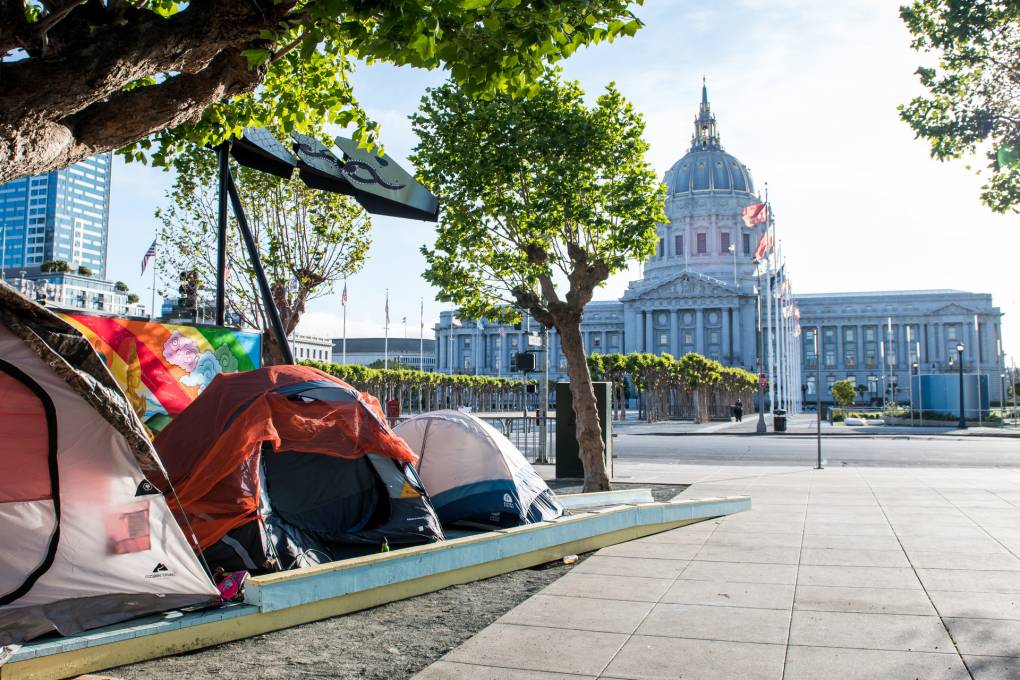
"caption": "Tents line Fulton Street near San Francisco City Hall on April 5, 2020.",
"description": null,
"title": "Tents line Fulton Street near City Hall on April 5, 2020.",
"credit": "Beth LeBarge/KQED",
"status": "inherit",
"altTag": "Tents line Fulton Street near City Hall on April 5, 2020.",
"isLoading": false,
"fetchFailed": false
},
"news_11869359": {
"type": "attachments",
"id": "news_11869359",
"meta": {
"index": "attachments_1716263798",
"site": "news",
"id": "11869359",
"found": true
},
"parent": 11869346,
"imgSizes": {
"thumbnail": {
"file": "https://ww2.kqed.org/app/uploads/sites/10/2021/04/Santa-Cruz-Railroad-1-160x115.jpg",
"width": 160,
"mimeType": "image/jpeg",
"height": 115
},
"post-thumbnail": {
"file": "https://ww2.kqed.org/app/uploads/sites/10/2021/04/Santa-Cruz-Railroad-1-672x372.jpg",
"width": 672,
"mimeType": "image/jpeg",
"height": 372
},
"kqedFullSize": {
"file": "https://ww2.kqed.org/app/uploads/sites/10/2021/04/Santa-Cruz-Railroad-1.jpg",
"width": 763,
"height": 550
}
},
"publishDate": 1618360202,
"modified": 1618439482,
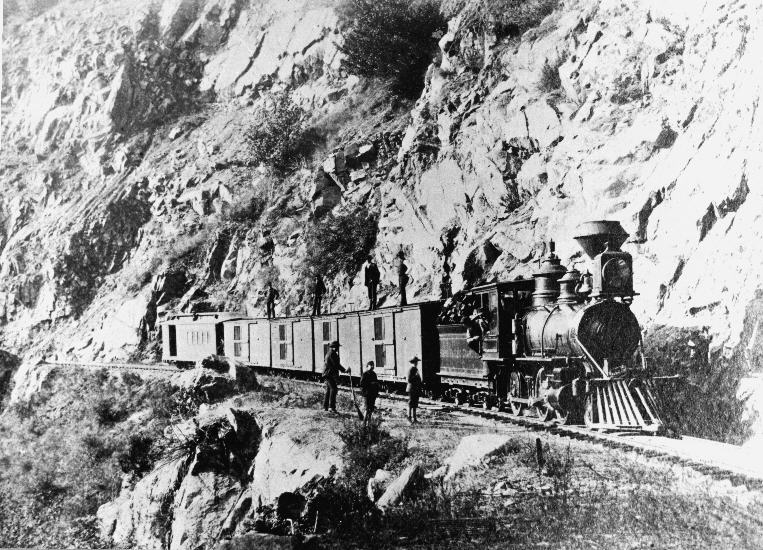
"caption": "A South Pacific Coast Railroad train stopped for a photograph in San Lorenzo Gorge in the 1880s.",
"description": null,
"title": "Santa Cruz Railroad 1",
"credit": "Courtesy of Derek Whaley",
"status": "inherit",
"altTag": null,
"isLoading": false,
"fetchFailed": false
},
"news_11868510": {
"type": "attachments",
"id": "news_11868510",
"meta": {
"index": "attachments_1716263798",
"site": "news",
"id": "11868510",
"found": true
},
"parent": 11868460,
"imgSizes": {
"twentyfourteen-full-width": {
"file": "https://ww2.kqed.org/app/uploads/sites/10/2021/04/cargo-ship-backup-1038x576.jpg",
"width": 1038,
"mimeType": "image/jpeg",
"height": 576
},
"thumbnail": {
"file": "https://ww2.kqed.org/app/uploads/sites/10/2021/04/cargo-ship-backup-160x90.jpg",
"width": 160,
"mimeType": "image/jpeg",
"height": 90
},
"post-thumbnail": {
"file": "https://ww2.kqed.org/app/uploads/sites/10/2021/04/cargo-ship-backup-672x372.jpg",
"width": 672,
"mimeType": "image/jpeg",
"height": 372
},
"kqedFullSize": {
"file": "https://ww2.kqed.org/app/uploads/sites/10/2021/04/cargo-ship-backup.jpg",
"width": 1920,
"height": 1080
},
"large": {
"file": "https://ww2.kqed.org/app/uploads/sites/10/2021/04/cargo-ship-backup-1020x574.jpg",
"width": 1020,
"mimeType": "image/jpeg",
"height": 574
},
"1536x1536": {
"file": "https://ww2.kqed.org/app/uploads/sites/10/2021/04/cargo-ship-backup-1536x864.jpg",
"width": 1536,
"mimeType": "image/jpeg",
"height": 864
},
"medium": {
"file": "https://ww2.kqed.org/app/uploads/sites/10/2021/04/cargo-ship-backup-800x450.jpg",
"width": 800,
"mimeType": "image/jpeg",
"height": 450
}
},
"publishDate": 1617835099,
"modified": 1617835164,
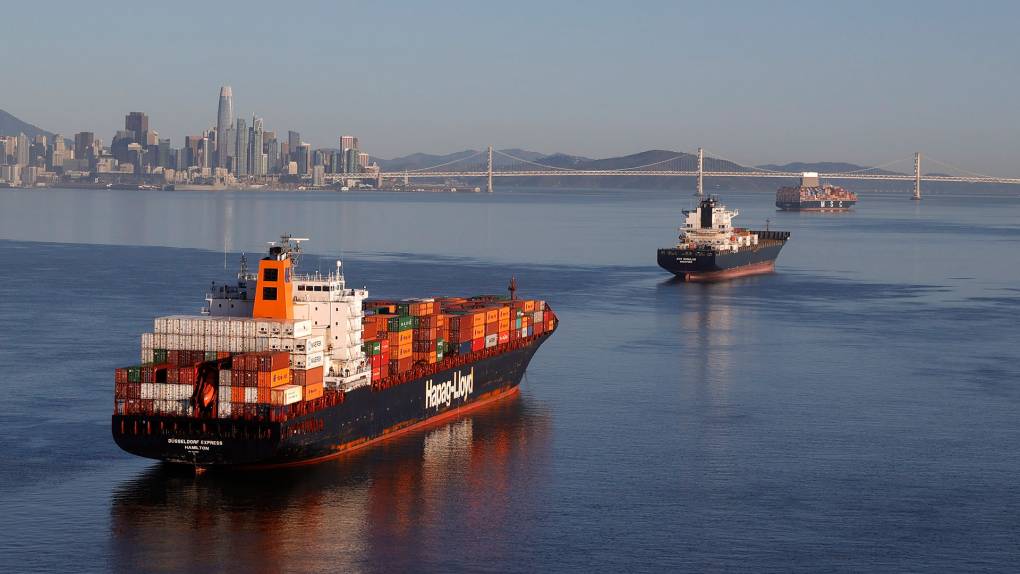
"caption": "Container ships sit idle in the the San Francisco Bay just outside of the Port of Oakland on March 26, 2021 in San Francisco, California. As the global pandemic has fueled online shopping and international shipping to fulfill orders, metal shipping containers have become scarce and have caused log jams at ports around the globe. ",
"description": null,
"title": "cargo-ship-backup",
"credit": "Justin Sullivan/Getty Images",
"status": "inherit",
"altTag": "Container ships sit idle in the the San Francisco Bay just outside of the Port of Oakland on March 26, 2021 in San Francisco, California. As the global pandemic has fueled online shopping and international shipping to fulfill orders, metal shipping containers have become scarce and have caused log jams at ports around the globe.",
"isLoading": false,
"fetchFailed": false
},
"news_11868540": {
"type": "attachments",
"id": "news_11868540",
"meta": {
"index": "attachments_1716263798",
"site": "news",
"id": "11868540",
"found": true
},
"parent": 11868435,
"imgSizes": {
"twentyfourteen-full-width": {
"file": "https://ww2.kqed.org/app/uploads/sites/10/2021/04/Toll-worker-1920-1038x576.jpg",
"width": 1038,
"mimeType": "image/jpeg",
"height": 576
},
"thumbnail": {
"file": "https://ww2.kqed.org/app/uploads/sites/10/2021/04/Toll-worker-1920-160x90.jpg",
"width": 160,
"mimeType": "image/jpeg",
"height": 90
},
"post-thumbnail": {
"file": "https://ww2.kqed.org/app/uploads/sites/10/2021/04/Toll-worker-1920-672x372.jpg",
"width": 672,
"mimeType": "image/jpeg",
"height": 372
},
"kqedFullSize": {
"file": "https://ww2.kqed.org/app/uploads/sites/10/2021/04/Toll-worker-1920.jpg",
"width": 1920,
"height": 1080
},
"large": {
"file": "https://ww2.kqed.org/app/uploads/sites/10/2021/04/Toll-worker-1920-1020x574.jpg",
"width": 1020,
"mimeType": "image/jpeg",
"height": 574
},
"1536x1536": {
"file": "https://ww2.kqed.org/app/uploads/sites/10/2021/04/Toll-worker-1920-1536x864.jpg",
"width": 1536,
"mimeType": "image/jpeg",
"height": 864
},
"medium": {
"file": "https://ww2.kqed.org/app/uploads/sites/10/2021/04/Toll-worker-1920-800x450.jpg",
"width": 800,
"mimeType": "image/jpeg",
"height": 450
}
},
"publishDate": 1617840316,
"modified": 1617840346,
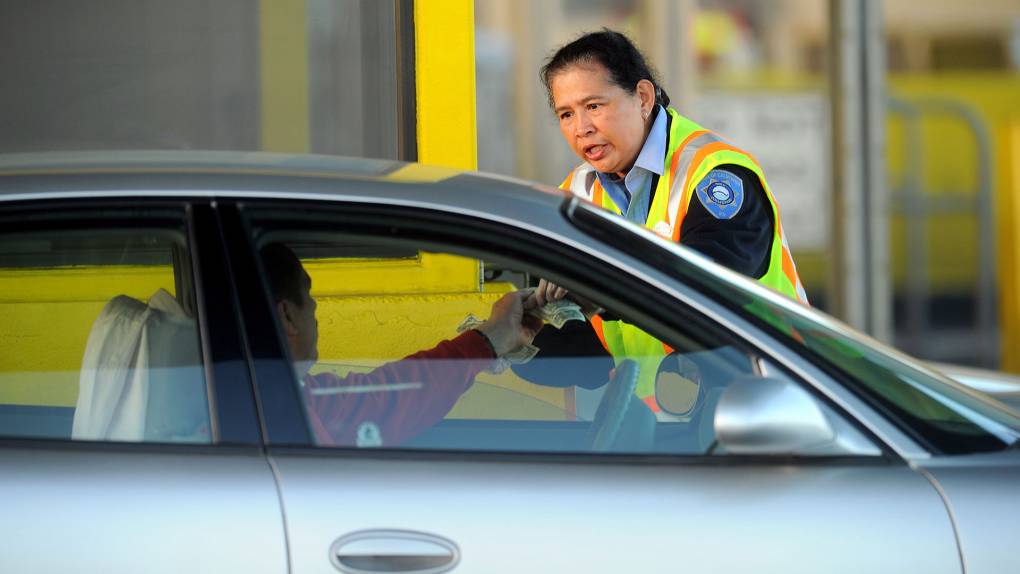
"caption": "A toll worker taking cash from a driver.",
"description": null,
"title": "Toll-worker-1920",
"credit": "Courtesy Bay Area Toll Authority",
"status": "inherit",
"altTag": "A toll worker taking cash from a driver.",
"isLoading": false,
"fetchFailed": false
},
"news_11868492": {
"type": "attachments",
"id": "news_11868492",
"meta": {
"index": "attachments_1716263798",
"site": "news",
"id": "11868492",
"found": true
},
"parent": 11868474,
"imgSizes": {
"twentyfourteen-full-width": {
"file": "https://ww2.kqed.org/app/uploads/sites/10/2021/04/Recology-bins-1038x576.jpg",
"width": 1038,
"mimeType": "image/jpeg",
"height": 576
},
"thumbnail": {
"file": "https://ww2.kqed.org/app/uploads/sites/10/2021/04/Recology-bins-160x90.jpg",
"width": 160,
"mimeType": "image/jpeg",
"height": 90
},
"post-thumbnail": {
"file": "https://ww2.kqed.org/app/uploads/sites/10/2021/04/Recology-bins-672x372.jpg",
"width": 672,
"mimeType": "image/jpeg",
"height": 372
},
"kqedFullSize": {
"file": "https://ww2.kqed.org/app/uploads/sites/10/2021/04/Recology-bins.jpg",
"width": 1920,
"height": 1080
},
"large": {
"file": "https://ww2.kqed.org/app/uploads/sites/10/2021/04/Recology-bins-1020x574.jpg",
"width": 1020,
"mimeType": "image/jpeg",
"height": 574
},
"1536x1536": {
"file": "https://ww2.kqed.org/app/uploads/sites/10/2021/04/Recology-bins-1536x864.jpg",
"width": 1536,
"mimeType": "image/jpeg",
"height": 864
},
"medium": {
"file": "https://ww2.kqed.org/app/uploads/sites/10/2021/04/Recology-bins-800x450.jpg",
"width": 800,
"mimeType": "image/jpeg",
"height": 450
}
},
"publishDate": 1617832304,
"modified": 1617832346,
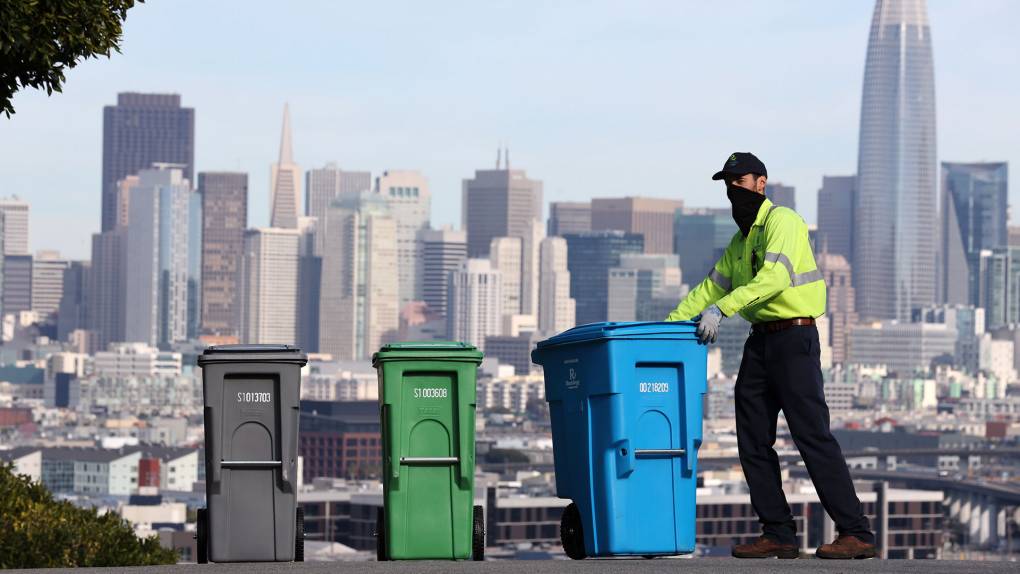
"caption": "A Recology worker collecting curbside waste.",
"description": null,
"title": "Recology-bins",
"credit": "Courtesy of Recology",
"status": "inherit",
"altTag": "A Recology worker collecting curbside waste.",
"isLoading": false,
"fetchFailed": false
},
"news_11304129": {
"type": "attachments",
"id": "news_11304129",
"meta": {
"index": "attachments_1716263798",
"site": "news",
"id": "11304129",
"found": true
},
"parent": 11304127,
"imgSizes": {
"small": {
"file": "https://ww2.kqed.org/app/uploads/sites/10/2017/02/Hoo-Hoo-Museum-520x384.jpg",
"width": 520,
"mimeType": "image/jpeg",
"height": 384
},
"thumbnail": {
"file": "https://ww2.kqed.org/app/uploads/sites/10/2017/02/Hoo-Hoo-Museum-160x118.jpg",
"width": 160,
"mimeType": "image/jpeg",
"height": 118
},
"post-thumbnail": {
"file": "https://ww2.kqed.org/app/uploads/sites/10/2017/02/Hoo-Hoo-Museum-672x372.jpg",
"width": 672,
"mimeType": "image/jpeg",
"height": 372
},
"xsmall": {
"file": "https://ww2.kqed.org/app/uploads/sites/10/2017/02/Hoo-Hoo-Museum-375x277.jpg",
"width": 375,
"mimeType": "image/jpeg",
"height": 277
},
"kqedFullSize": {
"file": "https://ww2.kqed.org/app/uploads/sites/10/2017/02/Hoo-Hoo-Museum.jpg",
"width": 700,
"height": 517
},
"guest-author-50": {
"file": "https://ww2.kqed.org/app/uploads/sites/10/2017/02/Hoo-Hoo-Museum-50x50.jpg",
"width": 50,
"mimeType": "image/jpeg",
"height": 50
},
"guest-author-96": {
"file": "https://ww2.kqed.org/app/uploads/sites/10/2017/02/Hoo-Hoo-Museum-96x96.jpg",
"width": 96,
"mimeType": "image/jpeg",
"height": 96
},
"guest-author-64": {
"file": "https://ww2.kqed.org/app/uploads/sites/10/2017/02/Hoo-Hoo-Museum-64x64.jpg",
"width": 64,
"mimeType": "image/jpeg",
"height": 64
},
"guest-author-32": {
"file": "https://ww2.kqed.org/app/uploads/sites/10/2017/02/Hoo-Hoo-Museum-32x32.jpg",
"width": 32,
"mimeType": "image/jpeg",
"height": 32
},
"jmtc-small-thumb": {
"file": "https://ww2.kqed.org/app/uploads/sites/10/2017/02/Hoo-Hoo-Museum-280x150.jpg",
"width": 280,
"mimeType": "image/jpeg",
"height": 150
},
"detail": {
"file": "https://ww2.kqed.org/app/uploads/sites/10/2017/02/Hoo-Hoo-Museum-150x150.jpg",
"width": 150,
"mimeType": "image/jpeg",
"height": 150
},
"guest-author-128": {
"file": "https://ww2.kqed.org/app/uploads/sites/10/2017/02/Hoo-Hoo-Museum-128x128.jpg",
"width": 128,
"mimeType": "image/jpeg",
"height": 128
},
"xxsmall": {
"file": "https://ww2.kqed.org/app/uploads/sites/10/2017/02/Hoo-Hoo-Museum-240x177.jpg",
"width": 240,
"mimeType": "image/jpeg",
"height": 177
}
},
"publishDate": 1486414025,
"modified": 1487729247,
"caption": "Ohio Hoo-Hoos circa 1930.",
"description": "Ohio Hoo-Hoos circa 1930.",
"title": "Ohio Hoo-Hoos circa 1930 wearing the official robes that have their official titles.",
"credit": "Courtesy of the Hoo-Hoo Museum",
"status": "inherit",
"isLoading": false,
"fetchFailed": false
},
"news_11865245": {
"type": "attachments",
"id": "news_11865245",
"meta": {
"index": "attachments_1716263798",
"site": "news",
"id": "11865245",
"found": true
},
"parent": 0,
"imgSizes": {
"twentyfourteen-full-width": {
"file": "https://ww2.kqed.org/app/uploads/sites/10/2021/03/BC-Web-post-inserts_Twitter-1038x576.png",
"width": 1038,
"mimeType": "image/png",
"height": 576
},
"thumbnail": {
"file": "https://ww2.kqed.org/app/uploads/sites/10/2021/03/BC-Web-post-inserts_Twitter-160x90.png",
"width": 160,
"mimeType": "image/png",
"height": 90
},
"post-thumbnail": {
"file": "https://ww2.kqed.org/app/uploads/sites/10/2021/03/BC-Web-post-inserts_Twitter-672x372.png",
"width": 672,
"mimeType": "image/png",
"height": 372
},
"kqedFullSize": {
"file": "https://ww2.kqed.org/app/uploads/sites/10/2021/03/BC-Web-post-inserts_Twitter.png",
"width": 1280,
"height": 720
},
"large": {
"file": "https://ww2.kqed.org/app/uploads/sites/10/2021/03/BC-Web-post-inserts_Twitter-1020x574.png",
"width": 1020,
"mimeType": "image/png",
"height": 574
},
"medium": {
"file": "https://ww2.kqed.org/app/uploads/sites/10/2021/03/BC-Web-post-inserts_Twitter-800x450.png",
"width": 800,
"mimeType": "image/png",
"height": 450
}
},
"publishDate": 1616021343,
"modified": 1616097543,
"caption": "Political activist, scholar and author Angela Davis appears at a Juneteenth demonstration near the Port of Oakland on June 19, 2020, The San Francisco skyline from Dolores Park at 9:30 a.m. on Sept. 9, and San Jose resident Cornelia Arzaga, 76, prepares to receive her first dose of the COVID-19 vaccine at Levi’s Stadium on Feb. 9, 2021.",
"description": null,
"title": "BC Web post inserts_Twitter",
"credit": "Beth LaBerge/KQED",
"status": "inherit",
"altTag": null,
"isLoading": false,
"fetchFailed": false
},
"news_11864211": {
"type": "attachments",
"id": "news_11864211",
"meta": {
"index": "attachments_1716263798",
"site": "news",
"id": "11864211",
"found": true
},
"parent": 11864205,
"imgSizes": {
"twentyfourteen-full-width": {
"file": "https://ww2.kqed.org/app/uploads/sites/10/2021/03/trash-freeways-1038x576.jpg",
"width": 1038,
"mimeType": "image/jpeg",
"height": 576
},
"thumbnail": {
"file": "https://ww2.kqed.org/app/uploads/sites/10/2021/03/trash-freeways-160x90.jpg",
"width": 160,
"mimeType": "image/jpeg",
"height": 90
},
"post-thumbnail": {
"file": "https://ww2.kqed.org/app/uploads/sites/10/2021/03/trash-freeways-672x372.jpg",
"width": 672,
"mimeType": "image/jpeg",
"height": 372
},
"kqedFullSize": {
"file": "https://ww2.kqed.org/app/uploads/sites/10/2021/03/trash-freeways.jpg",
"width": 1920,
"height": 1080
},
"large": {
"file": "https://ww2.kqed.org/app/uploads/sites/10/2021/03/trash-freeways-1020x574.jpg",
"width": 1020,
"mimeType": "image/jpeg",
"height": 574
},
"1536x1536": {
"file": "https://ww2.kqed.org/app/uploads/sites/10/2021/03/trash-freeways-1536x864.jpg",
"width": 1536,
"mimeType": "image/jpeg",
"height": 864
},
"medium": {
"file": "https://ww2.kqed.org/app/uploads/sites/10/2021/03/trash-freeways-800x450.jpg",
"width": 800,
"mimeType": "image/jpeg",
"height": 450
}
},
"publishDate": 1615431692,
"modified": 1615431893,
"caption": "A Caltrans crew cleaning up an embankment along Highway 99 in Sacramento. ",
"description": null,
"title": "Caltrans-Highway 99 cleanup",
"credit": "Caltrans",
"status": "inherit",
"altTag": null,
"isLoading": false,
"fetchFailed": false
},
"news_11863003": {
"type": "attachments",
"id": "news_11863003",
"meta": {
"index": "attachments_1716263798",
"site": "news",
"id": "11863003",
"found": true
},
"parent": 11857703,
"imgSizes": {
"apple_news_ca_landscape_5_5": {
"file": "https://ww2.kqed.org/app/uploads/sites/10/2021/03/pexels-elle-hughes-2647939-1044x783.jpg",
"width": 1044,
"mimeType": "image/jpeg",
"height": 783
},
"apple_news_ca_square_4_0": {
"file": "https://ww2.kqed.org/app/uploads/sites/10/2021/03/pexels-elle-hughes-2647939-470x470.jpg",
"width": 470,
"mimeType": "image/jpeg",
"height": 470
},
"twentyfourteen-full-width": {
"file": "https://ww2.kqed.org/app/uploads/sites/10/2021/03/pexels-elle-hughes-2647939-1038x576.jpg",
"width": 1038,
"mimeType": "image/jpeg",
"height": 576
},
"thumbnail": {
"file": "https://ww2.kqed.org/app/uploads/sites/10/2021/03/pexels-elle-hughes-2647939-160x107.jpg",
"width": 160,
"mimeType": "image/jpeg",
"height": 107
},
"post-thumbnail": {
"file": "https://ww2.kqed.org/app/uploads/sites/10/2021/03/pexels-elle-hughes-2647939-672x372.jpg",
"width": 672,
"mimeType": "image/jpeg",
"height": 372
},
"kqedFullSize": {
"file": "https://ww2.kqed.org/app/uploads/sites/10/2021/03/pexels-elle-hughes-2647939.jpg",
"width": 1920,
"height": 1280
},
"apple_news_ca_landscape_4_7": {
"file": "https://ww2.kqed.org/app/uploads/sites/10/2021/03/pexels-elle-hughes-2647939-632x474.jpg",
"width": 632,
"mimeType": "image/jpeg",
"height": 474
},
"large": {
"file": "https://ww2.kqed.org/app/uploads/sites/10/2021/03/pexels-elle-hughes-2647939-1020x680.jpg",
"width": 1020,
"mimeType": "image/jpeg",
"height": 680
},
"apple_news_ca_landscape_4_0": {
"file": "https://ww2.kqed.org/app/uploads/sites/10/2021/03/pexels-elle-hughes-2647939-536x402.jpg",
"width": 536,
"mimeType": "image/jpeg",
"height": 402
},
"apple_news_ca_portrait_12_9": {
"file": "https://ww2.kqed.org/app/uploads/sites/10/2021/03/pexels-elle-hughes-2647939-1122x1280.jpg",
"width": 1122,
"mimeType": "image/jpeg",
"height": 1280
},
"medium": {
"file": "https://ww2.kqed.org/app/uploads/sites/10/2021/03/pexels-elle-hughes-2647939-800x533.jpg",
"width": 800,
"mimeType": "image/jpeg",
"height": 533
},
"apple_news_ca_portrait_4_0": {
"file": "https://ww2.kqed.org/app/uploads/sites/10/2021/03/pexels-elle-hughes-2647939-354x472.jpg",
"width": 354,
"mimeType": "image/jpeg",
"height": 472
},
"apple_news_ca_portrait_9_7": {
"file": "https://ww2.kqed.org/app/uploads/sites/10/2021/03/pexels-elle-hughes-2647939-840x1120.jpg",
"width": 840,
"mimeType": "image/jpeg",
"height": 1120
},
"apple_news_ca_landscape_12_9": {
"file": "https://ww2.kqed.org/app/uploads/sites/10/2021/03/pexels-elle-hughes-2647939-1832x1280.jpg",
"width": 1832,
"mimeType": "image/jpeg",
"height": 1280
},
"apple_news_ca_square_9_7": {
"file": "https://ww2.kqed.org/app/uploads/sites/10/2021/03/pexels-elle-hughes-2647939-1104x1104.jpg",
"width": 1104,
"mimeType": "image/jpeg",
"height": 1104
},
"1536x1536": {
"file": "https://ww2.kqed.org/app/uploads/sites/10/2021/03/pexels-elle-hughes-2647939-1536x1024.jpg",
"width": 1536,
"mimeType": "image/jpeg",
"height": 1024
},
"apple_news_ca_portrait_4_7": {
"file": "https://ww2.kqed.org/app/uploads/sites/10/2021/03/pexels-elle-hughes-2647939-414x552.jpg",
"width": 414,
"mimeType": "image/jpeg",
"height": 552
},
"apple_news_ca_square_12_9": {
"file": "https://ww2.kqed.org/app/uploads/sites/10/2021/03/pexels-elle-hughes-2647939-1472x1280.jpg",
"width": 1472,
"mimeType": "image/jpeg",
"height": 1280
},
"apple_news_ca_portrait_5_5": {
"file": "https://ww2.kqed.org/app/uploads/sites/10/2021/03/pexels-elle-hughes-2647939-687x916.jpg",
"width": 687,
"mimeType": "image/jpeg",
"height": 916
},
"apple_news_ca_square_4_7": {
"file": "https://ww2.kqed.org/app/uploads/sites/10/2021/03/pexels-elle-hughes-2647939-550x550.jpg",
"width": 550,
"mimeType": "image/jpeg",
"height": 550
},
"apple_news_ca_landscape_9_7": {
"file": "https://ww2.kqed.org/app/uploads/sites/10/2021/03/pexels-elle-hughes-2647939-1376x1032.jpg",
"width": 1376,
"mimeType": "image/jpeg",
"height": 1032
},
"apple_news_ca_square_5_5": {
"file": "https://ww2.kqed.org/app/uploads/sites/10/2021/03/pexels-elle-hughes-2647939-912x912.jpg",
"width": 912,
"mimeType": "image/jpeg",
"height": 912
}
},
"publishDate": 1614802957,
"modified": 1614803018,
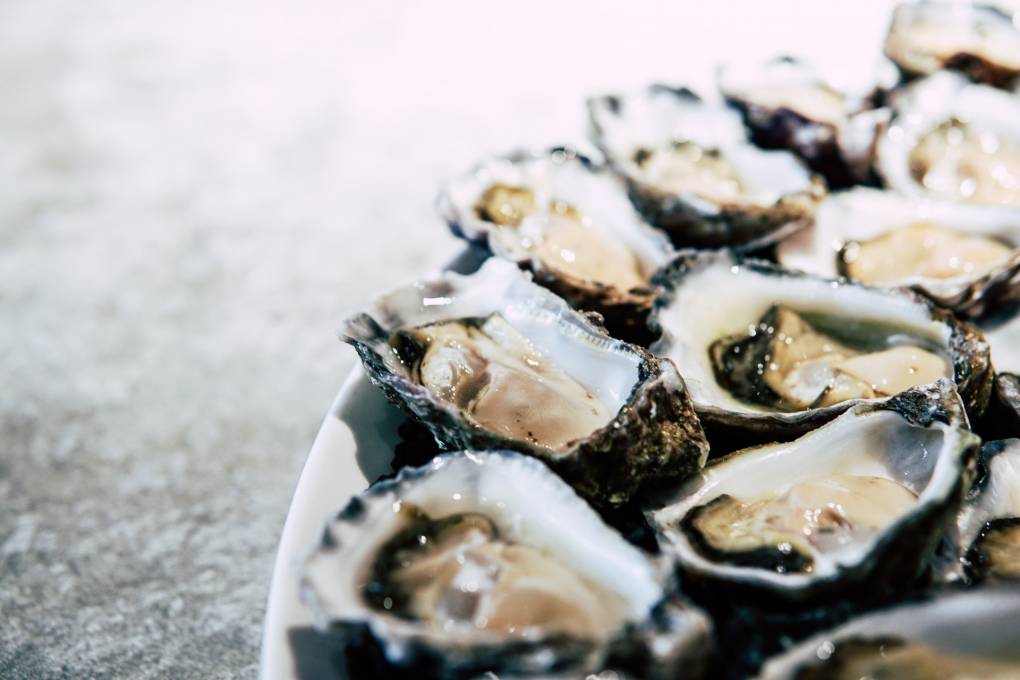
"caption": "Oysters can be a controversial food, but the Bay Area is known for them.",
"description": null,
"title": "pexels-elle-hughes-2647939",
"credit": "Elle Hughes/Pexel",
"status": "inherit",
"altTag": "oysters",
"isLoading": false,
"fetchFailed": false
},
"news_11861994": {
"type": "attachments",
"id": "news_11861994",
"meta": {
"index": "attachments_1716263798",
"site": "news",
"id": "11861994",
"found": true
},
"parent": 11861844,
"imgSizes": {
"apple_news_ca_landscape_5_5": {
"file": "https://ww2.kqed.org/app/uploads/sites/10/2021/02/chabotdam1919-1044x783.jpg",
"width": 1044,
"mimeType": "image/jpeg",
"height": 783
},
"apple_news_ca_square_4_0": {
"file": "https://ww2.kqed.org/app/uploads/sites/10/2021/02/chabotdam1919-470x470.jpg",
"width": 470,
"mimeType": "image/jpeg",
"height": 470
},
"twentyfourteen-full-width": {
"file": "https://ww2.kqed.org/app/uploads/sites/10/2021/02/chabotdam1919-1038x576.jpg",
"width": 1038,
"mimeType": "image/jpeg",
"height": 576
},
"thumbnail": {
"file": "https://ww2.kqed.org/app/uploads/sites/10/2021/02/chabotdam1919-160x108.jpg",
"width": 160,
"mimeType": "image/jpeg",
"height": 108
},
"post-thumbnail": {
"file": "https://ww2.kqed.org/app/uploads/sites/10/2021/02/chabotdam1919-672x372.jpg",
"width": 672,
"mimeType": "image/jpeg",
"height": 372
},
"kqedFullSize": {
"file": "https://ww2.kqed.org/app/uploads/sites/10/2021/02/chabotdam1919-scaled.jpg",
"width": 2560,
"height": 1721
},
"2048x2048": {
"file": "https://ww2.kqed.org/app/uploads/sites/10/2021/02/chabotdam1919-2048x1377.jpg",
"width": 2048,
"mimeType": "image/jpeg",
"height": 1377
},
"apple_news_ca_landscape_4_7": {
"file": "https://ww2.kqed.org/app/uploads/sites/10/2021/02/chabotdam1919-632x474.jpg",
"width": 632,
"mimeType": "image/jpeg",
"height": 474
},
"large": {
"file": "https://ww2.kqed.org/app/uploads/sites/10/2021/02/chabotdam1919-1020x686.jpg",
"width": 1020,
"mimeType": "image/jpeg",
"height": 686
},
"apple_news_ca_landscape_4_0": {
"file": "https://ww2.kqed.org/app/uploads/sites/10/2021/02/chabotdam1919-536x402.jpg",
"width": 536,
"mimeType": "image/jpeg",
"height": 402
},
"apple_news_ca_portrait_12_9": {
"file": "https://ww2.kqed.org/app/uploads/sites/10/2021/02/chabotdam1919-1122x1496.jpg",
"width": 1122,
"mimeType": "image/jpeg",
"height": 1496
},
"medium": {
"file": "https://ww2.kqed.org/app/uploads/sites/10/2021/02/chabotdam1919-800x538.jpg",
"width": 800,
"mimeType": "image/jpeg",
"height": 538
},
"apple_news_ca_portrait_4_0": {
"file": "https://ww2.kqed.org/app/uploads/sites/10/2021/02/chabotdam1919-354x472.jpg",
"width": 354,
"mimeType": "image/jpeg",
"height": 472
},
"apple_news_ca_portrait_9_7": {
"file": "https://ww2.kqed.org/app/uploads/sites/10/2021/02/chabotdam1919-840x1120.jpg",
"width": 840,
"mimeType": "image/jpeg",
"height": 1120
},
"apple_news_ca_landscape_12_9": {
"file": "https://ww2.kqed.org/app/uploads/sites/10/2021/02/chabotdam1919-1832x1374.jpg",
"width": 1832,
"mimeType": "image/jpeg",
"height": 1374
},
"apple_news_ca_square_9_7": {
"file": "https://ww2.kqed.org/app/uploads/sites/10/2021/02/chabotdam1919-1104x1104.jpg",
"width": 1104,
"mimeType": "image/jpeg",
"height": 1104
},
"1536x1536": {
"file": "https://ww2.kqed.org/app/uploads/sites/10/2021/02/chabotdam1919-1536x1033.jpg",
"width": 1536,
"mimeType": "image/jpeg",
"height": 1033
},
"apple_news_ca_portrait_4_7": {
"file": "https://ww2.kqed.org/app/uploads/sites/10/2021/02/chabotdam1919-414x552.jpg",
"width": 414,
"mimeType": "image/jpeg",
"height": 552
},
"apple_news_ca_square_12_9": {
"file": "https://ww2.kqed.org/app/uploads/sites/10/2021/02/chabotdam1919-1472x1472.jpg",
"width": 1472,
"mimeType": "image/jpeg",
"height": 1472
},
"apple_news_ca_portrait_5_5": {
"file": "https://ww2.kqed.org/app/uploads/sites/10/2021/02/chabotdam1919-687x916.jpg",
"width": 687,
"mimeType": "image/jpeg",
"height": 916
},
"full-width": {
"file": "https://ww2.kqed.org/app/uploads/sites/10/2021/02/chabotdam1919-1920x1291.jpg",
"width": 1920,
"mimeType": "image/jpeg",
"height": 1291
},
"apple_news_ca_square_4_7": {
"file": "https://ww2.kqed.org/app/uploads/sites/10/2021/02/chabotdam1919-550x550.jpg",
"width": 550,
"mimeType": "image/jpeg",
"height": 550
},
"apple_news_ca_landscape_9_7": {
"file": "https://ww2.kqed.org/app/uploads/sites/10/2021/02/chabotdam1919-1376x1032.jpg",
"width": 1376,
"mimeType": "image/jpeg",
"height": 1032
},
"apple_news_ca_square_5_5": {
"file": "https://ww2.kqed.org/app/uploads/sites/10/2021/02/chabotdam1919-912x912.jpg",
"width": 912,
"mimeType": "image/jpeg",
"height": 912
}
},
"publishDate": 1614210027,
"modified": 1614210083,
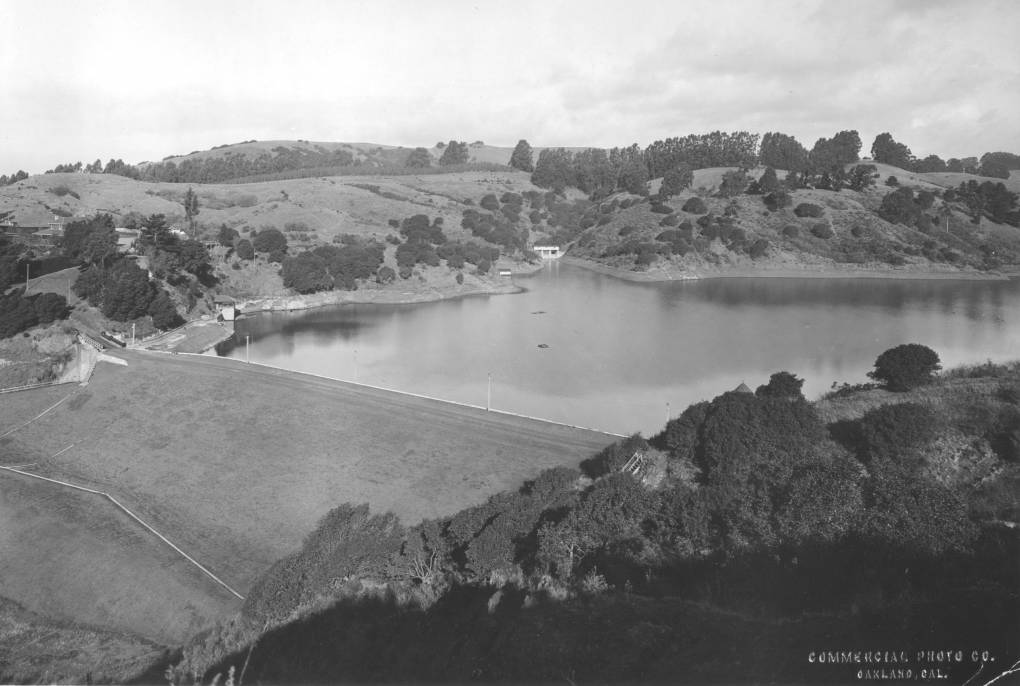
"caption": "Chabot Dam, 1919. ",
"description": null,
"title": "Chabot Dam",
"credit": "East Bay Municipal Utility District",
"status": "inherit",
"altTag": null,
"isLoading": false,
"fetchFailed": false
},
"news_11628101": {
"type": "attachments",
"id": "news_11628101",
"meta": {
"index": "attachments_1716263798",
"site": "news",
"id": "11628101",
"found": true
},
"parent": 11621844,
"imgSizes": {
"small": {
"file": "https://ww2.kqed.org/app/uploads/sites/10/2017/11/0M6A0150_preview-520x347.jpeg",
"width": 520,
"mimeType": "image/jpeg",
"height": 347
},
"twentyfourteen-full-width": {
"file": "https://ww2.kqed.org/app/uploads/sites/10/2017/11/0M6A0150_preview-1038x576.jpeg",
"width": 1038,
"mimeType": "image/jpeg",
"height": 576
},
"thumbnail": {
"file": "https://ww2.kqed.org/app/uploads/sites/10/2017/11/0M6A0150_preview-160x107.jpeg",
"width": 160,
"mimeType": "image/jpeg",
"height": 107
},
"fd-sm": {
"file": "https://ww2.kqed.org/app/uploads/sites/10/2017/11/0M6A0150_preview-960x640.jpeg",
"width": 960,
"mimeType": "image/jpeg",
"height": 640
},
"post-thumbnail": {
"file": "https://ww2.kqed.org/app/uploads/sites/10/2017/11/0M6A0150_preview-672x372.jpeg",
"width": 672,
"mimeType": "image/jpeg",
"height": 372
},
"xsmall": {
"file": "https://ww2.kqed.org/app/uploads/sites/10/2017/11/0M6A0150_preview-375x250.jpeg",
"width": 375,
"mimeType": "image/jpeg",
"height": 250
},
"kqedFullSize": {
"file": "https://ww2.kqed.org/app/uploads/sites/10/2017/11/0M6A0150_preview.jpeg",
"width": 2048,
"height": 1365
},
"large": {
"file": "https://ww2.kqed.org/app/uploads/sites/10/2017/11/0M6A0150_preview-1020x680.jpeg",
"width": 1020,
"mimeType": "image/jpeg",
"height": 680
},
"xlarge": {
"file": "https://ww2.kqed.org/app/uploads/sites/10/2017/11/0M6A0150_preview-1180x786.jpeg",
"width": 1180,
"mimeType": "image/jpeg",
"height": 786
},
"guest-author-50": {
"file": "https://ww2.kqed.org/app/uploads/sites/10/2017/11/0M6A0150_preview-50x50.jpeg",
"width": 50,
"mimeType": "image/jpeg",
"height": 50
},
"guest-author-96": {
"file": "https://ww2.kqed.org/app/uploads/sites/10/2017/11/0M6A0150_preview-96x96.jpeg",
"width": 96,
"mimeType": "image/jpeg",
"height": 96
},
"medium": {
"file": "https://ww2.kqed.org/app/uploads/sites/10/2017/11/0M6A0150_preview-800x533.jpeg",
"width": 800,
"mimeType": "image/jpeg",
"height": 533
},
"guest-author-64": {
"file": "https://ww2.kqed.org/app/uploads/sites/10/2017/11/0M6A0150_preview-64x64.jpeg",
"width": 64,
"mimeType": "image/jpeg",
"height": 64
},
"guest-author-32": {
"file": "https://ww2.kqed.org/app/uploads/sites/10/2017/11/0M6A0150_preview-32x32.jpeg",
"width": 32,
"mimeType": "image/jpeg",
"height": 32
},
"fd-lrg": {
"file": "https://ww2.kqed.org/app/uploads/sites/10/2017/11/0M6A0150_preview-1920x1280.jpeg",
"width": 1920,
"mimeType": "image/jpeg",
"height": 1280
},
"fd-med": {
"file": "https://ww2.kqed.org/app/uploads/sites/10/2017/11/0M6A0150_preview-1180x786.jpeg",
"width": 1180,
"mimeType": "image/jpeg",
"height": 786
},
"full-width": {
"file": "https://ww2.kqed.org/app/uploads/sites/10/2017/11/0M6A0150_preview-1920x1280.jpeg",
"width": 1920,
"mimeType": "image/jpeg",
"height": 1280
},
"detail": {
"file": "https://ww2.kqed.org/app/uploads/sites/10/2017/11/0M6A0150_preview-150x150.jpeg",
"width": 150,
"mimeType": "image/jpeg",
"height": 150
},
"guest-author-128": {
"file": "https://ww2.kqed.org/app/uploads/sites/10/2017/11/0M6A0150_preview-128x128.jpeg",
"width": 128,
"mimeType": "image/jpeg",
"height": 128
},
"xxsmall": {
"file": "https://ww2.kqed.org/app/uploads/sites/10/2017/11/0M6A0150_preview-240x160.jpeg",
"width": 240,
"mimeType": "image/jpeg",
"height": 160
}
},
"publishDate": 1509750212,
"modified": 1510882726,
"caption": "An Irish coffee at the Buena Vista. ",
"description": null,
"title": "0M6A0150_preview",
"credit": "Kelly O'Mara/KQED",
"status": "inherit",
"isLoading": false,
"fetchFailed": false
},
"news_11860632": {
"type": "attachments",
"id": "news_11860632",
"meta": {
"index": "attachments_1716263798",
"site": "news",
"id": "11860632",
"found": true
},
"parent": 11860611,
"imgSizes": {
"apple_news_ca_landscape_5_5": {
"file": "https://ww2.kqed.org/app/uploads/sites/10/2021/02/Covid-mental-health-1044x783.jpg",
"width": 1044,
"mimeType": "image/jpeg",
"height": 783
},
"apple_news_ca_square_4_0": {
"file": "https://ww2.kqed.org/app/uploads/sites/10/2021/02/Covid-mental-health-470x470.jpg",
"width": 470,
"mimeType": "image/jpeg",
"height": 470
},
"twentyfourteen-full-width": {
"file": "https://ww2.kqed.org/app/uploads/sites/10/2021/02/Covid-mental-health-1038x576.jpg",
"width": 1038,
"mimeType": "image/jpeg",
"height": 576
},
"thumbnail": {
"file": "https://ww2.kqed.org/app/uploads/sites/10/2021/02/Covid-mental-health-160x90.jpg",
"width": 160,
"mimeType": "image/jpeg",
"height": 90
},
"post-thumbnail": {
"file": "https://ww2.kqed.org/app/uploads/sites/10/2021/02/Covid-mental-health-672x372.jpg",
"width": 672,
"mimeType": "image/jpeg",
"height": 372
},
"kqedFullSize": {
"file": "https://ww2.kqed.org/app/uploads/sites/10/2021/02/Covid-mental-health.jpg",
"width": 1920,
"height": 1080
},
"large": {
"file": "https://ww2.kqed.org/app/uploads/sites/10/2021/02/Covid-mental-health-1020x574.jpg",
"width": 1020,
"mimeType": "image/jpeg",
"height": 574
},
"apple_news_ca_landscape_4_0": {
"file": "https://ww2.kqed.org/app/uploads/sites/10/2021/02/Covid-mental-health-536x402.jpg",
"width": 536,
"mimeType": "image/jpeg",
"height": 402
},
"apple_news_ca_portrait_12_9": {
"file": "https://ww2.kqed.org/app/uploads/sites/10/2021/02/Covid-mental-health-1122x1080.jpg",
"width": 1122,
"mimeType": "image/jpeg",
"height": 1080
},
"medium": {
"file": "https://ww2.kqed.org/app/uploads/sites/10/2021/02/Covid-mental-health-800x450.jpg",
"width": 800,
"mimeType": "image/jpeg",
"height": 450
},
"apple_news_ca_portrait_4_0": {
"file": "https://ww2.kqed.org/app/uploads/sites/10/2021/02/Covid-mental-health-354x472.jpg",
"width": 354,
"mimeType": "image/jpeg",
"height": 472
},
"apple_news_ca_portrait_9_7": {
"file": "https://ww2.kqed.org/app/uploads/sites/10/2021/02/Covid-mental-health-840x1080.jpg",
"width": 840,
"mimeType": "image/jpeg",
"height": 1080
},
"apple_news_ca_landscape_12_9": {
"file": "https://ww2.kqed.org/app/uploads/sites/10/2021/02/Covid-mental-health-1832x1080.jpg",
"width": 1832,
"mimeType": "image/jpeg",
"height": 1080
},
"apple_news_ca_square_9_7": {
"file": "https://ww2.kqed.org/app/uploads/sites/10/2021/02/Covid-mental-health-1104x1080.jpg",
"width": 1104,
"mimeType": "image/jpeg",
"height": 1080
},
"1536x1536": {
"file": "https://ww2.kqed.org/app/uploads/sites/10/2021/02/Covid-mental-health-1536x864.jpg",
"width": 1536,
"mimeType": "image/jpeg",
"height": 864
},
"apple_news_ca_portrait_4_7": {
"file": "https://ww2.kqed.org/app/uploads/sites/10/2021/02/Covid-mental-health-414x552.jpg",
"width": 414,
"mimeType": "image/jpeg",
"height": 552
},
"apple_news_ca_square_12_9": {
"file": "https://ww2.kqed.org/app/uploads/sites/10/2021/02/Covid-mental-health-1472x1080.jpg",
"width": 1472,
"mimeType": "image/jpeg",
"height": 1080
},
"apple_news_ca_portrait_5_5": {
"file": "https://ww2.kqed.org/app/uploads/sites/10/2021/02/Covid-mental-health-687x916.jpg",
"width": 687,
"mimeType": "image/jpeg",
"height": 916
},
"apple_news_ca_square_4_7": {
"file": "https://ww2.kqed.org/app/uploads/sites/10/2021/02/Covid-mental-health-550x550.jpg",
"width": 550,
"mimeType": "image/jpeg",
"height": 550
},
"apple_news_ca_landscape_9_7": {
"file": "https://ww2.kqed.org/app/uploads/sites/10/2021/02/Covid-mental-health-1376x1032.jpg",
"width": 1376,
"mimeType": "image/jpeg",
"height": 1032
},
"apple_news_ca_square_5_5": {
"file": "https://ww2.kqed.org/app/uploads/sites/10/2021/02/Covid-mental-health-912x912.jpg",
"width": 912,
"mimeType": "image/jpeg",
"height": 912
}
},
"publishDate": 1613523406,
"modified": 1613523668,
"caption": "Mental health experts say the lasting impacts of the COVID-19 pandemic could be felt for some time to come.",
"description": null,
"title": "Covid-mental-health",
"credit": "Ponomariova_Maria/iStock",
"status": "inherit",
"altTag": "Illustration of one woman supporting another who is in distress.",
"isLoading": false,
"fetchFailed": false
}
},
"audioPlayerReducer": {
"postId": "stream_live",
"isPaused": true,
"isPlaying": false,
"pfsActive": false,
"pledgeModalIsOpen": true,
"playerDrawerIsOpen": false,
"liveAudioPlayStartedAt": 0,
"liveAudioPlayContext": ""
},
"authorsReducer": {
"byline_news_11865216": {
"type": "authors",
"id": "byline_news_11865216",
"meta": {
"override": true
},
"slug": "byline_news_11865216",
"name": "The Bay Curious Team",
"isLoading": false
},
"sracho": {
"type": "authors",
"id": "107",
"meta": {
"index": "authors_1716337520",
"id": "107",
"found": true
},
"name": "Suzie Racho",
"firstName": "Suzie",
"lastName": "Racho",
"slug": "sracho",
"email": "SRacho@KQED.org",
"display_author_email": false,
"staff_mastheads": [
"news"
],
"title": "KQED Contributor",
"bio": "Suzie Racho is a correspondent-producer with \u003cem>The California Report Magazine\u003c/em>\u003cem>. S\u003c/em>he has also worked with several other KQED productions, including Bay Curious, Truth Be Told, The Do List and KQED News.\r\n\r\nSuzie came to KQED in 1996 after receiving a BA in journalism from San Francisco State University and spending several years working in the music industry. As part of \u003cem>The California Report\u003c/em> team, her work has been recognized by the Society for Professional Journalists, National Federation of Community Broadcasters and Public Radio News Directors Incorporated, among others. She was recognized with a national Gracie Award in 2019. She spends her free time baking, listening to K-pop and rooting for the Giants and Valkyries.",
"avatar": "https://secure.gravatar.com/avatar/842e457a9830b0f3c1ce3ab70ed3518d616d1e25e315c6292eab8cd611d98601?s=600&d=blank&r=g",
"twitter": null,
"bluesky": null,
"facebook": null,
"instagram": null,
"linkedin": null,
"sites": [
{
"site": "arts",
"roles": [
"editor"
]
},
{
"site": "news",
"roles": [
"editor"
]
}
],
"headData": {
"title": "Suzie Racho | KQED",
"description": "KQED Contributor",
"ogImgSrc": "https://secure.gravatar.com/avatar/842e457a9830b0f3c1ce3ab70ed3518d616d1e25e315c6292eab8cd611d98601?s=600&d=blank&r=g",
"twImgSrc": "https://secure.gravatar.com/avatar/842e457a9830b0f3c1ce3ab70ed3518d616d1e25e315c6292eab8cd611d98601?s=600&d=blank&r=g"
},
"isLoading": false,
"link": "/author/sracho"
},
"danbrekke": {
"type": "authors",
"id": "222",
"meta": {
"index": "authors_1716337520",
"id": "222",
"found": true
},
"name": "Dan Brekke",
"firstName": "Dan",
"lastName": "Brekke",
"slug": "danbrekke",
"email": "dbrekke@kqed.org",
"display_author_email": true,
"staff_mastheads": [
"news",
"science"
],
"title": "KQED Editor and Reporter",
"bio": "Dan Brekke is a reporter and editor for KQED News, responsible for coverage of topics ranging from California water issues to the Bay Area's transportation challenges. In a newsroom career that began in Chicago in 1972, Dan has worked for \u003cem>The San Francisco Examiner,\u003c/em> Wired and TechTV and has been published in The New York Times, The New York Times Magazine, Business 2.0, Salon and elsewhere.\r\n\r\nSince joining KQED in 2007, Dan has reported, edited and produced both radio and online features and breaking news pieces. He has shared as both editor and reporter in four Society of Professional Journalists Norcal Excellence in Journalism awards and one Edward R. Murrow regional award. He was chosen for a spring 2017 residency at the Mesa Refuge to advance his research on California salmon.\r\n\r\nEmail Dan at: \u003ca href=\"mailto:dbrekke@kqed.org\">dbrekke@kqed.org\u003c/a>\r\n\r\n\u003cstrong>Twitter:\u003c/strong> \u003ca href=\"https://twitter.com/danbrekke\" rel=\"noopener noreferrer\">twitter.com/danbrekke\u003c/a>\r\n\u003cstrong>Facebook:\u003c/strong> \u003ca href=\"https://www.facebook.com/danbrekke\" rel=\"noopener noreferrer\">www.facebook.com/danbrekke\u003c/a>\r\n\u003cstrong>LinkedIn:\u003c/strong> \u003ca href=\"https://www.linkedin.com/in/danbrekke\" rel=\"noopener noreferrer\">www.linkedin.com/in/danbrekke\u003c/a>",
"avatar": "https://secure.gravatar.com/avatar/8f1f0d2a978fb3b23426c922c7e2af558fa36905b49c4ce76a97dc3c72d27226?s=600&d=mm&r=g",
"twitter": "danbrekke",
"bluesky": null,
"facebook": null,
"instagram": "https://www.instagram.com/dan.brekke/",
"linkedin": "https://www.linkedin.com/in/danbrekke/",
"sites": [
{
"site": "news",
"roles": [
"administrator",
"create_posts"
]
},
{
"site": "stateofhealth",
"roles": [
"editor"
]
},
{
"site": "science",
"roles": [
"editor"
]
},
{
"site": "quest",
"roles": [
"contributor"
]
},
{
"site": "food",
"roles": [
"contributor"
]
},
{
"site": "forum",
"roles": [
"contributor"
]
},
{
"site": "elections",
"roles": [
"editor"
]
},
{
"site": "liveblog",
"roles": [
"editor"
]
}
],
"headData": {
"title": "Dan Brekke | KQED",
"description": "KQED Editor and Reporter",
"ogImgSrc": "https://secure.gravatar.com/avatar/8f1f0d2a978fb3b23426c922c7e2af558fa36905b49c4ce76a97dc3c72d27226?s=600&d=mm&r=g",
"twImgSrc": "https://secure.gravatar.com/avatar/8f1f0d2a978fb3b23426c922c7e2af558fa36905b49c4ce76a97dc3c72d27226?s=600&d=mm&r=g"
},
"isLoading": false,
"link": "/author/danbrekke"
},
"katrinaschwartz": {
"type": "authors",
"id": "234",
"meta": {
"index": "authors_1716337520",
"id": "234",
"found": true
},
"name": "Katrina Schwartz",
"firstName": "Katrina",
"lastName": "Schwartz",
"slug": "katrinaschwartz",
"email": "kschwartz@kqed.org",
"display_author_email": false,
"staff_mastheads": [
"news"
],
"title": "Producer",
"bio": "Katrina Schwartz is a journalist based in San Francisco. She's worked at KPCC public radio in LA and has reported on air and online for KQED since 2010. She covered how teaching and learning is changing for MindShift between 2012 and 2020. She is the co-host of the MindShift podcast and now produces KQED's Bay Curious podcast.",
"avatar": "https://secure.gravatar.com/avatar/edb4ee79070447a018538c9aae6eeecf28786515b8a0c30e43b6b7dce5aa44c8?s=600&d=blank&r=g",
"twitter": "kschwart",
"bluesky": null,
"facebook": null,
"instagram": null,
"linkedin": null,
"sites": [
{
"site": "",
"roles": [
"editor"
]
},
{
"site": "news",
"roles": [
"editor"
]
},
{
"site": "mindshift",
"roles": [
"administrator"
]
},
{
"site": "stateofhealth",
"roles": [
"author"
]
},
{
"site": "science",
"roles": [
"editor"
]
}
],
"headData": {
"title": "Katrina Schwartz | KQED",
"description": "Producer",
"ogImgSrc": "https://secure.gravatar.com/avatar/edb4ee79070447a018538c9aae6eeecf28786515b8a0c30e43b6b7dce5aa44c8?s=600&d=blank&r=g",
"twImgSrc": "https://secure.gravatar.com/avatar/edb4ee79070447a018538c9aae6eeecf28786515b8a0c30e43b6b7dce5aa44c8?s=600&d=blank&r=g"
},
"isLoading": false,
"link": "/author/katrinaschwartz"
},
"kdomara": {
"type": "authors",
"id": "1459",
"meta": {
"index": "authors_1716337520",
"id": "1459",
"found": true
},
"name": "Kelly O'Mara",
"firstName": "Kelly",
"lastName": "O'Mara",
"slug": "kdomara",
"email": "komara@kqed.org",
"display_author_email": false,
"staff_mastheads": [
"news"
],
"title": "KQED Contributor",
"bio": "Kelly O'Mara is a writer and reporter in the San Francisco Bay Area. She writes about food, health, sports, travel, business and California news. Her work has appeared on KQED, online for Outside Magazine, epsnW, VICE and in Competitor Magazine, among others. Follow Kelly on Twitter \u003ca href=\"https://twitter.com/kellydomara\">@kellydomara\u003c/a>.",
"avatar": "https://secure.gravatar.com/avatar/768fec7412028b72f13bdd0f5f9d8186?s=600&d=blank&r=g",
"twitter": null,
"facebook": null,
"instagram": null,
"linkedin": null,
"sites": [
{
"site": "arts",
"roles": []
},
{
"site": "news",
"roles": []
},
{
"site": "bayareabites",
"roles": []
},
{
"site": "stateofhealth",
"roles": []
},
{
"site": "science",
"roles": []
},
{
"site": "checkplease",
"roles": [
"editor"
]
},
{
"site": "food",
"roles": []
},
{
"site": "forum",
"roles": [
"editor"
]
},
{
"site": "liveblog",
"roles": [
"editor"
]
}
],
"headData": {
"title": "Kelly O'Mara | KQED",
"description": "KQED Contributor",
"ogImgSrc": "https://secure.gravatar.com/avatar/768fec7412028b72f13bdd0f5f9d8186?s=600&d=blank&r=g",
"twImgSrc": "https://secure.gravatar.com/avatar/768fec7412028b72f13bdd0f5f9d8186?s=600&d=blank&r=g"
},
"isLoading": false,
"link": "/author/kdomara"
},
"jplaczek": {
"type": "authors",
"id": "8606",
"meta": {
"index": "authors_1716337520",
"id": "8606",
"found": true
},
"name": "Jessica Placzek",
"firstName": "Jessica",
"lastName": "Placzek",
"slug": "jplaczek",
"email": "jessicalplaczek@gmail.com",
"display_author_email": false,
"staff_mastheads": [
"news"
],
"title": "KQED Contributor",
"bio": "Jessica Placzek is a former senior editor of podcasts at KQED where she served as the editorial lead of the podcast department. She worked with shows like MindShift, Rightnowish, Consider This, SOLD OUT, Bay Curious and The Bay. She’s also been a reporter and audio producer at KQED, KPFA, and KALW. She taught audio production to men incarcerated at California State Prison Solano and edited pieces they produced for the Uncuffed podcast through KALW. In 2018 she co-hosted and produced the third season of Raw Material for SFMOMA. In New Orleans she wrote for the Nola Defender. Her work has also appeared on Marketplace, All Things Considered, The California Report, and Vice. You can find more at jessicaplaczek.com",
"avatar": "https://secure.gravatar.com/avatar/5ead103b5880f672eceb84ce75eecd1b4b6f74a47edc457684a73ad5b8b158e9?s=600&d=blank&r=g",
"twitter": null,
"bluesky": null,
"facebook": null,
"instagram": null,
"linkedin": null,
"sites": [
{
"site": "arts",
"roles": [
"subscriber"
]
},
{
"site": "news",
"roles": [
"subscriber"
]
},
{
"site": "stateofhealth",
"roles": [
"editor"
]
},
{
"site": "forum",
"roles": [
"editor"
]
}
],
"headData": {
"title": "Jessica Placzek | KQED",
"description": "KQED Contributor",
"ogImgSrc": "https://secure.gravatar.com/avatar/5ead103b5880f672eceb84ce75eecd1b4b6f74a47edc457684a73ad5b8b158e9?s=600&d=blank&r=g",
"twImgSrc": "https://secure.gravatar.com/avatar/5ead103b5880f672eceb84ce75eecd1b4b6f74a47edc457684a73ad5b8b158e9?s=600&d=blank&r=g"
},
"isLoading": false,
"link": "/author/jplaczek"
},
"cveltman": {
"type": "authors",
"id": "8608",
"meta": {
"index": "authors_1716337520",
"id": "8608",
"found": true
},
"name": "Chloe Veltman",
"firstName": "Chloe",
"lastName": "Veltman",
"slug": "cveltman",
"email": "cveltman@kqed.org",
"display_author_email": true,
"staff_mastheads": [],
"title": "Arts and Culture Reporter",
"bio": "Chloe Veltman is a former arts and culture reporter for KQED. Prior to joining the organization, she launched and led the arts bureau at Colorado Public Radio, served as the Bay Area's culture columnist for the New York Times, and was the founder, host and executive producer of VoiceBox, a national award-winning weekly podcast/radio show and live events series all about the human voice. Chloe is the recipient of numerous prizes, grants and fellowships including a Webby Award for her work on interactive storytelling, both the John S Knight Journalism Fellowship and Humanities Center Fellowship at Stanford University, the Sundance Arts Writing Fellowship and a Library of Congress Research Fellowship. She is the author of the book \"On Acting\" and has appeared as a guest lecturer at Yale University and the San Francisco Conservatory of Music among other institutions. She holds a BA in english literature from King's College, Cambridge, and a Masters in Dramaturgy from the Central School of Speech and Drama/Harvard Institute for Advanced Theater Training.\r\n\u003ca href=\"https://www.chloeveltman.com\">www.chloeveltman.com\u003c/a>",
"avatar": "https://secure.gravatar.com/avatar/55403394b00a1ddab683952c2eb2cf85?s=600&d=blank&r=g",
"twitter": "chloeveltman",
"facebook": null,
"instagram": null,
"linkedin": null,
"sites": [
{
"site": "arts",
"roles": []
},
{
"site": "news",
"roles": [
"author"
]
},
{
"site": "pop",
"roles": [
"editor"
]
},
{
"site": "science",
"roles": []
}
],
"headData": {
"title": "Chloe Veltman | KQED",
"description": "Arts and Culture Reporter",
"ogImgSrc": "https://secure.gravatar.com/avatar/55403394b00a1ddab683952c2eb2cf85?s=600&d=blank&r=g",
"twImgSrc": "https://secure.gravatar.com/avatar/55403394b00a1ddab683952c2eb2cf85?s=600&d=blank&r=g"
},
"isLoading": false,
"link": "/author/cveltman"
},
"parcuni": {
"type": "authors",
"id": "11368",
"meta": {
"index": "authors_1716337520",
"id": "11368",
"found": true
},
"name": "Peter Arcuni",
"firstName": "Peter",
"lastName": "Arcuni",
"slug": "parcuni",
"email": "parcuni@KQED.org",
"display_author_email": false,
"staff_mastheads": [
"science"
],
"title": "Reporter",
"bio": "Peter reports radio and online stories for \u003cem>KQED Science\u003c/em>. His work has also appeared on the \u003cem>The California Report\u003c/em> morning show and \u003cem>KQED News\u003c/em>. His production credits include \u003cem>The California Report, The California Report Magazine\u003c/em> and KQED's local news podcast \u003cem>The Bay\u003c/em>. Other credits include NPR's \u003cem>All Things Considered\u003c/em>, WNYC's \u003cem>Science Friday\u003c/em>, WBUR's \u003cem>Here & Now\u003c/em>, WIRED and SFGate. Peter graduated from Brown University and earned a master's degree in journalism from Stanford. He's covered everything from homelessness to wildfires, health, the environment, arts and Thanksgiving in San Quentin prison. In other lives, he played rock n roll music and studied neuroscience. You can email him at: parcuni@kqed.org",
"avatar": "https://secure.gravatar.com/avatar/d5032f6f27199d478af34ad2e1d98732?s=600&d=blank&r=g",
"twitter": "peterarcuni",
"facebook": null,
"instagram": null,
"linkedin": null,
"sites": [
{
"site": "news",
"roles": [
"editor"
]
},
{
"site": "science",
"roles": [
"editor"
]
}
],
"headData": {
"title": "Peter Arcuni | KQED",
"description": "Reporter",
"ogImgSrc": "https://secure.gravatar.com/avatar/d5032f6f27199d478af34ad2e1d98732?s=600&d=blank&r=g",
"twImgSrc": "https://secure.gravatar.com/avatar/d5032f6f27199d478af34ad2e1d98732?s=600&d=blank&r=g"
},
"isLoading": false,
"link": "/author/parcuni"
},
"msolomon": {
"type": "authors",
"id": "11651",
"meta": {
"index": "authors_1716337520",
"id": "11651",
"found": true
},
"name": "Molly Solomon",
"firstName": "Molly",
"lastName": "Solomon",
"slug": "msolomon",
"email": "msolomon@KQED.org",
"display_author_email": false,
"staff_mastheads": [
"news"
],
"title": "Senior Editor",
"bio": "Molly Solomon is the senior editor of KQED's California Politics and Government Desk. Previously, she was the station's editor-at-large, with a focus on editing early childhood education, politics, and criminal justice. Before that, she managed and edited statewide election coverage for The California Newsroom, a collaboration of local public radio stations, CalMatters and NPR. Molly joined KQED in 2019 to launch the station’s housing affordability desk, where she reported on homelessness, evictions and is the co-host of KQED’s housing podcast, SOLD OUT: Rethinking Housing in America. Before that, she was the Southwest Washington Bureau Chief for Oregon Public Broadcasting and a reporter at Hawaii Public Radio. Her stories have aired on NPR’s \u003cem>Morning Edition\u003c/em>, \u003cem>All Things Considered\u003c/em>, \u003cem>Here & Now\u003c/em>, \u003cem>Science Friday\u003c/em> and \u003cem>Marketplace\u003c/em>. Molly's award-winning reporting has been honored by the Best of the West, Edward R. Murrow awards, Society of Professional Journalists, National Headliner Awards, and the Asian American Journalists Association. Born and raised in Berkeley, Molly is a big fan of burritos and her scruffy terrier, Ollie.",
"avatar": "https://secure.gravatar.com/avatar/9ad9794616923d81c9a79897161545bd?s=600&d=blank&r=g",
"twitter": "solomonout",
"facebook": null,
"instagram": null,
"linkedin": null,
"sites": [
{
"site": "news",
"roles": [
"editor"
]
},
{
"site": "science",
"roles": [
"editor"
]
}
],
"headData": {
"title": "Molly Solomon | KQED",
"description": "Senior Editor",
"ogImgSrc": "https://secure.gravatar.com/avatar/9ad9794616923d81c9a79897161545bd?s=600&d=blank&r=g",
"twImgSrc": "https://secure.gravatar.com/avatar/9ad9794616923d81c9a79897161545bd?s=600&d=blank&r=g"
},
"isLoading": false,
"link": "/author/msolomon"
},
"ebaldassari": {
"type": "authors",
"id": "11652",
"meta": {
"index": "authors_1716337520",
"id": "11652",
"found": true
},
"name": "Erin Baldassari",
"firstName": "Erin",
"lastName": "Baldassari",
"slug": "ebaldassari",
"email": "ebaldassari@KQED.org",
"display_author_email": true,
"staff_mastheads": [
"news"
],
"title": "Staff Writer",
"bio": "Erin Baldassari covers housing for KQED. She's a former print journalist and most recently worked as the transportation reporter for the \u003cem>Mercury News\u003c/em> and \u003cem>East Bay Times. \u003c/em>There, she focused on how the Bay Area’s housing shortage has changed the way people move around the region. She also served on the \u003cem>East Bay Times\u003c/em>’ 2017 Pulitzer Prize-winning team for coverage of the Ghost Ship Fire in Oakland. Prior to that, Erin worked as a breaking news and general assignment reporter for a variety of outlets in the Bay Area and the greater Boston area. A Tufts University alumna, Erin grew up in the foothills of the Sierra Nevada mountains and in Sonoma County. She is a life-long KQED listener.",
"avatar": "https://secure.gravatar.com/avatar/5e95cad64a8ca08288082212e199d2b0cbeb4fd8e8ef5339395f361032bbe005?s=600&d=blank&r=g",
"twitter": "e_baldi",
"bluesky": null,
"facebook": null,
"instagram": null,
"linkedin": null,
"sites": [
{
"site": "news",
"roles": [
"edit_others_posts",
"editor"
]
},
{
"site": "science",
"roles": [
"editor"
]
},
{
"site": "liveblog",
"roles": [
"editor"
]
}
],
"headData": {
"title": "Erin Baldassari | KQED",
"description": "Staff Writer",
"ogImgSrc": "https://secure.gravatar.com/avatar/5e95cad64a8ca08288082212e199d2b0cbeb4fd8e8ef5339395f361032bbe005?s=600&d=blank&r=g",
"twImgSrc": "https://secure.gravatar.com/avatar/5e95cad64a8ca08288082212e199d2b0cbeb4fd8e8ef5339395f361032bbe005?s=600&d=blank&r=g"
},
"isLoading": false,
"link": "/author/ebaldassari"
}
},
"pagesReducer": {
"news_program_bay-curious": {
"type": "terms",
"id": "news_33523",
"meta": {
"index": "terms_1716263798",
"site": "news",
"id": "33523",
"score": 15.085743
},
"featImg": null,
"name": "Bay Curious",
"description": null,
"taxonomy": "program",
"headData": {
"twImgId": null,
"twTitle": null,
"ogTitle": null,
"ogImgId": null,
"twDescription": null,
"description": null,
"title": "Bay Curious Archives | KQED News",
"ogDescription": null
},
"ttid": 33540,
"slug": "bay-curious",
"isLoading": false,
"title": "Bay Curious",
"pageMeta": {
"site": "news",
"WpPageTemplate": "page-topic-editorial",
"currentPage": 24
},
"blocks": [
{
"blockName": "kqed/post-list",
"attrs": {
"layout": "cardArticle2",
"query": "posts/news?program=bay-curious",
"seeMore": false,
"paginated": true,
"page": 24
}
},
{
"blockName": "kqed/ad"
}
]
}
},
"pfsSessionReducer": {},
"postsReducer": {
"stream_live": {
"type": "live",
"id": "stream_live",
"audioUrl": "https://streams.kqed.org/kqedradio",
"title": "Live Stream",
"excerpt": "Live Stream information currently unavailable.",
"link": "/radio",
"featImg": "",
"label": {
"name": "KQED Live",
"link": "/"
}
},
"stream_kqedNewscast": {
"type": "posts",
"id": "stream_kqedNewscast",
"audioUrl": "https://www.kqed.org/.stream/anon/radio/RDnews/newscast.mp3?_=1",
"title": "KQED Newscast",
"featImg": "",
"label": {
"name": "88.5 FM",
"link": "/"
}
},
"news_11870625": {
"type": "posts",
"id": "news_11870625",
"meta": {
"index": "posts_1716263798",
"site": "news",
"id": "11870625",
"score": null,
"sort": [
1619085620000
]
},
"guestAuthors": [],
"slug": "from-new-york-to-helsinki-what-the-bay-area-can-learn-in-addressing-homelessness",
"title": "From New York to Helsinki: What the Bay Area Can Learn in Addressing Homelessness",
"publishDate": 1619085620,
"format": "standard",
"headTitle": "From New York to Helsinki: What the Bay Area Can Learn in Addressing Homelessness | KQED",
"labelTerm": {},
"content": "\u003cp>[dropcap]H[/dropcap]omeless encampments are so ubiquitous in the Bay Area, they’ve become a part of the landscape as people seek shelter in tents and RVs, along residential streets and under highway overpasses.\u003c/p>\n\u003cp>Bay Curious listener Matthew Schmitz lives in San Francisco’s Mission District and was shocked to see this kind of extreme poverty in a region as wealthy as the Bay Area.\u003c/p>\n\u003cp>“It doesn’t seem to make sense,” he said. “It feels dystopian.”\u003c/p>\n\u003cp>[baycuriouspodcastinfo]\u003c/p>\n\u003cp>It made him wonder: How does homelessness in San Francisco — and by extension, the Bay Area — compare to other major cities across the globe? Are more people experiencing homelessness in the Bay Area, or is it just more visible?\u003c/p>\n\u003cp>[ad fullwidth]\u003c/p>\n\u003cp>When you look at just the numbers, the rate of homelessness in San Francisco and elsewhere in the Bay Area is really high. A \u003ca href=\"https://www.sfchronicle.com/bayarea/article/Oakland-surpasses-other-large-California-cities-14271160.php\">San Francisco Chronicle\u003c/a> analysis found that Oakland and San Francisco had the highest rates of homelessness per capita, compared to other large cities in California.\u003c/p>\n\u003cp>In 2020, \u003ca href=\"https://www.hudexchange.info/programs/coc/coc-homeless-populations-and-subpopulations-reports/\">more than 8,000 people\u003c/a> experienced homelessness in San Francisco on any given night, and the vast majority — more than 5,100 — were unsheltered. That is, they spent the night either sleeping on the street or in cars, tents and RVs. And if we count the entire nine-county Bay Area, there were more than 35,000 homeless people in 2020. Nearly three-quarters of them lived outdoors.\u003c/p>\n\u003cp>But comparing San Francisco and the greater Bay Area to other cities around the world is not as simple as comparing numbers on a chart. That’s because there’s no international definition for what it means to be homeless.\u003c/p>\n\u003ch3>Not apples to apples\u003c/h3>\n\u003cp>[dropcap]W[/dropcap]hen it comes to defining who is homeless, countries stick to three broad categories, according to Marissa Plouin, a housing researcher at the Organization for Economic Cooperation and Development, an international policy group. The first category is for “rough sleepers,” or people who sleep in tents, on sidewalks or park benches. The second category covers people who are living in temporary institutional settings, like emergency shelters, mental health facilities or jails, but don’t have a home to return to when they leave. And finally, the third category includes people who are couch surfing with family or friends, or are otherwise living in crowded, unstable housing.\u003c/p>\n\u003cfigure id=\"attachment_11870665\" class=\"wp-caption aligncenter\" style=\"max-width: 1920px\">\u003cimg loading=\"lazy\" decoding=\"async\" class=\"size-full wp-image-11870665\" src=\"https://ww2.kqed.org/app/uploads/sites/10/2021/04/RS42267_001_KQED_Oakland_CoronavirusHomelessRelief_03252020_0007-qut.jpg\" alt=\"Encampments and motor homes in West Oakland\" width=\"1920\" height=\"1280\" srcset=\"https://cdn.kqed.org/wp-content/uploads/sites/10/2021/04/RS42267_001_KQED_Oakland_CoronavirusHomelessRelief_03252020_0007-qut.jpg 1920w, https://cdn.kqed.org/wp-content/uploads/sites/10/2021/04/RS42267_001_KQED_Oakland_CoronavirusHomelessRelief_03252020_0007-qut-800x533.jpg 800w, https://cdn.kqed.org/wp-content/uploads/sites/10/2021/04/RS42267_001_KQED_Oakland_CoronavirusHomelessRelief_03252020_0007-qut-1020x680.jpg 1020w, https://cdn.kqed.org/wp-content/uploads/sites/10/2021/04/RS42267_001_KQED_Oakland_CoronavirusHomelessRelief_03252020_0007-qut-160x107.jpg 160w, https://cdn.kqed.org/wp-content/uploads/sites/10/2021/04/RS42267_001_KQED_Oakland_CoronavirusHomelessRelief_03252020_0007-qut-1536x1024.jpg 1536w\" sizes=\"auto, (max-width: 1920px) 100vw, 1920px\">\u003cfigcaption class=\"wp-caption-text\">Encampments and motor homes near 24th and Wood streets in West Oakland on March 25, 2020. \u003ccite>(Beth LaBerge/KQED)\u003c/cite>\u003c/figcaption>\u003c/figure>\n\u003cp>Some countries — like Australia and New Zealand — use the broadest definition, counting all three categories, Plouin said. Others, like Japan, count only rough sleepers and people in certain types of institutions. Plouin said the United States is somewhere in between.\u003c/p>\n\u003cp>“We’re not really comparing, in all cases, apples to apples and oranges to oranges,” Plouin said.\u003c/p>\n\u003cp>Here in the U.S., it is easier to make comparisons between big cities. That’s because the federal Department of Housing and Urban Development requires a more uniform process for getting a snapshot of the number of people who are homeless. It’s called the point-in-time count, and it involves an inventory of who is living in shelters, as well as sending out volunteers to manually count people on the street on a given night.\u003c/p>\n\u003cp>When you look at those numbers, there are some startling differences between cities in California and other big cities across the country. Take New York City, where housing costs are as high — or sometimes higher — than in the Bay Area. But unlike in San Francisco, you won’t see sprawling homeless encampments in New York City.\u003c/p>\n\u003cp>According to the \u003ca href=\"https://www.hudexchange.info/programs/coc/coc-homeless-populations-and-subpopulations-reports/\">latest count\u003c/a>, there were nearly 78,000 people experiencing homelessness in New York City in 2020, but the vast majority — nearly 71,000 — slept in shelters. Giselle Routhier, the policy director at the Coalition for the Homeless in New York City, said a big reason for that stark contrast is a policy called the “right to shelter.”\u003c/p>\n\u003ch3>Right to shelter\u003c/h3>\n\u003cp>[dropcap]I[/dropcap]n the late 1970s, mass homelessness as we know it today was just beginning to emerge across the country. A young lawyer in New York City, Robert Hayes, befriended a man experiencing homelessness who told him that he would have liked to get into the city’s shelters, but that he kept getting turned away.\u003c/p>\n\u003cp>“There were no beds for him,” Routhier said.\u003c/p>\n\u003cp>[aside postID='news_11838323' label='More Reading']\u003c/p>\n\u003cp>So, Hayes sued the state and the city, arguing that the state constitution required the city to provide shelter for its residents. And, he won.\u003c/p>\n\u003cp>It was a huge victory, Routhier said.\u003c/p>\n\u003cp>“The point of the shelter system is to provide a basic safety net,” she said, “so that people actually have a roof over their head, have access to food and bathrooms and space to be while they are homeless.”\u003c/p>\n\u003cp>When the shelters first opened, they were massive, said Dr. Deborah Padgett, a professor of social work at New York University’s Silver School of Social Work.\u003c/p>\n\u003cp>“They would take over a whole armory and then fill it with up to 900 men and beds and a huge open floor,” she said. “And that became sort of intolerable — just the size and the scale of it.”\u003c/p>\n\u003cp>Over time, Padgett said the shelters evolved and became smaller. The city introduced cluster apartments, where families would share a kitchen and bathrooms.\u003c/p>\n\u003cp>But it hasn’t solved homelessness in New York City, where \u003ca href=\"https://ny.chalkbeat.org/2020/12/3/22151208/nyc-is-home-to-more-than-111000-homeless-students-new-data-shows\">one in 10 public school children experience homlessness\u003c/a>. Instead, Padgett says it’s created an intensely bureaucratic shelter industry.\u003c/p>\n\u003cfigure id=\"attachment_11870666\" class=\"wp-caption aligncenter\" style=\"max-width: 1920px\">\u003cimg loading=\"lazy\" decoding=\"async\" class=\"size-full wp-image-11870666\" src=\"https://ww2.kqed.org/app/uploads/sites/10/2021/04/NYC-homeless.jpg\" alt=\"Families who are homeless wait to get into an emergency shelter in New York City.\" width=\"1920\" height=\"1080\" srcset=\"https://cdn.kqed.org/wp-content/uploads/sites/10/2021/04/NYC-homeless.jpg 1920w, https://cdn.kqed.org/wp-content/uploads/sites/10/2021/04/NYC-homeless-800x450.jpg 800w, https://cdn.kqed.org/wp-content/uploads/sites/10/2021/04/NYC-homeless-1020x574.jpg 1020w, https://cdn.kqed.org/wp-content/uploads/sites/10/2021/04/NYC-homeless-160x90.jpg 160w, https://cdn.kqed.org/wp-content/uploads/sites/10/2021/04/NYC-homeless-1536x864.jpg 1536w\" sizes=\"auto, (max-width: 1920px) 100vw, 1920px\">\u003cfigcaption class=\"wp-caption-text\">Homeless families try to keep their belongings dry while waiting for housing placement outside of the emergency overnight shelter intake center Oct. 11, 2007 in the Bronx borough of New York City. \u003ccite>(Spencer Platt/Getty Images)\u003c/cite>\u003c/figcaption>\u003c/figure>\n\u003cp>“I call it an industry because there are dozens and dozens of nonprofits that get millions of dollars a year in contracts to run shelters,” she said. “And so you have thousands and thousands of people whose jobs depend on homelessness.”\u003c/p>\n\u003cp>New York City spends \u003ca href=\"https://www.wsj.com/articles/new-york-citys-spending-on-homeless-hits-3-2-billion-this-year-11558562997#:~:text=Spending%20on%20homelessness%20in%20New,Wednesday%20by%20Comptroller%20Scott%20Stringer.\">more than $3 billion a year on homelessness\u003c/a>, but Padgett said moving from the shelter system into permanent, affordable housing is “almost a dream that never comes true.”\u003c/p>\n\u003cp>“People spend years in shelters,” she said. “There’s this huge bottleneck.”\u003c/p>\n\u003cp>Part of the problem is that New York is legally obligated to spend all of this money on shelters to comply with the right to shelter mandate. That leaves them with fewer resources to spend on housing, and like in the Bay Area, it’s incredibly expensive to build.\u003c/p>\n\u003ch3>Solving homelessness by giving people a home\u003c/h3>\n\u003cp>[dropcap]T[/dropcap]here is a place an ocean away that has done the opposite of New York City and is now considered \u003ca href=\"https://www.theguardian.com/cities/2019/jun/03/its-a-miracle-helsinkis-radical-solution-to-homelessness\">a model for reducing homelessness\u003c/a>. In Finland, housing authorities tore down the country’s once vast shelter system and replaced it with affordable apartments.\u003c/p>\n\u003cp>“You could say that we stole the idea from the U.S.,” said Freek Spinnewijn, director of the \u003ca href=\"https://www.feantsa.org/en\">European Federation of National Organizations Working With the Homeless\u003c/a>, or FEANTSA.\u003c/p>\n\u003cp>In the early 1990s, Sam Tsemberis, a homeless services provider in New York City, came up with a radically new concept when it came to addressing homelessness. He called it “Housing First.”\u003c/p>\n\u003cp>The idea was really simple: The solution to homelessness is housing. And in order for people to address the root causes of their homelessness — whether that’s getting sober, accessing mental health treatment, getting medical care or getting a job — they had to have a place to live.\u003c/p>\n\u003cp>In the 1980s, Finland looked a lot like New York City: The shelter system was a revolving door for the country’s 20,000 homeless people.\u003c/p>\n\u003cp>So in 2008, a four-person working group — a politician, an activist, a sociologist and a bishop — got in a room together and devised a new plan to tackle homelessness. They also called it Housing First, and policymakers adopted it as Finland’s national policy.\u003c/p>\n\u003cp>“It’s not rocket science at all,” said Juha Kaakinen, CEO of the nonprofit \u003ca href=\"https://ysaatio.fi/en/home\">Y-Foundation\u003c/a> and one of the original architects of Finland’s Housing First approach. “In Finnish society, we have this thinking that housing should be a basic human right, that society has to take care of its members.”\u003c/p>\n\u003cfigure id=\"attachment_11870667\" class=\"wp-caption aligncenter\" style=\"max-width: 1920px\">\u003ca href=\"https://www.flickr.com/photos/oecd/47846161552/in/photolist-25n1gT4-2fU16iE-2fU164S-2fU16Ys-2eLRS1W-25n1gEi-2ezEbRn-2fU17es-2ezEb4k-2fU15SE-2eLRRHG-25n1gXx-2ezEbsg-2eLRRLh-2ezEbbK-2fU15LN-2fU167N-2fU16MA-2ezEbVv-2fU15TS-2ezEc6a-2ezEcgv-2ezEc8e-2eLRRYw-2fU15Q5\">\u003cimg loading=\"lazy\" decoding=\"async\" class=\"size-full wp-image-11870667\" src=\"https://ww2.kqed.org/app/uploads/sites/10/2021/04/JuhaKaakinen.jpg\" alt=\"Juha Kaakinen\" width=\"1920\" height=\"1080\" srcset=\"https://cdn.kqed.org/wp-content/uploads/sites/10/2021/04/JuhaKaakinen.jpg 1920w, https://cdn.kqed.org/wp-content/uploads/sites/10/2021/04/JuhaKaakinen-800x450.jpg 800w, https://cdn.kqed.org/wp-content/uploads/sites/10/2021/04/JuhaKaakinen-1020x574.jpg 1020w, https://cdn.kqed.org/wp-content/uploads/sites/10/2021/04/JuhaKaakinen-160x90.jpg 160w, https://cdn.kqed.org/wp-content/uploads/sites/10/2021/04/JuhaKaakinen-1536x864.jpg 1536w\" sizes=\"auto, (max-width: 1920px) 100vw, 1920px\">\u003c/a>\u003cfigcaption class=\"wp-caption-text\">Juha Kaakinen speaking at 2019 OECD Housing Forum: Your Investment, My Home \u003ccite>(Andrew Wheeler / OECD/\u003ca href=\"https://www.flickr.com/photos/oecd/47846161552/in/photolist-25n1gT4-2fU16iE-2fU164S-2fU16Ys-2eLRS1W-25n1gEi-2ezEbRn-2fU17es-2ezEb4k-2fU15SE-2eLRRHG-25n1gXx-2ezEbsg-2eLRRLh-2ezEbbK-2fU15LN-2fU167N-2fU16MA-2ezEbVv-2fU15TS-2ezEc6a-2ezEcgv-2ezEc8e-2eLRRYw-2fU15Q5\">Flickr\u003c/a>)\u003c/cite>\u003c/figcaption>\u003c/figure>\n\u003cp>Today, Finland has 5,400 homeless people, a 40% reduction in homelessness since the Housing First policy was adopted. Street homelessness is almost nonexistent and only one 50-bed emergency shelter in the country remains. Finnish officials say the country is on track to end homelessness by 2027.\u003c/p>\n\u003cp>Spinnewijn attributed the country’s success to long-term commitment from political leaders.\u003c/p>\n\u003cp>“In Finland, there is a consensus that Housing First is the way to go,” Spinnewijn said. “So they’re not afraid of the elections. Whatever political coalition comes into power, Housing First will continue. And so it allowed them to have a longer-term perspective.”\u003c/p>\n\u003cp>Finland has invested heavily in supportive housing and permanently affordable apartments, also called social housing. Kaakinen’s Y-Foundation is the fourth-largest landlord in Finland, with 17,300 social housing units meant for low-income families.\u003c/p>\n\u003cp>“They are very good quality. That’s the special thing with social housing. If you go around in the housing area in Helsinki, you can’t make the difference which one is private housing and which one is social housing,” Kaakinen said.\u003c/p>\n\u003cp>But building new, permanently affordable housing isn’t cheap. Finland has spent about 350 million euros on Housing First since the policy began more than a decade ago. The bulk of that money is spent on building new affordable housing and buying rental units.\u003c/p>\n\u003cp>At the same time, Finnish officials argue the policy saves taxpayers around 15,000 euros a year, from fewer emergency room visits, encounters with police and other social services.\u003c/p>\n\u003cp>By comparison, San Francisco’s \u003ca href=\"https://hsh.sfgov.org/about/budget/\">proposed budget\u003c/a> for its Department of Homelessness and Supportive Housing for the upcoming year is a little more than $567 million. More than half, or about 54%, is dedicated to providing rent subsidies, operating permanent, supportive housing and building new housing. About 12% funds the city’s shelters.\u003c/p>\n\u003ch3>Could San Francisco Follow Finland’s Lead?\u003c/h3>\n\u003cp>[dropcap]T[/dropcap]here is a movement in San Francisco to build more permanently affordable housing as a long-term solution to homelessness. In 2018, voters approved Proposition C, a new tax that has so far \u003ca href=\"https://sfcontroller.org/sites/default/files/Our%20City%2C%20Our%20Home/OCOH%20Comm.%20Meeting%20One%20Final%20Presentation.pdf\">raised nearly $600 million, with another $300 million expected to come in this year\u003c/a>, and is primarily dedicated to creating new, affordable housing.\u003c/p>\n\u003cfigure id=\"attachment_11870668\" class=\"wp-caption aligncenter\" style=\"max-width: 1920px\">\u003cimg loading=\"lazy\" decoding=\"async\" class=\"size-full wp-image-11870668\" src=\"https://ww2.kqed.org/app/uploads/sites/10/2021/04/RS43035_008_KQED_SanFrancisco_TentEncampments_05052020-qut.jpg\" alt=\"Tents are spaced for social distancing at Bay View Park K.C. Jones Playground on May 5, 2020.\" width=\"1920\" height=\"1280\" srcset=\"https://cdn.kqed.org/wp-content/uploads/sites/10/2021/04/RS43035_008_KQED_SanFrancisco_TentEncampments_05052020-qut.jpg 1920w, https://cdn.kqed.org/wp-content/uploads/sites/10/2021/04/RS43035_008_KQED_SanFrancisco_TentEncampments_05052020-qut-800x533.jpg 800w, https://cdn.kqed.org/wp-content/uploads/sites/10/2021/04/RS43035_008_KQED_SanFrancisco_TentEncampments_05052020-qut-1020x680.jpg 1020w, https://cdn.kqed.org/wp-content/uploads/sites/10/2021/04/RS43035_008_KQED_SanFrancisco_TentEncampments_05052020-qut-160x107.jpg 160w, https://cdn.kqed.org/wp-content/uploads/sites/10/2021/04/RS43035_008_KQED_SanFrancisco_TentEncampments_05052020-qut-1536x1024.jpg 1536w\" sizes=\"auto, (max-width: 1920px) 100vw, 1920px\">\u003cfigcaption class=\"wp-caption-text\">Tents are spaced for social distancing at Bay View Park K.C. Jones Playground on April 5, 2020. \u003ccite>(Beth LaBerge/KQED)\u003c/cite>\u003c/figcaption>\u003c/figure>\n\u003cp>Proposition C nearly doubles the amount of money available annually to address homelessness, and represents a sea change in the city’s approach to solving homelessness, said Christin Evans.\u003c/p>\n\u003cp>“The Prop. C funds are a game changer for the city,” said Evans, a local book store owner and one of the proponents of Proposition C. “It’s giving a significant amount of resources to service providers who have a proven track record in helping people exit homelessness.”\u003c/p>\n\u003cp>But San Francisco is only one of 101 cities across the Bay Area. And, it won’t be able to solve homelessness on its own. Many of the most impactful financial resources for housing programs come from state and federal governments.\u003c/p>\n\u003cp>California Gov. Gavin Newsom allocated over \u003ca href=\"https://www.gov.ca.gov/2020/12/29/governor-newsom-announces-major-homekey-milestone-all-94-sites-closing-escrow-ahead-of-deadline/\">$800 million in funding last year\u003c/a> to create some 6,000 new units of permanent housing through a program called \u003ca href=\"https://www.kqed.org/news/11838323/heres-how-california-is-turning-hotels-into-housing-for-formerly-homeless-people\">Project Homekey\u003c/a>. And, he’s proposing doubling down on that program this year, with another $750 million. The 6,000 new units won’t be nearly enough to house everyone experiencing homelessness in California, but even so, it represents one of the largest expansions of affordable housing for formerly homeless residents in the state’s recent history.\u003c/p>\n\u003cp>At the federal level, President Biden has \u003ca href=\"https://www.sfexaminer.com/news/biden-administration-will-bring-new-focus-on-housing-and-possibly-new-funding-as-well/\">declared housing a human right\u003c/a> — becoming the first president to do so since\u003cbr>\nFranklin D. Roosevelt. And, he has proposed vastly expanding the federal rental voucher program to prevent more people from becoming homeless, as well as doubling the amount of new funding for affordable housing.\u003c/p>\n\u003cp>But in order for these policies to be truly effective — and to put a significant dent in the Bay Area’s homeless population — they will need to outlive Newsom’s and Biden’s terms in office. The U.S. will have to learn from Finland’s example and commit to a policy that doesn’t change course with every election.\u003c/p>\n\u003cp>“Too many countries try to solve homelessness or radically reduce it within one political mandate,” said FEANSTA’s Freek Spinnewijn. “And that’s not possible.”\u003c/p>\n\u003cp>[ad floatright]\u003c/p>\n\u003cp>[baycuriousquestion]\u003c/p>\n\n",
"blocks": [],
"excerpt": "Comparing homelessness in the Bay Area to cities across the world isn't as simple as it sounds because there's not a universal definition for homelessness. But, we can learn some things from other places.",
"status": "publish",
"parent": 0,
"modified": 1740518037,
"stats": {
"hasAudio": false,
"hasVideo": false,
"hasChartOrMap": false,
"iframeSrcs": [],
"hasGoogleForm": false,
"hasGallery": false,
"hasHearkenModule": true,
"hasPolis": false,
"paragraphCount": 54,
"wordCount": 2253
},
"headData": {
"title": "From New York to Helsinki: What the Bay Area Can Learn in Addressing Homelessness | KQED",
"description": "Comparing homelessness in the Bay Area to cities across the world isn't as simple as it sounds because there's not a universal definition for homelessness. But, we can learn some things from other places.",
"ogTitle": "",
"ogDescription": "",
"ogImgId": "",
"twTitle": "",
"twDescription": "",
"twImgId": "",
"schema": {
"@context": "https://schema.org",
"@type": "NewsArticle",
"headline": "From New York to Helsinki: What the Bay Area Can Learn in Addressing Homelessness",
"datePublished": "2021-04-22T03:00:20-07:00",
"dateModified": "2025-02-25T13:13:57-08:00",
"image": "https://cdn.kqed.org/wp-content/uploads/2020/02/KQED-OG-Image@1x.png",
"isAccessibleForFree": "True",
"publisher": {
"@type": "NewsMediaOrganization",
"@id": "https://www.kqed.org/#organization",
"name": "KQED",
"logo": "https://cdn.kqed.org/wp-content/uploads/2020/02/KQED-OG-Image@1x.png",
"url": "https://www.kqed.org",
"sameAs": [
"https://www.facebook.com/KQED",
"https://twitter.com/KQED",
"https://www.instagram.com/kqed/",
"https://www.tiktok.com/@kqedofficial",
"https://www.linkedin.com/company/kqed",
"https://www.youtube.com/channel/UCeC0IOo7i1P_61zVUWbJ4nw"
]
}
}
},
"source": "Bay Curious",
"sourceUrl": "https://www.kqed.org/podcasts/baycurious",
"audioUrl": "https://www.podtrac.com/pts/redirect.mp3/traffic.megaphone.fm/KQINC6885216836.mp3?updated=1619119048",
"sticky": false,
"subhead": "How Does Bay Area Homelessness Compare Globally?",
"path": "/news/11870625/from-new-york-to-helsinki-what-the-bay-area-can-learn-in-addressing-homelessness",
"audioTrackLength": null,
"parsedContent": [
{
"type": "contentString",
"content": "\u003cdiv class=\"post-body\">\u003cp>\u003cp>\u003c/p>\u003cp>\u003cspan class=\"utils-parseShortcode-shortcodes-__dropcapShortcode__dropcap\">H\u003c/span>\u003c/p>\u003cp>omeless encampments are so ubiquitous in the Bay Area, they’ve become a part of the landscape as people seek shelter in tents and RVs, along residential streets and under highway overpasses.\u003c/p>\n\u003cp>Bay Curious listener Matthew Schmitz lives in San Francisco’s Mission District and was shocked to see this kind of extreme poverty in a region as wealthy as the Bay Area.\u003c/p>\n\u003cp>“It doesn’t seem to make sense,” he said. “It feels dystopian.”\u003c/p>\n\u003cp>\u003c/p>\u003cp>\u003caside class=\"alignleft utils-parseShortcode-shortcodes-__bayCuriousPodcastShortcode__bayCurious\">\u003cimg src=https://cdn.kqed.org/wp-content/uploads/2023/02/bayCuriousLogo.png alt=\"Bay Curious Podcast\" loading=\"lazy\" />\n \u003ca href=\"/news/series/baycurious\">Bay Curious\u003c/a> is a podcast that answers your questions about the Bay Area.\n Subscribe on \u003ca href=\"https://itunes.apple.com/us/podcast/bay-curious/id1172473406\" target=\"_blank\" rel=\"noopener noreferrer\">Apple Podcasts\u003c/a>,\n \u003ca href=\"http://www.npr.org/podcasts/500557090/bay-curious\" target=\"_blank\" rel=\"noopener noreferrer\">NPR One\u003c/a> or your favorite podcast platform.\u003c/aside>\u003c/p>\u003cp>\u003c/p>\n\u003cp>It made him wonder: How does homelessness in San Francisco — and by extension, the Bay Area — compare to other major cities across the globe? Are more people experiencing homelessness in the Bay Area, or is it just more visible?\u003c/p>\n\u003cp>\u003c/p>\u003c/div>",
"attributes": {
"named": {},
"numeric": []
}
},
{
"type": "component",
"content": "",
"name": "ad",
"attributes": {
"named": {
"label": "fullwidth"
},
"numeric": [
"fullwidth"
]
}
},
{
"type": "contentString",
"content": "\u003cdiv class=\"post-body\">\u003cp>\u003c/p>\n\u003cp>When you look at just the numbers, the rate of homelessness in San Francisco and elsewhere in the Bay Area is really high. A \u003ca href=\"https://www.sfchronicle.com/bayarea/article/Oakland-surpasses-other-large-California-cities-14271160.php\">San Francisco Chronicle\u003c/a> analysis found that Oakland and San Francisco had the highest rates of homelessness per capita, compared to other large cities in California.\u003c/p>\n\u003cp>In 2020, \u003ca href=\"https://www.hudexchange.info/programs/coc/coc-homeless-populations-and-subpopulations-reports/\">more than 8,000 people\u003c/a> experienced homelessness in San Francisco on any given night, and the vast majority — more than 5,100 — were unsheltered. That is, they spent the night either sleeping on the street or in cars, tents and RVs. And if we count the entire nine-county Bay Area, there were more than 35,000 homeless people in 2020. Nearly three-quarters of them lived outdoors.\u003c/p>\n\u003cp>But comparing San Francisco and the greater Bay Area to other cities around the world is not as simple as comparing numbers on a chart. That’s because there’s no international definition for what it means to be homeless.\u003c/p>\n\u003ch3>Not apples to apples\u003c/h3>\n\u003cp>\u003c/p>\u003cp>\u003cspan class=\"utils-parseShortcode-shortcodes-__dropcapShortcode__dropcap\">W\u003c/span>\u003c/p>\u003cp>hen it comes to defining who is homeless, countries stick to three broad categories, according to Marissa Plouin, a housing researcher at the Organization for Economic Cooperation and Development, an international policy group. The first category is for “rough sleepers,” or people who sleep in tents, on sidewalks or park benches. The second category covers people who are living in temporary institutional settings, like emergency shelters, mental health facilities or jails, but don’t have a home to return to when they leave. And finally, the third category includes people who are couch surfing with family or friends, or are otherwise living in crowded, unstable housing.\u003c/p>\n\u003cfigure id=\"attachment_11870665\" class=\"wp-caption aligncenter\" style=\"max-width: 1920px\">\u003cimg loading=\"lazy\" decoding=\"async\" class=\"size-full wp-image-11870665\" src=\"https://ww2.kqed.org/app/uploads/sites/10/2021/04/RS42267_001_KQED_Oakland_CoronavirusHomelessRelief_03252020_0007-qut.jpg\" alt=\"Encampments and motor homes in West Oakland\" width=\"1920\" height=\"1280\" srcset=\"https://cdn.kqed.org/wp-content/uploads/sites/10/2021/04/RS42267_001_KQED_Oakland_CoronavirusHomelessRelief_03252020_0007-qut.jpg 1920w, https://cdn.kqed.org/wp-content/uploads/sites/10/2021/04/RS42267_001_KQED_Oakland_CoronavirusHomelessRelief_03252020_0007-qut-800x533.jpg 800w, https://cdn.kqed.org/wp-content/uploads/sites/10/2021/04/RS42267_001_KQED_Oakland_CoronavirusHomelessRelief_03252020_0007-qut-1020x680.jpg 1020w, https://cdn.kqed.org/wp-content/uploads/sites/10/2021/04/RS42267_001_KQED_Oakland_CoronavirusHomelessRelief_03252020_0007-qut-160x107.jpg 160w, https://cdn.kqed.org/wp-content/uploads/sites/10/2021/04/RS42267_001_KQED_Oakland_CoronavirusHomelessRelief_03252020_0007-qut-1536x1024.jpg 1536w\" sizes=\"auto, (max-width: 1920px) 100vw, 1920px\">\u003cfigcaption class=\"wp-caption-text\">Encampments and motor homes near 24th and Wood streets in West Oakland on March 25, 2020. \u003ccite>(Beth LaBerge/KQED)\u003c/cite>\u003c/figcaption>\u003c/figure>\n\u003cp>Some countries — like Australia and New Zealand — use the broadest definition, counting all three categories, Plouin said. Others, like Japan, count only rough sleepers and people in certain types of institutions. Plouin said the United States is somewhere in between.\u003c/p>\n\u003cp>“We’re not really comparing, in all cases, apples to apples and oranges to oranges,” Plouin said.\u003c/p>\n\u003cp>Here in the U.S., it is easier to make comparisons between big cities. That’s because the federal Department of Housing and Urban Development requires a more uniform process for getting a snapshot of the number of people who are homeless. It’s called the point-in-time count, and it involves an inventory of who is living in shelters, as well as sending out volunteers to manually count people on the street on a given night.\u003c/p>\n\u003cp>When you look at those numbers, there are some startling differences between cities in California and other big cities across the country. Take New York City, where housing costs are as high — or sometimes higher — than in the Bay Area. But unlike in San Francisco, you won’t see sprawling homeless encampments in New York City.\u003c/p>\n\u003cp>According to the \u003ca href=\"https://www.hudexchange.info/programs/coc/coc-homeless-populations-and-subpopulations-reports/\">latest count\u003c/a>, there were nearly 78,000 people experiencing homelessness in New York City in 2020, but the vast majority — nearly 71,000 — slept in shelters. Giselle Routhier, the policy director at the Coalition for the Homeless in New York City, said a big reason for that stark contrast is a policy called the “right to shelter.”\u003c/p>\n\u003ch3>Right to shelter\u003c/h3>\n\u003cp>\u003c/p>\u003cp>\u003cspan class=\"utils-parseShortcode-shortcodes-__dropcapShortcode__dropcap\">I\u003c/span>\u003c/p>\u003cp>n the late 1970s, mass homelessness as we know it today was just beginning to emerge across the country. A young lawyer in New York City, Robert Hayes, befriended a man experiencing homelessness who told him that he would have liked to get into the city’s shelters, but that he kept getting turned away.\u003c/p>\n\u003cp>“There were no beds for him,” Routhier said.\u003c/p>\n\u003cp>\u003c/p>\u003c/div>",
"attributes": {
"named": {},
"numeric": []
}
},
{
"type": "component",
"content": "",
"name": "aside",
"attributes": {
"named": {
"postid": "news_11838323",
"label": "More Reading "
},
"numeric": []
}
},
{
"type": "contentString",
"content": "\u003cdiv class=\"post-body\">\u003cp>\u003c/p>\n\u003cp>So, Hayes sued the state and the city, arguing that the state constitution required the city to provide shelter for its residents. And, he won.\u003c/p>\n\u003cp>It was a huge victory, Routhier said.\u003c/p>\n\u003cp>“The point of the shelter system is to provide a basic safety net,” she said, “so that people actually have a roof over their head, have access to food and bathrooms and space to be while they are homeless.”\u003c/p>\n\u003cp>When the shelters first opened, they were massive, said Dr. Deborah Padgett, a professor of social work at New York University’s Silver School of Social Work.\u003c/p>\n\u003cp>“They would take over a whole armory and then fill it with up to 900 men and beds and a huge open floor,” she said. “And that became sort of intolerable — just the size and the scale of it.”\u003c/p>\n\u003cp>Over time, Padgett said the shelters evolved and became smaller. The city introduced cluster apartments, where families would share a kitchen and bathrooms.\u003c/p>\n\u003cp>But it hasn’t solved homelessness in New York City, where \u003ca href=\"https://ny.chalkbeat.org/2020/12/3/22151208/nyc-is-home-to-more-than-111000-homeless-students-new-data-shows\">one in 10 public school children experience homlessness\u003c/a>. Instead, Padgett says it’s created an intensely bureaucratic shelter industry.\u003c/p>\n\u003cfigure id=\"attachment_11870666\" class=\"wp-caption aligncenter\" style=\"max-width: 1920px\">\u003cimg loading=\"lazy\" decoding=\"async\" class=\"size-full wp-image-11870666\" src=\"https://ww2.kqed.org/app/uploads/sites/10/2021/04/NYC-homeless.jpg\" alt=\"Families who are homeless wait to get into an emergency shelter in New York City.\" width=\"1920\" height=\"1080\" srcset=\"https://cdn.kqed.org/wp-content/uploads/sites/10/2021/04/NYC-homeless.jpg 1920w, https://cdn.kqed.org/wp-content/uploads/sites/10/2021/04/NYC-homeless-800x450.jpg 800w, https://cdn.kqed.org/wp-content/uploads/sites/10/2021/04/NYC-homeless-1020x574.jpg 1020w, https://cdn.kqed.org/wp-content/uploads/sites/10/2021/04/NYC-homeless-160x90.jpg 160w, https://cdn.kqed.org/wp-content/uploads/sites/10/2021/04/NYC-homeless-1536x864.jpg 1536w\" sizes=\"auto, (max-width: 1920px) 100vw, 1920px\">\u003cfigcaption class=\"wp-caption-text\">Homeless families try to keep their belongings dry while waiting for housing placement outside of the emergency overnight shelter intake center Oct. 11, 2007 in the Bronx borough of New York City. \u003ccite>(Spencer Platt/Getty Images)\u003c/cite>\u003c/figcaption>\u003c/figure>\n\u003cp>“I call it an industry because there are dozens and dozens of nonprofits that get millions of dollars a year in contracts to run shelters,” she said. “And so you have thousands and thousands of people whose jobs depend on homelessness.”\u003c/p>\n\u003cp>New York City spends \u003ca href=\"https://www.wsj.com/articles/new-york-citys-spending-on-homeless-hits-3-2-billion-this-year-11558562997#:~:text=Spending%20on%20homelessness%20in%20New,Wednesday%20by%20Comptroller%20Scott%20Stringer.\">more than $3 billion a year on homelessness\u003c/a>, but Padgett said moving from the shelter system into permanent, affordable housing is “almost a dream that never comes true.”\u003c/p>\n\u003cp>“People spend years in shelters,” she said. “There’s this huge bottleneck.”\u003c/p>\n\u003cp>Part of the problem is that New York is legally obligated to spend all of this money on shelters to comply with the right to shelter mandate. That leaves them with fewer resources to spend on housing, and like in the Bay Area, it’s incredibly expensive to build.\u003c/p>\n\u003ch3>Solving homelessness by giving people a home\u003c/h3>\n\u003cp>\u003c/p>\u003cp>\u003cspan class=\"utils-parseShortcode-shortcodes-__dropcapShortcode__dropcap\">T\u003c/span>\u003c/p>\u003cp>here is a place an ocean away that has done the opposite of New York City and is now considered \u003ca href=\"https://www.theguardian.com/cities/2019/jun/03/its-a-miracle-helsinkis-radical-solution-to-homelessness\">a model for reducing homelessness\u003c/a>. In Finland, housing authorities tore down the country’s once vast shelter system and replaced it with affordable apartments.\u003c/p>\n\u003cp>“You could say that we stole the idea from the U.S.,” said Freek Spinnewijn, director of the \u003ca href=\"https://www.feantsa.org/en\">European Federation of National Organizations Working With the Homeless\u003c/a>, or FEANTSA.\u003c/p>\n\u003cp>In the early 1990s, Sam Tsemberis, a homeless services provider in New York City, came up with a radically new concept when it came to addressing homelessness. He called it “Housing First.”\u003c/p>\n\u003cp>The idea was really simple: The solution to homelessness is housing. And in order for people to address the root causes of their homelessness — whether that’s getting sober, accessing mental health treatment, getting medical care or getting a job — they had to have a place to live.\u003c/p>\n\u003cp>In the 1980s, Finland looked a lot like New York City: The shelter system was a revolving door for the country’s 20,000 homeless people.\u003c/p>\n\u003cp>So in 2008, a four-person working group — a politician, an activist, a sociologist and a bishop — got in a room together and devised a new plan to tackle homelessness. They also called it Housing First, and policymakers adopted it as Finland’s national policy.\u003c/p>\n\u003cp>“It’s not rocket science at all,” said Juha Kaakinen, CEO of the nonprofit \u003ca href=\"https://ysaatio.fi/en/home\">Y-Foundation\u003c/a> and one of the original architects of Finland’s Housing First approach. “In Finnish society, we have this thinking that housing should be a basic human right, that society has to take care of its members.”\u003c/p>\n\u003cfigure id=\"attachment_11870667\" class=\"wp-caption aligncenter\" style=\"max-width: 1920px\">\u003ca href=\"https://www.flickr.com/photos/oecd/47846161552/in/photolist-25n1gT4-2fU16iE-2fU164S-2fU16Ys-2eLRS1W-25n1gEi-2ezEbRn-2fU17es-2ezEb4k-2fU15SE-2eLRRHG-25n1gXx-2ezEbsg-2eLRRLh-2ezEbbK-2fU15LN-2fU167N-2fU16MA-2ezEbVv-2fU15TS-2ezEc6a-2ezEcgv-2ezEc8e-2eLRRYw-2fU15Q5\">\u003cimg loading=\"lazy\" decoding=\"async\" class=\"size-full wp-image-11870667\" src=\"https://ww2.kqed.org/app/uploads/sites/10/2021/04/JuhaKaakinen.jpg\" alt=\"Juha Kaakinen\" width=\"1920\" height=\"1080\" srcset=\"https://cdn.kqed.org/wp-content/uploads/sites/10/2021/04/JuhaKaakinen.jpg 1920w, https://cdn.kqed.org/wp-content/uploads/sites/10/2021/04/JuhaKaakinen-800x450.jpg 800w, https://cdn.kqed.org/wp-content/uploads/sites/10/2021/04/JuhaKaakinen-1020x574.jpg 1020w, https://cdn.kqed.org/wp-content/uploads/sites/10/2021/04/JuhaKaakinen-160x90.jpg 160w, https://cdn.kqed.org/wp-content/uploads/sites/10/2021/04/JuhaKaakinen-1536x864.jpg 1536w\" sizes=\"auto, (max-width: 1920px) 100vw, 1920px\">\u003c/a>\u003cfigcaption class=\"wp-caption-text\">Juha Kaakinen speaking at 2019 OECD Housing Forum: Your Investment, My Home \u003ccite>(Andrew Wheeler / OECD/\u003ca href=\"https://www.flickr.com/photos/oecd/47846161552/in/photolist-25n1gT4-2fU16iE-2fU164S-2fU16Ys-2eLRS1W-25n1gEi-2ezEbRn-2fU17es-2ezEb4k-2fU15SE-2eLRRHG-25n1gXx-2ezEbsg-2eLRRLh-2ezEbbK-2fU15LN-2fU167N-2fU16MA-2ezEbVv-2fU15TS-2ezEc6a-2ezEcgv-2ezEc8e-2eLRRYw-2fU15Q5\">Flickr\u003c/a>)\u003c/cite>\u003c/figcaption>\u003c/figure>\n\u003cp>Today, Finland has 5,400 homeless people, a 40% reduction in homelessness since the Housing First policy was adopted. Street homelessness is almost nonexistent and only one 50-bed emergency shelter in the country remains. Finnish officials say the country is on track to end homelessness by 2027.\u003c/p>\n\u003cp>Spinnewijn attributed the country’s success to long-term commitment from political leaders.\u003c/p>\n\u003cp>“In Finland, there is a consensus that Housing First is the way to go,” Spinnewijn said. “So they’re not afraid of the elections. Whatever political coalition comes into power, Housing First will continue. And so it allowed them to have a longer-term perspective.”\u003c/p>\n\u003cp>Finland has invested heavily in supportive housing and permanently affordable apartments, also called social housing. Kaakinen’s Y-Foundation is the fourth-largest landlord in Finland, with 17,300 social housing units meant for low-income families.\u003c/p>\n\u003cp>“They are very good quality. That’s the special thing with social housing. If you go around in the housing area in Helsinki, you can’t make the difference which one is private housing and which one is social housing,” Kaakinen said.\u003c/p>\n\u003cp>But building new, permanently affordable housing isn’t cheap. Finland has spent about 350 million euros on Housing First since the policy began more than a decade ago. The bulk of that money is spent on building new affordable housing and buying rental units.\u003c/p>\n\u003cp>At the same time, Finnish officials argue the policy saves taxpayers around 15,000 euros a year, from fewer emergency room visits, encounters with police and other social services.\u003c/p>\n\u003cp>By comparison, San Francisco’s \u003ca href=\"https://hsh.sfgov.org/about/budget/\">proposed budget\u003c/a> for its Department of Homelessness and Supportive Housing for the upcoming year is a little more than $567 million. More than half, or about 54%, is dedicated to providing rent subsidies, operating permanent, supportive housing and building new housing. About 12% funds the city’s shelters.\u003c/p>\n\u003ch3>Could San Francisco Follow Finland’s Lead?\u003c/h3>\n\u003cp>\u003c/p>\u003cp>\u003cspan class=\"utils-parseShortcode-shortcodes-__dropcapShortcode__dropcap\">T\u003c/span>\u003c/p>\u003cp>here is a movement in San Francisco to build more permanently affordable housing as a long-term solution to homelessness. In 2018, voters approved Proposition C, a new tax that has so far \u003ca href=\"https://sfcontroller.org/sites/default/files/Our%20City%2C%20Our%20Home/OCOH%20Comm.%20Meeting%20One%20Final%20Presentation.pdf\">raised nearly $600 million, with another $300 million expected to come in this year\u003c/a>, and is primarily dedicated to creating new, affordable housing.\u003c/p>\n\u003cfigure id=\"attachment_11870668\" class=\"wp-caption aligncenter\" style=\"max-width: 1920px\">\u003cimg loading=\"lazy\" decoding=\"async\" class=\"size-full wp-image-11870668\" src=\"https://ww2.kqed.org/app/uploads/sites/10/2021/04/RS43035_008_KQED_SanFrancisco_TentEncampments_05052020-qut.jpg\" alt=\"Tents are spaced for social distancing at Bay View Park K.C. Jones Playground on May 5, 2020.\" width=\"1920\" height=\"1280\" srcset=\"https://cdn.kqed.org/wp-content/uploads/sites/10/2021/04/RS43035_008_KQED_SanFrancisco_TentEncampments_05052020-qut.jpg 1920w, https://cdn.kqed.org/wp-content/uploads/sites/10/2021/04/RS43035_008_KQED_SanFrancisco_TentEncampments_05052020-qut-800x533.jpg 800w, https://cdn.kqed.org/wp-content/uploads/sites/10/2021/04/RS43035_008_KQED_SanFrancisco_TentEncampments_05052020-qut-1020x680.jpg 1020w, https://cdn.kqed.org/wp-content/uploads/sites/10/2021/04/RS43035_008_KQED_SanFrancisco_TentEncampments_05052020-qut-160x107.jpg 160w, https://cdn.kqed.org/wp-content/uploads/sites/10/2021/04/RS43035_008_KQED_SanFrancisco_TentEncampments_05052020-qut-1536x1024.jpg 1536w\" sizes=\"auto, (max-width: 1920px) 100vw, 1920px\">\u003cfigcaption class=\"wp-caption-text\">Tents are spaced for social distancing at Bay View Park K.C. Jones Playground on April 5, 2020. \u003ccite>(Beth LaBerge/KQED)\u003c/cite>\u003c/figcaption>\u003c/figure>\n\u003cp>Proposition C nearly doubles the amount of money available annually to address homelessness, and represents a sea change in the city’s approach to solving homelessness, said Christin Evans.\u003c/p>\n\u003cp>“The Prop. C funds are a game changer for the city,” said Evans, a local book store owner and one of the proponents of Proposition C. “It’s giving a significant amount of resources to service providers who have a proven track record in helping people exit homelessness.”\u003c/p>\n\u003cp>But San Francisco is only one of 101 cities across the Bay Area. And, it won’t be able to solve homelessness on its own. Many of the most impactful financial resources for housing programs come from state and federal governments.\u003c/p>\n\u003cp>California Gov. Gavin Newsom allocated over \u003ca href=\"https://www.gov.ca.gov/2020/12/29/governor-newsom-announces-major-homekey-milestone-all-94-sites-closing-escrow-ahead-of-deadline/\">$800 million in funding last year\u003c/a> to create some 6,000 new units of permanent housing through a program called \u003ca href=\"https://www.kqed.org/news/11838323/heres-how-california-is-turning-hotels-into-housing-for-formerly-homeless-people\">Project Homekey\u003c/a>. And, he’s proposing doubling down on that program this year, with another $750 million. The 6,000 new units won’t be nearly enough to house everyone experiencing homelessness in California, but even so, it represents one of the largest expansions of affordable housing for formerly homeless residents in the state’s recent history.\u003c/p>\n\u003cp>At the federal level, President Biden has \u003ca href=\"https://www.sfexaminer.com/news/biden-administration-will-bring-new-focus-on-housing-and-possibly-new-funding-as-well/\">declared housing a human right\u003c/a> — becoming the first president to do so since\u003cbr>\nFranklin D. Roosevelt. And, he has proposed vastly expanding the federal rental voucher program to prevent more people from becoming homeless, as well as doubling the amount of new funding for affordable housing.\u003c/p>\n\u003cp>But in order for these policies to be truly effective — and to put a significant dent in the Bay Area’s homeless population — they will need to outlive Newsom’s and Biden’s terms in office. The U.S. will have to learn from Finland’s example and commit to a policy that doesn’t change course with every election.\u003c/p>\n\u003cp>“Too many countries try to solve homelessness or radically reduce it within one political mandate,” said FEANSTA’s Freek Spinnewijn. “And that’s not possible.”\u003c/p>\n\u003cp>\u003c/p>\u003c/div>",
"attributes": {
"named": {},
"numeric": []
}
},
{
"type": "component",
"content": "",
"name": "ad",
"attributes": {
"named": {
"label": "floatright"
},
"numeric": [
"floatright"
]
}
},
{
"type": "contentString",
"content": "\u003cdiv class=\"post-body\">\u003cp>\u003c/p>\n\u003cp>\u003c/p>\u003c/div>",
"attributes": {
"named": {},
"numeric": []
}
},
{
"type": "component",
"content": "",
"name": "baycuriousquestion",
"attributes": {
"named": {
"label": ""
},
"numeric": []
}
},
{
"type": "contentString",
"content": "\u003cdiv class=\"post-body\">\u003cp>\u003c/p>\n\n\u003c/div>\u003c/p>",
"attributes": {
"named": {},
"numeric": []
}
}
],
"link": "/news/11870625/from-new-york-to-helsinki-what-the-bay-area-can-learn-in-addressing-homelessness",
"authors": [
"11651",
"11652"
],
"programs": [
"news_28779",
"news_34552",
"news_33523"
],
"series": [
"news_17986"
],
"categories": [
"news_6266",
"news_8",
"news_33520"
],
"tags": [
"news_3921",
"news_20472",
"news_4020"
],
"featImg": "news_11870626",
"label": "source_news_11870625"
},
"news_11869346": {
"type": "posts",
"id": "news_11869346",
"meta": {
"index": "posts_1716263798",
"site": "news",
"id": "11869346",
"score": null,
"sort": [
1618480892000
]
},
"guestAuthors": [],
"slug": "the-story-behind-those-old-train-tunnels-in-the-santa-cruz-mountains",
"title": "The Story Behind Those Old Train Tunnels in the Santa Cruz Mountains",
"publishDate": 1618480892,
"format": "standard",
"headTitle": "The Story Behind Those Old Train Tunnels in the Santa Cruz Mountains | KQED",
"labelTerm": {},
"content": "\u003cp>These days, if I want to get to Santa Cruz from my San Francisco apartment, I hop in my hatchback, head south on Interstate 280, then cut over to Highway 17. Ninety minutes later (pandemic aside), I’m watching the Giant Dipper roller coaster dive into free fall, fish tacos in hand.\u003c/p>\n\u003cfigure id=\"attachment_11869428\" class=\"wp-caption alignright\" style=\"max-width: 800px\">\u003cimg loading=\"lazy\" decoding=\"async\" class=\"size-full wp-image-11869428\" src=\"https://ww2.kqed.org/app/uploads/sites/10/2021/04/Santa-Cruz-Trains-Route.png\" alt=\"\" width=\"800\" height=\"1115\" srcset=\"https://cdn.kqed.org/wp-content/uploads/sites/10/2021/04/Santa-Cruz-Trains-Route.png 800w, https://cdn.kqed.org/wp-content/uploads/sites/10/2021/04/Santa-Cruz-Trains-Route-160x223.png 160w\" sizes=\"(max-width: 800px) 100vw, 800px\">\u003cfigcaption class=\"wp-caption-text\">The South Pacific Coast Railroad Route, which debuted in 1880, could take passengers from Alameda to Santa Cruz in just under four hours. \u003ccite>(Wikimedia Commons)\u003c/cite>\u003c/figcaption>\u003c/figure>\n\u003cp>But, 150 years ago, that same trip would have meant rattling around in a horse-drawn carriage for four days. The long, expensive journey meant only upper-class people could afford to go. All that changed when a guy named \u003ca href=\"https://en.wikipedia.org/wiki/James_Graham_Fair\">James Graham Fair\u003c/a> got the audacious idea to build a railroad through the Santa Cruz Mountains.\u003c/p>\n\u003cp>Fair, or “Slippery Jim” as he was known in business circles, made his fortune mining silver in Nevada. But he saw railroad barons like Leland Stanford getting rich in the railroad business and he wanted a piece of the action.\u003c/p>\n\u003cp>“If there’s only one person you need to know, it’s probably him,” says local historian Derek Whaley, who grew up in Santa Cruz County and \u003ca href=\"https://www.santacruztrains.com/\" target=\"_blank\" rel=\"noopener noreferrer\">wrote two books\u003c/a> about the railroad. “He had a lot of money, a lot of influence and just a huge vision.”\u003c/p>\n\u003cp>Railroads were big business in the late 19th century. Everything from shipping to logging, mining, farming and tourism depended on them. Fair’s “vision” was to compete with the big train lines — namely the Central Pacific and Southern Pacific railroads — that had staked claim across the western United States.\u003c/p>\n\u003cp>[ad fullwidth]\u003c/p>\n\u003cp>Rich with redwood timber and strategically located between San Francisco Bay and the port of Santa Cruz, Fair identified the Santa Cruz Mountains as the ideal place for his railroad. The problem was, he didn’t know much about trains.\u003c/p>\n\u003cp>[baycuriouspodcastinfo]\u003c/p>\n\u003cp>“But he also had a bit of a henchman who was the on-the-ground person that was overseeing daily operations,” Whaley says. The henchman’s name was \u003ca href=\"http://www.spcrr.org/HistorySPCRR.htm\" target=\"_blank\" rel=\"noopener noreferrer\">Alfred Davis\u003c/a>, but everyone called him “Hog.”\u003c/p>\n\u003cp>“He was an interesting guy, apparently quite friendly most of the time,” Whaley says. “But he also had a bit of an attitude when he wanted to.”\u003c/p>\n\u003cp>Davis also had a ton of railroad savvy. What came to be known as the “Mountain Route” never would have gotten built without the combination of Fair’s deep pockets and Davis’ know-how, says Whaley.\u003c/p>\n\u003cfigure id=\"attachment_11869422\" class=\"wp-caption alignnone\" style=\"max-width: 800px\">\u003cimg loading=\"lazy\" decoding=\"async\" class=\"size-medium wp-image-11869422\" src=\"https://ww2.kqed.org/app/uploads/sites/10/2021/04/Santa-Cruz-Train-Wrights-800x469.jpg\" alt=\"\" width=\"800\" height=\"469\" srcset=\"https://cdn.kqed.org/wp-content/uploads/sites/10/2021/04/Santa-Cruz-Train-Wrights-800x469.jpg 800w, https://cdn.kqed.org/wp-content/uploads/sites/10/2021/04/Santa-Cruz-Train-Wrights-1020x598.jpg 1020w, https://cdn.kqed.org/wp-content/uploads/sites/10/2021/04/Santa-Cruz-Train-Wrights-160x94.jpg 160w, https://cdn.kqed.org/wp-content/uploads/sites/10/2021/04/Santa-Cruz-Train-Wrights.jpg 1338w\" sizes=\"(max-width: 800px) 100vw, 800px\">\u003cfigcaption class=\"wp-caption-text\">A group visits the town of Wrights, a major stop on the South Pacific Coast Railroad, on a push car, circa 1880. \u003ccite>(Rodolph Brandt/The Bancroft Library)\u003c/cite>\u003c/figcaption>\u003c/figure>\n\u003cp>The \u003ca href=\"https://www.abandonedrails.com/south-pacific-coast-railroad\" target=\"_blank\" rel=\"noopener noreferrer\">South Pacific Coast Railroad\u003c/a> was an engineering marvel for its day. Laying tracks through 25 miles of rugged mountain terrain was a massive undertaking. While standard train tracks measure about 5-feet wide, the “narrow gauge” tracks of the Mountain Route measured just 3-feet wide, making it easier to curve around the rolling hills. To make it through the steepest grades, laborers dug eight tunnels through the mountains. To cross the region’s winding creek beds, they built just as many trestles.\u003c/p>\n\u003cp>The Santa Cruz Weekly Sentinel described the construction in 1879:\u003c/p>\n\u003cblockquote>\u003cp>“With its great bores … its powerful bridges … its heavy rails, its easy curves … its expensive right of way, its smell of money from one end of the line to the other, we say .. . nobody else would build this road. Few can do it.”\u003c/p>\u003c/blockquote>\n\u003cp>\u003cb>Tragedy in the Tunnels\u003c/b>\u003c/p>\n\u003cp>The South Pacific Coast Railroad featured two tunnels that spanned over a mile. Carved along the San Andreas Fault, the Summit Tunnel near the town of Wrights Station, measured over 6,000 feet and once held the record for the longest railroad tunnel in all of California. But digging it came at considerable human cost: the lives of dozens of Chinese migrant workers.\u003c/p>\n\u003cp>Inseparable from the story of California’s railroads is the exploitation of Chinese migrants, who often did the most dangerous jobs for a fraction of what white laborers were paid.\u003c/p>\n\u003cp>In his book “Chinese Gold: The Chinese in the Monterey Bay Region,” \u003ca href=\"http://www.sandylydon.com/new-page-18\" target=\"_blank\" rel=\"noopener noreferrer\">local historian Sandy Lydon\u003c/a> wrote that, “Between 1875 and 1880, the Chinese built three separate railroads, laid 42 miles of track, drilled 2.6 miles of tunnels to stitch Santa Cruz County together. For every mile of railroad, one Chinese died.”\u003c/p>\n\u003cfigure id=\"attachment_11869537\" class=\"wp-caption alignnone\" style=\"max-width: 800px\">\u003cimg loading=\"lazy\" decoding=\"async\" class=\"size-medium wp-image-11869537\" src=\"https://ww2.kqed.org/app/uploads/sites/10/2021/04/Santa-Cruz-Railroad-Tunnel-800x442.jpg\" alt=\"\" width=\"800\" height=\"442\" srcset=\"https://cdn.kqed.org/wp-content/uploads/sites/10/2021/04/Santa-Cruz-Railroad-Tunnel-800x442.jpg 800w, https://cdn.kqed.org/wp-content/uploads/sites/10/2021/04/Santa-Cruz-Railroad-Tunnel-1020x563.jpg 1020w, https://cdn.kqed.org/wp-content/uploads/sites/10/2021/04/Santa-Cruz-Railroad-Tunnel-160x88.jpg 160w, https://cdn.kqed.org/wp-content/uploads/sites/10/2021/04/Santa-Cruz-Railroad-Tunnel-1536x848.jpg 1536w, https://cdn.kqed.org/wp-content/uploads/sites/10/2021/04/Santa-Cruz-Railroad-Tunnel-672x372.jpg 672w, https://cdn.kqed.org/wp-content/uploads/sites/10/2021/04/Santa-Cruz-Railroad-Tunnel.jpg 1600w\" sizes=\"(max-width: 800px) 100vw, 800px\">\u003cfigcaption class=\"wp-caption-text\">Crews haul mud from the Summit Tunnel, circa 1880. \u003ccite>(Courtesy of Derek Whaley)\u003c/cite>\u003c/figcaption>\u003c/figure>\n\u003cp>Construction of the Summit Tunnel began in 1878 and was plagued from the start. Underground, crews complained of suffocating fumes and oil oozing from the earth. The air got so bad that workers began to pass out. Eventually, methane gas that had been building up inside the cavern ignited into a fireball.\u003c/p>\n\u003cp>A \u003ca href=\"https://www.newspapers.com/clip/6988949/wrights-tunnel-22-nov-1879/\" target=\"_blank\" rel=\"noopener noreferrer\">Santa Cruz Weekly Sentinel article\u003c/a> dated Nov. 18, 1879 described its devastation:\u003c/p>\n\u003cblockquote>\u003cp>“The explosion was followed by a sheet of lurid flame, which the great mountain belched forth, consuming everything before it.”\u003c/p>\u003c/blockquote>\n\u003cp>The blast killed 32 Chinese workers. “Most of their bodies were returned to China,” Whaley says. “But there were several years where there was a Chinese cemetery up in the mountains where some of the workers had been buried.”\u003c/p>\n\u003cp>After the explosion, the gas leak was fixed. But for years the tunnel was said to be haunted by the ghosts of those who died digging it.\u003c/p>\n\u003cp>\u003cb>The Railroad Opens for Business\u003c/b>\u003c/p>\n\u003cp>In May of 1880, the South Pacific Coast Railroad opened for business. Despite the ghastly death toll leading up to its debut, the train was an overnight success. Riders lined up to \u003ca href=\"https://www.kqed.org/news/11549263/the-island-ghost-town-in-the-middle-of-san-francisco-bay\">escape city life\u003c/a> for an afternoon taking in Santa Cruz’s sandy beaches and Boardwalk amusements. San Franciscans took a ferry across the bay to Alameda, before hopping on a train that took them south. In the 1920s, the line earned the nickname “The \u003ca href=\"https://www.santacruztrains.com/2019/09/curiosities-sun-tan-special.html\" target=\"_blank\" rel=\"noopener noreferrer\">Sun Tan Special\u003c/a>.”\u003c/p>\n\u003cp>“Especially during the summer,” Whaley says, “it would bring tourists from all over the Bay Area, thousands of people on busy days.”\u003c/p>\n\u003cp>For others, the pristine wilderness and fresh air of the Santa Cruz Mountains was the main draw. Mountain retreats and picnic areas, like Sunset Park, drew crowds on the weekends.\u003c/p>\n\u003cfigure id=\"attachment_11869412\" class=\"wp-caption aligncenter\" style=\"max-width: 714px\">\u003cimg loading=\"lazy\" decoding=\"async\" class=\"wp-image-11869412\" src=\"https://ww2.kqed.org/app/uploads/sites/10/2021/04/Santa-Cruz-Trains-Hiln-Mill.png\" alt=\"\" width=\"714\" height=\"558\" srcset=\"https://cdn.kqed.org/wp-content/uploads/sites/10/2021/04/Santa-Cruz-Trains-Hiln-Mill.png 714w, https://cdn.kqed.org/wp-content/uploads/sites/10/2021/04/Santa-Cruz-Trains-Hiln-Mill-160x125.png 160w\" sizes=\"(max-width: 714px) 100vw, 714px\">\u003cfigcaption class=\"wp-caption-text\">The main yard at the Frederick A. Hihn sawmill at Laurel in 1902. The South Pacific Coast Railroad’s biggest exported was redwood timber processed at mills along the route. \u003ccite>(Santa Cruz Museum of Art & History)\u003c/cite>\u003c/figcaption>\u003c/figure>\n\u003cp>“The ride is one which rivals anything up the Shasta division or over the Sierras, for tho’ the mountain groups are not so massive, the effects are equally fine,” wrote H.S. Kneedler in his 1895 book “Through Storyland to Sunset Seas.”\u003c/p>\n\u003cp>Along with tourism, industry flourished. Owners of sand quarries, quicksilver mines and a gunpowder factory used the train to ship their goods. Farmers shipped apples and sugar beets. There was even a brief oil boom.\u003c/p>\n\u003cp>But the railroad’s biggest export was the sturdy lumber harvested from redwood trees. Builders used the timber to construct San Francisco houses, and lumber companies shipped their boards all over the world.\u003c/p>\n\u003cp>“They had lumber sent over to Hawaii,” Whaley says. “They had it sent down to Mexico.”\u003c/p>\n\u003cfigure id=\"attachment_11869415\" class=\"wp-caption aligncenter\" style=\"max-width: 1600px\">\u003cimg loading=\"lazy\" decoding=\"async\" class=\"wp-image-11869415 size-full\" src=\"https://ww2.kqed.org/app/uploads/sites/10/2021/04/Santa-Cruz-Railroad-Hiln-Mill-2.png\" alt=\"\" width=\"1600\" height=\"1245\" srcset=\"https://cdn.kqed.org/wp-content/uploads/sites/10/2021/04/Santa-Cruz-Railroad-Hiln-Mill-2.png 1600w, https://cdn.kqed.org/wp-content/uploads/sites/10/2021/04/Santa-Cruz-Railroad-Hiln-Mill-2-800x623.png 800w, https://cdn.kqed.org/wp-content/uploads/sites/10/2021/04/Santa-Cruz-Railroad-Hiln-Mill-2-1020x794.png 1020w, https://cdn.kqed.org/wp-content/uploads/sites/10/2021/04/Santa-Cruz-Railroad-Hiln-Mill-2-160x125.png 160w, https://cdn.kqed.org/wp-content/uploads/sites/10/2021/04/Santa-Cruz-Railroad-Hiln-Mill-2-1536x1195.png 1536w\" sizes=\"(max-width: 1600px) 100vw, 1600px\">\u003cfigcaption class=\"wp-caption-text\">The first band saw in California operating at the Hihn sawmill at Laurel in 1902. \u003ccite>(Santa Cruz Museum of Art & History)\u003c/cite>\u003c/figcaption>\u003c/figure>\n\u003cp>Logging, tourism and other industries gave life to towns like Alma, Wrights and Laurel, which was known for its sawmill. Stops along the route become destinations in themselves, including one named Call of the Wild. Its log cabin station invoked a scene from Jack London’s Gold Rush-era novel.\u003c/p>\n\u003cp>In 1887, with business booming, Fair sold his upstart railroad to the Southern Pacific Transportation Company, one of the industry giants he’d set out to challenge. The sale earned Fair a reported $6 million, which is roughly the equivalent of $160 million today.\u003c/p>\n\u003cp>Fair’s legacy in the Bay Area outlasted his stake in the railroad. His daughter built the \u003ca href=\"https://www.fairmont.com/our-story/\" target=\"_blank\" rel=\"noopener noreferrer\">Fairmont Hotel\u003c/a> atop San Francisco’s Nob Hill and named it in his honor.\u003c/p>\n\u003cp>\u003cb>The End of the Mountain Route\u003c/b>\u003c/p>\n\u003cp>In 1940, California built Highway 17, a paved road that ran parallel to much of the train line. As car ownership soared, the railroad’s profits plummeted. To make matters worse, loggers had stripped the mountains of redwood trees, the railroad’s major export. Whaley says the redwoods we see in the mountains today are primarily second growth trees, unlike the 1,000-year-old trees found in places like Muir Woods.\u003c/p>\n\u003cfigure id=\"attachment_11869545\" class=\"wp-caption alignright\" style=\"max-width: 800px\">\u003cimg loading=\"lazy\" decoding=\"async\" class=\"size-full wp-image-11869545\" src=\"https://ww2.kqed.org/app/uploads/sites/10/2021/04/Santa-Cruz-Trains-Fair.jpg\" alt=\"\" width=\"800\" height=\"856\" srcset=\"https://cdn.kqed.org/wp-content/uploads/sites/10/2021/04/Santa-Cruz-Trains-Fair.jpg 800w, https://cdn.kqed.org/wp-content/uploads/sites/10/2021/04/Santa-Cruz-Trains-Fair-160x171.jpg 160w\" sizes=\"(max-width: 800px) 100vw, 800px\">\u003cfigcaption class=\"wp-caption-text\">A portrait of James Graham Fair, one of the founders of the South Pacific Coast Railroad. \u003ccite>(Library of Congress)\u003c/cite>\u003c/figcaption>\u003c/figure>\n\u003cp>In February of 1940, with the railroad barely scraping by, a storm hit the Santa Cruz Mountains. Without trees to hold the hillside in place, the earth collapsed.\u003c/p>\n\u003cp>“It caused huge chunks of the line to sink,” Whaley says. “There’s a couple of spots where you can actually see the tracks hanging off the ledge.”\u003c/p>\n\u003cp>After the storm, Southern Pacific decided the repairs weren’t worth the cost. Most of the tunnels were sealed with dynamite or left to decay. And the once-booming mountain towns faded off the map. The town of Alma, arguably the most bustling stop on the line, was eventually flooded to create what’s now the Lexington Reservoir south of downtown Los Gatos.\u003c/p>\n\u003cp>The final stretch of the track between Felton and the Santa Cruz Boardwalk survived the storm. These days, \u003ca href=\"https://www.roaringcamp.com/\" target=\"_blank\" rel=\"noopener noreferrer\">Roaring Camp Railroads\u003c/a> runs trains on the weekends for tourists.\u003c/p>\n\u003cp>\u003cb>Railroad Revival?\u003c/b>\u003c/p>\n\u003cp>As traffic on Highway 17 has picked up over the years, some locals have discussed reviving the old railroad. The Santa Cruz County Board of Supervisors \u003ca href=\"https://goodtimes.sc/santa-cruz-news/isnt-train-san-jose/\" target=\"_blank\" rel=\"noopener noreferrer\">debated the idea\u003c/a> in the 1990s.\u003c/p>\n\u003cp>“Almost every feasibility study has said that, yes, the route through the mountains is a good idea,” Whaley says. “And the current existing route is probably the most logical one.”\u003c/p>\n\u003cp>But these efforts have been opposed by groups arguing that a commuter train would spoil Santa Cruz’ identity as a locals-only beach town. Whaley believes Santa Cruz has already become a satellite community of Silicon Valley, and that an alternative to Highway 17 would make everyone’s life better. He dreams of one day riding a train that traces the same sharp curves as the old Mountain Route.\u003c/p>\n\u003cp>[ad floatright]\u003c/p>\n\u003cp>[baycuriousquestion]\u003c/p>\n\n",
"blocks": [],
"excerpt": "A train once carried eager beach goers from San Francisco to Santa Cruz. The remnants of the 'Mountain Route' can still be seen off small roads in the Santa Cruz Mountains.",
"status": "publish",
"parent": 0,
"modified": 1721125370,
"stats": {
"hasAudio": false,
"hasVideo": false,
"hasChartOrMap": false,
"iframeSrcs": [],
"hasGoogleForm": false,
"hasGallery": false,
"hasHearkenModule": true,
"hasPolis": false,
"paragraphCount": 46,
"wordCount": 1800
},
"headData": {
"title": "The Story Behind Those Old Train Tunnels in the Santa Cruz Mountains | KQED",
"description": "A train once carried eager beach goers from San Francisco to Santa Cruz. The remnants of the 'Mountain Route' can still be seen off small roads in the Santa Cruz Mountains.",
"ogTitle": "",
"ogDescription": "",
"ogImgId": "",
"twTitle": "",
"twDescription": "",
"twImgId": "",
"schema": {
"@context": "https://schema.org",
"@type": "NewsArticle",
"headline": "The Story Behind Those Old Train Tunnels in the Santa Cruz Mountains",
"datePublished": "2021-04-15T03:01:32-07:00",
"dateModified": "2024-07-16T03:22:50-07:00",
"image": "https://cdn.kqed.org/wp-content/uploads/2020/02/KQED-OG-Image@1x.png",
"isAccessibleForFree": "True",
"publisher": {
"@type": "NewsMediaOrganization",
"@id": "https://www.kqed.org/#organization",
"name": "KQED",
"logo": "https://cdn.kqed.org/wp-content/uploads/2020/02/KQED-OG-Image@1x.png",
"url": "https://www.kqed.org",
"sameAs": [
"https://www.facebook.com/KQED",
"https://twitter.com/KQED",
"https://www.instagram.com/kqed/",
"https://www.tiktok.com/@kqedofficial",
"https://www.linkedin.com/company/kqed",
"https://www.youtube.com/channel/UCeC0IOo7i1P_61zVUWbJ4nw"
]
}
}
},
"source": "Bay Curious",
"sourceUrl": "https://www.kqed.org/podcasts/baycurious",
"audioUrl": "https://www.podtrac.com/pts/redirect.mp3/traffic.megaphone.fm/KQINC1757674960.mp3?updated=1618341378",
"sticky": false,
"path": "/news/11869346/the-story-behind-those-old-train-tunnels-in-the-santa-cruz-mountains",
"audioTrackLength": null,
"parsedContent": [
{
"type": "contentString",
"content": "\u003cdiv class=\"post-body\">\u003cp>\u003cp>These days, if I want to get to Santa Cruz from my San Francisco apartment, I hop in my hatchback, head south on Interstate 280, then cut over to Highway 17. Ninety minutes later (pandemic aside), I’m watching the Giant Dipper roller coaster dive into free fall, fish tacos in hand.\u003c/p>\n\u003cfigure id=\"attachment_11869428\" class=\"wp-caption alignright\" style=\"max-width: 800px\">\u003cimg loading=\"lazy\" decoding=\"async\" class=\"size-full wp-image-11869428\" src=\"https://ww2.kqed.org/app/uploads/sites/10/2021/04/Santa-Cruz-Trains-Route.png\" alt=\"\" width=\"800\" height=\"1115\" srcset=\"https://cdn.kqed.org/wp-content/uploads/sites/10/2021/04/Santa-Cruz-Trains-Route.png 800w, https://cdn.kqed.org/wp-content/uploads/sites/10/2021/04/Santa-Cruz-Trains-Route-160x223.png 160w\" sizes=\"(max-width: 800px) 100vw, 800px\">\u003cfigcaption class=\"wp-caption-text\">The South Pacific Coast Railroad Route, which debuted in 1880, could take passengers from Alameda to Santa Cruz in just under four hours. \u003ccite>(Wikimedia Commons)\u003c/cite>\u003c/figcaption>\u003c/figure>\n\u003cp>But, 150 years ago, that same trip would have meant rattling around in a horse-drawn carriage for four days. The long, expensive journey meant only upper-class people could afford to go. All that changed when a guy named \u003ca href=\"https://en.wikipedia.org/wiki/James_Graham_Fair\">James Graham Fair\u003c/a> got the audacious idea to build a railroad through the Santa Cruz Mountains.\u003c/p>\n\u003cp>Fair, or “Slippery Jim” as he was known in business circles, made his fortune mining silver in Nevada. But he saw railroad barons like Leland Stanford getting rich in the railroad business and he wanted a piece of the action.\u003c/p>\n\u003cp>“If there’s only one person you need to know, it’s probably him,” says local historian Derek Whaley, who grew up in Santa Cruz County and \u003ca href=\"https://www.santacruztrains.com/\" target=\"_blank\" rel=\"noopener noreferrer\">wrote two books\u003c/a> about the railroad. “He had a lot of money, a lot of influence and just a huge vision.”\u003c/p>\n\u003cp>Railroads were big business in the late 19th century. Everything from shipping to logging, mining, farming and tourism depended on them. Fair’s “vision” was to compete with the big train lines — namely the Central Pacific and Southern Pacific railroads — that had staked claim across the western United States.\u003c/p>\n\u003cp>\u003c/p>\u003c/div>",
"attributes": {
"named": {},
"numeric": []
}
},
{
"type": "component",
"content": "",
"name": "ad",
"attributes": {
"named": {
"label": "fullwidth"
},
"numeric": [
"fullwidth"
]
}
},
{
"type": "contentString",
"content": "\u003cdiv class=\"post-body\">\u003cp>\u003c/p>\n\u003cp>Rich with redwood timber and strategically located between San Francisco Bay and the port of Santa Cruz, Fair identified the Santa Cruz Mountains as the ideal place for his railroad. The problem was, he didn’t know much about trains.\u003c/p>\n\u003cp>\u003c/p>\u003cp>\u003caside class=\"alignleft utils-parseShortcode-shortcodes-__bayCuriousPodcastShortcode__bayCurious\">\u003cimg src=https://cdn.kqed.org/wp-content/uploads/2023/02/bayCuriousLogo.png alt=\"Bay Curious Podcast\" loading=\"lazy\" />\n \u003ca href=\"/news/series/baycurious\">Bay Curious\u003c/a> is a podcast that answers your questions about the Bay Area.\n Subscribe on \u003ca href=\"https://itunes.apple.com/us/podcast/bay-curious/id1172473406\" target=\"_blank\" rel=\"noopener noreferrer\">Apple Podcasts\u003c/a>,\n \u003ca href=\"http://www.npr.org/podcasts/500557090/bay-curious\" target=\"_blank\" rel=\"noopener noreferrer\">NPR One\u003c/a> or your favorite podcast platform.\u003c/aside>\u003c/p>\u003cp>\u003c/p>\n\u003cp>“But he also had a bit of a henchman who was the on-the-ground person that was overseeing daily operations,” Whaley says. The henchman’s name was \u003ca href=\"http://www.spcrr.org/HistorySPCRR.htm\" target=\"_blank\" rel=\"noopener noreferrer\">Alfred Davis\u003c/a>, but everyone called him “Hog.”\u003c/p>\n\u003cp>“He was an interesting guy, apparently quite friendly most of the time,” Whaley says. “But he also had a bit of an attitude when he wanted to.”\u003c/p>\n\u003cp>Davis also had a ton of railroad savvy. What came to be known as the “Mountain Route” never would have gotten built without the combination of Fair’s deep pockets and Davis’ know-how, says Whaley.\u003c/p>\n\u003cfigure id=\"attachment_11869422\" class=\"wp-caption alignnone\" style=\"max-width: 800px\">\u003cimg loading=\"lazy\" decoding=\"async\" class=\"size-medium wp-image-11869422\" src=\"https://ww2.kqed.org/app/uploads/sites/10/2021/04/Santa-Cruz-Train-Wrights-800x469.jpg\" alt=\"\" width=\"800\" height=\"469\" srcset=\"https://cdn.kqed.org/wp-content/uploads/sites/10/2021/04/Santa-Cruz-Train-Wrights-800x469.jpg 800w, https://cdn.kqed.org/wp-content/uploads/sites/10/2021/04/Santa-Cruz-Train-Wrights-1020x598.jpg 1020w, https://cdn.kqed.org/wp-content/uploads/sites/10/2021/04/Santa-Cruz-Train-Wrights-160x94.jpg 160w, https://cdn.kqed.org/wp-content/uploads/sites/10/2021/04/Santa-Cruz-Train-Wrights.jpg 1338w\" sizes=\"(max-width: 800px) 100vw, 800px\">\u003cfigcaption class=\"wp-caption-text\">A group visits the town of Wrights, a major stop on the South Pacific Coast Railroad, on a push car, circa 1880. \u003ccite>(Rodolph Brandt/The Bancroft Library)\u003c/cite>\u003c/figcaption>\u003c/figure>\n\u003cp>The \u003ca href=\"https://www.abandonedrails.com/south-pacific-coast-railroad\" target=\"_blank\" rel=\"noopener noreferrer\">South Pacific Coast Railroad\u003c/a> was an engineering marvel for its day. Laying tracks through 25 miles of rugged mountain terrain was a massive undertaking. While standard train tracks measure about 5-feet wide, the “narrow gauge” tracks of the Mountain Route measured just 3-feet wide, making it easier to curve around the rolling hills. To make it through the steepest grades, laborers dug eight tunnels through the mountains. To cross the region’s winding creek beds, they built just as many trestles.\u003c/p>\n\u003cp>The Santa Cruz Weekly Sentinel described the construction in 1879:\u003c/p>\n\u003cblockquote>\u003cp>“With its great bores … its powerful bridges … its heavy rails, its easy curves … its expensive right of way, its smell of money from one end of the line to the other, we say .. . nobody else would build this road. Few can do it.”\u003c/p>\u003c/blockquote>\n\u003cp>\u003cb>Tragedy in the Tunnels\u003c/b>\u003c/p>\n\u003cp>The South Pacific Coast Railroad featured two tunnels that spanned over a mile. Carved along the San Andreas Fault, the Summit Tunnel near the town of Wrights Station, measured over 6,000 feet and once held the record for the longest railroad tunnel in all of California. But digging it came at considerable human cost: the lives of dozens of Chinese migrant workers.\u003c/p>\n\u003cp>Inseparable from the story of California’s railroads is the exploitation of Chinese migrants, who often did the most dangerous jobs for a fraction of what white laborers were paid.\u003c/p>\n\u003cp>In his book “Chinese Gold: The Chinese in the Monterey Bay Region,” \u003ca href=\"http://www.sandylydon.com/new-page-18\" target=\"_blank\" rel=\"noopener noreferrer\">local historian Sandy Lydon\u003c/a> wrote that, “Between 1875 and 1880, the Chinese built three separate railroads, laid 42 miles of track, drilled 2.6 miles of tunnels to stitch Santa Cruz County together. For every mile of railroad, one Chinese died.”\u003c/p>\n\u003cfigure id=\"attachment_11869537\" class=\"wp-caption alignnone\" style=\"max-width: 800px\">\u003cimg loading=\"lazy\" decoding=\"async\" class=\"size-medium wp-image-11869537\" src=\"https://ww2.kqed.org/app/uploads/sites/10/2021/04/Santa-Cruz-Railroad-Tunnel-800x442.jpg\" alt=\"\" width=\"800\" height=\"442\" srcset=\"https://cdn.kqed.org/wp-content/uploads/sites/10/2021/04/Santa-Cruz-Railroad-Tunnel-800x442.jpg 800w, https://cdn.kqed.org/wp-content/uploads/sites/10/2021/04/Santa-Cruz-Railroad-Tunnel-1020x563.jpg 1020w, https://cdn.kqed.org/wp-content/uploads/sites/10/2021/04/Santa-Cruz-Railroad-Tunnel-160x88.jpg 160w, https://cdn.kqed.org/wp-content/uploads/sites/10/2021/04/Santa-Cruz-Railroad-Tunnel-1536x848.jpg 1536w, https://cdn.kqed.org/wp-content/uploads/sites/10/2021/04/Santa-Cruz-Railroad-Tunnel-672x372.jpg 672w, https://cdn.kqed.org/wp-content/uploads/sites/10/2021/04/Santa-Cruz-Railroad-Tunnel.jpg 1600w\" sizes=\"(max-width: 800px) 100vw, 800px\">\u003cfigcaption class=\"wp-caption-text\">Crews haul mud from the Summit Tunnel, circa 1880. \u003ccite>(Courtesy of Derek Whaley)\u003c/cite>\u003c/figcaption>\u003c/figure>\n\u003cp>Construction of the Summit Tunnel began in 1878 and was plagued from the start. Underground, crews complained of suffocating fumes and oil oozing from the earth. The air got so bad that workers began to pass out. Eventually, methane gas that had been building up inside the cavern ignited into a fireball.\u003c/p>\n\u003cp>A \u003ca href=\"https://www.newspapers.com/clip/6988949/wrights-tunnel-22-nov-1879/\" target=\"_blank\" rel=\"noopener noreferrer\">Santa Cruz Weekly Sentinel article\u003c/a> dated Nov. 18, 1879 described its devastation:\u003c/p>\n\u003cblockquote>\u003cp>“The explosion was followed by a sheet of lurid flame, which the great mountain belched forth, consuming everything before it.”\u003c/p>\u003c/blockquote>\n\u003cp>The blast killed 32 Chinese workers. “Most of their bodies were returned to China,” Whaley says. “But there were several years where there was a Chinese cemetery up in the mountains where some of the workers had been buried.”\u003c/p>\n\u003cp>After the explosion, the gas leak was fixed. But for years the tunnel was said to be haunted by the ghosts of those who died digging it.\u003c/p>\n\u003cp>\u003cb>The Railroad Opens for Business\u003c/b>\u003c/p>\n\u003cp>In May of 1880, the South Pacific Coast Railroad opened for business. Despite the ghastly death toll leading up to its debut, the train was an overnight success. Riders lined up to \u003ca href=\"https://www.kqed.org/news/11549263/the-island-ghost-town-in-the-middle-of-san-francisco-bay\">escape city life\u003c/a> for an afternoon taking in Santa Cruz’s sandy beaches and Boardwalk amusements. San Franciscans took a ferry across the bay to Alameda, before hopping on a train that took them south. In the 1920s, the line earned the nickname “The \u003ca href=\"https://www.santacruztrains.com/2019/09/curiosities-sun-tan-special.html\" target=\"_blank\" rel=\"noopener noreferrer\">Sun Tan Special\u003c/a>.”\u003c/p>\n\u003cp>“Especially during the summer,” Whaley says, “it would bring tourists from all over the Bay Area, thousands of people on busy days.”\u003c/p>\n\u003cp>For others, the pristine wilderness and fresh air of the Santa Cruz Mountains was the main draw. Mountain retreats and picnic areas, like Sunset Park, drew crowds on the weekends.\u003c/p>\n\u003cfigure id=\"attachment_11869412\" class=\"wp-caption aligncenter\" style=\"max-width: 714px\">\u003cimg loading=\"lazy\" decoding=\"async\" class=\"wp-image-11869412\" src=\"https://ww2.kqed.org/app/uploads/sites/10/2021/04/Santa-Cruz-Trains-Hiln-Mill.png\" alt=\"\" width=\"714\" height=\"558\" srcset=\"https://cdn.kqed.org/wp-content/uploads/sites/10/2021/04/Santa-Cruz-Trains-Hiln-Mill.png 714w, https://cdn.kqed.org/wp-content/uploads/sites/10/2021/04/Santa-Cruz-Trains-Hiln-Mill-160x125.png 160w\" sizes=\"(max-width: 714px) 100vw, 714px\">\u003cfigcaption class=\"wp-caption-text\">The main yard at the Frederick A. Hihn sawmill at Laurel in 1902. The South Pacific Coast Railroad’s biggest exported was redwood timber processed at mills along the route. \u003ccite>(Santa Cruz Museum of Art & History)\u003c/cite>\u003c/figcaption>\u003c/figure>\n\u003cp>“The ride is one which rivals anything up the Shasta division or over the Sierras, for tho’ the mountain groups are not so massive, the effects are equally fine,” wrote H.S. Kneedler in his 1895 book “Through Storyland to Sunset Seas.”\u003c/p>\n\u003cp>Along with tourism, industry flourished. Owners of sand quarries, quicksilver mines and a gunpowder factory used the train to ship their goods. Farmers shipped apples and sugar beets. There was even a brief oil boom.\u003c/p>\n\u003cp>But the railroad’s biggest export was the sturdy lumber harvested from redwood trees. Builders used the timber to construct San Francisco houses, and lumber companies shipped their boards all over the world.\u003c/p>\n\u003cp>“They had lumber sent over to Hawaii,” Whaley says. “They had it sent down to Mexico.”\u003c/p>\n\u003cfigure id=\"attachment_11869415\" class=\"wp-caption aligncenter\" style=\"max-width: 1600px\">\u003cimg loading=\"lazy\" decoding=\"async\" class=\"wp-image-11869415 size-full\" src=\"https://ww2.kqed.org/app/uploads/sites/10/2021/04/Santa-Cruz-Railroad-Hiln-Mill-2.png\" alt=\"\" width=\"1600\" height=\"1245\" srcset=\"https://cdn.kqed.org/wp-content/uploads/sites/10/2021/04/Santa-Cruz-Railroad-Hiln-Mill-2.png 1600w, https://cdn.kqed.org/wp-content/uploads/sites/10/2021/04/Santa-Cruz-Railroad-Hiln-Mill-2-800x623.png 800w, https://cdn.kqed.org/wp-content/uploads/sites/10/2021/04/Santa-Cruz-Railroad-Hiln-Mill-2-1020x794.png 1020w, https://cdn.kqed.org/wp-content/uploads/sites/10/2021/04/Santa-Cruz-Railroad-Hiln-Mill-2-160x125.png 160w, https://cdn.kqed.org/wp-content/uploads/sites/10/2021/04/Santa-Cruz-Railroad-Hiln-Mill-2-1536x1195.png 1536w\" sizes=\"(max-width: 1600px) 100vw, 1600px\">\u003cfigcaption class=\"wp-caption-text\">The first band saw in California operating at the Hihn sawmill at Laurel in 1902. \u003ccite>(Santa Cruz Museum of Art & History)\u003c/cite>\u003c/figcaption>\u003c/figure>\n\u003cp>Logging, tourism and other industries gave life to towns like Alma, Wrights and Laurel, which was known for its sawmill. Stops along the route become destinations in themselves, including one named Call of the Wild. Its log cabin station invoked a scene from Jack London’s Gold Rush-era novel.\u003c/p>\n\u003cp>In 1887, with business booming, Fair sold his upstart railroad to the Southern Pacific Transportation Company, one of the industry giants he’d set out to challenge. The sale earned Fair a reported $6 million, which is roughly the equivalent of $160 million today.\u003c/p>\n\u003cp>Fair’s legacy in the Bay Area outlasted his stake in the railroad. His daughter built the \u003ca href=\"https://www.fairmont.com/our-story/\" target=\"_blank\" rel=\"noopener noreferrer\">Fairmont Hotel\u003c/a> atop San Francisco’s Nob Hill and named it in his honor.\u003c/p>\n\u003cp>\u003cb>The End of the Mountain Route\u003c/b>\u003c/p>\n\u003cp>In 1940, California built Highway 17, a paved road that ran parallel to much of the train line. As car ownership soared, the railroad’s profits plummeted. To make matters worse, loggers had stripped the mountains of redwood trees, the railroad’s major export. Whaley says the redwoods we see in the mountains today are primarily second growth trees, unlike the 1,000-year-old trees found in places like Muir Woods.\u003c/p>\n\u003cfigure id=\"attachment_11869545\" class=\"wp-caption alignright\" style=\"max-width: 800px\">\u003cimg loading=\"lazy\" decoding=\"async\" class=\"size-full wp-image-11869545\" src=\"https://ww2.kqed.org/app/uploads/sites/10/2021/04/Santa-Cruz-Trains-Fair.jpg\" alt=\"\" width=\"800\" height=\"856\" srcset=\"https://cdn.kqed.org/wp-content/uploads/sites/10/2021/04/Santa-Cruz-Trains-Fair.jpg 800w, https://cdn.kqed.org/wp-content/uploads/sites/10/2021/04/Santa-Cruz-Trains-Fair-160x171.jpg 160w\" sizes=\"(max-width: 800px) 100vw, 800px\">\u003cfigcaption class=\"wp-caption-text\">A portrait of James Graham Fair, one of the founders of the South Pacific Coast Railroad. \u003ccite>(Library of Congress)\u003c/cite>\u003c/figcaption>\u003c/figure>\n\u003cp>In February of 1940, with the railroad barely scraping by, a storm hit the Santa Cruz Mountains. Without trees to hold the hillside in place, the earth collapsed.\u003c/p>\n\u003cp>“It caused huge chunks of the line to sink,” Whaley says. “There’s a couple of spots where you can actually see the tracks hanging off the ledge.”\u003c/p>\n\u003cp>After the storm, Southern Pacific decided the repairs weren’t worth the cost. Most of the tunnels were sealed with dynamite or left to decay. And the once-booming mountain towns faded off the map. The town of Alma, arguably the most bustling stop on the line, was eventually flooded to create what’s now the Lexington Reservoir south of downtown Los Gatos.\u003c/p>\n\u003cp>The final stretch of the track between Felton and the Santa Cruz Boardwalk survived the storm. These days, \u003ca href=\"https://www.roaringcamp.com/\" target=\"_blank\" rel=\"noopener noreferrer\">Roaring Camp Railroads\u003c/a> runs trains on the weekends for tourists.\u003c/p>\n\u003cp>\u003cb>Railroad Revival?\u003c/b>\u003c/p>\n\u003cp>As traffic on Highway 17 has picked up over the years, some locals have discussed reviving the old railroad. The Santa Cruz County Board of Supervisors \u003ca href=\"https://goodtimes.sc/santa-cruz-news/isnt-train-san-jose/\" target=\"_blank\" rel=\"noopener noreferrer\">debated the idea\u003c/a> in the 1990s.\u003c/p>\n\u003cp>“Almost every feasibility study has said that, yes, the route through the mountains is a good idea,” Whaley says. “And the current existing route is probably the most logical one.”\u003c/p>\n\u003cp>But these efforts have been opposed by groups arguing that a commuter train would spoil Santa Cruz’ identity as a locals-only beach town. Whaley believes Santa Cruz has already become a satellite community of Silicon Valley, and that an alternative to Highway 17 would make everyone’s life better. He dreams of one day riding a train that traces the same sharp curves as the old Mountain Route.\u003c/p>\n\u003cp>\u003c/p>\u003c/div>",
"attributes": {
"named": {},
"numeric": []
}
},
{
"type": "component",
"content": "",
"name": "ad",
"attributes": {
"named": {
"label": "floatright"
},
"numeric": [
"floatright"
]
}
},
{
"type": "contentString",
"content": "\u003cdiv class=\"post-body\">\u003cp>\u003c/p>\n\u003cp>\u003c/p>\u003c/div>",
"attributes": {
"named": {},
"numeric": []
}
},
{
"type": "component",
"content": "",
"name": "baycuriousquestion",
"attributes": {
"named": {
"label": ""
},
"numeric": []
}
},
{
"type": "contentString",
"content": "\u003cdiv class=\"post-body\">\u003cp>\u003c/p>\n\n\u003c/div>\u003c/p>",
"attributes": {
"named": {},
"numeric": []
}
}
],
"link": "/news/11869346/the-story-behind-those-old-train-tunnels-in-the-santa-cruz-mountains",
"authors": [
"11368"
],
"programs": [
"news_33523"
],
"series": [
"news_17986"
],
"categories": [
"news_28250",
"news_8",
"news_33520"
],
"tags": [
"news_3631",
"news_18607",
"news_21176",
"news_20517"
],
"featImg": "news_11869359",
"label": "source_news_11869346"
},
"news_11868460": {
"type": "posts",
"id": "news_11868460",
"meta": {
"index": "posts_1716263798",
"site": "news",
"id": "11868460",
"score": null,
"sort": [
1617881452000
]
},
"guestAuthors": [],
"slug": "its-not-just-you-there-are-more-cargo-ships-in-the-bay-than-usual",
"title": "It's Not Just You, There Are More Cargo Ships in the Bay Than Usual",
"publishDate": 1617881452,
"format": "standard",
"headTitle": "It’s Not Just You, There Are More Cargo Ships in the Bay Than Usual | KQED",
"labelTerm": {},
"content": "\u003cp>Many of us have come to appreciate the beauty of the Bay Area even more during the COVID-19 pandemic. We’re outside, we’re walking more, and we’re noticing things we maybe didn’t have time to note before. Of course, all eyes are on the bay itself, which has led to some questions about the vessels floating there.\u003c/p>\n\u003cp>Bay Curious listener Christian Garvin lives in San Francisco, but works in San Leandro. He crosses the Bay Bridge every day, so he’s got time to take in the sweeping views. Recently, that view has been a little … cluttered.\u003c/p>\n\u003cp>[baycuriouspodcastinfo]\u003c/p>\n\u003cp>“As I sit in traffic, I look over to my left and think: That’s a lot of cargo ships just sitting there,” Christian said. “As a business person, it makes me wonder, how is that efficient? What’s going on?”\u003c/p>\n\u003cp>Christian is right, there \u003cem>are\u003c/em> more ships in the bay than usual. Under ideal circumstances, says Robert Bernardo, a spokesperson for the Port of Oakland, there would be zero ships anchored in the bay waiting to be unloaded. But in the last several weeks there have been as many as 13 ships. (If you’re curious about what each ship in the bay does, check out this \u003ca href=\"https://www.kqed.org/news/11730890/san-francisco-bay-is-filled-with-boats-but-what-do-they-do\">Bay Curious breakdown\u003c/a>.)\u003c/p>\n\u003cp>[ad fullwidth]\u003c/p>\n\u003cp>“Asian factories are shipping goods in record numbers to replenish store shelves and assembly lines,” Bernardo said. “Retailers and manufacturers, consumers, they’re all driving this surge and that’s the phenomena that we’re experiencing right now.”\u003c/p>\n\u003cp>Remember at the start of the pandemic when it was nearly impossible to get toilet paper? That was mostly because people were hoarding it, but it \u003ca href=\"https://www.npr.org/2020/04/03/826945396/why-are-stores-are-running-low-on-toilet-paper-its-not-just-hoarding\">caused a hiccup in a supply chain meant for stable demand\u003c/a>. That’s just one example of a disruption, but it has been happening throughout the manufacturing industry ever since the pandemic started. Now, companies are racing to catch up, but the shipping schedules are off.\u003c/p>\n\u003cp>Turns out, shipping is a delicate web of networks that depend on a reliable schedule. If a ship arrives late or can’t dock immediately to unload, it backs up the whole schedule. That’s at least part of why there are more cargo ships in the bay than usual.\u003c/p>\n\u003cp>https://www.youtube.com/watch?v=maEbR4GRJAY\u003c/p>\n\u003cp>The Port of Oakland has 14 berths that are fully operational. It seems logical that when cargo ships are backed up, all 14 would be in use at the same time. But that’s not how it works, Bernardo says. The port \u003ca href=\"https://www.oaklandseaport.com/wp-content/uploads/2019/04/PoOak_Apr-2019_Seaport-Map.pdf\">leases its berths to different marine terminal operators\u003c/a>, who in turn have their own long-standing contracts with shippers. So, a ship waiting in the bay to be unloaded can’t just go to any berth, it has to go to one at a marine terminal with which it is contracted.\u003c/p>\n\u003cp>Delays that happen elsewhere in the world, like with \u003ca href=\"https://www.bbc.com/news/world-middle-east-56567985\">the cargo ship that was stuck in the Suez Canal\u003c/a>, or \u003ca href=\"https://www.marketplace.org/2021/03/08/dozens-container-ships-waiting-unloaded-port-los-angeles/\">backups at the Long Beach\u003c/a> or Los Angeles ports, eventually affect Oakland as well. In normal times, \u003ca href=\"https://www.kqed.org/news/11606579/what-gets-shipped-through-the-port-of-oakland\">Oakland exports almost as many goods as it imports\u003c/a> — largely agricultural products. But Bernardo says right now, they’re sending empty containers back to Asia. It’s all a desperate effort to get back on schedule.\u003c/p>\n\u003cp>“It’s not good for the port because any type of logjam hinders trade,” Bernardo said.\u003c/p>\n\u003cp>The maritime community is predicting that the backup will last at least through summer, and could affect what we see on our shelves.\u003c/p>\n\u003cp>\u003c/p>\n\u003cp>[baycuriousquestion]\u003c/p>\n\n",
"blocks": [],
"excerpt": "Shipping schedules and supply chains are off globally, contributing to a backup of cargo ships in San Francisco Bay.",
"status": "publish",
"parent": 0,
"modified": 1721111462,
"stats": {
"hasAudio": false,
"hasVideo": true,
"hasChartOrMap": false,
"iframeSrcs": [],
"hasGoogleForm": false,
"hasGallery": false,
"hasHearkenModule": true,
"hasPolis": false,
"paragraphCount": 15,
"wordCount": 619
},
"headData": {
"title": "It's Not Just You, There Are More Cargo Ships in the Bay Than Usual | KQED",
"description": "Shipping schedules and supply chains are off globally, contributing to a backup of cargo ships in San Francisco Bay.",
"ogTitle": "",
"ogDescription": "",
"ogImgId": "",
"twTitle": "",
"twDescription": "",
"twImgId": "",
"schema": {
"@context": "https://schema.org",
"@type": "NewsArticle",
"headline": "It's Not Just You, There Are More Cargo Ships in the Bay Than Usual",
"datePublished": "2021-04-08T04:30:52-07:00",
"dateModified": "2024-07-15T23:31:02-07:00",
"image": "https://cdn.kqed.org/wp-content/uploads/2020/02/KQED-OG-Image@1x.png",
"isAccessibleForFree": "True",
"publisher": {
"@type": "NewsMediaOrganization",
"@id": "https://www.kqed.org/#organization",
"name": "KQED",
"logo": "https://cdn.kqed.org/wp-content/uploads/2020/02/KQED-OG-Image@1x.png",
"url": "https://www.kqed.org",
"sameAs": [
"https://www.facebook.com/KQED",
"https://twitter.com/KQED",
"https://www.instagram.com/kqed/",
"https://www.tiktok.com/@kqedofficial",
"https://www.linkedin.com/company/kqed",
"https://www.youtube.com/channel/UCeC0IOo7i1P_61zVUWbJ4nw"
]
}
}
},
"source": "Bay Curious",
"sourceUrl": "https://www.kqed.org/podcasts/baycurious",
"audioUrl": "https://www.podtrac.com/pts/redirect.mp3/traffic.megaphone.fm/KQINC6015797810.mp3?updated=1617829827",
"sticky": false,
"path": "/news/11868460/its-not-just-you-there-are-more-cargo-ships-in-the-bay-than-usual",
"audioTrackLength": null,
"parsedContent": [
{
"type": "contentString",
"content": "\u003cdiv class=\"post-body\">\u003cp>\u003cp>Many of us have come to appreciate the beauty of the Bay Area even more during the COVID-19 pandemic. We’re outside, we’re walking more, and we’re noticing things we maybe didn’t have time to note before. Of course, all eyes are on the bay itself, which has led to some questions about the vessels floating there.\u003c/p>\n\u003cp>Bay Curious listener Christian Garvin lives in San Francisco, but works in San Leandro. He crosses the Bay Bridge every day, so he’s got time to take in the sweeping views. Recently, that view has been a little … cluttered.\u003c/p>\n\u003cp>\u003c/p>\u003cp>\u003caside class=\"alignleft utils-parseShortcode-shortcodes-__bayCuriousPodcastShortcode__bayCurious\">\u003cimg src=https://cdn.kqed.org/wp-content/uploads/2023/02/bayCuriousLogo.png alt=\"Bay Curious Podcast\" loading=\"lazy\" />\n \u003ca href=\"/news/series/baycurious\">Bay Curious\u003c/a> is a podcast that answers your questions about the Bay Area.\n Subscribe on \u003ca href=\"https://itunes.apple.com/us/podcast/bay-curious/id1172473406\" target=\"_blank\" rel=\"noopener noreferrer\">Apple Podcasts\u003c/a>,\n \u003ca href=\"http://www.npr.org/podcasts/500557090/bay-curious\" target=\"_blank\" rel=\"noopener noreferrer\">NPR One\u003c/a> or your favorite podcast platform.\u003c/aside>\u003c/p>\u003cp>\u003c/p>\n\u003cp>“As I sit in traffic, I look over to my left and think: That’s a lot of cargo ships just sitting there,” Christian said. “As a business person, it makes me wonder, how is that efficient? What’s going on?”\u003c/p>\n\u003cp>Christian is right, there \u003cem>are\u003c/em> more ships in the bay than usual. Under ideal circumstances, says Robert Bernardo, a spokesperson for the Port of Oakland, there would be zero ships anchored in the bay waiting to be unloaded. But in the last several weeks there have been as many as 13 ships. (If you’re curious about what each ship in the bay does, check out this \u003ca href=\"https://www.kqed.org/news/11730890/san-francisco-bay-is-filled-with-boats-but-what-do-they-do\">Bay Curious breakdown\u003c/a>.)\u003c/p>\n\u003cp>\u003c/p>\u003c/div>",
"attributes": {
"named": {},
"numeric": []
}
},
{
"type": "component",
"content": "",
"name": "ad",
"attributes": {
"named": {
"label": "fullwidth"
},
"numeric": [
"fullwidth"
]
}
},
{
"type": "contentString",
"content": "\u003cdiv class=\"post-body\">\u003cp>\u003c/p>\n\u003cp>“Asian factories are shipping goods in record numbers to replenish store shelves and assembly lines,” Bernardo said. “Retailers and manufacturers, consumers, they’re all driving this surge and that’s the phenomena that we’re experiencing right now.”\u003c/p>\n\u003cp>Remember at the start of the pandemic when it was nearly impossible to get toilet paper? That was mostly because people were hoarding it, but it \u003ca href=\"https://www.npr.org/2020/04/03/826945396/why-are-stores-are-running-low-on-toilet-paper-its-not-just-hoarding\">caused a hiccup in a supply chain meant for stable demand\u003c/a>. That’s just one example of a disruption, but it has been happening throughout the manufacturing industry ever since the pandemic started. Now, companies are racing to catch up, but the shipping schedules are off.\u003c/p>\n\u003cp>Turns out, shipping is a delicate web of networks that depend on a reliable schedule. If a ship arrives late or can’t dock immediately to unload, it backs up the whole schedule. That’s at least part of why there are more cargo ships in the bay than usual.\u003c/p>\u003c/p>\u003cp>\u003cspan class='utils-parseShortcode-shortcodes-__youtubeShortcode__embedYoutube'>\n \u003cspan class='utils-parseShortcode-shortcodes-__youtubeShortcode__embedYoutubeInside'>\n \u003ciframe\n loading='lazy'\n class='utils-parseShortcode-shortcodes-__youtubeShortcode__youtubePlayer'\n type='text/html'\n src='//www.youtube.com/embed/maEbR4GRJAY'\n title='//www.youtube.com/embed/maEbR4GRJAY'\n allowfullscreen='true'\n style='border:0;'>\u003c/iframe>\n \u003c/span>\n \u003c/span>\u003c/p>\u003cp>\u003cp>The Port of Oakland has 14 berths that are fully operational. It seems logical that when cargo ships are backed up, all 14 would be in use at the same time. But that’s not how it works, Bernardo says. The port \u003ca href=\"https://www.oaklandseaport.com/wp-content/uploads/2019/04/PoOak_Apr-2019_Seaport-Map.pdf\">leases its berths to different marine terminal operators\u003c/a>, who in turn have their own long-standing contracts with shippers. So, a ship waiting in the bay to be unloaded can’t just go to any berth, it has to go to one at a marine terminal with which it is contracted.\u003c/p>\n\u003cp>Delays that happen elsewhere in the world, like with \u003ca href=\"https://www.bbc.com/news/world-middle-east-56567985\">the cargo ship that was stuck in the Suez Canal\u003c/a>, or \u003ca href=\"https://www.marketplace.org/2021/03/08/dozens-container-ships-waiting-unloaded-port-los-angeles/\">backups at the Long Beach\u003c/a> or Los Angeles ports, eventually affect Oakland as well. In normal times, \u003ca href=\"https://www.kqed.org/news/11606579/what-gets-shipped-through-the-port-of-oakland\">Oakland exports almost as many goods as it imports\u003c/a> — largely agricultural products. But Bernardo says right now, they’re sending empty containers back to Asia. It’s all a desperate effort to get back on schedule.\u003c/p>\n\u003cp>“It’s not good for the port because any type of logjam hinders trade,” Bernardo said.\u003c/p>\n\u003cp>The maritime community is predicting that the backup will last at least through summer, and could affect what we see on our shelves.\u003c/p>\n\u003cp>\u003c/p>\n\u003cp>\u003c/p>\u003c/div>",
"attributes": {
"named": {},
"numeric": []
}
},
{
"type": "component",
"content": "",
"name": "baycuriousquestion",
"attributes": {
"named": {
"label": ""
},
"numeric": []
}
},
{
"type": "contentString",
"content": "\u003cdiv class=\"post-body\">\u003cp>\u003c/p>\n\n\u003c/div>\u003c/p>",
"attributes": {
"named": {},
"numeric": []
}
}
],
"link": "/news/11868460/its-not-just-you-there-are-more-cargo-ships-in-the-bay-than-usual",
"authors": [
"234"
],
"programs": [
"news_33523"
],
"series": [
"news_17986"
],
"categories": [
"news_1758",
"news_28250",
"news_33520"
],
"tags": [
"news_2045",
"news_1861",
"news_20517"
],
"featImg": "news_11868510",
"label": "source_news_11868460"
},
"news_11868435": {
"type": "posts",
"id": "news_11868435",
"meta": {
"index": "posts_1716263798",
"site": "news",
"id": "11868435",
"score": null,
"sort": [
1617877820000
]
},
"parent": 0,
"labelTerm": {},
"blocks": [],
"publishDate": 1617877820,
"format": "standard",
"title": "End of an Era: No More Toll Takers on Bay Area Bridges",
"headTitle": "End of an Era: No More Toll Takers on Bay Area Bridges | KQED",
"content": "\u003cp>Bay Curious listener Hoon Kim lives in Alameda and normally commutes by car across the Bay Bridge to his work in San Francisco. He, along with 73% of bridge crossers, uses FasTrak, but he’s familiar with the last-minute lane dance that happens when drivers without the automatic transponder try to get into the correct lane to pay cash.\u003c/p>\n\u003cp>[baycuriouspodcastinfo]\u003c/p>\n\u003cp>Kim isn’t crossing the bridge as much these days, but he’s noticed something has changed.\u003c/p>\n\u003cp>“What happened to all the toll workers?” he wants to know.\u003c/p>\n\u003cp>Instead of lanes with workers diligently collecting bills, now there are signs telling drivers to drive through without stopping and that they will be billed later. That got Kim wondering even more.\u003c/p>\n\u003cp>[ad fullwidth]\u003c/p>\n\u003cp>“How are they billing people? How are they getting in contact with who is the owner of the car? Is that actually the right person? And are they actually losing a lot of money?”\u003c/p>\n\u003ch3>What happened to the toll workers?\u003c/h3>\n\u003cp>To answer Kim’s first question, Gov. Gavin Newsom made the decision to pull toll takers out of their booths when the pandemic hit in March 2020. He saw it as an unnecessary risk to their health. That decision sped up a plan that transit authorities have had in place for years to completely eliminate cash tolls and go to an all-electronic tolling system.\u003c/p>\n\u003cp>“Balancing the cash payer with the FasTrak is not an easy thing,” said Randy Rentschler, spokesperson for the Bay Area Toll Authority (BATA). “It seems simple, but it’s not. And if we have too many cash lanes, it ties up the traffic really badly. If we have too few, and all the cash payers show up like they do on the weekends, and you have FasTrak, you can’t get out of the cash paying mess.”\u003c/p>\n\u003cfigure id=\"attachment_11868514\" class=\"wp-caption aligncenter\" style=\"max-width: 1920px\">\u003cimg decoding=\"async\" loading=\"lazy\" class=\"size-full wp-image-11868514\" src=\"https://ww2.kqed.org/app/uploads/sites/10/2021/04/toll-plaza-backup.jpg\" alt=\"Commuter traffic backs up at the toll plaza to the San Francisco-Oakland Bay Bridge.\" width=\"1920\" height=\"1280\" srcset=\"https://ww2.kqed.org/app/uploads/sites/10/2021/04/toll-plaza-backup.jpg 1920w, https://ww2.kqed.org/app/uploads/sites/10/2021/04/toll-plaza-backup-800x533.jpg 800w, https://ww2.kqed.org/app/uploads/sites/10/2021/04/toll-plaza-backup-1020x680.jpg 1020w, https://ww2.kqed.org/app/uploads/sites/10/2021/04/toll-plaza-backup-160x107.jpg 160w, https://ww2.kqed.org/app/uploads/sites/10/2021/04/toll-plaza-backup-1536x1024.jpg 1536w\" sizes=\"(max-width: 1920px) 100vw, 1920px\">\u003cfigcaption class=\"wp-caption-text\">Commuter traffic backs up at the toll plaza to the San Francisco-Oakland Bay Bridge. \u003ccite>(Justin Sullivan/Getty Images)\u003c/cite>\u003c/figcaption>\u003c/figure>\n\u003cp>Even after the COVID-19 pandemic is over, there will be no more toll takers on the bridge. It’s the end of an era.\u003c/p>\n\u003cp>Another listener, Eli Streicker-Hirt, wants to know, what will happen to those workers?\u003c/p>\n\u003cp>The toll takers work for Caltrans. A spokesperson there says the 250 employees who had been working at Bay Area bridges have not been laid off. Instead, the agency is working with them and their union to find them other jobs within the agency.\u003c/p>\n\u003cp>In the long run, going to cashless tolls will make everyone’s drive time faster, Rentschler said. He points to the Benicia-Martinez Bridge as an example of what all Bay Area bridges will eventually be like — no slowing down to go through a toll plaza, just continuing past a sensor at normal speed.\u003c/p>\n\u003cp>“Some folks were able to make the transition to all cashless easier than others,” Rentschler said. “Change is hard. I think the biggest change is for people who don’t use the bridges very often.”\u003c/p>\n\u003ch3>How are they billing people?\u003c/h3>\n\u003cp>Cameras take a picture of every car’s license plate as it drives under a sensor at the toll plaza. If the car has a working FasTrak transponder, it will beep and deduct the toll. If for some reason the sensor doesn’t read the transponder — maybe it’s buried deep in the glove compartmnet — then the system will match the license plate to the FasTrak account. If there is no FasTrak associated with the plate, the agency sends a paper bill in the mail to the address listed on the car’s registration. Those bills will come monthly and must be paid, similar to a utility bill.\u003c/p>\n\u003cp>Rentschler said that because this new system went into effect abruptly, BATA did not charge late fees to people who did not pay their bills in 2020. But as of January 2021, BATA isn’t being so lenient. If toll bills aren’t paid in a timely manner, they’re adding on late fees, like cities do for parking tickets. Rentschler understands that many people do not pay close attention to their mail, but said the law requires it.\u003c/p>\n\u003ch3>Are they losing a lot of money?\u003c/h3>\n\u003cp>In 2020, the Toll Authority was losing about $4 million per month, Rentschler said. That’s a lot of money. But, he called it a “no-interest loan to the public,” because he expects the toll authority will get it back when people go to register their cars and discover they owe fees.\u003c/p>\n\u003cp>“You can’t register your vehicle in California until you pay your toll bill,” Rentschler said. “So we’re not losing the money.”\u003c/p>\n\u003cp>The new system raises questions about fairness. Public advocates have successfully argued that \u003ca href=\"https://www.hcn.org/articles/social-justice-across-california-local-governments-are-abolishing-court-fees\">court and probation fees\u003c/a> act like a regressive tax. They can be a logistical stumbling block that trips a person up, and often compound. If a person doesn’t register their car because they can’t pay their toll bill, for example, they might end up in even more trouble for driving an unregistered car.\u003c/p>\n\u003cp>“For those customers that have accumulated fees, we encourage them to contact us so we can work out an agreement,” Rentschler said. “We have worked with many people on the level of the fees and on payment plans. Things happen and we are an understanding organization.”\u003c/p>\n\u003cp>He said the Toll Authority thought long and hard about those issues, but ultimately decided that the all-electronic transition needed to happen, even if some people never pay. The lien on car registrations is the only way BATA can find people who don’t keep their address updated with the DMV.\u003c/p>\n\u003cp>We’re probably going to lose a little bit more,” Rentschler said. “But everything in life is a trade off. You know, us keeping in operation two full toll collection systems, a cash system and a FasTrak system, was not cheap.”\u003c/p>\n\u003cp>BATA estimates that 8% of bridge crossers will end up in the violation or DMV registration hold category. One thing people often don’t know, Rentschler said, is that it’s possible to get a prepaid FasTrak transponder that doesn’t require a credit card. They sell them at BATA headquarters in downtown San Francisco and by mail with a check.\u003c/p>\n\u003cp>[ad floatright]\u003c/p>\n\u003cp>[baycuriousquestion]\u003c/p>\n\n",
"stats": {
"hasVideo": false,
"hasChartOrMap": false,
"hasAudio": false,
"hasPolis": false,
"wordCount": 1096,
"hasGoogleForm": false,
"hasGallery": false,
"hasHearkenModule": true,
"iframeSrcs": [],
"paragraphCount": 25
},
"modified": 1700588751,
"excerpt": "Bay Area bridge toll takers are a thing of the past. The state removed them from their booths as a COVID-19 safety precaution, but is now using the abrupt change to speed up the move to all-electronic tolls.",
"headData": {
"twImgId": "",
"twTitle": "",
"ogTitle": "",
"ogImgId": "",
"twDescription": "",
"description": "Bay Area bridge toll takers are a thing of the past. The state removed them from their booths as a COVID-19 safety precaution, but is now using the abrupt change to speed up the move to all-electronic tolls.",
"title": "End of an Era: No More Toll Takers on Bay Area Bridges | KQED",
"ogDescription": "",
"schema": {
"@context": "https://schema.org",
"@type": "NewsArticle",
"headline": "End of an Era: No More Toll Takers on Bay Area Bridges",
"datePublished": "2021-04-08T03:30:20-07:00",
"dateModified": "2023-11-21T09:45:51-08:00",
"image": "https://cdn.kqed.org/wp-content/uploads/2020/02/KQED-OG-Image@1x.png",
"isAccessibleForFree": "True",
"publisher": {
"@type": "NewsMediaOrganization",
"@id": "https://www.kqed.org/#organization",
"name": "KQED",
"logo": "https://cdn.kqed.org/wp-content/uploads/2020/02/KQED-OG-Image@1x.png",
"url": "https://www.kqed.org",
"sameAs": [
"https://www.facebook.com/KQED",
"https://twitter.com/KQED",
"https://www.instagram.com/kqed/",
"https://www.tiktok.com/@kqedofficial",
"https://www.linkedin.com/company/kqed",
"https://www.youtube.com/channel/UCeC0IOo7i1P_61zVUWbJ4nw"
]
}
}
},
"guestAuthors": [],
"slug": "end-of-an-era-no-more-toll-takers-on-bay-area-bridges",
"status": "publish",
"sourceUrl": "https://www.kqed.org/podcasts/baycurious",
"audioUrl": "https://www.podtrac.com/pts/redirect.mp3/traffic.megaphone.fm/KQINC6015797810.mp3?updated=1617829827",
"source": "Bay Curious",
"path": "/news/11868435/end-of-an-era-no-more-toll-takers-on-bay-area-bridges",
"audioTrackLength": null,
"parsedContent": [
{
"type": "contentString",
"content": "\u003cdiv class=\"post-body\">\u003cp>\u003cp>Bay Curious listener Hoon Kim lives in Alameda and normally commutes by car across the Bay Bridge to his work in San Francisco. He, along with 73% of bridge crossers, uses FasTrak, but he’s familiar with the last-minute lane dance that happens when drivers without the automatic transponder try to get into the correct lane to pay cash.\u003c/p>\n\u003cp>\u003c/p>\u003cp>\u003caside class=\"alignleft utils-parseShortcode-shortcodes-__bayCuriousPodcastShortcode__bayCurious\">\u003cimg src=https://cdn.kqed.org/wp-content/uploads/2023/02/bayCuriousLogo.png alt=\"Bay Curious Podcast\" loading=\"lazy\" />\n \u003ca href=\"/news/series/baycurious\">Bay Curious\u003c/a> is a podcast that answers your questions about the Bay Area.\n Subscribe on \u003ca href=\"https://itunes.apple.com/us/podcast/bay-curious/id1172473406\" target=\"_blank\" rel=\"noopener noreferrer\">Apple Podcasts\u003c/a>,\n \u003ca href=\"http://www.npr.org/podcasts/500557090/bay-curious\" target=\"_blank\" rel=\"noopener noreferrer\">NPR One\u003c/a> or your favorite podcast platform.\u003c/aside>\u003c/p>\u003cp>\u003c/p>\n\u003cp>Kim isn’t crossing the bridge as much these days, but he’s noticed something has changed.\u003c/p>\n\u003cp>“What happened to all the toll workers?” he wants to know.\u003c/p>\n\u003cp>Instead of lanes with workers diligently collecting bills, now there are signs telling drivers to drive through without stopping and that they will be billed later. That got Kim wondering even more.\u003c/p>\n\u003cp>\u003c/p>\u003c/div>",
"attributes": {
"named": {},
"numeric": []
}
},
{
"type": "component",
"content": "",
"name": "ad",
"attributes": {
"named": {
"label": "fullwidth"
},
"numeric": [
"fullwidth"
]
}
},
{
"type": "contentString",
"content": "\u003cdiv class=\"post-body\">\u003cp>\u003c/p>\n\u003cp>“How are they billing people? How are they getting in contact with who is the owner of the car? Is that actually the right person? And are they actually losing a lot of money?”\u003c/p>\n\u003ch3>What happened to the toll workers?\u003c/h3>\n\u003cp>To answer Kim’s first question, Gov. Gavin Newsom made the decision to pull toll takers out of their booths when the pandemic hit in March 2020. He saw it as an unnecessary risk to their health. That decision sped up a plan that transit authorities have had in place for years to completely eliminate cash tolls and go to an all-electronic tolling system.\u003c/p>\n\u003cp>“Balancing the cash payer with the FasTrak is not an easy thing,” said Randy Rentschler, spokesperson for the Bay Area Toll Authority (BATA). “It seems simple, but it’s not. And if we have too many cash lanes, it ties up the traffic really badly. If we have too few, and all the cash payers show up like they do on the weekends, and you have FasTrak, you can’t get out of the cash paying mess.”\u003c/p>\n\u003cfigure id=\"attachment_11868514\" class=\"wp-caption aligncenter\" style=\"max-width: 1920px\">\u003cimg decoding=\"async\" loading=\"lazy\" class=\"size-full wp-image-11868514\" src=\"https://ww2.kqed.org/app/uploads/sites/10/2021/04/toll-plaza-backup.jpg\" alt=\"Commuter traffic backs up at the toll plaza to the San Francisco-Oakland Bay Bridge.\" width=\"1920\" height=\"1280\" srcset=\"https://ww2.kqed.org/app/uploads/sites/10/2021/04/toll-plaza-backup.jpg 1920w, https://ww2.kqed.org/app/uploads/sites/10/2021/04/toll-plaza-backup-800x533.jpg 800w, https://ww2.kqed.org/app/uploads/sites/10/2021/04/toll-plaza-backup-1020x680.jpg 1020w, https://ww2.kqed.org/app/uploads/sites/10/2021/04/toll-plaza-backup-160x107.jpg 160w, https://ww2.kqed.org/app/uploads/sites/10/2021/04/toll-plaza-backup-1536x1024.jpg 1536w\" sizes=\"(max-width: 1920px) 100vw, 1920px\">\u003cfigcaption class=\"wp-caption-text\">Commuter traffic backs up at the toll plaza to the San Francisco-Oakland Bay Bridge. \u003ccite>(Justin Sullivan/Getty Images)\u003c/cite>\u003c/figcaption>\u003c/figure>\n\u003cp>Even after the COVID-19 pandemic is over, there will be no more toll takers on the bridge. It’s the end of an era.\u003c/p>\n\u003cp>Another listener, Eli Streicker-Hirt, wants to know, what will happen to those workers?\u003c/p>\n\u003cp>The toll takers work for Caltrans. A spokesperson there says the 250 employees who had been working at Bay Area bridges have not been laid off. Instead, the agency is working with them and their union to find them other jobs within the agency.\u003c/p>\n\u003cp>In the long run, going to cashless tolls will make everyone’s drive time faster, Rentschler said. He points to the Benicia-Martinez Bridge as an example of what all Bay Area bridges will eventually be like — no slowing down to go through a toll plaza, just continuing past a sensor at normal speed.\u003c/p>\n\u003cp>“Some folks were able to make the transition to all cashless easier than others,” Rentschler said. “Change is hard. I think the biggest change is for people who don’t use the bridges very often.”\u003c/p>\n\u003ch3>How are they billing people?\u003c/h3>\n\u003cp>Cameras take a picture of every car’s license plate as it drives under a sensor at the toll plaza. If the car has a working FasTrak transponder, it will beep and deduct the toll. If for some reason the sensor doesn’t read the transponder — maybe it’s buried deep in the glove compartmnet — then the system will match the license plate to the FasTrak account. If there is no FasTrak associated with the plate, the agency sends a paper bill in the mail to the address listed on the car’s registration. Those bills will come monthly and must be paid, similar to a utility bill.\u003c/p>\n\u003cp>Rentschler said that because this new system went into effect abruptly, BATA did not charge late fees to people who did not pay their bills in 2020. But as of January 2021, BATA isn’t being so lenient. If toll bills aren’t paid in a timely manner, they’re adding on late fees, like cities do for parking tickets. Rentschler understands that many people do not pay close attention to their mail, but said the law requires it.\u003c/p>\n\u003ch3>Are they losing a lot of money?\u003c/h3>\n\u003cp>In 2020, the Toll Authority was losing about $4 million per month, Rentschler said. That’s a lot of money. But, he called it a “no-interest loan to the public,” because he expects the toll authority will get it back when people go to register their cars and discover they owe fees.\u003c/p>\n\u003cp>“You can’t register your vehicle in California until you pay your toll bill,” Rentschler said. “So we’re not losing the money.”\u003c/p>\n\u003cp>The new system raises questions about fairness. Public advocates have successfully argued that \u003ca href=\"https://www.hcn.org/articles/social-justice-across-california-local-governments-are-abolishing-court-fees\">court and probation fees\u003c/a> act like a regressive tax. They can be a logistical stumbling block that trips a person up, and often compound. If a person doesn’t register their car because they can’t pay their toll bill, for example, they might end up in even more trouble for driving an unregistered car.\u003c/p>\n\u003cp>“For those customers that have accumulated fees, we encourage them to contact us so we can work out an agreement,” Rentschler said. “We have worked with many people on the level of the fees and on payment plans. Things happen and we are an understanding organization.”\u003c/p>\n\u003cp>He said the Toll Authority thought long and hard about those issues, but ultimately decided that the all-electronic transition needed to happen, even if some people never pay. The lien on car registrations is the only way BATA can find people who don’t keep their address updated with the DMV.\u003c/p>\n\u003cp>We’re probably going to lose a little bit more,” Rentschler said. “But everything in life is a trade off. You know, us keeping in operation two full toll collection systems, a cash system and a FasTrak system, was not cheap.”\u003c/p>\n\u003cp>BATA estimates that 8% of bridge crossers will end up in the violation or DMV registration hold category. One thing people often don’t know, Rentschler said, is that it’s possible to get a prepaid FasTrak transponder that doesn’t require a credit card. They sell them at BATA headquarters in downtown San Francisco and by mail with a check.\u003c/p>\n\u003cp>\u003c/p>\u003c/div>",
"attributes": {
"named": {},
"numeric": []
}
},
{
"type": "component",
"content": "",
"name": "ad",
"attributes": {
"named": {
"label": "floatright"
},
"numeric": [
"floatright"
]
}
},
{
"type": "contentString",
"content": "\u003cdiv class=\"post-body\">\u003cp>\u003c/p>\n\u003cp>\u003c/p>\u003c/div>",
"attributes": {
"named": {},
"numeric": []
}
},
{
"type": "component",
"content": "",
"name": "baycuriousquestion",
"attributes": {
"named": {
"label": ""
},
"numeric": []
}
},
{
"type": "contentString",
"content": "\u003cdiv class=\"post-body\">\u003cp>\u003c/p>\n\n\u003c/div>\u003c/p>",
"attributes": {
"named": {},
"numeric": []
}
}
],
"link": "/news/11868435/end-of-an-era-no-more-toll-takers-on-bay-area-bridges",
"authors": [
"234"
],
"programs": [
"news_33523"
],
"series": [
"news_17986"
],
"categories": [
"news_8",
"news_33520"
],
"tags": [
"news_231",
"news_23368"
],
"featImg": "news_11868540",
"label": "source_news_11868435"
},
"news_11868474": {
"type": "posts",
"id": "news_11868474",
"meta": {
"index": "posts_1716263798",
"site": "news",
"id": "11868474",
"score": null,
"sort": [
1617876081000
]
},
"guestAuthors": [],
"slug": "how-the-bay-area-is-using-water-power-and-landfill-space-during-the-pandemic",
"title": "How the Bay Area Is Using Water, Power and Landfill Space During the Pandemic",
"publishDate": 1617876081,
"format": "standard",
"headTitle": "How the Bay Area Is Using Water, Power and Landfill Space During the Pandemic | KQED",
"labelTerm": {},
"content": "\u003cp>The Bay Area is starting to return to normal with vaccine distribution continuing at a good pace and Gov. Gavin Newsom announcing that \u003ca href=\"https://www.kqed.org/news/11868240/newsom-announces-plan-to-open-up-business-as-usual-in-california-by-june-15\">California could fully open up its economy by June 15, 2021\u003c/a>. But, the past year has impacted every area of life, including how we consume resources.\u003c/p>\n\u003cp>[baycuriouspodcastinfo]\u003c/p>\n\u003cp>Bay Curious listener Kelly Runyon was curious how the pandemic impacted how people in the Bay Area use water, electricity and landfill space. And, his question won a voting round, so it’s clear many people are interested in the answer.\u003c/p>\n\u003cp>Resource use has fluctuated over the past year as counties have opened up more businesses or closed them down again. But in the most general sense, consumption shifted from commercial to residential use. We’ll look at water, electricity and landfill use one by one.\u003c/p>\n\u003ch3>Water Use\u003c/h3>\n\u003cp>Commercial and tourism hubs like San Francisco saw the biggest decreases in water use. That’s because thousands of non-residents flow into San Francisco to work and play every day. They all use water when they’re in the city, but since hotels, restaurants and big office buildings have been largely shut down or are operating at a reduced capacity, there’s been a lot less water use in the city.\u003c/p>\n\u003cp>[ad fullwidth]\u003c/p>\n\u003cp>Residential water use in San Francisco is up 5%, and commercial water use is down 38%. That means overall the city used 8% less water, says Will Reisman, press secretary for the \u003ca href=\"https://www.sfwater.org/\">San Francisco Public Utilities Commission\u003c/a>, which provides the city’s water. It might seem like the drop should be bigger, given the gap between those two numbers, but Reisman says there are far more residences than businesses, which offset the decrease.\u003c/p>\n\u003cp>In other parts of the Bay Area, the water picture looks different. More residential counties, like Marin and parts of the East Bay, saw fairly steady water usage from before the pandemic to now. Trends there are driven more by the seasons — people water their yards more in the summer — and whether there’s a drought or not.\u003c/p>\n\u003cp>The SFPUC provides wholesale water to several other communities on the peninsula, so Reisman had a little more insight into water usage there, where he says trends were not uniform. In Burlingame and Palo Alto, usage was down, but in Hillsborough and Redwood City usage was up.\u003c/p>\n\u003ch3>Electricity Use\u003c/h3>\n\u003cfigure id=\"attachment_11868497\" class=\"wp-caption aligncenter\" style=\"max-width: 1920px\">\u003cimg loading=\"lazy\" decoding=\"async\" class=\"size-full wp-image-11868497\" src=\"https://ww2.kqed.org/app/uploads/sites/10/2021/04/RS42845_GettyImages-1217248264-qut.jpg\" alt=\"San Francisco MUNI buses sit parked at an SF Municipal Railway yard during the coronavirus (COVID-19) pandemic on April 06, 2020 in San Francisco, California. The San Francisco Municipal Transportation Agency (SFMTA) announced that they are cutting service to a majority of their 89 bus lines in the City of San Francisco as ridership plummets due to the coronavirus shelter in place. \" width=\"1920\" height=\"1280\" srcset=\"https://cdn.kqed.org/wp-content/uploads/sites/10/2021/04/RS42845_GettyImages-1217248264-qut.jpg 1920w, https://cdn.kqed.org/wp-content/uploads/sites/10/2021/04/RS42845_GettyImages-1217248264-qut-800x533.jpg 800w, https://cdn.kqed.org/wp-content/uploads/sites/10/2021/04/RS42845_GettyImages-1217248264-qut-1020x680.jpg 1020w, https://cdn.kqed.org/wp-content/uploads/sites/10/2021/04/RS42845_GettyImages-1217248264-qut-160x107.jpg 160w, https://cdn.kqed.org/wp-content/uploads/sites/10/2021/04/RS42845_GettyImages-1217248264-qut-1536x1024.jpg 1536w\" sizes=\"(max-width: 1920px) 100vw, 1920px\">\u003cfigcaption class=\"wp-caption-text\">San Francisco Muni buses sit parked at a San Francisco Municipal Railway yard during the coronavirus pandemic on April 6, 2020 in San Francisco. The San Francisco Municipal Transportation Agency announced that they are cutting service to a majority of their 89 bus lines in the city of San Francisco as ridership plummets due to the coronavirus shelter in place. \u003ccite>(Justin Sullivan/Getty Images))\u003c/cite>\u003c/figcaption>\u003c/figure>\n\u003cp>The \u003ca href=\"https://sfwater.org/index.aspx?page=70\">SFPUC provides power to most municipal buildings\u003c/a> in the city, as well as big power users like Muni and San Francisco International Airport. Reisman says they saw a decrease of 17% overall, which makes sense because Muni has cut back service, many city workers have been working from home and SFO hasn’t been nearly as busy. Reisman did note, however, the decrease wasn’t uniform; there were upticks in power used for sewage treatment, public hospitals and street lights.\u003c/p>\n\u003cp>He also had some insight into the shift in residential and commercial usage patterns because of the \u003ca href=\"https://www.cleanpowersf.org/\">CleanPowerSF program\u003c/a>, which provides renewable energy to about 380,000 San Francisco residents and businesses. He says there they saw predictable shifts: Residential use went up 7% and commercial use went down 18%. That means, overall, CleanPowerSF customers used 8% less electricity.\u003c/p>\n\u003cp>“We were, I think, a little surprised that the commercial usage wasn’t down more,” Reisman said. “But I think you understand that some of these big buildings have to keep the lights on to an extent.”\u003c/p>\n\u003cp>He also thinks it points to the resilience of many San Francisco businesses. Even under difficult circumstances, restaurants and other businesses were operating, and thus using power.\u003c/p>\n\u003cp>PG&E is another big power provider in the Bay Area. They also saw declines in consumption, although they wouldn’t break the numbers out by city or region. A PG&E spokesperson said from March 2020 through the end of the year, power usage was down 2% across all 5.1 million PG&E accounts.\u003c/p>\n\u003ch3>Trash and Landfill Space\u003c/h3>\n\u003cp>“For the first six months of the pandemic, it was about a 10% total reduction in the amount of waste that was being disposed in California landfills,” said Mark Murray, executive director of \u003ca href=\"https://www.cawrecycles.org/\">Californians Against Waste\u003c/a>.\u003c/p>\n\u003cp>He says households are producing more waste, but commercial waste streams make up between 40% and 45% of California’s waste. Due to the shutdowns, businesses produced far less waste during the first six months of 2020, leading to the overall decline.\u003c/p>\n\u003cp>\u003ca href=\"https://www.recology.com/\">Recology\u003c/a>, San Francisco’s curbside waste contractor, confirmed this trend. When they compared the last quarter of 2019 to the same period in 2020, they found that commercial waste was down 33%, while residential waste was only up 2%. That means for that quarter, Recology sent 14% less trash to the landfill. That’s about six huge 18-wheeler truck loads.\u003c/p>\n\u003cp>Recology also noted that recyclables collected on mostly residential routes were up, and they’re proud to have continued their recycling and composting programs during the pandemic when other cities suspended these services.\u003c/p>\n\u003cp>The increase in recycling could be due, in part, to what Murray calls “the Amazon effect.” Online shopping was popular before the pandemic, but it only went up as people stayed home. That means more cardboard boxes, flexible plastic containers that cannot be recycled and a fairly inefficient delivery system. He hopes retailers like Amazon will start using materials that can be more easily recycled. But, he thinks it’s important consumers know the impact they’re having, too.\u003c/p>\n\u003cp>“This whole pandemic does represent a window into what might be if we were actually to change behavior and change systems so that we reduced our consumption,” Murray said.\u003c/p>\n\u003cp>\u003c/p>\n\u003cp>[baycuriousquestion]\u003c/p>\n\n",
"blocks": [],
"excerpt": "In general, the Bay Area used less electricity and landfill space during the height of the COVID-19 pandemic. Water use was down in commercial hubs like San Francisco, but stable in more residential communities.",
"status": "publish",
"parent": 0,
"modified": 1721106512,
"stats": {
"hasAudio": false,
"hasVideo": false,
"hasChartOrMap": false,
"iframeSrcs": [],
"hasGoogleForm": false,
"hasGallery": false,
"hasHearkenModule": true,
"hasPolis": false,
"paragraphCount": 22,
"wordCount": 1033
},
"headData": {
"title": "How the Bay Area Is Using Water, Power and Landfill Space During the Pandemic | KQED",
"description": "In general, the Bay Area used less electricity and landfill space during the height of the COVID-19 pandemic. Water use was down in commercial hubs like San Francisco, but stable in more residential communities.",
"ogTitle": "",
"ogDescription": "",
"ogImgId": "",
"twTitle": "",
"twDescription": "",
"twImgId": "",
"schema": {
"@context": "https://schema.org",
"@type": "NewsArticle",
"headline": "How the Bay Area Is Using Water, Power and Landfill Space During the Pandemic",
"datePublished": "2021-04-08T03:01:21-07:00",
"dateModified": "2024-07-15T22:08:32-07:00",
"image": "https://cdn.kqed.org/wp-content/uploads/2020/02/KQED-OG-Image@1x.png",
"isAccessibleForFree": "True",
"publisher": {
"@type": "NewsMediaOrganization",
"@id": "https://www.kqed.org/#organization",
"name": "KQED",
"logo": "https://cdn.kqed.org/wp-content/uploads/2020/02/KQED-OG-Image@1x.png",
"url": "https://www.kqed.org",
"sameAs": [
"https://www.facebook.com/KQED",
"https://twitter.com/KQED",
"https://www.instagram.com/kqed/",
"https://www.tiktok.com/@kqedofficial",
"https://www.linkedin.com/company/kqed",
"https://www.youtube.com/channel/UCeC0IOo7i1P_61zVUWbJ4nw"
]
}
}
},
"source": "Bay Curious",
"sourceUrl": "https://www.kqed.org/podcasts/baycurious",
"audioUrl": "https://www.podtrac.com/pts/redirect.mp3/traffic.megaphone.fm/KQINC6015797810.mp3?updated=1617829827",
"sticky": false,
"path": "/news/11868474/how-the-bay-area-is-using-water-power-and-landfill-space-during-the-pandemic",
"audioTrackLength": null,
"parsedContent": [
{
"type": "contentString",
"content": "\u003cdiv class=\"post-body\">\u003cp>\u003cp>The Bay Area is starting to return to normal with vaccine distribution continuing at a good pace and Gov. Gavin Newsom announcing that \u003ca href=\"https://www.kqed.org/news/11868240/newsom-announces-plan-to-open-up-business-as-usual-in-california-by-june-15\">California could fully open up its economy by June 15, 2021\u003c/a>. But, the past year has impacted every area of life, including how we consume resources.\u003c/p>\n\u003cp>\u003c/p>\u003cp>\u003caside class=\"alignleft utils-parseShortcode-shortcodes-__bayCuriousPodcastShortcode__bayCurious\">\u003cimg src=https://cdn.kqed.org/wp-content/uploads/2023/02/bayCuriousLogo.png alt=\"Bay Curious Podcast\" loading=\"lazy\" />\n \u003ca href=\"/news/series/baycurious\">Bay Curious\u003c/a> is a podcast that answers your questions about the Bay Area.\n Subscribe on \u003ca href=\"https://itunes.apple.com/us/podcast/bay-curious/id1172473406\" target=\"_blank\" rel=\"noopener noreferrer\">Apple Podcasts\u003c/a>,\n \u003ca href=\"http://www.npr.org/podcasts/500557090/bay-curious\" target=\"_blank\" rel=\"noopener noreferrer\">NPR One\u003c/a> or your favorite podcast platform.\u003c/aside>\u003c/p>\u003cp>\u003c/p>\n\u003cp>Bay Curious listener Kelly Runyon was curious how the pandemic impacted how people in the Bay Area use water, electricity and landfill space. And, his question won a voting round, so it’s clear many people are interested in the answer.\u003c/p>\n\u003cp>Resource use has fluctuated over the past year as counties have opened up more businesses or closed them down again. But in the most general sense, consumption shifted from commercial to residential use. We’ll look at water, electricity and landfill use one by one.\u003c/p>\n\u003ch3>Water Use\u003c/h3>\n\u003cp>Commercial and tourism hubs like San Francisco saw the biggest decreases in water use. That’s because thousands of non-residents flow into San Francisco to work and play every day. They all use water when they’re in the city, but since hotels, restaurants and big office buildings have been largely shut down or are operating at a reduced capacity, there’s been a lot less water use in the city.\u003c/p>\n\u003cp>\u003c/p>\u003c/div>",
"attributes": {
"named": {},
"numeric": []
}
},
{
"type": "component",
"content": "",
"name": "ad",
"attributes": {
"named": {
"label": "fullwidth"
},
"numeric": [
"fullwidth"
]
}
},
{
"type": "contentString",
"content": "\u003cdiv class=\"post-body\">\u003cp>\u003c/p>\n\u003cp>Residential water use in San Francisco is up 5%, and commercial water use is down 38%. That means overall the city used 8% less water, says Will Reisman, press secretary for the \u003ca href=\"https://www.sfwater.org/\">San Francisco Public Utilities Commission\u003c/a>, which provides the city’s water. It might seem like the drop should be bigger, given the gap between those two numbers, but Reisman says there are far more residences than businesses, which offset the decrease.\u003c/p>\n\u003cp>In other parts of the Bay Area, the water picture looks different. More residential counties, like Marin and parts of the East Bay, saw fairly steady water usage from before the pandemic to now. Trends there are driven more by the seasons — people water their yards more in the summer — and whether there’s a drought or not.\u003c/p>\n\u003cp>The SFPUC provides wholesale water to several other communities on the peninsula, so Reisman had a little more insight into water usage there, where he says trends were not uniform. In Burlingame and Palo Alto, usage was down, but in Hillsborough and Redwood City usage was up.\u003c/p>\n\u003ch3>Electricity Use\u003c/h3>\n\u003cfigure id=\"attachment_11868497\" class=\"wp-caption aligncenter\" style=\"max-width: 1920px\">\u003cimg loading=\"lazy\" decoding=\"async\" class=\"size-full wp-image-11868497\" src=\"https://ww2.kqed.org/app/uploads/sites/10/2021/04/RS42845_GettyImages-1217248264-qut.jpg\" alt=\"San Francisco MUNI buses sit parked at an SF Municipal Railway yard during the coronavirus (COVID-19) pandemic on April 06, 2020 in San Francisco, California. The San Francisco Municipal Transportation Agency (SFMTA) announced that they are cutting service to a majority of their 89 bus lines in the City of San Francisco as ridership plummets due to the coronavirus shelter in place. \" width=\"1920\" height=\"1280\" srcset=\"https://cdn.kqed.org/wp-content/uploads/sites/10/2021/04/RS42845_GettyImages-1217248264-qut.jpg 1920w, https://cdn.kqed.org/wp-content/uploads/sites/10/2021/04/RS42845_GettyImages-1217248264-qut-800x533.jpg 800w, https://cdn.kqed.org/wp-content/uploads/sites/10/2021/04/RS42845_GettyImages-1217248264-qut-1020x680.jpg 1020w, https://cdn.kqed.org/wp-content/uploads/sites/10/2021/04/RS42845_GettyImages-1217248264-qut-160x107.jpg 160w, https://cdn.kqed.org/wp-content/uploads/sites/10/2021/04/RS42845_GettyImages-1217248264-qut-1536x1024.jpg 1536w\" sizes=\"(max-width: 1920px) 100vw, 1920px\">\u003cfigcaption class=\"wp-caption-text\">San Francisco Muni buses sit parked at a San Francisco Municipal Railway yard during the coronavirus pandemic on April 6, 2020 in San Francisco. The San Francisco Municipal Transportation Agency announced that they are cutting service to a majority of their 89 bus lines in the city of San Francisco as ridership plummets due to the coronavirus shelter in place. \u003ccite>(Justin Sullivan/Getty Images))\u003c/cite>\u003c/figcaption>\u003c/figure>\n\u003cp>The \u003ca href=\"https://sfwater.org/index.aspx?page=70\">SFPUC provides power to most municipal buildings\u003c/a> in the city, as well as big power users like Muni and San Francisco International Airport. Reisman says they saw a decrease of 17% overall, which makes sense because Muni has cut back service, many city workers have been working from home and SFO hasn’t been nearly as busy. Reisman did note, however, the decrease wasn’t uniform; there were upticks in power used for sewage treatment, public hospitals and street lights.\u003c/p>\n\u003cp>He also had some insight into the shift in residential and commercial usage patterns because of the \u003ca href=\"https://www.cleanpowersf.org/\">CleanPowerSF program\u003c/a>, which provides renewable energy to about 380,000 San Francisco residents and businesses. He says there they saw predictable shifts: Residential use went up 7% and commercial use went down 18%. That means, overall, CleanPowerSF customers used 8% less electricity.\u003c/p>\n\u003cp>“We were, I think, a little surprised that the commercial usage wasn’t down more,” Reisman said. “But I think you understand that some of these big buildings have to keep the lights on to an extent.”\u003c/p>\n\u003cp>He also thinks it points to the resilience of many San Francisco businesses. Even under difficult circumstances, restaurants and other businesses were operating, and thus using power.\u003c/p>\n\u003cp>PG&E is another big power provider in the Bay Area. They also saw declines in consumption, although they wouldn’t break the numbers out by city or region. A PG&E spokesperson said from March 2020 through the end of the year, power usage was down 2% across all 5.1 million PG&E accounts.\u003c/p>\n\u003ch3>Trash and Landfill Space\u003c/h3>\n\u003cp>“For the first six months of the pandemic, it was about a 10% total reduction in the amount of waste that was being disposed in California landfills,” said Mark Murray, executive director of \u003ca href=\"https://www.cawrecycles.org/\">Californians Against Waste\u003c/a>.\u003c/p>\n\u003cp>He says households are producing more waste, but commercial waste streams make up between 40% and 45% of California’s waste. Due to the shutdowns, businesses produced far less waste during the first six months of 2020, leading to the overall decline.\u003c/p>\n\u003cp>\u003ca href=\"https://www.recology.com/\">Recology\u003c/a>, San Francisco’s curbside waste contractor, confirmed this trend. When they compared the last quarter of 2019 to the same period in 2020, they found that commercial waste was down 33%, while residential waste was only up 2%. That means for that quarter, Recology sent 14% less trash to the landfill. That’s about six huge 18-wheeler truck loads.\u003c/p>\n\u003cp>Recology also noted that recyclables collected on mostly residential routes were up, and they’re proud to have continued their recycling and composting programs during the pandemic when other cities suspended these services.\u003c/p>\n\u003cp>The increase in recycling could be due, in part, to what Murray calls “the Amazon effect.” Online shopping was popular before the pandemic, but it only went up as people stayed home. That means more cardboard boxes, flexible plastic containers that cannot be recycled and a fairly inefficient delivery system. He hopes retailers like Amazon will start using materials that can be more easily recycled. But, he thinks it’s important consumers know the impact they’re having, too.\u003c/p>\n\u003cp>“This whole pandemic does represent a window into what might be if we were actually to change behavior and change systems so that we reduced our consumption,” Murray said.\u003c/p>\n\u003cp>\u003c/p>\n\u003cp>\u003c/p>\u003c/div>",
"attributes": {
"named": {},
"numeric": []
}
},
{
"type": "component",
"content": "",
"name": "baycuriousquestion",
"attributes": {
"named": {
"label": ""
},
"numeric": []
}
},
{
"type": "contentString",
"content": "\u003cdiv class=\"post-body\">\u003cp>\u003c/p>\n\n\u003c/div>\u003c/p>",
"attributes": {
"named": {},
"numeric": []
}
}
],
"link": "/news/11868474/how-the-bay-area-is-using-water-power-and-landfill-space-during-the-pandemic",
"authors": [
"234"
],
"programs": [
"news_33523"
],
"series": [
"news_17986"
],
"categories": [
"news_19906",
"news_28250",
"news_33520"
],
"tags": [
"news_19232",
"news_21973",
"news_20023"
],
"featImg": "news_11868492",
"label": "source_news_11868474"
},
"news_11304127": {
"type": "posts",
"id": "news_11304127",
"meta": {
"index": "posts_1716263798",
"site": "news",
"id": "11304127",
"score": null,
"sort": [
1616666517000
]
},
"guestAuthors": [],
"slug": "this-lumberjack-frat-once-had-the-coolest-clubhouse-in-s-f",
"title": "This Lumberjack Frat Once Had the Coolest Clubhouse in SF",
"publishDate": 1616666517,
"format": "standard",
"headTitle": "This Lumberjack Frat Once Had the Coolest Clubhouse in SF | KQED",
"labelTerm": {},
"content": "\u003cp>\u003cem>The article was first published on Feb. 23, 2017. \u003c/em>\u003c/p>\n\u003cp>\u003ci>Peter Caravalho and Sarah Caravalho Khan love to walk around their Cupertino neighborhood. It’s got quiet side streets with beautiful gardens in front of cozy family homes. Over the past year they’ve become fascinated with one particular street near their house — Hoo Hoo Way. Which brings us to this week’s \u003ca href=\"http://baycurious.org/\" target=\"_blank\" rel=\"noopener noreferrer\">Bay Curious\u003c/a> question:\u003c/i>\u003c/p>\n\u003ch3>“What is a Hoo Hoo and why is it in Cupertino?”\u003c/h3>\n\u003cp>The Caravalhos have a theory.\u003c/p>\n\u003cp>“Maybe it’s a brothel?” Sarah guessed.\u003c/p>\n\u003cp>Others have speculated that Hoo Hoo might be a type of dessert or that it has something to do with ghosts. If you look up Hoo Hoo in \u003ca href=\"http://www.urbandictionary.com/define.php?term=hoohoo\" target=\"_blank\" rel=\"noopener noreferrer\">Urban Dictionary\u003c/a>, you’ll find it’s slang for … a woman’s genitalia.\u003c/p>\n\u003cp>[ad fullwidth]\u003c/p>\n\u003cp>But the meaning behind Hoo Hoo Way in Cupertino isn’t any of those things. Its origin stretches back to the first green rush in California, and one very wacky group.\u003c/p>\n\u003cfigure id=\"attachment_11320433\" class=\"wp-caption alignright\" style=\"max-width: 800px\">\u003cimg loading=\"lazy\" decoding=\"async\" class=\"wp-image-11320433 size-medium\" src=\"https://ww2.kqed.org/news/wp-content/uploads/sites/10/2017/02/Screen-Shot-2017-02-16-at-8.50.15-PM-800x540.png\" alt=\"Sarah Caravalho Kahn and Peter Caravalho.\" width=\"800\" height=\"540\" srcset=\"https://cdn.kqed.org/wp-content/uploads/sites/10/2017/02/Screen-Shot-2017-02-16-at-8.50.15-PM-800x540.png 800w, https://cdn.kqed.org/wp-content/uploads/sites/10/2017/02/Screen-Shot-2017-02-16-at-8.50.15-PM-160x108.png 160w, https://cdn.kqed.org/wp-content/uploads/sites/10/2017/02/Screen-Shot-2017-02-16-at-8.50.15-PM-1020x689.png 1020w, https://cdn.kqed.org/wp-content/uploads/sites/10/2017/02/Screen-Shot-2017-02-16-at-8.50.15-PM-1920x1297.png 1920w, https://cdn.kqed.org/wp-content/uploads/sites/10/2017/02/Screen-Shot-2017-02-16-at-8.50.15-PM-1180x797.png 1180w, https://cdn.kqed.org/wp-content/uploads/sites/10/2017/02/Screen-Shot-2017-02-16-at-8.50.15-PM-960x649.png 960w, https://cdn.kqed.org/wp-content/uploads/sites/10/2017/02/Screen-Shot-2017-02-16-at-8.50.15-PM-240x162.png 240w, https://cdn.kqed.org/wp-content/uploads/sites/10/2017/02/Screen-Shot-2017-02-16-at-8.50.15-PM-375x253.png 375w, https://cdn.kqed.org/wp-content/uploads/sites/10/2017/02/Screen-Shot-2017-02-16-at-8.50.15-PM-520x351.png 520w\" sizes=\"(max-width: 800px) 100vw, 800px\">\u003cfigcaption class=\"wp-caption-text\">Sarah Caravalho Khan and Peter Caravalho. \u003ccite>(Jessica Placzek/KQED)\u003c/cite>\u003c/figcaption>\u003c/figure>\n\u003ch3>What is a Hoo Hoo?\u003c/h3>\n\u003cp>Before we can answer what is a Hoo Hoo, we need to know \u003ci>who\u003c/i> are the Hoo-Hoo.\u003c/p>\n\u003cp>To find out, I head to a strip mall in Sacramento, where I find myself in an Italian restaurant surrounded by lumbermen.\u003c/p>\n\u003cp>Turns out, the Hoo-Hoo are a fraternity of people involved in the lumber industry. Think: the Masons or the Elks, not a college frat. (Though the drinking is perhaps comparable.)\u003c/p>\n\u003cp>[baycuriouspodcastinfo]\u003c/p>\n\u003cp>“We accept pretty much everybody in the supply chain,” says Hoo-Hoo Kent Bond. So anybody from lumberjacks and lumber barons to architects and logging journalists can be a Hoo-Hoo.\u003c/p>\n\u003cp>On the night I visit, it’s new-member initiation. A dozen new members, who the frat calls “kittens,” are here to join the club in a ceremony called a concatenation.\u003c/p>\n\u003cp>A little before the concat (a Hoo-Hoo abbreviation), Tom Von Moos walks into the restaurant bar holding the fraternal prop — a stuffed black cat — and leading a dozen new initiates into the room.\u003c/p>\n\u003cfigure id=\"attachment_11304375\" class=\"wp-caption alignnone\" style=\"max-width: 800px\">\u003cimg loading=\"lazy\" decoding=\"async\" class=\"size-medium wp-image-11304375\" src=\"https://ww2.kqed.org/news/wp-content/uploads/sites/10/2017/02/IMG_4825-800x600.jpg\" alt=\"Tom Von Moos and a stuffed black cat.\" width=\"800\" height=\"600\" srcset=\"https://cdn.kqed.org/wp-content/uploads/sites/10/2017/02/IMG_4825-800x600.jpg 800w, https://cdn.kqed.org/wp-content/uploads/sites/10/2017/02/IMG_4825-160x120.jpg 160w, https://cdn.kqed.org/wp-content/uploads/sites/10/2017/02/IMG_4825-1020x765.jpg 1020w, https://cdn.kqed.org/wp-content/uploads/sites/10/2017/02/IMG_4825-1920x1440.jpg 1920w, https://cdn.kqed.org/wp-content/uploads/sites/10/2017/02/IMG_4825-1180x885.jpg 1180w, https://cdn.kqed.org/wp-content/uploads/sites/10/2017/02/IMG_4825-960x720.jpg 960w, https://cdn.kqed.org/wp-content/uploads/sites/10/2017/02/IMG_4825-240x180.jpg 240w, https://cdn.kqed.org/wp-content/uploads/sites/10/2017/02/IMG_4825-375x281.jpg 375w, https://cdn.kqed.org/wp-content/uploads/sites/10/2017/02/IMG_4825-520x390.jpg 520w\" sizes=\"(max-width: 800px) 100vw, 800px\">\u003cfigcaption class=\"wp-caption-text\">Tom Von Moos and a stuffed black cat. \u003ccite>(Jessica Placzek/KQED)\u003c/cite>\u003c/figcaption>\u003c/figure>\n\u003cp>“I’m gonna take care of my kittens!” laughed Moos, while plying the new initiates with tequila and gin and tonics. “You’re lucky you didn’t get initiated in my class.”\u003c/p>\n\u003cp>Another Hoo-Hoo member whispers to me that the hazing isn’t what it used to be.\u003c/p>\n\u003cp>After the kittens were loosened up with booze, they were ushered toward a private room at the back of the restaurant for the concatenation.\u003c/p>\n\u003cp>I am not allowed to follow.\u003c/p>\n\u003cp>“It’s for members’ eyes only,” Robyn Russ Beckett tells me. Beckett is the current Snark of the Universe, which means she is the leader of about 1,600 members across the globe.\u003c/p>\n\u003cp>I have no idea what happened during the concatenation — and Beckett wouldn’t say much — but I did hear muffled cheers, and I suspect new members might have done something embarrassing with that stuffed black cat.\u003c/p>\n\u003cfigure id=\"attachment_11304373\" class=\"wp-caption alignnone\" style=\"max-width: 800px\">\u003cimg loading=\"lazy\" decoding=\"async\" class=\"size-medium wp-image-11304373\" src=\"https://ww2.kqed.org/news/wp-content/uploads/sites/10/2017/02/IMG_4845-800x600.jpg\" alt=\"Snarks\" width=\"800\" height=\"600\" srcset=\"https://cdn.kqed.org/wp-content/uploads/sites/10/2017/02/IMG_4845-800x600.jpg 800w, https://cdn.kqed.org/wp-content/uploads/sites/10/2017/02/IMG_4845-160x120.jpg 160w, https://cdn.kqed.org/wp-content/uploads/sites/10/2017/02/IMG_4845-1020x765.jpg 1020w, https://cdn.kqed.org/wp-content/uploads/sites/10/2017/02/IMG_4845-1920x1440.jpg 1920w, https://cdn.kqed.org/wp-content/uploads/sites/10/2017/02/IMG_4845-1180x885.jpg 1180w, https://cdn.kqed.org/wp-content/uploads/sites/10/2017/02/IMG_4845-960x720.jpg 960w, https://cdn.kqed.org/wp-content/uploads/sites/10/2017/02/IMG_4845-240x180.jpg 240w, https://cdn.kqed.org/wp-content/uploads/sites/10/2017/02/IMG_4845-375x281.jpg 375w, https://cdn.kqed.org/wp-content/uploads/sites/10/2017/02/IMG_4845-520x390.jpg 520w\" sizes=\"(max-width: 800px) 100vw, 800px\">\u003cfigcaption class=\"wp-caption-text\">Past and present Snarks of the Universe. Kent Bond, Robyn Russ Beckett and Gary Gamble. \u003ccite>(Jessica Placzek/KQED)\u003c/cite>\u003c/figcaption>\u003c/figure>\n\u003cp>The Hoo-Hoo have been concatenating people since the group was founded after a lumber convention in 1892. Beckett did say the official outfit hasn’t changed in a while. Based on old photographs, that means the Hoo-Hoo officials are bedecked in long black robes with a black cat emblazoned on the chest. Some photos show officials wearing pointy elfin-looking hats.\u003c/p>\n\u003cfigure id=\"attachment_11304135\" class=\"wp-caption alignnone\" style=\"max-width: 800px\">\u003cimg loading=\"lazy\" decoding=\"async\" class=\"wp-image-11304135 size-medium\" src=\"https://ww2.kqed.org/news/wp-content/uploads/sites/10/2017/02/Hoo-Hoo-Historical-800x641.jpg\" alt=\"Hoo Hoo Officials\" width=\"800\" height=\"641\" srcset=\"https://cdn.kqed.org/wp-content/uploads/sites/10/2017/02/Hoo-Hoo-Historical-800x641.jpg 800w, https://cdn.kqed.org/wp-content/uploads/sites/10/2017/02/Hoo-Hoo-Historical-160x128.jpg 160w, https://cdn.kqed.org/wp-content/uploads/sites/10/2017/02/Hoo-Hoo-Historical-1020x817.jpg 1020w, https://cdn.kqed.org/wp-content/uploads/sites/10/2017/02/Hoo-Hoo-Historical-1180x945.jpg 1180w, https://cdn.kqed.org/wp-content/uploads/sites/10/2017/02/Hoo-Hoo-Historical-960x769.jpg 960w, https://cdn.kqed.org/wp-content/uploads/sites/10/2017/02/Hoo-Hoo-Historical-240x192.jpg 240w, https://cdn.kqed.org/wp-content/uploads/sites/10/2017/02/Hoo-Hoo-Historical-375x300.jpg 375w, https://cdn.kqed.org/wp-content/uploads/sites/10/2017/02/Hoo-Hoo-Historical-520x416.jpg 520w, https://cdn.kqed.org/wp-content/uploads/sites/10/2017/02/Hoo-Hoo-Historical.jpg 1280w\" sizes=\"(max-width: 800px) 100vw, 800px\">\u003cfigcaption class=\"wp-caption-text\">Hoo-Hoo officials. One is seen carrying a stuffed cat. \u003ccite>(Courtesy of the Hoo-Hoo Museum)\u003c/cite>\u003c/figcaption>\u003c/figure>\n\u003cp>“There’s such value to uniting the forest products industry and that’s what we do. It’s all about goodwill, fellowship, relationship-building, community service and networking,” says Beckett.\u003c/p>\n\u003caside class=\"alignright\">\n\u003ch3>Hoo Hoo Facts\u003c/h3>\n\u003cul>\n\u003cli>They have members in the U.S., Canada, Australia, New Zealand, Malaysia and South Africa.\u003c/li>\n\u003cli>Their fraternal symbol is the black cat because they wanted something that was unconventional and un-superstitious. They liked the black cat’s association with bad luck.\u003c/li>\n\u003cli>The Hoo-Hoo have special names for their nine main officials. Many of the titles were lifted from the poems of Lewis Carroll. These include Snark, Bojum and Jabberwock. Other names are Hoo-Hoo originals like scrivenoter, arcanoper and custocatian, Sr. High Hoo-Hoo and Jr. High Hoo-Hoo. The title of gurdon comes from the name of the small town where the founders of the Hoo-Hoo first met while waiting for a train.\u003c/li>\n\u003cli>The Hoo-Hoo mission statement is: “Hoo-Hoo will achieve a united and progressive forest products industry through fraternal participation in its business, social and community programs so that there may result, Health, Happiness and Long Life to its members.”\u003c/li>\n\u003c/ul>\n\u003c/aside>\n\u003cp>They’re also about silliness. The group has described their existence as a “war on conventionality.”\u003c/p>\n\u003cp>For example, various clubs in the Hoo-Hoo have a tradition of giving gifts to visiting leaders. These gifts include hubcaps and toilet seats.\u003c/p>\n\u003cp>And as for where the word Hoo-Hoo comes from?\u003c/p>\n\u003cp>“One of the founders had a good friend that had a tuft of hair that he would oil and twist and it would stand up on his head, and he coined it a Hoo-Hoo,” said Beckett.\u003c/p>\n\u003cp>Early members used the term Hoo-Hoo for anything that was slightly out of the ordinary. An odd hat was a Hoo-Hoo, a good poker hand was a Hoo-Hoo and a chicken wearing pants would have certainly been called a Hoo-Hoo.\u003c/p>\n\u003ch3>How Did Hoo Hoo Way Come to Cupertino?\u003c/h3>\n\u003cp>To understand this, we need to go back to San Francisco during the 1915 Panama-Pacific International Exposition, also called the 1915 World’s Fair. In those days, the World’s Fair showcased all the wonders of modernity and brought far-flung cultures and wares to those who couldn’t afford to travel.\u003c/p>\n\u003cfigure id=\"attachment_11304378\" class=\"wp-caption alignnone\" style=\"max-width: 800px\">\u003cimg loading=\"lazy\" decoding=\"async\" class=\"size-medium wp-image-11304378\" src=\"https://ww2.kqed.org/news/wp-content/uploads/sites/10/2017/02/Panama-Pacific-International-Exposition-800x319.jpg\" alt=\"An aerial illustration of the Panama Pacific International Exposition\" width=\"800\" height=\"319\" srcset=\"https://cdn.kqed.org/wp-content/uploads/sites/10/2017/02/Panama-Pacific-International-Exposition-800x319.jpg 800w, https://cdn.kqed.org/wp-content/uploads/sites/10/2017/02/Panama-Pacific-International-Exposition-160x64.jpg 160w, https://cdn.kqed.org/wp-content/uploads/sites/10/2017/02/Panama-Pacific-International-Exposition-1020x406.jpg 1020w, https://cdn.kqed.org/wp-content/uploads/sites/10/2017/02/Panama-Pacific-International-Exposition-1920x765.jpg 1920w, https://cdn.kqed.org/wp-content/uploads/sites/10/2017/02/Panama-Pacific-International-Exposition-1180x470.jpg 1180w, https://cdn.kqed.org/wp-content/uploads/sites/10/2017/02/Panama-Pacific-International-Exposition-960x383.jpg 960w, https://cdn.kqed.org/wp-content/uploads/sites/10/2017/02/Panama-Pacific-International-Exposition-240x96.jpg 240w, https://cdn.kqed.org/wp-content/uploads/sites/10/2017/02/Panama-Pacific-International-Exposition-375x149.jpg 375w, https://cdn.kqed.org/wp-content/uploads/sites/10/2017/02/Panama-Pacific-International-Exposition-520x207.jpg 520w\" sizes=\"(max-width: 800px) 100vw, 800px\">\u003cfigcaption class=\"wp-caption-text\">An aerial illustration of the Panama-Pacific International Exposition \u003ccite>( Pacific Novelty Co.)\u003c/cite>\u003c/figcaption>\u003c/figure>\n\u003cp>The fair coincided with a time when the California Hoo-Hoo were riding high. They had 10,000 members and in 1905 had reached such prominence that President Theodore Roosevelt was honorarily concatenated.\u003c/p>\n\u003cp>“In the two decades straddling 1900, loggers felled roughly one-quarter of all mature sequoias in California,” wrote Jared Farmer in his book “\u003ca href=\"https://www.amazon.com/dp/B00CF2M99Q/ref=dp-kindle-redirect?_encoding=UTF8&btkr=1\" target=\"_blank\" rel=\"noopener noreferrer\">Trees in Paradise: A California History\u003c/a>.”\u003c/p>\n\u003cp>Furthermore, the redwoods were some of the best lumber anyone had ever seen and just one tree could supply enough wood to build 20 houses or one large building, such as the \u003ca href=\"https://en.wikipedia.org/wiki/Church_of_One_Tree\">Church of One Tree\u003c/a>.\u003c/p>\n\u003cp>Most of that lumber being cut was destined for San Francisco, which at that time should have been called the Wooden City, according to Farmer. Before the 1906 Earthquake and Fire, 90% of the buildings were made of lumber, the highest percentage of any U.S. metropolis. After the fire and before the groundbreaking of the Panama-Pacific International Exposition, 89% of the 28,507 new buildings had wooden frames. Mills had to work overtime to keep up with the demand.\u003c/p>\n\u003cfigure id=\"attachment_11304133\" class=\"wp-caption alignnone\" style=\"max-width: 790px\">\u003cimg loading=\"lazy\" decoding=\"async\" class=\"size-full wp-image-11304133\" src=\"https://ww2.kqed.org/news/wp-content/uploads/sites/10/2017/02/Loggers.jpg\" alt=\"Among the Redwoods in California.\" width=\"790\" height=\"612\" srcset=\"https://cdn.kqed.org/wp-content/uploads/sites/10/2017/02/Loggers.jpg 790w, https://cdn.kqed.org/wp-content/uploads/sites/10/2017/02/Loggers-160x124.jpg 160w, https://cdn.kqed.org/wp-content/uploads/sites/10/2017/02/Loggers-240x186.jpg 240w, https://cdn.kqed.org/wp-content/uploads/sites/10/2017/02/Loggers-375x291.jpg 375w, https://cdn.kqed.org/wp-content/uploads/sites/10/2017/02/Loggers-520x403.jpg 520w\" sizes=\"(max-width: 790px) 100vw, 790px\">\u003cfigcaption class=\"wp-caption-text\">Among the Redwoods in California. \u003ccite>(Ericson Photograph Collection, Humboldt State University Library.)\u003c/cite>\u003c/figcaption>\u003c/figure>\n\u003cp>As heavy hitters of that time and place, the Hoo-Hoo wanted to be represented at the fair.\u003c/p>\n\u003cp>“The House of Hoo-Hoo was the only building constructed by a fraternal organization on the entire 635-acre exposition grounds,” says Laura Ackley, author of “\u003ca href=\"http://www.sf1915.com/book.htm\">San Francisco’s Jewel City: The Panama Pacific International Exposition of 1915\u003c/a>.”\u003c/p>\n\u003cp>The Hoo-Hoo commissioned Bernard Maybeck, architect of the Palace of Fine Arts, to design a magnificent house for the fair.\u003c/p>\n\u003cp>“The building was meant to promote the use of western lumber and to provide hospitality for visiting lumbermen, and encourage social interaction so they could develop professional relationships,” says Ackley.\u003c/p>\n\u003cfigure id=\"attachment_11304273\" class=\"wp-caption alignnone\" style=\"max-width: 800px\">\u003cimg loading=\"lazy\" decoding=\"async\" class=\"size-medium wp-image-11304273\" src=\"https://ww2.kqed.org/news/wp-content/uploads/sites/10/2017/02/2015.03.05-1-800x507.jpg\" alt=\"The House of Hoo-Hoo at the Panama-Pacific International Exposition.\" width=\"800\" height=\"507\" srcset=\"https://cdn.kqed.org/wp-content/uploads/sites/10/2017/02/2015.03.05-1.jpg 800w, https://cdn.kqed.org/wp-content/uploads/sites/10/2017/02/2015.03.05-1-160x101.jpg 160w, https://cdn.kqed.org/wp-content/uploads/sites/10/2017/02/2015.03.05-1-240x152.jpg 240w, https://cdn.kqed.org/wp-content/uploads/sites/10/2017/02/2015.03.05-1-375x238.jpg 375w, https://cdn.kqed.org/wp-content/uploads/sites/10/2017/02/2015.03.05-1-520x330.jpg 520w\" sizes=\"(max-width: 800px) 100vw, 800px\">\u003cfigcaption class=\"wp-caption-text\">The House of Hoo-Hoo at the Panama-Pacific International Exposition. \u003ccite>(Courtesy of Ron Plain)\u003c/cite>\u003c/figcaption>\u003c/figure>\n\u003cp>Maybeck used huge tree trunks as columns outside the building. Rough bark still clung to the wood and was meant to remind visitors of a forest. Inside, an assortment of rooms showcased the uses of all sorts of Pacific coast woods.\u003c/p>\n\u003cp>The building had amenities, including a mail clerk, a stenographer, a telephone (new at the time), a ladies’ retiring room and a room for men to sit and read the paper. There was also a great hall for celebrations and rituals.\u003c/p>\n\u003cp>[baycuriousbug]\u003c/p>\n\u003cp>The House of Hoo-Hoo held a concatenation on the ninth hour of the ninth day of the ninth month of the fair — all an homage to the nine lives of the cat.\u003c/p>\n\u003cp>According to Ackley, the opening was attended by a cat named Panama, the “official exposition cat,” which undoubtedly was a good omen for the Hoo-Hoo.\u003c/p>\n\u003cfigure id=\"attachment_11304272\" class=\"wp-caption alignright\" style=\"max-width: 400px\">\u003cimg loading=\"lazy\" decoding=\"async\" class=\"wp-image-11304272\" src=\"https://ww2.kqed.org/news/wp-content/uploads/sites/10/2017/02/Hoo-Hoo-Dedication.jpg\" alt=\"Dedication Of House Of Hoo Hoo At Panama-Pacific International Exposition\" width=\"400\" height=\"308\" srcset=\"https://cdn.kqed.org/wp-content/uploads/sites/10/2017/02/Hoo-Hoo-Dedication.jpg 519w, https://cdn.kqed.org/wp-content/uploads/sites/10/2017/02/Hoo-Hoo-Dedication-160x123.jpg 160w, https://cdn.kqed.org/wp-content/uploads/sites/10/2017/02/Hoo-Hoo-Dedication-240x185.jpg 240w, https://cdn.kqed.org/wp-content/uploads/sites/10/2017/02/Hoo-Hoo-Dedication-375x289.jpg 375w\" sizes=\"(max-width: 400px) 100vw, 400px\">\u003cfigcaption class=\"wp-caption-text\">Dedication of House of Hoo-Hoo at Panama-Pacific International Exposition. Look closely and you can see the little pointy hats of the Hoo-Hoo members. \u003ccite>(San Francisco Public Library)\u003c/cite>\u003c/figcaption>\u003c/figure>\n\u003cp>The House of Hoo-Hoo was mostly closed to the public, though on the few days it was open, about 25,000 visitors toured the place.\u003c/p>\n\u003cp>When the fair ended, many of the buildings were torn down, but not the House of Hoo-Hoo. It was bought by a rich man unaffiliated with the Hoo-Hoo organization. He had the building disassembled, put on a barge and shipped down to Monta Vista, or modern-day Cupertino — close to our question-askers, the Caravalhos, and a road that would eventually become Hoo Hoo Way.\u003c/p>\n\u003cp>The building was supposed to be used as a community center but ended up as a kind of roadhouse, with lots of dancing and drinking (before prohibition was enacted). The establishment was considered unsavory at the time. Despite protests by the Hoo-Hoo, the new owner kept the name and symbols of the Hoo-Hoo. A large black cat still hung over the doorway and was used in newspaper ads.\u003c/p>\n\u003cfigure id=\"attachment_11304271\" class=\"wp-caption alignright\" style=\"max-width: 318px\">\u003cimg loading=\"lazy\" decoding=\"async\" class=\"size-full wp-image-11304271\" src=\"https://ww2.kqed.org/news/wp-content/uploads/sites/10/2017/02/Hoo-Hoo-Entrance.jpg\" alt=\"Main Entrance Of The Lumbermen's Building And House Of Hoo Hoo\" width=\"318\" height=\"400\" srcset=\"https://cdn.kqed.org/wp-content/uploads/sites/10/2017/02/Hoo-Hoo-Entrance.jpg 318w, https://cdn.kqed.org/wp-content/uploads/sites/10/2017/02/Hoo-Hoo-Entrance-160x201.jpg 160w, https://cdn.kqed.org/wp-content/uploads/sites/10/2017/02/Hoo-Hoo-Entrance-240x302.jpg 240w\" sizes=\"(max-width: 318px) 100vw, 318px\">\u003cfigcaption class=\"wp-caption-text\">Main Entrance of the Lumbermen’s Building and House of Hoo-Hoo \u003ccite>(San Francisco Public Library)\u003c/cite>\u003c/figcaption>\u003c/figure>\n\u003cp>The Hoo-Hoo didn’t appreciate the appropriation of their name and traditions, but it would soon become a moot point. On Aug. 15, 1926, the House of Hoo-Hoo caught fire and burned to the ground.\u003c/p>\n\u003cp>“It was said to be defective wiring, but we will never know,” says Ackley.\u003c/p>\n\u003cp>By that point, the hill that the House of Hoo-Hoo sat atop was being called Hoo-Hoo Hill, and the street nearby was — you guessed it — Hoo Hoo Way.\u003c/p>\n\u003cp>\u003ci>Editor’s Note: Hoo Hoo Way has been replaced by a street sign that reads Carmen Road.\u003c/i>\u003c/p>\n\u003cp>\u003cem>Update: Robyn Russ Beckett is no longer the Snark of the Universe. She stepped back from the role in 2018. The \u003ca href=\"https://www.hoohoo.org/snarks\">current Snark\u003c/a> is Steve Allison. Since this story first aired, the global membership of Hoo-Hoo International has fallen slightly to around 1,500 members.\u003c/em>\u003c/p>\n\u003cp>[ad floatright]\u003c/p>\n\u003cp>[baycuriousquestion]\u003c/p>\n\n",
"blocks": [],
"excerpt": "A Cupertino couple wondered where the street name 'Hoo Hoo Way' came from. Turns out, it's a long story involving a fraternity of lumberjacks, black cats and some quirky traditions.",
"status": "publish",
"parent": 0,
"modified": 1721147502,
"stats": {
"hasAudio": false,
"hasVideo": false,
"hasChartOrMap": false,
"iframeSrcs": [],
"hasGoogleForm": false,
"hasGallery": false,
"hasHearkenModule": true,
"hasPolis": false,
"paragraphCount": 51,
"wordCount": 1890
},
"headData": {
"title": "This Lumberjack Frat Once Had the Coolest Clubhouse in SF | KQED",
"description": "A Cupertino couple wondered where the street name 'Hoo Hoo Way' came from. Turns out, it's a long story involving a fraternity of lumberjacks, black cats and some quirky traditions.",
"ogTitle": "",
"ogDescription": "",
"ogImgId": "",
"twTitle": "",
"twDescription": "",
"twImgId": "",
"schema": {
"@context": "https://schema.org",
"@type": "NewsArticle",
"headline": "This Lumberjack Frat Once Had the Coolest Clubhouse in SF",
"datePublished": "2021-03-25T03:01:57-07:00",
"dateModified": "2024-07-16T09:31:42-07:00",
"image": "https://cdn.kqed.org/wp-content/uploads/2020/02/KQED-OG-Image@1x.png",
"isAccessibleForFree": "True",
"publisher": {
"@type": "NewsMediaOrganization",
"@id": "https://www.kqed.org/#organization",
"name": "KQED",
"logo": "https://cdn.kqed.org/wp-content/uploads/2020/02/KQED-OG-Image@1x.png",
"url": "https://www.kqed.org",
"sameAs": [
"https://www.facebook.com/KQED",
"https://twitter.com/KQED",
"https://www.instagram.com/kqed/",
"https://www.tiktok.com/@kqedofficial",
"https://www.linkedin.com/company/kqed",
"https://www.youtube.com/channel/UCeC0IOo7i1P_61zVUWbJ4nw"
]
}
}
},
"source": "Bay Curious",
"sourceUrl": "https://kqed.org/baycurious",
"audioUrl": "https://www.kqed.org/.stream/anon/radio/bay-curious/2017/02/Hoo-Hoo-Lumber-Frat.mp3",
"sticky": false,
"excludeFromSiteSearch": "Include",
"articleAge": "0",
"path": "/news/11304127/this-lumberjack-frat-once-had-the-coolest-clubhouse-in-s-f",
"audioDuration": 606000,
"audioTrackLength": null,
"parsedContent": [
{
"type": "contentString",
"content": "\u003cdiv class=\"post-body\">\u003cp>\u003cp>\u003cem>The article was first published on Feb. 23, 2017. \u003c/em>\u003c/p>\n\u003cp>\u003ci>Peter Caravalho and Sarah Caravalho Khan love to walk around their Cupertino neighborhood. It’s got quiet side streets with beautiful gardens in front of cozy family homes. Over the past year they’ve become fascinated with one particular street near their house — Hoo Hoo Way. Which brings us to this week’s \u003ca href=\"http://baycurious.org/\" target=\"_blank\" rel=\"noopener noreferrer\">Bay Curious\u003c/a> question:\u003c/i>\u003c/p>\n\u003ch3>“What is a Hoo Hoo and why is it in Cupertino?”\u003c/h3>\n\u003cp>The Caravalhos have a theory.\u003c/p>\n\u003cp>“Maybe it’s a brothel?” Sarah guessed.\u003c/p>\n\u003cp>Others have speculated that Hoo Hoo might be a type of dessert or that it has something to do with ghosts. If you look up Hoo Hoo in \u003ca href=\"http://www.urbandictionary.com/define.php?term=hoohoo\" target=\"_blank\" rel=\"noopener noreferrer\">Urban Dictionary\u003c/a>, you’ll find it’s slang for … a woman’s genitalia.\u003c/p>\n\u003cp>\u003c/p>\u003c/div>",
"attributes": {
"named": {},
"numeric": []
}
},
{
"type": "component",
"content": "",
"name": "ad",
"attributes": {
"named": {
"label": "fullwidth"
},
"numeric": [
"fullwidth"
]
}
},
{
"type": "contentString",
"content": "\u003cdiv class=\"post-body\">\u003cp>\u003c/p>\n\u003cp>But the meaning behind Hoo Hoo Way in Cupertino isn’t any of those things. Its origin stretches back to the first green rush in California, and one very wacky group.\u003c/p>\n\u003cfigure id=\"attachment_11320433\" class=\"wp-caption alignright\" style=\"max-width: 800px\">\u003cimg loading=\"lazy\" decoding=\"async\" class=\"wp-image-11320433 size-medium\" src=\"https://ww2.kqed.org/news/wp-content/uploads/sites/10/2017/02/Screen-Shot-2017-02-16-at-8.50.15-PM-800x540.png\" alt=\"Sarah Caravalho Kahn and Peter Caravalho.\" width=\"800\" height=\"540\" srcset=\"https://cdn.kqed.org/wp-content/uploads/sites/10/2017/02/Screen-Shot-2017-02-16-at-8.50.15-PM-800x540.png 800w, https://cdn.kqed.org/wp-content/uploads/sites/10/2017/02/Screen-Shot-2017-02-16-at-8.50.15-PM-160x108.png 160w, https://cdn.kqed.org/wp-content/uploads/sites/10/2017/02/Screen-Shot-2017-02-16-at-8.50.15-PM-1020x689.png 1020w, https://cdn.kqed.org/wp-content/uploads/sites/10/2017/02/Screen-Shot-2017-02-16-at-8.50.15-PM-1920x1297.png 1920w, https://cdn.kqed.org/wp-content/uploads/sites/10/2017/02/Screen-Shot-2017-02-16-at-8.50.15-PM-1180x797.png 1180w, https://cdn.kqed.org/wp-content/uploads/sites/10/2017/02/Screen-Shot-2017-02-16-at-8.50.15-PM-960x649.png 960w, https://cdn.kqed.org/wp-content/uploads/sites/10/2017/02/Screen-Shot-2017-02-16-at-8.50.15-PM-240x162.png 240w, https://cdn.kqed.org/wp-content/uploads/sites/10/2017/02/Screen-Shot-2017-02-16-at-8.50.15-PM-375x253.png 375w, https://cdn.kqed.org/wp-content/uploads/sites/10/2017/02/Screen-Shot-2017-02-16-at-8.50.15-PM-520x351.png 520w\" sizes=\"(max-width: 800px) 100vw, 800px\">\u003cfigcaption class=\"wp-caption-text\">Sarah Caravalho Khan and Peter Caravalho. \u003ccite>(Jessica Placzek/KQED)\u003c/cite>\u003c/figcaption>\u003c/figure>\n\u003ch3>What is a Hoo Hoo?\u003c/h3>\n\u003cp>Before we can answer what is a Hoo Hoo, we need to know \u003ci>who\u003c/i> are the Hoo-Hoo.\u003c/p>\n\u003cp>To find out, I head to a strip mall in Sacramento, where I find myself in an Italian restaurant surrounded by lumbermen.\u003c/p>\n\u003cp>Turns out, the Hoo-Hoo are a fraternity of people involved in the lumber industry. Think: the Masons or the Elks, not a college frat. (Though the drinking is perhaps comparable.)\u003c/p>\n\u003cp>\u003c/p>\u003cp>\u003caside class=\"alignleft utils-parseShortcode-shortcodes-__bayCuriousPodcastShortcode__bayCurious\">\u003cimg src=https://cdn.kqed.org/wp-content/uploads/2023/02/bayCuriousLogo.png alt=\"Bay Curious Podcast\" loading=\"lazy\" />\n \u003ca href=\"/news/series/baycurious\">Bay Curious\u003c/a> is a podcast that answers your questions about the Bay Area.\n Subscribe on \u003ca href=\"https://itunes.apple.com/us/podcast/bay-curious/id1172473406\" target=\"_blank\" rel=\"noopener noreferrer\">Apple Podcasts\u003c/a>,\n \u003ca href=\"http://www.npr.org/podcasts/500557090/bay-curious\" target=\"_blank\" rel=\"noopener noreferrer\">NPR One\u003c/a> or your favorite podcast platform.\u003c/aside>\u003c/p>\u003cp>\u003c/p>\n\u003cp>“We accept pretty much everybody in the supply chain,” says Hoo-Hoo Kent Bond. So anybody from lumberjacks and lumber barons to architects and logging journalists can be a Hoo-Hoo.\u003c/p>\n\u003cp>On the night I visit, it’s new-member initiation. A dozen new members, who the frat calls “kittens,” are here to join the club in a ceremony called a concatenation.\u003c/p>\n\u003cp>A little before the concat (a Hoo-Hoo abbreviation), Tom Von Moos walks into the restaurant bar holding the fraternal prop — a stuffed black cat — and leading a dozen new initiates into the room.\u003c/p>\n\u003cfigure id=\"attachment_11304375\" class=\"wp-caption alignnone\" style=\"max-width: 800px\">\u003cimg loading=\"lazy\" decoding=\"async\" class=\"size-medium wp-image-11304375\" src=\"https://ww2.kqed.org/news/wp-content/uploads/sites/10/2017/02/IMG_4825-800x600.jpg\" alt=\"Tom Von Moos and a stuffed black cat.\" width=\"800\" height=\"600\" srcset=\"https://cdn.kqed.org/wp-content/uploads/sites/10/2017/02/IMG_4825-800x600.jpg 800w, https://cdn.kqed.org/wp-content/uploads/sites/10/2017/02/IMG_4825-160x120.jpg 160w, https://cdn.kqed.org/wp-content/uploads/sites/10/2017/02/IMG_4825-1020x765.jpg 1020w, https://cdn.kqed.org/wp-content/uploads/sites/10/2017/02/IMG_4825-1920x1440.jpg 1920w, https://cdn.kqed.org/wp-content/uploads/sites/10/2017/02/IMG_4825-1180x885.jpg 1180w, https://cdn.kqed.org/wp-content/uploads/sites/10/2017/02/IMG_4825-960x720.jpg 960w, https://cdn.kqed.org/wp-content/uploads/sites/10/2017/02/IMG_4825-240x180.jpg 240w, https://cdn.kqed.org/wp-content/uploads/sites/10/2017/02/IMG_4825-375x281.jpg 375w, https://cdn.kqed.org/wp-content/uploads/sites/10/2017/02/IMG_4825-520x390.jpg 520w\" sizes=\"(max-width: 800px) 100vw, 800px\">\u003cfigcaption class=\"wp-caption-text\">Tom Von Moos and a stuffed black cat. \u003ccite>(Jessica Placzek/KQED)\u003c/cite>\u003c/figcaption>\u003c/figure>\n\u003cp>“I’m gonna take care of my kittens!” laughed Moos, while plying the new initiates with tequila and gin and tonics. “You’re lucky you didn’t get initiated in my class.”\u003c/p>\n\u003cp>Another Hoo-Hoo member whispers to me that the hazing isn’t what it used to be.\u003c/p>\n\u003cp>After the kittens were loosened up with booze, they were ushered toward a private room at the back of the restaurant for the concatenation.\u003c/p>\n\u003cp>I am not allowed to follow.\u003c/p>\n\u003cp>“It’s for members’ eyes only,” Robyn Russ Beckett tells me. Beckett is the current Snark of the Universe, which means she is the leader of about 1,600 members across the globe.\u003c/p>\n\u003cp>I have no idea what happened during the concatenation — and Beckett wouldn’t say much — but I did hear muffled cheers, and I suspect new members might have done something embarrassing with that stuffed black cat.\u003c/p>\n\u003cfigure id=\"attachment_11304373\" class=\"wp-caption alignnone\" style=\"max-width: 800px\">\u003cimg loading=\"lazy\" decoding=\"async\" class=\"size-medium wp-image-11304373\" src=\"https://ww2.kqed.org/news/wp-content/uploads/sites/10/2017/02/IMG_4845-800x600.jpg\" alt=\"Snarks\" width=\"800\" height=\"600\" srcset=\"https://cdn.kqed.org/wp-content/uploads/sites/10/2017/02/IMG_4845-800x600.jpg 800w, https://cdn.kqed.org/wp-content/uploads/sites/10/2017/02/IMG_4845-160x120.jpg 160w, https://cdn.kqed.org/wp-content/uploads/sites/10/2017/02/IMG_4845-1020x765.jpg 1020w, https://cdn.kqed.org/wp-content/uploads/sites/10/2017/02/IMG_4845-1920x1440.jpg 1920w, https://cdn.kqed.org/wp-content/uploads/sites/10/2017/02/IMG_4845-1180x885.jpg 1180w, https://cdn.kqed.org/wp-content/uploads/sites/10/2017/02/IMG_4845-960x720.jpg 960w, https://cdn.kqed.org/wp-content/uploads/sites/10/2017/02/IMG_4845-240x180.jpg 240w, https://cdn.kqed.org/wp-content/uploads/sites/10/2017/02/IMG_4845-375x281.jpg 375w, https://cdn.kqed.org/wp-content/uploads/sites/10/2017/02/IMG_4845-520x390.jpg 520w\" sizes=\"(max-width: 800px) 100vw, 800px\">\u003cfigcaption class=\"wp-caption-text\">Past and present Snarks of the Universe. Kent Bond, Robyn Russ Beckett and Gary Gamble. \u003ccite>(Jessica Placzek/KQED)\u003c/cite>\u003c/figcaption>\u003c/figure>\n\u003cp>The Hoo-Hoo have been concatenating people since the group was founded after a lumber convention in 1892. Beckett did say the official outfit hasn’t changed in a while. Based on old photographs, that means the Hoo-Hoo officials are bedecked in long black robes with a black cat emblazoned on the chest. Some photos show officials wearing pointy elfin-looking hats.\u003c/p>\n\u003cfigure id=\"attachment_11304135\" class=\"wp-caption alignnone\" style=\"max-width: 800px\">\u003cimg loading=\"lazy\" decoding=\"async\" class=\"wp-image-11304135 size-medium\" src=\"https://ww2.kqed.org/news/wp-content/uploads/sites/10/2017/02/Hoo-Hoo-Historical-800x641.jpg\" alt=\"Hoo Hoo Officials\" width=\"800\" height=\"641\" srcset=\"https://cdn.kqed.org/wp-content/uploads/sites/10/2017/02/Hoo-Hoo-Historical-800x641.jpg 800w, https://cdn.kqed.org/wp-content/uploads/sites/10/2017/02/Hoo-Hoo-Historical-160x128.jpg 160w, https://cdn.kqed.org/wp-content/uploads/sites/10/2017/02/Hoo-Hoo-Historical-1020x817.jpg 1020w, https://cdn.kqed.org/wp-content/uploads/sites/10/2017/02/Hoo-Hoo-Historical-1180x945.jpg 1180w, https://cdn.kqed.org/wp-content/uploads/sites/10/2017/02/Hoo-Hoo-Historical-960x769.jpg 960w, https://cdn.kqed.org/wp-content/uploads/sites/10/2017/02/Hoo-Hoo-Historical-240x192.jpg 240w, https://cdn.kqed.org/wp-content/uploads/sites/10/2017/02/Hoo-Hoo-Historical-375x300.jpg 375w, https://cdn.kqed.org/wp-content/uploads/sites/10/2017/02/Hoo-Hoo-Historical-520x416.jpg 520w, https://cdn.kqed.org/wp-content/uploads/sites/10/2017/02/Hoo-Hoo-Historical.jpg 1280w\" sizes=\"(max-width: 800px) 100vw, 800px\">\u003cfigcaption class=\"wp-caption-text\">Hoo-Hoo officials. One is seen carrying a stuffed cat. \u003ccite>(Courtesy of the Hoo-Hoo Museum)\u003c/cite>\u003c/figcaption>\u003c/figure>\n\u003cp>“There’s such value to uniting the forest products industry and that’s what we do. It’s all about goodwill, fellowship, relationship-building, community service and networking,” says Beckett.\u003c/p>\n\u003caside class=\"alignright\">\n\u003ch3>Hoo Hoo Facts\u003c/h3>\n\u003cul>\n\u003cli>They have members in the U.S., Canada, Australia, New Zealand, Malaysia and South Africa.\u003c/li>\n\u003cli>Their fraternal symbol is the black cat because they wanted something that was unconventional and un-superstitious. They liked the black cat’s association with bad luck.\u003c/li>\n\u003cli>The Hoo-Hoo have special names for their nine main officials. Many of the titles were lifted from the poems of Lewis Carroll. These include Snark, Bojum and Jabberwock. Other names are Hoo-Hoo originals like scrivenoter, arcanoper and custocatian, Sr. High Hoo-Hoo and Jr. High Hoo-Hoo. The title of gurdon comes from the name of the small town where the founders of the Hoo-Hoo first met while waiting for a train.\u003c/li>\n\u003cli>The Hoo-Hoo mission statement is: “Hoo-Hoo will achieve a united and progressive forest products industry through fraternal participation in its business, social and community programs so that there may result, Health, Happiness and Long Life to its members.”\u003c/li>\n\u003c/ul>\n\u003c/aside>\n\u003cp>They’re also about silliness. The group has described their existence as a “war on conventionality.”\u003c/p>\n\u003cp>For example, various clubs in the Hoo-Hoo have a tradition of giving gifts to visiting leaders. These gifts include hubcaps and toilet seats.\u003c/p>\n\u003cp>And as for where the word Hoo-Hoo comes from?\u003c/p>\n\u003cp>“One of the founders had a good friend that had a tuft of hair that he would oil and twist and it would stand up on his head, and he coined it a Hoo-Hoo,” said Beckett.\u003c/p>\n\u003cp>Early members used the term Hoo-Hoo for anything that was slightly out of the ordinary. An odd hat was a Hoo-Hoo, a good poker hand was a Hoo-Hoo and a chicken wearing pants would have certainly been called a Hoo-Hoo.\u003c/p>\n\u003ch3>How Did Hoo Hoo Way Come to Cupertino?\u003c/h3>\n\u003cp>To understand this, we need to go back to San Francisco during the 1915 Panama-Pacific International Exposition, also called the 1915 World’s Fair. In those days, the World’s Fair showcased all the wonders of modernity and brought far-flung cultures and wares to those who couldn’t afford to travel.\u003c/p>\n\u003cfigure id=\"attachment_11304378\" class=\"wp-caption alignnone\" style=\"max-width: 800px\">\u003cimg loading=\"lazy\" decoding=\"async\" class=\"size-medium wp-image-11304378\" src=\"https://ww2.kqed.org/news/wp-content/uploads/sites/10/2017/02/Panama-Pacific-International-Exposition-800x319.jpg\" alt=\"An aerial illustration of the Panama Pacific International Exposition\" width=\"800\" height=\"319\" srcset=\"https://cdn.kqed.org/wp-content/uploads/sites/10/2017/02/Panama-Pacific-International-Exposition-800x319.jpg 800w, https://cdn.kqed.org/wp-content/uploads/sites/10/2017/02/Panama-Pacific-International-Exposition-160x64.jpg 160w, https://cdn.kqed.org/wp-content/uploads/sites/10/2017/02/Panama-Pacific-International-Exposition-1020x406.jpg 1020w, https://cdn.kqed.org/wp-content/uploads/sites/10/2017/02/Panama-Pacific-International-Exposition-1920x765.jpg 1920w, https://cdn.kqed.org/wp-content/uploads/sites/10/2017/02/Panama-Pacific-International-Exposition-1180x470.jpg 1180w, https://cdn.kqed.org/wp-content/uploads/sites/10/2017/02/Panama-Pacific-International-Exposition-960x383.jpg 960w, https://cdn.kqed.org/wp-content/uploads/sites/10/2017/02/Panama-Pacific-International-Exposition-240x96.jpg 240w, https://cdn.kqed.org/wp-content/uploads/sites/10/2017/02/Panama-Pacific-International-Exposition-375x149.jpg 375w, https://cdn.kqed.org/wp-content/uploads/sites/10/2017/02/Panama-Pacific-International-Exposition-520x207.jpg 520w\" sizes=\"(max-width: 800px) 100vw, 800px\">\u003cfigcaption class=\"wp-caption-text\">An aerial illustration of the Panama-Pacific International Exposition \u003ccite>( Pacific Novelty Co.)\u003c/cite>\u003c/figcaption>\u003c/figure>\n\u003cp>The fair coincided with a time when the California Hoo-Hoo were riding high. They had 10,000 members and in 1905 had reached such prominence that President Theodore Roosevelt was honorarily concatenated.\u003c/p>\n\u003cp>“In the two decades straddling 1900, loggers felled roughly one-quarter of all mature sequoias in California,” wrote Jared Farmer in his book “\u003ca href=\"https://www.amazon.com/dp/B00CF2M99Q/ref=dp-kindle-redirect?_encoding=UTF8&btkr=1\" target=\"_blank\" rel=\"noopener noreferrer\">Trees in Paradise: A California History\u003c/a>.”\u003c/p>\n\u003cp>Furthermore, the redwoods were some of the best lumber anyone had ever seen and just one tree could supply enough wood to build 20 houses or one large building, such as the \u003ca href=\"https://en.wikipedia.org/wiki/Church_of_One_Tree\">Church of One Tree\u003c/a>.\u003c/p>\n\u003cp>Most of that lumber being cut was destined for San Francisco, which at that time should have been called the Wooden City, according to Farmer. Before the 1906 Earthquake and Fire, 90% of the buildings were made of lumber, the highest percentage of any U.S. metropolis. After the fire and before the groundbreaking of the Panama-Pacific International Exposition, 89% of the 28,507 new buildings had wooden frames. Mills had to work overtime to keep up with the demand.\u003c/p>\n\u003cfigure id=\"attachment_11304133\" class=\"wp-caption alignnone\" style=\"max-width: 790px\">\u003cimg loading=\"lazy\" decoding=\"async\" class=\"size-full wp-image-11304133\" src=\"https://ww2.kqed.org/news/wp-content/uploads/sites/10/2017/02/Loggers.jpg\" alt=\"Among the Redwoods in California.\" width=\"790\" height=\"612\" srcset=\"https://cdn.kqed.org/wp-content/uploads/sites/10/2017/02/Loggers.jpg 790w, https://cdn.kqed.org/wp-content/uploads/sites/10/2017/02/Loggers-160x124.jpg 160w, https://cdn.kqed.org/wp-content/uploads/sites/10/2017/02/Loggers-240x186.jpg 240w, https://cdn.kqed.org/wp-content/uploads/sites/10/2017/02/Loggers-375x291.jpg 375w, https://cdn.kqed.org/wp-content/uploads/sites/10/2017/02/Loggers-520x403.jpg 520w\" sizes=\"(max-width: 790px) 100vw, 790px\">\u003cfigcaption class=\"wp-caption-text\">Among the Redwoods in California. \u003ccite>(Ericson Photograph Collection, Humboldt State University Library.)\u003c/cite>\u003c/figcaption>\u003c/figure>\n\u003cp>As heavy hitters of that time and place, the Hoo-Hoo wanted to be represented at the fair.\u003c/p>\n\u003cp>“The House of Hoo-Hoo was the only building constructed by a fraternal organization on the entire 635-acre exposition grounds,” says Laura Ackley, author of “\u003ca href=\"http://www.sf1915.com/book.htm\">San Francisco’s Jewel City: The Panama Pacific International Exposition of 1915\u003c/a>.”\u003c/p>\n\u003cp>The Hoo-Hoo commissioned Bernard Maybeck, architect of the Palace of Fine Arts, to design a magnificent house for the fair.\u003c/p>\n\u003cp>“The building was meant to promote the use of western lumber and to provide hospitality for visiting lumbermen, and encourage social interaction so they could develop professional relationships,” says Ackley.\u003c/p>\n\u003cfigure id=\"attachment_11304273\" class=\"wp-caption alignnone\" style=\"max-width: 800px\">\u003cimg loading=\"lazy\" decoding=\"async\" class=\"size-medium wp-image-11304273\" src=\"https://ww2.kqed.org/news/wp-content/uploads/sites/10/2017/02/2015.03.05-1-800x507.jpg\" alt=\"The House of Hoo-Hoo at the Panama-Pacific International Exposition.\" width=\"800\" height=\"507\" srcset=\"https://cdn.kqed.org/wp-content/uploads/sites/10/2017/02/2015.03.05-1.jpg 800w, https://cdn.kqed.org/wp-content/uploads/sites/10/2017/02/2015.03.05-1-160x101.jpg 160w, https://cdn.kqed.org/wp-content/uploads/sites/10/2017/02/2015.03.05-1-240x152.jpg 240w, https://cdn.kqed.org/wp-content/uploads/sites/10/2017/02/2015.03.05-1-375x238.jpg 375w, https://cdn.kqed.org/wp-content/uploads/sites/10/2017/02/2015.03.05-1-520x330.jpg 520w\" sizes=\"(max-width: 800px) 100vw, 800px\">\u003cfigcaption class=\"wp-caption-text\">The House of Hoo-Hoo at the Panama-Pacific International Exposition. \u003ccite>(Courtesy of Ron Plain)\u003c/cite>\u003c/figcaption>\u003c/figure>\n\u003cp>Maybeck used huge tree trunks as columns outside the building. Rough bark still clung to the wood and was meant to remind visitors of a forest. Inside, an assortment of rooms showcased the uses of all sorts of Pacific coast woods.\u003c/p>\n\u003cp>The building had amenities, including a mail clerk, a stenographer, a telephone (new at the time), a ladies’ retiring room and a room for men to sit and read the paper. There was also a great hall for celebrations and rituals.\u003c/p>\n\u003cp>\u003c/p>\u003cp>\u003caside class=\"alignleft utils-parseShortcode-shortcodes-__bayCuriousPodcastShortcode__bayCurious\">\u003cimg src=https://cdn.kqed.org/wp-content/uploads/2023/02/bayCuriousLogo.png alt=\"Bay Curious Podcast\" loading=\"lazy\" />\n What do you wonder about the Bay Area, its culture or people that you want KQED to investigate?\n \u003ca href=\"/news/series/baycurious\">Ask Bay Curious.\u003c/a>\u003c/aside>\u003c/p>\u003cp>\u003c/p>\n\u003cp>The House of Hoo-Hoo held a concatenation on the ninth hour of the ninth day of the ninth month of the fair — all an homage to the nine lives of the cat.\u003c/p>\n\u003cp>According to Ackley, the opening was attended by a cat named Panama, the “official exposition cat,” which undoubtedly was a good omen for the Hoo-Hoo.\u003c/p>\n\u003cfigure id=\"attachment_11304272\" class=\"wp-caption alignright\" style=\"max-width: 400px\">\u003cimg loading=\"lazy\" decoding=\"async\" class=\"wp-image-11304272\" src=\"https://ww2.kqed.org/news/wp-content/uploads/sites/10/2017/02/Hoo-Hoo-Dedication.jpg\" alt=\"Dedication Of House Of Hoo Hoo At Panama-Pacific International Exposition\" width=\"400\" height=\"308\" srcset=\"https://cdn.kqed.org/wp-content/uploads/sites/10/2017/02/Hoo-Hoo-Dedication.jpg 519w, https://cdn.kqed.org/wp-content/uploads/sites/10/2017/02/Hoo-Hoo-Dedication-160x123.jpg 160w, https://cdn.kqed.org/wp-content/uploads/sites/10/2017/02/Hoo-Hoo-Dedication-240x185.jpg 240w, https://cdn.kqed.org/wp-content/uploads/sites/10/2017/02/Hoo-Hoo-Dedication-375x289.jpg 375w\" sizes=\"(max-width: 400px) 100vw, 400px\">\u003cfigcaption class=\"wp-caption-text\">Dedication of House of Hoo-Hoo at Panama-Pacific International Exposition. Look closely and you can see the little pointy hats of the Hoo-Hoo members. \u003ccite>(San Francisco Public Library)\u003c/cite>\u003c/figcaption>\u003c/figure>\n\u003cp>The House of Hoo-Hoo was mostly closed to the public, though on the few days it was open, about 25,000 visitors toured the place.\u003c/p>\n\u003cp>When the fair ended, many of the buildings were torn down, but not the House of Hoo-Hoo. It was bought by a rich man unaffiliated with the Hoo-Hoo organization. He had the building disassembled, put on a barge and shipped down to Monta Vista, or modern-day Cupertino — close to our question-askers, the Caravalhos, and a road that would eventually become Hoo Hoo Way.\u003c/p>\n\u003cp>The building was supposed to be used as a community center but ended up as a kind of roadhouse, with lots of dancing and drinking (before prohibition was enacted). The establishment was considered unsavory at the time. Despite protests by the Hoo-Hoo, the new owner kept the name and symbols of the Hoo-Hoo. A large black cat still hung over the doorway and was used in newspaper ads.\u003c/p>\n\u003cfigure id=\"attachment_11304271\" class=\"wp-caption alignright\" style=\"max-width: 318px\">\u003cimg loading=\"lazy\" decoding=\"async\" class=\"size-full wp-image-11304271\" src=\"https://ww2.kqed.org/news/wp-content/uploads/sites/10/2017/02/Hoo-Hoo-Entrance.jpg\" alt=\"Main Entrance Of The Lumbermen's Building And House Of Hoo Hoo\" width=\"318\" height=\"400\" srcset=\"https://cdn.kqed.org/wp-content/uploads/sites/10/2017/02/Hoo-Hoo-Entrance.jpg 318w, https://cdn.kqed.org/wp-content/uploads/sites/10/2017/02/Hoo-Hoo-Entrance-160x201.jpg 160w, https://cdn.kqed.org/wp-content/uploads/sites/10/2017/02/Hoo-Hoo-Entrance-240x302.jpg 240w\" sizes=\"(max-width: 318px) 100vw, 318px\">\u003cfigcaption class=\"wp-caption-text\">Main Entrance of the Lumbermen’s Building and House of Hoo-Hoo \u003ccite>(San Francisco Public Library)\u003c/cite>\u003c/figcaption>\u003c/figure>\n\u003cp>The Hoo-Hoo didn’t appreciate the appropriation of their name and traditions, but it would soon become a moot point. On Aug. 15, 1926, the House of Hoo-Hoo caught fire and burned to the ground.\u003c/p>\n\u003cp>“It was said to be defective wiring, but we will never know,” says Ackley.\u003c/p>\n\u003cp>By that point, the hill that the House of Hoo-Hoo sat atop was being called Hoo-Hoo Hill, and the street nearby was — you guessed it — Hoo Hoo Way.\u003c/p>\n\u003cp>\u003ci>Editor’s Note: Hoo Hoo Way has been replaced by a street sign that reads Carmen Road.\u003c/i>\u003c/p>\n\u003cp>\u003cem>Update: Robyn Russ Beckett is no longer the Snark of the Universe. She stepped back from the role in 2018. The \u003ca href=\"https://www.hoohoo.org/snarks\">current Snark\u003c/a> is Steve Allison. Since this story first aired, the global membership of Hoo-Hoo International has fallen slightly to around 1,500 members.\u003c/em>\u003c/p>\n\u003cp>\u003c/p>\u003c/div>",
"attributes": {
"named": {},
"numeric": []
}
},
{
"type": "component",
"content": "",
"name": "ad",
"attributes": {
"named": {
"label": "floatright"
},
"numeric": [
"floatright"
]
}
},
{
"type": "contentString",
"content": "\u003cdiv class=\"post-body\">\u003cp>\u003c/p>\n\u003cp>\u003c/p>\u003c/div>",
"attributes": {
"named": {},
"numeric": []
}
},
{
"type": "component",
"content": "",
"name": "baycuriousquestion",
"attributes": {
"named": {
"label": ""
},
"numeric": []
}
},
{
"type": "contentString",
"content": "\u003cdiv class=\"post-body\">\u003cp>\u003c/p>\n\n\u003c/div>\u003c/p>",
"attributes": {
"named": {},
"numeric": []
}
}
],
"link": "/news/11304127/this-lumberjack-frat-once-had-the-coolest-clubhouse-in-s-f",
"authors": [
"8606"
],
"programs": [
"news_33523"
],
"series": [
"news_17986"
],
"categories": [
"news_223",
"news_28250",
"news_8",
"news_33520"
],
"tags": [
"news_17657",
"news_3631"
],
"featImg": "news_11304129",
"label": "source_news_11304127"
},
"news_11865216": {
"type": "posts",
"id": "news_11865216",
"meta": {
"index": "posts_1716263798",
"site": "news",
"id": "11865216",
"score": null,
"sort": [
1616061686000
]
},
"parent": 0,
"labelTerm": {},
"blocks": [],
"publishDate": 1616061686,
"format": "standard",
"title": "Year of COVID: Your Stories From the Pandemic",
"headTitle": "Year of COVID: Your Stories From the Pandemic | KQED",
"content": "\u003cp>On March 17, 2020, Bay Area leaders announced the first \u003ca href=\"https://www.sfchronicle.com/local-politics/article/Bay-Area-must-shelter-in-place-Only-15135014.php\" target=\"_blank\" rel=\"noopener noreferrer\">shelter-in-place\u003c/a> order. It’s also when our world got strange. Many of us started out optimistic that \u003ca href=\"https://www.kqed.org/news/11807751/a-coronavirus-care-package-care-for-yourself-others-and-still-have-fun\">if we pulled together\u003c/a>, we could get through the pandemic quickly. There were Zoom concerts, lots of baking, citywide applause for essential workers and good TV to watch.\u003c/p>\n\u003cp>[baycuriouspodcastinfo]\u003c/p>\n\u003cp>Then it got harder. As the pandemic wore on, the isolation began to \u003ca href=\"https://www.kqed.org/news/11808968/coronavirus-is-impacting-the-bay-areas-mental-health-where-can-you-find-help\">take a toll on our mental health\u003c/a>, and it became clear that COVID-19 was \u003ca href=\"https://www.kqed.org/news/11813696/latinos-around-the-bay-area-are-disproportionately-affected-by-covid-19\">affecting communities unequally\u003c/a>. At the same time, we learned of the deaths of Ahmaud Arbery, Tony McDade and Breonna Taylor. In May, \u003ca href=\"https://www.kqed.org/news/11823403/george-floyd-anti-racism-and-protests-against-police-violence-echo-globally\">protests erupted\u003c/a> around the world calling for racial justice following George Floyd’s death at the hands of Minneapolis police. Then there was a presidential election, coronavirus cases surged, preventable deaths increased, new lockdown orders began and many of us \u003ca href=\"https://www.kqed.org/news/11846759/saying-no-to-a-covid-thanksgiving-holidays-how-to-break-it-to-family-or-friends\">celebrated the holidays far from family\u003c/a>. It has been a year.\u003c/p>\n\u003cp>But this year also led to new discoveries: political involvement from home, getting in touch with ourselves, finding new hobbies, connecting with loved ones and contributing to mutual aid efforts in our neighborhoods.\u003c/p>\n\u003cp>[ad fullwidth]\u003c/p>\n\u003cp>We wanted to know how this year has changed your lives, so we asked you to send in your reflections. And you did just that. You shared stories of struggle, perseverance, anger, accomplishment, gratitude and hope. You even inspired us at KQED to share some of our own experiences (check out the bottom of this article for more from us).\u003c/p>\n\u003cp>Thank you for sharing with us. Today, we’re memorializing the Bay Area’s first shelter-in-place order by putting your stories front and center.\u003c/p>\n\u003cp>\u003cimg decoding=\"async\" loading=\"lazy\" class=\"aligncenter size-medium wp-image-885\" src=\"https://ww2.kqed.org/app/uploads/sites/77/2021/03/BC-web-insert-2-800x267.png\" alt=\"\" width=\"800\" height=\"267\">\u003c/p>\n\u003cp>\u003cstrong>“It’s been a year of tapping in on a deeper level and reconnecting with a lot folks”\u003c/strong>\u003c/p>\n\u003cfigure id=\"attachment_877\" class=\"wp-caption aligncenter\" style=\"max-width: 800px\">\u003cimg decoding=\"async\" loading=\"lazy\" class=\"size-medium wp-image-877\" src=\"https://ww2.kqed.org/app/uploads/sites/77/2021/03/1-800x450.png\" alt=\"\" width=\"800\" height=\"450\">\u003cfigcaption class=\"wp-caption-text\">Photo courtesy of Stephanie Franco\u003c/figcaption>\u003c/figure>\n\u003cp>“My name is Stephanie Franco and I live in Oakland. I’d begin my days commuting to the city on BART, packed in a sweaty train with a bunch of people, and then walking through the busy streets to get to my office. The weekends would roll around and then it would be first Fridays getting hyphy, being in community and eating so much food.”\u003c/p>\n\u003cp>“It’s been a year of really leaning into myself, tapping in on a deeper level and reconnecting with a lot of folks. I think one of the most beautiful things has also been deepening my relationship with my mom. We’ve both grown and have been able to really listen to each other and hold space without any judgment. She’s really become my best friend.”\u003c/p>\n\u003cp>\u003cstrong>“I just got better at being a 14-year-old”\u003c/strong>\u003c/p>\n\u003cfigure id=\"attachment_11865496\" class=\"wp-caption aligncenter\" style=\"max-width: 800px\">\u003cimg decoding=\"async\" loading=\"lazy\" src=\"https://ww2.kqed.org/app/uploads/sites/10/2021/03/4-800x450.png\" alt=\"\" width=\"800\" height=\"450\" class=\"size-medium wp-image-11865496\" srcset=\"https://ww2.kqed.org/app/uploads/sites/10/2021/03/4-800x450.png 800w, https://ww2.kqed.org/app/uploads/sites/10/2021/03/4-1020x574.png 1020w, https://ww2.kqed.org/app/uploads/sites/10/2021/03/4-160x90.png 160w, https://ww2.kqed.org/app/uploads/sites/10/2021/03/4.png 1280w\" sizes=\"(max-width: 800px) 100vw, 800px\">\u003cfigcaption class=\"wp-caption-text\">Photos courtesy of Canva stock photography\u003c/figcaption>\u003c/figure>\n\u003cp>“My name is Chris Bucholtz, I live in Alameda, California, and when the pandemic hit, I was already out of work. So, that’s made for a lot of free time. So I spent a lot of time building model airplanes and playing with my baseball cards. And I got better at playing the bass guitar. So basically, I just got better at being a 14-year-old.”\u003c/p>\n\u003cp>\u003cstrong>“My favorite part of teaching is being with the students and it’s not there.”\u003c/strong>\u003c/p>\n\u003cfigure id=\"attachment_874\" class=\"wp-caption aligncenter\" style=\"max-width: 800px\">\u003cimg decoding=\"async\" loading=\"lazy\" class=\"size-medium wp-image-874\" src=\"https://ww2.kqed.org/app/uploads/sites/77/2021/03/3-800x450.png\" alt=\"\" width=\"800\" height=\"450\">\u003cfigcaption class=\"wp-caption-text\">Whitney Dwyer at her home office in Oakland on Jan. 29, 2021, where she teaches Oakland Unified School District students through Zoom classes. (Beth LaBerge/KQED)\u003c/figcaption>\u003c/figure>\n\u003cp>“My name is Whitney Dwyer and I teach 10th-grade humanities at MetWest High School. Teaching over Zoom basically takes away almost everything that I enjoy about teaching. I genuinely enjoy being in the presence of teenagers. I don’t get to interact with them like I want to, I don’t get to see the confusion, I don’t get to see the light bulbs going off. I really enjoy standing in front of the students and going around and working with them in small groups. And now I’m just like teaching the black boxes and grading, which is my least favorite part of teaching. My favorite part of teaching is being with the students and it’s not there.”\u003c/p>\n\u003cp>\u003cstrong>“We’ve all been working really, really hard”\u003c/strong>\u003c/p>\n\u003cfigure id=\"attachment_875\" class=\"wp-caption aligncenter\" style=\"max-width: 800px\">\u003cimg decoding=\"async\" loading=\"lazy\" class=\"size-medium wp-image-875\" src=\"https://ww2.kqed.org/app/uploads/sites/77/2021/03/4-800x450.png\" alt=\"\" width=\"800\" height=\"450\">\u003cfigcaption class=\"wp-caption-text\">Photos courtesy of ‘Marin Living Magazine’ website\u003c/figcaption>\u003c/figure>\n\u003cp>“I am Dan Jewett from Oakland, California. I and four other partners did something really crazy during this pandemic: we started a print magazine called \u003ca href=\"https://marinlivingmagazine.com/\" target=\"_blank\" rel=\"noopener noreferrer\">Marin Living Magazine\u003c/a>. And while starting a print magazine is crazy during the best of times, it’s kind of a scary thing to do during a pandemic. But we went for it. And it’s been really successful. When they say that the hardest you’ll ever work is when you start a business, they’re not kidding. We’ve all been working really, really hard, learning a ton of new things and trying to figure out how to get this thing out to the public and tell some amazing stories while we’re doing it.”\u003c/p>\n\u003cp>\u003cstrong>“I used to say I could never imagine living anywhere else”\u003c/strong>\u003c/p>\n\u003cfigure id=\"attachment_876\" class=\"wp-caption aligncenter\" style=\"max-width: 800px\">\u003cimg decoding=\"async\" loading=\"lazy\" class=\"size-medium wp-image-876\" src=\"https://ww2.kqed.org/app/uploads/sites/77/2021/03/5-800x450.png\" alt=\"\" width=\"800\" height=\"450\">\u003cfigcaption class=\"wp-caption-text\">Photo courtesy of Canva stock photography\u003c/figcaption>\u003c/figure>\n\u003cp>“This is Michael, a San Francisco resident since 1993. I used to say I could never imagine living anywhere else, but every time I come back from Palm Springs, it depresses me and I wonder if it’s worth sticking it out. It would be nice to see the cable cars running again. It would be nice to see life continuing and thriving in Union Square. It’s become so depressing lately.”\u003c/p>\n\u003cp>\u003cstrong>“I am trying to find love for the Bay Area and discover the history”\u003c/strong>\u003c/p>\n\u003cfigure id=\"attachment_868\" class=\"wp-caption aligncenter\" style=\"max-width: 800px\">\u003cimg decoding=\"async\" loading=\"lazy\" class=\"size-medium wp-image-868\" src=\"https://ww2.kqed.org/app/uploads/sites/77/2021/03/6-800x450.png\" alt=\"\" width=\"800\" height=\"450\">\u003cfigcaption class=\"wp-caption-text\">‘Here we are in Nigerian outfits made by my husband’s family in a Pleasanton park,’ says Amanda Muoneke. Photo courtesy of Amanda Muoneke and Ikenna Muoneke.\u003c/figcaption>\u003c/figure>\n\u003cp>“I am Amanda Muoneke, I live in Pleasanton in the East Bay Area. I made a list of some things that have been positive changes since the pandemic happened and also some negative changes to my life. My husband was going to work in the construction industry for a while, and my mom and my dad are in the service industry. Having them be exposed and worrying about them, that has been stressful. Also, just with the layoffs that have happened and having to support the family in a different way, that’s been hard.”\u003c/p>\n\u003cp>“There have been a lot of things that have come from this. I got married in 2019, so as newlyweds being home with my husband every day, he’s my primary colleague that I get to see. That’s been a lot of fun. I also realize that I have this wanderlust. I want to travel, and I am trying to find love for the Bay Area and discover the history through San Francisco Public Library events or just YouTube channels to make me more grateful for where we are — to grow where we’re planted, so to speak.”\u003c/p>\n\u003cp>\u003cstrong>“I’ve witnessed the building of multigenerational and multi-ethnic coalitions in a way that I never could have imagined”\u003c/strong>\u003c/p>\n\u003cfigure id=\"attachment_883\" class=\"wp-caption aligncenter\" style=\"max-width: 800px\">\u003cimg decoding=\"async\" loading=\"lazy\" class=\"size-medium wp-image-883\" src=\"https://ww2.kqed.org/app/uploads/sites/77/2021/03/BC-Web-post-inserts-37-800x450.png\" alt=\"\" width=\"800\" height=\"450\">\u003cfigcaption class=\"wp-caption-text\">Photo courtesy of Canva stock photography\u003c/figcaption>\u003c/figure>\n\u003cp>“I’m Lucy Shen and I was born and raised right here in Fremont where I’m actually still living right now. A lot of things have obviously changed during this pandemic. I think the biggest shift I’ve really seen has been an increase in energy and participation and momentum in local organizing and advocacy work.”\u003c/p>\n\u003cp>“I think there are lots of reasons for this. The first is that a lot of young people like myself are home now. We’ve moved home because of the shelter-in-place order to be with our family and our parents. And as a result of that, more people like me are beginning to show up and really make our voices heard in local government.”\u003c/p>\n\u003cp>“The second thing, I think, is the rise in energy and attention on the racial equity and racial justice front. In May and June of 2020, due to obviously very tragic reasons, but the resulting momentum in local organizing has been just magical to witness. Honestly, my concern at the time was that it would be unsustainable, that people would kind of be in it while it was hot or whatever, and then fall off as time went on. But instead, what I’ve really witnessed is the building of multigenerational and multi-ethnic coalitions in a way that I never could have imagined back in 2018 when I was first getting into all this. And it’s really being built in a way that is sustainable because we work a lot to support each other as a community.”\u003c/p>\n\u003cp>\u003cstrong>“I had to make the hard choice of leaving a big part of my community behind”\u003c/strong>\u003c/p>\n\u003cfigure id=\"attachment_864\" class=\"wp-caption aligncenter\" style=\"max-width: 800px\">\u003cimg decoding=\"async\" loading=\"lazy\" class=\"size-medium wp-image-864\" src=\"https://ww2.kqed.org/app/uploads/sites/77/2021/03/11-800x450.png\" alt=\"\" width=\"800\" height=\"450\">\u003cfigcaption class=\"wp-caption-text\">Photos courtesy of Kate Montana\u003c/figcaption>\u003c/figure>\n\u003cp>“The biggest way that my life in the Bay Area has changed is that I no longer live in the Bay Area. I was a UC Berkeley student from 2016-2020. And I was living in my off-campus apartment in Berkeley up until my less-than-exciting graduation in May of 2020. And I likely would still be living in the Bay Area if it weren’t for COVID. I think that is the case for a lot of folks. I had to make the hard choice of leaving a big part of my community behind and moving back in with my parents in order to save money and sort of with the idea of riding out the pandemic.”\u003c/p>\n\u003cp>\u003cstrong>“We were married in my grandma’s backyard”\u003c/strong>\u003c/p>\n\u003cfigure id=\"attachment_870\" class=\"wp-caption aligncenter\" style=\"max-width: 800px\">\u003cimg decoding=\"async\" loading=\"lazy\" class=\"size-medium wp-image-870\" src=\"https://ww2.kqed.org/app/uploads/sites/77/2021/03/8-800x450.png\" alt=\"\" width=\"800\" height=\"450\">\u003cfigcaption class=\"wp-caption-text\">Jennifer Wong and her new husband, Sam, pose with Jenn’s parents in the background. Photo courtesy of Jennifer Wong.\u003c/figcaption>\u003c/figure>\n\u003cp>“Hi Bay Curious! My COVID days have been marked by big events! It’s been a time of huge ups and downs for me.”\u003c/p>\n\u003cp>“My partner, Sam, and I had planned to get married in September 2020. We quickly realized this wouldn’t happen after weeks passed during the lockdown. And then I was laid off in May 2020. Blah. But we thought, “Hey, maybe we should just get married online while Governor Newsom’s order was in place!” That way, I could get onto Sam’s health insurance plan too! We ended up filling out some forms online, and the county clerk’s office called to ask if we wanted to get married the next day. Naturally, we asked for a few more days to gather the family together and figure out our technology setup. We were married in my grandma’s backyard and just four family members were present — everyone else watched virtually. And since my grandma doesn’t have a smartphone or computer, it was pretty complicated! Haha.”\u003c/p>\n\u003cp>\u003cstrong>“Drumming has become my antidote to the lockdown”\u003c/strong>\u003c/p>\n\u003cfigure id=\"attachment_865\" class=\"wp-caption aligncenter\" style=\"max-width: 800px\">\u003cimg decoding=\"async\" loading=\"lazy\" class=\"size-medium wp-image-865\" src=\"https://ww2.kqed.org/app/uploads/sites/77/2021/03/12-800x450.png\" alt=\"\" width=\"800\" height=\"450\">\u003cfigcaption class=\"wp-caption-text\">Photo courtesy of Susanna Zaraysky\u003c/figcaption>\u003c/figure>\n\u003cp>“Once the pandemic started, I was not only stuck at home because of the lockdown, but I was also immobile because I had just had two surgeries on my foot and I couldn’t walk. My friend John lent me his large djembe drum. We met almost weekly outside, socially distanced, to drum. He taught me some basic patterns.”\u003c/p>\n\u003cp>“Once music stores opened in the spring, I bought my African djembe drum that has become my companion and platonic love, providing me a partner in meditation, entertainment and self-discovery. Drumming offers me a way to be musical without words. My brain can take a break.”\u003c/p>\n\u003cp>“The meditative repeated patterns in drumming are exactly what I need to get my mind to stop reading and analyzing, and more importantly, to stop thinking about the pandemic. As a kid, I learned to read sheet music both for the clarinet and piano but with drumming, I have to feel the rhythm, follow my intuition and listen to the beat. Feeling like a kid learning a new instrument is fun and brings me back to happier, COVID-19 times. Drumming has become my antidote to the lockdown.”\u003c/p>\n\u003cp>\u003cstrong>“It’s been hard not to share the craziness of parenthood”\u003c/strong>\u003c/p>\n\u003cfigure id=\"attachment_871\" class=\"wp-caption aligncenter\" style=\"max-width: 800px\">\u003cimg decoding=\"async\" loading=\"lazy\" class=\"size-medium wp-image-871\" src=\"https://ww2.kqed.org/app/uploads/sites/77/2021/03/9-800x450.png\" alt=\"\" width=\"800\" height=\"450\">\u003cfigcaption class=\"wp-caption-text\">Photo courtesy of Angela Ahedo\u003c/figcaption>\u003c/figure>\n\u003cp>“I was six months pregnant when shelter in place was mandated last year. I kept thinking that things would return to normal by the time we had our daughter. But she’s seven months old now and she still hasn’t met a lot of her family. And although it made my husband and my daughter and our immediate family closer, it has also been really isolating without new parent groups and the library, without singalongs and walks and just having other moms and family members and friends in my life. It’s been hard not to have someone else to share the craziness of parenthood with.”\u003c/p>\n\u003cp>\u003cstrong>“I lead by example”\u003c/strong>\u003c/p>\n\u003cfigure id=\"attachment_869\" class=\"wp-caption aligncenter\" style=\"max-width: 800px\">\u003cimg decoding=\"async\" loading=\"lazy\" class=\"size-medium wp-image-869\" src=\"https://ww2.kqed.org/app/uploads/sites/77/2021/03/7-800x450.png\" alt=\"\" width=\"800\" height=\"450\">\u003cfigcaption class=\"wp-caption-text\">Photo courtesy of Evangelia Ward-Jackson\u003c/figcaption>\u003c/figure>\n\u003cp>“My name is Evangelia Ward‐Jackson, and I am a longstanding Bay Area resident. I am so fortunate to serve in the \u003ca href=\"https://www.makingwavesacademy.org/\" target=\"_blank\" rel=\"noopener noreferrer\">Making Waves Academy \u003c/a>(MWA) school community as the Senior School Director. Life in the Bay Area has changed dramatically in some ways, and in others not at all. My 22‐year education career has typically consisted of significant on‐site instruction, community engagement, and uplifting activities that involve proximity and togetherness. As a school leader who was responsible for closing our school buildings due to the pandemic, I found myself both ready for the challenge and acutely aware of my own humanity and personal needs during this unprecedented season.”\u003c/p>\n\u003cp>“Just two months into the pandemic, my family suffered five losses due to implications of COVID‐19. Anchoring in 1) safety, 2) rigorous instruction, and 3) social‐emotional well‐being for students and for adults is not only the approach that I have led in our school community, but it is the approach in my personal life as a well. The Bay Area is beautiful, and I am such a proud resident who is involved in the civic affairs of my community as well. Nevertheless, this past year has been about staying home, staying safe, prioritizing wellness, and giving my best, healthily—as, in this way, I lead by example.”\u003c/p>\n\u003cp>\u003cstrong>“I found that my grandmothers passing has brought our family much closer”\u003c/strong>\u003c/p>\n\u003cfigure id=\"attachment_866\" class=\"wp-caption aligncenter\" style=\"max-width: 800px\">\u003cimg decoding=\"async\" loading=\"lazy\" class=\"size-medium wp-image-866\" src=\"https://ww2.kqed.org/app/uploads/sites/77/2021/03/13-800x450.png\" alt=\"\" width=\"800\" height=\"450\">\u003cfigcaption class=\"wp-caption-text\">‘Here’s a photo of my grandmother with all her grandchildren, myself included, at a Thanksgiving dinner in 2015 where we were celebrating her birthday early. For reference, from left to right is: Millie Z, Maggie C, Shirley L, Kelly C, myself, and Tony L,’ says Jason. Photo courtesy of Jason Zhou\u003c/figcaption>\u003c/figure>\n\u003cp>“Hi, my name is Jason Zhou, and the one thing I’ll take away over the past year is the value of family. One relationship that I’ll cherish is with my grandmother, who sadly passed away a few weeks ago. Her death was sudden and especially difficult to process within the confines of the ongoing public health emergency. It was pretty gut-wrenching having to navigate the proper channels and protocols to accept, grieve and mourn her death. You know, during a time where it was so difficult to be physically with each other for support, especially when it came to giving her a proper farewell. But in the end, I found that her passing has brought our family much closer. We had to make some pretty tough decisions that required emotional resolve and an overall belief in public health protocols. I honestly feel for anyone that’s had to deal with the family death over the past year and only hope that families out there were able to pull together and come out stronger as mine has.”\u003c/p>\n\u003cp>Thank you to everyone who shared their reflections with us. Now you get to hear from some of us at KQED on how the pandemic has changed our lives.\u003c/p>\n\u003cp>\u003cstrong>“In any other instance, I would not have had this amount of intimate time with my child”\u003c/strong>\u003c/p>\n\u003cfigure id=\"attachment_867\" class=\"wp-caption aligncenter\" style=\"max-width: 800px\">\u003cimg decoding=\"async\" loading=\"lazy\" class=\"size-medium wp-image-867\" src=\"https://ww2.kqed.org/app/uploads/sites/77/2021/03/14-800x450.png\" alt=\"\" width=\"800\" height=\"450\">\u003cfigcaption class=\"wp-caption-text\">‘My daughter fell in love with sticks and rocks during shelter-in-place. This one might’ve been her favorite,’ says Pendarvis Harshaw (Photo courtesy of Pendarvis Harshaw)\u003c/figcaption>\u003c/figure>\n\u003cp>“Let’s see, how has my life changed in this past year? Come on. How is my life not changed? The way that I communicate, the way that I look at the sky, the way that I check the weather, the way that I interact with people, you know, handshakes are now elbow dabs.”\u003c/p>\n\u003cp>“The one area that hasn’t necessarily changed but has grown has been in terms of parenting. It’s been fascinating to see this evolution of the interaction that my daughter and I have. And I’ve written about it a little bit in the \u003ca href=\"https://www.kqed.org/arts/13882117/somebodys-sick-in-the-world-fatherhood-during-covid-19\" target=\"_blank\" rel=\"noopener noreferrer\">past\u003c/a>, where on Father’s Day I spoke a little bit about how I’ve tried to develop a schedule, you know, because that’s what we learned in school. And then I quickly learned that we’re going to have to pretty much deviate from the schedule every day because life happens, within life is school. And that’s the driving narrative that I’ve learned through this whole thing, is that life is school where we can use a parking lot as a teacher mechanism or we can go for a walk and it can be a science excursion. Trips to go play soccer often turn into conversations about math. And it’s fun. It’s fascinating. She teaches me a lot, especially in terms of patience and I’m very fortunate to have spent this time, you know, because in any other instance, I would not have had this amount of intimate time with my child.”\u003c/p>\n\u003cp>\u003cstrong>“Trying to see what brings me joy on any given day”\u003c/strong>\u003c/p>\n\u003cfigure id=\"attachment_860\" class=\"wp-caption aligncenter\" style=\"max-width: 800px\">\u003cimg decoding=\"async\" loading=\"lazy\" class=\"size-medium wp-image-860\" src=\"https://ww2.kqed.org/app/uploads/sites/77/2021/03/15-800x450.png\" alt=\"\" width=\"800\" height=\"450\">\u003cfigcaption class=\"wp-caption-text\">‘My sister sent me this photo on my mom’s birthday last year. Here she is with my niece at the window of her assisted living on April 15, 2020,’ says Lakshmi Sarah, a digital producer for KQED News. (Photo courtesy of Gayatri Agnew)\u003c/figcaption>\u003c/figure>\n\u003cp>“Hey there, Lakshmi Sarah here, I am a digital producer, reporter for KQED News. What has changed most for me this past year is the fact that my mother no longer fully remembers who I am. She was diagnosed with Alzheimer’s in 2018. But it wasn’t until this past year that that part of the memory loss process has been more clearly happening. And so that has been an adjustment. But it also depends on the day. So, I have been trying to take it day by day and trying to see what brings me joy on any given day. Most often that is going for a hike, being in nature, being surrounded by tall trees or the ocean. But also some days that’s painting my nails or talking to my niece and nephew on the phone.\u003c/p>\n\u003cp>\u003cstrong>“I’m really grateful that I had this time to reconnect to my spiritual community”\u003c/strong>\u003c/p>\n\u003cfigure id=\"attachment_11865302\" class=\"wp-caption aligncenter\" style=\"max-width: 800px\">\u003cimg decoding=\"async\" loading=\"lazy\" src=\"https://ww2.kqed.org/app/uploads/sites/10/2021/03/16-800x450.png\" alt=\"\" width=\"800\" height=\"450\" class=\"size-medium wp-image-11865302\" srcset=\"https://ww2.kqed.org/app/uploads/sites/10/2021/03/16-800x450.png 800w, https://ww2.kqed.org/app/uploads/sites/10/2021/03/16-1020x574.png 1020w, https://ww2.kqed.org/app/uploads/sites/10/2021/03/16-160x90.png 160w, https://ww2.kqed.org/app/uploads/sites/10/2021/03/16.png 1280w\" sizes=\"(max-width: 800px) 100vw, 800px\">\u003cfigcaption class=\"wp-caption-text\">Photo courtesy of Rik Panganiban\u003c/figcaption>\u003c/figure>\n\u003cp>“My name is Rik Panganiban and I work for \u003ca href=\"https://www.kqed.org/education\">KQED education\u003c/a>. Like a lot of people, everything changed in the pandemic, but the one thing I didn’t expect was that I would go back to church. I’m a member of the Religious Society of Friends, which many people know of as Quakers, and if you know anything about Quakers, one of the things we’re known for is having our worship services in silence. Basically, you just go there and sit in a space with a bunch of other people and meditate together. And then out of the silence, people can speak, but most of the time it’s quiet. I stopped going to Quaker meetings about 10 years ago for a lot of reasons, and didn’t really miss it honestly. Then the pandemic hit and I just felt so lonely and so starved for any kind of community and connection. And I got this email from my home meeting in Brooklyn, New York, saying that they were starting to have Zoom based Quaker meetings for worship.”\u003c/p>\n\u003cp>“One April Sunday morning, I logged in at 8 AM and basically sat on a Zoom with 100 other Quakers just kind of staring at each other’s little boxes for an hour. And I don’t know what it was, but I just felt so good after that, just felt like, yeah, this is what I miss, being with other people, people who care for me, who are good people. And I’ve been going every Sunday and it’s made a huge difference in my life. I just feel just much more centered. I feel much more motivated to do my daily meditation, to really focus on what’s important to me. So I’m really grateful that I had this time to reconnect to my spiritual community. It has meant the world to me.”\u003c/p>\n\u003cp>\u003cstrong>“I had to take my mental health seriously”\u003c/strong>\u003c/p>\n\u003cfigure id=\"attachment_862\" class=\"wp-caption aligncenter\" style=\"max-width: 800px\">\u003cimg decoding=\"async\" loading=\"lazy\" class=\"size-medium wp-image-862\" src=\"https://ww2.kqed.org/app/uploads/sites/77/2021/03/17-800x450.png\" alt=\"\" width=\"800\" height=\"450\">\u003cfigcaption class=\"wp-caption-text\">Photos courtesy of Marisol Medina\u003c/figcaption>\u003c/figure>\n\u003cp>“Hi, this is Marisol Medina. Whoo! A lot has changed for me. I had to take seriously my mental health, it’s something I’ve always valued, but I don’t know that I’ve ever prioritized it in the way that I am now. Finding a culturally competent and affordable therapist is serious work, and it took me four months to find one who I feel really comfortable with. And it’s honestly what I look forward to every week. It’s kind of what gets me through the week. Knowing that I have this opportunity to really be fully honest and transparent about everything that’s going on and having a support system that isn’t my partner, isn’t my parent, isn’t my friends, because, you know, we’re all going through different things in our different ways. And it feels good to have someone else be there for me.”\u003c/p>\n\u003cp>“Another thing is I started a relationship, literally one week into sheltering in place, and the first maybe two and a half months was really, really difficult because we could not be near each other in the ways that we were used to. There’s a lot of kinks to work out and figuring out how to stay connected, how to do a lot of the stuff that you would normally do at the beginning of a relationship, but suddenly having to do it virtually was very challenging. But ultimately, I think it was worth it for the health of our families, our own health. And I’m happy to report that we will be celebrating our one-year anniversary in two weeks.”\u003c/p>\n\u003cp>\u003cstrong>“I put a lot more thought into family”\u003c/strong>\u003c/p>\n\u003cfigure id=\"attachment_863\" class=\"wp-caption aligncenter\" style=\"max-width: 800px\">\u003cimg decoding=\"async\" loading=\"lazy\" class=\"size-medium wp-image-863\" src=\"https://ww2.kqed.org/app/uploads/sites/77/2021/03/18-800x450.png\" alt=\"\" width=\"800\" height=\"450\">\u003cfigcaption class=\"wp-caption-text\">‘Here’s part of what my family will look like in the future: Finley! Already a fan of Bay Curious and The Bay’ says Devin Katayama, host of The Bay podcast (Photo courtesy of Devin Katayama)\u003c/figcaption>\u003c/figure>\n\u003cp>“Hi, my name is Devin Katayama and I host The Bay podcast. I would say over the last year I put a lot more thought into family. A big part of that was because my wife and I had our first child, a baby girl, Finley, and also because my parents have mostly been in our bubble at various points during the pandemic. And they really actually were our best friends at one point — which has never really been the case. So, I’ve gotten a lot closer to my family, but I’ve also had a lot more time to think about what our family is going to look like in the future.”\u003c/p>\n\u003cp>\u003cstrong>“I realized it was a blessing”\u003c/strong>\u003c/p>\n\u003cfigure id=\"attachment_856\" class=\"wp-caption aligncenter\" style=\"max-width: 800px\">\u003cimg decoding=\"async\" loading=\"lazy\" class=\"size-medium wp-image-856\" src=\"https://ww2.kqed.org/app/uploads/sites/77/2021/03/19-800x450.png\" alt=\"\" width=\"800\" height=\"450\">\u003cfigcaption class=\"wp-caption-text\">Photo courtesy of Debbie Jue\u003c/figcaption>\u003c/figure>\n\u003cp>“One struggle I overcame was losing my job at KQED after 19 years, and a divorce. I realized it was a blessing because I found the right role at KQED with a schedule that I really enjoyed. While in sheltering-in-place helped me recognize that my partner wasn’t the right fit for me. It was a lot harder and easier to cope with grief –harder because I’m used to being surrounded by friends and family and not being able to receive hugs…it was really hard. Also, it was easier, because I didn’t have to roam the halls at work or be in meetings when I was dealing with my emotions with the aftermath of my divorce.”\u003c/p>\n\u003cp>\u003cstrong>“We know how fortunate we are just to be able to be together”\u003c/strong>\u003c/p>\n\u003cfigure id=\"attachment_858\" class=\"wp-caption aligncenter\" style=\"max-width: 800px\">\u003cimg decoding=\"async\" loading=\"lazy\" class=\"size-medium wp-image-858\" src=\"https://ww2.kqed.org/app/uploads/sites/77/2021/03/21-800x450.png\" alt=\"\" width=\"800\" height=\"450\">\u003cfigcaption class=\"wp-caption-text\">Photo courtesy of Sandee Althouse\u003c/figcaption>\u003c/figure>\n\u003cp>“There’s a small but mighty silver lining to the pandemic in our house. My husband and I work completely opposite hours and have precious little time together. Now that he works from home we have more face time on my days off. We know how fortunate we are just to be able to be together and don’t take it for granted.”\u003c/p>\n\u003cp>\u003cstrong>“This past year taught me that my world can grow, even as it shrinks”\u003c/strong>\u003c/p>\n\u003cfigure id=\"attachment_857\" class=\"wp-caption aligncenter\" style=\"max-width: 800px\">\u003cimg decoding=\"async\" loading=\"lazy\" class=\"size-medium wp-image-857\" src=\"https://ww2.kqed.org/app/uploads/sites/77/2021/03/20-800x450.png\" alt=\"\" width=\"800\" height=\"450\">\u003cfigcaption class=\"wp-caption-text\">Photo courtesy of Mina Kim\u003c/figcaption>\u003c/figure>\n\u003cp>“This past year, my world got bigger as it got smaller. I stopped commuting to San Francisco. I stopped seeing friends and colleagues, running into people on the street or seeing smiles from strangers. But while this world shrank, another world grew. On the radio, instead of hearing from listeners once a week, I started hearing from them 5 days a week and from across the state, filling my need for broader connection. And my family life grew. It deepened. My spouse and kids expanded my definition of joy and I know them now in new ways. This past year taught me that my world can grow, even as it shrinks.”\u003c/p>\n\u003cp>\u003cstrong>“I just love my bicycle. I use that time on my bike to feel vital and empowered”\u003c/strong>\u003c/p>\n\u003cfigure id=\"attachment_859\" class=\"wp-caption aligncenter\" style=\"max-width: 800px\">\u003cimg decoding=\"async\" loading=\"lazy\" class=\"size-medium wp-image-859\" src=\"https://ww2.kqed.org/app/uploads/sites/77/2021/03/22-800x450.png\" alt=\"\" width=\"800\" height=\"450\">\u003cfigcaption class=\"wp-caption-text\">Photo courtesy of Beth Huizenga\u003c/figcaption>\u003c/figure>\n\u003cp>“I rode my bicycle back and forth to work every single shift at KQED, and I felt so grateful that I had a strong body, to do that, and get air in my lungs, and fresh air in my face, and blow my hair back a little bit. And it’s a short ride. Before the pandemic, when I would go underneath the Bay Bridge, you could hear the trucks clattering and clanging really loud, even at 4:30 in the morning. And then after the pandemic, hardly anything.”\u003c/p>\n\u003cp>“During the curfews, during the police barricades, downtown, whatever the situation was, I felt very empowered that I had this bicycle that I could ride. I just feel really appreciative of this thing that got me around, and I felt safe on the bike in a way that I wouldn’t have felt safe just walking in the pitch black dark. On the bike I felt kind of invincible. And in fact, I’ve never had a problem in almost two years of doing this. But during the pandemic, I would say that I use that time on my bike to feel vital and empowered so I could bring that to KQED and run that board. And, you know, that’s my job – running the board, an operator of the master control and an announcer. And I guess I shouldn’t be too surprised about any of this because being Beth Huizenga and that’s a very Dutch name, Huizenga, we’d say in the old country and Dutch people, I can safely say they love their bicycles. And I guess I really connected with my heritage because I just love my bicycle.”\u003c/p>\n\u003cp>\u003cem>We know the impacts of COVID will weigh heavily for the upcoming years. Find mental health resources and support \u003ca href=\"https://www.kqed.org/news/11837358/it-was-already-hard-then-it-got-worse-resources-for-coping-right-now\">here\u003c/a>. You also might like our previous episode “\u003ca href=\"https://www.kqed.org/news/11860611/covid-could-impact-mental-health-for-years-to-come-heres-how-to-cope\" target=\"_blank\" rel=\"noopener noreferrer\">COVID Could Impact Mental Health for Years to Come. Here’s How to Cope.\u003c/a>“\u003c/em>\u003c/p>\n\u003cp>[baycuriousquestion]\u003c/p>\n\u003cp>[ad floatright]\u003c/p>\n",
"stats": {
"hasVideo": false,
"hasChartOrMap": false,
"hasAudio": false,
"hasPolis": false,
"wordCount": 4833,
"hasGoogleForm": false,
"hasGallery": false,
"hasHearkenModule": true,
"iframeSrcs": [],
"paragraphCount": 68
},
"modified": 1700588797,
"excerpt": "To commemorate the year of COVID, we're putting your pandemic stories front and center. While very hard, many of you are also finding bright spots.",
"headData": {
"twImgId": "",
"twTitle": "",
"ogTitle": "",
"ogImgId": "",
"twDescription": "",
"description": "To commemorate the year of COVID, we're putting your pandemic stories front and center. While very hard, many of you are also finding bright spots.",
"title": "Year of COVID: Your Stories From the Pandemic | KQED",
"ogDescription": "",
"schema": {
"@context": "https://schema.org",
"@type": "NewsArticle",
"headline": "Year of COVID: Your Stories From the Pandemic",
"datePublished": "2021-03-18T03:01:26-07:00",
"dateModified": "2023-11-21T09:46:37-08:00",
"image": "https://cdn.kqed.org/wp-content/uploads/2020/02/KQED-OG-Image@1x.png",
"isAccessibleForFree": "True",
"publisher": {
"@type": "NewsMediaOrganization",
"@id": "https://www.kqed.org/#organization",
"name": "KQED",
"logo": "https://cdn.kqed.org/wp-content/uploads/2020/02/KQED-OG-Image@1x.png",
"url": "https://www.kqed.org",
"sameAs": [
"https://www.facebook.com/KQED",
"https://twitter.com/KQED",
"https://www.instagram.com/kqed/",
"https://www.tiktok.com/@kqedofficial",
"https://www.linkedin.com/company/kqed",
"https://www.youtube.com/channel/UCeC0IOo7i1P_61zVUWbJ4nw"
]
}
}
},
"guestAuthors": [],
"slug": "year-of-covid-your-stories-from-the-pandemic",
"status": "publish",
"audioUrl": "https://dcs.megaphone.fm/KQINC3102418174.mp3?key=a58091a15dced66a2836ccdd8c4cfa28",
"nprByline": "The Bay Curious Team",
"source": "Bay Curious",
"path": "/news/11865216/year-of-covid-your-stories-from-the-pandemic",
"audioTrackLength": null,
"parsedContent": [
{
"type": "contentString",
"content": "\u003cdiv class=\"post-body\">\u003cp>\u003cp>On March 17, 2020, Bay Area leaders announced the first \u003ca href=\"https://www.sfchronicle.com/local-politics/article/Bay-Area-must-shelter-in-place-Only-15135014.php\" target=\"_blank\" rel=\"noopener noreferrer\">shelter-in-place\u003c/a> order. It’s also when our world got strange. Many of us started out optimistic that \u003ca href=\"https://www.kqed.org/news/11807751/a-coronavirus-care-package-care-for-yourself-others-and-still-have-fun\">if we pulled together\u003c/a>, we could get through the pandemic quickly. There were Zoom concerts, lots of baking, citywide applause for essential workers and good TV to watch.\u003c/p>\n\u003cp>\u003c/p>\u003cp>\u003caside class=\"alignleft utils-parseShortcode-shortcodes-__bayCuriousPodcastShortcode__bayCurious\">\u003cimg src=https://cdn.kqed.org/wp-content/uploads/2023/02/bayCuriousLogo.png alt=\"Bay Curious Podcast\" loading=\"lazy\" />\n \u003ca href=\"/news/series/baycurious\">Bay Curious\u003c/a> is a podcast that answers your questions about the Bay Area.\n Subscribe on \u003ca href=\"https://itunes.apple.com/us/podcast/bay-curious/id1172473406\" target=\"_blank\" rel=\"noopener noreferrer\">Apple Podcasts\u003c/a>,\n \u003ca href=\"http://www.npr.org/podcasts/500557090/bay-curious\" target=\"_blank\" rel=\"noopener noreferrer\">NPR One\u003c/a> or your favorite podcast platform.\u003c/aside>\u003c/p>\u003cp>\u003c/p>\n\u003cp>Then it got harder. As the pandemic wore on, the isolation began to \u003ca href=\"https://www.kqed.org/news/11808968/coronavirus-is-impacting-the-bay-areas-mental-health-where-can-you-find-help\">take a toll on our mental health\u003c/a>, and it became clear that COVID-19 was \u003ca href=\"https://www.kqed.org/news/11813696/latinos-around-the-bay-area-are-disproportionately-affected-by-covid-19\">affecting communities unequally\u003c/a>. At the same time, we learned of the deaths of Ahmaud Arbery, Tony McDade and Breonna Taylor. In May, \u003ca href=\"https://www.kqed.org/news/11823403/george-floyd-anti-racism-and-protests-against-police-violence-echo-globally\">protests erupted\u003c/a> around the world calling for racial justice following George Floyd’s death at the hands of Minneapolis police. Then there was a presidential election, coronavirus cases surged, preventable deaths increased, new lockdown orders began and many of us \u003ca href=\"https://www.kqed.org/news/11846759/saying-no-to-a-covid-thanksgiving-holidays-how-to-break-it-to-family-or-friends\">celebrated the holidays far from family\u003c/a>. It has been a year.\u003c/p>\n\u003cp>But this year also led to new discoveries: political involvement from home, getting in touch with ourselves, finding new hobbies, connecting with loved ones and contributing to mutual aid efforts in our neighborhoods.\u003c/p>\n\u003cp>\u003c/p>\u003c/div>",
"attributes": {
"named": {},
"numeric": []
}
},
{
"type": "component",
"content": "",
"name": "ad",
"attributes": {
"named": {
"label": "fullwidth"
},
"numeric": [
"fullwidth"
]
}
},
{
"type": "contentString",
"content": "\u003cdiv class=\"post-body\">\u003cp>\u003c/p>\n\u003cp>We wanted to know how this year has changed your lives, so we asked you to send in your reflections. And you did just that. You shared stories of struggle, perseverance, anger, accomplishment, gratitude and hope. You even inspired us at KQED to share some of our own experiences (check out the bottom of this article for more from us).\u003c/p>\n\u003cp>Thank you for sharing with us. Today, we’re memorializing the Bay Area’s first shelter-in-place order by putting your stories front and center.\u003c/p>\n\u003cp>\u003cimg decoding=\"async\" loading=\"lazy\" class=\"aligncenter size-medium wp-image-885\" src=\"https://ww2.kqed.org/app/uploads/sites/77/2021/03/BC-web-insert-2-800x267.png\" alt=\"\" width=\"800\" height=\"267\">\u003c/p>\n\u003cp>\u003cstrong>“It’s been a year of tapping in on a deeper level and reconnecting with a lot folks”\u003c/strong>\u003c/p>\n\u003cfigure id=\"attachment_877\" class=\"wp-caption aligncenter\" style=\"max-width: 800px\">\u003cimg decoding=\"async\" loading=\"lazy\" class=\"size-medium wp-image-877\" src=\"https://ww2.kqed.org/app/uploads/sites/77/2021/03/1-800x450.png\" alt=\"\" width=\"800\" height=\"450\">\u003cfigcaption class=\"wp-caption-text\">Photo courtesy of Stephanie Franco\u003c/figcaption>\u003c/figure>\n\u003cp>“My name is Stephanie Franco and I live in Oakland. I’d begin my days commuting to the city on BART, packed in a sweaty train with a bunch of people, and then walking through the busy streets to get to my office. The weekends would roll around and then it would be first Fridays getting hyphy, being in community and eating so much food.”\u003c/p>\n\u003cp>“It’s been a year of really leaning into myself, tapping in on a deeper level and reconnecting with a lot of folks. I think one of the most beautiful things has also been deepening my relationship with my mom. We’ve both grown and have been able to really listen to each other and hold space without any judgment. She’s really become my best friend.”\u003c/p>\n\u003cp>\u003cstrong>“I just got better at being a 14-year-old”\u003c/strong>\u003c/p>\n\u003cfigure id=\"attachment_11865496\" class=\"wp-caption aligncenter\" style=\"max-width: 800px\">\u003cimg decoding=\"async\" loading=\"lazy\" src=\"https://ww2.kqed.org/app/uploads/sites/10/2021/03/4-800x450.png\" alt=\"\" width=\"800\" height=\"450\" class=\"size-medium wp-image-11865496\" srcset=\"https://ww2.kqed.org/app/uploads/sites/10/2021/03/4-800x450.png 800w, https://ww2.kqed.org/app/uploads/sites/10/2021/03/4-1020x574.png 1020w, https://ww2.kqed.org/app/uploads/sites/10/2021/03/4-160x90.png 160w, https://ww2.kqed.org/app/uploads/sites/10/2021/03/4.png 1280w\" sizes=\"(max-width: 800px) 100vw, 800px\">\u003cfigcaption class=\"wp-caption-text\">Photos courtesy of Canva stock photography\u003c/figcaption>\u003c/figure>\n\u003cp>“My name is Chris Bucholtz, I live in Alameda, California, and when the pandemic hit, I was already out of work. So, that’s made for a lot of free time. So I spent a lot of time building model airplanes and playing with my baseball cards. And I got better at playing the bass guitar. So basically, I just got better at being a 14-year-old.”\u003c/p>\n\u003cp>\u003cstrong>“My favorite part of teaching is being with the students and it’s not there.”\u003c/strong>\u003c/p>\n\u003cfigure id=\"attachment_874\" class=\"wp-caption aligncenter\" style=\"max-width: 800px\">\u003cimg decoding=\"async\" loading=\"lazy\" class=\"size-medium wp-image-874\" src=\"https://ww2.kqed.org/app/uploads/sites/77/2021/03/3-800x450.png\" alt=\"\" width=\"800\" height=\"450\">\u003cfigcaption class=\"wp-caption-text\">Whitney Dwyer at her home office in Oakland on Jan. 29, 2021, where she teaches Oakland Unified School District students through Zoom classes. (Beth LaBerge/KQED)\u003c/figcaption>\u003c/figure>\n\u003cp>“My name is Whitney Dwyer and I teach 10th-grade humanities at MetWest High School. Teaching over Zoom basically takes away almost everything that I enjoy about teaching. I genuinely enjoy being in the presence of teenagers. I don’t get to interact with them like I want to, I don’t get to see the confusion, I don’t get to see the light bulbs going off. I really enjoy standing in front of the students and going around and working with them in small groups. And now I’m just like teaching the black boxes and grading, which is my least favorite part of teaching. My favorite part of teaching is being with the students and it’s not there.”\u003c/p>\n\u003cp>\u003cstrong>“We’ve all been working really, really hard”\u003c/strong>\u003c/p>\n\u003cfigure id=\"attachment_875\" class=\"wp-caption aligncenter\" style=\"max-width: 800px\">\u003cimg decoding=\"async\" loading=\"lazy\" class=\"size-medium wp-image-875\" src=\"https://ww2.kqed.org/app/uploads/sites/77/2021/03/4-800x450.png\" alt=\"\" width=\"800\" height=\"450\">\u003cfigcaption class=\"wp-caption-text\">Photos courtesy of ‘Marin Living Magazine’ website\u003c/figcaption>\u003c/figure>\n\u003cp>“I am Dan Jewett from Oakland, California. I and four other partners did something really crazy during this pandemic: we started a print magazine called \u003ca href=\"https://marinlivingmagazine.com/\" target=\"_blank\" rel=\"noopener noreferrer\">Marin Living Magazine\u003c/a>. And while starting a print magazine is crazy during the best of times, it’s kind of a scary thing to do during a pandemic. But we went for it. And it’s been really successful. When they say that the hardest you’ll ever work is when you start a business, they’re not kidding. We’ve all been working really, really hard, learning a ton of new things and trying to figure out how to get this thing out to the public and tell some amazing stories while we’re doing it.”\u003c/p>\n\u003cp>\u003cstrong>“I used to say I could never imagine living anywhere else”\u003c/strong>\u003c/p>\n\u003cfigure id=\"attachment_876\" class=\"wp-caption aligncenter\" style=\"max-width: 800px\">\u003cimg decoding=\"async\" loading=\"lazy\" class=\"size-medium wp-image-876\" src=\"https://ww2.kqed.org/app/uploads/sites/77/2021/03/5-800x450.png\" alt=\"\" width=\"800\" height=\"450\">\u003cfigcaption class=\"wp-caption-text\">Photo courtesy of Canva stock photography\u003c/figcaption>\u003c/figure>\n\u003cp>“This is Michael, a San Francisco resident since 1993. I used to say I could never imagine living anywhere else, but every time I come back from Palm Springs, it depresses me and I wonder if it’s worth sticking it out. It would be nice to see the cable cars running again. It would be nice to see life continuing and thriving in Union Square. It’s become so depressing lately.”\u003c/p>\n\u003cp>\u003cstrong>“I am trying to find love for the Bay Area and discover the history”\u003c/strong>\u003c/p>\n\u003cfigure id=\"attachment_868\" class=\"wp-caption aligncenter\" style=\"max-width: 800px\">\u003cimg decoding=\"async\" loading=\"lazy\" class=\"size-medium wp-image-868\" src=\"https://ww2.kqed.org/app/uploads/sites/77/2021/03/6-800x450.png\" alt=\"\" width=\"800\" height=\"450\">\u003cfigcaption class=\"wp-caption-text\">‘Here we are in Nigerian outfits made by my husband’s family in a Pleasanton park,’ says Amanda Muoneke. Photo courtesy of Amanda Muoneke and Ikenna Muoneke.\u003c/figcaption>\u003c/figure>\n\u003cp>“I am Amanda Muoneke, I live in Pleasanton in the East Bay Area. I made a list of some things that have been positive changes since the pandemic happened and also some negative changes to my life. My husband was going to work in the construction industry for a while, and my mom and my dad are in the service industry. Having them be exposed and worrying about them, that has been stressful. Also, just with the layoffs that have happened and having to support the family in a different way, that’s been hard.”\u003c/p>\n\u003cp>“There have been a lot of things that have come from this. I got married in 2019, so as newlyweds being home with my husband every day, he’s my primary colleague that I get to see. That’s been a lot of fun. I also realize that I have this wanderlust. I want to travel, and I am trying to find love for the Bay Area and discover the history through San Francisco Public Library events or just YouTube channels to make me more grateful for where we are — to grow where we’re planted, so to speak.”\u003c/p>\n\u003cp>\u003cstrong>“I’ve witnessed the building of multigenerational and multi-ethnic coalitions in a way that I never could have imagined”\u003c/strong>\u003c/p>\n\u003cfigure id=\"attachment_883\" class=\"wp-caption aligncenter\" style=\"max-width: 800px\">\u003cimg decoding=\"async\" loading=\"lazy\" class=\"size-medium wp-image-883\" src=\"https://ww2.kqed.org/app/uploads/sites/77/2021/03/BC-Web-post-inserts-37-800x450.png\" alt=\"\" width=\"800\" height=\"450\">\u003cfigcaption class=\"wp-caption-text\">Photo courtesy of Canva stock photography\u003c/figcaption>\u003c/figure>\n\u003cp>“I’m Lucy Shen and I was born and raised right here in Fremont where I’m actually still living right now. A lot of things have obviously changed during this pandemic. I think the biggest shift I’ve really seen has been an increase in energy and participation and momentum in local organizing and advocacy work.”\u003c/p>\n\u003cp>“I think there are lots of reasons for this. The first is that a lot of young people like myself are home now. We’ve moved home because of the shelter-in-place order to be with our family and our parents. And as a result of that, more people like me are beginning to show up and really make our voices heard in local government.”\u003c/p>\n\u003cp>“The second thing, I think, is the rise in energy and attention on the racial equity and racial justice front. In May and June of 2020, due to obviously very tragic reasons, but the resulting momentum in local organizing has been just magical to witness. Honestly, my concern at the time was that it would be unsustainable, that people would kind of be in it while it was hot or whatever, and then fall off as time went on. But instead, what I’ve really witnessed is the building of multigenerational and multi-ethnic coalitions in a way that I never could have imagined back in 2018 when I was first getting into all this. And it’s really being built in a way that is sustainable because we work a lot to support each other as a community.”\u003c/p>\n\u003cp>\u003cstrong>“I had to make the hard choice of leaving a big part of my community behind”\u003c/strong>\u003c/p>\n\u003cfigure id=\"attachment_864\" class=\"wp-caption aligncenter\" style=\"max-width: 800px\">\u003cimg decoding=\"async\" loading=\"lazy\" class=\"size-medium wp-image-864\" src=\"https://ww2.kqed.org/app/uploads/sites/77/2021/03/11-800x450.png\" alt=\"\" width=\"800\" height=\"450\">\u003cfigcaption class=\"wp-caption-text\">Photos courtesy of Kate Montana\u003c/figcaption>\u003c/figure>\n\u003cp>“The biggest way that my life in the Bay Area has changed is that I no longer live in the Bay Area. I was a UC Berkeley student from 2016-2020. And I was living in my off-campus apartment in Berkeley up until my less-than-exciting graduation in May of 2020. And I likely would still be living in the Bay Area if it weren’t for COVID. I think that is the case for a lot of folks. I had to make the hard choice of leaving a big part of my community behind and moving back in with my parents in order to save money and sort of with the idea of riding out the pandemic.”\u003c/p>\n\u003cp>\u003cstrong>“We were married in my grandma’s backyard”\u003c/strong>\u003c/p>\n\u003cfigure id=\"attachment_870\" class=\"wp-caption aligncenter\" style=\"max-width: 800px\">\u003cimg decoding=\"async\" loading=\"lazy\" class=\"size-medium wp-image-870\" src=\"https://ww2.kqed.org/app/uploads/sites/77/2021/03/8-800x450.png\" alt=\"\" width=\"800\" height=\"450\">\u003cfigcaption class=\"wp-caption-text\">Jennifer Wong and her new husband, Sam, pose with Jenn’s parents in the background. Photo courtesy of Jennifer Wong.\u003c/figcaption>\u003c/figure>\n\u003cp>“Hi Bay Curious! My COVID days have been marked by big events! It’s been a time of huge ups and downs for me.”\u003c/p>\n\u003cp>“My partner, Sam, and I had planned to get married in September 2020. We quickly realized this wouldn’t happen after weeks passed during the lockdown. And then I was laid off in May 2020. Blah. But we thought, “Hey, maybe we should just get married online while Governor Newsom’s order was in place!” That way, I could get onto Sam’s health insurance plan too! We ended up filling out some forms online, and the county clerk’s office called to ask if we wanted to get married the next day. Naturally, we asked for a few more days to gather the family together and figure out our technology setup. We were married in my grandma’s backyard and just four family members were present — everyone else watched virtually. And since my grandma doesn’t have a smartphone or computer, it was pretty complicated! Haha.”\u003c/p>\n\u003cp>\u003cstrong>“Drumming has become my antidote to the lockdown”\u003c/strong>\u003c/p>\n\u003cfigure id=\"attachment_865\" class=\"wp-caption aligncenter\" style=\"max-width: 800px\">\u003cimg decoding=\"async\" loading=\"lazy\" class=\"size-medium wp-image-865\" src=\"https://ww2.kqed.org/app/uploads/sites/77/2021/03/12-800x450.png\" alt=\"\" width=\"800\" height=\"450\">\u003cfigcaption class=\"wp-caption-text\">Photo courtesy of Susanna Zaraysky\u003c/figcaption>\u003c/figure>\n\u003cp>“Once the pandemic started, I was not only stuck at home because of the lockdown, but I was also immobile because I had just had two surgeries on my foot and I couldn’t walk. My friend John lent me his large djembe drum. We met almost weekly outside, socially distanced, to drum. He taught me some basic patterns.”\u003c/p>\n\u003cp>“Once music stores opened in the spring, I bought my African djembe drum that has become my companion and platonic love, providing me a partner in meditation, entertainment and self-discovery. Drumming offers me a way to be musical without words. My brain can take a break.”\u003c/p>\n\u003cp>“The meditative repeated patterns in drumming are exactly what I need to get my mind to stop reading and analyzing, and more importantly, to stop thinking about the pandemic. As a kid, I learned to read sheet music both for the clarinet and piano but with drumming, I have to feel the rhythm, follow my intuition and listen to the beat. Feeling like a kid learning a new instrument is fun and brings me back to happier, COVID-19 times. Drumming has become my antidote to the lockdown.”\u003c/p>\n\u003cp>\u003cstrong>“It’s been hard not to share the craziness of parenthood”\u003c/strong>\u003c/p>\n\u003cfigure id=\"attachment_871\" class=\"wp-caption aligncenter\" style=\"max-width: 800px\">\u003cimg decoding=\"async\" loading=\"lazy\" class=\"size-medium wp-image-871\" src=\"https://ww2.kqed.org/app/uploads/sites/77/2021/03/9-800x450.png\" alt=\"\" width=\"800\" height=\"450\">\u003cfigcaption class=\"wp-caption-text\">Photo courtesy of Angela Ahedo\u003c/figcaption>\u003c/figure>\n\u003cp>“I was six months pregnant when shelter in place was mandated last year. I kept thinking that things would return to normal by the time we had our daughter. But she’s seven months old now and she still hasn’t met a lot of her family. And although it made my husband and my daughter and our immediate family closer, it has also been really isolating without new parent groups and the library, without singalongs and walks and just having other moms and family members and friends in my life. It’s been hard not to have someone else to share the craziness of parenthood with.”\u003c/p>\n\u003cp>\u003cstrong>“I lead by example”\u003c/strong>\u003c/p>\n\u003cfigure id=\"attachment_869\" class=\"wp-caption aligncenter\" style=\"max-width: 800px\">\u003cimg decoding=\"async\" loading=\"lazy\" class=\"size-medium wp-image-869\" src=\"https://ww2.kqed.org/app/uploads/sites/77/2021/03/7-800x450.png\" alt=\"\" width=\"800\" height=\"450\">\u003cfigcaption class=\"wp-caption-text\">Photo courtesy of Evangelia Ward-Jackson\u003c/figcaption>\u003c/figure>\n\u003cp>“My name is Evangelia Ward‐Jackson, and I am a longstanding Bay Area resident. I am so fortunate to serve in the \u003ca href=\"https://www.makingwavesacademy.org/\" target=\"_blank\" rel=\"noopener noreferrer\">Making Waves Academy \u003c/a>(MWA) school community as the Senior School Director. Life in the Bay Area has changed dramatically in some ways, and in others not at all. My 22‐year education career has typically consisted of significant on‐site instruction, community engagement, and uplifting activities that involve proximity and togetherness. As a school leader who was responsible for closing our school buildings due to the pandemic, I found myself both ready for the challenge and acutely aware of my own humanity and personal needs during this unprecedented season.”\u003c/p>\n\u003cp>“Just two months into the pandemic, my family suffered five losses due to implications of COVID‐19. Anchoring in 1) safety, 2) rigorous instruction, and 3) social‐emotional well‐being for students and for adults is not only the approach that I have led in our school community, but it is the approach in my personal life as a well. The Bay Area is beautiful, and I am such a proud resident who is involved in the civic affairs of my community as well. Nevertheless, this past year has been about staying home, staying safe, prioritizing wellness, and giving my best, healthily—as, in this way, I lead by example.”\u003c/p>\n\u003cp>\u003cstrong>“I found that my grandmothers passing has brought our family much closer”\u003c/strong>\u003c/p>\n\u003cfigure id=\"attachment_866\" class=\"wp-caption aligncenter\" style=\"max-width: 800px\">\u003cimg decoding=\"async\" loading=\"lazy\" class=\"size-medium wp-image-866\" src=\"https://ww2.kqed.org/app/uploads/sites/77/2021/03/13-800x450.png\" alt=\"\" width=\"800\" height=\"450\">\u003cfigcaption class=\"wp-caption-text\">‘Here’s a photo of my grandmother with all her grandchildren, myself included, at a Thanksgiving dinner in 2015 where we were celebrating her birthday early. For reference, from left to right is: Millie Z, Maggie C, Shirley L, Kelly C, myself, and Tony L,’ says Jason. Photo courtesy of Jason Zhou\u003c/figcaption>\u003c/figure>\n\u003cp>“Hi, my name is Jason Zhou, and the one thing I’ll take away over the past year is the value of family. One relationship that I’ll cherish is with my grandmother, who sadly passed away a few weeks ago. Her death was sudden and especially difficult to process within the confines of the ongoing public health emergency. It was pretty gut-wrenching having to navigate the proper channels and protocols to accept, grieve and mourn her death. You know, during a time where it was so difficult to be physically with each other for support, especially when it came to giving her a proper farewell. But in the end, I found that her passing has brought our family much closer. We had to make some pretty tough decisions that required emotional resolve and an overall belief in public health protocols. I honestly feel for anyone that’s had to deal with the family death over the past year and only hope that families out there were able to pull together and come out stronger as mine has.”\u003c/p>\n\u003cp>Thank you to everyone who shared their reflections with us. Now you get to hear from some of us at KQED on how the pandemic has changed our lives.\u003c/p>\n\u003cp>\u003cstrong>“In any other instance, I would not have had this amount of intimate time with my child”\u003c/strong>\u003c/p>\n\u003cfigure id=\"attachment_867\" class=\"wp-caption aligncenter\" style=\"max-width: 800px\">\u003cimg decoding=\"async\" loading=\"lazy\" class=\"size-medium wp-image-867\" src=\"https://ww2.kqed.org/app/uploads/sites/77/2021/03/14-800x450.png\" alt=\"\" width=\"800\" height=\"450\">\u003cfigcaption class=\"wp-caption-text\">‘My daughter fell in love with sticks and rocks during shelter-in-place. This one might’ve been her favorite,’ says Pendarvis Harshaw (Photo courtesy of Pendarvis Harshaw)\u003c/figcaption>\u003c/figure>\n\u003cp>“Let’s see, how has my life changed in this past year? Come on. How is my life not changed? The way that I communicate, the way that I look at the sky, the way that I check the weather, the way that I interact with people, you know, handshakes are now elbow dabs.”\u003c/p>\n\u003cp>“The one area that hasn’t necessarily changed but has grown has been in terms of parenting. It’s been fascinating to see this evolution of the interaction that my daughter and I have. And I’ve written about it a little bit in the \u003ca href=\"https://www.kqed.org/arts/13882117/somebodys-sick-in-the-world-fatherhood-during-covid-19\" target=\"_blank\" rel=\"noopener noreferrer\">past\u003c/a>, where on Father’s Day I spoke a little bit about how I’ve tried to develop a schedule, you know, because that’s what we learned in school. And then I quickly learned that we’re going to have to pretty much deviate from the schedule every day because life happens, within life is school. And that’s the driving narrative that I’ve learned through this whole thing, is that life is school where we can use a parking lot as a teacher mechanism or we can go for a walk and it can be a science excursion. Trips to go play soccer often turn into conversations about math. And it’s fun. It’s fascinating. She teaches me a lot, especially in terms of patience and I’m very fortunate to have spent this time, you know, because in any other instance, I would not have had this amount of intimate time with my child.”\u003c/p>\n\u003cp>\u003cstrong>“Trying to see what brings me joy on any given day”\u003c/strong>\u003c/p>\n\u003cfigure id=\"attachment_860\" class=\"wp-caption aligncenter\" style=\"max-width: 800px\">\u003cimg decoding=\"async\" loading=\"lazy\" class=\"size-medium wp-image-860\" src=\"https://ww2.kqed.org/app/uploads/sites/77/2021/03/15-800x450.png\" alt=\"\" width=\"800\" height=\"450\">\u003cfigcaption class=\"wp-caption-text\">‘My sister sent me this photo on my mom’s birthday last year. Here she is with my niece at the window of her assisted living on April 15, 2020,’ says Lakshmi Sarah, a digital producer for KQED News. (Photo courtesy of Gayatri Agnew)\u003c/figcaption>\u003c/figure>\n\u003cp>“Hey there, Lakshmi Sarah here, I am a digital producer, reporter for KQED News. What has changed most for me this past year is the fact that my mother no longer fully remembers who I am. She was diagnosed with Alzheimer’s in 2018. But it wasn’t until this past year that that part of the memory loss process has been more clearly happening. And so that has been an adjustment. But it also depends on the day. So, I have been trying to take it day by day and trying to see what brings me joy on any given day. Most often that is going for a hike, being in nature, being surrounded by tall trees or the ocean. But also some days that’s painting my nails or talking to my niece and nephew on the phone.\u003c/p>\n\u003cp>\u003cstrong>“I’m really grateful that I had this time to reconnect to my spiritual community”\u003c/strong>\u003c/p>\n\u003cfigure id=\"attachment_11865302\" class=\"wp-caption aligncenter\" style=\"max-width: 800px\">\u003cimg decoding=\"async\" loading=\"lazy\" src=\"https://ww2.kqed.org/app/uploads/sites/10/2021/03/16-800x450.png\" alt=\"\" width=\"800\" height=\"450\" class=\"size-medium wp-image-11865302\" srcset=\"https://ww2.kqed.org/app/uploads/sites/10/2021/03/16-800x450.png 800w, https://ww2.kqed.org/app/uploads/sites/10/2021/03/16-1020x574.png 1020w, https://ww2.kqed.org/app/uploads/sites/10/2021/03/16-160x90.png 160w, https://ww2.kqed.org/app/uploads/sites/10/2021/03/16.png 1280w\" sizes=\"(max-width: 800px) 100vw, 800px\">\u003cfigcaption class=\"wp-caption-text\">Photo courtesy of Rik Panganiban\u003c/figcaption>\u003c/figure>\n\u003cp>“My name is Rik Panganiban and I work for \u003ca href=\"https://www.kqed.org/education\">KQED education\u003c/a>. Like a lot of people, everything changed in the pandemic, but the one thing I didn’t expect was that I would go back to church. I’m a member of the Religious Society of Friends, which many people know of as Quakers, and if you know anything about Quakers, one of the things we’re known for is having our worship services in silence. Basically, you just go there and sit in a space with a bunch of other people and meditate together. And then out of the silence, people can speak, but most of the time it’s quiet. I stopped going to Quaker meetings about 10 years ago for a lot of reasons, and didn’t really miss it honestly. Then the pandemic hit and I just felt so lonely and so starved for any kind of community and connection. And I got this email from my home meeting in Brooklyn, New York, saying that they were starting to have Zoom based Quaker meetings for worship.”\u003c/p>\n\u003cp>“One April Sunday morning, I logged in at 8 AM and basically sat on a Zoom with 100 other Quakers just kind of staring at each other’s little boxes for an hour. And I don’t know what it was, but I just felt so good after that, just felt like, yeah, this is what I miss, being with other people, people who care for me, who are good people. And I’ve been going every Sunday and it’s made a huge difference in my life. I just feel just much more centered. I feel much more motivated to do my daily meditation, to really focus on what’s important to me. So I’m really grateful that I had this time to reconnect to my spiritual community. It has meant the world to me.”\u003c/p>\n\u003cp>\u003cstrong>“I had to take my mental health seriously”\u003c/strong>\u003c/p>\n\u003cfigure id=\"attachment_862\" class=\"wp-caption aligncenter\" style=\"max-width: 800px\">\u003cimg decoding=\"async\" loading=\"lazy\" class=\"size-medium wp-image-862\" src=\"https://ww2.kqed.org/app/uploads/sites/77/2021/03/17-800x450.png\" alt=\"\" width=\"800\" height=\"450\">\u003cfigcaption class=\"wp-caption-text\">Photos courtesy of Marisol Medina\u003c/figcaption>\u003c/figure>\n\u003cp>“Hi, this is Marisol Medina. Whoo! A lot has changed for me. I had to take seriously my mental health, it’s something I’ve always valued, but I don’t know that I’ve ever prioritized it in the way that I am now. Finding a culturally competent and affordable therapist is serious work, and it took me four months to find one who I feel really comfortable with. And it’s honestly what I look forward to every week. It’s kind of what gets me through the week. Knowing that I have this opportunity to really be fully honest and transparent about everything that’s going on and having a support system that isn’t my partner, isn’t my parent, isn’t my friends, because, you know, we’re all going through different things in our different ways. And it feels good to have someone else be there for me.”\u003c/p>\n\u003cp>“Another thing is I started a relationship, literally one week into sheltering in place, and the first maybe two and a half months was really, really difficult because we could not be near each other in the ways that we were used to. There’s a lot of kinks to work out and figuring out how to stay connected, how to do a lot of the stuff that you would normally do at the beginning of a relationship, but suddenly having to do it virtually was very challenging. But ultimately, I think it was worth it for the health of our families, our own health. And I’m happy to report that we will be celebrating our one-year anniversary in two weeks.”\u003c/p>\n\u003cp>\u003cstrong>“I put a lot more thought into family”\u003c/strong>\u003c/p>\n\u003cfigure id=\"attachment_863\" class=\"wp-caption aligncenter\" style=\"max-width: 800px\">\u003cimg decoding=\"async\" loading=\"lazy\" class=\"size-medium wp-image-863\" src=\"https://ww2.kqed.org/app/uploads/sites/77/2021/03/18-800x450.png\" alt=\"\" width=\"800\" height=\"450\">\u003cfigcaption class=\"wp-caption-text\">‘Here’s part of what my family will look like in the future: Finley! Already a fan of Bay Curious and The Bay’ says Devin Katayama, host of The Bay podcast (Photo courtesy of Devin Katayama)\u003c/figcaption>\u003c/figure>\n\u003cp>“Hi, my name is Devin Katayama and I host The Bay podcast. I would say over the last year I put a lot more thought into family. A big part of that was because my wife and I had our first child, a baby girl, Finley, and also because my parents have mostly been in our bubble at various points during the pandemic. And they really actually were our best friends at one point — which has never really been the case. So, I’ve gotten a lot closer to my family, but I’ve also had a lot more time to think about what our family is going to look like in the future.”\u003c/p>\n\u003cp>\u003cstrong>“I realized it was a blessing”\u003c/strong>\u003c/p>\n\u003cfigure id=\"attachment_856\" class=\"wp-caption aligncenter\" style=\"max-width: 800px\">\u003cimg decoding=\"async\" loading=\"lazy\" class=\"size-medium wp-image-856\" src=\"https://ww2.kqed.org/app/uploads/sites/77/2021/03/19-800x450.png\" alt=\"\" width=\"800\" height=\"450\">\u003cfigcaption class=\"wp-caption-text\">Photo courtesy of Debbie Jue\u003c/figcaption>\u003c/figure>\n\u003cp>“One struggle I overcame was losing my job at KQED after 19 years, and a divorce. I realized it was a blessing because I found the right role at KQED with a schedule that I really enjoyed. While in sheltering-in-place helped me recognize that my partner wasn’t the right fit for me. It was a lot harder and easier to cope with grief –harder because I’m used to being surrounded by friends and family and not being able to receive hugs…it was really hard. Also, it was easier, because I didn’t have to roam the halls at work or be in meetings when I was dealing with my emotions with the aftermath of my divorce.”\u003c/p>\n\u003cp>\u003cstrong>“We know how fortunate we are just to be able to be together”\u003c/strong>\u003c/p>\n\u003cfigure id=\"attachment_858\" class=\"wp-caption aligncenter\" style=\"max-width: 800px\">\u003cimg decoding=\"async\" loading=\"lazy\" class=\"size-medium wp-image-858\" src=\"https://ww2.kqed.org/app/uploads/sites/77/2021/03/21-800x450.png\" alt=\"\" width=\"800\" height=\"450\">\u003cfigcaption class=\"wp-caption-text\">Photo courtesy of Sandee Althouse\u003c/figcaption>\u003c/figure>\n\u003cp>“There’s a small but mighty silver lining to the pandemic in our house. My husband and I work completely opposite hours and have precious little time together. Now that he works from home we have more face time on my days off. We know how fortunate we are just to be able to be together and don’t take it for granted.”\u003c/p>\n\u003cp>\u003cstrong>“This past year taught me that my world can grow, even as it shrinks”\u003c/strong>\u003c/p>\n\u003cfigure id=\"attachment_857\" class=\"wp-caption aligncenter\" style=\"max-width: 800px\">\u003cimg decoding=\"async\" loading=\"lazy\" class=\"size-medium wp-image-857\" src=\"https://ww2.kqed.org/app/uploads/sites/77/2021/03/20-800x450.png\" alt=\"\" width=\"800\" height=\"450\">\u003cfigcaption class=\"wp-caption-text\">Photo courtesy of Mina Kim\u003c/figcaption>\u003c/figure>\n\u003cp>“This past year, my world got bigger as it got smaller. I stopped commuting to San Francisco. I stopped seeing friends and colleagues, running into people on the street or seeing smiles from strangers. But while this world shrank, another world grew. On the radio, instead of hearing from listeners once a week, I started hearing from them 5 days a week and from across the state, filling my need for broader connection. And my family life grew. It deepened. My spouse and kids expanded my definition of joy and I know them now in new ways. This past year taught me that my world can grow, even as it shrinks.”\u003c/p>\n\u003cp>\u003cstrong>“I just love my bicycle. I use that time on my bike to feel vital and empowered”\u003c/strong>\u003c/p>\n\u003cfigure id=\"attachment_859\" class=\"wp-caption aligncenter\" style=\"max-width: 800px\">\u003cimg decoding=\"async\" loading=\"lazy\" class=\"size-medium wp-image-859\" src=\"https://ww2.kqed.org/app/uploads/sites/77/2021/03/22-800x450.png\" alt=\"\" width=\"800\" height=\"450\">\u003cfigcaption class=\"wp-caption-text\">Photo courtesy of Beth Huizenga\u003c/figcaption>\u003c/figure>\n\u003cp>“I rode my bicycle back and forth to work every single shift at KQED, and I felt so grateful that I had a strong body, to do that, and get air in my lungs, and fresh air in my face, and blow my hair back a little bit. And it’s a short ride. Before the pandemic, when I would go underneath the Bay Bridge, you could hear the trucks clattering and clanging really loud, even at 4:30 in the morning. And then after the pandemic, hardly anything.”\u003c/p>\n\u003cp>“During the curfews, during the police barricades, downtown, whatever the situation was, I felt very empowered that I had this bicycle that I could ride. I just feel really appreciative of this thing that got me around, and I felt safe on the bike in a way that I wouldn’t have felt safe just walking in the pitch black dark. On the bike I felt kind of invincible. And in fact, I’ve never had a problem in almost two years of doing this. But during the pandemic, I would say that I use that time on my bike to feel vital and empowered so I could bring that to KQED and run that board. And, you know, that’s my job – running the board, an operator of the master control and an announcer. And I guess I shouldn’t be too surprised about any of this because being Beth Huizenga and that’s a very Dutch name, Huizenga, we’d say in the old country and Dutch people, I can safely say they love their bicycles. And I guess I really connected with my heritage because I just love my bicycle.”\u003c/p>\n\u003cp>\u003cem>We know the impacts of COVID will weigh heavily for the upcoming years. Find mental health resources and support \u003ca href=\"https://www.kqed.org/news/11837358/it-was-already-hard-then-it-got-worse-resources-for-coping-right-now\">here\u003c/a>. You also might like our previous episode “\u003ca href=\"https://www.kqed.org/news/11860611/covid-could-impact-mental-health-for-years-to-come-heres-how-to-cope\" target=\"_blank\" rel=\"noopener noreferrer\">COVID Could Impact Mental Health for Years to Come. Here’s How to Cope.\u003c/a>“\u003c/em>\u003c/p>\n\u003cp>\u003c/p>\u003c/div>",
"attributes": {
"named": {},
"numeric": []
}
},
{
"type": "component",
"content": "",
"name": "baycuriousquestion",
"attributes": {
"named": {
"label": ""
},
"numeric": []
}
},
{
"type": "contentString",
"content": "\u003cdiv class=\"post-body\">\u003cp>\u003c/p>\n\u003cp>\u003c/p>\u003c/div>",
"attributes": {
"named": {},
"numeric": []
}
},
{
"type": "component",
"content": "",
"name": "ad",
"attributes": {
"named": {
"label": "floatright"
},
"numeric": [
"floatright"
]
}
},
{
"type": "contentString",
"content": "\u003cdiv class=\"post-body\">\u003cp>\u003c/p>\n\u003c/div>\u003c/p>",
"attributes": {
"named": {},
"numeric": []
}
}
],
"link": "/news/11865216/year-of-covid-your-stories-from-the-pandemic",
"authors": [
"byline_news_11865216"
],
"programs": [
"news_33523"
],
"series": [
"news_17986"
],
"categories": [
"news_28250",
"news_8",
"news_33520"
],
"tags": [
"news_29216"
],
"featImg": "news_11865245",
"label": "source_news_11865216"
},
"news_11864205": {
"type": "posts",
"id": "news_11864205",
"meta": {
"index": "posts_1716263798",
"site": "news",
"id": "11864205",
"score": null,
"sort": [
1615460467000
]
},
"guestAuthors": [],
"slug": "is-that-a-ghost-freeway-on-the-peninsula-and-are-our-highways-filthier-than-ever",
"title": "Is That a Ghost Freeway on the Peninsula? And Are Our Highways Filthier Than Ever?",
"publishDate": 1615460467,
"format": "standard",
"headTitle": "Is That a Ghost Freeway on the Peninsula? And Are Our Highways Filthier Than Ever? | KQED",
"labelTerm": {
"term": 33523,
"site": "news"
},
"content": "\u003cp>[dropcap]O[/dropcap]ur Bay Curious audience is a reliable source of questions about transportation, whether we’re talking about walking, \u003ca href=\"https://www.kqed.org/news/11708992/10-things-to-know-about-bike-theft-in-san-francisco-2\">bicycling\u003c/a>, \u003ca href=\"https://www.kqed.org/news/11030282/why-are-bart-trains-so-loud\">riding on public transit\u003c/a> or driving on local highways.\u003c/p>\n\u003cp>This week, we’ve got two questions — both voted up by you, the people — that come from the world of Bay Area freeways.\u003c/p>\n\u003cp>First, Herb Masters, a San Carlos resident, asked what was up with what we’ll call for now “a ghost freeway” that appears to have been started, but never finished, on the Peninsula.\u003c/p>\n\u003cp>And second, we have a question from Daniel Huertas of San Francisco, who wants to know: Why is there so much trash on our freeways? And is it just him, or are Bay Area freeways really getting dirtier?\u003c/p>\n\u003cp>Herb’s question first. His specific query was: “I’d like to hear about the unused on and off ramps from the freeways. In particular the ones at the intersection of Interstate 280 and Interstate 380. I suspect they were planning on a freeway to the coast.”\u003c/p>\n\u003cp>[ad fullwidth]\u003c/p>\n\u003cp>For the uninitiated, Interstate 280 is the freeway that runs from San Francisco’s South of Market on the north end to the outskirts of downtown San Jose on the south. The highway, routed through the Peninsula hills and \u003ca href=\"https://www.kqed.org/news/11805469/why-arent-any-billboards-on-280\" target=\"_blank\" rel=\"noopener noreferrer\">devoid of billboards\u003c/a>, has long been called “\u003ca href=\"https://www.eastbaytimes.com/2010/03/14/roadshow-is-i-280-truly-the-worlds-most-beautiful-freeway/\" target=\"_blank\" rel=\"noopener noreferrer\">the world’s most beautiful freeway\u003c/a>.” (Yes — some people think a freeway \u003cem>can\u003c/em> be beautiful.)\u003c/p>\n\u003cp>Interstate 380, by contrast, is a simple 1.7-mile connector that links I-280 to U.S. 101 adjacent to \u003ca href=\"https://www.kqed.org/news/11526958/where-do-airport-codes-come-from\">San Francisco International Airport\u003c/a>.\u003c/p>\n\u003cp>[baycuriouspodcastinfo]\u003c/p>\n\u003cp>It turns out Masters’ “suspicion” about I-380 is spot on. The freeway was conceived of as something much more than it is today.\u003c/p>\n\u003cp>Back in the formative years of Bay Area freeways, highway planners envisioned the freeway continuing west beyond I-280, across San Bruno’s Crestmoor Canyon, up over Sweeney Ridge, descending to meet Highway 1 somewhere in Pacifica, perhaps in the Sharp Park neighborhood.\u003c/p>\n\u003cp>Caltrans confirms that history. The best single account of the plan, though a brief one, appeared in the San Mateo Daily Journal in 2014. Titled \u003ca href=\"https://www.smdailyjournal.com/news/local/the-interstate-380-controversy/article_8507a35c-f4a6-5d33-a5f1-a6a189b9799e.html\">“The Interstate 380 Controversy,”\u003c/a> the Journal’s piece characterized opposition to the freeway among San Bruno and Pacifica residents this way: “The public was outraged. The pristine watershed would be violated with gas-belching cars and smoke diesel 16-wheelers. No way would they allow this to happen.”\u003c/p>\n\u003cp>This piece of Interstate 380 is just one of several freeways that planners dreamed up for the Bay Area just before and after World War II that did not get built. An extensive freeway system was envisioned for San Francisco, for instance, that was famously derailed by what’s remembered now as “\u003ca href=\"https://www.foundsf.org/index.php?title=The_Freeway_Revolt\" target=\"_blank\" rel=\"noopener noreferrer\">The Freeway Revolt\u003c/a>” of the late 1950s and early ’60s.\u003c/p>\n\u003cp>What prompted Herb Masters to ask about I-380 is a visible remnant of the original “freeway-to-Pacifica” plan.\u003c/p>\n\u003cp>“I’ve always seen where it was clearly designed for 380 to continue west,” he says.\u003c/p>\n\u003cp>It’s easy to miss the clue he’s talking about because you can see it best from the freeway, and if you’re driving you have only seconds to ponder what you’re seeing as you approach the 280 interchange.\u003c/p>\n\u003cp>But here’s what to look for: As you head west on I-380 from 101, you’ll pass an exit for El Camino Real. After that exit, you’ll see signs for the highway splitting ahead: right lanes for northbound I-280 to San Francisco, left lanes for southbound I-280 to San Jose. As you approach the split, the median widens dramatically and is fenced in. That part of the road — straight ahead — marks the spot where I-380 was intended to carry through to the west. On the west side of I-280, there’s a large, apparently excavated area that’s been used as a golf driving range in recent years.\u003c/p>\n\u003cp>[dropcap]S[/dropcap]o much for our Peninsula ghost road. Now let’s talk freeway garbage.\u003c/p>\n\u003cp>Daniel Huertas’ specific question, which got a solid plurality from Bay Curious voters, was this: “Why has there been an accumulation of garbage along Bay Area highways in recent years?” He expanded on that when we called him.\u003c/p>\n\u003cp>“It seems like in general, there’s just trash all over the roadside,” Huertas says. “As I drive, I think, ‘Is this related to a homeless encampment, or is this just months and years of people throwing fast-food wrappers out of the door?’ ”\u003c/p>\n\u003cp>He thinks things have gotten worse over time. “I grew up in the Bay Area, and it used to be quite clean,” Huertas says. “I honestly don’t know why they’re not cleaning up our roads anymore.”\u003c/p>\n\u003cp>Part of the answer to Huertas’ query is pretty easy to answer. Caltrans, the agency responsible for the rights of way along freeways and state highways, says there’s no doubt that there’s more debris and trash along the roads these days.\u003c/p>\n\u003cp>In \u003ca href=\"https://dot.ca.gov/programs/public-affairs/mile-marker/fall-2020/litter-removal\" target=\"_blank\" rel=\"noopener noreferrer\">a report last summer\u003c/a>, the agency said that Caltrans workers, volunteers and crews from a program to aid parolees and veterans had picked up about 359,000 cubic yards of garbage from the state’s roadways in the most recent year for which data is available, fiscal 2018-19. Caltrans workers were responsible for cleaning up about 186,000 cubic yards of that amount.\u003c/p>\n\u003cp>“How much is 186,000 cubic yards?” the Caltrans report asks. “Enough that if stacked one yard high and one yard wide, the line of garbage would extend for approximately 105 miles — from, for example, Santa Ana to Tijuana, or Roseville (north of Sacramento) to San Francisco. It is the approximate equivalent of 1,302,000 bags of trash.”\u003c/p>\n\u003cp>And Caltrans says the cost to pick up all that trash is staggering: $102 million in 2018-19. Also staggering: How quickly the volume of garbage and associated cleanup costs have grown. The agency says in 2016-17, the highway trash total was about 330,000 cubic yards, swept up at a cost of $65 million. That means the overall cost of cleaning up roadsides went up nearly 60% in just two years.\u003c/p>\n\u003cp>One factor driving the cost higher, Caltrans says, is that it’s more expensive to deal with litter associated with the encampments of unsheltered people — camps that have sprung up with greater frequency as the state’s housing affordability crisis has intensified.\u003c/p>\n\u003cp>We’ll get to the issue of what role the encampments play in the litter issue in a minute, because the camps certainly are not the only factor or even necessarily the most important factor in California’s highway trash problem.\u003c/p>\n\u003cp>All of us play a part in fouling the roadside. To prove it, Caltrans produced a time-lapse video showing a freshly cleaned up freeway in Sacramento and how little time it took — just a few days — for the area to become strewn with cast-off wrappers, paper, boxes and other junk.\u003c/p>\n\u003cp>https://www.youtube.com/watch?v=OQnCoZqT5b4\u003c/p>\n\u003cp>The sources of the trash appear to be the tens of thousands of people passing by this spot. Some of the stuff that winds up on the roadside may come from loads that aren’t securely tied down; some of it may come from people who are done with their to-go food containers and pitch them out the window. (Which raises the eternal question, when you throw something away, where is “away?” But we’re only going to tackle one existential trash issue at a time.)\u003c/p>\n\u003cp>In addition to the ongoing challenges of highway trash, Caltrans said cleanups were complicated in the past year by the COVID-19 pandemic. Following guidance from public health authorities, the agency pulled crews off the roads when stay-at-home orders were imposed a year ago. Work began again in early June, but the agency says it’s still working to catch up with accumulated debris in some areas.\u003c/p>\n\u003cp>Now, we did ask Caltrans about the challenges it faces dealing with trash and debris at encampments for the unhoused, and the agency emailed us a response. Here’s the key piece of the message:\u003c/p>\n\u003cblockquote>\u003cp>\u003cstrong>Regarding the volume of trash coming from encampments:\u003c/strong>\u003c/p>\n\u003cp>Consistent with CDC guidance to prevent community spread of COVID-19, Caltrans is proceeding with encampment cleanups if there is an immediate safety concern or threat to critical infrastructure. We will continue to work with cities and other partners to move people into safer situations as available.\u003c/p>\n\u003cp>Immediate hazards may include severe fire risk that poses a threat to the encampment, the community and the infrastructure. It also may include the potential for loss of life due to its proximity to traffic or by blocking access to Caltrans and CHP personnel attempting to protect and maintain critical infrastructure.\u003c/p>\n\u003cp>Since June, when state guidance permitted Caltrans to resume trash combatting efforts, we have been working to clear trash from the perimeter of encampments and throughout the entire transportation system. Trash accumulated rapidly during the stay at home order, but crews and partners are making every effort to make headway.\u003c/p>\u003c/blockquote>\n\u003cp>One important note to keep in mind about Caltrans encampment cleanups: The agency is walking a fine legal line in dealing with this issue. That’s the result of \u003ca href=\"https://www.mercurynews.com/2020/10/20/hundreds-seek-payouts-in-lawsuit-over-caltrans-homeless-camp-sweeps/\">a lawsuit brought against the agency\u003c/a> on behalf of camp residents who lost property, including medicine, food, clothing and other belongings, during past Caltrans camp sweeps.\u003c/p>\n\u003cp>Under the terms of a settlement announced a little over a year ago, Caltrans is paying out a total of $1.3 million to those whose property was destroyed in the sweeps. A reported 1,300 people have sought compensation so far, according to the Lawyers’ Committee for Civil Rights and the ACLU of Northern California, which brought the suit.\u003c/p>\n\u003cp>And as part of the settlement agreement, Caltrans agreed to take steps to avoid destroying camp residents’ property in the future. Those measures include giving 48 hours’ advance notice before clearing camps and storing seized belongings for at least 60 days.\u003c/p>\n\u003cp>[ad floatright]\u003c/p>\n\u003cp>[baycuriousquestion]\u003c/p>\n\n",
"blocks": [],
"excerpt": "Two questions from the Bay Curious audience: What's the story with what looks like the beginning of an unbuilt freeway in San Bruno? And there's a lot of trash on the highways — where does it come from and why is there so much of it? ",
"status": "publish",
"parent": 0,
"modified": 1721128835,
"stats": {
"hasAudio": false,
"hasVideo": true,
"hasChartOrMap": false,
"iframeSrcs": [],
"hasGoogleForm": false,
"hasGallery": false,
"hasHearkenModule": true,
"hasPolis": false,
"paragraphCount": 40,
"wordCount": 1767
},
"headData": {
"title": "Is That a Ghost Freeway on the Peninsula? And Are Our Highways Filthier Than Ever? | KQED",
"description": "Two questions from the Bay Curious audience: What's the story with what looks like the beginning of an unbuilt freeway in San Bruno? And there's a lot of trash on the highways — where does it come from and why is there so much of it? ",
"ogTitle": "",
"ogDescription": "",
"ogImgId": "",
"twTitle": "",
"twDescription": "",
"twImgId": "",
"schema": {
"@context": "https://schema.org",
"@type": "NewsArticle",
"headline": "Is That a Ghost Freeway on the Peninsula? And Are Our Highways Filthier Than Ever?",
"datePublished": "2021-03-11T03:01:07-08:00",
"dateModified": "2024-07-16T04:20:35-07:00",
"image": "https://cdn.kqed.org/wp-content/uploads/2020/02/KQED-OG-Image@1x.png",
"isAccessibleForFree": "True",
"publisher": {
"@type": "NewsMediaOrganization",
"@id": "https://www.kqed.org/#organization",
"name": "KQED",
"logo": "https://cdn.kqed.org/wp-content/uploads/2020/02/KQED-OG-Image@1x.png",
"url": "https://www.kqed.org",
"sameAs": [
"https://www.facebook.com/KQED",
"https://twitter.com/KQED",
"https://www.instagram.com/kqed/",
"https://www.tiktok.com/@kqedofficial",
"https://www.linkedin.com/company/kqed",
"https://www.youtube.com/channel/UCeC0IOo7i1P_61zVUWbJ4nw"
]
}
}
},
"audioUrl": "https://www.podtrac.com/pts/redirect.mp3/traffic.megaphone.fm/KQINC3882136262.mp3?updated=1615427414",
"sticky": false,
"path": "/news/11864205/is-that-a-ghost-freeway-on-the-peninsula-and-are-our-highways-filthier-than-ever",
"audioTrackLength": null,
"parsedContent": [
{
"type": "contentString",
"content": "\u003cdiv class=\"post-body\">\u003cp>\u003cp>\u003c/p>\u003cp>\u003cspan class=\"utils-parseShortcode-shortcodes-__dropcapShortcode__dropcap\">O\u003c/span>\u003c/p>\u003cp>ur Bay Curious audience is a reliable source of questions about transportation, whether we’re talking about walking, \u003ca href=\"https://www.kqed.org/news/11708992/10-things-to-know-about-bike-theft-in-san-francisco-2\">bicycling\u003c/a>, \u003ca href=\"https://www.kqed.org/news/11030282/why-are-bart-trains-so-loud\">riding on public transit\u003c/a> or driving on local highways.\u003c/p>\n\u003cp>This week, we’ve got two questions — both voted up by you, the people — that come from the world of Bay Area freeways.\u003c/p>\n\u003cp>First, Herb Masters, a San Carlos resident, asked what was up with what we’ll call for now “a ghost freeway” that appears to have been started, but never finished, on the Peninsula.\u003c/p>\n\u003cp>And second, we have a question from Daniel Huertas of San Francisco, who wants to know: Why is there so much trash on our freeways? And is it just him, or are Bay Area freeways really getting dirtier?\u003c/p>\n\u003cp>Herb’s question first. His specific query was: “I’d like to hear about the unused on and off ramps from the freeways. In particular the ones at the intersection of Interstate 280 and Interstate 380. I suspect they were planning on a freeway to the coast.”\u003c/p>\n\u003cp>\u003c/p>\u003c/div>",
"attributes": {
"named": {},
"numeric": []
}
},
{
"type": "component",
"content": "",
"name": "ad",
"attributes": {
"named": {
"label": "fullwidth"
},
"numeric": [
"fullwidth"
]
}
},
{
"type": "contentString",
"content": "\u003cdiv class=\"post-body\">\u003cp>\u003c/p>\n\u003cp>For the uninitiated, Interstate 280 is the freeway that runs from San Francisco’s South of Market on the north end to the outskirts of downtown San Jose on the south. The highway, routed through the Peninsula hills and \u003ca href=\"https://www.kqed.org/news/11805469/why-arent-any-billboards-on-280\" target=\"_blank\" rel=\"noopener noreferrer\">devoid of billboards\u003c/a>, has long been called “\u003ca href=\"https://www.eastbaytimes.com/2010/03/14/roadshow-is-i-280-truly-the-worlds-most-beautiful-freeway/\" target=\"_blank\" rel=\"noopener noreferrer\">the world’s most beautiful freeway\u003c/a>.” (Yes — some people think a freeway \u003cem>can\u003c/em> be beautiful.)\u003c/p>\n\u003cp>Interstate 380, by contrast, is a simple 1.7-mile connector that links I-280 to U.S. 101 adjacent to \u003ca href=\"https://www.kqed.org/news/11526958/where-do-airport-codes-come-from\">San Francisco International Airport\u003c/a>.\u003c/p>\n\u003cp>\u003c/p>\u003cp>\u003caside class=\"alignleft utils-parseShortcode-shortcodes-__bayCuriousPodcastShortcode__bayCurious\">\u003cimg src=https://cdn.kqed.org/wp-content/uploads/2023/02/bayCuriousLogo.png alt=\"Bay Curious Podcast\" loading=\"lazy\" />\n \u003ca href=\"/news/series/baycurious\">Bay Curious\u003c/a> is a podcast that answers your questions about the Bay Area.\n Subscribe on \u003ca href=\"https://itunes.apple.com/us/podcast/bay-curious/id1172473406\" target=\"_blank\" rel=\"noopener noreferrer\">Apple Podcasts\u003c/a>,\n \u003ca href=\"http://www.npr.org/podcasts/500557090/bay-curious\" target=\"_blank\" rel=\"noopener noreferrer\">NPR One\u003c/a> or your favorite podcast platform.\u003c/aside>\u003c/p>\u003cp>\u003c/p>\n\u003cp>It turns out Masters’ “suspicion” about I-380 is spot on. The freeway was conceived of as something much more than it is today.\u003c/p>\n\u003cp>Back in the formative years of Bay Area freeways, highway planners envisioned the freeway continuing west beyond I-280, across San Bruno’s Crestmoor Canyon, up over Sweeney Ridge, descending to meet Highway 1 somewhere in Pacifica, perhaps in the Sharp Park neighborhood.\u003c/p>\n\u003cp>Caltrans confirms that history. The best single account of the plan, though a brief one, appeared in the San Mateo Daily Journal in 2014. Titled \u003ca href=\"https://www.smdailyjournal.com/news/local/the-interstate-380-controversy/article_8507a35c-f4a6-5d33-a5f1-a6a189b9799e.html\">“The Interstate 380 Controversy,”\u003c/a> the Journal’s piece characterized opposition to the freeway among San Bruno and Pacifica residents this way: “The public was outraged. The pristine watershed would be violated with gas-belching cars and smoke diesel 16-wheelers. No way would they allow this to happen.”\u003c/p>\n\u003cp>This piece of Interstate 380 is just one of several freeways that planners dreamed up for the Bay Area just before and after World War II that did not get built. An extensive freeway system was envisioned for San Francisco, for instance, that was famously derailed by what’s remembered now as “\u003ca href=\"https://www.foundsf.org/index.php?title=The_Freeway_Revolt\" target=\"_blank\" rel=\"noopener noreferrer\">The Freeway Revolt\u003c/a>” of the late 1950s and early ’60s.\u003c/p>\n\u003cp>What prompted Herb Masters to ask about I-380 is a visible remnant of the original “freeway-to-Pacifica” plan.\u003c/p>\n\u003cp>“I’ve always seen where it was clearly designed for 380 to continue west,” he says.\u003c/p>\n\u003cp>It’s easy to miss the clue he’s talking about because you can see it best from the freeway, and if you’re driving you have only seconds to ponder what you’re seeing as you approach the 280 interchange.\u003c/p>\n\u003cp>But here’s what to look for: As you head west on I-380 from 101, you’ll pass an exit for El Camino Real. After that exit, you’ll see signs for the highway splitting ahead: right lanes for northbound I-280 to San Francisco, left lanes for southbound I-280 to San Jose. As you approach the split, the median widens dramatically and is fenced in. That part of the road — straight ahead — marks the spot where I-380 was intended to carry through to the west. On the west side of I-280, there’s a large, apparently excavated area that’s been used as a golf driving range in recent years.\u003c/p>\n\u003cp>\u003c/p>\u003cp>\u003cspan class=\"utils-parseShortcode-shortcodes-__dropcapShortcode__dropcap\">S\u003c/span>\u003c/p>\u003cp>o much for our Peninsula ghost road. Now let’s talk freeway garbage.\u003c/p>\n\u003cp>Daniel Huertas’ specific question, which got a solid plurality from Bay Curious voters, was this: “Why has there been an accumulation of garbage along Bay Area highways in recent years?” He expanded on that when we called him.\u003c/p>\n\u003cp>“It seems like in general, there’s just trash all over the roadside,” Huertas says. “As I drive, I think, ‘Is this related to a homeless encampment, or is this just months and years of people throwing fast-food wrappers out of the door?’ ”\u003c/p>\n\u003cp>He thinks things have gotten worse over time. “I grew up in the Bay Area, and it used to be quite clean,” Huertas says. “I honestly don’t know why they’re not cleaning up our roads anymore.”\u003c/p>\n\u003cp>Part of the answer to Huertas’ query is pretty easy to answer. Caltrans, the agency responsible for the rights of way along freeways and state highways, says there’s no doubt that there’s more debris and trash along the roads these days.\u003c/p>\n\u003cp>In \u003ca href=\"https://dot.ca.gov/programs/public-affairs/mile-marker/fall-2020/litter-removal\" target=\"_blank\" rel=\"noopener noreferrer\">a report last summer\u003c/a>, the agency said that Caltrans workers, volunteers and crews from a program to aid parolees and veterans had picked up about 359,000 cubic yards of garbage from the state’s roadways in the most recent year for which data is available, fiscal 2018-19. Caltrans workers were responsible for cleaning up about 186,000 cubic yards of that amount.\u003c/p>\n\u003cp>“How much is 186,000 cubic yards?” the Caltrans report asks. “Enough that if stacked one yard high and one yard wide, the line of garbage would extend for approximately 105 miles — from, for example, Santa Ana to Tijuana, or Roseville (north of Sacramento) to San Francisco. It is the approximate equivalent of 1,302,000 bags of trash.”\u003c/p>\n\u003cp>And Caltrans says the cost to pick up all that trash is staggering: $102 million in 2018-19. Also staggering: How quickly the volume of garbage and associated cleanup costs have grown. The agency says in 2016-17, the highway trash total was about 330,000 cubic yards, swept up at a cost of $65 million. That means the overall cost of cleaning up roadsides went up nearly 60% in just two years.\u003c/p>\n\u003cp>One factor driving the cost higher, Caltrans says, is that it’s more expensive to deal with litter associated with the encampments of unsheltered people — camps that have sprung up with greater frequency as the state’s housing affordability crisis has intensified.\u003c/p>\n\u003cp>We’ll get to the issue of what role the encampments play in the litter issue in a minute, because the camps certainly are not the only factor or even necessarily the most important factor in California’s highway trash problem.\u003c/p>\n\u003cp>All of us play a part in fouling the roadside. To prove it, Caltrans produced a time-lapse video showing a freshly cleaned up freeway in Sacramento and how little time it took — just a few days — for the area to become strewn with cast-off wrappers, paper, boxes and other junk.\u003c/p>\u003c/p>\u003cp>\u003cspan class='utils-parseShortcode-shortcodes-__youtubeShortcode__embedYoutube'>\n \u003cspan class='utils-parseShortcode-shortcodes-__youtubeShortcode__embedYoutubeInside'>\n \u003ciframe\n loading='lazy'\n class='utils-parseShortcode-shortcodes-__youtubeShortcode__youtubePlayer'\n type='text/html'\n src='//www.youtube.com/embed/OQnCoZqT5b4'\n title='//www.youtube.com/embed/OQnCoZqT5b4'\n allowfullscreen='true'\n style='border:0;'>\u003c/iframe>\n \u003c/span>\n \u003c/span>\u003c/p>\u003cp>\u003cp>The sources of the trash appear to be the tens of thousands of people passing by this spot. Some of the stuff that winds up on the roadside may come from loads that aren’t securely tied down; some of it may come from people who are done with their to-go food containers and pitch them out the window. (Which raises the eternal question, when you throw something away, where is “away?” But we’re only going to tackle one existential trash issue at a time.)\u003c/p>\n\u003cp>In addition to the ongoing challenges of highway trash, Caltrans said cleanups were complicated in the past year by the COVID-19 pandemic. Following guidance from public health authorities, the agency pulled crews off the roads when stay-at-home orders were imposed a year ago. Work began again in early June, but the agency says it’s still working to catch up with accumulated debris in some areas.\u003c/p>\n\u003cp>Now, we did ask Caltrans about the challenges it faces dealing with trash and debris at encampments for the unhoused, and the agency emailed us a response. Here’s the key piece of the message:\u003c/p>\n\u003cblockquote>\u003cp>\u003cstrong>Regarding the volume of trash coming from encampments:\u003c/strong>\u003c/p>\n\u003cp>Consistent with CDC guidance to prevent community spread of COVID-19, Caltrans is proceeding with encampment cleanups if there is an immediate safety concern or threat to critical infrastructure. We will continue to work with cities and other partners to move people into safer situations as available.\u003c/p>\n\u003cp>Immediate hazards may include severe fire risk that poses a threat to the encampment, the community and the infrastructure. It also may include the potential for loss of life due to its proximity to traffic or by blocking access to Caltrans and CHP personnel attempting to protect and maintain critical infrastructure.\u003c/p>\n\u003cp>Since June, when state guidance permitted Caltrans to resume trash combatting efforts, we have been working to clear trash from the perimeter of encampments and throughout the entire transportation system. Trash accumulated rapidly during the stay at home order, but crews and partners are making every effort to make headway.\u003c/p>\u003c/blockquote>\n\u003cp>One important note to keep in mind about Caltrans encampment cleanups: The agency is walking a fine legal line in dealing with this issue. That’s the result of \u003ca href=\"https://www.mercurynews.com/2020/10/20/hundreds-seek-payouts-in-lawsuit-over-caltrans-homeless-camp-sweeps/\">a lawsuit brought against the agency\u003c/a> on behalf of camp residents who lost property, including medicine, food, clothing and other belongings, during past Caltrans camp sweeps.\u003c/p>\n\u003cp>Under the terms of a settlement announced a little over a year ago, Caltrans is paying out a total of $1.3 million to those whose property was destroyed in the sweeps. A reported 1,300 people have sought compensation so far, according to the Lawyers’ Committee for Civil Rights and the ACLU of Northern California, which brought the suit.\u003c/p>\n\u003cp>And as part of the settlement agreement, Caltrans agreed to take steps to avoid destroying camp residents’ property in the future. Those measures include giving 48 hours’ advance notice before clearing camps and storing seized belongings for at least 60 days.\u003c/p>\n\u003cp>\u003c/p>\u003c/div>",
"attributes": {
"named": {},
"numeric": []
}
},
{
"type": "component",
"content": "",
"name": "ad",
"attributes": {
"named": {
"label": "floatright"
},
"numeric": [
"floatright"
]
}
},
{
"type": "contentString",
"content": "\u003cdiv class=\"post-body\">\u003cp>\u003c/p>\n\u003cp>\u003c/p>\u003c/div>",
"attributes": {
"named": {},
"numeric": []
}
},
{
"type": "component",
"content": "",
"name": "baycuriousquestion",
"attributes": {
"named": {
"label": ""
},
"numeric": []
}
},
{
"type": "contentString",
"content": "\u003cdiv class=\"post-body\">\u003cp>\u003c/p>\n\n\u003c/div>\u003c/p>",
"attributes": {
"named": {},
"numeric": []
}
}
],
"link": "/news/11864205/is-that-a-ghost-freeway-on-the-peninsula-and-are-our-highways-filthier-than-ever",
"authors": [
"222"
],
"programs": [
"news_33523"
],
"series": [
"news_17986"
],
"categories": [
"news_6266",
"news_8",
"news_33520",
"news_1397"
],
"tags": [
"news_943",
"news_4020",
"news_20517"
],
"featImg": "news_11864211",
"label": "news_33523"
},
"news_11857703": {
"type": "posts",
"id": "news_11857703",
"meta": {
"index": "posts_1716263798",
"site": "news",
"id": "11857703",
"score": null,
"sort": [
1614855668000
]
},
"parent": 0,
"labelTerm": {
"site": "news",
"term": 33523
},
"blocks": [],
"publishDate": 1614855668,
"format": "standard",
"title": "The San Francisco Bay Once Teemed With Oysters. What Happened?",
"headTitle": "The San Francisco Bay Once Teemed With Oysters. What Happened? | KQED",
"content": "\u003cp>Oysters are a controversial food.\u003c/p>\n\u003cp>Some people slurp them down by the dozen, while others would rather go hungry for days than be forced to eat a single slimy specimen.\u003c/p>\n\u003cp>As one KQED staffer put it: “No matter how fresh they are, no matter where they come from, no matter what is put on them, it reminds me of being congested and having snot just slide down my throat.”\u003c/p>\n\u003cp>Bay Curious listener Joseph Fletcher falls into the first category: The San Francisco resident loves oysters and has been wondering if he’ll ever get the chance to eat one grown in San Francisco Bay.\u003c/p>\n\u003cp>“Will oysters ever make a comeback in the bay and return to the numbers they had back in the days before the Gold Rush?” Fletcher wanted to know.\u003c/p>\n\u003cfigure id=\"attachment_11857893\" class=\"wp-caption aligncenter\" style=\"max-width: 640px\">\u003cimg decoding=\"async\" loading=\"lazy\" class=\"wp-image-11857893 size-large\" src=\"https://ww2.kqed.org/app/uploads/sites/10/2021/01/RS46965_IMG_4869-qut-1020x765.jpg\" alt=\"\" width=\"640\" height=\"480\" srcset=\"https://ww2.kqed.org/app/uploads/sites/10/2021/01/RS46965_IMG_4869-qut-1020x765.jpg 1020w, https://ww2.kqed.org/app/uploads/sites/10/2021/01/RS46965_IMG_4869-qut-800x600.jpg 800w, https://ww2.kqed.org/app/uploads/sites/10/2021/01/RS46965_IMG_4869-qut-160x120.jpg 160w, https://ww2.kqed.org/app/uploads/sites/10/2021/01/RS46965_IMG_4869-qut-1536x1152.jpg 1536w, https://ww2.kqed.org/app/uploads/sites/10/2021/01/RS46965_IMG_4869-qut-1832x1374.jpg 1832w, https://ww2.kqed.org/app/uploads/sites/10/2021/01/RS46965_IMG_4869-qut-1376x1032.jpg 1376w, https://ww2.kqed.org/app/uploads/sites/10/2021/01/RS46965_IMG_4869-qut-1044x783.jpg 1044w, https://ww2.kqed.org/app/uploads/sites/10/2021/01/RS46965_IMG_4869-qut-632x474.jpg 632w, https://ww2.kqed.org/app/uploads/sites/10/2021/01/RS46965_IMG_4869-qut-536x402.jpg 536w, https://ww2.kqed.org/app/uploads/sites/10/2021/01/RS46965_IMG_4869-qut.jpg 1920w\" sizes=\"(max-width: 640px) 100vw, 640px\">\u003cfigcaption class=\"wp-caption-text\">Bay Curious question asker and oyster lover Joseph Fletcher. \u003ccite>(Chloe Veltman/KQED)\u003c/cite>\u003c/figcaption>\u003c/figure>\n\u003cp>\u003cstrong>Introducing the Bay’s Native Oyster\u003c/strong>\u003c/p>\n\u003cp>There’s one type of oyster that’s indigenous to the San Francisco Bay, and that’s the Olympia oyster (Ostrea lurida). It’s named after Olympia, Washington, though these small, tangy oysters can be found up and down the west coast from Alaska all the way down into central Mexico.\u003c/p>\n\u003cp>Olympias — or Olys for short — can still be found in the San Francisco Bay today. But scientists say pollution from agricultural runoff is too high for commercial fishing. So instead, Olys sold in local restaurants and markets around here likely come from places farther afield, like Washington state.\u003c/p>\n\u003cfigure id=\"attachment_11857894\" class=\"wp-caption aligncenter\" style=\"max-width: 640px\">\u003cimg decoding=\"async\" loading=\"lazy\" class=\"wp-image-11857894 size-large\" src=\"https://ww2.kqed.org/app/uploads/sites/10/2021/01/RS46967_IMG_4939-qut-1020x765.jpg\" alt=\"\" width=\"640\" height=\"480\" srcset=\"https://ww2.kqed.org/app/uploads/sites/10/2021/01/RS46967_IMG_4939-qut-1020x765.jpg 1020w, https://ww2.kqed.org/app/uploads/sites/10/2021/01/RS46967_IMG_4939-qut-800x600.jpg 800w, https://ww2.kqed.org/app/uploads/sites/10/2021/01/RS46967_IMG_4939-qut-160x120.jpg 160w, https://ww2.kqed.org/app/uploads/sites/10/2021/01/RS46967_IMG_4939-qut-1536x1152.jpg 1536w, https://ww2.kqed.org/app/uploads/sites/10/2021/01/RS46967_IMG_4939-qut-1832x1374.jpg 1832w, https://ww2.kqed.org/app/uploads/sites/10/2021/01/RS46967_IMG_4939-qut-1376x1032.jpg 1376w, https://ww2.kqed.org/app/uploads/sites/10/2021/01/RS46967_IMG_4939-qut-1044x783.jpg 1044w, https://ww2.kqed.org/app/uploads/sites/10/2021/01/RS46967_IMG_4939-qut-632x474.jpg 632w, https://ww2.kqed.org/app/uploads/sites/10/2021/01/RS46967_IMG_4939-qut-536x402.jpg 536w, https://ww2.kqed.org/app/uploads/sites/10/2021/01/RS46967_IMG_4939-qut.jpg 1920w\" sizes=\"(max-width: 640px) 100vw, 640px\">\u003cfigcaption class=\"wp-caption-text\">A platter of oysters. To the right, native Olympia oysters; to the left, Pacific Miyagi oysters. The Olympias are comparatively small and they have a tangy flavor. \u003ccite>(Chloe Veltman/KQED)\u003c/cite>\u003c/figcaption>\u003c/figure>\n\u003cp>For thousands of years, Olys grew in the San Francisco Bay in vast numbers. The shellmounds that can still be found in the East Bay are a testament to the importance of oysters and other shellfish in the diets of local tribes.\u003c/p>\n\u003cp>[baycuriouspodcastinfo] \u003c/p>\n\u003cp>“They would be eaten raw. They would also be cooked in earth ovens underneath the ground and eaten with sea lettuces and different types of seaweed, acorn soup,” said East Bay Ohlone chef and food activist Vincent Medina. Medina is the co-founder of \u003ca href=\"https://www.makamham.com/\" target=\"_blank\" rel=\"noopener noreferrer\">mak-‘amham\u003c/a> and \u003ca href=\"https://www.makamham.com/cafeohlone/\" target=\"_blank\" rel=\"noopener noreferrer\">Cafe Ohlone\u003c/a> (temporarily closed), a local cultural organization and restaurant dedicated to preserving and promoting Native American culinary traditions.\u003c/p>\n\u003cp>“Three generations back our family last were gathering oysters from the bay shore,” Medina said.\u003c/p>\n\u003cp>\u003cstrong>Oyster-Guzzling Settlers\u003c/strong>\u003c/p>\n\u003cp>The settlers who came to the Bay Area hungry for gold in the 1800s were \u003cem>also\u003c/em> hungry for oysters. They foraged aggressively for whatever the bay had to offer — oysters, crabs and clams.\u003c/p>\n\u003cp>There are differing opinions on just how plentiful the San Francisco Bay oyster population was when the Gold Rush began. Environmental historian \u003ca href=\"https://nationalhumanitiescenter.org/nhc-new-vp-scholarly-programs/\" target=\"_blank\" rel=\"noopener noreferrer\">Matthew Booker\u003c/a>, who has written \u003ca href=\"https://www.ucpress.edu/book/9780520355569/down-by-the-bay\" target=\"_blank\" rel=\"noopener noreferrer\">a book\u003c/a> all about the bay’s oyster-ful past, takes the more conservative view. He argues that by the 1840s, the Oly population had likely dwindled owing to thousands of years of slow sea level rise and melting Sierra glaciers that muddied the bay and destroyed the Olys native habitat.\u003c/p>\n\u003cp>[ad fullwidth]\u003c/p>\n\u003cp>“We know that native oysters existed in San Francisco Bay in the 1840s and they still exist today,” he said. “But I have not found evidence that they existed in large enough numbers to support any fishery at all.”\u003c/p>\n\u003cp>Booker said it didn’t take long for local native oyster supplies to run out. So the oyster-guzzling gold miners were forced to look farther afield.\u003c/p>\n\u003cp>“All of the estuaries of the west coast are essentially mined for their oysters to satisfy this endless demand from San Francisco,” said Booker. “The most famous is Willapa Bay (in Washington state), which shipped huge numbers of oysters to San Francisco Bay before collapsing from over-harvesting in the late 19th century.”\u003c/p>\n\u003cp>\u003cstrong>Importing East Coast Oysters\u003c/strong>\u003c/p>\n\u003cp>Booker said the trade was unsustainable and essentially mined the wild native population until it disappeared. So entrepreneurs took to importing \u003cem>non-native\u003c/em> varieties from the east coast.\u003c/p>\n\u003cp>“You could capture baby oysters, barrel them up, put them on board schooners, and later on board unrefrigerated train cars, and ship them across the entire United States,” Booker said. “And then they would be placed into San Francisco Bay on privately owned tidelands and harvested as a crop.”\u003c/p>\n\u003cfigure id=\"attachment_11857896\" class=\"wp-caption aligncenter\" style=\"max-width: 640px\">\u003cimg decoding=\"async\" loading=\"lazy\" class=\"wp-image-11857896 size-large\" src=\"https://ww2.kqed.org/app/uploads/sites/10/2021/01/RS46973_Jack_London_young-qut-1020x1342.jpg\" alt=\"\" width=\"640\" height=\"842\" srcset=\"https://ww2.kqed.org/app/uploads/sites/10/2021/01/RS46973_Jack_London_young-qut-1020x1342.jpg 1020w, https://ww2.kqed.org/app/uploads/sites/10/2021/01/RS46973_Jack_London_young-qut-800x1053.jpg 800w, https://ww2.kqed.org/app/uploads/sites/10/2021/01/RS46973_Jack_London_young-qut-160x211.jpg 160w, https://ww2.kqed.org/app/uploads/sites/10/2021/01/RS46973_Jack_London_young-qut-1167x1536.jpg 1167w, https://ww2.kqed.org/app/uploads/sites/10/2021/01/RS46973_Jack_London_young-qut.jpg 1469w\" sizes=\"(max-width: 640px) 100vw, 640px\">\u003cfigcaption class=\"wp-caption-text\">Bay Area author Jack London wrote about his experiences as an oyster pirate in the San Francisco Bay. \u003ccite>(Public domain: originally published by L C Page and Company Boston 1903)\u003c/cite>\u003c/figcaption>\u003c/figure>\n\u003cp>Demand for oysters at this point was so high, pirates frequently raided the oyster beds. Bay Area author and erstwhile oyster pirate Jack London glamorized the experience of stealing oysters from the San Francisco Bay by night and selling them in the Oakland markets the next morning in several of his literary works, including the autobiographical novel “\u003ca href=\"https://en.wikipedia.org/wiki/John_Barleycorn_(novel)\" target=\"_blank\" rel=\"noopener noreferrer\">John Barleycorn\u003c/a>.”\u003c/p>\n\u003cblockquote>\u003cp>“The winds of adventure blew the oyster pirate sloops up and down San Francisco Bay, from raided oyster-beds and fights at night on shoal and flat, to markets in the morning against city wharves, where peddlers and saloon-keepers came down to buy. Every raid on an oyster-bed was a felony. The penalty was State imprisonment, the stripes and the lockstep. And what of that? The men in stripes worked a shorter day than I at my machine. And there was vastly more romance in being an oyster pirate or a convict than in being a machine slave. And behind it all, behind all of me with youth abubble, whispered Romance, Adventure.”\u003c/p>\u003c/blockquote>\n\u003cp>But even the imported oysters didn’t survive in San Francisco Bay for long.\u003c/p>\n\u003cp>Hydraulic mining in the Sierra Nevada during the Gold Rush years churned up mud and sand that swept downriver to San Francisco Bay.\u003c/p>\n\u003cp>Booker said growers moved their Atlantic oysters to the South Bay where mud was less of a problem. But the pollution in the bay from industry and human sewage worsened as the population grew and established itself. A rash of deaths connected to eating contaminated oysters put an end to the San Francisco Bay oyster industry.\u003c/p>\n\u003cp>“By the early 20th century, there are plenty of oysters in the bay,” Booker said. “But the people eating them are no longer so sure if this is the right food.”\u003c/p>\n\u003cp>In the 1930s, oyster farming resumed in the cleaner waters of Drakes Bay and Tomales Bay north of San Francisco. But the focus, especially after World War II, was on Pacific oyster varieties from Japan — like the Miyagis and Kumamotos that are still popular here to this day. Interest in cultivating the native Olympia oyster as a food source dwindled.\u003c/p>\n\u003cp>It still hasn’t really come back.\u003c/p>\n\u003cp>\u003cstrong>Bringing Olys Back\u003c/strong>\u003c/p>\n\u003cp>It’s hard to find Olympia oysters in restaurants and seafood markets in the Bay Area. The \u003ca href=\"https://hogislandoysters.com/\" target=\"_blank\" rel=\"noopener noreferrer\">Hog Island Oyster Company\u003c/a> at the San Francisco Ferry Building is one of few Bay Area retailers that sells them to the public.\u003c/p>\n\u003cp>Hog Island started cultivating small amounts of the native Olys at the company’s facility in Tomales Bay. But the process is far from easy.\u003c/p>\n\u003cfigure id=\"attachment_11857898\" class=\"wp-caption aligncenter\" style=\"max-width: 640px\">\u003cimg decoding=\"async\" loading=\"lazy\" class=\"wp-image-11857898 size-large\" src=\"https://ww2.kqed.org/app/uploads/sites/10/2021/01/RS46960_IMG_4961-qut-1020x765.jpg\" alt=\"\" width=\"640\" height=\"480\" srcset=\"https://ww2.kqed.org/app/uploads/sites/10/2021/01/RS46960_IMG_4961-qut-1020x765.jpg 1020w, https://ww2.kqed.org/app/uploads/sites/10/2021/01/RS46960_IMG_4961-qut-800x600.jpg 800w, https://ww2.kqed.org/app/uploads/sites/10/2021/01/RS46960_IMG_4961-qut-160x120.jpg 160w, https://ww2.kqed.org/app/uploads/sites/10/2021/01/RS46960_IMG_4961-qut-1536x1152.jpg 1536w, https://ww2.kqed.org/app/uploads/sites/10/2021/01/RS46960_IMG_4961-qut-1832x1374.jpg 1832w, https://ww2.kqed.org/app/uploads/sites/10/2021/01/RS46960_IMG_4961-qut-1376x1032.jpg 1376w, https://ww2.kqed.org/app/uploads/sites/10/2021/01/RS46960_IMG_4961-qut-1044x783.jpg 1044w, https://ww2.kqed.org/app/uploads/sites/10/2021/01/RS46960_IMG_4961-qut-632x474.jpg 632w, https://ww2.kqed.org/app/uploads/sites/10/2021/01/RS46960_IMG_4961-qut-536x402.jpg 536w, https://ww2.kqed.org/app/uploads/sites/10/2021/01/RS46960_IMG_4961-qut.jpg 1920w\" sizes=\"(max-width: 640px) 100vw, 640px\">\u003cfigcaption class=\"wp-caption-text\">Hog Island Oyster Company CEO and founder John Finger at the company’s San Francisco Ferry Building location. \u003ccite>(Chloe Veltman/KQED)\u003c/cite>\u003c/figcaption>\u003c/figure>\n\u003cp>“Olympias are very slow growing,” said Hog Island Oyster Company founder and CEO John Finger. “They only seem to have a really good bigger spawn every three to four years. That’s problematic, because if you have a bad year and you’re not going to have another spawn for three or four years, it really makes it hard to get the population to some sort of critical mass.”\u003c/p>\n\u003cp>On top of this, Finger said the Olys’ small size means they’re difficult to shuck. And their intense, coppery flavor makes them a bit of an acquired taste. “But certain people know them and appreciate them,” he said.\u003c/p>\n\u003cp>In other words, Olys are definitely not a big seller. But reviving these indigenous oysters as a source of food isn’t a major priority for Finger. He’s among a growing number of Bay Area producers, scientists and community activists interested in bringing them back to the bay in large numbers for an entirely different reason — environmental conservation.\u003c/p>\n\u003cp>“Can we improve the overall habitat quality for all creatures in San Francisco Bay?” Finger said. “And one of the ways that people think they can do that is by creating more oyster reefs.”\u003c/p>\n\u003cfigure id=\"attachment_11857891\" class=\"wp-caption aligncenter\" style=\"max-width: 640px\">\u003cimg decoding=\"async\" loading=\"lazy\" class=\"wp-image-11857891 size-large\" src=\"https://ww2.kqed.org/app/uploads/sites/10/2021/01/RS46966_IMG_4873-qut-1020x765.jpg\" alt=\"\" width=\"640\" height=\"480\" srcset=\"https://ww2.kqed.org/app/uploads/sites/10/2021/01/RS46966_IMG_4873-qut-1020x765.jpg 1020w, https://ww2.kqed.org/app/uploads/sites/10/2021/01/RS46966_IMG_4873-qut-800x600.jpg 800w, https://ww2.kqed.org/app/uploads/sites/10/2021/01/RS46966_IMG_4873-qut-160x120.jpg 160w, https://ww2.kqed.org/app/uploads/sites/10/2021/01/RS46966_IMG_4873-qut-1536x1152.jpg 1536w, https://ww2.kqed.org/app/uploads/sites/10/2021/01/RS46966_IMG_4873-qut-1832x1374.jpg 1832w, https://ww2.kqed.org/app/uploads/sites/10/2021/01/RS46966_IMG_4873-qut-1376x1032.jpg 1376w, https://ww2.kqed.org/app/uploads/sites/10/2021/01/RS46966_IMG_4873-qut-1044x783.jpg 1044w, https://ww2.kqed.org/app/uploads/sites/10/2021/01/RS46966_IMG_4873-qut-632x474.jpg 632w, https://ww2.kqed.org/app/uploads/sites/10/2021/01/RS46966_IMG_4873-qut-536x402.jpg 536w, https://ww2.kqed.org/app/uploads/sites/10/2021/01/RS46966_IMG_4873-qut.jpg 1920w\" sizes=\"(max-width: 640px) 100vw, 640px\">\u003cfigcaption class=\"wp-caption-text\">Wild Oyster Project founder Linda Hunter and Bay Curious question asker Joseph Fletcher at Bay Natives in San Francisco. \u003ccite>(Chloe Veltman/KQED)\u003c/cite>\u003c/figcaption>\u003c/figure>\n\u003cp>One local nonprofit community group that’s working towards this goal is the \u003ca href=\"https://wildoysters.org/\" target=\"_blank\" rel=\"noopener noreferrer\">Wild Oyster Project\u003c/a>.\u003c/p>\n\u003cp>“Oysters have superpowers!” said Linda Hunter, founder and director of the Wild Oyster Project. “They have so many wonderful benefits.”\u003c/p>\n\u003cp>Oysters help maintain the balance of a marine ecosystem by reducing excess algae and sediment that can contribute to low oxygen levels, causing other marine life to die.\u003c/p>\n\u003cp>“One grown oyster can filter 50 gallons of water a day,” Hunter said.\u003c/p>\n\u003cp>Oysters cluster on discarded shells, rocks, piers and other hard, submerged surfaces. They fuse together as they grow, forming rock-like reefs that make ideal homes for other marine animals and plants. “Oysters provide habitat for other critters,” Hunter said.\u003c/p>\n\u003cp>Oyster reefs also protect coastal lands by reducing the impact of storm waves. “It’s been proven that oyster reefs attenuate the effects of rising tides caused by climate change,” Hunter said.\u003c/p>\n\u003cp>\u003cstrong>Building Oyster Reefs\u003c/strong>\u003c/p>\n\u003cp>Bay Natives is one of several local businesses the Wild Oyster Project partners with around the Bay Area. The nonprofit collects discarded oyster shells from local restaurants and piles them up at partner sites to dry out over several years.\u003c/p>\n\u003cfigure id=\"attachment_11857900\" class=\"wp-caption aligncenter\" style=\"max-width: 640px\">\u003cimg decoding=\"async\" loading=\"lazy\" class=\"wp-image-11857900 size-large\" src=\"https://ww2.kqed.org/app/uploads/sites/10/2021/01/RS46958_IMG_4986-qut-1020x765.jpg\" alt=\"\" width=\"640\" height=\"480\" srcset=\"https://ww2.kqed.org/app/uploads/sites/10/2021/01/RS46958_IMG_4986-qut-1020x765.jpg 1020w, https://ww2.kqed.org/app/uploads/sites/10/2021/01/RS46958_IMG_4986-qut-800x600.jpg 800w, https://ww2.kqed.org/app/uploads/sites/10/2021/01/RS46958_IMG_4986-qut-160x120.jpg 160w, https://ww2.kqed.org/app/uploads/sites/10/2021/01/RS46958_IMG_4986-qut-1536x1152.jpg 1536w, https://ww2.kqed.org/app/uploads/sites/10/2021/01/RS46958_IMG_4986-qut-1832x1374.jpg 1832w, https://ww2.kqed.org/app/uploads/sites/10/2021/01/RS46958_IMG_4986-qut-1376x1032.jpg 1376w, https://ww2.kqed.org/app/uploads/sites/10/2021/01/RS46958_IMG_4986-qut-1044x783.jpg 1044w, https://ww2.kqed.org/app/uploads/sites/10/2021/01/RS46958_IMG_4986-qut-632x474.jpg 632w, https://ww2.kqed.org/app/uploads/sites/10/2021/01/RS46958_IMG_4986-qut-536x402.jpg 536w, https://ww2.kqed.org/app/uploads/sites/10/2021/01/RS46958_IMG_4986-qut.jpg 1920w\" sizes=\"(max-width: 640px) 100vw, 640px\">\u003cfigcaption class=\"wp-caption-text\">Oyster reef balls pictured at low tide at Point Pinole in Richmond. The hope is that these reef balls will provide a hard surface for oysters to grow and thrive. \u003ccite>(Jim Ratcliffe)\u003c/cite>\u003c/figcaption>\u003c/figure>\n\u003cp>Hunter said eventually the shells will be built into oyster reefs and placed in the bay. The idea is for these reefs to attract native oysters, and, as a result, other wildlife — like eelgrass, salmon, crabs and egrets.\u003c/p>\n\u003cp>Hunter said her group has installed — or is working on installing — reefs at several locations including Alameda and Point Pinole in Richmond. She said even skeptics are starting to see the benefits of restoring oyster populations.\u003c/p>\n\u003cp>“The first oyster reef we built at Point Pinole, I got a phone call from a fisherman who was complaining that his fishing line had been snagged on one of our reef balls,” said Hunter. “And I said, ‘Hmm, have you noticed more fish?’ And he said, ‘Yes, I have! Thank you very much.’ ”\u003c/p>\n\u003cp>\u003cstrong>The Future of Oysters in the San Francisco Bay\u003c/strong>\u003c/p>\n\u003cp>Even though scientific research teams, oyster farms and community groups are working hard to reinvigorate the bay, it’s an uphill struggle.\u003c/p>\n\u003cp>“We’re so far below where we were historically,” said \u003ca href=\"http://www.des.ucdavis.edu/faculty/grosholz/\" target=\"_blank\" rel=\"noopener noreferrer\">Ted Grosholz\u003c/a>, an ecologist at UC Davis who studies marine biodiversity. “As long as we sort of just increase the populations, we’re moving in the right direction.”\u003c/p>\n\u003cp>The issue is climate change.\u003c/p>\n\u003cp>Grosholz said rising air temperatures, especially in the warmer months, can be fatal to oysters exposed on reefs for hours at a time. He’s also worried about the heavy rainfalls we’ve been getting on and off in recent years. Rain increases the runoff from rivers into the bay and lowers the salinity to levels that kill oysters.\u003c/p>\n\u003cp>“We lost basically every oyster in the place two years ago to that big, huge rain and the atmospheric rivers that came along with it,” Grosholz said.\u003c/p>\n\u003cp>But he said it’s important to continue the work of restoring oyster populations, even if it’s slow-going. It could be several decades before the natural filtering system that comes with a healthy bay ecosystem has sufficiently cleaned out lingering pollutants. He estimates it will be at least 50 years before people can eat oysters out of the San Francisco Bay safely again.\u003c/p>\n\u003cp>“Just remember that this oyster restoration is part of a living shoreline,” he said. “It’s not just restoring one species. It’s restoring all the species that oysters support.”\u003c/p>\n\u003cp>[baycuriousquestion]\u003c/p>\n\u003cp>[ad floatright]\u003c/p>\n",
"stats": {
"hasVideo": false,
"hasChartOrMap": false,
"hasAudio": false,
"hasPolis": false,
"wordCount": 2142,
"hasGoogleForm": false,
"hasGallery": false,
"hasHearkenModule": true,
"iframeSrcs": [],
"paragraphCount": 58
},
"modified": 1700588827,
"excerpt": "Reviving indigenous Olympia oysters as a source of food isn't a major priority for scientists and activists. Bringing them back is all about restoring the bay's ecosystem.",
"headData": {
"twImgId": "",
"twTitle": "",
"ogTitle": "",
"ogImgId": "",
"twDescription": "",
"description": "Reviving indigenous Olympia oysters as a source of food isn't a major priority for scientists and activists. Bringing them back is all about restoring the bay's ecosystem.",
"title": "The San Francisco Bay Once Teemed With Oysters. What Happened? | KQED",
"ogDescription": "",
"schema": {
"@context": "https://schema.org",
"@type": "NewsArticle",
"headline": "The San Francisco Bay Once Teemed With Oysters. What Happened?",
"datePublished": "2021-03-04T03:01:08-08:00",
"dateModified": "2023-11-21T09:47:07-08:00",
"image": "https://cdn.kqed.org/wp-content/uploads/2020/02/KQED-OG-Image@1x.png",
"isAccessibleForFree": "True",
"publisher": {
"@type": "NewsMediaOrganization",
"@id": "https://www.kqed.org/#organization",
"name": "KQED",
"logo": "https://cdn.kqed.org/wp-content/uploads/2020/02/KQED-OG-Image@1x.png",
"url": "https://www.kqed.org",
"sameAs": [
"https://www.facebook.com/KQED",
"https://twitter.com/KQED",
"https://www.instagram.com/kqed/",
"https://www.tiktok.com/@kqedofficial",
"https://www.linkedin.com/company/kqed",
"https://www.youtube.com/channel/UCeC0IOo7i1P_61zVUWbJ4nw"
]
}
}
},
"guestAuthors": [],
"slug": "san-francisco-bay-once-teemed-with-oysters-what-happened",
"status": "publish",
"audioUrl": "https://www.podtrac.com/pts/redirect.mp3/traffic.megaphone.fm/KQINC9864726269.mp3?updated=1614714770",
"path": "/news/11857703/san-francisco-bay-once-teemed-with-oysters-what-happened",
"audioTrackLength": null,
"parsedContent": [
{
"type": "contentString",
"content": "\u003cdiv class=\"post-body\">\u003cp>\u003cp>Oysters are a controversial food.\u003c/p>\n\u003cp>Some people slurp them down by the dozen, while others would rather go hungry for days than be forced to eat a single slimy specimen.\u003c/p>\n\u003cp>As one KQED staffer put it: “No matter how fresh they are, no matter where they come from, no matter what is put on them, it reminds me of being congested and having snot just slide down my throat.”\u003c/p>\n\u003cp>Bay Curious listener Joseph Fletcher falls into the first category: The San Francisco resident loves oysters and has been wondering if he’ll ever get the chance to eat one grown in San Francisco Bay.\u003c/p>\n\u003cp>“Will oysters ever make a comeback in the bay and return to the numbers they had back in the days before the Gold Rush?” Fletcher wanted to know.\u003c/p>\n\u003cfigure id=\"attachment_11857893\" class=\"wp-caption aligncenter\" style=\"max-width: 640px\">\u003cimg decoding=\"async\" loading=\"lazy\" class=\"wp-image-11857893 size-large\" src=\"https://ww2.kqed.org/app/uploads/sites/10/2021/01/RS46965_IMG_4869-qut-1020x765.jpg\" alt=\"\" width=\"640\" height=\"480\" srcset=\"https://ww2.kqed.org/app/uploads/sites/10/2021/01/RS46965_IMG_4869-qut-1020x765.jpg 1020w, https://ww2.kqed.org/app/uploads/sites/10/2021/01/RS46965_IMG_4869-qut-800x600.jpg 800w, https://ww2.kqed.org/app/uploads/sites/10/2021/01/RS46965_IMG_4869-qut-160x120.jpg 160w, https://ww2.kqed.org/app/uploads/sites/10/2021/01/RS46965_IMG_4869-qut-1536x1152.jpg 1536w, https://ww2.kqed.org/app/uploads/sites/10/2021/01/RS46965_IMG_4869-qut-1832x1374.jpg 1832w, https://ww2.kqed.org/app/uploads/sites/10/2021/01/RS46965_IMG_4869-qut-1376x1032.jpg 1376w, https://ww2.kqed.org/app/uploads/sites/10/2021/01/RS46965_IMG_4869-qut-1044x783.jpg 1044w, https://ww2.kqed.org/app/uploads/sites/10/2021/01/RS46965_IMG_4869-qut-632x474.jpg 632w, https://ww2.kqed.org/app/uploads/sites/10/2021/01/RS46965_IMG_4869-qut-536x402.jpg 536w, https://ww2.kqed.org/app/uploads/sites/10/2021/01/RS46965_IMG_4869-qut.jpg 1920w\" sizes=\"(max-width: 640px) 100vw, 640px\">\u003cfigcaption class=\"wp-caption-text\">Bay Curious question asker and oyster lover Joseph Fletcher. \u003ccite>(Chloe Veltman/KQED)\u003c/cite>\u003c/figcaption>\u003c/figure>\n\u003cp>\u003cstrong>Introducing the Bay’s Native Oyster\u003c/strong>\u003c/p>\n\u003cp>There’s one type of oyster that’s indigenous to the San Francisco Bay, and that’s the Olympia oyster (Ostrea lurida). It’s named after Olympia, Washington, though these small, tangy oysters can be found up and down the west coast from Alaska all the way down into central Mexico.\u003c/p>\n\u003cp>Olympias — or Olys for short — can still be found in the San Francisco Bay today. But scientists say pollution from agricultural runoff is too high for commercial fishing. So instead, Olys sold in local restaurants and markets around here likely come from places farther afield, like Washington state.\u003c/p>\n\u003cfigure id=\"attachment_11857894\" class=\"wp-caption aligncenter\" style=\"max-width: 640px\">\u003cimg decoding=\"async\" loading=\"lazy\" class=\"wp-image-11857894 size-large\" src=\"https://ww2.kqed.org/app/uploads/sites/10/2021/01/RS46967_IMG_4939-qut-1020x765.jpg\" alt=\"\" width=\"640\" height=\"480\" srcset=\"https://ww2.kqed.org/app/uploads/sites/10/2021/01/RS46967_IMG_4939-qut-1020x765.jpg 1020w, https://ww2.kqed.org/app/uploads/sites/10/2021/01/RS46967_IMG_4939-qut-800x600.jpg 800w, https://ww2.kqed.org/app/uploads/sites/10/2021/01/RS46967_IMG_4939-qut-160x120.jpg 160w, https://ww2.kqed.org/app/uploads/sites/10/2021/01/RS46967_IMG_4939-qut-1536x1152.jpg 1536w, https://ww2.kqed.org/app/uploads/sites/10/2021/01/RS46967_IMG_4939-qut-1832x1374.jpg 1832w, https://ww2.kqed.org/app/uploads/sites/10/2021/01/RS46967_IMG_4939-qut-1376x1032.jpg 1376w, https://ww2.kqed.org/app/uploads/sites/10/2021/01/RS46967_IMG_4939-qut-1044x783.jpg 1044w, https://ww2.kqed.org/app/uploads/sites/10/2021/01/RS46967_IMG_4939-qut-632x474.jpg 632w, https://ww2.kqed.org/app/uploads/sites/10/2021/01/RS46967_IMG_4939-qut-536x402.jpg 536w, https://ww2.kqed.org/app/uploads/sites/10/2021/01/RS46967_IMG_4939-qut.jpg 1920w\" sizes=\"(max-width: 640px) 100vw, 640px\">\u003cfigcaption class=\"wp-caption-text\">A platter of oysters. To the right, native Olympia oysters; to the left, Pacific Miyagi oysters. The Olympias are comparatively small and they have a tangy flavor. \u003ccite>(Chloe Veltman/KQED)\u003c/cite>\u003c/figcaption>\u003c/figure>\n\u003cp>For thousands of years, Olys grew in the San Francisco Bay in vast numbers. The shellmounds that can still be found in the East Bay are a testament to the importance of oysters and other shellfish in the diets of local tribes.\u003c/p>\n\u003cp>\u003c/p>\u003cp>\u003caside class=\"alignleft utils-parseShortcode-shortcodes-__bayCuriousPodcastShortcode__bayCurious\">\u003cimg src=https://cdn.kqed.org/wp-content/uploads/2023/02/bayCuriousLogo.png alt=\"Bay Curious Podcast\" loading=\"lazy\" />\n \u003ca href=\"/news/series/baycurious\">Bay Curious\u003c/a> is a podcast that answers your questions about the Bay Area.\n Subscribe on \u003ca href=\"https://itunes.apple.com/us/podcast/bay-curious/id1172473406\" target=\"_blank\" rel=\"noopener noreferrer\">Apple Podcasts\u003c/a>,\n \u003ca href=\"http://www.npr.org/podcasts/500557090/bay-curious\" target=\"_blank\" rel=\"noopener noreferrer\">NPR One\u003c/a> or your favorite podcast platform.\u003c/aside>\u003c/p>\u003cp> \u003c/p>\n\u003cp>“They would be eaten raw. They would also be cooked in earth ovens underneath the ground and eaten with sea lettuces and different types of seaweed, acorn soup,” said East Bay Ohlone chef and food activist Vincent Medina. Medina is the co-founder of \u003ca href=\"https://www.makamham.com/\" target=\"_blank\" rel=\"noopener noreferrer\">mak-‘amham\u003c/a> and \u003ca href=\"https://www.makamham.com/cafeohlone/\" target=\"_blank\" rel=\"noopener noreferrer\">Cafe Ohlone\u003c/a> (temporarily closed), a local cultural organization and restaurant dedicated to preserving and promoting Native American culinary traditions.\u003c/p>\n\u003cp>“Three generations back our family last were gathering oysters from the bay shore,” Medina said.\u003c/p>\n\u003cp>\u003cstrong>Oyster-Guzzling Settlers\u003c/strong>\u003c/p>\n\u003cp>The settlers who came to the Bay Area hungry for gold in the 1800s were \u003cem>also\u003c/em> hungry for oysters. They foraged aggressively for whatever the bay had to offer — oysters, crabs and clams.\u003c/p>\n\u003cp>There are differing opinions on just how plentiful the San Francisco Bay oyster population was when the Gold Rush began. Environmental historian \u003ca href=\"https://nationalhumanitiescenter.org/nhc-new-vp-scholarly-programs/\" target=\"_blank\" rel=\"noopener noreferrer\">Matthew Booker\u003c/a>, who has written \u003ca href=\"https://www.ucpress.edu/book/9780520355569/down-by-the-bay\" target=\"_blank\" rel=\"noopener noreferrer\">a book\u003c/a> all about the bay’s oyster-ful past, takes the more conservative view. He argues that by the 1840s, the Oly population had likely dwindled owing to thousands of years of slow sea level rise and melting Sierra glaciers that muddied the bay and destroyed the Olys native habitat.\u003c/p>\n\u003cp>\u003c/p>\u003c/div>",
"attributes": {
"named": {},
"numeric": []
}
},
{
"type": "component",
"content": "",
"name": "ad",
"attributes": {
"named": {
"label": "fullwidth"
},
"numeric": [
"fullwidth"
]
}
},
{
"type": "contentString",
"content": "\u003cdiv class=\"post-body\">\u003cp>\u003c/p>\n\u003cp>“We know that native oysters existed in San Francisco Bay in the 1840s and they still exist today,” he said. “But I have not found evidence that they existed in large enough numbers to support any fishery at all.”\u003c/p>\n\u003cp>Booker said it didn’t take long for local native oyster supplies to run out. So the oyster-guzzling gold miners were forced to look farther afield.\u003c/p>\n\u003cp>“All of the estuaries of the west coast are essentially mined for their oysters to satisfy this endless demand from San Francisco,” said Booker. “The most famous is Willapa Bay (in Washington state), which shipped huge numbers of oysters to San Francisco Bay before collapsing from over-harvesting in the late 19th century.”\u003c/p>\n\u003cp>\u003cstrong>Importing East Coast Oysters\u003c/strong>\u003c/p>\n\u003cp>Booker said the trade was unsustainable and essentially mined the wild native population until it disappeared. So entrepreneurs took to importing \u003cem>non-native\u003c/em> varieties from the east coast.\u003c/p>\n\u003cp>“You could capture baby oysters, barrel them up, put them on board schooners, and later on board unrefrigerated train cars, and ship them across the entire United States,” Booker said. “And then they would be placed into San Francisco Bay on privately owned tidelands and harvested as a crop.”\u003c/p>\n\u003cfigure id=\"attachment_11857896\" class=\"wp-caption aligncenter\" style=\"max-width: 640px\">\u003cimg decoding=\"async\" loading=\"lazy\" class=\"wp-image-11857896 size-large\" src=\"https://ww2.kqed.org/app/uploads/sites/10/2021/01/RS46973_Jack_London_young-qut-1020x1342.jpg\" alt=\"\" width=\"640\" height=\"842\" srcset=\"https://ww2.kqed.org/app/uploads/sites/10/2021/01/RS46973_Jack_London_young-qut-1020x1342.jpg 1020w, https://ww2.kqed.org/app/uploads/sites/10/2021/01/RS46973_Jack_London_young-qut-800x1053.jpg 800w, https://ww2.kqed.org/app/uploads/sites/10/2021/01/RS46973_Jack_London_young-qut-160x211.jpg 160w, https://ww2.kqed.org/app/uploads/sites/10/2021/01/RS46973_Jack_London_young-qut-1167x1536.jpg 1167w, https://ww2.kqed.org/app/uploads/sites/10/2021/01/RS46973_Jack_London_young-qut.jpg 1469w\" sizes=\"(max-width: 640px) 100vw, 640px\">\u003cfigcaption class=\"wp-caption-text\">Bay Area author Jack London wrote about his experiences as an oyster pirate in the San Francisco Bay. \u003ccite>(Public domain: originally published by L C Page and Company Boston 1903)\u003c/cite>\u003c/figcaption>\u003c/figure>\n\u003cp>Demand for oysters at this point was so high, pirates frequently raided the oyster beds. Bay Area author and erstwhile oyster pirate Jack London glamorized the experience of stealing oysters from the San Francisco Bay by night and selling them in the Oakland markets the next morning in several of his literary works, including the autobiographical novel “\u003ca href=\"https://en.wikipedia.org/wiki/John_Barleycorn_(novel)\" target=\"_blank\" rel=\"noopener noreferrer\">John Barleycorn\u003c/a>.”\u003c/p>\n\u003cblockquote>\u003cp>“The winds of adventure blew the oyster pirate sloops up and down San Francisco Bay, from raided oyster-beds and fights at night on shoal and flat, to markets in the morning against city wharves, where peddlers and saloon-keepers came down to buy. Every raid on an oyster-bed was a felony. The penalty was State imprisonment, the stripes and the lockstep. And what of that? The men in stripes worked a shorter day than I at my machine. And there was vastly more romance in being an oyster pirate or a convict than in being a machine slave. And behind it all, behind all of me with youth abubble, whispered Romance, Adventure.”\u003c/p>\u003c/blockquote>\n\u003cp>But even the imported oysters didn’t survive in San Francisco Bay for long.\u003c/p>\n\u003cp>Hydraulic mining in the Sierra Nevada during the Gold Rush years churned up mud and sand that swept downriver to San Francisco Bay.\u003c/p>\n\u003cp>Booker said growers moved their Atlantic oysters to the South Bay where mud was less of a problem. But the pollution in the bay from industry and human sewage worsened as the population grew and established itself. A rash of deaths connected to eating contaminated oysters put an end to the San Francisco Bay oyster industry.\u003c/p>\n\u003cp>“By the early 20th century, there are plenty of oysters in the bay,” Booker said. “But the people eating them are no longer so sure if this is the right food.”\u003c/p>\n\u003cp>In the 1930s, oyster farming resumed in the cleaner waters of Drakes Bay and Tomales Bay north of San Francisco. But the focus, especially after World War II, was on Pacific oyster varieties from Japan — like the Miyagis and Kumamotos that are still popular here to this day. Interest in cultivating the native Olympia oyster as a food source dwindled.\u003c/p>\n\u003cp>It still hasn’t really come back.\u003c/p>\n\u003cp>\u003cstrong>Bringing Olys Back\u003c/strong>\u003c/p>\n\u003cp>It’s hard to find Olympia oysters in restaurants and seafood markets in the Bay Area. The \u003ca href=\"https://hogislandoysters.com/\" target=\"_blank\" rel=\"noopener noreferrer\">Hog Island Oyster Company\u003c/a> at the San Francisco Ferry Building is one of few Bay Area retailers that sells them to the public.\u003c/p>\n\u003cp>Hog Island started cultivating small amounts of the native Olys at the company’s facility in Tomales Bay. But the process is far from easy.\u003c/p>\n\u003cfigure id=\"attachment_11857898\" class=\"wp-caption aligncenter\" style=\"max-width: 640px\">\u003cimg decoding=\"async\" loading=\"lazy\" class=\"wp-image-11857898 size-large\" src=\"https://ww2.kqed.org/app/uploads/sites/10/2021/01/RS46960_IMG_4961-qut-1020x765.jpg\" alt=\"\" width=\"640\" height=\"480\" srcset=\"https://ww2.kqed.org/app/uploads/sites/10/2021/01/RS46960_IMG_4961-qut-1020x765.jpg 1020w, https://ww2.kqed.org/app/uploads/sites/10/2021/01/RS46960_IMG_4961-qut-800x600.jpg 800w, https://ww2.kqed.org/app/uploads/sites/10/2021/01/RS46960_IMG_4961-qut-160x120.jpg 160w, https://ww2.kqed.org/app/uploads/sites/10/2021/01/RS46960_IMG_4961-qut-1536x1152.jpg 1536w, https://ww2.kqed.org/app/uploads/sites/10/2021/01/RS46960_IMG_4961-qut-1832x1374.jpg 1832w, https://ww2.kqed.org/app/uploads/sites/10/2021/01/RS46960_IMG_4961-qut-1376x1032.jpg 1376w, https://ww2.kqed.org/app/uploads/sites/10/2021/01/RS46960_IMG_4961-qut-1044x783.jpg 1044w, https://ww2.kqed.org/app/uploads/sites/10/2021/01/RS46960_IMG_4961-qut-632x474.jpg 632w, https://ww2.kqed.org/app/uploads/sites/10/2021/01/RS46960_IMG_4961-qut-536x402.jpg 536w, https://ww2.kqed.org/app/uploads/sites/10/2021/01/RS46960_IMG_4961-qut.jpg 1920w\" sizes=\"(max-width: 640px) 100vw, 640px\">\u003cfigcaption class=\"wp-caption-text\">Hog Island Oyster Company CEO and founder John Finger at the company’s San Francisco Ferry Building location. \u003ccite>(Chloe Veltman/KQED)\u003c/cite>\u003c/figcaption>\u003c/figure>\n\u003cp>“Olympias are very slow growing,” said Hog Island Oyster Company founder and CEO John Finger. “They only seem to have a really good bigger spawn every three to four years. That’s problematic, because if you have a bad year and you’re not going to have another spawn for three or four years, it really makes it hard to get the population to some sort of critical mass.”\u003c/p>\n\u003cp>On top of this, Finger said the Olys’ small size means they’re difficult to shuck. And their intense, coppery flavor makes them a bit of an acquired taste. “But certain people know them and appreciate them,” he said.\u003c/p>\n\u003cp>In other words, Olys are definitely not a big seller. But reviving these indigenous oysters as a source of food isn’t a major priority for Finger. He’s among a growing number of Bay Area producers, scientists and community activists interested in bringing them back to the bay in large numbers for an entirely different reason — environmental conservation.\u003c/p>\n\u003cp>“Can we improve the overall habitat quality for all creatures in San Francisco Bay?” Finger said. “And one of the ways that people think they can do that is by creating more oyster reefs.”\u003c/p>\n\u003cfigure id=\"attachment_11857891\" class=\"wp-caption aligncenter\" style=\"max-width: 640px\">\u003cimg decoding=\"async\" loading=\"lazy\" class=\"wp-image-11857891 size-large\" src=\"https://ww2.kqed.org/app/uploads/sites/10/2021/01/RS46966_IMG_4873-qut-1020x765.jpg\" alt=\"\" width=\"640\" height=\"480\" srcset=\"https://ww2.kqed.org/app/uploads/sites/10/2021/01/RS46966_IMG_4873-qut-1020x765.jpg 1020w, https://ww2.kqed.org/app/uploads/sites/10/2021/01/RS46966_IMG_4873-qut-800x600.jpg 800w, https://ww2.kqed.org/app/uploads/sites/10/2021/01/RS46966_IMG_4873-qut-160x120.jpg 160w, https://ww2.kqed.org/app/uploads/sites/10/2021/01/RS46966_IMG_4873-qut-1536x1152.jpg 1536w, https://ww2.kqed.org/app/uploads/sites/10/2021/01/RS46966_IMG_4873-qut-1832x1374.jpg 1832w, https://ww2.kqed.org/app/uploads/sites/10/2021/01/RS46966_IMG_4873-qut-1376x1032.jpg 1376w, https://ww2.kqed.org/app/uploads/sites/10/2021/01/RS46966_IMG_4873-qut-1044x783.jpg 1044w, https://ww2.kqed.org/app/uploads/sites/10/2021/01/RS46966_IMG_4873-qut-632x474.jpg 632w, https://ww2.kqed.org/app/uploads/sites/10/2021/01/RS46966_IMG_4873-qut-536x402.jpg 536w, https://ww2.kqed.org/app/uploads/sites/10/2021/01/RS46966_IMG_4873-qut.jpg 1920w\" sizes=\"(max-width: 640px) 100vw, 640px\">\u003cfigcaption class=\"wp-caption-text\">Wild Oyster Project founder Linda Hunter and Bay Curious question asker Joseph Fletcher at Bay Natives in San Francisco. \u003ccite>(Chloe Veltman/KQED)\u003c/cite>\u003c/figcaption>\u003c/figure>\n\u003cp>One local nonprofit community group that’s working towards this goal is the \u003ca href=\"https://wildoysters.org/\" target=\"_blank\" rel=\"noopener noreferrer\">Wild Oyster Project\u003c/a>.\u003c/p>\n\u003cp>“Oysters have superpowers!” said Linda Hunter, founder and director of the Wild Oyster Project. “They have so many wonderful benefits.”\u003c/p>\n\u003cp>Oysters help maintain the balance of a marine ecosystem by reducing excess algae and sediment that can contribute to low oxygen levels, causing other marine life to die.\u003c/p>\n\u003cp>“One grown oyster can filter 50 gallons of water a day,” Hunter said.\u003c/p>\n\u003cp>Oysters cluster on discarded shells, rocks, piers and other hard, submerged surfaces. They fuse together as they grow, forming rock-like reefs that make ideal homes for other marine animals and plants. “Oysters provide habitat for other critters,” Hunter said.\u003c/p>\n\u003cp>Oyster reefs also protect coastal lands by reducing the impact of storm waves. “It’s been proven that oyster reefs attenuate the effects of rising tides caused by climate change,” Hunter said.\u003c/p>\n\u003cp>\u003cstrong>Building Oyster Reefs\u003c/strong>\u003c/p>\n\u003cp>Bay Natives is one of several local businesses the Wild Oyster Project partners with around the Bay Area. The nonprofit collects discarded oyster shells from local restaurants and piles them up at partner sites to dry out over several years.\u003c/p>\n\u003cfigure id=\"attachment_11857900\" class=\"wp-caption aligncenter\" style=\"max-width: 640px\">\u003cimg decoding=\"async\" loading=\"lazy\" class=\"wp-image-11857900 size-large\" src=\"https://ww2.kqed.org/app/uploads/sites/10/2021/01/RS46958_IMG_4986-qut-1020x765.jpg\" alt=\"\" width=\"640\" height=\"480\" srcset=\"https://ww2.kqed.org/app/uploads/sites/10/2021/01/RS46958_IMG_4986-qut-1020x765.jpg 1020w, https://ww2.kqed.org/app/uploads/sites/10/2021/01/RS46958_IMG_4986-qut-800x600.jpg 800w, https://ww2.kqed.org/app/uploads/sites/10/2021/01/RS46958_IMG_4986-qut-160x120.jpg 160w, https://ww2.kqed.org/app/uploads/sites/10/2021/01/RS46958_IMG_4986-qut-1536x1152.jpg 1536w, https://ww2.kqed.org/app/uploads/sites/10/2021/01/RS46958_IMG_4986-qut-1832x1374.jpg 1832w, https://ww2.kqed.org/app/uploads/sites/10/2021/01/RS46958_IMG_4986-qut-1376x1032.jpg 1376w, https://ww2.kqed.org/app/uploads/sites/10/2021/01/RS46958_IMG_4986-qut-1044x783.jpg 1044w, https://ww2.kqed.org/app/uploads/sites/10/2021/01/RS46958_IMG_4986-qut-632x474.jpg 632w, https://ww2.kqed.org/app/uploads/sites/10/2021/01/RS46958_IMG_4986-qut-536x402.jpg 536w, https://ww2.kqed.org/app/uploads/sites/10/2021/01/RS46958_IMG_4986-qut.jpg 1920w\" sizes=\"(max-width: 640px) 100vw, 640px\">\u003cfigcaption class=\"wp-caption-text\">Oyster reef balls pictured at low tide at Point Pinole in Richmond. The hope is that these reef balls will provide a hard surface for oysters to grow and thrive. \u003ccite>(Jim Ratcliffe)\u003c/cite>\u003c/figcaption>\u003c/figure>\n\u003cp>Hunter said eventually the shells will be built into oyster reefs and placed in the bay. The idea is for these reefs to attract native oysters, and, as a result, other wildlife — like eelgrass, salmon, crabs and egrets.\u003c/p>\n\u003cp>Hunter said her group has installed — or is working on installing — reefs at several locations including Alameda and Point Pinole in Richmond. She said even skeptics are starting to see the benefits of restoring oyster populations.\u003c/p>\n\u003cp>“The first oyster reef we built at Point Pinole, I got a phone call from a fisherman who was complaining that his fishing line had been snagged on one of our reef balls,” said Hunter. “And I said, ‘Hmm, have you noticed more fish?’ And he said, ‘Yes, I have! Thank you very much.’ ”\u003c/p>\n\u003cp>\u003cstrong>The Future of Oysters in the San Francisco Bay\u003c/strong>\u003c/p>\n\u003cp>Even though scientific research teams, oyster farms and community groups are working hard to reinvigorate the bay, it’s an uphill struggle.\u003c/p>\n\u003cp>“We’re so far below where we were historically,” said \u003ca href=\"http://www.des.ucdavis.edu/faculty/grosholz/\" target=\"_blank\" rel=\"noopener noreferrer\">Ted Grosholz\u003c/a>, an ecologist at UC Davis who studies marine biodiversity. “As long as we sort of just increase the populations, we’re moving in the right direction.”\u003c/p>\n\u003cp>The issue is climate change.\u003c/p>\n\u003cp>Grosholz said rising air temperatures, especially in the warmer months, can be fatal to oysters exposed on reefs for hours at a time. He’s also worried about the heavy rainfalls we’ve been getting on and off in recent years. Rain increases the runoff from rivers into the bay and lowers the salinity to levels that kill oysters.\u003c/p>\n\u003cp>“We lost basically every oyster in the place two years ago to that big, huge rain and the atmospheric rivers that came along with it,” Grosholz said.\u003c/p>\n\u003cp>But he said it’s important to continue the work of restoring oyster populations, even if it’s slow-going. It could be several decades before the natural filtering system that comes with a healthy bay ecosystem has sufficiently cleaned out lingering pollutants. He estimates it will be at least 50 years before people can eat oysters out of the San Francisco Bay safely again.\u003c/p>\n\u003cp>“Just remember that this oyster restoration is part of a living shoreline,” he said. “It’s not just restoring one species. It’s restoring all the species that oysters support.”\u003c/p>\n\u003cp>\u003c/p>\u003c/div>",
"attributes": {
"named": {},
"numeric": []
}
},
{
"type": "component",
"content": "",
"name": "baycuriousquestion",
"attributes": {
"named": {
"label": ""
},
"numeric": []
}
},
{
"type": "contentString",
"content": "\u003cdiv class=\"post-body\">\u003cp>\u003c/p>\n\u003cp>\u003c/p>\u003c/div>",
"attributes": {
"named": {},
"numeric": []
}
},
{
"type": "component",
"content": "",
"name": "ad",
"attributes": {
"named": {
"label": "floatright"
},
"numeric": [
"floatright"
]
}
},
{
"type": "contentString",
"content": "\u003cdiv class=\"post-body\">\u003cp>\u003c/p>\n\u003c/div>\u003c/p>",
"attributes": {
"named": {},
"numeric": []
}
}
],
"link": "/news/11857703/san-francisco-bay-once-teemed-with-oysters-what-happened",
"authors": [
"8608"
],
"programs": [
"news_33523"
],
"series": [
"news_17986"
],
"categories": [
"news_8",
"news_33520",
"news_356"
],
"tags": [
"news_3631",
"news_21074",
"news_27626",
"news_3547",
"news_1861"
],
"featImg": "news_11863003",
"label": "news_33523"
},
"news_11861844": {
"type": "posts",
"id": "news_11861844",
"meta": {
"index": "posts_1716263798",
"site": "news",
"id": "11861844",
"score": null,
"sort": [
1614250957000
]
},
"guestAuthors": [],
"slug": "a-potentially-major-flood-threat-is-hidden-in-the-east-bay-hills-chabot-dam",
"title": "A Potential Flood Threat Is Hidden in the East Bay Hills — Chabot Dam",
"publishDate": 1614250957,
"format": "standard",
"headTitle": "A Potential Flood Threat Is Hidden in the East Bay Hills — Chabot Dam | KQED",
"labelTerm": {},
"content": "\u003cp>[dropcap]“I[/dropcap]f the Lake Chabot Dam cracked open in a big earthquake, what kind of flooding should the communities below expect? A tsunami that knocks down houses? Sidewalk streams?”\u003c/p>\n\u003cp>Hollyann Vickers Keng posed that question to Bay Curious as she and her husband were checking out the possibility of buying a home in San Leandro. The house hunt in the East Bay town, just south of Oakland and stretching from the East Bay Hills to the shore of San Francisco Bay, included something unexpected. \u003c/p>\n\u003cp>“You know, we were expecting to see on the disclosure things about earthquakes,” Vickers Keng says. “But I was not expecting to see anything about a flood zone. It was totally surprising to me.”\u003c/p>\n\u003cp>Doing her own research, it didn’t take long to find out why there is a flood threat for many homes in San Leandro: Chabot Dam and the 3 billion gallons or so of water stored in Lake Chabot, the reservoir behind the dam. \u003c/p>\n\u003cp>But it wasn’t clear to Vickers Keng just what the threat might look like in the streets of San Leandro if the worst happened and the dam gave way.\u003c/p>\n\u003cp>[ad fullwidth]\u003c/p>\n\u003cp>“What kind of flood are we talking here?” she says. “Do I need to buy a canoe? Should we have life jackets in our emergency backpacks?” \u003c/p>\n\u003cp>If people know about Chabot Dam at all, it’s likely because Lake Chabot is the centerpiece of \u003ca href=\"https://www.ebparks.org/parks/lake_chabot/default.htm\" target=\"_blank\" rel=\"noopener noreferrer\">a popular regional park.\u003c/a> But for the tens of thousands of people who travel through San Leandro every day on freeways, and even for many residents, the dam doesn’t register as a threat. The structure is virtually invisible even as you drive the winding road through the heavily wooded hills toward the lake. \u003c/p>\n\u003cp>When it was built, over an 18-year period from 1874 through 1892, the dam was one of the largest in the world. It’s a massive earthen embankment about 135 feet high, positioned strategically at the mouth of the rugged canyon where San Leandro Creek once cascaded from the hills toward San Francisco Bay.\u003c/p>\n\u003cp>[baycuriouspodcastinfo] \u003c/p>\n\u003cp>The potential hazard the dam poses goes beyond the fact it’s a century and a half old and that it’s perched above a densely populated plain. There’s this, too: The structure was built within a few hundred yards of the Hayward Fault.\u003c/p>\n\u003cp>Why is that significant? \u003c/p>\n\u003cp>Scientists say that over the last 900 years, the fault has produced a powerful earthquake — magnitude 6.3 or higher — every century and a half on average. The last one? Just over a century and a half ago. That 1868 quake devastated the then sparsely populated East Bay, caused widespread damage in San Francisco and killed 30 people. \u003c/p>\n\u003cp>[dropcap]T[/dropcap]o go back to our original question, what would happen if Chabot Dam “cracked open” and emptied the lake behind it onto the neighborhoods below? \u003c/p>\n\u003cp>The dam’s owner, the East Bay Municipal Utility District, has a very straightforward response. \u003c/p>\n\u003cp>“The simple answer is that the dam would never crack open,” says Jimi Yoloye, EBMUD’s director of engineering and construction and the agency’s chief dam safety official. \u003c/p>\n\u003cp>“The reality is that the dams are designed such that they don’t just crack open,” he says. “You will see signs of a failure if one is to occur. And the dams are designed with monitoring equipment if that were to occur.”\u003c/p>\n\u003cp>The state Division of Safety of Dams lists the downstream hazard for Chabot Dam as “extremely high.”\u003c/p>\n\u003cp>It’s one of dozens of Bay Area dams and about 250 across the state with the highest hazard rating, which is based on the potential loss of life and property destruction that might occur in a catastrophic dam failure. \u003c/p>\n\u003cp>The state requires dam owners to create and file \u003ca href=\"https://fmds.water.ca.gov/webgis/?appid=dam_prototype_v2\" target=\"_blank\" rel=\"noopener noreferrer\">inundation maps\u003c/a> depicting what would happen in that kind of disaster. And \u003ca href=\"https://assets.documentcloud.org/documents/20434291/ca00165_md_scenario1-1.pdf\" target=\"_blank\" rel=\"noopener noreferrer\">the inundation map for Chabot Dam\u003c/a> shows an area stretching from the base of the hills in San Leandro all the way to Oakland International Airport that could suffer some degree of flooding if the dam broke. \u003c/p>\n\u003cp>Yoloye says the maps “are intended to show what is the worst possible scenario if the dam were just to suddenly disappear.” \u003c/p>\n\u003cp>He adds that decades of improvements, \u003ca href=\"https://assets.documentcloud.org/documents/20491786/chabot-dam-dosd-inspection-reports-2011-2019.pdf\" rel=\"noopener noreferrer\" target=\"_blank\">ongoing inspections\u003c/a> and regular reevaluations of the dam’s condition and seismic vulnerability would prevent that “worst-possible-case” scenario from occurring.\u003c/p>\n\u003cp>But still: What if? What will happen if — or when, actually — a big quake shakes the dam? \u003c/p>\n\u003cp>Fifteen years ago, at the direction of the Division of Safety of Dams, EBMUD commissioned \u003ca href=\"https://www.ebmud.com/index.php/download_file/force/839/1552/?chabot-dam-freport-vol1.pdf\" rel=\"noopener noreferrer\" target=\"_blank\">an independent study\u003c/a> of that very question. The analysis estimated the effects of a 7.25 magnitude earthquake on the Hayward Fault, an event that would release nearly five times the energy of the 6.8 temblor that struck in 1868. \u003c/p>\n\u003cp>The study found the dam would remain standing, but not without damage. \u003c/p>\n\u003cp>The 7.25 magnitude quake “could cause the dam — the top of the dam — to slump by as much as 3 feet,” Yoloye says, summarizing the study’s findings. \u003c/p>\n\u003cp>Other damage could be expected, too, including some cracking of the main dam embankment. But crucially, the analysis found that because the top of the dam is 23 feet above Lake Chabot’s maximum surface level, there would be no uncontrolled release of water. \u003c/p>\n\u003cp>That analysis led to \u003ca href=\"https://www.ebmud.com/about-us/construction-and-maintenance/construction-my-neighborhood/chabot-dam-upgrade/\" rel=\"noopener noreferrer\" target=\"_blank\">a 2017 project\u003c/a> to reinforce the dam embankment and retrofit a seismically vulnerable outlet that dam operators can use to release water from the lake. \u003c/p>\n\u003cp>The work on the embankment focused on strengthening the soils in the structure’s downstream base, or toe, using a method called concrete deep soil mixing. The technique involved boring deep into the soil and injecting concrete to form soil-cement columns designed to maintain the embankment’s stability in an earthquake. \u003c/p>\n\u003cfigure id=\"attachment_11862062\" class=\"wp-caption alignnone\" style=\"max-width: 800px\">\u003ca href=\"https://ww2.kqed.org/app/uploads/sites/10/2021/02/71d737_fb34b2b873554e0992e1c735c2553c3e_mv2_d_7536_3008_s_4_2.jpg\">\u003cimg loading=\"lazy\" decoding=\"async\" src=\"https://ww2.kqed.org/app/uploads/sites/10/2021/02/71d737_fb34b2b873554e0992e1c735c2553c3e_mv2_d_7536_3008_s_4_2-800x449.jpg\" alt=\"\" width=\"800\" height=\"449\" class=\"size-medium wp-image-11862062\" srcset=\"https://cdn.kqed.org/wp-content/uploads/sites/10/2021/02/71d737_fb34b2b873554e0992e1c735c2553c3e_mv2_d_7536_3008_s_4_2-800x449.jpg 800w, https://cdn.kqed.org/wp-content/uploads/sites/10/2021/02/71d737_fb34b2b873554e0992e1c735c2553c3e_mv2_d_7536_3008_s_4_2-1020x573.jpg 1020w, https://cdn.kqed.org/wp-content/uploads/sites/10/2021/02/71d737_fb34b2b873554e0992e1c735c2553c3e_mv2_d_7536_3008_s_4_2-160x90.jpg 160w, https://cdn.kqed.org/wp-content/uploads/sites/10/2021/02/71d737_fb34b2b873554e0992e1c735c2553c3e_mv2_d_7536_3008_s_4_2-1536x862.jpg 1536w, https://cdn.kqed.org/wp-content/uploads/sites/10/2021/02/71d737_fb34b2b873554e0992e1c735c2553c3e_mv2_d_7536_3008_s_4_2.jpg 1870w\" sizes=\"(max-width: 800px) 100vw, 800px\">\u003c/a>\u003cfigcaption class=\"wp-caption-text\">Crews working on the 2017 upgrade of Chabot Dam. The project included work to strengthen soils at the dam’s downstream base, or toe, using a technique called cement deep soil mixing. \u003ccite>(Courtesy of A3GEO, Berkeley)\u003c/cite>\u003c/figcaption>\u003c/figure>\n\u003cp>[dropcap]H[/dropcap]ollyann Vickers Keng’s question is a really good one because it reminds us that all dams pose risks of some kind. \u003c/p>\n\u003cp>Given the nature of the job they perform — holding back huge volumes of water that can turn from placid lake into deadly torrent if unleashed all at once — they deserve very close attention. When that attention lapses, catastrophes can and do happen. \u003c/p>\n\u003cp>In fact, history is full of examples of deadly, destructive dam failures. \u003c/p>\n\u003cp>One legendary collapse occurred in western Pennsylvania in May 1889. Floodwater overflowed a badly maintained private dam in western Pennsylvania, triggering its collapse. A wall of water raced down the valley of the South Fork of the Little Conemaugh River, sweeping everything before it as it descended on the community of Johnstown. \u003c/p>\n\u003cp>“Most of the people in Johnstown never saw the water coming; they only heard it; and those who lived to tell about it would for years after try to describe the sound of the thing as it rushed on them,” historian David McCullough wrote in \u003ca href=\"https://www.amazon.com/Johnstown-Flood-David-McCullough/dp/0671207148\" target=\"_blank\" rel=\"noopener noreferrer\">“The Johnstown Flood\u003c/a>. “… Everyone heard thudding and screaming, the earsplitting crash of buildings going down, glass shattering, and the sides of houses ripping apart.” \u003c/p>\n\u003cp>The disaster wiped entire towns off the map and killed more than 2,200 people. \u003c/p>\n\u003cfigure id=\"attachment_11861860\" class=\"wp-caption alignnone\" style=\"max-width: 800px\">\u003ca href=\"https://ww2.kqed.org/app/uploads/sites/10/2021/02/johnstownflood1889.jpg\">\u003cimg loading=\"lazy\" decoding=\"async\" src=\"https://ww2.kqed.org/app/uploads/sites/10/2021/02/johnstownflood1889-800x604.jpg\" alt=\"\" width=\"800\" height=\"604\" class=\"size-medium wp-image-11861860\" srcset=\"https://cdn.kqed.org/wp-content/uploads/sites/10/2021/02/johnstownflood1889-800x604.jpg 800w, https://cdn.kqed.org/wp-content/uploads/sites/10/2021/02/johnstownflood1889-1020x770.jpg 1020w, https://cdn.kqed.org/wp-content/uploads/sites/10/2021/02/johnstownflood1889-160x121.jpg 160w, https://cdn.kqed.org/wp-content/uploads/sites/10/2021/02/johnstownflood1889.jpg 1536w\" sizes=\"(max-width: 800px) 100vw, 800px\">\u003c/a>\u003cfigcaption class=\"wp-caption-text\">A view of the Sisters of Charity Building in Johnstown, Pennsylvania, after the dam collapse and flood of May 31, 1889. \u003ccite>(Library of Congress)\u003c/cite>\u003c/figcaption>\u003c/figure>\n\u003cp>California owns its own special chapter in the history of dam disasters, with a tragedy more than 90 years ago in a remote canyon 50 miles north of downtown Los Angeles. \u003c/p>\n\u003cp>So much water leaked through and around sections of St. Francis Dam — a facility on a stream called San Francisquito Creek built to hold water shipped south from the Owens Valley via the Los Angeles Aqueduct — that locals had taken to joking about the structure’s imminent collapse. \u003c/p>\n\u003cp>Then, at 11:57 p.m. on March 12, 1928, the dam disintegrated — just hours after the 2-year-old concrete structure was pronounced sound by Los Angeles water chief William Mulholland. \u003c/p>\n\u003cp>When the dam broke apart, a wall of water raged more than 50 miles to the Pacific Ocean, killing about 450 people along the way. \u003c/p>\n\u003cp>It wasn’t clear at the time why the dam failed. Mulholland, who had designed and overseen construction of the dam, suspected Owens Valley saboteurs. Later investigations have concluded the dam collapsed because it was built on a massive but undetected ancient landslide that moved when the dam’s reservoir filled. \u003c/p>\n\u003cfigure id=\"attachment_11861867\" class=\"wp-caption alignnone\" style=\"max-width: 800px\">\u003ca href=\"https://ww2.kqed.org/app/uploads/sites/10/2021/02/stfrancisdam1928-e1614189030520.jpg\">\u003cimg loading=\"lazy\" decoding=\"async\" src=\"https://ww2.kqed.org/app/uploads/sites/10/2021/02/stfrancisdam1928-e1614189030520-800x671.jpg\" alt=\"\" width=\"800\" height=\"671\" class=\"size-medium wp-image-11861867\" srcset=\"https://cdn.kqed.org/wp-content/uploads/sites/10/2021/02/stfrancisdam1928-e1614189030520-800x671.jpg 800w, https://cdn.kqed.org/wp-content/uploads/sites/10/2021/02/stfrancisdam1928-e1614189030520-1020x855.jpg 1020w, https://cdn.kqed.org/wp-content/uploads/sites/10/2021/02/stfrancisdam1928-e1614189030520-160x134.jpg 160w, https://cdn.kqed.org/wp-content/uploads/sites/10/2021/02/stfrancisdam1928-e1614189030520.jpg 1391w\" sizes=\"(max-width: 800px) 100vw, 800px\">\u003c/a>\u003cfigcaption class=\"wp-caption-text\">Remnants of the St. Francis Dam, in San Francisquito Canyon, northern Los Angeles County. The dam collapsed on March 12, 1928, killing about 450 people. \u003ccite>(M.M. O'Shaughnessy Photograph Collection/The Bancroft Library, UC Berkeley)\u003c/cite>\u003c/figcaption>\u003c/figure>\n\u003cp>Those events — 130 years ago, 90-some years ago — sound like ancient history. But there have been much more recent disasters and near-disasters, too. \u003ca href=\"https://damsafety.org/dam-failures#Learning%20from%20the%20Past\" target=\"_blank\" rel=\"noopener noreferrer\">A string of dam failures\u003c/a> across the United States in the 1970s killed at least 250 people. \u003c/p>\n\u003cp>Much more recently, California got a lesson in how dangerous and costly a failure of even part of a major dam can be.\u003c/p>\n\u003cp>The 2017 collapse of the spillway at Oroville Dam, in the northern Sierra foothills 130 miles northeast of San Francisco, touched off \u003ca href=\"https://www.kqed.org/news/11306002/engineers-assess-spillway-problem-at-oroville-dam\" target=\"_blank\" rel=\"noopener noreferrer\">a series of events\u003c/a> that led local officials to order 188,000 people to flee their homes. In the aftermath, \u003ca href=\"https://www.kqed.org/science/1918649/report-long-term-systemic-failure-led-to-oroville-dam-crisis\" target=\"_blank\" rel=\"noopener noreferrer\">an independent forensic investigation found\u003c/a> the spillway was badly designed and poorly built. Inspections over the year had been cursory and maintenance ineffective.\u003c/p>\n\u003cfigure id=\"attachment_11397560\" class=\"wp-caption alignnone\" style=\"max-width: 800px\">\u003ca href=\"https://ww2.kqed.org/app/uploads/sites/10/2017/04/ORO_FI_06-1920x1080.jpg\">\u003cimg loading=\"lazy\" decoding=\"async\" src=\"https://ww2.kqed.org/app/uploads/sites/10/2017/04/ORO_FI_06-1920x1080-800x450.jpg\" alt='Ruins of the main spillway at Oroville Dam reveal a blend of \"fresh\" (blue-gray) rock and \"weahered\" (reddish-brown) rock underneath.' width=\"800\" height=\"450\" class=\"size-medium wp-image-11397560\" srcset=\"https://cdn.kqed.org/wp-content/uploads/sites/10/2017/04/ORO_FI_06-1920x1080-800x450.jpg 800w, https://cdn.kqed.org/wp-content/uploads/sites/10/2017/04/ORO_FI_06-1920x1080-160x90.jpg 160w, https://cdn.kqed.org/wp-content/uploads/sites/10/2017/04/ORO_FI_06-1920x1080-1020x574.jpg 1020w, https://cdn.kqed.org/wp-content/uploads/sites/10/2017/04/ORO_FI_06-1920x1080.jpg 1920w, https://cdn.kqed.org/wp-content/uploads/sites/10/2017/04/ORO_FI_06-1920x1080-1180x664.jpg 1180w, https://cdn.kqed.org/wp-content/uploads/sites/10/2017/04/ORO_FI_06-1920x1080-960x540.jpg 960w, https://cdn.kqed.org/wp-content/uploads/sites/10/2017/04/ORO_FI_06-1920x1080-240x135.jpg 240w, https://cdn.kqed.org/wp-content/uploads/sites/10/2017/04/ORO_FI_06-1920x1080-375x211.jpg 375w, https://cdn.kqed.org/wp-content/uploads/sites/10/2017/04/ORO_FI_06-1920x1080-520x293.jpg 520w\" sizes=\"(max-width: 800px) 100vw, 800px\">\u003c/a>\u003cfigcaption class=\"wp-caption-text\">Ruins of the main spillway at Oroville Dam reveal badly eroded areas of rock beneath the concrete structure. \u003ccite>(California Department of Water Resources)\u003c/cite>\u003c/figcaption>\u003c/figure>\n\u003cp>[dropcap]S[/dropcap]o how is Chabot Dam different from all those bad dams? \u003c/p>\n\u003cp>To understand EBMUD’s confidence that a dam built within a quarter-mile of a dangerous fault will stand up to a violent shaking, let’s take a look at how the dam was first built nearly 150 years ago and how it’s been maintained since. \u003c/p>\n\u003cp>Who built Chabot Dam? There’s more than one answer to that question. \u003c/p>\n\u003cp>Anthony Chabot, who had launched a series of profitable ventures supplying water to San Francisco, Oakland and other Bay Area cities, conceived the idea for the dam, scouted the site on San Leandro Creek, helped design the massive structure and supervised its construction. \u003c/p>\n\u003cp>Work began in early 1874. The San Leandro Record newspaper described the busy site and said “a grand thing is being achieved.” \u003c/p>\n\u003cp>The Record also noted a small army of workers, including 500 immigrant laborers from China. They did the backbreaking work of digging a series of foundation trenches and outlet tunnels, then building up the dam’s huge embankment. \u003c/p>\n\u003cp>Jacqueline Beggs, a retired East Bay Regional Parks ranger who led history tours for more than 15 years at Lake Chabot, says Chinese laborers were the unsung heroes in building what at the time was the world’s largest embankment dam. \u003c/p>\n\u003cp>She says few who look at the dam today can appreciate the enormous labor involved in building such a structure essentially by hand. \u003c/p>\n\u003cp>The process of building the dam’s dense clay core involved removing soil from the surrounding hills and carting it to the site. Wagonload after wagonload would be dumped, soaked with water, then packed down by teams of wild horses that had been captured in eastern Oregon. \u003c/p>\n\u003cp>“It was such horrific work, and they had to hand dig so much, and that’s why we call them the ‘shovel-men,’ ” Beggs says. \u003c/p>\n\u003cp>By 1876, the dam rose 100 feet above the original creek bed, and stretched 500 feet across the top. Chabot’s privately held company delivered water to homes throughout Oakland from the new reservoir.\u003c/p>\n\u003cp>It was about this time that the Oakland Tribune raised an alarm. What would happen, the paper asked, if the mighty new structure failed?\u003c/p>\n\u003cp>“The terrible consequences that would result from the bursting of this dam and the sudden rush, through the gorge below, of this vast body of water unloosed to instantaneously deluge the valley, can scarcely be conceived,” the Tribune wrote. “… In the twinkling of an eye it would annihilate the fruits of years of industry, destroying millions of dollars’ worth of property, and send more than a thousand human souls unheralded into oblivion.”\u003c/p>\n\u003cp>But the dam stood. \u003c/p>\n\u003cfigure id=\"attachment_11861878\" class=\"wp-caption aligncenter\" style=\"max-width: 640px\">\u003cimg loading=\"lazy\" decoding=\"async\" src=\"https://ww2.kqed.org/app/uploads/sites/10/2021/02/Lake-Chabot-1020x892.jpg\" alt=\"\" width=\"640\" height=\"560\" class=\"size-large wp-image-11861878\" srcset=\"https://cdn.kqed.org/wp-content/uploads/sites/10/2021/02/Lake-Chabot-1020x892.jpg 1020w, https://cdn.kqed.org/wp-content/uploads/sites/10/2021/02/Lake-Chabot-800x700.jpg 800w, https://cdn.kqed.org/wp-content/uploads/sites/10/2021/02/Lake-Chabot-160x140.jpg 160w, https://cdn.kqed.org/wp-content/uploads/sites/10/2021/02/Lake-Chabot-1536x1344.jpg 1536w, https://cdn.kqed.org/wp-content/uploads/sites/10/2021/02/Lake-Chabot-2048x1792.jpg 2048w, https://cdn.kqed.org/wp-content/uploads/sites/10/2021/02/Lake-Chabot-1920x1680.jpg 1920w\" sizes=\"(max-width: 640px) 100vw, 640px\">\u003cfigcaption class=\"wp-caption-text\">A 1920s view of Lake Chabot, in the East Bay Hills above San Leandro. The main embankment of Chabot Dam is at the lower right. \u003ccite>(East Bay Municipal Utility District)\u003c/cite>\u003c/figcaption>\u003c/figure>\n\u003cp>Work continued through the early 1890s raising the dam another 10 feet or so and adding huge amounts of fill sluiced onto the dam’s embankment, which is about 1,000 feet thick at its base. \u003c/p>\n\u003cp>Not long afterward, the dam got a real-world test. The Great 1906 San Francisco Earthquake devastated the city, likely killed thousands and ruptured the San Andreas Fault for 300 miles. \u003c/p>\n\u003cp>Although the quake was powerful enough to generate a 3-foot-high wave on Lake Chabot, the dam emerged with no apparent damage. \u003c/p>\n\u003cp>In more recent times, heightened awareness of the dangers posed by the Hayward Fault led to several studies in the 1960s and ’70s. Those analyses found the dam would remain stable in a major earthquake but prompted EBMUD to raise the embankment, add a modern spillway to supplement its original outlet tunnels and make other improvements. \u003c/p>\n\u003cp>Chabot Dam weathered the 1989 Loma Prieta earthquake unscathed. That was the last big event in the dam’s history before the new studies of the dam conducted in the early 2000s and EBMUD’s subsequent work to further strengthen the structure. \u003c/p>\n\u003cp>Jimi Yoloye, EBMUD’s engineering and construction chief, says the key to understanding the dam’s condition as it ages is continual attention. That includes a program of state-required annual inspections and the use of remote electronic monitoring — instruments that can detect changes in moisture levels or movement — to keep an eye on conditions in the dam embankment. Longer-term studies are needed, too. \u003c/p>\n\u003cp>“We routinely, probably every five to 10 years, we do an evaluation of the seismic stability of the dam, with the latest seismic engineering and information, to make sure nothing has changed and that the dam is still in safe condition,” Yoloye says. \u003c/p>\n\u003cp>The ongoing attention aside, there is something of a wild card in this discussion of what might happen to Chabot Dam and the waters of Lake Chabot in the event of some sort of cataclysm on the Hayward Fault. \u003c/p>\n\u003cp>And that is the presence of another, larger dam and reservoir just upstream from Chabot — Upper San Leandro Dam.\u003c/p>\n\u003cp>The \u003ca href=\"https://assets.documentcloud.org/documents/20434425/ca01082_md_scenario1.pdf\" target=\"_blank\" rel=\"noopener noreferrer\">state-mandated inundation map\u003c/a> for the upstream dam and reservoir shows the catastrophic failure of Upper San Leandro Dam would breach Chabot Dam and submerge much of San Leandro and parts of East Oakland under 10 feet of water. \u003c/p>\n\u003cp>But EBMUD says Upper San Leandro Dam — a dam built in the 1970s after studies found a 1920s-era dam might suffer serious damage in a major earthquake — is extremely unlikely to suffer that kind failure. \u003c/p>\n\u003cp>The utility says the most recent analysis of the new dam, in 2011, found it would perform “satisfactorily” in a magnitude 7.25 quake on the Hayward Fault. \u003c/p>\n\u003cp>And that brings us back to Hollyann Vickers Keng, our Bay Curious “question asker.” How does she feel about the dam and the risks it poses now?\u003c/p>\n\u003cp>She and her husband wound up buying a house in San Leandro, downstream from the dam. She says hearing that the seismic risk to the dam is taken seriously — and that it’s been upgraded recently — does give her some peace of mind. \u003c/p>\n\u003cp>“In a way, I feel extremely reassured to know there are some kind of dam safety people and, like, engineers who are thinking about this,” she says. \u003c/p>\n\u003cp>And we’ll end with this observation: \u003c/p>\n\u003cp>Dams are a little deceiving. When we look at them, we see them as fixed, immovable, unchanging objects. But they’re really living, breathing structures that must withstand awesome physical forces. They are constantly changing in barely detectable ways. \u003c/p>\n\u003cp>It’s good to keep an eye on them, and it’s essential to make sure the agencies that own and operate them are doing that, too. \u003c/p>\n\u003cp>[ad floatright]\u003c/p>\n\u003cp>[baycuriousquestion]\u003c/p>\n\n",
"blocks": [],
"excerpt": "What would happen if Chabot Dam in the East Bay Hills cracked open during a major earthquake and emptied the 3 billion or so gallons of water behind it onto San Leandro and Oakland?",
"status": "publish",
"parent": 0,
"modified": 1721152304,
"stats": {
"hasAudio": false,
"hasVideo": false,
"hasChartOrMap": false,
"iframeSrcs": [],
"hasGoogleForm": false,
"hasGallery": false,
"hasHearkenModule": true,
"hasPolis": false,
"paragraphCount": 77,
"wordCount": 2850
},
"headData": {
"title": "A Potential Flood Threat Is Hidden in the East Bay Hills — Chabot Dam | KQED",
"description": "What would happen if Chabot Dam in the East Bay Hills cracked open during a major earthquake and emptied the 3 billion or so gallons of water behind it onto San Leandro and Oakland?",
"ogTitle": "",
"ogDescription": "",
"ogImgId": "",
"twTitle": "",
"twDescription": "",
"twImgId": "",
"schema": {
"@context": "https://schema.org",
"@type": "NewsArticle",
"headline": "A Potential Flood Threat Is Hidden in the East Bay Hills — Chabot Dam",
"datePublished": "2021-02-25T03:02:37-08:00",
"dateModified": "2024-07-16T10:51:44-07:00",
"image": "https://cdn.kqed.org/wp-content/uploads/2020/02/KQED-OG-Image@1x.png",
"isAccessibleForFree": "True",
"publisher": {
"@type": "NewsMediaOrganization",
"@id": "https://www.kqed.org/#organization",
"name": "KQED",
"logo": "https://cdn.kqed.org/wp-content/uploads/2020/02/KQED-OG-Image@1x.png",
"url": "https://www.kqed.org",
"sameAs": [
"https://www.facebook.com/KQED",
"https://twitter.com/KQED",
"https://www.instagram.com/kqed/",
"https://www.tiktok.com/@kqedofficial",
"https://www.linkedin.com/company/kqed",
"https://www.youtube.com/channel/UCeC0IOo7i1P_61zVUWbJ4nw"
]
}
}
},
"source": "Bay Curious",
"sourceUrl": "https://www.kqed.org/podcasts/baycurious",
"audioUrl": "https://www.podtrac.com/pts/redirect.mp3/traffic.megaphone.fm/KQINC5636025128.mp3?updated=1614215180",
"sticky": false,
"path": "/news/11861844/a-potentially-major-flood-threat-is-hidden-in-the-east-bay-hills-chabot-dam",
"audioTrackLength": null,
"parsedContent": [
{
"type": "contentString",
"content": "\u003cdiv class=\"post-body\">\u003cp>\u003cp>\u003c/p>\u003cp>\u003cspan class=\"utils-parseShortcode-shortcodes-__dropcapShortcode__dropcap\">“I\u003c/span>\u003c/p>\u003cp>f the Lake Chabot Dam cracked open in a big earthquake, what kind of flooding should the communities below expect? A tsunami that knocks down houses? Sidewalk streams?”\u003c/p>\n\u003cp>Hollyann Vickers Keng posed that question to Bay Curious as she and her husband were checking out the possibility of buying a home in San Leandro. The house hunt in the East Bay town, just south of Oakland and stretching from the East Bay Hills to the shore of San Francisco Bay, included something unexpected. \u003c/p>\n\u003cp>“You know, we were expecting to see on the disclosure things about earthquakes,” Vickers Keng says. “But I was not expecting to see anything about a flood zone. It was totally surprising to me.”\u003c/p>\n\u003cp>Doing her own research, it didn’t take long to find out why there is a flood threat for many homes in San Leandro: Chabot Dam and the 3 billion gallons or so of water stored in Lake Chabot, the reservoir behind the dam. \u003c/p>\n\u003cp>But it wasn’t clear to Vickers Keng just what the threat might look like in the streets of San Leandro if the worst happened and the dam gave way.\u003c/p>\n\u003cp>\u003c/p>\u003c/div>",
"attributes": {
"named": {},
"numeric": []
}
},
{
"type": "component",
"content": "",
"name": "ad",
"attributes": {
"named": {
"label": "fullwidth"
},
"numeric": [
"fullwidth"
]
}
},
{
"type": "contentString",
"content": "\u003cdiv class=\"post-body\">\u003cp>\u003c/p>\n\u003cp>“What kind of flood are we talking here?” she says. “Do I need to buy a canoe? Should we have life jackets in our emergency backpacks?” \u003c/p>\n\u003cp>If people know about Chabot Dam at all, it’s likely because Lake Chabot is the centerpiece of \u003ca href=\"https://www.ebparks.org/parks/lake_chabot/default.htm\" target=\"_blank\" rel=\"noopener noreferrer\">a popular regional park.\u003c/a> But for the tens of thousands of people who travel through San Leandro every day on freeways, and even for many residents, the dam doesn’t register as a threat. The structure is virtually invisible even as you drive the winding road through the heavily wooded hills toward the lake. \u003c/p>\n\u003cp>When it was built, over an 18-year period from 1874 through 1892, the dam was one of the largest in the world. It’s a massive earthen embankment about 135 feet high, positioned strategically at the mouth of the rugged canyon where San Leandro Creek once cascaded from the hills toward San Francisco Bay.\u003c/p>\n\u003cp>\u003c/p>\u003cp>\u003caside class=\"alignleft utils-parseShortcode-shortcodes-__bayCuriousPodcastShortcode__bayCurious\">\u003cimg src=https://cdn.kqed.org/wp-content/uploads/2023/02/bayCuriousLogo.png alt=\"Bay Curious Podcast\" loading=\"lazy\" />\n \u003ca href=\"/news/series/baycurious\">Bay Curious\u003c/a> is a podcast that answers your questions about the Bay Area.\n Subscribe on \u003ca href=\"https://itunes.apple.com/us/podcast/bay-curious/id1172473406\" target=\"_blank\" rel=\"noopener noreferrer\">Apple Podcasts\u003c/a>,\n \u003ca href=\"http://www.npr.org/podcasts/500557090/bay-curious\" target=\"_blank\" rel=\"noopener noreferrer\">NPR One\u003c/a> or your favorite podcast platform.\u003c/aside>\u003c/p>\u003cp> \u003c/p>\n\u003cp>The potential hazard the dam poses goes beyond the fact it’s a century and a half old and that it’s perched above a densely populated plain. There’s this, too: The structure was built within a few hundred yards of the Hayward Fault.\u003c/p>\n\u003cp>Why is that significant? \u003c/p>\n\u003cp>Scientists say that over the last 900 years, the fault has produced a powerful earthquake — magnitude 6.3 or higher — every century and a half on average. The last one? Just over a century and a half ago. That 1868 quake devastated the then sparsely populated East Bay, caused widespread damage in San Francisco and killed 30 people. \u003c/p>\n\u003cp>\u003c/p>\u003cp>\u003cspan class=\"utils-parseShortcode-shortcodes-__dropcapShortcode__dropcap\">T\u003c/span>\u003c/p>\u003cp>o go back to our original question, what would happen if Chabot Dam “cracked open” and emptied the lake behind it onto the neighborhoods below? \u003c/p>\n\u003cp>The dam’s owner, the East Bay Municipal Utility District, has a very straightforward response. \u003c/p>\n\u003cp>“The simple answer is that the dam would never crack open,” says Jimi Yoloye, EBMUD’s director of engineering and construction and the agency’s chief dam safety official. \u003c/p>\n\u003cp>“The reality is that the dams are designed such that they don’t just crack open,” he says. “You will see signs of a failure if one is to occur. And the dams are designed with monitoring equipment if that were to occur.”\u003c/p>\n\u003cp>The state Division of Safety of Dams lists the downstream hazard for Chabot Dam as “extremely high.”\u003c/p>\n\u003cp>It’s one of dozens of Bay Area dams and about 250 across the state with the highest hazard rating, which is based on the potential loss of life and property destruction that might occur in a catastrophic dam failure. \u003c/p>\n\u003cp>The state requires dam owners to create and file \u003ca href=\"https://fmds.water.ca.gov/webgis/?appid=dam_prototype_v2\" target=\"_blank\" rel=\"noopener noreferrer\">inundation maps\u003c/a> depicting what would happen in that kind of disaster. And \u003ca href=\"https://assets.documentcloud.org/documents/20434291/ca00165_md_scenario1-1.pdf\" target=\"_blank\" rel=\"noopener noreferrer\">the inundation map for Chabot Dam\u003c/a> shows an area stretching from the base of the hills in San Leandro all the way to Oakland International Airport that could suffer some degree of flooding if the dam broke. \u003c/p>\n\u003cp>Yoloye says the maps “are intended to show what is the worst possible scenario if the dam were just to suddenly disappear.” \u003c/p>\n\u003cp>He adds that decades of improvements, \u003ca href=\"https://assets.documentcloud.org/documents/20491786/chabot-dam-dosd-inspection-reports-2011-2019.pdf\" rel=\"noopener noreferrer\" target=\"_blank\">ongoing inspections\u003c/a> and regular reevaluations of the dam’s condition and seismic vulnerability would prevent that “worst-possible-case” scenario from occurring.\u003c/p>\n\u003cp>But still: What if? What will happen if — or when, actually — a big quake shakes the dam? \u003c/p>\n\u003cp>Fifteen years ago, at the direction of the Division of Safety of Dams, EBMUD commissioned \u003ca href=\"https://www.ebmud.com/index.php/download_file/force/839/1552/?chabot-dam-freport-vol1.pdf\" rel=\"noopener noreferrer\" target=\"_blank\">an independent study\u003c/a> of that very question. The analysis estimated the effects of a 7.25 magnitude earthquake on the Hayward Fault, an event that would release nearly five times the energy of the 6.8 temblor that struck in 1868. \u003c/p>\n\u003cp>The study found the dam would remain standing, but not without damage. \u003c/p>\n\u003cp>The 7.25 magnitude quake “could cause the dam — the top of the dam — to slump by as much as 3 feet,” Yoloye says, summarizing the study’s findings. \u003c/p>\n\u003cp>Other damage could be expected, too, including some cracking of the main dam embankment. But crucially, the analysis found that because the top of the dam is 23 feet above Lake Chabot’s maximum surface level, there would be no uncontrolled release of water. \u003c/p>\n\u003cp>That analysis led to \u003ca href=\"https://www.ebmud.com/about-us/construction-and-maintenance/construction-my-neighborhood/chabot-dam-upgrade/\" rel=\"noopener noreferrer\" target=\"_blank\">a 2017 project\u003c/a> to reinforce the dam embankment and retrofit a seismically vulnerable outlet that dam operators can use to release water from the lake. \u003c/p>\n\u003cp>The work on the embankment focused on strengthening the soils in the structure’s downstream base, or toe, using a method called concrete deep soil mixing. The technique involved boring deep into the soil and injecting concrete to form soil-cement columns designed to maintain the embankment’s stability in an earthquake. \u003c/p>\n\u003cfigure id=\"attachment_11862062\" class=\"wp-caption alignnone\" style=\"max-width: 800px\">\u003ca href=\"https://ww2.kqed.org/app/uploads/sites/10/2021/02/71d737_fb34b2b873554e0992e1c735c2553c3e_mv2_d_7536_3008_s_4_2.jpg\">\u003cimg loading=\"lazy\" decoding=\"async\" src=\"https://ww2.kqed.org/app/uploads/sites/10/2021/02/71d737_fb34b2b873554e0992e1c735c2553c3e_mv2_d_7536_3008_s_4_2-800x449.jpg\" alt=\"\" width=\"800\" height=\"449\" class=\"size-medium wp-image-11862062\" srcset=\"https://cdn.kqed.org/wp-content/uploads/sites/10/2021/02/71d737_fb34b2b873554e0992e1c735c2553c3e_mv2_d_7536_3008_s_4_2-800x449.jpg 800w, https://cdn.kqed.org/wp-content/uploads/sites/10/2021/02/71d737_fb34b2b873554e0992e1c735c2553c3e_mv2_d_7536_3008_s_4_2-1020x573.jpg 1020w, https://cdn.kqed.org/wp-content/uploads/sites/10/2021/02/71d737_fb34b2b873554e0992e1c735c2553c3e_mv2_d_7536_3008_s_4_2-160x90.jpg 160w, https://cdn.kqed.org/wp-content/uploads/sites/10/2021/02/71d737_fb34b2b873554e0992e1c735c2553c3e_mv2_d_7536_3008_s_4_2-1536x862.jpg 1536w, https://cdn.kqed.org/wp-content/uploads/sites/10/2021/02/71d737_fb34b2b873554e0992e1c735c2553c3e_mv2_d_7536_3008_s_4_2.jpg 1870w\" sizes=\"(max-width: 800px) 100vw, 800px\">\u003c/a>\u003cfigcaption class=\"wp-caption-text\">Crews working on the 2017 upgrade of Chabot Dam. The project included work to strengthen soils at the dam’s downstream base, or toe, using a technique called cement deep soil mixing. \u003ccite>(Courtesy of A3GEO, Berkeley)\u003c/cite>\u003c/figcaption>\u003c/figure>\n\u003cp>\u003c/p>\u003cp>\u003cspan class=\"utils-parseShortcode-shortcodes-__dropcapShortcode__dropcap\">H\u003c/span>\u003c/p>\u003cp>ollyann Vickers Keng’s question is a really good one because it reminds us that all dams pose risks of some kind. \u003c/p>\n\u003cp>Given the nature of the job they perform — holding back huge volumes of water that can turn from placid lake into deadly torrent if unleashed all at once — they deserve very close attention. When that attention lapses, catastrophes can and do happen. \u003c/p>\n\u003cp>In fact, history is full of examples of deadly, destructive dam failures. \u003c/p>\n\u003cp>One legendary collapse occurred in western Pennsylvania in May 1889. Floodwater overflowed a badly maintained private dam in western Pennsylvania, triggering its collapse. A wall of water raced down the valley of the South Fork of the Little Conemaugh River, sweeping everything before it as it descended on the community of Johnstown. \u003c/p>\n\u003cp>“Most of the people in Johnstown never saw the water coming; they only heard it; and those who lived to tell about it would for years after try to describe the sound of the thing as it rushed on them,” historian David McCullough wrote in \u003ca href=\"https://www.amazon.com/Johnstown-Flood-David-McCullough/dp/0671207148\" target=\"_blank\" rel=\"noopener noreferrer\">“The Johnstown Flood\u003c/a>. “… Everyone heard thudding and screaming, the earsplitting crash of buildings going down, glass shattering, and the sides of houses ripping apart.” \u003c/p>\n\u003cp>The disaster wiped entire towns off the map and killed more than 2,200 people. \u003c/p>\n\u003cfigure id=\"attachment_11861860\" class=\"wp-caption alignnone\" style=\"max-width: 800px\">\u003ca href=\"https://ww2.kqed.org/app/uploads/sites/10/2021/02/johnstownflood1889.jpg\">\u003cimg loading=\"lazy\" decoding=\"async\" src=\"https://ww2.kqed.org/app/uploads/sites/10/2021/02/johnstownflood1889-800x604.jpg\" alt=\"\" width=\"800\" height=\"604\" class=\"size-medium wp-image-11861860\" srcset=\"https://cdn.kqed.org/wp-content/uploads/sites/10/2021/02/johnstownflood1889-800x604.jpg 800w, https://cdn.kqed.org/wp-content/uploads/sites/10/2021/02/johnstownflood1889-1020x770.jpg 1020w, https://cdn.kqed.org/wp-content/uploads/sites/10/2021/02/johnstownflood1889-160x121.jpg 160w, https://cdn.kqed.org/wp-content/uploads/sites/10/2021/02/johnstownflood1889.jpg 1536w\" sizes=\"(max-width: 800px) 100vw, 800px\">\u003c/a>\u003cfigcaption class=\"wp-caption-text\">A view of the Sisters of Charity Building in Johnstown, Pennsylvania, after the dam collapse and flood of May 31, 1889. \u003ccite>(Library of Congress)\u003c/cite>\u003c/figcaption>\u003c/figure>\n\u003cp>California owns its own special chapter in the history of dam disasters, with a tragedy more than 90 years ago in a remote canyon 50 miles north of downtown Los Angeles. \u003c/p>\n\u003cp>So much water leaked through and around sections of St. Francis Dam — a facility on a stream called San Francisquito Creek built to hold water shipped south from the Owens Valley via the Los Angeles Aqueduct — that locals had taken to joking about the structure’s imminent collapse. \u003c/p>\n\u003cp>Then, at 11:57 p.m. on March 12, 1928, the dam disintegrated — just hours after the 2-year-old concrete structure was pronounced sound by Los Angeles water chief William Mulholland. \u003c/p>\n\u003cp>When the dam broke apart, a wall of water raged more than 50 miles to the Pacific Ocean, killing about 450 people along the way. \u003c/p>\n\u003cp>It wasn’t clear at the time why the dam failed. Mulholland, who had designed and overseen construction of the dam, suspected Owens Valley saboteurs. Later investigations have concluded the dam collapsed because it was built on a massive but undetected ancient landslide that moved when the dam’s reservoir filled. \u003c/p>\n\u003cfigure id=\"attachment_11861867\" class=\"wp-caption alignnone\" style=\"max-width: 800px\">\u003ca href=\"https://ww2.kqed.org/app/uploads/sites/10/2021/02/stfrancisdam1928-e1614189030520.jpg\">\u003cimg loading=\"lazy\" decoding=\"async\" src=\"https://ww2.kqed.org/app/uploads/sites/10/2021/02/stfrancisdam1928-e1614189030520-800x671.jpg\" alt=\"\" width=\"800\" height=\"671\" class=\"size-medium wp-image-11861867\" srcset=\"https://cdn.kqed.org/wp-content/uploads/sites/10/2021/02/stfrancisdam1928-e1614189030520-800x671.jpg 800w, https://cdn.kqed.org/wp-content/uploads/sites/10/2021/02/stfrancisdam1928-e1614189030520-1020x855.jpg 1020w, https://cdn.kqed.org/wp-content/uploads/sites/10/2021/02/stfrancisdam1928-e1614189030520-160x134.jpg 160w, https://cdn.kqed.org/wp-content/uploads/sites/10/2021/02/stfrancisdam1928-e1614189030520.jpg 1391w\" sizes=\"(max-width: 800px) 100vw, 800px\">\u003c/a>\u003cfigcaption class=\"wp-caption-text\">Remnants of the St. Francis Dam, in San Francisquito Canyon, northern Los Angeles County. The dam collapsed on March 12, 1928, killing about 450 people. \u003ccite>(M.M. O'Shaughnessy Photograph Collection/The Bancroft Library, UC Berkeley)\u003c/cite>\u003c/figcaption>\u003c/figure>\n\u003cp>Those events — 130 years ago, 90-some years ago — sound like ancient history. But there have been much more recent disasters and near-disasters, too. \u003ca href=\"https://damsafety.org/dam-failures#Learning%20from%20the%20Past\" target=\"_blank\" rel=\"noopener noreferrer\">A string of dam failures\u003c/a> across the United States in the 1970s killed at least 250 people. \u003c/p>\n\u003cp>Much more recently, California got a lesson in how dangerous and costly a failure of even part of a major dam can be.\u003c/p>\n\u003cp>The 2017 collapse of the spillway at Oroville Dam, in the northern Sierra foothills 130 miles northeast of San Francisco, touched off \u003ca href=\"https://www.kqed.org/news/11306002/engineers-assess-spillway-problem-at-oroville-dam\" target=\"_blank\" rel=\"noopener noreferrer\">a series of events\u003c/a> that led local officials to order 188,000 people to flee their homes. In the aftermath, \u003ca href=\"https://www.kqed.org/science/1918649/report-long-term-systemic-failure-led-to-oroville-dam-crisis\" target=\"_blank\" rel=\"noopener noreferrer\">an independent forensic investigation found\u003c/a> the spillway was badly designed and poorly built. Inspections over the year had been cursory and maintenance ineffective.\u003c/p>\n\u003cfigure id=\"attachment_11397560\" class=\"wp-caption alignnone\" style=\"max-width: 800px\">\u003ca href=\"https://ww2.kqed.org/app/uploads/sites/10/2017/04/ORO_FI_06-1920x1080.jpg\">\u003cimg loading=\"lazy\" decoding=\"async\" src=\"https://ww2.kqed.org/app/uploads/sites/10/2017/04/ORO_FI_06-1920x1080-800x450.jpg\" alt='Ruins of the main spillway at Oroville Dam reveal a blend of \"fresh\" (blue-gray) rock and \"weahered\" (reddish-brown) rock underneath.' width=\"800\" height=\"450\" class=\"size-medium wp-image-11397560\" srcset=\"https://cdn.kqed.org/wp-content/uploads/sites/10/2017/04/ORO_FI_06-1920x1080-800x450.jpg 800w, https://cdn.kqed.org/wp-content/uploads/sites/10/2017/04/ORO_FI_06-1920x1080-160x90.jpg 160w, https://cdn.kqed.org/wp-content/uploads/sites/10/2017/04/ORO_FI_06-1920x1080-1020x574.jpg 1020w, https://cdn.kqed.org/wp-content/uploads/sites/10/2017/04/ORO_FI_06-1920x1080.jpg 1920w, https://cdn.kqed.org/wp-content/uploads/sites/10/2017/04/ORO_FI_06-1920x1080-1180x664.jpg 1180w, https://cdn.kqed.org/wp-content/uploads/sites/10/2017/04/ORO_FI_06-1920x1080-960x540.jpg 960w, https://cdn.kqed.org/wp-content/uploads/sites/10/2017/04/ORO_FI_06-1920x1080-240x135.jpg 240w, https://cdn.kqed.org/wp-content/uploads/sites/10/2017/04/ORO_FI_06-1920x1080-375x211.jpg 375w, https://cdn.kqed.org/wp-content/uploads/sites/10/2017/04/ORO_FI_06-1920x1080-520x293.jpg 520w\" sizes=\"(max-width: 800px) 100vw, 800px\">\u003c/a>\u003cfigcaption class=\"wp-caption-text\">Ruins of the main spillway at Oroville Dam reveal badly eroded areas of rock beneath the concrete structure. \u003ccite>(California Department of Water Resources)\u003c/cite>\u003c/figcaption>\u003c/figure>\n\u003cp>\u003c/p>\u003cp>\u003cspan class=\"utils-parseShortcode-shortcodes-__dropcapShortcode__dropcap\">S\u003c/span>\u003c/p>\u003cp>o how is Chabot Dam different from all those bad dams? \u003c/p>\n\u003cp>To understand EBMUD’s confidence that a dam built within a quarter-mile of a dangerous fault will stand up to a violent shaking, let’s take a look at how the dam was first built nearly 150 years ago and how it’s been maintained since. \u003c/p>\n\u003cp>Who built Chabot Dam? There’s more than one answer to that question. \u003c/p>\n\u003cp>Anthony Chabot, who had launched a series of profitable ventures supplying water to San Francisco, Oakland and other Bay Area cities, conceived the idea for the dam, scouted the site on San Leandro Creek, helped design the massive structure and supervised its construction. \u003c/p>\n\u003cp>Work began in early 1874. The San Leandro Record newspaper described the busy site and said “a grand thing is being achieved.” \u003c/p>\n\u003cp>The Record also noted a small army of workers, including 500 immigrant laborers from China. They did the backbreaking work of digging a series of foundation trenches and outlet tunnels, then building up the dam’s huge embankment. \u003c/p>\n\u003cp>Jacqueline Beggs, a retired East Bay Regional Parks ranger who led history tours for more than 15 years at Lake Chabot, says Chinese laborers were the unsung heroes in building what at the time was the world’s largest embankment dam. \u003c/p>\n\u003cp>She says few who look at the dam today can appreciate the enormous labor involved in building such a structure essentially by hand. \u003c/p>\n\u003cp>The process of building the dam’s dense clay core involved removing soil from the surrounding hills and carting it to the site. Wagonload after wagonload would be dumped, soaked with water, then packed down by teams of wild horses that had been captured in eastern Oregon. \u003c/p>\n\u003cp>“It was such horrific work, and they had to hand dig so much, and that’s why we call them the ‘shovel-men,’ ” Beggs says. \u003c/p>\n\u003cp>By 1876, the dam rose 100 feet above the original creek bed, and stretched 500 feet across the top. Chabot’s privately held company delivered water to homes throughout Oakland from the new reservoir.\u003c/p>\n\u003cp>It was about this time that the Oakland Tribune raised an alarm. What would happen, the paper asked, if the mighty new structure failed?\u003c/p>\n\u003cp>“The terrible consequences that would result from the bursting of this dam and the sudden rush, through the gorge below, of this vast body of water unloosed to instantaneously deluge the valley, can scarcely be conceived,” the Tribune wrote. “… In the twinkling of an eye it would annihilate the fruits of years of industry, destroying millions of dollars’ worth of property, and send more than a thousand human souls unheralded into oblivion.”\u003c/p>\n\u003cp>But the dam stood. \u003c/p>\n\u003cfigure id=\"attachment_11861878\" class=\"wp-caption aligncenter\" style=\"max-width: 640px\">\u003cimg loading=\"lazy\" decoding=\"async\" src=\"https://ww2.kqed.org/app/uploads/sites/10/2021/02/Lake-Chabot-1020x892.jpg\" alt=\"\" width=\"640\" height=\"560\" class=\"size-large wp-image-11861878\" srcset=\"https://cdn.kqed.org/wp-content/uploads/sites/10/2021/02/Lake-Chabot-1020x892.jpg 1020w, https://cdn.kqed.org/wp-content/uploads/sites/10/2021/02/Lake-Chabot-800x700.jpg 800w, https://cdn.kqed.org/wp-content/uploads/sites/10/2021/02/Lake-Chabot-160x140.jpg 160w, https://cdn.kqed.org/wp-content/uploads/sites/10/2021/02/Lake-Chabot-1536x1344.jpg 1536w, https://cdn.kqed.org/wp-content/uploads/sites/10/2021/02/Lake-Chabot-2048x1792.jpg 2048w, https://cdn.kqed.org/wp-content/uploads/sites/10/2021/02/Lake-Chabot-1920x1680.jpg 1920w\" sizes=\"(max-width: 640px) 100vw, 640px\">\u003cfigcaption class=\"wp-caption-text\">A 1920s view of Lake Chabot, in the East Bay Hills above San Leandro. The main embankment of Chabot Dam is at the lower right. \u003ccite>(East Bay Municipal Utility District)\u003c/cite>\u003c/figcaption>\u003c/figure>\n\u003cp>Work continued through the early 1890s raising the dam another 10 feet or so and adding huge amounts of fill sluiced onto the dam’s embankment, which is about 1,000 feet thick at its base. \u003c/p>\n\u003cp>Not long afterward, the dam got a real-world test. The Great 1906 San Francisco Earthquake devastated the city, likely killed thousands and ruptured the San Andreas Fault for 300 miles. \u003c/p>\n\u003cp>Although the quake was powerful enough to generate a 3-foot-high wave on Lake Chabot, the dam emerged with no apparent damage. \u003c/p>\n\u003cp>In more recent times, heightened awareness of the dangers posed by the Hayward Fault led to several studies in the 1960s and ’70s. Those analyses found the dam would remain stable in a major earthquake but prompted EBMUD to raise the embankment, add a modern spillway to supplement its original outlet tunnels and make other improvements. \u003c/p>\n\u003cp>Chabot Dam weathered the 1989 Loma Prieta earthquake unscathed. That was the last big event in the dam’s history before the new studies of the dam conducted in the early 2000s and EBMUD’s subsequent work to further strengthen the structure. \u003c/p>\n\u003cp>Jimi Yoloye, EBMUD’s engineering and construction chief, says the key to understanding the dam’s condition as it ages is continual attention. That includes a program of state-required annual inspections and the use of remote electronic monitoring — instruments that can detect changes in moisture levels or movement — to keep an eye on conditions in the dam embankment. Longer-term studies are needed, too. \u003c/p>\n\u003cp>“We routinely, probably every five to 10 years, we do an evaluation of the seismic stability of the dam, with the latest seismic engineering and information, to make sure nothing has changed and that the dam is still in safe condition,” Yoloye says. \u003c/p>\n\u003cp>The ongoing attention aside, there is something of a wild card in this discussion of what might happen to Chabot Dam and the waters of Lake Chabot in the event of some sort of cataclysm on the Hayward Fault. \u003c/p>\n\u003cp>And that is the presence of another, larger dam and reservoir just upstream from Chabot — Upper San Leandro Dam.\u003c/p>\n\u003cp>The \u003ca href=\"https://assets.documentcloud.org/documents/20434425/ca01082_md_scenario1.pdf\" target=\"_blank\" rel=\"noopener noreferrer\">state-mandated inundation map\u003c/a> for the upstream dam and reservoir shows the catastrophic failure of Upper San Leandro Dam would breach Chabot Dam and submerge much of San Leandro and parts of East Oakland under 10 feet of water. \u003c/p>\n\u003cp>But EBMUD says Upper San Leandro Dam — a dam built in the 1970s after studies found a 1920s-era dam might suffer serious damage in a major earthquake — is extremely unlikely to suffer that kind failure. \u003c/p>\n\u003cp>The utility says the most recent analysis of the new dam, in 2011, found it would perform “satisfactorily” in a magnitude 7.25 quake on the Hayward Fault. \u003c/p>\n\u003cp>And that brings us back to Hollyann Vickers Keng, our Bay Curious “question asker.” How does she feel about the dam and the risks it poses now?\u003c/p>\n\u003cp>She and her husband wound up buying a house in San Leandro, downstream from the dam. She says hearing that the seismic risk to the dam is taken seriously — and that it’s been upgraded recently — does give her some peace of mind. \u003c/p>\n\u003cp>“In a way, I feel extremely reassured to know there are some kind of dam safety people and, like, engineers who are thinking about this,” she says. \u003c/p>\n\u003cp>And we’ll end with this observation: \u003c/p>\n\u003cp>Dams are a little deceiving. When we look at them, we see them as fixed, immovable, unchanging objects. But they’re really living, breathing structures that must withstand awesome physical forces. They are constantly changing in barely detectable ways. \u003c/p>\n\u003cp>It’s good to keep an eye on them, and it’s essential to make sure the agencies that own and operate them are doing that, too. \u003c/p>\n\u003cp>\u003c/p>\u003c/div>",
"attributes": {
"named": {},
"numeric": []
}
},
{
"type": "component",
"content": "",
"name": "ad",
"attributes": {
"named": {
"label": "floatright"
},
"numeric": [
"floatright"
]
}
},
{
"type": "contentString",
"content": "\u003cdiv class=\"post-body\">\u003cp>\u003c/p>\n\u003cp>\u003c/p>\u003c/div>",
"attributes": {
"named": {},
"numeric": []
}
},
{
"type": "component",
"content": "",
"name": "baycuriousquestion",
"attributes": {
"named": {
"label": ""
},
"numeric": []
}
},
{
"type": "contentString",
"content": "\u003cdiv class=\"post-body\">\u003cp>\u003c/p>\n\n\u003c/div>\u003c/p>",
"attributes": {
"named": {},
"numeric": []
}
}
],
"link": "/news/11861844/a-potentially-major-flood-threat-is-hidden-in-the-east-bay-hills-chabot-dam",
"authors": [
"222"
],
"programs": [
"news_33523"
],
"series": [
"news_17986"
],
"categories": [
"news_28250",
"news_8",
"news_33520"
],
"tags": [
"news_23276"
],
"featImg": "news_11861994",
"label": "source_news_11861844"
},
"news_11621844": {
"type": "posts",
"id": "news_11621844",
"meta": {
"index": "posts_1716263798",
"site": "news",
"id": "11621844",
"score": null,
"sort": [
1613646080000
]
},
"parent": 0,
"labelTerm": {},
"blocks": [],
"publishDate": 1613646080,
"format": "standard",
"title": "The True History of Irish Coffee and Its San Francisco Origins",
"headTitle": "The True History of Irish Coffee and Its San Francisco Origins | KQED",
"content": "\u003cp>When Sara Russell was a kid, her mom would bring her to \u003ca href=\"http://www.thebuenavista.com/home/home.html\" target=\"_blank\" rel=\"noopener noreferrer\">the Buena Vista Cafe\u003c/a> across from Aquatic Park and regale her with stories of the bar’s history and its famous Irish coffees.\u003c/p>\n\u003cp>“Her and her friends would take the Hyde Street cable car, because back then [in the 1960s] it was a local thing, and she’d come here and get an Irish coffee,” said Russell. The small bar was a glamorous place filled with true stories and tall tales. As an adult, Russell has come back here on dates.\u003c/p>\n\u003cp>[baycuriouspodcastinfo]\u003c/p>\n\u003cp>“And I was always told that the Irish coffee was invented here, in this place, in San Francisco,” she said.\u003c/p>\n\u003cp>Now, she wants to know if that story is totally accurate.\u003c/p>\n\u003cp>\u003cstrong>Was Irish coffee invented in San Francisco?\u003c/strong>\u003c/p>\n\u003cp>On a regular day, the Buena Vista serves around 2,000 Irish coffees—up to 2,500 on a busy weekend day, said Lea Hausherr, who has been a waitress there for 14 years and is the informal historian of the place.\u003c/p>\n\u003cp>As we watched, the bartender lined up hot glasses all the way down the bar, filling each with hot water. After pouring the water out, he replaced it with two sugar cubes and topped that with hot coffee, which the bar goes through so quickly that it always stays fresh. Then the bartender stirred up every glass, “like Bob Marley,” he added. As he stirred, he splashed a little bit of the drinks out here and there, to make sure each cup looked the same all down the bar. Irish whiskey, always Tullamore Dew, was next and then cold heavy cream spooned on top.\u003cbr>\n[ad fullwidth]\u003cbr>\nAnd there you have it: the famous Irish coffee, reportedly invented right here in this bar.\u003c/p>\n\u003cfigure id=\"attachment_11628105\" class=\"wp-caption aligncenter\" style=\"max-width: 2048px\">\u003ca href=\"https://ww2.kqed.org/news/wp-content/uploads/sites/10/2017/11/0M6A0113_preview.jpeg\">\u003cimg decoding=\"async\" loading=\"lazy\" class=\"size-full wp-image-11628105\" src=\"https://ww2.kqed.org/news/wp-content/uploads/sites/10/2017/11/0M6A0113_preview.jpeg\" alt=\"\" width=\"2048\" height=\"1365\" srcset=\"https://ww2.kqed.org/app/uploads/sites/10/2017/11/0M6A0113_preview.jpeg 2048w, https://ww2.kqed.org/app/uploads/sites/10/2017/11/0M6A0113_preview-160x107.jpeg 160w, https://ww2.kqed.org/app/uploads/sites/10/2017/11/0M6A0113_preview-800x533.jpeg 800w, https://ww2.kqed.org/app/uploads/sites/10/2017/11/0M6A0113_preview-1020x680.jpeg 1020w, https://ww2.kqed.org/app/uploads/sites/10/2017/11/0M6A0113_preview-1920x1280.jpeg 1920w, https://ww2.kqed.org/app/uploads/sites/10/2017/11/0M6A0113_preview-1180x786.jpeg 1180w, https://ww2.kqed.org/app/uploads/sites/10/2017/11/0M6A0113_preview-960x640.jpeg 960w, https://ww2.kqed.org/app/uploads/sites/10/2017/11/0M6A0113_preview-240x160.jpeg 240w, https://ww2.kqed.org/app/uploads/sites/10/2017/11/0M6A0113_preview-375x250.jpeg 375w, https://ww2.kqed.org/app/uploads/sites/10/2017/11/0M6A0113_preview-520x347.jpeg 520w\" sizes=\"(max-width: 2048px) 100vw, 2048px\">\u003c/a>\u003cfigcaption class=\"wp-caption-text\">The coffee is poured over sugar cubes in a line of glasses. \u003ccite>(Kelly O'Mara/KQED)\u003c/cite>\u003c/figcaption>\u003c/figure>\n\u003cp>As Russell, Bay Curious host Olivia Allen-Price and I all sipped our Irish coffees, Hausherr told us the legendary tale of the drink.\u003c/p>\n\u003cp>“It was not originated in San Francisco. But it was introduced first in San Francisco to America,” she said, right here at the Buena Vista 65 years ago.\u003c/p>\n\u003ch2>The Myth, The Man, The Story\u003c/h2>\n\u003cp>“It was 1952, it was a dark and stormy night, Nov. 10 to be exact,” said Hausherr. “The owner of the Buena Vista at the time, his name was Jack Koeppler, he was behind the bar.” Sitting at the bar was the popular San Francisco Chronicle travel writer of the time, Stanton Delaplane, who had written many columns about this amazing drink he’d had at the Foynes airport in Ireland: Gaelic coffee.\u003c/p>\n\u003cp>\u003cem>Click on the images to read Delaplane’s “Postcards from Shannon” in the Chronicle.\u003c/em>\u003c/p>\n\u003cp>\u003ca href=\"https://www.documentcloud.org/documents/4174223-dela07081954-71506BCCF710EBA11-15062D6742A5E3F0.html\">\u003cimg decoding=\"async\" loading=\"lazy\" class=\"alignright wp-image-11628126\" src=\"https://ww2.kqed.org/news/wp-content/uploads/sites/10/2017/11/Screen-Shot-2017-11-03-at-4.18.55-PM.png\" alt=\"\" width=\"250\" height=\"388\" srcset=\"https://ww2.kqed.org/app/uploads/sites/10/2017/11/Screen-Shot-2017-11-03-at-4.18.55-PM.png 698w, https://ww2.kqed.org/app/uploads/sites/10/2017/11/Screen-Shot-2017-11-03-at-4.18.55-PM-160x248.png 160w, https://ww2.kqed.org/app/uploads/sites/10/2017/11/Screen-Shot-2017-11-03-at-4.18.55-PM-240x373.png 240w, https://ww2.kqed.org/app/uploads/sites/10/2017/11/Screen-Shot-2017-11-03-at-4.18.55-PM-375x582.png 375w, https://ww2.kqed.org/app/uploads/sites/10/2017/11/Screen-Shot-2017-11-03-at-4.18.55-PM-520x808.png 520w\" sizes=\"(max-width: 250px) 100vw, 250px\">\u003c/a>\u003c/p>\n\u003cp>That night, the two of them set about trying to replicate the drink.\u003c/p>\n\u003cp>“They tried it, they tried different glasses, they tried different whiskeys, they tried everything they could think of,” said Hausherr, “but the cream kept falling down to the bottom.”\u003c/p>\n\u003cp>Eventually, Koeppler became so obsessed with perfecting the Irish coffee that he even flew to the original source: the Foynes Flying Boat terminal, which later closed and was replaced by the nearby Shannon airport. It was at the Foynes terminal that cook Joe Sheridan reportedly invented the drink.\u003c/p>\n\u003cp>And that brings us to the other half of the story.\u003c/p>\n\u003cp>\u003ca href=\"https://www.documentcloud.org/documents/4174222-Dela-03171954-5068FC0214862A1-15062D936DAFB5EC.html\">\u003cimg decoding=\"async\" loading=\"lazy\" class=\"alignright wp-image-11628144\" src=\"https://ww2.kqed.org/news/wp-content/uploads/sites/10/2017/11/Screen-Shot-2017-11-03-at-4.18.38-PM.png\" alt=\"\" width=\"250\" height=\"359\" srcset=\"https://ww2.kqed.org/app/uploads/sites/10/2017/11/Screen-Shot-2017-11-03-at-4.18.38-PM.png 750w, https://ww2.kqed.org/app/uploads/sites/10/2017/11/Screen-Shot-2017-11-03-at-4.18.38-PM-160x230.png 160w, https://ww2.kqed.org/app/uploads/sites/10/2017/11/Screen-Shot-2017-11-03-at-4.18.38-PM-240x345.png 240w, https://ww2.kqed.org/app/uploads/sites/10/2017/11/Screen-Shot-2017-11-03-at-4.18.38-PM-375x539.png 375w, https://ww2.kqed.org/app/uploads/sites/10/2017/11/Screen-Shot-2017-11-03-at-4.18.38-PM-520x747.png 520w\" sizes=\"(max-width: 250px) 100vw, 250px\">\u003c/a>\u003c/p>\n\u003cp>According to \u003ca href=\"https://www.flyingboatmuseum.com/irish-coffee-center/\" target=\"_blank\" rel=\"noopener noreferrer\">the Foynes Flying Boat Museum\u003c/a> and the story Hausherr passed on, the drink was invented on another dark and stormy night a decade earlier in 1943. A Pan Am flight headed to New York was forced to turn back in the bad weather. When it pulled into the Foynes terminal, the cold and tired passengers disembarked.\u003c/p>\n\u003cp>“They wanted to warm up the Yanks,” said Hausherr.\u003c/p>\n\u003cp>Sheridan was a cook at the time, and whipped up the perfect drink to keep the Yanks warm and awake: coffee with Irish whiskey and a little extra sugar and cream for the American palate.\u003c/p>\n\u003cp>What is this, asked one of the passengers, Brazilian coffee? No, he said, it’s Irish coffee!\u003c/p>\n\u003cp>It was Sheridan who Buena Vista owner, Jack Koeppler, visited 10 years later looking for help making his own authentic version to bring to San Francisco. Sheridan aided the project and even came over to San Francisco, though it’s unclear if he worked at the Buena Vista. Either way, Sheridan stuck around, and when he died, he was buried in Oakland.\u003c/p>\n\u003cp>https://www.youtube.com/watch?v=QOSC5JunFpc\u003c/p>\n\u003cp>The final recipe Koeppler settled on used aged cream from the San Francisco mayor at the time, who also ran a dairy. To fluff up the cream and help it float, Koeppler added more sugar and a healthy dose of heavy whipping.\u003c/p>\n\u003cp>“We now have what they came up with in 1952. It’s been the exact same recipe all this time,” said Hausherr.\u003c/p>\n\u003cp>Or so the story goes.\u003c/p>\n\u003ch2>Another Take\u003c/h2>\n\u003cp>“That’s the most widely accepted version,” said Eric Felten, author of “How’s Your Drink?” and a former drink columnist for the Wall Street Journal. But Felten has two problems with it.\u003c/p>\n\u003cp>First, Felten is not sure that Joe Sheridan really invented the drink to warm up passengers at an airport one night.\u003c/p>\n\u003cp>“It’s possible the drink was actually invented in 1940 or so at a pub called the Dolphin in Dublin,” said Felten.\u003c/p>\n\u003cp>[baycuriousbug]\u003c/p>\n\u003cp>This is based on an account from a Harvard professor of Irish Studies, and on the argument that the cream and sugar were more reasonably added to disguise the taste of coffee during World War II than to warm up passengers one night.\u003c/p>\n\u003cp>However it started, the drink likely spread quickly to the airport (or it’s even possible that Sheridan had the drink, or a similar one, while living nearby in Dublin and drew his inspiration from it). Ultimately, though, it was from the airport that Irish coffee went out into the wider world, as travelers like Delaplane brought back word of a special kind of coffee mixed with whiskey, sugar and cream.\u003c/p>\n\u003cp>The other hiccup in the Buena Vista’s tale, though, is that Delaplane isn’t the only traveler who brought word back to the U.S. There’s historical evidence that Irish coffee made its appearance in New York four years before that fateful night at the Buena Vista.\u003c/p>\n\u003cfigure id=\"attachment_11628139\" class=\"wp-caption alignright\" style=\"max-width: 500px\">\u003ca href=\"https://ww2.kqed.org/news/wp-content/uploads/sites/10/2017/11/Screen-Shot-2017-11-03-at-4.27.48-PM.png\">\u003cimg decoding=\"async\" loading=\"lazy\" class=\"wp-image-11628139\" src=\"https://ww2.kqed.org/news/wp-content/uploads/sites/10/2017/11/Screen-Shot-2017-11-03-at-4.27.48-PM-800x1070.png\" alt=\"\" width=\"500\" height=\"669\" srcset=\"https://ww2.kqed.org/app/uploads/sites/10/2017/11/Screen-Shot-2017-11-03-at-4.27.48-PM-800x1070.png 800w, https://ww2.kqed.org/app/uploads/sites/10/2017/11/Screen-Shot-2017-11-03-at-4.27.48-PM-160x214.png 160w, https://ww2.kqed.org/app/uploads/sites/10/2017/11/Screen-Shot-2017-11-03-at-4.27.48-PM-240x321.png 240w, https://ww2.kqed.org/app/uploads/sites/10/2017/11/Screen-Shot-2017-11-03-at-4.27.48-PM-375x502.png 375w, https://ww2.kqed.org/app/uploads/sites/10/2017/11/Screen-Shot-2017-11-03-at-4.27.48-PM-520x696.png 520w, https://ww2.kqed.org/app/uploads/sites/10/2017/11/Screen-Shot-2017-11-03-at-4.27.48-PM.png 894w\" sizes=\"(max-width: 500px) 100vw, 500px\">\u003c/a>\u003cfigcaption class=\"wp-caption-text\">An ad in the Chronicle in 1956 for the Buena Vista’s Irish coffee. \u003ccite>(Courtesy of the San Francisco Chronicle)\u003c/cite>\u003c/figcaption>\u003c/figure>\n\u003cp>“The first instance I can find of the Irish coffee coming to the U.S. is the food critic for the New York Herald Tribune, named Clementine Paddleford. For her St. Patrick’s Day column in 1948, she talks up the Irish coffee and she gives the recipe. It’s clearly the Irish coffee we know,” said Felten.\u003c/p>\n\u003cp>However, Felten does note that it wasn’t in New York that the drink really gained popularity or caught on. “It is the case that it’s in San Francisco that the Irish coffee really became a sensation,” he said, “thanks to Stanton Delaplane.”\u003c/p>\n\u003cp>And thanks to the heavy marketing by the Buena Vista, like this ad they ran in the 1950s, the drink gained popularity. Felten was also impressed with how the cafe has maintained that recipe over the years.\u003c/p>\n\u003cp>“I was in San Francisco and went to the Buena Vista to have an Irish coffee, and I was extremely pleased with how good a drink they were making,” he said.\u003c/p>\n\u003cfigure id=\"attachment_11628172\" class=\"wp-caption aligncenter\" style=\"max-width: 1549px\">\u003ca href=\"https://ww2.kqed.org/news/wp-content/uploads/sites/10/2017/11/Untitled.png\">\u003cimg decoding=\"async\" loading=\"lazy\" class=\"size-full wp-image-11628172\" src=\"https://ww2.kqed.org/news/wp-content/uploads/sites/10/2017/11/Untitled.png\" alt=\"\" width=\"1549\" height=\"1350\" srcset=\"https://ww2.kqed.org/app/uploads/sites/10/2017/11/Untitled.png 1549w, https://ww2.kqed.org/app/uploads/sites/10/2017/11/Untitled-160x139.png 160w, https://ww2.kqed.org/app/uploads/sites/10/2017/11/Untitled-800x697.png 800w, https://ww2.kqed.org/app/uploads/sites/10/2017/11/Untitled-1020x889.png 1020w, https://ww2.kqed.org/app/uploads/sites/10/2017/11/Untitled-1180x1028.png 1180w, https://ww2.kqed.org/app/uploads/sites/10/2017/11/Untitled-960x837.png 960w, https://ww2.kqed.org/app/uploads/sites/10/2017/11/Untitled-240x209.png 240w, https://ww2.kqed.org/app/uploads/sites/10/2017/11/Untitled-375x327.png 375w, https://ww2.kqed.org/app/uploads/sites/10/2017/11/Untitled-520x453.png 520w\" sizes=\"(max-width: 1549px) 100vw, 1549px\">\u003c/a>\u003cfigcaption class=\"wp-caption-text\">Question-asker Sara Russell with her Irish coffee and her bartender at the Buena Vista. \u003ccite>(Kelly O'Mara/KQED)\u003c/cite>\u003c/figcaption>\u003c/figure>\n\u003ch2>Cheers!\u003c/h2>\n\u003cp>A confession: Our Bay Curious host, Olivia, had never had an Irish coffee before she was enlisted to drink many of them — for the sake of investigative reporting. She’s now a convert.\u003c/p>\n\u003cp>“It’s amazing,” she said, after sipping her first.\u003c/p>\n\u003cp>“Creamy, yummy, silky, good,” agreed Russell.\u003c/p>\n\u003cp>And what did our question-asker think about the nearly true story of its origins? “I think it tastes great and it doesn’t matter what the story is. I was just curious,” she said.\u003c/p>\n\u003cp>Cheers to that!\u003cbr>\n____\u003c/p>\n\u003ch4>\u003cstrong>Make your own Irish coffee with this recipe:\u003c/strong>\u003c/h4>\n\u003col class=\"expanded\">\n\u003cli>Fill glass with hot water to heat it up, then dump out the water.\u003c/li>\n\u003cli>Drop in two cocktail sugar cubes.\u003c/li>\n\u003cli>Pour hot coffee over the sugar cubes, to fill about 3/4 of the glass.\u003c/li>\n\u003cli>Stir until the sugar is dissolved and mixed.\u003c/li>\n\u003cli>Add Irish whiskey with a bit of room left in the glass.\u003c/li>\n\u003cli>Spoon heavy, cold cream on top.\u003c/li>\n\u003c/ol>\n\u003cp>[baycuriousquestion]\u003c/p>\n\u003cp>[ad floatright]\u003c/p>\n",
"stats": {
"hasVideo": true,
"hasChartOrMap": false,
"hasAudio": false,
"hasPolis": false,
"wordCount": 1495,
"hasGoogleForm": false,
"hasGallery": false,
"hasHearkenModule": true,
"iframeSrcs": [],
"paragraphCount": 44
},
"modified": 1700588851,
"excerpt": "Legend has it the Irish coffee was brought to the U.S. by the Buena Vista Cafe in San Francisco. ",
"headData": {
"twImgId": "",
"twTitle": "",
"ogTitle": "",
"ogImgId": "",
"twDescription": "",
"description": "Legend has it the Irish coffee was brought to the U.S. by the Buena Vista Cafe in San Francisco. ",
"title": "The True History of Irish Coffee and Its San Francisco Origins | KQED",
"ogDescription": "",
"schema": {
"@context": "https://schema.org",
"@type": "NewsArticle",
"headline": "The True History of Irish Coffee and Its San Francisco Origins",
"datePublished": "2021-02-18T03:01:20-08:00",
"dateModified": "2023-11-21T09:47:31-08:00",
"image": "https://cdn.kqed.org/wp-content/uploads/2020/02/KQED-OG-Image@1x.png",
"isAccessibleForFree": "True",
"publisher": {
"@type": "NewsMediaOrganization",
"@id": "https://www.kqed.org/#organization",
"name": "KQED",
"logo": "https://cdn.kqed.org/wp-content/uploads/2020/02/KQED-OG-Image@1x.png",
"url": "https://www.kqed.org",
"sameAs": [
"https://www.facebook.com/KQED",
"https://twitter.com/KQED",
"https://www.instagram.com/kqed/",
"https://www.tiktok.com/@kqedofficial",
"https://www.linkedin.com/company/kqed",
"https://www.youtube.com/channel/UCeC0IOo7i1P_61zVUWbJ4nw"
]
}
}
},
"guestAuthors": [],
"slug": "the-true-history-of-irish-coffee-and-its-san-francisco-origins",
"status": "publish",
"sourceUrl": "https://www.kqed.org/podcasts/baycurious",
"audioUrl": "https://www.kqed.org/.stream/anon/radio/bay-curious/2017/11/IrishCoffeeOrigins_podcast2.mp3",
"excludeFromSiteSearch": "Include",
"audioTrackLength": 565,
"source": "Bay Curious",
"path": "/news/11621844/the-true-history-of-irish-coffee-and-its-san-francisco-origins",
"audioDuration": 567000,
"parsedContent": [
{
"type": "contentString",
"content": "\u003cdiv class=\"post-body\">\u003cp>\u003cp>When Sara Russell was a kid, her mom would bring her to \u003ca href=\"http://www.thebuenavista.com/home/home.html\" target=\"_blank\" rel=\"noopener noreferrer\">the Buena Vista Cafe\u003c/a> across from Aquatic Park and regale her with stories of the bar’s history and its famous Irish coffees.\u003c/p>\n\u003cp>“Her and her friends would take the Hyde Street cable car, because back then [in the 1960s] it was a local thing, and she’d come here and get an Irish coffee,” said Russell. The small bar was a glamorous place filled with true stories and tall tales. As an adult, Russell has come back here on dates.\u003c/p>\n\u003cp>\u003c/p>\u003cp>\u003caside class=\"alignleft utils-parseShortcode-shortcodes-__bayCuriousPodcastShortcode__bayCurious\">\u003cimg src=https://cdn.kqed.org/wp-content/uploads/2023/02/bayCuriousLogo.png alt=\"Bay Curious Podcast\" loading=\"lazy\" />\n \u003ca href=\"/news/series/baycurious\">Bay Curious\u003c/a> is a podcast that answers your questions about the Bay Area.\n Subscribe on \u003ca href=\"https://itunes.apple.com/us/podcast/bay-curious/id1172473406\" target=\"_blank\" rel=\"noopener noreferrer\">Apple Podcasts\u003c/a>,\n \u003ca href=\"http://www.npr.org/podcasts/500557090/bay-curious\" target=\"_blank\" rel=\"noopener noreferrer\">NPR One\u003c/a> or your favorite podcast platform.\u003c/aside>\u003c/p>\u003cp>\u003c/p>\n\u003cp>“And I was always told that the Irish coffee was invented here, in this place, in San Francisco,” she said.\u003c/p>\n\u003cp>Now, she wants to know if that story is totally accurate.\u003c/p>\n\u003cp>\u003cstrong>Was Irish coffee invented in San Francisco?\u003c/strong>\u003c/p>\n\u003cp>On a regular day, the Buena Vista serves around 2,000 Irish coffees—up to 2,500 on a busy weekend day, said Lea Hausherr, who has been a waitress there for 14 years and is the informal historian of the place.\u003c/p>\n\u003cp>As we watched, the bartender lined up hot glasses all the way down the bar, filling each with hot water. After pouring the water out, he replaced it with two sugar cubes and topped that with hot coffee, which the bar goes through so quickly that it always stays fresh. Then the bartender stirred up every glass, “like Bob Marley,” he added. As he stirred, he splashed a little bit of the drinks out here and there, to make sure each cup looked the same all down the bar. Irish whiskey, always Tullamore Dew, was next and then cold heavy cream spooned on top.\u003cbr>\n\u003c/p>\u003c/div>",
"attributes": {
"named": {},
"numeric": []
}
},
{
"type": "component",
"content": "",
"name": "ad",
"attributes": {
"named": {
"label": "fullwidth"
},
"numeric": [
"fullwidth"
]
}
},
{
"type": "contentString",
"content": "\u003cdiv class=\"post-body\">\u003cp>\u003cbr>\nAnd there you have it: the famous Irish coffee, reportedly invented right here in this bar.\u003c/p>\n\u003cfigure id=\"attachment_11628105\" class=\"wp-caption aligncenter\" style=\"max-width: 2048px\">\u003ca href=\"https://ww2.kqed.org/news/wp-content/uploads/sites/10/2017/11/0M6A0113_preview.jpeg\">\u003cimg decoding=\"async\" loading=\"lazy\" class=\"size-full wp-image-11628105\" src=\"https://ww2.kqed.org/news/wp-content/uploads/sites/10/2017/11/0M6A0113_preview.jpeg\" alt=\"\" width=\"2048\" height=\"1365\" srcset=\"https://ww2.kqed.org/app/uploads/sites/10/2017/11/0M6A0113_preview.jpeg 2048w, https://ww2.kqed.org/app/uploads/sites/10/2017/11/0M6A0113_preview-160x107.jpeg 160w, https://ww2.kqed.org/app/uploads/sites/10/2017/11/0M6A0113_preview-800x533.jpeg 800w, https://ww2.kqed.org/app/uploads/sites/10/2017/11/0M6A0113_preview-1020x680.jpeg 1020w, https://ww2.kqed.org/app/uploads/sites/10/2017/11/0M6A0113_preview-1920x1280.jpeg 1920w, https://ww2.kqed.org/app/uploads/sites/10/2017/11/0M6A0113_preview-1180x786.jpeg 1180w, https://ww2.kqed.org/app/uploads/sites/10/2017/11/0M6A0113_preview-960x640.jpeg 960w, https://ww2.kqed.org/app/uploads/sites/10/2017/11/0M6A0113_preview-240x160.jpeg 240w, https://ww2.kqed.org/app/uploads/sites/10/2017/11/0M6A0113_preview-375x250.jpeg 375w, https://ww2.kqed.org/app/uploads/sites/10/2017/11/0M6A0113_preview-520x347.jpeg 520w\" sizes=\"(max-width: 2048px) 100vw, 2048px\">\u003c/a>\u003cfigcaption class=\"wp-caption-text\">The coffee is poured over sugar cubes in a line of glasses. \u003ccite>(Kelly O'Mara/KQED)\u003c/cite>\u003c/figcaption>\u003c/figure>\n\u003cp>As Russell, Bay Curious host Olivia Allen-Price and I all sipped our Irish coffees, Hausherr told us the legendary tale of the drink.\u003c/p>\n\u003cp>“It was not originated in San Francisco. But it was introduced first in San Francisco to America,” she said, right here at the Buena Vista 65 years ago.\u003c/p>\n\u003ch2>The Myth, The Man, The Story\u003c/h2>\n\u003cp>“It was 1952, it was a dark and stormy night, Nov. 10 to be exact,” said Hausherr. “The owner of the Buena Vista at the time, his name was Jack Koeppler, he was behind the bar.” Sitting at the bar was the popular San Francisco Chronicle travel writer of the time, Stanton Delaplane, who had written many columns about this amazing drink he’d had at the Foynes airport in Ireland: Gaelic coffee.\u003c/p>\n\u003cp>\u003cem>Click on the images to read Delaplane’s “Postcards from Shannon” in the Chronicle.\u003c/em>\u003c/p>\n\u003cp>\u003ca href=\"https://www.documentcloud.org/documents/4174223-dela07081954-71506BCCF710EBA11-15062D6742A5E3F0.html\">\u003cimg decoding=\"async\" loading=\"lazy\" class=\"alignright wp-image-11628126\" src=\"https://ww2.kqed.org/news/wp-content/uploads/sites/10/2017/11/Screen-Shot-2017-11-03-at-4.18.55-PM.png\" alt=\"\" width=\"250\" height=\"388\" srcset=\"https://ww2.kqed.org/app/uploads/sites/10/2017/11/Screen-Shot-2017-11-03-at-4.18.55-PM.png 698w, https://ww2.kqed.org/app/uploads/sites/10/2017/11/Screen-Shot-2017-11-03-at-4.18.55-PM-160x248.png 160w, https://ww2.kqed.org/app/uploads/sites/10/2017/11/Screen-Shot-2017-11-03-at-4.18.55-PM-240x373.png 240w, https://ww2.kqed.org/app/uploads/sites/10/2017/11/Screen-Shot-2017-11-03-at-4.18.55-PM-375x582.png 375w, https://ww2.kqed.org/app/uploads/sites/10/2017/11/Screen-Shot-2017-11-03-at-4.18.55-PM-520x808.png 520w\" sizes=\"(max-width: 250px) 100vw, 250px\">\u003c/a>\u003c/p>\n\u003cp>That night, the two of them set about trying to replicate the drink.\u003c/p>\n\u003cp>“They tried it, they tried different glasses, they tried different whiskeys, they tried everything they could think of,” said Hausherr, “but the cream kept falling down to the bottom.”\u003c/p>\n\u003cp>Eventually, Koeppler became so obsessed with perfecting the Irish coffee that he even flew to the original source: the Foynes Flying Boat terminal, which later closed and was replaced by the nearby Shannon airport. It was at the Foynes terminal that cook Joe Sheridan reportedly invented the drink.\u003c/p>\n\u003cp>And that brings us to the other half of the story.\u003c/p>\n\u003cp>\u003ca href=\"https://www.documentcloud.org/documents/4174222-Dela-03171954-5068FC0214862A1-15062D936DAFB5EC.html\">\u003cimg decoding=\"async\" loading=\"lazy\" class=\"alignright wp-image-11628144\" src=\"https://ww2.kqed.org/news/wp-content/uploads/sites/10/2017/11/Screen-Shot-2017-11-03-at-4.18.38-PM.png\" alt=\"\" width=\"250\" height=\"359\" srcset=\"https://ww2.kqed.org/app/uploads/sites/10/2017/11/Screen-Shot-2017-11-03-at-4.18.38-PM.png 750w, https://ww2.kqed.org/app/uploads/sites/10/2017/11/Screen-Shot-2017-11-03-at-4.18.38-PM-160x230.png 160w, https://ww2.kqed.org/app/uploads/sites/10/2017/11/Screen-Shot-2017-11-03-at-4.18.38-PM-240x345.png 240w, https://ww2.kqed.org/app/uploads/sites/10/2017/11/Screen-Shot-2017-11-03-at-4.18.38-PM-375x539.png 375w, https://ww2.kqed.org/app/uploads/sites/10/2017/11/Screen-Shot-2017-11-03-at-4.18.38-PM-520x747.png 520w\" sizes=\"(max-width: 250px) 100vw, 250px\">\u003c/a>\u003c/p>\n\u003cp>According to \u003ca href=\"https://www.flyingboatmuseum.com/irish-coffee-center/\" target=\"_blank\" rel=\"noopener noreferrer\">the Foynes Flying Boat Museum\u003c/a> and the story Hausherr passed on, the drink was invented on another dark and stormy night a decade earlier in 1943. A Pan Am flight headed to New York was forced to turn back in the bad weather. When it pulled into the Foynes terminal, the cold and tired passengers disembarked.\u003c/p>\n\u003cp>“They wanted to warm up the Yanks,” said Hausherr.\u003c/p>\n\u003cp>Sheridan was a cook at the time, and whipped up the perfect drink to keep the Yanks warm and awake: coffee with Irish whiskey and a little extra sugar and cream for the American palate.\u003c/p>\n\u003cp>What is this, asked one of the passengers, Brazilian coffee? No, he said, it’s Irish coffee!\u003c/p>\n\u003cp>It was Sheridan who Buena Vista owner, Jack Koeppler, visited 10 years later looking for help making his own authentic version to bring to San Francisco. Sheridan aided the project and even came over to San Francisco, though it’s unclear if he worked at the Buena Vista. Either way, Sheridan stuck around, and when he died, he was buried in Oakland.\u003c/p>\u003c/p>\u003cp>\u003cspan class='utils-parseShortcode-shortcodes-__youtubeShortcode__embedYoutube'>\n \u003cspan class='utils-parseShortcode-shortcodes-__youtubeShortcode__embedYoutubeInside'>\n \u003ciframe\n loading='lazy'\n class='utils-parseShortcode-shortcodes-__youtubeShortcode__youtubePlayer'\n type='text/html'\n src='//www.youtube.com/embed/QOSC5JunFpc'\n title='//www.youtube.com/embed/QOSC5JunFpc'\n allowfullscreen='true'\n style='border:0;'>\u003c/iframe>\n \u003c/span>\n \u003c/span>\u003c/p>\u003cp>\u003cp>The final recipe Koeppler settled on used aged cream from the San Francisco mayor at the time, who also ran a dairy. To fluff up the cream and help it float, Koeppler added more sugar and a healthy dose of heavy whipping.\u003c/p>\n\u003cp>“We now have what they came up with in 1952. It’s been the exact same recipe all this time,” said Hausherr.\u003c/p>\n\u003cp>Or so the story goes.\u003c/p>\n\u003ch2>Another Take\u003c/h2>\n\u003cp>“That’s the most widely accepted version,” said Eric Felten, author of “How’s Your Drink?” and a former drink columnist for the Wall Street Journal. But Felten has two problems with it.\u003c/p>\n\u003cp>First, Felten is not sure that Joe Sheridan really invented the drink to warm up passengers at an airport one night.\u003c/p>\n\u003cp>“It’s possible the drink was actually invented in 1940 or so at a pub called the Dolphin in Dublin,” said Felten.\u003c/p>\n\u003cp>\u003c/p>\u003cp>\u003caside class=\"alignleft utils-parseShortcode-shortcodes-__bayCuriousPodcastShortcode__bayCurious\">\u003cimg src=https://cdn.kqed.org/wp-content/uploads/2023/02/bayCuriousLogo.png alt=\"Bay Curious Podcast\" loading=\"lazy\" />\n What do you wonder about the Bay Area, its culture or people that you want KQED to investigate?\n \u003ca href=\"/news/series/baycurious\">Ask Bay Curious.\u003c/a>\u003c/aside>\u003c/p>\u003cp>\u003c/p>\n\u003cp>This is based on an account from a Harvard professor of Irish Studies, and on the argument that the cream and sugar were more reasonably added to disguise the taste of coffee during World War II than to warm up passengers one night.\u003c/p>\n\u003cp>However it started, the drink likely spread quickly to the airport (or it’s even possible that Sheridan had the drink, or a similar one, while living nearby in Dublin and drew his inspiration from it). Ultimately, though, it was from the airport that Irish coffee went out into the wider world, as travelers like Delaplane brought back word of a special kind of coffee mixed with whiskey, sugar and cream.\u003c/p>\n\u003cp>The other hiccup in the Buena Vista’s tale, though, is that Delaplane isn’t the only traveler who brought word back to the U.S. There’s historical evidence that Irish coffee made its appearance in New York four years before that fateful night at the Buena Vista.\u003c/p>\n\u003cfigure id=\"attachment_11628139\" class=\"wp-caption alignright\" style=\"max-width: 500px\">\u003ca href=\"https://ww2.kqed.org/news/wp-content/uploads/sites/10/2017/11/Screen-Shot-2017-11-03-at-4.27.48-PM.png\">\u003cimg decoding=\"async\" loading=\"lazy\" class=\"wp-image-11628139\" src=\"https://ww2.kqed.org/news/wp-content/uploads/sites/10/2017/11/Screen-Shot-2017-11-03-at-4.27.48-PM-800x1070.png\" alt=\"\" width=\"500\" height=\"669\" srcset=\"https://ww2.kqed.org/app/uploads/sites/10/2017/11/Screen-Shot-2017-11-03-at-4.27.48-PM-800x1070.png 800w, https://ww2.kqed.org/app/uploads/sites/10/2017/11/Screen-Shot-2017-11-03-at-4.27.48-PM-160x214.png 160w, https://ww2.kqed.org/app/uploads/sites/10/2017/11/Screen-Shot-2017-11-03-at-4.27.48-PM-240x321.png 240w, https://ww2.kqed.org/app/uploads/sites/10/2017/11/Screen-Shot-2017-11-03-at-4.27.48-PM-375x502.png 375w, https://ww2.kqed.org/app/uploads/sites/10/2017/11/Screen-Shot-2017-11-03-at-4.27.48-PM-520x696.png 520w, https://ww2.kqed.org/app/uploads/sites/10/2017/11/Screen-Shot-2017-11-03-at-4.27.48-PM.png 894w\" sizes=\"(max-width: 500px) 100vw, 500px\">\u003c/a>\u003cfigcaption class=\"wp-caption-text\">An ad in the Chronicle in 1956 for the Buena Vista’s Irish coffee. \u003ccite>(Courtesy of the San Francisco Chronicle)\u003c/cite>\u003c/figcaption>\u003c/figure>\n\u003cp>“The first instance I can find of the Irish coffee coming to the U.S. is the food critic for the New York Herald Tribune, named Clementine Paddleford. For her St. Patrick’s Day column in 1948, she talks up the Irish coffee and she gives the recipe. It’s clearly the Irish coffee we know,” said Felten.\u003c/p>\n\u003cp>However, Felten does note that it wasn’t in New York that the drink really gained popularity or caught on. “It is the case that it’s in San Francisco that the Irish coffee really became a sensation,” he said, “thanks to Stanton Delaplane.”\u003c/p>\n\u003cp>And thanks to the heavy marketing by the Buena Vista, like this ad they ran in the 1950s, the drink gained popularity. Felten was also impressed with how the cafe has maintained that recipe over the years.\u003c/p>\n\u003cp>“I was in San Francisco and went to the Buena Vista to have an Irish coffee, and I was extremely pleased with how good a drink they were making,” he said.\u003c/p>\n\u003cfigure id=\"attachment_11628172\" class=\"wp-caption aligncenter\" style=\"max-width: 1549px\">\u003ca href=\"https://ww2.kqed.org/news/wp-content/uploads/sites/10/2017/11/Untitled.png\">\u003cimg decoding=\"async\" loading=\"lazy\" class=\"size-full wp-image-11628172\" src=\"https://ww2.kqed.org/news/wp-content/uploads/sites/10/2017/11/Untitled.png\" alt=\"\" width=\"1549\" height=\"1350\" srcset=\"https://ww2.kqed.org/app/uploads/sites/10/2017/11/Untitled.png 1549w, https://ww2.kqed.org/app/uploads/sites/10/2017/11/Untitled-160x139.png 160w, https://ww2.kqed.org/app/uploads/sites/10/2017/11/Untitled-800x697.png 800w, https://ww2.kqed.org/app/uploads/sites/10/2017/11/Untitled-1020x889.png 1020w, https://ww2.kqed.org/app/uploads/sites/10/2017/11/Untitled-1180x1028.png 1180w, https://ww2.kqed.org/app/uploads/sites/10/2017/11/Untitled-960x837.png 960w, https://ww2.kqed.org/app/uploads/sites/10/2017/11/Untitled-240x209.png 240w, https://ww2.kqed.org/app/uploads/sites/10/2017/11/Untitled-375x327.png 375w, https://ww2.kqed.org/app/uploads/sites/10/2017/11/Untitled-520x453.png 520w\" sizes=\"(max-width: 1549px) 100vw, 1549px\">\u003c/a>\u003cfigcaption class=\"wp-caption-text\">Question-asker Sara Russell with her Irish coffee and her bartender at the Buena Vista. \u003ccite>(Kelly O'Mara/KQED)\u003c/cite>\u003c/figcaption>\u003c/figure>\n\u003ch2>Cheers!\u003c/h2>\n\u003cp>A confession: Our Bay Curious host, Olivia, had never had an Irish coffee before she was enlisted to drink many of them — for the sake of investigative reporting. She’s now a convert.\u003c/p>\n\u003cp>“It’s amazing,” she said, after sipping her first.\u003c/p>\n\u003cp>“Creamy, yummy, silky, good,” agreed Russell.\u003c/p>\n\u003cp>And what did our question-asker think about the nearly true story of its origins? “I think it tastes great and it doesn’t matter what the story is. I was just curious,” she said.\u003c/p>\n\u003cp>Cheers to that!\u003cbr>\n____\u003c/p>\n\u003ch4>\u003cstrong>Make your own Irish coffee with this recipe:\u003c/strong>\u003c/h4>\n\u003col class=\"expanded\">\n\u003cli>Fill glass with hot water to heat it up, then dump out the water.\u003c/li>\n\u003cli>Drop in two cocktail sugar cubes.\u003c/li>\n\u003cli>Pour hot coffee over the sugar cubes, to fill about 3/4 of the glass.\u003c/li>\n\u003cli>Stir until the sugar is dissolved and mixed.\u003c/li>\n\u003cli>Add Irish whiskey with a bit of room left in the glass.\u003c/li>\n\u003cli>Spoon heavy, cold cream on top.\u003c/li>\n\u003c/ol>\n\u003cp>\u003c/p>\u003c/div>",
"attributes": {
"named": {},
"numeric": []
}
},
{
"type": "component",
"content": "",
"name": "baycuriousquestion",
"attributes": {
"named": {
"label": ""
},
"numeric": []
}
},
{
"type": "contentString",
"content": "\u003cdiv class=\"post-body\">\u003cp>\u003c/p>\n\u003cp>\u003c/p>\u003c/div>",
"attributes": {
"named": {},
"numeric": []
}
},
{
"type": "component",
"content": "",
"name": "ad",
"attributes": {
"named": {
"label": "floatright"
},
"numeric": [
"floatright"
]
}
},
{
"type": "contentString",
"content": "\u003cdiv class=\"post-body\">\u003cp>\u003c/p>\n\u003c/div>\u003c/p>",
"attributes": {
"named": {},
"numeric": []
}
}
],
"link": "/news/11621844/the-true-history-of-irish-coffee-and-its-san-francisco-origins",
"authors": [
"1459"
],
"programs": [
"news_33523"
],
"series": [
"news_17986",
"news_24115"
],
"categories": [
"news_28250",
"news_8",
"news_33520"
],
"tags": [
"news_3631",
"news_333",
"news_1258"
],
"featImg": "news_11628101",
"label": "source_news_11621844"
},
"news_11860611": {
"type": "posts",
"id": "news_11860611",
"meta": {
"index": "posts_1716263798",
"site": "news",
"id": "11860611",
"score": null,
"sort": [
1613593499000
]
},
"guestAuthors": [],
"slug": "covid-could-impact-mental-health-for-years-to-come-heres-how-to-cope",
"title": "COVID Could Impact Mental Health for Years to Come. Here's How to Cope",
"publishDate": 1613593499,
"format": "standard",
"headTitle": "COVID Could Impact Mental Health for Years to Come. Here’s How to Cope | KQED",
"labelTerm": {},
"content": "\u003cp>There’s hope that the coronavirus pandemic will end soon as the pace of COVID-19 vaccinations picks up in California. But we’re not out of the woods yet. The past year has already \u003ca href=\"https://www.kqed.org/news/11808968/coronavirus-is-impacting-the-bay-areas-mental-health-where-can-you-find-help\">taken a toll on mental health\u003c/a>, and it’s going to take fortitude to get through the rest of the year. Here are some tips from mental health experts on how to keep us grounded and healthy into a post-coronavirus future.\u003c/p>\n\u003ch3>Anxious? Break It Down\u003c/h3>\n\u003cp>At \u003ca href=\"https://www.crisissupport.org/\">Crisis Support Services of Alameda County\u003c/a>, the staff answers over 40,000 calls a year to their 24-hour hotline. One helpful strategy for folks feeling overwhelmed, says Executive Director Narges Zohoury Dillon, is to identify what is — and isn’t — within their control.\u003c/p>\n\u003cp>The key is to break down the amount of time you’re looking ahead. If worrying about what might happen a month from now is giving you a sense of looming doom, try focusing instead on the next few minutes or hours. Dillon says zooming in to a smaller amount of time helps us with that “sense of overwhelm that comes with what’s going to happen.”\u003c/p>\n\u003ch3>Keep Up Your Self-Care Routine\u003c/h3>\n\u003cp>At the start of the COVID-19 pandemic and the first shelter-in-place order, the \u003ca href=\"https://www.kqed.org/news/11807751/a-coronavirus-care-package-care-for-yourself-others-and-still-have-fun\">internet was full of creative ways people were taking care of themselves\u003c/a>. Livestream concerts, Zoom workouts and other self-care tips abounded.\u003c/p>\n\u003cp>Whatever worked to help you relax and take care of yourself then — whether it was yoga, adopting a pet or giving yourself a manicure — stick to that routine, says \u003ca href=\"https://profiles.stanford.edu/allison-thompson\">Allison Thompson\u003c/a>, a psychologist and a clinical associate professor at the Stanford University School of Medicine. Thompson understands it can be hard to stay resilient over the long term, but a consistent routine helps, she says.\u003c/p>\n\u003cp>[baycuriouspodcastinfo]\u003c/p>\n\u003cp>“I am a firm believer in self-care. For me, it’s making sure that I exercise and that I cook,” she added. But she stresses that self-care looks different for each of us, so do whatever makes you feel nourished and comforted. That might include setting boundaries in your work day, staying connected to the important people in your life and asking for support from friends and family when you need it.\u003c/p>\n\u003ch3>Don’t Avoid Things, Do What Feels Safe\u003c/h3>\n\u003cp>Maybe like me, you’ve avoided supermarkets during the pandemic and the idea of entering one still feels a little scary. Thompson, who specializes in treating post-traumatic stress disorder, says in a post-pandemic world we can learn from research-based treatments that work for trauma.\u003c/p>\n\u003cp>She says that people tend to deal with their anxiety by avoiding. “Avoidance is a wonderful short-term strategy, but an awful long-term strategy.”\u003c/p>\n\u003cp>Thompson tells her patients to make a list of the things they’ve been avoiding because of trauma. Then she has them go out and do those things mindfully.\u003c/p>\n\u003cp>[aside postID=\"news_11837358,arts_13881725\"]\u003c/p>\n\u003cp>“If someone says, ‘Oh, gosh, I used to love to go for hikes, but now I’m really afraid,’ take the precautions you need to,” she says. “Wear a mask, be socially distant from people who you don’t know. But you’ll probably find, ‘I feel better doing this than I feel staying inside of my home and avoiding this thing that I know that I really enjoy.’ ”\u003c/p>\n\u003ch3>Limit Your COVID Information to Trusted Sources\u003c/h3>\n\u003cp>If you find yourself getting confused about the changes in the vaccine rollout or feeling fearful about new variants of the disease, sticking to a few trusted sources for coronavirus information can ease the added stress of information overload. Look to guidance from your health care provider, local county health department, California Department of Public Health or Centers for Disease Control and Prevention, says Dillon.\u003c/p>\n\u003cp>“Conflicting information results in confusion,” she says. “And that’s a place where anxiety thrives.”\u003c/p>\n\u003cp>Even with these coping strategies, both Dillon and Thompson say there will be lingering mental health effects from this year, even after vaccinations become more accessible. Some people will be slow to return to public forums or crowded events, while others may feel heightened threat from even minor illness.\u003c/p>\n\u003cp>[ad fullwidth]\u003c/p>\n\u003cp>And while there might be relief in getting to see friends and family in person again, even that could come with some anxiety, Thompson says. We’ve all had to navigate difficult conversations about exposure and risk over the past year — tensions that may persist into the future.\u003c/p>\n\u003cp>Ultimately, the lasting impact of the pandemic on mental health is a picture still coming into focus, especially because the economic repercussions \u003ca href=\"https://www.kqed.org/news/11840071/mental-health-and-racial-justice-why-advocates-want-to-get-police-out-of-crisis-responses\">could be felt for a long time to come\u003c/a>. Dillon says that data on the emotional and relationship challenges after a pandemic don’t exist yet. So researchers are learning what they can from other “community-wide trauma” events like natural disasters or the 2008 recession.\u003c/p>\n\u003cp>One thing we know: \u003ca href=\"https://www.apa.org/topics/covid-19/domestic-violence-child-abuse\">Incidents of violence increase\u003c/a> when families are under financial stress. “So that’s something that we worry about, depending on how long the economic recovery takes,” says Dillon.\u003c/p>\n\u003cp>There is one positive mental health outcome that both Dillon and Thompson agree on: \u003ca href=\"https://www.kqed.org/science/1963133/telehealth-is-having-a-huge-moment-during-coronavirus-crisis\">Telehealth is here to stay\u003c/a>. Thompson says that while the technology has existed for years, the pandemic forced mental health providers online fast. Though this may open the door for more patient access, some people might be left out.\u003c/p>\n\u003cp>“Not every patient has a smartphone to do a video visit or has a computer and internet to do a video visit,” Thompson says. “A lot of people, particularly those of color, might live in households with multiple generations and they have no privacy.”\u003c/p>\n\u003cp>But telehealth also helps with overcoming other barriers to access, like transportation, mobility and time, Dillon says. A one-hour appointment could turn into a three-hour commitment if you don’t have a car and take public transportation.\u003c/p>\n\u003cp>Both mental health providers say it’s important to recognize that even though life might feel more limited and boring in some ways right now, that could still be a mental health strain. We all need to be gentle with ourselves, look out for our loved ones and show empathy even after the “emergency” is over.\u003c/p>\n\u003ch3>More Resources\u003c/h3>\n\u003cp>\u003ca href=\"https://www.crisissupport.org/\">Crisis Support Services of Alameda County\u003c/a>\u003cbr>\n1-800-273-8255\u003c/p>\n\u003cp>\u003ca href=\"https://suicidepreventionlifeline.org/\">National Suicide Prevention Lifeline\u003c/a>\u003cbr>\n800-273-8255\u003c/p>\n\u003cp>\u003ca href=\"https://www.samhsa.gov/find-help/national-helpline\">Substance Abuse and Mental Health Services Administration Hotline\u003c/a>\u003cbr>\n800-662-4357\u003c/p>\n\u003cp>\u003ca href=\"https://safeandsound.org/for-parents/\">Safe & Sound’s Parental Stress TALK Line\u003c/a>\u003cbr>\n415-441-5437\u003c/p>\n\u003cp>\u003ca href=\"https://www.cuav.org/\">CUAV (Community Unite Against Violence) LGBTQ+ Support\u003c/a>\u003cbr>\n415-333-4357\u003c/p>\n\u003cp>\u003ca href=\"https://www.cpedv.org/member-service/family-violence-law-center-0\">Family Violence Law Center\u003c/a>\u003cbr>\n510-208-0220\u003c/p>\n\u003cp>[baycuriousquestion]\u003c/p>\n\u003cp>[ad floatright]\u003c/p>\n",
"blocks": [],
"excerpt": "Mental health experts say the effects of the coronavirus pandemic on well-being could be felt even after vaccinations are more accessible. Here are some tips to take care of yourself.",
"status": "publish",
"parent": 0,
"modified": 1721127997,
"stats": {
"hasAudio": false,
"hasVideo": false,
"hasChartOrMap": false,
"iframeSrcs": [],
"hasGoogleForm": false,
"hasGallery": false,
"hasHearkenModule": true,
"hasPolis": false,
"paragraphCount": 31,
"wordCount": 1151
},
"headData": {
"title": "COVID Could Impact Mental Health for Years to Come. Here's How to Cope | KQED",
"description": "Mental health experts say the effects of the coronavirus pandemic on well-being could be felt even after vaccinations are more accessible. Here are some tips to take care of yourself.",
"ogTitle": "",
"ogDescription": "",
"ogImgId": "",
"twTitle": "",
"twDescription": "",
"twImgId": "",
"schema": {
"@context": "https://schema.org",
"@type": "NewsArticle",
"headline": "COVID Could Impact Mental Health for Years to Come. Here's How to Cope",
"datePublished": "2021-02-17T12:24:59-08:00",
"dateModified": "2024-07-16T04:06:37-07:00",
"image": "https://cdn.kqed.org/wp-content/uploads/2020/02/KQED-OG-Image@1x.png",
"isAccessibleForFree": "True",
"publisher": {
"@type": "NewsMediaOrganization",
"@id": "https://www.kqed.org/#organization",
"name": "KQED",
"logo": "https://cdn.kqed.org/wp-content/uploads/2020/02/KQED-OG-Image@1x.png",
"url": "https://www.kqed.org",
"sameAs": [
"https://www.facebook.com/KQED",
"https://twitter.com/KQED",
"https://www.instagram.com/kqed/",
"https://www.tiktok.com/@kqedofficial",
"https://www.linkedin.com/company/kqed",
"https://www.youtube.com/channel/UCeC0IOo7i1P_61zVUWbJ4nw"
]
}
}
},
"source": "Bay Curious",
"sourceUrl": "https://www.kqed.org/podcasts/baycurious",
"audioUrl": "https://www.podtrac.com/pts/redirect.mp3/traffic.megaphone.fm/KQINC3754423400.mp3?updated=1612999833",
"sticky": false,
"templateType": "standard",
"featuredImageType": "standard",
"path": "/news/11860611/covid-could-impact-mental-health-for-years-to-come-heres-how-to-cope",
"audioTrackLength": null,
"parsedContent": [
{
"type": "contentString",
"content": "\u003cdiv class=\"post-body\">\u003cp>\u003cp>There’s hope that the coronavirus pandemic will end soon as the pace of COVID-19 vaccinations picks up in California. But we’re not out of the woods yet. The past year has already \u003ca href=\"https://www.kqed.org/news/11808968/coronavirus-is-impacting-the-bay-areas-mental-health-where-can-you-find-help\">taken a toll on mental health\u003c/a>, and it’s going to take fortitude to get through the rest of the year. Here are some tips from mental health experts on how to keep us grounded and healthy into a post-coronavirus future.\u003c/p>\n\u003ch3>Anxious? Break It Down\u003c/h3>\n\u003cp>At \u003ca href=\"https://www.crisissupport.org/\">Crisis Support Services of Alameda County\u003c/a>, the staff answers over 40,000 calls a year to their 24-hour hotline. One helpful strategy for folks feeling overwhelmed, says Executive Director Narges Zohoury Dillon, is to identify what is — and isn’t — within their control.\u003c/p>\n\u003cp>The key is to break down the amount of time you’re looking ahead. If worrying about what might happen a month from now is giving you a sense of looming doom, try focusing instead on the next few minutes or hours. Dillon says zooming in to a smaller amount of time helps us with that “sense of overwhelm that comes with what’s going to happen.”\u003c/p>\n\u003ch3>Keep Up Your Self-Care Routine\u003c/h3>\n\u003cp>At the start of the COVID-19 pandemic and the first shelter-in-place order, the \u003ca href=\"https://www.kqed.org/news/11807751/a-coronavirus-care-package-care-for-yourself-others-and-still-have-fun\">internet was full of creative ways people were taking care of themselves\u003c/a>. Livestream concerts, Zoom workouts and other self-care tips abounded.\u003c/p>\n\u003cp>Whatever worked to help you relax and take care of yourself then — whether it was yoga, adopting a pet or giving yourself a manicure — stick to that routine, says \u003ca href=\"https://profiles.stanford.edu/allison-thompson\">Allison Thompson\u003c/a>, a psychologist and a clinical associate professor at the Stanford University School of Medicine. Thompson understands it can be hard to stay resilient over the long term, but a consistent routine helps, she says.\u003c/p>\n\u003cp>\u003c/p>\u003cp>\u003caside class=\"alignleft utils-parseShortcode-shortcodes-__bayCuriousPodcastShortcode__bayCurious\">\u003cimg src=https://cdn.kqed.org/wp-content/uploads/2023/02/bayCuriousLogo.png alt=\"Bay Curious Podcast\" loading=\"lazy\" />\n \u003ca href=\"/news/series/baycurious\">Bay Curious\u003c/a> is a podcast that answers your questions about the Bay Area.\n Subscribe on \u003ca href=\"https://itunes.apple.com/us/podcast/bay-curious/id1172473406\" target=\"_blank\" rel=\"noopener noreferrer\">Apple Podcasts\u003c/a>,\n \u003ca href=\"http://www.npr.org/podcasts/500557090/bay-curious\" target=\"_blank\" rel=\"noopener noreferrer\">NPR One\u003c/a> or your favorite podcast platform.\u003c/aside>\u003c/p>\u003cp>\u003c/p>\n\u003cp>“I am a firm believer in self-care. For me, it’s making sure that I exercise and that I cook,” she added. But she stresses that self-care looks different for each of us, so do whatever makes you feel nourished and comforted. That might include setting boundaries in your work day, staying connected to the important people in your life and asking for support from friends and family when you need it.\u003c/p>\n\u003ch3>Don’t Avoid Things, Do What Feels Safe\u003c/h3>\n\u003cp>Maybe like me, you’ve avoided supermarkets during the pandemic and the idea of entering one still feels a little scary. Thompson, who specializes in treating post-traumatic stress disorder, says in a post-pandemic world we can learn from research-based treatments that work for trauma.\u003c/p>\n\u003cp>She says that people tend to deal with their anxiety by avoiding. “Avoidance is a wonderful short-term strategy, but an awful long-term strategy.”\u003c/p>\n\u003cp>Thompson tells her patients to make a list of the things they’ve been avoiding because of trauma. Then she has them go out and do those things mindfully.\u003c/p>\n\u003cp>\u003c/p>\u003c/div>",
"attributes": {
"named": {},
"numeric": []
}
},
{
"type": "component",
"content": "",
"name": "aside",
"attributes": {
"named": {
"postid": "news_11837358,arts_13881725",
"label": ""
},
"numeric": []
}
},
{
"type": "contentString",
"content": "\u003cdiv class=\"post-body\">\u003cp>\u003c/p>\n\u003cp>“If someone says, ‘Oh, gosh, I used to love to go for hikes, but now I’m really afraid,’ take the precautions you need to,” she says. “Wear a mask, be socially distant from people who you don’t know. But you’ll probably find, ‘I feel better doing this than I feel staying inside of my home and avoiding this thing that I know that I really enjoy.’ ”\u003c/p>\n\u003ch3>Limit Your COVID Information to Trusted Sources\u003c/h3>\n\u003cp>If you find yourself getting confused about the changes in the vaccine rollout or feeling fearful about new variants of the disease, sticking to a few trusted sources for coronavirus information can ease the added stress of information overload. Look to guidance from your health care provider, local county health department, California Department of Public Health or Centers for Disease Control and Prevention, says Dillon.\u003c/p>\n\u003cp>“Conflicting information results in confusion,” she says. “And that’s a place where anxiety thrives.”\u003c/p>\n\u003cp>Even with these coping strategies, both Dillon and Thompson say there will be lingering mental health effects from this year, even after vaccinations become more accessible. Some people will be slow to return to public forums or crowded events, while others may feel heightened threat from even minor illness.\u003c/p>\n\u003cp>\u003c/p>\u003c/div>",
"attributes": {
"named": {},
"numeric": []
}
},
{
"type": "component",
"content": "",
"name": "ad",
"attributes": {
"named": {
"label": "fullwidth"
},
"numeric": [
"fullwidth"
]
}
},
{
"type": "contentString",
"content": "\u003cdiv class=\"post-body\">\u003cp>\u003c/p>\n\u003cp>And while there might be relief in getting to see friends and family in person again, even that could come with some anxiety, Thompson says. We’ve all had to navigate difficult conversations about exposure and risk over the past year — tensions that may persist into the future.\u003c/p>\n\u003cp>Ultimately, the lasting impact of the pandemic on mental health is a picture still coming into focus, especially because the economic repercussions \u003ca href=\"https://www.kqed.org/news/11840071/mental-health-and-racial-justice-why-advocates-want-to-get-police-out-of-crisis-responses\">could be felt for a long time to come\u003c/a>. Dillon says that data on the emotional and relationship challenges after a pandemic don’t exist yet. So researchers are learning what they can from other “community-wide trauma” events like natural disasters or the 2008 recession.\u003c/p>\n\u003cp>One thing we know: \u003ca href=\"https://www.apa.org/topics/covid-19/domestic-violence-child-abuse\">Incidents of violence increase\u003c/a> when families are under financial stress. “So that’s something that we worry about, depending on how long the economic recovery takes,” says Dillon.\u003c/p>\n\u003cp>There is one positive mental health outcome that both Dillon and Thompson agree on: \u003ca href=\"https://www.kqed.org/science/1963133/telehealth-is-having-a-huge-moment-during-coronavirus-crisis\">Telehealth is here to stay\u003c/a>. Thompson says that while the technology has existed for years, the pandemic forced mental health providers online fast. Though this may open the door for more patient access, some people might be left out.\u003c/p>\n\u003cp>“Not every patient has a smartphone to do a video visit or has a computer and internet to do a video visit,” Thompson says. “A lot of people, particularly those of color, might live in households with multiple generations and they have no privacy.”\u003c/p>\n\u003cp>But telehealth also helps with overcoming other barriers to access, like transportation, mobility and time, Dillon says. A one-hour appointment could turn into a three-hour commitment if you don’t have a car and take public transportation.\u003c/p>\n\u003cp>Both mental health providers say it’s important to recognize that even though life might feel more limited and boring in some ways right now, that could still be a mental health strain. We all need to be gentle with ourselves, look out for our loved ones and show empathy even after the “emergency” is over.\u003c/p>\n\u003ch3>More Resources\u003c/h3>\n\u003cp>\u003ca href=\"https://www.crisissupport.org/\">Crisis Support Services of Alameda County\u003c/a>\u003cbr>\n1-800-273-8255\u003c/p>\n\u003cp>\u003ca href=\"https://suicidepreventionlifeline.org/\">National Suicide Prevention Lifeline\u003c/a>\u003cbr>\n800-273-8255\u003c/p>\n\u003cp>\u003ca href=\"https://www.samhsa.gov/find-help/national-helpline\">Substance Abuse and Mental Health Services Administration Hotline\u003c/a>\u003cbr>\n800-662-4357\u003c/p>\n\u003cp>\u003ca href=\"https://safeandsound.org/for-parents/\">Safe & Sound’s Parental Stress TALK Line\u003c/a>\u003cbr>\n415-441-5437\u003c/p>\n\u003cp>\u003ca href=\"https://www.cuav.org/\">CUAV (Community Unite Against Violence) LGBTQ+ Support\u003c/a>\u003cbr>\n415-333-4357\u003c/p>\n\u003cp>\u003ca href=\"https://www.cpedv.org/member-service/family-violence-law-center-0\">Family Violence Law Center\u003c/a>\u003cbr>\n510-208-0220\u003c/p>\n\u003cp>\u003c/p>\u003c/div>",
"attributes": {
"named": {},
"numeric": []
}
},
{
"type": "component",
"content": "",
"name": "baycuriousquestion",
"attributes": {
"named": {
"label": ""
},
"numeric": []
}
},
{
"type": "contentString",
"content": "\u003cdiv class=\"post-body\">\u003cp>\u003c/p>\n\u003cp>\u003c/p>\u003c/div>",
"attributes": {
"named": {},
"numeric": []
}
},
{
"type": "component",
"content": "",
"name": "ad",
"attributes": {
"named": {
"label": "floatright"
},
"numeric": [
"floatright"
]
}
},
{
"type": "contentString",
"content": "\u003cdiv class=\"post-body\">\u003cp>\u003c/p>\n\u003c/div>\u003c/p>",
"attributes": {
"named": {},
"numeric": []
}
}
],
"link": "/news/11860611/covid-could-impact-mental-health-for-years-to-come-heres-how-to-cope",
"authors": [
"107"
],
"programs": [
"news_33523"
],
"series": [
"news_17986"
],
"categories": [
"news_8",
"news_33520"
],
"tags": [
"news_27350",
"news_27989",
"news_18543",
"news_2109"
],
"featImg": "news_11860632",
"label": "source_news_11860611"
}
},
"podcastsReducer": {
"isFetching": false,
"fetchFailed": false,
"hasFetched": false,
"podcasts": {}
},
"radioProgramsReducer": {
"isFetching": false,
"fetchFailed": false,
"hasFetched": false,
"radioPrograms": {}
},
"radioSearchSegmentsReducer": {},
"programsReducer": {
"all-things-considered": {
"id": "all-things-considered",
"title": "All Things Considered",
"info": "Every weekday, \u003cem>All Things Considered\u003c/em> hosts Robert Siegel, Audie Cornish, Ari Shapiro, and Kelly McEvers present the program's trademark mix of news, interviews, commentaries, reviews, and offbeat features. Michel Martin hosts on the weekends.",
"airtime": "MON-FRI 1pm-2pm, 4:30pm-6:30pm\u003cbr />SAT-SUN 5pm-6pm",
"imageSrc": "https://cdn.kqed.org/wp-content/uploads/2024/04/All-Things-Considered-Podcast-Tile-360x360-1.jpg",
"officialWebsiteLink": "https://www.npr.org/programs/all-things-considered/",
"meta": {
"site": "news",
"source": "npr"
},
"link": "/radio/program/all-things-considered"
},
"american-suburb-podcast": {
"id": "american-suburb-podcast",
"title": "American Suburb: The Podcast",
"tagline": "The flip side of gentrification, told through one town",
"info": "Gentrification is changing cities across America, forcing people from neighborhoods they have long called home. Call them the displaced. Now those priced out of the Bay Area are looking for a better life in an unlikely place. American Suburb follows this migration to one California town along the Delta, 45 miles from San Francisco. But is this once sleepy suburb ready for them?",
"imageSrc": "https://cdn.kqed.org/wp-content/uploads/2024/04/American-Suburb-Podcast-Tile-703x703-1.jpg",
"officialWebsiteLink": "/news/series/american-suburb-podcast",
"meta": {
"site": "news",
"source": "kqed",
"order": 19
},
"link": "/news/series/american-suburb-podcast/",
"subscribe": {
"npr": "https://rpb3r.app.goo.gl/RBrW",
"apple": "https://itunes.apple.com/WebObjects/MZStore.woa/wa/viewPodcast?mt=2&id=1287748328",
"tuneIn": "https://tunein.com/radio/American-Suburb-p1086805/",
"rss": "https://ww2.kqed.org/news/series/american-suburb-podcast/feed/podcast",
"google": "https://podcasts.google.com/feed/aHR0cHM6Ly9mZWVkcy5tZWdhcGhvbmUuZm0vS1FJTkMzMDExODgxNjA5"
}
},
"baycurious": {
"id": "baycurious",
"title": "Bay Curious",
"tagline": "Exploring the Bay Area, one question at a time",
"info": "KQED’s new podcast, Bay Curious, gets to the bottom of the mysteries — both profound and peculiar — that give the Bay Area its unique identity. And we’ll do it with your help! You ask the questions. You decide what Bay Curious investigates. And you join us on the journey to find the answers.",
"imageSrc": "https://cdn.kqed.org/wp-content/uploads/2024/04/Bay-Curious-Podcast-Tile-703x703-1.jpg",
"imageAlt": "KQED Bay Curious",
"officialWebsiteLink": "/news/series/baycurious",
"meta": {
"site": "news",
"source": "kqed",
"order": 3
},
"link": "/podcasts/baycurious",
"subscribe": {
"apple": "https://podcasts.apple.com/us/podcast/bay-curious/id1172473406",
"npr": "https://www.npr.org/podcasts/500557090/bay-curious",
"rss": "https://ww2.kqed.org/news/category/bay-curious-podcast/feed/podcast",
"amazon": "https://music.amazon.com/podcasts/9a90d476-aa04-455d-9a4c-0871ed6216d4/bay-curious",
"stitcher": "https://www.stitcher.com/podcast/kqed/bay-curious",
"spotify": "https://open.spotify.com/show/6O76IdmhixfijmhTZLIJ8k"
}
},
"bbc-world-service": {
"id": "bbc-world-service",
"title": "BBC World Service",
"info": "The day's top stories from BBC News compiled twice daily in the week, once at weekends.",
"airtime": "MON-FRI 9pm-10pm, TUE-FRI 1am-2am",
"imageSrc": "https://cdn.kqed.org/wp-content/uploads/2024/04/BBC-World-Service-Podcast-Tile-360x360-1.jpg",
"officialWebsiteLink": "https://www.bbc.co.uk/sounds/play/live:bbc_world_service",
"meta": {
"site": "news",
"source": "BBC World Service"
},
"link": "/radio/program/bbc-world-service",
"subscribe": {
"apple": "https://itunes.apple.com/us/podcast/global-news-podcast/id135067274?mt=2",
"tuneIn": "https://tunein.com/radio/BBC-World-Service-p455581/",
"rss": "https://podcasts.files.bbci.co.uk/p02nq0gn.rss"
}
},
"californiareport": {
"id": "californiareport",
"title": "The California Report",
"tagline": "California, day by day",
"info": "KQED’s statewide radio news program providing daily coverage of issues, trends and public policy decisions.",
"imageSrc": "https://cdn.kqed.org/wp-content/uploads/2024/04/The-California-Report-Podcast-Tile-703x703-1.jpg",
"imageAlt": "KQED The California Report",
"officialWebsiteLink": "/californiareport",
"meta": {
"site": "news",
"source": "kqed",
"order": 8
},
"link": "/californiareport",
"subscribe": {
"apple": "https://podcasts.apple.com/us/podcast/kqeds-the-california-report/id79681292",
"amazon": "https://music.amazon.com/podcasts/26099305-72af-4542-9dde-ac1807fe36d5/kqed-s-the-california-report",
"npr": "https://www.npr.org/podcasts/432285393/the-california-report",
"stitcher": "https://www.stitcher.com/podcast/kqedfm-kqeds-the-california-report-podcast-8838",
"rss": "https://ww2.kqed.org/news/tag/tcram/feed/podcast"
}
},
"californiareportmagazine": {
"id": "californiareportmagazine",
"title": "The California Report Magazine",
"tagline": "Your state, your stories",
"info": "Every week, The California Report Magazine takes you on a road trip for the ears: to visit the places and meet the people who make California unique. The in-depth storytelling podcast from the California Report.",
"airtime": "FRI 4:30pm-5pm, 6:30pm-7pm, 11pm-11:30pm",
"imageSrc": "https://cdn.kqed.org/wp-content/uploads/2024/04/The-California-Report-Magazine-Podcast-Tile-703x703-1.jpg",
"imageAlt": "KQED The California Report Magazine",
"officialWebsiteLink": "/californiareportmagazine",
"meta": {
"site": "news",
"source": "kqed",
"order": 10
},
"link": "/californiareportmagazine",
"subscribe": {
"apple": "https://podcasts.apple.com/us/podcast/the-california-report-magazine/id1314750545",
"google": "https://podcasts.google.com/feed/aHR0cHM6Ly9mZWVkcy5tZWdhcGhvbmUuZm0vS1FJTkM3NjkwNjk1OTAz",
"npr": "https://www.npr.org/podcasts/564733126/the-california-report-magazine",
"stitcher": "https://www.stitcher.com/podcast/kqed/the-california-report-magazine",
"rss": "https://ww2.kqed.org/news/tag/tcrmag/feed/podcast"
}
},
"city-arts": {
"id": "city-arts",
"title": "City Arts & Lectures",
"info": "A one-hour radio program to hear celebrated writers, artists and thinkers address contemporary ideas and values, often discussing the creative process. Please note: tapes or transcripts are not available",
"imageSrc": "https://ww2.kqed.org/radio/wp-content/uploads/sites/50/2018/05/cityartsandlecture-300x300.jpg",
"officialWebsiteLink": "https://www.cityarts.net/",
"airtime": "SUN 1pm-2pm, TUE 10pm, WED 1am",
"meta": {
"site": "news",
"source": "City Arts & Lectures"
},
"link": "https://www.cityarts.net",
"subscribe": {
"tuneIn": "https://tunein.com/radio/City-Arts-and-Lectures-p692/",
"rss": "https://www.cityarts.net/feed/"
}
},
"closealltabs": {
"id": "closealltabs",
"title": "Close All Tabs",
"tagline": "Your irreverent guide to the trends redefining our world",
"info": "Close All Tabs breaks down how digital culture shapes our world through thoughtful insights and irreverent humor.",
"imageSrc": "https://cdn.kqed.org/wp-content/uploads/2025/02/CAT_2_Tile-scaled.jpg",
"imageAlt": "KQED Close All Tabs",
"officialWebsiteLink": "/podcasts/closealltabs",
"meta": {
"site": "news",
"source": "kqed",
"order": 1
},
"link": "/podcasts/closealltabs",
"subscribe": {
"apple": "https://podcasts.apple.com/us/podcast/close-all-tabs/id214663465",
"rss": "https://feeds.megaphone.fm/KQINC6993880386",
"amazon": "https://music.amazon.com/podcasts/92d9d4ac-67a3-4eed-b10a-fb45d45b1ef2/close-all-tabs",
"spotify": "https://open.spotify.com/show/6LAJFHnGK1pYXYzv6SIol6?si=deb0cae19813417c"
}
},
"code-switch-life-kit": {
"id": "code-switch-life-kit",
"title": "Code Switch / Life Kit",
"info": "\u003cem>Code Switch\u003c/em>, which listeners will hear in the first part of the hour, has fearless and much-needed conversations about race. Hosted by journalists of color, the show tackles the subject of race head-on, exploring how it impacts every part of society — from politics and pop culture to history, sports and more.\u003cbr />\u003cbr />\u003cem>Life Kit\u003c/em>, which will be in the second part of the hour, guides you through spaces and feelings no one prepares you for — from finances to mental health, from workplace microaggressions to imposter syndrome, from relationships to parenting. The show features experts with real world experience and shares their knowledge. Because everyone needs a little help being human.\u003cbr />\u003cbr />\u003ca href=\"https://www.npr.org/podcasts/510312/codeswitch\">\u003cem>Code Switch\u003c/em> offical site and podcast\u003c/a>\u003cbr />\u003ca href=\"https://www.npr.org/lifekit\">\u003cem>Life Kit\u003c/em> offical site and podcast\u003c/a>\u003cbr />",
"airtime": "SUN 9pm-10pm",
"imageSrc": "https://cdn.kqed.org/wp-content/uploads/2024/04/Code-Switch-Life-Kit-Podcast-Tile-360x360-1.jpg",
"meta": {
"site": "radio",
"source": "npr"
},
"link": "/radio/program/code-switch-life-kit",
"subscribe": {
"apple": "https://podcasts.apple.com/podcast/1112190608?mt=2&at=11l79Y&ct=nprdirectory",
"google": "https://podcasts.google.com/feed/aHR0cHM6Ly93d3cubnByLm9yZy9yc3MvcG9kY2FzdC5waHA_aWQ9NTEwMzEy",
"spotify": "https://open.spotify.com/show/3bExJ9JQpkwNhoHvaIIuyV",
"rss": "https://feeds.npr.org/510312/podcast.xml"
}
},
"commonwealth-club": {
"id": "commonwealth-club",
"title": "Commonwealth Club of California Podcast",
"info": "The Commonwealth Club of California is the nation's oldest and largest public affairs forum. As a non-partisan forum, The Club brings to the public airwaves diverse viewpoints on important topics. The Club's weekly radio broadcast - the oldest in the U.S., dating back to 1924 - is carried across the nation on public radio stations and is now podcasting. Our website archive features audio of our recent programs, as well as selected speeches from our long and distinguished history. This podcast feed is usually updated twice a week and is always un-edited.",
"airtime": "THU 10pm, FRI 1am",
"imageSrc": "https://cdn.kqed.org/wp-content/uploads/2024/04/Commonwealth-Club-Podcast-Tile-360x360-1.jpg",
"officialWebsiteLink": "https://www.commonwealthclub.org/podcasts",
"meta": {
"site": "news",
"source": "Commonwealth Club of California"
},
"link": "/radio/program/commonwealth-club",
"subscribe": {
"apple": "https://itunes.apple.com/us/podcast/commonwealth-club-of-california-podcast/id976334034?mt=2",
"google": "https://podcasts.google.com/feed/aHR0cDovL3d3dy5jb21tb253ZWFsdGhjbHViLm9yZy9hdWRpby9wb2RjYXN0L3dlZWtseS54bWw",
"tuneIn": "https://tunein.com/radio/Commonwealth-Club-of-California-p1060/"
}
},
"forum": {
"id": "forum",
"title": "Forum",
"tagline": "The conversation starts here",
"info": "KQED’s live call-in program discussing local, state, national and international issues, as well as in-depth interviews.",
"airtime": "MON-FRI 9am-11am, 10pm-11pm",
"imageSrc": "https://cdn.kqed.org/wp-content/uploads/2024/04/Forum-Podcast-Tile-703x703-1.jpg",
"imageAlt": "KQED Forum with Mina Kim and Alexis Madrigal",
"officialWebsiteLink": "/forum",
"meta": {
"site": "news",
"source": "kqed",
"order": 9
},
"link": "/forum",
"subscribe": {
"apple": "https://podcasts.apple.com/us/podcast/kqeds-forum/id73329719",
"google": "https://podcasts.google.com/feed/aHR0cHM6Ly9mZWVkcy5tZWdhcGhvbmUuZm0vS1FJTkM5NTU3MzgxNjMz",
"npr": "https://www.npr.org/podcasts/432307980/forum",
"stitcher": "https://www.stitcher.com/podcast/kqedfm-kqeds-forum-podcast",
"rss": "https://feeds.megaphone.fm/KQINC9557381633"
}
},
"freakonomics-radio": {
"id": "freakonomics-radio",
"title": "Freakonomics Radio",
"info": "Freakonomics Radio is a one-hour award-winning podcast and public-radio project hosted by Stephen Dubner, with co-author Steve Levitt as a regular guest. It is produced in partnership with WNYC.",
"imageSrc": "https://ww2.kqed.org/news/wp-content/uploads/sites/10/2018/05/freakonomicsRadio.png",
"officialWebsiteLink": "http://freakonomics.com/",
"airtime": "SUN 1am-2am, SAT 3pm-4pm",
"meta": {
"site": "radio",
"source": "WNYC"
},
"link": "/radio/program/freakonomics-radio",
"subscribe": {
"npr": "https://rpb3r.app.goo.gl/4s8b",
"apple": "https://itunes.apple.com/us/podcast/freakonomics-radio/id354668519",
"tuneIn": "https://tunein.com/podcasts/WNYC-Podcasts/Freakonomics-Radio-p272293/",
"rss": "https://feeds.feedburner.com/freakonomicsradio"
}
},
"fresh-air": {
"id": "fresh-air",
"title": "Fresh Air",
"info": "Hosted by Terry Gross, \u003cem>Fresh Air from WHYY\u003c/em> is the Peabody Award-winning weekday magazine of contemporary arts and issues. One of public radio's most popular programs, Fresh Air features intimate conversations with today's biggest luminaries.",
"airtime": "MON-FRI 7pm-8pm",
"imageSrc": "https://cdn.kqed.org/wp-content/uploads/2024/04/Fresh-Air-Podcast-Tile-360x360-1.jpg",
"officialWebsiteLink": "https://www.npr.org/programs/fresh-air/",
"meta": {
"site": "radio",
"source": "npr"
},
"link": "/radio/program/fresh-air",
"subscribe": {
"npr": "https://rpb3r.app.goo.gl/4s8b",
"apple": "https://itunes.apple.com/WebObjects/MZStore.woa/wa/viewPodcast?s=143441&mt=2&id=214089682&at=11l79Y&ct=nprdirectory",
"tuneIn": "https://tunein.com/radio/Fresh-Air-p17/",
"rss": "https://feeds.npr.org/381444908/podcast.xml"
}
},
"here-and-now": {
"id": "here-and-now",
"title": "Here & Now",
"info": "A live production of NPR and WBUR Boston, in collaboration with stations across the country, Here & Now reflects the fluid world of news as it's happening in the middle of the day, with timely, in-depth news, interviews and conversation. Hosted by Robin Young, Jeremy Hobson and Tonya Mosley.",
"airtime": "MON-THU 11am-12pm",
"imageSrc": "https://cdn.kqed.org/wp-content/uploads/2024/04/Here-And-Now-Podcast-Tile-360x360-1.jpg",
"officialWebsiteLink": "http://www.wbur.org/hereandnow",
"meta": {
"site": "news",
"source": "npr"
},
"link": "/radio/program/here-and-now",
"subsdcribe": {
"apple": "https://itunes.apple.com/WebObjects/MZStore.woa/wa/viewPodcast?mt=2&id=426698661",
"tuneIn": "https://tunein.com/radio/Here--Now-p211/",
"rss": "https://feeds.npr.org/510051/podcast.xml"
}
},
"hidden-brain": {
"id": "hidden-brain",
"title": "Hidden Brain",
"info": "Shankar Vedantam uses science and storytelling to reveal the unconscious patterns that drive human behavior, shape our choices and direct our relationships.",
"imageSrc": "https://ww2.kqed.org/radio/wp-content/uploads/sites/50/2018/05/hiddenbrain.jpg",
"officialWebsiteLink": "https://www.npr.org/series/423302056/hidden-brain",
"airtime": "SUN 7pm-8pm",
"meta": {
"site": "news",
"source": "NPR"
},
"link": "/radio/program/hidden-brain",
"subscribe": {
"apple": "https://itunes.apple.com/us/podcast/hidden-brain/id1028908750?mt=2",
"tuneIn": "https://tunein.com/podcasts/Science-Podcasts/Hidden-Brain-p787503/",
"rss": "https://feeds.npr.org/510308/podcast.xml"
}
},
"how-i-built-this": {
"id": "how-i-built-this",
"title": "How I Built This with Guy Raz",
"info": "Guy Raz dives into the stories behind some of the world's best known companies. How I Built This weaves a narrative journey about innovators, entrepreneurs and idealists—and the movements they built.",
"imageSrc": "https://ww2.kqed.org/news/wp-content/uploads/sites/10/2018/05/howIBuiltThis.png",
"officialWebsiteLink": "https://www.npr.org/podcasts/510313/how-i-built-this",
"airtime": "SUN 7:30pm-8pm",
"meta": {
"site": "news",
"source": "npr"
},
"link": "/radio/program/how-i-built-this",
"subscribe": {
"npr": "https://rpb3r.app.goo.gl/3zxy",
"apple": "https://itunes.apple.com/us/podcast/how-i-built-this-with-guy-raz/id1150510297?mt=2",
"tuneIn": "https://tunein.com/podcasts/Arts--Culture-Podcasts/How-I-Built-This-p910896/",
"rss": "https://feeds.npr.org/510313/podcast.xml"
}
},
"hyphenacion": {
"id": "hyphenacion",
"title": "Hyphenación",
"tagline": "Where conversation and cultura meet",
"info": "What kind of no sabo word is Hyphenación? For us, it’s about living within a hyphenation. Like being a third-gen Mexican-American from the Texas border now living that Bay Area Chicano life. Like Xorje! Each week we bring together a couple of hyphenated Latinos to talk all about personal life choices: family, careers, relationships, belonging … everything is on the table. ",
"imageSrc": "https://cdn.kqed.org/wp-content/uploads/2025/03/Hyphenacion_FinalAssets_PodcastTile.png",
"imageAlt": "KQED Hyphenación",
"officialWebsiteLink": "/podcasts/hyphenacion",
"meta": {
"site": "news",
"source": "kqed",
"order": 15
},
"link": "/podcasts/hyphenacion",
"subscribe": {
"apple": "https://podcasts.apple.com/us/podcast/hyphenaci%C3%B3n/id1191591838",
"spotify": "https://open.spotify.com/show/2p3Fifq96nw9BPcmFdIq0o?si=39209f7b25774f38",
"youtube": "https://www.youtube.com/c/kqedarts",
"amazon": "https://music.amazon.com/podcasts/6c3dd23c-93fb-4aab-97ba-1725fa6315f1/hyphenaci%C3%B3n",
"rss": "https://feeds.megaphone.fm/KQINC2275451163"
}
},
"jerrybrown": {
"id": "jerrybrown",
"title": "The Political Mind of Jerry Brown",
"tagline": "Lessons from a lifetime in politics",
"info": "The Political Mind of Jerry Brown brings listeners the wisdom of the former Governor, Mayor, and presidential candidate. Scott Shafer interviewed Brown for more than 40 hours, covering the former governor's life and half-century in the political game – and Brown has some lessons he'd like to share. ",
"imageSrc": "https://cdn.kqed.org/wp-content/uploads/2024/04/The-Political-Mind-of-Jerry-Brown-Podcast-Tile-703x703-1.jpg",
"imageAlt": "KQED The Political Mind of Jerry Brown",
"officialWebsiteLink": "/podcasts/jerrybrown",
"meta": {
"site": "news",
"source": "kqed",
"order": 18
},
"link": "/podcasts/jerrybrown",
"subscribe": {
"npr": "https://www.npr.org/podcasts/790253322/the-political-mind-of-jerry-brown",
"apple": "https://itunes.apple.com/us/podcast/id1492194549",
"rss": "https://ww2.kqed.org/news/series/jerrybrown/feed/podcast/",
"tuneIn": "http://tun.in/pjGcK",
"stitcher": "https://www.stitcher.com/podcast/kqed/the-political-mind-of-jerry-brown",
"spotify": "https://open.spotify.com/show/54C1dmuyFyKMFttY6X2j6r?si=K8SgRCoISNK6ZbjpXrX5-w",
"amazon": "https://music.amazon.com/podcasts/44420f75-3b0e-4301-ab3b-16da6b09e543/the-political-mind-of-jerry-brown"
}
},
"latino-usa": {
"id": "latino-usa",
"title": "Latino USA",
"airtime": "MON 1am-2am, SUN 6pm-7pm",
"info": "Latino USA, the radio journal of news and culture, is the only national, English-language radio program produced from a Latino perspective.",
"imageSrc": "https://ww2.kqed.org/radio/wp-content/uploads/sites/50/2018/04/latinoUsa.jpg",
"officialWebsiteLink": "http://latinousa.org/",
"meta": {
"site": "news",
"source": "npr"
},
"link": "/radio/program/latino-usa",
"subscribe": {
"npr": "https://rpb3r.app.goo.gl/xtTd",
"apple": "https://itunes.apple.com/WebObjects/MZStore.woa/wa/viewPodcast?s=143441&mt=2&id=79681317&at=11l79Y&ct=nprdirectory",
"tuneIn": "https://tunein.com/radio/Latino-USA-p621/",
"rss": "https://feeds.npr.org/510016/podcast.xml"
}
},
"marketplace": {
"id": "marketplace",
"title": "Marketplace",
"info": "Our flagship program, helmed by Kai Ryssdal, examines what the day in money delivered, through stories, conversations, newsworthy numbers and more. Updated Monday through Friday at about 3:30 p.m. PT.",
"airtime": "MON-FRI 4pm-4:30pm, MON-WED 6:30pm-7pm",
"imageSrc": "https://cdn.kqed.org/wp-content/uploads/2024/04/Marketplace-Podcast-Tile-360x360-1.jpg",
"officialWebsiteLink": "https://www.marketplace.org/",
"meta": {
"site": "news",
"source": "American Public Media"
},
"link": "/radio/program/marketplace",
"subscribe": {
"apple": "https://itunes.apple.com/WebObjects/MZStore.woa/wa/viewPodcast?s=143441&mt=2&id=201853034&at=11l79Y&ct=nprdirectory",
"tuneIn": "https://tunein.com/radio/APM-Marketplace-p88/",
"rss": "https://feeds.publicradio.org/public_feeds/marketplace-pm/rss/rss"
}
},
"masters-of-scale": {
"id": "masters-of-scale",
"title": "Masters of Scale",
"info": "Masters of Scale is an original podcast in which LinkedIn co-founder and Greylock Partner Reid Hoffman sets out to describe and prove theories that explain how great entrepreneurs take their companies from zero to a gazillion in ingenious fashion.",
"airtime": "Every other Wednesday June 12 through October 16 at 8pm (repeats Thursdays at 2am)",
"imageSrc": "https://cdn.kqed.org/wp-content/uploads/2024/04/Masters-of-Scale-Podcast-Tile-360x360-1.jpg",
"officialWebsiteLink": "https://mastersofscale.com/",
"meta": {
"site": "radio",
"source": "WaitWhat"
},
"link": "/radio/program/masters-of-scale",
"subscribe": {
"apple": "http://mastersofscale.app.link/",
"rss": "https://rss.art19.com/masters-of-scale"
}
},
"mindshift": {
"id": "mindshift",
"title": "MindShift",
"tagline": "A podcast about the future of learning and how we raise our kids",
"info": "The MindShift podcast explores the innovations in education that are shaping how kids learn. Hosts Ki Sung and Katrina Schwartz introduce listeners to educators, researchers, parents and students who are developing effective ways to improve how kids learn. We cover topics like how fed-up administrators are developing surprising tactics to deal with classroom disruptions; how listening to podcasts are helping kids develop reading skills; the consequences of overparenting; and why interdisciplinary learning can engage students on all ends of the traditional achievement spectrum. This podcast is part of the MindShift education site, a division of KQED News. KQED is an NPR/PBS member station based in San Francisco. You can also visit the MindShift website for episodes and supplemental blog posts or tweet us \u003ca href=\"https://twitter.com/MindShiftKQED\">@MindShiftKQED\u003c/a> or visit us at \u003ca href=\"/mindshift\">MindShift.KQED.org\u003c/a>",
"imageSrc": "https://cdn.kqed.org/wp-content/uploads/2024/04/Mindshift-Podcast-Tile-703x703-1.jpg",
"imageAlt": "KQED MindShift: How We Will Learn",
"officialWebsiteLink": "/mindshift/",
"meta": {
"site": "news",
"source": "kqed",
"order": 12
},
"link": "/podcasts/mindshift",
"subscribe": {
"apple": "https://podcasts.apple.com/us/podcast/mindshift-podcast/id1078765985",
"google": "https://podcasts.google.com/feed/aHR0cHM6Ly9mZWVkcy5tZWdhcGhvbmUuZm0vS1FJTkM1NzY0NjAwNDI5",
"npr": "https://www.npr.org/podcasts/464615685/mind-shift-podcast",
"stitcher": "https://www.stitcher.com/podcast/kqed/stories-teachers-share",
"spotify": "https://open.spotify.com/show/0MxSpNYZKNprFLCl7eEtyx"
}
},
"morning-edition": {
"id": "morning-edition",
"title": "Morning Edition",
"info": "\u003cem>Morning Edition\u003c/em> takes listeners around the country and the world with multi-faceted stories and commentaries every weekday. Hosts Steve Inskeep, David Greene and Rachel Martin bring you the latest breaking news and features to prepare you for the day.",
"airtime": "MON-FRI 3am-9am",
"imageSrc": "https://cdn.kqed.org/wp-content/uploads/2024/04/Morning-Edition-Podcast-Tile-360x360-1.jpg",
"officialWebsiteLink": "https://www.npr.org/programs/morning-edition/",
"meta": {
"site": "news",
"source": "npr"
},
"link": "/radio/program/morning-edition"
},
"onourwatch": {
"id": "onourwatch",
"title": "On Our Watch",
"tagline": "Deeply-reported investigative journalism",
"info": "For decades, the process for how police police themselves has been inconsistent – if not opaque. In some states, like California, these proceedings were completely hidden. After a new police transparency law unsealed scores of internal affairs files, our reporters set out to examine these cases and the shadow world of police discipline. On Our Watch brings listeners into the rooms where officers are questioned and witnesses are interrogated to find out who this system is really protecting. Is it the officers, or the public they've sworn to serve?",
"imageSrc": "https://cdn.kqed.org/wp-content/uploads/2024/04/On-Our-Watch-Podcast-Tile-703x703-1.jpg",
"imageAlt": "On Our Watch from NPR and KQED",
"officialWebsiteLink": "/podcasts/onourwatch",
"meta": {
"site": "news",
"source": "kqed",
"order": 11
},
"link": "/podcasts/onourwatch",
"subscribe": {
"apple": "https://podcasts.apple.com/podcast/id1567098962",
"google": "https://podcasts.google.com/feed/aHR0cHM6Ly9mZWVkcy5ucHIub3JnLzUxMDM2MC9wb2RjYXN0LnhtbD9zYz1nb29nbGVwb2RjYXN0cw",
"npr": "https://rpb3r.app.goo.gl/onourwatch",
"spotify": "https://open.spotify.com/show/0OLWoyizopu6tY1XiuX70x",
"tuneIn": "https://tunein.com/radio/On-Our-Watch-p1436229/",
"stitcher": "https://www.stitcher.com/show/on-our-watch",
"rss": "https://feeds.npr.org/510360/podcast.xml"
}
},
"on-the-media": {
"id": "on-the-media",
"title": "On The Media",
"info": "Our weekly podcast explores how the media 'sausage' is made, casts an incisive eye on fluctuations in the marketplace of ideas, and examines threats to the freedom of information and expression in America and abroad. For one hour a week, the show tries to lift the veil from the process of \"making media,\" especially news media, because it's through that lens that we see the world and the world sees us",
"airtime": "SUN 2pm-3pm, MON 12am-1am",
"imageSrc": "https://ww2.kqed.org/radio/wp-content/uploads/sites/50/2018/04/onTheMedia.png",
"officialWebsiteLink": "https://www.wnycstudios.org/shows/otm",
"meta": {
"site": "news",
"source": "wnyc"
},
"link": "/radio/program/on-the-media",
"subscribe": {
"apple": "https://itunes.apple.com/us/podcast/on-the-media/id73330715?mt=2",
"tuneIn": "https://tunein.com/radio/On-the-Media-p69/",
"rss": "http://feeds.wnyc.org/onthemedia"
}
},
"pbs-newshour": {
"id": "pbs-newshour",
"title": "PBS NewsHour",
"info": "Analysis, background reports and updates from the PBS NewsHour putting today's news in context.",
"airtime": "MON-FRI 3pm-4pm",
"imageSrc": "https://cdn.kqed.org/wp-content/uploads/2024/04/PBS-News-Hour-Podcast-Tile-360x360-1.jpg",
"officialWebsiteLink": "https://www.pbs.org/newshour/",
"meta": {
"site": "news",
"source": "pbs"
},
"link": "/radio/program/pbs-newshour",
"subscribe": {
"apple": "https://itunes.apple.com/us/podcast/pbs-newshour-full-show/id394432287?mt=2",
"tuneIn": "https://tunein.com/radio/PBS-NewsHour---Full-Show-p425698/",
"rss": "https://www.pbs.org/newshour/feeds/rss/podcasts/show"
}
},
"perspectives": {
"id": "perspectives",
"title": "Perspectives",
"tagline": "KQED's series of daily listener commentaries since 1991",
"info": "KQED's series of daily listener commentaries since 1991.",
"imageSrc": "https://cdn.kqed.org/wp-content/uploads/2025/01/Perspectives_Tile_Final.jpg",
"imageAlt": "KQED Perspectives",
"officialWebsiteLink": "/perspectives/",
"meta": {
"site": "radio",
"source": "kqed",
"order": 14
},
"link": "/perspectives",
"subscribe": {
"apple": "https://podcasts.apple.com/us/podcast/id73801135",
"npr": "https://www.npr.org/podcasts/432309616/perspectives",
"rss": "https://ww2.kqed.org/perspectives/category/perspectives/feed/",
"google": "https://podcasts.google.com/feed/aHR0cHM6Ly93dzIua3FlZC5vcmcvcGVyc3BlY3RpdmVzL2NhdGVnb3J5L3BlcnNwZWN0aXZlcy9mZWVkLw"
}
},
"planet-money": {
"id": "planet-money",
"title": "Planet Money",
"info": "The economy explained. Imagine you could call up a friend and say, Meet me at the bar and tell me what's going on with the economy. Now imagine that's actually a fun evening.",
"airtime": "SUN 3pm-4pm",
"imageSrc": "https://ww2.kqed.org/radio/wp-content/uploads/sites/50/2018/04/planetmoney.jpg",
"officialWebsiteLink": "https://www.npr.org/sections/money/",
"meta": {
"site": "news",
"source": "npr"
},
"link": "/radio/program/planet-money",
"subscribe": {
"npr": "https://rpb3r.app.goo.gl/M4f5",
"apple": "https://itunes.apple.com/us/podcast/planet-money/id290783428?mt=2",
"tuneIn": "https://tunein.com/podcasts/Business--Economics-Podcasts/Planet-Money-p164680/",
"rss": "https://feeds.npr.org/510289/podcast.xml"
}
},
"politicalbreakdown": {
"id": "politicalbreakdown",
"title": "Political Breakdown",
"tagline": "Politics from a personal perspective",
"info": "Political Breakdown is a new series that explores the political intersection of California and the nation. Each week hosts Scott Shafer and Marisa Lagos are joined with a new special guest to unpack politics -- with personality — and offer an insider’s glimpse at how politics happens.",
"airtime": "THU 6:30pm-7pm",
"imageSrc": "https://cdn.kqed.org/wp-content/uploads/2024/04/Political-Breakdown-2024-Podcast-Tile-703x703-1.jpg",
"imageAlt": "KQED Political Breakdown",
"officialWebsiteLink": "/podcasts/politicalbreakdown",
"meta": {
"site": "radio",
"source": "kqed",
"order": 5
},
"link": "/podcasts/politicalbreakdown",
"subscribe": {
"apple": "https://podcasts.apple.com/us/podcast/political-breakdown/id1327641087",
"amazon": "https://music.amazon.com/podcasts/e0c2d153-ad36-4c8d-901d-f1da6a724824/political-breakdown",
"npr": "https://www.npr.org/podcasts/572155894/political-breakdown",
"stitcher": "https://www.stitcher.com/podcast/kqed/political-breakdown",
"spotify": "https://open.spotify.com/show/07RVyIjIdk2WDuVehvBMoN",
"rss": "https://ww2.kqed.org/news/tag/political-breakdown/feed/podcast"
}
},
"possible": {
"id": "possible",
"title": "Possible",
"info": "Possible is hosted by entrepreneur Reid Hoffman and writer Aria Finger. Together in Possible, Hoffman and Finger lead enlightening discussions about building a brighter collective future. The show features interviews with visionary guests like Trevor Noah, Sam Altman and Janette Sadik-Khan. Possible paints an optimistic portrait of the world we can create through science, policy, business, art and our shared humanity. It asks: What if everything goes right for once? How can we get there? Each episode also includes a short fiction story generated by advanced AI GPT-4, serving as a thought-provoking springboard to speculate how humanity could leverage technology for good.",
"airtime": "SUN 2pm",
"imageSrc": "https://cdn.kqed.org/wp-content/uploads/2024/04/Possible-Podcast-Tile-360x360-1.jpg",
"officialWebsiteLink": "https://www.possible.fm/",
"meta": {
"site": "news",
"source": "Possible"
},
"link": "/radio/program/possible",
"subscribe": {
"apple": "https://podcasts.apple.com/us/podcast/possible/id1677184070",
"spotify": "https://open.spotify.com/show/730YpdUSNlMyPQwNnyjp4k"
}
},
"pri-the-world": {
"id": "pri-the-world",
"title": "PRI's The World: Latest Edition",
"info": "Each weekday, host Marco Werman and his team of producers bring you the world's most interesting stories in an hour of radio that reminds us just how small our planet really is.",
"airtime": "MON-FRI 2pm-3pm",
"imageSrc": "https://cdn.kqed.org/wp-content/uploads/2024/04/The-World-Podcast-Tile-360x360-1.jpg",
"officialWebsiteLink": "https://www.pri.org/programs/the-world",
"meta": {
"site": "news",
"source": "PRI"
},
"link": "/radio/program/pri-the-world",
"subscribe": {
"apple": "https://itunes.apple.com/us/podcast/pris-the-world-latest-edition/id278196007?mt=2",
"tuneIn": "https://tunein.com/podcasts/News--Politics-Podcasts/PRIs-The-World-p24/",
"rss": "http://feeds.feedburner.com/pri/theworld"
}
},
"radiolab": {
"id": "radiolab",
"title": "Radiolab",
"info": "A two-time Peabody Award-winner, Radiolab is an investigation told through sounds and stories, and centered around one big idea. In the Radiolab world, information sounds like music and science and culture collide. Hosted by Jad Abumrad and Robert Krulwich, the show is designed for listeners who demand skepticism, but appreciate wonder. WNYC Studios is the producer of other leading podcasts including Freakonomics Radio, Death, Sex & Money, On the Media and many more.",
"airtime": "SUN 12am-1am, SAT 2pm-3pm",
"imageSrc": "https://ww2.kqed.org/radio/wp-content/uploads/sites/50/2018/04/radiolab1400.png",
"officialWebsiteLink": "https://www.wnycstudios.org/shows/radiolab/",
"meta": {
"site": "science",
"source": "WNYC"
},
"link": "/radio/program/radiolab",
"subscribe": {
"apple": "https://itunes.apple.com/us/podcast/radiolab/id152249110?mt=2",
"tuneIn": "https://tunein.com/radio/RadioLab-p68032/",
"rss": "https://feeds.wnyc.org/radiolab"
}
},
"reveal": {
"id": "reveal",
"title": "Reveal",
"info": "Created by The Center for Investigative Reporting and PRX, Reveal is public radios first one-hour weekly radio show and podcast dedicated to investigative reporting. Credible, fact based and without a partisan agenda, Reveal combines the power and artistry of driveway moment storytelling with data-rich reporting on critically important issues. The result is stories that inform and inspire, arming our listeners with information to right injustices, hold the powerful accountable and improve lives.Reveal is hosted by Al Letson and showcases the award-winning work of CIR and newsrooms large and small across the nation. In a radio and podcast market crowded with choices, Reveal focuses on important and often surprising stories that illuminate the world for our listeners.",
"airtime": "SAT 4pm-5pm",
"imageSrc": "https://ww2.kqed.org/radio/wp-content/uploads/sites/50/2018/04/reveal300px.png",
"officialWebsiteLink": "https://www.revealnews.org/episodes/",
"meta": {
"site": "news",
"source": "npr"
},
"link": "/radio/program/reveal",
"subscribe": {
"apple": "https://itunes.apple.com/us/podcast/reveal/id886009669",
"tuneIn": "https://tunein.com/radio/Reveal-p679597/",
"rss": "http://feeds.revealradio.org/revealpodcast"
}
},
"rightnowish": {
"id": "rightnowish",
"title": "Rightnowish",
"tagline": "Art is where you find it",
"info": "Rightnowish digs into life in the Bay Area right now… ish. Journalist Pendarvis Harshaw takes us to galleries painted on the sides of liquor stores in West Oakland. We'll dance in warehouses in the Bayview, make smoothies with kids in South Berkeley, and listen to classical music in a 1984 Cutlass Supreme in Richmond. Every week, Pen talks to movers and shakers about how the Bay Area shapes what they create, and how they shape the place we call home.",
"imageSrc": "https://cdn.kqed.org/wp-content/uploads/2024/04/Rightnowish-Podcast-Tile-500x500-1.jpg",
"imageAlt": "KQED Rightnowish with Pendarvis Harshaw",
"officialWebsiteLink": "/podcasts/rightnowish",
"meta": {
"site": "arts",
"source": "kqed",
"order": 16
},
"link": "/podcasts/rightnowish",
"subscribe": {
"npr": "https://www.npr.org/podcasts/721590300/rightnowish",
"rss": "https://ww2.kqed.org/arts/programs/rightnowish/feed/podcast",
"apple": "https://podcasts.apple.com/us/podcast/rightnowish/id1482187648",
"stitcher": "https://www.stitcher.com/podcast/kqed/rightnowish",
"google": "https://podcasts.google.com/feed/aHR0cHM6Ly9mZWVkcy5tZWdhcGhvbmUuZm0vS1FJTkMxMjU5MTY3NDc4",
"spotify": "https://open.spotify.com/show/7kEJuafTzTVan7B78ttz1I"
}
},
"science-friday": {
"id": "science-friday",
"title": "Science Friday",
"info": "Science Friday is a weekly science talk show, broadcast live over public radio stations nationwide. Each week, the show focuses on science topics that are in the news and tries to bring an educated, balanced discussion to bear on the scientific issues at hand. Panels of expert guests join host Ira Flatow, a veteran science journalist, to discuss science and to take questions from listeners during the call-in portion of the program.",
"airtime": "FRI 11am-1pm",
"imageSrc": "https://cdn.kqed.org/wp-content/uploads/2024/04/Science-Friday-Podcast-Tile-360x360-1.jpg",
"officialWebsiteLink": "https://www.wnycstudios.org/shows/science-friday",
"meta": {
"site": "news",
"source": "npr"
},
"link": "/radio/program/science-friday",
"subscribe": {
"apple": "https://itunes.apple.com/WebObjects/MZStore.woa/wa/viewPodcast?s=143441&mt=2&id=73329284&at=11l79Y&ct=nprdirectory",
"tuneIn": "https://tunein.com/radio/Science-Friday-p394/",
"rss": "http://feeds.wnyc.org/science-friday"
}
},
"snap-judgment": {
"id": "snap-judgment",
"title": "Snap Judgment",
"tagline": "Real stories with killer beats",
"info": "The Snap Judgment radio show and podcast mixes real stories with killer beats to produce cinematic, dramatic radio. Snap's musical brand of storytelling dares listeners to see the world through the eyes of another. This is storytelling... with a BEAT!! Snap first aired on public radio stations nationwide in July 2010. Today, Snap Judgment airs on over 450 public radio stations and is brought to the airwaves by KQED & PRX.",
"airtime": "SAT 1pm-2pm, 9pm-10pm",
"imageSrc": "https://cdn.kqed.org/wp-content/uploads/2024/05/Snap-Judgment-Podcast-Tile-703x703-1.jpg",
"imageAlt": "KQED Snap Judgment",
"officialWebsiteLink": "https://snapjudgment.org",
"meta": {
"site": "arts",
"source": "kqed",
"order": 4
},
"link": "https://snapjudgment.org",
"subscribe": {
"apple": "https://podcasts.apple.com/us/podcast/snap-judgment/id283657561",
"npr": "https://www.npr.org/podcasts/449018144/snap-judgment",
"stitcher": "https://www.pandora.com/podcast/snap-judgment/PC:241?source=stitcher-sunset",
"spotify": "https://open.spotify.com/show/3Cct7ZWmxHNAtLgBTqjC5v",
"rss": "https://snap.feed.snapjudgment.org/"
}
},
"soldout": {
"id": "soldout",
"title": "SOLD OUT: Rethinking Housing in America",
"tagline": "A new future for housing",
"info": "Sold Out: Rethinking Housing in America",
"imageSrc": "https://cdn.kqed.org/wp-content/uploads/2024/04/Sold-Out-Podcast-Tile-703x703-1.jpg",
"imageAlt": "KQED Sold Out: Rethinking Housing in America",
"officialWebsiteLink": "/podcasts/soldout",
"meta": {
"site": "news",
"source": "kqed",
"order": 13
},
"link": "/podcasts/soldout",
"subscribe": {
"npr": "https://www.npr.org/podcasts/911586047/s-o-l-d-o-u-t-a-new-future-for-housing",
"apple": "https://podcasts.apple.com/us/podcast/introducing-sold-out-rethinking-housing-in-america/id1531354937",
"rss": "https://feeds.megaphone.fm/soldout",
"spotify": "https://open.spotify.com/show/38dTBSk2ISFoPiyYNoKn1X",
"stitcher": "https://www.stitcher.com/podcast/kqed/sold-out-rethinking-housing-in-america",
"tunein": "https://tunein.com/radio/SOLD-OUT-Rethinking-Housing-in-America-p1365871/"
}
},
"spooked": {
"id": "spooked",
"title": "Spooked",
"tagline": "True-life supernatural stories",
"info": "",
"imageSrc": "https://cdn.kqed.org/wp-content/uploads/2024/10/Spooked-Podcast-Tile-703x703-1.jpg",
"imageAlt": "KQED Spooked",
"officialWebsiteLink": "https://spookedpodcast.org/",
"meta": {
"site": "news",
"source": "kqed",
"order": 7
},
"link": "https://spookedpodcast.org/",
"subscribe": {
"apple": "https://podcasts.apple.com/us/podcast/spooked/id1279361017",
"npr": "https://www.npr.org/podcasts/549547848/snap-judgment-presents-spooked",
"spotify": "https://open.spotify.com/show/76571Rfl3m7PLJQZKQIGCT",
"rss": "https://feeds.simplecast.com/TBotaapn"
}
},
"tech-nation": {
"id": "tech-nation",
"title": "Tech Nation Radio Podcast",
"info": "Tech Nation is a weekly public radio program, hosted by Dr. Moira Gunn. Founded in 1993, it has grown from a simple interview show to a multi-faceted production, featuring conversations with noted technology and science leaders, and a weekly science and technology-related commentary.",
"airtime": "FRI 10pm",
"imageSrc": "https://cdn.kqed.org/wp-content/uploads/2024/04/Tech-Nation-Radio-Podcast-Tile-360x360-1.jpg",
"officialWebsiteLink": "http://technation.podomatic.com/",
"meta": {
"site": "science",
"source": "Tech Nation Media"
},
"link": "/radio/program/tech-nation",
"subscribe": {
"rss": "https://technation.podomatic.com/rss2.xml"
}
},
"ted-radio-hour": {
"id": "ted-radio-hour",
"title": "TED Radio Hour",
"info": "The TED Radio Hour is a journey through fascinating ideas, astonishing inventions, fresh approaches to old problems, and new ways to think and create.",
"airtime": "SUN 3pm-4pm, SAT 10pm-11pm",
"imageSrc": "https://ww2.kqed.org/radio/wp-content/uploads/sites/50/2018/04/tedRadioHour.jpg",
"officialWebsiteLink": "https://www.npr.org/programs/ted-radio-hour/?showDate=2018-06-22",
"meta": {
"site": "news",
"source": "npr"
},
"link": "/radio/program/ted-radio-hour",
"subscribe": {
"npr": "https://rpb3r.app.goo.gl/8vsS",
"apple": "https://itunes.apple.com/WebObjects/MZStore.woa/wa/viewPodcast?s=143441&mt=2&id=523121474&at=11l79Y&ct=nprdirectory",
"tuneIn": "https://tunein.com/radio/TED-Radio-Hour-p418021/",
"rss": "https://feeds.npr.org/510298/podcast.xml"
}
},
"thebay": {
"id": "thebay",
"title": "The Bay",
"tagline": "Local news to keep you rooted",
"info": "Host Devin Katayama walks you through the biggest story of the day with reporters and newsmakers.",
"imageSrc": "https://cdn.kqed.org/wp-content/uploads/2024/04/The-Bay-Podcast-Tile-703x703-1.jpg",
"imageAlt": "KQED The Bay",
"officialWebsiteLink": "/podcasts/thebay",
"meta": {
"site": "radio",
"source": "kqed",
"order": 2
},
"link": "/podcasts/thebay",
"subscribe": {
"apple": "https://podcasts.apple.com/us/podcast/the-bay/id1350043452",
"amazon": "https://music.amazon.com/podcasts/d800ea4c-7a2c-42f2-b861-edaf78a5db0b/the-bay",
"npr": "https://www.npr.org/podcasts/586725995/the-bay",
"stitcher": "https://www.stitcher.com/podcast/kqed/the-bay",
"spotify": "https://open.spotify.com/show/4BIKBKIujizLHlIlBNaAqQ",
"rss": "https://feeds.megaphone.fm/KQINC8259786327"
}
},
"thelatest": {
"id": "thelatest",
"title": "The Latest",
"tagline": "Trusted local news in real time",
"info": "",
"imageSrc": "https://cdn.kqed.org/wp-content/uploads/2025/05/The-Latest-2025-Podcast-Tile-703x703-1.jpg",
"imageAlt": "KQED The Latest",
"officialWebsiteLink": "/thelatest",
"meta": {
"site": "news",
"source": "kqed",
"order": 6
},
"link": "/thelatest",
"subscribe": {
"apple": "https://podcasts.apple.com/us/podcast/the-latest-from-kqed/id1197721799",
"npr": "https://www.npr.org/podcasts/1257949365/the-latest-from-k-q-e-d",
"spotify": "https://open.spotify.com/show/5KIIXMgM9GTi5AepwOYvIZ?si=bd3053fec7244dba",
"rss": "https://feeds.megaphone.fm/KQINC9137121918"
}
},
"theleap": {
"id": "theleap",
"title": "The Leap",
"tagline": "What if you closed your eyes, and jumped?",
"info": "Stories about people making dramatic, risky changes, told by award-winning public radio reporter Judy Campbell.",
"imageSrc": "https://cdn.kqed.org/wp-content/uploads/2024/04/The-Leap-Podcast-Tile-703x703-1.jpg",
"imageAlt": "KQED The Leap",
"officialWebsiteLink": "/podcasts/theleap",
"meta": {
"site": "news",
"source": "kqed",
"order": 17
},
"link": "/podcasts/theleap",
"subscribe": {
"apple": "https://podcasts.apple.com/us/podcast/the-leap/id1046668171",
"npr": "https://www.npr.org/podcasts/447248267/the-leap",
"stitcher": "https://www.stitcher.com/podcast/kqed/the-leap",
"spotify": "https://open.spotify.com/show/3sSlVHHzU0ytLwuGs1SD1U",
"rss": "https://ww2.kqed.org/news/programs/the-leap/feed/podcast"
}
},
"the-moth-radio-hour": {
"id": "the-moth-radio-hour",
"title": "The Moth Radio Hour",
"info": "Since its launch in 1997, The Moth has presented thousands of true stories, told live and without notes, to standing-room-only crowds worldwide. Moth storytellers stand alone, under a spotlight, with only a microphone and a roomful of strangers. The storyteller and the audience embark on a high-wire act of shared experience which is both terrifying and exhilarating. Since 2008, The Moth podcast has featured many of our favorite stories told live on Moth stages around the country. For information on all of our programs and live events, visit themoth.org.",
"airtime": "SAT 8pm-9pm and SUN 11am-12pm",
"imageSrc": "https://ww2.kqed.org/radio/wp-content/uploads/sites/50/2018/04/theMoth.jpg",
"officialWebsiteLink": "https://themoth.org/",
"meta": {
"site": "arts",
"source": "prx"
},
"link": "/radio/program/the-moth-radio-hour",
"subscribe": {
"apple": "https://itunes.apple.com/us/podcast/the-moth-podcast/id275699983?mt=2",
"tuneIn": "https://tunein.com/radio/The-Moth-p273888/",
"rss": "http://feeds.themoth.org/themothpodcast"
}
},
"the-new-yorker-radio-hour": {
"id": "the-new-yorker-radio-hour",
"title": "The New Yorker Radio Hour",
"info": "The New Yorker Radio Hour is a weekly program presented by the magazine's editor, David Remnick, and produced by WNYC Studios and The New Yorker. Each episode features a diverse mix of interviews, profiles, storytelling, and an occasional burst of humor inspired by the magazine, and shaped by its writers, artists, and editors. This isn't a radio version of a magazine, but something all its own, reflecting the rich possibilities of audio storytelling and conversation. Theme music for the show was composed and performed by Merrill Garbus of tUnE-YArDs.",
"airtime": "SAT 10am-11am",
"imageSrc": "https://cdn.kqed.org/wp-content/uploads/2024/04/The-New-Yorker-Podcast-Tile-360x360-1.jpg",
"officialWebsiteLink": "https://www.wnycstudios.org/shows/tnyradiohour",
"meta": {
"site": "arts",
"source": "WNYC"
},
"link": "/radio/program/the-new-yorker-radio-hour",
"subscribe": {
"apple": "https://itunes.apple.com/us/podcast/id1050430296",
"tuneIn": "https://tunein.com/podcasts/WNYC-Podcasts/New-Yorker-Radio-Hour-p803804/",
"rss": "https://feeds.feedburner.com/newyorkerradiohour"
}
},
"the-sam-sanders-show": {
"id": "the-sam-sanders-show",
"title": "The Sam Sanders Show",
"info": "One of public radio's most dynamic voices, Sam Sanders helped launch The NPR Politics Podcast and hosted NPR's hit show It's Been A Minute. Now, the award-winning host returns with something brand new, The Sam Sanders Show. Every week, Sam Sanders and friends dig into the culture that shapes our lives: what's driving the biggest trends, how artists really think, and even the memes you can't stop scrolling past. Sam is beloved for his way of unpacking the world and bringing you up close to fresh currents and engaging conversations. The Sam Sanders Show is smart, funny and always a good time.",
"airtime": "FRI 12-1pm AND SAT 11am-12pm",
"imageSrc": "https://cdn.kqed.org/wp-content/uploads/2025/11/The-Sam-Sanders-Show-Podcast-Tile-400x400-1.jpg",
"officialWebsiteLink": "https://www.kcrw.com/shows/the-sam-sanders-show/latest",
"meta": {
"site": "arts",
"source": "KCRW"
},
"link": "https://www.kcrw.com/shows/the-sam-sanders-show/latest",
"subscribe": {
"rss": "https://feed.cdnstream1.com/zjb/feed/download/ac/28/59/ac28594c-e1d0-4231-8728-61865cdc80e8.xml"
}
},
"the-splendid-table": {
"id": "the-splendid-table",
"title": "The Splendid Table",
"info": "\u003cem>The Splendid Table\u003c/em> hosts our nation's conversations about cooking, sustainability and food culture.",
"imageSrc": "https://cdn.kqed.org/wp-content/uploads/2024/04/The-Splendid-Table-Podcast-Tile-360x360-1.jpg",
"officialWebsiteLink": "https://www.splendidtable.org/",
"airtime": "SUN 10-11 pm",
"meta": {
"site": "radio",
"source": "npr"
},
"link": "/radio/program/the-splendid-table"
},
"this-american-life": {
"id": "this-american-life",
"title": "This American Life",
"info": "This American Life is a weekly public radio show, heard by 2.2 million people on more than 500 stations. Another 2.5 million people download the weekly podcast. It is hosted by Ira Glass, produced in collaboration with Chicago Public Media, delivered to stations by PRX The Public Radio Exchange, and has won all of the major broadcasting awards.",
"airtime": "SAT 12pm-1pm, 7pm-8pm",
"imageSrc": "https://ww2.kqed.org/radio/wp-content/uploads/sites/50/2018/04/thisAmericanLife.png",
"officialWebsiteLink": "https://www.thisamericanlife.org/",
"meta": {
"site": "news",
"source": "wbez"
},
"link": "/radio/program/this-american-life",
"subscribe": {
"apple": "https://itunes.apple.com/WebObjects/MZStore.woa/wa/viewPodcast?s=143441&mt=2&id=201671138&at=11l79Y&ct=nprdirectory",
"rss": "https://www.thisamericanlife.org/podcast/rss.xml"
}
},
"tinydeskradio": {
"id": "tinydeskradio",
"title": "Tiny Desk Radio",
"info": "We're bringing the best of Tiny Desk to the airwaves, only on public radio.",
"airtime": "SUN 8pm and SAT 9pm",
"imageSrc": "https://cdn.kqed.org/wp-content/uploads/2025/04/300x300-For-Member-Station-Logo-Tiny-Desk-Radio-@2x.png",
"officialWebsiteLink": "https://www.npr.org/series/g-s1-52030/tiny-desk-radio",
"meta": {
"site": "news",
"source": "npr"
},
"link": "/radio/program/tinydeskradio",
"subscribe": {
"rss": "https://feeds.npr.org/g-s1-52030/rss.xml"
}
},
"wait-wait-dont-tell-me": {
"id": "wait-wait-dont-tell-me",
"title": "Wait Wait... Don't Tell Me!",
"info": "Peter Sagal and Bill Kurtis host the weekly NPR News quiz show alongside some of the best and brightest news and entertainment personalities.",
"airtime": "SUN 10am-11am, SAT 11am-12pm, SAT 6pm-7pm",
"imageSrc": "https://cdn.kqed.org/wp-content/uploads/2024/04/Wait-Wait-Podcast-Tile-300x300-1.jpg",
"officialWebsiteLink": "https://www.npr.org/programs/wait-wait-dont-tell-me/",
"meta": {
"site": "news",
"source": "npr"
},
"link": "/radio/program/wait-wait-dont-tell-me",
"subscribe": {
"npr": "https://rpb3r.app.goo.gl/Xogv",
"apple": "https://itunes.apple.com/WebObjects/MZStore.woa/wa/viewPodcast?s=143441&mt=2&id=121493804&at=11l79Y&ct=nprdirectory",
"tuneIn": "https://tunein.com/radio/Wait-Wait-Dont-Tell-Me-p46/",
"rss": "https://feeds.npr.org/344098539/podcast.xml"
}
},
"weekend-edition-saturday": {
"id": "weekend-edition-saturday",
"title": "Weekend Edition Saturday",
"info": "Weekend Edition Saturday wraps up the week's news and offers a mix of analysis and features on a wide range of topics, including arts, sports, entertainment, and human interest stories. The two-hour program is hosted by NPR's Peabody Award-winning Scott Simon.",
"airtime": "SAT 5am-10am",
"imageSrc": "https://cdn.kqed.org/wp-content/uploads/2024/04/Weekend-Edition-Podcast-Tile-360x360-1.jpg",
"officialWebsiteLink": "https://www.npr.org/programs/weekend-edition-saturday/",
"meta": {
"site": "news",
"source": "npr"
},
"link": "/radio/program/weekend-edition-saturday"
},
"weekend-edition-sunday": {
"id": "weekend-edition-sunday",
"title": "Weekend Edition Sunday",
"info": "Weekend Edition Sunday features interviews with newsmakers, artists, scientists, politicians, musicians, writers, theologians and historians. The program has covered news events from Nelson Mandela's 1990 release from a South African prison to the capture of Saddam Hussein.",
"airtime": "SUN 5am-10am",
"imageSrc": "https://cdn.kqed.org/wp-content/uploads/2024/04/Weekend-Edition-Podcast-Tile-360x360-1.jpg",
"officialWebsiteLink": "https://www.npr.org/programs/weekend-edition-sunday/",
"meta": {
"site": "news",
"source": "npr"
},
"link": "/radio/program/weekend-edition-sunday"
}
},
"racesReducer": {},
"racesGenElectionReducer": {},
"racesGenElection2026Reducer": {},
"radioSchedulesReducer": {},
"listsReducer": {
"posts/news?program=bay-curious": {
"isFetching": false,
"latestQuery": {
"from": 276,
"size": 12
},
"vitalsOnly": false,
"totalRequested": 12,
"isLoading": false,
"isLoadingMore": true,
"total": {
"value": 497,
"relation": "eq"
},
"items": [
"news_11870625",
"news_11869346",
"news_11868460",
"news_11868435",
"news_11868474",
"news_11304127",
"news_11865216",
"news_11864205",
"news_11857703",
"news_11861844",
"news_11621844",
"news_11860611"
],
"complete": true
}
},
"recallGuideReducer": {
"intros": {},
"policy": {},
"candidates": {}
},
"savedArticleReducer": {
"articles": [],
"status": {}
},
"newslettersReducer": {
"isFetching": false,
"fetchFailed": false,
"hasFetched": false,
"newsletters": {},
"isSubscribing": false,
"isUnsubscribing": false,
"subscribedNewsletters": {}
},
"termsReducer": {
"about": {
"name": "About",
"type": "terms",
"id": "about",
"slug": "about",
"link": "/about",
"taxonomy": "site"
},
"arts": {
"name": "Arts & Culture",
"grouping": [
"arts",
"pop",
"trulyca"
],
"description": "KQED Arts provides daily in-depth coverage of the Bay Area's music, art, film, performing arts, literature and arts news, as well as cultural commentary and criticism.",
"type": "terms",
"id": "arts",
"slug": "arts",
"link": "/arts",
"taxonomy": "site"
},
"artschool": {
"name": "Art School",
"parent": "arts",
"type": "terms",
"id": "artschool",
"slug": "artschool",
"link": "/artschool",
"taxonomy": "site"
},
"bayareabites": {
"name": "KQED food",
"grouping": [
"food",
"bayareabites",
"checkplease"
],
"parent": "food",
"type": "terms",
"id": "bayareabites",
"slug": "bayareabites",
"link": "/food",
"taxonomy": "site"
},
"bayareahiphop": {
"name": "Bay Area Hiphop",
"type": "terms",
"id": "bayareahiphop",
"slug": "bayareahiphop",
"link": "/bayareahiphop",
"taxonomy": "site"
},
"campaign21": {
"name": "Campaign 21",
"type": "terms",
"id": "campaign21",
"slug": "campaign21",
"link": "/campaign21",
"taxonomy": "site"
},
"careers": {
"name": "Careers",
"type": "terms",
"id": "careers",
"slug": "careers",
"link": "/careers",
"taxonomy": "site"
},
"checkplease": {
"name": "KQED food",
"grouping": [
"food",
"bayareabites",
"checkplease"
],
"parent": "food",
"type": "terms",
"id": "checkplease",
"slug": "checkplease",
"link": "/food",
"taxonomy": "site"
},
"education": {
"name": "Education",
"grouping": [
"education"
],
"type": "terms",
"id": "education",
"slug": "education",
"link": "/education",
"taxonomy": "site"
},
"elections": {
"name": "Elections",
"type": "terms",
"id": "elections",
"slug": "elections",
"link": "/elections",
"taxonomy": "site"
},
"events": {
"name": "Events",
"type": "terms",
"id": "events",
"slug": "events",
"link": "/events",
"taxonomy": "site"
},
"event": {
"name": "Event",
"alias": "events",
"type": "terms",
"id": "event",
"slug": "event",
"link": "/event",
"taxonomy": "site"
},
"filmschoolshorts": {
"name": "Film School Shorts",
"type": "terms",
"id": "filmschoolshorts",
"slug": "filmschoolshorts",
"link": "/filmschoolshorts",
"taxonomy": "site"
},
"food": {
"name": "KQED food",
"grouping": [
"food",
"bayareabites",
"checkplease"
],
"type": "terms",
"id": "food",
"slug": "food",
"link": "/food",
"taxonomy": "site"
},
"forum": {
"name": "Forum",
"relatedContentQuery": "posts/forum?",
"parent": "news",
"type": "terms",
"id": "forum",
"slug": "forum",
"link": "/forum",
"taxonomy": "site"
},
"futureofyou": {
"name": "Future of You",
"grouping": [
"science",
"futureofyou"
],
"parent": "science",
"type": "terms",
"id": "futureofyou",
"slug": "futureofyou",
"link": "/futureofyou",
"taxonomy": "site"
},
"jpepinheart": {
"name": "KQED food",
"relatedContentQuery": "posts/food,bayareabites,checkplease",
"parent": "food",
"type": "terms",
"id": "jpepinheart",
"slug": "jpepinheart",
"link": "/food",
"taxonomy": "site"
},
"liveblog": {
"name": "Live Blog",
"type": "terms",
"id": "liveblog",
"slug": "liveblog",
"link": "/liveblog",
"taxonomy": "site"
},
"livetv": {
"name": "Live TV",
"parent": "tv",
"type": "terms",
"id": "livetv",
"slug": "livetv",
"link": "/livetv",
"taxonomy": "site"
},
"lowdown": {
"name": "The Lowdown",
"relatedContentQuery": "posts/lowdown?",
"parent": "news",
"type": "terms",
"id": "lowdown",
"slug": "lowdown",
"link": "/lowdown",
"taxonomy": "site"
},
"mindshift": {
"name": "Mindshift",
"parent": "news",
"description": "MindShift explores the future of education by highlighting the innovative – and sometimes counterintuitive – ways educators and parents are helping all children succeed.",
"type": "terms",
"id": "mindshift",
"slug": "mindshift",
"link": "/mindshift",
"taxonomy": "site"
},
"news": {
"name": "News",
"grouping": [
"news",
"forum"
],
"type": "terms",
"id": "news",
"slug": "news",
"link": "/news",
"taxonomy": "site"
},
"newsletters": {
"name": "newsletters",
"type": "terms",
"id": "newsletters",
"slug": "newsletters",
"link": "/newsletters",
"taxonomy": "site"
},
"perspectives": {
"name": "Perspectives",
"parent": "radio",
"type": "terms",
"id": "perspectives",
"slug": "perspectives",
"link": "/perspectives",
"taxonomy": "site"
},
"podcasts": {
"name": "Podcasts",
"type": "terms",
"id": "podcasts",
"slug": "podcasts",
"link": "/podcasts",
"taxonomy": "site"
},
"pop": {
"name": "Pop",
"parent": "arts",
"type": "terms",
"id": "pop",
"slug": "pop",
"link": "/pop",
"taxonomy": "site"
},
"pressroom": {
"name": "Pressroom",
"type": "terms",
"id": "pressroom",
"slug": "pressroom",
"link": "/pressroom",
"taxonomy": "site"
},
"quest": {
"name": "Quest",
"parent": "science",
"type": "terms",
"id": "quest",
"slug": "quest",
"link": "/quest",
"taxonomy": "site"
},
"radio": {
"name": "Radio",
"grouping": [
"forum",
"perspectives"
],
"description": "Listen to KQED Public Radio – home of Forum and The California Report – on 88.5 FM in San Francisco, 89.3 FM in Sacramento, 88.3 FM in Santa Rosa and 88.1 FM in Martinez.",
"type": "terms",
"id": "radio",
"slug": "radio",
"link": "/radio",
"taxonomy": "site"
},
"root": {
"name": "KQED",
"image": "https://ww2.kqed.org/app/uploads/2020/02/KQED-OG-Image@1x.png",
"imageWidth": 1200,
"imageHeight": 630,
"headData": {
"title": "KQED | News, Radio, Podcasts, TV | Public Media for Northern California",
"description": "KQED provides public radio, television, and independent reporting on issues that matter to the Bay Area. We’re the NPR and PBS member station for Northern California."
},
"type": "terms",
"id": "root",
"slug": "root",
"link": "/root",
"taxonomy": "site"
},
"science": {
"name": "Science",
"grouping": [
"science",
"futureofyou"
],
"description": "KQED Science brings you award-winning science and environment coverage from the Bay Area and beyond.",
"type": "terms",
"id": "science",
"slug": "science",
"link": "/science",
"taxonomy": "site"
},
"stateofhealth": {
"name": "State of Health",
"parent": "science",
"type": "terms",
"id": "stateofhealth",
"slug": "stateofhealth",
"link": "/stateofhealth",
"taxonomy": "site"
},
"support": {
"name": "Support",
"type": "terms",
"id": "support",
"slug": "support",
"link": "/support",
"taxonomy": "site"
},
"thedolist": {
"name": "The Do List",
"parent": "arts",
"type": "terms",
"id": "thedolist",
"slug": "thedolist",
"link": "/thedolist",
"taxonomy": "site"
},
"trulyca": {
"name": "Truly CA",
"grouping": [
"arts",
"pop",
"trulyca"
],
"parent": "arts",
"type": "terms",
"id": "trulyca",
"slug": "trulyca",
"link": "/trulyca",
"taxonomy": "site"
},
"tv": {
"name": "TV",
"type": "terms",
"id": "tv",
"slug": "tv",
"link": "/tv",
"taxonomy": "site"
},
"voterguide": {
"name": "Voter Guide",
"parent": "elections",
"alias": "elections",
"type": "terms",
"id": "voterguide",
"slug": "voterguide",
"link": "/voterguide",
"taxonomy": "site"
},
"guiaelectoral": {
"name": "Guia Electoral",
"parent": "elections",
"alias": "elections",
"type": "terms",
"id": "guiaelectoral",
"slug": "guiaelectoral",
"link": "/guiaelectoral",
"taxonomy": "site"
},
"news_program_bay-curious": {
"isLoading": true
},
"news_33523": {
"type": "terms",
"id": "news_33523",
"meta": {
"index": "terms_1716263798",
"site": "news",
"id": "33523",
"found": true
},
"relationships": {},
"featImg": null,
"name": "Bay Curious",
"description": null,
"taxonomy": "program",
"headData": {
"twImgId": null,
"twTitle": null,
"ogTitle": null,
"ogImgId": null,
"twDescription": null,
"description": null,
"title": "Bay Curious Archives | KQED News",
"ogDescription": null
},
"ttid": 33540,
"slug": "bay-curious",
"isLoading": false,
"link": "/news/program/bay-curious"
},
"source_news_11870625": {
"type": "terms",
"id": "source_news_11870625",
"meta": {
"override": true
},
"name": "Bay Curious",
"link": "https://www.kqed.org/podcasts/baycurious",
"isLoading": false
},
"source_news_11869346": {
"type": "terms",
"id": "source_news_11869346",
"meta": {
"override": true
},
"name": "Bay Curious",
"link": "https://www.kqed.org/podcasts/baycurious",
"isLoading": false
},
"source_news_11868460": {
"type": "terms",
"id": "source_news_11868460",
"meta": {
"override": true
},
"name": "Bay Curious",
"link": "https://www.kqed.org/podcasts/baycurious",
"isLoading": false
},
"source_news_11868435": {
"type": "terms",
"id": "source_news_11868435",
"meta": {
"override": true
},
"name": "Bay Curious",
"link": "https://www.kqed.org/podcasts/baycurious",
"isLoading": false
},
"source_news_11868474": {
"type": "terms",
"id": "source_news_11868474",
"meta": {
"override": true
},
"name": "Bay Curious",
"link": "https://www.kqed.org/podcasts/baycurious",
"isLoading": false
},
"source_news_11304127": {
"type": "terms",
"id": "source_news_11304127",
"meta": {
"override": true
},
"name": "Bay Curious",
"link": "https://kqed.org/baycurious",
"isLoading": false
},
"source_news_11865216": {
"type": "terms",
"id": "source_news_11865216",
"meta": {
"override": true
},
"name": "Bay Curious",
"isLoading": false
},
"source_news_11861844": {
"type": "terms",
"id": "source_news_11861844",
"meta": {
"override": true
},
"name": "Bay Curious",
"link": "https://www.kqed.org/podcasts/baycurious",
"isLoading": false
},
"source_news_11621844": {
"type": "terms",
"id": "source_news_11621844",
"meta": {
"override": true
},
"name": "Bay Curious",
"link": "https://www.kqed.org/podcasts/baycurious",
"isLoading": false
},
"source_news_11860611": {
"type": "terms",
"id": "source_news_11860611",
"meta": {
"override": true
},
"name": "Bay Curious",
"link": "https://www.kqed.org/podcasts/baycurious",
"isLoading": false
},
"news_28779": {
"type": "terms",
"id": "news_28779",
"meta": {
"index": "terms_1716263798",
"site": "news",
"id": "28779",
"found": true
},
"relationships": {},
"featImg": null,
"name": "The Bay",
"description": null,
"taxonomy": "program",
"headData": {
"twImgId": null,
"twTitle": null,
"ogTitle": null,
"ogImgId": null,
"twDescription": null,
"description": "The Bay is a daily news and culture program from KQED that covers the latest headlines, trends, and stories that matter to the Bay Area.",
"title": "The Bay Area Archives | KQED",
"ogDescription": null
},
"ttid": 28796,
"slug": "the-bay",
"isLoading": false,
"link": "/news/program/the-bay"
},
"news_34552": {
"type": "terms",
"id": "news_34552",
"meta": {
"index": "terms_1716263798",
"site": "news",
"id": "34552",
"found": true
},
"relationships": {},
"name": "baycurious",
"slug": "baycurious",
"taxonomy": "program",
"description": null,
"featImg": null,
"headData": {
"title": "baycurious | KQED News",
"description": null,
"ogTitle": null,
"ogDescription": null,
"ogImgId": null,
"twTitle": null,
"twDescription": null,
"twImgId": null
},
"ttid": 34569,
"isLoading": false,
"link": "/news/program/baycurious"
},
"news_17986": {
"type": "terms",
"id": "news_17986",
"meta": {
"index": "terms_1716263798",
"site": "news",
"id": "17986",
"found": true
},
"relationships": {},
"featImg": "https://ww2.kqed.org/app/uploads/sites/10/2016/11/BayCuriousLogoFinal01-e1493662037229.png",
"name": "Bay Curious",
"description": "\u003ch2>A podcast exploring the Bay Area one question at a time\u003c/h2>\r\n\r\n\u003caside>\r\n\u003cdiv style=\"width: 100%; padding-right: 20px;\">\r\n\r\nKQED’s \u003cstrong>Bay Curious\u003c/strong> gets to the bottom of the mysteries — both profound and peculiar — that give the Bay Area its unique identity. And we’ll do it with your help! You ask the questions. You decide what Bay Curious investigates. And you join us on the journey to find the answers.\r\n\u003cbr />\r\n\u003cspan class=\"alignleft\">\u003ca href=\"https://itunes.apple.com/us/podcast/id1172473406\">\u003cimg width=\"75px\" src=\"https://ww2.kqed.org/news/wp-content/uploads/sites/10/2016/11/DownloadOniTunes_100x100.png\">\u003c/a> \u003ca href=\"https://goo.gl/app/playmusic?ibi=com.google.PlayMusic&isi=691797987&ius=googleplaymusic&link=https://play.google.com/music/m/Ipi2mc5aqfen4nr2daayiziiyuy?t%3DBay_Curious\">\u003cimg width=\"75px\" src=\"https://ww2.kqed.org/news/wp-content/uploads/sites/10/2016/11/Google_Play_100x100.png\">\u003c/a>\u003c/span>\u003c/div>\r\n\u003c/aside> \r\n\u003ch2>What's your question?\u003c/h2>\r\n\u003cdiv id=\"huxq6\" class=\"curiosity-module\" data-pym-src=\"//modules.wearehearken.com/kqed/curiosity_modules/133\">\u003c/div>\r\n\u003cscript src=\"//assets.wearehearken.com/production/thirdparty/p.m.js\">\u003c/script>\r\n\u003ch2>Bay Curious monthly newsletter\u003c/h2>\r\nWe're launching it soon! \u003ca href=\"https://docs.google.com/forms/d/e/1FAIpQLSdEtzbyNbSQkRHCCAkKhoGiAl3Bd0zWxhk0ZseJ1KH_o_ZDjQ/viewform\" target=\"_blank\">Sign up\u003c/a> so you don't miss it when it drops.\r\n",
"taxonomy": "series",
"headData": {
"twImgId": null,
"twTitle": null,
"ogTitle": null,
"ogImgId": null,
"twDescription": null,
"description": "A podcast exploring the Bay Area one question at a time KQED’s Bay Curious gets to the bottom of the mysteries — both profound and peculiar — that give the Bay Area its unique identity. And we’ll do it with your help! You ask the questions. You decide what Bay Curious investigates. And you join us on the journey to find the answers. What's your question? Bay Curious monthly newsletter We're launching it soon! Sign up so you don't miss it when it drops.",
"title": "Bay Curious Archives | KQED News",
"ogDescription": null
},
"ttid": 18020,
"slug": "baycurious",
"isLoading": false,
"link": "/news/series/baycurious"
},
"news_6266": {
"type": "terms",
"id": "news_6266",
"meta": {
"index": "terms_1716263798",
"site": "news",
"id": "6266",
"found": true
},
"relationships": {},
"featImg": null,
"name": "Housing",
"description": null,
"taxonomy": "category",
"headData": {
"twImgId": null,
"twTitle": null,
"ogTitle": null,
"ogImgId": null,
"twDescription": null,
"description": null,
"title": "Housing Archives | KQED News",
"ogDescription": null
},
"ttid": 6290,
"slug": "housing",
"isLoading": false,
"link": "/news/category/housing"
},
"news_8": {
"type": "terms",
"id": "news_8",
"meta": {
"index": "terms_1716263798",
"site": "news",
"id": "8",
"found": true
},
"relationships": {},
"featImg": null,
"name": "News",
"description": null,
"taxonomy": "category",
"headData": {
"twImgId": null,
"twTitle": null,
"ogTitle": null,
"ogImgId": null,
"twDescription": null,
"description": null,
"title": "News Archives | KQED News",
"ogDescription": null
},
"ttid": 8,
"slug": "news",
"isLoading": false,
"link": "/news/category/news"
},
"news_33520": {
"type": "terms",
"id": "news_33520",
"meta": {
"index": "terms_1716263798",
"site": "news",
"id": "33520",
"found": true
},
"relationships": {},
"featImg": null,
"name": "Podcast",
"description": null,
"taxonomy": "category",
"headData": {
"twImgId": null,
"twTitle": null,
"ogTitle": null,
"ogImgId": null,
"twDescription": null,
"description": null,
"title": "Podcast Archives | KQED News",
"ogDescription": null
},
"ttid": 33537,
"slug": "podcast",
"isLoading": false,
"link": "/news/category/podcast"
},
"news_3921": {
"type": "terms",
"id": "news_3921",
"meta": {
"index": "terms_1716263798",
"site": "news",
"id": "3921",
"found": true
},
"relationships": {},
"featImg": null,
"name": "affordable housing",
"description": null,
"taxonomy": "tag",
"headData": {
"twImgId": null,
"twTitle": null,
"ogTitle": null,
"ogImgId": null,
"twDescription": null,
"description": null,
"title": "affordable housing Archives | KQED News",
"ogDescription": null
},
"ttid": 3940,
"slug": "affordable-housing",
"isLoading": false,
"link": "/news/tag/affordable-housing"
},
"news_20472": {
"type": "terms",
"id": "news_20472",
"meta": {
"index": "terms_1716263798",
"site": "news",
"id": "20472",
"found": true
},
"relationships": {},
"featImg": null,
"name": "california housing",
"description": null,
"taxonomy": "tag",
"headData": {
"twImgId": null,
"twTitle": null,
"ogTitle": null,
"ogImgId": null,
"twDescription": null,
"description": null,
"title": "california housing Archives | KQED News",
"ogDescription": null
},
"ttid": 20489,
"slug": "california-housing",
"isLoading": false,
"link": "/news/tag/california-housing"
},
"news_4020": {
"type": "terms",
"id": "news_4020",
"meta": {
"index": "terms_1716263798",
"site": "news",
"id": "4020",
"found": true
},
"relationships": {},
"name": "Homelessness",
"slug": "homelessness",
"taxonomy": "tag",
"description": null,
"featImg": null,
"headData": {
"title": "Homelessness | KQED News",
"description": null,
"ogTitle": null,
"ogDescription": null,
"ogImgId": null,
"twTitle": null,
"twDescription": null,
"twImgId": null,
"metaRobotsNoIndex": "index"
},
"ttid": 4039,
"isLoading": false,
"link": "/news/tag/homelessness"
},
"news_28250": {
"type": "terms",
"id": "news_28250",
"meta": {
"index": "terms_1716263798",
"site": "news",
"id": "28250",
"found": true
},
"relationships": {},
"featImg": null,
"name": "Local",
"description": null,
"taxonomy": "category",
"headData": {
"twImgId": null,
"twTitle": null,
"ogTitle": null,
"ogImgId": null,
"twDescription": null,
"description": null,
"title": "Local Archives | KQED News",
"ogDescription": null
},
"ttid": 28267,
"slug": "local",
"isLoading": false,
"link": "/news/category/local"
},
"news_3631": {
"type": "terms",
"id": "news_3631",
"meta": {
"index": "terms_1716263798",
"site": "news",
"id": "3631",
"found": true
},
"relationships": {},
"featImg": null,
"name": "Bay Area History",
"description": null,
"taxonomy": "tag",
"headData": {
"twImgId": null,
"twTitle": null,
"ogTitle": null,
"ogImgId": null,
"twDescription": null,
"description": null,
"title": "Bay Area History Archives | KQED News",
"ogDescription": null
},
"ttid": 3649,
"slug": "bay-area-history",
"isLoading": false,
"link": "/news/tag/bay-area-history"
},
"news_18607": {
"type": "terms",
"id": "news_18607",
"meta": {
"index": "terms_1716263798",
"site": "news",
"id": "18607",
"found": true
},
"relationships": {},
"featImg": null,
"name": "Gold rush",
"description": null,
"taxonomy": "tag",
"headData": {
"twImgId": null,
"twTitle": null,
"ogTitle": null,
"ogImgId": null,
"twDescription": null,
"description": null,
"title": "Gold rush Archives | KQED News",
"ogDescription": null
},
"ttid": 18624,
"slug": "gold-rush",
"isLoading": false,
"link": "/news/tag/gold-rush"
},
"news_21176": {
"type": "terms",
"id": "news_21176",
"meta": {
"index": "terms_1716263798",
"site": "news",
"id": "21176",
"found": true
},
"relationships": {},
"featImg": null,
"name": "redwoods",
"description": null,
"taxonomy": "tag",
"headData": {
"twImgId": null,
"twTitle": null,
"ogTitle": null,
"ogImgId": null,
"twDescription": null,
"description": null,
"title": "redwoods Archives | KQED News",
"ogDescription": null
},
"ttid": 21193,
"slug": "redwoods",
"isLoading": false,
"link": "/news/tag/redwoods"
},
"news_20517": {
"type": "terms",
"id": "news_20517",
"meta": {
"index": "terms_1716263798",
"site": "news",
"id": "20517",
"found": true
},
"relationships": {},
"featImg": null,
"name": "transportation",
"description": null,
"taxonomy": "tag",
"headData": {
"twImgId": null,
"twTitle": null,
"ogTitle": null,
"ogImgId": null,
"twDescription": null,
"description": null,
"title": "transportation Archives | KQED News",
"ogDescription": null
},
"ttid": 20534,
"slug": "transportation",
"isLoading": false,
"link": "/news/tag/transportation"
},
"news_1758": {
"type": "terms",
"id": "news_1758",
"meta": {
"index": "terms_1716263798",
"site": "news",
"id": "1758",
"found": true
},
"relationships": {},
"featImg": null,
"name": "Economy",
"description": null,
"taxonomy": "category",
"headData": {
"twImgId": null,
"twTitle": null,
"ogTitle": null,
"ogImgId": null,
"twDescription": null,
"description": "Full coverage of the economy",
"title": "Economy Archives | KQED News",
"ogDescription": null
},
"ttid": 2648,
"slug": "economy",
"isLoading": false,
"link": "/news/category/economy"
},
"news_2045": {
"type": "terms",
"id": "news_2045",
"meta": {
"index": "terms_1716263798",
"site": "news",
"id": "2045",
"found": true
},
"relationships": {},
"featImg": null,
"name": "Port of Oakland",
"description": null,
"taxonomy": "tag",
"headData": {
"twImgId": null,
"twTitle": null,
"ogTitle": null,
"ogImgId": null,
"twDescription": null,
"description": null,
"title": "Port of Oakland Archives | KQED News",
"ogDescription": null
},
"ttid": 2060,
"slug": "port-of-oakland",
"isLoading": false,
"link": "/news/tag/port-of-oakland"
},
"news_1861": {
"type": "terms",
"id": "news_1861",
"meta": {
"index": "terms_1716263798",
"site": "news",
"id": "1861",
"found": true
},
"relationships": {},
"featImg": null,
"name": "San Francisco Bay",
"description": null,
"taxonomy": "tag",
"headData": {
"twImgId": null,
"twTitle": null,
"ogTitle": null,
"ogImgId": null,
"twDescription": null,
"description": null,
"title": "San Francisco Bay Archives | KQED News",
"ogDescription": null
},
"ttid": 1876,
"slug": "san-francisco-bay",
"isLoading": false,
"link": "/news/tag/san-francisco-bay"
},
"news_231": {
"type": "terms",
"id": "news_231",
"meta": {
"index": "terms_1716263798",
"site": "news",
"id": "231",
"found": true
},
"relationships": {},
"featImg": null,
"name": "Bay Bridge",
"description": null,
"taxonomy": "tag",
"headData": {
"twImgId": null,
"twTitle": null,
"ogTitle": null,
"ogImgId": null,
"twDescription": null,
"description": null,
"title": "Bay Bridge Archives | KQED News",
"ogDescription": null
},
"ttid": 239,
"slug": "bay-bridge",
"isLoading": false,
"link": "/news/tag/bay-bridge"
},
"news_23368": {
"type": "terms",
"id": "news_23368",
"meta": {
"index": "terms_1716263798",
"site": "news",
"id": "23368",
"found": true
},
"relationships": {},
"featImg": null,
"name": "bridge tolls",
"description": null,
"taxonomy": "tag",
"headData": {
"twImgId": null,
"twTitle": null,
"ogTitle": null,
"ogImgId": null,
"twDescription": null,
"description": null,
"title": "bridge tolls Archives | KQED News",
"ogDescription": null
},
"ttid": 23385,
"slug": "bridge-tolls",
"isLoading": false,
"link": "/news/tag/bridge-tolls"
},
"news_19906": {
"type": "terms",
"id": "news_19906",
"meta": {
"index": "terms_1716263798",
"site": "news",
"id": "19906",
"found": true
},
"relationships": {},
"featImg": null,
"name": "Environment",
"description": null,
"taxonomy": "category",
"headData": {
"twImgId": null,
"twTitle": null,
"ogTitle": null,
"ogImgId": null,
"twDescription": null,
"description": null,
"title": "Environment Archives | KQED News",
"ogDescription": null
},
"ttid": 19923,
"slug": "environment",
"isLoading": false,
"link": "/news/category/environment"
},
"news_19232": {
"type": "terms",
"id": "news_19232",
"meta": {
"index": "terms_1716263798",
"site": "news",
"id": "19232",
"found": true
},
"relationships": {},
"featImg": null,
"name": "drinking water",
"description": null,
"taxonomy": "tag",
"headData": {
"twImgId": null,
"twTitle": null,
"ogTitle": null,
"ogImgId": null,
"twDescription": null,
"description": null,
"title": "drinking water Archives | KQED News",
"ogDescription": null
},
"ttid": 19249,
"slug": "drinking-water",
"isLoading": false,
"link": "/news/tag/drinking-water"
},
"news_21973": {
"type": "terms",
"id": "news_21973",
"meta": {
"index": "terms_1716263798",
"site": "news",
"id": "21973",
"found": true
},
"relationships": {},
"featImg": null,
"name": "energy",
"description": null,
"taxonomy": "tag",
"headData": {
"twImgId": null,
"twTitle": null,
"ogTitle": null,
"ogImgId": null,
"twDescription": null,
"description": null,
"title": "energy Archives | KQED News",
"ogDescription": null
},
"ttid": 21990,
"slug": "energy",
"isLoading": false,
"link": "/news/tag/energy"
},
"news_20023": {
"type": "terms",
"id": "news_20023",
"meta": {
"index": "terms_1716263798",
"site": "news",
"id": "20023",
"found": true
},
"relationships": {},
"featImg": null,
"name": "environment",
"description": null,
"taxonomy": "tag",
"headData": {
"twImgId": null,
"twTitle": null,
"ogTitle": null,
"ogImgId": null,
"twDescription": null,
"description": null,
"title": "environment Archives | KQED News",
"ogDescription": null
},
"ttid": 20040,
"slug": "environment",
"isLoading": false,
"link": "/news/tag/environment"
},
"news_223": {
"type": "terms",
"id": "news_223",
"meta": {
"index": "terms_1716263798",
"site": "news",
"id": "223",
"found": true
},
"relationships": {},
"featImg": null,
"name": "Arts and Culture",
"description": null,
"taxonomy": "category",
"headData": {
"twImgId": null,
"twTitle": null,
"ogTitle": null,
"ogImgId": null,
"twDescription": null,
"description": null,
"title": "Arts and Culture Archives | KQED News",
"ogDescription": null
},
"ttid": 231,
"slug": "arts-and-culture",
"isLoading": false,
"link": "/news/category/arts-and-culture"
},
"news_17657": {
"type": "terms",
"id": "news_17657",
"meta": {
"index": "terms_1716263798",
"site": "news",
"id": "17657",
"found": true
},
"relationships": {},
"featImg": null,
"name": "architecture",
"description": null,
"taxonomy": "tag",
"headData": {
"twImgId": null,
"twTitle": null,
"ogTitle": null,
"ogImgId": null,
"twDescription": null,
"description": null,
"title": "architecture Archives | KQED News",
"ogDescription": null
},
"ttid": 17691,
"slug": "architecture",
"isLoading": false,
"link": "/news/tag/architecture"
},
"news_29216": {
"type": "terms",
"id": "news_29216",
"meta": {
"index": "terms_1716263798",
"site": "news",
"id": "29216",
"found": true
},
"relationships": {},
"name": "A Year of COVID",
"slug": "a-year-of-covid",
"taxonomy": "tag",
"description": null,
"featImg": null,
"headData": {
"title": "A Year of COVID | KQED News",
"description": null,
"ogTitle": null,
"ogDescription": null,
"ogImgId": null,
"twTitle": null,
"twDescription": null,
"twImgId": null,
"metaRobotsNoIndex": "noindex"
},
"ttid": 29233,
"isLoading": false,
"link": "/news/tag/a-year-of-covid"
},
"news_1397": {
"type": "terms",
"id": "news_1397",
"meta": {
"index": "terms_1716263798",
"site": "news",
"id": "1397",
"found": true
},
"relationships": {},
"featImg": null,
"name": "Transportation",
"description": null,
"taxonomy": "category",
"headData": {
"twImgId": null,
"twTitle": null,
"ogTitle": null,
"ogImgId": null,
"twDescription": null,
"description": null,
"title": "Transportation Archives | KQED News",
"ogDescription": null
},
"ttid": 1409,
"slug": "transportation",
"isLoading": false,
"link": "/news/category/transportation"
},
"news_943": {
"type": "terms",
"id": "news_943",
"meta": {
"index": "terms_1716263798",
"site": "news",
"id": "943",
"found": true
},
"relationships": {},
"featImg": null,
"name": "Caltrans",
"description": null,
"taxonomy": "tag",
"headData": {
"twImgId": null,
"twTitle": null,
"ogTitle": null,
"ogImgId": null,
"twDescription": null,
"description": null,
"title": "Caltrans Archives | KQED News",
"ogDescription": null
},
"ttid": 953,
"slug": "caltrans",
"isLoading": false,
"link": "/news/tag/caltrans"
},
"news_356": {
"type": "terms",
"id": "news_356",
"meta": {
"index": "terms_1716263798",
"site": "news",
"id": "356",
"found": true
},
"relationships": {},
"featImg": null,
"name": "Science",
"description": null,
"taxonomy": "category",
"headData": {
"twImgId": null,
"twTitle": null,
"ogTitle": null,
"ogImgId": null,
"twDescription": null,
"description": null,
"title": "Science Archives | KQED News",
"ogDescription": null
},
"ttid": 364,
"slug": "science",
"isLoading": false,
"link": "/news/category/science"
},
"news_21074": {
"type": "terms",
"id": "news_21074",
"meta": {
"index": "terms_1716263798",
"site": "news",
"id": "21074",
"found": true
},
"relationships": {},
"featImg": null,
"name": "Conservation",
"description": null,
"taxonomy": "tag",
"headData": {
"twImgId": null,
"twTitle": null,
"ogTitle": null,
"ogImgId": null,
"twDescription": null,
"description": null,
"title": "Conservation Archives | KQED News",
"ogDescription": null
},
"ttid": 21091,
"slug": "conservation",
"isLoading": false,
"link": "/news/tag/conservation"
},
"news_27626": {
"type": "terms",
"id": "news_27626",
"meta": {
"index": "terms_1716263798",
"site": "news",
"id": "27626",
"found": true
},
"relationships": {},
"featImg": null,
"name": "featured-news",
"description": null,
"taxonomy": "tag",
"headData": {
"twImgId": null,
"twTitle": null,
"ogTitle": null,
"ogImgId": null,
"twDescription": null,
"description": null,
"title": "featured-news Archives | KQED News",
"ogDescription": null
},
"ttid": 27643,
"slug": "featured-news",
"isLoading": false,
"link": "/news/tag/featured-news"
},
"news_3547": {
"type": "terms",
"id": "news_3547",
"meta": {
"index": "terms_1716263798",
"site": "news",
"id": "3547",
"found": true
},
"relationships": {},
"name": "oysters",
"slug": "oysters",
"taxonomy": "tag",
"description": null,
"featImg": null,
"headData": {
"title": "oysters | KQED News",
"description": null,
"ogTitle": null,
"ogDescription": null,
"ogImgId": null,
"twTitle": null,
"twDescription": null,
"twImgId": null,
"metaRobotsNoIndex": "noindex"
},
"ttid": 3565,
"isLoading": false,
"link": "/news/tag/oysters"
},
"news_23276": {
"type": "terms",
"id": "news_23276",
"meta": {
"index": "terms_1716263798",
"site": "news",
"id": "23276",
"found": true
},
"relationships": {},
"featImg": null,
"name": "San Leandro",
"description": null,
"taxonomy": "tag",
"headData": {
"twImgId": null,
"twTitle": null,
"ogTitle": null,
"ogImgId": null,
"twDescription": null,
"description": null,
"title": "San Leandro Archives | KQED News",
"ogDescription": null
},
"ttid": 23293,
"slug": "san-leandro",
"isLoading": false,
"link": "/news/tag/san-leandro"
},
"news_24115": {
"type": "terms",
"id": "news_24115",
"meta": {
"index": "terms_1716263798",
"site": "news",
"id": "24115",
"found": true
},
"relationships": {},
"featImg": null,
"name": "Golden State Plate",
"description": null,
"taxonomy": "series",
"headData": {
"twImgId": null,
"twTitle": null,
"ogTitle": null,
"ogImgId": null,
"twDescription": null,
"description": null,
"title": "Golden State Plate Archives | KQED News",
"ogDescription": null
},
"ttid": 24132,
"slug": "golden-state-plate",
"isLoading": false,
"link": "/news/series/golden-state-plate"
},
"news_333": {
"type": "terms",
"id": "news_333",
"meta": {
"index": "terms_1716263798",
"site": "news",
"id": "333",
"found": true
},
"relationships": {},
"featImg": null,
"name": "Food",
"description": null,
"taxonomy": "tag",
"headData": {
"twImgId": null,
"twTitle": null,
"ogTitle": null,
"ogImgId": null,
"twDescription": null,
"description": null,
"title": "Food Archives | KQED News",
"ogDescription": null
},
"ttid": 341,
"slug": "food",
"isLoading": false,
"link": "/news/tag/food"
},
"news_1258": {
"type": "terms",
"id": "news_1258",
"meta": {
"index": "terms_1716263798",
"site": "news",
"id": "1258",
"found": true
},
"relationships": {},
"featImg": null,
"name": "San Francisco Chronicle",
"description": null,
"taxonomy": "tag",
"headData": {
"twImgId": null,
"twTitle": null,
"ogTitle": null,
"ogImgId": null,
"twDescription": null,
"description": null,
"title": "San Francisco Chronicle Archives | KQED News",
"ogDescription": null
},
"ttid": 1270,
"slug": "san-francisco-chronicle",
"isLoading": false,
"link": "/news/tag/san-francisco-chronicle"
},
"news_27350": {
"type": "terms",
"id": "news_27350",
"meta": {
"index": "terms_1716263798",
"site": "news",
"id": "27350",
"found": true
},
"relationships": {},
"featImg": null,
"name": "coronavirus",
"description": null,
"taxonomy": "tag",
"headData": {
"twImgId": null,
"twTitle": null,
"ogTitle": null,
"ogImgId": null,
"twDescription": null,
"description": null,
"title": "coronavirus Archives | KQED News",
"ogDescription": null
},
"ttid": 27367,
"slug": "coronavirus",
"isLoading": false,
"link": "/news/tag/coronavirus"
},
"news_27989": {
"type": "terms",
"id": "news_27989",
"meta": {
"index": "terms_1716263798",
"site": "news",
"id": "27989",
"found": true
},
"relationships": {},
"featImg": null,
"name": "covid",
"description": null,
"taxonomy": "tag",
"headData": {
"twImgId": null,
"twTitle": null,
"ogTitle": null,
"ogImgId": null,
"twDescription": null,
"description": null,
"title": "covid Archives | KQED News",
"ogDescription": null
},
"ttid": 28006,
"slug": "covid",
"isLoading": false,
"link": "/news/tag/covid"
},
"news_18543": {
"type": "terms",
"id": "news_18543",
"meta": {
"index": "terms_1716263798",
"site": "news",
"id": "18543",
"found": true
},
"relationships": {},
"featImg": null,
"name": "Health",
"description": null,
"taxonomy": "tag",
"headData": {
"twImgId": null,
"twTitle": null,
"ogTitle": null,
"ogImgId": null,
"twDescription": null,
"description": null,
"title": "Health Archives | KQED News",
"ogDescription": null
},
"ttid": 466,
"slug": "health",
"isLoading": false,
"link": "/news/tag/health"
},
"news_2109": {
"type": "terms",
"id": "news_2109",
"meta": {
"index": "terms_1716263798",
"site": "news",
"id": "2109",
"found": true
},
"relationships": {},
"featImg": null,
"name": "mental health",
"description": null,
"taxonomy": "tag",
"headData": {
"twImgId": null,
"twTitle": null,
"ogTitle": null,
"ogImgId": null,
"twDescription": null,
"description": null,
"title": "mental health Archives | KQED News",
"ogDescription": null
},
"ttid": 2124,
"slug": "mental-health",
"isLoading": false,
"link": "/news/tag/mental-health"
}
},
"userPermissionsReducer": {
"wpLoggedIn": false
},
"eventsReducer": {},
"fssReducer": {},
"tvDailyScheduleReducer": {},
"tvWeeklyScheduleReducer": {},
"tvPrimetimeScheduleReducer": {},
"tvMonthlyScheduleReducer": {},
"userAccountReducer": {
"user": {
"email": null,
"emailStatus": "EMAIL_UNVALIDATED",
"loggedStatus": "LOGGED_OUT",
"loggingChecked": false,
"articles": [],
"firstName": null,
"lastName": null,
"phoneNumber": null,
"fetchingMembership": false,
"membershipError": false,
"memberships": [
{
"id": null,
"startDate": null,
"firstName": null,
"lastName": null,
"familyNumber": null,
"memberNumber": null,
"memberSince": null,
"expirationDate": null,
"pfsEligible": false,
"isSustaining": false,
"membershipLevel": "Prospect",
"membershipStatus": "Non Member",
"lastGiftDate": null,
"renewalDate": null,
"lastDonationAmount": null
}
]
},
"authModal": {
"isOpen": false,
"view": "LANDING_VIEW"
},
"error": null
},
"youthMediaReducer": {},
"checkPleaseReducer": {
"filterData": {
"region": {
"key": "Restaurant Region",
"filters": [
"Any Region"
]
},
"cuisine": {
"key": "Restaurant Cuisine",
"filters": [
"Any Cuisine"
]
}
},
"restaurantDataById": {},
"restaurantIdsSorted": [],
"error": null
},
"userAgentReducer": {
"userAgent": "Mozilla/5.0 AppleWebKit/537.36 (KHTML, like Gecko; compatible; ClaudeBot/1.0; +claudebot@anthropic.com)",
"isBot": true
},
"requestOutcomesReducer": {
"notFound": []
}
}