window.__IS_SSR__=true
window.__INITIAL_STATE__={
"attachmentsReducer": {
"audio_0": {
"type": "attachments",
"id": "audio_0",
"imgSizes": {
"kqedFullSize": {
"file": "https://ww2.kqed.org/news/wp-content/themes/KQED-unified/img/audio_bgs/background0.jpg"
}
}
},
"audio_1": {
"type": "attachments",
"id": "audio_1",
"imgSizes": {
"kqedFullSize": {
"file": "https://ww2.kqed.org/news/wp-content/themes/KQED-unified/img/audio_bgs/background1.jpg"
}
}
},
"audio_2": {
"type": "attachments",
"id": "audio_2",
"imgSizes": {
"kqedFullSize": {
"file": "https://ww2.kqed.org/news/wp-content/themes/KQED-unified/img/audio_bgs/background2.jpg"
}
}
},
"audio_3": {
"type": "attachments",
"id": "audio_3",
"imgSizes": {
"kqedFullSize": {
"file": "https://ww2.kqed.org/news/wp-content/themes/KQED-unified/img/audio_bgs/background3.jpg"
}
}
},
"audio_4": {
"type": "attachments",
"id": "audio_4",
"imgSizes": {
"kqedFullSize": {
"file": "https://ww2.kqed.org/news/wp-content/themes/KQED-unified/img/audio_bgs/background4.jpg"
}
}
},
"placeholder": {
"type": "attachments",
"id": "placeholder",
"imgSizes": {
"thumbnail": {
"file": "https://cdn.kqed.org/wp-content/uploads/2024/12/KQED-Default-Image-816638274-2000x1333-1-160x107.jpg",
"width": 160,
"height": 107,
"mimeType": "image/jpeg"
},
"medium": {
"file": "https://cdn.kqed.org/wp-content/uploads/2024/12/KQED-Default-Image-816638274-2000x1333-1-800x533.jpg",
"width": 800,
"height": 533,
"mimeType": "image/jpeg"
},
"medium_large": {
"file": "https://cdn.kqed.org/wp-content/uploads/2024/12/KQED-Default-Image-816638274-2000x1333-1-768x512.jpg",
"width": 768,
"height": 512,
"mimeType": "image/jpeg"
},
"large": {
"file": "https://cdn.kqed.org/wp-content/uploads/2024/12/KQED-Default-Image-816638274-2000x1333-1-1020x680.jpg",
"width": 1020,
"height": 680,
"mimeType": "image/jpeg"
},
"1536x1536": {
"file": "https://cdn.kqed.org/wp-content/uploads/2024/12/KQED-Default-Image-816638274-2000x1333-1-1536x1024.jpg",
"width": 1536,
"height": 1024,
"mimeType": "image/jpeg"
},
"fd-lrg": {
"file": "https://cdn.kqed.org/wp-content/uploads/2024/12/KQED-Default-Image-816638274-2000x1333-1-1536x1024.jpg",
"width": 1536,
"height": 1024,
"mimeType": "image/jpeg"
},
"fd-med": {
"file": "https://cdn.kqed.org/wp-content/uploads/2024/12/KQED-Default-Image-816638274-2000x1333-1-1020x680.jpg",
"width": 1020,
"height": 680,
"mimeType": "image/jpeg"
},
"fd-sm": {
"file": "https://cdn.kqed.org/wp-content/uploads/2024/12/KQED-Default-Image-816638274-2000x1333-1-800x533.jpg",
"width": 800,
"height": 533,
"mimeType": "image/jpeg"
},
"post-thumbnail": {
"file": "https://cdn.kqed.org/wp-content/uploads/2024/12/KQED-Default-Image-816638274-2000x1333-1-672x372.jpg",
"width": 672,
"height": 372,
"mimeType": "image/jpeg"
},
"twentyfourteen-full-width": {
"file": "https://cdn.kqed.org/wp-content/uploads/2024/12/KQED-Default-Image-816638274-2000x1333-1-1038x576.jpg",
"width": 1038,
"height": 576,
"mimeType": "image/jpeg"
},
"xxsmall": {
"file": "https://cdn.kqed.org/wp-content/uploads/2024/12/KQED-Default-Image-816638274-2000x1333-1-160x107.jpg",
"width": 160,
"height": 107,
"mimeType": "image/jpeg"
},
"xsmall": {
"file": "https://cdn.kqed.org/wp-content/uploads/2024/12/KQED-Default-Image-816638274-2000x1333-1-672x372.jpg",
"width": 672,
"height": 372,
"mimeType": "image/jpeg"
},
"small": {
"file": "https://cdn.kqed.org/wp-content/uploads/2024/12/KQED-Default-Image-816638274-2000x1333-1-672x372.jpg",
"width": 672,
"height": 372,
"mimeType": "image/jpeg"
},
"xlarge": {
"file": "https://cdn.kqed.org/wp-content/uploads/2024/12/KQED-Default-Image-816638274-2000x1333-1-1020x680.jpg",
"width": 1020,
"height": 680,
"mimeType": "image/jpeg"
},
"full-width": {
"file": "https://cdn.kqed.org/wp-content/uploads/2024/12/KQED-Default-Image-816638274-2000x1333-1-1920x1280.jpg",
"width": 1920,
"height": 1280,
"mimeType": "image/jpeg"
},
"guest-author-32": {
"file": "https://cdn.kqed.org/wp-content/uploads/2025/01/KQED-Default-Image-816638274-1333x1333-1-160x160.jpg",
"width": 32,
"height": 32,
"mimeType": "image/jpeg"
},
"guest-author-50": {
"file": "https://cdn.kqed.org/wp-content/uploads/2025/01/KQED-Default-Image-816638274-1333x1333-1-160x160.jpg",
"width": 50,
"height": 50,
"mimeType": "image/jpeg"
},
"guest-author-64": {
"file": "https://cdn.kqed.org/wp-content/uploads/2025/01/KQED-Default-Image-816638274-1333x1333-1-160x160.jpg",
"width": 64,
"height": 64,
"mimeType": "image/jpeg"
},
"guest-author-96": {
"file": "https://cdn.kqed.org/wp-content/uploads/2025/01/KQED-Default-Image-816638274-1333x1333-1-160x160.jpg",
"width": 96,
"height": 96,
"mimeType": "image/jpeg"
},
"guest-author-128": {
"file": "https://cdn.kqed.org/wp-content/uploads/2025/01/KQED-Default-Image-816638274-1333x1333-1-160x160.jpg",
"width": 128,
"height": 128,
"mimeType": "image/jpeg"
},
"detail": {
"file": "https://cdn.kqed.org/wp-content/uploads/2025/01/KQED-Default-Image-816638274-1333x1333-1-160x160.jpg",
"width": 160,
"height": 160,
"mimeType": "image/jpeg"
},
"kqedFullSize": {
"file": "https://cdn.kqed.org/wp-content/uploads/2024/12/KQED-Default-Image-816638274-2000x1333-1.jpg",
"width": 2000,
"height": 1333
}
}
},
"news_11704111": {
"type": "attachments",
"id": "news_11704111",
"meta": {
"index": "attachments_1716263798",
"site": "news",
"id": "11704111",
"found": true
},
"parent": 11704109,
"imgSizes": {
"thumbnail": {
"file": "https://ww2.kqed.org/app/uploads/sites/10/2018/11/920x920-160x78.jpg",
"width": 160,
"mimeType": "image/jpeg",
"height": 78
},
"post-thumbnail": {
"file": "https://ww2.kqed.org/app/uploads/sites/10/2018/11/920x920-672x372.jpg",
"width": 672,
"mimeType": "image/jpeg",
"height": 372
},
"kqedFullSize": {
"file": "https://ww2.kqed.org/app/uploads/sites/10/2018/11/920x920.jpg",
"width": 920,
"height": 448
},
"guest-author-50": {
"file": "https://ww2.kqed.org/app/uploads/sites/10/2018/11/920x920-50x50.jpg",
"width": 50,
"mimeType": "image/jpeg",
"height": 50
},
"guest-author-96": {
"file": "https://ww2.kqed.org/app/uploads/sites/10/2018/11/920x920-96x96.jpg",
"width": 96,
"mimeType": "image/jpeg",
"height": 96
},
"medium": {
"file": "https://ww2.kqed.org/app/uploads/sites/10/2018/11/920x920-800x390.jpg",
"width": 800,
"mimeType": "image/jpeg",
"height": 390
},
"guest-author-64": {
"file": "https://ww2.kqed.org/app/uploads/sites/10/2018/11/920x920-64x64.jpg",
"width": 64,
"mimeType": "image/jpeg",
"height": 64
},
"detail": {
"file": "https://ww2.kqed.org/app/uploads/sites/10/2018/11/920x920-150x150.jpg",
"width": 150,
"mimeType": "image/jpeg",
"height": 150
},
"guest-author-32": {
"file": "https://ww2.kqed.org/app/uploads/sites/10/2018/11/920x920-32x32.jpg",
"width": 32,
"mimeType": "image/jpeg",
"height": 32
},
"guest-author-128": {
"file": "https://ww2.kqed.org/app/uploads/sites/10/2018/11/920x920-128x128.jpg",
"width": 128,
"mimeType": "image/jpeg",
"height": 128
}
},
"publishDate": 1541534606,
"modified": 1648155999,
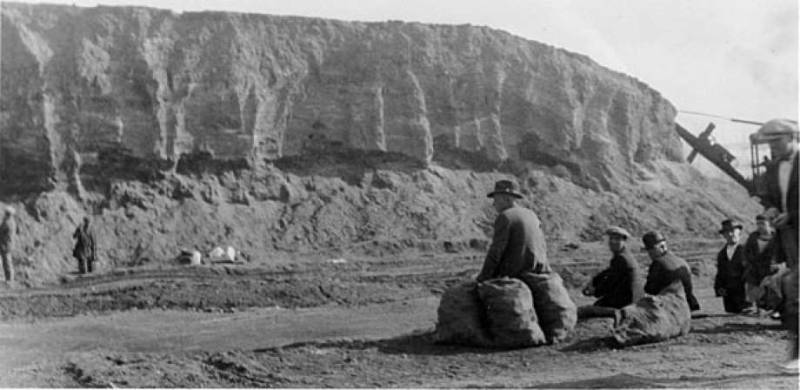
"caption": "Demolition of the Emeryville shellmound to make way for a paint factory, 1924.",
"description": "Demolition of the Emeryville Shellmound to make way for a paint factory, 1924.",
"title": "920x920",
"credit": "Courtesy of the Phoebe A. Hearst Museum of Anthropology and Regents of the University of California, catalog no. 15-7792",
"status": "inherit",
"altTag": "Demolition of the Emeryville Shellmound to make way for a paint factory, 1924.",
"isLoading": false,
"fetchFailed": false
},
"news_11906031": {
"type": "attachments",
"id": "news_11906031",
"meta": {
"index": "attachments_1716263798",
"site": "news",
"id": "11906031",
"found": true
},
"parent": 11906012,
"imgSizes": {
"twentyfourteen-full-width": {
"file": "https://ww2.kqed.org/app/uploads/sites/10/2022/02/50447982486_b339b002dd_o-1038x576.jpg",
"width": 1038,
"mimeType": "image/jpeg",
"height": 576
},
"thumbnail": {
"file": "https://ww2.kqed.org/app/uploads/sites/10/2022/02/50447982486_b339b002dd_o-160x107.jpg",
"width": 160,
"mimeType": "image/jpeg",
"height": 107
},
"post-thumbnail": {
"file": "https://ww2.kqed.org/app/uploads/sites/10/2022/02/50447982486_b339b002dd_o-672x372.jpg",
"width": 672,
"mimeType": "image/jpeg",
"height": 372
},
"kqedFullSize": {
"file": "https://ww2.kqed.org/app/uploads/sites/10/2022/02/50447982486_b339b002dd_o-scaled.jpg",
"width": 2560,
"height": 1707
},
"2048x2048": {
"file": "https://ww2.kqed.org/app/uploads/sites/10/2022/02/50447982486_b339b002dd_o-2048x1365.jpg",
"width": 2048,
"mimeType": "image/jpeg",
"height": 1365
},
"large": {
"file": "https://ww2.kqed.org/app/uploads/sites/10/2022/02/50447982486_b339b002dd_o-1020x680.jpg",
"width": 1020,
"mimeType": "image/jpeg",
"height": 680
},
"1536x1536": {
"file": "https://ww2.kqed.org/app/uploads/sites/10/2022/02/50447982486_b339b002dd_o-1536x1024.jpg",
"width": 1536,
"mimeType": "image/jpeg",
"height": 1024
},
"full-width": {
"file": "https://ww2.kqed.org/app/uploads/sites/10/2022/02/50447982486_b339b002dd_o-1920x1280.jpg",
"width": 1920,
"mimeType": "image/jpeg",
"height": 1280
},
"medium": {
"file": "https://ww2.kqed.org/app/uploads/sites/10/2022/02/50447982486_b339b002dd_o-800x533.jpg",
"width": 800,
"mimeType": "image/jpeg",
"height": 533
}
},
"publishDate": 1645557071,
"modified": 1647537874,
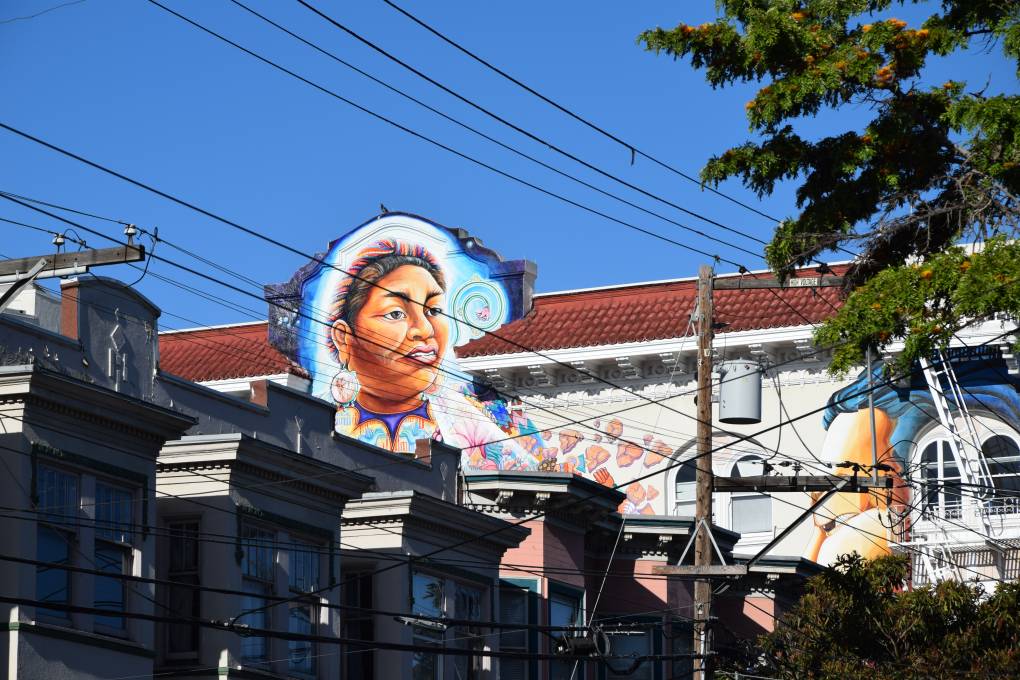
"caption": "\"MaestraPeace\" mural on the Women's Building overlooks homes on 18th Street in the Mission District, San Francisco.",
"description": null,
"title": "50447982486_b339b002dd_o",
"credit": "CTG/SF/Flickr",
"status": "inherit",
"altTag": null,
"isLoading": false,
"fetchFailed": false
},
"news_11907459": {
"type": "attachments",
"id": "news_11907459",
"meta": {
"index": "attachments_1716263798",
"site": "news",
"id": "11907459",
"found": true
},
"parent": 11907457,
"imgSizes": {
"twentyfourteen-full-width": {
"file": "https://ww2.kqed.org/app/uploads/sites/10/2022/03/garden-from-above-1038x576.jpeg",
"width": 1038,
"mimeType": "image/jpeg",
"height": 576
},
"thumbnail": {
"file": "https://ww2.kqed.org/app/uploads/sites/10/2022/03/garden-from-above-160x90.jpeg",
"width": 160,
"mimeType": "image/jpeg",
"height": 90
},
"post-thumbnail": {
"file": "https://ww2.kqed.org/app/uploads/sites/10/2022/03/garden-from-above-672x372.jpeg",
"width": 672,
"mimeType": "image/jpeg",
"height": 372
},
"kqedFullSize": {
"file": "https://ww2.kqed.org/app/uploads/sites/10/2022/03/garden-from-above.jpeg",
"width": 1920,
"height": 1080
},
"large": {
"file": "https://ww2.kqed.org/app/uploads/sites/10/2022/03/garden-from-above-1020x574.jpeg",
"width": 1020,
"mimeType": "image/jpeg",
"height": 574
},
"1536x1536": {
"file": "https://ww2.kqed.org/app/uploads/sites/10/2022/03/garden-from-above-1536x864.jpeg",
"width": 1536,
"mimeType": "image/jpeg",
"height": 864
},
"medium": {
"file": "https://ww2.kqed.org/app/uploads/sites/10/2022/03/garden-from-above-800x450.jpeg",
"width": 800,
"mimeType": "image/jpeg",
"height": 450
}
},
"publishDate": 1646768452,
"modified": 1646768544,
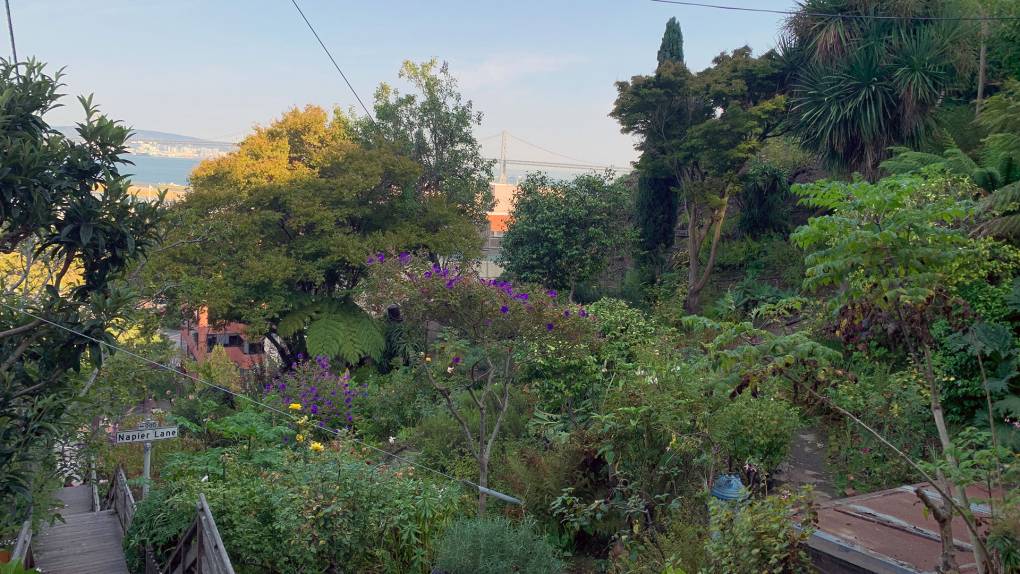
"caption": "The Grace Marchant Garden view from the steps above.",
"description": null,
"title": "garden-from-above",
"credit": "Katrina Schwartz/KQED",
"status": "inherit",
"altTag": "A lush garden spills down a hill with glimpses of water in the distant background.",
"isLoading": false,
"fetchFailed": false
},
"news_11907032": {
"type": "attachments",
"id": "news_11907032",
"meta": {
"index": "attachments_1716263798",
"site": "news",
"id": "11907032",
"found": true
},
"parent": 11906815,
"imgSizes": {
"twentyfourteen-full-width": {
"file": "https://ww2.kqed.org/app/uploads/sites/10/2022/03/rencanfeat-1038x576.jpg",
"width": 1038,
"mimeType": "image/jpeg",
"height": 576
},
"thumbnail": {
"file": "https://ww2.kqed.org/app/uploads/sites/10/2022/03/rencanfeat-160x90.jpg",
"width": 160,
"mimeType": "image/jpeg",
"height": 90
},
"post-thumbnail": {
"file": "https://ww2.kqed.org/app/uploads/sites/10/2022/03/rencanfeat-672x372.jpg",
"width": 672,
"mimeType": "image/jpeg",
"height": 372
},
"kqedFullSize": {
"file": "https://ww2.kqed.org/app/uploads/sites/10/2022/03/rencanfeat-scaled.jpg",
"width": 2560,
"height": 1440
},
"2048x2048": {
"file": "https://ww2.kqed.org/app/uploads/sites/10/2022/03/rencanfeat-2048x1152.jpg",
"width": 2048,
"mimeType": "image/jpeg",
"height": 1152
},
"large": {
"file": "https://ww2.kqed.org/app/uploads/sites/10/2022/03/rencanfeat-1020x574.jpg",
"width": 1020,
"mimeType": "image/jpeg",
"height": 574
},
"1536x1536": {
"file": "https://ww2.kqed.org/app/uploads/sites/10/2022/03/rencanfeat-1536x864.jpg",
"width": 1536,
"mimeType": "image/jpeg",
"height": 864
},
"full-width": {
"file": "https://ww2.kqed.org/app/uploads/sites/10/2022/03/rencanfeat-1920x1080.jpg",
"width": 1920,
"mimeType": "image/jpeg",
"height": 1080
},
"medium": {
"file": "https://ww2.kqed.org/app/uploads/sites/10/2022/03/rencanfeat-800x450.jpg",
"width": 800,
"mimeType": "image/jpeg",
"height": 450
}
},
"publishDate": 1646263016,
"modified": 1646263080,
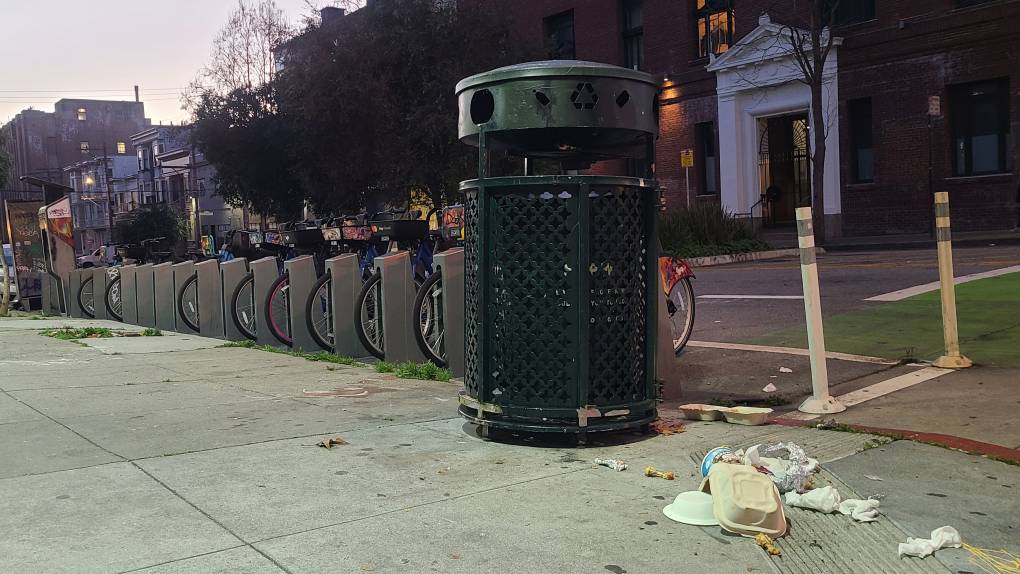
"caption": "The green 'renaissance' trash cans have been on San Francisco's streets since 1993.",
"description": null,
"title": "rencanfeat",
"credit": "Christopher J. Beale/KQED",
"status": "inherit",
"altTag": null,
"isLoading": false,
"fetchFailed": false
},
"news_11905406": {
"type": "attachments",
"id": "news_11905406",
"meta": {
"index": "attachments_1716263798",
"site": "news",
"id": "11905406",
"found": true
},
"parent": 11905371,
"imgSizes": {
"twentyfourteen-full-width": {
"file": "https://ww2.kqed.org/app/uploads/sites/10/2022/02/CA-capitol-building-1038x576.jpg",
"width": 1038,
"mimeType": "image/jpeg",
"height": 576
},
"thumbnail": {
"file": "https://ww2.kqed.org/app/uploads/sites/10/2022/02/CA-capitol-building-160x90.jpg",
"width": 160,
"mimeType": "image/jpeg",
"height": 90
},
"post-thumbnail": {
"file": "https://ww2.kqed.org/app/uploads/sites/10/2022/02/CA-capitol-building-672x372.jpg",
"width": 672,
"mimeType": "image/jpeg",
"height": 372
},
"kqedFullSize": {
"file": "https://ww2.kqed.org/app/uploads/sites/10/2022/02/CA-capitol-building.jpg",
"width": 1920,
"height": 1080
},
"large": {
"file": "https://ww2.kqed.org/app/uploads/sites/10/2022/02/CA-capitol-building-1020x574.jpg",
"width": 1020,
"mimeType": "image/jpeg",
"height": 574
},
"1536x1536": {
"file": "https://ww2.kqed.org/app/uploads/sites/10/2022/02/CA-capitol-building-1536x864.jpg",
"width": 1536,
"mimeType": "image/jpeg",
"height": 864
},
"medium": {
"file": "https://ww2.kqed.org/app/uploads/sites/10/2022/02/CA-capitol-building-800x450.jpg",
"width": 800,
"mimeType": "image/jpeg",
"height": 450
}
},
"publishDate": 1645043218,
"modified": 1645123235,
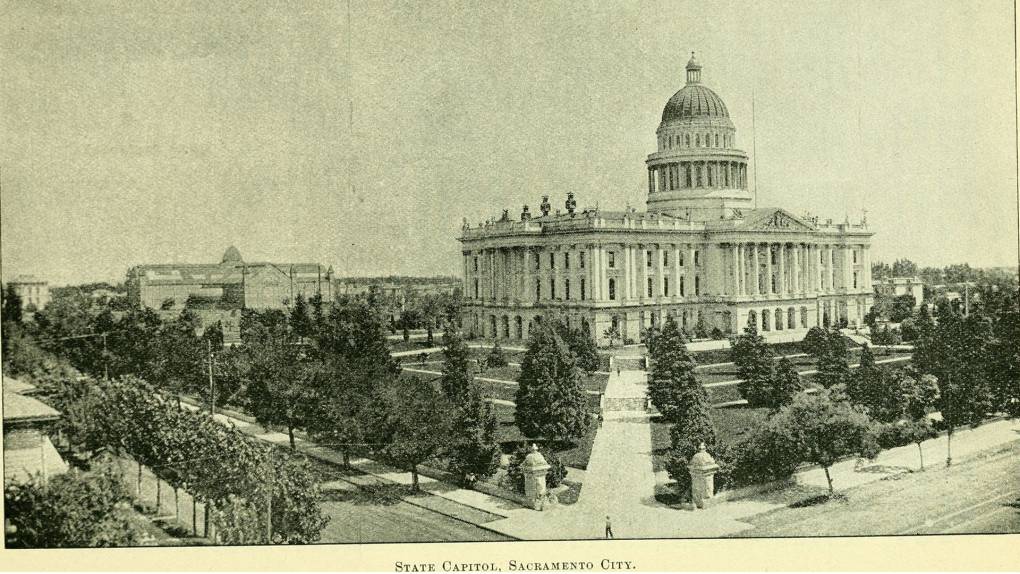
"caption": "California's Capitol building in Sacramento, 1853.",
"description": null,
"title": "CA-capitol-building",
"credit": "\u003ca href=\"https://commons.wikimedia.org/wiki/File:Appendix_to_the_Journals_of_the_Senate_and_Assembly_of_the_session_of_the_Legislature_of_the_State_of_California_(1903)_(14596722720).jpg#/media/File:Appendix_to_the_Journals_of_the_Senate_and_Assembly_of_the_session_of_the_Legislature_of_the_State_of_California_(1903)_(14596722720).jpg\">Wikimedia Commons\u003c/a>",
"status": "inherit",
"altTag": "Old black and white drawing of a neoclassical building with a large cupola surrounded by a carefully tended garden.",
"isLoading": false,
"fetchFailed": false
},
"news_11904374": {
"type": "attachments",
"id": "news_11904374",
"meta": {
"index": "attachments_1716263798",
"site": "news",
"id": "11904374",
"found": true
},
"parent": 11904328,
"imgSizes": {
"twentyfourteen-full-width": {
"file": "https://ww2.kqed.org/app/uploads/sites/10/2022/02/RS53524_olympic-sign-qut-1038x576.jpg",
"width": 1038,
"mimeType": "image/jpeg",
"height": 576
},
"thumbnail": {
"file": "https://ww2.kqed.org/app/uploads/sites/10/2022/02/RS53524_olympic-sign-qut-160x120.jpg",
"width": 160,
"mimeType": "image/jpeg",
"height": 120
},
"post-thumbnail": {
"file": "https://ww2.kqed.org/app/uploads/sites/10/2022/02/RS53524_olympic-sign-qut-672x372.jpg",
"width": 672,
"mimeType": "image/jpeg",
"height": 372
},
"kqedFullSize": {
"file": "https://ww2.kqed.org/app/uploads/sites/10/2022/02/RS53524_olympic-sign-qut.jpg",
"width": 1920,
"height": 1440
},
"large": {
"file": "https://ww2.kqed.org/app/uploads/sites/10/2022/02/RS53524_olympic-sign-qut-1020x765.jpg",
"width": 1020,
"mimeType": "image/jpeg",
"height": 765
},
"1536x1536": {
"file": "https://ww2.kqed.org/app/uploads/sites/10/2022/02/RS53524_olympic-sign-qut-1536x1152.jpg",
"width": 1536,
"mimeType": "image/jpeg",
"height": 1152
},
"medium": {
"file": "https://ww2.kqed.org/app/uploads/sites/10/2022/02/RS53524_olympic-sign-qut-800x600.jpg",
"width": 800,
"mimeType": "image/jpeg",
"height": 600
}
},
"publishDate": 1644273096,
"modified": 1644273243,
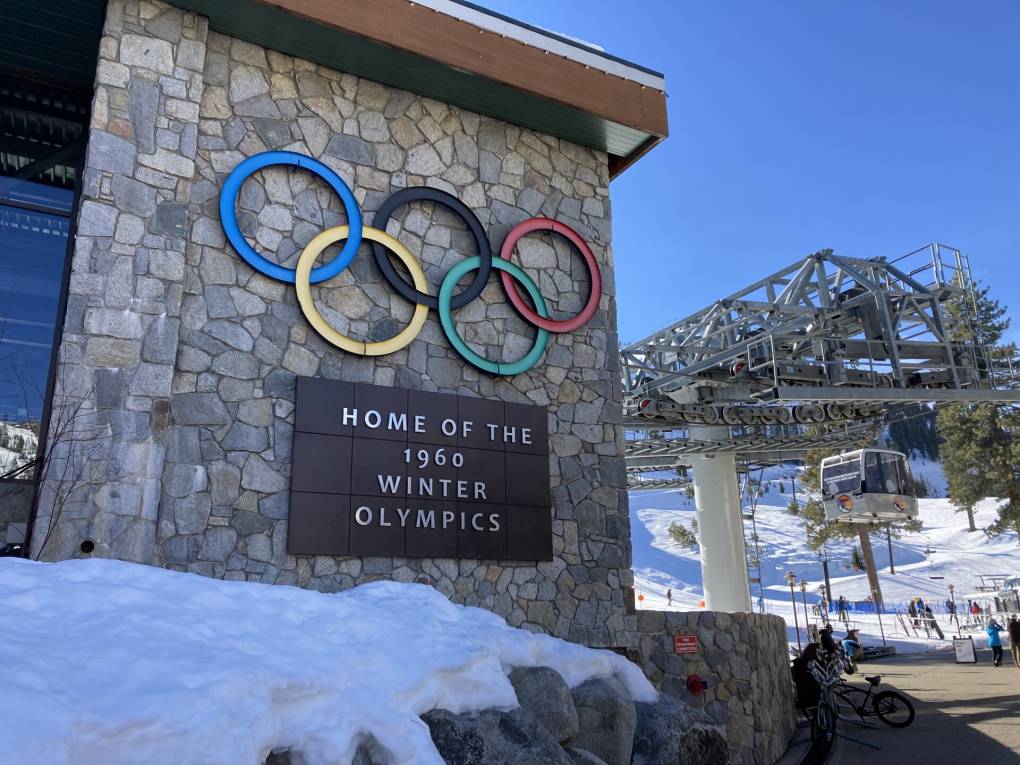
"caption": "An Olympic symbol at Palisades Tahoe reminds visitors today of the ski resort's history as host of the 1960 Winter Games.",
"description": "Olympic symbol of five interlocking circles in blue, black, red, yellow and green on a wall at the Palisades Tahoe ski resort.",
"title": "RS53524_olympic sign-qut",
"credit": "Chloe Veltman/KQED",
"status": "inherit",
"altTag": null,
"isLoading": false,
"fetchFailed": false
},
"news_11902623": {
"type": "attachments",
"id": "news_11902623",
"meta": {
"index": "attachments_1716263798",
"site": "news",
"id": "11902623",
"found": true
},
"parent": 11902622,
"imgSizes": {
"twentyfourteen-full-width": {
"file": "https://ww2.kqed.org/app/uploads/sites/10/2022/01/ForesterWreck-CamTobey-1038x576.jpg",
"width": 1038,
"mimeType": "image/jpeg",
"height": 576
},
"thumbnail": {
"file": "https://ww2.kqed.org/app/uploads/sites/10/2022/01/ForesterWreck-CamTobey-160x90.jpg",
"width": 160,
"mimeType": "image/jpeg",
"height": 90
},
"post-thumbnail": {
"file": "https://ww2.kqed.org/app/uploads/sites/10/2022/01/ForesterWreck-CamTobey-672x372.jpg",
"width": 672,
"mimeType": "image/jpeg",
"height": 372
},
"kqedFullSize": {
"file": "https://ww2.kqed.org/app/uploads/sites/10/2022/01/ForesterWreck-CamTobey.jpg",
"width": 1920,
"height": 1080
},
"large": {
"file": "https://ww2.kqed.org/app/uploads/sites/10/2022/01/ForesterWreck-CamTobey-1020x574.jpg",
"width": 1020,
"mimeType": "image/jpeg",
"height": 574
},
"1536x1536": {
"file": "https://ww2.kqed.org/app/uploads/sites/10/2022/01/ForesterWreck-CamTobey-1536x864.jpg",
"width": 1536,
"mimeType": "image/jpeg",
"height": 864
},
"medium": {
"file": "https://ww2.kqed.org/app/uploads/sites/10/2022/01/ForesterWreck-CamTobey-800x450.jpg",
"width": 800,
"mimeType": "image/jpeg",
"height": 450
}
},
"publishDate": 1643144497,
"modified": 1643144681,
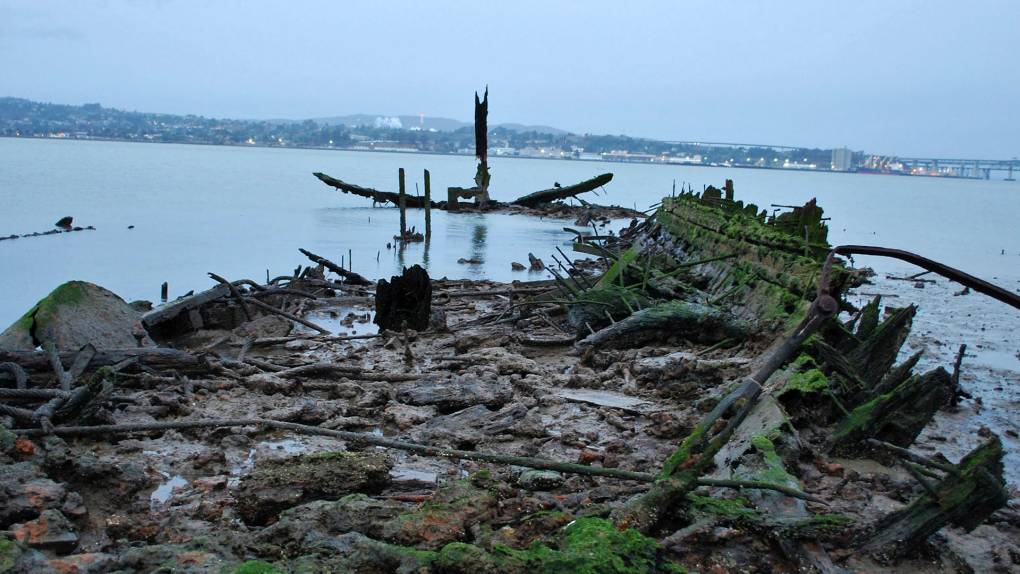
"caption": "Cameron Tobey climbed on the remnants of the Forester at low tide. In this photo, you can just make out the shape of the hull and what would have been the raised bow of the ship.",
"description": null,
"title": "ForesterWreck-CamTobey",
"credit": "Courtesy Cameron Tobey",
"status": "inherit",
"altTag": "In the foreground is a muddy pile shaped vagule like the hull of a boat. Ropes lie on the ground and what looks like the remains of a bow can be seen. In the background, across the water, is a shoreline.",
"isLoading": false,
"fetchFailed": false
},
"news_11760163": {
"type": "attachments",
"id": "news_11760163",
"meta": {
"index": "attachments_1716263798",
"site": "news",
"id": "11760163",
"found": true
},
"parent": 11760158,
"imgSizes": {
"apple_news_ca_landscape_5_5": {
"file": "https://ww2.kqed.org/app/uploads/sites/10/2019/07/Clothes-13-1044x783.jpg",
"width": 1044,
"mimeType": "image/jpeg",
"height": 783
},
"apple_news_ca_square_4_0": {
"file": "https://ww2.kqed.org/app/uploads/sites/10/2019/07/Clothes-13-470x470.jpg",
"width": 470,
"mimeType": "image/jpeg",
"height": 470
},
"twentyfourteen-full-width": {
"file": "https://ww2.kqed.org/app/uploads/sites/10/2019/07/Clothes-13-1038x576.jpg",
"width": 1038,
"mimeType": "image/jpeg",
"height": 576
},
"thumbnail": {
"file": "https://ww2.kqed.org/app/uploads/sites/10/2019/07/Clothes-13-160x107.jpg",
"width": 160,
"mimeType": "image/jpeg",
"height": 107
},
"post-thumbnail": {
"file": "https://ww2.kqed.org/app/uploads/sites/10/2019/07/Clothes-13-672x372.jpg",
"width": 672,
"mimeType": "image/jpeg",
"height": 372
},
"kqedFullSize": {
"file": "https://ww2.kqed.org/app/uploads/sites/10/2019/07/Clothes-13.jpg",
"width": 1920,
"height": 1280
},
"apple_news_ca_landscape_4_7": {
"file": "https://ww2.kqed.org/app/uploads/sites/10/2019/07/Clothes-13-632x474.jpg",
"width": 632,
"mimeType": "image/jpeg",
"height": 474
},
"large": {
"file": "https://ww2.kqed.org/app/uploads/sites/10/2019/07/Clothes-13-1020x680.jpg",
"width": 1020,
"mimeType": "image/jpeg",
"height": 680
},
"complete_open_graph": {
"file": "https://ww2.kqed.org/app/uploads/sites/10/2019/07/Clothes-13-1200x800.jpg",
"width": 1200,
"mimeType": "image/jpeg",
"height": 800
},
"apple_news_ca_landscape_4_0": {
"file": "https://ww2.kqed.org/app/uploads/sites/10/2019/07/Clothes-13-536x402.jpg",
"width": 536,
"mimeType": "image/jpeg",
"height": 402
},
"apple_news_ca_portrait_12_9": {
"file": "https://ww2.kqed.org/app/uploads/sites/10/2019/07/Clothes-13-1122x1280.jpg",
"width": 1122,
"mimeType": "image/jpeg",
"height": 1280
},
"medium": {
"file": "https://ww2.kqed.org/app/uploads/sites/10/2019/07/Clothes-13-800x533.jpg",
"width": 800,
"mimeType": "image/jpeg",
"height": 533
},
"apple_news_ca_portrait_4_0": {
"file": "https://ww2.kqed.org/app/uploads/sites/10/2019/07/Clothes-13-354x472.jpg",
"width": 354,
"mimeType": "image/jpeg",
"height": 472
},
"apple_news_ca_portrait_9_7": {
"file": "https://ww2.kqed.org/app/uploads/sites/10/2019/07/Clothes-13-840x1120.jpg",
"width": 840,
"mimeType": "image/jpeg",
"height": 1120
},
"apple_news_ca_landscape_12_9": {
"file": "https://ww2.kqed.org/app/uploads/sites/10/2019/07/Clothes-13-1832x1280.jpg",
"width": 1832,
"mimeType": "image/jpeg",
"height": 1280
},
"apple_news_ca_square_9_7": {
"file": "https://ww2.kqed.org/app/uploads/sites/10/2019/07/Clothes-13-1104x1104.jpg",
"width": 1104,
"mimeType": "image/jpeg",
"height": 1104
},
"apple_news_ca_portrait_4_7": {
"file": "https://ww2.kqed.org/app/uploads/sites/10/2019/07/Clothes-13-414x552.jpg",
"width": 414,
"mimeType": "image/jpeg",
"height": 552
},
"apple_news_ca_square_12_9": {
"file": "https://ww2.kqed.org/app/uploads/sites/10/2019/07/Clothes-13-1472x1280.jpg",
"width": 1472,
"mimeType": "image/jpeg",
"height": 1280
},
"apple_news_ca_portrait_5_5": {
"file": "https://ww2.kqed.org/app/uploads/sites/10/2019/07/Clothes-13-687x916.jpg",
"width": 687,
"mimeType": "image/jpeg",
"height": 916
},
"full-width": {
"file": "https://ww2.kqed.org/app/uploads/sites/10/2019/07/Clothes-13-1920x1280.jpg",
"width": 1920,
"mimeType": "image/jpeg",
"height": 1280
},
"apple_news_ca_square_4_7": {
"file": "https://ww2.kqed.org/app/uploads/sites/10/2019/07/Clothes-13-550x550.jpg",
"width": 550,
"mimeType": "image/jpeg",
"height": 550
},
"apple_news_ca_landscape_9_7": {
"file": "https://ww2.kqed.org/app/uploads/sites/10/2019/07/Clothes-13-1376x1032.jpg",
"width": 1376,
"mimeType": "image/jpeg",
"height": 1032
},
"apple_news_ca_square_5_5": {
"file": "https://ww2.kqed.org/app/uploads/sites/10/2019/07/Clothes-13-912x912.jpg",
"width": 912,
"mimeType": "image/jpeg",
"height": 912
}
},
"publishDate": 1562776527,
"modified": 1562798867,
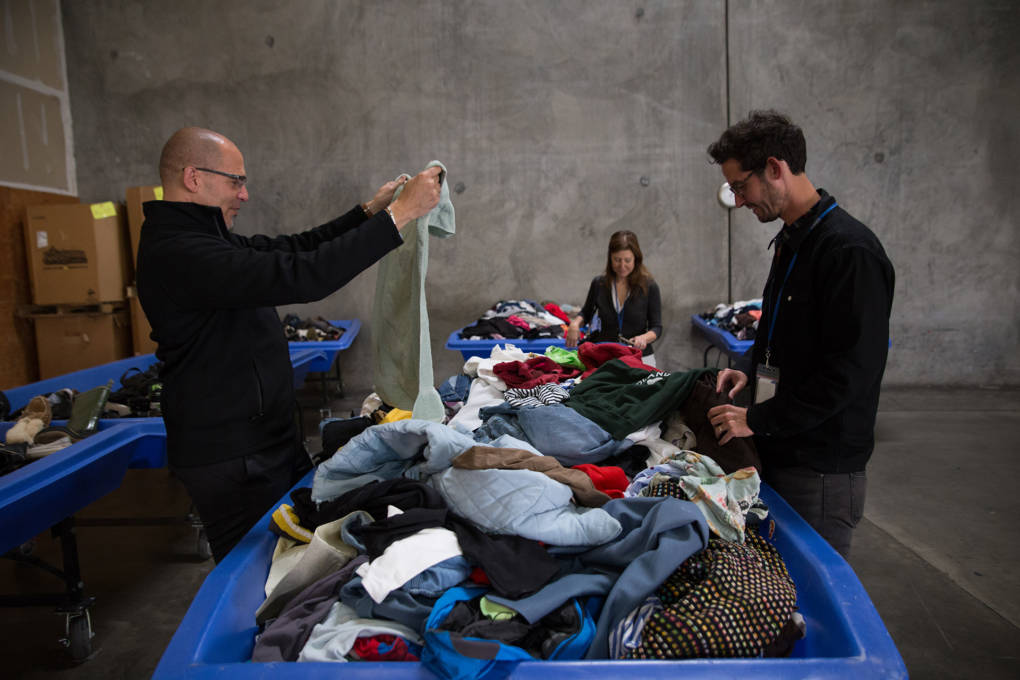
"caption": "Goodwill’s CEO William Rogers, left, and Aaron Schroeder, sift through some of the clothes available in a Goodwill outlet, where clothes are sold for $1.75 a pound.",
"description": "Goodwill’s CEO William Rogers, left, and Aaron Schroeder, sift through some of the clothes available in the Goodwill outlet, where clothes are sold for $1.75 a pound.",
"title": "Clothes-13",
"credit": "Sarah Craig/KQED",
"status": "inherit",
"isLoading": false,
"fetchFailed": false
},
"news_11901398": {
"type": "attachments",
"id": "news_11901398",
"meta": {
"index": "attachments_1716263798",
"site": "news",
"id": "11901398",
"found": true
},
"parent": 11901374,
"imgSizes": {
"twentyfourteen-full-width": {
"file": "https://ww2.kqed.org/app/uploads/sites/10/2022/01/Monarch-flower-1038x576.jpg",
"width": 1038,
"mimeType": "image/jpeg",
"height": 576
},
"thumbnail": {
"file": "https://ww2.kqed.org/app/uploads/sites/10/2022/01/Monarch-flower-160x90.jpg",
"width": 160,
"mimeType": "image/jpeg",
"height": 90
},
"post-thumbnail": {
"file": "https://ww2.kqed.org/app/uploads/sites/10/2022/01/Monarch-flower-672x372.jpg",
"width": 672,
"mimeType": "image/jpeg",
"height": 372
},
"kqedFullSize": {
"file": "https://ww2.kqed.org/app/uploads/sites/10/2022/01/Monarch-flower.jpg",
"width": 1920,
"height": 1080
},
"large": {
"file": "https://ww2.kqed.org/app/uploads/sites/10/2022/01/Monarch-flower-1020x574.jpg",
"width": 1020,
"mimeType": "image/jpeg",
"height": 574
},
"1536x1536": {
"file": "https://ww2.kqed.org/app/uploads/sites/10/2022/01/Monarch-flower-1536x864.jpg",
"width": 1536,
"mimeType": "image/jpeg",
"height": 864
},
"medium": {
"file": "https://ww2.kqed.org/app/uploads/sites/10/2022/01/Monarch-flower-800x450.jpg",
"width": 800,
"mimeType": "image/jpeg",
"height": 450
}
},
"publishDate": 1641942912,
"modified": 1642021383,
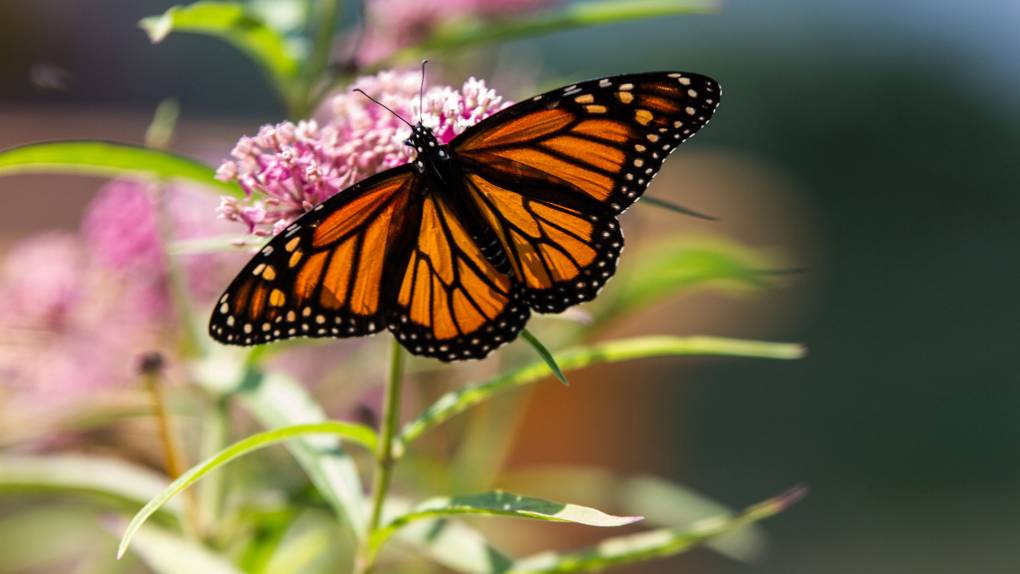
"caption": "The number of monarch butterflies overwintering in California has fluctuated dramatically over the past several years. But even with promising numbers in 2021, the population is considerably reduced from the 1980s when millions overwintered in California. ",
"description": null,
"title": "Monarch-flower",
"credit": "Jeff Stefan/iStock",
"status": "inherit",
"altTag": "Orange and black monarch butterfly alights with outstretched wings on a purple flower",
"isLoading": false,
"fetchFailed": false
},
"news_11900840": {
"type": "attachments",
"id": "news_11900840",
"meta": {
"index": "attachments_1716263798",
"site": "news",
"id": "11900840",
"found": true
},
"parent": 11900838,
"imgSizes": {
"twentyfourteen-full-width": {
"file": "https://ww2.kqed.org/app/uploads/sites/10/2022/01/bay-bridge-toll-plaza-1038x576.jpg",
"width": 1038,
"mimeType": "image/jpeg",
"height": 576
},
"thumbnail": {
"file": "https://ww2.kqed.org/app/uploads/sites/10/2022/01/bay-bridge-toll-plaza-160x107.jpg",
"width": 160,
"mimeType": "image/jpeg",
"height": 107
},
"post-thumbnail": {
"file": "https://ww2.kqed.org/app/uploads/sites/10/2022/01/bay-bridge-toll-plaza-672x372.jpg",
"width": 672,
"mimeType": "image/jpeg",
"height": 372
},
"kqedFullSize": {
"file": "https://ww2.kqed.org/app/uploads/sites/10/2022/01/bay-bridge-toll-plaza.jpg",
"width": 1920,
"height": 1280
},
"large": {
"file": "https://ww2.kqed.org/app/uploads/sites/10/2022/01/bay-bridge-toll-plaza-1020x680.jpg",
"width": 1020,
"mimeType": "image/jpeg",
"height": 680
},
"1536x1536": {
"file": "https://ww2.kqed.org/app/uploads/sites/10/2022/01/bay-bridge-toll-plaza-1536x1024.jpg",
"width": 1536,
"mimeType": "image/jpeg",
"height": 1024
},
"medium": {
"file": "https://ww2.kqed.org/app/uploads/sites/10/2022/01/bay-bridge-toll-plaza-800x533.jpg",
"width": 800,
"mimeType": "image/jpeg",
"height": 533
}
},
"publishDate": 1641405187,
"modified": 1641494732,
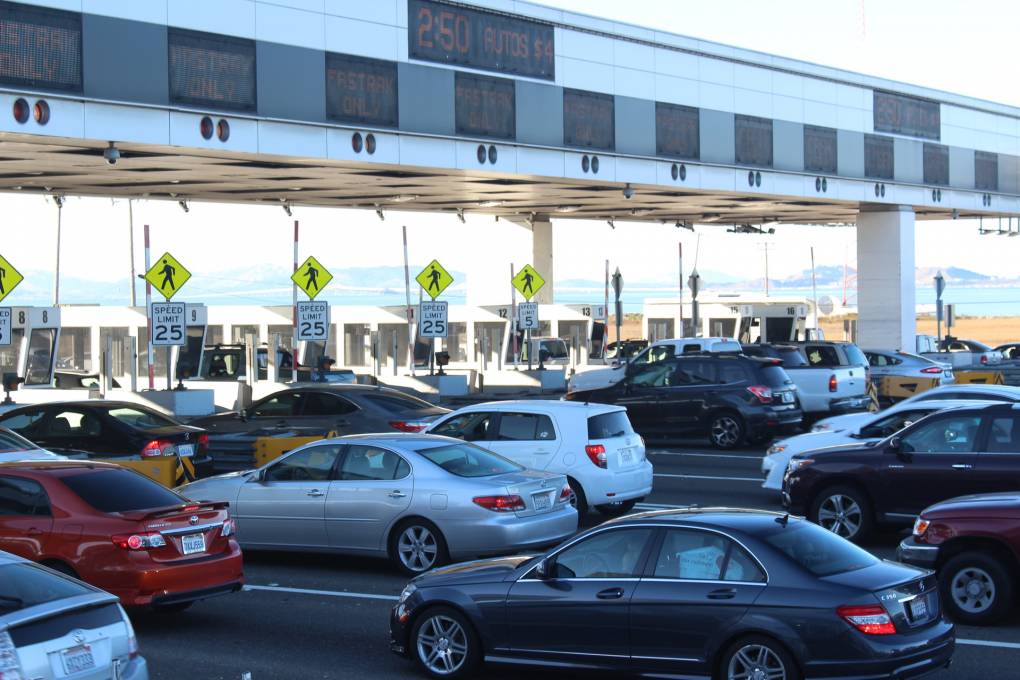
"caption": "Toll collection on Bay Area bridges has been completely automated. The change has led many drivers to miss fee notices, accumulate penalties and ultimately rack up large toll debts.",
"description": null,
"title": "bay-bridge-toll-plaza",
"credit": "Farida Jhabvala Romero/KQED",
"status": "inherit",
"altTag": "Cars in through the Bay Bridge toll plaza on a busy morning.",
"isLoading": false,
"fetchFailed": false
},
"news_11720643": {
"type": "attachments",
"id": "news_11720643",
"meta": {
"index": "attachments_1716263798",
"site": "news",
"id": "11720643",
"found": true
},
"parent": 11719871,
"imgSizes": {
"twentyfourteen-full-width": {
"file": "https://ww2.kqed.org/app/uploads/sites/10/2019/01/BayCurious_opt1-1038x576.jpg",
"width": 1038,
"mimeType": "image/jpeg",
"height": 576
},
"thumbnail": {
"file": "https://ww2.kqed.org/app/uploads/sites/10/2019/01/BayCurious_opt1-160x90.jpg",
"width": 160,
"mimeType": "image/jpeg",
"height": 90
},
"post-thumbnail": {
"file": "https://ww2.kqed.org/app/uploads/sites/10/2019/01/BayCurious_opt1-672x372.jpg",
"width": 672,
"mimeType": "image/jpeg",
"height": 372
},
"kqedFullSize": {
"file": "https://ww2.kqed.org/app/uploads/sites/10/2019/01/BayCurious_opt1.jpg",
"width": 1920,
"height": 1080
},
"large": {
"file": "https://ww2.kqed.org/app/uploads/sites/10/2019/01/BayCurious_opt1-1020x574.jpg",
"width": 1020,
"mimeType": "image/jpeg",
"height": 574
},
"complete_open_graph": {
"file": "https://ww2.kqed.org/app/uploads/sites/10/2019/01/BayCurious_opt1-1200x675.jpg",
"width": 1200,
"mimeType": "image/jpeg",
"height": 675
},
"guest-author-50": {
"file": "https://ww2.kqed.org/app/uploads/sites/10/2019/01/BayCurious_opt1-50x50.jpg",
"width": 50,
"mimeType": "image/jpeg",
"height": 50
},
"guest-author-96": {
"file": "https://ww2.kqed.org/app/uploads/sites/10/2019/01/BayCurious_opt1-96x96.jpg",
"width": 96,
"mimeType": "image/jpeg",
"height": 96
},
"medium": {
"file": "https://ww2.kqed.org/app/uploads/sites/10/2019/01/BayCurious_opt1-800x450.jpg",
"width": 800,
"mimeType": "image/jpeg",
"height": 450
},
"guest-author-64": {
"file": "https://ww2.kqed.org/app/uploads/sites/10/2019/01/BayCurious_opt1-64x64.jpg",
"width": 64,
"mimeType": "image/jpeg",
"height": 64
},
"guest-author-32": {
"file": "https://ww2.kqed.org/app/uploads/sites/10/2019/01/BayCurious_opt1-32x32.jpg",
"width": 32,
"mimeType": "image/jpeg",
"height": 32
},
"full-width": {
"file": "https://ww2.kqed.org/app/uploads/sites/10/2019/01/BayCurious_opt1-1920x1080.jpg",
"width": 1920,
"mimeType": "image/jpeg",
"height": 1080
},
"detail": {
"file": "https://ww2.kqed.org/app/uploads/sites/10/2019/01/BayCurious_opt1-150x150.jpg",
"width": 150,
"mimeType": "image/jpeg",
"height": 150
},
"guest-author-128": {
"file": "https://ww2.kqed.org/app/uploads/sites/10/2019/01/BayCurious_opt1-128x128.jpg",
"width": 128,
"mimeType": "image/jpeg",
"height": 128
}
},
"publishDate": 1548309575,
"modified": 1548309620,
"caption": "Accent is different from word choice. It's about how a word is pronounced. ",
"description": "Accent is different from word choice. It's about how a word is pronounced. ",
"title": "BayCurious_opt1",
"credit": "Kelly Heigert/KQED",
"status": "inherit",
"isLoading": false,
"fetchFailed": false
},
"news_11898298": {
"type": "attachments",
"id": "news_11898298",
"meta": {
"index": "attachments_1716263798",
"site": "news",
"id": "11898298",
"found": true
},
"parent": 11898287,
"imgSizes": {
"thumbnail": {
"file": "https://ww2.kqed.org/app/uploads/sites/10/2021/12/SS_John_W_Brown-160x95.jpg",
"width": 160,
"mimeType": "image/jpeg",
"height": 95
},
"post-thumbnail": {
"file": "https://ww2.kqed.org/app/uploads/sites/10/2021/12/SS_John_W_Brown-672x372.jpg",
"width": 672,
"mimeType": "image/jpeg",
"height": 372
},
"kqedFullSize": {
"file": "https://ww2.kqed.org/app/uploads/sites/10/2021/12/SS_John_W_Brown.jpg",
"width": 794,
"height": 471
}
},
"publishDate": 1638905371,
"modified": 1640912541,
"caption": "SS John W. Brown on the Great Lakes in 2000. John W. Brown is one of only two surviving World War II liberty ships, the other being the SS Jeremiah O'Brien.",
"description": null,
"title": "SS_John_W_Brown",
"credit": "\u003ca href=\"https://commons.wikimedia.org/wiki/File:SS_John_W_Brown.jpg\">Wikimedia Commons\u003c/a>",
"status": "inherit",
"altTag": "Large ship with grey hull and a red strip at water level takes up the entire frame. Blue sky and clouds behind.",
"isLoading": false,
"fetchFailed": false
}
},
"audioPlayerReducer": {
"postId": "stream_live",
"isPaused": true,
"isPlaying": false,
"pfsActive": false,
"pledgeModalIsOpen": true,
"playerDrawerIsOpen": false,
"liveAudioPlayStartedAt": 0,
"liveAudioPlayContext": ""
},
"authorsReducer": {
"astupi": {
"type": "authors",
"id": "70",
"meta": {
"index": "authors_1716337520",
"id": "70",
"found": true
},
"name": "Amanda Stupi",
"firstName": "Amanda",
"lastName": "Stupi",
"slug": "astupi",
"email": "astupi@kqed.org",
"display_author_email": false,
"staff_mastheads": [],
"title": "Senior Engagement Producer",
"bio": "Amanda joined KQED Science’s engagement team as a Senior Audience Engagement Strategist in the spring of 2019. She has helped craft messaging around wildfires, the coronavirus pandemic, climate change and many other stories. She has also brought KQED Science to new platforms such as Reddit’s Ask Me Anything series. Prior to joining KQED Science, Amanda spent seven years as an engagement producer with Forum, KQED’s daily live call-in show. She got her start in radio at KALW's weekly call in show, City Visions, before going on to an internship and stint at NPR's Talk of the Nation.\r\n\r\nPrior to journalism, Amanda taught English at Lowell High School. She's a native of Petaluma and currently lives under the \"South San Francisco the Industrial City\" sign in South City. She believes that engagement is vital to news’s future and that good journalism listens as much as it asks questions.",
"avatar": "https://secure.gravatar.com/avatar/e981c503e5c162da701dcaccfbf87e35?s=600&d=blank&r=g",
"twitter": null,
"facebook": null,
"instagram": null,
"linkedin": null,
"sites": [
{
"site": "arts",
"roles": [
"Contributor"
]
},
{
"site": "news",
"roles": [
"editor"
]
},
{
"site": "pop",
"roles": [
"contributor"
]
},
{
"site": "stateofhealth",
"roles": [
"editor"
]
},
{
"site": "science",
"roles": []
},
{
"site": "perspectives",
"roles": [
"editor"
]
}
],
"headData": {
"title": "Amanda Stupi | KQED",
"description": "Senior Engagement Producer",
"ogImgSrc": "https://secure.gravatar.com/avatar/e981c503e5c162da701dcaccfbf87e35?s=600&d=blank&r=g",
"twImgSrc": "https://secure.gravatar.com/avatar/e981c503e5c162da701dcaccfbf87e35?s=600&d=blank&r=g"
},
"isLoading": false,
"link": "/author/astupi"
},
"katrinaschwartz": {
"type": "authors",
"id": "234",
"meta": {
"index": "authors_1716337520",
"id": "234",
"found": true
},
"name": "Katrina Schwartz",
"firstName": "Katrina",
"lastName": "Schwartz",
"slug": "katrinaschwartz",
"email": "kschwartz@kqed.org",
"display_author_email": false,
"staff_mastheads": [
"news"
],
"title": "Producer",
"bio": "Katrina Schwartz is a journalist based in San Francisco. She's worked at KPCC public radio in LA and has reported on air and online for KQED since 2010. She covered how teaching and learning is changing for MindShift between 2012 and 2020. She is the co-host of the MindShift podcast and now produces KQED's Bay Curious podcast.",
"avatar": "https://secure.gravatar.com/avatar/edb4ee79070447a018538c9aae6eeecf28786515b8a0c30e43b6b7dce5aa44c8?s=600&d=blank&r=g",
"twitter": "kschwart",
"bluesky": null,
"facebook": null,
"instagram": null,
"linkedin": null,
"sites": [
{
"site": "",
"roles": [
"editor"
]
},
{
"site": "news",
"roles": [
"editor"
]
},
{
"site": "mindshift",
"roles": [
"administrator"
]
},
{
"site": "stateofhealth",
"roles": [
"author"
]
},
{
"site": "science",
"roles": [
"editor"
]
}
],
"headData": {
"title": "Katrina Schwartz | KQED",
"description": "Producer",
"ogImgSrc": "https://secure.gravatar.com/avatar/edb4ee79070447a018538c9aae6eeecf28786515b8a0c30e43b6b7dce5aa44c8?s=600&d=blank&r=g",
"twImgSrc": "https://secure.gravatar.com/avatar/edb4ee79070447a018538c9aae6eeecf28786515b8a0c30e43b6b7dce5aa44c8?s=600&d=blank&r=g"
},
"isLoading": false,
"link": "/author/katrinaschwartz"
},
"cveltman": {
"type": "authors",
"id": "8608",
"meta": {
"index": "authors_1716337520",
"id": "8608",
"found": true
},
"name": "Chloe Veltman",
"firstName": "Chloe",
"lastName": "Veltman",
"slug": "cveltman",
"email": "cveltman@kqed.org",
"display_author_email": true,
"staff_mastheads": [],
"title": "Arts and Culture Reporter",
"bio": "Chloe Veltman is a former arts and culture reporter for KQED. Prior to joining the organization, she launched and led the arts bureau at Colorado Public Radio, served as the Bay Area's culture columnist for the New York Times, and was the founder, host and executive producer of VoiceBox, a national award-winning weekly podcast/radio show and live events series all about the human voice. Chloe is the recipient of numerous prizes, grants and fellowships including a Webby Award for her work on interactive storytelling, both the John S Knight Journalism Fellowship and Humanities Center Fellowship at Stanford University, the Sundance Arts Writing Fellowship and a Library of Congress Research Fellowship. She is the author of the book \"On Acting\" and has appeared as a guest lecturer at Yale University and the San Francisco Conservatory of Music among other institutions. She holds a BA in english literature from King's College, Cambridge, and a Masters in Dramaturgy from the Central School of Speech and Drama/Harvard Institute for Advanced Theater Training.\r\n\u003ca href=\"https://www.chloeveltman.com\">www.chloeveltman.com\u003c/a>",
"avatar": "https://secure.gravatar.com/avatar/55403394b00a1ddab683952c2eb2cf85?s=600&d=blank&r=g",
"twitter": "chloeveltman",
"facebook": null,
"instagram": null,
"linkedin": null,
"sites": [
{
"site": "arts",
"roles": []
},
{
"site": "news",
"roles": [
"author"
]
},
{
"site": "pop",
"roles": [
"editor"
]
},
{
"site": "science",
"roles": []
}
],
"headData": {
"title": "Chloe Veltman | KQED",
"description": "Arts and Culture Reporter",
"ogImgSrc": "https://secure.gravatar.com/avatar/55403394b00a1ddab683952c2eb2cf85?s=600&d=blank&r=g",
"twImgSrc": "https://secure.gravatar.com/avatar/55403394b00a1ddab683952c2eb2cf85?s=600&d=blank&r=g"
},
"isLoading": false,
"link": "/author/cveltman"
},
"lklivans": {
"type": "authors",
"id": "8648",
"meta": {
"index": "authors_1716337520",
"id": "8648",
"found": true
},
"name": "Laura Klivans",
"firstName": "Laura",
"lastName": "Klivans",
"slug": "lklivans",
"email": "lklivans@kqed.org",
"display_author_email": true,
"staff_mastheads": [
"news",
"science"
],
"title": "Reporter",
"bio": "Laura Klivans is an award-winning science reporter for KQED News, where she covers climate change with an eye on both groundbreaking progress and gaps in action. She is the former host of KQED's blockbuster video series about tiny, amazing animals, \u003cem>Deep Look\u003c/em>. Her work reaches national audiences through NPR, \u003cem>Here & Now, \u003c/em>PRI, and other major outlets. \r\n\r\nLaura’s won five Northern California Area Emmy Awards for Deep Look and First Place in the Greater Bay Area Journalism Awards for a podcast exploring how one Oakland neighborhood teamed up to reduce planet-heating pollution.\r\n\r\nBeyond her reporting, she hosts and moderates events. In the past, she taught audio storytelling at the UC Berkeley Graduate School of Journalism, led international education programs, worked with immigrants and refugees along the Thai-Burmese border, taught high schoolers sex ed, and was an actress. \r\n\r\nShe's a former UC Berkeley Human Rights Fellow, USC Center for Health Journalism's California Fellow and Coro Fellow in Public Affairs. Laura has a master’s in journalism from UC Berkeley, a master’s in education from Harvard, and an undergraduate degree from Northwestern University.\r\n\r\nShe loves trying to riddle the meaning out of vanity license plates.",
"avatar": "https://secure.gravatar.com/avatar/2d2ecd1550a494cc10ad4a503406965585902124739e775a9b3817eebf1d88be?s=600&d=blank&r=g",
"twitter": "lauraklivans",
"bluesky": null,
"facebook": null,
"instagram": null,
"linkedin": null,
"sites": [
{
"site": "news",
"roles": [
"editor"
]
},
{
"site": "stateofhealth",
"roles": [
"contributor",
"editor"
]
},
{
"site": "science",
"roles": [
"editor"
]
},
{
"site": "forum",
"roles": [
"editor"
]
}
],
"headData": {
"title": "Laura Klivans | KQED",
"description": "Reporter",
"ogImgSrc": "https://secure.gravatar.com/avatar/2d2ecd1550a494cc10ad4a503406965585902124739e775a9b3817eebf1d88be?s=600&d=blank&r=g",
"twImgSrc": "https://secure.gravatar.com/avatar/2d2ecd1550a494cc10ad4a503406965585902124739e775a9b3817eebf1d88be?s=600&d=blank&r=g"
},
"isLoading": false,
"link": "/author/lklivans"
},
"scraig": {
"type": "authors",
"id": "11327",
"meta": {
"index": "authors_1716337520",
"id": "11327",
"found": true
},
"name": "Sarah Craig",
"firstName": "Sarah",
"lastName": "Craig",
"slug": "scraig",
"email": "scraig@KQED.org",
"display_author_email": false,
"staff_mastheads": [],
"title": "KQED Contributor",
"bio": "Sarah Craig is a freelance radio reporter and documentary photographer. She is currently working on \u003cem>Dreams of Dust\u003c/em>, @dreamsofdust, a multimedia project that documents stories of climate migration in California’s Central Valley, previously funded by the California Humanities. Her completed projects include \u003cem>\u003ca href=\"http://www.facesoffracking.org/\" target=\"_blank\" rel=\"nofollow noopener noreferrer\">Faces of Fracking\u003c/a>,\u003c/em> an investigation into the impact of fracking on the people and places of California, and \u003cem>\u003ca href=\"http://sarahcraig.visura.co/gulf-disaster-2\" target=\"_blank\" rel=\"nofollow noopener noreferrer\">The Gulf Disaster\u003c/a>,\u003c/em> stories on the lives of fishermen in the aftermath of the BP spill. Her work has been published by Marketplace, KQED's Bay Curious and Q'ed Up podcasts, KQED's California Report Magazine, KALW's Crosscurrents, Grist.org, High Country News, Earth Island Journal, and others. Sarah received a B.A. in Geography at Vassar College and attended the \u003ca href=\"http://www.salt.edu/\" target=\"_blank\" rel=\"nofollow noopener noreferrer\">Salt Institute of Documentary Studies\u003c/a> in Portland, ME. She recently received an Excellence in Journalism Award from the NorCal Society of Professional Journalists for her documentary radio piece, \u003ca href=\"http://kalw.org/post/215-will-water-come#stream/0\">\"Will the Water Come.\"\u003c/a> Email: scraig@kqed.org Twitter: @sarahcraigmedia Website: sarahcraigmedia.com",
"avatar": "https://secure.gravatar.com/avatar/97f17950c828429d3df9f2907412a50b?s=600&d=blank&r=g",
"twitter": null,
"facebook": null,
"instagram": null,
"linkedin": null,
"sites": [
{
"site": "news",
"roles": [
"subscriber"
]
},
{
"site": "science",
"roles": [
"editor"
]
}
],
"headData": {
"title": "Sarah Craig | KQED",
"description": "KQED Contributor",
"ogImgSrc": "https://secure.gravatar.com/avatar/97f17950c828429d3df9f2907412a50b?s=600&d=blank&r=g",
"twImgSrc": "https://secure.gravatar.com/avatar/97f17950c828429d3df9f2907412a50b?s=600&d=blank&r=g"
},
"isLoading": false,
"link": "/author/scraig"
},
"cbeale": {
"type": "authors",
"id": "11749",
"meta": {
"index": "authors_1716337520",
"id": "11749",
"found": true
},
"name": "Christopher Beale",
"firstName": "Christopher",
"lastName": "Beale",
"slug": "cbeale",
"email": "cbeale@kqed.org",
"display_author_email": true,
"staff_mastheads": [
"news"
],
"title": "Engineer/Producer/Reporter",
"bio": "\u003ca href=\"https://linktr.ee/realchrisjbeale\" rel=\"noopener noreferrer\">Christopher J. Beale\u003c/a> is an award winning journalist, audio engineer, and media host living in San Francisco. \r\n\r\nChristopher works primarily as an audio engineer at KQED and serves as the sound designer for both the Bay Curious and Rightnowish podcasts. He is the host and producer of the LGBTQIA podcast and radio segment \u003ca href=\"https://stereotypespodcast.org\">Stereotypes\u003c/a>.",
"avatar": "https://secure.gravatar.com/avatar/dc485bf84788eb7e7414eb638e72407e?s=600&d=blank&r=g",
"twitter": "realchrisjbeale",
"facebook": null,
"instagram": "http://instagram.com/realchrisjbeale",
"linkedin": null,
"sites": [
{
"site": "arts",
"roles": [
"contributor"
]
},
{
"site": "news",
"roles": [
"editor"
]
},
{
"site": "forum",
"roles": [
"editor"
]
}
],
"headData": {
"title": "Christopher Beale | KQED",
"description": "Engineer/Producer/Reporter",
"ogImgSrc": "https://secure.gravatar.com/avatar/dc485bf84788eb7e7414eb638e72407e?s=600&d=blank&r=g",
"twImgSrc": "https://secure.gravatar.com/avatar/dc485bf84788eb7e7414eb638e72407e?s=600&d=blank&r=g"
},
"isLoading": false,
"link": "/author/cbeale"
},
"sminobucheli": {
"type": "authors",
"id": "11764",
"meta": {
"index": "authors_1716337520",
"id": "11764",
"found": true
},
"name": "Sebastian Miño-Bucheli",
"firstName": "Sebastian",
"lastName": "Miño-Bucheli",
"slug": "sminobucheli",
"email": "sminobucheli@kqed.org",
"display_author_email": false,
"staff_mastheads": [],
"title": "KQED Contributor",
"bio": "Sebastian Miño-Bucheli is a bilingual multimedia reporter and contributor to KQED Digital News. His reporting has been featured for Bay Curious, the California Report Magazine and KQED Arts. ",
"avatar": "https://secure.gravatar.com/avatar/4d433e33876cb631fbbe1ab7b9ddf7a1616f5e270c709b89ee147c0489875612?s=600&d=blank&r=g",
"twitter": "@BucheliMino",
"bluesky": null,
"facebook": null,
"instagram": null,
"linkedin": null,
"sites": [
{
"site": "arts",
"roles": [
"subscriber"
]
},
{
"site": "news",
"roles": [
"subscriber"
]
}
],
"headData": {
"title": "Sebastian Miño-Bucheli | KQED",
"description": "KQED Contributor",
"ogImgSrc": "https://secure.gravatar.com/avatar/4d433e33876cb631fbbe1ab7b9ddf7a1616f5e270c709b89ee147c0489875612?s=600&d=blank&r=g",
"twImgSrc": "https://secure.gravatar.com/avatar/4d433e33876cb631fbbe1ab7b9ddf7a1616f5e270c709b89ee147c0489875612?s=600&d=blank&r=g"
},
"isLoading": false,
"link": "/author/sminobucheli"
}
},
"pagesReducer": {
"news_program_bay-curious": {
"type": "terms",
"id": "news_33523",
"meta": {
"index": "terms_1716263798",
"site": "news",
"id": "33523",
"score": 15.085786
},
"featImg": null,
"name": "Bay Curious",
"description": null,
"taxonomy": "program",
"headData": {
"twImgId": null,
"twTitle": null,
"ogTitle": null,
"ogImgId": null,
"twDescription": null,
"description": null,
"title": "Bay Curious Archives | KQED News",
"ogDescription": null
},
"ttid": 33540,
"slug": "bay-curious",
"isLoading": false,
"title": "Bay Curious",
"pageMeta": {
"site": "news",
"WpPageTemplate": "page-topic-editorial",
"currentPage": 20
},
"blocks": [
{
"blockName": "kqed/post-list",
"attrs": {
"layout": "cardArticle2",
"query": "posts/news?program=bay-curious",
"seeMore": false,
"paginated": true,
"page": 20
}
},
{
"blockName": "kqed/ad"
}
]
}
},
"pfsSessionReducer": {},
"postsReducer": {
"stream_live": {
"type": "live",
"id": "stream_live",
"audioUrl": "https://streams.kqed.org/kqedradio",
"title": "Live Stream",
"excerpt": "Live Stream information currently unavailable.",
"link": "/radio",
"featImg": "",
"label": {
"name": "KQED Live",
"link": "/"
}
},
"stream_kqedNewscast": {
"type": "posts",
"id": "stream_kqedNewscast",
"audioUrl": "https://www.kqed.org/.stream/anon/radio/RDnews/newscast.mp3?_=1",
"title": "KQED Newscast",
"featImg": "",
"label": {
"name": "88.5 FM",
"link": "/"
}
},
"news_11704679": {
"type": "posts",
"id": "news_11704679",
"meta": {
"index": "posts_1716263798",
"site": "news",
"id": "11704679",
"score": null,
"sort": [
1648116052000
]
},
"parent": 0,
"labelTerm": {},
"blocks": [],
"publishDate": 1648116052,
"format": "standard",
"title": "There Were Once More Than 425 Shellmounds in the Bay Area. Where Did They Go?",
"headTitle": "There Were Once More Than 425 Shellmounds in the Bay Area. Where Did They Go? | KQED",
"content": "\u003cp>\u003cem>This article was originally published on Nov. 8, 2018. Since then, the California Court of Appeals ruled that \u003ca href=\"https://www.berkeleyside.org/2021/07/29/development-spengers-parking-lot-can-proceed-ohlone-shellmound-ruling\">a housing development could move forward on the West Berkeley Shellmound site\u003c/a>, despite arguments by the city of Berkeley and the Confederated Villages of Lisjan. Berkeley appealed the ruling, but the State Supreme Court declined to hear the case.\u003c/em>\u003c/p>\n\u003cp>[dropcap]Y[/dropcap]ou may associate the Emeryville shoreline with shops, or the Scandinavian furniture store Ikea. But what you may not know is that before this place was a commercial area, a different human-made structure towered above Bay Area residents: a shellmound.\u003c/p>\n\u003cp>Driving down Shellmound Street may tip you off, too. It did for Bay Curious listener Paul Gilbert, who used to live and work in Emeryville. He would cross Shellmound Street every day for years.\u003c/p>\n\u003cp>[baycuriouspodcastinfo]\u003c/p>\n\u003cp>“And somewhere along the way I’d heard the story that there used to be a Native American mound of shells somewhere along the shore,” Gilbert said.\u003c/p>\n\u003cp>[ad fullwidth]\u003c/p>\n\u003cp>So he asked Bay Curious: “What’s the story behind Shellmound Street in Emeryville, and what happened to the Native American shellmounds that I heard it was named after?”\u003c/p>\n\u003ch2>What are shellmounds?\u003c/h2>\n\u003cp>Shellmounds are human-made mounds of earth and organic matter that were built up over thousands of years. They were created by the people native to the San Francisco Bay Area.\u003c/p>\n\u003cp>The mounds served many purposes.\u003c/p>\n\u003cp>“Shellmounds are created by my ancestors as ceremonial places and as burial sites,” said \u003ca href=\"https://sogoreate-landtrust.org/staff-board/\">Corrina Gould\u003c/a>, tribal spokesperson for the Confederated Villages of Lisjan and co-director of the Sogorea Te’ Land Trust. The Lisjan are one of more than 40 native groups that call the greater Bay Area their home. As colonizers came to Northern California, they lumped these distinct Indigenous groups into one. These days this larger group is sometimes called the Ohlone.\u003c/p>\n\u003cfigure id=\"attachment_11704735\" class=\"wp-caption aligncenter\" style=\"max-width: 800px\">\u003cimg decoding=\"async\" loading=\"lazy\" class=\"size-medium wp-image-11704735\" src=\"https://ww2.kqed.org/news/wp-content/uploads/sites/10/2018/11/RS33756_Screen-Shot-2018-11-07-at-2.57.48-PM-qut-800x600.jpg\" alt=\"A shellmound in Mill Valley, as photographed by archaeologist Nels Nelson in 1909. From Nelson's report "Shellmounds of the San Francisco Bay Region."\" width=\"800\" height=\"600\" srcset=\"https://ww2.kqed.org/app/uploads/sites/10/2018/11/RS33756_Screen-Shot-2018-11-07-at-2.57.48-PM-qut-800x600.jpg 800w, https://ww2.kqed.org/app/uploads/sites/10/2018/11/RS33756_Screen-Shot-2018-11-07-at-2.57.48-PM-qut-160x120.jpg 160w, https://ww2.kqed.org/app/uploads/sites/10/2018/11/RS33756_Screen-Shot-2018-11-07-at-2.57.48-PM-qut-1020x765.jpg 1020w, https://ww2.kqed.org/app/uploads/sites/10/2018/11/RS33756_Screen-Shot-2018-11-07-at-2.57.48-PM-qut-1200x900.jpg 1200w, https://ww2.kqed.org/app/uploads/sites/10/2018/11/RS33756_Screen-Shot-2018-11-07-at-2.57.48-PM-qut.jpg 1600w\" sizes=\"(max-width: 800px) 100vw, 800px\">\u003cfigcaption class=\"wp-caption-text\">A shellmound in Mill Valley, as photographed by archaeologist Nels Nelson in 1909, from Nelson’s report ‘Shellmounds of the San Francisco Bay Region.’\u003c/figcaption>\u003c/figure>\n\u003cp>Gould said innumerable burials were found in shellmounds: “Children buried with their mothers who had been lost in childbirth. Elders with babies.”\u003c/p>\n\u003cp>These bodies were then covered with layers of soil, shell and rock.\u003c/p>\n\u003cfigure id=\"attachment_11704748\" class=\"wp-caption aligncenter\" style=\"max-width: 800px\">\u003cimg decoding=\"async\" loading=\"lazy\" class=\"size-medium wp-image-11704748\" src=\"https://ww2.kqed.org/news/wp-content/uploads/sites/10/2018/11/106958124_4623a24028_b-800x600.jpg\" alt=\"Mussel (like those pictured here), clam and oyster shells give shellmounds their name.\" width=\"800\" height=\"600\" srcset=\"https://ww2.kqed.org/app/uploads/sites/10/2018/11/106958124_4623a24028_b-800x600.jpg 800w, https://ww2.kqed.org/app/uploads/sites/10/2018/11/106958124_4623a24028_b-160x120.jpg 160w, https://ww2.kqed.org/app/uploads/sites/10/2018/11/106958124_4623a24028_b-1020x765.jpg 1020w, https://ww2.kqed.org/app/uploads/sites/10/2018/11/106958124_4623a24028_b.jpg 1024w\" sizes=\"(max-width: 800px) 100vw, 800px\">\u003cfigcaption class=\"wp-caption-text\">Mussel shells (like those pictured here) and clam and oyster shells give shellmounds their name. \u003ccite>(David Gee/flickr)\u003c/cite>\u003c/figcaption>\u003c/figure>\n\u003cp>Growing bigger over time, the shellmounds transformed the flatlands by the bay waters into an undulating, awe-inspiring scene.\u003c/p>\n\u003cp>The shellmounds also served as an active space for the living.\u003c/p>\n\u003cp>“People would come and they would trade with each other, and they would have ceremony at the top of these mounds,” Gould said.\u003c/p>\n\u003cp>Archaeologists have found remnants of communal fireplaces, workshops and homes in the mounds. They were so central to community life that it seems there wasn’t even time for topsoil to build up or for grasses to grow, said UC Berkeley anthropology professor \u003ca href=\"https://anthropology.berkeley.edu/kent-lightfoot\" target=\"_blank\" rel=\"noopener noreferrer\">Kent Lightfoot\u003c/a>.\u003c/p>\n\u003cp>Their height, sometimes taller than 30 feet, served as a focal point to navigate across the bay waters, or to communicate with other tribes.\u003c/p>\n\u003cp>“You could send signals to other people across the bay because you could see their fires,” Gould said, saying the signals could, among other things, warn groups about toxic red tide.\u003c/p>\n\u003cfigure id=\"attachment_11704736\" class=\"wp-caption aligncenter\" style=\"max-width: 800px\">\u003cimg decoding=\"async\" loading=\"lazy\" class=\"size-medium wp-image-11704736\" src=\"https://ww2.kqed.org/news/wp-content/uploads/sites/10/2018/11/RS33755_Screen-Shot-2018-11-07-at-2.58.07-PM-qut-800x617.jpg\" alt=\"A shellmound in San Rafael, as photographed by archaeologist Nels Nelson in 1909. From Nelson's report "Shellmounds of the San Francisco Bay Region."\" width=\"800\" height=\"617\" srcset=\"https://ww2.kqed.org/app/uploads/sites/10/2018/11/RS33755_Screen-Shot-2018-11-07-at-2.58.07-PM-qut-800x617.jpg 800w, https://ww2.kqed.org/app/uploads/sites/10/2018/11/RS33755_Screen-Shot-2018-11-07-at-2.58.07-PM-qut-160x123.jpg 160w, https://ww2.kqed.org/app/uploads/sites/10/2018/11/RS33755_Screen-Shot-2018-11-07-at-2.58.07-PM-qut-1020x787.jpg 1020w, https://ww2.kqed.org/app/uploads/sites/10/2018/11/RS33755_Screen-Shot-2018-11-07-at-2.58.07-PM-qut-1200x925.jpg 1200w, https://ww2.kqed.org/app/uploads/sites/10/2018/11/RS33755_Screen-Shot-2018-11-07-at-2.58.07-PM-qut.jpg 1582w\" sizes=\"(max-width: 800px) 100vw, 800px\">\u003cfigcaption class=\"wp-caption-text\">A shellmound in San Rafael, as photographed by archaeologist Nels Nelson in 1909, from Nelson’s report ‘Shellmounds of the San Francisco Bay Region.’\u003c/figcaption>\u003c/figure>\n\u003cp>“There’s all of these things that are in these mounds that tell us this rich history of our people for thousands and thousands of years,” she said.\u003c/p>\n\u003cp>Gould is referring to remnants of daily Ohlone life, like remnants of the foods that sustained them: not only the mussel, clam and oyster shells that give the mounds their name, but traces of salmon and sturgeon, deer and acorns from the ample oak trees.\u003c/p>\n\u003ch2>How many shellmounds were in the Bay Area?\u003c/h2>\n\u003cp>The San Francisco Bay Area was a popular place to live for Native Americans. Natural resources from both water and land were abundant here. The area from Point Sur in the south to the Carquinez Strait in the north was one of the most densely populated places for Indigenous people north of Mexico, with roughly 10,000 inhabitants.\u003c/p>\n\u003cp>All these people meant a lot of villages, and therefore a lot of shellmounds.\u003c/p>\n\u003cfigure id=\"attachment_11704814\" class=\"wp-caption aligncenter\" style=\"max-width: 640px\">\u003cimg decoding=\"async\" loading=\"lazy\" class=\"wp-image-11704814 size-full\" src=\"https://ww2.kqed.org/news/wp-content/uploads/sites/10/2018/11/IMG_9392.jpg\" alt=\"Corrina Gould stands in front of the site of a former shellmound and village known to Ohlone as Sigorea Te. This place is also called Glen Cove Waterfront Park.\" width=\"640\" height=\"480\" srcset=\"https://ww2.kqed.org/app/uploads/sites/10/2018/11/IMG_9392.jpg 640w, https://ww2.kqed.org/app/uploads/sites/10/2018/11/IMG_9392-160x120.jpg 160w, https://ww2.kqed.org/app/uploads/sites/10/2018/11/IMG_9392-240x180.jpg 240w, https://ww2.kqed.org/app/uploads/sites/10/2018/11/IMG_9392-375x281.jpg 375w, https://ww2.kqed.org/app/uploads/sites/10/2018/11/IMG_9392-520x390.jpg 520w\" sizes=\"(max-width: 640px) 100vw, 640px\">\u003cfigcaption class=\"wp-caption-text\">Corrina Gould stands in front of the site of a former shellmound and village known to Ohlone people as Sogorea Te’. This place is also called Glen Cove Waterfront Park. \u003ccite>(Laura Klivans/KQED)\u003c/cite>\u003c/figcaption>\u003c/figure>\n\u003cp>But as colonizers came to California in the 1700s and 1800s, the native population was devastated. They were killed by newly introduced diseases, starvation and genocide. These killings were \u003ca href=\"https://www.nytimes.com/2016/05/29/books/review/an-american-genocide-by-benja.html\" target=\"_blank\" rel=\"noopener noreferrer\">at times funded by the state of California and the U.S. government\u003c/a>.\u003c/p>\n\u003cp>Native people began to disappear from their traditional land. When their houses of willow branches and tule reeds decomposed, the shellmounds were all that was left to mark where their villages once stood.\u003c/p>\n\u003cfigure id=\"attachment_11704710\" class=\"wp-caption aligncenter\" style=\"max-width: 650px\">\u003cimg decoding=\"async\" loading=\"lazy\" class=\"size-full wp-image-11704710\" src=\"https://ww2.kqed.org/news/wp-content/uploads/sites/10/2018/11/Shell-Mounds-in-SF-Bay.jpg\" alt=\"A map of shellmounds documented in 1909 by archaeologist Nels Nelson.\" width=\"650\" height=\"650\" srcset=\"https://ww2.kqed.org/app/uploads/sites/10/2018/11/Shell-Mounds-in-SF-Bay.jpg 650w, https://ww2.kqed.org/app/uploads/sites/10/2018/11/Shell-Mounds-in-SF-Bay-160x160.jpg 160w, https://ww2.kqed.org/app/uploads/sites/10/2018/11/Shell-Mounds-in-SF-Bay-32x32.jpg 32w, https://ww2.kqed.org/app/uploads/sites/10/2018/11/Shell-Mounds-in-SF-Bay-50x50.jpg 50w, https://ww2.kqed.org/app/uploads/sites/10/2018/11/Shell-Mounds-in-SF-Bay-64x64.jpg 64w, https://ww2.kqed.org/app/uploads/sites/10/2018/11/Shell-Mounds-in-SF-Bay-96x96.jpg 96w, https://ww2.kqed.org/app/uploads/sites/10/2018/11/Shell-Mounds-in-SF-Bay-128x128.jpg 128w, https://ww2.kqed.org/app/uploads/sites/10/2018/11/Shell-Mounds-in-SF-Bay-150x150.jpg 150w\" sizes=\"(max-width: 650px) 100vw, 650px\">\u003cfigcaption class=\"wp-caption-text\">A map of shellmounds documented in 1909 by archaeologist Nels Nelson. \u003ccite>(Courtesy Stanford's CESTA Spatial History Project)\u003c/cite>\u003c/figcaption>\u003c/figure>\n\u003cp>In 1909, a UC Berkeley archaeologist named Nels Nelson counted 425 shellmounds around the Bay Area. He thought there had been many more, too, that already had been worn away by water, time and development.\u003c/p>\n\u003cp>Corrina Gould believes that of the shellmounds Nelson documented in 1909, roughly four can still be seen, in such places as San Bruno, Fremont and Richmond.\u003c/p>\n\u003ch2>What happened to the shellmounds?\u003c/h2>\n\u003cp>Let’s take a look at the Emeryville shellmound as an example of a larger trend. This shellmound was the biggest one recorded in the Bay Area, more than three stories high and 350 feet in diameter, Gould said.\u003c/p>\n\u003cfigure id=\"attachment_11704712\" class=\"wp-caption alignnone\" style=\"max-width: 628px\">\u003cimg decoding=\"async\" loading=\"lazy\" class=\"wp-image-11704712 size-full\" style=\"font-weight: bold;background-color: transparent;color: #767676\" src=\"https://ww2.kqed.org/app/uploads/sites/10/2018/11/oakland_history_room.jpg\" alt=\"Demolition of the Emeryville Shellmound.\" width=\"628\" height=\"274\" srcset=\"https://ww2.kqed.org/app/uploads/sites/10/2018/11/oakland_history_room.jpg 628w, https://ww2.kqed.org/app/uploads/sites/10/2018/11/oakland_history_room-160x70.jpg 160w, https://ww2.kqed.org/app/uploads/sites/10/2018/11/oakland_history_room-240x105.jpg 240w, https://ww2.kqed.org/app/uploads/sites/10/2018/11/oakland_history_room-375x164.jpg 375w, https://ww2.kqed.org/app/uploads/sites/10/2018/11/oakland_history_room-520x227.jpg 520w\" sizes=\"(max-width: 628px) 100vw, 628px\">\u003cfigcaption class=\"wp-caption-text\">Demolition of the Emeryville shellmound. If you look for the shellmound today, you won’t find much above ground. \u003ccite>(Courtesy Oakland History Room)\u003c/cite>\u003c/figcaption>\u003c/figure>\n\u003cp>In the late 1800s, developers sheared off the top to create a dance pavilion — people were literally dancing on graves. At the base of the shellmound, they constructed an amusement park. Decades later the shellmound was leveled completely to make way for a paint factory. And in the early 2000s, the site of this once-busy Native village became a busy outdoor shopping center.\u003c/p>\n\u003cp>This kind of destruction happened across the Bay Area.\u003c/p>\n\u003cp>But Gould emphasized that the shellmounds are still here, albeit underground.\u003c/p>\n\u003cp>“It’s important for us to preserve and protect what’s left,” Gould said. “Even if you as human beings can’t see it on top, we know that the layers of our shellmounds go way deep underneath the land.”\u003c/p>\n\u003cp>The soil below where shellmounds stood is distinct. It’s a dark, rich color from organic material, with white pockets colored by remains of shells.\u003c/p>\n\u003cp>The rich soil from above-ground shellmounds was used to pave roads, fill in parts of the bay and fertilize gardens. Some of the human remains met similar fates.\u003c/p>\n\u003cp>Gould said the shellmounds are beneath landmarks that Bay Area residents pass daily: a Burger King in downtown Oakland, or Yerba Buena Gardens in San Francisco.\u003c/p>\n\u003cp>Many skeletons have been unceremoniously unearthed. Construction crews and archaeologists uncovered human bones as recently as the early 2000s, while building the Emeryville shops. Gould said most of these were reburied in an undisclosed location on the original site. In the past, remains were treated differently. Professional and amateur archaeologists sought out human bones and artifacts and sent them to universities.\u003c/p>\n\u003cp>UC Berkeley’s Phoebe A. Hearst Museum of Anthropology has more than 5,000 sets of human remains from the Bay Area alone. A “set” could represent the remains of one or multiple people, or even just an isolated component of a person, according to a spokesperson for the museum.\u003c/p>\n\u003cp>Two years ago, Gould and other Ohlone people viewed the Hearst Museum’s collection of human remains.\u003c/p>\n\u003cp>“From the top of the ceiling to the floor there was all these trays with our ancestor remains up and down,” Gould said. “I’ll never forget that experience, that this institution is holding these humans, and for what purpose? And how many is too many?”\u003c/p>\n\u003cp>“They were the ancestors, you know, my direct relations,” Gould said. She choked up as she spoke, describing her reaction after the visit: “I lay down in bed for three days and couldn’t move. And it still hurts.”\u003c/p>\n\u003ch2>What’s happening with shellmounds now?\u003c/h2>\n\u003cp>Gould and other Native American activists are fighting to acquire land where the oldest Bay Area shellmound, nearly 5,000 years old, once stood: West Berkeley. The space is privately owned and currently an asphalt parking lot at 1900 Fourth Street, between the Fourth Street shopping corridor and the bay. The location has been designated as an \u003ca href=\"https://www.cityofberkeley.info/uploadedFiles/Planning_and_Development/Level_3_-_LPC/COB_Landmarks_updated%20April%202015.pdf\" target=\"_blank\" rel=\"noopener noreferrer\">archaeological landmark\u003c/a> by the city of Berkeley since 2000.\u003c/p>\n\u003cp>The landowners have sought to build housing here in recent years, but their proposals have been \u003ca href=\"https://www.berkeleyside.com/2018/09/05/berkeley-rejects-sb35-application-for-spengers-lot-development-again\" target=\"_blank\" rel=\"noopener noreferrer\">rejected by the city of Berkeley\u003c/a>. While the owners have challenged the city, a \u003ca href=\"https://www.berkeleyside.com/2019/10/22/judge-rules-for-berkeley-in-developers-lawsuit-over-spengers-parking-lot\" target=\"_blank\" rel=\"noopener noreferrer\">judge recently ruled\u003c/a> in favor of the city.\u003c/p>\n\u003cp>[baycuriousbug]\u003c/p>\n\u003cp>Gould hopes eventually the land will be overseen by Ohlone and other Native Americans. She acknowledges this is just a dream right now, as the owners of the land are not willing to sell. But she said stranger things have happened.\u003c/p>\n\u003cp>Her vision is a space with native plants, a circular dancing structure for Ohlone ceremonies, and a 40-foot-tall mound with a spiral path and information about the Ohlone.\u003c/p>\n\u003cfigure id=\"attachment_11704720\" class=\"wp-caption aligncenter\" style=\"max-width: 800px\">\u003cimg decoding=\"async\" loading=\"lazy\" class=\"wp-image-11704720 size-medium\" src=\"https://ww2.kqed.org/news/wp-content/uploads/sites/10/2018/11/Ohlone-Vision-rev-June-2018-sm-800x550.jpg\" alt=\"A vision for what an open space at 1900 Fourth St in West Berkeley could look like. It would be a monument to Ohlone ancestors and the shellmound that once stood here. \" width=\"800\" height=\"550\" srcset=\"https://ww2.kqed.org/app/uploads/sites/10/2018/11/Ohlone-Vision-rev-June-2018-sm-800x550.jpg 800w, https://ww2.kqed.org/app/uploads/sites/10/2018/11/Ohlone-Vision-rev-June-2018-sm-160x110.jpg 160w, https://ww2.kqed.org/app/uploads/sites/10/2018/11/Ohlone-Vision-rev-June-2018-sm-1020x701.jpg 1020w, https://ww2.kqed.org/app/uploads/sites/10/2018/11/Ohlone-Vision-rev-June-2018-sm-1200x825.jpg 1200w, https://ww2.kqed.org/app/uploads/sites/10/2018/11/Ohlone-Vision-rev-June-2018-sm-1920x1320.jpg 1920w\" sizes=\"(max-width: 800px) 100vw, 800px\">\u003cfigcaption class=\"wp-caption-text\">A vision for what an open space at 1900 Fourth St. in West Berkeley could look like. It would be a monument to Ohlone ancestors and the shellmound that once stood here. \u003ccite>(Courtesy Corrina Gould)\u003c/cite>\u003c/figcaption>\u003c/figure>\n\u003cp>Gould and others regularly hold intertribal prayers here, on the current parking lot. Over her decades as an activist, Gould said Ohlone events have grown stronger, and the crowds have grown larger.\u003c/p>\n\u003cp>She sees this as part of a larger Ohlone resurgence: consulting for the Hearst Museum that houses bones of their relatives, reviving dance steps no one has followed in 100 years, and learning traditional languages — not spoken in generations — from tape recordings.\u003c/p>\n\u003cp>[ad floatright]\u003c/p>\n\u003cp>Her hope is to renew more Ohlone ways, just as she hopes to build a new shellmound on the site of an old one, once flattened.\u003c/p>\n\n",
"stats": {
"hasVideo": false,
"hasChartOrMap": false,
"hasAudio": false,
"hasPolis": false,
"wordCount": 1759,
"hasGoogleForm": false,
"hasGallery": false,
"hasHearkenModule": false,
"iframeSrcs": [],
"paragraphCount": 48
},
"modified": 1700532844,
"excerpt": "Shellmounds were used by Ohlone people as burial sites. People used them to navigate bay waters, and gathered on top of them. Now almost all the more than 425 shellmounds once in the Bay Area have been destroyed, paved over or built upon.",
"headData": {
"twImgId": "",
"twTitle": "",
"ogTitle": "",
"ogImgId": "",
"twDescription": "",
"description": "Shellmounds were used by Ohlone people as burial sites. People used them to navigate bay waters, and gathered on top of them. Now almost all the more than 425 shellmounds once in the Bay Area have been destroyed, paved over or built upon.",
"title": "There Were Once More Than 425 Shellmounds in the Bay Area. Where Did They Go? | KQED",
"ogDescription": "",
"schema": {
"@context": "https://schema.org",
"@type": "NewsArticle",
"headline": "There Were Once More Than 425 Shellmounds in the Bay Area. Where Did They Go?",
"datePublished": "2022-03-24T03:00:52-07:00",
"dateModified": "2023-11-20T18:14:04-08:00",
"image": "https://cdn.kqed.org/wp-content/uploads/2020/02/KQED-OG-Image@1x.png",
"isAccessibleForFree": "True",
"publisher": {
"@type": "NewsMediaOrganization",
"@id": "https://www.kqed.org/#organization",
"name": "KQED",
"logo": "https://cdn.kqed.org/wp-content/uploads/2020/02/KQED-OG-Image@1x.png",
"url": "https://www.kqed.org",
"sameAs": [
"https://www.facebook.com/KQED",
"https://twitter.com/KQED",
"https://www.instagram.com/kqed/",
"https://www.tiktok.com/@kqedofficial",
"https://www.linkedin.com/company/kqed",
"https://www.youtube.com/channel/UCeC0IOo7i1P_61zVUWbJ4nw"
]
}
}
},
"guestAuthors": [],
"slug": "there-were-once-more-than-425-shellmounds-in-the-bay-area-where-did-they-go",
"status": "publish",
"sourceUrl": "https://www.kqed.org/news/series/baycurious",
"audioUrl": "https://www.kqed.org/.stream/anon/radio/new-bay-curious/2018/11/Shellmounds.mp3",
"excludeFromSiteSearch": "Include",
"audioTrackLength": 704,
"source": "Bay Curious",
"path": "/news/11704679/there-were-once-more-than-425-shellmounds-in-the-bay-area-where-did-they-go",
"audioDuration": 711000,
"parsedContent": [
{
"type": "contentString",
"content": "\u003cdiv class=\"post-body\">\u003cp>\u003cp>\u003cem>This article was originally published on Nov. 8, 2018. Since then, the California Court of Appeals ruled that \u003ca href=\"https://www.berkeleyside.org/2021/07/29/development-spengers-parking-lot-can-proceed-ohlone-shellmound-ruling\">a housing development could move forward on the West Berkeley Shellmound site\u003c/a>, despite arguments by the city of Berkeley and the Confederated Villages of Lisjan. Berkeley appealed the ruling, but the State Supreme Court declined to hear the case.\u003c/em>\u003c/p>\n\u003cp>\u003c/p>\u003cp>\u003cspan class=\"utils-parseShortcode-shortcodes-__dropcapShortcode__dropcap\">Y\u003c/span>\u003c/p>\u003cp>ou may associate the Emeryville shoreline with shops, or the Scandinavian furniture store Ikea. But what you may not know is that before this place was a commercial area, a different human-made structure towered above Bay Area residents: a shellmound.\u003c/p>\n\u003cp>Driving down Shellmound Street may tip you off, too. It did for Bay Curious listener Paul Gilbert, who used to live and work in Emeryville. He would cross Shellmound Street every day for years.\u003c/p>\n\u003cp>\u003c/p>\u003cp>\u003caside class=\"alignleft utils-parseShortcode-shortcodes-__bayCuriousPodcastShortcode__bayCurious\">\u003cimg src=https://cdn.kqed.org/wp-content/uploads/2023/02/bayCuriousLogo.png alt=\"Bay Curious Podcast\" loading=\"lazy\" />\n \u003ca href=\"/news/series/baycurious\">Bay Curious\u003c/a> is a podcast that answers your questions about the Bay Area.\n Subscribe on \u003ca href=\"https://itunes.apple.com/us/podcast/bay-curious/id1172473406\" target=\"_blank\" rel=\"noopener noreferrer\">Apple Podcasts\u003c/a>,\n \u003ca href=\"http://www.npr.org/podcasts/500557090/bay-curious\" target=\"_blank\" rel=\"noopener noreferrer\">NPR One\u003c/a> or your favorite podcast platform.\u003c/aside>\u003c/p>\u003cp>\u003c/p>\n\u003cp>“And somewhere along the way I’d heard the story that there used to be a Native American mound of shells somewhere along the shore,” Gilbert said.\u003c/p>\n\u003cp>\u003c/p>\u003c/div>",
"attributes": {
"named": {},
"numeric": []
}
},
{
"type": "component",
"content": "",
"name": "ad",
"attributes": {
"named": {
"label": "fullwidth"
},
"numeric": [
"fullwidth"
]
}
},
{
"type": "contentString",
"content": "\u003cdiv class=\"post-body\">\u003cp>\u003c/p>\n\u003cp>So he asked Bay Curious: “What’s the story behind Shellmound Street in Emeryville, and what happened to the Native American shellmounds that I heard it was named after?”\u003c/p>\n\u003ch2>What are shellmounds?\u003c/h2>\n\u003cp>Shellmounds are human-made mounds of earth and organic matter that were built up over thousands of years. They were created by the people native to the San Francisco Bay Area.\u003c/p>\n\u003cp>The mounds served many purposes.\u003c/p>\n\u003cp>“Shellmounds are created by my ancestors as ceremonial places and as burial sites,” said \u003ca href=\"https://sogoreate-landtrust.org/staff-board/\">Corrina Gould\u003c/a>, tribal spokesperson for the Confederated Villages of Lisjan and co-director of the Sogorea Te’ Land Trust. The Lisjan are one of more than 40 native groups that call the greater Bay Area their home. As colonizers came to Northern California, they lumped these distinct Indigenous groups into one. These days this larger group is sometimes called the Ohlone.\u003c/p>\n\u003cfigure id=\"attachment_11704735\" class=\"wp-caption aligncenter\" style=\"max-width: 800px\">\u003cimg decoding=\"async\" loading=\"lazy\" class=\"size-medium wp-image-11704735\" src=\"https://ww2.kqed.org/news/wp-content/uploads/sites/10/2018/11/RS33756_Screen-Shot-2018-11-07-at-2.57.48-PM-qut-800x600.jpg\" alt=\"A shellmound in Mill Valley, as photographed by archaeologist Nels Nelson in 1909. From Nelson's report "Shellmounds of the San Francisco Bay Region."\" width=\"800\" height=\"600\" srcset=\"https://ww2.kqed.org/app/uploads/sites/10/2018/11/RS33756_Screen-Shot-2018-11-07-at-2.57.48-PM-qut-800x600.jpg 800w, https://ww2.kqed.org/app/uploads/sites/10/2018/11/RS33756_Screen-Shot-2018-11-07-at-2.57.48-PM-qut-160x120.jpg 160w, https://ww2.kqed.org/app/uploads/sites/10/2018/11/RS33756_Screen-Shot-2018-11-07-at-2.57.48-PM-qut-1020x765.jpg 1020w, https://ww2.kqed.org/app/uploads/sites/10/2018/11/RS33756_Screen-Shot-2018-11-07-at-2.57.48-PM-qut-1200x900.jpg 1200w, https://ww2.kqed.org/app/uploads/sites/10/2018/11/RS33756_Screen-Shot-2018-11-07-at-2.57.48-PM-qut.jpg 1600w\" sizes=\"(max-width: 800px) 100vw, 800px\">\u003cfigcaption class=\"wp-caption-text\">A shellmound in Mill Valley, as photographed by archaeologist Nels Nelson in 1909, from Nelson’s report ‘Shellmounds of the San Francisco Bay Region.’\u003c/figcaption>\u003c/figure>\n\u003cp>Gould said innumerable burials were found in shellmounds: “Children buried with their mothers who had been lost in childbirth. Elders with babies.”\u003c/p>\n\u003cp>These bodies were then covered with layers of soil, shell and rock.\u003c/p>\n\u003cfigure id=\"attachment_11704748\" class=\"wp-caption aligncenter\" style=\"max-width: 800px\">\u003cimg decoding=\"async\" loading=\"lazy\" class=\"size-medium wp-image-11704748\" src=\"https://ww2.kqed.org/news/wp-content/uploads/sites/10/2018/11/106958124_4623a24028_b-800x600.jpg\" alt=\"Mussel (like those pictured here), clam and oyster shells give shellmounds their name.\" width=\"800\" height=\"600\" srcset=\"https://ww2.kqed.org/app/uploads/sites/10/2018/11/106958124_4623a24028_b-800x600.jpg 800w, https://ww2.kqed.org/app/uploads/sites/10/2018/11/106958124_4623a24028_b-160x120.jpg 160w, https://ww2.kqed.org/app/uploads/sites/10/2018/11/106958124_4623a24028_b-1020x765.jpg 1020w, https://ww2.kqed.org/app/uploads/sites/10/2018/11/106958124_4623a24028_b.jpg 1024w\" sizes=\"(max-width: 800px) 100vw, 800px\">\u003cfigcaption class=\"wp-caption-text\">Mussel shells (like those pictured here) and clam and oyster shells give shellmounds their name. \u003ccite>(David Gee/flickr)\u003c/cite>\u003c/figcaption>\u003c/figure>\n\u003cp>Growing bigger over time, the shellmounds transformed the flatlands by the bay waters into an undulating, awe-inspiring scene.\u003c/p>\n\u003cp>The shellmounds also served as an active space for the living.\u003c/p>\n\u003cp>“People would come and they would trade with each other, and they would have ceremony at the top of these mounds,” Gould said.\u003c/p>\n\u003cp>Archaeologists have found remnants of communal fireplaces, workshops and homes in the mounds. They were so central to community life that it seems there wasn’t even time for topsoil to build up or for grasses to grow, said UC Berkeley anthropology professor \u003ca href=\"https://anthropology.berkeley.edu/kent-lightfoot\" target=\"_blank\" rel=\"noopener noreferrer\">Kent Lightfoot\u003c/a>.\u003c/p>\n\u003cp>Their height, sometimes taller than 30 feet, served as a focal point to navigate across the bay waters, or to communicate with other tribes.\u003c/p>\n\u003cp>“You could send signals to other people across the bay because you could see their fires,” Gould said, saying the signals could, among other things, warn groups about toxic red tide.\u003c/p>\n\u003cfigure id=\"attachment_11704736\" class=\"wp-caption aligncenter\" style=\"max-width: 800px\">\u003cimg decoding=\"async\" loading=\"lazy\" class=\"size-medium wp-image-11704736\" src=\"https://ww2.kqed.org/news/wp-content/uploads/sites/10/2018/11/RS33755_Screen-Shot-2018-11-07-at-2.58.07-PM-qut-800x617.jpg\" alt=\"A shellmound in San Rafael, as photographed by archaeologist Nels Nelson in 1909. From Nelson's report "Shellmounds of the San Francisco Bay Region."\" width=\"800\" height=\"617\" srcset=\"https://ww2.kqed.org/app/uploads/sites/10/2018/11/RS33755_Screen-Shot-2018-11-07-at-2.58.07-PM-qut-800x617.jpg 800w, https://ww2.kqed.org/app/uploads/sites/10/2018/11/RS33755_Screen-Shot-2018-11-07-at-2.58.07-PM-qut-160x123.jpg 160w, https://ww2.kqed.org/app/uploads/sites/10/2018/11/RS33755_Screen-Shot-2018-11-07-at-2.58.07-PM-qut-1020x787.jpg 1020w, https://ww2.kqed.org/app/uploads/sites/10/2018/11/RS33755_Screen-Shot-2018-11-07-at-2.58.07-PM-qut-1200x925.jpg 1200w, https://ww2.kqed.org/app/uploads/sites/10/2018/11/RS33755_Screen-Shot-2018-11-07-at-2.58.07-PM-qut.jpg 1582w\" sizes=\"(max-width: 800px) 100vw, 800px\">\u003cfigcaption class=\"wp-caption-text\">A shellmound in San Rafael, as photographed by archaeologist Nels Nelson in 1909, from Nelson’s report ‘Shellmounds of the San Francisco Bay Region.’\u003c/figcaption>\u003c/figure>\n\u003cp>“There’s all of these things that are in these mounds that tell us this rich history of our people for thousands and thousands of years,” she said.\u003c/p>\n\u003cp>Gould is referring to remnants of daily Ohlone life, like remnants of the foods that sustained them: not only the mussel, clam and oyster shells that give the mounds their name, but traces of salmon and sturgeon, deer and acorns from the ample oak trees.\u003c/p>\n\u003ch2>How many shellmounds were in the Bay Area?\u003c/h2>\n\u003cp>The San Francisco Bay Area was a popular place to live for Native Americans. Natural resources from both water and land were abundant here. The area from Point Sur in the south to the Carquinez Strait in the north was one of the most densely populated places for Indigenous people north of Mexico, with roughly 10,000 inhabitants.\u003c/p>\n\u003cp>All these people meant a lot of villages, and therefore a lot of shellmounds.\u003c/p>\n\u003cfigure id=\"attachment_11704814\" class=\"wp-caption aligncenter\" style=\"max-width: 640px\">\u003cimg decoding=\"async\" loading=\"lazy\" class=\"wp-image-11704814 size-full\" src=\"https://ww2.kqed.org/news/wp-content/uploads/sites/10/2018/11/IMG_9392.jpg\" alt=\"Corrina Gould stands in front of the site of a former shellmound and village known to Ohlone as Sigorea Te. This place is also called Glen Cove Waterfront Park.\" width=\"640\" height=\"480\" srcset=\"https://ww2.kqed.org/app/uploads/sites/10/2018/11/IMG_9392.jpg 640w, https://ww2.kqed.org/app/uploads/sites/10/2018/11/IMG_9392-160x120.jpg 160w, https://ww2.kqed.org/app/uploads/sites/10/2018/11/IMG_9392-240x180.jpg 240w, https://ww2.kqed.org/app/uploads/sites/10/2018/11/IMG_9392-375x281.jpg 375w, https://ww2.kqed.org/app/uploads/sites/10/2018/11/IMG_9392-520x390.jpg 520w\" sizes=\"(max-width: 640px) 100vw, 640px\">\u003cfigcaption class=\"wp-caption-text\">Corrina Gould stands in front of the site of a former shellmound and village known to Ohlone people as Sogorea Te’. This place is also called Glen Cove Waterfront Park. \u003ccite>(Laura Klivans/KQED)\u003c/cite>\u003c/figcaption>\u003c/figure>\n\u003cp>But as colonizers came to California in the 1700s and 1800s, the native population was devastated. They were killed by newly introduced diseases, starvation and genocide. These killings were \u003ca href=\"https://www.nytimes.com/2016/05/29/books/review/an-american-genocide-by-benja.html\" target=\"_blank\" rel=\"noopener noreferrer\">at times funded by the state of California and the U.S. government\u003c/a>.\u003c/p>\n\u003cp>Native people began to disappear from their traditional land. When their houses of willow branches and tule reeds decomposed, the shellmounds were all that was left to mark where their villages once stood.\u003c/p>\n\u003cfigure id=\"attachment_11704710\" class=\"wp-caption aligncenter\" style=\"max-width: 650px\">\u003cimg decoding=\"async\" loading=\"lazy\" class=\"size-full wp-image-11704710\" src=\"https://ww2.kqed.org/news/wp-content/uploads/sites/10/2018/11/Shell-Mounds-in-SF-Bay.jpg\" alt=\"A map of shellmounds documented in 1909 by archaeologist Nels Nelson.\" width=\"650\" height=\"650\" srcset=\"https://ww2.kqed.org/app/uploads/sites/10/2018/11/Shell-Mounds-in-SF-Bay.jpg 650w, https://ww2.kqed.org/app/uploads/sites/10/2018/11/Shell-Mounds-in-SF-Bay-160x160.jpg 160w, https://ww2.kqed.org/app/uploads/sites/10/2018/11/Shell-Mounds-in-SF-Bay-32x32.jpg 32w, https://ww2.kqed.org/app/uploads/sites/10/2018/11/Shell-Mounds-in-SF-Bay-50x50.jpg 50w, https://ww2.kqed.org/app/uploads/sites/10/2018/11/Shell-Mounds-in-SF-Bay-64x64.jpg 64w, https://ww2.kqed.org/app/uploads/sites/10/2018/11/Shell-Mounds-in-SF-Bay-96x96.jpg 96w, https://ww2.kqed.org/app/uploads/sites/10/2018/11/Shell-Mounds-in-SF-Bay-128x128.jpg 128w, https://ww2.kqed.org/app/uploads/sites/10/2018/11/Shell-Mounds-in-SF-Bay-150x150.jpg 150w\" sizes=\"(max-width: 650px) 100vw, 650px\">\u003cfigcaption class=\"wp-caption-text\">A map of shellmounds documented in 1909 by archaeologist Nels Nelson. \u003ccite>(Courtesy Stanford's CESTA Spatial History Project)\u003c/cite>\u003c/figcaption>\u003c/figure>\n\u003cp>In 1909, a UC Berkeley archaeologist named Nels Nelson counted 425 shellmounds around the Bay Area. He thought there had been many more, too, that already had been worn away by water, time and development.\u003c/p>\n\u003cp>Corrina Gould believes that of the shellmounds Nelson documented in 1909, roughly four can still be seen, in such places as San Bruno, Fremont and Richmond.\u003c/p>\n\u003ch2>What happened to the shellmounds?\u003c/h2>\n\u003cp>Let’s take a look at the Emeryville shellmound as an example of a larger trend. This shellmound was the biggest one recorded in the Bay Area, more than three stories high and 350 feet in diameter, Gould said.\u003c/p>\n\u003cfigure id=\"attachment_11704712\" class=\"wp-caption alignnone\" style=\"max-width: 628px\">\u003cimg decoding=\"async\" loading=\"lazy\" class=\"wp-image-11704712 size-full\" style=\"font-weight: bold;background-color: transparent;color: #767676\" src=\"https://ww2.kqed.org/app/uploads/sites/10/2018/11/oakland_history_room.jpg\" alt=\"Demolition of the Emeryville Shellmound.\" width=\"628\" height=\"274\" srcset=\"https://ww2.kqed.org/app/uploads/sites/10/2018/11/oakland_history_room.jpg 628w, https://ww2.kqed.org/app/uploads/sites/10/2018/11/oakland_history_room-160x70.jpg 160w, https://ww2.kqed.org/app/uploads/sites/10/2018/11/oakland_history_room-240x105.jpg 240w, https://ww2.kqed.org/app/uploads/sites/10/2018/11/oakland_history_room-375x164.jpg 375w, https://ww2.kqed.org/app/uploads/sites/10/2018/11/oakland_history_room-520x227.jpg 520w\" sizes=\"(max-width: 628px) 100vw, 628px\">\u003cfigcaption class=\"wp-caption-text\">Demolition of the Emeryville shellmound. If you look for the shellmound today, you won’t find much above ground. \u003ccite>(Courtesy Oakland History Room)\u003c/cite>\u003c/figcaption>\u003c/figure>\n\u003cp>In the late 1800s, developers sheared off the top to create a dance pavilion — people were literally dancing on graves. At the base of the shellmound, they constructed an amusement park. Decades later the shellmound was leveled completely to make way for a paint factory. And in the early 2000s, the site of this once-busy Native village became a busy outdoor shopping center.\u003c/p>\n\u003cp>This kind of destruction happened across the Bay Area.\u003c/p>\n\u003cp>But Gould emphasized that the shellmounds are still here, albeit underground.\u003c/p>\n\u003cp>“It’s important for us to preserve and protect what’s left,” Gould said. “Even if you as human beings can’t see it on top, we know that the layers of our shellmounds go way deep underneath the land.”\u003c/p>\n\u003cp>The soil below where shellmounds stood is distinct. It’s a dark, rich color from organic material, with white pockets colored by remains of shells.\u003c/p>\n\u003cp>The rich soil from above-ground shellmounds was used to pave roads, fill in parts of the bay and fertilize gardens. Some of the human remains met similar fates.\u003c/p>\n\u003cp>Gould said the shellmounds are beneath landmarks that Bay Area residents pass daily: a Burger King in downtown Oakland, or Yerba Buena Gardens in San Francisco.\u003c/p>\n\u003cp>Many skeletons have been unceremoniously unearthed. Construction crews and archaeologists uncovered human bones as recently as the early 2000s, while building the Emeryville shops. Gould said most of these were reburied in an undisclosed location on the original site. In the past, remains were treated differently. Professional and amateur archaeologists sought out human bones and artifacts and sent them to universities.\u003c/p>\n\u003cp>UC Berkeley’s Phoebe A. Hearst Museum of Anthropology has more than 5,000 sets of human remains from the Bay Area alone. A “set” could represent the remains of one or multiple people, or even just an isolated component of a person, according to a spokesperson for the museum.\u003c/p>\n\u003cp>Two years ago, Gould and other Ohlone people viewed the Hearst Museum’s collection of human remains.\u003c/p>\n\u003cp>“From the top of the ceiling to the floor there was all these trays with our ancestor remains up and down,” Gould said. “I’ll never forget that experience, that this institution is holding these humans, and for what purpose? And how many is too many?”\u003c/p>\n\u003cp>“They were the ancestors, you know, my direct relations,” Gould said. She choked up as she spoke, describing her reaction after the visit: “I lay down in bed for three days and couldn’t move. And it still hurts.”\u003c/p>\n\u003ch2>What’s happening with shellmounds now?\u003c/h2>\n\u003cp>Gould and other Native American activists are fighting to acquire land where the oldest Bay Area shellmound, nearly 5,000 years old, once stood: West Berkeley. The space is privately owned and currently an asphalt parking lot at 1900 Fourth Street, between the Fourth Street shopping corridor and the bay. The location has been designated as an \u003ca href=\"https://www.cityofberkeley.info/uploadedFiles/Planning_and_Development/Level_3_-_LPC/COB_Landmarks_updated%20April%202015.pdf\" target=\"_blank\" rel=\"noopener noreferrer\">archaeological landmark\u003c/a> by the city of Berkeley since 2000.\u003c/p>\n\u003cp>The landowners have sought to build housing here in recent years, but their proposals have been \u003ca href=\"https://www.berkeleyside.com/2018/09/05/berkeley-rejects-sb35-application-for-spengers-lot-development-again\" target=\"_blank\" rel=\"noopener noreferrer\">rejected by the city of Berkeley\u003c/a>. While the owners have challenged the city, a \u003ca href=\"https://www.berkeleyside.com/2019/10/22/judge-rules-for-berkeley-in-developers-lawsuit-over-spengers-parking-lot\" target=\"_blank\" rel=\"noopener noreferrer\">judge recently ruled\u003c/a> in favor of the city.\u003c/p>\n\u003cp>\u003c/p>\u003cp>\u003caside class=\"alignleft utils-parseShortcode-shortcodes-__bayCuriousPodcastShortcode__bayCurious\">\u003cimg src=https://cdn.kqed.org/wp-content/uploads/2023/02/bayCuriousLogo.png alt=\"Bay Curious Podcast\" loading=\"lazy\" />\n What do you wonder about the Bay Area, its culture or people that you want KQED to investigate?\n \u003ca href=\"/news/series/baycurious\">Ask Bay Curious.\u003c/a>\u003c/aside>\u003c/p>\u003cp>\u003c/p>\n\u003cp>Gould hopes eventually the land will be overseen by Ohlone and other Native Americans. She acknowledges this is just a dream right now, as the owners of the land are not willing to sell. But she said stranger things have happened.\u003c/p>\n\u003cp>Her vision is a space with native plants, a circular dancing structure for Ohlone ceremonies, and a 40-foot-tall mound with a spiral path and information about the Ohlone.\u003c/p>\n\u003cfigure id=\"attachment_11704720\" class=\"wp-caption aligncenter\" style=\"max-width: 800px\">\u003cimg decoding=\"async\" loading=\"lazy\" class=\"wp-image-11704720 size-medium\" src=\"https://ww2.kqed.org/news/wp-content/uploads/sites/10/2018/11/Ohlone-Vision-rev-June-2018-sm-800x550.jpg\" alt=\"A vision for what an open space at 1900 Fourth St in West Berkeley could look like. It would be a monument to Ohlone ancestors and the shellmound that once stood here. \" width=\"800\" height=\"550\" srcset=\"https://ww2.kqed.org/app/uploads/sites/10/2018/11/Ohlone-Vision-rev-June-2018-sm-800x550.jpg 800w, https://ww2.kqed.org/app/uploads/sites/10/2018/11/Ohlone-Vision-rev-June-2018-sm-160x110.jpg 160w, https://ww2.kqed.org/app/uploads/sites/10/2018/11/Ohlone-Vision-rev-June-2018-sm-1020x701.jpg 1020w, https://ww2.kqed.org/app/uploads/sites/10/2018/11/Ohlone-Vision-rev-June-2018-sm-1200x825.jpg 1200w, https://ww2.kqed.org/app/uploads/sites/10/2018/11/Ohlone-Vision-rev-June-2018-sm-1920x1320.jpg 1920w\" sizes=\"(max-width: 800px) 100vw, 800px\">\u003cfigcaption class=\"wp-caption-text\">A vision for what an open space at 1900 Fourth St. in West Berkeley could look like. It would be a monument to Ohlone ancestors and the shellmound that once stood here. \u003ccite>(Courtesy Corrina Gould)\u003c/cite>\u003c/figcaption>\u003c/figure>\n\u003cp>Gould and others regularly hold intertribal prayers here, on the current parking lot. Over her decades as an activist, Gould said Ohlone events have grown stronger, and the crowds have grown larger.\u003c/p>\n\u003cp>She sees this as part of a larger Ohlone resurgence: consulting for the Hearst Museum that houses bones of their relatives, reviving dance steps no one has followed in 100 years, and learning traditional languages — not spoken in generations — from tape recordings.\u003c/p>\n\u003cp>\u003c/p>\u003c/div>",
"attributes": {
"named": {},
"numeric": []
}
},
{
"type": "component",
"content": "",
"name": "ad",
"attributes": {
"named": {
"label": "floatright"
},
"numeric": [
"floatright"
]
}
},
{
"type": "contentString",
"content": "\u003cdiv class=\"post-body\">\u003cp>\u003c/p>\n\u003cp>Her hope is to renew more Ohlone ways, just as she hopes to build a new shellmound on the site of an old one, once flattened.\u003c/p>\n\n\u003c/div>\u003c/p>",
"attributes": {
"named": {},
"numeric": []
}
}
],
"link": "/news/11704679/there-were-once-more-than-425-shellmounds-in-the-bay-area-where-did-they-go",
"authors": [
"8648"
],
"programs": [
"news_33523"
],
"series": [
"news_17986"
],
"categories": [
"news_19906",
"news_8",
"news_33520"
],
"tags": [
"news_18426",
"news_24211",
"news_460",
"news_1262",
"news_21733"
],
"featImg": "news_11704111",
"label": "source_news_11704679"
},
"news_11906012": {
"type": "posts",
"id": "news_11906012",
"meta": {
"index": "posts_1716263798",
"site": "news",
"id": "11906012",
"score": null,
"sort": [
1647511223000
]
},
"guestAuthors": [],
"slug": "latinos-in-la-mision-a-story-of-resistance-and-community",
"title": "Latinos in La Misión: A Story of Resistance and Community",
"publishDate": 1647511223,
"format": "standard",
"headTitle": "Latinos in La Misión: A Story of Resistance and Community | KQED",
"labelTerm": {},
"content": "\u003cp>If you walk down 24th Street today, you’ll see colorful murals and papel picado hanging overhead, and smell Latinx food being cooked. How did this area come to be the center of Latinx life and community in San Francisco?\u003c/p>\n\u003cp>The Mission wasn’t always this way. It’s actually one of the oldest neighborhoods in the city and has been home to many different people. It was home to the Yelamu, who spoke the Ramaytush language and were one of more than 50 Ohlone groups to live in the Bay Area for hundreds of years before Europeans came. In 1770, the Spanish arrived and chose the Mission for their settlement. But as with most California history, when gold was found in 1848 it changed everything.\u003c/p>\n\u003cp>[baycuriouspodcastinfo]\u003c/p>\n\u003cp>The news about the gold rush spread internationally, and people with mining experience from places like Mexico, Chile and Peru came looking for a shot at fortune. When they arrived, many established homes near present-day North Beach, along Broadway.\u003c/p>\n\u003cp>“That’s what the people will call, in so many ways, the Latin Quarter,” said Carlos Cordova, professor emeritus at San Francisco State University. “That was really the hub where people in the community would do their economic business.”\u003c/p>\n\u003ch2>The shift from gold mines to factories\u003c/h2>\n\u003cp>By the 1860s, fewer and fewer miners were striking it rich in the gold fields. But people kept coming to San Francisco for new jobs being created here. Emigrants with capital started businesses, and San Francisco’s deep-water harbor was a thriving port. The city was growing and work was plentiful.\u003c/p>\n\u003cp>[ad fullwidth]\u003c/p>\n\u003cp>San Francisco’s early Latinx residents made their mark on the city in many ways. Take the Potrero Hill neighborhood: “Potrero” is a Spanish word.\u003c/p>\n\u003cfigure id=\"attachment_11908448\" class=\"wp-caption aligncenter\" style=\"max-width: 2646px\">\u003cimg loading=\"lazy\" decoding=\"async\" class=\"size-full wp-image-11908448\" src=\"https://ww2.kqed.org/app/uploads/sites/10/2022/03/1891-mission.png\" alt=\"Two black and white photos. The on top shows the Mission District without much development. The bottom photo was taken 35 years later and far more houses dot the horizon.\" width=\"2646\" height=\"930\" srcset=\"https://cdn.kqed.org/wp-content/uploads/sites/10/2022/03/1891-mission.png 2646w, https://cdn.kqed.org/wp-content/uploads/sites/10/2022/03/1891-mission-800x281.png 800w, https://cdn.kqed.org/wp-content/uploads/sites/10/2022/03/1891-mission-1020x359.png 1020w, https://cdn.kqed.org/wp-content/uploads/sites/10/2022/03/1891-mission-160x56.png 160w, https://cdn.kqed.org/wp-content/uploads/sites/10/2022/03/1891-mission-1536x540.png 1536w, https://cdn.kqed.org/wp-content/uploads/sites/10/2022/03/1891-mission-2048x720.png 2048w, https://cdn.kqed.org/wp-content/uploads/sites/10/2022/03/1891-mission-1920x675.png 1920w\" sizes=\"(max-width: 2646px) 100vw, 2646px\">\u003cfigcaption class=\"wp-caption-text\">Two photos of the Mission District. The top image is from 1856, the bottom from 1891. Both were taken near Harrison and 16th streets. \u003ccite>(San Francisco History Center, San Francisco Public Library)\u003c/cite>\u003c/figcaption>\u003c/figure>\n\u003cp>“That means the place where you keep the horses and other animals, four-legged animals, cattle,” Cordova said. “And there were many slaughterhouses in that area.”\u003c/p>\n\u003cp>Tanneries and shoe factories opened in Potrero Hill, too. A lot of Latinx residents living in the Latin Quarter got jobs at those slaughterhouses and factories and moved to the neighborhood.\u003c/p>\n\u003cp>Across town, coffee brands like Hills Brothers and Folgers established warehouses along the Embarcadero and near Rincon Hill. They’d import the coffee from Central and South America and employ Latinx people living here who knew their way around coffee production. These large employers meant that at the end of the 1800s and during the turn of the 20th century, most of San Francisco’s Latinx residents lived in what we now know as North Beach, in Potrero Hill and near Rincon Hill. Soon more manufacturing would emerge in the Mission District.\u003c/p>\n\u003cp>“One of the oldest companies here in San Francisco was Levi Strauss,” Cordova said. “And many Latinos, African Americans and Asian women actually worked there as seamstresses.”\u003c/p>\n\u003cp>Even though Latinx folk were employed at the Levi Strauss factory at 14th and Valencia streets in the Mission, they didn’t live in the neighborhood yet. Most of the homes were owned by Irish, Italian and Russian immigrants who had settled in the Mission earlier. Twenty-Fourth Street, now the beating heart of latinidad in San Francisco, was an Irish stronghold in the early part of the 20th century, said Cordoba.\u003c/p>\n\u003cp>It wasn’t until the 1930s that the Mission District as we’ve come to know it began to take shape. Families were trickling into the area for jobs already, but the trickle became a flood when work began on the Bay Bridge in 1933. One of the massive pillars was built right through the area where many Latinx residents lived, a place known as Rincon Annex. The project forced people to relocate their homes and businesses. First they moved to the Fillmore, and eventually into the Mission District. The makings of the barrio had begun.\u003c/p>\n\u003ch2>San Francisco booming (1940s-1950s)\u003c/h2>\n\u003cp>World War II was a boom time throughout the Bay Area, especially in shipbuilding and other war efforts. People from all over the country and world once again saw San Francisco as a place to find a good job, including people from Latin America.\u003c/p>\n\u003cp>“We had already the connections,” said Cordoba. “People follow their relatives.” This is called a social migration network: People follow their friends and relatives to new opportunities in foreign lands. The new arrivals to San Francisco needed places to live, and they found vacancies in the Mission.[emailsignup newslettername=\"baycurious\" align=\"right\"]After World War II, there was a housing crisis. Soldiers returning from war needed places to live, and there wasn’t enough housing. Housing developers built large tracts of homes on the west side of San Francisco, in places like the Sunset District and Daly City.\u003c/p>\n\u003cp>Many people who had been living in the Mission moved to these newly built neighborhoods. Latinx families, on the other hand, did not have the same opportunity. Redlining prevented them from buying in many places, and racist lending policies made it difficult for them to get the low-interest loans that white borrowers received. “The Irish and other white ethnic groups moved from the Mission, and then Latinos came to the Mission,” said Cordova.\u003c/p>\n\u003cp>The final factor pushing San Francisco’s Latinx residents into the Mission was the Broadway Tunnel. Its construction forced Latinx business owners to relocate their shops. Important businesses like Casa Sanchez and its tortilla chips — still a thriving business today — had to move.\u003c/p>\n\u003ch2>When the Mission became a barrio (1960s-1970s)\u003c/h2>\n\u003cp>As Latinx folks were moving to the Mission and forming a community, they were watching another community in San Francisco be destroyed: the Fillmore.\u003c/p>\n\u003cp>\u003cspan style=\"font-weight: 400\">San Francisco City Hall had a thirst for “\u003c/span>\u003cspan style=\"font-weight: 400\">urban renewal,”\u003c/span>\u003cspan style=\"font-weight: 400\"> the practice of \u003ca href=\"https://www.foundsf.org/index.php?title=Fillmore_Redevelopment\">tearing down so-called “slums”\u003c/a> to make way for new development. Fillmore residents — part of a vibrant African American community — were forced out of their homes, often without much warning or adequate compensation from the city. They had to find new places to live, and many left San Francisco all together.\u003c/span>\u003c/p>\n\u003cp>“Quite candidly, [the city] lied to the African American community,” said Roberto Hernandez, who was born and raised in the Mission, and remembers the destruction of the neighborhood.\u003c/p>\n\u003cp>Though the city had promised Fillmore residents they could move back after the neighborhood was rebuilt, it didn’t work out that way. High-cost condominiums and studio spaces were built in the neighborhood, and homes owned by Black families were destroyed. Black residents either couldn’t afford to move back, or had moved on with their lives. The Fillmore was never the same.\u003c/p>\n\u003cp>In the mid-’60s, textile factories were leaving the Mission for Asia or Latin America, where labor was cheaper. That exodus left the Mission spotted with empty lots and buildings. The city’s redevelopment agency targeted it for “improvement.”\u003c/p>\n\u003cfigure id=\"attachment_11908241\" class=\"wp-caption alignnone\" style=\"max-width: 800px\">\u003cimg loading=\"lazy\" decoding=\"async\" class=\"wp-image-11908241 size-medium\" src=\"https://ww2.kqed.org/app/uploads/sites/10/2022/03/24thStreet-800x432.jpg\" alt=\"\" width=\"800\" height=\"432\" srcset=\"https://cdn.kqed.org/wp-content/uploads/sites/10/2022/03/24thStreet-800x432.jpg 800w, https://cdn.kqed.org/wp-content/uploads/sites/10/2022/03/24thStreet-1020x551.jpg 1020w, https://cdn.kqed.org/wp-content/uploads/sites/10/2022/03/24thStreet-160x86.jpg 160w, https://cdn.kqed.org/wp-content/uploads/sites/10/2022/03/24thStreet.jpg 1321w\" sizes=\"(max-width: 800px) 100vw, 800px\">\u003cfigcaption class=\"wp-caption-text\">Mission District Urban Design Study: 24th Street Station area section (1966) \u003ccite>(Erica Fischer/Flickr)\u003c/cite>\u003c/figcaption>\u003c/figure>\n\u003cp>The city had a plan to introduce two BART stations along Mission Street. They planned to build massive high-rises with housing and offices and a plaza for commercial use. This urban-renewal plan was a red flag to Mission residents who didn’t want to see what happened in the Fillmore happen to them. Residents began organizing to fight the city.\u003c/p>\n\u003cp>The Mission Coalition Organization helped organize the community into “block clubs,” ready to mobilize with a word from their block captains. The block clubs became the foundation of a larger movement for Mission residents to decide what support their community needed and how to work together to get it.\u003c/p>\n\u003cp>“It was a beautiful time to see how well-organized the whole neighborhood [was],” Hernandez said. “I felt like it was like Godzilla vs. Bambi because of the power that their redevelopment had at the time was to come in and literally wipe out communities.”\u003c/p>\n\u003cp>[baycuriouspodcastinfo]\u003c/p>\n\u003cp>This form of organizing was a huge success. It brought the community together and got everyone involved. And the Mission community needed that unity to fight the city over the redevelopment plan. Ultimately, the mayor at the time, Joe Alioto, gave into their sustained protests, and he listened to the Mission organizers who had their own ideas about what would help revitalize the community and support its residents. Winning the fight not only saved the Mission from redevelopment, it solidified a feeling of unity among residents proudly displaying their cultural identities.\u003c/p>\n\u003ch2>The Mission of now\u003c/h2>\n\u003cfigure id=\"attachment_11908471\" class=\"wp-caption aligncenter\" style=\"max-width: 1920px\">\u003cimg loading=\"lazy\" decoding=\"async\" class=\"size-full wp-image-11908471\" src=\"https://ww2.kqed.org/app/uploads/sites/10/2022/03/la-victoria.jpg\" alt=\"A neon sign reading La Victoria flickers above a glass window with rows of baked goods layed out behind it. A yellow, green and red sign sticks out from the corner of the building advertising abarrotes y reposteria.\" width=\"1920\" height=\"1080\" srcset=\"https://cdn.kqed.org/wp-content/uploads/sites/10/2022/03/la-victoria.jpg 1920w, https://cdn.kqed.org/wp-content/uploads/sites/10/2022/03/la-victoria-800x450.jpg 800w, https://cdn.kqed.org/wp-content/uploads/sites/10/2022/03/la-victoria-1020x574.jpg 1020w, https://cdn.kqed.org/wp-content/uploads/sites/10/2022/03/la-victoria-160x90.jpg 160w, https://cdn.kqed.org/wp-content/uploads/sites/10/2022/03/la-victoria-1536x864.jpg 1536w\" sizes=\"(max-width: 1920px) 100vw, 1920px\">\u003cfigcaption class=\"wp-caption-text\">Panaderías, or bakeries, like La Victoria are a staple in the Mission District now. \u003ccite>(Sara Bloomberg/KQED)\u003c/cite>\u003c/figcaption>\u003c/figure>\n\u003cp>Two BART stations were built in the Mission, and homes and businesses were destroyed to make room for the 16th and 24th street stations. A McDonald’s opened at the corner of Mission and 24th. But a majority of the Mission survived.\u003c/p>\n\u003cp>“It’s even more meaningful because [of] knowing what we as a community were able to stop,” Hernandez said, referring to the destruction of the Fillmore District. “And unfortunately, when we look today at how it wiped out the African American community, we would have been wiped out.”\u003c/p>\n\u003cp>The residents of the Mission had pushed for the right to decide what happened in their community and won. That power carried them forward as they developed plans to invest in the well-being of its people.\u003c/p>\n\u003cp>The neighborhood also got federal funding through the Model Cities Program, which helped support the projects they’d outlined to city leaders. They used the funding for employment, education, and legal and housing services. Important Mission organizations still working to support the community, like the Mission Hiring Hall and the Mission Housing Development Corporation, got their start.\u003c/p>\n\u003cp>After winning the redevelopment fight, the Mission has continued to grow and change. New immigrants arrived, notably Salvadorans and Nicaraguans who were fleeing wars at home. Organizers like Hernandez created public celebrations of Latinx identity that brought neighbors from different backgrounds together to celebrate their unique identities. Cinco de Mayo, Carnival and Fiesta de las Americas all bring the city to the Mission in celebration.\u003c/p>\n\u003cfigure id=\"attachment_11908239\" class=\"wp-caption alignnone\" style=\"max-width: 800px\">\u003cimg loading=\"lazy\" decoding=\"async\" class=\"wp-image-11908239 size-medium\" src=\"https://ww2.kqed.org/app/uploads/sites/10/2022/03/IMG_9034-800x576.jpg\" alt=\"\" width=\"800\" height=\"576\" srcset=\"https://cdn.kqed.org/wp-content/uploads/sites/10/2022/03/IMG_9034-800x576.jpg 800w, https://cdn.kqed.org/wp-content/uploads/sites/10/2022/03/IMG_9034-1020x735.jpg 1020w, https://cdn.kqed.org/wp-content/uploads/sites/10/2022/03/IMG_9034-160x115.jpg 160w, https://cdn.kqed.org/wp-content/uploads/sites/10/2022/03/IMG_9034-1536x1106.jpg 1536w, https://cdn.kqed.org/wp-content/uploads/sites/10/2022/03/IMG_9034-2048x1475.jpg 2048w, https://cdn.kqed.org/wp-content/uploads/sites/10/2022/03/IMG_9034-1920x1383.jpg 1920w\" sizes=\"(max-width: 800px) 100vw, 800px\">\u003cfigcaption class=\"wp-caption-text\">An Aztec dancer looks above the trees on 24th Street, during a blessing of the altars on 24th and Folsom streets to start Día de los Muertos in the Mission District, San Francisco, on Sunday, Nov. 1, 2020. \u003ccite>(Sebastian Miño-Bucheli/KQED)\u003c/cite>\u003c/figcaption>\u003c/figure>\n\u003cp>When I travel to the Mission District today, and I walk up the BART stairs, I’m grateful for my elders who fought to preserve this community. I love when I catch a glimpse of a lowrider, or hear snippets of cumbia music floating out from the shops. The smells, the colors, the sound of Spanish being spoken — this is where I can express my latinidad proudly. This is the Mission to me.\u003c/p>\n\u003cp>But even this version isn’t safe. The Mission District is gentrifying, Hernandez said, and it’s time to get organized once again in defense of home. But for now, this barrio still stands, strong and loud.\u003c/p>\n\u003cp>[ad floatright]\u003c/p>\n\u003cp>[baycuriousquestion]\u003c/p>\n\n",
"blocks": [],
"excerpt": "San Francisco's Mission District is one of the oldest neighborhoods in the city. Many people have lived there, including the Yelamu native people, Spanish missionaries and waves of European immigrants. It's now the heart of the Latino community. How did that happen?",
"status": "publish",
"parent": 0,
"modified": 1721125626,
"stats": {
"hasAudio": false,
"hasVideo": false,
"hasChartOrMap": false,
"iframeSrcs": [],
"hasGoogleForm": false,
"hasGallery": false,
"hasHearkenModule": true,
"hasPolis": false,
"paragraphCount": 37,
"wordCount": 1919
},
"headData": {
"title": "Latinos in La Misión: A Story of Resistance and Community | KQED",
"description": "Dia de los Muertos, Carnival, Mission Murals and Latinx food. The Mission District is the heart of Latinx life in San Francisco but it wasn't always this way. Take a trip through history and see where it all began.",
"ogTitle": "",
"ogDescription": "",
"ogImgId": "",
"twTitle": "",
"twDescription": "",
"twImgId": "",
"socialDescription": "Dia de los Muertos, Carnival, Mission Murals and Latinx food. The Mission District is the heart of Latinx life in San Francisco but it wasn't always this way. Take a trip through history and see where it all began.",
"schema": {
"@context": "https://schema.org",
"@type": "NewsArticle",
"headline": "Latinos in La Misión: A Story of Resistance and Community",
"datePublished": "2022-03-17T03:00:23-07:00",
"dateModified": "2024-07-16T03:27:06-07:00",
"image": "https://cdn.kqed.org/wp-content/uploads/2020/02/KQED-OG-Image@1x.png",
"isAccessibleForFree": "True",
"publisher": {
"@type": "NewsMediaOrganization",
"@id": "https://www.kqed.org/#organization",
"name": "KQED",
"logo": "https://cdn.kqed.org/wp-content/uploads/2020/02/KQED-OG-Image@1x.png",
"url": "https://www.kqed.org",
"sameAs": [
"https://www.facebook.com/KQED",
"https://twitter.com/KQED",
"https://www.instagram.com/kqed/",
"https://www.tiktok.com/@kqedofficial",
"https://www.linkedin.com/company/kqed",
"https://www.youtube.com/channel/UCeC0IOo7i1P_61zVUWbJ4nw"
]
}
}
},
"source": "Bay Curious",
"sourceUrl": "https://www.kqed.org/podcasts/baycurious",
"audioUrl": "https://dcs.megaphone.fm/KQINC8768775885.mp3?key=0b1ed292c7bc43cd8b3d8660f63a237e",
"sticky": false,
"subhead": "How S.F.'s Mission District became a Latino stronghold, and fought redevelopment.",
"excludeFromSiteSearch": "Include",
"path": "/news/11906012/latinos-in-la-mision-a-story-of-resistance-and-community",
"audioTrackLength": null,
"parsedContent": [
{
"type": "contentString",
"content": "\u003cdiv class=\"post-body\">\u003cp>\u003cp>If you walk down 24th Street today, you’ll see colorful murals and papel picado hanging overhead, and smell Latinx food being cooked. How did this area come to be the center of Latinx life and community in San Francisco?\u003c/p>\n\u003cp>The Mission wasn’t always this way. It’s actually one of the oldest neighborhoods in the city and has been home to many different people. It was home to the Yelamu, who spoke the Ramaytush language and were one of more than 50 Ohlone groups to live in the Bay Area for hundreds of years before Europeans came. In 1770, the Spanish arrived and chose the Mission for their settlement. But as with most California history, when gold was found in 1848 it changed everything.\u003c/p>\n\u003cp>\u003c/p>\u003cp>\u003caside class=\"alignleft utils-parseShortcode-shortcodes-__bayCuriousPodcastShortcode__bayCurious\">\u003cimg src=https://cdn.kqed.org/wp-content/uploads/2023/02/bayCuriousLogo.png alt=\"Bay Curious Podcast\" loading=\"lazy\" />\n \u003ca href=\"/news/series/baycurious\">Bay Curious\u003c/a> is a podcast that answers your questions about the Bay Area.\n Subscribe on \u003ca href=\"https://itunes.apple.com/us/podcast/bay-curious/id1172473406\" target=\"_blank\" rel=\"noopener noreferrer\">Apple Podcasts\u003c/a>,\n \u003ca href=\"http://www.npr.org/podcasts/500557090/bay-curious\" target=\"_blank\" rel=\"noopener noreferrer\">NPR One\u003c/a> or your favorite podcast platform.\u003c/aside>\u003c/p>\u003cp>\u003c/p>\n\u003cp>The news about the gold rush spread internationally, and people with mining experience from places like Mexico, Chile and Peru came looking for a shot at fortune. When they arrived, many established homes near present-day North Beach, along Broadway.\u003c/p>\n\u003cp>“That’s what the people will call, in so many ways, the Latin Quarter,” said Carlos Cordova, professor emeritus at San Francisco State University. “That was really the hub where people in the community would do their economic business.”\u003c/p>\n\u003ch2>The shift from gold mines to factories\u003c/h2>\n\u003cp>By the 1860s, fewer and fewer miners were striking it rich in the gold fields. But people kept coming to San Francisco for new jobs being created here. Emigrants with capital started businesses, and San Francisco’s deep-water harbor was a thriving port. The city was growing and work was plentiful.\u003c/p>\n\u003cp>\u003c/p>\u003c/div>",
"attributes": {
"named": {},
"numeric": []
}
},
{
"type": "component",
"content": "",
"name": "ad",
"attributes": {
"named": {
"label": "fullwidth"
},
"numeric": [
"fullwidth"
]
}
},
{
"type": "contentString",
"content": "\u003cdiv class=\"post-body\">\u003cp>\u003c/p>\n\u003cp>San Francisco’s early Latinx residents made their mark on the city in many ways. Take the Potrero Hill neighborhood: “Potrero” is a Spanish word.\u003c/p>\n\u003cfigure id=\"attachment_11908448\" class=\"wp-caption aligncenter\" style=\"max-width: 2646px\">\u003cimg loading=\"lazy\" decoding=\"async\" class=\"size-full wp-image-11908448\" src=\"https://ww2.kqed.org/app/uploads/sites/10/2022/03/1891-mission.png\" alt=\"Two black and white photos. The on top shows the Mission District without much development. The bottom photo was taken 35 years later and far more houses dot the horizon.\" width=\"2646\" height=\"930\" srcset=\"https://cdn.kqed.org/wp-content/uploads/sites/10/2022/03/1891-mission.png 2646w, https://cdn.kqed.org/wp-content/uploads/sites/10/2022/03/1891-mission-800x281.png 800w, https://cdn.kqed.org/wp-content/uploads/sites/10/2022/03/1891-mission-1020x359.png 1020w, https://cdn.kqed.org/wp-content/uploads/sites/10/2022/03/1891-mission-160x56.png 160w, https://cdn.kqed.org/wp-content/uploads/sites/10/2022/03/1891-mission-1536x540.png 1536w, https://cdn.kqed.org/wp-content/uploads/sites/10/2022/03/1891-mission-2048x720.png 2048w, https://cdn.kqed.org/wp-content/uploads/sites/10/2022/03/1891-mission-1920x675.png 1920w\" sizes=\"(max-width: 2646px) 100vw, 2646px\">\u003cfigcaption class=\"wp-caption-text\">Two photos of the Mission District. The top image is from 1856, the bottom from 1891. Both were taken near Harrison and 16th streets. \u003ccite>(San Francisco History Center, San Francisco Public Library)\u003c/cite>\u003c/figcaption>\u003c/figure>\n\u003cp>“That means the place where you keep the horses and other animals, four-legged animals, cattle,” Cordova said. “And there were many slaughterhouses in that area.”\u003c/p>\n\u003cp>Tanneries and shoe factories opened in Potrero Hill, too. A lot of Latinx residents living in the Latin Quarter got jobs at those slaughterhouses and factories and moved to the neighborhood.\u003c/p>\n\u003cp>Across town, coffee brands like Hills Brothers and Folgers established warehouses along the Embarcadero and near Rincon Hill. They’d import the coffee from Central and South America and employ Latinx people living here who knew their way around coffee production. These large employers meant that at the end of the 1800s and during the turn of the 20th century, most of San Francisco’s Latinx residents lived in what we now know as North Beach, in Potrero Hill and near Rincon Hill. Soon more manufacturing would emerge in the Mission District.\u003c/p>\n\u003cp>“One of the oldest companies here in San Francisco was Levi Strauss,” Cordova said. “And many Latinos, African Americans and Asian women actually worked there as seamstresses.”\u003c/p>\n\u003cp>Even though Latinx folk were employed at the Levi Strauss factory at 14th and Valencia streets in the Mission, they didn’t live in the neighborhood yet. Most of the homes were owned by Irish, Italian and Russian immigrants who had settled in the Mission earlier. Twenty-Fourth Street, now the beating heart of latinidad in San Francisco, was an Irish stronghold in the early part of the 20th century, said Cordoba.\u003c/p>\n\u003cp>It wasn’t until the 1930s that the Mission District as we’ve come to know it began to take shape. Families were trickling into the area for jobs already, but the trickle became a flood when work began on the Bay Bridge in 1933. One of the massive pillars was built right through the area where many Latinx residents lived, a place known as Rincon Annex. The project forced people to relocate their homes and businesses. First they moved to the Fillmore, and eventually into the Mission District. The makings of the barrio had begun.\u003c/p>\n\u003ch2>San Francisco booming (1940s-1950s)\u003c/h2>\n\u003cp>World War II was a boom time throughout the Bay Area, especially in shipbuilding and other war efforts. People from all over the country and world once again saw San Francisco as a place to find a good job, including people from Latin America.\u003c/p>\n\u003cp>“We had already the connections,” said Cordoba. “People follow their relatives.” This is called a social migration network: People follow their friends and relatives to new opportunities in foreign lands. The new arrivals to San Francisco needed places to live, and they found vacancies in the Mission.\u003c/p>\u003c/div>",
"attributes": {
"named": {},
"numeric": []
}
},
{
"type": "component",
"content": "",
"name": "emailsignup",
"attributes": {
"named": {
"newslettername": "baycurious",
"align": "right",
"label": ""
},
"numeric": []
}
},
{
"type": "contentString",
"content": "\u003cdiv class=\"post-body\">\u003cp>After World War II, there was a housing crisis. Soldiers returning from war needed places to live, and there wasn’t enough housing. Housing developers built large tracts of homes on the west side of San Francisco, in places like the Sunset District and Daly City.\u003c/p>\n\u003cp>Many people who had been living in the Mission moved to these newly built neighborhoods. Latinx families, on the other hand, did not have the same opportunity. Redlining prevented them from buying in many places, and racist lending policies made it difficult for them to get the low-interest loans that white borrowers received. “The Irish and other white ethnic groups moved from the Mission, and then Latinos came to the Mission,” said Cordova.\u003c/p>\n\u003cp>The final factor pushing San Francisco’s Latinx residents into the Mission was the Broadway Tunnel. Its construction forced Latinx business owners to relocate their shops. Important businesses like Casa Sanchez and its tortilla chips — still a thriving business today — had to move.\u003c/p>\n\u003ch2>When the Mission became a barrio (1960s-1970s)\u003c/h2>\n\u003cp>As Latinx folks were moving to the Mission and forming a community, they were watching another community in San Francisco be destroyed: the Fillmore.\u003c/p>\n\u003cp>\u003cspan style=\"font-weight: 400\">San Francisco City Hall had a thirst for “\u003c/span>\u003cspan style=\"font-weight: 400\">urban renewal,”\u003c/span>\u003cspan style=\"font-weight: 400\"> the practice of \u003ca href=\"https://www.foundsf.org/index.php?title=Fillmore_Redevelopment\">tearing down so-called “slums”\u003c/a> to make way for new development. Fillmore residents — part of a vibrant African American community — were forced out of their homes, often without much warning or adequate compensation from the city. They had to find new places to live, and many left San Francisco all together.\u003c/span>\u003c/p>\n\u003cp>“Quite candidly, [the city] lied to the African American community,” said Roberto Hernandez, who was born and raised in the Mission, and remembers the destruction of the neighborhood.\u003c/p>\n\u003cp>Though the city had promised Fillmore residents they could move back after the neighborhood was rebuilt, it didn’t work out that way. High-cost condominiums and studio spaces were built in the neighborhood, and homes owned by Black families were destroyed. Black residents either couldn’t afford to move back, or had moved on with their lives. The Fillmore was never the same.\u003c/p>\n\u003cp>In the mid-’60s, textile factories were leaving the Mission for Asia or Latin America, where labor was cheaper. That exodus left the Mission spotted with empty lots and buildings. The city’s redevelopment agency targeted it for “improvement.”\u003c/p>\n\u003cfigure id=\"attachment_11908241\" class=\"wp-caption alignnone\" style=\"max-width: 800px\">\u003cimg loading=\"lazy\" decoding=\"async\" class=\"wp-image-11908241 size-medium\" src=\"https://ww2.kqed.org/app/uploads/sites/10/2022/03/24thStreet-800x432.jpg\" alt=\"\" width=\"800\" height=\"432\" srcset=\"https://cdn.kqed.org/wp-content/uploads/sites/10/2022/03/24thStreet-800x432.jpg 800w, https://cdn.kqed.org/wp-content/uploads/sites/10/2022/03/24thStreet-1020x551.jpg 1020w, https://cdn.kqed.org/wp-content/uploads/sites/10/2022/03/24thStreet-160x86.jpg 160w, https://cdn.kqed.org/wp-content/uploads/sites/10/2022/03/24thStreet.jpg 1321w\" sizes=\"(max-width: 800px) 100vw, 800px\">\u003cfigcaption class=\"wp-caption-text\">Mission District Urban Design Study: 24th Street Station area section (1966) \u003ccite>(Erica Fischer/Flickr)\u003c/cite>\u003c/figcaption>\u003c/figure>\n\u003cp>The city had a plan to introduce two BART stations along Mission Street. They planned to build massive high-rises with housing and offices and a plaza for commercial use. This urban-renewal plan was a red flag to Mission residents who didn’t want to see what happened in the Fillmore happen to them. Residents began organizing to fight the city.\u003c/p>\n\u003cp>The Mission Coalition Organization helped organize the community into “block clubs,” ready to mobilize with a word from their block captains. The block clubs became the foundation of a larger movement for Mission residents to decide what support their community needed and how to work together to get it.\u003c/p>\n\u003cp>“It was a beautiful time to see how well-organized the whole neighborhood [was],” Hernandez said. “I felt like it was like Godzilla vs. Bambi because of the power that their redevelopment had at the time was to come in and literally wipe out communities.”\u003c/p>\n\u003cp>\u003c/p>\u003cp>\u003caside class=\"alignleft utils-parseShortcode-shortcodes-__bayCuriousPodcastShortcode__bayCurious\">\u003cimg src=https://cdn.kqed.org/wp-content/uploads/2023/02/bayCuriousLogo.png alt=\"Bay Curious Podcast\" loading=\"lazy\" />\n \u003ca href=\"/news/series/baycurious\">Bay Curious\u003c/a> is a podcast that answers your questions about the Bay Area.\n Subscribe on \u003ca href=\"https://itunes.apple.com/us/podcast/bay-curious/id1172473406\" target=\"_blank\" rel=\"noopener noreferrer\">Apple Podcasts\u003c/a>,\n \u003ca href=\"http://www.npr.org/podcasts/500557090/bay-curious\" target=\"_blank\" rel=\"noopener noreferrer\">NPR One\u003c/a> or your favorite podcast platform.\u003c/aside>\u003c/p>\u003cp>\u003c/p>\n\u003cp>This form of organizing was a huge success. It brought the community together and got everyone involved. And the Mission community needed that unity to fight the city over the redevelopment plan. Ultimately, the mayor at the time, Joe Alioto, gave into their sustained protests, and he listened to the Mission organizers who had their own ideas about what would help revitalize the community and support its residents. Winning the fight not only saved the Mission from redevelopment, it solidified a feeling of unity among residents proudly displaying their cultural identities.\u003c/p>\n\u003ch2>The Mission of now\u003c/h2>\n\u003cfigure id=\"attachment_11908471\" class=\"wp-caption aligncenter\" style=\"max-width: 1920px\">\u003cimg loading=\"lazy\" decoding=\"async\" class=\"size-full wp-image-11908471\" src=\"https://ww2.kqed.org/app/uploads/sites/10/2022/03/la-victoria.jpg\" alt=\"A neon sign reading La Victoria flickers above a glass window with rows of baked goods layed out behind it. A yellow, green and red sign sticks out from the corner of the building advertising abarrotes y reposteria.\" width=\"1920\" height=\"1080\" srcset=\"https://cdn.kqed.org/wp-content/uploads/sites/10/2022/03/la-victoria.jpg 1920w, https://cdn.kqed.org/wp-content/uploads/sites/10/2022/03/la-victoria-800x450.jpg 800w, https://cdn.kqed.org/wp-content/uploads/sites/10/2022/03/la-victoria-1020x574.jpg 1020w, https://cdn.kqed.org/wp-content/uploads/sites/10/2022/03/la-victoria-160x90.jpg 160w, https://cdn.kqed.org/wp-content/uploads/sites/10/2022/03/la-victoria-1536x864.jpg 1536w\" sizes=\"(max-width: 1920px) 100vw, 1920px\">\u003cfigcaption class=\"wp-caption-text\">Panaderías, or bakeries, like La Victoria are a staple in the Mission District now. \u003ccite>(Sara Bloomberg/KQED)\u003c/cite>\u003c/figcaption>\u003c/figure>\n\u003cp>Two BART stations were built in the Mission, and homes and businesses were destroyed to make room for the 16th and 24th street stations. A McDonald’s opened at the corner of Mission and 24th. But a majority of the Mission survived.\u003c/p>\n\u003cp>“It’s even more meaningful because [of] knowing what we as a community were able to stop,” Hernandez said, referring to the destruction of the Fillmore District. “And unfortunately, when we look today at how it wiped out the African American community, we would have been wiped out.”\u003c/p>\n\u003cp>The residents of the Mission had pushed for the right to decide what happened in their community and won. That power carried them forward as they developed plans to invest in the well-being of its people.\u003c/p>\n\u003cp>The neighborhood also got federal funding through the Model Cities Program, which helped support the projects they’d outlined to city leaders. They used the funding for employment, education, and legal and housing services. Important Mission organizations still working to support the community, like the Mission Hiring Hall and the Mission Housing Development Corporation, got their start.\u003c/p>\n\u003cp>After winning the redevelopment fight, the Mission has continued to grow and change. New immigrants arrived, notably Salvadorans and Nicaraguans who were fleeing wars at home. Organizers like Hernandez created public celebrations of Latinx identity that brought neighbors from different backgrounds together to celebrate their unique identities. Cinco de Mayo, Carnival and Fiesta de las Americas all bring the city to the Mission in celebration.\u003c/p>\n\u003cfigure id=\"attachment_11908239\" class=\"wp-caption alignnone\" style=\"max-width: 800px\">\u003cimg loading=\"lazy\" decoding=\"async\" class=\"wp-image-11908239 size-medium\" src=\"https://ww2.kqed.org/app/uploads/sites/10/2022/03/IMG_9034-800x576.jpg\" alt=\"\" width=\"800\" height=\"576\" srcset=\"https://cdn.kqed.org/wp-content/uploads/sites/10/2022/03/IMG_9034-800x576.jpg 800w, https://cdn.kqed.org/wp-content/uploads/sites/10/2022/03/IMG_9034-1020x735.jpg 1020w, https://cdn.kqed.org/wp-content/uploads/sites/10/2022/03/IMG_9034-160x115.jpg 160w, https://cdn.kqed.org/wp-content/uploads/sites/10/2022/03/IMG_9034-1536x1106.jpg 1536w, https://cdn.kqed.org/wp-content/uploads/sites/10/2022/03/IMG_9034-2048x1475.jpg 2048w, https://cdn.kqed.org/wp-content/uploads/sites/10/2022/03/IMG_9034-1920x1383.jpg 1920w\" sizes=\"(max-width: 800px) 100vw, 800px\">\u003cfigcaption class=\"wp-caption-text\">An Aztec dancer looks above the trees on 24th Street, during a blessing of the altars on 24th and Folsom streets to start Día de los Muertos in the Mission District, San Francisco, on Sunday, Nov. 1, 2020. \u003ccite>(Sebastian Miño-Bucheli/KQED)\u003c/cite>\u003c/figcaption>\u003c/figure>\n\u003cp>When I travel to the Mission District today, and I walk up the BART stairs, I’m grateful for my elders who fought to preserve this community. I love when I catch a glimpse of a lowrider, or hear snippets of cumbia music floating out from the shops. The smells, the colors, the sound of Spanish being spoken — this is where I can express my latinidad proudly. This is the Mission to me.\u003c/p>\n\u003cp>But even this version isn’t safe. The Mission District is gentrifying, Hernandez said, and it’s time to get organized once again in defense of home. But for now, this barrio still stands, strong and loud.\u003c/p>\n\u003cp>\u003c/p>\u003c/div>",
"attributes": {
"named": {},
"numeric": []
}
},
{
"type": "component",
"content": "",
"name": "ad",
"attributes": {
"named": {
"label": "floatright"
},
"numeric": [
"floatright"
]
}
},
{
"type": "contentString",
"content": "\u003cdiv class=\"post-body\">\u003cp>\u003c/p>\n\u003cp>\u003c/p>\u003c/div>",
"attributes": {
"named": {},
"numeric": []
}
},
{
"type": "component",
"content": "",
"name": "baycuriousquestion",
"attributes": {
"named": {
"label": ""
},
"numeric": []
}
},
{
"type": "contentString",
"content": "\u003cdiv class=\"post-body\">\u003cp>\u003c/p>\n\n\u003c/div>\u003c/p>",
"attributes": {
"named": {},
"numeric": []
}
}
],
"link": "/news/11906012/latinos-in-la-mision-a-story-of-resistance-and-community",
"authors": [
"11764"
],
"programs": [
"news_33523"
],
"series": [
"news_17986"
],
"categories": [
"news_8",
"news_33520"
],
"tags": [
"news_27626",
"news_160",
"news_18142",
"news_25409",
"news_5270",
"news_519"
],
"featImg": "news_11906031",
"label": "source_news_11906012"
},
"news_11907457": {
"type": "posts",
"id": "news_11907457",
"meta": {
"index": "posts_1716263798",
"site": "news",
"id": "11907457",
"score": null,
"sort": [
1646910046000
]
},
"parent": 0,
"labelTerm": {},
"blocks": [],
"publishDate": 1646910046,
"format": "standard",
"title": "How the Filbert Steps Came to Be an Oasis in San Francisco",
"headTitle": "How the Filbert Steps Came to Be an Oasis in San Francisco | KQED",
"content": "\u003cp>There’s a reason tourists love to visit Coit Tower and Telegraph Hill. It’s ridiculously charming — old houses tucked up on impossibly steep streets, lush greenery all around, sweeping views of the bay \u003ca href=\"https://www.kqed.org/news/11185731/where-did-the-wild-parrots-of-san-francisco-come-from\">and if you’re lucky — parrots\u003c/a>! This iconic spot is one of the older parts of San Francisco, and it’s got that old-world charm that’s hard to replicate.\u003c/p>\n\u003cp>\u003ca href=\"https://www.sfchronicle.com/bayarea/heatherknight/article/Isn-t-it-incredible-Climbing-S-F-s-15585110.php\">There are over 900 sets of steps in San Francisco\u003c/a>, but two of the most famous are on Telegraph Hill: the Greenwich steps and the Filbert steps. They’re both postcard-perfect, but the Filbert steps got a national spotlight in the 1980s, which made them extra famous (we’ll get to that story in a minute).\u003c/p>\n\u003cfigure id=\"attachment_11907460\" class=\"wp-caption aligncenter\" style=\"max-width: 1920px\">\u003cimg decoding=\"async\" loading=\"lazy\" class=\"size-full wp-image-11907460\" src=\"https://ww2.kqed.org/app/uploads/sites/10/2022/03/Eric-Johnson-sized.jpg\" alt=\"A man in a red t-shirt, sunglasses and backpack poses on a set of wooden steps with a lush garden to his right.\" width=\"1920\" height=\"1080\" srcset=\"https://ww2.kqed.org/app/uploads/sites/10/2022/03/Eric-Johnson-sized.jpg 1920w, https://ww2.kqed.org/app/uploads/sites/10/2022/03/Eric-Johnson-sized-800x450.jpg 800w, https://ww2.kqed.org/app/uploads/sites/10/2022/03/Eric-Johnson-sized-1020x574.jpg 1020w, https://ww2.kqed.org/app/uploads/sites/10/2022/03/Eric-Johnson-sized-160x90.jpg 160w, https://ww2.kqed.org/app/uploads/sites/10/2022/03/Eric-Johnson-sized-1536x864.jpg 1536w\" sizes=\"(max-width: 1920px) 100vw, 1920px\">\u003cfigcaption class=\"wp-caption-text\">Bay Curious listener Eric Johnson poses on the Filbert steps. \u003ccite>(Katrina Schwartz/KQED)\u003c/cite>\u003c/figcaption>\u003c/figure>\n\u003cp>Eric Johnson lives in the Mission District and knew the Filbert steps were a thing. So, during the COVID-19 pandemic when he wasn’t traveling and wanted that tourist feeling closer to home, he and his partner decided to see what all the fuss was about.\u003c/p>\n\u003cp>“We came here, we hiked up to the top and we were just wondering out loud, what is it like to live here?” Eric said. “I want to know about the rules [for] living here because [the steps are] always so well decorated, either with flowers or with lights at Christmas. So I want to know what it’s like to live here in this neighborhood?”\u003c/p>\n\u003cp>[baycuriouspodcastinfo]\u003c/p>\n\u003cp>Eric’s question won a Bay Curious public voting round, so clearly a lot of people are wondering the same thing. (Psst … \u003ca href=\"https://www.kqed.org/podcasts/baycurious\">submit your question to us\u003c/a> and it just might get picked!)\u003c/p>\n\u003cp>[ad fullwidth]\u003c/p>\n\u003cp>I met up with Eric at the bottom of the Filbert steps, just off Sansome Street near Levi’s Plaza, to make the climb and meet some folks who live on the steps. What we discovered was a deep history of community and service, and a battle that landed the steps in prime-time news.\u003c/p>\n\u003ch2>Are there rules for living on the steps?\u003c/h2>\n\u003cp>When we first started up the steps, I didn’t see the appeal. Near Sansome Street, which used to be an industrial area with a popcorn factory and railroad running through it, the steps are made of concrete rising steeply up against a rocky cliff sporting graffiti. But as we climbed higher, I caught glimpses of green.\u003c/p>\n\u003cp>Soon, we were standing at the bottom of a set of wooden steps, old wooden cottages off to the right and a lush green garden running along the left side of the stairway. About halfway up, we came to a sign that said “Napier Lane.”\u003c/p>\n\u003cfigure id=\"attachment_11907461\" class=\"wp-caption aligncenter\" style=\"max-width: 1920px\">\u003cimg decoding=\"async\" loading=\"lazy\" class=\"size-full wp-image-11907461\" src=\"https://ww2.kqed.org/app/uploads/sites/10/2022/03/Napier-Lane.jpg\" alt=\"A boardwalk with old wooden cottages to the right and a bank of greenery to the right.\" width=\"1920\" height=\"1080\" srcset=\"https://ww2.kqed.org/app/uploads/sites/10/2022/03/Napier-Lane.jpg 1920w, https://ww2.kqed.org/app/uploads/sites/10/2022/03/Napier-Lane-800x450.jpg 800w, https://ww2.kqed.org/app/uploads/sites/10/2022/03/Napier-Lane-1020x574.jpg 1020w, https://ww2.kqed.org/app/uploads/sites/10/2022/03/Napier-Lane-160x90.jpg 160w, https://ww2.kqed.org/app/uploads/sites/10/2022/03/Napier-Lane-1536x864.jpg 1536w\" sizes=\"(max-width: 1920px) 100vw, 1920px\">\u003cfigcaption class=\"wp-caption-text\">Napier Lane is one of the few streets that intersects the Filbert steps as they wind up Telegraph Hill. It’s a small boardwalk lined with cottages built in the 1850s. \u003ccite>(Katrina Schwartz/KQED)\u003c/cite>\u003c/figcaption>\u003c/figure>\n\u003cp>Napier Lane is a boardwalk that intersects the steps about halfway up. It’s lined with cute wooden cottages, some of the oldest homes in San Francisco. In the 1850s, longshoremen lived in these cottages. They’d look up to the semaphore on the top of Telegraph Hill to see which ships were coming into San Francisco’s harbor and what they carried. Then they’d rush down the steps to help unload.\u003c/p>\n\u003cp>These homes even survived the 1906 earthquake and fire that devastated much of San Francisco. There were \u003ca href=\"https://archive.org/details/thesemaphore2016summer214/page/n7/mode/2up\">many Italian families living here at the time\u003c/a>, the story goes, and they made their own wine. When the first fires ignited south of Market Street and headed toward them, the people dipped burlap sacks in the wine and covered their roofs, preventing floating embers from catching fire on the wooden shingles.\u003c/p>\n\u003cfigure id=\"attachment_11907462\" class=\"wp-caption aligncenter\" style=\"max-width: 943px\">\u003ca href=\"https://opensfhistory.org/Display/wnp24.227a.jpg\">\u003cimg decoding=\"async\" loading=\"lazy\" class=\"size-full wp-image-11907462\" src=\"https://ww2.kqed.org/app/uploads/sites/10/2022/03/opensfhistory_wnp24.227a.jpg\" alt=\"Black and white photo with horse and buggy in the foreground. In the background, a wooden staircase climbs a steep, barren hill with a few low houses on it.\" width=\"943\" height=\"1000\" srcset=\"https://ww2.kqed.org/app/uploads/sites/10/2022/03/opensfhistory_wnp24.227a.jpg 943w, https://ww2.kqed.org/app/uploads/sites/10/2022/03/opensfhistory_wnp24.227a-800x848.jpg 800w, https://ww2.kqed.org/app/uploads/sites/10/2022/03/opensfhistory_wnp24.227a-160x170.jpg 160w\" sizes=\"(max-width: 943px) 100vw, 943px\">\u003c/a>\u003cfigcaption class=\"wp-caption-text\">The Filbert steps circa 1890, before Coit Tower was built. \u003ccite>(\u003ca href=\"https://opensfhistory.org/Display/wnp24.227a.jpg\">OpenSFHistory\u003c/a>/wnp24.227a)\u003c/cite>\u003c/figcaption>\u003c/figure>\n\u003cp>This is where we met up with Larry Habegger and Paula McCabe, who are married and have lived on the steps for decades. We asked them if there are any homeowners association-style rules for living here.\u003c/p>\n\u003cp>“There’s no expectations other than taking out your garbage and your trash like everybody else in the city,” laughed McCabe.\u003c/p>\n\u003cp>“What about getting a pizza delivered?” Eric asked. “Do you have them come all the way up the steps to your door? And if so, how many digits is the tip that you give them?”\u003c/p>\n\u003cp>“We’re really big tippers,” said Habegger.\u003c/p>\n\u003cp>Other common questions the couple often field: “Do you really have to walk up or down the stairs for everything?” (Yes. There’s no hidden back alley for a car.) “How do you move?” (It was a pain, but they only had to do it once.) “Do they get mail?” (Yes. Henry is a lovely mail carrier and very dedicated.)\u003c/p>\n\u003ch2>Keeping the steps beautiful\u003c/h2>\n\u003cp>There’s a communal spirit to the Filbert steps neighborhood that comes out in voluntary acts of kindness, we learned. For example, one Christmas, a local couple strung twinkling lights all the way from the bottom of the steps up to Coit Tower. Their neighbors provided electrical hookups along the way, and sat back to enjoy the show.\u003c/p>\n\u003cp>A long-term and beloved resident of Napier Lane, Grace Marchant, may be the inspiration for some of these acts of service. Grace moved to the Filbert steps with her daughter, Valletta, in 1935. She was originally from South Dakota, but moved to Long Beach as a young woman to work as a stuntperson in the film industry.\u003c/p>\n\u003cp>When she first moved to the Filbert steps, they weren’t nearly so charming. In fact, many local residents used the hillside across from Napier Lane as an unofficial trash heap. Everything from tires to old furniture would end up on the hill. As she got older, Grace liked to get outside and beautify the hillside. She found it helped with her aches and pains.\u003c/p>\n\u003cfigure id=\"attachment_11907465\" class=\"wp-caption aligncenter\" style=\"max-width: 1920px\">\u003cimg decoding=\"async\" loading=\"lazy\" class=\"size-full wp-image-11907465\" src=\"https://ww2.kqed.org/app/uploads/sites/10/2022/03/Grace-Marchant_1980-sized.jpg\" alt=\"An older woman in lose fitting pants and a red blouse stands with her hand resting on a fence that surrounds a lush green garden stretching out behind her.\" width=\"1920\" height=\"1080\" srcset=\"https://ww2.kqed.org/app/uploads/sites/10/2022/03/Grace-Marchant_1980-sized.jpg 1920w, https://ww2.kqed.org/app/uploads/sites/10/2022/03/Grace-Marchant_1980-sized-800x450.jpg 800w, https://ww2.kqed.org/app/uploads/sites/10/2022/03/Grace-Marchant_1980-sized-1020x574.jpg 1020w, https://ww2.kqed.org/app/uploads/sites/10/2022/03/Grace-Marchant_1980-sized-160x90.jpg 160w, https://ww2.kqed.org/app/uploads/sites/10/2022/03/Grace-Marchant_1980-sized-1536x864.jpg 1536w\" sizes=\"(max-width: 1920px) 100vw, 1920px\">\u003cfigcaption class=\"wp-caption-text\">Grace Marchant poses in front of the garden she created along the Filbert steps, in 1980. \u003ccite>(Courtesy Larry Habegger)\u003c/cite>\u003c/figcaption>\u003c/figure>\n\u003cp>“She got these little baby tears and she was just beautifying right outside her door,” Habegger said. “Then she started hauling the debris off the hill because she thought, ‘OK, why don’t I do the cliffside out here?’ So she turned the junkyard into a fabulous rose garden.”\u003c/p>\n\u003cp>Grace planted those first baby tears (a moss-like plant with tiny detailed leaves) in 1949. Now, the hillside is an oasis of fuchsias and roses planted into the steep terrain. A wooden gate separates the garden from the steps and paths wend their way through the lush growth. This isn’t the type of garden with green grass or benches. It feels more wild and free.\u003c/p>\n\u003cfigure id=\"attachment_11907466\" class=\"wp-caption aligncenter\" style=\"max-width: 1920px\">\u003cimg decoding=\"async\" loading=\"lazy\" class=\"size-full wp-image-11907466\" src=\"https://ww2.kqed.org/app/uploads/sites/10/2022/03/GMG-May-302021-sized.jpeg\" alt=\"A profusion of red roses bloom in a lush garden.\" width=\"1920\" height=\"2560\" srcset=\"https://ww2.kqed.org/app/uploads/sites/10/2022/03/GMG-May-302021-sized.jpeg 1920w, https://ww2.kqed.org/app/uploads/sites/10/2022/03/GMG-May-302021-sized-800x1067.jpeg 800w, https://ww2.kqed.org/app/uploads/sites/10/2022/03/GMG-May-302021-sized-1020x1360.jpeg 1020w, https://ww2.kqed.org/app/uploads/sites/10/2022/03/GMG-May-302021-sized-160x213.jpeg 160w, https://ww2.kqed.org/app/uploads/sites/10/2022/03/GMG-May-302021-sized-1152x1536.jpeg 1152w, https://ww2.kqed.org/app/uploads/sites/10/2022/03/GMG-May-302021-sized-1536x2048.jpeg 1536w\" sizes=\"(max-width: 1920px) 100vw, 1920px\">\u003cfigcaption class=\"wp-caption-text\">The Grace Marchant Garden in the spring when the roses are in bloom. The shot looks back toward Napier Lane from inside the garden. \u003ccite>(Courtesy Larry Habegger)\u003c/cite>\u003c/figcaption>\u003c/figure>\n\u003cp>This garden is what lured Habegger to the steps 45 years ago. He was out for a walk with a friend.\u003c/p>\n\u003cp>“There was this stairway going up the side of the hill and we thought, ‘I wonder what’s up there?'” Habegger said. “Of course, we walk up the cliff and we come to this enchanting garden with butterflies and hummingbirds and roses everywhere, and the boardwalk and cottages and on the spot I thought, ‘I’ve got to live here.'”\u003c/p>\n\u003cp>He got his chance a few years later when another friend saw a sign (on the exact house Habegger picked out for himself) advertising “Roommate Wanted.” Habegger was traveling out of the country at the time, but his friend called the number on the sign and insisted that the guy wait until Habegger got back before filling the room.\u003c/p>\n\u003cp>“So the guy decided to wait till I got back.” Habegger said. “[I] called him. We got together and said, ‘Yeah, let’s do it.'”\u003c/p>\n\u003cp>Habegger and his new roommate, Gary Kray, lived next door to Grace Marchant, who was quite old by this time. Kray would help Grace in the garden, learning how to care for her beloved roses. Grace passed away in 1982 at the age of 96, leaving Kray to care for the garden. Grace had maintained the garden for 33 years and Kray would go on to do the same for another 33 years.\u003c/p>\n\u003cfigure id=\"attachment_11907467\" class=\"wp-caption aligncenter\" style=\"max-width: 1706px\">\u003cimg decoding=\"async\" loading=\"lazy\" class=\"size-full wp-image-11907467\" src=\"https://ww2.kqed.org/app/uploads/sites/10/2022/03/Grace-and-Gary-Kray-sized-scaled.jpeg\" alt=\"A posed photo of an older woman in a witch costume holding a broom. Next to her is a younger man with a mustache looks down fondly at the woman.\" width=\"1706\" height=\"2560\" srcset=\"https://ww2.kqed.org/app/uploads/sites/10/2022/03/Grace-and-Gary-Kray-sized-scaled.jpeg 1706w, https://ww2.kqed.org/app/uploads/sites/10/2022/03/Grace-and-Gary-Kray-sized-800x1200.jpeg 800w, https://ww2.kqed.org/app/uploads/sites/10/2022/03/Grace-and-Gary-Kray-sized-1020x1531.jpeg 1020w, https://ww2.kqed.org/app/uploads/sites/10/2022/03/Grace-and-Gary-Kray-sized-160x240.jpeg 160w, https://ww2.kqed.org/app/uploads/sites/10/2022/03/Grace-and-Gary-Kray-sized-1024x1536.jpeg 1024w, https://ww2.kqed.org/app/uploads/sites/10/2022/03/Grace-and-Gary-Kray-sized-1365x2048.jpeg 1365w\" sizes=\"(max-width: 1706px) 100vw, 1706px\">\u003cfigcaption class=\"wp-caption-text\">Grace Marchant, dressed in a witch costume, stands with Gary Kray, her gardening protégé, circa 1980. Gary used to plan a big Halloween event every year, placing jack-o’-lanterns in the garden. It got so popular, they had to abandon the tradition. \u003ccite>(Courtesy Larry Habegger)\u003c/cite>\u003c/figcaption>\u003c/figure>\n\u003ch2>A development battle that made the steps famous\u003c/h2>\n\u003cp>This is a tight-knit community with a lot of pride in what Grace built. So when rumors started circulating not long after she died that a neighbor intended to demolish his cottage and build a much bigger home that would ruin the garden, it ruffled some feathers.\u003c/p>\n\u003cp>“A property owner here wanted to build a large house, take over a big portion of the garden, more or less turn the place into his private garden,” Habegger said. “Gary and I got the neighborhood involved.”\u003c/p>\n\u003cp>The two men saw the garden as Grace’s legacy. They started organizing an opposition movement, getting the Telegraph Hill Dwellers neighborhood group, City Hall, the Trust for Public Land and the people of San Francisco involved in the fight. They thought their best shot would be to buy the property from the owner and put an easement on the garden to protect it for the public. But they needed money for the plan to work.\u003c/p>\n\u003cp>[baycuriousbug]\u003c/p>\n\u003cp>“We sold figurative square inches of the garden for $10,” Habegger said. “And we thought we’d raise a couple of hundred bucks.”\u003c/p>\n\u003cp>To their surprise, 4,000 individual donors from all over San Francisco and beyond contributed. Their cause also got press attention, both locally and nationally. In the end, the \u003ca href=\"https://gracemarchantgarden.com/\">Friends of the Garden\u003c/a> nonprofit they created raised more than $200,000 from individuals and foundations. They saved the garden and named it after Grace. But all the publicity they got came with a price — it made the steps famous.\u003c/p>\n\u003cp>“That changed things a lot,” Habegger said. Before the publicized battle, only locals knew about the steps. “And after that campaign … it got in all the guidebooks,” he said.\u003c/p>\n\u003cp>Most of the time, Habegger says the steps are pretty quiet. That’s what he and McCabe like about living here. Tourists walk by, but for the most part they’re respectful. Habegger and McCabe wouldn’t trade it for somewhere easier.\u003c/p>\n\u003cp>“It’s not your normal city environment. You walk down a wooden stairway, you walk along a wooden boardwalk and then you’re home. I mean, it’s really kind of 19th-century living in a modern age,” Habegger said.\u003c/p>\n\u003ch2>A changing city\u003c/h2>\n\u003cp>Habegger has lived on the Filbert steps since 1977. Paula McCabe has been there since the early ’90s. Most of their neighbors have equally long tenures. But the couple says they are seeing some of the changes endemic to San Francisco in their neighborhood, too. Back in the ’70s and ’80s, the city wasn’t an exclusive place to live.\u003c/p>\n\u003cfigure id=\"attachment_11907478\" class=\"wp-caption aligncenter\" style=\"max-width: 1920px\">\u003cimg decoding=\"async\" loading=\"lazy\" class=\"size-full wp-image-11907478\" src=\"https://ww2.kqed.org/app/uploads/sites/10/2022/03/Larry-Paula-me-sized.jpeg\" alt=\"A woman with recording equipment stands in a garden interviewing two middle aged people in hats.\" width=\"1920\" height=\"1080\" srcset=\"https://ww2.kqed.org/app/uploads/sites/10/2022/03/Larry-Paula-me-sized.jpeg 1920w, https://ww2.kqed.org/app/uploads/sites/10/2022/03/Larry-Paula-me-sized-800x450.jpeg 800w, https://ww2.kqed.org/app/uploads/sites/10/2022/03/Larry-Paula-me-sized-1020x574.jpeg 1020w, https://ww2.kqed.org/app/uploads/sites/10/2022/03/Larry-Paula-me-sized-160x90.jpeg 160w, https://ww2.kqed.org/app/uploads/sites/10/2022/03/Larry-Paula-me-sized-1536x864.jpeg 1536w\" sizes=\"(max-width: 1920px) 100vw, 1920px\">\u003cfigcaption class=\"wp-caption-text\">KQED’s Katrina Schwartz (center) interviews Larry Habegger (left) and Paula McCabe in the Grace Marchant Garden. \u003ccite>(Courtesy Eric Johnson)\u003c/cite>\u003c/figcaption>\u003c/figure>\n\u003cp>“It was a very creative community here, a lot of artists and musicians and such,” Habegger said. “And you know, back then, things didn’t turn over very fast. And in fact, a lot of it was rental.”\u003c/p>\n\u003cp>That changed when a big landlord in the area died and his kids sold off his assets. Now, most people in the neighborhood own, and if something goes up for sale, only the rich can afford it. Because the places are small, and kind of a novelty, folks with the money buy them as pieds-à-terre. They don’t live in them full time, which makes it feel a little less neighborhoody, McCabe said.\u003c/p>\n\u003cp>As for the Grace Marchant Garden, McCabe is now the volunteer caretaker. Gary Kray died in 2012, passing the torch to her. She uses funds from the Friends of the Garden nonprofit to buy supplies, and donates her time to keep the garden looking nice. It’s her way of paying homage to the spirits of Grace and Gary, two people who loved this place.\u003c/p>\n\u003cp>[ad floatright]\u003c/p>\n\u003cp>[baycuriousquestion]\u003c/p>\n\n",
"stats": {
"hasVideo": false,
"hasChartOrMap": false,
"hasAudio": false,
"hasPolis": false,
"wordCount": 2175,
"hasGoogleForm": false,
"hasGallery": false,
"hasHearkenModule": true,
"iframeSrcs": [],
"paragraphCount": 42
},
"modified": 1700532865,
"excerpt": "The Filbert steps on San Francisco's Telegraph Hill are an oasis of lush greenery. But what's it like to live on steps? And how did this area get so charming? ",
"headData": {
"twImgId": "",
"twTitle": "What’s It Really Like to Live On the Filbert Steps?",
"ogTitle": "What’s It Really Like to Live On the Filbert Steps?",
"ogImgId": "",
"twDescription": "",
"description": "The Filbert steps on San Francisco's Telegraph Hill are an oasis of lush greenery. But what's it like to live on steps? And how did this area get so charming? ",
"title": "How the Filbert Steps Came to Be an Oasis in San Francisco | KQED",
"ogDescription": "The Filbert steps on San Francisco's Telegraph Hill are an oasis of lush greenery. But what's it like to live there? And how did it get so darn charming?",
"schema": {
"@context": "https://schema.org",
"@type": "NewsArticle",
"headline": "How the Filbert Steps Came to Be an Oasis in San Francisco",
"datePublished": "2022-03-10T03:00:46-08:00",
"dateModified": "2023-11-20T18:14:25-08:00",
"image": "https://cdn.kqed.org/wp-content/uploads/2020/02/KQED-OG-Image@1x.png",
"isAccessibleForFree": "True",
"publisher": {
"@type": "NewsMediaOrganization",
"@id": "https://www.kqed.org/#organization",
"name": "KQED",
"logo": "https://cdn.kqed.org/wp-content/uploads/2020/02/KQED-OG-Image@1x.png",
"url": "https://www.kqed.org",
"sameAs": [
"https://www.facebook.com/KQED",
"https://twitter.com/KQED",
"https://www.instagram.com/kqed/",
"https://www.tiktok.com/@kqedofficial",
"https://www.linkedin.com/company/kqed",
"https://www.youtube.com/channel/UCeC0IOo7i1P_61zVUWbJ4nw"
]
}
}
},
"guestAuthors": [],
"slug": "how-the-filbert-steps-came-to-be-an-oasis-in-san-francisco",
"status": "publish",
"sourceUrl": "https://www.kqed.org/podcasts/baycurious",
"audioUrl": "https://dcs.megaphone.fm/KQINC5590710812.mp3?key=0af1533ca01d7dfad5ca1ddca419a7f3",
"excludeFromSiteSearch": "Include",
"subhead": "And, what's it like to live on the Filbert Steps?",
"source": "Bay Curious",
"path": "/news/11907457/how-the-filbert-steps-came-to-be-an-oasis-in-san-francisco",
"audioTrackLength": null,
"parsedContent": [
{
"type": "contentString",
"content": "\u003cdiv class=\"post-body\">\u003cp>\u003cp>There’s a reason tourists love to visit Coit Tower and Telegraph Hill. It’s ridiculously charming — old houses tucked up on impossibly steep streets, lush greenery all around, sweeping views of the bay \u003ca href=\"https://www.kqed.org/news/11185731/where-did-the-wild-parrots-of-san-francisco-come-from\">and if you’re lucky — parrots\u003c/a>! This iconic spot is one of the older parts of San Francisco, and it’s got that old-world charm that’s hard to replicate.\u003c/p>\n\u003cp>\u003ca href=\"https://www.sfchronicle.com/bayarea/heatherknight/article/Isn-t-it-incredible-Climbing-S-F-s-15585110.php\">There are over 900 sets of steps in San Francisco\u003c/a>, but two of the most famous are on Telegraph Hill: the Greenwich steps and the Filbert steps. They’re both postcard-perfect, but the Filbert steps got a national spotlight in the 1980s, which made them extra famous (we’ll get to that story in a minute).\u003c/p>\n\u003cfigure id=\"attachment_11907460\" class=\"wp-caption aligncenter\" style=\"max-width: 1920px\">\u003cimg decoding=\"async\" loading=\"lazy\" class=\"size-full wp-image-11907460\" src=\"https://ww2.kqed.org/app/uploads/sites/10/2022/03/Eric-Johnson-sized.jpg\" alt=\"A man in a red t-shirt, sunglasses and backpack poses on a set of wooden steps with a lush garden to his right.\" width=\"1920\" height=\"1080\" srcset=\"https://ww2.kqed.org/app/uploads/sites/10/2022/03/Eric-Johnson-sized.jpg 1920w, https://ww2.kqed.org/app/uploads/sites/10/2022/03/Eric-Johnson-sized-800x450.jpg 800w, https://ww2.kqed.org/app/uploads/sites/10/2022/03/Eric-Johnson-sized-1020x574.jpg 1020w, https://ww2.kqed.org/app/uploads/sites/10/2022/03/Eric-Johnson-sized-160x90.jpg 160w, https://ww2.kqed.org/app/uploads/sites/10/2022/03/Eric-Johnson-sized-1536x864.jpg 1536w\" sizes=\"(max-width: 1920px) 100vw, 1920px\">\u003cfigcaption class=\"wp-caption-text\">Bay Curious listener Eric Johnson poses on the Filbert steps. \u003ccite>(Katrina Schwartz/KQED)\u003c/cite>\u003c/figcaption>\u003c/figure>\n\u003cp>Eric Johnson lives in the Mission District and knew the Filbert steps were a thing. So, during the COVID-19 pandemic when he wasn’t traveling and wanted that tourist feeling closer to home, he and his partner decided to see what all the fuss was about.\u003c/p>\n\u003cp>“We came here, we hiked up to the top and we were just wondering out loud, what is it like to live here?” Eric said. “I want to know about the rules [for] living here because [the steps are] always so well decorated, either with flowers or with lights at Christmas. So I want to know what it’s like to live here in this neighborhood?”\u003c/p>\n\u003cp>\u003c/p>\u003cp>\u003caside class=\"alignleft utils-parseShortcode-shortcodes-__bayCuriousPodcastShortcode__bayCurious\">\u003cimg src=https://cdn.kqed.org/wp-content/uploads/2023/02/bayCuriousLogo.png alt=\"Bay Curious Podcast\" loading=\"lazy\" />\n \u003ca href=\"/news/series/baycurious\">Bay Curious\u003c/a> is a podcast that answers your questions about the Bay Area.\n Subscribe on \u003ca href=\"https://itunes.apple.com/us/podcast/bay-curious/id1172473406\" target=\"_blank\" rel=\"noopener noreferrer\">Apple Podcasts\u003c/a>,\n \u003ca href=\"http://www.npr.org/podcasts/500557090/bay-curious\" target=\"_blank\" rel=\"noopener noreferrer\">NPR One\u003c/a> or your favorite podcast platform.\u003c/aside>\u003c/p>\u003cp>\u003c/p>\n\u003cp>Eric’s question won a Bay Curious public voting round, so clearly a lot of people are wondering the same thing. (Psst … \u003ca href=\"https://www.kqed.org/podcasts/baycurious\">submit your question to us\u003c/a> and it just might get picked!)\u003c/p>\n\u003cp>\u003c/p>\u003c/div>",
"attributes": {
"named": {},
"numeric": []
}
},
{
"type": "component",
"content": "",
"name": "ad",
"attributes": {
"named": {
"label": "fullwidth"
},
"numeric": [
"fullwidth"
]
}
},
{
"type": "contentString",
"content": "\u003cdiv class=\"post-body\">\u003cp>\u003c/p>\n\u003cp>I met up with Eric at the bottom of the Filbert steps, just off Sansome Street near Levi’s Plaza, to make the climb and meet some folks who live on the steps. What we discovered was a deep history of community and service, and a battle that landed the steps in prime-time news.\u003c/p>\n\u003ch2>Are there rules for living on the steps?\u003c/h2>\n\u003cp>When we first started up the steps, I didn’t see the appeal. Near Sansome Street, which used to be an industrial area with a popcorn factory and railroad running through it, the steps are made of concrete rising steeply up against a rocky cliff sporting graffiti. But as we climbed higher, I caught glimpses of green.\u003c/p>\n\u003cp>Soon, we were standing at the bottom of a set of wooden steps, old wooden cottages off to the right and a lush green garden running along the left side of the stairway. About halfway up, we came to a sign that said “Napier Lane.”\u003c/p>\n\u003cfigure id=\"attachment_11907461\" class=\"wp-caption aligncenter\" style=\"max-width: 1920px\">\u003cimg decoding=\"async\" loading=\"lazy\" class=\"size-full wp-image-11907461\" src=\"https://ww2.kqed.org/app/uploads/sites/10/2022/03/Napier-Lane.jpg\" alt=\"A boardwalk with old wooden cottages to the right and a bank of greenery to the right.\" width=\"1920\" height=\"1080\" srcset=\"https://ww2.kqed.org/app/uploads/sites/10/2022/03/Napier-Lane.jpg 1920w, https://ww2.kqed.org/app/uploads/sites/10/2022/03/Napier-Lane-800x450.jpg 800w, https://ww2.kqed.org/app/uploads/sites/10/2022/03/Napier-Lane-1020x574.jpg 1020w, https://ww2.kqed.org/app/uploads/sites/10/2022/03/Napier-Lane-160x90.jpg 160w, https://ww2.kqed.org/app/uploads/sites/10/2022/03/Napier-Lane-1536x864.jpg 1536w\" sizes=\"(max-width: 1920px) 100vw, 1920px\">\u003cfigcaption class=\"wp-caption-text\">Napier Lane is one of the few streets that intersects the Filbert steps as they wind up Telegraph Hill. It’s a small boardwalk lined with cottages built in the 1850s. \u003ccite>(Katrina Schwartz/KQED)\u003c/cite>\u003c/figcaption>\u003c/figure>\n\u003cp>Napier Lane is a boardwalk that intersects the steps about halfway up. It’s lined with cute wooden cottages, some of the oldest homes in San Francisco. In the 1850s, longshoremen lived in these cottages. They’d look up to the semaphore on the top of Telegraph Hill to see which ships were coming into San Francisco’s harbor and what they carried. Then they’d rush down the steps to help unload.\u003c/p>\n\u003cp>These homes even survived the 1906 earthquake and fire that devastated much of San Francisco. There were \u003ca href=\"https://archive.org/details/thesemaphore2016summer214/page/n7/mode/2up\">many Italian families living here at the time\u003c/a>, the story goes, and they made their own wine. When the first fires ignited south of Market Street and headed toward them, the people dipped burlap sacks in the wine and covered their roofs, preventing floating embers from catching fire on the wooden shingles.\u003c/p>\n\u003cfigure id=\"attachment_11907462\" class=\"wp-caption aligncenter\" style=\"max-width: 943px\">\u003ca href=\"https://opensfhistory.org/Display/wnp24.227a.jpg\">\u003cimg decoding=\"async\" loading=\"lazy\" class=\"size-full wp-image-11907462\" src=\"https://ww2.kqed.org/app/uploads/sites/10/2022/03/opensfhistory_wnp24.227a.jpg\" alt=\"Black and white photo with horse and buggy in the foreground. In the background, a wooden staircase climbs a steep, barren hill with a few low houses on it.\" width=\"943\" height=\"1000\" srcset=\"https://ww2.kqed.org/app/uploads/sites/10/2022/03/opensfhistory_wnp24.227a.jpg 943w, https://ww2.kqed.org/app/uploads/sites/10/2022/03/opensfhistory_wnp24.227a-800x848.jpg 800w, https://ww2.kqed.org/app/uploads/sites/10/2022/03/opensfhistory_wnp24.227a-160x170.jpg 160w\" sizes=\"(max-width: 943px) 100vw, 943px\">\u003c/a>\u003cfigcaption class=\"wp-caption-text\">The Filbert steps circa 1890, before Coit Tower was built. \u003ccite>(\u003ca href=\"https://opensfhistory.org/Display/wnp24.227a.jpg\">OpenSFHistory\u003c/a>/wnp24.227a)\u003c/cite>\u003c/figcaption>\u003c/figure>\n\u003cp>This is where we met up with Larry Habegger and Paula McCabe, who are married and have lived on the steps for decades. We asked them if there are any homeowners association-style rules for living here.\u003c/p>\n\u003cp>“There’s no expectations other than taking out your garbage and your trash like everybody else in the city,” laughed McCabe.\u003c/p>\n\u003cp>“What about getting a pizza delivered?” Eric asked. “Do you have them come all the way up the steps to your door? And if so, how many digits is the tip that you give them?”\u003c/p>\n\u003cp>“We’re really big tippers,” said Habegger.\u003c/p>\n\u003cp>Other common questions the couple often field: “Do you really have to walk up or down the stairs for everything?” (Yes. There’s no hidden back alley for a car.) “How do you move?” (It was a pain, but they only had to do it once.) “Do they get mail?” (Yes. Henry is a lovely mail carrier and very dedicated.)\u003c/p>\n\u003ch2>Keeping the steps beautiful\u003c/h2>\n\u003cp>There’s a communal spirit to the Filbert steps neighborhood that comes out in voluntary acts of kindness, we learned. For example, one Christmas, a local couple strung twinkling lights all the way from the bottom of the steps up to Coit Tower. Their neighbors provided electrical hookups along the way, and sat back to enjoy the show.\u003c/p>\n\u003cp>A long-term and beloved resident of Napier Lane, Grace Marchant, may be the inspiration for some of these acts of service. Grace moved to the Filbert steps with her daughter, Valletta, in 1935. She was originally from South Dakota, but moved to Long Beach as a young woman to work as a stuntperson in the film industry.\u003c/p>\n\u003cp>When she first moved to the Filbert steps, they weren’t nearly so charming. In fact, many local residents used the hillside across from Napier Lane as an unofficial trash heap. Everything from tires to old furniture would end up on the hill. As she got older, Grace liked to get outside and beautify the hillside. She found it helped with her aches and pains.\u003c/p>\n\u003cfigure id=\"attachment_11907465\" class=\"wp-caption aligncenter\" style=\"max-width: 1920px\">\u003cimg decoding=\"async\" loading=\"lazy\" class=\"size-full wp-image-11907465\" src=\"https://ww2.kqed.org/app/uploads/sites/10/2022/03/Grace-Marchant_1980-sized.jpg\" alt=\"An older woman in lose fitting pants and a red blouse stands with her hand resting on a fence that surrounds a lush green garden stretching out behind her.\" width=\"1920\" height=\"1080\" srcset=\"https://ww2.kqed.org/app/uploads/sites/10/2022/03/Grace-Marchant_1980-sized.jpg 1920w, https://ww2.kqed.org/app/uploads/sites/10/2022/03/Grace-Marchant_1980-sized-800x450.jpg 800w, https://ww2.kqed.org/app/uploads/sites/10/2022/03/Grace-Marchant_1980-sized-1020x574.jpg 1020w, https://ww2.kqed.org/app/uploads/sites/10/2022/03/Grace-Marchant_1980-sized-160x90.jpg 160w, https://ww2.kqed.org/app/uploads/sites/10/2022/03/Grace-Marchant_1980-sized-1536x864.jpg 1536w\" sizes=\"(max-width: 1920px) 100vw, 1920px\">\u003cfigcaption class=\"wp-caption-text\">Grace Marchant poses in front of the garden she created along the Filbert steps, in 1980. \u003ccite>(Courtesy Larry Habegger)\u003c/cite>\u003c/figcaption>\u003c/figure>\n\u003cp>“She got these little baby tears and she was just beautifying right outside her door,” Habegger said. “Then she started hauling the debris off the hill because she thought, ‘OK, why don’t I do the cliffside out here?’ So she turned the junkyard into a fabulous rose garden.”\u003c/p>\n\u003cp>Grace planted those first baby tears (a moss-like plant with tiny detailed leaves) in 1949. Now, the hillside is an oasis of fuchsias and roses planted into the steep terrain. A wooden gate separates the garden from the steps and paths wend their way through the lush growth. This isn’t the type of garden with green grass or benches. It feels more wild and free.\u003c/p>\n\u003cfigure id=\"attachment_11907466\" class=\"wp-caption aligncenter\" style=\"max-width: 1920px\">\u003cimg decoding=\"async\" loading=\"lazy\" class=\"size-full wp-image-11907466\" src=\"https://ww2.kqed.org/app/uploads/sites/10/2022/03/GMG-May-302021-sized.jpeg\" alt=\"A profusion of red roses bloom in a lush garden.\" width=\"1920\" height=\"2560\" srcset=\"https://ww2.kqed.org/app/uploads/sites/10/2022/03/GMG-May-302021-sized.jpeg 1920w, https://ww2.kqed.org/app/uploads/sites/10/2022/03/GMG-May-302021-sized-800x1067.jpeg 800w, https://ww2.kqed.org/app/uploads/sites/10/2022/03/GMG-May-302021-sized-1020x1360.jpeg 1020w, https://ww2.kqed.org/app/uploads/sites/10/2022/03/GMG-May-302021-sized-160x213.jpeg 160w, https://ww2.kqed.org/app/uploads/sites/10/2022/03/GMG-May-302021-sized-1152x1536.jpeg 1152w, https://ww2.kqed.org/app/uploads/sites/10/2022/03/GMG-May-302021-sized-1536x2048.jpeg 1536w\" sizes=\"(max-width: 1920px) 100vw, 1920px\">\u003cfigcaption class=\"wp-caption-text\">The Grace Marchant Garden in the spring when the roses are in bloom. The shot looks back toward Napier Lane from inside the garden. \u003ccite>(Courtesy Larry Habegger)\u003c/cite>\u003c/figcaption>\u003c/figure>\n\u003cp>This garden is what lured Habegger to the steps 45 years ago. He was out for a walk with a friend.\u003c/p>\n\u003cp>“There was this stairway going up the side of the hill and we thought, ‘I wonder what’s up there?'” Habegger said. “Of course, we walk up the cliff and we come to this enchanting garden with butterflies and hummingbirds and roses everywhere, and the boardwalk and cottages and on the spot I thought, ‘I’ve got to live here.'”\u003c/p>\n\u003cp>He got his chance a few years later when another friend saw a sign (on the exact house Habegger picked out for himself) advertising “Roommate Wanted.” Habegger was traveling out of the country at the time, but his friend called the number on the sign and insisted that the guy wait until Habegger got back before filling the room.\u003c/p>\n\u003cp>“So the guy decided to wait till I got back.” Habegger said. “[I] called him. We got together and said, ‘Yeah, let’s do it.'”\u003c/p>\n\u003cp>Habegger and his new roommate, Gary Kray, lived next door to Grace Marchant, who was quite old by this time. Kray would help Grace in the garden, learning how to care for her beloved roses. Grace passed away in 1982 at the age of 96, leaving Kray to care for the garden. Grace had maintained the garden for 33 years and Kray would go on to do the same for another 33 years.\u003c/p>\n\u003cfigure id=\"attachment_11907467\" class=\"wp-caption aligncenter\" style=\"max-width: 1706px\">\u003cimg decoding=\"async\" loading=\"lazy\" class=\"size-full wp-image-11907467\" src=\"https://ww2.kqed.org/app/uploads/sites/10/2022/03/Grace-and-Gary-Kray-sized-scaled.jpeg\" alt=\"A posed photo of an older woman in a witch costume holding a broom. Next to her is a younger man with a mustache looks down fondly at the woman.\" width=\"1706\" height=\"2560\" srcset=\"https://ww2.kqed.org/app/uploads/sites/10/2022/03/Grace-and-Gary-Kray-sized-scaled.jpeg 1706w, https://ww2.kqed.org/app/uploads/sites/10/2022/03/Grace-and-Gary-Kray-sized-800x1200.jpeg 800w, https://ww2.kqed.org/app/uploads/sites/10/2022/03/Grace-and-Gary-Kray-sized-1020x1531.jpeg 1020w, https://ww2.kqed.org/app/uploads/sites/10/2022/03/Grace-and-Gary-Kray-sized-160x240.jpeg 160w, https://ww2.kqed.org/app/uploads/sites/10/2022/03/Grace-and-Gary-Kray-sized-1024x1536.jpeg 1024w, https://ww2.kqed.org/app/uploads/sites/10/2022/03/Grace-and-Gary-Kray-sized-1365x2048.jpeg 1365w\" sizes=\"(max-width: 1706px) 100vw, 1706px\">\u003cfigcaption class=\"wp-caption-text\">Grace Marchant, dressed in a witch costume, stands with Gary Kray, her gardening protégé, circa 1980. Gary used to plan a big Halloween event every year, placing jack-o’-lanterns in the garden. It got so popular, they had to abandon the tradition. \u003ccite>(Courtesy Larry Habegger)\u003c/cite>\u003c/figcaption>\u003c/figure>\n\u003ch2>A development battle that made the steps famous\u003c/h2>\n\u003cp>This is a tight-knit community with a lot of pride in what Grace built. So when rumors started circulating not long after she died that a neighbor intended to demolish his cottage and build a much bigger home that would ruin the garden, it ruffled some feathers.\u003c/p>\n\u003cp>“A property owner here wanted to build a large house, take over a big portion of the garden, more or less turn the place into his private garden,” Habegger said. “Gary and I got the neighborhood involved.”\u003c/p>\n\u003cp>The two men saw the garden as Grace’s legacy. They started organizing an opposition movement, getting the Telegraph Hill Dwellers neighborhood group, City Hall, the Trust for Public Land and the people of San Francisco involved in the fight. They thought their best shot would be to buy the property from the owner and put an easement on the garden to protect it for the public. But they needed money for the plan to work.\u003c/p>\n\u003cp>\u003c/p>\u003cp>\u003caside class=\"alignleft utils-parseShortcode-shortcodes-__bayCuriousPodcastShortcode__bayCurious\">\u003cimg src=https://cdn.kqed.org/wp-content/uploads/2023/02/bayCuriousLogo.png alt=\"Bay Curious Podcast\" loading=\"lazy\" />\n What do you wonder about the Bay Area, its culture or people that you want KQED to investigate?\n \u003ca href=\"/news/series/baycurious\">Ask Bay Curious.\u003c/a>\u003c/aside>\u003c/p>\u003cp>\u003c/p>\n\u003cp>“We sold figurative square inches of the garden for $10,” Habegger said. “And we thought we’d raise a couple of hundred bucks.”\u003c/p>\n\u003cp>To their surprise, 4,000 individual donors from all over San Francisco and beyond contributed. Their cause also got press attention, both locally and nationally. In the end, the \u003ca href=\"https://gracemarchantgarden.com/\">Friends of the Garden\u003c/a> nonprofit they created raised more than $200,000 from individuals and foundations. They saved the garden and named it after Grace. But all the publicity they got came with a price — it made the steps famous.\u003c/p>\n\u003cp>“That changed things a lot,” Habegger said. Before the publicized battle, only locals knew about the steps. “And after that campaign … it got in all the guidebooks,” he said.\u003c/p>\n\u003cp>Most of the time, Habegger says the steps are pretty quiet. That’s what he and McCabe like about living here. Tourists walk by, but for the most part they’re respectful. Habegger and McCabe wouldn’t trade it for somewhere easier.\u003c/p>\n\u003cp>“It’s not your normal city environment. You walk down a wooden stairway, you walk along a wooden boardwalk and then you’re home. I mean, it’s really kind of 19th-century living in a modern age,” Habegger said.\u003c/p>\n\u003ch2>A changing city\u003c/h2>\n\u003cp>Habegger has lived on the Filbert steps since 1977. Paula McCabe has been there since the early ’90s. Most of their neighbors have equally long tenures. But the couple says they are seeing some of the changes endemic to San Francisco in their neighborhood, too. Back in the ’70s and ’80s, the city wasn’t an exclusive place to live.\u003c/p>\n\u003cfigure id=\"attachment_11907478\" class=\"wp-caption aligncenter\" style=\"max-width: 1920px\">\u003cimg decoding=\"async\" loading=\"lazy\" class=\"size-full wp-image-11907478\" src=\"https://ww2.kqed.org/app/uploads/sites/10/2022/03/Larry-Paula-me-sized.jpeg\" alt=\"A woman with recording equipment stands in a garden interviewing two middle aged people in hats.\" width=\"1920\" height=\"1080\" srcset=\"https://ww2.kqed.org/app/uploads/sites/10/2022/03/Larry-Paula-me-sized.jpeg 1920w, https://ww2.kqed.org/app/uploads/sites/10/2022/03/Larry-Paula-me-sized-800x450.jpeg 800w, https://ww2.kqed.org/app/uploads/sites/10/2022/03/Larry-Paula-me-sized-1020x574.jpeg 1020w, https://ww2.kqed.org/app/uploads/sites/10/2022/03/Larry-Paula-me-sized-160x90.jpeg 160w, https://ww2.kqed.org/app/uploads/sites/10/2022/03/Larry-Paula-me-sized-1536x864.jpeg 1536w\" sizes=\"(max-width: 1920px) 100vw, 1920px\">\u003cfigcaption class=\"wp-caption-text\">KQED’s Katrina Schwartz (center) interviews Larry Habegger (left) and Paula McCabe in the Grace Marchant Garden. \u003ccite>(Courtesy Eric Johnson)\u003c/cite>\u003c/figcaption>\u003c/figure>\n\u003cp>“It was a very creative community here, a lot of artists and musicians and such,” Habegger said. “And you know, back then, things didn’t turn over very fast. And in fact, a lot of it was rental.”\u003c/p>\n\u003cp>That changed when a big landlord in the area died and his kids sold off his assets. Now, most people in the neighborhood own, and if something goes up for sale, only the rich can afford it. Because the places are small, and kind of a novelty, folks with the money buy them as pieds-à-terre. They don’t live in them full time, which makes it feel a little less neighborhoody, McCabe said.\u003c/p>\n\u003cp>As for the Grace Marchant Garden, McCabe is now the volunteer caretaker. Gary Kray died in 2012, passing the torch to her. She uses funds from the Friends of the Garden nonprofit to buy supplies, and donates her time to keep the garden looking nice. It’s her way of paying homage to the spirits of Grace and Gary, two people who loved this place.\u003c/p>\n\u003cp>\u003c/p>\u003c/div>",
"attributes": {
"named": {},
"numeric": []
}
},
{
"type": "component",
"content": "",
"name": "ad",
"attributes": {
"named": {
"label": "floatright"
},
"numeric": [
"floatright"
]
}
},
{
"type": "contentString",
"content": "\u003cdiv class=\"post-body\">\u003cp>\u003c/p>\n\u003cp>\u003c/p>\u003c/div>",
"attributes": {
"named": {},
"numeric": []
}
},
{
"type": "component",
"content": "",
"name": "baycuriousquestion",
"attributes": {
"named": {
"label": ""
},
"numeric": []
}
},
{
"type": "contentString",
"content": "\u003cdiv class=\"post-body\">\u003cp>\u003c/p>\n\n\u003c/div>\u003c/p>",
"attributes": {
"named": {},
"numeric": []
}
}
],
"link": "/news/11907457/how-the-filbert-steps-came-to-be-an-oasis-in-san-francisco",
"authors": [
"234"
],
"programs": [
"news_33523"
],
"series": [
"news_17986"
],
"categories": [
"news_8",
"news_33520"
],
"tags": [
"news_27626",
"news_30765",
"news_1198",
"news_28135",
"news_6651"
],
"featImg": "news_11907459",
"label": "source_news_11907457"
},
"news_11906815": {
"type": "posts",
"id": "news_11906815",
"meta": {
"index": "posts_1716263798",
"site": "news",
"id": "11906815",
"score": null,
"sort": [
1646305231000
]
},
"guestAuthors": [],
"slug": "the-sordid-saga-of-san-franciscos-trash-cans",
"title": "The Sordid Saga of San Francisco's Trash Cans",
"publishDate": 1646305231,
"format": "standard",
"headTitle": "The Sordid Saga of San Francisco’s Trash Cans | KQED",
"labelTerm": {},
"content": "\u003cp>\u003ca href=\"#episode-transcript\">\u003ci>View the full episode transcript.\u003c/i>\u003c/a>\u003c/p>\n\u003cp>\u003cstrong>Au\u003c/strong>\u003cstrong>g. 5 Update: \u003c/strong>As of August 2026, San Francisco has rolled out 18 of the new trash cans across city streets as part of a pilot project to see how they perform in the real world. The chosen design was the soft silhouette.\u003c/p>\n\u003cp>“The people who serviced the cans liked it best,” said Rachel Gordon, spokesperson for the Department of Public Works. “We saw that it was easier to maintain, and it also was the clear favorite with the members of the public who weighed in on the three trash cans.”\u003c/p>\n\u003cp>During the pilot, the city made adjustments to the locking mechanism to increase sturdiness.\u003c/p>\n\u003cp>“That was one of the main criteria we wanted with the new trash cans that they’re going to be hard to break into. Not impossible, but just more difficult,” Gordon said.\u003c/p>\n\u003cp>[ad fullwidth]\u003c/p>\n\u003cp>Within the next few weeks the design will be finalized and an order will be placed for mass production of the new trash cans in China. By the end of 2026, about 3,000 are expected to be on San Francisco streets, replacing approximately 2,500 of the older trash cans.\u003c/p>\n\u003cp>\u003cstrong>Original story:\u003c/strong>\u003c/p>\n\u003cp>San Francisco’s trash cans have problems. From debris littering the streets around them, to the — more often than not — broken recycling compartments, these green garbage receptacles are past their intended life span. San Francisco is nearing the end of a years-long replacement process designed (in part) to clean up San Francisco’s streets, and years of corruption.\u003c/p>\n\u003ch2>The dirty backstory behind the ubiquitous green cans\u003c/h2>\n\u003cp>Since first appearing on San Francisco streets in 1993, the current cans — called “renaissance cans” by city officials — have been a sore spot for neighborhood groups and officials like District 6 Supervisor Matt Haney, who says, “Sometimes [the trash cans are] part of the problem.”\u003c/p>\n\u003cp>A walk through any of San Francisco’s dense neighborhoods reveals a slew of issues surrounding trash. Rachel Gordon, spokesperson for the Department of Public Works, says that her department picks up “about 90,000 pounds of litter and debris a week” from the streets of San Francisco and knows that the old cans just aren’t up to the job anymore.\u003c/p>\n\u003cfigure id=\"attachment_11907001\" class=\"wp-caption aligncenter\" style=\"max-width: 800px\">\u003cimg loading=\"lazy\" decoding=\"async\" class=\"size-medium wp-image-11907001\" src=\"https://ww2.kqed.org/app/uploads/sites/10/2022/03/20220207_174614-800x450.jpg\" alt=\"\" width=\"800\" height=\"450\" srcset=\"https://cdn.kqed.org/wp-content/uploads/sites/10/2022/03/20220207_174614-800x450.jpg 800w, https://cdn.kqed.org/wp-content/uploads/sites/10/2022/03/20220207_174614-1020x574.jpg 1020w, https://cdn.kqed.org/wp-content/uploads/sites/10/2022/03/20220207_174614-160x90.jpg 160w, https://cdn.kqed.org/wp-content/uploads/sites/10/2022/03/20220207_174614-1536x864.jpg 1536w, https://cdn.kqed.org/wp-content/uploads/sites/10/2022/03/20220207_174614.jpg 1920w\" sizes=\"auto, (max-width: 800px) 100vw, 800px\">\u003cfigcaption class=\"wp-caption-text\">A ‘renaissance’ trash can surrounded by garbage in San Francisco’s Mission neighborhood. \u003ccite>(Christopher J. Beale/KQED)\u003c/cite>\u003c/figcaption>\u003c/figure>\n\u003cp>Part of the issue with these cans has to do with the maintenance of them, which the city contracts out to a third party.\u003c/p>\n\u003cp>“The contract for these [renaissance] trash cans came about in a way that very possibly could have been corrupt,” said Supervisor Haney.\u003c/p>\n\u003cp>Walter Wong was a permit expediter in San Francisco who pleaded guilty in 2020 to charges of conspiracy. He — and then-director of the Department of Public Works, Mohammed Nuru — worked together to trade city contracts for gifts. The contract to maintain San Francisco’s trash cans went to a company called Alternate Choice LLC — owned by a family member of Wong — in 2018.\u003c/p>\n\u003cfigure id=\"attachment_11907005\" class=\"wp-caption aligncenter\" style=\"max-width: 800px\">\u003cimg loading=\"lazy\" decoding=\"async\" class=\"size-medium wp-image-11907005\" src=\"https://ww2.kqed.org/app/uploads/sites/10/2022/03/20220205_105605-800x450.jpg\" alt=\"\" width=\"800\" height=\"450\" srcset=\"https://cdn.kqed.org/wp-content/uploads/sites/10/2022/03/20220205_105605-800x450.jpg 800w, https://cdn.kqed.org/wp-content/uploads/sites/10/2022/03/20220205_105605-1020x574.jpg 1020w, https://cdn.kqed.org/wp-content/uploads/sites/10/2022/03/20220205_105605-160x90.jpg 160w, https://cdn.kqed.org/wp-content/uploads/sites/10/2022/03/20220205_105605-1536x864.jpg 1536w, https://cdn.kqed.org/wp-content/uploads/sites/10/2022/03/20220205_105605-2048x1152.jpg 2048w, https://cdn.kqed.org/wp-content/uploads/sites/10/2022/03/20220205_105605-1920x1080.jpg 1920w\" sizes=\"auto, (max-width: 800px) 100vw, 800px\">\u003cfigcaption class=\"wp-caption-text\">A ‘big belly’ trash can in District 6. \u003ccite>(Christopher J. Beale/KQED)\u003c/cite>\u003c/figcaption>\u003c/figure>\n\u003cp>City supervisors like Haney tried for years to get the trash cans in their districts replaced with newer, more effective models but say it was Nuru who stood in the way.\u003c/p>\n\u003cp>“He was adamant in his protection of these broken trash cans. And I think it was pretty clear that he was protecting his buddies who were giving us really crappy cans,” Haney said.\u003c/p>\n\u003cp>Wong is now participating with federal investigators in the corruption probe against Nuru, who pleaded guilty to federal corruption charges earlier this year after being arrested and indicted in 2020.\u003c/p>\n\u003ch2>The road to the perfect can\u003c/h2>\n\u003cp>Nuru did eventually set into motion a process to replace San Francisco’s green renaissance cans with some new ones. But, off-the-rack cans — the kind you might find in another American city — weren’t considered suitable for the project.\u003c/p>\n\u003cp>The Department of Public Works want something tamper-proof, with wheels on the inner can so workers won’t get hurt emptying them, and a sensor that can tell when they’re full. Oh, and they have to be attractive. The department commissioned a custom-designed can.\u003c/p>\n\u003cp>The prototypes will cost an estimated $12,000 each and will be fabricated locally and tested alongside some off-the-rack designs. Gordon says the prototypes do cost a lot of money. “I don’t think anyone can say otherwise. But will it be money well spent? We hope so,” she said.\u003c/p>\n\u003cp>After prototyping, the selected can’s manufacturing is expected to cost less than half of the prototype, which is comparable to the price paid in other U.S. cities.\u003c/p>\n\u003cfigure id=\"attachment_11907012\" class=\"wp-caption aligncenter\" style=\"max-width: 800px\">\u003cimg loading=\"lazy\" decoding=\"async\" class=\"size-medium wp-image-11907012\" src=\"https://ww2.kqed.org/app/uploads/sites/10/2022/03/SFTrashPrototypes-800x402.png\" alt=\"\" width=\"800\" height=\"402\" srcset=\"https://cdn.kqed.org/wp-content/uploads/sites/10/2022/03/SFTrashPrototypes-800x402.png 800w, https://cdn.kqed.org/wp-content/uploads/sites/10/2022/03/SFTrashPrototypes-1020x512.png 1020w, https://cdn.kqed.org/wp-content/uploads/sites/10/2022/03/SFTrashPrototypes-160x80.png 160w, https://cdn.kqed.org/wp-content/uploads/sites/10/2022/03/SFTrashPrototypes-1536x771.png 1536w, https://cdn.kqed.org/wp-content/uploads/sites/10/2022/03/SFTrashPrototypes-2048x1028.png 2048w, https://cdn.kqed.org/wp-content/uploads/sites/10/2022/03/SFTrashPrototypes-1920x964.png 1920w\" sizes=\"auto, (max-width: 800px) 100vw, 800px\">\u003cfigcaption class=\"wp-caption-text\">The three trash can prototypes that will be created and tested in San Francisco. \u003ccite>(Courtesy of Institute for Creative Integration)\u003c/cite>\u003c/figcaption>\u003c/figure>\n\u003cp>This new-can-selection process has its critics. Supervisor Haney said, \u003cspan style=\"font-weight: 400;\">“Ultimately, San Francisco shouldn’t be in the trash can making business. The conditions that we face on our streets are not fundamentally different than an LA and New York, or Chicago, D.C., Oakland, and there is plenty of data that we can look at in terms of prototypes, but here we are.”\u003c/span>\u003c/p>\n\u003ch2>The new cans\u003c/h2>\n\u003cp>Three new trash can prototypes are being considered, with hopes they can solve many of the problems presented by the current cans.\u003c/p>\n\u003cp>The Salt & Pepper has a durable frame with minimal surface area for graffiti, the Slim Silhouette features a slim profile for less of a sidewalk footprint, and the Soft Square adds a foot pedal.\u003c/p>\n\u003cp>The work of making the new trash cans was just handed off from industrial designers to the team at APROE (Advanced Prototype Engineering), a shop founded by San Francisco native Mose O’Griffin. “I went to Galileo High School. I founded this shop in 2006 and it’s been a long, slow crawl to get here. So I’m really proud of what it’s become,” he said.\u003c/p>\n\u003cp>O’Griffin and his team will take the designs made by the industrial designers and turn them into engineering drawings, the kind that can be used to create actual objects.\u003c/p>\n\u003cp>O’Griffin says every step in the process for creating a unique, one-of-a-kind trash can is being priced out, but “we’re going to try as hard as we can to, to stay within the bounds of those shapes and materials [outlined by the industrial designers], selections, and all those things, and try to figure out how to get them manufactured for the prices that they’ve set out.”\u003c/p>\n\u003cp>The new cans will be out on the street testing in different neighborhoods as soon as they are done, but there’s no official word on exactly when that will be.\u003c/p>\n\u003cp>After decades of dysfunction, corruption and politics, the end may be in sight for those unsightly green renaissance trash cans. Will the next generation of cans clean up San Francisco’s streets? Well, not unless our behavior as citizens changes, says Gordon.\u003c/p>\n\u003cp>“So let’s set public expectations. Garbage cans, new or old, are not going to clean up the streets of San Francisco, but it’s a tool to help us keep the city clean,” she said.\u003c/p>\n\u003cp>The rest is up to us.\u003c/p>\n\u003cp>[baycuriousquestion]\u003c/p>\n\u003ch2 id=\"episode-transcript\">Episode Transcript\u003c/h2>\n\u003cp>Olivia Allen-Price (on a SF street): Just walk around any neighborhood in San Francisco, like the Mission where I am right now and you’ll see them. 4 feet tall, green, made of metal. They are (drumroll) … San Francisco’s trash cans.\u003c/p>\n\u003cp>In my experience, you can never seem to find one when you are looking for it, and when you do find one…it will often be surrounded by trash.\u003c/p>\n\u003cp>They’re usually broken in some way, which seems like quite a feat – like how do you even break a trash can? But there’s this recycling container at the top that gets busted, and then anything you try to recycle falls into the trash can below.\u003c/p>\n\u003cp>These trash cans got our question asker Matt Leonard wondering …\u003c/p>\n\u003cp>Matt Leonard: What’s the deal with San Francisco’s trash cans? Why are they so unwieldy and why does it seem like it’s so hard to get them replaced?\u003c/p>\n\u003cp>Olivia Allen-Price: I have some good news for Matt. San Francisco is in the process of replacing about 2,500 of these old city trash cans with a sleek new design.\u003c/p>\n\u003cp>But it’s been a long road, littered with obstacles to get here as we found out in 2022 when Bay Curious first reported on the cans.\u003c/p>\n\u003cp>In honor of the new models hitting the streets in a neighborhood near you, we’re going to reair a refreshed version of that episode – and share some updates at the end.\u003c/p>\n\u003cp>Olivia Allen-Price: Reporter Christopher Beale got the down and dirty on San Francisco’s trash cans for our question asker Matt…\u003c/p>\n\u003cp>Christopher Beale: Matt, this story is crazy.\u003c/p>\n\u003cp>Matt Leonard: Really?\u003c/p>\n\u003cp>Christopher Beale: Oh gosh, let me just break down what I found out so far.\u003c/p>\n\u003cp>For starters, these big green trash cans we have now have been in place since 1993. San Francisco officials call them Renaissance Cans, and in the almost 30 years since their installation they have certainly had their detractors, like Matt Haney. I caught up with him in the Tenderloin back in 2022 when he was the District 6 supervisor.\u003c/p>\n\u003cp>Matt Haney: You know, we’re a city that unfortunately has become known around the country and around the world for, dirty streets and sidewalks. And, there’s pretty much nothing more basic than a trash can. One of the frustrating things that I have experienced with our trash cans that we’ve had are that sometimes they’re part of the problem.\u003c/p>\n\u003cp>Christopher Beale: The story of San Francisco’s trash cans started to go a little sideways in 2018.\u003c/p>\n\u003cp>Christopher Beale (on phone): I don’t know if you’ve heard the name Walter Wong. If that name rings a bell?\u003c/p>\n\u003cp>Matt Leonard: Recently indicted or something, right?\u003c/p>\n\u003cp>Christopher Beale (on phone) Ding, ding, ding.\u003c/p>\n\u003cp>Matt Leonard: Yeah\u003c/p>\n\u003cp>Newsclip 1 – “Tonight, a strange twist in the San Francisco corruption probe. Our investigative unit has learned the city bought $5 million worth of public garbage cans from a vendor with ties to ousted public works director Mohammed Nuru.”\u003c/p>\n\u003cp>Newsclip 2 – Cans that one supervisor say make the city’s litter problem, worse.\u003c/p>\n\u003cp>Christopher Beale: Walter Wong was a permit expediter in San Francisco who pleaded guilty in 2020 to charges of conspiracy. He—and then Department of Public Works director Mohammed Nuru—worked together to trade City contracts for gifts…it’s messy.\u003c/p>\n\u003cp>Anyway… so Wong has a family member who owned a company called Alternate Choice LLC who made and maintained…you guessed it…Trash Cans! See where I’m going here?\u003c/p>\n\u003cp>Matt Leonard: This is what I was wondering.\u003c/p>\n\u003cp>Christopher Beale: Oh yes, the story of San Francisco’s dysfunctional trash cans, past, present, and even future are tied directly to Walter Wong, and Mohammed Nuru.\u003c/p>\n\u003cp>Matt Leonard: This is like The Sopranos mafia. You know, they control the trash that’s insane.\u003c/p>\n\u003cp>Christopher Beale: Permit expediter Wong cooperated with federal officials in the corruption case against Nuru. Wong and his companies ultimately paid about one and a half million dollars to the city because they violated ethics laws.\u003c/p>\n\u003cp>Matt Haney: The contract for these trash cans came about in a way that, very possibly could have been corrupt.\u003c/p>\n\u003cp>Christopher Beale: After their installation, city supervisors complained about the poorly maintained trash cans but Nuru defended them, refusing to buy alternatives.\u003c/p>\n\u003cp>Matt Haney: He was adamant in his protection of these broken trash cans. And I think it was pretty clear that he was protecting his buddies who were giving us really crappy cans.\u003c/p>\n\u003cp>Music\u003c/p>\n\u003cp>Christopher Beale: Ultimately, Mohammed Nuru was sentenced to 7 years in federal prison for honest services wire fraud – which is legal speak for taking bribes or offering kickbacks.\u003c/p>\n\u003cp>And so the Department of Public Works, under new leadership, ventured forward trying to fix the trash can situation.\u003c/p>\n\u003cp>I want to bring in Rachel Gordon.\u003c/p>\n\u003cp>Rachel Gordon: Spokesperson for San Francisco Public Works.\u003c/p>\n\u003cp>Christopher Beale: She shares Supervisor Haney’s frustration with the condition of San Francisco’s messy streets but says it’s vandals who are to blame for the used and abused trash cans…\u003c/p>\n\u003cp>Rachel Gordon: Folks like to do things like take the doors off, break the locks, ravage through them, scavenging looking for cans and bottles. Graffiti of them, knock them over.\u003c/p>\n\u003cp>Christopher Beale: Rachel says the department of public works has been working for years to try and find solutions to the trash can problems in the City. Things like removing trash cans in certain areas, putting more trash cans in others and even installing sensors to tell DPW when a can is full. And that data that will ultimately be used to pick where to put the next generation of trash cans.\u003c/p>\n\u003cp>Rachel Gordon: The bigger issue is how do we change behavior of people not trashing San Francisco in the first place? Like that’s a big challenge. I don’t have the magic wand for that. How do you get it in someone’s head that it’s not okay to litter. We got into a mindset with some people and certainly not all in San Francisco where they think you put it on the sidewalk and then we’ll get picked up. In San Francisco, public works picks up about 90,000 pounds of litter and debris a week from the city.\u003c/p>\n\u003cp>Christopher Beale: That’s from the streets?\u003c/p>\n\u003cp>Rachel Gordon: It’s from the streets.\u003c/p>\n\u003cp>Christopher Beale: Goodness, that is a lot.\u003c/p>\n\u003cp>Rachel Gordon: We have been looking at other cans and we have been trying other cans in the city. Uh, we haven’t found one that’s going to be the perfect can yet for San Francisco. Are we going to get to the perfect can? We don’t know that.\u003c/p>\n\u003cp>Christopher Beale: The perfect can is the goal. And whether it’s possible or not, the Department of Public Works is trying to get there. No off-the-shelf cans – like what you might see in any other American city – were deemed suitable. So the department commissioned a custom designed can with some really specific ideas about what it should do and look like.\u003c/p>\n\u003cp>They wanted something tamper proof. With wheels on the inner can can so workers don’t get hurt emptying them. A sensor that can tell when they’re full. Oh, and they have to be gorgeous.\u003c/p>\n\u003cp>Obviously.\u003c/p>\n\u003cp>In the blog post for this episode of Bay Curious there are some photos of the new trash can prototypes. One is called a soft square and has a little foot pedal on it. There is the elegant—for a trash can—Slim Silhouette and the Salt & Pepper that looks like a giant salt shaker.\u003c/p>\n\u003cp>These cans are sleek, they are modern, and they are designed to solve a lot of the problems we have with the current renaissance cans.\u003c/p>\n\u003cp>But will it work?\u003c/p>\n\u003cp>Olivia Allen-Price: When we return, we take a trip to where the prototype trash cans were being made and learn which one is being rolled out on city streets today. Stay with us.\u003c/p>\n\u003cp>Sponsor Messages\u003c/p>\n\u003cp>Olivia Allen-Price: San Francisco Public Works was considering three trash cans designs, the Soft Square, the Slim Silhouette and the Salt & Pepper. Christopher Beale takes us behind the scenes as they make a prototype.\u003c/p>\n\u003cp>Christopher Beale: The prototype cans are actually being made right here in San Francisco. The work is being done by this engineering Firm called A-P-R-O-E.\u003c/p>\n\u003cp>Mose O’Griffin: Advanced Prototype Engineering, but we say aye-pro-ee.\u003c/p>\n\u003cp>Christopher Beale: That’s Mose O’Griffin, he is the founder.\u003c/p>\n\u003cp>Mose O’Griffin: I went to Galileo high school here in San Francisco\u003c/p>\n\u003cp>Christopher Beale: He opened this shop in 2006.\u003c/p>\n\u003cp>Mose O’Griffin: It’s been a long, slow crawl to get here. So I’m really proud of what it’s become.\u003c/p>\n\u003cp>Christopher Beale: Mose gave me a little tour of his design shop where some really specific parts—like some that may eventually be created for the new trash cans–were being created.\u003c/p>\n\u003cp>Mose O’Griffin: This is a CNC milling machine. So it’s a computer controlled cutting machine. This is a milling machine. Over on the side, here was a lathe.These are kind of the workhorse machine tools. If you find a machine shop there’s mostly mills and lades, there are a lot of other really specific machines, but these are the more generic ones that can make lots and lots of different shapes.\u003c/p>\n\u003cp>Christopher Beale: Mose and his crew will be working to create real trash cans from those prototype drawings…\u003c/p>\n\u003cp>Mose O’Griffin: Those are from an industrial design firm. And industrial designers, their specialty is how do humans interact with shapes and how, you know, what are the right kinds of materials? They certainly do some level of, of engineering design, but, uh, we’re going to be doing the in-depth mechanical design. So the, what you said is correct where we’re taking those designs that we have been given, and we’re going to try as hard as we can to, to stay within the bounds of those shapes and material selections, and all those things, and try to figure out how to get them manufactured for, for the prices that they’ve they’ve outlined for us.\u003c/p>\n\u003cp>Christopher Beale: They’ll get that info figured out, and then the real work of making San Francisco’s new trash cans begins. And it’s worth noting that all of the work outside this shop is also being done by local businesses.\u003c/p>\n\u003cp>Mose O’Griffin: The local piece is huge. In terms of the ability of the residents of SF to come up with a really cool trashcan that you won’t see in any other city, that’s pretty cool, I think.\u003c/p>\n\u003cp>Music\u003c/p>\n\u003cp>Olivia Allen-Price: Since this story aired, those prototypes made by APROE spent some time on city streets and ultimately a best can was chosen…\u003c/p>\n\u003cp>Rachel Gordon with the big reveal…\u003c/p>\n\u003cp>Rachel Gordon: We selected the slim silhouette…\u003c/p>\n\u003cp>Olivia Allen-Price: It’s tall and wide, but, as the name says, slim – so it doesn’t take up too much walking space on the sidewalk.\u003c/p>\n\u003cp>Rachel Gordon: … the people who serviced the cans liked it best. We saw that it was easier to maintain, that means to be able to clean off graffiti as an example.\u003c/p>\n\u003cp>Olivia Allen-Price: There are currently 18 of these slim silhouette trash cans peppered all around the city as part of a pilot program. The city wants to see how they perform, and make any final adjustments to the design before placing a big order.\u003c/p>\n\u003cp>Rachel Gordon: So we’re liking what we’re seeing. We have made some tweaks to the locking mechanism.\u003c/p>\n\u003cp>Olivia Allen-Price: Next step, the city will start getting the trash cans mass produced in China, and ultimately you’ll find about 3,000 of them around town. The price per can, by the way, came out to about $1,400 – very comparable to the price of off-the-shelf cans, Rachel says.\u003c/p>\n\u003cp>It’s been a saga, but looks like we are close to putting a lid on this one.\u003c/p>\n\u003cp>Today’s story was reported by Christopher Beale.\u003c/p>\n\u003cp>Thanks to our listener Matt for asking this week’s question, and thanks also to the many members of KQED who listen to the podcast. Your support means everything. If you’re not a member yet, consider becoming one. All it takes is a donation. Whatever is comfortable for your budget. You can get started at donate.kqed.org/podcasts.\u003c/p>\n\u003cp>Bay Curious is made in San Francisco at member-supported KQED. Our show is produced by Katrina Schwartz, Christopher Beale, and me, Olivia Allen-Price. We get extra support from Maha Sanad, Katie Sprenger, Jen Chien, Ethan Toven-Lindsey, and everyone on Team KQED. Some members of the KQED podcast team are represented by The Screen Actors Guild, American Federation of Television and Radio Artists, San Francisco Northern California Local.\u003c/p>\n\u003cp>[ad floatright]\u003c/p>\n\u003cp>I’m Olivia Allen-Price. Have a great week.\u003c/p>\n\n",
"blocks": [],
"excerpt": "San Francisco's ubiquitous green trash cans are ensnarled in a corruption saga, but the end could be in sight, as new prototypes are set to hit the streets soon.",
"status": "publish",
"parent": 0,
"modified": 1785978125,
"stats": {
"hasAudio": false,
"hasVideo": false,
"hasChartOrMap": false,
"iframeSrcs": [],
"hasGoogleForm": false,
"hasGallery": false,
"hasHearkenModule": true,
"hasPolis": false,
"paragraphCount": 111,
"wordCount": 3585
},
"headData": {
"title": "The Sordid Saga of San Francisco's Trash Cans | KQED",
"description": "San Francisco's ubiquitous green trash cans are ensnarled in a corruption saga, but the end could be in sight, as new prototypes are set to hit the streets soon.",
"ogTitle": "",
"ogDescription": "",
"ogImgId": "",
"twTitle": "",
"twDescription": "",
"twImgId": "",
"schema": {
"@context": "https://schema.org",
"@type": "NewsArticle",
"headline": "The Sordid Saga of San Francisco's Trash Cans",
"datePublished": "2022-03-03T03:00:31-08:00",
"dateModified": "2026-08-05T18:02:05-07:00",
"image": "https://cdn.kqed.org/wp-content/uploads/2020/02/KQED-OG-Image@1x.png",
"isAccessibleForFree": "True",
"publisher": {
"@type": "NewsMediaOrganization",
"@id": "https://www.kqed.org/#organization",
"name": "KQED",
"logo": "https://cdn.kqed.org/wp-content/uploads/2020/02/KQED-OG-Image@1x.png",
"url": "https://www.kqed.org",
"sameAs": [
"https://www.facebook.com/KQED",
"https://twitter.com/KQED",
"https://www.instagram.com/kqed/",
"https://www.tiktok.com/@kqedofficial",
"https://www.linkedin.com/company/kqed",
"https://www.youtube.com/channel/UCeC0IOo7i1P_61zVUWbJ4nw"
]
}
}
},
"primaryCategory": {
"termId": 8,
"slug": "news",
"name": "News"
},
"source": "Bay Curious",
"sourceUrl": "http://baycurious.org/",
"audioUrl": "https://www.podtrac.com/pts/redirect.mp3/traffic.megaphone.fm/KQINC3263159498.mp3?updated=1646266483",
"sticky": false,
"templateType": "standard",
"featuredImageType": "standard",
"excludeFromSiteSearch": "Include",
"articleAge": "0",
"path": "/news/11906815/the-sordid-saga-of-san-franciscos-trash-cans",
"audioTrackLength": null,
"parsedContent": [
{
"type": "contentString",
"content": "\u003cdiv class=\"post-body\">\u003cp>\u003cp>\u003ca href=\"#episode-transcript\">\u003ci>View the full episode transcript.\u003c/i>\u003c/a>\u003c/p>\n\u003cp>\u003cstrong>Au\u003c/strong>\u003cstrong>g. 5 Update: \u003c/strong>As of August 2026, San Francisco has rolled out 18 of the new trash cans across city streets as part of a pilot project to see how they perform in the real world. The chosen design was the soft silhouette.\u003c/p>\n\u003cp>“The people who serviced the cans liked it best,” said Rachel Gordon, spokesperson for the Department of Public Works. “We saw that it was easier to maintain, and it also was the clear favorite with the members of the public who weighed in on the three trash cans.”\u003c/p>\n\u003cp>During the pilot, the city made adjustments to the locking mechanism to increase sturdiness.\u003c/p>\n\u003cp>“That was one of the main criteria we wanted with the new trash cans that they’re going to be hard to break into. Not impossible, but just more difficult,” Gordon said.\u003c/p>\n\u003cp>\u003c/p>\u003c/div>",
"attributes": {
"named": {},
"numeric": []
}
},
{
"type": "component",
"content": "",
"name": "ad",
"attributes": {
"named": {
"label": "fullwidth"
},
"numeric": [
"fullwidth"
]
}
},
{
"type": "contentString",
"content": "\u003cdiv class=\"post-body\">\u003cp>\u003c/p>\n\u003cp>Within the next few weeks the design will be finalized and an order will be placed for mass production of the new trash cans in China. By the end of 2026, about 3,000 are expected to be on San Francisco streets, replacing approximately 2,500 of the older trash cans.\u003c/p>\n\u003cp>\u003cstrong>Original story:\u003c/strong>\u003c/p>\n\u003cp>San Francisco’s trash cans have problems. From debris littering the streets around them, to the — more often than not — broken recycling compartments, these green garbage receptacles are past their intended life span. San Francisco is nearing the end of a years-long replacement process designed (in part) to clean up San Francisco’s streets, and years of corruption.\u003c/p>\n\u003ch2>The dirty backstory behind the ubiquitous green cans\u003c/h2>\n\u003cp>Since first appearing on San Francisco streets in 1993, the current cans — called “renaissance cans” by city officials — have been a sore spot for neighborhood groups and officials like District 6 Supervisor Matt Haney, who says, “Sometimes [the trash cans are] part of the problem.”\u003c/p>\n\u003cp>A walk through any of San Francisco’s dense neighborhoods reveals a slew of issues surrounding trash. Rachel Gordon, spokesperson for the Department of Public Works, says that her department picks up “about 90,000 pounds of litter and debris a week” from the streets of San Francisco and knows that the old cans just aren’t up to the job anymore.\u003c/p>\n\u003cfigure id=\"attachment_11907001\" class=\"wp-caption aligncenter\" style=\"max-width: 800px\">\u003cimg loading=\"lazy\" decoding=\"async\" class=\"size-medium wp-image-11907001\" src=\"https://ww2.kqed.org/app/uploads/sites/10/2022/03/20220207_174614-800x450.jpg\" alt=\"\" width=\"800\" height=\"450\" srcset=\"https://cdn.kqed.org/wp-content/uploads/sites/10/2022/03/20220207_174614-800x450.jpg 800w, https://cdn.kqed.org/wp-content/uploads/sites/10/2022/03/20220207_174614-1020x574.jpg 1020w, https://cdn.kqed.org/wp-content/uploads/sites/10/2022/03/20220207_174614-160x90.jpg 160w, https://cdn.kqed.org/wp-content/uploads/sites/10/2022/03/20220207_174614-1536x864.jpg 1536w, https://cdn.kqed.org/wp-content/uploads/sites/10/2022/03/20220207_174614.jpg 1920w\" sizes=\"auto, (max-width: 800px) 100vw, 800px\">\u003cfigcaption class=\"wp-caption-text\">A ‘renaissance’ trash can surrounded by garbage in San Francisco’s Mission neighborhood. \u003ccite>(Christopher J. Beale/KQED)\u003c/cite>\u003c/figcaption>\u003c/figure>\n\u003cp>Part of the issue with these cans has to do with the maintenance of them, which the city contracts out to a third party.\u003c/p>\n\u003cp>“The contract for these [renaissance] trash cans came about in a way that very possibly could have been corrupt,” said Supervisor Haney.\u003c/p>\n\u003cp>Walter Wong was a permit expediter in San Francisco who pleaded guilty in 2020 to charges of conspiracy. He — and then-director of the Department of Public Works, Mohammed Nuru — worked together to trade city contracts for gifts. The contract to maintain San Francisco’s trash cans went to a company called Alternate Choice LLC — owned by a family member of Wong — in 2018.\u003c/p>\n\u003cfigure id=\"attachment_11907005\" class=\"wp-caption aligncenter\" style=\"max-width: 800px\">\u003cimg loading=\"lazy\" decoding=\"async\" class=\"size-medium wp-image-11907005\" src=\"https://ww2.kqed.org/app/uploads/sites/10/2022/03/20220205_105605-800x450.jpg\" alt=\"\" width=\"800\" height=\"450\" srcset=\"https://cdn.kqed.org/wp-content/uploads/sites/10/2022/03/20220205_105605-800x450.jpg 800w, https://cdn.kqed.org/wp-content/uploads/sites/10/2022/03/20220205_105605-1020x574.jpg 1020w, https://cdn.kqed.org/wp-content/uploads/sites/10/2022/03/20220205_105605-160x90.jpg 160w, https://cdn.kqed.org/wp-content/uploads/sites/10/2022/03/20220205_105605-1536x864.jpg 1536w, https://cdn.kqed.org/wp-content/uploads/sites/10/2022/03/20220205_105605-2048x1152.jpg 2048w, https://cdn.kqed.org/wp-content/uploads/sites/10/2022/03/20220205_105605-1920x1080.jpg 1920w\" sizes=\"auto, (max-width: 800px) 100vw, 800px\">\u003cfigcaption class=\"wp-caption-text\">A ‘big belly’ trash can in District 6. \u003ccite>(Christopher J. Beale/KQED)\u003c/cite>\u003c/figcaption>\u003c/figure>\n\u003cp>City supervisors like Haney tried for years to get the trash cans in their districts replaced with newer, more effective models but say it was Nuru who stood in the way.\u003c/p>\n\u003cp>“He was adamant in his protection of these broken trash cans. And I think it was pretty clear that he was protecting his buddies who were giving us really crappy cans,” Haney said.\u003c/p>\n\u003cp>Wong is now participating with federal investigators in the corruption probe against Nuru, who pleaded guilty to federal corruption charges earlier this year after being arrested and indicted in 2020.\u003c/p>\n\u003ch2>The road to the perfect can\u003c/h2>\n\u003cp>Nuru did eventually set into motion a process to replace San Francisco’s green renaissance cans with some new ones. But, off-the-rack cans — the kind you might find in another American city — weren’t considered suitable for the project.\u003c/p>\n\u003cp>The Department of Public Works want something tamper-proof, with wheels on the inner can so workers won’t get hurt emptying them, and a sensor that can tell when they’re full. Oh, and they have to be attractive. The department commissioned a custom-designed can.\u003c/p>\n\u003cp>The prototypes will cost an estimated $12,000 each and will be fabricated locally and tested alongside some off-the-rack designs. Gordon says the prototypes do cost a lot of money. “I don’t think anyone can say otherwise. But will it be money well spent? We hope so,” she said.\u003c/p>\n\u003cp>After prototyping, the selected can’s manufacturing is expected to cost less than half of the prototype, which is comparable to the price paid in other U.S. cities.\u003c/p>\n\u003cfigure id=\"attachment_11907012\" class=\"wp-caption aligncenter\" style=\"max-width: 800px\">\u003cimg loading=\"lazy\" decoding=\"async\" class=\"size-medium wp-image-11907012\" src=\"https://ww2.kqed.org/app/uploads/sites/10/2022/03/SFTrashPrototypes-800x402.png\" alt=\"\" width=\"800\" height=\"402\" srcset=\"https://cdn.kqed.org/wp-content/uploads/sites/10/2022/03/SFTrashPrototypes-800x402.png 800w, https://cdn.kqed.org/wp-content/uploads/sites/10/2022/03/SFTrashPrototypes-1020x512.png 1020w, https://cdn.kqed.org/wp-content/uploads/sites/10/2022/03/SFTrashPrototypes-160x80.png 160w, https://cdn.kqed.org/wp-content/uploads/sites/10/2022/03/SFTrashPrototypes-1536x771.png 1536w, https://cdn.kqed.org/wp-content/uploads/sites/10/2022/03/SFTrashPrototypes-2048x1028.png 2048w, https://cdn.kqed.org/wp-content/uploads/sites/10/2022/03/SFTrashPrototypes-1920x964.png 1920w\" sizes=\"auto, (max-width: 800px) 100vw, 800px\">\u003cfigcaption class=\"wp-caption-text\">The three trash can prototypes that will be created and tested in San Francisco. \u003ccite>(Courtesy of Institute for Creative Integration)\u003c/cite>\u003c/figcaption>\u003c/figure>\n\u003cp>This new-can-selection process has its critics. Supervisor Haney said, \u003cspan style=\"font-weight: 400;\">“Ultimately, San Francisco shouldn’t be in the trash can making business. The conditions that we face on our streets are not fundamentally different than an LA and New York, or Chicago, D.C., Oakland, and there is plenty of data that we can look at in terms of prototypes, but here we are.”\u003c/span>\u003c/p>\n\u003ch2>The new cans\u003c/h2>\n\u003cp>Three new trash can prototypes are being considered, with hopes they can solve many of the problems presented by the current cans.\u003c/p>\n\u003cp>The Salt & Pepper has a durable frame with minimal surface area for graffiti, the Slim Silhouette features a slim profile for less of a sidewalk footprint, and the Soft Square adds a foot pedal.\u003c/p>\n\u003cp>The work of making the new trash cans was just handed off from industrial designers to the team at APROE (Advanced Prototype Engineering), a shop founded by San Francisco native Mose O’Griffin. “I went to Galileo High School. I founded this shop in 2006 and it’s been a long, slow crawl to get here. So I’m really proud of what it’s become,” he said.\u003c/p>\n\u003cp>O’Griffin and his team will take the designs made by the industrial designers and turn them into engineering drawings, the kind that can be used to create actual objects.\u003c/p>\n\u003cp>O’Griffin says every step in the process for creating a unique, one-of-a-kind trash can is being priced out, but “we’re going to try as hard as we can to, to stay within the bounds of those shapes and materials [outlined by the industrial designers], selections, and all those things, and try to figure out how to get them manufactured for the prices that they’ve set out.”\u003c/p>\n\u003cp>The new cans will be out on the street testing in different neighborhoods as soon as they are done, but there’s no official word on exactly when that will be.\u003c/p>\n\u003cp>After decades of dysfunction, corruption and politics, the end may be in sight for those unsightly green renaissance trash cans. Will the next generation of cans clean up San Francisco’s streets? Well, not unless our behavior as citizens changes, says Gordon.\u003c/p>\n\u003cp>“So let’s set public expectations. Garbage cans, new or old, are not going to clean up the streets of San Francisco, but it’s a tool to help us keep the city clean,” she said.\u003c/p>\n\u003cp>The rest is up to us.\u003c/p>\n\u003cp>\u003c/p>\u003c/div>",
"attributes": {
"named": {},
"numeric": []
}
},
{
"type": "component",
"content": "",
"name": "baycuriousquestion",
"attributes": {
"named": {
"label": ""
},
"numeric": []
}
},
{
"type": "contentString",
"content": "\u003cdiv class=\"post-body\">\u003c/div>",
"attributes": {
"named": {},
"numeric": []
}
},
{
"type": "contentString",
"content": "\u003cdiv class=\"post-content post-body\">\u003ch2 id=\"episode-transcript\">Episode Transcript\u003c/h2>\n\u003cp>Olivia Allen-Price (on a SF street): Just walk around any neighborhood in San Francisco, like the Mission where I am right now and you’ll see them. 4 feet tall, green, made of metal. They are (drumroll) … San Francisco’s trash cans.\u003c/p>\n\u003cp>In my experience, you can never seem to find one when you are looking for it, and when you do find one…it will often be surrounded by trash.\u003c/p>\n\u003cp>They’re usually broken in some way, which seems like quite a feat – like how do you even break a trash can? But there’s this recycling container at the top that gets busted, and then anything you try to recycle falls into the trash can below.\u003c/p>\n\u003cp>These trash cans got our question asker Matt Leonard wondering …\u003c/p>\n\u003cp>Matt Leonard: What’s the deal with San Francisco’s trash cans? Why are they so unwieldy and why does it seem like it’s so hard to get them replaced?\u003c/p>\n\u003cp>Olivia Allen-Price: I have some good news for Matt. San Francisco is in the process of replacing about 2,500 of these old city trash cans with a sleek new design.\u003c/p>\n\u003cp>But it’s been a long road, littered with obstacles to get here as we found out in 2022 when Bay Curious first reported on the cans.\u003c/p>\n\u003cp>In honor of the new models hitting the streets in a neighborhood near you, we’re going to reair a refreshed version of that episode – and share some updates at the end.\u003c/p>\n\u003cp>Olivia Allen-Price: Reporter Christopher Beale got the down and dirty on San Francisco’s trash cans for our question asker Matt…\u003c/p>\n\u003cp>Christopher Beale: Matt, this story is crazy.\u003c/p>\n\u003cp>Matt Leonard: Really?\u003c/p>\n\u003cp>Christopher Beale: Oh gosh, let me just break down what I found out so far.\u003c/p>\n\u003cp>For starters, these big green trash cans we have now have been in place since 1993. San Francisco officials call them Renaissance Cans, and in the almost 30 years since their installation they have certainly had their detractors, like Matt Haney. I caught up with him in the Tenderloin back in 2022 when he was the District 6 supervisor.\u003c/p>\n\u003cp>Matt Haney: You know, we’re a city that unfortunately has become known around the country and around the world for, dirty streets and sidewalks. And, there’s pretty much nothing more basic than a trash can. One of the frustrating things that I have experienced with our trash cans that we’ve had are that sometimes they’re part of the problem.\u003c/p>\n\u003cp>Christopher Beale: The story of San Francisco’s trash cans started to go a little sideways in 2018.\u003c/p>\n\u003cp>Christopher Beale (on phone): I don’t know if you’ve heard the name Walter Wong. If that name rings a bell?\u003c/p>\n\u003cp>Matt Leonard: Recently indicted or something, right?\u003c/p>\n\u003cp>Christopher Beale (on phone) Ding, ding, ding.\u003c/p>\n\u003cp>Matt Leonard: Yeah\u003c/p>\n\u003cp>Newsclip 1 – “Tonight, a strange twist in the San Francisco corruption probe. Our investigative unit has learned the city bought $5 million worth of public garbage cans from a vendor with ties to ousted public works director Mohammed Nuru.”\u003c/p>\n\u003cp>Newsclip 2 – Cans that one supervisor say make the city’s litter problem, worse.\u003c/p>\n\u003cp>Christopher Beale: Walter Wong was a permit expediter in San Francisco who pleaded guilty in 2020 to charges of conspiracy. He—and then Department of Public Works director Mohammed Nuru—worked together to trade City contracts for gifts…it’s messy.\u003c/p>\n\u003cp>Anyway… so Wong has a family member who owned a company called Alternate Choice LLC who made and maintained…you guessed it…Trash Cans! See where I’m going here?\u003c/p>\n\u003cp>Matt Leonard: This is what I was wondering.\u003c/p>\n\u003cp>Christopher Beale: Oh yes, the story of San Francisco’s dysfunctional trash cans, past, present, and even future are tied directly to Walter Wong, and Mohammed Nuru.\u003c/p>\n\u003cp>Matt Leonard: This is like The Sopranos mafia. You know, they control the trash that’s insane.\u003c/p>\n\u003cp>Christopher Beale: Permit expediter Wong cooperated with federal officials in the corruption case against Nuru. Wong and his companies ultimately paid about one and a half million dollars to the city because they violated ethics laws.\u003c/p>\n\u003cp>Matt Haney: The contract for these trash cans came about in a way that, very possibly could have been corrupt.\u003c/p>\n\u003cp>Christopher Beale: After their installation, city supervisors complained about the poorly maintained trash cans but Nuru defended them, refusing to buy alternatives.\u003c/p>\n\u003cp>Matt Haney: He was adamant in his protection of these broken trash cans. And I think it was pretty clear that he was protecting his buddies who were giving us really crappy cans.\u003c/p>\n\u003cp>Music\u003c/p>\n\u003cp>Christopher Beale: Ultimately, Mohammed Nuru was sentenced to 7 years in federal prison for honest services wire fraud – which is legal speak for taking bribes or offering kickbacks.\u003c/p>\n\u003cp>And so the Department of Public Works, under new leadership, ventured forward trying to fix the trash can situation.\u003c/p>\n\u003cp>I want to bring in Rachel Gordon.\u003c/p>\n\u003cp>Rachel Gordon: Spokesperson for San Francisco Public Works.\u003c/p>\n\u003cp>Christopher Beale: She shares Supervisor Haney’s frustration with the condition of San Francisco’s messy streets but says it’s vandals who are to blame for the used and abused trash cans…\u003c/p>\n\u003cp>Rachel Gordon: Folks like to do things like take the doors off, break the locks, ravage through them, scavenging looking for cans and bottles. Graffiti of them, knock them over.\u003c/p>\n\u003cp>Christopher Beale: Rachel says the department of public works has been working for years to try and find solutions to the trash can problems in the City. Things like removing trash cans in certain areas, putting more trash cans in others and even installing sensors to tell DPW when a can is full. And that data that will ultimately be used to pick where to put the next generation of trash cans.\u003c/p>\n\u003cp>Rachel Gordon: The bigger issue is how do we change behavior of people not trashing San Francisco in the first place? Like that’s a big challenge. I don’t have the magic wand for that. How do you get it in someone’s head that it’s not okay to litter. We got into a mindset with some people and certainly not all in San Francisco where they think you put it on the sidewalk and then we’ll get picked up. In San Francisco, public works picks up about 90,000 pounds of litter and debris a week from the city.\u003c/p>\n\u003cp>Christopher Beale: That’s from the streets?\u003c/p>\n\u003cp>Rachel Gordon: It’s from the streets.\u003c/p>\n\u003cp>Christopher Beale: Goodness, that is a lot.\u003c/p>\n\u003cp>Rachel Gordon: We have been looking at other cans and we have been trying other cans in the city. Uh, we haven’t found one that’s going to be the perfect can yet for San Francisco. Are we going to get to the perfect can? We don’t know that.\u003c/p>\n\u003cp>Christopher Beale: The perfect can is the goal. And whether it’s possible or not, the Department of Public Works is trying to get there. No off-the-shelf cans – like what you might see in any other American city – were deemed suitable. So the department commissioned a custom designed can with some really specific ideas about what it should do and look like.\u003c/p>\n\u003cp>They wanted something tamper proof. With wheels on the inner can can so workers don’t get hurt emptying them. A sensor that can tell when they’re full. Oh, and they have to be gorgeous.\u003c/p>\n\u003cp>Obviously.\u003c/p>\n\u003cp>In the blog post for this episode of Bay Curious there are some photos of the new trash can prototypes. One is called a soft square and has a little foot pedal on it. There is the elegant—for a trash can—Slim Silhouette and the Salt & Pepper that looks like a giant salt shaker.\u003c/p>\n\u003cp>These cans are sleek, they are modern, and they are designed to solve a lot of the problems we have with the current renaissance cans.\u003c/p>\n\u003cp>But will it work?\u003c/p>\n\u003cp>Olivia Allen-Price: When we return, we take a trip to where the prototype trash cans were being made and learn which one is being rolled out on city streets today. Stay with us.\u003c/p>\n\u003cp>Sponsor Messages\u003c/p>\n\u003cp>Olivia Allen-Price: San Francisco Public Works was considering three trash cans designs, the Soft Square, the Slim Silhouette and the Salt & Pepper. Christopher Beale takes us behind the scenes as they make a prototype.\u003c/p>\n\u003cp>Christopher Beale: The prototype cans are actually being made right here in San Francisco. The work is being done by this engineering Firm called A-P-R-O-E.\u003c/p>\n\u003cp>Mose O’Griffin: Advanced Prototype Engineering, but we say aye-pro-ee.\u003c/p>\n\u003cp>Christopher Beale: That’s Mose O’Griffin, he is the founder.\u003c/p>\n\u003cp>Mose O’Griffin: I went to Galileo high school here in San Francisco\u003c/p>\n\u003cp>Christopher Beale: He opened this shop in 2006.\u003c/p>\n\u003cp>Mose O’Griffin: It’s been a long, slow crawl to get here. So I’m really proud of what it’s become.\u003c/p>\n\u003cp>Christopher Beale: Mose gave me a little tour of his design shop where some really specific parts—like some that may eventually be created for the new trash cans–were being created.\u003c/p>\n\u003cp>Mose O’Griffin: This is a CNC milling machine. So it’s a computer controlled cutting machine. This is a milling machine. Over on the side, here was a lathe.These are kind of the workhorse machine tools. If you find a machine shop there’s mostly mills and lades, there are a lot of other really specific machines, but these are the more generic ones that can make lots and lots of different shapes.\u003c/p>\n\u003cp>Christopher Beale: Mose and his crew will be working to create real trash cans from those prototype drawings…\u003c/p>\n\u003cp>Mose O’Griffin: Those are from an industrial design firm. And industrial designers, their specialty is how do humans interact with shapes and how, you know, what are the right kinds of materials? They certainly do some level of, of engineering design, but, uh, we’re going to be doing the in-depth mechanical design. So the, what you said is correct where we’re taking those designs that we have been given, and we’re going to try as hard as we can to, to stay within the bounds of those shapes and material selections, and all those things, and try to figure out how to get them manufactured for, for the prices that they’ve they’ve outlined for us.\u003c/p>\n\u003cp>Christopher Beale: They’ll get that info figured out, and then the real work of making San Francisco’s new trash cans begins. And it’s worth noting that all of the work outside this shop is also being done by local businesses.\u003c/p>\n\u003cp>Mose O’Griffin: The local piece is huge. In terms of the ability of the residents of SF to come up with a really cool trashcan that you won’t see in any other city, that’s pretty cool, I think.\u003c/p>\n\u003cp>Music\u003c/p>\n\u003cp>Olivia Allen-Price: Since this story aired, those prototypes made by APROE spent some time on city streets and ultimately a best can was chosen…\u003c/p>\n\u003cp>Rachel Gordon with the big reveal…\u003c/p>\n\u003cp>Rachel Gordon: We selected the slim silhouette…\u003c/p>\n\u003cp>Olivia Allen-Price: It’s tall and wide, but, as the name says, slim – so it doesn’t take up too much walking space on the sidewalk.\u003c/p>\n\u003cp>Rachel Gordon: … the people who serviced the cans liked it best. We saw that it was easier to maintain, that means to be able to clean off graffiti as an example.\u003c/p>\n\u003cp>Olivia Allen-Price: There are currently 18 of these slim silhouette trash cans peppered all around the city as part of a pilot program. The city wants to see how they perform, and make any final adjustments to the design before placing a big order.\u003c/p>\n\u003cp>Rachel Gordon: So we’re liking what we’re seeing. We have made some tweaks to the locking mechanism.\u003c/p>\n\u003cp>Olivia Allen-Price: Next step, the city will start getting the trash cans mass produced in China, and ultimately you’ll find about 3,000 of them around town. The price per can, by the way, came out to about $1,400 – very comparable to the price of off-the-shelf cans, Rachel says.\u003c/p>\n\u003cp>It’s been a saga, but looks like we are close to putting a lid on this one.\u003c/p>\n\u003cp>Today’s story was reported by Christopher Beale.\u003c/p>\n\u003cp>Thanks to our listener Matt for asking this week’s question, and thanks also to the many members of KQED who listen to the podcast. Your support means everything. If you’re not a member yet, consider becoming one. All it takes is a donation. Whatever is comfortable for your budget. You can get started at donate.kqed.org/podcasts.\u003c/p>\n\u003cp>Bay Curious is made in San Francisco at member-supported KQED. Our show is produced by Katrina Schwartz, Christopher Beale, and me, Olivia Allen-Price. We get extra support from Maha Sanad, Katie Sprenger, Jen Chien, Ethan Toven-Lindsey, and everyone on Team KQED. Some members of the KQED podcast team are represented by The Screen Actors Guild, American Federation of Television and Radio Artists, San Francisco Northern California Local.\u003c/p>\n\u003cp>\u003c/p>\n\u003cp>I’m Olivia Allen-Price. Have a great week.\u003c/p>\n\n\u003c/div>"
}
],
"link": "/news/11906815/the-sordid-saga-of-san-franciscos-trash-cans",
"authors": [
"11749"
],
"programs": [
"news_33523",
"news_34552",
"news_28779"
],
"series": [
"news_17986"
],
"categories": [
"news_8",
"news_33520"
],
"tags": [
"news_27404",
"news_17968"
],
"featImg": "news_11907032",
"label": "source_news_11906815"
},
"news_11905371": {
"type": "posts",
"id": "news_11905371",
"meta": {
"index": "posts_1716263798",
"site": "news",
"id": "11905371",
"score": null,
"sort": [
1645095649000
]
},
"guestAuthors": [],
"slug": "california-celebrates-its-history-as-a-free-state-but-there-was-slavery-here",
"title": "California Celebrates Its History As a 'Free State.' But There Was Slavery Here.",
"publishDate": 1645095649,
"format": "standard",
"headTitle": "California Celebrates Its History As a ‘Free State.’ But There Was Slavery Here. | KQED",
"labelTerm": {},
"content": "\u003cp>When we look at the California of today, so much of who we are is because of the Gold Rush. It’s true that people flooded into the state after gold was found in 1848, and that there were opportunities here for some fortune-seekers. But there are darker parts of that history we don’t often hear about. Some of those gold-seekers came from the South and brought enslaved people with them to mine for gold in California.\u003c/p>\n\u003cp>“I find it very interesting that we don’t know any of this part of California’s history,” said Bay Curious listener Doug Spindler. “And yet this is so big and so important.”\u003c/p>\n\u003cp>[baycuriouspodcastinfo]\u003c/p>\n\u003cp>Doug came across some of this information while researching the Gold Rush era and California’s recognition of statehood soon after. California entered the union in 1850 as a “free state.” The \u003ca href=\"https://www.visitthecapitol.gov/exhibitions/artifact/first-constitution-california-1849\">state constitution says\u003c/a>: “Neither slavery, nor involuntary servitude, unless for the punishment of crimes, shall ever be tolerated in this State.”\u003c/p>\n\u003cp>But what’s on paper is not the reality of what happened here.\u003c/p>\n\u003cp>[ad fullwidth]\u003c/p>\n\u003cp>As California was filling up with gold-seekers, a Civil War about slavery was brewing in the United States, and 3,000 miles wasn’t enough distance to keep California out of the dispute. Some of California’s first leaders built their wealth by exploiting the labor of enslaved people. At the constitutional convention, many argued that California shouldn’t allow Black people into the state at all. There were fears that they would compete with white people for jobs — and win. While those voices didn’t prevail, early state legislators showed their sympathy to the South in other ways.\u003c/p>\n\u003cp>In 1850, Congress passed the Fugitive Slave Act — a law that required white people living in free states to help catch and re-enslave people living in freedom. Many free states fought against the mandate. Not California.\u003c/p>\n\u003cp>[aside label=\"Learn More About Slavery in California\" link1=\"https://www.aclunc.org/sites/goldchains/podcast/,ACLU's Gold Chains Podcast\" link2=\"https://www.kqed.org/reparations,KQED's Reparations Coverage\"]\u003c/p>\n\u003cp>“California did the opposite,” \u003ca href=\"https://www.kqed.org/forum/2010101887335/reparations-task-force-sheds-light-on-history-of-slavery-in-california\">said Stacey L. Smith, professor of history at Oregon State University\u003c/a>. “Not just cooperating with the Fugitive Slave Act, the federal one from 1850, but \u003ca href=\"https://www.blackpast.org/african-american-history/pacific-bound-california-s-1852-fugitive-slave-law/\">passing its own 1852 Fugitive Slave Act that essentially was a supplement to that federal act\u003c/a> and pledged that the state would help the federal government do everything it could to help protect slave holders and not freedom seekers.”\u003c/p>\n\u003cp>California’s Supreme Court ruled that enslavers who came to California before it became a state — and thus was not technically a free state yet — should have the right to reclaim their human property.[aside label=“Learn More About Slavery in California” link1=“https://www.aclunc.org/sites/goldchains/podcast/,ACLU's Gold Chains Podcast” link2=“https://www.kqed.org/reparations,KQED's Reparations Coverage”]Smith’s book, “Freedom’s Frontier: California and the Struggle Over Unfree Labor, Emancipation, and Reconstruction,” traces California’s history of supporting enslavers and how that legacy set the stage for its brutal treatment of other ethnic groups, particularly Native Americans and Chinese immigrants.\u003c/p>\n\u003cp>[aside postID='news_11906054']\u003c/p>\n\u003cp>Even after the Civil War ended and President Abraham Lincoln issued the Emancipation Proclamation, California’s representatives to Congress fought against new legislation to give rights to the formerly enslaved.\u003c/p>\n\u003cp>“California legislators really opposed the 14th and 15th amendments,” Smith said. The 14th Amendment granted citizenship to Black people and the 15th gave them the right to vote.\u003c/p>\n\u003cp>“There are all of these concerns among whites in California that Chinese immigrants and Chinese Americans were going to get new rights, new legal protections and the right to vote under the 14th and 15th amendments,” Smith said. “California was among some of the few states that really fought Reconstruction.”\u003c/p>\n\u003cp>The legacy of California’s early sympathy with the South and a litany of early laws that ensured people of color would have little to no power in the state are still being felt in the racial disparities we see today.\u003c/p>\n\u003cp>Smith, along with other Californians who have lived experience of this deep-seated inequality, have been testifying to \u003ca href=\"https://oag.ca.gov/ab3121\">California’s Task Force to Study and Develop Reparation Proposals for African Americans\u003c/a>. The task force is specifically looking at the history of chattel slavery in California and how the state could formally apologize and make amends. The task force has been meeting since the summer of 2021 and plans to make an initial report to the legislature in the summer of 2022.\u003c/p>\n\u003cp>KQED has been following the work of the task force closely and \u003ca href=\"https://www.kqed.org/reparations\">will continue to report on the testimony and recommendations presented there\u003c/a>.\u003c/p>\n\u003cp>\u003c/p>\n\u003cp>[baycuriousquestion]\u003c/p>\n\n",
"blocks": [],
"excerpt": "When California became a state in 1850, it did not allow slavery. That's the history most people know. But in reality, California did allow slavery, and its early leaders sided with the South and the rights of enslavers through a litany of early laws. The effects of that racist foundation are still being felt by people of color in California today.",
"status": "publish",
"parent": 0,
"modified": 1725920387,
"stats": {
"hasAudio": false,
"hasVideo": false,
"hasChartOrMap": false,
"iframeSrcs": [],
"hasGoogleForm": false,
"hasGallery": false,
"hasHearkenModule": true,
"hasPolis": false,
"paragraphCount": 20,
"wordCount": 831
},
"headData": {
"title": "California Celebrates Its History As a 'Free State.' But There Was Slavery Here. | KQED",
"description": "When California became a state in 1850, it did not allow slavery. That's the history most people know. But in reality, California did allow slavery, and its early leaders sided with the South and the rights of enslavers through a litany of early laws. The effects of that racist foundation are still being felt by people of color in California today.",
"ogTitle": "",
"ogDescription": "",
"ogImgId": "",
"twTitle": "",
"twDescription": "",
"twImgId": "",
"schema": {
"@context": "https://schema.org",
"@type": "NewsArticle",
"headline": "California Celebrates Its History As a 'Free State.' But There Was Slavery Here.",
"datePublished": "2022-02-17T03:00:49-08:00",
"dateModified": "2024-09-09T15:19:47-07:00",
"image": "https://cdn.kqed.org/wp-content/uploads/2020/02/KQED-OG-Image@1x.png",
"isAccessibleForFree": "True",
"publisher": {
"@type": "NewsMediaOrganization",
"@id": "https://www.kqed.org/#organization",
"name": "KQED",
"logo": "https://cdn.kqed.org/wp-content/uploads/2020/02/KQED-OG-Image@1x.png",
"url": "https://www.kqed.org",
"sameAs": [
"https://www.facebook.com/KQED",
"https://twitter.com/KQED",
"https://www.instagram.com/kqed/",
"https://www.tiktok.com/@kqedofficial",
"https://www.linkedin.com/company/kqed",
"https://www.youtube.com/channel/UCeC0IOo7i1P_61zVUWbJ4nw"
]
}
}
},
"source": "Bay Curious",
"sourceUrl": "https://www.kqed.org/podcasts/baycurious",
"audioUrl": "https://dcs.megaphone.fm/KQINC3400079856.mp3?key=238539dd02789c3c69e640ca8fd1f355",
"sticky": false,
"templateType": "standard",
"featuredImageType": "standard",
"excludeFromSiteSearch": "Include",
"path": "/news/11905371/california-celebrates-its-history-as-a-free-state-but-there-was-slavery-here",
"audioTrackLength": null,
"parsedContent": [
{
"type": "contentString",
"content": "\u003cdiv class=\"post-body\">\u003cp>\u003cp>When we look at the California of today, so much of who we are is because of the Gold Rush. It’s true that people flooded into the state after gold was found in 1848, and that there were opportunities here for some fortune-seekers. But there are darker parts of that history we don’t often hear about. Some of those gold-seekers came from the South and brought enslaved people with them to mine for gold in California.\u003c/p>\n\u003cp>“I find it very interesting that we don’t know any of this part of California’s history,” said Bay Curious listener Doug Spindler. “And yet this is so big and so important.”\u003c/p>\n\u003cp>\u003c/p>\u003cp>\u003caside class=\"alignleft utils-parseShortcode-shortcodes-__bayCuriousPodcastShortcode__bayCurious\">\u003cimg src=https://cdn.kqed.org/wp-content/uploads/2023/02/bayCuriousLogo.png alt=\"Bay Curious Podcast\" loading=\"lazy\" />\n \u003ca href=\"/news/series/baycurious\">Bay Curious\u003c/a> is a podcast that answers your questions about the Bay Area.\n Subscribe on \u003ca href=\"https://itunes.apple.com/us/podcast/bay-curious/id1172473406\" target=\"_blank\" rel=\"noopener noreferrer\">Apple Podcasts\u003c/a>,\n \u003ca href=\"http://www.npr.org/podcasts/500557090/bay-curious\" target=\"_blank\" rel=\"noopener noreferrer\">NPR One\u003c/a> or your favorite podcast platform.\u003c/aside>\u003c/p>\u003cp>\u003c/p>\n\u003cp>Doug came across some of this information while researching the Gold Rush era and California’s recognition of statehood soon after. California entered the union in 1850 as a “free state.” The \u003ca href=\"https://www.visitthecapitol.gov/exhibitions/artifact/first-constitution-california-1849\">state constitution says\u003c/a>: “Neither slavery, nor involuntary servitude, unless for the punishment of crimes, shall ever be tolerated in this State.”\u003c/p>\n\u003cp>But what’s on paper is not the reality of what happened here.\u003c/p>\n\u003cp>\u003c/p>\u003c/div>",
"attributes": {
"named": {},
"numeric": []
}
},
{
"type": "component",
"content": "",
"name": "ad",
"attributes": {
"named": {
"label": "fullwidth"
},
"numeric": [
"fullwidth"
]
}
},
{
"type": "contentString",
"content": "\u003cdiv class=\"post-body\">\u003cp>\u003c/p>\n\u003cp>As California was filling up with gold-seekers, a Civil War about slavery was brewing in the United States, and 3,000 miles wasn’t enough distance to keep California out of the dispute. Some of California’s first leaders built their wealth by exploiting the labor of enslaved people. At the constitutional convention, many argued that California shouldn’t allow Black people into the state at all. There were fears that they would compete with white people for jobs — and win. While those voices didn’t prevail, early state legislators showed their sympathy to the South in other ways.\u003c/p>\n\u003cp>In 1850, Congress passed the Fugitive Slave Act — a law that required white people living in free states to help catch and re-enslave people living in freedom. Many free states fought against the mandate. Not California.\u003c/p>\n\u003cp>\u003c/p>\u003c/div>",
"attributes": {
"named": {},
"numeric": []
}
},
{
"type": "component",
"content": "",
"name": "aside",
"attributes": {
"named": {
"label": "Learn More About Slavery in California ",
"link1": "https://www.aclunc.org/sites/goldchains/podcast/,ACLU's Gold Chains Podcast",
"link2": "https://www.kqed.org/reparations,KQED's Reparations Coverage"
},
"numeric": []
}
},
{
"type": "contentString",
"content": "\u003cdiv class=\"post-body\">\u003cp>\u003c/p>\n\u003cp>“California did the opposite,” \u003ca href=\"https://www.kqed.org/forum/2010101887335/reparations-task-force-sheds-light-on-history-of-slavery-in-california\">said Stacey L. Smith, professor of history at Oregon State University\u003c/a>. “Not just cooperating with the Fugitive Slave Act, the federal one from 1850, but \u003ca href=\"https://www.blackpast.org/african-american-history/pacific-bound-california-s-1852-fugitive-slave-law/\">passing its own 1852 Fugitive Slave Act that essentially was a supplement to that federal act\u003c/a> and pledged that the state would help the federal government do everything it could to help protect slave holders and not freedom seekers.”\u003c/p>\n\u003cp>California’s Supreme Court ruled that enslavers who came to California before it became a state — and thus was not technically a free state yet — should have the right to reclaim their human property.\u003c/p>\u003c/div>",
"attributes": {
"named": {},
"numeric": []
}
},
{
"type": "component",
"content": "",
"name": "aside",
"attributes": {
"named": {
"label": "“Learn More About Slavery in California link1=“https://www.aclunc.org/sites/goldchains/podcast/,ACLU's Gold Chains Podcast link2=“https://www.kqed.org/reparations,KQED's Reparations Coverage"
},
"numeric": [
"More",
"About",
"Slavery",
"in",
"California”",
"link1=“https://www.aclunc.org/sites/goldchains/podcast/,ACLU's",
"Gold",
"Chains",
"Podcast”",
"link2=“https://www.kqed.org/reparations,KQED's",
"Reparations",
"Coverage”"
]
}
},
{
"type": "contentString",
"content": "\u003cdiv class=\"post-body\">\u003cp>Smith’s book, “Freedom’s Frontier: California and the Struggle Over Unfree Labor, Emancipation, and Reconstruction,” traces California’s history of supporting enslavers and how that legacy set the stage for its brutal treatment of other ethnic groups, particularly Native Americans and Chinese immigrants.\u003c/p>\n\u003cp>\u003c/p>\u003c/div>",
"attributes": {
"named": {},
"numeric": []
}
},
{
"type": "component",
"content": "",
"name": "aside",
"attributes": {
"named": {
"postid": "news_11906054",
"label": ""
},
"numeric": []
}
},
{
"type": "contentString",
"content": "\u003cdiv class=\"post-body\">\u003cp>\u003c/p>\n\u003cp>Even after the Civil War ended and President Abraham Lincoln issued the Emancipation Proclamation, California’s representatives to Congress fought against new legislation to give rights to the formerly enslaved.\u003c/p>\n\u003cp>“California legislators really opposed the 14th and 15th amendments,” Smith said. The 14th Amendment granted citizenship to Black people and the 15th gave them the right to vote.\u003c/p>\n\u003cp>“There are all of these concerns among whites in California that Chinese immigrants and Chinese Americans were going to get new rights, new legal protections and the right to vote under the 14th and 15th amendments,” Smith said. “California was among some of the few states that really fought Reconstruction.”\u003c/p>\n\u003cp>The legacy of California’s early sympathy with the South and a litany of early laws that ensured people of color would have little to no power in the state are still being felt in the racial disparities we see today.\u003c/p>\n\u003cp>Smith, along with other Californians who have lived experience of this deep-seated inequality, have been testifying to \u003ca href=\"https://oag.ca.gov/ab3121\">California’s Task Force to Study and Develop Reparation Proposals for African Americans\u003c/a>. The task force is specifically looking at the history of chattel slavery in California and how the state could formally apologize and make amends. The task force has been meeting since the summer of 2021 and plans to make an initial report to the legislature in the summer of 2022.\u003c/p>\n\u003cp>KQED has been following the work of the task force closely and \u003ca href=\"https://www.kqed.org/reparations\">will continue to report on the testimony and recommendations presented there\u003c/a>.\u003c/p>\n\u003cp>\u003c/p>\n\u003cp>\u003c/p>\u003c/div>",
"attributes": {
"named": {},
"numeric": []
}
},
{
"type": "component",
"content": "",
"name": "baycuriousquestion",
"attributes": {
"named": {
"label": ""
},
"numeric": []
}
},
{
"type": "contentString",
"content": "\u003cdiv class=\"post-body\">\u003cp>\u003c/p>\n\n\u003c/div>\u003c/p>",
"attributes": {
"named": {},
"numeric": []
}
}
],
"link": "/news/11905371/california-celebrates-its-history-as-a-free-state-but-there-was-slavery-here",
"authors": [
"234"
],
"programs": [
"news_33523"
],
"series": [
"news_17986",
"news_34369"
],
"categories": [
"news_8",
"news_33520"
],
"tags": [
"news_18538",
"news_20397",
"news_30652",
"news_27626",
"news_2923",
"news_22493"
],
"featImg": "news_11905406",
"label": "source_news_11905371"
},
"news_11904328": {
"type": "posts",
"id": "news_11904328",
"meta": {
"index": "posts_1716263798",
"site": "news",
"id": "11904328",
"score": null,
"sort": [
1644490814000
]
},
"guestAuthors": [],
"slug": "the-world-was-shocked-how-the-winter-olympics-came-to-tahoe-in-1960",
"title": "'The World Was Shocked': How the Winter Olympics Came to Tahoe in 1960",
"publishDate": 1644490814,
"format": "standard",
"headTitle": "‘The World Was Shocked’: How the Winter Olympics Came to Tahoe in 1960 | KQED",
"labelTerm": {},
"content": "\u003cp>The \u003ca href=\"https://olympics.com/en/beijing-2022/#:~:text=When%20is%20the%20next%20Winter,scheduled%20for%2020%20February%202022.\" target=\"_blank\" rel=\"noopener noreferrer\">24th Winter Olympics\u003c/a> are unfolding in Beijing right now with endless hours of coverage and athlete profiles. It’s a much bigger event than the winter games held in the Tahoe valley back in 1960. At that time, there were no huge ski resorts and bustling crowds. The Olympics jump-started Tahoe’s reputation as a winter sports destination.\u003c/p>\n\u003cp>[baycuriouspodcastinfo]\u003c/p>\n\u003cp>Osvaldo and Eddy Ancinas live in Olympic Valley near Lake Tahoe — right where the \u003ca href=\"https://olympics.com/en/olympic-games/squaw-valley-1960\" target=\"_blank\" rel=\"noopener noreferrer\">1960 Olympics\u003c/a> took place. Both remember those winter games as if they were yesterday. Back then, \u003ca href=\"https://olympics.com/en/athletes/osvaldo-a-ancinas\" target=\"_blank\" rel=\"noopener noreferrer\">Osvaldo\u003c/a> was a dashing member of Argentina’s ski team, who competed in three alpine events — downhill, giant slalom and slalom. Eddy was one of the young multilingual women employed to make the visiting dignitaries feel welcome.\u003c/p>\n\u003cp>“It’s like when you meet a wonderful family,” said Osvaldo, who can remember the folk song he performed at the athlete’s talent show held during the games one night.\u003c/p>\n\u003cfigure id=\"attachment_11904458\" class=\"wp-caption aligncenter\" style=\"max-width: 765px\">\u003cimg loading=\"lazy\" decoding=\"async\" class=\"size-full wp-image-11904458\" src=\"https://ww2.kqed.org/app/uploads/sites/10/2022/02/RS53559_Olympic-Athlete-Village-qut.jpg\" alt=\"\" width=\"765\" height=\"768\" srcset=\"https://cdn.kqed.org/wp-content/uploads/sites/10/2022/02/RS53559_Olympic-Athlete-Village-qut.jpg 765w, https://cdn.kqed.org/wp-content/uploads/sites/10/2022/02/RS53559_Olympic-Athlete-Village-qut-160x161.jpg 160w\" sizes=\"(max-width: 765px) 100vw, 765px\">\u003cfigcaption class=\"wp-caption-text\">The Olympic Village, 1960. The complex housed athletes and was mostly off-limits to others. \u003ccite>(Courtesy Bill Briner)\u003c/cite>\u003c/figcaption>\u003c/figure>\n\u003ch2>\u003cstrong>Outsized and lasting impact\u003c/strong>\u003c/h2>\n\u003cp>The Ancinases said the 1960 Olympics weren’t just memorable for the people who were there, like them. The event also had an outsized and lasting impact worldwide because of the many firsts and innovations that happened there.\u003c/p>\n\u003cp>[ad fullwidth]\u003c/p>\n\u003cp>Technologies that we consider commonplace today, like instant replay and a first-of-its-kind refrigeration mechanism for the speed-skating oval, were pioneered or developed at those games. Also, this was the first time the Olympics were televised live nationwide. CBS bought the exclusive rights for $50,000, and Walter Cronkite reported live throughout the event.\u003c/p>\n\u003cfigure id=\"attachment_11904460\" class=\"wp-caption aligncenter\" style=\"max-width: 800px\">\u003cimg loading=\"lazy\" decoding=\"async\" class=\"size-medium wp-image-11904460\" src=\"https://ww2.kqed.org/app/uploads/sites/10/2022/02/RS53562_Disney-qut-800x790.jpg\" alt=\"\" width=\"800\" height=\"790\" srcset=\"https://cdn.kqed.org/wp-content/uploads/sites/10/2022/02/RS53562_Disney-qut-800x790.jpg 800w, https://cdn.kqed.org/wp-content/uploads/sites/10/2022/02/RS53562_Disney-qut-1020x1008.jpg 1020w, https://cdn.kqed.org/wp-content/uploads/sites/10/2022/02/RS53562_Disney-qut-160x158.jpg 160w, https://cdn.kqed.org/wp-content/uploads/sites/10/2022/02/RS53562_Disney-qut-1536x1518.jpg 1536w, https://cdn.kqed.org/wp-content/uploads/sites/10/2022/02/RS53562_Disney-qut.jpg 1920w\" sizes=\"(max-width: 800px) 100vw, 800px\">\u003cfigcaption class=\"wp-caption-text\">Pageantry chair Walt Disney at the 1960 Olympics. \u003ccite>(Courtesy Bill Briner)\u003c/cite>\u003c/figcaption>\u003c/figure>\n\u003cp>\u003ca href=\"https://en.wikipedia.org/wiki/Walt_Disney\" target=\"_blank\" rel=\"noopener noreferrer\">Walt Disney himself \u003c/a>was the pageantry chair. The entertainment king and winter sports enthusiast turned the event into a theatrical extravaganza worthy of TV.\u003c/p>\n\u003cp>Disney’s team booked choirs and bands to play in Olympic Village and created giant, white statues of athletes that looked like they were carved out of ice (though in reality they were fashioned from wire and papier-mâché). At various points they released fireworks, balloons and even pigeons into the sky.\u003c/p>\n\u003cp>Eddy Ancinas said the event took on an almost supernatural quality under Disney’s direction, especially after a heavy snowstorm delayed the start of the opening ceremony.\u003c/p>\n\u003cfigure id=\"attachment_11904461\" class=\"wp-caption aligncenter\" style=\"max-width: 800px\">\u003cimg loading=\"lazy\" decoding=\"async\" class=\"size-medium wp-image-11904461\" src=\"https://ww2.kqed.org/app/uploads/sites/10/2022/02/RS53561_Sculpture-1-qut-800x1007.jpg\" alt=\"\" width=\"800\" height=\"1007\" srcset=\"https://cdn.kqed.org/wp-content/uploads/sites/10/2022/02/RS53561_Sculpture-1-qut-800x1007.jpg 800w, https://cdn.kqed.org/wp-content/uploads/sites/10/2022/02/RS53561_Sculpture-1-qut-1020x1284.jpg 1020w, https://cdn.kqed.org/wp-content/uploads/sites/10/2022/02/RS53561_Sculpture-1-qut-160x201.jpg 160w, https://cdn.kqed.org/wp-content/uploads/sites/10/2022/02/RS53561_Sculpture-1-qut-1221x1536.jpg 1221w, https://cdn.kqed.org/wp-content/uploads/sites/10/2022/02/RS53561_Sculpture-1-qut.jpg 1498w\" sizes=\"(max-width: 800px) 100vw, 800px\">\u003cfigcaption class=\"wp-caption-text\">One of the massive athlete sculptures created by Walt Disney’s team for the 1960 Olympics. \u003ccite>(Courtesy Bill Briner)\u003c/cite>\u003c/figcaption>\u003c/figure>\n\u003cp>“The blizzard suddenly ended, the sun came out and the sky was blue,” she said. “It was kind of like maybe God had a hand in this or something.”\u003c/p>\n\u003ch2>\u003cstrong>Myth-making vs. lost reality\u003c/strong>\u003c/h2>\n\u003cp>The weather wasn’t the only element to give the 1960 Olympics an almost mythological aura. Another is the U.S. men’s ice hockey team’s triumph against the fearsome Soviets — a big deal during the Cold War.\u003c/p>\n\u003cfigure id=\"attachment_11904386\" class=\"wp-caption aligncenter\" style=\"max-width: 540px\">\u003cimg loading=\"lazy\" decoding=\"async\" class=\"size-full wp-image-11904386\" src=\"https://ww2.kqed.org/app/uploads/sites/10/2022/02/RS53532_Squaw-Valley-US-Russia-Final_Buzzer-1960-qut.jpg\" alt=\"\" width=\"540\" height=\"316\" srcset=\"https://cdn.kqed.org/wp-content/uploads/sites/10/2022/02/RS53532_Squaw-Valley-US-Russia-Final_Buzzer-1960-qut.jpg 540w, https://cdn.kqed.org/wp-content/uploads/sites/10/2022/02/RS53532_Squaw-Valley-US-Russia-Final_Buzzer-1960-qut-160x94.jpg 160w\" sizes=\"(max-width: 540px) 100vw, 540px\">\u003cfigcaption class=\"wp-caption-text\">Historic ice hockey game between the U.S. and Soviet Union at the 1960 Olympics. The U.S. won 3-2. \u003ccite>(Wikimedia Commons)\u003c/cite>\u003c/figcaption>\u003c/figure>\n\u003cp>And then there’s the narrative about how the games even made it to an obscure corner (at the time) of the Sierra Nevada in the first place.\u003c/p>\n\u003cp>“It’s a David and Goliath story,” said Eddy, who wrote \u003ca href=\"https://www.talesfromtwovalleysbook.com/book/\">a 2019 book about the region’s ski history\u003c/a>. “There was nothing there, so they had a clean slate. To make that into an Olympic site was quite a feat.”\u003c/p>\n\u003cp>But what tends to get lost in accounts of the 1960 Olympic Games is the fact that they took place on unceded Indigenous lands — stolen land that had belonged to Native people for thousands of years.\u003c/p>\n\u003cp>“People view this land as pristine and untouched,” said Herman Fillmore, culture and language resources director for the \u003ca href=\"https://washoetribe.us/\" target=\"_blank\" rel=\"noopener noreferrer\">Washoe Tribe of Nevada and California\u003c/a>. “But this land was actually shaped by Indigenous peoples and our cultures.”\u003c/p>\n\u003cp>At the time of the Olympics, Fillmore said his tribe was in the middle of a \u003ca href=\"https://www.onlinenevada.org/articles/washoe-tribe-indian-claims-commission\" target=\"_blank\" rel=\"noopener noreferrer\">decades-long lawsuit against the federal government\u003c/a> for the theft of roughly 6 million acres of Washoe lands, including the area where the Olympics were held. The Washoe had never formally entered into a treaty nor received compensation for land occupied by the United States.\u003c/p>\n\u003cp>“While Washoe people were undergoing a court case to gain any sort of restitution for the taking of our land, we coincidentally have the 1960 Olympics, where other nations are freely welcome to Washoe homelands, a place that Washoe people were no longer allowed to be,” Fillmore said.\u003c/p>\n\u003cfigure id=\"attachment_11904384\" class=\"wp-caption aligncenter\" style=\"max-width: 640px\">\u003cimg loading=\"lazy\" decoding=\"async\" class=\"size-full wp-image-11904384\" src=\"https://ww2.kqed.org/app/uploads/sites/10/2022/02/RS53530_library-of-congress-1866-washoe-indians-valley-of-lake-tahoe-qut.jpg\" alt=\"\" width=\"640\" height=\"569\" srcset=\"https://cdn.kqed.org/wp-content/uploads/sites/10/2022/02/RS53530_library-of-congress-1866-washoe-indians-valley-of-lake-tahoe-qut.jpg 640w, https://cdn.kqed.org/wp-content/uploads/sites/10/2022/02/RS53530_library-of-congress-1866-washoe-indians-valley-of-lake-tahoe-qut-160x142.jpg 160w\" sizes=\"(max-width: 640px) 100vw, 640px\">\u003cfigcaption class=\"wp-caption-text\">Washoe tribespeople in their ancestral lands in the valley of Lake Tahoe. \u003ccite>(Library of Congress)\u003c/cite>\u003c/figcaption>\u003c/figure>\n\u003cp>Both the tribe and local historians say the organizers of the Olympic Games did not consult Washoe people about their plans.\u003c/p>\n\u003cp>To make matters worse, owners named the resort that hosted the games Squaw Valley, \u003ca href=\"https://www.kqed.org/arts/13885276/squaw-valley-ski-resort-will-change-its-name\">a racist and misogynistic term used for Indigenous women\u003c/a>. European settlers had given the land that name in the mid-19th century.\u003c/p>\n\u003cp>The resort kept the name until September 2021, when \u003ca href=\"https://www.palisadestahoe.com/new-name\" target=\"_blank\" rel=\"noopener noreferrer\">management rebranded it Palisades Tahoe\u003c/a>. Tribal members had been asking for the derogatory name to be removed for years.\u003c/p>\n\u003cp>“The renaming of Palisades was long overdue,” said Fillmore.\u003c/p>\n\u003ch2>\u003cstrong>The 1960 Olympic story\u003c/strong>\u003c/h2>\n\u003cp>Most historical accounts of the Tahoe Olympics begin with a picture of a sparkling white landscape, practically untouched by human hands.\u003c/p>\n\u003cp>“There was almost nothing here: one lift, two rope tows, a lodge and a dirt road leading to it off the highway. And there were only two year-round families that lived in the valley itself,” said \u003ca href=\"http://www.tahoefacts.com/about\" target=\"_blank\" rel=\"noopener noreferrer\">David Antonucci\u003c/a>, an avid cross-country skier, long-time Tahoe resident and author of the book “\u003ca href=\"https://www.amazon.com/dp/B002Y5VTCC/ref=dp-kindle-redirect?_encoding=UTF8&btkr=1\" target=\"_blank\" rel=\"noopener noreferrer\">Snowball’s Chance: The Story of the 1960 Olympic Winter Games\u003c/a>.”\u003c/p>\n\u003cp>The Tahoe Olympic story began in the waning days of 1954.\u003c/p>\n\u003cp>“Alex Cushing, who is a co-founder of what was then known as the Squaw Valley ski area, was reading the paper,” said Antonucci. “And he saw that the city of Reno was submitting a bid to host the 1960 Winter Olympics.”\u003c/p>\n\u003cp>That was all it took to give Cushing the improbable idea of pitching his own little ski resort as a contender for the privilege of hosting the 1960 Olympics, said Antonucci.\u003c/p>\n\u003cp>“He thought, ‘Heck, Squaw Valley is a better mountain. I’ve got better conditions here. I wonder if I could submit a bid and just get some publicity for it?'”\u003c/p>\n\u003cp>Cushing was a Harvard-educated lawyer with many rich and powerful friends. He hurriedly put together a proposal, got financial backing from the California state Legislature, and traveled to New York to pitch the U.S. Olympic Committee.\u003c/p>\n\u003cp>“And much to the surprise of everybody, the U.S. Olympic Committee decided to nominate Squaw Valley to host the 1960 Winter Olympics,” Antonucci said.\u003c/p>\n\u003cfigure id=\"attachment_11904462\" class=\"wp-caption aligncenter\" style=\"max-width: 755px\">\u003cimg loading=\"lazy\" decoding=\"async\" class=\"size-full wp-image-11904462\" src=\"https://ww2.kqed.org/app/uploads/sites/10/2022/02/RS53560_Opening-2-qut.jpg\" alt=\"\" width=\"755\" height=\"768\" srcset=\"https://cdn.kqed.org/wp-content/uploads/sites/10/2022/02/RS53560_Opening-2-qut.jpg 755w, https://cdn.kqed.org/wp-content/uploads/sites/10/2022/02/RS53560_Opening-2-qut-160x163.jpg 160w\" sizes=\"(max-width: 755px) 100vw, 755px\">\u003cfigcaption class=\"wp-caption-text\">A view of the opening ceremonies at the 1960 Olympics. \u003ccite>(Courtesy Bill Briner)\u003c/cite>\u003c/figcaption>\u003c/figure>\n\u003cp>But Cushing still had to go to Paris and convince the International Olympic Committee (IOC) that Tahoe should host the Games. Even though by this point he had the support of both the state of California and the U.S. federal government, his chances of winning looked pretty slim.\u003c/p>\n\u003cp>“He’s being told, ‘Forget it. You’ve got no chance. You’re just wasting your time,'” said Antonucci. “People in the Olympic orbit said, ‘Innsbruck, Austria, has it tied up.'”\u003c/p>\n\u003cp>But Cushing and his team didn’t give up. They started working their contacts around the globe. The lobbying effort included the then-unorthodox step of printing their proposal in Spanish — not just the official Olympic languages of English and French. [emailsignup newslettername=\"baycurious\" align=\"right\"]“He actually traveled or had representatives travel to South America to visit with IOC representatives that normally wouldn’t be interested in the Winter Olympics to get their support and make sure they would be in attendance and could vote,” Antonucci said.\u003c/p>\n\u003cp>And it worked.\u003c/p>\n\u003cp>After two nail-biting rounds of voting, California prevailed, beating Innsbruck by just a couple of votes.\u003c/p>\n\u003cp>“The world was shocked,” said Antonucci, adding that another year would pass before the IOC definitively green-lit Cushing’s winning bid, asking him to raise several million dollars in funding first.\u003c/p>\n\u003ch2>\u003cstrong>Disappearing history\u003c/strong>\u003c/h2>\n\u003cp>If you visit \u003ca href=\"https://www.palisadestahoe.com/\" target=\"_blank\" rel=\"noopener noreferrer\">Palisades Tahoe\u003c/a>, the massive white mountains set against the limitless blue sky are just as awe-striking today as they likely were back in 1960. Antonucci points out where some of the Olympic races took place.\u003c/p>\n\u003cp>“If we look up this canyon here, this was the men’s downhill course,” he said. “It started up on that peak, which is called Palisades.”\u003c/p>\n\u003cp>And the Olympic logo, with its five, colorful interlocking circles symbolizing global unity, is a favorite location for a photo opp.\u003c/p>\n\u003cp>But only a smattering of the original Olympic era structures remain. One such building is the Olympic Village Lodge, part of the complex that was used to house the athletes for the duration of the games.\u003c/p>\n\u003cp>The Olympic Village Lodge’s cavernous dining hall is where the athletes came together to socialize, eat and enjoy evening performances by some of the leading acts of the day like Bing Crosby and Danny Kaye.\u003c/p>\n\u003cp>“Walt Disney arranged for entertainment every night, and that was held in this room,” said Antonucci.\u003c/p>\n\u003cfigure id=\"attachment_11904380\" class=\"wp-caption aligncenter\" style=\"max-width: 800px\">\u003cimg loading=\"lazy\" decoding=\"async\" class=\"size-medium wp-image-11904380\" src=\"https://ww2.kqed.org/app/uploads/sites/10/2022/02/RS53529_olympic-village-lodge-dining-hall-qut-800x600.jpg\" alt=\"\" width=\"800\" height=\"600\" srcset=\"https://cdn.kqed.org/wp-content/uploads/sites/10/2022/02/RS53529_olympic-village-lodge-dining-hall-qut-800x600.jpg 800w, https://cdn.kqed.org/wp-content/uploads/sites/10/2022/02/RS53529_olympic-village-lodge-dining-hall-qut-1020x765.jpg 1020w, https://cdn.kqed.org/wp-content/uploads/sites/10/2022/02/RS53529_olympic-village-lodge-dining-hall-qut-160x120.jpg 160w, https://cdn.kqed.org/wp-content/uploads/sites/10/2022/02/RS53529_olympic-village-lodge-dining-hall-qut-1536x1152.jpg 1536w, https://cdn.kqed.org/wp-content/uploads/sites/10/2022/02/RS53529_olympic-village-lodge-dining-hall-qut.jpg 1920w\" sizes=\"(max-width: 800px) 100vw, 800px\">\u003cfigcaption class=\"wp-caption-text\">Inside the dining room at Olympic Village Lodge, one of just a few spaces built for the 1960 Olympics that remain at Palisades Tahoe. \u003ccite>(Chloe Veltman/KQED)\u003c/cite>\u003c/figcaption>\u003c/figure>\n\u003cp>But this historic building, like most of the others still standing at Palisades Tahoe, isn’t in great shape. The dining room roof is currently propped up by steel columns, following snow damage from a few years ago.\u003c/p>\n\u003cp>“After the Olympics, the facilities were originally to be operated by the state of California through its Department of Parks and Recreation as a public winter recreation site,” said Antonucci. “But it never became viable.”\u003c/p>\n\u003cp>Antonucci said the state eventually sold the buildings off bit by bit to developers and investors, until it all ended up under control of a privately owned resort.\u003c/p>\n\u003ch2>\u003cstrong>New developments\u003c/strong>\u003c/h2>\n\u003cp>The current resort owner, \u003ca href=\"https://www.alterramtnco.com/\" target=\"_blank\" rel=\"noopener noreferrer\">Alterra Mountain Company\u003c/a>, proposed a \u003ca href=\"https://www.placer.ca.gov/DocumentCenter/View/9344/Specific-Plan-for-Village-at-Squaw-Valley-PDF\">plan in 2016 to demolish the historic buildings\u003c/a> in order to make way for new development, including high-rise hotels and an indoor waterpark.\u003c/p>\n\u003cp>Local anti-development activists managed to stall these plans in court last year.\u003c/p>\n\u003cp>[baycuriouspodcastinfo]\u003c/p>\n\u003cp>“People who really value the sense of place that we still feel in the Tahoe Sierra are working together to demand something better,” said Tom Mooers, executive director of the Nevada City-based conservation group \u003ca href=\"https://www.sierrawatch.org/\" target=\"_blank\" rel=\"noopener noreferrer\">Sierra Watch\u003c/a>.\u003c/p>\n\u003cp>“We are committed to carrying out a responsible development project,” said \u003ca href=\"https://blog.palisadestahoe.com/press/dee-byrne-named-president-coo-of-squaw-valley-alpine-meadows/\" target=\"_blank\" rel=\"noopener noreferrer\">Palisades Tahoe President and COO Dee Byrne\u003c/a> in an email. “This project will provide significant benefits to our community, such as new jobs, increased tax revenue, new affordable housing units and millions in funds for conservation and transit to Olympic Valley and the region. Unfortunately, due to the 2021 court decision, we will now have to wait longer to see those benefits come to fruition and begin to serve our community.”\u003c/p>\n\u003cp>Regardless of what happens next in court, David Antonucci is resigned to the idea that eventually the historic buildings will likely come down. He expressed sadness, but said the structures mostly fall short of current ADA and energy conservation standards.\u003c/p>\n\u003cp>“Something has to happen,” Antonucci said. “These buildings are at the end of their useful life.”\u003c/p>\n\u003ch2>\u003cstrong>Olympic future at Tahoe\u003c/strong>\u003c/h2>\n\u003cp>Ever since the 1980s, a variety of local groups, such as the \u003ca href=\"https://www.renotahoewintergames.org/\" target=\"_blank\" rel=\"noopener noreferrer\">Reno Tahoe Winter Games Coalition\u003c/a>, have been working to bring the Olympics back to the Sierra Nevada.\u003c/p>\n\u003cp>The most recent efforts fell by the wayside in 2018. But that doesn’t put a definitive end to the possibility of the games returning at some point down the line.\u003c/p>\n\u003cfigure id=\"attachment_11904381\" class=\"wp-caption aligncenter\" style=\"max-width: 800px\">\u003cimg loading=\"lazy\" decoding=\"async\" class=\"wp-image-11904381 size-medium\" src=\"https://ww2.kqed.org/app/uploads/sites/10/2022/02/RS53528_eddy-osvaldo-and-dave-qut-800x600.jpg\" alt=\"\" width=\"800\" height=\"600\" srcset=\"https://cdn.kqed.org/wp-content/uploads/sites/10/2022/02/RS53528_eddy-osvaldo-and-dave-qut-800x600.jpg 800w, https://cdn.kqed.org/wp-content/uploads/sites/10/2022/02/RS53528_eddy-osvaldo-and-dave-qut-1020x765.jpg 1020w, https://cdn.kqed.org/wp-content/uploads/sites/10/2022/02/RS53528_eddy-osvaldo-and-dave-qut-160x120.jpg 160w, https://cdn.kqed.org/wp-content/uploads/sites/10/2022/02/RS53528_eddy-osvaldo-and-dave-qut-1536x1152.jpg 1536w, https://cdn.kqed.org/wp-content/uploads/sites/10/2022/02/RS53528_eddy-osvaldo-and-dave-qut.jpg 1920w\" sizes=\"(max-width: 800px) 100vw, 800px\">\u003cfigcaption class=\"wp-caption-text\">Eddy Ancinas, David Antonucci and Osvaldo Ancinas in Tahoe City. \u003ccite>(Chloe Veltman/KQED)\u003c/cite>\u003c/figcaption>\u003c/figure>\n\u003cp>The idea, however, holds little interest for Eddy and Osvaldo Ancinas, even though they hold cherished memories of the 1960 event.\u003cbr>\n\u003cbr>\n“It’s just so different right now,” said Osvaldo. “The cost is going to be horrible. Billions.”\u003c/p>\n\u003cp>“So many people,” said Eddy.\u003c/p>\n\u003cp>In the meantime, the couple, together with David Antonucci, are part of a group working to salvage the region’s Olympic history as best as they can. They’re planning to build a \u003ca href=\"https://www.thesnowmuseum.org/\" target=\"_blank\" rel=\"noopener noreferrer\">20,000-square-foot museum\u003c/a> at the entrance to Olympic Valley, right where the Olympic torch still burns.\u003c/p>\n\u003cp>[ad floatright]\u003c/p>\n\u003cp>[baycuriousquestion]\u003c/p>\n\n",
"blocks": [],
"excerpt": "The 1960 Winter Olympics held in the Sierra Nevada transformed a sleepy valley into a ski haven. Organizers tried out new ideas, like instant replay and nationally televising the events — ideas that are commonplace now.",
"status": "publish",
"parent": 0,
"modified": 1721130548,
"stats": {
"hasAudio": false,
"hasVideo": false,
"hasChartOrMap": false,
"iframeSrcs": [],
"hasGoogleForm": false,
"hasGallery": false,
"hasHearkenModule": true,
"hasPolis": false,
"paragraphCount": 59,
"wordCount": 2174
},
"headData": {
"title": "'The World Was Shocked': How the Winter Olympics Came to Tahoe in 1960 | KQED",
"description": "The 1960 Winter Olympics held in the Sierra Nevada transformed a sleepy valley into a ski haven. Organizers tried out new ideas, like instant replay and nationally televising the events — ideas that are commonplace now.",
"ogTitle": "",
"ogDescription": "",
"ogImgId": "",
"twTitle": "",
"twDescription": "",
"twImgId": "",
"schema": {
"@context": "https://schema.org",
"@type": "NewsArticle",
"headline": "'The World Was Shocked': How the Winter Olympics Came to Tahoe in 1960",
"datePublished": "2022-02-10T03:00:14-08:00",
"dateModified": "2024-07-16T04:49:08-07:00",
"image": "https://cdn.kqed.org/wp-content/uploads/2020/02/KQED-OG-Image@1x.png",
"isAccessibleForFree": "True",
"publisher": {
"@type": "NewsMediaOrganization",
"@id": "https://www.kqed.org/#organization",
"name": "KQED",
"logo": "https://cdn.kqed.org/wp-content/uploads/2020/02/KQED-OG-Image@1x.png",
"url": "https://www.kqed.org",
"sameAs": [
"https://www.facebook.com/KQED",
"https://twitter.com/KQED",
"https://www.instagram.com/kqed/",
"https://www.tiktok.com/@kqedofficial",
"https://www.linkedin.com/company/kqed",
"https://www.youtube.com/channel/UCeC0IOo7i1P_61zVUWbJ4nw"
]
}
}
},
"source": "Bay Curious",
"sourceUrl": "https://kqed.org/baycurious",
"audioUrl": "https://www.podtrac.com/pts/redirect.mp3/traffic.megaphone.fm/KQINC3597706913.mp3?updated=1644454366",
"sticky": false,
"subhead": "The behind-the-scenes story of the 1960 Tahoe Winter Olympics.",
"excludeFromSiteSearch": "Include",
"articleAge": "0",
"path": "/news/11904328/the-world-was-shocked-how-the-winter-olympics-came-to-tahoe-in-1960",
"audioTrackLength": null,
"parsedContent": [
{
"type": "contentString",
"content": "\u003cdiv class=\"post-body\">\u003cp>\u003cp>The \u003ca href=\"https://olympics.com/en/beijing-2022/#:~:text=When%20is%20the%20next%20Winter,scheduled%20for%2020%20February%202022.\" target=\"_blank\" rel=\"noopener noreferrer\">24th Winter Olympics\u003c/a> are unfolding in Beijing right now with endless hours of coverage and athlete profiles. It’s a much bigger event than the winter games held in the Tahoe valley back in 1960. At that time, there were no huge ski resorts and bustling crowds. The Olympics jump-started Tahoe’s reputation as a winter sports destination.\u003c/p>\n\u003cp>\u003c/p>\u003cp>\u003caside class=\"alignleft utils-parseShortcode-shortcodes-__bayCuriousPodcastShortcode__bayCurious\">\u003cimg src=https://cdn.kqed.org/wp-content/uploads/2023/02/bayCuriousLogo.png alt=\"Bay Curious Podcast\" loading=\"lazy\" />\n \u003ca href=\"/news/series/baycurious\">Bay Curious\u003c/a> is a podcast that answers your questions about the Bay Area.\n Subscribe on \u003ca href=\"https://itunes.apple.com/us/podcast/bay-curious/id1172473406\" target=\"_blank\" rel=\"noopener noreferrer\">Apple Podcasts\u003c/a>,\n \u003ca href=\"http://www.npr.org/podcasts/500557090/bay-curious\" target=\"_blank\" rel=\"noopener noreferrer\">NPR One\u003c/a> or your favorite podcast platform.\u003c/aside>\u003c/p>\u003cp>\u003c/p>\n\u003cp>Osvaldo and Eddy Ancinas live in Olympic Valley near Lake Tahoe — right where the \u003ca href=\"https://olympics.com/en/olympic-games/squaw-valley-1960\" target=\"_blank\" rel=\"noopener noreferrer\">1960 Olympics\u003c/a> took place. Both remember those winter games as if they were yesterday. Back then, \u003ca href=\"https://olympics.com/en/athletes/osvaldo-a-ancinas\" target=\"_blank\" rel=\"noopener noreferrer\">Osvaldo\u003c/a> was a dashing member of Argentina’s ski team, who competed in three alpine events — downhill, giant slalom and slalom. Eddy was one of the young multilingual women employed to make the visiting dignitaries feel welcome.\u003c/p>\n\u003cp>“It’s like when you meet a wonderful family,” said Osvaldo, who can remember the folk song he performed at the athlete’s talent show held during the games one night.\u003c/p>\n\u003cfigure id=\"attachment_11904458\" class=\"wp-caption aligncenter\" style=\"max-width: 765px\">\u003cimg loading=\"lazy\" decoding=\"async\" class=\"size-full wp-image-11904458\" src=\"https://ww2.kqed.org/app/uploads/sites/10/2022/02/RS53559_Olympic-Athlete-Village-qut.jpg\" alt=\"\" width=\"765\" height=\"768\" srcset=\"https://cdn.kqed.org/wp-content/uploads/sites/10/2022/02/RS53559_Olympic-Athlete-Village-qut.jpg 765w, https://cdn.kqed.org/wp-content/uploads/sites/10/2022/02/RS53559_Olympic-Athlete-Village-qut-160x161.jpg 160w\" sizes=\"(max-width: 765px) 100vw, 765px\">\u003cfigcaption class=\"wp-caption-text\">The Olympic Village, 1960. The complex housed athletes and was mostly off-limits to others. \u003ccite>(Courtesy Bill Briner)\u003c/cite>\u003c/figcaption>\u003c/figure>\n\u003ch2>\u003cstrong>Outsized and lasting impact\u003c/strong>\u003c/h2>\n\u003cp>The Ancinases said the 1960 Olympics weren’t just memorable for the people who were there, like them. The event also had an outsized and lasting impact worldwide because of the many firsts and innovations that happened there.\u003c/p>\n\u003cp>\u003c/p>\u003c/div>",
"attributes": {
"named": {},
"numeric": []
}
},
{
"type": "component",
"content": "",
"name": "ad",
"attributes": {
"named": {
"label": "fullwidth"
},
"numeric": [
"fullwidth"
]
}
},
{
"type": "contentString",
"content": "\u003cdiv class=\"post-body\">\u003cp>\u003c/p>\n\u003cp>Technologies that we consider commonplace today, like instant replay and a first-of-its-kind refrigeration mechanism for the speed-skating oval, were pioneered or developed at those games. Also, this was the first time the Olympics were televised live nationwide. CBS bought the exclusive rights for $50,000, and Walter Cronkite reported live throughout the event.\u003c/p>\n\u003cfigure id=\"attachment_11904460\" class=\"wp-caption aligncenter\" style=\"max-width: 800px\">\u003cimg loading=\"lazy\" decoding=\"async\" class=\"size-medium wp-image-11904460\" src=\"https://ww2.kqed.org/app/uploads/sites/10/2022/02/RS53562_Disney-qut-800x790.jpg\" alt=\"\" width=\"800\" height=\"790\" srcset=\"https://cdn.kqed.org/wp-content/uploads/sites/10/2022/02/RS53562_Disney-qut-800x790.jpg 800w, https://cdn.kqed.org/wp-content/uploads/sites/10/2022/02/RS53562_Disney-qut-1020x1008.jpg 1020w, https://cdn.kqed.org/wp-content/uploads/sites/10/2022/02/RS53562_Disney-qut-160x158.jpg 160w, https://cdn.kqed.org/wp-content/uploads/sites/10/2022/02/RS53562_Disney-qut-1536x1518.jpg 1536w, https://cdn.kqed.org/wp-content/uploads/sites/10/2022/02/RS53562_Disney-qut.jpg 1920w\" sizes=\"(max-width: 800px) 100vw, 800px\">\u003cfigcaption class=\"wp-caption-text\">Pageantry chair Walt Disney at the 1960 Olympics. \u003ccite>(Courtesy Bill Briner)\u003c/cite>\u003c/figcaption>\u003c/figure>\n\u003cp>\u003ca href=\"https://en.wikipedia.org/wiki/Walt_Disney\" target=\"_blank\" rel=\"noopener noreferrer\">Walt Disney himself \u003c/a>was the pageantry chair. The entertainment king and winter sports enthusiast turned the event into a theatrical extravaganza worthy of TV.\u003c/p>\n\u003cp>Disney’s team booked choirs and bands to play in Olympic Village and created giant, white statues of athletes that looked like they were carved out of ice (though in reality they were fashioned from wire and papier-mâché). At various points they released fireworks, balloons and even pigeons into the sky.\u003c/p>\n\u003cp>Eddy Ancinas said the event took on an almost supernatural quality under Disney’s direction, especially after a heavy snowstorm delayed the start of the opening ceremony.\u003c/p>\n\u003cfigure id=\"attachment_11904461\" class=\"wp-caption aligncenter\" style=\"max-width: 800px\">\u003cimg loading=\"lazy\" decoding=\"async\" class=\"size-medium wp-image-11904461\" src=\"https://ww2.kqed.org/app/uploads/sites/10/2022/02/RS53561_Sculpture-1-qut-800x1007.jpg\" alt=\"\" width=\"800\" height=\"1007\" srcset=\"https://cdn.kqed.org/wp-content/uploads/sites/10/2022/02/RS53561_Sculpture-1-qut-800x1007.jpg 800w, https://cdn.kqed.org/wp-content/uploads/sites/10/2022/02/RS53561_Sculpture-1-qut-1020x1284.jpg 1020w, https://cdn.kqed.org/wp-content/uploads/sites/10/2022/02/RS53561_Sculpture-1-qut-160x201.jpg 160w, https://cdn.kqed.org/wp-content/uploads/sites/10/2022/02/RS53561_Sculpture-1-qut-1221x1536.jpg 1221w, https://cdn.kqed.org/wp-content/uploads/sites/10/2022/02/RS53561_Sculpture-1-qut.jpg 1498w\" sizes=\"(max-width: 800px) 100vw, 800px\">\u003cfigcaption class=\"wp-caption-text\">One of the massive athlete sculptures created by Walt Disney’s team for the 1960 Olympics. \u003ccite>(Courtesy Bill Briner)\u003c/cite>\u003c/figcaption>\u003c/figure>\n\u003cp>“The blizzard suddenly ended, the sun came out and the sky was blue,” she said. “It was kind of like maybe God had a hand in this or something.”\u003c/p>\n\u003ch2>\u003cstrong>Myth-making vs. lost reality\u003c/strong>\u003c/h2>\n\u003cp>The weather wasn’t the only element to give the 1960 Olympics an almost mythological aura. Another is the U.S. men’s ice hockey team’s triumph against the fearsome Soviets — a big deal during the Cold War.\u003c/p>\n\u003cfigure id=\"attachment_11904386\" class=\"wp-caption aligncenter\" style=\"max-width: 540px\">\u003cimg loading=\"lazy\" decoding=\"async\" class=\"size-full wp-image-11904386\" src=\"https://ww2.kqed.org/app/uploads/sites/10/2022/02/RS53532_Squaw-Valley-US-Russia-Final_Buzzer-1960-qut.jpg\" alt=\"\" width=\"540\" height=\"316\" srcset=\"https://cdn.kqed.org/wp-content/uploads/sites/10/2022/02/RS53532_Squaw-Valley-US-Russia-Final_Buzzer-1960-qut.jpg 540w, https://cdn.kqed.org/wp-content/uploads/sites/10/2022/02/RS53532_Squaw-Valley-US-Russia-Final_Buzzer-1960-qut-160x94.jpg 160w\" sizes=\"(max-width: 540px) 100vw, 540px\">\u003cfigcaption class=\"wp-caption-text\">Historic ice hockey game between the U.S. and Soviet Union at the 1960 Olympics. The U.S. won 3-2. \u003ccite>(Wikimedia Commons)\u003c/cite>\u003c/figcaption>\u003c/figure>\n\u003cp>And then there’s the narrative about how the games even made it to an obscure corner (at the time) of the Sierra Nevada in the first place.\u003c/p>\n\u003cp>“It’s a David and Goliath story,” said Eddy, who wrote \u003ca href=\"https://www.talesfromtwovalleysbook.com/book/\">a 2019 book about the region’s ski history\u003c/a>. “There was nothing there, so they had a clean slate. To make that into an Olympic site was quite a feat.”\u003c/p>\n\u003cp>But what tends to get lost in accounts of the 1960 Olympic Games is the fact that they took place on unceded Indigenous lands — stolen land that had belonged to Native people for thousands of years.\u003c/p>\n\u003cp>“People view this land as pristine and untouched,” said Herman Fillmore, culture and language resources director for the \u003ca href=\"https://washoetribe.us/\" target=\"_blank\" rel=\"noopener noreferrer\">Washoe Tribe of Nevada and California\u003c/a>. “But this land was actually shaped by Indigenous peoples and our cultures.”\u003c/p>\n\u003cp>At the time of the Olympics, Fillmore said his tribe was in the middle of a \u003ca href=\"https://www.onlinenevada.org/articles/washoe-tribe-indian-claims-commission\" target=\"_blank\" rel=\"noopener noreferrer\">decades-long lawsuit against the federal government\u003c/a> for the theft of roughly 6 million acres of Washoe lands, including the area where the Olympics were held. The Washoe had never formally entered into a treaty nor received compensation for land occupied by the United States.\u003c/p>\n\u003cp>“While Washoe people were undergoing a court case to gain any sort of restitution for the taking of our land, we coincidentally have the 1960 Olympics, where other nations are freely welcome to Washoe homelands, a place that Washoe people were no longer allowed to be,” Fillmore said.\u003c/p>\n\u003cfigure id=\"attachment_11904384\" class=\"wp-caption aligncenter\" style=\"max-width: 640px\">\u003cimg loading=\"lazy\" decoding=\"async\" class=\"size-full wp-image-11904384\" src=\"https://ww2.kqed.org/app/uploads/sites/10/2022/02/RS53530_library-of-congress-1866-washoe-indians-valley-of-lake-tahoe-qut.jpg\" alt=\"\" width=\"640\" height=\"569\" srcset=\"https://cdn.kqed.org/wp-content/uploads/sites/10/2022/02/RS53530_library-of-congress-1866-washoe-indians-valley-of-lake-tahoe-qut.jpg 640w, https://cdn.kqed.org/wp-content/uploads/sites/10/2022/02/RS53530_library-of-congress-1866-washoe-indians-valley-of-lake-tahoe-qut-160x142.jpg 160w\" sizes=\"(max-width: 640px) 100vw, 640px\">\u003cfigcaption class=\"wp-caption-text\">Washoe tribespeople in their ancestral lands in the valley of Lake Tahoe. \u003ccite>(Library of Congress)\u003c/cite>\u003c/figcaption>\u003c/figure>\n\u003cp>Both the tribe and local historians say the organizers of the Olympic Games did not consult Washoe people about their plans.\u003c/p>\n\u003cp>To make matters worse, owners named the resort that hosted the games Squaw Valley, \u003ca href=\"https://www.kqed.org/arts/13885276/squaw-valley-ski-resort-will-change-its-name\">a racist and misogynistic term used for Indigenous women\u003c/a>. European settlers had given the land that name in the mid-19th century.\u003c/p>\n\u003cp>The resort kept the name until September 2021, when \u003ca href=\"https://www.palisadestahoe.com/new-name\" target=\"_blank\" rel=\"noopener noreferrer\">management rebranded it Palisades Tahoe\u003c/a>. Tribal members had been asking for the derogatory name to be removed for years.\u003c/p>\n\u003cp>“The renaming of Palisades was long overdue,” said Fillmore.\u003c/p>\n\u003ch2>\u003cstrong>The 1960 Olympic story\u003c/strong>\u003c/h2>\n\u003cp>Most historical accounts of the Tahoe Olympics begin with a picture of a sparkling white landscape, practically untouched by human hands.\u003c/p>\n\u003cp>“There was almost nothing here: one lift, two rope tows, a lodge and a dirt road leading to it off the highway. And there were only two year-round families that lived in the valley itself,” said \u003ca href=\"http://www.tahoefacts.com/about\" target=\"_blank\" rel=\"noopener noreferrer\">David Antonucci\u003c/a>, an avid cross-country skier, long-time Tahoe resident and author of the book “\u003ca href=\"https://www.amazon.com/dp/B002Y5VTCC/ref=dp-kindle-redirect?_encoding=UTF8&btkr=1\" target=\"_blank\" rel=\"noopener noreferrer\">Snowball’s Chance: The Story of the 1960 Olympic Winter Games\u003c/a>.”\u003c/p>\n\u003cp>The Tahoe Olympic story began in the waning days of 1954.\u003c/p>\n\u003cp>“Alex Cushing, who is a co-founder of what was then known as the Squaw Valley ski area, was reading the paper,” said Antonucci. “And he saw that the city of Reno was submitting a bid to host the 1960 Winter Olympics.”\u003c/p>\n\u003cp>That was all it took to give Cushing the improbable idea of pitching his own little ski resort as a contender for the privilege of hosting the 1960 Olympics, said Antonucci.\u003c/p>\n\u003cp>“He thought, ‘Heck, Squaw Valley is a better mountain. I’ve got better conditions here. I wonder if I could submit a bid and just get some publicity for it?'”\u003c/p>\n\u003cp>Cushing was a Harvard-educated lawyer with many rich and powerful friends. He hurriedly put together a proposal, got financial backing from the California state Legislature, and traveled to New York to pitch the U.S. Olympic Committee.\u003c/p>\n\u003cp>“And much to the surprise of everybody, the U.S. Olympic Committee decided to nominate Squaw Valley to host the 1960 Winter Olympics,” Antonucci said.\u003c/p>\n\u003cfigure id=\"attachment_11904462\" class=\"wp-caption aligncenter\" style=\"max-width: 755px\">\u003cimg loading=\"lazy\" decoding=\"async\" class=\"size-full wp-image-11904462\" src=\"https://ww2.kqed.org/app/uploads/sites/10/2022/02/RS53560_Opening-2-qut.jpg\" alt=\"\" width=\"755\" height=\"768\" srcset=\"https://cdn.kqed.org/wp-content/uploads/sites/10/2022/02/RS53560_Opening-2-qut.jpg 755w, https://cdn.kqed.org/wp-content/uploads/sites/10/2022/02/RS53560_Opening-2-qut-160x163.jpg 160w\" sizes=\"(max-width: 755px) 100vw, 755px\">\u003cfigcaption class=\"wp-caption-text\">A view of the opening ceremonies at the 1960 Olympics. \u003ccite>(Courtesy Bill Briner)\u003c/cite>\u003c/figcaption>\u003c/figure>\n\u003cp>But Cushing still had to go to Paris and convince the International Olympic Committee (IOC) that Tahoe should host the Games. Even though by this point he had the support of both the state of California and the U.S. federal government, his chances of winning looked pretty slim.\u003c/p>\n\u003cp>“He’s being told, ‘Forget it. You’ve got no chance. You’re just wasting your time,'” said Antonucci. “People in the Olympic orbit said, ‘Innsbruck, Austria, has it tied up.'”\u003c/p>\n\u003cp>But Cushing and his team didn’t give up. They started working their contacts around the globe. The lobbying effort included the then-unorthodox step of printing their proposal in Spanish — not just the official Olympic languages of English and French. \u003c/p>\u003c/div>",
"attributes": {
"named": {},
"numeric": []
}
},
{
"type": "component",
"content": "",
"name": "emailsignup",
"attributes": {
"named": {
"newslettername": "baycurious",
"align": "right",
"label": ""
},
"numeric": []
}
},
{
"type": "contentString",
"content": "\u003cdiv class=\"post-body\">\u003cp>“He actually traveled or had representatives travel to South America to visit with IOC representatives that normally wouldn’t be interested in the Winter Olympics to get their support and make sure they would be in attendance and could vote,” Antonucci said.\u003c/p>\n\u003cp>And it worked.\u003c/p>\n\u003cp>After two nail-biting rounds of voting, California prevailed, beating Innsbruck by just a couple of votes.\u003c/p>\n\u003cp>“The world was shocked,” said Antonucci, adding that another year would pass before the IOC definitively green-lit Cushing’s winning bid, asking him to raise several million dollars in funding first.\u003c/p>\n\u003ch2>\u003cstrong>Disappearing history\u003c/strong>\u003c/h2>\n\u003cp>If you visit \u003ca href=\"https://www.palisadestahoe.com/\" target=\"_blank\" rel=\"noopener noreferrer\">Palisades Tahoe\u003c/a>, the massive white mountains set against the limitless blue sky are just as awe-striking today as they likely were back in 1960. Antonucci points out where some of the Olympic races took place.\u003c/p>\n\u003cp>“If we look up this canyon here, this was the men’s downhill course,” he said. “It started up on that peak, which is called Palisades.”\u003c/p>\n\u003cp>And the Olympic logo, with its five, colorful interlocking circles symbolizing global unity, is a favorite location for a photo opp.\u003c/p>\n\u003cp>But only a smattering of the original Olympic era structures remain. One such building is the Olympic Village Lodge, part of the complex that was used to house the athletes for the duration of the games.\u003c/p>\n\u003cp>The Olympic Village Lodge’s cavernous dining hall is where the athletes came together to socialize, eat and enjoy evening performances by some of the leading acts of the day like Bing Crosby and Danny Kaye.\u003c/p>\n\u003cp>“Walt Disney arranged for entertainment every night, and that was held in this room,” said Antonucci.\u003c/p>\n\u003cfigure id=\"attachment_11904380\" class=\"wp-caption aligncenter\" style=\"max-width: 800px\">\u003cimg loading=\"lazy\" decoding=\"async\" class=\"size-medium wp-image-11904380\" src=\"https://ww2.kqed.org/app/uploads/sites/10/2022/02/RS53529_olympic-village-lodge-dining-hall-qut-800x600.jpg\" alt=\"\" width=\"800\" height=\"600\" srcset=\"https://cdn.kqed.org/wp-content/uploads/sites/10/2022/02/RS53529_olympic-village-lodge-dining-hall-qut-800x600.jpg 800w, https://cdn.kqed.org/wp-content/uploads/sites/10/2022/02/RS53529_olympic-village-lodge-dining-hall-qut-1020x765.jpg 1020w, https://cdn.kqed.org/wp-content/uploads/sites/10/2022/02/RS53529_olympic-village-lodge-dining-hall-qut-160x120.jpg 160w, https://cdn.kqed.org/wp-content/uploads/sites/10/2022/02/RS53529_olympic-village-lodge-dining-hall-qut-1536x1152.jpg 1536w, https://cdn.kqed.org/wp-content/uploads/sites/10/2022/02/RS53529_olympic-village-lodge-dining-hall-qut.jpg 1920w\" sizes=\"(max-width: 800px) 100vw, 800px\">\u003cfigcaption class=\"wp-caption-text\">Inside the dining room at Olympic Village Lodge, one of just a few spaces built for the 1960 Olympics that remain at Palisades Tahoe. \u003ccite>(Chloe Veltman/KQED)\u003c/cite>\u003c/figcaption>\u003c/figure>\n\u003cp>But this historic building, like most of the others still standing at Palisades Tahoe, isn’t in great shape. The dining room roof is currently propped up by steel columns, following snow damage from a few years ago.\u003c/p>\n\u003cp>“After the Olympics, the facilities were originally to be operated by the state of California through its Department of Parks and Recreation as a public winter recreation site,” said Antonucci. “But it never became viable.”\u003c/p>\n\u003cp>Antonucci said the state eventually sold the buildings off bit by bit to developers and investors, until it all ended up under control of a privately owned resort.\u003c/p>\n\u003ch2>\u003cstrong>New developments\u003c/strong>\u003c/h2>\n\u003cp>The current resort owner, \u003ca href=\"https://www.alterramtnco.com/\" target=\"_blank\" rel=\"noopener noreferrer\">Alterra Mountain Company\u003c/a>, proposed a \u003ca href=\"https://www.placer.ca.gov/DocumentCenter/View/9344/Specific-Plan-for-Village-at-Squaw-Valley-PDF\">plan in 2016 to demolish the historic buildings\u003c/a> in order to make way for new development, including high-rise hotels and an indoor waterpark.\u003c/p>\n\u003cp>Local anti-development activists managed to stall these plans in court last year.\u003c/p>\n\u003cp>\u003c/p>\u003cp>\u003caside class=\"alignleft utils-parseShortcode-shortcodes-__bayCuriousPodcastShortcode__bayCurious\">\u003cimg src=https://cdn.kqed.org/wp-content/uploads/2023/02/bayCuriousLogo.png alt=\"Bay Curious Podcast\" loading=\"lazy\" />\n \u003ca href=\"/news/series/baycurious\">Bay Curious\u003c/a> is a podcast that answers your questions about the Bay Area.\n Subscribe on \u003ca href=\"https://itunes.apple.com/us/podcast/bay-curious/id1172473406\" target=\"_blank\" rel=\"noopener noreferrer\">Apple Podcasts\u003c/a>,\n \u003ca href=\"http://www.npr.org/podcasts/500557090/bay-curious\" target=\"_blank\" rel=\"noopener noreferrer\">NPR One\u003c/a> or your favorite podcast platform.\u003c/aside>\u003c/p>\u003cp>\u003c/p>\n\u003cp>“People who really value the sense of place that we still feel in the Tahoe Sierra are working together to demand something better,” said Tom Mooers, executive director of the Nevada City-based conservation group \u003ca href=\"https://www.sierrawatch.org/\" target=\"_blank\" rel=\"noopener noreferrer\">Sierra Watch\u003c/a>.\u003c/p>\n\u003cp>“We are committed to carrying out a responsible development project,” said \u003ca href=\"https://blog.palisadestahoe.com/press/dee-byrne-named-president-coo-of-squaw-valley-alpine-meadows/\" target=\"_blank\" rel=\"noopener noreferrer\">Palisades Tahoe President and COO Dee Byrne\u003c/a> in an email. “This project will provide significant benefits to our community, such as new jobs, increased tax revenue, new affordable housing units and millions in funds for conservation and transit to Olympic Valley and the region. Unfortunately, due to the 2021 court decision, we will now have to wait longer to see those benefits come to fruition and begin to serve our community.”\u003c/p>\n\u003cp>Regardless of what happens next in court, David Antonucci is resigned to the idea that eventually the historic buildings will likely come down. He expressed sadness, but said the structures mostly fall short of current ADA and energy conservation standards.\u003c/p>\n\u003cp>“Something has to happen,” Antonucci said. “These buildings are at the end of their useful life.”\u003c/p>\n\u003ch2>\u003cstrong>Olympic future at Tahoe\u003c/strong>\u003c/h2>\n\u003cp>Ever since the 1980s, a variety of local groups, such as the \u003ca href=\"https://www.renotahoewintergames.org/\" target=\"_blank\" rel=\"noopener noreferrer\">Reno Tahoe Winter Games Coalition\u003c/a>, have been working to bring the Olympics back to the Sierra Nevada.\u003c/p>\n\u003cp>The most recent efforts fell by the wayside in 2018. But that doesn’t put a definitive end to the possibility of the games returning at some point down the line.\u003c/p>\n\u003cfigure id=\"attachment_11904381\" class=\"wp-caption aligncenter\" style=\"max-width: 800px\">\u003cimg loading=\"lazy\" decoding=\"async\" class=\"wp-image-11904381 size-medium\" src=\"https://ww2.kqed.org/app/uploads/sites/10/2022/02/RS53528_eddy-osvaldo-and-dave-qut-800x600.jpg\" alt=\"\" width=\"800\" height=\"600\" srcset=\"https://cdn.kqed.org/wp-content/uploads/sites/10/2022/02/RS53528_eddy-osvaldo-and-dave-qut-800x600.jpg 800w, https://cdn.kqed.org/wp-content/uploads/sites/10/2022/02/RS53528_eddy-osvaldo-and-dave-qut-1020x765.jpg 1020w, https://cdn.kqed.org/wp-content/uploads/sites/10/2022/02/RS53528_eddy-osvaldo-and-dave-qut-160x120.jpg 160w, https://cdn.kqed.org/wp-content/uploads/sites/10/2022/02/RS53528_eddy-osvaldo-and-dave-qut-1536x1152.jpg 1536w, https://cdn.kqed.org/wp-content/uploads/sites/10/2022/02/RS53528_eddy-osvaldo-and-dave-qut.jpg 1920w\" sizes=\"(max-width: 800px) 100vw, 800px\">\u003cfigcaption class=\"wp-caption-text\">Eddy Ancinas, David Antonucci and Osvaldo Ancinas in Tahoe City. \u003ccite>(Chloe Veltman/KQED)\u003c/cite>\u003c/figcaption>\u003c/figure>\n\u003cp>The idea, however, holds little interest for Eddy and Osvaldo Ancinas, even though they hold cherished memories of the 1960 event.\u003cbr>\n\u003cbr>\n“It’s just so different right now,” said Osvaldo. “The cost is going to be horrible. Billions.”\u003c/p>\n\u003cp>“So many people,” said Eddy.\u003c/p>\n\u003cp>In the meantime, the couple, together with David Antonucci, are part of a group working to salvage the region’s Olympic history as best as they can. They’re planning to build a \u003ca href=\"https://www.thesnowmuseum.org/\" target=\"_blank\" rel=\"noopener noreferrer\">20,000-square-foot museum\u003c/a> at the entrance to Olympic Valley, right where the Olympic torch still burns.\u003c/p>\n\u003cp>\u003c/p>\u003c/div>",
"attributes": {
"named": {},
"numeric": []
}
},
{
"type": "component",
"content": "",
"name": "ad",
"attributes": {
"named": {
"label": "floatright"
},
"numeric": [
"floatright"
]
}
},
{
"type": "contentString",
"content": "\u003cdiv class=\"post-body\">\u003cp>\u003c/p>\n\u003cp>\u003c/p>\u003c/div>",
"attributes": {
"named": {},
"numeric": []
}
},
{
"type": "component",
"content": "",
"name": "baycuriousquestion",
"attributes": {
"named": {
"label": ""
},
"numeric": []
}
},
{
"type": "contentString",
"content": "\u003cdiv class=\"post-body\">\u003cp>\u003c/p>\n\n\u003c/div>\u003c/p>",
"attributes": {
"named": {},
"numeric": []
}
}
],
"link": "/news/11904328/the-world-was-shocked-how-the-winter-olympics-came-to-tahoe-in-1960",
"authors": [
"8608"
],
"programs": [
"news_33523"
],
"series": [
"news_17986"
],
"categories": [
"news_8",
"news_33520",
"news_10"
],
"tags": [
"news_20397",
"news_27626",
"news_2808",
"news_34078",
"news_29871",
"news_5637"
],
"featImg": "news_11904374",
"label": "source_news_11904328"
},
"news_11902622": {
"type": "posts",
"id": "news_11902622",
"meta": {
"index": "posts_1716263798",
"site": "news",
"id": "11902622",
"score": null,
"sort": [
1643281208000
]
},
"guestAuthors": [],
"slug": "how-did-a-184-foot-shipwreck-wind-up-grounded-in-the-carquinez-strait",
"title": "How Did a 184-Foot Shipwreck Wind Up Grounded in the Carquinez Strait?",
"publishDate": 1643281208,
"format": "standard",
"headTitle": "How Did a 184-Foot Shipwreck Wind Up Grounded in the Carquinez Strait? | KQED",
"labelTerm": {},
"content": "\u003cp>There are always at least a few ships anchored out in San Francisco Bay, a reminder that shipping is and always has been a major part of this area’s economy. Today, those ships are full of consumer goods, wine and produce, but back in the day, San Francisco held a special place in the West Coast lumber trade. Our outgoing ships were full of wood.\u003c/p>\n\u003cp>[baycuriouspodcastinfo]\u003c/p>\n\u003cp>Bay Curious listener Cameron Tobey loves learning about our area’s maritime history. He went to the California State University Maritime Academy in Vallejo, works for a shipping company and comes from a long line of seafaring people. So, when \u003ca href=\"https://www.facebook.com/MartinezHistoricalSociety/photos/a.245809702124343/6092036460834942/?type=3\">the Martinez Historical Society posted on their Facebook page that a low tide would reveal the skeleton of a shipwreck\u003c/a> off the coast of Radke Martinez Regional Shoreline Park, it’s no surprise that Cameron was eager to get a closer look.\u003c/p>\n\u003cp>“It just seems like a really random place for a ship to end up,” Cameron said. “What led to it ending up being shipwrecked out here?”\u003c/p>\n\u003cfigure id=\"attachment_11902682\" class=\"wp-caption aligncenter\" style=\"max-width: 1920px\">\u003cimg loading=\"lazy\" decoding=\"async\" class=\"size-full wp-image-11902682\" src=\"https://ww2.kqed.org/app/uploads/sites/10/2022/01/Forester-VirginiaCameron.jpg\" alt=\"A female park ranger in uniform and hat stands next to a young man in a plaid shirt and cap. They pose in front of the remains of a very old shipwreck.\" width=\"1920\" height=\"1080\" srcset=\"https://cdn.kqed.org/wp-content/uploads/sites/10/2022/01/Forester-VirginiaCameron.jpg 1920w, https://cdn.kqed.org/wp-content/uploads/sites/10/2022/01/Forester-VirginiaCameron-800x450.jpg 800w, https://cdn.kqed.org/wp-content/uploads/sites/10/2022/01/Forester-VirginiaCameron-1020x574.jpg 1020w, https://cdn.kqed.org/wp-content/uploads/sites/10/2022/01/Forester-VirginiaCameron-160x90.jpg 160w, https://cdn.kqed.org/wp-content/uploads/sites/10/2022/01/Forester-VirginiaCameron-1536x864.jpg 1536w\" sizes=\"(max-width: 1920px) 100vw, 1920px\">\u003cfigcaption class=\"wp-caption-text\">East Bay Regional Park District naturalist Virginia Delgado-Martinez and Cameron Tobey pose in front of the Forester shipwreck in Radke Martinez Regional Shoreline Park. \u003ccite>(Katrina Schwartz/KQED)\u003c/cite>\u003c/figcaption>\u003c/figure>\n\u003cp>Cameron’s question won a \u003ca href=\"https://www.kqed.org/podcasts/baycurious\">Bay Curious public voting round\u003c/a>, so I started digging into the ship’s history. The first thing I found is that in mariner lingo it’s not a “ship”; it’s a schooner. The sails run front to back, instead of side-to-side as was more common for ships built in England or New England. This ship’s name is the Forester.\u003c/p>\n\u003cp>[ad fullwidth]\u003c/p>\n\u003cp>The Forester was built in 1900 at the Hay and Wright shipyard in Alameda for the shipping company Sanders & Kirchmann. A four-masted schooner, the Forester was 184 feet long and could carry 663 tons of cargo. It was a lumber schooner built specifically to carry Douglas fir trees felled in Washington, Oregon and Northern California down to San Francisco and then overseas.\u003c/p>\n\u003cp>“Most ships on the West Coast were built near the lumber locations,” said Christopher Edwards, a park ranger at San Francisco Maritime National Historic Park. “So shipyards turning out vessels here in the Bay Area directly, that was usually times of a boom in the shipbuilding industry.”\u003c/p>\n\u003cfigure id=\"attachment_11902625\" class=\"wp-caption aligncenter\" style=\"max-width: 1440px\">\u003cimg loading=\"lazy\" decoding=\"async\" class=\"size-full wp-image-11902625\" src=\"https://ww2.kqed.org/app/uploads/sites/10/2022/01/ChrisEdwards.jpg\" alt=\"A man in a green park ranger uniform with a brimmed hat poses for a picture sitting in the hold of a large wooden ship.\" width=\"1440\" height=\"1920\" srcset=\"https://cdn.kqed.org/wp-content/uploads/sites/10/2022/01/ChrisEdwards.jpg 1440w, https://cdn.kqed.org/wp-content/uploads/sites/10/2022/01/ChrisEdwards-800x1067.jpg 800w, https://cdn.kqed.org/wp-content/uploads/sites/10/2022/01/ChrisEdwards-1020x1360.jpg 1020w, https://cdn.kqed.org/wp-content/uploads/sites/10/2022/01/ChrisEdwards-160x213.jpg 160w, https://cdn.kqed.org/wp-content/uploads/sites/10/2022/01/ChrisEdwards-1152x1536.jpg 1152w\" sizes=\"(max-width: 1440px) 100vw, 1440px\">\u003cfigcaption class=\"wp-caption-text\">San Francisco Maritime National Historic Park Ranger Christopher Edwards sits in the hold of the C.A. Thayer, a West Coast lumber schooner similar to the Forester. \u003ccite>(Katrina Schwartz/KQED)\u003c/cite>\u003c/figcaption>\u003c/figure>\n\u003cp>At the turn of the 20th century, the U.S. had just won the Spanish-American War and colonized the Philippines. Suddenly new markets were open to American businesses, and there was a boom in shipbuilding. Lumber operators on the West Coast were chopping down the old growth forests as fast as they could and there was steady demand overseas.\u003c/p>\n\u003cp>The Forester traveled to places like Australia, the Philippines, New Zealand and Hawaii, delivering wood and picking up copper, coal and copra — a type of dried coconut meat that can be processed into oil — on the return journey.\u003c/p>\n\u003cp>If you want to see a similar schooner, \u003ca href=\"https://www.nps.gov/safr/learn/historyculture/ca-thayer-history.htm\">the C.A. Thayer is an intact three-masted West Coast lumber schooner\u003c/a>, part of the San Francisco Maritime National Historic Park’s “floating collection.”\u003c/p>\n\u003cfigure id=\"attachment_11902681\" class=\"wp-caption aligncenter\" style=\"max-width: 288px\">\u003cimg loading=\"lazy\" decoding=\"async\" class=\"size-full wp-image-11902681\" src=\"https://ww2.kqed.org/app/uploads/sites/10/2022/01/The-Forester-loaded-with-lumber-courtesy-of-MHS.jpg\" alt=\"A black and white photo of a large boat with four masts, all sails furled. She rides low in the water, but her bow cuts through the waves.\" width=\"288\" height=\"242\" srcset=\"https://cdn.kqed.org/wp-content/uploads/sites/10/2022/01/The-Forester-loaded-with-lumber-courtesy-of-MHS.jpg 288w, https://cdn.kqed.org/wp-content/uploads/sites/10/2022/01/The-Forester-loaded-with-lumber-courtesy-of-MHS-160x134.jpg 160w\" sizes=\"(max-width: 288px) 100vw, 288px\">\u003cfigcaption class=\"wp-caption-text\">The Forester riding low with a cargo of lumber. \u003ccite>(Courtesy Martinez Historical Society)\u003c/cite>\u003c/figcaption>\u003c/figure>\n\u003ch3>Life on board the Forester\u003c/h3>\n\u003cp>While plenty of vessels sailed to similar destinations, the Forester was unique in that it had one captain its whole career: Otto Daerweritz, a Czechoslovakian immigrant. He owned a third of the schooner and loved it dearly. We don’t know much about the rest of his crew, but ship logs show that many of them were of Scandinavian descent. There also was almost always a Chinese or Japanese crew member on board, usually the cook.\u003c/p>\n\u003cp>“Cooking jobs at the time wasn’t much desired by Caucasian crew members,” explained \u003ca href=\"https://www.port.ac.uk/about-us/structure-and-governance/our-people/our-staff/rudolph-ng\">Rudolph Ng\u003c/a>, a professor of global history at the University of Portsmouth in England. “They were paid less and [it was] probably more physically demanding. So they were always left to either the Japanese or the Chinese.”\u003c/p>\n\u003cp>Asian crew members suffered discrimination while sailing all over the world, but their experience was especially bad in California after the U.S. passed the Chinese Exclusion Act in 1882. That law prohibited immigration by Chinese people into the U.S., which affected sailors longing for some time on shore.\u003c/p>\n\u003cp>“The Chinese were allowed to go on shore leave in San Francisco, or anywhere in California, for 30 days. But they had to pay a bond,” Ng said.\u003c/p>\n\u003cp>Each man would have to put up $500 in collateral for the right to leave the ship. If they didn’t come back within 30 days, they forfeited that money, Ng said. There wasn’t much in the historical record about how Chinese and Japanese crew members on board the Forester were treated, but given this historical context, it’s likely they faced similar discrimination.\u003c/p>\n\u003cp>The only first-person account I could find of life aboard the Forester is from a Puerto Rican sailor named Oscar Gonzales, who sailed on the schooner around 1919. \u003ca href=\"https://archive.org/details/SeaLetter1962No3/page/n5/mode/2up\">He shared his memories of the Forester with the Maritime Museum as part of an oral history project.\u003c/a> In his memory, Captain Otto Daerweritz was a good and fair leader. And, apparently, he provided the crew with good food. Gonzales said:\u003c/p>\n\u003cblockquote>\u003cp>“Captain Daerweritz was short and stout. He was the best captain in those days that I ever sailed with … There was no trouble with the cargo on the voyage. Just the bugs. The copra bugs used to bother us during the night. They crawl all over and they bite … The food was very good for those days. We used to get fresh pork twice a week and eggs every other day. That was because we had about five dozen chickens on board … We had a very good cook, a good baker, and he used to make good bread.”\u003c/p>\u003c/blockquote>\n\u003ch3>The end of the Forester’s sailing days\u003c/h3>\n\u003cp>U.S. imperialism in the Philippines may have created the economic conditions to build the Forester, but world events made the schooner obsolete. During World War I, the U.S. ramped up shipbuilding to support allies in Europe. At the end of the war, there was a glut of brand-new steam-powered vessels that commercial shippers could purchase cheaply. The steam-powered ships could carry more cargo and travel faster than most sailing ships. That spelled the end of the Forester’s international traveling days. By the mid-1920s, the Forester was out of a job.\u003c/p>\n\u003cfigure id=\"attachment_11902683\" class=\"wp-caption aligncenter\" style=\"max-width: 1660px\">\u003ca href=\"https://martinezhistory.org/\">\u003cimg loading=\"lazy\" decoding=\"async\" class=\"wp-image-11902683 size-full\" src=\"https://ww2.kqed.org/app/uploads/sites/10/2022/01/Captain-Otto-Daeweritz-onboard-the-Forester.jpg\" alt=\"Black and white photo of a man in a worn sport coat and newsies cap leaning on the rail of a ship. A mask and rigging can be seen in the background.\" width=\"1660\" height=\"1100\" srcset=\"https://cdn.kqed.org/wp-content/uploads/sites/10/2022/01/Captain-Otto-Daeweritz-onboard-the-Forester.jpg 1660w, https://cdn.kqed.org/wp-content/uploads/sites/10/2022/01/Captain-Otto-Daeweritz-onboard-the-Forester-800x530.jpg 800w, https://cdn.kqed.org/wp-content/uploads/sites/10/2022/01/Captain-Otto-Daeweritz-onboard-the-Forester-1020x676.jpg 1020w, https://cdn.kqed.org/wp-content/uploads/sites/10/2022/01/Captain-Otto-Daeweritz-onboard-the-Forester-160x106.jpg 160w, https://cdn.kqed.org/wp-content/uploads/sites/10/2022/01/Captain-Otto-Daeweritz-onboard-the-Forester-1536x1018.jpg 1536w\" sizes=\"(max-width: 1660px) 100vw, 1660px\">\u003c/a>\u003cfigcaption class=\"wp-caption-text\">Captain Otto Daerweritz on board the Forester. \u003ccite>(Courtesy Martinez Historical Society)\u003c/cite>\u003c/figcaption>\u003c/figure>\n\u003cp>Daerweritz bought out his partners’ share of the Forester for $8,000 and continued to live on the vessel. He anchored her in the Carquinez Strait at one point, protecting one of the piers of the Carquinez bridge from swift tides while it was being built. When construction was complete, he anchored in the Oakland Estuary for several years until he was asked to leave for getting in the way of shipping. At that point, Daerweritz towed the Forester over to Martinez and grounded it.\u003c/p>\n\u003ch3>The Forester’s final days\u003c/h3>\n\u003cp>Now, Radke Martinez Regional Shoreline is part of the East Bay Regional Park District. It’s a tidal marsh that protects the shore from storm surge and provides habitat for critters like the salt marsh harvest mouse. But in the 1930s and ’40s, this same area was a bustling community of fishermen.\u003c/p>\n\u003cfigure id=\"attachment_11902637\" class=\"wp-caption aligncenter\" style=\"max-width: 1962px\">\u003ca href=\"https://cocohistory.org/frm-photos.html\">\u003cimg loading=\"lazy\" decoding=\"async\" class=\"size-full wp-image-11902637\" src=\"https://ww2.kqed.org/app/uploads/sites/10/2022/01/Italian-fisherman-forweb.jpg\" alt=\"Black and white photo of fishing boats tied up in a creek with rustic buildings built in a marshland.\" width=\"1962\" height=\"1379\" srcset=\"https://cdn.kqed.org/wp-content/uploads/sites/10/2022/01/Italian-fisherman-forweb.jpg 1962w, https://cdn.kqed.org/wp-content/uploads/sites/10/2022/01/Italian-fisherman-forweb-800x562.jpg 800w, https://cdn.kqed.org/wp-content/uploads/sites/10/2022/01/Italian-fisherman-forweb-1020x717.jpg 1020w, https://cdn.kqed.org/wp-content/uploads/sites/10/2022/01/Italian-fisherman-forweb-160x112.jpg 160w, https://cdn.kqed.org/wp-content/uploads/sites/10/2022/01/Italian-fisherman-forweb-1536x1080.jpg 1536w, https://cdn.kqed.org/wp-content/uploads/sites/10/2022/01/Italian-fisherman-forweb-1920x1349.jpg 1920w\" sizes=\"(max-width: 1962px) 100vw, 1962px\">\u003c/a>\u003cfigcaption class=\"wp-caption-text\">Italian fishing boats tied up in Alhambra Creek in Martinez. \u003ccite>(Courtesy Contra Costa County Historical Society)\u003c/cite>\u003c/figcaption>\u003c/figure>\n\u003cfigure id=\"attachment_11902685\" class=\"wp-caption aligncenter\" style=\"max-width: 1920px\">\u003ca href=\"https://martinezhistory.org/\">\u003cimg loading=\"lazy\" decoding=\"async\" class=\"size-full wp-image-11902685\" src=\"https://ww2.kqed.org/app/uploads/sites/10/2022/01/Boats-floating-in-Strait-1920x1080-1.jpg\" alt=\"Fishing boats bob in the water, tied up to long piers stretching into the water. Behind them are the Martinez hills.\" width=\"1920\" height=\"1080\" srcset=\"https://cdn.kqed.org/wp-content/uploads/sites/10/2022/01/Boats-floating-in-Strait-1920x1080-1.jpg 1920w, https://cdn.kqed.org/wp-content/uploads/sites/10/2022/01/Boats-floating-in-Strait-1920x1080-1-800x450.jpg 800w, https://cdn.kqed.org/wp-content/uploads/sites/10/2022/01/Boats-floating-in-Strait-1920x1080-1-1020x574.jpg 1020w, https://cdn.kqed.org/wp-content/uploads/sites/10/2022/01/Boats-floating-in-Strait-1920x1080-1-160x90.jpg 160w, https://cdn.kqed.org/wp-content/uploads/sites/10/2022/01/Boats-floating-in-Strait-1920x1080-1-1536x864.jpg 1536w\" sizes=\"(max-width: 1920px) 100vw, 1920px\">\u003c/a>\u003cfigcaption class=\"wp-caption-text\">Fishing boats bob in the Carquinez Strait near Martinez, where the fishermen made their homes. \u003ccite>(Courtesy Martinez Historical Society)\u003c/cite>\u003c/figcaption>\u003c/figure>\n\u003cp>“A lot of Italian immigrants actually came here and built their town,” said Virginia Delgado-Martinez, a naturalist with the EBRPD. “Definitely it was a community here. And there would have been work. There would have been stores, markets and a lot of trading going on.”\u003c/p>\n\u003cp>Captain Daerweritz settled into this community, living on his boat. He was still there in 1947 when Robert O’Brien, a writer for The San Francisco Chronicle, got curious about the schooner and went to check it out. \u003ca href=\"https://archive.org/details/SeaLetter1962No3/page/n5/mode/2up\">He published this memory of the trip in an article titled “A Rainy Sunday Afternoon”\u003c/a>:\u003c/p>\n\u003cblockquote>\u003cp>“[The Forester] makes a snug home for Captain Daerweritz. She’s wired for electricity, but has no water; he carries it on board from shore, and catches rain water for washing purposes. In the tiny, skylighted cabin off the sleeping quarters, there was the table at which we sat. On it were the paper he had been reading, a deck of cards and an ashtray from the Turquoise Room, Hotel Rosslyn, L.A. On the bulkhead over the table was a small painting of the Forester under full sail, done by an amateur, and the ship’s original clock and barometer.\u003c/p>\n\u003cp>“There was a sudden patter of rain on the skylight, and the captain got up at once. ‘Got to get my washing in,’ he said. ‘Should have had it in an hour ago.’ I followed him up the companionway and on to the deck. He hurried forward, took down a few shirts and towels from the clothesline and hung them up inside, over the stove in the galley.\u003c/p>\n\u003cp>“‘What will happen to the Forester?’ I asked.\u003c/p>\n\u003cp>“‘I don’t know,’ he said. ‘She probably will be burned up some day, like the rest of her kind. I’m the only friend she’s got left.’\u003c/p>\n\u003cp>“We said goodbye a few minutes later, and he showed me over the side. The rain was coming in heavy gusts from the low gray sky. From the car, Benicia across the strait was dim in the low mist. The Forester, listing slightly to starboard, was dark against the green waters of the strait, and her four masts leaned dark against the sky.”\u003c/p>\u003c/blockquote>\n\u003cfigure id=\"attachment_11902715\" class=\"wp-caption aligncenter\" style=\"max-width: 1700px\">\u003ca href=\"https://martinezhistory.org/mtzforester/\">\u003cimg loading=\"lazy\" decoding=\"async\" class=\"size-full wp-image-11902715\" src=\"https://ww2.kqed.org/app/uploads/sites/10/2022/01/forester_long_view.jpeg\" alt=\"Through the trees a four masted boat can be seen tied up to a rickety pier leading out from the shoreline.\" width=\"1700\" height=\"1067\" srcset=\"https://cdn.kqed.org/wp-content/uploads/sites/10/2022/01/forester_long_view.jpeg 1700w, https://cdn.kqed.org/wp-content/uploads/sites/10/2022/01/forester_long_view-800x502.jpeg 800w, https://cdn.kqed.org/wp-content/uploads/sites/10/2022/01/forester_long_view-1020x640.jpeg 1020w, https://cdn.kqed.org/wp-content/uploads/sites/10/2022/01/forester_long_view-160x100.jpeg 160w, https://cdn.kqed.org/wp-content/uploads/sites/10/2022/01/forester_long_view-1536x964.jpeg 1536w\" sizes=\"(max-width: 1700px) 100vw, 1700px\">\u003c/a>\u003cfigcaption class=\"wp-caption-text\">The Forester as it might have looked when Robert O’Brien met Captain Otto Daerweritz on board. \u003ccite>(Courtesy Martinez Historical Society)\u003c/cite>\u003c/figcaption>\u003c/figure>\n\u003cp>Daerweritz died on board the Forester not too long after this account. He was 83. In the 1950s, the Forester’s owner, a Mr. Charles Fitzgerald, donated many parts of the Forester to the Maritime Museum, including the complete foremast doubling (\u003ca href=\"https://archive.org/details/SeaLetter1962No3/page/n5/mode/2up\">there’s an account of how they did this in the Maritime Museum’s archives\u003c/a>). These were displayed at the Maritime Museum for a time and are still part of its collection.\u003c/p>\n\u003cp>And as Daerweritz predicted to the newspaper reporter, there was a fire aboard what was left of the Forester in the 1970s, although the cause is unknown. Rumors of an insurance scheme abound, but I couldn’t corroborate that story. Other people say it was an accident, kids playing around out there.\u003c/p>\n\u003cp>If you hike out to the Martinez shoreline at very low tide now, there’s a trail of bricks leading out to the wreck of the Forester. From shore, it’s hard to tell it’s a boat — it looks more like a broken-down pier — but Cameron, our question asker, went out there and climbed around.\u003c/p>\n\u003cfigure id=\"attachment_11902628\" class=\"wp-caption aligncenter\" style=\"max-width: 800px\">\u003cimg loading=\"lazy\" decoding=\"async\" class=\"wp-image-11902628 size-medium\" src=\"https://ww2.kqed.org/app/uploads/sites/10/2022/01/Forester-wreck-w-ship-800x450.jpg\" alt=\"Sticky looking mud in the foreground leads up to a line of rotted wood sticking out of the muck. Behind it in the distance a large ship passes.\" width=\"800\" height=\"450\" srcset=\"https://cdn.kqed.org/wp-content/uploads/sites/10/2022/01/Forester-wreck-w-ship-800x450.jpg 800w, https://cdn.kqed.org/wp-content/uploads/sites/10/2022/01/Forester-wreck-w-ship-1020x574.jpg 1020w, https://cdn.kqed.org/wp-content/uploads/sites/10/2022/01/Forester-wreck-w-ship-160x90.jpg 160w, https://cdn.kqed.org/wp-content/uploads/sites/10/2022/01/Forester-wreck-w-ship-1536x864.jpg 1536w, https://cdn.kqed.org/wp-content/uploads/sites/10/2022/01/Forester-wreck-w-ship.jpg 1920w\" sizes=\"(max-width: 800px) 100vw, 800px\">\u003cfigcaption class=\"wp-caption-text\">At low tide, the remains of the Forester poke out of the mud, barely distinguishable as a boat. \u003ccite>(Katrina Schwartz/KQED)\u003c/cite>\u003c/figcaption>\u003c/figure>\n\u003cp>Virginia Delgado-Martinez said the groups of schoolkids she takes on tours to see the Forester like to pretend they’re Captain Jack Sparrow from “Pirates of the Caribbean.”\u003c/p>\n\u003cp>Few people remember the Forester’s role in global history or her first and best friend, Capt. Otto Daerweritz.\u003c/p>\n\u003cp>[ad floatright]\u003c/p>\n\u003cp>[baycuriousquestion]\u003c/p>\n\n",
"blocks": [],
"excerpt": "The skeleton of a huge schooner sits in the mud off the Martinez coast. The life of this boat and how it came to be here says a lot about the role of San Francisco's shipping industry in the early 20th century.",
"status": "publish",
"parent": 0,
"modified": 1721152989,
"stats": {
"hasAudio": false,
"hasVideo": false,
"hasChartOrMap": false,
"iframeSrcs": [],
"hasGoogleForm": false,
"hasGallery": false,
"hasHearkenModule": true,
"hasPolis": false,
"paragraphCount": 35,
"wordCount": 2025
},
"headData": {
"title": "How Did a 184-Foot Shipwreck Wind Up Grounded in the Carquinez Strait? | KQED",
"description": "The skeleton of a huge schooner sits in the mud off the Martinez coast. The life of this boat and how it came to be here says a lot about the role of San Francisco's shipping industry in the early 20th century.",
"ogTitle": "",
"ogDescription": "",
"ogImgId": "",
"twTitle": "",
"twDescription": "",
"twImgId": "",
"schema": {
"@context": "https://schema.org",
"@type": "NewsArticle",
"headline": "How Did a 184-Foot Shipwreck Wind Up Grounded in the Carquinez Strait?",
"datePublished": "2022-01-27T03:00:08-08:00",
"dateModified": "2024-07-16T11:03:09-07:00",
"image": "https://cdn.kqed.org/wp-content/uploads/2020/02/KQED-OG-Image@1x.png",
"isAccessibleForFree": "True",
"publisher": {
"@type": "NewsMediaOrganization",
"@id": "https://www.kqed.org/#organization",
"name": "KQED",
"logo": "https://cdn.kqed.org/wp-content/uploads/2020/02/KQED-OG-Image@1x.png",
"url": "https://www.kqed.org",
"sameAs": [
"https://www.facebook.com/KQED",
"https://twitter.com/KQED",
"https://www.instagram.com/kqed/",
"https://www.tiktok.com/@kqedofficial",
"https://www.linkedin.com/company/kqed",
"https://www.youtube.com/channel/UCeC0IOo7i1P_61zVUWbJ4nw"
]
}
}
},
"source": "Bay Curious",
"sourceUrl": "https://www.kqed.org/podcasts/baycurious",
"audioUrl": "https://dcs.megaphone.fm/KQINC6961451193.mp3?key=8fc65f4150c3c3bc99482a7c694b86c3",
"sticky": false,
"excludeFromSiteSearch": "Include",
"path": "/news/11902622/how-did-a-184-foot-shipwreck-wind-up-grounded-in-the-carquinez-strait",
"audioTrackLength": null,
"parsedContent": [
{
"type": "contentString",
"content": "\u003cdiv class=\"post-body\">\u003cp>\u003cp>There are always at least a few ships anchored out in San Francisco Bay, a reminder that shipping is and always has been a major part of this area’s economy. Today, those ships are full of consumer goods, wine and produce, but back in the day, San Francisco held a special place in the West Coast lumber trade. Our outgoing ships were full of wood.\u003c/p>\n\u003cp>\u003c/p>\u003cp>\u003caside class=\"alignleft utils-parseShortcode-shortcodes-__bayCuriousPodcastShortcode__bayCurious\">\u003cimg src=https://cdn.kqed.org/wp-content/uploads/2023/02/bayCuriousLogo.png alt=\"Bay Curious Podcast\" loading=\"lazy\" />\n \u003ca href=\"/news/series/baycurious\">Bay Curious\u003c/a> is a podcast that answers your questions about the Bay Area.\n Subscribe on \u003ca href=\"https://itunes.apple.com/us/podcast/bay-curious/id1172473406\" target=\"_blank\" rel=\"noopener noreferrer\">Apple Podcasts\u003c/a>,\n \u003ca href=\"http://www.npr.org/podcasts/500557090/bay-curious\" target=\"_blank\" rel=\"noopener noreferrer\">NPR One\u003c/a> or your favorite podcast platform.\u003c/aside>\u003c/p>\u003cp>\u003c/p>\n\u003cp>Bay Curious listener Cameron Tobey loves learning about our area’s maritime history. He went to the California State University Maritime Academy in Vallejo, works for a shipping company and comes from a long line of seafaring people. So, when \u003ca href=\"https://www.facebook.com/MartinezHistoricalSociety/photos/a.245809702124343/6092036460834942/?type=3\">the Martinez Historical Society posted on their Facebook page that a low tide would reveal the skeleton of a shipwreck\u003c/a> off the coast of Radke Martinez Regional Shoreline Park, it’s no surprise that Cameron was eager to get a closer look.\u003c/p>\n\u003cp>“It just seems like a really random place for a ship to end up,” Cameron said. “What led to it ending up being shipwrecked out here?”\u003c/p>\n\u003cfigure id=\"attachment_11902682\" class=\"wp-caption aligncenter\" style=\"max-width: 1920px\">\u003cimg loading=\"lazy\" decoding=\"async\" class=\"size-full wp-image-11902682\" src=\"https://ww2.kqed.org/app/uploads/sites/10/2022/01/Forester-VirginiaCameron.jpg\" alt=\"A female park ranger in uniform and hat stands next to a young man in a plaid shirt and cap. They pose in front of the remains of a very old shipwreck.\" width=\"1920\" height=\"1080\" srcset=\"https://cdn.kqed.org/wp-content/uploads/sites/10/2022/01/Forester-VirginiaCameron.jpg 1920w, https://cdn.kqed.org/wp-content/uploads/sites/10/2022/01/Forester-VirginiaCameron-800x450.jpg 800w, https://cdn.kqed.org/wp-content/uploads/sites/10/2022/01/Forester-VirginiaCameron-1020x574.jpg 1020w, https://cdn.kqed.org/wp-content/uploads/sites/10/2022/01/Forester-VirginiaCameron-160x90.jpg 160w, https://cdn.kqed.org/wp-content/uploads/sites/10/2022/01/Forester-VirginiaCameron-1536x864.jpg 1536w\" sizes=\"(max-width: 1920px) 100vw, 1920px\">\u003cfigcaption class=\"wp-caption-text\">East Bay Regional Park District naturalist Virginia Delgado-Martinez and Cameron Tobey pose in front of the Forester shipwreck in Radke Martinez Regional Shoreline Park. \u003ccite>(Katrina Schwartz/KQED)\u003c/cite>\u003c/figcaption>\u003c/figure>\n\u003cp>Cameron’s question won a \u003ca href=\"https://www.kqed.org/podcasts/baycurious\">Bay Curious public voting round\u003c/a>, so I started digging into the ship’s history. The first thing I found is that in mariner lingo it’s not a “ship”; it’s a schooner. The sails run front to back, instead of side-to-side as was more common for ships built in England or New England. This ship’s name is the Forester.\u003c/p>\n\u003cp>\u003c/p>\u003c/div>",
"attributes": {
"named": {},
"numeric": []
}
},
{
"type": "component",
"content": "",
"name": "ad",
"attributes": {
"named": {
"label": "fullwidth"
},
"numeric": [
"fullwidth"
]
}
},
{
"type": "contentString",
"content": "\u003cdiv class=\"post-body\">\u003cp>\u003c/p>\n\u003cp>The Forester was built in 1900 at the Hay and Wright shipyard in Alameda for the shipping company Sanders & Kirchmann. A four-masted schooner, the Forester was 184 feet long and could carry 663 tons of cargo. It was a lumber schooner built specifically to carry Douglas fir trees felled in Washington, Oregon and Northern California down to San Francisco and then overseas.\u003c/p>\n\u003cp>“Most ships on the West Coast were built near the lumber locations,” said Christopher Edwards, a park ranger at San Francisco Maritime National Historic Park. “So shipyards turning out vessels here in the Bay Area directly, that was usually times of a boom in the shipbuilding industry.”\u003c/p>\n\u003cfigure id=\"attachment_11902625\" class=\"wp-caption aligncenter\" style=\"max-width: 1440px\">\u003cimg loading=\"lazy\" decoding=\"async\" class=\"size-full wp-image-11902625\" src=\"https://ww2.kqed.org/app/uploads/sites/10/2022/01/ChrisEdwards.jpg\" alt=\"A man in a green park ranger uniform with a brimmed hat poses for a picture sitting in the hold of a large wooden ship.\" width=\"1440\" height=\"1920\" srcset=\"https://cdn.kqed.org/wp-content/uploads/sites/10/2022/01/ChrisEdwards.jpg 1440w, https://cdn.kqed.org/wp-content/uploads/sites/10/2022/01/ChrisEdwards-800x1067.jpg 800w, https://cdn.kqed.org/wp-content/uploads/sites/10/2022/01/ChrisEdwards-1020x1360.jpg 1020w, https://cdn.kqed.org/wp-content/uploads/sites/10/2022/01/ChrisEdwards-160x213.jpg 160w, https://cdn.kqed.org/wp-content/uploads/sites/10/2022/01/ChrisEdwards-1152x1536.jpg 1152w\" sizes=\"(max-width: 1440px) 100vw, 1440px\">\u003cfigcaption class=\"wp-caption-text\">San Francisco Maritime National Historic Park Ranger Christopher Edwards sits in the hold of the C.A. Thayer, a West Coast lumber schooner similar to the Forester. \u003ccite>(Katrina Schwartz/KQED)\u003c/cite>\u003c/figcaption>\u003c/figure>\n\u003cp>At the turn of the 20th century, the U.S. had just won the Spanish-American War and colonized the Philippines. Suddenly new markets were open to American businesses, and there was a boom in shipbuilding. Lumber operators on the West Coast were chopping down the old growth forests as fast as they could and there was steady demand overseas.\u003c/p>\n\u003cp>The Forester traveled to places like Australia, the Philippines, New Zealand and Hawaii, delivering wood and picking up copper, coal and copra — a type of dried coconut meat that can be processed into oil — on the return journey.\u003c/p>\n\u003cp>If you want to see a similar schooner, \u003ca href=\"https://www.nps.gov/safr/learn/historyculture/ca-thayer-history.htm\">the C.A. Thayer is an intact three-masted West Coast lumber schooner\u003c/a>, part of the San Francisco Maritime National Historic Park’s “floating collection.”\u003c/p>\n\u003cfigure id=\"attachment_11902681\" class=\"wp-caption aligncenter\" style=\"max-width: 288px\">\u003cimg loading=\"lazy\" decoding=\"async\" class=\"size-full wp-image-11902681\" src=\"https://ww2.kqed.org/app/uploads/sites/10/2022/01/The-Forester-loaded-with-lumber-courtesy-of-MHS.jpg\" alt=\"A black and white photo of a large boat with four masts, all sails furled. She rides low in the water, but her bow cuts through the waves.\" width=\"288\" height=\"242\" srcset=\"https://cdn.kqed.org/wp-content/uploads/sites/10/2022/01/The-Forester-loaded-with-lumber-courtesy-of-MHS.jpg 288w, https://cdn.kqed.org/wp-content/uploads/sites/10/2022/01/The-Forester-loaded-with-lumber-courtesy-of-MHS-160x134.jpg 160w\" sizes=\"(max-width: 288px) 100vw, 288px\">\u003cfigcaption class=\"wp-caption-text\">The Forester riding low with a cargo of lumber. \u003ccite>(Courtesy Martinez Historical Society)\u003c/cite>\u003c/figcaption>\u003c/figure>\n\u003ch3>Life on board the Forester\u003c/h3>\n\u003cp>While plenty of vessels sailed to similar destinations, the Forester was unique in that it had one captain its whole career: Otto Daerweritz, a Czechoslovakian immigrant. He owned a third of the schooner and loved it dearly. We don’t know much about the rest of his crew, but ship logs show that many of them were of Scandinavian descent. There also was almost always a Chinese or Japanese crew member on board, usually the cook.\u003c/p>\n\u003cp>“Cooking jobs at the time wasn’t much desired by Caucasian crew members,” explained \u003ca href=\"https://www.port.ac.uk/about-us/structure-and-governance/our-people/our-staff/rudolph-ng\">Rudolph Ng\u003c/a>, a professor of global history at the University of Portsmouth in England. “They were paid less and [it was] probably more physically demanding. So they were always left to either the Japanese or the Chinese.”\u003c/p>\n\u003cp>Asian crew members suffered discrimination while sailing all over the world, but their experience was especially bad in California after the U.S. passed the Chinese Exclusion Act in 1882. That law prohibited immigration by Chinese people into the U.S., which affected sailors longing for some time on shore.\u003c/p>\n\u003cp>“The Chinese were allowed to go on shore leave in San Francisco, or anywhere in California, for 30 days. But they had to pay a bond,” Ng said.\u003c/p>\n\u003cp>Each man would have to put up $500 in collateral for the right to leave the ship. If they didn’t come back within 30 days, they forfeited that money, Ng said. There wasn’t much in the historical record about how Chinese and Japanese crew members on board the Forester were treated, but given this historical context, it’s likely they faced similar discrimination.\u003c/p>\n\u003cp>The only first-person account I could find of life aboard the Forester is from a Puerto Rican sailor named Oscar Gonzales, who sailed on the schooner around 1919. \u003ca href=\"https://archive.org/details/SeaLetter1962No3/page/n5/mode/2up\">He shared his memories of the Forester with the Maritime Museum as part of an oral history project.\u003c/a> In his memory, Captain Otto Daerweritz was a good and fair leader. And, apparently, he provided the crew with good food. Gonzales said:\u003c/p>\n\u003cblockquote>\u003cp>“Captain Daerweritz was short and stout. He was the best captain in those days that I ever sailed with … There was no trouble with the cargo on the voyage. Just the bugs. The copra bugs used to bother us during the night. They crawl all over and they bite … The food was very good for those days. We used to get fresh pork twice a week and eggs every other day. That was because we had about five dozen chickens on board … We had a very good cook, a good baker, and he used to make good bread.”\u003c/p>\u003c/blockquote>\n\u003ch3>The end of the Forester’s sailing days\u003c/h3>\n\u003cp>U.S. imperialism in the Philippines may have created the economic conditions to build the Forester, but world events made the schooner obsolete. During World War I, the U.S. ramped up shipbuilding to support allies in Europe. At the end of the war, there was a glut of brand-new steam-powered vessels that commercial shippers could purchase cheaply. The steam-powered ships could carry more cargo and travel faster than most sailing ships. That spelled the end of the Forester’s international traveling days. By the mid-1920s, the Forester was out of a job.\u003c/p>\n\u003cfigure id=\"attachment_11902683\" class=\"wp-caption aligncenter\" style=\"max-width: 1660px\">\u003ca href=\"https://martinezhistory.org/\">\u003cimg loading=\"lazy\" decoding=\"async\" class=\"wp-image-11902683 size-full\" src=\"https://ww2.kqed.org/app/uploads/sites/10/2022/01/Captain-Otto-Daeweritz-onboard-the-Forester.jpg\" alt=\"Black and white photo of a man in a worn sport coat and newsies cap leaning on the rail of a ship. A mask and rigging can be seen in the background.\" width=\"1660\" height=\"1100\" srcset=\"https://cdn.kqed.org/wp-content/uploads/sites/10/2022/01/Captain-Otto-Daeweritz-onboard-the-Forester.jpg 1660w, https://cdn.kqed.org/wp-content/uploads/sites/10/2022/01/Captain-Otto-Daeweritz-onboard-the-Forester-800x530.jpg 800w, https://cdn.kqed.org/wp-content/uploads/sites/10/2022/01/Captain-Otto-Daeweritz-onboard-the-Forester-1020x676.jpg 1020w, https://cdn.kqed.org/wp-content/uploads/sites/10/2022/01/Captain-Otto-Daeweritz-onboard-the-Forester-160x106.jpg 160w, https://cdn.kqed.org/wp-content/uploads/sites/10/2022/01/Captain-Otto-Daeweritz-onboard-the-Forester-1536x1018.jpg 1536w\" sizes=\"(max-width: 1660px) 100vw, 1660px\">\u003c/a>\u003cfigcaption class=\"wp-caption-text\">Captain Otto Daerweritz on board the Forester. \u003ccite>(Courtesy Martinez Historical Society)\u003c/cite>\u003c/figcaption>\u003c/figure>\n\u003cp>Daerweritz bought out his partners’ share of the Forester for $8,000 and continued to live on the vessel. He anchored her in the Carquinez Strait at one point, protecting one of the piers of the Carquinez bridge from swift tides while it was being built. When construction was complete, he anchored in the Oakland Estuary for several years until he was asked to leave for getting in the way of shipping. At that point, Daerweritz towed the Forester over to Martinez and grounded it.\u003c/p>\n\u003ch3>The Forester’s final days\u003c/h3>\n\u003cp>Now, Radke Martinez Regional Shoreline is part of the East Bay Regional Park District. It’s a tidal marsh that protects the shore from storm surge and provides habitat for critters like the salt marsh harvest mouse. But in the 1930s and ’40s, this same area was a bustling community of fishermen.\u003c/p>\n\u003cfigure id=\"attachment_11902637\" class=\"wp-caption aligncenter\" style=\"max-width: 1962px\">\u003ca href=\"https://cocohistory.org/frm-photos.html\">\u003cimg loading=\"lazy\" decoding=\"async\" class=\"size-full wp-image-11902637\" src=\"https://ww2.kqed.org/app/uploads/sites/10/2022/01/Italian-fisherman-forweb.jpg\" alt=\"Black and white photo of fishing boats tied up in a creek with rustic buildings built in a marshland.\" width=\"1962\" height=\"1379\" srcset=\"https://cdn.kqed.org/wp-content/uploads/sites/10/2022/01/Italian-fisherman-forweb.jpg 1962w, https://cdn.kqed.org/wp-content/uploads/sites/10/2022/01/Italian-fisherman-forweb-800x562.jpg 800w, https://cdn.kqed.org/wp-content/uploads/sites/10/2022/01/Italian-fisherman-forweb-1020x717.jpg 1020w, https://cdn.kqed.org/wp-content/uploads/sites/10/2022/01/Italian-fisherman-forweb-160x112.jpg 160w, https://cdn.kqed.org/wp-content/uploads/sites/10/2022/01/Italian-fisherman-forweb-1536x1080.jpg 1536w, https://cdn.kqed.org/wp-content/uploads/sites/10/2022/01/Italian-fisherman-forweb-1920x1349.jpg 1920w\" sizes=\"(max-width: 1962px) 100vw, 1962px\">\u003c/a>\u003cfigcaption class=\"wp-caption-text\">Italian fishing boats tied up in Alhambra Creek in Martinez. \u003ccite>(Courtesy Contra Costa County Historical Society)\u003c/cite>\u003c/figcaption>\u003c/figure>\n\u003cfigure id=\"attachment_11902685\" class=\"wp-caption aligncenter\" style=\"max-width: 1920px\">\u003ca href=\"https://martinezhistory.org/\">\u003cimg loading=\"lazy\" decoding=\"async\" class=\"size-full wp-image-11902685\" src=\"https://ww2.kqed.org/app/uploads/sites/10/2022/01/Boats-floating-in-Strait-1920x1080-1.jpg\" alt=\"Fishing boats bob in the water, tied up to long piers stretching into the water. Behind them are the Martinez hills.\" width=\"1920\" height=\"1080\" srcset=\"https://cdn.kqed.org/wp-content/uploads/sites/10/2022/01/Boats-floating-in-Strait-1920x1080-1.jpg 1920w, https://cdn.kqed.org/wp-content/uploads/sites/10/2022/01/Boats-floating-in-Strait-1920x1080-1-800x450.jpg 800w, https://cdn.kqed.org/wp-content/uploads/sites/10/2022/01/Boats-floating-in-Strait-1920x1080-1-1020x574.jpg 1020w, https://cdn.kqed.org/wp-content/uploads/sites/10/2022/01/Boats-floating-in-Strait-1920x1080-1-160x90.jpg 160w, https://cdn.kqed.org/wp-content/uploads/sites/10/2022/01/Boats-floating-in-Strait-1920x1080-1-1536x864.jpg 1536w\" sizes=\"(max-width: 1920px) 100vw, 1920px\">\u003c/a>\u003cfigcaption class=\"wp-caption-text\">Fishing boats bob in the Carquinez Strait near Martinez, where the fishermen made their homes. \u003ccite>(Courtesy Martinez Historical Society)\u003c/cite>\u003c/figcaption>\u003c/figure>\n\u003cp>“A lot of Italian immigrants actually came here and built their town,” said Virginia Delgado-Martinez, a naturalist with the EBRPD. “Definitely it was a community here. And there would have been work. There would have been stores, markets and a lot of trading going on.”\u003c/p>\n\u003cp>Captain Daerweritz settled into this community, living on his boat. He was still there in 1947 when Robert O’Brien, a writer for The San Francisco Chronicle, got curious about the schooner and went to check it out. \u003ca href=\"https://archive.org/details/SeaLetter1962No3/page/n5/mode/2up\">He published this memory of the trip in an article titled “A Rainy Sunday Afternoon”\u003c/a>:\u003c/p>\n\u003cblockquote>\u003cp>“[The Forester] makes a snug home for Captain Daerweritz. She’s wired for electricity, but has no water; he carries it on board from shore, and catches rain water for washing purposes. In the tiny, skylighted cabin off the sleeping quarters, there was the table at which we sat. On it were the paper he had been reading, a deck of cards and an ashtray from the Turquoise Room, Hotel Rosslyn, L.A. On the bulkhead over the table was a small painting of the Forester under full sail, done by an amateur, and the ship’s original clock and barometer.\u003c/p>\n\u003cp>“There was a sudden patter of rain on the skylight, and the captain got up at once. ‘Got to get my washing in,’ he said. ‘Should have had it in an hour ago.’ I followed him up the companionway and on to the deck. He hurried forward, took down a few shirts and towels from the clothesline and hung them up inside, over the stove in the galley.\u003c/p>\n\u003cp>“‘What will happen to the Forester?’ I asked.\u003c/p>\n\u003cp>“‘I don’t know,’ he said. ‘She probably will be burned up some day, like the rest of her kind. I’m the only friend she’s got left.’\u003c/p>\n\u003cp>“We said goodbye a few minutes later, and he showed me over the side. The rain was coming in heavy gusts from the low gray sky. From the car, Benicia across the strait was dim in the low mist. The Forester, listing slightly to starboard, was dark against the green waters of the strait, and her four masts leaned dark against the sky.”\u003c/p>\u003c/blockquote>\n\u003cfigure id=\"attachment_11902715\" class=\"wp-caption aligncenter\" style=\"max-width: 1700px\">\u003ca href=\"https://martinezhistory.org/mtzforester/\">\u003cimg loading=\"lazy\" decoding=\"async\" class=\"size-full wp-image-11902715\" src=\"https://ww2.kqed.org/app/uploads/sites/10/2022/01/forester_long_view.jpeg\" alt=\"Through the trees a four masted boat can be seen tied up to a rickety pier leading out from the shoreline.\" width=\"1700\" height=\"1067\" srcset=\"https://cdn.kqed.org/wp-content/uploads/sites/10/2022/01/forester_long_view.jpeg 1700w, https://cdn.kqed.org/wp-content/uploads/sites/10/2022/01/forester_long_view-800x502.jpeg 800w, https://cdn.kqed.org/wp-content/uploads/sites/10/2022/01/forester_long_view-1020x640.jpeg 1020w, https://cdn.kqed.org/wp-content/uploads/sites/10/2022/01/forester_long_view-160x100.jpeg 160w, https://cdn.kqed.org/wp-content/uploads/sites/10/2022/01/forester_long_view-1536x964.jpeg 1536w\" sizes=\"(max-width: 1700px) 100vw, 1700px\">\u003c/a>\u003cfigcaption class=\"wp-caption-text\">The Forester as it might have looked when Robert O’Brien met Captain Otto Daerweritz on board. \u003ccite>(Courtesy Martinez Historical Society)\u003c/cite>\u003c/figcaption>\u003c/figure>\n\u003cp>Daerweritz died on board the Forester not too long after this account. He was 83. In the 1950s, the Forester’s owner, a Mr. Charles Fitzgerald, donated many parts of the Forester to the Maritime Museum, including the complete foremast doubling (\u003ca href=\"https://archive.org/details/SeaLetter1962No3/page/n5/mode/2up\">there’s an account of how they did this in the Maritime Museum’s archives\u003c/a>). These were displayed at the Maritime Museum for a time and are still part of its collection.\u003c/p>\n\u003cp>And as Daerweritz predicted to the newspaper reporter, there was a fire aboard what was left of the Forester in the 1970s, although the cause is unknown. Rumors of an insurance scheme abound, but I couldn’t corroborate that story. Other people say it was an accident, kids playing around out there.\u003c/p>\n\u003cp>If you hike out to the Martinez shoreline at very low tide now, there’s a trail of bricks leading out to the wreck of the Forester. From shore, it’s hard to tell it’s a boat — it looks more like a broken-down pier — but Cameron, our question asker, went out there and climbed around.\u003c/p>\n\u003cfigure id=\"attachment_11902628\" class=\"wp-caption aligncenter\" style=\"max-width: 800px\">\u003cimg loading=\"lazy\" decoding=\"async\" class=\"wp-image-11902628 size-medium\" src=\"https://ww2.kqed.org/app/uploads/sites/10/2022/01/Forester-wreck-w-ship-800x450.jpg\" alt=\"Sticky looking mud in the foreground leads up to a line of rotted wood sticking out of the muck. Behind it in the distance a large ship passes.\" width=\"800\" height=\"450\" srcset=\"https://cdn.kqed.org/wp-content/uploads/sites/10/2022/01/Forester-wreck-w-ship-800x450.jpg 800w, https://cdn.kqed.org/wp-content/uploads/sites/10/2022/01/Forester-wreck-w-ship-1020x574.jpg 1020w, https://cdn.kqed.org/wp-content/uploads/sites/10/2022/01/Forester-wreck-w-ship-160x90.jpg 160w, https://cdn.kqed.org/wp-content/uploads/sites/10/2022/01/Forester-wreck-w-ship-1536x864.jpg 1536w, https://cdn.kqed.org/wp-content/uploads/sites/10/2022/01/Forester-wreck-w-ship.jpg 1920w\" sizes=\"(max-width: 800px) 100vw, 800px\">\u003cfigcaption class=\"wp-caption-text\">At low tide, the remains of the Forester poke out of the mud, barely distinguishable as a boat. \u003ccite>(Katrina Schwartz/KQED)\u003c/cite>\u003c/figcaption>\u003c/figure>\n\u003cp>Virginia Delgado-Martinez said the groups of schoolkids she takes on tours to see the Forester like to pretend they’re Captain Jack Sparrow from “Pirates of the Caribbean.”\u003c/p>\n\u003cp>Few people remember the Forester’s role in global history or her first and best friend, Capt. Otto Daerweritz.\u003c/p>\n\u003cp>\u003c/p>\u003c/div>",
"attributes": {
"named": {},
"numeric": []
}
},
{
"type": "component",
"content": "",
"name": "ad",
"attributes": {
"named": {
"label": "floatright"
},
"numeric": [
"floatright"
]
}
},
{
"type": "contentString",
"content": "\u003cdiv class=\"post-body\">\u003cp>\u003c/p>\n\u003cp>\u003c/p>\u003c/div>",
"attributes": {
"named": {},
"numeric": []
}
},
{
"type": "component",
"content": "",
"name": "baycuriousquestion",
"attributes": {
"named": {
"label": ""
},
"numeric": []
}
},
{
"type": "contentString",
"content": "\u003cdiv class=\"post-body\">\u003cp>\u003c/p>\n\n\u003c/div>\u003c/p>",
"attributes": {
"named": {},
"numeric": []
}
}
],
"link": "/news/11902622/how-did-a-184-foot-shipwreck-wind-up-grounded-in-the-carquinez-strait",
"authors": [
"234"
],
"programs": [
"news_33523"
],
"series": [
"news_17986"
],
"categories": [
"news_28250",
"news_8",
"news_33520"
],
"tags": [
"news_3631",
"news_27626",
"news_227",
"news_20517"
],
"featImg": "news_11902623",
"label": "source_news_11902622"
},
"news_11760158": {
"type": "posts",
"id": "news_11760158",
"meta": {
"index": "posts_1716263798",
"site": "news",
"id": "11760158",
"score": null,
"sort": [
1642676447000
]
},
"guestAuthors": [],
"slug": "how-to-responsibly-purge-your-closet-in-the-bay-area",
"title": "How to Responsibly Purge Your Closet in the Bay Area",
"publishDate": 1642676447,
"format": "standard",
"headTitle": "How to Responsibly Purge Your Closet in the Bay Area | KQED",
"labelTerm": {},
"content": "\u003cp>[dropcap]P[/dropcap]andemic clean-out, Marie Kondo-ing, spring cleaning … whatever you want to call it — there is a massive purge of clothing coming out of people’s closets right now. Thrift stores across the country have reported \u003ca href=\"https://www.cnn.com/2019/01/12/entertainment/marie-kondo-konmari-tidying-up-netflix-trnd/index.html\">unprecedented surges\u003c/a> in their clothing donations in recent years — the first boom coincided with the release of the popular Netflix show, “Tidying Up with Marie Kondo,” and another wave came during the \u003ca href=\"https://www.marketwatch.com/story/covid-19-propels-an-already-surging-secondhand-clothing-market-2020-06-23\">coronavirus pandemic.\u003c/a>\u003c/p>\n\u003cp>But what happens to all those old throwaways?\u003c/p>\n\u003cp>This is what Bay Curious listener Ellen wants to know. Her question: \u003cstrong>What can you do with used clothing? And what if it’s not suitable for donation sites? Can you recycle the material?\u003c/strong>\u003c/p>\n\u003cp>[baycuriouspodcastinfo]\u003c/p>\n\u003cp>Ellen’s question won a Bay Curious voting round by the largest margin we’ve ever seen. And for good reason. In North America, \u003ca href=\"https://issuu.com/fashionrevolution/docs/fr_zine2_rgb/8\">10.5 million tons\u003c/a> of clothes go to landfills every year.\u003c/p>\n\u003ch2>First, Try to Keep Clothes as Clothes\u003c/h2>\n\u003cp>To find out what is being done about this in the Bay Area, I started with my own closet. I’m moving from the Bay Area and I asked a friend of mine, Mairin Wilson, to help me sort my stuff. She’s an expert on sustainable clothing and says the first step in the recycling process is to try to keep the clothes as clothes.\u003c/p>\n\u003cp>“The longer the clothing can just be worn as clothing, the more sustainable it is,” she says.\u003c/p>\n\u003cp>She suggested we try to resell as much of my clothing as possible. We separated it into piles, ranked from high to low quality, to sell on online platforms like Poshmark, thredUP and Instagram.\u003c/p>\n\u003caside class=\"alignright\">\u003cstrong>Top Tips From This Story\u003c/strong>\n\u003cul>\n\u003cli>Try to sell your unwanted clothes, give them away to friends or repurpose the item in your own life.\u003c/li>\n\u003cli>If you can’t sell clothing — donate it. Places like Goodwill try to keep clothing in use. Still, some of what gets donated ends up in the landfill.\u003c/li>\n\u003cli>Recycle the clothing. A few options to explore: \u003ca href=\"https://sfenvironment.org/textiles?fbclid=IwAR1tJPm5DTr5a8B8vX46XZ4LpMEl_U_-ixlOrJ3bx8JBfdYzGFzkEuRizIg\" target=\"_blank\" rel=\"noopener noreferrer\">SF Environment\u003c/a>, \u003ca href=\"https://www.terracycle.com/en-US/zero_waste_boxes/fabrics-and-clothing\" target=\"_blank\" rel=\"noopener noreferrer\">TerraCycle\u003c/a>, \u003ca href=\"https://fordays.com/\" target=\"_blank\" rel=\"noopener noreferrer\">For Days\u003c/a>. More options are coming to the Bay Area soon.\u003c/li>\n\u003cli>Right now, blended fabrics are more difficult to recycle than something that is 100% cotton, 100% polyester or 100% wool. Opt for 100% when you can.\u003c/li>\n\u003cli>Buy less. And commit to wearing what you do buy \u003ca href=\"https://www.telegraph.co.uk/fashion/people/livia-firth-every-time-you-shop-always-think-will-i-wear-this-a/\" target=\"_blank\" rel=\"noopener noreferrer\">at least 30 times\u003c/a>.\u003c/li>\n\u003c/ul>\n\u003c/aside>\n\u003cp>Wilson says this is an exciting moment in the fashion world because consumers are starting to get value back from their clothes.\u003c/p>\n\u003cp>“It makes you want to buy that higher-quality sweater,” she says. “Clothing no longer becomes this one-time purchase. It becomes an investment. And it’s not just buying high-quality clothing for yourself. It’s for the future of the garment.”\u003c/p>\n\u003cp>Donating clothing to a thrift shop or Goodwill is a solid option, too —we’ll get more into how that works below.\u003c/p>\n\u003cp>But then, there was the clothing that I couldn’t resell or donate, the pile of my old socks, undies, and clothes with rips and stains. The stuff usually destined for the trash can.\u003c/p>\n\u003cp>The best option for these worn-out items is to be turned back into fabric, if possible. There are just a handful of facilities worldwide that do this.\u003c/p>\n\u003cfigure id=\"attachment_11760170\" class=\"wp-caption aligncenter\" style=\"max-width: 800px\">\u003cimg loading=\"lazy\" decoding=\"async\" class=\"wp-image-11760170 size-medium\" src=\"https://ww2.kqed.org/news/wp-content/uploads/sites/10/2019/07/Clothes-2-800x533.jpg\" alt=\"Woman lighting small piece of clothing on fire over a plate.\" width=\"800\" height=\"533\" srcset=\"https://cdn.kqed.org/wp-content/uploads/sites/10/2019/07/Clothes-2-800x533.jpg 800w, https://cdn.kqed.org/wp-content/uploads/sites/10/2019/07/Clothes-2-160x107.jpg 160w, https://cdn.kqed.org/wp-content/uploads/sites/10/2019/07/Clothes-2-1020x680.jpg 1020w, https://cdn.kqed.org/wp-content/uploads/sites/10/2019/07/Clothes-2-1200x800.jpg 1200w, https://cdn.kqed.org/wp-content/uploads/sites/10/2019/07/Clothes-2.jpg 1920w\" sizes=\"(max-width: 800px) 100vw, 800px\">\u003cfigcaption class=\"wp-caption-text\">Mairin Wilson lights the corner of a T-shirt to test what material it is. This shirt is cotton since it immediately ignited — and it smelled like a campfire. \u003ccite>(Sarah Craig/KQED)\u003c/cite>\u003c/figcaption>\u003c/figure>\n\u003cp>One of the first challenges that textile recyclers face when they receive used clothing is determining what type of fibers an item is made from. Wilson demonstrated how companies will burn pieces of clothing to learn if they’re cotton, polyester, wool or some type of blend.\u003c/p>\n\u003cp>“E\u003cspan style=\"font-weight: 400;\">very fabric is going to burn a little bit differently, and the smell of the smoke will be a little different,” says Wilson. “With polyester, it’s like if you were to burn plastic. At first it curls away. But then 100 percent cotton will immediately ignite.”\u003c/span>\u003c/p>\n\u003cfigure id=\"attachment_11760214\" class=\"wp-caption aligncenter\" style=\"max-width: 800px\">\u003cimg loading=\"lazy\" decoding=\"async\" class=\"size-medium wp-image-11760214\" src=\"https://ww2.kqed.org/news/wp-content/uploads/sites/10/2019/07/Clothes-16-800x533.jpg\" alt=\"\" width=\"800\" height=\"533\" srcset=\"https://cdn.kqed.org/wp-content/uploads/sites/10/2019/07/Clothes-16-800x533.jpg 800w, https://cdn.kqed.org/wp-content/uploads/sites/10/2019/07/Clothes-16-160x107.jpg 160w, https://cdn.kqed.org/wp-content/uploads/sites/10/2019/07/Clothes-16-1020x680.jpg 1020w, https://cdn.kqed.org/wp-content/uploads/sites/10/2019/07/Clothes-16-1200x800.jpg 1200w, https://cdn.kqed.org/wp-content/uploads/sites/10/2019/07/Clothes-16.jpg 1920w\" sizes=\"(max-width: 800px) 100vw, 800px\">\u003cfigcaption class=\"wp-caption-text\">A close-up look at clothes compressed in a clothing bale at Goodwill. \u003ccite>(Sarah Craig/KQED)\u003c/cite>\u003c/figcaption>\u003c/figure>\n\u003ch2>If You Can’t Resell or Donate … Recycle\u003c/h2>\n\u003cp>One clothing company based in L.A. is working with textile recycling facilities in South Carolina and Spain to turn used clothes back into new clothes. It’s called \u003ca href=\"https://fordays.com/\">For Days\u003c/a> and it has a unique membership model.\u003c/p>\n\u003cp>“We offer a join-and-swap model,” says co-founder Kristy Caylor. “Basically, you select your tees, tanks or sweats, and then you can change the old ones out for new ones anytime, for any reason.”\u003c/p>\n\u003cp>For Days takes those used clothes and turns them back into new ones using a mechanical recycling process. (And if you send in a bag of used clothes to be recycled, they will give you a discount. That’s what I did.)\u003c/p>\n\u003cp>“We chop up the old clothing, it gets blended together, some virgin fiber is added to it, it’s made into yarn and then it’s remade into clothes or other stuff, depending on the yarn,” says Caylor. “So that’s why we know how to recycle clothes, because we do it as part of our business.”\u003c/p>\n\u003cp>[ad fullwidth]\u003c/p>\n\u003cp>More and more retailers now offer clothing recycling programs, and some will give you a store discount for participating. Madewell gives a discount on purchase of a new pair of jeans if you turn in an old pair. The North Face offers $10 off a purchase of $100 if you turn in a bag of gently used clothing. Patagonia and Levis both offer repair services on their clothes. REI allows trade-in on some used items they can resell.\u003c/p>\n\u003ch2>On the Horizon in Bay Area Textile Recycling\u003c/h2>\n\u003cp>If your clothing is so damaged that it cannot be reused, it may need to be recycled. Used textiles can be broken down and turned into things like insulation, rags, carpet or acoustic sound paneling.\u003c/p>\n\u003cp>Earth911.org has a tool to help you \u003ca href=\"https://earth911.com/recycling-guide/how-to-recycle-clothing-accessories/#recycling-locator\">find a textile recycling drop off near you.\u003c/a>\u003c/p>\n\u003cp>Goodwill of San Francisco, San Mateo and Marin Counties is at the very beginning of developing their own recycling technology, says CEO William Rogers.\u003c/p>\n\u003cfigure id=\"attachment_11760194\" class=\"wp-caption aligncenter\" style=\"max-width: 800px\">\u003cimg loading=\"lazy\" decoding=\"async\" class=\"wp-image-11760194 size-medium\" src=\"https://ww2.kqed.org/news/wp-content/uploads/sites/10/2019/07/Clothes-6-800x533.jpg\" alt=\"\" width=\"800\" height=\"533\" srcset=\"https://cdn.kqed.org/wp-content/uploads/sites/10/2019/07/Clothes-6-800x533.jpg 800w, https://cdn.kqed.org/wp-content/uploads/sites/10/2019/07/Clothes-6-160x107.jpg 160w, https://cdn.kqed.org/wp-content/uploads/sites/10/2019/07/Clothes-6-1020x680.jpg 1020w, https://cdn.kqed.org/wp-content/uploads/sites/10/2019/07/Clothes-6-1200x800.jpg 1200w, https://cdn.kqed.org/wp-content/uploads/sites/10/2019/07/Clothes-6.jpg 1920w\" sizes=\"(max-width: 800px) 100vw, 800px\">\u003cfigcaption class=\"wp-caption-text\">Tiffany Lumpsey sorts through clothing at Goodwill’s sorting facility in South San Francisco. \u003ccite>(Sarah Craig/KQED)\u003c/cite>\u003c/figcaption>\u003c/figure>\n\u003cp>“We’re sort of leading the charge around working with innovators who are able to separate fabric, right? So if you have something that’s 50% cotton, 50% polyester, they’re able to separate it mechanically and then use these as virgin fiber. So virgin polyester. Virgin cotton,” he says.\u003c/p>\n\u003cp>Right now, the clothes that Goodwill doesn’t sell in its retail stores or online boutiques either get packaged in bulk to send to vendors or go to the landfill.\u003c/p>\n\u003cfigure id=\"attachment_11760191\" class=\"wp-caption aligncenter\" style=\"max-width: 800px\">\u003cimg loading=\"lazy\" decoding=\"async\" class=\"size-medium wp-image-11760191\" src=\"https://ww2.kqed.org/news/wp-content/uploads/sites/10/2019/07/Clothes-14-800x533.jpg\" alt=\"\" width=\"800\" height=\"533\" srcset=\"https://cdn.kqed.org/wp-content/uploads/sites/10/2019/07/Clothes-14-800x533.jpg 800w, https://cdn.kqed.org/wp-content/uploads/sites/10/2019/07/Clothes-14-160x107.jpg 160w, https://cdn.kqed.org/wp-content/uploads/sites/10/2019/07/Clothes-14-1020x680.jpg 1020w, https://cdn.kqed.org/wp-content/uploads/sites/10/2019/07/Clothes-14-1200x800.jpg 1200w, https://cdn.kqed.org/wp-content/uploads/sites/10/2019/07/Clothes-14.jpg 1920w\" sizes=\"(max-width: 800px) 100vw, 800px\">\u003cfigcaption class=\"wp-caption-text\">Clothes that Goodwill can’t sell get compressed in this baler and sold to third-party vendors. \u003ccite>(Sarah Craig/KQED)\u003c/cite>\u003c/figcaption>\u003c/figure>\n\u003cp>Some of the vendors buy Goodwill’s clothes to turn them into rags, like United Textile in San Leandro. But many of the other vendors ship the clothes to Mexico or overseas to sell in secondhand clothing markets.\u003c/p>\n\u003cp>While Rogers made the case that these clothes help people in poverty, others argue the influx of cheap clothes destroys local clothing industries, and that a lot of the clothing ends up in landfills abroad.\u003c/p>\n\u003cp>Rogers says that Goodwill currently sends about 5 percent of its clothes to the landfill, which is typical for the fashion industry overall. But they are hoping, with their new facility, to get this down to zero.\u003c/p>\n\u003cp>“So it’s a really exciting moment because it means that we may actually have the opportunity to never have to put a textile in the landfill again,” says Rogers.\u003c/p>\n\u003cp>\u003cem>This story was originally published in July 2019. Information was updated in January 2022.\u003c/em>\u003c/p>\n\u003cp>[baycuriousquestion]\u003c/p>\n\u003cp>[ad floatright]\u003c/p>\n",
"blocks": [],
"excerpt": "Americans have been cleaning out their closets like never before during the pandemic. But what happens to all those old throwaways?",
"status": "publish",
"parent": 0,
"modified": 1721148338,
"stats": {
"hasAudio": false,
"hasVideo": false,
"hasChartOrMap": false,
"iframeSrcs": [],
"hasGoogleForm": false,
"hasGallery": false,
"hasHearkenModule": true,
"hasPolis": false,
"paragraphCount": 33,
"wordCount": 1357
},
"headData": {
"title": "How to Responsibly Purge Your Closet in the Bay Area | KQED",
"description": "Americans have been cleaning out their closets like never before during the pandemic. But what happens to all those old throwaways?",
"ogTitle": "",
"ogDescription": "",
"ogImgId": "",
"twTitle": "",
"twDescription": "",
"twImgId": "",
"schema": {
"@context": "https://schema.org",
"@type": "NewsArticle",
"headline": "How to Responsibly Purge Your Closet in the Bay Area",
"datePublished": "2022-01-20T03:00:47-08:00",
"dateModified": "2024-07-16T09:45:38-07:00",
"image": "https://cdn.kqed.org/wp-content/uploads/2020/02/KQED-OG-Image@1x.png",
"isAccessibleForFree": "True",
"publisher": {
"@type": "NewsMediaOrganization",
"@id": "https://www.kqed.org/#organization",
"name": "KQED",
"logo": "https://cdn.kqed.org/wp-content/uploads/2020/02/KQED-OG-Image@1x.png",
"url": "https://www.kqed.org",
"sameAs": [
"https://www.facebook.com/KQED",
"https://twitter.com/KQED",
"https://www.instagram.com/kqed/",
"https://www.tiktok.com/@kqedofficial",
"https://www.linkedin.com/company/kqed",
"https://www.youtube.com/channel/UCeC0IOo7i1P_61zVUWbJ4nw"
]
}
}
},
"source": "Bay Curious",
"sourceUrl": "https://www.kqed.org/news/series/baycurious",
"audioUrl": "https://dcs.megaphone.fm/KQINC7345895433.mp3?key=b663d314eeaff902b66cdc73d5b229d9",
"sticky": false,
"audioTrackLength": 776,
"excludeFromSiteSearch": "Include",
"path": "/news/11760158/how-to-responsibly-purge-your-closet-in-the-bay-area",
"parsedContent": [
{
"type": "contentString",
"content": "\u003cdiv class=\"post-body\">\u003cp>\u003cp>\u003c/p>\u003cp>\u003cspan class=\"utils-parseShortcode-shortcodes-__dropcapShortcode__dropcap\">P\u003c/span>\u003c/p>\u003cp>andemic clean-out, Marie Kondo-ing, spring cleaning … whatever you want to call it — there is a massive purge of clothing coming out of people’s closets right now. Thrift stores across the country have reported \u003ca href=\"https://www.cnn.com/2019/01/12/entertainment/marie-kondo-konmari-tidying-up-netflix-trnd/index.html\">unprecedented surges\u003c/a> in their clothing donations in recent years — the first boom coincided with the release of the popular Netflix show, “Tidying Up with Marie Kondo,” and another wave came during the \u003ca href=\"https://www.marketwatch.com/story/covid-19-propels-an-already-surging-secondhand-clothing-market-2020-06-23\">coronavirus pandemic.\u003c/a>\u003c/p>\n\u003cp>But what happens to all those old throwaways?\u003c/p>\n\u003cp>This is what Bay Curious listener Ellen wants to know. Her question: \u003cstrong>What can you do with used clothing? And what if it’s not suitable for donation sites? Can you recycle the material?\u003c/strong>\u003c/p>\n\u003cp>\u003c/p>\u003cp>\u003caside class=\"alignleft utils-parseShortcode-shortcodes-__bayCuriousPodcastShortcode__bayCurious\">\u003cimg src=https://cdn.kqed.org/wp-content/uploads/2023/02/bayCuriousLogo.png alt=\"Bay Curious Podcast\" loading=\"lazy\" />\n \u003ca href=\"/news/series/baycurious\">Bay Curious\u003c/a> is a podcast that answers your questions about the Bay Area.\n Subscribe on \u003ca href=\"https://itunes.apple.com/us/podcast/bay-curious/id1172473406\" target=\"_blank\" rel=\"noopener noreferrer\">Apple Podcasts\u003c/a>,\n \u003ca href=\"http://www.npr.org/podcasts/500557090/bay-curious\" target=\"_blank\" rel=\"noopener noreferrer\">NPR One\u003c/a> or your favorite podcast platform.\u003c/aside>\u003c/p>\u003cp>\u003c/p>\n\u003cp>Ellen’s question won a Bay Curious voting round by the largest margin we’ve ever seen. And for good reason. In North America, \u003ca href=\"https://issuu.com/fashionrevolution/docs/fr_zine2_rgb/8\">10.5 million tons\u003c/a> of clothes go to landfills every year.\u003c/p>\n\u003ch2>First, Try to Keep Clothes as Clothes\u003c/h2>\n\u003cp>To find out what is being done about this in the Bay Area, I started with my own closet. I’m moving from the Bay Area and I asked a friend of mine, Mairin Wilson, to help me sort my stuff. She’s an expert on sustainable clothing and says the first step in the recycling process is to try to keep the clothes as clothes.\u003c/p>\n\u003cp>“The longer the clothing can just be worn as clothing, the more sustainable it is,” she says.\u003c/p>\n\u003cp>She suggested we try to resell as much of my clothing as possible. We separated it into piles, ranked from high to low quality, to sell on online platforms like Poshmark, thredUP and Instagram.\u003c/p>\n\u003caside class=\"alignright\">\u003cstrong>Top Tips From This Story\u003c/strong>\n\u003cul>\n\u003cli>Try to sell your unwanted clothes, give them away to friends or repurpose the item in your own life.\u003c/li>\n\u003cli>If you can’t sell clothing — donate it. Places like Goodwill try to keep clothing in use. Still, some of what gets donated ends up in the landfill.\u003c/li>\n\u003cli>Recycle the clothing. A few options to explore: \u003ca href=\"https://sfenvironment.org/textiles?fbclid=IwAR1tJPm5DTr5a8B8vX46XZ4LpMEl_U_-ixlOrJ3bx8JBfdYzGFzkEuRizIg\" target=\"_blank\" rel=\"noopener noreferrer\">SF Environment\u003c/a>, \u003ca href=\"https://www.terracycle.com/en-US/zero_waste_boxes/fabrics-and-clothing\" target=\"_blank\" rel=\"noopener noreferrer\">TerraCycle\u003c/a>, \u003ca href=\"https://fordays.com/\" target=\"_blank\" rel=\"noopener noreferrer\">For Days\u003c/a>. More options are coming to the Bay Area soon.\u003c/li>\n\u003cli>Right now, blended fabrics are more difficult to recycle than something that is 100% cotton, 100% polyester or 100% wool. Opt for 100% when you can.\u003c/li>\n\u003cli>Buy less. And commit to wearing what you do buy \u003ca href=\"https://www.telegraph.co.uk/fashion/people/livia-firth-every-time-you-shop-always-think-will-i-wear-this-a/\" target=\"_blank\" rel=\"noopener noreferrer\">at least 30 times\u003c/a>.\u003c/li>\n\u003c/ul>\n\u003c/aside>\n\u003cp>Wilson says this is an exciting moment in the fashion world because consumers are starting to get value back from their clothes.\u003c/p>\n\u003cp>“It makes you want to buy that higher-quality sweater,” she says. “Clothing no longer becomes this one-time purchase. It becomes an investment. And it’s not just buying high-quality clothing for yourself. It’s for the future of the garment.”\u003c/p>\n\u003cp>Donating clothing to a thrift shop or Goodwill is a solid option, too —we’ll get more into how that works below.\u003c/p>\n\u003cp>But then, there was the clothing that I couldn’t resell or donate, the pile of my old socks, undies, and clothes with rips and stains. The stuff usually destined for the trash can.\u003c/p>\n\u003cp>The best option for these worn-out items is to be turned back into fabric, if possible. There are just a handful of facilities worldwide that do this.\u003c/p>\n\u003cfigure id=\"attachment_11760170\" class=\"wp-caption aligncenter\" style=\"max-width: 800px\">\u003cimg loading=\"lazy\" decoding=\"async\" class=\"wp-image-11760170 size-medium\" src=\"https://ww2.kqed.org/news/wp-content/uploads/sites/10/2019/07/Clothes-2-800x533.jpg\" alt=\"Woman lighting small piece of clothing on fire over a plate.\" width=\"800\" height=\"533\" srcset=\"https://cdn.kqed.org/wp-content/uploads/sites/10/2019/07/Clothes-2-800x533.jpg 800w, https://cdn.kqed.org/wp-content/uploads/sites/10/2019/07/Clothes-2-160x107.jpg 160w, https://cdn.kqed.org/wp-content/uploads/sites/10/2019/07/Clothes-2-1020x680.jpg 1020w, https://cdn.kqed.org/wp-content/uploads/sites/10/2019/07/Clothes-2-1200x800.jpg 1200w, https://cdn.kqed.org/wp-content/uploads/sites/10/2019/07/Clothes-2.jpg 1920w\" sizes=\"(max-width: 800px) 100vw, 800px\">\u003cfigcaption class=\"wp-caption-text\">Mairin Wilson lights the corner of a T-shirt to test what material it is. This shirt is cotton since it immediately ignited — and it smelled like a campfire. \u003ccite>(Sarah Craig/KQED)\u003c/cite>\u003c/figcaption>\u003c/figure>\n\u003cp>One of the first challenges that textile recyclers face when they receive used clothing is determining what type of fibers an item is made from. Wilson demonstrated how companies will burn pieces of clothing to learn if they’re cotton, polyester, wool or some type of blend.\u003c/p>\n\u003cp>“E\u003cspan style=\"font-weight: 400;\">very fabric is going to burn a little bit differently, and the smell of the smoke will be a little different,” says Wilson. “With polyester, it’s like if you were to burn plastic. At first it curls away. But then 100 percent cotton will immediately ignite.”\u003c/span>\u003c/p>\n\u003cfigure id=\"attachment_11760214\" class=\"wp-caption aligncenter\" style=\"max-width: 800px\">\u003cimg loading=\"lazy\" decoding=\"async\" class=\"size-medium wp-image-11760214\" src=\"https://ww2.kqed.org/news/wp-content/uploads/sites/10/2019/07/Clothes-16-800x533.jpg\" alt=\"\" width=\"800\" height=\"533\" srcset=\"https://cdn.kqed.org/wp-content/uploads/sites/10/2019/07/Clothes-16-800x533.jpg 800w, https://cdn.kqed.org/wp-content/uploads/sites/10/2019/07/Clothes-16-160x107.jpg 160w, https://cdn.kqed.org/wp-content/uploads/sites/10/2019/07/Clothes-16-1020x680.jpg 1020w, https://cdn.kqed.org/wp-content/uploads/sites/10/2019/07/Clothes-16-1200x800.jpg 1200w, https://cdn.kqed.org/wp-content/uploads/sites/10/2019/07/Clothes-16.jpg 1920w\" sizes=\"(max-width: 800px) 100vw, 800px\">\u003cfigcaption class=\"wp-caption-text\">A close-up look at clothes compressed in a clothing bale at Goodwill. \u003ccite>(Sarah Craig/KQED)\u003c/cite>\u003c/figcaption>\u003c/figure>\n\u003ch2>If You Can’t Resell or Donate … Recycle\u003c/h2>\n\u003cp>One clothing company based in L.A. is working with textile recycling facilities in South Carolina and Spain to turn used clothes back into new clothes. It’s called \u003ca href=\"https://fordays.com/\">For Days\u003c/a> and it has a unique membership model.\u003c/p>\n\u003cp>“We offer a join-and-swap model,” says co-founder Kristy Caylor. “Basically, you select your tees, tanks or sweats, and then you can change the old ones out for new ones anytime, for any reason.”\u003c/p>\n\u003cp>For Days takes those used clothes and turns them back into new ones using a mechanical recycling process. (And if you send in a bag of used clothes to be recycled, they will give you a discount. That’s what I did.)\u003c/p>\n\u003cp>“We chop up the old clothing, it gets blended together, some virgin fiber is added to it, it’s made into yarn and then it’s remade into clothes or other stuff, depending on the yarn,” says Caylor. “So that’s why we know how to recycle clothes, because we do it as part of our business.”\u003c/p>\n\u003cp>\u003c/p>\u003c/div>",
"attributes": {
"named": {},
"numeric": []
}
},
{
"type": "component",
"content": "",
"name": "ad",
"attributes": {
"named": {
"label": "fullwidth"
},
"numeric": [
"fullwidth"
]
}
},
{
"type": "contentString",
"content": "\u003cdiv class=\"post-body\">\u003cp>\u003c/p>\n\u003cp>More and more retailers now offer clothing recycling programs, and some will give you a store discount for participating. Madewell gives a discount on purchase of a new pair of jeans if you turn in an old pair. The North Face offers $10 off a purchase of $100 if you turn in a bag of gently used clothing. Patagonia and Levis both offer repair services on their clothes. REI allows trade-in on some used items they can resell.\u003c/p>\n\u003ch2>On the Horizon in Bay Area Textile Recycling\u003c/h2>\n\u003cp>If your clothing is so damaged that it cannot be reused, it may need to be recycled. Used textiles can be broken down and turned into things like insulation, rags, carpet or acoustic sound paneling.\u003c/p>\n\u003cp>Earth911.org has a tool to help you \u003ca href=\"https://earth911.com/recycling-guide/how-to-recycle-clothing-accessories/#recycling-locator\">find a textile recycling drop off near you.\u003c/a>\u003c/p>\n\u003cp>Goodwill of San Francisco, San Mateo and Marin Counties is at the very beginning of developing their own recycling technology, says CEO William Rogers.\u003c/p>\n\u003cfigure id=\"attachment_11760194\" class=\"wp-caption aligncenter\" style=\"max-width: 800px\">\u003cimg loading=\"lazy\" decoding=\"async\" class=\"wp-image-11760194 size-medium\" src=\"https://ww2.kqed.org/news/wp-content/uploads/sites/10/2019/07/Clothes-6-800x533.jpg\" alt=\"\" width=\"800\" height=\"533\" srcset=\"https://cdn.kqed.org/wp-content/uploads/sites/10/2019/07/Clothes-6-800x533.jpg 800w, https://cdn.kqed.org/wp-content/uploads/sites/10/2019/07/Clothes-6-160x107.jpg 160w, https://cdn.kqed.org/wp-content/uploads/sites/10/2019/07/Clothes-6-1020x680.jpg 1020w, https://cdn.kqed.org/wp-content/uploads/sites/10/2019/07/Clothes-6-1200x800.jpg 1200w, https://cdn.kqed.org/wp-content/uploads/sites/10/2019/07/Clothes-6.jpg 1920w\" sizes=\"(max-width: 800px) 100vw, 800px\">\u003cfigcaption class=\"wp-caption-text\">Tiffany Lumpsey sorts through clothing at Goodwill’s sorting facility in South San Francisco. \u003ccite>(Sarah Craig/KQED)\u003c/cite>\u003c/figcaption>\u003c/figure>\n\u003cp>“We’re sort of leading the charge around working with innovators who are able to separate fabric, right? So if you have something that’s 50% cotton, 50% polyester, they’re able to separate it mechanically and then use these as virgin fiber. So virgin polyester. Virgin cotton,” he says.\u003c/p>\n\u003cp>Right now, the clothes that Goodwill doesn’t sell in its retail stores or online boutiques either get packaged in bulk to send to vendors or go to the landfill.\u003c/p>\n\u003cfigure id=\"attachment_11760191\" class=\"wp-caption aligncenter\" style=\"max-width: 800px\">\u003cimg loading=\"lazy\" decoding=\"async\" class=\"size-medium wp-image-11760191\" src=\"https://ww2.kqed.org/news/wp-content/uploads/sites/10/2019/07/Clothes-14-800x533.jpg\" alt=\"\" width=\"800\" height=\"533\" srcset=\"https://cdn.kqed.org/wp-content/uploads/sites/10/2019/07/Clothes-14-800x533.jpg 800w, https://cdn.kqed.org/wp-content/uploads/sites/10/2019/07/Clothes-14-160x107.jpg 160w, https://cdn.kqed.org/wp-content/uploads/sites/10/2019/07/Clothes-14-1020x680.jpg 1020w, https://cdn.kqed.org/wp-content/uploads/sites/10/2019/07/Clothes-14-1200x800.jpg 1200w, https://cdn.kqed.org/wp-content/uploads/sites/10/2019/07/Clothes-14.jpg 1920w\" sizes=\"(max-width: 800px) 100vw, 800px\">\u003cfigcaption class=\"wp-caption-text\">Clothes that Goodwill can’t sell get compressed in this baler and sold to third-party vendors. \u003ccite>(Sarah Craig/KQED)\u003c/cite>\u003c/figcaption>\u003c/figure>\n\u003cp>Some of the vendors buy Goodwill’s clothes to turn them into rags, like United Textile in San Leandro. But many of the other vendors ship the clothes to Mexico or overseas to sell in secondhand clothing markets.\u003c/p>\n\u003cp>While Rogers made the case that these clothes help people in poverty, others argue the influx of cheap clothes destroys local clothing industries, and that a lot of the clothing ends up in landfills abroad.\u003c/p>\n\u003cp>Rogers says that Goodwill currently sends about 5 percent of its clothes to the landfill, which is typical for the fashion industry overall. But they are hoping, with their new facility, to get this down to zero.\u003c/p>\n\u003cp>“So it’s a really exciting moment because it means that we may actually have the opportunity to never have to put a textile in the landfill again,” says Rogers.\u003c/p>\n\u003cp>\u003cem>This story was originally published in July 2019. Information was updated in January 2022.\u003c/em>\u003c/p>\n\u003cp>\u003c/p>\u003c/div>",
"attributes": {
"named": {},
"numeric": []
}
},
{
"type": "component",
"content": "",
"name": "baycuriousquestion",
"attributes": {
"named": {
"label": ""
},
"numeric": []
}
},
{
"type": "contentString",
"content": "\u003cdiv class=\"post-body\">\u003cp>\u003c/p>\n\u003cp>\u003c/p>\u003c/div>",
"attributes": {
"named": {},
"numeric": []
}
},
{
"type": "component",
"content": "",
"name": "ad",
"attributes": {
"named": {
"label": "floatright"
},
"numeric": [
"floatright"
]
}
},
{
"type": "contentString",
"content": "\u003cdiv class=\"post-body\">\u003cp>\u003c/p>\n\u003c/div>\u003c/p>",
"attributes": {
"named": {},
"numeric": []
}
}
],
"link": "/news/11760158/how-to-responsibly-purge-your-closet-in-the-bay-area",
"authors": [
"11327"
],
"programs": [
"news_33523"
],
"series": [
"news_17986"
],
"categories": [
"news_19906",
"news_8",
"news_33520"
],
"tags": [
"news_24374",
"news_382"
],
"featImg": "news_11760163",
"label": "source_news_11760158"
},
"news_11901374": {
"type": "posts",
"id": "news_11901374",
"meta": {
"index": "posts_1716263798",
"site": "news",
"id": "11901374",
"score": null,
"sort": [
1642089994000
]
},
"parent": 0,
"labelTerm": {},
"blocks": [],
"publishDate": 1642089994,
"format": "image",
"title": "How You Can Help Save the Monarch Butterfly and Other Pollinators",
"headTitle": "How You Can Help Save the Monarch Butterfly and Other Pollinators | KQED",
"content": "\u003cp>This is a good year to catch a glimpse of monarch butterflies waiting out the winter in places like Pacific Grove and Pismo Beach. \u003c/p>\n\u003cp>Preliminary reports say that over 200,000 monarchs have gathered along coastal California where they are roosting together in chandelier-like formations to stay warm. \u003c/p>\n\u003cp>That’s encouraging news after 2020’s record low, when fewer than 2,000 Western monarch butterflies were spotted during the \u003ca href=\"//www.westernmonarchcount.org/\" rel=\"noopener noreferrer\" target=\"_blank\">annual Thanksgiving count\u003c/a>. \u003c/p>\n\u003cp>But as encouraging as this year’s overwintering numbers are, monarchs are still in danger. \u003c/p>\n\u003cp>[baycuriouspodcastinfo]\u003c/p>\n\u003cp>The reasons: loss of habitat and food sources. Pesticide use. Climate change.\u003c/p>\n\u003cp>[ad fullwidth]\u003c/p>\n\u003cp>“It’s hard to pinpoint in any one year, in any given location, what the driving factor is,” said Angela Laws with the \u003ca href=\"https://www.xerces.org/\">Xerces Society for Invertebrate Protection\u003c/a>. “It’s multiple things operating at once.”\u003c/p>\n\u003ch3>Good intentions\u003c/h3>\n\u003cp>When a Bay Curious listener named Ellea, who lives in Richmond, heard the news that so few Western monarch butterflies were counted in California, she wanted to help. She planted some milkweed — the only plant that Western monarch caterpillars eat — and tried to raise some monarchs to release into the wild.\u003c/p>\n\u003cp>But things didn’t go as planned. Only about half her caterpillars matured to adult butterflies.\u003c/p>\n\u003cp>“I was devastated by that,” she said.\u003c/p>\n\u003cp>And her milkweed wasn’t doing so well either. One plant seemed to disappear altogether.\u003c/p>\n\u003cp>“Monarch butterflies are plummeting toward extinction. This is my first year trying to raise them,” Ellea wrote to Bay Curious. “I’m shocked at the difficulties in getting, planting and protecting native milkweeds. Why is it so hard?”\u003c/p>\n\u003cp>Terry Smith of the \u003ca href=\"https://pollinatorposse.org/\">Pollinator Posse\u003c/a>, an Oakland-based nonprofit that educates and trains people to help pollinators like the Western monarch, said she heard from a lot of people who started to rear monarchs in 2021.\u003c/p>\n\u003cp>But as well intentioned as those efforts are, raising butterflies without a permit is actually illegal in California, the same as it would be for any wild animal.\u003c/p>\n\u003cp>[baycuriousbug]\u003c/p>\n\u003cp>“People thought that because they were insects, they didn’t count,” said Tora Rocha, Smith’s co-founder of the Pollinator Posse.\u003c/p>\n\u003cp>https://www.youtube.com/watch?v=0FJld_tIpPk\u003c/p>\n\u003cp>Research shows that when humans help monarchs through the delicate metamorphosis from egg to adult butterfly, it can actually hurt the species. \u003ca href=\"https://xerces.org/blog/keep-monarchs-wild\">It produces butterflies less likely to survive migration\u003c/a> and contributes to the spread of Ophryocystis elektroscirrha (commonly known as “OE”), a parasite that kills monarchs.\u003c/p>\n\u003cp>You’re “raising them in a false climate,” said Rocha.\u003c/p>\n\u003ch3>How to plant pollinator-friendly gardens\u003c/h3>\n\u003cp>But there’s good news for anyone interested in helping monarchs: You can take plenty of other actions, whatever your skill or commitment level.\u003c/p>\n\u003cp>“Planting habitat, reducing pesticide use in your community or pressuring elected officials at all levels of government to enact real solutions to climate change — these things are going to have a big impact on monarchs and all of the other pollinator species who are also in need of conservation help,” said Laws from the Xerces Society.\u003c/p>\n\u003cp>Rocha said that you don’t need a big garden to make an impact. Even one or two nectar plants on a stoop or balcony helps.\u003c/p>\n\u003cfigure id=\"attachment_11901413\" class=\"wp-caption aligncenter\" style=\"max-width: 1920px\">\u003cimg decoding=\"async\" loading=\"lazy\" class=\"size-full wp-image-11901413\" src=\"https://ww2.kqed.org/app/uploads/sites/10/2022/01/tora-rocha-garden-gate-2.jpg\" alt=\"A woman dressed in a shirt that says Polinator Posse on it stands in front of ornate iron gates leading to a garden.\" width=\"1920\" height=\"1767\">\u003cfigcaption class=\"wp-caption-text\">Tora Rocha, co-founder of the Pollinator Posse, stands in front of the gates at The Gardens at Lake Merritt, in Oakland. \u003ccite>(Amanda Stupi/KQED)\u003c/cite>\u003c/figcaption>\u003c/figure>\n\u003cp>But if you’re planning to grow milkweed, be sure to find some that’s native to California. Native milkweed goes dormant in the winter, which reinforces the monarch’s migration pattern. But tropical milkweed, often sold at plant nurseries, can increase the spread of OE, that deadly parasite that kills monarchs.\u003c/p>\n\u003cp>There’s \u003cem>a lot\u003c/em> of information about milkweed varieties on the internet — it can get overwhelming. One good resource is this \u003ca href=\"https://xerces.org/sites/default/files/publications/19-004.pdf\">fact-sheet from the Xerces Society\u003c/a>, which recommends types of milkweeds to plant and types to avoid.\u003c/p>\n\u003cp>Like a lot of gardening, finding a place where your native milkweed will grow requires some trial and error, and patience, said Rocha. “They want sun, they want heat,” said Rocha. “Things that go dormant take a little longer to establish.”\u003c/p>\n\u003cp>[baycuriousbug]\u003c/p>\n\u003cp>Some growers make the mistake of thinking that their native milkweed has died when, really, it’s doing what it’s supposed to: taking a winter break.\u003c/p>\n\u003cp>Native plant societies often have plant sales where you can purchase milkweed and other nectar plants. \u003ca href=\"https://www.cnps.org/chapters\">There are chapters all over the country and you can search for the one nearest to you.\u003c/a> There are also nurseries that specialize in plants native to California.\u003c/p>\n\u003cp>https://www.youtube.com/watch?v=el_lPd2oFV4\u003c/p>\n\u003cp>That said, native milkweed can sometimes be hard to find. It’s in high demand, and garden clubs and plant societies often sell out.\u003c/p>\n\u003cp>But there are plenty of other plants you can grow to support the Western monarch.\u003c/p>\n\u003cp>While it’s true that milkweed is essential for breeding and for feeding caterpillars, the monarchs’ main activity in the Bay Area is overwintering, when the butterfly enters a stage of reproductive diapause.\u003c/p>\n\u003cp>“They need to keep their fat stores up to survive the winter, and that means they have to stay alive for four months,” said Rocha. “So they need to get nectar, and [in the Bay Area] we don’t have a lot of nectar in the winter.”\u003c/p>\n\u003cp>\u003ca href=\"https://pollinatorposse.files.wordpress.com/2016/06/pollinator-posse-native-plant-list-sw-5-29-15-sheet1.pdf\">The Pollinator Posse website lists nectar plants by color\u003c/a> and \u003ca href=\"https://drive.google.com/file/d/1DD_3Yj-rk7OhNHdnIfOh8kL8003_8f9n/view\">month that they bloom\u003c/a>.\u003c/p>\n\u003cp>The Xerces Society offers a list as well that provides \u003ca href=\"https://xerces.org/sites/default/files/publications/19-046_01_MonarchNectarPlants_California_web-3pg.pdf\">information on the types of insects the plants attract\u003c/a>.\u003c/p>\n\u003ch3>Pushing for fewer pesticides\u003c/h3>\n\u003cp>Along with habitat destruction, pesticides are one of the reasons for the Western monarchs’ steep decline.\u003c/p>\n\u003cp>\u003ca href=\"https://www.pesticideimpacts.org/neonicotinoids\">Neonicotinoids are a widely used type of pesticide that pollinator supporters want banned.\u003c/a> They spread through every part of a plant and can stay in the plant and soil for years. The European Union banned the outdoor use of “neonics” in 2018, in part because of their impact on bees. The city of Oakland also has committed to not using neonics in its landscaping.\u003c/p>\n\u003cfigure id=\"attachment_11901416\" class=\"wp-caption aligncenter\" style=\"max-width: 1920px\">\u003cimg decoding=\"async\" loading=\"lazy\" class=\"size-full wp-image-11901416\" src=\"https://ww2.kqed.org/app/uploads/sites/10/2022/01/AirBeeNBee.jpg\" alt=\"A garden hut holds pieces of deadwood stacked neatly in cubbies. A sign reads AirBeeNBee.\" width=\"1920\" height=\"1440\" srcset=\"https://ww2.kqed.org/app/uploads/sites/10/2022/01/AirBeeNBee.jpg 1920w, https://ww2.kqed.org/app/uploads/sites/10/2022/01/AirBeeNBee-800x600.jpg 800w, https://ww2.kqed.org/app/uploads/sites/10/2022/01/AirBeeNBee-1020x765.jpg 1020w, https://ww2.kqed.org/app/uploads/sites/10/2022/01/AirBeeNBee-160x120.jpg 160w, https://ww2.kqed.org/app/uploads/sites/10/2022/01/AirBeeNBee-1536x1152.jpg 1536w\" sizes=\"(max-width: 1920px) 100vw, 1920px\">\u003cfigcaption class=\"wp-caption-text\">To make The Gardens at Lake Merritt more pollinator-friendly, Tora Rocha advocated for this ‘AirBeeNBee,’ created from decaying wood pieces. \u003ccite>(Amanda Stupi/KQED)\u003c/cite>\u003c/figcaption>\u003c/figure>\n\u003cp>Angela Laws and Tora Rocha say asking about pesticide use when you buy plants sends an important message.\u003c/p>\n\u003cp>“Because if people start hearing from many of their customers that this is something that they want, I feel like that will lead to big change,” said Laws. “So just asking, I feel like it’s really powerful.”\u003c/p>\n\u003cp>Rocha finds it particularly frustrating that nurseries use neonicotinoids and other pesticides on plants they advertise as pollinator-friendly.\u003c/p>\n\u003cp>“Nurseries use it because they only have to spray it once and it’s just cheap,” she said.\u003c/p>\n\u003cp>“Ask the nurseries the hard questions,” said Rocha. “Because they’ll tell us they have to spray because no one wants to buy a plant with aphids. Well, we want to see aphids because then we know it hasn’t been sprayed.”\u003c/p>\n\u003ch3>Citizen scientists observe and report monarch populations\u003c/h3>\n\u003cp>Rocha said the other big thing you can do to help Western monarchs is count them.\u003c/p>\n\u003cp>“We need to look into more observation. We just don’t have the answers,” said Rocha.\u003c/p>\n\u003cfigure id=\"attachment_11901418\" class=\"wp-caption aligncenter\" style=\"max-width: 1920px\">\u003cimg decoding=\"async\" loading=\"lazy\" class=\"size-full wp-image-11901418\" src=\"https://ww2.kqed.org/app/uploads/sites/10/2022/01/volunteers-adjusted.jpg\" alt=\"Two women wearing masks search a verdant green bush for monarch eggs.\" width=\"1920\" height=\"1695\">\u003cfigcaption class=\"wp-caption-text\">Two volunteers search for monarch eggs and caterpillars at Children’s Fairyland in Oakland. \u003ccite>(Amanda Stupi/KQED)\u003c/cite>\u003c/figcaption>\u003c/figure>\n\u003cp>This is especially important given that some monarchs are staying year-round in places they used to use only for overwintering.\u003c/p>\n\u003cp>“Now it seems like there’s a year-round population that just stays in the Bay Area all year and doesn’t migrate,” said Laws. “We don’t know much about that population yet. What’s driving it? We don’t know if some of those individuals do migrate, and we also don’t know how sustainable that is.”\u003c/p>\n\u003cp>You can \u003ca href=\"https://docs.google.com/forms/d/e/1FAIpQLSdBdSXxER3CWEn0BNDbwfcrX-BSo-cdElFyZkDBwQ2pLOxKTQ/viewform\">report your butterfly and caterpillar sightings online at the Pollinator Posse website\u003c/a> or volunteer to collect data for them at places like Children’s Fairyland. And the \u003ca href=\"https://www.westernmonarchcount.org/\">Xerces Society’s Thanksgiving Count\u003c/a>, which just completed its 25th year, relies heavily on volunteers.\u003c/p>\n\u003cp>In the world of butterflies, there’s a tradition of citizen scientists contributing in major ways.\u003c/p>\n\u003cp>“Scientists didn’t know where monarchs went in the winter,” said Rocha. “It was citizen scientists that tagged them and found them in Mexico.”\u003c/p>\n\u003ch3>Help one pollinator, you help them all\u003c/h3>\n\u003cp>As much work as Rocha has done to help monarchs, it was bees that first got her involved in protecting pollinators. She sees the monarch as a flashy ambassador that draws people into caring about the plight of pollinators in general. And that’s fine by her.\u003c/p>\n\u003cfigure id=\"attachment_11901421\" class=\"wp-caption aligncenter\" style=\"max-width: 1920px\">\u003cimg decoding=\"async\" loading=\"lazy\" class=\"size-full wp-image-11901421\" src=\"https://ww2.kqed.org/app/uploads/sites/10/2022/01/Monarch-cluster.jpg\" alt=\"Hundreds of butterflies cluster on tree branches, making it look like an orange and black chandelier.\" width=\"1920\" height=\"1080\" srcset=\"https://ww2.kqed.org/app/uploads/sites/10/2022/01/Monarch-cluster.jpg 1920w, https://ww2.kqed.org/app/uploads/sites/10/2022/01/Monarch-cluster-800x450.jpg 800w, https://ww2.kqed.org/app/uploads/sites/10/2022/01/Monarch-cluster-1020x574.jpg 1020w, https://ww2.kqed.org/app/uploads/sites/10/2022/01/Monarch-cluster-160x90.jpg 160w, https://ww2.kqed.org/app/uploads/sites/10/2022/01/Monarch-cluster-1536x864.jpg 1536w\" sizes=\"(max-width: 1920px) 100vw, 1920px\">\u003cfigcaption class=\"wp-caption-text\">During colder months, monarch butterflies overwinter, clustering on trees to stay warm. \u003ccite>(JHVEPhoto/iStock)\u003c/cite>\u003c/figcaption>\u003c/figure>\n\u003cp>“Once you help one pollinator, you’re really helping them all,” she said.\u003c/p>\n\u003cp>A lot of the nectar plants that support monarchs support other species, too. Similarly, limiting the monarchs’ exposure to pesticides means other insects will be exposed less.\u003c/p>\n\u003cp>“We can’t let the monarchs go, because it means we’re failing the rest of the pollinators,” said Rocha. “If we’re willing to let an iconic species die, then we’ve really messed up.”\u003c/p>\n\u003ch3>Don’t call it a comeback … yet\u003c/h3>\n\u003cp>The 200,000 plus monarchs spotted overwintering across California during 2021’s census have certainly renewed Rocha’s hope.\u003c/p>\n\u003cp>But she knows that a good year does not signal a full recovery.\u003c/p>\n\u003cp>“Insect populations tend to bounce around a lot,” said Laws. “They can go really high and really low.”\u003c/p>\n\u003cp>The 2021 numbers are coming after multiple years of very low numbers — and remember, there were millions of monarchs in California as recently as the 1980s. In that context, 200,000 doesn’t seem like such a victory. And the Western monarch still lacks protection at the federal and state level.\u003c/p>\n\u003cp>Perhaps this year’s showing is the monarch’s way of telling humans not to give up on them, that given adequate habitat and protection, they can thrive once again.\u003c/p>\n\u003ch3>Resources to get you started\u003c/h3>\n\u003cp>The Pollinator Posse’s \u003ca href=\"https://drive.google.com/file/d/1DD_3Yj-rk7OhNHdnIfOh8kL8003_8f9n/view\" rel=\"noopener noreferrer\" target=\"_blank\">list of pollinator-friendly plants is a good starting point with big pictures.\u003c/a>\u003c/p>\n\u003cp>The Xerces Society’s \u003ca href=\"https://xerces.org/sites/default/files/publications/19-004.pdf\" rel=\"noopener noreferrer\" target=\"_blank\">one-sheet on milkweed provides vital information without sending you down a rabbit-hole.\u003c/a>\u003c/p>\n\u003cp>\u003ca href=\"https://calscape.org/\" rel=\"noopener noreferrer\" target=\"_blank\">Calscape.org\u003c/a> is an overall good resource. It \u003ca href=\"https://calscape.org/nurseries.php\" rel=\"noopener noreferrer\" target=\"_blank\">lists nurseries that sell native plants\u003c/a>. The website also has a \u003ca href=\"https://gardenplanner.calscape.org/\" rel=\"noopener noreferrer\" target=\"_blank\">fun quiz \u003c/a>to help you plan your garden.\u003c/p>\n\u003cp>The Xerces Society offers tips for \u003ca href=\"https://xerces.org/sites/default/files/19-053_Buying%20Bee-Safe%20Nursery%20Plants_4%20pg%20%281%29.pdf\" rel=\"noopener noreferrer\" target=\"_blank\">what to ask nurseries about their pest-management practices\u003c/a>.\u003c/p>\n\u003cp>Here’s \u003ca href=\"https://pollinatorposse.org/projects/\" rel=\"noopener noreferrer\" target=\"_blank\">information on how to help the Pollinator Posse gather data\u003c/a>.\u003c/p>\n\u003cp>For information about helping the annual Thanksgiving and New Year’s counts visit \u003ca href=\"https://www.westernmonarchcount.org/\" rel=\"noopener noreferrer\" target=\"_blank\">Western Monarch Count.org\u003c/a>.\u003c/p>\n\u003cp>https://www.youtube.com/watch?v=u7SSt0hqu6Y\u003c/p>\n\u003cp>[ad floatright]\u003c/p>\n\u003cp>[baycuriousquestion]\u003c/p>\n\n",
"stats": {
"hasVideo": true,
"hasChartOrMap": false,
"hasAudio": false,
"hasPolis": false,
"wordCount": 1908,
"hasGoogleForm": false,
"hasGallery": false,
"hasHearkenModule": true,
"iframeSrcs": [],
"paragraphCount": 65
},
"modified": 1700534517,
"excerpt": "Western monarch butterflies migrate to California, where they overwinter. Other monarchs migrate thousands of miles to Mexico. When they arrive, they need nectar flowers and milkweed to survive, but climate change, pesticide use and loss of habitat are threatening these magical creatures.",
"headData": {
"twImgId": "",
"twTitle": "",
"ogTitle": "",
"ogImgId": "",
"twDescription": "",
"description": "Western monarch butterflies migrate to California, where they overwinter. Other monarchs migrate thousands of miles to Mexico. When they arrive, they need nectar flowers and milkweed to survive, but climate change, pesticide use and loss of habitat are threatening these magical creatures.",
"title": "How You Can Help Save the Monarch Butterfly and Other Pollinators | KQED",
"ogDescription": "",
"schema": {
"@context": "https://schema.org",
"@type": "NewsArticle",
"headline": "How You Can Help Save the Monarch Butterfly and Other Pollinators",
"datePublished": "2022-01-13T08:06:34-08:00",
"dateModified": "2023-11-20T18:41:57-08:00",
"image": "https://cdn.kqed.org/wp-content/uploads/2020/02/KQED-OG-Image@1x.png",
"isAccessibleForFree": "True",
"publisher": {
"@type": "NewsMediaOrganization",
"@id": "https://www.kqed.org/#organization",
"name": "KQED",
"logo": "https://cdn.kqed.org/wp-content/uploads/2020/02/KQED-OG-Image@1x.png",
"url": "https://www.kqed.org",
"sameAs": [
"https://www.facebook.com/KQED",
"https://twitter.com/KQED",
"https://www.instagram.com/kqed/",
"https://www.tiktok.com/@kqedofficial",
"https://www.linkedin.com/company/kqed",
"https://www.youtube.com/channel/UCeC0IOo7i1P_61zVUWbJ4nw"
]
}
}
},
"guestAuthors": [],
"slug": "how-you-can-help-save-the-monarch-butterfly-and-other-pollinators",
"status": "publish",
"sourceUrl": "https://www.kqed.org/podcasts/baycurious",
"audioUrl": "https://www.podtrac.com/pts/redirect.mp3/traffic.megaphone.fm/KQINC8478208919.mp3?updated=1642034477",
"excludeFromSiteSearch": "Include",
"source": "Bay Curious",
"path": "/news/11901374/how-you-can-help-save-the-monarch-butterfly-and-other-pollinators",
"audioTrackLength": null,
"parsedContent": [
{
"type": "contentString",
"content": "\u003cdiv class=\"post-body\">\u003cp>\u003cp>This is a good year to catch a glimpse of monarch butterflies waiting out the winter in places like Pacific Grove and Pismo Beach. \u003c/p>\n\u003cp>Preliminary reports say that over 200,000 monarchs have gathered along coastal California where they are roosting together in chandelier-like formations to stay warm. \u003c/p>\n\u003cp>That’s encouraging news after 2020’s record low, when fewer than 2,000 Western monarch butterflies were spotted during the \u003ca href=\"//www.westernmonarchcount.org/\" rel=\"noopener noreferrer\" target=\"_blank\">annual Thanksgiving count\u003c/a>. \u003c/p>\n\u003cp>But as encouraging as this year’s overwintering numbers are, monarchs are still in danger. \u003c/p>\n\u003cp>\u003c/p>\u003cp>\u003caside class=\"alignleft utils-parseShortcode-shortcodes-__bayCuriousPodcastShortcode__bayCurious\">\u003cimg src=https://cdn.kqed.org/wp-content/uploads/2023/02/bayCuriousLogo.png alt=\"Bay Curious Podcast\" loading=\"lazy\" />\n \u003ca href=\"/news/series/baycurious\">Bay Curious\u003c/a> is a podcast that answers your questions about the Bay Area.\n Subscribe on \u003ca href=\"https://itunes.apple.com/us/podcast/bay-curious/id1172473406\" target=\"_blank\" rel=\"noopener noreferrer\">Apple Podcasts\u003c/a>,\n \u003ca href=\"http://www.npr.org/podcasts/500557090/bay-curious\" target=\"_blank\" rel=\"noopener noreferrer\">NPR One\u003c/a> or your favorite podcast platform.\u003c/aside>\u003c/p>\u003cp>\u003c/p>\n\u003cp>The reasons: loss of habitat and food sources. Pesticide use. Climate change.\u003c/p>\n\u003cp>\u003c/p>\u003c/div>",
"attributes": {
"named": {},
"numeric": []
}
},
{
"type": "component",
"content": "",
"name": "ad",
"attributes": {
"named": {
"label": "fullwidth"
},
"numeric": [
"fullwidth"
]
}
},
{
"type": "contentString",
"content": "\u003cdiv class=\"post-body\">\u003cp>\u003c/p>\n\u003cp>“It’s hard to pinpoint in any one year, in any given location, what the driving factor is,” said Angela Laws with the \u003ca href=\"https://www.xerces.org/\">Xerces Society for Invertebrate Protection\u003c/a>. “It’s multiple things operating at once.”\u003c/p>\n\u003ch3>Good intentions\u003c/h3>\n\u003cp>When a Bay Curious listener named Ellea, who lives in Richmond, heard the news that so few Western monarch butterflies were counted in California, she wanted to help. She planted some milkweed — the only plant that Western monarch caterpillars eat — and tried to raise some monarchs to release into the wild.\u003c/p>\n\u003cp>But things didn’t go as planned. Only about half her caterpillars matured to adult butterflies.\u003c/p>\n\u003cp>“I was devastated by that,” she said.\u003c/p>\n\u003cp>And her milkweed wasn’t doing so well either. One plant seemed to disappear altogether.\u003c/p>\n\u003cp>“Monarch butterflies are plummeting toward extinction. This is my first year trying to raise them,” Ellea wrote to Bay Curious. “I’m shocked at the difficulties in getting, planting and protecting native milkweeds. Why is it so hard?”\u003c/p>\n\u003cp>Terry Smith of the \u003ca href=\"https://pollinatorposse.org/\">Pollinator Posse\u003c/a>, an Oakland-based nonprofit that educates and trains people to help pollinators like the Western monarch, said she heard from a lot of people who started to rear monarchs in 2021.\u003c/p>\n\u003cp>But as well intentioned as those efforts are, raising butterflies without a permit is actually illegal in California, the same as it would be for any wild animal.\u003c/p>\n\u003cp>\u003c/p>\u003cp>\u003caside class=\"alignleft utils-parseShortcode-shortcodes-__bayCuriousPodcastShortcode__bayCurious\">\u003cimg src=https://cdn.kqed.org/wp-content/uploads/2023/02/bayCuriousLogo.png alt=\"Bay Curious Podcast\" loading=\"lazy\" />\n What do you wonder about the Bay Area, its culture or people that you want KQED to investigate?\n \u003ca href=\"/news/series/baycurious\">Ask Bay Curious.\u003c/a>\u003c/aside>\u003c/p>\u003cp>\u003c/p>\n\u003cp>“People thought that because they were insects, they didn’t count,” said Tora Rocha, Smith’s co-founder of the Pollinator Posse.\u003c/p>\u003c/p>\u003cp>\u003cspan class='utils-parseShortcode-shortcodes-__youtubeShortcode__embedYoutube'>\n \u003cspan class='utils-parseShortcode-shortcodes-__youtubeShortcode__embedYoutubeInside'>\n \u003ciframe\n loading='lazy'\n class='utils-parseShortcode-shortcodes-__youtubeShortcode__youtubePlayer'\n type='text/html'\n src='//www.youtube.com/embed/0FJld_tIpPk'\n title='//www.youtube.com/embed/0FJld_tIpPk'\n allowfullscreen='true'\n style='border:0;'>\u003c/iframe>\n \u003c/span>\n \u003c/span>\u003c/p>\u003cp>\u003cp>Research shows that when humans help monarchs through the delicate metamorphosis from egg to adult butterfly, it can actually hurt the species. \u003ca href=\"https://xerces.org/blog/keep-monarchs-wild\">It produces butterflies less likely to survive migration\u003c/a> and contributes to the spread of Ophryocystis elektroscirrha (commonly known as “OE”), a parasite that kills monarchs.\u003c/p>\n\u003cp>You’re “raising them in a false climate,” said Rocha.\u003c/p>\n\u003ch3>How to plant pollinator-friendly gardens\u003c/h3>\n\u003cp>But there’s good news for anyone interested in helping monarchs: You can take plenty of other actions, whatever your skill or commitment level.\u003c/p>\n\u003cp>“Planting habitat, reducing pesticide use in your community or pressuring elected officials at all levels of government to enact real solutions to climate change — these things are going to have a big impact on monarchs and all of the other pollinator species who are also in need of conservation help,” said Laws from the Xerces Society.\u003c/p>\n\u003cp>Rocha said that you don’t need a big garden to make an impact. Even one or two nectar plants on a stoop or balcony helps.\u003c/p>\n\u003cfigure id=\"attachment_11901413\" class=\"wp-caption aligncenter\" style=\"max-width: 1920px\">\u003cimg decoding=\"async\" loading=\"lazy\" class=\"size-full wp-image-11901413\" src=\"https://ww2.kqed.org/app/uploads/sites/10/2022/01/tora-rocha-garden-gate-2.jpg\" alt=\"A woman dressed in a shirt that says Polinator Posse on it stands in front of ornate iron gates leading to a garden.\" width=\"1920\" height=\"1767\">\u003cfigcaption class=\"wp-caption-text\">Tora Rocha, co-founder of the Pollinator Posse, stands in front of the gates at The Gardens at Lake Merritt, in Oakland. \u003ccite>(Amanda Stupi/KQED)\u003c/cite>\u003c/figcaption>\u003c/figure>\n\u003cp>But if you’re planning to grow milkweed, be sure to find some that’s native to California. Native milkweed goes dormant in the winter, which reinforces the monarch’s migration pattern. But tropical milkweed, often sold at plant nurseries, can increase the spread of OE, that deadly parasite that kills monarchs.\u003c/p>\n\u003cp>There’s \u003cem>a lot\u003c/em> of information about milkweed varieties on the internet — it can get overwhelming. One good resource is this \u003ca href=\"https://xerces.org/sites/default/files/publications/19-004.pdf\">fact-sheet from the Xerces Society\u003c/a>, which recommends types of milkweeds to plant and types to avoid.\u003c/p>\n\u003cp>Like a lot of gardening, finding a place where your native milkweed will grow requires some trial and error, and patience, said Rocha. “They want sun, they want heat,” said Rocha. “Things that go dormant take a little longer to establish.”\u003c/p>\n\u003cp>\u003c/p>\u003cp>\u003caside class=\"alignleft utils-parseShortcode-shortcodes-__bayCuriousPodcastShortcode__bayCurious\">\u003cimg src=https://cdn.kqed.org/wp-content/uploads/2023/02/bayCuriousLogo.png alt=\"Bay Curious Podcast\" loading=\"lazy\" />\n What do you wonder about the Bay Area, its culture or people that you want KQED to investigate?\n \u003ca href=\"/news/series/baycurious\">Ask Bay Curious.\u003c/a>\u003c/aside>\u003c/p>\u003cp>\u003c/p>\n\u003cp>Some growers make the mistake of thinking that their native milkweed has died when, really, it’s doing what it’s supposed to: taking a winter break.\u003c/p>\n\u003cp>Native plant societies often have plant sales where you can purchase milkweed and other nectar plants. \u003ca href=\"https://www.cnps.org/chapters\">There are chapters all over the country and you can search for the one nearest to you.\u003c/a> There are also nurseries that specialize in plants native to California.\u003c/p>\u003c/p>\u003cp>\u003cspan class='utils-parseShortcode-shortcodes-__youtubeShortcode__embedYoutube'>\n \u003cspan class='utils-parseShortcode-shortcodes-__youtubeShortcode__embedYoutubeInside'>\n \u003ciframe\n loading='lazy'\n class='utils-parseShortcode-shortcodes-__youtubeShortcode__youtubePlayer'\n type='text/html'\n src='//www.youtube.com/embed/el_lPd2oFV4'\n title='//www.youtube.com/embed/el_lPd2oFV4'\n allowfullscreen='true'\n style='border:0;'>\u003c/iframe>\n \u003c/span>\n \u003c/span>\u003c/p>\u003cp>\u003cp>That said, native milkweed can sometimes be hard to find. It’s in high demand, and garden clubs and plant societies often sell out.\u003c/p>\n\u003cp>But there are plenty of other plants you can grow to support the Western monarch.\u003c/p>\n\u003cp>While it’s true that milkweed is essential for breeding and for feeding caterpillars, the monarchs’ main activity in the Bay Area is overwintering, when the butterfly enters a stage of reproductive diapause.\u003c/p>\n\u003cp>“They need to keep their fat stores up to survive the winter, and that means they have to stay alive for four months,” said Rocha. “So they need to get nectar, and [in the Bay Area] we don’t have a lot of nectar in the winter.”\u003c/p>\n\u003cp>\u003ca href=\"https://pollinatorposse.files.wordpress.com/2016/06/pollinator-posse-native-plant-list-sw-5-29-15-sheet1.pdf\">The Pollinator Posse website lists nectar plants by color\u003c/a> and \u003ca href=\"https://drive.google.com/file/d/1DD_3Yj-rk7OhNHdnIfOh8kL8003_8f9n/view\">month that they bloom\u003c/a>.\u003c/p>\n\u003cp>The Xerces Society offers a list as well that provides \u003ca href=\"https://xerces.org/sites/default/files/publications/19-046_01_MonarchNectarPlants_California_web-3pg.pdf\">information on the types of insects the plants attract\u003c/a>.\u003c/p>\n\u003ch3>Pushing for fewer pesticides\u003c/h3>\n\u003cp>Along with habitat destruction, pesticides are one of the reasons for the Western monarchs’ steep decline.\u003c/p>\n\u003cp>\u003ca href=\"https://www.pesticideimpacts.org/neonicotinoids\">Neonicotinoids are a widely used type of pesticide that pollinator supporters want banned.\u003c/a> They spread through every part of a plant and can stay in the plant and soil for years. The European Union banned the outdoor use of “neonics” in 2018, in part because of their impact on bees. The city of Oakland also has committed to not using neonics in its landscaping.\u003c/p>\n\u003cfigure id=\"attachment_11901416\" class=\"wp-caption aligncenter\" style=\"max-width: 1920px\">\u003cimg decoding=\"async\" loading=\"lazy\" class=\"size-full wp-image-11901416\" src=\"https://ww2.kqed.org/app/uploads/sites/10/2022/01/AirBeeNBee.jpg\" alt=\"A garden hut holds pieces of deadwood stacked neatly in cubbies. A sign reads AirBeeNBee.\" width=\"1920\" height=\"1440\" srcset=\"https://ww2.kqed.org/app/uploads/sites/10/2022/01/AirBeeNBee.jpg 1920w, https://ww2.kqed.org/app/uploads/sites/10/2022/01/AirBeeNBee-800x600.jpg 800w, https://ww2.kqed.org/app/uploads/sites/10/2022/01/AirBeeNBee-1020x765.jpg 1020w, https://ww2.kqed.org/app/uploads/sites/10/2022/01/AirBeeNBee-160x120.jpg 160w, https://ww2.kqed.org/app/uploads/sites/10/2022/01/AirBeeNBee-1536x1152.jpg 1536w\" sizes=\"(max-width: 1920px) 100vw, 1920px\">\u003cfigcaption class=\"wp-caption-text\">To make The Gardens at Lake Merritt more pollinator-friendly, Tora Rocha advocated for this ‘AirBeeNBee,’ created from decaying wood pieces. \u003ccite>(Amanda Stupi/KQED)\u003c/cite>\u003c/figcaption>\u003c/figure>\n\u003cp>Angela Laws and Tora Rocha say asking about pesticide use when you buy plants sends an important message.\u003c/p>\n\u003cp>“Because if people start hearing from many of their customers that this is something that they want, I feel like that will lead to big change,” said Laws. “So just asking, I feel like it’s really powerful.”\u003c/p>\n\u003cp>Rocha finds it particularly frustrating that nurseries use neonicotinoids and other pesticides on plants they advertise as pollinator-friendly.\u003c/p>\n\u003cp>“Nurseries use it because they only have to spray it once and it’s just cheap,” she said.\u003c/p>\n\u003cp>“Ask the nurseries the hard questions,” said Rocha. “Because they’ll tell us they have to spray because no one wants to buy a plant with aphids. Well, we want to see aphids because then we know it hasn’t been sprayed.”\u003c/p>\n\u003ch3>Citizen scientists observe and report monarch populations\u003c/h3>\n\u003cp>Rocha said the other big thing you can do to help Western monarchs is count them.\u003c/p>\n\u003cp>“We need to look into more observation. We just don’t have the answers,” said Rocha.\u003c/p>\n\u003cfigure id=\"attachment_11901418\" class=\"wp-caption aligncenter\" style=\"max-width: 1920px\">\u003cimg decoding=\"async\" loading=\"lazy\" class=\"size-full wp-image-11901418\" src=\"https://ww2.kqed.org/app/uploads/sites/10/2022/01/volunteers-adjusted.jpg\" alt=\"Two women wearing masks search a verdant green bush for monarch eggs.\" width=\"1920\" height=\"1695\">\u003cfigcaption class=\"wp-caption-text\">Two volunteers search for monarch eggs and caterpillars at Children’s Fairyland in Oakland. \u003ccite>(Amanda Stupi/KQED)\u003c/cite>\u003c/figcaption>\u003c/figure>\n\u003cp>This is especially important given that some monarchs are staying year-round in places they used to use only for overwintering.\u003c/p>\n\u003cp>“Now it seems like there’s a year-round population that just stays in the Bay Area all year and doesn’t migrate,” said Laws. “We don’t know much about that population yet. What’s driving it? We don’t know if some of those individuals do migrate, and we also don’t know how sustainable that is.”\u003c/p>\n\u003cp>You can \u003ca href=\"https://docs.google.com/forms/d/e/1FAIpQLSdBdSXxER3CWEn0BNDbwfcrX-BSo-cdElFyZkDBwQ2pLOxKTQ/viewform\">report your butterfly and caterpillar sightings online at the Pollinator Posse website\u003c/a> or volunteer to collect data for them at places like Children’s Fairyland. And the \u003ca href=\"https://www.westernmonarchcount.org/\">Xerces Society’s Thanksgiving Count\u003c/a>, which just completed its 25th year, relies heavily on volunteers.\u003c/p>\n\u003cp>In the world of butterflies, there’s a tradition of citizen scientists contributing in major ways.\u003c/p>\n\u003cp>“Scientists didn’t know where monarchs went in the winter,” said Rocha. “It was citizen scientists that tagged them and found them in Mexico.”\u003c/p>\n\u003ch3>Help one pollinator, you help them all\u003c/h3>\n\u003cp>As much work as Rocha has done to help monarchs, it was bees that first got her involved in protecting pollinators. She sees the monarch as a flashy ambassador that draws people into caring about the plight of pollinators in general. And that’s fine by her.\u003c/p>\n\u003cfigure id=\"attachment_11901421\" class=\"wp-caption aligncenter\" style=\"max-width: 1920px\">\u003cimg decoding=\"async\" loading=\"lazy\" class=\"size-full wp-image-11901421\" src=\"https://ww2.kqed.org/app/uploads/sites/10/2022/01/Monarch-cluster.jpg\" alt=\"Hundreds of butterflies cluster on tree branches, making it look like an orange and black chandelier.\" width=\"1920\" height=\"1080\" srcset=\"https://ww2.kqed.org/app/uploads/sites/10/2022/01/Monarch-cluster.jpg 1920w, https://ww2.kqed.org/app/uploads/sites/10/2022/01/Monarch-cluster-800x450.jpg 800w, https://ww2.kqed.org/app/uploads/sites/10/2022/01/Monarch-cluster-1020x574.jpg 1020w, https://ww2.kqed.org/app/uploads/sites/10/2022/01/Monarch-cluster-160x90.jpg 160w, https://ww2.kqed.org/app/uploads/sites/10/2022/01/Monarch-cluster-1536x864.jpg 1536w\" sizes=\"(max-width: 1920px) 100vw, 1920px\">\u003cfigcaption class=\"wp-caption-text\">During colder months, monarch butterflies overwinter, clustering on trees to stay warm. \u003ccite>(JHVEPhoto/iStock)\u003c/cite>\u003c/figcaption>\u003c/figure>\n\u003cp>“Once you help one pollinator, you’re really helping them all,” she said.\u003c/p>\n\u003cp>A lot of the nectar plants that support monarchs support other species, too. Similarly, limiting the monarchs’ exposure to pesticides means other insects will be exposed less.\u003c/p>\n\u003cp>“We can’t let the monarchs go, because it means we’re failing the rest of the pollinators,” said Rocha. “If we’re willing to let an iconic species die, then we’ve really messed up.”\u003c/p>\n\u003ch3>Don’t call it a comeback … yet\u003c/h3>\n\u003cp>The 200,000 plus monarchs spotted overwintering across California during 2021’s census have certainly renewed Rocha’s hope.\u003c/p>\n\u003cp>But she knows that a good year does not signal a full recovery.\u003c/p>\n\u003cp>“Insect populations tend to bounce around a lot,” said Laws. “They can go really high and really low.”\u003c/p>\n\u003cp>The 2021 numbers are coming after multiple years of very low numbers — and remember, there were millions of monarchs in California as recently as the 1980s. In that context, 200,000 doesn’t seem like such a victory. And the Western monarch still lacks protection at the federal and state level.\u003c/p>\n\u003cp>Perhaps this year’s showing is the monarch’s way of telling humans not to give up on them, that given adequate habitat and protection, they can thrive once again.\u003c/p>\n\u003ch3>Resources to get you started\u003c/h3>\n\u003cp>The Pollinator Posse’s \u003ca href=\"https://drive.google.com/file/d/1DD_3Yj-rk7OhNHdnIfOh8kL8003_8f9n/view\" rel=\"noopener noreferrer\" target=\"_blank\">list of pollinator-friendly plants is a good starting point with big pictures.\u003c/a>\u003c/p>\n\u003cp>The Xerces Society’s \u003ca href=\"https://xerces.org/sites/default/files/publications/19-004.pdf\" rel=\"noopener noreferrer\" target=\"_blank\">one-sheet on milkweed provides vital information without sending you down a rabbit-hole.\u003c/a>\u003c/p>\n\u003cp>\u003ca href=\"https://calscape.org/\" rel=\"noopener noreferrer\" target=\"_blank\">Calscape.org\u003c/a> is an overall good resource. It \u003ca href=\"https://calscape.org/nurseries.php\" rel=\"noopener noreferrer\" target=\"_blank\">lists nurseries that sell native plants\u003c/a>. The website also has a \u003ca href=\"https://gardenplanner.calscape.org/\" rel=\"noopener noreferrer\" target=\"_blank\">fun quiz \u003c/a>to help you plan your garden.\u003c/p>\n\u003cp>The Xerces Society offers tips for \u003ca href=\"https://xerces.org/sites/default/files/19-053_Buying%20Bee-Safe%20Nursery%20Plants_4%20pg%20%281%29.pdf\" rel=\"noopener noreferrer\" target=\"_blank\">what to ask nurseries about their pest-management practices\u003c/a>.\u003c/p>\n\u003cp>Here’s \u003ca href=\"https://pollinatorposse.org/projects/\" rel=\"noopener noreferrer\" target=\"_blank\">information on how to help the Pollinator Posse gather data\u003c/a>.\u003c/p>\n\u003cp>For information about helping the annual Thanksgiving and New Year’s counts visit \u003ca href=\"https://www.westernmonarchcount.org/\" rel=\"noopener noreferrer\" target=\"_blank\">Western Monarch Count.org\u003c/a>.\u003c/p>\u003c/p>\u003cp>\u003cspan class='utils-parseShortcode-shortcodes-__youtubeShortcode__embedYoutube'>\n \u003cspan class='utils-parseShortcode-shortcodes-__youtubeShortcode__embedYoutubeInside'>\n \u003ciframe\n loading='lazy'\n class='utils-parseShortcode-shortcodes-__youtubeShortcode__youtubePlayer'\n type='text/html'\n src='//www.youtube.com/embed/u7SSt0hqu6Y'\n title='//www.youtube.com/embed/u7SSt0hqu6Y'\n allowfullscreen='true'\n style='border:0;'>\u003c/iframe>\n \u003c/span>\n \u003c/span>\u003c/p>\u003cp>\u003cp>\u003c/p>\u003c/div>",
"attributes": {
"named": {},
"numeric": []
}
},
{
"type": "component",
"content": "",
"name": "ad",
"attributes": {
"named": {
"label": "floatright"
},
"numeric": [
"floatright"
]
}
},
{
"type": "contentString",
"content": "\u003cdiv class=\"post-body\">\u003cp>\u003c/p>\n\u003cp>\u003c/p>\u003c/div>",
"attributes": {
"named": {},
"numeric": []
}
},
{
"type": "component",
"content": "",
"name": "baycuriousquestion",
"attributes": {
"named": {
"label": ""
},
"numeric": []
}
},
{
"type": "contentString",
"content": "\u003cdiv class=\"post-body\">\u003cp>\u003c/p>\n\n\u003c/div>\u003c/p>",
"attributes": {
"named": {},
"numeric": []
}
}
],
"link": "/news/11901374/how-you-can-help-save-the-monarch-butterfly-and-other-pollinators",
"authors": [
"70"
],
"programs": [
"news_33523"
],
"series": [
"news_17986"
],
"categories": [
"news_8",
"news_33520",
"news_356"
],
"tags": [
"news_255",
"news_24743",
"news_22225",
"news_30496"
],
"featImg": "news_11901398",
"label": "source_news_11901374"
},
"news_11900838": {
"type": "posts",
"id": "news_11900838",
"meta": {
"index": "posts_1716263798",
"site": "news",
"id": "11900838",
"score": null,
"sort": [
1641466855000
]
},
"guestAuthors": [],
"slug": "changes-to-bridge-toll-collection-lead-to-skyrocketing-debt-for-some-drivers",
"title": "Hit with Bridge Toll Debt? We Explain the Change That's Led to Skyrocketing Bills for Drivers",
"publishDate": 1641466855,
"format": "standard",
"headTitle": "Hit with Bridge Toll Debt? We Explain the Change That’s Led to Skyrocketing Bills for Drivers | KQED",
"labelTerm": {},
"content": "\u003cp>The last few years have been full of disruption for Bay Area residents, but one change in particular has caught many people’s attention. When Bay Area leaders started issuing stay-at-home orders due to the coronavirus pandemic in March of 2020, Caltrans pulled toll takers from their booths to help stop the spread of the virus. They sped up an existing plan to automate toll taking on the seven state-owned bridges in the Bay Area.\u003c/p>\n\u003cp>For drivers who have set up FasTrak or a license plate account, that change isn’t a big deal. But for the thousands of people who don’t have automated accounts set up, this was a major change. When they cross a bridge, an invoice is now sent to the address attached to their car’s registration.\u003cbr>\n[baycuriouspodcastinfo]\u003c/p>\n\u003cp>As these changes were happening, Bay Curious listeners were writing to us \u003ca href=\"https://www.kqed.org/news/11868435/end-of-an-era-no-more-toll-takers-on-bay-area-bridges\">wondering what happened to the toll workers\u003c/a>, what their absence would mean for toll collection and, eventually, alerting us to an \u003ca href=\"https://www.kqed.org/news/11895338/high-pain-low-gain-how-bridge-toll-penalties-pile-debt-on-low-income-drivers\">escalating problem of toll debt stemming from high penalties attached to unpaid tolls\u003c/a>.\u003c/p>\n\u003cp>“This was something I wasn’t worried about before the pandemic,” said Paul Briley, for whom $588 in missed tolls has mushroomed into more than $6,000 of toll debt. “I pay my dues. I mean, if somebody was there I would have paid. It’s not like I was trying to beat the system.”\u003c/p>\n\u003cp>Briley lives in Richmond, but crosses the Bay Bridge often to help his grandmother in San Francisco with errands. His toll notices were going to an old address, so he never saw them. And for each unpaid $6 toll, he was assessed $70 in penalties. That added up quickly. Now, he’s facing a mountain of debt — all, he says, because he was slow to get on board with the new toll system.\u003c/p>\n\u003cp>[ad fullwidth]\u003c/p>\n\u003cp>Briley is not alone. The Metropolitan Transportation Commission has heard from dozens of people in similar situations, although the total number of people suffering under massive toll debt is unknown. Over the course of 2021, the depth of the problem has become clearer. The MTC even voted to reduce the penalties associated with unpaid tolls retroactively. But advocates for indebted drivers say the move doesn’t go far enough. They want to see the notification system changed altogether and say transit authorities need to create payment plans for folks to get out of debt.\u003c/p>\n\u003cp>The Bay Curious team sent KQED’s transportation and infrastructure editor and reporter Dan Brekke some of the emails we received from people struggling to pay their toll debts. \u003ca href=\"https://www.kqed.org/news/11895338/high-pain-low-gain-how-bridge-toll-penalties-pile-debt-on-low-income-drivers\">He looked into how they got where they are, what could be changed about the system and why essential workers have been hit hardest by this change.\u003c/a>\u003c/p>\n\u003cp>\u003c/p>\n\u003cp>[baycuriousquestion]\u003c/p>\n\n",
"blocks": [],
"excerpt": "A change to Bay Area bridge toll collection during the pandemic has thrust some drivers, many of whom have low incomes, into skyrocketing debt from unpaid fees and penalties.",
"status": "publish",
"parent": 0,
"modified": 1721131448,
"stats": {
"hasAudio": false,
"hasVideo": false,
"hasChartOrMap": false,
"iframeSrcs": [],
"hasGoogleForm": false,
"hasGallery": false,
"hasHearkenModule": true,
"hasPolis": false,
"paragraphCount": 10,
"wordCount": 477
},
"headData": {
"title": "Hit with Bridge Toll Debt? We Explain the Change That's Led to Skyrocketing Bills for Drivers | KQED",
"description": "A change to Bay Area bridge toll collection during the pandemic has thrust some drivers, many of whom have low incomes, into skyrocketing debt from unpaid fees and penalties.",
"ogTitle": "",
"ogDescription": "",
"ogImgId": "",
"twTitle": "",
"twDescription": "",
"twImgId": "",
"schema": {
"@context": "https://schema.org",
"@type": "NewsArticle",
"headline": "Hit with Bridge Toll Debt? We Explain the Change That's Led to Skyrocketing Bills for Drivers",
"datePublished": "2022-01-06T03:00:55-08:00",
"dateModified": "2024-07-16T05:04:08-07:00",
"image": "https://cdn.kqed.org/wp-content/uploads/2020/02/KQED-OG-Image@1x.png",
"isAccessibleForFree": "True",
"publisher": {
"@type": "NewsMediaOrganization",
"@id": "https://www.kqed.org/#organization",
"name": "KQED",
"logo": "https://cdn.kqed.org/wp-content/uploads/2020/02/KQED-OG-Image@1x.png",
"url": "https://www.kqed.org",
"sameAs": [
"https://www.facebook.com/KQED",
"https://twitter.com/KQED",
"https://www.instagram.com/kqed/",
"https://www.tiktok.com/@kqedofficial",
"https://www.linkedin.com/company/kqed",
"https://www.youtube.com/channel/UCeC0IOo7i1P_61zVUWbJ4nw"
]
}
}
},
"source": "Bay Curious",
"sourceUrl": "https://www.kqed.org/podcasts/baycurious",
"audioUrl": "https://dcs.megaphone.fm/KQINC2679979447.mp3?key=bd6d4b514a501750a13a996aacc6aed6",
"sticky": false,
"subhead": "Analysis Shows Low-income Drivers Are Disproportionately Affected",
"excludeFromSiteSearch": "Include",
"path": "/news/11900838/changes-to-bridge-toll-collection-lead-to-skyrocketing-debt-for-some-drivers",
"audioTrackLength": null,
"parsedContent": [
{
"type": "contentString",
"content": "\u003cdiv class=\"post-body\">\u003cp>\u003cp>The last few years have been full of disruption for Bay Area residents, but one change in particular has caught many people’s attention. When Bay Area leaders started issuing stay-at-home orders due to the coronavirus pandemic in March of 2020, Caltrans pulled toll takers from their booths to help stop the spread of the virus. They sped up an existing plan to automate toll taking on the seven state-owned bridges in the Bay Area.\u003c/p>\n\u003cp>For drivers who have set up FasTrak or a license plate account, that change isn’t a big deal. But for the thousands of people who don’t have automated accounts set up, this was a major change. When they cross a bridge, an invoice is now sent to the address attached to their car’s registration.\u003cbr>\n\u003c/p>\u003cp>\u003caside class=\"alignleft utils-parseShortcode-shortcodes-__bayCuriousPodcastShortcode__bayCurious\">\u003cimg src=https://cdn.kqed.org/wp-content/uploads/2023/02/bayCuriousLogo.png alt=\"Bay Curious Podcast\" loading=\"lazy\" />\n \u003ca href=\"/news/series/baycurious\">Bay Curious\u003c/a> is a podcast that answers your questions about the Bay Area.\n Subscribe on \u003ca href=\"https://itunes.apple.com/us/podcast/bay-curious/id1172473406\" target=\"_blank\" rel=\"noopener noreferrer\">Apple Podcasts\u003c/a>,\n \u003ca href=\"http://www.npr.org/podcasts/500557090/bay-curious\" target=\"_blank\" rel=\"noopener noreferrer\">NPR One\u003c/a> or your favorite podcast platform.\u003c/aside>\u003c/p>\u003cp>\u003c/p>\n\u003cp>As these changes were happening, Bay Curious listeners were writing to us \u003ca href=\"https://www.kqed.org/news/11868435/end-of-an-era-no-more-toll-takers-on-bay-area-bridges\">wondering what happened to the toll workers\u003c/a>, what their absence would mean for toll collection and, eventually, alerting us to an \u003ca href=\"https://www.kqed.org/news/11895338/high-pain-low-gain-how-bridge-toll-penalties-pile-debt-on-low-income-drivers\">escalating problem of toll debt stemming from high penalties attached to unpaid tolls\u003c/a>.\u003c/p>\n\u003cp>“This was something I wasn’t worried about before the pandemic,” said Paul Briley, for whom $588 in missed tolls has mushroomed into more than $6,000 of toll debt. “I pay my dues. I mean, if somebody was there I would have paid. It’s not like I was trying to beat the system.”\u003c/p>\n\u003cp>Briley lives in Richmond, but crosses the Bay Bridge often to help his grandmother in San Francisco with errands. His toll notices were going to an old address, so he never saw them. And for each unpaid $6 toll, he was assessed $70 in penalties. That added up quickly. Now, he’s facing a mountain of debt — all, he says, because he was slow to get on board with the new toll system.\u003c/p>\n\u003cp>\u003c/p>\u003c/div>",
"attributes": {
"named": {},
"numeric": []
}
},
{
"type": "component",
"content": "",
"name": "ad",
"attributes": {
"named": {
"label": "fullwidth"
},
"numeric": [
"fullwidth"
]
}
},
{
"type": "contentString",
"content": "\u003cdiv class=\"post-body\">\u003cp>\u003c/p>\n\u003cp>Briley is not alone. The Metropolitan Transportation Commission has heard from dozens of people in similar situations, although the total number of people suffering under massive toll debt is unknown. Over the course of 2021, the depth of the problem has become clearer. The MTC even voted to reduce the penalties associated with unpaid tolls retroactively. But advocates for indebted drivers say the move doesn’t go far enough. They want to see the notification system changed altogether and say transit authorities need to create payment plans for folks to get out of debt.\u003c/p>\n\u003cp>The Bay Curious team sent KQED’s transportation and infrastructure editor and reporter Dan Brekke some of the emails we received from people struggling to pay their toll debts. \u003ca href=\"https://www.kqed.org/news/11895338/high-pain-low-gain-how-bridge-toll-penalties-pile-debt-on-low-income-drivers\">He looked into how they got where they are, what could be changed about the system and why essential workers have been hit hardest by this change.\u003c/a>\u003c/p>\n\u003cp>\u003c/p>\n\u003cp>\u003c/p>\u003c/div>",
"attributes": {
"named": {},
"numeric": []
}
},
{
"type": "component",
"content": "",
"name": "baycuriousquestion",
"attributes": {
"named": {
"label": ""
},
"numeric": []
}
},
{
"type": "contentString",
"content": "\u003cdiv class=\"post-body\">\u003cp>\u003c/p>\n\n\u003c/div>\u003c/p>",
"attributes": {
"named": {},
"numeric": []
}
}
],
"link": "/news/11900838/changes-to-bridge-toll-collection-lead-to-skyrocketing-debt-for-some-drivers",
"authors": [
"234"
],
"programs": [
"news_33523"
],
"series": [
"news_17986"
],
"categories": [
"news_28250",
"news_8",
"news_33520",
"news_1397"
],
"tags": [
"news_231",
"news_23368",
"news_29546",
"news_20517"
],
"featImg": "news_11900840",
"label": "source_news_11900838"
},
"news_11719871": {
"type": "posts",
"id": "news_11719871",
"meta": {
"index": "posts_1716263798",
"site": "news",
"id": "11719871",
"score": null,
"sort": [
1639652436000
]
},
"parent": 0,
"labelTerm": {},
"blocks": [],
"publishDate": 1639652436,
"format": "standard",
"title": "Why the Myth of the 'San Francisco Accent' Persists",
"headTitle": "Why the Myth of the ‘San Francisco Accent’ Persists | KQED",
"content": "\u003cp>\u003cem>This article was first published on January 24, 2019.\u003c/em>\u003c/p>\n\u003cp>When you think about America’s biggest cities, many have a recognizable accent — from the shifting vowels of Chicago to the dropped R’s of New York.\u003c/p>\n\u003cp>This early Joan Rivers standup clip provides a good example of what many people might identify as a New York accent.\u003c/p>\n\u003cp>\u003ca href=\"https://www.youtube.com/watch?time_continue=1&v=EpPCFoXXhF0\">https://www.youtube.com/watch?time_continue=1&v=EpPCFoXXhF0\u003c/a>\u003c/p>\n\u003cp>If you ask people for an example of a San Francisco accent, some might say they hear it in San Francisco Mayor London Breed:\u003c/p>\n\u003cp>\u003caudio controls=\"controls\">\u003csource src=\"https://ww2.kqed.org/news/wp-content/uploads/sites/10/2019/01/Breed.mp3\" br=\"\">\u003c/source>\u003c/audio>\u003cbr>\nOr Grateful Dead frontman Jerry Garcia:\u003c/p>\n\u003cp>\u003caudio controls=\"controls\">\u003csource src=\"https://ww2.kqed.org/news/wp-content/uploads/sites/10/2019/01/Garcia.mp3\">\u003c/source>\u003c/audio>\u003c/p>\n\u003cp>Or comedian Ali Wong.\u003c/p>\n\u003cp>\u003caudio controls=\"controls\">\u003csource src=\"https://ww2.kqed.org/news/wp-content/uploads/sites/10/2019/01/Wong.mp3\">\u003c/source>\u003c/audio>\u003c/p>\n\u003cp>Breed, Garcia and Wong are all San Francisco natives — \u003cem>born and raised\u003c/em> in the city. And they all have very different ways of speaking.\u003c/p>\n\u003cp>[baycuriouspodcastinfo]\u003c/p>\n\u003cp>\u003ca href=\"https://www.kqed.org/news/series/baycurious\" target=\"_blank\" rel=\"noopener noreferrer\">Bay Curious \u003c/a>listener Jonathan Morton wants to know: “Is there still such a thing as a San Francisco accent? Or have migration and television erased it?”\u003c/p>\n\u003cp>“So logically every single person has an accent, because everyone has some set of pronunciations that they use most of the time, and that’s going to be different from someone else’s set of pronunciations,” said sociolinguist Lauren Hall-Lew. “But there’s not really a way of speaking that identifies a San Franciscan.”\u003c/p>\n\u003cp>Hall-Lew comes from a Chinese-American family that goes back five generations in San Francisco. She’s currently based at the University of Edinburgh. She has spent years studying how people speak in her hometown.\u003c/p>\n\u003cp>[ad fullwidth]\u003c/p>\n\u003cp>Despite the many differences in locals’ speech patterns, Hall-Lew said the idea of a quintessential “San Francisco accent” still persists in some quarters.\u003c/p>\n\u003cfigure id=\"attachment_11720021\" class=\"wp-caption alignright\" style=\"max-width: 250px\">\u003cimg decoding=\"async\" loading=\"lazy\" class=\"wp-image-11720021\" src=\"https://ww2.kqed.org/news/wp-content/uploads/sites/10/2019/01/5d389fd7-laurenhall-lew_2018-800x800.jpg\" alt=\"Linguist Lauren Hall-Lew.\" width=\"250\" height=\"250\" srcset=\"https://ww2.kqed.org/app/uploads/sites/10/2019/01/5d389fd7-laurenhall-lew_2018-800x800.jpg 800w, https://ww2.kqed.org/app/uploads/sites/10/2019/01/5d389fd7-laurenhall-lew_2018-160x160.jpg 160w, https://ww2.kqed.org/app/uploads/sites/10/2019/01/5d389fd7-laurenhall-lew_2018-1020x1020.jpg 1020w, https://ww2.kqed.org/app/uploads/sites/10/2019/01/5d389fd7-laurenhall-lew_2018-1200x1200.jpg 1200w, https://ww2.kqed.org/app/uploads/sites/10/2019/01/5d389fd7-laurenhall-lew_2018-1920x1920.jpg 1920w, https://ww2.kqed.org/app/uploads/sites/10/2019/01/5d389fd7-laurenhall-lew_2018-32x32.jpg 32w, https://ww2.kqed.org/app/uploads/sites/10/2019/01/5d389fd7-laurenhall-lew_2018-50x50.jpg 50w, https://ww2.kqed.org/app/uploads/sites/10/2019/01/5d389fd7-laurenhall-lew_2018-64x64.jpg 64w, https://ww2.kqed.org/app/uploads/sites/10/2019/01/5d389fd7-laurenhall-lew_2018-96x96.jpg 96w, https://ww2.kqed.org/app/uploads/sites/10/2019/01/5d389fd7-laurenhall-lew_2018-128x128.jpg 128w, https://ww2.kqed.org/app/uploads/sites/10/2019/01/5d389fd7-laurenhall-lew_2018-150x150.jpg 150w, https://ww2.kqed.org/app/uploads/sites/10/2019/01/5d389fd7-laurenhall-lew_2018.jpg 1936w\" sizes=\"(max-width: 250px) 100vw, 250px\">\u003cfigcaption class=\"wp-caption-text\">Linguist Lauren Hall-Lew. \u003ccite>(Courtesy Lauren Hall-Lew)\u003c/cite>\u003c/figcaption>\u003c/figure>\n\u003cp>One reason for this, Hall-Lew said, is because of misunderstandings about the definition of the word “accent.”\u003c/p>\n\u003cp>Some people think it’s about localized vocabulary, like how Northern Californians are known to say “hella,” or the way locals say “S.I.” to refer to Saint Ignatius.\u003c/p>\n\u003cp>But accent isn’t the same thing as word choice, Hall-Lew said.\u003c/p>\n\u003cp>“Unlike a dialect, which is referring to words and grammar, an accent is just about pronunciation,” Hall-Lew said. “So an accent is basically a set of pronunciations that people notice as being distinct from another set of pronunciations.”\u003c/p>\n\u003ch2>Mission Brogue: \u003cem>An\u003c/em> Accent, but not \u003cem>The\u003c/em> Accent\u003c/h2>\n\u003cp>When some think of a San Francisco accent, they imagine a particular way of speaking known as the “Mission Brogue,” which came to dominate the city in the 20th century.\u003c/p>\n\u003cp>This 1985 video, featuring “Tough Tony,” a San Francisco bus driver, provides a good sample of Mission Brogue.\u003c/p>\n\u003cp>\u003ciframe loading=\"lazy\" title=\"Lucky.McCarthys'85.Part2\" width=\"640\" height=\"480\" src=\"https://www.youtube.com/embed/uN_to8ldnYc?feature=oembed\" frameborder=\"0\" allow=\"accelerometer; autoplay; clipboard-write; encrypted-media; gyroscope; picture-in-picture; web-share\" allowfullscreen>\u003c/iframe>\u003c/p>\n\u003cp>Tony’s accent is particular to Irish and Jewish people who started settling in the city during the Gold Rush days. Many of them originally spent time on the East Coast, which explains why they sound a bit like they’re from New York or Philadelphia.\u003c/p>\n\u003cp>The Mission neighborhood was a big Irish enclave back in the day, which is how the accent came to be known as the Mission Brogue.\u003c/p>\n\u003cp>Few people in San Francisco speak with this accent today, though you can hear traces of it in former California Gov. Jerry Brown’s voice. Brown comes from true San Francisco Irish stock.\u003c/p>\n\u003cp>\u003ciframe loading=\"lazy\" title=\"1976: The first time 60 Minutes met Gov. Jerry Brown\" width=\"640\" height=\"360\" src=\"https://www.youtube.com/embed/2TTF1-LoKn8?feature=oembed\" frameborder=\"0\" allow=\"accelerometer; autoplay; clipboard-write; encrypted-media; gyroscope; picture-in-picture; web-share\" allowfullscreen>\u003c/iframe>\u003c/p>\n\u003cp>“Jerry Brown’s speech style is definitely reminiscent of that old Mission Brogue style,” said Hall-Lew. “The marker in this speech that stood out to me the most is probably the way he says the ‘r’ in ‘store.’ It’s a rather soft or even deleted ‘r,’ more like ‘stwah’ than ‘store.’ ”\u003c/p>\n\u003cp>Hall-Lew said other markers of this accent are things like dropping the “th” at the end of “South,” so it sounds like “sout,” or pronouncing a word like “third” as “thoid.” Listen to Tough Tony say third in this clip:\u003c/p>\n\u003cp>\u003caudio controls=\"controls\">\u003csource src=\"https://ww2.kqed.org/news/wp-content/uploads/sites/10/2019/01/Tony.mp3\">\u003c/source>\u003c/audio>\u003c/p>\n\u003ch2>The Trouble With Defining Accents\u003c/h2>\n\u003cp>Like New York, Chicago and other big cities, San Francisco was a total melting pot. Starting in the mid-1800s, the city attracted people from all over the world. Not only was English spoken in many different ways, but the language was only one of many languages spoken.\u003c/p>\n\u003cp>Hall-Lew said the reason people came to view the “Mission Brogue” as \u003cspan style=\"text-decoration: underline\">the\u003c/span> San Francisco accent in the 20th century — in spite of all this linguistic variety — has a lot to do with who wielded the most power.\u003c/p>\n\u003cp>“The idea of a San Francisco accent is usually framed in terms of a specific social group that was predominant at the time, in terms of political power,” Hall-Lew said. During the 20th century, Irish immigrants were more visible in public life than many of the other groups living in the city, dominating local politics and law enforcement.\u003c/p>\n\u003cp>This might explain why some people, even today, see the Mission Brogue as the quintessential San Francisco accent — even though the city’s leadership is more diverse these days.\u003c/p>\n\u003cp>Lauren Hall-Lew said the very question of whether there is, or ever has been, a San Francisco accent is problematic in a city that’s long been so diverse.\u003c/p>\n\u003cp>“Are you honestly meaning to ask: Do the people from Chinatown talk like the Russians in the Richmond, talk like the Central Americans in the Mission? No of course not,” she said. “No, what you mean is, probably, is there a way of speaking that we associate with the middle-class white people of European heritage? That’s what that question usually means. And that’s the problem. That’s not actually representative of the city.”\u003c/p>\n\u003cp>If you want to find out more about statewide California accent trends, click the play button below to hear Chloe Veltman chatting with The California Report’s Lily Jamali on the subject.\u003c/p>\n\u003cp>\u003caudio controls=\"controls\">\u003csource src=\"https://www.kqed.org/.stream/anon/radio/tcr/2019/02/AudioforVeltmanCAEnglish2wayTCR1.mp3\">\u003c/source>\u003c/audio>\u003c/p>\n\u003cp>\u003cem>Thanks to sociolinguists Lauren Hall-Lew and Teresa Pratt for their help with this story.\u003c/em>\u003c/p>\n\u003cp>\u003cem>Thanks also to \u003cspan style=\"font-weight: 400\">Jonathan Morton of Mountain View, who asked the Bay Curious question this week. \u003c/span>\u003c/em>\u003c/p>\n\u003cp>[baycuriousquestion]\u003c/p>\n\u003cp>\u003c/p>\n",
"stats": {
"hasVideo": true,
"hasChartOrMap": false,
"hasAudio": true,
"hasPolis": false,
"wordCount": 1062,
"hasGoogleForm": false,
"hasGallery": false,
"hasHearkenModule": true,
"iframeSrcs": [],
"paragraphCount": 41
},
"modified": 1700534539,
"excerpt": "Despite the many differences in locals' speech patterns, the idea of a quintessential 'San Francisco accent' still persists in some quarters.",
"headData": {
"twImgId": "",
"twTitle": "",
"ogTitle": "",
"ogImgId": "",
"twDescription": "",
"description": "Despite the many differences in locals' speech patterns, the idea of a quintessential 'San Francisco accent' still persists in some quarters.",
"title": "Why the Myth of the 'San Francisco Accent' Persists | KQED",
"ogDescription": "",
"schema": {
"@context": "https://schema.org",
"@type": "NewsArticle",
"headline": "Why the Myth of the 'San Francisco Accent' Persists",
"datePublished": "2021-12-16T03:00:36-08:00",
"dateModified": "2023-11-20T18:42:19-08:00",
"image": "https://cdn.kqed.org/wp-content/uploads/2020/02/KQED-OG-Image@1x.png",
"isAccessibleForFree": "True",
"publisher": {
"@type": "NewsMediaOrganization",
"@id": "https://www.kqed.org/#organization",
"name": "KQED",
"logo": "https://cdn.kqed.org/wp-content/uploads/2020/02/KQED-OG-Image@1x.png",
"url": "https://www.kqed.org",
"sameAs": [
"https://www.facebook.com/KQED",
"https://twitter.com/KQED",
"https://www.instagram.com/kqed/",
"https://www.tiktok.com/@kqedofficial",
"https://www.linkedin.com/company/kqed",
"https://www.youtube.com/channel/UCeC0IOo7i1P_61zVUWbJ4nw"
]
}
}
},
"guestAuthors": [],
"slug": "why-the-myth-of-the-san-francisco-accent-persists",
"status": "publish",
"sourceUrl": "https://www.kqed.org/news/series/baycurious",
"templateType": "standard",
"audioUrl": "https://www.podtrac.com/pts/redirect.mp3/traffic.megaphone.fm/KQINC2171774389.mp3?updated=1639615883",
"excludeFromSiteSearch": "Include",
"featuredImageType": "standard",
"audioTrackLength": 781,
"source": "Bay Curious",
"path": "/news/11719871/why-the-myth-of-the-san-francisco-accent-persists",
"audioDuration": 783000,
"parsedContent": [
{
"type": "contentString",
"content": "\u003cdiv class=\"post-body\">\u003cp>\u003cp>\u003cem>This article was first published on January 24, 2019.\u003c/em>\u003c/p>\n\u003cp>When you think about America’s biggest cities, many have a recognizable accent — from the shifting vowels of Chicago to the dropped R’s of New York.\u003c/p>\n\u003cp>This early Joan Rivers standup clip provides a good example of what many people might identify as a New York accent.\u003c/p>\n\u003cp>\u003ca href=\"https://www.youtube.com/watch?time_continue=1&v=EpPCFoXXhF0\">https://www.youtube.com/watch?time_continue=1&v=EpPCFoXXhF0\u003c/a>\u003c/p>\n\u003cp>If you ask people for an example of a San Francisco accent, some might say they hear it in San Francisco Mayor London Breed:\u003c/p>\n\u003cp>\u003caudio controls=\"controls\">\u003csource src=\"https://ww2.kqed.org/news/wp-content/uploads/sites/10/2019/01/Breed.mp3\" br=\"\">\u003c/source>\u003c/audio>\u003cbr>\nOr Grateful Dead frontman Jerry Garcia:\u003c/p>\n\u003cp>\u003caudio controls=\"controls\">\u003csource src=\"https://ww2.kqed.org/news/wp-content/uploads/sites/10/2019/01/Garcia.mp3\">\u003c/source>\u003c/audio>\u003c/p>\n\u003cp>Or comedian Ali Wong.\u003c/p>\n\u003cp>\u003caudio controls=\"controls\">\u003csource src=\"https://ww2.kqed.org/news/wp-content/uploads/sites/10/2019/01/Wong.mp3\">\u003c/source>\u003c/audio>\u003c/p>\n\u003cp>Breed, Garcia and Wong are all San Francisco natives — \u003cem>born and raised\u003c/em> in the city. And they all have very different ways of speaking.\u003c/p>\n\u003cp>\u003c/p>\u003cp>\u003caside class=\"alignleft utils-parseShortcode-shortcodes-__bayCuriousPodcastShortcode__bayCurious\">\u003cimg src=https://cdn.kqed.org/wp-content/uploads/2023/02/bayCuriousLogo.png alt=\"Bay Curious Podcast\" loading=\"lazy\" />\n \u003ca href=\"/news/series/baycurious\">Bay Curious\u003c/a> is a podcast that answers your questions about the Bay Area.\n Subscribe on \u003ca href=\"https://itunes.apple.com/us/podcast/bay-curious/id1172473406\" target=\"_blank\" rel=\"noopener noreferrer\">Apple Podcasts\u003c/a>,\n \u003ca href=\"http://www.npr.org/podcasts/500557090/bay-curious\" target=\"_blank\" rel=\"noopener noreferrer\">NPR One\u003c/a> or your favorite podcast platform.\u003c/aside>\u003c/p>\u003cp>\u003c/p>\n\u003cp>\u003ca href=\"https://www.kqed.org/news/series/baycurious\" target=\"_blank\" rel=\"noopener noreferrer\">Bay Curious \u003c/a>listener Jonathan Morton wants to know: “Is there still such a thing as a San Francisco accent? Or have migration and television erased it?”\u003c/p>\n\u003cp>“So logically every single person has an accent, because everyone has some set of pronunciations that they use most of the time, and that’s going to be different from someone else’s set of pronunciations,” said sociolinguist Lauren Hall-Lew. “But there’s not really a way of speaking that identifies a San Franciscan.”\u003c/p>\n\u003cp>Hall-Lew comes from a Chinese-American family that goes back five generations in San Francisco. She’s currently based at the University of Edinburgh. She has spent years studying how people speak in her hometown.\u003c/p>\n\u003cp>\u003c/p>\u003c/div>",
"attributes": {
"named": {},
"numeric": []
}
},
{
"type": "component",
"content": "",
"name": "ad",
"attributes": {
"named": {
"label": "fullwidth"
},
"numeric": [
"fullwidth"
]
}
},
{
"type": "contentString",
"content": "\u003cdiv class=\"post-body\">\u003cp>\u003c/p>\n\u003cp>Despite the many differences in locals’ speech patterns, Hall-Lew said the idea of a quintessential “San Francisco accent” still persists in some quarters.\u003c/p>\n\u003cfigure id=\"attachment_11720021\" class=\"wp-caption alignright\" style=\"max-width: 250px\">\u003cimg decoding=\"async\" loading=\"lazy\" class=\"wp-image-11720021\" src=\"https://ww2.kqed.org/news/wp-content/uploads/sites/10/2019/01/5d389fd7-laurenhall-lew_2018-800x800.jpg\" alt=\"Linguist Lauren Hall-Lew.\" width=\"250\" height=\"250\" srcset=\"https://ww2.kqed.org/app/uploads/sites/10/2019/01/5d389fd7-laurenhall-lew_2018-800x800.jpg 800w, https://ww2.kqed.org/app/uploads/sites/10/2019/01/5d389fd7-laurenhall-lew_2018-160x160.jpg 160w, https://ww2.kqed.org/app/uploads/sites/10/2019/01/5d389fd7-laurenhall-lew_2018-1020x1020.jpg 1020w, https://ww2.kqed.org/app/uploads/sites/10/2019/01/5d389fd7-laurenhall-lew_2018-1200x1200.jpg 1200w, https://ww2.kqed.org/app/uploads/sites/10/2019/01/5d389fd7-laurenhall-lew_2018-1920x1920.jpg 1920w, https://ww2.kqed.org/app/uploads/sites/10/2019/01/5d389fd7-laurenhall-lew_2018-32x32.jpg 32w, https://ww2.kqed.org/app/uploads/sites/10/2019/01/5d389fd7-laurenhall-lew_2018-50x50.jpg 50w, https://ww2.kqed.org/app/uploads/sites/10/2019/01/5d389fd7-laurenhall-lew_2018-64x64.jpg 64w, https://ww2.kqed.org/app/uploads/sites/10/2019/01/5d389fd7-laurenhall-lew_2018-96x96.jpg 96w, https://ww2.kqed.org/app/uploads/sites/10/2019/01/5d389fd7-laurenhall-lew_2018-128x128.jpg 128w, https://ww2.kqed.org/app/uploads/sites/10/2019/01/5d389fd7-laurenhall-lew_2018-150x150.jpg 150w, https://ww2.kqed.org/app/uploads/sites/10/2019/01/5d389fd7-laurenhall-lew_2018.jpg 1936w\" sizes=\"(max-width: 250px) 100vw, 250px\">\u003cfigcaption class=\"wp-caption-text\">Linguist Lauren Hall-Lew. \u003ccite>(Courtesy Lauren Hall-Lew)\u003c/cite>\u003c/figcaption>\u003c/figure>\n\u003cp>One reason for this, Hall-Lew said, is because of misunderstandings about the definition of the word “accent.”\u003c/p>\n\u003cp>Some people think it’s about localized vocabulary, like how Northern Californians are known to say “hella,” or the way locals say “S.I.” to refer to Saint Ignatius.\u003c/p>\n\u003cp>But accent isn’t the same thing as word choice, Hall-Lew said.\u003c/p>\n\u003cp>“Unlike a dialect, which is referring to words and grammar, an accent is just about pronunciation,” Hall-Lew said. “So an accent is basically a set of pronunciations that people notice as being distinct from another set of pronunciations.”\u003c/p>\n\u003ch2>Mission Brogue: \u003cem>An\u003c/em> Accent, but not \u003cem>The\u003c/em> Accent\u003c/h2>\n\u003cp>When some think of a San Francisco accent, they imagine a particular way of speaking known as the “Mission Brogue,” which came to dominate the city in the 20th century.\u003c/p>\n\u003cp>This 1985 video, featuring “Tough Tony,” a San Francisco bus driver, provides a good sample of Mission Brogue.\u003c/p>\n\u003cp>\u003ciframe loading=\"lazy\" title=\"Lucky.McCarthys'85.Part2\" width=\"640\" height=\"480\" src=\"https://www.youtube.com/embed/uN_to8ldnYc?feature=oembed\" frameborder=\"0\" allow=\"accelerometer; autoplay; clipboard-write; encrypted-media; gyroscope; picture-in-picture; web-share\" allowfullscreen>\u003c/iframe>\u003c/p>\n\u003cp>Tony’s accent is particular to Irish and Jewish people who started settling in the city during the Gold Rush days. Many of them originally spent time on the East Coast, which explains why they sound a bit like they’re from New York or Philadelphia.\u003c/p>\n\u003cp>The Mission neighborhood was a big Irish enclave back in the day, which is how the accent came to be known as the Mission Brogue.\u003c/p>\n\u003cp>Few people in San Francisco speak with this accent today, though you can hear traces of it in former California Gov. Jerry Brown’s voice. Brown comes from true San Francisco Irish stock.\u003c/p>\n\u003cp>\u003ciframe loading=\"lazy\" title=\"1976: The first time 60 Minutes met Gov. Jerry Brown\" width=\"640\" height=\"360\" src=\"https://www.youtube.com/embed/2TTF1-LoKn8?feature=oembed\" frameborder=\"0\" allow=\"accelerometer; autoplay; clipboard-write; encrypted-media; gyroscope; picture-in-picture; web-share\" allowfullscreen>\u003c/iframe>\u003c/p>\n\u003cp>“Jerry Brown’s speech style is definitely reminiscent of that old Mission Brogue style,” said Hall-Lew. “The marker in this speech that stood out to me the most is probably the way he says the ‘r’ in ‘store.’ It’s a rather soft or even deleted ‘r,’ more like ‘stwah’ than ‘store.’ ”\u003c/p>\n\u003cp>Hall-Lew said other markers of this accent are things like dropping the “th” at the end of “South,” so it sounds like “sout,” or pronouncing a word like “third” as “thoid.” Listen to Tough Tony say third in this clip:\u003c/p>\n\u003cp>\u003caudio controls=\"controls\">\u003csource src=\"https://ww2.kqed.org/news/wp-content/uploads/sites/10/2019/01/Tony.mp3\">\u003c/source>\u003c/audio>\u003c/p>\n\u003ch2>The Trouble With Defining Accents\u003c/h2>\n\u003cp>Like New York, Chicago and other big cities, San Francisco was a total melting pot. Starting in the mid-1800s, the city attracted people from all over the world. Not only was English spoken in many different ways, but the language was only one of many languages spoken.\u003c/p>\n\u003cp>Hall-Lew said the reason people came to view the “Mission Brogue” as \u003cspan style=\"text-decoration: underline\">the\u003c/span> San Francisco accent in the 20th century — in spite of all this linguistic variety — has a lot to do with who wielded the most power.\u003c/p>\n\u003cp>“The idea of a San Francisco accent is usually framed in terms of a specific social group that was predominant at the time, in terms of political power,” Hall-Lew said. During the 20th century, Irish immigrants were more visible in public life than many of the other groups living in the city, dominating local politics and law enforcement.\u003c/p>\n\u003cp>This might explain why some people, even today, see the Mission Brogue as the quintessential San Francisco accent — even though the city’s leadership is more diverse these days.\u003c/p>\n\u003cp>Lauren Hall-Lew said the very question of whether there is, or ever has been, a San Francisco accent is problematic in a city that’s long been so diverse.\u003c/p>\n\u003cp>“Are you honestly meaning to ask: Do the people from Chinatown talk like the Russians in the Richmond, talk like the Central Americans in the Mission? No of course not,” she said. “No, what you mean is, probably, is there a way of speaking that we associate with the middle-class white people of European heritage? That’s what that question usually means. And that’s the problem. That’s not actually representative of the city.”\u003c/p>\n\u003cp>If you want to find out more about statewide California accent trends, click the play button below to hear Chloe Veltman chatting with The California Report’s Lily Jamali on the subject.\u003c/p>\n\u003cp>\u003caudio controls=\"controls\">\u003csource src=\"https://www.kqed.org/.stream/anon/radio/tcr/2019/02/AudioforVeltmanCAEnglish2wayTCR1.mp3\">\u003c/source>\u003c/audio>\u003c/p>\n\u003cp>\u003cem>Thanks to sociolinguists Lauren Hall-Lew and Teresa Pratt for their help with this story.\u003c/em>\u003c/p>\n\u003cp>\u003cem>Thanks also to \u003cspan style=\"font-weight: 400\">Jonathan Morton of Mountain View, who asked the Bay Curious question this week. \u003c/span>\u003c/em>\u003c/p>\n\u003cp>\u003c/p>\u003c/div>",
"attributes": {
"named": {},
"numeric": []
}
},
{
"type": "component",
"content": "",
"name": "baycuriousquestion",
"attributes": {
"named": {
"label": ""
},
"numeric": []
}
},
{
"type": "contentString",
"content": "\u003cdiv class=\"post-body\">\u003cp>\u003c/p>\n\u003cp>\u003c/p>\n\u003c/div>\u003c/p>",
"attributes": {
"named": {},
"numeric": []
}
}
],
"link": "/news/11719871/why-the-myth-of-the-san-francisco-accent-persists",
"authors": [
"8608"
],
"programs": [
"news_33523"
],
"series": [
"news_17986"
],
"categories": [
"news_28250",
"news_8",
"news_33520"
],
"tags": [
"news_18426",
"news_24509",
"news_38"
],
"featImg": "news_11720643",
"label": "source_news_11719871"
},
"news_11898287": {
"type": "posts",
"id": "news_11898287",
"meta": {
"index": "posts_1716263798",
"site": "news",
"id": "11898287",
"score": null,
"sort": [
1639047647000
]
},
"guestAuthors": [],
"slug": "how-black-shipyard-workers-in-marin-helped-win-world-war-ii",
"title": "How Black Shipyard Workers in Marin Helped Win World War II",
"publishDate": 1639047647,
"format": "standard",
"headTitle": "How Black Shipyard Workers in Marin Helped Win World War II | KQED",
"labelTerm": {},
"content": "\u003cp>The Marin Headlands, Sweeney Ridge, Treasure Island, Port Chicago, Moffett Field — these are just a few local spots with important World War II history. In fact, the Bay Area played a major role in the war effort in many ways, like housing and training troops in the Presidio before their deployment to the Pacific, caring for wounded soldiers at Letterman Hospital and building the ships used to transport food and war materials around the world.\u003c/p>\n\u003cp>[baycuriouspodcastinfo]\u003c/p>\n\u003cp>Lise Ciolino discovered some local World War II history while exploring her new neighborhood in Sausalito. She visited an exhibit about \u003ca href=\"https://www.sausalito.gov/home/showpublisheddocument/9344/636326254065130000\">Marinship, a huge shipyard on Sausalito’s bayfront\u003c/a> that sprang up after the U.S. officially entered the war in 1941. Workers there built huge cargo ships, known as “liberty ships,” as well as tankers to carry fuel.\u003c/p>\n\u003cfigure id=\"attachment_11898293\" class=\"wp-caption aligncenter\" style=\"max-width: 327px\">\u003ca href=\"http://sflib1.sfpl.org:82/search?/X%22marinship%22&SORT=D/X%22marinship%22&SORT=D&stype=X&SUBKEY=%22marinship%22/1%2C6%2C6%2CB/frameset&FF=X%22marinship%22&SORT=D&2%2C2%2C\">\u003cimg loading=\"lazy\" decoding=\"async\" class=\"size-full wp-image-11898293\" src=\"https://ww2.kqed.org/app/uploads/sites/10/2021/12/liberty-ship.jpg\" alt=\"Black and white image of huge wooden scaffolding in the foreground with a long track leading to a huge ship in the background.\" width=\"327\" height=\"400\" srcset=\"https://cdn.kqed.org/wp-content/uploads/sites/10/2021/12/liberty-ship.jpg 327w, https://cdn.kqed.org/wp-content/uploads/sites/10/2021/12/liberty-ship-160x196.jpg 160w\" sizes=\"(max-width: 327px) 100vw, 327px\">\u003c/a>\u003cfigcaption class=\"wp-caption-text\">The SS Escambia, an oceangoing tanker, slides down the ways at Marinship’s Sausalito yard in front of a crowd of workers. \u003ccite>(\u003ca href=\"http://sflib1.sfpl.org:82/search?/X%22marinship%22&SORT=D/X%22marinship%22&SORT=D&stype=X&SUBKEY=%22marinship%22/1%2C6%2C6%2CB/frameset&FF=X%22marinship%22&SORT=D&2%2C2%2C\">Courtesy of San Francisco History Center, San Francisco Public Library\u003c/a>)\u003c/cite>\u003c/figcaption>\u003c/figure>\n\u003cp>“I’m new to Sausalito,” Lise said, “and I wanted to know how the liberty ships produced in Sausalito affected the outcome of World War II.”\u003c/p>\n\u003cp>Liberty ships were massive cargo ships modeled after a British design commonly \u003ca href=\"https://www.ssjohnwbrown.org/blog/2015/12/9/liberty-ship-history\">known as ocean ships\u003c/a>. Marinship started out manufacturing these huge ships, but then \u003ca href=\"https://www.nps.gov/articles/liberty-ships-and-victory-ships-america-s-lifeline-in-war-teaching-with-historic-places.htm\">switched to building the faster victory ships that succeeded them\u003c/a>.\u003c/p>\n\u003cp>[ad fullwidth]\u003c/p>\n\u003cp>“Without the ships and supplies from North America and elsewhere to Europe, especially to the British, World War II would have been lost,” said Jan Keizer, a member of the \u003ca href=\"http://www.sausalitohistoricalsociety.com/\">Sausalito Historical Society\u003c/a>.\u003c/p>\n\u003cp>By 1941, Europe had already been at war for several years. German U-boats were effective at sinking merchant vessels carrying food and supplies to Britain. Without the extra ships quickly manufactured at shipyards like Marinship and the Kaiser shipyards in Richmond, among others, U.S. allies would have starved, explained Keizer.\u003c/p>\n\u003cp>“We overwhelmed the enemy with volume of material,” he said. “That was the purpose of the ships.”\u003c/p>\n\u003cp>\u003ca href=\"https://www.sausalito.gov/home/showpublisheddocument/9344/636326254065130000\">Marinship alone manufactured over 90 vessels in a few short years.\u003c/a> At the peak of its production, workers were cranking out a massive new boat every 10 days. Not only were the shipyards crucial to winning the war, but they changed the culture and society of the Bay Area in other ways as well. Hundreds of thousands of Black Americans migrated to the Bay Area from the South, fleeing racism and looking for better-paying jobs. Their contribution to the war effort — along with the racist treatment they encountered when they got here — is often left out of stories about this time.\u003c/p>\n\u003cfigure id=\"attachment_11898295\" class=\"wp-caption aligncenter\" style=\"max-width: 345px\">\u003ca href=\"http://sflib1.sfpl.org:82/search?/X%22Joseph+James%22&SORT=D/X%22Joseph+James%22&SORT=D&extended=0&SUBKEY=%22Joseph+James%22/1%2C3%2C3%2CB/frameset&FF=X%22Joseph+James%22&SORT=D&3%2C3%2C\">\u003cimg loading=\"lazy\" decoding=\"async\" class=\"size-full wp-image-11898295\" src=\"https://ww2.kqed.org/app/uploads/sites/10/2021/12/JosephJamesSinging.jpg\" alt=\"Four men wearing coveralls and hardhats sing the song Silent Night.\" width=\"345\" height=\"400\" srcset=\"https://cdn.kqed.org/wp-content/uploads/sites/10/2021/12/JosephJamesSinging.jpg 345w, https://cdn.kqed.org/wp-content/uploads/sites/10/2021/12/JosephJamesSinging-160x186.jpg 160w\" sizes=\"(max-width: 345px) 100vw, 345px\">\u003c/a>\u003cfigcaption class=\"wp-caption-text\">Shipworkers Hal Dahlgren, James Isherwood, Eugene Royer and Joseph James serenading their fellow workers, 1942. \u003ccite>(\u003ca href=\"http://sflib1.sfpl.org:82/search?/X%22Joseph+James%22&SORT=D/X%22Joseph+James%22&SORT=D&extended=0&SUBKEY=%22Joseph+James%22/1%2C3%2C3%2CB/frameset&FF=X%22Joseph+James%22&SORT=D&3%2C3%2C\">Courtesy of San Francisco History Center, San Francisco Public Library\u003c/a>)\u003c/cite>\u003c/figcaption>\u003c/figure>\n\u003cp>But a group of Marin teenagers has been working to document this important history — sometimes including stories of their own family members — through art. The Marinovators, led by hip-hop educator \u003ca href=\"https://www.instagram.com/mrjahiofficial/\">MC Jahi\u003c/a>, wrote and produced an album called “\u003ca href=\"https://open.spotify.com/album/5eq0retGOvx5vmTf4PM9hN?autoplay=true\">A Way Out of No Way\u003c/a>,” which highlights the contributions of Black workers at Marinship and celebrates local heroes like \u003ca href=\"http://www.sausalitohistoricalsociety.com/2019-columns/2019/2/13/joseph-james-entertainer\">Joseph James\u003c/a>, \u003ca href=\"https://www.marinij.com/2018/08/14/rodessa-battle-a-marin-city-rosie-the-riveter-dies-at-97/\">Rodessa Battle\u003c/a> and \u003ca href=\"https://californiarevealed.org/islandora/object/cavpp%3A23265\">Reverend Leon Samuels\u003c/a>.\u003c/p>\n\u003cp>https://www.youtube.com/watch?v=pyQdXEpRQuA\u003c/p>\n\u003cp>As Pendarvis Harshaw and Marisol Medina-Cadena from the \u003ca href=\"https://www.kqed.org/podcasts/rightnowish\">KQED podcast Rightnowish\u003c/a> put it:\u003c/p>\n\u003cblockquote>\u003cp>“These unsung heroes helped the fight abroad by constructing wartime ships, and championing civil rights on the home front. Broadway singer turned shipyard welder Joseph James notably spearheaded a legal battle against the segregated union at Marinship that denied equal benefits to Black workers. His lawsuit challenged the racial discrimination, and made its way to the California Supreme Court, laying the foundation for other discrimination cases. And it’s a story that gets told on the album.”\u003c/p>\u003c/blockquote>\n\u003cp>\u003ca href=\"https://www.kqed.org/arts/13905367/rapping-about-the-wwii-black-shipyard-workers-in-marin\">Check out their episode featuring the young creators behind the album.\u003c/a> They share what it meant to discover the stories of people left out of their history classes and the responsibility of being culture keepers, the folks keeping memory alive through art and \u003ca href=\"https://www.instagram.com/xrlearn/\">virtual reality\u003c/a>.\u003c/p>\n\u003cp>\u003c!-- iframe plugin v.4.3 wordpress.org/plugins/iframe/ -->\u003cbr>\n\u003ciframe loading=\"lazy\" frameborder=\"0\" height=\"200\" scrolling=\"no\" src=\"https://playlist.megaphone.fm?e=KQINC8826397786\" width=\"100%\" class=\"iframe-class\">\u003c/iframe>\u003c/p>\n\u003cp>\u003c/p>\n\u003cp>[baycuriousquestion]\u003c/p>\n\n",
"blocks": [],
"excerpt": "Workers at Marinship in Sausalito, many of whom were Black Americans fleeing the racist South, built huge cargo and tanker ships that carried food, fuel and war supplies to Europe and the Pacific. \r\n",
"status": "publish",
"parent": 0,
"modified": 1721130671,
"stats": {
"hasAudio": true,
"hasVideo": true,
"hasChartOrMap": false,
"iframeSrcs": [],
"hasGoogleForm": false,
"hasGallery": false,
"hasHearkenModule": true,
"hasPolis": false,
"paragraphCount": 17,
"wordCount": 696
},
"headData": {
"title": "How Black Shipyard Workers in Marin Helped Win World War II | KQED",
"description": "Workers at Marinship in Sausalito, many of whom were Black Americans fleeing the racist South, built huge cargo and tanker ships that carried food, fuel and war supplies to Europe and the Pacific. \r\n",
"ogTitle": "",
"ogDescription": "",
"ogImgId": "",
"twTitle": "",
"twDescription": "",
"twImgId": "",
"schema": {
"@context": "https://schema.org",
"@type": "NewsArticle",
"headline": "How Black Shipyard Workers in Marin Helped Win World War II",
"datePublished": "2021-12-09T03:00:47-08:00",
"dateModified": "2024-07-16T04:51:11-07:00",
"image": "https://cdn.kqed.org/wp-content/uploads/2020/02/KQED-OG-Image@1x.png",
"isAccessibleForFree": "True",
"publisher": {
"@type": "NewsMediaOrganization",
"@id": "https://www.kqed.org/#organization",
"name": "KQED",
"logo": "https://cdn.kqed.org/wp-content/uploads/2020/02/KQED-OG-Image@1x.png",
"url": "https://www.kqed.org",
"sameAs": [
"https://www.facebook.com/KQED",
"https://twitter.com/KQED",
"https://www.instagram.com/kqed/",
"https://www.tiktok.com/@kqedofficial",
"https://www.linkedin.com/company/kqed",
"https://www.youtube.com/channel/UCeC0IOo7i1P_61zVUWbJ4nw"
]
}
}
},
"source": "Bay Curious",
"sourceUrl": "https://www.kqed.org/podcasts/baycurious",
"audioUrl": "https://www.podtrac.com/pts/redirect.mp3/traffic.megaphone.fm/KQINC7723573574.mp3?updated=1638577586",
"sticky": false,
"excludeFromSiteSearch": "Include",
"path": "/news/11898287/how-black-shipyard-workers-in-marin-helped-win-world-war-ii",
"audioTrackLength": null,
"parsedContent": [
{
"type": "contentString",
"content": "\u003cdiv class=\"post-body\">\u003cp>\u003cp>The Marin Headlands, Sweeney Ridge, Treasure Island, Port Chicago, Moffett Field — these are just a few local spots with important World War II history. In fact, the Bay Area played a major role in the war effort in many ways, like housing and training troops in the Presidio before their deployment to the Pacific, caring for wounded soldiers at Letterman Hospital and building the ships used to transport food and war materials around the world.\u003c/p>\n\u003cp>\u003c/p>\u003cp>\u003caside class=\"alignleft utils-parseShortcode-shortcodes-__bayCuriousPodcastShortcode__bayCurious\">\u003cimg src=https://cdn.kqed.org/wp-content/uploads/2023/02/bayCuriousLogo.png alt=\"Bay Curious Podcast\" loading=\"lazy\" />\n \u003ca href=\"/news/series/baycurious\">Bay Curious\u003c/a> is a podcast that answers your questions about the Bay Area.\n Subscribe on \u003ca href=\"https://itunes.apple.com/us/podcast/bay-curious/id1172473406\" target=\"_blank\" rel=\"noopener noreferrer\">Apple Podcasts\u003c/a>,\n \u003ca href=\"http://www.npr.org/podcasts/500557090/bay-curious\" target=\"_blank\" rel=\"noopener noreferrer\">NPR One\u003c/a> or your favorite podcast platform.\u003c/aside>\u003c/p>\u003cp>\u003c/p>\n\u003cp>Lise Ciolino discovered some local World War II history while exploring her new neighborhood in Sausalito. She visited an exhibit about \u003ca href=\"https://www.sausalito.gov/home/showpublisheddocument/9344/636326254065130000\">Marinship, a huge shipyard on Sausalito’s bayfront\u003c/a> that sprang up after the U.S. officially entered the war in 1941. Workers there built huge cargo ships, known as “liberty ships,” as well as tankers to carry fuel.\u003c/p>\n\u003cfigure id=\"attachment_11898293\" class=\"wp-caption aligncenter\" style=\"max-width: 327px\">\u003ca href=\"http://sflib1.sfpl.org:82/search?/X%22marinship%22&SORT=D/X%22marinship%22&SORT=D&stype=X&SUBKEY=%22marinship%22/1%2C6%2C6%2CB/frameset&FF=X%22marinship%22&SORT=D&2%2C2%2C\">\u003cimg loading=\"lazy\" decoding=\"async\" class=\"size-full wp-image-11898293\" src=\"https://ww2.kqed.org/app/uploads/sites/10/2021/12/liberty-ship.jpg\" alt=\"Black and white image of huge wooden scaffolding in the foreground with a long track leading to a huge ship in the background.\" width=\"327\" height=\"400\" srcset=\"https://cdn.kqed.org/wp-content/uploads/sites/10/2021/12/liberty-ship.jpg 327w, https://cdn.kqed.org/wp-content/uploads/sites/10/2021/12/liberty-ship-160x196.jpg 160w\" sizes=\"(max-width: 327px) 100vw, 327px\">\u003c/a>\u003cfigcaption class=\"wp-caption-text\">The SS Escambia, an oceangoing tanker, slides down the ways at Marinship’s Sausalito yard in front of a crowd of workers. \u003ccite>(\u003ca href=\"http://sflib1.sfpl.org:82/search?/X%22marinship%22&SORT=D/X%22marinship%22&SORT=D&stype=X&SUBKEY=%22marinship%22/1%2C6%2C6%2CB/frameset&FF=X%22marinship%22&SORT=D&2%2C2%2C\">Courtesy of San Francisco History Center, San Francisco Public Library\u003c/a>)\u003c/cite>\u003c/figcaption>\u003c/figure>\n\u003cp>“I’m new to Sausalito,” Lise said, “and I wanted to know how the liberty ships produced in Sausalito affected the outcome of World War II.”\u003c/p>\n\u003cp>Liberty ships were massive cargo ships modeled after a British design commonly \u003ca href=\"https://www.ssjohnwbrown.org/blog/2015/12/9/liberty-ship-history\">known as ocean ships\u003c/a>. Marinship started out manufacturing these huge ships, but then \u003ca href=\"https://www.nps.gov/articles/liberty-ships-and-victory-ships-america-s-lifeline-in-war-teaching-with-historic-places.htm\">switched to building the faster victory ships that succeeded them\u003c/a>.\u003c/p>\n\u003cp>\u003c/p>\u003c/div>",
"attributes": {
"named": {},
"numeric": []
}
},
{
"type": "component",
"content": "",
"name": "ad",
"attributes": {
"named": {
"label": "fullwidth"
},
"numeric": [
"fullwidth"
]
}
},
{
"type": "contentString",
"content": "\u003cdiv class=\"post-body\">\u003cp>\u003c/p>\n\u003cp>“Without the ships and supplies from North America and elsewhere to Europe, especially to the British, World War II would have been lost,” said Jan Keizer, a member of the \u003ca href=\"http://www.sausalitohistoricalsociety.com/\">Sausalito Historical Society\u003c/a>.\u003c/p>\n\u003cp>By 1941, Europe had already been at war for several years. German U-boats were effective at sinking merchant vessels carrying food and supplies to Britain. Without the extra ships quickly manufactured at shipyards like Marinship and the Kaiser shipyards in Richmond, among others, U.S. allies would have starved, explained Keizer.\u003c/p>\n\u003cp>“We overwhelmed the enemy with volume of material,” he said. “That was the purpose of the ships.”\u003c/p>\n\u003cp>\u003ca href=\"https://www.sausalito.gov/home/showpublisheddocument/9344/636326254065130000\">Marinship alone manufactured over 90 vessels in a few short years.\u003c/a> At the peak of its production, workers were cranking out a massive new boat every 10 days. Not only were the shipyards crucial to winning the war, but they changed the culture and society of the Bay Area in other ways as well. Hundreds of thousands of Black Americans migrated to the Bay Area from the South, fleeing racism and looking for better-paying jobs. Their contribution to the war effort — along with the racist treatment they encountered when they got here — is often left out of stories about this time.\u003c/p>\n\u003cfigure id=\"attachment_11898295\" class=\"wp-caption aligncenter\" style=\"max-width: 345px\">\u003ca href=\"http://sflib1.sfpl.org:82/search?/X%22Joseph+James%22&SORT=D/X%22Joseph+James%22&SORT=D&extended=0&SUBKEY=%22Joseph+James%22/1%2C3%2C3%2CB/frameset&FF=X%22Joseph+James%22&SORT=D&3%2C3%2C\">\u003cimg loading=\"lazy\" decoding=\"async\" class=\"size-full wp-image-11898295\" src=\"https://ww2.kqed.org/app/uploads/sites/10/2021/12/JosephJamesSinging.jpg\" alt=\"Four men wearing coveralls and hardhats sing the song Silent Night.\" width=\"345\" height=\"400\" srcset=\"https://cdn.kqed.org/wp-content/uploads/sites/10/2021/12/JosephJamesSinging.jpg 345w, https://cdn.kqed.org/wp-content/uploads/sites/10/2021/12/JosephJamesSinging-160x186.jpg 160w\" sizes=\"(max-width: 345px) 100vw, 345px\">\u003c/a>\u003cfigcaption class=\"wp-caption-text\">Shipworkers Hal Dahlgren, James Isherwood, Eugene Royer and Joseph James serenading their fellow workers, 1942. \u003ccite>(\u003ca href=\"http://sflib1.sfpl.org:82/search?/X%22Joseph+James%22&SORT=D/X%22Joseph+James%22&SORT=D&extended=0&SUBKEY=%22Joseph+James%22/1%2C3%2C3%2CB/frameset&FF=X%22Joseph+James%22&SORT=D&3%2C3%2C\">Courtesy of San Francisco History Center, San Francisco Public Library\u003c/a>)\u003c/cite>\u003c/figcaption>\u003c/figure>\n\u003cp>But a group of Marin teenagers has been working to document this important history — sometimes including stories of their own family members — through art. The Marinovators, led by hip-hop educator \u003ca href=\"https://www.instagram.com/mrjahiofficial/\">MC Jahi\u003c/a>, wrote and produced an album called “\u003ca href=\"https://open.spotify.com/album/5eq0retGOvx5vmTf4PM9hN?autoplay=true\">A Way Out of No Way\u003c/a>,” which highlights the contributions of Black workers at Marinship and celebrates local heroes like \u003ca href=\"http://www.sausalitohistoricalsociety.com/2019-columns/2019/2/13/joseph-james-entertainer\">Joseph James\u003c/a>, \u003ca href=\"https://www.marinij.com/2018/08/14/rodessa-battle-a-marin-city-rosie-the-riveter-dies-at-97/\">Rodessa Battle\u003c/a> and \u003ca href=\"https://californiarevealed.org/islandora/object/cavpp%3A23265\">Reverend Leon Samuels\u003c/a>.\u003c/p>\u003c/p>\u003cp>\u003cspan class='utils-parseShortcode-shortcodes-__youtubeShortcode__embedYoutube'>\n \u003cspan class='utils-parseShortcode-shortcodes-__youtubeShortcode__embedYoutubeInside'>\n \u003ciframe\n loading='lazy'\n class='utils-parseShortcode-shortcodes-__youtubeShortcode__youtubePlayer'\n type='text/html'\n src='//www.youtube.com/embed/pyQdXEpRQuA'\n title='//www.youtube.com/embed/pyQdXEpRQuA'\n allowfullscreen='true'\n style='border:0;'>\u003c/iframe>\n \u003c/span>\n \u003c/span>\u003c/p>\u003cp>\u003cp>As Pendarvis Harshaw and Marisol Medina-Cadena from the \u003ca href=\"https://www.kqed.org/podcasts/rightnowish\">KQED podcast Rightnowish\u003c/a> put it:\u003c/p>\n\u003cblockquote>\u003cp>“These unsung heroes helped the fight abroad by constructing wartime ships, and championing civil rights on the home front. Broadway singer turned shipyard welder Joseph James notably spearheaded a legal battle against the segregated union at Marinship that denied equal benefits to Black workers. His lawsuit challenged the racial discrimination, and made its way to the California Supreme Court, laying the foundation for other discrimination cases. And it’s a story that gets told on the album.”\u003c/p>\u003c/blockquote>\n\u003cp>\u003ca href=\"https://www.kqed.org/arts/13905367/rapping-about-the-wwii-black-shipyard-workers-in-marin\">Check out their episode featuring the young creators behind the album.\u003c/a> They share what it meant to discover the stories of people left out of their history classes and the responsibility of being culture keepers, the folks keeping memory alive through art and \u003ca href=\"https://www.instagram.com/xrlearn/\">virtual reality\u003c/a>.\u003c/p>\n\u003cp>\u003c!-- iframe plugin v.4.3 wordpress.org/plugins/iframe/ -->\u003cbr>\n\u003ciframe loading=\"lazy\" frameborder=\"0\" height=\"200\" scrolling=\"no\" src=\"https://playlist.megaphone.fm?e=KQINC8826397786\" width=\"100%\" class=\"iframe-class\">\u003c/iframe>\u003c/p>\n\u003cp>\u003c/p>\n\u003cp>\u003c/p>\u003c/div>",
"attributes": {
"named": {},
"numeric": []
}
},
{
"type": "component",
"content": "",
"name": "baycuriousquestion",
"attributes": {
"named": {
"label": ""
},
"numeric": []
}
},
{
"type": "contentString",
"content": "\u003cdiv class=\"post-body\">\u003cp>\u003c/p>\n\n\u003c/div>\u003c/p>",
"attributes": {
"named": {},
"numeric": []
}
}
],
"link": "/news/11898287/how-black-shipyard-workers-in-marin-helped-win-world-war-ii",
"authors": [
"234"
],
"programs": [
"news_33523"
],
"series": [
"news_17986"
],
"categories": [
"news_28250",
"news_8",
"news_33520"
],
"tags": [
"news_160",
"news_579",
"news_655",
"news_236"
],
"featImg": "news_11898298",
"label": "source_news_11898287"
}
},
"podcastsReducer": {
"isFetching": false,
"fetchFailed": false,
"hasFetched": false,
"podcasts": {}
},
"radioProgramsReducer": {
"isFetching": false,
"fetchFailed": false,
"hasFetched": false,
"radioPrograms": {}
},
"radioSearchSegmentsReducer": {},
"programsReducer": {
"all-things-considered": {
"id": "all-things-considered",
"title": "All Things Considered",
"info": "Every weekday, \u003cem>All Things Considered\u003c/em> hosts Robert Siegel, Audie Cornish, Ari Shapiro, and Kelly McEvers present the program's trademark mix of news, interviews, commentaries, reviews, and offbeat features. Michel Martin hosts on the weekends.",
"airtime": "MON-FRI 1pm-2pm, 4:30pm-6:30pm\u003cbr />SAT-SUN 5pm-6pm",
"imageSrc": "https://cdn.kqed.org/wp-content/uploads/2024/04/All-Things-Considered-Podcast-Tile-360x360-1.jpg",
"officialWebsiteLink": "https://www.npr.org/programs/all-things-considered/",
"meta": {
"site": "news",
"source": "npr"
},
"link": "/radio/program/all-things-considered"
},
"american-suburb-podcast": {
"id": "american-suburb-podcast",
"title": "American Suburb: The Podcast",
"tagline": "The flip side of gentrification, told through one town",
"info": "Gentrification is changing cities across America, forcing people from neighborhoods they have long called home. Call them the displaced. Now those priced out of the Bay Area are looking for a better life in an unlikely place. American Suburb follows this migration to one California town along the Delta, 45 miles from San Francisco. But is this once sleepy suburb ready for them?",
"imageSrc": "https://cdn.kqed.org/wp-content/uploads/2024/04/American-Suburb-Podcast-Tile-703x703-1.jpg",
"officialWebsiteLink": "/news/series/american-suburb-podcast",
"meta": {
"site": "news",
"source": "kqed",
"order": 19
},
"link": "/news/series/american-suburb-podcast/",
"subscribe": {
"npr": "https://rpb3r.app.goo.gl/RBrW",
"apple": "https://itunes.apple.com/WebObjects/MZStore.woa/wa/viewPodcast?mt=2&id=1287748328",
"tuneIn": "https://tunein.com/radio/American-Suburb-p1086805/",
"rss": "https://ww2.kqed.org/news/series/american-suburb-podcast/feed/podcast",
"google": "https://podcasts.google.com/feed/aHR0cHM6Ly9mZWVkcy5tZWdhcGhvbmUuZm0vS1FJTkMzMDExODgxNjA5"
}
},
"baycurious": {
"id": "baycurious",
"title": "Bay Curious",
"tagline": "Exploring the Bay Area, one question at a time",
"info": "KQED’s new podcast, Bay Curious, gets to the bottom of the mysteries — both profound and peculiar — that give the Bay Area its unique identity. And we’ll do it with your help! You ask the questions. You decide what Bay Curious investigates. And you join us on the journey to find the answers.",
"imageSrc": "https://cdn.kqed.org/wp-content/uploads/2024/04/Bay-Curious-Podcast-Tile-703x703-1.jpg",
"imageAlt": "KQED Bay Curious",
"officialWebsiteLink": "/news/series/baycurious",
"meta": {
"site": "news",
"source": "kqed",
"order": 3
},
"link": "/podcasts/baycurious",
"subscribe": {
"apple": "https://podcasts.apple.com/us/podcast/bay-curious/id1172473406",
"npr": "https://www.npr.org/podcasts/500557090/bay-curious",
"rss": "https://ww2.kqed.org/news/category/bay-curious-podcast/feed/podcast",
"amazon": "https://music.amazon.com/podcasts/9a90d476-aa04-455d-9a4c-0871ed6216d4/bay-curious",
"stitcher": "https://www.stitcher.com/podcast/kqed/bay-curious",
"spotify": "https://open.spotify.com/show/6O76IdmhixfijmhTZLIJ8k"
}
},
"bbc-world-service": {
"id": "bbc-world-service",
"title": "BBC World Service",
"info": "The day's top stories from BBC News compiled twice daily in the week, once at weekends.",
"airtime": "MON-FRI 9pm-10pm, TUE-FRI 1am-2am",
"imageSrc": "https://cdn.kqed.org/wp-content/uploads/2024/04/BBC-World-Service-Podcast-Tile-360x360-1.jpg",
"officialWebsiteLink": "https://www.bbc.co.uk/sounds/play/live:bbc_world_service",
"meta": {
"site": "news",
"source": "BBC World Service"
},
"link": "/radio/program/bbc-world-service",
"subscribe": {
"apple": "https://itunes.apple.com/us/podcast/global-news-podcast/id135067274?mt=2",
"tuneIn": "https://tunein.com/radio/BBC-World-Service-p455581/",
"rss": "https://podcasts.files.bbci.co.uk/p02nq0gn.rss"
}
},
"californiareport": {
"id": "californiareport",
"title": "The California Report",
"tagline": "California, day by day",
"info": "KQED’s statewide radio news program providing daily coverage of issues, trends and public policy decisions.",
"imageSrc": "https://cdn.kqed.org/wp-content/uploads/2024/04/The-California-Report-Podcast-Tile-703x703-1.jpg",
"imageAlt": "KQED The California Report",
"officialWebsiteLink": "/californiareport",
"meta": {
"site": "news",
"source": "kqed",
"order": 8
},
"link": "/californiareport",
"subscribe": {
"apple": "https://podcasts.apple.com/us/podcast/kqeds-the-california-report/id79681292",
"amazon": "https://music.amazon.com/podcasts/26099305-72af-4542-9dde-ac1807fe36d5/kqed-s-the-california-report",
"npr": "https://www.npr.org/podcasts/432285393/the-california-report",
"stitcher": "https://www.stitcher.com/podcast/kqedfm-kqeds-the-california-report-podcast-8838",
"rss": "https://ww2.kqed.org/news/tag/tcram/feed/podcast"
}
},
"californiareportmagazine": {
"id": "californiareportmagazine",
"title": "The California Report Magazine",
"tagline": "Your state, your stories",
"info": "Every week, The California Report Magazine takes you on a road trip for the ears: to visit the places and meet the people who make California unique. The in-depth storytelling podcast from the California Report.",
"airtime": "FRI 4:30pm-5pm, 6:30pm-7pm, 11pm-11:30pm",
"imageSrc": "https://cdn.kqed.org/wp-content/uploads/2024/04/The-California-Report-Magazine-Podcast-Tile-703x703-1.jpg",
"imageAlt": "KQED The California Report Magazine",
"officialWebsiteLink": "/californiareportmagazine",
"meta": {
"site": "news",
"source": "kqed",
"order": 10
},
"link": "/californiareportmagazine",
"subscribe": {
"apple": "https://podcasts.apple.com/us/podcast/the-california-report-magazine/id1314750545",
"google": "https://podcasts.google.com/feed/aHR0cHM6Ly9mZWVkcy5tZWdhcGhvbmUuZm0vS1FJTkM3NjkwNjk1OTAz",
"npr": "https://www.npr.org/podcasts/564733126/the-california-report-magazine",
"stitcher": "https://www.stitcher.com/podcast/kqed/the-california-report-magazine",
"rss": "https://ww2.kqed.org/news/tag/tcrmag/feed/podcast"
}
},
"city-arts": {
"id": "city-arts",
"title": "City Arts & Lectures",
"info": "A one-hour radio program to hear celebrated writers, artists and thinkers address contemporary ideas and values, often discussing the creative process. Please note: tapes or transcripts are not available",
"imageSrc": "https://ww2.kqed.org/radio/wp-content/uploads/sites/50/2018/05/cityartsandlecture-300x300.jpg",
"officialWebsiteLink": "https://www.cityarts.net/",
"airtime": "SUN 1pm-2pm, TUE 10pm, WED 1am",
"meta": {
"site": "news",
"source": "City Arts & Lectures"
},
"link": "https://www.cityarts.net",
"subscribe": {
"tuneIn": "https://tunein.com/radio/City-Arts-and-Lectures-p692/",
"rss": "https://www.cityarts.net/feed/"
}
},
"closealltabs": {
"id": "closealltabs",
"title": "Close All Tabs",
"tagline": "Your irreverent guide to the trends redefining our world",
"info": "Close All Tabs breaks down how digital culture shapes our world through thoughtful insights and irreverent humor.",
"imageSrc": "https://cdn.kqed.org/wp-content/uploads/2025/02/CAT_2_Tile-scaled.jpg",
"imageAlt": "KQED Close All Tabs",
"officialWebsiteLink": "/podcasts/closealltabs",
"meta": {
"site": "news",
"source": "kqed",
"order": 1
},
"link": "/podcasts/closealltabs",
"subscribe": {
"apple": "https://podcasts.apple.com/us/podcast/close-all-tabs/id214663465",
"rss": "https://feeds.megaphone.fm/KQINC6993880386",
"amazon": "https://music.amazon.com/podcasts/92d9d4ac-67a3-4eed-b10a-fb45d45b1ef2/close-all-tabs",
"spotify": "https://open.spotify.com/show/6LAJFHnGK1pYXYzv6SIol6?si=deb0cae19813417c"
}
},
"code-switch-life-kit": {
"id": "code-switch-life-kit",
"title": "Code Switch / Life Kit",
"info": "\u003cem>Code Switch\u003c/em>, which listeners will hear in the first part of the hour, has fearless and much-needed conversations about race. Hosted by journalists of color, the show tackles the subject of race head-on, exploring how it impacts every part of society — from politics and pop culture to history, sports and more.\u003cbr />\u003cbr />\u003cem>Life Kit\u003c/em>, which will be in the second part of the hour, guides you through spaces and feelings no one prepares you for — from finances to mental health, from workplace microaggressions to imposter syndrome, from relationships to parenting. The show features experts with real world experience and shares their knowledge. Because everyone needs a little help being human.\u003cbr />\u003cbr />\u003ca href=\"https://www.npr.org/podcasts/510312/codeswitch\">\u003cem>Code Switch\u003c/em> offical site and podcast\u003c/a>\u003cbr />\u003ca href=\"https://www.npr.org/lifekit\">\u003cem>Life Kit\u003c/em> offical site and podcast\u003c/a>\u003cbr />",
"airtime": "SUN 9pm-10pm",
"imageSrc": "https://cdn.kqed.org/wp-content/uploads/2024/04/Code-Switch-Life-Kit-Podcast-Tile-360x360-1.jpg",
"meta": {
"site": "radio",
"source": "npr"
},
"link": "/radio/program/code-switch-life-kit",
"subscribe": {
"apple": "https://podcasts.apple.com/podcast/1112190608?mt=2&at=11l79Y&ct=nprdirectory",
"google": "https://podcasts.google.com/feed/aHR0cHM6Ly93d3cubnByLm9yZy9yc3MvcG9kY2FzdC5waHA_aWQ9NTEwMzEy",
"spotify": "https://open.spotify.com/show/3bExJ9JQpkwNhoHvaIIuyV",
"rss": "https://feeds.npr.org/510312/podcast.xml"
}
},
"commonwealth-club": {
"id": "commonwealth-club",
"title": "Commonwealth Club of California Podcast",
"info": "The Commonwealth Club of California is the nation's oldest and largest public affairs forum. As a non-partisan forum, The Club brings to the public airwaves diverse viewpoints on important topics. The Club's weekly radio broadcast - the oldest in the U.S., dating back to 1924 - is carried across the nation on public radio stations and is now podcasting. Our website archive features audio of our recent programs, as well as selected speeches from our long and distinguished history. This podcast feed is usually updated twice a week and is always un-edited.",
"airtime": "THU 10pm, FRI 1am",
"imageSrc": "https://cdn.kqed.org/wp-content/uploads/2024/04/Commonwealth-Club-Podcast-Tile-360x360-1.jpg",
"officialWebsiteLink": "https://www.commonwealthclub.org/podcasts",
"meta": {
"site": "news",
"source": "Commonwealth Club of California"
},
"link": "/radio/program/commonwealth-club",
"subscribe": {
"apple": "https://itunes.apple.com/us/podcast/commonwealth-club-of-california-podcast/id976334034?mt=2",
"google": "https://podcasts.google.com/feed/aHR0cDovL3d3dy5jb21tb253ZWFsdGhjbHViLm9yZy9hdWRpby9wb2RjYXN0L3dlZWtseS54bWw",
"tuneIn": "https://tunein.com/radio/Commonwealth-Club-of-California-p1060/"
}
},
"forum": {
"id": "forum",
"title": "Forum",
"tagline": "The conversation starts here",
"info": "KQED’s live call-in program discussing local, state, national and international issues, as well as in-depth interviews.",
"airtime": "MON-FRI 9am-11am, 10pm-11pm",
"imageSrc": "https://cdn.kqed.org/wp-content/uploads/2024/04/Forum-Podcast-Tile-703x703-1.jpg",
"imageAlt": "KQED Forum with Mina Kim and Alexis Madrigal",
"officialWebsiteLink": "/forum",
"meta": {
"site": "news",
"source": "kqed",
"order": 9
},
"link": "/forum",
"subscribe": {
"apple": "https://podcasts.apple.com/us/podcast/kqeds-forum/id73329719",
"google": "https://podcasts.google.com/feed/aHR0cHM6Ly9mZWVkcy5tZWdhcGhvbmUuZm0vS1FJTkM5NTU3MzgxNjMz",
"npr": "https://www.npr.org/podcasts/432307980/forum",
"stitcher": "https://www.stitcher.com/podcast/kqedfm-kqeds-forum-podcast",
"rss": "https://feeds.megaphone.fm/KQINC9557381633"
}
},
"freakonomics-radio": {
"id": "freakonomics-radio",
"title": "Freakonomics Radio",
"info": "Freakonomics Radio is a one-hour award-winning podcast and public-radio project hosted by Stephen Dubner, with co-author Steve Levitt as a regular guest. It is produced in partnership with WNYC.",
"imageSrc": "https://ww2.kqed.org/news/wp-content/uploads/sites/10/2018/05/freakonomicsRadio.png",
"officialWebsiteLink": "http://freakonomics.com/",
"airtime": "SUN 1am-2am, SAT 3pm-4pm",
"meta": {
"site": "radio",
"source": "WNYC"
},
"link": "/radio/program/freakonomics-radio",
"subscribe": {
"npr": "https://rpb3r.app.goo.gl/4s8b",
"apple": "https://itunes.apple.com/us/podcast/freakonomics-radio/id354668519",
"tuneIn": "https://tunein.com/podcasts/WNYC-Podcasts/Freakonomics-Radio-p272293/",
"rss": "https://feeds.feedburner.com/freakonomicsradio"
}
},
"fresh-air": {
"id": "fresh-air",
"title": "Fresh Air",
"info": "Hosted by Terry Gross, \u003cem>Fresh Air from WHYY\u003c/em> is the Peabody Award-winning weekday magazine of contemporary arts and issues. One of public radio's most popular programs, Fresh Air features intimate conversations with today's biggest luminaries.",
"airtime": "MON-FRI 7pm-8pm",
"imageSrc": "https://cdn.kqed.org/wp-content/uploads/2024/04/Fresh-Air-Podcast-Tile-360x360-1.jpg",
"officialWebsiteLink": "https://www.npr.org/programs/fresh-air/",
"meta": {
"site": "radio",
"source": "npr"
},
"link": "/radio/program/fresh-air",
"subscribe": {
"npr": "https://rpb3r.app.goo.gl/4s8b",
"apple": "https://itunes.apple.com/WebObjects/MZStore.woa/wa/viewPodcast?s=143441&mt=2&id=214089682&at=11l79Y&ct=nprdirectory",
"tuneIn": "https://tunein.com/radio/Fresh-Air-p17/",
"rss": "https://feeds.npr.org/381444908/podcast.xml"
}
},
"here-and-now": {
"id": "here-and-now",
"title": "Here & Now",
"info": "A live production of NPR and WBUR Boston, in collaboration with stations across the country, Here & Now reflects the fluid world of news as it's happening in the middle of the day, with timely, in-depth news, interviews and conversation. Hosted by Robin Young, Jeremy Hobson and Tonya Mosley.",
"airtime": "MON-THU 11am-12pm",
"imageSrc": "https://cdn.kqed.org/wp-content/uploads/2024/04/Here-And-Now-Podcast-Tile-360x360-1.jpg",
"officialWebsiteLink": "http://www.wbur.org/hereandnow",
"meta": {
"site": "news",
"source": "npr"
},
"link": "/radio/program/here-and-now",
"subsdcribe": {
"apple": "https://itunes.apple.com/WebObjects/MZStore.woa/wa/viewPodcast?mt=2&id=426698661",
"tuneIn": "https://tunein.com/radio/Here--Now-p211/",
"rss": "https://feeds.npr.org/510051/podcast.xml"
}
},
"hidden-brain": {
"id": "hidden-brain",
"title": "Hidden Brain",
"info": "Shankar Vedantam uses science and storytelling to reveal the unconscious patterns that drive human behavior, shape our choices and direct our relationships.",
"imageSrc": "https://ww2.kqed.org/radio/wp-content/uploads/sites/50/2018/05/hiddenbrain.jpg",
"officialWebsiteLink": "https://www.npr.org/series/423302056/hidden-brain",
"airtime": "SUN 7pm-8pm",
"meta": {
"site": "news",
"source": "NPR"
},
"link": "/radio/program/hidden-brain",
"subscribe": {
"apple": "https://itunes.apple.com/us/podcast/hidden-brain/id1028908750?mt=2",
"tuneIn": "https://tunein.com/podcasts/Science-Podcasts/Hidden-Brain-p787503/",
"rss": "https://feeds.npr.org/510308/podcast.xml"
}
},
"how-i-built-this": {
"id": "how-i-built-this",
"title": "How I Built This with Guy Raz",
"info": "Guy Raz dives into the stories behind some of the world's best known companies. How I Built This weaves a narrative journey about innovators, entrepreneurs and idealists—and the movements they built.",
"imageSrc": "https://ww2.kqed.org/news/wp-content/uploads/sites/10/2018/05/howIBuiltThis.png",
"officialWebsiteLink": "https://www.npr.org/podcasts/510313/how-i-built-this",
"airtime": "SUN 7:30pm-8pm",
"meta": {
"site": "news",
"source": "npr"
},
"link": "/radio/program/how-i-built-this",
"subscribe": {
"npr": "https://rpb3r.app.goo.gl/3zxy",
"apple": "https://itunes.apple.com/us/podcast/how-i-built-this-with-guy-raz/id1150510297?mt=2",
"tuneIn": "https://tunein.com/podcasts/Arts--Culture-Podcasts/How-I-Built-This-p910896/",
"rss": "https://feeds.npr.org/510313/podcast.xml"
}
},
"hyphenacion": {
"id": "hyphenacion",
"title": "Hyphenación",
"tagline": "Where conversation and cultura meet",
"info": "What kind of no sabo word is Hyphenación? For us, it’s about living within a hyphenation. Like being a third-gen Mexican-American from the Texas border now living that Bay Area Chicano life. Like Xorje! Each week we bring together a couple of hyphenated Latinos to talk all about personal life choices: family, careers, relationships, belonging … everything is on the table. ",
"imageSrc": "https://cdn.kqed.org/wp-content/uploads/2025/03/Hyphenacion_FinalAssets_PodcastTile.png",
"imageAlt": "KQED Hyphenación",
"officialWebsiteLink": "/podcasts/hyphenacion",
"meta": {
"site": "news",
"source": "kqed",
"order": 15
},
"link": "/podcasts/hyphenacion",
"subscribe": {
"apple": "https://podcasts.apple.com/us/podcast/hyphenaci%C3%B3n/id1191591838",
"spotify": "https://open.spotify.com/show/2p3Fifq96nw9BPcmFdIq0o?si=39209f7b25774f38",
"youtube": "https://www.youtube.com/c/kqedarts",
"amazon": "https://music.amazon.com/podcasts/6c3dd23c-93fb-4aab-97ba-1725fa6315f1/hyphenaci%C3%B3n",
"rss": "https://feeds.megaphone.fm/KQINC2275451163"
}
},
"jerrybrown": {
"id": "jerrybrown",
"title": "The Political Mind of Jerry Brown",
"tagline": "Lessons from a lifetime in politics",
"info": "The Political Mind of Jerry Brown brings listeners the wisdom of the former Governor, Mayor, and presidential candidate. Scott Shafer interviewed Brown for more than 40 hours, covering the former governor's life and half-century in the political game – and Brown has some lessons he'd like to share. ",
"imageSrc": "https://cdn.kqed.org/wp-content/uploads/2024/04/The-Political-Mind-of-Jerry-Brown-Podcast-Tile-703x703-1.jpg",
"imageAlt": "KQED The Political Mind of Jerry Brown",
"officialWebsiteLink": "/podcasts/jerrybrown",
"meta": {
"site": "news",
"source": "kqed",
"order": 18
},
"link": "/podcasts/jerrybrown",
"subscribe": {
"npr": "https://www.npr.org/podcasts/790253322/the-political-mind-of-jerry-brown",
"apple": "https://itunes.apple.com/us/podcast/id1492194549",
"rss": "https://ww2.kqed.org/news/series/jerrybrown/feed/podcast/",
"tuneIn": "http://tun.in/pjGcK",
"stitcher": "https://www.stitcher.com/podcast/kqed/the-political-mind-of-jerry-brown",
"spotify": "https://open.spotify.com/show/54C1dmuyFyKMFttY6X2j6r?si=K8SgRCoISNK6ZbjpXrX5-w",
"amazon": "https://music.amazon.com/podcasts/44420f75-3b0e-4301-ab3b-16da6b09e543/the-political-mind-of-jerry-brown"
}
},
"latino-usa": {
"id": "latino-usa",
"title": "Latino USA",
"airtime": "MON 1am-2am, SUN 6pm-7pm",
"info": "Latino USA, the radio journal of news and culture, is the only national, English-language radio program produced from a Latino perspective.",
"imageSrc": "https://ww2.kqed.org/radio/wp-content/uploads/sites/50/2018/04/latinoUsa.jpg",
"officialWebsiteLink": "http://latinousa.org/",
"meta": {
"site": "news",
"source": "npr"
},
"link": "/radio/program/latino-usa",
"subscribe": {
"npr": "https://rpb3r.app.goo.gl/xtTd",
"apple": "https://itunes.apple.com/WebObjects/MZStore.woa/wa/viewPodcast?s=143441&mt=2&id=79681317&at=11l79Y&ct=nprdirectory",
"tuneIn": "https://tunein.com/radio/Latino-USA-p621/",
"rss": "https://feeds.npr.org/510016/podcast.xml"
}
},
"marketplace": {
"id": "marketplace",
"title": "Marketplace",
"info": "Our flagship program, helmed by Kai Ryssdal, examines what the day in money delivered, through stories, conversations, newsworthy numbers and more. Updated Monday through Friday at about 3:30 p.m. PT.",
"airtime": "MON-FRI 4pm-4:30pm, MON-WED 6:30pm-7pm",
"imageSrc": "https://cdn.kqed.org/wp-content/uploads/2024/04/Marketplace-Podcast-Tile-360x360-1.jpg",
"officialWebsiteLink": "https://www.marketplace.org/",
"meta": {
"site": "news",
"source": "American Public Media"
},
"link": "/radio/program/marketplace",
"subscribe": {
"apple": "https://itunes.apple.com/WebObjects/MZStore.woa/wa/viewPodcast?s=143441&mt=2&id=201853034&at=11l79Y&ct=nprdirectory",
"tuneIn": "https://tunein.com/radio/APM-Marketplace-p88/",
"rss": "https://feeds.publicradio.org/public_feeds/marketplace-pm/rss/rss"
}
},
"masters-of-scale": {
"id": "masters-of-scale",
"title": "Masters of Scale",
"info": "Masters of Scale is an original podcast in which LinkedIn co-founder and Greylock Partner Reid Hoffman sets out to describe and prove theories that explain how great entrepreneurs take their companies from zero to a gazillion in ingenious fashion.",
"airtime": "Every other Wednesday June 12 through October 16 at 8pm (repeats Thursdays at 2am)",
"imageSrc": "https://cdn.kqed.org/wp-content/uploads/2024/04/Masters-of-Scale-Podcast-Tile-360x360-1.jpg",
"officialWebsiteLink": "https://mastersofscale.com/",
"meta": {
"site": "radio",
"source": "WaitWhat"
},
"link": "/radio/program/masters-of-scale",
"subscribe": {
"apple": "http://mastersofscale.app.link/",
"rss": "https://rss.art19.com/masters-of-scale"
}
},
"mindshift": {
"id": "mindshift",
"title": "MindShift",
"tagline": "A podcast about the future of learning and how we raise our kids",
"info": "The MindShift podcast explores the innovations in education that are shaping how kids learn. Hosts Ki Sung and Katrina Schwartz introduce listeners to educators, researchers, parents and students who are developing effective ways to improve how kids learn. We cover topics like how fed-up administrators are developing surprising tactics to deal with classroom disruptions; how listening to podcasts are helping kids develop reading skills; the consequences of overparenting; and why interdisciplinary learning can engage students on all ends of the traditional achievement spectrum. This podcast is part of the MindShift education site, a division of KQED News. KQED is an NPR/PBS member station based in San Francisco. You can also visit the MindShift website for episodes and supplemental blog posts or tweet us \u003ca href=\"https://twitter.com/MindShiftKQED\">@MindShiftKQED\u003c/a> or visit us at \u003ca href=\"/mindshift\">MindShift.KQED.org\u003c/a>",
"imageSrc": "https://cdn.kqed.org/wp-content/uploads/2024/04/Mindshift-Podcast-Tile-703x703-1.jpg",
"imageAlt": "KQED MindShift: How We Will Learn",
"officialWebsiteLink": "/mindshift/",
"meta": {
"site": "news",
"source": "kqed",
"order": 12
},
"link": "/podcasts/mindshift",
"subscribe": {
"apple": "https://podcasts.apple.com/us/podcast/mindshift-podcast/id1078765985",
"google": "https://podcasts.google.com/feed/aHR0cHM6Ly9mZWVkcy5tZWdhcGhvbmUuZm0vS1FJTkM1NzY0NjAwNDI5",
"npr": "https://www.npr.org/podcasts/464615685/mind-shift-podcast",
"stitcher": "https://www.stitcher.com/podcast/kqed/stories-teachers-share",
"spotify": "https://open.spotify.com/show/0MxSpNYZKNprFLCl7eEtyx"
}
},
"morning-edition": {
"id": "morning-edition",
"title": "Morning Edition",
"info": "\u003cem>Morning Edition\u003c/em> takes listeners around the country and the world with multi-faceted stories and commentaries every weekday. Hosts Steve Inskeep, David Greene and Rachel Martin bring you the latest breaking news and features to prepare you for the day.",
"airtime": "MON-FRI 3am-9am",
"imageSrc": "https://cdn.kqed.org/wp-content/uploads/2024/04/Morning-Edition-Podcast-Tile-360x360-1.jpg",
"officialWebsiteLink": "https://www.npr.org/programs/morning-edition/",
"meta": {
"site": "news",
"source": "npr"
},
"link": "/radio/program/morning-edition"
},
"onourwatch": {
"id": "onourwatch",
"title": "On Our Watch",
"tagline": "Deeply-reported investigative journalism",
"info": "For decades, the process for how police police themselves has been inconsistent – if not opaque. In some states, like California, these proceedings were completely hidden. After a new police transparency law unsealed scores of internal affairs files, our reporters set out to examine these cases and the shadow world of police discipline. On Our Watch brings listeners into the rooms where officers are questioned and witnesses are interrogated to find out who this system is really protecting. Is it the officers, or the public they've sworn to serve?",
"imageSrc": "https://cdn.kqed.org/wp-content/uploads/2024/04/On-Our-Watch-Podcast-Tile-703x703-1.jpg",
"imageAlt": "On Our Watch from NPR and KQED",
"officialWebsiteLink": "/podcasts/onourwatch",
"meta": {
"site": "news",
"source": "kqed",
"order": 11
},
"link": "/podcasts/onourwatch",
"subscribe": {
"apple": "https://podcasts.apple.com/podcast/id1567098962",
"google": "https://podcasts.google.com/feed/aHR0cHM6Ly9mZWVkcy5ucHIub3JnLzUxMDM2MC9wb2RjYXN0LnhtbD9zYz1nb29nbGVwb2RjYXN0cw",
"npr": "https://rpb3r.app.goo.gl/onourwatch",
"spotify": "https://open.spotify.com/show/0OLWoyizopu6tY1XiuX70x",
"tuneIn": "https://tunein.com/radio/On-Our-Watch-p1436229/",
"stitcher": "https://www.stitcher.com/show/on-our-watch",
"rss": "https://feeds.npr.org/510360/podcast.xml"
}
},
"on-the-media": {
"id": "on-the-media",
"title": "On The Media",
"info": "Our weekly podcast explores how the media 'sausage' is made, casts an incisive eye on fluctuations in the marketplace of ideas, and examines threats to the freedom of information and expression in America and abroad. For one hour a week, the show tries to lift the veil from the process of \"making media,\" especially news media, because it's through that lens that we see the world and the world sees us",
"airtime": "SUN 2pm-3pm, MON 12am-1am",
"imageSrc": "https://ww2.kqed.org/radio/wp-content/uploads/sites/50/2018/04/onTheMedia.png",
"officialWebsiteLink": "https://www.wnycstudios.org/shows/otm",
"meta": {
"site": "news",
"source": "wnyc"
},
"link": "/radio/program/on-the-media",
"subscribe": {
"apple": "https://itunes.apple.com/us/podcast/on-the-media/id73330715?mt=2",
"tuneIn": "https://tunein.com/radio/On-the-Media-p69/",
"rss": "http://feeds.wnyc.org/onthemedia"
}
},
"pbs-newshour": {
"id": "pbs-newshour",
"title": "PBS NewsHour",
"info": "Analysis, background reports and updates from the PBS NewsHour putting today's news in context.",
"airtime": "MON-FRI 3pm-4pm",
"imageSrc": "https://cdn.kqed.org/wp-content/uploads/2024/04/PBS-News-Hour-Podcast-Tile-360x360-1.jpg",
"officialWebsiteLink": "https://www.pbs.org/newshour/",
"meta": {
"site": "news",
"source": "pbs"
},
"link": "/radio/program/pbs-newshour",
"subscribe": {
"apple": "https://itunes.apple.com/us/podcast/pbs-newshour-full-show/id394432287?mt=2",
"tuneIn": "https://tunein.com/radio/PBS-NewsHour---Full-Show-p425698/",
"rss": "https://www.pbs.org/newshour/feeds/rss/podcasts/show"
}
},
"perspectives": {
"id": "perspectives",
"title": "Perspectives",
"tagline": "KQED's series of daily listener commentaries since 1991",
"info": "KQED's series of daily listener commentaries since 1991.",
"imageSrc": "https://cdn.kqed.org/wp-content/uploads/2025/01/Perspectives_Tile_Final.jpg",
"imageAlt": "KQED Perspectives",
"officialWebsiteLink": "/perspectives/",
"meta": {
"site": "radio",
"source": "kqed",
"order": 14
},
"link": "/perspectives",
"subscribe": {
"apple": "https://podcasts.apple.com/us/podcast/id73801135",
"npr": "https://www.npr.org/podcasts/432309616/perspectives",
"rss": "https://ww2.kqed.org/perspectives/category/perspectives/feed/",
"google": "https://podcasts.google.com/feed/aHR0cHM6Ly93dzIua3FlZC5vcmcvcGVyc3BlY3RpdmVzL2NhdGVnb3J5L3BlcnNwZWN0aXZlcy9mZWVkLw"
}
},
"planet-money": {
"id": "planet-money",
"title": "Planet Money",
"info": "The economy explained. Imagine you could call up a friend and say, Meet me at the bar and tell me what's going on with the economy. Now imagine that's actually a fun evening.",
"airtime": "SUN 3pm-4pm",
"imageSrc": "https://ww2.kqed.org/radio/wp-content/uploads/sites/50/2018/04/planetmoney.jpg",
"officialWebsiteLink": "https://www.npr.org/sections/money/",
"meta": {
"site": "news",
"source": "npr"
},
"link": "/radio/program/planet-money",
"subscribe": {
"npr": "https://rpb3r.app.goo.gl/M4f5",
"apple": "https://itunes.apple.com/us/podcast/planet-money/id290783428?mt=2",
"tuneIn": "https://tunein.com/podcasts/Business--Economics-Podcasts/Planet-Money-p164680/",
"rss": "https://feeds.npr.org/510289/podcast.xml"
}
},
"politicalbreakdown": {
"id": "politicalbreakdown",
"title": "Political Breakdown",
"tagline": "Politics from a personal perspective",
"info": "Political Breakdown is a new series that explores the political intersection of California and the nation. Each week hosts Scott Shafer and Marisa Lagos are joined with a new special guest to unpack politics -- with personality — and offer an insider’s glimpse at how politics happens.",
"airtime": "THU 6:30pm-7pm",
"imageSrc": "https://cdn.kqed.org/wp-content/uploads/2024/04/Political-Breakdown-2024-Podcast-Tile-703x703-1.jpg",
"imageAlt": "KQED Political Breakdown",
"officialWebsiteLink": "/podcasts/politicalbreakdown",
"meta": {
"site": "radio",
"source": "kqed",
"order": 5
},
"link": "/podcasts/politicalbreakdown",
"subscribe": {
"apple": "https://podcasts.apple.com/us/podcast/political-breakdown/id1327641087",
"amazon": "https://music.amazon.com/podcasts/e0c2d153-ad36-4c8d-901d-f1da6a724824/political-breakdown",
"npr": "https://www.npr.org/podcasts/572155894/political-breakdown",
"stitcher": "https://www.stitcher.com/podcast/kqed/political-breakdown",
"spotify": "https://open.spotify.com/show/07RVyIjIdk2WDuVehvBMoN",
"rss": "https://ww2.kqed.org/news/tag/political-breakdown/feed/podcast"
}
},
"possible": {
"id": "possible",
"title": "Possible",
"info": "Possible is hosted by entrepreneur Reid Hoffman and writer Aria Finger. Together in Possible, Hoffman and Finger lead enlightening discussions about building a brighter collective future. The show features interviews with visionary guests like Trevor Noah, Sam Altman and Janette Sadik-Khan. Possible paints an optimistic portrait of the world we can create through science, policy, business, art and our shared humanity. It asks: What if everything goes right for once? How can we get there? Each episode also includes a short fiction story generated by advanced AI GPT-4, serving as a thought-provoking springboard to speculate how humanity could leverage technology for good.",
"airtime": "SUN 2pm",
"imageSrc": "https://cdn.kqed.org/wp-content/uploads/2024/04/Possible-Podcast-Tile-360x360-1.jpg",
"officialWebsiteLink": "https://www.possible.fm/",
"meta": {
"site": "news",
"source": "Possible"
},
"link": "/radio/program/possible",
"subscribe": {
"apple": "https://podcasts.apple.com/us/podcast/possible/id1677184070",
"spotify": "https://open.spotify.com/show/730YpdUSNlMyPQwNnyjp4k"
}
},
"pri-the-world": {
"id": "pri-the-world",
"title": "PRI's The World: Latest Edition",
"info": "Each weekday, host Marco Werman and his team of producers bring you the world's most interesting stories in an hour of radio that reminds us just how small our planet really is.",
"airtime": "MON-FRI 2pm-3pm",
"imageSrc": "https://cdn.kqed.org/wp-content/uploads/2024/04/The-World-Podcast-Tile-360x360-1.jpg",
"officialWebsiteLink": "https://www.pri.org/programs/the-world",
"meta": {
"site": "news",
"source": "PRI"
},
"link": "/radio/program/pri-the-world",
"subscribe": {
"apple": "https://itunes.apple.com/us/podcast/pris-the-world-latest-edition/id278196007?mt=2",
"tuneIn": "https://tunein.com/podcasts/News--Politics-Podcasts/PRIs-The-World-p24/",
"rss": "http://feeds.feedburner.com/pri/theworld"
}
},
"radiolab": {
"id": "radiolab",
"title": "Radiolab",
"info": "A two-time Peabody Award-winner, Radiolab is an investigation told through sounds and stories, and centered around one big idea. In the Radiolab world, information sounds like music and science and culture collide. Hosted by Jad Abumrad and Robert Krulwich, the show is designed for listeners who demand skepticism, but appreciate wonder. WNYC Studios is the producer of other leading podcasts including Freakonomics Radio, Death, Sex & Money, On the Media and many more.",
"airtime": "SUN 12am-1am, SAT 2pm-3pm",
"imageSrc": "https://ww2.kqed.org/radio/wp-content/uploads/sites/50/2018/04/radiolab1400.png",
"officialWebsiteLink": "https://www.wnycstudios.org/shows/radiolab/",
"meta": {
"site": "science",
"source": "WNYC"
},
"link": "/radio/program/radiolab",
"subscribe": {
"apple": "https://itunes.apple.com/us/podcast/radiolab/id152249110?mt=2",
"tuneIn": "https://tunein.com/radio/RadioLab-p68032/",
"rss": "https://feeds.wnyc.org/radiolab"
}
},
"reveal": {
"id": "reveal",
"title": "Reveal",
"info": "Created by The Center for Investigative Reporting and PRX, Reveal is public radios first one-hour weekly radio show and podcast dedicated to investigative reporting. Credible, fact based and without a partisan agenda, Reveal combines the power and artistry of driveway moment storytelling with data-rich reporting on critically important issues. The result is stories that inform and inspire, arming our listeners with information to right injustices, hold the powerful accountable and improve lives.Reveal is hosted by Al Letson and showcases the award-winning work of CIR and newsrooms large and small across the nation. In a radio and podcast market crowded with choices, Reveal focuses on important and often surprising stories that illuminate the world for our listeners.",
"airtime": "SAT 4pm-5pm",
"imageSrc": "https://ww2.kqed.org/radio/wp-content/uploads/sites/50/2018/04/reveal300px.png",
"officialWebsiteLink": "https://www.revealnews.org/episodes/",
"meta": {
"site": "news",
"source": "npr"
},
"link": "/radio/program/reveal",
"subscribe": {
"apple": "https://itunes.apple.com/us/podcast/reveal/id886009669",
"tuneIn": "https://tunein.com/radio/Reveal-p679597/",
"rss": "http://feeds.revealradio.org/revealpodcast"
}
},
"rightnowish": {
"id": "rightnowish",
"title": "Rightnowish",
"tagline": "Art is where you find it",
"info": "Rightnowish digs into life in the Bay Area right now… ish. Journalist Pendarvis Harshaw takes us to galleries painted on the sides of liquor stores in West Oakland. We'll dance in warehouses in the Bayview, make smoothies with kids in South Berkeley, and listen to classical music in a 1984 Cutlass Supreme in Richmond. Every week, Pen talks to movers and shakers about how the Bay Area shapes what they create, and how they shape the place we call home.",
"imageSrc": "https://cdn.kqed.org/wp-content/uploads/2024/04/Rightnowish-Podcast-Tile-500x500-1.jpg",
"imageAlt": "KQED Rightnowish with Pendarvis Harshaw",
"officialWebsiteLink": "/podcasts/rightnowish",
"meta": {
"site": "arts",
"source": "kqed",
"order": 16
},
"link": "/podcasts/rightnowish",
"subscribe": {
"npr": "https://www.npr.org/podcasts/721590300/rightnowish",
"rss": "https://ww2.kqed.org/arts/programs/rightnowish/feed/podcast",
"apple": "https://podcasts.apple.com/us/podcast/rightnowish/id1482187648",
"stitcher": "https://www.stitcher.com/podcast/kqed/rightnowish",
"google": "https://podcasts.google.com/feed/aHR0cHM6Ly9mZWVkcy5tZWdhcGhvbmUuZm0vS1FJTkMxMjU5MTY3NDc4",
"spotify": "https://open.spotify.com/show/7kEJuafTzTVan7B78ttz1I"
}
},
"science-friday": {
"id": "science-friday",
"title": "Science Friday",
"info": "Science Friday is a weekly science talk show, broadcast live over public radio stations nationwide. Each week, the show focuses on science topics that are in the news and tries to bring an educated, balanced discussion to bear on the scientific issues at hand. Panels of expert guests join host Ira Flatow, a veteran science journalist, to discuss science and to take questions from listeners during the call-in portion of the program.",
"airtime": "FRI 11am-1pm",
"imageSrc": "https://cdn.kqed.org/wp-content/uploads/2024/04/Science-Friday-Podcast-Tile-360x360-1.jpg",
"officialWebsiteLink": "https://www.wnycstudios.org/shows/science-friday",
"meta": {
"site": "news",
"source": "npr"
},
"link": "/radio/program/science-friday",
"subscribe": {
"apple": "https://itunes.apple.com/WebObjects/MZStore.woa/wa/viewPodcast?s=143441&mt=2&id=73329284&at=11l79Y&ct=nprdirectory",
"tuneIn": "https://tunein.com/radio/Science-Friday-p394/",
"rss": "http://feeds.wnyc.org/science-friday"
}
},
"snap-judgment": {
"id": "snap-judgment",
"title": "Snap Judgment",
"tagline": "Real stories with killer beats",
"info": "The Snap Judgment radio show and podcast mixes real stories with killer beats to produce cinematic, dramatic radio. Snap's musical brand of storytelling dares listeners to see the world through the eyes of another. This is storytelling... with a BEAT!! Snap first aired on public radio stations nationwide in July 2010. Today, Snap Judgment airs on over 450 public radio stations and is brought to the airwaves by KQED & PRX.",
"airtime": "SAT 1pm-2pm, 9pm-10pm",
"imageSrc": "https://cdn.kqed.org/wp-content/uploads/2024/05/Snap-Judgment-Podcast-Tile-703x703-1.jpg",
"imageAlt": "KQED Snap Judgment",
"officialWebsiteLink": "https://snapjudgment.org",
"meta": {
"site": "arts",
"source": "kqed",
"order": 4
},
"link": "https://snapjudgment.org",
"subscribe": {
"apple": "https://podcasts.apple.com/us/podcast/snap-judgment/id283657561",
"npr": "https://www.npr.org/podcasts/449018144/snap-judgment",
"stitcher": "https://www.pandora.com/podcast/snap-judgment/PC:241?source=stitcher-sunset",
"spotify": "https://open.spotify.com/show/3Cct7ZWmxHNAtLgBTqjC5v",
"rss": "https://snap.feed.snapjudgment.org/"
}
},
"soldout": {
"id": "soldout",
"title": "SOLD OUT: Rethinking Housing in America",
"tagline": "A new future for housing",
"info": "Sold Out: Rethinking Housing in America",
"imageSrc": "https://cdn.kqed.org/wp-content/uploads/2024/04/Sold-Out-Podcast-Tile-703x703-1.jpg",
"imageAlt": "KQED Sold Out: Rethinking Housing in America",
"officialWebsiteLink": "/podcasts/soldout",
"meta": {
"site": "news",
"source": "kqed",
"order": 13
},
"link": "/podcasts/soldout",
"subscribe": {
"npr": "https://www.npr.org/podcasts/911586047/s-o-l-d-o-u-t-a-new-future-for-housing",
"apple": "https://podcasts.apple.com/us/podcast/introducing-sold-out-rethinking-housing-in-america/id1531354937",
"rss": "https://feeds.megaphone.fm/soldout",
"spotify": "https://open.spotify.com/show/38dTBSk2ISFoPiyYNoKn1X",
"stitcher": "https://www.stitcher.com/podcast/kqed/sold-out-rethinking-housing-in-america",
"tunein": "https://tunein.com/radio/SOLD-OUT-Rethinking-Housing-in-America-p1365871/"
}
},
"spooked": {
"id": "spooked",
"title": "Spooked",
"tagline": "True-life supernatural stories",
"info": "",
"imageSrc": "https://cdn.kqed.org/wp-content/uploads/2024/10/Spooked-Podcast-Tile-703x703-1.jpg",
"imageAlt": "KQED Spooked",
"officialWebsiteLink": "https://spookedpodcast.org/",
"meta": {
"site": "news",
"source": "kqed",
"order": 7
},
"link": "https://spookedpodcast.org/",
"subscribe": {
"apple": "https://podcasts.apple.com/us/podcast/spooked/id1279361017",
"npr": "https://www.npr.org/podcasts/549547848/snap-judgment-presents-spooked",
"spotify": "https://open.spotify.com/show/76571Rfl3m7PLJQZKQIGCT",
"rss": "https://feeds.simplecast.com/TBotaapn"
}
},
"tech-nation": {
"id": "tech-nation",
"title": "Tech Nation Radio Podcast",
"info": "Tech Nation is a weekly public radio program, hosted by Dr. Moira Gunn. Founded in 1993, it has grown from a simple interview show to a multi-faceted production, featuring conversations with noted technology and science leaders, and a weekly science and technology-related commentary.",
"airtime": "FRI 10pm",
"imageSrc": "https://cdn.kqed.org/wp-content/uploads/2024/04/Tech-Nation-Radio-Podcast-Tile-360x360-1.jpg",
"officialWebsiteLink": "http://technation.podomatic.com/",
"meta": {
"site": "science",
"source": "Tech Nation Media"
},
"link": "/radio/program/tech-nation",
"subscribe": {
"rss": "https://technation.podomatic.com/rss2.xml"
}
},
"ted-radio-hour": {
"id": "ted-radio-hour",
"title": "TED Radio Hour",
"info": "The TED Radio Hour is a journey through fascinating ideas, astonishing inventions, fresh approaches to old problems, and new ways to think and create.",
"airtime": "SUN 3pm-4pm, SAT 10pm-11pm",
"imageSrc": "https://ww2.kqed.org/radio/wp-content/uploads/sites/50/2018/04/tedRadioHour.jpg",
"officialWebsiteLink": "https://www.npr.org/programs/ted-radio-hour/?showDate=2018-06-22",
"meta": {
"site": "news",
"source": "npr"
},
"link": "/radio/program/ted-radio-hour",
"subscribe": {
"npr": "https://rpb3r.app.goo.gl/8vsS",
"apple": "https://itunes.apple.com/WebObjects/MZStore.woa/wa/viewPodcast?s=143441&mt=2&id=523121474&at=11l79Y&ct=nprdirectory",
"tuneIn": "https://tunein.com/radio/TED-Radio-Hour-p418021/",
"rss": "https://feeds.npr.org/510298/podcast.xml"
}
},
"thebay": {
"id": "thebay",
"title": "The Bay",
"tagline": "Local news to keep you rooted",
"info": "Host Devin Katayama walks you through the biggest story of the day with reporters and newsmakers.",
"imageSrc": "https://cdn.kqed.org/wp-content/uploads/2024/04/The-Bay-Podcast-Tile-703x703-1.jpg",
"imageAlt": "KQED The Bay",
"officialWebsiteLink": "/podcasts/thebay",
"meta": {
"site": "radio",
"source": "kqed",
"order": 2
},
"link": "/podcasts/thebay",
"subscribe": {
"apple": "https://podcasts.apple.com/us/podcast/the-bay/id1350043452",
"amazon": "https://music.amazon.com/podcasts/d800ea4c-7a2c-42f2-b861-edaf78a5db0b/the-bay",
"npr": "https://www.npr.org/podcasts/586725995/the-bay",
"stitcher": "https://www.stitcher.com/podcast/kqed/the-bay",
"spotify": "https://open.spotify.com/show/4BIKBKIujizLHlIlBNaAqQ",
"rss": "https://feeds.megaphone.fm/KQINC8259786327"
}
},
"thelatest": {
"id": "thelatest",
"title": "The Latest",
"tagline": "Trusted local news in real time",
"info": "",
"imageSrc": "https://cdn.kqed.org/wp-content/uploads/2025/05/The-Latest-2025-Podcast-Tile-703x703-1.jpg",
"imageAlt": "KQED The Latest",
"officialWebsiteLink": "/thelatest",
"meta": {
"site": "news",
"source": "kqed",
"order": 6
},
"link": "/thelatest",
"subscribe": {
"apple": "https://podcasts.apple.com/us/podcast/the-latest-from-kqed/id1197721799",
"npr": "https://www.npr.org/podcasts/1257949365/the-latest-from-k-q-e-d",
"spotify": "https://open.spotify.com/show/5KIIXMgM9GTi5AepwOYvIZ?si=bd3053fec7244dba",
"rss": "https://feeds.megaphone.fm/KQINC9137121918"
}
},
"theleap": {
"id": "theleap",
"title": "The Leap",
"tagline": "What if you closed your eyes, and jumped?",
"info": "Stories about people making dramatic, risky changes, told by award-winning public radio reporter Judy Campbell.",
"imageSrc": "https://cdn.kqed.org/wp-content/uploads/2024/04/The-Leap-Podcast-Tile-703x703-1.jpg",
"imageAlt": "KQED The Leap",
"officialWebsiteLink": "/podcasts/theleap",
"meta": {
"site": "news",
"source": "kqed",
"order": 17
},
"link": "/podcasts/theleap",
"subscribe": {
"apple": "https://podcasts.apple.com/us/podcast/the-leap/id1046668171",
"npr": "https://www.npr.org/podcasts/447248267/the-leap",
"stitcher": "https://www.stitcher.com/podcast/kqed/the-leap",
"spotify": "https://open.spotify.com/show/3sSlVHHzU0ytLwuGs1SD1U",
"rss": "https://ww2.kqed.org/news/programs/the-leap/feed/podcast"
}
},
"the-moth-radio-hour": {
"id": "the-moth-radio-hour",
"title": "The Moth Radio Hour",
"info": "Since its launch in 1997, The Moth has presented thousands of true stories, told live and without notes, to standing-room-only crowds worldwide. Moth storytellers stand alone, under a spotlight, with only a microphone and a roomful of strangers. The storyteller and the audience embark on a high-wire act of shared experience which is both terrifying and exhilarating. Since 2008, The Moth podcast has featured many of our favorite stories told live on Moth stages around the country. For information on all of our programs and live events, visit themoth.org.",
"airtime": "SAT 8pm-9pm and SUN 11am-12pm",
"imageSrc": "https://ww2.kqed.org/radio/wp-content/uploads/sites/50/2018/04/theMoth.jpg",
"officialWebsiteLink": "https://themoth.org/",
"meta": {
"site": "arts",
"source": "prx"
},
"link": "/radio/program/the-moth-radio-hour",
"subscribe": {
"apple": "https://itunes.apple.com/us/podcast/the-moth-podcast/id275699983?mt=2",
"tuneIn": "https://tunein.com/radio/The-Moth-p273888/",
"rss": "http://feeds.themoth.org/themothpodcast"
}
},
"the-new-yorker-radio-hour": {
"id": "the-new-yorker-radio-hour",
"title": "The New Yorker Radio Hour",
"info": "The New Yorker Radio Hour is a weekly program presented by the magazine's editor, David Remnick, and produced by WNYC Studios and The New Yorker. Each episode features a diverse mix of interviews, profiles, storytelling, and an occasional burst of humor inspired by the magazine, and shaped by its writers, artists, and editors. This isn't a radio version of a magazine, but something all its own, reflecting the rich possibilities of audio storytelling and conversation. Theme music for the show was composed and performed by Merrill Garbus of tUnE-YArDs.",
"airtime": "SAT 10am-11am",
"imageSrc": "https://cdn.kqed.org/wp-content/uploads/2024/04/The-New-Yorker-Podcast-Tile-360x360-1.jpg",
"officialWebsiteLink": "https://www.wnycstudios.org/shows/tnyradiohour",
"meta": {
"site": "arts",
"source": "WNYC"
},
"link": "/radio/program/the-new-yorker-radio-hour",
"subscribe": {
"apple": "https://itunes.apple.com/us/podcast/id1050430296",
"tuneIn": "https://tunein.com/podcasts/WNYC-Podcasts/New-Yorker-Radio-Hour-p803804/",
"rss": "https://feeds.feedburner.com/newyorkerradiohour"
}
},
"the-sam-sanders-show": {
"id": "the-sam-sanders-show",
"title": "The Sam Sanders Show",
"info": "One of public radio's most dynamic voices, Sam Sanders helped launch The NPR Politics Podcast and hosted NPR's hit show It's Been A Minute. Now, the award-winning host returns with something brand new, The Sam Sanders Show. Every week, Sam Sanders and friends dig into the culture that shapes our lives: what's driving the biggest trends, how artists really think, and even the memes you can't stop scrolling past. Sam is beloved for his way of unpacking the world and bringing you up close to fresh currents and engaging conversations. The Sam Sanders Show is smart, funny and always a good time.",
"airtime": "FRI 12-1pm AND SAT 11am-12pm",
"imageSrc": "https://cdn.kqed.org/wp-content/uploads/2025/11/The-Sam-Sanders-Show-Podcast-Tile-400x400-1.jpg",
"officialWebsiteLink": "https://www.kcrw.com/shows/the-sam-sanders-show/latest",
"meta": {
"site": "arts",
"source": "KCRW"
},
"link": "https://www.kcrw.com/shows/the-sam-sanders-show/latest",
"subscribe": {
"rss": "https://feed.cdnstream1.com/zjb/feed/download/ac/28/59/ac28594c-e1d0-4231-8728-61865cdc80e8.xml"
}
},
"the-splendid-table": {
"id": "the-splendid-table",
"title": "The Splendid Table",
"info": "\u003cem>The Splendid Table\u003c/em> hosts our nation's conversations about cooking, sustainability and food culture.",
"imageSrc": "https://cdn.kqed.org/wp-content/uploads/2024/04/The-Splendid-Table-Podcast-Tile-360x360-1.jpg",
"officialWebsiteLink": "https://www.splendidtable.org/",
"airtime": "SUN 10-11 pm",
"meta": {
"site": "radio",
"source": "npr"
},
"link": "/radio/program/the-splendid-table"
},
"this-american-life": {
"id": "this-american-life",
"title": "This American Life",
"info": "This American Life is a weekly public radio show, heard by 2.2 million people on more than 500 stations. Another 2.5 million people download the weekly podcast. It is hosted by Ira Glass, produced in collaboration with Chicago Public Media, delivered to stations by PRX The Public Radio Exchange, and has won all of the major broadcasting awards.",
"airtime": "SAT 12pm-1pm, 7pm-8pm",
"imageSrc": "https://ww2.kqed.org/radio/wp-content/uploads/sites/50/2018/04/thisAmericanLife.png",
"officialWebsiteLink": "https://www.thisamericanlife.org/",
"meta": {
"site": "news",
"source": "wbez"
},
"link": "/radio/program/this-american-life",
"subscribe": {
"apple": "https://itunes.apple.com/WebObjects/MZStore.woa/wa/viewPodcast?s=143441&mt=2&id=201671138&at=11l79Y&ct=nprdirectory",
"rss": "https://www.thisamericanlife.org/podcast/rss.xml"
}
},
"tinydeskradio": {
"id": "tinydeskradio",
"title": "Tiny Desk Radio",
"info": "We're bringing the best of Tiny Desk to the airwaves, only on public radio.",
"airtime": "SUN 8pm and SAT 9pm",
"imageSrc": "https://cdn.kqed.org/wp-content/uploads/2025/04/300x300-For-Member-Station-Logo-Tiny-Desk-Radio-@2x.png",
"officialWebsiteLink": "https://www.npr.org/series/g-s1-52030/tiny-desk-radio",
"meta": {
"site": "news",
"source": "npr"
},
"link": "/radio/program/tinydeskradio",
"subscribe": {
"rss": "https://feeds.npr.org/g-s1-52030/rss.xml"
}
},
"wait-wait-dont-tell-me": {
"id": "wait-wait-dont-tell-me",
"title": "Wait Wait... Don't Tell Me!",
"info": "Peter Sagal and Bill Kurtis host the weekly NPR News quiz show alongside some of the best and brightest news and entertainment personalities.",
"airtime": "SUN 10am-11am, SAT 11am-12pm, SAT 6pm-7pm",
"imageSrc": "https://cdn.kqed.org/wp-content/uploads/2024/04/Wait-Wait-Podcast-Tile-300x300-1.jpg",
"officialWebsiteLink": "https://www.npr.org/programs/wait-wait-dont-tell-me/",
"meta": {
"site": "news",
"source": "npr"
},
"link": "/radio/program/wait-wait-dont-tell-me",
"subscribe": {
"npr": "https://rpb3r.app.goo.gl/Xogv",
"apple": "https://itunes.apple.com/WebObjects/MZStore.woa/wa/viewPodcast?s=143441&mt=2&id=121493804&at=11l79Y&ct=nprdirectory",
"tuneIn": "https://tunein.com/radio/Wait-Wait-Dont-Tell-Me-p46/",
"rss": "https://feeds.npr.org/344098539/podcast.xml"
}
},
"weekend-edition-saturday": {
"id": "weekend-edition-saturday",
"title": "Weekend Edition Saturday",
"info": "Weekend Edition Saturday wraps up the week's news and offers a mix of analysis and features on a wide range of topics, including arts, sports, entertainment, and human interest stories. The two-hour program is hosted by NPR's Peabody Award-winning Scott Simon.",
"airtime": "SAT 5am-10am",
"imageSrc": "https://cdn.kqed.org/wp-content/uploads/2024/04/Weekend-Edition-Podcast-Tile-360x360-1.jpg",
"officialWebsiteLink": "https://www.npr.org/programs/weekend-edition-saturday/",
"meta": {
"site": "news",
"source": "npr"
},
"link": "/radio/program/weekend-edition-saturday"
},
"weekend-edition-sunday": {
"id": "weekend-edition-sunday",
"title": "Weekend Edition Sunday",
"info": "Weekend Edition Sunday features interviews with newsmakers, artists, scientists, politicians, musicians, writers, theologians and historians. The program has covered news events from Nelson Mandela's 1990 release from a South African prison to the capture of Saddam Hussein.",
"airtime": "SUN 5am-10am",
"imageSrc": "https://cdn.kqed.org/wp-content/uploads/2024/04/Weekend-Edition-Podcast-Tile-360x360-1.jpg",
"officialWebsiteLink": "https://www.npr.org/programs/weekend-edition-sunday/",
"meta": {
"site": "news",
"source": "npr"
},
"link": "/radio/program/weekend-edition-sunday"
}
},
"racesReducer": {},
"racesGenElectionReducer": {},
"racesGenElection2026Reducer": {},
"radioSchedulesReducer": {},
"listsReducer": {
"posts/news?program=bay-curious": {
"isFetching": false,
"latestQuery": {
"from": 228,
"size": 12
},
"vitalsOnly": false,
"totalRequested": 12,
"isLoading": false,
"isLoadingMore": true,
"total": {
"value": 497,
"relation": "eq"
},
"items": [
"news_11704679",
"news_11906012",
"news_11907457",
"news_11906815",
"news_11905371",
"news_11904328",
"news_11902622",
"news_11760158",
"news_11901374",
"news_11900838",
"news_11719871",
"news_11898287"
],
"complete": true
}
},
"recallGuideReducer": {
"intros": {},
"policy": {},
"candidates": {}
},
"savedArticleReducer": {
"articles": [],
"status": {}
},
"newslettersReducer": {
"isFetching": false,
"fetchFailed": false,
"hasFetched": false,
"newsletters": {},
"isSubscribing": false,
"isUnsubscribing": false,
"subscribedNewsletters": {}
},
"termsReducer": {
"about": {
"name": "About",
"type": "terms",
"id": "about",
"slug": "about",
"link": "/about",
"taxonomy": "site"
},
"arts": {
"name": "Arts & Culture",
"grouping": [
"arts",
"pop",
"trulyca"
],
"description": "KQED Arts provides daily in-depth coverage of the Bay Area's music, art, film, performing arts, literature and arts news, as well as cultural commentary and criticism.",
"type": "terms",
"id": "arts",
"slug": "arts",
"link": "/arts",
"taxonomy": "site"
},
"artschool": {
"name": "Art School",
"parent": "arts",
"type": "terms",
"id": "artschool",
"slug": "artschool",
"link": "/artschool",
"taxonomy": "site"
},
"bayareabites": {
"name": "KQED food",
"grouping": [
"food",
"bayareabites",
"checkplease"
],
"parent": "food",
"type": "terms",
"id": "bayareabites",
"slug": "bayareabites",
"link": "/food",
"taxonomy": "site"
},
"bayareahiphop": {
"name": "Bay Area Hiphop",
"type": "terms",
"id": "bayareahiphop",
"slug": "bayareahiphop",
"link": "/bayareahiphop",
"taxonomy": "site"
},
"campaign21": {
"name": "Campaign 21",
"type": "terms",
"id": "campaign21",
"slug": "campaign21",
"link": "/campaign21",
"taxonomy": "site"
},
"careers": {
"name": "Careers",
"type": "terms",
"id": "careers",
"slug": "careers",
"link": "/careers",
"taxonomy": "site"
},
"checkplease": {
"name": "KQED food",
"grouping": [
"food",
"bayareabites",
"checkplease"
],
"parent": "food",
"type": "terms",
"id": "checkplease",
"slug": "checkplease",
"link": "/food",
"taxonomy": "site"
},
"education": {
"name": "Education",
"grouping": [
"education"
],
"type": "terms",
"id": "education",
"slug": "education",
"link": "/education",
"taxonomy": "site"
},
"elections": {
"name": "Elections",
"type": "terms",
"id": "elections",
"slug": "elections",
"link": "/elections",
"taxonomy": "site"
},
"events": {
"name": "Events",
"type": "terms",
"id": "events",
"slug": "events",
"link": "/events",
"taxonomy": "site"
},
"event": {
"name": "Event",
"alias": "events",
"type": "terms",
"id": "event",
"slug": "event",
"link": "/event",
"taxonomy": "site"
},
"filmschoolshorts": {
"name": "Film School Shorts",
"type": "terms",
"id": "filmschoolshorts",
"slug": "filmschoolshorts",
"link": "/filmschoolshorts",
"taxonomy": "site"
},
"food": {
"name": "KQED food",
"grouping": [
"food",
"bayareabites",
"checkplease"
],
"type": "terms",
"id": "food",
"slug": "food",
"link": "/food",
"taxonomy": "site"
},
"forum": {
"name": "Forum",
"relatedContentQuery": "posts/forum?",
"parent": "news",
"type": "terms",
"id": "forum",
"slug": "forum",
"link": "/forum",
"taxonomy": "site"
},
"futureofyou": {
"name": "Future of You",
"grouping": [
"science",
"futureofyou"
],
"parent": "science",
"type": "terms",
"id": "futureofyou",
"slug": "futureofyou",
"link": "/futureofyou",
"taxonomy": "site"
},
"jpepinheart": {
"name": "KQED food",
"relatedContentQuery": "posts/food,bayareabites,checkplease",
"parent": "food",
"type": "terms",
"id": "jpepinheart",
"slug": "jpepinheart",
"link": "/food",
"taxonomy": "site"
},
"liveblog": {
"name": "Live Blog",
"type": "terms",
"id": "liveblog",
"slug": "liveblog",
"link": "/liveblog",
"taxonomy": "site"
},
"livetv": {
"name": "Live TV",
"parent": "tv",
"type": "terms",
"id": "livetv",
"slug": "livetv",
"link": "/livetv",
"taxonomy": "site"
},
"lowdown": {
"name": "The Lowdown",
"relatedContentQuery": "posts/lowdown?",
"parent": "news",
"type": "terms",
"id": "lowdown",
"slug": "lowdown",
"link": "/lowdown",
"taxonomy": "site"
},
"mindshift": {
"name": "Mindshift",
"parent": "news",
"description": "MindShift explores the future of education by highlighting the innovative – and sometimes counterintuitive – ways educators and parents are helping all children succeed.",
"type": "terms",
"id": "mindshift",
"slug": "mindshift",
"link": "/mindshift",
"taxonomy": "site"
},
"news": {
"name": "News",
"grouping": [
"news",
"forum"
],
"type": "terms",
"id": "news",
"slug": "news",
"link": "/news",
"taxonomy": "site"
},
"newsletters": {
"name": "newsletters",
"type": "terms",
"id": "newsletters",
"slug": "newsletters",
"link": "/newsletters",
"taxonomy": "site"
},
"perspectives": {
"name": "Perspectives",
"parent": "radio",
"type": "terms",
"id": "perspectives",
"slug": "perspectives",
"link": "/perspectives",
"taxonomy": "site"
},
"podcasts": {
"name": "Podcasts",
"type": "terms",
"id": "podcasts",
"slug": "podcasts",
"link": "/podcasts",
"taxonomy": "site"
},
"pop": {
"name": "Pop",
"parent": "arts",
"type": "terms",
"id": "pop",
"slug": "pop",
"link": "/pop",
"taxonomy": "site"
},
"pressroom": {
"name": "Pressroom",
"type": "terms",
"id": "pressroom",
"slug": "pressroom",
"link": "/pressroom",
"taxonomy": "site"
},
"quest": {
"name": "Quest",
"parent": "science",
"type": "terms",
"id": "quest",
"slug": "quest",
"link": "/quest",
"taxonomy": "site"
},
"radio": {
"name": "Radio",
"grouping": [
"forum",
"perspectives"
],
"description": "Listen to KQED Public Radio – home of Forum and The California Report – on 88.5 FM in San Francisco, 89.3 FM in Sacramento, 88.3 FM in Santa Rosa and 88.1 FM in Martinez.",
"type": "terms",
"id": "radio",
"slug": "radio",
"link": "/radio",
"taxonomy": "site"
},
"root": {
"name": "KQED",
"image": "https://ww2.kqed.org/app/uploads/2020/02/KQED-OG-Image@1x.png",
"imageWidth": 1200,
"imageHeight": 630,
"headData": {
"title": "KQED | News, Radio, Podcasts, TV | Public Media for Northern California",
"description": "KQED provides public radio, television, and independent reporting on issues that matter to the Bay Area. We’re the NPR and PBS member station for Northern California."
},
"type": "terms",
"id": "root",
"slug": "root",
"link": "/root",
"taxonomy": "site"
},
"science": {
"name": "Science",
"grouping": [
"science",
"futureofyou"
],
"description": "KQED Science brings you award-winning science and environment coverage from the Bay Area and beyond.",
"type": "terms",
"id": "science",
"slug": "science",
"link": "/science",
"taxonomy": "site"
},
"stateofhealth": {
"name": "State of Health",
"parent": "science",
"type": "terms",
"id": "stateofhealth",
"slug": "stateofhealth",
"link": "/stateofhealth",
"taxonomy": "site"
},
"support": {
"name": "Support",
"type": "terms",
"id": "support",
"slug": "support",
"link": "/support",
"taxonomy": "site"
},
"thedolist": {
"name": "The Do List",
"parent": "arts",
"type": "terms",
"id": "thedolist",
"slug": "thedolist",
"link": "/thedolist",
"taxonomy": "site"
},
"trulyca": {
"name": "Truly CA",
"grouping": [
"arts",
"pop",
"trulyca"
],
"parent": "arts",
"type": "terms",
"id": "trulyca",
"slug": "trulyca",
"link": "/trulyca",
"taxonomy": "site"
},
"tv": {
"name": "TV",
"type": "terms",
"id": "tv",
"slug": "tv",
"link": "/tv",
"taxonomy": "site"
},
"voterguide": {
"name": "Voter Guide",
"parent": "elections",
"alias": "elections",
"type": "terms",
"id": "voterguide",
"slug": "voterguide",
"link": "/voterguide",
"taxonomy": "site"
},
"guiaelectoral": {
"name": "Guia Electoral",
"parent": "elections",
"alias": "elections",
"type": "terms",
"id": "guiaelectoral",
"slug": "guiaelectoral",
"link": "/guiaelectoral",
"taxonomy": "site"
},
"news_program_bay-curious": {
"isLoading": true
},
"news_33523": {
"type": "terms",
"id": "news_33523",
"meta": {
"index": "terms_1716263798",
"site": "news",
"id": "33523",
"found": true
},
"relationships": {},
"featImg": null,
"name": "Bay Curious",
"description": null,
"taxonomy": "program",
"headData": {
"twImgId": null,
"twTitle": null,
"ogTitle": null,
"ogImgId": null,
"twDescription": null,
"description": null,
"title": "Bay Curious Archives | KQED News",
"ogDescription": null
},
"ttid": 33540,
"slug": "bay-curious",
"isLoading": false,
"link": "/news/program/bay-curious"
},
"source_news_11704679": {
"type": "terms",
"id": "source_news_11704679",
"meta": {
"override": true
},
"name": "Bay Curious",
"link": "https://www.kqed.org/news/series/baycurious",
"isLoading": false
},
"source_news_11906012": {
"type": "terms",
"id": "source_news_11906012",
"meta": {
"override": true
},
"name": "Bay Curious",
"link": "https://www.kqed.org/podcasts/baycurious",
"isLoading": false
},
"source_news_11907457": {
"type": "terms",
"id": "source_news_11907457",
"meta": {
"override": true
},
"name": "Bay Curious",
"link": "https://www.kqed.org/podcasts/baycurious",
"isLoading": false
},
"source_news_11906815": {
"type": "terms",
"id": "source_news_11906815",
"meta": {
"override": true
},
"name": "Bay Curious",
"link": "http://baycurious.org/",
"isLoading": false
},
"source_news_11905371": {
"type": "terms",
"id": "source_news_11905371",
"meta": {
"override": true
},
"name": "Bay Curious",
"link": "https://www.kqed.org/podcasts/baycurious",
"isLoading": false
},
"source_news_11904328": {
"type": "terms",
"id": "source_news_11904328",
"meta": {
"override": true
},
"name": "Bay Curious",
"link": "https://kqed.org/baycurious",
"isLoading": false
},
"source_news_11902622": {
"type": "terms",
"id": "source_news_11902622",
"meta": {
"override": true
},
"name": "Bay Curious",
"link": "https://www.kqed.org/podcasts/baycurious",
"isLoading": false
},
"source_news_11760158": {
"type": "terms",
"id": "source_news_11760158",
"meta": {
"override": true
},
"name": "Bay Curious",
"link": "https://www.kqed.org/news/series/baycurious",
"isLoading": false
},
"source_news_11901374": {
"type": "terms",
"id": "source_news_11901374",
"meta": {
"override": true
},
"name": "Bay Curious",
"link": "https://www.kqed.org/podcasts/baycurious",
"isLoading": false
},
"source_news_11900838": {
"type": "terms",
"id": "source_news_11900838",
"meta": {
"override": true
},
"name": "Bay Curious",
"link": "https://www.kqed.org/podcasts/baycurious",
"isLoading": false
},
"source_news_11719871": {
"type": "terms",
"id": "source_news_11719871",
"meta": {
"override": true
},
"name": "Bay Curious",
"link": "https://www.kqed.org/news/series/baycurious",
"isLoading": false
},
"source_news_11898287": {
"type": "terms",
"id": "source_news_11898287",
"meta": {
"override": true
},
"name": "Bay Curious",
"link": "https://www.kqed.org/podcasts/baycurious",
"isLoading": false
},
"news_17986": {
"type": "terms",
"id": "news_17986",
"meta": {
"index": "terms_1716263798",
"site": "news",
"id": "17986",
"found": true
},
"relationships": {},
"featImg": "https://ww2.kqed.org/app/uploads/sites/10/2016/11/BayCuriousLogoFinal01-e1493662037229.png",
"name": "Bay Curious",
"description": "\u003ch2>A podcast exploring the Bay Area one question at a time\u003c/h2>\r\n\r\n\u003caside>\r\n\u003cdiv style=\"width: 100%; padding-right: 20px;\">\r\n\r\nKQED’s \u003cstrong>Bay Curious\u003c/strong> gets to the bottom of the mysteries — both profound and peculiar — that give the Bay Area its unique identity. And we’ll do it with your help! You ask the questions. You decide what Bay Curious investigates. And you join us on the journey to find the answers.\r\n\u003cbr />\r\n\u003cspan class=\"alignleft\">\u003ca href=\"https://itunes.apple.com/us/podcast/id1172473406\">\u003cimg width=\"75px\" src=\"https://ww2.kqed.org/news/wp-content/uploads/sites/10/2016/11/DownloadOniTunes_100x100.png\">\u003c/a> \u003ca href=\"https://goo.gl/app/playmusic?ibi=com.google.PlayMusic&isi=691797987&ius=googleplaymusic&link=https://play.google.com/music/m/Ipi2mc5aqfen4nr2daayiziiyuy?t%3DBay_Curious\">\u003cimg width=\"75px\" src=\"https://ww2.kqed.org/news/wp-content/uploads/sites/10/2016/11/Google_Play_100x100.png\">\u003c/a>\u003c/span>\u003c/div>\r\n\u003c/aside> \r\n\u003ch2>What's your question?\u003c/h2>\r\n\u003cdiv id=\"huxq6\" class=\"curiosity-module\" data-pym-src=\"//modules.wearehearken.com/kqed/curiosity_modules/133\">\u003c/div>\r\n\u003cscript src=\"//assets.wearehearken.com/production/thirdparty/p.m.js\">\u003c/script>\r\n\u003ch2>Bay Curious monthly newsletter\u003c/h2>\r\nWe're launching it soon! \u003ca href=\"https://docs.google.com/forms/d/e/1FAIpQLSdEtzbyNbSQkRHCCAkKhoGiAl3Bd0zWxhk0ZseJ1KH_o_ZDjQ/viewform\" target=\"_blank\">Sign up\u003c/a> so you don't miss it when it drops.\r\n",
"taxonomy": "series",
"headData": {
"twImgId": null,
"twTitle": null,
"ogTitle": null,
"ogImgId": null,
"twDescription": null,
"description": "A podcast exploring the Bay Area one question at a time KQED’s Bay Curious gets to the bottom of the mysteries — both profound and peculiar — that give the Bay Area its unique identity. And we’ll do it with your help! You ask the questions. You decide what Bay Curious investigates. And you join us on the journey to find the answers. What's your question? Bay Curious monthly newsletter We're launching it soon! Sign up so you don't miss it when it drops.",
"title": "Bay Curious Archives | KQED News",
"ogDescription": null
},
"ttid": 18020,
"slug": "baycurious",
"isLoading": false,
"link": "/news/series/baycurious"
},
"news_19906": {
"type": "terms",
"id": "news_19906",
"meta": {
"index": "terms_1716263798",
"site": "news",
"id": "19906",
"found": true
},
"relationships": {},
"featImg": null,
"name": "Environment",
"description": null,
"taxonomy": "category",
"headData": {
"twImgId": null,
"twTitle": null,
"ogTitle": null,
"ogImgId": null,
"twDescription": null,
"description": null,
"title": "Environment Archives | KQED News",
"ogDescription": null
},
"ttid": 19923,
"slug": "environment",
"isLoading": false,
"link": "/news/category/environment"
},
"news_8": {
"type": "terms",
"id": "news_8",
"meta": {
"index": "terms_1716263798",
"site": "news",
"id": "8",
"found": true
},
"relationships": {},
"featImg": null,
"name": "News",
"description": null,
"taxonomy": "category",
"headData": {
"twImgId": null,
"twTitle": null,
"ogTitle": null,
"ogImgId": null,
"twDescription": null,
"description": null,
"title": "News Archives | KQED News",
"ogDescription": null
},
"ttid": 8,
"slug": "news",
"isLoading": false,
"link": "/news/category/news"
},
"news_33520": {
"type": "terms",
"id": "news_33520",
"meta": {
"index": "terms_1716263798",
"site": "news",
"id": "33520",
"found": true
},
"relationships": {},
"featImg": null,
"name": "Podcast",
"description": null,
"taxonomy": "category",
"headData": {
"twImgId": null,
"twTitle": null,
"ogTitle": null,
"ogImgId": null,
"twDescription": null,
"description": null,
"title": "Podcast Archives | KQED News",
"ogDescription": null
},
"ttid": 33537,
"slug": "podcast",
"isLoading": false,
"link": "/news/category/podcast"
},
"news_18426": {
"type": "terms",
"id": "news_18426",
"meta": {
"index": "terms_1716263798",
"site": "news",
"id": "18426",
"found": true
},
"relationships": {},
"featImg": null,
"name": "Bay Curious",
"description": null,
"taxonomy": "tag",
"headData": {
"twImgId": null,
"twTitle": null,
"ogTitle": null,
"ogImgId": null,
"twDescription": null,
"description": null,
"title": "Bay Curious Archives | KQED News",
"ogDescription": null
},
"ttid": 18460,
"slug": "bay-curious",
"isLoading": false,
"link": "/news/tag/bay-curious"
},
"news_24211": {
"type": "terms",
"id": "news_24211",
"meta": {
"index": "terms_1716263798",
"site": "news",
"id": "24211",
"found": true
},
"relationships": {},
"featImg": null,
"name": "BayCurious",
"description": null,
"taxonomy": "tag",
"headData": {
"twImgId": null,
"twTitle": null,
"ogTitle": null,
"ogImgId": null,
"twDescription": null,
"description": null,
"title": "BayCurious Archives | KQED News",
"ogDescription": null
},
"ttid": 24228,
"slug": "baycurious",
"isLoading": false,
"link": "/news/tag/baycurious"
},
"news_460": {
"type": "terms",
"id": "news_460",
"meta": {
"index": "terms_1716263798",
"site": "news",
"id": "460",
"found": true
},
"relationships": {},
"featImg": null,
"name": "Emeryville",
"description": null,
"taxonomy": "tag",
"headData": {
"twImgId": null,
"twTitle": null,
"ogTitle": null,
"ogImgId": null,
"twDescription": null,
"description": null,
"title": "Emeryville Archives | KQED News",
"ogDescription": null
},
"ttid": 469,
"slug": "emeryville",
"isLoading": false,
"link": "/news/tag/emeryville"
},
"news_1262": {
"type": "terms",
"id": "news_1262",
"meta": {
"index": "terms_1716263798",
"site": "news",
"id": "1262",
"found": true
},
"relationships": {},
"featImg": null,
"name": "native americans",
"description": null,
"taxonomy": "tag",
"headData": {
"twImgId": null,
"twTitle": null,
"ogTitle": null,
"ogImgId": null,
"twDescription": null,
"description": null,
"title": "native americans Archives | KQED News",
"ogDescription": null
},
"ttid": 1274,
"slug": "native-americans",
"isLoading": false,
"link": "/news/tag/native-americans"
},
"news_21733": {
"type": "terms",
"id": "news_21733",
"meta": {
"index": "terms_1716263798",
"site": "news",
"id": "21733",
"found": true
},
"relationships": {},
"featImg": null,
"name": "Ohlone",
"description": null,
"taxonomy": "tag",
"headData": {
"twImgId": null,
"twTitle": null,
"ogTitle": null,
"ogImgId": null,
"twDescription": null,
"description": null,
"title": "Ohlone Archives | KQED News",
"ogDescription": null
},
"ttid": 21750,
"slug": "ohlone",
"isLoading": false,
"link": "/news/tag/ohlone"
},
"news_27626": {
"type": "terms",
"id": "news_27626",
"meta": {
"index": "terms_1716263798",
"site": "news",
"id": "27626",
"found": true
},
"relationships": {},
"featImg": null,
"name": "featured-news",
"description": null,
"taxonomy": "tag",
"headData": {
"twImgId": null,
"twTitle": null,
"ogTitle": null,
"ogImgId": null,
"twDescription": null,
"description": null,
"title": "featured-news Archives | KQED News",
"ogDescription": null
},
"ttid": 27643,
"slug": "featured-news",
"isLoading": false,
"link": "/news/tag/featured-news"
},
"news_160": {
"type": "terms",
"id": "news_160",
"meta": {
"index": "terms_1716263798",
"site": "news",
"id": "160",
"found": true
},
"relationships": {},
"featImg": null,
"name": "history",
"description": null,
"taxonomy": "tag",
"headData": {
"twImgId": null,
"twTitle": null,
"ogTitle": null,
"ogImgId": null,
"twDescription": null,
"description": null,
"title": "history Archives | KQED News",
"ogDescription": null
},
"ttid": 167,
"slug": "history",
"isLoading": false,
"link": "/news/tag/history"
},
"news_18142": {
"type": "terms",
"id": "news_18142",
"meta": {
"index": "terms_1716263798",
"site": "news",
"id": "18142",
"found": true
},
"relationships": {},
"featImg": null,
"name": "Latinos",
"description": null,
"taxonomy": "tag",
"headData": {
"twImgId": null,
"twTitle": null,
"ogTitle": null,
"ogImgId": null,
"twDescription": null,
"description": null,
"title": "Latinos Archives | KQED News",
"ogDescription": null
},
"ttid": 18176,
"slug": "latinos",
"isLoading": false,
"link": "/news/tag/latinos"
},
"news_25409": {
"type": "terms",
"id": "news_25409",
"meta": {
"index": "terms_1716263798",
"site": "news",
"id": "25409",
"found": true
},
"relationships": {},
"featImg": null,
"name": "Latinx",
"description": null,
"taxonomy": "tag",
"headData": {
"twImgId": null,
"twTitle": null,
"ogTitle": null,
"ogImgId": null,
"twDescription": null,
"description": null,
"title": "Latinx Archives | KQED News",
"ogDescription": null
},
"ttid": 25426,
"slug": "latinx",
"isLoading": false,
"link": "/news/tag/latinx"
},
"news_5270": {
"type": "terms",
"id": "news_5270",
"meta": {
"index": "terms_1716263798",
"site": "news",
"id": "5270",
"found": true
},
"relationships": {},
"featImg": null,
"name": "Mission District",
"description": null,
"taxonomy": "tag",
"headData": {
"twImgId": null,
"twTitle": null,
"ogTitle": null,
"ogImgId": null,
"twDescription": null,
"description": null,
"title": "Mission District Archives | KQED News",
"ogDescription": null
},
"ttid": 5292,
"slug": "mission-district",
"isLoading": false,
"link": "/news/tag/mission-district"
},
"news_519": {
"type": "terms",
"id": "news_519",
"meta": {
"index": "terms_1716263798",
"site": "news",
"id": "519",
"found": true
},
"relationships": {},
"featImg": null,
"name": "the Mission",
"description": null,
"taxonomy": "tag",
"headData": {
"twImgId": null,
"twTitle": null,
"ogTitle": null,
"ogImgId": null,
"twDescription": null,
"description": null,
"title": "the Mission Archives | KQED News",
"ogDescription": null
},
"ttid": 528,
"slug": "the-mission",
"isLoading": false,
"link": "/news/tag/the-mission"
},
"news_1198": {
"type": "terms",
"id": "news_1198",
"meta": {
"index": "terms_1716263798",
"site": "news",
"id": "1198",
"found": true
},
"relationships": {},
"featImg": null,
"name": "North Beach",
"description": null,
"taxonomy": "tag",
"headData": {
"twImgId": null,
"twTitle": null,
"ogTitle": null,
"ogImgId": null,
"twDescription": null,
"description": null,
"title": "North Beach Archives | KQED News",
"ogDescription": null
},
"ttid": 1210,
"slug": "north-beach",
"isLoading": false,
"link": "/news/tag/north-beach"
},
"news_28135": {
"type": "terms",
"id": "news_28135",
"meta": {
"index": "terms_1716263798",
"site": "news",
"id": "28135",
"found": true
},
"relationships": {},
"name": "Telegraph hill",
"slug": "telegraph-hill",
"taxonomy": "tag",
"description": null,
"featImg": null,
"headData": {
"title": "Telegraph hill | KQED News",
"description": null,
"ogTitle": null,
"ogDescription": null,
"ogImgId": null,
"twTitle": null,
"twDescription": null,
"twImgId": null,
"metaRobotsNoIndex": "noindex"
},
"ttid": 28152,
"isLoading": false,
"link": "/news/tag/telegraph-hill"
},
"news_6651": {
"type": "terms",
"id": "news_6651",
"meta": {
"index": "terms_1716263798",
"site": "news",
"id": "6651",
"found": true
},
"relationships": {},
"name": "the embarcadero",
"slug": "the-embarcadero",
"taxonomy": "tag",
"description": null,
"featImg": null,
"headData": {
"title": "the embarcadero | KQED News",
"description": null,
"ogTitle": null,
"ogDescription": null,
"ogImgId": null,
"twTitle": null,
"twDescription": null,
"twImgId": null,
"metaRobotsNoIndex": "noindex"
},
"ttid": 6675,
"isLoading": false,
"link": "/news/tag/the-embarcadero"
},
"news_34552": {
"type": "terms",
"id": "news_34552",
"meta": {
"index": "terms_1716263798",
"site": "news",
"id": "34552",
"found": true
},
"relationships": {},
"name": "baycurious",
"slug": "baycurious",
"taxonomy": "program",
"description": null,
"featImg": null,
"headData": {
"title": "baycurious | KQED News",
"description": null,
"ogTitle": null,
"ogDescription": null,
"ogImgId": null,
"twTitle": null,
"twDescription": null,
"twImgId": null
},
"ttid": 34569,
"isLoading": false,
"link": "/news/program/baycurious"
},
"news_28779": {
"type": "terms",
"id": "news_28779",
"meta": {
"index": "terms_1716263798",
"site": "news",
"id": "28779",
"found": true
},
"relationships": {},
"featImg": null,
"name": "The Bay",
"description": null,
"taxonomy": "program",
"headData": {
"twImgId": null,
"twTitle": null,
"ogTitle": null,
"ogImgId": null,
"twDescription": null,
"description": "The Bay is a daily news and culture program from KQED that covers the latest headlines, trends, and stories that matter to the Bay Area.",
"title": "The Bay Area Archives | KQED",
"ogDescription": null
},
"ttid": 28796,
"slug": "the-bay",
"isLoading": false,
"link": "/news/program/the-bay"
},
"news_27404": {
"type": "terms",
"id": "news_27404",
"meta": {
"index": "terms_1716263798",
"site": "news",
"id": "27404",
"found": true
},
"relationships": {},
"featImg": null,
"name": "mohammed nuru",
"description": null,
"taxonomy": "tag",
"headData": {
"twImgId": null,
"twTitle": null,
"ogTitle": null,
"ogImgId": null,
"twDescription": null,
"description": null,
"title": "mohammed nuru Archives | KQED News",
"ogDescription": null
},
"ttid": 27421,
"slug": "mohammed-nuru",
"isLoading": false,
"link": "/news/tag/mohammed-nuru"
},
"news_17968": {
"type": "terms",
"id": "news_17968",
"meta": {
"index": "terms_1716263798",
"site": "news",
"id": "17968",
"found": true
},
"relationships": {},
"name": "Politics",
"slug": "politics",
"taxonomy": "tag",
"description": null,
"featImg": null,
"headData": {
"title": "Politics | KQED News",
"description": null,
"ogTitle": null,
"ogDescription": null,
"ogImgId": null,
"twTitle": null,
"twDescription": null,
"twImgId": null
},
"ttid": 18002,
"isLoading": false,
"link": "/news/tag/politics"
},
"news_34369": {
"type": "terms",
"id": "news_34369",
"meta": {
"index": "terms_1716263798",
"site": "news",
"id": "34369",
"found": true
},
"relationships": {},
"name": "Reparations",
"slug": "reparations",
"taxonomy": "series",
"description": null,
"featImg": null,
"headData": {
"title": "Reparations Archives | KQED News",
"description": null,
"ogTitle": null,
"ogDescription": null,
"ogImgId": null,
"twTitle": null,
"twDescription": null,
"twImgId": null
},
"ttid": 34386,
"isLoading": false,
"link": "/news/series/reparations"
},
"news_18538": {
"type": "terms",
"id": "news_18538",
"meta": {
"index": "terms_1716263798",
"site": "news",
"id": "18538",
"found": true
},
"relationships": {},
"featImg": null,
"name": "California",
"description": null,
"taxonomy": "tag",
"headData": {
"twImgId": null,
"twTitle": null,
"ogTitle": null,
"ogImgId": null,
"twDescription": null,
"description": null,
"title": "California Archives | KQED News",
"ogDescription": null
},
"ttid": 31,
"slug": "california",
"isLoading": false,
"link": "/news/tag/california"
},
"news_20397": {
"type": "terms",
"id": "news_20397",
"meta": {
"index": "terms_1716263798",
"site": "news",
"id": "20397",
"found": true
},
"relationships": {},
"featImg": null,
"name": "California history",
"description": null,
"taxonomy": "tag",
"headData": {
"twImgId": null,
"twTitle": null,
"ogTitle": null,
"ogImgId": null,
"twDescription": null,
"description": null,
"title": "California history Archives | KQED News",
"ogDescription": null
},
"ttid": 20414,
"slug": "california-history",
"isLoading": false,
"link": "/news/tag/california-history"
},
"news_30652": {
"type": "terms",
"id": "news_30652",
"meta": {
"index": "terms_1716263798",
"site": "news",
"id": "30652",
"found": true
},
"relationships": {},
"featImg": null,
"name": "california-reparations",
"description": null,
"taxonomy": "tag",
"headData": {
"twImgId": null,
"twTitle": null,
"ogTitle": null,
"ogImgId": null,
"twDescription": null,
"description": null,
"title": "california-reparations Archives | KQED News",
"ogDescription": null
},
"ttid": 30669,
"slug": "california-reparations",
"isLoading": false,
"link": "/news/tag/california-reparations"
},
"news_2923": {
"type": "terms",
"id": "news_2923",
"meta": {
"index": "terms_1716263798",
"site": "news",
"id": "2923",
"found": true
},
"relationships": {},
"featImg": null,
"name": "reparations",
"description": null,
"taxonomy": "tag",
"headData": {
"twImgId": null,
"twTitle": null,
"ogTitle": null,
"ogImgId": null,
"twDescription": null,
"description": null,
"title": "reparations Archives | KQED News",
"ogDescription": null
},
"ttid": 2941,
"slug": "reparations",
"isLoading": false,
"link": "/news/tag/reparations"
},
"news_22493": {
"type": "terms",
"id": "news_22493",
"meta": {
"index": "terms_1716263798",
"site": "news",
"id": "22493",
"found": true
},
"relationships": {},
"featImg": null,
"name": "Slavery",
"description": null,
"taxonomy": "tag",
"headData": {
"twImgId": null,
"twTitle": null,
"ogTitle": null,
"ogImgId": null,
"twDescription": null,
"description": null,
"title": "Slavery Archives | KQED News",
"ogDescription": null
},
"ttid": 22510,
"slug": "slavery",
"isLoading": false,
"link": "/news/tag/slavery"
},
"news_10": {
"type": "terms",
"id": "news_10",
"meta": {
"index": "terms_1716263798",
"site": "news",
"id": "10",
"found": true
},
"relationships": {},
"featImg": null,
"name": "Sports",
"description": null,
"taxonomy": "category",
"headData": {
"twImgId": null,
"twTitle": null,
"ogTitle": null,
"ogImgId": null,
"twDescription": null,
"description": null,
"title": "Sports Archives | KQED News",
"ogDescription": null
},
"ttid": 10,
"slug": "sports",
"isLoading": false,
"link": "/news/category/sports"
},
"news_2808": {
"type": "terms",
"id": "news_2808",
"meta": {
"index": "terms_1716263798",
"site": "news",
"id": "2808",
"found": true
},
"relationships": {},
"featImg": null,
"name": "Olympics",
"description": null,
"taxonomy": "tag",
"headData": {
"twImgId": null,
"twTitle": null,
"ogTitle": null,
"ogImgId": null,
"twDescription": null,
"description": null,
"title": "Olympics Archives | KQED News",
"ogDescription": null
},
"ttid": 2826,
"slug": "olympics",
"isLoading": false,
"link": "/news/tag/olympics"
},
"news_34078": {
"type": "terms",
"id": "news_34078",
"meta": {
"index": "terms_1716263798",
"site": "news",
"id": "34078",
"found": true
},
"relationships": {},
"featImg": null,
"name": "sports",
"description": null,
"taxonomy": "tag",
"headData": {
"twImgId": null,
"twTitle": null,
"ogTitle": null,
"ogImgId": null,
"twDescription": null,
"description": null,
"title": "sports Archives | KQED News",
"ogDescription": null
},
"ttid": 34095,
"slug": "sports",
"isLoading": false,
"link": "/news/tag/sports"
},
"news_29871": {
"type": "terms",
"id": "news_29871",
"meta": {
"index": "terms_1716263798",
"site": "news",
"id": "29871",
"found": true
},
"relationships": {},
"featImg": null,
"name": "tahoe",
"description": null,
"taxonomy": "tag",
"headData": {
"twImgId": null,
"twTitle": null,
"ogTitle": null,
"ogImgId": null,
"twDescription": null,
"description": null,
"title": "tahoe Archives | KQED News",
"ogDescription": null
},
"ttid": 29888,
"slug": "tahoe",
"isLoading": false,
"link": "/news/tag/tahoe"
},
"news_5637": {
"type": "terms",
"id": "news_5637",
"meta": {
"index": "terms_1716263798",
"site": "news",
"id": "5637",
"found": true
},
"relationships": {},
"featImg": null,
"name": "Winter Olympics",
"description": null,
"taxonomy": "tag",
"headData": {
"twImgId": null,
"twTitle": null,
"ogTitle": null,
"ogImgId": null,
"twDescription": null,
"description": null,
"title": "Winter Olympics Archives | KQED News",
"ogDescription": null
},
"ttid": 5661,
"slug": "winter-olympics",
"isLoading": false,
"link": "/news/tag/winter-olympics"
},
"news_28250": {
"type": "terms",
"id": "news_28250",
"meta": {
"index": "terms_1716263798",
"site": "news",
"id": "28250",
"found": true
},
"relationships": {},
"featImg": null,
"name": "Local",
"description": null,
"taxonomy": "category",
"headData": {
"twImgId": null,
"twTitle": null,
"ogTitle": null,
"ogImgId": null,
"twDescription": null,
"description": null,
"title": "Local Archives | KQED News",
"ogDescription": null
},
"ttid": 28267,
"slug": "local",
"isLoading": false,
"link": "/news/category/local"
},
"news_3631": {
"type": "terms",
"id": "news_3631",
"meta": {
"index": "terms_1716263798",
"site": "news",
"id": "3631",
"found": true
},
"relationships": {},
"featImg": null,
"name": "Bay Area History",
"description": null,
"taxonomy": "tag",
"headData": {
"twImgId": null,
"twTitle": null,
"ogTitle": null,
"ogImgId": null,
"twDescription": null,
"description": null,
"title": "Bay Area History Archives | KQED News",
"ogDescription": null
},
"ttid": 3649,
"slug": "bay-area-history",
"isLoading": false,
"link": "/news/tag/bay-area-history"
},
"news_227": {
"type": "terms",
"id": "news_227",
"meta": {
"index": "terms_1716263798",
"site": "news",
"id": "227",
"found": true
},
"relationships": {},
"featImg": null,
"name": "Martinez",
"description": null,
"taxonomy": "tag",
"headData": {
"twImgId": null,
"twTitle": null,
"ogTitle": null,
"ogImgId": null,
"twDescription": null,
"description": null,
"title": "Martinez Archives | KQED News",
"ogDescription": null
},
"ttid": 235,
"slug": "martinez",
"isLoading": false,
"link": "/news/tag/martinez"
},
"news_20517": {
"type": "terms",
"id": "news_20517",
"meta": {
"index": "terms_1716263798",
"site": "news",
"id": "20517",
"found": true
},
"relationships": {},
"featImg": null,
"name": "transportation",
"description": null,
"taxonomy": "tag",
"headData": {
"twImgId": null,
"twTitle": null,
"ogTitle": null,
"ogImgId": null,
"twDescription": null,
"description": null,
"title": "transportation Archives | KQED News",
"ogDescription": null
},
"ttid": 20534,
"slug": "transportation",
"isLoading": false,
"link": "/news/tag/transportation"
},
"news_24374": {
"type": "terms",
"id": "news_24374",
"meta": {
"index": "terms_1716263798",
"site": "news",
"id": "24374",
"found": true
},
"relationships": {},
"featImg": null,
"name": "Bay Curious featured",
"description": null,
"taxonomy": "tag",
"headData": {
"twImgId": null,
"twTitle": null,
"ogTitle": null,
"ogImgId": null,
"twDescription": null,
"description": null,
"title": "Bay Curious featured Archives | KQED News",
"ogDescription": null
},
"ttid": 24391,
"slug": "bay-curious-featured",
"isLoading": false,
"link": "/news/tag/bay-curious-featured"
},
"news_382": {
"type": "terms",
"id": "news_382",
"meta": {
"index": "terms_1716263798",
"site": "news",
"id": "382",
"found": true
},
"relationships": {},
"featImg": null,
"name": "recycling",
"description": null,
"taxonomy": "tag",
"headData": {
"twImgId": null,
"twTitle": null,
"ogTitle": null,
"ogImgId": null,
"twDescription": null,
"description": null,
"title": "recycling Archives | KQED News",
"ogDescription": null
},
"ttid": 390,
"slug": "recycling",
"isLoading": false,
"link": "/news/tag/recycling"
},
"news_356": {
"type": "terms",
"id": "news_356",
"meta": {
"index": "terms_1716263798",
"site": "news",
"id": "356",
"found": true
},
"relationships": {},
"featImg": null,
"name": "Science",
"description": null,
"taxonomy": "category",
"headData": {
"twImgId": null,
"twTitle": null,
"ogTitle": null,
"ogImgId": null,
"twDescription": null,
"description": null,
"title": "Science Archives | KQED News",
"ogDescription": null
},
"ttid": 364,
"slug": "science",
"isLoading": false,
"link": "/news/category/science"
},
"news_255": {
"type": "terms",
"id": "news_255",
"meta": {
"index": "terms_1716263798",
"site": "news",
"id": "255",
"found": true
},
"relationships": {},
"featImg": null,
"name": "climate change",
"description": null,
"taxonomy": "tag",
"headData": {
"twImgId": null,
"twTitle": null,
"ogTitle": null,
"ogImgId": null,
"twDescription": null,
"description": null,
"title": "climate change Archives | KQED News",
"ogDescription": null
},
"ttid": 263,
"slug": "climate-change",
"isLoading": false,
"link": "/news/tag/climate-change"
},
"news_24743": {
"type": "terms",
"id": "news_24743",
"meta": {
"index": "terms_1716263798",
"site": "news",
"id": "24743",
"found": true
},
"relationships": {},
"featImg": null,
"name": "monarch butterflies",
"description": null,
"taxonomy": "tag",
"headData": {
"twImgId": null,
"twTitle": null,
"ogTitle": null,
"ogImgId": null,
"twDescription": null,
"description": null,
"title": "monarch butterflies Archives | KQED News",
"ogDescription": null
},
"ttid": 24760,
"slug": "monarch-butterflies",
"isLoading": false,
"link": "/news/tag/monarch-butterflies"
},
"news_22225": {
"type": "terms",
"id": "news_22225",
"meta": {
"index": "terms_1716263798",
"site": "news",
"id": "22225",
"found": true
},
"relationships": {},
"featImg": null,
"name": "pesticides",
"description": null,
"taxonomy": "tag",
"headData": {
"twImgId": null,
"twTitle": null,
"ogTitle": null,
"ogImgId": null,
"twDescription": null,
"description": null,
"title": "pesticides Archives | KQED News",
"ogDescription": null
},
"ttid": 22242,
"slug": "pesticides",
"isLoading": false,
"link": "/news/tag/pesticides"
},
"news_1397": {
"type": "terms",
"id": "news_1397",
"meta": {
"index": "terms_1716263798",
"site": "news",
"id": "1397",
"found": true
},
"relationships": {},
"featImg": null,
"name": "Transportation",
"description": null,
"taxonomy": "category",
"headData": {
"twImgId": null,
"twTitle": null,
"ogTitle": null,
"ogImgId": null,
"twDescription": null,
"description": null,
"title": "Transportation Archives | KQED News",
"ogDescription": null
},
"ttid": 1409,
"slug": "transportation",
"isLoading": false,
"link": "/news/category/transportation"
},
"news_231": {
"type": "terms",
"id": "news_231",
"meta": {
"index": "terms_1716263798",
"site": "news",
"id": "231",
"found": true
},
"relationships": {},
"featImg": null,
"name": "Bay Bridge",
"description": null,
"taxonomy": "tag",
"headData": {
"twImgId": null,
"twTitle": null,
"ogTitle": null,
"ogImgId": null,
"twDescription": null,
"description": null,
"title": "Bay Bridge Archives | KQED News",
"ogDescription": null
},
"ttid": 239,
"slug": "bay-bridge",
"isLoading": false,
"link": "/news/tag/bay-bridge"
},
"news_23368": {
"type": "terms",
"id": "news_23368",
"meta": {
"index": "terms_1716263798",
"site": "news",
"id": "23368",
"found": true
},
"relationships": {},
"featImg": null,
"name": "bridge tolls",
"description": null,
"taxonomy": "tag",
"headData": {
"twImgId": null,
"twTitle": null,
"ogTitle": null,
"ogImgId": null,
"twDescription": null,
"description": null,
"title": "bridge tolls Archives | KQED News",
"ogDescription": null
},
"ttid": 23385,
"slug": "bridge-tolls",
"isLoading": false,
"link": "/news/tag/bridge-tolls"
},
"news_29546": {
"type": "terms",
"id": "news_29546",
"meta": {
"index": "terms_1716263798",
"site": "news",
"id": "29546",
"found": true
},
"relationships": {},
"featImg": null,
"name": "Covid 19 Pandemic",
"description": null,
"taxonomy": "tag",
"headData": {
"twImgId": null,
"twTitle": null,
"ogTitle": null,
"ogImgId": null,
"twDescription": null,
"description": null,
"title": "Covid 19 Pandemic Archives | KQED News",
"ogDescription": null
},
"ttid": 29563,
"slug": "covid-19-pandemic",
"isLoading": false,
"link": "/news/tag/covid-19-pandemic"
},
"news_24509": {
"type": "terms",
"id": "news_24509",
"meta": {
"index": "terms_1716263798",
"site": "news",
"id": "24509",
"found": true
},
"relationships": {},
"name": "linguistics",
"slug": "linguistics",
"taxonomy": "tag",
"description": null,
"featImg": null,
"headData": {
"title": "linguistics | KQED News",
"description": null,
"ogTitle": null,
"ogDescription": null,
"ogImgId": null,
"twTitle": null,
"twDescription": null,
"twImgId": null,
"metaRobotsNoIndex": "noindex"
},
"ttid": 24526,
"isLoading": false,
"link": "/news/tag/linguistics"
},
"news_38": {
"type": "terms",
"id": "news_38",
"meta": {
"index": "terms_1716263798",
"site": "news",
"id": "38",
"found": true
},
"relationships": {},
"featImg": null,
"name": "San Francisco",
"description": null,
"taxonomy": "tag",
"headData": {
"twImgId": null,
"twTitle": null,
"ogTitle": null,
"ogImgId": null,
"twDescription": null,
"description": null,
"title": "San Francisco Archives | KQED News",
"ogDescription": null
},
"ttid": 58,
"slug": "san-francisco",
"isLoading": false,
"link": "/news/tag/san-francisco"
},
"news_579": {
"type": "terms",
"id": "news_579",
"meta": {
"index": "terms_1716263798",
"site": "news",
"id": "579",
"found": true
},
"relationships": {},
"featImg": null,
"name": "Richmond",
"description": null,
"taxonomy": "tag",
"headData": {
"twImgId": null,
"twTitle": null,
"ogTitle": null,
"ogImgId": null,
"twDescription": null,
"description": null,
"title": "Richmond Archives | KQED News",
"ogDescription": null
},
"ttid": 2717,
"slug": "richmond",
"isLoading": false,
"link": "/news/tag/richmond"
},
"news_655": {
"type": "terms",
"id": "news_655",
"meta": {
"index": "terms_1716263798",
"site": "news",
"id": "655",
"found": true
},
"relationships": {},
"featImg": null,
"name": "Sausalito",
"description": null,
"taxonomy": "tag",
"headData": {
"twImgId": null,
"twTitle": null,
"ogTitle": null,
"ogImgId": null,
"twDescription": null,
"description": null,
"title": "Sausalito Archives | KQED News",
"ogDescription": null
},
"ttid": 664,
"slug": "sausalito",
"isLoading": false,
"link": "/news/tag/sausalito"
},
"news_236": {
"type": "terms",
"id": "news_236",
"meta": {
"index": "terms_1716263798",
"site": "news",
"id": "236",
"found": true
},
"relationships": {},
"featImg": null,
"name": "World War II",
"description": null,
"taxonomy": "tag",
"headData": {
"twImgId": null,
"twTitle": null,
"ogTitle": null,
"ogImgId": null,
"twDescription": null,
"description": null,
"title": "World War II Archives | KQED News",
"ogDescription": null
},
"ttid": 244,
"slug": "world-war-ii",
"isLoading": false,
"link": "/news/tag/world-war-ii"
}
},
"userPermissionsReducer": {
"wpLoggedIn": false
},
"eventsReducer": {},
"fssReducer": {},
"tvDailyScheduleReducer": {},
"tvWeeklyScheduleReducer": {},
"tvPrimetimeScheduleReducer": {},
"tvMonthlyScheduleReducer": {},
"userAccountReducer": {
"user": {
"email": null,
"emailStatus": "EMAIL_UNVALIDATED",
"loggedStatus": "LOGGED_OUT",
"loggingChecked": false,
"articles": [],
"firstName": null,
"lastName": null,
"phoneNumber": null,
"fetchingMembership": false,
"membershipError": false,
"memberships": [
{
"id": null,
"startDate": null,
"firstName": null,
"lastName": null,
"familyNumber": null,
"memberNumber": null,
"memberSince": null,
"expirationDate": null,
"pfsEligible": false,
"isSustaining": false,
"membershipLevel": "Prospect",
"membershipStatus": "Non Member",
"lastGiftDate": null,
"renewalDate": null,
"lastDonationAmount": null
}
]
},
"authModal": {
"isOpen": false,
"view": "LANDING_VIEW"
},
"error": null
},
"youthMediaReducer": {},
"checkPleaseReducer": {
"filterData": {
"region": {
"key": "Restaurant Region",
"filters": [
"Any Region"
]
},
"cuisine": {
"key": "Restaurant Cuisine",
"filters": [
"Any Cuisine"
]
}
},
"restaurantDataById": {},
"restaurantIdsSorted": [],
"error": null
},
"userAgentReducer": {
"userAgent": "Mozilla/5.0 AppleWebKit/537.36 (KHTML, like Gecko; compatible; ClaudeBot/1.0; +claudebot@anthropic.com)",
"isBot": true
},
"requestOutcomesReducer": {
"notFound": []
}
}