window.__IS_SSR__=true
window.__INITIAL_STATE__={
"attachmentsReducer": {
"audio_0": {
"type": "attachments",
"id": "audio_0",
"imgSizes": {
"kqedFullSize": {
"file": "https://ww2.kqed.org/news/wp-content/themes/KQED-unified/img/audio_bgs/background0.jpg"
}
}
},
"audio_1": {
"type": "attachments",
"id": "audio_1",
"imgSizes": {
"kqedFullSize": {
"file": "https://ww2.kqed.org/news/wp-content/themes/KQED-unified/img/audio_bgs/background1.jpg"
}
}
},
"audio_2": {
"type": "attachments",
"id": "audio_2",
"imgSizes": {
"kqedFullSize": {
"file": "https://ww2.kqed.org/news/wp-content/themes/KQED-unified/img/audio_bgs/background2.jpg"
}
}
},
"audio_3": {
"type": "attachments",
"id": "audio_3",
"imgSizes": {
"kqedFullSize": {
"file": "https://ww2.kqed.org/news/wp-content/themes/KQED-unified/img/audio_bgs/background3.jpg"
}
}
},
"audio_4": {
"type": "attachments",
"id": "audio_4",
"imgSizes": {
"kqedFullSize": {
"file": "https://ww2.kqed.org/news/wp-content/themes/KQED-unified/img/audio_bgs/background4.jpg"
}
}
},
"placeholder": {
"type": "attachments",
"id": "placeholder",
"imgSizes": {
"thumbnail": {
"file": "https://cdn.kqed.org/wp-content/uploads/2024/12/KQED-Default-Image-816638274-2000x1333-1-160x107.jpg",
"width": 160,
"height": 107,
"mimeType": "image/jpeg"
},
"medium": {
"file": "https://cdn.kqed.org/wp-content/uploads/2024/12/KQED-Default-Image-816638274-2000x1333-1-800x533.jpg",
"width": 800,
"height": 533,
"mimeType": "image/jpeg"
},
"medium_large": {
"file": "https://cdn.kqed.org/wp-content/uploads/2024/12/KQED-Default-Image-816638274-2000x1333-1-768x512.jpg",
"width": 768,
"height": 512,
"mimeType": "image/jpeg"
},
"large": {
"file": "https://cdn.kqed.org/wp-content/uploads/2024/12/KQED-Default-Image-816638274-2000x1333-1-1020x680.jpg",
"width": 1020,
"height": 680,
"mimeType": "image/jpeg"
},
"1536x1536": {
"file": "https://cdn.kqed.org/wp-content/uploads/2024/12/KQED-Default-Image-816638274-2000x1333-1-1536x1024.jpg",
"width": 1536,
"height": 1024,
"mimeType": "image/jpeg"
},
"fd-lrg": {
"file": "https://cdn.kqed.org/wp-content/uploads/2024/12/KQED-Default-Image-816638274-2000x1333-1-1536x1024.jpg",
"width": 1536,
"height": 1024,
"mimeType": "image/jpeg"
},
"fd-med": {
"file": "https://cdn.kqed.org/wp-content/uploads/2024/12/KQED-Default-Image-816638274-2000x1333-1-1020x680.jpg",
"width": 1020,
"height": 680,
"mimeType": "image/jpeg"
},
"fd-sm": {
"file": "https://cdn.kqed.org/wp-content/uploads/2024/12/KQED-Default-Image-816638274-2000x1333-1-800x533.jpg",
"width": 800,
"height": 533,
"mimeType": "image/jpeg"
},
"post-thumbnail": {
"file": "https://cdn.kqed.org/wp-content/uploads/2024/12/KQED-Default-Image-816638274-2000x1333-1-672x372.jpg",
"width": 672,
"height": 372,
"mimeType": "image/jpeg"
},
"twentyfourteen-full-width": {
"file": "https://cdn.kqed.org/wp-content/uploads/2024/12/KQED-Default-Image-816638274-2000x1333-1-1038x576.jpg",
"width": 1038,
"height": 576,
"mimeType": "image/jpeg"
},
"xxsmall": {
"file": "https://cdn.kqed.org/wp-content/uploads/2024/12/KQED-Default-Image-816638274-2000x1333-1-160x107.jpg",
"width": 160,
"height": 107,
"mimeType": "image/jpeg"
},
"xsmall": {
"file": "https://cdn.kqed.org/wp-content/uploads/2024/12/KQED-Default-Image-816638274-2000x1333-1-672x372.jpg",
"width": 672,
"height": 372,
"mimeType": "image/jpeg"
},
"small": {
"file": "https://cdn.kqed.org/wp-content/uploads/2024/12/KQED-Default-Image-816638274-2000x1333-1-672x372.jpg",
"width": 672,
"height": 372,
"mimeType": "image/jpeg"
},
"xlarge": {
"file": "https://cdn.kqed.org/wp-content/uploads/2024/12/KQED-Default-Image-816638274-2000x1333-1-1020x680.jpg",
"width": 1020,
"height": 680,
"mimeType": "image/jpeg"
},
"full-width": {
"file": "https://cdn.kqed.org/wp-content/uploads/2024/12/KQED-Default-Image-816638274-2000x1333-1-1920x1280.jpg",
"width": 1920,
"height": 1280,
"mimeType": "image/jpeg"
},
"guest-author-32": {
"file": "https://cdn.kqed.org/wp-content/uploads/2025/01/KQED-Default-Image-816638274-1333x1333-1-160x160.jpg",
"width": 32,
"height": 32,
"mimeType": "image/jpeg"
},
"guest-author-50": {
"file": "https://cdn.kqed.org/wp-content/uploads/2025/01/KQED-Default-Image-816638274-1333x1333-1-160x160.jpg",
"width": 50,
"height": 50,
"mimeType": "image/jpeg"
},
"guest-author-64": {
"file": "https://cdn.kqed.org/wp-content/uploads/2025/01/KQED-Default-Image-816638274-1333x1333-1-160x160.jpg",
"width": 64,
"height": 64,
"mimeType": "image/jpeg"
},
"guest-author-96": {
"file": "https://cdn.kqed.org/wp-content/uploads/2025/01/KQED-Default-Image-816638274-1333x1333-1-160x160.jpg",
"width": 96,
"height": 96,
"mimeType": "image/jpeg"
},
"guest-author-128": {
"file": "https://cdn.kqed.org/wp-content/uploads/2025/01/KQED-Default-Image-816638274-1333x1333-1-160x160.jpg",
"width": 128,
"height": 128,
"mimeType": "image/jpeg"
},
"detail": {
"file": "https://cdn.kqed.org/wp-content/uploads/2025/01/KQED-Default-Image-816638274-1333x1333-1-160x160.jpg",
"width": 160,
"height": 160,
"mimeType": "image/jpeg"
},
"kqedFullSize": {
"file": "https://cdn.kqed.org/wp-content/uploads/2024/12/KQED-Default-Image-816638274-2000x1333-1.jpg",
"width": 2000,
"height": 1333
}
}
},
"news_11935341": {
"type": "attachments",
"id": "news_11935341",
"meta": {
"index": "attachments_1716263798",
"site": "news",
"id": "11935341",
"found": true
},
"parent": 11935285,
"imgSizes": {
"twentyfourteen-full-width": {
"file": "https://ww2.kqed.org/app/uploads/sites/10/2022/12/KQEDLIVE21Trivia-176-1038x576.jpg",
"width": 1038,
"mimeType": "image/jpeg",
"height": 576
},
"thumbnail": {
"file": "https://ww2.kqed.org/app/uploads/sites/10/2022/12/KQEDLIVE21Trivia-176-160x106.jpg",
"width": 160,
"mimeType": "image/jpeg",
"height": 106
},
"post-thumbnail": {
"file": "https://ww2.kqed.org/app/uploads/sites/10/2022/12/KQEDLIVE21Trivia-176-672x372.jpg",
"width": 672,
"mimeType": "image/jpeg",
"height": 372
},
"kqedFullSize": {
"file": "https://ww2.kqed.org/app/uploads/sites/10/2022/12/KQEDLIVE21Trivia-176-scaled.jpg",
"width": 2560,
"height": 1703
},
"2048x2048": {
"file": "https://ww2.kqed.org/app/uploads/sites/10/2022/12/KQEDLIVE21Trivia-176-2048x1363.jpg",
"width": 2048,
"mimeType": "image/jpeg",
"height": 1363
},
"large": {
"file": "https://ww2.kqed.org/app/uploads/sites/10/2022/12/KQEDLIVE21Trivia-176-1020x679.jpg",
"width": 1020,
"mimeType": "image/jpeg",
"height": 679
},
"1536x1536": {
"file": "https://ww2.kqed.org/app/uploads/sites/10/2022/12/KQEDLIVE21Trivia-176-1536x1022.jpg",
"width": 1536,
"mimeType": "image/jpeg",
"height": 1022
},
"full-width": {
"file": "https://ww2.kqed.org/app/uploads/sites/10/2022/12/KQEDLIVE21Trivia-176-1920x1277.jpg",
"width": 1920,
"mimeType": "image/jpeg",
"height": 1277
},
"medium": {
"file": "https://ww2.kqed.org/app/uploads/sites/10/2022/12/KQEDLIVE21Trivia-176-800x532.jpg",
"width": 800,
"mimeType": "image/jpeg",
"height": 532
}
},
"publishDate": 1671064029,
"modified": 1671064328,
"caption": "Olivia Allen-Price and Katrina Schwartz at one of the Bay Curious Trivia Nights held in the last year.",
"description": "Olivia Allen-Price wearing a plaid shirt, and Katrina Schwartz wearing a green sweater, standing in front of a room set up for trivia.",
"title": "KQEDLIVE21Trivia-176",
"credit": "Alan Toth/KQED",
"status": "inherit",
"altTag": null,
"isLoading": false,
"fetchFailed": false
},
"news_11933654": {
"type": "attachments",
"id": "news_11933654",
"meta": {
"index": "attachments_1716263798",
"site": "news",
"id": "11933654",
"found": true
},
"parent": 11933439,
"imgSizes": {
"twentyfourteen-full-width": {
"file": "https://ww2.kqed.org/app/uploads/sites/10/2022/12/ParchesterVillage-1038x576.jpg",
"width": 1038,
"mimeType": "image/jpeg",
"height": 576
},
"thumbnail": {
"file": "https://ww2.kqed.org/app/uploads/sites/10/2022/12/ParchesterVillage-160x90.jpg",
"width": 160,
"mimeType": "image/jpeg",
"height": 90
},
"post-thumbnail": {
"file": "https://ww2.kqed.org/app/uploads/sites/10/2022/12/ParchesterVillage-672x372.jpg",
"width": 672,
"mimeType": "image/jpeg",
"height": 372
},
"kqedFullSize": {
"file": "https://ww2.kqed.org/app/uploads/sites/10/2022/12/ParchesterVillage.jpg",
"width": 1920,
"height": 1080
},
"large": {
"file": "https://ww2.kqed.org/app/uploads/sites/10/2022/12/ParchesterVillage-1020x574.jpg",
"width": 1020,
"mimeType": "image/jpeg",
"height": 574
},
"1536x1536": {
"file": "https://ww2.kqed.org/app/uploads/sites/10/2022/12/ParchesterVillage-1536x864.jpg",
"width": 1536,
"mimeType": "image/jpeg",
"height": 864
},
"medium": {
"file": "https://ww2.kqed.org/app/uploads/sites/10/2022/12/ParchesterVillage-800x450.jpg",
"width": 800,
"mimeType": "image/jpeg",
"height": 450
}
},
"publishDate": 1669852832,
"modified": 1669919606,
"caption": "The message on the Parchester Village Neighborhood Center mural, seen here on Nov. 30, 2022, encapsulates how many residents feel about the place they grew up.",
"description": null,
"title": "ParchesterVillage",
"credit": "Ariana Proehl/KQED",
"status": "inherit",
"altTag": "A colorful mural depicts Black children playing and a book with a hand holding a globe. It says, \"Parchester Village Touches the World.\"",
"isLoading": false,
"fetchFailed": false
},
"news_11932694": {
"type": "attachments",
"id": "news_11932694",
"meta": {
"index": "attachments_1716263798",
"site": "news",
"id": "11932694",
"found": true
},
"title": "Rockridge-BART-cropped",
"publishDate": 1668796508,
"status": "inherit",
"parent": 11932690,
"modified": 1746835406,
"caption": "A Bay Area Rapid Transit (BART) train pulls away from Oakland's Rockridge station on Aug. 2, 2013.",
"credit": "Justin Sullivan/Getty Images",
"altTag": "A BART train pulls out of an above-ground station. Cars whiz by alongside and the city of San Francisco looms in the background.",
"description": null,
"imgSizes": {
"medium": {
"file": "https://cdn.kqed.org/wp-content/uploads/sites/10/2022/11/Rockridge-BART-cropped-800x492.jpg",
"width": 800,
"height": 492,
"mimeType": "image/jpeg"
},
"large": {
"file": "https://cdn.kqed.org/wp-content/uploads/sites/10/2022/11/Rockridge-BART-cropped-1020x627.jpg",
"width": 1020,
"height": 627,
"mimeType": "image/jpeg"
},
"thumbnail": {
"file": "https://cdn.kqed.org/wp-content/uploads/sites/10/2022/11/Rockridge-BART-cropped-160x98.jpg",
"width": 160,
"height": 98,
"mimeType": "image/jpeg"
},
"1536x1536": {
"file": "https://cdn.kqed.org/wp-content/uploads/sites/10/2022/11/Rockridge-BART-cropped-1536x944.jpg",
"width": 1536,
"height": 944,
"mimeType": "image/jpeg"
},
"post-thumbnail": {
"file": "https://cdn.kqed.org/wp-content/uploads/sites/10/2022/11/Rockridge-BART-cropped-672x372.jpg",
"width": 672,
"height": 372,
"mimeType": "image/jpeg"
},
"twentyfourteen-full-width": {
"file": "https://cdn.kqed.org/wp-content/uploads/sites/10/2022/11/Rockridge-BART-cropped-1038x576.jpg",
"width": 1038,
"height": 576,
"mimeType": "image/jpeg"
},
"kqedFullSize": {
"file": "https://cdn.kqed.org/wp-content/uploads/sites/10/2022/11/Rockridge-BART-cropped.jpg",
"width": 1920,
"height": 1180
}
},
"isLoading": false,
"fetchFailed": false
},
"news_11931500": {
"type": "attachments",
"id": "news_11931500",
"meta": {
"index": "attachments_1716263798",
"site": "news",
"id": "11931500",
"found": true
},
"parent": 11931492,
"imgSizes": {
"twentyfourteen-full-width": {
"file": "https://ww2.kqed.org/app/uploads/sites/10/2022/11/Afropop_BissapBaobabSF_10192022-qut-1038x576.jpg",
"width": 1038,
"mimeType": "image/jpeg",
"height": 576
},
"thumbnail": {
"file": "https://ww2.kqed.org/app/uploads/sites/10/2022/11/Afropop_BissapBaobabSF_10192022-qut-160x107.jpg",
"width": 160,
"mimeType": "image/jpeg",
"height": 107
},
"post-thumbnail": {
"file": "https://ww2.kqed.org/app/uploads/sites/10/2022/11/Afropop_BissapBaobabSF_10192022-qut-672x372.jpg",
"width": 672,
"mimeType": "image/jpeg",
"height": 372
},
"kqedFullSize": {
"file": "https://ww2.kqed.org/app/uploads/sites/10/2022/11/Afropop_BissapBaobabSF_10192022-qut.jpg",
"width": 1920,
"height": 1280
},
"large": {
"file": "https://ww2.kqed.org/app/uploads/sites/10/2022/11/Afropop_BissapBaobabSF_10192022-qut-1020x680.jpg",
"width": 1020,
"mimeType": "image/jpeg",
"height": 680
},
"1536x1536": {
"file": "https://ww2.kqed.org/app/uploads/sites/10/2022/11/Afropop_BissapBaobabSF_10192022-qut-1536x1024.jpg",
"width": 1536,
"mimeType": "image/jpeg",
"height": 1024
},
"medium": {
"file": "https://ww2.kqed.org/app/uploads/sites/10/2022/11/Afropop_BissapBaobabSF_10192022-qut-800x533.jpg",
"width": 800,
"mimeType": "image/jpeg",
"height": 533
}
},
"publishDate": 1667944772,
"modified": 1667944843,
"caption": "Ricky's Grupo Afro-Nativo perform at Bissap Baobab on Mission Street in San Francisco on Oct. 19, 2022.",
"description": null,
"title": "Afropop_BissapBaobabSF_10192022-qut",
"credit": "Beth LaBerge/KQED",
"status": "inherit",
"altTag": "Pink and purple lights turn a stage with four musicians neon colors.",
"isLoading": false,
"fetchFailed": false
},
"news_11901453": {
"type": "attachments",
"id": "news_11901453",
"meta": {
"index": "attachments_1716263798",
"site": "news",
"id": "11901453",
"found": true
},
"parent": 11901288,
"imgSizes": {
"twentyfourteen-full-width": {
"file": "https://ww2.kqed.org/app/uploads/sites/10/2022/01/RS52998_DSC_1298_edit-qut-1038x576.jpeg",
"width": 1038,
"mimeType": "image/jpeg",
"height": 576
},
"thumbnail": {
"file": "https://ww2.kqed.org/app/uploads/sites/10/2022/01/RS52998_DSC_1298_edit-qut-160x94.jpeg",
"width": 160,
"mimeType": "image/jpeg",
"height": 94
},
"post-thumbnail": {
"file": "https://ww2.kqed.org/app/uploads/sites/10/2022/01/RS52998_DSC_1298_edit-qut-672x372.jpeg",
"width": 672,
"mimeType": "image/jpeg",
"height": 372
},
"kqedFullSize": {
"file": "https://ww2.kqed.org/app/uploads/sites/10/2022/01/RS52998_DSC_1298_edit-qut.jpeg",
"width": 1920,
"height": 1125
},
"large": {
"file": "https://ww2.kqed.org/app/uploads/sites/10/2022/01/RS52998_DSC_1298_edit-qut-1020x598.jpeg",
"width": 1020,
"mimeType": "image/jpeg",
"height": 598
},
"1536x1536": {
"file": "https://ww2.kqed.org/app/uploads/sites/10/2022/01/RS52998_DSC_1298_edit-qut-1536x900.jpeg",
"width": 1536,
"mimeType": "image/jpeg",
"height": 900
},
"medium": {
"file": "https://ww2.kqed.org/app/uploads/sites/10/2022/01/RS52998_DSC_1298_edit-qut-800x469.jpeg",
"width": 800,
"mimeType": "image/jpeg",
"height": 469
}
},
"publishDate": 1641952806,
"modified": 1643065760,
"caption": "The massive sorting floor at the Republic Services recycling facility in Milpitas, which processes up to 1,000 tons of household recyclables each day.",
"description": "Republic Services’ Milpitas facility processes between 800 to 1,000 tons of household recyclables every day, according to Vice President of Sustainability Peter Keller.\n",
"title": "waste handler recycling facility tip floor",
"credit": "Monica Lam/KQED",
"status": "inherit",
"altTag": "A large backhoe sorts through a large pile of recycling in a factory.",
"isLoading": false,
"fetchFailed": false
},
"news_11930138": {
"type": "attachments",
"id": "news_11930138",
"meta": {
"index": "attachments_1716263798",
"site": "news",
"id": "11930138",
"found": true
},
"parent": 11930135,
"imgSizes": {
"twentyfourteen-full-width": {
"file": "https://ww2.kqed.org/app/uploads/sites/10/2022/10/TheRachelOuijaBd2-1038x576.jpg",
"width": 1038,
"mimeType": "image/jpeg",
"height": 576
},
"thumbnail": {
"file": "https://ww2.kqed.org/app/uploads/sites/10/2022/10/TheRachelOuijaBd2-160x115.jpg",
"width": 160,
"mimeType": "image/jpeg",
"height": 115
},
"post-thumbnail": {
"file": "https://ww2.kqed.org/app/uploads/sites/10/2022/10/TheRachelOuijaBd2-672x372.jpg",
"width": 672,
"mimeType": "image/jpeg",
"height": 372
},
"kqedFullSize": {
"file": "https://ww2.kqed.org/app/uploads/sites/10/2022/10/TheRachelOuijaBd2-scaled-e1666736330805.jpg",
"width": 1920,
"height": 1385
},
"2048x2048": {
"file": "https://ww2.kqed.org/app/uploads/sites/10/2022/10/TheRachelOuijaBd2-2048x1477.jpg",
"width": 2048,
"mimeType": "image/jpeg",
"height": 1477
},
"large": {
"file": "https://ww2.kqed.org/app/uploads/sites/10/2022/10/TheRachelOuijaBd2-1020x736.jpg",
"width": 1020,
"mimeType": "image/jpeg",
"height": 736
},
"1536x1536": {
"file": "https://ww2.kqed.org/app/uploads/sites/10/2022/10/TheRachelOuijaBd2-1536x1108.jpg",
"width": 1536,
"mimeType": "image/jpeg",
"height": 1108
},
"full-width": {
"file": "https://ww2.kqed.org/app/uploads/sites/10/2022/10/TheRachelOuijaBd2-1920x1385.jpg",
"width": 1920,
"mimeType": "image/jpeg",
"height": 1385
},
"medium": {
"file": "https://ww2.kqed.org/app/uploads/sites/10/2022/10/TheRachelOuijaBd2-800x577.jpg",
"width": 800,
"mimeType": "image/jpeg",
"height": 577
}
},
"publishDate": 1666736302,
"modified": 1666816112,
"caption": "Jon Brooks' Ouija board, which sat unused in its box for 27 years until recently. In 1995, the board was used to contact the spirit of a friend's great-grandmother ... maybe.",
"description": null,
"title": "TheRachelOuijaBd2",
"credit": "Courtesy of Jon Brooks",
"status": "inherit",
"altTag": "A Ouija board featuring the alphabet, numbers zero through nine, yes, no, and goodbye. It sits on a blue wooden deck, with the white planchette placed on the board over the letter M.",
"isLoading": false,
"fetchFailed": false
},
"news_11834214": {
"type": "attachments",
"id": "news_11834214",
"meta": {
"index": "attachments_1716263798",
"site": "news",
"id": "11834214",
"found": true
},
"parent": 11833960,
"imgSizes": {
"apple_news_ca_landscape_5_5": {
"file": "https://ww2.kqed.org/app/uploads/sites/10/2020/08/iStock-1007970946-1044x783.jpg",
"width": 1044,
"mimeType": "image/jpeg",
"height": 783
},
"apple_news_ca_square_4_0": {
"file": "https://ww2.kqed.org/app/uploads/sites/10/2020/08/iStock-1007970946-470x470.jpg",
"width": 470,
"mimeType": "image/jpeg",
"height": 470
},
"twentyfourteen-full-width": {
"file": "https://ww2.kqed.org/app/uploads/sites/10/2020/08/iStock-1007970946-1038x576.jpg",
"width": 1038,
"mimeType": "image/jpeg",
"height": 576
},
"thumbnail": {
"file": "https://ww2.kqed.org/app/uploads/sites/10/2020/08/iStock-1007970946-160x87.jpg",
"width": 160,
"mimeType": "image/jpeg",
"height": 87
},
"post-thumbnail": {
"file": "https://ww2.kqed.org/app/uploads/sites/10/2020/08/iStock-1007970946-672x372.jpg",
"width": 672,
"mimeType": "image/jpeg",
"height": 372
},
"kqedFullSize": {
"file": "https://ww2.kqed.org/app/uploads/sites/10/2020/08/iStock-1007970946.jpg",
"width": 2349,
"height": 1276
},
"2048x2048": {
"file": "https://ww2.kqed.org/app/uploads/sites/10/2020/08/iStock-1007970946-2048x1112.jpg",
"width": 2048,
"mimeType": "image/jpeg",
"height": 1112
},
"apple_news_ca_landscape_4_7": {
"file": "https://ww2.kqed.org/app/uploads/sites/10/2020/08/iStock-1007970946-632x474.jpg",
"width": 632,
"mimeType": "image/jpeg",
"height": 474
},
"large": {
"file": "https://ww2.kqed.org/app/uploads/sites/10/2020/08/iStock-1007970946-1020x554.jpg",
"width": 1020,
"mimeType": "image/jpeg",
"height": 554
},
"apple_news_ca_landscape_4_0": {
"file": "https://ww2.kqed.org/app/uploads/sites/10/2020/08/iStock-1007970946-536x402.jpg",
"width": 536,
"mimeType": "image/jpeg",
"height": 402
},
"apple_news_ca_portrait_12_9": {
"file": "https://ww2.kqed.org/app/uploads/sites/10/2020/08/iStock-1007970946-1122x1276.jpg",
"width": 1122,
"mimeType": "image/jpeg",
"height": 1276
},
"medium": {
"file": "https://ww2.kqed.org/app/uploads/sites/10/2020/08/iStock-1007970946-800x435.jpg",
"width": 800,
"mimeType": "image/jpeg",
"height": 435
},
"apple_news_ca_portrait_4_0": {
"file": "https://ww2.kqed.org/app/uploads/sites/10/2020/08/iStock-1007970946-354x472.jpg",
"width": 354,
"mimeType": "image/jpeg",
"height": 472
},
"apple_news_ca_portrait_9_7": {
"file": "https://ww2.kqed.org/app/uploads/sites/10/2020/08/iStock-1007970946-840x1120.jpg",
"width": 840,
"mimeType": "image/jpeg",
"height": 1120
},
"apple_news_ca_landscape_12_9": {
"file": "https://ww2.kqed.org/app/uploads/sites/10/2020/08/iStock-1007970946-1832x1276.jpg",
"width": 1832,
"mimeType": "image/jpeg",
"height": 1276
},
"apple_news_ca_square_9_7": {
"file": "https://ww2.kqed.org/app/uploads/sites/10/2020/08/iStock-1007970946-1104x1104.jpg",
"width": 1104,
"mimeType": "image/jpeg",
"height": 1104
},
"1536x1536": {
"file": "https://ww2.kqed.org/app/uploads/sites/10/2020/08/iStock-1007970946-1536x834.jpg",
"width": 1536,
"mimeType": "image/jpeg",
"height": 834
},
"apple_news_ca_portrait_4_7": {
"file": "https://ww2.kqed.org/app/uploads/sites/10/2020/08/iStock-1007970946-414x552.jpg",
"width": 414,
"mimeType": "image/jpeg",
"height": 552
},
"apple_news_ca_square_12_9": {
"file": "https://ww2.kqed.org/app/uploads/sites/10/2020/08/iStock-1007970946-1472x1276.jpg",
"width": 1472,
"mimeType": "image/jpeg",
"height": 1276
},
"apple_news_ca_portrait_5_5": {
"file": "https://ww2.kqed.org/app/uploads/sites/10/2020/08/iStock-1007970946-687x916.jpg",
"width": 687,
"mimeType": "image/jpeg",
"height": 916
},
"full-width": {
"file": "https://ww2.kqed.org/app/uploads/sites/10/2020/08/iStock-1007970946-1920x1043.jpg",
"width": 1920,
"mimeType": "image/jpeg",
"height": 1043
},
"apple_news_ca_square_4_7": {
"file": "https://ww2.kqed.org/app/uploads/sites/10/2020/08/iStock-1007970946-550x550.jpg",
"width": 550,
"mimeType": "image/jpeg",
"height": 550
},
"apple_news_ca_landscape_9_7": {
"file": "https://ww2.kqed.org/app/uploads/sites/10/2020/08/iStock-1007970946-1376x1032.jpg",
"width": 1376,
"mimeType": "image/jpeg",
"height": 1032
},
"apple_news_ca_square_5_5": {
"file": "https://ww2.kqed.org/app/uploads/sites/10/2020/08/iStock-1007970946-912x912.jpg",
"width": 912,
"mimeType": "image/jpeg",
"height": 912
}
},
"publishDate": 1597898111,
"modified": 1597898285,
"caption": "The Bay Area wasn't always as solidly Democratic as it is today. Republicans once made up a larger portion of registered voters.",
"description": "The Bay Area wasn't always as solidly Democratic as it is today. Republicans once made up a larger portion of registered voters.",
"title": "voting",
"credit": "smartboy10/Getty Images",
"status": "inherit",
"isLoading": false,
"fetchFailed": false
},
"news_11827883": {
"type": "attachments",
"id": "news_11827883",
"meta": {
"index": "attachments_1716263798",
"site": "news",
"id": "11827883",
"found": true
},
"parent": 11827882,
"imgSizes": {
"apple_news_ca_landscape_5_5": {
"file": "https://ww2.kqed.org/app/uploads/sites/10/2020/07/microrclimates-1044x783.jpg",
"width": 1044,
"mimeType": "image/jpeg",
"height": 783
},
"apple_news_ca_square_4_0": {
"file": "https://ww2.kqed.org/app/uploads/sites/10/2020/07/microrclimates-470x470.jpg",
"width": 470,
"mimeType": "image/jpeg",
"height": 470
},
"twentyfourteen-full-width": {
"file": "https://ww2.kqed.org/app/uploads/sites/10/2020/07/microrclimates-1038x576.jpg",
"width": 1038,
"mimeType": "image/jpeg",
"height": 576
},
"thumbnail": {
"file": "https://ww2.kqed.org/app/uploads/sites/10/2020/07/microrclimates-160x89.jpg",
"width": 160,
"mimeType": "image/jpeg",
"height": 89
},
"post-thumbnail": {
"file": "https://ww2.kqed.org/app/uploads/sites/10/2020/07/microrclimates-672x372.jpg",
"width": 672,
"mimeType": "image/jpeg",
"height": 372
},
"kqedFullSize": {
"file": "https://ww2.kqed.org/app/uploads/sites/10/2020/07/microrclimates.jpg",
"width": 1940,
"height": 1080
},
"apple_news_ca_landscape_4_7": {
"file": "https://ww2.kqed.org/app/uploads/sites/10/2020/07/microrclimates-632x474.jpg",
"width": 632,
"mimeType": "image/jpeg",
"height": 474
},
"large": {
"file": "https://ww2.kqed.org/app/uploads/sites/10/2020/07/microrclimates-1020x568.jpg",
"width": 1020,
"mimeType": "image/jpeg",
"height": 568
},
"apple_news_ca_landscape_4_0": {
"file": "https://ww2.kqed.org/app/uploads/sites/10/2020/07/microrclimates-536x402.jpg",
"width": 536,
"mimeType": "image/jpeg",
"height": 402
},
"apple_news_ca_portrait_12_9": {
"file": "https://ww2.kqed.org/app/uploads/sites/10/2020/07/microrclimates-1122x1080.jpg",
"width": 1122,
"mimeType": "image/jpeg",
"height": 1080
},
"medium": {
"file": "https://ww2.kqed.org/app/uploads/sites/10/2020/07/microrclimates-800x445.jpg",
"width": 800,
"mimeType": "image/jpeg",
"height": 445
},
"apple_news_ca_portrait_4_0": {
"file": "https://ww2.kqed.org/app/uploads/sites/10/2020/07/microrclimates-354x472.jpg",
"width": 354,
"mimeType": "image/jpeg",
"height": 472
},
"apple_news_ca_portrait_9_7": {
"file": "https://ww2.kqed.org/app/uploads/sites/10/2020/07/microrclimates-840x1080.jpg",
"width": 840,
"mimeType": "image/jpeg",
"height": 1080
},
"apple_news_ca_landscape_12_9": {
"file": "https://ww2.kqed.org/app/uploads/sites/10/2020/07/microrclimates-1832x1080.jpg",
"width": 1832,
"mimeType": "image/jpeg",
"height": 1080
},
"apple_news_ca_square_9_7": {
"file": "https://ww2.kqed.org/app/uploads/sites/10/2020/07/microrclimates-1104x1080.jpg",
"width": 1104,
"mimeType": "image/jpeg",
"height": 1080
},
"1536x1536": {
"file": "https://ww2.kqed.org/app/uploads/sites/10/2020/07/microrclimates-1536x855.jpg",
"width": 1536,
"mimeType": "image/jpeg",
"height": 855
},
"apple_news_ca_portrait_4_7": {
"file": "https://ww2.kqed.org/app/uploads/sites/10/2020/07/microrclimates-414x552.jpg",
"width": 414,
"mimeType": "image/jpeg",
"height": 552
},
"apple_news_ca_square_12_9": {
"file": "https://ww2.kqed.org/app/uploads/sites/10/2020/07/microrclimates-1472x1080.jpg",
"width": 1472,
"mimeType": "image/jpeg",
"height": 1080
},
"apple_news_ca_portrait_5_5": {
"file": "https://ww2.kqed.org/app/uploads/sites/10/2020/07/microrclimates-687x916.jpg",
"width": 687,
"mimeType": "image/jpeg",
"height": 916
},
"full-width": {
"file": "https://ww2.kqed.org/app/uploads/sites/10/2020/07/microrclimates-1920x1069.jpg",
"width": 1920,
"mimeType": "image/jpeg",
"height": 1069
},
"apple_news_ca_square_4_7": {
"file": "https://ww2.kqed.org/app/uploads/sites/10/2020/07/microrclimates-550x550.jpg",
"width": 550,
"mimeType": "image/jpeg",
"height": 550
},
"apple_news_ca_landscape_9_7": {
"file": "https://ww2.kqed.org/app/uploads/sites/10/2020/07/microrclimates-1376x1032.jpg",
"width": 1376,
"mimeType": "image/jpeg",
"height": 1032
},
"apple_news_ca_square_5_5": {
"file": "https://ww2.kqed.org/app/uploads/sites/10/2020/07/microrclimates-912x912.jpg",
"width": 912,
"mimeType": "image/jpeg",
"height": 912
}
},
"publishDate": 1594226441,
"modified": 1604626878,
"caption": "Yerba Buena Island and San Francisco captured from the Berkeley Hills. ",
"description": null,
"title": "microrclimates",
"credit": "Melinda Young Stuart/\u003ca href=\"https://www.flickr.com/photos/melystu/45804314885/in/photolist-2cMz61Z-2j3rGgH-KsuGSt-2eRkebk-274sh8m-2g9uxxY-MMmSD9-2j3rFTi-xhBawK-255ikev-Fz7Gz6-DvUxWQ-HwL9mh-TD6CXk-2j3he1R-2hrhaDc-22tWEgY-2iFqVWw-2jaAJzc-GM7SX6-Xo99xh-s5gTtm-2buf1F3-2iwtsmb-2eHG1j7-Yn9Lqq-2gzqiqy-Lu7Rto-2apeUvm-JuuPP3-24pv78b-rFJYFW-2gbZeNf-Co56s4-PoG2G6-CFTKqt-ABrH9m-XP2H8Y-Gjwkqu-QVUyje-27JVYeN-xJf28m-PwZtnw-pu6FH6-s6FR7c-2iEA84v-2gah3pa-qTDFoL-2g4oHbc-e28R8X\">Flickr\u003c/a>",
"status": "inherit",
"isLoading": false,
"fetchFailed": false
},
"news_11927846": {
"type": "attachments",
"id": "news_11927846",
"meta": {
"index": "attachments_1716263798",
"site": "news",
"id": "11927846",
"found": true
},
"parent": 11927844,
"imgSizes": {
"twentyfourteen-full-width": {
"file": "https://ww2.kqed.org/app/uploads/sites/10/2022/10/Flavored-tobacco-1038x576.jpg",
"width": 1038,
"mimeType": "image/jpeg",
"height": 576
},
"thumbnail": {
"file": "https://ww2.kqed.org/app/uploads/sites/10/2022/10/Flavored-tobacco-160x107.jpg",
"width": 160,
"mimeType": "image/jpeg",
"height": 107
},
"post-thumbnail": {
"file": "https://ww2.kqed.org/app/uploads/sites/10/2022/10/Flavored-tobacco-672x372.jpg",
"width": 672,
"mimeType": "image/jpeg",
"height": 372
},
"kqedFullSize": {
"file": "https://ww2.kqed.org/app/uploads/sites/10/2022/10/Flavored-tobacco.jpg",
"width": 1920,
"height": 1280
},
"large": {
"file": "https://ww2.kqed.org/app/uploads/sites/10/2022/10/Flavored-tobacco-1020x680.jpg",
"width": 1020,
"mimeType": "image/jpeg",
"height": 680
},
"1536x1536": {
"file": "https://ww2.kqed.org/app/uploads/sites/10/2022/10/Flavored-tobacco-1536x1024.jpg",
"width": 1536,
"mimeType": "image/jpeg",
"height": 1024
},
"medium": {
"file": "https://ww2.kqed.org/app/uploads/sites/10/2022/10/Flavored-tobacco-800x533.jpg",
"width": 800,
"mimeType": "image/jpeg",
"height": 533
}
},
"publishDate": 1665010680,
"modified": 1666651687,
"caption": "\"Fruit n Custard Banana\" flavored tobacco at the Vapor Den in San Francisco, Calif., on Wednesday, May 9, 2018. Flavored tobacco has since been banned in San Francisco and voters are being asked to decide if products like these should be banned statewide. ",
"description": null,
"title": "Flavored-tobacco",
"credit": "Lauren Hanussak/KQED",
"status": "inherit",
"altTag": "Colorful bottles with pictures of enticing fruit and candy flavors line a shelf",
"isLoading": false,
"fetchFailed": false
},
"news_11927033": {
"type": "attachments",
"id": "news_11927033",
"meta": {
"index": "attachments_1716263798",
"site": "news",
"id": "11927033",
"found": true
},
"parent": 11926998,
"imgSizes": {
"twentyfourteen-full-width": {
"file": "https://ww2.kqed.org/app/uploads/sites/10/2022/09/RS32599_ElectricCars_AW_03-qut-1038x576.jpg",
"width": 1038,
"mimeType": "image/jpeg",
"height": 576
},
"thumbnail": {
"file": "https://ww2.kqed.org/app/uploads/sites/10/2022/09/RS32599_ElectricCars_AW_03-qut-160x107.jpg",
"width": 160,
"mimeType": "image/jpeg",
"height": 107
},
"post-thumbnail": {
"file": "https://ww2.kqed.org/app/uploads/sites/10/2022/09/RS32599_ElectricCars_AW_03-qut-672x372.jpg",
"width": 672,
"mimeType": "image/jpeg",
"height": 372
},
"kqedFullSize": {
"file": "https://ww2.kqed.org/app/uploads/sites/10/2022/09/RS32599_ElectricCars_AW_03-qut.jpg",
"width": 1920,
"height": 1280
},
"large": {
"file": "https://ww2.kqed.org/app/uploads/sites/10/2022/09/RS32599_ElectricCars_AW_03-qut-1020x680.jpg",
"width": 1020,
"mimeType": "image/jpeg",
"height": 680
},
"1536x1536": {
"file": "https://ww2.kqed.org/app/uploads/sites/10/2022/09/RS32599_ElectricCars_AW_03-qut-1536x1024.jpg",
"width": 1536,
"mimeType": "image/jpeg",
"height": 1024
},
"medium": {
"file": "https://ww2.kqed.org/app/uploads/sites/10/2022/09/RS32599_ElectricCars_AW_03-qut-800x533.jpg",
"width": 800,
"mimeType": "image/jpeg",
"height": 533
}
},
"publishDate": 1664404726,
"modified": 1664404825,
"caption": "A public charging station for electric vehicles in San Francisco's Potrero neighborhood. If Prop. 30 passes, money would be used to install more public charging infrastructure.",
"description": null,
"title": "RS32599_ElectricCars_AW_03-qut",
"credit": "Anne Wernikoff/KQED",
"status": "inherit",
"altTag": "Graphic painted on the ground says \"public charging\" with an image of electricity",
"isLoading": false,
"fetchFailed": false
},
"news_11927194": {
"type": "attachments",
"id": "news_11927194",
"meta": {
"index": "attachments_1716263798",
"site": "news",
"id": "11927194",
"found": true
},
"parent": 11927144,
"imgSizes": {
"twentyfourteen-full-width": {
"file": "https://ww2.kqed.org/app/uploads/sites/10/2022/09/dialysis-1038x576.jpg",
"width": 1038,
"mimeType": "image/jpeg",
"height": 576
},
"thumbnail": {
"file": "https://ww2.kqed.org/app/uploads/sites/10/2022/09/dialysis-160x107.jpg",
"width": 160,
"mimeType": "image/jpeg",
"height": 107
},
"post-thumbnail": {
"file": "https://ww2.kqed.org/app/uploads/sites/10/2022/09/dialysis-672x372.jpg",
"width": 672,
"mimeType": "image/jpeg",
"height": 372
},
"kqedFullSize": {
"file": "https://ww2.kqed.org/app/uploads/sites/10/2022/09/dialysis.jpg",
"width": 1920,
"height": 1280
},
"large": {
"file": "https://ww2.kqed.org/app/uploads/sites/10/2022/09/dialysis-1020x680.jpg",
"width": 1020,
"mimeType": "image/jpeg",
"height": 680
},
"1536x1536": {
"file": "https://ww2.kqed.org/app/uploads/sites/10/2022/09/dialysis-1536x1024.jpg",
"width": 1536,
"mimeType": "image/jpeg",
"height": 1024
},
"medium": {
"file": "https://ww2.kqed.org/app/uploads/sites/10/2022/09/dialysis-800x533.jpg",
"width": 800,
"mimeType": "image/jpeg",
"height": 533
}
},
"publishDate": 1664489990,
"modified": 1664490116,
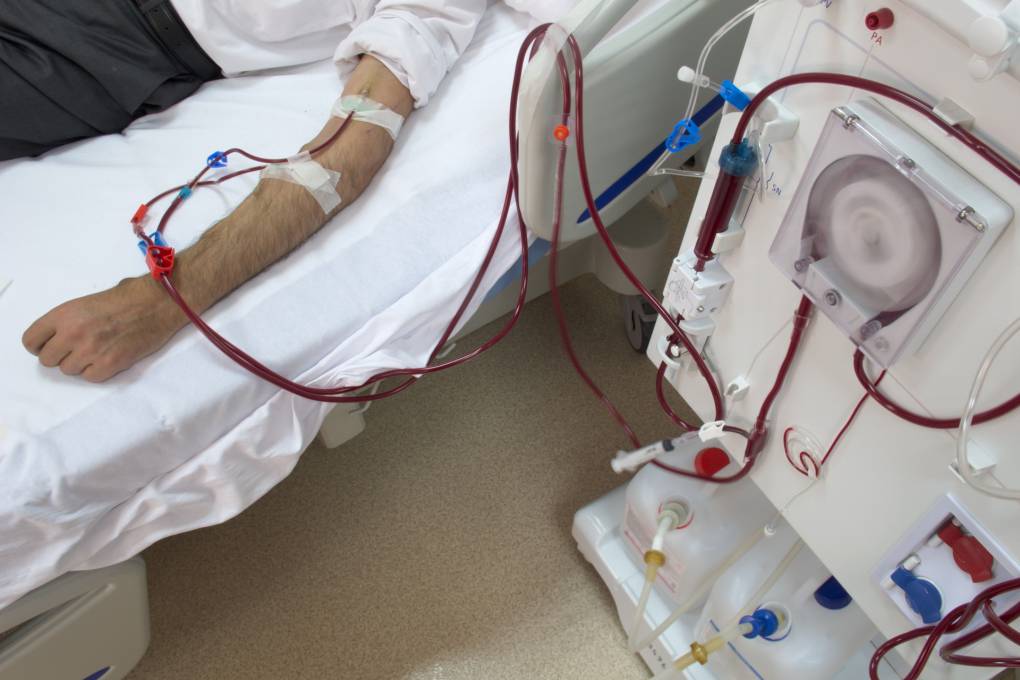
"caption": "Dialysis is for people with kidney failure. Our kidneys clean toxins from our blood. So when they're not working, people need dialysis treatment to stay alive.",
"description": null,
"title": "Hemodialysis Machine and Patient",
"credit": "iStock",
"status": "inherit",
"altTag": "An arm is hooked up to tubing connected to a machine. Blood runs in the tubes.",
"isLoading": false,
"fetchFailed": false
},
"news_11927359": {
"type": "attachments",
"id": "news_11927359",
"meta": {
"index": "attachments_1716263798",
"site": "news",
"id": "11927359",
"found": true
},
"parent": 11927353,
"imgSizes": {
"twentyfourteen-full-width": {
"file": "https://ww2.kqed.org/app/uploads/sites/10/2022/09/artsed_prop28-1038x576.jpg",
"width": 1038,
"mimeType": "image/jpeg",
"height": 576
},
"thumbnail": {
"file": "https://ww2.kqed.org/app/uploads/sites/10/2022/09/artsed_prop28-160x98.jpg",
"width": 160,
"mimeType": "image/jpeg",
"height": 98
},
"post-thumbnail": {
"file": "https://ww2.kqed.org/app/uploads/sites/10/2022/09/artsed_prop28-672x372.jpg",
"width": 672,
"mimeType": "image/jpeg",
"height": 372
},
"kqedFullSize": {
"file": "https://ww2.kqed.org/app/uploads/sites/10/2022/09/artsed_prop28.jpg",
"width": 1920,
"height": 1179
},
"large": {
"file": "https://ww2.kqed.org/app/uploads/sites/10/2022/09/artsed_prop28-1020x626.jpg",
"width": 1020,
"mimeType": "image/jpeg",
"height": 626
},
"1536x1536": {
"file": "https://ww2.kqed.org/app/uploads/sites/10/2022/09/artsed_prop28-1536x943.jpg",
"width": 1536,
"mimeType": "image/jpeg",
"height": 943
},
"medium": {
"file": "https://ww2.kqed.org/app/uploads/sites/10/2022/09/artsed_prop28-800x491.jpg",
"width": 800,
"mimeType": "image/jpeg",
"height": 491
}
},
"publishDate": 1664572636,
"modified": 1666651575,
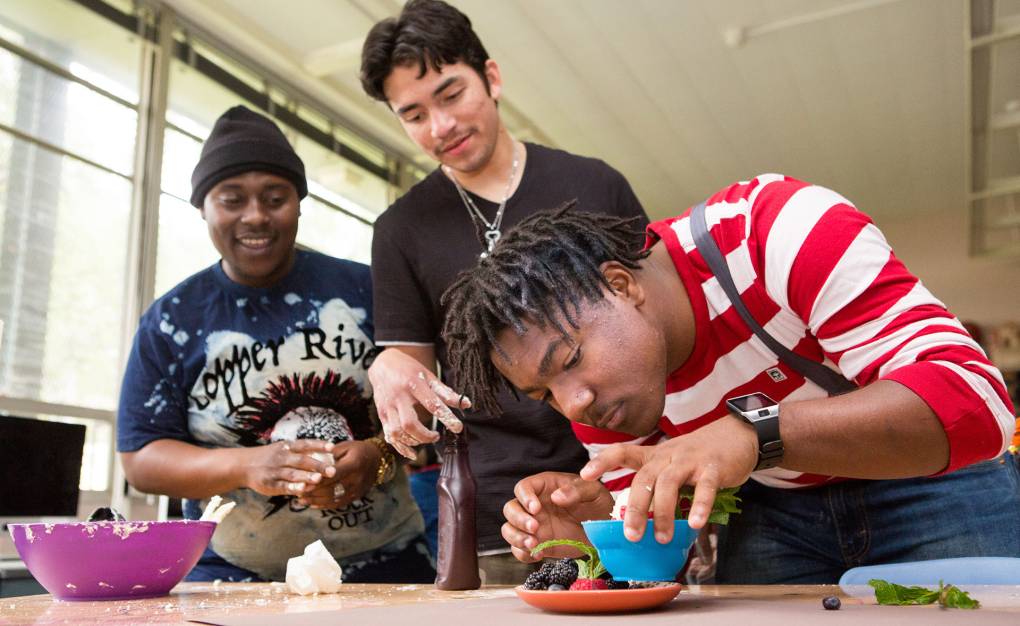
"caption": "Students in a digital photography class create fake ice cream for a photo shoot.",
"description": null,
"title": "artsed_prop28",
"credit": "Allison Shelley/The Verbatim Agency for EDUimages",
"status": "inherit",
"altTag": "Three teenage boys-of-color huddle around an art project on the table.",
"isLoading": false,
"fetchFailed": false
}
},
"audioPlayerReducer": {
"postId": "stream_live",
"isPaused": true,
"isPlaying": false,
"pfsActive": false,
"pledgeModalIsOpen": true,
"playerDrawerIsOpen": false,
"liveAudioPlayStartedAt": 0,
"liveAudioPlayContext": ""
},
"authorsReducer": {
"byline_news_11827882": {
"type": "authors",
"id": "byline_news_11827882",
"meta": {
"override": true
},
"slug": "byline_news_11827882",
"name": "Daniel Potter",
"isLoading": false
},
"jbrooks": {
"type": "authors",
"id": "80",
"meta": {
"index": "authors_1716337520",
"id": "80",
"found": true
},
"name": "Jon Brooks",
"firstName": "Jon",
"lastName": "Brooks",
"slug": "jbrooks",
"email": "jbrooks@kqed.org",
"display_author_email": true,
"staff_mastheads": [
"science"
],
"title": "Digital Editor",
"bio": "Jon Brooks is a former Digital Editor for KQED Science. He is the former editor of KQED’s daily news blog, News Fix. In 2014, he won a California Journalism Award for his coverage of ride services like Uber and Lyft and the taxi industry. A veteran blogger, he previously worked for Yahoo! in various news writing and editing roles. Jon is also a playwright whose work has been produced in San Francisco, New York, Italy, and around the U.S. He has written about film for his own blog and studied film at Boston University.",
"avatar": "https://secure.gravatar.com/avatar/98887f7ed1c876ed414d4c915e969584?s=600&d=blank&r=g",
"twitter": "jbrooksfoy",
"facebook": null,
"instagram": null,
"linkedin": null,
"sites": [
{
"site": "arts",
"roles": [
"Contributor",
"editor"
]
},
{
"site": "news",
"roles": [
"author"
]
},
{
"site": "futureofyou",
"roles": [
"administrator"
]
},
{
"site": "mindshift",
"roles": [
"editor"
]
},
{
"site": "stateofhealth",
"roles": [
"editor"
]
},
{
"site": "science",
"roles": [
"administrator"
]
},
{
"site": "quest",
"roles": [
"editor"
]
}
],
"headData": {
"title": "Jon Brooks | KQED",
"description": "Digital Editor",
"ogImgSrc": "https://secure.gravatar.com/avatar/98887f7ed1c876ed414d4c915e969584?s=600&d=blank&r=g",
"twImgSrc": "https://secure.gravatar.com/avatar/98887f7ed1c876ed414d4c915e969584?s=600&d=blank&r=g"
},
"isLoading": false,
"link": "/author/jbrooks"
},
"ohubertallen": {
"type": "authors",
"id": "102",
"meta": {
"index": "authors_1716337520",
"id": "102",
"found": true
},
"name": "Olivia Allen-Price",
"firstName": "Olivia",
"lastName": "Allen-Price",
"slug": "ohubertallen",
"email": "oallenprice@kqed.org",
"display_author_email": false,
"staff_mastheads": [
"news"
],
"title": "Senior Editor",
"bio": "Olivia Allen-Price is senior editor and host of the award-winning Bay Curious podcast. Prior to joining KQED in 2013, Olivia worked at The Baltimore Sun and The Virginian-Pilot in Norfolk, Va. She holds degrees in journalism and political science from Elon University. Her work has earned awards from the Society of Professional Journalists, the Hearst Foundation and Hearken. She loves to talk about running and curly hair.\r\n\r\nFollow: \u003ca href=\"https://twitter.com/oallenprice\">@oallenprice\u003c/a>\r\nEmail: \u003ca href=\"mailto:oallenprice@kqed.org\">oallenprice@kqed.org\u003c/a>",
"avatar": "https://secure.gravatar.com/avatar/07f7803c1f6be56f3be58ef276dfa64dce898502e0554408ef4858451a8294f7?s=600&d=blank&r=g",
"twitter": "oallenprice",
"bluesky": null,
"facebook": null,
"instagram": null,
"linkedin": null,
"sites": [
{
"site": "",
"roles": [
"editor"
]
},
{
"site": "arts",
"roles": [
"subscriber"
]
},
{
"site": "news",
"roles": [
"administrator"
]
},
{
"site": "pop",
"roles": [
"administrator"
]
},
{
"site": "bayareabites",
"roles": [
"contributor"
]
},
{
"site": "stateofhealth",
"roles": [
"administrator"
]
},
{
"site": "science",
"roles": [
"editor"
]
}
],
"headData": {
"title": "Olivia Allen-Price | KQED",
"description": "Senior Editor",
"ogImgSrc": "https://secure.gravatar.com/avatar/07f7803c1f6be56f3be58ef276dfa64dce898502e0554408ef4858451a8294f7?s=600&d=blank&r=g",
"twImgSrc": "https://secure.gravatar.com/avatar/07f7803c1f6be56f3be58ef276dfa64dce898502e0554408ef4858451a8294f7?s=600&d=blank&r=g"
},
"isLoading": false,
"link": "/author/ohubertallen"
},
"danbrekke": {
"type": "authors",
"id": "222",
"meta": {
"index": "authors_1716337520",
"id": "222",
"found": true
},
"name": "Dan Brekke",
"firstName": "Dan",
"lastName": "Brekke",
"slug": "danbrekke",
"email": "dbrekke@kqed.org",
"display_author_email": true,
"staff_mastheads": [
"news",
"science"
],
"title": "KQED Editor and Reporter",
"bio": "Dan Brekke is a reporter and editor for KQED News, responsible for coverage of topics ranging from California water issues to the Bay Area's transportation challenges. In a newsroom career that began in Chicago in 1972, Dan has worked for \u003cem>The San Francisco Examiner,\u003c/em> Wired and TechTV and has been published in The New York Times, The New York Times Magazine, Business 2.0, Salon and elsewhere.\r\n\r\nSince joining KQED in 2007, Dan has reported, edited and produced both radio and online features and breaking news pieces. He has shared as both editor and reporter in four Society of Professional Journalists Norcal Excellence in Journalism awards and one Edward R. Murrow regional award. He was chosen for a spring 2017 residency at the Mesa Refuge to advance his research on California salmon.\r\n\r\nEmail Dan at: \u003ca href=\"mailto:dbrekke@kqed.org\">dbrekke@kqed.org\u003c/a>\r\n\r\n\u003cstrong>Twitter:\u003c/strong> \u003ca href=\"https://twitter.com/danbrekke\" rel=\"noopener noreferrer\">twitter.com/danbrekke\u003c/a>\r\n\u003cstrong>Facebook:\u003c/strong> \u003ca href=\"https://www.facebook.com/danbrekke\" rel=\"noopener noreferrer\">www.facebook.com/danbrekke\u003c/a>\r\n\u003cstrong>LinkedIn:\u003c/strong> \u003ca href=\"https://www.linkedin.com/in/danbrekke\" rel=\"noopener noreferrer\">www.linkedin.com/in/danbrekke\u003c/a>",
"avatar": "https://secure.gravatar.com/avatar/8f1f0d2a978fb3b23426c922c7e2af558fa36905b49c4ce76a97dc3c72d27226?s=600&d=mm&r=g",
"twitter": "danbrekke",
"bluesky": null,
"facebook": null,
"instagram": "https://www.instagram.com/dan.brekke/",
"linkedin": "https://www.linkedin.com/in/danbrekke/",
"sites": [
{
"site": "news",
"roles": [
"administrator",
"create_posts"
]
},
{
"site": "stateofhealth",
"roles": [
"editor"
]
},
{
"site": "science",
"roles": [
"editor"
]
},
{
"site": "quest",
"roles": [
"contributor"
]
},
{
"site": "food",
"roles": [
"contributor"
]
},
{
"site": "forum",
"roles": [
"contributor"
]
},
{
"site": "elections",
"roles": [
"editor"
]
},
{
"site": "liveblog",
"roles": [
"editor"
]
}
],
"headData": {
"title": "Dan Brekke | KQED",
"description": "KQED Editor and Reporter",
"ogImgSrc": "https://secure.gravatar.com/avatar/8f1f0d2a978fb3b23426c922c7e2af558fa36905b49c4ce76a97dc3c72d27226?s=600&d=mm&r=g",
"twImgSrc": "https://secure.gravatar.com/avatar/8f1f0d2a978fb3b23426c922c7e2af558fa36905b49c4ce76a97dc3c72d27226?s=600&d=mm&r=g"
},
"isLoading": false,
"link": "/author/danbrekke"
},
"jmcevoy": {
"type": "authors",
"id": "231",
"meta": {
"index": "authors_1716337520",
"id": "231",
"found": true
},
"name": "Julia McEvoy",
"firstName": "Julia",
"lastName": "McEvoy",
"slug": "jmcevoy",
"email": "jmcevoy@KQED.org",
"display_author_email": true,
"staff_mastheads": [
"news"
],
"title": "KQED Senior Editor",
"bio": "Julia McEvoy is KQED's Senior Editor, Education Equity.\r\n\r\nJulia heads KQED’s education coverage examining inequities students face in Bay Area and California schools, and reports on what it will take to educate the next generation.\r\n\r\nJulia's editorial work has received a Peabody Award, a Casey Medal for Coverage of Children and Families, several Edward R. Murrow awards, as well as awards from the Public Radio News Directors Inc. and the Society for Professional Journalists.",
"avatar": "https://secure.gravatar.com/avatar/aec3ce21abe02b302fd33638abd56a22?s=600&d=blank&r=g",
"twitter": "juliamcevoy1",
"facebook": null,
"instagram": null,
"linkedin": null,
"sites": [
{
"site": "news",
"roles": []
},
{
"site": "stateofhealth",
"roles": [
"author"
]
}
],
"headData": {
"title": "Julia McEvoy | KQED",
"description": "KQED Senior Editor",
"ogImgSrc": "https://secure.gravatar.com/avatar/aec3ce21abe02b302fd33638abd56a22?s=600&d=blank&r=g",
"twImgSrc": "https://secure.gravatar.com/avatar/aec3ce21abe02b302fd33638abd56a22?s=600&d=blank&r=g"
},
"isLoading": false,
"link": "/author/jmcevoy"
},
"katrinaschwartz": {
"type": "authors",
"id": "234",
"meta": {
"index": "authors_1716337520",
"id": "234",
"found": true
},
"name": "Katrina Schwartz",
"firstName": "Katrina",
"lastName": "Schwartz",
"slug": "katrinaschwartz",
"email": "kschwartz@kqed.org",
"display_author_email": false,
"staff_mastheads": [
"news"
],
"title": "Producer",
"bio": "Katrina Schwartz is a journalist based in San Francisco. She's worked at KPCC public radio in LA and has reported on air and online for KQED since 2010. She covered how teaching and learning is changing for MindShift between 2012 and 2020. She is the co-host of the MindShift podcast and now produces KQED's Bay Curious podcast.",
"avatar": "https://secure.gravatar.com/avatar/edb4ee79070447a018538c9aae6eeecf28786515b8a0c30e43b6b7dce5aa44c8?s=600&d=blank&r=g",
"twitter": "kschwart",
"bluesky": null,
"facebook": null,
"instagram": null,
"linkedin": null,
"sites": [
{
"site": "",
"roles": [
"editor"
]
},
{
"site": "news",
"roles": [
"editor"
]
},
{
"site": "mindshift",
"roles": [
"administrator"
]
},
{
"site": "stateofhealth",
"roles": [
"author"
]
},
{
"site": "science",
"roles": [
"editor"
]
}
],
"headData": {
"title": "Katrina Schwartz | KQED",
"description": "Producer",
"ogImgSrc": "https://secure.gravatar.com/avatar/edb4ee79070447a018538c9aae6eeecf28786515b8a0c30e43b6b7dce5aa44c8?s=600&d=blank&r=g",
"twImgSrc": "https://secure.gravatar.com/avatar/edb4ee79070447a018538c9aae6eeecf28786515b8a0c30e43b6b7dce5aa44c8?s=600&d=blank&r=g"
},
"isLoading": false,
"link": "/author/katrinaschwartz"
},
"mlam": {
"type": "authors",
"id": "244",
"meta": {
"index": "authors_1716337520",
"id": "244",
"found": true
},
"name": "Monica Lam",
"firstName": "Monica Z.",
"lastName": "Lam",
"slug": "mlam",
"email": "mlam@kqed.org",
"display_author_email": true,
"staff_mastheads": [
"news"
],
"title": "KQED Senior Producer",
"bio": "Monica is senior producer of the weekly current affairs program, \"KQED Newsroom.\" She's also served as senior editor of digital content at KQED. She likes to report and edit as well as produce video and take photos.\r\n\r\nBefore joining KQED, Monica worked at the Center for Investigative Reporting, where she examined conditions inside \u003cspan style=\"font-weight: 400;\">maximum security \u003c/span>prisons and abuse in state-run institutions for the developmentally disabled. Prior to that, she produced and directed \u003cem>Journey of the Bonesetter's Daughter,\u003c/em> a documentary that follows novelist Amy Tan as she creates an opera based on her family history.\r\n\r\nMonica's work has been honored with a duPont Award, five Emmys, regional and national Murrow Awards, and has been recognized by Investigative Reporters and Editors, the Society of Professional Journalists, Religion Newswriters Association and the San Francisco Peninsula Press Club. Monica studied urban studies at Stanford University and earned a master's in journalism at University of California at Berkeley. Follow her on twitter: @monicazlam",
"avatar": "https://secure.gravatar.com/avatar/018c474b2b71f43e0e6ca9b15a0ad36f?s=600&d=blank&r=g",
"twitter": "@monicazlam",
"facebook": null,
"instagram": null,
"linkedin": null,
"sites": [
{
"site": "arts",
"roles": [
"administrator"
]
},
{
"site": "news",
"roles": [
"editor"
]
},
{
"site": "trulyca",
"roles": [
"editor"
]
},
{
"site": "science",
"roles": [
"editor"
]
},
{
"site": "breakingnews",
"roles": [
"editor"
]
}
],
"headData": {
"title": "Monica Lam | KQED",
"description": "KQED Senior Producer",
"ogImgSrc": "https://secure.gravatar.com/avatar/018c474b2b71f43e0e6ca9b15a0ad36f?s=600&d=blank&r=g",
"twImgSrc": "https://secure.gravatar.com/avatar/018c474b2b71f43e0e6ca9b15a0ad36f?s=600&d=blank&r=g"
},
"isLoading": false,
"link": "/author/mlam"
},
"scottshafer": {
"type": "authors",
"id": "255",
"meta": {
"index": "authors_1716337520",
"id": "255",
"found": true
},
"name": "Scott Shafer",
"firstName": "Scott",
"lastName": "Shafer",
"slug": "scottshafer",
"email": "sshafer@kqed.org",
"display_author_email": false,
"staff_mastheads": [
"news"
],
"title": "KQED Contributor",
"bio": "Scott Shafer is a senior editor with the KQED Politics and Government desk. He is co-host of Political Breakdown, the award-winning radio show and podcast with a personal take on the world of politics. Scott came to KQED in 1998 to host the statewide\u003cem> California Report\u003c/em>. Prior to that he had extended stints in politics and government\u003cem>.\u003c/em> He uses that inside experience at KQED in his, reporting, hosting and analysis for the politics desk. Scott collaborated \u003cem>Political Breakdown a\u003c/em>nd on \u003cem>The Political Mind of Jerry Brown, \u003c/em>an eight-part series about the life and extraordinary political career of the former governor. For fun, he plays water polo with the San Francisco Tsunami.",
"avatar": "https://secure.gravatar.com/avatar/a62ebae45b79d7aed1a39a0e3bf68104?s=600&d=blank&r=g",
"twitter": "scottshafer",
"bluesky": null,
"facebook": null,
"instagram": null,
"linkedin": null,
"sites": [
{
"site": "news",
"roles": [
"editor"
]
},
{
"site": "stateofhealth",
"roles": [
"author"
]
},
{
"site": "science",
"roles": [
"author"
]
},
{
"site": "forum",
"roles": [
"subscriber"
]
},
{
"site": "liveblog",
"roles": [
"author"
]
}
],
"headData": {
"title": "Scott Shafer | KQED",
"description": "KQED Contributor",
"ogImgSrc": "https://secure.gravatar.com/avatar/a62ebae45b79d7aed1a39a0e3bf68104?s=600&d=blank&r=g",
"twImgSrc": "https://secure.gravatar.com/avatar/a62ebae45b79d7aed1a39a0e3bf68104?s=600&d=blank&r=g"
},
"isLoading": false,
"link": "/author/scottshafer"
},
"adembosky": {
"type": "authors",
"id": "3205",
"meta": {
"index": "authors_1716337520",
"id": "3205",
"found": true
},
"name": "April Dembosky",
"firstName": "April",
"lastName": "Dembosky",
"slug": "adembosky",
"email": "adembosky@kqed.org",
"display_author_email": false,
"staff_mastheads": [
"news",
"science"
],
"title": "KQED Health Correspondent",
"bio": "April Dembosky is the health correspondent for KQED News and a regular contributor to NPR. She specializes in covering altered states of mind, from postpartum depression to methamphetamine-induced psychosis to the insanity defense. Her investigative series on insurance companies sidestepping mental health laws won multiple awards, including first place in beat reporting from the national Association of Health Care Journalists. She is the recipient of numerous other prizes and fellowships, including a national Edward R. Murrow award for investigative reporting, a Society of Professional Journalists award for long-form storytelling, and a Carter Center Fellowship for Mental Health Journalism.\r\n\r\nDembosky reported and produced \u003cem>Soundtrack of Silence\u003c/em>, an audio documentary about music and memory that is currently being made into a feature film by Paramount Pictures.\r\n\r\nBefore joining KQED in 2013, Dembosky covered technology and Silicon Valley for \u003cem>The Financial Times of London,\u003c/em> and contributed business and arts stories to \u003cem>Marketplace \u003c/em>and \u003cem>The New York Times.\u003c/em> She got her undergraduate degree in philosophy from Smith College and her master's in journalism from the University of California, Berkeley. She is a classically trained violinist and proud alum of the first symphony orchestra at Burning Man.",
"avatar": "https://secure.gravatar.com/avatar/ef92999be4ceb9ea60701e7dc276f813?s=600&d=blank&r=g",
"twitter": "adembosky",
"facebook": null,
"instagram": null,
"linkedin": null,
"sites": [
{
"site": "arts",
"roles": [
"author"
]
},
{
"site": "news",
"roles": [
"editor"
]
},
{
"site": "futureofyou",
"roles": [
"author"
]
},
{
"site": "stateofhealth",
"roles": [
"editor"
]
},
{
"site": "science",
"roles": [
"editor"
]
},
{
"site": "forum",
"roles": [
"editor"
]
}
],
"headData": {
"title": "April Dembosky | KQED",
"description": "KQED Health Correspondent",
"ogImgSrc": "https://secure.gravatar.com/avatar/ef92999be4ceb9ea60701e7dc276f813?s=600&d=blank&r=g",
"twImgSrc": "https://secure.gravatar.com/avatar/ef92999be4ceb9ea60701e7dc276f813?s=600&d=blank&r=g"
},
"isLoading": false,
"link": "/author/adembosky"
},
"ecruzguevarra": {
"type": "authors",
"id": "8654",
"meta": {
"index": "authors_1716337520",
"id": "8654",
"found": true
},
"name": "Ericka Cruz Guevarra",
"firstName": "Ericka",
"lastName": "Cruz Guevarra",
"slug": "ecruzguevarra",
"email": "ecruzguevarra@kqed.org",
"display_author_email": true,
"staff_mastheads": [
"news"
],
"title": "Producer, The Bay Podcast",
"bio": "Ericka Cruz Guevarra is host of \u003ca href=\"https://www.kqed.org/podcasts/thebay\">\u003cem>The Bay\u003c/em>\u003c/a> podcast at KQED. Before host, she was the show’s producer. Her work in that capacity includes a three-part reported series on policing in Vallejo, which won a 2020 excellence in journalism award from the Society of Professional Journalists. Ericka has worked as a breaking news reporter at Oregon Public Broadcasting, helped produce the Code Switch podcast, and was KQED’s inaugural Raul Ramirez Diversity Fund intern. She’s also an alumna of NPR’s Next Generation Radio program. Send her an email if you have strong feelings about whether Fairfield and Suisun City are the Bay. Ericka is represented by SAG-AFTRA.",
"avatar": "https://secure.gravatar.com/avatar/accefc1de4bafc7e234b69bcb9b6f6536c130fd84709bc3069ef11a78787e1bb?s=600&d=blank&r=g",
"twitter": "NotoriousECG",
"bluesky": null,
"facebook": null,
"instagram": null,
"linkedin": null,
"sites": [
{
"site": "arts",
"roles": [
"subscriber"
]
},
{
"site": "news",
"roles": [
"editor",
"manage_categories"
]
},
{
"site": "futureofyou",
"roles": [
"subscriber"
]
},
{
"site": "stateofhealth",
"roles": [
"subscriber"
]
},
{
"site": "science",
"roles": [
"editor"
]
},
{
"site": "forum",
"roles": [
"subscriber"
]
}
],
"headData": {
"title": "Ericka Cruz Guevarra | KQED",
"description": "Producer, The Bay Podcast",
"ogImgSrc": "https://secure.gravatar.com/avatar/accefc1de4bafc7e234b69bcb9b6f6536c130fd84709bc3069ef11a78787e1bb?s=600&d=blank&r=g",
"twImgSrc": "https://secure.gravatar.com/avatar/accefc1de4bafc7e234b69bcb9b6f6536c130fd84709bc3069ef11a78787e1bb?s=600&d=blank&r=g"
},
"isLoading": false,
"link": "/author/ecruzguevarra"
},
"lesleymcclurg": {
"type": "authors",
"id": "11229",
"meta": {
"index": "authors_1716337520",
"id": "11229",
"found": true
},
"name": "Lesley McClurg",
"firstName": "Lesley",
"lastName": "McClurg",
"slug": "lesleymcclurg",
"email": "lmcclurg@KQED.org",
"display_author_email": false,
"staff_mastheads": [
"news",
"science"
],
"title": "KQED Health Correspondent",
"bio": "Lesley McClurg is a health correspondent and fill-in host whose work is regularly rebroadcast on NPR and PBS programs. She’s earned multiple regional Emmy awards, a national and a regional Edward R. Murrow award, and was named Best Beat Reporter by the Association of Health Care Journalists. The Society of Professional Journalists has recognized her work several times, and the Society of Environmental Journalists spotlighted her coverage of California’s historic drought.\r\n\r\nBefore joining KQED in 2016, Lesley covered food and sustainability for Capital Public Radio, environmental issues for Colorado Public Radio, and reported for KUOW and KCTS 9 in Seattle. Away from the newsroom, she loves skiing with her daughter, mountain biking with her partner, and playing with Ollie, the family’s goldendoodle. On deadline, she runs almost entirely on chocolate chips.\r\n\r\n ",
"avatar": "https://secure.gravatar.com/avatar/bab49e972ea10c774fe0f5e29dba1722b158f7c0d58a360923d1389d380b2978?s=600&d=blank&r=g",
"twitter": "lesleywmcclurg",
"bluesky": null,
"facebook": null,
"instagram": null,
"linkedin": null,
"sites": [
{
"site": "arts",
"roles": [
"author"
]
},
{
"site": "news",
"roles": [
"editor"
]
},
{
"site": "futureofyou",
"roles": [
"editor"
]
},
{
"site": "stateofhealth",
"roles": [
"author"
]
},
{
"site": "science",
"roles": [
"editor"
]
},
{
"site": "quest",
"roles": [
"subscriber"
]
},
{
"site": "forum",
"roles": [
"administrator"
]
},
{
"site": "liveblog",
"roles": [
"author"
]
}
],
"headData": {
"title": "Lesley McClurg | KQED",
"description": "KQED Health Correspondent",
"ogImgSrc": "https://secure.gravatar.com/avatar/bab49e972ea10c774fe0f5e29dba1722b158f7c0d58a360923d1389d380b2978?s=600&d=blank&r=g",
"twImgSrc": "https://secure.gravatar.com/avatar/bab49e972ea10c774fe0f5e29dba1722b158f7c0d58a360923d1389d380b2978?s=600&d=blank&r=g"
},
"isLoading": false,
"link": "/author/lesleymcclurg"
},
"aproehl": {
"type": "authors",
"id": "11296",
"meta": {
"index": "authors_1716337520",
"id": "11296",
"found": true
},
"name": "Ariana Proehl",
"firstName": "Ariana",
"lastName": "Proehl",
"slug": "aproehl",
"email": "aproehl@KQED.org",
"display_author_email": true,
"staff_mastheads": [
"news"
],
"title": "Culture Reporter, KQED",
"bio": "Ariana Proehl is a Culture Reporter and Host.",
"avatar": "https://secure.gravatar.com/avatar/c96b24567eb5bb3a4f8bb295ed53e232?s=600&d=blank&r=g",
"twitter": "ArianaProehl",
"facebook": null,
"instagram": null,
"linkedin": null,
"sites": [
{
"site": "arts",
"roles": []
},
{
"site": "news",
"roles": []
},
{
"site": "education",
"roles": []
},
{
"site": "forum",
"roles": []
}
],
"headData": {
"title": "Ariana Proehl | KQED",
"description": "Culture Reporter, KQED",
"ogImgSrc": "https://secure.gravatar.com/avatar/c96b24567eb5bb3a4f8bb295ed53e232?s=600&d=blank&r=g",
"twImgSrc": "https://secure.gravatar.com/avatar/c96b24567eb5bb3a4f8bb295ed53e232?s=600&d=blank&r=g"
},
"isLoading": false,
"link": "/author/aproehl"
},
"kevinstark": {
"type": "authors",
"id": "11608",
"meta": {
"index": "authors_1716337520",
"id": "11608",
"found": true
},
"name": "Kevin Stark",
"firstName": "Kevin",
"lastName": "Stark",
"slug": "kevinstark",
"email": "kstark@kqed.org",
"display_author_email": true,
"staff_mastheads": [
"science"
],
"title": "Senior Editor",
"bio": "Kevin is a senior editor for KQED Science, managing the station's health and climate desks. His journalism career began in the Pacific Northwest, and he later became a lead reporter for the San Francisco Public Press. His work has appeared in Pacific Standard magazine, the Energy News Network, the Center for Investigative Reporting's Reveal and WBEZ in Chicago. Kevin joined KQED in 2019, and has covered issues related to energy, wildfire, climate change and the environment.",
"avatar": "https://secure.gravatar.com/avatar/365aaa4b597d3a8374f67504ff0facd323d7906e8eb4be0a7efd2427408e802c?s=600&d=blank&r=g",
"twitter": "starkkev",
"bluesky": null,
"facebook": null,
"instagram": null,
"linkedin": null,
"sites": [
{
"site": "",
"roles": [
"editor"
]
},
{
"site": "news",
"roles": [
"editor"
]
},
{
"site": "science",
"roles": [
"administrator"
]
}
],
"headData": {
"title": "Kevin Stark | KQED",
"description": "Senior Editor",
"ogImgSrc": "https://secure.gravatar.com/avatar/365aaa4b597d3a8374f67504ff0facd323d7906e8eb4be0a7efd2427408e802c?s=600&d=blank&r=g",
"twImgSrc": "https://secure.gravatar.com/avatar/365aaa4b597d3a8374f67504ff0facd323d7906e8eb4be0a7efd2427408e802c?s=600&d=blank&r=g"
},
"isLoading": false,
"link": "/author/kevinstark"
},
"amontecillo": {
"type": "authors",
"id": "11649",
"meta": {
"index": "authors_1716337520",
"id": "11649",
"found": true
},
"name": "Alan Montecillo",
"firstName": "Alan",
"lastName": "Montecillo",
"slug": "amontecillo",
"email": "amontecillo@kqed.org",
"display_author_email": false,
"staff_mastheads": [
"news"
],
"title": "KQED Contributor",
"bio": "Alan Montecillo is the senior editor of \u003cem>\u003ca href=\"http://kqed.org/thebay\">The Bay\u003c/a>, \u003c/em> KQED's local news podcast. Before moving to the Bay Area, he worked as a senior talk show producer for WILL in Champaign-Urbana, Illinois and at Oregon Public Broadcasting in Portland, Oregon. He has won journalism awards from the Society of Professional Journalists Northern California, the Public Media Journalists Association, The Signal Awards, and has also received a regional Edward R. Murrow award. Alan is a Filipino American from Hong Kong and a graduate of Reed College.",
"avatar": "https://secure.gravatar.com/avatar/268f53a2066899ea9efdd8a5900218b17c822d9862cbc9326cccec53ef41d349?s=600&d=blank&r=g",
"twitter": "alanmontecillo",
"bluesky": null,
"facebook": null,
"instagram": null,
"linkedin": null,
"sites": [
{
"site": "",
"roles": [
"editor"
]
},
{
"site": "news",
"roles": [
"editor",
"manage_categories"
]
}
],
"headData": {
"title": "Alan Montecillo | KQED",
"description": "KQED Contributor",
"ogImgSrc": "https://secure.gravatar.com/avatar/268f53a2066899ea9efdd8a5900218b17c822d9862cbc9326cccec53ef41d349?s=600&d=blank&r=g",
"twImgSrc": "https://secure.gravatar.com/avatar/268f53a2066899ea9efdd8a5900218b17c822d9862cbc9326cccec53ef41d349?s=600&d=blank&r=g"
},
"isLoading": false,
"link": "/author/amontecillo"
},
"mesquinca": {
"type": "authors",
"id": "11802",
"meta": {
"index": "authors_1716337520",
"id": "11802",
"found": true
},
"name": "Maria Esquinca",
"firstName": "Maria",
"lastName": "Esquinca",
"slug": "mesquinca",
"email": "mesquinca@kqed.org",
"display_author_email": false,
"staff_mastheads": [],
"title": "Producer, The Bay",
"bio": "María Esquinca is a producer of The Bay. Before that, she was a New York Women’s Foundation IGNITE Fellow at Latino USA. She worked at Radio Bilingue where she covered the San Joaquin Valley. Maria has interned at WLRN, News 21, The New York Times Student Journalism Institute and at Crain’s Detroit Business as a Dow Jones News Fund Business Reporting Intern. She is an MFA graduate from the University of Miami. In 2017, she graduated from the Walter Cronkite School of Journalism and Mass Communication with a Master of Mass Communication. A fronteriza, she was born in Ciudad Juárez, Chihuahua, Mexico and grew up in El Paso, Texas.",
"avatar": "https://secure.gravatar.com/avatar/77cedba18aae91da775038ba06dcd8d0?s=600&d=blank&r=g",
"twitter": "@m_esquinca",
"facebook": null,
"instagram": null,
"linkedin": null,
"sites": [
{
"site": "news",
"roles": []
}
],
"headData": {
"title": "Maria Esquinca | KQED",
"description": "Producer, The Bay",
"ogImgSrc": "https://secure.gravatar.com/avatar/77cedba18aae91da775038ba06dcd8d0?s=600&d=blank&r=g",
"twImgSrc": "https://secure.gravatar.com/avatar/77cedba18aae91da775038ba06dcd8d0?s=600&d=blank&r=g"
},
"isLoading": false,
"link": "/author/mesquinca"
}
},
"pagesReducer": {
"news_program_bay-curious": {
"type": "terms",
"id": "news_33523",
"meta": {
"index": "terms_1716263798",
"site": "news",
"id": "33523",
"score": 15.085701
},
"featImg": null,
"name": "Bay Curious",
"description": null,
"taxonomy": "program",
"headData": {
"twImgId": null,
"twTitle": null,
"ogTitle": null,
"ogImgId": null,
"twDescription": null,
"description": null,
"title": "Bay Curious Archives | KQED News",
"ogDescription": null
},
"ttid": 33540,
"slug": "bay-curious",
"isLoading": false,
"title": "Bay Curious",
"pageMeta": {
"site": "news",
"WpPageTemplate": "page-topic-editorial",
"currentPage": 17
},
"blocks": [
{
"blockName": "kqed/post-list",
"attrs": {
"layout": "cardArticle2",
"query": "posts/news?program=bay-curious",
"seeMore": false,
"paginated": true,
"page": 17
}
},
{
"blockName": "kqed/ad"
}
]
}
},
"pfsSessionReducer": {},
"postsReducer": {
"stream_live": {
"type": "live",
"id": "stream_live",
"audioUrl": "https://streams.kqed.org/kqedradio",
"title": "Live Stream",
"excerpt": "Live Stream information currently unavailable.",
"link": "/radio",
"featImg": "",
"label": {
"name": "KQED Live",
"link": "/"
}
},
"stream_kqedNewscast": {
"type": "posts",
"id": "stream_kqedNewscast",
"audioUrl": "https://www.kqed.org/.stream/anon/radio/RDnews/newscast.mp3?_=1",
"title": "KQED Newscast",
"featImg": "",
"label": {
"name": "88.5 FM",
"link": "/"
}
},
"news_11935285": {
"type": "posts",
"id": "news_11935285",
"meta": {
"index": "posts_1716263798",
"site": "news",
"id": "11935285",
"score": null,
"sort": [
1671120019000
]
},
"parent": 0,
"labelTerm": {},
"blocks": [],
"publishDate": 1671120019,
"format": "standard",
"title": "Ask Bay Curious Anything: A Behind-the-Scenes Look at the Making of Our Podcast",
"headTitle": "Ask Bay Curious Anything: A Behind-the-Scenes Look at the Making of Our Podcast | KQED",
"content": "\u003cp>For the final Bay Curious episode of the year, we created an AMA (“ask me anything”) episode to answer some of the questions we get asked most often about how we make the show. Olivia Allen-Price, the show’s senior editor and host, and Katrina Schwartz, the editor and producer, sat down to chew on your questions, and share some big news about something exciting coming in 2023!\u003c/p>\n\u003cp>\u003cem>This is a transcript that has been edited for clarity.\u003c/em>\u003c/p>\n\u003ch2>How does Bay Curious choose which questions to answer on the show?\u003c/h2>\n\u003cp>\u003cstrong>Katrina:\u003c/strong> It’s really hard because we get a lot of questions. We have over 5,000 questions in our database and many of them are really good, but we’re only two people that make the show, so we have to pick and choose. When we pick questions, we’re thinking about a couple of things. We try to cover topics that we haven’t covered before. We try to take people around the region and not focus in one place too much. We also look for questions that have a bit of complexity to them, that we can tell a story about for a number of minutes. So if it’s too simple, it might not be one we choose. And then there needs to \u003cem>be\u003c/em> an answer to the question. Sometimes people ask us things that are a little bit subjective, like “What’s the best taco in the Bay Area?” That’s hard to answer.\u003c/p>\n\u003cp>[baycuriouspodcastinfo]\u003c/p>\n\u003cp>\u003cstrong>Olivia:\u003c/strong> But it would be really fun to report!\u003c/p>\n\u003cp>[ad fullwidth]\u003c/p>\n\u003cp>\u003cstrong>Katrina:\u003c/strong> And then, of course, the other thing is that we’re an audio show. So we’re trying to find stories that will have a fun audio element, something we can go to or experience.\u003c/p>\n\u003cp>\u003cstrong>Olivia:\u003c/strong> We should note that we are trying to answer more of the questions that don’t have audio elements to them in our newsletter, which goes out once a month. And we’re also trying to do more on social media.\u003c/p>\n\u003ch2>Question from Ben Hilmer: I think [the show has] moved a little bit away from oddities-type questions, and you’ve definitely touched on some more heavy-hitting topics. How much of the story drives that direction, and how much of your direction drives that change?\u003c/h2>\n\u003cp>\u003cstrong>Olivia:\u003c/strong> We have evolved over the six years we’ve been around. The beginning of COVID was a big moment for change for us because it felt like our show was out of place with what was happening in the world at the time. We put out a number of episodes that were what we think of as “news you can use,” “how do you survive this moment?” quite literally. We felt that was where we needed to go at that moment. And then on the heels of that, there were the protests for racial justice after George Floyd was murdered, which jumpstarted this important national conversation about race and equity. That conversation was also happening in our newsroom, and at least for me personally, I questioned what an appropriate response from me was in that moment. Not just as a podcast maker but as a human.\u003c/p>\n\u003cp>I am a white woman, and I kept coming back to thinking, “Well, we have this platform, and we tell a lot of stories about history.” Our show is explanatory, and explaining something thoroughly usually means digging into the history. I started to question if we were telling incomplete histories, and leaving out certain voices … voices that tend to be left out of historical documents or the narratives that we read in history books. We pledged that we would try to look at history more holistically, and at all the different people who were impacted by different moments. If there was a racial equity issue that was in the story, we would present it. What has surprised me, and really been a rude awakening, is just how prevalent those issues are in stories, sometimes where we don’t expect to find it.\u003c/p>\n\u003cp>So that’s a long way of saying that I think that we have driven to some degree the direction of the show. But I will also say that we’re getting a lot of bigger, meatier, more cultural questions from our audience and that’s driving our direction too.\u003c/p>\n\u003ch2>Do you get stupid questions?\u003c/h2>\n\u003cp>\u003cstrong>Katrina:\u003c/strong> Well, I wouldn’t say \u003cem>stupid\u003c/em>. But we definitely get questions where my first reaction is, “Why didn’t you just Google that? You’ll get an answer much faster than putting it into this form on our website.”\u003c/p>\n\u003cp>\u003cstrong>Olivia:\u003c/strong> OK. I guess I’m like an elementary school teacher on this one. I don’t think there are stupid questions! I think every question is valid. I think a lot of times people ask a question because they want to hear how Bay Curious is going to answer it. We hope the answers we give are a little bit more complete, a little bit more nuanced. Hopefully delightful and interesting. Even when we are covering those tough topics, we hope you still come out of these episodes with a feeling of satisfaction that you have learned something. There’s a joy in understanding something.\u003c/p>\n\u003cp>\u003cstrong>Katrina:\u003c/strong> Yeah, you’re definitely the nicer of the two of us.\u003c/p>\n\u003ch2>What have we learned over the years of making Bay Curious?\u003c/h2>\n\u003cp>\u003cstrong>Olivia:\u003c/strong> I think one thing that I am always surprised by is even a story that seems like it’s going to be mundane, once you really start digging, it always gets interesting. The world is just like a very interesting place. There’s never a lack of a story.\u003c/p>\n\u003cp>\u003cstrong>Katrina:\u003c/strong> I have learned that there’s a lot of fun, quirky people in the Bay Area, both question askers, and sources, and people that you meet while you’re reporting. There’s just so many interesting people here, and I love that this job allows us to get out and talk to them and see them doing things that they’re passionate about.\u003c/p>\n\u003ch2>What challenges does Bay Curious face in reporting, and how have we tried to solve for those?\u003c/h2>\n\u003cp>\u003cstrong>Katrina:\u003c/strong> I think one big challenge is that a lot of our stories deal with history, and sometimes there’s no record of it in an audio or video form. Those are newer formats where you have to get to the ’70s or ’80s to find archival tape of things. So it’s hard to make some historical stories come alive. Then we have to really focus on the writing or maybe finding a really great historical source that can tell the story in a vivid way. But it makes it much more challenging to build an audio story that’s fun to listen to.\u003c/p>\n\u003cp>[baycuriousbug]\u003c/p>\n\u003cp>\u003cstrong>Olivia: \u003c/strong>I would say another challenge is that historic accounts tend to focus on one perspective. The mainstream media was covering one point of view, and that’s largely what’s been preserved. And so, if we are trying to find the nuance …. “How did different people from different vantage points see this one historical event?” … It can be really difficult just because a lot of those things have not lived on in recorded ways that are easy for journalists to access. A lot of it lives on as oral history. So we have to put in more legwork on our part to go find it.\u003c/p>\n\u003ch2>What’s the most fun thing you’ve gotten to do as part of the show?\u003c/h2>\n\u003cp>\u003cstrong>Olivia:\u003c/strong> I got to play a theremin in the studio. Amanda Font, one of our reporters, did a story about how the water in the bay used to be more blue, and it’s kind of become more green over time. We were playing a lot with watery sounds and decided we wanted to try to make some of our own music that we were going to use in the piece. She happened to have a theremin that she was given years ago, which, if you don’t know, is an electronic instrument where you basically wave your hands in the air to play. I described it as an air harp to a friend. It’s super fun to play.\u003c/p>\n\u003cp>\u003cstrong>Katrina:\u003c/strong> I’m actually working on the story about fishing in the Bay Area right now. This morning, I put on a wetsuit and I paddled out into the bay and I dropped my first crab pot. It was a beautiful, clear morning. I saw dolphins. I had a really nice patient teacher. And, you know, I learned how to fish!\u003c/p>\n\u003cp>\u003cstrong>Olivia:\u003c/strong> And you got some crabs, right?\u003c/p>\n\u003cp>\u003cstrong>Katrina:\u003c/strong> I did!\u003c/p>\n\u003ch2>Question from Julian: How long does it take for a question that won a voting round to be made into an episode?\u003c/h2>\n\u003cp>\u003cstrong>Katrina:\u003c/strong> Sometimes it doesn’t take that long at all if we have a reporter who can answer the question or has done a lot of reporting on that topic already. A great example of that is when we bring Dan Brekke in to talk about BART. He knows everything about BART, so we can usually answer the question more quickly. But there’s a lot of questions that we just need to dive into more, find the right sources, figure out how to tell the story in a fun way. That can take months. And we’re working on a bunch of stories at the same time with a bunch of reporters who also work on other things. So it’s not like we’re just heads down on this one story until it’s done. Usually we have ten stories going at a time or so.\u003c/p>\n\u003cp>\u003cstrong>Olivia:\u003c/strong> We’ve had stories that take three weeks. We’ve had stories that take a year. We have a few stories that are especially tough to answer that taken several years.\u003c/p>\n\u003ch2>What is your favorite episode of all time?\u003c/h2>\n\u003cp>\u003cstrong>Olivia:\u003c/strong> I mean, this really is like choosing your favorite child, so I find it extremely difficult. I was able to pick a top three for different categories.\u003c/p>\n\u003cp>One of the things we like to play a lot with is \u003cem>sound\u003c/em>, and one of the pieces I think we did a really good job with sound [in is] \u003ca href=\"https://www.kqed.org/news/11853891/you-used-to-be-able-to-call-pop-corn-and-get-the-time-what-happened-to-that\">this piece about calling POPCORN\u003c/a>. It was just super dynamic, lots of fun archival sound, dial tone. I do want to call out Christopher Beale, who was the reporter and did a lot of the production on that episode. So yeah, super fun episode sonically.\u003c/p>\n\u003cp>My favorite \u003cem>story\u003c/em> is probably our story about \u003ca href=\"https://www.kqed.org/news/11848986/inside-frida-kahlo-and-diego-riveras-life-in-san-francisco\">Frida Kahlo and Diego Rivera’s experience in San Francisco\u003c/a>. You see their faces everywhere, you hear their names all the time, but in this episode we tried to step into their shoes and experience what their time in San Francisco was like. Marisol Medina-Cadena was the reporter on that story, and it was a finalist for a NAHJ [National Association of Hispanic Journalists] award.\u003c/p>\n\u003cp>And then a lot of what I do on this on the show is also scoring … so picking the music selections for the episodes. My favorite episode from a \u003cem>scoring\u003c/em> perspective was our \u003ca href=\"https://www.kqed.org/news/11844011/donner-party-pt-1\">two-part Donner Party series, \u003c/a>reported by Carly Severn. You really get to think about the atmosphere you’re creating as you’re selecting the music.\u003c/p>\n\u003cp>\u003cstrong>Katrina:\u003c/strong> A lot of my favorite episodes come from questions that kids asked us. Bronwyn asked about \u003ca href=\"https://www.kqed.org/news/11839198/the-bay-area-during-the-ice-age-think-saber-tooth-cats-and-mammoths\">what the Bay Area was like during the Ice Age\u003c/a>. I loved the episode because we had a lot of fun with the sound on it. We imagined ourselves going back in time to the Ice Age, and it was just really fun! I learned a lot. Stuff like the bay didn’t used to be there, it was just a grassy valley. Or that you used to be able to walk out to the Farallon Islands. My mind was blown by the things in that episode. Daniel Potter was the reporter on it, and he’s got a really fun, quirky style, which I loved. Overall, I just thought it was a great episode.\u003c/p>\n\u003ch2>What are you most excited about for the next year?\u003c/h2>\n\u003cp>\u003cstrong>Olivia:\u003c/strong> We wrote a Bay Curious book! It’s called “Bay Curious: Exploring the Hidden True Stories of the San Francisco Bay Area,” and it features a bunch of news stories that I’m just really excited about. It’s also a really beautiful book. It has these gorgeous illustrations by a local illustrator. The book comes out in May, but you can preorder it now at these places: \u003ca href=\"https://www.amazon.com/Bay-Curious-Olivia-Allen-Price/dp/1797214365/r?tag=linkfire-smarturl-20\">Amazon\u003c/a>, \u003ca href=\"https://www.barnesandnoble.com/w/bay-curious-olivia-allen-price/1142727525?ean=9781797214368\">Barnes and Noble\u003c/a>, \u003ca href=\"https://bookshop.org/p/books/bay-curious-exploring-the-hidden-true-stories-of-the-san-francisco-bay-area-olivia-allen-price/17359080?ean=9781797214368\">Bookshop.org\u003c/a>, \u003ca href=\"https://www.chroniclebooks.com/collections/upcoming/products/bay-curious?_pos=1&_sid=69ccac809&_ss=r\">Chronicle Books\u003c/a>. International buyers, \u003ca href=\"https://smarturl.it/svu64k\">go here\u003c/a>!\u003c/p>\n\u003cp>\u003cstrong>Katrina:\u003c/strong> I’m excited to go to parts of the Bay Area that we don’t go to that often. I’m thinking of like Richmond or Vallejo, Fremont, San Mateo. These are parts of the Bay Area that we don’t get a lot of questions from. So if you live in those places and you’ve been wondering about something, please send them in, because that’s really where our story ideas come from!\u003c/p>\n\u003cp>\u003cem>Thanks for reading and listening to the podcast. We’ll be back with a new episode in January. Happy holidays!\u003c/em>\u003c/p>\n\u003cp>[ad floatright]\u003c/p>\n\u003cp>[baycuriousquestion]\u003c/p>\n\n",
"stats": {
"hasVideo": false,
"hasChartOrMap": false,
"hasAudio": false,
"hasPolis": false,
"wordCount": 2304,
"hasGoogleForm": false,
"hasGallery": false,
"hasHearkenModule": true,
"iframeSrcs": [],
"paragraphCount": 35
},
"modified": 1700531909,
"excerpt": "We answer the questions we get asked most often about making Bay Curious. ",
"headData": {
"twImgId": "",
"twTitle": "",
"ogTitle": "",
"ogImgId": "",
"twDescription": "",
"description": "We answer the questions we get asked most often about making Bay Curious. ",
"title": "Ask Bay Curious Anything: A Behind-the-Scenes Look at the Making of Our Podcast | KQED",
"ogDescription": "",
"schema": {
"@context": "https://schema.org",
"@type": "NewsArticle",
"headline": "Ask Bay Curious Anything: A Behind-the-Scenes Look at the Making of Our Podcast",
"datePublished": "2022-12-15T08:00:19-08:00",
"dateModified": "2023-11-20T17:58:29-08:00",
"image": "https://cdn.kqed.org/wp-content/uploads/2020/02/KQED-OG-Image@1x.png",
"isAccessibleForFree": "True",
"publisher": {
"@type": "NewsMediaOrganization",
"@id": "https://www.kqed.org/#organization",
"name": "KQED",
"logo": "https://cdn.kqed.org/wp-content/uploads/2020/02/KQED-OG-Image@1x.png",
"url": "https://www.kqed.org",
"sameAs": [
"https://www.facebook.com/KQED",
"https://twitter.com/KQED",
"https://www.instagram.com/kqed/",
"https://www.tiktok.com/@kqedofficial",
"https://www.linkedin.com/company/kqed",
"https://www.youtube.com/channel/UCeC0IOo7i1P_61zVUWbJ4nw"
]
}
}
},
"guestAuthors": [],
"slug": "ask-bay-curious-anything-a-behind-the-scenes-look-at-the-making-of-our-podcast",
"status": "publish",
"sourceUrl": "https://baycurious.org/",
"audioUrl": "https://www.podtrac.com/pts/redirect.mp3/chrt.fm/track/A511B8/traffic.megaphone.fm/KQINC6126912002.mp3?updated=1671057734",
"excludeFromSiteSearch": "Include",
"source": "Bay Curious",
"articleAge": "0",
"path": "/news/11935285/ask-bay-curious-anything-a-behind-the-scenes-look-at-the-making-of-our-podcast",
"audioTrackLength": null,
"parsedContent": [
{
"type": "contentString",
"content": "\u003cdiv class=\"post-body\">\u003cp>\u003cp>For the final Bay Curious episode of the year, we created an AMA (“ask me anything”) episode to answer some of the questions we get asked most often about how we make the show. Olivia Allen-Price, the show’s senior editor and host, and Katrina Schwartz, the editor and producer, sat down to chew on your questions, and share some big news about something exciting coming in 2023!\u003c/p>\n\u003cp>\u003cem>This is a transcript that has been edited for clarity.\u003c/em>\u003c/p>\n\u003ch2>How does Bay Curious choose which questions to answer on the show?\u003c/h2>\n\u003cp>\u003cstrong>Katrina:\u003c/strong> It’s really hard because we get a lot of questions. We have over 5,000 questions in our database and many of them are really good, but we’re only two people that make the show, so we have to pick and choose. When we pick questions, we’re thinking about a couple of things. We try to cover topics that we haven’t covered before. We try to take people around the region and not focus in one place too much. We also look for questions that have a bit of complexity to them, that we can tell a story about for a number of minutes. So if it’s too simple, it might not be one we choose. And then there needs to \u003cem>be\u003c/em> an answer to the question. Sometimes people ask us things that are a little bit subjective, like “What’s the best taco in the Bay Area?” That’s hard to answer.\u003c/p>\n\u003cp>\u003c/p>\u003cp>\u003caside class=\"alignleft utils-parseShortcode-shortcodes-__bayCuriousPodcastShortcode__bayCurious\">\u003cimg src=https://cdn.kqed.org/wp-content/uploads/2023/02/bayCuriousLogo.png alt=\"Bay Curious Podcast\" loading=\"lazy\" />\n \u003ca href=\"/news/series/baycurious\">Bay Curious\u003c/a> is a podcast that answers your questions about the Bay Area.\n Subscribe on \u003ca href=\"https://itunes.apple.com/us/podcast/bay-curious/id1172473406\" target=\"_blank\" rel=\"noopener noreferrer\">Apple Podcasts\u003c/a>,\n \u003ca href=\"http://www.npr.org/podcasts/500557090/bay-curious\" target=\"_blank\" rel=\"noopener noreferrer\">NPR One\u003c/a> or your favorite podcast platform.\u003c/aside>\u003c/p>\u003cp>\u003c/p>\n\u003cp>\u003cstrong>Olivia:\u003c/strong> But it would be really fun to report!\u003c/p>\n\u003cp>\u003c/p>\u003c/div>",
"attributes": {
"named": {},
"numeric": []
}
},
{
"type": "component",
"content": "",
"name": "ad",
"attributes": {
"named": {
"label": "fullwidth"
},
"numeric": [
"fullwidth"
]
}
},
{
"type": "contentString",
"content": "\u003cdiv class=\"post-body\">\u003cp>\u003c/p>\n\u003cp>\u003cstrong>Katrina:\u003c/strong> And then, of course, the other thing is that we’re an audio show. So we’re trying to find stories that will have a fun audio element, something we can go to or experience.\u003c/p>\n\u003cp>\u003cstrong>Olivia:\u003c/strong> We should note that we are trying to answer more of the questions that don’t have audio elements to them in our newsletter, which goes out once a month. And we’re also trying to do more on social media.\u003c/p>\n\u003ch2>Question from Ben Hilmer: I think [the show has] moved a little bit away from oddities-type questions, and you’ve definitely touched on some more heavy-hitting topics. How much of the story drives that direction, and how much of your direction drives that change?\u003c/h2>\n\u003cp>\u003cstrong>Olivia:\u003c/strong> We have evolved over the six years we’ve been around. The beginning of COVID was a big moment for change for us because it felt like our show was out of place with what was happening in the world at the time. We put out a number of episodes that were what we think of as “news you can use,” “how do you survive this moment?” quite literally. We felt that was where we needed to go at that moment. And then on the heels of that, there were the protests for racial justice after George Floyd was murdered, which jumpstarted this important national conversation about race and equity. That conversation was also happening in our newsroom, and at least for me personally, I questioned what an appropriate response from me was in that moment. Not just as a podcast maker but as a human.\u003c/p>\n\u003cp>I am a white woman, and I kept coming back to thinking, “Well, we have this platform, and we tell a lot of stories about history.” Our show is explanatory, and explaining something thoroughly usually means digging into the history. I started to question if we were telling incomplete histories, and leaving out certain voices … voices that tend to be left out of historical documents or the narratives that we read in history books. We pledged that we would try to look at history more holistically, and at all the different people who were impacted by different moments. If there was a racial equity issue that was in the story, we would present it. What has surprised me, and really been a rude awakening, is just how prevalent those issues are in stories, sometimes where we don’t expect to find it.\u003c/p>\n\u003cp>So that’s a long way of saying that I think that we have driven to some degree the direction of the show. But I will also say that we’re getting a lot of bigger, meatier, more cultural questions from our audience and that’s driving our direction too.\u003c/p>\n\u003ch2>Do you get stupid questions?\u003c/h2>\n\u003cp>\u003cstrong>Katrina:\u003c/strong> Well, I wouldn’t say \u003cem>stupid\u003c/em>. But we definitely get questions where my first reaction is, “Why didn’t you just Google that? You’ll get an answer much faster than putting it into this form on our website.”\u003c/p>\n\u003cp>\u003cstrong>Olivia:\u003c/strong> OK. I guess I’m like an elementary school teacher on this one. I don’t think there are stupid questions! I think every question is valid. I think a lot of times people ask a question because they want to hear how Bay Curious is going to answer it. We hope the answers we give are a little bit more complete, a little bit more nuanced. Hopefully delightful and interesting. Even when we are covering those tough topics, we hope you still come out of these episodes with a feeling of satisfaction that you have learned something. There’s a joy in understanding something.\u003c/p>\n\u003cp>\u003cstrong>Katrina:\u003c/strong> Yeah, you’re definitely the nicer of the two of us.\u003c/p>\n\u003ch2>What have we learned over the years of making Bay Curious?\u003c/h2>\n\u003cp>\u003cstrong>Olivia:\u003c/strong> I think one thing that I am always surprised by is even a story that seems like it’s going to be mundane, once you really start digging, it always gets interesting. The world is just like a very interesting place. There’s never a lack of a story.\u003c/p>\n\u003cp>\u003cstrong>Katrina:\u003c/strong> I have learned that there’s a lot of fun, quirky people in the Bay Area, both question askers, and sources, and people that you meet while you’re reporting. There’s just so many interesting people here, and I love that this job allows us to get out and talk to them and see them doing things that they’re passionate about.\u003c/p>\n\u003ch2>What challenges does Bay Curious face in reporting, and how have we tried to solve for those?\u003c/h2>\n\u003cp>\u003cstrong>Katrina:\u003c/strong> I think one big challenge is that a lot of our stories deal with history, and sometimes there’s no record of it in an audio or video form. Those are newer formats where you have to get to the ’70s or ’80s to find archival tape of things. So it’s hard to make some historical stories come alive. Then we have to really focus on the writing or maybe finding a really great historical source that can tell the story in a vivid way. But it makes it much more challenging to build an audio story that’s fun to listen to.\u003c/p>\n\u003cp>\u003c/p>\u003cp>\u003caside class=\"alignleft utils-parseShortcode-shortcodes-__bayCuriousPodcastShortcode__bayCurious\">\u003cimg src=https://cdn.kqed.org/wp-content/uploads/2023/02/bayCuriousLogo.png alt=\"Bay Curious Podcast\" loading=\"lazy\" />\n What do you wonder about the Bay Area, its culture or people that you want KQED to investigate?\n \u003ca href=\"/news/series/baycurious\">Ask Bay Curious.\u003c/a>\u003c/aside>\u003c/p>\u003cp>\u003c/p>\n\u003cp>\u003cstrong>Olivia: \u003c/strong>I would say another challenge is that historic accounts tend to focus on one perspective. The mainstream media was covering one point of view, and that’s largely what’s been preserved. And so, if we are trying to find the nuance …. “How did different people from different vantage points see this one historical event?” … It can be really difficult just because a lot of those things have not lived on in recorded ways that are easy for journalists to access. A lot of it lives on as oral history. So we have to put in more legwork on our part to go find it.\u003c/p>\n\u003ch2>What’s the most fun thing you’ve gotten to do as part of the show?\u003c/h2>\n\u003cp>\u003cstrong>Olivia:\u003c/strong> I got to play a theremin in the studio. Amanda Font, one of our reporters, did a story about how the water in the bay used to be more blue, and it’s kind of become more green over time. We were playing a lot with watery sounds and decided we wanted to try to make some of our own music that we were going to use in the piece. She happened to have a theremin that she was given years ago, which, if you don’t know, is an electronic instrument where you basically wave your hands in the air to play. I described it as an air harp to a friend. It’s super fun to play.\u003c/p>\n\u003cp>\u003cstrong>Katrina:\u003c/strong> I’m actually working on the story about fishing in the Bay Area right now. This morning, I put on a wetsuit and I paddled out into the bay and I dropped my first crab pot. It was a beautiful, clear morning. I saw dolphins. I had a really nice patient teacher. And, you know, I learned how to fish!\u003c/p>\n\u003cp>\u003cstrong>Olivia:\u003c/strong> And you got some crabs, right?\u003c/p>\n\u003cp>\u003cstrong>Katrina:\u003c/strong> I did!\u003c/p>\n\u003ch2>Question from Julian: How long does it take for a question that won a voting round to be made into an episode?\u003c/h2>\n\u003cp>\u003cstrong>Katrina:\u003c/strong> Sometimes it doesn’t take that long at all if we have a reporter who can answer the question or has done a lot of reporting on that topic already. A great example of that is when we bring Dan Brekke in to talk about BART. He knows everything about BART, so we can usually answer the question more quickly. But there’s a lot of questions that we just need to dive into more, find the right sources, figure out how to tell the story in a fun way. That can take months. And we’re working on a bunch of stories at the same time with a bunch of reporters who also work on other things. So it’s not like we’re just heads down on this one story until it’s done. Usually we have ten stories going at a time or so.\u003c/p>\n\u003cp>\u003cstrong>Olivia:\u003c/strong> We’ve had stories that take three weeks. We’ve had stories that take a year. We have a few stories that are especially tough to answer that taken several years.\u003c/p>\n\u003ch2>What is your favorite episode of all time?\u003c/h2>\n\u003cp>\u003cstrong>Olivia:\u003c/strong> I mean, this really is like choosing your favorite child, so I find it extremely difficult. I was able to pick a top three for different categories.\u003c/p>\n\u003cp>One of the things we like to play a lot with is \u003cem>sound\u003c/em>, and one of the pieces I think we did a really good job with sound [in is] \u003ca href=\"https://www.kqed.org/news/11853891/you-used-to-be-able-to-call-pop-corn-and-get-the-time-what-happened-to-that\">this piece about calling POPCORN\u003c/a>. It was just super dynamic, lots of fun archival sound, dial tone. I do want to call out Christopher Beale, who was the reporter and did a lot of the production on that episode. So yeah, super fun episode sonically.\u003c/p>\n\u003cp>My favorite \u003cem>story\u003c/em> is probably our story about \u003ca href=\"https://www.kqed.org/news/11848986/inside-frida-kahlo-and-diego-riveras-life-in-san-francisco\">Frida Kahlo and Diego Rivera’s experience in San Francisco\u003c/a>. You see their faces everywhere, you hear their names all the time, but in this episode we tried to step into their shoes and experience what their time in San Francisco was like. Marisol Medina-Cadena was the reporter on that story, and it was a finalist for a NAHJ [National Association of Hispanic Journalists] award.\u003c/p>\n\u003cp>And then a lot of what I do on this on the show is also scoring … so picking the music selections for the episodes. My favorite episode from a \u003cem>scoring\u003c/em> perspective was our \u003ca href=\"https://www.kqed.org/news/11844011/donner-party-pt-1\">two-part Donner Party series, \u003c/a>reported by Carly Severn. You really get to think about the atmosphere you’re creating as you’re selecting the music.\u003c/p>\n\u003cp>\u003cstrong>Katrina:\u003c/strong> A lot of my favorite episodes come from questions that kids asked us. Bronwyn asked about \u003ca href=\"https://www.kqed.org/news/11839198/the-bay-area-during-the-ice-age-think-saber-tooth-cats-and-mammoths\">what the Bay Area was like during the Ice Age\u003c/a>. I loved the episode because we had a lot of fun with the sound on it. We imagined ourselves going back in time to the Ice Age, and it was just really fun! I learned a lot. Stuff like the bay didn’t used to be there, it was just a grassy valley. Or that you used to be able to walk out to the Farallon Islands. My mind was blown by the things in that episode. Daniel Potter was the reporter on it, and he’s got a really fun, quirky style, which I loved. Overall, I just thought it was a great episode.\u003c/p>\n\u003ch2>What are you most excited about for the next year?\u003c/h2>\n\u003cp>\u003cstrong>Olivia:\u003c/strong> We wrote a Bay Curious book! It’s called “Bay Curious: Exploring the Hidden True Stories of the San Francisco Bay Area,” and it features a bunch of news stories that I’m just really excited about. It’s also a really beautiful book. It has these gorgeous illustrations by a local illustrator. The book comes out in May, but you can preorder it now at these places: \u003ca href=\"https://www.amazon.com/Bay-Curious-Olivia-Allen-Price/dp/1797214365/r?tag=linkfire-smarturl-20\">Amazon\u003c/a>, \u003ca href=\"https://www.barnesandnoble.com/w/bay-curious-olivia-allen-price/1142727525?ean=9781797214368\">Barnes and Noble\u003c/a>, \u003ca href=\"https://bookshop.org/p/books/bay-curious-exploring-the-hidden-true-stories-of-the-san-francisco-bay-area-olivia-allen-price/17359080?ean=9781797214368\">Bookshop.org\u003c/a>, \u003ca href=\"https://www.chroniclebooks.com/collections/upcoming/products/bay-curious?_pos=1&_sid=69ccac809&_ss=r\">Chronicle Books\u003c/a>. International buyers, \u003ca href=\"https://smarturl.it/svu64k\">go here\u003c/a>!\u003c/p>\n\u003cp>\u003cstrong>Katrina:\u003c/strong> I’m excited to go to parts of the Bay Area that we don’t go to that often. I’m thinking of like Richmond or Vallejo, Fremont, San Mateo. These are parts of the Bay Area that we don’t get a lot of questions from. So if you live in those places and you’ve been wondering about something, please send them in, because that’s really where our story ideas come from!\u003c/p>\n\u003cp>\u003cem>Thanks for reading and listening to the podcast. We’ll be back with a new episode in January. Happy holidays!\u003c/em>\u003c/p>\n\u003cp>\u003c/p>\u003c/div>",
"attributes": {
"named": {},
"numeric": []
}
},
{
"type": "component",
"content": "",
"name": "ad",
"attributes": {
"named": {
"label": "floatright"
},
"numeric": [
"floatright"
]
}
},
{
"type": "contentString",
"content": "\u003cdiv class=\"post-body\">\u003cp>\u003c/p>\n\u003cp>\u003c/p>\u003c/div>",
"attributes": {
"named": {},
"numeric": []
}
},
{
"type": "component",
"content": "",
"name": "baycuriousquestion",
"attributes": {
"named": {
"label": ""
},
"numeric": []
}
},
{
"type": "contentString",
"content": "\u003cdiv class=\"post-body\">\u003cp>\u003c/p>\n\n\u003c/div>\u003c/p>",
"attributes": {
"named": {},
"numeric": []
}
}
],
"link": "/news/11935285/ask-bay-curious-anything-a-behind-the-scenes-look-at-the-making-of-our-podcast",
"authors": [
"102"
],
"programs": [
"news_33523"
],
"series": [
"news_17986"
],
"categories": [
"news_8",
"news_33520"
],
"featImg": "news_11935341",
"label": "source_news_11935285"
},
"news_11933439": {
"type": "posts",
"id": "news_11933439",
"meta": {
"index": "posts_1716263798",
"site": "news",
"id": "11933439",
"score": null,
"sort": [
1669892434000
]
},
"parent": 0,
"labelTerm": {},
"blocks": [],
"publishDate": 1669892434,
"format": "image",
"title": "Homes for All: Richmond's 1950s Attempt at Integrated Housing",
"headTitle": "Homes for All: Richmond’s 1950s Attempt at Integrated Housing | KQED",
"content": "\u003cp>\u003ca href=\"http://bit.ly/3GZjPUc\">\u003cem>Read the transcript here.\u003c/em>\u003c/a>\u003c/p>\n\u003cp>You would be hard-pressed to get lost in Parchester Village, a small neighborhood in North Richmond. There’s a big loop road encircling the neighborhood of some 400 homes — \u003ca href=\"https://www.eichlernetwork.com/article/king-flat-tops\">many of which feature the original flat-top roof design\u003c/a>.\u003c/p>\n\u003cp>“The idea [for Parchester Village] was spearheaded by a group of ministers,” said longtime Village resident Maxine Henagan. “And the streets are named after each one of those ministers that participated on the committee that would spearhead getting the land.” \u003cspan style=\"font-weight: 400\">Those ministers also organized to sell the homes.\u003c/span>\u003c/p>\n\u003cp>[baycuriouspodcastinfo]\u003c/p>\n\u003cp>One local minister in particular, Rev. Guthrie Williams, led the charge in brokering a deal with a local politician and a wealthy landowner to create quality housing for Black Americans at a time when racist lending and housing policies, like redlining, barred Black people from buying homes. The result was the first tract home development in Northern California explicitly open to Black residents.\u003c/p>\n\u003ch2>Wartime workers organize to demand rights\u003c/h2>\n\u003cp>During World War II, many Black Americans left the South and moved to Richmond for jobs in the shipyards. When the war ended, the wartime housing projects where they lived were scheduled to be torn down.\u003c/p>\n\u003cp>[ad fullwidth]\u003c/p>\n\u003cp>“The postwar period saw a real frenzy of building communities and homes and developments all around in the suburban areas,” said Shirley Ann Moore, professor emerita of history at \u003cspan style=\"font-weight: 400\">Sacramento State University\u003c/span>. “But those developments that were going up were restricted on a racial basis.”\u003c/p>\n\u003cp>Moore’s book, “\u003ca href=\"https://www.ucpress.edu/book/9780520229204/to-place-our-deeds\">To Place Our Deeds: The African American Community in Richmond, California, 1910–1963\u003c/a>,” details the Black community’s impact on Richmond before and after World War II. According to Moore, city officials hoped all newcomers who moved for the war industries, Black people especially, would go back to where they came from after the war. Instead, the working-class Black community in Richmond grew, becoming an influential political force in the area — a political force that was not only exercising its power in Richmond, but across the country, paving the road for the modern civil rights movement.\u003c/p>\n\u003cp>“Those working-class Black people took the lead,” said Moore. “People who had been presumed not to be aware of the political currents around them were really in the vanguard.” Enter Rev. Guthrie Williams, a carpenter by trade who, in 1949, started organizing to end housing and workplace discrimination in Richmond. A self-described “persistent, cantankerous cuss,” Williams created the small, Richmond-based Universal Non-Partisan League to help bridge the racial divide.\u003c/p>\n\u003cfigure id=\"attachment_11933547\" class=\"wp-caption aligncenter\" style=\"max-width: 800px\">\u003cimg decoding=\"async\" loading=\"lazy\" class=\"size-medium wp-image-11933547\" src=\"https://ww2.kqed.org/app/uploads/sites/10/2022/11/Guthrie-Williams-in-newspaper-800x532.jpg\" alt=\"A man wearing glasses next to a table with family photographs\" width=\"800\" height=\"532\" srcset=\"https://ww2.kqed.org/app/uploads/sites/10/2022/11/Guthrie-Williams-in-newspaper-800x532.jpg 800w, https://ww2.kqed.org/app/uploads/sites/10/2022/11/Guthrie-Williams-in-newspaper-1020x678.jpg 1020w, https://ww2.kqed.org/app/uploads/sites/10/2022/11/Guthrie-Williams-in-newspaper-160x106.jpg 160w, https://ww2.kqed.org/app/uploads/sites/10/2022/11/Guthrie-Williams-in-newspaper-1536x1021.jpg 1536w, https://ww2.kqed.org/app/uploads/sites/10/2022/11/Guthrie-Williams-in-newspaper-1920x1276.jpg 1920w, https://ww2.kqed.org/app/uploads/sites/10/2022/11/Guthrie-Williams-in-newspaper.jpg 1988w\" sizes=\"(max-width: 800px) 100vw, 800px\">\u003cfigcaption class=\"wp-caption-text\">Rev. Guthrie Williams in a photo featured in the Independent and Gazette in December 1980. \u003ccite>(Mike Musielski for the Independent and Gazette/Courtesy of Richmond Museum of History and Culture)\u003c/cite>\u003c/figcaption>\u003c/figure>\n\u003cp>“He garnered a lot of support from those people living in the housing projects, and they became very valuable voters. And white politicians began to see that, too,” Moore said.\u003c/p>\n\u003cp>Amos Hinkley was one of those white politicians, a City Council member running for reelection in 1949. He approached Williams and the League to support his campaign. Williams agreed in exchange for Hinkley’s commitment to create permanent housing for Black people.\u003c/p>\n\u003cp>Hinkley was backed by Fred Parr, a wealthy developer who was key in building the Richmond shipping terminal and Kaiser shipyards. Parr brought lots of industry to the Bay Area, like the Ford Motor Company plant in Richmond, and owned 800 acres of industrial land in North Richmond.\u003c/p>\n\u003cfigure id=\"attachment_11933530\" class=\"wp-caption aligncenter\" style=\"max-width: 246px\">\u003cimg decoding=\"async\" loading=\"lazy\" class=\" wp-image-11933530\" src=\"https://ww2.kqed.org/app/uploads/sites/10/2022/11/Fred-Parr-1.jpg\" alt=\"\" width=\"246\" height=\"317\" srcset=\"https://ww2.kqed.org/app/uploads/sites/10/2022/11/Fred-Parr-1.jpg 386w, https://ww2.kqed.org/app/uploads/sites/10/2022/11/Fred-Parr-1-160x206.jpg 160w\" sizes=\"(max-width: 246px) 100vw, 246px\">\u003cfigcaption class=\"wp-caption-text\">Portrait of Fred Parr in 1952. \u003ccite>(The Henry Ford)\u003c/cite>\u003c/figcaption>\u003c/figure>\n\u003cp>Hinkley arranged a meeting among Parr, Williams and another local minister to talk about how some of Parr’s land could be used for housing for the Black community.\u003c/p>\n\u003cp>In the 2002 documentary “\u003ca href=\"https://richmond.granicus.com/MediaPlayer.php?view_id=6&clip_id=312\">An Exploration of Our History: The Story of North Richmond\u003c/a>,” then-Richmond City Manager Isiah Turner, now deceased, recounted the deal: “[Parr] agreed that if the ministers could help them sell the homes for this land out here that he owned, that he would support working with the Black community so we could buy these homes.”\u003c/p>\n\u003cfigure id=\"attachment_11933536\" class=\"wp-caption aligncenter\" style=\"max-width: 800px\">\u003cimg decoding=\"async\" loading=\"lazy\" class=\"size-medium wp-image-11933536\" src=\"https://ww2.kqed.org/app/uploads/sites/10/2022/11/Mackay-John-and-Dick-and-Earl-Smith-1-cropped-800x533.jpg\" alt=\"\" width=\"800\" height=\"533\" srcset=\"https://ww2.kqed.org/app/uploads/sites/10/2022/11/Mackay-John-and-Dick-and-Earl-Smith-1-cropped-800x533.jpg 800w, https://ww2.kqed.org/app/uploads/sites/10/2022/11/Mackay-John-and-Dick-and-Earl-Smith-1-cropped-1020x680.jpg 1020w, https://ww2.kqed.org/app/uploads/sites/10/2022/11/Mackay-John-and-Dick-and-Earl-Smith-1-cropped-160x107.jpg 160w, https://ww2.kqed.org/app/uploads/sites/10/2022/11/Mackay-John-and-Dick-and-Earl-Smith-1-cropped-1536x1024.jpg 1536w, https://ww2.kqed.org/app/uploads/sites/10/2022/11/Mackay-John-and-Dick-and-Earl-Smith-1-cropped.jpg 1920w\" sizes=\"(max-width: 800px) 100vw, 800px\">\u003cfigcaption class=\"wp-caption-text\">Builder Earl W. ‘Flat Top’ Smith (fourth from left) with neighborhood ministers, including Rev. L. Thomas (fourth from right, rear) and other developers at Parchester Village in Richmond. Smith, famous for his modern, affordable home-building — with flat-top roofs — designed and built the homes for Parchester Village. \u003ccite>(Courtesy of the El Cerrito Historical Society)\u003c/cite>\u003c/figcaption>\u003c/figure>\n\u003cp>At the end of the meeting, Williams had a commitment from Parr to back the housing development that would become Parchester Village.\u003c/p>\n\u003ch2>Envisioning a community for ‘all Americans’\u003c/h2>\n\u003cp>When Parchester Village opened in 1950, it was advertised as “a home community for all Americans.” Early sales reflected that goal, with 30% of homes purchased by white buyers and the remaining 70% by Black and Asian Americans. That’s according to Fred Parr’s nephew, John Parr Cox, who recalled the housing project in a \u003ca href=\"https://oac.cdlib.org/view?docId=hb329005h7;NAAN=13030&doc.view=frames&chunk.id=0&toc.id=0&brand=oac4\">1986 interview with the UC Berkeley Oral History Project\u003c/a>. But “within a couple of years, the community changed completely to all Black,” Parr Cox said.\u003c/p>\n\u003cfigure id=\"attachment_11933533\" class=\"wp-caption aligncenter\" style=\"max-width: 278px\">\u003cimg decoding=\"async\" loading=\"lazy\" class=\" wp-image-11933533\" src=\"https://ww2.kqed.org/app/uploads/sites/10/2022/11/Parchester-Flyer-Yellow-scaled-e1669768391728-800x1067.jpg\" alt=\"\" width=\"278\" height=\"371\" srcset=\"https://ww2.kqed.org/app/uploads/sites/10/2022/11/Parchester-Flyer-Yellow-scaled-e1669768391728-800x1067.jpg 800w, https://ww2.kqed.org/app/uploads/sites/10/2022/11/Parchester-Flyer-Yellow-scaled-e1669768391728-1020x1360.jpg 1020w, https://ww2.kqed.org/app/uploads/sites/10/2022/11/Parchester-Flyer-Yellow-scaled-e1669768391728-160x213.jpg 160w, https://ww2.kqed.org/app/uploads/sites/10/2022/11/Parchester-Flyer-Yellow-scaled-e1669768391728-1152x1536.jpg 1152w, https://ww2.kqed.org/app/uploads/sites/10/2022/11/Parchester-Flyer-Yellow-scaled-e1669768391728-1536x2048.jpg 1536w, https://ww2.kqed.org/app/uploads/sites/10/2022/11/Parchester-Flyer-Yellow-scaled-e1669768391728.jpg 1920w\" sizes=\"(max-width: 278px) 100vw, 278px\">\u003cfigcaption class=\"wp-caption-text\">Archival partial photocopy of the original advertisement for the sale of Parchester Village homes. \u003ccite>(Courtesy of Richmond Public Library Richmond Collection)\u003c/cite>\u003c/figcaption>\u003c/figure>\n\u003cp>“White flight” was common at the time, wherein white families fled neighborhoods where people of color were moving in. Some Black Richmondites held the more cynical view that Fred Parr never intended for an integrated community to work out, said Moore, of \u003cspan style=\"font-weight: 400\">Sacramento State University\u003c/span>.\u003c/p>\n\u003cp>Regardless of the intentions of the white community, Rev. Williams told the Independent and Gazette in 1980 that he wanted Parchester to be an “All-American project.” He added, “We hoped to set a standard of perfection in fair play in housing for the Bay Area.”\u003c/p>\n\u003cp>While Williams’ dream of a racially integrated community didn’t work out, the Black people who moved in still created something special. The political pressure Williams and others placed on city leaders to build Parchester Village was just the beginning of what became an active, organized neighborhood association that supported a vibrant community known for its safety, high-achieving children and regular block-party barbecues.\u003c/p>\n\u003ch2>‘We never locked our doors’\u003c/h2>\n\u003cp>\u003cspan style=\"font-weight: 400\">“It was a village that everybody’s home was your home,” Charleszetta Pruitt remembered. Pruitt is a former resident whose family was one of the first to settle in Parchester. “You were cared about,” she said. “They provided for you.”\u003c/span>\u003c/p>\n\u003cfigure id=\"attachment_11933554\" class=\"wp-caption aligncenter\" style=\"max-width: 800px\">\u003cimg decoding=\"async\" loading=\"lazy\" class=\"wp-image-11933554 size-medium\" src=\"https://ww2.kqed.org/app/uploads/sites/10/2022/11/Charleszetta-Pruitt-family-1-800x516.jpg\" alt=\"\" width=\"800\" height=\"516\" srcset=\"https://ww2.kqed.org/app/uploads/sites/10/2022/11/Charleszetta-Pruitt-family-1-800x516.jpg 800w, https://ww2.kqed.org/app/uploads/sites/10/2022/11/Charleszetta-Pruitt-family-1-1020x658.jpg 1020w, https://ww2.kqed.org/app/uploads/sites/10/2022/11/Charleszetta-Pruitt-family-1-160x103.jpg 160w, https://ww2.kqed.org/app/uploads/sites/10/2022/11/Charleszetta-Pruitt-family-1-1536x991.jpg 1536w, https://ww2.kqed.org/app/uploads/sites/10/2022/11/Charleszetta-Pruitt-family-1-2048x1322.jpg 2048w, https://ww2.kqed.org/app/uploads/sites/10/2022/11/Charleszetta-Pruitt-family-1-1920x1239.jpg 1920w\" sizes=\"(max-width: 800px) 100vw, 800px\">\u003cfigcaption class=\"wp-caption-text\">Charleszetta Pruitt’s parents lounging on their lawn on Johnson Drive in Parchester Village while Pruitt, age 7, plays with a friend, circa 1954. \u003ccite>(Courtesy of Charleszetta Pruitt)\u003c/cite>\u003c/figcaption>\u003c/figure>\n\u003cp>“It felt like family, like a safe place,” recalled KQED announcer Michelle Henagan, who also grew up in Parchester Village. “Like coming home from school, you knew all your friends are going to be going around the neighborhood.”\u003c/p>\n\u003cp>Michelle’s mother, Maxine Henagan, has lived in the Village since 1974 and takes pride in its history. “I think it’s exciting to be part of that history and knowing that the neighborhood where I live is actually organized and spearheaded by African American people.”\u003c/p>\n\u003cfigure id=\"attachment_11933527\" class=\"wp-caption alignnone\" style=\"max-width: 800px\">\u003cimg decoding=\"async\" loading=\"lazy\" class=\"wp-image-11933527 size-medium\" src=\"https://ww2.kqed.org/app/uploads/sites/10/2022/11/Maxine-Henagan-cropped-800x559.jpg\" alt=\"\" width=\"800\" height=\"559\" srcset=\"https://ww2.kqed.org/app/uploads/sites/10/2022/11/Maxine-Henagan-cropped-800x559.jpg 800w, https://ww2.kqed.org/app/uploads/sites/10/2022/11/Maxine-Henagan-cropped-1020x713.jpg 1020w, https://ww2.kqed.org/app/uploads/sites/10/2022/11/Maxine-Henagan-cropped-160x112.jpg 160w, https://ww2.kqed.org/app/uploads/sites/10/2022/11/Maxine-Henagan-cropped-1536x1073.jpg 1536w, https://ww2.kqed.org/app/uploads/sites/10/2022/11/Maxine-Henagan-cropped-2048x1431.jpg 2048w, https://ww2.kqed.org/app/uploads/sites/10/2022/11/Maxine-Henagan-cropped-1920x1342.jpg 1920w\" sizes=\"(max-width: 800px) 100vw, 800px\">\u003cfigcaption class=\"wp-caption-text\">Parchester Village resident Maxine Henagan at home, holding up the T-shirt she designed for the Village’s 45th anniversary reunion celebration. \u003ccite>(Ariana Proehl/KQED)\u003c/cite>\u003c/figcaption>\u003c/figure>\n\u003cp>The political organizing that Rev. Williams exemplified continued as the community grew. Parchester Village was built on unincorporated land, so residents lobbied the county to get services like streetlights and sewage through nearby San Pablo. They also sued the city of Richmond in 1950 to give their children access to Richmond’s public schools. It was one of many battles residents fought and won over the years. Eventually, they petitioned to be formally incorporated into Richmond, which was approved in 1963.\u003c/p>\n\u003cp>Resident Goretha Johnson, who currently serves as the Parchester Village Neighborhood Council president, reflected on growing up in the Village during those early years.\u003c/p>\n\u003cp>“We were really self-contained,” she said. “We had our own store, our own gas station, our own nightclub. We were a community of many different professions because at that time they wouldn’t allow Black people to buy in other neighborhoods. So we had plumbers, laborers, teachers, doctors. Just everybody came together into one place. And everybody took pride in their property.”\u003c/p>\n\u003cfigure id=\"attachment_11933526\" class=\"wp-caption alignnone\" style=\"max-width: 800px\">\u003cimg decoding=\"async\" loading=\"lazy\" class=\"size-medium wp-image-11933526\" src=\"https://ww2.kqed.org/app/uploads/sites/10/2022/11/Hart-and-Johnson-edited-800x600.jpg\" alt=\"\" width=\"800\" height=\"600\" srcset=\"https://ww2.kqed.org/app/uploads/sites/10/2022/11/Hart-and-Johnson-edited-800x600.jpg 800w, https://ww2.kqed.org/app/uploads/sites/10/2022/11/Hart-and-Johnson-edited-1020x765.jpg 1020w, https://ww2.kqed.org/app/uploads/sites/10/2022/11/Hart-and-Johnson-edited-160x120.jpg 160w, https://ww2.kqed.org/app/uploads/sites/10/2022/11/Hart-and-Johnson-edited-1536x1152.jpg 1536w, https://ww2.kqed.org/app/uploads/sites/10/2022/11/Hart-and-Johnson-edited-2048x1536.jpg 2048w, https://ww2.kqed.org/app/uploads/sites/10/2022/11/Hart-and-Johnson-edited-1920x1440.jpg 1920w\" sizes=\"(max-width: 800px) 100vw, 800px\">\u003cfigcaption class=\"wp-caption-text\">Parchester Village residents Lori Hart (left) and Goretha Johnson at Johnson’s home. \u003ccite>(Ariana Proehl/KQED)\u003c/cite>\u003c/figcaption>\u003c/figure>\n\u003cp>Resident Lori Hart, a friend of Johnson’s, also grew up in Parchester Village and lives there now. She remembered the Village’s political prowess well: “We used to be extremely politically involved. I remember hearing about how they would go down to the City Council and raise some Cain if something was not right.”\u003c/p>\n\u003cp>Hart was a big fan of the neighborhood’s bookmobile, which came by regularly to lend books. “It was anticipated and expected you would be somebody growing up,” Hart said. “We were taught and encouraged to read and we were taught to respect one another.” She added that the Village “was a space of safety. We never locked our doors.”\u003c/p>\n\u003ch2>Change comes to Parchester\u003c/h2>\n\u003cp>Changes started creeping into the community in the 1970s. After the Fair Housing Act of 1968, more Bay Area neighborhoods started to integrate. The Village was no longer the only place in Richmond where Black families could buy, so they started branching out into other parts of the city. By the 1980s, many of the local businesses had long since closed. And then the crack epidemic hit the community hard.\u003c/p>\n\u003cp>[emailsignup newslettername=\"baycurious\" align=\"right\"]\u003c/p>\n\u003cp>“That’s when the landscape really changed,” Johnson said. “It just kind of wiped through everybody’s home. It’s like everybody was touched with somebody who had got involved with that.”\u003c/p>\n\u003cp>In the early 1990s, a neighborhood teenager was shot and killed in a drive-by shooting. His death rocked the Parchester community. In response, Marilyn Dillihant, then a county alcohol and drug prevention specialist who grew up in Parchester, reasserted the Village’s values and established a youth association to give young people positive things to do.\u003c/p>\n\u003cp>By the early 2000s, many original homeowners still called Parchester home, and the block-party barbecues were still in effect. But, like any neighborhood that evolves over time, it was becoming harder to hold onto its founding essence. It was also harder to hold onto homes.\u003c/p>\n\u003cp>High housing costs have pushed many Black families out of the Bay Area, putting \u003ca href=\"https://bayareaequityatlas.org/node/65531\">current Black homeownership rates at just 34%\u003c/a>, according to data analysis by Bay Area Equity Atlas. That’s a decline that’s mirrored in Parchester, where it’s now only 20% Black, according to the 2020 census. Twenty years ago, the population was almost 80% Black.\u003c/p>\n\u003cp>With fewer residents who have direct ties to the tight-knit, open-door community of Parchester’s heyday, the strong sense of community it once cultivated has waned.\u003c/p>\n\u003ch2>The Parchester spirit lives on\u003c/h2>\n\u003cp>Eli Moore, program director with \u003ca href=\"https://belonging.berkeley.edu/\">UC Berkeley’s Othering and Belonging Institute\u003c/a> who co-authored \u003ca href=\"https://belonging.berkeley.edu/sites/default/files/haasinstitute_housingandbelongingrichmond_psprint_jan11.pdf\">a 2017 housing study in Richmond (PDF)\u003c/a>, said recent community efforts in Richmond remind him of Parchester Village.\u003c/p>\n\u003cp>“I’m thinking about \u003ca href=\"https://www.richmondland.org/potowski-av\">Richmond Land\u003c/a> and the community land trust that they’ve set up and the way that they’re really working with residents to build new models for collectively owning and developing housing,” Moore said. “And in that way, becoming more self-sufficient and creating platforms for the community to take action — with city support or without city support — to meet their needs.”\u003c/p>\n\u003cp>Stories like Parchester’s also fuel conversations Moore and the institute have had around belonging in the Bay Area. “How do folks hold onto the place that they love and live in? It’s belonging to place — and that doesn’t just mean geography,” Moore said. “It means the connections to neighbors, to faith communities, to schools and elders and friends and community. It’s belonging to a collective, to a history, to a set of memories, as well.”\u003c/p>\n\u003cp>Despite all the changes, Hart and Johnson are committed to bringing back some of the classic Parchester Village spirit to the community and feeding that sense of belonging Moore described. The Neighborhood Center, one of the last standing original Parchester institutions, was recently renovated and can once again be a hub for meetings and events.\u003c/p>\n\u003cfigure id=\"attachment_11933523\" class=\"wp-caption alignnone\" style=\"max-width: 800px\">\u003cimg decoding=\"async\" loading=\"lazy\" class=\"size-medium wp-image-11933523\" src=\"https://ww2.kqed.org/app/uploads/sites/10/2022/11/Neighborhood-Center-800x450.jpg\" alt=\"\" width=\"800\" height=\"450\" srcset=\"https://ww2.kqed.org/app/uploads/sites/10/2022/11/Neighborhood-Center-800x450.jpg 800w, https://ww2.kqed.org/app/uploads/sites/10/2022/11/Neighborhood-Center-1020x574.jpg 1020w, https://ww2.kqed.org/app/uploads/sites/10/2022/11/Neighborhood-Center-160x90.jpg 160w, https://ww2.kqed.org/app/uploads/sites/10/2022/11/Neighborhood-Center-1536x864.jpg 1536w, https://ww2.kqed.org/app/uploads/sites/10/2022/11/Neighborhood-Center.jpg 1920w\" sizes=\"(max-width: 800px) 100vw, 800px\">\u003cfigcaption class=\"wp-caption-text\">The Parchester Village Neighborhood Center. \u003ccite>(Ariana Proehl/KQED)\u003c/cite>\u003c/figcaption>\u003c/figure>\n\u003cp>“We’re looking forward to that,” Hart said. “Trying to restore some of the glory of the old and just bring back some of the remembrance.” And, if Hart has her way, maybe bring a roller derby, too.\u003c/p>\n\u003cp>[ad floatright]\u003c/p>\n\u003cp>[baycuriousquestion]\u003c/p>\n\n",
"stats": {
"hasVideo": false,
"hasChartOrMap": false,
"hasAudio": false,
"hasPolis": false,
"wordCount": 2200,
"hasGoogleForm": false,
"hasGallery": false,
"hasHearkenModule": true,
"iframeSrcs": [],
"paragraphCount": 42
},
"modified": 1700768286,
"excerpt": "Richmond's Black community struck a deal with politicians to build integrated housing long before the Fair Housing Act. Instead, a thriving Black community grew.",
"headData": {
"twImgId": "",
"twTitle": "",
"ogTitle": "",
"ogImgId": "",
"twDescription": "",
"description": "Richmond's Black community struck a deal with politicians to build integrated housing long before the Fair Housing Act. Instead, a thriving Black community grew.",
"title": "Homes for All: Richmond's 1950s Attempt at Integrated Housing | KQED",
"ogDescription": "",
"schema": {
"@context": "https://schema.org",
"@type": "NewsArticle",
"headline": "Homes for All: Richmond's 1950s Attempt at Integrated Housing",
"datePublished": "2022-12-01T03:00:34-08:00",
"dateModified": "2023-11-23T11:38:06-08:00",
"image": "https://cdn.kqed.org/wp-content/uploads/2020/02/KQED-OG-Image@1x.png",
"isAccessibleForFree": "True",
"publisher": {
"@type": "NewsMediaOrganization",
"@id": "https://www.kqed.org/#organization",
"name": "KQED",
"logo": "https://cdn.kqed.org/wp-content/uploads/2020/02/KQED-OG-Image@1x.png",
"url": "https://www.kqed.org",
"sameAs": [
"https://www.facebook.com/KQED",
"https://twitter.com/KQED",
"https://www.instagram.com/kqed/",
"https://www.tiktok.com/@kqedofficial",
"https://www.linkedin.com/company/kqed",
"https://www.youtube.com/channel/UCeC0IOo7i1P_61zVUWbJ4nw"
]
}
}
},
"guestAuthors": [],
"slug": "homes-for-all-richmonds-1950s-attempt-at-integrated-housing",
"status": "publish",
"sourceUrl": "https://kqed.org/baycurious",
"audioUrl": "https://www.podtrac.com/pts/redirect.mp3/chrt.fm/track/EBCBFA/traffic.megaphone.fm/KQINC8366243996.mp3?updated=1669854238",
"excludeFromSiteSearch": "Include",
"subhead": "Parchester Village in Richmond, California tried to build integrated housing in the 1950s. Here's what happened.",
"source": "Bay Curious",
"articleAge": "0",
"path": "/news/11933439/homes-for-all-richmonds-1950s-attempt-at-integrated-housing",
"audioTrackLength": null,
"parsedContent": [
{
"type": "contentString",
"content": "\u003cdiv class=\"post-body\">\u003cp>\u003cp>\u003ca href=\"http://bit.ly/3GZjPUc\">\u003cem>Read the transcript here.\u003c/em>\u003c/a>\u003c/p>\n\u003cp>You would be hard-pressed to get lost in Parchester Village, a small neighborhood in North Richmond. There’s a big loop road encircling the neighborhood of some 400 homes — \u003ca href=\"https://www.eichlernetwork.com/article/king-flat-tops\">many of which feature the original flat-top roof design\u003c/a>.\u003c/p>\n\u003cp>“The idea [for Parchester Village] was spearheaded by a group of ministers,” said longtime Village resident Maxine Henagan. “And the streets are named after each one of those ministers that participated on the committee that would spearhead getting the land.” \u003cspan style=\"font-weight: 400\">Those ministers also organized to sell the homes.\u003c/span>\u003c/p>\n\u003cp>\u003c/p>\u003cp>\u003caside class=\"alignleft utils-parseShortcode-shortcodes-__bayCuriousPodcastShortcode__bayCurious\">\u003cimg src=https://cdn.kqed.org/wp-content/uploads/2023/02/bayCuriousLogo.png alt=\"Bay Curious Podcast\" loading=\"lazy\" />\n \u003ca href=\"/news/series/baycurious\">Bay Curious\u003c/a> is a podcast that answers your questions about the Bay Area.\n Subscribe on \u003ca href=\"https://itunes.apple.com/us/podcast/bay-curious/id1172473406\" target=\"_blank\" rel=\"noopener noreferrer\">Apple Podcasts\u003c/a>,\n \u003ca href=\"http://www.npr.org/podcasts/500557090/bay-curious\" target=\"_blank\" rel=\"noopener noreferrer\">NPR One\u003c/a> or your favorite podcast platform.\u003c/aside>\u003c/p>\u003cp>\u003c/p>\n\u003cp>One local minister in particular, Rev. Guthrie Williams, led the charge in brokering a deal with a local politician and a wealthy landowner to create quality housing for Black Americans at a time when racist lending and housing policies, like redlining, barred Black people from buying homes. The result was the first tract home development in Northern California explicitly open to Black residents.\u003c/p>\n\u003ch2>Wartime workers organize to demand rights\u003c/h2>\n\u003cp>During World War II, many Black Americans left the South and moved to Richmond for jobs in the shipyards. When the war ended, the wartime housing projects where they lived were scheduled to be torn down.\u003c/p>\n\u003cp>\u003c/p>\u003c/div>",
"attributes": {
"named": {},
"numeric": []
}
},
{
"type": "component",
"content": "",
"name": "ad",
"attributes": {
"named": {
"label": "fullwidth"
},
"numeric": [
"fullwidth"
]
}
},
{
"type": "contentString",
"content": "\u003cdiv class=\"post-body\">\u003cp>\u003c/p>\n\u003cp>“The postwar period saw a real frenzy of building communities and homes and developments all around in the suburban areas,” said Shirley Ann Moore, professor emerita of history at \u003cspan style=\"font-weight: 400\">Sacramento State University\u003c/span>. “But those developments that were going up were restricted on a racial basis.”\u003c/p>\n\u003cp>Moore’s book, “\u003ca href=\"https://www.ucpress.edu/book/9780520229204/to-place-our-deeds\">To Place Our Deeds: The African American Community in Richmond, California, 1910–1963\u003c/a>,” details the Black community’s impact on Richmond before and after World War II. According to Moore, city officials hoped all newcomers who moved for the war industries, Black people especially, would go back to where they came from after the war. Instead, the working-class Black community in Richmond grew, becoming an influential political force in the area — a political force that was not only exercising its power in Richmond, but across the country, paving the road for the modern civil rights movement.\u003c/p>\n\u003cp>“Those working-class Black people took the lead,” said Moore. “People who had been presumed not to be aware of the political currents around them were really in the vanguard.” Enter Rev. Guthrie Williams, a carpenter by trade who, in 1949, started organizing to end housing and workplace discrimination in Richmond. A self-described “persistent, cantankerous cuss,” Williams created the small, Richmond-based Universal Non-Partisan League to help bridge the racial divide.\u003c/p>\n\u003cfigure id=\"attachment_11933547\" class=\"wp-caption aligncenter\" style=\"max-width: 800px\">\u003cimg decoding=\"async\" loading=\"lazy\" class=\"size-medium wp-image-11933547\" src=\"https://ww2.kqed.org/app/uploads/sites/10/2022/11/Guthrie-Williams-in-newspaper-800x532.jpg\" alt=\"A man wearing glasses next to a table with family photographs\" width=\"800\" height=\"532\" srcset=\"https://ww2.kqed.org/app/uploads/sites/10/2022/11/Guthrie-Williams-in-newspaper-800x532.jpg 800w, https://ww2.kqed.org/app/uploads/sites/10/2022/11/Guthrie-Williams-in-newspaper-1020x678.jpg 1020w, https://ww2.kqed.org/app/uploads/sites/10/2022/11/Guthrie-Williams-in-newspaper-160x106.jpg 160w, https://ww2.kqed.org/app/uploads/sites/10/2022/11/Guthrie-Williams-in-newspaper-1536x1021.jpg 1536w, https://ww2.kqed.org/app/uploads/sites/10/2022/11/Guthrie-Williams-in-newspaper-1920x1276.jpg 1920w, https://ww2.kqed.org/app/uploads/sites/10/2022/11/Guthrie-Williams-in-newspaper.jpg 1988w\" sizes=\"(max-width: 800px) 100vw, 800px\">\u003cfigcaption class=\"wp-caption-text\">Rev. Guthrie Williams in a photo featured in the Independent and Gazette in December 1980. \u003ccite>(Mike Musielski for the Independent and Gazette/Courtesy of Richmond Museum of History and Culture)\u003c/cite>\u003c/figcaption>\u003c/figure>\n\u003cp>“He garnered a lot of support from those people living in the housing projects, and they became very valuable voters. And white politicians began to see that, too,” Moore said.\u003c/p>\n\u003cp>Amos Hinkley was one of those white politicians, a City Council member running for reelection in 1949. He approached Williams and the League to support his campaign. Williams agreed in exchange for Hinkley’s commitment to create permanent housing for Black people.\u003c/p>\n\u003cp>Hinkley was backed by Fred Parr, a wealthy developer who was key in building the Richmond shipping terminal and Kaiser shipyards. Parr brought lots of industry to the Bay Area, like the Ford Motor Company plant in Richmond, and owned 800 acres of industrial land in North Richmond.\u003c/p>\n\u003cfigure id=\"attachment_11933530\" class=\"wp-caption aligncenter\" style=\"max-width: 246px\">\u003cimg decoding=\"async\" loading=\"lazy\" class=\" wp-image-11933530\" src=\"https://ww2.kqed.org/app/uploads/sites/10/2022/11/Fred-Parr-1.jpg\" alt=\"\" width=\"246\" height=\"317\" srcset=\"https://ww2.kqed.org/app/uploads/sites/10/2022/11/Fred-Parr-1.jpg 386w, https://ww2.kqed.org/app/uploads/sites/10/2022/11/Fred-Parr-1-160x206.jpg 160w\" sizes=\"(max-width: 246px) 100vw, 246px\">\u003cfigcaption class=\"wp-caption-text\">Portrait of Fred Parr in 1952. \u003ccite>(The Henry Ford)\u003c/cite>\u003c/figcaption>\u003c/figure>\n\u003cp>Hinkley arranged a meeting among Parr, Williams and another local minister to talk about how some of Parr’s land could be used for housing for the Black community.\u003c/p>\n\u003cp>In the 2002 documentary “\u003ca href=\"https://richmond.granicus.com/MediaPlayer.php?view_id=6&clip_id=312\">An Exploration of Our History: The Story of North Richmond\u003c/a>,” then-Richmond City Manager Isiah Turner, now deceased, recounted the deal: “[Parr] agreed that if the ministers could help them sell the homes for this land out here that he owned, that he would support working with the Black community so we could buy these homes.”\u003c/p>\n\u003cfigure id=\"attachment_11933536\" class=\"wp-caption aligncenter\" style=\"max-width: 800px\">\u003cimg decoding=\"async\" loading=\"lazy\" class=\"size-medium wp-image-11933536\" src=\"https://ww2.kqed.org/app/uploads/sites/10/2022/11/Mackay-John-and-Dick-and-Earl-Smith-1-cropped-800x533.jpg\" alt=\"\" width=\"800\" height=\"533\" srcset=\"https://ww2.kqed.org/app/uploads/sites/10/2022/11/Mackay-John-and-Dick-and-Earl-Smith-1-cropped-800x533.jpg 800w, https://ww2.kqed.org/app/uploads/sites/10/2022/11/Mackay-John-and-Dick-and-Earl-Smith-1-cropped-1020x680.jpg 1020w, https://ww2.kqed.org/app/uploads/sites/10/2022/11/Mackay-John-and-Dick-and-Earl-Smith-1-cropped-160x107.jpg 160w, https://ww2.kqed.org/app/uploads/sites/10/2022/11/Mackay-John-and-Dick-and-Earl-Smith-1-cropped-1536x1024.jpg 1536w, https://ww2.kqed.org/app/uploads/sites/10/2022/11/Mackay-John-and-Dick-and-Earl-Smith-1-cropped.jpg 1920w\" sizes=\"(max-width: 800px) 100vw, 800px\">\u003cfigcaption class=\"wp-caption-text\">Builder Earl W. ‘Flat Top’ Smith (fourth from left) with neighborhood ministers, including Rev. L. Thomas (fourth from right, rear) and other developers at Parchester Village in Richmond. Smith, famous for his modern, affordable home-building — with flat-top roofs — designed and built the homes for Parchester Village. \u003ccite>(Courtesy of the El Cerrito Historical Society)\u003c/cite>\u003c/figcaption>\u003c/figure>\n\u003cp>At the end of the meeting, Williams had a commitment from Parr to back the housing development that would become Parchester Village.\u003c/p>\n\u003ch2>Envisioning a community for ‘all Americans’\u003c/h2>\n\u003cp>When Parchester Village opened in 1950, it was advertised as “a home community for all Americans.” Early sales reflected that goal, with 30% of homes purchased by white buyers and the remaining 70% by Black and Asian Americans. That’s according to Fred Parr’s nephew, John Parr Cox, who recalled the housing project in a \u003ca href=\"https://oac.cdlib.org/view?docId=hb329005h7;NAAN=13030&doc.view=frames&chunk.id=0&toc.id=0&brand=oac4\">1986 interview with the UC Berkeley Oral History Project\u003c/a>. But “within a couple of years, the community changed completely to all Black,” Parr Cox said.\u003c/p>\n\u003cfigure id=\"attachment_11933533\" class=\"wp-caption aligncenter\" style=\"max-width: 278px\">\u003cimg decoding=\"async\" loading=\"lazy\" class=\" wp-image-11933533\" src=\"https://ww2.kqed.org/app/uploads/sites/10/2022/11/Parchester-Flyer-Yellow-scaled-e1669768391728-800x1067.jpg\" alt=\"\" width=\"278\" height=\"371\" srcset=\"https://ww2.kqed.org/app/uploads/sites/10/2022/11/Parchester-Flyer-Yellow-scaled-e1669768391728-800x1067.jpg 800w, https://ww2.kqed.org/app/uploads/sites/10/2022/11/Parchester-Flyer-Yellow-scaled-e1669768391728-1020x1360.jpg 1020w, https://ww2.kqed.org/app/uploads/sites/10/2022/11/Parchester-Flyer-Yellow-scaled-e1669768391728-160x213.jpg 160w, https://ww2.kqed.org/app/uploads/sites/10/2022/11/Parchester-Flyer-Yellow-scaled-e1669768391728-1152x1536.jpg 1152w, https://ww2.kqed.org/app/uploads/sites/10/2022/11/Parchester-Flyer-Yellow-scaled-e1669768391728-1536x2048.jpg 1536w, https://ww2.kqed.org/app/uploads/sites/10/2022/11/Parchester-Flyer-Yellow-scaled-e1669768391728.jpg 1920w\" sizes=\"(max-width: 278px) 100vw, 278px\">\u003cfigcaption class=\"wp-caption-text\">Archival partial photocopy of the original advertisement for the sale of Parchester Village homes. \u003ccite>(Courtesy of Richmond Public Library Richmond Collection)\u003c/cite>\u003c/figcaption>\u003c/figure>\n\u003cp>“White flight” was common at the time, wherein white families fled neighborhoods where people of color were moving in. Some Black Richmondites held the more cynical view that Fred Parr never intended for an integrated community to work out, said Moore, of \u003cspan style=\"font-weight: 400\">Sacramento State University\u003c/span>.\u003c/p>\n\u003cp>Regardless of the intentions of the white community, Rev. Williams told the Independent and Gazette in 1980 that he wanted Parchester to be an “All-American project.” He added, “We hoped to set a standard of perfection in fair play in housing for the Bay Area.”\u003c/p>\n\u003cp>While Williams’ dream of a racially integrated community didn’t work out, the Black people who moved in still created something special. The political pressure Williams and others placed on city leaders to build Parchester Village was just the beginning of what became an active, organized neighborhood association that supported a vibrant community known for its safety, high-achieving children and regular block-party barbecues.\u003c/p>\n\u003ch2>‘We never locked our doors’\u003c/h2>\n\u003cp>\u003cspan style=\"font-weight: 400\">“It was a village that everybody’s home was your home,” Charleszetta Pruitt remembered. Pruitt is a former resident whose family was one of the first to settle in Parchester. “You were cared about,” she said. “They provided for you.”\u003c/span>\u003c/p>\n\u003cfigure id=\"attachment_11933554\" class=\"wp-caption aligncenter\" style=\"max-width: 800px\">\u003cimg decoding=\"async\" loading=\"lazy\" class=\"wp-image-11933554 size-medium\" src=\"https://ww2.kqed.org/app/uploads/sites/10/2022/11/Charleszetta-Pruitt-family-1-800x516.jpg\" alt=\"\" width=\"800\" height=\"516\" srcset=\"https://ww2.kqed.org/app/uploads/sites/10/2022/11/Charleszetta-Pruitt-family-1-800x516.jpg 800w, https://ww2.kqed.org/app/uploads/sites/10/2022/11/Charleszetta-Pruitt-family-1-1020x658.jpg 1020w, https://ww2.kqed.org/app/uploads/sites/10/2022/11/Charleszetta-Pruitt-family-1-160x103.jpg 160w, https://ww2.kqed.org/app/uploads/sites/10/2022/11/Charleszetta-Pruitt-family-1-1536x991.jpg 1536w, https://ww2.kqed.org/app/uploads/sites/10/2022/11/Charleszetta-Pruitt-family-1-2048x1322.jpg 2048w, https://ww2.kqed.org/app/uploads/sites/10/2022/11/Charleszetta-Pruitt-family-1-1920x1239.jpg 1920w\" sizes=\"(max-width: 800px) 100vw, 800px\">\u003cfigcaption class=\"wp-caption-text\">Charleszetta Pruitt’s parents lounging on their lawn on Johnson Drive in Parchester Village while Pruitt, age 7, plays with a friend, circa 1954. \u003ccite>(Courtesy of Charleszetta Pruitt)\u003c/cite>\u003c/figcaption>\u003c/figure>\n\u003cp>“It felt like family, like a safe place,” recalled KQED announcer Michelle Henagan, who also grew up in Parchester Village. “Like coming home from school, you knew all your friends are going to be going around the neighborhood.”\u003c/p>\n\u003cp>Michelle’s mother, Maxine Henagan, has lived in the Village since 1974 and takes pride in its history. “I think it’s exciting to be part of that history and knowing that the neighborhood where I live is actually organized and spearheaded by African American people.”\u003c/p>\n\u003cfigure id=\"attachment_11933527\" class=\"wp-caption alignnone\" style=\"max-width: 800px\">\u003cimg decoding=\"async\" loading=\"lazy\" class=\"wp-image-11933527 size-medium\" src=\"https://ww2.kqed.org/app/uploads/sites/10/2022/11/Maxine-Henagan-cropped-800x559.jpg\" alt=\"\" width=\"800\" height=\"559\" srcset=\"https://ww2.kqed.org/app/uploads/sites/10/2022/11/Maxine-Henagan-cropped-800x559.jpg 800w, https://ww2.kqed.org/app/uploads/sites/10/2022/11/Maxine-Henagan-cropped-1020x713.jpg 1020w, https://ww2.kqed.org/app/uploads/sites/10/2022/11/Maxine-Henagan-cropped-160x112.jpg 160w, https://ww2.kqed.org/app/uploads/sites/10/2022/11/Maxine-Henagan-cropped-1536x1073.jpg 1536w, https://ww2.kqed.org/app/uploads/sites/10/2022/11/Maxine-Henagan-cropped-2048x1431.jpg 2048w, https://ww2.kqed.org/app/uploads/sites/10/2022/11/Maxine-Henagan-cropped-1920x1342.jpg 1920w\" sizes=\"(max-width: 800px) 100vw, 800px\">\u003cfigcaption class=\"wp-caption-text\">Parchester Village resident Maxine Henagan at home, holding up the T-shirt she designed for the Village’s 45th anniversary reunion celebration. \u003ccite>(Ariana Proehl/KQED)\u003c/cite>\u003c/figcaption>\u003c/figure>\n\u003cp>The political organizing that Rev. Williams exemplified continued as the community grew. Parchester Village was built on unincorporated land, so residents lobbied the county to get services like streetlights and sewage through nearby San Pablo. They also sued the city of Richmond in 1950 to give their children access to Richmond’s public schools. It was one of many battles residents fought and won over the years. Eventually, they petitioned to be formally incorporated into Richmond, which was approved in 1963.\u003c/p>\n\u003cp>Resident Goretha Johnson, who currently serves as the Parchester Village Neighborhood Council president, reflected on growing up in the Village during those early years.\u003c/p>\n\u003cp>“We were really self-contained,” she said. “We had our own store, our own gas station, our own nightclub. We were a community of many different professions because at that time they wouldn’t allow Black people to buy in other neighborhoods. So we had plumbers, laborers, teachers, doctors. Just everybody came together into one place. And everybody took pride in their property.”\u003c/p>\n\u003cfigure id=\"attachment_11933526\" class=\"wp-caption alignnone\" style=\"max-width: 800px\">\u003cimg decoding=\"async\" loading=\"lazy\" class=\"size-medium wp-image-11933526\" src=\"https://ww2.kqed.org/app/uploads/sites/10/2022/11/Hart-and-Johnson-edited-800x600.jpg\" alt=\"\" width=\"800\" height=\"600\" srcset=\"https://ww2.kqed.org/app/uploads/sites/10/2022/11/Hart-and-Johnson-edited-800x600.jpg 800w, https://ww2.kqed.org/app/uploads/sites/10/2022/11/Hart-and-Johnson-edited-1020x765.jpg 1020w, https://ww2.kqed.org/app/uploads/sites/10/2022/11/Hart-and-Johnson-edited-160x120.jpg 160w, https://ww2.kqed.org/app/uploads/sites/10/2022/11/Hart-and-Johnson-edited-1536x1152.jpg 1536w, https://ww2.kqed.org/app/uploads/sites/10/2022/11/Hart-and-Johnson-edited-2048x1536.jpg 2048w, https://ww2.kqed.org/app/uploads/sites/10/2022/11/Hart-and-Johnson-edited-1920x1440.jpg 1920w\" sizes=\"(max-width: 800px) 100vw, 800px\">\u003cfigcaption class=\"wp-caption-text\">Parchester Village residents Lori Hart (left) and Goretha Johnson at Johnson’s home. \u003ccite>(Ariana Proehl/KQED)\u003c/cite>\u003c/figcaption>\u003c/figure>\n\u003cp>Resident Lori Hart, a friend of Johnson’s, also grew up in Parchester Village and lives there now. She remembered the Village’s political prowess well: “We used to be extremely politically involved. I remember hearing about how they would go down to the City Council and raise some Cain if something was not right.”\u003c/p>\n\u003cp>Hart was a big fan of the neighborhood’s bookmobile, which came by regularly to lend books. “It was anticipated and expected you would be somebody growing up,” Hart said. “We were taught and encouraged to read and we were taught to respect one another.” She added that the Village “was a space of safety. We never locked our doors.”\u003c/p>\n\u003ch2>Change comes to Parchester\u003c/h2>\n\u003cp>Changes started creeping into the community in the 1970s. After the Fair Housing Act of 1968, more Bay Area neighborhoods started to integrate. The Village was no longer the only place in Richmond where Black families could buy, so they started branching out into other parts of the city. By the 1980s, many of the local businesses had long since closed. And then the crack epidemic hit the community hard.\u003c/p>\n\u003cp>\u003c/p>\u003c/div>",
"attributes": {
"named": {},
"numeric": []
}
},
{
"type": "component",
"content": "",
"name": "emailsignup",
"attributes": {
"named": {
"newslettername": "baycurious",
"align": "right",
"label": ""
},
"numeric": []
}
},
{
"type": "contentString",
"content": "\u003cdiv class=\"post-body\">\u003cp>\u003c/p>\n\u003cp>“That’s when the landscape really changed,” Johnson said. “It just kind of wiped through everybody’s home. It’s like everybody was touched with somebody who had got involved with that.”\u003c/p>\n\u003cp>In the early 1990s, a neighborhood teenager was shot and killed in a drive-by shooting. His death rocked the Parchester community. In response, Marilyn Dillihant, then a county alcohol and drug prevention specialist who grew up in Parchester, reasserted the Village’s values and established a youth association to give young people positive things to do.\u003c/p>\n\u003cp>By the early 2000s, many original homeowners still called Parchester home, and the block-party barbecues were still in effect. But, like any neighborhood that evolves over time, it was becoming harder to hold onto its founding essence. It was also harder to hold onto homes.\u003c/p>\n\u003cp>High housing costs have pushed many Black families out of the Bay Area, putting \u003ca href=\"https://bayareaequityatlas.org/node/65531\">current Black homeownership rates at just 34%\u003c/a>, according to data analysis by Bay Area Equity Atlas. That’s a decline that’s mirrored in Parchester, where it’s now only 20% Black, according to the 2020 census. Twenty years ago, the population was almost 80% Black.\u003c/p>\n\u003cp>With fewer residents who have direct ties to the tight-knit, open-door community of Parchester’s heyday, the strong sense of community it once cultivated has waned.\u003c/p>\n\u003ch2>The Parchester spirit lives on\u003c/h2>\n\u003cp>Eli Moore, program director with \u003ca href=\"https://belonging.berkeley.edu/\">UC Berkeley’s Othering and Belonging Institute\u003c/a> who co-authored \u003ca href=\"https://belonging.berkeley.edu/sites/default/files/haasinstitute_housingandbelongingrichmond_psprint_jan11.pdf\">a 2017 housing study in Richmond (PDF)\u003c/a>, said recent community efforts in Richmond remind him of Parchester Village.\u003c/p>\n\u003cp>“I’m thinking about \u003ca href=\"https://www.richmondland.org/potowski-av\">Richmond Land\u003c/a> and the community land trust that they’ve set up and the way that they’re really working with residents to build new models for collectively owning and developing housing,” Moore said. “And in that way, becoming more self-sufficient and creating platforms for the community to take action — with city support or without city support — to meet their needs.”\u003c/p>\n\u003cp>Stories like Parchester’s also fuel conversations Moore and the institute have had around belonging in the Bay Area. “How do folks hold onto the place that they love and live in? It’s belonging to place — and that doesn’t just mean geography,” Moore said. “It means the connections to neighbors, to faith communities, to schools and elders and friends and community. It’s belonging to a collective, to a history, to a set of memories, as well.”\u003c/p>\n\u003cp>Despite all the changes, Hart and Johnson are committed to bringing back some of the classic Parchester Village spirit to the community and feeding that sense of belonging Moore described. The Neighborhood Center, one of the last standing original Parchester institutions, was recently renovated and can once again be a hub for meetings and events.\u003c/p>\n\u003cfigure id=\"attachment_11933523\" class=\"wp-caption alignnone\" style=\"max-width: 800px\">\u003cimg decoding=\"async\" loading=\"lazy\" class=\"size-medium wp-image-11933523\" src=\"https://ww2.kqed.org/app/uploads/sites/10/2022/11/Neighborhood-Center-800x450.jpg\" alt=\"\" width=\"800\" height=\"450\" srcset=\"https://ww2.kqed.org/app/uploads/sites/10/2022/11/Neighborhood-Center-800x450.jpg 800w, https://ww2.kqed.org/app/uploads/sites/10/2022/11/Neighborhood-Center-1020x574.jpg 1020w, https://ww2.kqed.org/app/uploads/sites/10/2022/11/Neighborhood-Center-160x90.jpg 160w, https://ww2.kqed.org/app/uploads/sites/10/2022/11/Neighborhood-Center-1536x864.jpg 1536w, https://ww2.kqed.org/app/uploads/sites/10/2022/11/Neighborhood-Center.jpg 1920w\" sizes=\"(max-width: 800px) 100vw, 800px\">\u003cfigcaption class=\"wp-caption-text\">The Parchester Village Neighborhood Center. \u003ccite>(Ariana Proehl/KQED)\u003c/cite>\u003c/figcaption>\u003c/figure>\n\u003cp>“We’re looking forward to that,” Hart said. “Trying to restore some of the glory of the old and just bring back some of the remembrance.” And, if Hart has her way, maybe bring a roller derby, too.\u003c/p>\n\u003cp>\u003c/p>\u003c/div>",
"attributes": {
"named": {},
"numeric": []
}
},
{
"type": "component",
"content": "",
"name": "ad",
"attributes": {
"named": {
"label": "floatright"
},
"numeric": [
"floatright"
]
}
},
{
"type": "contentString",
"content": "\u003cdiv class=\"post-body\">\u003cp>\u003c/p>\n\u003cp>\u003c/p>\u003c/div>",
"attributes": {
"named": {},
"numeric": []
}
},
{
"type": "component",
"content": "",
"name": "baycuriousquestion",
"attributes": {
"named": {
"label": ""
},
"numeric": []
}
},
{
"type": "contentString",
"content": "\u003cdiv class=\"post-body\">\u003cp>\u003c/p>\n\n\u003c/div>\u003c/p>",
"attributes": {
"named": {},
"numeric": []
}
}
],
"link": "/news/11933439/homes-for-all-richmonds-1950s-attempt-at-integrated-housing",
"authors": [
"11296"
],
"programs": [
"news_33523"
],
"series": [
"news_17986"
],
"categories": [
"news_8",
"news_33520"
],
"tags": [
"news_3631",
"news_25329",
"news_579",
"news_236"
],
"featImg": "news_11933654",
"label": "source_news_11933439"
},
"news_11932690": {
"type": "posts",
"id": "news_11932690",
"meta": {
"index": "posts_1716263798",
"site": "news",
"id": "11932690",
"score": null,
"sort": [
1669035719000
]
},
"parent": 0,
"labelTerm": {},
"blocks": [],
"publishDate": 1669035719,
"format": "standard",
"title": "Why Doesn't BART Go More Places?",
"headTitle": "Why Doesn’t BART Go More Places? | KQED",
"content": "\u003cp>\u003ca href=\"https://bit.ly/3AlGTIB\">\u003cem>Read a transcript of this episode here.\u003c/em>\u003c/a>\u003c/p>\n\u003cp>UC Berkeley doctoral candidate Ziad Shafi has lived in several parts of the U.S. and in Europe. In Washington, D.C., he was impressed with the metro system, which took him most places he wanted to go. Same thing in many European cities. So, when he moved to the Bay Area and started riding BART, he was a little confused. Look at any BART map and you’ll see lines converging from Contra Costa and Alameda counties on a single corridor through the Transbay Tube across San Francisco and down the Peninsula to San Francisco International Airport and Millbrae.\u003c/p>\n\u003cp>“Metros and subways in European cities tend to be spread out, hitting every city corner,” Ziad said. “Why do four of the five BART lines (red, yellow, green, blue) go all the way from West Oakland to Daly City? It seems like a mistake.”\u003c/p>\n\u003cp>Ziad submitted his question to Bay Curious and it won \u003ca href=\"https://www.kqed.org/podcasts/baycurious/\">a voting round\u003c/a>, so a lot of people have been wondering why BART was designed this way.\u003c/p>\n\u003cp>[baycuriouspodcastinfo]\u003c/p>\n\u003cp>Of course, what one person sees as a mistake can be another’s very deliberate strategy. And in this case, BART’s route is the product of what public officials, business interests and planners in the 1950s thought a rapid transit system should be. They planned BART as a system with a single main line on its route down to the Peninsula. (Yes, BART was originally envisioned as a system that would also run west through northern and parts of western San Francisco to the Golden Gate Bridge and beyond, but that plan died in 1962 when Marin County officials opted out of the system.)\u003c/p>\n\u003cp>[ad fullwidth]\u003c/p>\n\u003cp>The growing dominance of the automobile — and the massive highway construction that went along with it — lay behind the choice of a main line system whose central mission was to get commuters and shoppers from outlying areas to and from downtown San Francisco and Oakland.\u003c/p>\n\u003cp>A \u003ca href=\"https://s3.documentcloud.org/documents/23314106/redundancy-in-public-transit-1980-adler-chapter-ix.pdf\">1955 status report (PDF)\u003c/a> prepared for the commission overseeing BART planning argued that the only way a regional rapid transit system would persuade drivers to get out of their cars was if service was fast, frequent and comfortable. Patronage would depend on having widely spaced stations, each with a huge parking lot or easy bus access.\u003c/p>\n\u003cp>[aside label=\"More Bay Curious BART Episodes\" link1=\"https://podcasts.apple.com/us/podcast/why-are-bart-trains-so-loud/id1172473406?i=1000392016987&ign-itscg=30200S&ign-itsct=podcast_box,Why Are BART Trains So Loud?\" link2=\"https://podcasts.apple.com/us/podcast/youre-really-really-curious-about-bart/id1172473406?i=1000464113096&ign-itscg=30200S&ign-itsct=podcast_box,You're Really Really Curious About BART\"]Planners contrasted that with what they termed a “neighborhood system,” one that would be within walking distance of most Bay Area homes, and which would require lots of train lines and lots of stops. While that kind of service might be accessible, the frequency of stops and longer waits between trains would mean it was slower — and thus unlikely to woo drivers who were believed to value speed and personal convenience above all.\u003c/p>\n\u003cp>“The foregoing considerations compel in our minds a recommendation for a main line, trunk system, even without taking into account its much lower capital and operating costs as compared to a neighborhood system,” the 1955 memo said.\u003c/p>\n\u003cfigure id=\"attachment_11932714\" class=\"wp-caption alignnone\" style=\"max-width: 800px\">\u003ca href=\"https://ww2.kqed.org/app/uploads/sites/10/2022/11/GettyImages-1318535223-scaled.jpg\">\u003cimg decoding=\"async\" loading=\"lazy\" class=\"size-medium wp-image-11932714\" src=\"https://ww2.kqed.org/app/uploads/sites/10/2022/11/GettyImages-1318535223-800x997.jpg\" alt=\"A 1970 aerial view of freeway and rapid transit construction in Oakland, California.\" width=\"800\" height=\"997\" srcset=\"https://ww2.kqed.org/app/uploads/sites/10/2022/11/GettyImages-1318535223-800x997.jpg 800w, https://ww2.kqed.org/app/uploads/sites/10/2022/11/GettyImages-1318535223-1020x1271.jpg 1020w, https://ww2.kqed.org/app/uploads/sites/10/2022/11/GettyImages-1318535223-160x199.jpg 160w, https://ww2.kqed.org/app/uploads/sites/10/2022/11/GettyImages-1318535223-1233x1536.jpg 1233w, https://ww2.kqed.org/app/uploads/sites/10/2022/11/GettyImages-1318535223-1644x2048.jpg 1644w, https://ww2.kqed.org/app/uploads/sites/10/2022/11/GettyImages-1318535223-1920x2392.jpg 1920w\" sizes=\"(max-width: 800px) 100vw, 800px\">\u003c/a>\u003cfigcaption class=\"wp-caption-text\">Aerial view of the Grove-Shafter Freeway and Bay Area Rapid Transit MacArthur Station construction on Aug. 29, 1970, in Oakland. \u003ccite>(Russ Reed, from plane flown by Warren Boggess/MediaNews Group-Oakland Tribune via Getty Images)\u003c/cite>\u003c/figcaption>\u003c/figure>\n\u003cp>Now, one shouldn’t forget that there was — and is — transit that ties into BART on both sides of the bay. In San Francisco, we’re talking about Muni, mostly. And in the East Bay, we’re talking about AC Transit. If you add those network maps to the rather skeletal BART system, transit looks much more robust — though yes, you’re required to jump from one operator to another to get to your destination.\u003c/p>\n\u003cp>There are a couple of important historical notes to touch upon regarding Muni and the possibility of more rapid transit in San Francisco.\u003c/p>\n\u003ch2>San Francisco rejects new subway lines\u003c/h2>\n\u003cp>City officials had started touting the possibility of citywide subway service as far back as the first decade of the 20th century. Those initiatives were moved to the back burner several times — by “no” votes from the electorate, World War II and, later, by the belief that with BART on the way, such a system might be redundant. The last serious attempt to turn that idea into reality came in 1966.\u003c/p>\n\u003cp>Proposition B on the city’s November ballot that year included a $96.5 million bond issue that would help pay for construction of three new rapid transit subways across the city. The new routes — one to the Richmond District, one to the Sunset, one to the San Francisco State neighborhood by way of Twin Peaks — would take advantage of BART’s two-level subway tunnel under Market Street and make it possible to reach downtown in 20 minutes from anywhere along the line.\u003c/p>\n\u003cp>The measure, which would require tax increases, needed a two-thirds vote to pass. It garnered only a 57% “yes” vote. The plan was never revived.\u003c/p>\n\u003cfigure id=\"attachment_11932710\" class=\"wp-caption alignnone\" style=\"max-width: 800px\">\u003ca href=\"https://ww2.kqed.org/app/uploads/sites/10/2022/11/Screen-Shot-2022-11-17-at-3.35.12-PM.png\">\u003cimg decoding=\"async\" loading=\"lazy\" class=\"size-medium wp-image-11932710\" src=\"https://ww2.kqed.org/app/uploads/sites/10/2022/11/Screen-Shot-2022-11-17-at-3.35.12-PM-800x613.png\" alt=\"A 1966 newspaper map showing proposed routes for San Francisco rapid transit.\" width=\"800\" height=\"613\" srcset=\"https://ww2.kqed.org/app/uploads/sites/10/2022/11/Screen-Shot-2022-11-17-at-3.35.12-PM-800x613.png 800w, https://ww2.kqed.org/app/uploads/sites/10/2022/11/Screen-Shot-2022-11-17-at-3.35.12-PM-1020x782.png 1020w, https://ww2.kqed.org/app/uploads/sites/10/2022/11/Screen-Shot-2022-11-17-at-3.35.12-PM-160x123.png 160w, https://ww2.kqed.org/app/uploads/sites/10/2022/11/Screen-Shot-2022-11-17-at-3.35.12-PM-1536x1177.png 1536w, https://ww2.kqed.org/app/uploads/sites/10/2022/11/Screen-Shot-2022-11-17-at-3.35.12-PM.png 1730w\" sizes=\"(max-width: 800px) 100vw, 800px\">\u003c/a>\u003cfigcaption class=\"wp-caption-text\">A map the San Francisco Examiner printed just before the November 1966 vote on a bond issue to fund a Muni rapid transit network in San Francisco. The caption read: “Here’s a look at the overall transit plan showing the six major high-speed subways and bus lines. Routes 1, 4 and 6 would be financed by Proposition B. Passage of Proposition B at the Nov. 8 elections qualify the Muni for federal aid to build No. 2 and No. 2. BART is building No. 5.” \u003ccite>(San Francisco Examiner via Newspapers.com)\u003c/cite>\u003c/figcaption>\u003c/figure>\n\u003cp>Jason Henderson, a San Francisco State University professor of geography who has written extensively on the city’s transportation politics, said in his 2013 book “\u003ca href=\"https://geog.sfsu.edu/publication/street-fight-politics-mobility-san-francisco\">Street Fight\u003c/a>” that the measure failed for a variety of reasons: a distaste for higher taxes and fear that the new subways would spur unwanted dense development. Voters were unconvinced the new transit plan, which would scrap the existing J, K, L, M and N streetcar lines, would be an improvement on Muni’s existing network. Henderson wrote:\u003c/p>\n\u003cblockquote>\u003cp>“Some neighborhood groups were opposed to the proposal because the plan included restructuring of the bus routes so that the buses fed into the rapid transit trunk lines. … Passengers’ actual travel times would be higher with the transfer and restructuring of routes. The transit plan of 1966 discontinued almost all electric trolley bus service, replacing it with a diesel bus fleet. Some neighborhood groups opposed the proposal on these grounds because in San Francisco, with its many hills, diesel buses performed especially poorly and were extremely noisy compared to electric buses.”\u003c/p>\u003c/blockquote>\n\u003cp>But that’s the past. Is a denser, more efficient transit system — the kind our question-asker Ziad talked about — in our future?\u003c/p>\n\u003cp>In an interview with Bay Curious, Henderson said that in order to “decarbonize” rapidly enough to head off the worst effects of climate change, staggering levels of new investment will be necessary to build a regional rail system and interim systems like busways where it might be too expensive or time-consuming to build train lines.\u003c/p>\n\u003cp>“In Northern California, we’re a region that should be tied together by a train system that rivals or exceeds the freeway system we have,” Henderson said. “I think we could spend the next generation building that. And yes, it would cost hundreds of billions of dollars, but that’s what we’ve got to spend to address the climate issue.”\u003c/p>\n\u003ch2>Making current system more efficient\u003c/h2>\n\u003cp>A regional rail system is coming — eventually. BART and other agencies are working on \u003ca href=\"https://link21program.org/en\">Link21\u003c/a>, an effort to refine a plan for a second transbay rail crossing, and building out improved train service for the “megaregion” stretching to Sacramento and the northern San Joaquin Valley.\u003c/p>\n\u003cfigure id=\"attachment_11932707\" class=\"wp-caption alignnone\" style=\"max-width: 800px\">\u003ca href=\"https://ww2.kqed.org/app/uploads/sites/10/2022/11/Capitol-Corridor-Alviso.jpeg\">\u003cimg decoding=\"async\" loading=\"lazy\" class=\"size-medium wp-image-11932707\" src=\"https://ww2.kqed.org/app/uploads/sites/10/2022/11/Capitol-Corridor-Alviso-800x533.jpeg\" alt=\"A passenger train reflected in a trackside puddle at sunset.\" width=\"800\" height=\"533\" srcset=\"https://ww2.kqed.org/app/uploads/sites/10/2022/11/Capitol-Corridor-Alviso-800x533.jpeg 800w, https://ww2.kqed.org/app/uploads/sites/10/2022/11/Capitol-Corridor-Alviso-1020x680.jpeg 1020w, https://ww2.kqed.org/app/uploads/sites/10/2022/11/Capitol-Corridor-Alviso-160x107.jpeg 160w, https://ww2.kqed.org/app/uploads/sites/10/2022/11/Capitol-Corridor-Alviso-1536x1024.jpeg 1536w, https://ww2.kqed.org/app/uploads/sites/10/2022/11/Capitol-Corridor-Alviso-1920x1280.jpeg 1920w, https://ww2.kqed.org/app/uploads/sites/10/2022/11/Capitol-Corridor-Alviso.jpeg 2000w\" sizes=\"(max-width: 800px) 100vw, 800px\">\u003c/a>\u003cfigcaption class=\"wp-caption-text\">Amtrak California’s Capitol Corridor — seen here at Alviso on the south end of San Francisco Bay — is among the partners in the Link21 program to create improved regional rail service. \u003ccite>(Max Camden/Link21-BART)\u003c/cite>\u003c/figcaption>\u003c/figure>\n\u003cp>But like other big transportation projects in our region — \u003ca href=\"https://omny.fm/shows/kqed-segmented-audio/san-franciscos-central-subway-opens-for-limited-se\" target=\"_blank\" rel=\"noreferrer noopener\">San Francisco’s Central Subway\u003c/a>, BART’s planned extension through downtown San José to Santa Clara, the planned extension of Caltrain to the Salesforce Transit Center, among others — a second transbay crossing promises to be not only expensive, but very slow in moving from plan to reality. Link21’s estimated date for completion is 2039.\u003c/p>\n\u003cp>Given the urgency of climate change and the role that clean transportation can play in providing a solution, Henderson is one of many people impatient to see progress.\u003c/p>\n\u003cp>“We gotta move fast,” he said. “We’ve got to be scaling up and rolling this stuff out this decade and in the early part of the ’30s if we’re gonna really seriously take on this climate issue. And we need to be inspiring the rest of the country.”\u003c/p>\n\u003cp>[ad floatright]\u003c/p>\n\u003cp>[baycuriousquestion]\u003c/p>\n\n",
"stats": {
"hasVideo": false,
"hasChartOrMap": false,
"hasAudio": false,
"hasPolis": false,
"wordCount": 1596,
"hasGoogleForm": false,
"hasGallery": false,
"hasHearkenModule": true,
"iframeSrcs": [],
"paragraphCount": 27
},
"modified": 1700531939,
"excerpt": "The Bay Area Rapid Transit System (BART) was designed from the beginning to be a 'trunk line' that would bring commuters and shoppers into Oakland and San Francisco from the suburbs.",
"headData": {
"twImgId": "",
"twTitle": "",
"ogTitle": "",
"ogImgId": "",
"twDescription": "",
"description": "The Bay Area Rapid Transit System (BART) was designed from the beginning to be a 'trunk line' that would bring commuters and shoppers into Oakland and San Francisco from the suburbs.",
"title": "Why Doesn't BART Go More Places? | KQED",
"ogDescription": "",
"schema": {
"@context": "https://schema.org",
"@type": "NewsArticle",
"headline": "Why Doesn't BART Go More Places?",
"datePublished": "2022-11-21T05:01:59-08:00",
"dateModified": "2023-11-20T17:58:59-08:00",
"image": "https://cdn.kqed.org/wp-content/uploads/2020/02/KQED-OG-Image@1x.png",
"isAccessibleForFree": "True",
"publisher": {
"@type": "NewsMediaOrganization",
"@id": "https://www.kqed.org/#organization",
"name": "KQED",
"logo": "https://cdn.kqed.org/wp-content/uploads/2020/02/KQED-OG-Image@1x.png",
"url": "https://www.kqed.org",
"sameAs": [
"https://www.facebook.com/KQED",
"https://twitter.com/KQED",
"https://www.instagram.com/kqed/",
"https://www.tiktok.com/@kqedofficial",
"https://www.linkedin.com/company/kqed",
"https://www.youtube.com/channel/UCeC0IOo7i1P_61zVUWbJ4nw"
]
}
}
},
"guestAuthors": [],
"slug": "why-doesnt-bart-go-more-places",
"status": "publish",
"sourceUrl": "https://www.kqed.org/podcasts/baycurious",
"audioUrl": "https://www.podtrac.com/pts/redirect.mp3/traffic.megaphone.fm/KQINC6753928462.mp3?updated=1668636444",
"excludeFromSiteSearch": "Include",
"source": "Bay Curious",
"path": "/news/11932690/why-doesnt-bart-go-more-places",
"audioTrackLength": null,
"parsedContent": [
{
"type": "contentString",
"content": "\u003cdiv class=\"post-body\">\u003cp>\u003cp>\u003ca href=\"https://bit.ly/3AlGTIB\">\u003cem>Read a transcript of this episode here.\u003c/em>\u003c/a>\u003c/p>\n\u003cp>UC Berkeley doctoral candidate Ziad Shafi has lived in several parts of the U.S. and in Europe. In Washington, D.C., he was impressed with the metro system, which took him most places he wanted to go. Same thing in many European cities. So, when he moved to the Bay Area and started riding BART, he was a little confused. Look at any BART map and you’ll see lines converging from Contra Costa and Alameda counties on a single corridor through the Transbay Tube across San Francisco and down the Peninsula to San Francisco International Airport and Millbrae.\u003c/p>\n\u003cp>“Metros and subways in European cities tend to be spread out, hitting every city corner,” Ziad said. “Why do four of the five BART lines (red, yellow, green, blue) go all the way from West Oakland to Daly City? It seems like a mistake.”\u003c/p>\n\u003cp>Ziad submitted his question to Bay Curious and it won \u003ca href=\"https://www.kqed.org/podcasts/baycurious/\">a voting round\u003c/a>, so a lot of people have been wondering why BART was designed this way.\u003c/p>\n\u003cp>\u003c/p>\u003cp>\u003caside class=\"alignleft utils-parseShortcode-shortcodes-__bayCuriousPodcastShortcode__bayCurious\">\u003cimg src=https://cdn.kqed.org/wp-content/uploads/2023/02/bayCuriousLogo.png alt=\"Bay Curious Podcast\" loading=\"lazy\" />\n \u003ca href=\"/news/series/baycurious\">Bay Curious\u003c/a> is a podcast that answers your questions about the Bay Area.\n Subscribe on \u003ca href=\"https://itunes.apple.com/us/podcast/bay-curious/id1172473406\" target=\"_blank\" rel=\"noopener noreferrer\">Apple Podcasts\u003c/a>,\n \u003ca href=\"http://www.npr.org/podcasts/500557090/bay-curious\" target=\"_blank\" rel=\"noopener noreferrer\">NPR One\u003c/a> or your favorite podcast platform.\u003c/aside>\u003c/p>\u003cp>\u003c/p>\n\u003cp>Of course, what one person sees as a mistake can be another’s very deliberate strategy. And in this case, BART’s route is the product of what public officials, business interests and planners in the 1950s thought a rapid transit system should be. They planned BART as a system with a single main line on its route down to the Peninsula. (Yes, BART was originally envisioned as a system that would also run west through northern and parts of western San Francisco to the Golden Gate Bridge and beyond, but that plan died in 1962 when Marin County officials opted out of the system.)\u003c/p>\n\u003cp>\u003c/p>\u003c/div>",
"attributes": {
"named": {},
"numeric": []
}
},
{
"type": "component",
"content": "",
"name": "ad",
"attributes": {
"named": {
"label": "fullwidth"
},
"numeric": [
"fullwidth"
]
}
},
{
"type": "contentString",
"content": "\u003cdiv class=\"post-body\">\u003cp>\u003c/p>\n\u003cp>The growing dominance of the automobile — and the massive highway construction that went along with it — lay behind the choice of a main line system whose central mission was to get commuters and shoppers from outlying areas to and from downtown San Francisco and Oakland.\u003c/p>\n\u003cp>A \u003ca href=\"https://s3.documentcloud.org/documents/23314106/redundancy-in-public-transit-1980-adler-chapter-ix.pdf\">1955 status report (PDF)\u003c/a> prepared for the commission overseeing BART planning argued that the only way a regional rapid transit system would persuade drivers to get out of their cars was if service was fast, frequent and comfortable. Patronage would depend on having widely spaced stations, each with a huge parking lot or easy bus access.\u003c/p>\n\u003cp>\u003c/p>\u003c/div>",
"attributes": {
"named": {},
"numeric": []
}
},
{
"type": "component",
"content": "",
"name": "aside",
"attributes": {
"named": {
"label": "More Bay Curious BART Episodes ",
"link1": "https://podcasts.apple.com/us/podcast/why-are-bart-trains-so-loud/id1172473406?i=1000392016987&ign-itscg=30200S&ign-itsct=podcast_box,Why Are BART Trains So Loud?",
"link2": "https://podcasts.apple.com/us/podcast/youre-really-really-curious-about-bart/id1172473406?i=1000464113096&ign-itscg=30200S&ign-itsct=podcast_box,You're Really Really Curious About BART"
},
"numeric": []
}
},
{
"type": "contentString",
"content": "\u003cdiv class=\"post-body\">\u003cp>Planners contrasted that with what they termed a “neighborhood system,” one that would be within walking distance of most Bay Area homes, and which would require lots of train lines and lots of stops. While that kind of service might be accessible, the frequency of stops and longer waits between trains would mean it was slower — and thus unlikely to woo drivers who were believed to value speed and personal convenience above all.\u003c/p>\n\u003cp>“The foregoing considerations compel in our minds a recommendation for a main line, trunk system, even without taking into account its much lower capital and operating costs as compared to a neighborhood system,” the 1955 memo said.\u003c/p>\n\u003cfigure id=\"attachment_11932714\" class=\"wp-caption alignnone\" style=\"max-width: 800px\">\u003ca href=\"https://ww2.kqed.org/app/uploads/sites/10/2022/11/GettyImages-1318535223-scaled.jpg\">\u003cimg decoding=\"async\" loading=\"lazy\" class=\"size-medium wp-image-11932714\" src=\"https://ww2.kqed.org/app/uploads/sites/10/2022/11/GettyImages-1318535223-800x997.jpg\" alt=\"A 1970 aerial view of freeway and rapid transit construction in Oakland, California.\" width=\"800\" height=\"997\" srcset=\"https://ww2.kqed.org/app/uploads/sites/10/2022/11/GettyImages-1318535223-800x997.jpg 800w, https://ww2.kqed.org/app/uploads/sites/10/2022/11/GettyImages-1318535223-1020x1271.jpg 1020w, https://ww2.kqed.org/app/uploads/sites/10/2022/11/GettyImages-1318535223-160x199.jpg 160w, https://ww2.kqed.org/app/uploads/sites/10/2022/11/GettyImages-1318535223-1233x1536.jpg 1233w, https://ww2.kqed.org/app/uploads/sites/10/2022/11/GettyImages-1318535223-1644x2048.jpg 1644w, https://ww2.kqed.org/app/uploads/sites/10/2022/11/GettyImages-1318535223-1920x2392.jpg 1920w\" sizes=\"(max-width: 800px) 100vw, 800px\">\u003c/a>\u003cfigcaption class=\"wp-caption-text\">Aerial view of the Grove-Shafter Freeway and Bay Area Rapid Transit MacArthur Station construction on Aug. 29, 1970, in Oakland. \u003ccite>(Russ Reed, from plane flown by Warren Boggess/MediaNews Group-Oakland Tribune via Getty Images)\u003c/cite>\u003c/figcaption>\u003c/figure>\n\u003cp>Now, one shouldn’t forget that there was — and is — transit that ties into BART on both sides of the bay. In San Francisco, we’re talking about Muni, mostly. And in the East Bay, we’re talking about AC Transit. If you add those network maps to the rather skeletal BART system, transit looks much more robust — though yes, you’re required to jump from one operator to another to get to your destination.\u003c/p>\n\u003cp>There are a couple of important historical notes to touch upon regarding Muni and the possibility of more rapid transit in San Francisco.\u003c/p>\n\u003ch2>San Francisco rejects new subway lines\u003c/h2>\n\u003cp>City officials had started touting the possibility of citywide subway service as far back as the first decade of the 20th century. Those initiatives were moved to the back burner several times — by “no” votes from the electorate, World War II and, later, by the belief that with BART on the way, such a system might be redundant. The last serious attempt to turn that idea into reality came in 1966.\u003c/p>\n\u003cp>Proposition B on the city’s November ballot that year included a $96.5 million bond issue that would help pay for construction of three new rapid transit subways across the city. The new routes — one to the Richmond District, one to the Sunset, one to the San Francisco State neighborhood by way of Twin Peaks — would take advantage of BART’s two-level subway tunnel under Market Street and make it possible to reach downtown in 20 minutes from anywhere along the line.\u003c/p>\n\u003cp>The measure, which would require tax increases, needed a two-thirds vote to pass. It garnered only a 57% “yes” vote. The plan was never revived.\u003c/p>\n\u003cfigure id=\"attachment_11932710\" class=\"wp-caption alignnone\" style=\"max-width: 800px\">\u003ca href=\"https://ww2.kqed.org/app/uploads/sites/10/2022/11/Screen-Shot-2022-11-17-at-3.35.12-PM.png\">\u003cimg decoding=\"async\" loading=\"lazy\" class=\"size-medium wp-image-11932710\" src=\"https://ww2.kqed.org/app/uploads/sites/10/2022/11/Screen-Shot-2022-11-17-at-3.35.12-PM-800x613.png\" alt=\"A 1966 newspaper map showing proposed routes for San Francisco rapid transit.\" width=\"800\" height=\"613\" srcset=\"https://ww2.kqed.org/app/uploads/sites/10/2022/11/Screen-Shot-2022-11-17-at-3.35.12-PM-800x613.png 800w, https://ww2.kqed.org/app/uploads/sites/10/2022/11/Screen-Shot-2022-11-17-at-3.35.12-PM-1020x782.png 1020w, https://ww2.kqed.org/app/uploads/sites/10/2022/11/Screen-Shot-2022-11-17-at-3.35.12-PM-160x123.png 160w, https://ww2.kqed.org/app/uploads/sites/10/2022/11/Screen-Shot-2022-11-17-at-3.35.12-PM-1536x1177.png 1536w, https://ww2.kqed.org/app/uploads/sites/10/2022/11/Screen-Shot-2022-11-17-at-3.35.12-PM.png 1730w\" sizes=\"(max-width: 800px) 100vw, 800px\">\u003c/a>\u003cfigcaption class=\"wp-caption-text\">A map the San Francisco Examiner printed just before the November 1966 vote on a bond issue to fund a Muni rapid transit network in San Francisco. The caption read: “Here’s a look at the overall transit plan showing the six major high-speed subways and bus lines. Routes 1, 4 and 6 would be financed by Proposition B. Passage of Proposition B at the Nov. 8 elections qualify the Muni for federal aid to build No. 2 and No. 2. BART is building No. 5.” \u003ccite>(San Francisco Examiner via Newspapers.com)\u003c/cite>\u003c/figcaption>\u003c/figure>\n\u003cp>Jason Henderson, a San Francisco State University professor of geography who has written extensively on the city’s transportation politics, said in his 2013 book “\u003ca href=\"https://geog.sfsu.edu/publication/street-fight-politics-mobility-san-francisco\">Street Fight\u003c/a>” that the measure failed for a variety of reasons: a distaste for higher taxes and fear that the new subways would spur unwanted dense development. Voters were unconvinced the new transit plan, which would scrap the existing J, K, L, M and N streetcar lines, would be an improvement on Muni’s existing network. Henderson wrote:\u003c/p>\n\u003cblockquote>\u003cp>“Some neighborhood groups were opposed to the proposal because the plan included restructuring of the bus routes so that the buses fed into the rapid transit trunk lines. … Passengers’ actual travel times would be higher with the transfer and restructuring of routes. The transit plan of 1966 discontinued almost all electric trolley bus service, replacing it with a diesel bus fleet. Some neighborhood groups opposed the proposal on these grounds because in San Francisco, with its many hills, diesel buses performed especially poorly and were extremely noisy compared to electric buses.”\u003c/p>\u003c/blockquote>\n\u003cp>But that’s the past. Is a denser, more efficient transit system — the kind our question-asker Ziad talked about — in our future?\u003c/p>\n\u003cp>In an interview with Bay Curious, Henderson said that in order to “decarbonize” rapidly enough to head off the worst effects of climate change, staggering levels of new investment will be necessary to build a regional rail system and interim systems like busways where it might be too expensive or time-consuming to build train lines.\u003c/p>\n\u003cp>“In Northern California, we’re a region that should be tied together by a train system that rivals or exceeds the freeway system we have,” Henderson said. “I think we could spend the next generation building that. And yes, it would cost hundreds of billions of dollars, but that’s what we’ve got to spend to address the climate issue.”\u003c/p>\n\u003ch2>Making current system more efficient\u003c/h2>\n\u003cp>A regional rail system is coming — eventually. BART and other agencies are working on \u003ca href=\"https://link21program.org/en\">Link21\u003c/a>, an effort to refine a plan for a second transbay rail crossing, and building out improved train service for the “megaregion” stretching to Sacramento and the northern San Joaquin Valley.\u003c/p>\n\u003cfigure id=\"attachment_11932707\" class=\"wp-caption alignnone\" style=\"max-width: 800px\">\u003ca href=\"https://ww2.kqed.org/app/uploads/sites/10/2022/11/Capitol-Corridor-Alviso.jpeg\">\u003cimg decoding=\"async\" loading=\"lazy\" class=\"size-medium wp-image-11932707\" src=\"https://ww2.kqed.org/app/uploads/sites/10/2022/11/Capitol-Corridor-Alviso-800x533.jpeg\" alt=\"A passenger train reflected in a trackside puddle at sunset.\" width=\"800\" height=\"533\" srcset=\"https://ww2.kqed.org/app/uploads/sites/10/2022/11/Capitol-Corridor-Alviso-800x533.jpeg 800w, https://ww2.kqed.org/app/uploads/sites/10/2022/11/Capitol-Corridor-Alviso-1020x680.jpeg 1020w, https://ww2.kqed.org/app/uploads/sites/10/2022/11/Capitol-Corridor-Alviso-160x107.jpeg 160w, https://ww2.kqed.org/app/uploads/sites/10/2022/11/Capitol-Corridor-Alviso-1536x1024.jpeg 1536w, https://ww2.kqed.org/app/uploads/sites/10/2022/11/Capitol-Corridor-Alviso-1920x1280.jpeg 1920w, https://ww2.kqed.org/app/uploads/sites/10/2022/11/Capitol-Corridor-Alviso.jpeg 2000w\" sizes=\"(max-width: 800px) 100vw, 800px\">\u003c/a>\u003cfigcaption class=\"wp-caption-text\">Amtrak California’s Capitol Corridor — seen here at Alviso on the south end of San Francisco Bay — is among the partners in the Link21 program to create improved regional rail service. \u003ccite>(Max Camden/Link21-BART)\u003c/cite>\u003c/figcaption>\u003c/figure>\n\u003cp>But like other big transportation projects in our region — \u003ca href=\"https://omny.fm/shows/kqed-segmented-audio/san-franciscos-central-subway-opens-for-limited-se\" target=\"_blank\" rel=\"noreferrer noopener\">San Francisco’s Central Subway\u003c/a>, BART’s planned extension through downtown San José to Santa Clara, the planned extension of Caltrain to the Salesforce Transit Center, among others — a second transbay crossing promises to be not only expensive, but very slow in moving from plan to reality. Link21’s estimated date for completion is 2039.\u003c/p>\n\u003cp>Given the urgency of climate change and the role that clean transportation can play in providing a solution, Henderson is one of many people impatient to see progress.\u003c/p>\n\u003cp>“We gotta move fast,” he said. “We’ve got to be scaling up and rolling this stuff out this decade and in the early part of the ’30s if we’re gonna really seriously take on this climate issue. And we need to be inspiring the rest of the country.”\u003c/p>\n\u003cp>\u003c/p>\u003c/div>",
"attributes": {
"named": {},
"numeric": []
}
},
{
"type": "component",
"content": "",
"name": "ad",
"attributes": {
"named": {
"label": "floatright"
},
"numeric": [
"floatright"
]
}
},
{
"type": "contentString",
"content": "\u003cdiv class=\"post-body\">\u003cp>\u003c/p>\n\u003cp>\u003c/p>\u003c/div>",
"attributes": {
"named": {},
"numeric": []
}
},
{
"type": "component",
"content": "",
"name": "baycuriousquestion",
"attributes": {
"named": {
"label": ""
},
"numeric": []
}
},
{
"type": "contentString",
"content": "\u003cdiv class=\"post-body\">\u003cp>\u003c/p>\n\n\u003c/div>\u003c/p>",
"attributes": {
"named": {},
"numeric": []
}
}
],
"link": "/news/11932690/why-doesnt-bart-go-more-places",
"authors": [
"222"
],
"programs": [
"news_33523"
],
"series": [
"news_17986"
],
"categories": [
"news_28250",
"news_8",
"news_33520",
"news_1397"
],
"tags": [
"news_269",
"news_3631",
"news_1764"
],
"featImg": "news_11932694",
"label": "source_news_11932690"
},
"news_11931492": {
"type": "posts",
"id": "news_11931492",
"meta": {
"index": "posts_1716263798",
"site": "news",
"id": "11931492",
"score": null,
"sort": [
1668078001000
]
},
"parent": 0,
"labelTerm": {},
"blocks": [],
"publishDate": 1668078001,
"format": "standard",
"title": "Intoxicating Beats: Searching For The Bay Area's African Music Scene",
"headTitle": "Intoxicating Beats: Searching For The Bay Area’s African Music Scene | KQED",
"content": "\u003cp>\u003cem>Read the transcript \u003ca href=\"http://bit.ly/3hzxB5v\" rel=\"noopener noreferrer\" target=\"_blank\">here.\u003c/a>\u003c/em>\u003c/p>\n\u003cp>The Bay Area has a vibrant and eclectic music scene, but when Jessica Kariisa moved here last year she couldn’t find many places playing the African dance hits she loves. She’d spent time in big East Coast cities like Washington, D.C. and New York that have large, visible African populations, so she was surprised that she didn’t see many people that looked like her in either San Jose, where she lives, or San Francisco, where she works.\u003c/p>\n\u003cp>But African music is her passion, so Jessica went on a mission to find it. Her first clue that there was something in the Bay Area came from a line in Fireboy DML’s hit song, “Peru,” when he croons, “I’m in San Francisco jamming.” Anyone else might have heard that as a throw away line, but to Jessica it was a clue. \u003c/p>\n\u003cp>[baycuriouspodcastinfo]\u003c/p>\n\u003cp>Jessica soon found out that while not as visible, Africans have been spinning music they love and hosting dance parties for decades. \u003ca href=\"https://www.kqed.org/arts/13920633/finding-musical-gems-in-the-bay-areas-african-club-scene\">Check out the amazing dance parties, clubs and community Jessica found in from San Jose to Oakland and back to San Francisco\u003c/a>. Through the love of music, DJs and fans paint the picture of a community willing to go to great lengths for that next hot track.\u003c/p>\n\u003cp>[ad fullwidth]\u003c/p>\n\u003cp>\u003c/p>\n\u003cp>[baycuriousquestion] \u003c/p>\n\n",
"stats": {
"hasVideo": false,
"hasChartOrMap": false,
"hasAudio": false,
"hasPolis": false,
"wordCount": 231,
"hasGoogleForm": false,
"hasGallery": false,
"hasHearkenModule": true,
"iframeSrcs": [],
"paragraphCount": 8
},
"modified": 1700531950,
"excerpt": "Afropop is having a bit of a moment in the United States right now, but the Bay Area has had a thriving African music scene for a long time. We take you on a journey through the Bay Area's history with African dance music. ",
"headData": {
"twImgId": "",
"twTitle": "",
"ogTitle": "",
"ogImgId": "",
"twDescription": "",
"description": "Afropop is having a bit of a moment in the United States right now, but the Bay Area has had a thriving African music scene for a long time. We take you on a journey through the Bay Area's history with African dance music. ",
"title": "Intoxicating Beats: Searching For The Bay Area's African Music Scene | KQED",
"ogDescription": "",
"schema": {
"@context": "https://schema.org",
"@type": "NewsArticle",
"headline": "Intoxicating Beats: Searching For The Bay Area's African Music Scene",
"datePublished": "2022-11-10T03:00:01-08:00",
"dateModified": "2023-11-20T17:59:10-08:00",
"image": "https://cdn.kqed.org/wp-content/uploads/2020/02/KQED-OG-Image@1x.png",
"isAccessibleForFree": "True",
"publisher": {
"@type": "NewsMediaOrganization",
"@id": "https://www.kqed.org/#organization",
"name": "KQED",
"logo": "https://cdn.kqed.org/wp-content/uploads/2020/02/KQED-OG-Image@1x.png",
"url": "https://www.kqed.org",
"sameAs": [
"https://www.facebook.com/KQED",
"https://twitter.com/KQED",
"https://www.instagram.com/kqed/",
"https://www.tiktok.com/@kqedofficial",
"https://www.linkedin.com/company/kqed",
"https://www.youtube.com/channel/UCeC0IOo7i1P_61zVUWbJ4nw"
]
}
}
},
"guestAuthors": [],
"slug": "intoxicating-beats-searching-for-the-bay-areas-african-music-scene",
"status": "publish",
"sourceUrl": "https://www.kqed.org/podcasts/baycurious",
"audioUrl": "https://www.podtrac.com/pts/redirect.mp3/traffic.megaphone.fm/KQINC9852628756.mp3?updated=1668034024",
"excludeFromSiteSearch": "Include",
"source": "Bay Curious",
"path": "/news/11931492/intoxicating-beats-searching-for-the-bay-areas-african-music-scene",
"audioTrackLength": null,
"parsedContent": [
{
"type": "contentString",
"content": "\u003cdiv class=\"post-body\">\u003cp>\u003cp>\u003cem>Read the transcript \u003ca href=\"http://bit.ly/3hzxB5v\" rel=\"noopener noreferrer\" target=\"_blank\">here.\u003c/a>\u003c/em>\u003c/p>\n\u003cp>The Bay Area has a vibrant and eclectic music scene, but when Jessica Kariisa moved here last year she couldn’t find many places playing the African dance hits she loves. She’d spent time in big East Coast cities like Washington, D.C. and New York that have large, visible African populations, so she was surprised that she didn’t see many people that looked like her in either San Jose, where she lives, or San Francisco, where she works.\u003c/p>\n\u003cp>But African music is her passion, so Jessica went on a mission to find it. Her first clue that there was something in the Bay Area came from a line in Fireboy DML’s hit song, “Peru,” when he croons, “I’m in San Francisco jamming.” Anyone else might have heard that as a throw away line, but to Jessica it was a clue. \u003c/p>\n\u003cp>\u003c/p>\u003cp>\u003caside class=\"alignleft utils-parseShortcode-shortcodes-__bayCuriousPodcastShortcode__bayCurious\">\u003cimg src=https://cdn.kqed.org/wp-content/uploads/2023/02/bayCuriousLogo.png alt=\"Bay Curious Podcast\" loading=\"lazy\" />\n \u003ca href=\"/news/series/baycurious\">Bay Curious\u003c/a> is a podcast that answers your questions about the Bay Area.\n Subscribe on \u003ca href=\"https://itunes.apple.com/us/podcast/bay-curious/id1172473406\" target=\"_blank\" rel=\"noopener noreferrer\">Apple Podcasts\u003c/a>,\n \u003ca href=\"http://www.npr.org/podcasts/500557090/bay-curious\" target=\"_blank\" rel=\"noopener noreferrer\">NPR One\u003c/a> or your favorite podcast platform.\u003c/aside>\u003c/p>\u003cp>\u003c/p>\n\u003cp>Jessica soon found out that while not as visible, Africans have been spinning music they love and hosting dance parties for decades. \u003ca href=\"https://www.kqed.org/arts/13920633/finding-musical-gems-in-the-bay-areas-african-club-scene\">Check out the amazing dance parties, clubs and community Jessica found in from San Jose to Oakland and back to San Francisco\u003c/a>. Through the love of music, DJs and fans paint the picture of a community willing to go to great lengths for that next hot track.\u003c/p>\n\u003cp>\u003c/p>\u003c/div>",
"attributes": {
"named": {},
"numeric": []
}
},
{
"type": "component",
"content": "",
"name": "ad",
"attributes": {
"named": {
"label": "fullwidth"
},
"numeric": [
"fullwidth"
]
}
},
{
"type": "contentString",
"content": "\u003cdiv class=\"post-body\">\u003cp>\u003c/p>\n\u003cp>\u003c/p>\n\u003cp>\u003c/p>\u003c/div>",
"attributes": {
"named": {},
"numeric": []
}
},
{
"type": "component",
"content": "",
"name": "baycuriousquestion",
"attributes": {
"named": {
"label": ""
},
"numeric": []
}
},
{
"type": "contentString",
"content": "\u003cdiv class=\"post-body\">\u003cp> \u003c/p>\n\n\u003c/div>\u003c/p>",
"attributes": {
"named": {},
"numeric": []
}
}
],
"link": "/news/11931492/intoxicating-beats-searching-for-the-bay-areas-african-music-scene",
"authors": [
"234"
],
"programs": [
"news_33523"
],
"series": [
"news_17986"
],
"categories": [
"news_8",
"news_33520"
],
"tags": [
"news_1425"
],
"featImg": "news_11931500",
"label": "source_news_11931492"
},
"news_11901288": {
"type": "posts",
"id": "news_11901288",
"meta": {
"index": "posts_1716263798",
"site": "news",
"id": "11901288",
"score": null,
"sort": [
1667469635000
]
},
"guestAuthors": [],
"slug": "you-cant-recycle-your-way-out-californias-plastic-problem-and-what-to-do-about-it",
"title": "'You Can't Recycle Your Way Out': California's Plastic Problem and What We Can Do About It",
"publishDate": 1667469635,
"format": "standard",
"headTitle": "‘You Can’t Recycle Your Way Out’: California’s Plastic Problem and What We Can Do About It | KQED",
"labelTerm": {
"term": 33523,
"site": "news"
},
"content": "\u003cp>\u003cem>Updated Nov. 2, 2022: This story was originally published Jan. 24, 2022. Since then, \u003ca href=\"https://leginfo.legislature.ca.gov/faces/billTextClient.xhtml?bill_id=202120220SB54\">a version of Senate Bill 54\u003c/a>, covered in this article, was signed into law in June. The new law requires most single-use plastic packaging and foodware be reusable, compostable, refillable or recyclable by 2032 — with definitions for what is “recyclable” to be set by state agency CalRecycle. Plastic producers will also be required to pay into a plastic pollution mitigation fund. Because of the passage of SB 54, proponents of a voter initiative addressing very similar goals removed their measure from the November 2022 ballot.\u003c/em>\u003c/p>\n\u003cp>\u003cstrong>Original Article:\u003c/strong>\u003c/p>\n\u003cp>California dumps more than 12,000 tons of plastic into landfills every day — enough to fill 219 Olympic-size swimming pools, according to \u003ca href=\"https://www2.calrecycle.ca.gov/Publications/Details/1666\">CalRecycle\u003c/a>, the state’s recycling and waste management agency. The state boasts one of the highest recycling rates in the country, especially of cans and bottles, but despite decades of investment in infrastructure and machinery, the system remains overwhelmed by plastic.\u003c/p>\n\u003cp>A trip to a recycling processing center helps explain why.\u003c/p>\n\u003cp>Inside one of Republic Services’ massive facilities in Milpitas, an impressive array of high-tech machines sort through tons of material from residents’ recycling bins, separating metal from plastic from paper. Some of the machines use magnets, eddy currents or puffs of air blown through hundreds of nozzles to sort the materials; others identify different kinds of plastic with optical scanners. Whizzing conveyor belts ferry it all from one machine to the next, until the recyclables are sorted, baled, and eventually shipped and sold.\u003c/p>\n\u003ch3>Not all plastic is created equal\u003c/h3>\n\u003cp>One of plastic recycling’s success stories is HDPE, or high-density polyethylene, the translucent plastic commonly used in milk jugs, shampoo bottles and cutting boards.\u003c/p>\n\u003cp>“In today’s marketplace, this is the most valuable commodity that we produce at this location,” said Pete Keller, the company’s vice president of sustainability. “These materials are non-pigmented, so any downstream consumer of this material could turn it into any color they want to.”\u003c/p>\n\u003cp>HDPE is currently fetching a price of $1 per pound, or over $2,000 per ton, according to Keller. “I wish we had more of it,” he said.\u003c/p>\n\u003cp>That price is partially driven by demand resulting from so-called sustainability commitments major manufacturers have made to use recycled plastic. Naked Juice, for instance, \u003ca href=\"https://www.nakedjuice.com/goodness-outside/\">makes its juice bottles\u003c/a> from 100% post-consumer recycled plastic, while Danone has \u003ca href=\"https://www.danone.com/impact/planet/packaging-positive-circular-economy.html\">pledged\u003c/a> to make all of its evian water bottles from 100% recycled plastic by 2025.\u003c/p>\n\u003cp>https://youtu.be/-bTCCB6wbks\u003c/p>\n\u003cp>In a push to boost demand for plastic that is recycled, like HDPE, California lawmakers in 2020 passed a “minimum recycled content” bill. \u003ca href=\"https://leginfo.legislature.ca.gov/faces/billNavClient.xhtml?bill_id=201920200AB793\">Assembly Bill 793\u003c/a>, which went into effect on Jan. 1, mandates that most plastic beverage bottles contain a minimum amount of recycled content. Specifically, all plastic bottles that can be redeemed for $0.05 or $0.10 must contain no less than:\u003c/p>\n\u003cul>\n\u003cli>15% recycled plastic starting Jan. 1, 2022\u003c/li>\n\u003cli>25% recycled plastic starting Jan. 1, 2025\u003c/li>\n\u003cli>50% recycled plastic starting Jan. 1, 2030\u003c/li>\n\u003c/ul>\n\u003cp>The law, one of the first of its kind in the nation, is targeted at bottle manufacturers, most of whom still use new plastic — or “virgin resin” — which is typically cheaper than recycled plastic.\u003c/p>\n\u003cfigure id=\"attachment_11901454\" class=\"wp-caption alignnone\" style=\"max-width: 800px\">\u003cimg loading=\"lazy\" decoding=\"async\" class=\"wp-image-11901454 size-medium\" src=\"https://ww2.kqed.org/app/uploads/sites/10/2022/01/RS52999_IMG_5331_v2-qut-800x450.jpeg\" alt=\"Workers in green safety jackets and helmets sort trash along a conveyor belt. \" width=\"800\" height=\"450\" srcset=\"https://cdn.kqed.org/wp-content/uploads/sites/10/2022/01/RS52999_IMG_5331_v2-qut-800x450.jpeg 800w, https://cdn.kqed.org/wp-content/uploads/sites/10/2022/01/RS52999_IMG_5331_v2-qut-1020x574.jpeg 1020w, https://cdn.kqed.org/wp-content/uploads/sites/10/2022/01/RS52999_IMG_5331_v2-qut-160x90.jpeg 160w, https://cdn.kqed.org/wp-content/uploads/sites/10/2022/01/RS52999_IMG_5331_v2-qut-1536x864.jpeg 1536w, https://cdn.kqed.org/wp-content/uploads/sites/10/2022/01/RS52999_IMG_5331_v2-qut.jpeg 1920w\" sizes=\"auto, (max-width: 800px) 100vw, 800px\">\u003cfigcaption class=\"wp-caption-text\">Workers at Recology’s San Francisco recycling facility pick out plastic that can’t be recycled, including plastic bags, on July 16, 2021. \u003ccite>(Monica Lam/KQED)\u003c/cite>\u003c/figcaption>\u003c/figure>\n\u003cp>In addition to HDPE, PET plastic, or polyethylene terephthalate, can be recycled into clamshells — the clear boxes that strawberries are often packed in — or spun into polyester for clothing. Some denser plastics can also be recycled into pipes, plastic lumber, carpets or buckets.\u003c/p>\n\u003cp>But current recycling markets only accept a fraction of the plastic that’s marked with the three-arrow recycling symbol. Until a few years ago, this problem was largely concealed because the U.S. shipped most of its plastic waste to China, where it was ostensibly being recycled. But in 2018, citing its own environmental concerns, \u003ca href=\"https://www.nature.com/articles/s41467-020-20741-9#:~:text=In%202017%2C%20China%20announced%20an,are%20enormous%20but%20yet%20unexamined\">China began banning imports of most solid materials\u003c/a>, including most plastics.\u003c/p>\n\u003cp>That’s forcing domestic recyclers to confront the real challenges of recycling plastic. For one, plastic comes in a myriad of chemical formulations, densities, transparencies and colors. Many products are made of mixed materials: a bottle of hand soap, for example, might contain four different kinds of plastic, plus a metal spring nestled inside the pump.\u003c/p>\n\u003cp>Even if there were markets for all these different kinds of plastic, sorting and separating them would be a gargantuan task.\u003c/p>\n\u003cp>“There’s just so many types of plastic. We can’t recycle them all. We can’t manage them all,” said Robert Reed, public relations manager for Recology, which handles San Francisco’s waste and recycling. “You can’t recycle your way out of the larger plastic problem.”\u003c/p>\n\u003cp>So most plastic — in fact, almost all of it — ends up in landfills: plastic forks and knives, coffee cups and takeout boxes, used cosmetics, styrofoam trays, and most kinds of plastic bags, from shopping bags to those used for frozen peas.\u003c/p>\n\u003cfigure id=\"attachment_11901455\" class=\"wp-caption alignnone\" style=\"max-width: 800px\">\u003cimg loading=\"lazy\" decoding=\"async\" class=\"wp-image-11901455 size-medium\" src=\"https://ww2.kqed.org/app/uploads/sites/10/2022/01/RS53000_IMG_5387_edit_v3-qut-800x532.jpeg\" alt=\"Three men talk underneath an open-air canopy in a parking lot. \" width=\"800\" height=\"532\" srcset=\"https://cdn.kqed.org/wp-content/uploads/sites/10/2022/01/RS53000_IMG_5387_edit_v3-qut-800x532.jpeg 800w, https://cdn.kqed.org/wp-content/uploads/sites/10/2022/01/RS53000_IMG_5387_edit_v3-qut-1020x678.jpeg 1020w, https://cdn.kqed.org/wp-content/uploads/sites/10/2022/01/RS53000_IMG_5387_edit_v3-qut-160x106.jpeg 160w, https://cdn.kqed.org/wp-content/uploads/sites/10/2022/01/RS53000_IMG_5387_edit_v3-qut-1536x1021.jpeg 1536w, https://cdn.kqed.org/wp-content/uploads/sites/10/2022/01/RS53000_IMG_5387_edit_v3-qut.jpeg 1920w\" sizes=\"auto, (max-width: 800px) 100vw, 800px\">\u003cfigcaption class=\"wp-caption-text\">State Assemblymember Phil Ting visits a prototype for a mobile recycling program that aims to bring recycling collection trucks to various San Francisco neighborhoods, on July 16, 2021. \u003ccite>(Monica Lam/KQED)\u003c/cite>\u003c/figcaption>\u003c/figure>\n\u003ch3>Legislative efforts bogged down\u003c/h3>\n\u003cp>San Francisco Democratic Assemblymember Phil Ting, who introduced AB 793, has tried to expand the law’s reach by proposing a similar bill requiring the recycling of \u003ca href=\"https://leginfo.legislature.ca.gov/faces/billNavClient.xhtml?bill_id=202120220AB478\">thermoform plastic\u003c/a>, a group of plastics formed using heat. That legislation, however, got bogged down last year over concerns that infrastructure wasn’t yet in place to accommodate an additional plastic recycling mandate.\u003c/p>\n\u003cp>In fact, many of the more ambitious plastic recycling-related bills floated last year didn’t survive, including \u003ca href=\"https://leginfo.legislature.ca.gov/faces/billVotesClient.xhtml?bill_id=202120220AB1371\">AB 1371\u003c/a>, introduced by state Assemblymember Laura Friedman, D-Burbank, which would have banned the use of plastic packaging for online purchases. The bill failed to receive the 41 votes necessary to make it out of the Assembly.\u003c/p>\n\u003cp>“Globally, the e-commerce industry uses nearly 2.1 billion, with a ‘B,’ pounds of plastic packaging. … With almost a third of the world’s population now buying online, the amount of plastic packaging generated is estimated to double by 2025,” Friedman told the Assembly Natural Resources Committee last April. “This is low-hanging fruit, members, and something that is really, really a scourge.”[pullquote size=\"medium\" align=\"right\" citation=\"Jennifer Fearing, president, Fearless Advocacy\"]‘I can’t tell you and point to a particular member of the Legislature who’s been ‘bought,’ but I can tell you, we are deeply outgunned on the environmental front.’[/pullquote]“Even with our super-duper Democratic majority and consistently two-thirds of Californians saying this is a huge problem that needs to get addressed, we have really struggled to get enough votes,” said Jennifer Fearing, an environmental lobbyist who helped promote AB 1371.\u003c/p>\n\u003cp>Meanwhile, state Sen. Ben Allen, D-Santa Monica, last year shelved \u003ca href=\"https://leginfo.legislature.ca.gov/faces/billNavClient.xhtml?bill_id=202120220SB54\">SB 54\u003c/a>, his bill to ban all single-use plastic products that aren’t recyclable or compostable — opting to buy more time to work out details with various stakeholders, in the face of formidable industry opposition.\u003c/p>\n\u003ch3>‘Deeply outgunned’\u003c/h3>\n\u003cp>The list of trade groups that weighed in against the bill underscores the depth of plastic’s reach within multiple industries. During an early hearing on SB 54, associations representing farming and agriculture, pet food, personal care, household products and restaurants voiced their opposition — in addition to the Plastics Industry Association, the American Institute for Packaging and the Environment, and the Flexible Packaging Association.\u003c/p>\n\u003cp>“I can’t tell you and point to a particular member of the Legislature who’s been ‘bought,’” said Fearing. “But I can tell you, we are deeply outgunned on the environmental front.”[aside postID=news_11898724,news_11883400,lowdown_29456 label=\"Related Stories\"]More incremental efforts to reduce plastic waste, however, have proved fruitful, including a \u003ca href=\"https://leginfo.legislature.ca.gov/faces/billNavClient.xhtml?bill_id=202120220SB343\">“Truth in Labeling” bill\u003c/a>, approved by lawmakers last year, which prohibits manufacturers from calling their products recyclable or using recycling symbols or other suggestions of recyclability unless they meet CalRecycle’s criteria. The agency has until Jan. 1, 2024, to formalize a list of products it deems recyclable.\u003c/p>\n\u003cp>Tim Shestek, the American Chemistry Council’s senior director of state affairs, said his organization opposed SB 54 and several other bills last year because they failed to recognize why so many businesses use plastic over other materials in the first place: its durability and value.\u003c/p>\n\u003cp>“Does it go too far? Does it provide opportunities for the business community to comply in a reasonable fashion?” Shestek said. “In our view, it didn’t take into account some of the other trade-offs that we like to discuss: lightweighting, fuel efficiency, greenhouse gas emissions associated with potential alternatives.”\u003c/p>\n\u003cp>Still, Shestek acknowledged that more can be done to cut down on plastic waste. His group, for example, has \u003ca href=\"https://www.americanchemistry.com/chemistry-in-america/chemistry-sustainability/circularity\">set goals\u003c/a> for its members to produce 100% recyclable plastic packaging containing at least 30% recycled plastic by 2030.\u003c/p>\n\u003cp>“Our focus is trying to get that circular loop completely closed and to be part of the solution,” he said. “I think we recognize that we have a role to play.”\u003c/p>\n\u003cfigure id=\"attachment_11901452\" class=\"wp-caption alignnone\" style=\"max-width: 800px\">\u003cimg loading=\"lazy\" decoding=\"async\" class=\"wp-image-11901452 size-medium\" src=\"https://ww2.kqed.org/app/uploads/sites/10/2022/01/RS52997_DSC_1513_edit-qut-800x450.jpeg\" alt=\"Two women standing near the bay pour water samples.\" width=\"800\" height=\"450\" srcset=\"https://cdn.kqed.org/wp-content/uploads/sites/10/2022/01/RS52997_DSC_1513_edit-qut-800x450.jpeg 800w, https://cdn.kqed.org/wp-content/uploads/sites/10/2022/01/RS52997_DSC_1513_edit-qut-1020x574.jpeg 1020w, https://cdn.kqed.org/wp-content/uploads/sites/10/2022/01/RS52997_DSC_1513_edit-qut-160x90.jpeg 160w, https://cdn.kqed.org/wp-content/uploads/sites/10/2022/01/RS52997_DSC_1513_edit-qut-1536x864.jpeg 1536w, https://cdn.kqed.org/wp-content/uploads/sites/10/2022/01/RS52997_DSC_1513_edit-qut.jpeg 1920w\" sizes=\"auto, (max-width: 800px) 100vw, 800px\">\u003cfigcaption class=\"wp-caption-text\">Rebecca Sutton, left, and Alicia Gilbreath of the San Francisco Estuary Institute strain water collected from the San Francisco Bay through two sieves to sample for microplastics. \u003ccite>(Monica Lam/KQED)\u003c/cite>\u003c/figcaption>\u003c/figure>\n\u003ch3>Microplastics and human health\u003c/h3>\n\u003cp>Since plastic was first invented in the mid-1800s, worldwide production has grown to an estimated 400 million tons annually. In the U.S., \u003ca href=\"https://www.epa.gov/facts-and-figures-about-materials-waste-and-recycling/plastics-material-specific-data\">less than 9%\u003c/a> of plastic gets recycled, according to U.S. Environmental Protection Agency estimates. Meanwhile, the production of plastic, which is made from petroleum and natural gas, is projected to increase as the fossil-fuel industry faces competition from alternative energy sources. Dozens of plastic plants are currently being built or planned, most of them on the Gulf Coast and in the Ohio River Valley.\u003c/p>\n\u003cp>While a fair bit of attention has been paid to the impact of plastic pollution on marine animals, who often ingest it, research on human health has only recently started to ramp up. In 2018, California legislators directed the State Water Resources Control Board to \u003ca href=\"https://leginfo.legislature.ca.gov/faces/billNavClient.xhtml?bill_id=201720180SB1422\">start studying levels of microplastics\u003c/a> — plastic particles smaller than 5 millimeters — detected in municipal drinking water supplies. Some microplastics, like those used in adhesives or paints, are manufactured at a small size, while some are generated when larger pieces of plastic degrade over time. [pullquote size=\"medium\" align=\"right\" citation=\"Scott Coffin, senior scientist, California State Water Resources Control Board\"]‘I think a better question would be, where have microplastics not been found? We’ve found them from Mount Everest to the Mariana Trench. … I’m not sure that there exists a place that is not impacted by plastic pollution.’[/pullquote]“One of the reasons that plastic in drinking water has received recent attention, especially by California’s legislators, is that we know that the amount is increasing,” said Scott Coffin, a senior scientist with the state water board. “Additionally, plastic never goes away. So these two factors, they necessitate some concern.”\u003c/p>\n\u003cp>Coffin’s team is tasked with eventually establishing safety thresholds for the level of microplastics in the state’s water supply. He estimates that there are more than \u003ca href=\"https://pubs.acs.org/doi/10.1021/acs.est.1c00976\">2,400 chemicals\u003c/a> commonly added to plastic that are potentially dangerous for human health, including known toxins like bisphenol A (commonly known as BPA), phthalates, and a class of flame retardants called \u003ca href=\"https://oceanservice.noaa.gov/facts/pbde.html\">PBDEs\u003c/a>, or polybrominated diphenyl ethers.\u003c/p>\n\u003cp>“You can think of plastic as a carrier for other chemicals, and in many ways, it’s like a sponge,” Coffin said. “Once it’s in the environment, it can pick up all of the other pollutants that are already there.”\u003c/p>\n\u003cp>Some microplastics are even small enough to enter into our cells, he noted. \u003ca href=\"https://www.mdpi.com/1999-4923/13/7/921\">One German study\u003c/a> found microplastics in the placentas of pregnant women — on both the maternal and fetal side.\u003c/p>\n\u003cp>“The smaller the particle, the deeper it’s going to make it into our bodies, and the more likely it is to interact with our cells, causing toxicity,” Coffin said.\u003c/p>\n\u003cp>One major \u003ca href=\"https://www.sfei.org/projects/microplastics\">study \u003c/a>published in 2019 by the San Francisco Estuary Institute found microplastics throughout the San Francisco Bay — in the water, the mud, and both stormwater runoff and treated wastewater. The study’s authors concluded that the bay likely has higher levels of microplastic pollution than most major water bodies in the United States because it’s surrounded by dense, urban areas and has a relatively restricted water flow. The two most common particles found were fibers from clothing and bits from tires.\u003c/p>\n\u003cp>“We found microplastics in just about every sample we collected,” said Rebecca Sutton, who led the three-year study. “This is pretty consistent with what you see all around the world. Pretty much everywhere you look for it, you are going to find microplastics.”\u003c/p>\n\u003cp>Coffin echoed that sentiment.\u003c/p>\n\u003cp>“I think a better question would be, where have microplastics not been found?” he said. “We’ve found them from Mount Everest to the Mariana Trench. Every organism that we’ve ever looked at, we’ve found some levels, and at this point, I’m not sure that there exists a place that is not impacted by plastic pollution.”\u003c/p>\n\u003ch3>The climate change impact\u003c/h3>\n\u003cp>With that grim assessment in mind, the students in Jacqueline Omania’s fifth grade class at Oxford Elementary in Berkeley have set themselves an ambitious goal: to make so little trash over the course of the school year that the entire class’s garbage fits into a tiny little container about the size of a jam jar.\u003c/p>\n\u003cp>“The larger issue is that these youth are growing up in a climate crisis,” said Omania.\u003c/p>\n\u003cp>The main type of trash that ends up in the class’s container is plastic, so for starters, every student brings a reusable cutlery kit to school to use while eating lunch. Inside the classroom, they use unpainted pencils so that the shavings can be composted. Birthday parties feature home-baked treats instead of anything that comes in a plastic wrapper.\u003c/p>\n\u003cp>Omania’s students were part of a successful campaign to pass a citywide ordinance in 2019 \u003ca href=\"https://www.berkeleyside.org/2019/01/23/berkeley-says-good-riddance-mostly-to-disposable-plastic-foodware\">limiting single-use plastics in Berkeley restaurants\u003c/a>. Her students even showed city councilmembers the tiny container they were using as a garbage can.\u003c/p>\n\u003cfigure id=\"attachment_11901451\" class=\"wp-caption alignnone\" style=\"max-width: 800px\">\u003cimg loading=\"lazy\" decoding=\"async\" class=\"wp-image-11901451 size-medium\" src=\"https://ww2.kqed.org/app/uploads/sites/10/2022/01/RS52996_Copy-of-beach-cleanup-2_edit-qut-800x450.jpeg\" alt=\"Three young people stand on a rock pile. One hands an orange bucket to another.\" width=\"800\" height=\"450\" srcset=\"https://cdn.kqed.org/wp-content/uploads/sites/10/2022/01/RS52996_Copy-of-beach-cleanup-2_edit-qut-800x450.jpeg 800w, https://cdn.kqed.org/wp-content/uploads/sites/10/2022/01/RS52996_Copy-of-beach-cleanup-2_edit-qut-1020x574.jpeg 1020w, https://cdn.kqed.org/wp-content/uploads/sites/10/2022/01/RS52996_Copy-of-beach-cleanup-2_edit-qut-160x90.jpeg 160w, https://cdn.kqed.org/wp-content/uploads/sites/10/2022/01/RS52996_Copy-of-beach-cleanup-2_edit-qut-1536x864.jpeg 1536w, https://cdn.kqed.org/wp-content/uploads/sites/10/2022/01/RS52996_Copy-of-beach-cleanup-2_edit-qut.jpeg 1920w\" sizes=\"auto, (max-width: 800px) 100vw, 800px\">\u003cfigcaption class=\"wp-caption-text\">Students Sam (left), Alina and Sasha pick up trash off the beach at the Berkeley Marina, Oct. 7, 2021. \u003ccite>(Rick Santangelo/KQED)\u003c/cite>\u003c/figcaption>\u003c/figure>\n\u003cp>“I believe the adults need to step up so we don’t make the environmental waste in the first place,” Oxford student Jae Marie Howard told a crowded council meeting on the night the ordinance was approved.\u003c/p>\n\u003cp>More recently, Omania’s students helped successfully push the Berkeley Unified School District to include \u003ca href=\"https://www.dailycal.org/2021/11/04/berkeley-school-board-passes-65k-climate-literacy-resolution/\">climate literacy in the K-12 curriculum\u003c/a>.\u003c/p>\n\u003cp>[pullquote size=\"medium\" align=\"right\" citation=\"Jacqueline Omania, teacher, Oxford Elementary\"]‘The larger issue is that these youth are growing up in a climate crisis.’[/pullquote]An increasing number of studies draw a connection between the production of plastic and climate change. One \u003ca href=\"https://www.beyondplastics.org/plastics-and-climate\">report\u003c/a> from a Vermont-based environmental group found that “as of 2020, the U.S. plastics industry is responsible for at least 232 million tons of CO2e [carbon dioxide equivalent] gas emissions per year. This amount is equivalent to the average emissions from 116 average-sized [500-megawatt] coal-fired power plants.”\u003c/p>\n\u003ch3>New opportunities\u003c/h3>\n\u003cp>Entrepreneurs have been tapping into growing public awareness about plastic waste. Dispatch Goods, a San Francisco-based start-up, is partnering with local restaurants, like Zuni Cafe and Mixt, to provide reusable takeout containers made of stainless steel. Customers must pay extra for the service, which includes picking up the used containers from their homes, but many do it willingly because it alleviates “eco-guilt,” said company CEO Lindsey Hoell.\u003c/p>\n\u003cp>It’s like an “avocado upcharge,” she said.\u003c/p>\n\u003cp>“We have data showing that we’re driving business to restaurants that are making that shift,” she added. “It’s not just a sustainability decision, but it’s a good business decision.”\u003c/p>\n\u003cp>[ad fullwidth]At Fillgood’s small storefront in Berkeley, customers can refill their own containers with common household products like dish detergent and shampoo, while LimeLoop, another Bay Area-based start-up, makes reusable packaging for shipping — among the growing number of novel business ventures offering alternatives to plastic.\u003c/p>\n\u003cp>This fall, Californians will get to weigh in directly on just how much the state should regulate and limit plastic production and consumption. The \u003ca href=\"https://ballotpedia.org/California_Plastic_Waste_Reduction_Regulations_Initiative_(2022)\">California Plastic Waste Reduction Regulations Initiative\u003c/a>, which has qualified for the statewide ballot in November, would not only push through some of the efforts legislators failed to pass last year, but also levy a $0.01 fee — which critics call a tax — on all plastic packaging and disposable food service items.\u003c/p>\n\u003cp>The ACC’s Shestek said the ballot measure is “flawed” and hopes instead to work directly with lawmakers “to hash something out that gets to the same objective, but in a fashion that isn’t so punitive.”\u003c/p>\n\u003cp>But Allen, the state lawmaker, sees the initiative as a good opportunity to advance his SB 54 legislation, banning single-use plastic products that aren’t recyclable or compostable. He’s confident, he said, the business community will work with him to avoid the costly political hurdle of winning a statewide vote. He’s already moved the bill out of the inactive file and back to the Senate floor to be considered during the 2022 legislative session.\u003c/p>\n\u003cp>“The ballot measure polls very well. It’s very popular,” Allen said. “And while it’s true [that] industry could raise a lot of money and try to defeat it, I think there’s also going to be some serious money raised on the environmental side. It could really be a knock-down-drag-out fight at the end of the day.”\u003c/p>\n\u003cp>\u003cem>KQED’s Crystal Consaul and Kat Shok contributed to this story. Want more? Check out our half-hour documentary on this topic, \u003ca href=\"https://www.youtube.com/watch?v=-bTCCB6wbks\">California’s Plastic Problem\u003c/a>. Are you a teacher? Here’s more about Jacqueline Omania’s \u003ca href=\"https://sites.google.com/bennington.edu/plastic-free-planet/home?authuser=0\">curriculum\u003c/a>.\u003c/em>\u003c/p>\n\u003cp>[ad floatright]\u003c/p>\n",
"blocks": [],
"excerpt": "Like much of the rest of the world, California uses and discards far more plastic than it has the capacity to recycle, with about 4.5 million tons ending up in landfills every year. But some state lawmakers and new business ventures are aiming to significantly reduce that amount of waste.",
"status": "publish",
"parent": 0,
"modified": 1740011943,
"stats": {
"hasAudio": false,
"hasVideo": false,
"hasChartOrMap": false,
"iframeSrcs": [],
"hasGoogleForm": false,
"hasGallery": false,
"hasHearkenModule": false,
"hasPolis": false,
"paragraphCount": 54,
"wordCount": 3183
},
"headData": {
"title": "'You Can't Recycle Your Way Out': California's Plastic Problem and What We Can Do About It | KQED",
"description": "Every year 4.5 million tons of plastic end up in California landfills because the amount produced and used far outstrips our ability to recycle it.",
"ogTitle": "",
"ogDescription": "",
"ogImgId": "",
"twTitle": "",
"twDescription": "",
"twImgId": "",
"socialDescription": "Every year 4.5 million tons of plastic end up in California landfills because the amount produced and used far outstrips our ability to recycle it.",
"schema": {
"@context": "https://schema.org",
"@type": "NewsArticle",
"headline": "'You Can't Recycle Your Way Out': California's Plastic Problem and What We Can Do About It",
"datePublished": "2022-11-03T03:00:35-07:00",
"dateModified": "2025-02-19T16:39:03-08:00",
"image": "https://cdn.kqed.org/wp-content/uploads/2020/02/KQED-OG-Image@1x.png",
"isAccessibleForFree": "True",
"publisher": {
"@type": "NewsMediaOrganization",
"@id": "https://www.kqed.org/#organization",
"name": "KQED",
"logo": "https://cdn.kqed.org/wp-content/uploads/2020/02/KQED-OG-Image@1x.png",
"url": "https://www.kqed.org",
"sameAs": [
"https://www.facebook.com/KQED",
"https://twitter.com/KQED",
"https://www.instagram.com/kqed/",
"https://www.tiktok.com/@kqedofficial",
"https://www.linkedin.com/company/kqed",
"https://www.youtube.com/channel/UCeC0IOo7i1P_61zVUWbJ4nw"
]
}
}
},
"audioUrl": "https://dcs.megaphone.fm/KQINC1521122259.mp3?key=0ab206398a489a3e4172db531d5775f2",
"sticky": false,
"excludeFromSiteSearch": "Include",
"path": "/news/11901288/you-cant-recycle-your-way-out-californias-plastic-problem-and-what-to-do-about-it",
"audioTrackLength": null,
"parsedContent": [
{
"type": "contentString",
"content": "\u003cdiv class=\"post-body\">\u003cp>\u003cp>\u003cem>Updated Nov. 2, 2022: This story was originally published Jan. 24, 2022. Since then, \u003ca href=\"https://leginfo.legislature.ca.gov/faces/billTextClient.xhtml?bill_id=202120220SB54\">a version of Senate Bill 54\u003c/a>, covered in this article, was signed into law in June. The new law requires most single-use plastic packaging and foodware be reusable, compostable, refillable or recyclable by 2032 — with definitions for what is “recyclable” to be set by state agency CalRecycle. Plastic producers will also be required to pay into a plastic pollution mitigation fund. Because of the passage of SB 54, proponents of a voter initiative addressing very similar goals removed their measure from the November 2022 ballot.\u003c/em>\u003c/p>\n\u003cp>\u003cstrong>Original Article:\u003c/strong>\u003c/p>\n\u003cp>California dumps more than 12,000 tons of plastic into landfills every day — enough to fill 219 Olympic-size swimming pools, according to \u003ca href=\"https://www2.calrecycle.ca.gov/Publications/Details/1666\">CalRecycle\u003c/a>, the state’s recycling and waste management agency. The state boasts one of the highest recycling rates in the country, especially of cans and bottles, but despite decades of investment in infrastructure and machinery, the system remains overwhelmed by plastic.\u003c/p>\n\u003cp>A trip to a recycling processing center helps explain why.\u003c/p>\n\u003cp>Inside one of Republic Services’ massive facilities in Milpitas, an impressive array of high-tech machines sort through tons of material from residents’ recycling bins, separating metal from plastic from paper. Some of the machines use magnets, eddy currents or puffs of air blown through hundreds of nozzles to sort the materials; others identify different kinds of plastic with optical scanners. Whizzing conveyor belts ferry it all from one machine to the next, until the recyclables are sorted, baled, and eventually shipped and sold.\u003c/p>\n\u003ch3>Not all plastic is created equal\u003c/h3>\n\u003cp>One of plastic recycling’s success stories is HDPE, or high-density polyethylene, the translucent plastic commonly used in milk jugs, shampoo bottles and cutting boards.\u003c/p>\n\u003cp>“In today’s marketplace, this is the most valuable commodity that we produce at this location,” said Pete Keller, the company’s vice president of sustainability. “These materials are non-pigmented, so any downstream consumer of this material could turn it into any color they want to.”\u003c/p>\n\u003cp>HDPE is currently fetching a price of $1 per pound, or over $2,000 per ton, according to Keller. “I wish we had more of it,” he said.\u003c/p>\n\u003cp>That price is partially driven by demand resulting from so-called sustainability commitments major manufacturers have made to use recycled plastic. Naked Juice, for instance, \u003ca href=\"https://www.nakedjuice.com/goodness-outside/\">makes its juice bottles\u003c/a> from 100% post-consumer recycled plastic, while Danone has \u003ca href=\"https://www.danone.com/impact/planet/packaging-positive-circular-economy.html\">pledged\u003c/a> to make all of its evian water bottles from 100% recycled plastic by 2025.\u003c/p>\u003c/p>\u003cp>\u003cspan class='utils-parseShortcode-shortcodes-__youtubeShortcode__embedYoutube'>\n \u003cspan class='utils-parseShortcode-shortcodes-__youtubeShortcode__embedYoutubeInside'>\n \u003ciframe\n loading='lazy'\n class='utils-parseShortcode-shortcodes-__youtubeShortcode__youtubePlayer'\n type='text/html'\n src='//www.youtube.com/embed/-bTCCB6wbks'\n title='//www.youtube.com/embed/-bTCCB6wbks'\n allowfullscreen='true'\n style='border:0;'>\u003c/iframe>\n \u003c/span>\n \u003c/span>\u003c/p>\u003cp>\u003cp>In a push to boost demand for plastic that is recycled, like HDPE, California lawmakers in 2020 passed a “minimum recycled content” bill. \u003ca href=\"https://leginfo.legislature.ca.gov/faces/billNavClient.xhtml?bill_id=201920200AB793\">Assembly Bill 793\u003c/a>, which went into effect on Jan. 1, mandates that most plastic beverage bottles contain a minimum amount of recycled content. Specifically, all plastic bottles that can be redeemed for $0.05 or $0.10 must contain no less than:\u003c/p>\n\u003cul>\n\u003cli>15% recycled plastic starting Jan. 1, 2022\u003c/li>\n\u003cli>25% recycled plastic starting Jan. 1, 2025\u003c/li>\n\u003cli>50% recycled plastic starting Jan. 1, 2030\u003c/li>\n\u003c/ul>\n\u003cp>The law, one of the first of its kind in the nation, is targeted at bottle manufacturers, most of whom still use new plastic — or “virgin resin” — which is typically cheaper than recycled plastic.\u003c/p>\n\u003cfigure id=\"attachment_11901454\" class=\"wp-caption alignnone\" style=\"max-width: 800px\">\u003cimg loading=\"lazy\" decoding=\"async\" class=\"wp-image-11901454 size-medium\" src=\"https://ww2.kqed.org/app/uploads/sites/10/2022/01/RS52999_IMG_5331_v2-qut-800x450.jpeg\" alt=\"Workers in green safety jackets and helmets sort trash along a conveyor belt. \" width=\"800\" height=\"450\" srcset=\"https://cdn.kqed.org/wp-content/uploads/sites/10/2022/01/RS52999_IMG_5331_v2-qut-800x450.jpeg 800w, https://cdn.kqed.org/wp-content/uploads/sites/10/2022/01/RS52999_IMG_5331_v2-qut-1020x574.jpeg 1020w, https://cdn.kqed.org/wp-content/uploads/sites/10/2022/01/RS52999_IMG_5331_v2-qut-160x90.jpeg 160w, https://cdn.kqed.org/wp-content/uploads/sites/10/2022/01/RS52999_IMG_5331_v2-qut-1536x864.jpeg 1536w, https://cdn.kqed.org/wp-content/uploads/sites/10/2022/01/RS52999_IMG_5331_v2-qut.jpeg 1920w\" sizes=\"auto, (max-width: 800px) 100vw, 800px\">\u003cfigcaption class=\"wp-caption-text\">Workers at Recology’s San Francisco recycling facility pick out plastic that can’t be recycled, including plastic bags, on July 16, 2021. \u003ccite>(Monica Lam/KQED)\u003c/cite>\u003c/figcaption>\u003c/figure>\n\u003cp>In addition to HDPE, PET plastic, or polyethylene terephthalate, can be recycled into clamshells — the clear boxes that strawberries are often packed in — or spun into polyester for clothing. Some denser plastics can also be recycled into pipes, plastic lumber, carpets or buckets.\u003c/p>\n\u003cp>But current recycling markets only accept a fraction of the plastic that’s marked with the three-arrow recycling symbol. Until a few years ago, this problem was largely concealed because the U.S. shipped most of its plastic waste to China, where it was ostensibly being recycled. But in 2018, citing its own environmental concerns, \u003ca href=\"https://www.nature.com/articles/s41467-020-20741-9#:~:text=In%202017%2C%20China%20announced%20an,are%20enormous%20but%20yet%20unexamined\">China began banning imports of most solid materials\u003c/a>, including most plastics.\u003c/p>\n\u003cp>That’s forcing domestic recyclers to confront the real challenges of recycling plastic. For one, plastic comes in a myriad of chemical formulations, densities, transparencies and colors. Many products are made of mixed materials: a bottle of hand soap, for example, might contain four different kinds of plastic, plus a metal spring nestled inside the pump.\u003c/p>\n\u003cp>Even if there were markets for all these different kinds of plastic, sorting and separating them would be a gargantuan task.\u003c/p>\n\u003cp>“There’s just so many types of plastic. We can’t recycle them all. We can’t manage them all,” said Robert Reed, public relations manager for Recology, which handles San Francisco’s waste and recycling. “You can’t recycle your way out of the larger plastic problem.”\u003c/p>\n\u003cp>So most plastic — in fact, almost all of it — ends up in landfills: plastic forks and knives, coffee cups and takeout boxes, used cosmetics, styrofoam trays, and most kinds of plastic bags, from shopping bags to those used for frozen peas.\u003c/p>\n\u003cfigure id=\"attachment_11901455\" class=\"wp-caption alignnone\" style=\"max-width: 800px\">\u003cimg loading=\"lazy\" decoding=\"async\" class=\"wp-image-11901455 size-medium\" src=\"https://ww2.kqed.org/app/uploads/sites/10/2022/01/RS53000_IMG_5387_edit_v3-qut-800x532.jpeg\" alt=\"Three men talk underneath an open-air canopy in a parking lot. \" width=\"800\" height=\"532\" srcset=\"https://cdn.kqed.org/wp-content/uploads/sites/10/2022/01/RS53000_IMG_5387_edit_v3-qut-800x532.jpeg 800w, https://cdn.kqed.org/wp-content/uploads/sites/10/2022/01/RS53000_IMG_5387_edit_v3-qut-1020x678.jpeg 1020w, https://cdn.kqed.org/wp-content/uploads/sites/10/2022/01/RS53000_IMG_5387_edit_v3-qut-160x106.jpeg 160w, https://cdn.kqed.org/wp-content/uploads/sites/10/2022/01/RS53000_IMG_5387_edit_v3-qut-1536x1021.jpeg 1536w, https://cdn.kqed.org/wp-content/uploads/sites/10/2022/01/RS53000_IMG_5387_edit_v3-qut.jpeg 1920w\" sizes=\"auto, (max-width: 800px) 100vw, 800px\">\u003cfigcaption class=\"wp-caption-text\">State Assemblymember Phil Ting visits a prototype for a mobile recycling program that aims to bring recycling collection trucks to various San Francisco neighborhoods, on July 16, 2021. \u003ccite>(Monica Lam/KQED)\u003c/cite>\u003c/figcaption>\u003c/figure>\n\u003ch3>Legislative efforts bogged down\u003c/h3>\n\u003cp>San Francisco Democratic Assemblymember Phil Ting, who introduced AB 793, has tried to expand the law’s reach by proposing a similar bill requiring the recycling of \u003ca href=\"https://leginfo.legislature.ca.gov/faces/billNavClient.xhtml?bill_id=202120220AB478\">thermoform plastic\u003c/a>, a group of plastics formed using heat. That legislation, however, got bogged down last year over concerns that infrastructure wasn’t yet in place to accommodate an additional plastic recycling mandate.\u003c/p>\n\u003cp>In fact, many of the more ambitious plastic recycling-related bills floated last year didn’t survive, including \u003ca href=\"https://leginfo.legislature.ca.gov/faces/billVotesClient.xhtml?bill_id=202120220AB1371\">AB 1371\u003c/a>, introduced by state Assemblymember Laura Friedman, D-Burbank, which would have banned the use of plastic packaging for online purchases. The bill failed to receive the 41 votes necessary to make it out of the Assembly.\u003c/p>\n\u003cp>“Globally, the e-commerce industry uses nearly 2.1 billion, with a ‘B,’ pounds of plastic packaging. … With almost a third of the world’s population now buying online, the amount of plastic packaging generated is estimated to double by 2025,” Friedman told the Assembly Natural Resources Committee last April. “This is low-hanging fruit, members, and something that is really, really a scourge.”\u003c/p>\u003c/div>",
"attributes": {
"named": {},
"numeric": []
}
},
{
"type": "component",
"content": "‘I can’t tell you and point to a particular member of the Legislature who’s been ‘bought,’ but I can tell you, we are deeply outgunned on the environmental front.’",
"name": "pullquote",
"attributes": {
"named": {
"size": "medium",
"align": "right",
"citation": "Jennifer Fearing, president, Fearless Advocacy",
"label": ""
},
"numeric": []
}
},
{
"type": "contentString",
"content": "\u003cdiv class=\"post-body\">\u003cp>“Even with our super-duper Democratic majority and consistently two-thirds of Californians saying this is a huge problem that needs to get addressed, we have really struggled to get enough votes,” said Jennifer Fearing, an environmental lobbyist who helped promote AB 1371.\u003c/p>\n\u003cp>Meanwhile, state Sen. Ben Allen, D-Santa Monica, last year shelved \u003ca href=\"https://leginfo.legislature.ca.gov/faces/billNavClient.xhtml?bill_id=202120220SB54\">SB 54\u003c/a>, his bill to ban all single-use plastic products that aren’t recyclable or compostable — opting to buy more time to work out details with various stakeholders, in the face of formidable industry opposition.\u003c/p>\n\u003ch3>‘Deeply outgunned’\u003c/h3>\n\u003cp>The list of trade groups that weighed in against the bill underscores the depth of plastic’s reach within multiple industries. During an early hearing on SB 54, associations representing farming and agriculture, pet food, personal care, household products and restaurants voiced their opposition — in addition to the Plastics Industry Association, the American Institute for Packaging and the Environment, and the Flexible Packaging Association.\u003c/p>\n\u003cp>“I can’t tell you and point to a particular member of the Legislature who’s been ‘bought,’” said Fearing. “But I can tell you, we are deeply outgunned on the environmental front.”\u003c/p>\u003c/div>",
"attributes": {
"named": {},
"numeric": []
}
},
{
"type": "component",
"content": "",
"name": "aside",
"attributes": {
"named": {
"postid": "news_11898724,news_11883400,lowdown_29456",
"label": "Related Stories "
},
"numeric": []
}
},
{
"type": "contentString",
"content": "\u003cdiv class=\"post-body\">\u003cp>More incremental efforts to reduce plastic waste, however, have proved fruitful, including a \u003ca href=\"https://leginfo.legislature.ca.gov/faces/billNavClient.xhtml?bill_id=202120220SB343\">“Truth in Labeling” bill\u003c/a>, approved by lawmakers last year, which prohibits manufacturers from calling their products recyclable or using recycling symbols or other suggestions of recyclability unless they meet CalRecycle’s criteria. The agency has until Jan. 1, 2024, to formalize a list of products it deems recyclable.\u003c/p>\n\u003cp>Tim Shestek, the American Chemistry Council’s senior director of state affairs, said his organization opposed SB 54 and several other bills last year because they failed to recognize why so many businesses use plastic over other materials in the first place: its durability and value.\u003c/p>\n\u003cp>“Does it go too far? Does it provide opportunities for the business community to comply in a reasonable fashion?” Shestek said. “In our view, it didn’t take into account some of the other trade-offs that we like to discuss: lightweighting, fuel efficiency, greenhouse gas emissions associated with potential alternatives.”\u003c/p>\n\u003cp>Still, Shestek acknowledged that more can be done to cut down on plastic waste. His group, for example, has \u003ca href=\"https://www.americanchemistry.com/chemistry-in-america/chemistry-sustainability/circularity\">set goals\u003c/a> for its members to produce 100% recyclable plastic packaging containing at least 30% recycled plastic by 2030.\u003c/p>\n\u003cp>“Our focus is trying to get that circular loop completely closed and to be part of the solution,” he said. “I think we recognize that we have a role to play.”\u003c/p>\n\u003cfigure id=\"attachment_11901452\" class=\"wp-caption alignnone\" style=\"max-width: 800px\">\u003cimg loading=\"lazy\" decoding=\"async\" class=\"wp-image-11901452 size-medium\" src=\"https://ww2.kqed.org/app/uploads/sites/10/2022/01/RS52997_DSC_1513_edit-qut-800x450.jpeg\" alt=\"Two women standing near the bay pour water samples.\" width=\"800\" height=\"450\" srcset=\"https://cdn.kqed.org/wp-content/uploads/sites/10/2022/01/RS52997_DSC_1513_edit-qut-800x450.jpeg 800w, https://cdn.kqed.org/wp-content/uploads/sites/10/2022/01/RS52997_DSC_1513_edit-qut-1020x574.jpeg 1020w, https://cdn.kqed.org/wp-content/uploads/sites/10/2022/01/RS52997_DSC_1513_edit-qut-160x90.jpeg 160w, https://cdn.kqed.org/wp-content/uploads/sites/10/2022/01/RS52997_DSC_1513_edit-qut-1536x864.jpeg 1536w, https://cdn.kqed.org/wp-content/uploads/sites/10/2022/01/RS52997_DSC_1513_edit-qut.jpeg 1920w\" sizes=\"auto, (max-width: 800px) 100vw, 800px\">\u003cfigcaption class=\"wp-caption-text\">Rebecca Sutton, left, and Alicia Gilbreath of the San Francisco Estuary Institute strain water collected from the San Francisco Bay through two sieves to sample for microplastics. \u003ccite>(Monica Lam/KQED)\u003c/cite>\u003c/figcaption>\u003c/figure>\n\u003ch3>Microplastics and human health\u003c/h3>\n\u003cp>Since plastic was first invented in the mid-1800s, worldwide production has grown to an estimated 400 million tons annually. In the U.S., \u003ca href=\"https://www.epa.gov/facts-and-figures-about-materials-waste-and-recycling/plastics-material-specific-data\">less than 9%\u003c/a> of plastic gets recycled, according to U.S. Environmental Protection Agency estimates. Meanwhile, the production of plastic, which is made from petroleum and natural gas, is projected to increase as the fossil-fuel industry faces competition from alternative energy sources. Dozens of plastic plants are currently being built or planned, most of them on the Gulf Coast and in the Ohio River Valley.\u003c/p>\n\u003cp>While a fair bit of attention has been paid to the impact of plastic pollution on marine animals, who often ingest it, research on human health has only recently started to ramp up. In 2018, California legislators directed the State Water Resources Control Board to \u003ca href=\"https://leginfo.legislature.ca.gov/faces/billNavClient.xhtml?bill_id=201720180SB1422\">start studying levels of microplastics\u003c/a> — plastic particles smaller than 5 millimeters — detected in municipal drinking water supplies. Some microplastics, like those used in adhesives or paints, are manufactured at a small size, while some are generated when larger pieces of plastic degrade over time. \u003c/p>\u003c/div>",
"attributes": {
"named": {},
"numeric": []
}
},
{
"type": "component",
"content": "‘I think a better question would be, where have microplastics not been found? We’ve found them from Mount Everest to the Mariana Trench. … I’m not sure that there exists a place that is not impacted by plastic pollution.’",
"name": "pullquote",
"attributes": {
"named": {
"size": "medium",
"align": "right",
"citation": "Scott Coffin, senior scientist, California State Water Resources Control Board",
"label": ""
},
"numeric": []
}
},
{
"type": "contentString",
"content": "\u003cdiv class=\"post-body\">\u003cp>“One of the reasons that plastic in drinking water has received recent attention, especially by California’s legislators, is that we know that the amount is increasing,” said Scott Coffin, a senior scientist with the state water board. “Additionally, plastic never goes away. So these two factors, they necessitate some concern.”\u003c/p>\n\u003cp>Coffin’s team is tasked with eventually establishing safety thresholds for the level of microplastics in the state’s water supply. He estimates that there are more than \u003ca href=\"https://pubs.acs.org/doi/10.1021/acs.est.1c00976\">2,400 chemicals\u003c/a> commonly added to plastic that are potentially dangerous for human health, including known toxins like bisphenol A (commonly known as BPA), phthalates, and a class of flame retardants called \u003ca href=\"https://oceanservice.noaa.gov/facts/pbde.html\">PBDEs\u003c/a>, or polybrominated diphenyl ethers.\u003c/p>\n\u003cp>“You can think of plastic as a carrier for other chemicals, and in many ways, it’s like a sponge,” Coffin said. “Once it’s in the environment, it can pick up all of the other pollutants that are already there.”\u003c/p>\n\u003cp>Some microplastics are even small enough to enter into our cells, he noted. \u003ca href=\"https://www.mdpi.com/1999-4923/13/7/921\">One German study\u003c/a> found microplastics in the placentas of pregnant women — on both the maternal and fetal side.\u003c/p>\n\u003cp>“The smaller the particle, the deeper it’s going to make it into our bodies, and the more likely it is to interact with our cells, causing toxicity,” Coffin said.\u003c/p>\n\u003cp>One major \u003ca href=\"https://www.sfei.org/projects/microplastics\">study \u003c/a>published in 2019 by the San Francisco Estuary Institute found microplastics throughout the San Francisco Bay — in the water, the mud, and both stormwater runoff and treated wastewater. The study’s authors concluded that the bay likely has higher levels of microplastic pollution than most major water bodies in the United States because it’s surrounded by dense, urban areas and has a relatively restricted water flow. The two most common particles found were fibers from clothing and bits from tires.\u003c/p>\n\u003cp>“We found microplastics in just about every sample we collected,” said Rebecca Sutton, who led the three-year study. “This is pretty consistent with what you see all around the world. Pretty much everywhere you look for it, you are going to find microplastics.”\u003c/p>\n\u003cp>Coffin echoed that sentiment.\u003c/p>\n\u003cp>“I think a better question would be, where have microplastics not been found?” he said. “We’ve found them from Mount Everest to the Mariana Trench. Every organism that we’ve ever looked at, we’ve found some levels, and at this point, I’m not sure that there exists a place that is not impacted by plastic pollution.”\u003c/p>\n\u003ch3>The climate change impact\u003c/h3>\n\u003cp>With that grim assessment in mind, the students in Jacqueline Omania’s fifth grade class at Oxford Elementary in Berkeley have set themselves an ambitious goal: to make so little trash over the course of the school year that the entire class’s garbage fits into a tiny little container about the size of a jam jar.\u003c/p>\n\u003cp>“The larger issue is that these youth are growing up in a climate crisis,” said Omania.\u003c/p>\n\u003cp>The main type of trash that ends up in the class’s container is plastic, so for starters, every student brings a reusable cutlery kit to school to use while eating lunch. Inside the classroom, they use unpainted pencils so that the shavings can be composted. Birthday parties feature home-baked treats instead of anything that comes in a plastic wrapper.\u003c/p>\n\u003cp>Omania’s students were part of a successful campaign to pass a citywide ordinance in 2019 \u003ca href=\"https://www.berkeleyside.org/2019/01/23/berkeley-says-good-riddance-mostly-to-disposable-plastic-foodware\">limiting single-use plastics in Berkeley restaurants\u003c/a>. Her students even showed city councilmembers the tiny container they were using as a garbage can.\u003c/p>\n\u003cfigure id=\"attachment_11901451\" class=\"wp-caption alignnone\" style=\"max-width: 800px\">\u003cimg loading=\"lazy\" decoding=\"async\" class=\"wp-image-11901451 size-medium\" src=\"https://ww2.kqed.org/app/uploads/sites/10/2022/01/RS52996_Copy-of-beach-cleanup-2_edit-qut-800x450.jpeg\" alt=\"Three young people stand on a rock pile. One hands an orange bucket to another.\" width=\"800\" height=\"450\" srcset=\"https://cdn.kqed.org/wp-content/uploads/sites/10/2022/01/RS52996_Copy-of-beach-cleanup-2_edit-qut-800x450.jpeg 800w, https://cdn.kqed.org/wp-content/uploads/sites/10/2022/01/RS52996_Copy-of-beach-cleanup-2_edit-qut-1020x574.jpeg 1020w, https://cdn.kqed.org/wp-content/uploads/sites/10/2022/01/RS52996_Copy-of-beach-cleanup-2_edit-qut-160x90.jpeg 160w, https://cdn.kqed.org/wp-content/uploads/sites/10/2022/01/RS52996_Copy-of-beach-cleanup-2_edit-qut-1536x864.jpeg 1536w, https://cdn.kqed.org/wp-content/uploads/sites/10/2022/01/RS52996_Copy-of-beach-cleanup-2_edit-qut.jpeg 1920w\" sizes=\"auto, (max-width: 800px) 100vw, 800px\">\u003cfigcaption class=\"wp-caption-text\">Students Sam (left), Alina and Sasha pick up trash off the beach at the Berkeley Marina, Oct. 7, 2021. \u003ccite>(Rick Santangelo/KQED)\u003c/cite>\u003c/figcaption>\u003c/figure>\n\u003cp>“I believe the adults need to step up so we don’t make the environmental waste in the first place,” Oxford student Jae Marie Howard told a crowded council meeting on the night the ordinance was approved.\u003c/p>\n\u003cp>More recently, Omania’s students helped successfully push the Berkeley Unified School District to include \u003ca href=\"https://www.dailycal.org/2021/11/04/berkeley-school-board-passes-65k-climate-literacy-resolution/\">climate literacy in the K-12 curriculum\u003c/a>.\u003c/p>\n\u003cp>\u003c/p>\u003c/div>",
"attributes": {
"named": {},
"numeric": []
}
},
{
"type": "component",
"content": "‘The larger issue is that these youth are growing up in a climate crisis.’",
"name": "pullquote",
"attributes": {
"named": {
"size": "medium",
"align": "right",
"citation": "Jacqueline Omania, teacher, Oxford Elementary",
"label": ""
},
"numeric": []
}
},
{
"type": "contentString",
"content": "\u003cdiv class=\"post-body\">\u003cp>An increasing number of studies draw a connection between the production of plastic and climate change. One \u003ca href=\"https://www.beyondplastics.org/plastics-and-climate\">report\u003c/a> from a Vermont-based environmental group found that “as of 2020, the U.S. plastics industry is responsible for at least 232 million tons of CO2e [carbon dioxide equivalent] gas emissions per year. This amount is equivalent to the average emissions from 116 average-sized [500-megawatt] coal-fired power plants.”\u003c/p>\n\u003ch3>New opportunities\u003c/h3>\n\u003cp>Entrepreneurs have been tapping into growing public awareness about plastic waste. Dispatch Goods, a San Francisco-based start-up, is partnering with local restaurants, like Zuni Cafe and Mixt, to provide reusable takeout containers made of stainless steel. Customers must pay extra for the service, which includes picking up the used containers from their homes, but many do it willingly because it alleviates “eco-guilt,” said company CEO Lindsey Hoell.\u003c/p>\n\u003cp>It’s like an “avocado upcharge,” she said.\u003c/p>\n\u003cp>“We have data showing that we’re driving business to restaurants that are making that shift,” she added. “It’s not just a sustainability decision, but it’s a good business decision.”\u003c/p>\n\u003cp>\u003c/p>\u003c/div>",
"attributes": {
"named": {},
"numeric": []
}
},
{
"type": "component",
"content": "",
"name": "ad",
"attributes": {
"named": {
"label": "fullwidth"
},
"numeric": [
"fullwidth"
]
}
},
{
"type": "contentString",
"content": "\u003cdiv class=\"post-body\">\u003cp>At Fillgood’s small storefront in Berkeley, customers can refill their own containers with common household products like dish detergent and shampoo, while LimeLoop, another Bay Area-based start-up, makes reusable packaging for shipping — among the growing number of novel business ventures offering alternatives to plastic.\u003c/p>\n\u003cp>This fall, Californians will get to weigh in directly on just how much the state should regulate and limit plastic production and consumption. The \u003ca href=\"https://ballotpedia.org/California_Plastic_Waste_Reduction_Regulations_Initiative_(2022)\">California Plastic Waste Reduction Regulations Initiative\u003c/a>, which has qualified for the statewide ballot in November, would not only push through some of the efforts legislators failed to pass last year, but also levy a $0.01 fee — which critics call a tax — on all plastic packaging and disposable food service items.\u003c/p>\n\u003cp>The ACC’s Shestek said the ballot measure is “flawed” and hopes instead to work directly with lawmakers “to hash something out that gets to the same objective, but in a fashion that isn’t so punitive.”\u003c/p>\n\u003cp>But Allen, the state lawmaker, sees the initiative as a good opportunity to advance his SB 54 legislation, banning single-use plastic products that aren’t recyclable or compostable. He’s confident, he said, the business community will work with him to avoid the costly political hurdle of winning a statewide vote. He’s already moved the bill out of the inactive file and back to the Senate floor to be considered during the 2022 legislative session.\u003c/p>\n\u003cp>“The ballot measure polls very well. It’s very popular,” Allen said. “And while it’s true [that] industry could raise a lot of money and try to defeat it, I think there’s also going to be some serious money raised on the environmental side. It could really be a knock-down-drag-out fight at the end of the day.”\u003c/p>\n\u003cp>\u003cem>KQED’s Crystal Consaul and Kat Shok contributed to this story. Want more? Check out our half-hour documentary on this topic, \u003ca href=\"https://www.youtube.com/watch?v=-bTCCB6wbks\">California’s Plastic Problem\u003c/a>. Are you a teacher? Here’s more about Jacqueline Omania’s \u003ca href=\"https://sites.google.com/bennington.edu/plastic-free-planet/home?authuser=0\">curriculum\u003c/a>.\u003c/em>\u003c/p>\n\u003cp>\u003c/p>\u003c/div>",
"attributes": {
"named": {},
"numeric": []
}
},
{
"type": "component",
"content": "",
"name": "ad",
"attributes": {
"named": {
"label": "floatright"
},
"numeric": [
"floatright"
]
}
},
{
"type": "contentString",
"content": "\u003cdiv class=\"post-body\">\u003cp>\u003c/p>\n\u003c/div>\u003c/p>",
"attributes": {
"named": {},
"numeric": []
}
}
],
"link": "/news/11901288/you-cant-recycle-your-way-out-californias-plastic-problem-and-what-to-do-about-it",
"authors": [
"244"
],
"programs": [
"news_28779",
"news_34552",
"news_33523"
],
"series": [
"news_17986"
],
"categories": [
"news_34165",
"news_1758",
"news_19906",
"news_8",
"news_33520",
"news_13"
],
"tags": [
"news_255",
"news_20023",
"news_21648",
"news_25428",
"news_382"
],
"featImg": "news_11901453",
"label": "news_33523"
},
"news_11930135": {
"type": "posts",
"id": "news_11930135",
"meta": {
"index": "posts_1716263798",
"site": "news",
"id": "11930135",
"score": null,
"sort": [
1666864835000
]
},
"guestAuthors": [],
"slug": "did-i-actually-contact-a-dead-person-a-science-editor-in-search-of-his-mothers-ghost-2",
"title": "This Science Editor Has a Real Ghost Story and It's Still Freaking Him Out",
"publishDate": 1666864835,
"format": "standard",
"headTitle": "This Science Editor Has a Real Ghost Story and It’s Still Freaking Him Out | KQED",
"labelTerm": {},
"content": "\u003cp>\u003ca href=\"https://bit.ly/3Wa2cGG\">\u003cem>Read a transcript of this episode here\u003c/em>\u003c/a>\u003c/p>\n\u003cp>Pretend for a moment you’re a journalist. A former science editor. Someone who drove reporters to distraction with constant requests to double- and triple-check their interpretations of facts and data.\u003c/p>\n\u003cp>Now pretend you’re harboring a secret. Not that you participated in an intensely odd and unexplainable event many years ago — but that you still don’t know what to make of it and are mulling whether it might be indicative of something most rational people reject: life after death.\u003c/p>\n\u003cp>[baycuriouspodcastinfo]\u003c/p>\n\u003cp>Last year my mother died, right in front of me, in a horrific accidental death. But because of something that occurred almost 30 years ago, I could not shake this strange sense that it wasn’t the end of our relationship. And now I want to test this unlikely possibility out.\u003c/p>\n\u003cp>[ad fullwidth]\u003c/p>\n\u003cp>Which brings me to the fact that I have a ghost story.\u003c/p>\n\u003cp>I mean, a real one.\u003c/p>\n\u003ch2>\u003cstrong>The Ouija board\u003c/strong>\u003c/h2>\n\u003cp>In the 1990s I was living in a small, one-bedroom apartment in San Francisco. Among my possessions was something I had picked up on a whim at a flea market — a Ouija board.\u003c/p>\n\u003cp>You may have come across one of these things, either as a kid or in horror movies like “The Exorcist.”\u003c/p>\n\u003cp>https://www.youtube.com/watch?v=_bxE-0b9pxk\u003c/p>\n\u003cp>The board displays all the letters of the alphabet plus the numbers one through nine, and it comes with a heart-shaped piece of plastic with a translucent window, called a planchette, which two people are supposed to lightly touch in hopes a spirit will move it across the board so individual letters are displayed through the window. If enough of the right letters in a row come up, you’ve got yourself a message from a dead person.\u003c/p>\n\u003cp>While I didn’t believe in ghosts or other entities who might hang around and surreptitiously steal a peek at me in my underwear, I wouldn’t say I was \u003cem>unmovable\u003c/em> on the issue. I’d been wanting to try the board out, but my friends weren’t much interested, mostly because they thought it was, you know, stupid. The board’s patent was then owned by Parker Brothers, which also made the games Monopoly and Clue. I mean, who did I think I was going to contact, Colonel Mustard? Even the box the board came in made no claims of being a conduit to the dead: “Explore the mysteries of mental telepathy and the subconscious with this time tested favorite,” it advised.\u003c/p>\n\u003cp>Still, when my friend Mark and his girlfriend, whom I will call Kim, came for a visit, I thought I might have snared a couple of live ones. They’d shown up with big news: Mark had just proposed, and they were now engaged. High spirits ensued. When I suggested we give the board a go, they were game.\u003c/p>\n\u003cp>So there we are, in my living room, with Kim and I sitting on the floor across the board from each other. We both close our eyes and tilt our heads toward the ceiling. Mark’s on the couch, watching. I start calling out to any spirits in the vicinity. “Hello? Anybody out there?” — that kind of thing.\u003c/p>\n\u003cp>At some point, I feel the planchette start to move under my fingers. I’m not aware I’m applying pressure to it; it just feels like my fingers really know where they want to go. Move, stop, repeat. And while this is happening, Mark starts to talk, intermittently interjecting comments: “Uh-huh.” “OK.” “Got it.” It’s like he’s on the phone and I can only hear his side of the conversation.\u003c/p>\n\u003cp>After maybe 20 minutes, we end the session, and I open my eyes.\u003c/p>\n\u003cp>And there is Mark. \u003cem>In tears.\u003c/em> He is, like, really rattled. He \u003cem>collapses\u003c/em> into Kim’s arms and, still crying, says with a shaky voice, “I think I just talked to a dead relative.”\u003c/p>\n\u003cp>To which Kim and I are all, “Wha?” You know, because our eyes had been closed.\u003c/p>\n\u003cp>[emailsignup newslettername=\"baycurious\" align=\"right\"]\u003c/p>\n\u003ch2>‘Say hello to Raymond’\u003c/h2>\n\u003cp>Since this event, Mark has never wavered from his account of what occurred. Here’s what he said.\u003c/p>\n\u003cp>When Kim’s and my fingers were darting around the board, we spelled out, three times in a row, M-O-I-S-H-E.\u003c/p>\n\u003cp>Moishe is the Yiddish name Mark was called at his bar mitzvah.\u003c/p>\n\u003cp>So he responded with, “What do you want to say?”\u003c/p>\n\u003cp>The letters “W-E-D R-E-B-B-E” followed. Rebbe means rabbi in Yiddish. Mark interpreted that as an instruction to use a rabbi for his upcoming nuptials.\u003c/p>\n\u003cp>Next on the board’s mind was a warning about his brother’s driving, notoriously substandard: “Danger car brother,” it spelled. Followed by — all of this \u003cem>letter for letter\u003c/em>, mind you — “Watch over him always.”\u003c/p>\n\u003cp>Then Kim and I spelled out the thing that sent Mark over the edge: “Say hello to Raymond.”\u003c/p>\n\u003cp>Raymond is Mark’s father.\u003c/p>\n\u003cp>Now truly freaked, he tried to end the session. “OK, goodbye,” he said. To which we and/or it spelled out: “W-H-Y.” So Mark answered — and I’ll never forget, with my eyes closed, hearing this — “\u003cem>Because I’m scared\u003c/em>.” And to that the board replied, “Friend.”\u003c/p>\n\u003cp>So Mark asked, “Who \u003cem>is\u003c/em> this?”\u003c/p>\n\u003cp>R-A-C-H-E-L.\u003c/p>\n\u003cp>Rachel was Mark’s great-grandmother.\u003c/p>\n\u003cp>I know, it sounds unlikely, to understate the obvious. Go ahead, make fun. But I can tell you, you couldn’t be in that room without feeling a sense of \u003cem>eerie awe\u003c/em>.\u003c/p>\n\u003cp>The event had a profound effect on Mark.\u003c/p>\n\u003cp>“I was a real skeptic,” he told me recently. “Like, you die and you just shut off like a f—ing machine. But after, it changed everything for me permanently.”\u003c/p>\n\u003cp>The incident prompted Mark and Kim to name their daughter Rachel. And when Mark would get into an argument with his brother, Kim would say, “Remember, watch over him always.”\u003c/p>\n\u003cp>“I used to just say, ‘No, that’s all bullshit,’” Mark said. “And now I feel strongly … there’s nothing to explain it other than there’s something to it.”\u003c/p>\n\u003cfigure id=\"attachment_11930152\" class=\"wp-caption aligncenter\" style=\"max-width: 800px\">\u003ca href=\"https://ww2.kqed.org/app/uploads/sites/10/2022/10/Alice-Burton-e1666743222604.jpg\">\u003cimg loading=\"lazy\" decoding=\"async\" class=\"size-medium wp-image-11930152\" src=\"https://ww2.kqed.org/app/uploads/sites/10/2022/10/Alice-Burton-e1666743222604-800x1067.jpg\" alt=\"An aged photograph of a young woman with dark wavy hair in a dark green shirt. She stands sideways with a hand on one hip, looking at the camera. There are plants around her and a lyre on the wall.\" width=\"800\" height=\"1067\" srcset=\"https://cdn.kqed.org/wp-content/uploads/sites/10/2022/10/Alice-Burton-e1666743222604-800x1067.jpg 800w, https://cdn.kqed.org/wp-content/uploads/sites/10/2022/10/Alice-Burton-e1666743222604-1020x1360.jpg 1020w, https://cdn.kqed.org/wp-content/uploads/sites/10/2022/10/Alice-Burton-e1666743222604-160x213.jpg 160w, https://cdn.kqed.org/wp-content/uploads/sites/10/2022/10/Alice-Burton-e1666743222604-1152x1536.jpg 1152w, https://cdn.kqed.org/wp-content/uploads/sites/10/2022/10/Alice-Burton-e1666743222604-1536x2048.jpg 1536w, https://cdn.kqed.org/wp-content/uploads/sites/10/2022/10/Alice-Burton-e1666743222604.jpg 1920w\" sizes=\"(max-width: 800px) 100vw, 800px\">\u003c/a>\u003cfigcaption class=\"wp-caption-text\">Alice Burton, mother of Jon Brooks, who died in 2021 at the age of 80. \u003ccite>(Courtesy of Jon Brooks)\u003c/cite>\u003c/figcaption>\u003c/figure>\n\u003ch2>Subjugated by grief\u003c/h2>\n\u003cp>The Ouija board incident has been one of my go-to stories at bars and parties ever since, and from time to time, I liked to mull over alternatives to the dead-great-grandmother explanation.\u003c/p>\n\u003cp>But after my mother died, I couldn’t stop thinking about it.\u003c/p>\n\u003cp>After many decades obsessing over worst-case scenarios, my anxiety finally came to fruition last year. A mere two feet from me, my mother fell to the floor in a restaurant, clinically dead. Her heart was restarted by paramedics, but she never regained consciousness.\u003c/p>\n\u003cp>Eighty and increasingly frail, she had suffocated to death on a piece of steak. My mom had Parkinson’s, a known risk factor for choking. We tried the Heimlich, naturally, but to no avail.\u003c/p>\n\u003cp>When you’re practically subjugated by grief, you find yourself entertaining some strange ideas. I kept returning to my experience with the Ouija board.\u003c/p>\n\u003cp>Can we actually communicate with dead people?\u003c/p>\n\u003ch2>Calling in a ghostbuster\u003c/h2>\n\u003cp>I knew Mark as a grounded person. A cynical Brooklynite, he was professionally successful, irreligious and decidedly unspiritual. Could he have been lying all these years? Not a chance; those tears were real. Was he grossly mistaken? Possibly. Had Kim been secretly guiding our fingers to form particularly relevant messages? Perhaps.\u003c/p>\n\u003cp>If a reporter came to me with this account, claiming it was proof of something paranormal, I’d ask them for the video and a release form from the deceased. I mean, it would not fly.\u003c/p>\n\u003cp>When you have a paranormal story like this, who you gonna call? A ghostbuster like Michael Shermer, founding publisher of \u003ca href=\"https://www.skeptic.com/magazine/\">Skeptic magazine\u003c/a>, who teaches a course called “Skepticism 101: How to Think Like a Scientist” at Chapman University.\u003c/p>\n\u003cp>“So here we’re kind of faced with a ‘What’s more likely?’ question. I call it \u003ca href=\"https://iep.utm.edu/hume-causation/\">Hume’s challenge\u003c/a>,” Shermer said. “What’s more likely: the miracle happened, or the person misremembered or exaggerated what they \u003cem>think\u003c/em> happened?”\u003c/p>\n\u003cp>He quickly cited the most well-documented explanation for mysterious incidents involving the Ouija board. Discovered in the 1850s, the \u003ca href=\"https://www.skepdic.com/ideomotor.html\">ideomotor effect\u003c/a> is routinely responsible for people affecting the movement of objects without realizing it.\u003c/p>\n\u003cp>“You can swear up and down you’re not intentionally moving anything,” Shermer said, “but subconsciously you may be.”\u003c/p>\n\u003cp>This common explanation for Ouija board messages would hold that Kim and I, unaware of our own agency, were unwittingly moving the planchette to letters that formed cogent messages dictated by our subconscious.\u003c/p>\n\u003cp>As Shermer acknowledged, this only pertains to participants who can see the board; research has shown it doesn’t apply when they can’t. This National Geographic program demonstrated how Ouija board users can produce coherent answers to specific questions when the letters are in plain sight, but not when they are blindfolded:\u003c/p>\n\u003cp>https://www.youtube.com/watch?v=PRo8TytvIDw\u003c/p>\n\u003cp>This common explanation doesn’t faze Mark. He said he was on the lookout for the ideomotor effect, even if he didn’t know to call it by that name. He reaffirmed for me his belief in the reality of what occurred.\u003c/p>\n\u003cp>“This absolutely happened,” he said. “It’s not even questionable. It’s \u003cem>100%\u003c/em>. There was no peeking your head. You and Kim weren’t even facing forward. You were facing the ceiling the whole time. Your eyes were shut tight. I was monitoring you guys as much as I was looking at the board.”\u003c/p>\n\u003cp>He added: “It spoke to me. \u003cem>Silently\u003c/em>.”\u003c/p>\n\u003cp>All right. Then what about this:\u003c/p>\n\u003cp>“How far away was he from the board?” asked Shermer. “You’d have to be pretty close to be sure you are on the letter A and not the letter B, for example, or if you’re in between those.”\u003c/p>\n\u003cp>Nope, said Mark.\u003c/p>\n\u003cp>“Because I was actually keeping up with the letters … It was fluidly writing. It wasn’t floating. It wasn’t near the W in the air. It was like swish, swish, swish, swish, swish. Like \u003ca href=\"https://youtu.be/LvS4Y9dGOGg?t=51\">air hockey\u003c/a>. I mean, its movements and what I saw — it was magical.”\u003c/p>\n\u003cp>I \u003cem>know\u003c/em> I couldn’t see the letters. But what about Kim? Maybe she’d been pulling our leg? (They are now divorced, and I was unable to speak with her.)\u003c/p>\n\u003cp>No chance, Mark said, because she would not have produced those specific messages\u003c/p>\n\u003cp>“She doesn’t know Yiddish from a hole in the wall,” he said. He asserts Kim has always been “absolutely certain” the experience was genuine, and that she couldn’t see the letters.\u003c/p>\n\u003cp>Mark hasn’t gone anywhere near a Ouija board since.\u003c/p>\n\u003cp>“I have a fear of Ouija boards,” he said. “Because I believe that they do what they’re expected to do.”\u003c/p>\n\u003ch2>Spirit communication devices\u003c/h2>\n\u003cp>You can buy a Ouija board at a toy store or online for about $15. Not bad if you can manage to hook up with a dead person.\u003c/p>\n\u003cp>The board is now marketed as a game for children, but its pedigree actually harkens back to the last half of the 19th century, when people were seeking out ghosts in the confines of their own homes like we watch Netflix. As I learned from Brandon Hodge, an expert on the history of what’s known in the trade as \u003ca href=\"http://www.mysteriousplanchette.com/History/history1.html\">spirit communication devices\u003c/a>, the board was invented by two Maryland businessmen and patented in 1891 as part of a long evolution of contraptions growing out of the \u003ca href=\"https://archive.org/details/encyclopediaofoc0002unse_h4m2/page/1464/mode/1up\">spiritualism movement\u003c/a>, which holds that demonstrable communication with the dead is possible.\u003c/p>\n\u003cfigure id=\"attachment_11930153\" class=\"wp-caption aligncenter\" style=\"max-width: 800px\">\u003ca href=\"https://ww2.kqed.org/app/uploads/sites/10/2022/10/Ouija-Patent-Drawing-1891.png\">\u003cimg loading=\"lazy\" decoding=\"async\" class=\"size-medium wp-image-11930153\" src=\"https://ww2.kqed.org/app/uploads/sites/10/2022/10/Ouija-Patent-Drawing-1891-800x1053.png\" alt=\"Black and white illustration demonstrating the use of a Ouija board\" width=\"800\" height=\"1053\" srcset=\"https://cdn.kqed.org/wp-content/uploads/sites/10/2022/10/Ouija-Patent-Drawing-1891-800x1053.png 800w, https://cdn.kqed.org/wp-content/uploads/sites/10/2022/10/Ouija-Patent-Drawing-1891-1020x1342.png 1020w, https://cdn.kqed.org/wp-content/uploads/sites/10/2022/10/Ouija-Patent-Drawing-1891-160x211.png 160w, https://cdn.kqed.org/wp-content/uploads/sites/10/2022/10/Ouija-Patent-Drawing-1891-1167x1536.png 1167w, https://cdn.kqed.org/wp-content/uploads/sites/10/2022/10/Ouija-Patent-Drawing-1891-1557x2048.png 1557w, https://cdn.kqed.org/wp-content/uploads/sites/10/2022/10/Ouija-Patent-Drawing-1891-1920x2526.png 1920w\" sizes=\"(max-width: 800px) 100vw, 800px\">\u003c/a>\u003cfigcaption class=\"wp-caption-text\">The patent for the original Ouija board.\u003c/figcaption>\u003c/figure>\n\u003cp>“It’s hard to really overstate how incredibly popular and how big of a fad these devices, sort of in turn, were,” Hodge said. Initially, ghost seekers used \u003ca href=\"http://www.mysteriousplanchette.com/Gallery/gallery.html\">automatic writing planchettes\u003c/a>, heart-shaped wooden planks sitting atop two wheels, with a pencil sticking up through an aperture so spirits could write messages through an operator. Eventually alphabetic-based means like the Ouija board supplanted these.\u003c/p>\n\u003cp>The spiritualism bubble began to deflate after the legendary escape artist Harry Houdini started exposing psychics and mediums as frauds in the 1920s.\u003c/p>\n\u003cp>“Many of them tended to fall on the con artist side of things,” Hodge said. “And so it’s not a good look when you have a religion that’s largely based on taking advantage of people.”\u003c/p>\n\u003cp>Despite — or because of — his study of spiritualism, Hodge doesn’t believe there’s anything paranormal going on with the Ouija board. He thinks stories like mine can be explained by the ideomotor response interacting with the subconscious.\u003c/p>\n\u003cp>OK. But what about Mark’s testimony? “\u003cem>Say hello to Raymond\u003c/em>”?\u003c/p>\n\u003cp>“That account just rings so familiar to so many of the accounts that I have studied historically over the years,” Hodge said.\u003c/p>\n\u003cp>He has sat through some odd sessions with the board himself.\u003c/p>\n\u003cp>“It wasn’t until my own personal experience that I began to take these sorts of experiences and these stories and these anecdotes at closer to face value,” he said.\u003c/p>\n\u003cp>But he stops short of believing in forces at work outside of the participants.\u003c/p>\n\u003cp>“I don’t underestimate what the human mind and body is capable of and capable of doing when we’re not even aware of those actions and those thoughts,” he said.\u003c/p>\n\u003cp>His theory of the Rachel encounter is that Mark, Kim and I were unconsciously collaborating on the narrative of Mark’s kindly, Jewish great-grandmother.\u003c/p>\n\u003cp>“Your friend was caught up in a paranormal moment, and you were in there facilitating that,” he said.\u003c/p>\n\u003ch2>Looking at the research\u003c/h2>\n\u003cp>Personally, if there’s life after death, I hope it’s optional. But I wanted very much to know: Is there \u003cem>any\u003c/em> evidence we continue on long after we have completed our last Wordle?\u003c/p>\n\u003cp>Leslie Kean thinks so. She’s the journalist who is arguably most responsible for making UFOs a\u003ca href=\"https://www.nytimes.com/2019/05/26/us/politics/ufo-sightings-navy-pilots.html\"> legitimate topic\u003c/a> for the \u003ca href=\"https://www.nytimes.com/2017/12/16/us/politics/pentagon-program-ufo-harry-reid.html\">media\u003c/a>, not to mention the \u003ca href=\"https://www.washingtonpost.com/national-security/2022/05/17/ufo-hearing-congress/\">United States government\u003c/a>.\u003c/p>\n\u003cp>Her most recent book, “\u003ca href=\"https://www.penguinrandomhouse.com/books/246583/surviving-death-by-leslie-kean/\">Surviving Death: A Journalist Investigates Evidence for an Afterlife\u003c/a>,” spawned a Netflix \u003ca href=\"https://www.youtube.com/watch?v=Cq5V9SgO1_A\">series\u003c/a>.\u003c/p>\n\u003cp>“I know the scientific position, the materialist position, that none of these extraordinary events happen, ever, because they can’t happen,” she told me. “I know that that’s not true because I’ve witnessed them myself.”\u003c/p>\n\u003cp>She said “volumes of research” validating paranormal phenomena have been conducted. Some of these reports, 100 years or more old, were produced by such luminaries as \u003ca href=\"https://skepticalinquirer.org/exclusive/william-james-and-the-psychics/\">William James\u003c/a>, a major American philosopher and psychologist, and \u003ca href=\"https://psi-encyclopedia.spr.ac.uk/articles/william-crookes\">William Crookes\u003c/a>, an eminent British chemist and physicist.\u003c/p>\n\u003cp>That such research constitutes proof is a minority opinion.\u003c/p>\n\u003cp>“I know all that literature, and I know what scientists think, and they’re skeptical for a good reason,” said Michael Shermer. “The evidence doesn’t … rise to the level of the extraordinariness of the claim.”\u003c/p>\n\u003cp>Still, even a professional skeptic like Shermer says you can’t rule anything out. He’s even got \u003ca href=\"https://michaelshermer.com/tag/ghosts/\">his own story\u003c/a> that shook his entrenched skepticism.\u003c/p>\n\u003cp>“It’s always good to keep an open mind,” he said, surprising me a little. “We’re not omniscient. We don’t know for sure that these things aren’t true.”\u003c/p>\n\u003ch2>Trying to contact my mom\u003c/h2>\n\u003cp>\u003cem>“We don’t know for sure that these things aren’t true.”\u003c/em>\u003c/p>\n\u003cp>A thin reed to cling to if you’re trying to prove something entirely irrational, but a veritable lifeline if you are in the throes of grief.\u003c/p>\n\u003cp>I decided to go back to my old apartment building, where Mark, Kim and I had Ouija-ed back in 1995. My idea was to try it again in the same place. I slipped a note hinting at what I wanted to do under the door of the present occupant, but when I rang him from outside the building, he hung up. Inviting a stranger into his home to contact a dead woman during a pandemic was not on his bucket list, apparently.\u003c/p>\n\u003cp>But I did have a plan B: do it at my place, with my own handpicked team of Let’s-Discredit-Public-Media ghost hunters. One nifty idea I had was to rope in my pal \u003ca href=\"https://www.kqed.org/author/kevinstark\">Kevin Stark\u003c/a>, senior editor of KQED Science, to work the board with me. If something unexplainable happened, what better participant than the guy who must soberly preside over Bay Area climate change coverage? Also in attendance: Olivia Allen-Price, senior editor of Bay Curious, and my old friend Julie-Anne.\u003c/p>\n\u003cp>To rule out the ideomotor effect, the people on the board were going to be saddled with blindfolds (sleep masks, actually). Leslie Kean had suggested I meditate before the event and ask my mom to “come through,” so before people arrived I spent a half hour looking at old photos, lapsing into tears, naturally.\u003c/p>\n\u003cp>In my back room, I present to the team that same Ouija board on which great-grandma Rachel made such a splash decades ago. Unused since then, it looks decidedly unspooky.\u003c/p>\n\u003cfigure id=\"attachment_11930155\" class=\"wp-caption aligncenter\" style=\"max-width: 800px\">\u003ca href=\"https://ww2.kqed.org/app/uploads/sites/10/2022/10/TheRachelOuijaBoardWithCat-scaled-e1666744401703.jpg\">\u003cimg loading=\"lazy\" decoding=\"async\" class=\"size-medium wp-image-11930155\" src=\"https://ww2.kqed.org/app/uploads/sites/10/2022/10/TheRachelOuijaBoardWithCat-800x600.jpg\" alt=\"An aged box with the words 'Ouija: Mystifying Oracle' on it, with an image of hands on a planchette. A black and white cat is gingerly sniffing the side of the box.\" width=\"800\" height=\"600\">\u003c/a>\u003cfigcaption class=\"wp-caption-text\">The box containing Jon Brooks’ Ouija board, which sat unused for 27 years until recently. In 1995, the board was used to contact the spirit of a friend’s great-grandmother … maybe. (Also pictured: Jon Brooks’ cat, Zoey.) \u003ccite>(Courtesy of Jon Brooks)\u003c/cite>\u003c/figcaption>\u003c/figure>\n\u003cp>Kevin and I start on the board, blindfolds in place. Julie-Anne is watching; Olivia is recording for our podcast.\u003c/p>\n\u003cp>“Anyone who’s out there, who’s passed away, who wants to speak with us?” I begin, with a punctuating chuckle. This is, after all, kind of embarrassing. “Anyone from the dead population?”\u003c/p>\n\u003cp>I can tell I’m not fully committed. And yet, beneath my fingers, the planchette starts to \u003cem>move\u003c/em>. I ask Julie-Anne if we’re spelling anything that makes sense. Nothing that’s forming words, she says.\u003c/p>\n\u003cp>Kevin, at least, is impressed by one thing.\u003c/p>\n\u003cp>“There’s some kind of sensation where it starts pulling you in one direction or another,” he says. “I would think, like, ‘OK, now stop.’ But it wouldn’t stop.”\u003c/p>\n\u003cp>We transfer callout duties to Julie-Anne, who has met my mom.\u003c/p>\n\u003cp>“Is there anyone out there that wants to speak to us?” she says. “We’re open to hear from you.”\u003c/p>\n\u003cp>And there goes the planchette again. Its light scratching against the board at least \u003cem>sounds\u003c/em> like it’s trying to say something.\u003c/p>\n\u003cp>“Just give us a sign. Anything,” says Julie-Anne, after the planchette has slid around the board a few times. “We need a few vowels … that might help.”\u003c/p>\n\u003cp>Nothing. It’s time to bring in the big guns. Olivia’s voice has reached hundreds of thousands if not millions of people, so why not a few more who are dead?\u003c/p>\n\u003cp>“Spirits come join us, we want to speak with you,” she says. “Come into this room. It’s a friendly room. With people who have open minds and hearts.”\u003c/p>\n\u003cp>The planchette again coaxes my fingers this way and that.\u003c/p>\n\u003cp>“That’s a letter,” says Olivia. ”We can work with that.”\u003c/p>\n\u003cp>And up comes another one.\u003c/p>\n\u003cp>“Good. We’re listening. We’re listening really closely. You can do it. You can give us another letter.”\u003c/p>\n\u003cp>The planchette shuffles along the board’s surface.\u003c/p>\n\u003cp>\u003cem>Mom?\u003c/em>\u003c/p>\n\u003cp>But after a couple of minutes…\u003c/p>\n\u003cp>“We’re not getting much, guys,” Olivia reports.\u003c/p>\n\u003cp>Reluctantly, she gives up the ghost.\u003c/p>\n\u003cp>We have failed to make contact. Nothing left to do but the postmortem, so to speak. I make a little speech to my ghost crew: We gave it a fair shot but didn’t get back anything even close to what Mark reported seeing. It doesn’t prove that experience wasn’t real, just that we couldn’t replicate it.\u003c/p>\n\u003cp>“We can only say that we were unable to come up with a result that was anything other than what the skeptics would say we would come up with, which is, basically, nothing,” I say.\u003c/p>\n\u003cp>Listening to the tape, I can hear the desolation of that last word, the rolling tumbleweeds and whistling wind of all our futures — just as I can hear in our vain attempts to conjure up a miracle how much we wanted to witness something transcendent, something remarkable — something, like Mark said, magical.\u003c/p>\n\u003cp>“We’ll make the scientists happy in the audience,” I glumly summarize. “We’ll make everyone else sad.”\u003c/p>\n\u003cp>Why did we fail? Well, maybe the departed didn’t want to talk to our particular group. Maybe the house wasn’t right. Maybe such manifestations occur only at times of great emotion, like on the day two people have decided to get married.\u003c/p>\n\u003cp>Or, maybe, just maybe, we did not contact my mom … because she is \u003cem>dead\u003c/em>. She is gone. Shut off like a f—ing machine, in Mark’s words. Maybe my mother will never know how sorry I am about her last moments, because she can’t know \u003cem>anything\u003c/em> anymore.\u003c/p>\n\u003cp>I envy Mark’s certainty about messages from a dead relative that night so long ago. I would never begrudge them to him. I just wish I’d seen them, too.\u003c/p>\n\u003cp>I am going to have to come to terms with my mother’s death without her help. I wish I had been able to save her life. I wish our last, silent exchange had been one filled with love and not the panic of imminent death. But wishes are only those.\u003c/p>\n\u003cp>The author Umberto Eco once wrote something about the futility of mourning a happy time as something lost, and not celebrating it as something once possessed.\u003c/p>\n\u003cp>This is helpful.\u003c/p>\n\u003cp>Mom, if you can hear me, and even if you can’t, I love you.\u003c/p>\n\u003cp>That is not paranormal. That is as real as it gets.\u003c/p>\n\u003cfigure id=\"attachment_11930174\" class=\"wp-caption aligncenter\" style=\"max-width: 800px\">\u003ca href=\"https://ww2.kqed.org/app/uploads/sites/10/2022/10/JonsMomWithCat-scaled-e1666803559487.jpg\">\u003cimg loading=\"lazy\" decoding=\"async\" class=\"wp-image-11930174 size-medium\" src=\"https://ww2.kqed.org/app/uploads/sites/10/2022/10/JonsMomWithCat-scaled-e1666803559487-800x1067.jpg\" alt=\"An aged color photograph of a woman with wavy brown hair. She is holding a grey and white striped cat. They are both looking at the camera. \" width=\"800\" height=\"1067\" srcset=\"https://cdn.kqed.org/wp-content/uploads/sites/10/2022/10/JonsMomWithCat-scaled-e1666803559487-800x1067.jpg 800w, https://cdn.kqed.org/wp-content/uploads/sites/10/2022/10/JonsMomWithCat-scaled-e1666803559487-1020x1360.jpg 1020w, https://cdn.kqed.org/wp-content/uploads/sites/10/2022/10/JonsMomWithCat-scaled-e1666803559487-160x213.jpg 160w, https://cdn.kqed.org/wp-content/uploads/sites/10/2022/10/JonsMomWithCat-scaled-e1666803559487-1152x1536.jpg 1152w, https://cdn.kqed.org/wp-content/uploads/sites/10/2022/10/JonsMomWithCat-scaled-e1666803559487.jpg 1440w\" sizes=\"(max-width: 800px) 100vw, 800px\">\u003c/a>\u003cfigcaption class=\"wp-caption-text\">Alice Burton, mother of Jon Brooks, who died in 2021 at the age of 80. \u003ccite>(Courtesy of Jon Brooks)\u003c/cite>\u003c/figcaption>\u003c/figure>\n\u003cp>[ad floatright]\u003c/p>\n\u003cp>[baycuriousquestion]\u003c/p>\n\n",
"blocks": [],
"excerpt": "Twenty-seven years after an uncanny experience with a Ouija board, science editor Jon Brooks attempts to get in contact with his mother's spirit using the same device.",
"status": "publish",
"parent": 0,
"modified": 1721157998,
"stats": {
"hasAudio": false,
"hasVideo": true,
"hasChartOrMap": false,
"iframeSrcs": [],
"hasGoogleForm": false,
"hasGallery": false,
"hasHearkenModule": true,
"hasPolis": false,
"paragraphCount": 125,
"wordCount": 3964
},
"headData": {
"title": "This Science Editor Has a Real Ghost Story and It's Still Freaking Him Out | KQED",
"description": "Twenty-seven years after an uncanny experience with a Ouija board, science editor Jon Brooks attempts to get in contact with his mother's spirit using the same device.",
"ogTitle": "",
"ogDescription": "",
"ogImgId": "",
"twTitle": "",
"twDescription": "",
"twImgId": "",
"schema": {
"@context": "https://schema.org",
"@type": "NewsArticle",
"headline": "This Science Editor Has a Real Ghost Story and It's Still Freaking Him Out",
"datePublished": "2022-10-27T03:00:35-07:00",
"dateModified": "2024-07-16T12:26:38-07:00",
"image": "https://cdn.kqed.org/wp-content/uploads/2020/02/KQED-OG-Image@1x.png",
"isAccessibleForFree": "True",
"publisher": {
"@type": "NewsMediaOrganization",
"@id": "https://www.kqed.org/#organization",
"name": "KQED",
"logo": "https://cdn.kqed.org/wp-content/uploads/2020/02/KQED-OG-Image@1x.png",
"url": "https://www.kqed.org",
"sameAs": [
"https://www.facebook.com/KQED",
"https://twitter.com/KQED",
"https://www.instagram.com/kqed/",
"https://www.tiktok.com/@kqedofficial",
"https://www.linkedin.com/company/kqed",
"https://www.youtube.com/channel/UCeC0IOo7i1P_61zVUWbJ4nw"
]
}
}
},
"source": "Bay Curious",
"sourceUrl": "https://kqed.org/baycurious",
"audioUrl": "https://www.podtrac.com/pts/redirect.mp3/traffic.megaphone.fm/KQINC2249536676.mp3?updated=1666811573",
"sticky": false,
"excludeFromSiteSearch": "Include",
"articleAge": "0",
"path": "/news/11930135/did-i-actually-contact-a-dead-person-a-science-editor-in-search-of-his-mothers-ghost-2",
"audioTrackLength": null,
"parsedContent": [
{
"type": "contentString",
"content": "\u003cdiv class=\"post-body\">\u003cp>\u003cp>\u003ca href=\"https://bit.ly/3Wa2cGG\">\u003cem>Read a transcript of this episode here\u003c/em>\u003c/a>\u003c/p>\n\u003cp>Pretend for a moment you’re a journalist. A former science editor. Someone who drove reporters to distraction with constant requests to double- and triple-check their interpretations of facts and data.\u003c/p>\n\u003cp>Now pretend you’re harboring a secret. Not that you participated in an intensely odd and unexplainable event many years ago — but that you still don’t know what to make of it and are mulling whether it might be indicative of something most rational people reject: life after death.\u003c/p>\n\u003cp>\u003c/p>\u003cp>\u003caside class=\"alignleft utils-parseShortcode-shortcodes-__bayCuriousPodcastShortcode__bayCurious\">\u003cimg src=https://cdn.kqed.org/wp-content/uploads/2023/02/bayCuriousLogo.png alt=\"Bay Curious Podcast\" loading=\"lazy\" />\n \u003ca href=\"/news/series/baycurious\">Bay Curious\u003c/a> is a podcast that answers your questions about the Bay Area.\n Subscribe on \u003ca href=\"https://itunes.apple.com/us/podcast/bay-curious/id1172473406\" target=\"_blank\" rel=\"noopener noreferrer\">Apple Podcasts\u003c/a>,\n \u003ca href=\"http://www.npr.org/podcasts/500557090/bay-curious\" target=\"_blank\" rel=\"noopener noreferrer\">NPR One\u003c/a> or your favorite podcast platform.\u003c/aside>\u003c/p>\u003cp>\u003c/p>\n\u003cp>Last year my mother died, right in front of me, in a horrific accidental death. But because of something that occurred almost 30 years ago, I could not shake this strange sense that it wasn’t the end of our relationship. And now I want to test this unlikely possibility out.\u003c/p>\n\u003cp>\u003c/p>\u003c/div>",
"attributes": {
"named": {},
"numeric": []
}
},
{
"type": "component",
"content": "",
"name": "ad",
"attributes": {
"named": {
"label": "fullwidth"
},
"numeric": [
"fullwidth"
]
}
},
{
"type": "contentString",
"content": "\u003cdiv class=\"post-body\">\u003cp>\u003c/p>\n\u003cp>Which brings me to the fact that I have a ghost story.\u003c/p>\n\u003cp>I mean, a real one.\u003c/p>\n\u003ch2>\u003cstrong>The Ouija board\u003c/strong>\u003c/h2>\n\u003cp>In the 1990s I was living in a small, one-bedroom apartment in San Francisco. Among my possessions was something I had picked up on a whim at a flea market — a Ouija board.\u003c/p>\n\u003cp>You may have come across one of these things, either as a kid or in horror movies like “The Exorcist.”\u003c/p>\u003c/p>\u003cp>\u003cspan class='utils-parseShortcode-shortcodes-__youtubeShortcode__embedYoutube'>\n \u003cspan class='utils-parseShortcode-shortcodes-__youtubeShortcode__embedYoutubeInside'>\n \u003ciframe\n loading='lazy'\n class='utils-parseShortcode-shortcodes-__youtubeShortcode__youtubePlayer'\n type='text/html'\n src='//www.youtube.com/embed/_bxE-0b9pxk'\n title='//www.youtube.com/embed/_bxE-0b9pxk'\n allowfullscreen='true'\n style='border:0;'>\u003c/iframe>\n \u003c/span>\n \u003c/span>\u003c/p>\u003cp>\u003cp>The board displays all the letters of the alphabet plus the numbers one through nine, and it comes with a heart-shaped piece of plastic with a translucent window, called a planchette, which two people are supposed to lightly touch in hopes a spirit will move it across the board so individual letters are displayed through the window. If enough of the right letters in a row come up, you’ve got yourself a message from a dead person.\u003c/p>\n\u003cp>While I didn’t believe in ghosts or other entities who might hang around and surreptitiously steal a peek at me in my underwear, I wouldn’t say I was \u003cem>unmovable\u003c/em> on the issue. I’d been wanting to try the board out, but my friends weren’t much interested, mostly because they thought it was, you know, stupid. The board’s patent was then owned by Parker Brothers, which also made the games Monopoly and Clue. I mean, who did I think I was going to contact, Colonel Mustard? Even the box the board came in made no claims of being a conduit to the dead: “Explore the mysteries of mental telepathy and the subconscious with this time tested favorite,” it advised.\u003c/p>\n\u003cp>Still, when my friend Mark and his girlfriend, whom I will call Kim, came for a visit, I thought I might have snared a couple of live ones. They’d shown up with big news: Mark had just proposed, and they were now engaged. High spirits ensued. When I suggested we give the board a go, they were game.\u003c/p>\n\u003cp>So there we are, in my living room, with Kim and I sitting on the floor across the board from each other. We both close our eyes and tilt our heads toward the ceiling. Mark’s on the couch, watching. I start calling out to any spirits in the vicinity. “Hello? Anybody out there?” — that kind of thing.\u003c/p>\n\u003cp>At some point, I feel the planchette start to move under my fingers. I’m not aware I’m applying pressure to it; it just feels like my fingers really know where they want to go. Move, stop, repeat. And while this is happening, Mark starts to talk, intermittently interjecting comments: “Uh-huh.” “OK.” “Got it.” It’s like he’s on the phone and I can only hear his side of the conversation.\u003c/p>\n\u003cp>After maybe 20 minutes, we end the session, and I open my eyes.\u003c/p>\n\u003cp>And there is Mark. \u003cem>In tears.\u003c/em> He is, like, really rattled. He \u003cem>collapses\u003c/em> into Kim’s arms and, still crying, says with a shaky voice, “I think I just talked to a dead relative.”\u003c/p>\n\u003cp>To which Kim and I are all, “Wha?” You know, because our eyes had been closed.\u003c/p>\n\u003cp>\u003c/p>\u003c/div>",
"attributes": {
"named": {},
"numeric": []
}
},
{
"type": "component",
"content": "",
"name": "emailsignup",
"attributes": {
"named": {
"newslettername": "baycurious",
"align": "right",
"label": ""
},
"numeric": []
}
},
{
"type": "contentString",
"content": "\u003cdiv class=\"post-body\">\u003cp>\u003c/p>\n\u003ch2>‘Say hello to Raymond’\u003c/h2>\n\u003cp>Since this event, Mark has never wavered from his account of what occurred. Here’s what he said.\u003c/p>\n\u003cp>When Kim’s and my fingers were darting around the board, we spelled out, three times in a row, M-O-I-S-H-E.\u003c/p>\n\u003cp>Moishe is the Yiddish name Mark was called at his bar mitzvah.\u003c/p>\n\u003cp>So he responded with, “What do you want to say?”\u003c/p>\n\u003cp>The letters “W-E-D R-E-B-B-E” followed. Rebbe means rabbi in Yiddish. Mark interpreted that as an instruction to use a rabbi for his upcoming nuptials.\u003c/p>\n\u003cp>Next on the board’s mind was a warning about his brother’s driving, notoriously substandard: “Danger car brother,” it spelled. Followed by — all of this \u003cem>letter for letter\u003c/em>, mind you — “Watch over him always.”\u003c/p>\n\u003cp>Then Kim and I spelled out the thing that sent Mark over the edge: “Say hello to Raymond.”\u003c/p>\n\u003cp>Raymond is Mark’s father.\u003c/p>\n\u003cp>Now truly freaked, he tried to end the session. “OK, goodbye,” he said. To which we and/or it spelled out: “W-H-Y.” So Mark answered — and I’ll never forget, with my eyes closed, hearing this — “\u003cem>Because I’m scared\u003c/em>.” And to that the board replied, “Friend.”\u003c/p>\n\u003cp>So Mark asked, “Who \u003cem>is\u003c/em> this?”\u003c/p>\n\u003cp>R-A-C-H-E-L.\u003c/p>\n\u003cp>Rachel was Mark’s great-grandmother.\u003c/p>\n\u003cp>I know, it sounds unlikely, to understate the obvious. Go ahead, make fun. But I can tell you, you couldn’t be in that room without feeling a sense of \u003cem>eerie awe\u003c/em>.\u003c/p>\n\u003cp>The event had a profound effect on Mark.\u003c/p>\n\u003cp>“I was a real skeptic,” he told me recently. “Like, you die and you just shut off like a f—ing machine. But after, it changed everything for me permanently.”\u003c/p>\n\u003cp>The incident prompted Mark and Kim to name their daughter Rachel. And when Mark would get into an argument with his brother, Kim would say, “Remember, watch over him always.”\u003c/p>\n\u003cp>“I used to just say, ‘No, that’s all bullshit,’” Mark said. “And now I feel strongly … there’s nothing to explain it other than there’s something to it.”\u003c/p>\n\u003cfigure id=\"attachment_11930152\" class=\"wp-caption aligncenter\" style=\"max-width: 800px\">\u003ca href=\"https://ww2.kqed.org/app/uploads/sites/10/2022/10/Alice-Burton-e1666743222604.jpg\">\u003cimg loading=\"lazy\" decoding=\"async\" class=\"size-medium wp-image-11930152\" src=\"https://ww2.kqed.org/app/uploads/sites/10/2022/10/Alice-Burton-e1666743222604-800x1067.jpg\" alt=\"An aged photograph of a young woman with dark wavy hair in a dark green shirt. She stands sideways with a hand on one hip, looking at the camera. There are plants around her and a lyre on the wall.\" width=\"800\" height=\"1067\" srcset=\"https://cdn.kqed.org/wp-content/uploads/sites/10/2022/10/Alice-Burton-e1666743222604-800x1067.jpg 800w, https://cdn.kqed.org/wp-content/uploads/sites/10/2022/10/Alice-Burton-e1666743222604-1020x1360.jpg 1020w, https://cdn.kqed.org/wp-content/uploads/sites/10/2022/10/Alice-Burton-e1666743222604-160x213.jpg 160w, https://cdn.kqed.org/wp-content/uploads/sites/10/2022/10/Alice-Burton-e1666743222604-1152x1536.jpg 1152w, https://cdn.kqed.org/wp-content/uploads/sites/10/2022/10/Alice-Burton-e1666743222604-1536x2048.jpg 1536w, https://cdn.kqed.org/wp-content/uploads/sites/10/2022/10/Alice-Burton-e1666743222604.jpg 1920w\" sizes=\"(max-width: 800px) 100vw, 800px\">\u003c/a>\u003cfigcaption class=\"wp-caption-text\">Alice Burton, mother of Jon Brooks, who died in 2021 at the age of 80. \u003ccite>(Courtesy of Jon Brooks)\u003c/cite>\u003c/figcaption>\u003c/figure>\n\u003ch2>Subjugated by grief\u003c/h2>\n\u003cp>The Ouija board incident has been one of my go-to stories at bars and parties ever since, and from time to time, I liked to mull over alternatives to the dead-great-grandmother explanation.\u003c/p>\n\u003cp>But after my mother died, I couldn’t stop thinking about it.\u003c/p>\n\u003cp>After many decades obsessing over worst-case scenarios, my anxiety finally came to fruition last year. A mere two feet from me, my mother fell to the floor in a restaurant, clinically dead. Her heart was restarted by paramedics, but she never regained consciousness.\u003c/p>\n\u003cp>Eighty and increasingly frail, she had suffocated to death on a piece of steak. My mom had Parkinson’s, a known risk factor for choking. We tried the Heimlich, naturally, but to no avail.\u003c/p>\n\u003cp>When you’re practically subjugated by grief, you find yourself entertaining some strange ideas. I kept returning to my experience with the Ouija board.\u003c/p>\n\u003cp>Can we actually communicate with dead people?\u003c/p>\n\u003ch2>Calling in a ghostbuster\u003c/h2>\n\u003cp>I knew Mark as a grounded person. A cynical Brooklynite, he was professionally successful, irreligious and decidedly unspiritual. Could he have been lying all these years? Not a chance; those tears were real. Was he grossly mistaken? Possibly. Had Kim been secretly guiding our fingers to form particularly relevant messages? Perhaps.\u003c/p>\n\u003cp>If a reporter came to me with this account, claiming it was proof of something paranormal, I’d ask them for the video and a release form from the deceased. I mean, it would not fly.\u003c/p>\n\u003cp>When you have a paranormal story like this, who you gonna call? A ghostbuster like Michael Shermer, founding publisher of \u003ca href=\"https://www.skeptic.com/magazine/\">Skeptic magazine\u003c/a>, who teaches a course called “Skepticism 101: How to Think Like a Scientist” at Chapman University.\u003c/p>\n\u003cp>“So here we’re kind of faced with a ‘What’s more likely?’ question. I call it \u003ca href=\"https://iep.utm.edu/hume-causation/\">Hume’s challenge\u003c/a>,” Shermer said. “What’s more likely: the miracle happened, or the person misremembered or exaggerated what they \u003cem>think\u003c/em> happened?”\u003c/p>\n\u003cp>He quickly cited the most well-documented explanation for mysterious incidents involving the Ouija board. Discovered in the 1850s, the \u003ca href=\"https://www.skepdic.com/ideomotor.html\">ideomotor effect\u003c/a> is routinely responsible for people affecting the movement of objects without realizing it.\u003c/p>\n\u003cp>“You can swear up and down you’re not intentionally moving anything,” Shermer said, “but subconsciously you may be.”\u003c/p>\n\u003cp>This common explanation for Ouija board messages would hold that Kim and I, unaware of our own agency, were unwittingly moving the planchette to letters that formed cogent messages dictated by our subconscious.\u003c/p>\n\u003cp>As Shermer acknowledged, this only pertains to participants who can see the board; research has shown it doesn’t apply when they can’t. This National Geographic program demonstrated how Ouija board users can produce coherent answers to specific questions when the letters are in plain sight, but not when they are blindfolded:\u003c/p>\u003c/p>\u003cp>\u003cspan class='utils-parseShortcode-shortcodes-__youtubeShortcode__embedYoutube'>\n \u003cspan class='utils-parseShortcode-shortcodes-__youtubeShortcode__embedYoutubeInside'>\n \u003ciframe\n loading='lazy'\n class='utils-parseShortcode-shortcodes-__youtubeShortcode__youtubePlayer'\n type='text/html'\n src='//www.youtube.com/embed/PRo8TytvIDw'\n title='//www.youtube.com/embed/PRo8TytvIDw'\n allowfullscreen='true'\n style='border:0;'>\u003c/iframe>\n \u003c/span>\n \u003c/span>\u003c/p>\u003cp>\u003cp>This common explanation doesn’t faze Mark. He said he was on the lookout for the ideomotor effect, even if he didn’t know to call it by that name. He reaffirmed for me his belief in the reality of what occurred.\u003c/p>\n\u003cp>“This absolutely happened,” he said. “It’s not even questionable. It’s \u003cem>100%\u003c/em>. There was no peeking your head. You and Kim weren’t even facing forward. You were facing the ceiling the whole time. Your eyes were shut tight. I was monitoring you guys as much as I was looking at the board.”\u003c/p>\n\u003cp>He added: “It spoke to me. \u003cem>Silently\u003c/em>.”\u003c/p>\n\u003cp>All right. Then what about this:\u003c/p>\n\u003cp>“How far away was he from the board?” asked Shermer. “You’d have to be pretty close to be sure you are on the letter A and not the letter B, for example, or if you’re in between those.”\u003c/p>\n\u003cp>Nope, said Mark.\u003c/p>\n\u003cp>“Because I was actually keeping up with the letters … It was fluidly writing. It wasn’t floating. It wasn’t near the W in the air. It was like swish, swish, swish, swish, swish. Like \u003ca href=\"https://youtu.be/LvS4Y9dGOGg?t=51\">air hockey\u003c/a>. I mean, its movements and what I saw — it was magical.”\u003c/p>\n\u003cp>I \u003cem>know\u003c/em> I couldn’t see the letters. But what about Kim? Maybe she’d been pulling our leg? (They are now divorced, and I was unable to speak with her.)\u003c/p>\n\u003cp>No chance, Mark said, because she would not have produced those specific messages\u003c/p>\n\u003cp>“She doesn’t know Yiddish from a hole in the wall,” he said. He asserts Kim has always been “absolutely certain” the experience was genuine, and that she couldn’t see the letters.\u003c/p>\n\u003cp>Mark hasn’t gone anywhere near a Ouija board since.\u003c/p>\n\u003cp>“I have a fear of Ouija boards,” he said. “Because I believe that they do what they’re expected to do.”\u003c/p>\n\u003ch2>Spirit communication devices\u003c/h2>\n\u003cp>You can buy a Ouija board at a toy store or online for about $15. Not bad if you can manage to hook up with a dead person.\u003c/p>\n\u003cp>The board is now marketed as a game for children, but its pedigree actually harkens back to the last half of the 19th century, when people were seeking out ghosts in the confines of their own homes like we watch Netflix. As I learned from Brandon Hodge, an expert on the history of what’s known in the trade as \u003ca href=\"http://www.mysteriousplanchette.com/History/history1.html\">spirit communication devices\u003c/a>, the board was invented by two Maryland businessmen and patented in 1891 as part of a long evolution of contraptions growing out of the \u003ca href=\"https://archive.org/details/encyclopediaofoc0002unse_h4m2/page/1464/mode/1up\">spiritualism movement\u003c/a>, which holds that demonstrable communication with the dead is possible.\u003c/p>\n\u003cfigure id=\"attachment_11930153\" class=\"wp-caption aligncenter\" style=\"max-width: 800px\">\u003ca href=\"https://ww2.kqed.org/app/uploads/sites/10/2022/10/Ouija-Patent-Drawing-1891.png\">\u003cimg loading=\"lazy\" decoding=\"async\" class=\"size-medium wp-image-11930153\" src=\"https://ww2.kqed.org/app/uploads/sites/10/2022/10/Ouija-Patent-Drawing-1891-800x1053.png\" alt=\"Black and white illustration demonstrating the use of a Ouija board\" width=\"800\" height=\"1053\" srcset=\"https://cdn.kqed.org/wp-content/uploads/sites/10/2022/10/Ouija-Patent-Drawing-1891-800x1053.png 800w, https://cdn.kqed.org/wp-content/uploads/sites/10/2022/10/Ouija-Patent-Drawing-1891-1020x1342.png 1020w, https://cdn.kqed.org/wp-content/uploads/sites/10/2022/10/Ouija-Patent-Drawing-1891-160x211.png 160w, https://cdn.kqed.org/wp-content/uploads/sites/10/2022/10/Ouija-Patent-Drawing-1891-1167x1536.png 1167w, https://cdn.kqed.org/wp-content/uploads/sites/10/2022/10/Ouija-Patent-Drawing-1891-1557x2048.png 1557w, https://cdn.kqed.org/wp-content/uploads/sites/10/2022/10/Ouija-Patent-Drawing-1891-1920x2526.png 1920w\" sizes=\"(max-width: 800px) 100vw, 800px\">\u003c/a>\u003cfigcaption class=\"wp-caption-text\">The patent for the original Ouija board.\u003c/figcaption>\u003c/figure>\n\u003cp>“It’s hard to really overstate how incredibly popular and how big of a fad these devices, sort of in turn, were,” Hodge said. Initially, ghost seekers used \u003ca href=\"http://www.mysteriousplanchette.com/Gallery/gallery.html\">automatic writing planchettes\u003c/a>, heart-shaped wooden planks sitting atop two wheels, with a pencil sticking up through an aperture so spirits could write messages through an operator. Eventually alphabetic-based means like the Ouija board supplanted these.\u003c/p>\n\u003cp>The spiritualism bubble began to deflate after the legendary escape artist Harry Houdini started exposing psychics and mediums as frauds in the 1920s.\u003c/p>\n\u003cp>“Many of them tended to fall on the con artist side of things,” Hodge said. “And so it’s not a good look when you have a religion that’s largely based on taking advantage of people.”\u003c/p>\n\u003cp>Despite — or because of — his study of spiritualism, Hodge doesn’t believe there’s anything paranormal going on with the Ouija board. He thinks stories like mine can be explained by the ideomotor response interacting with the subconscious.\u003c/p>\n\u003cp>OK. But what about Mark’s testimony? “\u003cem>Say hello to Raymond\u003c/em>”?\u003c/p>\n\u003cp>“That account just rings so familiar to so many of the accounts that I have studied historically over the years,” Hodge said.\u003c/p>\n\u003cp>He has sat through some odd sessions with the board himself.\u003c/p>\n\u003cp>“It wasn’t until my own personal experience that I began to take these sorts of experiences and these stories and these anecdotes at closer to face value,” he said.\u003c/p>\n\u003cp>But he stops short of believing in forces at work outside of the participants.\u003c/p>\n\u003cp>“I don’t underestimate what the human mind and body is capable of and capable of doing when we’re not even aware of those actions and those thoughts,” he said.\u003c/p>\n\u003cp>His theory of the Rachel encounter is that Mark, Kim and I were unconsciously collaborating on the narrative of Mark’s kindly, Jewish great-grandmother.\u003c/p>\n\u003cp>“Your friend was caught up in a paranormal moment, and you were in there facilitating that,” he said.\u003c/p>\n\u003ch2>Looking at the research\u003c/h2>\n\u003cp>Personally, if there’s life after death, I hope it’s optional. But I wanted very much to know: Is there \u003cem>any\u003c/em> evidence we continue on long after we have completed our last Wordle?\u003c/p>\n\u003cp>Leslie Kean thinks so. She’s the journalist who is arguably most responsible for making UFOs a\u003ca href=\"https://www.nytimes.com/2019/05/26/us/politics/ufo-sightings-navy-pilots.html\"> legitimate topic\u003c/a> for the \u003ca href=\"https://www.nytimes.com/2017/12/16/us/politics/pentagon-program-ufo-harry-reid.html\">media\u003c/a>, not to mention the \u003ca href=\"https://www.washingtonpost.com/national-security/2022/05/17/ufo-hearing-congress/\">United States government\u003c/a>.\u003c/p>\n\u003cp>Her most recent book, “\u003ca href=\"https://www.penguinrandomhouse.com/books/246583/surviving-death-by-leslie-kean/\">Surviving Death: A Journalist Investigates Evidence for an Afterlife\u003c/a>,” spawned a Netflix \u003ca href=\"https://www.youtube.com/watch?v=Cq5V9SgO1_A\">series\u003c/a>.\u003c/p>\n\u003cp>“I know the scientific position, the materialist position, that none of these extraordinary events happen, ever, because they can’t happen,” she told me. “I know that that’s not true because I’ve witnessed them myself.”\u003c/p>\n\u003cp>She said “volumes of research” validating paranormal phenomena have been conducted. Some of these reports, 100 years or more old, were produced by such luminaries as \u003ca href=\"https://skepticalinquirer.org/exclusive/william-james-and-the-psychics/\">William James\u003c/a>, a major American philosopher and psychologist, and \u003ca href=\"https://psi-encyclopedia.spr.ac.uk/articles/william-crookes\">William Crookes\u003c/a>, an eminent British chemist and physicist.\u003c/p>\n\u003cp>That such research constitutes proof is a minority opinion.\u003c/p>\n\u003cp>“I know all that literature, and I know what scientists think, and they’re skeptical for a good reason,” said Michael Shermer. “The evidence doesn’t … rise to the level of the extraordinariness of the claim.”\u003c/p>\n\u003cp>Still, even a professional skeptic like Shermer says you can’t rule anything out. He’s even got \u003ca href=\"https://michaelshermer.com/tag/ghosts/\">his own story\u003c/a> that shook his entrenched skepticism.\u003c/p>\n\u003cp>“It’s always good to keep an open mind,” he said, surprising me a little. “We’re not omniscient. We don’t know for sure that these things aren’t true.”\u003c/p>\n\u003ch2>Trying to contact my mom\u003c/h2>\n\u003cp>\u003cem>“We don’t know for sure that these things aren’t true.”\u003c/em>\u003c/p>\n\u003cp>A thin reed to cling to if you’re trying to prove something entirely irrational, but a veritable lifeline if you are in the throes of grief.\u003c/p>\n\u003cp>I decided to go back to my old apartment building, where Mark, Kim and I had Ouija-ed back in 1995. My idea was to try it again in the same place. I slipped a note hinting at what I wanted to do under the door of the present occupant, but when I rang him from outside the building, he hung up. Inviting a stranger into his home to contact a dead woman during a pandemic was not on his bucket list, apparently.\u003c/p>\n\u003cp>But I did have a plan B: do it at my place, with my own handpicked team of Let’s-Discredit-Public-Media ghost hunters. One nifty idea I had was to rope in my pal \u003ca href=\"https://www.kqed.org/author/kevinstark\">Kevin Stark\u003c/a>, senior editor of KQED Science, to work the board with me. If something unexplainable happened, what better participant than the guy who must soberly preside over Bay Area climate change coverage? Also in attendance: Olivia Allen-Price, senior editor of Bay Curious, and my old friend Julie-Anne.\u003c/p>\n\u003cp>To rule out the ideomotor effect, the people on the board were going to be saddled with blindfolds (sleep masks, actually). Leslie Kean had suggested I meditate before the event and ask my mom to “come through,” so before people arrived I spent a half hour looking at old photos, lapsing into tears, naturally.\u003c/p>\n\u003cp>In my back room, I present to the team that same Ouija board on which great-grandma Rachel made such a splash decades ago. Unused since then, it looks decidedly unspooky.\u003c/p>\n\u003cfigure id=\"attachment_11930155\" class=\"wp-caption aligncenter\" style=\"max-width: 800px\">\u003ca href=\"https://ww2.kqed.org/app/uploads/sites/10/2022/10/TheRachelOuijaBoardWithCat-scaled-e1666744401703.jpg\">\u003cimg loading=\"lazy\" decoding=\"async\" class=\"size-medium wp-image-11930155\" src=\"https://ww2.kqed.org/app/uploads/sites/10/2022/10/TheRachelOuijaBoardWithCat-800x600.jpg\" alt=\"An aged box with the words 'Ouija: Mystifying Oracle' on it, with an image of hands on a planchette. A black and white cat is gingerly sniffing the side of the box.\" width=\"800\" height=\"600\">\u003c/a>\u003cfigcaption class=\"wp-caption-text\">The box containing Jon Brooks’ Ouija board, which sat unused for 27 years until recently. In 1995, the board was used to contact the spirit of a friend’s great-grandmother … maybe. (Also pictured: Jon Brooks’ cat, Zoey.) \u003ccite>(Courtesy of Jon Brooks)\u003c/cite>\u003c/figcaption>\u003c/figure>\n\u003cp>Kevin and I start on the board, blindfolds in place. Julie-Anne is watching; Olivia is recording for our podcast.\u003c/p>\n\u003cp>“Anyone who’s out there, who’s passed away, who wants to speak with us?” I begin, with a punctuating chuckle. This is, after all, kind of embarrassing. “Anyone from the dead population?”\u003c/p>\n\u003cp>I can tell I’m not fully committed. And yet, beneath my fingers, the planchette starts to \u003cem>move\u003c/em>. I ask Julie-Anne if we’re spelling anything that makes sense. Nothing that’s forming words, she says.\u003c/p>\n\u003cp>Kevin, at least, is impressed by one thing.\u003c/p>\n\u003cp>“There’s some kind of sensation where it starts pulling you in one direction or another,” he says. “I would think, like, ‘OK, now stop.’ But it wouldn’t stop.”\u003c/p>\n\u003cp>We transfer callout duties to Julie-Anne, who has met my mom.\u003c/p>\n\u003cp>“Is there anyone out there that wants to speak to us?” she says. “We’re open to hear from you.”\u003c/p>\n\u003cp>And there goes the planchette again. Its light scratching against the board at least \u003cem>sounds\u003c/em> like it’s trying to say something.\u003c/p>\n\u003cp>“Just give us a sign. Anything,” says Julie-Anne, after the planchette has slid around the board a few times. “We need a few vowels … that might help.”\u003c/p>\n\u003cp>Nothing. It’s time to bring in the big guns. Olivia’s voice has reached hundreds of thousands if not millions of people, so why not a few more who are dead?\u003c/p>\n\u003cp>“Spirits come join us, we want to speak with you,” she says. “Come into this room. It’s a friendly room. With people who have open minds and hearts.”\u003c/p>\n\u003cp>The planchette again coaxes my fingers this way and that.\u003c/p>\n\u003cp>“That’s a letter,” says Olivia. ”We can work with that.”\u003c/p>\n\u003cp>And up comes another one.\u003c/p>\n\u003cp>“Good. We’re listening. We’re listening really closely. You can do it. You can give us another letter.”\u003c/p>\n\u003cp>The planchette shuffles along the board’s surface.\u003c/p>\n\u003cp>\u003cem>Mom?\u003c/em>\u003c/p>\n\u003cp>But after a couple of minutes…\u003c/p>\n\u003cp>“We’re not getting much, guys,” Olivia reports.\u003c/p>\n\u003cp>Reluctantly, she gives up the ghost.\u003c/p>\n\u003cp>We have failed to make contact. Nothing left to do but the postmortem, so to speak. I make a little speech to my ghost crew: We gave it a fair shot but didn’t get back anything even close to what Mark reported seeing. It doesn’t prove that experience wasn’t real, just that we couldn’t replicate it.\u003c/p>\n\u003cp>“We can only say that we were unable to come up with a result that was anything other than what the skeptics would say we would come up with, which is, basically, nothing,” I say.\u003c/p>\n\u003cp>Listening to the tape, I can hear the desolation of that last word, the rolling tumbleweeds and whistling wind of all our futures — just as I can hear in our vain attempts to conjure up a miracle how much we wanted to witness something transcendent, something remarkable — something, like Mark said, magical.\u003c/p>\n\u003cp>“We’ll make the scientists happy in the audience,” I glumly summarize. “We’ll make everyone else sad.”\u003c/p>\n\u003cp>Why did we fail? Well, maybe the departed didn’t want to talk to our particular group. Maybe the house wasn’t right. Maybe such manifestations occur only at times of great emotion, like on the day two people have decided to get married.\u003c/p>\n\u003cp>Or, maybe, just maybe, we did not contact my mom … because she is \u003cem>dead\u003c/em>. She is gone. Shut off like a f—ing machine, in Mark’s words. Maybe my mother will never know how sorry I am about her last moments, because she can’t know \u003cem>anything\u003c/em> anymore.\u003c/p>\n\u003cp>I envy Mark’s certainty about messages from a dead relative that night so long ago. I would never begrudge them to him. I just wish I’d seen them, too.\u003c/p>\n\u003cp>I am going to have to come to terms with my mother’s death without her help. I wish I had been able to save her life. I wish our last, silent exchange had been one filled with love and not the panic of imminent death. But wishes are only those.\u003c/p>\n\u003cp>The author Umberto Eco once wrote something about the futility of mourning a happy time as something lost, and not celebrating it as something once possessed.\u003c/p>\n\u003cp>This is helpful.\u003c/p>\n\u003cp>Mom, if you can hear me, and even if you can’t, I love you.\u003c/p>\n\u003cp>That is not paranormal. That is as real as it gets.\u003c/p>\n\u003cfigure id=\"attachment_11930174\" class=\"wp-caption aligncenter\" style=\"max-width: 800px\">\u003ca href=\"https://ww2.kqed.org/app/uploads/sites/10/2022/10/JonsMomWithCat-scaled-e1666803559487.jpg\">\u003cimg loading=\"lazy\" decoding=\"async\" class=\"wp-image-11930174 size-medium\" src=\"https://ww2.kqed.org/app/uploads/sites/10/2022/10/JonsMomWithCat-scaled-e1666803559487-800x1067.jpg\" alt=\"An aged color photograph of a woman with wavy brown hair. She is holding a grey and white striped cat. They are both looking at the camera. \" width=\"800\" height=\"1067\" srcset=\"https://cdn.kqed.org/wp-content/uploads/sites/10/2022/10/JonsMomWithCat-scaled-e1666803559487-800x1067.jpg 800w, https://cdn.kqed.org/wp-content/uploads/sites/10/2022/10/JonsMomWithCat-scaled-e1666803559487-1020x1360.jpg 1020w, https://cdn.kqed.org/wp-content/uploads/sites/10/2022/10/JonsMomWithCat-scaled-e1666803559487-160x213.jpg 160w, https://cdn.kqed.org/wp-content/uploads/sites/10/2022/10/JonsMomWithCat-scaled-e1666803559487-1152x1536.jpg 1152w, https://cdn.kqed.org/wp-content/uploads/sites/10/2022/10/JonsMomWithCat-scaled-e1666803559487.jpg 1440w\" sizes=\"(max-width: 800px) 100vw, 800px\">\u003c/a>\u003cfigcaption class=\"wp-caption-text\">Alice Burton, mother of Jon Brooks, who died in 2021 at the age of 80. \u003ccite>(Courtesy of Jon Brooks)\u003c/cite>\u003c/figcaption>\u003c/figure>\n\u003cp>\u003c/p>\u003c/div>",
"attributes": {
"named": {},
"numeric": []
}
},
{
"type": "component",
"content": "",
"name": "ad",
"attributes": {
"named": {
"label": "floatright"
},
"numeric": [
"floatright"
]
}
},
{
"type": "contentString",
"content": "\u003cdiv class=\"post-body\">\u003cp>\u003c/p>\n\u003cp>\u003c/p>\u003c/div>",
"attributes": {
"named": {},
"numeric": []
}
},
{
"type": "component",
"content": "",
"name": "baycuriousquestion",
"attributes": {
"named": {
"label": ""
},
"numeric": []
}
},
{
"type": "contentString",
"content": "\u003cdiv class=\"post-body\">\u003cp>\u003c/p>\n\n\u003c/div>\u003c/p>",
"attributes": {
"named": {},
"numeric": []
}
}
],
"link": "/news/11930135/did-i-actually-contact-a-dead-person-a-science-editor-in-search-of-his-mothers-ghost-2",
"authors": [
"80"
],
"programs": [
"news_33523"
],
"series": [
"news_17986"
],
"categories": [
"news_8",
"news_33520"
],
"tags": [
"news_856",
"news_32749",
"news_30162"
],
"featImg": "news_11930138",
"label": "source_news_11930135"
},
"news_11833960": {
"type": "posts",
"id": "news_11833960",
"meta": {
"index": "posts_1716263798",
"site": "news",
"id": "11833960",
"score": null,
"sort": [
1666260054000
]
},
"parent": 0,
"labelTerm": {},
"blocks": [],
"publishDate": 1666260054,
"format": "image",
"title": "When and Why Did the Bay Area Become So Liberal?",
"headTitle": "When and Why Did the Bay Area Become So Liberal? | KQED",
"content": "\u003cp>\u003cem>This article first published on August 20, 2020. It has been updated to reflect recent events, including the death of Lawrence Ferlinghetti on February 22, 2021. You can find a transcript of this Bay Curious episode \u003ca href=\"https://bit.ly/3N6YHg3\">here\u003c/a>.\u003c/em>\u003c/p>\n\u003cp>It’s a little hard to believe today, but the GOP nominated perhaps their most conservative presidential candidate in modern history right here in the Bay Area — at the Cow Palace in Daly City.\u003c/p>\n\u003cp>There’s no question that today, the nine-county Bay Area is solidly blue. But the first thing you notice when you ask people \u003ci>when\u003c/i> that happened, is that you get a lot of different answers.\u003c/p>\n\u003cp>“San Francisco is the center of that progressive liberal ethos. And I think it begins with the origins of the city in the Gold Rush,” said former San Francisco Mayor Art Agnos.\u003c/p>\n\u003cp>That would be like, \u003ci>18\u003c/i>50. But maybe it was more like the \u003ci>19\u003c/i>50s with the Beat Generation writers, like Allen Ginsburg.\u003c/p>\n\u003cp>[ad fullwidth]\u003c/p>\n\u003cp>“It was a sort of seminal moment, a turning point for the whole generation in the same way that Woodstock was for the hippies in that they basically saw that they existed, that there was this whole subculture of pot smoking, jazz loving, poetry, writing, painting-making people,” says writer Steve Silberman who came to San Francisco in 1979 and was friends with Ginsburg.\u003c/p>\n\u003cp>[baycuriouspodcastinfo]\u003c/p>\n\u003cp>Or maybe it was 10 years later.\u003c/p>\n\u003cp>“I think if you had to look at the one seminal event that changed things, it was the passage of the Civil Rights Act in 1964,” said former Republican Party chair Duf Sundheim.\u003c/p>\n\u003cp>There’s truth in all that.\u003c/p>\n\u003ch2>New Arrivals Have Long Shaped Local Politics\u003c/h2>\n\u003cp>The seeds of San Francisco’s liberal leanings were planted early and those seeds have one thing in common, says a guy who was part of the Bay Area’s liberal arc — Art Agnos.\u003c/p>\n\u003cp>“Over the years, what I call a cultural ideology has evolved in San Francisco from that time where people come to this city seeking opportunity and freedom,” he said recently.\u003c/p>\n\u003cp>Agnos was one of those people. Born in Springfield, Mass., he eventually got on a Greyhound bus and headed west.\u003c/p>\n\u003cp>“And then 10 years after I got off that bus, I was elected to the state Legislature. In 20 years. I’m the mayor of this magnificent city,” Agnos said. “Nowhere else in American could that happen. And so they want to change things. And San Francisco encourages that change.”\u003c/p>\n\u003cfigure id=\"attachment_11765137\" class=\"wp-caption aligncenter\" style=\"max-width: 800px\">\u003cimg decoding=\"async\" loading=\"lazy\" class=\"size-medium wp-image-11765137\" src=\"https://ww2.kqed.org/app/uploads/sites/10/2019/08/agnos2-800x586.jpg\" alt=\"\" width=\"800\" height=\"586\" srcset=\"https://ww2.kqed.org/app/uploads/sites/10/2019/08/agnos2-800x586.jpg 800w, https://ww2.kqed.org/app/uploads/sites/10/2019/08/agnos2-160x117.jpg 160w, https://ww2.kqed.org/app/uploads/sites/10/2019/08/agnos2.jpg 1000w\" sizes=\"(max-width: 800px) 100vw, 800px\">\u003cfigcaption class=\"wp-caption-text\">Mayor Art Agnos fields questions during a news conference in 1989 announcing the city’s master plan on homelessness. \u003ccite>(Sam Forencich/SF Chronicle)\u003c/cite>\u003c/figcaption>\u003c/figure>\n\u003cp>That story — leaving the place you were born and coming to San Francisco — has been repeated for 150 years.\u003c/p>\n\u003cp>“We see people who are not happy, not satisfied, express some kind of discomfort with the status quo from wherever they came from,” Agnos said.\u003c/p>\n\u003cp>Whether that status quo is poverty, political oppression, homophobia or racism, San Francisco became a beacon for people who wanted something different.\u003c/p>\n\u003cp>And a lot of those people — like Agnos — became very active in politics.\u003c/p>\n\u003cp>“Some of the brilliant politicians we see today, whether it’s Nancy Pelosi, whether it is Kamala Harris, Willie Brown, Leo McCarthy, Phil Burton, all of them \u003cem>came\u003c/em> to this city,” Agnos said.\u003c/p>\n\u003cp>Phil Burton is a key part of that. It was Burton’s brother, John, who pushed another newcomer to San Francisco toward politics: Willie Brown.\u003c/p>\n\u003cfigure id=\"attachment_11834223\" class=\"wp-caption aligncenter\" style=\"max-width: 501px\">\u003cimg decoding=\"async\" loading=\"lazy\" class=\"size-full wp-image-11834223\" src=\"https://ww2.kqed.org/app/uploads/sites/10/2020/08/AAZ-0358.jpg\" alt=\"\" width=\"501\" height=\"400\" srcset=\"https://ww2.kqed.org/app/uploads/sites/10/2020/08/AAZ-0358.jpg 501w, https://ww2.kqed.org/app/uploads/sites/10/2020/08/AAZ-0358-160x128.jpg 160w\" sizes=\"(max-width: 501px) 100vw, 501px\">\u003cfigcaption class=\"wp-caption-text\">Assemblyman Leo T. McCarthy, Assemblyman Willie L. Brown, Congressman Phil Burton, and Art Agnos in the early 1980’s. \u003ccite>(San Francisco History Center, San Francisco Public Library)\u003c/cite>\u003c/figcaption>\u003c/figure>\n\u003cp>Brown came to have a huge influence on California and Bay Area politics — some say he still does — as Assembly Speaker and later as mayor. But when he got here in 1951?\u003c/p>\n\u003cp>“I was not an observer of what was going on politically in San Francisco, although I instantly became a member of the youth group of the NAACP,” Brown said. “They talked about things like Black people becoming police officers, Black people driving busses, Black people becoming deputy sheriffs, Black people becoming firemen. I heard all those things in the NAACP.”\u003c/p>\n\u003cp>Brown enrolled at what is now San Francisco State University. That’s where he met a guy named John Burton. He was Phillip Burton’s brother.\u003c/p>\n\u003cp>“And I heard things about politics from Burton. As a matter of fact, I joined the Young Democrats because Burton encouraged me and invited me to join,” Brown says.\u003c/p>\n\u003cfigure id=\"attachment_11834227\" class=\"wp-caption aligncenter\" style=\"max-width: 800px\">\u003cimg decoding=\"async\" loading=\"lazy\" class=\"wp-image-11834227 size-medium\" src=\"https://ww2.kqed.org/app/uploads/sites/10/2020/08/RS8643_IMG_2139-800x533.jpg\" alt=\"\" width=\"800\" height=\"533\" srcset=\"https://ww2.kqed.org/app/uploads/sites/10/2020/08/RS8643_IMG_2139-800x533.jpg 800w, https://ww2.kqed.org/app/uploads/sites/10/2020/08/RS8643_IMG_2139-1020x680.jpg 1020w, https://ww2.kqed.org/app/uploads/sites/10/2020/08/RS8643_IMG_2139-160x107.jpg 160w, https://ww2.kqed.org/app/uploads/sites/10/2020/08/RS8643_IMG_2139-1536x1024.jpg 1536w, https://ww2.kqed.org/app/uploads/sites/10/2020/08/RS8643_IMG_2139-1920x1280.jpg 1920w, https://ww2.kqed.org/app/uploads/sites/10/2020/08/RS8643_IMG_2139.jpg 2000w\" sizes=\"(max-width: 800px) 100vw, 800px\">\u003cfigcaption class=\"wp-caption-text\">Willie Brown addresses guests at the dedication to the Willie L. Brown Jr. Bridge (better known as the Bay Bridge) in 2014, \u003ccite>(Mark Andrew Boyer/KQED)\u003c/cite>\u003c/figcaption>\u003c/figure>\n\u003cp>Brown says then, the political division wasn’t left or right, red or blue.\u003c/p>\n\u003cp>“There was a separation of newcomers and old timers. We didn’t call them liberals and we didn’t call them conservatives. But there were newcomers and old timers.”\u003c/p>\n\u003cp>Newcomers like him — and the Burtons.\u003c/p>\n\u003ch2>Cultural Changes Drive Politics\u003c/h2>\n\u003cp>That was in the mid-50s. San Francisco still had a pretty vibrant Republican party. In 1955 the city elected a Republican, George Christopher, as the city’s mayor in a landslide. He was reelected four years later.\u003c/p>\n\u003cp>But there was an alternate cultural movement underway.\u003c/p>\n\u003cfigure id=\"attachment_11834513\" class=\"wp-caption aligncenter\" style=\"max-width: 322px\">\u003cimg decoding=\"async\" loading=\"lazy\" class=\"size-full wp-image-11834513\" src=\"https://ww2.kqed.org/app/uploads/sites/10/2020/08/AAD-2816.jpg\" alt=\"\" width=\"322\" height=\"400\" srcset=\"https://ww2.kqed.org/app/uploads/sites/10/2020/08/AAD-2816.jpg 322w, https://ww2.kqed.org/app/uploads/sites/10/2020/08/AAD-2816-160x199.jpg 160w\" sizes=\"(max-width: 322px) 100vw, 322px\">\u003cfigcaption class=\"wp-caption-text\">Lawrence Ferlinghetti reading poetry at The Coffee Gallery on Grant Avenue in 1959. \u003ccite>(San Francisco History Center, San Francisco Public Library)\u003c/cite>\u003c/figcaption>\u003c/figure>\n\u003cp>“There was a lot of poetry and cultural ferment going on in the city at the time, in part because rents were still pretty low in neighborhoods like North Beach. City Lights Bookstore was already here, owned by Lawrence Ferlinghetti,” said author \u003ca href=\"https://www.stevesilberman.com\" target=\"_blank\" rel=\"noopener noreferrer\">Steve Silberman\u003c/a>.\u003c/p>\n\u003cp>That ferment was a stew of alternate voices, writing and thinking in the Bay Area — a generation known as the Beats. They had art shows and readings, studied Buddhism and took a lot of drugs.\u003c/p>\n\u003cp>Thinking back on the 1950s, Silberman says, “It was a sort of seminal moment, a turning point for the whole generation … in that they basically saw that they existed, that there was this whole subculture of pot smoking, jazz loving, poetry, writing, painting-making people.”\u003c/p>\n\u003cfigure id=\"attachment_11834515\" class=\"wp-caption aligncenter\" style=\"max-width: 282px\">\u003cimg decoding=\"async\" loading=\"lazy\" class=\"size-full wp-image-11834515\" src=\"https://ww2.kqed.org/app/uploads/sites/10/2020/08/alan.jpg\" alt=\"\" width=\"282\" height=\"400\" srcset=\"https://ww2.kqed.org/app/uploads/sites/10/2020/08/alan.jpg 282w, https://ww2.kqed.org/app/uploads/sites/10/2020/08/alan-160x227.jpg 160w\" sizes=\"(max-width: 282px) 100vw, 282px\">\u003cfigcaption class=\"wp-caption-text\">Poet Allen Ginsberg marching with a group of pickets protesting U.S. policies in Vietnam in 1963. \u003ccite>(San Francisco History Center, San Francisco Public Library)\u003c/cite>\u003c/figcaption>\u003c/figure>\n\u003cp>While that whole countercultural thing is happening, discrimination in the South created a great migration of Black Americans to the Bay Area and other parts of California.\u003c/p>\n\u003cp>“They were not run of the mill. These were the talented tenth, the best of the best. They came to the West Coast and it liberalized the Bay Area because it diversified it,” said USF political science professor James Taylor.\u003c/p>\n\u003cfigure id=\"attachment_11834511\" class=\"wp-caption aligncenter\" style=\"max-width: 497px\">\u003cimg decoding=\"async\" loading=\"lazy\" class=\"size-full wp-image-11834511\" src=\"https://ww2.kqed.org/app/uploads/sites/10/2020/08/MOR-0681.jpg\" alt=\"\" width=\"497\" height=\"400\" srcset=\"https://ww2.kqed.org/app/uploads/sites/10/2020/08/MOR-0681.jpg 497w, https://ww2.kqed.org/app/uploads/sites/10/2020/08/MOR-0681-160x129.jpg 160w\" sizes=\"(max-width: 497px) 100vw, 497px\">\u003cfigcaption class=\"wp-caption-text\">Jazz musician Dizzy Gillespie with Republican Mayor George Christopher. \u003ccite>(San Francisco History Center, San Francisco Public Library)\u003c/cite>\u003c/figcaption>\u003c/figure>\n\u003cp>Taylor says you can’t talk about the Bay Area’s changing politics without mentioning the jazz scene that developed in the city’s Fillmore District. And the conductor of that cacophony of liberalization — that guy named Phillip Burton.\u003c/p>\n\u003ch2>Burton Builds a Liberal Movement as Republicans Migrate Right\u003c/h2>\n\u003cp>In the 1960s Phillip Burton, a gruff, plain spoken and passionate political strategist, begins pulling together a liberal movement involving a wide range of groups — including labor unions, Black people and gay folks.\u003c/p>\n\u003cp>“Although Burton’s name does not get mentioned as regularly as it used to. It hangs over the city because it set the foundation for what the power establishment in the city is right now, which is mainstream liberalism,” Taylor says.\u003c/p>\n\u003cp>Phil Burton helped Willie Brown, a young defense lawyer whose clients included prostitutes and pimps, get elected to the State Assembly in 1964.\u003c/p>\n\u003cp>That same year Republicans held their national convention at the Cow Palace.\u003c/p>\n\u003cfigure id=\"attachment_11834514\" class=\"wp-caption aligncenter\" style=\"max-width: 475px\">\u003cimg decoding=\"async\" loading=\"lazy\" class=\"size-full wp-image-11834514\" src=\"https://ww2.kqed.org/app/uploads/sites/10/2020/08/protesters.jpg\" alt=\"\" width=\"475\" height=\"400\" srcset=\"https://ww2.kqed.org/app/uploads/sites/10/2020/08/protesters.jpg 475w, https://ww2.kqed.org/app/uploads/sites/10/2020/08/protesters-160x135.jpg 160w\" sizes=\"(max-width: 475px) 100vw, 475px\">\u003cfigcaption class=\"wp-caption-text\">Civil rights demonstrators blocked the an exit at the Cow Palace during the Republican National Convention in 1964. \u003ccite>(San Francisco History Center, San Francisco Public Library)\u003c/cite>\u003c/figcaption>\u003c/figure>\n\u003cp>There was a split between two wings of the party, with the more liberal segment supporting civil rights, while Sen. Barry Goldwater’s camp opposing it. Goldwater won out.\u003c/p>\n\u003cp>He ultimately lost California and the nation to Lyndon B. Johnson in a landslide.\u003c/p>\n\u003cp>By that time Democrats had almost 60% of registered voters in the nine-county Bay Area, compared to 40% for Republicans. There were still plenty of Republicans representing the Bay Area in Congress and the state legislature. But as Willie Brown notes, they were a different kind of Republican than the ones we think of today, especially in places like Marin County.\u003c/p>\n\u003cp>“And it was not conservative, but it was Republican, period. It was traditional Republicans rather than the kind that Goldwater advocated,” Brown says, adding that at that point there weren’t huge partisan differences on the major issues.\u003c/p>\n\u003cp>“Things like education, infrastructure or pollution — all those things were merged,” Brown says, meaning the two parties largely agreed or had modest disagreements.\u003c/p>\n\u003cp>But social issues that would come to divide Democrats and Republicans more sharply were becoming more evident.\u003c/p>\n\u003ch2>Hippies Come to Town as Burton’s Influence Grows\u003c/h2>\n\u003cp>In 1967, thousands of young people from all over the country — hippies they were called — converged on Golden Gate Park and the Haight Ashbury neighborhood.\u003c/p>\n\u003cp>The music, sex and drugs attracted a lot of free-spirited young people to San Francisco, and some stuck to channel their energy into causes like the environment and the women’s movement.\u003c/p>\n\u003cp>“It wasn’t any political party … It was activists creating the opportunity. And many of the people who embraced that early just happened have already been registered as Democrats,” said Willie Brown.\u003c/p>\n\u003cp>When San Francisco Mayor Joe Alioto went to the Democratic convention in Chicago in 1968 to introduced the party’s nominee, there was a lot of booing from Democrats opposed to the war. And representing the party’s anti-war faction? Congressman Phillip Burton.\u003c/p>\n\u003cp>That progressive strain in the Bay Area, especially in San Francisco and Oakland, was became known as the Burton Machine.\u003c/p>\n\u003cp>“The Burton machine was an assembly of people who shared what I’m calling in our discussion here, the cultural ideology of San Francisco, which they turned into politics,” said Agnos, who was part of that machine. “They brought together an assembly of people, activist volunteers, Civil Rights Act, all of that. And they hung together with a loyalty because of their common commitment to the issues that they all believed in.”\u003c/p>\n\u003cp>In 1974, the Burton Machine helped elect State Senator George Moscone as mayor of San Francisco. It ushered in a progressive era in the city which included the election of the first openly gay supervisor, Harvey Milk. It all came crashing down in 1978 when Moscone and Milk were murdered at City Hall.\u003c/p>\n\u003cfigure id=\"attachment_11834516\" class=\"wp-caption aligncenter\" style=\"max-width: 497px\">\u003cimg decoding=\"async\" loading=\"lazy\" class=\"size-full wp-image-11834516\" src=\"https://ww2.kqed.org/app/uploads/sites/10/2020/08/AAZ-0263.jpg\" alt=\"\" width=\"497\" height=\"400\" srcset=\"https://ww2.kqed.org/app/uploads/sites/10/2020/08/AAZ-0263.jpg 497w, https://ww2.kqed.org/app/uploads/sites/10/2020/08/AAZ-0263-160x129.jpg 160w\" sizes=\"(max-width: 497px) 100vw, 497px\">\u003cfigcaption class=\"wp-caption-text\">A crowd gathers at City Hall after the murders of Mayor George Moscone and Supervisor Harvey Milk. \u003ccite>(San Francisco History Center, San Francisco Public Library)\u003c/cite>\u003c/figcaption>\u003c/figure>\n\u003ch2>The Birth of “San Francisco Democrats”\u003c/h2>\n\u003cp>After the assassinations, Dianne Feinstein set out to boost the city’s image by hosting the Democratic National Convention in 1984.\u003c/p>\n\u003cp>Feinstein was on the cover of Time Magazine as one of two women being considered to be former Vice President Walter Mondale’s running mate. As it turned out the other woman on the cover — Geraldine Ferraro — was picked.\u003c/p>\n\u003cp>Besides Ferraro, the first woman on a major party ticket, the talk of the convention was the keynote speech of New York Governor Mario Cuomo, who belittled President Reagan’s vision of America.\u003c/p>\n\u003cp>https://www.youtube.com/watch?v=kOdIqKsv624&feature=youtu.be\u003c/p>\n\u003cp>Out of that convention came a phrase that came to symbolize liberals: “San Francisco Democrats.” It was used by Republicans as shorthand for extreme and liberal … anti-war, pro-gay rights and supporting a woman’s access to an abortion.\u003c/p>\n\u003cp>By then, the Bay Area had moved solidly to the left. The last Bay Area county carried by a Republican presidential candidate was Napa, carried by George Bush in 1988. Bill Clinton carried the state in 1992 and since then, it’s been sea of blue.\u003c/p>\n\u003ch2>National GOP Moves Further Right\u003c/h2>\n\u003cp>Duf Sundheim was chair of the California GOP when Arnold Schwarzenegger was governor. He says the 1990s were when Republicans fell off the cliff. Polling showed when California voters were asked who they thought of when they thought of Republican, most said GOP firebrand Newt Gingrich.\u003c/p>\n\u003cp>“And we asked them what their view was of a California Democrat. It was Bill Clinton. And it was very clear that people identified much more closely with Bill Clinton than they did with Newt Gingrich,” Sundheim said.\u003c/p>\n\u003cp>[emailsignup newslettername=\"baycurious\" align=\"right\"]\u003c/p>\n\u003cp>Soon the national Republican party realized California was a lost cause.\u003c/p>\n\u003cp>“Once there was a sense that we couldn’t hold on to California, we couldn’t hold on to New England, then those more conservative views came to dominate the Republican Party. And more liberal areas like the Bay Area really went heavily Democratic,” Sundheim said.\u003c/p>\n\u003cp>By then issues like immigration, gun control, gay rights and abortion were front and center. Sundheim remembers how hard it became to raise money from Bay Area corporations.\u003c/p>\n\u003cp>“The CEO would say, look, Duf, I’d love to write a check to the Republican Party, but if my wife ever sees that I write a check to the anti-abortion party, I’m gonna get divorced.”\u003c/p>\n\u003cp>By 2001 there was just one Republican congressman from the Bay Area, moderate Tom Campbell. And the number of Bay Area Republicans in Sacramento was shrinking fast.\u003c/p>\n\u003cp>The last Republican to represent the region in Sacramento was Catharine Baker, who won an Assembly seat in the East Bay in 2014.\u003c/p>\n\u003cp>“When I was in the legislature, I had a 100% score from Howard Jarvis and the California Taxpayers Association for my fiscal discipline,” Baker said recently. “The same year I had a 100% rating from Equality California and Planned Parenthood. That’s just the kind of Republican I was and continue to be.”\u003c/p>\n\u003cp>Baker sided with Democrats on issues like housing, LGBT rights and the environment. But by 2018, having that “R” next to her name was a scarlet letter. And she lost.\u003c/p>\n\u003cp>“I would say 80% of the feedback we receive is ‘I know who you are. I like what you do and how you vote. But I cannot vote for a Republican.’”\u003c/p>\n\u003cp>Today the entire Bay Area delegations to Sacramento and Washington are all Democrats. Registered Democrats far outnumber Republicans — who are essentially a third party now — there are now more voters registered no party preference than Republican. To Democrats, that’s a complete victory. Catharine Baker sees it differently.\u003c/p>\n\u003cp>“I think all the challenges that face our communities and California are best solved by both parties being in the room, even when you don’t have to have the votes of both parties,” Baker said. “You have longer lasting, better solutions. And that’s what we really need, not just now, but in the future.”\u003c/p>\n\u003cp>It’s hard to see Republicans making a comeback in California, let alone the liberal Bay Area any time soon, especially after four years of Donald Trump and his enduring impact on the Republican party nationwide.\u003c/p>\n\u003cp>[ad floatright]\u003c/p>\n\u003cp>[baycuriousquestion]\u003c/p>\n\n",
"stats": {
"hasVideo": true,
"hasChartOrMap": false,
"hasAudio": false,
"hasPolis": false,
"wordCount": 2659,
"hasGoogleForm": false,
"hasGallery": false,
"hasHearkenModule": true,
"iframeSrcs": [],
"paragraphCount": 75
},
"modified": 1700531984,
"excerpt": "There’s no question that today, the nine-county Bay Area is solidly blue. But if you ask people when that happened, you get a lot of different answers.",
"headData": {
"twImgId": "",
"twTitle": "",
"ogTitle": "",
"ogImgId": "",
"twDescription": "",
"description": "There’s no question that today, the nine-county Bay Area is solidly blue. But if you ask people when that happened, you get a lot of different answers.",
"title": "When and Why Did the Bay Area Become So Liberal? | KQED",
"ogDescription": "",
"schema": {
"@context": "https://schema.org",
"@type": "NewsArticle",
"headline": "When and Why Did the Bay Area Become So Liberal?",
"datePublished": "2022-10-20T03:00:54-07:00",
"dateModified": "2023-11-20T17:59:44-08:00",
"image": "https://cdn.kqed.org/wp-content/uploads/2020/02/KQED-OG-Image@1x.png",
"isAccessibleForFree": "True",
"publisher": {
"@type": "NewsMediaOrganization",
"@id": "https://www.kqed.org/#organization",
"name": "KQED",
"logo": "https://cdn.kqed.org/wp-content/uploads/2020/02/KQED-OG-Image@1x.png",
"url": "https://www.kqed.org",
"sameAs": [
"https://www.facebook.com/KQED",
"https://twitter.com/KQED",
"https://www.instagram.com/kqed/",
"https://www.tiktok.com/@kqedofficial",
"https://www.linkedin.com/company/kqed",
"https://www.youtube.com/channel/UCeC0IOo7i1P_61zVUWbJ4nw"
]
}
}
},
"guestAuthors": [],
"slug": "when-and-why-did-the-bay-area-become-so-liberal",
"status": "publish",
"sourceUrl": "http://baycurious.org/",
"audioUrl": "https://dcs.megaphone.fm/KQINC7476972016.mp3?key=dec84165d44e94bc37693c221f3b036a",
"excludeFromSiteSearch": "Include",
"source": "Bay Curious",
"path": "/news/11833960/when-and-why-did-the-bay-area-become-so-liberal",
"audioTrackLength": null,
"parsedContent": [
{
"type": "contentString",
"content": "\u003cdiv class=\"post-body\">\u003cp>\u003cp>\u003cem>This article first published on August 20, 2020. It has been updated to reflect recent events, including the death of Lawrence Ferlinghetti on February 22, 2021. You can find a transcript of this Bay Curious episode \u003ca href=\"https://bit.ly/3N6YHg3\">here\u003c/a>.\u003c/em>\u003c/p>\n\u003cp>It’s a little hard to believe today, but the GOP nominated perhaps their most conservative presidential candidate in modern history right here in the Bay Area — at the Cow Palace in Daly City.\u003c/p>\n\u003cp>There’s no question that today, the nine-county Bay Area is solidly blue. But the first thing you notice when you ask people \u003ci>when\u003c/i> that happened, is that you get a lot of different answers.\u003c/p>\n\u003cp>“San Francisco is the center of that progressive liberal ethos. And I think it begins with the origins of the city in the Gold Rush,” said former San Francisco Mayor Art Agnos.\u003c/p>\n\u003cp>That would be like, \u003ci>18\u003c/i>50. But maybe it was more like the \u003ci>19\u003c/i>50s with the Beat Generation writers, like Allen Ginsburg.\u003c/p>\n\u003cp>\u003c/p>\u003c/div>",
"attributes": {
"named": {},
"numeric": []
}
},
{
"type": "component",
"content": "",
"name": "ad",
"attributes": {
"named": {
"label": "fullwidth"
},
"numeric": [
"fullwidth"
]
}
},
{
"type": "contentString",
"content": "\u003cdiv class=\"post-body\">\u003cp>\u003c/p>\n\u003cp>“It was a sort of seminal moment, a turning point for the whole generation in the same way that Woodstock was for the hippies in that they basically saw that they existed, that there was this whole subculture of pot smoking, jazz loving, poetry, writing, painting-making people,” says writer Steve Silberman who came to San Francisco in 1979 and was friends with Ginsburg.\u003c/p>\n\u003cp>\u003c/p>\u003cp>\u003caside class=\"alignleft utils-parseShortcode-shortcodes-__bayCuriousPodcastShortcode__bayCurious\">\u003cimg src=https://cdn.kqed.org/wp-content/uploads/2023/02/bayCuriousLogo.png alt=\"Bay Curious Podcast\" loading=\"lazy\" />\n \u003ca href=\"/news/series/baycurious\">Bay Curious\u003c/a> is a podcast that answers your questions about the Bay Area.\n Subscribe on \u003ca href=\"https://itunes.apple.com/us/podcast/bay-curious/id1172473406\" target=\"_blank\" rel=\"noopener noreferrer\">Apple Podcasts\u003c/a>,\n \u003ca href=\"http://www.npr.org/podcasts/500557090/bay-curious\" target=\"_blank\" rel=\"noopener noreferrer\">NPR One\u003c/a> or your favorite podcast platform.\u003c/aside>\u003c/p>\u003cp>\u003c/p>\n\u003cp>Or maybe it was 10 years later.\u003c/p>\n\u003cp>“I think if you had to look at the one seminal event that changed things, it was the passage of the Civil Rights Act in 1964,” said former Republican Party chair Duf Sundheim.\u003c/p>\n\u003cp>There’s truth in all that.\u003c/p>\n\u003ch2>New Arrivals Have Long Shaped Local Politics\u003c/h2>\n\u003cp>The seeds of San Francisco’s liberal leanings were planted early and those seeds have one thing in common, says a guy who was part of the Bay Area’s liberal arc — Art Agnos.\u003c/p>\n\u003cp>“Over the years, what I call a cultural ideology has evolved in San Francisco from that time where people come to this city seeking opportunity and freedom,” he said recently.\u003c/p>\n\u003cp>Agnos was one of those people. Born in Springfield, Mass., he eventually got on a Greyhound bus and headed west.\u003c/p>\n\u003cp>“And then 10 years after I got off that bus, I was elected to the state Legislature. In 20 years. I’m the mayor of this magnificent city,” Agnos said. “Nowhere else in American could that happen. And so they want to change things. And San Francisco encourages that change.”\u003c/p>\n\u003cfigure id=\"attachment_11765137\" class=\"wp-caption aligncenter\" style=\"max-width: 800px\">\u003cimg decoding=\"async\" loading=\"lazy\" class=\"size-medium wp-image-11765137\" src=\"https://ww2.kqed.org/app/uploads/sites/10/2019/08/agnos2-800x586.jpg\" alt=\"\" width=\"800\" height=\"586\" srcset=\"https://ww2.kqed.org/app/uploads/sites/10/2019/08/agnos2-800x586.jpg 800w, https://ww2.kqed.org/app/uploads/sites/10/2019/08/agnos2-160x117.jpg 160w, https://ww2.kqed.org/app/uploads/sites/10/2019/08/agnos2.jpg 1000w\" sizes=\"(max-width: 800px) 100vw, 800px\">\u003cfigcaption class=\"wp-caption-text\">Mayor Art Agnos fields questions during a news conference in 1989 announcing the city’s master plan on homelessness. \u003ccite>(Sam Forencich/SF Chronicle)\u003c/cite>\u003c/figcaption>\u003c/figure>\n\u003cp>That story — leaving the place you were born and coming to San Francisco — has been repeated for 150 years.\u003c/p>\n\u003cp>“We see people who are not happy, not satisfied, express some kind of discomfort with the status quo from wherever they came from,” Agnos said.\u003c/p>\n\u003cp>Whether that status quo is poverty, political oppression, homophobia or racism, San Francisco became a beacon for people who wanted something different.\u003c/p>\n\u003cp>And a lot of those people — like Agnos — became very active in politics.\u003c/p>\n\u003cp>“Some of the brilliant politicians we see today, whether it’s Nancy Pelosi, whether it is Kamala Harris, Willie Brown, Leo McCarthy, Phil Burton, all of them \u003cem>came\u003c/em> to this city,” Agnos said.\u003c/p>\n\u003cp>Phil Burton is a key part of that. It was Burton’s brother, John, who pushed another newcomer to San Francisco toward politics: Willie Brown.\u003c/p>\n\u003cfigure id=\"attachment_11834223\" class=\"wp-caption aligncenter\" style=\"max-width: 501px\">\u003cimg decoding=\"async\" loading=\"lazy\" class=\"size-full wp-image-11834223\" src=\"https://ww2.kqed.org/app/uploads/sites/10/2020/08/AAZ-0358.jpg\" alt=\"\" width=\"501\" height=\"400\" srcset=\"https://ww2.kqed.org/app/uploads/sites/10/2020/08/AAZ-0358.jpg 501w, https://ww2.kqed.org/app/uploads/sites/10/2020/08/AAZ-0358-160x128.jpg 160w\" sizes=\"(max-width: 501px) 100vw, 501px\">\u003cfigcaption class=\"wp-caption-text\">Assemblyman Leo T. McCarthy, Assemblyman Willie L. Brown, Congressman Phil Burton, and Art Agnos in the early 1980’s. \u003ccite>(San Francisco History Center, San Francisco Public Library)\u003c/cite>\u003c/figcaption>\u003c/figure>\n\u003cp>Brown came to have a huge influence on California and Bay Area politics — some say he still does — as Assembly Speaker and later as mayor. But when he got here in 1951?\u003c/p>\n\u003cp>“I was not an observer of what was going on politically in San Francisco, although I instantly became a member of the youth group of the NAACP,” Brown said. “They talked about things like Black people becoming police officers, Black people driving busses, Black people becoming deputy sheriffs, Black people becoming firemen. I heard all those things in the NAACP.”\u003c/p>\n\u003cp>Brown enrolled at what is now San Francisco State University. That’s where he met a guy named John Burton. He was Phillip Burton’s brother.\u003c/p>\n\u003cp>“And I heard things about politics from Burton. As a matter of fact, I joined the Young Democrats because Burton encouraged me and invited me to join,” Brown says.\u003c/p>\n\u003cfigure id=\"attachment_11834227\" class=\"wp-caption aligncenter\" style=\"max-width: 800px\">\u003cimg decoding=\"async\" loading=\"lazy\" class=\"wp-image-11834227 size-medium\" src=\"https://ww2.kqed.org/app/uploads/sites/10/2020/08/RS8643_IMG_2139-800x533.jpg\" alt=\"\" width=\"800\" height=\"533\" srcset=\"https://ww2.kqed.org/app/uploads/sites/10/2020/08/RS8643_IMG_2139-800x533.jpg 800w, https://ww2.kqed.org/app/uploads/sites/10/2020/08/RS8643_IMG_2139-1020x680.jpg 1020w, https://ww2.kqed.org/app/uploads/sites/10/2020/08/RS8643_IMG_2139-160x107.jpg 160w, https://ww2.kqed.org/app/uploads/sites/10/2020/08/RS8643_IMG_2139-1536x1024.jpg 1536w, https://ww2.kqed.org/app/uploads/sites/10/2020/08/RS8643_IMG_2139-1920x1280.jpg 1920w, https://ww2.kqed.org/app/uploads/sites/10/2020/08/RS8643_IMG_2139.jpg 2000w\" sizes=\"(max-width: 800px) 100vw, 800px\">\u003cfigcaption class=\"wp-caption-text\">Willie Brown addresses guests at the dedication to the Willie L. Brown Jr. Bridge (better known as the Bay Bridge) in 2014, \u003ccite>(Mark Andrew Boyer/KQED)\u003c/cite>\u003c/figcaption>\u003c/figure>\n\u003cp>Brown says then, the political division wasn’t left or right, red or blue.\u003c/p>\n\u003cp>“There was a separation of newcomers and old timers. We didn’t call them liberals and we didn’t call them conservatives. But there were newcomers and old timers.”\u003c/p>\n\u003cp>Newcomers like him — and the Burtons.\u003c/p>\n\u003ch2>Cultural Changes Drive Politics\u003c/h2>\n\u003cp>That was in the mid-50s. San Francisco still had a pretty vibrant Republican party. In 1955 the city elected a Republican, George Christopher, as the city’s mayor in a landslide. He was reelected four years later.\u003c/p>\n\u003cp>But there was an alternate cultural movement underway.\u003c/p>\n\u003cfigure id=\"attachment_11834513\" class=\"wp-caption aligncenter\" style=\"max-width: 322px\">\u003cimg decoding=\"async\" loading=\"lazy\" class=\"size-full wp-image-11834513\" src=\"https://ww2.kqed.org/app/uploads/sites/10/2020/08/AAD-2816.jpg\" alt=\"\" width=\"322\" height=\"400\" srcset=\"https://ww2.kqed.org/app/uploads/sites/10/2020/08/AAD-2816.jpg 322w, https://ww2.kqed.org/app/uploads/sites/10/2020/08/AAD-2816-160x199.jpg 160w\" sizes=\"(max-width: 322px) 100vw, 322px\">\u003cfigcaption class=\"wp-caption-text\">Lawrence Ferlinghetti reading poetry at The Coffee Gallery on Grant Avenue in 1959. \u003ccite>(San Francisco History Center, San Francisco Public Library)\u003c/cite>\u003c/figcaption>\u003c/figure>\n\u003cp>“There was a lot of poetry and cultural ferment going on in the city at the time, in part because rents were still pretty low in neighborhoods like North Beach. City Lights Bookstore was already here, owned by Lawrence Ferlinghetti,” said author \u003ca href=\"https://www.stevesilberman.com\" target=\"_blank\" rel=\"noopener noreferrer\">Steve Silberman\u003c/a>.\u003c/p>\n\u003cp>That ferment was a stew of alternate voices, writing and thinking in the Bay Area — a generation known as the Beats. They had art shows and readings, studied Buddhism and took a lot of drugs.\u003c/p>\n\u003cp>Thinking back on the 1950s, Silberman says, “It was a sort of seminal moment, a turning point for the whole generation … in that they basically saw that they existed, that there was this whole subculture of pot smoking, jazz loving, poetry, writing, painting-making people.”\u003c/p>\n\u003cfigure id=\"attachment_11834515\" class=\"wp-caption aligncenter\" style=\"max-width: 282px\">\u003cimg decoding=\"async\" loading=\"lazy\" class=\"size-full wp-image-11834515\" src=\"https://ww2.kqed.org/app/uploads/sites/10/2020/08/alan.jpg\" alt=\"\" width=\"282\" height=\"400\" srcset=\"https://ww2.kqed.org/app/uploads/sites/10/2020/08/alan.jpg 282w, https://ww2.kqed.org/app/uploads/sites/10/2020/08/alan-160x227.jpg 160w\" sizes=\"(max-width: 282px) 100vw, 282px\">\u003cfigcaption class=\"wp-caption-text\">Poet Allen Ginsberg marching with a group of pickets protesting U.S. policies in Vietnam in 1963. \u003ccite>(San Francisco History Center, San Francisco Public Library)\u003c/cite>\u003c/figcaption>\u003c/figure>\n\u003cp>While that whole countercultural thing is happening, discrimination in the South created a great migration of Black Americans to the Bay Area and other parts of California.\u003c/p>\n\u003cp>“They were not run of the mill. These were the talented tenth, the best of the best. They came to the West Coast and it liberalized the Bay Area because it diversified it,” said USF political science professor James Taylor.\u003c/p>\n\u003cfigure id=\"attachment_11834511\" class=\"wp-caption aligncenter\" style=\"max-width: 497px\">\u003cimg decoding=\"async\" loading=\"lazy\" class=\"size-full wp-image-11834511\" src=\"https://ww2.kqed.org/app/uploads/sites/10/2020/08/MOR-0681.jpg\" alt=\"\" width=\"497\" height=\"400\" srcset=\"https://ww2.kqed.org/app/uploads/sites/10/2020/08/MOR-0681.jpg 497w, https://ww2.kqed.org/app/uploads/sites/10/2020/08/MOR-0681-160x129.jpg 160w\" sizes=\"(max-width: 497px) 100vw, 497px\">\u003cfigcaption class=\"wp-caption-text\">Jazz musician Dizzy Gillespie with Republican Mayor George Christopher. \u003ccite>(San Francisco History Center, San Francisco Public Library)\u003c/cite>\u003c/figcaption>\u003c/figure>\n\u003cp>Taylor says you can’t talk about the Bay Area’s changing politics without mentioning the jazz scene that developed in the city’s Fillmore District. And the conductor of that cacophony of liberalization — that guy named Phillip Burton.\u003c/p>\n\u003ch2>Burton Builds a Liberal Movement as Republicans Migrate Right\u003c/h2>\n\u003cp>In the 1960s Phillip Burton, a gruff, plain spoken and passionate political strategist, begins pulling together a liberal movement involving a wide range of groups — including labor unions, Black people and gay folks.\u003c/p>\n\u003cp>“Although Burton’s name does not get mentioned as regularly as it used to. It hangs over the city because it set the foundation for what the power establishment in the city is right now, which is mainstream liberalism,” Taylor says.\u003c/p>\n\u003cp>Phil Burton helped Willie Brown, a young defense lawyer whose clients included prostitutes and pimps, get elected to the State Assembly in 1964.\u003c/p>\n\u003cp>That same year Republicans held their national convention at the Cow Palace.\u003c/p>\n\u003cfigure id=\"attachment_11834514\" class=\"wp-caption aligncenter\" style=\"max-width: 475px\">\u003cimg decoding=\"async\" loading=\"lazy\" class=\"size-full wp-image-11834514\" src=\"https://ww2.kqed.org/app/uploads/sites/10/2020/08/protesters.jpg\" alt=\"\" width=\"475\" height=\"400\" srcset=\"https://ww2.kqed.org/app/uploads/sites/10/2020/08/protesters.jpg 475w, https://ww2.kqed.org/app/uploads/sites/10/2020/08/protesters-160x135.jpg 160w\" sizes=\"(max-width: 475px) 100vw, 475px\">\u003cfigcaption class=\"wp-caption-text\">Civil rights demonstrators blocked the an exit at the Cow Palace during the Republican National Convention in 1964. \u003ccite>(San Francisco History Center, San Francisco Public Library)\u003c/cite>\u003c/figcaption>\u003c/figure>\n\u003cp>There was a split between two wings of the party, with the more liberal segment supporting civil rights, while Sen. Barry Goldwater’s camp opposing it. Goldwater won out.\u003c/p>\n\u003cp>He ultimately lost California and the nation to Lyndon B. Johnson in a landslide.\u003c/p>\n\u003cp>By that time Democrats had almost 60% of registered voters in the nine-county Bay Area, compared to 40% for Republicans. There were still plenty of Republicans representing the Bay Area in Congress and the state legislature. But as Willie Brown notes, they were a different kind of Republican than the ones we think of today, especially in places like Marin County.\u003c/p>\n\u003cp>“And it was not conservative, but it was Republican, period. It was traditional Republicans rather than the kind that Goldwater advocated,” Brown says, adding that at that point there weren’t huge partisan differences on the major issues.\u003c/p>\n\u003cp>“Things like education, infrastructure or pollution — all those things were merged,” Brown says, meaning the two parties largely agreed or had modest disagreements.\u003c/p>\n\u003cp>But social issues that would come to divide Democrats and Republicans more sharply were becoming more evident.\u003c/p>\n\u003ch2>Hippies Come to Town as Burton’s Influence Grows\u003c/h2>\n\u003cp>In 1967, thousands of young people from all over the country — hippies they were called — converged on Golden Gate Park and the Haight Ashbury neighborhood.\u003c/p>\n\u003cp>The music, sex and drugs attracted a lot of free-spirited young people to San Francisco, and some stuck to channel their energy into causes like the environment and the women’s movement.\u003c/p>\n\u003cp>“It wasn’t any political party … It was activists creating the opportunity. And many of the people who embraced that early just happened have already been registered as Democrats,” said Willie Brown.\u003c/p>\n\u003cp>When San Francisco Mayor Joe Alioto went to the Democratic convention in Chicago in 1968 to introduced the party’s nominee, there was a lot of booing from Democrats opposed to the war. And representing the party’s anti-war faction? Congressman Phillip Burton.\u003c/p>\n\u003cp>That progressive strain in the Bay Area, especially in San Francisco and Oakland, was became known as the Burton Machine.\u003c/p>\n\u003cp>“The Burton machine was an assembly of people who shared what I’m calling in our discussion here, the cultural ideology of San Francisco, which they turned into politics,” said Agnos, who was part of that machine. “They brought together an assembly of people, activist volunteers, Civil Rights Act, all of that. And they hung together with a loyalty because of their common commitment to the issues that they all believed in.”\u003c/p>\n\u003cp>In 1974, the Burton Machine helped elect State Senator George Moscone as mayor of San Francisco. It ushered in a progressive era in the city which included the election of the first openly gay supervisor, Harvey Milk. It all came crashing down in 1978 when Moscone and Milk were murdered at City Hall.\u003c/p>\n\u003cfigure id=\"attachment_11834516\" class=\"wp-caption aligncenter\" style=\"max-width: 497px\">\u003cimg decoding=\"async\" loading=\"lazy\" class=\"size-full wp-image-11834516\" src=\"https://ww2.kqed.org/app/uploads/sites/10/2020/08/AAZ-0263.jpg\" alt=\"\" width=\"497\" height=\"400\" srcset=\"https://ww2.kqed.org/app/uploads/sites/10/2020/08/AAZ-0263.jpg 497w, https://ww2.kqed.org/app/uploads/sites/10/2020/08/AAZ-0263-160x129.jpg 160w\" sizes=\"(max-width: 497px) 100vw, 497px\">\u003cfigcaption class=\"wp-caption-text\">A crowd gathers at City Hall after the murders of Mayor George Moscone and Supervisor Harvey Milk. \u003ccite>(San Francisco History Center, San Francisco Public Library)\u003c/cite>\u003c/figcaption>\u003c/figure>\n\u003ch2>The Birth of “San Francisco Democrats”\u003c/h2>\n\u003cp>After the assassinations, Dianne Feinstein set out to boost the city’s image by hosting the Democratic National Convention in 1984.\u003c/p>\n\u003cp>Feinstein was on the cover of Time Magazine as one of two women being considered to be former Vice President Walter Mondale’s running mate. As it turned out the other woman on the cover — Geraldine Ferraro — was picked.\u003c/p>\n\u003cp>Besides Ferraro, the first woman on a major party ticket, the talk of the convention was the keynote speech of New York Governor Mario Cuomo, who belittled President Reagan’s vision of America.\u003c/p>\u003c/p>\u003cp>\u003cspan class='utils-parseShortcode-shortcodes-__youtubeShortcode__embedYoutube'>\n \u003cspan class='utils-parseShortcode-shortcodes-__youtubeShortcode__embedYoutubeInside'>\n \u003ciframe\n loading='lazy'\n class='utils-parseShortcode-shortcodes-__youtubeShortcode__youtubePlayer'\n type='text/html'\n src='//www.youtube.com/embed/kOdIqKsv624'\n title='//www.youtube.com/embed/kOdIqKsv624'\n allowfullscreen='true'\n style='border:0;'>\u003c/iframe>\n \u003c/span>\n \u003c/span>\u003c/p>\u003cp>\u003cp>Out of that convention came a phrase that came to symbolize liberals: “San Francisco Democrats.” It was used by Republicans as shorthand for extreme and liberal … anti-war, pro-gay rights and supporting a woman’s access to an abortion.\u003c/p>\n\u003cp>By then, the Bay Area had moved solidly to the left. The last Bay Area county carried by a Republican presidential candidate was Napa, carried by George Bush in 1988. Bill Clinton carried the state in 1992 and since then, it’s been sea of blue.\u003c/p>\n\u003ch2>National GOP Moves Further Right\u003c/h2>\n\u003cp>Duf Sundheim was chair of the California GOP when Arnold Schwarzenegger was governor. He says the 1990s were when Republicans fell off the cliff. Polling showed when California voters were asked who they thought of when they thought of Republican, most said GOP firebrand Newt Gingrich.\u003c/p>\n\u003cp>“And we asked them what their view was of a California Democrat. It was Bill Clinton. And it was very clear that people identified much more closely with Bill Clinton than they did with Newt Gingrich,” Sundheim said.\u003c/p>\n\u003cp>\u003c/p>\u003c/div>",
"attributes": {
"named": {},
"numeric": []
}
},
{
"type": "component",
"content": "",
"name": "emailsignup",
"attributes": {
"named": {
"newslettername": "baycurious",
"align": "right",
"label": ""
},
"numeric": []
}
},
{
"type": "contentString",
"content": "\u003cdiv class=\"post-body\">\u003cp>\u003c/p>\n\u003cp>Soon the national Republican party realized California was a lost cause.\u003c/p>\n\u003cp>“Once there was a sense that we couldn’t hold on to California, we couldn’t hold on to New England, then those more conservative views came to dominate the Republican Party. And more liberal areas like the Bay Area really went heavily Democratic,” Sundheim said.\u003c/p>\n\u003cp>By then issues like immigration, gun control, gay rights and abortion were front and center. Sundheim remembers how hard it became to raise money from Bay Area corporations.\u003c/p>\n\u003cp>“The CEO would say, look, Duf, I’d love to write a check to the Republican Party, but if my wife ever sees that I write a check to the anti-abortion party, I’m gonna get divorced.”\u003c/p>\n\u003cp>By 2001 there was just one Republican congressman from the Bay Area, moderate Tom Campbell. And the number of Bay Area Republicans in Sacramento was shrinking fast.\u003c/p>\n\u003cp>The last Republican to represent the region in Sacramento was Catharine Baker, who won an Assembly seat in the East Bay in 2014.\u003c/p>\n\u003cp>“When I was in the legislature, I had a 100% score from Howard Jarvis and the California Taxpayers Association for my fiscal discipline,” Baker said recently. “The same year I had a 100% rating from Equality California and Planned Parenthood. That’s just the kind of Republican I was and continue to be.”\u003c/p>\n\u003cp>Baker sided with Democrats on issues like housing, LGBT rights and the environment. But by 2018, having that “R” next to her name was a scarlet letter. And she lost.\u003c/p>\n\u003cp>“I would say 80% of the feedback we receive is ‘I know who you are. I like what you do and how you vote. But I cannot vote for a Republican.’”\u003c/p>\n\u003cp>Today the entire Bay Area delegations to Sacramento and Washington are all Democrats. Registered Democrats far outnumber Republicans — who are essentially a third party now — there are now more voters registered no party preference than Republican. To Democrats, that’s a complete victory. Catharine Baker sees it differently.\u003c/p>\n\u003cp>“I think all the challenges that face our communities and California are best solved by both parties being in the room, even when you don’t have to have the votes of both parties,” Baker said. “You have longer lasting, better solutions. And that’s what we really need, not just now, but in the future.”\u003c/p>\n\u003cp>It’s hard to see Republicans making a comeback in California, let alone the liberal Bay Area any time soon, especially after four years of Donald Trump and his enduring impact on the Republican party nationwide.\u003c/p>\n\u003cp>\u003c/p>\u003c/div>",
"attributes": {
"named": {},
"numeric": []
}
},
{
"type": "component",
"content": "",
"name": "ad",
"attributes": {
"named": {
"label": "floatright"
},
"numeric": [
"floatright"
]
}
},
{
"type": "contentString",
"content": "\u003cdiv class=\"post-body\">\u003cp>\u003c/p>\n\u003cp>\u003c/p>\u003c/div>",
"attributes": {
"named": {},
"numeric": []
}
},
{
"type": "component",
"content": "",
"name": "baycuriousquestion",
"attributes": {
"named": {
"label": ""
},
"numeric": []
}
},
{
"type": "contentString",
"content": "\u003cdiv class=\"post-body\">\u003cp>\u003c/p>\n\n\u003c/div>\u003c/p>",
"attributes": {
"named": {},
"numeric": []
}
}
],
"link": "/news/11833960/when-and-why-did-the-bay-area-become-so-liberal",
"authors": [
"255"
],
"programs": [
"news_33523"
],
"series": [
"news_17986"
],
"categories": [
"news_8",
"news_33520",
"news_13"
],
"tags": [
"news_20251",
"news_17968"
],
"featImg": "news_11834214",
"label": "source_news_11833960"
},
"news_11827882": {
"type": "posts",
"id": "news_11827882",
"meta": {
"index": "posts_1716263798",
"site": "news",
"id": "11827882",
"score": null,
"sort": [
1665655212000
]
},
"guestAuthors": [],
"slug": "why-does-the-bay-area-have-so-many-microclimates",
"title": "Why Does The Bay Area Have So Many Microclimates?",
"publishDate": 1665655212,
"format": "standard",
"headTitle": "Why Does The Bay Area Have So Many Microclimates? | KQED",
"labelTerm": {
"term": 33523,
"site": "news"
},
"content": "\u003cp>\u003ca href=\"https://bit.ly/3EY8NgW\">\u003cem>Read a transcript of this episode here\u003c/em>\u003c/a>\u003c/p>\n\u003cp>It bewilders Bay Area newcomers — at least, the ones who show up wearing sandals and sunglasses and quickly find themselves shopping for a sweatshirt. But as any local will attest, here you can enjoy clear skies and mild temperatures the same day you experience whipping winds and clammy fog, often just a few short miles apart. Microclimates are everywhere.\u003c/p>\n\u003cp>[baycuriouspodcastinfo]\u003c/p>\n\u003cp>That got Bay Curious listener Scott wondering: “Bay area microclimates! Why are there so many? Where are they? How do they differ?”\u003c/p>\n\u003cp>We’ll get to all of that, as well as another listener question to do with weather, but first let’s define the word microclimate. Casually, it refers to the phenomenon of sometimes vastly different weather in what feels like adjacent zip codes, like how it’s routinely foggy in San Francisco’s Richmond District, while a few miles away the Mission enjoys sunshine.\u003c/p>\n\u003cp>[ad fullwidth]\u003c/p>\n\u003cp>But this usage of the term “microclimate” isn’t the most scientific, says Andrew Oliphant, who studies micrometeorology as a professor in the department of Geography and Environment at San Francisco State University.\u003c/p>\n\u003cp>“When we talk about microclimates of the Bay Area, we’re actually a little bit beyond the traditional scales of micro,” Oliphant says. A proper microclimate might range from less than a city block up to about half a mile. So when denizens of the Bay Area bemoan its microclimates, “we’re really talking more neighborhood-to-neighborhood scale.”\u003c/p>\n\u003cp>And these many variations don’t lend themselves to neat lines on a map. They’re more like fine gradations, making it tough for experts to pinpoint how many microclimates there are in the Bay Area.\u003c/p>\n\u003cp>\u003cstrong>So why so much variation?\u003c/strong>\u003c/p>\n\u003cfigure id=\"attachment_11827885\" class=\"wp-caption aligncenter\" style=\"max-width: 640px\">\u003cimg loading=\"lazy\" decoding=\"async\" class=\"size-large wp-image-11827885\" src=\"https://ww2.kqed.org/app/uploads/sites/10/2020/07/2A-DP-Bay-view-1020x653.jpg\" alt=\"View of San Francisco from Cesar Chavez Park in Berkeley.\" width=\"640\" height=\"410\" srcset=\"https://cdn.kqed.org/wp-content/uploads/sites/10/2020/07/2A-DP-Bay-view-1020x653.jpg 1020w, https://cdn.kqed.org/wp-content/uploads/sites/10/2020/07/2A-DP-Bay-view-800x512.jpg 800w, https://cdn.kqed.org/wp-content/uploads/sites/10/2020/07/2A-DP-Bay-view-160x102.jpg 160w, https://cdn.kqed.org/wp-content/uploads/sites/10/2020/07/2A-DP-Bay-view-1536x984.jpg 1536w, https://cdn.kqed.org/wp-content/uploads/sites/10/2020/07/2A-DP-Bay-view-2048x1311.jpg 2048w, https://cdn.kqed.org/wp-content/uploads/sites/10/2020/07/2A-DP-Bay-view-1920x1229.jpg 1920w\" sizes=\"(max-width: 640px) 100vw, 640px\">\u003cfigcaption class=\"wp-caption-text\">Because it’s surrounded on three sides by water, San Francisco tends to enjoy relatively mild temperatures, but that benefit diminishes further inland, leading to disparate microclimates. \u003ccite>(Daniel Potter/KQED)\u003c/cite>\u003c/figcaption>\u003c/figure>\n\u003cp>There are a few reasons for our variable conditions, says Darrel Hess, who is the author of a physical geography textbook, as well as an instructor at City College of San Francisco.\u003c/p>\n\u003cp>“One is our location next to the water,” he says. San Francisco, with water to its north, east and west, rarely gets much hotter or cooler than the ocean. The further inland you get, the less of that benefit you enjoy.\u003c/p>\n\u003cp>“As you go over each ridge in the coast ranges, as you move away from the ocean, the weather and climate becomes increasingly continental — in other words, you have less ocean influence,” Hess says. That’s why a city like Livermore, some 20 miles east of the Bay, can get downright hot in summer and chilly in winter.\u003c/p>\n\u003cp>Terrain is also a factor, as when a summer fog seeps from the ocean toward lower elevations around the Bay Area.\u003c/p>\n\u003cblockquote class=\"twitter-tweet\">\n\u003cp dir=\"ltr\" lang=\"en\">One of the most beautiful pics of San Francisco I’ve ever seen, taken tonight by Renata Miller. \u003ca href=\"https://t.co/P4zIgBcAHx\">pic.twitter.com/P4zIgBcAHx\u003c/a>\u003c/p>\n\u003cp>— Steve Silberman (@stevesilberman) \u003ca href=\"https://twitter.com/stevesilberman/status/1158602313470107650?ref_src=twsrc%5Etfw\">August 6, 2019\u003c/a>\u003c/p>\u003c/blockquote>\n\u003cp>“Almost always it comes in first right through the Golden Gate. That’s the only sea-level opening in the coast ranges,” Hess says.\u003c/p>\n\u003cp>And the same is true for rain. When a winter storm makes its way east from the ocean, mountains in the storm’s path are sure to get drenched, while the sheltered places behind them, not so much. The windward side of the Santa Cruz mountains might soak up several inches of rainfall while, further east, San Jose gets just a fraction of that.\u003c/p>\n\u003cp>“We say San Jose’s in the rain shadow,” Hess says.\u003c/p>\n\u003cp>\u003cstrong>Hot city, weird weather?\u003c/strong>\u003c/p>\n\u003cp>Our second question on weather came from Yvine, who asked, “Does the urban heat island have any influence on San Francisco Bay’s weather process?”\u003c/p>\n\u003cp>Urban heat islands are sprawling cityscapes with lots of asphalt and not much greenery. They get and stay hotter on bright days, because buildings and parking lots tend to hold more heat from the sun than vegetation. And they can indeed affect the weather, at least in some places.\u003c/p>\n\u003cp>For instance, in Houston, Texas, a thunderstorm might be right on the edge of happening if the air gets just a little hotter. If the only place that’s quite hot enough is an urban heat island, a sudden storm could pop up just in that spot.\u003c/p>\n\u003cp>But does this happen in the Bay Area?\u003c/p>\n\u003cp>https://www.youtube.com/watch?v=UCblqHZgNKo\u003c/p>\n\u003cp>It turns out, San Francisco isn’t a great example of an urban heat island. Being surrounded on three sides by water limits the requisite sprawl. But Oliphant says you can feel the difference it makes in a place like Golden Gate Park, where some days it might be seven degrees cooler than the surrounding neighborhoods.\u003c/p>\n\u003cp>And the effect may be more pronounced in other parts of the Bay Area, like Oakland and the South Bay, says Daniel Swain, a climate scientist with joint affiliations with UCLA, the National Center for Atmospheric Research and The Nature Conservancy of California.\u003c/p>\n\u003cp>Swain doubts heat islands affect the weather here much, but as someone who models the complex atmosphere, he says even small nudges can have surprising impacts, “so I would never say never.”\u003c/p>\n\u003cp>\u003cstrong>Wind tunnels and fog tendrils\u003c/strong>\u003c/p>\n\u003cp>San Francisco’s built environment may also affect the weather, says Swain. He points to how wind is channeled between the growing number of tall buildings downtown.\u003c/p>\n\u003cp>“You have wind blowing through these man-made canyons and tunnels, and then that causes the air near the surface to mix a lot with the air from above the surface,” he says.\u003c/p>\n\u003cp>That mixing has decent potential to influence the weather, at least slightly. As a thick fog creeps from the Financial District toward the Bay, it might just be enough to change which way a few tendrils of fog are headed next.\u003c/p>\n\u003cp>\u003c/p>\n\u003cp>[baycuriousquestion]\u003c/p>\n\n",
"blocks": [],
"excerpt": "Bay Area microclimates, which stem from the proximity to water and coastal terrain, can lead to dramatic weather variations. Always bring a layer! ",
"status": "publish",
"parent": 0,
"modified": 1727905270,
"stats": {
"hasAudio": false,
"hasVideo": true,
"hasChartOrMap": false,
"iframeSrcs": [],
"hasGoogleForm": false,
"hasGallery": false,
"hasHearkenModule": true,
"hasPolis": false,
"paragraphCount": 32,
"wordCount": 1019
},
"headData": {
"title": "Why Does The Bay Area Have So Many Microclimates? | KQED",
"description": "Bay Area microclimates, which stem from the proximity to water and coastal terrain, can lead to dramatic weather variations. Always bring a layer! ",
"ogTitle": "",
"ogDescription": "",
"ogImgId": "",
"twTitle": "",
"twDescription": "",
"twImgId": "",
"schema": {
"@context": "https://schema.org",
"@type": "NewsArticle",
"headline": "Why Does The Bay Area Have So Many Microclimates?",
"datePublished": "2022-10-13T03:00:12-07:00",
"dateModified": "2024-10-02T14:41:10-07:00",
"image": "https://cdn.kqed.org/wp-content/uploads/2020/02/KQED-OG-Image@1x.png",
"isAccessibleForFree": "True",
"publisher": {
"@type": "NewsMediaOrganization",
"@id": "https://www.kqed.org/#organization",
"name": "KQED",
"logo": "https://cdn.kqed.org/wp-content/uploads/2020/02/KQED-OG-Image@1x.png",
"url": "https://www.kqed.org",
"sameAs": [
"https://www.facebook.com/KQED",
"https://twitter.com/KQED",
"https://www.instagram.com/kqed/",
"https://www.tiktok.com/@kqedofficial",
"https://www.linkedin.com/company/kqed",
"https://www.youtube.com/channel/UCeC0IOo7i1P_61zVUWbJ4nw"
]
}
}
},
"audioUrl": "https://dcs.megaphone.fm/KQINC3486967745.mp3?key=4388cc4970eaab72bb28db3b3ce08d41",
"sticky": false,
"nprByline": "Daniel Potter",
"excludeFromSiteSearch": "Include",
"showOnAuthorArchivePages": "No",
"path": "/news/11827882/why-does-the-bay-area-have-so-many-microclimates",
"audioTrackLength": null,
"parsedContent": [
{
"type": "contentString",
"content": "\u003cdiv class=\"post-body\">\u003cp>\u003cp>\u003ca href=\"https://bit.ly/3EY8NgW\">\u003cem>Read a transcript of this episode here\u003c/em>\u003c/a>\u003c/p>\n\u003cp>It bewilders Bay Area newcomers — at least, the ones who show up wearing sandals and sunglasses and quickly find themselves shopping for a sweatshirt. But as any local will attest, here you can enjoy clear skies and mild temperatures the same day you experience whipping winds and clammy fog, often just a few short miles apart. Microclimates are everywhere.\u003c/p>\n\u003cp>\u003c/p>\u003cp>\u003caside class=\"alignleft utils-parseShortcode-shortcodes-__bayCuriousPodcastShortcode__bayCurious\">\u003cimg src=https://cdn.kqed.org/wp-content/uploads/2023/02/bayCuriousLogo.png alt=\"Bay Curious Podcast\" loading=\"lazy\" />\n \u003ca href=\"/news/series/baycurious\">Bay Curious\u003c/a> is a podcast that answers your questions about the Bay Area.\n Subscribe on \u003ca href=\"https://itunes.apple.com/us/podcast/bay-curious/id1172473406\" target=\"_blank\" rel=\"noopener noreferrer\">Apple Podcasts\u003c/a>,\n \u003ca href=\"http://www.npr.org/podcasts/500557090/bay-curious\" target=\"_blank\" rel=\"noopener noreferrer\">NPR One\u003c/a> or your favorite podcast platform.\u003c/aside>\u003c/p>\u003cp>\u003c/p>\n\u003cp>That got Bay Curious listener Scott wondering: “Bay area microclimates! Why are there so many? Where are they? How do they differ?”\u003c/p>\n\u003cp>We’ll get to all of that, as well as another listener question to do with weather, but first let’s define the word microclimate. Casually, it refers to the phenomenon of sometimes vastly different weather in what feels like adjacent zip codes, like how it’s routinely foggy in San Francisco’s Richmond District, while a few miles away the Mission enjoys sunshine.\u003c/p>\n\u003cp>\u003c/p>\u003c/div>",
"attributes": {
"named": {},
"numeric": []
}
},
{
"type": "component",
"content": "",
"name": "ad",
"attributes": {
"named": {
"label": "fullwidth"
},
"numeric": [
"fullwidth"
]
}
},
{
"type": "contentString",
"content": "\u003cdiv class=\"post-body\">\u003cp>\u003c/p>\n\u003cp>But this usage of the term “microclimate” isn’t the most scientific, says Andrew Oliphant, who studies micrometeorology as a professor in the department of Geography and Environment at San Francisco State University.\u003c/p>\n\u003cp>“When we talk about microclimates of the Bay Area, we’re actually a little bit beyond the traditional scales of micro,” Oliphant says. A proper microclimate might range from less than a city block up to about half a mile. So when denizens of the Bay Area bemoan its microclimates, “we’re really talking more neighborhood-to-neighborhood scale.”\u003c/p>\n\u003cp>And these many variations don’t lend themselves to neat lines on a map. They’re more like fine gradations, making it tough for experts to pinpoint how many microclimates there are in the Bay Area.\u003c/p>\n\u003cp>\u003cstrong>So why so much variation?\u003c/strong>\u003c/p>\n\u003cfigure id=\"attachment_11827885\" class=\"wp-caption aligncenter\" style=\"max-width: 640px\">\u003cimg loading=\"lazy\" decoding=\"async\" class=\"size-large wp-image-11827885\" src=\"https://ww2.kqed.org/app/uploads/sites/10/2020/07/2A-DP-Bay-view-1020x653.jpg\" alt=\"View of San Francisco from Cesar Chavez Park in Berkeley.\" width=\"640\" height=\"410\" srcset=\"https://cdn.kqed.org/wp-content/uploads/sites/10/2020/07/2A-DP-Bay-view-1020x653.jpg 1020w, https://cdn.kqed.org/wp-content/uploads/sites/10/2020/07/2A-DP-Bay-view-800x512.jpg 800w, https://cdn.kqed.org/wp-content/uploads/sites/10/2020/07/2A-DP-Bay-view-160x102.jpg 160w, https://cdn.kqed.org/wp-content/uploads/sites/10/2020/07/2A-DP-Bay-view-1536x984.jpg 1536w, https://cdn.kqed.org/wp-content/uploads/sites/10/2020/07/2A-DP-Bay-view-2048x1311.jpg 2048w, https://cdn.kqed.org/wp-content/uploads/sites/10/2020/07/2A-DP-Bay-view-1920x1229.jpg 1920w\" sizes=\"(max-width: 640px) 100vw, 640px\">\u003cfigcaption class=\"wp-caption-text\">Because it’s surrounded on three sides by water, San Francisco tends to enjoy relatively mild temperatures, but that benefit diminishes further inland, leading to disparate microclimates. \u003ccite>(Daniel Potter/KQED)\u003c/cite>\u003c/figcaption>\u003c/figure>\n\u003cp>There are a few reasons for our variable conditions, says Darrel Hess, who is the author of a physical geography textbook, as well as an instructor at City College of San Francisco.\u003c/p>\n\u003cp>“One is our location next to the water,” he says. San Francisco, with water to its north, east and west, rarely gets much hotter or cooler than the ocean. The further inland you get, the less of that benefit you enjoy.\u003c/p>\n\u003cp>“As you go over each ridge in the coast ranges, as you move away from the ocean, the weather and climate becomes increasingly continental — in other words, you have less ocean influence,” Hess says. That’s why a city like Livermore, some 20 miles east of the Bay, can get downright hot in summer and chilly in winter.\u003c/p>\n\u003cp>Terrain is also a factor, as when a summer fog seeps from the ocean toward lower elevations around the Bay Area.\u003c/p>\n\u003cblockquote class=\"twitter-tweet\">\n\u003cp dir=\"ltr\" lang=\"en\">One of the most beautiful pics of San Francisco I’ve ever seen, taken tonight by Renata Miller. \u003ca href=\"https://t.co/P4zIgBcAHx\">pic.twitter.com/P4zIgBcAHx\u003c/a>\u003c/p>\n\u003cp>— Steve Silberman (@stevesilberman) \u003ca href=\"https://twitter.com/stevesilberman/status/1158602313470107650?ref_src=twsrc%5Etfw\">August 6, 2019\u003c/a>\u003c/p>\u003c/blockquote>\n\u003cp>“Almost always it comes in first right through the Golden Gate. That’s the only sea-level opening in the coast ranges,” Hess says.\u003c/p>\n\u003cp>And the same is true for rain. When a winter storm makes its way east from the ocean, mountains in the storm’s path are sure to get drenched, while the sheltered places behind them, not so much. The windward side of the Santa Cruz mountains might soak up several inches of rainfall while, further east, San Jose gets just a fraction of that.\u003c/p>\n\u003cp>“We say San Jose’s in the rain shadow,” Hess says.\u003c/p>\n\u003cp>\u003cstrong>Hot city, weird weather?\u003c/strong>\u003c/p>\n\u003cp>Our second question on weather came from Yvine, who asked, “Does the urban heat island have any influence on San Francisco Bay’s weather process?”\u003c/p>\n\u003cp>Urban heat islands are sprawling cityscapes with lots of asphalt and not much greenery. They get and stay hotter on bright days, because buildings and parking lots tend to hold more heat from the sun than vegetation. And they can indeed affect the weather, at least in some places.\u003c/p>\n\u003cp>For instance, in Houston, Texas, a thunderstorm might be right on the edge of happening if the air gets just a little hotter. If the only place that’s quite hot enough is an urban heat island, a sudden storm could pop up just in that spot.\u003c/p>\n\u003cp>But does this happen in the Bay Area?\u003c/p>\u003c/p>\u003cp>\u003cspan class='utils-parseShortcode-shortcodes-__youtubeShortcode__embedYoutube'>\n \u003cspan class='utils-parseShortcode-shortcodes-__youtubeShortcode__embedYoutubeInside'>\n \u003ciframe\n loading='lazy'\n class='utils-parseShortcode-shortcodes-__youtubeShortcode__youtubePlayer'\n type='text/html'\n src='//www.youtube.com/embed/UCblqHZgNKo'\n title='//www.youtube.com/embed/UCblqHZgNKo'\n allowfullscreen='true'\n style='border:0;'>\u003c/iframe>\n \u003c/span>\n \u003c/span>\u003c/p>\u003cp>\u003cp>It turns out, San Francisco isn’t a great example of an urban heat island. Being surrounded on three sides by water limits the requisite sprawl. But Oliphant says you can feel the difference it makes in a place like Golden Gate Park, where some days it might be seven degrees cooler than the surrounding neighborhoods.\u003c/p>\n\u003cp>And the effect may be more pronounced in other parts of the Bay Area, like Oakland and the South Bay, says Daniel Swain, a climate scientist with joint affiliations with UCLA, the National Center for Atmospheric Research and The Nature Conservancy of California.\u003c/p>\n\u003cp>Swain doubts heat islands affect the weather here much, but as someone who models the complex atmosphere, he says even small nudges can have surprising impacts, “so I would never say never.”\u003c/p>\n\u003cp>\u003cstrong>Wind tunnels and fog tendrils\u003c/strong>\u003c/p>\n\u003cp>San Francisco’s built environment may also affect the weather, says Swain. He points to how wind is channeled between the growing number of tall buildings downtown.\u003c/p>\n\u003cp>“You have wind blowing through these man-made canyons and tunnels, and then that causes the air near the surface to mix a lot with the air from above the surface,” he says.\u003c/p>\n\u003cp>That mixing has decent potential to influence the weather, at least slightly. As a thick fog creeps from the Financial District toward the Bay, it might just be enough to change which way a few tendrils of fog are headed next.\u003c/p>\n\u003cp>\u003c/p>\n\u003cp>\u003c/p>\u003c/div>",
"attributes": {
"named": {},
"numeric": []
}
},
{
"type": "component",
"content": "",
"name": "baycuriousquestion",
"attributes": {
"named": {
"label": ""
},
"numeric": []
}
},
{
"type": "contentString",
"content": "\u003cdiv class=\"post-body\">\u003cp>\u003c/p>\n\n\u003c/div>\u003c/p>",
"attributes": {
"named": {},
"numeric": []
}
}
],
"link": "/news/11827882/why-does-the-bay-area-have-so-many-microclimates",
"authors": [
"byline_news_11827882"
],
"programs": [
"news_28779",
"news_34552",
"news_33523"
],
"series": [
"news_17986"
],
"categories": [
"news_34165",
"news_33520",
"news_356"
],
"tags": [
"news_19204",
"news_3"
],
"featImg": "news_11827883",
"label": "news_33523"
},
"news_11927844": {
"type": "posts",
"id": "news_11927844",
"meta": {
"index": "posts_1716263798",
"site": "news",
"id": "11927844",
"score": null,
"sort": [
1665050500000
]
},
"guestAuthors": [],
"slug": "transcript-prop-31-asks-should-californian-ban-the-sale-of-flavored-tobacco",
"title": "Transcript: Prop. 31 Asks Whether California Should Ban the Sale of Flavored Tobacco",
"publishDate": 1665050500,
"format": "standard",
"headTitle": "Transcript: Prop. 31 Asks Whether California Should Ban the Sale of Flavored Tobacco | KQED",
"labelTerm": {},
"content": "\u003cp>\u003cem>This is a transcript of the Prop Fest episode explaining Proposition 30 on the 2022 California ballot. Check out \u003ca href=\"https://www.kqed.org/voterguide/\">KQED’s Voter Guide\u003c/a> for more information on local and state races.\u003c/em>\u003c/p>\n\u003cp>\u003cstrong>Oliva Allen-Price:\u003c/strong> [00:00:05] Hey, hey, hey. You have made it to the final installment of this year’s Prop Fest series. Well done. We’ve been through six of the propositions on this year’s ballot, giving you the inside scoop, the ins and outs, the ups and downs for each one with some of the smartest reporters in the KQED newsroom. Today, we’re taking on the final measure on the ballot, Proposition 31. It’s all about flavored tobacco. But before we jump in, we want to make sure you’re caught up on some recent political happenings. Back in 2020, California lawmakers passed a bill that would have banned the sale of flavored tobacco products at retail stores. But before it could go into effect, tobacco companies stepped in and got enough signatures to put this issue on the ballot. So now it’s up to California voters to decide whether or not to ban the sale of flavored tobacco. Here’s the title you’ll see on your ballot.\u003c/p>\n\u003cp>Voice over [00:01:03] Proposition 31, a referendum on the 2020 law that would prohibit the retail sale of certain flavored tobacco products.\u003c/p>\n\u003cp>[baycuriouspodcastinfo]\u003c/p>\n\u003cp>\u003cstrong>Oliva Allen-Price:\u003c/strong> [00:01:11] If Californians choose to uphold the 2020 law banning flavored tobacco, it would be the fifth state in the U.S. to do so. I’m Olivia Allen-Price. You’re listening to the Big Curious Prop Fest series produced in partnership with the Bay. After the break, we’ll get into the nitty gritty on Proposition 31. To get the full story on Proposition 31, The Bay’s Erica Cruz Guevarra spoke with Lesley McClurg. She’s a health correspondent for KQED.\u003c/p>\n\u003cp>[ad fullwidth]\u003c/p>\n\u003cp>\u003cstrong>Erica Cruz Guevarra:\u003c/strong> [00:01:50] Okay, let’s start super basic here. When we say flavored tobacco, what are we talking about exactly?\u003c/p>\n\u003cp>\u003cstrong>Lesley McClurg:\u003c/strong> [00:01:57] We are talking about the syrupy flavors that you can put in a vape pen so it can be gummy bear or honey or mango or raspberry or you’re talking about more traditional things like menthol cigarets. Companies try to lure you in by bright colors. Sometimes they look kind of like candy products. They have, you know, enticing pictures of palm trees or it’s kind of like a candy aisle, I guess is the best way to describe it.\u003c/p>\n\u003cp>\u003cstrong>Erica Cruz Guevarra:\u003c/strong> [00:02:25] And how aggressive has California been on fighting big tobacco, including more recently flavored tobacco?\u003c/p>\n\u003cp>\u003cstrong>Lesley McClurg:\u003c/strong> [00:02:35] Yes, it’s kind of helpful to go back in history and will highlight that the specifically the Bay Area has been extremely kind of leading on fighting big tobacco. So if you go back into the eighties, the culture back then was very smoke friendly. Here in the Bay Area, even at the UCSF hospital, I learned that the dean of the hospital used to smoke and you could buy Cigarets in the gift shop there. Now, as kind of science began to show that, okay, maybe these things are not so healthy for you. City supervisors put forward in 1983 a bill that if a nonsmoker in the office wanted a space where they wouldn’t have to breathe cigaret smoke, then the office itself had to create a smoking area. The tobacco industry pushed back on that, and by a sweeping majority, city voters voted to uphold that and kind of protect the rights of the nonsmokers across the country. Similar bans unfolded and then eventually, obviously, you have you fast forward to today and you know, no one is smoking in any offices. Then that kind of brings us to 2018, where San Francisco put forward the first and most sweeping legislation to ban flavored tobacco. And that led to the beginning. The first domino kind of falling to now. Today, I think there’s 60 local bans across California banning flavored tobacco products. So then in 2020, there was an effort by State Senator Jerry Hill. He’s a Democrat in San Mateo to put forward a statewide ban against flavored tobacco products. So to take those products off store shelves. That was SB 793.\u003c/p>\n\u003cp>\u003cstrong>Sound of legislature:\u003c/strong> [00:04:19] Bill 793 by Senator Hill, an act relating to tobacco products. Senator Hill, the floor is yours. Thank you.\u003c/p>\n\u003cp>\u003cstrong>Lesley McClurg:\u003c/strong> [00:04:25] The law did not apply to hookah premium cigars, loose leaf tobacco. These were all excluded. And you could still and can still buy flavored tobacco online.\u003c/p>\n\u003cp>\u003cstrong>Erica Cruz Guevarra:\u003c/strong> [00:04:35] What was the rationale behind this law back in 2020?\u003c/p>\n\u003cp>\u003cstrong>Lesley McClurg:\u003c/strong> [00:04:39] It’s kind of the slippery slope. So flavored tobacco products are the beginning where kids may start their addiction to nicotine by picking up these, you know, vaping pens, etc., and then starting a habit that turns into regular cigaret smokers. So it’s the gateway drug, you might say.\u003c/p>\n\u003cp>\u003cstrong>Jerry Hill:\u003c/strong> [00:04:58] The tobacco industry has already introduced the next fad.\u003c/p>\n\u003cp>\u003cstrong>Lesley McClurg:\u003c/strong> [00:05:01] The push by State Senator Jerry Hill at that time was, Hey, hey, if we need to ban these and get this these products off of store shelves to protect future generations.\u003c/p>\n\u003cp>\u003cstrong>Jerry Hill:\u003c/strong> [00:05:11] Well, I am disgusted by the youth e-cigarette epidemic. I am not surprised. It is in line with big tobacco’s long track record of destroying and devastating our communities.\u003c/p>\n\u003cp>\u003cstrong>Erica Cruz Guevarra:\u003c/strong> [00:05:21] So, I mean, that’s pretty straightforward. The argument there behind that law. But how does it bring us to Prop 31?\u003c/p>\n\u003cp>\u003cstrong>Lesley McClurg:\u003c/strong> [00:05:32] Right. So that law really never went into effect. It went into effect, I think, for, you know, a few days, three days after SB 793 went into effect. The tobacco industry proposed a referendum on that law. Here we are two years later with Proposition 31. And basically the tobacco industry is using this referendum to ensure that their flavored tobacco products stay on store shelves across California.\u003c/p>\n\u003cp>\u003cstrong>Erica Cruz Guevarra:\u003c/strong> [00:05:57] So what are we voting on exactly?\u003c/p>\n\u003cp>[emailsignup newslettername=\"baycurious\" align=\"right\"]\u003c/p>\n\u003cp>\u003cstrong>Lesley McClurg:\u003c/strong> [00:06:00] If you vote yes, flavored tobacco products will be banned from store shelves. And these are products, like I’ve said, on, you know, convenience stores and vending machines. Those physical products you won’t be able to buy if you vote. No flavored tobacco will stay on store shelves. And again, either way, flavored tobacco products, you can still, you know, legally purchase those products online and any local bans across the state will remain in place. So you, you know, still wouldn’t be able to do it in, say, San Francisco.\u003c/p>\n\u003cp>\u003cstrong>Erica Cruz Guevarra:\u003c/strong> [00:06:35] In 2021. Federal data show that about 2 million high school students had used tobacco products in the last 30 days, with e-cigarettes being the most popular way of using it. Among those students, about 85% had used a flavored e-cigarette recently. Popularity among minors who can’t buy these products legally is a big reason why supporters of Prop 31 want things like flavored e-cigarettes off store shelves. So it sounds like voting yes means we would uphold the statewide ban, and voting no would mean that this ban is overturned. Who is arguing for Proposition 31 and what is their argument?\u003c/p>\n\u003cp>\u003cstrong>Lesley McClurg:\u003c/strong> [00:07:22] So Jerry Hill is back at it.\u003c/p>\n\u003cp>\u003cstrong>Jerry Hill:\u003c/strong> [00:07:24] When this legislative body passed SB 793 in 2020, it was even further proof that big tobacco doesn’t stand a chance against all the people of California and their elected representatives on both sides of the aisle.\u003c/p>\n\u003cp>\u003cstrong>Lesley McClurg:\u003c/strong> [00:07:37] He is retired, but he and other proponents of Proposition 31 say again. If you maintain these flavored tobacco bans, if you take these products off store shelves, then you’re really protecting kiddos from getting addicted to these products.\u003c/p>\n\u003cp>\u003cstrong>Jerry Hill\u003c/strong>: [00:07:52] Tobacco companies use candy flavors to hide strong hits of nicotine. As we know, a highly addictive drug that is especially dangerous for kids harming brain development and impacting their attention, mood and impulse control.\u003c/p>\n\u003cp>\u003cstrong>Lesley McClurg:\u003c/strong> [00:08:07] You know, if you add fruit, mint menthol, they say it’s kind of a shameless tactic to lure in, you know, new users. And so if we ban these products, it’s kind of the best way to prevent a whole new generation from being addicted to nicotine.\u003c/p>\n\u003cp>\u003cstrong>Jerry Hill:\u003c/strong> [00:08:21] With a yes on 31 vote. We can stop big tobacco from using flavors to get kids hooked on nicotine and profiting from addiction, disease and death.\u003c/p>\n\u003cp>\u003cstrong>Lesley McClurg:\u003c/strong> [00:08:33] There are some medical groups that support, you know, passing Proposition 31, like the American Cancer Society and the American Lung Association.\u003c/p>\n\u003cp>\u003cstrong>Erica Cruz Guevarra:\u003c/strong> [00:08:42] The site also says lower income neighborhoods and communities of color have been disproportionately affected by the tobacco industry’s tactics. Those for the ban say the history of marketing targeting African-American neighborhoods has led to more smoking related illness and death and that the ban is necessary to stop the industry’s influence. So it’s pretty clear to me, I think, who is behind this referendum, the tobacco industry. And it is kind of confusing. But they do want you to vote no on Prop 31, which would overturn the ban on flavored tobacco. What is the know sides argument against this?\u003c/p>\n\u003cp>\u003cstrong>Lesley McClurg:\u003c/strong> [00:09:26] Right. So people who are against this say it really unfairly blocks kind of preferred products by millions of adults and they underline adults over and over and over. So Joe Lang, who’s a lobbyist, says, quote, Prop 31 is not a ban on flavored tobacco for children. That’s already illegal.\u003c/p>\n\u003cp>\u003cstrong>Joe Lang:\u003c/strong> [00:09:45] It’s a ban on legal regulated sales to adult consumers.\u003c/p>\n\u003cp>\u003cstrong>Lesley McClurg:\u003c/strong> [00:09:49] And they also kind of underline that the ban could also hurt convenience stores. And I did in my reporting talked to convenience store owners. And, you know, they do say this is a substantial part of their sales.\u003c/p>\n\u003cp>\u003cstrong>Erica Cruz Guevarra:\u003c/strong> [00:10:00] And I know they’re also making this argument that a ban could lead to sort of an underground market. Can you talk a little bit about that argument?\u003c/p>\n\u003cp>\u003cstrong>Joe Lang:\u003c/strong> [00:10:08] Illicit markets are a real problem for Californians. They’re bad for public health precisely because they are made, distributed and sold outside of the law.\u003c/p>\n\u003cp>\u003cstrong>Lesley McClurg:\u003c/strong> [00:10:17] Joe Lang says that would mean that we would not be able to regulate it and we would also lose out on the tax revenue from it. And when you’re not regulating something, you kind of lose control and mostly kids are going to do it anyways. And so we might as well, you know, be regulating it and have some control.\u003c/p>\n\u003cp>\u003cstrong>Erica Cruz Guevarra:\u003c/strong> [00:10:35] And make money off it.\u003c/p>\n\u003cp>\u003cstrong>Lesley McClurg:\u003c/strong> [00:10:37] Exactly.\u003c/p>\n\u003cp>\u003cstrong>Joe Lang:\u003c/strong> [00:10:38] Principles of harm reduction, whether in the context of drugs or any other, dictate that the best way to change harmful adult behavior isn’t to criminalize it, but to provide support, information and choice. In our view, Prop 31 will send California in the wrong direction.\u003c/p>\n\u003cp>\u003cstrong>Erica Cruz Guevarra:\u003c/strong> [00:11:02] Well, let’s move on now, Leslie, to the money behind this and support who is spending and how much has been spent on the yes side versus the no side of this proposition.\u003c/p>\n\u003cp>\u003cstrong>Lesley McClurg:\u003c/strong> [00:11:17] So on the yes side, Michael Bloomberg is kind of leading this effort. Around 8.7 million is the total for the yes side. And then on the no side, it’s about $1.8 million, and that’s led by tobacco companies.\u003c/p>\n\u003cp>\u003cstrong>Erica Cruz Guevarra:\u003c/strong> [00:11:30] Lesley, thank you so much.\u003c/p>\n\u003cp>\u003cstrong>Lesley McClurg:\u003c/strong> [00:11:32] Thank you.\u003c/p>\n\u003cp>\u003cstrong>Erica Cruz Guevarra:\u003c/strong> [00:11:35] In a nutshell, a vote yes on Prop 31 means you want to uphold the 2020 law that bans the retail sale of certain flavored tobacco products. Under the ban, hookah, premium cigars and loose leaf tobacco can still be sold in stores. A vote no means you want to repeal the 2020 law. Keeping the sale of flavored tobacco legal in California, however it is you vote, you can still buy flavored tobacco legally online and local bans won’t be going anywhere.\u003c/p>\n\u003cp>\u003cstrong>Oliva Allen-Price:\u003c/strong> [00:12:14] Okay. Friends, that is a wrap on prop fest. I hope he gave you the answers that you came looking for and even answered some questions that you didn’t know to ask. If you found the series helpful, please share it with your friends, your family, your colleagues, your acquaintances, even. We think that informed voters make the best decisions. So please spread the love. If you missed an episode, you can find them all in our podcast feed or at KQED.org/PropFest. And KQED also has a voter guide with information about all sorts of other races that you’re going to see on your ballot. Find it at KQED.org/VoterGuide.\u003c/p>\n\u003cp>\u003cstrong>Oliva Allen-Price:\u003c/strong> [00:12:58] Prop Fest is made by us at Bay Curious. That’s Katrina Schwartz, Brendan Willard, Darren Tu. Amanda Font and me, Olivia Allen-Price. And the folks who make The Bay: Alan Montecello, maria Esquinca and Erika Cruz Guevarra. Both shows are a production of member supported KQED in San Francisco. Best of luck to you as you fill out your ballot. You got this.\u003c/p>\n\u003cp>[ad floatright]\u003c/p>\n\u003cp>[baycuriousquestion]\u003c/p>\n\n",
"blocks": [],
"excerpt": "Prop Fest 2022 breaks down all the statewide propositions on your ballot. Proposition 31 is a referendum on a law California legislators passed in 2020 that would ban the sale of favored tobacco products in retail outlets.",
"status": "publish",
"parent": 0,
"modified": 1726005578,
"stats": {
"hasAudio": false,
"hasVideo": false,
"hasChartOrMap": false,
"iframeSrcs": [],
"hasGoogleForm": false,
"hasGallery": false,
"hasHearkenModule": true,
"hasPolis": false,
"paragraphCount": 49,
"wordCount": 2414
},
"headData": {
"title": "Transcript: Prop. 31 Asks Whether California Should Ban the Sale of Flavored Tobacco | KQED",
"description": "Prop Fest 2022 breaks down all the statewide propositions on your ballot. Proposition 31 is a referendum on a law California legislators passed in 2020 that would ban the sale of favored tobacco products in retail outlets.",
"ogTitle": "",
"ogDescription": "",
"ogImgId": "",
"twTitle": "",
"twDescription": "",
"twImgId": "",
"schema": {
"@context": "https://schema.org",
"@type": "NewsArticle",
"headline": "Transcript: Prop. 31 Asks Whether California Should Ban the Sale of Flavored Tobacco",
"datePublished": "2022-10-06T03:01:40-07:00",
"dateModified": "2024-09-10T14:59:38-07:00",
"image": "https://cdn.kqed.org/wp-content/uploads/2020/02/KQED-OG-Image@1x.png",
"isAccessibleForFree": "True",
"publisher": {
"@type": "NewsMediaOrganization",
"@id": "https://www.kqed.org/#organization",
"name": "KQED",
"logo": "https://cdn.kqed.org/wp-content/uploads/2020/02/KQED-OG-Image@1x.png",
"url": "https://www.kqed.org",
"sameAs": [
"https://www.facebook.com/KQED",
"https://twitter.com/KQED",
"https://www.instagram.com/kqed/",
"https://www.tiktok.com/@kqedofficial",
"https://www.linkedin.com/company/kqed",
"https://www.youtube.com/channel/UCeC0IOo7i1P_61zVUWbJ4nw"
]
}
}
},
"source": "Bay Curious",
"sourceUrl": "https://www.kqed.org/podcasts/baycurious",
"audioUrl": "https://www.podtrac.com/pts/redirect.mp3/traffic.megaphone.fm/KQINC9132297654.mp3?updated=1665010849",
"sticky": false,
"excludeFromSiteSearch": "Include",
"path": "/news/11927844/transcript-prop-31-asks-should-californian-ban-the-sale-of-flavored-tobacco",
"audioTrackLength": null,
"parsedContent": [
{
"type": "contentString",
"content": "\u003cdiv class=\"post-body\">\u003cp>\u003cp>\u003cem>This is a transcript of the Prop Fest episode explaining Proposition 30 on the 2022 California ballot. Check out \u003ca href=\"https://www.kqed.org/voterguide/\">KQED’s Voter Guide\u003c/a> for more information on local and state races.\u003c/em>\u003c/p>\n\u003cp>\u003cstrong>Oliva Allen-Price:\u003c/strong> [00:00:05] Hey, hey, hey. You have made it to the final installment of this year’s Prop Fest series. Well done. We’ve been through six of the propositions on this year’s ballot, giving you the inside scoop, the ins and outs, the ups and downs for each one with some of the smartest reporters in the KQED newsroom. Today, we’re taking on the final measure on the ballot, Proposition 31. It’s all about flavored tobacco. But before we jump in, we want to make sure you’re caught up on some recent political happenings. Back in 2020, California lawmakers passed a bill that would have banned the sale of flavored tobacco products at retail stores. But before it could go into effect, tobacco companies stepped in and got enough signatures to put this issue on the ballot. So now it’s up to California voters to decide whether or not to ban the sale of flavored tobacco. Here’s the title you’ll see on your ballot.\u003c/p>\n\u003cp>Voice over [00:01:03] Proposition 31, a referendum on the 2020 law that would prohibit the retail sale of certain flavored tobacco products.\u003c/p>\n\u003cp>\u003c/p>\u003cp>\u003caside class=\"alignleft utils-parseShortcode-shortcodes-__bayCuriousPodcastShortcode__bayCurious\">\u003cimg src=https://cdn.kqed.org/wp-content/uploads/2023/02/bayCuriousLogo.png alt=\"Bay Curious Podcast\" loading=\"lazy\" />\n \u003ca href=\"/news/series/baycurious\">Bay Curious\u003c/a> is a podcast that answers your questions about the Bay Area.\n Subscribe on \u003ca href=\"https://itunes.apple.com/us/podcast/bay-curious/id1172473406\" target=\"_blank\" rel=\"noopener noreferrer\">Apple Podcasts\u003c/a>,\n \u003ca href=\"http://www.npr.org/podcasts/500557090/bay-curious\" target=\"_blank\" rel=\"noopener noreferrer\">NPR One\u003c/a> or your favorite podcast platform.\u003c/aside>\u003c/p>\u003cp>\u003c/p>\n\u003cp>\u003cstrong>Oliva Allen-Price:\u003c/strong> [00:01:11] If Californians choose to uphold the 2020 law banning flavored tobacco, it would be the fifth state in the U.S. to do so. I’m Olivia Allen-Price. You’re listening to the Big Curious Prop Fest series produced in partnership with the Bay. After the break, we’ll get into the nitty gritty on Proposition 31. To get the full story on Proposition 31, The Bay’s Erica Cruz Guevarra spoke with Lesley McClurg. She’s a health correspondent for KQED.\u003c/p>\n\u003cp>\u003c/p>\u003c/div>",
"attributes": {
"named": {},
"numeric": []
}
},
{
"type": "component",
"content": "",
"name": "ad",
"attributes": {
"named": {
"label": "fullwidth"
},
"numeric": [
"fullwidth"
]
}
},
{
"type": "contentString",
"content": "\u003cdiv class=\"post-body\">\u003cp>\u003c/p>\n\u003cp>\u003cstrong>Erica Cruz Guevarra:\u003c/strong> [00:01:50] Okay, let’s start super basic here. When we say flavored tobacco, what are we talking about exactly?\u003c/p>\n\u003cp>\u003cstrong>Lesley McClurg:\u003c/strong> [00:01:57] We are talking about the syrupy flavors that you can put in a vape pen so it can be gummy bear or honey or mango or raspberry or you’re talking about more traditional things like menthol cigarets. Companies try to lure you in by bright colors. Sometimes they look kind of like candy products. They have, you know, enticing pictures of palm trees or it’s kind of like a candy aisle, I guess is the best way to describe it.\u003c/p>\n\u003cp>\u003cstrong>Erica Cruz Guevarra:\u003c/strong> [00:02:25] And how aggressive has California been on fighting big tobacco, including more recently flavored tobacco?\u003c/p>\n\u003cp>\u003cstrong>Lesley McClurg:\u003c/strong> [00:02:35] Yes, it’s kind of helpful to go back in history and will highlight that the specifically the Bay Area has been extremely kind of leading on fighting big tobacco. So if you go back into the eighties, the culture back then was very smoke friendly. Here in the Bay Area, even at the UCSF hospital, I learned that the dean of the hospital used to smoke and you could buy Cigarets in the gift shop there. Now, as kind of science began to show that, okay, maybe these things are not so healthy for you. City supervisors put forward in 1983 a bill that if a nonsmoker in the office wanted a space where they wouldn’t have to breathe cigaret smoke, then the office itself had to create a smoking area. The tobacco industry pushed back on that, and by a sweeping majority, city voters voted to uphold that and kind of protect the rights of the nonsmokers across the country. Similar bans unfolded and then eventually, obviously, you have you fast forward to today and you know, no one is smoking in any offices. Then that kind of brings us to 2018, where San Francisco put forward the first and most sweeping legislation to ban flavored tobacco. And that led to the beginning. The first domino kind of falling to now. Today, I think there’s 60 local bans across California banning flavored tobacco products. So then in 2020, there was an effort by State Senator Jerry Hill. He’s a Democrat in San Mateo to put forward a statewide ban against flavored tobacco products. So to take those products off store shelves. That was SB 793.\u003c/p>\n\u003cp>\u003cstrong>Sound of legislature:\u003c/strong> [00:04:19] Bill 793 by Senator Hill, an act relating to tobacco products. Senator Hill, the floor is yours. Thank you.\u003c/p>\n\u003cp>\u003cstrong>Lesley McClurg:\u003c/strong> [00:04:25] The law did not apply to hookah premium cigars, loose leaf tobacco. These were all excluded. And you could still and can still buy flavored tobacco online.\u003c/p>\n\u003cp>\u003cstrong>Erica Cruz Guevarra:\u003c/strong> [00:04:35] What was the rationale behind this law back in 2020?\u003c/p>\n\u003cp>\u003cstrong>Lesley McClurg:\u003c/strong> [00:04:39] It’s kind of the slippery slope. So flavored tobacco products are the beginning where kids may start their addiction to nicotine by picking up these, you know, vaping pens, etc., and then starting a habit that turns into regular cigaret smokers. So it’s the gateway drug, you might say.\u003c/p>\n\u003cp>\u003cstrong>Jerry Hill:\u003c/strong> [00:04:58] The tobacco industry has already introduced the next fad.\u003c/p>\n\u003cp>\u003cstrong>Lesley McClurg:\u003c/strong> [00:05:01] The push by State Senator Jerry Hill at that time was, Hey, hey, if we need to ban these and get this these products off of store shelves to protect future generations.\u003c/p>\n\u003cp>\u003cstrong>Jerry Hill:\u003c/strong> [00:05:11] Well, I am disgusted by the youth e-cigarette epidemic. I am not surprised. It is in line with big tobacco’s long track record of destroying and devastating our communities.\u003c/p>\n\u003cp>\u003cstrong>Erica Cruz Guevarra:\u003c/strong> [00:05:21] So, I mean, that’s pretty straightforward. The argument there behind that law. But how does it bring us to Prop 31?\u003c/p>\n\u003cp>\u003cstrong>Lesley McClurg:\u003c/strong> [00:05:32] Right. So that law really never went into effect. It went into effect, I think, for, you know, a few days, three days after SB 793 went into effect. The tobacco industry proposed a referendum on that law. Here we are two years later with Proposition 31. And basically the tobacco industry is using this referendum to ensure that their flavored tobacco products stay on store shelves across California.\u003c/p>\n\u003cp>\u003cstrong>Erica Cruz Guevarra:\u003c/strong> [00:05:57] So what are we voting on exactly?\u003c/p>\n\u003cp>\u003c/p>\u003c/div>",
"attributes": {
"named": {},
"numeric": []
}
},
{
"type": "component",
"content": "",
"name": "emailsignup",
"attributes": {
"named": {
"newslettername": "baycurious",
"align": "right",
"label": ""
},
"numeric": []
}
},
{
"type": "contentString",
"content": "\u003cdiv class=\"post-body\">\u003cp>\u003c/p>\n\u003cp>\u003cstrong>Lesley McClurg:\u003c/strong> [00:06:00] If you vote yes, flavored tobacco products will be banned from store shelves. And these are products, like I’ve said, on, you know, convenience stores and vending machines. Those physical products you won’t be able to buy if you vote. No flavored tobacco will stay on store shelves. And again, either way, flavored tobacco products, you can still, you know, legally purchase those products online and any local bans across the state will remain in place. So you, you know, still wouldn’t be able to do it in, say, San Francisco.\u003c/p>\n\u003cp>\u003cstrong>Erica Cruz Guevarra:\u003c/strong> [00:06:35] In 2021. Federal data show that about 2 million high school students had used tobacco products in the last 30 days, with e-cigarettes being the most popular way of using it. Among those students, about 85% had used a flavored e-cigarette recently. Popularity among minors who can’t buy these products legally is a big reason why supporters of Prop 31 want things like flavored e-cigarettes off store shelves. So it sounds like voting yes means we would uphold the statewide ban, and voting no would mean that this ban is overturned. Who is arguing for Proposition 31 and what is their argument?\u003c/p>\n\u003cp>\u003cstrong>Lesley McClurg:\u003c/strong> [00:07:22] So Jerry Hill is back at it.\u003c/p>\n\u003cp>\u003cstrong>Jerry Hill:\u003c/strong> [00:07:24] When this legislative body passed SB 793 in 2020, it was even further proof that big tobacco doesn’t stand a chance against all the people of California and their elected representatives on both sides of the aisle.\u003c/p>\n\u003cp>\u003cstrong>Lesley McClurg:\u003c/strong> [00:07:37] He is retired, but he and other proponents of Proposition 31 say again. If you maintain these flavored tobacco bans, if you take these products off store shelves, then you’re really protecting kiddos from getting addicted to these products.\u003c/p>\n\u003cp>\u003cstrong>Jerry Hill\u003c/strong>: [00:07:52] Tobacco companies use candy flavors to hide strong hits of nicotine. As we know, a highly addictive drug that is especially dangerous for kids harming brain development and impacting their attention, mood and impulse control.\u003c/p>\n\u003cp>\u003cstrong>Lesley McClurg:\u003c/strong> [00:08:07] You know, if you add fruit, mint menthol, they say it’s kind of a shameless tactic to lure in, you know, new users. And so if we ban these products, it’s kind of the best way to prevent a whole new generation from being addicted to nicotine.\u003c/p>\n\u003cp>\u003cstrong>Jerry Hill:\u003c/strong> [00:08:21] With a yes on 31 vote. We can stop big tobacco from using flavors to get kids hooked on nicotine and profiting from addiction, disease and death.\u003c/p>\n\u003cp>\u003cstrong>Lesley McClurg:\u003c/strong> [00:08:33] There are some medical groups that support, you know, passing Proposition 31, like the American Cancer Society and the American Lung Association.\u003c/p>\n\u003cp>\u003cstrong>Erica Cruz Guevarra:\u003c/strong> [00:08:42] The site also says lower income neighborhoods and communities of color have been disproportionately affected by the tobacco industry’s tactics. Those for the ban say the history of marketing targeting African-American neighborhoods has led to more smoking related illness and death and that the ban is necessary to stop the industry’s influence. So it’s pretty clear to me, I think, who is behind this referendum, the tobacco industry. And it is kind of confusing. But they do want you to vote no on Prop 31, which would overturn the ban on flavored tobacco. What is the know sides argument against this?\u003c/p>\n\u003cp>\u003cstrong>Lesley McClurg:\u003c/strong> [00:09:26] Right. So people who are against this say it really unfairly blocks kind of preferred products by millions of adults and they underline adults over and over and over. So Joe Lang, who’s a lobbyist, says, quote, Prop 31 is not a ban on flavored tobacco for children. That’s already illegal.\u003c/p>\n\u003cp>\u003cstrong>Joe Lang:\u003c/strong> [00:09:45] It’s a ban on legal regulated sales to adult consumers.\u003c/p>\n\u003cp>\u003cstrong>Lesley McClurg:\u003c/strong> [00:09:49] And they also kind of underline that the ban could also hurt convenience stores. And I did in my reporting talked to convenience store owners. And, you know, they do say this is a substantial part of their sales.\u003c/p>\n\u003cp>\u003cstrong>Erica Cruz Guevarra:\u003c/strong> [00:10:00] And I know they’re also making this argument that a ban could lead to sort of an underground market. Can you talk a little bit about that argument?\u003c/p>\n\u003cp>\u003cstrong>Joe Lang:\u003c/strong> [00:10:08] Illicit markets are a real problem for Californians. They’re bad for public health precisely because they are made, distributed and sold outside of the law.\u003c/p>\n\u003cp>\u003cstrong>Lesley McClurg:\u003c/strong> [00:10:17] Joe Lang says that would mean that we would not be able to regulate it and we would also lose out on the tax revenue from it. And when you’re not regulating something, you kind of lose control and mostly kids are going to do it anyways. And so we might as well, you know, be regulating it and have some control.\u003c/p>\n\u003cp>\u003cstrong>Erica Cruz Guevarra:\u003c/strong> [00:10:35] And make money off it.\u003c/p>\n\u003cp>\u003cstrong>Lesley McClurg:\u003c/strong> [00:10:37] Exactly.\u003c/p>\n\u003cp>\u003cstrong>Joe Lang:\u003c/strong> [00:10:38] Principles of harm reduction, whether in the context of drugs or any other, dictate that the best way to change harmful adult behavior isn’t to criminalize it, but to provide support, information and choice. In our view, Prop 31 will send California in the wrong direction.\u003c/p>\n\u003cp>\u003cstrong>Erica Cruz Guevarra:\u003c/strong> [00:11:02] Well, let’s move on now, Leslie, to the money behind this and support who is spending and how much has been spent on the yes side versus the no side of this proposition.\u003c/p>\n\u003cp>\u003cstrong>Lesley McClurg:\u003c/strong> [00:11:17] So on the yes side, Michael Bloomberg is kind of leading this effort. Around 8.7 million is the total for the yes side. And then on the no side, it’s about $1.8 million, and that’s led by tobacco companies.\u003c/p>\n\u003cp>\u003cstrong>Erica Cruz Guevarra:\u003c/strong> [00:11:30] Lesley, thank you so much.\u003c/p>\n\u003cp>\u003cstrong>Lesley McClurg:\u003c/strong> [00:11:32] Thank you.\u003c/p>\n\u003cp>\u003cstrong>Erica Cruz Guevarra:\u003c/strong> [00:11:35] In a nutshell, a vote yes on Prop 31 means you want to uphold the 2020 law that bans the retail sale of certain flavored tobacco products. Under the ban, hookah, premium cigars and loose leaf tobacco can still be sold in stores. A vote no means you want to repeal the 2020 law. Keeping the sale of flavored tobacco legal in California, however it is you vote, you can still buy flavored tobacco legally online and local bans won’t be going anywhere.\u003c/p>\n\u003cp>\u003cstrong>Oliva Allen-Price:\u003c/strong> [00:12:14] Okay. Friends, that is a wrap on prop fest. I hope he gave you the answers that you came looking for and even answered some questions that you didn’t know to ask. If you found the series helpful, please share it with your friends, your family, your colleagues, your acquaintances, even. We think that informed voters make the best decisions. So please spread the love. If you missed an episode, you can find them all in our podcast feed or at KQED.org/PropFest. And KQED also has a voter guide with information about all sorts of other races that you’re going to see on your ballot. Find it at KQED.org/VoterGuide.\u003c/p>\n\u003cp>\u003cstrong>Oliva Allen-Price:\u003c/strong> [00:12:58] Prop Fest is made by us at Bay Curious. That’s Katrina Schwartz, Brendan Willard, Darren Tu. Amanda Font and me, Olivia Allen-Price. And the folks who make The Bay: Alan Montecello, maria Esquinca and Erika Cruz Guevarra. Both shows are a production of member supported KQED in San Francisco. Best of luck to you as you fill out your ballot. You got this.\u003c/p>\n\u003cp>\u003c/p>\u003c/div>",
"attributes": {
"named": {},
"numeric": []
}
},
{
"type": "component",
"content": "",
"name": "ad",
"attributes": {
"named": {
"label": "floatright"
},
"numeric": [
"floatright"
]
}
},
{
"type": "contentString",
"content": "\u003cdiv class=\"post-body\">\u003cp>\u003c/p>\n\u003cp>\u003c/p>\u003c/div>",
"attributes": {
"named": {},
"numeric": []
}
},
{
"type": "component",
"content": "",
"name": "baycuriousquestion",
"attributes": {
"named": {
"label": ""
},
"numeric": []
}
},
{
"type": "contentString",
"content": "\u003cdiv class=\"post-body\">\u003cp>\u003c/p>\n\n\u003c/div>\u003c/p>",
"attributes": {
"named": {},
"numeric": []
}
}
],
"link": "/news/11927844/transcript-prop-31-asks-should-californian-ban-the-sale-of-flavored-tobacco",
"authors": [
"234",
"8654",
"11229",
"102",
"11649",
"11802"
],
"programs": [
"news_33523"
],
"series": [
"news_17986"
],
"categories": [
"news_457",
"news_8",
"news_33520"
],
"tags": [
"news_28606",
"news_23477",
"news_18543",
"news_2629"
],
"featImg": "news_11927846",
"label": "source_news_11927844"
},
"news_11926998": {
"type": "posts",
"id": "news_11926998",
"meta": {
"index": "posts_1716263798",
"site": "news",
"id": "11926998",
"score": null,
"sort": [
1664964092000
]
},
"guestAuthors": [],
"slug": "take-from-the-rich-and-give-to-mother-earth-understanding-proposition-30",
"title": "Transcript: Prop. 30 Asks If the Richest Californians Should Be Taxed More to Pay for Green Infrastructure",
"publishDate": 1664964092,
"format": "standard",
"headTitle": "Transcript: Prop. 30 Asks If the Richest Californians Should Be Taxed More to Pay for Green Infrastructure | KQED",
"labelTerm": {},
"content": "\u003cp>\u003cem>This is a transcript of the Prop Fest episode explaining Proposition 30 on the 2022 California ballot. Check out \u003ca href=\"https://www.kqed.org/voterguide/\">KQED’s Voter Guide\u003c/a> for more information on local and state races.\u003c/em>\u003c/p>\n\u003cp>\u003cstrong>Olivia Allen-Price:\u003c/strong> Hey, hey, hey. I’m Olivia Allen Price. And welcome back to Prop Fest, our deep dive into this year’s California Propositions. Today, we take a closer look at Prop 30, the taxes and air quality proposition. Here’s how it will read when you see it on your ballot.\u003c/p>\n\u003cp>\u003cstrong>Ballot read:\u003c/strong> [00:00:19] Proposition 30 provides funding for programs to reduce greenhouse gas emissions by increasing tax on personal income over $2 million.\u003c/p>\n\u003cp>[baycuriouspodcastinfo]\u003c/p>\n\u003cp>\u003cstrong>Olivia Allen-Price:\u003c/strong> So, rob from the rich and give to Mother Earth, or is this properly a handout for the ride-hailing company Lyft? I’ll say this. You know, it’s going to get interesting when Governor Gavin Newsom and conservative groups in California are on the same side of an issue. We’ll dig into it all today on Prop Fest, a podcast series made by us here at Bay, Curious and our friends at the Bay.\u003c/p>\n\u003cp>[ad fullwidth]\u003c/p>\n\u003cp>Here to help us cut through the noise on Prop 30 is \u003ca href=\"https://www.kqed.org/author/kevinstark\">Kevin Stark\u003c/a>, senior editor of KQED’s Climate Desk. Welcome, Kevin.\u003c/p>\n\u003cp>\u003cstrong>Kevin Stark: [\u003c/strong>00:01:05] Thanks for having me.\u003c/p>\n\u003cp>\u003cstrong>Olivia Allen-Price:\u003c/strong> [00:01:06] So let’s start with this. At a high level, what are voters being asked to decide on in Prop 30?\u003c/p>\n\u003cp>\u003cstrong>Kevin Stark:\u003c/strong> [00:01:11] So Proposition 30 is a climate measure. It’s meant to reduce the state’s greenhouse gas emissions and fight air pollution. So the way it would work is it would raise the state income tax for people who earn more than $2 million a year by 1.75%. And this would generate between $3 billion and $4.5 billion dollars each year. That’s according to an analysis from the Legislative Analyst’s Office. The money would go into a trust fund that could be used for three things: EV car rebates, chargers for those vehicles and wildfire suppression.\u003c/p>\n\u003cp>\u003cstrong>Olivia Allen-Price:\u003c/strong> [00:01:46] Kevin, Let’s dive into those three buckets a little bit more, starting with getting more zero-emissions vehicles on the road, which is where I understand 45% of the money made from this tax increase would go.\u003c/p>\n\u003cp>\u003cstrong>Kevin Stark:\u003c/strong> [00:01:57] When a person goes out to buy a car, they get a tax rebate. It would offset the price of the car. California already has some rebates and the governor just invested another $6 billion from the state’s budget surplus into EVs. But Prop 30 creates a pot of money that can’t be raided by the general fund. It ensures continued investment over time.\u003c/p>\n\u003cp>\u003cstrong>Olivia Allen-Price:\u003c/strong> [00:02:17] And we should add, this money could also be used for zero-emissions public buses, agricultural and construction vehicles and even bikes, adding in more bike lanes or increasing bike-share access. Okay, let’s get into the second part of this fund, which would get a 35% cut of the new tax.\u003c/p>\n\u003cp>\u003cstrong>Kevin Stark:\u003c/strong> [00:02:34] Money would also be spent on chargers and infrastructure to help support all those new electric vehicles that are out on the road. A key detail here is that this investment is targeted at communities with less money and high air pollution. They would be getting these chargers.\u003c/p>\n\u003cp>\u003cstrong>Olivia Allen-Price:\u003c/strong> [00:02:47] So more car charging at apartment buildings and low-income single-family homes and more fast charging stations in publicly accessible places.\u003c/p>\n\u003cp>\u003cstrong>Kevin Stark:\u003c/strong> [00:02:56] And the rest of the money would go to firefighting and suppression programs, you know, training and hiring firefighters.\u003c/p>\n\u003cp>\u003cstrong>Olivia Allen-Price:\u003c/strong> [00:03:05] You know, the goal of this measure is to help combat climate change. Is focusing on zero-emissions vehicles really the best way to do that?\u003c/p>\n\u003cp>\u003cstrong>Kevin Stark:\u003c/strong> [00:03:14] California’s top source of greenhouse gas emissions is transportation. So overhauling how we get around is the change that we can make that will have the largest impact. You know, toxic smog, while it’s a lot better than it was in the 1960s, is a problem that California has never been able to solve. There’s one group, Move LA, that has been working on this for years. Back in 2020, they convened a bunch of California’s climate intelligentsia, climate leaders, and said they asked them this question: If you had $30 billion to spend fighting climate change, what would you do? And I covered this event at the time. Kevin de Leon, he’s a former leader of the state Senate. He’s running for mayor of L.A. He spoke and made the case that, you know, L.A. is still, for many years in a row, the most polluted city in America. Here he is speaking at that move L.A. event back in 2020.\u003c/p>\n\u003cp>\u003cstrong>Kevin De Leon:\u003c/strong> [00:04:03] And we know that these very consequential health impacts have a disproportionate impact on children, especially children of color, those of the lowest economic mean. So what I would do is first order of business is get diesel trucks off the road. Got to get diesel trucks off the road. Second is you got to build out charging infrastructure for passenger cars. The infrastructure has to be there.\u003c/p>\n\u003cp>\u003cstrong>Kevin Stark:\u003c/strong> [00:04:29] So, ideas from this event seeded, what would become Proposition 30. You know, to answer that question, how would you spend $30 billion to fight climate change? It was EV rebates and chargers.\u003c/p>\n\u003cp>\u003cstrong>Olivia Allen-Price:\u003c/strong> [00:04:41] And I understand there’s a pretty broad coalition of groups supporting this prop. And we’ll get to those in just a minute. But the involvement of one group has raised some eyebrows.\u003c/p>\n\u003cp>\u003cstrong>Kevin Stark:\u003c/strong> [00:04:51] I am fairly certain that you’re referring to Lyft the ride hailing giant. They are essentially bankrolling this campaign right now and have donated or loaned the campaign about $15 million so far, at least at the time that we’re taping this in early September. The no campaign hasn’t received any donations yet, but I think that is surely going to change.\u003c/p>\n\u003cp>\u003cstrong>Olivia Allen-Price:\u003c/strong> [00:05:12] Why is Lyft pouring money into this prop, which we should know that they did not put on the ballot themselves?\u003c/p>\n\u003cp>\u003cstrong>Kevin Stark:\u003c/strong> [00:05:17] I would say that Lyft is under a lot of pressure to increase its electric vehicles. Last year, the state mandated that they increase the rides from electric vehicles by the end of this decade, which is, you know, seven years from now, something like 90% of Lyft miles need to be with an electric vehicle. Lyft has said it’s onboard with this plan, but it wants the state to invest in chargers to make this possible. And you see that their support here is probably a part of that. The majority of Lyft drivers buy their own vehicles, so the company will have an easier time meeting this goal if EVs are more affordable for their workforce, you know, which is everyday Californians. Lyft also needs the charging infrastructure. I should note that the governor, Gavin Newsom, is opposing Prop 30.\u003c/p>\n\u003cp>[emailsignup newslettername=\"baycurious\" align=\"right\"]\u003c/p>\n\u003cp>\u003cstrong>Gavin Newsom:\u003c/strong> Fellow Californians, I need to warn you about Proposition 30, one company’s cynical scheme to grab a huge taxpayer-funded subsidy.\u003c/p>\n\u003cp>\u003cstrong>Kevin Stark:\u003c/strong> He’s painted this as a corporate bailout and he called it a special interest carve out devised by a single corporation to funnel state income tax revenue to their company. Of course, the insinuation there is that he’s talking about Lyft.\u003c/p>\n\u003cp>\u003cstrong>Olivia Allen-Price:\u003c/strong> [00:06:12] Mm. So Newsom sees this as like, instead of Lyft investing its own money to buy more EVs or help their employees buy more EVs, they’re kind of getting this help from California taxpayers.\u003c/p>\n\u003cp>\u003cstrong>Kevin Stark:\u003c/strong> [00:06:23] I think that might be good politics if you’re going to oppose something like this, to paint it as a corporate bailout, but I think it’s a cynical and disingenuous take on this measure, which was actually devised by transit and environmental justice groups around Los Angeles. I was a little bit surprised that Newsom made this statement.\u003c/p>\n\u003cp>\u003cstrong>Olivia Allen-Price:\u003c/strong> [00:06:43] Help me understand why, you know, this puts the governor at odds with his own party, environmentalists, lots of other left leaning groups. Like, what is, what’s behind this?\u003c/p>\n\u003cp>\u003cstrong>Kevin Stark:\u003c/strong> [00:06:54] I can’t say for sure what Newsom’s thinking is on this, but there are a few theories. One, people have questioned if he’s getting pressured by rich donors to his campaign who don’t want to see their taxes increased. You know, raising taxes is not a popular idea nationally, so if he’s setting himself up for some kind of national campaign, not a good idea. The second is, I think, I bit more charitable, which is that he just spent $6 billion of a budget surplus on electric vehicles. That money is going to roll out over the next five years. So, Prop 30 would add to that, but it does it through a proposition system that sort of locks the state into this spending plan and it’s really uncertain. Like, this is tied to income tax, tax from the state’s richest people, if we go into a recession, the state might be expecting money, might create programs to spend money on electric vehicles that all of a sudden isn’t there. So, it gets into the idea that this is an unstable source of revenue. The last theory is that the governor is just trying to line up with the California teachers. You know, California Teachers Union is a huge financial supporter, tons of political power in this state, and they helped him beat his recall last year. The teachers union is against Prop 30 because they’re generally against measures that might mean less money in the general fund, which is where schools get a lot of their funding from.\u003c/p>\n\u003cp>\u003cstrong>Olivia Allen-Price:\u003c/strong> [00:07:56] Joining Lyft in supporting this prop are a host of environmental groups and some unions who stand to gain from the green jobs that this prop would create or support. Tell us about them.\u003c/p>\n\u003cp>\u003cstrong>Kevin Stark:\u003c/strong> [00:08:07] It’s a really wild, broad coalition. It has groups like Youth versus Apocalypse, which is a high school Bay Area environmental justice group. You know, I see them out staging direct actions. They’re shutting down the streets of San Francisco. They’re staging die-ins at congressional leaders’ offices. But then there’s Sacramento Democrats and scientists and, yeah, a company like Lyft, it’s kind of this, like, Frankenstein coalition.\u003c/p>\n\u003cp>\u003cstrong>Olivia Allen-Price:\u003c/strong> [00:08:36] But at the end of the day, Prop 30 is a tax increase. So not everybody is a fan of that 1.75% increase on people who are earning more than $2 million. Right.\u003c/p>\n\u003cp>\u003cstrong>Kevin Stark:\u003c/strong> [00:08:47] Absolutely. There are the groups that always oppose taxes, the Howard Jarvis Taxpayers Association, there’s California Republicans, there’s, you know, the California Chamber of Commerce. They argue against this plan just on the fact that it would raise taxes. Jennifer Barrera is the chamber’s CEO. She told me, you know, they would always oppose a new tax probably. But now, given high inflation and high gas prices, it is a bad time. And she also noted that the state has already the highest personal income tax rate in the country. Here’s what she said.\u003c/p>\n\u003cp>\u003cstrong>Jennifer Barrera:\u003c/strong> [00:09:20] We have a huge concern on increasing that personal income tax rate even more, what that impact would have to our competitiveness, what that impact would have on our general fund. And so that is the primary reason why we oppose this initiative.\u003c/p>\n\u003cp>\u003cstrong>Kevin Stark:\u003c/strong> [00:09:35] So people who make more than $2 million a year in California pay more income tax than they would in any other state. For some context, Oregon and New York also have high taxes, but their rates are just below 10%. If this passes, people would be taxed at around 14%.\u003c/p>\n\u003cp>\u003cstrong>Olivia Allen-Price:\u003c/strong> [00:09:53] I found it kind of interesting that wildfire funding was sort of lumped into this prop that is primarily about electric vehicles and I get the relationship sort of between the two. But still, it makes me think back to 2020 when wildfire funding was a part of Proposition 19, which was largely about property taxes. And it kind of has me wondering, like, why is wildfire funding being kind of tossed into these props that might on the surface not seem related?\u003c/p>\n\u003cp>\u003cstrong>Kevin Stark\u003c/strong>: [00:10:23] Yeah, I think it’s a great question. So I think there’s two ways of looking at that. Let’s take a compassionate view to start. Wildfire smoke is the top source of air pollution in the West. And increasingly, this is how the vast majority of Californians are touched by climate change. You know, you probably remember back in 2020 the lightning fires that we had. You know, we had firestorms all across the Bay Area. We had 30 straight days where we had toxic air, which has never happened before in modern history. So this in some ways is about air pollution. And it makes sense if you’re going to be fighting smog, you know, reducing carbon emissions, also reducing the pollution. You could see how all of this is connected. The sort of cynical, political way of looking at this is that firefighters are an incredibly powerful political group in California, and it’s really hard to vote against tax rebates for people that want to buy electric cars and money to hire firefighters. So as organizers are building a coalition for this measure, I could see a situation in which they’re trying to bring together the most groups that would make this successful.\u003c/p>\n\u003cp>\u003cstrong>Olivia Allen-Price:\u003c/strong> [00:11:31] Kevin, thank you so much.\u003c/p>\n\u003cp>\u003cstrong>Kevin Stark:\u003c/strong> [00:11:32] Thank you.\u003c/p>\n\u003cp>\u003cstrong>Olivia Allen-Price:\u003c/strong> [00:11:33] Kevin Stark is a climate editor at KQED.\u003c/p>\n\u003cp>In a nutshell, a vote yes on Prop 30 means you want to increase taxes on Californians with incomes of more than $2 million a year. With that money going towards getting more zero emission vehicles on the road, building green infrastructure and supporting wildfire suppression and prevention programs. A vote no means you’d like things to stay as they are right now.\u003c/p>\n\u003cp>That’s it for Prop 30. You can find more prop fest episodes at baycurious.org. And if you want the lowdown on more state and local races, check out \u003ca href=\"https://www.kqed.org/voterguide\">KQED Voter Guide\u003c/a>. We’ll put a link in the show notes.\u003c/p>\n\u003cp>Propfest is a collaboration between two KQED podcasts, \u003ca href=\"https://www.kqed.org/podcasts/thebay\">The Bay\u003c/a> and Bay Curious. Find us both wherever you listen and hit that subscribe button. We’ll be back tomorrow with our final prop fest episode on Prop 31, the flavored tobacco prop. I’m Olivia Allen-Price. We’ll see you tomorrow.\u003c/p>\n\u003cp>[ad floatright]\u003c/p>\n\u003cp>[baycuriousquestion]\u003c/p>\n\n",
"blocks": [],
"excerpt": "Proposition 30 is a climate measure meant to reduce the state's greenhouse gas emissions and fight air pollution. It would do that by taxing people who earn more than $2 million per year and using the revenue for electric vehicle rebates, charging infrastructure and wildfire prevention and suppression programs.",
"status": "publish",
"parent": 0,
"modified": 1721134881,
"stats": {
"hasAudio": false,
"hasVideo": false,
"hasChartOrMap": false,
"iframeSrcs": [],
"hasGoogleForm": false,
"hasGallery": false,
"hasHearkenModule": true,
"hasPolis": false,
"paragraphCount": 47,
"wordCount": 2660
},
"headData": {
"title": "Transcript: Prop. 30 Asks If the Richest Californians Should Be Taxed More to Pay for Green Infrastructure | KQED",
"description": "Proposition 30 is a climate measure meant to reduce the state's greenhouse gas emissions and fight air pollution. It would do that by taxing people who earn more than $2 million per year and using the revenue for electric vehicle rebates, charging infrastructure and wildfire prevention and suppression programs.",
"ogTitle": "",
"ogDescription": "",
"ogImgId": "",
"twTitle": "",
"twDescription": "",
"twImgId": "",
"schema": {
"@context": "https://schema.org",
"@type": "NewsArticle",
"headline": "Transcript: Prop. 30 Asks If the Richest Californians Should Be Taxed More to Pay for Green Infrastructure",
"datePublished": "2022-10-05T03:01:32-07:00",
"dateModified": "2024-07-16T06:01:21-07:00",
"image": "https://cdn.kqed.org/wp-content/uploads/2020/02/KQED-OG-Image@1x.png",
"isAccessibleForFree": "True",
"publisher": {
"@type": "NewsMediaOrganization",
"@id": "https://www.kqed.org/#organization",
"name": "KQED",
"logo": "https://cdn.kqed.org/wp-content/uploads/2020/02/KQED-OG-Image@1x.png",
"url": "https://www.kqed.org",
"sameAs": [
"https://www.facebook.com/KQED",
"https://twitter.com/KQED",
"https://www.instagram.com/kqed/",
"https://www.tiktok.com/@kqedofficial",
"https://www.linkedin.com/company/kqed",
"https://www.youtube.com/channel/UCeC0IOo7i1P_61zVUWbJ4nw"
]
}
}
},
"source": "Bay Curious",
"sourceUrl": "https://www.kqed.org/podcasts/baycurious",
"audioUrl": "https://dcs.megaphone.fm/KQINC6775772357.mp3?key=81c1f83104f3e2b04d76317c567a1492",
"sticky": false,
"excludeFromSiteSearch": "Include",
"path": "/news/11926998/take-from-the-rich-and-give-to-mother-earth-understanding-proposition-30",
"audioTrackLength": null,
"parsedContent": [
{
"type": "contentString",
"content": "\u003cdiv class=\"post-body\">\u003cp>\u003cp>\u003cem>This is a transcript of the Prop Fest episode explaining Proposition 30 on the 2022 California ballot. Check out \u003ca href=\"https://www.kqed.org/voterguide/\">KQED’s Voter Guide\u003c/a> for more information on local and state races.\u003c/em>\u003c/p>\n\u003cp>\u003cstrong>Olivia Allen-Price:\u003c/strong> Hey, hey, hey. I’m Olivia Allen Price. And welcome back to Prop Fest, our deep dive into this year’s California Propositions. Today, we take a closer look at Prop 30, the taxes and air quality proposition. Here’s how it will read when you see it on your ballot.\u003c/p>\n\u003cp>\u003cstrong>Ballot read:\u003c/strong> [00:00:19] Proposition 30 provides funding for programs to reduce greenhouse gas emissions by increasing tax on personal income over $2 million.\u003c/p>\n\u003cp>\u003c/p>\u003cp>\u003caside class=\"alignleft utils-parseShortcode-shortcodes-__bayCuriousPodcastShortcode__bayCurious\">\u003cimg src=https://cdn.kqed.org/wp-content/uploads/2023/02/bayCuriousLogo.png alt=\"Bay Curious Podcast\" loading=\"lazy\" />\n \u003ca href=\"/news/series/baycurious\">Bay Curious\u003c/a> is a podcast that answers your questions about the Bay Area.\n Subscribe on \u003ca href=\"https://itunes.apple.com/us/podcast/bay-curious/id1172473406\" target=\"_blank\" rel=\"noopener noreferrer\">Apple Podcasts\u003c/a>,\n \u003ca href=\"http://www.npr.org/podcasts/500557090/bay-curious\" target=\"_blank\" rel=\"noopener noreferrer\">NPR One\u003c/a> or your favorite podcast platform.\u003c/aside>\u003c/p>\u003cp>\u003c/p>\n\u003cp>\u003cstrong>Olivia Allen-Price:\u003c/strong> So, rob from the rich and give to Mother Earth, or is this properly a handout for the ride-hailing company Lyft? I’ll say this. You know, it’s going to get interesting when Governor Gavin Newsom and conservative groups in California are on the same side of an issue. We’ll dig into it all today on Prop Fest, a podcast series made by us here at Bay, Curious and our friends at the Bay.\u003c/p>\n\u003cp>\u003c/p>\u003c/div>",
"attributes": {
"named": {},
"numeric": []
}
},
{
"type": "component",
"content": "",
"name": "ad",
"attributes": {
"named": {
"label": "fullwidth"
},
"numeric": [
"fullwidth"
]
}
},
{
"type": "contentString",
"content": "\u003cdiv class=\"post-body\">\u003cp>\u003c/p>\n\u003cp>Here to help us cut through the noise on Prop 30 is \u003ca href=\"https://www.kqed.org/author/kevinstark\">Kevin Stark\u003c/a>, senior editor of KQED’s Climate Desk. Welcome, Kevin.\u003c/p>\n\u003cp>\u003cstrong>Kevin Stark: [\u003c/strong>00:01:05] Thanks for having me.\u003c/p>\n\u003cp>\u003cstrong>Olivia Allen-Price:\u003c/strong> [00:01:06] So let’s start with this. At a high level, what are voters being asked to decide on in Prop 30?\u003c/p>\n\u003cp>\u003cstrong>Kevin Stark:\u003c/strong> [00:01:11] So Proposition 30 is a climate measure. It’s meant to reduce the state’s greenhouse gas emissions and fight air pollution. So the way it would work is it would raise the state income tax for people who earn more than $2 million a year by 1.75%. And this would generate between $3 billion and $4.5 billion dollars each year. That’s according to an analysis from the Legislative Analyst’s Office. The money would go into a trust fund that could be used for three things: EV car rebates, chargers for those vehicles and wildfire suppression.\u003c/p>\n\u003cp>\u003cstrong>Olivia Allen-Price:\u003c/strong> [00:01:46] Kevin, Let’s dive into those three buckets a little bit more, starting with getting more zero-emissions vehicles on the road, which is where I understand 45% of the money made from this tax increase would go.\u003c/p>\n\u003cp>\u003cstrong>Kevin Stark:\u003c/strong> [00:01:57] When a person goes out to buy a car, they get a tax rebate. It would offset the price of the car. California already has some rebates and the governor just invested another $6 billion from the state’s budget surplus into EVs. But Prop 30 creates a pot of money that can’t be raided by the general fund. It ensures continued investment over time.\u003c/p>\n\u003cp>\u003cstrong>Olivia Allen-Price:\u003c/strong> [00:02:17] And we should add, this money could also be used for zero-emissions public buses, agricultural and construction vehicles and even bikes, adding in more bike lanes or increasing bike-share access. Okay, let’s get into the second part of this fund, which would get a 35% cut of the new tax.\u003c/p>\n\u003cp>\u003cstrong>Kevin Stark:\u003c/strong> [00:02:34] Money would also be spent on chargers and infrastructure to help support all those new electric vehicles that are out on the road. A key detail here is that this investment is targeted at communities with less money and high air pollution. They would be getting these chargers.\u003c/p>\n\u003cp>\u003cstrong>Olivia Allen-Price:\u003c/strong> [00:02:47] So more car charging at apartment buildings and low-income single-family homes and more fast charging stations in publicly accessible places.\u003c/p>\n\u003cp>\u003cstrong>Kevin Stark:\u003c/strong> [00:02:56] And the rest of the money would go to firefighting and suppression programs, you know, training and hiring firefighters.\u003c/p>\n\u003cp>\u003cstrong>Olivia Allen-Price:\u003c/strong> [00:03:05] You know, the goal of this measure is to help combat climate change. Is focusing on zero-emissions vehicles really the best way to do that?\u003c/p>\n\u003cp>\u003cstrong>Kevin Stark:\u003c/strong> [00:03:14] California’s top source of greenhouse gas emissions is transportation. So overhauling how we get around is the change that we can make that will have the largest impact. You know, toxic smog, while it’s a lot better than it was in the 1960s, is a problem that California has never been able to solve. There’s one group, Move LA, that has been working on this for years. Back in 2020, they convened a bunch of California’s climate intelligentsia, climate leaders, and said they asked them this question: If you had $30 billion to spend fighting climate change, what would you do? And I covered this event at the time. Kevin de Leon, he’s a former leader of the state Senate. He’s running for mayor of L.A. He spoke and made the case that, you know, L.A. is still, for many years in a row, the most polluted city in America. Here he is speaking at that move L.A. event back in 2020.\u003c/p>\n\u003cp>\u003cstrong>Kevin De Leon:\u003c/strong> [00:04:03] And we know that these very consequential health impacts have a disproportionate impact on children, especially children of color, those of the lowest economic mean. So what I would do is first order of business is get diesel trucks off the road. Got to get diesel trucks off the road. Second is you got to build out charging infrastructure for passenger cars. The infrastructure has to be there.\u003c/p>\n\u003cp>\u003cstrong>Kevin Stark:\u003c/strong> [00:04:29] So, ideas from this event seeded, what would become Proposition 30. You know, to answer that question, how would you spend $30 billion to fight climate change? It was EV rebates and chargers.\u003c/p>\n\u003cp>\u003cstrong>Olivia Allen-Price:\u003c/strong> [00:04:41] And I understand there’s a pretty broad coalition of groups supporting this prop. And we’ll get to those in just a minute. But the involvement of one group has raised some eyebrows.\u003c/p>\n\u003cp>\u003cstrong>Kevin Stark:\u003c/strong> [00:04:51] I am fairly certain that you’re referring to Lyft the ride hailing giant. They are essentially bankrolling this campaign right now and have donated or loaned the campaign about $15 million so far, at least at the time that we’re taping this in early September. The no campaign hasn’t received any donations yet, but I think that is surely going to change.\u003c/p>\n\u003cp>\u003cstrong>Olivia Allen-Price:\u003c/strong> [00:05:12] Why is Lyft pouring money into this prop, which we should know that they did not put on the ballot themselves?\u003c/p>\n\u003cp>\u003cstrong>Kevin Stark:\u003c/strong> [00:05:17] I would say that Lyft is under a lot of pressure to increase its electric vehicles. Last year, the state mandated that they increase the rides from electric vehicles by the end of this decade, which is, you know, seven years from now, something like 90% of Lyft miles need to be with an electric vehicle. Lyft has said it’s onboard with this plan, but it wants the state to invest in chargers to make this possible. And you see that their support here is probably a part of that. The majority of Lyft drivers buy their own vehicles, so the company will have an easier time meeting this goal if EVs are more affordable for their workforce, you know, which is everyday Californians. Lyft also needs the charging infrastructure. I should note that the governor, Gavin Newsom, is opposing Prop 30.\u003c/p>\n\u003cp>\u003c/p>\u003c/div>",
"attributes": {
"named": {},
"numeric": []
}
},
{
"type": "component",
"content": "",
"name": "emailsignup",
"attributes": {
"named": {
"newslettername": "baycurious",
"align": "right",
"label": ""
},
"numeric": []
}
},
{
"type": "contentString",
"content": "\u003cdiv class=\"post-body\">\u003cp>\u003c/p>\n\u003cp>\u003cstrong>Gavin Newsom:\u003c/strong> Fellow Californians, I need to warn you about Proposition 30, one company’s cynical scheme to grab a huge taxpayer-funded subsidy.\u003c/p>\n\u003cp>\u003cstrong>Kevin Stark:\u003c/strong> He’s painted this as a corporate bailout and he called it a special interest carve out devised by a single corporation to funnel state income tax revenue to their company. Of course, the insinuation there is that he’s talking about Lyft.\u003c/p>\n\u003cp>\u003cstrong>Olivia Allen-Price:\u003c/strong> [00:06:12] Mm. So Newsom sees this as like, instead of Lyft investing its own money to buy more EVs or help their employees buy more EVs, they’re kind of getting this help from California taxpayers.\u003c/p>\n\u003cp>\u003cstrong>Kevin Stark:\u003c/strong> [00:06:23] I think that might be good politics if you’re going to oppose something like this, to paint it as a corporate bailout, but I think it’s a cynical and disingenuous take on this measure, which was actually devised by transit and environmental justice groups around Los Angeles. I was a little bit surprised that Newsom made this statement.\u003c/p>\n\u003cp>\u003cstrong>Olivia Allen-Price:\u003c/strong> [00:06:43] Help me understand why, you know, this puts the governor at odds with his own party, environmentalists, lots of other left leaning groups. Like, what is, what’s behind this?\u003c/p>\n\u003cp>\u003cstrong>Kevin Stark:\u003c/strong> [00:06:54] I can’t say for sure what Newsom’s thinking is on this, but there are a few theories. One, people have questioned if he’s getting pressured by rich donors to his campaign who don’t want to see their taxes increased. You know, raising taxes is not a popular idea nationally, so if he’s setting himself up for some kind of national campaign, not a good idea. The second is, I think, I bit more charitable, which is that he just spent $6 billion of a budget surplus on electric vehicles. That money is going to roll out over the next five years. So, Prop 30 would add to that, but it does it through a proposition system that sort of locks the state into this spending plan and it’s really uncertain. Like, this is tied to income tax, tax from the state’s richest people, if we go into a recession, the state might be expecting money, might create programs to spend money on electric vehicles that all of a sudden isn’t there. So, it gets into the idea that this is an unstable source of revenue. The last theory is that the governor is just trying to line up with the California teachers. You know, California Teachers Union is a huge financial supporter, tons of political power in this state, and they helped him beat his recall last year. The teachers union is against Prop 30 because they’re generally against measures that might mean less money in the general fund, which is where schools get a lot of their funding from.\u003c/p>\n\u003cp>\u003cstrong>Olivia Allen-Price:\u003c/strong> [00:07:56] Joining Lyft in supporting this prop are a host of environmental groups and some unions who stand to gain from the green jobs that this prop would create or support. Tell us about them.\u003c/p>\n\u003cp>\u003cstrong>Kevin Stark:\u003c/strong> [00:08:07] It’s a really wild, broad coalition. It has groups like Youth versus Apocalypse, which is a high school Bay Area environmental justice group. You know, I see them out staging direct actions. They’re shutting down the streets of San Francisco. They’re staging die-ins at congressional leaders’ offices. But then there’s Sacramento Democrats and scientists and, yeah, a company like Lyft, it’s kind of this, like, Frankenstein coalition.\u003c/p>\n\u003cp>\u003cstrong>Olivia Allen-Price:\u003c/strong> [00:08:36] But at the end of the day, Prop 30 is a tax increase. So not everybody is a fan of that 1.75% increase on people who are earning more than $2 million. Right.\u003c/p>\n\u003cp>\u003cstrong>Kevin Stark:\u003c/strong> [00:08:47] Absolutely. There are the groups that always oppose taxes, the Howard Jarvis Taxpayers Association, there’s California Republicans, there’s, you know, the California Chamber of Commerce. They argue against this plan just on the fact that it would raise taxes. Jennifer Barrera is the chamber’s CEO. She told me, you know, they would always oppose a new tax probably. But now, given high inflation and high gas prices, it is a bad time. And she also noted that the state has already the highest personal income tax rate in the country. Here’s what she said.\u003c/p>\n\u003cp>\u003cstrong>Jennifer Barrera:\u003c/strong> [00:09:20] We have a huge concern on increasing that personal income tax rate even more, what that impact would have to our competitiveness, what that impact would have on our general fund. And so that is the primary reason why we oppose this initiative.\u003c/p>\n\u003cp>\u003cstrong>Kevin Stark:\u003c/strong> [00:09:35] So people who make more than $2 million a year in California pay more income tax than they would in any other state. For some context, Oregon and New York also have high taxes, but their rates are just below 10%. If this passes, people would be taxed at around 14%.\u003c/p>\n\u003cp>\u003cstrong>Olivia Allen-Price:\u003c/strong> [00:09:53] I found it kind of interesting that wildfire funding was sort of lumped into this prop that is primarily about electric vehicles and I get the relationship sort of between the two. But still, it makes me think back to 2020 when wildfire funding was a part of Proposition 19, which was largely about property taxes. And it kind of has me wondering, like, why is wildfire funding being kind of tossed into these props that might on the surface not seem related?\u003c/p>\n\u003cp>\u003cstrong>Kevin Stark\u003c/strong>: [00:10:23] Yeah, I think it’s a great question. So I think there’s two ways of looking at that. Let’s take a compassionate view to start. Wildfire smoke is the top source of air pollution in the West. And increasingly, this is how the vast majority of Californians are touched by climate change. You know, you probably remember back in 2020 the lightning fires that we had. You know, we had firestorms all across the Bay Area. We had 30 straight days where we had toxic air, which has never happened before in modern history. So this in some ways is about air pollution. And it makes sense if you’re going to be fighting smog, you know, reducing carbon emissions, also reducing the pollution. You could see how all of this is connected. The sort of cynical, political way of looking at this is that firefighters are an incredibly powerful political group in California, and it’s really hard to vote against tax rebates for people that want to buy electric cars and money to hire firefighters. So as organizers are building a coalition for this measure, I could see a situation in which they’re trying to bring together the most groups that would make this successful.\u003c/p>\n\u003cp>\u003cstrong>Olivia Allen-Price:\u003c/strong> [00:11:31] Kevin, thank you so much.\u003c/p>\n\u003cp>\u003cstrong>Kevin Stark:\u003c/strong> [00:11:32] Thank you.\u003c/p>\n\u003cp>\u003cstrong>Olivia Allen-Price:\u003c/strong> [00:11:33] Kevin Stark is a climate editor at KQED.\u003c/p>\n\u003cp>In a nutshell, a vote yes on Prop 30 means you want to increase taxes on Californians with incomes of more than $2 million a year. With that money going towards getting more zero emission vehicles on the road, building green infrastructure and supporting wildfire suppression and prevention programs. A vote no means you’d like things to stay as they are right now.\u003c/p>\n\u003cp>That’s it for Prop 30. You can find more prop fest episodes at baycurious.org. And if you want the lowdown on more state and local races, check out \u003ca href=\"https://www.kqed.org/voterguide\">KQED Voter Guide\u003c/a>. We’ll put a link in the show notes.\u003c/p>\n\u003cp>Propfest is a collaboration between two KQED podcasts, \u003ca href=\"https://www.kqed.org/podcasts/thebay\">The Bay\u003c/a> and Bay Curious. Find us both wherever you listen and hit that subscribe button. We’ll be back tomorrow with our final prop fest episode on Prop 31, the flavored tobacco prop. I’m Olivia Allen-Price. We’ll see you tomorrow.\u003c/p>\n\u003cp>\u003c/p>\u003c/div>",
"attributes": {
"named": {},
"numeric": []
}
},
{
"type": "component",
"content": "",
"name": "ad",
"attributes": {
"named": {
"label": "floatright"
},
"numeric": [
"floatright"
]
}
},
{
"type": "contentString",
"content": "\u003cdiv class=\"post-body\">\u003cp>\u003c/p>\n\u003cp>\u003c/p>\u003c/div>",
"attributes": {
"named": {},
"numeric": []
}
},
{
"type": "component",
"content": "",
"name": "baycuriousquestion",
"attributes": {
"named": {
"label": ""
},
"numeric": []
}
},
{
"type": "contentString",
"content": "\u003cdiv class=\"post-body\">\u003cp>\u003c/p>\n\n\u003c/div>\u003c/p>",
"attributes": {
"named": {},
"numeric": []
}
}
],
"link": "/news/11926998/take-from-the-rich-and-give-to-mother-earth-understanding-proposition-30",
"authors": [
"234"
],
"programs": [
"news_33523"
],
"series": [
"news_17986"
],
"categories": [
"news_8",
"news_33520"
],
"tags": [
"news_28606",
"news_20008",
"news_17968",
"news_20517",
"news_25282"
],
"featImg": "news_11927033",
"label": "source_news_11926998"
},
"news_11927144": {
"type": "posts",
"id": "news_11927144",
"meta": {
"index": "posts_1716263798",
"site": "news",
"id": "11927144",
"score": null,
"sort": [
1664877699000
]
},
"guestAuthors": [],
"slug": "transcript-prop-29-would-change-how-dialysis-is-regulated-in-california",
"title": "Transcript: Prop. 29 Would Change How Dialysis Is Regulated in California",
"publishDate": 1664877699,
"format": "standard",
"headTitle": "Transcript: Prop. 29 Would Change How Dialysis Is Regulated in California | KQED",
"labelTerm": {},
"content": "\u003cp>\u003cem>This is a transcript of the Prop Fest episode explaining Proposition 29 on the 2022 California ballot. Check out \u003ca href=\"https://www.kqed.org/voterguide/\">KQED’s Voter Guide\u003c/a> for more information on local and state races.\u003c/em>\u003c/p>\n\u003cp>\u003cstrong>Olivia Allen-Price\u003c/strong> [00:00:00] Hello. Hello. I’m \u003ca href=\"https://www.kqed.org/author/ohubertallen\">Olivia Allen Price\u003c/a>. And this is KQED’s Prop Fest, a podcast series brought to you by \u003ca href=\"https://www.kqed.org/podcasts/baycurious\">Bay Curious\u003c/a> and our friends at \u003ca href=\"https://www.kqed.org/podcasts/thebay\">The Bay\u003c/a>. Today, we’re taking a closer look at Proposition 29, the dialysis prop on your ballot. It reads like this. Prop 29 requires an onsite licensed medical professional at kidney dialysis clinics and establishes other state requirements. This proposition may have you feeling deja vu because this is our third time seeing a dialysis proposition on the ballot since 2018, and they all look kind of similar. We’ll get into why this keeps coming back and unpack what Proposition 29 would do. Just ahead. Stick around.\u003c/p>\n\u003cp>KQED science editor \u003ca href=\"https://www.kqed.org/author/kevinstark\">Kevin Stark\u003c/a> is here to help us dig in on what is going on with Proposition 29. Kevin, thanks for stopping by.\u003c/p>\n\u003cp>\u003cstrong>Kevin Stark\u003c/strong> [00:00:57] Absolutely. Thanks for having me.\u003c/p>\n\u003cp>\u003cstrong>Olivia Allen-Price\u003c/strong> [00:00:59] Let’s take a closer read on this one. What exactly would Proposition 29 do?\u003c/p>\n\u003cp>[ad fullwidth]\u003c/p>\n\u003cp>\u003cstrong>Kevin Stark\u003c/strong> [00:01:04] So Prop 29 is aimed at improving care at the dialysis clinics in California. There’s roughly 650 of them. And this would impose new regulations and rules. The biggest significant change here is that it would require that there be some kind of care provider onsite with patients as they’re receiving treatment. That’s a change from how it works. Now there are technicians onsite at all times and there’s doctors that supervise, but they only come in occasionally and there isn’t one always in the building.\u003c/p>\n\u003cp>[baycuriouspodcastinfo]\u003c/p>\n\u003cp>\u003cstrong>Olivia Allen-Price\u003c/strong> [00:01:34] If you’re not familiar. Dialysis is for people with kidney failure. Our kidneys clean toxins from our blood. So when they’re not working, people need dialysis treatment to stay alive. Patients usually go three times a week and the procedure last three or 4 hours. So being on dialysis is really disruptive to someone’s life, even more so if they’re having to travel to a clinic far away. Kidney failure is caused by a number of health conditions, but most often diabetes or high blood pressure, because people of color are more likely to experience those conditions. They’re more likely to be on dialysis. Proposition 29 is going to feel super familiar to people who have voted in previous elections here in California, because this is the third time that voters are being asked to weigh in on how dialysis clinics should run. Kevin, why do we keep seeing dialysis on the ballot?\u003c/p>\n\u003cp>\u003cstrong>Kevin Stark\u003c/strong> [00:02:27] You’re absolutely right. Californians voted on this twice recently, Proposition eight in 2018 and Proposition 23 in 2020. Behind the scenes, here is a labor dispute. SEIU UHW, West is one of the largest health care unions in the state, and they have been trying for nearly a decade now to organize workers at dialysis clinics. The major companies that own these clinics, DaVita, Fresenius, have pushed back on this effort. And in fact, they’ve dumped tens of millions of dollars into fighting all of the propositions. If you talk to the companies, they will tell you that this is the unions really kind of putting the screw on them. They’re trying to bleed them of money. This is all about that fight for unionization. And if they were to come to an agreement on that, that maybe you wouldn’t be seeing the propositions. So basically, in a nutshell, they’re arguing that the unions are taking advantage of California’s proposition system. The unions have a completely different view of this. Obviously, they say this is about improving the care for patients. You know, they say that they after the last propositions failed, they went back. They listen to the criticism. They actually talked with researchers to figure out ways to improve the policy. And this is the result, Proposition 29. I asked SEIU’s David Miller to respond exactly to the criticism that this is not about the clinics, but it’s about a larger fight over unionization.\u003c/p>\n\u003cp>\u003cstrong>David Miller\u003c/strong> [00:03:54] Where movement of workers and also of patients. And we seek to improve care across the spectrum. We are seeking to do stuff in the broad interests so that this is not about some narrow play to sort of get dialysis. We see this is actually part of our mandate that we want to improve staffing in these clinics.\u003c/p>\n\u003cp>\u003cstrong>Olivia Allen-Price\u003c/strong> [00:04:12] So is Prop 29 the same thing we voted on in 2020?\u003c/p>\n\u003cp>\u003cstrong>Kevin Stark\u003c/strong> [00:04:17] The No on Prop 29 campaign would argue that this is a carbon copy of that policy, and they say that voters have already rejected it. Not entirely true. There is a core idea here that is really the same and that’s, you know, having a physician or a care provider onsite at all times when patients are receiving care, there’s not a lot of difference there. There’s a lot of smaller nuances and changes in the edges of this policy. The union expanded the definition of care providers here. It used to be that it was exclusively doctors. Now it’s nurse practitioners as well as physician assistants, also capitalizing on the pandemic and this expansion of telehealth. There’s also a stipulation in here that if there was no one available to be onsite, they could have someone that, you know, a doctor or a nurse that’s available over telehealth.\u003c/p>\n\u003cp>\u003cstrong>Olivia Allen-Price\u003c/strong> [00:05:07] A key question here is does having a physician or nurse practitioner onsite at a dialysis clinic make patients safer? KQED health reporter April Dembosky had something interesting to say about this in our Prop Fest episode from 2020, which is the last time we voted on a similar measure.\u003c/p>\n\u003cp>\u003cstrong>April Dembosky\u003c/strong> [00:05:26] So health care is complicated, and it’s hard to know if this would really help patients or if it might have unintended consequences. So patients already have their own doctors. They come see them in the clinics once a month or once a week to check on their dialysis prescription and medications to monitor their labs. And researchers have studied whether the frequency of doctor’s visits makes a difference in patient’s health. Back in 2004, Medicare, the government health program that pays for most dialysis treatment created a new incentive to encourage doctors to visit their dialysis patients more often. So instead of one or two times a month, it pushed them to visit four or more times per month. Well, after more than ten years of doing this, it turns out seeing your doctor more often has no impact on health outcomes. In fact, patients who were seen less often by their doctor actually had better survival rates. So the government was paying doctors more money for more services with no conclusive benefits to show for it.\u003c/p>\n\u003cp>\u003cstrong>Olivia Allen-Price\u003c/strong> [00:06:34] Kevin What would happen in the event of an emergency? You know, imagine having a physician or a nurse practitioner, there would be a good thing.\u003c/p>\n\u003cp>\u003cstrong>Kevin Stark\u003c/strong> [00:06:41] That is exactly the argument that the unions make, you know, in an emergency. Let’s say a patient faints, their heart stops. If that happens while in the clinic, someone has to perform CPR, call 911 to have paramedics take them to the hospital. Advocates say having a doctor, a nurse practitioner or physician on site would absolutely help here.\u003c/p>\n\u003cp>\u003cstrong>Olivia Allen-Price\u003c/strong> [00:06:59] But it’s worth noting that this proposition moves in the opposite direction of a lot of other health policy changes that have happened recently. You know, generally California and the rest of the nation have been changing laws so that physicians aren’t having to do everything. There’s sort of been this wider recognition that a lot of health care duties don’t require the expertize of a doctor or a nurse practitioner.\u003c/p>\n\u003cp>\u003cstrong>Kevin Stark\u003c/strong> [00:07:22] Yeah, I think that’s a really good point. And I think if you talk to the companies that manage all these clinics, they would say, you know, you don’t need a doctor in the clinic to perform CPR and to call 911. This is something that a technician can do. And then I think the addition of the telehealth argument into this proposition might be a way for the union to try and get around this idea itself. Like, you know, I think they’re saying basically, okay, maybe you don’t need someone on site, but you need someone that’s there that’s supervising. And then I think I would also note that the clinics do have doctors that work for them. They just don’t happen to always be on site.\u003c/p>\n\u003cp>\u003cstrong>Olivia Allen-Price\u003c/strong> [00:07:54] Now, there are a few other regulations in this prop that aren’t getting as much attention. Tell me about those.\u003c/p>\n\u003cp>\u003cstrong>Kevin Stark\u003c/strong> [00:08:00] So the unions added that clinics would need to report any infection that happens during treatment to the state. You know, the companies say they already are required to do this. Individuals without insurance would not be able to be denied care. Again, you know, the companies say that it’s not something that happens. Clinics would have to report additional information to state regulators and they would also actually have to get the consent of state health officials before they would close a clinic.\u003c/p>\n\u003cp>\u003cstrong>Olivia Allen-Price\u003c/strong> [00:08:32] One thing the No on 29 campaign has been saying in campaign ads is that these new regulations could cause clinics to close. Is that a real threat?\u003c/p>\n\u003cp>\u003cstrong>Kevin Stark\u003c/strong> [00:08:41] Well, I think that’s the argument that the companies that run these clinics are making. State analysts projected it would cost them hundreds of millions of dollars to comply with these regulations if they were to pass. Here’s Bryan Wong, who’s a medical director for DaVita in Oakland. He says clinics there might actually need to close.\u003c/p>\n\u003cp>\u003cstrong>Bryan Wong\u003c/strong> [00:08:57] Those that are in the rural area, probably even worse because those in a rural area. They probably have a huge amount of medical only patients, and those are the patients that are at most risk of getting harm. Why? Because the density of dialysis clinics in rural areas is much, much less than in urban areas.\u003c/p>\n\u003cp>[emailsignup newslettername=\"baycurious\" align=\"right\"]\u003c/p>\n\u003cp>\u003cstrong>Kevin Stark\u003c/strong> [00:09:20] So I would just temper that and just keep this in mind about any talk about clinics closing is that the companies that run these dialysis clinics are, by and large hugely profitable businesses. And if their costs do increase, they likely would pass them on to insurance companies or find other ways to make it up.\u003c/p>\n\u003cp>\u003cstrong>Olivia Allen-Price\u003c/strong> [00:09:36] I’m curious, how do dialysis patients feel about this proposition?\u003c/p>\n\u003cp>\u003cstrong>Kevin Stark\u003c/strong> [00:09:40] There’s a key argument against Prop 29, which is basically that health care is just incredibly complicated, that the regulations should be crafted by lawmakers in a very nuanced way. And, you know, putting that responsibility onto voters with a really blunt instrument like a proposition is just not the way to do it. April, when she was reporting on this, you know, she talked to one patient, DeWayne Cox, and he made this point explicitly.\u003c/p>\n\u003cp>\u003cstrong>DeWayne Cox\u003c/strong> [00:10:06] When I see these propositions that are put before the voters, who have no idea what we go through and what’s necessary to keep us alive. It makes me angry because they’re playing politics for whatever their reasons are, but they’re putting patients like me in the middle of it.\u003c/p>\n\u003cp>\u003cstrong>Olivia Allen-Price\u003c/strong> [00:10:37] I want to transition us now to talk about campaign spending. What do things look like for Prop 39 right now?\u003c/p>\n\u003cp>\u003cstrong>Kevin Stark\u003c/strong> [00:10:43] Wow. Expensive and completely lopsided. In the first week of September when we’re recording this divide, it just dropped to 8 million into the No on 29 campaign. The companies had already spent, you know, tens of millions of dollars on this. SEIU is putting up some money on this as well, but it’s really just a fraction of what DaVita and Fresenius have spent.\u003c/p>\n\u003cp>\u003cstrong>Olivia Allen-Price\u003c/strong> [00:11:02] So it’s interesting that the union is pushing on this, keeps pushing on this topic, but then gets outgunned every time on the funding.\u003c/p>\n\u003cp>\u003cstrong>Kevin Stark\u003c/strong> [00:11:10] You know, if you’re looking at it from the sort of course political lens like this is where the leverage on the union fight is. Like this is now the third time they’ve done this. Each time the companies are dumping in tens of millions of dollars to fight it, and that’s a check that they are going to have to keep writing until they sort this out.\u003c/p>\n\u003cp>\u003cstrong>Olivia Allen-Price\u003c/strong> [00:11:31] All right, KQED science editor Kevin Stark. Thanks.\u003c/p>\n\u003cp>\u003cstrong>Kevin Stark:\u003c/strong> [00:11:35] Thanks for having me.\u003c/p>\n\u003cp>\u003cstrong>Olivia Allen-Price\u003c/strong> [00:11:39] In a nutshell, a vote yes on Prop 29 says you want dialysis clinics to follow these new requirements, including having a physician or nurse practitioner on site while patients are being treated. A vote no would keep things the way they are right now.\u003c/p>\n\u003cp>That’s it for today’s episode of Prop Fest. If you’re just tuning in, be sure to check out all our other episodes in our podcast feed. You can find transcripts of those episodes at \u003ca href=\"https://www.kqed.org/propfesthttps://www.kqed.org/propfest\">Bay Curious.org/Propfest\u003c/a>. If you’re new to the \u003ca href=\"https://www.kqed.org/podcasts/baycurious\">Bay Curious podcast\u003c/a>, welcome. Every Thursday we drop episodes that explore listener questions about the San Francisco Bay Area. It’s a lot of fun and we always learn so much. So if you’re diggin’ Prop Fest, I think you’ll enjoy our other work too. Be sure to subscribe so you don’t miss out.\u003c/p>\n\u003cp>Prop Fest is produced by Katrina Schwartz. Amanda Font, Darren Tu, Brendan Willard and me Olivia Allen-Price in partnership with the team behind the Bay, Allan Montecillo, Ericka Cruz Guevarra and Maria Esquinca. Our show is made in San Francisco at member supported KQED. We’ll be back tomorrow with Kevin talking about Proposition 30, which would tax the richest Californians and use the money for green transportation initiatives. You don’t want to miss it. I’ll see you then.\u003c/p>\n\u003cp>[ad floatright]\u003c/p>\n\u003cp>[baycuriousquestion]\u003c/p>\n\n",
"blocks": [],
"excerpt": "Prop Fest 2022 breaks down all the statewide propositions on your ballot. Proposition 29 would change how dialysis clinics in California are regulated.",
"status": "publish",
"parent": 0,
"modified": 1721134859,
"stats": {
"hasAudio": false,
"hasVideo": false,
"hasChartOrMap": false,
"iframeSrcs": [],
"hasGoogleForm": false,
"hasGallery": false,
"hasHearkenModule": true,
"hasPolis": false,
"paragraphCount": 40,
"wordCount": 2580
},
"headData": {
"title": "Transcript: Prop. 29 Would Change How Dialysis Is Regulated in California | KQED",
"description": "Prop Fest 2022 breaks down all the statewide propositions on your ballot. Proposition 29 would change how dialysis clinics in California are regulated.",
"ogTitle": "",
"ogDescription": "",
"ogImgId": "",
"twTitle": "",
"twDescription": "",
"twImgId": "",
"schema": {
"@context": "https://schema.org",
"@type": "NewsArticle",
"headline": "Transcript: Prop. 29 Would Change How Dialysis Is Regulated in California",
"datePublished": "2022-10-04T03:01:39-07:00",
"dateModified": "2024-07-16T06:00:59-07:00",
"image": "https://cdn.kqed.org/wp-content/uploads/2020/02/KQED-OG-Image@1x.png",
"isAccessibleForFree": "True",
"publisher": {
"@type": "NewsMediaOrganization",
"@id": "https://www.kqed.org/#organization",
"name": "KQED",
"logo": "https://cdn.kqed.org/wp-content/uploads/2020/02/KQED-OG-Image@1x.png",
"url": "https://www.kqed.org",
"sameAs": [
"https://www.facebook.com/KQED",
"https://twitter.com/KQED",
"https://www.instagram.com/kqed/",
"https://www.tiktok.com/@kqedofficial",
"https://www.linkedin.com/company/kqed",
"https://www.youtube.com/channel/UCeC0IOo7i1P_61zVUWbJ4nw"
]
}
}
},
"source": "Bay Curious",
"sourceUrl": "https://www.kqed.org/podcasts/baycurious",
"audioUrl": "https://www.podtrac.com/pts/redirect.mp3/traffic.megaphone.fm/KQINC9962479479.mp3?updated=1664490629",
"sticky": false,
"excludeFromSiteSearch": "Include",
"path": "/news/11927144/transcript-prop-29-would-change-how-dialysis-is-regulated-in-california",
"audioTrackLength": null,
"parsedContent": [
{
"type": "contentString",
"content": "\u003cdiv class=\"post-body\">\u003cp>\u003cp>\u003cem>This is a transcript of the Prop Fest episode explaining Proposition 29 on the 2022 California ballot. Check out \u003ca href=\"https://www.kqed.org/voterguide/\">KQED’s Voter Guide\u003c/a> for more information on local and state races.\u003c/em>\u003c/p>\n\u003cp>\u003cstrong>Olivia Allen-Price\u003c/strong> [00:00:00] Hello. Hello. I’m \u003ca href=\"https://www.kqed.org/author/ohubertallen\">Olivia Allen Price\u003c/a>. And this is KQED’s Prop Fest, a podcast series brought to you by \u003ca href=\"https://www.kqed.org/podcasts/baycurious\">Bay Curious\u003c/a> and our friends at \u003ca href=\"https://www.kqed.org/podcasts/thebay\">The Bay\u003c/a>. Today, we’re taking a closer look at Proposition 29, the dialysis prop on your ballot. It reads like this. Prop 29 requires an onsite licensed medical professional at kidney dialysis clinics and establishes other state requirements. This proposition may have you feeling deja vu because this is our third time seeing a dialysis proposition on the ballot since 2018, and they all look kind of similar. We’ll get into why this keeps coming back and unpack what Proposition 29 would do. Just ahead. Stick around.\u003c/p>\n\u003cp>KQED science editor \u003ca href=\"https://www.kqed.org/author/kevinstark\">Kevin Stark\u003c/a> is here to help us dig in on what is going on with Proposition 29. Kevin, thanks for stopping by.\u003c/p>\n\u003cp>\u003cstrong>Kevin Stark\u003c/strong> [00:00:57] Absolutely. Thanks for having me.\u003c/p>\n\u003cp>\u003cstrong>Olivia Allen-Price\u003c/strong> [00:00:59] Let’s take a closer read on this one. What exactly would Proposition 29 do?\u003c/p>\n\u003cp>\u003c/p>\u003c/div>",
"attributes": {
"named": {},
"numeric": []
}
},
{
"type": "component",
"content": "",
"name": "ad",
"attributes": {
"named": {
"label": "fullwidth"
},
"numeric": [
"fullwidth"
]
}
},
{
"type": "contentString",
"content": "\u003cdiv class=\"post-body\">\u003cp>\u003c/p>\n\u003cp>\u003cstrong>Kevin Stark\u003c/strong> [00:01:04] So Prop 29 is aimed at improving care at the dialysis clinics in California. There’s roughly 650 of them. And this would impose new regulations and rules. The biggest significant change here is that it would require that there be some kind of care provider onsite with patients as they’re receiving treatment. That’s a change from how it works. Now there are technicians onsite at all times and there’s doctors that supervise, but they only come in occasionally and there isn’t one always in the building.\u003c/p>\n\u003cp>\u003c/p>\u003cp>\u003caside class=\"alignleft utils-parseShortcode-shortcodes-__bayCuriousPodcastShortcode__bayCurious\">\u003cimg src=https://cdn.kqed.org/wp-content/uploads/2023/02/bayCuriousLogo.png alt=\"Bay Curious Podcast\" loading=\"lazy\" />\n \u003ca href=\"/news/series/baycurious\">Bay Curious\u003c/a> is a podcast that answers your questions about the Bay Area.\n Subscribe on \u003ca href=\"https://itunes.apple.com/us/podcast/bay-curious/id1172473406\" target=\"_blank\" rel=\"noopener noreferrer\">Apple Podcasts\u003c/a>,\n \u003ca href=\"http://www.npr.org/podcasts/500557090/bay-curious\" target=\"_blank\" rel=\"noopener noreferrer\">NPR One\u003c/a> or your favorite podcast platform.\u003c/aside>\u003c/p>\u003cp>\u003c/p>\n\u003cp>\u003cstrong>Olivia Allen-Price\u003c/strong> [00:01:34] If you’re not familiar. Dialysis is for people with kidney failure. Our kidneys clean toxins from our blood. So when they’re not working, people need dialysis treatment to stay alive. Patients usually go three times a week and the procedure last three or 4 hours. So being on dialysis is really disruptive to someone’s life, even more so if they’re having to travel to a clinic far away. Kidney failure is caused by a number of health conditions, but most often diabetes or high blood pressure, because people of color are more likely to experience those conditions. They’re more likely to be on dialysis. Proposition 29 is going to feel super familiar to people who have voted in previous elections here in California, because this is the third time that voters are being asked to weigh in on how dialysis clinics should run. Kevin, why do we keep seeing dialysis on the ballot?\u003c/p>\n\u003cp>\u003cstrong>Kevin Stark\u003c/strong> [00:02:27] You’re absolutely right. Californians voted on this twice recently, Proposition eight in 2018 and Proposition 23 in 2020. Behind the scenes, here is a labor dispute. SEIU UHW, West is one of the largest health care unions in the state, and they have been trying for nearly a decade now to organize workers at dialysis clinics. The major companies that own these clinics, DaVita, Fresenius, have pushed back on this effort. And in fact, they’ve dumped tens of millions of dollars into fighting all of the propositions. If you talk to the companies, they will tell you that this is the unions really kind of putting the screw on them. They’re trying to bleed them of money. This is all about that fight for unionization. And if they were to come to an agreement on that, that maybe you wouldn’t be seeing the propositions. So basically, in a nutshell, they’re arguing that the unions are taking advantage of California’s proposition system. The unions have a completely different view of this. Obviously, they say this is about improving the care for patients. You know, they say that they after the last propositions failed, they went back. They listen to the criticism. They actually talked with researchers to figure out ways to improve the policy. And this is the result, Proposition 29. I asked SEIU’s David Miller to respond exactly to the criticism that this is not about the clinics, but it’s about a larger fight over unionization.\u003c/p>\n\u003cp>\u003cstrong>David Miller\u003c/strong> [00:03:54] Where movement of workers and also of patients. And we seek to improve care across the spectrum. We are seeking to do stuff in the broad interests so that this is not about some narrow play to sort of get dialysis. We see this is actually part of our mandate that we want to improve staffing in these clinics.\u003c/p>\n\u003cp>\u003cstrong>Olivia Allen-Price\u003c/strong> [00:04:12] So is Prop 29 the same thing we voted on in 2020?\u003c/p>\n\u003cp>\u003cstrong>Kevin Stark\u003c/strong> [00:04:17] The No on Prop 29 campaign would argue that this is a carbon copy of that policy, and they say that voters have already rejected it. Not entirely true. There is a core idea here that is really the same and that’s, you know, having a physician or a care provider onsite at all times when patients are receiving care, there’s not a lot of difference there. There’s a lot of smaller nuances and changes in the edges of this policy. The union expanded the definition of care providers here. It used to be that it was exclusively doctors. Now it’s nurse practitioners as well as physician assistants, also capitalizing on the pandemic and this expansion of telehealth. There’s also a stipulation in here that if there was no one available to be onsite, they could have someone that, you know, a doctor or a nurse that’s available over telehealth.\u003c/p>\n\u003cp>\u003cstrong>Olivia Allen-Price\u003c/strong> [00:05:07] A key question here is does having a physician or nurse practitioner onsite at a dialysis clinic make patients safer? KQED health reporter April Dembosky had something interesting to say about this in our Prop Fest episode from 2020, which is the last time we voted on a similar measure.\u003c/p>\n\u003cp>\u003cstrong>April Dembosky\u003c/strong> [00:05:26] So health care is complicated, and it’s hard to know if this would really help patients or if it might have unintended consequences. So patients already have their own doctors. They come see them in the clinics once a month or once a week to check on their dialysis prescription and medications to monitor their labs. And researchers have studied whether the frequency of doctor’s visits makes a difference in patient’s health. Back in 2004, Medicare, the government health program that pays for most dialysis treatment created a new incentive to encourage doctors to visit their dialysis patients more often. So instead of one or two times a month, it pushed them to visit four or more times per month. Well, after more than ten years of doing this, it turns out seeing your doctor more often has no impact on health outcomes. In fact, patients who were seen less often by their doctor actually had better survival rates. So the government was paying doctors more money for more services with no conclusive benefits to show for it.\u003c/p>\n\u003cp>\u003cstrong>Olivia Allen-Price\u003c/strong> [00:06:34] Kevin What would happen in the event of an emergency? You know, imagine having a physician or a nurse practitioner, there would be a good thing.\u003c/p>\n\u003cp>\u003cstrong>Kevin Stark\u003c/strong> [00:06:41] That is exactly the argument that the unions make, you know, in an emergency. Let’s say a patient faints, their heart stops. If that happens while in the clinic, someone has to perform CPR, call 911 to have paramedics take them to the hospital. Advocates say having a doctor, a nurse practitioner or physician on site would absolutely help here.\u003c/p>\n\u003cp>\u003cstrong>Olivia Allen-Price\u003c/strong> [00:06:59] But it’s worth noting that this proposition moves in the opposite direction of a lot of other health policy changes that have happened recently. You know, generally California and the rest of the nation have been changing laws so that physicians aren’t having to do everything. There’s sort of been this wider recognition that a lot of health care duties don’t require the expertize of a doctor or a nurse practitioner.\u003c/p>\n\u003cp>\u003cstrong>Kevin Stark\u003c/strong> [00:07:22] Yeah, I think that’s a really good point. And I think if you talk to the companies that manage all these clinics, they would say, you know, you don’t need a doctor in the clinic to perform CPR and to call 911. This is something that a technician can do. And then I think the addition of the telehealth argument into this proposition might be a way for the union to try and get around this idea itself. Like, you know, I think they’re saying basically, okay, maybe you don’t need someone on site, but you need someone that’s there that’s supervising. And then I think I would also note that the clinics do have doctors that work for them. They just don’t happen to always be on site.\u003c/p>\n\u003cp>\u003cstrong>Olivia Allen-Price\u003c/strong> [00:07:54] Now, there are a few other regulations in this prop that aren’t getting as much attention. Tell me about those.\u003c/p>\n\u003cp>\u003cstrong>Kevin Stark\u003c/strong> [00:08:00] So the unions added that clinics would need to report any infection that happens during treatment to the state. You know, the companies say they already are required to do this. Individuals without insurance would not be able to be denied care. Again, you know, the companies say that it’s not something that happens. Clinics would have to report additional information to state regulators and they would also actually have to get the consent of state health officials before they would close a clinic.\u003c/p>\n\u003cp>\u003cstrong>Olivia Allen-Price\u003c/strong> [00:08:32] One thing the No on 29 campaign has been saying in campaign ads is that these new regulations could cause clinics to close. Is that a real threat?\u003c/p>\n\u003cp>\u003cstrong>Kevin Stark\u003c/strong> [00:08:41] Well, I think that’s the argument that the companies that run these clinics are making. State analysts projected it would cost them hundreds of millions of dollars to comply with these regulations if they were to pass. Here’s Bryan Wong, who’s a medical director for DaVita in Oakland. He says clinics there might actually need to close.\u003c/p>\n\u003cp>\u003cstrong>Bryan Wong\u003c/strong> [00:08:57] Those that are in the rural area, probably even worse because those in a rural area. They probably have a huge amount of medical only patients, and those are the patients that are at most risk of getting harm. Why? Because the density of dialysis clinics in rural areas is much, much less than in urban areas.\u003c/p>\n\u003cp>\u003c/p>\u003c/div>",
"attributes": {
"named": {},
"numeric": []
}
},
{
"type": "component",
"content": "",
"name": "emailsignup",
"attributes": {
"named": {
"newslettername": "baycurious",
"align": "right",
"label": ""
},
"numeric": []
}
},
{
"type": "contentString",
"content": "\u003cdiv class=\"post-body\">\u003cp>\u003c/p>\n\u003cp>\u003cstrong>Kevin Stark\u003c/strong> [00:09:20] So I would just temper that and just keep this in mind about any talk about clinics closing is that the companies that run these dialysis clinics are, by and large hugely profitable businesses. And if their costs do increase, they likely would pass them on to insurance companies or find other ways to make it up.\u003c/p>\n\u003cp>\u003cstrong>Olivia Allen-Price\u003c/strong> [00:09:36] I’m curious, how do dialysis patients feel about this proposition?\u003c/p>\n\u003cp>\u003cstrong>Kevin Stark\u003c/strong> [00:09:40] There’s a key argument against Prop 29, which is basically that health care is just incredibly complicated, that the regulations should be crafted by lawmakers in a very nuanced way. And, you know, putting that responsibility onto voters with a really blunt instrument like a proposition is just not the way to do it. April, when she was reporting on this, you know, she talked to one patient, DeWayne Cox, and he made this point explicitly.\u003c/p>\n\u003cp>\u003cstrong>DeWayne Cox\u003c/strong> [00:10:06] When I see these propositions that are put before the voters, who have no idea what we go through and what’s necessary to keep us alive. It makes me angry because they’re playing politics for whatever their reasons are, but they’re putting patients like me in the middle of it.\u003c/p>\n\u003cp>\u003cstrong>Olivia Allen-Price\u003c/strong> [00:10:37] I want to transition us now to talk about campaign spending. What do things look like for Prop 39 right now?\u003c/p>\n\u003cp>\u003cstrong>Kevin Stark\u003c/strong> [00:10:43] Wow. Expensive and completely lopsided. In the first week of September when we’re recording this divide, it just dropped to 8 million into the No on 29 campaign. The companies had already spent, you know, tens of millions of dollars on this. SEIU is putting up some money on this as well, but it’s really just a fraction of what DaVita and Fresenius have spent.\u003c/p>\n\u003cp>\u003cstrong>Olivia Allen-Price\u003c/strong> [00:11:02] So it’s interesting that the union is pushing on this, keeps pushing on this topic, but then gets outgunned every time on the funding.\u003c/p>\n\u003cp>\u003cstrong>Kevin Stark\u003c/strong> [00:11:10] You know, if you’re looking at it from the sort of course political lens like this is where the leverage on the union fight is. Like this is now the third time they’ve done this. Each time the companies are dumping in tens of millions of dollars to fight it, and that’s a check that they are going to have to keep writing until they sort this out.\u003c/p>\n\u003cp>\u003cstrong>Olivia Allen-Price\u003c/strong> [00:11:31] All right, KQED science editor Kevin Stark. Thanks.\u003c/p>\n\u003cp>\u003cstrong>Kevin Stark:\u003c/strong> [00:11:35] Thanks for having me.\u003c/p>\n\u003cp>\u003cstrong>Olivia Allen-Price\u003c/strong> [00:11:39] In a nutshell, a vote yes on Prop 29 says you want dialysis clinics to follow these new requirements, including having a physician or nurse practitioner on site while patients are being treated. A vote no would keep things the way they are right now.\u003c/p>\n\u003cp>That’s it for today’s episode of Prop Fest. If you’re just tuning in, be sure to check out all our other episodes in our podcast feed. You can find transcripts of those episodes at \u003ca href=\"https://www.kqed.org/propfesthttps://www.kqed.org/propfest\">Bay Curious.org/Propfest\u003c/a>. If you’re new to the \u003ca href=\"https://www.kqed.org/podcasts/baycurious\">Bay Curious podcast\u003c/a>, welcome. Every Thursday we drop episodes that explore listener questions about the San Francisco Bay Area. It’s a lot of fun and we always learn so much. So if you’re diggin’ Prop Fest, I think you’ll enjoy our other work too. Be sure to subscribe so you don’t miss out.\u003c/p>\n\u003cp>Prop Fest is produced by Katrina Schwartz. Amanda Font, Darren Tu, Brendan Willard and me Olivia Allen-Price in partnership with the team behind the Bay, Allan Montecillo, Ericka Cruz Guevarra and Maria Esquinca. Our show is made in San Francisco at member supported KQED. We’ll be back tomorrow with Kevin talking about Proposition 30, which would tax the richest Californians and use the money for green transportation initiatives. You don’t want to miss it. I’ll see you then.\u003c/p>\n\u003cp>\u003c/p>\u003c/div>",
"attributes": {
"named": {},
"numeric": []
}
},
{
"type": "component",
"content": "",
"name": "ad",
"attributes": {
"named": {
"label": "floatright"
},
"numeric": [
"floatright"
]
}
},
{
"type": "contentString",
"content": "\u003cdiv class=\"post-body\">\u003cp>\u003c/p>\n\u003cp>\u003c/p>\u003c/div>",
"attributes": {
"named": {},
"numeric": []
}
},
{
"type": "component",
"content": "",
"name": "baycuriousquestion",
"attributes": {
"named": {
"label": ""
},
"numeric": []
}
},
{
"type": "contentString",
"content": "\u003cdiv class=\"post-body\">\u003cp>\u003c/p>\n\n\u003c/div>\u003c/p>",
"attributes": {
"named": {},
"numeric": []
}
}
],
"link": "/news/11927144/transcript-prop-29-would-change-how-dialysis-is-regulated-in-california",
"authors": [
"234",
"102",
"11608",
"3205"
],
"programs": [
"news_33523"
],
"series": [
"news_17986"
],
"categories": [
"news_457",
"news_33520"
],
"tags": [
"news_28606",
"news_23591",
"news_17968"
],
"featImg": "news_11927194",
"label": "source_news_11927144"
},
"news_11927353": {
"type": "posts",
"id": "news_11927353",
"meta": {
"index": "posts_1716263798",
"site": "news",
"id": "11927353",
"score": null,
"sort": [
1664791308000
]
},
"guestAuthors": [],
"slug": "transcript-prop-28-would-provide-dedicated-arts-education-funding",
"title": "Transcript: Prop. 28 Would Provide Dedicated Arts Education Funding",
"publishDate": 1664791308,
"format": "standard",
"headTitle": "Transcript: Prop. 28 Would Provide Dedicated Arts Education Funding | KQED",
"labelTerm": {},
"content": "\u003cp>\u003cstrong>Olivia Allen-Price:\u003c/strong> [00:00:17] Hey there! I’m Olivia Allen-Price and I want to welcome to episode three in the Bay Curious Prop Fest series. If you’re just tuning in, we are partway through our journey into the seven propositions on the California ballot this fall. Last week we explored Props 1, 26 and 27 – about abortion and sports betting. If you missed those be sure to go give them a listen in the Bay Curious podcast feed.\u003c/p>\n\u003cp>Today we’re back with our friends at The Bay to understand Proposition 28 … all about education funding. Ready to hit the books? Here’s how it will read on your ballot.\u003c/p>\n\u003cp>\u003cstrong>Voicer \u003c/strong>[00:00:45] Prop. 28 provides additional funding from State General Fund for Arts and Music, Education and all K through 12 public schools, including charter schools.\u003c/p>\n\u003cp>[baycuriouspodcastinfo]\u003c/p>\n\u003cp>\u003cstrong>Olivia Allen-Price:\u003c/strong>[00:00:56] Today we’ll dive in and discuss: Should we spend roughly $1 billion annually on arts education? That’s all just ahead on Prop Fest.\u003c/p>\n\u003cp>[ad fullwidth]\u003c/p>\n\u003cp>\u003cstrong>Olivia Allen-Price:\u003c/strong> KQED’s Julia McEvoy has been covering education at KQED for years. She spoke with The Bay’s Ericka Cruz Guevarra about Proposition 28.\u003c/p>\n\u003cp>\u003cstrong>Ericka Cruz Guevarra:\u003c/strong> How does arts education work in California right now?\u003c/p>\n\u003cp>\u003cstrong>Julia McEvoy:\u003c/strong> [00:01:22] The State Education Code requires schools to offer courses of study in four arts disciplines to all California K-through-12 students. But it just really isn’t happening across the board.\u003c/p>\n\u003cp>\u003cstrong>Julia McEvoy:\u003c/strong> [00:01:42] There’s been some improvement, there’s been some more money, but it really hasn’t changed a whole lot. Mainly elementary schools and schools serving high numbers of children from low-income families. They have less access to art instruction. They even have trouble getting access to instruction at all. And they’re less likely to have dedicated rooms with specialized equipment for the arts.\u003c/p>\n\u003cp>\u003cstrong>Angelee Montances:\u003c/strong> [00:02:07] I do think about that and it says something I’m really, really passionate about.\u003c/p>\n\u003cp>\u003cstrong>Julia McEvoy:\u003c/strong> [00:02:10] I think this is what Angelee Montances sees. She’s this student I met at Richmond High School in the East Bay, and she’s in the Advanced Orchestra class there.\u003c/p>\n\u003cp>\u003cstrong>Angelee Montances:\u003c/strong> [00:02:21] Like, over the years, I’ve noticed, like communities like mine, Richmond High, where it’s predominantly brown kids, we don’t get the same opportunity as in like Hercules, which is, you know, predominantly Asian kids and white kids.\u003c/p>\n\u003cp>\u003cstrong>Julia McEvoy:\u003c/strong> [00:02:32] You know, when she sees kids from the Hercules High Orchestra going to Disneyland, you know, at a cost of like 20 grand and her music instructor, Mr. Wilkie, says he gets just $1400 a year total for supplies and that’s like uniforms and instruments for 140 kids. And so Angela sees this and she she feels it’s unfair.\u003c/p>\n\u003cp>\u003cstrong>Ericka Cruz Guevarra:\u003c/strong> [00:02:54] So that’s interesting. Arts education is required in California, but it doesn’t sound like it’s necessarily guaranteed, and especially not equally. How did the pandemic affect arts education?\u003c/p>\n\u003cp>\u003cstrong>Julia McEvoy:\u003c/strong> [00:03:08] There’s this organization called the East Bay Center for the Performing Arts, which serves kids from the Richmond area. And they offer free arts for kids in Richmond and there, they partner with schools to help fill the gaps in arts education because the schools can’t afford a full time arts teacher, so they’ll do an after school program and they’ll contract with this organization and say, ‘Please send in some arts instructors and we’ll give our kids some art.’ And there’s a woman there named Andrea Landin, and she’s the director of programs. And she says this past year she had so many principals calling from throughout the district.\u003c/p>\n\u003cp>\u003cstrong>Andrea Landin:\u003c/strong> [00:03:43] Saying that my students have been sitting in front of a screen for a year and a half. They need to sing, they need to move, they need to express themselves.\u003c/p>\n\u003cp>\u003cstrong>Julia McEvoy:\u003c/strong> [00:03:53] And I think that’s then sort of the universal, like cry that you have seen and maybe even helped prompt this proposition.\u003c/p>\n\u003cp>\u003cstrong>Ericka Cruz Guevarra:\u003c/strong> [00:04:07] Can you tell me the backstory behind this prop? Why is it on the ballot in the first place?\u003c/p>\n\u003cp>\u003cstrong>Julia McEvoy:\u003c/strong> [00:04:13] So Austin Beutner is the former superintendent of L.A. Unified and he is the person who put forth this measure.\u003c/p>\n\u003cp>\u003cstrong>Austin Beutner:\u003c/strong> [00:04:21] Arts is not the sprinkles that one puts on top of an ice cream sundae, arts is the central part of a good education.\u003c/p>\n\u003cp>\u003cstrong>Julia McEvoy:\u003c/strong> [00:04:26] And he says basically that as an education leader of the state’s largest district, L.A. Unified, he saw firsthand the value of arts education.\u003c/p>\n\u003cp>\u003cstrong>Austin Beutner:\u003c/strong> [00:04:36] The superintendent, when I visit schools, I would invariably ask, what can I do to help? Always on the top three was more arts and music.\u003c/p>\n\u003cp>\u003cstrong>Julia McEvoy:\u003c/strong> [00:04:44] You know, I think most people think of arts education just as music classes. And I think what Beutner is trying to say is that when the arts are done well, it’s much more than that. It’s culture. The art can affect kids’ well-being. Kids can see themselves reflected in music, theater, dance. And those kids’ families see and feel this when they come to witness the performances in schools, and they also become inspired and can see themselves validated. So, it can be a powerful sort of instrument for the community to come together. Beutner makes the point that arts and music education improves cognitive development.\u003c/p>\n\u003cp>[emailsignup newslettername=\"baycurious\" align=\"right\"]\u003c/p>\n\u003cp>\u003cstrong>Austin Beutner:\u003c/strong> [00:05:18] We know from the research students who participate in arts and music and have proper arts music education will do better in school, do better in math, will do better in reading.\u003c/p>\n\u003cp>\u003cstrong>Julia McEvoy:\u003c/strong> [00:05:29] So like all of these things, he feels like really matter right now, especially coming out of the pandemic. And he declares that, you know, California is behind when it comes to providing schools with funding for arts and music education. And then he kind of makes this other point that, like, it’s really ironic in California, which is like the capital of the world’s creative economy, right? Supporting 2.6 million jobs in the state. And yet we only have one in five public schools in California that has a dedicated teacher for traditional arts programs, you know, like music and dance, theater and art, or let alone computer graphics and animation coding and costume design and filmmaking. Beutner want to do something about this. He wanted to change this picture, and it led him to put forth this measure, Prop. 28.\u003c/p>\n\u003cp>\u003cstrong>Ericka Cruz Guevarra:\u003c/strong> [00:06:10] Well, let’s talk about what Prop. 28 does exactly. How would this proposition provide support for arts education where we haven’t so far?\u003c/p>\n\u003cp>\u003cstrong>Julia McEvoy:\u003c/strong> [00:06:21] It’s pretty big. I mean, Proposition 28 would roughly double the amount of funding California gives schools for arts and music education, 30% of that money would go to schools that serve students from low-income communities. Voters would also be locking in that funding stream for the future since Proposition 28 requires that the annual amount be equal to at minimum, 1% of the amount allocated for public education. It’s not going to raise taxes. This comes out of the general fund. And what that means is these are the funds that are raised primarily through income sales, corporate and capital gains taxes. And that’s combined with local property tax revenues. And so that’s where this funding for this measure would come out of that general fund. The Legislative Analyst’s Office estimated this could raise about between $800 million and $1 billion for the arts. On the other hand, we’re now already having more money going to schools than ever before. In June this year, California passed a state budget that increases the base funding for local control funding formula. And that’s the mechanism through which most of the state’s public schools are funded. And it increased by 9 billion or 13%. This was the largest single year increase to the formula since its inception in 2013. So, the truth is schools do already have a lot more money than they’ve had in years past. Right. And they’re trying to figure out how to spend that money right now to improve students’ well-being and academic outcomes. And you could argue, well, they can use this money on the arts. Right. The central tenet of this proposition is like when budgets do contract, that’s when the arts always get cut. They’re saying, we’re going to guarantee this amount every year. So, if there’s a recession and schools have to cut, they won’t have to necessarily cut the arts first. This money will be there. This measure says no matter what, there will be a guaranteed money for full time arts teachers in public schools. And that’s a real commitment. It’s a new commitment.\u003c/p>\n\u003cp>\u003cstrong>Jazz Monique Hudson:\u003c/strong> [00:08:29] I specifically started teaching in the arts, in the juvenile justice system.\u003c/p>\n\u003cp>\u003cstrong>Julia McEvoy:\u003c/strong> [00:08:34] That interviewed a woman named Jazz Monique Hudson. And I met her in Castro Valley High School, right as kids were coming back into school and she was teaching spoken word poetry there. And it was really this empowering, liberating, creative expression for students who were processing the trauma of the pandemic. It was, it was really impressive. And when I caught up with her last week, she said, ‘oh, I don’t teach spoken word anymore.’ And I’m like, ‘What? Why?’ And she goes, ‘Well, I just wasn’t getting enough work. Like the Oakland Public Schools canceled the Youth Speak.’\u003c/p>\n\u003cp>\u003cstrong>Jazz Monique Hudson:\u003c/strong> [00:09:07] Youth Speaks is very prominent in San Francisco. However, they have not been able to maintain and sustain their partnerships with Oakland schools due to funding. I was set to teach at Elmhurst Middle School this semester but could not teach in the teaching art program because there wasn’t enough funding for the spoken word program.\u003c/p>\n\u003cp>\u003cstrong>Julia McEvoy:\u003c/strong> [00:09:30] And she just like felt like it was too uncertain and she couldn’t do it anymore.\u003c/p>\n\u003cp>\u003cstrong>Jazz Monique Hudson:\u003c/strong> [00:09:34] I’m no longer doing direct service with young people, and it’s partially because of the pay.\u003c/p>\n\u003cp>\u003cstrong>Julia McEvoy:\u003c/strong> [00:09:40] And she’s really excited about Prop. 28. She thinks like this is so needed. And I have a feeling that if this came through and she could be hired as a full-time arts teacher, she would. And a lot of kids would benefit from a woman like that in their classroom.\u003c/p>\n\u003cp>\u003cstrong>Jazz Monique Hudson:\u003c/strong> [00:09:58] And keeping the funding and bringing more funding, increased funding to public schools. I believe you will see a decrease in truancy, a decrease in expulsion, a decrease in depression.\u003c/p>\n\u003cp>\u003cstrong>Ericka Cruz Guevarra:\u003c/strong> [00:10:21] Well, Julia, I want to move into who is for and against this prop. Apart from the former L.A. superintendent who supports this proposition, what groups?\u003c/p>\n\u003cp>Julia McEvoy [00:10:35] Well, the California Teachers Association and, you know, again, we’re talking about doubling the number of full-time arts teachers. So that certainly helps their ranks. We also have the former secretary of education under President Obama, his, this man’s name is Arne Duncan, and he’s, he wrote the op ed with Austin Beutner supporting this. He’s definitely one of the supporters. And then there’s a lot of Hollywood celebs like Dr. Dre and Christina Aguilera, Common and for us, oldsters, Bonnie Raitt, you know, people like that.\u003c/p>\n\u003cp>\u003cstrong>Ericka Cruz Guevarra:\u003c/strong> [00:11:08] I feel like I have a pretty good sense, Julia, of the rationale behind Prop. 28. Is there any organized opposition around Prop. 28?\u003c/p>\n\u003cp>Julia McEvoy [00:11:18] No, there is not. But there have been a couple of op-ed pieces in a couple of newspapers that have said this is not a good idea. This is called ballot box budgeting locks legislators in and the budget is flush right now. Sure. But there’s concern that if and when the economy contracts, the state will be locked into, right? This funding for the arts in schools. And that could end up forcing cuts in other programs, and it, they say it ties the hands of legislators, essentially the folks we elect, to make these decisions for us. But nothing official.\u003c/p>\n\u003cp>\u003cstrong>Ericka Cruz Guevarra:\u003c/strong> [00:11:52] So how much money has been poured into the campaign for this prop and also against. Do we know?\u003c/p>\n\u003cp>Julia McEvoy [00:12:00] Well, so far, $9.8 million has come in in support of the measure. And $4.2 million of that is from Beutner, another million like from Fender musical Instruments, and another million from the California Teachers Association. And at this point, nothing has been spent against it.\u003c/p>\n\u003cp>\u003cstrong>Ericka Cruz Guevarra:\u003c/strong> [00:12:19] Well, if that is the case, what do we know, Julia, about how likely this is to pass in California?\u003c/p>\n\u003cp>Julia McEvoy [00:12:27] I don’t know how voters are going to feel when they get in here and read this. It’s such a feel-good measure, right? You’d think like, ‘oh, yeah, more money for arts. Why not?’ But, you know, I think there’s probably some people who might associate it with tax increases, maybe wrongly. It’s not a tax increase to pay for this. But they may feel that and they may say, ‘oh, I’m not sure about that.’ I haven’t seen very much polling around it yet. I anticipate that we’ll see that pretty soon. Maybe we’ll have a better idea than.\u003c/p>\n\u003cp>\u003cstrong>Ericka Cruz Guevarra:\u003c/strong> [00:12:56] Well. Julia, thank you so much for breaking this down. I appreciate it.\u003c/p>\n\u003cp>Julia McEvoy [00:13:00] So fun to do this with you, Ericka.\u003c/p>\n\u003cp>\u003cstrong>Ericka Cruz Guevarra:\u003c/strong> [00:13:04] In a nutshell, a vote ‘yes’ on Prop. 28 means that the state will guarantee additional funding for arts education in K-through-12 public schools. A vote ‘no’ means funding for arts and education will continue to depend on whether the state and local districts want to spend that money.\u003c/p>\n\u003cp>\u003cstrong>Olivia Allen-Price:\u003c/strong>That was the Bay’s Ericka Cruz Guevarra and Julia McEvoy, a Senior Editor at KQED who covers education. That’s it for Prop Fest today.\u003c/p>\n\u003cp>That’s it for Prop Fest today. If you’ve been enjoying the series, share it with a friend! You’ll find everything you need at \u003ca href=\"https://www.kqed.org/propfest\">KQED.org/PropFest\u003c/a>.\u003c/p>\n\u003cp>The series is made by the team behind The Bay: Alan Monticello, Ericka Cruz Guevarra and Maria Esquinca … and us here at Bay Curious: Katrina Schwartz, Amanda Font, Brendan Willard and me, Olivia Allen-Price. Darren Tu is our social video intern.\u003c/p>\n\u003cp>Thanks also to Robin Epley from the Sacramento Bee who did that interview you heard with former LA superintendent Austin Beutner.\u003c/p>\n\u003cp>We’re coming at you again tomorrow, with our episode on Proposition 29 – the dialysis prop. I’ll see ya then!\u003c/p>\n\u003cp>[ad floatright]\u003c/p>\n\u003cp>[baycuriousquestion]\u003c/p>\n\n",
"blocks": [],
"excerpt": "Prop Fest is a series of podcast episodes explaining the statewide propositions on the California ballot. Proposition 28 would guarantee a set amount of funding from the general fund goes to arts education.",
"status": "publish",
"parent": 0,
"modified": 1721134974,
"stats": {
"hasAudio": false,
"hasVideo": false,
"hasChartOrMap": false,
"iframeSrcs": [],
"hasGoogleForm": false,
"hasGallery": false,
"hasHearkenModule": true,
"hasPolis": false,
"paragraphCount": 54,
"wordCount": 2731
},
"headData": {
"title": "Transcript: Prop. 28 Would Provide Dedicated Arts Education Funding | KQED",
"description": "Prop Fest is a series of podcast episodes explaining the statewide propositions on the California ballot. Proposition 28 would guarantee a set amount of funding from the general fund goes to arts education.",
"ogTitle": "",
"ogDescription": "",
"ogImgId": "",
"twTitle": "",
"twDescription": "",
"twImgId": "",
"schema": {
"@context": "https://schema.org",
"@type": "NewsArticle",
"headline": "Transcript: Prop. 28 Would Provide Dedicated Arts Education Funding",
"datePublished": "2022-10-03T03:01:48-07:00",
"dateModified": "2024-07-16T06:02:54-07:00",
"image": "https://cdn.kqed.org/wp-content/uploads/2020/02/KQED-OG-Image@1x.png",
"isAccessibleForFree": "True",
"publisher": {
"@type": "NewsMediaOrganization",
"@id": "https://www.kqed.org/#organization",
"name": "KQED",
"logo": "https://cdn.kqed.org/wp-content/uploads/2020/02/KQED-OG-Image@1x.png",
"url": "https://www.kqed.org",
"sameAs": [
"https://www.facebook.com/KQED",
"https://twitter.com/KQED",
"https://www.instagram.com/kqed/",
"https://www.tiktok.com/@kqedofficial",
"https://www.linkedin.com/company/kqed",
"https://www.youtube.com/channel/UCeC0IOo7i1P_61zVUWbJ4nw"
]
}
}
},
"source": "Bay Curious",
"sourceUrl": "https://www.kqed.org/podcasts/baycurious",
"audioUrl": "https://dcs.megaphone.fm/KQINC6571659689.mp3?key=1cc64aa431e7064de108545fe4232dc3",
"sticky": false,
"excludeFromSiteSearch": "Include",
"path": "/news/11927353/transcript-prop-28-would-provide-dedicated-arts-education-funding",
"audioTrackLength": null,
"parsedContent": [
{
"type": "contentString",
"content": "\u003cdiv class=\"post-body\">\u003cp>\u003cp>\u003cstrong>Olivia Allen-Price:\u003c/strong> [00:00:17] Hey there! I’m Olivia Allen-Price and I want to welcome to episode three in the Bay Curious Prop Fest series. If you’re just tuning in, we are partway through our journey into the seven propositions on the California ballot this fall. Last week we explored Props 1, 26 and 27 – about abortion and sports betting. If you missed those be sure to go give them a listen in the Bay Curious podcast feed.\u003c/p>\n\u003cp>Today we’re back with our friends at The Bay to understand Proposition 28 … all about education funding. Ready to hit the books? Here’s how it will read on your ballot.\u003c/p>\n\u003cp>\u003cstrong>Voicer \u003c/strong>[00:00:45] Prop. 28 provides additional funding from State General Fund for Arts and Music, Education and all K through 12 public schools, including charter schools.\u003c/p>\n\u003cp>\u003c/p>\u003cp>\u003caside class=\"alignleft utils-parseShortcode-shortcodes-__bayCuriousPodcastShortcode__bayCurious\">\u003cimg src=https://cdn.kqed.org/wp-content/uploads/2023/02/bayCuriousLogo.png alt=\"Bay Curious Podcast\" loading=\"lazy\" />\n \u003ca href=\"/news/series/baycurious\">Bay Curious\u003c/a> is a podcast that answers your questions about the Bay Area.\n Subscribe on \u003ca href=\"https://itunes.apple.com/us/podcast/bay-curious/id1172473406\" target=\"_blank\" rel=\"noopener noreferrer\">Apple Podcasts\u003c/a>,\n \u003ca href=\"http://www.npr.org/podcasts/500557090/bay-curious\" target=\"_blank\" rel=\"noopener noreferrer\">NPR One\u003c/a> or your favorite podcast platform.\u003c/aside>\u003c/p>\u003cp>\u003c/p>\n\u003cp>\u003cstrong>Olivia Allen-Price:\u003c/strong>[00:00:56] Today we’ll dive in and discuss: Should we spend roughly $1 billion annually on arts education? That’s all just ahead on Prop Fest.\u003c/p>\n\u003cp>\u003c/p>\u003c/div>",
"attributes": {
"named": {},
"numeric": []
}
},
{
"type": "component",
"content": "",
"name": "ad",
"attributes": {
"named": {
"label": "fullwidth"
},
"numeric": [
"fullwidth"
]
}
},
{
"type": "contentString",
"content": "\u003cdiv class=\"post-body\">\u003cp>\u003c/p>\n\u003cp>\u003cstrong>Olivia Allen-Price:\u003c/strong> KQED’s Julia McEvoy has been covering education at KQED for years. She spoke with The Bay’s Ericka Cruz Guevarra about Proposition 28.\u003c/p>\n\u003cp>\u003cstrong>Ericka Cruz Guevarra:\u003c/strong> How does arts education work in California right now?\u003c/p>\n\u003cp>\u003cstrong>Julia McEvoy:\u003c/strong> [00:01:22] The State Education Code requires schools to offer courses of study in four arts disciplines to all California K-through-12 students. But it just really isn’t happening across the board.\u003c/p>\n\u003cp>\u003cstrong>Julia McEvoy:\u003c/strong> [00:01:42] There’s been some improvement, there’s been some more money, but it really hasn’t changed a whole lot. Mainly elementary schools and schools serving high numbers of children from low-income families. They have less access to art instruction. They even have trouble getting access to instruction at all. And they’re less likely to have dedicated rooms with specialized equipment for the arts.\u003c/p>\n\u003cp>\u003cstrong>Angelee Montances:\u003c/strong> [00:02:07] I do think about that and it says something I’m really, really passionate about.\u003c/p>\n\u003cp>\u003cstrong>Julia McEvoy:\u003c/strong> [00:02:10] I think this is what Angelee Montances sees. She’s this student I met at Richmond High School in the East Bay, and she’s in the Advanced Orchestra class there.\u003c/p>\n\u003cp>\u003cstrong>Angelee Montances:\u003c/strong> [00:02:21] Like, over the years, I’ve noticed, like communities like mine, Richmond High, where it’s predominantly brown kids, we don’t get the same opportunity as in like Hercules, which is, you know, predominantly Asian kids and white kids.\u003c/p>\n\u003cp>\u003cstrong>Julia McEvoy:\u003c/strong> [00:02:32] You know, when she sees kids from the Hercules High Orchestra going to Disneyland, you know, at a cost of like 20 grand and her music instructor, Mr. Wilkie, says he gets just $1400 a year total for supplies and that’s like uniforms and instruments for 140 kids. And so Angela sees this and she she feels it’s unfair.\u003c/p>\n\u003cp>\u003cstrong>Ericka Cruz Guevarra:\u003c/strong> [00:02:54] So that’s interesting. Arts education is required in California, but it doesn’t sound like it’s necessarily guaranteed, and especially not equally. How did the pandemic affect arts education?\u003c/p>\n\u003cp>\u003cstrong>Julia McEvoy:\u003c/strong> [00:03:08] There’s this organization called the East Bay Center for the Performing Arts, which serves kids from the Richmond area. And they offer free arts for kids in Richmond and there, they partner with schools to help fill the gaps in arts education because the schools can’t afford a full time arts teacher, so they’ll do an after school program and they’ll contract with this organization and say, ‘Please send in some arts instructors and we’ll give our kids some art.’ And there’s a woman there named Andrea Landin, and she’s the director of programs. And she says this past year she had so many principals calling from throughout the district.\u003c/p>\n\u003cp>\u003cstrong>Andrea Landin:\u003c/strong> [00:03:43] Saying that my students have been sitting in front of a screen for a year and a half. They need to sing, they need to move, they need to express themselves.\u003c/p>\n\u003cp>\u003cstrong>Julia McEvoy:\u003c/strong> [00:03:53] And I think that’s then sort of the universal, like cry that you have seen and maybe even helped prompt this proposition.\u003c/p>\n\u003cp>\u003cstrong>Ericka Cruz Guevarra:\u003c/strong> [00:04:07] Can you tell me the backstory behind this prop? Why is it on the ballot in the first place?\u003c/p>\n\u003cp>\u003cstrong>Julia McEvoy:\u003c/strong> [00:04:13] So Austin Beutner is the former superintendent of L.A. Unified and he is the person who put forth this measure.\u003c/p>\n\u003cp>\u003cstrong>Austin Beutner:\u003c/strong> [00:04:21] Arts is not the sprinkles that one puts on top of an ice cream sundae, arts is the central part of a good education.\u003c/p>\n\u003cp>\u003cstrong>Julia McEvoy:\u003c/strong> [00:04:26] And he says basically that as an education leader of the state’s largest district, L.A. Unified, he saw firsthand the value of arts education.\u003c/p>\n\u003cp>\u003cstrong>Austin Beutner:\u003c/strong> [00:04:36] The superintendent, when I visit schools, I would invariably ask, what can I do to help? Always on the top three was more arts and music.\u003c/p>\n\u003cp>\u003cstrong>Julia McEvoy:\u003c/strong> [00:04:44] You know, I think most people think of arts education just as music classes. And I think what Beutner is trying to say is that when the arts are done well, it’s much more than that. It’s culture. The art can affect kids’ well-being. Kids can see themselves reflected in music, theater, dance. And those kids’ families see and feel this when they come to witness the performances in schools, and they also become inspired and can see themselves validated. So, it can be a powerful sort of instrument for the community to come together. Beutner makes the point that arts and music education improves cognitive development.\u003c/p>\n\u003cp>\u003c/p>\u003c/div>",
"attributes": {
"named": {},
"numeric": []
}
},
{
"type": "component",
"content": "",
"name": "emailsignup",
"attributes": {
"named": {
"newslettername": "baycurious",
"align": "right",
"label": ""
},
"numeric": []
}
},
{
"type": "contentString",
"content": "\u003cdiv class=\"post-body\">\u003cp>\u003c/p>\n\u003cp>\u003cstrong>Austin Beutner:\u003c/strong> [00:05:18] We know from the research students who participate in arts and music and have proper arts music education will do better in school, do better in math, will do better in reading.\u003c/p>\n\u003cp>\u003cstrong>Julia McEvoy:\u003c/strong> [00:05:29] So like all of these things, he feels like really matter right now, especially coming out of the pandemic. And he declares that, you know, California is behind when it comes to providing schools with funding for arts and music education. And then he kind of makes this other point that, like, it’s really ironic in California, which is like the capital of the world’s creative economy, right? Supporting 2.6 million jobs in the state. And yet we only have one in five public schools in California that has a dedicated teacher for traditional arts programs, you know, like music and dance, theater and art, or let alone computer graphics and animation coding and costume design and filmmaking. Beutner want to do something about this. He wanted to change this picture, and it led him to put forth this measure, Prop. 28.\u003c/p>\n\u003cp>\u003cstrong>Ericka Cruz Guevarra:\u003c/strong> [00:06:10] Well, let’s talk about what Prop. 28 does exactly. How would this proposition provide support for arts education where we haven’t so far?\u003c/p>\n\u003cp>\u003cstrong>Julia McEvoy:\u003c/strong> [00:06:21] It’s pretty big. I mean, Proposition 28 would roughly double the amount of funding California gives schools for arts and music education, 30% of that money would go to schools that serve students from low-income communities. Voters would also be locking in that funding stream for the future since Proposition 28 requires that the annual amount be equal to at minimum, 1% of the amount allocated for public education. It’s not going to raise taxes. This comes out of the general fund. And what that means is these are the funds that are raised primarily through income sales, corporate and capital gains taxes. And that’s combined with local property tax revenues. And so that’s where this funding for this measure would come out of that general fund. The Legislative Analyst’s Office estimated this could raise about between $800 million and $1 billion for the arts. On the other hand, we’re now already having more money going to schools than ever before. In June this year, California passed a state budget that increases the base funding for local control funding formula. And that’s the mechanism through which most of the state’s public schools are funded. And it increased by 9 billion or 13%. This was the largest single year increase to the formula since its inception in 2013. So, the truth is schools do already have a lot more money than they’ve had in years past. Right. And they’re trying to figure out how to spend that money right now to improve students’ well-being and academic outcomes. And you could argue, well, they can use this money on the arts. Right. The central tenet of this proposition is like when budgets do contract, that’s when the arts always get cut. They’re saying, we’re going to guarantee this amount every year. So, if there’s a recession and schools have to cut, they won’t have to necessarily cut the arts first. This money will be there. This measure says no matter what, there will be a guaranteed money for full time arts teachers in public schools. And that’s a real commitment. It’s a new commitment.\u003c/p>\n\u003cp>\u003cstrong>Jazz Monique Hudson:\u003c/strong> [00:08:29] I specifically started teaching in the arts, in the juvenile justice system.\u003c/p>\n\u003cp>\u003cstrong>Julia McEvoy:\u003c/strong> [00:08:34] That interviewed a woman named Jazz Monique Hudson. And I met her in Castro Valley High School, right as kids were coming back into school and she was teaching spoken word poetry there. And it was really this empowering, liberating, creative expression for students who were processing the trauma of the pandemic. It was, it was really impressive. And when I caught up with her last week, she said, ‘oh, I don’t teach spoken word anymore.’ And I’m like, ‘What? Why?’ And she goes, ‘Well, I just wasn’t getting enough work. Like the Oakland Public Schools canceled the Youth Speak.’\u003c/p>\n\u003cp>\u003cstrong>Jazz Monique Hudson:\u003c/strong> [00:09:07] Youth Speaks is very prominent in San Francisco. However, they have not been able to maintain and sustain their partnerships with Oakland schools due to funding. I was set to teach at Elmhurst Middle School this semester but could not teach in the teaching art program because there wasn’t enough funding for the spoken word program.\u003c/p>\n\u003cp>\u003cstrong>Julia McEvoy:\u003c/strong> [00:09:30] And she just like felt like it was too uncertain and she couldn’t do it anymore.\u003c/p>\n\u003cp>\u003cstrong>Jazz Monique Hudson:\u003c/strong> [00:09:34] I’m no longer doing direct service with young people, and it’s partially because of the pay.\u003c/p>\n\u003cp>\u003cstrong>Julia McEvoy:\u003c/strong> [00:09:40] And she’s really excited about Prop. 28. She thinks like this is so needed. And I have a feeling that if this came through and she could be hired as a full-time arts teacher, she would. And a lot of kids would benefit from a woman like that in their classroom.\u003c/p>\n\u003cp>\u003cstrong>Jazz Monique Hudson:\u003c/strong> [00:09:58] And keeping the funding and bringing more funding, increased funding to public schools. I believe you will see a decrease in truancy, a decrease in expulsion, a decrease in depression.\u003c/p>\n\u003cp>\u003cstrong>Ericka Cruz Guevarra:\u003c/strong> [00:10:21] Well, Julia, I want to move into who is for and against this prop. Apart from the former L.A. superintendent who supports this proposition, what groups?\u003c/p>\n\u003cp>Julia McEvoy [00:10:35] Well, the California Teachers Association and, you know, again, we’re talking about doubling the number of full-time arts teachers. So that certainly helps their ranks. We also have the former secretary of education under President Obama, his, this man’s name is Arne Duncan, and he’s, he wrote the op ed with Austin Beutner supporting this. He’s definitely one of the supporters. And then there’s a lot of Hollywood celebs like Dr. Dre and Christina Aguilera, Common and for us, oldsters, Bonnie Raitt, you know, people like that.\u003c/p>\n\u003cp>\u003cstrong>Ericka Cruz Guevarra:\u003c/strong> [00:11:08] I feel like I have a pretty good sense, Julia, of the rationale behind Prop. 28. Is there any organized opposition around Prop. 28?\u003c/p>\n\u003cp>Julia McEvoy [00:11:18] No, there is not. But there have been a couple of op-ed pieces in a couple of newspapers that have said this is not a good idea. This is called ballot box budgeting locks legislators in and the budget is flush right now. Sure. But there’s concern that if and when the economy contracts, the state will be locked into, right? This funding for the arts in schools. And that could end up forcing cuts in other programs, and it, they say it ties the hands of legislators, essentially the folks we elect, to make these decisions for us. But nothing official.\u003c/p>\n\u003cp>\u003cstrong>Ericka Cruz Guevarra:\u003c/strong> [00:11:52] So how much money has been poured into the campaign for this prop and also against. Do we know?\u003c/p>\n\u003cp>Julia McEvoy [00:12:00] Well, so far, $9.8 million has come in in support of the measure. And $4.2 million of that is from Beutner, another million like from Fender musical Instruments, and another million from the California Teachers Association. And at this point, nothing has been spent against it.\u003c/p>\n\u003cp>\u003cstrong>Ericka Cruz Guevarra:\u003c/strong> [00:12:19] Well, if that is the case, what do we know, Julia, about how likely this is to pass in California?\u003c/p>\n\u003cp>Julia McEvoy [00:12:27] I don’t know how voters are going to feel when they get in here and read this. It’s such a feel-good measure, right? You’d think like, ‘oh, yeah, more money for arts. Why not?’ But, you know, I think there’s probably some people who might associate it with tax increases, maybe wrongly. It’s not a tax increase to pay for this. But they may feel that and they may say, ‘oh, I’m not sure about that.’ I haven’t seen very much polling around it yet. I anticipate that we’ll see that pretty soon. Maybe we’ll have a better idea than.\u003c/p>\n\u003cp>\u003cstrong>Ericka Cruz Guevarra:\u003c/strong> [00:12:56] Well. Julia, thank you so much for breaking this down. I appreciate it.\u003c/p>\n\u003cp>Julia McEvoy [00:13:00] So fun to do this with you, Ericka.\u003c/p>\n\u003cp>\u003cstrong>Ericka Cruz Guevarra:\u003c/strong> [00:13:04] In a nutshell, a vote ‘yes’ on Prop. 28 means that the state will guarantee additional funding for arts education in K-through-12 public schools. A vote ‘no’ means funding for arts and education will continue to depend on whether the state and local districts want to spend that money.\u003c/p>\n\u003cp>\u003cstrong>Olivia Allen-Price:\u003c/strong>That was the Bay’s Ericka Cruz Guevarra and Julia McEvoy, a Senior Editor at KQED who covers education. That’s it for Prop Fest today.\u003c/p>\n\u003cp>That’s it for Prop Fest today. If you’ve been enjoying the series, share it with a friend! You’ll find everything you need at \u003ca href=\"https://www.kqed.org/propfest\">KQED.org/PropFest\u003c/a>.\u003c/p>\n\u003cp>The series is made by the team behind The Bay: Alan Monticello, Ericka Cruz Guevarra and Maria Esquinca … and us here at Bay Curious: Katrina Schwartz, Amanda Font, Brendan Willard and me, Olivia Allen-Price. Darren Tu is our social video intern.\u003c/p>\n\u003cp>Thanks also to Robin Epley from the Sacramento Bee who did that interview you heard with former LA superintendent Austin Beutner.\u003c/p>\n\u003cp>We’re coming at you again tomorrow, with our episode on Proposition 29 – the dialysis prop. I’ll see ya then!\u003c/p>\n\u003cp>\u003c/p>\u003c/div>",
"attributes": {
"named": {},
"numeric": []
}
},
{
"type": "component",
"content": "",
"name": "ad",
"attributes": {
"named": {
"label": "floatright"
},
"numeric": [
"floatright"
]
}
},
{
"type": "contentString",
"content": "\u003cdiv class=\"post-body\">\u003cp>\u003c/p>\n\u003cp>\u003c/p>\u003c/div>",
"attributes": {
"named": {},
"numeric": []
}
},
{
"type": "component",
"content": "",
"name": "baycuriousquestion",
"attributes": {
"named": {
"label": ""
},
"numeric": []
}
},
{
"type": "contentString",
"content": "\u003cdiv class=\"post-body\">\u003cp>\u003c/p>\n\n\u003c/div>\u003c/p>",
"attributes": {
"named": {},
"numeric": []
}
}
],
"link": "/news/11927353/transcript-prop-28-would-provide-dedicated-arts-education-funding",
"authors": [
"234",
"231",
"8654",
"102"
],
"programs": [
"news_33523"
],
"series": [
"news_17986"
],
"categories": [
"news_8",
"news_33520"
],
"tags": [
"news_28606",
"news_20013",
"news_30211"
],
"featImg": "news_11927359",
"label": "source_news_11927353"
}
},
"podcastsReducer": {
"isFetching": false,
"fetchFailed": false,
"hasFetched": false,
"podcasts": {}
},
"radioProgramsReducer": {
"isFetching": false,
"fetchFailed": false,
"hasFetched": false,
"radioPrograms": {}
},
"radioSearchSegmentsReducer": {},
"programsReducer": {
"all-things-considered": {
"id": "all-things-considered",
"title": "All Things Considered",
"info": "Every weekday, \u003cem>All Things Considered\u003c/em> hosts Robert Siegel, Audie Cornish, Ari Shapiro, and Kelly McEvers present the program's trademark mix of news, interviews, commentaries, reviews, and offbeat features. Michel Martin hosts on the weekends.",
"airtime": "MON-FRI 1pm-2pm, 4:30pm-6:30pm\u003cbr />SAT-SUN 5pm-6pm",
"imageSrc": "https://cdn.kqed.org/wp-content/uploads/2024/04/All-Things-Considered-Podcast-Tile-360x360-1.jpg",
"officialWebsiteLink": "https://www.npr.org/programs/all-things-considered/",
"meta": {
"site": "news",
"source": "npr"
},
"link": "/radio/program/all-things-considered"
},
"american-suburb-podcast": {
"id": "american-suburb-podcast",
"title": "American Suburb: The Podcast",
"tagline": "The flip side of gentrification, told through one town",
"info": "Gentrification is changing cities across America, forcing people from neighborhoods they have long called home. Call them the displaced. Now those priced out of the Bay Area are looking for a better life in an unlikely place. American Suburb follows this migration to one California town along the Delta, 45 miles from San Francisco. But is this once sleepy suburb ready for them?",
"imageSrc": "https://cdn.kqed.org/wp-content/uploads/2024/04/American-Suburb-Podcast-Tile-703x703-1.jpg",
"officialWebsiteLink": "/news/series/american-suburb-podcast",
"meta": {
"site": "news",
"source": "kqed",
"order": 19
},
"link": "/news/series/american-suburb-podcast/",
"subscribe": {
"npr": "https://rpb3r.app.goo.gl/RBrW",
"apple": "https://itunes.apple.com/WebObjects/MZStore.woa/wa/viewPodcast?mt=2&id=1287748328",
"tuneIn": "https://tunein.com/radio/American-Suburb-p1086805/",
"rss": "https://ww2.kqed.org/news/series/american-suburb-podcast/feed/podcast",
"google": "https://podcasts.google.com/feed/aHR0cHM6Ly9mZWVkcy5tZWdhcGhvbmUuZm0vS1FJTkMzMDExODgxNjA5"
}
},
"baycurious": {
"id": "baycurious",
"title": "Bay Curious",
"tagline": "Exploring the Bay Area, one question at a time",
"info": "KQED’s new podcast, Bay Curious, gets to the bottom of the mysteries — both profound and peculiar — that give the Bay Area its unique identity. And we’ll do it with your help! You ask the questions. You decide what Bay Curious investigates. And you join us on the journey to find the answers.",
"imageSrc": "https://cdn.kqed.org/wp-content/uploads/2024/04/Bay-Curious-Podcast-Tile-703x703-1.jpg",
"imageAlt": "KQED Bay Curious",
"officialWebsiteLink": "/news/series/baycurious",
"meta": {
"site": "news",
"source": "kqed",
"order": 3
},
"link": "/podcasts/baycurious",
"subscribe": {
"apple": "https://podcasts.apple.com/us/podcast/bay-curious/id1172473406",
"npr": "https://www.npr.org/podcasts/500557090/bay-curious",
"rss": "https://ww2.kqed.org/news/category/bay-curious-podcast/feed/podcast",
"amazon": "https://music.amazon.com/podcasts/9a90d476-aa04-455d-9a4c-0871ed6216d4/bay-curious",
"stitcher": "https://www.stitcher.com/podcast/kqed/bay-curious",
"spotify": "https://open.spotify.com/show/6O76IdmhixfijmhTZLIJ8k"
}
},
"bbc-world-service": {
"id": "bbc-world-service",
"title": "BBC World Service",
"info": "The day's top stories from BBC News compiled twice daily in the week, once at weekends.",
"airtime": "MON-FRI 9pm-10pm, TUE-FRI 1am-2am",
"imageSrc": "https://cdn.kqed.org/wp-content/uploads/2024/04/BBC-World-Service-Podcast-Tile-360x360-1.jpg",
"officialWebsiteLink": "https://www.bbc.co.uk/sounds/play/live:bbc_world_service",
"meta": {
"site": "news",
"source": "BBC World Service"
},
"link": "/radio/program/bbc-world-service",
"subscribe": {
"apple": "https://itunes.apple.com/us/podcast/global-news-podcast/id135067274?mt=2",
"tuneIn": "https://tunein.com/radio/BBC-World-Service-p455581/",
"rss": "https://podcasts.files.bbci.co.uk/p02nq0gn.rss"
}
},
"californiareport": {
"id": "californiareport",
"title": "The California Report",
"tagline": "California, day by day",
"info": "KQED’s statewide radio news program providing daily coverage of issues, trends and public policy decisions.",
"imageSrc": "https://cdn.kqed.org/wp-content/uploads/2024/04/The-California-Report-Podcast-Tile-703x703-1.jpg",
"imageAlt": "KQED The California Report",
"officialWebsiteLink": "/californiareport",
"meta": {
"site": "news",
"source": "kqed",
"order": 8
},
"link": "/californiareport",
"subscribe": {
"apple": "https://podcasts.apple.com/us/podcast/kqeds-the-california-report/id79681292",
"amazon": "https://music.amazon.com/podcasts/26099305-72af-4542-9dde-ac1807fe36d5/kqed-s-the-california-report",
"npr": "https://www.npr.org/podcasts/432285393/the-california-report",
"stitcher": "https://www.stitcher.com/podcast/kqedfm-kqeds-the-california-report-podcast-8838",
"rss": "https://ww2.kqed.org/news/tag/tcram/feed/podcast"
}
},
"californiareportmagazine": {
"id": "californiareportmagazine",
"title": "The California Report Magazine",
"tagline": "Your state, your stories",
"info": "Every week, The California Report Magazine takes you on a road trip for the ears: to visit the places and meet the people who make California unique. The in-depth storytelling podcast from the California Report.",
"airtime": "FRI 4:30pm-5pm, 6:30pm-7pm, 11pm-11:30pm",
"imageSrc": "https://cdn.kqed.org/wp-content/uploads/2024/04/The-California-Report-Magazine-Podcast-Tile-703x703-1.jpg",
"imageAlt": "KQED The California Report Magazine",
"officialWebsiteLink": "/californiareportmagazine",
"meta": {
"site": "news",
"source": "kqed",
"order": 10
},
"link": "/californiareportmagazine",
"subscribe": {
"apple": "https://podcasts.apple.com/us/podcast/the-california-report-magazine/id1314750545",
"google": "https://podcasts.google.com/feed/aHR0cHM6Ly9mZWVkcy5tZWdhcGhvbmUuZm0vS1FJTkM3NjkwNjk1OTAz",
"npr": "https://www.npr.org/podcasts/564733126/the-california-report-magazine",
"stitcher": "https://www.stitcher.com/podcast/kqed/the-california-report-magazine",
"rss": "https://ww2.kqed.org/news/tag/tcrmag/feed/podcast"
}
},
"city-arts": {
"id": "city-arts",
"title": "City Arts & Lectures",
"info": "A one-hour radio program to hear celebrated writers, artists and thinkers address contemporary ideas and values, often discussing the creative process. Please note: tapes or transcripts are not available",
"imageSrc": "https://ww2.kqed.org/radio/wp-content/uploads/sites/50/2018/05/cityartsandlecture-300x300.jpg",
"officialWebsiteLink": "https://www.cityarts.net/",
"airtime": "SUN 1pm-2pm, TUE 10pm, WED 1am",
"meta": {
"site": "news",
"source": "City Arts & Lectures"
},
"link": "https://www.cityarts.net",
"subscribe": {
"tuneIn": "https://tunein.com/radio/City-Arts-and-Lectures-p692/",
"rss": "https://www.cityarts.net/feed/"
}
},
"closealltabs": {
"id": "closealltabs",
"title": "Close All Tabs",
"tagline": "Your irreverent guide to the trends redefining our world",
"info": "Close All Tabs breaks down how digital culture shapes our world through thoughtful insights and irreverent humor.",
"imageSrc": "https://cdn.kqed.org/wp-content/uploads/2025/02/CAT_2_Tile-scaled.jpg",
"imageAlt": "KQED Close All Tabs",
"officialWebsiteLink": "/podcasts/closealltabs",
"meta": {
"site": "news",
"source": "kqed",
"order": 1
},
"link": "/podcasts/closealltabs",
"subscribe": {
"apple": "https://podcasts.apple.com/us/podcast/close-all-tabs/id214663465",
"rss": "https://feeds.megaphone.fm/KQINC6993880386",
"amazon": "https://music.amazon.com/podcasts/92d9d4ac-67a3-4eed-b10a-fb45d45b1ef2/close-all-tabs",
"spotify": "https://open.spotify.com/show/6LAJFHnGK1pYXYzv6SIol6?si=deb0cae19813417c"
}
},
"code-switch-life-kit": {
"id": "code-switch-life-kit",
"title": "Code Switch / Life Kit",
"info": "\u003cem>Code Switch\u003c/em>, which listeners will hear in the first part of the hour, has fearless and much-needed conversations about race. Hosted by journalists of color, the show tackles the subject of race head-on, exploring how it impacts every part of society — from politics and pop culture to history, sports and more.\u003cbr />\u003cbr />\u003cem>Life Kit\u003c/em>, which will be in the second part of the hour, guides you through spaces and feelings no one prepares you for — from finances to mental health, from workplace microaggressions to imposter syndrome, from relationships to parenting. The show features experts with real world experience and shares their knowledge. Because everyone needs a little help being human.\u003cbr />\u003cbr />\u003ca href=\"https://www.npr.org/podcasts/510312/codeswitch\">\u003cem>Code Switch\u003c/em> offical site and podcast\u003c/a>\u003cbr />\u003ca href=\"https://www.npr.org/lifekit\">\u003cem>Life Kit\u003c/em> offical site and podcast\u003c/a>\u003cbr />",
"airtime": "SUN 9pm-10pm",
"imageSrc": "https://cdn.kqed.org/wp-content/uploads/2024/04/Code-Switch-Life-Kit-Podcast-Tile-360x360-1.jpg",
"meta": {
"site": "radio",
"source": "npr"
},
"link": "/radio/program/code-switch-life-kit",
"subscribe": {
"apple": "https://podcasts.apple.com/podcast/1112190608?mt=2&at=11l79Y&ct=nprdirectory",
"google": "https://podcasts.google.com/feed/aHR0cHM6Ly93d3cubnByLm9yZy9yc3MvcG9kY2FzdC5waHA_aWQ9NTEwMzEy",
"spotify": "https://open.spotify.com/show/3bExJ9JQpkwNhoHvaIIuyV",
"rss": "https://feeds.npr.org/510312/podcast.xml"
}
},
"commonwealth-club": {
"id": "commonwealth-club",
"title": "Commonwealth Club of California Podcast",
"info": "The Commonwealth Club of California is the nation's oldest and largest public affairs forum. As a non-partisan forum, The Club brings to the public airwaves diverse viewpoints on important topics. The Club's weekly radio broadcast - the oldest in the U.S., dating back to 1924 - is carried across the nation on public radio stations and is now podcasting. Our website archive features audio of our recent programs, as well as selected speeches from our long and distinguished history. This podcast feed is usually updated twice a week and is always un-edited.",
"airtime": "THU 10pm, FRI 1am",
"imageSrc": "https://cdn.kqed.org/wp-content/uploads/2024/04/Commonwealth-Club-Podcast-Tile-360x360-1.jpg",
"officialWebsiteLink": "https://www.commonwealthclub.org/podcasts",
"meta": {
"site": "news",
"source": "Commonwealth Club of California"
},
"link": "/radio/program/commonwealth-club",
"subscribe": {
"apple": "https://itunes.apple.com/us/podcast/commonwealth-club-of-california-podcast/id976334034?mt=2",
"google": "https://podcasts.google.com/feed/aHR0cDovL3d3dy5jb21tb253ZWFsdGhjbHViLm9yZy9hdWRpby9wb2RjYXN0L3dlZWtseS54bWw",
"tuneIn": "https://tunein.com/radio/Commonwealth-Club-of-California-p1060/"
}
},
"forum": {
"id": "forum",
"title": "Forum",
"tagline": "The conversation starts here",
"info": "KQED’s live call-in program discussing local, state, national and international issues, as well as in-depth interviews.",
"airtime": "MON-FRI 9am-11am, 10pm-11pm",
"imageSrc": "https://cdn.kqed.org/wp-content/uploads/2024/04/Forum-Podcast-Tile-703x703-1.jpg",
"imageAlt": "KQED Forum with Mina Kim and Alexis Madrigal",
"officialWebsiteLink": "/forum",
"meta": {
"site": "news",
"source": "kqed",
"order": 9
},
"link": "/forum",
"subscribe": {
"apple": "https://podcasts.apple.com/us/podcast/kqeds-forum/id73329719",
"google": "https://podcasts.google.com/feed/aHR0cHM6Ly9mZWVkcy5tZWdhcGhvbmUuZm0vS1FJTkM5NTU3MzgxNjMz",
"npr": "https://www.npr.org/podcasts/432307980/forum",
"stitcher": "https://www.stitcher.com/podcast/kqedfm-kqeds-forum-podcast",
"rss": "https://feeds.megaphone.fm/KQINC9557381633"
}
},
"freakonomics-radio": {
"id": "freakonomics-radio",
"title": "Freakonomics Radio",
"info": "Freakonomics Radio is a one-hour award-winning podcast and public-radio project hosted by Stephen Dubner, with co-author Steve Levitt as a regular guest. It is produced in partnership with WNYC.",
"imageSrc": "https://ww2.kqed.org/news/wp-content/uploads/sites/10/2018/05/freakonomicsRadio.png",
"officialWebsiteLink": "http://freakonomics.com/",
"airtime": "SUN 1am-2am, SAT 3pm-4pm",
"meta": {
"site": "radio",
"source": "WNYC"
},
"link": "/radio/program/freakonomics-radio",
"subscribe": {
"npr": "https://rpb3r.app.goo.gl/4s8b",
"apple": "https://itunes.apple.com/us/podcast/freakonomics-radio/id354668519",
"tuneIn": "https://tunein.com/podcasts/WNYC-Podcasts/Freakonomics-Radio-p272293/",
"rss": "https://feeds.feedburner.com/freakonomicsradio"
}
},
"fresh-air": {
"id": "fresh-air",
"title": "Fresh Air",
"info": "Hosted by Terry Gross, \u003cem>Fresh Air from WHYY\u003c/em> is the Peabody Award-winning weekday magazine of contemporary arts and issues. One of public radio's most popular programs, Fresh Air features intimate conversations with today's biggest luminaries.",
"airtime": "MON-FRI 7pm-8pm",
"imageSrc": "https://cdn.kqed.org/wp-content/uploads/2024/04/Fresh-Air-Podcast-Tile-360x360-1.jpg",
"officialWebsiteLink": "https://www.npr.org/programs/fresh-air/",
"meta": {
"site": "radio",
"source": "npr"
},
"link": "/radio/program/fresh-air",
"subscribe": {
"npr": "https://rpb3r.app.goo.gl/4s8b",
"apple": "https://itunes.apple.com/WebObjects/MZStore.woa/wa/viewPodcast?s=143441&mt=2&id=214089682&at=11l79Y&ct=nprdirectory",
"tuneIn": "https://tunein.com/radio/Fresh-Air-p17/",
"rss": "https://feeds.npr.org/381444908/podcast.xml"
}
},
"here-and-now": {
"id": "here-and-now",
"title": "Here & Now",
"info": "A live production of NPR and WBUR Boston, in collaboration with stations across the country, Here & Now reflects the fluid world of news as it's happening in the middle of the day, with timely, in-depth news, interviews and conversation. Hosted by Robin Young, Jeremy Hobson and Tonya Mosley.",
"airtime": "MON-THU 11am-12pm",
"imageSrc": "https://cdn.kqed.org/wp-content/uploads/2024/04/Here-And-Now-Podcast-Tile-360x360-1.jpg",
"officialWebsiteLink": "http://www.wbur.org/hereandnow",
"meta": {
"site": "news",
"source": "npr"
},
"link": "/radio/program/here-and-now",
"subsdcribe": {
"apple": "https://itunes.apple.com/WebObjects/MZStore.woa/wa/viewPodcast?mt=2&id=426698661",
"tuneIn": "https://tunein.com/radio/Here--Now-p211/",
"rss": "https://feeds.npr.org/510051/podcast.xml"
}
},
"hidden-brain": {
"id": "hidden-brain",
"title": "Hidden Brain",
"info": "Shankar Vedantam uses science and storytelling to reveal the unconscious patterns that drive human behavior, shape our choices and direct our relationships.",
"imageSrc": "https://ww2.kqed.org/radio/wp-content/uploads/sites/50/2018/05/hiddenbrain.jpg",
"officialWebsiteLink": "https://www.npr.org/series/423302056/hidden-brain",
"airtime": "SUN 7pm-8pm",
"meta": {
"site": "news",
"source": "NPR"
},
"link": "/radio/program/hidden-brain",
"subscribe": {
"apple": "https://itunes.apple.com/us/podcast/hidden-brain/id1028908750?mt=2",
"tuneIn": "https://tunein.com/podcasts/Science-Podcasts/Hidden-Brain-p787503/",
"rss": "https://feeds.npr.org/510308/podcast.xml"
}
},
"how-i-built-this": {
"id": "how-i-built-this",
"title": "How I Built This with Guy Raz",
"info": "Guy Raz dives into the stories behind some of the world's best known companies. How I Built This weaves a narrative journey about innovators, entrepreneurs and idealists—and the movements they built.",
"imageSrc": "https://ww2.kqed.org/news/wp-content/uploads/sites/10/2018/05/howIBuiltThis.png",
"officialWebsiteLink": "https://www.npr.org/podcasts/510313/how-i-built-this",
"airtime": "SUN 7:30pm-8pm",
"meta": {
"site": "news",
"source": "npr"
},
"link": "/radio/program/how-i-built-this",
"subscribe": {
"npr": "https://rpb3r.app.goo.gl/3zxy",
"apple": "https://itunes.apple.com/us/podcast/how-i-built-this-with-guy-raz/id1150510297?mt=2",
"tuneIn": "https://tunein.com/podcasts/Arts--Culture-Podcasts/How-I-Built-This-p910896/",
"rss": "https://feeds.npr.org/510313/podcast.xml"
}
},
"hyphenacion": {
"id": "hyphenacion",
"title": "Hyphenación",
"tagline": "Where conversation and cultura meet",
"info": "What kind of no sabo word is Hyphenación? For us, it’s about living within a hyphenation. Like being a third-gen Mexican-American from the Texas border now living that Bay Area Chicano life. Like Xorje! Each week we bring together a couple of hyphenated Latinos to talk all about personal life choices: family, careers, relationships, belonging … everything is on the table. ",
"imageSrc": "https://cdn.kqed.org/wp-content/uploads/2025/03/Hyphenacion_FinalAssets_PodcastTile.png",
"imageAlt": "KQED Hyphenación",
"officialWebsiteLink": "/podcasts/hyphenacion",
"meta": {
"site": "news",
"source": "kqed",
"order": 15
},
"link": "/podcasts/hyphenacion",
"subscribe": {
"apple": "https://podcasts.apple.com/us/podcast/hyphenaci%C3%B3n/id1191591838",
"spotify": "https://open.spotify.com/show/2p3Fifq96nw9BPcmFdIq0o?si=39209f7b25774f38",
"youtube": "https://www.youtube.com/c/kqedarts",
"amazon": "https://music.amazon.com/podcasts/6c3dd23c-93fb-4aab-97ba-1725fa6315f1/hyphenaci%C3%B3n",
"rss": "https://feeds.megaphone.fm/KQINC2275451163"
}
},
"jerrybrown": {
"id": "jerrybrown",
"title": "The Political Mind of Jerry Brown",
"tagline": "Lessons from a lifetime in politics",
"info": "The Political Mind of Jerry Brown brings listeners the wisdom of the former Governor, Mayor, and presidential candidate. Scott Shafer interviewed Brown for more than 40 hours, covering the former governor's life and half-century in the political game – and Brown has some lessons he'd like to share. ",
"imageSrc": "https://cdn.kqed.org/wp-content/uploads/2024/04/The-Political-Mind-of-Jerry-Brown-Podcast-Tile-703x703-1.jpg",
"imageAlt": "KQED The Political Mind of Jerry Brown",
"officialWebsiteLink": "/podcasts/jerrybrown",
"meta": {
"site": "news",
"source": "kqed",
"order": 18
},
"link": "/podcasts/jerrybrown",
"subscribe": {
"npr": "https://www.npr.org/podcasts/790253322/the-political-mind-of-jerry-brown",
"apple": "https://itunes.apple.com/us/podcast/id1492194549",
"rss": "https://ww2.kqed.org/news/series/jerrybrown/feed/podcast/",
"tuneIn": "http://tun.in/pjGcK",
"stitcher": "https://www.stitcher.com/podcast/kqed/the-political-mind-of-jerry-brown",
"spotify": "https://open.spotify.com/show/54C1dmuyFyKMFttY6X2j6r?si=K8SgRCoISNK6ZbjpXrX5-w",
"amazon": "https://music.amazon.com/podcasts/44420f75-3b0e-4301-ab3b-16da6b09e543/the-political-mind-of-jerry-brown"
}
},
"latino-usa": {
"id": "latino-usa",
"title": "Latino USA",
"airtime": "MON 1am-2am, SUN 6pm-7pm",
"info": "Latino USA, the radio journal of news and culture, is the only national, English-language radio program produced from a Latino perspective.",
"imageSrc": "https://ww2.kqed.org/radio/wp-content/uploads/sites/50/2018/04/latinoUsa.jpg",
"officialWebsiteLink": "http://latinousa.org/",
"meta": {
"site": "news",
"source": "npr"
},
"link": "/radio/program/latino-usa",
"subscribe": {
"npr": "https://rpb3r.app.goo.gl/xtTd",
"apple": "https://itunes.apple.com/WebObjects/MZStore.woa/wa/viewPodcast?s=143441&mt=2&id=79681317&at=11l79Y&ct=nprdirectory",
"tuneIn": "https://tunein.com/radio/Latino-USA-p621/",
"rss": "https://feeds.npr.org/510016/podcast.xml"
}
},
"marketplace": {
"id": "marketplace",
"title": "Marketplace",
"info": "Our flagship program, helmed by Kai Ryssdal, examines what the day in money delivered, through stories, conversations, newsworthy numbers and more. Updated Monday through Friday at about 3:30 p.m. PT.",
"airtime": "MON-FRI 4pm-4:30pm, MON-WED 6:30pm-7pm",
"imageSrc": "https://cdn.kqed.org/wp-content/uploads/2024/04/Marketplace-Podcast-Tile-360x360-1.jpg",
"officialWebsiteLink": "https://www.marketplace.org/",
"meta": {
"site": "news",
"source": "American Public Media"
},
"link": "/radio/program/marketplace",
"subscribe": {
"apple": "https://itunes.apple.com/WebObjects/MZStore.woa/wa/viewPodcast?s=143441&mt=2&id=201853034&at=11l79Y&ct=nprdirectory",
"tuneIn": "https://tunein.com/radio/APM-Marketplace-p88/",
"rss": "https://feeds.publicradio.org/public_feeds/marketplace-pm/rss/rss"
}
},
"masters-of-scale": {
"id": "masters-of-scale",
"title": "Masters of Scale",
"info": "Masters of Scale is an original podcast in which LinkedIn co-founder and Greylock Partner Reid Hoffman sets out to describe and prove theories that explain how great entrepreneurs take their companies from zero to a gazillion in ingenious fashion.",
"airtime": "Every other Wednesday June 12 through October 16 at 8pm (repeats Thursdays at 2am)",
"imageSrc": "https://cdn.kqed.org/wp-content/uploads/2024/04/Masters-of-Scale-Podcast-Tile-360x360-1.jpg",
"officialWebsiteLink": "https://mastersofscale.com/",
"meta": {
"site": "radio",
"source": "WaitWhat"
},
"link": "/radio/program/masters-of-scale",
"subscribe": {
"apple": "http://mastersofscale.app.link/",
"rss": "https://rss.art19.com/masters-of-scale"
}
},
"mindshift": {
"id": "mindshift",
"title": "MindShift",
"tagline": "A podcast about the future of learning and how we raise our kids",
"info": "The MindShift podcast explores the innovations in education that are shaping how kids learn. Hosts Ki Sung and Katrina Schwartz introduce listeners to educators, researchers, parents and students who are developing effective ways to improve how kids learn. We cover topics like how fed-up administrators are developing surprising tactics to deal with classroom disruptions; how listening to podcasts are helping kids develop reading skills; the consequences of overparenting; and why interdisciplinary learning can engage students on all ends of the traditional achievement spectrum. This podcast is part of the MindShift education site, a division of KQED News. KQED is an NPR/PBS member station based in San Francisco. You can also visit the MindShift website for episodes and supplemental blog posts or tweet us \u003ca href=\"https://twitter.com/MindShiftKQED\">@MindShiftKQED\u003c/a> or visit us at \u003ca href=\"/mindshift\">MindShift.KQED.org\u003c/a>",
"imageSrc": "https://cdn.kqed.org/wp-content/uploads/2024/04/Mindshift-Podcast-Tile-703x703-1.jpg",
"imageAlt": "KQED MindShift: How We Will Learn",
"officialWebsiteLink": "/mindshift/",
"meta": {
"site": "news",
"source": "kqed",
"order": 12
},
"link": "/podcasts/mindshift",
"subscribe": {
"apple": "https://podcasts.apple.com/us/podcast/mindshift-podcast/id1078765985",
"google": "https://podcasts.google.com/feed/aHR0cHM6Ly9mZWVkcy5tZWdhcGhvbmUuZm0vS1FJTkM1NzY0NjAwNDI5",
"npr": "https://www.npr.org/podcasts/464615685/mind-shift-podcast",
"stitcher": "https://www.stitcher.com/podcast/kqed/stories-teachers-share",
"spotify": "https://open.spotify.com/show/0MxSpNYZKNprFLCl7eEtyx"
}
},
"morning-edition": {
"id": "morning-edition",
"title": "Morning Edition",
"info": "\u003cem>Morning Edition\u003c/em> takes listeners around the country and the world with multi-faceted stories and commentaries every weekday. Hosts Steve Inskeep, David Greene and Rachel Martin bring you the latest breaking news and features to prepare you for the day.",
"airtime": "MON-FRI 3am-9am",
"imageSrc": "https://cdn.kqed.org/wp-content/uploads/2024/04/Morning-Edition-Podcast-Tile-360x360-1.jpg",
"officialWebsiteLink": "https://www.npr.org/programs/morning-edition/",
"meta": {
"site": "news",
"source": "npr"
},
"link": "/radio/program/morning-edition"
},
"onourwatch": {
"id": "onourwatch",
"title": "On Our Watch",
"tagline": "Deeply-reported investigative journalism",
"info": "For decades, the process for how police police themselves has been inconsistent – if not opaque. In some states, like California, these proceedings were completely hidden. After a new police transparency law unsealed scores of internal affairs files, our reporters set out to examine these cases and the shadow world of police discipline. On Our Watch brings listeners into the rooms where officers are questioned and witnesses are interrogated to find out who this system is really protecting. Is it the officers, or the public they've sworn to serve?",
"imageSrc": "https://cdn.kqed.org/wp-content/uploads/2024/04/On-Our-Watch-Podcast-Tile-703x703-1.jpg",
"imageAlt": "On Our Watch from NPR and KQED",
"officialWebsiteLink": "/podcasts/onourwatch",
"meta": {
"site": "news",
"source": "kqed",
"order": 11
},
"link": "/podcasts/onourwatch",
"subscribe": {
"apple": "https://podcasts.apple.com/podcast/id1567098962",
"google": "https://podcasts.google.com/feed/aHR0cHM6Ly9mZWVkcy5ucHIub3JnLzUxMDM2MC9wb2RjYXN0LnhtbD9zYz1nb29nbGVwb2RjYXN0cw",
"npr": "https://rpb3r.app.goo.gl/onourwatch",
"spotify": "https://open.spotify.com/show/0OLWoyizopu6tY1XiuX70x",
"tuneIn": "https://tunein.com/radio/On-Our-Watch-p1436229/",
"stitcher": "https://www.stitcher.com/show/on-our-watch",
"rss": "https://feeds.npr.org/510360/podcast.xml"
}
},
"on-the-media": {
"id": "on-the-media",
"title": "On The Media",
"info": "Our weekly podcast explores how the media 'sausage' is made, casts an incisive eye on fluctuations in the marketplace of ideas, and examines threats to the freedom of information and expression in America and abroad. For one hour a week, the show tries to lift the veil from the process of \"making media,\" especially news media, because it's through that lens that we see the world and the world sees us",
"airtime": "SUN 2pm-3pm, MON 12am-1am",
"imageSrc": "https://ww2.kqed.org/radio/wp-content/uploads/sites/50/2018/04/onTheMedia.png",
"officialWebsiteLink": "https://www.wnycstudios.org/shows/otm",
"meta": {
"site": "news",
"source": "wnyc"
},
"link": "/radio/program/on-the-media",
"subscribe": {
"apple": "https://itunes.apple.com/us/podcast/on-the-media/id73330715?mt=2",
"tuneIn": "https://tunein.com/radio/On-the-Media-p69/",
"rss": "http://feeds.wnyc.org/onthemedia"
}
},
"pbs-newshour": {
"id": "pbs-newshour",
"title": "PBS NewsHour",
"info": "Analysis, background reports and updates from the PBS NewsHour putting today's news in context.",
"airtime": "MON-FRI 3pm-4pm",
"imageSrc": "https://cdn.kqed.org/wp-content/uploads/2024/04/PBS-News-Hour-Podcast-Tile-360x360-1.jpg",
"officialWebsiteLink": "https://www.pbs.org/newshour/",
"meta": {
"site": "news",
"source": "pbs"
},
"link": "/radio/program/pbs-newshour",
"subscribe": {
"apple": "https://itunes.apple.com/us/podcast/pbs-newshour-full-show/id394432287?mt=2",
"tuneIn": "https://tunein.com/radio/PBS-NewsHour---Full-Show-p425698/",
"rss": "https://www.pbs.org/newshour/feeds/rss/podcasts/show"
}
},
"perspectives": {
"id": "perspectives",
"title": "Perspectives",
"tagline": "KQED's series of daily listener commentaries since 1991",
"info": "KQED's series of daily listener commentaries since 1991.",
"imageSrc": "https://cdn.kqed.org/wp-content/uploads/2025/01/Perspectives_Tile_Final.jpg",
"imageAlt": "KQED Perspectives",
"officialWebsiteLink": "/perspectives/",
"meta": {
"site": "radio",
"source": "kqed",
"order": 14
},
"link": "/perspectives",
"subscribe": {
"apple": "https://podcasts.apple.com/us/podcast/id73801135",
"npr": "https://www.npr.org/podcasts/432309616/perspectives",
"rss": "https://ww2.kqed.org/perspectives/category/perspectives/feed/",
"google": "https://podcasts.google.com/feed/aHR0cHM6Ly93dzIua3FlZC5vcmcvcGVyc3BlY3RpdmVzL2NhdGVnb3J5L3BlcnNwZWN0aXZlcy9mZWVkLw"
}
},
"planet-money": {
"id": "planet-money",
"title": "Planet Money",
"info": "The economy explained. Imagine you could call up a friend and say, Meet me at the bar and tell me what's going on with the economy. Now imagine that's actually a fun evening.",
"airtime": "SUN 3pm-4pm",
"imageSrc": "https://ww2.kqed.org/radio/wp-content/uploads/sites/50/2018/04/planetmoney.jpg",
"officialWebsiteLink": "https://www.npr.org/sections/money/",
"meta": {
"site": "news",
"source": "npr"
},
"link": "/radio/program/planet-money",
"subscribe": {
"npr": "https://rpb3r.app.goo.gl/M4f5",
"apple": "https://itunes.apple.com/us/podcast/planet-money/id290783428?mt=2",
"tuneIn": "https://tunein.com/podcasts/Business--Economics-Podcasts/Planet-Money-p164680/",
"rss": "https://feeds.npr.org/510289/podcast.xml"
}
},
"politicalbreakdown": {
"id": "politicalbreakdown",
"title": "Political Breakdown",
"tagline": "Politics from a personal perspective",
"info": "Political Breakdown is a new series that explores the political intersection of California and the nation. Each week hosts Scott Shafer and Marisa Lagos are joined with a new special guest to unpack politics -- with personality — and offer an insider’s glimpse at how politics happens.",
"airtime": "THU 6:30pm-7pm",
"imageSrc": "https://cdn.kqed.org/wp-content/uploads/2024/04/Political-Breakdown-2024-Podcast-Tile-703x703-1.jpg",
"imageAlt": "KQED Political Breakdown",
"officialWebsiteLink": "/podcasts/politicalbreakdown",
"meta": {
"site": "radio",
"source": "kqed",
"order": 5
},
"link": "/podcasts/politicalbreakdown",
"subscribe": {
"apple": "https://podcasts.apple.com/us/podcast/political-breakdown/id1327641087",
"amazon": "https://music.amazon.com/podcasts/e0c2d153-ad36-4c8d-901d-f1da6a724824/political-breakdown",
"npr": "https://www.npr.org/podcasts/572155894/political-breakdown",
"stitcher": "https://www.stitcher.com/podcast/kqed/political-breakdown",
"spotify": "https://open.spotify.com/show/07RVyIjIdk2WDuVehvBMoN",
"rss": "https://ww2.kqed.org/news/tag/political-breakdown/feed/podcast"
}
},
"possible": {
"id": "possible",
"title": "Possible",
"info": "Possible is hosted by entrepreneur Reid Hoffman and writer Aria Finger. Together in Possible, Hoffman and Finger lead enlightening discussions about building a brighter collective future. The show features interviews with visionary guests like Trevor Noah, Sam Altman and Janette Sadik-Khan. Possible paints an optimistic portrait of the world we can create through science, policy, business, art and our shared humanity. It asks: What if everything goes right for once? How can we get there? Each episode also includes a short fiction story generated by advanced AI GPT-4, serving as a thought-provoking springboard to speculate how humanity could leverage technology for good.",
"airtime": "SUN 2pm",
"imageSrc": "https://cdn.kqed.org/wp-content/uploads/2024/04/Possible-Podcast-Tile-360x360-1.jpg",
"officialWebsiteLink": "https://www.possible.fm/",
"meta": {
"site": "news",
"source": "Possible"
},
"link": "/radio/program/possible",
"subscribe": {
"apple": "https://podcasts.apple.com/us/podcast/possible/id1677184070",
"spotify": "https://open.spotify.com/show/730YpdUSNlMyPQwNnyjp4k"
}
},
"pri-the-world": {
"id": "pri-the-world",
"title": "PRI's The World: Latest Edition",
"info": "Each weekday, host Marco Werman and his team of producers bring you the world's most interesting stories in an hour of radio that reminds us just how small our planet really is.",
"airtime": "MON-FRI 2pm-3pm",
"imageSrc": "https://cdn.kqed.org/wp-content/uploads/2024/04/The-World-Podcast-Tile-360x360-1.jpg",
"officialWebsiteLink": "https://www.pri.org/programs/the-world",
"meta": {
"site": "news",
"source": "PRI"
},
"link": "/radio/program/pri-the-world",
"subscribe": {
"apple": "https://itunes.apple.com/us/podcast/pris-the-world-latest-edition/id278196007?mt=2",
"tuneIn": "https://tunein.com/podcasts/News--Politics-Podcasts/PRIs-The-World-p24/",
"rss": "http://feeds.feedburner.com/pri/theworld"
}
},
"radiolab": {
"id": "radiolab",
"title": "Radiolab",
"info": "A two-time Peabody Award-winner, Radiolab is an investigation told through sounds and stories, and centered around one big idea. In the Radiolab world, information sounds like music and science and culture collide. Hosted by Jad Abumrad and Robert Krulwich, the show is designed for listeners who demand skepticism, but appreciate wonder. WNYC Studios is the producer of other leading podcasts including Freakonomics Radio, Death, Sex & Money, On the Media and many more.",
"airtime": "SUN 12am-1am, SAT 2pm-3pm",
"imageSrc": "https://ww2.kqed.org/radio/wp-content/uploads/sites/50/2018/04/radiolab1400.png",
"officialWebsiteLink": "https://www.wnycstudios.org/shows/radiolab/",
"meta": {
"site": "science",
"source": "WNYC"
},
"link": "/radio/program/radiolab",
"subscribe": {
"apple": "https://itunes.apple.com/us/podcast/radiolab/id152249110?mt=2",
"tuneIn": "https://tunein.com/radio/RadioLab-p68032/",
"rss": "https://feeds.wnyc.org/radiolab"
}
},
"reveal": {
"id": "reveal",
"title": "Reveal",
"info": "Created by The Center for Investigative Reporting and PRX, Reveal is public radios first one-hour weekly radio show and podcast dedicated to investigative reporting. Credible, fact based and without a partisan agenda, Reveal combines the power and artistry of driveway moment storytelling with data-rich reporting on critically important issues. The result is stories that inform and inspire, arming our listeners with information to right injustices, hold the powerful accountable and improve lives.Reveal is hosted by Al Letson and showcases the award-winning work of CIR and newsrooms large and small across the nation. In a radio and podcast market crowded with choices, Reveal focuses on important and often surprising stories that illuminate the world for our listeners.",
"airtime": "SAT 4pm-5pm",
"imageSrc": "https://ww2.kqed.org/radio/wp-content/uploads/sites/50/2018/04/reveal300px.png",
"officialWebsiteLink": "https://www.revealnews.org/episodes/",
"meta": {
"site": "news",
"source": "npr"
},
"link": "/radio/program/reveal",
"subscribe": {
"apple": "https://itunes.apple.com/us/podcast/reveal/id886009669",
"tuneIn": "https://tunein.com/radio/Reveal-p679597/",
"rss": "http://feeds.revealradio.org/revealpodcast"
}
},
"rightnowish": {
"id": "rightnowish",
"title": "Rightnowish",
"tagline": "Art is where you find it",
"info": "Rightnowish digs into life in the Bay Area right now… ish. Journalist Pendarvis Harshaw takes us to galleries painted on the sides of liquor stores in West Oakland. We'll dance in warehouses in the Bayview, make smoothies with kids in South Berkeley, and listen to classical music in a 1984 Cutlass Supreme in Richmond. Every week, Pen talks to movers and shakers about how the Bay Area shapes what they create, and how they shape the place we call home.",
"imageSrc": "https://cdn.kqed.org/wp-content/uploads/2024/04/Rightnowish-Podcast-Tile-500x500-1.jpg",
"imageAlt": "KQED Rightnowish with Pendarvis Harshaw",
"officialWebsiteLink": "/podcasts/rightnowish",
"meta": {
"site": "arts",
"source": "kqed",
"order": 16
},
"link": "/podcasts/rightnowish",
"subscribe": {
"npr": "https://www.npr.org/podcasts/721590300/rightnowish",
"rss": "https://ww2.kqed.org/arts/programs/rightnowish/feed/podcast",
"apple": "https://podcasts.apple.com/us/podcast/rightnowish/id1482187648",
"stitcher": "https://www.stitcher.com/podcast/kqed/rightnowish",
"google": "https://podcasts.google.com/feed/aHR0cHM6Ly9mZWVkcy5tZWdhcGhvbmUuZm0vS1FJTkMxMjU5MTY3NDc4",
"spotify": "https://open.spotify.com/show/7kEJuafTzTVan7B78ttz1I"
}
},
"science-friday": {
"id": "science-friday",
"title": "Science Friday",
"info": "Science Friday is a weekly science talk show, broadcast live over public radio stations nationwide. Each week, the show focuses on science topics that are in the news and tries to bring an educated, balanced discussion to bear on the scientific issues at hand. Panels of expert guests join host Ira Flatow, a veteran science journalist, to discuss science and to take questions from listeners during the call-in portion of the program.",
"airtime": "FRI 11am-1pm",
"imageSrc": "https://cdn.kqed.org/wp-content/uploads/2024/04/Science-Friday-Podcast-Tile-360x360-1.jpg",
"officialWebsiteLink": "https://www.wnycstudios.org/shows/science-friday",
"meta": {
"site": "news",
"source": "npr"
},
"link": "/radio/program/science-friday",
"subscribe": {
"apple": "https://itunes.apple.com/WebObjects/MZStore.woa/wa/viewPodcast?s=143441&mt=2&id=73329284&at=11l79Y&ct=nprdirectory",
"tuneIn": "https://tunein.com/radio/Science-Friday-p394/",
"rss": "http://feeds.wnyc.org/science-friday"
}
},
"snap-judgment": {
"id": "snap-judgment",
"title": "Snap Judgment",
"tagline": "Real stories with killer beats",
"info": "The Snap Judgment radio show and podcast mixes real stories with killer beats to produce cinematic, dramatic radio. Snap's musical brand of storytelling dares listeners to see the world through the eyes of another. This is storytelling... with a BEAT!! Snap first aired on public radio stations nationwide in July 2010. Today, Snap Judgment airs on over 450 public radio stations and is brought to the airwaves by KQED & PRX.",
"airtime": "SAT 1pm-2pm, 9pm-10pm",
"imageSrc": "https://cdn.kqed.org/wp-content/uploads/2024/05/Snap-Judgment-Podcast-Tile-703x703-1.jpg",
"imageAlt": "KQED Snap Judgment",
"officialWebsiteLink": "https://snapjudgment.org",
"meta": {
"site": "arts",
"source": "kqed",
"order": 4
},
"link": "https://snapjudgment.org",
"subscribe": {
"apple": "https://podcasts.apple.com/us/podcast/snap-judgment/id283657561",
"npr": "https://www.npr.org/podcasts/449018144/snap-judgment",
"stitcher": "https://www.pandora.com/podcast/snap-judgment/PC:241?source=stitcher-sunset",
"spotify": "https://open.spotify.com/show/3Cct7ZWmxHNAtLgBTqjC5v",
"rss": "https://snap.feed.snapjudgment.org/"
}
},
"soldout": {
"id": "soldout",
"title": "SOLD OUT: Rethinking Housing in America",
"tagline": "A new future for housing",
"info": "Sold Out: Rethinking Housing in America",
"imageSrc": "https://cdn.kqed.org/wp-content/uploads/2024/04/Sold-Out-Podcast-Tile-703x703-1.jpg",
"imageAlt": "KQED Sold Out: Rethinking Housing in America",
"officialWebsiteLink": "/podcasts/soldout",
"meta": {
"site": "news",
"source": "kqed",
"order": 13
},
"link": "/podcasts/soldout",
"subscribe": {
"npr": "https://www.npr.org/podcasts/911586047/s-o-l-d-o-u-t-a-new-future-for-housing",
"apple": "https://podcasts.apple.com/us/podcast/introducing-sold-out-rethinking-housing-in-america/id1531354937",
"rss": "https://feeds.megaphone.fm/soldout",
"spotify": "https://open.spotify.com/show/38dTBSk2ISFoPiyYNoKn1X",
"stitcher": "https://www.stitcher.com/podcast/kqed/sold-out-rethinking-housing-in-america",
"tunein": "https://tunein.com/radio/SOLD-OUT-Rethinking-Housing-in-America-p1365871/"
}
},
"spooked": {
"id": "spooked",
"title": "Spooked",
"tagline": "True-life supernatural stories",
"info": "",
"imageSrc": "https://cdn.kqed.org/wp-content/uploads/2024/10/Spooked-Podcast-Tile-703x703-1.jpg",
"imageAlt": "KQED Spooked",
"officialWebsiteLink": "https://spookedpodcast.org/",
"meta": {
"site": "news",
"source": "kqed",
"order": 7
},
"link": "https://spookedpodcast.org/",
"subscribe": {
"apple": "https://podcasts.apple.com/us/podcast/spooked/id1279361017",
"npr": "https://www.npr.org/podcasts/549547848/snap-judgment-presents-spooked",
"spotify": "https://open.spotify.com/show/76571Rfl3m7PLJQZKQIGCT",
"rss": "https://feeds.simplecast.com/TBotaapn"
}
},
"tech-nation": {
"id": "tech-nation",
"title": "Tech Nation Radio Podcast",
"info": "Tech Nation is a weekly public radio program, hosted by Dr. Moira Gunn. Founded in 1993, it has grown from a simple interview show to a multi-faceted production, featuring conversations with noted technology and science leaders, and a weekly science and technology-related commentary.",
"airtime": "FRI 10pm",
"imageSrc": "https://cdn.kqed.org/wp-content/uploads/2024/04/Tech-Nation-Radio-Podcast-Tile-360x360-1.jpg",
"officialWebsiteLink": "http://technation.podomatic.com/",
"meta": {
"site": "science",
"source": "Tech Nation Media"
},
"link": "/radio/program/tech-nation",
"subscribe": {
"rss": "https://technation.podomatic.com/rss2.xml"
}
},
"ted-radio-hour": {
"id": "ted-radio-hour",
"title": "TED Radio Hour",
"info": "The TED Radio Hour is a journey through fascinating ideas, astonishing inventions, fresh approaches to old problems, and new ways to think and create.",
"airtime": "SUN 3pm-4pm, SAT 10pm-11pm",
"imageSrc": "https://ww2.kqed.org/radio/wp-content/uploads/sites/50/2018/04/tedRadioHour.jpg",
"officialWebsiteLink": "https://www.npr.org/programs/ted-radio-hour/?showDate=2018-06-22",
"meta": {
"site": "news",
"source": "npr"
},
"link": "/radio/program/ted-radio-hour",
"subscribe": {
"npr": "https://rpb3r.app.goo.gl/8vsS",
"apple": "https://itunes.apple.com/WebObjects/MZStore.woa/wa/viewPodcast?s=143441&mt=2&id=523121474&at=11l79Y&ct=nprdirectory",
"tuneIn": "https://tunein.com/radio/TED-Radio-Hour-p418021/",
"rss": "https://feeds.npr.org/510298/podcast.xml"
}
},
"thebay": {
"id": "thebay",
"title": "The Bay",
"tagline": "Local news to keep you rooted",
"info": "Host Devin Katayama walks you through the biggest story of the day with reporters and newsmakers.",
"imageSrc": "https://cdn.kqed.org/wp-content/uploads/2024/04/The-Bay-Podcast-Tile-703x703-1.jpg",
"imageAlt": "KQED The Bay",
"officialWebsiteLink": "/podcasts/thebay",
"meta": {
"site": "radio",
"source": "kqed",
"order": 2
},
"link": "/podcasts/thebay",
"subscribe": {
"apple": "https://podcasts.apple.com/us/podcast/the-bay/id1350043452",
"amazon": "https://music.amazon.com/podcasts/d800ea4c-7a2c-42f2-b861-edaf78a5db0b/the-bay",
"npr": "https://www.npr.org/podcasts/586725995/the-bay",
"stitcher": "https://www.stitcher.com/podcast/kqed/the-bay",
"spotify": "https://open.spotify.com/show/4BIKBKIujizLHlIlBNaAqQ",
"rss": "https://feeds.megaphone.fm/KQINC8259786327"
}
},
"thelatest": {
"id": "thelatest",
"title": "The Latest",
"tagline": "Trusted local news in real time",
"info": "",
"imageSrc": "https://cdn.kqed.org/wp-content/uploads/2025/05/The-Latest-2025-Podcast-Tile-703x703-1.jpg",
"imageAlt": "KQED The Latest",
"officialWebsiteLink": "/thelatest",
"meta": {
"site": "news",
"source": "kqed",
"order": 6
},
"link": "/thelatest",
"subscribe": {
"apple": "https://podcasts.apple.com/us/podcast/the-latest-from-kqed/id1197721799",
"npr": "https://www.npr.org/podcasts/1257949365/the-latest-from-k-q-e-d",
"spotify": "https://open.spotify.com/show/5KIIXMgM9GTi5AepwOYvIZ?si=bd3053fec7244dba",
"rss": "https://feeds.megaphone.fm/KQINC9137121918"
}
},
"theleap": {
"id": "theleap",
"title": "The Leap",
"tagline": "What if you closed your eyes, and jumped?",
"info": "Stories about people making dramatic, risky changes, told by award-winning public radio reporter Judy Campbell.",
"imageSrc": "https://cdn.kqed.org/wp-content/uploads/2024/04/The-Leap-Podcast-Tile-703x703-1.jpg",
"imageAlt": "KQED The Leap",
"officialWebsiteLink": "/podcasts/theleap",
"meta": {
"site": "news",
"source": "kqed",
"order": 17
},
"link": "/podcasts/theleap",
"subscribe": {
"apple": "https://podcasts.apple.com/us/podcast/the-leap/id1046668171",
"npr": "https://www.npr.org/podcasts/447248267/the-leap",
"stitcher": "https://www.stitcher.com/podcast/kqed/the-leap",
"spotify": "https://open.spotify.com/show/3sSlVHHzU0ytLwuGs1SD1U",
"rss": "https://ww2.kqed.org/news/programs/the-leap/feed/podcast"
}
},
"the-moth-radio-hour": {
"id": "the-moth-radio-hour",
"title": "The Moth Radio Hour",
"info": "Since its launch in 1997, The Moth has presented thousands of true stories, told live and without notes, to standing-room-only crowds worldwide. Moth storytellers stand alone, under a spotlight, with only a microphone and a roomful of strangers. The storyteller and the audience embark on a high-wire act of shared experience which is both terrifying and exhilarating. Since 2008, The Moth podcast has featured many of our favorite stories told live on Moth stages around the country. For information on all of our programs and live events, visit themoth.org.",
"airtime": "SAT 8pm-9pm and SUN 11am-12pm",
"imageSrc": "https://ww2.kqed.org/radio/wp-content/uploads/sites/50/2018/04/theMoth.jpg",
"officialWebsiteLink": "https://themoth.org/",
"meta": {
"site": "arts",
"source": "prx"
},
"link": "/radio/program/the-moth-radio-hour",
"subscribe": {
"apple": "https://itunes.apple.com/us/podcast/the-moth-podcast/id275699983?mt=2",
"tuneIn": "https://tunein.com/radio/The-Moth-p273888/",
"rss": "http://feeds.themoth.org/themothpodcast"
}
},
"the-new-yorker-radio-hour": {
"id": "the-new-yorker-radio-hour",
"title": "The New Yorker Radio Hour",
"info": "The New Yorker Radio Hour is a weekly program presented by the magazine's editor, David Remnick, and produced by WNYC Studios and The New Yorker. Each episode features a diverse mix of interviews, profiles, storytelling, and an occasional burst of humor inspired by the magazine, and shaped by its writers, artists, and editors. This isn't a radio version of a magazine, but something all its own, reflecting the rich possibilities of audio storytelling and conversation. Theme music for the show was composed and performed by Merrill Garbus of tUnE-YArDs.",
"airtime": "SAT 10am-11am",
"imageSrc": "https://cdn.kqed.org/wp-content/uploads/2024/04/The-New-Yorker-Podcast-Tile-360x360-1.jpg",
"officialWebsiteLink": "https://www.wnycstudios.org/shows/tnyradiohour",
"meta": {
"site": "arts",
"source": "WNYC"
},
"link": "/radio/program/the-new-yorker-radio-hour",
"subscribe": {
"apple": "https://itunes.apple.com/us/podcast/id1050430296",
"tuneIn": "https://tunein.com/podcasts/WNYC-Podcasts/New-Yorker-Radio-Hour-p803804/",
"rss": "https://feeds.feedburner.com/newyorkerradiohour"
}
},
"the-sam-sanders-show": {
"id": "the-sam-sanders-show",
"title": "The Sam Sanders Show",
"info": "One of public radio's most dynamic voices, Sam Sanders helped launch The NPR Politics Podcast and hosted NPR's hit show It's Been A Minute. Now, the award-winning host returns with something brand new, The Sam Sanders Show. Every week, Sam Sanders and friends dig into the culture that shapes our lives: what's driving the biggest trends, how artists really think, and even the memes you can't stop scrolling past. Sam is beloved for his way of unpacking the world and bringing you up close to fresh currents and engaging conversations. The Sam Sanders Show is smart, funny and always a good time.",
"airtime": "FRI 12-1pm AND SAT 11am-12pm",
"imageSrc": "https://cdn.kqed.org/wp-content/uploads/2025/11/The-Sam-Sanders-Show-Podcast-Tile-400x400-1.jpg",
"officialWebsiteLink": "https://www.kcrw.com/shows/the-sam-sanders-show/latest",
"meta": {
"site": "arts",
"source": "KCRW"
},
"link": "https://www.kcrw.com/shows/the-sam-sanders-show/latest",
"subscribe": {
"rss": "https://feed.cdnstream1.com/zjb/feed/download/ac/28/59/ac28594c-e1d0-4231-8728-61865cdc80e8.xml"
}
},
"the-splendid-table": {
"id": "the-splendid-table",
"title": "The Splendid Table",
"info": "\u003cem>The Splendid Table\u003c/em> hosts our nation's conversations about cooking, sustainability and food culture.",
"imageSrc": "https://cdn.kqed.org/wp-content/uploads/2024/04/The-Splendid-Table-Podcast-Tile-360x360-1.jpg",
"officialWebsiteLink": "https://www.splendidtable.org/",
"airtime": "SUN 10-11 pm",
"meta": {
"site": "radio",
"source": "npr"
},
"link": "/radio/program/the-splendid-table"
},
"this-american-life": {
"id": "this-american-life",
"title": "This American Life",
"info": "This American Life is a weekly public radio show, heard by 2.2 million people on more than 500 stations. Another 2.5 million people download the weekly podcast. It is hosted by Ira Glass, produced in collaboration with Chicago Public Media, delivered to stations by PRX The Public Radio Exchange, and has won all of the major broadcasting awards.",
"airtime": "SAT 12pm-1pm, 7pm-8pm",
"imageSrc": "https://ww2.kqed.org/radio/wp-content/uploads/sites/50/2018/04/thisAmericanLife.png",
"officialWebsiteLink": "https://www.thisamericanlife.org/",
"meta": {
"site": "news",
"source": "wbez"
},
"link": "/radio/program/this-american-life",
"subscribe": {
"apple": "https://itunes.apple.com/WebObjects/MZStore.woa/wa/viewPodcast?s=143441&mt=2&id=201671138&at=11l79Y&ct=nprdirectory",
"rss": "https://www.thisamericanlife.org/podcast/rss.xml"
}
},
"tinydeskradio": {
"id": "tinydeskradio",
"title": "Tiny Desk Radio",
"info": "We're bringing the best of Tiny Desk to the airwaves, only on public radio.",
"airtime": "SUN 8pm and SAT 9pm",
"imageSrc": "https://cdn.kqed.org/wp-content/uploads/2025/04/300x300-For-Member-Station-Logo-Tiny-Desk-Radio-@2x.png",
"officialWebsiteLink": "https://www.npr.org/series/g-s1-52030/tiny-desk-radio",
"meta": {
"site": "news",
"source": "npr"
},
"link": "/radio/program/tinydeskradio",
"subscribe": {
"rss": "https://feeds.npr.org/g-s1-52030/rss.xml"
}
},
"wait-wait-dont-tell-me": {
"id": "wait-wait-dont-tell-me",
"title": "Wait Wait... Don't Tell Me!",
"info": "Peter Sagal and Bill Kurtis host the weekly NPR News quiz show alongside some of the best and brightest news and entertainment personalities.",
"airtime": "SUN 10am-11am, SAT 11am-12pm, SAT 6pm-7pm",
"imageSrc": "https://cdn.kqed.org/wp-content/uploads/2024/04/Wait-Wait-Podcast-Tile-300x300-1.jpg",
"officialWebsiteLink": "https://www.npr.org/programs/wait-wait-dont-tell-me/",
"meta": {
"site": "news",
"source": "npr"
},
"link": "/radio/program/wait-wait-dont-tell-me",
"subscribe": {
"npr": "https://rpb3r.app.goo.gl/Xogv",
"apple": "https://itunes.apple.com/WebObjects/MZStore.woa/wa/viewPodcast?s=143441&mt=2&id=121493804&at=11l79Y&ct=nprdirectory",
"tuneIn": "https://tunein.com/radio/Wait-Wait-Dont-Tell-Me-p46/",
"rss": "https://feeds.npr.org/344098539/podcast.xml"
}
},
"weekend-edition-saturday": {
"id": "weekend-edition-saturday",
"title": "Weekend Edition Saturday",
"info": "Weekend Edition Saturday wraps up the week's news and offers a mix of analysis and features on a wide range of topics, including arts, sports, entertainment, and human interest stories. The two-hour program is hosted by NPR's Peabody Award-winning Scott Simon.",
"airtime": "SAT 5am-10am",
"imageSrc": "https://cdn.kqed.org/wp-content/uploads/2024/04/Weekend-Edition-Podcast-Tile-360x360-1.jpg",
"officialWebsiteLink": "https://www.npr.org/programs/weekend-edition-saturday/",
"meta": {
"site": "news",
"source": "npr"
},
"link": "/radio/program/weekend-edition-saturday"
},
"weekend-edition-sunday": {
"id": "weekend-edition-sunday",
"title": "Weekend Edition Sunday",
"info": "Weekend Edition Sunday features interviews with newsmakers, artists, scientists, politicians, musicians, writers, theologians and historians. The program has covered news events from Nelson Mandela's 1990 release from a South African prison to the capture of Saddam Hussein.",
"airtime": "SUN 5am-10am",
"imageSrc": "https://cdn.kqed.org/wp-content/uploads/2024/04/Weekend-Edition-Podcast-Tile-360x360-1.jpg",
"officialWebsiteLink": "https://www.npr.org/programs/weekend-edition-sunday/",
"meta": {
"site": "news",
"source": "npr"
},
"link": "/radio/program/weekend-edition-sunday"
}
},
"racesReducer": {},
"racesGenElectionReducer": {},
"racesGenElection2026Reducer": {},
"radioSchedulesReducer": {},
"listsReducer": {
"posts/news?program=bay-curious": {
"isFetching": false,
"latestQuery": {
"from": 192,
"size": 12
},
"vitalsOnly": false,
"totalRequested": 12,
"isLoading": false,
"isLoadingMore": true,
"total": {
"value": 497,
"relation": "eq"
},
"items": [
"news_11935285",
"news_11933439",
"news_11932690",
"news_11931492",
"news_11901288",
"news_11930135",
"news_11833960",
"news_11827882",
"news_11927844",
"news_11926998",
"news_11927144",
"news_11927353"
],
"complete": true
}
},
"recallGuideReducer": {
"intros": {},
"policy": {},
"candidates": {}
},
"savedArticleReducer": {
"articles": [],
"status": {}
},
"newslettersReducer": {
"isFetching": false,
"fetchFailed": false,
"hasFetched": false,
"newsletters": {},
"isSubscribing": false,
"isUnsubscribing": false,
"subscribedNewsletters": {}
},
"termsReducer": {
"about": {
"name": "About",
"type": "terms",
"id": "about",
"slug": "about",
"link": "/about",
"taxonomy": "site"
},
"arts": {
"name": "Arts & Culture",
"grouping": [
"arts",
"pop",
"trulyca"
],
"description": "KQED Arts provides daily in-depth coverage of the Bay Area's music, art, film, performing arts, literature and arts news, as well as cultural commentary and criticism.",
"type": "terms",
"id": "arts",
"slug": "arts",
"link": "/arts",
"taxonomy": "site"
},
"artschool": {
"name": "Art School",
"parent": "arts",
"type": "terms",
"id": "artschool",
"slug": "artschool",
"link": "/artschool",
"taxonomy": "site"
},
"bayareabites": {
"name": "KQED food",
"grouping": [
"food",
"bayareabites",
"checkplease"
],
"parent": "food",
"type": "terms",
"id": "bayareabites",
"slug": "bayareabites",
"link": "/food",
"taxonomy": "site"
},
"bayareahiphop": {
"name": "Bay Area Hiphop",
"type": "terms",
"id": "bayareahiphop",
"slug": "bayareahiphop",
"link": "/bayareahiphop",
"taxonomy": "site"
},
"campaign21": {
"name": "Campaign 21",
"type": "terms",
"id": "campaign21",
"slug": "campaign21",
"link": "/campaign21",
"taxonomy": "site"
},
"careers": {
"name": "Careers",
"type": "terms",
"id": "careers",
"slug": "careers",
"link": "/careers",
"taxonomy": "site"
},
"checkplease": {
"name": "KQED food",
"grouping": [
"food",
"bayareabites",
"checkplease"
],
"parent": "food",
"type": "terms",
"id": "checkplease",
"slug": "checkplease",
"link": "/food",
"taxonomy": "site"
},
"education": {
"name": "Education",
"grouping": [
"education"
],
"type": "terms",
"id": "education",
"slug": "education",
"link": "/education",
"taxonomy": "site"
},
"elections": {
"name": "Elections",
"type": "terms",
"id": "elections",
"slug": "elections",
"link": "/elections",
"taxonomy": "site"
},
"events": {
"name": "Events",
"type": "terms",
"id": "events",
"slug": "events",
"link": "/events",
"taxonomy": "site"
},
"event": {
"name": "Event",
"alias": "events",
"type": "terms",
"id": "event",
"slug": "event",
"link": "/event",
"taxonomy": "site"
},
"filmschoolshorts": {
"name": "Film School Shorts",
"type": "terms",
"id": "filmschoolshorts",
"slug": "filmschoolshorts",
"link": "/filmschoolshorts",
"taxonomy": "site"
},
"food": {
"name": "KQED food",
"grouping": [
"food",
"bayareabites",
"checkplease"
],
"type": "terms",
"id": "food",
"slug": "food",
"link": "/food",
"taxonomy": "site"
},
"forum": {
"name": "Forum",
"relatedContentQuery": "posts/forum?",
"parent": "news",
"type": "terms",
"id": "forum",
"slug": "forum",
"link": "/forum",
"taxonomy": "site"
},
"futureofyou": {
"name": "Future of You",
"grouping": [
"science",
"futureofyou"
],
"parent": "science",
"type": "terms",
"id": "futureofyou",
"slug": "futureofyou",
"link": "/futureofyou",
"taxonomy": "site"
},
"jpepinheart": {
"name": "KQED food",
"relatedContentQuery": "posts/food,bayareabites,checkplease",
"parent": "food",
"type": "terms",
"id": "jpepinheart",
"slug": "jpepinheart",
"link": "/food",
"taxonomy": "site"
},
"liveblog": {
"name": "Live Blog",
"type": "terms",
"id": "liveblog",
"slug": "liveblog",
"link": "/liveblog",
"taxonomy": "site"
},
"livetv": {
"name": "Live TV",
"parent": "tv",
"type": "terms",
"id": "livetv",
"slug": "livetv",
"link": "/livetv",
"taxonomy": "site"
},
"lowdown": {
"name": "The Lowdown",
"relatedContentQuery": "posts/lowdown?",
"parent": "news",
"type": "terms",
"id": "lowdown",
"slug": "lowdown",
"link": "/lowdown",
"taxonomy": "site"
},
"mindshift": {
"name": "Mindshift",
"parent": "news",
"description": "MindShift explores the future of education by highlighting the innovative – and sometimes counterintuitive – ways educators and parents are helping all children succeed.",
"type": "terms",
"id": "mindshift",
"slug": "mindshift",
"link": "/mindshift",
"taxonomy": "site"
},
"news": {
"name": "News",
"grouping": [
"news",
"forum"
],
"type": "terms",
"id": "news",
"slug": "news",
"link": "/news",
"taxonomy": "site"
},
"newsletters": {
"name": "newsletters",
"type": "terms",
"id": "newsletters",
"slug": "newsletters",
"link": "/newsletters",
"taxonomy": "site"
},
"perspectives": {
"name": "Perspectives",
"parent": "radio",
"type": "terms",
"id": "perspectives",
"slug": "perspectives",
"link": "/perspectives",
"taxonomy": "site"
},
"podcasts": {
"name": "Podcasts",
"type": "terms",
"id": "podcasts",
"slug": "podcasts",
"link": "/podcasts",
"taxonomy": "site"
},
"pop": {
"name": "Pop",
"parent": "arts",
"type": "terms",
"id": "pop",
"slug": "pop",
"link": "/pop",
"taxonomy": "site"
},
"pressroom": {
"name": "Pressroom",
"type": "terms",
"id": "pressroom",
"slug": "pressroom",
"link": "/pressroom",
"taxonomy": "site"
},
"quest": {
"name": "Quest",
"parent": "science",
"type": "terms",
"id": "quest",
"slug": "quest",
"link": "/quest",
"taxonomy": "site"
},
"radio": {
"name": "Radio",
"grouping": [
"forum",
"perspectives"
],
"description": "Listen to KQED Public Radio – home of Forum and The California Report – on 88.5 FM in San Francisco, 89.3 FM in Sacramento, 88.3 FM in Santa Rosa and 88.1 FM in Martinez.",
"type": "terms",
"id": "radio",
"slug": "radio",
"link": "/radio",
"taxonomy": "site"
},
"root": {
"name": "KQED",
"image": "https://ww2.kqed.org/app/uploads/2020/02/KQED-OG-Image@1x.png",
"imageWidth": 1200,
"imageHeight": 630,
"headData": {
"title": "KQED | News, Radio, Podcasts, TV | Public Media for Northern California",
"description": "KQED provides public radio, television, and independent reporting on issues that matter to the Bay Area. We’re the NPR and PBS member station for Northern California."
},
"type": "terms",
"id": "root",
"slug": "root",
"link": "/root",
"taxonomy": "site"
},
"science": {
"name": "Science",
"grouping": [
"science",
"futureofyou"
],
"description": "KQED Science brings you award-winning science and environment coverage from the Bay Area and beyond.",
"type": "terms",
"id": "science",
"slug": "science",
"link": "/science",
"taxonomy": "site"
},
"stateofhealth": {
"name": "State of Health",
"parent": "science",
"type": "terms",
"id": "stateofhealth",
"slug": "stateofhealth",
"link": "/stateofhealth",
"taxonomy": "site"
},
"support": {
"name": "Support",
"type": "terms",
"id": "support",
"slug": "support",
"link": "/support",
"taxonomy": "site"
},
"thedolist": {
"name": "The Do List",
"parent": "arts",
"type": "terms",
"id": "thedolist",
"slug": "thedolist",
"link": "/thedolist",
"taxonomy": "site"
},
"trulyca": {
"name": "Truly CA",
"grouping": [
"arts",
"pop",
"trulyca"
],
"parent": "arts",
"type": "terms",
"id": "trulyca",
"slug": "trulyca",
"link": "/trulyca",
"taxonomy": "site"
},
"tv": {
"name": "TV",
"type": "terms",
"id": "tv",
"slug": "tv",
"link": "/tv",
"taxonomy": "site"
},
"voterguide": {
"name": "Voter Guide",
"parent": "elections",
"alias": "elections",
"type": "terms",
"id": "voterguide",
"slug": "voterguide",
"link": "/voterguide",
"taxonomy": "site"
},
"guiaelectoral": {
"name": "Guia Electoral",
"parent": "elections",
"alias": "elections",
"type": "terms",
"id": "guiaelectoral",
"slug": "guiaelectoral",
"link": "/guiaelectoral",
"taxonomy": "site"
},
"news_program_bay-curious": {
"isLoading": true
},
"news_33523": {
"type": "terms",
"id": "news_33523",
"meta": {
"index": "terms_1716263798",
"site": "news",
"id": "33523",
"found": true
},
"relationships": {},
"featImg": null,
"name": "Bay Curious",
"description": null,
"taxonomy": "program",
"headData": {
"twImgId": null,
"twTitle": null,
"ogTitle": null,
"ogImgId": null,
"twDescription": null,
"description": null,
"title": "Bay Curious Archives | KQED News",
"ogDescription": null
},
"ttid": 33540,
"slug": "bay-curious",
"isLoading": false,
"link": "/news/program/bay-curious"
},
"source_news_11935285": {
"type": "terms",
"id": "source_news_11935285",
"meta": {
"override": true
},
"name": "Bay Curious",
"link": "https://baycurious.org/",
"isLoading": false
},
"source_news_11933439": {
"type": "terms",
"id": "source_news_11933439",
"meta": {
"override": true
},
"name": "Bay Curious",
"link": "https://kqed.org/baycurious",
"isLoading": false
},
"source_news_11932690": {
"type": "terms",
"id": "source_news_11932690",
"meta": {
"override": true
},
"name": "Bay Curious",
"link": "https://www.kqed.org/podcasts/baycurious",
"isLoading": false
},
"source_news_11931492": {
"type": "terms",
"id": "source_news_11931492",
"meta": {
"override": true
},
"name": "Bay Curious",
"link": "https://www.kqed.org/podcasts/baycurious",
"isLoading": false
},
"source_news_11930135": {
"type": "terms",
"id": "source_news_11930135",
"meta": {
"override": true
},
"name": "Bay Curious",
"link": "https://kqed.org/baycurious",
"isLoading": false
},
"source_news_11833960": {
"type": "terms",
"id": "source_news_11833960",
"meta": {
"override": true
},
"name": "Bay Curious",
"link": "http://baycurious.org/",
"isLoading": false
},
"source_news_11927844": {
"type": "terms",
"id": "source_news_11927844",
"meta": {
"override": true
},
"name": "Bay Curious",
"link": "https://www.kqed.org/podcasts/baycurious",
"isLoading": false
},
"source_news_11926998": {
"type": "terms",
"id": "source_news_11926998",
"meta": {
"override": true
},
"name": "Bay Curious",
"link": "https://www.kqed.org/podcasts/baycurious",
"isLoading": false
},
"source_news_11927144": {
"type": "terms",
"id": "source_news_11927144",
"meta": {
"override": true
},
"name": "Bay Curious",
"link": "https://www.kqed.org/podcasts/baycurious",
"isLoading": false
},
"source_news_11927353": {
"type": "terms",
"id": "source_news_11927353",
"meta": {
"override": true
},
"name": "Bay Curious",
"link": "https://www.kqed.org/podcasts/baycurious",
"isLoading": false
},
"news_17986": {
"type": "terms",
"id": "news_17986",
"meta": {
"index": "terms_1716263798",
"site": "news",
"id": "17986",
"found": true
},
"relationships": {},
"featImg": "https://ww2.kqed.org/app/uploads/sites/10/2016/11/BayCuriousLogoFinal01-e1493662037229.png",
"name": "Bay Curious",
"description": "\u003ch2>A podcast exploring the Bay Area one question at a time\u003c/h2>\r\n\r\n\u003caside>\r\n\u003cdiv style=\"width: 100%; padding-right: 20px;\">\r\n\r\nKQED’s \u003cstrong>Bay Curious\u003c/strong> gets to the bottom of the mysteries — both profound and peculiar — that give the Bay Area its unique identity. And we’ll do it with your help! You ask the questions. You decide what Bay Curious investigates. And you join us on the journey to find the answers.\r\n\u003cbr />\r\n\u003cspan class=\"alignleft\">\u003ca href=\"https://itunes.apple.com/us/podcast/id1172473406\">\u003cimg width=\"75px\" src=\"https://ww2.kqed.org/news/wp-content/uploads/sites/10/2016/11/DownloadOniTunes_100x100.png\">\u003c/a> \u003ca href=\"https://goo.gl/app/playmusic?ibi=com.google.PlayMusic&isi=691797987&ius=googleplaymusic&link=https://play.google.com/music/m/Ipi2mc5aqfen4nr2daayiziiyuy?t%3DBay_Curious\">\u003cimg width=\"75px\" src=\"https://ww2.kqed.org/news/wp-content/uploads/sites/10/2016/11/Google_Play_100x100.png\">\u003c/a>\u003c/span>\u003c/div>\r\n\u003c/aside> \r\n\u003ch2>What's your question?\u003c/h2>\r\n\u003cdiv id=\"huxq6\" class=\"curiosity-module\" data-pym-src=\"//modules.wearehearken.com/kqed/curiosity_modules/133\">\u003c/div>\r\n\u003cscript src=\"//assets.wearehearken.com/production/thirdparty/p.m.js\">\u003c/script>\r\n\u003ch2>Bay Curious monthly newsletter\u003c/h2>\r\nWe're launching it soon! \u003ca href=\"https://docs.google.com/forms/d/e/1FAIpQLSdEtzbyNbSQkRHCCAkKhoGiAl3Bd0zWxhk0ZseJ1KH_o_ZDjQ/viewform\" target=\"_blank\">Sign up\u003c/a> so you don't miss it when it drops.\r\n",
"taxonomy": "series",
"headData": {
"twImgId": null,
"twTitle": null,
"ogTitle": null,
"ogImgId": null,
"twDescription": null,
"description": "A podcast exploring the Bay Area one question at a time KQED’s Bay Curious gets to the bottom of the mysteries — both profound and peculiar — that give the Bay Area its unique identity. And we’ll do it with your help! You ask the questions. You decide what Bay Curious investigates. And you join us on the journey to find the answers. What's your question? Bay Curious monthly newsletter We're launching it soon! Sign up so you don't miss it when it drops.",
"title": "Bay Curious Archives | KQED News",
"ogDescription": null
},
"ttid": 18020,
"slug": "baycurious",
"isLoading": false,
"link": "/news/series/baycurious"
},
"news_8": {
"type": "terms",
"id": "news_8",
"meta": {
"index": "terms_1716263798",
"site": "news",
"id": "8",
"found": true
},
"relationships": {},
"featImg": null,
"name": "News",
"description": null,
"taxonomy": "category",
"headData": {
"twImgId": null,
"twTitle": null,
"ogTitle": null,
"ogImgId": null,
"twDescription": null,
"description": null,
"title": "News Archives | KQED News",
"ogDescription": null
},
"ttid": 8,
"slug": "news",
"isLoading": false,
"link": "/news/category/news"
},
"news_33520": {
"type": "terms",
"id": "news_33520",
"meta": {
"index": "terms_1716263798",
"site": "news",
"id": "33520",
"found": true
},
"relationships": {},
"featImg": null,
"name": "Podcast",
"description": null,
"taxonomy": "category",
"headData": {
"twImgId": null,
"twTitle": null,
"ogTitle": null,
"ogImgId": null,
"twDescription": null,
"description": null,
"title": "Podcast Archives | KQED News",
"ogDescription": null
},
"ttid": 33537,
"slug": "podcast",
"isLoading": false,
"link": "/news/category/podcast"
},
"news_3631": {
"type": "terms",
"id": "news_3631",
"meta": {
"index": "terms_1716263798",
"site": "news",
"id": "3631",
"found": true
},
"relationships": {},
"featImg": null,
"name": "Bay Area History",
"description": null,
"taxonomy": "tag",
"headData": {
"twImgId": null,
"twTitle": null,
"ogTitle": null,
"ogImgId": null,
"twDescription": null,
"description": null,
"title": "Bay Area History Archives | KQED News",
"ogDescription": null
},
"ttid": 3649,
"slug": "bay-area-history",
"isLoading": false,
"link": "/news/tag/bay-area-history"
},
"news_25329": {
"type": "terms",
"id": "news_25329",
"meta": {
"index": "terms_1716263798",
"site": "news",
"id": "25329",
"found": true
},
"relationships": {},
"featImg": null,
"name": "housing discrimination",
"description": null,
"taxonomy": "tag",
"headData": {
"twImgId": null,
"twTitle": null,
"ogTitle": null,
"ogImgId": null,
"twDescription": null,
"description": null,
"title": "housing discrimination Archives | KQED News",
"ogDescription": null
},
"ttid": 25346,
"slug": "housing-discrimination",
"isLoading": false,
"link": "/news/tag/housing-discrimination"
},
"news_579": {
"type": "terms",
"id": "news_579",
"meta": {
"index": "terms_1716263798",
"site": "news",
"id": "579",
"found": true
},
"relationships": {},
"featImg": null,
"name": "Richmond",
"description": null,
"taxonomy": "tag",
"headData": {
"twImgId": null,
"twTitle": null,
"ogTitle": null,
"ogImgId": null,
"twDescription": null,
"description": null,
"title": "Richmond Archives | KQED News",
"ogDescription": null
},
"ttid": 2717,
"slug": "richmond",
"isLoading": false,
"link": "/news/tag/richmond"
},
"news_236": {
"type": "terms",
"id": "news_236",
"meta": {
"index": "terms_1716263798",
"site": "news",
"id": "236",
"found": true
},
"relationships": {},
"featImg": null,
"name": "World War II",
"description": null,
"taxonomy": "tag",
"headData": {
"twImgId": null,
"twTitle": null,
"ogTitle": null,
"ogImgId": null,
"twDescription": null,
"description": null,
"title": "World War II Archives | KQED News",
"ogDescription": null
},
"ttid": 244,
"slug": "world-war-ii",
"isLoading": false,
"link": "/news/tag/world-war-ii"
},
"news_28250": {
"type": "terms",
"id": "news_28250",
"meta": {
"index": "terms_1716263798",
"site": "news",
"id": "28250",
"found": true
},
"relationships": {},
"featImg": null,
"name": "Local",
"description": null,
"taxonomy": "category",
"headData": {
"twImgId": null,
"twTitle": null,
"ogTitle": null,
"ogImgId": null,
"twDescription": null,
"description": null,
"title": "Local Archives | KQED News",
"ogDescription": null
},
"ttid": 28267,
"slug": "local",
"isLoading": false,
"link": "/news/category/local"
},
"news_1397": {
"type": "terms",
"id": "news_1397",
"meta": {
"index": "terms_1716263798",
"site": "news",
"id": "1397",
"found": true
},
"relationships": {},
"featImg": null,
"name": "Transportation",
"description": null,
"taxonomy": "category",
"headData": {
"twImgId": null,
"twTitle": null,
"ogTitle": null,
"ogImgId": null,
"twDescription": null,
"description": null,
"title": "Transportation Archives | KQED News",
"ogDescription": null
},
"ttid": 1409,
"slug": "transportation",
"isLoading": false,
"link": "/news/category/transportation"
},
"news_269": {
"type": "terms",
"id": "news_269",
"meta": {
"index": "terms_1716263798",
"site": "news",
"id": "269",
"found": true
},
"relationships": {},
"featImg": null,
"name": "BART",
"description": null,
"taxonomy": "tag",
"headData": {
"twImgId": null,
"twTitle": null,
"ogTitle": null,
"ogImgId": null,
"twDescription": null,
"description": null,
"title": "BART Archives | KQED News",
"ogDescription": null
},
"ttid": 277,
"slug": "bart",
"isLoading": false,
"link": "/news/tag/bart"
},
"news_1764": {
"type": "terms",
"id": "news_1764",
"meta": {
"index": "terms_1716263798",
"site": "news",
"id": "1764",
"found": true
},
"relationships": {},
"featImg": null,
"name": "public transit",
"description": null,
"taxonomy": "tag",
"headData": {
"twImgId": null,
"twTitle": null,
"ogTitle": null,
"ogImgId": null,
"twDescription": null,
"description": null,
"title": "public transit Archives | KQED News",
"ogDescription": null
},
"ttid": 1777,
"slug": "public-transit",
"isLoading": false,
"link": "/news/tag/public-transit"
},
"news_1425": {
"type": "terms",
"id": "news_1425",
"meta": {
"index": "terms_1716263798",
"site": "news",
"id": "1425",
"found": true
},
"relationships": {},
"featImg": null,
"name": "music",
"description": null,
"taxonomy": "tag",
"headData": {
"twImgId": null,
"twTitle": null,
"ogTitle": null,
"ogImgId": null,
"twDescription": null,
"description": null,
"title": "music Archives | KQED News",
"ogDescription": null
},
"ttid": 1437,
"slug": "music",
"isLoading": false,
"link": "/news/tag/music"
},
"news_28779": {
"type": "terms",
"id": "news_28779",
"meta": {
"index": "terms_1716263798",
"site": "news",
"id": "28779",
"found": true
},
"relationships": {},
"featImg": null,
"name": "The Bay",
"description": null,
"taxonomy": "program",
"headData": {
"twImgId": null,
"twTitle": null,
"ogTitle": null,
"ogImgId": null,
"twDescription": null,
"description": "The Bay is a daily news and culture program from KQED that covers the latest headlines, trends, and stories that matter to the Bay Area.",
"title": "The Bay Area Archives | KQED",
"ogDescription": null
},
"ttid": 28796,
"slug": "the-bay",
"isLoading": false,
"link": "/news/program/the-bay"
},
"news_34552": {
"type": "terms",
"id": "news_34552",
"meta": {
"index": "terms_1716263798",
"site": "news",
"id": "34552",
"found": true
},
"relationships": {},
"name": "baycurious",
"slug": "baycurious",
"taxonomy": "program",
"description": null,
"featImg": null,
"headData": {
"title": "baycurious | KQED News",
"description": null,
"ogTitle": null,
"ogDescription": null,
"ogImgId": null,
"twTitle": null,
"twDescription": null,
"twImgId": null
},
"ttid": 34569,
"isLoading": false,
"link": "/news/program/baycurious"
},
"news_34165": {
"type": "terms",
"id": "news_34165",
"meta": {
"index": "terms_1716263798",
"site": "news",
"id": "34165",
"found": true
},
"relationships": {},
"name": "Climate",
"slug": "climate",
"taxonomy": "category",
"description": null,
"featImg": null,
"headData": {
"title": "Climate Archives | KQED News",
"description": null,
"ogTitle": null,
"ogDescription": null,
"ogImgId": null,
"twTitle": null,
"twDescription": null,
"twImgId": null
},
"ttid": 34182,
"isLoading": false,
"link": "/news/category/climate"
},
"news_1758": {
"type": "terms",
"id": "news_1758",
"meta": {
"index": "terms_1716263798",
"site": "news",
"id": "1758",
"found": true
},
"relationships": {},
"featImg": null,
"name": "Economy",
"description": null,
"taxonomy": "category",
"headData": {
"twImgId": null,
"twTitle": null,
"ogTitle": null,
"ogImgId": null,
"twDescription": null,
"description": "Full coverage of the economy",
"title": "Economy Archives | KQED News",
"ogDescription": null
},
"ttid": 2648,
"slug": "economy",
"isLoading": false,
"link": "/news/category/economy"
},
"news_19906": {
"type": "terms",
"id": "news_19906",
"meta": {
"index": "terms_1716263798",
"site": "news",
"id": "19906",
"found": true
},
"relationships": {},
"featImg": null,
"name": "Environment",
"description": null,
"taxonomy": "category",
"headData": {
"twImgId": null,
"twTitle": null,
"ogTitle": null,
"ogImgId": null,
"twDescription": null,
"description": null,
"title": "Environment Archives | KQED News",
"ogDescription": null
},
"ttid": 19923,
"slug": "environment",
"isLoading": false,
"link": "/news/category/environment"
},
"news_13": {
"type": "terms",
"id": "news_13",
"meta": {
"index": "terms_1716263798",
"site": "news",
"id": "13",
"found": true
},
"relationships": {},
"name": "Politics",
"slug": "politics",
"taxonomy": "category",
"description": null,
"featImg": null,
"headData": {
"title": "Politics | KQED News",
"description": null,
"ogTitle": null,
"ogDescription": null,
"ogImgId": null,
"twTitle": null,
"twDescription": null,
"twImgId": null
},
"ttid": 13,
"isLoading": false,
"link": "/news/category/politics"
},
"news_255": {
"type": "terms",
"id": "news_255",
"meta": {
"index": "terms_1716263798",
"site": "news",
"id": "255",
"found": true
},
"relationships": {},
"featImg": null,
"name": "climate change",
"description": null,
"taxonomy": "tag",
"headData": {
"twImgId": null,
"twTitle": null,
"ogTitle": null,
"ogImgId": null,
"twDescription": null,
"description": null,
"title": "climate change Archives | KQED News",
"ogDescription": null
},
"ttid": 263,
"slug": "climate-change",
"isLoading": false,
"link": "/news/tag/climate-change"
},
"news_20023": {
"type": "terms",
"id": "news_20023",
"meta": {
"index": "terms_1716263798",
"site": "news",
"id": "20023",
"found": true
},
"relationships": {},
"featImg": null,
"name": "environment",
"description": null,
"taxonomy": "tag",
"headData": {
"twImgId": null,
"twTitle": null,
"ogTitle": null,
"ogImgId": null,
"twDescription": null,
"description": null,
"title": "environment Archives | KQED News",
"ogDescription": null
},
"ttid": 20040,
"slug": "environment",
"isLoading": false,
"link": "/news/tag/environment"
},
"news_21648": {
"type": "terms",
"id": "news_21648",
"meta": {
"index": "terms_1716263798",
"site": "news",
"id": "21648",
"found": true
},
"relationships": {},
"featImg": null,
"name": "microplastics",
"description": null,
"taxonomy": "tag",
"headData": {
"twImgId": null,
"twTitle": null,
"ogTitle": null,
"ogImgId": null,
"twDescription": null,
"description": null,
"title": "microplastics Archives | KQED News",
"ogDescription": null
},
"ttid": 21665,
"slug": "microplastics",
"isLoading": false,
"link": "/news/tag/microplastics"
},
"news_25428": {
"type": "terms",
"id": "news_25428",
"meta": {
"index": "terms_1716263798",
"site": "news",
"id": "25428",
"found": true
},
"relationships": {},
"featImg": null,
"name": "plastic",
"description": null,
"taxonomy": "tag",
"headData": {
"twImgId": null,
"twTitle": null,
"ogTitle": null,
"ogImgId": null,
"twDescription": null,
"description": null,
"title": "plastic Archives | KQED News",
"ogDescription": null
},
"ttid": 25445,
"slug": "plastic",
"isLoading": false,
"link": "/news/tag/plastic"
},
"news_382": {
"type": "terms",
"id": "news_382",
"meta": {
"index": "terms_1716263798",
"site": "news",
"id": "382",
"found": true
},
"relationships": {},
"featImg": null,
"name": "recycling",
"description": null,
"taxonomy": "tag",
"headData": {
"twImgId": null,
"twTitle": null,
"ogTitle": null,
"ogImgId": null,
"twDescription": null,
"description": null,
"title": "recycling Archives | KQED News",
"ogDescription": null
},
"ttid": 390,
"slug": "recycling",
"isLoading": false,
"link": "/news/tag/recycling"
},
"news_856": {
"type": "terms",
"id": "news_856",
"meta": {
"index": "terms_1716263798",
"site": "news",
"id": "856",
"found": true
},
"relationships": {},
"featImg": null,
"name": "Religion",
"description": null,
"taxonomy": "tag",
"headData": {
"twImgId": null,
"twTitle": null,
"ogTitle": null,
"ogImgId": null,
"twDescription": null,
"description": null,
"title": "Religion Archives | KQED News",
"ogDescription": null
},
"ttid": 866,
"slug": "religion",
"isLoading": false,
"link": "/news/tag/religion"
},
"news_32749": {
"type": "terms",
"id": "news_32749",
"meta": {
"index": "terms_1716263798",
"site": "news",
"id": "32749",
"found": true
},
"relationships": {},
"featImg": null,
"name": "spooky",
"description": null,
"taxonomy": "tag",
"headData": {
"twImgId": null,
"twTitle": null,
"ogTitle": null,
"ogImgId": null,
"twDescription": null,
"description": null,
"title": "spooky Archives | KQED News",
"ogDescription": null
},
"ttid": 32766,
"slug": "spooky",
"isLoading": false,
"link": "/news/tag/spooky"
},
"news_30162": {
"type": "terms",
"id": "news_30162",
"meta": {
"index": "terms_1716263798",
"site": "news",
"id": "30162",
"found": true
},
"relationships": {},
"featImg": null,
"name": "The California Report Magazine",
"description": null,
"taxonomy": "tag",
"headData": {
"twImgId": null,
"twTitle": null,
"ogTitle": null,
"ogImgId": null,
"twDescription": null,
"description": null,
"title": "The California Report Magazine Archives | KQED News",
"ogDescription": null
},
"ttid": 30179,
"slug": "the-california-report-magazine",
"isLoading": false,
"link": "/news/tag/the-california-report-magazine"
},
"news_20251": {
"type": "terms",
"id": "news_20251",
"meta": {
"index": "terms_1716263798",
"site": "news",
"id": "20251",
"found": true
},
"relationships": {},
"featImg": null,
"name": "California Democrats",
"description": null,
"taxonomy": "tag",
"headData": {
"twImgId": null,
"twTitle": null,
"ogTitle": null,
"ogImgId": null,
"twDescription": null,
"description": null,
"title": "California Democrats Archives | KQED News",
"ogDescription": null
},
"ttid": 20268,
"slug": "california-democrats",
"isLoading": false,
"link": "/news/tag/california-democrats"
},
"news_17968": {
"type": "terms",
"id": "news_17968",
"meta": {
"index": "terms_1716263798",
"site": "news",
"id": "17968",
"found": true
},
"relationships": {},
"name": "Politics",
"slug": "politics",
"taxonomy": "tag",
"description": null,
"featImg": null,
"headData": {
"title": "Politics | KQED News",
"description": null,
"ogTitle": null,
"ogDescription": null,
"ogImgId": null,
"twTitle": null,
"twDescription": null,
"twImgId": null
},
"ttid": 18002,
"isLoading": false,
"link": "/news/tag/politics"
},
"news_356": {
"type": "terms",
"id": "news_356",
"meta": {
"index": "terms_1716263798",
"site": "news",
"id": "356",
"found": true
},
"relationships": {},
"featImg": null,
"name": "Science",
"description": null,
"taxonomy": "category",
"headData": {
"twImgId": null,
"twTitle": null,
"ogTitle": null,
"ogImgId": null,
"twDescription": null,
"description": null,
"title": "Science Archives | KQED News",
"ogDescription": null
},
"ttid": 364,
"slug": "science",
"isLoading": false,
"link": "/news/category/science"
},
"news_19204": {
"type": "terms",
"id": "news_19204",
"meta": {
"index": "terms_1716263798",
"site": "news",
"id": "19204",
"found": true
},
"relationships": {},
"featImg": null,
"name": "climate",
"description": null,
"taxonomy": "tag",
"headData": {
"twImgId": null,
"twTitle": null,
"ogTitle": null,
"ogImgId": null,
"twDescription": null,
"description": null,
"title": "climate Archives | KQED News",
"ogDescription": null
},
"ttid": 19221,
"slug": "climate",
"isLoading": false,
"link": "/news/tag/climate"
},
"news_3": {
"type": "terms",
"id": "news_3",
"meta": {
"index": "terms_1716263798",
"site": "news",
"id": "3",
"found": true
},
"relationships": {},
"featImg": null,
"name": "weather",
"description": null,
"taxonomy": "tag",
"headData": {
"twImgId": null,
"twTitle": null,
"ogTitle": null,
"ogImgId": null,
"twDescription": null,
"description": null,
"title": "weather Archives | KQED News",
"ogDescription": null
},
"ttid": 3,
"slug": "weather",
"isLoading": false,
"link": "/news/tag/weather"
},
"news_457": {
"type": "terms",
"id": "news_457",
"meta": {
"index": "terms_1716263798",
"site": "news",
"id": "457",
"found": true
},
"relationships": {},
"featImg": null,
"name": "Health",
"description": null,
"taxonomy": "category",
"headData": {
"twImgId": null,
"twTitle": null,
"ogTitle": null,
"ogImgId": null,
"twDescription": null,
"description": null,
"title": "Health Archives | KQED News",
"ogDescription": null
},
"ttid": 16998,
"slug": "health",
"isLoading": false,
"link": "/news/category/health"
},
"news_28606": {
"type": "terms",
"id": "news_28606",
"meta": {
"index": "terms_1716263798",
"site": "news",
"id": "28606",
"found": true
},
"relationships": {},
"featImg": null,
"name": "Bay Curious Prop Fest",
"description": null,
"taxonomy": "tag",
"headData": {
"twImgId": null,
"twTitle": null,
"ogTitle": null,
"ogImgId": null,
"twDescription": null,
"description": null,
"title": "Bay Curious Prop Fest Archives | KQED News",
"ogDescription": null
},
"ttid": 28623,
"slug": "bay-curious-prop-fest",
"isLoading": false,
"link": "/news/tag/bay-curious-prop-fest"
},
"news_23477": {
"type": "terms",
"id": "news_23477",
"meta": {
"index": "terms_1716263798",
"site": "news",
"id": "23477",
"found": true
},
"relationships": {},
"featImg": null,
"name": "flavored tobacco",
"description": null,
"taxonomy": "tag",
"headData": {
"twImgId": null,
"twTitle": null,
"ogTitle": null,
"ogImgId": null,
"twDescription": null,
"description": null,
"title": "flavored tobacco Archives | KQED News",
"ogDescription": null
},
"ttid": 23494,
"slug": "flavored-tobacco",
"isLoading": false,
"link": "/news/tag/flavored-tobacco"
},
"news_18543": {
"type": "terms",
"id": "news_18543",
"meta": {
"index": "terms_1716263798",
"site": "news",
"id": "18543",
"found": true
},
"relationships": {},
"featImg": null,
"name": "Health",
"description": null,
"taxonomy": "tag",
"headData": {
"twImgId": null,
"twTitle": null,
"ogTitle": null,
"ogImgId": null,
"twDescription": null,
"description": null,
"title": "Health Archives | KQED News",
"ogDescription": null
},
"ttid": 466,
"slug": "health",
"isLoading": false,
"link": "/news/tag/health"
},
"news_2629": {
"type": "terms",
"id": "news_2629",
"meta": {
"index": "terms_1716263798",
"site": "news",
"id": "2629",
"found": true
},
"relationships": {},
"featImg": null,
"name": "tobacco",
"description": null,
"taxonomy": "tag",
"headData": {
"twImgId": null,
"twTitle": null,
"ogTitle": null,
"ogImgId": null,
"twDescription": null,
"description": null,
"title": "tobacco Archives | KQED News",
"ogDescription": null
},
"ttid": 2645,
"slug": "tobacco",
"isLoading": false,
"link": "/news/tag/tobacco"
},
"news_20008": {
"type": "terms",
"id": "news_20008",
"meta": {
"index": "terms_1716263798",
"site": "news",
"id": "20008",
"found": true
},
"relationships": {},
"featImg": null,
"name": "Metropolitan Transportation Commission",
"description": null,
"taxonomy": "tag",
"headData": {
"twImgId": null,
"twTitle": null,
"ogTitle": null,
"ogImgId": null,
"twDescription": null,
"description": null,
"title": "Metropolitan Transportation Commission Archives | KQED News",
"ogDescription": null
},
"ttid": 20025,
"slug": "metropolitan-transportation-commission",
"isLoading": false,
"link": "/news/tag/metropolitan-transportation-commission"
},
"news_20517": {
"type": "terms",
"id": "news_20517",
"meta": {
"index": "terms_1716263798",
"site": "news",
"id": "20517",
"found": true
},
"relationships": {},
"featImg": null,
"name": "transportation",
"description": null,
"taxonomy": "tag",
"headData": {
"twImgId": null,
"twTitle": null,
"ogTitle": null,
"ogImgId": null,
"twDescription": null,
"description": null,
"title": "transportation Archives | KQED News",
"ogDescription": null
},
"ttid": 20534,
"slug": "transportation",
"isLoading": false,
"link": "/news/tag/transportation"
},
"news_25282": {
"type": "terms",
"id": "news_25282",
"meta": {
"index": "terms_1716263798",
"site": "news",
"id": "25282",
"found": true
},
"relationships": {},
"featImg": null,
"name": "wildfire mitigation",
"description": null,
"taxonomy": "tag",
"headData": {
"twImgId": null,
"twTitle": null,
"ogTitle": null,
"ogImgId": null,
"twDescription": null,
"description": null,
"title": "wildfire mitigation Archives | KQED News",
"ogDescription": null
},
"ttid": 25299,
"slug": "wildfire-mitigation",
"isLoading": false,
"link": "/news/tag/wildfire-mitigation"
},
"news_23591": {
"type": "terms",
"id": "news_23591",
"meta": {
"index": "terms_1716263798",
"site": "news",
"id": "23591",
"found": true
},
"relationships": {},
"featImg": null,
"name": "dialysis",
"description": null,
"taxonomy": "tag",
"headData": {
"twImgId": null,
"twTitle": null,
"ogTitle": null,
"ogImgId": null,
"twDescription": null,
"description": null,
"title": "dialysis Archives | KQED News",
"ogDescription": null
},
"ttid": 23608,
"slug": "dialysis",
"isLoading": false,
"link": "/news/tag/dialysis"
},
"news_20013": {
"type": "terms",
"id": "news_20013",
"meta": {
"index": "terms_1716263798",
"site": "news",
"id": "20013",
"found": true
},
"relationships": {},
"featImg": null,
"name": "education",
"description": null,
"taxonomy": "tag",
"headData": {
"twImgId": null,
"twTitle": null,
"ogTitle": null,
"ogImgId": null,
"twDescription": null,
"description": null,
"title": "education Archives | KQED News",
"ogDescription": null
},
"ttid": 20030,
"slug": "education",
"isLoading": false,
"link": "/news/tag/education"
},
"news_30211": {
"type": "terms",
"id": "news_30211",
"meta": {
"index": "terms_1716263798",
"site": "news",
"id": "30211",
"found": true
},
"relationships": {},
"featImg": null,
"name": "education equity",
"description": null,
"taxonomy": "tag",
"headData": {
"twImgId": null,
"twTitle": null,
"ogTitle": null,
"ogImgId": null,
"twDescription": null,
"description": null,
"title": "education equity Archives | KQED News",
"ogDescription": null
},
"ttid": 30228,
"slug": "education-equity",
"isLoading": false,
"link": "/news/tag/education-equity"
}
},
"userPermissionsReducer": {
"wpLoggedIn": false
},
"eventsReducer": {},
"fssReducer": {},
"tvDailyScheduleReducer": {},
"tvWeeklyScheduleReducer": {},
"tvPrimetimeScheduleReducer": {},
"tvMonthlyScheduleReducer": {},
"userAccountReducer": {
"user": {
"email": null,
"emailStatus": "EMAIL_UNVALIDATED",
"loggedStatus": "LOGGED_OUT",
"loggingChecked": false,
"articles": [],
"firstName": null,
"lastName": null,
"phoneNumber": null,
"fetchingMembership": false,
"membershipError": false,
"memberships": [
{
"id": null,
"startDate": null,
"firstName": null,
"lastName": null,
"familyNumber": null,
"memberNumber": null,
"memberSince": null,
"expirationDate": null,
"pfsEligible": false,
"isSustaining": false,
"membershipLevel": "Prospect",
"membershipStatus": "Non Member",
"lastGiftDate": null,
"renewalDate": null,
"lastDonationAmount": null
}
]
},
"authModal": {
"isOpen": false,
"view": "LANDING_VIEW"
},
"error": null
},
"youthMediaReducer": {},
"checkPleaseReducer": {
"filterData": {
"region": {
"key": "Restaurant Region",
"filters": [
"Any Region"
]
},
"cuisine": {
"key": "Restaurant Cuisine",
"filters": [
"Any Cuisine"
]
}
},
"restaurantDataById": {},
"restaurantIdsSorted": [],
"error": null
},
"userAgentReducer": {
"userAgent": "Mozilla/5.0 AppleWebKit/537.36 (KHTML, like Gecko; compatible; ClaudeBot/1.0; +claudebot@anthropic.com)",
"isBot": true
},
"requestOutcomesReducer": {
"notFound": []
}
}