window.__IS_SSR__=true
window.__INITIAL_STATE__={
"attachmentsReducer": {
"audio_0": {
"type": "attachments",
"id": "audio_0",
"imgSizes": {
"kqedFullSize": {
"file": "https://ww2.kqed.org/news/wp-content/themes/KQED-unified/img/audio_bgs/background0.jpg"
}
}
},
"audio_1": {
"type": "attachments",
"id": "audio_1",
"imgSizes": {
"kqedFullSize": {
"file": "https://ww2.kqed.org/news/wp-content/themes/KQED-unified/img/audio_bgs/background1.jpg"
}
}
},
"audio_2": {
"type": "attachments",
"id": "audio_2",
"imgSizes": {
"kqedFullSize": {
"file": "https://ww2.kqed.org/news/wp-content/themes/KQED-unified/img/audio_bgs/background2.jpg"
}
}
},
"audio_3": {
"type": "attachments",
"id": "audio_3",
"imgSizes": {
"kqedFullSize": {
"file": "https://ww2.kqed.org/news/wp-content/themes/KQED-unified/img/audio_bgs/background3.jpg"
}
}
},
"audio_4": {
"type": "attachments",
"id": "audio_4",
"imgSizes": {
"kqedFullSize": {
"file": "https://ww2.kqed.org/news/wp-content/themes/KQED-unified/img/audio_bgs/background4.jpg"
}
}
},
"placeholder": {
"type": "attachments",
"id": "placeholder",
"imgSizes": {
"thumbnail": {
"file": "https://cdn.kqed.org/wp-content/uploads/2024/12/KQED-Default-Image-816638274-2000x1333-1-160x107.jpg",
"width": 160,
"height": 107,
"mimeType": "image/jpeg"
},
"medium": {
"file": "https://cdn.kqed.org/wp-content/uploads/2024/12/KQED-Default-Image-816638274-2000x1333-1-800x533.jpg",
"width": 800,
"height": 533,
"mimeType": "image/jpeg"
},
"medium_large": {
"file": "https://cdn.kqed.org/wp-content/uploads/2024/12/KQED-Default-Image-816638274-2000x1333-1-768x512.jpg",
"width": 768,
"height": 512,
"mimeType": "image/jpeg"
},
"large": {
"file": "https://cdn.kqed.org/wp-content/uploads/2024/12/KQED-Default-Image-816638274-2000x1333-1-1020x680.jpg",
"width": 1020,
"height": 680,
"mimeType": "image/jpeg"
},
"1536x1536": {
"file": "https://cdn.kqed.org/wp-content/uploads/2024/12/KQED-Default-Image-816638274-2000x1333-1-1536x1024.jpg",
"width": 1536,
"height": 1024,
"mimeType": "image/jpeg"
},
"fd-lrg": {
"file": "https://cdn.kqed.org/wp-content/uploads/2024/12/KQED-Default-Image-816638274-2000x1333-1-1536x1024.jpg",
"width": 1536,
"height": 1024,
"mimeType": "image/jpeg"
},
"fd-med": {
"file": "https://cdn.kqed.org/wp-content/uploads/2024/12/KQED-Default-Image-816638274-2000x1333-1-1020x680.jpg",
"width": 1020,
"height": 680,
"mimeType": "image/jpeg"
},
"fd-sm": {
"file": "https://cdn.kqed.org/wp-content/uploads/2024/12/KQED-Default-Image-816638274-2000x1333-1-800x533.jpg",
"width": 800,
"height": 533,
"mimeType": "image/jpeg"
},
"post-thumbnail": {
"file": "https://cdn.kqed.org/wp-content/uploads/2024/12/KQED-Default-Image-816638274-2000x1333-1-672x372.jpg",
"width": 672,
"height": 372,
"mimeType": "image/jpeg"
},
"twentyfourteen-full-width": {
"file": "https://cdn.kqed.org/wp-content/uploads/2024/12/KQED-Default-Image-816638274-2000x1333-1-1038x576.jpg",
"width": 1038,
"height": 576,
"mimeType": "image/jpeg"
},
"xxsmall": {
"file": "https://cdn.kqed.org/wp-content/uploads/2024/12/KQED-Default-Image-816638274-2000x1333-1-160x107.jpg",
"width": 160,
"height": 107,
"mimeType": "image/jpeg"
},
"xsmall": {
"file": "https://cdn.kqed.org/wp-content/uploads/2024/12/KQED-Default-Image-816638274-2000x1333-1-672x372.jpg",
"width": 672,
"height": 372,
"mimeType": "image/jpeg"
},
"small": {
"file": "https://cdn.kqed.org/wp-content/uploads/2024/12/KQED-Default-Image-816638274-2000x1333-1-672x372.jpg",
"width": 672,
"height": 372,
"mimeType": "image/jpeg"
},
"xlarge": {
"file": "https://cdn.kqed.org/wp-content/uploads/2024/12/KQED-Default-Image-816638274-2000x1333-1-1020x680.jpg",
"width": 1020,
"height": 680,
"mimeType": "image/jpeg"
},
"full-width": {
"file": "https://cdn.kqed.org/wp-content/uploads/2024/12/KQED-Default-Image-816638274-2000x1333-1-1920x1280.jpg",
"width": 1920,
"height": 1280,
"mimeType": "image/jpeg"
},
"guest-author-32": {
"file": "https://cdn.kqed.org/wp-content/uploads/2025/01/KQED-Default-Image-816638274-1333x1333-1-160x160.jpg",
"width": 32,
"height": 32,
"mimeType": "image/jpeg"
},
"guest-author-50": {
"file": "https://cdn.kqed.org/wp-content/uploads/2025/01/KQED-Default-Image-816638274-1333x1333-1-160x160.jpg",
"width": 50,
"height": 50,
"mimeType": "image/jpeg"
},
"guest-author-64": {
"file": "https://cdn.kqed.org/wp-content/uploads/2025/01/KQED-Default-Image-816638274-1333x1333-1-160x160.jpg",
"width": 64,
"height": 64,
"mimeType": "image/jpeg"
},
"guest-author-96": {
"file": "https://cdn.kqed.org/wp-content/uploads/2025/01/KQED-Default-Image-816638274-1333x1333-1-160x160.jpg",
"width": 96,
"height": 96,
"mimeType": "image/jpeg"
},
"guest-author-128": {
"file": "https://cdn.kqed.org/wp-content/uploads/2025/01/KQED-Default-Image-816638274-1333x1333-1-160x160.jpg",
"width": 128,
"height": 128,
"mimeType": "image/jpeg"
},
"detail": {
"file": "https://cdn.kqed.org/wp-content/uploads/2025/01/KQED-Default-Image-816638274-1333x1333-1-160x160.jpg",
"width": 160,
"height": 160,
"mimeType": "image/jpeg"
},
"kqedFullSize": {
"file": "https://cdn.kqed.org/wp-content/uploads/2024/12/KQED-Default-Image-816638274-2000x1333-1.jpg",
"width": 2000,
"height": 1333
}
}
},
"news_11973513": {
"type": "attachments",
"id": "news_11973513",
"meta": {
"index": "attachments_1716263798",
"site": "news",
"id": "11973513",
"found": true
},
"parent": 11973510,
"imgSizes": {
"twentyfourteen-full-width": {
"file": "https://cdn.kqed.org/wp-content/uploads/sites/10/2024/01/fox-squirrel-1038x576.jpg",
"width": 1038,
"mimeType": "image/jpeg",
"height": 576
},
"thumbnail": {
"file": "https://cdn.kqed.org/wp-content/uploads/sites/10/2024/01/fox-squirrel-160x106.jpg",
"width": 160,
"mimeType": "image/jpeg",
"height": 106
},
"post-thumbnail": {
"file": "https://cdn.kqed.org/wp-content/uploads/sites/10/2024/01/fox-squirrel-672x372.jpg",
"width": 672,
"mimeType": "image/jpeg",
"height": 372
},
"kqedFullSize": {
"file": "https://cdn.kqed.org/wp-content/uploads/sites/10/2024/01/fox-squirrel.jpg",
"width": 1920,
"height": 1275
},
"large": {
"file": "https://cdn.kqed.org/wp-content/uploads/sites/10/2024/01/fox-squirrel-1020x677.jpg",
"width": 1020,
"mimeType": "image/jpeg",
"height": 677
},
"1536x1536": {
"file": "https://cdn.kqed.org/wp-content/uploads/sites/10/2024/01/fox-squirrel-1536x1020.jpg",
"width": 1536,
"mimeType": "image/jpeg",
"height": 1020
},
"medium": {
"file": "https://cdn.kqed.org/wp-content/uploads/sites/10/2024/01/fox-squirrel-800x531.jpg",
"width": 800,
"mimeType": "image/jpeg",
"height": 531
}
},
"publishDate": 1706121997,
"modified": 1706122124,
"caption": "The fox squirrel is recognizable by its tawny fur. While not native to the San Francisco Bay Area, it is very common to see this species in the East Bay.",
"description": null,
"title": "fox-squirrel",
"credit": "Merrimon/iStock",
"status": "inherit",
"altTag": "As squirrel with an orange tint to its fur stands up on two legs with its paws held up in front.",
"isLoading": false,
"fetchFailed": false
},
"news_11972164": {
"type": "attachments",
"id": "news_11972164",
"meta": {
"index": "attachments_1716263798",
"site": "news",
"id": "11972164",
"found": true
},
"parent": 11972095,
"imgSizes": {
"twentyfourteen-full-width": {
"file": "https://cdn.kqed.org/wp-content/uploads/sites/10/2024/01/Pulgas-water-temple-redwood-city-1038x576.jpg",
"width": 1038,
"mimeType": "image/jpeg",
"height": 576
},
"thumbnail": {
"file": "https://cdn.kqed.org/wp-content/uploads/sites/10/2024/01/Pulgas-water-temple-redwood-city-160x90.jpg",
"width": 160,
"mimeType": "image/jpeg",
"height": 90
},
"post-thumbnail": {
"file": "https://cdn.kqed.org/wp-content/uploads/sites/10/2024/01/Pulgas-water-temple-redwood-city-672x372.jpg",
"width": 672,
"mimeType": "image/jpeg",
"height": 372
},
"kqedFullSize": {
"file": "https://cdn.kqed.org/wp-content/uploads/sites/10/2024/01/Pulgas-water-temple-redwood-city.jpg",
"width": 1920,
"height": 1080
},
"large": {
"file": "https://cdn.kqed.org/wp-content/uploads/sites/10/2024/01/Pulgas-water-temple-redwood-city-1020x574.jpg",
"width": 1020,
"mimeType": "image/jpeg",
"height": 574
},
"1536x1536": {
"file": "https://cdn.kqed.org/wp-content/uploads/sites/10/2024/01/Pulgas-water-temple-redwood-city-1536x864.jpg",
"width": 1536,
"mimeType": "image/jpeg",
"height": 864
},
"medium": {
"file": "https://cdn.kqed.org/wp-content/uploads/sites/10/2024/01/Pulgas-water-temple-redwood-city-800x450.jpg",
"width": 800,
"mimeType": "image/jpeg",
"height": 450
}
},
"publishDate": 1704908137,
"modified": 1704924987,
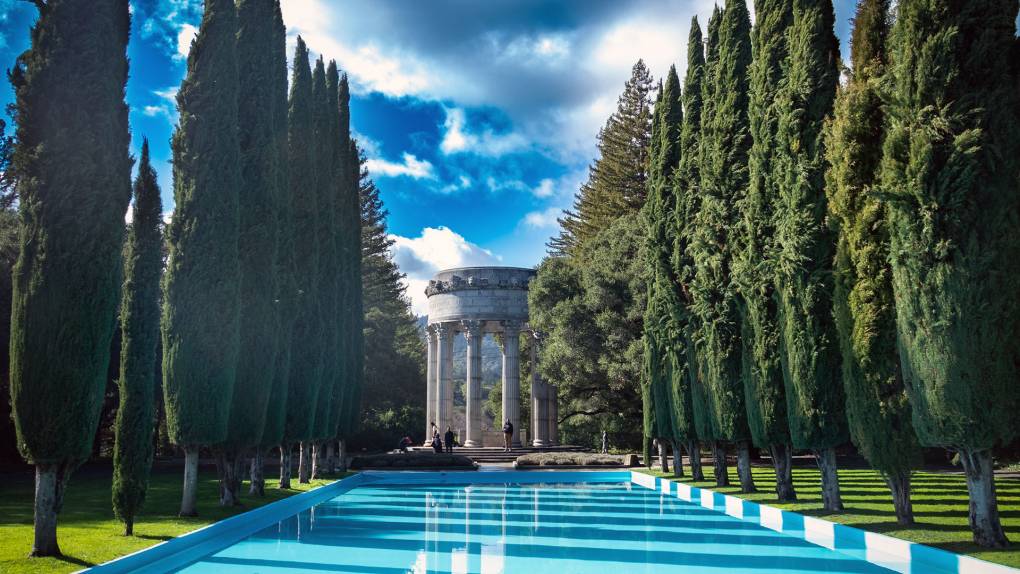
"caption": "For years, the Pulgas Water Temple in Redwood City has amazed visitors with its classical columns.",
"description": null,
"title": "Pulgas-water-temple-redwood-city",
"credit": "Navaneeth KN/\u003ca href=\"https://www.flickr.com/photos/navaneethkn/46779638882/in/photolist-2egKSRY-d5RJf-d5RKd-nq9AXi-nq9B4v-2cPuhph-2563Z3a-omRWK7-kAE9M-d5REq-QadY5F-hPo9iW-any7GD-any6XB-3a5eV9-anAUV3-5tq3yC-5PnAM6-5PnAta-5PnAVn-5tkEAz-5tkCHP-5tq2ZQ-5tkDeZ-any6FB-5tq3U1-5tq3EJ-5tq44C-5tkDwH-7Xmih8-4M6gPP-anAWpQ-anAUZh-5PnAji-5PnBaT-any6z8-anAWxU-any7Tk-anAUyq-anAWbW-Qae5bi-anAX1u-any8dp-5PrSXo-anAWA7-any8ic-any7UR-anAWTG-any8or-aAD3W\">Flickr\u003c/a>",
"status": "inherit",
"altTag": "A row of poplars line an aquamarine pool. At the end is a round, classical-looking building with columns.",
"isLoading": false,
"fetchFailed": false
},
"news_11702737": {
"type": "attachments",
"id": "news_11702737",
"meta": {
"index": "attachments_1716263798",
"site": "news",
"id": "11702737",
"found": true
},
"parent": 11702058,
"imgSizes": {
"small": {
"file": "https://ww2.kqed.org/app/uploads/sites/10/2018/10/sfmap-1-520x292.jpg",
"width": 520,
"mimeType": "image/jpeg",
"height": 292
},
"thumbnail": {
"file": "https://ww2.kqed.org/app/uploads/sites/10/2018/10/sfmap-1-160x90.jpg",
"width": 160,
"mimeType": "image/jpeg",
"height": 90
},
"post-thumbnail": {
"file": "https://ww2.kqed.org/app/uploads/sites/10/2018/10/sfmap-1-672x372.jpg",
"width": 672,
"mimeType": "image/jpeg",
"height": 372
},
"xsmall": {
"file": "https://ww2.kqed.org/app/uploads/sites/10/2018/10/sfmap-1-375x211.jpg",
"width": 375,
"mimeType": "image/jpeg",
"height": 211
},
"kqedFullSize": {
"file": "https://ww2.kqed.org/app/uploads/sites/10/2018/10/sfmap-1.jpg",
"width": 923,
"height": 519
},
"guest-author-50": {
"file": "https://ww2.kqed.org/app/uploads/sites/10/2018/10/sfmap-1-50x50.jpg",
"width": 50,
"mimeType": "image/jpeg",
"height": 50
},
"guest-author-96": {
"file": "https://ww2.kqed.org/app/uploads/sites/10/2018/10/sfmap-1-96x96.jpg",
"width": 96,
"mimeType": "image/jpeg",
"height": 96
},
"medium": {
"file": "https://ww2.kqed.org/app/uploads/sites/10/2018/10/sfmap-1-800x450.jpg",
"width": 800,
"mimeType": "image/jpeg",
"height": 450
},
"guest-author-64": {
"file": "https://ww2.kqed.org/app/uploads/sites/10/2018/10/sfmap-1-64x64.jpg",
"width": 64,
"mimeType": "image/jpeg",
"height": 64
},
"guest-author-32": {
"file": "https://ww2.kqed.org/app/uploads/sites/10/2018/10/sfmap-1-32x32.jpg",
"width": 32,
"mimeType": "image/jpeg",
"height": 32
},
"detail": {
"file": "https://ww2.kqed.org/app/uploads/sites/10/2018/10/sfmap-1-150x150.jpg",
"width": 150,
"mimeType": "image/jpeg",
"height": 150
},
"guest-author-128": {
"file": "https://ww2.kqed.org/app/uploads/sites/10/2018/10/sfmap-1-128x128.jpg",
"width": 128,
"mimeType": "image/jpeg",
"height": 128
},
"xxsmall": {
"file": "https://ww2.kqed.org/app/uploads/sites/10/2018/10/sfmap-1-240x135.jpg",
"width": 240,
"mimeType": "image/jpeg",
"height": 135
}
},
"publishDate": 1541022243,
"modified": 1541022366,
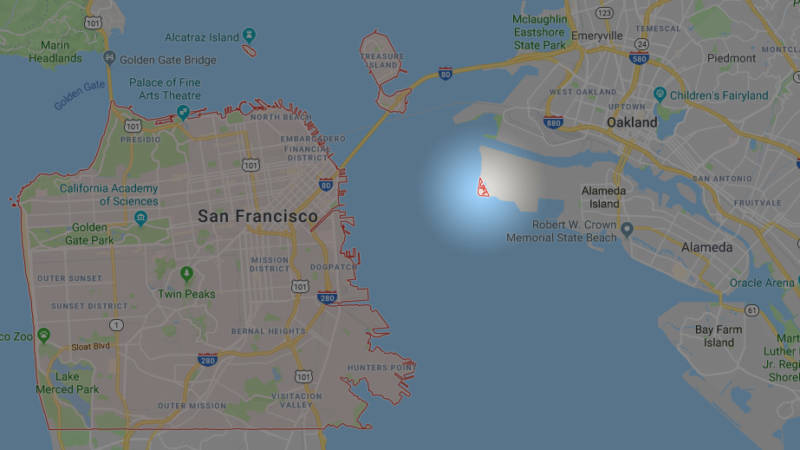
"caption": "The outline of San Francisco on Google Maps includes a tiny sliver of Alameda Island. ",
"description": "The outline of San Francisco on Google Maps includes a tiny sliver of Alameda Island. ",
"title": "sfmap",
"credit": "Google Maps",
"status": "inherit",
"isLoading": false,
"fetchFailed": false
},
"news_11970153": {
"type": "attachments",
"id": "news_11970153",
"meta": {
"index": "attachments_1716263798",
"site": "news",
"id": "11970153",
"found": true
},
"parent": 11970139,
"imgSizes": {
"twentyfourteen-full-width": {
"file": "https://cdn.kqed.org/wp-content/uploads/sites/10/2023/12/iStock-1436336446-1038x576.jpg",
"width": 1038,
"mimeType": "image/jpeg",
"height": 576
},
"thumbnail": {
"file": "https://cdn.kqed.org/wp-content/uploads/sites/10/2023/12/iStock-1436336446-160x107.jpg",
"width": 160,
"mimeType": "image/jpeg",
"height": 107
},
"post-thumbnail": {
"file": "https://cdn.kqed.org/wp-content/uploads/sites/10/2023/12/iStock-1436336446-672x372.jpg",
"width": 672,
"mimeType": "image/jpeg",
"height": 372
},
"kqedFullSize": {
"file": "https://cdn.kqed.org/wp-content/uploads/sites/10/2023/12/iStock-1436336446.jpg",
"width": 2121,
"height": 1414
},
"2048x2048": {
"file": "https://cdn.kqed.org/wp-content/uploads/sites/10/2023/12/iStock-1436336446-2048x1365.jpg",
"width": 2048,
"mimeType": "image/jpeg",
"height": 1365
},
"large": {
"file": "https://cdn.kqed.org/wp-content/uploads/sites/10/2023/12/iStock-1436336446-1020x680.jpg",
"width": 1020,
"mimeType": "image/jpeg",
"height": 680
},
"1536x1536": {
"file": "https://cdn.kqed.org/wp-content/uploads/sites/10/2023/12/iStock-1436336446-1536x1024.jpg",
"width": 1536,
"mimeType": "image/jpeg",
"height": 1024
},
"full-width": {
"file": "https://cdn.kqed.org/wp-content/uploads/sites/10/2023/12/iStock-1436336446-1920x1280.jpg",
"width": 1920,
"mimeType": "image/jpeg",
"height": 1280
},
"medium": {
"file": "https://cdn.kqed.org/wp-content/uploads/sites/10/2023/12/iStock-1436336446-800x533.jpg",
"width": 800,
"mimeType": "image/jpeg",
"height": 533
}
},
"publishDate": 1702683801,
"modified": 1702683896,
"caption": "Before smartphones kept us ever-tethered to the exact time, there was a service you could call to help set your clocks. ",
"description": "Before smartphones kept us ever-tethered to the exact time, there was a service you could call to help set your clocks. ",
"title": "different telephones set",
"credit": "OllyKava/Getty Images",
"status": "inherit",
"altTag": "An illustration with six colorful vintage telephones.",
"isLoading": false,
"fetchFailed": false
},
"news_11969433": {
"type": "attachments",
"id": "news_11969433",
"meta": {
"index": "attachments_1716263798",
"site": "news",
"id": "11969433",
"found": true
},
"parent": 11969411,
"imgSizes": {
"twentyfourteen-full-width": {
"file": "https://cdn.kqed.org/wp-content/uploads/sites/10/2023/12/img105-1-1020x576.jpg",
"width": 1020,
"mimeType": "image/jpeg",
"height": 576
},
"thumbnail": {
"file": "https://cdn.kqed.org/wp-content/uploads/sites/10/2023/12/img105-1-160x111.jpg",
"width": 160,
"mimeType": "image/jpeg",
"height": 111
},
"post-thumbnail": {
"file": "https://cdn.kqed.org/wp-content/uploads/sites/10/2023/12/img105-1-672x372.jpg",
"width": 672,
"mimeType": "image/jpeg",
"height": 372
},
"kqedFullSize": {
"file": "https://cdn.kqed.org/wp-content/uploads/sites/10/2023/12/img105-1.jpg",
"width": 1020,
"height": 708
},
"medium": {
"file": "https://cdn.kqed.org/wp-content/uploads/sites/10/2023/12/img105-1-800x555.jpg",
"width": 800,
"mimeType": "image/jpeg",
"height": 555
}
},
"publishDate": 1702073532,
"modified": 1702073702,
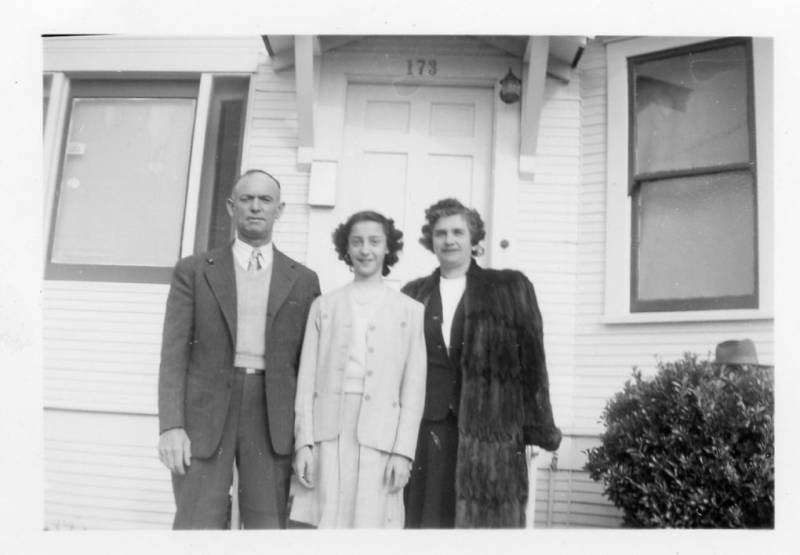
"caption": " Laura Gularte (middle), at 15 years old, with her parents Quinto and Elvira Neri in front of their home in Santa Cruz, California. The family was forced to abandon the coastal home temporarily during World War 2 because Quinto was an Italian citizen. ",
"description": " Laura Gularte (middle), at 15 years old, with her parents Quinto and Elvira Neri in front of their home in Santa Cruz, California. The family was forced to abandon the coastal home temporarily during World War 2 because Quinto was an Italian citizen. ",
"title": "img105 (1)",
"credit": "Courtesy of Mark Gularte",
"status": "inherit",
"altTag": "A black and white photograph from the 1940s of man, woman and child in front of a home.",
"isLoading": false,
"fetchFailed": false
},
"news_11969213": {
"type": "attachments",
"id": "news_11969213",
"meta": {
"index": "attachments_1716263798",
"site": "news",
"id": "11969213",
"found": true
},
"title": "230714-AnchorBrewing-16-BL",
"publishDate": 1701928851,
"status": "inherit",
"parent": 11969212,
"modified": 1717178591,
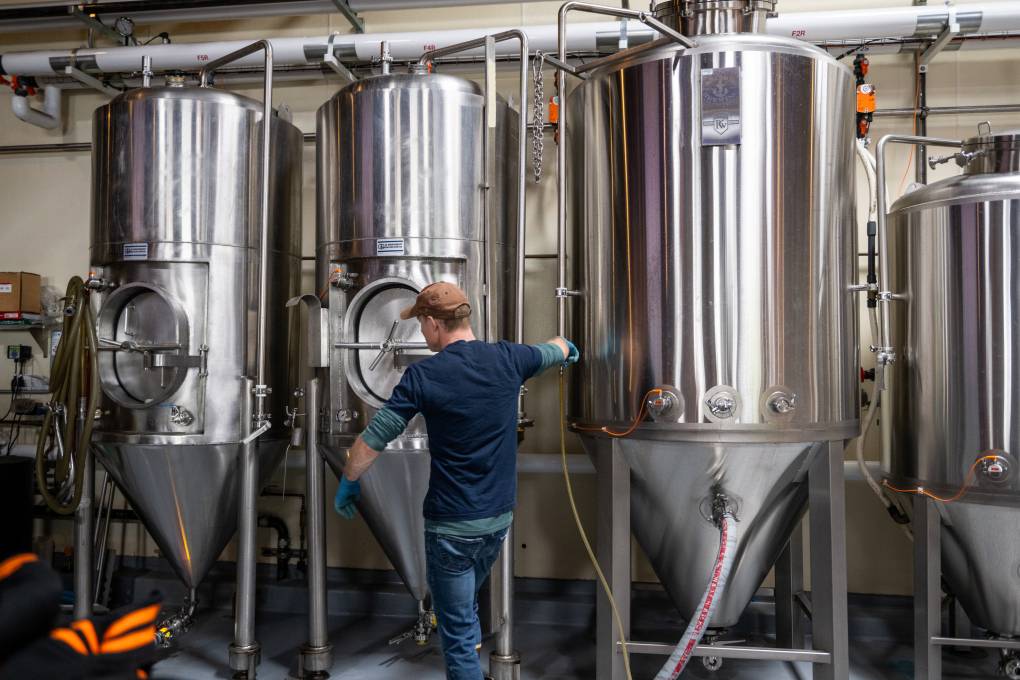
"caption": "An employee checks the fermentation tanks at Anchor Public Taps in San Francisco on July 14, 2023.",
"credit": "Beth LaBerge/KQED",
"altTag": "A person stands in front of three stainless steel fermentation tanks.",
"description": "An employee checks the fermentation tanks at Anchor Public Taps in San Francisco on July 14, 2023. After more than 127 years of brewing in San Francisco, Anchor Brewing closed earlier this year.",
"imgSizes": {
"medium": {
"file": "https://cdn.kqed.org/wp-content/uploads/sites/10/2023/12/230714-AnchorBrewing-16-BL-800x533.jpg",
"width": 800,
"height": 533,
"mimeType": "image/jpeg"
},
"large": {
"file": "https://cdn.kqed.org/wp-content/uploads/sites/10/2023/12/230714-AnchorBrewing-16-BL-1020x680.jpg",
"width": 1020,
"height": 680,
"mimeType": "image/jpeg"
},
"thumbnail": {
"file": "https://cdn.kqed.org/wp-content/uploads/sites/10/2023/12/230714-AnchorBrewing-16-BL-160x107.jpg",
"width": 160,
"height": 107,
"mimeType": "image/jpeg"
},
"1536x1536": {
"file": "https://cdn.kqed.org/wp-content/uploads/sites/10/2023/12/230714-AnchorBrewing-16-BL-1536x1024.jpg",
"width": 1536,
"height": 1024,
"mimeType": "image/jpeg"
},
"2048x2048": {
"file": "https://cdn.kqed.org/wp-content/uploads/sites/10/2023/12/230714-AnchorBrewing-16-BL-2048x1365.jpg",
"width": 2048,
"height": 1365,
"mimeType": "image/jpeg"
},
"post-thumbnail": {
"file": "https://cdn.kqed.org/wp-content/uploads/sites/10/2023/12/230714-AnchorBrewing-16-BL-672x372.jpg",
"width": 672,
"height": 372,
"mimeType": "image/jpeg"
},
"twentyfourteen-full-width": {
"file": "https://cdn.kqed.org/wp-content/uploads/sites/10/2023/12/230714-AnchorBrewing-16-BL-1038x576.jpg",
"width": 1038,
"height": 576,
"mimeType": "image/jpeg"
},
"full-width": {
"file": "https://cdn.kqed.org/wp-content/uploads/sites/10/2023/12/230714-AnchorBrewing-16-BL-1920x1280.jpg",
"width": 1920,
"height": 1280,
"mimeType": "image/jpeg"
},
"kqedFullSize": {
"file": "https://cdn.kqed.org/wp-content/uploads/sites/10/2023/12/230714-AnchorBrewing-16-BL-scaled.jpg",
"width": 2560,
"height": 1707
}
},
"isLoading": false,
"fetchFailed": false
},
"news_11968507": {
"type": "attachments",
"id": "news_11968507",
"meta": {
"index": "attachments_1716263798",
"site": "news",
"id": "11968507",
"found": true
},
"parent": 11968495,
"imgSizes": {
"twentyfourteen-full-width": {
"file": "https://ww2.kqed.org/app/uploads/sites/10/2023/11/Coastal-Fog-1038x576.jpg",
"width": 1038,
"mimeType": "image/jpeg",
"height": 576
},
"thumbnail": {
"file": "https://ww2.kqed.org/app/uploads/sites/10/2023/11/Coastal-Fog-160x107.jpg",
"width": 160,
"mimeType": "image/jpeg",
"height": 107
},
"post-thumbnail": {
"file": "https://ww2.kqed.org/app/uploads/sites/10/2023/11/Coastal-Fog-672x372.jpg",
"width": 672,
"mimeType": "image/jpeg",
"height": 372
},
"kqedFullSize": {
"file": "https://ww2.kqed.org/app/uploads/sites/10/2023/11/Coastal-Fog.jpg",
"width": 1920,
"height": 1280
},
"large": {
"file": "https://ww2.kqed.org/app/uploads/sites/10/2023/11/Coastal-Fog-1020x680.jpg",
"width": 1020,
"mimeType": "image/jpeg",
"height": 680
},
"1536x1536": {
"file": "https://ww2.kqed.org/app/uploads/sites/10/2023/11/Coastal-Fog-1536x1024.jpg",
"width": 1536,
"mimeType": "image/jpeg",
"height": 1024
},
"medium": {
"file": "https://ww2.kqed.org/app/uploads/sites/10/2023/11/Coastal-Fog-800x533.jpg",
"width": 800,
"mimeType": "image/jpeg",
"height": 533
}
},
"publishDate": 1701214047,
"modified": 1701214179,
"caption": null,
"description": null,
"title": "Coastal Fog",
"credit": "Carly Severn/KQED",
"status": "inherit",
"altTag": "Aerial view of the California coast. On the left side of the image, the ocean laps against the shore, on the right side, plant covered sand dunes rise from the beach. Fog rolls in.",
"isLoading": false,
"fetchFailed": false
},
"news_11967496": {
"type": "attachments",
"id": "news_11967496",
"meta": {
"index": "attachments_1716263798",
"site": "news",
"id": "11967496",
"found": true
},
"parent": 11967490,
"imgSizes": {
"twentyfourteen-full-width": {
"file": "https://ww2.kqed.org/app/uploads/sites/10/2023/11/IMG_0477-1020x659-1-1020x576.jpeg",
"width": 1020,
"mimeType": "image/jpeg",
"height": 576
},
"thumbnail": {
"file": "https://ww2.kqed.org/app/uploads/sites/10/2023/11/IMG_0477-1020x659-1-160x103.jpeg",
"width": 160,
"mimeType": "image/jpeg",
"height": 103
},
"post-thumbnail": {
"file": "https://ww2.kqed.org/app/uploads/sites/10/2023/11/IMG_0477-1020x659-1-672x372.jpeg",
"width": 672,
"mimeType": "image/jpeg",
"height": 372
},
"kqedFullSize": {
"file": "https://ww2.kqed.org/app/uploads/sites/10/2023/11/IMG_0477-1020x659-1.jpeg",
"width": 1020,
"height": 659
},
"medium": {
"file": "https://ww2.kqed.org/app/uploads/sites/10/2023/11/IMG_0477-1020x659-1-800x517.jpeg",
"width": 800,
"mimeType": "image/jpeg",
"height": 517
}
},
"publishDate": 1700095995,
"modified": 1700096064,
"caption": null,
"description": null,
"title": "IMG_0477-1020x659",
"credit": "Anna Vignet/KQED",
"status": "inherit",
"altTag": "An illustration showing an idealized urban environment featuring apartments, a bike lane, light rail, big sidewalks and a roadway.",
"isLoading": false,
"fetchFailed": false
},
"news_11966780": {
"type": "attachments",
"id": "news_11966780",
"meta": {
"index": "attachments_1716263798",
"site": "news",
"id": "11966780",
"found": true
},
"parent": 11966749,
"imgSizes": {
"twentyfourteen-full-width": {
"file": "https://ww2.kqed.org/app/uploads/sites/10/2023/11/230928-ArleneOwseichik-024-BL-qut-1038x576.jpg",
"width": 1038,
"mimeType": "image/jpeg",
"height": 576
},
"thumbnail": {
"file": "https://ww2.kqed.org/app/uploads/sites/10/2023/11/230928-ArleneOwseichik-024-BL-qut-160x107.jpg",
"width": 160,
"mimeType": "image/jpeg",
"height": 107
},
"post-thumbnail": {
"file": "https://ww2.kqed.org/app/uploads/sites/10/2023/11/230928-ArleneOwseichik-024-BL-qut-672x372.jpg",
"width": 672,
"mimeType": "image/jpeg",
"height": 372
},
"kqedFullSize": {
"file": "https://ww2.kqed.org/app/uploads/sites/10/2023/11/230928-ArleneOwseichik-024-BL-qut.jpg",
"width": 1920,
"height": 1280
},
"large": {
"file": "https://ww2.kqed.org/app/uploads/sites/10/2023/11/230928-ArleneOwseichik-024-BL-qut-1020x680.jpg",
"width": 1020,
"mimeType": "image/jpeg",
"height": 680
},
"1536x1536": {
"file": "https://ww2.kqed.org/app/uploads/sites/10/2023/11/230928-ArleneOwseichik-024-BL-qut-1536x1024.jpg",
"width": 1536,
"mimeType": "image/jpeg",
"height": 1024
},
"medium": {
"file": "https://ww2.kqed.org/app/uploads/sites/10/2023/11/230928-ArleneOwseichik-024-BL-qut-800x533.jpg",
"width": 800,
"mimeType": "image/jpeg",
"height": 533
}
},
"publishDate": 1699476634,
"modified": 1699485152,
"caption": "Arlene Owseichik, long-time art director at Bill Graham Presents, sits at her home in Berkeley on Sept. 28, 2023. Owseichik designed posters for Bill Graham Presents for 30 years and produced nearly 2000 of the iconic concert posters.",
"description": null,
"title": "230928-ArleneOwseichik-024-BL-qut",
"credit": "Beth LaBerge/KQED",
"status": "inherit",
"altTag": null,
"isLoading": false,
"fetchFailed": false
},
"news_11903117": {
"type": "attachments",
"id": "news_11903117",
"meta": {
"index": "attachments_1716263798",
"site": "news",
"id": "11903117",
"found": true
},
"parent": 11902998,
"imgSizes": {
"twentyfourteen-full-width": {
"file": "https://ww2.kqed.org/app/uploads/sites/10/2022/01/194146336_326107285562520_8338172634866005523_n-1038x576.jpg",
"width": 1038,
"mimeType": "image/jpeg",
"height": 576
},
"thumbnail": {
"file": "https://ww2.kqed.org/app/uploads/sites/10/2022/01/194146336_326107285562520_8338172634866005523_n-160x120.jpg",
"width": 160,
"mimeType": "image/jpeg",
"height": 120
},
"post-thumbnail": {
"file": "https://ww2.kqed.org/app/uploads/sites/10/2022/01/194146336_326107285562520_8338172634866005523_n-672x372.jpg",
"width": 672,
"mimeType": "image/jpeg",
"height": 372
},
"kqedFullSize": {
"file": "https://ww2.kqed.org/app/uploads/sites/10/2022/01/194146336_326107285562520_8338172634866005523_n-scaled.jpg",
"width": 2560,
"height": 1920
},
"2048x2048": {
"file": "https://ww2.kqed.org/app/uploads/sites/10/2022/01/194146336_326107285562520_8338172634866005523_n-2048x1536.jpg",
"width": 2048,
"mimeType": "image/jpeg",
"height": 1536
},
"large": {
"file": "https://ww2.kqed.org/app/uploads/sites/10/2022/01/194146336_326107285562520_8338172634866005523_n-1020x765.jpg",
"width": 1020,
"mimeType": "image/jpeg",
"height": 765
},
"1536x1536": {
"file": "https://ww2.kqed.org/app/uploads/sites/10/2022/01/194146336_326107285562520_8338172634866005523_n-1536x1152.jpg",
"width": 1536,
"mimeType": "image/jpeg",
"height": 1152
},
"full-width": {
"file": "https://ww2.kqed.org/app/uploads/sites/10/2022/01/194146336_326107285562520_8338172634866005523_n-1920x1440.jpg",
"width": 1920,
"mimeType": "image/jpeg",
"height": 1440
},
"medium": {
"file": "https://ww2.kqed.org/app/uploads/sites/10/2022/01/194146336_326107285562520_8338172634866005523_n-800x600.jpg",
"width": 800,
"mimeType": "image/jpeg",
"height": 600
}
},
"publishDate": 1643394827,
"modified": 1643403729,
"caption": "Rev. Jim Mitulski at Lake Merritt in Oakland in 2021.",
"description": null,
"title": "194146336_326107285562520_8338172634866005523_n",
"credit": "Courtesy of Todd Atkins-Whitley",
"status": "inherit",
"altTag": "A man sitting outside on a chair by a lake.",
"isLoading": false,
"fetchFailed": false
},
"news_11965622": {
"type": "attachments",
"id": "news_11965622",
"meta": {
"index": "attachments_1716263798",
"site": "news",
"id": "11965622",
"found": true
},
"parent": 11965502,
"imgSizes": {
"twentyfourteen-full-width": {
"file": "https://ww2.kqed.org/app/uploads/sites/10/2023/10/Durrant-Mugshot-976x576.jpg",
"width": 976,
"mimeType": "image/jpeg",
"height": 576
},
"thumbnail": {
"file": "https://ww2.kqed.org/app/uploads/sites/10/2023/10/Durrant-Mugshot-160x104.jpg",
"width": 160,
"mimeType": "image/jpeg",
"height": 104
},
"post-thumbnail": {
"file": "https://ww2.kqed.org/app/uploads/sites/10/2023/10/Durrant-Mugshot-672x372.jpg",
"width": 672,
"mimeType": "image/jpeg",
"height": 372
},
"kqedFullSize": {
"file": "https://ww2.kqed.org/app/uploads/sites/10/2023/10/Durrant-Mugshot.jpg",
"width": 976,
"height": 636
},
"medium": {
"file": "https://ww2.kqed.org/app/uploads/sites/10/2023/10/Durrant-Mugshot-800x521.jpg",
"width": 800,
"mimeType": "image/jpeg",
"height": 521
}
},
"publishDate": 1698261684,
"modified": 1698277151,
"caption": "A mugshot of Theo Durrant.",
"description": null,
"title": "Durrant Mugshot",
"credit": null,
"status": "inherit",
"altTag": null,
"isLoading": false,
"fetchFailed": false
},
"news_11964159": {
"type": "attachments",
"id": "news_11964159",
"meta": {
"index": "attachments_1716263798",
"site": "news",
"id": "11964159",
"found": true
},
"parent": 11964156,
"imgSizes": {
"twentyfourteen-full-width": {
"file": "https://ww2.kqed.org/app/uploads/sites/10/2023/10/IMG_8055-1038x576.jpg",
"width": 1038,
"mimeType": "image/jpeg",
"height": 576
},
"thumbnail": {
"file": "https://ww2.kqed.org/app/uploads/sites/10/2023/10/IMG_8055-160x120.jpg",
"width": 160,
"mimeType": "image/jpeg",
"height": 120
},
"post-thumbnail": {
"file": "https://ww2.kqed.org/app/uploads/sites/10/2023/10/IMG_8055-672x372.jpg",
"width": 672,
"mimeType": "image/jpeg",
"height": 372
},
"kqedFullSize": {
"file": "https://ww2.kqed.org/app/uploads/sites/10/2023/10/IMG_8055.jpg",
"width": 1920,
"height": 1440
},
"large": {
"file": "https://ww2.kqed.org/app/uploads/sites/10/2023/10/IMG_8055-1020x765.jpg",
"width": 1020,
"mimeType": "image/jpeg",
"height": 765
},
"1536x1536": {
"file": "https://ww2.kqed.org/app/uploads/sites/10/2023/10/IMG_8055-1536x1152.jpg",
"width": 1536,
"mimeType": "image/jpeg",
"height": 1152
},
"medium": {
"file": "https://ww2.kqed.org/app/uploads/sites/10/2023/10/IMG_8055-800x600.jpg",
"width": 800,
"mimeType": "image/jpeg",
"height": 600
}
},
"publishDate": 1697062130,
"modified": 1697062321,
"caption": "The Lone Tree still stands today next to a small creek at the Lone Tree Cemetery in Hayward. A nearby headstone dates it back to the 1700s. ",
"description": "The Lone Tree still stands today next to a small creek at the Lone Tree Cemetery in Hayward. A nearby headstone dates it back to the 1700s. ",
"title": "IMG_8055",
"credit": "Pauline Bartolone/KQED",
"status": "inherit",
"altTag": "The sun shines through the branches and leaves of a twisted, gnarly oak tree. At it's base are several tombstones. One dates the tree to the 1700s.",
"isLoading": false,
"fetchFailed": false
}
},
"audioPlayerReducer": {
"postId": "stream_live",
"isPaused": true,
"isPlaying": false,
"pfsActive": false,
"pledgeModalIsOpen": true,
"playerDrawerIsOpen": false,
"liveAudioPlayStartedAt": 0,
"liveAudioPlayContext": ""
},
"authorsReducer": {
"ohubertallen": {
"type": "authors",
"id": "102",
"meta": {
"index": "authors_1716337520",
"id": "102",
"found": true
},
"name": "Olivia Allen-Price",
"firstName": "Olivia",
"lastName": "Allen-Price",
"slug": "ohubertallen",
"email": "oallenprice@kqed.org",
"display_author_email": false,
"staff_mastheads": [
"news"
],
"title": "Senior Editor",
"bio": "Olivia Allen-Price is senior editor and host of the award-winning Bay Curious podcast. Prior to joining KQED in 2013, Olivia worked at The Baltimore Sun and The Virginian-Pilot in Norfolk, Va. She holds degrees in journalism and political science from Elon University. Her work has earned awards from the Society of Professional Journalists, the Hearst Foundation and Hearken. She loves to talk about running and curly hair.\r\n\r\nFollow: \u003ca href=\"https://twitter.com/oallenprice\">@oallenprice\u003c/a>\r\nEmail: \u003ca href=\"mailto:oallenprice@kqed.org\">oallenprice@kqed.org\u003c/a>",
"avatar": "https://secure.gravatar.com/avatar/07f7803c1f6be56f3be58ef276dfa64dce898502e0554408ef4858451a8294f7?s=600&d=blank&r=g",
"twitter": "oallenprice",
"bluesky": null,
"facebook": null,
"instagram": null,
"linkedin": null,
"sites": [
{
"site": "",
"roles": [
"editor"
]
},
{
"site": "arts",
"roles": [
"subscriber"
]
},
{
"site": "news",
"roles": [
"administrator"
]
},
{
"site": "pop",
"roles": [
"administrator"
]
},
{
"site": "bayareabites",
"roles": [
"contributor"
]
},
{
"site": "stateofhealth",
"roles": [
"administrator"
]
},
{
"site": "science",
"roles": [
"editor"
]
}
],
"headData": {
"title": "Olivia Allen-Price | KQED",
"description": "Senior Editor",
"ogImgSrc": "https://secure.gravatar.com/avatar/07f7803c1f6be56f3be58ef276dfa64dce898502e0554408ef4858451a8294f7?s=600&d=blank&r=g",
"twImgSrc": "https://secure.gravatar.com/avatar/07f7803c1f6be56f3be58ef276dfa64dce898502e0554408ef4858451a8294f7?s=600&d=blank&r=g"
},
"isLoading": false,
"link": "/author/ohubertallen"
},
"katrinaschwartz": {
"type": "authors",
"id": "234",
"meta": {
"index": "authors_1716337520",
"id": "234",
"found": true
},
"name": "Katrina Schwartz",
"firstName": "Katrina",
"lastName": "Schwartz",
"slug": "katrinaschwartz",
"email": "kschwartz@kqed.org",
"display_author_email": false,
"staff_mastheads": [
"news"
],
"title": "Producer",
"bio": "Katrina Schwartz is a journalist based in San Francisco. She's worked at KPCC public radio in LA and has reported on air and online for KQED since 2010. She covered how teaching and learning is changing for MindShift between 2012 and 2020. She is the co-host of the MindShift podcast and now produces KQED's Bay Curious podcast.",
"avatar": "https://secure.gravatar.com/avatar/edb4ee79070447a018538c9aae6eeecf28786515b8a0c30e43b6b7dce5aa44c8?s=600&d=blank&r=g",
"twitter": "kschwart",
"bluesky": null,
"facebook": null,
"instagram": null,
"linkedin": null,
"sites": [
{
"site": "",
"roles": [
"editor"
]
},
{
"site": "news",
"roles": [
"editor"
]
},
{
"site": "mindshift",
"roles": [
"administrator"
]
},
{
"site": "stateofhealth",
"roles": [
"author"
]
},
{
"site": "science",
"roles": [
"editor"
]
}
],
"headData": {
"title": "Katrina Schwartz | KQED",
"description": "Producer",
"ogImgSrc": "https://secure.gravatar.com/avatar/edb4ee79070447a018538c9aae6eeecf28786515b8a0c30e43b6b7dce5aa44c8?s=600&d=blank&r=g",
"twImgSrc": "https://secure.gravatar.com/avatar/edb4ee79070447a018538c9aae6eeecf28786515b8a0c30e43b6b7dce5aa44c8?s=600&d=blank&r=g"
},
"isLoading": false,
"link": "/author/katrinaschwartz"
},
"carlysevern": {
"type": "authors",
"id": "3243",
"meta": {
"index": "authors_1716337520",
"id": "3243",
"found": true
},
"name": "Carly Severn",
"firstName": "Carly",
"lastName": "Severn",
"slug": "carlysevern",
"email": "csevern@kqed.org",
"display_author_email": false,
"staff_mastheads": [
"news"
],
"title": "Senior Editor, Audience News ",
"bio": "Carly is KQED's Senior Editor of Audience News on the Digital News team, and has reported for the California Report Magazine, Bay Curious and KQED Arts. She's formerly the host of \u003ca href=\"http://ww2.kqed.org/pop/category/the-cooler/\" rel=\"noopener noreferrer\">The Cooler\u003c/a> podcast.",
"avatar": "https://secure.gravatar.com/avatar/54037bf5c128fe678f0ef26cec97a93f2e7f220a22d7285703328f12c42c1b1d?s=600&d=blank&r=g",
"twitter": "teacupinthebay",
"bluesky": null,
"facebook": null,
"instagram": null,
"linkedin": null,
"sites": [
{
"site": "",
"roles": [
"editor"
]
},
{
"site": "arts",
"roles": [
"editor"
]
},
{
"site": "news",
"roles": [
"administrator"
]
},
{
"site": "pop",
"roles": [
"editor"
]
},
{
"site": "futureofyou",
"roles": [
"editor"
]
},
{
"site": "about",
"roles": [
"administrator"
]
},
{
"site": "mindshift",
"roles": [
"editor"
]
},
{
"site": "bayareabites",
"roles": [
"editor"
]
},
{
"site": "stateofhealth",
"roles": [
"editor"
]
},
{
"site": "science",
"roles": [
"editor"
]
},
{
"site": "food",
"roles": [
"contributor"
]
},
{
"site": "forum",
"roles": [
"editor"
]
},
{
"site": "perspectives",
"roles": [
"administrator"
]
},
{
"site": "liveblog",
"roles": [
"editor"
]
}
],
"headData": {
"title": "Carly Severn | KQED",
"description": "Senior Editor, Audience News ",
"ogImgSrc": "https://secure.gravatar.com/avatar/54037bf5c128fe678f0ef26cec97a93f2e7f220a22d7285703328f12c42c1b1d?s=600&d=blank&r=g",
"twImgSrc": "https://secure.gravatar.com/avatar/54037bf5c128fe678f0ef26cec97a93f2e7f220a22d7285703328f12c42c1b1d?s=600&d=blank&r=g"
},
"isLoading": false,
"link": "/author/carlysevern"
},
"afont": {
"type": "authors",
"id": "8637",
"meta": {
"index": "authors_1716337520",
"id": "8637",
"found": true
},
"name": "Amanda Font",
"firstName": "Amanda",
"lastName": "Font",
"slug": "afont",
"email": "afont@kqed.org",
"display_author_email": false,
"staff_mastheads": [],
"title": "KQED Contributor",
"bio": "Amanda Font is a producer on \u003cem>The Latest\u003c/em> podcast, and the host and co-producer of the series \u003cem>Audible Cosmos\u003c/em>. She has previously worked as a producer and reporter on the \u003cem>Bay Curious\u003c/em> podcast, and director of \u003cem>The California Report Magazine\u003c/em>. She grew up in the deserts of Southern California and moved north for the trees. Amanda earned a B.A. from the BECA program at San Francisco State, where she worked in the university's radio station. Amanda Font is represented by SAG-AFTRA.",
"avatar": "https://secure.gravatar.com/avatar/d9e81cf0117d5849b9cfb7ab4b1422f1?s=600&d=blank&r=g",
"twitter": null,
"facebook": null,
"instagram": null,
"linkedin": null,
"sites": [
{
"site": "news",
"roles": [
"add_users",
"create_users"
]
},
{
"site": "science",
"roles": []
},
{
"site": "forum",
"roles": [
"administrator"
]
},
{
"site": "perspectives",
"roles": [
"administrator"
]
},
{
"site": "radio",
"roles": [
"administrator"
]
}
],
"headData": {
"title": "Amanda Font | KQED",
"description": "KQED Contributor",
"ogImgSrc": "https://secure.gravatar.com/avatar/d9e81cf0117d5849b9cfb7ab4b1422f1?s=600&d=blank&r=g",
"twImgSrc": "https://secure.gravatar.com/avatar/d9e81cf0117d5849b9cfb7ab4b1422f1?s=600&d=blank&r=g"
},
"isLoading": false,
"link": "/author/afont"
},
"rlevi": {
"type": "authors",
"id": "11260",
"meta": {
"index": "authors_1716337520",
"id": "11260",
"found": true
},
"name": "Ryan Levi",
"firstName": "Ryan",
"lastName": "Levi",
"slug": "rlevi",
"email": "rlevi@KQED.org",
"display_author_email": false,
"staff_mastheads": [],
"title": "KQED Contributor",
"bio": "Ryan Levi was a reporter and podcast producer at KQED News from 2016-2019. He worked on \u003ca href=\"https://www.kqed.org/news/series/baycurious\">Bay Curious\u003c/a>, \u003ca href=\"https://www.kqed.org/news/tag/the-bay/\">The Bay, \u003c/a>and \u003ca href=\"https://podcasts.apple.com/us/podcast/the-california-report-magazine/id1314750545\">The California Report Magazine\u003c/a>, as well as hosting and producing the weekly \u003ca href=\"https://www.kqed.org/news/program/qedup/\">Q'ed Up podcast. \u003c/a>He also helped inaugurate KQED's weekend news coverage in 2017 as one of two original digital producers. Ryan holds degrees in multimedia journalism and Spanish from the University of Missouri.",
"avatar": "https://secure.gravatar.com/avatar/4cb2ddd028ac8807d1adf09609c5555d?s=600&d=blank&r=g",
"twitter": "ryan_levi",
"facebook": null,
"instagram": null,
"linkedin": null,
"sites": [
{
"site": "arts",
"roles": [
"editor"
]
},
{
"site": "news",
"roles": [
"subscriber"
]
},
{
"site": "stateofhealth",
"roles": [
"editor"
]
},
{
"site": "science",
"roles": [
"editor"
]
},
{
"site": "forum",
"roles": [
"administrator"
]
},
{
"site": "perspectives",
"roles": [
"administrator"
]
}
],
"headData": {
"title": "Ryan Levi | KQED",
"description": "KQED Contributor",
"ogImgSrc": "https://secure.gravatar.com/avatar/4cb2ddd028ac8807d1adf09609c5555d?s=600&d=blank&r=g",
"twImgSrc": "https://secure.gravatar.com/avatar/4cb2ddd028ac8807d1adf09609c5555d?s=600&d=blank&r=g"
},
"isLoading": false,
"link": "/author/rlevi"
},
"dcronin": {
"type": "authors",
"id": "11362",
"meta": {
"index": "authors_1716337520",
"id": "11362",
"found": true
},
"name": "Dana Cronin",
"firstName": "Dana",
"lastName": "Cronin",
"slug": "dcronin",
"email": "dcronin@KQED.org",
"display_author_email": true,
"staff_mastheads": [],
"title": "KQED Contributor",
"bio": "Dana Cronin is a reporter for KQED News. She loves writing stories about climate change, environmental issues, food and agriculture. She's reported across the country, from Colorado to Washington D.C. to Illinois, and has won numerous awards for her coverage. Her work is regularly featured on national broadcasts, including NPR’s Morning Edition, All Things Considered, PBS Newshour and Science Friday. She lives in Oakland and has an avocado tree in her back yard.",
"avatar": "https://secure.gravatar.com/avatar/bcf89e3455ff7235f96ab6fa7258dd95?s=600&d=blank&r=g",
"twitter": "DanaHCronin",
"facebook": null,
"instagram": null,
"linkedin": null,
"sites": [
{
"site": "arts",
"roles": [
"author"
]
},
{
"site": "news",
"roles": [
"editor"
]
},
{
"site": "science",
"roles": [
"author"
]
},
{
"site": "liveblog",
"roles": [
"author"
]
}
],
"headData": {
"title": "Dana Cronin | KQED",
"description": "KQED Contributor",
"ogImgSrc": "https://secure.gravatar.com/avatar/bcf89e3455ff7235f96ab6fa7258dd95?s=600&d=blank&r=g",
"twImgSrc": "https://secure.gravatar.com/avatar/bcf89e3455ff7235f96ab6fa7258dd95?s=600&d=blank&r=g"
},
"isLoading": false,
"link": "/author/dcronin"
},
"btaylor": {
"type": "authors",
"id": "11365",
"meta": {
"index": "authors_1716337520",
"id": "11365",
"found": true
},
"name": "Bianca Taylor",
"firstName": "Bianca",
"lastName": "Taylor",
"slug": "btaylor",
"email": "btaylor@KQED.org",
"display_author_email": false,
"staff_mastheads": [
"news"
],
"title": "Host and Producer ",
"bio": "Bianca Taylor is a news producer and host of KQED's The Latest podcast.\r\n\r\nHer work with KQED has been honored by the Society of Professional Journalists NorCal, the Webby's, the Regional Murrow Awards, and ONA. She has also worked with NPR, the BBC World Service, and the Washington Post Creative Group.\r\n\r\nBianca is represented by SAG-AFTRA.",
"avatar": "https://secure.gravatar.com/avatar/6b9d3f6552dd10470c5d1c2e58cfe717?s=600&d=blank&r=g",
"twitter": "SoundsLkeBianca",
"facebook": null,
"instagram": null,
"linkedin": null,
"sites": [
{
"site": "arts",
"roles": [
"editor"
]
},
{
"site": "news",
"roles": [
"edit_others_posts",
"editor"
]
},
{
"site": "pop",
"roles": [
"editor"
]
},
{
"site": "bayareabites",
"roles": [
"author"
]
},
{
"site": "science",
"roles": [
"editor"
]
},
{
"site": "forum",
"roles": [
"editor"
]
},
{
"site": "radio",
"roles": [
"editor"
]
},
{
"site": "podcasts",
"roles": [
"editor"
]
}
],
"headData": {
"title": "Bianca Taylor | KQED",
"description": "Host and Producer ",
"ogImgSrc": "https://secure.gravatar.com/avatar/6b9d3f6552dd10470c5d1c2e58cfe717?s=600&d=blank&r=g",
"twImgSrc": "https://secure.gravatar.com/avatar/6b9d3f6552dd10470c5d1c2e58cfe717?s=600&d=blank&r=g"
},
"isLoading": false,
"link": "/author/btaylor"
},
"abandlamudi": {
"type": "authors",
"id": "11672",
"meta": {
"index": "authors_1716337520",
"id": "11672",
"found": true
},
"name": "Adhiti Bandlamudi",
"firstName": "Adhiti",
"lastName": "Bandlamudi",
"slug": "abandlamudi",
"email": "abandlamudi@kqed.org",
"display_author_email": false,
"staff_mastheads": [
"news"
],
"title": "KQED Housing Reporter",
"bio": "Adhiti Bandlamudi reports for KQED's Housing desk. She focuses on how housing gets built across the Bay Area. Before joining KQED in 2020, she reported for WUNC in Durham, North Carolina, WABE in Atlanta, Georgia and Capital Public Radio in Sacramento. In 2017, she was awarded a Kroc Fellowship at NPR where she reported on everything from sprinkles to the Golden State Killer's arrest. When she's not reporting, she's baking new recipes in her kitchen or watching movies with friends and family. She's originally from Georgia and has strong opinions about Great British Bake Off.",
"avatar": "https://secure.gravatar.com/avatar/868129c8b257bb99a3500e2c86a65400?s=600&d=mm&r=g",
"twitter": "oddity_adhiti",
"facebook": null,
"instagram": null,
"linkedin": null,
"sites": [
{
"site": "arts",
"roles": [
"author"
]
},
{
"site": "news",
"roles": [
"editor"
]
},
{
"site": "liveblog",
"roles": [
"author"
]
}
],
"headData": {
"title": "Adhiti Bandlamudi | KQED",
"description": "KQED Housing Reporter",
"ogImgSrc": "https://secure.gravatar.com/avatar/868129c8b257bb99a3500e2c86a65400?s=600&d=mm&r=g",
"twImgSrc": "https://secure.gravatar.com/avatar/868129c8b257bb99a3500e2c86a65400?s=600&d=mm&r=g"
},
"isLoading": false,
"link": "/author/abandlamudi"
},
"cbeale": {
"type": "authors",
"id": "11749",
"meta": {
"index": "authors_1716337520",
"id": "11749",
"found": true
},
"name": "Christopher Beale",
"firstName": "Christopher",
"lastName": "Beale",
"slug": "cbeale",
"email": "cbeale@kqed.org",
"display_author_email": true,
"staff_mastheads": [
"news"
],
"title": "Engineer/Producer/Reporter",
"bio": "\u003ca href=\"https://linktr.ee/realchrisjbeale\" rel=\"noopener noreferrer\">Christopher J. Beale\u003c/a> is an award winning journalist, audio engineer, and media host living in San Francisco. \r\n\r\nChristopher works primarily as an audio engineer at KQED and serves as the sound designer for both the Bay Curious and Rightnowish podcasts. He is the host and producer of the LGBTQIA podcast and radio segment \u003ca href=\"https://stereotypespodcast.org\">Stereotypes\u003c/a>.",
"avatar": "https://secure.gravatar.com/avatar/dc485bf84788eb7e7414eb638e72407e?s=600&d=blank&r=g",
"twitter": "realchrisjbeale",
"facebook": null,
"instagram": "http://instagram.com/realchrisjbeale",
"linkedin": null,
"sites": [
{
"site": "arts",
"roles": [
"contributor"
]
},
{
"site": "news",
"roles": [
"editor"
]
},
{
"site": "forum",
"roles": [
"editor"
]
}
],
"headData": {
"title": "Christopher Beale | KQED",
"description": "Engineer/Producer/Reporter",
"ogImgSrc": "https://secure.gravatar.com/avatar/dc485bf84788eb7e7414eb638e72407e?s=600&d=blank&r=g",
"twImgSrc": "https://secure.gravatar.com/avatar/dc485bf84788eb7e7414eb638e72407e?s=600&d=blank&r=g"
},
"isLoading": false,
"link": "/author/cbeale"
},
"kmonahan": {
"type": "authors",
"id": "11842",
"meta": {
"index": "authors_1716337520",
"id": "11842",
"found": true
},
"name": "Katherine Monahan",
"firstName": "Katherine",
"lastName": "Monahan",
"slug": "kmonahan",
"email": "kmonahan@kqed.org",
"display_author_email": true,
"staff_mastheads": [],
"title": "Reporter / Sound Engineer",
"bio": "I cover state and local news. I’m also a sound engineer at the station, mixing stories and running live broadcasts. I link to source materials so that readers can draw their own conclusions, and seek comment from a range of perspectives, including from people directly affected by events. Awards received include from the Society of Professional Journalists, Northern California chapter and the Alaska Press Club. I speak multiple languages and have reported and engineered in the Bay Area, Alaska, West Africa and Latin America.",
"avatar": "https://secure.gravatar.com/avatar/ff257b3a5da88893781a3d3266904b2d2f91c7f0e1bbf728f61f5fb81b74a669?s=600&d=blank&r=g",
"twitter": null,
"bluesky": null,
"facebook": null,
"instagram": null,
"linkedin": null,
"sites": [
{
"site": "news",
"roles": [
"editor"
]
},
{
"site": "science",
"roles": [
"contributor"
]
}
],
"headData": {
"title": "Katherine Monahan | KQED",
"description": "Reporter / Sound Engineer",
"ogImgSrc": "https://secure.gravatar.com/avatar/ff257b3a5da88893781a3d3266904b2d2f91c7f0e1bbf728f61f5fb81b74a669?s=600&d=blank&r=g",
"twImgSrc": "https://secure.gravatar.com/avatar/ff257b3a5da88893781a3d3266904b2d2f91c7f0e1bbf728f61f5fb81b74a669?s=600&d=blank&r=g"
},
"isLoading": false,
"link": "/author/kmonahan"
},
"pbartolone": {
"type": "authors",
"id": "11879",
"meta": {
"index": "authors_1716337520",
"id": "11879",
"found": true
},
"name": "Pauline Bartolone",
"firstName": "Pauline",
"lastName": "Bartolone",
"slug": "pbartolone",
"email": "pbartolone@kqed.org",
"display_author_email": false,
"staff_mastheads": [],
"title": "KQED Contributor",
"bio": "Pauline Bartolone has been a journalist for two decades, specializing in longform audio storytelling. Before editing and producing for podcasts like Bay Curious, she was a health care journalist for public radio and print outlets such as CalMatters and Kaiser Health News. Her reporting has won several regional Edward R. Murrow awards, national recognition from the Society of Professional Journalists and a first-place prize from the Association of Health Care Journalists.\r\n\r\nPauline’s work has aired frequently on National Public Radio, and bylines have appeared in The Los Angeles Times, CNN.com, Washingtonpost.com, USA Today and Scientific American.\r\n\r\nPauline has lived in Northern California for 20 years. Her other passions are crafts (now done in collaboration with her daughter) and the Brazilian martial art of capoeira.",
"avatar": "https://secure.gravatar.com/avatar/95001c30374b0d3878007af9cf1e120a?s=600&d=blank&r=g",
"twitter": "pbartolone",
"facebook": null,
"instagram": null,
"linkedin": null,
"sites": [
{
"site": "news",
"roles": [
"editor"
]
},
{
"site": "podcasts",
"roles": [
"subscriber"
]
}
],
"headData": {
"title": "Pauline Bartolone | KQED",
"description": "KQED Contributor",
"ogImgSrc": "https://secure.gravatar.com/avatar/95001c30374b0d3878007af9cf1e120a?s=600&d=blank&r=g",
"twImgSrc": "https://secure.gravatar.com/avatar/95001c30374b0d3878007af9cf1e120a?s=600&d=blank&r=g"
},
"isLoading": false,
"link": "/author/pbartolone"
}
},
"pagesReducer": {
"news_program_bay-curious": {
"type": "terms",
"id": "news_33523",
"meta": {
"index": "terms_1716263798",
"site": "news",
"id": "33523",
"score": 15.085701
},
"featImg": null,
"name": "Bay Curious",
"description": null,
"taxonomy": "program",
"headData": {
"twImgId": null,
"twTitle": null,
"ogTitle": null,
"ogImgId": null,
"twDescription": null,
"description": null,
"title": "Bay Curious Archives | KQED News",
"ogDescription": null
},
"ttid": 33540,
"slug": "bay-curious",
"isLoading": false,
"title": "Bay Curious",
"pageMeta": {
"site": "news",
"WpPageTemplate": "page-topic-editorial",
"currentPage": 13
},
"blocks": [
{
"blockName": "kqed/post-list",
"attrs": {
"layout": "cardArticle2",
"query": "posts/news?program=bay-curious",
"seeMore": false,
"paginated": true,
"page": 13
}
},
{
"blockName": "kqed/ad"
}
]
}
},
"pfsSessionReducer": {},
"postsReducer": {
"stream_live": {
"type": "live",
"id": "stream_live",
"audioUrl": "https://streams.kqed.org/kqedradio",
"title": "Live Stream",
"excerpt": "Live Stream information currently unavailable.",
"link": "/radio",
"featImg": "",
"label": {
"name": "KQED Live",
"link": "/"
}
},
"stream_kqedNewscast": {
"type": "posts",
"id": "stream_kqedNewscast",
"audioUrl": "https://www.kqed.org/.stream/anon/radio/RDnews/newscast.mp3?_=1",
"title": "KQED Newscast",
"featImg": "",
"label": {
"name": "88.5 FM",
"link": "/"
}
},
"news_11973510": {
"type": "posts",
"id": "news_11973510",
"meta": {
"index": "posts_1716263798",
"site": "news",
"id": "11973510",
"score": null,
"sort": [
1706180409000
]
},
"parent": 0,
"labelTerm": {},
"blocks": [],
"publishDate": 1706180409,
"format": "standard",
"title": "Yes, That Squirrel Might Be Taunting Your Dog. And More Squirrel Facts",
"headTitle": "Yes, That Squirrel Might Be Taunting Your Dog. And More Squirrel Facts | KQED",
"content": "\u003cp>\u003ca href=\"#episode-transcript\">\u003cem>View the full episode transcript\u003c/em>\u003c/a>\u003c/p>\n\u003cp>Look out your window on any given day, and you might see a squirrel busily collecting nuts and burying them around the yard or scampering across swaying power lines like a trapeze artist. Depending on your point of view, they might be cute furry friends or “rodents with bushy tails,” just as likely to carry disease as rats or pigeons.\u003c/p>\n\u003cp>Last year, we asked Bay Curious listeners what they wanted to know about squirrels and got a huge response — over 50 questions about squirrel behavior, social practices, ancestry and economics. Today, we’re answering as many as we can.\u003c/p>\n\u003cp>[baycuriouspodcastinfo]\u003c/p>\n\u003cp>We spoke to Lucia Jacobs, a cognitive scientist who has studied squirrel behavior for 40 years. \u003ca href=\"https://psychology.berkeley.edu/people/lucia-f-jacobs\">She’s a professor emerita at UC Berkeley\u003c/a> and continues researching and publishing insights into squirrel behavior.\u003c/p>\n\u003cp>[ad fullwidth]\u003c/p>\n\u003cp>First, let’s start with some squirrel basics.\u003c/p>\n\u003cp>\u003cb>How many squirrel species are there in the San Francisco Bay Area?\u003c/b>\u003c/p>\n\u003cp>When people talk about squirrels, they are usually referring to tree squirrels. The Bay Area has three types: the fox squirrel, the eastern gray squirrel and the western gray squirrel. Of those, only the western gray is native to the area. The other two are introduced. People living in the East Bay are probably seeing fox squirrels – they have an orangish, tawny tint to their fur. In Marin and down the peninsula, it’s more common to see the eastern and western grays. The western variety is bigger, which is one way to tell it apart.\u003c/p>\n\u003cfigure id=\"attachment_11973514\" class=\"wp-caption aligncenter\" style=\"max-width: 1920px\">\u003cimg loading=\"lazy\" decoding=\"async\" class=\"size-full wp-image-11973514\" src=\"https://cdn.kqed.org/wp-content/uploads/sites/10/2024/01/western-gray.jpg\" alt=\"A chubby gray squirrel takes up the entire frame while eating a nut.\" width=\"1920\" height=\"1371\" srcset=\"https://cdn.kqed.org/wp-content/uploads/sites/10/2024/01/western-gray.jpg 1920w, https://cdn.kqed.org/wp-content/uploads/sites/10/2024/01/western-gray-800x571.jpg 800w, https://cdn.kqed.org/wp-content/uploads/sites/10/2024/01/western-gray-1020x728.jpg 1020w, https://cdn.kqed.org/wp-content/uploads/sites/10/2024/01/western-gray-160x114.jpg 160w, https://cdn.kqed.org/wp-content/uploads/sites/10/2024/01/western-gray-1536x1097.jpg 1536w\" sizes=\"(max-width: 1920px) 100vw, 1920px\">\u003cfigcaption class=\"wp-caption-text\">The western gray squirrel is slightly bigger than the eastern gray species and is native to the San Francisco Bay Area. The western gray is often seen in Marin and down the peninsula. \u003ccite>(Nancy Strohm/iStock)\u003c/cite>\u003c/figcaption>\u003c/figure>\n\u003cp>“Squirrels actually evolved in North America,” Lucia Jacobs said.\u003c/p>\n\u003cp>Scientists found a skeleton that look almost exactly like the tree squirrels we know today from about 35 million years ago. \u003ca href=\"https://www.sciencedirect.com/science/article/abs/pii/S1055790303002045?via%3Dihub\">They concluded that the first squirrels were arboreal\u003c/a> and that ground squirrels evolved from there.\u003c/p>\n\u003cp>The eastern gray and fox squirrels co-evolved with the walnut tree family, which includes hickory trees. That’s partly why eastern North America was so thickly forested with a diverse array of trees when European colonizers first arrived and before they started clear-cutting everything.\u003c/p>\n\u003cp>Here’s how it works. Trees produce nuts that fall to the ground at their roots. If they stay there, weevils often eat them, or they can’t thrive in the shade of the parent tree. That’s when the squirrels get involved.\u003c/p>\n\u003cp>“Squirrels clean the nut off, and then they carry the nut away from the parent tree,” Jacobs said. “They carry the nut to an open place, and they bury it an inch down. It’s perfect; it germinates in the spring.”\u003c/p>\n\u003cp>An average \u003ca href=\"https://www.scientificamerican.com/article/do-squirrels-remember-where-they-buried-their-nuts/\">eastern gray squirrel might cache around 3,000 nuts per year\u003c/a>. If it doesn’t come back for a few of them or something happens to the squirrel, that tree thrives. And when the trees thrive, the squirrel population also thrives because there’s plenty to eat.\u003c/p>\n\u003cp>\u003ca href=\"https://www.bloomberg.com/news/articles/2013-12-20/the-forgotten-history-of-how-cities-almost-killed-the-common-squirrel\">When European colonizers clear-cut the forests on the East Coast, squirrels almost went extinct\u003c/a>, Jacobs said. But, in the 1800s, some city planners reintroduced them to city parks as a way for city dwellers to have some connection to wild nature. Those parks acted as “refugia” for the squirrels, and their population recovered. Another fun fact: \u003ca href=\"https://www.atlasobscura.com/articles/pet-squirrel-craze\">Many people kept wild squirrels as pets in the 1700s\u003c/a>. Benjamin Franklin was known for bringing squirrels to England as gifts.\u003c/p>\n\u003cfigure id=\"attachment_11973517\" class=\"wp-caption aligncenter\" style=\"max-width: 1920px\">\u003cimg loading=\"lazy\" decoding=\"async\" class=\"size-full wp-image-11973517\" src=\"https://cdn.kqed.org/wp-content/uploads/sites/10/2024/01/eastern-gray.jpg\" alt=\"A small gray squirrel hands onto a thin tree branch, inquisitively looking around.\" width=\"1920\" height=\"1536\" srcset=\"https://cdn.kqed.org/wp-content/uploads/sites/10/2024/01/eastern-gray.jpg 1920w, https://cdn.kqed.org/wp-content/uploads/sites/10/2024/01/eastern-gray-800x640.jpg 800w, https://cdn.kqed.org/wp-content/uploads/sites/10/2024/01/eastern-gray-1020x816.jpg 1020w, https://cdn.kqed.org/wp-content/uploads/sites/10/2024/01/eastern-gray-160x128.jpg 160w, https://cdn.kqed.org/wp-content/uploads/sites/10/2024/01/eastern-gray-1536x1229.jpg 1536w\" sizes=\"(max-width: 1920px) 100vw, 1920px\">\u003cfigcaption class=\"wp-caption-text\">The eastern gray squirrel (Sciurus carolinensis) is not native to the Bay Area but is commonly seen here. It is very adaptable and has thrived in urban and suburban environments. \u003ccite>(Wirestock/iStock)\u003c/cite>\u003c/figcaption>\u003c/figure>\n\u003cp>\u003cb>What is a ground squirrel?\u003c/b>\u003c/p>\n\u003cp>There are many different types of ground squirrels, including prairie dogs, marmots and chipmunks, as well as the local California ground squirrel. These animals are a type of squirrel, but they live in networks of underground burrows. Ground squirrels do eat nuts, but aren’t as obsessed with them as tree squirrels. \u003ca href=\"https://ucanr.edu/blogs/blogcore/postdetail.cfm?postnum=10507\">They’ll also eat seeds, greens, insects and other things.\u003c/a>\u003c/p>\n\u003cp>\u003cb>Are squirrels rodents, like rats?\u003c/b>\u003c/p>\n\u003cp>Squirrels are in the rodentia order, so yes, they are rodents. They are distant cousins to rats. Some people do consider squirrels pests, and they can carry disease.\u003c/p>\n\u003cp>\u003cb>Where do squirrels sleep?\u003c/b>\u003c/p>\n\u003cp>Tree squirrels like to sleep in tree hollows or in leaf nests they make high up in the branches away from predators. They make their nests cozy with finely chewed bark and can live there even during cold winters. They also take care of their babies in these nests, which are called dreys. Jacobs said you aren’t likely to see baby squirrels because the juveniles are born blind and deaf, and they stay in the nest for quite a long time.\u003c/p>\n\u003cp>“They’re not independent, really, until they’re 13 or 14 weeks old,” Jacobs said. “And they have so much to learn: they have to learn how to open nuts. They have to learn how to cache, how to move in the trees.”\u003c/p>\n\u003cp>When a female squirrel has a litter, she will go off on her own to raise her young in her own nest. But one cute fact about \u003ca href=\"https://academic.oup.com/jmammal/article/77/4/1006/938223\">the eastern gray squirrel, in particular, is that they do sometimes share nests for warmth\u003c/a>. Jacobs said researchers need to study this behavior more to understand how squirrels choose their nestmates, some of whom do not seem related by blood.\u003c/p>\n\u003cfigure id=\"attachment_11973518\" class=\"wp-caption aligncenter\" style=\"max-width: 1920px\">\u003cimg loading=\"lazy\" decoding=\"async\" class=\"size-full wp-image-11973518\" src=\"https://cdn.kqed.org/wp-content/uploads/sites/10/2024/01/eastern-drey.jpg\" alt=\"What looks like a ball of leavess its up in the branches of a coniferous tree. The small head of a squirrel pokes out.\" width=\"1920\" height=\"1280\" srcset=\"https://cdn.kqed.org/wp-content/uploads/sites/10/2024/01/eastern-drey.jpg 1920w, https://cdn.kqed.org/wp-content/uploads/sites/10/2024/01/eastern-drey-800x533.jpg 800w, https://cdn.kqed.org/wp-content/uploads/sites/10/2024/01/eastern-drey-1020x680.jpg 1020w, https://cdn.kqed.org/wp-content/uploads/sites/10/2024/01/eastern-drey-160x107.jpg 160w, https://cdn.kqed.org/wp-content/uploads/sites/10/2024/01/eastern-drey-1536x1024.jpg 1536w\" sizes=\"(max-width: 1920px) 100vw, 1920px\">\u003cfigcaption class=\"wp-caption-text\">An eastern gray squirrel pokes its head out of its drey, a nest built high up in a tree. \u003ccite>(Sunflower Shots/iStock)\u003c/cite>\u003c/figcaption>\u003c/figure>\n\u003cp>\u003cb>Why are squirrel tails so fluffy?\u003c/b>\u003c/p>\n\u003cp>Squirrels use their tails for many things, including keeping warm in their nests, maintaining balance while prancing around the power lines, jumping from branch to branch and communicating. Jacobs said researchers have observed that squirrels will use their tails to show frustration. (KQED’s Deep Look program explored how squirrels show emotion with their tails in the video: \u003ca href=\"https://www.youtube.com/watch?v=ZUjQtJGaSpk\">Watch These Frustrated Squirrels Go Nuts!\u003c/a>)\u003c/p>\n\u003cp>https://www.youtube.com/watch?v=ZUjQtJGaSpk\u003c/p>\n\u003cp>“There aren’t that many mammal species that have such flexible tails,” Jacobs said. “If it’s upset or nervous, [it] will move its tail a certain way, as a social signal.”\u003c/p>\n\u003cp>\u003cb>Do squirrels actually remember all the places they buried nuts?\u003c/b>\u003c/p>\n\u003cp>Yes, they seem to. It’s hard to control for all the variables present in the wild, but Jacobs said \u003ca href=\"https://psychology.berkeley.edu/news/fox-squirrels-use-%E2%80%98chunking%E2%80%99-organize-their-favorite-nuts\">studies of squirrels in captivity showed \u003c/a>that a squirrel would find twice as many nuts that it buried as compared to nuts another squirrel buried. That indicates that they do remember where they buried things.\u003c/p>\n\u003cp>But if they do stumble on another squirrel’s cache, they have no qualms about stealing it.\u003c/p>\n\u003cp>Studies on the UC Berkeley campus have also shown that squirrels value nuts differently. They prize larger nuts more, so they’ll shake the nut and measure its mass in their mouth before deciding where to cache it.\u003c/p>\n\u003cp>“Even if you give them a random series of nuts, they will organize them as they’re caching them,” Jacobs explained. “And so at the end of the day, they’ve got the almonds over here, and the walnuts over there, and the peanuts over there.”\u003c/p>\n\u003cfigure id=\"attachment_11973521\" class=\"wp-caption aligncenter\" style=\"max-width: 1920px\">\u003cimg loading=\"lazy\" decoding=\"async\" class=\"size-full wp-image-11973521\" src=\"https://cdn.kqed.org/wp-content/uploads/sites/10/2024/01/black-eastern-gray-squirrel.jpg\" alt=\"A squirrel with black coloring and a bushy tail sits on a think tree branch.\" width=\"1920\" height=\"1443\" srcset=\"https://cdn.kqed.org/wp-content/uploads/sites/10/2024/01/black-eastern-gray-squirrel.jpg 1920w, https://cdn.kqed.org/wp-content/uploads/sites/10/2024/01/black-eastern-gray-squirrel-800x601.jpg 800w, https://cdn.kqed.org/wp-content/uploads/sites/10/2024/01/black-eastern-gray-squirrel-1020x767.jpg 1020w, https://cdn.kqed.org/wp-content/uploads/sites/10/2024/01/black-eastern-gray-squirrel-160x120.jpg 160w, https://cdn.kqed.org/wp-content/uploads/sites/10/2024/01/black-eastern-gray-squirrel-1536x1154.jpg 1536w\" sizes=\"(max-width: 1920px) 100vw, 1920px\">\u003cfigcaption class=\"wp-caption-text\">There’s a common gene mutation in the eastern gray squirrel that turns the fur black. Many of this variety can be seen on the Stanford campus and its surroundings, leading to a myth that the black fur was a result of an experiment gone wrong. That’s false! The black-colored squirrels are just eastern grays with a gene mutation. \u003ccite>(randimal/iStock)\u003c/cite>\u003c/figcaption>\u003c/figure>\n\u003cp>Depending on how much they value the nut, they’ll bury them at different distances between each nut. Almonds, for example, are less highly prized than walnuts because they are smaller. So, the squirrel might bury more almonds in a smaller area.\u003c/p>\n\u003cp>“What they do is they bury the walnuts more spread out so that if one squirrel finds one of their walnuts, they’re not going to immediately find their other walnuts,” Jacobs said.\u003c/p>\n\u003cp>\u003cb>Do squirrels have distinct personalities?\u003c/b>\u003c/p>\n\u003cp>“It’s crazy because they’re not [people],” Jacobs said. “But this is a fascinating area. Certainly, you get big individual differences in temperament. And there’s a genetic component.”\u003c/p>\n\u003cp>What we might interpret as “personality” is an evolutionary tendency for diversity, Jacobs said. Some years, bold personalities might be required to survive, while in other years, having a more timid sensibility is an asset. Squirrels are born with different temperaments to make sure some survive, no matter the conditions that year. And squirrels live a long time, so the same squirrel might be living in the same yard for 10 years, which means it probably knows you and has determined if you are a threat or not.\u003c/p>\n\u003cp>\u003cb>Are squirrels taunting your dog?\u003c/b>\u003c/p>\n\u003cp>Maybe. Jacobs said studies of animals in Africa have shown a pattern of prey animals approaching predators when they are clearly not hungry as a way to study the predator. Squirrels might be doing that with dogs on leashes or that are penned in by fences. But also: “Animals have a great sense of humor,” Jacobs said. “I wouldn’t put it past a squirrel to be teasing.”\u003c/p>\n\u003cp>\u003cb>How can you keep squirrels out of your birdfeeder or flowerpots?\u003c/b>\u003c/p>\n\u003cp>Turns out squirrels don’t like chili peppers. You can buy bird seed coated in chili pepper, which doesn’t bother the birds because they don’t have taste receptors, but it definitely bothers the squirrels, who do. That might do the trick. Similarly, if squirrels dig up your flowers as they look for their nuts, a little sprinkle of cayenne pepper on the soil could keep them away.\u003c/p>\n\u003cp>And, perhaps the most obvious advice, if you want to keep squirrels out of your yard, don’t feed them!\u003c/p>\n\u003cp>And, if you still want to know more about squirrels, Jacobs recommends \u003ca href=\"https://press.jhu.edu/books/title/9781/squirrels-world\">\u003cem>Squirrels of the World\u003c/em> \u003c/a>as the definitive reference on them.\u003c/p>\n\u003cp>[baycuriousquestion]\u003c/p>\n\u003ch2 id=\"episode-transcript\">Episode Transcript\u003c/h2>\n\u003cp>\u003cb>Olivia Allen-Price: \u003c/b>When it comes to squirrels, I think there are two kinds of people in this world. There are people like my husband Sam, who call them …\u003c/p>\n\u003cp>\u003cb>Sam Price: \u003c/b>Tree rats.\u003c/p>\n\u003cp>\u003cb>Olivia Allen-Price: \u003c/b>They see squirrels as a nuisance, just another pest that ruins the garden. And then there are people like me who, if given the chance, would happily post up under a tree and watch the squirrels do their thing all day. Their cute little cheeks as they work over a nut. Their busy tails that flick this way and that. I am quite fond of squirrels, but my affection for them is nothing compared to that of my KQED colleague Angela Corral. Angela is the senior editor of the California Report, and she seemed like the perfect reporter to tap.\u003c/p>\n\u003cp>\u003cb>Angela Corral:\u003c/b> So it might have been the summer of 2020, now that I think about it. And that, of course, was Covid. So we were all home. My kids, my husband, me, my two kittens, my 90-pound dog. We’re all home all the time.\u003c/p>\n\u003cp>\u003cb>Olivia Allen-Price:\u003c/b> Angela was putting peanuts out to feed the crows in her neighborhood. Which, by the way, we are not recommending. One day, she noticed someone else was interested in her offering.\u003c/p>\n\u003cp>\u003cb>Angela Corral:\u003c/b> Suddenly, this little squirrel started coming around.\u003c/p>\n\u003cp>\u003ci>Scene sound of Angela going opening her door, saying, “Oh! Hi! Hold on.” as she sees the squirrel.\u003c/i>\u003ci>\u003cbr>\n\u003c/i>\u003cbr>\n\u003cb>Angela Corral:\u003c/b> I went and sat on the porch with my peanuts, and she would just come right up to me and I would toss them sort of in front of me, you know, and she would come get them without a problem.\u003c/p>\n\u003cp>\u003cb>Olivia Allen-Price: \u003c/b>Her relationship with a little squirrel grew.\u003c/p>\n\u003cp>\u003cb>Angela Corral:\u003c/b> And then eventually, she would take it out of my hand, and I was just tickled.\u003c/p>\n\u003cp>\u003ci>Scene sound of Angela talking to the squirrel while we hear it eating a peanut – “Hi! You’re so polite.”\u003c/i>\u003c/p>\n\u003cp>\u003cb>Olivia Allen-Price: \u003c/b>Angela even gave the squirrel a name. Karla.\u003c/p>\n\u003cp>\u003ci>Whimsical piano music starts\u003c/i>\u003c/p>\n\u003cp>\u003cb>Angela Corral:\u003c/b> And in case you’re wondering, it’s Karla with a K.\u003c/p>\n\u003cp>\u003cb>Olivia Allen-Price:\u003c/b> Years went by and Karla became part of the family.\u003c/p>\n\u003cp>\u003cb>Angela Corral: \u003c/b>My giant dog started treating Karla as if she was like one of our pets. She didn’t get worked up or excited when Karla would come to the door. They would \u003ci>nearly \u003c/i>sniff noses on the porch.\u003c/p>\n\u003cp>\u003cb>Olivia Allen-Price:\u003c/b> Angela was even gifted a few squirrel-sized picnic tables that Karla would post up at.\u003c/p>\n\u003cp>\u003cb>Angela Corral:\u003c/b> So I could sit there working. (laughing) And Karla could sit at her table eating peanuts. (laughing) And we could enjoy each other’s company.\u003c/p>\n\u003cp>\u003ci>Whimsical piano music ends. Laid-back, staccato guitar begins.\u003c/i>\u003c/p>\n\u003cp>\u003cb>Olivia Allen-Price:\u003c/b> Now, I know you all have stories like Angela’s, because last year we asked what you wanted to know about squirrels. I thought we would hear from a few folks, but we got more than 50 squirrel questions about everything from how they find their nuts after they’ve buried them, to whether one pesky squirrel in your yard is actually taunting your dog. So today on Big Curious, it is squirrel mania. We have lots of answers to your questions. Just ahead. I’m Olivia Allen-Price.\u003c/p>\n\u003cp>\u003ci>Music fades\u003c/i>\u003c/p>\n\u003cp>\u003cb>Olivia Allen-Price: \u003c/b>Many of us have noticed the playful squirrels in our yards or neighborhoods, and we have questions about these critters. KQED’s Angela Corral and I went and did some digging, har har, to find out the answers. Welcome, Angela.\u003c/p>\n\u003cp>\u003cb>Angela Corral: \u003c/b>Hi, Olivia.\u003c/p>\n\u003cp>\u003cb>Olivia Allen-Price:\u003c/b> OK, let’s start with some squirrel basics. One listener named Rita Rodriguez wants to know how many different \u003ci>species\u003c/i> of squirrels are in the Bay Area. And another listener, William, wants to know if any of them are native to our region.\u003c/p>\n\u003cp>\u003cb>Angela Corral: \u003c/b>OK, I’m going to start sort of broadly and then narrow it down because I think that will help. Worldwide, there are only three broad types of squirrels: tree squirrels, ground squirrels and flying squirrels. They are in the same family and are distant cousins of each other. I spoke to Lucia Jacobs about all this. She’s been studying squirrels for over 40 years and is a professor emerita at UC Berkeley.\u003c/p>\n\u003cp>\u003cb>Lucia Jacobs:\u003c/b> In the Bay Area, we’ve got three species of tree squirrels. (sound of fox squirrel) The East Bay generally has the fox squirrel, which is a has kind of a orangish, you know, tawny fur. (sound of eastern gray squirrel) And then the peninsula and Marin have the eastern gray squirrel. (sound of western gray squirrel) But then they also have the native western gray squirrel.\u003c/p>\n\u003cp>\u003cb>Angela Corral: \u003c/b>So the western gray squirrel is native to this area, but the other two, the fox squirrel and the eastern gray, are non-native.\u003c/p>\n\u003cp>\u003cb>Olivia Allen-Price:\u003c/b> Then we get to our ground squirrels. There are a lot of types of them but we may not think of them as squirrels, per se.\u003c/p>\n\u003cp>\u003cb>Angela Corral: \u003c/b>So, chipmunks, prairie dogs, marmots … those are all ground squirrels. Around here you’ll likely see the \u003ci>California ground squirrel\u003c/i> … they live in colonies and build networks of burrows underground.\u003c/p>\n\u003cp>\u003ci>(Sound of California ground squirrel)\u003c/i>\u003c/p>\n\u003cp>\u003cb>Olivia Allen-Price:\u003c/b> OK, A listener named Heather Young says she’s heard squirrels often called “rodents with tails.” I mentioned earlier, my husband calls them “rats with tails.” Is that characterization fair? And how closely related to rats are squirrels?\u003c/p>\n\u003cp>\u003cb>Angela Corral: \u003c/b>Well, squirrels are in the rodentia order. So, in a way, they are cousins to rats and are often considered pests that can carry disease.\u003c/p>\n\u003cp>\u003cb>Olivia Allen-Price:\u003c/b> Oh… It’s amazing how far some fur and some cute eyes really goes a long way.\u003c/p>\n\u003cp>\u003cb>Angela Corra: \u003c/b>Really it does.\u003c/p>\n\u003cp>\u003cb>Olivia Allen-Price:\u003c/b> (laughing) Uh, OK, Moving on … We got a whole bunch of questions about the daily life of squirrels. You know, we often see them out there, doing their squirrel thing all alone. But sometimes you’ll see some of them hanging together. What is the social life of a squirrel like?\u003c/p>\n\u003cp>\u003cb>Angela Corral: \u003c/b>Well, a pretty adorable fact is that squirrels do seem to be somewhat social. The eastern gray squirrel in particular. They share nests sometimes to stay warm and seem to sort of at least “know” one another, although Lucia says we’re not sure how they choose their nest mates… and they need to do more research on the topic.\u003c/p>\n\u003cp>\u003cb>Olivia Allen-Price:\u003c/b> What about when you see three or four squirrels chasing each other all over the place, what are they doing?\u003c/p>\n\u003cp>\u003cb>Angela Corral: \u003c/b>If they’re babies, they might actually be playing. But if they look mature, it’s probably a mating chase.\u003c/p>\n\u003cp>\u003cb>Olivia Allen-Price:\u003c/b> Oooo!\u003c/p>\n\u003cp>\u003cb>Lucia Jacobs: \u003c/b>Females come into heat just twice a year. And the males come in from all over, and then the female leads them on this big chase, and that’s her way of deciding who she’s going to you know, grace with her genetic material.\u003c/p>\n\u003cp>\u003cb>Olivia Allen-Price:\u003c/b> I’ve always wondered where squirrels sleep because I’ve never caught one snoozing. And it turns out they collect green leaves and make these huge nests high up in the branches of trees…away from predators. They line them with chewed-up bark to make them cozy…and they can live in them even when it’s really cold. These leaf nests are also where their babies are born and raised.\u003c/p>\n\u003cp>\u003cb>Lucia Jacobs:\u003c/b> They’re not independent, really, till they’re like 13, 14 weeks old, so they’re sticking around the nest. And they have so much to learn. They have to learn how to open nuts. They have to learn how to cache; how to move in the trees.\u003c/p>\n\u003cp>\u003cb>Olivia Allen-Price:\u003c/b> Watching squirrels move through trees is probably what I find most compelling about them. It is some serious parkour!\u003c/p>\n\u003cp>\u003cb>Angela Corral: \u003c/b>It’s amazing.\u003c/p>\n\u003cp>\u003cb>Olivia Allen-Price:\u003c/b> When we see a squirrel in a yard or park, a lot of what they’re doing is finding and burying nuts for the winter. Many of the questions listeners sent us were about the \u003ci>nuts and bolts\u003c/i> of squirrels’ nut hoarding if you will… Sean Malley wants to know if squirrels remember all the places they’ve buried something?\u003c/p>\n\u003cp>\u003cb>Angela Corral: \u003c/b>That’s exactly the type of question Lucia gets fired up about because she’s been studying this squirrel behavior for years. She cautioned that it’s really hard to control for all the variables that exist in the wild, but says studies of squirrels in captivity showed that they found twice as many nuts that \u003ci>they\u003c/i> had buried as compared to nuts \u003ci>another\u003c/i> squirrel had buried. So, that indicates that yes, they do remember where they buried nuts. They treat different types of nuts differently depending on how much they value them.\u003c/p>\n\u003cp>\u003cb>Lucia Jacobs:\u003c/b> My graduate student at the time, Stephanie Preston, showed that they actually shake the nut in their mouth to estimate the mass of the nut. And depending on how heavy it is, they will carry it farther away from the competition.\u003c/p>\n\u003cp>\u003cb>Olivia Allen-Price:\u003c/b> Wow, so they’re making an economic decision about the value of a nut-based on its mass … how fascinating. And I take it they like big nuts?\u003c/p>\n\u003cp>\u003cb>Angela Corral: \u003c/b>They like big nuts.\u003c/p>\n\u003cp>\u003cb>Olivia Allen-Price:\u003c/b> But squirrels aren’t just paying attention to a nut’s mass. They also care about the type of nut.\u003c/p>\n\u003cp>\u003cb>Lucia Jacobs:\u003c/b> My other graduate student, Michael Delgado, showed the better the nut, the more time they spend. Even if you give them a random series of nuts, they will organize them as they’re caching them. And so at the end of the day, they’ve got the almonds over here, and the walnuts over there, and the peanuts over there.\u003c/p>\n\u003cp>\u003cb>Angela Corral: \u003c/b>And in addition to this orderly system, they actually use some stealth tactics to protect their “best nuts.”\u003c/p>\n\u003cp>\u003cb>Lucia Jacobs:\u003c/b> They bury them at a specific density. So the distance from one almond to the next is different than the distance from one walnut to the next because a walnut is a much bigger, more valuable nut. And so you don’t want to lose that. So what they do is they bury the walnuts more spread out so that if one squirrel finds one of their walnuts, they’re not going to immediately find their other walnuts.\u003c/p>\n\u003cp>\u003cb>Olivia Allen-Price:\u003c/b> Smart! We heard from a lot of dog owners when we asked for listener squirrel questions… like this one…\u003c/p>\n\u003cp>\u003cb>April Whitney: \u003c/b>This is April Whitney from Vallejo. My dog goes ballistic every time he sees a squirrel on my fence. Why do they return every day instead of just avoiding my yard? Are they gluttons for punishment or do they just love to create chaos?\u003c/p>\n\u003cp>\u003cb>Angela Corral:\u003c/b> A question I, too, have had\u003cb>.\u003c/b> The expert, Lucia, says studies of other animals have shown that they will approach a predator when they know they aren’t hungry, just to sort of study the predator. And it’s possible squirrels are doing that with dogs. But also.\u003c/p>\n\u003cp>\u003cb>Lucia Jacobs:\u003c/b> Animals have a great sense of humor. I wouldn’t put it past a squirrel to be teasing it, too.\u003cbr>\n\u003cb>\u003ci>\u003cbr>\n\u003c/i>\u003c/b>\u003cb>Olivia Allen-Price:\u003c/b> So sounds like a yes, that squirrel may in fact be messing with your dog. For the fun of it…\u003c/p>\n\u003cp>\u003cb>Angela Corral: \u003c/b>Yeah, absolutely.\u003c/p>\n\u003cp>\u003cb>Olivia Allen-Price:\u003c/b> For the squirrel detractors out there, one key complaint is that they eat the birdseed you’re leaving out… If this is a problem for you, they actually make birdseed covered in red chili pepper that could do the trick!\u003c/p>\n\u003cp>\u003cb>Lucia Jacobs:\u003c/b> Birds don’t have the taste receptors, so that the birds don’t care, and the squirrels definitely do.\u003c/p>\n\u003cp>\u003cb>Angela Corral: \u003c/b>And if squirrels are planting nuts in your flowerpots and then digging up your flowers when they come back…Lucia recommends sprinkling some cayenne pepper on the soil.\u003c/p>\n\u003cp>\u003cb>Olivia Allen-Price:\u003c/b> Ooo spicy!\u003c/p>\n\u003cp>Any other little factoids Lucia shared that grabbed you?\u003c/p>\n\u003cp>\u003cb>Angela Corral: \u003c/b>We haven’t talked about squirrel tails yet and why they’re so fluffy. I know listener Alice Hong wanted to know more about this. Lucia says squirrels use their tails for all kinds of things – insulation to keep them warm in the nest, you know they curl up in them, balance as they’re jumping all over the powerlines, but also they show emotion with their tails, kind of like cats.\u003c/p>\n\u003cp>\u003cb>Lucia Jacobs:\u003c/b> When you gave them a problem to solve that was very easy to solve, and then you suddenly made it impossible, they would get very frustrated. And you would see them changing their tail movements. But they also use it as a social signal.\u003c/p>\n\u003cp>\u003cb>Olivia Allen-Price: \u003c/b>Alright, well I now know more about squirrels than I thought I’d ever know, maybe ever want to know. Thank you for bringing us all this great information, Angela.\u003c/p>\n\u003cp>\u003cb>Angela Corral: \u003c/b>It was my pleasure. I feel like I understand Karla a little better now.\u003c/p>\n\u003cp>\u003cb>Olivia Allen-Price: \u003c/b>Angela Corral is the Senior Editor of the California Report.\u003c/p>\n\u003cp>That’s it for our squirrelmania episode – almost anyway. A few years ago we had a short piece about the black squirrels you might see roaming around, especially on the Stanford campus. Stick around after the credits to learn about them and you can keep listening for our monthly podcast trivia game, too!\u003c/p>\n\u003cp>Bay Curious is made in San Francisco by member-supported KQED. Our show is produced by Katrina Schwartz, Christopher Beale, and me, Olivia-Allen Price. Additional support from Jen Chien, Katie Sprenger, Cesar Saldana, Maha Sanad, Holly Kernan and the whole KQED family.\u003c/p>\n\u003cp>Now we bring in reporter Ryan Levi who answered this question about black squirrels for Bay Curious some years ago. The question came from listener Ayal Sadone. He was at Stanford, getting his PhD in electrical engineering.\u003c/p>\n\u003cp>\u003cb>Ayal Sadone: \u003c/b>I was walking with my girlfriend, and she told me that apparently, the black squirrels in Stanford are actually a Stanford genetic experiment, run amok and that they don’t exist anywhere outside of Stanford.\u003c/p>\n\u003cp>\u003cb>Olivia Allen-Price:\u003c/b> I’ve seen those black squirrels and I think I definitely did a double take the first time I saw one.\u003c/p>\n\u003cp>\u003cb>Ryan Levi: \u003c/b>Me too. And so I called up Cheryl Green. She’s a veterinarian and a professor at Stanford School of Medicine. And she says they get calls all the time about this myth, but it’s just not true.\u003c/p>\n\u003cp>\u003cb>Cheryl Green:\u003c/b> The truth really is that the black squirrel is a squirrel that is produced when these eastern gray squirrels who carry a normal gene mutation mate and their offspring grow a black coat.\u003c/p>\n\u003cp>\u003cb>Olivia Allen-Price:\u003c/b> So we can think of the black squirrels kind of like the redheads of the squirrel world. If both parents have the black fur gene, they can pass it on to their little ones.\u003c/p>\n\u003cp>\u003cb>Ryan Levi:\u003c/b> Exactly. And they’re not just in Palo Alto or even just in California, Green says. They’ve been seen on the East Coast since the 17 hundreds, and they show up out here until the turn of the 20th century.\u003c/p>\n\u003cp>\u003cb>Olivia Allen-Price:\u003c/b> OK. But that doesn’t really explain why there are so many of them on Stanford’s campus.\u003c/p>\n\u003cp>\u003cb>Ryan Levi:\u003c/b> Right. And so I asked Cheryl Green about this and she said there’s no hard scientific evidence or data about why there are so many out here. But anecdotally, it seems like the Black fur could be an evolutionary advantage. It helps them stay warmer. Some folks have said that the black squirrels are more aggressive and they have fewer predators than their non black brethren. And also it seems like the black fur might stand out a little better against our gray streets, meaning that the black squirrels are less likely to show up as roadkill.\u003c/p>\n\u003cp>\u003cb>Olivia Allen-Price:\u003c/b> That’s dark.\u003c/p>\n\u003cp>\u003cb>Ryan Levi:\u003c/b> Yeah, it is. But I took the answer back to our question, Ayal, and he said in this case, he actually kind of likes the fiction a bit more than the fact.\u003c/p>\n\u003cp>\u003cb>Ayal Sadone:\u003c/b> I think I will stick with the urban legend one.\u003c/p>\n\u003cp>\u003cb>Ryan Levi:\u003c/b> Even though you know the real answer, you’re going to stick with the urban legend?\u003c/p>\n\u003cp>[ad floatright]\u003c/p>\n\u003cp>\u003cb>Ayal Sadone:\u003c/b> It’s a good story. You know, why ruin a good story?\u003c/p>\n\n",
"stats": {
"hasVideo": true,
"hasChartOrMap": false,
"hasAudio": false,
"hasPolis": false,
"wordCount": 4638,
"hasGoogleForm": false,
"hasGallery": false,
"hasHearkenModule": true,
"iframeSrcs": [],
"paragraphCount": 128
},
"modified": 1706204132,
"excerpt": "You all have a lot of questions about squirrels. We tackle the nut economy, why their tails are so fluffy, where they sleep and how long they nurture their young.\r\n",
"headData": {
"twImgId": "",
"twTitle": "",
"ogTitle": "",
"ogImgId": "",
"twDescription": "",
"description": "You all have a lot of questions about squirrels. We tackle the nut economy, why their tails are so fluffy, where they sleep and how long they nurture their young.\r\n",
"title": "Yes, That Squirrel Might Be Taunting Your Dog. And More Squirrel Facts | KQED",
"ogDescription": "",
"schema": {
"@context": "https://schema.org",
"@type": "NewsArticle",
"headline": "Yes, That Squirrel Might Be Taunting Your Dog. And More Squirrel Facts",
"datePublished": "2024-01-25T03:00:09-08:00",
"dateModified": "2024-01-25T09:35:32-08:00",
"image": "https://cdn.kqed.org/wp-content/uploads/2020/02/KQED-OG-Image@1x.png",
"isAccessibleForFree": "True",
"publisher": {
"@type": "NewsMediaOrganization",
"@id": "https://www.kqed.org/#organization",
"name": "KQED",
"logo": "https://cdn.kqed.org/wp-content/uploads/2020/02/KQED-OG-Image@1x.png",
"url": "https://www.kqed.org",
"sameAs": [
"https://www.facebook.com/KQED",
"https://twitter.com/KQED",
"https://www.instagram.com/kqed/",
"https://www.tiktok.com/@kqedofficial",
"https://www.linkedin.com/company/kqed",
"https://www.youtube.com/channel/UCeC0IOo7i1P_61zVUWbJ4nw"
]
}
}
},
"guestAuthors": [],
"slug": "yes-that-squirrel-might-be-taunting-your-dog-and-more-squirrel-facts",
"status": "publish",
"sourceUrl": "https://www.kqed.org/podcasts/baycurious/",
"audioUrl": "https://www.podtrac.com/pts/redirect.mp3/pdst.fm/e/chrt.fm/track/G6C7C3/traffic.megaphone.fm/KQINC1406906585.mp3?updated=1706150930",
"excludeFromSiteSearch": "Include",
"sticky": false,
"source": "Bay Curious",
"articleAge": "0",
"path": "/news/11973510/yes-that-squirrel-might-be-taunting-your-dog-and-more-squirrel-facts",
"audioTrackLength": null,
"parsedContent": [
{
"type": "contentString",
"content": "\u003cdiv class=\"post-body\">\u003cp>\u003cp>\u003ca href=\"#episode-transcript\">\u003cem>View the full episode transcript\u003c/em>\u003c/a>\u003c/p>\n\u003cp>Look out your window on any given day, and you might see a squirrel busily collecting nuts and burying them around the yard or scampering across swaying power lines like a trapeze artist. Depending on your point of view, they might be cute furry friends or “rodents with bushy tails,” just as likely to carry disease as rats or pigeons.\u003c/p>\n\u003cp>Last year, we asked Bay Curious listeners what they wanted to know about squirrels and got a huge response — over 50 questions about squirrel behavior, social practices, ancestry and economics. Today, we’re answering as many as we can.\u003c/p>\n\u003cp>\u003c/p>\u003cp>\u003caside class=\"alignleft utils-parseShortcode-shortcodes-__bayCuriousPodcastShortcode__bayCurious\">\u003cimg src=https://cdn.kqed.org/wp-content/uploads/2023/02/bayCuriousLogo.png alt=\"Bay Curious Podcast\" loading=\"lazy\" />\n \u003ca href=\"/news/series/baycurious\">Bay Curious\u003c/a> is a podcast that answers your questions about the Bay Area.\n Subscribe on \u003ca href=\"https://itunes.apple.com/us/podcast/bay-curious/id1172473406\" target=\"_blank\" rel=\"noopener noreferrer\">Apple Podcasts\u003c/a>,\n \u003ca href=\"http://www.npr.org/podcasts/500557090/bay-curious\" target=\"_blank\" rel=\"noopener noreferrer\">NPR One\u003c/a> or your favorite podcast platform.\u003c/aside>\u003c/p>\u003cp>\u003c/p>\n\u003cp>We spoke to Lucia Jacobs, a cognitive scientist who has studied squirrel behavior for 40 years. \u003ca href=\"https://psychology.berkeley.edu/people/lucia-f-jacobs\">She’s a professor emerita at UC Berkeley\u003c/a> and continues researching and publishing insights into squirrel behavior.\u003c/p>\n\u003cp>\u003c/p>\u003c/div>",
"attributes": {
"named": {},
"numeric": []
}
},
{
"type": "component",
"content": "",
"name": "ad",
"attributes": {
"named": {
"label": "fullwidth"
},
"numeric": [
"fullwidth"
]
}
},
{
"type": "contentString",
"content": "\u003cdiv class=\"post-body\">\u003cp>\u003c/p>\n\u003cp>First, let’s start with some squirrel basics.\u003c/p>\n\u003cp>\u003cb>How many squirrel species are there in the San Francisco Bay Area?\u003c/b>\u003c/p>\n\u003cp>When people talk about squirrels, they are usually referring to tree squirrels. The Bay Area has three types: the fox squirrel, the eastern gray squirrel and the western gray squirrel. Of those, only the western gray is native to the area. The other two are introduced. People living in the East Bay are probably seeing fox squirrels – they have an orangish, tawny tint to their fur. In Marin and down the peninsula, it’s more common to see the eastern and western grays. The western variety is bigger, which is one way to tell it apart.\u003c/p>\n\u003cfigure id=\"attachment_11973514\" class=\"wp-caption aligncenter\" style=\"max-width: 1920px\">\u003cimg loading=\"lazy\" decoding=\"async\" class=\"size-full wp-image-11973514\" src=\"https://cdn.kqed.org/wp-content/uploads/sites/10/2024/01/western-gray.jpg\" alt=\"A chubby gray squirrel takes up the entire frame while eating a nut.\" width=\"1920\" height=\"1371\" srcset=\"https://cdn.kqed.org/wp-content/uploads/sites/10/2024/01/western-gray.jpg 1920w, https://cdn.kqed.org/wp-content/uploads/sites/10/2024/01/western-gray-800x571.jpg 800w, https://cdn.kqed.org/wp-content/uploads/sites/10/2024/01/western-gray-1020x728.jpg 1020w, https://cdn.kqed.org/wp-content/uploads/sites/10/2024/01/western-gray-160x114.jpg 160w, https://cdn.kqed.org/wp-content/uploads/sites/10/2024/01/western-gray-1536x1097.jpg 1536w\" sizes=\"(max-width: 1920px) 100vw, 1920px\">\u003cfigcaption class=\"wp-caption-text\">The western gray squirrel is slightly bigger than the eastern gray species and is native to the San Francisco Bay Area. The western gray is often seen in Marin and down the peninsula. \u003ccite>(Nancy Strohm/iStock)\u003c/cite>\u003c/figcaption>\u003c/figure>\n\u003cp>“Squirrels actually evolved in North America,” Lucia Jacobs said.\u003c/p>\n\u003cp>Scientists found a skeleton that look almost exactly like the tree squirrels we know today from about 35 million years ago. \u003ca href=\"https://www.sciencedirect.com/science/article/abs/pii/S1055790303002045?via%3Dihub\">They concluded that the first squirrels were arboreal\u003c/a> and that ground squirrels evolved from there.\u003c/p>\n\u003cp>The eastern gray and fox squirrels co-evolved with the walnut tree family, which includes hickory trees. That’s partly why eastern North America was so thickly forested with a diverse array of trees when European colonizers first arrived and before they started clear-cutting everything.\u003c/p>\n\u003cp>Here’s how it works. Trees produce nuts that fall to the ground at their roots. If they stay there, weevils often eat them, or they can’t thrive in the shade of the parent tree. That’s when the squirrels get involved.\u003c/p>\n\u003cp>“Squirrels clean the nut off, and then they carry the nut away from the parent tree,” Jacobs said. “They carry the nut to an open place, and they bury it an inch down. It’s perfect; it germinates in the spring.”\u003c/p>\n\u003cp>An average \u003ca href=\"https://www.scientificamerican.com/article/do-squirrels-remember-where-they-buried-their-nuts/\">eastern gray squirrel might cache around 3,000 nuts per year\u003c/a>. If it doesn’t come back for a few of them or something happens to the squirrel, that tree thrives. And when the trees thrive, the squirrel population also thrives because there’s plenty to eat.\u003c/p>\n\u003cp>\u003ca href=\"https://www.bloomberg.com/news/articles/2013-12-20/the-forgotten-history-of-how-cities-almost-killed-the-common-squirrel\">When European colonizers clear-cut the forests on the East Coast, squirrels almost went extinct\u003c/a>, Jacobs said. But, in the 1800s, some city planners reintroduced them to city parks as a way for city dwellers to have some connection to wild nature. Those parks acted as “refugia” for the squirrels, and their population recovered. Another fun fact: \u003ca href=\"https://www.atlasobscura.com/articles/pet-squirrel-craze\">Many people kept wild squirrels as pets in the 1700s\u003c/a>. Benjamin Franklin was known for bringing squirrels to England as gifts.\u003c/p>\n\u003cfigure id=\"attachment_11973517\" class=\"wp-caption aligncenter\" style=\"max-width: 1920px\">\u003cimg loading=\"lazy\" decoding=\"async\" class=\"size-full wp-image-11973517\" src=\"https://cdn.kqed.org/wp-content/uploads/sites/10/2024/01/eastern-gray.jpg\" alt=\"A small gray squirrel hands onto a thin tree branch, inquisitively looking around.\" width=\"1920\" height=\"1536\" srcset=\"https://cdn.kqed.org/wp-content/uploads/sites/10/2024/01/eastern-gray.jpg 1920w, https://cdn.kqed.org/wp-content/uploads/sites/10/2024/01/eastern-gray-800x640.jpg 800w, https://cdn.kqed.org/wp-content/uploads/sites/10/2024/01/eastern-gray-1020x816.jpg 1020w, https://cdn.kqed.org/wp-content/uploads/sites/10/2024/01/eastern-gray-160x128.jpg 160w, https://cdn.kqed.org/wp-content/uploads/sites/10/2024/01/eastern-gray-1536x1229.jpg 1536w\" sizes=\"(max-width: 1920px) 100vw, 1920px\">\u003cfigcaption class=\"wp-caption-text\">The eastern gray squirrel (Sciurus carolinensis) is not native to the Bay Area but is commonly seen here. It is very adaptable and has thrived in urban and suburban environments. \u003ccite>(Wirestock/iStock)\u003c/cite>\u003c/figcaption>\u003c/figure>\n\u003cp>\u003cb>What is a ground squirrel?\u003c/b>\u003c/p>\n\u003cp>There are many different types of ground squirrels, including prairie dogs, marmots and chipmunks, as well as the local California ground squirrel. These animals are a type of squirrel, but they live in networks of underground burrows. Ground squirrels do eat nuts, but aren’t as obsessed with them as tree squirrels. \u003ca href=\"https://ucanr.edu/blogs/blogcore/postdetail.cfm?postnum=10507\">They’ll also eat seeds, greens, insects and other things.\u003c/a>\u003c/p>\n\u003cp>\u003cb>Are squirrels rodents, like rats?\u003c/b>\u003c/p>\n\u003cp>Squirrels are in the rodentia order, so yes, they are rodents. They are distant cousins to rats. Some people do consider squirrels pests, and they can carry disease.\u003c/p>\n\u003cp>\u003cb>Where do squirrels sleep?\u003c/b>\u003c/p>\n\u003cp>Tree squirrels like to sleep in tree hollows or in leaf nests they make high up in the branches away from predators. They make their nests cozy with finely chewed bark and can live there even during cold winters. They also take care of their babies in these nests, which are called dreys. Jacobs said you aren’t likely to see baby squirrels because the juveniles are born blind and deaf, and they stay in the nest for quite a long time.\u003c/p>\n\u003cp>“They’re not independent, really, until they’re 13 or 14 weeks old,” Jacobs said. “And they have so much to learn: they have to learn how to open nuts. They have to learn how to cache, how to move in the trees.”\u003c/p>\n\u003cp>When a female squirrel has a litter, she will go off on her own to raise her young in her own nest. But one cute fact about \u003ca href=\"https://academic.oup.com/jmammal/article/77/4/1006/938223\">the eastern gray squirrel, in particular, is that they do sometimes share nests for warmth\u003c/a>. Jacobs said researchers need to study this behavior more to understand how squirrels choose their nestmates, some of whom do not seem related by blood.\u003c/p>\n\u003cfigure id=\"attachment_11973518\" class=\"wp-caption aligncenter\" style=\"max-width: 1920px\">\u003cimg loading=\"lazy\" decoding=\"async\" class=\"size-full wp-image-11973518\" src=\"https://cdn.kqed.org/wp-content/uploads/sites/10/2024/01/eastern-drey.jpg\" alt=\"What looks like a ball of leavess its up in the branches of a coniferous tree. The small head of a squirrel pokes out.\" width=\"1920\" height=\"1280\" srcset=\"https://cdn.kqed.org/wp-content/uploads/sites/10/2024/01/eastern-drey.jpg 1920w, https://cdn.kqed.org/wp-content/uploads/sites/10/2024/01/eastern-drey-800x533.jpg 800w, https://cdn.kqed.org/wp-content/uploads/sites/10/2024/01/eastern-drey-1020x680.jpg 1020w, https://cdn.kqed.org/wp-content/uploads/sites/10/2024/01/eastern-drey-160x107.jpg 160w, https://cdn.kqed.org/wp-content/uploads/sites/10/2024/01/eastern-drey-1536x1024.jpg 1536w\" sizes=\"(max-width: 1920px) 100vw, 1920px\">\u003cfigcaption class=\"wp-caption-text\">An eastern gray squirrel pokes its head out of its drey, a nest built high up in a tree. \u003ccite>(Sunflower Shots/iStock)\u003c/cite>\u003c/figcaption>\u003c/figure>\n\u003cp>\u003cb>Why are squirrel tails so fluffy?\u003c/b>\u003c/p>\n\u003cp>Squirrels use their tails for many things, including keeping warm in their nests, maintaining balance while prancing around the power lines, jumping from branch to branch and communicating. Jacobs said researchers have observed that squirrels will use their tails to show frustration. (KQED’s Deep Look program explored how squirrels show emotion with their tails in the video: \u003ca href=\"https://www.youtube.com/watch?v=ZUjQtJGaSpk\">Watch These Frustrated Squirrels Go Nuts!\u003c/a>)\u003c/p>\u003c/p>\u003cp>\u003cspan class='utils-parseShortcode-shortcodes-__youtubeShortcode__embedYoutube'>\n \u003cspan class='utils-parseShortcode-shortcodes-__youtubeShortcode__embedYoutubeInside'>\n \u003ciframe\n loading='lazy'\n class='utils-parseShortcode-shortcodes-__youtubeShortcode__youtubePlayer'\n type='text/html'\n src='//www.youtube.com/embed/ZUjQtJGaSpk'\n title='//www.youtube.com/embed/ZUjQtJGaSpk'\n allowfullscreen='true'\n style='border:0;'>\u003c/iframe>\n \u003c/span>\n \u003c/span>\u003c/p>\u003cp>\u003cp>“There aren’t that many mammal species that have such flexible tails,” Jacobs said. “If it’s upset or nervous, [it] will move its tail a certain way, as a social signal.”\u003c/p>\n\u003cp>\u003cb>Do squirrels actually remember all the places they buried nuts?\u003c/b>\u003c/p>\n\u003cp>Yes, they seem to. It’s hard to control for all the variables present in the wild, but Jacobs said \u003ca href=\"https://psychology.berkeley.edu/news/fox-squirrels-use-%E2%80%98chunking%E2%80%99-organize-their-favorite-nuts\">studies of squirrels in captivity showed \u003c/a>that a squirrel would find twice as many nuts that it buried as compared to nuts another squirrel buried. That indicates that they do remember where they buried things.\u003c/p>\n\u003cp>But if they do stumble on another squirrel’s cache, they have no qualms about stealing it.\u003c/p>\n\u003cp>Studies on the UC Berkeley campus have also shown that squirrels value nuts differently. They prize larger nuts more, so they’ll shake the nut and measure its mass in their mouth before deciding where to cache it.\u003c/p>\n\u003cp>“Even if you give them a random series of nuts, they will organize them as they’re caching them,” Jacobs explained. “And so at the end of the day, they’ve got the almonds over here, and the walnuts over there, and the peanuts over there.”\u003c/p>\n\u003cfigure id=\"attachment_11973521\" class=\"wp-caption aligncenter\" style=\"max-width: 1920px\">\u003cimg loading=\"lazy\" decoding=\"async\" class=\"size-full wp-image-11973521\" src=\"https://cdn.kqed.org/wp-content/uploads/sites/10/2024/01/black-eastern-gray-squirrel.jpg\" alt=\"A squirrel with black coloring and a bushy tail sits on a think tree branch.\" width=\"1920\" height=\"1443\" srcset=\"https://cdn.kqed.org/wp-content/uploads/sites/10/2024/01/black-eastern-gray-squirrel.jpg 1920w, https://cdn.kqed.org/wp-content/uploads/sites/10/2024/01/black-eastern-gray-squirrel-800x601.jpg 800w, https://cdn.kqed.org/wp-content/uploads/sites/10/2024/01/black-eastern-gray-squirrel-1020x767.jpg 1020w, https://cdn.kqed.org/wp-content/uploads/sites/10/2024/01/black-eastern-gray-squirrel-160x120.jpg 160w, https://cdn.kqed.org/wp-content/uploads/sites/10/2024/01/black-eastern-gray-squirrel-1536x1154.jpg 1536w\" sizes=\"(max-width: 1920px) 100vw, 1920px\">\u003cfigcaption class=\"wp-caption-text\">There’s a common gene mutation in the eastern gray squirrel that turns the fur black. Many of this variety can be seen on the Stanford campus and its surroundings, leading to a myth that the black fur was a result of an experiment gone wrong. That’s false! The black-colored squirrels are just eastern grays with a gene mutation. \u003ccite>(randimal/iStock)\u003c/cite>\u003c/figcaption>\u003c/figure>\n\u003cp>Depending on how much they value the nut, they’ll bury them at different distances between each nut. Almonds, for example, are less highly prized than walnuts because they are smaller. So, the squirrel might bury more almonds in a smaller area.\u003c/p>\n\u003cp>“What they do is they bury the walnuts more spread out so that if one squirrel finds one of their walnuts, they’re not going to immediately find their other walnuts,” Jacobs said.\u003c/p>\n\u003cp>\u003cb>Do squirrels have distinct personalities?\u003c/b>\u003c/p>\n\u003cp>“It’s crazy because they’re not [people],” Jacobs said. “But this is a fascinating area. Certainly, you get big individual differences in temperament. And there’s a genetic component.”\u003c/p>\n\u003cp>What we might interpret as “personality” is an evolutionary tendency for diversity, Jacobs said. Some years, bold personalities might be required to survive, while in other years, having a more timid sensibility is an asset. Squirrels are born with different temperaments to make sure some survive, no matter the conditions that year. And squirrels live a long time, so the same squirrel might be living in the same yard for 10 years, which means it probably knows you and has determined if you are a threat or not.\u003c/p>\n\u003cp>\u003cb>Are squirrels taunting your dog?\u003c/b>\u003c/p>\n\u003cp>Maybe. Jacobs said studies of animals in Africa have shown a pattern of prey animals approaching predators when they are clearly not hungry as a way to study the predator. Squirrels might be doing that with dogs on leashes or that are penned in by fences. But also: “Animals have a great sense of humor,” Jacobs said. “I wouldn’t put it past a squirrel to be teasing.”\u003c/p>\n\u003cp>\u003cb>How can you keep squirrels out of your birdfeeder or flowerpots?\u003c/b>\u003c/p>\n\u003cp>Turns out squirrels don’t like chili peppers. You can buy bird seed coated in chili pepper, which doesn’t bother the birds because they don’t have taste receptors, but it definitely bothers the squirrels, who do. That might do the trick. Similarly, if squirrels dig up your flowers as they look for their nuts, a little sprinkle of cayenne pepper on the soil could keep them away.\u003c/p>\n\u003cp>And, perhaps the most obvious advice, if you want to keep squirrels out of your yard, don’t feed them!\u003c/p>\n\u003cp>And, if you still want to know more about squirrels, Jacobs recommends \u003ca href=\"https://press.jhu.edu/books/title/9781/squirrels-world\">\u003cem>Squirrels of the World\u003c/em> \u003c/a>as the definitive reference on them.\u003c/p>\n\u003cp>\u003c/p>\u003c/div>",
"attributes": {
"named": {},
"numeric": []
}
},
{
"type": "component",
"content": "",
"name": "baycuriousquestion",
"attributes": {
"named": {
"label": ""
},
"numeric": []
}
},
{
"type": "contentString",
"content": "\u003cdiv class=\"post-body\">\u003c/div>",
"attributes": {
"named": {},
"numeric": []
}
},
{
"type": "contentString",
"content": "\u003cdiv class=\"post-content post-body\">\u003ch2 id=\"episode-transcript\">Episode Transcript\u003c/h2>\n\u003cp>\u003cb>Olivia Allen-Price: \u003c/b>When it comes to squirrels, I think there are two kinds of people in this world. There are people like my husband Sam, who call them …\u003c/p>\n\u003cp>\u003cb>Sam Price: \u003c/b>Tree rats.\u003c/p>\n\u003cp>\u003cb>Olivia Allen-Price: \u003c/b>They see squirrels as a nuisance, just another pest that ruins the garden. And then there are people like me who, if given the chance, would happily post up under a tree and watch the squirrels do their thing all day. Their cute little cheeks as they work over a nut. Their busy tails that flick this way and that. I am quite fond of squirrels, but my affection for them is nothing compared to that of my KQED colleague Angela Corral. Angela is the senior editor of the California Report, and she seemed like the perfect reporter to tap.\u003c/p>\n\u003cp>\u003cb>Angela Corral:\u003c/b> So it might have been the summer of 2020, now that I think about it. And that, of course, was Covid. So we were all home. My kids, my husband, me, my two kittens, my 90-pound dog. We’re all home all the time.\u003c/p>\n\u003cp>\u003cb>Olivia Allen-Price:\u003c/b> Angela was putting peanuts out to feed the crows in her neighborhood. Which, by the way, we are not recommending. One day, she noticed someone else was interested in her offering.\u003c/p>\n\u003cp>\u003cb>Angela Corral:\u003c/b> Suddenly, this little squirrel started coming around.\u003c/p>\n\u003cp>\u003ci>Scene sound of Angela going opening her door, saying, “Oh! Hi! Hold on.” as she sees the squirrel.\u003c/i>\u003ci>\u003cbr>\n\u003c/i>\u003cbr>\n\u003cb>Angela Corral:\u003c/b> I went and sat on the porch with my peanuts, and she would just come right up to me and I would toss them sort of in front of me, you know, and she would come get them without a problem.\u003c/p>\n\u003cp>\u003cb>Olivia Allen-Price: \u003c/b>Her relationship with a little squirrel grew.\u003c/p>\n\u003cp>\u003cb>Angela Corral:\u003c/b> And then eventually, she would take it out of my hand, and I was just tickled.\u003c/p>\n\u003cp>\u003ci>Scene sound of Angela talking to the squirrel while we hear it eating a peanut – “Hi! You’re so polite.”\u003c/i>\u003c/p>\n\u003cp>\u003cb>Olivia Allen-Price: \u003c/b>Angela even gave the squirrel a name. Karla.\u003c/p>\n\u003cp>\u003ci>Whimsical piano music starts\u003c/i>\u003c/p>\n\u003cp>\u003cb>Angela Corral:\u003c/b> And in case you’re wondering, it’s Karla with a K.\u003c/p>\n\u003cp>\u003cb>Olivia Allen-Price:\u003c/b> Years went by and Karla became part of the family.\u003c/p>\n\u003cp>\u003cb>Angela Corral: \u003c/b>My giant dog started treating Karla as if she was like one of our pets. She didn’t get worked up or excited when Karla would come to the door. They would \u003ci>nearly \u003c/i>sniff noses on the porch.\u003c/p>\n\u003cp>\u003cb>Olivia Allen-Price:\u003c/b> Angela was even gifted a few squirrel-sized picnic tables that Karla would post up at.\u003c/p>\n\u003cp>\u003cb>Angela Corral:\u003c/b> So I could sit there working. (laughing) And Karla could sit at her table eating peanuts. (laughing) And we could enjoy each other’s company.\u003c/p>\n\u003cp>\u003ci>Whimsical piano music ends. Laid-back, staccato guitar begins.\u003c/i>\u003c/p>\n\u003cp>\u003cb>Olivia Allen-Price:\u003c/b> Now, I know you all have stories like Angela’s, because last year we asked what you wanted to know about squirrels. I thought we would hear from a few folks, but we got more than 50 squirrel questions about everything from how they find their nuts after they’ve buried them, to whether one pesky squirrel in your yard is actually taunting your dog. So today on Big Curious, it is squirrel mania. We have lots of answers to your questions. Just ahead. I’m Olivia Allen-Price.\u003c/p>\n\u003cp>\u003ci>Music fades\u003c/i>\u003c/p>\n\u003cp>\u003cb>Olivia Allen-Price: \u003c/b>Many of us have noticed the playful squirrels in our yards or neighborhoods, and we have questions about these critters. KQED’s Angela Corral and I went and did some digging, har har, to find out the answers. Welcome, Angela.\u003c/p>\n\u003cp>\u003cb>Angela Corral: \u003c/b>Hi, Olivia.\u003c/p>\n\u003cp>\u003cb>Olivia Allen-Price:\u003c/b> OK, let’s start with some squirrel basics. One listener named Rita Rodriguez wants to know how many different \u003ci>species\u003c/i> of squirrels are in the Bay Area. And another listener, William, wants to know if any of them are native to our region.\u003c/p>\n\u003cp>\u003cb>Angela Corral: \u003c/b>OK, I’m going to start sort of broadly and then narrow it down because I think that will help. Worldwide, there are only three broad types of squirrels: tree squirrels, ground squirrels and flying squirrels. They are in the same family and are distant cousins of each other. I spoke to Lucia Jacobs about all this. She’s been studying squirrels for over 40 years and is a professor emerita at UC Berkeley.\u003c/p>\n\u003cp>\u003cb>Lucia Jacobs:\u003c/b> In the Bay Area, we’ve got three species of tree squirrels. (sound of fox squirrel) The East Bay generally has the fox squirrel, which is a has kind of a orangish, you know, tawny fur. (sound of eastern gray squirrel) And then the peninsula and Marin have the eastern gray squirrel. (sound of western gray squirrel) But then they also have the native western gray squirrel.\u003c/p>\n\u003cp>\u003cb>Angela Corral: \u003c/b>So the western gray squirrel is native to this area, but the other two, the fox squirrel and the eastern gray, are non-native.\u003c/p>\n\u003cp>\u003cb>Olivia Allen-Price:\u003c/b> Then we get to our ground squirrels. There are a lot of types of them but we may not think of them as squirrels, per se.\u003c/p>\n\u003cp>\u003cb>Angela Corral: \u003c/b>So, chipmunks, prairie dogs, marmots … those are all ground squirrels. Around here you’ll likely see the \u003ci>California ground squirrel\u003c/i> … they live in colonies and build networks of burrows underground.\u003c/p>\n\u003cp>\u003ci>(Sound of California ground squirrel)\u003c/i>\u003c/p>\n\u003cp>\u003cb>Olivia Allen-Price:\u003c/b> OK, A listener named Heather Young says she’s heard squirrels often called “rodents with tails.” I mentioned earlier, my husband calls them “rats with tails.” Is that characterization fair? And how closely related to rats are squirrels?\u003c/p>\n\u003cp>\u003cb>Angela Corral: \u003c/b>Well, squirrels are in the rodentia order. So, in a way, they are cousins to rats and are often considered pests that can carry disease.\u003c/p>\n\u003cp>\u003cb>Olivia Allen-Price:\u003c/b> Oh… It’s amazing how far some fur and some cute eyes really goes a long way.\u003c/p>\n\u003cp>\u003cb>Angela Corra: \u003c/b>Really it does.\u003c/p>\n\u003cp>\u003cb>Olivia Allen-Price:\u003c/b> (laughing) Uh, OK, Moving on … We got a whole bunch of questions about the daily life of squirrels. You know, we often see them out there, doing their squirrel thing all alone. But sometimes you’ll see some of them hanging together. What is the social life of a squirrel like?\u003c/p>\n\u003cp>\u003cb>Angela Corral: \u003c/b>Well, a pretty adorable fact is that squirrels do seem to be somewhat social. The eastern gray squirrel in particular. They share nests sometimes to stay warm and seem to sort of at least “know” one another, although Lucia says we’re not sure how they choose their nest mates… and they need to do more research on the topic.\u003c/p>\n\u003cp>\u003cb>Olivia Allen-Price:\u003c/b> What about when you see three or four squirrels chasing each other all over the place, what are they doing?\u003c/p>\n\u003cp>\u003cb>Angela Corral: \u003c/b>If they’re babies, they might actually be playing. But if they look mature, it’s probably a mating chase.\u003c/p>\n\u003cp>\u003cb>Olivia Allen-Price:\u003c/b> Oooo!\u003c/p>\n\u003cp>\u003cb>Lucia Jacobs: \u003c/b>Females come into heat just twice a year. And the males come in from all over, and then the female leads them on this big chase, and that’s her way of deciding who she’s going to you know, grace with her genetic material.\u003c/p>\n\u003cp>\u003cb>Olivia Allen-Price:\u003c/b> I’ve always wondered where squirrels sleep because I’ve never caught one snoozing. And it turns out they collect green leaves and make these huge nests high up in the branches of trees…away from predators. They line them with chewed-up bark to make them cozy…and they can live in them even when it’s really cold. These leaf nests are also where their babies are born and raised.\u003c/p>\n\u003cp>\u003cb>Lucia Jacobs:\u003c/b> They’re not independent, really, till they’re like 13, 14 weeks old, so they’re sticking around the nest. And they have so much to learn. They have to learn how to open nuts. They have to learn how to cache; how to move in the trees.\u003c/p>\n\u003cp>\u003cb>Olivia Allen-Price:\u003c/b> Watching squirrels move through trees is probably what I find most compelling about them. It is some serious parkour!\u003c/p>\n\u003cp>\u003cb>Angela Corral: \u003c/b>It’s amazing.\u003c/p>\n\u003cp>\u003cb>Olivia Allen-Price:\u003c/b> When we see a squirrel in a yard or park, a lot of what they’re doing is finding and burying nuts for the winter. Many of the questions listeners sent us were about the \u003ci>nuts and bolts\u003c/i> of squirrels’ nut hoarding if you will… Sean Malley wants to know if squirrels remember all the places they’ve buried something?\u003c/p>\n\u003cp>\u003cb>Angela Corral: \u003c/b>That’s exactly the type of question Lucia gets fired up about because she’s been studying this squirrel behavior for years. She cautioned that it’s really hard to control for all the variables that exist in the wild, but says studies of squirrels in captivity showed that they found twice as many nuts that \u003ci>they\u003c/i> had buried as compared to nuts \u003ci>another\u003c/i> squirrel had buried. So, that indicates that yes, they do remember where they buried nuts. They treat different types of nuts differently depending on how much they value them.\u003c/p>\n\u003cp>\u003cb>Lucia Jacobs:\u003c/b> My graduate student at the time, Stephanie Preston, showed that they actually shake the nut in their mouth to estimate the mass of the nut. And depending on how heavy it is, they will carry it farther away from the competition.\u003c/p>\n\u003cp>\u003cb>Olivia Allen-Price:\u003c/b> Wow, so they’re making an economic decision about the value of a nut-based on its mass … how fascinating. And I take it they like big nuts?\u003c/p>\n\u003cp>\u003cb>Angela Corral: \u003c/b>They like big nuts.\u003c/p>\n\u003cp>\u003cb>Olivia Allen-Price:\u003c/b> But squirrels aren’t just paying attention to a nut’s mass. They also care about the type of nut.\u003c/p>\n\u003cp>\u003cb>Lucia Jacobs:\u003c/b> My other graduate student, Michael Delgado, showed the better the nut, the more time they spend. Even if you give them a random series of nuts, they will organize them as they’re caching them. And so at the end of the day, they’ve got the almonds over here, and the walnuts over there, and the peanuts over there.\u003c/p>\n\u003cp>\u003cb>Angela Corral: \u003c/b>And in addition to this orderly system, they actually use some stealth tactics to protect their “best nuts.”\u003c/p>\n\u003cp>\u003cb>Lucia Jacobs:\u003c/b> They bury them at a specific density. So the distance from one almond to the next is different than the distance from one walnut to the next because a walnut is a much bigger, more valuable nut. And so you don’t want to lose that. So what they do is they bury the walnuts more spread out so that if one squirrel finds one of their walnuts, they’re not going to immediately find their other walnuts.\u003c/p>\n\u003cp>\u003cb>Olivia Allen-Price:\u003c/b> Smart! We heard from a lot of dog owners when we asked for listener squirrel questions… like this one…\u003c/p>\n\u003cp>\u003cb>April Whitney: \u003c/b>This is April Whitney from Vallejo. My dog goes ballistic every time he sees a squirrel on my fence. Why do they return every day instead of just avoiding my yard? Are they gluttons for punishment or do they just love to create chaos?\u003c/p>\n\u003cp>\u003cb>Angela Corral:\u003c/b> A question I, too, have had\u003cb>.\u003c/b> The expert, Lucia, says studies of other animals have shown that they will approach a predator when they know they aren’t hungry, just to sort of study the predator. And it’s possible squirrels are doing that with dogs. But also.\u003c/p>\n\u003cp>\u003cb>Lucia Jacobs:\u003c/b> Animals have a great sense of humor. I wouldn’t put it past a squirrel to be teasing it, too.\u003cbr>\n\u003cb>\u003ci>\u003cbr>\n\u003c/i>\u003c/b>\u003cb>Olivia Allen-Price:\u003c/b> So sounds like a yes, that squirrel may in fact be messing with your dog. For the fun of it…\u003c/p>\n\u003cp>\u003cb>Angela Corral: \u003c/b>Yeah, absolutely.\u003c/p>\n\u003cp>\u003cb>Olivia Allen-Price:\u003c/b> For the squirrel detractors out there, one key complaint is that they eat the birdseed you’re leaving out… If this is a problem for you, they actually make birdseed covered in red chili pepper that could do the trick!\u003c/p>\n\u003cp>\u003cb>Lucia Jacobs:\u003c/b> Birds don’t have the taste receptors, so that the birds don’t care, and the squirrels definitely do.\u003c/p>\n\u003cp>\u003cb>Angela Corral: \u003c/b>And if squirrels are planting nuts in your flowerpots and then digging up your flowers when they come back…Lucia recommends sprinkling some cayenne pepper on the soil.\u003c/p>\n\u003cp>\u003cb>Olivia Allen-Price:\u003c/b> Ooo spicy!\u003c/p>\n\u003cp>Any other little factoids Lucia shared that grabbed you?\u003c/p>\n\u003cp>\u003cb>Angela Corral: \u003c/b>We haven’t talked about squirrel tails yet and why they’re so fluffy. I know listener Alice Hong wanted to know more about this. Lucia says squirrels use their tails for all kinds of things – insulation to keep them warm in the nest, you know they curl up in them, balance as they’re jumping all over the powerlines, but also they show emotion with their tails, kind of like cats.\u003c/p>\n\u003cp>\u003cb>Lucia Jacobs:\u003c/b> When you gave them a problem to solve that was very easy to solve, and then you suddenly made it impossible, they would get very frustrated. And you would see them changing their tail movements. But they also use it as a social signal.\u003c/p>\n\u003cp>\u003cb>Olivia Allen-Price: \u003c/b>Alright, well I now know more about squirrels than I thought I’d ever know, maybe ever want to know. Thank you for bringing us all this great information, Angela.\u003c/p>\n\u003cp>\u003cb>Angela Corral: \u003c/b>It was my pleasure. I feel like I understand Karla a little better now.\u003c/p>\n\u003cp>\u003cb>Olivia Allen-Price: \u003c/b>Angela Corral is the Senior Editor of the California Report.\u003c/p>\n\u003cp>That’s it for our squirrelmania episode – almost anyway. A few years ago we had a short piece about the black squirrels you might see roaming around, especially on the Stanford campus. Stick around after the credits to learn about them and you can keep listening for our monthly podcast trivia game, too!\u003c/p>\n\u003cp>Bay Curious is made in San Francisco by member-supported KQED. Our show is produced by Katrina Schwartz, Christopher Beale, and me, Olivia-Allen Price. Additional support from Jen Chien, Katie Sprenger, Cesar Saldana, Maha Sanad, Holly Kernan and the whole KQED family.\u003c/p>\n\u003cp>Now we bring in reporter Ryan Levi who answered this question about black squirrels for Bay Curious some years ago. The question came from listener Ayal Sadone. He was at Stanford, getting his PhD in electrical engineering.\u003c/p>\n\u003cp>\u003cb>Ayal Sadone: \u003c/b>I was walking with my girlfriend, and she told me that apparently, the black squirrels in Stanford are actually a Stanford genetic experiment, run amok and that they don’t exist anywhere outside of Stanford.\u003c/p>\n\u003cp>\u003cb>Olivia Allen-Price:\u003c/b> I’ve seen those black squirrels and I think I definitely did a double take the first time I saw one.\u003c/p>\n\u003cp>\u003cb>Ryan Levi: \u003c/b>Me too. And so I called up Cheryl Green. She’s a veterinarian and a professor at Stanford School of Medicine. And she says they get calls all the time about this myth, but it’s just not true.\u003c/p>\n\u003cp>\u003cb>Cheryl Green:\u003c/b> The truth really is that the black squirrel is a squirrel that is produced when these eastern gray squirrels who carry a normal gene mutation mate and their offspring grow a black coat.\u003c/p>\n\u003cp>\u003cb>Olivia Allen-Price:\u003c/b> So we can think of the black squirrels kind of like the redheads of the squirrel world. If both parents have the black fur gene, they can pass it on to their little ones.\u003c/p>\n\u003cp>\u003cb>Ryan Levi:\u003c/b> Exactly. And they’re not just in Palo Alto or even just in California, Green says. They’ve been seen on the East Coast since the 17 hundreds, and they show up out here until the turn of the 20th century.\u003c/p>\n\u003cp>\u003cb>Olivia Allen-Price:\u003c/b> OK. But that doesn’t really explain why there are so many of them on Stanford’s campus.\u003c/p>\n\u003cp>\u003cb>Ryan Levi:\u003c/b> Right. And so I asked Cheryl Green about this and she said there’s no hard scientific evidence or data about why there are so many out here. But anecdotally, it seems like the Black fur could be an evolutionary advantage. It helps them stay warmer. Some folks have said that the black squirrels are more aggressive and they have fewer predators than their non black brethren. And also it seems like the black fur might stand out a little better against our gray streets, meaning that the black squirrels are less likely to show up as roadkill.\u003c/p>\n\u003cp>\u003cb>Olivia Allen-Price:\u003c/b> That’s dark.\u003c/p>\n\u003cp>\u003cb>Ryan Levi:\u003c/b> Yeah, it is. But I took the answer back to our question, Ayal, and he said in this case, he actually kind of likes the fiction a bit more than the fact.\u003c/p>\n\u003cp>\u003cb>Ayal Sadone:\u003c/b> I think I will stick with the urban legend one.\u003c/p>\n\u003cp>\u003cb>Ryan Levi:\u003c/b> Even though you know the real answer, you’re going to stick with the urban legend?\u003c/p>\n\u003cp>\u003c/p>\n\u003cp>\u003cb>Ayal Sadone:\u003c/b> It’s a good story. You know, why ruin a good story?\u003c/p>\n\n\u003c/div>"
}
],
"link": "/news/11973510/yes-that-squirrel-might-be-taunting-your-dog-and-more-squirrel-facts",
"authors": [
"234"
],
"programs": [
"news_33523"
],
"series": [
"news_17986"
],
"categories": [
"news_28250"
],
"tags": [
"news_32382",
"news_3901"
],
"featImg": "news_11973513",
"label": "source_news_11973510"
},
"news_11972095": {
"type": "posts",
"id": "news_11972095",
"meta": {
"index": "posts_1716263798",
"site": "news",
"id": "11972095",
"score": null,
"sort": [
1704970854000
]
},
"guestAuthors": [],
"slug": "sunol-pulgas-redwood-city-why-bay-area-water-temples",
"title": "Triumph or Insult? The Complicated Legacy of the Bay Area's Water Temples",
"publishDate": 1704970854,
"format": "standard",
"headTitle": "Triumph or Insult? The Complicated Legacy of the Bay Area’s Water Temples | KQED",
"labelTerm": {},
"content": "\u003cp>\u003ca href=\"#episode-transcript\">\u003cem>View the full episode transcript\u003c/em>\u003c/a>\u003c/p>\n\u003cp>In Redwood City, there’s a round, open-air rotunda that looks like it was plucked right out of ancient Rome. It has stone columns, an ornate dome and even a reflecting pool. It’s called the Pulgas Water Temple, and there’s another one just like it in Sunol, about 40 miles away.\u003c/p>\n\u003cp>Bay Curious listener Will Hoffknecht enjoys photographing unique places around the Bay Area. These classically styled temples make for some great shots, so he’s visited a few times.\u003c/p>\n\u003cp>[baycuriousbug]\u003c/p>\n\u003cp>“I’m just trying to better understand the history of those,” Hoffknecht said. “It seems like an odd thing that there’s these multiple temples around.”\u003c/p>\n\u003cp>[ad fullwidth]\u003c/p>\n\u003cp>The story of these temples begins back in the 1770s.\u003c/p>\n\u003cp>When the Spaniards chose the location for what’s now San Francisco, it was for strategic reasons. It was the perfect point from which to control the entrance to the bay.\u003c/p>\n\u003cp>\u003c!-- iframe plugin v.4.3 wordpress.org/plugins/iframe/ -->\u003cbr>\n\u003ciframe loading=\"lazy\" frameborder=\"0\" height=\"200\" scrolling=\"no\" src=\"https://playlist.megaphone.fm/?e=KQINC5551699998&light=true\" width=\"100%\" class=\"iframe-class\">\u003c/iframe>\u003c/p>\n\u003cp>“But for every other reason, it was a terrible place to establish a mission,” said Mitch Postel, the president of the San Mateo County Historical Society. “The worst problem — and they realized this from the beginning — was water.”\u003c/p>\n\u003cp>There wasn’t much of it, especially once the Gold Rush started and the population of San Francisco ballooned. Drinking water had to be barged in from Marin County. Barrels of it were sold in the streets for as much as one gold dollar per bucket. That was more than most residents’ entire day’s pay.\u003c/p>\n\u003cfigure id=\"attachment_11972165\" class=\"wp-caption aligncenter\" style=\"max-width: 1920px\">\u003cimg loading=\"lazy\" decoding=\"async\" class=\"size-full wp-image-11972165\" src=\"https://cdn.kqed.org/wp-content/uploads/sites/10/2024/01/Sunol-water-temple.jpg\" alt=\"A round classical-looking structure with columns and a red roof take up the entire frame\" width=\"1920\" height=\"1455\" srcset=\"https://cdn.kqed.org/wp-content/uploads/sites/10/2024/01/Sunol-water-temple.jpg 1920w, https://cdn.kqed.org/wp-content/uploads/sites/10/2024/01/Sunol-water-temple-800x606.jpg 800w, https://cdn.kqed.org/wp-content/uploads/sites/10/2024/01/Sunol-water-temple-1020x773.jpg 1020w, https://cdn.kqed.org/wp-content/uploads/sites/10/2024/01/Sunol-water-temple-160x121.jpg 160w, https://cdn.kqed.org/wp-content/uploads/sites/10/2024/01/Sunol-water-temple-1536x1164.jpg 1536w\" sizes=\"(max-width: 1920px) 100vw, 1920px\">\u003cfigcaption class=\"wp-caption-text\">The Sunol water temple was built to mark the spot where 3 sources of water come together in Alameda County. \u003ccite>((Lindsey Moore/KQED))\u003c/cite>\u003c/figcaption>\u003c/figure>\n\u003cp>As the population grew, San Francisco became increasingly dependent on a private company called \u003ca href=\"https://www.opensfhistory.org/osfhcrucible/2020/02/\">Spring Valley Water\u003c/a>, which had bought up the freshwater sources to the south of the city.\u003c/p>\n\u003cp>Recognizing their precarious position, city leaders started searching for freshwater elsewhere, even asking the federal government for permission to dam the Tuolumne River at the start of the 20th century. But the Secretary of the Interior wouldn’t allow it because the dam would be inside Yosemite National Park.\u003c/p>\n\u003cp>But public opinion shifted after the San Francisco \u003ca href=\"https://www.kqed.org/news/133039/dramatic-photos-of-1906-san-francisco-earthquake-aftermath\">earthquake of 1906 caused fires that destroyed much of the city\u003c/a>, partly because there wasn’t enough water to put them out. Congress responded to the pressure, and despite passionate objections from environmentalists, San Francisco built the O’Shaughnessy Dam in the Hetch Hetchy Valley. It’s the only time Congress has allowed a dam in an already-established national park.\u003c/p>\n\u003cfigure id=\"attachment_11972166\" class=\"wp-caption aligncenter\" style=\"max-width: 1920px\">\u003cimg loading=\"lazy\" decoding=\"async\" class=\"size-full wp-image-11972166\" src=\"https://cdn.kqed.org/wp-content/uploads/sites/10/2024/01/HetchHetchyCentennial_05022023-qut.jpg\" alt=\"A long wall stretches across the right side holding back a huge lake with mountains rising behind.\" width=\"1920\" height=\"1280\" srcset=\"https://cdn.kqed.org/wp-content/uploads/sites/10/2024/01/HetchHetchyCentennial_05022023-qut.jpg 1920w, https://cdn.kqed.org/wp-content/uploads/sites/10/2024/01/HetchHetchyCentennial_05022023-qut-800x533.jpg 800w, https://cdn.kqed.org/wp-content/uploads/sites/10/2024/01/HetchHetchyCentennial_05022023-qut-1020x680.jpg 1020w, https://cdn.kqed.org/wp-content/uploads/sites/10/2024/01/HetchHetchyCentennial_05022023-qut-160x107.jpg 160w, https://cdn.kqed.org/wp-content/uploads/sites/10/2024/01/HetchHetchyCentennial_05022023-qut-1536x1024.jpg 1536w\" sizes=\"(max-width: 1920px) 100vw, 1920px\">\u003cfigcaption class=\"wp-caption-text\">The Hetch Hetchy Reservoir in Yosemite National Park on May 2, 2023. This reservoir provides water to much of the Bay Area. \u003ccite>(Beth LaBerge/KQED)\u003c/cite>\u003c/figcaption>\u003c/figure>\n\u003cp>The city then bought Spring Valley Water and all its infrastructure. This included not just reservoirs but also a \u003ca href=\"https://muse.jhu.edu/article/815694/pdf\">giant water temple (PDF)\u003c/a> in Sunol. It’s a replica of the ancient \u003ca href=\"https://en.wikipedia.org/wiki/Temple_of_Vesta\">Temple of Vesta\u003c/a> in Tivoli, Italy, near where several aqueducts came together on their way to Rome. One of the Spring Valley owners was a fan of the classics, and he had it built in 1910 to mark where three water sources converged on their way to San Francisco.\u003c/p>\n\u003cp>When the Hetch Hetchy aqueduct was completed in 1934, San Francisco built a second temple at the end of it — the Pulgas Water Temple. Some 20,000 people \u003ca href=\"https://waterpowersewer.wordpress.com/2019/10/28/a-marriage-of-the-waters/\">came out to watch\u003c/a> mountain water flow through the circular Roman temple onto the peninsula for the first time.\u003c/p>\n\u003cp>Today, when you turn on your tap in San Francisco — and much of the South or East Bay — 85% of the water that comes out is from the Hetch Hetchy water system.\u003c/p>\n\u003cp>“This is the lifeblood of 2.7 million people,” said Steven Ritchie, assistant general manager at the San Francisco Public Utilities Commission. The water temples celebrate this engineering feat.\u003c/p>\n\u003cp>But Aanthony Lerma, stewardship coordinator for the Southern Sierra Miwuk Nation, has a different perspective: “That’s blood water that a lot of those people in the Bay are drinking,” he said.\u003c/p>\n\u003cp>If you follow the water system upstream into the Sierra Nevada, you come to its beginning — the Hetch Hetchy Valley. It was home to Native Americans for thousands of years before Europeans arrived in California. Now it’s underwater, flooded by the O’Shaughnessy Dam.\u003c/p>\n\u003cp>Miners that flooded into California looking for gold made their way into the Sierra Nevada, displacing or killing the Native Americans living there. The remote and enclosed Yosemite Valley became a stronghold for native Californians until a \u003ca href=\"https://www.militarymuseum.org/Mariposa1.html\">state-sponsored militia\u003c/a> burned their villages to make way for what would become the national park and, eventually, the dam.\u003c/p>\n\u003cp>Lerma was surprised to learn about the giant water temples on the other side of the state celebrating this history. “It seems very removed from what the real story and relationship is with the water system,” he said.\u003c/p>\n\u003cp>He suggested adding a monument that’s more representative of indigenous Californians.\u003c/p>\n\u003cp>“I think these are times and opportunities to heal,” he said.\u003c/p>\n\u003cp>[baycuriousquestion]\u003c/p>\n\u003ch2 id=\"episode-transcript\">Episode Transcript\u003c/h2>\n\u003cp>\u003ci>This is a computer-generated transcript. While our team has reviewed it, there may be errors.\u003c/i>\u003c/p>\n\u003cp>\u003cb>Olivia Allen-Price:\u003c/b> Eight years ago, I’m out on my bicycle on Canada Road in San Mateo.\u003ci> [Music in]\u003c/i> It’s a hot summer day, and I’m totally out of water, feeling thirsty, and starting to panic.\u003c/p>\n\u003cp>That’s when I see a sign for “Pulgas Water Temple” next to an open gate.\u003c/p>\n\u003cp>“Water temple?” I think. I’ve never heard of such a thing. Is it religious? Some kind of public space? But most importantly – \u003ci>is there a water fountain there?\u003c/i>\u003c/p>\n\u003cp>Once inside the gate I do find some water, but also something utterly strange and surprising: A stately rotunda that looks like it was plucked right out of ancient Rome. Tall stone columns. Ornate carvings. Even an aquamarine reflecting pool.\u003c/p>\n\u003cp>“What \u003ci>is\u003c/i> this place?” I wonder.\u003c/p>\n\u003cp>Turns out Pulgas Water Temple is something of a roadside attraction off nearby Interstate 280.\u003c/p>\n\u003cp>\u003cb>Will Hoffknecht: \u003c/b>It was just one of the things you’d see from the highway and I would go take pictures of it.\u003c/p>\n\u003cp>\u003cb>Olivia Allen-Price: \u003c/b>Bay Curious listener Will Hoffknecht of Patterson, California enjoys photography and has been drawn to take pictures of this architectural oddity over the years. He was curious enough about it initially, but then he found \u003ci>another\u003c/i> one.\u003c/p>\n\u003cp>\u003cb>Will Hoffknecht: \u003c/b>Then there’s Sunol … which is the one in Sunol off the 680.\u003c/p>\n\u003cp>\u003cb>Olivia Allen-Price: \u003c/b>Will wrote to Bay Curious asking about our region’s two Water Temples … and his question won a public voting round at BayCurious.org.\u003c/p>\n\u003cp>\u003cb>Will Hoffknecht: \u003c/b>I’m just trying to better understand the history of those … It seems like an odd thing that there’s these multiple temples around … (laughter) and just why that was a choice in the first place?\u003c/p>\n\u003cp>\u003cb>Olivia Allen-Price: \u003c/b>What exactly are these water temples? Who built them? And … why? Today on the show we’ll explore their grand, celebratory origins, but also how they represent something much darker. Loss, death and destruction in other parts of our state.\u003c/p>\n\u003cp>We’ll get into it all right after this. I’m Olivia Allen-Price.\u003c/p>\n\u003cp>\u003cb>Olivia Allen-Price:\u003c/b> To understand these water temples — why they’re here and what they’re for — KQED’s Katherine Monahan took a trip to the Pulgas Water Temple. We find her standing inside the room-sized structure surrounded by tall stone columns.\u003c/p>\n\u003cp>\u003cb>Katherine Monahan:\u003c/b> In the center of the temple you can look down through a hot-tub sized opening and see a stream of water running underneath. It’s just seconds away from spilling into the Crystal Springs Reservoir.\u003c/p>\n\u003cp>\u003cb>Mitch Postel: \u003c/b>This now has a grate on top. To keep kids from diving in.\u003c/p>\n\u003cp>\u003cb>Katherine Monahan: \u003c/b>Mitch Postel used to come here as a teenager in the 60’s. Now he’s the president of the San Mateo County Historical Society.\u003c/p>\n\u003cp>\u003cb>Katherine Monahan (in scene): \u003c/b>Did people jump in and go down the slide?\u003c/p>\n\u003cp>\u003cb>Mitch Postel: \u003c/b>Yeah. So they would they would jump in here\u003cbr>\n\u003cb>Katherine Monahan (in scene): \u003c/b>Did you?\u003cbr>\n\u003cb>Mitch Postel: \u003c/b>I’m not gonna say.\u003c/p>\n\u003cp>\u003cb>Katherine Monahan: \u003c/b>Carvings of lions’ heads and curling foliage decorate the top of the temple. And around its crown is an inscription in giant letters that hints at this structure’s history.\u003c/p>\n\u003cp>\u003cb>Mitch Postel: \u003c/b>It says, “I will give water in the wilderness and rivers in the desert to give drink to my people.” And so that is in the Bible.\u003c/p>\n\u003cp>\u003cb>Katherine Monahan (in scene): \u003c/b>Kind of grandiose, no?\u003cbr>\n\u003cb>Mitch Postel: \u003c/b>Oh, yeah.\u003c/p>\n\u003cp>\u003cb>Katherine Monahan:\u003c/b> The story of this place starts back in the 1770s, when the Spanish first settled in what is now San Francisco. The location they chose was perfect for controlling the entrance to the Bay — and from there, the interior of California.\u003c/p>\n\u003cp>\u003cb>Mitch Postel: \u003c/b>But for every other reason, it was a terrible place to establish a mission. I mean, the sun never seemed to shine, sorry San Franciscans. The soil was very sandy. But the worst problem was and they realized this from the beginning was water.\u003c/p>\n\u003cp>\u003cb>Katherine Monahan: \u003c/b>There just wasn’t much of it. There was Mountain Lake in the Presidio, and Mission Creek. And that was enough for the few hundred people living there until . . . the Gold Rush, when the population ballooned.\u003c/p>\n\u003cp>\u003cb>Mitch Postel: \u003c/b>Drinking water had to be barged in from Marin County in barrels, the barrels were strapped to the sides of donkeys and mules and sold in the streets of San Francisco.\u003c/p>\n\u003cp>\u003cb>Katherine Monahan (in scene): \u003c/b>For how much?\u003cbr>\n\u003cb>Mitch Postel: \u003c/b>As much as a gold dollar a bucket.\u003cbr>\n\u003cb>Katherine Monahan (in scene): \u003c/b>$1 a gallon-ish. Yeah. That doesn’t sound all bad.\u003cbr>\n\u003cb>Mitch Postel: \u003c/b>Whoah. Think about, you know, 1850 when, you know, the average American worker was making about 75 cents a day.\u003c/p>\n\u003cp>\u003cb>Katherine Monahan: \u003c/b>All right, let’s do a little math. These days, the average American uses upwards of 100 gallons of water per day — most of it for flushing the toilet and bathing. But back then, those niceties would have cost more than 100 times your income.\u003c/p>\n\u003cp>\u003cb>Katherine Monahan (in scene): \u003c/b>Any thoughts about how that impacted like general hygiene?\u003cbr>\n\u003cb>Mitch Postel: \u003c/b>Well, you know, I’m sure it didn’t help.\u003c/p>\n\u003cp>\u003cb>Katherine Monahan: \u003c/b>As the population grew, San Francisco became more and more dependent on a private company called \u003ca href=\"https://www.opensfhistory.org/osfhcrucible/2020/02/\">Spring Valley Water\u003c/a>, which had bought up the fresh water sources to the south of the city.\u003c/p>\n\u003cp>Their prices were extreme, but San Francisco was at the tip of a peninsula, what else could they do?\u003c/p>\n\u003cp>\u003cb>Mitch Postel: \u003c/b>It was a monopoly. And I believe by 1880, something like 20% of the city’s entire public budget was going into Spring Valley Water Company.\u003c/p>\n\u003cp>\u003cb>Katherine Monahan: \u003c/b>So the city started searching for fresh water elsewhere. They asked the Federal Government for rights to the Tuolumne River, up in Yosemite National Park. But the Secretary of the Interior said no, you can’t build a dam in a national park. And that was that. Until . . .\u003c/p>\n\u003cp>\u003ci>Sounds of shaking\u003c/i>\u003c/p>\n\u003cp>1906 . . . when a massive earthquake struck San Francisco, causing fires that the city couldn’t put out, in part because there wasn’t enough water. Much of the city was destroyed.\u003c/p>\n\u003cp>\u003cb>Mitch Postel: \u003c/b>And so that became a big rallying cry for San Franciscans that hey, we really need to be a city that owns its own water supply.\u003c/p>\n\u003cp>\u003cb>Katherine Monahan: \u003c/b>The federal government responded to the pressure. And over the passionate objections of environmentalists, the city built a dam over 150 miles away, in the Hetch Hetchy Valley and began work on a giant aqueduct to bring the water all the way here. It’s the only time Congress has ever allowed a dam in an already-established national park.\u003c/p>\n\u003cp>The Spring Valley Water Company realized its monopoly was coming to an end, so it offered to sell out to San Francisco.\u003c/p>\n\u003cp>\u003cb>Katherine Monahan (in scene): \u003c/b>Once they got the Hetch Hetchy, did they even really need Spring Valley?\u003cbr>\n\u003cb>Mitch Postel:\u003c/b> Well, yeah, they had to have a place to put the water.\u003cbr>\n\u003cb>Katherine Monahan (in scene):\u003c/b> I see. So Hetch Hetchy gives a source.\u003cbr>\n\u003cb>Mitch Postel:\u003c/b> Yes.\u003cbr>\n\u003cb>Katherine Monahan (in scene):\u003c/b> they build the aqueduct. But then they need storage.\u003cbr>\n\u003cb>Mitch Postel:\u003c/b> Yes.\u003cbr>\n\u003cb>Katherine Monahan (in scene):\u003c/b> And those are these reservoirs here in the peninsula.\u003cbr>\n\u003cb>Mitch Postel:\u003c/b> That’s correct.\u003c/p>\n\u003cp>\u003cb>Katherine Monahan: \u003c/b>San Francisco bought out Spring Valley Water and all the infrastructure it owned. Which included not just reservoirs, but a \u003ca href=\"https://muse.jhu.edu/article/815694/pdf\">giant water temple (PDF)\u003c/a> in Sunol, near Fremont.\u003c/p>\n\u003cp>It’s a replica of the ancient Temple of Vesta in Tivoli, Italy, which is near where several aqueducts came together on their way to Rome. One of the Spring Valley owners was a fan of the classics and he had it built in 1910, to mark where three water sources came together on their way to San Francisco.\u003c/p>\n\u003cp>When the Hetch Hetchy aqueduct was completed in 1934, the city held a grand event to celebrate. It built a second temple at the end of the aqueduct. And some \u003ca href=\"https://waterpowersewer.wordpress.com/2019/10/28/a-marriage-of-the-waters/\">20,000 people\u003c/a> came out to watch mountain water flow through the circular Roman temple, onto the peninsula for the first time.\u003c/p>\n\u003cp>\u003cb>Steven Ritchie: \u003c/b>Except it was just a temporary temple, it was wood and plaster.\u003c/p>\n\u003cp>\u003cb>Katherine Monahan:\u003c/b> Steven Ritchie is with the San Francisco Public Utilities Commission.\u003c/p>\n\u003cp>\u003cb>Steven Ritchie: \u003c/b>And they celebrated it and it was a great event. And then after the event was over, they tore it down and the permanent temple was built here, which is about a quarter mile away from the edge of the reservoir.\u003c/p>\n\u003cp>\u003cb>Katherine Monahan: \u003c/b>For years, all the water from the Hetch Hetchy system passed through this temple.\u003c/p>\n\u003cp>\u003cb>Katherine Monahan (in scene):\u003c/b> So at the time that it was built, this really was like, the end of the hose.\u003cbr>\n\u003cb>Steven Ritchie:\u003c/b> Yes, absolutely.\u003cbr>\n\u003cb>Katherine Monahan (in scene):\u003c/b> Okay,\u003cbr>\n\u003cb>Steven Ritchie:\u003c/b> A really big hose.\u003cbr>\n\u003cb>Katherine Monahan: \u003c/b>The Hetch Hetchy system transformed San Francisco. From desperately needing water, it gained such abundance that it now supplies it to much of the south and east bay.\u003c/p>\n\u003cp>The mountain water is exceptionally clear and clean.\u003c/p>\n\u003cp>\u003cb>Steven Ritchie: \u003c/b>It’s so pure coming off the granite in the snow melts in the Sierra, we don’t have to filter it.\u003c/p>\n\u003cp>\u003cb>Katherine Monahan: \u003c/b>Ritchie takes me out to walk on the dam of the Crystal Springs Reservoir – the one the temple flows into. It holds about 20 billion gallons of water when it’s full.\u003c/p>\n\u003cp>\u003cb>Steven Ritchie: \u003c/b>So it’s come all the way across the width of California to get to this point. It flows by gravity, all the way here.\u003c/p>\n\u003cp>\u003cb>Katherine Monahan: \u003c/b>The reservoir is vast and glittering. And the aqueduct that feeds it is over 150 miles long. Its builders brought supplies high into the mountains with no roads or power and tunneled through granite.\u003c/p>\n\u003cp>\u003cb>Steven Ritchie: \u003c/b>This was a grand endeavor, and is a tremendous engineering feat. This is the lifeblood of 2.7 million people here.\u003c/p>\n\u003cp>\u003cb>Katherine Monahan: \u003c/b>When you turn on your sink in San Francisco, 85% of the water that comes out is from Hetch Hetchy. And it’s delicious.\u003c/p>\n\u003cp>So, San Francisco solved its water problems, but the consequences to our east were dire for both people and wildlife.\u003c/p>\n\u003cp>Let’s head upstream now. Peter Drekmeier is with the Tuolumne River Trust.\u003c/p>\n\u003cp>\u003cb>Peter Drekmeier: \u003c/b>Of all the rivers in California’s Central Valley, the salmon population is worst off in the Tuolumne River, and it happens to be San Francisco’s water source.\u003c/p>\n\u003cp>\u003cb>Katherine Monahan: \u003c/b>Drekmeier says \u003ca href=\"https://wildlife.ca.gov/Conservation/Fishes/Chinook-Salmon/Anadromous-Assessment\">salmon numbers\u003c/a> in the river are down to about 1% of historical levels. By diverting the Tuolumne’s water through the temple, into reservoirs like Crystal Springs — and from there into our sinks and toilets — we are reducing the river’s flow.\u003c/p>\n\u003cp>\u003cb>Peter Drekmeier: \u003c/b>And with less flow, the water gets a lot warmer, and it actually favors non native fish like bass, which are now out competing the native fish.\u003c/p>\n\u003cp>\u003cb>Katherine Monahan: \u003c/b>To try to restore the ecosystem in the Tuolumne and the delta it flows into, the California State Water Board adopted the Bay Delta Plan. It would increase flows in the river, which means the Bay Area would need to take less water from it.\u003c/p>\n\u003cp>\u003cb>Peter Drekmeier:\u003c/b> And \u003ca href=\"https://www.sfcityattorney.org/2021/05/28/why-i-sued-the-california-water-board/\">San Francisco immediately sued\u003c/a>. So we modeled what would happen if the Bay Delta Plan were implemented. And we found that San Francisco could easily manage it without running out of water.\u003c/p>\n\u003cp>\u003cb>Katherine Monahan: \u003c/b>The city disagrees, and is still fighting the plan in court.\u003c/p>\n\u003cp>If you follow the water system farther upstream into the Sierra Nevada, you come to its beginning — the Hetch Hetchy Valley. It was home to Native Americans for thousands of years. Now it’s underwater, flooded by the O’Shaughnessy Dam.\u003c/p>\n\u003cp>Aanthony Lerma is stewardship coordinator with the Southern Sierra Miwuk Nation.\u003c/p>\n\u003cp>\u003cb>Aanthony Lerma:\u003c/b> Those rivers have ran red so many times throughout this history. Like, that’s blood water that a lot of those people in the Bay are drinking.\u003c/p>\n\u003cp>\u003cb>Katherine Monahan: \u003c/b>When the Gold Rush started San Francisco looking for new water sources, it also sent miners into the Sierra Nevada, displacing or killing the locals. Yosemite became a stronghold for native Californians, since it was remote and enclosed. Until a \u003ca href=\"https://www.militarymuseum.org/Mariposa1.html\">state-sponsored militia\u003c/a> came and burned their villages, making way for what would become a national park, and eventually a dam.\u003c/p>\n\u003cp>\u003cb>Aanthony Lerma:\u003c/b> The government came up here and forcefully took a lot of this land. You know a state-funded militia took most of this land and killed a lot of the people up here.\u003c/p>\n\u003cp>\u003cb>Katherine Monahan: \u003c/b>Lerma is surprised to learn about the giant water temples over on the other side of the state.\u003c/p>\n\u003cp>\u003cb>Aanthony Lerma: \u003c/b>It seems very removed from what’s what the real story and relationship is with the water system, and how it’s getting there and where it’s really coming from.\u003c/p>\n\u003cp>He says we should think about alternatives.\u003c/p>\n\u003cp>\u003cb>Aanthony Lerma: \u003c/b>At least some type of representation even down there? They built a big ol’ like nice, Roman, Greek, whatever aqueduct thing? How about you build something that’s more representative of the California history, our indigenous history as Californians?\u003c/p>\n\u003cp>\u003ci>Sound of water rushing\u003c/i>\u003c/p>\n\u003cp>\u003cb>Katherine Monahan: \u003c/b>Back at the Pulgas Water Temple, I lean over the opening in the center, the one kids used to jump into, the one 20,000 people came out to see … and listen to the water that we are taking from the river. The water that is both the lifeblood of a city and blood water.\u003c/p>\n\u003cp>\u003ci>Water rushing sound transitions into music \u003c/i>\u003c/p>\n\u003cp>\u003cb>Olivia Allen-Price:\u003c/b> That was KQED’s Katherine Monahan.\u003c/p>\n\u003cp>There is much, much more to learn about Hetch Hetchy and drinking water in the Bay Area. Check out our show notes for some resources on where you can learn more.\u003c/p>\n\u003cp>This episode of Bay Curious was made by Katrina Schwartz, Bianca Taylor, Christopher Beale, and me, Olivia-Allen Price. Additional support from Jen Chien, Katie Sprenger, Cesar Saldana, Maha Sanad, Holly Kernan and the entire KQED Family.\u003c/p>\n\u003cp>[ad floatright]\u003c/p>\n\u003cp>I’m Olivia Allen-Price. Thank you for listening.\u003c/p>\n\n",
"blocks": [],
"excerpt": "Sunol and Redwood City each boast a classical-looking water temple marking where water flows come together. But upriver, the story is less rosy.\r\n",
"status": "publish",
"parent": 0,
"modified": 1718733607,
"stats": {
"hasAudio": true,
"hasVideo": false,
"hasChartOrMap": false,
"iframeSrcs": [],
"hasGoogleForm": false,
"hasGallery": false,
"hasHearkenModule": true,
"hasPolis": false,
"paragraphCount": 105,
"wordCount": 3331
},
"headData": {
"title": "Triumph or Insult? The Complicated Legacy of the Bay Area's Water Temples | KQED",
"description": "Sunol and Redwood City each boast a classical-looking water temple marking where water flows come together. But upriver, the story is less rosy.\r\n",
"ogTitle": "",
"ogDescription": "",
"ogImgId": "",
"twTitle": "",
"twDescription": "",
"twImgId": "",
"schema": {
"@context": "https://schema.org",
"@type": "NewsArticle",
"headline": "Triumph or Insult? The Complicated Legacy of the Bay Area's Water Temples",
"datePublished": "2024-01-11T03:00:54-08:00",
"dateModified": "2024-06-18T11:00:07-07:00",
"image": "https://cdn.kqed.org/wp-content/uploads/2020/02/KQED-OG-Image@1x.png",
"isAccessibleForFree": "True",
"publisher": {
"@type": "NewsMediaOrganization",
"@id": "https://www.kqed.org/#organization",
"name": "KQED",
"logo": "https://cdn.kqed.org/wp-content/uploads/2020/02/KQED-OG-Image@1x.png",
"url": "https://www.kqed.org",
"sameAs": [
"https://www.facebook.com/KQED",
"https://twitter.com/KQED",
"https://www.instagram.com/kqed/",
"https://www.tiktok.com/@kqedofficial",
"https://www.linkedin.com/company/kqed",
"https://www.youtube.com/channel/UCeC0IOo7i1P_61zVUWbJ4nw"
]
}
}
},
"source": "Bay Curious",
"sourceUrl": "https://www.kqed.org/podcasts/baycurious/",
"audioUrl": "https://www.podtrac.com/pts/redirect.mp3/pdst.fm/e/chrt.fm/track/G6C7C3/traffic.megaphone.fm/KQINC5551699998.mp3?updated=1704928726",
"sticky": false,
"excludeFromSiteSearch": "Include",
"showOnAuthorArchivePages": "No",
"articleAge": "0",
"path": "/news/11972095/sunol-pulgas-redwood-city-why-bay-area-water-temples",
"audioTrackLength": null,
"parsedContent": [
{
"type": "contentString",
"content": "\u003cdiv class=\"post-body\">\u003cp>\u003cp>\u003ca href=\"#episode-transcript\">\u003cem>View the full episode transcript\u003c/em>\u003c/a>\u003c/p>\n\u003cp>In Redwood City, there’s a round, open-air rotunda that looks like it was plucked right out of ancient Rome. It has stone columns, an ornate dome and even a reflecting pool. It’s called the Pulgas Water Temple, and there’s another one just like it in Sunol, about 40 miles away.\u003c/p>\n\u003cp>Bay Curious listener Will Hoffknecht enjoys photographing unique places around the Bay Area. These classically styled temples make for some great shots, so he’s visited a few times.\u003c/p>\n\u003cp>\u003c/p>\u003cp>\u003caside class=\"alignleft utils-parseShortcode-shortcodes-__bayCuriousPodcastShortcode__bayCurious\">\u003cimg src=https://cdn.kqed.org/wp-content/uploads/2023/02/bayCuriousLogo.png alt=\"Bay Curious Podcast\" loading=\"lazy\" />\n What do you wonder about the Bay Area, its culture or people that you want KQED to investigate?\n \u003ca href=\"/news/series/baycurious\">Ask Bay Curious.\u003c/a>\u003c/aside>\u003c/p>\u003cp>\u003c/p>\n\u003cp>“I’m just trying to better understand the history of those,” Hoffknecht said. “It seems like an odd thing that there’s these multiple temples around.”\u003c/p>\n\u003cp>\u003c/p>\u003c/div>",
"attributes": {
"named": {},
"numeric": []
}
},
{
"type": "component",
"content": "",
"name": "ad",
"attributes": {
"named": {
"label": "fullwidth"
},
"numeric": [
"fullwidth"
]
}
},
{
"type": "contentString",
"content": "\u003cdiv class=\"post-body\">\u003cp>\u003c/p>\n\u003cp>The story of these temples begins back in the 1770s.\u003c/p>\n\u003cp>When the Spaniards chose the location for what’s now San Francisco, it was for strategic reasons. It was the perfect point from which to control the entrance to the bay.\u003c/p>\n\u003cp>\u003c!-- iframe plugin v.4.3 wordpress.org/plugins/iframe/ -->\u003cbr>\n\u003ciframe loading=\"lazy\" frameborder=\"0\" height=\"200\" scrolling=\"no\" src=\"https://playlist.megaphone.fm/?e=KQINC5551699998&light=true\" width=\"100%\" class=\"iframe-class\">\u003c/iframe>\u003c/p>\n\u003cp>“But for every other reason, it was a terrible place to establish a mission,” said Mitch Postel, the president of the San Mateo County Historical Society. “The worst problem — and they realized this from the beginning — was water.”\u003c/p>\n\u003cp>There wasn’t much of it, especially once the Gold Rush started and the population of San Francisco ballooned. Drinking water had to be barged in from Marin County. Barrels of it were sold in the streets for as much as one gold dollar per bucket. That was more than most residents’ entire day’s pay.\u003c/p>\n\u003cfigure id=\"attachment_11972165\" class=\"wp-caption aligncenter\" style=\"max-width: 1920px\">\u003cimg loading=\"lazy\" decoding=\"async\" class=\"size-full wp-image-11972165\" src=\"https://cdn.kqed.org/wp-content/uploads/sites/10/2024/01/Sunol-water-temple.jpg\" alt=\"A round classical-looking structure with columns and a red roof take up the entire frame\" width=\"1920\" height=\"1455\" srcset=\"https://cdn.kqed.org/wp-content/uploads/sites/10/2024/01/Sunol-water-temple.jpg 1920w, https://cdn.kqed.org/wp-content/uploads/sites/10/2024/01/Sunol-water-temple-800x606.jpg 800w, https://cdn.kqed.org/wp-content/uploads/sites/10/2024/01/Sunol-water-temple-1020x773.jpg 1020w, https://cdn.kqed.org/wp-content/uploads/sites/10/2024/01/Sunol-water-temple-160x121.jpg 160w, https://cdn.kqed.org/wp-content/uploads/sites/10/2024/01/Sunol-water-temple-1536x1164.jpg 1536w\" sizes=\"(max-width: 1920px) 100vw, 1920px\">\u003cfigcaption class=\"wp-caption-text\">The Sunol water temple was built to mark the spot where 3 sources of water come together in Alameda County. \u003ccite>((Lindsey Moore/KQED))\u003c/cite>\u003c/figcaption>\u003c/figure>\n\u003cp>As the population grew, San Francisco became increasingly dependent on a private company called \u003ca href=\"https://www.opensfhistory.org/osfhcrucible/2020/02/\">Spring Valley Water\u003c/a>, which had bought up the freshwater sources to the south of the city.\u003c/p>\n\u003cp>Recognizing their precarious position, city leaders started searching for freshwater elsewhere, even asking the federal government for permission to dam the Tuolumne River at the start of the 20th century. But the Secretary of the Interior wouldn’t allow it because the dam would be inside Yosemite National Park.\u003c/p>\n\u003cp>But public opinion shifted after the San Francisco \u003ca href=\"https://www.kqed.org/news/133039/dramatic-photos-of-1906-san-francisco-earthquake-aftermath\">earthquake of 1906 caused fires that destroyed much of the city\u003c/a>, partly because there wasn’t enough water to put them out. Congress responded to the pressure, and despite passionate objections from environmentalists, San Francisco built the O’Shaughnessy Dam in the Hetch Hetchy Valley. It’s the only time Congress has allowed a dam in an already-established national park.\u003c/p>\n\u003cfigure id=\"attachment_11972166\" class=\"wp-caption aligncenter\" style=\"max-width: 1920px\">\u003cimg loading=\"lazy\" decoding=\"async\" class=\"size-full wp-image-11972166\" src=\"https://cdn.kqed.org/wp-content/uploads/sites/10/2024/01/HetchHetchyCentennial_05022023-qut.jpg\" alt=\"A long wall stretches across the right side holding back a huge lake with mountains rising behind.\" width=\"1920\" height=\"1280\" srcset=\"https://cdn.kqed.org/wp-content/uploads/sites/10/2024/01/HetchHetchyCentennial_05022023-qut.jpg 1920w, https://cdn.kqed.org/wp-content/uploads/sites/10/2024/01/HetchHetchyCentennial_05022023-qut-800x533.jpg 800w, https://cdn.kqed.org/wp-content/uploads/sites/10/2024/01/HetchHetchyCentennial_05022023-qut-1020x680.jpg 1020w, https://cdn.kqed.org/wp-content/uploads/sites/10/2024/01/HetchHetchyCentennial_05022023-qut-160x107.jpg 160w, https://cdn.kqed.org/wp-content/uploads/sites/10/2024/01/HetchHetchyCentennial_05022023-qut-1536x1024.jpg 1536w\" sizes=\"(max-width: 1920px) 100vw, 1920px\">\u003cfigcaption class=\"wp-caption-text\">The Hetch Hetchy Reservoir in Yosemite National Park on May 2, 2023. This reservoir provides water to much of the Bay Area. \u003ccite>(Beth LaBerge/KQED)\u003c/cite>\u003c/figcaption>\u003c/figure>\n\u003cp>The city then bought Spring Valley Water and all its infrastructure. This included not just reservoirs but also a \u003ca href=\"https://muse.jhu.edu/article/815694/pdf\">giant water temple (PDF)\u003c/a> in Sunol. It’s a replica of the ancient \u003ca href=\"https://en.wikipedia.org/wiki/Temple_of_Vesta\">Temple of Vesta\u003c/a> in Tivoli, Italy, near where several aqueducts came together on their way to Rome. One of the Spring Valley owners was a fan of the classics, and he had it built in 1910 to mark where three water sources converged on their way to San Francisco.\u003c/p>\n\u003cp>When the Hetch Hetchy aqueduct was completed in 1934, San Francisco built a second temple at the end of it — the Pulgas Water Temple. Some 20,000 people \u003ca href=\"https://waterpowersewer.wordpress.com/2019/10/28/a-marriage-of-the-waters/\">came out to watch\u003c/a> mountain water flow through the circular Roman temple onto the peninsula for the first time.\u003c/p>\n\u003cp>Today, when you turn on your tap in San Francisco — and much of the South or East Bay — 85% of the water that comes out is from the Hetch Hetchy water system.\u003c/p>\n\u003cp>“This is the lifeblood of 2.7 million people,” said Steven Ritchie, assistant general manager at the San Francisco Public Utilities Commission. The water temples celebrate this engineering feat.\u003c/p>\n\u003cp>But Aanthony Lerma, stewardship coordinator for the Southern Sierra Miwuk Nation, has a different perspective: “That’s blood water that a lot of those people in the Bay are drinking,” he said.\u003c/p>\n\u003cp>If you follow the water system upstream into the Sierra Nevada, you come to its beginning — the Hetch Hetchy Valley. It was home to Native Americans for thousands of years before Europeans arrived in California. Now it’s underwater, flooded by the O’Shaughnessy Dam.\u003c/p>\n\u003cp>Miners that flooded into California looking for gold made their way into the Sierra Nevada, displacing or killing the Native Americans living there. The remote and enclosed Yosemite Valley became a stronghold for native Californians until a \u003ca href=\"https://www.militarymuseum.org/Mariposa1.html\">state-sponsored militia\u003c/a> burned their villages to make way for what would become the national park and, eventually, the dam.\u003c/p>\n\u003cp>Lerma was surprised to learn about the giant water temples on the other side of the state celebrating this history. “It seems very removed from what the real story and relationship is with the water system,” he said.\u003c/p>\n\u003cp>He suggested adding a monument that’s more representative of indigenous Californians.\u003c/p>\n\u003cp>“I think these are times and opportunities to heal,” he said.\u003c/p>\n\u003cp>\u003c/p>\u003c/div>",
"attributes": {
"named": {},
"numeric": []
}
},
{
"type": "component",
"content": "",
"name": "baycuriousquestion",
"attributes": {
"named": {
"label": ""
},
"numeric": []
}
},
{
"type": "contentString",
"content": "\u003cdiv class=\"post-body\">\u003c/div>",
"attributes": {
"named": {},
"numeric": []
}
},
{
"type": "contentString",
"content": "\u003cdiv class=\"post-content post-body\">\u003ch2 id=\"episode-transcript\">Episode Transcript\u003c/h2>\n\u003cp>\u003ci>This is a computer-generated transcript. While our team has reviewed it, there may be errors.\u003c/i>\u003c/p>\n\u003cp>\u003cb>Olivia Allen-Price:\u003c/b> Eight years ago, I’m out on my bicycle on Canada Road in San Mateo.\u003ci> [Music in]\u003c/i> It’s a hot summer day, and I’m totally out of water, feeling thirsty, and starting to panic.\u003c/p>\n\u003cp>That’s when I see a sign for “Pulgas Water Temple” next to an open gate.\u003c/p>\n\u003cp>“Water temple?” I think. I’ve never heard of such a thing. Is it religious? Some kind of public space? But most importantly – \u003ci>is there a water fountain there?\u003c/i>\u003c/p>\n\u003cp>Once inside the gate I do find some water, but also something utterly strange and surprising: A stately rotunda that looks like it was plucked right out of ancient Rome. Tall stone columns. Ornate carvings. Even an aquamarine reflecting pool.\u003c/p>\n\u003cp>“What \u003ci>is\u003c/i> this place?” I wonder.\u003c/p>\n\u003cp>Turns out Pulgas Water Temple is something of a roadside attraction off nearby Interstate 280.\u003c/p>\n\u003cp>\u003cb>Will Hoffknecht: \u003c/b>It was just one of the things you’d see from the highway and I would go take pictures of it.\u003c/p>\n\u003cp>\u003cb>Olivia Allen-Price: \u003c/b>Bay Curious listener Will Hoffknecht of Patterson, California enjoys photography and has been drawn to take pictures of this architectural oddity over the years. He was curious enough about it initially, but then he found \u003ci>another\u003c/i> one.\u003c/p>\n\u003cp>\u003cb>Will Hoffknecht: \u003c/b>Then there’s Sunol … which is the one in Sunol off the 680.\u003c/p>\n\u003cp>\u003cb>Olivia Allen-Price: \u003c/b>Will wrote to Bay Curious asking about our region’s two Water Temples … and his question won a public voting round at BayCurious.org.\u003c/p>\n\u003cp>\u003cb>Will Hoffknecht: \u003c/b>I’m just trying to better understand the history of those … It seems like an odd thing that there’s these multiple temples around … (laughter) and just why that was a choice in the first place?\u003c/p>\n\u003cp>\u003cb>Olivia Allen-Price: \u003c/b>What exactly are these water temples? Who built them? And … why? Today on the show we’ll explore their grand, celebratory origins, but also how they represent something much darker. Loss, death and destruction in other parts of our state.\u003c/p>\n\u003cp>We’ll get into it all right after this. I’m Olivia Allen-Price.\u003c/p>\n\u003cp>\u003cb>Olivia Allen-Price:\u003c/b> To understand these water temples — why they’re here and what they’re for — KQED’s Katherine Monahan took a trip to the Pulgas Water Temple. We find her standing inside the room-sized structure surrounded by tall stone columns.\u003c/p>\n\u003cp>\u003cb>Katherine Monahan:\u003c/b> In the center of the temple you can look down through a hot-tub sized opening and see a stream of water running underneath. It’s just seconds away from spilling into the Crystal Springs Reservoir.\u003c/p>\n\u003cp>\u003cb>Mitch Postel: \u003c/b>This now has a grate on top. To keep kids from diving in.\u003c/p>\n\u003cp>\u003cb>Katherine Monahan: \u003c/b>Mitch Postel used to come here as a teenager in the 60’s. Now he’s the president of the San Mateo County Historical Society.\u003c/p>\n\u003cp>\u003cb>Katherine Monahan (in scene): \u003c/b>Did people jump in and go down the slide?\u003c/p>\n\u003cp>\u003cb>Mitch Postel: \u003c/b>Yeah. So they would they would jump in here\u003cbr>\n\u003cb>Katherine Monahan (in scene): \u003c/b>Did you?\u003cbr>\n\u003cb>Mitch Postel: \u003c/b>I’m not gonna say.\u003c/p>\n\u003cp>\u003cb>Katherine Monahan: \u003c/b>Carvings of lions’ heads and curling foliage decorate the top of the temple. And around its crown is an inscription in giant letters that hints at this structure’s history.\u003c/p>\n\u003cp>\u003cb>Mitch Postel: \u003c/b>It says, “I will give water in the wilderness and rivers in the desert to give drink to my people.” And so that is in the Bible.\u003c/p>\n\u003cp>\u003cb>Katherine Monahan (in scene): \u003c/b>Kind of grandiose, no?\u003cbr>\n\u003cb>Mitch Postel: \u003c/b>Oh, yeah.\u003c/p>\n\u003cp>\u003cb>Katherine Monahan:\u003c/b> The story of this place starts back in the 1770s, when the Spanish first settled in what is now San Francisco. The location they chose was perfect for controlling the entrance to the Bay — and from there, the interior of California.\u003c/p>\n\u003cp>\u003cb>Mitch Postel: \u003c/b>But for every other reason, it was a terrible place to establish a mission. I mean, the sun never seemed to shine, sorry San Franciscans. The soil was very sandy. But the worst problem was and they realized this from the beginning was water.\u003c/p>\n\u003cp>\u003cb>Katherine Monahan: \u003c/b>There just wasn’t much of it. There was Mountain Lake in the Presidio, and Mission Creek. And that was enough for the few hundred people living there until . . . the Gold Rush, when the population ballooned.\u003c/p>\n\u003cp>\u003cb>Mitch Postel: \u003c/b>Drinking water had to be barged in from Marin County in barrels, the barrels were strapped to the sides of donkeys and mules and sold in the streets of San Francisco.\u003c/p>\n\u003cp>\u003cb>Katherine Monahan (in scene): \u003c/b>For how much?\u003cbr>\n\u003cb>Mitch Postel: \u003c/b>As much as a gold dollar a bucket.\u003cbr>\n\u003cb>Katherine Monahan (in scene): \u003c/b>$1 a gallon-ish. Yeah. That doesn’t sound all bad.\u003cbr>\n\u003cb>Mitch Postel: \u003c/b>Whoah. Think about, you know, 1850 when, you know, the average American worker was making about 75 cents a day.\u003c/p>\n\u003cp>\u003cb>Katherine Monahan: \u003c/b>All right, let’s do a little math. These days, the average American uses upwards of 100 gallons of water per day — most of it for flushing the toilet and bathing. But back then, those niceties would have cost more than 100 times your income.\u003c/p>\n\u003cp>\u003cb>Katherine Monahan (in scene): \u003c/b>Any thoughts about how that impacted like general hygiene?\u003cbr>\n\u003cb>Mitch Postel: \u003c/b>Well, you know, I’m sure it didn’t help.\u003c/p>\n\u003cp>\u003cb>Katherine Monahan: \u003c/b>As the population grew, San Francisco became more and more dependent on a private company called \u003ca href=\"https://www.opensfhistory.org/osfhcrucible/2020/02/\">Spring Valley Water\u003c/a>, which had bought up the fresh water sources to the south of the city.\u003c/p>\n\u003cp>Their prices were extreme, but San Francisco was at the tip of a peninsula, what else could they do?\u003c/p>\n\u003cp>\u003cb>Mitch Postel: \u003c/b>It was a monopoly. And I believe by 1880, something like 20% of the city’s entire public budget was going into Spring Valley Water Company.\u003c/p>\n\u003cp>\u003cb>Katherine Monahan: \u003c/b>So the city started searching for fresh water elsewhere. They asked the Federal Government for rights to the Tuolumne River, up in Yosemite National Park. But the Secretary of the Interior said no, you can’t build a dam in a national park. And that was that. Until . . .\u003c/p>\n\u003cp>\u003ci>Sounds of shaking\u003c/i>\u003c/p>\n\u003cp>1906 . . . when a massive earthquake struck San Francisco, causing fires that the city couldn’t put out, in part because there wasn’t enough water. Much of the city was destroyed.\u003c/p>\n\u003cp>\u003cb>Mitch Postel: \u003c/b>And so that became a big rallying cry for San Franciscans that hey, we really need to be a city that owns its own water supply.\u003c/p>\n\u003cp>\u003cb>Katherine Monahan: \u003c/b>The federal government responded to the pressure. And over the passionate objections of environmentalists, the city built a dam over 150 miles away, in the Hetch Hetchy Valley and began work on a giant aqueduct to bring the water all the way here. It’s the only time Congress has ever allowed a dam in an already-established national park.\u003c/p>\n\u003cp>The Spring Valley Water Company realized its monopoly was coming to an end, so it offered to sell out to San Francisco.\u003c/p>\n\u003cp>\u003cb>Katherine Monahan (in scene): \u003c/b>Once they got the Hetch Hetchy, did they even really need Spring Valley?\u003cbr>\n\u003cb>Mitch Postel:\u003c/b> Well, yeah, they had to have a place to put the water.\u003cbr>\n\u003cb>Katherine Monahan (in scene):\u003c/b> I see. So Hetch Hetchy gives a source.\u003cbr>\n\u003cb>Mitch Postel:\u003c/b> Yes.\u003cbr>\n\u003cb>Katherine Monahan (in scene):\u003c/b> they build the aqueduct. But then they need storage.\u003cbr>\n\u003cb>Mitch Postel:\u003c/b> Yes.\u003cbr>\n\u003cb>Katherine Monahan (in scene):\u003c/b> And those are these reservoirs here in the peninsula.\u003cbr>\n\u003cb>Mitch Postel:\u003c/b> That’s correct.\u003c/p>\n\u003cp>\u003cb>Katherine Monahan: \u003c/b>San Francisco bought out Spring Valley Water and all the infrastructure it owned. Which included not just reservoirs, but a \u003ca href=\"https://muse.jhu.edu/article/815694/pdf\">giant water temple (PDF)\u003c/a> in Sunol, near Fremont.\u003c/p>\n\u003cp>It’s a replica of the ancient Temple of Vesta in Tivoli, Italy, which is near where several aqueducts came together on their way to Rome. One of the Spring Valley owners was a fan of the classics and he had it built in 1910, to mark where three water sources came together on their way to San Francisco.\u003c/p>\n\u003cp>When the Hetch Hetchy aqueduct was completed in 1934, the city held a grand event to celebrate. It built a second temple at the end of the aqueduct. And some \u003ca href=\"https://waterpowersewer.wordpress.com/2019/10/28/a-marriage-of-the-waters/\">20,000 people\u003c/a> came out to watch mountain water flow through the circular Roman temple, onto the peninsula for the first time.\u003c/p>\n\u003cp>\u003cb>Steven Ritchie: \u003c/b>Except it was just a temporary temple, it was wood and plaster.\u003c/p>\n\u003cp>\u003cb>Katherine Monahan:\u003c/b> Steven Ritchie is with the San Francisco Public Utilities Commission.\u003c/p>\n\u003cp>\u003cb>Steven Ritchie: \u003c/b>And they celebrated it and it was a great event. And then after the event was over, they tore it down and the permanent temple was built here, which is about a quarter mile away from the edge of the reservoir.\u003c/p>\n\u003cp>\u003cb>Katherine Monahan: \u003c/b>For years, all the water from the Hetch Hetchy system passed through this temple.\u003c/p>\n\u003cp>\u003cb>Katherine Monahan (in scene):\u003c/b> So at the time that it was built, this really was like, the end of the hose.\u003cbr>\n\u003cb>Steven Ritchie:\u003c/b> Yes, absolutely.\u003cbr>\n\u003cb>Katherine Monahan (in scene):\u003c/b> Okay,\u003cbr>\n\u003cb>Steven Ritchie:\u003c/b> A really big hose.\u003cbr>\n\u003cb>Katherine Monahan: \u003c/b>The Hetch Hetchy system transformed San Francisco. From desperately needing water, it gained such abundance that it now supplies it to much of the south and east bay.\u003c/p>\n\u003cp>The mountain water is exceptionally clear and clean.\u003c/p>\n\u003cp>\u003cb>Steven Ritchie: \u003c/b>It’s so pure coming off the granite in the snow melts in the Sierra, we don’t have to filter it.\u003c/p>\n\u003cp>\u003cb>Katherine Monahan: \u003c/b>Ritchie takes me out to walk on the dam of the Crystal Springs Reservoir – the one the temple flows into. It holds about 20 billion gallons of water when it’s full.\u003c/p>\n\u003cp>\u003cb>Steven Ritchie: \u003c/b>So it’s come all the way across the width of California to get to this point. It flows by gravity, all the way here.\u003c/p>\n\u003cp>\u003cb>Katherine Monahan: \u003c/b>The reservoir is vast and glittering. And the aqueduct that feeds it is over 150 miles long. Its builders brought supplies high into the mountains with no roads or power and tunneled through granite.\u003c/p>\n\u003cp>\u003cb>Steven Ritchie: \u003c/b>This was a grand endeavor, and is a tremendous engineering feat. This is the lifeblood of 2.7 million people here.\u003c/p>\n\u003cp>\u003cb>Katherine Monahan: \u003c/b>When you turn on your sink in San Francisco, 85% of the water that comes out is from Hetch Hetchy. And it’s delicious.\u003c/p>\n\u003cp>So, San Francisco solved its water problems, but the consequences to our east were dire for both people and wildlife.\u003c/p>\n\u003cp>Let’s head upstream now. Peter Drekmeier is with the Tuolumne River Trust.\u003c/p>\n\u003cp>\u003cb>Peter Drekmeier: \u003c/b>Of all the rivers in California’s Central Valley, the salmon population is worst off in the Tuolumne River, and it happens to be San Francisco’s water source.\u003c/p>\n\u003cp>\u003cb>Katherine Monahan: \u003c/b>Drekmeier says \u003ca href=\"https://wildlife.ca.gov/Conservation/Fishes/Chinook-Salmon/Anadromous-Assessment\">salmon numbers\u003c/a> in the river are down to about 1% of historical levels. By diverting the Tuolumne’s water through the temple, into reservoirs like Crystal Springs — and from there into our sinks and toilets — we are reducing the river’s flow.\u003c/p>\n\u003cp>\u003cb>Peter Drekmeier: \u003c/b>And with less flow, the water gets a lot warmer, and it actually favors non native fish like bass, which are now out competing the native fish.\u003c/p>\n\u003cp>\u003cb>Katherine Monahan: \u003c/b>To try to restore the ecosystem in the Tuolumne and the delta it flows into, the California State Water Board adopted the Bay Delta Plan. It would increase flows in the river, which means the Bay Area would need to take less water from it.\u003c/p>\n\u003cp>\u003cb>Peter Drekmeier:\u003c/b> And \u003ca href=\"https://www.sfcityattorney.org/2021/05/28/why-i-sued-the-california-water-board/\">San Francisco immediately sued\u003c/a>. So we modeled what would happen if the Bay Delta Plan were implemented. And we found that San Francisco could easily manage it without running out of water.\u003c/p>\n\u003cp>\u003cb>Katherine Monahan: \u003c/b>The city disagrees, and is still fighting the plan in court.\u003c/p>\n\u003cp>If you follow the water system farther upstream into the Sierra Nevada, you come to its beginning — the Hetch Hetchy Valley. It was home to Native Americans for thousands of years. Now it’s underwater, flooded by the O’Shaughnessy Dam.\u003c/p>\n\u003cp>Aanthony Lerma is stewardship coordinator with the Southern Sierra Miwuk Nation.\u003c/p>\n\u003cp>\u003cb>Aanthony Lerma:\u003c/b> Those rivers have ran red so many times throughout this history. Like, that’s blood water that a lot of those people in the Bay are drinking.\u003c/p>\n\u003cp>\u003cb>Katherine Monahan: \u003c/b>When the Gold Rush started San Francisco looking for new water sources, it also sent miners into the Sierra Nevada, displacing or killing the locals. Yosemite became a stronghold for native Californians, since it was remote and enclosed. Until a \u003ca href=\"https://www.militarymuseum.org/Mariposa1.html\">state-sponsored militia\u003c/a> came and burned their villages, making way for what would become a national park, and eventually a dam.\u003c/p>\n\u003cp>\u003cb>Aanthony Lerma:\u003c/b> The government came up here and forcefully took a lot of this land. You know a state-funded militia took most of this land and killed a lot of the people up here.\u003c/p>\n\u003cp>\u003cb>Katherine Monahan: \u003c/b>Lerma is surprised to learn about the giant water temples over on the other side of the state.\u003c/p>\n\u003cp>\u003cb>Aanthony Lerma: \u003c/b>It seems very removed from what’s what the real story and relationship is with the water system, and how it’s getting there and where it’s really coming from.\u003c/p>\n\u003cp>He says we should think about alternatives.\u003c/p>\n\u003cp>\u003cb>Aanthony Lerma: \u003c/b>At least some type of representation even down there? They built a big ol’ like nice, Roman, Greek, whatever aqueduct thing? How about you build something that’s more representative of the California history, our indigenous history as Californians?\u003c/p>\n\u003cp>\u003ci>Sound of water rushing\u003c/i>\u003c/p>\n\u003cp>\u003cb>Katherine Monahan: \u003c/b>Back at the Pulgas Water Temple, I lean over the opening in the center, the one kids used to jump into, the one 20,000 people came out to see … and listen to the water that we are taking from the river. The water that is both the lifeblood of a city and blood water.\u003c/p>\n\u003cp>\u003ci>Water rushing sound transitions into music \u003c/i>\u003c/p>\n\u003cp>\u003cb>Olivia Allen-Price:\u003c/b> That was KQED’s Katherine Monahan.\u003c/p>\n\u003cp>There is much, much more to learn about Hetch Hetchy and drinking water in the Bay Area. Check out our show notes for some resources on where you can learn more.\u003c/p>\n\u003cp>This episode of Bay Curious was made by Katrina Schwartz, Bianca Taylor, Christopher Beale, and me, Olivia-Allen Price. Additional support from Jen Chien, Katie Sprenger, Cesar Saldana, Maha Sanad, Holly Kernan and the entire KQED Family.\u003c/p>\n\u003cp>\u003c/p>\n\u003cp>I’m Olivia Allen-Price. Thank you for listening.\u003c/p>\n\n\u003c/div>"
}
],
"link": "/news/11972095/sunol-pulgas-redwood-city-why-bay-area-water-temples",
"authors": [
"11842"
],
"programs": [
"news_33523"
],
"series": [
"news_17986"
],
"categories": [
"news_28250"
],
"tags": [
"news_20447",
"news_3776",
"news_17867"
],
"featImg": "news_11972164",
"label": "source_news_11972095"
},
"news_11702058": {
"type": "posts",
"id": "news_11702058",
"meta": {
"index": "posts_1716263798",
"site": "news",
"id": "11702058",
"score": null,
"sort": [
1704366012000
]
},
"parent": 0,
"labelTerm": {},
"blocks": [],
"publishDate": 1704366012,
"format": "image",
"title": "Why Is Part of Alameda Island in San Francisco?",
"headTitle": "Why Is Part of Alameda Island in San Francisco? | KQED",
"content": "\u003cp>\u003ca href=\"#episode-transcript\">\u003cem>View the full episode transcript\u003c/em>\u003c/a>\u003c/p>\n\u003cp>\u003cem>This story first published November 1, 2018.\u003c/em>\u003c/p>\n\u003cp>Bay Curious listener Lori Bodenhamer has noticed something odd whenever she pulls up a map of San Francisco online.\u003c/p>\n\u003cp>“My little shortcut to get to Google Maps is I just type in ‘SF Map,’ and then Google pops up,” Bodenhamer says. “And it outlines S.F. in red, and I noticed there were some bits of red in Alameda.”\u003c/p>\n\u003cp>[baycuriouspodcastinfo]\u003c/p>\n\u003cp>And it’s not just Google Maps being wonky. Maps from the San Francisco Planning Department confirm that a piece of Alameda Island is inside San Francisco’s borders.\u003c/p>\n\u003cp>To understand how this is possible, we have to go back hundreds of years to when California was part of Spain.\u003c/p>\n\u003cfigure id=\"attachment_11702286\" class=\"wp-caption aligncenter\" style=\"max-width: 800px\">\u003cimg loading=\"lazy\" decoding=\"async\" class=\"size-medium wp-image-11702286\" src=\"https://ww2.kqed.org/news/wp-content/uploads/sites/10/2018/10/RS33470_Screen-Shot-2018-10-29-at-10.08.51-PM-qut-800x607.jpg\" alt=\"A map from the San Francisco Planning Department shows the same geographic oddity.\" width=\"800\" height=\"607\" srcset=\"https://cdn.kqed.org/wp-content/uploads/sites/10/2018/10/RS33470_Screen-Shot-2018-10-29-at-10.08.51-PM-qut-800x607.jpg 800w, https://cdn.kqed.org/wp-content/uploads/sites/10/2018/10/RS33470_Screen-Shot-2018-10-29-at-10.08.51-PM-qut-160x121.jpg 160w, https://cdn.kqed.org/wp-content/uploads/sites/10/2018/10/RS33470_Screen-Shot-2018-10-29-at-10.08.51-PM-qut-1020x774.jpg 1020w, https://cdn.kqed.org/wp-content/uploads/sites/10/2018/10/RS33470_Screen-Shot-2018-10-29-at-10.08.51-PM-qut-1200x911.jpg 1200w, https://cdn.kqed.org/wp-content/uploads/sites/10/2018/10/RS33470_Screen-Shot-2018-10-29-at-10.08.51-PM-qut-1180x896.jpg 1180w, https://cdn.kqed.org/wp-content/uploads/sites/10/2018/10/RS33470_Screen-Shot-2018-10-29-at-10.08.51-PM-qut-960x729.jpg 960w, https://cdn.kqed.org/wp-content/uploads/sites/10/2018/10/RS33470_Screen-Shot-2018-10-29-at-10.08.51-PM-qut-240x182.jpg 240w, https://cdn.kqed.org/wp-content/uploads/sites/10/2018/10/RS33470_Screen-Shot-2018-10-29-at-10.08.51-PM-qut-375x285.jpg 375w, https://cdn.kqed.org/wp-content/uploads/sites/10/2018/10/RS33470_Screen-Shot-2018-10-29-at-10.08.51-PM-qut-520x395.jpg 520w, https://cdn.kqed.org/wp-content/uploads/sites/10/2018/10/RS33470_Screen-Shot-2018-10-29-at-10.08.51-PM-qut.jpg 1670w\" sizes=\"(max-width: 800px) 100vw, 800px\">\u003cfigcaption class=\"wp-caption-text\">A map from the San Francisco Planning Department shows the same geographic oddity. \u003ccite>(San Francisco Planning Department)\u003c/cite>\u003c/figcaption>\u003c/figure>\n\u003ch2>The Peraltas\u003c/h2>\n\u003cp>It starts in 1820 when the Spanish government gave Luís Maria Peralta a land grant of more than 40,000 acres in recognition of his 40 years of military service. Known as the \u003ca href=\"http://www.peraltahacienda.org/pages/main.php?pageid=69&pagecategory=3\" target=\"_blank\" rel=\"noopener\">Rancho San Antonio\u003c/a>, it covered present-day San Leandro, Oakland, Alameda, Emeryville, Piedmont, Berkeley and Albany.\u003c/p>\n\u003cp>Basically, the Spanish government gave him the entire East Bay (even though Native Americans, including the Ohlone and Bay Miwok, had already been living there for centuries).\u003c/p>\n\u003cp>Peralta never actually lived on the Rancho, but he split the land among his four sons, who settled the land, built homes, raised cattle and fostered the growth of a thriving, Spanish-speaking community.\u003c/p>\n\u003cp>[ad fullwidth]\u003c/p>\n\u003cp>In 1848, California was ceded to the United States by Mexico, and in 1850, it became a state. For existing landowners like the Peraltas, this created several headaches.\u003c/p>\n\u003cp>U.S. squatters settled in California without respect to who had owned the land under Spanish and Mexican rule. Squatters were such a problem that Antonio Peralta, one of Luís’ sons, was shocked in 1851 to find two men actually interested in buying some of his land.\u003c/p>\n\u003cp>William Chipman and Gideon Aughinbaugh bought 160 acres from Antonio in 1851 for $14,000, and they would use the land to \u003ca href=\"https://alamedamuseum.org/news-and-resources/history/\" target=\"_blank\" rel=\"noopener\">found the city of Alameda\u003c/a>.\u003c/p>\n\u003cp>But Antonio still had problems.\u003c/p>\n\u003cp>The U.S. government made Spanish and Mexican landowners go to court to prove their claims, and it wasn’t until 1874 that Antonio finally received a patent from the government affirming his claim to his land, including the piece he had sold to Chipman and Aughinbaugh.\u003c/p>\n\u003ch2>The Navy pushes Alameda into San Francisco\u003c/h2>\n\u003cp>The story picks up in 1956 when the U.S. Navy makes an eminent domain claim of about 50 acres of submerged land underneath San Francisco Bay off the coast of Alameda. (The Navy would end up revising their request down to just shy of 40 acres.)\u003c/p>\n\u003cp>The Navy was looking to expand the Alameda Naval Air Station, which had opened just before the start of World War II and served as the launching site for the first major bombing raid of Japan after Pearl Harbor.\u003c/p>\n\u003cfigure id=\"attachment_11702298\" class=\"wp-caption aligncenter\" style=\"max-width: 800px\">\u003cimg loading=\"lazy\" decoding=\"async\" class=\"wp-image-11702298 size-medium\" src=\"https://ww2.kqed.org/news/wp-content/uploads/sites/10/2018/10/RS33473_USS_Hancock_CVA-19_Bon_Homme_Richard_CVA-31_and_Midway_CVA-41_at_NAS_Alameda_1958-qut-800x529.jpg\" alt=\"U.S. Navy aircraft carriers USS Hancock (CVA-19), USS Midway (CVA-41), and USS Bon Homme Richard (CVA-31) berthed at Naval Air Station Alameda in 1958.\" width=\"800\" height=\"529\" srcset=\"https://cdn.kqed.org/wp-content/uploads/sites/10/2018/10/RS33473_USS_Hancock_CVA-19_Bon_Homme_Richard_CVA-31_and_Midway_CVA-41_at_NAS_Alameda_1958-qut-800x529.jpg 800w, https://cdn.kqed.org/wp-content/uploads/sites/10/2018/10/RS33473_USS_Hancock_CVA-19_Bon_Homme_Richard_CVA-31_and_Midway_CVA-41_at_NAS_Alameda_1958-qut-160x106.jpg 160w, https://cdn.kqed.org/wp-content/uploads/sites/10/2018/10/RS33473_USS_Hancock_CVA-19_Bon_Homme_Richard_CVA-31_and_Midway_CVA-41_at_NAS_Alameda_1958-qut-1020x675.jpg 1020w, https://cdn.kqed.org/wp-content/uploads/sites/10/2018/10/RS33473_USS_Hancock_CVA-19_Bon_Homme_Richard_CVA-31_and_Midway_CVA-41_at_NAS_Alameda_1958-qut-1200x794.jpg 1200w, https://cdn.kqed.org/wp-content/uploads/sites/10/2018/10/RS33473_USS_Hancock_CVA-19_Bon_Homme_Richard_CVA-31_and_Midway_CVA-41_at_NAS_Alameda_1958-qut-1180x781.jpg 1180w, https://cdn.kqed.org/wp-content/uploads/sites/10/2018/10/RS33473_USS_Hancock_CVA-19_Bon_Homme_Richard_CVA-31_and_Midway_CVA-41_at_NAS_Alameda_1958-qut-960x635.jpg 960w, https://cdn.kqed.org/wp-content/uploads/sites/10/2018/10/RS33473_USS_Hancock_CVA-19_Bon_Homme_Richard_CVA-31_and_Midway_CVA-41_at_NAS_Alameda_1958-qut-240x159.jpg 240w, https://cdn.kqed.org/wp-content/uploads/sites/10/2018/10/RS33473_USS_Hancock_CVA-19_Bon_Homme_Richard_CVA-31_and_Midway_CVA-41_at_NAS_Alameda_1958-qut-375x248.jpg 375w, https://cdn.kqed.org/wp-content/uploads/sites/10/2018/10/RS33473_USS_Hancock_CVA-19_Bon_Homme_Richard_CVA-31_and_Midway_CVA-41_at_NAS_Alameda_1958-qut-520x344.jpg 520w, https://cdn.kqed.org/wp-content/uploads/sites/10/2018/10/RS33473_USS_Hancock_CVA-19_Bon_Homme_Richard_CVA-31_and_Midway_CVA-41_at_NAS_Alameda_1958-qut.jpg 1489w\" sizes=\"(max-width: 800px) 100vw, 800px\">\u003cfigcaption class=\"wp-caption-text\">US Navy aircraft carriers USS Hancock (CVA-19), USS Midway (CVA-41), and USS Bonhomme Richard (CVA-31) berthed at Naval Air Station Alameda in 1958. \u003ccite>(U.S. Navy [Public domain], via Wikimedia Commons)\u003c/cite>\u003c/figcaption>\u003c/figure>\n\u003cp>The Navy had regularly filled in parts of the bay to expand the air station, but when they did it this time, they crossed over the invisible line underneath the bay that separates Alameda from San Francisco.\u003c/p>\n\u003cp>Thanks to the Navy, there was now a tiny piece of San Francisco attached to Alameda Island.\u003c/p>\n\u003cfigure id=\"attachment_11702301\" class=\"wp-caption alignright\" style=\"max-width: 800px\">\u003cimg loading=\"lazy\" decoding=\"async\" class=\"size-medium wp-image-11702301\" src=\"https://ww2.kqed.org/news/wp-content/uploads/sites/10/2018/10/RS33472_Carol-Heche-March-2-1961-part-1f-qut-800x2485.jpg\" alt=\"A newspaper clipping detailing one of Carol Heche's other legal battles borne out of her claim to submerged land off of Alameda Island.\" width=\"800\" height=\"2485\" srcset=\"https://cdn.kqed.org/wp-content/uploads/sites/10/2018/10/RS33472_Carol-Heche-March-2-1961-part-1f-qut-800x2485.jpg 800w, https://cdn.kqed.org/wp-content/uploads/sites/10/2018/10/RS33472_Carol-Heche-March-2-1961-part-1f-qut-160x497.jpg 160w, https://cdn.kqed.org/wp-content/uploads/sites/10/2018/10/RS33472_Carol-Heche-March-2-1961-part-1f-qut-386x1200.jpg 386w, https://cdn.kqed.org/wp-content/uploads/sites/10/2018/10/RS33472_Carol-Heche-March-2-1961-part-1f-qut-240x746.jpg 240w, https://cdn.kqed.org/wp-content/uploads/sites/10/2018/10/RS33472_Carol-Heche-March-2-1961-part-1f-qut-375x1165.jpg 375w, https://cdn.kqed.org/wp-content/uploads/sites/10/2018/10/RS33472_Carol-Heche-March-2-1961-part-1f-qut-520x1615.jpg 520w, https://cdn.kqed.org/wp-content/uploads/sites/10/2018/10/RS33472_Carol-Heche-March-2-1961-part-1f-qut.jpg 900w\" sizes=\"(max-width: 800px) 100vw, 800px\">\u003cfigcaption class=\"wp-caption-text\">A newspaper clipping detailing one of Carol Heche’s other legal battles borne out of her claim to submerged land off of Alameda Island. \u003ccite>(Newspapers.com)\u003c/cite>\u003c/figcaption>\u003c/figure>\n\u003cp>But no one at the time seemed to care much about this border breach. What they did care about was who the federal government would have to pay for taking this piece of land. The state of California said it was the proper beneficiary, but two East Bay women saw it differently.\u003c/p>\n\u003cp>Carol Heche and Elinor Petersen claimed that the submerged land actually belonged to them, and therefore they deserved payment as the descendants of the founders of Alameda — William Chipman and Gideon Aughinbaugh. Petersen said she purchased the estate of Aughinbaugh’s daughter, Ella, and Heche was Chipman’s granddaughter.\u003c/p>\n\u003cp>“She was very proud of their heritage, and she was the historian of the family,” says George Gunn, curator of the Alameda Museum, about Heche. “She claimed that their property extended out into the bay.”\u003c/p>\n\u003cp>This was the women’s central argument. According to court records, the women traced their claim through their Alameda ancestors and back to the original Peralta land grant from the king of Spain in 1820, which was, according to them, “bounded on the southwest by the sea.”\u003c/p>\n\u003cp>“In Spanish laws, the lands bounded by the sea, are lands that extended to the deep navigable waters of the sea,” Petersen wrote in a court filing in January 1962.\u003c/p>\n\u003cp>This begs the question of what exactly the “deep navigable waters” included and how far out these women claimed ownership underneath San Francisco Bay.\u003c/p>\n\u003cp>“I don’t know how far out I own,” Petersen said in court in August 1962, according to a transcript. “It doesn’t really make any difference, because the Federal Government is protecting it for me, and I have a fine Government and I’m not worried.”\u003c/p>\n\u003cp>But she and Heche were certain that they owned the part of the bay the Navy had taken, and they believed fervently that their claim had been confirmed by the 1874 patent, as shown by this exchange between Petersen and Judge Alfonso Zirpoli at a pretrial hearing in December 1962:\u003c/p>\n\u003cblockquote>\u003cp>ZIRPOLI: The only question involved is whether or not your land comes within this patent.\u003cbr>\nPETERSEN: It does.\u003cbr>\nZIRPOLI: If it does, you are entitled to judgment in your favor.\u003cbr>\nPETERSEN: Absolutely does.\u003cbr>\nZIRPOLI: If it doesn’t, you are not.\u003cbr>\nPETERSEN: It absolutely does.\u003cbr>\nZIRPOLI: I think it is as simple as that.\u003cbr>\nPETERSEN: It does, absolutely, every bit of it.\u003c/p>\u003c/blockquote>\n\u003cp>But it actually didn’t.\u003c/p>\n\u003cp>While the Spanish land grant may have implied ownership out into the bay’s “deep navigable waters,” the 1874 patent explicitly described the southwest border as, “… along the Bay of San Francisco, at the line of ordinary high tide.”\u003c/p>\n\u003cp>Zirpoli ruled against the women and denied their request for a new trial. Petersen and Heche appealed the decision to the 9th U.S. Circuit Court of Appeals, which also ruled against them.\u003c/p>\n\u003cp>“A boundary line at ‘ordinary high water’ or ‘ordinary high tide’ cannot, by any process of interpretation, be located somewhere on or under the surface of the water a mile or more from the line of high tide or high water,” the appeals court wrote \u003ca href=\"https://www.courtlistener.com/opinion/263062/elinor-e-petersen-carol-e-heche-and-51424-acres-of-land-more-or-less/\" target=\"_blank\" rel=\"noopener\">in its February 1964 decision\u003c/a>.\u003c/p>\n\u003cp>A year later, the federal government cut the state of California a check for $13,619.55 for the submerged land it had claimed nearly a decade earlier. And Heche and Petersen walked away empty-handed.\u003c/p>\n\u003ch2>Who you gonna call: San Francisco or Alameda?\u003c/h2>\n\u003cfigure id=\"attachment_11702307\" class=\"wp-caption aligncenter\" style=\"max-width: 800px\">\u003cimg loading=\"lazy\" decoding=\"async\" class=\"size-medium wp-image-11702307\" src=\"https://ww2.kqed.org/news/wp-content/uploads/sites/10/2018/10/RS33478_Image-from-iOS-4-qut-800x600.jpg\" alt=\"A view across the water of San Francisco ... from San Francisco on Alameda Island. It's trippy, right?\" width=\"800\" height=\"600\" srcset=\"https://cdn.kqed.org/wp-content/uploads/sites/10/2018/10/RS33478_Image-from-iOS-4-qut-800x600.jpg 800w, https://cdn.kqed.org/wp-content/uploads/sites/10/2018/10/RS33478_Image-from-iOS-4-qut-160x120.jpg 160w, https://cdn.kqed.org/wp-content/uploads/sites/10/2018/10/RS33478_Image-from-iOS-4-qut-1020x765.jpg 1020w, https://cdn.kqed.org/wp-content/uploads/sites/10/2018/10/RS33478_Image-from-iOS-4-qut-1200x900.jpg 1200w, https://cdn.kqed.org/wp-content/uploads/sites/10/2018/10/RS33478_Image-from-iOS-4-qut.jpg 1920w, https://cdn.kqed.org/wp-content/uploads/sites/10/2018/10/RS33478_Image-from-iOS-4-qut-1180x885.jpg 1180w, https://cdn.kqed.org/wp-content/uploads/sites/10/2018/10/RS33478_Image-from-iOS-4-qut-960x720.jpg 960w, https://cdn.kqed.org/wp-content/uploads/sites/10/2018/10/RS33478_Image-from-iOS-4-qut-240x180.jpg 240w, https://cdn.kqed.org/wp-content/uploads/sites/10/2018/10/RS33478_Image-from-iOS-4-qut-375x281.jpg 375w, https://cdn.kqed.org/wp-content/uploads/sites/10/2018/10/RS33478_Image-from-iOS-4-qut-520x390.jpg 520w\" sizes=\"(max-width: 800px) 100vw, 800px\">\u003cfigcaption class=\"wp-caption-text\">A view across the water of San Francisco … from San Francisco on Alameda Island. It’s trippy, right? \u003ccite>(Ryan Levi/KQED)\u003c/cite>\u003c/figcaption>\u003c/figure>\n\u003cp>After the Alameda Naval Air Station closed in 1997, the Navy began transferring the land to different entities. In 2014, the Department of Veterans Affairs agreed to take over 624 acres, including the border-crossing sliver.\u003c/p>\n\u003cp>“From the VA’s perspective, it really doesn’t matter if it’s Alameda or San Francisco County. It’s federal property,” says Larry Janes, who’s overseeing the development of a new VA hospital and national cemetery on the former naval base.\u003c/p>\n\u003cp>Neither San Francisco nor Alameda zone the geographic oddity — which spans about 30 acres — and the VA has promised never to develop that part of the land because it’s home to an endangered bird species, the California least tern.\u003c/p>\n\u003cp>There’s currently no regular public access to that part of the former base, but our Bay Curious question asker, Lori, couldn’t help but wonder what would happen if a crime was committed out there. Whose jurisdiction would it fall under?\u003c/p>\n\u003cfigure id=\"attachment_11702306\" class=\"wp-caption aligncenter\" style=\"max-width: 800px\">\u003cimg loading=\"lazy\" decoding=\"async\" class=\"size-medium wp-image-11702306\" src=\"https://ww2.kqed.org/news/wp-content/uploads/sites/10/2018/10/RS33476_Image-from-iOS-2-qut-800x600.jpg\" alt=\"Bay Curious listener Lori Bodenhamer talks with Larry Janes of the Department of Veterans' Affairs about the piece of Alameda Island, now owned by the VA, that crosses over into San Francisco.\" width=\"800\" height=\"600\" srcset=\"https://cdn.kqed.org/wp-content/uploads/sites/10/2018/10/RS33476_Image-from-iOS-2-qut-800x600.jpg 800w, https://cdn.kqed.org/wp-content/uploads/sites/10/2018/10/RS33476_Image-from-iOS-2-qut-160x120.jpg 160w, https://cdn.kqed.org/wp-content/uploads/sites/10/2018/10/RS33476_Image-from-iOS-2-qut-1020x765.jpg 1020w, https://cdn.kqed.org/wp-content/uploads/sites/10/2018/10/RS33476_Image-from-iOS-2-qut-1200x900.jpg 1200w, https://cdn.kqed.org/wp-content/uploads/sites/10/2018/10/RS33476_Image-from-iOS-2-qut.jpg 1920w, https://cdn.kqed.org/wp-content/uploads/sites/10/2018/10/RS33476_Image-from-iOS-2-qut-1180x885.jpg 1180w, https://cdn.kqed.org/wp-content/uploads/sites/10/2018/10/RS33476_Image-from-iOS-2-qut-960x720.jpg 960w, https://cdn.kqed.org/wp-content/uploads/sites/10/2018/10/RS33476_Image-from-iOS-2-qut-240x180.jpg 240w, https://cdn.kqed.org/wp-content/uploads/sites/10/2018/10/RS33476_Image-from-iOS-2-qut-375x281.jpg 375w, https://cdn.kqed.org/wp-content/uploads/sites/10/2018/10/RS33476_Image-from-iOS-2-qut-520x390.jpg 520w\" sizes=\"(max-width: 800px) 100vw, 800px\">\u003cfigcaption class=\"wp-caption-text\">Bay Curious listener Lori Bodenhamer talks with Larry Janes of the Department of Veterans Affairs about the piece of Alameda Island, now owned by the VA, that crosses over into San Francisco. \u003ccite>(Olivia Allen-Price/KQED)\u003c/cite>\u003c/figcaption>\u003c/figure>\n\u003cp>“We actually have a contract with East Bay Regional Park District police,” Janes says. “And we have our own VA police as well, and we work with the Alameda police, so if we needed backup from Alameda, we could go to them as well.”\u003c/p>\n\u003cp>Janes says the VA is talking to the city of Alameda about putting in a recreational trail that would hug the coastline around the sliver, so sometime in the future, anyone could walk from Alameda right into San Francisco and stand on land that was disputed all the way back to the king of Spain.\u003c/p>\n\u003cp>[baycuriousquestion]\u003c/p>\n\u003ch2 id=\"episode-transcript\">Episode Transcript\u003c/h2>\n\u003cp>\u003cstrong>Olivia Allen Price:\u003c/strong> We start today’s episode on a beautiful, clear and sunny day back in 2018.\u003c/p>\n\u003cp>\u003cstrong>Olivia Allen Price:\u003c/strong> Could you tell us where have we brought you today?\u003c/p>\n\u003cp>\u003cstrong>Lori Bodenhamer:\u003c/strong> We’re on the western side of Alameda Island and we’re very close to … I see the Port of Oakland. We’re in the Hanger One Vodka Area. I think it’s called Spirits Vodka now?\u003c/p>\n\u003cp>\u003cstrong>Olivia Allen Price:\u003c/strong> I’m standing in front of a giant sign that says “Warning Restricted Area: Authorized Personnel Only” with this week’s question asker.\u003c/p>\n\u003cp>\u003cstrong>Lori Bodenhamer:\u003c/strong> My name is Lori Bodenhamer. I’ve lived in San Francisco for about 20 years.\u003c/p>\n\u003cp>\u003cstrong>Olivia Allen Price:\u003c/strong> We’ve come to Alameda to check out a peculiar piece of land that Lori noticed.\u003c/p>\n\u003cp>\u003cstrong>Lori Bodenhamer:\u003c/strong> My little shortcut to get to the Google Maps — I just type in “SF Map,” and then Google pops up and it outlines San Francisco in red and noticed there were some bits of red in Alameda.\u003c/p>\n\u003cp>\u003cstrong>Olivia Allen Price:\u003c/strong> The border of San Francisco should be simple. You’ve got water on three sides and a straight line along the southern edge. But … not so!\u003c/p>\n\u003cp>\u003cstrong>Lori Bodenhamer:\u003c/strong> I wondered why there’s a little sliver of San Francisco on the western edge of Alameda.\u003c/p>\n\u003cp>\u003cem>[Theme music playing]\u003c/em>\u003c/p>\n\u003cp>\u003cstrong>Olivia Allen Price:\u003c/strong> This is Bay Curious, the show where we answer your questions about the Bay Area. I’m Olivia Allen-Price. Today we travel from 19th century Spanish California to a World War II-era Navy station in Alameda. All to figure out why the heck San Francisco has jumped the bay. This episode first aired in 2018 and we’re reairing it today because it tells one of the wackier histories of land ownership we’ve found. Stick around.\u003c/p>\n\u003cp>We asked Bay Curious reporter Ryan Levi to tackle this one.\u003c/p>\n\u003cp>\u003cstrong>Ryan Levi:\u003c/strong> It looks like a little right triangle, just a 30-some acre sliver at the very western tip of Alameda Island. It’s all the way across the bay from San Francisco, but somehow, it’s still a part of S-F.\u003c/p>\n\u003cp>And honestly, I thought figuring out how that was possible would be pretty easy. Just call someone up at the city and get the answer.\u003c/p>\n\u003cp>So I start calling people.\u003c/p>\n\u003cp>\u003cem>[Music playing]\u003c/em>\u003c/p>\n\u003cp>I try the City Administrator’s office \u003cem>[sound of voicemail]\u003c/em>. They don’t know and say I should email the Department of Real Estate \u003cem>[typing]\u003c/em>. They’ve also got nothing. So I reach out to the Department of Public Works where finally we have a breakthrough.\u003c/p>\n\u003cp>I get a tip about a court case from 1964 that’s somehow connected to our sliver, but records from that far back aren’t going to be digitized so my only option is to go find it for myself.\u003c/p>\n\u003cp>\u003cstrong>Ryan Levi:\u003c/strong> Are you where I check in?\u003c/p>\n\u003cp>\u003cstrong>Front desk worker:\u003c/strong> Yes.\u003c/p>\n\u003cp>\u003cstrong>Ryan Levi:\u003c/strong> The National Archives Building in San Bruno is kind of hidden away behind the Tanforan mall and a housing development. I expected it to be kind of dungeon-y, but it’s got lots of windows and natural light and wooden tables set up for researchers. Feels like a library.\u003c/p>\n\u003cp>\u003cstrong>National Archives worker:\u003c/strong> This is case 35276.\u003c/p>\n\u003cp>\u003cstrong>Ryan Levi:\u003c/strong> They set me up at one of the tables with this gray file box filled with three folders bursting with documents.\u003c/p>\n\u003cp>\u003cstrong>National Archives worker:\u003c/strong> Looks like it’s oversized maps and stuff.\u003c/p>\n\u003cp>And when I start going through them all, I realize that this case goes back a lot further than I thought. All the way back to when California was part of Spain.\u003c/p>\n\u003cp>\u003cem>[Music playing]\u003c/em>\u003c/p>\n\u003cp>It starts in 1820 with a guy named Luís Maria Peralta.\u003c/p>\n\u003cp>\u003cstrong>Dennis Evanosky:\u003c/strong> He served as a soldier for the Spanish government.\u003c/p>\n\u003cp>\u003cstrong>Ryan Levi:\u003c/strong> Dennis Evanosky is the publisher of the Alameda Sun newspaper and until recently was the president of the Alameda Museum. He says Peralta caught the attention of the Spanish government when he secured the release of a group of priests who had been kidnapped from Mission San Jose and taken to the Central Valley.\u003c/p>\n\u003cp>\u003cstrong>Dennis Evanosky:\u003c/strong> As a thank you gift, he got a land grant that stretched all the way from El Cerrito down to San Leandro.\u003c/p>\n\u003cp>\u003cstrong>Ryan Levi:\u003c/strong> Basically they give him the entire East Bay, even though Native Americans like the Ohlone and Bay Miwok had already been living there for centuries. But Spain gives Peralta the land, which he then splits among his sons.\u003c/p>\n\u003cp>Fast forward 31 years. California is now part of the United States and one of Peralta’s sons, Antonio, is looking to unload some of his land.\u003c/p>\n\u003cp>\u003cstrong>Dennis Evanosky:\u003c/strong> Antonio was delighted to find out that there were actually Americans that were willing to pay him.\u003c/p>\n\u003cp>\u003cstrong>Ryan Levi:\u003c/strong> This was because squatting was a big problem in the state’s early days … so Peralta was thrilled when two men…\u003c/p>\n\u003cp>\u003cstrong>Dennis Evanosky:\u003c/strong> William Worthington Chipman and Gideon Aughinbaugh.\u003c/p>\n\u003cp>\u003cstrong>Ryan Levi:\u003c/strong> Made an offer on 160 acres of Peralta’s land where they established the town of Alameda.\u003c/p>\n\u003cp>But Peralta had a problem.\u003c/p>\n\u003cp>\u003cem>[Music playing]\u003c/em>\u003c/p>\n\u003cp>His land was in the U.S. now and it would take the government more than 20 years to recognize his claim with a patent.\u003c/p>\n\u003cp>\u003cstrong>Dennis Evanosky:\u003c/strong> Unfortunately, by then yes the land would have belonged to him had he not sold a lot of it. And also by then Aughinbaugh and Chipman were both gone.\u003c/p>\n\u003cp>\u003cstrong>Ryan Levi:\u003c/strong> So Peralta, Chipman and Aughinbaugh had all left Alameda by the time the government finally got around to affirming Peralta’s claim in 1874 and issuing him that patent for the land.\u003c/p>\n\u003cp>\u003cstrong>Voice over actor:\u003c/strong> Now Know ye, that the United States of America in consideration of the premises \u003cem>[voice fades out]\u003c/em>.\u003c/p>\n\u003cp>\u003cstrong>Ryan Levi:\u003c/strong> But the language in that patent, it’s really important for our purposes, and here’s the part you have to remember: [Music starts] the patent includes the piece Peralta sold to Aughinbaugh and Chipman and it says that its western border is…\u003c/p>\n\u003cp>\u003cstrong>Voice over actor:\u003c/strong> “Along the Bay of San Francisco, at the line of ordinary high tide.”\u003c/p>\n\u003cp>\u003cstrong>Ryan Levi:\u003c/strong> “Line of ordinary high tide.” Remember that.\u003c/p>\n\u003cp>\u003cstrong>Archival tape:\u003c/strong> On December 7, 1941 Japan like its infamous Axis partners struck first and declared war afterward…\u003c/p>\n\u003cp>\u003cstrong>Ryan Levi:\u003c/strong> World War II comes to Alameda. Within months of Japan attacking Pearl Harbor, the brand new Alameda Naval Air Station becomes the launching site of the first major bombing raid on Japan.\u003c/p>\n\u003cp>\u003cstrong>Archival tape:\u003c/strong> The United States aircraft carrier Hornet … part of a taskforce steaming into Japanese waters is now revealed as the secret base from which American plans first bomb Tokyo.\u003c/p>\n\u003cp>\u003cstrong>Ryan Levi:\u003c/strong> After the war, the station continues to grow by filling in San Francisco bay with new land. So it was totally normal when the Navy claimed about 50 acres of the bay in 1956 to expand the base.\u003c/p>\n\u003cp>But what happens next is not normal.\u003c/p>\n\u003cp>\u003cem>[Music playing]\u003c/em>\u003c/p>\n\u003cp>When the Navy adds this landfill on, it crosses over the invisible line underneath the bay that marks the border between San Francisco and Alameda. Once filled in, this tiny sliver of Alameda Island is now technically in San Francisco.\u003c/p>\n\u003cp>But no one really cares that this underwater border has been breached. What people do care about is who gets paid for this land the Navy is taking.\u003c/p>\n\u003cp>And that’s when two new players enter the arena: Elinor Petersen and Carol Heche.\u003c/p>\n\u003cp>\u003cstrong>George Gunn:\u003c/strong> Mrs. Heche … she was a leading member of a museum when it was founded.\u003c/p>\n\u003cp>\u003cstrong>Ryan Levi:\u003c/strong> George Gunn is the curator of the Alameda Museum.\u003c/p>\n\u003cp>\u003cstrong>George Gunn:\u003c/strong> Everybody knew that she was the granddaughter of Chipman.\u003c/p>\n\u003cp>\u003cstrong>Ryan Levi:\u003c/strong> That’s William Chipman, one of the men who bought the land from Antonio Peralta to establish Alameda back in the 1850s.\u003c/p>\n\u003cp>\u003cstrong>George Gunn:\u003c/strong> That was their one claim to fame.\u003c/p>\n\u003cp>\u003cstrong>Ryan Levi:\u003c/strong> It was also how Heche and Petersen claimed ownership and demanded payment from the U.S. government for the part of the bay taken by the Navy to expand the air station.\u003c/p>\n\u003cp>\u003cstrong>George Gunn:\u003c/strong> She was very proud of their heritage and she was the historian of a family. She claimed that their property extended out into into the bay.\u003c/p>\n\u003cp>\u003cstrong>Ryan Levi:\u003c/strong> She made this claim based on the original Peralta land grant — the one given by Spain in 1820 — which she and Petersen said extended into the quote “deep waters of San Francisco Bay.”\u003c/p>\n\u003cp>But here’s the rub. That original Spanish land grant may have talked about “deep waters,” but remember that 1874 patent? It set the borders “along the Bay of San Francisco, at the line of ordinary high tide.” High tide is not the same as deep waters.\u003c/p>\n\u003cp>And when the women took their case to court, transcripts show the judge was only interested in the patent, the U.S. definition of the borders. Here’s one exchange between the judge and Petersen, who represented the women in court.\u003c/p>\n\u003cp>\u003cem>[Actors’ voices]\u003c/em>\u003c/p>\n\u003cp>\u003cstrong>Judge Alfonso Zirpoli:\u003c/strong> The only question involved is whether or not your land comes within this patent.\u003c/p>\n\u003cp>\u003cstrong>Elinor Petersen:\u003c/strong> It does.\u003c/p>\n\u003cp>\u003cstrong>Judge Alfonso Zirpoli:\u003c/strong> If it does, you are entitled to judgment in your favor.\u003c/p>\n\u003cp>\u003cstrong>Elinor Petersen:\u003c/strong> Absolutely does.\u003c/p>\n\u003cp>\u003cstrong>Judge Alfonso Zirpoli:\u003c/strong> If it doesn’t, you are not.\u003c/p>\n\u003cp>\u003cstrong>Elinor Petersen:\u003c/strong> It absolutely does.\u003c/p>\n\u003cp>\u003cstrong>Judge Alfonso Zirpoli:\u003c/strong> I think it is as simple as that.\u003c/p>\n\u003cp>\u003cstrong>Elinor Petersen:\u003c/strong> It does, absolutely, every bit of it.\u003c/p>\n\u003cp>\u003cstrong>Ryan Levi:\u003c/strong> But the judge disagrees and rules against Heche and Petersen. They appeal the case, but to no avail.\u003c/p>\n\u003cp>In the end, the Feds do end up paying for the land. Just shy of 14-thousand dollars to California. And the women? They get nothing.\u003c/p>\n\u003cp>\u003cem>[Sounds of walking on gravel]\u003c/em>\u003c/p>\n\u003cp>\u003cstrong>Lori Bodenhamer:\u003c/strong> It’s so peaceful here. And what a perfect day.\u003c/p>\n\u003cp>\u003cstrong>Olivia Allen Price:\u003c/strong> We’re back on present-day Alameda Island with our question asker Lori looking across the bay at the San Francisco skyline. And yet…\u003c/p>\n\u003cp>\u003cstrong>Larry Janes:\u003c/strong> So you’re in San Francisco now.\u003c/p>\n\u003cp>\u003cstrong>Ryan Levi:\u003c/strong> That’s Larry Janes. He’s with the Department of Veterans Affairs which now owns the sliver, and he’s taking us on a tour of this restricted area.\u003c/p>\n\u003cp>\u003cstrong>Larry Janes:\u003c/strong> This pond that we’re looking at here, in the summertime you’ll have several hundred Caspian terns that come here.\u003c/p>\n\u003cp>\u003cstrong>Olivia Allen Price:\u003c/strong> After the Navy closed the air station in the late ’90s, it gave more than 600 acres of it to the VA to build a new hospital and national cemetery.\u003c/p>\n\u003cp>\u003cstrong>Larry Janes:\u003c/strong> From the VA’s perspective it really doesn’t matter if it’s Alameda or San Francisco County it’s federal property.\u003c/p>\n\u003cp>\u003cstrong>Lori Bodenhamer:\u003c/strong> What logistics does that mean? Like for example if a crime was committed where’s the jurisdiction?\u003c/p>\n\u003cp>\u003cstrong>Larry Janes:\u003c/strong> We actually have a contract with East Bay Regional Park District Police. And we have our own VA police as well and we work with the Alameda police so if we needed backup from Alameda we could go to them as well.\u003c/p>\n\u003cp>\u003cstrong>Olivia Allen Price:\u003c/strong> But San Francisco is out of the picture.\u003c/p>\n\u003cp>\u003cstrong>Larry Janes:\u003c/strong> I mean they can come over if they want but it’s a little bit of a distance for them, right?\u003c/p>\n\u003cp>\u003cstrong>Ryan Levi:\u003c/strong> Neither Alameda nor San Francisco zone the sliver and the VA has promised not to develop it because it’s home to an endangered bird species … called the California Least Tern.\u003c/p>\n\u003cp>\u003cstrong>Larry Janes:\u003c/strong> In order to ensure their well-being, we had to leave them a buffer zone.\u003c/p>\n\u003cp>\u003cstrong>Ryan Levi:\u003c/strong> The VA is talking to the city of Alameda about putting in a recreational trail that would hug the coastline around the sliver. So maybe one day soon, you too can walk from Alameda right into San Francisco and stand on land that was disputed all the way back to the King of Spain.\u003c/p>\n\u003cp>\u003cem>[Theme music playing]\u003c/em>\u003c/p>\n\u003cp>\u003cstrong>Olivia Allen Price:\u003c/strong> That was Bay Curious reporter, Ryan Levi.\u003c/p>\n\u003cp>Thanks to Lori Bodenhamer for asking this week’s question.\u003c/p>\n\u003cp>We are sending our January newsletter out next Wednesday – that’s January 10. In it, we’ll answer a question from listener Mandy Y.: “Who put up the large letters ‘South San Francisco The Industrial City’ on a hillside over the town? Why is it there?” If you’re curious, be sure you’re subscribed to get the answer at \u003ca href=\"https://www.kqed.org/newsletters/bay-curious\">BayCurious.org/newsletter\u003c/a>.\u003c/p>\n\u003cp>Our show is produced by Katrina Schwartz, Christopher Beale and me, Olivia Allen-Price.\u003c/p>\n\u003cp>\u003cstrong>Lori Bodenhamer:\u003c/strong> Bay Curious is made in San Francisco at KQED.\u003c/p>\n\u003cp>\u003cstrong>Olivia Allen Price:\u003c/strong> And we’re actually in San Francisco as we are making it today but we’re on Alameda Island. It’s weird. I’m not going to get over it. It’s just weird. It’s cool.\u003c/p>\n\u003cp>\u003cstrong>Olivia Allen Price:\u003c/strong> Thanks to Jessica Placzek and ENGINEER for their work on this episode. Additional support from Jen Chien, Katie Sprenger, Cesar Saldana, Maha Sanad, Holly Kernan and the whole KQED family.\u003c/p>\n\u003cp>We’re back next week with a new episode. I’ll see you then!\u003c/p>\n\u003cp>[ad floatright]\u003c/p>\n",
"stats": {
"hasVideo": false,
"hasChartOrMap": false,
"hasAudio": false,
"hasPolis": false,
"wordCount": 3867,
"hasGoogleForm": false,
"hasGallery": false,
"hasHearkenModule": true,
"iframeSrcs": [],
"paragraphCount": 141
},
"modified": 1704400631,
"excerpt": "Maps show a small sliver of Alameda Island is part of San Francisco. Why? The answer stretches back to 1820, when California was still a part of Spain.",
"headData": {
"twImgId": "",
"twTitle": "",
"ogTitle": "",
"ogImgId": "",
"twDescription": "",
"description": "Maps show a small sliver of Alameda Island is part of San Francisco. Why? The answer stretches back to 1820, when California was still a part of Spain.",
"title": "Why Is Part of Alameda Island in San Francisco? | KQED",
"ogDescription": "",
"schema": {
"@context": "https://schema.org",
"@type": "NewsArticle",
"headline": "Why Is Part of Alameda Island in San Francisco?",
"datePublished": "2024-01-04T03:00:12-08:00",
"dateModified": "2024-01-04T12:37:11-08:00",
"image": "https://cdn.kqed.org/wp-content/uploads/2020/02/KQED-OG-Image@1x.png",
"isAccessibleForFree": "True",
"publisher": {
"@type": "NewsMediaOrganization",
"@id": "https://www.kqed.org/#organization",
"name": "KQED",
"logo": "https://cdn.kqed.org/wp-content/uploads/2020/02/KQED-OG-Image@1x.png",
"url": "https://www.kqed.org",
"sameAs": [
"https://www.facebook.com/KQED",
"https://twitter.com/KQED",
"https://www.instagram.com/kqed/",
"https://www.tiktok.com/@kqedofficial",
"https://www.linkedin.com/company/kqed",
"https://www.youtube.com/channel/UCeC0IOo7i1P_61zVUWbJ4nw"
]
}
}
},
"guestAuthors": [],
"slug": "why-is-part-of-alameda-island-in-san-francisco",
"status": "publish",
"sourceUrl": "https://www.kqed.org/podcasts/baycurious/",
"audioUrl": "https://www.podtrac.com/pts/redirect.mp3/pdst.fm/e/chrt.fm/track/G6C7C3/traffic.megaphone.fm/KQINC6115825065.mp3?updated=1704315833",
"excludeFromSiteSearch": "Include",
"sticky": false,
"audioTrackLength": 703,
"source": "Bay Curious",
"articleAge": "0",
"path": "/news/11702058/why-is-part-of-alameda-island-in-san-francisco",
"parsedContent": [
{
"type": "contentString",
"content": "\u003cdiv class=\"post-body\">\u003cp>\u003cp>\u003ca href=\"#episode-transcript\">\u003cem>View the full episode transcript\u003c/em>\u003c/a>\u003c/p>\n\u003cp>\u003cem>This story first published November 1, 2018.\u003c/em>\u003c/p>\n\u003cp>Bay Curious listener Lori Bodenhamer has noticed something odd whenever she pulls up a map of San Francisco online.\u003c/p>\n\u003cp>“My little shortcut to get to Google Maps is I just type in ‘SF Map,’ and then Google pops up,” Bodenhamer says. “And it outlines S.F. in red, and I noticed there were some bits of red in Alameda.”\u003c/p>\n\u003cp>\u003c/p>\u003cp>\u003caside class=\"alignleft utils-parseShortcode-shortcodes-__bayCuriousPodcastShortcode__bayCurious\">\u003cimg src=https://cdn.kqed.org/wp-content/uploads/2023/02/bayCuriousLogo.png alt=\"Bay Curious Podcast\" loading=\"lazy\" />\n \u003ca href=\"/news/series/baycurious\">Bay Curious\u003c/a> is a podcast that answers your questions about the Bay Area.\n Subscribe on \u003ca href=\"https://itunes.apple.com/us/podcast/bay-curious/id1172473406\" target=\"_blank\" rel=\"noopener noreferrer\">Apple Podcasts\u003c/a>,\n \u003ca href=\"http://www.npr.org/podcasts/500557090/bay-curious\" target=\"_blank\" rel=\"noopener noreferrer\">NPR One\u003c/a> or your favorite podcast platform.\u003c/aside>\u003c/p>\u003cp>\u003c/p>\n\u003cp>And it’s not just Google Maps being wonky. Maps from the San Francisco Planning Department confirm that a piece of Alameda Island is inside San Francisco’s borders.\u003c/p>\n\u003cp>To understand how this is possible, we have to go back hundreds of years to when California was part of Spain.\u003c/p>\n\u003cfigure id=\"attachment_11702286\" class=\"wp-caption aligncenter\" style=\"max-width: 800px\">\u003cimg loading=\"lazy\" decoding=\"async\" class=\"size-medium wp-image-11702286\" src=\"https://ww2.kqed.org/news/wp-content/uploads/sites/10/2018/10/RS33470_Screen-Shot-2018-10-29-at-10.08.51-PM-qut-800x607.jpg\" alt=\"A map from the San Francisco Planning Department shows the same geographic oddity.\" width=\"800\" height=\"607\" srcset=\"https://cdn.kqed.org/wp-content/uploads/sites/10/2018/10/RS33470_Screen-Shot-2018-10-29-at-10.08.51-PM-qut-800x607.jpg 800w, https://cdn.kqed.org/wp-content/uploads/sites/10/2018/10/RS33470_Screen-Shot-2018-10-29-at-10.08.51-PM-qut-160x121.jpg 160w, https://cdn.kqed.org/wp-content/uploads/sites/10/2018/10/RS33470_Screen-Shot-2018-10-29-at-10.08.51-PM-qut-1020x774.jpg 1020w, https://cdn.kqed.org/wp-content/uploads/sites/10/2018/10/RS33470_Screen-Shot-2018-10-29-at-10.08.51-PM-qut-1200x911.jpg 1200w, https://cdn.kqed.org/wp-content/uploads/sites/10/2018/10/RS33470_Screen-Shot-2018-10-29-at-10.08.51-PM-qut-1180x896.jpg 1180w, https://cdn.kqed.org/wp-content/uploads/sites/10/2018/10/RS33470_Screen-Shot-2018-10-29-at-10.08.51-PM-qut-960x729.jpg 960w, https://cdn.kqed.org/wp-content/uploads/sites/10/2018/10/RS33470_Screen-Shot-2018-10-29-at-10.08.51-PM-qut-240x182.jpg 240w, https://cdn.kqed.org/wp-content/uploads/sites/10/2018/10/RS33470_Screen-Shot-2018-10-29-at-10.08.51-PM-qut-375x285.jpg 375w, https://cdn.kqed.org/wp-content/uploads/sites/10/2018/10/RS33470_Screen-Shot-2018-10-29-at-10.08.51-PM-qut-520x395.jpg 520w, https://cdn.kqed.org/wp-content/uploads/sites/10/2018/10/RS33470_Screen-Shot-2018-10-29-at-10.08.51-PM-qut.jpg 1670w\" sizes=\"(max-width: 800px) 100vw, 800px\">\u003cfigcaption class=\"wp-caption-text\">A map from the San Francisco Planning Department shows the same geographic oddity. \u003ccite>(San Francisco Planning Department)\u003c/cite>\u003c/figcaption>\u003c/figure>\n\u003ch2>The Peraltas\u003c/h2>\n\u003cp>It starts in 1820 when the Spanish government gave Luís Maria Peralta a land grant of more than 40,000 acres in recognition of his 40 years of military service. Known as the \u003ca href=\"http://www.peraltahacienda.org/pages/main.php?pageid=69&pagecategory=3\" target=\"_blank\" rel=\"noopener\">Rancho San Antonio\u003c/a>, it covered present-day San Leandro, Oakland, Alameda, Emeryville, Piedmont, Berkeley and Albany.\u003c/p>\n\u003cp>Basically, the Spanish government gave him the entire East Bay (even though Native Americans, including the Ohlone and Bay Miwok, had already been living there for centuries).\u003c/p>\n\u003cp>Peralta never actually lived on the Rancho, but he split the land among his four sons, who settled the land, built homes, raised cattle and fostered the growth of a thriving, Spanish-speaking community.\u003c/p>\n\u003cp>\u003c/p>\u003c/div>",
"attributes": {
"named": {},
"numeric": []
}
},
{
"type": "component",
"content": "",
"name": "ad",
"attributes": {
"named": {
"label": "fullwidth"
},
"numeric": [
"fullwidth"
]
}
},
{
"type": "contentString",
"content": "\u003cdiv class=\"post-body\">\u003cp>\u003c/p>\n\u003cp>In 1848, California was ceded to the United States by Mexico, and in 1850, it became a state. For existing landowners like the Peraltas, this created several headaches.\u003c/p>\n\u003cp>U.S. squatters settled in California without respect to who had owned the land under Spanish and Mexican rule. Squatters were such a problem that Antonio Peralta, one of Luís’ sons, was shocked in 1851 to find two men actually interested in buying some of his land.\u003c/p>\n\u003cp>William Chipman and Gideon Aughinbaugh bought 160 acres from Antonio in 1851 for $14,000, and they would use the land to \u003ca href=\"https://alamedamuseum.org/news-and-resources/history/\" target=\"_blank\" rel=\"noopener\">found the city of Alameda\u003c/a>.\u003c/p>\n\u003cp>But Antonio still had problems.\u003c/p>\n\u003cp>The U.S. government made Spanish and Mexican landowners go to court to prove their claims, and it wasn’t until 1874 that Antonio finally received a patent from the government affirming his claim to his land, including the piece he had sold to Chipman and Aughinbaugh.\u003c/p>\n\u003ch2>The Navy pushes Alameda into San Francisco\u003c/h2>\n\u003cp>The story picks up in 1956 when the U.S. Navy makes an eminent domain claim of about 50 acres of submerged land underneath San Francisco Bay off the coast of Alameda. (The Navy would end up revising their request down to just shy of 40 acres.)\u003c/p>\n\u003cp>The Navy was looking to expand the Alameda Naval Air Station, which had opened just before the start of World War II and served as the launching site for the first major bombing raid of Japan after Pearl Harbor.\u003c/p>\n\u003cfigure id=\"attachment_11702298\" class=\"wp-caption aligncenter\" style=\"max-width: 800px\">\u003cimg loading=\"lazy\" decoding=\"async\" class=\"wp-image-11702298 size-medium\" src=\"https://ww2.kqed.org/news/wp-content/uploads/sites/10/2018/10/RS33473_USS_Hancock_CVA-19_Bon_Homme_Richard_CVA-31_and_Midway_CVA-41_at_NAS_Alameda_1958-qut-800x529.jpg\" alt=\"U.S. Navy aircraft carriers USS Hancock (CVA-19), USS Midway (CVA-41), and USS Bon Homme Richard (CVA-31) berthed at Naval Air Station Alameda in 1958.\" width=\"800\" height=\"529\" srcset=\"https://cdn.kqed.org/wp-content/uploads/sites/10/2018/10/RS33473_USS_Hancock_CVA-19_Bon_Homme_Richard_CVA-31_and_Midway_CVA-41_at_NAS_Alameda_1958-qut-800x529.jpg 800w, https://cdn.kqed.org/wp-content/uploads/sites/10/2018/10/RS33473_USS_Hancock_CVA-19_Bon_Homme_Richard_CVA-31_and_Midway_CVA-41_at_NAS_Alameda_1958-qut-160x106.jpg 160w, https://cdn.kqed.org/wp-content/uploads/sites/10/2018/10/RS33473_USS_Hancock_CVA-19_Bon_Homme_Richard_CVA-31_and_Midway_CVA-41_at_NAS_Alameda_1958-qut-1020x675.jpg 1020w, https://cdn.kqed.org/wp-content/uploads/sites/10/2018/10/RS33473_USS_Hancock_CVA-19_Bon_Homme_Richard_CVA-31_and_Midway_CVA-41_at_NAS_Alameda_1958-qut-1200x794.jpg 1200w, https://cdn.kqed.org/wp-content/uploads/sites/10/2018/10/RS33473_USS_Hancock_CVA-19_Bon_Homme_Richard_CVA-31_and_Midway_CVA-41_at_NAS_Alameda_1958-qut-1180x781.jpg 1180w, https://cdn.kqed.org/wp-content/uploads/sites/10/2018/10/RS33473_USS_Hancock_CVA-19_Bon_Homme_Richard_CVA-31_and_Midway_CVA-41_at_NAS_Alameda_1958-qut-960x635.jpg 960w, https://cdn.kqed.org/wp-content/uploads/sites/10/2018/10/RS33473_USS_Hancock_CVA-19_Bon_Homme_Richard_CVA-31_and_Midway_CVA-41_at_NAS_Alameda_1958-qut-240x159.jpg 240w, https://cdn.kqed.org/wp-content/uploads/sites/10/2018/10/RS33473_USS_Hancock_CVA-19_Bon_Homme_Richard_CVA-31_and_Midway_CVA-41_at_NAS_Alameda_1958-qut-375x248.jpg 375w, https://cdn.kqed.org/wp-content/uploads/sites/10/2018/10/RS33473_USS_Hancock_CVA-19_Bon_Homme_Richard_CVA-31_and_Midway_CVA-41_at_NAS_Alameda_1958-qut-520x344.jpg 520w, https://cdn.kqed.org/wp-content/uploads/sites/10/2018/10/RS33473_USS_Hancock_CVA-19_Bon_Homme_Richard_CVA-31_and_Midway_CVA-41_at_NAS_Alameda_1958-qut.jpg 1489w\" sizes=\"(max-width: 800px) 100vw, 800px\">\u003cfigcaption class=\"wp-caption-text\">US Navy aircraft carriers USS Hancock (CVA-19), USS Midway (CVA-41), and USS Bonhomme Richard (CVA-31) berthed at Naval Air Station Alameda in 1958. \u003ccite>(U.S. Navy [Public domain], via Wikimedia Commons)\u003c/cite>\u003c/figcaption>\u003c/figure>\n\u003cp>The Navy had regularly filled in parts of the bay to expand the air station, but when they did it this time, they crossed over the invisible line underneath the bay that separates Alameda from San Francisco.\u003c/p>\n\u003cp>Thanks to the Navy, there was now a tiny piece of San Francisco attached to Alameda Island.\u003c/p>\n\u003cfigure id=\"attachment_11702301\" class=\"wp-caption alignright\" style=\"max-width: 800px\">\u003cimg loading=\"lazy\" decoding=\"async\" class=\"size-medium wp-image-11702301\" src=\"https://ww2.kqed.org/news/wp-content/uploads/sites/10/2018/10/RS33472_Carol-Heche-March-2-1961-part-1f-qut-800x2485.jpg\" alt=\"A newspaper clipping detailing one of Carol Heche's other legal battles borne out of her claim to submerged land off of Alameda Island.\" width=\"800\" height=\"2485\" srcset=\"https://cdn.kqed.org/wp-content/uploads/sites/10/2018/10/RS33472_Carol-Heche-March-2-1961-part-1f-qut-800x2485.jpg 800w, https://cdn.kqed.org/wp-content/uploads/sites/10/2018/10/RS33472_Carol-Heche-March-2-1961-part-1f-qut-160x497.jpg 160w, https://cdn.kqed.org/wp-content/uploads/sites/10/2018/10/RS33472_Carol-Heche-March-2-1961-part-1f-qut-386x1200.jpg 386w, https://cdn.kqed.org/wp-content/uploads/sites/10/2018/10/RS33472_Carol-Heche-March-2-1961-part-1f-qut-240x746.jpg 240w, https://cdn.kqed.org/wp-content/uploads/sites/10/2018/10/RS33472_Carol-Heche-March-2-1961-part-1f-qut-375x1165.jpg 375w, https://cdn.kqed.org/wp-content/uploads/sites/10/2018/10/RS33472_Carol-Heche-March-2-1961-part-1f-qut-520x1615.jpg 520w, https://cdn.kqed.org/wp-content/uploads/sites/10/2018/10/RS33472_Carol-Heche-March-2-1961-part-1f-qut.jpg 900w\" sizes=\"(max-width: 800px) 100vw, 800px\">\u003cfigcaption class=\"wp-caption-text\">A newspaper clipping detailing one of Carol Heche’s other legal battles borne out of her claim to submerged land off of Alameda Island. \u003ccite>(Newspapers.com)\u003c/cite>\u003c/figcaption>\u003c/figure>\n\u003cp>But no one at the time seemed to care much about this border breach. What they did care about was who the federal government would have to pay for taking this piece of land. The state of California said it was the proper beneficiary, but two East Bay women saw it differently.\u003c/p>\n\u003cp>Carol Heche and Elinor Petersen claimed that the submerged land actually belonged to them, and therefore they deserved payment as the descendants of the founders of Alameda — William Chipman and Gideon Aughinbaugh. Petersen said she purchased the estate of Aughinbaugh’s daughter, Ella, and Heche was Chipman’s granddaughter.\u003c/p>\n\u003cp>“She was very proud of their heritage, and she was the historian of the family,” says George Gunn, curator of the Alameda Museum, about Heche. “She claimed that their property extended out into the bay.”\u003c/p>\n\u003cp>This was the women’s central argument. According to court records, the women traced their claim through their Alameda ancestors and back to the original Peralta land grant from the king of Spain in 1820, which was, according to them, “bounded on the southwest by the sea.”\u003c/p>\n\u003cp>“In Spanish laws, the lands bounded by the sea, are lands that extended to the deep navigable waters of the sea,” Petersen wrote in a court filing in January 1962.\u003c/p>\n\u003cp>This begs the question of what exactly the “deep navigable waters” included and how far out these women claimed ownership underneath San Francisco Bay.\u003c/p>\n\u003cp>“I don’t know how far out I own,” Petersen said in court in August 1962, according to a transcript. “It doesn’t really make any difference, because the Federal Government is protecting it for me, and I have a fine Government and I’m not worried.”\u003c/p>\n\u003cp>But she and Heche were certain that they owned the part of the bay the Navy had taken, and they believed fervently that their claim had been confirmed by the 1874 patent, as shown by this exchange between Petersen and Judge Alfonso Zirpoli at a pretrial hearing in December 1962:\u003c/p>\n\u003cblockquote>\u003cp>ZIRPOLI: The only question involved is whether or not your land comes within this patent.\u003cbr>\nPETERSEN: It does.\u003cbr>\nZIRPOLI: If it does, you are entitled to judgment in your favor.\u003cbr>\nPETERSEN: Absolutely does.\u003cbr>\nZIRPOLI: If it doesn’t, you are not.\u003cbr>\nPETERSEN: It absolutely does.\u003cbr>\nZIRPOLI: I think it is as simple as that.\u003cbr>\nPETERSEN: It does, absolutely, every bit of it.\u003c/p>\u003c/blockquote>\n\u003cp>But it actually didn’t.\u003c/p>\n\u003cp>While the Spanish land grant may have implied ownership out into the bay’s “deep navigable waters,” the 1874 patent explicitly described the southwest border as, “… along the Bay of San Francisco, at the line of ordinary high tide.”\u003c/p>\n\u003cp>Zirpoli ruled against the women and denied their request for a new trial. Petersen and Heche appealed the decision to the 9th U.S. Circuit Court of Appeals, which also ruled against them.\u003c/p>\n\u003cp>“A boundary line at ‘ordinary high water’ or ‘ordinary high tide’ cannot, by any process of interpretation, be located somewhere on or under the surface of the water a mile or more from the line of high tide or high water,” the appeals court wrote \u003ca href=\"https://www.courtlistener.com/opinion/263062/elinor-e-petersen-carol-e-heche-and-51424-acres-of-land-more-or-less/\" target=\"_blank\" rel=\"noopener\">in its February 1964 decision\u003c/a>.\u003c/p>\n\u003cp>A year later, the federal government cut the state of California a check for $13,619.55 for the submerged land it had claimed nearly a decade earlier. And Heche and Petersen walked away empty-handed.\u003c/p>\n\u003ch2>Who you gonna call: San Francisco or Alameda?\u003c/h2>\n\u003cfigure id=\"attachment_11702307\" class=\"wp-caption aligncenter\" style=\"max-width: 800px\">\u003cimg loading=\"lazy\" decoding=\"async\" class=\"size-medium wp-image-11702307\" src=\"https://ww2.kqed.org/news/wp-content/uploads/sites/10/2018/10/RS33478_Image-from-iOS-4-qut-800x600.jpg\" alt=\"A view across the water of San Francisco ... from San Francisco on Alameda Island. It's trippy, right?\" width=\"800\" height=\"600\" srcset=\"https://cdn.kqed.org/wp-content/uploads/sites/10/2018/10/RS33478_Image-from-iOS-4-qut-800x600.jpg 800w, https://cdn.kqed.org/wp-content/uploads/sites/10/2018/10/RS33478_Image-from-iOS-4-qut-160x120.jpg 160w, https://cdn.kqed.org/wp-content/uploads/sites/10/2018/10/RS33478_Image-from-iOS-4-qut-1020x765.jpg 1020w, https://cdn.kqed.org/wp-content/uploads/sites/10/2018/10/RS33478_Image-from-iOS-4-qut-1200x900.jpg 1200w, https://cdn.kqed.org/wp-content/uploads/sites/10/2018/10/RS33478_Image-from-iOS-4-qut.jpg 1920w, https://cdn.kqed.org/wp-content/uploads/sites/10/2018/10/RS33478_Image-from-iOS-4-qut-1180x885.jpg 1180w, https://cdn.kqed.org/wp-content/uploads/sites/10/2018/10/RS33478_Image-from-iOS-4-qut-960x720.jpg 960w, https://cdn.kqed.org/wp-content/uploads/sites/10/2018/10/RS33478_Image-from-iOS-4-qut-240x180.jpg 240w, https://cdn.kqed.org/wp-content/uploads/sites/10/2018/10/RS33478_Image-from-iOS-4-qut-375x281.jpg 375w, https://cdn.kqed.org/wp-content/uploads/sites/10/2018/10/RS33478_Image-from-iOS-4-qut-520x390.jpg 520w\" sizes=\"(max-width: 800px) 100vw, 800px\">\u003cfigcaption class=\"wp-caption-text\">A view across the water of San Francisco … from San Francisco on Alameda Island. It’s trippy, right? \u003ccite>(Ryan Levi/KQED)\u003c/cite>\u003c/figcaption>\u003c/figure>\n\u003cp>After the Alameda Naval Air Station closed in 1997, the Navy began transferring the land to different entities. In 2014, the Department of Veterans Affairs agreed to take over 624 acres, including the border-crossing sliver.\u003c/p>\n\u003cp>“From the VA’s perspective, it really doesn’t matter if it’s Alameda or San Francisco County. It’s federal property,” says Larry Janes, who’s overseeing the development of a new VA hospital and national cemetery on the former naval base.\u003c/p>\n\u003cp>Neither San Francisco nor Alameda zone the geographic oddity — which spans about 30 acres — and the VA has promised never to develop that part of the land because it’s home to an endangered bird species, the California least tern.\u003c/p>\n\u003cp>There’s currently no regular public access to that part of the former base, but our Bay Curious question asker, Lori, couldn’t help but wonder what would happen if a crime was committed out there. Whose jurisdiction would it fall under?\u003c/p>\n\u003cfigure id=\"attachment_11702306\" class=\"wp-caption aligncenter\" style=\"max-width: 800px\">\u003cimg loading=\"lazy\" decoding=\"async\" class=\"size-medium wp-image-11702306\" src=\"https://ww2.kqed.org/news/wp-content/uploads/sites/10/2018/10/RS33476_Image-from-iOS-2-qut-800x600.jpg\" alt=\"Bay Curious listener Lori Bodenhamer talks with Larry Janes of the Department of Veterans' Affairs about the piece of Alameda Island, now owned by the VA, that crosses over into San Francisco.\" width=\"800\" height=\"600\" srcset=\"https://cdn.kqed.org/wp-content/uploads/sites/10/2018/10/RS33476_Image-from-iOS-2-qut-800x600.jpg 800w, https://cdn.kqed.org/wp-content/uploads/sites/10/2018/10/RS33476_Image-from-iOS-2-qut-160x120.jpg 160w, https://cdn.kqed.org/wp-content/uploads/sites/10/2018/10/RS33476_Image-from-iOS-2-qut-1020x765.jpg 1020w, https://cdn.kqed.org/wp-content/uploads/sites/10/2018/10/RS33476_Image-from-iOS-2-qut-1200x900.jpg 1200w, https://cdn.kqed.org/wp-content/uploads/sites/10/2018/10/RS33476_Image-from-iOS-2-qut.jpg 1920w, https://cdn.kqed.org/wp-content/uploads/sites/10/2018/10/RS33476_Image-from-iOS-2-qut-1180x885.jpg 1180w, https://cdn.kqed.org/wp-content/uploads/sites/10/2018/10/RS33476_Image-from-iOS-2-qut-960x720.jpg 960w, https://cdn.kqed.org/wp-content/uploads/sites/10/2018/10/RS33476_Image-from-iOS-2-qut-240x180.jpg 240w, https://cdn.kqed.org/wp-content/uploads/sites/10/2018/10/RS33476_Image-from-iOS-2-qut-375x281.jpg 375w, https://cdn.kqed.org/wp-content/uploads/sites/10/2018/10/RS33476_Image-from-iOS-2-qut-520x390.jpg 520w\" sizes=\"(max-width: 800px) 100vw, 800px\">\u003cfigcaption class=\"wp-caption-text\">Bay Curious listener Lori Bodenhamer talks with Larry Janes of the Department of Veterans Affairs about the piece of Alameda Island, now owned by the VA, that crosses over into San Francisco. \u003ccite>(Olivia Allen-Price/KQED)\u003c/cite>\u003c/figcaption>\u003c/figure>\n\u003cp>“We actually have a contract with East Bay Regional Park District police,” Janes says. “And we have our own VA police as well, and we work with the Alameda police, so if we needed backup from Alameda, we could go to them as well.”\u003c/p>\n\u003cp>Janes says the VA is talking to the city of Alameda about putting in a recreational trail that would hug the coastline around the sliver, so sometime in the future, anyone could walk from Alameda right into San Francisco and stand on land that was disputed all the way back to the king of Spain.\u003c/p>\n\u003cp>\u003c/p>\u003c/div>",
"attributes": {
"named": {},
"numeric": []
}
},
{
"type": "component",
"content": "",
"name": "baycuriousquestion",
"attributes": {
"named": {
"label": ""
},
"numeric": []
}
},
{
"type": "contentString",
"content": "\u003cdiv class=\"post-body\">\u003c/div>",
"attributes": {
"named": {},
"numeric": []
}
},
{
"type": "contentString",
"content": "\u003cdiv class=\"post-content post-body\">\u003ch2 id=\"episode-transcript\">Episode Transcript\u003c/h2>\n\u003cp>\u003cstrong>Olivia Allen Price:\u003c/strong> We start today’s episode on a beautiful, clear and sunny day back in 2018.\u003c/p>\n\u003cp>\u003cstrong>Olivia Allen Price:\u003c/strong> Could you tell us where have we brought you today?\u003c/p>\n\u003cp>\u003cstrong>Lori Bodenhamer:\u003c/strong> We’re on the western side of Alameda Island and we’re very close to … I see the Port of Oakland. We’re in the Hanger One Vodka Area. I think it’s called Spirits Vodka now?\u003c/p>\n\u003cp>\u003cstrong>Olivia Allen Price:\u003c/strong> I’m standing in front of a giant sign that says “Warning Restricted Area: Authorized Personnel Only” with this week’s question asker.\u003c/p>\n\u003cp>\u003cstrong>Lori Bodenhamer:\u003c/strong> My name is Lori Bodenhamer. I’ve lived in San Francisco for about 20 years.\u003c/p>\n\u003cp>\u003cstrong>Olivia Allen Price:\u003c/strong> We’ve come to Alameda to check out a peculiar piece of land that Lori noticed.\u003c/p>\n\u003cp>\u003cstrong>Lori Bodenhamer:\u003c/strong> My little shortcut to get to the Google Maps — I just type in “SF Map,” and then Google pops up and it outlines San Francisco in red and noticed there were some bits of red in Alameda.\u003c/p>\n\u003cp>\u003cstrong>Olivia Allen Price:\u003c/strong> The border of San Francisco should be simple. You’ve got water on three sides and a straight line along the southern edge. But … not so!\u003c/p>\n\u003cp>\u003cstrong>Lori Bodenhamer:\u003c/strong> I wondered why there’s a little sliver of San Francisco on the western edge of Alameda.\u003c/p>\n\u003cp>\u003cem>[Theme music playing]\u003c/em>\u003c/p>\n\u003cp>\u003cstrong>Olivia Allen Price:\u003c/strong> This is Bay Curious, the show where we answer your questions about the Bay Area. I’m Olivia Allen-Price. Today we travel from 19th century Spanish California to a World War II-era Navy station in Alameda. All to figure out why the heck San Francisco has jumped the bay. This episode first aired in 2018 and we’re reairing it today because it tells one of the wackier histories of land ownership we’ve found. Stick around.\u003c/p>\n\u003cp>We asked Bay Curious reporter Ryan Levi to tackle this one.\u003c/p>\n\u003cp>\u003cstrong>Ryan Levi:\u003c/strong> It looks like a little right triangle, just a 30-some acre sliver at the very western tip of Alameda Island. It’s all the way across the bay from San Francisco, but somehow, it’s still a part of S-F.\u003c/p>\n\u003cp>And honestly, I thought figuring out how that was possible would be pretty easy. Just call someone up at the city and get the answer.\u003c/p>\n\u003cp>So I start calling people.\u003c/p>\n\u003cp>\u003cem>[Music playing]\u003c/em>\u003c/p>\n\u003cp>I try the City Administrator’s office \u003cem>[sound of voicemail]\u003c/em>. They don’t know and say I should email the Department of Real Estate \u003cem>[typing]\u003c/em>. They’ve also got nothing. So I reach out to the Department of Public Works where finally we have a breakthrough.\u003c/p>\n\u003cp>I get a tip about a court case from 1964 that’s somehow connected to our sliver, but records from that far back aren’t going to be digitized so my only option is to go find it for myself.\u003c/p>\n\u003cp>\u003cstrong>Ryan Levi:\u003c/strong> Are you where I check in?\u003c/p>\n\u003cp>\u003cstrong>Front desk worker:\u003c/strong> Yes.\u003c/p>\n\u003cp>\u003cstrong>Ryan Levi:\u003c/strong> The National Archives Building in San Bruno is kind of hidden away behind the Tanforan mall and a housing development. I expected it to be kind of dungeon-y, but it’s got lots of windows and natural light and wooden tables set up for researchers. Feels like a library.\u003c/p>\n\u003cp>\u003cstrong>National Archives worker:\u003c/strong> This is case 35276.\u003c/p>\n\u003cp>\u003cstrong>Ryan Levi:\u003c/strong> They set me up at one of the tables with this gray file box filled with three folders bursting with documents.\u003c/p>\n\u003cp>\u003cstrong>National Archives worker:\u003c/strong> Looks like it’s oversized maps and stuff.\u003c/p>\n\u003cp>And when I start going through them all, I realize that this case goes back a lot further than I thought. All the way back to when California was part of Spain.\u003c/p>\n\u003cp>\u003cem>[Music playing]\u003c/em>\u003c/p>\n\u003cp>It starts in 1820 with a guy named Luís Maria Peralta.\u003c/p>\n\u003cp>\u003cstrong>Dennis Evanosky:\u003c/strong> He served as a soldier for the Spanish government.\u003c/p>\n\u003cp>\u003cstrong>Ryan Levi:\u003c/strong> Dennis Evanosky is the publisher of the Alameda Sun newspaper and until recently was the president of the Alameda Museum. He says Peralta caught the attention of the Spanish government when he secured the release of a group of priests who had been kidnapped from Mission San Jose and taken to the Central Valley.\u003c/p>\n\u003cp>\u003cstrong>Dennis Evanosky:\u003c/strong> As a thank you gift, he got a land grant that stretched all the way from El Cerrito down to San Leandro.\u003c/p>\n\u003cp>\u003cstrong>Ryan Levi:\u003c/strong> Basically they give him the entire East Bay, even though Native Americans like the Ohlone and Bay Miwok had already been living there for centuries. But Spain gives Peralta the land, which he then splits among his sons.\u003c/p>\n\u003cp>Fast forward 31 years. California is now part of the United States and one of Peralta’s sons, Antonio, is looking to unload some of his land.\u003c/p>\n\u003cp>\u003cstrong>Dennis Evanosky:\u003c/strong> Antonio was delighted to find out that there were actually Americans that were willing to pay him.\u003c/p>\n\u003cp>\u003cstrong>Ryan Levi:\u003c/strong> This was because squatting was a big problem in the state’s early days … so Peralta was thrilled when two men…\u003c/p>\n\u003cp>\u003cstrong>Dennis Evanosky:\u003c/strong> William Worthington Chipman and Gideon Aughinbaugh.\u003c/p>\n\u003cp>\u003cstrong>Ryan Levi:\u003c/strong> Made an offer on 160 acres of Peralta’s land where they established the town of Alameda.\u003c/p>\n\u003cp>But Peralta had a problem.\u003c/p>\n\u003cp>\u003cem>[Music playing]\u003c/em>\u003c/p>\n\u003cp>His land was in the U.S. now and it would take the government more than 20 years to recognize his claim with a patent.\u003c/p>\n\u003cp>\u003cstrong>Dennis Evanosky:\u003c/strong> Unfortunately, by then yes the land would have belonged to him had he not sold a lot of it. And also by then Aughinbaugh and Chipman were both gone.\u003c/p>\n\u003cp>\u003cstrong>Ryan Levi:\u003c/strong> So Peralta, Chipman and Aughinbaugh had all left Alameda by the time the government finally got around to affirming Peralta’s claim in 1874 and issuing him that patent for the land.\u003c/p>\n\u003cp>\u003cstrong>Voice over actor:\u003c/strong> Now Know ye, that the United States of America in consideration of the premises \u003cem>[voice fades out]\u003c/em>.\u003c/p>\n\u003cp>\u003cstrong>Ryan Levi:\u003c/strong> But the language in that patent, it’s really important for our purposes, and here’s the part you have to remember: [Music starts] the patent includes the piece Peralta sold to Aughinbaugh and Chipman and it says that its western border is…\u003c/p>\n\u003cp>\u003cstrong>Voice over actor:\u003c/strong> “Along the Bay of San Francisco, at the line of ordinary high tide.”\u003c/p>\n\u003cp>\u003cstrong>Ryan Levi:\u003c/strong> “Line of ordinary high tide.” Remember that.\u003c/p>\n\u003cp>\u003cstrong>Archival tape:\u003c/strong> On December 7, 1941 Japan like its infamous Axis partners struck first and declared war afterward…\u003c/p>\n\u003cp>\u003cstrong>Ryan Levi:\u003c/strong> World War II comes to Alameda. Within months of Japan attacking Pearl Harbor, the brand new Alameda Naval Air Station becomes the launching site of the first major bombing raid on Japan.\u003c/p>\n\u003cp>\u003cstrong>Archival tape:\u003c/strong> The United States aircraft carrier Hornet … part of a taskforce steaming into Japanese waters is now revealed as the secret base from which American plans first bomb Tokyo.\u003c/p>\n\u003cp>\u003cstrong>Ryan Levi:\u003c/strong> After the war, the station continues to grow by filling in San Francisco bay with new land. So it was totally normal when the Navy claimed about 50 acres of the bay in 1956 to expand the base.\u003c/p>\n\u003cp>But what happens next is not normal.\u003c/p>\n\u003cp>\u003cem>[Music playing]\u003c/em>\u003c/p>\n\u003cp>When the Navy adds this landfill on, it crosses over the invisible line underneath the bay that marks the border between San Francisco and Alameda. Once filled in, this tiny sliver of Alameda Island is now technically in San Francisco.\u003c/p>\n\u003cp>But no one really cares that this underwater border has been breached. What people do care about is who gets paid for this land the Navy is taking.\u003c/p>\n\u003cp>And that’s when two new players enter the arena: Elinor Petersen and Carol Heche.\u003c/p>\n\u003cp>\u003cstrong>George Gunn:\u003c/strong> Mrs. Heche … she was a leading member of a museum when it was founded.\u003c/p>\n\u003cp>\u003cstrong>Ryan Levi:\u003c/strong> George Gunn is the curator of the Alameda Museum.\u003c/p>\n\u003cp>\u003cstrong>George Gunn:\u003c/strong> Everybody knew that she was the granddaughter of Chipman.\u003c/p>\n\u003cp>\u003cstrong>Ryan Levi:\u003c/strong> That’s William Chipman, one of the men who bought the land from Antonio Peralta to establish Alameda back in the 1850s.\u003c/p>\n\u003cp>\u003cstrong>George Gunn:\u003c/strong> That was their one claim to fame.\u003c/p>\n\u003cp>\u003cstrong>Ryan Levi:\u003c/strong> It was also how Heche and Petersen claimed ownership and demanded payment from the U.S. government for the part of the bay taken by the Navy to expand the air station.\u003c/p>\n\u003cp>\u003cstrong>George Gunn:\u003c/strong> She was very proud of their heritage and she was the historian of a family. She claimed that their property extended out into into the bay.\u003c/p>\n\u003cp>\u003cstrong>Ryan Levi:\u003c/strong> She made this claim based on the original Peralta land grant — the one given by Spain in 1820 — which she and Petersen said extended into the quote “deep waters of San Francisco Bay.”\u003c/p>\n\u003cp>But here’s the rub. That original Spanish land grant may have talked about “deep waters,” but remember that 1874 patent? It set the borders “along the Bay of San Francisco, at the line of ordinary high tide.” High tide is not the same as deep waters.\u003c/p>\n\u003cp>And when the women took their case to court, transcripts show the judge was only interested in the patent, the U.S. definition of the borders. Here’s one exchange between the judge and Petersen, who represented the women in court.\u003c/p>\n\u003cp>\u003cem>[Actors’ voices]\u003c/em>\u003c/p>\n\u003cp>\u003cstrong>Judge Alfonso Zirpoli:\u003c/strong> The only question involved is whether or not your land comes within this patent.\u003c/p>\n\u003cp>\u003cstrong>Elinor Petersen:\u003c/strong> It does.\u003c/p>\n\u003cp>\u003cstrong>Judge Alfonso Zirpoli:\u003c/strong> If it does, you are entitled to judgment in your favor.\u003c/p>\n\u003cp>\u003cstrong>Elinor Petersen:\u003c/strong> Absolutely does.\u003c/p>\n\u003cp>\u003cstrong>Judge Alfonso Zirpoli:\u003c/strong> If it doesn’t, you are not.\u003c/p>\n\u003cp>\u003cstrong>Elinor Petersen:\u003c/strong> It absolutely does.\u003c/p>\n\u003cp>\u003cstrong>Judge Alfonso Zirpoli:\u003c/strong> I think it is as simple as that.\u003c/p>\n\u003cp>\u003cstrong>Elinor Petersen:\u003c/strong> It does, absolutely, every bit of it.\u003c/p>\n\u003cp>\u003cstrong>Ryan Levi:\u003c/strong> But the judge disagrees and rules against Heche and Petersen. They appeal the case, but to no avail.\u003c/p>\n\u003cp>In the end, the Feds do end up paying for the land. Just shy of 14-thousand dollars to California. And the women? They get nothing.\u003c/p>\n\u003cp>\u003cem>[Sounds of walking on gravel]\u003c/em>\u003c/p>\n\u003cp>\u003cstrong>Lori Bodenhamer:\u003c/strong> It’s so peaceful here. And what a perfect day.\u003c/p>\n\u003cp>\u003cstrong>Olivia Allen Price:\u003c/strong> We’re back on present-day Alameda Island with our question asker Lori looking across the bay at the San Francisco skyline. And yet…\u003c/p>\n\u003cp>\u003cstrong>Larry Janes:\u003c/strong> So you’re in San Francisco now.\u003c/p>\n\u003cp>\u003cstrong>Ryan Levi:\u003c/strong> That’s Larry Janes. He’s with the Department of Veterans Affairs which now owns the sliver, and he’s taking us on a tour of this restricted area.\u003c/p>\n\u003cp>\u003cstrong>Larry Janes:\u003c/strong> This pond that we’re looking at here, in the summertime you’ll have several hundred Caspian terns that come here.\u003c/p>\n\u003cp>\u003cstrong>Olivia Allen Price:\u003c/strong> After the Navy closed the air station in the late ’90s, it gave more than 600 acres of it to the VA to build a new hospital and national cemetery.\u003c/p>\n\u003cp>\u003cstrong>Larry Janes:\u003c/strong> From the VA’s perspective it really doesn’t matter if it’s Alameda or San Francisco County it’s federal property.\u003c/p>\n\u003cp>\u003cstrong>Lori Bodenhamer:\u003c/strong> What logistics does that mean? Like for example if a crime was committed where’s the jurisdiction?\u003c/p>\n\u003cp>\u003cstrong>Larry Janes:\u003c/strong> We actually have a contract with East Bay Regional Park District Police. And we have our own VA police as well and we work with the Alameda police so if we needed backup from Alameda we could go to them as well.\u003c/p>\n\u003cp>\u003cstrong>Olivia Allen Price:\u003c/strong> But San Francisco is out of the picture.\u003c/p>\n\u003cp>\u003cstrong>Larry Janes:\u003c/strong> I mean they can come over if they want but it’s a little bit of a distance for them, right?\u003c/p>\n\u003cp>\u003cstrong>Ryan Levi:\u003c/strong> Neither Alameda nor San Francisco zone the sliver and the VA has promised not to develop it because it’s home to an endangered bird species … called the California Least Tern.\u003c/p>\n\u003cp>\u003cstrong>Larry Janes:\u003c/strong> In order to ensure their well-being, we had to leave them a buffer zone.\u003c/p>\n\u003cp>\u003cstrong>Ryan Levi:\u003c/strong> The VA is talking to the city of Alameda about putting in a recreational trail that would hug the coastline around the sliver. So maybe one day soon, you too can walk from Alameda right into San Francisco and stand on land that was disputed all the way back to the King of Spain.\u003c/p>\n\u003cp>\u003cem>[Theme music playing]\u003c/em>\u003c/p>\n\u003cp>\u003cstrong>Olivia Allen Price:\u003c/strong> That was Bay Curious reporter, Ryan Levi.\u003c/p>\n\u003cp>Thanks to Lori Bodenhamer for asking this week’s question.\u003c/p>\n\u003cp>We are sending our January newsletter out next Wednesday – that’s January 10. In it, we’ll answer a question from listener Mandy Y.: “Who put up the large letters ‘South San Francisco The Industrial City’ on a hillside over the town? Why is it there?” If you’re curious, be sure you’re subscribed to get the answer at \u003ca href=\"https://www.kqed.org/newsletters/bay-curious\">BayCurious.org/newsletter\u003c/a>.\u003c/p>\n\u003cp>Our show is produced by Katrina Schwartz, Christopher Beale and me, Olivia Allen-Price.\u003c/p>\n\u003cp>\u003cstrong>Lori Bodenhamer:\u003c/strong> Bay Curious is made in San Francisco at KQED.\u003c/p>\n\u003cp>\u003cstrong>Olivia Allen Price:\u003c/strong> And we’re actually in San Francisco as we are making it today but we’re on Alameda Island. It’s weird. I’m not going to get over it. It’s just weird. It’s cool.\u003c/p>\n\u003cp>\u003cstrong>Olivia Allen Price:\u003c/strong> Thanks to Jessica Placzek and ENGINEER for their work on this episode. Additional support from Jen Chien, Katie Sprenger, Cesar Saldana, Maha Sanad, Holly Kernan and the whole KQED family.\u003c/p>\n\u003cp>We’re back next week with a new episode. I’ll see you then!\u003c/p>\n\u003cp>\u003c/p>\n\u003c/div>"
}
],
"link": "/news/11702058/why-is-part-of-alameda-island-in-san-francisco",
"authors": [
"11260"
],
"programs": [
"news_33523",
"news_72"
],
"series": [
"news_17986"
],
"categories": [
"news_8",
"news_33520"
],
"tags": [
"news_18426",
"news_24211",
"news_18352",
"news_38"
],
"featImg": "news_11702737",
"label": "source_news_11702058"
},
"news_11970139": {
"type": "posts",
"id": "news_11970139",
"meta": {
"index": "posts_1716263798",
"site": "news",
"id": "11970139",
"score": null,
"sort": [
1703156428000
]
},
"parent": 0,
"labelTerm": {
"site": "news",
"term": 33523
},
"blocks": [],
"publishDate": 1703156428,
"format": "standard",
"title": "Dialing 'POP-CORN' Once Gave You the Time",
"headTitle": "Dialing ‘POP-CORN’ Once Gave You the Time | KQED",
"content": "\u003cp>\u003ca href=\"#episode-transcript\">\u003cem>Read the transcript for this episode\u003c/em>\u003c/a>.\u003c/p>\n\u003cp>For decades, there was a phone service in Northern California that would read you the time and date if you dialed POP-CORN, the letters that represented 767-2676. That service went dark back in 2007, and Bay Curious listener George wants to know why. In this nostalgic episode, we take a romp through the innovative technology that powered time-and-date services, and meet the beloved voice behind POP-CORN, Joanne Daniels.\u003c/p>\n\u003cp>Read the web version of this episode here: \u003ca href=\"https://www.kqed.org/news/11853891/you-used-to-be-able-to-call-pop-corn-and-get-the-time-what-happened-to-that\">You Used to Be Able to Call POP-CORN and Get the Time. What Happened to That?\u003c/a>\u003c/p>\n\u003cp>\u003c!-- iframe plugin v.4.3 wordpress.org/plugins/iframe/ -->\u003cbr>\n\u003ciframe loading=\"lazy\" frameborder=\"0\" height=\"200\" scrolling=\"no\" src=\"https://playlist.megaphone.fm/?e=KQINC6318064323&light=true\" width=\"100%\" class=\"iframe-class\">\u003c/iframe>\u003c/p>\n\u003cp>Reported by Christopher Beale. This episode was made by Olivia Allen-Price, Katrina Schwartz, Suzie Racho, Christopher Beale and Katie McMurran. Additional support from Jen Chien, Katie Sprenger, Cesar Saldana, Maha Sanad, Holly Kernan, and the entire KQED family.\u003c/p>\n\u003ch2 id=\"episode-transcript\">Episode Transcript\u003c/h2>\n\u003cp>\u003cb>Olivia Allen-Price:\u003c/b>\u003cspan style=\"font-weight: 400\"> OK, so here is a throwback memory some of you might be familiar with…For decades, there was a phone service in Northern California that would read you the time if you dialed up a number. It was called POPCORN. Or 767-2676 if you wanna be boring about it. When you needed the exact time, you could dial up this number, and an automated message would play…\u003c/span>\u003c/p>\n\u003cp>[ad fullwidth]\u003c/p>\n\u003cp>\u003cstrong>Archival Recording:\u003c/strong> At the tone, Pacific Daylight Time Will Be…\u003c/p>\n\u003cp>\u003cb>Listener 1: \u003c/b>\u003cspan style=\"font-weight: 400\">Because we spent a lot of time calling popcorn, I still remember her voice.\u003c/span>\u003c/p>\n\u003cp>\u003cb>Listener 2: \u003c/b>\u003cspan style=\"font-weight: 400\">If you’re inside the BART station, you could look up and you could see what time it was. But once you were outside the BART station, you were oblivious to what time it was. So they need just find a pay phone and you just dial popcorn. And that’s how you knew if your mom was late or when the next BART train was coming. \u003c/span>\u003c/p>\n\u003cp>\u003cb>Olivia Allen-Price: \u003c/b>\u003cspan style=\"font-weight: 400\">It was a handy service for a while. But in 2007, POPCORN went dark. A Bay Curious listener named George wants to know why. Today, we’re … looking at the history and ultimate demise of POPCORN. This episode first ran on Bay Curious in 2021 and is one of our team’s all-time favorite episodes. Stay tuned. I’m Olivia Allen-Price. Reporter Christopher Beale takes us inside the wonderful world of POPCORN…\u003c/span>\u003c/p>\n\u003cp>\u003cb>Peter Amstein:\u003c/b>\u003cspan style=\"font-weight: 400\"> Telephone service began in this country in 1878. \u003c/span>\u003c/p>\n\u003cp>\u003cb>Christopher Beale: \u003c/b>\u003cspan style=\"font-weight: 400\">That’s Peter Amstein.\u003c/span>\u003c/p>\n\u003cp>\u003cb>Peter Amstein: \u003c/b>\u003cspan style=\"font-weight: 400\">I am the president of the board of directors of the telecommunications history group.\u003c/span>\u003c/p>\n\u003cp>\u003cspan style=\"font-weight: 400\">\u003cb>Christopher Beale: \u003c/b>In the years following Alexander Graham Bell’s invention, phone service begins to spread across the country, and those earliest phones were connected by operators.\u003c/span>\u003cspan style=\"font-weight: 400\"> If you wanted to make a call, you would pick up the handset and speak to a human who would manually connect you.\u003c/span>\u003c/p>\n\u003cp>\u003cb>Archival sound: \u003c/b>\u003ci>\u003cspan style=\"font-weight: 400\">This is information. May I help you? Yes, I’d like the new number of Wilson’s meat market. 1191 Sycamore Street, please. One moment, please. \u003c/span>\u003c/i>\u003c/p>\n\u003cp>\u003cb>Peter Amstein: \u003c/b>\u003cspan style=\"font-weight: 400\">The phone company wanted to be friendly and helpful. And certainly, if the operators weren’t too busy and had time, they would answer all sorts of questions for people, including about what the weather was…\u003c/span>\u003c/p>\n\u003cp>\u003cb>Christopher Beale: \u003c/b>\u003cspan style=\"font-weight: 400\">And the current time. In those days, unless you had a good wristwatch or clock, that you remembered to wind. You may not have had completely accurate time on you like we do today. That’s where the operator came in. \u003c/span>\u003c/p>\n\u003cp>\u003cb>Peter Amstein: \u003c/b>\u003cspan style=\"font-weight: 400\">Starting in 1870 already, Western Union, who was the Telegraph company, offered a nationwide, highly accurate time service, where they would install a clock in your business that was controlled centrally by their master clock in New York City and represented super accurate it’s time for the day. \u003c/span>\u003c/p>\n\u003cp>\u003cb>Christopher Beale: \u003c/b>\u003cspan style=\"font-weight: 400\">You might find this type of clock in a railroad station, and the phone company would have had one as well. So, while it wasn’t an official service, you could call the operator and say, “What time ya got?”\u003c/span>\u003c/p>\n\u003cp>\u003cb>Peter Amstein: \u003c/b>\u003cspan style=\"font-weight: 400\">She would tell you. \u003c/span>\u003c/p>\n\u003cp>\u003cb>Christopher Beale: \u003c/b>\u003cspan style=\"font-weight: 400\">And that was pretty much the norm until 1918 when our planet’s last great pandemic made its way through the population. The Spanish Flu killed hundreds of thousands of Americans. The country was at war with an invisible force and \u003c/span>\u003ci>\u003cspan style=\"font-weight: 400\">communication\u003c/span>\u003c/i>\u003cspan style=\"font-weight: 400\"> was an important weapon. Those early operators became — essential workers, you might say.\u003c/span>\u003c/p>\n\u003cp>\u003cb>Peter Amstein: \u003c/b>\u003cspan style=\"font-weight: 400\">The phone company started putting notices, the newspapers, telling people the operators would no longer answer questions like what time it was, because they needed them to concentrate fully on connecting people’s phone calls. \u003c/span>\u003c/p>\n\u003cp>\u003cb>Christopher Beale: \u003c/b>\u003cspan style=\"font-weight: 400\">By the time the Spanish Flu ran its course in the early 20s, some cities were experimenting with a semi-automated, live time-of-day service. This was a doozy. To get the time, you would dial a number and be added to a very brief queue. This machine would play a beep every 7.5 seconds, you’d hear the beep and be connected, along with all the other callers in the queue.\u003c/span>\u003c/p>\n\u003cp>\u003cb>Peter Amstein: \u003c/b>\u003cspan style=\"font-weight: 400\">And then a human being, always a woman, would be sitting at a desk, looking at a clock and reading out the time live, and then waiting for the beep and then reading it out. Live.\u003c/span>\u003c/p>\n\u003cp>\u003cb>Christopher Beale: \u003c/b>\u003cspan style=\"font-weight: 400\">If you called in during the brief window where she was reading each quarter minute — you’d be queued for the next reading…7 and a half seconds later. Can you imagine this being your job? At the tone, it will be 9:55 and 45 seconds. At the tone, it will be 9:56 and 00 seconds. I’m already bored. In addition to being boring — this just wasn’t a feasible long-term answer to the need for time. The world was changing rapidly and a completely automated solution was needed. The good news — the phone company already had some useful technology just laying around. Called a drum recorder — these machines were used to playback repetitive messages on the phone like: \u003c/span>\u003c/p>\n\u003cp>\u003cb>Phone recording:\u003c/b> \u003ci>\u003cspan style=\"font-weight: 400\">If you’d like to make a call, please hang up and try again. \u003c/span>\u003c/i>\u003c/p>\n\u003cp>\u003cb>Christopher Beale: \u003c/b>\u003cspan style=\"font-weight: 400\">I mean, we’re talking about early tape deck technology. But that tech-inspired a man named John Franklin.\u003c/span>\u003c/p>\n\u003cp>\u003cb>Peter Amstein: \u003c/b>\u003cspan style=\"font-weight: 400\">Who was the proprietor of something called Tick Tock Ginger ale \u003c/span>\u003c/p>\n\u003cp>\u003cb>Christopher Beale: \u003c/b>\u003cspan style=\"font-weight: 400\">To create his own ad-supported time and date phone service. The first of its kind.\u003c/span>\u003c/p>\n\u003cp>\u003cb>Peter Amstein: \u003c/b>\u003cspan style=\"font-weight: 400\">he used one of the phone companies drum recorders and modified it so that it would always announce the current time.\u003c/span>\u003c/p>\n\u003cp>\u003cb>Christopher Beale: \u003c/b>\u003cspan style=\"font-weight: 400\">John Franklin’s invention would help him found the Audichron company in the 1930s. The technology they created was installed in cities big and small across the country. Audichron would hire an actress to read the times and dates and even sponsors in some cases. And then that modified drum recorder technology would handle the playback. In each region, the time service would have its own dedicated line, or in the case of Northern California … 30,000 dedicated lines …more on that in a second. The announcer in Northern California’s recordings, lovingly referred to as the time lady from the 1960s to the very end it was Ms. Joanne Daniels. \u003c/span>\u003c/p>\n\u003cp>\u003cb>Joanne Daniels:\u003c/b>\u003cspan style=\"font-weight: 400\"> Good afternoon, at the tone Pacific Daylight Time will be 12:24 and 10 seconds. \u003c/span>\u003c/p>\n\u003cp>\u003cb>Christopher Beale:\u003c/b> I think this is so cool — as the time, lady Joanne had a sort of a general American accent, but in real life, she has a southern accent that she can turn on and off.\u003c/p>\n\u003cp>\u003cb>Joanne Daniels: \u003c/b>\u003cspan style=\"font-weight: 400\">Since we’re having a friendly conversation, I’m just being myself.\u003c/span>\u003c/p>\n\u003cp>\u003cb>Christopher Beale: \u003c/b>\u003cspan style=\"font-weight: 400\">Joanne talked to Steve Rubenstein of the San Francisco Chronicle in August of 2007.\u003c/span>\u003c/p>\n\u003cp>\u003cb>Steve Rubenstein: \u003c/b>\u003cspan style=\"font-weight: 400\">Ms. Daniels, we’re speaking because, uh, AT&T has announced here in Northern California that it is canceling the time service recording as of September 19th, which is more or less the end of an era. And, uh, Ms. Daniels, this a distressing day out here in California? Is it distressing for you in Atlanta to hear that?\u003c/span>\u003c/p>\n\u003cp>\u003cb>Joanne Daniels:\u003c/b>\u003cspan style=\"font-weight: 400\"> It certainly is distressing. I feel like I’m fading away. \u003c/span>\u003c/p>\n\u003cp>\u003cb>Christopher Beale: \u003c/b>\u003cspan style=\"font-weight: 400\">There are likely two main reasons that POPCORN was abandoned. The first has to do with the way the number is dialed. You would start with your area code, 510 or 415, etc. Then dial 767 (this was the POP) in popcorn, and it worked all over Northern California. \u003c/span>\u003c/p>\n\u003cp>\u003cb>Peter Amstein:\u003c/b>\u003cspan style=\"font-weight: 400\"> Any four digits that you dialed after seven, six, seven would get you the time of day service.\u003c/span>\u003c/p>\n\u003cp>\u003cb>Christopher Beale: \u003c/b>\u003cspan style=\"font-weight: 400\">And we’re not talking about just one phone number in each area code here. We’re talking tens of thousands of phone numbers directed at POPCORN.\u003c/span>\u003c/p>\n\u003cp>\u003cb>Peter Amstein: \u003c/b>\u003cspan style=\"font-weight: 400\">That was a technical shortcut for them.\u003c/span>\u003c/p>\n\u003cp>\u003cb>Christopher Beale: \u003c/b>\u003cspan style=\"font-weight: 400\">By eliminating that shortcut and POPCORN…\u003c/span>\u003c/p>\n\u003cp>\u003cb>Peter Amstein: \u003c/b>\u003cspan style=\"font-weight: 400\">They were able to get 30,000 new phone numbers.\u003c/span>\u003c/p>\n\u003cp>\u003cb>Christopher Beale: \u003c/b>\u003cspan style=\"font-weight: 400\">The other main reason popcorn, and similar services across the country began to go away — the prevalence of new technologies like our cell phones. Which always have the correct time — but are also always listening to us in a not-at-all-creepy sort of way.\u003c/span>\u003c/p>\n\u003cp>\u003cb>Siri: \u003c/b>\u003cspan style=\"font-weight: 400\">Hey, I heard that.\u003c/span>\u003c/p>\n\u003cp>\u003cb>Christopher Beale: \u003c/b>\u003cspan style=\"font-weight: 400\">In 2007, Steve Jobs announced the first ever iPhone…and just three months later — time caught up with POPCORN. And AT&T pulled the plug. Joanne Daniels told the Chronicle that she thinks that’s really sad.\u003c/span>\u003c/p>\n\u003cp>\u003cb>Joanne Daniels: \u003c/b>\u003cspan style=\"font-weight: 400\">I think it’s filled a need for a lot of people that aren’t quite, as I would say, modern as the trend is going.\u003c/span>\u003c/p>\n\u003cp>\u003cb>Christopher Beale: \u003c/b>\u003cspan style=\"font-weight: 400\">Are there still any time-of-day services in operation today?\u003c/span>\u003c/p>\n\u003cp>\u003cb>Peter Amstein:\u003c/b>\u003cspan style=\"font-weight: 400\"> Sure. Yes. For example, you can call the US Naval Observatory in Washington, DC, at 202-762-1401. And here the time of day recording, of course, you get East Coast time that way. You can also call the National Institute of Standards and Technologies. Time of day number in Boulder, Colorado. There are also still a fair number of advertisers sponsored local time-of-day numbers.\u003c/span>\u003c/p>\n\u003cp>\u003cb>Christopher Beale: \u003c/b>\u003cspan style=\"font-weight: 400\">Including, by the way, 415-Pop-Corn in San Francisco…Where today, you’ll find an ad, the date and the time of day. Of course, these days, your smart home or smartphone’s digital assistant can give you the date, the time, the weather, and more. \u003c/span>\u003c/p>\n\u003cp>\u003cb>Siri:\u003c/b>\u003cspan style=\"font-weight: 400\"> But, we will never be able to replace …the POPCORN time lady. She was the best.\u003c/span>\u003c/p>\n\u003cp>\u003cb>Joanne Daniels:\u003c/b>\u003cspan style=\"font-weight: 400\"> I’m going to miss being with you. And I would like to thank everyone in San Francisco for listening to me for all these many years.\u003c/span>\u003cspan style=\"font-weight: 400\">\u003cbr>\n\u003c/span>\u003cspan style=\"font-weight: 400\">\u003cbr>\n\u003c/span>\u003cb>Christopher Beale: \u003c/b>\u003cspan style=\"font-weight: 400\">John Franklin’s Tick Tock Ginger Ale faded into obscurity, but Audichron is still around, making computerized automated phone services to this day under a different name. Apple did alright with their iPhone. And as of December 2020 — Joanne Daniels is retired and living in Atlanta, GA.\u003c/span>\u003c/p>\n\u003cp>\u003cb>Joanne Daniels:\u003c/b>\u003cspan style=\"font-weight: 400\"> The time in San Francisco is time for me to say goodbye.\u003c/span>\u003c/p>\n\u003cp>\u003cem>Dial tone\u003c/em>\u003c/p>\n\u003cp>\u003cem>(End of story)\u003c/em>\u003c/p>\n\u003cp>\u003cspan style=\"font-weight: 400\">\u003cstrong>Olivia Allen-Price: \u003c/strong>Reporter Christopher Beale\u003c/span>\u003c/p>\n\u003cp>Olivia Allen-Price: We are sad to share that Joanne Daniels died in February 2023. She was 91. In her obituary, it’s said she always had a smile on her face and was a joyous influence to those around her.\u003c/p>\n\u003cp>\u003cspan style=\"font-weight: 400\">That’s all for today, folks. If you enjoyed this story, maybe it brought back some warm, fuzzy memories..? Do us a solid and share it with a friend. We rely on word of mouth to grow, so everything you can do helps! Thanks!\u003c/span>\u003cspan style=\"font-weight: 400\">\u003cbr>\n\u003c/span>\u003cspan style=\"font-weight: 400\">\u003cbr>\n\u003c/span>\u003cspan style=\"font-weight: 400\">Bay Curious is made in San Francisco at member-supported KQED.\u003c/span>\u003c/p>\n\u003cp>\u003cspan style=\"font-weight: 400\">This episode was produced by Katrina Schwartz, Christopher Beale, Suzie Racho, Katie McMurran and me, Olivia Allen-Price. \u003c/span>Additional support from Jen Chien, Katie Sprenger, Cesar Saldana, Maha Sanad, Bianca Taylor, Holly Kernan and the whole KQED Family.\u003c/p>\n\u003cp>We’re off next week for the holidays, but we’ll be back the first week in January. Thank you so much for listening and I wish you joy and peace in these finals weeks of 2023.\u003c/p>\n\u003cp>[ad floatright]\u003c/p>\n\u003cp>[baycuriousquestion]\u003c/p>\n\n",
"stats": {
"hasVideo": false,
"hasChartOrMap": false,
"hasAudio": true,
"hasPolis": false,
"wordCount": 2131,
"hasGoogleForm": false,
"hasGallery": false,
"hasHearkenModule": true,
"iframeSrcs": [],
"paragraphCount": 63
},
"modified": 1703103618,
"excerpt": "Before technology made knowing the exact time ubiquitous, folks could dial a phone number to help set their clocks. ",
"headData": {
"twImgId": "",
"twTitle": "",
"ogTitle": "",
"ogImgId": "",
"twDescription": "",
"description": "Before technology made knowing the exact time ubiquitous, folks could dial a phone number to help set their clocks. ",
"title": "Dialing 'POP-CORN' Once Gave You the Time | KQED",
"ogDescription": "",
"schema": {
"@context": "https://schema.org",
"@type": "NewsArticle",
"headline": "Dialing 'POP-CORN' Once Gave You the Time",
"datePublished": "2023-12-21T03:00:28-08:00",
"dateModified": "2023-12-20T12:20:18-08:00",
"image": "https://cdn.kqed.org/wp-content/uploads/2020/02/KQED-OG-Image@1x.png",
"isAccessibleForFree": "True",
"publisher": {
"@type": "NewsMediaOrganization",
"@id": "https://www.kqed.org/#organization",
"name": "KQED",
"logo": "https://cdn.kqed.org/wp-content/uploads/2020/02/KQED-OG-Image@1x.png",
"url": "https://www.kqed.org",
"sameAs": [
"https://www.facebook.com/KQED",
"https://twitter.com/KQED",
"https://www.instagram.com/kqed/",
"https://www.tiktok.com/@kqedofficial",
"https://www.linkedin.com/company/kqed",
"https://www.youtube.com/channel/UCeC0IOo7i1P_61zVUWbJ4nw"
]
}
}
},
"guestAuthors": [],
"slug": "dialing-pop-corn-once-gave-you-the-time",
"status": "publish",
"audioUrl": "https://www.podtrac.com/pts/redirect.mp3/pdst.fm/e/chrt.fm/track/G6C7C3/traffic.megaphone.fm/KQINC6318064323.mp3?updated=1703096174",
"excludeFromSiteSearch": "Include",
"sticky": false,
"articleAge": "0",
"path": "/news/11970139/dialing-pop-corn-once-gave-you-the-time",
"audioTrackLength": null,
"parsedContent": [
{
"type": "contentString",
"content": "\u003cdiv class=\"post-body\">\u003cp>\u003cp>\u003ca href=\"#episode-transcript\">\u003cem>Read the transcript for this episode\u003c/em>\u003c/a>.\u003c/p>\n\u003cp>For decades, there was a phone service in Northern California that would read you the time and date if you dialed POP-CORN, the letters that represented 767-2676. That service went dark back in 2007, and Bay Curious listener George wants to know why. In this nostalgic episode, we take a romp through the innovative technology that powered time-and-date services, and meet the beloved voice behind POP-CORN, Joanne Daniels.\u003c/p>\n\u003cp>Read the web version of this episode here: \u003ca href=\"https://www.kqed.org/news/11853891/you-used-to-be-able-to-call-pop-corn-and-get-the-time-what-happened-to-that\">You Used to Be Able to Call POP-CORN and Get the Time. What Happened to That?\u003c/a>\u003c/p>\n\u003cp>\u003c!-- iframe plugin v.4.3 wordpress.org/plugins/iframe/ -->\u003cbr>\n\u003ciframe loading=\"lazy\" frameborder=\"0\" height=\"200\" scrolling=\"no\" src=\"https://playlist.megaphone.fm/?e=KQINC6318064323&light=true\" width=\"100%\" class=\"iframe-class\">\u003c/iframe>\u003c/p>\n\u003cp>Reported by Christopher Beale. This episode was made by Olivia Allen-Price, Katrina Schwartz, Suzie Racho, Christopher Beale and Katie McMurran. Additional support from Jen Chien, Katie Sprenger, Cesar Saldana, Maha Sanad, Holly Kernan, and the entire KQED family.\u003c/div>",
"attributes": {
"named": {},
"numeric": []
}
},
{
"type": "contentString",
"content": "\u003cdiv class=\"post-content post-body\">\u003ch2 id=\"episode-transcript\">Episode Transcript\u003c/h2>\n\u003cp>\u003cb>Olivia Allen-Price:\u003c/b>\u003cspan style=\"font-weight: 400\"> OK, so here is a throwback memory some of you might be familiar with…For decades, there was a phone service in Northern California that would read you the time if you dialed up a number. It was called POPCORN. Or 767-2676 if you wanna be boring about it. When you needed the exact time, you could dial up this number, and an automated message would play…\u003c/span>\u003c/p>\n\u003cp>\u003c/p>\n\u003cp>\u003cstrong>Archival Recording:\u003c/strong> At the tone, Pacific Daylight Time Will Be…\u003c/p>\n\u003cp>\u003cb>Listener 1: \u003c/b>\u003cspan style=\"font-weight: 400\">Because we spent a lot of time calling popcorn, I still remember her voice.\u003c/span>\u003c/p>\n\u003cp>\u003cb>Listener 2: \u003c/b>\u003cspan style=\"font-weight: 400\">If you’re inside the BART station, you could look up and you could see what time it was. But once you were outside the BART station, you were oblivious to what time it was. So they need just find a pay phone and you just dial popcorn. And that’s how you knew if your mom was late or when the next BART train was coming. \u003c/span>\u003c/p>\n\u003cp>\u003cb>Olivia Allen-Price: \u003c/b>\u003cspan style=\"font-weight: 400\">It was a handy service for a while. But in 2007, POPCORN went dark. A Bay Curious listener named George wants to know why. Today, we’re … looking at the history and ultimate demise of POPCORN. This episode first ran on Bay Curious in 2021 and is one of our team’s all-time favorite episodes. Stay tuned. I’m Olivia Allen-Price. Reporter Christopher Beale takes us inside the wonderful world of POPCORN…\u003c/span>\u003c/p>\n\u003cp>\u003cb>Peter Amstein:\u003c/b>\u003cspan style=\"font-weight: 400\"> Telephone service began in this country in 1878. \u003c/span>\u003c/p>\n\u003cp>\u003cb>Christopher Beale: \u003c/b>\u003cspan style=\"font-weight: 400\">That’s Peter Amstein.\u003c/span>\u003c/p>\n\u003cp>\u003cb>Peter Amstein: \u003c/b>\u003cspan style=\"font-weight: 400\">I am the president of the board of directors of the telecommunications history group.\u003c/span>\u003c/p>\n\u003cp>\u003cspan style=\"font-weight: 400\">\u003cb>Christopher Beale: \u003c/b>In the years following Alexander Graham Bell’s invention, phone service begins to spread across the country, and those earliest phones were connected by operators.\u003c/span>\u003cspan style=\"font-weight: 400\"> If you wanted to make a call, you would pick up the handset and speak to a human who would manually connect you.\u003c/span>\u003c/p>\n\u003cp>\u003cb>Archival sound: \u003c/b>\u003ci>\u003cspan style=\"font-weight: 400\">This is information. May I help you? Yes, I’d like the new number of Wilson’s meat market. 1191 Sycamore Street, please. One moment, please. \u003c/span>\u003c/i>\u003c/p>\n\u003cp>\u003cb>Peter Amstein: \u003c/b>\u003cspan style=\"font-weight: 400\">The phone company wanted to be friendly and helpful. And certainly, if the operators weren’t too busy and had time, they would answer all sorts of questions for people, including about what the weather was…\u003c/span>\u003c/p>\n\u003cp>\u003cb>Christopher Beale: \u003c/b>\u003cspan style=\"font-weight: 400\">And the current time. In those days, unless you had a good wristwatch or clock, that you remembered to wind. You may not have had completely accurate time on you like we do today. That’s where the operator came in. \u003c/span>\u003c/p>\n\u003cp>\u003cb>Peter Amstein: \u003c/b>\u003cspan style=\"font-weight: 400\">Starting in 1870 already, Western Union, who was the Telegraph company, offered a nationwide, highly accurate time service, where they would install a clock in your business that was controlled centrally by their master clock in New York City and represented super accurate it’s time for the day. \u003c/span>\u003c/p>\n\u003cp>\u003cb>Christopher Beale: \u003c/b>\u003cspan style=\"font-weight: 400\">You might find this type of clock in a railroad station, and the phone company would have had one as well. So, while it wasn’t an official service, you could call the operator and say, “What time ya got?”\u003c/span>\u003c/p>\n\u003cp>\u003cb>Peter Amstein: \u003c/b>\u003cspan style=\"font-weight: 400\">She would tell you. \u003c/span>\u003c/p>\n\u003cp>\u003cb>Christopher Beale: \u003c/b>\u003cspan style=\"font-weight: 400\">And that was pretty much the norm until 1918 when our planet’s last great pandemic made its way through the population. The Spanish Flu killed hundreds of thousands of Americans. The country was at war with an invisible force and \u003c/span>\u003ci>\u003cspan style=\"font-weight: 400\">communication\u003c/span>\u003c/i>\u003cspan style=\"font-weight: 400\"> was an important weapon. Those early operators became — essential workers, you might say.\u003c/span>\u003c/p>\n\u003cp>\u003cb>Peter Amstein: \u003c/b>\u003cspan style=\"font-weight: 400\">The phone company started putting notices, the newspapers, telling people the operators would no longer answer questions like what time it was, because they needed them to concentrate fully on connecting people’s phone calls. \u003c/span>\u003c/p>\n\u003cp>\u003cb>Christopher Beale: \u003c/b>\u003cspan style=\"font-weight: 400\">By the time the Spanish Flu ran its course in the early 20s, some cities were experimenting with a semi-automated, live time-of-day service. This was a doozy. To get the time, you would dial a number and be added to a very brief queue. This machine would play a beep every 7.5 seconds, you’d hear the beep and be connected, along with all the other callers in the queue.\u003c/span>\u003c/p>\n\u003cp>\u003cb>Peter Amstein: \u003c/b>\u003cspan style=\"font-weight: 400\">And then a human being, always a woman, would be sitting at a desk, looking at a clock and reading out the time live, and then waiting for the beep and then reading it out. Live.\u003c/span>\u003c/p>\n\u003cp>\u003cb>Christopher Beale: \u003c/b>\u003cspan style=\"font-weight: 400\">If you called in during the brief window where she was reading each quarter minute — you’d be queued for the next reading…7 and a half seconds later. Can you imagine this being your job? At the tone, it will be 9:55 and 45 seconds. At the tone, it will be 9:56 and 00 seconds. I’m already bored. In addition to being boring — this just wasn’t a feasible long-term answer to the need for time. The world was changing rapidly and a completely automated solution was needed. The good news — the phone company already had some useful technology just laying around. Called a drum recorder — these machines were used to playback repetitive messages on the phone like: \u003c/span>\u003c/p>\n\u003cp>\u003cb>Phone recording:\u003c/b> \u003ci>\u003cspan style=\"font-weight: 400\">If you’d like to make a call, please hang up and try again. \u003c/span>\u003c/i>\u003c/p>\n\u003cp>\u003cb>Christopher Beale: \u003c/b>\u003cspan style=\"font-weight: 400\">I mean, we’re talking about early tape deck technology. But that tech-inspired a man named John Franklin.\u003c/span>\u003c/p>\n\u003cp>\u003cb>Peter Amstein: \u003c/b>\u003cspan style=\"font-weight: 400\">Who was the proprietor of something called Tick Tock Ginger ale \u003c/span>\u003c/p>\n\u003cp>\u003cb>Christopher Beale: \u003c/b>\u003cspan style=\"font-weight: 400\">To create his own ad-supported time and date phone service. The first of its kind.\u003c/span>\u003c/p>\n\u003cp>\u003cb>Peter Amstein: \u003c/b>\u003cspan style=\"font-weight: 400\">he used one of the phone companies drum recorders and modified it so that it would always announce the current time.\u003c/span>\u003c/p>\n\u003cp>\u003cb>Christopher Beale: \u003c/b>\u003cspan style=\"font-weight: 400\">John Franklin’s invention would help him found the Audichron company in the 1930s. The technology they created was installed in cities big and small across the country. Audichron would hire an actress to read the times and dates and even sponsors in some cases. And then that modified drum recorder technology would handle the playback. In each region, the time service would have its own dedicated line, or in the case of Northern California … 30,000 dedicated lines …more on that in a second. The announcer in Northern California’s recordings, lovingly referred to as the time lady from the 1960s to the very end it was Ms. Joanne Daniels. \u003c/span>\u003c/p>\n\u003cp>\u003cb>Joanne Daniels:\u003c/b>\u003cspan style=\"font-weight: 400\"> Good afternoon, at the tone Pacific Daylight Time will be 12:24 and 10 seconds. \u003c/span>\u003c/p>\n\u003cp>\u003cb>Christopher Beale:\u003c/b> I think this is so cool — as the time, lady Joanne had a sort of a general American accent, but in real life, she has a southern accent that she can turn on and off.\u003c/p>\n\u003cp>\u003cb>Joanne Daniels: \u003c/b>\u003cspan style=\"font-weight: 400\">Since we’re having a friendly conversation, I’m just being myself.\u003c/span>\u003c/p>\n\u003cp>\u003cb>Christopher Beale: \u003c/b>\u003cspan style=\"font-weight: 400\">Joanne talked to Steve Rubenstein of the San Francisco Chronicle in August of 2007.\u003c/span>\u003c/p>\n\u003cp>\u003cb>Steve Rubenstein: \u003c/b>\u003cspan style=\"font-weight: 400\">Ms. Daniels, we’re speaking because, uh, AT&T has announced here in Northern California that it is canceling the time service recording as of September 19th, which is more or less the end of an era. And, uh, Ms. Daniels, this a distressing day out here in California? Is it distressing for you in Atlanta to hear that?\u003c/span>\u003c/p>\n\u003cp>\u003cb>Joanne Daniels:\u003c/b>\u003cspan style=\"font-weight: 400\"> It certainly is distressing. I feel like I’m fading away. \u003c/span>\u003c/p>\n\u003cp>\u003cb>Christopher Beale: \u003c/b>\u003cspan style=\"font-weight: 400\">There are likely two main reasons that POPCORN was abandoned. The first has to do with the way the number is dialed. You would start with your area code, 510 or 415, etc. Then dial 767 (this was the POP) in popcorn, and it worked all over Northern California. \u003c/span>\u003c/p>\n\u003cp>\u003cb>Peter Amstein:\u003c/b>\u003cspan style=\"font-weight: 400\"> Any four digits that you dialed after seven, six, seven would get you the time of day service.\u003c/span>\u003c/p>\n\u003cp>\u003cb>Christopher Beale: \u003c/b>\u003cspan style=\"font-weight: 400\">And we’re not talking about just one phone number in each area code here. We’re talking tens of thousands of phone numbers directed at POPCORN.\u003c/span>\u003c/p>\n\u003cp>\u003cb>Peter Amstein: \u003c/b>\u003cspan style=\"font-weight: 400\">That was a technical shortcut for them.\u003c/span>\u003c/p>\n\u003cp>\u003cb>Christopher Beale: \u003c/b>\u003cspan style=\"font-weight: 400\">By eliminating that shortcut and POPCORN…\u003c/span>\u003c/p>\n\u003cp>\u003cb>Peter Amstein: \u003c/b>\u003cspan style=\"font-weight: 400\">They were able to get 30,000 new phone numbers.\u003c/span>\u003c/p>\n\u003cp>\u003cb>Christopher Beale: \u003c/b>\u003cspan style=\"font-weight: 400\">The other main reason popcorn, and similar services across the country began to go away — the prevalence of new technologies like our cell phones. Which always have the correct time — but are also always listening to us in a not-at-all-creepy sort of way.\u003c/span>\u003c/p>\n\u003cp>\u003cb>Siri: \u003c/b>\u003cspan style=\"font-weight: 400\">Hey, I heard that.\u003c/span>\u003c/p>\n\u003cp>\u003cb>Christopher Beale: \u003c/b>\u003cspan style=\"font-weight: 400\">In 2007, Steve Jobs announced the first ever iPhone…and just three months later — time caught up with POPCORN. And AT&T pulled the plug. Joanne Daniels told the Chronicle that she thinks that’s really sad.\u003c/span>\u003c/p>\n\u003cp>\u003cb>Joanne Daniels: \u003c/b>\u003cspan style=\"font-weight: 400\">I think it’s filled a need for a lot of people that aren’t quite, as I would say, modern as the trend is going.\u003c/span>\u003c/p>\n\u003cp>\u003cb>Christopher Beale: \u003c/b>\u003cspan style=\"font-weight: 400\">Are there still any time-of-day services in operation today?\u003c/span>\u003c/p>\n\u003cp>\u003cb>Peter Amstein:\u003c/b>\u003cspan style=\"font-weight: 400\"> Sure. Yes. For example, you can call the US Naval Observatory in Washington, DC, at 202-762-1401. And here the time of day recording, of course, you get East Coast time that way. You can also call the National Institute of Standards and Technologies. Time of day number in Boulder, Colorado. There are also still a fair number of advertisers sponsored local time-of-day numbers.\u003c/span>\u003c/p>\n\u003cp>\u003cb>Christopher Beale: \u003c/b>\u003cspan style=\"font-weight: 400\">Including, by the way, 415-Pop-Corn in San Francisco…Where today, you’ll find an ad, the date and the time of day. Of course, these days, your smart home or smartphone’s digital assistant can give you the date, the time, the weather, and more. \u003c/span>\u003c/p>\n\u003cp>\u003cb>Siri:\u003c/b>\u003cspan style=\"font-weight: 400\"> But, we will never be able to replace …the POPCORN time lady. She was the best.\u003c/span>\u003c/p>\n\u003cp>\u003cb>Joanne Daniels:\u003c/b>\u003cspan style=\"font-weight: 400\"> I’m going to miss being with you. And I would like to thank everyone in San Francisco for listening to me for all these many years.\u003c/span>\u003cspan style=\"font-weight: 400\">\u003cbr>\n\u003c/span>\u003cspan style=\"font-weight: 400\">\u003cbr>\n\u003c/span>\u003cb>Christopher Beale: \u003c/b>\u003cspan style=\"font-weight: 400\">John Franklin’s Tick Tock Ginger Ale faded into obscurity, but Audichron is still around, making computerized automated phone services to this day under a different name. Apple did alright with their iPhone. And as of December 2020 — Joanne Daniels is retired and living in Atlanta, GA.\u003c/span>\u003c/p>\n\u003cp>\u003cb>Joanne Daniels:\u003c/b>\u003cspan style=\"font-weight: 400\"> The time in San Francisco is time for me to say goodbye.\u003c/span>\u003c/p>\n\u003cp>\u003cem>Dial tone\u003c/em>\u003c/p>\n\u003cp>\u003cem>(End of story)\u003c/em>\u003c/p>\n\u003cp>\u003cspan style=\"font-weight: 400\">\u003cstrong>Olivia Allen-Price: \u003c/strong>Reporter Christopher Beale\u003c/span>\u003c/p>\n\u003cp>Olivia Allen-Price: We are sad to share that Joanne Daniels died in February 2023. She was 91. In her obituary, it’s said she always had a smile on her face and was a joyous influence to those around her.\u003c/p>\n\u003cp>\u003cspan style=\"font-weight: 400\">That’s all for today, folks. If you enjoyed this story, maybe it brought back some warm, fuzzy memories..? Do us a solid and share it with a friend. We rely on word of mouth to grow, so everything you can do helps! Thanks!\u003c/span>\u003cspan style=\"font-weight: 400\">\u003cbr>\n\u003c/span>\u003cspan style=\"font-weight: 400\">\u003cbr>\n\u003c/span>\u003cspan style=\"font-weight: 400\">Bay Curious is made in San Francisco at member-supported KQED.\u003c/span>\u003c/p>\n\u003cp>\u003cspan style=\"font-weight: 400\">This episode was produced by Katrina Schwartz, Christopher Beale, Suzie Racho, Katie McMurran and me, Olivia Allen-Price. \u003c/span>Additional support from Jen Chien, Katie Sprenger, Cesar Saldana, Maha Sanad, Bianca Taylor, Holly Kernan and the whole KQED Family.\u003c/p>\n\u003cp>We’re off next week for the holidays, but we’ll be back the first week in January. Thank you so much for listening and I wish you joy and peace in these finals weeks of 2023.\u003c/p>\n\u003cp>\u003c/p>\n\u003cp>\u003c/p>\n\n\u003c/div>\u003c/div>"
},
{
"type": "component",
"content": "",
"name": "baycuriousquestion",
"attributes": {
"named": {
"label": ""
},
"numeric": []
}
}
],
"link": "/news/11970139/dialing-pop-corn-once-gave-you-the-time",
"authors": [
"11749"
],
"programs": [
"news_33523"
],
"series": [
"news_17986"
],
"categories": [
"news_8"
],
"tags": [
"news_3631"
],
"featImg": "news_11970153",
"label": "news_33523"
},
"news_11969411": {
"type": "posts",
"id": "news_11969411",
"meta": {
"index": "posts_1716263798",
"site": "news",
"id": "11969411",
"score": null,
"sort": [
1702551636000
]
},
"guestAuthors": [],
"slug": "how-bay-area-italians-were-treated-as-enemy-aliens-during-wwii",
"title": "How Bay Area Italians Were Treated as 'Enemy Aliens' During WWII",
"publishDate": 1702551636,
"format": "standard",
"headTitle": "How Bay Area Italians Were Treated as ‘Enemy Aliens’ During WWII | KQED",
"labelTerm": {
"term": 33523,
"site": "news"
},
"content": "\u003cp>\u003ca href=\"#episode-transcript\">\u003ci>\u003cspan style=\"font-weight: 400;\">View the full episode transcript\u003c/span>\u003c/i>\u003c/a>\u003c/p>\n\u003cp>\u003cspan style=\"font-weight: 400;\">[dropcap] D[/dropcap]uring a casual Christmas celebration with her 90-year-old grandmother last year, Becca Gularte, a self-proclaimed history buff and third-generation Californian, was rocked by a family story she had never heard before. \u003c/span>\u003c/p>\n\u003cp>\u003cspan style=\"font-weight: 400;\">In 1942, her grandma Laura Gularte, then an elementary school kid in Santa Cruz, was forced to leave her coastal home because her dad was an Italian citizen. \u003c/span>\u003c/p>\n\u003cp>\u003cspan style=\"font-weight: 400;\">Becca was taken aback. She peppered Laura with questions.\u003c/span>\u003c/p>\n\u003cp>“\u003cspan style=\"font-weight: 400;\">‘Why did you have to move across town? What do you mean it was because you were Italians?’” Becca remembers. “We had all heard so much about Japanese internment growing up. We were all just so surprised that this had happened to this whole other population.” \u003c/span>\u003c/p>\n\u003cp>[ad fullwidth]\u003c/p>\n\u003cp>\u003cspan style=\"font-weight: 400;\">Becca’s husband, James King, asked Bay Curious to investigate. \u003c/span>\u003c/p>\n\u003cp>\u003cspan style=\"font-weight: 400;\">And as we found out, Becca’s great-grandfather was one of roughly 10,000 Italian citizens living in California who were forced to leave their homes during World War II. It was just one of many government measures meant to protect the West Coast from an enemy invasion that never came. \u003c/span>\u003c/p>\n\u003ch2>\u003cb>Wartime security\u003c/b>\u003c/h2>\n\u003cp>\u003cspan style=\"font-weight: 400;\">Within months of the attack on Pearl Harbor in December 1941, as more than 100,000 Japanese Americans were being sent to incarceration camps, other ethnic groups also became the target of new wartime security measures. \u003c/span>\u003c/p>\n\u003cp>[baycuriouspodcastinfo]\u003c/p>\n\u003cp>\u003cspan style=\"font-weight: 400;\">Italian citizens living near California’s coastline and military sites — some 10,000 of them — were forced to leave their homes and find somewhere else to live.\u003c/span>\u003c/p>\n\u003cp>\u003cspan style=\"font-weight: 400;\">Laura Gularte’s father, Quinto Neri, was one of them. Neri left Tuscany in Northern Italy in 1911, eventually settling in Santa Cruz, California. He bought land on the coast and became a Brussels sprout farmer.\u003c/span>\u003c/p>\n\u003cp>\u003cspan style=\"font-weight: 400;\"> Laura was just 7 years old when her family had to move from their coastal home in Santa Cruz to just across town, which was outside of an area prohibited by the U.S. military. \u003c/span>\u003c/p>\n\u003cp>\u003cspan style=\"font-weight: 400;\">“It had a big impact on my father because he was farming rented land that was in the restricted area. So he had to give up his farming,” Laura Gularte remembers. \u003c/span>\u003c/p>\n\u003cfigure id=\"attachment_11969477\" class=\"wp-caption aligncenter\" style=\"max-width: 1920px\">\u003cimg loading=\"lazy\" decoding=\"async\" class=\"size-full wp-image-11969477\" src=\"https://cdn.kqed.org/wp-content/uploads/sites/10/2023/12/Gulartes_cropped.jpg\" alt=\"An elderly woman poses with six adult grandchildren at her 90th birthday party. \" width=\"1920\" height=\"1231\" srcset=\"https://cdn.kqed.org/wp-content/uploads/sites/10/2023/12/Gulartes_cropped.jpg 1920w, https://cdn.kqed.org/wp-content/uploads/sites/10/2023/12/Gulartes_cropped-800x513.jpg 800w, https://cdn.kqed.org/wp-content/uploads/sites/10/2023/12/Gulartes_cropped-1020x654.jpg 1020w, https://cdn.kqed.org/wp-content/uploads/sites/10/2023/12/Gulartes_cropped-160x103.jpg 160w, https://cdn.kqed.org/wp-content/uploads/sites/10/2023/12/Gulartes_cropped-1536x985.jpg 1536w\" sizes=\"(max-width: 1920px) 100vw, 1920px\">\u003cfigcaption class=\"wp-caption-text\">Laura Gularte, middle, at her 90th birthday party with all of her grandchildren. Bay Curious question-asker Becca Gularte is on the far left. \u003ccite>(Courtesy photo)\u003c/cite>\u003c/figcaption>\u003c/figure>\n\u003cp>\u003cspan style=\"font-weight: 400;\">After Italy and Germany declared war on the United States, President Franklin Roosevelt gave military commanders and other officials sweeping rights to protect the homeland. These new powers led to the mass incarceration of Japanese Americans as well as a slew of new rules on Italian and German citizens living in the U.S.\u003c/span>\u003c/p>\n\u003cp>\u003cspan style=\"font-weight: 400;\">“\u003c/span>\u003cspan style=\"font-weight: 400;\">This war is a new kind of war,” Roosevelt says in a February 1942 speech. \u003c/span>\u003cspan style=\"font-weight: 400;\">“\u003c/span>\u003cspan style=\"font-weight: 400;\">We shall give up conveniences and modify the routine of our lives if our country asks us to do so. We will do it cheerfully.”\u003c/span>\u003c/p>\n\u003cp>\u003cspan style=\"font-weight: 400;\">Italian citizens had to register as enemy aliens, and many were subject to an 8 p.m. curfew. They couldn’t travel more than 5 miles away from home. People’s houses were searched for “contraband,” including cameras and radios. So-called enemy aliens could be arrested if they violated the new rules.\u003c/span>\u003c/p>\n\u003cp>\u003cspan style=\"font-weight: 400;\">But the new security measures were applied differently across the United States, and General John DeWitt, who oversaw security for the West Coast, was much more draconian than his counterparts elsewhere. On the East Coast, for example, Italian citizens had travel restrictions, but they weren’t subject to curfew or the mass relocation ordered by General DeWitt, historians say.\u003c/span>\u003cspan style=\"font-weight: 400;\"> \u003c/span>\u003c/p>\n\u003cp>\u003cspan style=\"font-weight: 400;\">“\u003c/span>\u003cspan style=\"font-weight: 400;\">[DeWitt] was terrified that under his watch, the West Coast was going to be invaded,” says Lawrence DiStasi, author and editor of \u003c/span>\u003ca href=\"https://www.heydaybooks.com/catalog/una-storia-segreta-the-secret-history-of-italian-american-evacuation-and-internment-during-world-war-ii/\">\u003cspan style=\"font-weight: 400;\">\u003cem>Una Storia Segreta: The Secret History of Italian American Evacuation and Internment during World War II\u003c/em>\u003c/span>\u003c/a>\u003cspan style=\"font-weight: 400;\">.\u003c/span>\u003c/p>\n\u003cp>\u003cspan style=\"font-weight: 400;\">DiStasi says “paranoia” led General DeWitt to evict Italians from large swaths of the Pacific coast to avoid an enemy invasion. \u003c/span>\u003c/p>\n\u003cp>\u003cspan style=\"font-weight: 400;\">“It was partly hysteria, partly overkill, I think.”\u003c/span>\u003c/p>\n\u003ch2>\u003cb>Bay Area Italians in limbo\u003c/b>\u003c/h2>\n\u003cp>\u003cspan style=\"font-weight: 400;\">Millions of Italians came to the U.S. for a better life before World War II, many landing in urban centers like New York City. But others ventured to California, becoming fishermen, farmworkers and helping to grow the wine industry. \u003c/span>\u003c/p>\n\u003cp>\u003cspan style=\"font-weight: 400;\">Italians all around the San Francisco Bay Area were living in the newly declared prohibited zones, including thousands in the cities of Alameda, Richmond and Pittsburg. At least 1,500 Italians were relocated out of Pittsburg because of their proximity to a military site, says Vince Ferrante, president of the Pittsburg Italian American Club and historian for the Pittsburg Historical Society. \u003c/span>\u003c/p>\n\u003cp>\u003cspan style=\"font-weight: 400;\">“Some families lost their businesses, lost their livelihoods,” he says. \u003c/span>\u003c/p>\n\u003cp>\u003cspan style=\"font-weight: 400;\">To those who had to move, like Al Bruzzone, 92, in Richmond, the dividing line between what was restricted or not seemed pretty arbitrary. \u003c/span>\u003c/p>\n\u003cfigure id=\"attachment_11969474\" class=\"wp-caption aligncenter\" style=\"max-width: 1920px\">\u003cimg loading=\"lazy\" decoding=\"async\" class=\"size-full wp-image-11969474\" src=\"https://cdn.kqed.org/wp-content/uploads/sites/10/2023/12/Bruzzone.jpg\" alt=\"An elderly man sitting outside. \" width=\"1920\" height=\"1440\" srcset=\"https://cdn.kqed.org/wp-content/uploads/sites/10/2023/12/Bruzzone.jpg 1920w, https://cdn.kqed.org/wp-content/uploads/sites/10/2023/12/Bruzzone-800x600.jpg 800w, https://cdn.kqed.org/wp-content/uploads/sites/10/2023/12/Bruzzone-1020x765.jpg 1020w, https://cdn.kqed.org/wp-content/uploads/sites/10/2023/12/Bruzzone-160x120.jpg 160w, https://cdn.kqed.org/wp-content/uploads/sites/10/2023/12/Bruzzone-1536x1152.jpg 1536w\" sizes=\"(max-width: 1920px) 100vw, 1920px\">\u003cfigcaption class=\"wp-caption-text\">Al Bruzzone, 92, grew up in the East Bay city of Richmond and still lives there. When his parents were forced to relocate during World War II, he temporarily stayed in an Oakland apartment with his parents. \u003ccite>(Pauline Bartolone/KQED)\u003c/cite>\u003c/figcaption>\u003c/figure>\n\u003cp>\u003cspan style=\"font-weight: 400;\">“If you lived west of San Pablo Avenue, you had the move. If you lived east of San Pablo Avenue, you didn’t have to worry about it,” he says.\u003c/span>\u003cspan style=\"font-weight: 400;\">\u003cbr>\n\u003c/span>\u003cspan style=\"font-weight: 400;\">\u003cbr>\n\u003c/span>\u003cspan style=\"font-weight: 400;\">Bruzzone grew up on his family’s 40-acre lettuce farm in Richmond. He still remembers being 11 years old when the relocation orders came. It split his family up — he and his two younger siblings moved with his parents to a rented apartment in Oakland. But his siblings who were old enough to live by themselves, and American-born, stayed in Richmond and worked the farm.\u003c/span>\u003c/p>\n\u003cp>\u003cspan style=\"font-weight: 400;\">“On weekends, my brother Jim and I, we would go back. My brothers would pick us up, and we’d go back to where I was growing up,” remembers Bruzzone. \u003c/span>\u003c/p>\n\u003cp>\u003cspan style=\"font-weight: 400;\">Other Italians who didn’t have the money to rent homes when they were relocated moved in with friends or lived in substandard migrant housing. Bruzzone thought the whole ordeal was a big government mistake. \u003c/span>\u003c/p>\n\u003cp>\u003cspan style=\"font-weight: 400;\">“Most of the people came to this country because they were poor in Europe and they had a chance to accomplish something here,” he says. “They would never, never, never go fight against the country because they were doing so well here.” \u003c/span>\u003c/p>\n\u003ch2>\u003cb>Italian fisherman\u003c/b>\u003c/h2>\n\u003cp>\u003cspan style=\"font-weight: 400;\">At the onset of the war, 80% of California’s fishermen were Italian. In 1942, their boats were seized by the U.S. Coast Guard, as the late historian Rose Scherini recounts in her chapter of “Una Storia Segreta.” Italian citizens were not allowed to fish on coastal waters. \u003c/span>\u003c/p>\n\u003cp>\u003cspan style=\"font-weight: 400;\">That affected Italians working on San Francisco’s Fisherman’s Wharf, like Ken Borelli’s uncle Girolamo Cantatore. He lived in San Francisco and was a crab fisherman embarking off the now-famous tourist area. \u003c/span>\u003c/p>\n\u003cp>\u003cspan style=\"font-weight: 400;\">When Cantatore lost his vessel and his ability to fish during the war, he made a wooden replica of the boat, and his nephew, Borelli, still had it. \u003c/span>\u003c/p>\n\u003cfigure id=\"attachment_11969451\" class=\"wp-caption aligncenter\" style=\"max-width: 1920px\">\u003cimg loading=\"lazy\" decoding=\"async\" class=\"size-full wp-image-11969451\" src=\"https://cdn.kqed.org/wp-content/uploads/sites/10/2023/12/Borelli.jpg\" alt=\"A man looks at a model boat on a kitchen table.\" width=\"1920\" height=\"1440\" srcset=\"https://cdn.kqed.org/wp-content/uploads/sites/10/2023/12/Borelli.jpg 1920w, https://cdn.kqed.org/wp-content/uploads/sites/10/2023/12/Borelli-800x600.jpg 800w, https://cdn.kqed.org/wp-content/uploads/sites/10/2023/12/Borelli-1020x765.jpg 1020w, https://cdn.kqed.org/wp-content/uploads/sites/10/2023/12/Borelli-160x120.jpg 160w, https://cdn.kqed.org/wp-content/uploads/sites/10/2023/12/Borelli-1536x1152.jpg 1536w\" sizes=\"(max-width: 1920px) 100vw, 1920px\">\u003cfigcaption class=\"wp-caption-text\">Ken Borelli and the model boat his uncle Girolamo Cantatore made after the crab fishing boat he used was seized by US forces. \u003ccite>(Pauline Bartolone/KQED)\u003c/cite>\u003c/figcaption>\u003c/figure>\n\u003cp>\u003cspan style=\"font-weight: 400;\">“He was a very meticulous person,” Borelli says as he looks at the model boat, which is about two feet wide and is detailed with several deck levels and miniature lifeboats. \u003c/span>\u003c/p>\n\u003cp>\u003cspan style=\"font-weight: 400;\">Borelli says he doesn’t know whether his uncle was ever compensated or saw his boat again (although according to Scherini, fishermen were given monthly compensation for their seized boats).\u003c/span>\u003c/p>\n\u003cp>\u003cspan style=\"font-weight: 400;\">But the boat replica shows his uncle had idle hands and “a yearning to go back to sea,” Borelli says.\u003c/span>\u003c/p>\n\u003ch2>\u003cb>Italians in prison camps\u003c/b>\u003c/h2>\n\u003cp>\u003cspan style=\"font-weight: 400;\">Italian Americans didn’t just endure forced relocation, hundreds more were sent to prison camps too. As many as 300–400 Italians were incarcerated, DiStasi says. They were moved around from camp to camp around the country until they ultimately wound up in Fort Missoula, Montana. \u003c/span>\u003c/p>\n\u003cp>\u003cspan style=\"font-weight: 400;\">“A lot of people mistakenly assume that Japanese Americans were the only ones affected by national security fears,” says UC Santa Cruz historian Alice Yang, adding that Italians and Germans also had their civil liberties infringed upon. \u003c/span>\u003c/p>\n\u003cp>\u003cspan style=\"font-weight: 400;\">People were imprisoned for being journalists at Italian radio stations and newspapers, teaching the Italian language or simply being veterans of World War I. These activities were seen as promoting Italian pride, Yang says, and in the wartime era, that was considered subversive.\u003c/span>\u003c/p>\n\u003cp>\u003cspan style=\"font-weight: 400;\">“A lot of the assumptions about whether someone might be a security threat were based on prejudicial views of ethnicity,” Yang says. “Having ethnic pride, if your pride was associated with an axis power, could land you on one of these lists.” \u003c/span>\u003c/p>\n\u003cp>\u003cspan style=\"font-weight: 400;\">To be clear, DiStasi says a good portion of Italian immigrants in the U.S. at the time \u003c/span>\u003ci>\u003cspan style=\"font-weight: 400;\">were\u003c/span>\u003c/i>\u003cspan style=\"font-weight: 400;\"> supporters of Benito Mussolini, the Nazi-allied fascist leader of Italy. They may not have been in favor of what he did, DiStasi says, but they liked that he was creating a new image for Italy. \u003c/span>\u003c/p>\n\u003cp>\u003cspan style=\"font-weight: 400;\">“They felt that he had finally put Italy on the map and gained some respect for Italy and throughout the world,” DiStasi says. “But that didn’t mean that they were going to engage in any kind of anti-American activities.”\u003c/span>\u003c/p>\n\u003cp>\u003cspan style=\"font-weight: 400;\">Being “high profile” didn’t exempt Italian citizens from wartime security measures. New York-based opera singer \u003c/span>\u003ca href=\"https://www.italianhistorical.org/internment.html\">\u003cspan style=\"font-weight: 400;\">Ezio Pinza\u003c/span>\u003c/a>\u003cspan style=\"font-weight: 400;\"> was incarcerated without charge for three months, according to Yang. And baseball Hall of Famer Joe DiMaggio’s mother, who lived in San Francisco, \u003c/span>\u003ca href=\"https://www.nationalww2museum.org/war/articles/proclamation-2527-internment-italian-americans\">\u003cspan style=\"font-weight: 400;\">was arrested\u003c/span>\u003c/a>\u003cspan style=\"font-weight: 400;\">.\u003c/span>\u003cspan style=\"font-weight: 400;\"> \u003c/span>\u003c/p>\n\u003ch2>\u003cb>‘You have met the test’\u003c/b>\u003c/h2>\n\u003cp>\u003cspan style=\"font-weight: 400;\">Then, in October 1942, quite sharply, the American government changed its tune about Italians. \u003c/span>\u003ca href=\"https://www.justice.gov/sites/default/files/ag/legacy/2011/09/16/10-12-1942.pdf\">\u003cspan style=\"font-weight: 400;\">Attorney General Francis Biddle gave a speech at Carnegie Hall in New York City\u003c/span>\u003c/a>\u003cspan style=\"font-weight: 400;\">,\u003c/span>\u003cspan style=\"font-weight: 400;\"> applauding the high number of Italian Americans currently serving in the U.S. military.\u003c/span>\u003c/p>\n\u003cp>\u003cspan style=\"font-weight: 400;\">“Into the war against the Axis, they have sent their own sons,” Biddle proclaimed. “These Americans of Italian ancestry will help Italy again to become a free nation.”\u003c/span>\u003c/p>\n\u003cp>\u003cspan style=\"font-weight: 400;\">By the end of the month Biddle says, the restrictions on Italian citizens would end. \u003c/span>\u003c/p>\n\u003cp>\u003cspan style=\"font-weight: 400;\">“I say tonight: You have met the test. Your loyalty to the democracy which has given you this chance, you have proved and proved well. Make the most of it. See to it that all Italians remain loyal.” \u003c/span>\u003c/p>\n\u003cp>\u003cspan style=\"font-weight: 400;\">The Italians who were imprisoned stayed in camps until 1943, but the relocated Italian Americans in California, like Al Bruzzone and Laura Gularte, got to go home. In total, they’d endured five months of a relocation order and about eight months of curfews and travel restrictions. \u003c/span>\u003c/p>\n\u003cp>\u003cspan style=\"font-weight: 400;\">“Somebody finally realized they made a mistake,” Bruzzone says, pointing out the irony of Italian citizens in California being forced to move away from their homes while their children were being drafted to fight in the war. \u003c/span>\u003c/p>\n\u003cp>\u003cspan style=\"font-weight: 400;\">Laura Gularte, who now lives in Salinas, says it was hard for her dad to restart his Brussels sprouts farm after restrictions were lifted, so he went to work for others in the agricultural industry. \u003c/span>\u003c/p>\n\u003cp>\u003cspan style=\"font-weight: 400;\">She says her parents didn’t discuss their hardships with her, but she knows it was difficult for her father. At the same time, she says, “We were much luckier than the Japanese, who were encamped and lost everything.”\u003c/span>\u003c/p>\n\u003cp>\u003cspan style=\"font-weight: 400;\">Ferrante, of Pittsburg, says many elders in the Italian American community didn’t pass these stories down, and that’s why second and third-generation families don’t know much about this history. \u003c/span>\u003c/p>\n\u003cp>\u003cspan style=\"font-weight: 400;\">“There’s a stigma attached to it,” explained Ferrante, whose great-grandmother was relocated during World War II. The sentiment among them was, “‘We’re tax-paying citizens, we’re productive in our community, we work here, so what happened, what did we do wrong?’” \u003c/span>\u003c/p>\n\u003cp>\u003cspan style=\"font-weight: 400;\">But Historian Alice Yang says there are important reasons to remember this history. For the government: Not to use ethnicity to determine who is dangerous and not to let wartime fears subvert civil rights. \u003c/span>\u003c/p>\n\u003cp>Now that she knows more about what her great-grandfather went through, our question-asker, Becca Gularte, says, “It makes you realize … it’s a hard thing to be an immigrant.”\u003c/p>\n\u003cp>\u003cem>This story has been updated to reflect the fact that war time restrictions on Italians were issued through more than one government proclamation, not just Executive Order 9066.\u003c/em>\u003c/p>\n\u003cp>[baycuriousquestion]\u003c/p>\n\u003ch2 id=\"episode-transcript\">Episode Transcript\u003c/h2>\n\u003cp>\u003cb>Olivia Allen-Price:\u003c/b>\u003cspan style=\"font-weight: 400;\"> Around the holidays, family stories sometimes surface at the dinner table. Remember Grandma Joyce? She rode a motorcycle. Or Great Gran-Daddy Willie? He scrimped and saved long after the Depression was over.\u003c/span>\u003c/p>\n\u003cp>\u003cspan style=\"font-weight: 400;\">Then there are tales like Becca Gularte recently heard from her grandma … about how her family was forced from their California home during World War 2. She hadn’t heard that one before. \u003c/span>\u003c/p>\n\u003cp>\u003cb>Becca Gularte:\u003c/b>\u003cspan style=\"font-weight: 400;\"> It was, it was sort of with that, wait, why did you have to move across town kind of thing? And then she said, Oh, it was because we were Italians. And then we kept prompting her with questions to say, What do you mean It was because you were Italians?\u003c/span>\u003c/p>\n\u003cp>\u003cb>Olivia Allen-Price:\u003c/b>\u003cspan style=\"font-weight: 400;\"> In the early 1940s, as more than 100,000 Japanese Americans were being sent to incarceration camps, other ethnic groups were also being targeted. Italian citizens living in California — some 10,000 of them — were forced to relocate.\u003c/span>\u003c/p>\n\u003cp>\u003cb>Becca Gularte: \u003c/b>\u003cspan style=\"font-weight: 400;\">We had all heard so much about Japanese internment growing up and and just really that being sort of the story, especially in California. And I think we were all just so surprised that this had happened to this whole other population of people. \u003c/span>\u003c/p>\n\u003cp>\u003cb>Olivia Allen-Price:\u003c/b>\u003cspan style=\"font-weight: 400;\"> Becca and her husband wanted to know more, so they wrote to Bay Curious to find out how this bit of family history fits into California textbooks. \u003c/span>\u003c/p>\n\u003cp>\u003cb>Becca Gularte:\u003c/b>\u003cspan style=\"font-weight: 400;\"> What types of restrictions like this were placed on Italian Americans during World War Two and why don’t more people know about it? \u003c/span>\u003c/p>\n\u003cp>\u003cb>Olivia Allen-Price:\u003c/b>\u003cspan style=\"font-weight: 400;\"> Today on Bay Curious, we’re doing a deep dive into what Italians experienced in California during World War II and how it was different here from the rest of the country. I’m Olivia Allen-Price. \u003c/span>\u003c/p>\n\u003cp>\u003cspan style=\"font-weight: 400;\">Producer Pauline Bartolone picks up the story from here. \u003c/span>\u003c/p>\n\u003cp>\u003cb>Pauline Bartolone:\u003c/b>\u003cspan style=\"font-weight: 400;\"> To start investigating this question about how Italians were treated in California during World War two, we went straight to the source. Grandma… Our question-asker Becca Gularte’s grandma that is. \u003c/span>\u003c/p>\n\u003cp>\u003cb>Laura Gularte:\u003c/b>\u003cspan style=\"font-weight: 400;\"> My name is Laura Neri Gularte. I’m 90 years old. I was born and grew up in Santa Cruz, California.\u003c/span>\u003c/p>\n\u003cp>\u003cb>Pauline Bartolone: \u003c/b>\u003cspan style=\"font-weight: 400;\">Laura Gularte now lives in Salinas. It was her father, Quinto Neri, who came to California in 1911 from Tuscany in Northern Italy. He was one of millions of Italians who came to the U.S. for a better life. Many stayed in urban centers like New York City, but others ventured farther to California, becoming fishermen, working in agriculture and the wine industry. \u003c/span>\u003c/p>\n\u003cp>\u003cb>Laura Gularte:\u003c/b>\u003cspan style=\"font-weight: 400;\"> He came at age 17 because they were starving. It was a large family. And he knew some people in San Francisco who sponsored him. And so he went to work in Half Moon Bay.\u003c/span>\u003c/p>\n\u003cp>\u003cb>Pauline Bartolone: \u003c/b>\u003cspan style=\"font-weight: 400;\">Laura’s dad farmed Brussels sprouts and built a life for himself. He bought some land and a house. But then … the second World War hit and Italy declared war on the United States. Suddenly, Laura’s dad went from starting to achieve a middle-class life to being labeled ‘enemy alien.’\u003c/span>\u003c/p>\n\u003cp>\u003cb>Archival audio of President Franklin Roosevelt: \u003c/b>\u003cspan style=\"font-weight: 400;\">This war is a new kind of war. It is different from all other wars of the past…\u003c/span>\u003c/p>\n\u003cp>\u003cb>Pauline Bartolone: \u003c/b>\u003cspan style=\"font-weight: 400;\">The President of the United States at the time, Franklin Roosevelt gave military commanders sweeping rights to protect the homeland after the 1941 attack on Pearl Harbor. That’s what led to the mass incarceration of Japanese Americans. But since Italy and Germany had also declared war on the US, new restrictions applied to their citizens living here. \u003c/span>\u003c/p>\n\u003cp>\u003cb>Archival audio of President Franklin Roosevelt: \u003c/b>\u003cspan style=\"font-weight: 400;\">We shall give up conveniences and modify the routine of our lives if our country asks us to do so. We will do it cheerfully.\u003c/span>\u003c/p>\n\u003cp>\u003cb>Pauline Bartolone: \u003c/b>\u003cspan style=\"font-weight: 400;\">Italian citizens had to register as enemy aliens, and many were subject to an 8 p.m. curfew. They couldn’t travel more than 5 miles away from home. People’s houses were searched for so-called contraband, things like cameras and radios. People who violated the new rules could be arrested.\u003c/span>\u003c/p>\n\u003cp>\u003cb>Archival audio of President Franklin Roosevelt: …\u003c/b>\u003cspan style=\"font-weight: 400;\">remembering that the common enemy seeks to destroy every home and every freedom in every part of our land.\u003c/span>\u003c/p>\n\u003cp>\u003cb>Pauline Bartolone: \u003c/b>\u003cspan style=\"font-weight: 400;\">Italians on the West Coast were hit hardest by the new restrictions… The military forced Italian citizens, mostly living on the Pacific coastline, to find new homes. Defense commanders wanted to \u003c/span>\u003cspan style=\"font-weight: 400;\">protect the Western U.S. from an enemy invasion so they\u003c/span>\u003cspan style=\"font-weight: 400;\"> created ‘prohibited zones’ where enemy aliens could not live or work… It included a sliver of land along the Pacific Ocean and some inland areas around military bases.\u003c/span>\u003cspan style=\"font-weight: 400;\"> Laura’s father had to relocate. \u003c/span>\u003c/p>\n\u003cp>\u003cb>Laura Gularte\u003c/b>\u003cspan style=\"font-weight: 400;\">: It had a big impact on my father because he was farming rented land that was in the restricted area. So he had to give up his farming. The fact that…he felt that he would not do anything against the United States and still had to be evacuated was hard. \u003c/span>\u003c/p>\n\u003cp>\u003cb>Pauline Bartolone: \u003c/b>\u003cspan style=\"font-weight: 400;\">Laura’s family found a new place to rent, ironically, on the other side of town that was not within the prohibited zone. Her mom was born in Argentina, so she was able to travel freely, but her dad was stuck at home. Laura was only seven years old at the time, so she didn’t understand much about the stresses her parents were feeling.\u003c/span>\u003c/p>\n\u003cp>\u003cb>Laura Gularte:\u003c/b>\u003cspan style=\"font-weight: 400;\"> Parents did not discuss a lot of things with their children. I know they were upset because they had to leave their home. But they didn’t talk about it.\u003c/span>\u003c/p>\n\u003cp>\u003cb>Lawrence DiStasi:\u003c/b>\u003cspan style=\"font-weight: 400;\"> They thought that Mussolini’s Navy might attack the West Coast. Of course, Mussolini didn’t have much of a Navy.\u003c/span>\u003c/p>\n\u003cp>\u003cb>Pauline Bartolone: \u003c/b>\u003cspan style=\"font-weight: 400;\">Author Lawrence DiStasi helped write a book on Italian Americans during World War 2. He says the West Coast General, John DeWitt, used his military powers in a much more draconian way than generals in other parts of the nation. It was DeWitt who commanded the incarceration of tens of thousands of Japanese Americans and the relocation of Italians on the West Coast. On the east coast Italians did have travel restrictions, but they weren’t subject to curfew or mass relocation, says DiStasi. \u003c/span>\u003c/p>\n\u003cp>\u003cb>Lawrence DiStasi:\u003c/b>\u003cspan style=\"font-weight: 400;\"> The paranoia exhibited by the West Coast General, General John DeWitt…he was terrified that under his watch, the West Coast was going to be invaded. It never was, of course. It was partly hysteria, partly overkill.\u003c/span>\u003c/p>\n\u003cp>\u003cb>Pauline Bartolone: \u003c/b>\u003cspan style=\"font-weight: 400;\">Because of DeWitt’s relocation orders, Italians all around the Bay Area were in limbo — including thousands in the city of Alameda and Pittsburg. To those who had to move, the dividing line between what was restricted or not seemed pretty arbitrary. \u003c/span>\u003c/p>\n\u003cp>\u003cb>Al Bruzzone: \u003c/b>\u003cspan style=\"font-weight: 400;\">If you lived west of San Pablo Avenue, you had the move. If you lived east of San Pablo Avenue, you didn’t have to worry about it.\u003c/span>\u003c/p>\n\u003cp>\u003cb>Pauline Bartolone: \u003c/b>\u003cspan style=\"font-weight: 400;\">Al Bruzzone grew up in Richmond on a 40-acre lettuce farm. He’s 92 now but still remembers being 11 years old when the relocation orders came. It split his family up — he and his two younger siblings moved with his parents to Oakland. But his siblings, who were old enough to live by themselves and American-born, stayed in Richmond and worked the farm.\u003c/span>\u003c/p>\n\u003cp>\u003cb>Al Bruzzone: \u003c/b>\u003cspan style=\"font-weight: 400;\">On weekends, my brother Jim and I, we would go back. My brothers would pick us up, and we’d go back to where I was growing up. \u003c/span>\u003c/p>\n\u003cp>\u003cb>Pauline Bartolone: \u003c/b>\u003cspan style=\"font-weight: 400;\">Other Italians didn’t have the money to rent homes nearby after being forced to relocate. Many moved in with friends or lived in substandard migrant housing. Bruzzone thought the whole ordeal was a big government mistake. \u003c/span>\u003c/p>\n\u003cp>\u003cb>Al Bruzzone: \u003c/b>\u003cspan style=\"font-weight: 400;\">Most of the people came to this country because they were poor in Europe and they had a chance to accomplish something here. /// And they would never, never, never go fight against the country because they were doing so well here. \u003c/span>\u003c/p>\n\u003cp>\u003cb>Pauline Bartolone: \u003c/b>\u003cspan style=\"font-weight: 400;\">Italians who worked on the coast also suffered.. Eighty percent of California’s fishermen were Italian… and in 1942, their boats were seized by the coast guard. They were not allowed to fish on coastal waters. \u003c/span>\u003c/p>\n\u003cp>\u003ci>\u003cspan style=\"font-weight: 400;\">Sound of papers rustling\u003c/span>\u003c/i>\u003c/p>\n\u003cp>\u003cb>Pauline Bartolone: \u003c/b>\u003cspan style=\"font-weight: 400;\">That is a story that Ken Borelli knows personally. It happened to his uncle, Girolamo Cantatore. \u003c/span>\u003c/p>\n\u003cp>\u003cb>Ken Borelli:\u003c/b> \u003cspan style=\"font-weight: 400;\">We called him Uncle Jim, but his name was Girolamo. And he lived in San Francisco and was a crab fisherman. And they would fish out of Fisherman’s Wharf and go all up and down northern California. \u003c/span>\u003c/p>\n\u003cp>\u003cb>Pauline Bartolone: \u003c/b>\u003cspan style=\"font-weight: 400;\">After losing access to his vessel and the water during the war, Borelli’s uncle made a wooden replica of the boat. And Borelli still has it. \u003c/span>\u003c/p>\n\u003cp>\u003cb>Ken Borelli:\u003c/b>\u003cspan style=\"font-weight: 400;\"> It’s called the Teresa. You can see this back here… he wrote that….\u003c/span>\u003c/p>\n\u003cp>\u003cb>Pauline Bartolone: \u003c/b>\u003cspan style=\"font-weight: 400;\">He shows me the 2-foot-long model boat, it’s super detailed, there are even lifeboats. \u003c/span>\u003c/p>\n\u003cp>\u003cb>Ken Borelli:\u003c/b>\u003cspan style=\"font-weight: 400;\"> He was a very meticulous person.\u003c/span>\u003c/p>\n\u003cp>\u003cb>Pauline Bartolone: \u003c/b>\u003cspan style=\"font-weight: 400;\">Borelli wishes he could have asked his uncle how he felt back then. His family never told him the details about whether his uncle was compensated or saw the boat again. But Borelli says the boat replica shows his uncle had idle hands and a mind that needed to be occupied. \u003c/span>\u003c/p>\n\u003cp>\u003cb>Ken Borelli: \u003c/b>\u003cspan style=\"font-weight: 400;\">it was a yearning, as a yearning to go back to sea. \u003c/span>\u003c/p>\n\u003cp>\u003cb>Pauline Bartolone: \u003c/b>\u003cspan style=\"font-weight: 400;\">Italian Americans didn’t just endure forced relocation and lose property, hundreds more were sent to prison camps too. There, some slept in makeshift shelters like tents and were held with Japanese and German detainees, \u003c/span>\u003c/p>\n\u003cp>\u003cb>Alice Yang: \u003c/b>\u003cspan style=\"font-weight: 400;\">A lot of people mistakenly assume that Japanese Americans were the only ones affected by national security fears.\u003c/span>\u003c/p>\n\u003cp>\u003cb>Pauline Bartolone: \u003c/b>\u003cspan style=\"font-weight: 400;\">UC Santa Cruz historian Alice Yang says Italians and Germans living in the US also had their civil liberties infringed upon. People were imprisoned for being Italian journalists, teaching the Italian language or simply being veterans of World War 1.\u003c/span>\u003c/p>\n\u003cp>\u003cb>Alice Yang\u003c/b>\u003cspan style=\"font-weight: 400;\">: A lot of the assumptions about, you know, whether someone might be a security threat were based on prejudicial views of ethnicity…People who were part of organizations that were seen as promoting Italian pride. So in the pre-war period, that wasn’t considered dangerous or subversive, but in the wartime era. Right. Having ethnic pride, if your pride was associated with an axis power could land you on one of these lists. \u003c/span>\u003c/p>\n\u003cp>\u003cb>Pauline Bartolone: \u003c/b>\u003cspan style=\"font-weight: 400;\">To be clear, DiStasi says a good portion of Italian immigrants in the US at the time were supporters of Benito Mussolini, the Nazi-allied fascist leader of Italy. They may not have been in favor of what he did, but they liked that he was creating a new image for Italy. \u003c/span>\u003c/p>\n\u003cp>\u003cb>Lawrence DiStasi:\u003c/b>\u003cspan style=\"font-weight: 400;\"> They felt that he had finally put Italy on the map and gained some respect for Italy and throughout the world….But that didn’t mean that they were going to engage in any kind of anti-American activities.\u003c/span>\u003c/p>\n\u003cp>\u003ci>\u003cspan style=\"font-weight: 400;\">music of Ezio Pinza\u003c/span>\u003c/i>\u003c/p>\n\u003cp>\u003cb>Pauline Bartolone: \u003c/b>\u003cspan style=\"font-weight: 400;\">High-profile Italian immigrants were prey to the wartime security measures. New York-based opera singer Ezio Pinza was incarcerated without charge for 3 months. Baseball Hall of Famer Joe DiMaggio’s mother, who lived in San Francisco, was arrested. \u003c/span>\u003c/p>\n\u003cp>\u003cspan style=\"font-weight: 400;\">Imprisoned Italians were moved from camp to camp around the country, many winding up in Fort Missoula Montana. \u003c/span>\u003c/p>\n\u003cp>\u003cb>Pauline Bartolone: \u003c/b>\u003cspan style=\"font-weight: 400;\">Then, quite sharply, the American government changed its tune about Italians. In October 1942, Attorney General Francis Biddle gave a speech touting the contributions of Italians in the United States Army. \u003c/span>\u003c/p>\n\u003cp>\u003cb>Voice actor for Attorney General Francis Biddle:\u003c/b>\u003cspan style=\"font-weight: 400;\"> Into the war against the Axis they have sent their own sons. These Americans of Italian ancestry will help Italy again to become a free nation. In each division of the United States Army; nearly five hundred soldiers, on the average, are the sons of Italian immigrants to America.”\u003c/span>\u003c/p>\n\u003cp>\u003cb>Pauline Bartolone: \u003c/b>\u003cspan style=\"font-weight: 400;\">By the end of the month, the restrictions on Italian citizens would end. \u003c/span>\u003c/p>\n\u003cp>\u003cb>Voice actor for Attorney General Francis Biddle:\u003c/b>\u003cspan style=\"font-weight: 400;\"> To those who are affected by this change, ‘I say tonight:’You have met the test. Your loyalty to the democracy which has given you this chance, you have proved and proved well. Make the most of it. See to it that \u003c/span>\u003cspan style=\"font-weight: 400;\">all\u003c/span>\u003cspan style=\"font-weight: 400;\"> Italians remain loyal. \u003c/span>\u003c/p>\n\u003cp>\u003cb>Pauline Bartolone:\u003c/b>\u003cspan style=\"font-weight: 400;\"> Italians who were already in U.S. prisons stayed in camps for another year, but the relocated families in California, like Al Bruzzone and Laura Gularte — they got to go home. In total, they’d endured five months of a relocation order and about 8 months of curfews and travel restrictions. \u003c/span>\u003c/p>\n\u003cp>\u003cb>Al Bruzzone:\u003c/b>\u003cspan style=\"font-weight: 400;\"> Somebody finally realized they made a mistake and they sent everybody home because … the parents had to move away and they were drafting all their children. \u003c/span>\u003c/p>\n\u003cp>\u003cb>Pauline Bartolone:\u003c/b>\u003cspan style=\"font-weight: 400;\"> Laura Gularte says her dad lost his Brussels sprout farm near Santa Cruz. And it was hard to start all over again. \u003c/span>\u003c/p>\n\u003cp>\u003cb>Laura Gularte:\u003c/b>\u003cspan style=\"font-weight: 400;\"> After they were able to go home, he never did go back to the farm. and he went to work for others in the agricultural industry…As I look back. I think that we were much luckier than the Japanese. Who were encamped and lost everything. \u003c/span>\u003c/p>\n\u003cp>\u003cb>Pauline Bartolone: \u003c/b>\u003cspan style=\"font-weight: 400;\">Many Italian immigrants in California were like Laura Gularte’s parents… They didn’t feel a need to talk about hardships imposed on them to their kids or grandkids. But Historian Alice Yang says there are important things to learn from this history. For one, not to judge whether someone’s dangerous based on their ethnicity.\u003c/span>\u003c/p>\n\u003cp>\u003cb>Alice Yang: \u003c/b>\u003cspan style=\"font-weight: 400;\">And that especially when people are afraid. It is very easy for them to have irrational fears of entire groups based on race, religion, ethnicity.\u003c/span>\u003c/p>\n\u003cp>[ad floatright]\u003c/p>\n\u003cp>\u003cb>Pauline Bartolone:\u003c/b>\u003cspan style=\"font-weight: 400;\"> Americans let wartime fears subvert civil rights during World War II, Yang says. And that’s a lesson to learn from — and never repeat. \u003c/span>\u003c/p>\n\n",
"blocks": [],
"excerpt": "During World War II, roughly 10,000 Italian citizens living in California were forced to leave their homes. It was one of many war time security measures meant to protect the West Coast from an enemy invasion that never came. ",
"status": "publish",
"parent": 0,
"modified": 1721153518,
"stats": {
"hasAudio": false,
"hasVideo": false,
"hasChartOrMap": false,
"iframeSrcs": [],
"hasGoogleForm": false,
"hasGallery": false,
"hasHearkenModule": true,
"hasPolis": false,
"paragraphCount": 118,
"wordCount": 4647
},
"headData": {
"title": "How Bay Area Italians Were Treated as 'Enemy Aliens' During WWII | KQED",
"description": "During World War II, roughly 10,000 Italian citizens living in California were forced to leave their homes. It was one of many war time security measures meant to protect the West Coast from an enemy invasion that never came. ",
"ogTitle": "",
"ogDescription": "",
"ogImgId": "",
"twTitle": "",
"twDescription": "",
"twImgId": "",
"schema": {
"@context": "https://schema.org",
"@type": "NewsArticle",
"headline": "How Bay Area Italians Were Treated as 'Enemy Aliens' During WWII",
"datePublished": "2023-12-14T03:00:36-08:00",
"dateModified": "2024-07-16T11:11:58-07:00",
"image": "https://cdn.kqed.org/wp-content/uploads/2020/02/KQED-OG-Image@1x.png",
"isAccessibleForFree": "True",
"publisher": {
"@type": "NewsMediaOrganization",
"@id": "https://www.kqed.org/#organization",
"name": "KQED",
"logo": "https://cdn.kqed.org/wp-content/uploads/2020/02/KQED-OG-Image@1x.png",
"url": "https://www.kqed.org",
"sameAs": [
"https://www.facebook.com/KQED",
"https://twitter.com/KQED",
"https://www.instagram.com/kqed/",
"https://www.tiktok.com/@kqedofficial",
"https://www.linkedin.com/company/kqed",
"https://www.youtube.com/channel/UCeC0IOo7i1P_61zVUWbJ4nw"
]
}
}
},
"audioUrl": "https://www.podtrac.com/pts/redirect.mp3/pdst.fm/e/chrt.fm/track/G6C7C3/traffic.megaphone.fm/KQINC8253188898.mp3?updated=1702517616",
"sticky": false,
"subhead": "During World War II, roughly 10,000 Italian citizens living in California were forced to leave their homes. It was one of many war time security measures meant to protect the West Coast from an enemy invasion that never came. ",
"excludeFromSiteSearch": "Include",
"articleAge": "0",
"path": "/news/11969411/how-bay-area-italians-were-treated-as-enemy-aliens-during-wwii",
"audioTrackLength": null,
"parsedContent": [
{
"type": "contentString",
"content": "\u003cdiv class=\"post-body\">\u003cp>\u003cp>\u003ca href=\"#episode-transcript\">\u003ci>\u003cspan style=\"font-weight: 400;\">View the full episode transcript\u003c/span>\u003c/i>\u003c/a>\u003c/p>\n\u003cp>\u003cspan style=\"font-weight: 400;\">\u003c/p>\u003cp>\u003cspan class=\"utils-parseShortcode-shortcodes-__dropcapShortcode__dropcap\"> D\u003c/span>\u003c/p>\u003cp>uring a casual Christmas celebration with her 90-year-old grandmother last year, Becca Gularte, a self-proclaimed history buff and third-generation Californian, was rocked by a family story she had never heard before. \u003c/span>\u003c/p>\n\u003cp>\u003cspan style=\"font-weight: 400;\">In 1942, her grandma Laura Gularte, then an elementary school kid in Santa Cruz, was forced to leave her coastal home because her dad was an Italian citizen. \u003c/span>\u003c/p>\n\u003cp>\u003cspan style=\"font-weight: 400;\">Becca was taken aback. She peppered Laura with questions.\u003c/span>\u003c/p>\n\u003cp>“\u003cspan style=\"font-weight: 400;\">‘Why did you have to move across town? What do you mean it was because you were Italians?’” Becca remembers. “We had all heard so much about Japanese internment growing up. We were all just so surprised that this had happened to this whole other population.” \u003c/span>\u003c/p>\n\u003cp>\u003c/p>\u003c/div>",
"attributes": {
"named": {},
"numeric": []
}
},
{
"type": "component",
"content": "",
"name": "ad",
"attributes": {
"named": {
"label": "fullwidth"
},
"numeric": [
"fullwidth"
]
}
},
{
"type": "contentString",
"content": "\u003cdiv class=\"post-body\">\u003cp>\u003c/p>\n\u003cp>\u003cspan style=\"font-weight: 400;\">Becca’s husband, James King, asked Bay Curious to investigate. \u003c/span>\u003c/p>\n\u003cp>\u003cspan style=\"font-weight: 400;\">And as we found out, Becca’s great-grandfather was one of roughly 10,000 Italian citizens living in California who were forced to leave their homes during World War II. It was just one of many government measures meant to protect the West Coast from an enemy invasion that never came. \u003c/span>\u003c/p>\n\u003ch2>\u003cb>Wartime security\u003c/b>\u003c/h2>\n\u003cp>\u003cspan style=\"font-weight: 400;\">Within months of the attack on Pearl Harbor in December 1941, as more than 100,000 Japanese Americans were being sent to incarceration camps, other ethnic groups also became the target of new wartime security measures. \u003c/span>\u003c/p>\n\u003cp>\u003c/p>\u003cp>\u003caside class=\"alignleft utils-parseShortcode-shortcodes-__bayCuriousPodcastShortcode__bayCurious\">\u003cimg src=https://cdn.kqed.org/wp-content/uploads/2023/02/bayCuriousLogo.png alt=\"Bay Curious Podcast\" loading=\"lazy\" />\n \u003ca href=\"/news/series/baycurious\">Bay Curious\u003c/a> is a podcast that answers your questions about the Bay Area.\n Subscribe on \u003ca href=\"https://itunes.apple.com/us/podcast/bay-curious/id1172473406\" target=\"_blank\" rel=\"noopener noreferrer\">Apple Podcasts\u003c/a>,\n \u003ca href=\"http://www.npr.org/podcasts/500557090/bay-curious\" target=\"_blank\" rel=\"noopener noreferrer\">NPR One\u003c/a> or your favorite podcast platform.\u003c/aside>\u003c/p>\u003cp>\u003c/p>\n\u003cp>\u003cspan style=\"font-weight: 400;\">Italian citizens living near California’s coastline and military sites — some 10,000 of them — were forced to leave their homes and find somewhere else to live.\u003c/span>\u003c/p>\n\u003cp>\u003cspan style=\"font-weight: 400;\">Laura Gularte’s father, Quinto Neri, was one of them. Neri left Tuscany in Northern Italy in 1911, eventually settling in Santa Cruz, California. He bought land on the coast and became a Brussels sprout farmer.\u003c/span>\u003c/p>\n\u003cp>\u003cspan style=\"font-weight: 400;\"> Laura was just 7 years old when her family had to move from their coastal home in Santa Cruz to just across town, which was outside of an area prohibited by the U.S. military. \u003c/span>\u003c/p>\n\u003cp>\u003cspan style=\"font-weight: 400;\">“It had a big impact on my father because he was farming rented land that was in the restricted area. So he had to give up his farming,” Laura Gularte remembers. \u003c/span>\u003c/p>\n\u003cfigure id=\"attachment_11969477\" class=\"wp-caption aligncenter\" style=\"max-width: 1920px\">\u003cimg loading=\"lazy\" decoding=\"async\" class=\"size-full wp-image-11969477\" src=\"https://cdn.kqed.org/wp-content/uploads/sites/10/2023/12/Gulartes_cropped.jpg\" alt=\"An elderly woman poses with six adult grandchildren at her 90th birthday party. \" width=\"1920\" height=\"1231\" srcset=\"https://cdn.kqed.org/wp-content/uploads/sites/10/2023/12/Gulartes_cropped.jpg 1920w, https://cdn.kqed.org/wp-content/uploads/sites/10/2023/12/Gulartes_cropped-800x513.jpg 800w, https://cdn.kqed.org/wp-content/uploads/sites/10/2023/12/Gulartes_cropped-1020x654.jpg 1020w, https://cdn.kqed.org/wp-content/uploads/sites/10/2023/12/Gulartes_cropped-160x103.jpg 160w, https://cdn.kqed.org/wp-content/uploads/sites/10/2023/12/Gulartes_cropped-1536x985.jpg 1536w\" sizes=\"(max-width: 1920px) 100vw, 1920px\">\u003cfigcaption class=\"wp-caption-text\">Laura Gularte, middle, at her 90th birthday party with all of her grandchildren. Bay Curious question-asker Becca Gularte is on the far left. \u003ccite>(Courtesy photo)\u003c/cite>\u003c/figcaption>\u003c/figure>\n\u003cp>\u003cspan style=\"font-weight: 400;\">After Italy and Germany declared war on the United States, President Franklin Roosevelt gave military commanders and other officials sweeping rights to protect the homeland. These new powers led to the mass incarceration of Japanese Americans as well as a slew of new rules on Italian and German citizens living in the U.S.\u003c/span>\u003c/p>\n\u003cp>\u003cspan style=\"font-weight: 400;\">“\u003c/span>\u003cspan style=\"font-weight: 400;\">This war is a new kind of war,” Roosevelt says in a February 1942 speech. \u003c/span>\u003cspan style=\"font-weight: 400;\">“\u003c/span>\u003cspan style=\"font-weight: 400;\">We shall give up conveniences and modify the routine of our lives if our country asks us to do so. We will do it cheerfully.”\u003c/span>\u003c/p>\n\u003cp>\u003cspan style=\"font-weight: 400;\">Italian citizens had to register as enemy aliens, and many were subject to an 8 p.m. curfew. They couldn’t travel more than 5 miles away from home. People’s houses were searched for “contraband,” including cameras and radios. So-called enemy aliens could be arrested if they violated the new rules.\u003c/span>\u003c/p>\n\u003cp>\u003cspan style=\"font-weight: 400;\">But the new security measures were applied differently across the United States, and General John DeWitt, who oversaw security for the West Coast, was much more draconian than his counterparts elsewhere. On the East Coast, for example, Italian citizens had travel restrictions, but they weren’t subject to curfew or the mass relocation ordered by General DeWitt, historians say.\u003c/span>\u003cspan style=\"font-weight: 400;\"> \u003c/span>\u003c/p>\n\u003cp>\u003cspan style=\"font-weight: 400;\">“\u003c/span>\u003cspan style=\"font-weight: 400;\">[DeWitt] was terrified that under his watch, the West Coast was going to be invaded,” says Lawrence DiStasi, author and editor of \u003c/span>\u003ca href=\"https://www.heydaybooks.com/catalog/una-storia-segreta-the-secret-history-of-italian-american-evacuation-and-internment-during-world-war-ii/\">\u003cspan style=\"font-weight: 400;\">\u003cem>Una Storia Segreta: The Secret History of Italian American Evacuation and Internment during World War II\u003c/em>\u003c/span>\u003c/a>\u003cspan style=\"font-weight: 400;\">.\u003c/span>\u003c/p>\n\u003cp>\u003cspan style=\"font-weight: 400;\">DiStasi says “paranoia” led General DeWitt to evict Italians from large swaths of the Pacific coast to avoid an enemy invasion. \u003c/span>\u003c/p>\n\u003cp>\u003cspan style=\"font-weight: 400;\">“It was partly hysteria, partly overkill, I think.”\u003c/span>\u003c/p>\n\u003ch2>\u003cb>Bay Area Italians in limbo\u003c/b>\u003c/h2>\n\u003cp>\u003cspan style=\"font-weight: 400;\">Millions of Italians came to the U.S. for a better life before World War II, many landing in urban centers like New York City. But others ventured to California, becoming fishermen, farmworkers and helping to grow the wine industry. \u003c/span>\u003c/p>\n\u003cp>\u003cspan style=\"font-weight: 400;\">Italians all around the San Francisco Bay Area were living in the newly declared prohibited zones, including thousands in the cities of Alameda, Richmond and Pittsburg. At least 1,500 Italians were relocated out of Pittsburg because of their proximity to a military site, says Vince Ferrante, president of the Pittsburg Italian American Club and historian for the Pittsburg Historical Society. \u003c/span>\u003c/p>\n\u003cp>\u003cspan style=\"font-weight: 400;\">“Some families lost their businesses, lost their livelihoods,” he says. \u003c/span>\u003c/p>\n\u003cp>\u003cspan style=\"font-weight: 400;\">To those who had to move, like Al Bruzzone, 92, in Richmond, the dividing line between what was restricted or not seemed pretty arbitrary. \u003c/span>\u003c/p>\n\u003cfigure id=\"attachment_11969474\" class=\"wp-caption aligncenter\" style=\"max-width: 1920px\">\u003cimg loading=\"lazy\" decoding=\"async\" class=\"size-full wp-image-11969474\" src=\"https://cdn.kqed.org/wp-content/uploads/sites/10/2023/12/Bruzzone.jpg\" alt=\"An elderly man sitting outside. \" width=\"1920\" height=\"1440\" srcset=\"https://cdn.kqed.org/wp-content/uploads/sites/10/2023/12/Bruzzone.jpg 1920w, https://cdn.kqed.org/wp-content/uploads/sites/10/2023/12/Bruzzone-800x600.jpg 800w, https://cdn.kqed.org/wp-content/uploads/sites/10/2023/12/Bruzzone-1020x765.jpg 1020w, https://cdn.kqed.org/wp-content/uploads/sites/10/2023/12/Bruzzone-160x120.jpg 160w, https://cdn.kqed.org/wp-content/uploads/sites/10/2023/12/Bruzzone-1536x1152.jpg 1536w\" sizes=\"(max-width: 1920px) 100vw, 1920px\">\u003cfigcaption class=\"wp-caption-text\">Al Bruzzone, 92, grew up in the East Bay city of Richmond and still lives there. When his parents were forced to relocate during World War II, he temporarily stayed in an Oakland apartment with his parents. \u003ccite>(Pauline Bartolone/KQED)\u003c/cite>\u003c/figcaption>\u003c/figure>\n\u003cp>\u003cspan style=\"font-weight: 400;\">“If you lived west of San Pablo Avenue, you had the move. If you lived east of San Pablo Avenue, you didn’t have to worry about it,” he says.\u003c/span>\u003cspan style=\"font-weight: 400;\">\u003cbr>\n\u003c/span>\u003cspan style=\"font-weight: 400;\">\u003cbr>\n\u003c/span>\u003cspan style=\"font-weight: 400;\">Bruzzone grew up on his family’s 40-acre lettuce farm in Richmond. He still remembers being 11 years old when the relocation orders came. It split his family up — he and his two younger siblings moved with his parents to a rented apartment in Oakland. But his siblings who were old enough to live by themselves, and American-born, stayed in Richmond and worked the farm.\u003c/span>\u003c/p>\n\u003cp>\u003cspan style=\"font-weight: 400;\">“On weekends, my brother Jim and I, we would go back. My brothers would pick us up, and we’d go back to where I was growing up,” remembers Bruzzone. \u003c/span>\u003c/p>\n\u003cp>\u003cspan style=\"font-weight: 400;\">Other Italians who didn’t have the money to rent homes when they were relocated moved in with friends or lived in substandard migrant housing. Bruzzone thought the whole ordeal was a big government mistake. \u003c/span>\u003c/p>\n\u003cp>\u003cspan style=\"font-weight: 400;\">“Most of the people came to this country because they were poor in Europe and they had a chance to accomplish something here,” he says. “They would never, never, never go fight against the country because they were doing so well here.” \u003c/span>\u003c/p>\n\u003ch2>\u003cb>Italian fisherman\u003c/b>\u003c/h2>\n\u003cp>\u003cspan style=\"font-weight: 400;\">At the onset of the war, 80% of California’s fishermen were Italian. In 1942, their boats were seized by the U.S. Coast Guard, as the late historian Rose Scherini recounts in her chapter of “Una Storia Segreta.” Italian citizens were not allowed to fish on coastal waters. \u003c/span>\u003c/p>\n\u003cp>\u003cspan style=\"font-weight: 400;\">That affected Italians working on San Francisco’s Fisherman’s Wharf, like Ken Borelli’s uncle Girolamo Cantatore. He lived in San Francisco and was a crab fisherman embarking off the now-famous tourist area. \u003c/span>\u003c/p>\n\u003cp>\u003cspan style=\"font-weight: 400;\">When Cantatore lost his vessel and his ability to fish during the war, he made a wooden replica of the boat, and his nephew, Borelli, still had it. \u003c/span>\u003c/p>\n\u003cfigure id=\"attachment_11969451\" class=\"wp-caption aligncenter\" style=\"max-width: 1920px\">\u003cimg loading=\"lazy\" decoding=\"async\" class=\"size-full wp-image-11969451\" src=\"https://cdn.kqed.org/wp-content/uploads/sites/10/2023/12/Borelli.jpg\" alt=\"A man looks at a model boat on a kitchen table.\" width=\"1920\" height=\"1440\" srcset=\"https://cdn.kqed.org/wp-content/uploads/sites/10/2023/12/Borelli.jpg 1920w, https://cdn.kqed.org/wp-content/uploads/sites/10/2023/12/Borelli-800x600.jpg 800w, https://cdn.kqed.org/wp-content/uploads/sites/10/2023/12/Borelli-1020x765.jpg 1020w, https://cdn.kqed.org/wp-content/uploads/sites/10/2023/12/Borelli-160x120.jpg 160w, https://cdn.kqed.org/wp-content/uploads/sites/10/2023/12/Borelli-1536x1152.jpg 1536w\" sizes=\"(max-width: 1920px) 100vw, 1920px\">\u003cfigcaption class=\"wp-caption-text\">Ken Borelli and the model boat his uncle Girolamo Cantatore made after the crab fishing boat he used was seized by US forces. \u003ccite>(Pauline Bartolone/KQED)\u003c/cite>\u003c/figcaption>\u003c/figure>\n\u003cp>\u003cspan style=\"font-weight: 400;\">“He was a very meticulous person,” Borelli says as he looks at the model boat, which is about two feet wide and is detailed with several deck levels and miniature lifeboats. \u003c/span>\u003c/p>\n\u003cp>\u003cspan style=\"font-weight: 400;\">Borelli says he doesn’t know whether his uncle was ever compensated or saw his boat again (although according to Scherini, fishermen were given monthly compensation for their seized boats).\u003c/span>\u003c/p>\n\u003cp>\u003cspan style=\"font-weight: 400;\">But the boat replica shows his uncle had idle hands and “a yearning to go back to sea,” Borelli says.\u003c/span>\u003c/p>\n\u003ch2>\u003cb>Italians in prison camps\u003c/b>\u003c/h2>\n\u003cp>\u003cspan style=\"font-weight: 400;\">Italian Americans didn’t just endure forced relocation, hundreds more were sent to prison camps too. As many as 300–400 Italians were incarcerated, DiStasi says. They were moved around from camp to camp around the country until they ultimately wound up in Fort Missoula, Montana. \u003c/span>\u003c/p>\n\u003cp>\u003cspan style=\"font-weight: 400;\">“A lot of people mistakenly assume that Japanese Americans were the only ones affected by national security fears,” says UC Santa Cruz historian Alice Yang, adding that Italians and Germans also had their civil liberties infringed upon. \u003c/span>\u003c/p>\n\u003cp>\u003cspan style=\"font-weight: 400;\">People were imprisoned for being journalists at Italian radio stations and newspapers, teaching the Italian language or simply being veterans of World War I. These activities were seen as promoting Italian pride, Yang says, and in the wartime era, that was considered subversive.\u003c/span>\u003c/p>\n\u003cp>\u003cspan style=\"font-weight: 400;\">“A lot of the assumptions about whether someone might be a security threat were based on prejudicial views of ethnicity,” Yang says. “Having ethnic pride, if your pride was associated with an axis power, could land you on one of these lists.” \u003c/span>\u003c/p>\n\u003cp>\u003cspan style=\"font-weight: 400;\">To be clear, DiStasi says a good portion of Italian immigrants in the U.S. at the time \u003c/span>\u003ci>\u003cspan style=\"font-weight: 400;\">were\u003c/span>\u003c/i>\u003cspan style=\"font-weight: 400;\"> supporters of Benito Mussolini, the Nazi-allied fascist leader of Italy. They may not have been in favor of what he did, DiStasi says, but they liked that he was creating a new image for Italy. \u003c/span>\u003c/p>\n\u003cp>\u003cspan style=\"font-weight: 400;\">“They felt that he had finally put Italy on the map and gained some respect for Italy and throughout the world,” DiStasi says. “But that didn’t mean that they were going to engage in any kind of anti-American activities.”\u003c/span>\u003c/p>\n\u003cp>\u003cspan style=\"font-weight: 400;\">Being “high profile” didn’t exempt Italian citizens from wartime security measures. New York-based opera singer \u003c/span>\u003ca href=\"https://www.italianhistorical.org/internment.html\">\u003cspan style=\"font-weight: 400;\">Ezio Pinza\u003c/span>\u003c/a>\u003cspan style=\"font-weight: 400;\"> was incarcerated without charge for three months, according to Yang. And baseball Hall of Famer Joe DiMaggio’s mother, who lived in San Francisco, \u003c/span>\u003ca href=\"https://www.nationalww2museum.org/war/articles/proclamation-2527-internment-italian-americans\">\u003cspan style=\"font-weight: 400;\">was arrested\u003c/span>\u003c/a>\u003cspan style=\"font-weight: 400;\">.\u003c/span>\u003cspan style=\"font-weight: 400;\"> \u003c/span>\u003c/p>\n\u003ch2>\u003cb>‘You have met the test’\u003c/b>\u003c/h2>\n\u003cp>\u003cspan style=\"font-weight: 400;\">Then, in October 1942, quite sharply, the American government changed its tune about Italians. \u003c/span>\u003ca href=\"https://www.justice.gov/sites/default/files/ag/legacy/2011/09/16/10-12-1942.pdf\">\u003cspan style=\"font-weight: 400;\">Attorney General Francis Biddle gave a speech at Carnegie Hall in New York City\u003c/span>\u003c/a>\u003cspan style=\"font-weight: 400;\">,\u003c/span>\u003cspan style=\"font-weight: 400;\"> applauding the high number of Italian Americans currently serving in the U.S. military.\u003c/span>\u003c/p>\n\u003cp>\u003cspan style=\"font-weight: 400;\">“Into the war against the Axis, they have sent their own sons,” Biddle proclaimed. “These Americans of Italian ancestry will help Italy again to become a free nation.”\u003c/span>\u003c/p>\n\u003cp>\u003cspan style=\"font-weight: 400;\">By the end of the month Biddle says, the restrictions on Italian citizens would end. \u003c/span>\u003c/p>\n\u003cp>\u003cspan style=\"font-weight: 400;\">“I say tonight: You have met the test. Your loyalty to the democracy which has given you this chance, you have proved and proved well. Make the most of it. See to it that all Italians remain loyal.” \u003c/span>\u003c/p>\n\u003cp>\u003cspan style=\"font-weight: 400;\">The Italians who were imprisoned stayed in camps until 1943, but the relocated Italian Americans in California, like Al Bruzzone and Laura Gularte, got to go home. In total, they’d endured five months of a relocation order and about eight months of curfews and travel restrictions. \u003c/span>\u003c/p>\n\u003cp>\u003cspan style=\"font-weight: 400;\">“Somebody finally realized they made a mistake,” Bruzzone says, pointing out the irony of Italian citizens in California being forced to move away from their homes while their children were being drafted to fight in the war. \u003c/span>\u003c/p>\n\u003cp>\u003cspan style=\"font-weight: 400;\">Laura Gularte, who now lives in Salinas, says it was hard for her dad to restart his Brussels sprouts farm after restrictions were lifted, so he went to work for others in the agricultural industry. \u003c/span>\u003c/p>\n\u003cp>\u003cspan style=\"font-weight: 400;\">She says her parents didn’t discuss their hardships with her, but she knows it was difficult for her father. At the same time, she says, “We were much luckier than the Japanese, who were encamped and lost everything.”\u003c/span>\u003c/p>\n\u003cp>\u003cspan style=\"font-weight: 400;\">Ferrante, of Pittsburg, says many elders in the Italian American community didn’t pass these stories down, and that’s why second and third-generation families don’t know much about this history. \u003c/span>\u003c/p>\n\u003cp>\u003cspan style=\"font-weight: 400;\">“There’s a stigma attached to it,” explained Ferrante, whose great-grandmother was relocated during World War II. The sentiment among them was, “‘We’re tax-paying citizens, we’re productive in our community, we work here, so what happened, what did we do wrong?’” \u003c/span>\u003c/p>\n\u003cp>\u003cspan style=\"font-weight: 400;\">But Historian Alice Yang says there are important reasons to remember this history. For the government: Not to use ethnicity to determine who is dangerous and not to let wartime fears subvert civil rights. \u003c/span>\u003c/p>\n\u003cp>Now that she knows more about what her great-grandfather went through, our question-asker, Becca Gularte, says, “It makes you realize … it’s a hard thing to be an immigrant.”\u003c/p>\n\u003cp>\u003cem>This story has been updated to reflect the fact that war time restrictions on Italians were issued through more than one government proclamation, not just Executive Order 9066.\u003c/em>\u003c/p>\n\u003cp>\u003c/p>\u003c/div>",
"attributes": {
"named": {},
"numeric": []
}
},
{
"type": "component",
"content": "",
"name": "baycuriousquestion",
"attributes": {
"named": {
"label": ""
},
"numeric": []
}
},
{
"type": "contentString",
"content": "\u003cdiv class=\"post-body\">\u003c/div>",
"attributes": {
"named": {},
"numeric": []
}
},
{
"type": "contentString",
"content": "\u003cdiv class=\"post-content post-body\">\u003ch2 id=\"episode-transcript\">Episode Transcript\u003c/h2>\n\u003cp>\u003cb>Olivia Allen-Price:\u003c/b>\u003cspan style=\"font-weight: 400;\"> Around the holidays, family stories sometimes surface at the dinner table. Remember Grandma Joyce? She rode a motorcycle. Or Great Gran-Daddy Willie? He scrimped and saved long after the Depression was over.\u003c/span>\u003c/p>\n\u003cp>\u003cspan style=\"font-weight: 400;\">Then there are tales like Becca Gularte recently heard from her grandma … about how her family was forced from their California home during World War 2. She hadn’t heard that one before. \u003c/span>\u003c/p>\n\u003cp>\u003cb>Becca Gularte:\u003c/b>\u003cspan style=\"font-weight: 400;\"> It was, it was sort of with that, wait, why did you have to move across town kind of thing? And then she said, Oh, it was because we were Italians. And then we kept prompting her with questions to say, What do you mean It was because you were Italians?\u003c/span>\u003c/p>\n\u003cp>\u003cb>Olivia Allen-Price:\u003c/b>\u003cspan style=\"font-weight: 400;\"> In the early 1940s, as more than 100,000 Japanese Americans were being sent to incarceration camps, other ethnic groups were also being targeted. Italian citizens living in California — some 10,000 of them — were forced to relocate.\u003c/span>\u003c/p>\n\u003cp>\u003cb>Becca Gularte: \u003c/b>\u003cspan style=\"font-weight: 400;\">We had all heard so much about Japanese internment growing up and and just really that being sort of the story, especially in California. And I think we were all just so surprised that this had happened to this whole other population of people. \u003c/span>\u003c/p>\n\u003cp>\u003cb>Olivia Allen-Price:\u003c/b>\u003cspan style=\"font-weight: 400;\"> Becca and her husband wanted to know more, so they wrote to Bay Curious to find out how this bit of family history fits into California textbooks. \u003c/span>\u003c/p>\n\u003cp>\u003cb>Becca Gularte:\u003c/b>\u003cspan style=\"font-weight: 400;\"> What types of restrictions like this were placed on Italian Americans during World War Two and why don’t more people know about it? \u003c/span>\u003c/p>\n\u003cp>\u003cb>Olivia Allen-Price:\u003c/b>\u003cspan style=\"font-weight: 400;\"> Today on Bay Curious, we’re doing a deep dive into what Italians experienced in California during World War II and how it was different here from the rest of the country. I’m Olivia Allen-Price. \u003c/span>\u003c/p>\n\u003cp>\u003cspan style=\"font-weight: 400;\">Producer Pauline Bartolone picks up the story from here. \u003c/span>\u003c/p>\n\u003cp>\u003cb>Pauline Bartolone:\u003c/b>\u003cspan style=\"font-weight: 400;\"> To start investigating this question about how Italians were treated in California during World War two, we went straight to the source. Grandma… Our question-asker Becca Gularte’s grandma that is. \u003c/span>\u003c/p>\n\u003cp>\u003cb>Laura Gularte:\u003c/b>\u003cspan style=\"font-weight: 400;\"> My name is Laura Neri Gularte. I’m 90 years old. I was born and grew up in Santa Cruz, California.\u003c/span>\u003c/p>\n\u003cp>\u003cb>Pauline Bartolone: \u003c/b>\u003cspan style=\"font-weight: 400;\">Laura Gularte now lives in Salinas. It was her father, Quinto Neri, who came to California in 1911 from Tuscany in Northern Italy. He was one of millions of Italians who came to the U.S. for a better life. Many stayed in urban centers like New York City, but others ventured farther to California, becoming fishermen, working in agriculture and the wine industry. \u003c/span>\u003c/p>\n\u003cp>\u003cb>Laura Gularte:\u003c/b>\u003cspan style=\"font-weight: 400;\"> He came at age 17 because they were starving. It was a large family. And he knew some people in San Francisco who sponsored him. And so he went to work in Half Moon Bay.\u003c/span>\u003c/p>\n\u003cp>\u003cb>Pauline Bartolone: \u003c/b>\u003cspan style=\"font-weight: 400;\">Laura’s dad farmed Brussels sprouts and built a life for himself. He bought some land and a house. But then … the second World War hit and Italy declared war on the United States. Suddenly, Laura’s dad went from starting to achieve a middle-class life to being labeled ‘enemy alien.’\u003c/span>\u003c/p>\n\u003cp>\u003cb>Archival audio of President Franklin Roosevelt: \u003c/b>\u003cspan style=\"font-weight: 400;\">This war is a new kind of war. It is different from all other wars of the past…\u003c/span>\u003c/p>\n\u003cp>\u003cb>Pauline Bartolone: \u003c/b>\u003cspan style=\"font-weight: 400;\">The President of the United States at the time, Franklin Roosevelt gave military commanders sweeping rights to protect the homeland after the 1941 attack on Pearl Harbor. That’s what led to the mass incarceration of Japanese Americans. But since Italy and Germany had also declared war on the US, new restrictions applied to their citizens living here. \u003c/span>\u003c/p>\n\u003cp>\u003cb>Archival audio of President Franklin Roosevelt: \u003c/b>\u003cspan style=\"font-weight: 400;\">We shall give up conveniences and modify the routine of our lives if our country asks us to do so. We will do it cheerfully.\u003c/span>\u003c/p>\n\u003cp>\u003cb>Pauline Bartolone: \u003c/b>\u003cspan style=\"font-weight: 400;\">Italian citizens had to register as enemy aliens, and many were subject to an 8 p.m. curfew. They couldn’t travel more than 5 miles away from home. People’s houses were searched for so-called contraband, things like cameras and radios. People who violated the new rules could be arrested.\u003c/span>\u003c/p>\n\u003cp>\u003cb>Archival audio of President Franklin Roosevelt: …\u003c/b>\u003cspan style=\"font-weight: 400;\">remembering that the common enemy seeks to destroy every home and every freedom in every part of our land.\u003c/span>\u003c/p>\n\u003cp>\u003cb>Pauline Bartolone: \u003c/b>\u003cspan style=\"font-weight: 400;\">Italians on the West Coast were hit hardest by the new restrictions… The military forced Italian citizens, mostly living on the Pacific coastline, to find new homes. Defense commanders wanted to \u003c/span>\u003cspan style=\"font-weight: 400;\">protect the Western U.S. from an enemy invasion so they\u003c/span>\u003cspan style=\"font-weight: 400;\"> created ‘prohibited zones’ where enemy aliens could not live or work… It included a sliver of land along the Pacific Ocean and some inland areas around military bases.\u003c/span>\u003cspan style=\"font-weight: 400;\"> Laura’s father had to relocate. \u003c/span>\u003c/p>\n\u003cp>\u003cb>Laura Gularte\u003c/b>\u003cspan style=\"font-weight: 400;\">: It had a big impact on my father because he was farming rented land that was in the restricted area. So he had to give up his farming. The fact that…he felt that he would not do anything against the United States and still had to be evacuated was hard. \u003c/span>\u003c/p>\n\u003cp>\u003cb>Pauline Bartolone: \u003c/b>\u003cspan style=\"font-weight: 400;\">Laura’s family found a new place to rent, ironically, on the other side of town that was not within the prohibited zone. Her mom was born in Argentina, so she was able to travel freely, but her dad was stuck at home. Laura was only seven years old at the time, so she didn’t understand much about the stresses her parents were feeling.\u003c/span>\u003c/p>\n\u003cp>\u003cb>Laura Gularte:\u003c/b>\u003cspan style=\"font-weight: 400;\"> Parents did not discuss a lot of things with their children. I know they were upset because they had to leave their home. But they didn’t talk about it.\u003c/span>\u003c/p>\n\u003cp>\u003cb>Lawrence DiStasi:\u003c/b>\u003cspan style=\"font-weight: 400;\"> They thought that Mussolini’s Navy might attack the West Coast. Of course, Mussolini didn’t have much of a Navy.\u003c/span>\u003c/p>\n\u003cp>\u003cb>Pauline Bartolone: \u003c/b>\u003cspan style=\"font-weight: 400;\">Author Lawrence DiStasi helped write a book on Italian Americans during World War 2. He says the West Coast General, John DeWitt, used his military powers in a much more draconian way than generals in other parts of the nation. It was DeWitt who commanded the incarceration of tens of thousands of Japanese Americans and the relocation of Italians on the West Coast. On the east coast Italians did have travel restrictions, but they weren’t subject to curfew or mass relocation, says DiStasi. \u003c/span>\u003c/p>\n\u003cp>\u003cb>Lawrence DiStasi:\u003c/b>\u003cspan style=\"font-weight: 400;\"> The paranoia exhibited by the West Coast General, General John DeWitt…he was terrified that under his watch, the West Coast was going to be invaded. It never was, of course. It was partly hysteria, partly overkill.\u003c/span>\u003c/p>\n\u003cp>\u003cb>Pauline Bartolone: \u003c/b>\u003cspan style=\"font-weight: 400;\">Because of DeWitt’s relocation orders, Italians all around the Bay Area were in limbo — including thousands in the city of Alameda and Pittsburg. To those who had to move, the dividing line between what was restricted or not seemed pretty arbitrary. \u003c/span>\u003c/p>\n\u003cp>\u003cb>Al Bruzzone: \u003c/b>\u003cspan style=\"font-weight: 400;\">If you lived west of San Pablo Avenue, you had the move. If you lived east of San Pablo Avenue, you didn’t have to worry about it.\u003c/span>\u003c/p>\n\u003cp>\u003cb>Pauline Bartolone: \u003c/b>\u003cspan style=\"font-weight: 400;\">Al Bruzzone grew up in Richmond on a 40-acre lettuce farm. He’s 92 now but still remembers being 11 years old when the relocation orders came. It split his family up — he and his two younger siblings moved with his parents to Oakland. But his siblings, who were old enough to live by themselves and American-born, stayed in Richmond and worked the farm.\u003c/span>\u003c/p>\n\u003cp>\u003cb>Al Bruzzone: \u003c/b>\u003cspan style=\"font-weight: 400;\">On weekends, my brother Jim and I, we would go back. My brothers would pick us up, and we’d go back to where I was growing up. \u003c/span>\u003c/p>\n\u003cp>\u003cb>Pauline Bartolone: \u003c/b>\u003cspan style=\"font-weight: 400;\">Other Italians didn’t have the money to rent homes nearby after being forced to relocate. Many moved in with friends or lived in substandard migrant housing. Bruzzone thought the whole ordeal was a big government mistake. \u003c/span>\u003c/p>\n\u003cp>\u003cb>Al Bruzzone: \u003c/b>\u003cspan style=\"font-weight: 400;\">Most of the people came to this country because they were poor in Europe and they had a chance to accomplish something here. /// And they would never, never, never go fight against the country because they were doing so well here. \u003c/span>\u003c/p>\n\u003cp>\u003cb>Pauline Bartolone: \u003c/b>\u003cspan style=\"font-weight: 400;\">Italians who worked on the coast also suffered.. Eighty percent of California’s fishermen were Italian… and in 1942, their boats were seized by the coast guard. They were not allowed to fish on coastal waters. \u003c/span>\u003c/p>\n\u003cp>\u003ci>\u003cspan style=\"font-weight: 400;\">Sound of papers rustling\u003c/span>\u003c/i>\u003c/p>\n\u003cp>\u003cb>Pauline Bartolone: \u003c/b>\u003cspan style=\"font-weight: 400;\">That is a story that Ken Borelli knows personally. It happened to his uncle, Girolamo Cantatore. \u003c/span>\u003c/p>\n\u003cp>\u003cb>Ken Borelli:\u003c/b> \u003cspan style=\"font-weight: 400;\">We called him Uncle Jim, but his name was Girolamo. And he lived in San Francisco and was a crab fisherman. And they would fish out of Fisherman’s Wharf and go all up and down northern California. \u003c/span>\u003c/p>\n\u003cp>\u003cb>Pauline Bartolone: \u003c/b>\u003cspan style=\"font-weight: 400;\">After losing access to his vessel and the water during the war, Borelli’s uncle made a wooden replica of the boat. And Borelli still has it. \u003c/span>\u003c/p>\n\u003cp>\u003cb>Ken Borelli:\u003c/b>\u003cspan style=\"font-weight: 400;\"> It’s called the Teresa. You can see this back here… he wrote that….\u003c/span>\u003c/p>\n\u003cp>\u003cb>Pauline Bartolone: \u003c/b>\u003cspan style=\"font-weight: 400;\">He shows me the 2-foot-long model boat, it’s super detailed, there are even lifeboats. \u003c/span>\u003c/p>\n\u003cp>\u003cb>Ken Borelli:\u003c/b>\u003cspan style=\"font-weight: 400;\"> He was a very meticulous person.\u003c/span>\u003c/p>\n\u003cp>\u003cb>Pauline Bartolone: \u003c/b>\u003cspan style=\"font-weight: 400;\">Borelli wishes he could have asked his uncle how he felt back then. His family never told him the details about whether his uncle was compensated or saw the boat again. But Borelli says the boat replica shows his uncle had idle hands and a mind that needed to be occupied. \u003c/span>\u003c/p>\n\u003cp>\u003cb>Ken Borelli: \u003c/b>\u003cspan style=\"font-weight: 400;\">it was a yearning, as a yearning to go back to sea. \u003c/span>\u003c/p>\n\u003cp>\u003cb>Pauline Bartolone: \u003c/b>\u003cspan style=\"font-weight: 400;\">Italian Americans didn’t just endure forced relocation and lose property, hundreds more were sent to prison camps too. There, some slept in makeshift shelters like tents and were held with Japanese and German detainees, \u003c/span>\u003c/p>\n\u003cp>\u003cb>Alice Yang: \u003c/b>\u003cspan style=\"font-weight: 400;\">A lot of people mistakenly assume that Japanese Americans were the only ones affected by national security fears.\u003c/span>\u003c/p>\n\u003cp>\u003cb>Pauline Bartolone: \u003c/b>\u003cspan style=\"font-weight: 400;\">UC Santa Cruz historian Alice Yang says Italians and Germans living in the US also had their civil liberties infringed upon. People were imprisoned for being Italian journalists, teaching the Italian language or simply being veterans of World War 1.\u003c/span>\u003c/p>\n\u003cp>\u003cb>Alice Yang\u003c/b>\u003cspan style=\"font-weight: 400;\">: A lot of the assumptions about, you know, whether someone might be a security threat were based on prejudicial views of ethnicity…People who were part of organizations that were seen as promoting Italian pride. So in the pre-war period, that wasn’t considered dangerous or subversive, but in the wartime era. Right. Having ethnic pride, if your pride was associated with an axis power could land you on one of these lists. \u003c/span>\u003c/p>\n\u003cp>\u003cb>Pauline Bartolone: \u003c/b>\u003cspan style=\"font-weight: 400;\">To be clear, DiStasi says a good portion of Italian immigrants in the US at the time were supporters of Benito Mussolini, the Nazi-allied fascist leader of Italy. They may not have been in favor of what he did, but they liked that he was creating a new image for Italy. \u003c/span>\u003c/p>\n\u003cp>\u003cb>Lawrence DiStasi:\u003c/b>\u003cspan style=\"font-weight: 400;\"> They felt that he had finally put Italy on the map and gained some respect for Italy and throughout the world….But that didn’t mean that they were going to engage in any kind of anti-American activities.\u003c/span>\u003c/p>\n\u003cp>\u003ci>\u003cspan style=\"font-weight: 400;\">music of Ezio Pinza\u003c/span>\u003c/i>\u003c/p>\n\u003cp>\u003cb>Pauline Bartolone: \u003c/b>\u003cspan style=\"font-weight: 400;\">High-profile Italian immigrants were prey to the wartime security measures. New York-based opera singer Ezio Pinza was incarcerated without charge for 3 months. Baseball Hall of Famer Joe DiMaggio’s mother, who lived in San Francisco, was arrested. \u003c/span>\u003c/p>\n\u003cp>\u003cspan style=\"font-weight: 400;\">Imprisoned Italians were moved from camp to camp around the country, many winding up in Fort Missoula Montana. \u003c/span>\u003c/p>\n\u003cp>\u003cb>Pauline Bartolone: \u003c/b>\u003cspan style=\"font-weight: 400;\">Then, quite sharply, the American government changed its tune about Italians. In October 1942, Attorney General Francis Biddle gave a speech touting the contributions of Italians in the United States Army. \u003c/span>\u003c/p>\n\u003cp>\u003cb>Voice actor for Attorney General Francis Biddle:\u003c/b>\u003cspan style=\"font-weight: 400;\"> Into the war against the Axis they have sent their own sons. These Americans of Italian ancestry will help Italy again to become a free nation. In each division of the United States Army; nearly five hundred soldiers, on the average, are the sons of Italian immigrants to America.”\u003c/span>\u003c/p>\n\u003cp>\u003cb>Pauline Bartolone: \u003c/b>\u003cspan style=\"font-weight: 400;\">By the end of the month, the restrictions on Italian citizens would end. \u003c/span>\u003c/p>\n\u003cp>\u003cb>Voice actor for Attorney General Francis Biddle:\u003c/b>\u003cspan style=\"font-weight: 400;\"> To those who are affected by this change, ‘I say tonight:’You have met the test. Your loyalty to the democracy which has given you this chance, you have proved and proved well. Make the most of it. See to it that \u003c/span>\u003cspan style=\"font-weight: 400;\">all\u003c/span>\u003cspan style=\"font-weight: 400;\"> Italians remain loyal. \u003c/span>\u003c/p>\n\u003cp>\u003cb>Pauline Bartolone:\u003c/b>\u003cspan style=\"font-weight: 400;\"> Italians who were already in U.S. prisons stayed in camps for another year, but the relocated families in California, like Al Bruzzone and Laura Gularte — they got to go home. In total, they’d endured five months of a relocation order and about 8 months of curfews and travel restrictions. \u003c/span>\u003c/p>\n\u003cp>\u003cb>Al Bruzzone:\u003c/b>\u003cspan style=\"font-weight: 400;\"> Somebody finally realized they made a mistake and they sent everybody home because … the parents had to move away and they were drafting all their children. \u003c/span>\u003c/p>\n\u003cp>\u003cb>Pauline Bartolone:\u003c/b>\u003cspan style=\"font-weight: 400;\"> Laura Gularte says her dad lost his Brussels sprout farm near Santa Cruz. And it was hard to start all over again. \u003c/span>\u003c/p>\n\u003cp>\u003cb>Laura Gularte:\u003c/b>\u003cspan style=\"font-weight: 400;\"> After they were able to go home, he never did go back to the farm. and he went to work for others in the agricultural industry…As I look back. I think that we were much luckier than the Japanese. Who were encamped and lost everything. \u003c/span>\u003c/p>\n\u003cp>\u003cb>Pauline Bartolone: \u003c/b>\u003cspan style=\"font-weight: 400;\">Many Italian immigrants in California were like Laura Gularte’s parents… They didn’t feel a need to talk about hardships imposed on them to their kids or grandkids. But Historian Alice Yang says there are important things to learn from this history. For one, not to judge whether someone’s dangerous based on their ethnicity.\u003c/span>\u003c/p>\n\u003cp>\u003cb>Alice Yang: \u003c/b>\u003cspan style=\"font-weight: 400;\">And that especially when people are afraid. It is very easy for them to have irrational fears of entire groups based on race, religion, ethnicity.\u003c/span>\u003c/p>\n\u003cp>\u003c/p>\n\u003cp>\u003cb>Pauline Bartolone:\u003c/b>\u003cspan style=\"font-weight: 400;\"> Americans let wartime fears subvert civil rights during World War II, Yang says. And that’s a lesson to learn from — and never repeat. \u003c/span>\u003c/p>\n\n\u003c/div>"
}
],
"link": "/news/11969411/how-bay-area-italians-were-treated-as-enemy-aliens-during-wwii",
"authors": [
"11879"
],
"programs": [
"news_33523"
],
"series": [
"news_17986"
],
"categories": [
"news_1169",
"news_8"
],
"tags": [
"news_3631",
"news_20397",
"news_22973",
"news_236"
],
"featImg": "news_11969433",
"label": "news_33523"
},
"news_11969212": {
"type": "posts",
"id": "news_11969212",
"meta": {
"index": "posts_1716263798",
"site": "news",
"id": "11969212",
"score": null,
"sort": [
1701946892000
]
},
"parent": 0,
"labelTerm": {
"site": "news",
"term": 33523
},
"blocks": [],
"publishDate": 1701946892,
"format": "standard",
"title": "How San Francisco’s Anchor Brewing Started the Craft Beer Craze",
"headTitle": "How San Francisco’s Anchor Brewing Started the Craft Beer Craze | KQED",
"content": "\u003cp>\u003ci>\u003cspan style=\"font-weight: 400;\">\u003ca href=\"#episode-transcript\">View the full episode transcript.\u003c/a>\u003cbr>\n\u003c/span>\u003c/i>\u003cbr>\nThe craft beer market has been booming the last few decades. Last year the number of craft breweries in the U.S. reached an all time high of 9,552. And California is a paradise for craft beer lovers like Bay Curious listener Ricky Tjandra – the state is home to over 950 such brew operations.\u003c/p>\n\u003cp>When Ricky, who lives in Hayward, first started drinking beer in the early 2000s, he’d buy the basics: Coors, Budweiser, and the like. Then he and his friends started exploring the many different styles that Bay Area breweries were offering.\u003c/p>\n\u003cp>[baycuriouspodcastinfo]\u003c/p>\n\u003cp>“We started seeing other beers that weren’t in the supermarket out in bars,” said Ricky. “It got me interested.”\u003c/p>\n\u003cp>Now, as a craft beer aficionado, Ricky asked Bay Curious to investigate the local lore that this nationwide beer trend got its start in the Bay Area.\u003c/p>\n\u003cp>[ad fullwidth]\u003c/p>\n\u003cp>“I heard that the Bay Area is one of the first places to produce craft beer before craft beer even became a thing,” he said, “Is that true?”\u003c/p>\n\u003ch2>What’s in a name?\u003c/h2>\n\u003cp>First, you might be wondering what the difference is between a ‘craft’ beer and just any beer.\u003c/p>\n\u003cp>The official definition is set by the Brewers Association, a national industry trade group for craft brewers. It says the “craft” in brewing comes down to an operation’s ownership and output. A craft brewery can’t be more than 25% owned by a company or investor that is not also a craft brewery. And the annual output of the brewery can’t be more than six million barrels of bee r– a considerable amount. A barrel is 31 gallons of beer, and six million of them is enough to fill 380 Olympic sized swimming pools.\u003c/p>\n\u003cp>There’s another, less official standard for what defines a craft beer; one that’s more about quality and character. How is it made? What kind of creative process did the brewer go through when developing it? Does it utilize new, perhaps experimental ingredients or flavors?\u003c/p>\n\u003cp>Retired Anchor Brewing Historian, Dave Burkhart, has his own definition:\u003c/p>\n\u003cp>“A craft beer is a distinctive, aesthetically pleasing alcoholic beverage made from malted grain whose taste, aroma, quality and consistency reflect the skill, integrity and creative imagination of its brewer.”\u003c/p>\n\u003cp>Dave is the author of The Anchor Brewing Story, which tells the complete history of the Anchor Brewing Company — where he worked for 31 years — from the Gold Rush all the way to the present day. Dave began working at the brewery in 1991, and over the years did a number of jobs, including acting as tour guide and helping to design many of Anchor’s beautiful labels.\u003c/p>\n\u003cp>Anchor Brewing has been in the news this year, because after 127 years of brewing beer in San Francisco, the institution shut its doors at the end of July. Prior to its closure, Anchor Brewing had been purchased by Japanese brewer, Sapporo, in 2017. Former union workers of the Bay Area brewery hope to raise money to buy it back, but no deals have so far been made and the building currently sits empty.\u003c/p>\n\u003cfigure id=\"attachment_11969214\" class=\"wp-caption aligncenter\" style=\"max-width: 800px\">\u003cimg loading=\"lazy\" decoding=\"async\" class=\"size-medium wp-image-11969214\" src=\"https://cdn.kqed.org/wp-content/uploads/sites/10/2023/12/230714-AnchorBrewing-22-BL-qut-800x533.jpg\" alt=\"Two people talk as they look through boxes of Anchor merchandise in a warehouse-type space.\" width=\"800\" height=\"533\" srcset=\"https://cdn.kqed.org/wp-content/uploads/sites/10/2023/12/230714-AnchorBrewing-22-BL-qut-800x533.jpg 800w, https://cdn.kqed.org/wp-content/uploads/sites/10/2023/12/230714-AnchorBrewing-22-BL-qut-1020x680.jpg 1020w, https://cdn.kqed.org/wp-content/uploads/sites/10/2023/12/230714-AnchorBrewing-22-BL-qut-160x107.jpg 160w, https://cdn.kqed.org/wp-content/uploads/sites/10/2023/12/230714-AnchorBrewing-22-BL-qut-1536x1024.jpg 1536w, https://cdn.kqed.org/wp-content/uploads/sites/10/2023/12/230714-AnchorBrewing-22-BL-qut.jpg 1920w\" sizes=\"(max-width: 800px) 100vw, 800px\">\u003cfigcaption class=\"wp-caption-text\">Shari Walker and Marshall Stine gathered Anchor beer and merchandise in the final days before it closed. \u003ccite>(Beth LaBerge/KQED)\u003c/cite>\u003c/figcaption>\u003c/figure>\n\u003cp>Innovation at Anchor Brewing is widely considered to be the catalyst to the modern craft beer movement. So the short answer to Ricky’s question is: Yes, American craft beer really did take off in San Francisco. But it took quite a while to get there.\u003c/p>\n\u003ch2>Steamy beginnings\u003c/h2>\n\u003cp>During the Gold Rush thirsty miners created a huge demand for beer. So beer making operations were popping up all over the place. The brewery that would become Anchor Brewing was first opened as Golden City Brewery in 1871 on Pacific Avenue, between Larkin and Hyde in Nob Hill. In 1896, that location was purchased by Ernst Baruth and his son-in-law, Otto Schenkel Jr., who changed the name to Anchor Brewing.\u003c/p>\n\u003cp>As part of the deal, new owners Baruth and Schenkel also got the recipe to the only beer that the brewery had been making. This beer would come to be known as Anchor Steam, and it’s the style that would keep the company afloat for decades to come.\u003c/p>\n\u003ch2>What is a “steam” beer?\u003c/h2>\n\u003cp>The term “steam beer” is now trademarked by Anchor Brewing, but a similar style of beer can be found under the name California Common.\u003c/p>\n\u003cp>Dave says there’s no one clear answer where the name comes from, but there are a few potential origins for the term. The most popular theory relates to its Gold Rush-era method of manufacture.\u003c/p>\n\u003cp>The first steps of beer making require steeping the malt in heating water, removing it, then boiling that mixture. The wort, as it’s called at that point, then needs to be cooled down before the yeast is added. Yeast is a living organism and if it gets too hot, it will die. The cooling process needs to happen fairly quickly to prevent bacteria from growing in the mixture.\u003c/p>\n\u003cp>Back when beer was being brewed in San Francisco in the 19th century, refrigeration was not available, and this process was a lot harder.\u003c/p>\n\u003cp>“So what they did was, they pumped it up to the rooftop of the brewery, which was enclosed on all four sides by Louvered windows and had a slanted roof, so condensation wouldn’t drip right back into the beer,” said Dave.\u003c/p>\n\u003cp>Here’s where the “steam” came in: The hot mixture, not alcoholic yet, would sit in large shallow pans while the cold San Francisco air flowed around them, creating a cloud of steam that drifted out from the windows on the roof.\u003c/p>\n\u003cp>“Somebody said, ‘Well, boy, they must be making steam beer up there,’” said Dave, about how the name may have been coined.\u003c/p>\n\u003cp>For a very long time, that was the only kind of beer Anchor Brewing made.\u003c/p>\n\u003ch2>Then along came Fritz\u003c/h2>\n\u003cp>By 1965, after changing hands several times, and relocating to the corner of De Haro and Mariposa Streets in Potrero Hill, Anchor Brewing was in a bad financial situation. At the time, the company was run by a man named Lawrence Steese who, despite his best efforts, was having difficulty maintaining the quality of the beer.\u003c/p>\n\u003cp>Much of the equipment was very old. In fact, the brewery did not have refrigeration and still used the same 1890s-era rooftop cooling method. Sanitation issues meant that bacteria growth sometimes ruined the beer. Local bartenders were reporting that kegs arrived spoiled. The company was on the verge of bankruptcy.\u003c/p>\n\u003cp>Then came Fritz Maytag.\u003c/p>\n\u003cp>The Maytag name may be familiar. Fritz’s grandfather founded the Maytag Corporation, the household appliance manufacturer best known for their washing machines. Fritz’s father also founded Maytag Dairy Farms, known for making a distinctive blue cheese.\u003c/p>\n\u003cp>In 1965, Fritz Maytag was a 28-year-old entrepreneur who’d attended Stanford University and lived in San Francisco. When he heard from a local bartender that a legacy business like Anchor Brewing was about to close, he decided to help. He bought a 51% stake in the company for $5,100 (just under $50K in today’s money) and loaned his co-owner additional cash to keep the business afloat.\u003c/p>\n\u003cp>[emailsignup newslettername=\"baycurious\" align=\"right\"]\u003c/p>\n\u003cp>At the time, Fritz had no beer making know-how. He kept Lawrence Steese on for the first several years as brewmaster while he learned the trade and converted what he termed ‘America’s most medieval brewery’ into a modern marvel. Fritz switched to cooling the brew with refrigeration, and improved sanitation with stainless steel fermentation tanks.\u003c/p>\n\u003cp>“He saw it as a challenge,” said Dave, who counts Fritz Maytag as a close friend.\u003c/p>\n\u003cp>“Eventually in 1969, he bought out Steese and and ended up being 100% owner, although it took him ten years to turn a profit at the brewery,” he added.\u003c/p>\n\u003cfigure id=\"attachment_11969215\" class=\"wp-caption aligncenter\" style=\"max-width: 800px\">\u003cimg loading=\"lazy\" decoding=\"async\" class=\"size-medium wp-image-11969215\" src=\"https://cdn.kqed.org/wp-content/uploads/sites/10/2023/12/GettyImages-1298609915-800x474.jpg\" alt=\"A black and white photo of a white bearded man wearing a white button down and a tie. He is seated in front of beer paraphernalia. \" width=\"800\" height=\"474\" srcset=\"https://cdn.kqed.org/wp-content/uploads/sites/10/2023/12/GettyImages-1298609915-800x474.jpg 800w, https://cdn.kqed.org/wp-content/uploads/sites/10/2023/12/GettyImages-1298609915-1020x605.jpg 1020w, https://cdn.kqed.org/wp-content/uploads/sites/10/2023/12/GettyImages-1298609915-160x95.jpg 160w, https://cdn.kqed.org/wp-content/uploads/sites/10/2023/12/GettyImages-1298609915-1536x910.jpg 1536w, https://cdn.kqed.org/wp-content/uploads/sites/10/2023/12/GettyImages-1298609915-2048x1214.jpg 2048w, https://cdn.kqed.org/wp-content/uploads/sites/10/2023/12/GettyImages-1298609915-1920x1138.jpg 1920w\" sizes=\"(max-width: 800px) 100vw, 800px\">\u003cfigcaption class=\"wp-caption-text\">Fritz Maytag of Anchor Brewing in 1978. \u003ccite>(Photo by Gary Fong/San Francisco Chronicle via Getty Images)\u003c/cite>\u003c/figcaption>\u003c/figure>\n\u003cp>In 1971, Anchor began bottling their Steam beer, which had previously only been available locally and on tap. That same year they introduced their first new beer – Anchor Porter. In 1975 they introduced three more: Liberty Ale, Old Foghorn Barleywine and the seasonal Anchor Christmas Ale. Soon all five beers were being bottled.\u003c/p>\n\u003cp>None of these beer styles were brand new – variations of them have been brewed in Europe for hundreds of years. But Dave says they were novel in the American commercial beer market at the time, which consisted mainly of watered down versions of lager.\u003c/p>\n\u003cp>“Sad to say, virtually all of the beer in America, as anybody who was drinking beer back then will tell you, was all fizzy, light, yellow, bubbly, bland, tasteless, characterless,” Dave said, “And that was one of the beauties of what Fritz was doing. It was what he called a radically traditional idea. It was radical to make a traditional beer in those days.”\u003c/p>\n\u003cp>With the availability of bottled Anchor beer being sold to a wider market, people started to take notice of their robust and creative brews, and their renewed success. Soon, visitors were flocking to the brewery to see how it was done. something that Fritz Maytag welcomed. Dave says Fritz was happy to give anyone a tour, and promote the idea that would come to be known as craft brewing.\u003c/p>\n\u003ch2>A legacy of creativity and openness\u003c/h2>\n\u003cp>From there the craft beer industry began to blossom as inspired homebrewers in California, and nationwide made their beers commercial.\u003c/p>\n\u003cp>“A couple of those guys were Ken Grossman and Paul Camusi from what became Sierra Nevada Brewing Company. Jack McAuliffe of New Albion came to the brewery,” said Dave.\u003c/p>\n\u003cp>The short lived New Albion Brewing Company opened in 1978, and was the first modern microbrewery to open in the U.S. since prohibition. Though New Albion closed in 1982, many other breweries inspired by Anchor have survived and thrived.\u003c/p>\n\u003cp>“Two of the marvelous success stories in California beer that were both inspired by Anchor are Sierra Nevada and Russian River,” said Dave. (full disclosure: Sierra Nevada Brewing is a sponsor of Bay Curious)\u003c/p>\n\u003cp>Russian River makes the very popular Pliny the Elder imperial IPA. They’re known for their hoppy beers, and Vinnie Cilurzo, who runs the brewery with his wife Natalie in Windsor, California, is actually credited with inventing the beer style known as a double IPA while running his first brewery, Blind Pig.\u003c/p>\n\u003cp>Vinnie cites Anchor Brewing and Sierra Nevada as being early inspirations for the hop-forward beers that are the hallmark of his brewery.\u003c/p>\n\u003cp>“Anchor Liberty and Sierra Nevada Pale Ale were two, like, formidable beers that … still are in my DNA,” said Vinnie.\u003c/p>\n\u003cp>A sense of camaraderie and respect seems to exist among the craft brewing industry. Vinnie Cilurzo mentioned how proud he was to have a sign from the original New Albion brewery hanging in his brewpub pub in Santa Rosa, and that Stone Brewing had credited him by name on their bottles when they released their version of a double IPA.\u003c/p>\n\u003cp>Historian Dave Burkhart told me that following the closure of Anchor Brewing, all current and former staff were invited to a party in Petaluma by the employees of Lagunitas Brewing Company to celebrate the life of the company.\u003c/p>\n\u003cp>It could be that along with a philosophy of creative experimentation, Fritz Maytag’s ‘open source’ style of welcoming brewers to Anchor also set a standard— where rather than cutthroat competition, brewers cheer on each other’s creations, because each is doing something unique.\u003c/p>\n\u003cp>[baycuriousquestion]\u003c/p>\n\u003cp>\u003cspan style=\"font-weight: 400;\"><h2 id=”episode-transcript”>Episode Transcript</h2>\u003c/span>\u003c/p>\n\u003cp>\u003cb>Amanda Font: \u003c/b>\u003cspan style=\"font-weight: 400;\">Beer…Humans love it, Americans love it, Californians love it. Whether you’r\u003c/span>\u003cspan style=\"font-weight: 400;\">e cracking open a cold one at Dolores Park, clinking pint glasses with your buds at a local brewery, or paying way too much for refreshments at a Giants game… When there’\u003c/span>\u003cspan style=\"font-weight: 400;\">s good times to be had, many Californians choose: BEER. \u003c/span>\u003c/p>\n\u003cp>\u003cb>Amanda Font speaking fast, mimicking a beer commercial: \u003c/b>\u003cspan style=\"font-weight: 400;\">Side effects of beer may include thinking you’re stronger than you really are, excessive burping, and ordering nachos. Please drink responsibly, and only if you’re 21 or over. \u003c/span>\u003c/p>\n\u003cp>\u003cb>Olivia Allen-Price: \u003c/b>\u003cspan style=\"font-weight: 400;\">Hey everyone. This is Bay Curious, the show that answers your questions about the San Francisco Bay Area. I’m Olivia Allen-Price. And I want to kick off this week’s episode by playing you one of my favorite sounds …\u003c/span>\u003c/p>\n\u003cp>\u003ci>\u003cspan style=\"font-weight: 400;\">beer pouring sound\u003c/span>\u003c/i>\u003c/p>\n\u003cp>\u003cb>Olivia Allen-Price: \u003c/b>\u003cspan style=\"font-weight: 400;\">That’s a fresh pint of beer being poured. That kinda dampened foamy sound is just … mm! … so good. Especially when you hear it in one of the Bay Area’s many fine drinking establishments.\u003c/span>\u003cspan style=\"font-weight: 400;\">\u003cbr>\n\u003c/span>\u003c/p>\n\u003cp>\u003cb>Ricky Tjandra: \u003c/b>\u003cspan style=\"font-weight: 400;\">There’s this place called Buffalo Bill’s in Hayward, and I’ve been going there since a little after college, like 2000. \u003c/span>\u003c/p>\n\u003cp>\u003cb>Olivia Allen-Price: \u003c/b>\u003cspan style=\"font-weight: 400;\">Bay Curious listener Ricky Tjandra enjoys having a pint with friends. In particular, he enjoys local craft beers. \u003c/span>\u003c/p>\n\u003cp>\u003cb>Ricky Tjandra: \u003c/b>\u003cspan style=\"font-weight: 400;\">At first I liked the IPAs and they started to be a little too heavy for me. So now I’ve been in more into Pilsners and Kölsch, and yeah, I think Kölsch has been my go to beer lately. \u003c/span>\u003c/p>\n\u003cp>\u003cb>Olivia Allen-Price: \u003c/b>\u003cspan style=\"font-weight: 400;\">Ricky says when he first started enjoying beer in the early 2000s, he’d drink the basics.\u003c/span>\u003c/p>\n\u003cp>\u003cb>Ricky Tjandra: \u003c/b>\u003cspan style=\"font-weight: 400;\">Like Budweiser, Coors Light. \u003c/span>\u003c/p>\n\u003cp>\u003cb>Olivia Allen-Price: \u003c/b>\u003cspan style=\"font-weight: 400;\">But then some of his friends started brewing their own beer, and getting more curious about different styles. And as their tastes changed, they began trying the wide variety of brews sold in markets around the Bay Area that were produced here– Something that at the time, he hadn’t really seen outside of California. Now, as a craft beer aficionado, he wonders.\u003c/span>\u003c/p>\n\u003cp>\u003ci>\u003cspan style=\"font-weight: 400;\">theme music \u003c/span>\u003c/i>\u003c/p>\n\u003cp>\u003cb>Ricky Tjandra:\u003c/b>\u003cspan style=\"font-weight: 400;\"> So I heard that the Bay Area is one of the first places to produce craft beer before craft beer even became a thing. Is that true? And if so, how did it start? \u003c/span>\u003c/p>\n\u003cp>\u003cb>Olivia Allen-Price: \u003c/b>\u003cspan style=\"font-weight: 400;\">This week on Bay Curious … we explore how the Bay Area became the epicenter for the modern craft beer explosion. And we’ll go inside a successful brewery. That’s all just ahead. Stick around.\u003c/span>\u003c/p>\n\u003cp>\u003ci>\u003cspan style=\"font-weight: 400;\">Sponsor break\u003c/span>\u003c/i>\u003c/p>\n\u003cp>\u003cb>Olivia Allen-Price: \u003c/b>\u003cspan style=\"font-weight: 400;\">We’ve got producer Amanda Font here today to answer Ricky’s question about how craft beer got its start. But first, Amanda, what exactly makes something a “craft beer” versus just a regular beer?\u003c/span>\u003c/p>\n\u003cp>\u003cb>Amanda Font: \u003c/b>\u003cspan style=\"font-weight: 400;\">Well, there’s sort of two answers. First there’s the official industry definition. According to the Brewers Association, which is a trade group for craft brewers, it comes down to ownership and output. Your brewery can’t be more than 25% owned or controlled by a company that is NOT a craft brewery. And your annual output must be less than 6 million barrels of beer. \u003c/span>\u003c/p>\n\u003cp>\u003cb>Olivia Allen-Price:\u003c/b>\u003cspan style=\"font-weight: 400;\"> OK. Can you give us some context. How much, really, is 6 million barrels? \u003c/span>\u003c/p>\n\u003cp>\u003cb>Amanda Font: \u003c/b>\u003cspan style=\"font-weight: 400;\">A barrel is 31 gallons. So 6 million of them could fill 380 Olympic sized swimming pools. Which is a LOT. For perspective, Bay Curious sponsor Sierra Nevada is one of the largest craft breweries, with a nationwide distribution, and their annual output is only about 1.2 million barrels. \u003c/span>\u003c/p>\n\u003cp>\u003cb>Olivia Allen-Price:\u003c/b>\u003cspan style=\"font-weight: 400;\"> So what’s the other thing? \u003c/span>\u003c/p>\n\u003cp>\u003cb>Amanda Font: \u003c/b>\u003cspan style=\"font-weight: 400;\">The second sort of signifier of a craft brewer isn’t official, it’s more about the characteristics of the beer itself. How is it made? What kind of creative process did the brewer go through when developing it? Does it utilize new, maybe experimental ingredients or flavors? Like you kind of know a craft beer when you taste it. \u003c/span>\u003c/p>\n\u003cp>\u003cb>Olivia Allen-Price: \u003c/b>\u003cspan style=\"font-weight: 400;\">Yeah, totally. I am a lot like our question asker Ricky. In my twenties I drank a lot of Bud Light, PBR, Natty Boh (shoutout Baltimore). All kinds of light lagers that taste pretty similar. The first time I had a craft brew, it blew my mind. So much flavor! Now I’m always on the lookout for new brews to try and we have so many options here.\u003c/span>\u003c/p>\n\u003cp>\u003cb>Amanda Font: \u003c/b>\u003cspan style=\"font-weight: 400;\"> Definitely! California has more craft breweries than any other state – around 957. \u003c/span>\u003c/p>\n\u003cp>\u003cb>Olivia Allen-Price: \u003c/b>\u003cspan style=\"font-weight: 400;\">So… to answer Ricky’s question… Is it true that that idea of ‘craft brewing’ started in the Bay Area? \u003c/span>\u003c/p>\n\u003cp>\u003cb>Amanda Font: \u003c/b>\u003cspan style=\"font-weight: 400;\">It is true! It’s widely accepted that modern American craft brewing started right here in San Francisco at Anchor Brewing. \u003c/span>\u003c/p>\n\u003cp>\u003cb>Dave Burkhart:\u003c/b> \u003cspan style=\"font-weight: 400;\"> We had people coming to the brewery from all over the world, from all kinds of backgrounds. Just beer lovers, beer aficionados, brewers, people that were interested in starting a brewery, whether they were entrepreneurs or home brewers. It was absolutely just abuzz,\u003c/span>\u003c/p>\n\u003cp>\u003cb>Amanda Font: \u003c/b>\u003cspan style=\"font-weight: 400;\">I talked to Dave Burkhart.\u003c/span>\u003c/p>\n\u003cp>\u003cb>Dave Burkhart:\u003c/b>\u003cspan style=\"font-weight: 400;\"> My title is Anchor Brewery historian Emeritus, which has nothing to do with merit and simply means that I retired.\u003c/span>\u003c/p>\n\u003cp>\u003cb>Amanda Font: \u003c/b>\u003cspan style=\"font-weight: 400;\">Dave worked at Anchor Brewing for 31 years starting in 1991. He did a lot of different jobs. Everything from being on the design team for their beautiful labels, to doing lab work and being a tour guide. \u003c/span>\u003c/p>\n\u003cp>\u003cb>Dave Burkhart:\u003c/b>\u003cspan style=\"font-weight: 400;\"> Tour guide was a great job and everybody did it because it was a great way to learn about the brewery. \u003c/span>\u003c/p>\n\u003cp>\u003cb>Amanda Font: \u003c/b>\u003cspan style=\"font-weight: 400;\">While working as a tour guide people would ask him history questions that he didn’t know the answers to, so he’d ask other people in the company and they also weren’t sure. \u003c/span>\u003c/p>\n\u003cp>\u003cb>Dave Burkhart: \u003c/b>\u003cspan style=\"font-weight: 400;\">Here I was working at a San Francisco institution that had been around forever, and nobody really knew all that much about the history. So I began delving into it on my own. \u003c/span>\u003c/p>\n\u003cp>\u003cb>Amanda Font: \u003c/b>\u003cspan style=\"font-weight: 400;\">The result is his book, The Anchor Brewing Story.\u003c/span>\u003c/p>\n\u003cp>\u003cb>Dave Burkhart:\u003c/b>\u003cspan style=\"font-weight: 400;\">…which tells the Complete History of Anchor Brewing Company from the Gold Rush all the way to the present day. \u003c/span>\u003c/p>\n\u003cp>\u003cb>Amanda Font: \u003c/b>\u003cspan style=\"font-weight: 400;\">Now, you may have seen Anchor Brewing in the news this year because after 127 years of brewing beer in San Francisco, the company ceased operations and shut its doors at the end of July. It’s not necessarily gone forever…there are efforts underway to raise money to help the former union workers at Anchor buy the brewery and reopen it. But currently the property is for sale for $40 million dollars. \u003c/span>\u003c/p>\n\u003cp>\u003cspan style=\"font-weight: 400;\">What is for certain, is that Anchor’s influence as the center of the modern craft beer movement can’t be underestimated. But it took a long time to get there. \u003c/span>\u003c/p>\n\u003cp>\u003cspan style=\"font-weight: 400;\">The story starts just after the gold rush. The brewery that would become Anchor was first opened as Golden City Brewery in 1871 on Pacific Avenue, between Larkin and Hyde in Nob Hill. \u003c/span>\u003c/p>\n\u003cp>\u003cb>Dave Burkhart: \u003c/b>\u003cspan style=\"font-weight: 400;\">In 1896, Ernst Baruth and his son in law, Otto Schenkel Jr, bought the brewery and changed the name to Anchor. \u003c/span>\u003c/p>\n\u003cp>\u003cb>Amanda Font: \u003c/b>\u003cspan style=\"font-weight: 400;\">1896 is what Anchor claims as their official establishment year. As part of the deal, the new owners also got the recipe for one and only beer that the brewery had been making– what would come to be known as Anchor Steam– the iconic beer that kept this business open for many decades to come… \u003c/span>\u003c/p>\n\u003cp>\u003cb>Dave Burkhart:\u003c/b>\u003cspan style=\"font-weight: 400;\"> The question that I’ve probably been asked more times than any in 31 and a half years that I worked at the brewery was why is it called steam beer? And I’d like to say that there’s one answer and there’s one easy answer. \u003c/span>\u003c/p>\n\u003cp>\u003cb>Amanda Font: \u003c/b>\u003cspan style=\"font-weight: 400;\">There are a few potential reasons, but Here’s what is probably the most popular theory behind the name… During the Goldrush there were a lot of thirsty miners, and a huge demand for beer, particularly lager. The term lager comes from a German word that means to stock or store…\u003c/span>\u003c/p>\n\u003cp>\u003cb>Dave Burkhart:\u003c/b>\u003cspan style=\"font-weight: 400;\"> And typically lager beer in those lands is made and then stored or lagered either in a cellar or an alpine cave on almost always on ice or in a very cool temperature for a number of months. And that’s where it develops its clean, crisp flavors. Well, guess what? Ice and water refrigeration were not available in California during the gold rush. So the Brewers had to figure out a way to make the best lager they could make under those primitive conditions and without ice. \u003c/span>\u003c/p>\n\u003cp>\u003cb>Amanda Font:\u003c/b>\u003cspan style=\"font-weight: 400;\"> The first steps of beer making require steeping your malt in heating water, and boiling that mixture. Then you need to cool it down before adding the yeast because yeast is a living organism, and if it’s too hot, it’ll die. And that’s the magic ingredient that makes your beer alcoholic. But you need to cool it quickly to prevent bacteria growth. \u003c/span>\u003c/p>\n\u003cp>\u003cb>Dave Burkhart: \u003c/b>\u003cspan style=\"font-weight: 400;\">So what they did was they pumped it up to the rooftop of the brewery, which was enclosed on all four sides by Louvered windows and had a slanted roof, so condensation wouldn’t drip right back into the beer. \u003c/span>\u003c/p>\n\u003cp>\u003cb>Amanda Font:\u003c/b>\u003cspan style=\"font-weight: 400;\"> The hot mixture would sit in these big shallow pans, so cool air could flow around them.\u003c/span>\u003c/p>\n\u003cp>\u003cb>Dave Burkhart: \u003c/b>\u003cspan style=\"font-weight: 400;\">And guess what? When Hot Wort, which is what beer is called before you add yeast to it, met cold air of San Francisco, you get something that looks like steam wafting from those louvered windows. And so somebody said, “Well, boy, they must be making steam beer up there.” \u003c/span>\u003c/p>\n\u003cp>\u003cb>Amanda Font:\u003c/b>\u003cspan style=\"font-weight: 400;\"> The term “Steam Beer” was later trademarked by Anchor, but you can find a similar style of beer sold under the name California Common. And for a long time that’s the only kind of beer Anchor Brewing made. \u003c/span>\u003c/p>\n\u003cp>\u003cspan style=\"font-weight: 400;\">Let’s jump ahead to 1965… Anchor Brewing has changed hands several times and is now owned by a guy named Lawrence Steese. And it is not doing very well. They’re making 2 beers–sort of… that classic Steam and something that at least looks like a Porter… \u003c/span>\u003c/p>\n\u003cp>\u003cb>Dave Burkhart:\u003c/b>\u003cspan style=\"font-weight: 400;\"> It wasn’t called Porter, it was just called steam light and steam dark. And all they did was literally add caramel coloring to the keg as they were filling the keg. It wasn’t even in the brew. There was no dark malt. There was no nothing. It looked like Porter, but it tasted. If you close your eyes, guess what it was exactly… exactly the same. \u003c/span>\u003c/p>\n\u003cp>\u003cb>Amanda Font:\u003c/b> \u003cspan style=\"font-weight: 400;\">The quality of the beer they’re churning out is very inconsistent, due to sanitation issues, like bacteria growth. Local bars are reporting that kegs arrive spoiled. And Anchor Brewing is in deep financial trouble, on the verge of bankruptcy. Then along comes… Fritz Maytag. \u003c/span>\u003c/p>\n\u003cp>\u003cb>Dave Burkhart: \u003c/b>\u003cspan style=\"font-weight: 400;\">Absolutely one of the brightest people I know. Sharp as a tack. \u003c/span>\u003c/p>\n\u003cp>\u003cb>Amanda Font:\u003c/b> \u003cspan style=\"font-weight: 400;\">If the name Maytag sounds familiar to you, it’s probably because you’ve seen it on your washing machine. Fritz is grandson of the founder of the Maytag Corporation. Or it could be that you’ve had Maytag Blue Cheese, because Fritz’s father started Maytag Dairy Farms. Talk about a family with a diverse business portfolio… \u003c/span>\u003c/p>\n\u003cp>\u003cb>Amanda Font:\u003c/b> \u003cspan style=\"font-weight: 400;\">In 1965, Fritz Maytag was a 28-year-old entrepreneur, looking to branch out in yet another direction from his family’s enterprises. He’d attended Stanford, and lived in the Bay Area, and when he heard from a local bartender that a legacy business like Anchor was close to shutting its doors, he decided he had to help. \u003c/span>\u003c/p>\n\u003cp>\u003cb>Dave Burkhart:\u003c/b>\u003cspan style=\"font-weight: 400;\"> And so he bought 51% stake in the brewery for $5,100 dollars…\u003c/span>\u003c/p>\n\u003cp>\u003cb>Amanda Font:\u003c/b> \u003cspan style=\"font-weight: 400;\">A little under 50 grand in today’s money. \u003c/span>\u003c/p>\n\u003cp>\u003cb>Dave Burkhart:\u003c/b>\u003cspan style=\"font-weight: 400;\"> And then loaned promptly had to loan Lawrence Stice about $9,000. Fritz was charmed by the brewery, but also realized that in addition to being America’s smallest brewery at the time, It was also the most medieval brewery, as Fritz liked to call it. \u003c/span>\u003c/p>\n\u003cp>\u003cb>Amanda Font:\u003c/b> \u003cspan style=\"font-weight: 400;\">For one thing, the brewery was still using that same method of cooling the wort on the roof of the building that they had been back in the 1890s. They didn’t even have refrigeration. \u003c/span>\u003c/p>\n\u003cp>\u003cb>Dave Burkhart: \u003c/b>\u003cspan style=\"font-weight: 400;\">It had a refrigerator where you could leave your lunch, you know, But that was about it. This is this was in 1965, for gosh sakes. \u003c/span>\u003c/p>\n\u003cp>\u003cb>Amanda Font:\u003c/b> \u003cspan style=\"font-weight: 400;\">Fritz set about taking this “medieval” brewery and modernizing it, starting with refrigeration and stainless steel tanks, which are much easier to keep clean. The funny thing is, before buying a majority stake in Anchor, Fritz didn’t actually know anything about beer. \u003c/span>\u003c/p>\n\u003cp>\u003cb>Dave Burkhart:\u003c/b>\u003cspan style=\"font-weight: 400;\"> as he started to work there and see the problems with the beer he saw it as a challenge and saw it as something that he really loved and taught himself all about brewing. And eventually in 1969, he bought out Steese and and ended up being 100% owner,, although it took him ten years to turn a profit at the brewery. \u003c/span>\u003c/p>\n\u003cp>\u003cb>Amanda Font:\u003c/b> \u003cspan style=\"font-weight: 400;\">For the majority of the company’s history Anchor beer had only been available locally on tap. But In 1971, they began bottling Anchor Steam – and branching out, style-wise. The first new brew – a Porter… A real one, this time…\u003c/span>\u003c/p>\n\u003cp>\u003cb>Dave Burkhart:\u003c/b>\u003cspan style=\"font-weight: 400;\"> an all malt porter made with a black patent or dark malt, as well as the caramel malt and pale malt. That was in 1972 and we began bottling it in 1974. \u003c/span>\u003c/p>\n\u003cp>\u003cb>Amanda Font:\u003c/b> \u003cspan style=\"font-weight: 400;\">In 1975 they introduced three more beers… Anchor Liberty Ale, Old Foghorn Barleywine and the seasonal Anchor Christmas Ale, which started a tradition where each year the recipe and the label on the bottle are just a little different. And each of Anchor’s now 5 different beers was unique in character… \u003c/span>\u003c/p>\n\u003cp>\u003cb>Dave Burkhart: \u003c/b>\u003cspan style=\"font-weight: 400;\">They all looked different. They all tasted different. They all smelled different. They all had different labels, but they all felt like they came from Anchor.\u003c/span>\u003c/p>\n\u003cp>\u003cb>Amanda Font:\u003c/b>\u003cspan style=\"font-weight: 400;\"> Experimenting with different styles is a hallmark of craft breweries now, but at the time it was unusual, because in the 1970s… American beer was pretty homogenous. \u003c/span>\u003c/p>\n\u003cp>\u003cb>Dave Burkhart: \u003c/b>\u003cspan style=\"font-weight: 400;\">Sad to say, virtually all of the beer in America, as anybody knows who was drinking, drinking beer back then will tell you, it was all fizzy lite, \u003c/span>\u003c/p>\n\u003cp>\u003ci>\u003cspan style=\"font-weight: 400;\">Medley of 70s beer commercials\u003c/span>\u003c/i>\u003c/p>\n\u003cp>\u003cb>Dave Burkhart: \u003c/b>\u003cspan style=\"font-weight: 400;\">yellow, bubbly, bland, tasteless, characterless. \u003c/span>\u003c/p>\n\u003cp>\u003ci>\u003cspan style=\"font-weight: 400;\">Medley of 70s beer commercials\u003c/span>\u003c/i>\u003c/p>\n\u003cp>\u003cb>Amanda Font:\u003c/b> \u003cspan style=\"font-weight: 400;\">It’s not that any of the styles Anchor was brewing were brand new, they just weren’t commonly available in the U.S. at that time. \u003c/span>\u003c/p>\n\u003cp>\u003cb>Dave Burkhart:\u003c/b>\u003cspan style=\"font-weight: 400;\"> And that was one of the beauties of what Fritz was doing. It was what he called a radically traditional idea. It was radical to make a traditional beer in those days.\u003c/span>\u003c/p>\n\u003cp>\u003cb>Amanda Font: \u003c/b>\u003cspan style=\"font-weight: 400;\">Selling their beer in bottles allowed Anchor to reach a wider market, and people outside the Bay Area started to take notice of these robust, more artfully brewed beers. Some started flocking to the brewery to see how it all worked … because they wanted to do it too. \u003c/span>\u003c/p>\n\u003cp>\u003cb>Dave Burkhart: \u003c/b>\u003cspan style=\"font-weight: 400;\">Fritz was open source before the words open source and was happy to give everybody that came a tour, tell them all about our beer and, you know, promote the idea of what ultimately became known as craft beer. \u003c/span>\u003c/p>\n\u003cp>\u003cb>Amanda Font: \u003c/b>\u003cspan style=\"font-weight: 400;\">Dave says the term ‘craft beer’ was just taking off around the time he started working at Anchor in 1991. Before that people referred to it as microbrewing. Anchor was doing a lot of experimentation with different hops and malts, and that, combined with their modern techniques and the fact that they were seeing renewed success, inspired a lot of new businesses… \u003c/span>\u003c/p>\n\u003cp>\u003cb>Dave Burkhart:\u003c/b>\u003cspan style=\"font-weight: 400;\"> A couple of those guys were Ken Grossman and Paul Camusi from what became Sierra Nevada Brewing Company. Jack McAuliffe of New Albion came to the brewery. Everybody wanted to make that pilgrimage, and why not, to see how it was done because the brewery was… it was small, but it was successful. \u003c/span>\u003c/p>\n\u003cp>\u003cb>Amanda Font: \u003c/b>\u003cspan style=\"font-weight: 400;\">And the craft beer scene started to take off and evolve… for example, there’s the story about a young couple from Southern California…Natalie and her boyfriend Vinnie.\u003c/span>\u003c/p>\n\u003cp>\u003cb>Natalie \u003c/b>\u003cb>Cilurzo\u003c/b>\u003cb>:\u003c/b>\u003cspan style=\"font-weight: 400;\"> I asked him what he wanted to do with the rest of his life. Like, what do you want to be when you grow up that everybody asks you at that age? And he said, I want to own my own brewery. And I Said how do you know this? You’re not even old enough to buy beer. And he said, I just do. \u003c/span>\u003c/p>\n\u003cp>\u003cb>Amanda Font: \u003c/b>\u003cspan style=\"font-weight: 400;\">Natalie brought Vinnie to see the Anchor Brewing tour for his 21st birthday in 1991. Dave gave the tour.\u003c/span>\u003c/p>\n\u003cp>\u003cb>Dave Burkhart:\u003c/b>\u003cspan style=\"font-weight: 400;\"> Fritz was there that day. I won’t claim to have been inspirational. But Fritz was certainly inspirational. The tour left a big impression on Vinnee … and on Dave too.\u003cbr>\n\u003c/span>\u003cspan style=\"font-weight: 400;\">\u003cbr>\n\u003c/span>\u003cb>Dave Burkhart:\u003c/b>\u003cspan style=\"font-weight: 400;\"> But he wrote me a thank you note, and I saved it for some reason. I just got this weird sense about him like “Maybe I should just save this note.” \u003c/span>\u003c/p>\n\u003cp>\u003cb>Amanda Font: \u003c/b>\u003cspan style=\"font-weight: 400;\">30 years later… Vinnee comes back for a 2nd tour, this time at the invitation of Anchor Brewing. Because Vinnie and Natalie Cilurzo now run Russian River Brewing, makers of the popular Pliny the Elder imperial IPA. \u003c/span>\u003c/p>\n\u003cp>\u003cb>Vinnie Cilurzo:\u003c/b>\u003cspan style=\"font-weight: 400;\"> Dave whips out this piece of paper and it’s a handwritten letter just thanking him for the visit and whatnot. And I was, I was blown away that Dave still had that.\u003c/span>\u003c/p>\n\u003cp>\u003cb>Amanda Font: \u003c/b>\u003cspan style=\"font-weight: 400;\">So you can think of Anchor Brewing as sort of a parent or grandparent of many of the well-known craft breweries around today. Vinnie credits Anchor as an early inspiration. \u003c/span>\u003c/p>\n\u003cp>\u003cb>Vinnie Cilurzo:\u003c/b>\u003cspan style=\"font-weight: 400;\"> Anchor Liberty and Sierra Nevada Pale Ale were two, like, formidable beers that were in my– still are in my DNA. \u003c/span>\u003cspan style=\"font-weight: 400;\">\u003cbr>\n\u003c/span>\u003cspan style=\"font-weight: 400;\">\u003cbr>\n\u003c/span>\u003cb>Amanda Font: \u003c/b>\u003cspan style=\"font-weight: 400;\">And he’s leveraged that inspiration to great success… Here’s a perfect example. Before taking over Russian River, Vinnie opened his first brewery, called Blind Pig, in his hometown of Temecula California. He was young, and just starting out, so he had to buy his brewing equipment second hand. It was a little old, some of it was plastic, and it was kind of cobbled together. He was worried it might affect the taste of his beer. \u003c/span>\u003c/p>\n\u003cp>\u003cb>Vinnie Cilurzo:\u003c/b>\u003cspan style=\"font-weight: 400;\"> So I just thought, Well, what if we take our IPA recipe and double all the hops and then raise the malt a little bit? So then we get a little higher alcohol content in a way, almost like kind of hide the flavors because we couldn’t afford to fail on the first brew. Granted, if it would have been contaminated, we would have dumped it. \u003c/span>\u003c/p>\n\u003cp>\u003cb>Amanda Font: \u003c/b>\u003cspan style=\"font-weight: 400;\">But it wasn’t, and when they released the beer, it was good. So the next year they released another Double IPA… That’s right, Vinnie is credited with inventing that extra strong, extra hoppy style known as double IPA. \u003c/span>\u003c/p>\n\u003cp>\u003cspan style=\"font-weight: 400;\">The spirit of innovation among local craft breweries has accelerated in recent decades. New hop varieties are coming out all the time – giving brewers flavors to experiment with that Fritz Maytag could only dream of back in the 60s.\u003c/span>\u003c/p>\n\u003cp>\u003cb>Vinnie Cilurzo:\u003c/b>\u003cspan style=\"font-weight: 400;\"> I just dry hopped a beer today with a hop that is a– it’s a number, NZ-109, and we’re the second brewery in the world, I’ve been told, to use this hop. And so here we’re experimenting with this new hop variety. \u003c/span>\u003c/p>\n\u003cp>\u003cb>Amanda Font: \u003c/b>\u003cspan style=\"font-weight: 400;\">Vinnie and his now wife Natalie showed me how it’s done at their state of the art brewery in Windsor California, about 10 miles north of Santa Rosa. \u003c/span>\u003c/p>\n\u003cp>\u003ci>\u003cspan style=\"font-weight: 400;\">sounds of brewing facility\u003c/span>\u003c/i>\u003c/p>\n\u003cp>\u003cb>Vinnie Cilurzo giving a tour:\u003c/b>\u003cspan style=\"font-weight: 400;\"> So this is what the hops looked like before they went into the hop back. \u003c/span>\u003c/p>\n\u003cp>\u003cb>Natalie \u003c/b>\u003cb>Cilurzo\u003c/b>\u003cb>:\u003c/b> \u003cspan style=\"font-weight: 400;\">If you think of like in cooking, you know, the hops would be like your herbs and spices and so you’d have your base recipe that you can then make the same best base recipe for several different beers. But you can you can dramatically alter them by just different hop varieties that you use. \u003c/span>\u003c/p>\n\u003cp>\u003cb>Amanda Font: \u003c/b>\u003cspan style=\"font-weight: 400;\">The day I visited they were brewing a big batch of their happy hops IPA. As we walked through the brewery, we came across a couple large tubs of spent hops, still warm from being in the brew.. \u003c/span>\u003c/p>\n\u003cp>\u003cb>\u003ci>Sound of tour:\u003c/i>\u003c/b>\u003cspan style=\"font-weight: 400;\"> So this is this could be Amarillo. It couldn’t stone fruit. Yeah, it could be a….Smell that you’re going to love this smell.\u003c/span>\u003c/p>\n\u003cp>\u003cb>Amanda Font: \u003c/b>\u003cspan style=\"font-weight: 400;\">The still slightly damp hops smell amazing– a little piney, citrusy, with a note of freshly mown hay.\u003c/span>\u003c/p>\n\u003cp>\u003cb>Amanda Font: \u003c/b>\u003cspan style=\"font-weight: 400;\">I was struck by just how passionate the people who work in craft beer really are. And how that enthusiasm translates into really good beer. I also got the sense that a lot of these breweries feel a camaraderie with each other…\u003c/span>\u003c/p>\n\u003cp>\u003cb>Dave Burkhart\u003c/b>\u003cspan style=\"font-weight: 400;\">: \u003c/span>\u003cspan style=\"font-weight: 400;\">Lagunitas invited all employees and former employees of Anchor Brewing to an anchor appreciation party.\u003c/span>\u003c/p>\n\u003cp>\u003cb>Vinnie Cilurzo:\u003c/b>\u003cspan style=\"font-weight: 400;\"> When Stone Brewing in Escondido had their second anniversary, they made a double IPA and they actually gave me credit on their on their label, which was pretty cool of Greg and Steve to do that. \u003c/span>\u003c/p>\n\u003cp>\u003cb>Amanda Font: \u003c/b>\u003cspan style=\"font-weight: 400;\">It could be that along with a philosophy of creative experimentation, Fritz Maytag’s “open source” style of welcoming brewers to Anchor also set a standard… where rather than cutthroat competition, brewers respect and cheer on each other’s creations, because they’re all doing something unique. \u003c/span>\u003c/p>\n\u003cp>\u003cspan style=\"font-weight: 400;\">But the craft beer industry is facing some challenges right now. The pandemic hit everyone hard, and tastes change over time… alcoholic seltzers seem to be the hot thing right now. Plus, the market is a little saturated, and increasing costs can mean that breweries that were once considered ‘craft’ now don’t technically qualify because they’ve had to turn to larger business partners. \u003c/span>\u003c/p>\n\u003cp>\u003cspan style=\"font-weight: 400;\">Before it closed, Anchor was sold to Sapporo in 2017, making it no longer a craft brewery. Petaluma-based Lagunitas, another brewery popular for its creative beers, doesn’t technically qualify anymore. Heiniken bought a 50% stake in the company in 2015. But maybe rigid qualifications like that don’t fully reflect what’s at the heart of an industry based on creativity… \u003c/span>\u003c/p>\n\u003cp>\u003cb>Vinnie Cilurzo:\u003c/b>\u003cspan style=\"font-weight: 400;\"> I define craft brewing as quality, quality driven. And and at the end of the day, I’m actually not sure anymore if it matters who owns you or whatnot. \u003c/span>\u003c/p>\n\u003cp>\u003cb>Amanda Font: \u003c/b>\u003cspan style=\"font-weight: 400;\">Historian Dave Burkhart summed it up nicely too… \u003c/span>\u003c/p>\n\u003cp>\u003cb>Dave Burkhart\u003c/b>\u003cspan style=\"font-weight: 400;\">: A craft beer is a distinctive, aesthetically pleasing alcoholic beverage made from malted grain whose taste, aroma, quality and consistency reflect the skill, integrity and creative imagination of its brewer. \u003c/span>\u003c/p>\n\u003cp>\u003cb>Amanda Font: \u003c/b>\u003cspan style=\"font-weight: 400;\">As a fellow beer lover, I’ll drink to that. \u003c/span>\u003c/p>\n\u003cp>\u003ci>\u003cspan style=\"font-weight: 400;\">sound of cheers\u003c/span>\u003c/i>\u003c/p>\n\u003cp>\u003cb>Olivia Allen-Price: \u003c/b>\u003cspan style=\"font-weight: 400;\">That was Bay Curious producer Amanda Font. Big thanks to Ricky Tjandra for sending in that question. \u003c/span>\u003c/p>\n\u003cp>\u003cspan style=\"font-weight: 400;\">It’s a new month and that means… there’s a new voting round up at BayCurious.org. Head over to cast your vote for what question you think we should answer next. It only takes a few seconds! Also, there’s a new monthly trivia contest question … hang on at the end of this episode for a chance to win.\u003c/span>\u003c/p>\n\u003cp>\u003cspan style=\"font-weight: 400;\">Bay Curious is made in San Francisco at member-supported KQED. Our show is produced by Amanda Font, Christopher Beale and me, Olivia Allen-Price. \u003c/span>\u003cspan style=\"font-weight: 400;\">Additional support from Jen Chien, Katie Sprenger, Cesar Saldana, Maha Sanad, Holly Kernan and the whole KEQD Family. \u003c/span>\u003c/p>\n\u003cp>[ad floatright]\u003c/p>\n\u003cp>\u003cspan style=\"font-weight: 400;\">Have a good one, everybody!\u003c/span>\u003c/p>\n\n",
"stats": {
"hasVideo": false,
"hasChartOrMap": false,
"hasAudio": false,
"hasPolis": false,
"wordCount": 6324,
"hasGoogleForm": false,
"hasGallery": false,
"hasHearkenModule": true,
"iframeSrcs": [],
"paragraphCount": 160
},
"modified": 1702319308,
"excerpt": "In the 1960s and 70s, American beer drinkers didn't have many options. Large brewers were pumping out beer that was bland, tasteless and characterless. But Anchor Brewing stood apart.",
"headData": {
"twImgId": "",
"twTitle": "",
"ogTitle": "",
"ogImgId": "",
"twDescription": "",
"description": "In the 1960s and 70s, American beer drinkers didn't have many options. Large brewers were pumping out beer that was bland, tasteless and characterless. But Anchor Brewing stood apart.",
"title": "How San Francisco’s Anchor Brewing Started the Craft Beer Craze | KQED",
"ogDescription": "",
"schema": {
"@context": "https://schema.org",
"@type": "NewsArticle",
"headline": "How San Francisco’s Anchor Brewing Started the Craft Beer Craze",
"datePublished": "2023-12-07T03:01:32-08:00",
"dateModified": "2023-12-11T10:28:28-08:00",
"image": "https://cdn.kqed.org/wp-content/uploads/2020/02/KQED-OG-Image@1x.png",
"isAccessibleForFree": "True",
"publisher": {
"@type": "NewsMediaOrganization",
"@id": "https://www.kqed.org/#organization",
"name": "KQED",
"logo": "https://cdn.kqed.org/wp-content/uploads/2020/02/KQED-OG-Image@1x.png",
"url": "https://www.kqed.org",
"sameAs": [
"https://www.facebook.com/KQED",
"https://twitter.com/KQED",
"https://www.instagram.com/kqed/",
"https://www.tiktok.com/@kqedofficial",
"https://www.linkedin.com/company/kqed",
"https://www.youtube.com/channel/UCeC0IOo7i1P_61zVUWbJ4nw"
]
}
}
},
"guestAuthors": [],
"slug": "how-san-franciscos-anchor-brewing-started-the-craft-beer-craze",
"status": "publish",
"templateType": "standard",
"audioUrl": "https://www.podtrac.com/pts/redirect.mp3/pdst.fm/e/chrt.fm/track/G6C7C3/traffic.megaphone.fm/KQINC6500446993.mp3?updated=1701899199",
"excludeFromSiteSearch": "Include",
"featuredImageType": "standard",
"sticky": false,
"articleAge": "0",
"path": "/news/11969212/how-san-franciscos-anchor-brewing-started-the-craft-beer-craze",
"audioTrackLength": null,
"parsedContent": [
{
"type": "contentString",
"content": "\u003cdiv class=\"post-body\">\u003cp>\u003cp>\u003ci>\u003cspan style=\"font-weight: 400;\">\u003ca href=\"#episode-transcript\">View the full episode transcript.\u003c/a>\u003cbr>\n\u003c/span>\u003c/i>\u003cbr>\nThe craft beer market has been booming the last few decades. Last year the number of craft breweries in the U.S. reached an all time high of 9,552. And California is a paradise for craft beer lovers like Bay Curious listener Ricky Tjandra – the state is home to over 950 such brew operations.\u003c/p>\n\u003cp>When Ricky, who lives in Hayward, first started drinking beer in the early 2000s, he’d buy the basics: Coors, Budweiser, and the like. Then he and his friends started exploring the many different styles that Bay Area breweries were offering.\u003c/p>\n\u003cp>\u003c/p>\u003cp>\u003caside class=\"alignleft utils-parseShortcode-shortcodes-__bayCuriousPodcastShortcode__bayCurious\">\u003cimg src=https://cdn.kqed.org/wp-content/uploads/2023/02/bayCuriousLogo.png alt=\"Bay Curious Podcast\" loading=\"lazy\" />\n \u003ca href=\"/news/series/baycurious\">Bay Curious\u003c/a> is a podcast that answers your questions about the Bay Area.\n Subscribe on \u003ca href=\"https://itunes.apple.com/us/podcast/bay-curious/id1172473406\" target=\"_blank\" rel=\"noopener noreferrer\">Apple Podcasts\u003c/a>,\n \u003ca href=\"http://www.npr.org/podcasts/500557090/bay-curious\" target=\"_blank\" rel=\"noopener noreferrer\">NPR One\u003c/a> or your favorite podcast platform.\u003c/aside>\u003c/p>\u003cp>\u003c/p>\n\u003cp>“We started seeing other beers that weren’t in the supermarket out in bars,” said Ricky. “It got me interested.”\u003c/p>\n\u003cp>Now, as a craft beer aficionado, Ricky asked Bay Curious to investigate the local lore that this nationwide beer trend got its start in the Bay Area.\u003c/p>\n\u003cp>\u003c/p>\u003c/div>",
"attributes": {
"named": {},
"numeric": []
}
},
{
"type": "component",
"content": "",
"name": "ad",
"attributes": {
"named": {
"label": "fullwidth"
},
"numeric": [
"fullwidth"
]
}
},
{
"type": "contentString",
"content": "\u003cdiv class=\"post-body\">\u003cp>\u003c/p>\n\u003cp>“I heard that the Bay Area is one of the first places to produce craft beer before craft beer even became a thing,” he said, “Is that true?”\u003c/p>\n\u003ch2>What’s in a name?\u003c/h2>\n\u003cp>First, you might be wondering what the difference is between a ‘craft’ beer and just any beer.\u003c/p>\n\u003cp>The official definition is set by the Brewers Association, a national industry trade group for craft brewers. It says the “craft” in brewing comes down to an operation’s ownership and output. A craft brewery can’t be more than 25% owned by a company or investor that is not also a craft brewery. And the annual output of the brewery can’t be more than six million barrels of bee r– a considerable amount. A barrel is 31 gallons of beer, and six million of them is enough to fill 380 Olympic sized swimming pools.\u003c/p>\n\u003cp>There’s another, less official standard for what defines a craft beer; one that’s more about quality and character. How is it made? What kind of creative process did the brewer go through when developing it? Does it utilize new, perhaps experimental ingredients or flavors?\u003c/p>\n\u003cp>Retired Anchor Brewing Historian, Dave Burkhart, has his own definition:\u003c/p>\n\u003cp>“A craft beer is a distinctive, aesthetically pleasing alcoholic beverage made from malted grain whose taste, aroma, quality and consistency reflect the skill, integrity and creative imagination of its brewer.”\u003c/p>\n\u003cp>Dave is the author of The Anchor Brewing Story, which tells the complete history of the Anchor Brewing Company — where he worked for 31 years — from the Gold Rush all the way to the present day. Dave began working at the brewery in 1991, and over the years did a number of jobs, including acting as tour guide and helping to design many of Anchor’s beautiful labels.\u003c/p>\n\u003cp>Anchor Brewing has been in the news this year, because after 127 years of brewing beer in San Francisco, the institution shut its doors at the end of July. Prior to its closure, Anchor Brewing had been purchased by Japanese brewer, Sapporo, in 2017. Former union workers of the Bay Area brewery hope to raise money to buy it back, but no deals have so far been made and the building currently sits empty.\u003c/p>\n\u003cfigure id=\"attachment_11969214\" class=\"wp-caption aligncenter\" style=\"max-width: 800px\">\u003cimg loading=\"lazy\" decoding=\"async\" class=\"size-medium wp-image-11969214\" src=\"https://cdn.kqed.org/wp-content/uploads/sites/10/2023/12/230714-AnchorBrewing-22-BL-qut-800x533.jpg\" alt=\"Two people talk as they look through boxes of Anchor merchandise in a warehouse-type space.\" width=\"800\" height=\"533\" srcset=\"https://cdn.kqed.org/wp-content/uploads/sites/10/2023/12/230714-AnchorBrewing-22-BL-qut-800x533.jpg 800w, https://cdn.kqed.org/wp-content/uploads/sites/10/2023/12/230714-AnchorBrewing-22-BL-qut-1020x680.jpg 1020w, https://cdn.kqed.org/wp-content/uploads/sites/10/2023/12/230714-AnchorBrewing-22-BL-qut-160x107.jpg 160w, https://cdn.kqed.org/wp-content/uploads/sites/10/2023/12/230714-AnchorBrewing-22-BL-qut-1536x1024.jpg 1536w, https://cdn.kqed.org/wp-content/uploads/sites/10/2023/12/230714-AnchorBrewing-22-BL-qut.jpg 1920w\" sizes=\"(max-width: 800px) 100vw, 800px\">\u003cfigcaption class=\"wp-caption-text\">Shari Walker and Marshall Stine gathered Anchor beer and merchandise in the final days before it closed. \u003ccite>(Beth LaBerge/KQED)\u003c/cite>\u003c/figcaption>\u003c/figure>\n\u003cp>Innovation at Anchor Brewing is widely considered to be the catalyst to the modern craft beer movement. So the short answer to Ricky’s question is: Yes, American craft beer really did take off in San Francisco. But it took quite a while to get there.\u003c/p>\n\u003ch2>Steamy beginnings\u003c/h2>\n\u003cp>During the Gold Rush thirsty miners created a huge demand for beer. So beer making operations were popping up all over the place. The brewery that would become Anchor Brewing was first opened as Golden City Brewery in 1871 on Pacific Avenue, between Larkin and Hyde in Nob Hill. In 1896, that location was purchased by Ernst Baruth and his son-in-law, Otto Schenkel Jr., who changed the name to Anchor Brewing.\u003c/p>\n\u003cp>As part of the deal, new owners Baruth and Schenkel also got the recipe to the only beer that the brewery had been making. This beer would come to be known as Anchor Steam, and it’s the style that would keep the company afloat for decades to come.\u003c/p>\n\u003ch2>What is a “steam” beer?\u003c/h2>\n\u003cp>The term “steam beer” is now trademarked by Anchor Brewing, but a similar style of beer can be found under the name California Common.\u003c/p>\n\u003cp>Dave says there’s no one clear answer where the name comes from, but there are a few potential origins for the term. The most popular theory relates to its Gold Rush-era method of manufacture.\u003c/p>\n\u003cp>The first steps of beer making require steeping the malt in heating water, removing it, then boiling that mixture. The wort, as it’s called at that point, then needs to be cooled down before the yeast is added. Yeast is a living organism and if it gets too hot, it will die. The cooling process needs to happen fairly quickly to prevent bacteria from growing in the mixture.\u003c/p>\n\u003cp>Back when beer was being brewed in San Francisco in the 19th century, refrigeration was not available, and this process was a lot harder.\u003c/p>\n\u003cp>“So what they did was, they pumped it up to the rooftop of the brewery, which was enclosed on all four sides by Louvered windows and had a slanted roof, so condensation wouldn’t drip right back into the beer,” said Dave.\u003c/p>\n\u003cp>Here’s where the “steam” came in: The hot mixture, not alcoholic yet, would sit in large shallow pans while the cold San Francisco air flowed around them, creating a cloud of steam that drifted out from the windows on the roof.\u003c/p>\n\u003cp>“Somebody said, ‘Well, boy, they must be making steam beer up there,’” said Dave, about how the name may have been coined.\u003c/p>\n\u003cp>For a very long time, that was the only kind of beer Anchor Brewing made.\u003c/p>\n\u003ch2>Then along came Fritz\u003c/h2>\n\u003cp>By 1965, after changing hands several times, and relocating to the corner of De Haro and Mariposa Streets in Potrero Hill, Anchor Brewing was in a bad financial situation. At the time, the company was run by a man named Lawrence Steese who, despite his best efforts, was having difficulty maintaining the quality of the beer.\u003c/p>\n\u003cp>Much of the equipment was very old. In fact, the brewery did not have refrigeration and still used the same 1890s-era rooftop cooling method. Sanitation issues meant that bacteria growth sometimes ruined the beer. Local bartenders were reporting that kegs arrived spoiled. The company was on the verge of bankruptcy.\u003c/p>\n\u003cp>Then came Fritz Maytag.\u003c/p>\n\u003cp>The Maytag name may be familiar. Fritz’s grandfather founded the Maytag Corporation, the household appliance manufacturer best known for their washing machines. Fritz’s father also founded Maytag Dairy Farms, known for making a distinctive blue cheese.\u003c/p>\n\u003cp>In 1965, Fritz Maytag was a 28-year-old entrepreneur who’d attended Stanford University and lived in San Francisco. When he heard from a local bartender that a legacy business like Anchor Brewing was about to close, he decided to help. He bought a 51% stake in the company for $5,100 (just under $50K in today’s money) and loaned his co-owner additional cash to keep the business afloat.\u003c/p>\n\u003cp>\u003c/p>\u003c/div>",
"attributes": {
"named": {},
"numeric": []
}
},
{
"type": "component",
"content": "",
"name": "emailsignup",
"attributes": {
"named": {
"newslettername": "baycurious",
"align": "right",
"label": ""
},
"numeric": []
}
},
{
"type": "contentString",
"content": "\u003cdiv class=\"post-body\">\u003cp>\u003c/p>\n\u003cp>At the time, Fritz had no beer making know-how. He kept Lawrence Steese on for the first several years as brewmaster while he learned the trade and converted what he termed ‘America’s most medieval brewery’ into a modern marvel. Fritz switched to cooling the brew with refrigeration, and improved sanitation with stainless steel fermentation tanks.\u003c/p>\n\u003cp>“He saw it as a challenge,” said Dave, who counts Fritz Maytag as a close friend.\u003c/p>\n\u003cp>“Eventually in 1969, he bought out Steese and and ended up being 100% owner, although it took him ten years to turn a profit at the brewery,” he added.\u003c/p>\n\u003cfigure id=\"attachment_11969215\" class=\"wp-caption aligncenter\" style=\"max-width: 800px\">\u003cimg loading=\"lazy\" decoding=\"async\" class=\"size-medium wp-image-11969215\" src=\"https://cdn.kqed.org/wp-content/uploads/sites/10/2023/12/GettyImages-1298609915-800x474.jpg\" alt=\"A black and white photo of a white bearded man wearing a white button down and a tie. He is seated in front of beer paraphernalia. \" width=\"800\" height=\"474\" srcset=\"https://cdn.kqed.org/wp-content/uploads/sites/10/2023/12/GettyImages-1298609915-800x474.jpg 800w, https://cdn.kqed.org/wp-content/uploads/sites/10/2023/12/GettyImages-1298609915-1020x605.jpg 1020w, https://cdn.kqed.org/wp-content/uploads/sites/10/2023/12/GettyImages-1298609915-160x95.jpg 160w, https://cdn.kqed.org/wp-content/uploads/sites/10/2023/12/GettyImages-1298609915-1536x910.jpg 1536w, https://cdn.kqed.org/wp-content/uploads/sites/10/2023/12/GettyImages-1298609915-2048x1214.jpg 2048w, https://cdn.kqed.org/wp-content/uploads/sites/10/2023/12/GettyImages-1298609915-1920x1138.jpg 1920w\" sizes=\"(max-width: 800px) 100vw, 800px\">\u003cfigcaption class=\"wp-caption-text\">Fritz Maytag of Anchor Brewing in 1978. \u003ccite>(Photo by Gary Fong/San Francisco Chronicle via Getty Images)\u003c/cite>\u003c/figcaption>\u003c/figure>\n\u003cp>In 1971, Anchor began bottling their Steam beer, which had previously only been available locally and on tap. That same year they introduced their first new beer – Anchor Porter. In 1975 they introduced three more: Liberty Ale, Old Foghorn Barleywine and the seasonal Anchor Christmas Ale. Soon all five beers were being bottled.\u003c/p>\n\u003cp>None of these beer styles were brand new – variations of them have been brewed in Europe for hundreds of years. But Dave says they were novel in the American commercial beer market at the time, which consisted mainly of watered down versions of lager.\u003c/p>\n\u003cp>“Sad to say, virtually all of the beer in America, as anybody who was drinking beer back then will tell you, was all fizzy, light, yellow, bubbly, bland, tasteless, characterless,” Dave said, “And that was one of the beauties of what Fritz was doing. It was what he called a radically traditional idea. It was radical to make a traditional beer in those days.”\u003c/p>\n\u003cp>With the availability of bottled Anchor beer being sold to a wider market, people started to take notice of their robust and creative brews, and their renewed success. Soon, visitors were flocking to the brewery to see how it was done. something that Fritz Maytag welcomed. Dave says Fritz was happy to give anyone a tour, and promote the idea that would come to be known as craft brewing.\u003c/p>\n\u003ch2>A legacy of creativity and openness\u003c/h2>\n\u003cp>From there the craft beer industry began to blossom as inspired homebrewers in California, and nationwide made their beers commercial.\u003c/p>\n\u003cp>“A couple of those guys were Ken Grossman and Paul Camusi from what became Sierra Nevada Brewing Company. Jack McAuliffe of New Albion came to the brewery,” said Dave.\u003c/p>\n\u003cp>The short lived New Albion Brewing Company opened in 1978, and was the first modern microbrewery to open in the U.S. since prohibition. Though New Albion closed in 1982, many other breweries inspired by Anchor have survived and thrived.\u003c/p>\n\u003cp>“Two of the marvelous success stories in California beer that were both inspired by Anchor are Sierra Nevada and Russian River,” said Dave. (full disclosure: Sierra Nevada Brewing is a sponsor of Bay Curious)\u003c/p>\n\u003cp>Russian River makes the very popular Pliny the Elder imperial IPA. They’re known for their hoppy beers, and Vinnie Cilurzo, who runs the brewery with his wife Natalie in Windsor, California, is actually credited with inventing the beer style known as a double IPA while running his first brewery, Blind Pig.\u003c/p>\n\u003cp>Vinnie cites Anchor Brewing and Sierra Nevada as being early inspirations for the hop-forward beers that are the hallmark of his brewery.\u003c/p>\n\u003cp>“Anchor Liberty and Sierra Nevada Pale Ale were two, like, formidable beers that … still are in my DNA,” said Vinnie.\u003c/p>\n\u003cp>A sense of camaraderie and respect seems to exist among the craft brewing industry. Vinnie Cilurzo mentioned how proud he was to have a sign from the original New Albion brewery hanging in his brewpub pub in Santa Rosa, and that Stone Brewing had credited him by name on their bottles when they released their version of a double IPA.\u003c/p>\n\u003cp>Historian Dave Burkhart told me that following the closure of Anchor Brewing, all current and former staff were invited to a party in Petaluma by the employees of Lagunitas Brewing Company to celebrate the life of the company.\u003c/p>\n\u003cp>It could be that along with a philosophy of creative experimentation, Fritz Maytag’s ‘open source’ style of welcoming brewers to Anchor also set a standard— where rather than cutthroat competition, brewers cheer on each other’s creations, because each is doing something unique.\u003c/p>\n\u003cp>\u003c/p>\u003c/div>",
"attributes": {
"named": {},
"numeric": []
}
},
{
"type": "component",
"content": "",
"name": "baycuriousquestion",
"attributes": {
"named": {
"label": ""
},
"numeric": []
}
},
{
"type": "contentString",
"content": "\u003cdiv class=\"post-body\">\u003cp>\u003c/p>\n\u003cp>\u003cspan style=\"font-weight: 400;\"><h2 id=”episode-transcript”>Episode Transcript</h2>\u003c/span>\u003c/p>\n\u003cp>\u003cb>Amanda Font: \u003c/b>\u003cspan style=\"font-weight: 400;\">Beer…Humans love it, Americans love it, Californians love it. Whether you’r\u003c/span>\u003cspan style=\"font-weight: 400;\">e cracking open a cold one at Dolores Park, clinking pint glasses with your buds at a local brewery, or paying way too much for refreshments at a Giants game… When there’\u003c/span>\u003cspan style=\"font-weight: 400;\">s good times to be had, many Californians choose: BEER. \u003c/span>\u003c/p>\n\u003cp>\u003cb>Amanda Font speaking fast, mimicking a beer commercial: \u003c/b>\u003cspan style=\"font-weight: 400;\">Side effects of beer may include thinking you’re stronger than you really are, excessive burping, and ordering nachos. Please drink responsibly, and only if you’re 21 or over. \u003c/span>\u003c/p>\n\u003cp>\u003cb>Olivia Allen-Price: \u003c/b>\u003cspan style=\"font-weight: 400;\">Hey everyone. This is Bay Curious, the show that answers your questions about the San Francisco Bay Area. I’m Olivia Allen-Price. And I want to kick off this week’s episode by playing you one of my favorite sounds …\u003c/span>\u003c/p>\n\u003cp>\u003ci>\u003cspan style=\"font-weight: 400;\">beer pouring sound\u003c/span>\u003c/i>\u003c/p>\n\u003cp>\u003cb>Olivia Allen-Price: \u003c/b>\u003cspan style=\"font-weight: 400;\">That’s a fresh pint of beer being poured. That kinda dampened foamy sound is just … mm! … so good. Especially when you hear it in one of the Bay Area’s many fine drinking establishments.\u003c/span>\u003cspan style=\"font-weight: 400;\">\u003cbr>\n\u003c/span>\u003c/p>\n\u003cp>\u003cb>Ricky Tjandra: \u003c/b>\u003cspan style=\"font-weight: 400;\">There’s this place called Buffalo Bill’s in Hayward, and I’ve been going there since a little after college, like 2000. \u003c/span>\u003c/p>\n\u003cp>\u003cb>Olivia Allen-Price: \u003c/b>\u003cspan style=\"font-weight: 400;\">Bay Curious listener Ricky Tjandra enjoys having a pint with friends. In particular, he enjoys local craft beers. \u003c/span>\u003c/p>\n\u003cp>\u003cb>Ricky Tjandra: \u003c/b>\u003cspan style=\"font-weight: 400;\">At first I liked the IPAs and they started to be a little too heavy for me. So now I’ve been in more into Pilsners and Kölsch, and yeah, I think Kölsch has been my go to beer lately. \u003c/span>\u003c/p>\n\u003cp>\u003cb>Olivia Allen-Price: \u003c/b>\u003cspan style=\"font-weight: 400;\">Ricky says when he first started enjoying beer in the early 2000s, he’d drink the basics.\u003c/span>\u003c/p>\n\u003cp>\u003cb>Ricky Tjandra: \u003c/b>\u003cspan style=\"font-weight: 400;\">Like Budweiser, Coors Light. \u003c/span>\u003c/p>\n\u003cp>\u003cb>Olivia Allen-Price: \u003c/b>\u003cspan style=\"font-weight: 400;\">But then some of his friends started brewing their own beer, and getting more curious about different styles. And as their tastes changed, they began trying the wide variety of brews sold in markets around the Bay Area that were produced here– Something that at the time, he hadn’t really seen outside of California. Now, as a craft beer aficionado, he wonders.\u003c/span>\u003c/p>\n\u003cp>\u003ci>\u003cspan style=\"font-weight: 400;\">theme music \u003c/span>\u003c/i>\u003c/p>\n\u003cp>\u003cb>Ricky Tjandra:\u003c/b>\u003cspan style=\"font-weight: 400;\"> So I heard that the Bay Area is one of the first places to produce craft beer before craft beer even became a thing. Is that true? And if so, how did it start? \u003c/span>\u003c/p>\n\u003cp>\u003cb>Olivia Allen-Price: \u003c/b>\u003cspan style=\"font-weight: 400;\">This week on Bay Curious … we explore how the Bay Area became the epicenter for the modern craft beer explosion. And we’ll go inside a successful brewery. That’s all just ahead. Stick around.\u003c/span>\u003c/p>\n\u003cp>\u003ci>\u003cspan style=\"font-weight: 400;\">Sponsor break\u003c/span>\u003c/i>\u003c/p>\n\u003cp>\u003cb>Olivia Allen-Price: \u003c/b>\u003cspan style=\"font-weight: 400;\">We’ve got producer Amanda Font here today to answer Ricky’s question about how craft beer got its start. But first, Amanda, what exactly makes something a “craft beer” versus just a regular beer?\u003c/span>\u003c/p>\n\u003cp>\u003cb>Amanda Font: \u003c/b>\u003cspan style=\"font-weight: 400;\">Well, there’s sort of two answers. First there’s the official industry definition. According to the Brewers Association, which is a trade group for craft brewers, it comes down to ownership and output. Your brewery can’t be more than 25% owned or controlled by a company that is NOT a craft brewery. And your annual output must be less than 6 million barrels of beer. \u003c/span>\u003c/p>\n\u003cp>\u003cb>Olivia Allen-Price:\u003c/b>\u003cspan style=\"font-weight: 400;\"> OK. Can you give us some context. How much, really, is 6 million barrels? \u003c/span>\u003c/p>\n\u003cp>\u003cb>Amanda Font: \u003c/b>\u003cspan style=\"font-weight: 400;\">A barrel is 31 gallons. So 6 million of them could fill 380 Olympic sized swimming pools. Which is a LOT. For perspective, Bay Curious sponsor Sierra Nevada is one of the largest craft breweries, with a nationwide distribution, and their annual output is only about 1.2 million barrels. \u003c/span>\u003c/p>\n\u003cp>\u003cb>Olivia Allen-Price:\u003c/b>\u003cspan style=\"font-weight: 400;\"> So what’s the other thing? \u003c/span>\u003c/p>\n\u003cp>\u003cb>Amanda Font: \u003c/b>\u003cspan style=\"font-weight: 400;\">The second sort of signifier of a craft brewer isn’t official, it’s more about the characteristics of the beer itself. How is it made? What kind of creative process did the brewer go through when developing it? Does it utilize new, maybe experimental ingredients or flavors? Like you kind of know a craft beer when you taste it. \u003c/span>\u003c/p>\n\u003cp>\u003cb>Olivia Allen-Price: \u003c/b>\u003cspan style=\"font-weight: 400;\">Yeah, totally. I am a lot like our question asker Ricky. In my twenties I drank a lot of Bud Light, PBR, Natty Boh (shoutout Baltimore). All kinds of light lagers that taste pretty similar. The first time I had a craft brew, it blew my mind. So much flavor! Now I’m always on the lookout for new brews to try and we have so many options here.\u003c/span>\u003c/p>\n\u003cp>\u003cb>Amanda Font: \u003c/b>\u003cspan style=\"font-weight: 400;\"> Definitely! California has more craft breweries than any other state – around 957. \u003c/span>\u003c/p>\n\u003cp>\u003cb>Olivia Allen-Price: \u003c/b>\u003cspan style=\"font-weight: 400;\">So… to answer Ricky’s question… Is it true that that idea of ‘craft brewing’ started in the Bay Area? \u003c/span>\u003c/p>\n\u003cp>\u003cb>Amanda Font: \u003c/b>\u003cspan style=\"font-weight: 400;\">It is true! It’s widely accepted that modern American craft brewing started right here in San Francisco at Anchor Brewing. \u003c/span>\u003c/p>\n\u003cp>\u003cb>Dave Burkhart:\u003c/b> \u003cspan style=\"font-weight: 400;\"> We had people coming to the brewery from all over the world, from all kinds of backgrounds. Just beer lovers, beer aficionados, brewers, people that were interested in starting a brewery, whether they were entrepreneurs or home brewers. It was absolutely just abuzz,\u003c/span>\u003c/p>\n\u003cp>\u003cb>Amanda Font: \u003c/b>\u003cspan style=\"font-weight: 400;\">I talked to Dave Burkhart.\u003c/span>\u003c/p>\n\u003cp>\u003cb>Dave Burkhart:\u003c/b>\u003cspan style=\"font-weight: 400;\"> My title is Anchor Brewery historian Emeritus, which has nothing to do with merit and simply means that I retired.\u003c/span>\u003c/p>\n\u003cp>\u003cb>Amanda Font: \u003c/b>\u003cspan style=\"font-weight: 400;\">Dave worked at Anchor Brewing for 31 years starting in 1991. He did a lot of different jobs. Everything from being on the design team for their beautiful labels, to doing lab work and being a tour guide. \u003c/span>\u003c/p>\n\u003cp>\u003cb>Dave Burkhart:\u003c/b>\u003cspan style=\"font-weight: 400;\"> Tour guide was a great job and everybody did it because it was a great way to learn about the brewery. \u003c/span>\u003c/p>\n\u003cp>\u003cb>Amanda Font: \u003c/b>\u003cspan style=\"font-weight: 400;\">While working as a tour guide people would ask him history questions that he didn’t know the answers to, so he’d ask other people in the company and they also weren’t sure. \u003c/span>\u003c/p>\n\u003cp>\u003cb>Dave Burkhart: \u003c/b>\u003cspan style=\"font-weight: 400;\">Here I was working at a San Francisco institution that had been around forever, and nobody really knew all that much about the history. So I began delving into it on my own. \u003c/span>\u003c/p>\n\u003cp>\u003cb>Amanda Font: \u003c/b>\u003cspan style=\"font-weight: 400;\">The result is his book, The Anchor Brewing Story.\u003c/span>\u003c/p>\n\u003cp>\u003cb>Dave Burkhart:\u003c/b>\u003cspan style=\"font-weight: 400;\">…which tells the Complete History of Anchor Brewing Company from the Gold Rush all the way to the present day. \u003c/span>\u003c/p>\n\u003cp>\u003cb>Amanda Font: \u003c/b>\u003cspan style=\"font-weight: 400;\">Now, you may have seen Anchor Brewing in the news this year because after 127 years of brewing beer in San Francisco, the company ceased operations and shut its doors at the end of July. It’s not necessarily gone forever…there are efforts underway to raise money to help the former union workers at Anchor buy the brewery and reopen it. But currently the property is for sale for $40 million dollars. \u003c/span>\u003c/p>\n\u003cp>\u003cspan style=\"font-weight: 400;\">What is for certain, is that Anchor’s influence as the center of the modern craft beer movement can’t be underestimated. But it took a long time to get there. \u003c/span>\u003c/p>\n\u003cp>\u003cspan style=\"font-weight: 400;\">The story starts just after the gold rush. The brewery that would become Anchor was first opened as Golden City Brewery in 1871 on Pacific Avenue, between Larkin and Hyde in Nob Hill. \u003c/span>\u003c/p>\n\u003cp>\u003cb>Dave Burkhart: \u003c/b>\u003cspan style=\"font-weight: 400;\">In 1896, Ernst Baruth and his son in law, Otto Schenkel Jr, bought the brewery and changed the name to Anchor. \u003c/span>\u003c/p>\n\u003cp>\u003cb>Amanda Font: \u003c/b>\u003cspan style=\"font-weight: 400;\">1896 is what Anchor claims as their official establishment year. As part of the deal, the new owners also got the recipe for one and only beer that the brewery had been making– what would come to be known as Anchor Steam– the iconic beer that kept this business open for many decades to come… \u003c/span>\u003c/p>\n\u003cp>\u003cb>Dave Burkhart:\u003c/b>\u003cspan style=\"font-weight: 400;\"> The question that I’ve probably been asked more times than any in 31 and a half years that I worked at the brewery was why is it called steam beer? And I’d like to say that there’s one answer and there’s one easy answer. \u003c/span>\u003c/p>\n\u003cp>\u003cb>Amanda Font: \u003c/b>\u003cspan style=\"font-weight: 400;\">There are a few potential reasons, but Here’s what is probably the most popular theory behind the name… During the Goldrush there were a lot of thirsty miners, and a huge demand for beer, particularly lager. The term lager comes from a German word that means to stock or store…\u003c/span>\u003c/p>\n\u003cp>\u003cb>Dave Burkhart:\u003c/b>\u003cspan style=\"font-weight: 400;\"> And typically lager beer in those lands is made and then stored or lagered either in a cellar or an alpine cave on almost always on ice or in a very cool temperature for a number of months. And that’s where it develops its clean, crisp flavors. Well, guess what? Ice and water refrigeration were not available in California during the gold rush. So the Brewers had to figure out a way to make the best lager they could make under those primitive conditions and without ice. \u003c/span>\u003c/p>\n\u003cp>\u003cb>Amanda Font:\u003c/b>\u003cspan style=\"font-weight: 400;\"> The first steps of beer making require steeping your malt in heating water, and boiling that mixture. Then you need to cool it down before adding the yeast because yeast is a living organism, and if it’s too hot, it’ll die. And that’s the magic ingredient that makes your beer alcoholic. But you need to cool it quickly to prevent bacteria growth. \u003c/span>\u003c/p>\n\u003cp>\u003cb>Dave Burkhart: \u003c/b>\u003cspan style=\"font-weight: 400;\">So what they did was they pumped it up to the rooftop of the brewery, which was enclosed on all four sides by Louvered windows and had a slanted roof, so condensation wouldn’t drip right back into the beer. \u003c/span>\u003c/p>\n\u003cp>\u003cb>Amanda Font:\u003c/b>\u003cspan style=\"font-weight: 400;\"> The hot mixture would sit in these big shallow pans, so cool air could flow around them.\u003c/span>\u003c/p>\n\u003cp>\u003cb>Dave Burkhart: \u003c/b>\u003cspan style=\"font-weight: 400;\">And guess what? When Hot Wort, which is what beer is called before you add yeast to it, met cold air of San Francisco, you get something that looks like steam wafting from those louvered windows. And so somebody said, “Well, boy, they must be making steam beer up there.” \u003c/span>\u003c/p>\n\u003cp>\u003cb>Amanda Font:\u003c/b>\u003cspan style=\"font-weight: 400;\"> The term “Steam Beer” was later trademarked by Anchor, but you can find a similar style of beer sold under the name California Common. And for a long time that’s the only kind of beer Anchor Brewing made. \u003c/span>\u003c/p>\n\u003cp>\u003cspan style=\"font-weight: 400;\">Let’s jump ahead to 1965… Anchor Brewing has changed hands several times and is now owned by a guy named Lawrence Steese. And it is not doing very well. They’re making 2 beers–sort of… that classic Steam and something that at least looks like a Porter… \u003c/span>\u003c/p>\n\u003cp>\u003cb>Dave Burkhart:\u003c/b>\u003cspan style=\"font-weight: 400;\"> It wasn’t called Porter, it was just called steam light and steam dark. And all they did was literally add caramel coloring to the keg as they were filling the keg. It wasn’t even in the brew. There was no dark malt. There was no nothing. It looked like Porter, but it tasted. If you close your eyes, guess what it was exactly… exactly the same. \u003c/span>\u003c/p>\n\u003cp>\u003cb>Amanda Font:\u003c/b> \u003cspan style=\"font-weight: 400;\">The quality of the beer they’re churning out is very inconsistent, due to sanitation issues, like bacteria growth. Local bars are reporting that kegs arrive spoiled. And Anchor Brewing is in deep financial trouble, on the verge of bankruptcy. Then along comes… Fritz Maytag. \u003c/span>\u003c/p>\n\u003cp>\u003cb>Dave Burkhart: \u003c/b>\u003cspan style=\"font-weight: 400;\">Absolutely one of the brightest people I know. Sharp as a tack. \u003c/span>\u003c/p>\n\u003cp>\u003cb>Amanda Font:\u003c/b> \u003cspan style=\"font-weight: 400;\">If the name Maytag sounds familiar to you, it’s probably because you’ve seen it on your washing machine. Fritz is grandson of the founder of the Maytag Corporation. Or it could be that you’ve had Maytag Blue Cheese, because Fritz’s father started Maytag Dairy Farms. Talk about a family with a diverse business portfolio… \u003c/span>\u003c/p>\n\u003cp>\u003cb>Amanda Font:\u003c/b> \u003cspan style=\"font-weight: 400;\">In 1965, Fritz Maytag was a 28-year-old entrepreneur, looking to branch out in yet another direction from his family’s enterprises. He’d attended Stanford, and lived in the Bay Area, and when he heard from a local bartender that a legacy business like Anchor was close to shutting its doors, he decided he had to help. \u003c/span>\u003c/p>\n\u003cp>\u003cb>Dave Burkhart:\u003c/b>\u003cspan style=\"font-weight: 400;\"> And so he bought 51% stake in the brewery for $5,100 dollars…\u003c/span>\u003c/p>\n\u003cp>\u003cb>Amanda Font:\u003c/b> \u003cspan style=\"font-weight: 400;\">A little under 50 grand in today’s money. \u003c/span>\u003c/p>\n\u003cp>\u003cb>Dave Burkhart:\u003c/b>\u003cspan style=\"font-weight: 400;\"> And then loaned promptly had to loan Lawrence Stice about $9,000. Fritz was charmed by the brewery, but also realized that in addition to being America’s smallest brewery at the time, It was also the most medieval brewery, as Fritz liked to call it. \u003c/span>\u003c/p>\n\u003cp>\u003cb>Amanda Font:\u003c/b> \u003cspan style=\"font-weight: 400;\">For one thing, the brewery was still using that same method of cooling the wort on the roof of the building that they had been back in the 1890s. They didn’t even have refrigeration. \u003c/span>\u003c/p>\n\u003cp>\u003cb>Dave Burkhart: \u003c/b>\u003cspan style=\"font-weight: 400;\">It had a refrigerator where you could leave your lunch, you know, But that was about it. This is this was in 1965, for gosh sakes. \u003c/span>\u003c/p>\n\u003cp>\u003cb>Amanda Font:\u003c/b> \u003cspan style=\"font-weight: 400;\">Fritz set about taking this “medieval” brewery and modernizing it, starting with refrigeration and stainless steel tanks, which are much easier to keep clean. The funny thing is, before buying a majority stake in Anchor, Fritz didn’t actually know anything about beer. \u003c/span>\u003c/p>\n\u003cp>\u003cb>Dave Burkhart:\u003c/b>\u003cspan style=\"font-weight: 400;\"> as he started to work there and see the problems with the beer he saw it as a challenge and saw it as something that he really loved and taught himself all about brewing. And eventually in 1969, he bought out Steese and and ended up being 100% owner,, although it took him ten years to turn a profit at the brewery. \u003c/span>\u003c/p>\n\u003cp>\u003cb>Amanda Font:\u003c/b> \u003cspan style=\"font-weight: 400;\">For the majority of the company’s history Anchor beer had only been available locally on tap. But In 1971, they began bottling Anchor Steam – and branching out, style-wise. The first new brew – a Porter… A real one, this time…\u003c/span>\u003c/p>\n\u003cp>\u003cb>Dave Burkhart:\u003c/b>\u003cspan style=\"font-weight: 400;\"> an all malt porter made with a black patent or dark malt, as well as the caramel malt and pale malt. That was in 1972 and we began bottling it in 1974. \u003c/span>\u003c/p>\n\u003cp>\u003cb>Amanda Font:\u003c/b> \u003cspan style=\"font-weight: 400;\">In 1975 they introduced three more beers… Anchor Liberty Ale, Old Foghorn Barleywine and the seasonal Anchor Christmas Ale, which started a tradition where each year the recipe and the label on the bottle are just a little different. And each of Anchor’s now 5 different beers was unique in character… \u003c/span>\u003c/p>\n\u003cp>\u003cb>Dave Burkhart: \u003c/b>\u003cspan style=\"font-weight: 400;\">They all looked different. They all tasted different. They all smelled different. They all had different labels, but they all felt like they came from Anchor.\u003c/span>\u003c/p>\n\u003cp>\u003cb>Amanda Font:\u003c/b>\u003cspan style=\"font-weight: 400;\"> Experimenting with different styles is a hallmark of craft breweries now, but at the time it was unusual, because in the 1970s… American beer was pretty homogenous. \u003c/span>\u003c/p>\n\u003cp>\u003cb>Dave Burkhart: \u003c/b>\u003cspan style=\"font-weight: 400;\">Sad to say, virtually all of the beer in America, as anybody knows who was drinking, drinking beer back then will tell you, it was all fizzy lite, \u003c/span>\u003c/p>\n\u003cp>\u003ci>\u003cspan style=\"font-weight: 400;\">Medley of 70s beer commercials\u003c/span>\u003c/i>\u003c/p>\n\u003cp>\u003cb>Dave Burkhart: \u003c/b>\u003cspan style=\"font-weight: 400;\">yellow, bubbly, bland, tasteless, characterless. \u003c/span>\u003c/p>\n\u003cp>\u003ci>\u003cspan style=\"font-weight: 400;\">Medley of 70s beer commercials\u003c/span>\u003c/i>\u003c/p>\n\u003cp>\u003cb>Amanda Font:\u003c/b> \u003cspan style=\"font-weight: 400;\">It’s not that any of the styles Anchor was brewing were brand new, they just weren’t commonly available in the U.S. at that time. \u003c/span>\u003c/p>\n\u003cp>\u003cb>Dave Burkhart:\u003c/b>\u003cspan style=\"font-weight: 400;\"> And that was one of the beauties of what Fritz was doing. It was what he called a radically traditional idea. It was radical to make a traditional beer in those days.\u003c/span>\u003c/p>\n\u003cp>\u003cb>Amanda Font: \u003c/b>\u003cspan style=\"font-weight: 400;\">Selling their beer in bottles allowed Anchor to reach a wider market, and people outside the Bay Area started to take notice of these robust, more artfully brewed beers. Some started flocking to the brewery to see how it all worked … because they wanted to do it too. \u003c/span>\u003c/p>\n\u003cp>\u003cb>Dave Burkhart: \u003c/b>\u003cspan style=\"font-weight: 400;\">Fritz was open source before the words open source and was happy to give everybody that came a tour, tell them all about our beer and, you know, promote the idea of what ultimately became known as craft beer. \u003c/span>\u003c/p>\n\u003cp>\u003cb>Amanda Font: \u003c/b>\u003cspan style=\"font-weight: 400;\">Dave says the term ‘craft beer’ was just taking off around the time he started working at Anchor in 1991. Before that people referred to it as microbrewing. Anchor was doing a lot of experimentation with different hops and malts, and that, combined with their modern techniques and the fact that they were seeing renewed success, inspired a lot of new businesses… \u003c/span>\u003c/p>\n\u003cp>\u003cb>Dave Burkhart:\u003c/b>\u003cspan style=\"font-weight: 400;\"> A couple of those guys were Ken Grossman and Paul Camusi from what became Sierra Nevada Brewing Company. Jack McAuliffe of New Albion came to the brewery. Everybody wanted to make that pilgrimage, and why not, to see how it was done because the brewery was… it was small, but it was successful. \u003c/span>\u003c/p>\n\u003cp>\u003cb>Amanda Font: \u003c/b>\u003cspan style=\"font-weight: 400;\">And the craft beer scene started to take off and evolve… for example, there’s the story about a young couple from Southern California…Natalie and her boyfriend Vinnie.\u003c/span>\u003c/p>\n\u003cp>\u003cb>Natalie \u003c/b>\u003cb>Cilurzo\u003c/b>\u003cb>:\u003c/b>\u003cspan style=\"font-weight: 400;\"> I asked him what he wanted to do with the rest of his life. Like, what do you want to be when you grow up that everybody asks you at that age? And he said, I want to own my own brewery. And I Said how do you know this? You’re not even old enough to buy beer. And he said, I just do. \u003c/span>\u003c/p>\n\u003cp>\u003cb>Amanda Font: \u003c/b>\u003cspan style=\"font-weight: 400;\">Natalie brought Vinnie to see the Anchor Brewing tour for his 21st birthday in 1991. Dave gave the tour.\u003c/span>\u003c/p>\n\u003cp>\u003cb>Dave Burkhart:\u003c/b>\u003cspan style=\"font-weight: 400;\"> Fritz was there that day. I won’t claim to have been inspirational. But Fritz was certainly inspirational. The tour left a big impression on Vinnee … and on Dave too.\u003cbr>\n\u003c/span>\u003cspan style=\"font-weight: 400;\">\u003cbr>\n\u003c/span>\u003cb>Dave Burkhart:\u003c/b>\u003cspan style=\"font-weight: 400;\"> But he wrote me a thank you note, and I saved it for some reason. I just got this weird sense about him like “Maybe I should just save this note.” \u003c/span>\u003c/p>\n\u003cp>\u003cb>Amanda Font: \u003c/b>\u003cspan style=\"font-weight: 400;\">30 years later… Vinnee comes back for a 2nd tour, this time at the invitation of Anchor Brewing. Because Vinnie and Natalie Cilurzo now run Russian River Brewing, makers of the popular Pliny the Elder imperial IPA. \u003c/span>\u003c/p>\n\u003cp>\u003cb>Vinnie Cilurzo:\u003c/b>\u003cspan style=\"font-weight: 400;\"> Dave whips out this piece of paper and it’s a handwritten letter just thanking him for the visit and whatnot. And I was, I was blown away that Dave still had that.\u003c/span>\u003c/p>\n\u003cp>\u003cb>Amanda Font: \u003c/b>\u003cspan style=\"font-weight: 400;\">So you can think of Anchor Brewing as sort of a parent or grandparent of many of the well-known craft breweries around today. Vinnie credits Anchor as an early inspiration. \u003c/span>\u003c/p>\n\u003cp>\u003cb>Vinnie Cilurzo:\u003c/b>\u003cspan style=\"font-weight: 400;\"> Anchor Liberty and Sierra Nevada Pale Ale were two, like, formidable beers that were in my– still are in my DNA. \u003c/span>\u003cspan style=\"font-weight: 400;\">\u003cbr>\n\u003c/span>\u003cspan style=\"font-weight: 400;\">\u003cbr>\n\u003c/span>\u003cb>Amanda Font: \u003c/b>\u003cspan style=\"font-weight: 400;\">And he’s leveraged that inspiration to great success… Here’s a perfect example. Before taking over Russian River, Vinnie opened his first brewery, called Blind Pig, in his hometown of Temecula California. He was young, and just starting out, so he had to buy his brewing equipment second hand. It was a little old, some of it was plastic, and it was kind of cobbled together. He was worried it might affect the taste of his beer. \u003c/span>\u003c/p>\n\u003cp>\u003cb>Vinnie Cilurzo:\u003c/b>\u003cspan style=\"font-weight: 400;\"> So I just thought, Well, what if we take our IPA recipe and double all the hops and then raise the malt a little bit? So then we get a little higher alcohol content in a way, almost like kind of hide the flavors because we couldn’t afford to fail on the first brew. Granted, if it would have been contaminated, we would have dumped it. \u003c/span>\u003c/p>\n\u003cp>\u003cb>Amanda Font: \u003c/b>\u003cspan style=\"font-weight: 400;\">But it wasn’t, and when they released the beer, it was good. So the next year they released another Double IPA… That’s right, Vinnie is credited with inventing that extra strong, extra hoppy style known as double IPA. \u003c/span>\u003c/p>\n\u003cp>\u003cspan style=\"font-weight: 400;\">The spirit of innovation among local craft breweries has accelerated in recent decades. New hop varieties are coming out all the time – giving brewers flavors to experiment with that Fritz Maytag could only dream of back in the 60s.\u003c/span>\u003c/p>\n\u003cp>\u003cb>Vinnie Cilurzo:\u003c/b>\u003cspan style=\"font-weight: 400;\"> I just dry hopped a beer today with a hop that is a– it’s a number, NZ-109, and we’re the second brewery in the world, I’ve been told, to use this hop. And so here we’re experimenting with this new hop variety. \u003c/span>\u003c/p>\n\u003cp>\u003cb>Amanda Font: \u003c/b>\u003cspan style=\"font-weight: 400;\">Vinnie and his now wife Natalie showed me how it’s done at their state of the art brewery in Windsor California, about 10 miles north of Santa Rosa. \u003c/span>\u003c/p>\n\u003cp>\u003ci>\u003cspan style=\"font-weight: 400;\">sounds of brewing facility\u003c/span>\u003c/i>\u003c/p>\n\u003cp>\u003cb>Vinnie Cilurzo giving a tour:\u003c/b>\u003cspan style=\"font-weight: 400;\"> So this is what the hops looked like before they went into the hop back. \u003c/span>\u003c/p>\n\u003cp>\u003cb>Natalie \u003c/b>\u003cb>Cilurzo\u003c/b>\u003cb>:\u003c/b> \u003cspan style=\"font-weight: 400;\">If you think of like in cooking, you know, the hops would be like your herbs and spices and so you’d have your base recipe that you can then make the same best base recipe for several different beers. But you can you can dramatically alter them by just different hop varieties that you use. \u003c/span>\u003c/p>\n\u003cp>\u003cb>Amanda Font: \u003c/b>\u003cspan style=\"font-weight: 400;\">The day I visited they were brewing a big batch of their happy hops IPA. As we walked through the brewery, we came across a couple large tubs of spent hops, still warm from being in the brew.. \u003c/span>\u003c/p>\n\u003cp>\u003cb>\u003ci>Sound of tour:\u003c/i>\u003c/b>\u003cspan style=\"font-weight: 400;\"> So this is this could be Amarillo. It couldn’t stone fruit. Yeah, it could be a….Smell that you’re going to love this smell.\u003c/span>\u003c/p>\n\u003cp>\u003cb>Amanda Font: \u003c/b>\u003cspan style=\"font-weight: 400;\">The still slightly damp hops smell amazing– a little piney, citrusy, with a note of freshly mown hay.\u003c/span>\u003c/p>\n\u003cp>\u003cb>Amanda Font: \u003c/b>\u003cspan style=\"font-weight: 400;\">I was struck by just how passionate the people who work in craft beer really are. And how that enthusiasm translates into really good beer. I also got the sense that a lot of these breweries feel a camaraderie with each other…\u003c/span>\u003c/p>\n\u003cp>\u003cb>Dave Burkhart\u003c/b>\u003cspan style=\"font-weight: 400;\">: \u003c/span>\u003cspan style=\"font-weight: 400;\">Lagunitas invited all employees and former employees of Anchor Brewing to an anchor appreciation party.\u003c/span>\u003c/p>\n\u003cp>\u003cb>Vinnie Cilurzo:\u003c/b>\u003cspan style=\"font-weight: 400;\"> When Stone Brewing in Escondido had their second anniversary, they made a double IPA and they actually gave me credit on their on their label, which was pretty cool of Greg and Steve to do that. \u003c/span>\u003c/p>\n\u003cp>\u003cb>Amanda Font: \u003c/b>\u003cspan style=\"font-weight: 400;\">It could be that along with a philosophy of creative experimentation, Fritz Maytag’s “open source” style of welcoming brewers to Anchor also set a standard… where rather than cutthroat competition, brewers respect and cheer on each other’s creations, because they’re all doing something unique. \u003c/span>\u003c/p>\n\u003cp>\u003cspan style=\"font-weight: 400;\">But the craft beer industry is facing some challenges right now. The pandemic hit everyone hard, and tastes change over time… alcoholic seltzers seem to be the hot thing right now. Plus, the market is a little saturated, and increasing costs can mean that breweries that were once considered ‘craft’ now don’t technically qualify because they’ve had to turn to larger business partners. \u003c/span>\u003c/p>\n\u003cp>\u003cspan style=\"font-weight: 400;\">Before it closed, Anchor was sold to Sapporo in 2017, making it no longer a craft brewery. Petaluma-based Lagunitas, another brewery popular for its creative beers, doesn’t technically qualify anymore. Heiniken bought a 50% stake in the company in 2015. But maybe rigid qualifications like that don’t fully reflect what’s at the heart of an industry based on creativity… \u003c/span>\u003c/p>\n\u003cp>\u003cb>Vinnie Cilurzo:\u003c/b>\u003cspan style=\"font-weight: 400;\"> I define craft brewing as quality, quality driven. And and at the end of the day, I’m actually not sure anymore if it matters who owns you or whatnot. \u003c/span>\u003c/p>\n\u003cp>\u003cb>Amanda Font: \u003c/b>\u003cspan style=\"font-weight: 400;\">Historian Dave Burkhart summed it up nicely too… \u003c/span>\u003c/p>\n\u003cp>\u003cb>Dave Burkhart\u003c/b>\u003cspan style=\"font-weight: 400;\">: A craft beer is a distinctive, aesthetically pleasing alcoholic beverage made from malted grain whose taste, aroma, quality and consistency reflect the skill, integrity and creative imagination of its brewer. \u003c/span>\u003c/p>\n\u003cp>\u003cb>Amanda Font: \u003c/b>\u003cspan style=\"font-weight: 400;\">As a fellow beer lover, I’ll drink to that. \u003c/span>\u003c/p>\n\u003cp>\u003ci>\u003cspan style=\"font-weight: 400;\">sound of cheers\u003c/span>\u003c/i>\u003c/p>\n\u003cp>\u003cb>Olivia Allen-Price: \u003c/b>\u003cspan style=\"font-weight: 400;\">That was Bay Curious producer Amanda Font. Big thanks to Ricky Tjandra for sending in that question. \u003c/span>\u003c/p>\n\u003cp>\u003cspan style=\"font-weight: 400;\">It’s a new month and that means… there’s a new voting round up at BayCurious.org. Head over to cast your vote for what question you think we should answer next. It only takes a few seconds! Also, there’s a new monthly trivia contest question … hang on at the end of this episode for a chance to win.\u003c/span>\u003c/p>\n\u003cp>\u003cspan style=\"font-weight: 400;\">Bay Curious is made in San Francisco at member-supported KQED. Our show is produced by Amanda Font, Christopher Beale and me, Olivia Allen-Price. \u003c/span>\u003cspan style=\"font-weight: 400;\">Additional support from Jen Chien, Katie Sprenger, Cesar Saldana, Maha Sanad, Holly Kernan and the whole KEQD Family. \u003c/span>\u003c/p>\n\u003cp>\u003c/p>\u003c/div>",
"attributes": {
"named": {},
"numeric": []
}
},
{
"type": "component",
"content": "",
"name": "ad",
"attributes": {
"named": {
"label": "floatright"
},
"numeric": [
"floatright"
]
}
},
{
"type": "contentString",
"content": "\u003cdiv class=\"post-body\">\u003cp>\u003c/p>\n\u003cp>\u003cspan style=\"font-weight: 400;\">Have a good one, everybody!\u003c/span>\u003c/p>\n\n\u003c/div>\u003c/p>",
"attributes": {
"named": {},
"numeric": []
}
}
],
"link": "/news/11969212/how-san-franciscos-anchor-brewing-started-the-craft-beer-craze",
"authors": [
"8637"
],
"programs": [
"news_33523"
],
"series": [
"news_17986"
],
"categories": [
"news_8"
],
"tags": [
"news_32908",
"news_3631",
"news_21212",
"news_333",
"news_6627"
],
"featImg": "news_11969213",
"label": "news_33523"
},
"news_11968495": {
"type": "posts",
"id": "news_11968495",
"meta": {
"index": "posts_1716263798",
"site": "news",
"id": "11968495",
"score": null,
"sort": [
1701342016000
]
},
"guestAuthors": [],
"slug": "with-climate-change-what-will-happen-to-the-bay-areas-fog",
"title": "With Climate Change, What Will Happen to the Bay Area’s Fog?",
"publishDate": 1701342016,
"format": "audio",
"headTitle": "With Climate Change, What Will Happen to the Bay Area’s Fog? | KQED",
"labelTerm": {},
"content": "\u003cp>\u003ca href=\"#episode-transcript\">\u003cem>Read a transcript of this episode.\u003c/em>\u003c/a>\u003c/p>\n\u003cp>Any San Franciscan knows the complex relationship between the city and its pervasive companion — fog.\u003c/p>\n\u003cp>“I both love and get frustrated by the fog,” said long-time resident and Bay Curious listener Lily Drexler. “I appreciate how it freshens the air and changes things up. But when there is fog for weeks on end with no break, that does get frustrating.” [baycuriousbug]\u003c/p>\n\u003cp>Drexler is getting ready to put down roots in San Francisco and is starting to look at real estate options in different neighborhoods around the city. But before she does so, she has one big question: what’s going to happen to fog in the future?\u003c/p>\n\u003cp>“Is it going to get more foggy as the sun bakes the ocean and creates the moisture, if that’s how fog works? Or is the heat and the warming of the planet going to decrease the fog?”\u003c/p>\n\u003cp>[ad fullwidth]\u003c/p>\n\u003cp>Where should a fog-averse city dweller choose to settle down? And, more broadly, what would a future look like with less fog? How do we rely on fog now in the Bay Area and how might its absence change us?\u003c/p>\n\u003cp>As it turns out, the answer to Drexler’s question is not simple or straightforward. There’s a shroud of mystery surrounding fog — much like the phenomenon itself — that has scientists unsure of what the future may hold.\u003c/p>\n\u003cp>\u003c!-- iframe plugin v.4.3 wordpress.org/plugins/iframe/ -->\u003cbr>\n\u003ciframe loading=\"lazy\" frameborder=\"0\" height=\"200\" scrolling=\"no\" src=\"https://playlist.megaphone.fm/?e=KQINC1678544124\" width=\"100%\" class=\"iframe-class\">\u003c/iframe>\u003c/p>\n\u003ch2>‘A Special Thing to Study’\u003c/h2>\n\u003cp>Even the basic definition of fog is not widely agreed upon.\u003c/p>\n\u003cp>“There’s a few ways to define fog and they’re somewhat overlapping, which kind of illustrates the complication when trying to define something like fog,” said \u003ca href=\"https://csumb.edu/fernandezlab/\">Daniel Fernandez\u003c/a>, an environmental studies professor at CSU Monterey Bay.\u003c/p>\n\u003cp>According to Fernandez, in order to be considered “fog,” this weather phenomenon must have three things:\u003c/p>\n\u003cul>\n\u003cli>Air must consist of tiny water droplets between one and 50 microns — thinner than a piece of hair.\u003c/li>\n\u003cli>There must be enough of those tiny droplets that it impede our ability to see beyond a kilometer.\u003c/li>\n\u003cli>Fog is a cloud that is in contact with the ground.\u003c/li>\n\u003c/ul>\n\u003cp>In order for that cocktail of ingredients to come together, there must be a temperature gradient over a given area. The cool ocean air and hot Central Valley, for example, is conducive to fog formation. (Bay Curious explained this phenomenon in detail in our episode: \u003ca href=\"https://www.kqed.org/news/11682511/why-san-francisco-gets-so-windy-and-foggy-in-the-summer\">Why San Francisco Gets So Windy and Foggy in the Summer\u003c/a>)\u003c/p>\n\u003cp>“I find fog mysterious, fascinating, scary and exciting,” Fernandez said. “I think that’s part of what makes it such a special thing to study.”\u003c/p>\n\u003cp>Fernandez has been studying fog for over a decade. It started with him wondering whether he could catch fog — as in, pull it out of the air and collect it as a liquid. It turns out you can. He now has dozens of fog collectors deployed all over the state.\u003c/p>\n\u003cfigure id=\"attachment_11968539\" class=\"wp-caption aligncenter\" style=\"max-width: 800px\">\u003ca href=\"https://ww2.kqed.org/app/uploads/sites/10/2023/11/IMG_6607-scaled-e1701215304411.jpg\">\u003cimg loading=\"lazy\" decoding=\"async\" class=\"size-medium wp-image-11968539\" src=\"https://ww2.kqed.org/app/uploads/sites/10/2023/11/IMG_6607-scaled-e1701215304411-800x600.jpg\" alt=\"A man stands in a field examining a tall black mesh screen that has been mounted onto a frame . \" width=\"800\" height=\"600\" srcset=\"https://cdn.kqed.org/wp-content/uploads/sites/10/2023/11/IMG_6607-scaled-e1701215304411-800x600.jpg 800w, https://cdn.kqed.org/wp-content/uploads/sites/10/2023/11/IMG_6607-scaled-e1701215304411-1020x765.jpg 1020w, https://cdn.kqed.org/wp-content/uploads/sites/10/2023/11/IMG_6607-scaled-e1701215304411-160x120.jpg 160w, https://cdn.kqed.org/wp-content/uploads/sites/10/2023/11/IMG_6607-scaled-e1701215304411-1536x1152.jpg 1536w, https://cdn.kqed.org/wp-content/uploads/sites/10/2023/11/IMG_6607-scaled-e1701215304411.jpg 1920w\" sizes=\"(max-width: 800px) 100vw, 800px\">\u003c/a>\u003cfigcaption class=\"wp-caption-text\">Professor Daniel Fernandez examines one of his ‘fog collecting’ screens. On a very foggy day, one of these screens can trap up to 9 gallons of water vapor. \u003ccite>(Dana Cronin/KQED)\u003c/cite>\u003c/figcaption>\u003c/figure>\n\u003cp>They’re essentially big, 4-by-10-foot pieces of mesh reaching into the sky with troughs underneath. The water vapor collects on the mesh and trickles down. The trough feeds into a bucket that contains a data logger, so Fernandez can keep track of how much water each one has collected — as much as nine gallons of water in one day, he said.\u003c/p>\n\u003cp>While that’s not nearly enough to offset California’s water shortage during drought years, that water could help farmers with irrigation or assist with state reforestation efforts, Fernandez said.\u003c/p>\n\u003cp>The fog collectors haven’t been established long enough for Fernandez to determine whether there’s been an increase or decrease in fog over time. And given the complex set of conditions surrounding it, fog is a difficult thing to predict. It can’t be forecasted in the same way that rain can be. And that’s why there’s some disagreement in the fog science community over how climate change is impacting fog.\u003c/p>\n\u003cp>But, Fernandez said, there is a small cadre of scientists who believe that fog is on the decline.\u003c/p>\n\u003cp>“On the whole, I think that we’re going to probably be seeing less fog, in general, and that we are currently seeing less than we may have seen a generation ago,” he said.\u003c/p>\n\u003cp>Some \u003ca href=\"https://www.pnas.org/doi/full/10.1073/pnas.0915062107\">studies have shown\u003c/a> that, since the 1950s, fog has declined about 30% during the summertime.\u003c/p>\n\u003cp>Fernandez emphasized there’s still a lot of uncertainty in the fog science community. For example, that 30% decline could come from the fact that a lot of cities have cleaned up their air since the 1950s, so these tiny droplets of water vapor have fewer particulates to cling to. In other words, perhaps there’s less of it not because of climate change but because of improving air quality standards.\u003c/p>\n\u003cp>Other studies completely contradict that. At least one used observational notes from ships off the coast of California to suggest fog is getting heavier.\u003c/p>\n\u003cp>But, according to Dan, there’s some level of consensus that fog is on the decline. And, if true, there would be consequences here in northern California.\u003c/p>\n\u003ch2>What Less Fog Would Mean for Northern California\u003c/h2>\n\u003cp>We rely on fog in all kinds of ways, both big and small. One big way is to help us grow food.\u003c/p>\n\u003cp>A half mile from the ocean in Watsonville, Rod Koda grows strawberries on 15 acres of land. His farm, \u003ca href=\"https://www.skberries.com/\">Shinta Kawahara Company\u003c/a>, thrives on fog.\u003c/p>\n\u003cp>“Here along the coast with the fog, the temperatures are cooler, so the berries ripen slower and get more sugar content,” he said on a recent foggy day.\u003c/p>\n\u003cp>In warmer parts of California where strawberries are grown, like Salinas and Gilroy, strawberries ripen more quickly. One heat wave and the berries have to be picked immediately. Whereas, thanks to the fog, Koda has more flexibility.\u003c/p>\n\u003cp>Fog even helps with simple tasks, like laying down plastic in preparation for planting strawberries, which Koda’s crew is working on the day I visit.\u003c/p>\n\u003cp>“It comes out really nice because the dirt is a little softer,” Koda said.\u003c/p>\n\u003cfigure id=\"attachment_11968541\" class=\"wp-caption aligncenter\" style=\"max-width: 800px\">\u003ca href=\"https://ww2.kqed.org/app/uploads/sites/10/2023/11/IMG_6582-scaled-e1701215326711.jpg\">\u003cimg loading=\"lazy\" decoding=\"async\" class=\"size-medium wp-image-11968541\" src=\"https://ww2.kqed.org/app/uploads/sites/10/2023/11/IMG_6582-scaled-e1701215326711-800x600.jpg\" alt=\"A man wearing a denim shirt and dusty jeans smiles warmly at the camera while standing in a plowed dirt agricultural field. A green tractor can be seen in the background.\" width=\"800\" height=\"600\" srcset=\"https://cdn.kqed.org/wp-content/uploads/sites/10/2023/11/IMG_6582-scaled-e1701215326711-800x600.jpg 800w, https://cdn.kqed.org/wp-content/uploads/sites/10/2023/11/IMG_6582-scaled-e1701215326711-1020x765.jpg 1020w, https://cdn.kqed.org/wp-content/uploads/sites/10/2023/11/IMG_6582-scaled-e1701215326711-160x120.jpg 160w, https://cdn.kqed.org/wp-content/uploads/sites/10/2023/11/IMG_6582-scaled-e1701215326711-1536x1152.jpg 1536w, https://cdn.kqed.org/wp-content/uploads/sites/10/2023/11/IMG_6582-scaled-e1701215326711.jpg 1920w\" sizes=\"(max-width: 800px) 100vw, 800px\">\u003c/a>\u003cfigcaption class=\"wp-caption-text\">Rod Koda, owner of the Shinta Kawahara Company, grows strawberries in Watsonville, CA. He says fog helps his berries grow slower and sweeter. \u003ccite>(Dana Cronin/KQED)\u003c/cite>\u003c/figcaption>\u003c/figure>\n\u003cp>In addition to temperature, strawberries also rely on the moisture from fog.\u003c/p>\n\u003cp>“Strawberry crops have greater water use efficiency during fog events compared to non-foggy periods,” said \u003ca href=\"https://environment.sfsu.edu/person/sara-baguskas\">Sara Baguskas\u003c/a>, an environmental professor at San Francisco State University.\u003c/p>\n\u003cp>Baguskas \u003ca href=\"https://environment.sfsu.edu/sites/default/files/2022-05/Baguskas-etal-Coastal-low-cloudiness-and-fog-increase-WUE-of-crops-AFM-2018.pdf\">conducted research in Salinas Valley\u003c/a> to find out how strawberry plants interact with fog. Ultimately, she found that strawberries don’t need as much water when it’s foggy and that they use sunlight more efficiently on foggy days.\u003c/p>\n\u003cp>“Even though the total amount of light that’s used by plants is lower like it’s dimmer, the photons are scattered, and so more of the leaves are engaged in photosynthesis in the plant,” Baguskas said.\u003c/p>\n\u003cp>Koda has noticed that on his farm.\u003c/p>\n\u003cp>“We typically have fog in July and August, and usually our volume is up during those times,” he said.\u003c/p>\n\u003cp>He hasn’t really noticed any major changes in the fog patterns in the decades he’s been farming. Every year feels different, he said.\u003c/p>\n\u003cp>But in a future without fog, farmers like Koda would have to compensate. In the future, growing strawberries could require more water, and some farmers might not have the same flexibility they have now when it comes to harvesting. And, for us consumers, the berries might be less tasty and more expensive.\u003c/p>\n\u003cp>And there are other ways the disappearance of fog would fundamentally change the Bay Area.\u003c/p>\n\u003cp>\u003ca href=\"https://www.kqed.org/news/11953504/the-bay-areas-famous-redwood-trees-are-struggling\">Redwood trees\u003c/a>, for example, are natural fog catchers. They essentially drink it in, relying on it for survival. It’s why they’re unique here to Northern California.\u003c/p>\n\u003cp>Many other species rely on fog, too, including manzanita trees and even certain types of lizards. That can have a ripple effect throughout an ecosystem.\u003c/p>\n\u003cp>“Because when one element of an ecosystem is impacted, how does that affect others?” said fog scientist Dan Fernandez.\u003c/p>\n\u003cp>Fog may even protect us from wildfires to some extent. The moisture it provides acts as a fire retardant and without it, Fernandez said many more areas would be susceptible to megafires.\u003c/p>\n\u003cp>Without fog, life in the Bay Area will change.\u003c/p>\n\u003cp>\u003ca href=\"https://ww2.kqed.org/app/uploads/sites/10/2023/11/BRIDGE_006-qut-scaled-e1701217012617.jpg\">\u003cimg loading=\"lazy\" decoding=\"async\" class=\"aligncenter size-medium wp-image-11968559\" src=\"https://ww2.kqed.org/app/uploads/sites/10/2023/11/BRIDGE_006-qut-scaled-e1701217012617-800x842.jpg\" alt=\"Two people stand silhouetted on a cement walkway while the Golden Gate Bridge is just barely visible through thick fog in the background.\" width=\"800\" height=\"842\" srcset=\"https://cdn.kqed.org/wp-content/uploads/sites/10/2023/11/BRIDGE_006-qut-scaled-e1701217012617-800x842.jpg 800w, https://cdn.kqed.org/wp-content/uploads/sites/10/2023/11/BRIDGE_006-qut-scaled-e1701217012617-1020x1074.jpg 1020w, https://cdn.kqed.org/wp-content/uploads/sites/10/2023/11/BRIDGE_006-qut-scaled-e1701217012617-160x168.jpg 160w, https://cdn.kqed.org/wp-content/uploads/sites/10/2023/11/BRIDGE_006-qut-scaled-e1701217012617-1459x1536.jpg 1459w, https://cdn.kqed.org/wp-content/uploads/sites/10/2023/11/BRIDGE_006-qut-scaled-e1701217012617.jpg 1702w\" sizes=\"(max-width: 800px) 100vw, 800px\">\u003c/a>\u003c/p>\n\u003ch2>The Real Estate of it All\u003c/h2>\n\u003cp>In short, there’s no straightforward answer to Bay Curious listener Lily Drexler’s question about fog and climate change.\u003c/p>\n\u003cp>But here’s some straightforward advice about what to look for in real estate: buy in a neighborhood that you can see yourself living in now.\u003c/p>\n\u003cp>“If it’s of concern to people, I would literally counsel them and say this house is going to be in the fog. If it’s a problem, then we probably need to look elsewhere,” said Alexander Clark, owner of \u003ca href=\"https://thefrontsteps.com/\">Front Steps Real Estate\u003c/a> in San Francisco, who has written about this topic before.\u003c/p>\n\u003cp>Clark said while he’s no fog scientist and doesn’t know what will happen in the future, his advice for a fog-averse house hunter is to focus your search on sunny neighborhoods. Though, he warns, those tend to be pricier.\u003c/p>\n\u003cp>Whether or not you want to live in the fog is a critical consideration, he said. “It’s a pretty important thing for people to know because it definitely affects people.”\u003c/p>\n\u003cp>[baycuriousquestion]\u003c/p>\n\u003ch2 id=\"episode-transcript\">Episode Transcript\u003c/h2>\n\u003cp>\u003ci>This is a computer-generated transcript. While our team has reviewed it, there may be errors.\u003c/i>\u003c/p>\n\u003cp>\u003cb>Olivia Allen-Price: \u003c/b>\u003cspan style=\"font-weight: 400;\">Lily Drexler grew up in San Francisco. And as anyone who lives in San Francisco can relate to… she has a complicated relationship with fog.\u003c/span>\u003c/p>\n\u003cp>\u003cb>Lily Drexler:\u003c/b>\u003cspan style=\"font-weight: 400;\"> I both love and get frustrated by the fog. \u003c/span>\u003c/p>\n\u003cp>\u003cb>Olivia Allen-Price: \u003c/b>\u003cspan style=\"font-weight: 400;\">On the one hand…\u003c/span>\u003c/p>\n\u003cp>\u003cb>Lily Drexler:\u003c/b>\u003cspan style=\"font-weight: 400;\"> I appreciate how it freshens the air. I appreciate how it changes things up. \u003c/span>\u003c/p>\n\u003cp>\u003cb>Olivia Allen-Price: \u003c/b>\u003cspan style=\"font-weight: 400;\">But, it can get old.\u003c/span>\u003c/p>\n\u003cp>\u003cb>Lily Drexler:\u003c/b>\u003cspan style=\"font-weight: 400;\"> When there is fog for, you know, a week, weeks on end with no break, that does get frustrating.\u003c/span>\u003c/p>\n\u003cp>\u003cb>Olivia Allen-Price: \u003c/b>\u003cspan style=\"font-weight: 400;\">I feel you, Lily. Lily rents in the Richmond district right now… and she’s thinking of settling down in San Francisco more permanently, maybe even investing in some real estate. But before she does that, she has some questions about fog. \u003c/span>\u003c/p>\n\u003cp>\u003cb>Lily Drexler:\u003c/b>\u003cspan style=\"font-weight: 400;\"> Is it going to get more foggy as the sun bakes the ocean and creates the moisture, if that’s how fog works? Or is it going to get less? Is the heat and the warming of the planet going to decrease the fog?\u003c/span>\u003c/p>\n\u003cp>\u003cb>Olivia Allen-Price: \u003c/b>\u003cspan style=\"font-weight: 400;\">As climate change alters everything in our region … where does that leave fog? \u003c/span>\u003c/p>\n\u003cp>\u003cspan style=\"font-weight: 400;\">Where should a fog-averse city dweller settle down? We’re going to answer that question … but we’re also going to zoom out and look at fog’s future in the Bay Area at large. How do we rely on fog now…and how might its absence change us? I’m Olivia Allen Price and you’re listening to Bay Curious.\u003c/span>\u003c/p>\n\u003cp>\u003ci>\u003cspan style=\"font-weight: 400;\">Sponsor message from Sierra Nevada Brewing Company\u003c/span>\u003c/i>\u003c/p>\n\u003cp>\u003cb>Olivia Allen-Price: \u003c/b>\u003cspan style=\"font-weight: 400;\">What does the future of the Bay Area’s fog look like, Lily Drexler asked Bay Curious… We sent reporter Dana Cronin out to get some insight…\u003c/span>\u003c/p>\n\u003cp>\u003ci>\u003cspan style=\"font-weight: 400;\">Curious music\u003c/span>\u003c/i>\u003c/p>\n\u003cp>\u003cb>Dana Cronin: \u003c/b>\u003cspan style=\"font-weight: 400;\">It’s a foggy day in Monterey. At least, I thought it was.\u003c/span>\u003c/p>\n\u003cp>\u003cb>Dan Fernandez: \u003c/b>\u003cspan style=\"font-weight: 400;\">The fog literally has to be at ground level. So I would call this low cloud, which might become fog. \u003c/span>\u003c/p>\n\u003cp>\u003cb>Dana Cronin: \u003c/b>\u003cspan style=\"font-weight: 400;\">This is fog expert Dan Fernandez. He’s a professor at CSU Monterey Bay. As you can tell… I have a lot to learn about fog before I try to answer Lily’s questions. And Dan’s gonna help me. \u003c/span>\u003c/p>\n\u003cp>\u003cb>Dana Cronin: \u003c/b>\u003cspan style=\"font-weight: 400;\">He’s been studying fog for more than a decade. Before he studied it, he was an electrical engineer and worked on measuring ocean surface currents. He thought about fog from time to time. But his real fascination with it came to him during a meditation retreat. He says he was sitting there meditating. It was a hot day. And he was thirsty. \u003c/span>\u003c/p>\n\u003cp>\u003cb>Dan Fernandez: \u003c/b>\u003cspan style=\"font-weight: 400;\">And of course when you’re meditating, minds go all sorts of places and this is where my mind went, went into water and then fog.\u003c/span>\u003ci>\u003cspan style=\"font-weight: 400;\"> \u003c/span>\u003c/i>\u003c/p>\n\u003cp>\u003cb>Dana Cronin: \u003c/b>\u003cspan style=\"font-weight: 400;\">More specifically, he wondered whether he could catch fog… as in pull it out of the air and collect it as a liquid. Turns out… you can.\u003c/span>\u003c/p>\n\u003cp>\u003cb>Dan Fernandez: \u003c/b>\u003cspan style=\"font-weight: 400;\">So this is one of ten of the larger fog collectors that I and a class of mine deployed here back in spring 2018.\u003c/span>\u003ci>\u003cspan style=\"font-weight: 400;\"> \u003c/span>\u003c/i>\u003c/p>\n\u003cp>\u003cb>Dana Cronin: \u003c/b>\u003cspan style=\"font-weight: 400;\">We’re standing next to a fog collector. It’s basically a big, 4-by-10 piece of mesh reaching into the sky with a trough underneath. \u003c/span>\u003c/p>\n\u003cp>\u003cb>Dan Fernandez: \u003c/b>\u003cspan style=\"font-weight: 400;\">So fog hits here on all of them, drips down, runs down this trough. And you can see birds visited, too. Even though I have bird spikes there, the water runs into the rain gauge. It goes through the rain gauge. It’s recorded here. And I have a data logger in there that records all the volume of water going through\u003c/span>\u003ci>\u003cspan style=\"font-weight: 400;\">.\u003c/span>\u003c/i>\u003c/p>\n\u003cp>\u003cb>Dana Cronin: \u003c/b>\u003cspan style=\"font-weight: 400;\">Because it’s apparently not a foggy day today… there’s no water in the buckets. But when it’s SUPER foggy, Dan says he’s collected as much as nine gallons in one day. \u003c/span>\u003c/p>\n\u003cp>\u003cb>Dana Cronin: \u003c/b>\u003cspan style=\"font-weight: 400;\">You might wonder what the point is of catching this fog. Could it be enough to help offset California’s water shortage during drought years, for example?\u003c/span>\u003c/p>\n\u003cp>\u003cb>Dan Fernandez: \u003c/b>\u003cspan style=\"font-weight: 400;\">There’s certainly not enough for us to consume the amount of water we consume\u003c/span>\u003ci>\u003cspan style=\"font-weight: 400;\">.\u003c/span>\u003c/i>\u003c/p>\n\u003cp>\u003cb>Dana Cronin: \u003c/b>\u003cspan style=\"font-weight: 400;\">So, no. But, Dan says, it could help farmers with irrigation. Or provide water for reforestation… which Dan’s fog collectors are working on now. He hasn’t had them set up for long enough to figure out whether there’s been more or less fog over time. And he says that question… how climate change is impacting fog… isn’t that simple. \u003c/span>\u003c/p>\n\u003cp>\u003cb>Dana Cronin: \u003c/b>\u003cspan style=\"font-weight: 400;\">There’s no general consensus in the science community about what will happen to fog in the future. In fact, they can hardly agree on how to define it. \u003c/span>\u003c/p>\n\u003cp>\u003cb>Dan Fernandez: \u003c/b>\u003cspan style=\"font-weight: 400;\">There’s a few ways to define fog and there’s somewhat overlapping, which kind of illustrates the sort of the complication when trying to define something like fog.\u003c/span>\u003c/p>\n\u003cp>\u003cb>Dana Cronin: \u003c/b>\u003cspan style=\"font-weight: 400;\">According to Dan, for something to be considered “fog,” it needs to have three things. One:\u003c/span>\u003c/p>\n\u003cp>\u003cb>Dan Fernandez: \u003c/b>\u003cspan style=\"font-weight: 400;\">So fog consists of water, tiny little droplets that vary in size between one-micron diameter spheres and 50-micron diameter spheres. \u003c/span>\u003c/p>\n\u003cp>\u003cb>Dana Cronin: \u003c/b>\u003cspan style=\"font-weight: 400;\">Your hair is about 100 microns. So these water droplets are thinner than that… so thin that they float in the air. \u003c/span>\u003c/p>\n\u003cp>\u003cb>Dan Fernandez: \u003c/b>\u003cspan style=\"font-weight: 400;\">But there have to be enough of these droplets to impede our visibility to be less than one kilometer. Then it’s defined as fog. \u003c/span>\u003c/p>\n\u003cp>\u003cb>Dana Cronin: \u003c/b>\u003cspan style=\"font-weight: 400;\">If you can see beyond one kilometer, then it’s considered mist — NOT fog. And thirdly…\u003c/span>\u003c/p>\n\u003cp>\u003cb>Dan Fernandez: \u003c/b>\u003cspan style=\"font-weight: 400;\">Fog is a cloud that’s in contact with the ground. \u003c/span>\u003c/p>\n\u003cp>\u003cb>Dana Cronin: \u003c/b>\u003cspan style=\"font-weight: 400;\">So, fog has to hover near the ground, it has to limit our visibility to one kilometer… and it consists of droplets between one and 50 microns. Simple, right?\u003c/span>\u003c/p>\n\u003cp>\u003cb>Dana Cronin: \u003c/b>\u003cspan style=\"font-weight: 400;\">And for that cocktail of ingredients to come together and form fog… we need a temperature gradient, as in something warm and something cool, like the cool ocean and the hot Central Valley, for example. As cool ocean air reaches land and warms up, it condenses and forms fog. It’s a complex phenomenon! But that’s why Dan likes it.\u003c/span>\u003c/p>\n\u003cp>\u003cb>Dan Fernandez: \u003c/b>\u003cspan style=\"font-weight: 400;\">I find fog mysterious, fascinating, it can be scary and exciting. It’s all of those. I think that’s part of what makes it such a special thing to study.\u003c/span>\u003c/p>\n\u003cp>\u003cb>Dana Cronin: \u003c/b>\u003cspan style=\"font-weight: 400;\">But it also makes it a difficult thing to study… and to predict. You can’t forecast it the same way you can forecast rain and thunderstorms. And that’s why scientists don’t know exactly how climate change is impacting fog. But Dan says they have an idea… \u003c/span>\u003c/p>\n\u003cp>\u003cb>Dan Fernandez: \u003c/b>\u003cspan style=\"font-weight: 400;\">You know, on the whole, I think that we’re going to probably be seeing less fog in general and that we have that we are currently seeing less than we may have seen a generation ago.\u003c/span>\u003c/p>\n\u003cp>\u003cb>Dana Cronin: \u003c/b>\u003cspan style=\"font-weight: 400;\">Some studies have shown that since the 1950’s fog has declined about 30% during the summertime. But Dan says there’s still a lot of uncertainty in the fog science community. For example… that decline could come from the fact that a lot of cities have cleaned up their air since the 50s… so fog has fewer particulates to cling to. Meaning, perhaps there’s less of it not because of climate change — but because of changing air quality standards. \u003c/span>\u003c/p>\n\u003cp>\u003cb>Dana Cronin: \u003c/b>\u003cspan style=\"font-weight: 400;\">And some studies completely contradict that… at least one used observational notes from ships off the coast of California to suggest fog is getting heavier. \u003c/span>\u003c/p>\n\u003cp>\u003cb>Dana Cronin: \u003c/b>\u003cspan style=\"font-weight: 400;\">But, according to Dan, there’s some level of consensus that fog is on the decline. And if that’s true… there would be consequences here in northern California. Because, as it turns out, we rely on fog in all kinds of ways — both big and small. I’m gonna walk you through a few of them. Starting with something we’re known for. Our food. \u003c/span>\u003c/p>\n\u003cp>\u003cb>Dana Cronin (in tape): \u003c/b>\u003cspan style=\"font-weight: 400;\">It is a very foggy day on the farm here. Wow. \u003c/span>\u003c/p>\n\u003cp>\u003cb>Dana Cronin: \u003c/b>\u003cspan style=\"font-weight: 400;\">No, for real this time. I’m at Shinta Kawahara Company farm in Watsonville, about a half mile from the ocean. I’m meeting up with farm owner Rod Koda.\u003c/span>\u003c/p>\n\u003cp>\u003cb>Dana Cronin (in tape):\u003c/b>\u003cspan style=\"font-weight: 400;\"> Can you usually see the ocean from here? \u003c/span>\u003c/p>\n\u003cp>\u003cb>Rod Koda: \u003c/b>\u003cspan style=\"font-weight: 400;\">Yes. We’re in the Monterey Bay. Um, on a nice day, I could see Pacific Grove and all the way to Santa Cruz. But not today. We got fog. It’s nice. Perfect. \u003c/span>\u003c/p>\n\u003cp>\u003cb>Dana Cronin: \u003c/b>\u003cspan style=\"font-weight: 400;\">Rod grows strawberries. Today his crew is preparing for planting… using a tractor to lay down plastic to protect the strawberries. \u003c/span>\u003c/p>\n\u003cp>\u003ci>\u003cspan style=\"font-weight: 400;\">Tractor sounds\u003c/span>\u003c/i>\u003c/p>\n\u003cp>\u003cb>Dana Cronin: \u003c/b>\u003cspan style=\"font-weight: 400;\">Rod says the fog is actually helping this process.\u003c/span>\u003c/p>\n\u003cp>\u003cb>Rod Koda: \u003c/b>\u003cspan style=\"font-weight: 400;\">It comes out really nice because it’s last that the dirt is a little softer. \u003c/span>\u003c/p>\n\u003cp>\u003cb>Dana Cronin: \u003c/b>\u003cspan style=\"font-weight: 400;\">And it helps in other ways too. Rod says in other parts of California where strawberries are grown… like Salinas and Gilroy… it’s warmer, and the berries ripen more quickly. One heat wave and the berries have to be picked immediately. Whereas, thanks to the fog, Rod has more flexibility.\u003c/span>\u003c/p>\n\u003cp>\u003cb>Rod Koda: \u003c/b>\u003cspan style=\"font-weight: 400;\">Here along the coast with the fog. The temperatures are cooler, which the berries ripen slower and get more sugar content.\u003c/span>\u003c/p>\n\u003cp>\u003cb>Dana Cronin (in tape): \u003c/b>\u003cspan style=\"font-weight: 400;\">So you’re saying they’re better strawberries along the coast with the fog influence or, well, tastier. \u003c/span>\u003c/p>\n\u003cp>\u003cb>Rod Koda: \u003c/b>\u003cspan style=\"font-weight: 400;\">Exactly\u003c/span>\u003c/p>\n\u003cp>\u003cb>Dana Cronin: \u003c/b>\u003cspan style=\"font-weight: 400;\">In addition to temperature… strawberries also rely on the moisture from fog… says environmental professor Sara Baguskas.\u003c/span>\u003c/p>\n\u003cp>\u003cb>Sara Baguskas: \u003c/b>\u003cspan style=\"font-weight: 400;\">We learned that strawberry crops have greater water use efficiency during fog events compared to non-foggy periods.\u003c/span>\u003c/p>\n\u003cp>\u003cb>Dana Cronin: \u003c/b>\u003cspan style=\"font-weight: 400;\">That basically means that strawberries don’t need as much water when it’s foggy. Sara’s team also found that the strawberry plants use sunlight more efficiently when it’s foggy. \u003c/span>\u003c/p>\n\u003cp>\u003cb>Sara Baguskas: \u003c/b>\u003cspan style=\"font-weight: 400;\">Even though the total amount of light that’s used by plants is lower, it’s like dimmer, but the photons are scattered and so more of the leaves are engaged in photosynthesis in the plant. \u003c/span>\u003c/p>\n\u003cp>\u003cb>Dana Cronin: \u003c/b>\u003cspan style=\"font-weight: 400;\">So basically, when it’s foggy, strawberry plants are more productive and need less water. Rod has noticed that on his farm. \u003c/span>\u003c/p>\n\u003cp>\u003cb>Rod Koda: \u003c/b>\u003cspan style=\"font-weight: 400;\">We typically have fog in July and August. And usually our volume is up during those times.\u003c/span>\u003c/p>\n\u003cp>\u003cb>Dana Cronin: \u003c/b>\u003cspan style=\"font-weight: 400;\">He says he hasn’t really noticed any major changes in the fog patterns in the decades he’s been farming. Every year feels different, he says. But if what fog scientist Dan Fernandez said is true, and there won’t be as much of it in the future, farmers like Rod might have to compensate. In the future, growing strawberries could require more water… and farmers might not have as much flexibility around when they harvest as they do now. And for us consumers… the berries might be less tasty and more expensive. \u003c/span>\u003c/p>\n\u003cp>\u003ci>\u003cspan style=\"font-weight: 400;\">Music\u003c/span>\u003c/i>\u003c/p>\n\u003cp>\u003cb>Dana Cronin: \u003c/b>\u003cspan style=\"font-weight: 400;\">Besides strawberries… there are many other ways the disappearance of fog could impact the Bay Area. So many of our ecosystems here rely on it —todd both for moisture and for the cooler temperatures. Redwood trees, for example, are natural fog catchers… they basically drink it and need it to survive. It’s why they’re unique here to Northern California.\u003c/span>\u003c/p>\n\u003cp>\u003cb>Dana Cronin: \u003c/b>\u003cspan style=\"font-weight: 400;\">Fog scientist Dan Fernandez says there are many other species that rely on it, too… including manzanita trees and even some types of lizards. \u003c/span>\u003c/p>\n\u003cp>\u003cb>Dan Fernandez: \u003c/b>\u003cspan style=\"font-weight: 400;\">And so when one element of an ecosystem is impacted, how does that affect others?\u003c/span>\u003c/p>\n\u003cp>\u003cb>Dana Cronin: \u003c/b>\u003cspan style=\"font-weight: 400;\">Fog may even protect us to some extent from wildfires. The moisture it provides acts as a fire retardant… and without it, Dan says many more areas would be susceptible to megafires. Overall… the loss of fog would fundamentally change the Bay Area. \u003c/span>\u003c/p>\n\u003cp>\u003ci>\u003cspan style=\"font-weight: 400;\">Music ends\u003c/span>\u003c/i>\u003c/p>\n\u003cp>\u003cb>Olivia Allen-Price: \u003c/b>\u003cspan style=\"font-weight: 400;\">OK Dana, but there’s one part of Lily’s question that’s still missing… where should she invest in property?\u003c/span>\u003c/p>\n\u003cp>\u003cb>Dana Cronin: \u003c/b>\u003cspan style=\"font-weight: 400;\">Well… like I said in the story, fog is really hard to predict. There isn’t a neighborhood-by-neighborhood projection of what its future looks like in San Francisco. But… I did reach out to a real estate agent to get their take on the situation. \u003c/span>\u003c/p>\n\u003cp>\u003cb>Alex Clark:\u003c/b>\u003cspan style=\"font-weight: 400;\"> A lot of my clients ask me like, So what’s the fog like with what are you going to do? And luckily, I know a lot about like the weather and just all the patterns and wind and which side of the street’s better…\u003c/span>\u003c/p>\n\u003cp>\u003cb>Dana Cronin: \u003c/b>\u003cspan style=\"font-weight: 400;\">This is Alex Clark, owner of Front Steps Real Estate in San Francisco. He told me fog is a really important thing to factor in when buying property. And while he’s no fog scientist… and doesn’t know what will happen in the future… he says the most important thing is to buy in a neighborhood that you can see yourself living in \u003c/span>\u003ci>\u003cspan style=\"font-weight: 400;\">now. \u003c/span>\u003c/i>\u003c/p>\n\u003cp>\u003cb>Alex Clark:\u003c/b>\u003cspan style=\"font-weight: 400;\"> If it’s of concern to people, I would literally counsel them and say this house is going to be in the fog. If it’s a problem, then we probably need to look elsewhere.\u003c/span>\u003c/p>\n\u003cp>\u003cb>Olivia Allen-Price: \u003c/b>\u003cspan style=\"font-weight: 400;\">Well, that’s something! Good luck in your search, Lily.\u003c/span>\u003c/p>\n\u003cp>\u003ci>\u003cspan style=\"font-weight: 400;\">Music\u003c/span>\u003c/i>\u003c/p>\n\u003cp>\u003cb>Olivia Allen-Price: \u003c/b>\u003cspan style=\"font-weight: 400;\">That story was reported by KQED’s Dana Cronin. \u003c/span>\u003c/p>\n\u003cp>\u003cb>Olivia Allen-Price: \u003c/b>\u003cspan style=\"font-weight: 400;\">Next week, our December Bay Curious newsletter goes out. We ventured to a Christmas Tree Farm in Petaluma to learn about the year-round work that goes into growing the \u003c/span>\u003ci>\u003cspan style=\"font-weight: 400;\">perfect\u003c/span>\u003c/i>\u003cspan style=\"font-weight: 400;\"> tree. It’s part of our unusual jobs series in the newsletter. Be sure you’re subscribed at baycurious.org/newsletter.\u003c/span>\u003c/p>\n\u003cp>[ad floatright]\u003c/p>\n\u003cp>\u003cb>Olivia Allen-Price: \u003c/b>\u003cspan style=\"font-weight: 400;\">Bay Curious is made in San Francisco at member-supported KQED. Our show is produced \u003c/span>\u003cspan style=\"font-weight: 400;\">by Amanda Font, Christopher Beale, and myself. Additional support from Jen Chien, Katie Sprenger, Cesar Saldana, Maha Sanad, Holly Kernan and the whole KQED Family. I’m Olivia Allen-Price. Have a wonderful week.\u003c/span>\u003c/p>\n\n",
"blocks": [],
"excerpt": "Climate change could be causing a decrease in our coastal fog. That's welcome news to some, but fog is more important that you might think. ",
"status": "publish",
"parent": 0,
"modified": 1726000620,
"stats": {
"hasAudio": true,
"hasVideo": false,
"hasChartOrMap": false,
"iframeSrcs": [],
"hasGoogleForm": false,
"hasGallery": false,
"hasHearkenModule": true,
"hasPolis": false,
"paragraphCount": 130,
"wordCount": 4208
},
"headData": {
"title": "With Climate Change, What Will Happen to the Bay Area’s Fog? | KQED",
"description": "Climate change could be causing a decrease in our coastal fog. That's welcome news to some, but fog is more important that you might think. ",
"ogTitle": "",
"ogDescription": "",
"ogImgId": "",
"twTitle": "",
"twDescription": "",
"twImgId": "",
"schema": {
"@context": "https://schema.org",
"@type": "NewsArticle",
"headline": "With Climate Change, What Will Happen to the Bay Area’s Fog?",
"datePublished": "2023-11-30T03:00:16-08:00",
"dateModified": "2024-09-10T13:37:00-07:00",
"image": "https://cdn.kqed.org/wp-content/uploads/2020/02/KQED-OG-Image@1x.png",
"isAccessibleForFree": "True",
"publisher": {
"@type": "NewsMediaOrganization",
"@id": "https://www.kqed.org/#organization",
"name": "KQED",
"logo": "https://cdn.kqed.org/wp-content/uploads/2020/02/KQED-OG-Image@1x.png",
"url": "https://www.kqed.org",
"sameAs": [
"https://www.facebook.com/KQED",
"https://twitter.com/KQED",
"https://www.instagram.com/kqed/",
"https://www.tiktok.com/@kqedofficial",
"https://www.linkedin.com/company/kqed",
"https://www.youtube.com/channel/UCeC0IOo7i1P_61zVUWbJ4nw"
]
}
}
},
"source": "Bay Curious",
"sourceUrl": "https://baycurious.org/",
"audioUrl": "https://www.podtrac.com/pts/redirect.mp3/pdst.fm/e/chrt.fm/track/G6C7C3/traffic.megaphone.fm/KQINC1678544124.mp3?updated=1701283981",
"sticky": false,
"excludeFromSiteSearch": "Include",
"articleAge": "0",
"path": "/news/11968495/with-climate-change-what-will-happen-to-the-bay-areas-fog",
"audioTrackLength": null,
"parsedContent": [
{
"type": "contentString",
"content": "\u003cdiv class=\"post-body\">\u003cp>\u003cp>\u003ca href=\"#episode-transcript\">\u003cem>Read a transcript of this episode.\u003c/em>\u003c/a>\u003c/p>\n\u003cp>Any San Franciscan knows the complex relationship between the city and its pervasive companion — fog.\u003c/p>\n\u003cp>“I both love and get frustrated by the fog,” said long-time resident and Bay Curious listener Lily Drexler. “I appreciate how it freshens the air and changes things up. But when there is fog for weeks on end with no break, that does get frustrating.” \u003c/p>\u003cp>\u003caside class=\"alignleft utils-parseShortcode-shortcodes-__bayCuriousPodcastShortcode__bayCurious\">\u003cimg src=https://cdn.kqed.org/wp-content/uploads/2023/02/bayCuriousLogo.png alt=\"Bay Curious Podcast\" loading=\"lazy\" />\n What do you wonder about the Bay Area, its culture or people that you want KQED to investigate?\n \u003ca href=\"/news/series/baycurious\">Ask Bay Curious.\u003c/a>\u003c/aside>\u003c/p>\u003cp>\u003c/p>\n\u003cp>Drexler is getting ready to put down roots in San Francisco and is starting to look at real estate options in different neighborhoods around the city. But before she does so, she has one big question: what’s going to happen to fog in the future?\u003c/p>\n\u003cp>“Is it going to get more foggy as the sun bakes the ocean and creates the moisture, if that’s how fog works? Or is the heat and the warming of the planet going to decrease the fog?”\u003c/p>\n\u003cp>\u003c/p>\u003c/div>",
"attributes": {
"named": {},
"numeric": []
}
},
{
"type": "component",
"content": "",
"name": "ad",
"attributes": {
"named": {
"label": "fullwidth"
},
"numeric": [
"fullwidth"
]
}
},
{
"type": "contentString",
"content": "\u003cdiv class=\"post-body\">\u003cp>\u003c/p>\n\u003cp>Where should a fog-averse city dweller choose to settle down? And, more broadly, what would a future look like with less fog? How do we rely on fog now in the Bay Area and how might its absence change us?\u003c/p>\n\u003cp>As it turns out, the answer to Drexler’s question is not simple or straightforward. There’s a shroud of mystery surrounding fog — much like the phenomenon itself — that has scientists unsure of what the future may hold.\u003c/p>\n\u003cp>\u003c!-- iframe plugin v.4.3 wordpress.org/plugins/iframe/ -->\u003cbr>\n\u003ciframe loading=\"lazy\" frameborder=\"0\" height=\"200\" scrolling=\"no\" src=\"https://playlist.megaphone.fm/?e=KQINC1678544124\" width=\"100%\" class=\"iframe-class\">\u003c/iframe>\u003c/p>\n\u003ch2>‘A Special Thing to Study’\u003c/h2>\n\u003cp>Even the basic definition of fog is not widely agreed upon.\u003c/p>\n\u003cp>“There’s a few ways to define fog and they’re somewhat overlapping, which kind of illustrates the complication when trying to define something like fog,” said \u003ca href=\"https://csumb.edu/fernandezlab/\">Daniel Fernandez\u003c/a>, an environmental studies professor at CSU Monterey Bay.\u003c/p>\n\u003cp>According to Fernandez, in order to be considered “fog,” this weather phenomenon must have three things:\u003c/p>\n\u003cul>\n\u003cli>Air must consist of tiny water droplets between one and 50 microns — thinner than a piece of hair.\u003c/li>\n\u003cli>There must be enough of those tiny droplets that it impede our ability to see beyond a kilometer.\u003c/li>\n\u003cli>Fog is a cloud that is in contact with the ground.\u003c/li>\n\u003c/ul>\n\u003cp>In order for that cocktail of ingredients to come together, there must be a temperature gradient over a given area. The cool ocean air and hot Central Valley, for example, is conducive to fog formation. (Bay Curious explained this phenomenon in detail in our episode: \u003ca href=\"https://www.kqed.org/news/11682511/why-san-francisco-gets-so-windy-and-foggy-in-the-summer\">Why San Francisco Gets So Windy and Foggy in the Summer\u003c/a>)\u003c/p>\n\u003cp>“I find fog mysterious, fascinating, scary and exciting,” Fernandez said. “I think that’s part of what makes it such a special thing to study.”\u003c/p>\n\u003cp>Fernandez has been studying fog for over a decade. It started with him wondering whether he could catch fog — as in, pull it out of the air and collect it as a liquid. It turns out you can. He now has dozens of fog collectors deployed all over the state.\u003c/p>\n\u003cfigure id=\"attachment_11968539\" class=\"wp-caption aligncenter\" style=\"max-width: 800px\">\u003ca href=\"https://ww2.kqed.org/app/uploads/sites/10/2023/11/IMG_6607-scaled-e1701215304411.jpg\">\u003cimg loading=\"lazy\" decoding=\"async\" class=\"size-medium wp-image-11968539\" src=\"https://ww2.kqed.org/app/uploads/sites/10/2023/11/IMG_6607-scaled-e1701215304411-800x600.jpg\" alt=\"A man stands in a field examining a tall black mesh screen that has been mounted onto a frame . \" width=\"800\" height=\"600\" srcset=\"https://cdn.kqed.org/wp-content/uploads/sites/10/2023/11/IMG_6607-scaled-e1701215304411-800x600.jpg 800w, https://cdn.kqed.org/wp-content/uploads/sites/10/2023/11/IMG_6607-scaled-e1701215304411-1020x765.jpg 1020w, https://cdn.kqed.org/wp-content/uploads/sites/10/2023/11/IMG_6607-scaled-e1701215304411-160x120.jpg 160w, https://cdn.kqed.org/wp-content/uploads/sites/10/2023/11/IMG_6607-scaled-e1701215304411-1536x1152.jpg 1536w, https://cdn.kqed.org/wp-content/uploads/sites/10/2023/11/IMG_6607-scaled-e1701215304411.jpg 1920w\" sizes=\"(max-width: 800px) 100vw, 800px\">\u003c/a>\u003cfigcaption class=\"wp-caption-text\">Professor Daniel Fernandez examines one of his ‘fog collecting’ screens. On a very foggy day, one of these screens can trap up to 9 gallons of water vapor. \u003ccite>(Dana Cronin/KQED)\u003c/cite>\u003c/figcaption>\u003c/figure>\n\u003cp>They’re essentially big, 4-by-10-foot pieces of mesh reaching into the sky with troughs underneath. The water vapor collects on the mesh and trickles down. The trough feeds into a bucket that contains a data logger, so Fernandez can keep track of how much water each one has collected — as much as nine gallons of water in one day, he said.\u003c/p>\n\u003cp>While that’s not nearly enough to offset California’s water shortage during drought years, that water could help farmers with irrigation or assist with state reforestation efforts, Fernandez said.\u003c/p>\n\u003cp>The fog collectors haven’t been established long enough for Fernandez to determine whether there’s been an increase or decrease in fog over time. And given the complex set of conditions surrounding it, fog is a difficult thing to predict. It can’t be forecasted in the same way that rain can be. And that’s why there’s some disagreement in the fog science community over how climate change is impacting fog.\u003c/p>\n\u003cp>But, Fernandez said, there is a small cadre of scientists who believe that fog is on the decline.\u003c/p>\n\u003cp>“On the whole, I think that we’re going to probably be seeing less fog, in general, and that we are currently seeing less than we may have seen a generation ago,” he said.\u003c/p>\n\u003cp>Some \u003ca href=\"https://www.pnas.org/doi/full/10.1073/pnas.0915062107\">studies have shown\u003c/a> that, since the 1950s, fog has declined about 30% during the summertime.\u003c/p>\n\u003cp>Fernandez emphasized there’s still a lot of uncertainty in the fog science community. For example, that 30% decline could come from the fact that a lot of cities have cleaned up their air since the 1950s, so these tiny droplets of water vapor have fewer particulates to cling to. In other words, perhaps there’s less of it not because of climate change but because of improving air quality standards.\u003c/p>\n\u003cp>Other studies completely contradict that. At least one used observational notes from ships off the coast of California to suggest fog is getting heavier.\u003c/p>\n\u003cp>But, according to Dan, there’s some level of consensus that fog is on the decline. And, if true, there would be consequences here in northern California.\u003c/p>\n\u003ch2>What Less Fog Would Mean for Northern California\u003c/h2>\n\u003cp>We rely on fog in all kinds of ways, both big and small. One big way is to help us grow food.\u003c/p>\n\u003cp>A half mile from the ocean in Watsonville, Rod Koda grows strawberries on 15 acres of land. His farm, \u003ca href=\"https://www.skberries.com/\">Shinta Kawahara Company\u003c/a>, thrives on fog.\u003c/p>\n\u003cp>“Here along the coast with the fog, the temperatures are cooler, so the berries ripen slower and get more sugar content,” he said on a recent foggy day.\u003c/p>\n\u003cp>In warmer parts of California where strawberries are grown, like Salinas and Gilroy, strawberries ripen more quickly. One heat wave and the berries have to be picked immediately. Whereas, thanks to the fog, Koda has more flexibility.\u003c/p>\n\u003cp>Fog even helps with simple tasks, like laying down plastic in preparation for planting strawberries, which Koda’s crew is working on the day I visit.\u003c/p>\n\u003cp>“It comes out really nice because the dirt is a little softer,” Koda said.\u003c/p>\n\u003cfigure id=\"attachment_11968541\" class=\"wp-caption aligncenter\" style=\"max-width: 800px\">\u003ca href=\"https://ww2.kqed.org/app/uploads/sites/10/2023/11/IMG_6582-scaled-e1701215326711.jpg\">\u003cimg loading=\"lazy\" decoding=\"async\" class=\"size-medium wp-image-11968541\" src=\"https://ww2.kqed.org/app/uploads/sites/10/2023/11/IMG_6582-scaled-e1701215326711-800x600.jpg\" alt=\"A man wearing a denim shirt and dusty jeans smiles warmly at the camera while standing in a plowed dirt agricultural field. A green tractor can be seen in the background.\" width=\"800\" height=\"600\" srcset=\"https://cdn.kqed.org/wp-content/uploads/sites/10/2023/11/IMG_6582-scaled-e1701215326711-800x600.jpg 800w, https://cdn.kqed.org/wp-content/uploads/sites/10/2023/11/IMG_6582-scaled-e1701215326711-1020x765.jpg 1020w, https://cdn.kqed.org/wp-content/uploads/sites/10/2023/11/IMG_6582-scaled-e1701215326711-160x120.jpg 160w, https://cdn.kqed.org/wp-content/uploads/sites/10/2023/11/IMG_6582-scaled-e1701215326711-1536x1152.jpg 1536w, https://cdn.kqed.org/wp-content/uploads/sites/10/2023/11/IMG_6582-scaled-e1701215326711.jpg 1920w\" sizes=\"(max-width: 800px) 100vw, 800px\">\u003c/a>\u003cfigcaption class=\"wp-caption-text\">Rod Koda, owner of the Shinta Kawahara Company, grows strawberries in Watsonville, CA. He says fog helps his berries grow slower and sweeter. \u003ccite>(Dana Cronin/KQED)\u003c/cite>\u003c/figcaption>\u003c/figure>\n\u003cp>In addition to temperature, strawberries also rely on the moisture from fog.\u003c/p>\n\u003cp>“Strawberry crops have greater water use efficiency during fog events compared to non-foggy periods,” said \u003ca href=\"https://environment.sfsu.edu/person/sara-baguskas\">Sara Baguskas\u003c/a>, an environmental professor at San Francisco State University.\u003c/p>\n\u003cp>Baguskas \u003ca href=\"https://environment.sfsu.edu/sites/default/files/2022-05/Baguskas-etal-Coastal-low-cloudiness-and-fog-increase-WUE-of-crops-AFM-2018.pdf\">conducted research in Salinas Valley\u003c/a> to find out how strawberry plants interact with fog. Ultimately, she found that strawberries don’t need as much water when it’s foggy and that they use sunlight more efficiently on foggy days.\u003c/p>\n\u003cp>“Even though the total amount of light that’s used by plants is lower like it’s dimmer, the photons are scattered, and so more of the leaves are engaged in photosynthesis in the plant,” Baguskas said.\u003c/p>\n\u003cp>Koda has noticed that on his farm.\u003c/p>\n\u003cp>“We typically have fog in July and August, and usually our volume is up during those times,” he said.\u003c/p>\n\u003cp>He hasn’t really noticed any major changes in the fog patterns in the decades he’s been farming. Every year feels different, he said.\u003c/p>\n\u003cp>But in a future without fog, farmers like Koda would have to compensate. In the future, growing strawberries could require more water, and some farmers might not have the same flexibility they have now when it comes to harvesting. And, for us consumers, the berries might be less tasty and more expensive.\u003c/p>\n\u003cp>And there are other ways the disappearance of fog would fundamentally change the Bay Area.\u003c/p>\n\u003cp>\u003ca href=\"https://www.kqed.org/news/11953504/the-bay-areas-famous-redwood-trees-are-struggling\">Redwood trees\u003c/a>, for example, are natural fog catchers. They essentially drink it in, relying on it for survival. It’s why they’re unique here to Northern California.\u003c/p>\n\u003cp>Many other species rely on fog, too, including manzanita trees and even certain types of lizards. That can have a ripple effect throughout an ecosystem.\u003c/p>\n\u003cp>“Because when one element of an ecosystem is impacted, how does that affect others?” said fog scientist Dan Fernandez.\u003c/p>\n\u003cp>Fog may even protect us from wildfires to some extent. The moisture it provides acts as a fire retardant and without it, Fernandez said many more areas would be susceptible to megafires.\u003c/p>\n\u003cp>Without fog, life in the Bay Area will change.\u003c/p>\n\u003cp>\u003ca href=\"https://ww2.kqed.org/app/uploads/sites/10/2023/11/BRIDGE_006-qut-scaled-e1701217012617.jpg\">\u003cimg loading=\"lazy\" decoding=\"async\" class=\"aligncenter size-medium wp-image-11968559\" src=\"https://ww2.kqed.org/app/uploads/sites/10/2023/11/BRIDGE_006-qut-scaled-e1701217012617-800x842.jpg\" alt=\"Two people stand silhouetted on a cement walkway while the Golden Gate Bridge is just barely visible through thick fog in the background.\" width=\"800\" height=\"842\" srcset=\"https://cdn.kqed.org/wp-content/uploads/sites/10/2023/11/BRIDGE_006-qut-scaled-e1701217012617-800x842.jpg 800w, https://cdn.kqed.org/wp-content/uploads/sites/10/2023/11/BRIDGE_006-qut-scaled-e1701217012617-1020x1074.jpg 1020w, https://cdn.kqed.org/wp-content/uploads/sites/10/2023/11/BRIDGE_006-qut-scaled-e1701217012617-160x168.jpg 160w, https://cdn.kqed.org/wp-content/uploads/sites/10/2023/11/BRIDGE_006-qut-scaled-e1701217012617-1459x1536.jpg 1459w, https://cdn.kqed.org/wp-content/uploads/sites/10/2023/11/BRIDGE_006-qut-scaled-e1701217012617.jpg 1702w\" sizes=\"(max-width: 800px) 100vw, 800px\">\u003c/a>\u003c/p>\n\u003ch2>The Real Estate of it All\u003c/h2>\n\u003cp>In short, there’s no straightforward answer to Bay Curious listener Lily Drexler’s question about fog and climate change.\u003c/p>\n\u003cp>But here’s some straightforward advice about what to look for in real estate: buy in a neighborhood that you can see yourself living in now.\u003c/p>\n\u003cp>“If it’s of concern to people, I would literally counsel them and say this house is going to be in the fog. If it’s a problem, then we probably need to look elsewhere,” said Alexander Clark, owner of \u003ca href=\"https://thefrontsteps.com/\">Front Steps Real Estate\u003c/a> in San Francisco, who has written about this topic before.\u003c/p>\n\u003cp>Clark said while he’s no fog scientist and doesn’t know what will happen in the future, his advice for a fog-averse house hunter is to focus your search on sunny neighborhoods. Though, he warns, those tend to be pricier.\u003c/p>\n\u003cp>Whether or not you want to live in the fog is a critical consideration, he said. “It’s a pretty important thing for people to know because it definitely affects people.”\u003c/p>\n\u003cp>\u003c/p>\u003c/div>",
"attributes": {
"named": {},
"numeric": []
}
},
{
"type": "component",
"content": "",
"name": "baycuriousquestion",
"attributes": {
"named": {
"label": ""
},
"numeric": []
}
},
{
"type": "contentString",
"content": "\u003cdiv class=\"post-body\">\u003c/div>",
"attributes": {
"named": {},
"numeric": []
}
},
{
"type": "contentString",
"content": "\u003cdiv class=\"post-content post-body\">\u003ch2 id=\"episode-transcript\">Episode Transcript\u003c/h2>\n\u003cp>\u003ci>This is a computer-generated transcript. While our team has reviewed it, there may be errors.\u003c/i>\u003c/p>\n\u003cp>\u003cb>Olivia Allen-Price: \u003c/b>\u003cspan style=\"font-weight: 400;\">Lily Drexler grew up in San Francisco. And as anyone who lives in San Francisco can relate to… she has a complicated relationship with fog.\u003c/span>\u003c/p>\n\u003cp>\u003cb>Lily Drexler:\u003c/b>\u003cspan style=\"font-weight: 400;\"> I both love and get frustrated by the fog. \u003c/span>\u003c/p>\n\u003cp>\u003cb>Olivia Allen-Price: \u003c/b>\u003cspan style=\"font-weight: 400;\">On the one hand…\u003c/span>\u003c/p>\n\u003cp>\u003cb>Lily Drexler:\u003c/b>\u003cspan style=\"font-weight: 400;\"> I appreciate how it freshens the air. I appreciate how it changes things up. \u003c/span>\u003c/p>\n\u003cp>\u003cb>Olivia Allen-Price: \u003c/b>\u003cspan style=\"font-weight: 400;\">But, it can get old.\u003c/span>\u003c/p>\n\u003cp>\u003cb>Lily Drexler:\u003c/b>\u003cspan style=\"font-weight: 400;\"> When there is fog for, you know, a week, weeks on end with no break, that does get frustrating.\u003c/span>\u003c/p>\n\u003cp>\u003cb>Olivia Allen-Price: \u003c/b>\u003cspan style=\"font-weight: 400;\">I feel you, Lily. Lily rents in the Richmond district right now… and she’s thinking of settling down in San Francisco more permanently, maybe even investing in some real estate. But before she does that, she has some questions about fog. \u003c/span>\u003c/p>\n\u003cp>\u003cb>Lily Drexler:\u003c/b>\u003cspan style=\"font-weight: 400;\"> Is it going to get more foggy as the sun bakes the ocean and creates the moisture, if that’s how fog works? Or is it going to get less? Is the heat and the warming of the planet going to decrease the fog?\u003c/span>\u003c/p>\n\u003cp>\u003cb>Olivia Allen-Price: \u003c/b>\u003cspan style=\"font-weight: 400;\">As climate change alters everything in our region … where does that leave fog? \u003c/span>\u003c/p>\n\u003cp>\u003cspan style=\"font-weight: 400;\">Where should a fog-averse city dweller settle down? We’re going to answer that question … but we’re also going to zoom out and look at fog’s future in the Bay Area at large. How do we rely on fog now…and how might its absence change us? I’m Olivia Allen Price and you’re listening to Bay Curious.\u003c/span>\u003c/p>\n\u003cp>\u003ci>\u003cspan style=\"font-weight: 400;\">Sponsor message from Sierra Nevada Brewing Company\u003c/span>\u003c/i>\u003c/p>\n\u003cp>\u003cb>Olivia Allen-Price: \u003c/b>\u003cspan style=\"font-weight: 400;\">What does the future of the Bay Area’s fog look like, Lily Drexler asked Bay Curious… We sent reporter Dana Cronin out to get some insight…\u003c/span>\u003c/p>\n\u003cp>\u003ci>\u003cspan style=\"font-weight: 400;\">Curious music\u003c/span>\u003c/i>\u003c/p>\n\u003cp>\u003cb>Dana Cronin: \u003c/b>\u003cspan style=\"font-weight: 400;\">It’s a foggy day in Monterey. At least, I thought it was.\u003c/span>\u003c/p>\n\u003cp>\u003cb>Dan Fernandez: \u003c/b>\u003cspan style=\"font-weight: 400;\">The fog literally has to be at ground level. So I would call this low cloud, which might become fog. \u003c/span>\u003c/p>\n\u003cp>\u003cb>Dana Cronin: \u003c/b>\u003cspan style=\"font-weight: 400;\">This is fog expert Dan Fernandez. He’s a professor at CSU Monterey Bay. As you can tell… I have a lot to learn about fog before I try to answer Lily’s questions. And Dan’s gonna help me. \u003c/span>\u003c/p>\n\u003cp>\u003cb>Dana Cronin: \u003c/b>\u003cspan style=\"font-weight: 400;\">He’s been studying fog for more than a decade. Before he studied it, he was an electrical engineer and worked on measuring ocean surface currents. He thought about fog from time to time. But his real fascination with it came to him during a meditation retreat. He says he was sitting there meditating. It was a hot day. And he was thirsty. \u003c/span>\u003c/p>\n\u003cp>\u003cb>Dan Fernandez: \u003c/b>\u003cspan style=\"font-weight: 400;\">And of course when you’re meditating, minds go all sorts of places and this is where my mind went, went into water and then fog.\u003c/span>\u003ci>\u003cspan style=\"font-weight: 400;\"> \u003c/span>\u003c/i>\u003c/p>\n\u003cp>\u003cb>Dana Cronin: \u003c/b>\u003cspan style=\"font-weight: 400;\">More specifically, he wondered whether he could catch fog… as in pull it out of the air and collect it as a liquid. Turns out… you can.\u003c/span>\u003c/p>\n\u003cp>\u003cb>Dan Fernandez: \u003c/b>\u003cspan style=\"font-weight: 400;\">So this is one of ten of the larger fog collectors that I and a class of mine deployed here back in spring 2018.\u003c/span>\u003ci>\u003cspan style=\"font-weight: 400;\"> \u003c/span>\u003c/i>\u003c/p>\n\u003cp>\u003cb>Dana Cronin: \u003c/b>\u003cspan style=\"font-weight: 400;\">We’re standing next to a fog collector. It’s basically a big, 4-by-10 piece of mesh reaching into the sky with a trough underneath. \u003c/span>\u003c/p>\n\u003cp>\u003cb>Dan Fernandez: \u003c/b>\u003cspan style=\"font-weight: 400;\">So fog hits here on all of them, drips down, runs down this trough. And you can see birds visited, too. Even though I have bird spikes there, the water runs into the rain gauge. It goes through the rain gauge. It’s recorded here. And I have a data logger in there that records all the volume of water going through\u003c/span>\u003ci>\u003cspan style=\"font-weight: 400;\">.\u003c/span>\u003c/i>\u003c/p>\n\u003cp>\u003cb>Dana Cronin: \u003c/b>\u003cspan style=\"font-weight: 400;\">Because it’s apparently not a foggy day today… there’s no water in the buckets. But when it’s SUPER foggy, Dan says he’s collected as much as nine gallons in one day. \u003c/span>\u003c/p>\n\u003cp>\u003cb>Dana Cronin: \u003c/b>\u003cspan style=\"font-weight: 400;\">You might wonder what the point is of catching this fog. Could it be enough to help offset California’s water shortage during drought years, for example?\u003c/span>\u003c/p>\n\u003cp>\u003cb>Dan Fernandez: \u003c/b>\u003cspan style=\"font-weight: 400;\">There’s certainly not enough for us to consume the amount of water we consume\u003c/span>\u003ci>\u003cspan style=\"font-weight: 400;\">.\u003c/span>\u003c/i>\u003c/p>\n\u003cp>\u003cb>Dana Cronin: \u003c/b>\u003cspan style=\"font-weight: 400;\">So, no. But, Dan says, it could help farmers with irrigation. Or provide water for reforestation… which Dan’s fog collectors are working on now. He hasn’t had them set up for long enough to figure out whether there’s been more or less fog over time. And he says that question… how climate change is impacting fog… isn’t that simple. \u003c/span>\u003c/p>\n\u003cp>\u003cb>Dana Cronin: \u003c/b>\u003cspan style=\"font-weight: 400;\">There’s no general consensus in the science community about what will happen to fog in the future. In fact, they can hardly agree on how to define it. \u003c/span>\u003c/p>\n\u003cp>\u003cb>Dan Fernandez: \u003c/b>\u003cspan style=\"font-weight: 400;\">There’s a few ways to define fog and there’s somewhat overlapping, which kind of illustrates the sort of the complication when trying to define something like fog.\u003c/span>\u003c/p>\n\u003cp>\u003cb>Dana Cronin: \u003c/b>\u003cspan style=\"font-weight: 400;\">According to Dan, for something to be considered “fog,” it needs to have three things. One:\u003c/span>\u003c/p>\n\u003cp>\u003cb>Dan Fernandez: \u003c/b>\u003cspan style=\"font-weight: 400;\">So fog consists of water, tiny little droplets that vary in size between one-micron diameter spheres and 50-micron diameter spheres. \u003c/span>\u003c/p>\n\u003cp>\u003cb>Dana Cronin: \u003c/b>\u003cspan style=\"font-weight: 400;\">Your hair is about 100 microns. So these water droplets are thinner than that… so thin that they float in the air. \u003c/span>\u003c/p>\n\u003cp>\u003cb>Dan Fernandez: \u003c/b>\u003cspan style=\"font-weight: 400;\">But there have to be enough of these droplets to impede our visibility to be less than one kilometer. Then it’s defined as fog. \u003c/span>\u003c/p>\n\u003cp>\u003cb>Dana Cronin: \u003c/b>\u003cspan style=\"font-weight: 400;\">If you can see beyond one kilometer, then it’s considered mist — NOT fog. And thirdly…\u003c/span>\u003c/p>\n\u003cp>\u003cb>Dan Fernandez: \u003c/b>\u003cspan style=\"font-weight: 400;\">Fog is a cloud that’s in contact with the ground. \u003c/span>\u003c/p>\n\u003cp>\u003cb>Dana Cronin: \u003c/b>\u003cspan style=\"font-weight: 400;\">So, fog has to hover near the ground, it has to limit our visibility to one kilometer… and it consists of droplets between one and 50 microns. Simple, right?\u003c/span>\u003c/p>\n\u003cp>\u003cb>Dana Cronin: \u003c/b>\u003cspan style=\"font-weight: 400;\">And for that cocktail of ingredients to come together and form fog… we need a temperature gradient, as in something warm and something cool, like the cool ocean and the hot Central Valley, for example. As cool ocean air reaches land and warms up, it condenses and forms fog. It’s a complex phenomenon! But that’s why Dan likes it.\u003c/span>\u003c/p>\n\u003cp>\u003cb>Dan Fernandez: \u003c/b>\u003cspan style=\"font-weight: 400;\">I find fog mysterious, fascinating, it can be scary and exciting. It’s all of those. I think that’s part of what makes it such a special thing to study.\u003c/span>\u003c/p>\n\u003cp>\u003cb>Dana Cronin: \u003c/b>\u003cspan style=\"font-weight: 400;\">But it also makes it a difficult thing to study… and to predict. You can’t forecast it the same way you can forecast rain and thunderstorms. And that’s why scientists don’t know exactly how climate change is impacting fog. But Dan says they have an idea… \u003c/span>\u003c/p>\n\u003cp>\u003cb>Dan Fernandez: \u003c/b>\u003cspan style=\"font-weight: 400;\">You know, on the whole, I think that we’re going to probably be seeing less fog in general and that we have that we are currently seeing less than we may have seen a generation ago.\u003c/span>\u003c/p>\n\u003cp>\u003cb>Dana Cronin: \u003c/b>\u003cspan style=\"font-weight: 400;\">Some studies have shown that since the 1950’s fog has declined about 30% during the summertime. But Dan says there’s still a lot of uncertainty in the fog science community. For example… that decline could come from the fact that a lot of cities have cleaned up their air since the 50s… so fog has fewer particulates to cling to. Meaning, perhaps there’s less of it not because of climate change — but because of changing air quality standards. \u003c/span>\u003c/p>\n\u003cp>\u003cb>Dana Cronin: \u003c/b>\u003cspan style=\"font-weight: 400;\">And some studies completely contradict that… at least one used observational notes from ships off the coast of California to suggest fog is getting heavier. \u003c/span>\u003c/p>\n\u003cp>\u003cb>Dana Cronin: \u003c/b>\u003cspan style=\"font-weight: 400;\">But, according to Dan, there’s some level of consensus that fog is on the decline. And if that’s true… there would be consequences here in northern California. Because, as it turns out, we rely on fog in all kinds of ways — both big and small. I’m gonna walk you through a few of them. Starting with something we’re known for. Our food. \u003c/span>\u003c/p>\n\u003cp>\u003cb>Dana Cronin (in tape): \u003c/b>\u003cspan style=\"font-weight: 400;\">It is a very foggy day on the farm here. Wow. \u003c/span>\u003c/p>\n\u003cp>\u003cb>Dana Cronin: \u003c/b>\u003cspan style=\"font-weight: 400;\">No, for real this time. I’m at Shinta Kawahara Company farm in Watsonville, about a half mile from the ocean. I’m meeting up with farm owner Rod Koda.\u003c/span>\u003c/p>\n\u003cp>\u003cb>Dana Cronin (in tape):\u003c/b>\u003cspan style=\"font-weight: 400;\"> Can you usually see the ocean from here? \u003c/span>\u003c/p>\n\u003cp>\u003cb>Rod Koda: \u003c/b>\u003cspan style=\"font-weight: 400;\">Yes. We’re in the Monterey Bay. Um, on a nice day, I could see Pacific Grove and all the way to Santa Cruz. But not today. We got fog. It’s nice. Perfect. \u003c/span>\u003c/p>\n\u003cp>\u003cb>Dana Cronin: \u003c/b>\u003cspan style=\"font-weight: 400;\">Rod grows strawberries. Today his crew is preparing for planting… using a tractor to lay down plastic to protect the strawberries. \u003c/span>\u003c/p>\n\u003cp>\u003ci>\u003cspan style=\"font-weight: 400;\">Tractor sounds\u003c/span>\u003c/i>\u003c/p>\n\u003cp>\u003cb>Dana Cronin: \u003c/b>\u003cspan style=\"font-weight: 400;\">Rod says the fog is actually helping this process.\u003c/span>\u003c/p>\n\u003cp>\u003cb>Rod Koda: \u003c/b>\u003cspan style=\"font-weight: 400;\">It comes out really nice because it’s last that the dirt is a little softer. \u003c/span>\u003c/p>\n\u003cp>\u003cb>Dana Cronin: \u003c/b>\u003cspan style=\"font-weight: 400;\">And it helps in other ways too. Rod says in other parts of California where strawberries are grown… like Salinas and Gilroy… it’s warmer, and the berries ripen more quickly. One heat wave and the berries have to be picked immediately. Whereas, thanks to the fog, Rod has more flexibility.\u003c/span>\u003c/p>\n\u003cp>\u003cb>Rod Koda: \u003c/b>\u003cspan style=\"font-weight: 400;\">Here along the coast with the fog. The temperatures are cooler, which the berries ripen slower and get more sugar content.\u003c/span>\u003c/p>\n\u003cp>\u003cb>Dana Cronin (in tape): \u003c/b>\u003cspan style=\"font-weight: 400;\">So you’re saying they’re better strawberries along the coast with the fog influence or, well, tastier. \u003c/span>\u003c/p>\n\u003cp>\u003cb>Rod Koda: \u003c/b>\u003cspan style=\"font-weight: 400;\">Exactly\u003c/span>\u003c/p>\n\u003cp>\u003cb>Dana Cronin: \u003c/b>\u003cspan style=\"font-weight: 400;\">In addition to temperature… strawberries also rely on the moisture from fog… says environmental professor Sara Baguskas.\u003c/span>\u003c/p>\n\u003cp>\u003cb>Sara Baguskas: \u003c/b>\u003cspan style=\"font-weight: 400;\">We learned that strawberry crops have greater water use efficiency during fog events compared to non-foggy periods.\u003c/span>\u003c/p>\n\u003cp>\u003cb>Dana Cronin: \u003c/b>\u003cspan style=\"font-weight: 400;\">That basically means that strawberries don’t need as much water when it’s foggy. Sara’s team also found that the strawberry plants use sunlight more efficiently when it’s foggy. \u003c/span>\u003c/p>\n\u003cp>\u003cb>Sara Baguskas: \u003c/b>\u003cspan style=\"font-weight: 400;\">Even though the total amount of light that’s used by plants is lower, it’s like dimmer, but the photons are scattered and so more of the leaves are engaged in photosynthesis in the plant. \u003c/span>\u003c/p>\n\u003cp>\u003cb>Dana Cronin: \u003c/b>\u003cspan style=\"font-weight: 400;\">So basically, when it’s foggy, strawberry plants are more productive and need less water. Rod has noticed that on his farm. \u003c/span>\u003c/p>\n\u003cp>\u003cb>Rod Koda: \u003c/b>\u003cspan style=\"font-weight: 400;\">We typically have fog in July and August. And usually our volume is up during those times.\u003c/span>\u003c/p>\n\u003cp>\u003cb>Dana Cronin: \u003c/b>\u003cspan style=\"font-weight: 400;\">He says he hasn’t really noticed any major changes in the fog patterns in the decades he’s been farming. Every year feels different, he says. But if what fog scientist Dan Fernandez said is true, and there won’t be as much of it in the future, farmers like Rod might have to compensate. In the future, growing strawberries could require more water… and farmers might not have as much flexibility around when they harvest as they do now. And for us consumers… the berries might be less tasty and more expensive. \u003c/span>\u003c/p>\n\u003cp>\u003ci>\u003cspan style=\"font-weight: 400;\">Music\u003c/span>\u003c/i>\u003c/p>\n\u003cp>\u003cb>Dana Cronin: \u003c/b>\u003cspan style=\"font-weight: 400;\">Besides strawberries… there are many other ways the disappearance of fog could impact the Bay Area. So many of our ecosystems here rely on it —todd both for moisture and for the cooler temperatures. Redwood trees, for example, are natural fog catchers… they basically drink it and need it to survive. It’s why they’re unique here to Northern California.\u003c/span>\u003c/p>\n\u003cp>\u003cb>Dana Cronin: \u003c/b>\u003cspan style=\"font-weight: 400;\">Fog scientist Dan Fernandez says there are many other species that rely on it, too… including manzanita trees and even some types of lizards. \u003c/span>\u003c/p>\n\u003cp>\u003cb>Dan Fernandez: \u003c/b>\u003cspan style=\"font-weight: 400;\">And so when one element of an ecosystem is impacted, how does that affect others?\u003c/span>\u003c/p>\n\u003cp>\u003cb>Dana Cronin: \u003c/b>\u003cspan style=\"font-weight: 400;\">Fog may even protect us to some extent from wildfires. The moisture it provides acts as a fire retardant… and without it, Dan says many more areas would be susceptible to megafires. Overall… the loss of fog would fundamentally change the Bay Area. \u003c/span>\u003c/p>\n\u003cp>\u003ci>\u003cspan style=\"font-weight: 400;\">Music ends\u003c/span>\u003c/i>\u003c/p>\n\u003cp>\u003cb>Olivia Allen-Price: \u003c/b>\u003cspan style=\"font-weight: 400;\">OK Dana, but there’s one part of Lily’s question that’s still missing… where should she invest in property?\u003c/span>\u003c/p>\n\u003cp>\u003cb>Dana Cronin: \u003c/b>\u003cspan style=\"font-weight: 400;\">Well… like I said in the story, fog is really hard to predict. There isn’t a neighborhood-by-neighborhood projection of what its future looks like in San Francisco. But… I did reach out to a real estate agent to get their take on the situation. \u003c/span>\u003c/p>\n\u003cp>\u003cb>Alex Clark:\u003c/b>\u003cspan style=\"font-weight: 400;\"> A lot of my clients ask me like, So what’s the fog like with what are you going to do? And luckily, I know a lot about like the weather and just all the patterns and wind and which side of the street’s better…\u003c/span>\u003c/p>\n\u003cp>\u003cb>Dana Cronin: \u003c/b>\u003cspan style=\"font-weight: 400;\">This is Alex Clark, owner of Front Steps Real Estate in San Francisco. He told me fog is a really important thing to factor in when buying property. And while he’s no fog scientist… and doesn’t know what will happen in the future… he says the most important thing is to buy in a neighborhood that you can see yourself living in \u003c/span>\u003ci>\u003cspan style=\"font-weight: 400;\">now. \u003c/span>\u003c/i>\u003c/p>\n\u003cp>\u003cb>Alex Clark:\u003c/b>\u003cspan style=\"font-weight: 400;\"> If it’s of concern to people, I would literally counsel them and say this house is going to be in the fog. If it’s a problem, then we probably need to look elsewhere.\u003c/span>\u003c/p>\n\u003cp>\u003cb>Olivia Allen-Price: \u003c/b>\u003cspan style=\"font-weight: 400;\">Well, that’s something! Good luck in your search, Lily.\u003c/span>\u003c/p>\n\u003cp>\u003ci>\u003cspan style=\"font-weight: 400;\">Music\u003c/span>\u003c/i>\u003c/p>\n\u003cp>\u003cb>Olivia Allen-Price: \u003c/b>\u003cspan style=\"font-weight: 400;\">That story was reported by KQED’s Dana Cronin. \u003c/span>\u003c/p>\n\u003cp>\u003cb>Olivia Allen-Price: \u003c/b>\u003cspan style=\"font-weight: 400;\">Next week, our December Bay Curious newsletter goes out. We ventured to a Christmas Tree Farm in Petaluma to learn about the year-round work that goes into growing the \u003c/span>\u003ci>\u003cspan style=\"font-weight: 400;\">perfect\u003c/span>\u003c/i>\u003cspan style=\"font-weight: 400;\"> tree. It’s part of our unusual jobs series in the newsletter. Be sure you’re subscribed at baycurious.org/newsletter.\u003c/span>\u003c/p>\n\u003cp>\u003c/p>\n\u003cp>\u003cb>Olivia Allen-Price: \u003c/b>\u003cspan style=\"font-weight: 400;\">Bay Curious is made in San Francisco at member-supported KQED. Our show is produced \u003c/span>\u003cspan style=\"font-weight: 400;\">by Amanda Font, Christopher Beale, and myself. Additional support from Jen Chien, Katie Sprenger, Cesar Saldana, Maha Sanad, Holly Kernan and the whole KQED Family. I’m Olivia Allen-Price. Have a wonderful week.\u003c/span>\u003c/p>\n\n\u003c/div>"
}
],
"link": "/news/11968495/with-climate-change-what-will-happen-to-the-bay-areas-fog",
"authors": [
"11362"
],
"programs": [
"news_33523"
],
"series": [
"news_17986"
],
"categories": [
"news_34165",
"news_8"
],
"tags": [
"news_255",
"news_2192",
"news_3187",
"news_3"
],
"featImg": "news_11968507",
"label": "source_news_11968495"
},
"news_11967490": {
"type": "posts",
"id": "news_11967490",
"meta": {
"index": "posts_1716263798",
"site": "news",
"id": "11967490",
"score": null,
"sort": [
1700132447000
]
},
"guestAuthors": [],
"slug": "the-american-dream-led-san-jose-to-urban-sprawl-but-the-future-requires-density",
"title": "The 'American Dream' Led San José to Urban Sprawl, but the Future Requires Density",
"publishDate": 1700132447,
"format": "standard",
"headTitle": "The ‘American Dream’ Led San José to Urban Sprawl, but the Future Requires Density | KQED",
"labelTerm": {},
"content": "\u003cp>\u003ca href=\"#episode-transcript\">\u003cem>Read a transcript of this episode. \u003c/em>\u003c/a>\u003c/p>\n\u003cp>Housing in the Bay Area is a \u003cem>hot\u003c/em> topic, so it’s no wonder that \u003ca href=\"https://baycurious.org/\">Bay Curious\u003c/a> gets a lot of listener questions about it. Why is it so expensive? How do middle-class people afford homes here? Is the housing shortage really an overpopulation problem? While we’ve answered some of these over the years, we often direct people to KQED’s \u003ca href=\"https://www.kqed.org/podcasts/soldout\">Sold Out podcast\u003c/a>, a seasonal show focused specifically on these issues. Today, we’re presenting an episode from their latest season, which examines the intersection of the housing crisis and climate change.\u003c/p>\n\u003cp>This episode answers the question: What is San \u003cspan style=\"font-weight: 400\">José\u003c/span> doing about urban sprawl?\u003c/p>\n\u003cp>You can read \u003ca href=\"https://www.kqed.org/news/11966342/how-the-bay-areas-biggest-city-wants-to-overcome-its-sprawl\">Sold Out’s web story here\u003c/a>, or listen to the episode and read our episode transcript below.\u003c/p>\n\u003cp>\u003c!-- iframe plugin v.4.3 wordpress.org/plugins/iframe/ -->\u003cbr>\n\u003ciframe loading=\"lazy\" frameborder=\"0\" height=\"200\" scrolling=\"no\" src=\"https://playlist.megaphone.fm/?e=KQINC8701615319&light=true\" width=\"100%\" class=\"iframe-class\">\u003c/iframe>\u003c/p>\n\u003ch2 id=\"episode-transcript\">Episode Transcript\u003c/h2>\n\u003cp>\u003cstrong>Olivia Allen-Price:\u003c/strong> \u003cspan style=\"font-weight: 400\">Hey everyone, Olivia Allen-Price here and this is Bay Curious. We’re starting off this week in San José. It’s \u003c/span>\u003ci>\u003cspan style=\"font-weight: 400\">the\u003c/span>\u003c/i>\u003cspan style=\"font-weight: 400\"> most populated city in the Bay Area … one million people live within city limits. That’s more than twice the population of Oakland. And yet, for a city its size … it’s remarkably spread out. It doesn’t \u003c/span>\u003ci>\u003cspan style=\"font-weight: 400\">feel\u003c/span>\u003c/i>\u003cspan style=\"font-weight: 400\"> like a big city when you’re walking around…\u003c/span>\u003cspan style=\"font-weight: 400\">\u003cbr>\n\u003c/span>\u003c/p>\n\u003cp>[ad fullwidth]\u003c/p>\n\u003cp>\u003cb>Olivia Allen-Price:\u003c/b>\u003cspan style=\"font-weight: 400\"> That’s largely because of \u003c/span>\u003ci>\u003cspan style=\"font-weight: 400\">when \u003c/span>\u003c/i>\u003cspan style=\"font-weight: 400\">San José had its biggest development boom…\u003c/span>\u003cspan style=\"font-weight: 400\">\u003cbr>\n\u003c/span>\u003c/p>\n\u003cp>\u003cb>Archival audio: \u003c/b>\u003cspan style=\"font-weight: 400\">It is now possible to have the individual styling every family wants in its home. And still have all the benefits of mass production.\u003c/span>\u003c/p>\n\u003cp>\u003cb>Olivia Allen-Price: \u003c/b>\u003cspan style=\"font-weight: 400\">In the years after World War II, millions of soldiers returned home, got married, and started looking to buy property… you know, that whole American Dream thing.\u003c/span>\u003c/p>\n\u003cp>\u003cb>Archival audio: \u003c/b>\u003cspan style=\"font-weight: 400\">Homebuilders anticipated the needs of newlyweds and young families. They built new suburbs that appealed to countless first time homebuyers. \u003c/span>\u003c/p>\n\u003cp>\u003cb>Olivia Allen-Price: \u003c/b>\u003cspan style=\"font-weight: 400\">Up until then about two-thirds of Americans lived in cities. That’s where the jobs were. But with the availability of spacious, new homes — at least for white buyers — people left those cities. \u003c/span>\u003c/p>\n\u003cp>\u003cb>Archival audio: \u003c/b>\u003cspan style=\"font-weight: 400\">At the center … an efficient kitchen … serving of meals.\u003c/span>\u003c/p>\n\u003cp>\u003cb>Olivia Allen-Price:\u003c/b>\u003cspan style=\"font-weight: 400\"> And all of this was made possible with another big change. The interstate highway system.\u003c/span>\u003c/p>\n\u003cp>\u003cb>Archival audio: \u003c/b>\u003cspan style=\"font-weight: 400\">Most of these roads will be four, six, even eight lane expressways. \u003c/span>\u003cspan style=\"font-weight: 400\"> \u003c/span>\u003c/p>\n\u003cp>\u003cb>Olivia Allen-Price: \u003c/b>\u003cspan style=\"font-weight: 400\">These two ideas — suburbs and highways — went hand in hand. A perfect cocktail for the kind of urban sprawl we see in cities like San José. \u003c/span>\u003cspan style=\"font-weight: 400\">\u003cbr>\n\u003c/span>\u003cspan style=\"font-weight: 400\">\u003cbr>\n\u003c/span>\u003cb>Olivia Allen-Price: \u003c/b>\u003cspan style=\"font-weight: 400\">That kind of sprawl that has turned out to have some pretty big problems. First off, all that driving has not been good for climate change. Cars and trucks account for nearly half of California’s total carbon emissions. And then there’s another problem. Once all the single family lots are full, how can you house a population that’s still growing?\u003c/span>\u003c/p>\n\u003cp>\u003cb>Olivia Allen-Price:\u003c/b>\u003cspan style=\"font-weight: 400\"> Today, we are presenting an episode from KQED’s podcast: SOLD OUT: Rethinking Housing in America. We’ll look at how leaders in San José are trying to reimagine how residents live … and how they get around. We’ll be right back with that story. \u003c/span>\u003c/p>\n\u003cp>\u003cb>SPONSOR MESSAGE\u003c/b>\u003c/p>\n\u003cp>\u003cb>Olivia Allen-Price: \u003c/b>\u003cspan style=\"font-weight: 400\">San José was built for single family homes and cars. Housing reporter Adhiti Bandlamudi walks us through how they’re now trying to build for a denser, greener future …\u003c/span>\u003cspan style=\"font-weight: 400\">\u003cbr>\n\u003c/span>\u003cspan style=\"font-weight: 400\">\u003cbr>\n\u003c/span>\u003ci>\u003cspan style=\"font-weight: 400\">Ambient sound from Berryessa BART station\u003c/span>\u003c/i>\u003c/p>\n\u003cp>\u003cb>Adhiti Bandlamudi: \u003c/b>\u003cspan style=\"font-weight: 400\">It’s a warm evening and I’m hanging at the BART train station in San José. For the past few weeks, I’ve been looking to interview someone who thinks a lot about housing and public transit. And I keep striking out. Either people are too busy or they see my big microphone and just walk the other way. But then, I spot Monika Rivera. She rides into the station, dressed all in black, on a shiny gray bike. And she doesn’t run away from me when I approach her.\u003c/span>\u003c/p>\n\u003cp>\u003cb>\u003c/b>\u003cb>Monika Rivera:\u003c/b>\u003cspan style=\"font-weight: 400\"> Honestly, I tell people making your commute, like either biking or walking, it makes such a big difference in how you feel throughout the day. \u003c/span>\u003c/p>\n\u003cp>\u003cb>Adhiti Bandlamudi:\u003c/b>\u003cspan style=\"font-weight: 400\"> She’s still facing a 45 minute commute on the train, but she’s so energetic. \u003c/span>\u003c/p>\n\u003cp>\u003cb>Monika Rivera:\u003c/b>\u003cspan style=\"font-weight: 400\"> It makes you feel like more connected to the community, too, because you’re like biking by businesses, you like are biking by your neighbors and you just see more people. And when you’re in the car, you’re just you’re not as focused on like what’s going on around you.\u003c/span>\u003c/p>\n\u003cp>\u003cb>Adhiti Bandlamudi:\u003c/b>\u003cspan style=\"font-weight: 400\"> A couple days a week, Monika wakes up at 5:30, bikes from her apartment to the train station, takes the train to San José and then bikes to City Hall, where she helps manage the city’s recycling program. It sounds like a lot to me. \u003c/span>\u003c/p>\n\u003cp>\u003cb>Monika Rivera:\u003c/b>\u003cspan style=\"font-weight: 400\"> To me, it makes a big difference for the environment, knowing that I’m not putting all those pollutants into the air every day.\u003c/span>\u003c/p>\n\u003cp>\u003ci>\u003cspan style=\"font-weight: 400\">Music\u003c/span>\u003c/i>\u003c/p>\n\u003cp>\u003cb>Adhiti Bandlamudi:\u003c/b>\u003cspan style=\"font-weight: 400\"> Monika and I are a lot alike. We’re both 29, recently married. We care about the environment, love being outside. And we both want to settle down in the same kind of house, in the same kind neighborhood.\u003c/span>\u003c/p>\n\u003cp>\u003cb>Monika Rivera:\u003c/b>\u003cspan style=\"font-weight: 400\"> I would want a home that’s in a neighborhood that’s walking distance to things like we could go to a restaurant or a coffee shop or like a grocery store, you know, and be able to be within like a ten minute walk, um ideally be close to whatever job I have.\u003c/span>\u003c/p>\n\u003cp>\u003cb>Adhiti Bandlamudi:\u003c/b>\u003cspan style=\"font-weight: 400\"> She and her husband have been trying to find that in the Bay Area, but homes in those kinds of neighborhoods are way out of her price range. The homes they can afford aren’t much bigger than the studio apartment they’re renting. \u003c/span>\u003c/p>\n\u003cp>\u003cb>Monika Rivera:\u003c/b>\u003cspan style=\"font-weight: 400\"> If we buy a home, I don’t want to go just from one tiny place to another tiny place.\u003c/span>\u003c/p>\n\u003cp>\u003cb>Adhiti Bandlamudi:\u003c/b>\u003cspan style=\"font-weight: 400\"> Buying a home is really important to Monika because of how she grew up. \u003c/span>\u003c/p>\n\u003cp>\u003cb>Monika Rivera:\u003c/b>\u003cspan style=\"font-weight: 400\"> I grew up in a small– like with my family and my sibling– like a tiny two bedroom house that they were renting.\u003c/span>\u003c/p>\n\u003cp>\u003cb>Adhiti Bandlamudi:\u003c/b>\u003cspan style=\"font-weight: 400\"> So she and her husband started looking for a place to buy. \u003c/span>\u003c/p>\n\u003cp>\u003cb>Monika Rivera:\u003c/b>\u003cspan style=\"font-weight: 400\"> I wanted to prove to myself, you know, that I could reach that.\u003c/span>\u003c/p>\n\u003cp>\u003cb>Adhiti Bandlamudi:\u003c/b>\u003cspan style=\"font-weight: 400\"> After months of house hunting, she found a home in Lathrop, about a 2 hour drive from San José in California’s Central Valley. \u003c/span>\u003c/p>\n\u003cp>\u003cb>Monika Rivera:\u003c/b>\u003cspan style=\"font-weight: 400\"> It’s three bedrooms, two baths, it has a nice backyard, has some grass, some trees and plants. We have an orange tree and a lemon tree, which is really nice. \u003c/span>\u003c/p>\n\u003cp>\u003cb>Adhiti Bandlamudi:\u003c/b>\u003cspan style=\"font-weight: 400\"> She said it was a relief to finally sign the papers. \u003c/span>\u003c/p>\n\u003cp>\u003cb>Monika Rivera:\u003c/b>\u003cspan style=\"font-weight: 400\"> It felt good. Yeah, it felt really good. I mean, I’ve been saving for years now, and, like, just all of the sacrifices that we’ve made.\u003c/span>\u003c/p>\n\u003cp>\u003cb>Adhiti Bandlamudi:\u003c/b>\u003cspan style=\"font-weight: 400\"> But she had to compromise – because biking to work, walking around her neighborhood– she can’t really do that in Lathrop. Nothing is within walking distance. \u003c/span>\u003c/p>\n\u003cp>\u003cb>Monika Rivera:\u003c/b>\u003cspan style=\"font-weight: 400\"> Even being able to go to like a coffee shop in the morning, or if you forget something at the store, you have to get in the car to go.\u003c/span>\u003c/p>\n\u003cp>\u003cb>Adhiti Bandlamudi:\u003c/b>\u003cspan style=\"font-weight: 400\"> When she did live in the Bay Area, she loved going to the city everyday or to the beach on the weekends.\u003c/span>\u003c/p>\n\u003cp>\u003cb>Monika Rivera:\u003c/b>\u003cspan style=\"font-weight: 400\"> Now it’s like to reach any of those destinations. I have to add like an hour, which is a small price to pay. You know, like you need to make sacrifices, but it’s still just something that I’m going to have to get used to.\u003c/span>\u003c/p>\n\u003cp>\u003cb>Adhiti Bandlamudi:\u003c/b>\u003cspan style=\"font-weight: 400\"> Another thing she’s getting used to: the heat. For the past few years, Lathrop has seen record high temperatures in the summer. Soon after they moved in, Monika got COVID.\u003c/span>\u003c/p>\n\u003cp>\u003cb>Monika Rivera:\u003c/b>\u003cspan style=\"font-weight: 400\"> Oh, I was sick in 100 degree heat. We, like, didn’t have blinds on our windows yet, and it was just a nightmare. I’m not used to it.\u003c/span>\u003c/p>\n\u003cp>\u003ci>\u003cspan style=\"font-weight: 400\">Music\u003c/span>\u003c/i>\u003c/p>\n\u003cp>\u003cb>Adhiti Bandlamudi:\u003c/b>\u003cspan style=\"font-weight: 400\"> Here’s the paradox: cities like Lathrop are one of the few places in California where housing is being built– housing that’s affordable for people like Monika. But at the same time, temperatures in California’s Central Valley are soaring higher and higher each summer.\u003c/span>\u003c/p>\n\u003cp>\u003cb>Adhiti Bandlamudi:\u003c/b>\u003cspan style=\"font-weight: 400\"> Lathrop wasn’t Monika’s first choice. She was really hoping to find a place where she could keep riding her bike and taking the train, but with what she could afford, Lathrop felt like her only choice.\u003c/span>\u003c/p>\n\u003cp>\u003cb>Monika Rivera:\u003c/b>\u003cspan style=\"font-weight: 400\"> Why? Why is our society like, encouraging this or allowing it to happen?\u003c/span>\u003c/p>\n\u003cp>\u003cb>Adhiti Bandlamudi:\u003c/b>\u003cspan style=\"font-weight: 400\"> This is an urgent problem. As the housing crisis pushes people further away from big cities, they drive more and emit more carbon. That makes climate change worse. So, instead of continuing to sprawl, why not build more homes in the city? Close to public transit and in neighborhoods where people could walk more? \u003c/span>\u003c/p>\n\u003cp>\u003cb>Adhiti Bandlamudi:\u003c/b>\u003cspan style=\"font-weight: 400\"> I used to live in San José, so when I heard the city was trying to make this a reality, I was really curious about it. Before I moved there from the East Coast, I had this image of a bustling metropolis. But it’s actually pretty quiet. \u003c/span>\u003c/p>\n\u003cp>\u003cb>Adhiti Bandlamudi:\u003c/b>\u003cspan style=\"font-weight: 400\"> A lot of people live there, but they’re all spread out. So, what would it mean if this city made good on this promise? \u003c/span>\u003c/p>\n\u003cp>\u003ci>\u003cspan style=\"font-weight: 400\">Music fades out. Ambient sound of Facchino district.\u003c/span>\u003c/i>\u003c/p>\n\u003cp>\u003cb>Erik Schoennauer: \u003c/b>\u003cspan style=\"font-weight: 400\">I’d love to just sort of get a lay of the land. Like what? You know what it’s going to look like one day from here.\u003c/span>\u003c/p>\n\u003cp>\u003cb>Adhiti Bandlamudi:\u003c/b>\u003cspan style=\"font-weight: 400\"> Erik Schoennauer points toward an old wooden fence surrounding a big vacant lot \u003c/span>\u003cspan style=\"font-weight: 400\">\u003cbr>\n\u003c/span>\u003cspan style=\"font-weight: 400\">\u003cbr>\n\u003c/span>\u003cb>Erik Schoennauer: \u003c/b>\u003cspan style=\"font-weight: 400\">And what is inside of the site right now? Just trucks and equipment.\u003c/span>\u003c/p>\n\u003cp>\u003cb>Adhiti Bandlamudi:\u003c/b>\u003cspan style=\"font-weight: 400\"> Erik’s technical title is land use consultant. For more than 20 years, he’s been working with developers and the city to build more housing in San José. And he wants to transform this area into a thriving urban neighborhood. \u003c/span>\u003c/p>\n\u003cp>\u003cb>Erik Schoennauer: \u003c/b>\u003cspan style=\"font-weight: 400\">High density housing, high density jobs, retail, parks, mixed use neighborhoods.\u003c/span>\u003c/p>\n\u003cp>\u003cb>Adhiti Bandlamudi:\u003c/b>\u003cspan style=\"font-weight: 400\"> Three years ago, BART opened a train station nearby\u003c/span>\u003ci>\u003cspan style=\"font-weight: 400\">– \u003c/span>\u003c/i>\u003cspan style=\"font-weight: 400\">where I met Monika. And the city figured it would be the perfect place for more\u003c/span> \u003cspan style=\"font-weight: 400\">housing. \u003c/span>\u003c/p>\n\u003cp>\u003cb>Erik Schoennauer: \u003c/b>\u003cspan style=\"font-weight: 400\">We have to everywhere make cities that are not reliant on fossil fuels to get around.\u003c/span>\u003c/p>\n\u003cp>\u003cb>Adhiti Bandlamudi:\u003c/b>\u003cspan style=\"font-weight: 400\"> This is all part of San José’s larger goal to combat sprawl. More than 10 years ago, city officials noticed that too many people were getting priced out. City workers had commutes up to 2 hours long. So they came up with a plan to build 60 urban villages across San José. \u003c/span>\u003c/p>\n\u003cp>\u003cb>Adhiti Bandlamudi:\u003c/b>\u003cspan style=\"font-weight: 400\"> State Assembly Member Ash Kalra represents the city and was one of the loudest advocates for the plan. Here he is selling the idea in a promotional video.\u003c/span>\u003c/p>\n\u003cp>\u003cb>Sam Liccardo: \u003c/b>\u003cspan style=\"font-weight: 400\">Urban villages have a lot of benefits. First of all, by bringing people together, both in terms of their housing and their jobs and the stores and restaurants they go to, you’re being much more efficient with your use of land.\u003c/span>\u003c/p>\n\u003cp>\u003cb>Adhiti Bandlamudi:\u003c/b>\u003cspan style=\"font-weight: 400\"> Imagine tall apartment buildings with shops on the bottom and a train line running through the middle. A pedestrian’s paradise.\u003c/span>\u003c/p>\n\u003cp>\u003ci>\u003cspan style=\"font-weight: 400\">Music\u003c/span>\u003c/i>\u003c/p>\n\u003cp>\u003cb>Adhiti Bandlamudi:\u003c/b>\u003cspan style=\"font-weight: 400\"> This new housing would be a big change for San José. It’s the 12th largest city in the country, but it feels like a giant suburb– all the homes are spread out.And that’s because of its history. \u003c/span>\u003c/p>\n\u003cp>\u003cb>Adhiti Bandlamudi:\u003c/b>\u003cspan style=\"font-weight: 400\"> Between the 1950s and 1970s, highway expansion set the tone for city planning. Sam Assefa runs California’s Office for Planning and Research — that’s basically the state’s own think tank to solve its toughest problems, like sprawl.\u003c/span>\u003c/p>\n\u003cp>\u003cb>Sam Assefa:\u003c/b>\u003cspan style=\"font-weight: 400\"> Sprawl was literally on steroids with single family developments quickly gobbling up farmland, open space and spreading out.\u003c/span>\u003c/p>\n\u003cp>\u003cb>Adhiti Bandlamudi:\u003c/b>\u003cspan style=\"font-weight: 400\"> In the early 1900s, San José was a small city of only 17 square miles. Today it’s 181 square miles. And most of it is dominated by single family homes — a house that’s home to only one family. \u003c/span>\u003c/p>\n\u003cp>\u003cb>Sam Assefa:\u003c/b>\u003cspan style=\"font-weight: 400\"> This is the American dream. And we know that single family homes generally perpetuate sprawl.\u003c/span>\u003c/p>\n\u003cp>\u003cb>Adhiti Bandlamudi:\u003c/b>\u003cspan style=\"font-weight: 400\"> More than 90% of San José’s land is zoned for single family homes. For decades, it was illegal to build other kinds of housing — like apartments and duplexes — in most of the city.\u003c/span> \u003cspan style=\"font-weight: 400\">That history created a lot of housing inequity. \u003c/span>\u003c/p>\n\u003cp>\u003cb>Adhiti Bandlamudi:\u003c/b>\u003cspan style=\"font-weight: 400\"> Starting in the early 1950s, white families were moving into San José from bigger cities like San Francisco and Oakland. Fair housing laws hadn’t been passed yet, so a lot of the new homes were off limits to practically anyone who wasn’t white.\u003c/span>\u003cspan style=\"font-weight: 400\"> Scars from that history are still visible today. Black and Latinx residents of San José are far less likely to own their homes than white and Asian residents. \u003c/span>\u003cspan style=\"font-weight: 400\">San José wants to right some of those wrongs. And the urban villages could help. They are supposed to include some affordable housing, bring more jobs and give more people the opportunity to live here.\u003c/span>\u003c/p>\n\u003cp>\u003ci>\u003cspan style=\"font-weight: 400\">Sound of walking around Berryessa Urban Village\u003c/span>\u003c/i>\u003c/p>\n\u003cp>\u003cb>Adhiti Bandlamudi:\u003c/b>\u003cspan style=\"font-weight: 400\"> But this whole urban village dream is really slow going. It’s been more than 10 years since San José officials said they wanted urban villages all over the city. \u003c/span>\u003cspan style=\"font-weight: 400\">So far, only a handful have been built. There’s already part of an urban village next to the BART Station.\u003c/span> \u003cspan style=\"font-weight: 400\">There’s a tall apartment building with hundreds of units. But walking around that area…\u003c/span>\u003c/p>\n\u003cp>\u003cb>Adhiti Bandlamudi (in the field): \u003c/b>\u003cspan style=\"font-weight: 400\">So I just had to cross a one, two, three, four, five, six lane road to get to the other side.\u003c/span>\u003c/p>\n\u003cp>\u003cb>Adhiti Bandlamudi:\u003c/b>\u003cspan style=\"font-weight: 400\"> It’s just not that easy. This is one obstacle San José is up against. It’s trying to build a pedestrian-friendly neighborhood in a place planned around cars. Sidewalks run alongside the apartment building, but it’s just not very welcoming to walk next to a busy road. There is a Safeway and a Dunkin Donuts, but you have to cross a huge parking lot and another four-lane road to get there. \u003c/span>\u003c/p>\n\u003cp>\u003cb>Adhiti Bandlamudi:\u003c/b>\u003cspan style=\"font-weight: 400\"> The apartment building was built with shop and restaurant space on the ground floor, to make it more convenient and interesting to live here — but it’s mostly vacant. That’s partly because demand is down post pandemic. \u003c/span>\u003c/p>\n\u003cp>\u003cb>Adhiti Bandlamudi:\u003c/b>\u003cspan style=\"font-weight: 400\"> There’s barely anyone walking around. I finally run into Juan Carlos Navarro. He lives in a townhome a few blocks away and is out with his dogs. I’m so excited to see someone, I’m fumbling over myself. \u003c/span>\u003c/p>\n\u003cp>\u003cb>Adhiti Bandlamudi, in the field interviewing Carlos Navarro: \u003c/b>\u003cspan style=\"font-weight: 400\">How do you feel about all of this new development coming and the…\u003c/span>\u003c/p>\n\u003cp>\u003cb>Carlos Navarro: \u003c/b>\u003cspan style=\"font-weight: 400\">And let me call you back, okay? (hangs up phone) Oh, sorry.\u003c/span>\u003c/p>\n\u003cp>\u003cb>Adhiti Bandlamudi:\u003c/b>\u003cspan style=\"font-weight: 400\"> He says this area used to be a bit of a ghost town, but that’s starting to change.\u003c/span>\u003cspan style=\"font-weight: 400\"> \u003c/span>\u003c/p>\n\u003cp>\u003cb>Carlos Navarro: \u003c/b>\u003cspan style=\"font-weight: 400\">We definitely like it because it’s uh– we feel better. We feel secure now walking along the block because this was all empty before. And it wasn’t– it wasn’t as good as it is now. So we definitely like it.\u003c/span>\u003cb>\u003cbr>\n\u003c/b>\u003cb>\u003cbr>\n\u003c/b>\u003cb>Adhiti Bandlamudi:\u003c/b>\u003cspan style=\"font-weight: 400\"> He hopes it becomes more lively as more housing gets built and more shops get filled. \u003c/span>\u003c/p>\n\u003cp>\u003cb>Carlos Navarro: I hope to see more people, more, you know, entertainment areas, stores and [00:10:40] I would hope to see that. \u003c/b>\u003c/p>\n\u003cp>\u003ci>\u003cspan style=\"font-weight: 400\">Music\u003c/span>\u003c/i>\u003c/p>\n\u003cp>\u003cb>Adhiti Bandlamudi:\u003c/b>\u003cspan style=\"font-weight: 400\"> As San José tries to make good on its urban village promise, it’s kinda handcuffed by some of its own policies. And you can see it in the plans for Erik Schoennauer’s development. He has a vision for tall apartment buildings, but what’s the first thing he’s going to build?\u003c/span>\u003c/p>\n\u003cp>\u003cb>Erik Schoennauer: \u003c/b>\u003cspan style=\"font-weight: 400\">Single family and townhomes.\u003c/span>\u003c/p>\n\u003cp>\u003cb>Adhiti Bandlamudi:\u003c/b>\u003cspan style=\"font-weight: 400\"> Yeah. The first thing Erik is going to build is more standalone houses. That’s because the neighborhood around the empty lot is already full of single family homes. And city policy doesn’t allow tall buildings to be built right next to them. Because it might cast a shadow. So Erik has to build a buffer. \u003c/span>\u003c/p>\n\u003cp>\u003cb>Erik Schoennauer: \u003c/b>\u003cspan style=\"font-weight: 400\">Put a row of lower density housing units up against the existing single family and put the taller buildings more internal on the site.\u003c/span>\u003c/p>\n\u003cp>\u003cb>Adhiti Bandlamudi:\u003c/b>\u003cspan style=\"font-weight: 400\"> Cities across California have laws like these which protect single family homes and prevent denser housing like apartments and condos from being built nearby.\u003c/span>\u003c/p>\n\u003cp>\u003cb>Adhiti Bandlamudi:\u003c/b>\u003cspan style=\"font-weight: 400\"> What’s more, apartment buildings are riskier because developers have to build the whole thing before they can rent or sell any of the units.\u003c/span>\u003c/p>\n\u003cp>\u003cb>Erik Schoennauer: \u003c/b>Whereas single family and townhomes, you can build and sell as you go.\u003c/p>\n\u003cp>\u003cb>Adhiti Bandlamudi:\u003c/b>\u003cspan style=\"font-weight: 400\"> Even though the city wants to see more dense development, they’re not the ones building it — it’s up to developers. And it has to make sense to their bottom line. Right now, it doesn’t. Interest rates and construction costs have soared and there’s less demand for office and retail space. Erik hopes another developer will eventually build the apartments — but he’s uncertain as to when that might happen. \u003c/span>\u003c/p>\n\u003cp>\u003cb>Erik Schoennauer: \u003c/b>\u003cspan style=\"font-weight: 400\">I believe it’s an inevitable evolution to move towards denser, more mixed use development. It’s all evolving in the right direction, but it takes time.\u003c/span>\u003c/p>\n\u003cp>\u003ci>\u003cspan style=\"font-weight: 400\">Fade Music Out Here\u003c/span>\u003c/i>\u003c/p>\n\u003cp>\u003cb>Adhiti Bandlamudi:\u003c/b>\u003cspan style=\"font-weight: 400\"> Evolution takes a long time.\u003c/span>\u003c/p>\n\u003cp>\u003cb>Kelly Snider: \u003c/b>\u003cspan style=\"font-weight: 400\">It’s just waiting. I mean, everyone’s waiting. There’s no- it’s not happening.\u003c/span>\u003c/p>\n\u003cp>\u003cb>Adhiti Bandlamudi:\u003c/b>\u003cspan style=\"font-weight: 400\"> Kelly Snider has been living in San José since 1999. She teaches Real Estate Development at San Jose State and is really frustrated with the city’s progress with their urban village plan. \u003c/span>\u003c/p>\n\u003cp>\u003cb>Adhiti Bandlamudi:\u003c/b>\u003cspan style=\"font-weight: 400\"> She thinks there’s a different way to get more housing built. \u003c/span>\u003c/p>\n\u003cp>\u003cb>Adhiti Bandlamudi:\u003c/b>\u003cspan style=\"font-weight: 400\"> I meet her in a quiet neighborhood filled with small bungalows, each with their own front lawn. \u003c/span>\u003c/p>\n\u003cp>\u003cb>Kelly Snider: \u003c/b>\u003cspan style=\"font-weight: 400\">So, where are we? Where are we right now? We are in downtown San José, outskirts of downtown San José.\u003c/span>\u003c/p>\n\u003cp>\u003cb>Adhiti Bandlamudi:\u003c/b>\u003cspan style=\"font-weight: 400\"> It’s a little brown house with bright blue accents around the windows. It’s got three bedrooms, two bathrooms and a big backyard. At the end of the block, there’s a train station where you can catch a ride to downtown San José. \u003c/span>\u003c/p>\n\u003cp>\u003cb>Kelly Snider: \u003c/b>\u003cspan style=\"font-weight: 400\">We have a fantastic public elementary school on this corner. \u003c/span>\u003c/p>\n\u003cp>\u003cb>Adhiti Bandlamudi:\u003c/b>\u003cspan style=\"font-weight: 400\"> This house is Kelly’s pilot project. She bought it from Raul Lozano, a local activist who wanted to see more housing built here. He wanted to split his home into two separate units, but was struggling with the process. And at the same time, Kelly, who is an experienced developer, wanted to help. \u003c/span>\u003c/p>\n\u003cp>\u003cb>Kelly Snider: \u003c/b>\u003cspan style=\"font-weight: 400\">This front unit is a one bedroom, so it’s got a living room and a nice kitchen, a full bathroom, and then a nice bedroom. And we charge $1500 a month for this. And that includes utilities.\u003c/span>\u003c/p>\n\u003cp>\u003cb>Adhiti Bandlamudi:\u003c/b>\u003cspan style=\"font-weight: 400\"> $1,500 for all that is a steal in the Bay Area. And Kelly didn’t stop there. She also built a small two bedroom house in the backyard, where Raul lived until he passed away in February. It’s now home to two of Raul’s friends who were dealing with housing insecurity. \u003c/span>\u003c/p>\n\u003cp>\u003cb>Kelly Snider: \u003c/b>\u003cspan style=\"font-weight: 400\">They would often, you know, spend time with family in the valley and then sleep in their cars one or two nights a week here. We approached the mother and said, Would you like to move into this house? And she said, yes. And she and her son live here now.\u003c/span>\u003c/p>\n\u003cp>\u003cb>Adhiti Bandlamudi:\u003c/b>\u003cspan style=\"font-weight: 400\"> That small house is technically called an ADU, or an accessory dwelling unit. You might know it as a granny flat or a casita. And it’s the hottest thing in California housing. \u003c/span>\u003c/p>\n\u003cp>\u003cb>Adhiti Bandlamudi:\u003c/b>\u003cspan style=\"font-weight: 400\"> Recent state and local laws have made them easier to build. There are even grant programs that will cover some of the costs. And San José has really embraced them. Last year, the city issued over 500 permits to build new ADUs. There’s still some space on Kelly’s lot. And she wants to build a duplex there — so even more homes on a plot of land that used to just have one. Kelly knows there are skeptics. \u003c/span>\u003c/p>\n\u003cp>\u003cb>Kelly Snider: \u003c/b>\u003cspan style=\"font-weight: 400\">One of the reasons why I wanted to do this is because every time I bring someone here they’re like, Well, that’s just a tiny little lot. You can’t fit a whole new house on there. And I’m like, Oh, I can fit a whole house on there.\u003c/span>\u003c/p>\n\u003cp>\u003cb>Adhiti Bandlamudi:\u003c/b>\u003cspan style=\"font-weight: 400\"> Even if she can build it, not everyone wants it. Many of the people who moved to San José came for the backyard and the quiet neighborhood with tree-lined streets.\u003c/span> \u003cspan style=\"font-weight: 400\">But Kelly wants to show people, you can still have that and add more housing. After buying Raul’s place, she formed a company to help more people split their homes. \u003c/span>\u003c/p>\n\u003cp>\u003cb>Kelly Snider: \u003c/b>\u003cspan style=\"font-weight: 400\">Everyone who comes to see it says, Oh, I didn’t know it would look this nice. I didn’t know you could fit all of this.\u003c/span>\u003c/p>\n\u003cp>\u003ci>\u003cspan style=\"font-weight: 400\">Music\u003c/span>\u003c/i>\u003c/p>\n\u003cp>\u003cb>Adhiti Bandlamudi:\u003c/b>\u003cspan style=\"font-weight: 400\"> And for what it’s worth, it doesn’t feel crowded. This is still a quiet street and there isn’t a tall building in sight. Kelly thinks San José is moving in the right direction with ADUs and just needs to keep making it cheaper and easier to build them.\u003c/span>\u003cspan style=\"font-weight: 400\"> \u003c/span>\u003c/p>\n\u003cp>\u003cb>Kelly Snider: \u003c/b>\u003cspan style=\"font-weight: 400\">They know the knob to switch and they’ve already started twisting it. They just need to twist it further.\u003c/span>\u003c/p>\n\u003cp>\u003ci>\u003cspan style=\"font-weight: 400\">Music\u003c/span>\u003c/i>\u003c/p>\n\u003cp>\u003cb>Adhiti Bandlamudi:\u003c/b>\u003cspan style=\"font-weight: 400\"> I know I’ve been picking on San José, but the thing is, it’s like a lot of cities in California. They were all built on an idea that sounded great at the time — a spacious home with a yard of your own. A car that could take you anywhere. But that idea has led California into its housing and climate crisis. \u003c/span>\u003c/p>\n\u003cp>\u003cb>Adhiti Bandlamudi:\u003c/b>\u003cspan style=\"font-weight: 400\"> So, maybe it’s time to embrace some new ideas for how our cities are built and how we’ll create a sustainable future. It might mean living closer to each other, driving less, walking more. And, if you ask me, that actually sounds pretty great. \u003c/span>\u003c/p>\n\u003cp>\u003cb>Olivia Allen-Price\u003c/b>\u003cspan style=\"font-weight: 400\">: That was KQED housing reporter Adhiti Bandlamudi. This story is from the KQED podcast: SOLD OUT, Rethinking Housing in America. Their latest season explores the intersection of climate and the housing crisis. Another episode you might enjoy is called “Electric Avenue” and it follows a group of neighbors in Oakland who are working together to make their homes more efficient and climate resilient. Find Sold Out wherever you listen.\u003c/span>\u003c/p>\n\u003cp>\u003cb>Olivia Allen-Price\u003c/b>\u003cspan style=\"font-weight: 400\">: This story was edited by Erika Kelly and Kevin Stark. Sold Out is hosted by Erin Baldassari. Jen Chien was a contributing editor. Sound engineering by Brendan Willard. Cedric Wilson wrote the Sold Out theme song. Thanks also to Katie Sprenger, Cesar Saldaña, Maha Sanad, Ethan Toven-Lindsey, Holly Kernan, Otis Taylor Jr., Molly Solomon, Amanda Font, Christopher Beale and the whole KQED Family.\u003c/span>\u003c/p>\n\u003cp>\u003cb>Olivia Allen-Price\u003c/b>\u003cspan style=\"font-weight: 400\">: I’m Olivia Allen-Price. Bay Curious is going to be dark next week for the Thanksgiving holiday, so I’ll say this now… We are so thankful that you listen to our show … it is truly an honor and privilege. And we hope you have a joy-filled week, whatever that looks like to you. \u003c/span>\u003c/p>\n\u003cp>\u003cspan style=\"font-weight: 400\">Have a good one.\u003c/span>\u003c/p>\n\u003cp>[ad floatright]\u003c/p>\n\u003cp>\u003ci>\u003cspan style=\"font-weight: 400\">Music fades\u003c/span>\u003c/i>\u003c/p>\n\n",
"blocks": [],
"excerpt": "San José is the biggest city in the Bay Area, but among the least dense. The city is working to change that, and bring in new, multifamily developments oriented around public transit. ",
"status": "publish",
"parent": 0,
"modified": 1725922155,
"stats": {
"hasAudio": true,
"hasVideo": false,
"hasChartOrMap": false,
"iframeSrcs": [],
"hasGoogleForm": false,
"hasGallery": false,
"hasHearkenModule": false,
"hasPolis": false,
"paragraphCount": 121,
"wordCount": 4275
},
"headData": {
"title": "The 'American Dream' Led San José to Urban Sprawl, but the Future Requires Density | KQED",
"description": "San José is the biggest city in the Bay Area, but among the least dense. The city is working to change that, and bring in new, multifamily developments oriented around public transit. ",
"ogTitle": "",
"ogDescription": "",
"ogImgId": "",
"twTitle": "",
"twDescription": "",
"twImgId": "",
"schema": {
"@context": "https://schema.org",
"@type": "NewsArticle",
"headline": "The 'American Dream' Led San José to Urban Sprawl, but the Future Requires Density",
"datePublished": "2023-11-16T03:00:47-08:00",
"dateModified": "2024-09-09T15:49:15-07:00",
"image": "https://cdn.kqed.org/wp-content/uploads/2020/02/KQED-OG-Image@1x.png",
"isAccessibleForFree": "True",
"publisher": {
"@type": "NewsMediaOrganization",
"@id": "https://www.kqed.org/#organization",
"name": "KQED",
"logo": "https://cdn.kqed.org/wp-content/uploads/2020/02/KQED-OG-Image@1x.png",
"url": "https://www.kqed.org",
"sameAs": [
"https://www.facebook.com/KQED",
"https://twitter.com/KQED",
"https://www.instagram.com/kqed/",
"https://www.tiktok.com/@kqedofficial",
"https://www.linkedin.com/company/kqed",
"https://www.youtube.com/channel/UCeC0IOo7i1P_61zVUWbJ4nw"
]
}
}
},
"source": "Bay Curious",
"sourceUrl": "https://www.kqed.org/podcasts/baycurious/",
"audioUrl": "https://www.podtrac.com/pts/redirect.mp3/pdst.fm/e/chrt.fm/track/G6C7C3/traffic.megaphone.fm/KQINC8701615319.mp3?updated=1700096490",
"sticky": false,
"excludeFromSiteSearch": "Include",
"articleAge": "0",
"path": "/news/11967490/the-american-dream-led-san-jose-to-urban-sprawl-but-the-future-requires-density",
"audioTrackLength": null,
"parsedContent": [
{
"type": "contentString",
"content": "\u003cdiv class=\"post-body\">\u003cp>\u003cp>\u003ca href=\"#episode-transcript\">\u003cem>Read a transcript of this episode. \u003c/em>\u003c/a>\u003c/p>\n\u003cp>Housing in the Bay Area is a \u003cem>hot\u003c/em> topic, so it’s no wonder that \u003ca href=\"https://baycurious.org/\">Bay Curious\u003c/a> gets a lot of listener questions about it. Why is it so expensive? How do middle-class people afford homes here? Is the housing shortage really an overpopulation problem? While we’ve answered some of these over the years, we often direct people to KQED’s \u003ca href=\"https://www.kqed.org/podcasts/soldout\">Sold Out podcast\u003c/a>, a seasonal show focused specifically on these issues. Today, we’re presenting an episode from their latest season, which examines the intersection of the housing crisis and climate change.\u003c/p>\n\u003cp>This episode answers the question: What is San \u003cspan style=\"font-weight: 400\">José\u003c/span> doing about urban sprawl?\u003c/p>\n\u003cp>You can read \u003ca href=\"https://www.kqed.org/news/11966342/how-the-bay-areas-biggest-city-wants-to-overcome-its-sprawl\">Sold Out’s web story here\u003c/a>, or listen to the episode and read our episode transcript below.\u003c/p>\n\u003cp>\u003c!-- iframe plugin v.4.3 wordpress.org/plugins/iframe/ -->\u003cbr>\n\u003ciframe loading=\"lazy\" frameborder=\"0\" height=\"200\" scrolling=\"no\" src=\"https://playlist.megaphone.fm/?e=KQINC8701615319&light=true\" width=\"100%\" class=\"iframe-class\">\u003c/iframe>\u003c/div>",
"attributes": {
"named": {},
"numeric": []
}
},
{
"type": "contentString",
"content": "\u003cdiv class=\"post-content post-body\">\u003ch2 id=\"episode-transcript\">Episode Transcript\u003c/h2>\n\u003cp>\u003cstrong>Olivia Allen-Price:\u003c/strong> \u003cspan style=\"font-weight: 400\">Hey everyone, Olivia Allen-Price here and this is Bay Curious. We’re starting off this week in San José. It’s \u003c/span>\u003ci>\u003cspan style=\"font-weight: 400\">the\u003c/span>\u003c/i>\u003cspan style=\"font-weight: 400\"> most populated city in the Bay Area … one million people live within city limits. That’s more than twice the population of Oakland. And yet, for a city its size … it’s remarkably spread out. It doesn’t \u003c/span>\u003ci>\u003cspan style=\"font-weight: 400\">feel\u003c/span>\u003c/i>\u003cspan style=\"font-weight: 400\"> like a big city when you’re walking around…\u003c/span>\u003cspan style=\"font-weight: 400\">\u003cbr>\n\u003c/span>\u003c/p>\n\u003cp>\u003c/p>\n\u003cp>\u003cb>Olivia Allen-Price:\u003c/b>\u003cspan style=\"font-weight: 400\"> That’s largely because of \u003c/span>\u003ci>\u003cspan style=\"font-weight: 400\">when \u003c/span>\u003c/i>\u003cspan style=\"font-weight: 400\">San José had its biggest development boom…\u003c/span>\u003cspan style=\"font-weight: 400\">\u003cbr>\n\u003c/span>\u003c/p>\n\u003cp>\u003cb>Archival audio: \u003c/b>\u003cspan style=\"font-weight: 400\">It is now possible to have the individual styling every family wants in its home. And still have all the benefits of mass production.\u003c/span>\u003c/p>\n\u003cp>\u003cb>Olivia Allen-Price: \u003c/b>\u003cspan style=\"font-weight: 400\">In the years after World War II, millions of soldiers returned home, got married, and started looking to buy property… you know, that whole American Dream thing.\u003c/span>\u003c/p>\n\u003cp>\u003cb>Archival audio: \u003c/b>\u003cspan style=\"font-weight: 400\">Homebuilders anticipated the needs of newlyweds and young families. They built new suburbs that appealed to countless first time homebuyers. \u003c/span>\u003c/p>\n\u003cp>\u003cb>Olivia Allen-Price: \u003c/b>\u003cspan style=\"font-weight: 400\">Up until then about two-thirds of Americans lived in cities. That’s where the jobs were. But with the availability of spacious, new homes — at least for white buyers — people left those cities. \u003c/span>\u003c/p>\n\u003cp>\u003cb>Archival audio: \u003c/b>\u003cspan style=\"font-weight: 400\">At the center … an efficient kitchen … serving of meals.\u003c/span>\u003c/p>\n\u003cp>\u003cb>Olivia Allen-Price:\u003c/b>\u003cspan style=\"font-weight: 400\"> And all of this was made possible with another big change. The interstate highway system.\u003c/span>\u003c/p>\n\u003cp>\u003cb>Archival audio: \u003c/b>\u003cspan style=\"font-weight: 400\">Most of these roads will be four, six, even eight lane expressways. \u003c/span>\u003cspan style=\"font-weight: 400\"> \u003c/span>\u003c/p>\n\u003cp>\u003cb>Olivia Allen-Price: \u003c/b>\u003cspan style=\"font-weight: 400\">These two ideas — suburbs and highways — went hand in hand. A perfect cocktail for the kind of urban sprawl we see in cities like San José. \u003c/span>\u003cspan style=\"font-weight: 400\">\u003cbr>\n\u003c/span>\u003cspan style=\"font-weight: 400\">\u003cbr>\n\u003c/span>\u003cb>Olivia Allen-Price: \u003c/b>\u003cspan style=\"font-weight: 400\">That kind of sprawl that has turned out to have some pretty big problems. First off, all that driving has not been good for climate change. Cars and trucks account for nearly half of California’s total carbon emissions. And then there’s another problem. Once all the single family lots are full, how can you house a population that’s still growing?\u003c/span>\u003c/p>\n\u003cp>\u003cb>Olivia Allen-Price:\u003c/b>\u003cspan style=\"font-weight: 400\"> Today, we are presenting an episode from KQED’s podcast: SOLD OUT: Rethinking Housing in America. We’ll look at how leaders in San José are trying to reimagine how residents live … and how they get around. We’ll be right back with that story. \u003c/span>\u003c/p>\n\u003cp>\u003cb>SPONSOR MESSAGE\u003c/b>\u003c/p>\n\u003cp>\u003cb>Olivia Allen-Price: \u003c/b>\u003cspan style=\"font-weight: 400\">San José was built for single family homes and cars. Housing reporter Adhiti Bandlamudi walks us through how they’re now trying to build for a denser, greener future …\u003c/span>\u003cspan style=\"font-weight: 400\">\u003cbr>\n\u003c/span>\u003cspan style=\"font-weight: 400\">\u003cbr>\n\u003c/span>\u003ci>\u003cspan style=\"font-weight: 400\">Ambient sound from Berryessa BART station\u003c/span>\u003c/i>\u003c/p>\n\u003cp>\u003cb>Adhiti Bandlamudi: \u003c/b>\u003cspan style=\"font-weight: 400\">It’s a warm evening and I’m hanging at the BART train station in San José. For the past few weeks, I’ve been looking to interview someone who thinks a lot about housing and public transit. And I keep striking out. Either people are too busy or they see my big microphone and just walk the other way. But then, I spot Monika Rivera. She rides into the station, dressed all in black, on a shiny gray bike. And she doesn’t run away from me when I approach her.\u003c/span>\u003c/p>\n\u003cp>\u003cb>\u003c/b>\u003cb>Monika Rivera:\u003c/b>\u003cspan style=\"font-weight: 400\"> Honestly, I tell people making your commute, like either biking or walking, it makes such a big difference in how you feel throughout the day. \u003c/span>\u003c/p>\n\u003cp>\u003cb>Adhiti Bandlamudi:\u003c/b>\u003cspan style=\"font-weight: 400\"> She’s still facing a 45 minute commute on the train, but she’s so energetic. \u003c/span>\u003c/p>\n\u003cp>\u003cb>Monika Rivera:\u003c/b>\u003cspan style=\"font-weight: 400\"> It makes you feel like more connected to the community, too, because you’re like biking by businesses, you like are biking by your neighbors and you just see more people. And when you’re in the car, you’re just you’re not as focused on like what’s going on around you.\u003c/span>\u003c/p>\n\u003cp>\u003cb>Adhiti Bandlamudi:\u003c/b>\u003cspan style=\"font-weight: 400\"> A couple days a week, Monika wakes up at 5:30, bikes from her apartment to the train station, takes the train to San José and then bikes to City Hall, where she helps manage the city’s recycling program. It sounds like a lot to me. \u003c/span>\u003c/p>\n\u003cp>\u003cb>Monika Rivera:\u003c/b>\u003cspan style=\"font-weight: 400\"> To me, it makes a big difference for the environment, knowing that I’m not putting all those pollutants into the air every day.\u003c/span>\u003c/p>\n\u003cp>\u003ci>\u003cspan style=\"font-weight: 400\">Music\u003c/span>\u003c/i>\u003c/p>\n\u003cp>\u003cb>Adhiti Bandlamudi:\u003c/b>\u003cspan style=\"font-weight: 400\"> Monika and I are a lot alike. We’re both 29, recently married. We care about the environment, love being outside. And we both want to settle down in the same kind of house, in the same kind neighborhood.\u003c/span>\u003c/p>\n\u003cp>\u003cb>Monika Rivera:\u003c/b>\u003cspan style=\"font-weight: 400\"> I would want a home that’s in a neighborhood that’s walking distance to things like we could go to a restaurant or a coffee shop or like a grocery store, you know, and be able to be within like a ten minute walk, um ideally be close to whatever job I have.\u003c/span>\u003c/p>\n\u003cp>\u003cb>Adhiti Bandlamudi:\u003c/b>\u003cspan style=\"font-weight: 400\"> She and her husband have been trying to find that in the Bay Area, but homes in those kinds of neighborhoods are way out of her price range. The homes they can afford aren’t much bigger than the studio apartment they’re renting. \u003c/span>\u003c/p>\n\u003cp>\u003cb>Monika Rivera:\u003c/b>\u003cspan style=\"font-weight: 400\"> If we buy a home, I don’t want to go just from one tiny place to another tiny place.\u003c/span>\u003c/p>\n\u003cp>\u003cb>Adhiti Bandlamudi:\u003c/b>\u003cspan style=\"font-weight: 400\"> Buying a home is really important to Monika because of how she grew up. \u003c/span>\u003c/p>\n\u003cp>\u003cb>Monika Rivera:\u003c/b>\u003cspan style=\"font-weight: 400\"> I grew up in a small– like with my family and my sibling– like a tiny two bedroom house that they were renting.\u003c/span>\u003c/p>\n\u003cp>\u003cb>Adhiti Bandlamudi:\u003c/b>\u003cspan style=\"font-weight: 400\"> So she and her husband started looking for a place to buy. \u003c/span>\u003c/p>\n\u003cp>\u003cb>Monika Rivera:\u003c/b>\u003cspan style=\"font-weight: 400\"> I wanted to prove to myself, you know, that I could reach that.\u003c/span>\u003c/p>\n\u003cp>\u003cb>Adhiti Bandlamudi:\u003c/b>\u003cspan style=\"font-weight: 400\"> After months of house hunting, she found a home in Lathrop, about a 2 hour drive from San José in California’s Central Valley. \u003c/span>\u003c/p>\n\u003cp>\u003cb>Monika Rivera:\u003c/b>\u003cspan style=\"font-weight: 400\"> It’s three bedrooms, two baths, it has a nice backyard, has some grass, some trees and plants. We have an orange tree and a lemon tree, which is really nice. \u003c/span>\u003c/p>\n\u003cp>\u003cb>Adhiti Bandlamudi:\u003c/b>\u003cspan style=\"font-weight: 400\"> She said it was a relief to finally sign the papers. \u003c/span>\u003c/p>\n\u003cp>\u003cb>Monika Rivera:\u003c/b>\u003cspan style=\"font-weight: 400\"> It felt good. Yeah, it felt really good. I mean, I’ve been saving for years now, and, like, just all of the sacrifices that we’ve made.\u003c/span>\u003c/p>\n\u003cp>\u003cb>Adhiti Bandlamudi:\u003c/b>\u003cspan style=\"font-weight: 400\"> But she had to compromise – because biking to work, walking around her neighborhood– she can’t really do that in Lathrop. Nothing is within walking distance. \u003c/span>\u003c/p>\n\u003cp>\u003cb>Monika Rivera:\u003c/b>\u003cspan style=\"font-weight: 400\"> Even being able to go to like a coffee shop in the morning, or if you forget something at the store, you have to get in the car to go.\u003c/span>\u003c/p>\n\u003cp>\u003cb>Adhiti Bandlamudi:\u003c/b>\u003cspan style=\"font-weight: 400\"> When she did live in the Bay Area, she loved going to the city everyday or to the beach on the weekends.\u003c/span>\u003c/p>\n\u003cp>\u003cb>Monika Rivera:\u003c/b>\u003cspan style=\"font-weight: 400\"> Now it’s like to reach any of those destinations. I have to add like an hour, which is a small price to pay. You know, like you need to make sacrifices, but it’s still just something that I’m going to have to get used to.\u003c/span>\u003c/p>\n\u003cp>\u003cb>Adhiti Bandlamudi:\u003c/b>\u003cspan style=\"font-weight: 400\"> Another thing she’s getting used to: the heat. For the past few years, Lathrop has seen record high temperatures in the summer. Soon after they moved in, Monika got COVID.\u003c/span>\u003c/p>\n\u003cp>\u003cb>Monika Rivera:\u003c/b>\u003cspan style=\"font-weight: 400\"> Oh, I was sick in 100 degree heat. We, like, didn’t have blinds on our windows yet, and it was just a nightmare. I’m not used to it.\u003c/span>\u003c/p>\n\u003cp>\u003ci>\u003cspan style=\"font-weight: 400\">Music\u003c/span>\u003c/i>\u003c/p>\n\u003cp>\u003cb>Adhiti Bandlamudi:\u003c/b>\u003cspan style=\"font-weight: 400\"> Here’s the paradox: cities like Lathrop are one of the few places in California where housing is being built– housing that’s affordable for people like Monika. But at the same time, temperatures in California’s Central Valley are soaring higher and higher each summer.\u003c/span>\u003c/p>\n\u003cp>\u003cb>Adhiti Bandlamudi:\u003c/b>\u003cspan style=\"font-weight: 400\"> Lathrop wasn’t Monika’s first choice. She was really hoping to find a place where she could keep riding her bike and taking the train, but with what she could afford, Lathrop felt like her only choice.\u003c/span>\u003c/p>\n\u003cp>\u003cb>Monika Rivera:\u003c/b>\u003cspan style=\"font-weight: 400\"> Why? Why is our society like, encouraging this or allowing it to happen?\u003c/span>\u003c/p>\n\u003cp>\u003cb>Adhiti Bandlamudi:\u003c/b>\u003cspan style=\"font-weight: 400\"> This is an urgent problem. As the housing crisis pushes people further away from big cities, they drive more and emit more carbon. That makes climate change worse. So, instead of continuing to sprawl, why not build more homes in the city? Close to public transit and in neighborhoods where people could walk more? \u003c/span>\u003c/p>\n\u003cp>\u003cb>Adhiti Bandlamudi:\u003c/b>\u003cspan style=\"font-weight: 400\"> I used to live in San José, so when I heard the city was trying to make this a reality, I was really curious about it. Before I moved there from the East Coast, I had this image of a bustling metropolis. But it’s actually pretty quiet. \u003c/span>\u003c/p>\n\u003cp>\u003cb>Adhiti Bandlamudi:\u003c/b>\u003cspan style=\"font-weight: 400\"> A lot of people live there, but they’re all spread out. So, what would it mean if this city made good on this promise? \u003c/span>\u003c/p>\n\u003cp>\u003ci>\u003cspan style=\"font-weight: 400\">Music fades out. Ambient sound of Facchino district.\u003c/span>\u003c/i>\u003c/p>\n\u003cp>\u003cb>Erik Schoennauer: \u003c/b>\u003cspan style=\"font-weight: 400\">I’d love to just sort of get a lay of the land. Like what? You know what it’s going to look like one day from here.\u003c/span>\u003c/p>\n\u003cp>\u003cb>Adhiti Bandlamudi:\u003c/b>\u003cspan style=\"font-weight: 400\"> Erik Schoennauer points toward an old wooden fence surrounding a big vacant lot \u003c/span>\u003cspan style=\"font-weight: 400\">\u003cbr>\n\u003c/span>\u003cspan style=\"font-weight: 400\">\u003cbr>\n\u003c/span>\u003cb>Erik Schoennauer: \u003c/b>\u003cspan style=\"font-weight: 400\">And what is inside of the site right now? Just trucks and equipment.\u003c/span>\u003c/p>\n\u003cp>\u003cb>Adhiti Bandlamudi:\u003c/b>\u003cspan style=\"font-weight: 400\"> Erik’s technical title is land use consultant. For more than 20 years, he’s been working with developers and the city to build more housing in San José. And he wants to transform this area into a thriving urban neighborhood. \u003c/span>\u003c/p>\n\u003cp>\u003cb>Erik Schoennauer: \u003c/b>\u003cspan style=\"font-weight: 400\">High density housing, high density jobs, retail, parks, mixed use neighborhoods.\u003c/span>\u003c/p>\n\u003cp>\u003cb>Adhiti Bandlamudi:\u003c/b>\u003cspan style=\"font-weight: 400\"> Three years ago, BART opened a train station nearby\u003c/span>\u003ci>\u003cspan style=\"font-weight: 400\">– \u003c/span>\u003c/i>\u003cspan style=\"font-weight: 400\">where I met Monika. And the city figured it would be the perfect place for more\u003c/span> \u003cspan style=\"font-weight: 400\">housing. \u003c/span>\u003c/p>\n\u003cp>\u003cb>Erik Schoennauer: \u003c/b>\u003cspan style=\"font-weight: 400\">We have to everywhere make cities that are not reliant on fossil fuels to get around.\u003c/span>\u003c/p>\n\u003cp>\u003cb>Adhiti Bandlamudi:\u003c/b>\u003cspan style=\"font-weight: 400\"> This is all part of San José’s larger goal to combat sprawl. More than 10 years ago, city officials noticed that too many people were getting priced out. City workers had commutes up to 2 hours long. So they came up with a plan to build 60 urban villages across San José. \u003c/span>\u003c/p>\n\u003cp>\u003cb>Adhiti Bandlamudi:\u003c/b>\u003cspan style=\"font-weight: 400\"> State Assembly Member Ash Kalra represents the city and was one of the loudest advocates for the plan. Here he is selling the idea in a promotional video.\u003c/span>\u003c/p>\n\u003cp>\u003cb>Sam Liccardo: \u003c/b>\u003cspan style=\"font-weight: 400\">Urban villages have a lot of benefits. First of all, by bringing people together, both in terms of their housing and their jobs and the stores and restaurants they go to, you’re being much more efficient with your use of land.\u003c/span>\u003c/p>\n\u003cp>\u003cb>Adhiti Bandlamudi:\u003c/b>\u003cspan style=\"font-weight: 400\"> Imagine tall apartment buildings with shops on the bottom and a train line running through the middle. A pedestrian’s paradise.\u003c/span>\u003c/p>\n\u003cp>\u003ci>\u003cspan style=\"font-weight: 400\">Music\u003c/span>\u003c/i>\u003c/p>\n\u003cp>\u003cb>Adhiti Bandlamudi:\u003c/b>\u003cspan style=\"font-weight: 400\"> This new housing would be a big change for San José. It’s the 12th largest city in the country, but it feels like a giant suburb– all the homes are spread out.And that’s because of its history. \u003c/span>\u003c/p>\n\u003cp>\u003cb>Adhiti Bandlamudi:\u003c/b>\u003cspan style=\"font-weight: 400\"> Between the 1950s and 1970s, highway expansion set the tone for city planning. Sam Assefa runs California’s Office for Planning and Research — that’s basically the state’s own think tank to solve its toughest problems, like sprawl.\u003c/span>\u003c/p>\n\u003cp>\u003cb>Sam Assefa:\u003c/b>\u003cspan style=\"font-weight: 400\"> Sprawl was literally on steroids with single family developments quickly gobbling up farmland, open space and spreading out.\u003c/span>\u003c/p>\n\u003cp>\u003cb>Adhiti Bandlamudi:\u003c/b>\u003cspan style=\"font-weight: 400\"> In the early 1900s, San José was a small city of only 17 square miles. Today it’s 181 square miles. And most of it is dominated by single family homes — a house that’s home to only one family. \u003c/span>\u003c/p>\n\u003cp>\u003cb>Sam Assefa:\u003c/b>\u003cspan style=\"font-weight: 400\"> This is the American dream. And we know that single family homes generally perpetuate sprawl.\u003c/span>\u003c/p>\n\u003cp>\u003cb>Adhiti Bandlamudi:\u003c/b>\u003cspan style=\"font-weight: 400\"> More than 90% of San José’s land is zoned for single family homes. For decades, it was illegal to build other kinds of housing — like apartments and duplexes — in most of the city.\u003c/span> \u003cspan style=\"font-weight: 400\">That history created a lot of housing inequity. \u003c/span>\u003c/p>\n\u003cp>\u003cb>Adhiti Bandlamudi:\u003c/b>\u003cspan style=\"font-weight: 400\"> Starting in the early 1950s, white families were moving into San José from bigger cities like San Francisco and Oakland. Fair housing laws hadn’t been passed yet, so a lot of the new homes were off limits to practically anyone who wasn’t white.\u003c/span>\u003cspan style=\"font-weight: 400\"> Scars from that history are still visible today. Black and Latinx residents of San José are far less likely to own their homes than white and Asian residents. \u003c/span>\u003cspan style=\"font-weight: 400\">San José wants to right some of those wrongs. And the urban villages could help. They are supposed to include some affordable housing, bring more jobs and give more people the opportunity to live here.\u003c/span>\u003c/p>\n\u003cp>\u003ci>\u003cspan style=\"font-weight: 400\">Sound of walking around Berryessa Urban Village\u003c/span>\u003c/i>\u003c/p>\n\u003cp>\u003cb>Adhiti Bandlamudi:\u003c/b>\u003cspan style=\"font-weight: 400\"> But this whole urban village dream is really slow going. It’s been more than 10 years since San José officials said they wanted urban villages all over the city. \u003c/span>\u003cspan style=\"font-weight: 400\">So far, only a handful have been built. There’s already part of an urban village next to the BART Station.\u003c/span> \u003cspan style=\"font-weight: 400\">There’s a tall apartment building with hundreds of units. But walking around that area…\u003c/span>\u003c/p>\n\u003cp>\u003cb>Adhiti Bandlamudi (in the field): \u003c/b>\u003cspan style=\"font-weight: 400\">So I just had to cross a one, two, three, four, five, six lane road to get to the other side.\u003c/span>\u003c/p>\n\u003cp>\u003cb>Adhiti Bandlamudi:\u003c/b>\u003cspan style=\"font-weight: 400\"> It’s just not that easy. This is one obstacle San José is up against. It’s trying to build a pedestrian-friendly neighborhood in a place planned around cars. Sidewalks run alongside the apartment building, but it’s just not very welcoming to walk next to a busy road. There is a Safeway and a Dunkin Donuts, but you have to cross a huge parking lot and another four-lane road to get there. \u003c/span>\u003c/p>\n\u003cp>\u003cb>Adhiti Bandlamudi:\u003c/b>\u003cspan style=\"font-weight: 400\"> The apartment building was built with shop and restaurant space on the ground floor, to make it more convenient and interesting to live here — but it’s mostly vacant. That’s partly because demand is down post pandemic. \u003c/span>\u003c/p>\n\u003cp>\u003cb>Adhiti Bandlamudi:\u003c/b>\u003cspan style=\"font-weight: 400\"> There’s barely anyone walking around. I finally run into Juan Carlos Navarro. He lives in a townhome a few blocks away and is out with his dogs. I’m so excited to see someone, I’m fumbling over myself. \u003c/span>\u003c/p>\n\u003cp>\u003cb>Adhiti Bandlamudi, in the field interviewing Carlos Navarro: \u003c/b>\u003cspan style=\"font-weight: 400\">How do you feel about all of this new development coming and the…\u003c/span>\u003c/p>\n\u003cp>\u003cb>Carlos Navarro: \u003c/b>\u003cspan style=\"font-weight: 400\">And let me call you back, okay? (hangs up phone) Oh, sorry.\u003c/span>\u003c/p>\n\u003cp>\u003cb>Adhiti Bandlamudi:\u003c/b>\u003cspan style=\"font-weight: 400\"> He says this area used to be a bit of a ghost town, but that’s starting to change.\u003c/span>\u003cspan style=\"font-weight: 400\"> \u003c/span>\u003c/p>\n\u003cp>\u003cb>Carlos Navarro: \u003c/b>\u003cspan style=\"font-weight: 400\">We definitely like it because it’s uh– we feel better. We feel secure now walking along the block because this was all empty before. And it wasn’t– it wasn’t as good as it is now. So we definitely like it.\u003c/span>\u003cb>\u003cbr>\n\u003c/b>\u003cb>\u003cbr>\n\u003c/b>\u003cb>Adhiti Bandlamudi:\u003c/b>\u003cspan style=\"font-weight: 400\"> He hopes it becomes more lively as more housing gets built and more shops get filled. \u003c/span>\u003c/p>\n\u003cp>\u003cb>Carlos Navarro: I hope to see more people, more, you know, entertainment areas, stores and [00:10:40] I would hope to see that. \u003c/b>\u003c/p>\n\u003cp>\u003ci>\u003cspan style=\"font-weight: 400\">Music\u003c/span>\u003c/i>\u003c/p>\n\u003cp>\u003cb>Adhiti Bandlamudi:\u003c/b>\u003cspan style=\"font-weight: 400\"> As San José tries to make good on its urban village promise, it’s kinda handcuffed by some of its own policies. And you can see it in the plans for Erik Schoennauer’s development. He has a vision for tall apartment buildings, but what’s the first thing he’s going to build?\u003c/span>\u003c/p>\n\u003cp>\u003cb>Erik Schoennauer: \u003c/b>\u003cspan style=\"font-weight: 400\">Single family and townhomes.\u003c/span>\u003c/p>\n\u003cp>\u003cb>Adhiti Bandlamudi:\u003c/b>\u003cspan style=\"font-weight: 400\"> Yeah. The first thing Erik is going to build is more standalone houses. That’s because the neighborhood around the empty lot is already full of single family homes. And city policy doesn’t allow tall buildings to be built right next to them. Because it might cast a shadow. So Erik has to build a buffer. \u003c/span>\u003c/p>\n\u003cp>\u003cb>Erik Schoennauer: \u003c/b>\u003cspan style=\"font-weight: 400\">Put a row of lower density housing units up against the existing single family and put the taller buildings more internal on the site.\u003c/span>\u003c/p>\n\u003cp>\u003cb>Adhiti Bandlamudi:\u003c/b>\u003cspan style=\"font-weight: 400\"> Cities across California have laws like these which protect single family homes and prevent denser housing like apartments and condos from being built nearby.\u003c/span>\u003c/p>\n\u003cp>\u003cb>Adhiti Bandlamudi:\u003c/b>\u003cspan style=\"font-weight: 400\"> What’s more, apartment buildings are riskier because developers have to build the whole thing before they can rent or sell any of the units.\u003c/span>\u003c/p>\n\u003cp>\u003cb>Erik Schoennauer: \u003c/b>Whereas single family and townhomes, you can build and sell as you go.\u003c/p>\n\u003cp>\u003cb>Adhiti Bandlamudi:\u003c/b>\u003cspan style=\"font-weight: 400\"> Even though the city wants to see more dense development, they’re not the ones building it — it’s up to developers. And it has to make sense to their bottom line. Right now, it doesn’t. Interest rates and construction costs have soared and there’s less demand for office and retail space. Erik hopes another developer will eventually build the apartments — but he’s uncertain as to when that might happen. \u003c/span>\u003c/p>\n\u003cp>\u003cb>Erik Schoennauer: \u003c/b>\u003cspan style=\"font-weight: 400\">I believe it’s an inevitable evolution to move towards denser, more mixed use development. It’s all evolving in the right direction, but it takes time.\u003c/span>\u003c/p>\n\u003cp>\u003ci>\u003cspan style=\"font-weight: 400\">Fade Music Out Here\u003c/span>\u003c/i>\u003c/p>\n\u003cp>\u003cb>Adhiti Bandlamudi:\u003c/b>\u003cspan style=\"font-weight: 400\"> Evolution takes a long time.\u003c/span>\u003c/p>\n\u003cp>\u003cb>Kelly Snider: \u003c/b>\u003cspan style=\"font-weight: 400\">It’s just waiting. I mean, everyone’s waiting. There’s no- it’s not happening.\u003c/span>\u003c/p>\n\u003cp>\u003cb>Adhiti Bandlamudi:\u003c/b>\u003cspan style=\"font-weight: 400\"> Kelly Snider has been living in San José since 1999. She teaches Real Estate Development at San Jose State and is really frustrated with the city’s progress with their urban village plan. \u003c/span>\u003c/p>\n\u003cp>\u003cb>Adhiti Bandlamudi:\u003c/b>\u003cspan style=\"font-weight: 400\"> She thinks there’s a different way to get more housing built. \u003c/span>\u003c/p>\n\u003cp>\u003cb>Adhiti Bandlamudi:\u003c/b>\u003cspan style=\"font-weight: 400\"> I meet her in a quiet neighborhood filled with small bungalows, each with their own front lawn. \u003c/span>\u003c/p>\n\u003cp>\u003cb>Kelly Snider: \u003c/b>\u003cspan style=\"font-weight: 400\">So, where are we? Where are we right now? We are in downtown San José, outskirts of downtown San José.\u003c/span>\u003c/p>\n\u003cp>\u003cb>Adhiti Bandlamudi:\u003c/b>\u003cspan style=\"font-weight: 400\"> It’s a little brown house with bright blue accents around the windows. It’s got three bedrooms, two bathrooms and a big backyard. At the end of the block, there’s a train station where you can catch a ride to downtown San José. \u003c/span>\u003c/p>\n\u003cp>\u003cb>Kelly Snider: \u003c/b>\u003cspan style=\"font-weight: 400\">We have a fantastic public elementary school on this corner. \u003c/span>\u003c/p>\n\u003cp>\u003cb>Adhiti Bandlamudi:\u003c/b>\u003cspan style=\"font-weight: 400\"> This house is Kelly’s pilot project. She bought it from Raul Lozano, a local activist who wanted to see more housing built here. He wanted to split his home into two separate units, but was struggling with the process. And at the same time, Kelly, who is an experienced developer, wanted to help. \u003c/span>\u003c/p>\n\u003cp>\u003cb>Kelly Snider: \u003c/b>\u003cspan style=\"font-weight: 400\">This front unit is a one bedroom, so it’s got a living room and a nice kitchen, a full bathroom, and then a nice bedroom. And we charge $1500 a month for this. And that includes utilities.\u003c/span>\u003c/p>\n\u003cp>\u003cb>Adhiti Bandlamudi:\u003c/b>\u003cspan style=\"font-weight: 400\"> $1,500 for all that is a steal in the Bay Area. And Kelly didn’t stop there. She also built a small two bedroom house in the backyard, where Raul lived until he passed away in February. It’s now home to two of Raul’s friends who were dealing with housing insecurity. \u003c/span>\u003c/p>\n\u003cp>\u003cb>Kelly Snider: \u003c/b>\u003cspan style=\"font-weight: 400\">They would often, you know, spend time with family in the valley and then sleep in their cars one or two nights a week here. We approached the mother and said, Would you like to move into this house? And she said, yes. And she and her son live here now.\u003c/span>\u003c/p>\n\u003cp>\u003cb>Adhiti Bandlamudi:\u003c/b>\u003cspan style=\"font-weight: 400\"> That small house is technically called an ADU, or an accessory dwelling unit. You might know it as a granny flat or a casita. And it’s the hottest thing in California housing. \u003c/span>\u003c/p>\n\u003cp>\u003cb>Adhiti Bandlamudi:\u003c/b>\u003cspan style=\"font-weight: 400\"> Recent state and local laws have made them easier to build. There are even grant programs that will cover some of the costs. And San José has really embraced them. Last year, the city issued over 500 permits to build new ADUs. There’s still some space on Kelly’s lot. And she wants to build a duplex there — so even more homes on a plot of land that used to just have one. Kelly knows there are skeptics. \u003c/span>\u003c/p>\n\u003cp>\u003cb>Kelly Snider: \u003c/b>\u003cspan style=\"font-weight: 400\">One of the reasons why I wanted to do this is because every time I bring someone here they’re like, Well, that’s just a tiny little lot. You can’t fit a whole new house on there. And I’m like, Oh, I can fit a whole house on there.\u003c/span>\u003c/p>\n\u003cp>\u003cb>Adhiti Bandlamudi:\u003c/b>\u003cspan style=\"font-weight: 400\"> Even if she can build it, not everyone wants it. Many of the people who moved to San José came for the backyard and the quiet neighborhood with tree-lined streets.\u003c/span> \u003cspan style=\"font-weight: 400\">But Kelly wants to show people, you can still have that and add more housing. After buying Raul’s place, she formed a company to help more people split their homes. \u003c/span>\u003c/p>\n\u003cp>\u003cb>Kelly Snider: \u003c/b>\u003cspan style=\"font-weight: 400\">Everyone who comes to see it says, Oh, I didn’t know it would look this nice. I didn’t know you could fit all of this.\u003c/span>\u003c/p>\n\u003cp>\u003ci>\u003cspan style=\"font-weight: 400\">Music\u003c/span>\u003c/i>\u003c/p>\n\u003cp>\u003cb>Adhiti Bandlamudi:\u003c/b>\u003cspan style=\"font-weight: 400\"> And for what it’s worth, it doesn’t feel crowded. This is still a quiet street and there isn’t a tall building in sight. Kelly thinks San José is moving in the right direction with ADUs and just needs to keep making it cheaper and easier to build them.\u003c/span>\u003cspan style=\"font-weight: 400\"> \u003c/span>\u003c/p>\n\u003cp>\u003cb>Kelly Snider: \u003c/b>\u003cspan style=\"font-weight: 400\">They know the knob to switch and they’ve already started twisting it. They just need to twist it further.\u003c/span>\u003c/p>\n\u003cp>\u003ci>\u003cspan style=\"font-weight: 400\">Music\u003c/span>\u003c/i>\u003c/p>\n\u003cp>\u003cb>Adhiti Bandlamudi:\u003c/b>\u003cspan style=\"font-weight: 400\"> I know I’ve been picking on San José, but the thing is, it’s like a lot of cities in California. They were all built on an idea that sounded great at the time — a spacious home with a yard of your own. A car that could take you anywhere. But that idea has led California into its housing and climate crisis. \u003c/span>\u003c/p>\n\u003cp>\u003cb>Adhiti Bandlamudi:\u003c/b>\u003cspan style=\"font-weight: 400\"> So, maybe it’s time to embrace some new ideas for how our cities are built and how we’ll create a sustainable future. It might mean living closer to each other, driving less, walking more. And, if you ask me, that actually sounds pretty great. \u003c/span>\u003c/p>\n\u003cp>\u003cb>Olivia Allen-Price\u003c/b>\u003cspan style=\"font-weight: 400\">: That was KQED housing reporter Adhiti Bandlamudi. This story is from the KQED podcast: SOLD OUT, Rethinking Housing in America. Their latest season explores the intersection of climate and the housing crisis. Another episode you might enjoy is called “Electric Avenue” and it follows a group of neighbors in Oakland who are working together to make their homes more efficient and climate resilient. Find Sold Out wherever you listen.\u003c/span>\u003c/p>\n\u003cp>\u003cb>Olivia Allen-Price\u003c/b>\u003cspan style=\"font-weight: 400\">: This story was edited by Erika Kelly and Kevin Stark. Sold Out is hosted by Erin Baldassari. Jen Chien was a contributing editor. Sound engineering by Brendan Willard. Cedric Wilson wrote the Sold Out theme song. Thanks also to Katie Sprenger, Cesar Saldaña, Maha Sanad, Ethan Toven-Lindsey, Holly Kernan, Otis Taylor Jr., Molly Solomon, Amanda Font, Christopher Beale and the whole KQED Family.\u003c/span>\u003c/p>\n\u003cp>\u003cb>Olivia Allen-Price\u003c/b>\u003cspan style=\"font-weight: 400\">: I’m Olivia Allen-Price. Bay Curious is going to be dark next week for the Thanksgiving holiday, so I’ll say this now… We are so thankful that you listen to our show … it is truly an honor and privilege. And we hope you have a joy-filled week, whatever that looks like to you. \u003c/span>\u003c/p>\n\u003cp>\u003cspan style=\"font-weight: 400\">Have a good one.\u003c/span>\u003c/p>\n\u003cp>\u003c/p>\n\u003cp>\u003ci>\u003cspan style=\"font-weight: 400\">Music fades\u003c/span>\u003c/i>\u003c/p>\n\n\u003c/div>"
}
],
"link": "/news/11967490/the-american-dream-led-san-jose-to-urban-sprawl-but-the-future-requires-density",
"authors": [
"102",
"11672"
],
"programs": [
"news_33523"
],
"series": [
"news_17986"
],
"categories": [
"news_6266",
"news_8",
"news_33520"
],
"tags": [
"news_1775",
"news_1730",
"news_18541"
],
"featImg": "news_11967496",
"label": "source_news_11967490"
},
"news_11966749": {
"type": "posts",
"id": "news_11966749",
"meta": {
"index": "posts_1716263798",
"site": "news",
"id": "11966749",
"score": null,
"sort": [
1699527624000
]
},
"parent": 0,
"labelTerm": {
"site": "news",
"term": 33523
},
"blocks": [],
"publishDate": 1699527624,
"format": "standard",
"title": "Meet the Woman Behind Thousands of Famous Fillmore Posters",
"headTitle": "Meet the Woman Behind Thousands of Famous Fillmore Posters | KQED",
"content": "\u003cp>\u003ca href=\"#episode-transcript\">\u003cem>Read a transcript of this episode. \u003c/em>\u003c/a>\u003c/p>\n\u003cp>According to Arlene Owseichik, San Francisco’s \u003ca href=\"https://www.kqed.org/news/11731290/how-bill-grahams-nazi-escape-might-explain-his-fillmore-apples\">Fillmore Auditorium\u003c/a> has a “palpable soul.” It was the center of the countercultural music universe for a time, and bands like Santana, Quicksilver Messenger Service, and Janis Joplin’s Big Brother and the Holding Company launched their careers on its stage.\u003c/p>\n\u003cp>“I think every person that’s entered into that building that’s seen a show leaves a part of themselves there,” she says. “I always think of Jimi Hendrix being in that building and making his way down the narrow staircase behind the dressing room onto the stage.” [baycuriousbug]\u003c/p>\n\u003cp>All of this soul and history is on display inside the Fillmore’s infamous Poster Room, a cavernous room whose walls are filled floor to ceiling with posters from decades of the venue’s shows. It’s the closest you can get to stepping into a musical time machine.\u003c/p>\n\u003cp>These days, when you see a show at the Fillmore, you might be lucky enough to get your very own poster for free. They’re a highly anticipated parting gift given out at the biggest shows. Bay Curious listener Ben Kaiser has his poster of the Psychedelic Furs at the Fillmore framed.\u003c/p>\n\u003cfigure id=\"attachment_11966763\" class=\"wp-caption aligncenter\" style=\"max-width: 800px\">\u003ca href=\"https://ww2.kqed.org/app/uploads/sites/10/2023/11/GettyImages-1322089696-qut.jpg\">\u003cimg decoding=\"async\" loading=\"lazy\" class=\"size-medium wp-image-11966763\" src=\"https://ww2.kqed.org/app/uploads/sites/10/2023/11/GettyImages-1322089696-qut-800x533.jpg\" alt=\"A display of concert posters. On one wall are numerous framed posters for different musicians. On another wall, a large framed portrait of Grateful Dead guitarist, Jerry Garcia is visible. Garcia is playing a guitar.\" width=\"800\" height=\"533\" srcset=\"https://ww2.kqed.org/app/uploads/sites/10/2023/11/GettyImages-1322089696-qut-800x533.jpg 800w, https://ww2.kqed.org/app/uploads/sites/10/2023/11/GettyImages-1322089696-qut-1020x680.jpg 1020w, https://ww2.kqed.org/app/uploads/sites/10/2023/11/GettyImages-1322089696-qut-160x107.jpg 160w, https://ww2.kqed.org/app/uploads/sites/10/2023/11/GettyImages-1322089696-qut-1536x1024.jpg 1536w, https://ww2.kqed.org/app/uploads/sites/10/2023/11/GettyImages-1322089696-qut.jpg 1920w\" sizes=\"(max-width: 800px) 100vw, 800px\">\u003c/a>\u003cfigcaption class=\"wp-caption-text\">Posters from the Fillmore hang on a wall next to a large portrait of Jerry Garcia. The Grateful Dead played at the Fillmore more than 50 times. \u003ccite>(Photo By Lea Suzuki/The San Francisco Chronicle via Getty Images)\u003c/cite>\u003c/figcaption>\u003c/figure>\n\u003cp>“The posters are artifacts, pieces of time,” he says. “They’re as much [a part] of the concert as the concert.”\u003c/p>\n\u003cp>[ad fullwidth]\u003c/p>\n\u003cp>Which got him wondering: the posters of the Fillmore are so legendary, who is the person behind them?\u003c/p>\n\u003cp>From 1985 to 2019, the answer was Arlene Owseichik.\u003c/p>\n\u003ch2>Going to California\u003c/h2>\n\u003cp>Arlene Owseichik came to San Francisco in 1976 for one reason: “I was very aware that the [band] Jefferson Airplane were from San Francisco. We just, kind of on a whim and a prayer, loaded up the car and came west,” she says.\u003c/p>\n\u003cp>One of the first things she did when she got here was ride past the \u003ca href=\"https://www.sfgate.com/obscuresf/article/sf-2400-fulton-jefferson-airplane-17751356.php\">Airplane House on Fulton Street\u003c/a>. “It was crazy,” she laughs.\u003c/p>\n\u003cfigure id=\"attachment_11966782\" class=\"wp-caption aligncenter\" style=\"max-width: 800px\">\u003ca href=\"https://ww2.kqed.org/app/uploads/sites/10/2023/11/230928-ArleneOwseichik-027-BL-qut.jpg\">\u003cimg decoding=\"async\" loading=\"lazy\" class=\"size-medium wp-image-11966782\" src=\"https://ww2.kqed.org/app/uploads/sites/10/2023/11/230928-ArleneOwseichik-027-BL-qut-800x533.jpg\" alt=\"Close up on the hand of a woman holding a photograph of her younger self. In that image she is holding a camera to her eye. \" width=\"800\" height=\"533\" srcset=\"https://ww2.kqed.org/app/uploads/sites/10/2023/11/230928-ArleneOwseichik-027-BL-qut-800x533.jpg 800w, https://ww2.kqed.org/app/uploads/sites/10/2023/11/230928-ArleneOwseichik-027-BL-qut-1020x680.jpg 1020w, https://ww2.kqed.org/app/uploads/sites/10/2023/11/230928-ArleneOwseichik-027-BL-qut-160x107.jpg 160w, https://ww2.kqed.org/app/uploads/sites/10/2023/11/230928-ArleneOwseichik-027-BL-qut-1536x1024.jpg 1536w, https://ww2.kqed.org/app/uploads/sites/10/2023/11/230928-ArleneOwseichik-027-BL-qut.jpg 1920w\" sizes=\"(max-width: 800px) 100vw, 800px\">\u003c/a>\u003cfigcaption class=\"wp-caption-text\">Arlene Owseichik, long-time art director at Bill Graham Presents, holds a self-portrait of herself from her early years in San Francisco at her home in Berkeley on Sept. 28, 2023. Owseichik designed posters for Bill Graham Presents for 30 years and produced nearly 2000 of the iconic concert posters. \u003ccite>(Beth LaBerge/KQED)\u003c/cite>\u003c/figcaption>\u003c/figure>\n\u003cp>Owseichik studied art in college and wanted to work in photography and graphic design. She got a job doing “paste-ups” for a hip design studio, Ampersand. In a time before Photoshop, paste-ups were how you manually put images and photos together for printing, literally cutting with an X-acto knife and pasting layers onto a board like a collage. She primarily made announcements for shows that went inside the SF Chronicle’s entertainment section.\u003c/p>\n\u003cp>“I got pretty good with that X-Acto knife and actually stabbed myself a few times. Those were the hazards of the olden days of graphics,” she recalls.\u003c/p>\n\u003cp>One day, the phone rang while she was at work. Owseichik picked it up, and the concert promotion company Bill Graham Presents was on the other end. They asked her if anyone there would want to work for them doing paste-ups. She didn’t hesitate.\u003c/p>\n\u003cp>“I said, ‘Yeah, I’d love to. And that was the start of it.’”\u003c/p>\n\u003cp>Seven years later, Owseichik proposed that Bill Graham Presents hire her to do the paste-ups in-house as their first-ever art director.\u003c/p>\n\u003cp>“It was pretty scary. They sat on the proposal for months,” she says. But she got the gig.\u003c/p>\n\u003cp>Owseichik had come to San Francisco for the music, and now she was plugged into one of the most influential music scenes of the 20th century.\u003c/p>\n\u003cp>“I think that’s how things happen. They’re just unexpected. A door opens. Take it.”\u003c/p>\n\u003ch2>Working for Bill Graham\u003c/h2>\n\u003cp>Arlene Owseichik’s boss at Bill Graham Presents was Bill Graham itself, the larger-than-life concert promoter. “He was riveting. He was handsome. He was funny. He was electric. He was the dream boss,” she says.\u003c/p>\n\u003cfigure id=\"attachment_11966779\" class=\"wp-caption aligncenter\" style=\"max-width: 800px\">\u003ca href=\"https://ww2.kqed.org/app/uploads/sites/10/2023/11/GettyImages-51696718-scaled-e1699476265572.jpg\">\u003cimg decoding=\"async\" loading=\"lazy\" class=\"size-medium wp-image-11966779\" src=\"https://ww2.kqed.org/app/uploads/sites/10/2023/11/GettyImages-51696718-scaled-e1699476265572-800x1072.jpg\" alt=\"Black and white photo of a man sitting at a desk talking on phone with a cord. There are many photos and posters on the wall behind him. \" width=\"800\" height=\"1072\" srcset=\"https://ww2.kqed.org/app/uploads/sites/10/2023/11/GettyImages-51696718-scaled-e1699476265572-800x1072.jpg 800w, https://ww2.kqed.org/app/uploads/sites/10/2023/11/GettyImages-51696718-scaled-e1699476265572-1020x1366.jpg 1020w, https://ww2.kqed.org/app/uploads/sites/10/2023/11/GettyImages-51696718-scaled-e1699476265572-160x214.jpg 160w, https://ww2.kqed.org/app/uploads/sites/10/2023/11/GettyImages-51696718-scaled-e1699476265572-1147x1536.jpg 1147w, https://ww2.kqed.org/app/uploads/sites/10/2023/11/GettyImages-51696718-scaled-e1699476265572-1529x2048.jpg 1529w, https://ww2.kqed.org/app/uploads/sites/10/2023/11/GettyImages-51696718-scaled-e1699476265572.jpg 1696w\" sizes=\"(max-width: 800px) 100vw, 800px\">\u003c/a>\u003cfigcaption class=\"wp-caption-text\">German-born American businessman Bill Graham (1931–1991), rock concert producer and promoter, talks on the phone in his office at the Fillmore West music club, San Francisco, California, August 1969. The walls are decorated with psychedelic concert posters and photographs, and a stack of record albums is on top of a bookshelf. \u003ccite>(Photo by Jon Brenneis/Getty Images)\u003c/cite>\u003c/figcaption>\u003c/figure>\n\u003cp>In the ’60s, Bill Graham Presents made a name for themselves by booking the biggest musical acts of the counterculture. The psychedelic posters designed to promote these shows were originally created just as advertisements — but they quickly became sought-after collectibles, written about in national magazines and reprinted for sale.\u003c/p>\n\u003cp>In the mid-’80s, Graham decided to take the posters in a different direction. They weren’t going to be advertisements anymore, they were going to be mementos given out at the end of concerts, stand-alone works of art. And as art director, Arlene Owseichik was responsible for making nearly every single one of those posters happen from 1985 to 2019.\u003c/p>\n\u003cp>It was a huge job, and she gave it her all: “I was working with different poster artists…[it was] fantastic, stimulating, wonderful. It just was never-ending, the amount of work that I loved and the people that were doing it.”\u003c/p>\n\u003ch2>The Making of a Fillmore Poster\u003c/h2>\n\u003cp>As art director, Owseichik was in charge of the many moving parts it took to create a Fillmore poster. At the beginning of each month, she got a list of upcoming shows from the booker. The shows that got posters were those that would sell out simply because it meant there would be money to pay for everything. Owseichik would research the bands (which she says definitely got easier once the Internet and iTunes came around), then call up one of the many talented poster artists from her arsenal that was the best aesthetic match. The poster artist would create a first draft, and then Owseichik would work with them to come up with a final design.\u003c/p>\n\u003cfigure id=\"attachment_11966783\" class=\"wp-caption aligncenter\" style=\"max-width: 800px\">\u003ca href=\"https://ww2.kqed.org/app/uploads/sites/10/2023/11/img20231006_15482414-qut.jpg\">\u003cimg decoding=\"async\" loading=\"lazy\" class=\"size-medium wp-image-11966783\" src=\"https://ww2.kqed.org/app/uploads/sites/10/2023/11/img20231006_15482414-qut-800x605.jpg\" alt=\"Black and white image of a woman wearing a white blazer, standing with her hands on her hips. Behind her is a wall filled with dozens of framed concert posters. \" width=\"800\" height=\"605\" srcset=\"https://ww2.kqed.org/app/uploads/sites/10/2023/11/img20231006_15482414-qut-800x605.jpg 800w, https://ww2.kqed.org/app/uploads/sites/10/2023/11/img20231006_15482414-qut-1020x772.jpg 1020w, https://ww2.kqed.org/app/uploads/sites/10/2023/11/img20231006_15482414-qut-160x121.jpg 160w, https://ww2.kqed.org/app/uploads/sites/10/2023/11/img20231006_15482414-qut-1536x1162.jpg 1536w, https://ww2.kqed.org/app/uploads/sites/10/2023/11/img20231006_15482414-qut.jpg 1920w\" sizes=\"(max-width: 800px) 100vw, 800px\">\u003c/a>\u003cfigcaption class=\"wp-caption-text\">Arlene Owseichik in 1989 in the Fillmore poster room. \u003ccite>(Courtesy of Arlene Owseichik)\u003c/cite>\u003c/figcaption>\u003c/figure>\n\u003cp>As far as creative direction was concerned, there were only a few rules: no portraits and no guns.\u003c/p>\n\u003cp>“I never wanted punky boy art,” she says. “I really stood my ground on [that]. I wanted the posters to be a celebration of art and of music.”\u003c/p>\n\u003cp>The final hurdle was getting the poster approved by management, which Owseichik says could be rocky.\u003c/p>\n\u003cp>“There were different opinions. As fun as it was, it was also really hard and heartbreaking that somebody could spend a week doing a poster, and then basically it would just be tossed in the trash,” she says.\u003c/p>\n\u003cp>Because the posters were given away for free, Owseichik never had to involve the band in the poster approval process, so the final poster was just as much a surprise to them as it was to the audience. The exceptions were Tom Petty and the Counting Crows — they insisted on approving the posters before print. Generally, the bands loved their posters, but of course, there were some exceptions, notably Greg Allman.\u003c/p>\n\u003cp>One of her favorite posters was created by artist James Mecier for \u003ca href=\"https://www.dking-gallery.com/store/FIL_511.html\">Willie Nelson’s 2002 show\u003c/a>. It’s a collage of the musician’s face made with feathers, rocks, and stones.\u003c/p>\n\u003cp>Another of her favorites is a \u003ca href=\"https://visiblevibrations.com/product/b-b-king-concert-poster-2007-f-898-fillmore/\">2007 poster for BB King\u003c/a> done by illustrator Alan Forbes. It features a shiny black guitar drawn with outstretched angel wings and a jeweled crown circling its neck.\u003c/p>\n\u003cp>“The truth be said, I loved every one of them. They’re all my children,” she says.\u003c/p>\n\u003cfigure id=\"attachment_11966755\" class=\"wp-caption aligncenter\" style=\"max-width: 800px\">\u003ca href=\"https://ww2.kqed.org/app/uploads/sites/10/2023/11/jefferson-airplane-poster-sep-26-1989-sep-28-1989-qut-e1699479797416.jpg\">\u003cimg decoding=\"async\" loading=\"lazy\" class=\"size-medium wp-image-11966755\" src=\"https://ww2.kqed.org/app/uploads/sites/10/2023/11/jefferson-airplane-poster-sep-26-1989-sep-28-1989-qut-e1699479797416-800x530.jpg\" alt=\"A concert poster for the band Jefferson Airplane, featuring a black and white image of the Golden Gate Bridge shrouded in fog, with a multicolored illustration of a bi-wing airplane flying over it.\" width=\"800\" height=\"530\" srcset=\"https://ww2.kqed.org/app/uploads/sites/10/2023/11/jefferson-airplane-poster-sep-26-1989-sep-28-1989-qut-e1699479797416-800x530.jpg 800w, https://ww2.kqed.org/app/uploads/sites/10/2023/11/jefferson-airplane-poster-sep-26-1989-sep-28-1989-qut-e1699479797416-1020x676.jpg 1020w, https://ww2.kqed.org/app/uploads/sites/10/2023/11/jefferson-airplane-poster-sep-26-1989-sep-28-1989-qut-e1699479797416-160x106.jpg 160w, https://ww2.kqed.org/app/uploads/sites/10/2023/11/jefferson-airplane-poster-sep-26-1989-sep-28-1989-qut-e1699479797416.jpg 1200w\" sizes=\"(max-width: 800px) 100vw, 800px\">\u003c/a>\u003cfigcaption class=\"wp-caption-text\">The poster for Jefferson Airplane was designed and illustrated by Arlene Owseichik. \u003ccite>(Arlene Owseichik)\u003c/cite>\u003c/figcaption>\u003c/figure>\n\u003cp>She even got to design and illustrate a poster for Jefferson Airplane, which she says was “a dream come true.” For the design, she drew a bi-winged airplane flying over a photo she had taken of the Golden Gate Bridge.\u003c/p>\n\u003cp>Another one of Owseichik’s duties as art director was designing the dressing rooms for big acts, especially as Bill Graham Presents expanded their venues across the Bay. When Jimmy Page came to play at the Oakland Coliseum with an Egyptian band, she used props and décor to transform his dressing room into an Egyptian oasis. When Page entered the room after the show to grab a beer from the cooler, Owseichik was “star-struck.”\u003c/p>\n\u003cp>Her friends thought she had the coolest job in the world, and she agreed with them.\u003c/p>\n\u003ch2>The Final Act\u003c/h2>\n\u003cp>For thirty-three years, Bill Graham Presents — and these posters — were Arlene Owseichik’s entire world. So, her decision to retire in 2019 was a difficult one, even though she knew it was time. She remembers giving her notice, feeling like an “out of body experience.”\u003c/p>\n\u003cp>The Fillmore’s longtime marketing manager, Ashley Graham (no relation to Bill Graham), stepped into the role as the venue’s art director and still holds the position.\u003c/p>\n\u003cp>Arlene says she’s still decompressing from the job’s long days: “There were times that I worked 24 hours…that I never left the office,” she says. She also doesn’t miss the deadlines, like in 2014 when she had less than two days’ notice to make a poster for Prince at the Fillmore. She and Frank Wiedemann were feeling good about their design \u003ca href=\"https://visiblevibrations.com/product/prince-concert-poster-2014-f-1256-fillmore/\">incorporating Prince’s guitar and the newly opened Bay Bridge\u003c/a> … and then she realized they had printed the wrong date.\u003c/p>\n\u003cp>“We had to redo the poster, like in an instant: change the file, reprint it, do it with the proper date,” she says. “That was pretty darn stressful. But hey, it was Prince.”\u003c/p>\n\u003cfigure id=\"attachment_11966784\" class=\"wp-caption aligncenter\" style=\"max-width: 800px\">\u003ca href=\"https://ww2.kqed.org/app/uploads/sites/10/2023/11/230928-ArleneOwseichik-009-BL-qut.jpg\">\u003cimg decoding=\"async\" loading=\"lazy\" class=\"size-medium wp-image-11966784\" src=\"https://ww2.kqed.org/app/uploads/sites/10/2023/11/230928-ArleneOwseichik-009-BL-qut-800x533.jpg\" alt='A woman in a yellow shirt hold a concert poster for the artist \"Prince.\" ' width=\"800\" height=\"533\" srcset=\"https://ww2.kqed.org/app/uploads/sites/10/2023/11/230928-ArleneOwseichik-009-BL-qut-800x533.jpg 800w, https://ww2.kqed.org/app/uploads/sites/10/2023/11/230928-ArleneOwseichik-009-BL-qut-1020x680.jpg 1020w, https://ww2.kqed.org/app/uploads/sites/10/2023/11/230928-ArleneOwseichik-009-BL-qut-160x107.jpg 160w, https://ww2.kqed.org/app/uploads/sites/10/2023/11/230928-ArleneOwseichik-009-BL-qut-1536x1024.jpg 1536w, https://ww2.kqed.org/app/uploads/sites/10/2023/11/230928-ArleneOwseichik-009-BL-qut.jpg 1920w\" sizes=\"(max-width: 800px) 100vw, 800px\">\u003c/a>\u003cfigcaption class=\"wp-caption-text\">Arlene Owseichik looks at a Prince poster she created during her time as art director at Bill Graham Presents at her home in Berkeley on Sept. 28, 2023. Owseichik designed posters for Bill Graham Presents for 30 years and produced nearly 2000 of the iconic concert posters. \u003ccite>(Beth LaBerge/KQED)\u003c/cite>\u003c/figcaption>\u003c/figure>\n\u003cp>She says she used to be addicted to excitement, but these days, she’s happy to have a quieter daily routine: no shows, no deadlines, and no late nights. The thing she does miss about going to shows at the Fillmore is seeing concert-goers stream out of the building at the end to get their posters. People tell her stories about this all the time: “Like, ‘Oh, that’s where I met my wife,’ or ‘That was such an amazing night.’ And then it’s all embodied in this poster,” she says. “It’s part of San Francisco lore. It’s incredible.”\u003c/p>\n\u003cp>Owseichik hasn’t cast aside the design world. She has her own business, \u003ca href=\"http://www.bigpicturedesign.biz/\">Big Picture Design\u003c/a>, which she says was partly inspired by how Bill Graham always had his eye on the “big picture.”\u003c/p>\n\u003cp>She may not be spending her days at the Fillmore anymore, but it’s undeniable that she has left her mark on the building the same way Jimi Hendrix did more than 50 years ago.\u003c/p>\n\u003cp>“I feel really blessed,” she says. “It was just really an incredible place to be. I hope it lives forever.”\u003c/p>\n\u003cp>\u003cem>This story has been updated.\u003c/em>\u003c/p>\n\u003cp>[baycuriousquestion]\u003c/p>\n\u003ch2 id=\"episode-transcript\">Episode Transcript\u003c/h2>\n\u003cp>\u003ci>\u003cspan style=\"font-weight: 400\">This is a computer-generated transcript. While our team has reviewed it, there may be errors.\u003c/span>\u003c/i>\u003c/p>\n\u003cp>\u003cb>Olivia Allen-Price:\u003c/b>\u003cspan style=\"font-weight: 400\"> Years ago, Bay Curious listener Ben Kaiser was seeing a show at San Francisco’s Fillmore Auditorium … The Psychedelic Furs.\u003c/span>\u003c/p>\n\u003cp>\u003cspan style=\"font-weight: 400\">[The Psychedelic Furs, “Love my Way” plays]\u003c/span>\u003c/p>\n\u003cp>\u003cb>Olivia Allen-Price: \u003c/b>\u003cspan style=\"font-weight: 400\">It was a great show. The kind he’ll remember forever. \u003c/span>\u003c/p>\n\u003cp>\u003cb>Ben Kaiser: \u003c/b>\u003cspan style=\"font-weight: 400\">And luckily, that night, they were offering a free poster to everybody in attendance. That was my first poster of the Psychedelic Furs. \u003c/span>\u003c/p>\n\u003cp>\u003cb>Olivia Allen-Price: \u003c/b>\u003cspan style=\"font-weight: 400\">It’s now framed in his Atlanta home. \u003c/span>\u003c/p>\n\u003cp>\u003cb>Ben Kaiser: \u003c/b>\u003cspan style=\"font-weight: 400\">It’s a very dark and moody poster. It looks like somebody standing in an alley, walking away from the perspective of the viewer. It’s a beautiful poster. \u003c/span>\u003c/p>\n\u003cp>\u003cb>Olivia Allen-Price: \u003c/b>\u003cspan style=\"font-weight: 400\">Free posters are a beloved parting gift for concert-goers at the Fillmore. They’re never guaranteed, only given out at the biggest shows. And they’re created just for the Fillmore audiences — so when folks do get one, it’s special.\u003c/span>\u003c/p>\n\u003cp>\u003cb>Ben Kaiser: \u003c/b>\u003cspan style=\"font-weight: 400\">These posters are artifacts, pieces of time. They’re as much of the concert as the concert.\u003c/span>\u003c/p>\n\u003cp>\u003cb>Olivia Allen-Price: \u003c/b>\u003cspan style=\"font-weight: 400\">At this point, the free posters are almost as legendary as The Fillmore Auditorium itself — a center stage for the counterculture music scene during the 1960s. Bands like Santana, Quicksilver Messenger Service, and Janis Joplin’s Big Brother and the Holding Company launched their careers on that stage. The Grateful Dead played there more than 50 TIMES. \u003c/span>\u003c/p>\n\u003cp>\u003cspan style=\"font-weight: 400\">[The Grateful Dead “Friend of the Devil” plays]\u003c/span>\u003c/p>\n\u003cp>\u003cb>Olivia Allen-Price: \u003c/b>\u003cspan style=\"font-weight: 400\">The posters. The venue. It’s history! This all got Ben wondering… \u003c/span>\u003c/p>\n\u003cp>\u003cb>Ben Kaiser: \u003c/b>\u003cspan style=\"font-weight: 400\">The Fillmore is legendary. The posters at the Fillmore are legendary. The poster wall at the Fillmore is legendary. But what I would like to know more about is the person behind the poster. \u003c/span>\u003c/p>\n\u003cp>\u003cb>Olivia Allen-Price: \u003c/b>\u003cspan style=\"font-weight: 400\">The creative director behind hundreds of the Fillmore’s storied posters — Arlene Owseichik.\u003c/span>\u003c/p>\n\u003cp>\u003cspan style=\"font-weight: 400\">Today on Bay Curious, we’ve got a rocking collision of Bay Area art, music and history. I’m Olivia Allen-Price. We’ll be right back.\u003c/span>\u003c/p>\n\u003cp>\u003cb>Olivia Allen-Price: \u003c/b>\u003cspan style=\"font-weight: 400\">Our listener Ben wanted to know more about the women behind the Fillmore’s legendary concert posters…. Reporter Bianca Taylor takes the mic … \u003c/span>\u003c/p>\n\u003cp>\u003cspan style=\"font-weight: 400\">[Jefferson Airplane’s “White Rabbit” plays]\u003c/span>\u003c/p>\n\u003cp>\u003cb>Bianca Taylor:\u003c/b>\u003cspan style=\"font-weight: 400\"> Arlene Owseichik came to San Francisco in her mid-twenties… drawn by the sounds of Haight Ashbury.\u003c/span>\u003c/p>\n\u003cp>\u003cb>Arlene Owseichik: \u003c/b>\u003cspan style=\"font-weight: 400\">I was very aware that the Jefferson Airplane were from San Francisco. And just kind of on a whim and a prayer, we loaded up the car and came west. And. And one of the first things we did was ride by the airplane mansion on Fulton Street,\u003c/span>\u003c/p>\n\u003cp>\u003cb>Bianca Taylor:\u003c/b>\u003cspan style=\"font-weight: 400\"> It was 1976, and although it had been almost a decade since the Summer of Love, the spirit of music and art was alive and well in the city. Arlene’s first job was waitressing at the infamous North Beach Beat hangout, Vesuvio Cafe. She had studied art in college and wanted to be a photographer, so she also started volunteering at Camerawork — a nonprofit art gallery which is still around today. She spent her days there working with glue and scissors, using a collage-type process to make ads in newspapers. \u003c/span>\u003c/p>\n\u003cp>\u003cb>Arlene Owseichik: \u003c/b>\u003cspan style=\"font-weight: 400\">I would do the paste-up for the announcements for shows.\u003c/span>\u003c/p>\n\u003cp>\u003cb>Bianca Taylor:\u003c/b>\u003cspan style=\"font-weight: 400\"> In a time before Photoshop, paste-ups were how you manually put images and photos together for copying or printing — literally cutting and pasting layers onto a board. \u003c/span>\u003c/p>\n\u003cp>\u003cb>Arlene Owseichik: \u003c/b>\u003cspan style=\"font-weight: 400\">I got pretty good with that X-Acto knife and actually stabbed myself a few times. Those were the hazards of the olden days of graphics. \u003c/span>\u003c/p>\n\u003cp>\u003cb>Bianca Taylor:\u003c/b>\u003cspan style=\"font-weight: 400\"> Soon, she got hired by a small design studio, Ampersand, and started working on paste-ups full-time. One day, the phone rang at work — Arlene picked it up, and on the other end .. was the concert promotion company, Bill Graham Presents. \u003c/span>\u003c/p>\n\u003cp>\u003cb>Arlene Owseichik: \u003c/b>\u003cspan style=\"font-weight: 400\">It was like, “Oh, might somebody at Ampersand Design, you know, be able to take on pasting up ads ?” So I said, ‘Yeah, I’d love to. And that was the start of it.’\u003c/span>\u003c/p>\n\u003cp>\u003cb>Bianca Taylor:\u003c/b>\u003cspan style=\"font-weight: 400\"> She started making paste-up newspaper ads for them… and then in 1985, after she proposed that they hire her in-house, Arlene became Bill Graham Presents’ first-ever art director. This was a dream job — she had always been a huge music fan… and now she was plugged into one of the most influential music scenes of the 20th century.\u003c/span>\u003c/p>\n\u003cp>\u003cb>Arlene Owseichik: \u003c/b>\u003cspan style=\"font-weight: 400\">A door opens. Take it.\u003c/span>\u003c/p>\n\u003cp>\u003cb>Bianca Taylor:\u003c/b>\u003cspan style=\"font-weight: 400\"> At the time, Bill Graham Presents was run by Bill Graham himself, the larger-than-life concert promoter. \u003c/span>\u003c/p>\n\u003cp>\u003cb>Archival clip of Bill Graham: \u003c/b>\u003cspan style=\"font-weight: 400\">I think the artist is the most privileged of all species. I consider myself to be the next most fortunate.\u003c/span>\u003c/p>\n\u003cp>\u003cb>Bianca Taylor:\u003c/b>\u003cspan style=\"font-weight: 400\"> Bill Graham was an enigmatic man with an unbelievable story. \u003c/span>\u003c/p>\n\u003cp>\u003cspan style=\"font-weight: 400\">Born Wolfgang Grajonca in 1930s Berlin, he fled to New York as an orphaned 10-year-old, having lost his mother in the Holocaust. He changed his name to Bill Graham to sound more American…By the time Arlene met him, he had his signature thick Bronx accent. \u003c/span>\u003c/p>\n\u003cp>\u003cb>Arlene Owseichik:\u003c/b>\u003cspan style=\"font-weight: 400\"> I adored him. He was— He was riveting. He was handsome. He was funny. He was electric.\u003c/span>\u003c/p>\n\u003cp>\u003cspan style=\"font-weight: 400\">[Aretha Franklin Live at the Fillmore album, “Respect” plays]\u003c/span>\u003c/p>\n\u003cp>\u003cb>Bianca Taylor:\u003c/b>\u003cspan style=\"font-weight: 400\"> In the ’60s, Bill and his company, Bill Graham Presents, had become famous for booking the biggest musical acts of the day: everyone from the Grateful Dead and Santana to Janis Joplin and Aretha Franklin.\u003c/span>\u003c/p>\n\u003cp>\u003cspan style=\"font-weight: 400\">The psychedelic posters designed to promote these shows were just created as advertisements — but they quickly became famous collectibles, written about in national magazines and reprinted for sale. \u003c/span>\u003c/p>\n\u003cp>\u003cspan style=\"font-weight: 400\">In the mid-’80s, Bill Graham decided to take the posters in a different direction: they weren’t going to be advertisements anymore, they were going to be mementos given out at the end of concerts. Stand-alone works of art. \u003c/span>\u003c/p>\n\u003cp>\u003cspan style=\"font-weight: 400\">And as Art Director, Arlene was the person behind nearly every single one of those posters from 1985 to 2019. \u003c/span>\u003c/p>\n\u003cp>\u003cb>Arlene Owseichik: \u003c/b>\u003cspan style=\"font-weight: 400\">I was working with different poster artists, fantastic. Never never-ending, stimulating, wonderful. It just was never ending the amount …the work that I loved and the people that were doing it. \u003c/span>\u003c/p>\n\u003cp>\u003cb>Bianca Taylor:\u003c/b>\u003cspan style=\"font-weight: 400\"> Here’s how it worked: At the beginning of each month, Arlene got a list of upcoming shows from the booker…\u003c/span>\u003c/p>\n\u003cp>\u003cb>Arlene Owseichik: \u003c/b>\u003cspan style=\"font-weight: 400\">Shout out to Michael Bayley, who’s been the booker for the shows all these years.\u003c/span>\u003c/p>\n\u003cp>\u003cb>Bianca Taylor:\u003c/b>\u003cspan style=\"font-weight: 400\"> Shows that got posters were shows that would sell out… \u003c/span>\u003c/p>\n\u003cp>\u003cb>Arlene Owseichik: \u003c/b>\u003cspan style=\"font-weight: 400\">Because it meant there’s enough money floating around, you know, to pay for everything. \u003c/span>\u003c/p>\n\u003cp>\u003cb>Bianca Taylor:\u003c/b>\u003cspan style=\"font-weight: 400\"> Then, she would go through the list and start doing research on the bands.\u003c/span>\u003c/p>\n\u003cp>\u003cb>Arlene Owseichik: \u003c/b>\u003cspan style=\"font-weight: 400\">As time went on, I have to say that it became much easier with iTunes and the Internet, and it’s all right at your fingertips.\u003c/span>\u003c/p>\n\u003cp>\u003cb>Bianca Taylor:\u003c/b>\u003cspan style=\"font-weight: 400\"> Once she had a sense for the band’s style, she’d think about which poster artist’s aesthetic would be the best match.\u003c/span>\u003c/p>\n\u003cp>\u003cb>Arlene Owseichik: \u003c/b>\u003cspan style=\"font-weight: 400\">By this time, I had worked with a roster of poster artists, and so I’d call up Frank Wiedemann and and I’d say, you know, whatever. Duran Duran! And then he’d go, “Yeah.”\u003c/span>\u003c/p>\n\u003cp>\u003cspan style=\"font-weight: 400\">[Duran Duran’s “Girls on Film” plays]\u003c/span>\u003c/p>\n\u003cp>\u003cb>Bianca Taylor:\u003c/b>\u003cspan style=\"font-weight: 400\"> Then the fun part — the artist would create a poster, show it to Arlene, and the two of them would work together to come up with a final design. There were only a few rules she enforced: The first was no portraits. The second was no guns. \u003c/span>\u003c/p>\n\u003cp>\u003cb>Arlene Owseichik: \u003c/b>\u003cspan style=\"font-weight: 400\">I never wanted guns. I never wanted, you know, death masks. I never wanted, like, really kind of punky boy art. \u003c/span>\u003c/p>\n\u003cp>\u003cb>Bianca Taylor:\u003c/b>\u003cspan style=\"font-weight: 400\"> When she and the artist got to a final design, she would take it to management for approval… which Arlene says was less fun. \u003c/span>\u003c/p>\n\u003cp>\u003cb>Arlene Owseichik: \u003c/b>\u003cspan style=\"font-weight: 400\">That could be very rocky at times. There were perhaps different opinions. As fun, as it was, it was also really, really hard and really heartbreaking that somebody could spend a week doing a poster, and then basically, it would just be tossed in the trash because it was deemed, you know, not appropriate or whatever. \u003c/span>\u003c/p>\n\u003cp>\u003cb>Bianca Taylor:\u003c/b>\u003cspan style=\"font-weight: 400\"> One of her favorite posters was created by artist James Mecier for Willie Nelson’s 2 thousand 2 show. It’s a collage of the musician’s face made with feathers, rocks, and stones. \u003c/span>\u003c/p>\n\u003cp>\u003cspan style=\"font-weight: 400\">Another of her favorites is a 2007 poster for BB King done by illustrator Alan Forbes. It features a shiny black guitar drawn with outstretched angel wings, a jeweled crown circling its neck. \u003c/span>\u003c/p>\n\u003cp>\u003cb>Arlene Owseichik:\u003c/b>\u003cspan style=\"font-weight: 400\"> The truth be said, I loved every one of them. They were. They’re all my children. \u003c/span>\u003c/p>\n\u003cp>\u003cb>Bianca Taylor:\u003c/b>\u003cspan style=\"font-weight: 400\"> Because the posters were given away for free, Arlene NEVER had to involve the BAND in the poster approval process. The final poster was just as much a surprise to them as it was to the audience. The exceptions were Tom Petty and the Counting Crows — \u003c/span>\u003ci>\u003cspan style=\"font-weight: 400\">they\u003c/span>\u003c/i>\u003cspan style=\"font-weight: 400\"> insisted on approving the posters before print. … Generally, the posters were well-received, but of course, there were some exceptions.\u003c/span>\u003c/p>\n\u003cp>\u003cb>Arlene Owseichik: \u003c/b>\u003cspan style=\"font-weight: 400\">Right, like Gregg Allman didn’t like his poster. I know Zero Seven didn’t like their poster.\u003c/span>\u003c/p>\n\u003cp>\u003cb>Bianca Taylor:\u003c/b>\u003cspan style=\"font-weight: 400\"> She even got to design AND ILLUSTRATE a poster for the band that inspired her to MOVE to San Francisco… Jefferson Airplane. \u003c/span>\u003c/p>\n\u003cp>\u003cspan style=\"font-weight: 400\">[Jefferson Airplane’s “Today” plays]\u003c/span>\u003c/p>\n\u003cp>\u003cb>Arlene Owseichik: \u003c/b>\u003cspan style=\"font-weight: 400\">The poster consists of a photo that I took of the Golden Gate Bridge and Fog. And so it’s just this really nice photo. And then, I illustrated a bi-winged airplane flying over the bridge. It was like my dream come true: to do a poster for the airplane.\u003c/span>\u003c/p>\n\u003cp>\u003cb>Bianca Taylor:\u003c/b>\u003cspan style=\"font-weight: 400\"> Another duty Arlene took on as Art Director was designing the dressing rooms for big acts —especially as Bill Graham Presents started booking shows at other venues across the Bay. She did the dressing room for Jimmy Page when he played the Oakland Coliseum — transforming it with props and decorations, almost like a film set.\u003c/span>\u003c/p>\n\u003cp>\u003cb>Arlene Owseichik: \u003c/b>\u003cspan style=\"font-weight: 400\">I made his room Egyptian. They were touring with an Egyptian band. And then, after the show, I was sitting in the dressing room just waiting for the rest of the crew to come in and, like, take down the dressing room. And I was sitting there, and he came in, and he and he, like, got a beer out of the cooler. I was star-struck.\u003c/span>\u003c/p>\n\u003cp>\u003cb>Bianca Taylor:\u003c/b>\u003cspan style=\"font-weight: 400\"> For thirty-three years, Bill Graham Presents — and these posters — were Arlene’s entire world. So, her decision to retire in 2019 was a difficult one.\u003c/span>\u003c/p>\n\u003cp>\u003cb>Arlene Owseichik:\u003c/b>\u003cspan style=\"font-weight: 400\"> I mean, I knew that it was time, but just physically, it was an out-of-body experience because it had meant so much to me, and it had been so long.\u003c/span>\u003c/p>\n\u003cp>\u003cb>Bianca Taylor:\u003c/b>\u003cspan style=\"font-weight: 400\"> She says she’s still decompressing from the fast-paced days… \u003c/span>\u003c/p>\n\u003cp>\u003cb>Arlene Owseichik: \u003c/b>\u003cspan style=\"font-weight: 400\">There were times that I worked 24 hours. I mean, that I never left the office. \u003c/span>\u003c/p>\n\u003cp>\u003cb>Bianca Taylor:\u003c/b>\u003cspan style=\"font-weight: 400\"> And the deadlines — like in 2014 when she had less than two days’ notice to make a poster for Prince… Arlene immediately called up illustrator Frank Wiedemann, and they came up with a design incorporating Prince’s guitar and the newly opened Bay Bridge…\u003c/span>\u003c/p>\n\u003cp>\u003cspan style=\"font-weight: 400\">[Prince’s “Kiss” plays]\u003c/span>\u003c/p>\n\u003cp>\u003cb>Bianca Taylor:\u003c/b>\u003cspan style=\"font-weight: 400\"> …and then they realized they had printed the wrong date. \u003c/span>\u003c/p>\n\u003cp>\u003cb>Arlene Owseichik: \u003c/b>\u003cspan style=\"font-weight: 400\">We had to redo the poster like in an instant, to change the file, to reprint it, to do it with the proper date. So, I’d say that was pretty darn stressful. But hey, it was Prince. \u003c/span>\u003c/p>\n\u003cp>\u003cspan style=\"font-weight: 400\">[Prince’s “Kiss” plays]\u003c/span>\u003c/p>\n\u003cp>\u003cb>Arlene Owseichik:\u003c/b>\u003cspan style=\"font-weight: 400\"> I used to be addicted to excitement, I realize. \u003c/span>\u003c/p>\n\u003cp>\u003cb>Bianca Taylor:\u003c/b>\u003cspan style=\"font-weight: 400\"> These days, she’s quite happy to have a much quieter daily routine. \u003c/span>\u003c/p>\n\u003cp>\u003cb>Arlene Owseichik: \u003c/b>\u003cspan style=\"font-weight: 400\">Oh, my God. I went to so many shows, which is why I rarely go to shows. Yeah, it would take—not quite a crane to get me out of here, but…[laughs] But no, I had my fill of shows.\u003c/span>\u003c/p>\n\u003cp>\u003cb>Bianca Taylor:\u003c/b>\u003cspan style=\"font-weight: 400\"> The thing she does miss about going to shows at the Fillmore is seeing concert-goers stream out of the building at the end to get their posters. People tell her stories about this all the time: \u003c/span>\u003c/p>\n\u003cp>\u003cb>Arlene Owseichik: \u003c/b>\u003cspan style=\"font-weight: 400\">Like, Oh, that’s where I met my wife or that, you know, that was such an amazing night. And then it’s all embodied in this poster. It’s part of San Francisco lore. It’s. It’s incredible. \u003c/span>\u003c/p>\n\u003cp>\u003cb>Bianca Taylor:\u003c/b>\u003cspan style=\"font-weight: 400\"> When she reflects back on her three-decade career, she talks about the Fillmore like it’s an old friend.\u003c/span>\u003c/p>\n\u003cp>\u003cb>Arlene Owseichik:\u003c/b>\u003cspan style=\"font-weight: 400\"> I think buildings have soul. I think every person that’s entered into that building that’s seen a show leaves a part of themselves there. I think of all the performers.\u003c/span>\u003c/p>\n\u003cp>\u003cspan style=\"font-weight: 400\">[Jimi Hendrix’s “Little Wing” plays]\u003c/span>\u003c/p>\n\u003cp>\u003cb>Arlene Owseichik: \u003c/b>\u003cspan style=\"font-weight: 400\">I always think of Jimi Hendrix being in that building and making his way down the narrow staircase behind the dressing room onto the stage. And I just think it’s just an incredible place that it’s so—it’s palpable how much soul it has. I hope it lives forever.\u003c/span>\u003c/p>\n\u003cp>\u003cb>Bianca Taylor:\u003c/b>\u003cspan style=\"font-weight: 400\"> Arlene hasn’t cast aside the design world, though — she has her own business, Big Picture Design, which she says was inspired in part by the way Bill Graham always had his eye on the “big picture.” \u003c/span>\u003c/p>\n\u003cp>\u003cspan style=\"font-weight: 400\">And If there’s one piece of career advice she can give to people, it’s to follow your bliss. After all… \u003c/span>\u003c/p>\n\u003cp>\u003cspan style=\"font-weight: 400\">[Jefferson Airplane’s “Somebody to Love” plays] \u003c/span>\u003c/p>\n\u003cp>\u003cb>Arlene Owseichik: \u003c/b>\u003cspan style=\"font-weight: 400\">I had to move to San Francisco, you know, I had to follow the Jefferson Airplane and had to just— I did what I loved. It came from my heart. And it really paid off.\u003c/span>\u003c/p>\n\u003cp>\u003cspan style=\"font-weight: 400\">[Jefferson Airplane’s “Somebody to Love” plays] \u003c/span>\u003c/p>\n\u003cp>\u003cb>Olivia Allen-Price: \u003c/b>\u003cspan style=\"font-weight: 400\">That was KQED’s Bianca Taylor. \u003c/span>\u003c/p>\n\u003cp>\u003cspan style=\"font-weight: 400\">Many moons ago, we aired a story about another tradition at the Fillmore Auditorium — how they also give away free apples at their shows. We’ll drop that link in our show notes if you want to learn more.\u003c/span>\u003c/p>\n\u003cp>\u003cspan style=\"font-weight: 400\">Thanks to Ben Kaiser for asking this week’s question, which was chosen by you in a public voting round earlier this year. Our November voting round is currently up, and you have some interesting choices, my friends: Questions about geese migration patterns, hot dog vendors, and a biscuit San Francisco was supposedly once known the world over for… Cast your vote at BayCurious.org!\u003c/span>\u003c/p>\n\u003cp>\u003cb>Ben Kaiser: \u003c/b>Bay Curious is made in San Francisco at member—supported KQED. The show is produced by Amanda Font, Christopher Beale, and Olivia Allen-Price.\u003c/p>\n\u003cp>\u003cb>Olivia Allen-Price: \u003c/b>\u003cspan style=\"font-weight: 400\">Additional support from Jen Chien, Katie Sprenger, Cesar Saldana, Maha Sanad, Holly Kernan, and the entire KQED Family.\u003c/span>\u003c/p>\n\u003cp>[ad floatright]\u003c/p>\n\u003cp>\u003cspan style=\"font-weight: 400\">I’m Olivia Allen-Price. Have a great week!\u003c/span>\u003c/p>\n\n",
"stats": {
"hasVideo": false,
"hasChartOrMap": false,
"hasAudio": false,
"hasPolis": false,
"wordCount": 4736,
"hasGoogleForm": false,
"hasGallery": false,
"hasHearkenModule": true,
"iframeSrcs": [],
"paragraphCount": 136
},
"modified": 1700531192,
"excerpt": "For more than 30 years, former Art Director of Bill Graham Presents Arlene Owseichik, brought the famous free Fillmore concert posters to millions of concertgoers.",
"headData": {
"twImgId": "",
"twTitle": "",
"ogTitle": "",
"ogImgId": "",
"twDescription": "",
"description": "For more than 30 years, former Art Director of Bill Graham Presents Arlene Owseichik, brought the famous free Fillmore concert posters to millions of concertgoers.",
"title": "Meet the Woman Behind Thousands of Famous Fillmore Posters | KQED",
"ogDescription": "",
"schema": {
"@context": "https://schema.org",
"@type": "NewsArticle",
"headline": "Meet the Woman Behind Thousands of Famous Fillmore Posters",
"datePublished": "2023-11-09T03:00:24-08:00",
"dateModified": "2023-11-20T17:46:32-08:00",
"image": "https://cdn.kqed.org/wp-content/uploads/2020/02/KQED-OG-Image@1x.png",
"isAccessibleForFree": "True",
"publisher": {
"@type": "NewsMediaOrganization",
"@id": "https://www.kqed.org/#organization",
"name": "KQED",
"logo": "https://cdn.kqed.org/wp-content/uploads/2020/02/KQED-OG-Image@1x.png",
"url": "https://www.kqed.org",
"sameAs": [
"https://www.facebook.com/KQED",
"https://twitter.com/KQED",
"https://www.instagram.com/kqed/",
"https://www.tiktok.com/@kqedofficial",
"https://www.linkedin.com/company/kqed",
"https://www.youtube.com/channel/UCeC0IOo7i1P_61zVUWbJ4nw"
]
}
}
},
"guestAuthors": [],
"slug": "meet-the-woman-behind-the-fillmores-famous-posters",
"status": "publish",
"templateType": "standard",
"audioUrl": "https://www.podtrac.com/pts/redirect.mp3/pdst.fm/e/chrt.fm/track/G6C7C3/traffic.megaphone.fm/KQINC5576591287.mp3?updated=1699490298",
"excludeFromSiteSearch": "Include",
"featuredImageType": "standard",
"articleAge": "0",
"path": "/news/11966749/meet-the-woman-behind-the-fillmores-famous-posters",
"audioTrackLength": null,
"parsedContent": [
{
"type": "contentString",
"content": "\u003cdiv class=\"post-body\">\u003cp>\u003cp>\u003ca href=\"#episode-transcript\">\u003cem>Read a transcript of this episode. \u003c/em>\u003c/a>\u003c/p>\n\u003cp>According to Arlene Owseichik, San Francisco’s \u003ca href=\"https://www.kqed.org/news/11731290/how-bill-grahams-nazi-escape-might-explain-his-fillmore-apples\">Fillmore Auditorium\u003c/a> has a “palpable soul.” It was the center of the countercultural music universe for a time, and bands like Santana, Quicksilver Messenger Service, and Janis Joplin’s Big Brother and the Holding Company launched their careers on its stage.\u003c/p>\n\u003cp>“I think every person that’s entered into that building that’s seen a show leaves a part of themselves there,” she says. “I always think of Jimi Hendrix being in that building and making his way down the narrow staircase behind the dressing room onto the stage.” \u003c/p>\u003cp>\u003caside class=\"alignleft utils-parseShortcode-shortcodes-__bayCuriousPodcastShortcode__bayCurious\">\u003cimg src=https://cdn.kqed.org/wp-content/uploads/2023/02/bayCuriousLogo.png alt=\"Bay Curious Podcast\" loading=\"lazy\" />\n What do you wonder about the Bay Area, its culture or people that you want KQED to investigate?\n \u003ca href=\"/news/series/baycurious\">Ask Bay Curious.\u003c/a>\u003c/aside>\u003c/p>\u003cp>\u003c/p>\n\u003cp>All of this soul and history is on display inside the Fillmore’s infamous Poster Room, a cavernous room whose walls are filled floor to ceiling with posters from decades of the venue’s shows. It’s the closest you can get to stepping into a musical time machine.\u003c/p>\n\u003cp>These days, when you see a show at the Fillmore, you might be lucky enough to get your very own poster for free. They’re a highly anticipated parting gift given out at the biggest shows. Bay Curious listener Ben Kaiser has his poster of the Psychedelic Furs at the Fillmore framed.\u003c/p>\n\u003cfigure id=\"attachment_11966763\" class=\"wp-caption aligncenter\" style=\"max-width: 800px\">\u003ca href=\"https://ww2.kqed.org/app/uploads/sites/10/2023/11/GettyImages-1322089696-qut.jpg\">\u003cimg decoding=\"async\" loading=\"lazy\" class=\"size-medium wp-image-11966763\" src=\"https://ww2.kqed.org/app/uploads/sites/10/2023/11/GettyImages-1322089696-qut-800x533.jpg\" alt=\"A display of concert posters. On one wall are numerous framed posters for different musicians. On another wall, a large framed portrait of Grateful Dead guitarist, Jerry Garcia is visible. Garcia is playing a guitar.\" width=\"800\" height=\"533\" srcset=\"https://ww2.kqed.org/app/uploads/sites/10/2023/11/GettyImages-1322089696-qut-800x533.jpg 800w, https://ww2.kqed.org/app/uploads/sites/10/2023/11/GettyImages-1322089696-qut-1020x680.jpg 1020w, https://ww2.kqed.org/app/uploads/sites/10/2023/11/GettyImages-1322089696-qut-160x107.jpg 160w, https://ww2.kqed.org/app/uploads/sites/10/2023/11/GettyImages-1322089696-qut-1536x1024.jpg 1536w, https://ww2.kqed.org/app/uploads/sites/10/2023/11/GettyImages-1322089696-qut.jpg 1920w\" sizes=\"(max-width: 800px) 100vw, 800px\">\u003c/a>\u003cfigcaption class=\"wp-caption-text\">Posters from the Fillmore hang on a wall next to a large portrait of Jerry Garcia. The Grateful Dead played at the Fillmore more than 50 times. \u003ccite>(Photo By Lea Suzuki/The San Francisco Chronicle via Getty Images)\u003c/cite>\u003c/figcaption>\u003c/figure>\n\u003cp>“The posters are artifacts, pieces of time,” he says. “They’re as much [a part] of the concert as the concert.”\u003c/p>\n\u003cp>\u003c/p>\u003c/div>",
"attributes": {
"named": {},
"numeric": []
}
},
{
"type": "component",
"content": "",
"name": "ad",
"attributes": {
"named": {
"label": "fullwidth"
},
"numeric": [
"fullwidth"
]
}
},
{
"type": "contentString",
"content": "\u003cdiv class=\"post-body\">\u003cp>\u003c/p>\n\u003cp>Which got him wondering: the posters of the Fillmore are so legendary, who is the person behind them?\u003c/p>\n\u003cp>From 1985 to 2019, the answer was Arlene Owseichik.\u003c/p>\n\u003ch2>Going to California\u003c/h2>\n\u003cp>Arlene Owseichik came to San Francisco in 1976 for one reason: “I was very aware that the [band] Jefferson Airplane were from San Francisco. We just, kind of on a whim and a prayer, loaded up the car and came west,” she says.\u003c/p>\n\u003cp>One of the first things she did when she got here was ride past the \u003ca href=\"https://www.sfgate.com/obscuresf/article/sf-2400-fulton-jefferson-airplane-17751356.php\">Airplane House on Fulton Street\u003c/a>. “It was crazy,” she laughs.\u003c/p>\n\u003cfigure id=\"attachment_11966782\" class=\"wp-caption aligncenter\" style=\"max-width: 800px\">\u003ca href=\"https://ww2.kqed.org/app/uploads/sites/10/2023/11/230928-ArleneOwseichik-027-BL-qut.jpg\">\u003cimg decoding=\"async\" loading=\"lazy\" class=\"size-medium wp-image-11966782\" src=\"https://ww2.kqed.org/app/uploads/sites/10/2023/11/230928-ArleneOwseichik-027-BL-qut-800x533.jpg\" alt=\"Close up on the hand of a woman holding a photograph of her younger self. In that image she is holding a camera to her eye. \" width=\"800\" height=\"533\" srcset=\"https://ww2.kqed.org/app/uploads/sites/10/2023/11/230928-ArleneOwseichik-027-BL-qut-800x533.jpg 800w, https://ww2.kqed.org/app/uploads/sites/10/2023/11/230928-ArleneOwseichik-027-BL-qut-1020x680.jpg 1020w, https://ww2.kqed.org/app/uploads/sites/10/2023/11/230928-ArleneOwseichik-027-BL-qut-160x107.jpg 160w, https://ww2.kqed.org/app/uploads/sites/10/2023/11/230928-ArleneOwseichik-027-BL-qut-1536x1024.jpg 1536w, https://ww2.kqed.org/app/uploads/sites/10/2023/11/230928-ArleneOwseichik-027-BL-qut.jpg 1920w\" sizes=\"(max-width: 800px) 100vw, 800px\">\u003c/a>\u003cfigcaption class=\"wp-caption-text\">Arlene Owseichik, long-time art director at Bill Graham Presents, holds a self-portrait of herself from her early years in San Francisco at her home in Berkeley on Sept. 28, 2023. Owseichik designed posters for Bill Graham Presents for 30 years and produced nearly 2000 of the iconic concert posters. \u003ccite>(Beth LaBerge/KQED)\u003c/cite>\u003c/figcaption>\u003c/figure>\n\u003cp>Owseichik studied art in college and wanted to work in photography and graphic design. She got a job doing “paste-ups” for a hip design studio, Ampersand. In a time before Photoshop, paste-ups were how you manually put images and photos together for printing, literally cutting with an X-acto knife and pasting layers onto a board like a collage. She primarily made announcements for shows that went inside the SF Chronicle’s entertainment section.\u003c/p>\n\u003cp>“I got pretty good with that X-Acto knife and actually stabbed myself a few times. Those were the hazards of the olden days of graphics,” she recalls.\u003c/p>\n\u003cp>One day, the phone rang while she was at work. Owseichik picked it up, and the concert promotion company Bill Graham Presents was on the other end. They asked her if anyone there would want to work for them doing paste-ups. She didn’t hesitate.\u003c/p>\n\u003cp>“I said, ‘Yeah, I’d love to. And that was the start of it.’”\u003c/p>\n\u003cp>Seven years later, Owseichik proposed that Bill Graham Presents hire her to do the paste-ups in-house as their first-ever art director.\u003c/p>\n\u003cp>“It was pretty scary. They sat on the proposal for months,” she says. But she got the gig.\u003c/p>\n\u003cp>Owseichik had come to San Francisco for the music, and now she was plugged into one of the most influential music scenes of the 20th century.\u003c/p>\n\u003cp>“I think that’s how things happen. They’re just unexpected. A door opens. Take it.”\u003c/p>\n\u003ch2>Working for Bill Graham\u003c/h2>\n\u003cp>Arlene Owseichik’s boss at Bill Graham Presents was Bill Graham itself, the larger-than-life concert promoter. “He was riveting. He was handsome. He was funny. He was electric. He was the dream boss,” she says.\u003c/p>\n\u003cfigure id=\"attachment_11966779\" class=\"wp-caption aligncenter\" style=\"max-width: 800px\">\u003ca href=\"https://ww2.kqed.org/app/uploads/sites/10/2023/11/GettyImages-51696718-scaled-e1699476265572.jpg\">\u003cimg decoding=\"async\" loading=\"lazy\" class=\"size-medium wp-image-11966779\" src=\"https://ww2.kqed.org/app/uploads/sites/10/2023/11/GettyImages-51696718-scaled-e1699476265572-800x1072.jpg\" alt=\"Black and white photo of a man sitting at a desk talking on phone with a cord. There are many photos and posters on the wall behind him. \" width=\"800\" height=\"1072\" srcset=\"https://ww2.kqed.org/app/uploads/sites/10/2023/11/GettyImages-51696718-scaled-e1699476265572-800x1072.jpg 800w, https://ww2.kqed.org/app/uploads/sites/10/2023/11/GettyImages-51696718-scaled-e1699476265572-1020x1366.jpg 1020w, https://ww2.kqed.org/app/uploads/sites/10/2023/11/GettyImages-51696718-scaled-e1699476265572-160x214.jpg 160w, https://ww2.kqed.org/app/uploads/sites/10/2023/11/GettyImages-51696718-scaled-e1699476265572-1147x1536.jpg 1147w, https://ww2.kqed.org/app/uploads/sites/10/2023/11/GettyImages-51696718-scaled-e1699476265572-1529x2048.jpg 1529w, https://ww2.kqed.org/app/uploads/sites/10/2023/11/GettyImages-51696718-scaled-e1699476265572.jpg 1696w\" sizes=\"(max-width: 800px) 100vw, 800px\">\u003c/a>\u003cfigcaption class=\"wp-caption-text\">German-born American businessman Bill Graham (1931–1991), rock concert producer and promoter, talks on the phone in his office at the Fillmore West music club, San Francisco, California, August 1969. The walls are decorated with psychedelic concert posters and photographs, and a stack of record albums is on top of a bookshelf. \u003ccite>(Photo by Jon Brenneis/Getty Images)\u003c/cite>\u003c/figcaption>\u003c/figure>\n\u003cp>In the ’60s, Bill Graham Presents made a name for themselves by booking the biggest musical acts of the counterculture. The psychedelic posters designed to promote these shows were originally created just as advertisements — but they quickly became sought-after collectibles, written about in national magazines and reprinted for sale.\u003c/p>\n\u003cp>In the mid-’80s, Graham decided to take the posters in a different direction. They weren’t going to be advertisements anymore, they were going to be mementos given out at the end of concerts, stand-alone works of art. And as art director, Arlene Owseichik was responsible for making nearly every single one of those posters happen from 1985 to 2019.\u003c/p>\n\u003cp>It was a huge job, and she gave it her all: “I was working with different poster artists…[it was] fantastic, stimulating, wonderful. It just was never-ending, the amount of work that I loved and the people that were doing it.”\u003c/p>\n\u003ch2>The Making of a Fillmore Poster\u003c/h2>\n\u003cp>As art director, Owseichik was in charge of the many moving parts it took to create a Fillmore poster. At the beginning of each month, she got a list of upcoming shows from the booker. The shows that got posters were those that would sell out simply because it meant there would be money to pay for everything. Owseichik would research the bands (which she says definitely got easier once the Internet and iTunes came around), then call up one of the many talented poster artists from her arsenal that was the best aesthetic match. The poster artist would create a first draft, and then Owseichik would work with them to come up with a final design.\u003c/p>\n\u003cfigure id=\"attachment_11966783\" class=\"wp-caption aligncenter\" style=\"max-width: 800px\">\u003ca href=\"https://ww2.kqed.org/app/uploads/sites/10/2023/11/img20231006_15482414-qut.jpg\">\u003cimg decoding=\"async\" loading=\"lazy\" class=\"size-medium wp-image-11966783\" src=\"https://ww2.kqed.org/app/uploads/sites/10/2023/11/img20231006_15482414-qut-800x605.jpg\" alt=\"Black and white image of a woman wearing a white blazer, standing with her hands on her hips. Behind her is a wall filled with dozens of framed concert posters. \" width=\"800\" height=\"605\" srcset=\"https://ww2.kqed.org/app/uploads/sites/10/2023/11/img20231006_15482414-qut-800x605.jpg 800w, https://ww2.kqed.org/app/uploads/sites/10/2023/11/img20231006_15482414-qut-1020x772.jpg 1020w, https://ww2.kqed.org/app/uploads/sites/10/2023/11/img20231006_15482414-qut-160x121.jpg 160w, https://ww2.kqed.org/app/uploads/sites/10/2023/11/img20231006_15482414-qut-1536x1162.jpg 1536w, https://ww2.kqed.org/app/uploads/sites/10/2023/11/img20231006_15482414-qut.jpg 1920w\" sizes=\"(max-width: 800px) 100vw, 800px\">\u003c/a>\u003cfigcaption class=\"wp-caption-text\">Arlene Owseichik in 1989 in the Fillmore poster room. \u003ccite>(Courtesy of Arlene Owseichik)\u003c/cite>\u003c/figcaption>\u003c/figure>\n\u003cp>As far as creative direction was concerned, there were only a few rules: no portraits and no guns.\u003c/p>\n\u003cp>“I never wanted punky boy art,” she says. “I really stood my ground on [that]. I wanted the posters to be a celebration of art and of music.”\u003c/p>\n\u003cp>The final hurdle was getting the poster approved by management, which Owseichik says could be rocky.\u003c/p>\n\u003cp>“There were different opinions. As fun as it was, it was also really hard and heartbreaking that somebody could spend a week doing a poster, and then basically it would just be tossed in the trash,” she says.\u003c/p>\n\u003cp>Because the posters were given away for free, Owseichik never had to involve the band in the poster approval process, so the final poster was just as much a surprise to them as it was to the audience. The exceptions were Tom Petty and the Counting Crows — they insisted on approving the posters before print. Generally, the bands loved their posters, but of course, there were some exceptions, notably Greg Allman.\u003c/p>\n\u003cp>One of her favorite posters was created by artist James Mecier for \u003ca href=\"https://www.dking-gallery.com/store/FIL_511.html\">Willie Nelson’s 2002 show\u003c/a>. It’s a collage of the musician’s face made with feathers, rocks, and stones.\u003c/p>\n\u003cp>Another of her favorites is a \u003ca href=\"https://visiblevibrations.com/product/b-b-king-concert-poster-2007-f-898-fillmore/\">2007 poster for BB King\u003c/a> done by illustrator Alan Forbes. It features a shiny black guitar drawn with outstretched angel wings and a jeweled crown circling its neck.\u003c/p>\n\u003cp>“The truth be said, I loved every one of them. They’re all my children,” she says.\u003c/p>\n\u003cfigure id=\"attachment_11966755\" class=\"wp-caption aligncenter\" style=\"max-width: 800px\">\u003ca href=\"https://ww2.kqed.org/app/uploads/sites/10/2023/11/jefferson-airplane-poster-sep-26-1989-sep-28-1989-qut-e1699479797416.jpg\">\u003cimg decoding=\"async\" loading=\"lazy\" class=\"size-medium wp-image-11966755\" src=\"https://ww2.kqed.org/app/uploads/sites/10/2023/11/jefferson-airplane-poster-sep-26-1989-sep-28-1989-qut-e1699479797416-800x530.jpg\" alt=\"A concert poster for the band Jefferson Airplane, featuring a black and white image of the Golden Gate Bridge shrouded in fog, with a multicolored illustration of a bi-wing airplane flying over it.\" width=\"800\" height=\"530\" srcset=\"https://ww2.kqed.org/app/uploads/sites/10/2023/11/jefferson-airplane-poster-sep-26-1989-sep-28-1989-qut-e1699479797416-800x530.jpg 800w, https://ww2.kqed.org/app/uploads/sites/10/2023/11/jefferson-airplane-poster-sep-26-1989-sep-28-1989-qut-e1699479797416-1020x676.jpg 1020w, https://ww2.kqed.org/app/uploads/sites/10/2023/11/jefferson-airplane-poster-sep-26-1989-sep-28-1989-qut-e1699479797416-160x106.jpg 160w, https://ww2.kqed.org/app/uploads/sites/10/2023/11/jefferson-airplane-poster-sep-26-1989-sep-28-1989-qut-e1699479797416.jpg 1200w\" sizes=\"(max-width: 800px) 100vw, 800px\">\u003c/a>\u003cfigcaption class=\"wp-caption-text\">The poster for Jefferson Airplane was designed and illustrated by Arlene Owseichik. \u003ccite>(Arlene Owseichik)\u003c/cite>\u003c/figcaption>\u003c/figure>\n\u003cp>She even got to design and illustrate a poster for Jefferson Airplane, which she says was “a dream come true.” For the design, she drew a bi-winged airplane flying over a photo she had taken of the Golden Gate Bridge.\u003c/p>\n\u003cp>Another one of Owseichik’s duties as art director was designing the dressing rooms for big acts, especially as Bill Graham Presents expanded their venues across the Bay. When Jimmy Page came to play at the Oakland Coliseum with an Egyptian band, she used props and décor to transform his dressing room into an Egyptian oasis. When Page entered the room after the show to grab a beer from the cooler, Owseichik was “star-struck.”\u003c/p>\n\u003cp>Her friends thought she had the coolest job in the world, and she agreed with them.\u003c/p>\n\u003ch2>The Final Act\u003c/h2>\n\u003cp>For thirty-three years, Bill Graham Presents — and these posters — were Arlene Owseichik’s entire world. So, her decision to retire in 2019 was a difficult one, even though she knew it was time. She remembers giving her notice, feeling like an “out of body experience.”\u003c/p>\n\u003cp>The Fillmore’s longtime marketing manager, Ashley Graham (no relation to Bill Graham), stepped into the role as the venue’s art director and still holds the position.\u003c/p>\n\u003cp>Arlene says she’s still decompressing from the job’s long days: “There were times that I worked 24 hours…that I never left the office,” she says. She also doesn’t miss the deadlines, like in 2014 when she had less than two days’ notice to make a poster for Prince at the Fillmore. She and Frank Wiedemann were feeling good about their design \u003ca href=\"https://visiblevibrations.com/product/prince-concert-poster-2014-f-1256-fillmore/\">incorporating Prince’s guitar and the newly opened Bay Bridge\u003c/a> … and then she realized they had printed the wrong date.\u003c/p>\n\u003cp>“We had to redo the poster, like in an instant: change the file, reprint it, do it with the proper date,” she says. “That was pretty darn stressful. But hey, it was Prince.”\u003c/p>\n\u003cfigure id=\"attachment_11966784\" class=\"wp-caption aligncenter\" style=\"max-width: 800px\">\u003ca href=\"https://ww2.kqed.org/app/uploads/sites/10/2023/11/230928-ArleneOwseichik-009-BL-qut.jpg\">\u003cimg decoding=\"async\" loading=\"lazy\" class=\"size-medium wp-image-11966784\" src=\"https://ww2.kqed.org/app/uploads/sites/10/2023/11/230928-ArleneOwseichik-009-BL-qut-800x533.jpg\" alt='A woman in a yellow shirt hold a concert poster for the artist \"Prince.\" ' width=\"800\" height=\"533\" srcset=\"https://ww2.kqed.org/app/uploads/sites/10/2023/11/230928-ArleneOwseichik-009-BL-qut-800x533.jpg 800w, https://ww2.kqed.org/app/uploads/sites/10/2023/11/230928-ArleneOwseichik-009-BL-qut-1020x680.jpg 1020w, https://ww2.kqed.org/app/uploads/sites/10/2023/11/230928-ArleneOwseichik-009-BL-qut-160x107.jpg 160w, https://ww2.kqed.org/app/uploads/sites/10/2023/11/230928-ArleneOwseichik-009-BL-qut-1536x1024.jpg 1536w, https://ww2.kqed.org/app/uploads/sites/10/2023/11/230928-ArleneOwseichik-009-BL-qut.jpg 1920w\" sizes=\"(max-width: 800px) 100vw, 800px\">\u003c/a>\u003cfigcaption class=\"wp-caption-text\">Arlene Owseichik looks at a Prince poster she created during her time as art director at Bill Graham Presents at her home in Berkeley on Sept. 28, 2023. Owseichik designed posters for Bill Graham Presents for 30 years and produced nearly 2000 of the iconic concert posters. \u003ccite>(Beth LaBerge/KQED)\u003c/cite>\u003c/figcaption>\u003c/figure>\n\u003cp>She says she used to be addicted to excitement, but these days, she’s happy to have a quieter daily routine: no shows, no deadlines, and no late nights. The thing she does miss about going to shows at the Fillmore is seeing concert-goers stream out of the building at the end to get their posters. People tell her stories about this all the time: “Like, ‘Oh, that’s where I met my wife,’ or ‘That was such an amazing night.’ And then it’s all embodied in this poster,” she says. “It’s part of San Francisco lore. It’s incredible.”\u003c/p>\n\u003cp>Owseichik hasn’t cast aside the design world. She has her own business, \u003ca href=\"http://www.bigpicturedesign.biz/\">Big Picture Design\u003c/a>, which she says was partly inspired by how Bill Graham always had his eye on the “big picture.”\u003c/p>\n\u003cp>She may not be spending her days at the Fillmore anymore, but it’s undeniable that she has left her mark on the building the same way Jimi Hendrix did more than 50 years ago.\u003c/p>\n\u003cp>“I feel really blessed,” she says. “It was just really an incredible place to be. I hope it lives forever.”\u003c/p>\n\u003cp>\u003cem>This story has been updated.\u003c/em>\u003c/p>\n\u003cp>\u003c/p>\u003c/div>",
"attributes": {
"named": {},
"numeric": []
}
},
{
"type": "component",
"content": "",
"name": "baycuriousquestion",
"attributes": {
"named": {
"label": ""
},
"numeric": []
}
},
{
"type": "contentString",
"content": "\u003cdiv class=\"post-body\">\u003c/div>",
"attributes": {
"named": {},
"numeric": []
}
},
{
"type": "contentString",
"content": "\u003cdiv class=\"post-content post-body\">\u003ch2 id=\"episode-transcript\">Episode Transcript\u003c/h2>\n\u003cp>\u003ci>\u003cspan style=\"font-weight: 400\">This is a computer-generated transcript. While our team has reviewed it, there may be errors.\u003c/span>\u003c/i>\u003c/p>\n\u003cp>\u003cb>Olivia Allen-Price:\u003c/b>\u003cspan style=\"font-weight: 400\"> Years ago, Bay Curious listener Ben Kaiser was seeing a show at San Francisco’s Fillmore Auditorium … The Psychedelic Furs.\u003c/span>\u003c/p>\n\u003cp>\u003cspan style=\"font-weight: 400\">[The Psychedelic Furs, “Love my Way” plays]\u003c/span>\u003c/p>\n\u003cp>\u003cb>Olivia Allen-Price: \u003c/b>\u003cspan style=\"font-weight: 400\">It was a great show. The kind he’ll remember forever. \u003c/span>\u003c/p>\n\u003cp>\u003cb>Ben Kaiser: \u003c/b>\u003cspan style=\"font-weight: 400\">And luckily, that night, they were offering a free poster to everybody in attendance. That was my first poster of the Psychedelic Furs. \u003c/span>\u003c/p>\n\u003cp>\u003cb>Olivia Allen-Price: \u003c/b>\u003cspan style=\"font-weight: 400\">It’s now framed in his Atlanta home. \u003c/span>\u003c/p>\n\u003cp>\u003cb>Ben Kaiser: \u003c/b>\u003cspan style=\"font-weight: 400\">It’s a very dark and moody poster. It looks like somebody standing in an alley, walking away from the perspective of the viewer. It’s a beautiful poster. \u003c/span>\u003c/p>\n\u003cp>\u003cb>Olivia Allen-Price: \u003c/b>\u003cspan style=\"font-weight: 400\">Free posters are a beloved parting gift for concert-goers at the Fillmore. They’re never guaranteed, only given out at the biggest shows. And they’re created just for the Fillmore audiences — so when folks do get one, it’s special.\u003c/span>\u003c/p>\n\u003cp>\u003cb>Ben Kaiser: \u003c/b>\u003cspan style=\"font-weight: 400\">These posters are artifacts, pieces of time. They’re as much of the concert as the concert.\u003c/span>\u003c/p>\n\u003cp>\u003cb>Olivia Allen-Price: \u003c/b>\u003cspan style=\"font-weight: 400\">At this point, the free posters are almost as legendary as The Fillmore Auditorium itself — a center stage for the counterculture music scene during the 1960s. Bands like Santana, Quicksilver Messenger Service, and Janis Joplin’s Big Brother and the Holding Company launched their careers on that stage. The Grateful Dead played there more than 50 TIMES. \u003c/span>\u003c/p>\n\u003cp>\u003cspan style=\"font-weight: 400\">[The Grateful Dead “Friend of the Devil” plays]\u003c/span>\u003c/p>\n\u003cp>\u003cb>Olivia Allen-Price: \u003c/b>\u003cspan style=\"font-weight: 400\">The posters. The venue. It’s history! This all got Ben wondering… \u003c/span>\u003c/p>\n\u003cp>\u003cb>Ben Kaiser: \u003c/b>\u003cspan style=\"font-weight: 400\">The Fillmore is legendary. The posters at the Fillmore are legendary. The poster wall at the Fillmore is legendary. But what I would like to know more about is the person behind the poster. \u003c/span>\u003c/p>\n\u003cp>\u003cb>Olivia Allen-Price: \u003c/b>\u003cspan style=\"font-weight: 400\">The creative director behind hundreds of the Fillmore’s storied posters — Arlene Owseichik.\u003c/span>\u003c/p>\n\u003cp>\u003cspan style=\"font-weight: 400\">Today on Bay Curious, we’ve got a rocking collision of Bay Area art, music and history. I’m Olivia Allen-Price. We’ll be right back.\u003c/span>\u003c/p>\n\u003cp>\u003cb>Olivia Allen-Price: \u003c/b>\u003cspan style=\"font-weight: 400\">Our listener Ben wanted to know more about the women behind the Fillmore’s legendary concert posters…. Reporter Bianca Taylor takes the mic … \u003c/span>\u003c/p>\n\u003cp>\u003cspan style=\"font-weight: 400\">[Jefferson Airplane’s “White Rabbit” plays]\u003c/span>\u003c/p>\n\u003cp>\u003cb>Bianca Taylor:\u003c/b>\u003cspan style=\"font-weight: 400\"> Arlene Owseichik came to San Francisco in her mid-twenties… drawn by the sounds of Haight Ashbury.\u003c/span>\u003c/p>\n\u003cp>\u003cb>Arlene Owseichik: \u003c/b>\u003cspan style=\"font-weight: 400\">I was very aware that the Jefferson Airplane were from San Francisco. And just kind of on a whim and a prayer, we loaded up the car and came west. And. And one of the first things we did was ride by the airplane mansion on Fulton Street,\u003c/span>\u003c/p>\n\u003cp>\u003cb>Bianca Taylor:\u003c/b>\u003cspan style=\"font-weight: 400\"> It was 1976, and although it had been almost a decade since the Summer of Love, the spirit of music and art was alive and well in the city. Arlene’s first job was waitressing at the infamous North Beach Beat hangout, Vesuvio Cafe. She had studied art in college and wanted to be a photographer, so she also started volunteering at Camerawork — a nonprofit art gallery which is still around today. She spent her days there working with glue and scissors, using a collage-type process to make ads in newspapers. \u003c/span>\u003c/p>\n\u003cp>\u003cb>Arlene Owseichik: \u003c/b>\u003cspan style=\"font-weight: 400\">I would do the paste-up for the announcements for shows.\u003c/span>\u003c/p>\n\u003cp>\u003cb>Bianca Taylor:\u003c/b>\u003cspan style=\"font-weight: 400\"> In a time before Photoshop, paste-ups were how you manually put images and photos together for copying or printing — literally cutting and pasting layers onto a board. \u003c/span>\u003c/p>\n\u003cp>\u003cb>Arlene Owseichik: \u003c/b>\u003cspan style=\"font-weight: 400\">I got pretty good with that X-Acto knife and actually stabbed myself a few times. Those were the hazards of the olden days of graphics. \u003c/span>\u003c/p>\n\u003cp>\u003cb>Bianca Taylor:\u003c/b>\u003cspan style=\"font-weight: 400\"> Soon, she got hired by a small design studio, Ampersand, and started working on paste-ups full-time. One day, the phone rang at work — Arlene picked it up, and on the other end .. was the concert promotion company, Bill Graham Presents. \u003c/span>\u003c/p>\n\u003cp>\u003cb>Arlene Owseichik: \u003c/b>\u003cspan style=\"font-weight: 400\">It was like, “Oh, might somebody at Ampersand Design, you know, be able to take on pasting up ads ?” So I said, ‘Yeah, I’d love to. And that was the start of it.’\u003c/span>\u003c/p>\n\u003cp>\u003cb>Bianca Taylor:\u003c/b>\u003cspan style=\"font-weight: 400\"> She started making paste-up newspaper ads for them… and then in 1985, after she proposed that they hire her in-house, Arlene became Bill Graham Presents’ first-ever art director. This was a dream job — she had always been a huge music fan… and now she was plugged into one of the most influential music scenes of the 20th century.\u003c/span>\u003c/p>\n\u003cp>\u003cb>Arlene Owseichik: \u003c/b>\u003cspan style=\"font-weight: 400\">A door opens. Take it.\u003c/span>\u003c/p>\n\u003cp>\u003cb>Bianca Taylor:\u003c/b>\u003cspan style=\"font-weight: 400\"> At the time, Bill Graham Presents was run by Bill Graham himself, the larger-than-life concert promoter. \u003c/span>\u003c/p>\n\u003cp>\u003cb>Archival clip of Bill Graham: \u003c/b>\u003cspan style=\"font-weight: 400\">I think the artist is the most privileged of all species. I consider myself to be the next most fortunate.\u003c/span>\u003c/p>\n\u003cp>\u003cb>Bianca Taylor:\u003c/b>\u003cspan style=\"font-weight: 400\"> Bill Graham was an enigmatic man with an unbelievable story. \u003c/span>\u003c/p>\n\u003cp>\u003cspan style=\"font-weight: 400\">Born Wolfgang Grajonca in 1930s Berlin, he fled to New York as an orphaned 10-year-old, having lost his mother in the Holocaust. He changed his name to Bill Graham to sound more American…By the time Arlene met him, he had his signature thick Bronx accent. \u003c/span>\u003c/p>\n\u003cp>\u003cb>Arlene Owseichik:\u003c/b>\u003cspan style=\"font-weight: 400\"> I adored him. He was— He was riveting. He was handsome. He was funny. He was electric.\u003c/span>\u003c/p>\n\u003cp>\u003cspan style=\"font-weight: 400\">[Aretha Franklin Live at the Fillmore album, “Respect” plays]\u003c/span>\u003c/p>\n\u003cp>\u003cb>Bianca Taylor:\u003c/b>\u003cspan style=\"font-weight: 400\"> In the ’60s, Bill and his company, Bill Graham Presents, had become famous for booking the biggest musical acts of the day: everyone from the Grateful Dead and Santana to Janis Joplin and Aretha Franklin.\u003c/span>\u003c/p>\n\u003cp>\u003cspan style=\"font-weight: 400\">The psychedelic posters designed to promote these shows were just created as advertisements — but they quickly became famous collectibles, written about in national magazines and reprinted for sale. \u003c/span>\u003c/p>\n\u003cp>\u003cspan style=\"font-weight: 400\">In the mid-’80s, Bill Graham decided to take the posters in a different direction: they weren’t going to be advertisements anymore, they were going to be mementos given out at the end of concerts. Stand-alone works of art. \u003c/span>\u003c/p>\n\u003cp>\u003cspan style=\"font-weight: 400\">And as Art Director, Arlene was the person behind nearly every single one of those posters from 1985 to 2019. \u003c/span>\u003c/p>\n\u003cp>\u003cb>Arlene Owseichik: \u003c/b>\u003cspan style=\"font-weight: 400\">I was working with different poster artists, fantastic. Never never-ending, stimulating, wonderful. It just was never ending the amount …the work that I loved and the people that were doing it. \u003c/span>\u003c/p>\n\u003cp>\u003cb>Bianca Taylor:\u003c/b>\u003cspan style=\"font-weight: 400\"> Here’s how it worked: At the beginning of each month, Arlene got a list of upcoming shows from the booker…\u003c/span>\u003c/p>\n\u003cp>\u003cb>Arlene Owseichik: \u003c/b>\u003cspan style=\"font-weight: 400\">Shout out to Michael Bayley, who’s been the booker for the shows all these years.\u003c/span>\u003c/p>\n\u003cp>\u003cb>Bianca Taylor:\u003c/b>\u003cspan style=\"font-weight: 400\"> Shows that got posters were shows that would sell out… \u003c/span>\u003c/p>\n\u003cp>\u003cb>Arlene Owseichik: \u003c/b>\u003cspan style=\"font-weight: 400\">Because it meant there’s enough money floating around, you know, to pay for everything. \u003c/span>\u003c/p>\n\u003cp>\u003cb>Bianca Taylor:\u003c/b>\u003cspan style=\"font-weight: 400\"> Then, she would go through the list and start doing research on the bands.\u003c/span>\u003c/p>\n\u003cp>\u003cb>Arlene Owseichik: \u003c/b>\u003cspan style=\"font-weight: 400\">As time went on, I have to say that it became much easier with iTunes and the Internet, and it’s all right at your fingertips.\u003c/span>\u003c/p>\n\u003cp>\u003cb>Bianca Taylor:\u003c/b>\u003cspan style=\"font-weight: 400\"> Once she had a sense for the band’s style, she’d think about which poster artist’s aesthetic would be the best match.\u003c/span>\u003c/p>\n\u003cp>\u003cb>Arlene Owseichik: \u003c/b>\u003cspan style=\"font-weight: 400\">By this time, I had worked with a roster of poster artists, and so I’d call up Frank Wiedemann and and I’d say, you know, whatever. Duran Duran! And then he’d go, “Yeah.”\u003c/span>\u003c/p>\n\u003cp>\u003cspan style=\"font-weight: 400\">[Duran Duran’s “Girls on Film” plays]\u003c/span>\u003c/p>\n\u003cp>\u003cb>Bianca Taylor:\u003c/b>\u003cspan style=\"font-weight: 400\"> Then the fun part — the artist would create a poster, show it to Arlene, and the two of them would work together to come up with a final design. There were only a few rules she enforced: The first was no portraits. The second was no guns. \u003c/span>\u003c/p>\n\u003cp>\u003cb>Arlene Owseichik: \u003c/b>\u003cspan style=\"font-weight: 400\">I never wanted guns. I never wanted, you know, death masks. I never wanted, like, really kind of punky boy art. \u003c/span>\u003c/p>\n\u003cp>\u003cb>Bianca Taylor:\u003c/b>\u003cspan style=\"font-weight: 400\"> When she and the artist got to a final design, she would take it to management for approval… which Arlene says was less fun. \u003c/span>\u003c/p>\n\u003cp>\u003cb>Arlene Owseichik: \u003c/b>\u003cspan style=\"font-weight: 400\">That could be very rocky at times. There were perhaps different opinions. As fun, as it was, it was also really, really hard and really heartbreaking that somebody could spend a week doing a poster, and then basically, it would just be tossed in the trash because it was deemed, you know, not appropriate or whatever. \u003c/span>\u003c/p>\n\u003cp>\u003cb>Bianca Taylor:\u003c/b>\u003cspan style=\"font-weight: 400\"> One of her favorite posters was created by artist James Mecier for Willie Nelson’s 2 thousand 2 show. It’s a collage of the musician’s face made with feathers, rocks, and stones. \u003c/span>\u003c/p>\n\u003cp>\u003cspan style=\"font-weight: 400\">Another of her favorites is a 2007 poster for BB King done by illustrator Alan Forbes. It features a shiny black guitar drawn with outstretched angel wings, a jeweled crown circling its neck. \u003c/span>\u003c/p>\n\u003cp>\u003cb>Arlene Owseichik:\u003c/b>\u003cspan style=\"font-weight: 400\"> The truth be said, I loved every one of them. They were. They’re all my children. \u003c/span>\u003c/p>\n\u003cp>\u003cb>Bianca Taylor:\u003c/b>\u003cspan style=\"font-weight: 400\"> Because the posters were given away for free, Arlene NEVER had to involve the BAND in the poster approval process. The final poster was just as much a surprise to them as it was to the audience. The exceptions were Tom Petty and the Counting Crows — \u003c/span>\u003ci>\u003cspan style=\"font-weight: 400\">they\u003c/span>\u003c/i>\u003cspan style=\"font-weight: 400\"> insisted on approving the posters before print. … Generally, the posters were well-received, but of course, there were some exceptions.\u003c/span>\u003c/p>\n\u003cp>\u003cb>Arlene Owseichik: \u003c/b>\u003cspan style=\"font-weight: 400\">Right, like Gregg Allman didn’t like his poster. I know Zero Seven didn’t like their poster.\u003c/span>\u003c/p>\n\u003cp>\u003cb>Bianca Taylor:\u003c/b>\u003cspan style=\"font-weight: 400\"> She even got to design AND ILLUSTRATE a poster for the band that inspired her to MOVE to San Francisco… Jefferson Airplane. \u003c/span>\u003c/p>\n\u003cp>\u003cspan style=\"font-weight: 400\">[Jefferson Airplane’s “Today” plays]\u003c/span>\u003c/p>\n\u003cp>\u003cb>Arlene Owseichik: \u003c/b>\u003cspan style=\"font-weight: 400\">The poster consists of a photo that I took of the Golden Gate Bridge and Fog. And so it’s just this really nice photo. And then, I illustrated a bi-winged airplane flying over the bridge. It was like my dream come true: to do a poster for the airplane.\u003c/span>\u003c/p>\n\u003cp>\u003cb>Bianca Taylor:\u003c/b>\u003cspan style=\"font-weight: 400\"> Another duty Arlene took on as Art Director was designing the dressing rooms for big acts —especially as Bill Graham Presents started booking shows at other venues across the Bay. She did the dressing room for Jimmy Page when he played the Oakland Coliseum — transforming it with props and decorations, almost like a film set.\u003c/span>\u003c/p>\n\u003cp>\u003cb>Arlene Owseichik: \u003c/b>\u003cspan style=\"font-weight: 400\">I made his room Egyptian. They were touring with an Egyptian band. And then, after the show, I was sitting in the dressing room just waiting for the rest of the crew to come in and, like, take down the dressing room. And I was sitting there, and he came in, and he and he, like, got a beer out of the cooler. I was star-struck.\u003c/span>\u003c/p>\n\u003cp>\u003cb>Bianca Taylor:\u003c/b>\u003cspan style=\"font-weight: 400\"> For thirty-three years, Bill Graham Presents — and these posters — were Arlene’s entire world. So, her decision to retire in 2019 was a difficult one.\u003c/span>\u003c/p>\n\u003cp>\u003cb>Arlene Owseichik:\u003c/b>\u003cspan style=\"font-weight: 400\"> I mean, I knew that it was time, but just physically, it was an out-of-body experience because it had meant so much to me, and it had been so long.\u003c/span>\u003c/p>\n\u003cp>\u003cb>Bianca Taylor:\u003c/b>\u003cspan style=\"font-weight: 400\"> She says she’s still decompressing from the fast-paced days… \u003c/span>\u003c/p>\n\u003cp>\u003cb>Arlene Owseichik: \u003c/b>\u003cspan style=\"font-weight: 400\">There were times that I worked 24 hours. I mean, that I never left the office. \u003c/span>\u003c/p>\n\u003cp>\u003cb>Bianca Taylor:\u003c/b>\u003cspan style=\"font-weight: 400\"> And the deadlines — like in 2014 when she had less than two days’ notice to make a poster for Prince… Arlene immediately called up illustrator Frank Wiedemann, and they came up with a design incorporating Prince’s guitar and the newly opened Bay Bridge…\u003c/span>\u003c/p>\n\u003cp>\u003cspan style=\"font-weight: 400\">[Prince’s “Kiss” plays]\u003c/span>\u003c/p>\n\u003cp>\u003cb>Bianca Taylor:\u003c/b>\u003cspan style=\"font-weight: 400\"> …and then they realized they had printed the wrong date. \u003c/span>\u003c/p>\n\u003cp>\u003cb>Arlene Owseichik: \u003c/b>\u003cspan style=\"font-weight: 400\">We had to redo the poster like in an instant, to change the file, to reprint it, to do it with the proper date. So, I’d say that was pretty darn stressful. But hey, it was Prince. \u003c/span>\u003c/p>\n\u003cp>\u003cspan style=\"font-weight: 400\">[Prince’s “Kiss” plays]\u003c/span>\u003c/p>\n\u003cp>\u003cb>Arlene Owseichik:\u003c/b>\u003cspan style=\"font-weight: 400\"> I used to be addicted to excitement, I realize. \u003c/span>\u003c/p>\n\u003cp>\u003cb>Bianca Taylor:\u003c/b>\u003cspan style=\"font-weight: 400\"> These days, she’s quite happy to have a much quieter daily routine. \u003c/span>\u003c/p>\n\u003cp>\u003cb>Arlene Owseichik: \u003c/b>\u003cspan style=\"font-weight: 400\">Oh, my God. I went to so many shows, which is why I rarely go to shows. Yeah, it would take—not quite a crane to get me out of here, but…[laughs] But no, I had my fill of shows.\u003c/span>\u003c/p>\n\u003cp>\u003cb>Bianca Taylor:\u003c/b>\u003cspan style=\"font-weight: 400\"> The thing she does miss about going to shows at the Fillmore is seeing concert-goers stream out of the building at the end to get their posters. People tell her stories about this all the time: \u003c/span>\u003c/p>\n\u003cp>\u003cb>Arlene Owseichik: \u003c/b>\u003cspan style=\"font-weight: 400\">Like, Oh, that’s where I met my wife or that, you know, that was such an amazing night. And then it’s all embodied in this poster. It’s part of San Francisco lore. It’s. It’s incredible. \u003c/span>\u003c/p>\n\u003cp>\u003cb>Bianca Taylor:\u003c/b>\u003cspan style=\"font-weight: 400\"> When she reflects back on her three-decade career, she talks about the Fillmore like it’s an old friend.\u003c/span>\u003c/p>\n\u003cp>\u003cb>Arlene Owseichik:\u003c/b>\u003cspan style=\"font-weight: 400\"> I think buildings have soul. I think every person that’s entered into that building that’s seen a show leaves a part of themselves there. I think of all the performers.\u003c/span>\u003c/p>\n\u003cp>\u003cspan style=\"font-weight: 400\">[Jimi Hendrix’s “Little Wing” plays]\u003c/span>\u003c/p>\n\u003cp>\u003cb>Arlene Owseichik: \u003c/b>\u003cspan style=\"font-weight: 400\">I always think of Jimi Hendrix being in that building and making his way down the narrow staircase behind the dressing room onto the stage. And I just think it’s just an incredible place that it’s so—it’s palpable how much soul it has. I hope it lives forever.\u003c/span>\u003c/p>\n\u003cp>\u003cb>Bianca Taylor:\u003c/b>\u003cspan style=\"font-weight: 400\"> Arlene hasn’t cast aside the design world, though — she has her own business, Big Picture Design, which she says was inspired in part by the way Bill Graham always had his eye on the “big picture.” \u003c/span>\u003c/p>\n\u003cp>\u003cspan style=\"font-weight: 400\">And If there’s one piece of career advice she can give to people, it’s to follow your bliss. After all… \u003c/span>\u003c/p>\n\u003cp>\u003cspan style=\"font-weight: 400\">[Jefferson Airplane’s “Somebody to Love” plays] \u003c/span>\u003c/p>\n\u003cp>\u003cb>Arlene Owseichik: \u003c/b>\u003cspan style=\"font-weight: 400\">I had to move to San Francisco, you know, I had to follow the Jefferson Airplane and had to just— I did what I loved. It came from my heart. And it really paid off.\u003c/span>\u003c/p>\n\u003cp>\u003cspan style=\"font-weight: 400\">[Jefferson Airplane’s “Somebody to Love” plays] \u003c/span>\u003c/p>\n\u003cp>\u003cb>Olivia Allen-Price: \u003c/b>\u003cspan style=\"font-weight: 400\">That was KQED’s Bianca Taylor. \u003c/span>\u003c/p>\n\u003cp>\u003cspan style=\"font-weight: 400\">Many moons ago, we aired a story about another tradition at the Fillmore Auditorium — how they also give away free apples at their shows. We’ll drop that link in our show notes if you want to learn more.\u003c/span>\u003c/p>\n\u003cp>\u003cspan style=\"font-weight: 400\">Thanks to Ben Kaiser for asking this week’s question, which was chosen by you in a public voting round earlier this year. Our November voting round is currently up, and you have some interesting choices, my friends: Questions about geese migration patterns, hot dog vendors, and a biscuit San Francisco was supposedly once known the world over for… Cast your vote at BayCurious.org!\u003c/span>\u003c/p>\n\u003cp>\u003cb>Ben Kaiser: \u003c/b>Bay Curious is made in San Francisco at member—supported KQED. The show is produced by Amanda Font, Christopher Beale, and Olivia Allen-Price.\u003c/p>\n\u003cp>\u003cb>Olivia Allen-Price: \u003c/b>\u003cspan style=\"font-weight: 400\">Additional support from Jen Chien, Katie Sprenger, Cesar Saldana, Maha Sanad, Holly Kernan, and the entire KQED Family.\u003c/span>\u003c/p>\n\u003cp>\u003c/p>\n\u003cp>\u003cspan style=\"font-weight: 400\">I’m Olivia Allen-Price. Have a great week!\u003c/span>\u003c/p>\n\n\u003c/div>"
}
],
"link": "/news/11966749/meet-the-woman-behind-the-fillmores-famous-posters",
"authors": [
"11365"
],
"programs": [
"news_33523"
],
"series": [
"news_17986"
],
"categories": [
"news_29992",
"news_8",
"news_33520"
],
"tags": [
"news_19133",
"news_32662",
"news_33466",
"news_1425"
],
"featImg": "news_11966780",
"label": "news_33523"
},
"news_11966125": {
"type": "posts",
"id": "news_11966125",
"meta": {
"index": "posts_1716263798",
"site": "news",
"id": "11966125",
"score": null,
"sort": [
1698919241000
]
},
"guestAuthors": [],
"slug": "marijuana-minister-of-the-castro",
"title": "The Marijuana Minister of the Castro",
"publishDate": 1698919241,
"format": "standard",
"headTitle": "The Marijuana Minister of the Castro | KQED",
"labelTerm": {
"term": 33523,
"site": "news"
},
"content": "\u003cp>\u003cspan style=\"font-weight: 400;\">When people talk about San Francisco’s Castro neighborhood in the late 1970s, they describe it as a place of freedom for gay people. A place where you could be who you were in public and feel safe. Where love bloomed for many who thought they might never find it.\u003c/span>\u003c/p>\n\u003cp>\u003cspan style=\"font-weight: 400;\">But by the early 80s, death started to move in to that joyful space. During the height of the AIDS epidemic in San Francisco, in a small church a few blocks from the heart of the Castro, one pastor changed the experience of communion and committed felonies to comfort his flock. Reporter Christopher Beale brings us this story, which he originally produced for his podcast “Stereotypes: Straight Talk from Queer Voices,” and later aired on \u003ca href=\"https://www.kqed.org/news/11902998/the-marijuana-minister-of-the-castro\">The California Report Magazine.\u003c/a>\u003c/span>\u003c/p>\n\u003ch2 id=\"episode-transcript\">Episode Transcript\u003c/h2>\n\u003cp>\u003ci>This is a computer-generated transcript. While our team has reviewed it, there may be errors.\u003c/i>\u003c/p>\n\u003cp>\u003cstrong>Olivia Allen-Price:\u003c/strong> When people talk about San Francisco’s Castro neighborhood in the late 1970s, they describe it as a place of freedom for gay people. A place where you could be who you were in public and feel safe. Where love bloomed for many who thought they might never find it.\u003c/p>\n\u003cp>But by the early 80s, death started to move in to that joyful space. San Francisco’s gay community was hit early and hard by HIV and AIDS. People watched friends turn from vibrant to emaciated in a matter of weeks. At the height of the AIDS crisis, close to half the city’s gay men were dying.\u003c/p>\n\u003cp>[ad fullwidth]\u003c/p>\n\u003cp>This was a time before the treatments we have today, of course. and for some, the one thing that helped ease their pain – was marijuana.\u003c/p>\n\u003cp>But pot either medical or recreational, wasn’t legal back then, and state politicians were beginning to crack down on it’s use.\u003c/p>\n\u003cp>\u003cstrong>Jim Mitulski:\u003c/strong> At the expense of people with HIV\u003c/p>\n\u003cp>\u003cstrong>Olivia Allen-Price: \u003c/strong>I’m Olivia Allen-Price. This week on Bay Curious: how a San Francisco pastor changed the experience of communion, and committed felonies to comfort his flock…\u003c/p>\n\u003cp>\u003cstrong>Jim Mitulski:\u003c/strong> I took a risk. I used my body. I acted on a belief that was motivated by my desire to provide healing and comfort for my friends. And I didn’t know what else to do, that I could do. But this was something I could do. And I did it.\u003c/p>\n\u003cp>\u003cstrong>Olivia Allen-Price: \u003c/strong>This story was first produced by KQED’s Christopher Beale for his podcast Stereotypes: Straight Talk from Queer Voices … and later aired on The California Report Magazine.\u003c/p>\n\u003cp>We’re sharing it this week ahead of our theatrical walking tours of the AIDS Memorial Grove in San Francisco .. taking place Nov. 4 and 5. I was just at rehearsals last week and trust me, you don’t want to miss these tours. They feature live music from cellist, El Beh. Very moving dance performances and a ritual with the Sisters of Perpetual indulgence. I’ll be kicking off each tour and I hope to see you. We’ll put a link in the show notes, or you can find your way to KQED.org/live for details.\u003c/p>\n\u003cp>After this quick break, we return with the Marijuana Minister. I’m Olivia Allen-Price.\u003c/p>\n\u003cp>\u003cstrong>Olivia Allen-Price: \u003c/strong>Before we get started: just a heads up this story includes frank discussions of death, sex, religion and drugs. KQED’s Christopher Beale takes it from here…\u003c/p>\n\u003cp>STORY\u003c/p>\n\u003cp>\u003cstrong>Christopher Beale:\u003c/strong> Cities all across America have gay neighborhoods, I like to call them “gayborhoods.” In San Francisco, ours is called the Castro.\u003c/p>\n\u003cp>I’m a few blocks away from the rainbow crosswalk, and the gay bars of The Castro, here on Eureka Street.\u003c/p>\n\u003cp>I’m surrounded by row houses and fourplexes. This block is mostly residential and quiet. The uniformity broken only by this boarded up church building with a lavender sign. It says “a house of prayer for all people.”\u003c/p>\n\u003cp>This was the home of the Castro’s gay church. Where LGBTQIA people came to celebrate their faith, and pray for hope.\u003cbr>\nIt was this amazing energy place.\u003c/p>\n\u003cp>The man at the pulpit in the 80s and 90s…was a gay pastor named Jim Mitulski.\u003c/p>\n\u003cp>\u003cstrong>Jim Mitulski:\u003c/strong> I did always love going to church. And, that was the place that it was quiet. It was pretty, people were nice to each other,\u003c/p>\n\u003cp>\u003cstrong>Christopher Beale:\u003c/strong> Jim grew up in a little town northwest of Detroit called Royal Oak, Michigan.\u003c/p>\n\u003cp>\u003cstrong>Jim Mitulski: \u003c/strong>My family life was rather unhappy, and it was a respite, frankly. And I looked forward to it every week.\u003c/p>\n\u003cp>\u003cstrong>Christopher Beale:\u003c/strong> Can you recall the first time you actually felt the presence of God?\u003c/p>\n\u003cp>\u003cstrong>Jim Mitulski:\u003c/strong> Uh, it definitely happened for me during music in church. my earliest survival skill in church was don’t listen, if they’re talking, just pay attention when they’re singing.\u003c/p>\n\u003cp>I don’t think I’ve ever met a piece of music. I didn’t like and especially in a religious setting. It wasn’t until later that I came to understand that you could actually use the pulpit part for something positive or useful. That didn’t come till college.\u003c/p>\n\u003cp>\u003cstrong>Christopher Beale: \u003c/strong>Jim went to Columbia.\u003c/p>\n\u003cp>\u003cstrong>Jim Mitulski:\u003c/strong> It was a men’s college at that time in New York City. So who do you think goes to a men’s college in New York? In the seventies? Gay guys.\u003c/p>\n\u003cp>\u003cstrong>Christopher Beale:\u003c/strong> Did that ring out to be true?\u003c/p>\n\u003cp>\u003cstrong>Jim Mitulski:\u003c/strong> It turned out to be totally true.\u003c/p>\n\u003cp>[Music} \u003cstrong>Christopher Beale: \u003c/strong>Jim had come out in high school, and even dated a little. In 1970s New York he discovered a love of queer activism. \u003cstrong>Jim Mitulski: \u003c/strong>I was a political gay and I was very involved in gay politics and by politics, I mean in the streets politics. And my grades reflected it by the way, I was a terrible student. I found myself in those activities. I found my voice. I found my vocation. I found my sense of self, my identity. I found my friends. I found my sexuality, You know, the people you’ve protested with in addition to being friends, we were all lovers. And that was a word we used by the way, an army of lovers can not be defeated, which is a classical phrase but we meant it. I probably had sexual adventures every day. From the time I was 18 until I was 25, with different people. And I wasn’t particularly more promiscuous than anyone in my peer group. It was several thousand people. And I know these numbers are horrifying to the post AIDS person. \u003cstrong>Christopher Beale: \u003c/strong>By 1979 – Jim had dropped out of college. \u003cstrong>Jim Mitulski:\u003c/strong> This was not unusual in my class, as it turns out \u003cstrong>Christopher Beale: \u003c/strong>And it was around this time Jim discovered a gay church in Greenwich Village. The MCC, or Metropolitan Community Church had been founded just a year earlier on the west coast by a Gay Reverend named Troy Perry. The “denomination” was hardly even that at this stage, but it was designed by Gay Christians, for Gay Christians. \u003cstrong>Jim Mitulski:\u003c/strong> It was church, not like church. We were anti-church. We were deconstructing Christianity church. We were out in the streets protesting church. We were wear t-shirts not wear vestments church. We wore ragged jeans and pink triangles on our shirts church and it was magical. \u003cstrong>Christopher Beale: \u003c/strong>One day Jim had this kind of epiphany. \u003cstrong>Jim Mitulski:\u003c/strong> I didn’t occur to me that you could be gay and be a priest. Now, this was hilarious to the gay priests that I met eventually. \u003cstrong>Christopher Beale: \u003c/strong>Jim went back to school to become a pastor, and after serving at the MCC in New York for a few years he got his first senior pastor job offer in San Francisco. \u003cstrong>Jim Mitulski:\u003c/strong> I got off the plane just to interview, even. It was like, are you kidding me? It’s beautiful here. It’s so much lighter here. It’s so much brighter. The quality of the sun was something I noticed and people are happier here. And, they’re friendlier, you know, New Yorkers will cut, you dead if you say hello or smile or something, you know, the Castro was hi. Hi. \u003cstrong>Christopher Beale: \u003c/strong>So Jim, now in his twenties, packed up and moved to San Francisco. \u003cstrong>Jim Mitulski:\u003c/strong> Gay heaven. It was was so gay (gay gay gay) we had a gay bank (gay gay gay), we had a gay church (gay gay gay) or gay drug store. We had a gay supermarket, you know, everything was gay, gay, gay. We loved it. And it was a protest every Friday night, which turned into a dance party. you know, we got our news from the BAR \u003cstrong>Christopher Beale: \u003c/strong>The Bay Area Reporter, still active in San Francisco today. \u003cstrong>Jim Mitulski: \u003c/strong>And we did read the Chronicle and the examiner, but mostly, to get the latest installment of the Armistead Maupin column. \u003cstrong>Christopher Beale: \u003c/strong>You might know that column, it spawned several books and a few TV series, it’s called “Tales of the City.” \u003cstrong>Jim Mitulski:\u003c/strong> And that was the mood, that was the feel, that was the San Francisco I came to. And it was a great community in the midst of a terrible tragedy unfolding. And that was evident, but still it was a cool place to be. It was still happy. (gay gay gay) \u003cstrong>Christopher Beale: \u003c/strong>Jim began hosting Sunday services at the little Metropolitan Community Church on Eureka St in 1986. And immediately the congregation began to grow. The community was in need, and eventually the church added a second, and then a third service to accommodate all of the people. [beeping sound]\u003c/p>\n\u003cp>\u003cstrong>Christopher Beale: \u003c/strong>A lot of those parishioners were visibly dying of AIDS and they were on delicately timed medications…\u003c/p>\n\u003cp>\u003cstrong>Jim Mitulski:\u003c/strong> They had to take it every four hours and people had timers. like if you were in church, you’d hear, ‘ding ding’ all the time or anywhere, if you’re at a restaurant anywhere, you kept, always heard the ding ding go off. It became a sound like crickets all the time chirping, which is a weird soundtrack in the background.\u003c/p>\n\u003cp>\u003cstrong>Christopher Beale: \u003c/strong>Over the next few years the MCC in the Castro became the de facto LGBTQIA community center, the doors were pretty much always open. Church services, community meetings…weddings…and an ever-increasing number of funerals took place there.\u003c/p>\n\u003cp>\u003cstrong>Jim Mitulski:\u003c/strong> I just was not equipped for the sheer numbers of it. Now the part of me that is good in crises, just dug right in and did it. I found that I’ll listen to anybody and nothing freaks me out. In fact I found that I was good at going with someone to a difficult topic. I could be with dying people.\u003c/p>\n\u003cp>\u003cstrong>Christopher Beale: \u003c/strong>After a while, hospital visits just became a normal part of the week.\u003c/p>\n\u003cp>\u003cstrong>Jim Mitulski:\u003c/strong> The people that I saw were emaciated. They were dying and in great pain. And in some instances, barely able to talk.\u003c/p>\n\u003cp>Each and every person I talked to was convinced they had brought this on themselves. They were worried about going to hell. Many of them were experiencing rejection from friends, family, and loved ones, including gay friends.\u003c/p>\n\u003cp>\u003cstrong>Christopher Beale: \u003c/strong>The LA Times wrote, in 1988, that about 4% of San Francisco’s population, including an astonishing half of the cities estimated 60+ thousand gay men had AIDS. Without an effective cure, most of those men would die within the next 10 years.\u003c/p>\n\u003cp>\u003cstrong>Jim Mitulski:\u003c/strong> Here’s what I remember of this guy who said, “Will you hold my hand and pray with me?” Which of course I did. And he said that the only person who would hold his hand and pray with him was that one of the nurses on the night shift who always prayed that he would be delivered of his sin of homosexuality before he died.\u003c/p>\n\u003cp>I do honestly believe she meant what she was praying. She wanted him to be saved. He was so alone there. That’s what really shook me to my core. This is why we have a gay church. This is why we do this because people should not have to be in this circumstance. And the only person who will pray with them as someone who also wants them to be cured of homosexuality. That made me angry, that’s how I became an activist, the anger part, it wasn’t the sad part that became the activist. It was the angry part.\u003c/p>\n\u003cp>\u003cstrong>Christopher Beale: \u003c/strong>Jim’s work was taking a physical and emotional toll on him. He gained 80 pounds, then started working out furiously to lose it. He got a therapist.\u003c/p>\n\u003cp>\u003cstrong>Jim Mitulski:\u003c/strong> There was a group of us who connected that summer.\u003c/p>\n\u003cp>\u003cstrong>Christopher Beale: \u003c/strong>He made some new friends. Started going out more.\u003c/p>\n\u003cp>\u003cstrong>Jim Mitulski:\u003c/strong> We used to call ourselves class of 95.\u003c/p>\n\u003cp>[Music]\u003c/p>\n\u003cp>\u003cstrong>Jim Mitulski:\u003c/strong> We might’ve known each other from around. I mean The Castro’s a small town. We found ourselves dancing on Sunday nights at the pleasure dome. And most of us had been pretty good boys until then. And after a while, a lot of people had slept with a lot of people. And I don’t mean that in a disdainful way. I mean, that respectfully it was part of how we connected. It was part of how we were with each other.\u003c/p>\n\u003cp>By the time anyone realized AIDS was sexually transmitted the damage was widespread. The disease could strike a fit, healthy, young guy, and he’d be dead in months.\u003c/p>\n\u003cp>Our moods became darker, our hope dissipated. And I became kind of nihilistic. My capacity to sustain an interior sense of self-preservation waned. And I became less protective of my own sexual behavior. I didn’t care. I didn’t care.\u003c/p>\n\u003cp>We felt like our world was dying and this is impossible to communicate to people who weren’t there. But you asked and I’m going to tell you, we just didn’t care. We did care about our friends. We did care about those who are dying. We didn’t remember what it meant to care anymore, necessarily about not becoming part of this.\u003c/p>\n\u003cp>And that was the summer. We discovered separately, individually that we were not that we were no longer HIV negative.\u003c/p>\n\u003cp>And we started, doing the things that good boys never did…dancing all night, doing recreational drugs that were related to that activity. Using our bodies we felt like we belonged. We were in something together. And we had regrets, but we also weren’t, we weren’t gonna just give up on our lives either.\u003c/p>\n\u003cp>That’s the truth. I’m telling you the truth, because I think my story is different from others, but my story is not unusual.\u003c/p>\n\u003cp>MUSIC FADES\u003c/p>\n\u003cp>\u003cstrong>Christopher Beale: \u003c/strong>Today there are medications that make it possible to live with HIV, but in 1995 everything that seemed to work was experimental…Jim says he tried a drug called Crixivan.\u003c/p>\n\u003cp>\u003cstrong>Jim Mitulski:\u003c/strong> 36 pills a day. Uh, 36? Yeah. Big pills.\u003c/p>\n\u003cp>\u003cstrong>Christopher Beale: \u003c/strong> Can I ask you to compare that to your pill regimen for HIV today?\u003c/p>\n\u003cp>\u003cstrong>Jim Mitulski:\u003c/strong> My, uh, for just, just treating HIV? One.\u003c/p>\n\u003cp>\u003cstrong>Christopher Beale: \u003c/strong>In the 90s those early medications managed to prolong lives, but they could make AIDS patients desperately ill. Those patients quickly discovered that cannabis, or marijuana actually helped with the symptoms.\u003c/p>\n\u003cp>\u003cstrong>Jim Mitulski:\u003c/strong> It did two things. One, it suppressed nausea, so people would eat and they wouldn’t eat otherwise because they just felt sick all the time. And the other thing is it took the pain away or enough away.\u003c/p>\n\u003cp>\u003cstrong>Christopher Beale: \u003c/strong>In the 80s and 90s San Francisco was pretty progressive on marijuana when compared to the rest of the country, even the rest of the state. That had a lot to do with the city’s dying gay population.\u003c/p>\n\u003cp>Medical Marijuana clubs, kind of the 90s equivalent of a dispensary, were where patients got their pot, the government looked the other way and everything was fine. That is until politicians got involved.\u003c/p>\n\u003cp>\u003cstrong>Jim Mitulski:\u003c/strong> Dan Lungren who was running for attorney general. No he was attorney general, he wanted to run for governor, saw this as an issue that he thought could be a popular enforcement issue as a law and order guy. And without consulting with city officials, exercised his authority as a state official, probably with the support of the federal government to one day overnight, crack down on and close without warning, all of the marijuana outlets and distributors in San Francisco. At the expense of people with HIV.\u003c/p>\n\u003cp>\u003cstrong>Christopher Beale: \u003c/strong>One day a friend named Allen White approached Jim…\u003c/p>\n\u003cp>\u003cstrong>Jim Mitulski:\u003c/strong> And he was a character no other word for it, but he was the journalist of the gay community in the seventies, eighties, nineties.\u003c/p>\n\u003cp>\u003cstrong>Christopher Beale: \u003c/strong>White had been talking with a few politicians and had an idea of how to help those AIDS patients get their much-needed medication.\u003c/p>\n\u003cp>\u003cstrong>Jim Mitulski:\u003c/strong> They wondered who could they get to distribute marijuana that the government would think twice about arresting. The risk was high because at that time, the government could seize your asset. They came to me though and said, ‘We want you to do a public distribution of marijuana from the church building to people with HIV.’ So it was a little loosey goosey, but, you know, In a general way. I understood what was at stake.\u003c/p>\n\u003cp>\u003cstrong>Christopher Beale: \u003c/strong>Jim thought about if for a bit, then reached out to his friend Phyllis Nelson.\u003c/p>\n\u003cp>\u003cstrong>Jim Mitulski:\u003c/strong> She shared my heart for social justice and also she kind of ran the church administratively.\u003c/p>\n\u003cp>\u003cstrong>Christopher Beale: \u003c/strong>She came to the church for a variety of reasons. She and her husband, they wanted a place where he could come out. We didn’t know he was gay at first. Also they had a gay son who, uh, had AIDS, so they needed a community of support.\u003c/p>\n\u003cp>Their son’s name was Glenn. Jim officiated his wedding to a man named Rob.\u003c/p>\n\u003cp>\u003cstrong>Jim Mitulski:\u003c/strong> Then sadly, Glenn dies, then Rob dies. And until scenario through all this together, we were standing outside together, I still remember Saturday afternoon after Rob’s funeral sometimes you don’t need words, but we were definitely bonded.\u003c/p>\n\u003cp>\u003cstrong>Christopher Beale: \u003c/strong>After being approached by Allen White about distributing medical marijuana at church, Jim called Phyllis and said…\u003c/p>\n\u003cp>\u003cstrong>Jim Mitulski:\u003c/strong> It’s not without risks. And I don’t know if I should or not. And, um, she said to me, of course he will. And I’ll stand right next to you if you do it because, how can you not?\u003c/p>\n\u003cp>And I knew what she was referring to that moment when we had stood outside. It’s the sunset, uh, just sort of being in that, uh, kind of painful silence, um, after her son and son-in-law had died.\u003c/p>\n\u003cp>This was after my own diagnosis. This was a change in me facing my own mortality made me realize we’re only here as long as we’re here. What are you, what are you being so cautious about? My ministry changed right after that.\u003c/p>\n\u003cp>\u003cstrong>Christopher Beale: \u003c/strong>Do you have a lighter? Cuz I don’t know if I have one. \u003cem>[sound of someone lighting a joint]\u003c/em> In your experience, when someone experiencing, HIV or AIDS would smoke a joint, what do you think was happening for those AIDS patients that was so medically necessary?\u003c/p>\n\u003cp>\u003cstrong>Jim Mitulski:\u003c/strong> AIDS is in itself a disease, right? It’s a— it’s a susceptibility to any number of physical symptoms, including those which are painful to the stomach or to your skin or other kinds of nerve damage. I saw this happen. They would actually feel pain relief and your whole body would just, you know, then it also, and this is something that is something I have experienced the stress around worrying about mortality or about, uh, your circumstances and whether or not you’re going to get everything done that you want to get done while you still can do it.\u003c/p>\n\u003cp>And things like that becomes so overwhelming that it’s all you can think about. just, uh, a period of release from that. And fortunately with this, uh, it’s, it lasts for half an hour, an hour or whatever, not all day, not all night. Um, right. But sometimes the freedom from the omnipresent anxiety, uh, is, is important…it’s welcome.\u003c/p>\n\u003cp>\u003cstrong>Christopher Beale: \u003c/strong>Alright, it’s the summer of 1996, and Jim is getting ready to begin giving out pot to AIDS patients in church.\u003c/p>\n\u003cp>\u003cstrong>Jim Mitulski:\u003c/strong> We had rules, no money could be exchanged. The pot had to be donated. People had to provide a note. We did have security and we were promised by the supervisors and the health department that the city would protect us as much as they could. There would be no city prosecution, and they would try to protect us from any state or federal prosecution, which they couldn’t guarantee wouldn’t happen.\u003c/p>\n\u003cp>\u003cstrong>Christopher Beale: \u003c/strong>That first Sunday, it seemed like everyone was watching. The media was there in the back row.\u003c/p>\n\u003cp>\u003cstrong>Jim Mitulski:\u003c/strong> I preached on, if you want to have an increase in your spiritual growth or spiritual life, act on your conscience. That was my sermon. I took a risk. I used my body. I acted on a belief that was motivated by my desire to provide healing and comfort for my friends. And I didn’t know what else to do that I could do, but this was something I could do. And I did it. When you talk about did you experience God? I experienced God then.\u003c/p>\n\u003cp>MUSIC UP\u003c/p>\n\u003cp>\u003cstrong>Jim Mitulski:\u003c/strong> And the risk was real and the spiritual intensity was real. And the tangible relief for the people who, who used it was real.\u003c/p>\n\u003cp>And here’s what Phyllis said that I still remember.\u003c/p>\n\u003cp>She said, “If the attorney general had to spend a whole morning trying to get his son to eat a half a bowl of cereal, like I did, \u003cem>[tearing up]\u003c/em> he would understand what we’re doing right now.”\u003c/p>\n\u003cp>After church patients would come forward, presented their notes, and left with a small baggie of marijuana. And that first Sunday the police and officials, the they all stayed away. In fact the entire length of the ministry there were no arrests, and no harassment.\u003c/p>\n\u003cp>I swear angels protected us I still believe that and many people were praying for us. They could have arrested us. They could have, but they didn’t. And whether it was optics or whether it was, I think that a lot of people knew we were doing the right thing.\u003c/p>\n\u003cp>This was in the summer and by the fall, there was a proposition on the state ballot.\u003c/p>\n\u003cp>\u003cstrong>Christopher Beale: \u003c/strong>Proposition 215, which permitted the use of medical cannabis in California was passed by voters on November 5, 1996.\u003c/p>\n\u003cp>\u003cstrong>Jim Mitulski:\u003c/strong> Yup. And then we just stopped.\u003c/p>\n\u003cp>\u003cstrong>Christopher Beale: \u003c/strong> How many people would you say you reached with that ministry\u003c/p>\n\u003cp>\u003cstrong>Jim Mitulski: \u003c/strong> Oh, a couple of thousand, probably. Not all of them, gay or people with AIDS, but many of them were, but other people too, that was interesting to me that there was this whole other kind of community that had been that benefited from the gay community’s model of using community, organizing around HIV to achieve a shift in policy around health.\u003c/p>\n\u003cp>[music]\u003c/p>\n\u003cp>\u003cstrong>Jim Mitulski:\u003c/strong> What’s my regret? That we did all that activism on health care on AIDS healthcare on AIDS care in the eighties and nineties, and somehow did not end up with universal healthcare. Crazy.\u003c/p>\n\u003cp>\u003cstrong>Christopher Beale: \u003c/strong>A few months ago I took Jim back to Eureka St.\u003c/p>\n\u003cp>While the caretaker unlocked the now abandoned church Jim walked down the sidewalk examining these memorial plaques honoring church members, and other allies in the community…many of whom have died.\u003c/p>\n\u003cp>Can you read some of them to me?\u003c/p>\n\u003cp>\u003cstrong>Jim Mitulski:\u003c/strong> In a minute… \u003cem>[sounds of crying]\u003c/em> I remember all these people. Good Lord. People whose both weddings and funerals I did. Good God.\u003c/p>\n\u003cp>\u003cstrong>Christopher Beale: \u003c/strong>There’s your name on this plaque of senior pastors…\u003c/p>\n\u003cp>\u003cstrong>Jim Mitulski:\u003c/strong> Yeah, I still rode that horse longer than anybody else.\u003c/p>\n\u003cp>\u003cstrong>Christopher Beale: \u003c/strong>So can we go in?\u003c/p>\n\u003cp>\u003cstrong>Jim Mitulski:\u003c/strong> Let me get the other door.\u003c/p>\n\u003cp>\u003cstrong>Christopher Beale: \u003c/strong>Jim left the Metropolitan Community Church in the Castro in 2000, and hasn’t been back in the church in over a decade..\u003c/p>\n\u003cp>\u003cstrong>Jim Mitulski:\u003c/strong> So of course in my mind, this was the size of grace cathedral but I can see now it really isn’t very big is it? But it seemed bigger and I will say, we used every square inch of it.\u003c/p>\n\u003cp>Sunday nights in the Castro was a thing. Seven o’clock this room filled, it sometimes filled early. And it was all about singing, we sang gospel music. Sometimes for two hours, two-and-a-half hours. It started and it built. And you know there was the sermon and there was communion and then it just kept going.\u003c/p>\n\u003cp>We’d try and end the service and people wouldn’t stop because it was just a release of energy that we had to have. But to see it now you can’t tell maybe but it was this amazing energy place!\u003c/p>\n\u003cp>\u003cstrong>Christopher Beale: \u003c/strong>I asked Jim what he learned from his time as the Marijuana Minister?\u003c/p>\n\u003cp>\u003cstrong>Jim Mitulski:\u003c/strong> Let you let your acts of love guide you, even if it means great risk, the greater love, the greater the risk, and you will never regret acts of great love.\u003c/p>\n\u003cp>HOST OUTRO\u003c/p>\n\u003cp>\u003cstrong>Olivia Allen-Price: \u003c/strong>That was reporter, producer and Bay Curious sound engineer Christopher Beale. He also hosts Stereotypes, the podcast where he first aired this documentary.\u003c/p>\n\u003cp>Special thanks to Reverend Jim Mitulski, Todd and Miguel Atkins Whitley, the Castro Patrol, Kyana Moghadam and Josh Taylor.\u003c/p>\n\u003cp>Bay Curious is made in San Francisco at member-supported KQED. Our show is produced by Amanda Font, Christopher Beale and me, Olivia Allen-Price. With support from Jen Chien, Katie Sprenger, Cesar Saldana, Maha Sanad, Holly Kernan and the whole KQED family.\u003c/p>\n\u003cp>I hope to see you at our AIDS Memorial Grove Walking Tours this weekend. Again, find details and tickets at KQED.org/LIVE.\u003c/p>\n\u003cp>I’m Olivia Allen-Price. Have a great week.\u003c/p>\n\u003cp>[ad floatright]\u003c/p>\n\u003cp>[baycuriousquestion]\u003c/p>\n\n",
"blocks": [],
"excerpt": "In a small church a few blocks away from the Castro — during the height of the AIDS epidemic — one pastor fought to provide comfort to his dying congregation.",
"status": "publish",
"parent": 0,
"modified": 1726004815,
"stats": {
"hasAudio": false,
"hasVideo": false,
"hasChartOrMap": false,
"iframeSrcs": [],
"hasGoogleForm": false,
"hasGallery": false,
"hasHearkenModule": true,
"hasPolis": false,
"paragraphCount": 119,
"wordCount": 4597
},
"headData": {
"title": "The Marijuana Minister of the Castro | KQED",
"description": "In a small church a few blocks away from the Castro — during the height of the AIDS epidemic — one pastor fought to provide comfort to his dying congregation.",
"ogTitle": "",
"ogDescription": "",
"ogImgId": "",
"twTitle": "",
"twDescription": "",
"twImgId": "",
"schema": {
"@context": "https://schema.org",
"@type": "NewsArticle",
"headline": "The Marijuana Minister of the Castro",
"datePublished": "2023-11-02T03:00:41-07:00",
"dateModified": "2024-09-10T14:46:55-07:00",
"image": "https://cdn.kqed.org/wp-content/uploads/2020/02/KQED-OG-Image@1x.png",
"isAccessibleForFree": "True",
"publisher": {
"@type": "NewsMediaOrganization",
"@id": "https://www.kqed.org/#organization",
"name": "KQED",
"logo": "https://cdn.kqed.org/wp-content/uploads/2020/02/KQED-OG-Image@1x.png",
"url": "https://www.kqed.org",
"sameAs": [
"https://www.facebook.com/KQED",
"https://twitter.com/KQED",
"https://www.instagram.com/kqed/",
"https://www.tiktok.com/@kqedofficial",
"https://www.linkedin.com/company/kqed",
"https://www.youtube.com/channel/UCeC0IOo7i1P_61zVUWbJ4nw"
]
}
}
},
"audioUrl": "https://www.podtrac.com/pts/redirect.mp3/pdst.fm/e/chrt.fm/track/G6C7C3/traffic.megaphone.fm/KQINC7361009986.mp3?updated=1698881142",
"sticky": false,
"excludeFromSiteSearch": "Include",
"articleAge": "0",
"path": "/news/11966125/marijuana-minister-of-the-castro",
"audioTrackLength": null,
"parsedContent": [
{
"type": "contentString",
"content": "\u003cdiv class=\"post-body\">\u003cp>\u003cp>\u003cspan style=\"font-weight: 400;\">When people talk about San Francisco’s Castro neighborhood in the late 1970s, they describe it as a place of freedom for gay people. A place where you could be who you were in public and feel safe. Where love bloomed for many who thought they might never find it.\u003c/span>\u003c/p>\n\u003cp>\u003cspan style=\"font-weight: 400;\">But by the early 80s, death started to move in to that joyful space. During the height of the AIDS epidemic in San Francisco, in a small church a few blocks from the heart of the Castro, one pastor changed the experience of communion and committed felonies to comfort his flock. Reporter Christopher Beale brings us this story, which he originally produced for his podcast “Stereotypes: Straight Talk from Queer Voices,” and later aired on \u003ca href=\"https://www.kqed.org/news/11902998/the-marijuana-minister-of-the-castro\">The California Report Magazine.\u003c/a>\u003c/span>\u003c/div>",
"attributes": {
"named": {},
"numeric": []
}
},
{
"type": "contentString",
"content": "\u003cdiv class=\"post-content post-body\">\u003ch2 id=\"episode-transcript\">Episode Transcript\u003c/h2>\n\u003cp>\u003ci>This is a computer-generated transcript. While our team has reviewed it, there may be errors.\u003c/i>\u003c/p>\n\u003cp>\u003cstrong>Olivia Allen-Price:\u003c/strong> When people talk about San Francisco’s Castro neighborhood in the late 1970s, they describe it as a place of freedom for gay people. A place where you could be who you were in public and feel safe. Where love bloomed for many who thought they might never find it.\u003c/p>\n\u003cp>But by the early 80s, death started to move in to that joyful space. San Francisco’s gay community was hit early and hard by HIV and AIDS. People watched friends turn from vibrant to emaciated in a matter of weeks. At the height of the AIDS crisis, close to half the city’s gay men were dying.\u003c/p>\n\u003cp>\u003c/p>\n\u003cp>This was a time before the treatments we have today, of course. and for some, the one thing that helped ease their pain – was marijuana.\u003c/p>\n\u003cp>But pot either medical or recreational, wasn’t legal back then, and state politicians were beginning to crack down on it’s use.\u003c/p>\n\u003cp>\u003cstrong>Jim Mitulski:\u003c/strong> At the expense of people with HIV\u003c/p>\n\u003cp>\u003cstrong>Olivia Allen-Price: \u003c/strong>I’m Olivia Allen-Price. This week on Bay Curious: how a San Francisco pastor changed the experience of communion, and committed felonies to comfort his flock…\u003c/p>\n\u003cp>\u003cstrong>Jim Mitulski:\u003c/strong> I took a risk. I used my body. I acted on a belief that was motivated by my desire to provide healing and comfort for my friends. And I didn’t know what else to do, that I could do. But this was something I could do. And I did it.\u003c/p>\n\u003cp>\u003cstrong>Olivia Allen-Price: \u003c/strong>This story was first produced by KQED’s Christopher Beale for his podcast Stereotypes: Straight Talk from Queer Voices … and later aired on The California Report Magazine.\u003c/p>\n\u003cp>We’re sharing it this week ahead of our theatrical walking tours of the AIDS Memorial Grove in San Francisco .. taking place Nov. 4 and 5. I was just at rehearsals last week and trust me, you don’t want to miss these tours. They feature live music from cellist, El Beh. Very moving dance performances and a ritual with the Sisters of Perpetual indulgence. I’ll be kicking off each tour and I hope to see you. We’ll put a link in the show notes, or you can find your way to KQED.org/live for details.\u003c/p>\n\u003cp>After this quick break, we return with the Marijuana Minister. I’m Olivia Allen-Price.\u003c/p>\n\u003cp>\u003cstrong>Olivia Allen-Price: \u003c/strong>Before we get started: just a heads up this story includes frank discussions of death, sex, religion and drugs. KQED’s Christopher Beale takes it from here…\u003c/p>\n\u003cp>STORY\u003c/p>\n\u003cp>\u003cstrong>Christopher Beale:\u003c/strong> Cities all across America have gay neighborhoods, I like to call them “gayborhoods.” In San Francisco, ours is called the Castro.\u003c/p>\n\u003cp>I’m a few blocks away from the rainbow crosswalk, and the gay bars of The Castro, here on Eureka Street.\u003c/p>\n\u003cp>I’m surrounded by row houses and fourplexes. This block is mostly residential and quiet. The uniformity broken only by this boarded up church building with a lavender sign. It says “a house of prayer for all people.”\u003c/p>\n\u003cp>This was the home of the Castro’s gay church. Where LGBTQIA people came to celebrate their faith, and pray for hope.\u003cbr>\nIt was this amazing energy place.\u003c/p>\n\u003cp>The man at the pulpit in the 80s and 90s…was a gay pastor named Jim Mitulski.\u003c/p>\n\u003cp>\u003cstrong>Jim Mitulski:\u003c/strong> I did always love going to church. And, that was the place that it was quiet. It was pretty, people were nice to each other,\u003c/p>\n\u003cp>\u003cstrong>Christopher Beale:\u003c/strong> Jim grew up in a little town northwest of Detroit called Royal Oak, Michigan.\u003c/p>\n\u003cp>\u003cstrong>Jim Mitulski: \u003c/strong>My family life was rather unhappy, and it was a respite, frankly. And I looked forward to it every week.\u003c/p>\n\u003cp>\u003cstrong>Christopher Beale:\u003c/strong> Can you recall the first time you actually felt the presence of God?\u003c/p>\n\u003cp>\u003cstrong>Jim Mitulski:\u003c/strong> Uh, it definitely happened for me during music in church. my earliest survival skill in church was don’t listen, if they’re talking, just pay attention when they’re singing.\u003c/p>\n\u003cp>I don’t think I’ve ever met a piece of music. I didn’t like and especially in a religious setting. It wasn’t until later that I came to understand that you could actually use the pulpit part for something positive or useful. That didn’t come till college.\u003c/p>\n\u003cp>\u003cstrong>Christopher Beale: \u003c/strong>Jim went to Columbia.\u003c/p>\n\u003cp>\u003cstrong>Jim Mitulski:\u003c/strong> It was a men’s college at that time in New York City. So who do you think goes to a men’s college in New York? In the seventies? Gay guys.\u003c/p>\n\u003cp>\u003cstrong>Christopher Beale:\u003c/strong> Did that ring out to be true?\u003c/p>\n\u003cp>\u003cstrong>Jim Mitulski:\u003c/strong> It turned out to be totally true.\u003c/p>\n\u003cp>[Music} \u003cstrong>Christopher Beale: \u003c/strong>Jim had come out in high school, and even dated a little. In 1970s New York he discovered a love of queer activism. \u003cstrong>Jim Mitulski: \u003c/strong>I was a political gay and I was very involved in gay politics and by politics, I mean in the streets politics. And my grades reflected it by the way, I was a terrible student. I found myself in those activities. I found my voice. I found my vocation. I found my sense of self, my identity. I found my friends. I found my sexuality, You know, the people you’ve protested with in addition to being friends, we were all lovers. And that was a word we used by the way, an army of lovers can not be defeated, which is a classical phrase but we meant it. I probably had sexual adventures every day. From the time I was 18 until I was 25, with different people. And I wasn’t particularly more promiscuous than anyone in my peer group. It was several thousand people. And I know these numbers are horrifying to the post AIDS person. \u003cstrong>Christopher Beale: \u003c/strong>By 1979 – Jim had dropped out of college. \u003cstrong>Jim Mitulski:\u003c/strong> This was not unusual in my class, as it turns out \u003cstrong>Christopher Beale: \u003c/strong>And it was around this time Jim discovered a gay church in Greenwich Village. The MCC, or Metropolitan Community Church had been founded just a year earlier on the west coast by a Gay Reverend named Troy Perry. The “denomination” was hardly even that at this stage, but it was designed by Gay Christians, for Gay Christians. \u003cstrong>Jim Mitulski:\u003c/strong> It was church, not like church. We were anti-church. We were deconstructing Christianity church. We were out in the streets protesting church. We were wear t-shirts not wear vestments church. We wore ragged jeans and pink triangles on our shirts church and it was magical. \u003cstrong>Christopher Beale: \u003c/strong>One day Jim had this kind of epiphany. \u003cstrong>Jim Mitulski:\u003c/strong> I didn’t occur to me that you could be gay and be a priest. Now, this was hilarious to the gay priests that I met eventually. \u003cstrong>Christopher Beale: \u003c/strong>Jim went back to school to become a pastor, and after serving at the MCC in New York for a few years he got his first senior pastor job offer in San Francisco. \u003cstrong>Jim Mitulski:\u003c/strong> I got off the plane just to interview, even. It was like, are you kidding me? It’s beautiful here. It’s so much lighter here. It’s so much brighter. The quality of the sun was something I noticed and people are happier here. And, they’re friendlier, you know, New Yorkers will cut, you dead if you say hello or smile or something, you know, the Castro was hi. Hi. \u003cstrong>Christopher Beale: \u003c/strong>So Jim, now in his twenties, packed up and moved to San Francisco. \u003cstrong>Jim Mitulski:\u003c/strong> Gay heaven. It was was so gay (gay gay gay) we had a gay bank (gay gay gay), we had a gay church (gay gay gay) or gay drug store. We had a gay supermarket, you know, everything was gay, gay, gay. We loved it. And it was a protest every Friday night, which turned into a dance party. you know, we got our news from the BAR \u003cstrong>Christopher Beale: \u003c/strong>The Bay Area Reporter, still active in San Francisco today. \u003cstrong>Jim Mitulski: \u003c/strong>And we did read the Chronicle and the examiner, but mostly, to get the latest installment of the Armistead Maupin column. \u003cstrong>Christopher Beale: \u003c/strong>You might know that column, it spawned several books and a few TV series, it’s called “Tales of the City.” \u003cstrong>Jim Mitulski:\u003c/strong> And that was the mood, that was the feel, that was the San Francisco I came to. And it was a great community in the midst of a terrible tragedy unfolding. And that was evident, but still it was a cool place to be. It was still happy. (gay gay gay) \u003cstrong>Christopher Beale: \u003c/strong>Jim began hosting Sunday services at the little Metropolitan Community Church on Eureka St in 1986. And immediately the congregation began to grow. The community was in need, and eventually the church added a second, and then a third service to accommodate all of the people. [beeping sound]\u003c/p>\n\u003cp>\u003cstrong>Christopher Beale: \u003c/strong>A lot of those parishioners were visibly dying of AIDS and they were on delicately timed medications…\u003c/p>\n\u003cp>\u003cstrong>Jim Mitulski:\u003c/strong> They had to take it every four hours and people had timers. like if you were in church, you’d hear, ‘ding ding’ all the time or anywhere, if you’re at a restaurant anywhere, you kept, always heard the ding ding go off. It became a sound like crickets all the time chirping, which is a weird soundtrack in the background.\u003c/p>\n\u003cp>\u003cstrong>Christopher Beale: \u003c/strong>Over the next few years the MCC in the Castro became the de facto LGBTQIA community center, the doors were pretty much always open. Church services, community meetings…weddings…and an ever-increasing number of funerals took place there.\u003c/p>\n\u003cp>\u003cstrong>Jim Mitulski:\u003c/strong> I just was not equipped for the sheer numbers of it. Now the part of me that is good in crises, just dug right in and did it. I found that I’ll listen to anybody and nothing freaks me out. In fact I found that I was good at going with someone to a difficult topic. I could be with dying people.\u003c/p>\n\u003cp>\u003cstrong>Christopher Beale: \u003c/strong>After a while, hospital visits just became a normal part of the week.\u003c/p>\n\u003cp>\u003cstrong>Jim Mitulski:\u003c/strong> The people that I saw were emaciated. They were dying and in great pain. And in some instances, barely able to talk.\u003c/p>\n\u003cp>Each and every person I talked to was convinced they had brought this on themselves. They were worried about going to hell. Many of them were experiencing rejection from friends, family, and loved ones, including gay friends.\u003c/p>\n\u003cp>\u003cstrong>Christopher Beale: \u003c/strong>The LA Times wrote, in 1988, that about 4% of San Francisco’s population, including an astonishing half of the cities estimated 60+ thousand gay men had AIDS. Without an effective cure, most of those men would die within the next 10 years.\u003c/p>\n\u003cp>\u003cstrong>Jim Mitulski:\u003c/strong> Here’s what I remember of this guy who said, “Will you hold my hand and pray with me?” Which of course I did. And he said that the only person who would hold his hand and pray with him was that one of the nurses on the night shift who always prayed that he would be delivered of his sin of homosexuality before he died.\u003c/p>\n\u003cp>I do honestly believe she meant what she was praying. She wanted him to be saved. He was so alone there. That’s what really shook me to my core. This is why we have a gay church. This is why we do this because people should not have to be in this circumstance. And the only person who will pray with them as someone who also wants them to be cured of homosexuality. That made me angry, that’s how I became an activist, the anger part, it wasn’t the sad part that became the activist. It was the angry part.\u003c/p>\n\u003cp>\u003cstrong>Christopher Beale: \u003c/strong>Jim’s work was taking a physical and emotional toll on him. He gained 80 pounds, then started working out furiously to lose it. He got a therapist.\u003c/p>\n\u003cp>\u003cstrong>Jim Mitulski:\u003c/strong> There was a group of us who connected that summer.\u003c/p>\n\u003cp>\u003cstrong>Christopher Beale: \u003c/strong>He made some new friends. Started going out more.\u003c/p>\n\u003cp>\u003cstrong>Jim Mitulski:\u003c/strong> We used to call ourselves class of 95.\u003c/p>\n\u003cp>[Music]\u003c/p>\n\u003cp>\u003cstrong>Jim Mitulski:\u003c/strong> We might’ve known each other from around. I mean The Castro’s a small town. We found ourselves dancing on Sunday nights at the pleasure dome. And most of us had been pretty good boys until then. And after a while, a lot of people had slept with a lot of people. And I don’t mean that in a disdainful way. I mean, that respectfully it was part of how we connected. It was part of how we were with each other.\u003c/p>\n\u003cp>By the time anyone realized AIDS was sexually transmitted the damage was widespread. The disease could strike a fit, healthy, young guy, and he’d be dead in months.\u003c/p>\n\u003cp>Our moods became darker, our hope dissipated. And I became kind of nihilistic. My capacity to sustain an interior sense of self-preservation waned. And I became less protective of my own sexual behavior. I didn’t care. I didn’t care.\u003c/p>\n\u003cp>We felt like our world was dying and this is impossible to communicate to people who weren’t there. But you asked and I’m going to tell you, we just didn’t care. We did care about our friends. We did care about those who are dying. We didn’t remember what it meant to care anymore, necessarily about not becoming part of this.\u003c/p>\n\u003cp>And that was the summer. We discovered separately, individually that we were not that we were no longer HIV negative.\u003c/p>\n\u003cp>And we started, doing the things that good boys never did…dancing all night, doing recreational drugs that were related to that activity. Using our bodies we felt like we belonged. We were in something together. And we had regrets, but we also weren’t, we weren’t gonna just give up on our lives either.\u003c/p>\n\u003cp>That’s the truth. I’m telling you the truth, because I think my story is different from others, but my story is not unusual.\u003c/p>\n\u003cp>MUSIC FADES\u003c/p>\n\u003cp>\u003cstrong>Christopher Beale: \u003c/strong>Today there are medications that make it possible to live with HIV, but in 1995 everything that seemed to work was experimental…Jim says he tried a drug called Crixivan.\u003c/p>\n\u003cp>\u003cstrong>Jim Mitulski:\u003c/strong> 36 pills a day. Uh, 36? Yeah. Big pills.\u003c/p>\n\u003cp>\u003cstrong>Christopher Beale: \u003c/strong> Can I ask you to compare that to your pill regimen for HIV today?\u003c/p>\n\u003cp>\u003cstrong>Jim Mitulski:\u003c/strong> My, uh, for just, just treating HIV? One.\u003c/p>\n\u003cp>\u003cstrong>Christopher Beale: \u003c/strong>In the 90s those early medications managed to prolong lives, but they could make AIDS patients desperately ill. Those patients quickly discovered that cannabis, or marijuana actually helped with the symptoms.\u003c/p>\n\u003cp>\u003cstrong>Jim Mitulski:\u003c/strong> It did two things. One, it suppressed nausea, so people would eat and they wouldn’t eat otherwise because they just felt sick all the time. And the other thing is it took the pain away or enough away.\u003c/p>\n\u003cp>\u003cstrong>Christopher Beale: \u003c/strong>In the 80s and 90s San Francisco was pretty progressive on marijuana when compared to the rest of the country, even the rest of the state. That had a lot to do with the city’s dying gay population.\u003c/p>\n\u003cp>Medical Marijuana clubs, kind of the 90s equivalent of a dispensary, were where patients got their pot, the government looked the other way and everything was fine. That is until politicians got involved.\u003c/p>\n\u003cp>\u003cstrong>Jim Mitulski:\u003c/strong> Dan Lungren who was running for attorney general. No he was attorney general, he wanted to run for governor, saw this as an issue that he thought could be a popular enforcement issue as a law and order guy. And without consulting with city officials, exercised his authority as a state official, probably with the support of the federal government to one day overnight, crack down on and close without warning, all of the marijuana outlets and distributors in San Francisco. At the expense of people with HIV.\u003c/p>\n\u003cp>\u003cstrong>Christopher Beale: \u003c/strong>One day a friend named Allen White approached Jim…\u003c/p>\n\u003cp>\u003cstrong>Jim Mitulski:\u003c/strong> And he was a character no other word for it, but he was the journalist of the gay community in the seventies, eighties, nineties.\u003c/p>\n\u003cp>\u003cstrong>Christopher Beale: \u003c/strong>White had been talking with a few politicians and had an idea of how to help those AIDS patients get their much-needed medication.\u003c/p>\n\u003cp>\u003cstrong>Jim Mitulski:\u003c/strong> They wondered who could they get to distribute marijuana that the government would think twice about arresting. The risk was high because at that time, the government could seize your asset. They came to me though and said, ‘We want you to do a public distribution of marijuana from the church building to people with HIV.’ So it was a little loosey goosey, but, you know, In a general way. I understood what was at stake.\u003c/p>\n\u003cp>\u003cstrong>Christopher Beale: \u003c/strong>Jim thought about if for a bit, then reached out to his friend Phyllis Nelson.\u003c/p>\n\u003cp>\u003cstrong>Jim Mitulski:\u003c/strong> She shared my heart for social justice and also she kind of ran the church administratively.\u003c/p>\n\u003cp>\u003cstrong>Christopher Beale: \u003c/strong>She came to the church for a variety of reasons. She and her husband, they wanted a place where he could come out. We didn’t know he was gay at first. Also they had a gay son who, uh, had AIDS, so they needed a community of support.\u003c/p>\n\u003cp>Their son’s name was Glenn. Jim officiated his wedding to a man named Rob.\u003c/p>\n\u003cp>\u003cstrong>Jim Mitulski:\u003c/strong> Then sadly, Glenn dies, then Rob dies. And until scenario through all this together, we were standing outside together, I still remember Saturday afternoon after Rob’s funeral sometimes you don’t need words, but we were definitely bonded.\u003c/p>\n\u003cp>\u003cstrong>Christopher Beale: \u003c/strong>After being approached by Allen White about distributing medical marijuana at church, Jim called Phyllis and said…\u003c/p>\n\u003cp>\u003cstrong>Jim Mitulski:\u003c/strong> It’s not without risks. And I don’t know if I should or not. And, um, she said to me, of course he will. And I’ll stand right next to you if you do it because, how can you not?\u003c/p>\n\u003cp>And I knew what she was referring to that moment when we had stood outside. It’s the sunset, uh, just sort of being in that, uh, kind of painful silence, um, after her son and son-in-law had died.\u003c/p>\n\u003cp>This was after my own diagnosis. This was a change in me facing my own mortality made me realize we’re only here as long as we’re here. What are you, what are you being so cautious about? My ministry changed right after that.\u003c/p>\n\u003cp>\u003cstrong>Christopher Beale: \u003c/strong>Do you have a lighter? Cuz I don’t know if I have one. \u003cem>[sound of someone lighting a joint]\u003c/em> In your experience, when someone experiencing, HIV or AIDS would smoke a joint, what do you think was happening for those AIDS patients that was so medically necessary?\u003c/p>\n\u003cp>\u003cstrong>Jim Mitulski:\u003c/strong> AIDS is in itself a disease, right? It’s a— it’s a susceptibility to any number of physical symptoms, including those which are painful to the stomach or to your skin or other kinds of nerve damage. I saw this happen. They would actually feel pain relief and your whole body would just, you know, then it also, and this is something that is something I have experienced the stress around worrying about mortality or about, uh, your circumstances and whether or not you’re going to get everything done that you want to get done while you still can do it.\u003c/p>\n\u003cp>And things like that becomes so overwhelming that it’s all you can think about. just, uh, a period of release from that. And fortunately with this, uh, it’s, it lasts for half an hour, an hour or whatever, not all day, not all night. Um, right. But sometimes the freedom from the omnipresent anxiety, uh, is, is important…it’s welcome.\u003c/p>\n\u003cp>\u003cstrong>Christopher Beale: \u003c/strong>Alright, it’s the summer of 1996, and Jim is getting ready to begin giving out pot to AIDS patients in church.\u003c/p>\n\u003cp>\u003cstrong>Jim Mitulski:\u003c/strong> We had rules, no money could be exchanged. The pot had to be donated. People had to provide a note. We did have security and we were promised by the supervisors and the health department that the city would protect us as much as they could. There would be no city prosecution, and they would try to protect us from any state or federal prosecution, which they couldn’t guarantee wouldn’t happen.\u003c/p>\n\u003cp>\u003cstrong>Christopher Beale: \u003c/strong>That first Sunday, it seemed like everyone was watching. The media was there in the back row.\u003c/p>\n\u003cp>\u003cstrong>Jim Mitulski:\u003c/strong> I preached on, if you want to have an increase in your spiritual growth or spiritual life, act on your conscience. That was my sermon. I took a risk. I used my body. I acted on a belief that was motivated by my desire to provide healing and comfort for my friends. And I didn’t know what else to do that I could do, but this was something I could do. And I did it. When you talk about did you experience God? I experienced God then.\u003c/p>\n\u003cp>MUSIC UP\u003c/p>\n\u003cp>\u003cstrong>Jim Mitulski:\u003c/strong> And the risk was real and the spiritual intensity was real. And the tangible relief for the people who, who used it was real.\u003c/p>\n\u003cp>And here’s what Phyllis said that I still remember.\u003c/p>\n\u003cp>She said, “If the attorney general had to spend a whole morning trying to get his son to eat a half a bowl of cereal, like I did, \u003cem>[tearing up]\u003c/em> he would understand what we’re doing right now.”\u003c/p>\n\u003cp>After church patients would come forward, presented their notes, and left with a small baggie of marijuana. And that first Sunday the police and officials, the they all stayed away. In fact the entire length of the ministry there were no arrests, and no harassment.\u003c/p>\n\u003cp>I swear angels protected us I still believe that and many people were praying for us. They could have arrested us. They could have, but they didn’t. And whether it was optics or whether it was, I think that a lot of people knew we were doing the right thing.\u003c/p>\n\u003cp>This was in the summer and by the fall, there was a proposition on the state ballot.\u003c/p>\n\u003cp>\u003cstrong>Christopher Beale: \u003c/strong>Proposition 215, which permitted the use of medical cannabis in California was passed by voters on November 5, 1996.\u003c/p>\n\u003cp>\u003cstrong>Jim Mitulski:\u003c/strong> Yup. And then we just stopped.\u003c/p>\n\u003cp>\u003cstrong>Christopher Beale: \u003c/strong> How many people would you say you reached with that ministry\u003c/p>\n\u003cp>\u003cstrong>Jim Mitulski: \u003c/strong> Oh, a couple of thousand, probably. Not all of them, gay or people with AIDS, but many of them were, but other people too, that was interesting to me that there was this whole other kind of community that had been that benefited from the gay community’s model of using community, organizing around HIV to achieve a shift in policy around health.\u003c/p>\n\u003cp>[music]\u003c/p>\n\u003cp>\u003cstrong>Jim Mitulski:\u003c/strong> What’s my regret? That we did all that activism on health care on AIDS healthcare on AIDS care in the eighties and nineties, and somehow did not end up with universal healthcare. Crazy.\u003c/p>\n\u003cp>\u003cstrong>Christopher Beale: \u003c/strong>A few months ago I took Jim back to Eureka St.\u003c/p>\n\u003cp>While the caretaker unlocked the now abandoned church Jim walked down the sidewalk examining these memorial plaques honoring church members, and other allies in the community…many of whom have died.\u003c/p>\n\u003cp>Can you read some of them to me?\u003c/p>\n\u003cp>\u003cstrong>Jim Mitulski:\u003c/strong> In a minute… \u003cem>[sounds of crying]\u003c/em> I remember all these people. Good Lord. People whose both weddings and funerals I did. Good God.\u003c/p>\n\u003cp>\u003cstrong>Christopher Beale: \u003c/strong>There’s your name on this plaque of senior pastors…\u003c/p>\n\u003cp>\u003cstrong>Jim Mitulski:\u003c/strong> Yeah, I still rode that horse longer than anybody else.\u003c/p>\n\u003cp>\u003cstrong>Christopher Beale: \u003c/strong>So can we go in?\u003c/p>\n\u003cp>\u003cstrong>Jim Mitulski:\u003c/strong> Let me get the other door.\u003c/p>\n\u003cp>\u003cstrong>Christopher Beale: \u003c/strong>Jim left the Metropolitan Community Church in the Castro in 2000, and hasn’t been back in the church in over a decade..\u003c/p>\n\u003cp>\u003cstrong>Jim Mitulski:\u003c/strong> So of course in my mind, this was the size of grace cathedral but I can see now it really isn’t very big is it? But it seemed bigger and I will say, we used every square inch of it.\u003c/p>\n\u003cp>Sunday nights in the Castro was a thing. Seven o’clock this room filled, it sometimes filled early. And it was all about singing, we sang gospel music. Sometimes for two hours, two-and-a-half hours. It started and it built. And you know there was the sermon and there was communion and then it just kept going.\u003c/p>\n\u003cp>We’d try and end the service and people wouldn’t stop because it was just a release of energy that we had to have. But to see it now you can’t tell maybe but it was this amazing energy place!\u003c/p>\n\u003cp>\u003cstrong>Christopher Beale: \u003c/strong>I asked Jim what he learned from his time as the Marijuana Minister?\u003c/p>\n\u003cp>\u003cstrong>Jim Mitulski:\u003c/strong> Let you let your acts of love guide you, even if it means great risk, the greater love, the greater the risk, and you will never regret acts of great love.\u003c/p>\n\u003cp>HOST OUTRO\u003c/p>\n\u003cp>\u003cstrong>Olivia Allen-Price: \u003c/strong>That was reporter, producer and Bay Curious sound engineer Christopher Beale. He also hosts Stereotypes, the podcast where he first aired this documentary.\u003c/p>\n\u003cp>Special thanks to Reverend Jim Mitulski, Todd and Miguel Atkins Whitley, the Castro Patrol, Kyana Moghadam and Josh Taylor.\u003c/p>\n\u003cp>Bay Curious is made in San Francisco at member-supported KQED. Our show is produced by Amanda Font, Christopher Beale and me, Olivia Allen-Price. With support from Jen Chien, Katie Sprenger, Cesar Saldana, Maha Sanad, Holly Kernan and the whole KQED family.\u003c/p>\n\u003cp>I hope to see you at our AIDS Memorial Grove Walking Tours this weekend. Again, find details and tickets at KQED.org/LIVE.\u003c/p>\n\u003cp>I’m Olivia Allen-Price. Have a great week.\u003c/p>\n\u003cp>\u003c/p>\n\u003cp>\u003c/p>\n\n\u003c/div>\u003c/div>"
},
{
"type": "component",
"content": "",
"name": "baycuriousquestion",
"attributes": {
"named": {
"label": ""
},
"numeric": []
}
}
],
"link": "/news/11966125/marijuana-minister-of-the-castro",
"authors": [
"8637"
],
"programs": [
"news_33523"
],
"series": [
"news_17986"
],
"categories": [
"news_457",
"news_8",
"news_33520"
],
"tags": [
"news_21534",
"news_18543",
"news_29548",
"news_102"
],
"featImg": "news_11903117",
"label": "news_33523"
},
"news_11965502": {
"type": "posts",
"id": "news_11965502",
"meta": {
"index": "posts_1716263798",
"site": "news",
"id": "11965502",
"score": null,
"sort": [
1698318027000
]
},
"parent": 0,
"labelTerm": {
"site": "news",
"term": 33523
},
"blocks": [],
"publishDate": 1698318027,
"format": "standard",
"title": "Murder in the Belfry: How the Story of Theodore Durrant Captivated Victorian San Francisco",
"headTitle": "Murder in the Belfry: How the Story of Theodore Durrant Captivated Victorian San Francisco | KQED",
"content": "\u003cp>\u003ca href=\"#episode-transcript\">\u003cem>Read a transcript of this episode.\u003c/em>\u003c/a>\u003c/p>\n\u003cp>\u003cspan style=\"font-weight: 400\">[dropcap]O[/dropcap]ne hundred twenty-eight years ago, San Francisco was haunted by a bizarre, brutal murder case. And in terms of macabre ingredients, this story truly had it all.\u003c/span>\u003c/p>\n\u003cp>\u003cspan style=\"font-weight: 400\">To make matters worse, this all happened inside one of the city’s revered churches. A mild-mannered \u003c/span>\u003ci>\u003cspan style=\"font-weight: 400\">“\u003c/span>\u003c/i>\u003cspan style=\"font-weight: 400\">gentleman\u003c/span>\u003ci>\u003cspan style=\"font-weight: 400\">”\u003c/span>\u003c/i>\u003cspan style=\"font-weight: 400\"> suspected of killing two young women who knew and trusted him. \u003c/span>\u003c/p>\n\u003cp>\u003cspan style=\"font-weight: 400\">His name was Theodore Durrant, but the press called him “The Demon of the Belfry.” \u003c/span>[baycuriousbug]\u003c/p>\n\u003cp>\u003cspan style=\"font-weight: 400\">Back in 1895, San Franciscans found themselves completely obsessed with this case. But if you ask someone living here now whether they know about “the Demon of the Belfry,” there’s a good chance they’ve never even heard of it.\u003c/span>\u003c/p>\n\u003cp>[ad fullwidth]\u003c/p>\n\u003cp>\u003cspan style=\"font-weight: 400\">What was it about these murders that possessed this city? And how did such an infamous case virtually disappear from the Bay Area’s memory? \u003c/span>\u003c/p>\n\u003ch2>\u003cb>The church on Bartlett Street\u003c/b>\u003c/h2>\n\u003cp>\u003cspan style=\"font-weight: 400\">If you try to find the \u003c/span>\u003ca href=\"https://digital.library.ucla.edu/catalog/ark:/21198/zz002hrvgg\">\u003cspan style=\"font-weight: 400\">Emmanuel Baptist Church\u003c/span>\u003c/a>\u003cspan style=\"font-weight: 400\"> these days, you’ll be out of luck as the building was torn down at the turn of the century. But head to the 24th and Mission BART station and walk just a few blocks northwest, and you’ll find yourself near the site that obsessed 1890s San Francisco.\u003c/span>\u003c/p>\n\u003cp>\u003cspan style=\"font-weight: 400\">Now, only an apartment building and Victorian houses are on this tree-lined stretch of Bartlett Street between 22nd and 23rd streets. But back then, this huge church would have dominated this street. And at the very top, reaching into the sky above the Mission District, was the church’s bell tower, or belfry — a dark, lonely room which, for several years in the 1890s, became the most dreaded space in San Francisco. \u003c/span>\u003c/p>\n\u003cp>\u003cspan style=\"font-weight: 400\">In 1895, the days of this place being a muddy, chaotic mining backwater were long gone, and San Francisco had become a bustling, modern city staring down a new century. \u003c/span>\u003c/p>\n\u003cp>\u003cspan style=\"font-weight: 400\">For almost 20 years, these streets had felt the hum of electricity and the rattle of cable cars alongside the endless thrum of the sheer number of people living within these 7 square miles — around 300,000 of them. The devastating earthquake and fire of 1906 was still more than a decade away.\u003c/span>\u003c/p>\n\u003cp>\u003cspan style=\"font-weight: 400\">At this time, \u003c/span>\u003ca href=\"https://www.parks.ca.gov/pages/1054/files/Mission_District_context_111607%20(2).pdf\">\u003cspan style=\"font-weight: 400\">the Mission District was called a streetcar suburb\u003c/span>\u003c/a>\u003cspan style=\"font-weight: 400\">: a place increasingly well-connected by mass transit to downtown and heavily inhabited by a working-class mix of immigrants, the majority at this time from Europe.\u003c/span>\u003c/p>\n\u003cp>\u003cspan style=\"font-weight: 400\">In the middle of it all, on Bartlett Street, was the Emmanuel Baptist Church — where a quiet, mild-mannered young medical student in his early 20s called Theo Durrant volunteered at the Sunday School.\u003c/span>\u003c/p>\n\u003cfigure id=\"attachment_11965545\" class=\"wp-caption aligncenter\" style=\"max-width: 800px\">\u003ca href=\"https://ww2.kqed.org/app/uploads/sites/10/2023/10/Emmanuel-Baptist.png\">\u003cimg decoding=\"async\" loading=\"lazy\" class=\"size-medium wp-image-11965545\" src=\"https://ww2.kqed.org/app/uploads/sites/10/2023/10/Emmanuel-Baptist-800x549.png\" alt=\"Black and white image of the front of a large stone church\" width=\"800\" height=\"549\" srcset=\"https://ww2.kqed.org/app/uploads/sites/10/2023/10/Emmanuel-Baptist-800x549.png 800w, https://ww2.kqed.org/app/uploads/sites/10/2023/10/Emmanuel-Baptist-160x110.png 160w, https://ww2.kqed.org/app/uploads/sites/10/2023/10/Emmanuel-Baptist.png 901w\" sizes=\"(max-width: 800px) 100vw, 800px\">\u003c/a>\u003cfigcaption class=\"wp-caption-text\">The front of the Emanuel Baptist Church in San Francisco, 1895. \u003ccite>(Courtesy of the California History Room, California State Library, Sacramento, California.)\u003c/cite>\u003c/figcaption>\u003c/figure>\n\u003ch2>\u003cb>‘In the shadow of the altar’\u003c/b>\u003c/h2>\n\u003cp>\u003cspan style=\"font-weight: 400\">One afternoon in early April 1895, a young Mission District schoolteacher named Blanche Lamont vanished. She was last seen with a friend of hers: Theo Durrant. When Lamont didn’t come home, Durrant was questioned, but police ultimately had no evidence of foul play.\u003c/span>\u003c/p>\n\u003cp>\u003cspan style=\"font-weight: 400\">Police were “utterly baffled,” \u003c/span>\u003ca href=\"https://cdnc.ucr.edu/?a=d&d=SFC18950410.2.198&srpos=4&e=------189-en--20--1-byDA-txt-txIN-%22blanche+lamont%22----1895---\">\u003cspan style=\"font-weight: 400\">wrote the \u003cem>San Francisco Call\u003c/em> newspaper\u003c/span>\u003c/a>\u003cspan style=\"font-weight: 400\">, at how “Blanche Lamont, a beautiful girl … has disappeared as mysteriously as if the earth had swallowed her.”\u003c/span>\u003c/p>\n\u003cp>\u003cspan style=\"font-weight: 400\">Nine days after Lamont disappeared, another young woman who attended the Emmanuel Baptist Church, Minnie Williams, didn’t come home either. Like Lamont, Williams was last seen with Theo Durrant — who’d been spotted walking her into the church.\u003c/span>\u003c/p>\n\u003cp>\u003cspan style=\"font-weight: 400\">The morning after Williams went missing, a volunteer setting up for the church’s Easter service the next day, opened one of the church closets and found Williams’ murdered body lying on the floor inside, covered in blood. She had been beaten, raped, stabbed and strangled, and rags had been stuffed down her throat.\u003c/span>\u003c/p>\n\u003cp>\u003cspan style=\"font-weight: 400\">When police searched the rest of the building, the last place they looked was the very top — in the belfry — and discovered the naked body of Lamont, who had died by strangulation. Her corpse had been laid out as if asleep and hidden up there for almost two weeks.\u003c/span>\u003c/p>\n\u003cp>\u003cspan style=\"font-weight: 400\">Instantly, the \u003cem>San Francisco Call\u003c/em> newspaper dubbed it “one of the most atrocious murders ever committed in San Francisco,” with the headline “Struck Down in the Shadow of the Altar.”\u003c/span>\u003c/p>\n\u003cp>\u003cspan style=\"font-weight: 400\">Theo Durrant was immediately the prime suspect. And from the moment he was arrested, San Francisco’s mania for the “Demon of the Belfry” caught fire.\u003c/span>\u003c/p>\n\u003cfigure id=\"attachment_11965565\" class=\"wp-caption aligncenter\" style=\"max-width: 800px\">\u003ca href=\"https://ww2.kqed.org/app/uploads/sites/10/2023/10/Blanche-and-Minnie.jpg\">\u003cimg decoding=\"async\" loading=\"lazy\" class=\"size-medium wp-image-11965565\" src=\"https://ww2.kqed.org/app/uploads/sites/10/2023/10/Blanche-and-Minnie-800x471.jpg\" alt=\"Side by side portraits of two young woman with dark curly hair, taken in the 1890s.\" width=\"800\" height=\"471\" srcset=\"https://ww2.kqed.org/app/uploads/sites/10/2023/10/Blanche-and-Minnie-800x471.jpg 800w, https://ww2.kqed.org/app/uploads/sites/10/2023/10/Blanche-and-Minnie-1020x601.jpg 1020w, https://ww2.kqed.org/app/uploads/sites/10/2023/10/Blanche-and-Minnie-160x94.jpg 160w, https://ww2.kqed.org/app/uploads/sites/10/2023/10/Blanche-and-Minnie-1536x905.jpg 1536w, https://ww2.kqed.org/app/uploads/sites/10/2023/10/Blanche-and-Minnie.jpg 1920w\" sizes=\"(max-width: 800px) 100vw, 800px\">\u003c/a>\u003cfigcaption class=\"wp-caption-text\">Portraits of Blanche Lamont (left) and Minnie Williams (right). \u003ccite>(Wikimedia Commons)\u003c/cite>\u003c/figcaption>\u003c/figure>\n\u003ch2>\u003cb>An instant sensation\u003c/b>\u003c/h2>\n\u003cp>\u003cspan style=\"font-weight: 400\">It’s hard to convey just how\u003c/span> \u003cspan style=\"font-weight: 400\">all-consuming this case was in 1895 — dominating the local news and spilling out into newspaper coverage that extended far beyond San Francisco. There was even a play about the case called \u003cem>Crime of a Century\u003c/em> that started running in San Francisco \u003c/span>\u003cspan style=\"font-weight: 400\">during \u003c/span>\u003cspan style=\"font-weight: 400\">the trial.\u003c/span>\u003c/p>\n\u003cp>\u003cspan style=\"font-weight: 400\">As for why this case sparked such immediate interest, “\u003c/span>\u003cspan style=\"font-weight: 400\">there was the undercurrent of that if this could happen in a church … it could happen anywhere,” said Virginia McConnell, author of \u003c/span>\u003ca href=\"https://books.google.com/books/about/Sympathy_for_the_Devil.html?id=dKra0SYhzc0C\">\u003cspan style=\"font-weight: 400\">\u003cem>Sympathy For the Devil: The Emmanuel Baptist Murders of Old San Francisco\u003c/em>.\u003c/span>\u003c/a> \u003cspan style=\"font-weight: 400\">Not just that, but, “It could happen in your home.”\u003c/span>\u003c/p>\n\u003cp>\u003cspan style=\"font-weight: 400\">This murder trial had all the elements to mesmerize a willing city. It had a cast of young characters: well-spoken medical student Durrant and the two young women (whose attractiveness was frequently noted by the press) that he stood accused of violently murdering with his bare hands.\u003c/span>\u003c/p>\n\u003cp>\u003cspan style=\"font-weight: 400\">The fact that this crime happened in such a church — and was perpetrated by a young man with all the outward appearances of a total gentleman — reinforced all those fears that people living in a big, growing metropolis can become susceptible to. Namely, a panic that their city was sinking into an unprecedented moral decay. \u003c/span>\u003c/p>\n\u003cp>\u003cspan style=\"font-weight: 400\">It was an anxiety all too eagerly stoked by the newspapers, both local and further afield, that framed these crimes as the ultimate sign of San Francisco’s irredeemable rot. \u003c/span>\u003c/p>\n\u003cp>\u003cspan style=\"font-weight: 400\">As Grass Valley’s \u003cem>Morning Union\u003c/em> newspaper wrote, the cases were \u003c/span>\u003ca href=\"https://cdnc.ucr.edu/?a=d&d=MU18950416.2.23&srpos=26&e=------189-en--20--21-byDA-txt-txIN-%22emmanuel+baptist+church%22----1895---\">\u003cspan style=\"font-weight: 400\">“Casting reproach upon the already too low standard of morals in that city\u003c/span>\u003c/a>\u003cspan style=\"font-weight: 400\"> and a cloud of shame on the good name of our beautiful State.”\u003c/span>\u003c/p>\n\u003cp>\u003cspan style=\"font-weight: 400\">There was also breathless speculation about the sexual elements of the case. Had Durrant been romantically involved with either of the two women? Was this “gentleman,” in fact, a depraved pervert who’d habitually harassed and exposed his way through the Mission District, as was rumored? Whispers about the latter were straight-up “misconceptions,” McConnell said, but that didn’t stop the press from running with them. \u003c/span>\u003c/p>\n\u003ch2>\u003cb>‘Spinal shivers’ in court\u003c/b>\u003c/h2>\n\u003cp>\u003cspan style=\"font-weight: 400\">As the evidence against him mounted up, Durrant’s only hope was winning over the jury on the stand, which he truly failed to do.\u003c/span>\u003c/p>\n\u003cp>\u003cspan style=\"font-weight: 400\">Durrant constantly contradicted his alibis and introduced new implausible theories about anyone else who could have murdered Lamont and Williams rather than himself. \u003c/span>\u003c/p>\n\u003cp>\u003cspan style=\"font-weight: 400\">“\u003c/span>\u003cspan style=\"font-weight: 400\">He did not do himself any favors by getting on the stand,” McConnell said, but his lawyers saw no other route to success. “They had no defense for him.”\u003c/span>\u003c/p>\n\u003cfigure id=\"attachment_11965546\" class=\"wp-caption aligncenter\" style=\"max-width: 800px\">\u003ca href=\"https://ww2.kqed.org/app/uploads/sites/10/2023/10/The_San_Francisco_Examiner_1895_07_23_page_3-scaled-e1698258698709.jpg\">\u003cimg decoding=\"async\" loading=\"lazy\" class=\"size-medium wp-image-11965546\" src=\"https://ww2.kqed.org/app/uploads/sites/10/2023/10/The_San_Francisco_Examiner_1895_07_23_page_3-scaled-e1698258698709-800x608.jpg\" alt=\"Illustration of a courtroom scene\" width=\"800\" height=\"608\" srcset=\"https://ww2.kqed.org/app/uploads/sites/10/2023/10/The_San_Francisco_Examiner_1895_07_23_page_3-scaled-e1698258698709-800x608.jpg 800w, https://ww2.kqed.org/app/uploads/sites/10/2023/10/The_San_Francisco_Examiner_1895_07_23_page_3-scaled-e1698258698709-1020x776.jpg 1020w, https://ww2.kqed.org/app/uploads/sites/10/2023/10/The_San_Francisco_Examiner_1895_07_23_page_3-scaled-e1698258698709-160x122.jpg 160w, https://ww2.kqed.org/app/uploads/sites/10/2023/10/The_San_Francisco_Examiner_1895_07_23_page_3-scaled-e1698258698709-1536x1168.jpg 1536w, https://ww2.kqed.org/app/uploads/sites/10/2023/10/The_San_Francisco_Examiner_1895_07_23_page_3-scaled-e1698258698709.jpg 1920w\" sizes=\"(max-width: 800px) 100vw, 800px\">\u003c/a>\u003cfigcaption class=\"wp-caption-text\">An illustration of the courtroom scene during Theo Durrant’s trial, published in the San Francisco Examiner. \u003ccite>(Newspapers.com)\u003c/cite>\u003c/figcaption>\u003c/figure>\n\u003cp>\u003cspan style=\"font-weight: 400\">Added to all this was a media fascination with Durrant’s family and the dynamics of their relationship. Rumors of an inappropriate closeness between Durrant, his mother Isabella and his sister Maud spread like wildfire. It was all stoked by Isabella’s proud, unabashed demeanor in court as she watched her son on the stand.\u003c/span>\u003c/p>\n\u003cp>\u003cspan style=\"font-weight: 400\">The courtroom was packed every day. The Bay Area didn’t just indulge their fascination with this case through the papers but also physically descended on the courtroom in person. Attending the trial became a sport for many, who craned their necks to see Durrant and his infamous family in the flesh, desperate to hear every gory detail. \u003c/span>\u003c/p>\n\u003cp>\u003cspan style=\"font-weight: 400\">“So vivid were the stories, so graphic the pictures, so awful the scenes depicted that men and women leaned forward with straining eyes and hard-drawn breath, catching at every word, hypnotized by the horror of it,” \u003c/span>\u003ca href=\"https://www.newspapers.com/newspage/457751594/\">\u003cspan style=\"font-weight: 400\">wrote the \u003cem>San Francisco Examiner\u003c/em>.\u003c/span>\u003c/a>\u003c/p>\n\u003cp>\u003cspan style=\"font-weight: 400\">The people had been lured into court by those same irresistible, addictive newspaper accounts they were reading every single day. \u003c/span>\u003cspan style=\"font-weight: 400\">The major San Francisco newspapers, including the \u003cem>Chronicle\u003c/em>, competed feverishly for who could attract the most readers with stories that were melodramatic, gossipy and wildly readable. \u003c/span>\u003c/p>\n\u003cp>\u003cspan style=\"font-weight: 400\">Just the \u003ci>Examiner’s\u003c/i>\u003c/span>\u003ca href=\"https://sfexaminer.newspapers.com/image/457751594/?terms=annie%20laurie%20durrant\">\u003cspan style=\"font-weight: 400\"> description of the crime scene details\u003c/span>\u003c/a>\u003cspan style=\"font-weight: 400\"> that were read aloud in the courtroom reads like an excerpt from a gothic horror novel. \u003c/span>\u003c/p>\n\u003cp>\u003cspan style=\"font-weight: 400\">“Men with a good turn at description had pictured the finding of the bodies of the murdered girls. They had spattered the blood upon the walls. They had dragged Lamont up the belfry’s croaking stairs. The shuddering wind whistled and moaned about that haunted steeple,” one excerpt reads.\u003c/span>\u003c/p>\n\u003cp>\u003cspan style=\"font-weight: 400\">As the trial progressed, the coverage became more lurid, outlandish, and highly unethical, with reporters assigning themselves the kind of investigative role during the trial that you might expect more from the lawyers themselves or the police.\u003c/span>\u003c/p>\n\u003cp>\u003cspan style=\"font-weight: 400\"> “They knew that the more sensational it was — the more information they could get — they could sell newspapers,” McConnell said.\u003c/span>\u003c/p>\n\u003cp>\u003cspan style=\"font-weight: 400\">Exaggeration often tipped over into the fabrication of whole events, McConnell said, as when one newspaper printed a dramatic story about Durrant going on the run and terrorizing the city, “running through people’s backyards in the Mission District.”\u003c/span>\u003c/p>\n\u003cp>\u003cspan style=\"font-weight: 400\">In this case, “That whole thing was fake,” McConnell said. “The newspaper had nothing else to print” that day. But nonetheless, the press was secure in the knowledge that their readers craved these kinds of stories. \u003c/span>[emailsignup newslettername=\"baycurious\" align=\"right\"]\u003c/p>\n\u003ch2>\u003cb>A growing taste for true crime\u003c/b>\u003c/h2>\n\u003cp>\u003cspan style=\"font-weight: 400\">1890s San Francisco was already familiar with the tropes and thrills of what we’d now term true crime. As horribly new as this double murder seemed back in 1895, there \u003c/span>\u003ci>\u003cspan style=\"font-weight: 400\">was \u003c/span>\u003c/i>\u003cspan style=\"font-weight: 400\">precedent for these kinds of famous killings. \u003c/span>\u003c/p>\n\u003cp>\u003cspan style=\"font-weight: 400\">Just seven years before Theo went up to the belfry, the serial killer called “Jack the Ripper” terrorized another foggy city, London, in a saga that may have unfolded thousands of miles away but became a worldwide sensation, thanks to the popular press. \u003c/span>\u003c/p>\n\u003cp>\u003cspan style=\"font-weight: 400\">The moment the story of Lamont and Williams’ murders broke, the \u003cem>San Francisco Examiner\u003c/em> wrote, “\u003c/span>\u003cspan style=\"font-weight: 400\">The analogy with the murderous career of Jack the Ripper in London will at once suggest itself,” asking, “Is the same bloody drama to be repeated in San Francisco?”\u003c/span>\u003cspan style=\"font-weight: 400\"> \u003c/span>\u003c/p>\n\u003cp>\u003cspan style=\"font-weight: 400\">The trial of Lizzie Borden, accused of murdering her father and stepmother with an ax in their Massachusetts home, had happened just three years before. Boston had even had its own Belfry Murderer 20 years earlier — dubbed “the Bat.” So, by 1895, readers were well and truly familiar with the true crime playbook.\u003c/span>\u003c/p>\n\u003cp>\u003cspan style=\"font-weight: 400\">As gruesome as the details were, for many people, reading about the case or getting a front-row seat in the courtroom was a distraction from the grind of daily life. Or as McConnell put it, “This is entertainment. Think about what the entertainment \u003c/span>\u003ci>\u003cspan style=\"font-weight: 400\">was \u003c/span>\u003c/i>\u003cspan style=\"font-weight: 400\">back then: zippo.” \u003c/span>\u003c/p>\n\u003cfigure id=\"attachment_11965626\" class=\"wp-caption aligncenter\" style=\"max-width: 535px\">\u003ca href=\"https://ww2.kqed.org/app/uploads/sites/10/2023/10/Durrant-526.jpg\">\u003cimg decoding=\"async\" loading=\"lazy\" class=\"size-full wp-image-11965626\" src=\"https://ww2.kqed.org/app/uploads/sites/10/2023/10/Durrant-526.jpg\" alt=\"Victorian portrait of a man with a mustache\" width=\"535\" height=\"670\" srcset=\"https://ww2.kqed.org/app/uploads/sites/10/2023/10/Durrant-526.jpg 535w, https://ww2.kqed.org/app/uploads/sites/10/2023/10/Durrant-526-160x200.jpg 160w\" sizes=\"(max-width: 535px) 100vw, 535px\">\u003c/a>\u003cfigcaption class=\"wp-caption-text\">Theo Durrant\u003c/figcaption>\u003c/figure>\n\u003ch2>\u003cb>Man or demon?\u003c/b>\u003c/h2>\n\u003cp>\u003cspan style=\"font-weight: 400\">One enduring claim about these murders is the idea that Durrant was a necrophiliac who killed and hid Lamont and Williams specifically to be able to sexually abuse their bodies after their death. \u003c/span>\u003c/p>\n\u003cp>\u003cspan style=\"font-weight: 400\">But, McConnell said, even though an examination found that Williams \u003c/span>\u003ci>\u003cspan style=\"font-weight: 400\">was \u003c/span>\u003c/i>\u003cspan style=\"font-weight: 400\">raped before her death, there is virtually no evidence that necrophilia ever occurred — just rumor and speculation. And for McConnell, the fact that these particular allegations \u003c/span>\u003ci>\u003cspan style=\"font-weight: 400\">are \u003c/span>\u003c/i>\u003cspan style=\"font-weight: 400\">still taken as absolute fact is a testament not just to perennial appetites for ghoulish detail but also to the difficulty so many onlookers in 1895 had with the notion that a man could kill just for the sake of killing — not for money, or to satisfy depraved sexual desires. \u003c/span>\u003c/p>\n\u003cp>\u003cspan style=\"font-weight: 400\">Surely, the line of thought went that such a man must have a monster hidden inside him. \u003c/span>\u003cspan style=\"font-weight: 400\">It’s no coincidence that in 1895, you’d have seen Durrant compared to Jekyll and Hyde in the press, both local and national — like in the \u003cem>Utica Saturday Globe\u003c/em>, which boasted that an upcoming issue would contain a full account of Durrant’s “remarkable crime and of his Jekyll and Hyde life, together with special photo-engravings illustrating to the horrible story of murder at which the whole world stood aghast.”\u003c/span>\u003c/p>\n\u003cp>\u003cspan style=\"font-weight: 400\">Robert Louis Stevenson had only written \u003c/span>\u003ci>\u003cspan style=\"font-weight: 400\">The Strange Case of Dr. Jekyll and Mr. Hyde\u003c/span>\u003c/i>\u003cspan style=\"font-weight: 400\"> in 1886\u003c/span>\u003ci>\u003cspan style=\"font-weight: 400\"> —\u003c/span>\u003c/i>\u003cspan style=\"font-weight: 400\"> not even a decade before the belfry murders took place. In that relatively short time, this gothic horror novella had already become a common reference point for a normal-looking exterior that concealed a fiendish, murdering alter-ego. \u003c/span>\u003c/p>\n\u003cp>\u003cspan style=\"font-weight: 400\">The papers endlessly reported how small and meek Durrant seemed in court, with his neat clothes and hair and slightly oddball manners — as if it was all a disguise he would dramatically rip off at any moment to reveal the real fiend underneath.\u003c/span>\u003c/p>\n\u003ch2>\u003cb>A tale of two victims\u003c/b>\u003c/h2>\n\u003cp>\u003cspan style=\"font-weight: 400\">If the idea of what a criminal does — and doesn’t — “look like” is still recognizable today, then the idea of a “perfect victim” is unfortunately just as relevant.\u003c/span>\u003c/p>\n\u003cp>\u003cspan style=\"font-weight: 400\">Even though Durrant was charged with the murders of both Lamont and Williams (and Williams’ killing was by far the more bloody, physically brutal one), the all-male prosecution team only chose to try him for the murder of Lamont. \u003c/span>\u003c/p>\n\u003cfigure id=\"attachment_11965544\" class=\"wp-caption aligncenter\" style=\"max-width: 640px\">\u003ca href=\"https://ww2.kqed.org/app/uploads/sites/10/2023/10/Blanche_Lamont_with_students.jpg\">\u003cimg decoding=\"async\" loading=\"lazy\" class=\"size-full wp-image-11965544\" src=\"https://ww2.kqed.org/app/uploads/sites/10/2023/10/Blanche_Lamont_with_students.jpg\" alt=\"Black and white image of a group of children sitting on the stairs that lead up to their wooden schoolhouse. Their teacher stands to the left of the staircase wearing a modest black dress and hat.\" width=\"640\" height=\"477\" srcset=\"https://ww2.kqed.org/app/uploads/sites/10/2023/10/Blanche_Lamont_with_students.jpg 640w, https://ww2.kqed.org/app/uploads/sites/10/2023/10/Blanche_Lamont_with_students-160x119.jpg 160w\" sizes=\"(max-width: 640px) 100vw, 640px\">\u003c/a>\u003cfigcaption class=\"wp-caption-text\">Blanche Lamont with a group of her students in Hecla, Montana, in October 1893. Lamont was then 20 years old. \u003ccite>(Library of Congress)\u003c/cite>\u003c/figcaption>\u003c/figure>\n\u003cp>\u003cspan style=\"font-weight: 400\">“There was thinking in terms of what is more appealing to an all-male jury,” noted McConnell. Lamont was seen as an upstanding, modest woman with a respectable profession as a teacher in training. By contrast, servant girl Williams was a child of divorce with a patchy employment record: a \u003c/span>\u003cspan style=\"font-weight: 400\">lower-class woman hustling solo in the Bay Area. \u003c/span>\u003c/p>\n\u003cp>\u003cspan style=\"font-weight: 400\">Williams “frequently did things that back then would have been looked at askance,” McConnell said. “She went out on her own. She was frequently out after dark because she had no one to escort her.”\u003c/span>\u003c/p>\n\u003cp>\u003cspan style=\"font-weight: 400\">It was this necessary self-sufficiency in life that made Williams ultimately less sympathetic in death — echoing broader male anxieties about the independence that women were increasingly acquiring in the shadow of a new century. \u003c/span>\u003cspan style=\"font-weight: 400\">Even the popularity of bicycles among women and how they encouraged them to wear large “bloomer” pants to ride them was a cause for concern around this time.\u003c/span>\u003c/p>\n\u003cp>\u003cspan style=\"font-weight: 400\">But this wasn’t even the only way that women’s behavior was itself tacitly on trial alongside Durrant himself. The women who packed out the courtroom became the subject of scathing commentary from the reporters who were there. \u003c/span>\u003c/p>\n\u003cp>\u003cspan style=\"font-weight: 400\">Several of the major newspaper reporters were themselves women. One of them conducted many jailhouse interviews with Durrant and extracted what amounted to a confession from him — albeit in the third person. Another, so-called “sob sister,” Annie Laurie, reserved her worst ire for the women in the crowd in her courtroom sketches — \u003c/span>\u003ca href=\"https://www.newspapers.com/newspage/457751621/\">\u003cspan style=\"font-weight: 400\">some of whom, she wrote, “simpered and giggled\u003c/span>\u003c/a>\u003cspan style=\"font-weight: 400\"> whenever they saw anyone looking at them.” \u003c/span>\u003c/p>\n\u003cp>\u003cspan style=\"font-weight: 400\">Laurie wrote that the women she saw in court “were all triumphant at getting in, they were all well dressed, and they all looked like women who had someone who ought to have made them stay home.” Lamont and Williams reflected those male anxieties about women leaving the domestic space. \u003c/span>\u003c/p>\n\u003cp>\u003cspan style=\"font-weight: 400\">“She criticized all the women, and yet she was trying to establish herself,” McConnell said.\u003c/span>\u003c/p>\n\u003cp>\u003cspan style=\"font-weight: 400\">Like several modern serial killers, Durrant also attracted female admirers who sent gifts to him in jail. One of these was so infamous she even got her name in the press: a married Oakland woman dubbed “The Sweet Pea Girl” because of the flowers she lavished upon the alleged murderer. \u003c/span>\u003c/p>\n\u003cp>\u003cspan style=\"font-weight: 400\">But with women of the time shut out from many aspects of public life, it’s not hard to imagine why inserting themselves into momentous events might have appealed — even if it’s hard to stomach now.\u003c/span>\u003c/p>\n\u003ch2>\u003cb>An end to the trial\u003c/b>\u003c/h2>\n\u003cp>\u003cspan style=\"font-weight: 400\">In the end, it took the jury 20 minutes to unanimously find Durrant guilty of Lamont’s murder. He was taken to San Quentin State Prison, even as his parents steadfastly campaigned for their son’s release. They even \u003ca href=\"https://www.cdcr.ca.gov/insidecdcr/2018/07/14/1897-film-of-convicted-killer-durrant-shapes-prison-policy/\">hired a filmmaker to \u003c/a>\u003c/span>\u003cspan style=\"font-weight: 400\">bring an early movie camera — a kinetoscope — into San Quentin\u003c/span>\u003cspan style=\"font-weight: 400\"> to film Durrant looking suitably sensitive in the prison’s flower garden. No known copies of the film have survived.\u003c/span>\u003c/p>\n\u003cp>\u003cspan style=\"font-weight: 400\">In January 1898, almost three years after he killed Lamont and Williams, Theo Durrant was executed by hanging at the age of 27. On the scaffold, he gave one last speech, calling himself, “An innocent boy who has \u003c/span>\u003ci>\u003cspan style=\"font-weight: 400\">not \u003c/span>\u003c/i>\u003cspan style=\"font-weight: 400\">stained his hands with crimes that have been put upon him by the press of San Francisco.”\u003c/span>\u003c/p>\n\u003cp>\u003cspan style=\"font-weight: 400\">But after all of the scandal, all of the column inches screaming about gore and sex, it’s the figures of Lamont and Williams that should linger with us — not their killer. In particular, it’s hard not to dwell on Williams, in particular. \u003c/span>\u003c/p>\n\u003cp>\u003cspan style=\"font-weight: 400\">Unlike Lamont, her death never even warranted a trial. “Minnie was somewhat disposable because she really had nothing going for her” in the eyes of the male prosecution team and jury, McConnell said. \u003c/span>\u003c/p>\n\u003cp>\u003cspan style=\"font-weight: 400\">While Lamont’s body was sent home to Montana for a family burial, Williams was buried in San Francisco — only to be dug up decades later when burials within the city limits were outlawed. \u003c/span>\u003ca href=\"https://www.kqed.org/news/10779164/why-are-so-many-dead-people-in-colma-and-so-few-in-san-francisco\">\u003cspan style=\"font-weight: 400\">Her body was shipped down to Colma with tens of thousands of others\u003c/span>\u003c/a>\u003cspan style=\"font-weight: 400\"> and dumped in a mass, anonymous grave. An “imperfect victim,” discarded just as much in death as she was in life.\u003c/span>\u003c/p>\n\u003ch2>\u003cb>A relic of the past\u003c/b>\u003c/h2>\n\u003cp>\u003cspan style=\"font-weight: 400\">Even though the Emmanuel Baptist Church swiftly resumed services, neighbors clamored for years that the building be demolished and the stain cleaned from Bartlett Street. In 1906, damage from the earthquake forced the issue. Finally, the church and its infamous belfry were torn down — and every trace of this place was wiped from the face of San Francisco.\u003c/span>\u003c/p>\n\u003cfigure id=\"attachment_11965630\" class=\"wp-caption aligncenter\" style=\"max-width: 800px\">\u003ca href=\"https://ww2.kqed.org/app/uploads/sites/10/2023/10/Bartlett-Street-where-EBC-stood-Carly-Severn-scaled-e1698263132127.jpg\">\u003cimg decoding=\"async\" loading=\"lazy\" class=\"size-medium wp-image-11965630\" src=\"https://ww2.kqed.org/app/uploads/sites/10/2023/10/Bartlett-Street-where-EBC-stood-Carly-Severn-scaled-e1698263132127-800x770.jpg\" alt=\"Image taken in the middle of a city street, a 3 story gray building is visible to the right side of the street. There are trees on the left and right sides of the image. \" width=\"800\" height=\"770\" srcset=\"https://ww2.kqed.org/app/uploads/sites/10/2023/10/Bartlett-Street-where-EBC-stood-Carly-Severn-scaled-e1698263132127-800x770.jpg 800w, https://ww2.kqed.org/app/uploads/sites/10/2023/10/Bartlett-Street-where-EBC-stood-Carly-Severn-scaled-e1698263132127-1020x982.jpg 1020w, https://ww2.kqed.org/app/uploads/sites/10/2023/10/Bartlett-Street-where-EBC-stood-Carly-Severn-scaled-e1698263132127-160x154.jpg 160w, https://ww2.kqed.org/app/uploads/sites/10/2023/10/Bartlett-Street-where-EBC-stood-Carly-Severn-scaled-e1698263132127-1536x1479.jpg 1536w, https://ww2.kqed.org/app/uploads/sites/10/2023/10/Bartlett-Street-where-EBC-stood-Carly-Severn-scaled-e1698263132127.jpg 1920w\" sizes=\"(max-width: 800px) 100vw, 800px\">\u003c/a>\u003cfigcaption class=\"wp-caption-text\">The spot on Bartlett Street where the Emanuel Baptist Church once stood. \u003ccite>(Carly Severn/KQED)\u003c/cite>\u003c/figcaption>\u003c/figure>\n\u003cp>\u003cspan style=\"font-weight: 400\">And in a way, Durrant has been too. Back then, San Francisco thought he could be their Jack the Ripper, the ultimate boogeyman stopped in his tracks before he truly could get started. Or \u003c/span>\u003ca href=\"https://cdnc.ucr.edu/?a=d&d=MU18950416.2.23&srpos=26&e=------189-en--20--21-byDA-txt-txIN-%22emmanuel+baptist+church%22----1895---\">\u003cspan style=\"font-weight: 400\">as the \u003cem>Morning Union\u003c/em> newspaper penned\u003c/span>\u003c/a>\u003cspan style=\"font-weight: 400\">, “in the criminal history of California, there possibly has never been a fouler double murder committed.”\u003c/span>\u003c/p>\n\u003cp>\u003cspan style=\"font-weight: 400\">Durrant \u003c/span>\u003ci>\u003cspan style=\"font-weight: 400\">was \u003c/span>\u003c/i>\u003cspan style=\"font-weight: 400\">the worst thing the Bay Area could imagine back then. But just think of a few infamous serial murder cases that have stalked California and the West Coast since ‘the Demon in the Belfry.’ We’ve had the Zodiac. Ted Bundy. The Manson Family. The Night Stalker. The Golden State Killer. McConnell said Durrant is “boring compared to them” — and this kind of murder event is “no longer an anomaly.” \u003c/span>\u003c/p>\n\u003cp>\u003cspan style=\"font-weight: 400\">While the belfry murders might sometimes be listed as part of San Francisco’s macabre history or occasionally do the rounds on true crime podcasts, Durrant does not occupy anywhere near the space in the public consciousness as those other killers. When he is mentioned, it’s often in conjunction with\u003c/span>\u003ca href=\"https://blog.nationalarchives.gov.uk/lgbtq-history-maud-allan-unnatural-practices-women/\">\u003cspan style=\"font-weight: 400\"> the wild and compelling adventures of his sister Maud,\u003c/span>\u003c/a>\u003cspan style=\"font-weight: 400\"> who moved to Europe shortly before the murders, changed her name to avoid any link to her murderer brother and became an avant-garde dancer who would be entangled in one of the most infamous libel trials of the early 20th century.\u003c/span>\u003c/p>\n\u003cp>\u003cspan style=\"font-weight: 400\">The Durrant case may be a slice of Old San Francisco that hasn’t quite kept our attention today. But even as many things have changed beyond recognition here when it comes to true crime — and how it makes us act, makes us feel? Some things never change.\u003c/span>\u003c/p>\n\u003cp>[baycuriousquestion]\u003c/p>\n\u003ch2 id=\"episode-transcript\">Episode Transcript\u003c/h2>\n\u003cp>\u003ci>This is a computer-generated transcript. While our team has reviewed it, there may be errors.\u003c/i>\u003c/p>\n\u003cp>\u003cb>Olivia Allen-Price:\u003c/b>\u003cspan style=\"font-weight: 400\"> 128 years ago, San Francisco was haunted by a bizarre, brutal murder case. A mild-mannered, upstanding \u003c/span>\u003ci>\u003cspan style=\"font-weight: 400\">“gentleman” was\u003c/span>\u003c/i>\u003cspan style=\"font-weight: 400\"> suspected of killing two young women who knew and trusted him. And to make matters worse, it happened inside one of the city’s revered churches. \u003c/span>\u003cspan style=\"font-weight: 400\">\u003cbr>\n\u003c/span>\u003c/p>\n\u003cp>\u003ci>\u003cspan style=\"font-weight: 400\">[Church bell ringing]\u003c/span>\u003c/i>\u003c/p>\n\u003cp>\u003cb>Olivia Allen-Price: \u003c/b>\u003cspan style=\"font-weight: 400\">The suspect came to be known as “The Demon of the Belfry.” And in 1895, San Franciscans found themselves completely obsessed with this case.\u003c/span>\u003c/p>\n\u003cp>\u003ci>\u003cspan style=\"font-weight: 400\">[Theme music]\u003c/span>\u003c/i>\u003c/p>\n\u003cp>\u003cb>Olivia Allen-Price:\u003c/b>\u003cspan style=\"font-weight: 400\"> If you ask someone living here now whether they know about “the Demon of the Belfry,” there’s a good chance they’ve never even heard of it. I was one of them.\u003c/span>\u003c/p>\n\u003cp>\u003cspan style=\"font-weight: 400\">This is Boo Curious. And we’ve made it to our final installment in the series. This week, we’re revisiting The Demon of the Belfry case to learn: What happened inside that church? What was it about these murders that possessed the city? And how did such an infamous case virtually disappear from the Bay Area’s memory? We’ll find out just ahead. I’m Olivia Allen-Price. Now, stay close. You don’t want to get lost. \u003c/span>\u003c/p>\n\u003cp>\u003cspan style=\"font-weight: 400\">[spooky laugh]\u003c/span>\u003c/p>\n\u003cp>\u003cspan style=\"font-weight: 400\">[church bell ringing]\u003c/span>\u003c/p>\n\u003cp>\u003cb>Olivia Allen-Price:\u003c/b>\u003cspan style=\"font-weight: 400\"> The Demon of the Belfry murders were the talk of the town in San Francisco around the turn of the century. Here to tell us the tale is KQED’s Carly Severn.\u003c/span>\u003c/p>\n\u003cp>\u003cspan style=\"font-weight: 400\">[music shift] \u003c/span>\u003c/p>\n\u003cp>\u003cspan style=\"font-weight: 400\">[sound of a busy cityscape, street cars]\u003c/span>\u003c/p>\n\u003cp>\u003cb>Carly Severn: \u003c/b>\u003cspan style=\"font-weight: 400\">By 1895, San Francisco’s earlier life as a muddy, chaotic mining backwater was all but gone. This place was now a bustling, modern city staring down a new century. For almost 20 years, these streets had felt the hum of electricity and the rattle of cable cars. Seven by 7 miles \u003c/span>\u003ci>\u003cspan style=\"font-weight: 400\">packed \u003c/span>\u003c/i>\u003cspan style=\"font-weight: 400\">with people — around 300,000 of them.\u003c/span>\u003c/p>\n\u003cp>\u003cspan style=\"font-weight: 400\">Back then, the Mission District was what was called a streetcar suburb, a place increasingly well-connected by mass transit to downtown and heavily inhabited by a working-class mix of immigrants, the majority at this time from Europe.\u003c/span>\u003c/p>\n\u003cp>\u003cspan style=\"font-weight: 400\">[sound of church bells] \u003c/span>\u003c/p>\n\u003cp>\u003cb>Carly Severn:\u003c/b>\u003cspan style=\"font-weight: 400\"> And in the middle of it all, on Bartlett Street, was the Emmanuel Baptist Church. A huge, imposing building. And on the very top, reaching into the sky above the Mission District, was the church’s bell tower — the \u003c/span>\u003ci>\u003cspan style=\"font-weight: 400\">belfry\u003c/span>\u003c/i>\u003cspan style=\"font-weight: 400\">. And for several years in the 1890s, that dark, lonely belfry\u003c/span> \u003cspan style=\"font-weight: 400\">became the most dreaded space in San Francisco. \u003c/span>\u003c/p>\n\u003cp>\u003cspan style=\"font-weight: 400\">[church bells fade] \u003c/span>\u003c/p>\n\u003cp>\u003cspan style=\"font-weight: 400\">Here’s a short version of the case: A quiet, mild-mannered young medical student in his early twenties called Theo Durrant volunteered at the Sunday School. One afternoon in early April 1895, a young Mission District schoolteacher called Blanche Lamont was last seen with a friend of hers … Theo Durrant. When Blanche didn’t come home, Theo was questioned, but the police had no evidence of foul play.\u003c/span>\u003c/p>\n\u003cp>\u003cspan style=\"font-weight: 400\">[typing on a typewriter]\u003c/span>\u003c/p>\n\u003cp>\u003cb>Voice reading a newspaper clipping: \u003c/b>\u003cspan style=\"font-weight: 400\">The police are utterly baffled. Blanche Lamont, a beautiful girl … has disappeared as mysteriously as if the earth had swallowed her.\u003c/span>\u003c/p>\n\u003cp>\u003cb>Carly Severn: \u003c/b>\u003cspan style=\"font-weight: 400\">Nine days after Blanche disappeared, another young woman who attended the Emmanuel Baptist church — Minnie Williams — didn’t come home either. Like Blanche, she was last seen with Theo Durrant … walking into the church.\u003c/span>\u003c/p>\n\u003cp>\u003cspan style=\"font-weight: 400\">[typing on a typewriter]\u003c/span>\u003c/p>\n\u003cp>\u003cb>Voice reading a newspaper clipping:\u003c/b>\u003cspan style=\"font-weight: 400\"> Blanche Lamont and Minnie Williams were members of the Emmanuel Baptist church and members of the Sunday school class. Both were 21-year-old brunettes, pretty and modest girls.\u003c/span>\u003c/p>\n\u003cp>\u003cspan style=\"font-weight: 400\">[music]\u003c/span>\u003c/p>\n\u003cp>\u003cb>Carly Severn: \u003c/b>\u003cspan style=\"font-weight: 400\">The morning after Minnie went missing, a volunteer opened one of the church closets … and found Minnie’s murdered body lying on the floor inside. And when police searched the rest of the building, the last place they looked was the very top: in the belfry. \u003c/span>\u003c/p>\n\u003cp>\u003cspan style=\"font-weight: 400\">[typing on a typewriter]\u003c/span>\u003c/p>\n\u003cp>\u003cb>Voice reading a newspaper clipping: \u003c/b>\u003cspan style=\"font-weight: 400\">They broke in the door. It was so dark they could not see, and one of them struck a match. As the light flared, they saw before them the dead body of the girl for whom they were searching. \u003c/span>\u003c/p>\n\u003cp>\u003cb>Carly Severn: \u003c/b>\u003cspan style=\"font-weight: 400\">The body of Blanche Lamont had been hidden up there for almost two weeks. Theo Durrant was immediately the prime suspect. And from the moment he was arrested, San Francisco’s mania for the “Demon of the Belfry” caught fire.\u003c/span>\u003c/p>\n\u003cp>\u003cb>Virginia McConnell\u003c/b>\u003cb>: \u003c/b>\u003cspan style=\"font-weight: 400\">There was the undercurrent of that, that this could happen in a church if it could happen in a church. It could happen anywhere. It could happen in your home.\u003c/span>\u003c/p>\n\u003cp>\u003cspan style=\"font-weight: 400\">[music ends]\u003c/span>\u003c/p>\n\u003cp>\u003cb>Carly Severn: \u003c/b>\u003cspan style=\"font-weight: 400\">Writer Virginia McConnell used to practice law in San Francisco in the 1970s. When she moved into teaching, she also began digging into criminal histories of the past … and wound up writing a whole book on the Theo Durrant case. This murder trial had all the elements to mesmerize a willing city. It had a cast of young characters: well-spoken medical student Theo and the two attractive young women he stood accused of violently murdering with his bare hands. And this horrific double murder had taken place in a sacred space – the Emmanuel Baptist Church – which had then become these women’s tomb. \u003c/span>\u003c/p>\n\u003cp>\u003cb>Virginia McConnell\u003c/b>\u003cb>: \u003c/b>\u003cspan style=\"font-weight: 400\">That was the horror of, you know, is not the same as if, you know, you did it down at the local bar, but you did it in a church. So where was God now? Supposedly protecting his people. What happened to these two girls? That they could not be protected? \u003c/span>\u003c/p>\n\u003cp>\u003cb>Carly Severn: \u003c/b>\u003cspan style=\"font-weight: 400\">Not only that, this reinforced all those fears that people living in a big, growing metropolis are susceptible to. That panic that their city was sinking into an unprecedented moral decay – an anxiety stoked by the newspapers that framed these crimes as the ultimate sign of San Francisco’s irredeemable rot. \u003c/span>\u003c/p>\n\u003cp>\u003cspan style=\"font-weight: 400\">[typing on a typewriter]\u003c/span>\u003c/p>\n\u003cp>\u003cb>Voice reading a newspaper clipping: \u003c/b>\u003cspan style=\"font-weight: 400\">Casting reproach upon the already too low standard of morals in that city and a cloud of shame on the good name of our beautiful State.\u003c/span>\u003c/p>\n\u003cp>\u003cspan style=\"font-weight: 400\">[music begins] \u003c/span>\u003c/p>\n\u003cp>\u003cb>Carly Severn: \u003c/b>\u003ci>\u003cspan style=\"font-weight: 400\">Then \u003c/span>\u003c/i>\u003cspan style=\"font-weight: 400\">there was the breathless speculation about sex — scandalous, intriguing, salacious. Had Theo been romantically involved with either of the two women? Was this “gentleman,” in fact, a depraved pervert who’d habitually harassed and exposed his way through the Mission District, as was rumored?\u003c/span>\u003c/p>\n\u003cp>\u003cb>Virginia McConnell\u003c/b>\u003cb>: \u003c/b>\u003cspan style=\"font-weight: 400\">They still have these misconceptions that Theo was luring women into the church and exposing himself. \u003c/span>\u003c/p>\n\u003cp>\u003cb>Carly Severn: \u003c/b>\u003cspan style=\"font-weight: 400\">And \u003c/span>\u003ci>\u003cspan style=\"font-weight: 400\">then \u003c/span>\u003c/i>\u003cspan style=\"font-weight: 400\">there was Theo’s family. Rumors of an \u003c/span>\u003ci>\u003cspan style=\"font-weight: 400\">inappropriate \u003c/span>\u003c/i>\u003cspan style=\"font-weight: 400\">closeness between Theo, his mother, and his sister spread like wildfire. It’s hard to convey just how\u003c/span>\u003ci>\u003cspan style=\"font-weight: 400\"> all-consuming\u003c/span>\u003c/i>\u003cspan style=\"font-weight: 400\"> this case was in 1895. It dominated the news, swallowing up all the oxygen, and was covered far beyond San Francisco, all across the country. \u003c/span>\u003c/p>\n\u003cp>\u003cspan style=\"font-weight: 400\">[music ends]\u003c/span>\u003c/p>\n\u003cp>\u003cb>Carly Severn: \u003c/b>\u003cspan style=\"font-weight: 400\">And as the evidence against him mounted up, Theo Durrant’s only hope was winning over the jury on the stand, which this oddly mannered young man truly failed to do. He constantly contradicted his own alibis and introduced new implausible theories about anyone else who could have murdered Blanche and Minnie rather than himself.\u003c/span>\u003c/p>\n\u003cp>\u003cb>Virginia McConnell\u003c/b>\u003cb>: \u003c/b>\u003cspan style=\"font-weight: 400\">He did not do himself any favors by getting on the stand, but they had no other …. They had no defense for him. They had no defense.\u003c/span>\u003c/p>\n\u003cp>[sounds of people talking in a courtroom]\u003c/p>\n\u003cp>\u003cb>Carly Severn: \u003c/b>\u003cspan style=\"font-weight: 400\">And that’s the thing: this courtroom was packed. Because the Bay Area didn’t \u003c/span>\u003ci>\u003cspan style=\"font-weight: 400\">just \u003c/span>\u003c/i>\u003cspan style=\"font-weight: 400\">indulge their fascination with this case through the papers. They also physically descended on the courtroom in person.\u003c/span>\u003c/p>\n\u003cp>\u003cspan style=\"font-weight: 400\">[typing on a typewriter]\u003c/span>\u003c/p>\n\u003cp>\u003cb>Voice reading a newspaper clipping: \u003c/b>\u003cspan style=\"font-weight: 400\">So vivid were the stories, so graphic the pictures, so awful the scenes depicted that men and women leaned forward with straining eyes and hard-drawn breath, catching at every word, hypnotized by the horror of it. \u003c/span>\u003c/p>\n\u003cp>\u003cb>Carly Severn: \u003c/b>\u003cspan style=\"font-weight: 400\">The major San Francisco newspapers, including the Chronicle, competed feverishly for who could attract the most readers with stories that were melodramatic, gossipy and \u003c/span>\u003ci>\u003cspan style=\"font-weight: 400\">crazy\u003c/span>\u003c/i>\u003cspan style=\"font-weight: 400\">-readable. And as the trial progressed, the coverage became more lurid, more outlandish, and \u003c/span>\u003ci>\u003cspan style=\"font-weight: 400\">highly \u003c/span>\u003c/i>\u003cspan style=\"font-weight: 400\">unethical. With reporters assigning themselves the kind of \u003c/span>\u003ci>\u003cspan style=\"font-weight: 400\">investigative \u003c/span>\u003c/i>\u003cspan style=\"font-weight: 400\">role \u003c/span>\u003ci>\u003cspan style=\"font-weight: 400\">during the trial itself \u003c/span>\u003c/i>\u003cspan style=\"font-weight: 400\">that you might more expect from the lawyers themselves or the police.\u003c/span>\u003c/p>\n\u003cp>\u003cb>Virginia McConnell\u003c/b>\u003cb>:\u003c/b>\u003cspan style=\"font-weight: 400\"> Because they knew that [the] more sensational it was, the more information they could get. They could sell newspapers. \u003c/span>\u003c/p>\n\u003cp>\u003cb>Carly Severn: \u003c/b>\u003cspan style=\"font-weight: 400\">One newspaper printed a dramatic story about Theo going on the run and terrorizing the city:\u003c/span>\u003c/p>\n\u003cp>\u003cb>Virginia McConnell\u003c/b>\u003cb>:\u003c/b>\u003cspan style=\"font-weight: 400\"> They were going to arrest him, and he had escaped, and he was running through people’s backyards in the Mission district.\u003c/span>\u003c/p>\n\u003cp>\u003cb>Carly Severn: \u003c/b>\u003cspan style=\"font-weight: 400\">It’s a great story! Except… it never happened.\u003c/span>\u003c/p>\n\u003cp>\u003cb>Virginia McConnell\u003c/b>\u003cb>:\u003c/b>\u003cspan style=\"font-weight: 400\"> That whole thing was fake. That was false. The newspaper had nothing else to print. \u003c/span>\u003c/p>\n\u003cp>\u003cb>Carly Severn: \u003c/b>\u003cspan style=\"font-weight: 400\">But the papers knew their readers \u003c/span>\u003ci>\u003cspan style=\"font-weight: 400\">wanted \u003c/span>\u003c/i>\u003cspan style=\"font-weight: 400\">this. Humans have \u003c/span>\u003ci>\u003cspan style=\"font-weight: 400\">always \u003c/span>\u003c/i>\u003cspan style=\"font-weight: 400\">wanted to gobble up true crime stories – whether in the daily paper back then or on our TV screens. Or increasingly, in our podcast feeds. \u003c/span>\u003ci>\u003cspan style=\"font-weight: 400\">Hello there. \u003c/span>\u003c/i>\u003cspan style=\"font-weight: 400\">And as horribly new as this double murder seemed back in 1895, there was precedent for these kinds of famous killings.\u003c/span>\u003c/p>\n\u003cp>\u003cb>Voice reading a newspaper clipping: \u003c/b>\u003cspan style=\"font-weight: 400\">The analogy with the murderous career of Jack the Ripper in London will at once suggest itself … Is the same bloody drama to be repeated in San Francisco?\u003c/span>\u003c/p>\n\u003cp>\u003cb>Carly Severn: \u003c/b>\u003cspan style=\"font-weight: 400\">Just seven years before Theo went up to the belfry, the serial killer called “Jack the Ripper” terrorized \u003c/span>\u003ci>\u003cspan style=\"font-weight: 400\">another \u003c/span>\u003c/i>\u003cspan style=\"font-weight: 400\">foggy city, London — in a saga that may have unfolded thousands of miles away but became a worldwide sensation thanks to the popular press. The trial of Lizzie Borden, accused of murdering her own father and stepmother with an ax in their Massachusetts home, had happened just \u003c/span>\u003ci>\u003cspan style=\"font-weight: 400\">three\u003c/span>\u003c/i>\u003cspan style=\"font-weight: 400\"> years before. \u003c/span>\u003ci>\u003cspan style=\"font-weight: 400\">Boston \u003c/span>\u003c/i>\u003cspan style=\"font-weight: 400\">had even had its own Belfry Murderer 20 years earlier — dubbed “the Bat.” So, by 1895, there \u003c/span>\u003ci>\u003cspan style=\"font-weight: 400\">was \u003c/span>\u003c/i>\u003cspan style=\"font-weight: 400\">a \u003c/span>\u003ci>\u003cspan style=\"font-weight: 400\">playbook \u003c/span>\u003c/i>\u003cspan style=\"font-weight: 400\">for this stuff. And as horrible as it was, for many people, this was a distraction from the grind of daily life:\u003c/span>\u003c/p>\n\u003cp>\u003cb>Virginia McConnell\u003c/b>\u003cb>:\u003c/b>\u003cspan style=\"font-weight: 400\"> This is entertainment. Think about what the entertainment was back then. Zippo. That’s what it was. \u003c/span>\u003c/p>\n\u003cp>\u003cb>Carly Severn: \u003c/b>\u003cspan style=\"font-weight: 400\">But many onlookers in 1895 clearly \u003c/span>\u003ci>\u003cspan style=\"font-weight: 400\">had difficulty \u003c/span>\u003c/i>\u003cspan style=\"font-weight: 400\">with the notion that a man could kill \u003c/span>\u003ci>\u003cspan style=\"font-weight: 400\">just \u003c/span>\u003c/i>\u003cspan style=\"font-weight: 400\">for the sake of killing — not for profit or to satisfy depraved desires. Which is maybe why the \u003c/span>\u003ci>\u003cspan style=\"font-weight: 400\">worst \u003c/span>\u003c/i>\u003cspan style=\"font-weight: 400\">legends about Theo Durrant were based around what he might have done to Blanche and Minnie’s bodies \u003c/span>\u003ci>\u003cspan style=\"font-weight: 400\">after \u003c/span>\u003c/i>\u003cspan style=\"font-weight: 400\">their death — gruesome speculation about his “true” motive that endures to this day. It’s no coincidence that you’d have seen Theo compared to “Jekyll and Hyde” in the press — a book that was published not \u003c/span>\u003ci>\u003cspan style=\"font-weight: 400\">that \u003c/span>\u003c/i>\u003cspan style=\"font-weight: 400\">long before the Belfry case but had already become a\u003c/span>\u003cspan style=\"font-weight: 400\">n understood reference for a normal-looking exterior that concealed a fiendish, murdering alter-ego. \u003c/span>\u003c/p>\n\u003cp>\u003cb>Virginia McConnell\u003c/b>\u003cb>:\u003c/b> \u003cspan style=\"font-weight: 400\">It’s a way, I think, of coming to terms with people who seem to be good can do bad things. \u003c/span>\u003c/p>\n\u003cp>\u003cb>Carly Severn: \u003c/b>\u003cspan style=\"font-weight: 400\">If the idea of what a criminal does — and doesn’t — “look like” is still recognizable today … then the idea of a “perfect victim” is unfortunately just as relevant. \u003c/span>\u003cspan style=\"font-weight: 400\">Even though Theo was charged with the murders of \u003c/span>\u003ci>\u003cspan style=\"font-weight: 400\">both \u003c/span>\u003c/i>\u003cspan style=\"font-weight: 400\">Blanche and Minnie and Minnie’s killing was by far the more bloody, physically brutal one, the all-male prosecution team chose to only try him for the murder of Blanche. \u003c/span>\u003c/p>\n\u003cp>\u003cb>Virginia McConnell\u003c/b>\u003cb>:\u003c/b>\u003cspan style=\"font-weight: 400\"> There was thinking in terms of what is more appealing to an all-male jury. \u003c/span>\u003c/p>\n\u003cp>\u003cb>Carly Severn: \u003c/b>\u003cspan style=\"font-weight: 400\">Blanche was seen as an upstanding woman with a respectable profession as a teacher in training. By contrast, servant girl Minnie was a child of divorce with a patchy employment record: a \u003c/span>\u003cspan style=\"font-weight: 400\">lower-class woman hustling solo in the Bay Area. \u003c/span>\u003c/p>\n\u003cp>\u003cb>Virginia McConnell\u003c/b>\u003cb>:\u003c/b>\u003cspan style=\"font-weight: 400\"> She was on her own. She frequently did things that back then would have been looked at askance. She went out on her own. She was frequently out, you know, after dark because she had no one to escort her. \u003c/span>\u003c/p>\n\u003cp>\u003cb>Carly Severn: \u003c/b>\u003cspan style=\"font-weight: 400\">And it was this necessary self-sufficiency in life that made Minnie ultimately less sympathetic in death — echoing wider male anxieties about the independence that women were increasingly acquiring in the shadow of a new century. \u003c/span>\u003cspan style=\"font-weight: 400\">But this wasn’t \u003c/span>\u003ci>\u003cspan style=\"font-weight: 400\">even \u003c/span>\u003c/i>\u003cspan style=\"font-weight: 400\">the only way that the behavior of women was itself tacitly on trial alongside Theo himself. The \u003c/span>\u003ci>\u003cspan style=\"font-weight: 400\">women \u003c/span>\u003c/i>\u003cspan style=\"font-weight: 400\">who packed out that courtroom became the subject of \u003c/span>\u003ci>\u003cspan style=\"font-weight: 400\">scathing \u003c/span>\u003c/i>\u003cspan style=\"font-weight: 400\">commentary from the reporters who were there — some of whom, for what it’s worth, were women themselves.\u003c/span>\u003c/p>\n\u003cp>\u003cspan style=\"font-weight: 400\">[typing on a typewriter]\u003c/span>\u003c/p>\n\u003cp>\u003cb>Voice reading a newspaper clipping: \u003c/b>\u003cspan style=\"font-weight: 400\">They were all well dressed, and they all looked like women who had someone who ought to have made them stay home.\u003c/span>\u003c/p>\n\u003cp>\u003cb>Carly Severn: \u003c/b>\u003cspan style=\"font-weight: 400\">Like several \u003c/span>\u003ci>\u003cspan style=\"font-weight: 400\">modern \u003c/span>\u003c/i>\u003cspan style=\"font-weight: 400\">serial killers, Theo also attracted admirers – groupies, even, who sent gifts to him in jail. One of these was so infamous she even got her own name in the press: a married Oakland woman dubbed “The Sweet Pea Girl” because of the flowers she lavished upon Theo. But with women of the time shut out from many aspects of public life, it’s not hard to imagine why inserting themselves into momentous events might have held an appeal — even if it’s hard to stomach now.\u003c/span>\u003c/p>\n\u003cp>\u003cspan style=\"font-weight: 400\">In the end, it took the jury just 20 minutes to unanimously find Theo Durrant guilty of Blanche’s murder. He was taken to San Quentin State Prison, even as his parents steadfastly campaigned for their son’s release. In January 1898 — almost three years after he killed Blanche Lamont and Minnie Williams — Theo Durrant was executed by hanging age 27. On the scaffold, he gave one last speech, calling himself: \u003c/span>\u003c/p>\n\u003cp>\u003cb>Voice reading Theo Durrant quote: \u003c/b>\u003cspan style=\"font-weight: 400\">An innocent boy who has \u003c/span>\u003ci>\u003cspan style=\"font-weight: 400\">not \u003c/span>\u003c/i>\u003cspan style=\"font-weight: 400\">stained his hands with crimes that have been put upon him by the press of San Francisco.\u003c/span>\u003c/p>\n\u003cp>\u003cspan style=\"font-weight: 400\">[music starts]\u003c/span>\u003c/p>\n\u003cp>\u003cb>Carly Severn: \u003c/b>\u003cspan style=\"font-weight: 400\">But after all of the scandal, all of the column inches screaming about gore and sex, it’s the figures of Blanche Lamont and Minnie Williams that should linger with us — not their killer. And it’s hard not to be left with thoughts of Minnie Williams in particular. Unlike Blanche, her death never even warranted a trial. \u003c/span>\u003c/p>\n\u003cp>\u003cb>Virginia McConnell\u003c/b>\u003cb>:\u003c/b>\u003cspan style=\"font-weight: 400\"> Minnie was somewhat disposable because she really had nothing going for her. You know, that’s what was in their in their eyes. \u003c/span>\u003c/p>\n\u003cp>\u003cb>Carly Severn: \u003c/b>\u003cspan style=\"font-weight: 400\">And while Blanche’s body was sent home to Montana for a family burial, Minnie was buried in San Francisco — only to be dug up several decades later when cemeteries started moving south to make way for a growing city. Her body was shipped down to Colma with tens of thousands of others and dumped in a mass, anonymous grave. An “imperfect victim,” discarded just as much in death as she was in life.\u003c/span>\u003c/p>\n\u003cp>\u003cspan style=\"font-weight: 400\">[music stops]\u003c/span>\u003c/p>\n\u003cp>\u003cb>Carly Severn: \u003c/b>\u003cspan style=\"font-weight: 400\">Even though the Emmanuel Baptist Church swiftly resumed services, neighbors clamored for years that the building be demolished and the stain cleaned from Bartlett Street. In 1906, damage from the earthquake forced the issue. Finally, the Church and its infamous belfry were torn down — and every trace of this place was wiped from the face of San Francisco. And in a way, Theo Durrant has been too. Back then, San Francisco thought Theo could be their Jack the Ripper, the ultimate boogeyman stopped in his tracks before he truly could get started. Or, as one newspaper put it:\u003c/span>\u003c/p>\n\u003cp>\u003cb>Voice reading a newspaper clipping: \u003c/b>\u003cspan style=\"font-weight: 400\">In the criminal history of California, there possibly has never been a fouler double murder committed than that just brought to light in San Francisco.\u003c/span>\u003c/p>\n\u003cp>\u003cb>Carly Severn: \u003c/b>\u003cspan style=\"font-weight: 400\">Theo \u003c/span>\u003ci>\u003cspan style=\"font-weight: 400\">was \u003c/span>\u003c/i>\u003cspan style=\"font-weight: 400\">the \u003c/span>\u003ci>\u003cspan style=\"font-weight: 400\">worst \u003c/span>\u003c/i>\u003cspan style=\"font-weight: 400\">thing the Bay Area could imagine back then. But just think of a few of the infamous serial murder cases that have stalked California and the West Coast since ‘The Demon in the Belfry.’ We’ve had the Zodiac. Ted Bundy. The Manson Family. The Night Stalker. The Golden State Killer. \u003c/span>\u003c/p>\n\u003cp>\u003cb>Virginia McConnell\u003c/b>\u003cb>:\u003c/b>\u003cspan style=\"font-weight: 400\"> He’s boring compared to them. So I think that is \u003c/span>\u003cspan style=\"font-weight: 400\">probably the biggest thing is that it’s no longer a, you know, an anomaly. \u003c/span>\u003c/p>\n\u003cp>\u003cb>Carly Severn: \u003c/b>\u003cspan style=\"font-weight: 400\">So this \u003c/span>\u003ci>\u003cspan style=\"font-weight: 400\">may \u003c/span>\u003c/i>\u003cspan style=\"font-weight: 400\">be a slice of Old San Francisco that hasn’t quite kept our attention today. But even as many things have changed beyond recognition when it comes to true crime — and the way it makes us \u003c/span>\u003ci>\u003cspan style=\"font-weight: 400\">act\u003c/span>\u003c/i>\u003cspan style=\"font-weight: 400\">, makes us \u003c/span>\u003ci>\u003cspan style=\"font-weight: 400\">feel\u003c/span>\u003c/i>\u003cspan style=\"font-weight: 400\">? Some things \u003c/span>\u003ci>\u003cspan style=\"font-weight: 400\">never \u003c/span>\u003c/i>\u003cspan style=\"font-weight: 400\">change here.\u003c/span>\u003c/p>\n\u003cp>\u003cb>Olivia Allen-Price: \u003c/b>\u003cspan style=\"font-weight: 400\">That was reporter Carly Severn. And with that, we blow out the candles on this Boo Curious series. Thank you for listening along. We learned that Sarah Winchester may have just been doing her best when she designed her spooky mansion. We saw how a legend, true or not, can bring a community like Hayward together. Then there was the Church of Satan — more performance art than anything truly sinister. And the Dunsmuir Estate — more of a fixer-upper than a house of horrors. As the saying goes, things are not always what they seem. \u003c/span>\u003c/p>\n\u003cp>[ad floatright]\u003c/p>\n\u003cp>\u003cspan style=\"font-weight: 400\">Bay Curious is made in San Francisco at member-supported KQED. The show is produced by Amanda Font, Christopher Beale, and me, Olivia Allen-Price. The vocal performers in this episode were Paul Lancour, Dan Brekke, Bianca Taylor, and Azul Dahlstrom-Eckman. Additional support for Bay Curious comes from Jen Chien, Katie Sprenger, Cesar Saldana, Maha Sanad, Holly Kernan, and the whole KQED Family. I hope you have a wonderful week and a safe and celebratory Halloween. \u003c/span>\u003c/p>\n\n",
"stats": {
"hasVideo": false,
"hasChartOrMap": false,
"hasAudio": false,
"hasPolis": false,
"wordCount": 6591,
"hasGoogleForm": false,
"hasGallery": false,
"hasHearkenModule": true,
"iframeSrcs": [],
"paragraphCount": 153
},
"modified": 1700531208,
"excerpt": "San Francisco in the 1890s was whipped into a frenzy by media coverage of a double murder committed by a man they compared to Jack the Ripper.",
"headData": {
"twImgId": "",
"twTitle": "",
"ogTitle": "",
"ogImgId": "",
"twDescription": "",
"description": "San Francisco in the 1890s was whipped into a frenzy by media coverage of a double murder committed by a man they compared to Jack the Ripper.",
"title": "Murder in the Belfry: How the Story of Theodore Durrant Captivated Victorian San Francisco | KQED",
"ogDescription": "",
"schema": {
"@context": "https://schema.org",
"@type": "NewsArticle",
"headline": "Murder in the Belfry: How the Story of Theodore Durrant Captivated Victorian San Francisco",
"datePublished": "2023-10-26T04:00:27-07:00",
"dateModified": "2023-11-20T17:46:48-08:00",
"image": "https://cdn.kqed.org/wp-content/uploads/2020/02/KQED-OG-Image@1x.png",
"isAccessibleForFree": "True",
"publisher": {
"@type": "NewsMediaOrganization",
"@id": "https://www.kqed.org/#organization",
"name": "KQED",
"logo": "https://cdn.kqed.org/wp-content/uploads/2020/02/KQED-OG-Image@1x.png",
"url": "https://www.kqed.org",
"sameAs": [
"https://www.facebook.com/KQED",
"https://twitter.com/KQED",
"https://www.instagram.com/kqed/",
"https://www.tiktok.com/@kqedofficial",
"https://www.linkedin.com/company/kqed",
"https://www.youtube.com/channel/UCeC0IOo7i1P_61zVUWbJ4nw"
]
}
}
},
"guestAuthors": [],
"slug": "murder-in-the-belfry-how-the-story-of-theodore-durrant-captivated-victorian-san-francisco",
"status": "publish",
"audioUrl": "https://www.podtrac.com/pts/redirect.mp3/pdst.fm/e/chrt.fm/track/G6C7C3/traffic.megaphone.fm/KQINC6577575013.mp3?updated=1698275855",
"excludeFromSiteSearch": "Include",
"articleAge": "0",
"path": "/news/11965502/murder-in-the-belfry-how-the-story-of-theodore-durrant-captivated-victorian-san-francisco",
"audioTrackLength": null,
"parsedContent": [
{
"type": "contentString",
"content": "\u003cdiv class=\"post-body\">\u003cp>\u003cp>\u003ca href=\"#episode-transcript\">\u003cem>Read a transcript of this episode.\u003c/em>\u003c/a>\u003c/p>\n\u003cp>\u003cspan style=\"font-weight: 400\">\u003c/p>\u003cp>\u003cspan class=\"utils-parseShortcode-shortcodes-__dropcapShortcode__dropcap\">O\u003c/span>\u003c/p>\u003cp>ne hundred twenty-eight years ago, San Francisco was haunted by a bizarre, brutal murder case. And in terms of macabre ingredients, this story truly had it all.\u003c/span>\u003c/p>\n\u003cp>\u003cspan style=\"font-weight: 400\">To make matters worse, this all happened inside one of the city’s revered churches. A mild-mannered \u003c/span>\u003ci>\u003cspan style=\"font-weight: 400\">“\u003c/span>\u003c/i>\u003cspan style=\"font-weight: 400\">gentleman\u003c/span>\u003ci>\u003cspan style=\"font-weight: 400\">”\u003c/span>\u003c/i>\u003cspan style=\"font-weight: 400\"> suspected of killing two young women who knew and trusted him. \u003c/span>\u003c/p>\n\u003cp>\u003cspan style=\"font-weight: 400\">His name was Theodore Durrant, but the press called him “The Demon of the Belfry.” \u003c/span>\u003c/p>\u003cp>\u003caside class=\"alignleft utils-parseShortcode-shortcodes-__bayCuriousPodcastShortcode__bayCurious\">\u003cimg src=https://cdn.kqed.org/wp-content/uploads/2023/02/bayCuriousLogo.png alt=\"Bay Curious Podcast\" loading=\"lazy\" />\n What do you wonder about the Bay Area, its culture or people that you want KQED to investigate?\n \u003ca href=\"/news/series/baycurious\">Ask Bay Curious.\u003c/a>\u003c/aside>\u003c/p>\u003cp>\u003c/p>\n\u003cp>\u003cspan style=\"font-weight: 400\">Back in 1895, San Franciscans found themselves completely obsessed with this case. But if you ask someone living here now whether they know about “the Demon of the Belfry,” there’s a good chance they’ve never even heard of it.\u003c/span>\u003c/p>\n\u003cp>\u003c/p>\u003c/div>",
"attributes": {
"named": {},
"numeric": []
}
},
{
"type": "component",
"content": "",
"name": "ad",
"attributes": {
"named": {
"label": "fullwidth"
},
"numeric": [
"fullwidth"
]
}
},
{
"type": "contentString",
"content": "\u003cdiv class=\"post-body\">\u003cp>\u003c/p>\n\u003cp>\u003cspan style=\"font-weight: 400\">What was it about these murders that possessed this city? And how did such an infamous case virtually disappear from the Bay Area’s memory? \u003c/span>\u003c/p>\n\u003ch2>\u003cb>The church on Bartlett Street\u003c/b>\u003c/h2>\n\u003cp>\u003cspan style=\"font-weight: 400\">If you try to find the \u003c/span>\u003ca href=\"https://digital.library.ucla.edu/catalog/ark:/21198/zz002hrvgg\">\u003cspan style=\"font-weight: 400\">Emmanuel Baptist Church\u003c/span>\u003c/a>\u003cspan style=\"font-weight: 400\"> these days, you’ll be out of luck as the building was torn down at the turn of the century. But head to the 24th and Mission BART station and walk just a few blocks northwest, and you’ll find yourself near the site that obsessed 1890s San Francisco.\u003c/span>\u003c/p>\n\u003cp>\u003cspan style=\"font-weight: 400\">Now, only an apartment building and Victorian houses are on this tree-lined stretch of Bartlett Street between 22nd and 23rd streets. But back then, this huge church would have dominated this street. And at the very top, reaching into the sky above the Mission District, was the church’s bell tower, or belfry — a dark, lonely room which, for several years in the 1890s, became the most dreaded space in San Francisco. \u003c/span>\u003c/p>\n\u003cp>\u003cspan style=\"font-weight: 400\">In 1895, the days of this place being a muddy, chaotic mining backwater were long gone, and San Francisco had become a bustling, modern city staring down a new century. \u003c/span>\u003c/p>\n\u003cp>\u003cspan style=\"font-weight: 400\">For almost 20 years, these streets had felt the hum of electricity and the rattle of cable cars alongside the endless thrum of the sheer number of people living within these 7 square miles — around 300,000 of them. The devastating earthquake and fire of 1906 was still more than a decade away.\u003c/span>\u003c/p>\n\u003cp>\u003cspan style=\"font-weight: 400\">At this time, \u003c/span>\u003ca href=\"https://www.parks.ca.gov/pages/1054/files/Mission_District_context_111607%20(2).pdf\">\u003cspan style=\"font-weight: 400\">the Mission District was called a streetcar suburb\u003c/span>\u003c/a>\u003cspan style=\"font-weight: 400\">: a place increasingly well-connected by mass transit to downtown and heavily inhabited by a working-class mix of immigrants, the majority at this time from Europe.\u003c/span>\u003c/p>\n\u003cp>\u003cspan style=\"font-weight: 400\">In the middle of it all, on Bartlett Street, was the Emmanuel Baptist Church — where a quiet, mild-mannered young medical student in his early 20s called Theo Durrant volunteered at the Sunday School.\u003c/span>\u003c/p>\n\u003cfigure id=\"attachment_11965545\" class=\"wp-caption aligncenter\" style=\"max-width: 800px\">\u003ca href=\"https://ww2.kqed.org/app/uploads/sites/10/2023/10/Emmanuel-Baptist.png\">\u003cimg decoding=\"async\" loading=\"lazy\" class=\"size-medium wp-image-11965545\" src=\"https://ww2.kqed.org/app/uploads/sites/10/2023/10/Emmanuel-Baptist-800x549.png\" alt=\"Black and white image of the front of a large stone church\" width=\"800\" height=\"549\" srcset=\"https://ww2.kqed.org/app/uploads/sites/10/2023/10/Emmanuel-Baptist-800x549.png 800w, https://ww2.kqed.org/app/uploads/sites/10/2023/10/Emmanuel-Baptist-160x110.png 160w, https://ww2.kqed.org/app/uploads/sites/10/2023/10/Emmanuel-Baptist.png 901w\" sizes=\"(max-width: 800px) 100vw, 800px\">\u003c/a>\u003cfigcaption class=\"wp-caption-text\">The front of the Emanuel Baptist Church in San Francisco, 1895. \u003ccite>(Courtesy of the California History Room, California State Library, Sacramento, California.)\u003c/cite>\u003c/figcaption>\u003c/figure>\n\u003ch2>\u003cb>‘In the shadow of the altar’\u003c/b>\u003c/h2>\n\u003cp>\u003cspan style=\"font-weight: 400\">One afternoon in early April 1895, a young Mission District schoolteacher named Blanche Lamont vanished. She was last seen with a friend of hers: Theo Durrant. When Lamont didn’t come home, Durrant was questioned, but police ultimately had no evidence of foul play.\u003c/span>\u003c/p>\n\u003cp>\u003cspan style=\"font-weight: 400\">Police were “utterly baffled,” \u003c/span>\u003ca href=\"https://cdnc.ucr.edu/?a=d&d=SFC18950410.2.198&srpos=4&e=------189-en--20--1-byDA-txt-txIN-%22blanche+lamont%22----1895---\">\u003cspan style=\"font-weight: 400\">wrote the \u003cem>San Francisco Call\u003c/em> newspaper\u003c/span>\u003c/a>\u003cspan style=\"font-weight: 400\">, at how “Blanche Lamont, a beautiful girl … has disappeared as mysteriously as if the earth had swallowed her.”\u003c/span>\u003c/p>\n\u003cp>\u003cspan style=\"font-weight: 400\">Nine days after Lamont disappeared, another young woman who attended the Emmanuel Baptist Church, Minnie Williams, didn’t come home either. Like Lamont, Williams was last seen with Theo Durrant — who’d been spotted walking her into the church.\u003c/span>\u003c/p>\n\u003cp>\u003cspan style=\"font-weight: 400\">The morning after Williams went missing, a volunteer setting up for the church’s Easter service the next day, opened one of the church closets and found Williams’ murdered body lying on the floor inside, covered in blood. She had been beaten, raped, stabbed and strangled, and rags had been stuffed down her throat.\u003c/span>\u003c/p>\n\u003cp>\u003cspan style=\"font-weight: 400\">When police searched the rest of the building, the last place they looked was the very top — in the belfry — and discovered the naked body of Lamont, who had died by strangulation. Her corpse had been laid out as if asleep and hidden up there for almost two weeks.\u003c/span>\u003c/p>\n\u003cp>\u003cspan style=\"font-weight: 400\">Instantly, the \u003cem>San Francisco Call\u003c/em> newspaper dubbed it “one of the most atrocious murders ever committed in San Francisco,” with the headline “Struck Down in the Shadow of the Altar.”\u003c/span>\u003c/p>\n\u003cp>\u003cspan style=\"font-weight: 400\">Theo Durrant was immediately the prime suspect. And from the moment he was arrested, San Francisco’s mania for the “Demon of the Belfry” caught fire.\u003c/span>\u003c/p>\n\u003cfigure id=\"attachment_11965565\" class=\"wp-caption aligncenter\" style=\"max-width: 800px\">\u003ca href=\"https://ww2.kqed.org/app/uploads/sites/10/2023/10/Blanche-and-Minnie.jpg\">\u003cimg decoding=\"async\" loading=\"lazy\" class=\"size-medium wp-image-11965565\" src=\"https://ww2.kqed.org/app/uploads/sites/10/2023/10/Blanche-and-Minnie-800x471.jpg\" alt=\"Side by side portraits of two young woman with dark curly hair, taken in the 1890s.\" width=\"800\" height=\"471\" srcset=\"https://ww2.kqed.org/app/uploads/sites/10/2023/10/Blanche-and-Minnie-800x471.jpg 800w, https://ww2.kqed.org/app/uploads/sites/10/2023/10/Blanche-and-Minnie-1020x601.jpg 1020w, https://ww2.kqed.org/app/uploads/sites/10/2023/10/Blanche-and-Minnie-160x94.jpg 160w, https://ww2.kqed.org/app/uploads/sites/10/2023/10/Blanche-and-Minnie-1536x905.jpg 1536w, https://ww2.kqed.org/app/uploads/sites/10/2023/10/Blanche-and-Minnie.jpg 1920w\" sizes=\"(max-width: 800px) 100vw, 800px\">\u003c/a>\u003cfigcaption class=\"wp-caption-text\">Portraits of Blanche Lamont (left) and Minnie Williams (right). \u003ccite>(Wikimedia Commons)\u003c/cite>\u003c/figcaption>\u003c/figure>\n\u003ch2>\u003cb>An instant sensation\u003c/b>\u003c/h2>\n\u003cp>\u003cspan style=\"font-weight: 400\">It’s hard to convey just how\u003c/span> \u003cspan style=\"font-weight: 400\">all-consuming this case was in 1895 — dominating the local news and spilling out into newspaper coverage that extended far beyond San Francisco. There was even a play about the case called \u003cem>Crime of a Century\u003c/em> that started running in San Francisco \u003c/span>\u003cspan style=\"font-weight: 400\">during \u003c/span>\u003cspan style=\"font-weight: 400\">the trial.\u003c/span>\u003c/p>\n\u003cp>\u003cspan style=\"font-weight: 400\">As for why this case sparked such immediate interest, “\u003c/span>\u003cspan style=\"font-weight: 400\">there was the undercurrent of that if this could happen in a church … it could happen anywhere,” said Virginia McConnell, author of \u003c/span>\u003ca href=\"https://books.google.com/books/about/Sympathy_for_the_Devil.html?id=dKra0SYhzc0C\">\u003cspan style=\"font-weight: 400\">\u003cem>Sympathy For the Devil: The Emmanuel Baptist Murders of Old San Francisco\u003c/em>.\u003c/span>\u003c/a> \u003cspan style=\"font-weight: 400\">Not just that, but, “It could happen in your home.”\u003c/span>\u003c/p>\n\u003cp>\u003cspan style=\"font-weight: 400\">This murder trial had all the elements to mesmerize a willing city. It had a cast of young characters: well-spoken medical student Durrant and the two young women (whose attractiveness was frequently noted by the press) that he stood accused of violently murdering with his bare hands.\u003c/span>\u003c/p>\n\u003cp>\u003cspan style=\"font-weight: 400\">The fact that this crime happened in such a church — and was perpetrated by a young man with all the outward appearances of a total gentleman — reinforced all those fears that people living in a big, growing metropolis can become susceptible to. Namely, a panic that their city was sinking into an unprecedented moral decay. \u003c/span>\u003c/p>\n\u003cp>\u003cspan style=\"font-weight: 400\">It was an anxiety all too eagerly stoked by the newspapers, both local and further afield, that framed these crimes as the ultimate sign of San Francisco’s irredeemable rot. \u003c/span>\u003c/p>\n\u003cp>\u003cspan style=\"font-weight: 400\">As Grass Valley’s \u003cem>Morning Union\u003c/em> newspaper wrote, the cases were \u003c/span>\u003ca href=\"https://cdnc.ucr.edu/?a=d&d=MU18950416.2.23&srpos=26&e=------189-en--20--21-byDA-txt-txIN-%22emmanuel+baptist+church%22----1895---\">\u003cspan style=\"font-weight: 400\">“Casting reproach upon the already too low standard of morals in that city\u003c/span>\u003c/a>\u003cspan style=\"font-weight: 400\"> and a cloud of shame on the good name of our beautiful State.”\u003c/span>\u003c/p>\n\u003cp>\u003cspan style=\"font-weight: 400\">There was also breathless speculation about the sexual elements of the case. Had Durrant been romantically involved with either of the two women? Was this “gentleman,” in fact, a depraved pervert who’d habitually harassed and exposed his way through the Mission District, as was rumored? Whispers about the latter were straight-up “misconceptions,” McConnell said, but that didn’t stop the press from running with them. \u003c/span>\u003c/p>\n\u003ch2>\u003cb>‘Spinal shivers’ in court\u003c/b>\u003c/h2>\n\u003cp>\u003cspan style=\"font-weight: 400\">As the evidence against him mounted up, Durrant’s only hope was winning over the jury on the stand, which he truly failed to do.\u003c/span>\u003c/p>\n\u003cp>\u003cspan style=\"font-weight: 400\">Durrant constantly contradicted his alibis and introduced new implausible theories about anyone else who could have murdered Lamont and Williams rather than himself. \u003c/span>\u003c/p>\n\u003cp>\u003cspan style=\"font-weight: 400\">“\u003c/span>\u003cspan style=\"font-weight: 400\">He did not do himself any favors by getting on the stand,” McConnell said, but his lawyers saw no other route to success. “They had no defense for him.”\u003c/span>\u003c/p>\n\u003cfigure id=\"attachment_11965546\" class=\"wp-caption aligncenter\" style=\"max-width: 800px\">\u003ca href=\"https://ww2.kqed.org/app/uploads/sites/10/2023/10/The_San_Francisco_Examiner_1895_07_23_page_3-scaled-e1698258698709.jpg\">\u003cimg decoding=\"async\" loading=\"lazy\" class=\"size-medium wp-image-11965546\" src=\"https://ww2.kqed.org/app/uploads/sites/10/2023/10/The_San_Francisco_Examiner_1895_07_23_page_3-scaled-e1698258698709-800x608.jpg\" alt=\"Illustration of a courtroom scene\" width=\"800\" height=\"608\" srcset=\"https://ww2.kqed.org/app/uploads/sites/10/2023/10/The_San_Francisco_Examiner_1895_07_23_page_3-scaled-e1698258698709-800x608.jpg 800w, https://ww2.kqed.org/app/uploads/sites/10/2023/10/The_San_Francisco_Examiner_1895_07_23_page_3-scaled-e1698258698709-1020x776.jpg 1020w, https://ww2.kqed.org/app/uploads/sites/10/2023/10/The_San_Francisco_Examiner_1895_07_23_page_3-scaled-e1698258698709-160x122.jpg 160w, https://ww2.kqed.org/app/uploads/sites/10/2023/10/The_San_Francisco_Examiner_1895_07_23_page_3-scaled-e1698258698709-1536x1168.jpg 1536w, https://ww2.kqed.org/app/uploads/sites/10/2023/10/The_San_Francisco_Examiner_1895_07_23_page_3-scaled-e1698258698709.jpg 1920w\" sizes=\"(max-width: 800px) 100vw, 800px\">\u003c/a>\u003cfigcaption class=\"wp-caption-text\">An illustration of the courtroom scene during Theo Durrant’s trial, published in the San Francisco Examiner. \u003ccite>(Newspapers.com)\u003c/cite>\u003c/figcaption>\u003c/figure>\n\u003cp>\u003cspan style=\"font-weight: 400\">Added to all this was a media fascination with Durrant’s family and the dynamics of their relationship. Rumors of an inappropriate closeness between Durrant, his mother Isabella and his sister Maud spread like wildfire. It was all stoked by Isabella’s proud, unabashed demeanor in court as she watched her son on the stand.\u003c/span>\u003c/p>\n\u003cp>\u003cspan style=\"font-weight: 400\">The courtroom was packed every day. The Bay Area didn’t just indulge their fascination with this case through the papers but also physically descended on the courtroom in person. Attending the trial became a sport for many, who craned their necks to see Durrant and his infamous family in the flesh, desperate to hear every gory detail. \u003c/span>\u003c/p>\n\u003cp>\u003cspan style=\"font-weight: 400\">“So vivid were the stories, so graphic the pictures, so awful the scenes depicted that men and women leaned forward with straining eyes and hard-drawn breath, catching at every word, hypnotized by the horror of it,” \u003c/span>\u003ca href=\"https://www.newspapers.com/newspage/457751594/\">\u003cspan style=\"font-weight: 400\">wrote the \u003cem>San Francisco Examiner\u003c/em>.\u003c/span>\u003c/a>\u003c/p>\n\u003cp>\u003cspan style=\"font-weight: 400\">The people had been lured into court by those same irresistible, addictive newspaper accounts they were reading every single day. \u003c/span>\u003cspan style=\"font-weight: 400\">The major San Francisco newspapers, including the \u003cem>Chronicle\u003c/em>, competed feverishly for who could attract the most readers with stories that were melodramatic, gossipy and wildly readable. \u003c/span>\u003c/p>\n\u003cp>\u003cspan style=\"font-weight: 400\">Just the \u003ci>Examiner’s\u003c/i>\u003c/span>\u003ca href=\"https://sfexaminer.newspapers.com/image/457751594/?terms=annie%20laurie%20durrant\">\u003cspan style=\"font-weight: 400\"> description of the crime scene details\u003c/span>\u003c/a>\u003cspan style=\"font-weight: 400\"> that were read aloud in the courtroom reads like an excerpt from a gothic horror novel. \u003c/span>\u003c/p>\n\u003cp>\u003cspan style=\"font-weight: 400\">“Men with a good turn at description had pictured the finding of the bodies of the murdered girls. They had spattered the blood upon the walls. They had dragged Lamont up the belfry’s croaking stairs. The shuddering wind whistled and moaned about that haunted steeple,” one excerpt reads.\u003c/span>\u003c/p>\n\u003cp>\u003cspan style=\"font-weight: 400\">As the trial progressed, the coverage became more lurid, outlandish, and highly unethical, with reporters assigning themselves the kind of investigative role during the trial that you might expect more from the lawyers themselves or the police.\u003c/span>\u003c/p>\n\u003cp>\u003cspan style=\"font-weight: 400\"> “They knew that the more sensational it was — the more information they could get — they could sell newspapers,” McConnell said.\u003c/span>\u003c/p>\n\u003cp>\u003cspan style=\"font-weight: 400\">Exaggeration often tipped over into the fabrication of whole events, McConnell said, as when one newspaper printed a dramatic story about Durrant going on the run and terrorizing the city, “running through people’s backyards in the Mission District.”\u003c/span>\u003c/p>\n\u003cp>\u003cspan style=\"font-weight: 400\">In this case, “That whole thing was fake,” McConnell said. “The newspaper had nothing else to print” that day. But nonetheless, the press was secure in the knowledge that their readers craved these kinds of stories. \u003c/span>\u003c/p>\u003c/div>",
"attributes": {
"named": {},
"numeric": []
}
},
{
"type": "component",
"content": "",
"name": "emailsignup",
"attributes": {
"named": {
"newslettername": "baycurious",
"align": "right",
"label": ""
},
"numeric": []
}
},
{
"type": "contentString",
"content": "\u003cdiv class=\"post-body\">\u003cp>\u003c/p>\n\u003ch2>\u003cb>A growing taste for true crime\u003c/b>\u003c/h2>\n\u003cp>\u003cspan style=\"font-weight: 400\">1890s San Francisco was already familiar with the tropes and thrills of what we’d now term true crime. As horribly new as this double murder seemed back in 1895, there \u003c/span>\u003ci>\u003cspan style=\"font-weight: 400\">was \u003c/span>\u003c/i>\u003cspan style=\"font-weight: 400\">precedent for these kinds of famous killings. \u003c/span>\u003c/p>\n\u003cp>\u003cspan style=\"font-weight: 400\">Just seven years before Theo went up to the belfry, the serial killer called “Jack the Ripper” terrorized another foggy city, London, in a saga that may have unfolded thousands of miles away but became a worldwide sensation, thanks to the popular press. \u003c/span>\u003c/p>\n\u003cp>\u003cspan style=\"font-weight: 400\">The moment the story of Lamont and Williams’ murders broke, the \u003cem>San Francisco Examiner\u003c/em> wrote, “\u003c/span>\u003cspan style=\"font-weight: 400\">The analogy with the murderous career of Jack the Ripper in London will at once suggest itself,” asking, “Is the same bloody drama to be repeated in San Francisco?”\u003c/span>\u003cspan style=\"font-weight: 400\"> \u003c/span>\u003c/p>\n\u003cp>\u003cspan style=\"font-weight: 400\">The trial of Lizzie Borden, accused of murdering her father and stepmother with an ax in their Massachusetts home, had happened just three years before. Boston had even had its own Belfry Murderer 20 years earlier — dubbed “the Bat.” So, by 1895, readers were well and truly familiar with the true crime playbook.\u003c/span>\u003c/p>\n\u003cp>\u003cspan style=\"font-weight: 400\">As gruesome as the details were, for many people, reading about the case or getting a front-row seat in the courtroom was a distraction from the grind of daily life. Or as McConnell put it, “This is entertainment. Think about what the entertainment \u003c/span>\u003ci>\u003cspan style=\"font-weight: 400\">was \u003c/span>\u003c/i>\u003cspan style=\"font-weight: 400\">back then: zippo.” \u003c/span>\u003c/p>\n\u003cfigure id=\"attachment_11965626\" class=\"wp-caption aligncenter\" style=\"max-width: 535px\">\u003ca href=\"https://ww2.kqed.org/app/uploads/sites/10/2023/10/Durrant-526.jpg\">\u003cimg decoding=\"async\" loading=\"lazy\" class=\"size-full wp-image-11965626\" src=\"https://ww2.kqed.org/app/uploads/sites/10/2023/10/Durrant-526.jpg\" alt=\"Victorian portrait of a man with a mustache\" width=\"535\" height=\"670\" srcset=\"https://ww2.kqed.org/app/uploads/sites/10/2023/10/Durrant-526.jpg 535w, https://ww2.kqed.org/app/uploads/sites/10/2023/10/Durrant-526-160x200.jpg 160w\" sizes=\"(max-width: 535px) 100vw, 535px\">\u003c/a>\u003cfigcaption class=\"wp-caption-text\">Theo Durrant\u003c/figcaption>\u003c/figure>\n\u003ch2>\u003cb>Man or demon?\u003c/b>\u003c/h2>\n\u003cp>\u003cspan style=\"font-weight: 400\">One enduring claim about these murders is the idea that Durrant was a necrophiliac who killed and hid Lamont and Williams specifically to be able to sexually abuse their bodies after their death. \u003c/span>\u003c/p>\n\u003cp>\u003cspan style=\"font-weight: 400\">But, McConnell said, even though an examination found that Williams \u003c/span>\u003ci>\u003cspan style=\"font-weight: 400\">was \u003c/span>\u003c/i>\u003cspan style=\"font-weight: 400\">raped before her death, there is virtually no evidence that necrophilia ever occurred — just rumor and speculation. And for McConnell, the fact that these particular allegations \u003c/span>\u003ci>\u003cspan style=\"font-weight: 400\">are \u003c/span>\u003c/i>\u003cspan style=\"font-weight: 400\">still taken as absolute fact is a testament not just to perennial appetites for ghoulish detail but also to the difficulty so many onlookers in 1895 had with the notion that a man could kill just for the sake of killing — not for money, or to satisfy depraved sexual desires. \u003c/span>\u003c/p>\n\u003cp>\u003cspan style=\"font-weight: 400\">Surely, the line of thought went that such a man must have a monster hidden inside him. \u003c/span>\u003cspan style=\"font-weight: 400\">It’s no coincidence that in 1895, you’d have seen Durrant compared to Jekyll and Hyde in the press, both local and national — like in the \u003cem>Utica Saturday Globe\u003c/em>, which boasted that an upcoming issue would contain a full account of Durrant’s “remarkable crime and of his Jekyll and Hyde life, together with special photo-engravings illustrating to the horrible story of murder at which the whole world stood aghast.”\u003c/span>\u003c/p>\n\u003cp>\u003cspan style=\"font-weight: 400\">Robert Louis Stevenson had only written \u003c/span>\u003ci>\u003cspan style=\"font-weight: 400\">The Strange Case of Dr. Jekyll and Mr. Hyde\u003c/span>\u003c/i>\u003cspan style=\"font-weight: 400\"> in 1886\u003c/span>\u003ci>\u003cspan style=\"font-weight: 400\"> —\u003c/span>\u003c/i>\u003cspan style=\"font-weight: 400\"> not even a decade before the belfry murders took place. In that relatively short time, this gothic horror novella had already become a common reference point for a normal-looking exterior that concealed a fiendish, murdering alter-ego. \u003c/span>\u003c/p>\n\u003cp>\u003cspan style=\"font-weight: 400\">The papers endlessly reported how small and meek Durrant seemed in court, with his neat clothes and hair and slightly oddball manners — as if it was all a disguise he would dramatically rip off at any moment to reveal the real fiend underneath.\u003c/span>\u003c/p>\n\u003ch2>\u003cb>A tale of two victims\u003c/b>\u003c/h2>\n\u003cp>\u003cspan style=\"font-weight: 400\">If the idea of what a criminal does — and doesn’t — “look like” is still recognizable today, then the idea of a “perfect victim” is unfortunately just as relevant.\u003c/span>\u003c/p>\n\u003cp>\u003cspan style=\"font-weight: 400\">Even though Durrant was charged with the murders of both Lamont and Williams (and Williams’ killing was by far the more bloody, physically brutal one), the all-male prosecution team only chose to try him for the murder of Lamont. \u003c/span>\u003c/p>\n\u003cfigure id=\"attachment_11965544\" class=\"wp-caption aligncenter\" style=\"max-width: 640px\">\u003ca href=\"https://ww2.kqed.org/app/uploads/sites/10/2023/10/Blanche_Lamont_with_students.jpg\">\u003cimg decoding=\"async\" loading=\"lazy\" class=\"size-full wp-image-11965544\" src=\"https://ww2.kqed.org/app/uploads/sites/10/2023/10/Blanche_Lamont_with_students.jpg\" alt=\"Black and white image of a group of children sitting on the stairs that lead up to their wooden schoolhouse. Their teacher stands to the left of the staircase wearing a modest black dress and hat.\" width=\"640\" height=\"477\" srcset=\"https://ww2.kqed.org/app/uploads/sites/10/2023/10/Blanche_Lamont_with_students.jpg 640w, https://ww2.kqed.org/app/uploads/sites/10/2023/10/Blanche_Lamont_with_students-160x119.jpg 160w\" sizes=\"(max-width: 640px) 100vw, 640px\">\u003c/a>\u003cfigcaption class=\"wp-caption-text\">Blanche Lamont with a group of her students in Hecla, Montana, in October 1893. Lamont was then 20 years old. \u003ccite>(Library of Congress)\u003c/cite>\u003c/figcaption>\u003c/figure>\n\u003cp>\u003cspan style=\"font-weight: 400\">“There was thinking in terms of what is more appealing to an all-male jury,” noted McConnell. Lamont was seen as an upstanding, modest woman with a respectable profession as a teacher in training. By contrast, servant girl Williams was a child of divorce with a patchy employment record: a \u003c/span>\u003cspan style=\"font-weight: 400\">lower-class woman hustling solo in the Bay Area. \u003c/span>\u003c/p>\n\u003cp>\u003cspan style=\"font-weight: 400\">Williams “frequently did things that back then would have been looked at askance,” McConnell said. “She went out on her own. She was frequently out after dark because she had no one to escort her.”\u003c/span>\u003c/p>\n\u003cp>\u003cspan style=\"font-weight: 400\">It was this necessary self-sufficiency in life that made Williams ultimately less sympathetic in death — echoing broader male anxieties about the independence that women were increasingly acquiring in the shadow of a new century. \u003c/span>\u003cspan style=\"font-weight: 400\">Even the popularity of bicycles among women and how they encouraged them to wear large “bloomer” pants to ride them was a cause for concern around this time.\u003c/span>\u003c/p>\n\u003cp>\u003cspan style=\"font-weight: 400\">But this wasn’t even the only way that women’s behavior was itself tacitly on trial alongside Durrant himself. The women who packed out the courtroom became the subject of scathing commentary from the reporters who were there. \u003c/span>\u003c/p>\n\u003cp>\u003cspan style=\"font-weight: 400\">Several of the major newspaper reporters were themselves women. One of them conducted many jailhouse interviews with Durrant and extracted what amounted to a confession from him — albeit in the third person. Another, so-called “sob sister,” Annie Laurie, reserved her worst ire for the women in the crowd in her courtroom sketches — \u003c/span>\u003ca href=\"https://www.newspapers.com/newspage/457751621/\">\u003cspan style=\"font-weight: 400\">some of whom, she wrote, “simpered and giggled\u003c/span>\u003c/a>\u003cspan style=\"font-weight: 400\"> whenever they saw anyone looking at them.” \u003c/span>\u003c/p>\n\u003cp>\u003cspan style=\"font-weight: 400\">Laurie wrote that the women she saw in court “were all triumphant at getting in, they were all well dressed, and they all looked like women who had someone who ought to have made them stay home.” Lamont and Williams reflected those male anxieties about women leaving the domestic space. \u003c/span>\u003c/p>\n\u003cp>\u003cspan style=\"font-weight: 400\">“She criticized all the women, and yet she was trying to establish herself,” McConnell said.\u003c/span>\u003c/p>\n\u003cp>\u003cspan style=\"font-weight: 400\">Like several modern serial killers, Durrant also attracted female admirers who sent gifts to him in jail. One of these was so infamous she even got her name in the press: a married Oakland woman dubbed “The Sweet Pea Girl” because of the flowers she lavished upon the alleged murderer. \u003c/span>\u003c/p>\n\u003cp>\u003cspan style=\"font-weight: 400\">But with women of the time shut out from many aspects of public life, it’s not hard to imagine why inserting themselves into momentous events might have appealed — even if it’s hard to stomach now.\u003c/span>\u003c/p>\n\u003ch2>\u003cb>An end to the trial\u003c/b>\u003c/h2>\n\u003cp>\u003cspan style=\"font-weight: 400\">In the end, it took the jury 20 minutes to unanimously find Durrant guilty of Lamont’s murder. He was taken to San Quentin State Prison, even as his parents steadfastly campaigned for their son’s release. They even \u003ca href=\"https://www.cdcr.ca.gov/insidecdcr/2018/07/14/1897-film-of-convicted-killer-durrant-shapes-prison-policy/\">hired a filmmaker to \u003c/a>\u003c/span>\u003cspan style=\"font-weight: 400\">bring an early movie camera — a kinetoscope — into San Quentin\u003c/span>\u003cspan style=\"font-weight: 400\"> to film Durrant looking suitably sensitive in the prison’s flower garden. No known copies of the film have survived.\u003c/span>\u003c/p>\n\u003cp>\u003cspan style=\"font-weight: 400\">In January 1898, almost three years after he killed Lamont and Williams, Theo Durrant was executed by hanging at the age of 27. On the scaffold, he gave one last speech, calling himself, “An innocent boy who has \u003c/span>\u003ci>\u003cspan style=\"font-weight: 400\">not \u003c/span>\u003c/i>\u003cspan style=\"font-weight: 400\">stained his hands with crimes that have been put upon him by the press of San Francisco.”\u003c/span>\u003c/p>\n\u003cp>\u003cspan style=\"font-weight: 400\">But after all of the scandal, all of the column inches screaming about gore and sex, it’s the figures of Lamont and Williams that should linger with us — not their killer. In particular, it’s hard not to dwell on Williams, in particular. \u003c/span>\u003c/p>\n\u003cp>\u003cspan style=\"font-weight: 400\">Unlike Lamont, her death never even warranted a trial. “Minnie was somewhat disposable because she really had nothing going for her” in the eyes of the male prosecution team and jury, McConnell said. \u003c/span>\u003c/p>\n\u003cp>\u003cspan style=\"font-weight: 400\">While Lamont’s body was sent home to Montana for a family burial, Williams was buried in San Francisco — only to be dug up decades later when burials within the city limits were outlawed. \u003c/span>\u003ca href=\"https://www.kqed.org/news/10779164/why-are-so-many-dead-people-in-colma-and-so-few-in-san-francisco\">\u003cspan style=\"font-weight: 400\">Her body was shipped down to Colma with tens of thousands of others\u003c/span>\u003c/a>\u003cspan style=\"font-weight: 400\"> and dumped in a mass, anonymous grave. An “imperfect victim,” discarded just as much in death as she was in life.\u003c/span>\u003c/p>\n\u003ch2>\u003cb>A relic of the past\u003c/b>\u003c/h2>\n\u003cp>\u003cspan style=\"font-weight: 400\">Even though the Emmanuel Baptist Church swiftly resumed services, neighbors clamored for years that the building be demolished and the stain cleaned from Bartlett Street. In 1906, damage from the earthquake forced the issue. Finally, the church and its infamous belfry were torn down — and every trace of this place was wiped from the face of San Francisco.\u003c/span>\u003c/p>\n\u003cfigure id=\"attachment_11965630\" class=\"wp-caption aligncenter\" style=\"max-width: 800px\">\u003ca href=\"https://ww2.kqed.org/app/uploads/sites/10/2023/10/Bartlett-Street-where-EBC-stood-Carly-Severn-scaled-e1698263132127.jpg\">\u003cimg decoding=\"async\" loading=\"lazy\" class=\"size-medium wp-image-11965630\" src=\"https://ww2.kqed.org/app/uploads/sites/10/2023/10/Bartlett-Street-where-EBC-stood-Carly-Severn-scaled-e1698263132127-800x770.jpg\" alt=\"Image taken in the middle of a city street, a 3 story gray building is visible to the right side of the street. There are trees on the left and right sides of the image. \" width=\"800\" height=\"770\" srcset=\"https://ww2.kqed.org/app/uploads/sites/10/2023/10/Bartlett-Street-where-EBC-stood-Carly-Severn-scaled-e1698263132127-800x770.jpg 800w, https://ww2.kqed.org/app/uploads/sites/10/2023/10/Bartlett-Street-where-EBC-stood-Carly-Severn-scaled-e1698263132127-1020x982.jpg 1020w, https://ww2.kqed.org/app/uploads/sites/10/2023/10/Bartlett-Street-where-EBC-stood-Carly-Severn-scaled-e1698263132127-160x154.jpg 160w, https://ww2.kqed.org/app/uploads/sites/10/2023/10/Bartlett-Street-where-EBC-stood-Carly-Severn-scaled-e1698263132127-1536x1479.jpg 1536w, https://ww2.kqed.org/app/uploads/sites/10/2023/10/Bartlett-Street-where-EBC-stood-Carly-Severn-scaled-e1698263132127.jpg 1920w\" sizes=\"(max-width: 800px) 100vw, 800px\">\u003c/a>\u003cfigcaption class=\"wp-caption-text\">The spot on Bartlett Street where the Emanuel Baptist Church once stood. \u003ccite>(Carly Severn/KQED)\u003c/cite>\u003c/figcaption>\u003c/figure>\n\u003cp>\u003cspan style=\"font-weight: 400\">And in a way, Durrant has been too. Back then, San Francisco thought he could be their Jack the Ripper, the ultimate boogeyman stopped in his tracks before he truly could get started. Or \u003c/span>\u003ca href=\"https://cdnc.ucr.edu/?a=d&d=MU18950416.2.23&srpos=26&e=------189-en--20--21-byDA-txt-txIN-%22emmanuel+baptist+church%22----1895---\">\u003cspan style=\"font-weight: 400\">as the \u003cem>Morning Union\u003c/em> newspaper penned\u003c/span>\u003c/a>\u003cspan style=\"font-weight: 400\">, “in the criminal history of California, there possibly has never been a fouler double murder committed.”\u003c/span>\u003c/p>\n\u003cp>\u003cspan style=\"font-weight: 400\">Durrant \u003c/span>\u003ci>\u003cspan style=\"font-weight: 400\">was \u003c/span>\u003c/i>\u003cspan style=\"font-weight: 400\">the worst thing the Bay Area could imagine back then. But just think of a few infamous serial murder cases that have stalked California and the West Coast since ‘the Demon in the Belfry.’ We’ve had the Zodiac. Ted Bundy. The Manson Family. The Night Stalker. The Golden State Killer. McConnell said Durrant is “boring compared to them” — and this kind of murder event is “no longer an anomaly.” \u003c/span>\u003c/p>\n\u003cp>\u003cspan style=\"font-weight: 400\">While the belfry murders might sometimes be listed as part of San Francisco’s macabre history or occasionally do the rounds on true crime podcasts, Durrant does not occupy anywhere near the space in the public consciousness as those other killers. When he is mentioned, it’s often in conjunction with\u003c/span>\u003ca href=\"https://blog.nationalarchives.gov.uk/lgbtq-history-maud-allan-unnatural-practices-women/\">\u003cspan style=\"font-weight: 400\"> the wild and compelling adventures of his sister Maud,\u003c/span>\u003c/a>\u003cspan style=\"font-weight: 400\"> who moved to Europe shortly before the murders, changed her name to avoid any link to her murderer brother and became an avant-garde dancer who would be entangled in one of the most infamous libel trials of the early 20th century.\u003c/span>\u003c/p>\n\u003cp>\u003cspan style=\"font-weight: 400\">The Durrant case may be a slice of Old San Francisco that hasn’t quite kept our attention today. But even as many things have changed beyond recognition here when it comes to true crime — and how it makes us act, makes us feel? Some things never change.\u003c/span>\u003c/p>\n\u003cp>\u003c/p>\u003c/div>",
"attributes": {
"named": {},
"numeric": []
}
},
{
"type": "component",
"content": "",
"name": "baycuriousquestion",
"attributes": {
"named": {
"label": ""
},
"numeric": []
}
},
{
"type": "contentString",
"content": "\u003cdiv class=\"post-body\">\u003c/div>",
"attributes": {
"named": {},
"numeric": []
}
},
{
"type": "contentString",
"content": "\u003cdiv class=\"post-content post-body\">\u003ch2 id=\"episode-transcript\">Episode Transcript\u003c/h2>\n\u003cp>\u003ci>This is a computer-generated transcript. While our team has reviewed it, there may be errors.\u003c/i>\u003c/p>\n\u003cp>\u003cb>Olivia Allen-Price:\u003c/b>\u003cspan style=\"font-weight: 400\"> 128 years ago, San Francisco was haunted by a bizarre, brutal murder case. A mild-mannered, upstanding \u003c/span>\u003ci>\u003cspan style=\"font-weight: 400\">“gentleman” was\u003c/span>\u003c/i>\u003cspan style=\"font-weight: 400\"> suspected of killing two young women who knew and trusted him. And to make matters worse, it happened inside one of the city’s revered churches. \u003c/span>\u003cspan style=\"font-weight: 400\">\u003cbr>\n\u003c/span>\u003c/p>\n\u003cp>\u003ci>\u003cspan style=\"font-weight: 400\">[Church bell ringing]\u003c/span>\u003c/i>\u003c/p>\n\u003cp>\u003cb>Olivia Allen-Price: \u003c/b>\u003cspan style=\"font-weight: 400\">The suspect came to be known as “The Demon of the Belfry.” And in 1895, San Franciscans found themselves completely obsessed with this case.\u003c/span>\u003c/p>\n\u003cp>\u003ci>\u003cspan style=\"font-weight: 400\">[Theme music]\u003c/span>\u003c/i>\u003c/p>\n\u003cp>\u003cb>Olivia Allen-Price:\u003c/b>\u003cspan style=\"font-weight: 400\"> If you ask someone living here now whether they know about “the Demon of the Belfry,” there’s a good chance they’ve never even heard of it. I was one of them.\u003c/span>\u003c/p>\n\u003cp>\u003cspan style=\"font-weight: 400\">This is Boo Curious. And we’ve made it to our final installment in the series. This week, we’re revisiting The Demon of the Belfry case to learn: What happened inside that church? What was it about these murders that possessed the city? And how did such an infamous case virtually disappear from the Bay Area’s memory? We’ll find out just ahead. I’m Olivia Allen-Price. Now, stay close. You don’t want to get lost. \u003c/span>\u003c/p>\n\u003cp>\u003cspan style=\"font-weight: 400\">[spooky laugh]\u003c/span>\u003c/p>\n\u003cp>\u003cspan style=\"font-weight: 400\">[church bell ringing]\u003c/span>\u003c/p>\n\u003cp>\u003cb>Olivia Allen-Price:\u003c/b>\u003cspan style=\"font-weight: 400\"> The Demon of the Belfry murders were the talk of the town in San Francisco around the turn of the century. Here to tell us the tale is KQED’s Carly Severn.\u003c/span>\u003c/p>\n\u003cp>\u003cspan style=\"font-weight: 400\">[music shift] \u003c/span>\u003c/p>\n\u003cp>\u003cspan style=\"font-weight: 400\">[sound of a busy cityscape, street cars]\u003c/span>\u003c/p>\n\u003cp>\u003cb>Carly Severn: \u003c/b>\u003cspan style=\"font-weight: 400\">By 1895, San Francisco’s earlier life as a muddy, chaotic mining backwater was all but gone. This place was now a bustling, modern city staring down a new century. For almost 20 years, these streets had felt the hum of electricity and the rattle of cable cars. Seven by 7 miles \u003c/span>\u003ci>\u003cspan style=\"font-weight: 400\">packed \u003c/span>\u003c/i>\u003cspan style=\"font-weight: 400\">with people — around 300,000 of them.\u003c/span>\u003c/p>\n\u003cp>\u003cspan style=\"font-weight: 400\">Back then, the Mission District was what was called a streetcar suburb, a place increasingly well-connected by mass transit to downtown and heavily inhabited by a working-class mix of immigrants, the majority at this time from Europe.\u003c/span>\u003c/p>\n\u003cp>\u003cspan style=\"font-weight: 400\">[sound of church bells] \u003c/span>\u003c/p>\n\u003cp>\u003cb>Carly Severn:\u003c/b>\u003cspan style=\"font-weight: 400\"> And in the middle of it all, on Bartlett Street, was the Emmanuel Baptist Church. A huge, imposing building. And on the very top, reaching into the sky above the Mission District, was the church’s bell tower — the \u003c/span>\u003ci>\u003cspan style=\"font-weight: 400\">belfry\u003c/span>\u003c/i>\u003cspan style=\"font-weight: 400\">. And for several years in the 1890s, that dark, lonely belfry\u003c/span> \u003cspan style=\"font-weight: 400\">became the most dreaded space in San Francisco. \u003c/span>\u003c/p>\n\u003cp>\u003cspan style=\"font-weight: 400\">[church bells fade] \u003c/span>\u003c/p>\n\u003cp>\u003cspan style=\"font-weight: 400\">Here’s a short version of the case: A quiet, mild-mannered young medical student in his early twenties called Theo Durrant volunteered at the Sunday School. One afternoon in early April 1895, a young Mission District schoolteacher called Blanche Lamont was last seen with a friend of hers … Theo Durrant. When Blanche didn’t come home, Theo was questioned, but the police had no evidence of foul play.\u003c/span>\u003c/p>\n\u003cp>\u003cspan style=\"font-weight: 400\">[typing on a typewriter]\u003c/span>\u003c/p>\n\u003cp>\u003cb>Voice reading a newspaper clipping: \u003c/b>\u003cspan style=\"font-weight: 400\">The police are utterly baffled. Blanche Lamont, a beautiful girl … has disappeared as mysteriously as if the earth had swallowed her.\u003c/span>\u003c/p>\n\u003cp>\u003cb>Carly Severn: \u003c/b>\u003cspan style=\"font-weight: 400\">Nine days after Blanche disappeared, another young woman who attended the Emmanuel Baptist church — Minnie Williams — didn’t come home either. Like Blanche, she was last seen with Theo Durrant … walking into the church.\u003c/span>\u003c/p>\n\u003cp>\u003cspan style=\"font-weight: 400\">[typing on a typewriter]\u003c/span>\u003c/p>\n\u003cp>\u003cb>Voice reading a newspaper clipping:\u003c/b>\u003cspan style=\"font-weight: 400\"> Blanche Lamont and Minnie Williams were members of the Emmanuel Baptist church and members of the Sunday school class. Both were 21-year-old brunettes, pretty and modest girls.\u003c/span>\u003c/p>\n\u003cp>\u003cspan style=\"font-weight: 400\">[music]\u003c/span>\u003c/p>\n\u003cp>\u003cb>Carly Severn: \u003c/b>\u003cspan style=\"font-weight: 400\">The morning after Minnie went missing, a volunteer opened one of the church closets … and found Minnie’s murdered body lying on the floor inside. And when police searched the rest of the building, the last place they looked was the very top: in the belfry. \u003c/span>\u003c/p>\n\u003cp>\u003cspan style=\"font-weight: 400\">[typing on a typewriter]\u003c/span>\u003c/p>\n\u003cp>\u003cb>Voice reading a newspaper clipping: \u003c/b>\u003cspan style=\"font-weight: 400\">They broke in the door. It was so dark they could not see, and one of them struck a match. As the light flared, they saw before them the dead body of the girl for whom they were searching. \u003c/span>\u003c/p>\n\u003cp>\u003cb>Carly Severn: \u003c/b>\u003cspan style=\"font-weight: 400\">The body of Blanche Lamont had been hidden up there for almost two weeks. Theo Durrant was immediately the prime suspect. And from the moment he was arrested, San Francisco’s mania for the “Demon of the Belfry” caught fire.\u003c/span>\u003c/p>\n\u003cp>\u003cb>Virginia McConnell\u003c/b>\u003cb>: \u003c/b>\u003cspan style=\"font-weight: 400\">There was the undercurrent of that, that this could happen in a church if it could happen in a church. It could happen anywhere. It could happen in your home.\u003c/span>\u003c/p>\n\u003cp>\u003cspan style=\"font-weight: 400\">[music ends]\u003c/span>\u003c/p>\n\u003cp>\u003cb>Carly Severn: \u003c/b>\u003cspan style=\"font-weight: 400\">Writer Virginia McConnell used to practice law in San Francisco in the 1970s. When she moved into teaching, she also began digging into criminal histories of the past … and wound up writing a whole book on the Theo Durrant case. This murder trial had all the elements to mesmerize a willing city. It had a cast of young characters: well-spoken medical student Theo and the two attractive young women he stood accused of violently murdering with his bare hands. And this horrific double murder had taken place in a sacred space – the Emmanuel Baptist Church – which had then become these women’s tomb. \u003c/span>\u003c/p>\n\u003cp>\u003cb>Virginia McConnell\u003c/b>\u003cb>: \u003c/b>\u003cspan style=\"font-weight: 400\">That was the horror of, you know, is not the same as if, you know, you did it down at the local bar, but you did it in a church. So where was God now? Supposedly protecting his people. What happened to these two girls? That they could not be protected? \u003c/span>\u003c/p>\n\u003cp>\u003cb>Carly Severn: \u003c/b>\u003cspan style=\"font-weight: 400\">Not only that, this reinforced all those fears that people living in a big, growing metropolis are susceptible to. That panic that their city was sinking into an unprecedented moral decay – an anxiety stoked by the newspapers that framed these crimes as the ultimate sign of San Francisco’s irredeemable rot. \u003c/span>\u003c/p>\n\u003cp>\u003cspan style=\"font-weight: 400\">[typing on a typewriter]\u003c/span>\u003c/p>\n\u003cp>\u003cb>Voice reading a newspaper clipping: \u003c/b>\u003cspan style=\"font-weight: 400\">Casting reproach upon the already too low standard of morals in that city and a cloud of shame on the good name of our beautiful State.\u003c/span>\u003c/p>\n\u003cp>\u003cspan style=\"font-weight: 400\">[music begins] \u003c/span>\u003c/p>\n\u003cp>\u003cb>Carly Severn: \u003c/b>\u003ci>\u003cspan style=\"font-weight: 400\">Then \u003c/span>\u003c/i>\u003cspan style=\"font-weight: 400\">there was the breathless speculation about sex — scandalous, intriguing, salacious. Had Theo been romantically involved with either of the two women? Was this “gentleman,” in fact, a depraved pervert who’d habitually harassed and exposed his way through the Mission District, as was rumored?\u003c/span>\u003c/p>\n\u003cp>\u003cb>Virginia McConnell\u003c/b>\u003cb>: \u003c/b>\u003cspan style=\"font-weight: 400\">They still have these misconceptions that Theo was luring women into the church and exposing himself. \u003c/span>\u003c/p>\n\u003cp>\u003cb>Carly Severn: \u003c/b>\u003cspan style=\"font-weight: 400\">And \u003c/span>\u003ci>\u003cspan style=\"font-weight: 400\">then \u003c/span>\u003c/i>\u003cspan style=\"font-weight: 400\">there was Theo’s family. Rumors of an \u003c/span>\u003ci>\u003cspan style=\"font-weight: 400\">inappropriate \u003c/span>\u003c/i>\u003cspan style=\"font-weight: 400\">closeness between Theo, his mother, and his sister spread like wildfire. It’s hard to convey just how\u003c/span>\u003ci>\u003cspan style=\"font-weight: 400\"> all-consuming\u003c/span>\u003c/i>\u003cspan style=\"font-weight: 400\"> this case was in 1895. It dominated the news, swallowing up all the oxygen, and was covered far beyond San Francisco, all across the country. \u003c/span>\u003c/p>\n\u003cp>\u003cspan style=\"font-weight: 400\">[music ends]\u003c/span>\u003c/p>\n\u003cp>\u003cb>Carly Severn: \u003c/b>\u003cspan style=\"font-weight: 400\">And as the evidence against him mounted up, Theo Durrant’s only hope was winning over the jury on the stand, which this oddly mannered young man truly failed to do. He constantly contradicted his own alibis and introduced new implausible theories about anyone else who could have murdered Blanche and Minnie rather than himself.\u003c/span>\u003c/p>\n\u003cp>\u003cb>Virginia McConnell\u003c/b>\u003cb>: \u003c/b>\u003cspan style=\"font-weight: 400\">He did not do himself any favors by getting on the stand, but they had no other …. They had no defense for him. They had no defense.\u003c/span>\u003c/p>\n\u003cp>[sounds of people talking in a courtroom]\u003c/p>\n\u003cp>\u003cb>Carly Severn: \u003c/b>\u003cspan style=\"font-weight: 400\">And that’s the thing: this courtroom was packed. Because the Bay Area didn’t \u003c/span>\u003ci>\u003cspan style=\"font-weight: 400\">just \u003c/span>\u003c/i>\u003cspan style=\"font-weight: 400\">indulge their fascination with this case through the papers. They also physically descended on the courtroom in person.\u003c/span>\u003c/p>\n\u003cp>\u003cspan style=\"font-weight: 400\">[typing on a typewriter]\u003c/span>\u003c/p>\n\u003cp>\u003cb>Voice reading a newspaper clipping: \u003c/b>\u003cspan style=\"font-weight: 400\">So vivid were the stories, so graphic the pictures, so awful the scenes depicted that men and women leaned forward with straining eyes and hard-drawn breath, catching at every word, hypnotized by the horror of it. \u003c/span>\u003c/p>\n\u003cp>\u003cb>Carly Severn: \u003c/b>\u003cspan style=\"font-weight: 400\">The major San Francisco newspapers, including the Chronicle, competed feverishly for who could attract the most readers with stories that were melodramatic, gossipy and \u003c/span>\u003ci>\u003cspan style=\"font-weight: 400\">crazy\u003c/span>\u003c/i>\u003cspan style=\"font-weight: 400\">-readable. And as the trial progressed, the coverage became more lurid, more outlandish, and \u003c/span>\u003ci>\u003cspan style=\"font-weight: 400\">highly \u003c/span>\u003c/i>\u003cspan style=\"font-weight: 400\">unethical. With reporters assigning themselves the kind of \u003c/span>\u003ci>\u003cspan style=\"font-weight: 400\">investigative \u003c/span>\u003c/i>\u003cspan style=\"font-weight: 400\">role \u003c/span>\u003ci>\u003cspan style=\"font-weight: 400\">during the trial itself \u003c/span>\u003c/i>\u003cspan style=\"font-weight: 400\">that you might more expect from the lawyers themselves or the police.\u003c/span>\u003c/p>\n\u003cp>\u003cb>Virginia McConnell\u003c/b>\u003cb>:\u003c/b>\u003cspan style=\"font-weight: 400\"> Because they knew that [the] more sensational it was, the more information they could get. They could sell newspapers. \u003c/span>\u003c/p>\n\u003cp>\u003cb>Carly Severn: \u003c/b>\u003cspan style=\"font-weight: 400\">One newspaper printed a dramatic story about Theo going on the run and terrorizing the city:\u003c/span>\u003c/p>\n\u003cp>\u003cb>Virginia McConnell\u003c/b>\u003cb>:\u003c/b>\u003cspan style=\"font-weight: 400\"> They were going to arrest him, and he had escaped, and he was running through people’s backyards in the Mission district.\u003c/span>\u003c/p>\n\u003cp>\u003cb>Carly Severn: \u003c/b>\u003cspan style=\"font-weight: 400\">It’s a great story! Except… it never happened.\u003c/span>\u003c/p>\n\u003cp>\u003cb>Virginia McConnell\u003c/b>\u003cb>:\u003c/b>\u003cspan style=\"font-weight: 400\"> That whole thing was fake. That was false. The newspaper had nothing else to print. \u003c/span>\u003c/p>\n\u003cp>\u003cb>Carly Severn: \u003c/b>\u003cspan style=\"font-weight: 400\">But the papers knew their readers \u003c/span>\u003ci>\u003cspan style=\"font-weight: 400\">wanted \u003c/span>\u003c/i>\u003cspan style=\"font-weight: 400\">this. Humans have \u003c/span>\u003ci>\u003cspan style=\"font-weight: 400\">always \u003c/span>\u003c/i>\u003cspan style=\"font-weight: 400\">wanted to gobble up true crime stories – whether in the daily paper back then or on our TV screens. Or increasingly, in our podcast feeds. \u003c/span>\u003ci>\u003cspan style=\"font-weight: 400\">Hello there. \u003c/span>\u003c/i>\u003cspan style=\"font-weight: 400\">And as horribly new as this double murder seemed back in 1895, there was precedent for these kinds of famous killings.\u003c/span>\u003c/p>\n\u003cp>\u003cb>Voice reading a newspaper clipping: \u003c/b>\u003cspan style=\"font-weight: 400\">The analogy with the murderous career of Jack the Ripper in London will at once suggest itself … Is the same bloody drama to be repeated in San Francisco?\u003c/span>\u003c/p>\n\u003cp>\u003cb>Carly Severn: \u003c/b>\u003cspan style=\"font-weight: 400\">Just seven years before Theo went up to the belfry, the serial killer called “Jack the Ripper” terrorized \u003c/span>\u003ci>\u003cspan style=\"font-weight: 400\">another \u003c/span>\u003c/i>\u003cspan style=\"font-weight: 400\">foggy city, London — in a saga that may have unfolded thousands of miles away but became a worldwide sensation thanks to the popular press. The trial of Lizzie Borden, accused of murdering her own father and stepmother with an ax in their Massachusetts home, had happened just \u003c/span>\u003ci>\u003cspan style=\"font-weight: 400\">three\u003c/span>\u003c/i>\u003cspan style=\"font-weight: 400\"> years before. \u003c/span>\u003ci>\u003cspan style=\"font-weight: 400\">Boston \u003c/span>\u003c/i>\u003cspan style=\"font-weight: 400\">had even had its own Belfry Murderer 20 years earlier — dubbed “the Bat.” So, by 1895, there \u003c/span>\u003ci>\u003cspan style=\"font-weight: 400\">was \u003c/span>\u003c/i>\u003cspan style=\"font-weight: 400\">a \u003c/span>\u003ci>\u003cspan style=\"font-weight: 400\">playbook \u003c/span>\u003c/i>\u003cspan style=\"font-weight: 400\">for this stuff. And as horrible as it was, for many people, this was a distraction from the grind of daily life:\u003c/span>\u003c/p>\n\u003cp>\u003cb>Virginia McConnell\u003c/b>\u003cb>:\u003c/b>\u003cspan style=\"font-weight: 400\"> This is entertainment. Think about what the entertainment was back then. Zippo. That’s what it was. \u003c/span>\u003c/p>\n\u003cp>\u003cb>Carly Severn: \u003c/b>\u003cspan style=\"font-weight: 400\">But many onlookers in 1895 clearly \u003c/span>\u003ci>\u003cspan style=\"font-weight: 400\">had difficulty \u003c/span>\u003c/i>\u003cspan style=\"font-weight: 400\">with the notion that a man could kill \u003c/span>\u003ci>\u003cspan style=\"font-weight: 400\">just \u003c/span>\u003c/i>\u003cspan style=\"font-weight: 400\">for the sake of killing — not for profit or to satisfy depraved desires. Which is maybe why the \u003c/span>\u003ci>\u003cspan style=\"font-weight: 400\">worst \u003c/span>\u003c/i>\u003cspan style=\"font-weight: 400\">legends about Theo Durrant were based around what he might have done to Blanche and Minnie’s bodies \u003c/span>\u003ci>\u003cspan style=\"font-weight: 400\">after \u003c/span>\u003c/i>\u003cspan style=\"font-weight: 400\">their death — gruesome speculation about his “true” motive that endures to this day. It’s no coincidence that you’d have seen Theo compared to “Jekyll and Hyde” in the press — a book that was published not \u003c/span>\u003ci>\u003cspan style=\"font-weight: 400\">that \u003c/span>\u003c/i>\u003cspan style=\"font-weight: 400\">long before the Belfry case but had already become a\u003c/span>\u003cspan style=\"font-weight: 400\">n understood reference for a normal-looking exterior that concealed a fiendish, murdering alter-ego. \u003c/span>\u003c/p>\n\u003cp>\u003cb>Virginia McConnell\u003c/b>\u003cb>:\u003c/b> \u003cspan style=\"font-weight: 400\">It’s a way, I think, of coming to terms with people who seem to be good can do bad things. \u003c/span>\u003c/p>\n\u003cp>\u003cb>Carly Severn: \u003c/b>\u003cspan style=\"font-weight: 400\">If the idea of what a criminal does — and doesn’t — “look like” is still recognizable today … then the idea of a “perfect victim” is unfortunately just as relevant. \u003c/span>\u003cspan style=\"font-weight: 400\">Even though Theo was charged with the murders of \u003c/span>\u003ci>\u003cspan style=\"font-weight: 400\">both \u003c/span>\u003c/i>\u003cspan style=\"font-weight: 400\">Blanche and Minnie and Minnie’s killing was by far the more bloody, physically brutal one, the all-male prosecution team chose to only try him for the murder of Blanche. \u003c/span>\u003c/p>\n\u003cp>\u003cb>Virginia McConnell\u003c/b>\u003cb>:\u003c/b>\u003cspan style=\"font-weight: 400\"> There was thinking in terms of what is more appealing to an all-male jury. \u003c/span>\u003c/p>\n\u003cp>\u003cb>Carly Severn: \u003c/b>\u003cspan style=\"font-weight: 400\">Blanche was seen as an upstanding woman with a respectable profession as a teacher in training. By contrast, servant girl Minnie was a child of divorce with a patchy employment record: a \u003c/span>\u003cspan style=\"font-weight: 400\">lower-class woman hustling solo in the Bay Area. \u003c/span>\u003c/p>\n\u003cp>\u003cb>Virginia McConnell\u003c/b>\u003cb>:\u003c/b>\u003cspan style=\"font-weight: 400\"> She was on her own. She frequently did things that back then would have been looked at askance. She went out on her own. She was frequently out, you know, after dark because she had no one to escort her. \u003c/span>\u003c/p>\n\u003cp>\u003cb>Carly Severn: \u003c/b>\u003cspan style=\"font-weight: 400\">And it was this necessary self-sufficiency in life that made Minnie ultimately less sympathetic in death — echoing wider male anxieties about the independence that women were increasingly acquiring in the shadow of a new century. \u003c/span>\u003cspan style=\"font-weight: 400\">But this wasn’t \u003c/span>\u003ci>\u003cspan style=\"font-weight: 400\">even \u003c/span>\u003c/i>\u003cspan style=\"font-weight: 400\">the only way that the behavior of women was itself tacitly on trial alongside Theo himself. The \u003c/span>\u003ci>\u003cspan style=\"font-weight: 400\">women \u003c/span>\u003c/i>\u003cspan style=\"font-weight: 400\">who packed out that courtroom became the subject of \u003c/span>\u003ci>\u003cspan style=\"font-weight: 400\">scathing \u003c/span>\u003c/i>\u003cspan style=\"font-weight: 400\">commentary from the reporters who were there — some of whom, for what it’s worth, were women themselves.\u003c/span>\u003c/p>\n\u003cp>\u003cspan style=\"font-weight: 400\">[typing on a typewriter]\u003c/span>\u003c/p>\n\u003cp>\u003cb>Voice reading a newspaper clipping: \u003c/b>\u003cspan style=\"font-weight: 400\">They were all well dressed, and they all looked like women who had someone who ought to have made them stay home.\u003c/span>\u003c/p>\n\u003cp>\u003cb>Carly Severn: \u003c/b>\u003cspan style=\"font-weight: 400\">Like several \u003c/span>\u003ci>\u003cspan style=\"font-weight: 400\">modern \u003c/span>\u003c/i>\u003cspan style=\"font-weight: 400\">serial killers, Theo also attracted admirers – groupies, even, who sent gifts to him in jail. One of these was so infamous she even got her own name in the press: a married Oakland woman dubbed “The Sweet Pea Girl” because of the flowers she lavished upon Theo. But with women of the time shut out from many aspects of public life, it’s not hard to imagine why inserting themselves into momentous events might have held an appeal — even if it’s hard to stomach now.\u003c/span>\u003c/p>\n\u003cp>\u003cspan style=\"font-weight: 400\">In the end, it took the jury just 20 minutes to unanimously find Theo Durrant guilty of Blanche’s murder. He was taken to San Quentin State Prison, even as his parents steadfastly campaigned for their son’s release. In January 1898 — almost three years after he killed Blanche Lamont and Minnie Williams — Theo Durrant was executed by hanging age 27. On the scaffold, he gave one last speech, calling himself: \u003c/span>\u003c/p>\n\u003cp>\u003cb>Voice reading Theo Durrant quote: \u003c/b>\u003cspan style=\"font-weight: 400\">An innocent boy who has \u003c/span>\u003ci>\u003cspan style=\"font-weight: 400\">not \u003c/span>\u003c/i>\u003cspan style=\"font-weight: 400\">stained his hands with crimes that have been put upon him by the press of San Francisco.\u003c/span>\u003c/p>\n\u003cp>\u003cspan style=\"font-weight: 400\">[music starts]\u003c/span>\u003c/p>\n\u003cp>\u003cb>Carly Severn: \u003c/b>\u003cspan style=\"font-weight: 400\">But after all of the scandal, all of the column inches screaming about gore and sex, it’s the figures of Blanche Lamont and Minnie Williams that should linger with us — not their killer. And it’s hard not to be left with thoughts of Minnie Williams in particular. Unlike Blanche, her death never even warranted a trial. \u003c/span>\u003c/p>\n\u003cp>\u003cb>Virginia McConnell\u003c/b>\u003cb>:\u003c/b>\u003cspan style=\"font-weight: 400\"> Minnie was somewhat disposable because she really had nothing going for her. You know, that’s what was in their in their eyes. \u003c/span>\u003c/p>\n\u003cp>\u003cb>Carly Severn: \u003c/b>\u003cspan style=\"font-weight: 400\">And while Blanche’s body was sent home to Montana for a family burial, Minnie was buried in San Francisco — only to be dug up several decades later when cemeteries started moving south to make way for a growing city. Her body was shipped down to Colma with tens of thousands of others and dumped in a mass, anonymous grave. An “imperfect victim,” discarded just as much in death as she was in life.\u003c/span>\u003c/p>\n\u003cp>\u003cspan style=\"font-weight: 400\">[music stops]\u003c/span>\u003c/p>\n\u003cp>\u003cb>Carly Severn: \u003c/b>\u003cspan style=\"font-weight: 400\">Even though the Emmanuel Baptist Church swiftly resumed services, neighbors clamored for years that the building be demolished and the stain cleaned from Bartlett Street. In 1906, damage from the earthquake forced the issue. Finally, the Church and its infamous belfry were torn down — and every trace of this place was wiped from the face of San Francisco. And in a way, Theo Durrant has been too. Back then, San Francisco thought Theo could be their Jack the Ripper, the ultimate boogeyman stopped in his tracks before he truly could get started. Or, as one newspaper put it:\u003c/span>\u003c/p>\n\u003cp>\u003cb>Voice reading a newspaper clipping: \u003c/b>\u003cspan style=\"font-weight: 400\">In the criminal history of California, there possibly has never been a fouler double murder committed than that just brought to light in San Francisco.\u003c/span>\u003c/p>\n\u003cp>\u003cb>Carly Severn: \u003c/b>\u003cspan style=\"font-weight: 400\">Theo \u003c/span>\u003ci>\u003cspan style=\"font-weight: 400\">was \u003c/span>\u003c/i>\u003cspan style=\"font-weight: 400\">the \u003c/span>\u003ci>\u003cspan style=\"font-weight: 400\">worst \u003c/span>\u003c/i>\u003cspan style=\"font-weight: 400\">thing the Bay Area could imagine back then. But just think of a few of the infamous serial murder cases that have stalked California and the West Coast since ‘The Demon in the Belfry.’ We’ve had the Zodiac. Ted Bundy. The Manson Family. The Night Stalker. The Golden State Killer. \u003c/span>\u003c/p>\n\u003cp>\u003cb>Virginia McConnell\u003c/b>\u003cb>:\u003c/b>\u003cspan style=\"font-weight: 400\"> He’s boring compared to them. So I think that is \u003c/span>\u003cspan style=\"font-weight: 400\">probably the biggest thing is that it’s no longer a, you know, an anomaly. \u003c/span>\u003c/p>\n\u003cp>\u003cb>Carly Severn: \u003c/b>\u003cspan style=\"font-weight: 400\">So this \u003c/span>\u003ci>\u003cspan style=\"font-weight: 400\">may \u003c/span>\u003c/i>\u003cspan style=\"font-weight: 400\">be a slice of Old San Francisco that hasn’t quite kept our attention today. But even as many things have changed beyond recognition when it comes to true crime — and the way it makes us \u003c/span>\u003ci>\u003cspan style=\"font-weight: 400\">act\u003c/span>\u003c/i>\u003cspan style=\"font-weight: 400\">, makes us \u003c/span>\u003ci>\u003cspan style=\"font-weight: 400\">feel\u003c/span>\u003c/i>\u003cspan style=\"font-weight: 400\">? Some things \u003c/span>\u003ci>\u003cspan style=\"font-weight: 400\">never \u003c/span>\u003c/i>\u003cspan style=\"font-weight: 400\">change here.\u003c/span>\u003c/p>\n\u003cp>\u003cb>Olivia Allen-Price: \u003c/b>\u003cspan style=\"font-weight: 400\">That was reporter Carly Severn. And with that, we blow out the candles on this Boo Curious series. Thank you for listening along. We learned that Sarah Winchester may have just been doing her best when she designed her spooky mansion. We saw how a legend, true or not, can bring a community like Hayward together. Then there was the Church of Satan — more performance art than anything truly sinister. And the Dunsmuir Estate — more of a fixer-upper than a house of horrors. As the saying goes, things are not always what they seem. \u003c/span>\u003c/p>\n\u003cp>\u003c/p>\n\u003cp>\u003cspan style=\"font-weight: 400\">Bay Curious is made in San Francisco at member-supported KQED. The show is produced by Amanda Font, Christopher Beale, and me, Olivia Allen-Price. The vocal performers in this episode were Paul Lancour, Dan Brekke, Bianca Taylor, and Azul Dahlstrom-Eckman. Additional support for Bay Curious comes from Jen Chien, Katie Sprenger, Cesar Saldana, Maha Sanad, Holly Kernan, and the whole KQED Family. I hope you have a wonderful week and a safe and celebratory Halloween. \u003c/span>\u003c/p>\n\n\u003c/div>"
}
],
"link": "/news/11965502/murder-in-the-belfry-how-the-story-of-theodore-durrant-captivated-victorian-san-francisco",
"authors": [
"3243"
],
"programs": [
"news_33523"
],
"series": [
"news_17986"
],
"categories": [
"news_8",
"news_33520"
],
"tags": [
"news_18816",
"news_38",
"news_33395"
],
"featImg": "news_11965622",
"label": "news_33523"
},
"news_11964156": {
"type": "posts",
"id": "news_11964156",
"meta": {
"index": "posts_1716263798",
"site": "news",
"id": "11964156",
"score": null,
"sort": [
1697104842000
]
},
"parent": 0,
"labelTerm": {},
"blocks": [],
"publishDate": 1697104842,
"format": "standard",
"title": "The Legend of Lone Tree Connects Us to Hayward's History",
"headTitle": "The Legend of Lone Tree Connects Us to Hayward’s History | KQED",
"content": "\u003cp>\u003cem>\u003ca href=\"#episode-transcript\">Read a transcript of this episode.\u003c/a>\u003c/em>\u003c/p>\n\u003cp>Every telling of the Lone Tree legend has its own flair; each with its own set of facts, names, dates and even murder weapons. Some versions are more 20th century romantic, others are as gory as a modern-day horror movie.\u003c/p>\n\u003cp>But at its core, the story set around the centuries-old oak tree in modern day Hayward is about love and betrayal, and the founding of a cemetery that has deep historical significance to people in this East Bay city south of Oakland.\u003c/p>\n\u003ch2>A story of star-crossed lovers\u003c/h2>\n\u003cp>The Legend of Lone Tree has been told time and time again, in local history books, and in newspaper clippings dating back almost 150 years.\u003c/p>\n\u003cp>The basic storyline is the same: A gruesome murder of star-crossed lovers took place at the foot of a lone oak tree in the hills, before the area was officially called Hayward, before California was a state, before the Gold Rush and an influx of European settlers.\u003c/p>\n\u003cp>[ad fullwidth]\u003c/p>\n\u003cp>In an early version, the tale starts near Santa Barbara in Southern California in the late 1700s. An illegitimate son and a young girl fall in love and, without the knowledge of their parents, “plighted their troth” to be married.\u003c/p>\n\u003cp>The problem was, the girl’s father already promised her hand to a Spanish man arriving by boat. So in the dark of night, with her arranged marriage imminent, the girl and her lover escaped on horseback.\u003c/p>\n\u003cp>“An elopement was of course understood,” recounts a \u003cem>San Jose Mercury News\u003c/em> publishing of the story from 1874 provided by the Hayward Area Historical Society.\u003c/p>\n\u003cp>The newspaper clipping continues the story in old-English speak, describing the father’s immediate pursuit after the two lovers, to the “farthest verge of the New World.” The father is joined by his horse-riding henchmen.\u003c/p>\n\u003cfigure id=\"attachment_11964167\" class=\"wp-caption aligncenter\" style=\"max-width: 800px\">\u003cimg loading=\"lazy\" decoding=\"async\" class=\"size-medium wp-image-11964167\" src=\"https://ww2.kqed.org/app/uploads/sites/10/2023/10/IMG_8048-800x450.png\" alt=\"A plaque at Lone Tree Cemetery with small font that details the entire legend. \" width=\"800\" height=\"450\" srcset=\"https://cdn.kqed.org/wp-content/uploads/sites/10/2023/10/IMG_8048-800x450.png 800w, https://cdn.kqed.org/wp-content/uploads/sites/10/2023/10/IMG_8048-1020x574.png 1020w, https://cdn.kqed.org/wp-content/uploads/sites/10/2023/10/IMG_8048-160x90.png 160w, https://cdn.kqed.org/wp-content/uploads/sites/10/2023/10/IMG_8048-1536x864.png 1536w, https://cdn.kqed.org/wp-content/uploads/sites/10/2023/10/IMG_8048.png 1920w\" sizes=\"(max-width: 800px) 100vw, 800px\">\u003cfigcaption class=\"wp-caption-text\">A plaque at Lone Tree Cemetery and Hayward recounts the legend of 2 lovers allegedly murdered near a nearby oak tree. \u003ccite>(Pauline Bartolone/KQED)\u003c/cite>\u003c/figcaption>\u003c/figure>\n\u003cp>The lovers make it all the way up to modern-day Hayward, but their horses give out at the lone oak tree. That’s where their pursuers confronted the pair, and a bloody murder of the lovers took place, the young girl at the hands of her vengeful father.\u003c/p>\n\u003cp>“The father of the girl gazed awhile upon his child, and drawing his stiletto, sprang to her side and buried it in her heart,” reads the 1874 story. “She fell and died without a word of outcry, her blood staining his hands.”\u003c/p>\n\u003cp>To add to the drama, the “illegitimate” son was murdered by the Spanish man who was promised the young girl, also with a dagger and without an outcry.\u003c/p>\n\u003cp>In an 1897 telling of the tale, the lovers are named Juan and Isabel and they are originally from Mazatlan, Mexico. Here, the class difference between the couple is a fundamental reason the girl’s father would deem their marriage impossible.\u003c/p>\n\u003cp>“Such a thing could not be thought of by the proud Don Pascual, who would never consent to a loss of caste, the only matter of aristocratic pride left to — the scion of a noble family,” reads the 1897 \u003cem>Hayward Review\u003c/em> article, which sets the story in 1830.\u003c/p>\n\u003cp>The writer of the \u003cem>Hayward Review\u003c/em> piece enjoyed drumming up the drama and emotion of the gory homicide. “Isabel gave one wild, horrible shriek and fell at her father’s feet, her warm blood sprinkling his clothes.”\u003c/p>\n\u003cp>The 19th century versions both reference an “Indian” boy who apparently witnessed the murder, and lived almost a century; plenty of years to recount the tale to the first Hayward-area settlers.\u003c/p>\n\u003ch2>The murder that gave way to a cemetery\u003c/h2>\n\u003cp>The more modern versions of the legend, printed in history books and on a plaque near the lone oak tree that is still standing, are used as an origin story for what is now called the Lone Tree Cemetery. Many Hayward notables are buried there, including William Hayward himself, the Gold Rush-era settler who created a hotel in the area and founded the city.\u003c/p>\n\u003cp>In the tale commonly shared these days, including on \u003ca href=\"https://lonetreecemetery.com/legend-of-lone-tree-cemetery/\">the cemetery’s website\u003c/a>, Guillermo Castro, another important figure in Hayward history, plays a prominent role. Castro owned what is now Hayward and Castro Valley through a Mexican land grant starting in the early 1840s, before California was part of the United States.\u003c/p>\n\u003cp>As the legend has it, Señor Guillermo Castro provided the two young lovers with provisions when they arrived in the area during their escape. He met the girl’s father, and sent a search party for the lovers when they didn’t return.\u003c/p>\n\u003cp>“Guillermo Castro had his hacienda and he was known for being incredibly hospitable,” said Caroline Sandoval, a programs manager at the Hayward Area Historical Society, while recounting the tale.\u003c/p>\n\u003cp>After the bodies of the lovers were supposedly buried at the lone tree, or at least nearby, more and more people were buried around them, and the Lone Tree Cemetery was founded.\u003c/p>\n\u003ch2>Truth or tall tale?\u003c/h2>\n\u003cp>Hector Villaseñor first heard about the Legend of Lone Tree in elementary school about 50 years ago. He grew up in Hayward and he’s now a librarian at the local public library.\u003c/p>\n\u003cp>“It’s kind of like a Romeo-Juliet tragedy,” said Villaseñor after handing over various copies of the tale in a library conference room. “We’re left to say … did it happen or not?”\u003c/p>\n\u003cfigure id=\"attachment_11964163\" class=\"wp-caption aligncenter\" style=\"max-width: 800px\">\u003cimg loading=\"lazy\" decoding=\"async\" class=\"size-medium wp-image-11964163\" src=\"https://ww2.kqed.org/app/uploads/sites/10/2023/10/IMG_8093-800x450.png\" alt='Hector Villasenor sits smiling at a table in the library holding a book called \"Hayward... the first 100 years.\"' width=\"800\" height=\"450\" srcset=\"https://cdn.kqed.org/wp-content/uploads/sites/10/2023/10/IMG_8093-800x450.png 800w, https://cdn.kqed.org/wp-content/uploads/sites/10/2023/10/IMG_8093-1020x574.png 1020w, https://cdn.kqed.org/wp-content/uploads/sites/10/2023/10/IMG_8093-160x90.png 160w, https://cdn.kqed.org/wp-content/uploads/sites/10/2023/10/IMG_8093-1536x864.png 1536w, https://cdn.kqed.org/wp-content/uploads/sites/10/2023/10/IMG_8093.png 1920w\" sizes=\"(max-width: 800px) 100vw, 800px\">\u003cfigcaption class=\"wp-caption-text\">Hector Villaseñor, grew up in Hayward and is now a librarian at Hayward Public Library. He says he first heard the Legend of Lone Tree while he was in elementary school. \u003ccite>(Pauline Bartolone/KQED)\u003c/cite>\u003c/figcaption>\u003c/figure>\n\u003cp>Indeed, there are puzzling discrepancies between the lone tree stories that cast a shadow of doubt on the tale.\u003c/p>\n\u003cp>First, it’s unclear when the murder would have actually happened. One version set the crime in the late 1700s, another in the 1830s. Others play up Don Guillermo Castro’s role in the whole ordeal, but he wasn’t in the area until 1839 at the earliest.\u003c/p>\n\u003cp>Second, the lovers’ geographic origins are in question. In one story, they started their escape from Southern California, in another, a coastal town in Mexico. Either way, that’s a long way to go by horse.\u003c/p>\n\u003cp>In the 1874 version, an Indigenous man native to Mexico, Ignacio Noiola, was reported to have witnessed the murder. He would have been 10 years old during the crime.\u003c/p>\n\u003cp>Lastly, one of the original trustees of Lone Tree Cemetery, C.T. Ward, takes credit for writing and publishing the tale. He said the story was based on facts, but who knows what his embellishments or motivations were for pushing the story out into the community.\u003c/p>\n\u003cp>Caroline Sandoval with the historical society agrees that there are some discrepancies, but she says the original story from 1874 is too detailed to be a complete fabrication.\u003c/p>\n\u003cp>“I think that it certainly has elements of truth to it,” said Sandoval.\u003c/p>\n\u003cfigure id=\"attachment_11964172\" class=\"wp-caption aligncenter\" style=\"max-width: 800px\">\u003cimg loading=\"lazy\" decoding=\"async\" class=\"size-medium wp-image-11964172\" src=\"https://ww2.kqed.org/app/uploads/sites/10/2023/10/IMG_8040-800x572.jpg\" alt=\"Caroline Sandoval and Gary Winni stand next to a tall white grave marker in a cemetery. Flowers rest on top.\" width=\"800\" height=\"572\" srcset=\"https://cdn.kqed.org/wp-content/uploads/sites/10/2023/10/IMG_8040-800x572.jpg 800w, https://cdn.kqed.org/wp-content/uploads/sites/10/2023/10/IMG_8040-1020x729.jpg 1020w, https://cdn.kqed.org/wp-content/uploads/sites/10/2023/10/IMG_8040-160x114.jpg 160w, https://cdn.kqed.org/wp-content/uploads/sites/10/2023/10/IMG_8040-1536x1098.jpg 1536w, https://cdn.kqed.org/wp-content/uploads/sites/10/2023/10/IMG_8040.jpg 1920w\" sizes=\"(max-width: 800px) 100vw, 800px\">\u003cfigcaption class=\"wp-caption-text\">Caroline Sandoval and Gary Winnie, an administrator at the Lone Tree Cemetery, stand near the gravesite of William Hayward at the cemetery in Hayward. William Hayward is one of the founders of the city of Hayward. \u003ccite>(Pauline Bartolone/KQED)\u003c/cite>\u003c/figcaption>\u003c/figure>\n\u003cp>But Sandoval, who helped me dig up some old writings related to this story, says the accuracy of the tale may not be what is important. Whenever the legend is retold, she says, it kicks off a conversation, which leads to people talking about accuracy. That’s a good way to “connect more with history,” she says, especially in a place like the Bay Area where many people weren’t born in the state.\u003c/p>\n\u003cp>“There’s lots of ways that people are really kind of looking to connect to the space that they’re moving into. And the easiest way to find history is by going to a cemetery,” she says.\u003c/p>\n\u003cp>Villaseñor says stories like Lone Tree are called legends because nobody can really pinpoint the facts. At the same time, he says, something probably “did happen for people to talk about [the legend] and for it to be just carried down generations.”\u003c/p>\n\u003cp>Ray Ortner, general manager of Lone Tree Cemetery says it’s kind of neat to have a legend that the local community can rally around and pass onto future generations.\u003c/p>\n\u003cp>“I couldn’t tell you how many legends are true or false. But I do know that you believe in things and that helps you formulate the foundation of how you treat people.”\u003c/p>\n\u003cp>You can take a \u003ca href=\"https://www.haywardareahistory.org/calendar/2023/11/18/lone-tree-walking-tour\">historical tour of Lone Tree Cemetery with the Hayward Area Historical Society\u003c/a> and decide for yourself which parts of its origin story are fact or fiction.\u003c/p>\n\u003cp>[baycuriousquestion]\u003c/p>\n\u003ch2 id=\"episode-transcript\">Episode Transcript\u003c/h2>\n\u003cp>\u003ci>This is a computer-generated transcript. While our team has reviewed it, there may be errors.\u003c/i>\u003c/p>\n\u003cp>\u003cb>Olivia Allen-Price: \u003c/b>\u003cspan style=\"font-weight: 400;\">I’ll never forget my first horror film. I was probably 7 or 8, spending the night at a friend’s house down the street. She pressed a tape into the VHS player – a movie her dad had rented from the 48 Hour video store that I’m pretty sure we weren’t meant to be watching. We hit play and for the next two hours, we sat … still a stone … taken in by the story of a house so haunted, nobody would make it out alive. \u003c/span>\u003cspan style=\"font-weight: 400;\">\u003cbr>\n\u003c/span>\u003cspan style=\"font-weight: 400;\">\u003cbr>\n\u003c/span>\u003ci>\u003cspan style=\"font-weight: 400;\">Music from “Burnt Offerings” fades up\u003c/span>\u003c/i>\u003cspan style=\"font-weight: 400;\">\u003cbr>\n\u003c/span>\u003cspan style=\"font-weight: 400;\">\u003cbr>\n\u003c/span>\u003cb>Olivia Allen-Price: \u003c/b>\u003cspan style=\"font-weight: 400;\">The film was Burnt Offerings. I didn’t sleep well for weeks. \u003c/span>\u003cspan style=\"font-weight: 400;\">\u003cbr>\n\u003c/span>\u003cspan style=\"font-weight: 400;\">\u003cbr>\n\u003c/span>\u003ci>\u003cspan style=\"font-weight: 400;\">Music fades into the Boo Curious theme song, Hip Hop Halloween\u003c/span>\u003c/i>\u003cspan style=\"font-weight: 400;\">\u003cbr>\n\u003c/span>\u003c/p>\n\u003cp>\u003cb>Olivia Allen-Price: \u003c/b>\u003cspan style=\"font-weight: 400;\">It was only recently that I learned the house in the movie, the one that consumes it’s occupants, is lurking in the Oakland Hills…\u003c/span>\u003c/p>\n\u003cp>\u003cb>Olivia Allen-Price: \u003c/b>\u003cspan style=\"font-weight: 400;\">This is Boo Curious. Your eerie tour of the San Francisco Bay Area. Today we have a double feature for you. Part 1 takes you inside the Dunsmuir House, the dusty mansion at the center of several renowned horror films. Then we’ll head to Hayward for a centuries-old legend of love, betrayal … and gruesome murder. I’m Olivia Allen-Price. Now stay close. You don’t want to get lost.\u003c/span>\u003cspan style=\"font-weight: 400;\">\u003cbr>\n\u003c/span>\u003cspan style=\"font-weight: 400;\">\u003cbr>\n\u003c/span>\u003ci>\u003cspan style=\"font-weight: 400;\">Music ends\u003c/span>\u003c/i>\u003c/p>\n\u003cp>\u003cspan style=\"font-weight: 400;\">SPONSORSHIP MESSAGE\u003c/span>\u003ci>\u003c/i>\u003c/p>\n\u003cp>\u003cb>Olivia Allen-Price:\u003c/b>\u003cspan style=\"font-weight: 400;\"> Hiding away in the East Bay Hills is a home that has haunted the imaginations of decades of movie-goers … myself included. KQED’s Rachael Myrow went to see what hides within its crumbling walls…\u003c/span>\u003cspan style=\"font-weight: 400;\">\u003cbr>\n\u003c/span>\u003c/p>\n\u003cp>\u003ci>\u003cspan style=\"font-weight: 400;\">Crunch of feet on gravel\u003c/span>\u003c/i>\u003ci>\u003c/i>\u003c/p>\n\u003cp>\u003cb>Rachael Myrow: \u003c/b>\u003cspan style=\"font-weight: 400;\">The Dunsmuir Hellman Historic Estate sits on 50 landscaped acres just south of the Oakland zoo, and as you walk up to the massive Neoclassical Revival Mansion, painted a crisp, almost blinding white, its looming immensity cuts a dramatic line against a backdrop of giant eucalyptus trees and out in front, a vast, rolling green lawn. Three giant columns in front of the front door are so big, they appear to hold up the house. Scary? That depends on whether you’ve seen the movie “Burnt Offerings.”\u003c/span>\u003c/p>\n\u003cp>\u003cb>Movie Trailer clip:\u003c/b>\u003cspan style=\"font-weight: 400;\"> A young family, found a beautiful old house. They thought it was the answer to their dreams, but it was the beginning of a nightmare. \u003c/span>\u003ci>\u003c/i>\u003c/p>\n\u003cp>\u003cb>Rachael Myrow: \u003c/b>\u003cspan style=\"font-weight: 400;\">This 1976 horror movie starred a host of then famous actors like Karen Black, Burgess Meredith, Oliver Reed … and Betty Davis in her final role. “Burnt Offerings” terrified generations with its tale of a possessed Victorian mansion that feeds on the life force of its guests, driving them mad, or worse.\u003c/span>\u003c/p>\n\u003cp>\u003cb>Movie trailer clip:\u003c/b>\u003cspan style=\"font-weight: 400;\"> Bong bong bong. Oh God! Oh God! In this old house, up this staircase, behind this locked door, something lives. Something strange. Something powerful. Something evil! (:15 then fade down and under) \u003c/span>\u003ci>\u003c/i>\u003c/p>\n\u003cp>\u003ci>\u003cspan style=\"font-weight: 400;\">Footsteps, low voices moving through the house.\u003c/span>\u003c/i>\u003ci>\u003c/i>\u003c/p>\n\u003cp>\u003cb>Rachael Myrow: \u003c/b>\u003cspan style=\"font-weight: 400;\">Half a century later, Dunsmuir is locked up, the interior unavailable to the public … unless you get a special tour…like we did. You’d have to know what you were looking for to find the property, tucked away inside a sleepy residential neighborhood to the east of 580.\u003c/span>\u003ci>\u003c/i>\u003c/p>\n\u003cp>\u003cb>Rachael Myrow, in scene: \u003c/b>\u003cspan style=\"font-weight: 400;\">Wow, that looks like a torture device! Not a shower.\u003c/span>\u003ci>\u003c/i>\u003c/p>\n\u003cp>\u003cb>Rachael Myrow: \u003c/b>\u003cspan style=\"font-weight: 400;\">Unlike other Victorian mansions that have been renovated or repurposed, the insides of Dunsmuir are frozen in time. \u003c/span>\u003ci>\u003c/i>\u003c/p>\n\u003cp>\u003ci>\u003cspan style=\"font-weight: 400;\">Ominous piano music begins, mashed up with a demented version of The Sugar Plum Fairy\u003c/span>\u003c/i>\u003ci>\u003c/i>\u003c/p>\n\u003cp>\u003cb>Rachael Myrow: \u003c/b>\u003cspan style=\"font-weight: 400;\">The wallpaper is peeling from the ceiling upstairs and broken pieces of furniture sag onto the carpet in the nursery. The house is littered with old Christmas decorations from party preparations years ago. There are four floors from the basement on up, including everything you’d expect in a mansion, like a wine cellar and servants’ quarters. \u003c/span>\u003ci>\u003c/i>\u003c/p>\n\u003cp>\u003cb>Rachael Myrow: \u003c/b>\u003cspan style=\"font-weight: 400;\">The couple that built this place in 1899, the Dunsmuirs, barely lived in it. Talk about bad luck: Alexander, the son of a Canadian coal baron, died ON their honeymoon. Josephine, long sick with lung cancer, died about a year later. Other families took up residence, like the Hellmans, but the 37-rooms were barely used before this estate was sold to the city of Oakland in the 1950s. In the years since, a non-profit rented it out for weddings, concerts and other events. But a giant house like this…it’s a lot to take care of.\u003c/span>\u003ci>\u003c/i>\u003c/p>\n\u003cp>\u003cb>Burnt Offerings clip of “Ben” speaking to a woman:\u003c/b>\u003cspan style=\"font-weight: 400;\"> I don’t know, with a house this size and only my wife, I don’t know that we can—\u003c/span>\u003c/p>\n\u003cp>\u003cb>Woman: \u003c/b>\u003cspan style=\"font-weight: 400;\">The house… takes care of itself, Mr. Roth. Believe me. \u003c/span>\u003ci>\u003c/i>\u003c/p>\n\u003cp>\u003cb>Rachael Myrow: \u003c/b>\u003cspan style=\"font-weight: 400;\">Historian Christopher Pollock wrote Reel San Francisco Stories: An Annotated Filmography of the Bay Area. Dunsmuir appears several times in the book, because “Burnt Offerings” was just the first of several horror movies shot here, at least in part. \u003c/span>\u003ci>\u003c/i>\u003c/p>\n\u003cp>\u003cb>Christopher Pollock: \u003c/b>\u003cspan style=\"font-weight: 400;\">We have here a piece of preservation that happened by accident, more than anything. But it helped set the stage for these movies that have been filmed here and give you kind of a creep factor.\u003c/span>\u003ci>\u003c/i>\u003c/p>\n\u003cp>\u003cb>Rachael Myrow: \u003c/b>\u003cspan style=\"font-weight: 400;\">Dunsmuir wasn’t the first or last Victorian to play the haunted house. There’s been something about these aging mansions that haunt the recesses of our fevered imaginations … pretty much since they went out of fashion as living spaces in the late 1920s.\u003c/span>\u003ci>\u003c/i>\u003c/p>\n\u003cp>\u003cb>Christopher Pollock: \u003c/b>\u003cspan style=\"font-weight: 400;\">Around the time of the Great Depression. People no longer wanted them. They were dark and dingy to people. They rambled all over the place.\u003c/span>\u003ci>\u003c/i>\u003c/p>\n\u003cp>\u003cb>Rachael Myrow: \u003c/b>\u003cspan style=\"font-weight: 400;\">All those dusty nooks and crannies, creaky wood floors, musty, moth eaten carpets, and the spooky sense that people lived — and died — there before you walked in. So when a young filmmaker named Don Coscarelli saw “Burnt Offerings” in 1976, Dunsmuir struck him as the perfect place to film what would become a cult classic … “Phantasm.”\u003c/span>\u003ci>\u003c/i>\u003c/p>\n\u003cp>\u003ci>\u003cspan style=\"font-weight: 400;\">Phantasm theme song\u003c/span>\u003c/i>\u003c/p>\n\u003cp>\u003cb>Rachael Myrow: \u003c/b>\u003cspan style=\"font-weight: 400;\">Dunsmuir, used in the movie as “Morningside Mortuary,” is the setting for a story about an extra-dimensional grave robber, the Tall Man. \u003c/span>\u003ci>\u003c/i>\u003c/p>\n\u003cp>\u003cb>Clip from Phantasm: \u003c/b>\u003cspan style=\"font-weight: 400;\">Boyyyyyy!\u003c/span>\u003ci>\u003c/i>\u003c/p>\n\u003cp>\u003cb>Rachael Myrow: \u003c/b>\u003cspan style=\"font-weight: 400;\">Fun fact: my dad co-wrote the music.\u003c/span>\u003ci>\u003c/i>\u003c/p>\n\u003cp>\u003cb>Don Coscarelli:\u003c/b>\u003cspan style=\"font-weight: 400;\"> When I met you, I must have been like 19/20, and you were about 5.\u003c/span>\u003ci>\u003c/i>\u003c/p>\n\u003cp>\u003cb>Rachael Myrow: \u003c/b>\u003cspan style=\"font-weight: 400;\">Coscarelli grew up, as I did, in Southern California, where a certain cemetery holds a lot of the region’s dead people, and there are striking visual similarities with Dunsmuir. \u003c/span>\u003ci>\u003c/i>\u003c/p>\n\u003cp>\u003cb>Don Coscarelli:\u003c/b>\u003cspan style=\"font-weight: 400;\"> Forest Lawn which has this massive, white, NeoColonial mansion, you know, on a hill.\u003c/span>\u003ci>\u003c/i>\u003c/p>\n\u003cp>\u003cb>Rachael Myrow: \u003c/b>\u003cspan style=\"font-weight: 400;\">After “Burnt Offerings,” Dunsmuir wouldn’t let Coscarelli film inside, for fear the shoot might cause more damage to an already crumbling house. And his movie’s massive mausoleum, ostensibly inside the massive white mansion, was shot on a set in Hollywood. But Dunsmuir’s exterior and the lawn outside effectively set the scene for Phantasm, which came out in 1979.\u003c/span>\u003ci>\u003c/i>\u003c/p>\n\u003cp>\u003cb>Don Coscarelli:\u003c/b>\u003cspan style=\"font-weight: 400;\"> We had a lot of action out there. You know, we had a 1968 Cadillac hearse that had to speed across the grass at night. At night we had a Plymouth muscle car that came racing out of the thing. And then the finale of Phantasm required this cataclysmic wind storm as the dimensions were shifting.\u003c/span>\u003c/p>\n\u003cp>\u003ci>\u003cspan style=\"font-weight: 400;\">Clip of the windstorm from the film\u003c/span>\u003c/i>\u003ci>\u003c/i>\u003c/p>\n\u003cp>\u003cb>Clip from Phantasm:\u003c/b>\u003cspan style=\"font-weight: 400;\"> What ever it is, if this one doesn’t scare you, you’re already dead.\u003c/span>\u003ci>\u003c/i>\u003c/p>\n\u003cp>\u003cb>Rachael Myrow: \u003c/b>\u003cspan style=\"font-weight: 400;\">Multiple films followed featuring Dunsmuir, including “The Vineyard” (1989), “So I Married an Axe Murderer” (1993), and “True Crime” (1999). But when tourists post videos on social media from Dunsmuir, they talk about “Burnt Offerings” and “Phantasm.”\u003c/span>\u003ci>\u003c/i>\u003c/p>\n\u003cp>\u003cb>Don Coscarelli:\u003c/b>\u003cspan style=\"font-weight: 400;\"> Actually, a fan sent me a photo. They had their wedding at Dunsmuir, and I think they drove off in a hearse!\u003c/span>\u003c/p>\n\u003cp>\u003cb>Rachael Myrow: \u003c/b>\u003cspan style=\"font-weight: 400;\">So it comes full circle. Dunsmuir’s notoriety in the movies helps goose the local special events business, run for the last year by the city of Oakland directly. Historian Chris Pollock thinks a little TLC – well, a lot, really – could restore the mansion to the extent it might open the interior to the public, like Filoli in Woodside. Not that there are any imminent plans, but one can hope, given that the Dunsmuir House is listed in the U.S. National Register of Historic Places. And it’s pretty cool. \u003c/span>\u003ci>\u003c/i>\u003c/p>\n\u003cp>\u003cb>Christopher Pollock: \u003c/b>\u003cspan style=\"font-weight: 400;\">I’m hoping Oakland can spend, find the funding in order to do some preservation on this house.\u003c/span>\u003ci>\u003c/i>\u003c/p>\n\u003cp>\u003cb>Rachael Myrow: \u003c/b>\u003cspan style=\"font-weight: 400;\">Come see the outside for yourself. It’s a nice walk around the grounds…during daytime… Or treat yourself to a spooky movie tonight. \u003c/span>\u003ci>\u003c/i>\u003c/p>\n\u003cp>\u003ci>\u003cspan style=\"font-weight: 400;\">Phantasm Theme\u003c/span>\u003c/i>\u003c/p>\n\u003cp>\u003cb>Olivia Allen-Price: \u003c/b>\u003cspan style=\"font-weight: 400;\">That was KQED’s Rachael Myrow. \u003c/span>\u003c/p>\n\u003cp>\u003cb>Olivia Allen-Price: \u003c/b>\u003cspan style=\"font-weight: 400;\">Next up, we’re staying in the East Bay, but heading about 10 miles south, to Hayward, where a story of bloody betrayal has been a part of community lore since … before Hayward was even a city. It’s called the Legend of Lone Tree … A Bay Curious listener wrote in asking about it and reporter Pauline Bartolone got intrigued…\u003c/span>\u003c/p>\n\u003cp>\u003cb>Pauline Bartolone: \u003c/b>\u003cspan style=\"font-weight: 400;\">This East Bay legend is something of a Romeo and Juliet story… Iterations of the tale have been appearing in newspapers and local history books for almost one hundred and fifty years…Each account has its own flair, with its own set of details…dates, names, even locations. But they all go a little something like this…\u003c/span>\u003c/p>\n\u003cp>\u003ci>\u003cspan style=\"font-weight: 400;\">Western music begins\u003c/span>\u003c/i>\u003c/p>\n\u003cp>\u003cb>Voice reading 1897 newspaper clip:\u003c/b>\u003cspan style=\"font-weight: 400;\"> It was in the spring of 1830, \u003c/span>\u003c/p>\n\u003cp>\u003cb>Voice reading archival material:\u003c/b>\u003cspan style=\"font-weight: 400;\"> “One warm summer morning, some four score years ago,\u003c/span>\u003c/p>\n\u003cp>\u003cb>Voice reading 1874 newspaper clip: \u003c/b>\u003cspan style=\"font-weight: 400;\">There lived in Southern California a gentleman who had a bastard son…\u003c/span>\u003c/p>\n\u003cp>\u003cb>Voice reading 1897 newspaper clip:\u003c/b>\u003cspan style=\"font-weight: 400;\"> he was one for a father to be proud of…although compelled by adverse circumstances to a second place in caste or society.\u003c/span>\u003c/p>\n\u003cp>\u003cb>Pauline Bartolone: \u003c/b>\u003cspan style=\"font-weight: 400;\">And who did this illegitimate son love? An aristocratic young Spanish woman. \u003c/span>\u003c/p>\n\u003cp>\u003cb>Voice reading 1897 newspaper clip:\u003c/b>\u003cspan style=\"font-weight: 400;\"> …Don Pedro was blessed with a daughter whose appearance caused the admiration of all who knew her,/// none could excel her in the dance or song of the country… \u003c/span>\u003c/p>\n\u003cp>\u003cb>Pauline Bartolone: \u003c/b>\u003cspan style=\"font-weight: 400;\">Their names? Juan and Isabel, at least in one retelling. And they were in love. \u003c/span>\u003cspan style=\"font-weight: 400;\">\u003cbr>\n\u003c/span>\u003cspan style=\"font-weight: 400;\">\u003cbr>\n\u003c/span>\u003ci>\u003cspan style=\"font-weight: 400;\">Music ends with a flourish\u003c/span>\u003c/i>\u003ci>\u003c/i>\u003c/p>\n\u003cp>\u003cb>Voice reading 1874 newspaper clip: \u003c/b>\u003cspan style=\"font-weight: 400;\">Without the knowledge of the parents the young people had plighted their troth and pledged unchanging love.\u003c/span>\u003c/p>\n\u003cp>\u003cb>Pauline Bartolone: \u003c/b>\u003cspan style=\"font-weight: 400;\">The problem was, Isabel’s father would never allow her marriage to an illegitimate man… And he promised his daughter to a Spaniard. So in the dark of night, with her arranged wedding imminent, Isabel and her lover escaped on horseback.\u003c/span>\u003c/p>\n\u003cp>\u003cb>Voice reading 1874 newspaper clip: \u003c/b>\u003cspan style=\"font-weight: 400;\">when inquiry was made for the bride, she could no- where be found, and it was dis- covered that the two swiftest horses were missing from the corral…\u003c/span>\u003ci>\u003c/i>\u003c/p>\n\u003cp>\u003cb>Voice reading 1897 newspaper clip:\u003c/b>\u003cspan style=\"font-weight: 400;\"> the two lovers had abandoned home, family and friends, for each other,\u003c/span>\u003ci>\u003c/i>\u003c/p>\n\u003cp>\u003cb>Voice reading 1874 newspaper clip: \u003c/b>\u003cspan style=\"font-weight: 400;\">An elopement was of course understood.. \u003c/span>\u003ci>\u003c/i>\u003c/p>\n\u003cp>\u003cb>Pauline Bartolone: \u003c/b>\u003cspan style=\"font-weight: 400;\">As the story goes, a chase ensues… Isabel’s father tails the couple with his own band of horse-riding henchmen. And they make it all the way up to modern day Hayward…\u003c/span>\u003ci>\u003c/i>\u003c/p>\n\u003cp>\u003cb>Pauline Bartolone: \u003c/b>\u003cspan style=\"font-weight: 400;\">In one version, they encounter an important figure in Hayward history… Guillermo Castro. He owned what is now Hayward and Castro Valley … and apparently, Senor Castro’s was the place for any weary traveler.\u003c/span>\u003c/p>\n\u003cp>\u003cb>Caroline Sandoval:\u003c/b>\u003cspan style=\"font-weight: 400;\"> Guillermo Castro had his hacienda and he was known for being incredibly hospitable. \u003c/span>\u003c/p>\n\u003cp>\u003cb>Pauline Bartolone: \u003c/b>\u003cspan style=\"font-weight: 400;\">Caroline Sandoval is with the Hayward Area Historical Society recounts the most recent adaptation of the tale.\u003c/span>\u003c/p>\n\u003cp>\u003cb>Caroline Sandoval:\u003c/b>\u003cspan style=\"font-weight: 400;\"> So this couple actually stopped to water their horses, get supplies, and to just get a little bit of rest after they got what they needed, they were sent on their way. And Mr. Castro started to notice that they were going in the direction of what was called the the old lone tree. \u003c/span>\u003c/p>\n\u003cp>\u003cb>Pauline Bartolone: \u003c/b>\u003cspan style=\"font-weight: 400;\">The Old Lone Tree is an Oak with winding, gnarly branches that would have stood out on an otherwise grassy hillside.\u003c/span>\u003cspan style=\"font-weight: 400;\">\u003cbr>\n\u003c/span>\u003cspan style=\"font-weight: 400;\">\u003cbr>\n\u003c/span>\u003cb>Caroline Sandoval:\u003c/b>\u003cspan style=\"font-weight: 400;\"> Because it was one of the only ones of the trees in the areas, it would have been used as a landmark for people on the property. \u003c/span>\u003c/p>\n\u003cp>\u003cb>Pauline Bartolone: \u003c/b>\u003cspan style=\"font-weight: 400;\">Hayward Public Library’s Hector Villasenor is a local, and first heard this tale as a child.\u003c/span>\u003c/p>\n\u003cp>\u003cb>Hector Villasenor:\u003c/b>\u003cspan style=\"font-weight: 400;\"> So what happened was they went out to the lone tree and they didn’t come back. And then in a meantime, somebody stopped looking for the young couple. Older man. \u003c/span>\u003c/p>\n\u003cp>\u003cb>Caroline Sandoval:\u003c/b>\u003cspan style=\"font-weight: 400;\"> an older gentleman,\u003c/span>\u003c/p>\n\u003cp>\u003cb>Hector Villasenor:\u003c/b>\u003cspan style=\"font-weight: 400;\"> They don’t really know his name. Lost to history. \u003c/span>\u003c/p>\n\u003cp>\u003cb>Caroline Sandoval:\u003c/b>\u003cspan style=\"font-weight: 400;\"> and he asks about the direction of the couple. Have you seen the couple? Where is the couple representing himself to be the young woman’s father.\u003c/span>\u003c/p>\n\u003cp>\u003cb>Hector Villasenor:\u003c/b>\u003cspan style=\"font-weight: 400;\"> Saying that, he needed to look for them to give them some news. So they pointed him in the way to where the lone tree was. \u003c/span>\u003c/p>\n\u003cp>\u003ci>\u003cspan style=\"font-weight: 400;\">Dramatic music begins\u003c/span>\u003c/i>\u003c/p>\n\u003cp>\u003cb>Pauline Bartolone: \u003c/b>\u003cspan style=\"font-weight: 400;\">The father finally catches up to the young couple at the Lone Tree. This is where the newspaper writers of the late 19th century let their imaginations run amok.\u003c/span>\u003c/p>\n\u003cp>\u003cb>Voice reading 1897 newspaper clip:\u003c/b>\u003cspan style=\"font-weight: 400;\"> the pair dismounted and placed themselves side by side, and calmly and anxiously awaited their doom.\u003c/span>\u003ci>\u003c/i>\u003c/p>\n\u003cp>\u003cb>Voice reading 1874 newspaper clip: \u003c/b>\u003cspan style=\"font-weight: 400;\">When the parties met, not a word was spoken. \u003c/span>\u003ci>\u003c/i>\u003c/p>\n\u003cp>\u003cb>Voice reading 1897 newspaper clip:\u003c/b>\u003cspan style=\"font-weight: 400;\"> The stern Spanish Don Pascual…approached his daughter and her lover and his face gave evidence of the conflicting emotions…Scorn, pity and rage were depicted and his whole frame shook. (6:04)\u003c/span>\u003ci>\u003c/i>\u003c/p>\n\u003cp>\u003cb>Voice reading 1874 newspaper clip: \u003c/b>\u003cspan style=\"font-weight: 400;\">The father/// drawing his stiletto, sprang to her side and buried it in her heart.\u003c/span>\u003c/p>\n\u003cp>\u003cb>Voice reading 1897 newspaper clip:\u003c/b>\u003cspan style=\"font-weight: 400;\"> … plunged the cruel blade deeply into the bosom of his only child.\u003c/span>\u003ci>\u003c/i>\u003c/p>\n\u003cp>\u003cb>Voice reading 1874 newspaper clip: \u003c/b>\u003cspan style=\"font-weight: 400;\">She fell and died without a word of outcry, her blood staining his hands. \u003c/span>\u003ci>\u003c/i>\u003c/p>\n\u003cp>\u003cb>Voice reading 1897 newspaper clip:\u003c/b>\u003cspan style=\"font-weight: 400;\"> Quickly the daggers of his followers were struck into the body of the lover, who expired with scarcely a shudder. \u003c/span>\u003ci>\u003c/i>\u003c/p>\n\u003cp>\u003cb>Pauline Bartolone: \u003c/b>\u003cspan style=\"font-weight: 400;\">The bodies of the lovers were supposedly buried at the lone tree, or at least nearby, and a cemetery took root around them. \u003c/span>\u003ci>\u003c/i>\u003c/p>\n\u003cp>\u003ci>\u003cspan style=\"font-weight: 400;\">Music ends\u003c/span>\u003c/i>\u003c/p>\n\u003cp>\u003cb>Olivia Allen-Price: \u003c/b>\u003cspan style=\"font-weight: 400;\"> Wow. Dramatic! A Hayward twist on star-crossed love. \u003c/span>\u003cspan style=\"font-weight: 400;\">\u003cbr>\n\u003c/span>\u003cspan style=\"font-weight: 400;\">\u003cbr>\n\u003c/span>\u003cb>Pauline Bartolone: \u003c/b>\u003cspan style=\"font-weight: 400;\">I know right?\u003c/span>\u003cspan style=\"font-weight: 400;\">\u003cbr>\n\u003c/span>\u003cspan style=\"font-weight: 400;\">\u003cbr>\n\u003c/span>\u003cb>Olivia Allen-Price: \u003c/b>\u003cspan style=\"font-weight: 400;\">Ok do we know how much of this story really true or is it just a tall tale? \u003c/span>\u003c/p>\n\u003cp>\u003cb>Pauline Bartolone: \u003c/b>\u003cspan style=\"font-weight: 400;\">There are some puzzling discrepancies between the stories that make me doubt the tale. One version has the murder taking place back in the late 1700s, another in the 1830s. The later versions play up Don Guillermo Castro’s role in the whole ordeal, but he wasn’t in the area until 1839 at the earliest. \u003c/span>\u003c/p>\n\u003cp>\u003cb>Pauline Bartolone: \u003c/b>\u003cspan style=\"font-weight: 400;\">In one version, the lovers started their escape from Southern California, in another, a coastal town in Mexico. Either way, that’s a long way to go by horse. Lastly, one of the original trustees of Lone Tree Cemetery takes credit for writing and publishing the tale. He said the story \u003c/span>\u003cspan style=\"font-weight: 400;\">was \u003c/span>\u003cspan style=\"font-weight: 400;\">based on facts, but who knows what his embellishments were…. \u003c/span>\u003cspan style=\"font-weight: 400;\">\u003cbr>\n\u003c/span>\u003cspan style=\"font-weight: 400;\">\u003cbr>\n\u003c/span>\u003cb>Pauline Bartolone: \u003c/b>\u003cspan style=\"font-weight: 400;\">I will say that Caroline Sandoval with the historical society agrees that there are some discrepancies, but she thinks the stories are too detailed to be a complete fabrication. \u003c/span>\u003c/p>\n\u003cp>\u003cb>Olivia Allen-Price: \u003c/b>\u003cspan style=\"font-weight: 400;\">True or not – why does a story like this keep getting told time and time and time again? \u003c/span>\u003c/p>\n\u003cp>\u003cb>Pauline Bartolone: \u003c/b>\u003cspan style=\"font-weight: 400;\">Well like any local legend, stories like this help us learn about history. And that’s exactly what Sandoval says about Lone Tree. \u003c/span>\u003cspan style=\"font-weight: 400;\">\u003cbr>\n\u003c/span>\u003cspan style=\"font-weight: 400;\">\u003cbr>\n\u003c/span>\u003cb>Caroline Sandoval:\u003c/b>\u003cspan style=\"font-weight: 400;\"> Such a huge population of people living in this area are not even native to the state. And so there’s lots of ways that people are really kind of looking to connect to, you know, the space that they’re moving into. And the easiest way to find history is by going to a cemetery. \u003c/span>\u003c/p>\n\u003cp>\u003ci>\u003cspan style=\"font-weight: 400;\">Ambi of area around tree and music begins\u003c/span>\u003c/i>\u003c/p>\n\u003cp>\u003cb>Pauline Bartolone: \u003c/b>\u003cspan style=\"font-weight: 400;\">I of course ventured out to the Lone Tree for this story, which still stands today, next to a small creek at the Lone Tree Cemetery. A headstone nearby dates it back to the 1700s. The tree’s gnarly branches make it look wise. Whether or not young love was brutally stolen here, this tree has lived through decades of history. And its legend… will no doubt continue to ignite people’s imagination and give us all a story to share. \u003c/span>\u003cspan style=\"font-weight: 400;\">\u003cbr>\n\u003c/span>\u003cspan style=\"font-weight: 400;\">\u003cbr>\n\u003c/span>\u003ci>\u003cspan style=\"font-weight: 400;\">Music fades but continues playing softly through the end of episode\u003c/span>\u003c/i>\u003c/p>\n\u003cp>\u003cb>Olivia Allen-Price: \u003c/b>\u003cspan style=\"font-weight: 400;\">Pauline Bartolone – thank you!\u003c/span>\u003c/p>\n\u003cp>\u003cb>Pauline Bartolone: \u003c/b>\u003cspan style=\"font-weight: 400;\">Thank you, I was happy to do it.\u003c/span>\u003c/p>\n\u003cp>\u003cb>Olivia Allen-Price: \u003c/b>\u003cspan style=\"font-weight: 400;\">That’s it for today’s installment in our Boo Curious series. If you’ve been digging it, please share with a friend, or leave us a five star rating or review on Apple Podcasts or wherever you listen. \u003c/span>\u003cspan style=\"font-weight: 400;\">\u003cbr>\n\u003c/span>\u003cspan style=\"font-weight: 400;\">\u003cbr>\n\u003c/span>\u003cb>Olivia Allen-Price: \u003c/b>\u003cspan style=\"font-weight: 400;\">We’re gearing up for our next event, a walking tour of the AIDS Memorial Grove in Golden Gate Park. Featuring live dance, music and a performance from the Sisters of Perpetual Indulgence – I think it’s going to be a unique way to connect to the space, and learn about our history along the way. Tickets are limited – get yours today at KQED.org/live.\u003c/span>\u003c/p>\n\u003cp>[ad floatright]\u003c/p>\n\u003cp>\u003cb>Olivia Allen-Price: \u003c/b>\u003cspan style=\"font-weight: 400;\">Bay Curious is made in San Francisco by Amanda Font, Christopher Beale, and me, Olivia-Allen Price. We got extra help this week from Brendan Willard and Pauline Bartolone. Thanks also to Jen Chien, Katie Sprenger, Cesar Saldana, Maha Sanad, Holly Kernan and the whole KQED Family. I’m Olivia Allen-Price. Have a wonderful week!\u003c/span>\u003c/p>\n\n",
"stats": {
"hasVideo": false,
"hasChartOrMap": false,
"hasAudio": false,
"hasPolis": false,
"wordCount": 4692,
"hasGoogleForm": false,
"hasGallery": false,
"hasHearkenModule": true,
"iframeSrcs": [],
"paragraphCount": 131
},
"modified": 1708455609,
"excerpt": "A centuries-old legend sets a story of love, betrayal and gruesome murder in Hayward. ",
"headData": {
"twImgId": "",
"twTitle": "",
"ogTitle": "",
"ogImgId": "",
"twDescription": "",
"description": "A centuries-old legend sets a story of love, betrayal and gruesome murder in Hayward. ",
"title": "The Legend of Lone Tree Connects Us to Hayward's History | KQED",
"ogDescription": "",
"schema": {
"@context": "https://schema.org",
"@type": "NewsArticle",
"headline": "The Legend of Lone Tree Connects Us to Hayward's History",
"datePublished": "2023-10-12T03:00:42-07:00",
"dateModified": "2024-02-20T11:00:09-08:00",
"image": "https://cdn.kqed.org/wp-content/uploads/2020/02/KQED-OG-Image@1x.png",
"isAccessibleForFree": "True",
"publisher": {
"@type": "NewsMediaOrganization",
"@id": "https://www.kqed.org/#organization",
"name": "KQED",
"logo": "https://cdn.kqed.org/wp-content/uploads/2020/02/KQED-OG-Image@1x.png",
"url": "https://www.kqed.org",
"sameAs": [
"https://www.facebook.com/KQED",
"https://twitter.com/KQED",
"https://www.instagram.com/kqed/",
"https://www.tiktok.com/@kqedofficial",
"https://www.linkedin.com/company/kqed",
"https://www.youtube.com/channel/UCeC0IOo7i1P_61zVUWbJ4nw"
]
}
}
},
"guestAuthors": [],
"slug": "the-legend-of-lone-tree-connects-us-to-haywards-history",
"status": "publish",
"sourceUrl": "https://www.kqed.org/podcasts/baycurious/",
"audioUrl": "https://www.podtrac.com/pts/redirect.mp3/pdst.fm/e/chrt.fm/track/G6C7C3/traffic.megaphone.fm/KQINC4776197381.mp3?updated=1697057682",
"excludeFromSiteSearch": "Include",
"sticky": false,
"source": "Bay Curious",
"showOnAuthorArchivePages": "No",
"articleAge": "0",
"path": "/news/11964156/the-legend-of-lone-tree-connects-us-to-haywards-history",
"audioTrackLength": null,
"parsedContent": [
{
"type": "contentString",
"content": "\u003cdiv class=\"post-body\">\u003cp>\u003cp>\u003cem>\u003ca href=\"#episode-transcript\">Read a transcript of this episode.\u003c/a>\u003c/em>\u003c/p>\n\u003cp>Every telling of the Lone Tree legend has its own flair; each with its own set of facts, names, dates and even murder weapons. Some versions are more 20th century romantic, others are as gory as a modern-day horror movie.\u003c/p>\n\u003cp>But at its core, the story set around the centuries-old oak tree in modern day Hayward is about love and betrayal, and the founding of a cemetery that has deep historical significance to people in this East Bay city south of Oakland.\u003c/p>\n\u003ch2>A story of star-crossed lovers\u003c/h2>\n\u003cp>The Legend of Lone Tree has been told time and time again, in local history books, and in newspaper clippings dating back almost 150 years.\u003c/p>\n\u003cp>The basic storyline is the same: A gruesome murder of star-crossed lovers took place at the foot of a lone oak tree in the hills, before the area was officially called Hayward, before California was a state, before the Gold Rush and an influx of European settlers.\u003c/p>\n\u003cp>\u003c/p>\u003c/div>",
"attributes": {
"named": {},
"numeric": []
}
},
{
"type": "component",
"content": "",
"name": "ad",
"attributes": {
"named": {
"label": "fullwidth"
},
"numeric": [
"fullwidth"
]
}
},
{
"type": "contentString",
"content": "\u003cdiv class=\"post-body\">\u003cp>\u003c/p>\n\u003cp>In an early version, the tale starts near Santa Barbara in Southern California in the late 1700s. An illegitimate son and a young girl fall in love and, without the knowledge of their parents, “plighted their troth” to be married.\u003c/p>\n\u003cp>The problem was, the girl’s father already promised her hand to a Spanish man arriving by boat. So in the dark of night, with her arranged marriage imminent, the girl and her lover escaped on horseback.\u003c/p>\n\u003cp>“An elopement was of course understood,” recounts a \u003cem>San Jose Mercury News\u003c/em> publishing of the story from 1874 provided by the Hayward Area Historical Society.\u003c/p>\n\u003cp>The newspaper clipping continues the story in old-English speak, describing the father’s immediate pursuit after the two lovers, to the “farthest verge of the New World.” The father is joined by his horse-riding henchmen.\u003c/p>\n\u003cfigure id=\"attachment_11964167\" class=\"wp-caption aligncenter\" style=\"max-width: 800px\">\u003cimg loading=\"lazy\" decoding=\"async\" class=\"size-medium wp-image-11964167\" src=\"https://ww2.kqed.org/app/uploads/sites/10/2023/10/IMG_8048-800x450.png\" alt=\"A plaque at Lone Tree Cemetery with small font that details the entire legend. \" width=\"800\" height=\"450\" srcset=\"https://cdn.kqed.org/wp-content/uploads/sites/10/2023/10/IMG_8048-800x450.png 800w, https://cdn.kqed.org/wp-content/uploads/sites/10/2023/10/IMG_8048-1020x574.png 1020w, https://cdn.kqed.org/wp-content/uploads/sites/10/2023/10/IMG_8048-160x90.png 160w, https://cdn.kqed.org/wp-content/uploads/sites/10/2023/10/IMG_8048-1536x864.png 1536w, https://cdn.kqed.org/wp-content/uploads/sites/10/2023/10/IMG_8048.png 1920w\" sizes=\"(max-width: 800px) 100vw, 800px\">\u003cfigcaption class=\"wp-caption-text\">A plaque at Lone Tree Cemetery and Hayward recounts the legend of 2 lovers allegedly murdered near a nearby oak tree. \u003ccite>(Pauline Bartolone/KQED)\u003c/cite>\u003c/figcaption>\u003c/figure>\n\u003cp>The lovers make it all the way up to modern-day Hayward, but their horses give out at the lone oak tree. That’s where their pursuers confronted the pair, and a bloody murder of the lovers took place, the young girl at the hands of her vengeful father.\u003c/p>\n\u003cp>“The father of the girl gazed awhile upon his child, and drawing his stiletto, sprang to her side and buried it in her heart,” reads the 1874 story. “She fell and died without a word of outcry, her blood staining his hands.”\u003c/p>\n\u003cp>To add to the drama, the “illegitimate” son was murdered by the Spanish man who was promised the young girl, also with a dagger and without an outcry.\u003c/p>\n\u003cp>In an 1897 telling of the tale, the lovers are named Juan and Isabel and they are originally from Mazatlan, Mexico. Here, the class difference between the couple is a fundamental reason the girl’s father would deem their marriage impossible.\u003c/p>\n\u003cp>“Such a thing could not be thought of by the proud Don Pascual, who would never consent to a loss of caste, the only matter of aristocratic pride left to — the scion of a noble family,” reads the 1897 \u003cem>Hayward Review\u003c/em> article, which sets the story in 1830.\u003c/p>\n\u003cp>The writer of the \u003cem>Hayward Review\u003c/em> piece enjoyed drumming up the drama and emotion of the gory homicide. “Isabel gave one wild, horrible shriek and fell at her father’s feet, her warm blood sprinkling his clothes.”\u003c/p>\n\u003cp>The 19th century versions both reference an “Indian” boy who apparently witnessed the murder, and lived almost a century; plenty of years to recount the tale to the first Hayward-area settlers.\u003c/p>\n\u003ch2>The murder that gave way to a cemetery\u003c/h2>\n\u003cp>The more modern versions of the legend, printed in history books and on a plaque near the lone oak tree that is still standing, are used as an origin story for what is now called the Lone Tree Cemetery. Many Hayward notables are buried there, including William Hayward himself, the Gold Rush-era settler who created a hotel in the area and founded the city.\u003c/p>\n\u003cp>In the tale commonly shared these days, including on \u003ca href=\"https://lonetreecemetery.com/legend-of-lone-tree-cemetery/\">the cemetery’s website\u003c/a>, Guillermo Castro, another important figure in Hayward history, plays a prominent role. Castro owned what is now Hayward and Castro Valley through a Mexican land grant starting in the early 1840s, before California was part of the United States.\u003c/p>\n\u003cp>As the legend has it, Señor Guillermo Castro provided the two young lovers with provisions when they arrived in the area during their escape. He met the girl’s father, and sent a search party for the lovers when they didn’t return.\u003c/p>\n\u003cp>“Guillermo Castro had his hacienda and he was known for being incredibly hospitable,” said Caroline Sandoval, a programs manager at the Hayward Area Historical Society, while recounting the tale.\u003c/p>\n\u003cp>After the bodies of the lovers were supposedly buried at the lone tree, or at least nearby, more and more people were buried around them, and the Lone Tree Cemetery was founded.\u003c/p>\n\u003ch2>Truth or tall tale?\u003c/h2>\n\u003cp>Hector Villaseñor first heard about the Legend of Lone Tree in elementary school about 50 years ago. He grew up in Hayward and he’s now a librarian at the local public library.\u003c/p>\n\u003cp>“It’s kind of like a Romeo-Juliet tragedy,” said Villaseñor after handing over various copies of the tale in a library conference room. “We’re left to say … did it happen or not?”\u003c/p>\n\u003cfigure id=\"attachment_11964163\" class=\"wp-caption aligncenter\" style=\"max-width: 800px\">\u003cimg loading=\"lazy\" decoding=\"async\" class=\"size-medium wp-image-11964163\" src=\"https://ww2.kqed.org/app/uploads/sites/10/2023/10/IMG_8093-800x450.png\" alt='Hector Villasenor sits smiling at a table in the library holding a book called \"Hayward... the first 100 years.\"' width=\"800\" height=\"450\" srcset=\"https://cdn.kqed.org/wp-content/uploads/sites/10/2023/10/IMG_8093-800x450.png 800w, https://cdn.kqed.org/wp-content/uploads/sites/10/2023/10/IMG_8093-1020x574.png 1020w, https://cdn.kqed.org/wp-content/uploads/sites/10/2023/10/IMG_8093-160x90.png 160w, https://cdn.kqed.org/wp-content/uploads/sites/10/2023/10/IMG_8093-1536x864.png 1536w, https://cdn.kqed.org/wp-content/uploads/sites/10/2023/10/IMG_8093.png 1920w\" sizes=\"(max-width: 800px) 100vw, 800px\">\u003cfigcaption class=\"wp-caption-text\">Hector Villaseñor, grew up in Hayward and is now a librarian at Hayward Public Library. He says he first heard the Legend of Lone Tree while he was in elementary school. \u003ccite>(Pauline Bartolone/KQED)\u003c/cite>\u003c/figcaption>\u003c/figure>\n\u003cp>Indeed, there are puzzling discrepancies between the lone tree stories that cast a shadow of doubt on the tale.\u003c/p>\n\u003cp>First, it’s unclear when the murder would have actually happened. One version set the crime in the late 1700s, another in the 1830s. Others play up Don Guillermo Castro’s role in the whole ordeal, but he wasn’t in the area until 1839 at the earliest.\u003c/p>\n\u003cp>Second, the lovers’ geographic origins are in question. In one story, they started their escape from Southern California, in another, a coastal town in Mexico. Either way, that’s a long way to go by horse.\u003c/p>\n\u003cp>In the 1874 version, an Indigenous man native to Mexico, Ignacio Noiola, was reported to have witnessed the murder. He would have been 10 years old during the crime.\u003c/p>\n\u003cp>Lastly, one of the original trustees of Lone Tree Cemetery, C.T. Ward, takes credit for writing and publishing the tale. He said the story was based on facts, but who knows what his embellishments or motivations were for pushing the story out into the community.\u003c/p>\n\u003cp>Caroline Sandoval with the historical society agrees that there are some discrepancies, but she says the original story from 1874 is too detailed to be a complete fabrication.\u003c/p>\n\u003cp>“I think that it certainly has elements of truth to it,” said Sandoval.\u003c/p>\n\u003cfigure id=\"attachment_11964172\" class=\"wp-caption aligncenter\" style=\"max-width: 800px\">\u003cimg loading=\"lazy\" decoding=\"async\" class=\"size-medium wp-image-11964172\" src=\"https://ww2.kqed.org/app/uploads/sites/10/2023/10/IMG_8040-800x572.jpg\" alt=\"Caroline Sandoval and Gary Winni stand next to a tall white grave marker in a cemetery. Flowers rest on top.\" width=\"800\" height=\"572\" srcset=\"https://cdn.kqed.org/wp-content/uploads/sites/10/2023/10/IMG_8040-800x572.jpg 800w, https://cdn.kqed.org/wp-content/uploads/sites/10/2023/10/IMG_8040-1020x729.jpg 1020w, https://cdn.kqed.org/wp-content/uploads/sites/10/2023/10/IMG_8040-160x114.jpg 160w, https://cdn.kqed.org/wp-content/uploads/sites/10/2023/10/IMG_8040-1536x1098.jpg 1536w, https://cdn.kqed.org/wp-content/uploads/sites/10/2023/10/IMG_8040.jpg 1920w\" sizes=\"(max-width: 800px) 100vw, 800px\">\u003cfigcaption class=\"wp-caption-text\">Caroline Sandoval and Gary Winnie, an administrator at the Lone Tree Cemetery, stand near the gravesite of William Hayward at the cemetery in Hayward. William Hayward is one of the founders of the city of Hayward. \u003ccite>(Pauline Bartolone/KQED)\u003c/cite>\u003c/figcaption>\u003c/figure>\n\u003cp>But Sandoval, who helped me dig up some old writings related to this story, says the accuracy of the tale may not be what is important. Whenever the legend is retold, she says, it kicks off a conversation, which leads to people talking about accuracy. That’s a good way to “connect more with history,” she says, especially in a place like the Bay Area where many people weren’t born in the state.\u003c/p>\n\u003cp>“There’s lots of ways that people are really kind of looking to connect to the space that they’re moving into. And the easiest way to find history is by going to a cemetery,” she says.\u003c/p>\n\u003cp>Villaseñor says stories like Lone Tree are called legends because nobody can really pinpoint the facts. At the same time, he says, something probably “did happen for people to talk about [the legend] and for it to be just carried down generations.”\u003c/p>\n\u003cp>Ray Ortner, general manager of Lone Tree Cemetery says it’s kind of neat to have a legend that the local community can rally around and pass onto future generations.\u003c/p>\n\u003cp>“I couldn’t tell you how many legends are true or false. But I do know that you believe in things and that helps you formulate the foundation of how you treat people.”\u003c/p>\n\u003cp>You can take a \u003ca href=\"https://www.haywardareahistory.org/calendar/2023/11/18/lone-tree-walking-tour\">historical tour of Lone Tree Cemetery with the Hayward Area Historical Society\u003c/a> and decide for yourself which parts of its origin story are fact or fiction.\u003c/p>\n\u003cp>\u003c/p>\u003c/div>",
"attributes": {
"named": {},
"numeric": []
}
},
{
"type": "component",
"content": "",
"name": "baycuriousquestion",
"attributes": {
"named": {
"label": ""
},
"numeric": []
}
},
{
"type": "contentString",
"content": "\u003cdiv class=\"post-body\">\u003c/div>",
"attributes": {
"named": {},
"numeric": []
}
},
{
"type": "contentString",
"content": "\u003cdiv class=\"post-content post-body\">\u003ch2 id=\"episode-transcript\">Episode Transcript\u003c/h2>\n\u003cp>\u003ci>This is a computer-generated transcript. While our team has reviewed it, there may be errors.\u003c/i>\u003c/p>\n\u003cp>\u003cb>Olivia Allen-Price: \u003c/b>\u003cspan style=\"font-weight: 400;\">I’ll never forget my first horror film. I was probably 7 or 8, spending the night at a friend’s house down the street. She pressed a tape into the VHS player – a movie her dad had rented from the 48 Hour video store that I’m pretty sure we weren’t meant to be watching. We hit play and for the next two hours, we sat … still a stone … taken in by the story of a house so haunted, nobody would make it out alive. \u003c/span>\u003cspan style=\"font-weight: 400;\">\u003cbr>\n\u003c/span>\u003cspan style=\"font-weight: 400;\">\u003cbr>\n\u003c/span>\u003ci>\u003cspan style=\"font-weight: 400;\">Music from “Burnt Offerings” fades up\u003c/span>\u003c/i>\u003cspan style=\"font-weight: 400;\">\u003cbr>\n\u003c/span>\u003cspan style=\"font-weight: 400;\">\u003cbr>\n\u003c/span>\u003cb>Olivia Allen-Price: \u003c/b>\u003cspan style=\"font-weight: 400;\">The film was Burnt Offerings. I didn’t sleep well for weeks. \u003c/span>\u003cspan style=\"font-weight: 400;\">\u003cbr>\n\u003c/span>\u003cspan style=\"font-weight: 400;\">\u003cbr>\n\u003c/span>\u003ci>\u003cspan style=\"font-weight: 400;\">Music fades into the Boo Curious theme song, Hip Hop Halloween\u003c/span>\u003c/i>\u003cspan style=\"font-weight: 400;\">\u003cbr>\n\u003c/span>\u003c/p>\n\u003cp>\u003cb>Olivia Allen-Price: \u003c/b>\u003cspan style=\"font-weight: 400;\">It was only recently that I learned the house in the movie, the one that consumes it’s occupants, is lurking in the Oakland Hills…\u003c/span>\u003c/p>\n\u003cp>\u003cb>Olivia Allen-Price: \u003c/b>\u003cspan style=\"font-weight: 400;\">This is Boo Curious. Your eerie tour of the San Francisco Bay Area. Today we have a double feature for you. Part 1 takes you inside the Dunsmuir House, the dusty mansion at the center of several renowned horror films. Then we’ll head to Hayward for a centuries-old legend of love, betrayal … and gruesome murder. I’m Olivia Allen-Price. Now stay close. You don’t want to get lost.\u003c/span>\u003cspan style=\"font-weight: 400;\">\u003cbr>\n\u003c/span>\u003cspan style=\"font-weight: 400;\">\u003cbr>\n\u003c/span>\u003ci>\u003cspan style=\"font-weight: 400;\">Music ends\u003c/span>\u003c/i>\u003c/p>\n\u003cp>\u003cspan style=\"font-weight: 400;\">SPONSORSHIP MESSAGE\u003c/span>\u003ci>\u003c/i>\u003c/p>\n\u003cp>\u003cb>Olivia Allen-Price:\u003c/b>\u003cspan style=\"font-weight: 400;\"> Hiding away in the East Bay Hills is a home that has haunted the imaginations of decades of movie-goers … myself included. KQED’s Rachael Myrow went to see what hides within its crumbling walls…\u003c/span>\u003cspan style=\"font-weight: 400;\">\u003cbr>\n\u003c/span>\u003c/p>\n\u003cp>\u003ci>\u003cspan style=\"font-weight: 400;\">Crunch of feet on gravel\u003c/span>\u003c/i>\u003ci>\u003c/i>\u003c/p>\n\u003cp>\u003cb>Rachael Myrow: \u003c/b>\u003cspan style=\"font-weight: 400;\">The Dunsmuir Hellman Historic Estate sits on 50 landscaped acres just south of the Oakland zoo, and as you walk up to the massive Neoclassical Revival Mansion, painted a crisp, almost blinding white, its looming immensity cuts a dramatic line against a backdrop of giant eucalyptus trees and out in front, a vast, rolling green lawn. Three giant columns in front of the front door are so big, they appear to hold up the house. Scary? That depends on whether you’ve seen the movie “Burnt Offerings.”\u003c/span>\u003c/p>\n\u003cp>\u003cb>Movie Trailer clip:\u003c/b>\u003cspan style=\"font-weight: 400;\"> A young family, found a beautiful old house. They thought it was the answer to their dreams, but it was the beginning of a nightmare. \u003c/span>\u003ci>\u003c/i>\u003c/p>\n\u003cp>\u003cb>Rachael Myrow: \u003c/b>\u003cspan style=\"font-weight: 400;\">This 1976 horror movie starred a host of then famous actors like Karen Black, Burgess Meredith, Oliver Reed … and Betty Davis in her final role. “Burnt Offerings” terrified generations with its tale of a possessed Victorian mansion that feeds on the life force of its guests, driving them mad, or worse.\u003c/span>\u003c/p>\n\u003cp>\u003cb>Movie trailer clip:\u003c/b>\u003cspan style=\"font-weight: 400;\"> Bong bong bong. Oh God! Oh God! In this old house, up this staircase, behind this locked door, something lives. Something strange. Something powerful. Something evil! (:15 then fade down and under) \u003c/span>\u003ci>\u003c/i>\u003c/p>\n\u003cp>\u003ci>\u003cspan style=\"font-weight: 400;\">Footsteps, low voices moving through the house.\u003c/span>\u003c/i>\u003ci>\u003c/i>\u003c/p>\n\u003cp>\u003cb>Rachael Myrow: \u003c/b>\u003cspan style=\"font-weight: 400;\">Half a century later, Dunsmuir is locked up, the interior unavailable to the public … unless you get a special tour…like we did. You’d have to know what you were looking for to find the property, tucked away inside a sleepy residential neighborhood to the east of 580.\u003c/span>\u003ci>\u003c/i>\u003c/p>\n\u003cp>\u003cb>Rachael Myrow, in scene: \u003c/b>\u003cspan style=\"font-weight: 400;\">Wow, that looks like a torture device! Not a shower.\u003c/span>\u003ci>\u003c/i>\u003c/p>\n\u003cp>\u003cb>Rachael Myrow: \u003c/b>\u003cspan style=\"font-weight: 400;\">Unlike other Victorian mansions that have been renovated or repurposed, the insides of Dunsmuir are frozen in time. \u003c/span>\u003ci>\u003c/i>\u003c/p>\n\u003cp>\u003ci>\u003cspan style=\"font-weight: 400;\">Ominous piano music begins, mashed up with a demented version of The Sugar Plum Fairy\u003c/span>\u003c/i>\u003ci>\u003c/i>\u003c/p>\n\u003cp>\u003cb>Rachael Myrow: \u003c/b>\u003cspan style=\"font-weight: 400;\">The wallpaper is peeling from the ceiling upstairs and broken pieces of furniture sag onto the carpet in the nursery. The house is littered with old Christmas decorations from party preparations years ago. There are four floors from the basement on up, including everything you’d expect in a mansion, like a wine cellar and servants’ quarters. \u003c/span>\u003ci>\u003c/i>\u003c/p>\n\u003cp>\u003cb>Rachael Myrow: \u003c/b>\u003cspan style=\"font-weight: 400;\">The couple that built this place in 1899, the Dunsmuirs, barely lived in it. Talk about bad luck: Alexander, the son of a Canadian coal baron, died ON their honeymoon. Josephine, long sick with lung cancer, died about a year later. Other families took up residence, like the Hellmans, but the 37-rooms were barely used before this estate was sold to the city of Oakland in the 1950s. In the years since, a non-profit rented it out for weddings, concerts and other events. But a giant house like this…it’s a lot to take care of.\u003c/span>\u003ci>\u003c/i>\u003c/p>\n\u003cp>\u003cb>Burnt Offerings clip of “Ben” speaking to a woman:\u003c/b>\u003cspan style=\"font-weight: 400;\"> I don’t know, with a house this size and only my wife, I don’t know that we can—\u003c/span>\u003c/p>\n\u003cp>\u003cb>Woman: \u003c/b>\u003cspan style=\"font-weight: 400;\">The house… takes care of itself, Mr. Roth. Believe me. \u003c/span>\u003ci>\u003c/i>\u003c/p>\n\u003cp>\u003cb>Rachael Myrow: \u003c/b>\u003cspan style=\"font-weight: 400;\">Historian Christopher Pollock wrote Reel San Francisco Stories: An Annotated Filmography of the Bay Area. Dunsmuir appears several times in the book, because “Burnt Offerings” was just the first of several horror movies shot here, at least in part. \u003c/span>\u003ci>\u003c/i>\u003c/p>\n\u003cp>\u003cb>Christopher Pollock: \u003c/b>\u003cspan style=\"font-weight: 400;\">We have here a piece of preservation that happened by accident, more than anything. But it helped set the stage for these movies that have been filmed here and give you kind of a creep factor.\u003c/span>\u003ci>\u003c/i>\u003c/p>\n\u003cp>\u003cb>Rachael Myrow: \u003c/b>\u003cspan style=\"font-weight: 400;\">Dunsmuir wasn’t the first or last Victorian to play the haunted house. There’s been something about these aging mansions that haunt the recesses of our fevered imaginations … pretty much since they went out of fashion as living spaces in the late 1920s.\u003c/span>\u003ci>\u003c/i>\u003c/p>\n\u003cp>\u003cb>Christopher Pollock: \u003c/b>\u003cspan style=\"font-weight: 400;\">Around the time of the Great Depression. People no longer wanted them. They were dark and dingy to people. They rambled all over the place.\u003c/span>\u003ci>\u003c/i>\u003c/p>\n\u003cp>\u003cb>Rachael Myrow: \u003c/b>\u003cspan style=\"font-weight: 400;\">All those dusty nooks and crannies, creaky wood floors, musty, moth eaten carpets, and the spooky sense that people lived — and died — there before you walked in. So when a young filmmaker named Don Coscarelli saw “Burnt Offerings” in 1976, Dunsmuir struck him as the perfect place to film what would become a cult classic … “Phantasm.”\u003c/span>\u003ci>\u003c/i>\u003c/p>\n\u003cp>\u003ci>\u003cspan style=\"font-weight: 400;\">Phantasm theme song\u003c/span>\u003c/i>\u003c/p>\n\u003cp>\u003cb>Rachael Myrow: \u003c/b>\u003cspan style=\"font-weight: 400;\">Dunsmuir, used in the movie as “Morningside Mortuary,” is the setting for a story about an extra-dimensional grave robber, the Tall Man. \u003c/span>\u003ci>\u003c/i>\u003c/p>\n\u003cp>\u003cb>Clip from Phantasm: \u003c/b>\u003cspan style=\"font-weight: 400;\">Boyyyyyy!\u003c/span>\u003ci>\u003c/i>\u003c/p>\n\u003cp>\u003cb>Rachael Myrow: \u003c/b>\u003cspan style=\"font-weight: 400;\">Fun fact: my dad co-wrote the music.\u003c/span>\u003ci>\u003c/i>\u003c/p>\n\u003cp>\u003cb>Don Coscarelli:\u003c/b>\u003cspan style=\"font-weight: 400;\"> When I met you, I must have been like 19/20, and you were about 5.\u003c/span>\u003ci>\u003c/i>\u003c/p>\n\u003cp>\u003cb>Rachael Myrow: \u003c/b>\u003cspan style=\"font-weight: 400;\">Coscarelli grew up, as I did, in Southern California, where a certain cemetery holds a lot of the region’s dead people, and there are striking visual similarities with Dunsmuir. \u003c/span>\u003ci>\u003c/i>\u003c/p>\n\u003cp>\u003cb>Don Coscarelli:\u003c/b>\u003cspan style=\"font-weight: 400;\"> Forest Lawn which has this massive, white, NeoColonial mansion, you know, on a hill.\u003c/span>\u003ci>\u003c/i>\u003c/p>\n\u003cp>\u003cb>Rachael Myrow: \u003c/b>\u003cspan style=\"font-weight: 400;\">After “Burnt Offerings,” Dunsmuir wouldn’t let Coscarelli film inside, for fear the shoot might cause more damage to an already crumbling house. And his movie’s massive mausoleum, ostensibly inside the massive white mansion, was shot on a set in Hollywood. But Dunsmuir’s exterior and the lawn outside effectively set the scene for Phantasm, which came out in 1979.\u003c/span>\u003ci>\u003c/i>\u003c/p>\n\u003cp>\u003cb>Don Coscarelli:\u003c/b>\u003cspan style=\"font-weight: 400;\"> We had a lot of action out there. You know, we had a 1968 Cadillac hearse that had to speed across the grass at night. At night we had a Plymouth muscle car that came racing out of the thing. And then the finale of Phantasm required this cataclysmic wind storm as the dimensions were shifting.\u003c/span>\u003c/p>\n\u003cp>\u003ci>\u003cspan style=\"font-weight: 400;\">Clip of the windstorm from the film\u003c/span>\u003c/i>\u003ci>\u003c/i>\u003c/p>\n\u003cp>\u003cb>Clip from Phantasm:\u003c/b>\u003cspan style=\"font-weight: 400;\"> What ever it is, if this one doesn’t scare you, you’re already dead.\u003c/span>\u003ci>\u003c/i>\u003c/p>\n\u003cp>\u003cb>Rachael Myrow: \u003c/b>\u003cspan style=\"font-weight: 400;\">Multiple films followed featuring Dunsmuir, including “The Vineyard” (1989), “So I Married an Axe Murderer” (1993), and “True Crime” (1999). But when tourists post videos on social media from Dunsmuir, they talk about “Burnt Offerings” and “Phantasm.”\u003c/span>\u003ci>\u003c/i>\u003c/p>\n\u003cp>\u003cb>Don Coscarelli:\u003c/b>\u003cspan style=\"font-weight: 400;\"> Actually, a fan sent me a photo. They had their wedding at Dunsmuir, and I think they drove off in a hearse!\u003c/span>\u003c/p>\n\u003cp>\u003cb>Rachael Myrow: \u003c/b>\u003cspan style=\"font-weight: 400;\">So it comes full circle. Dunsmuir’s notoriety in the movies helps goose the local special events business, run for the last year by the city of Oakland directly. Historian Chris Pollock thinks a little TLC – well, a lot, really – could restore the mansion to the extent it might open the interior to the public, like Filoli in Woodside. Not that there are any imminent plans, but one can hope, given that the Dunsmuir House is listed in the U.S. National Register of Historic Places. And it’s pretty cool. \u003c/span>\u003ci>\u003c/i>\u003c/p>\n\u003cp>\u003cb>Christopher Pollock: \u003c/b>\u003cspan style=\"font-weight: 400;\">I’m hoping Oakland can spend, find the funding in order to do some preservation on this house.\u003c/span>\u003ci>\u003c/i>\u003c/p>\n\u003cp>\u003cb>Rachael Myrow: \u003c/b>\u003cspan style=\"font-weight: 400;\">Come see the outside for yourself. It’s a nice walk around the grounds…during daytime… Or treat yourself to a spooky movie tonight. \u003c/span>\u003ci>\u003c/i>\u003c/p>\n\u003cp>\u003ci>\u003cspan style=\"font-weight: 400;\">Phantasm Theme\u003c/span>\u003c/i>\u003c/p>\n\u003cp>\u003cb>Olivia Allen-Price: \u003c/b>\u003cspan style=\"font-weight: 400;\">That was KQED’s Rachael Myrow. \u003c/span>\u003c/p>\n\u003cp>\u003cb>Olivia Allen-Price: \u003c/b>\u003cspan style=\"font-weight: 400;\">Next up, we’re staying in the East Bay, but heading about 10 miles south, to Hayward, where a story of bloody betrayal has been a part of community lore since … before Hayward was even a city. It’s called the Legend of Lone Tree … A Bay Curious listener wrote in asking about it and reporter Pauline Bartolone got intrigued…\u003c/span>\u003c/p>\n\u003cp>\u003cb>Pauline Bartolone: \u003c/b>\u003cspan style=\"font-weight: 400;\">This East Bay legend is something of a Romeo and Juliet story… Iterations of the tale have been appearing in newspapers and local history books for almost one hundred and fifty years…Each account has its own flair, with its own set of details…dates, names, even locations. But they all go a little something like this…\u003c/span>\u003c/p>\n\u003cp>\u003ci>\u003cspan style=\"font-weight: 400;\">Western music begins\u003c/span>\u003c/i>\u003c/p>\n\u003cp>\u003cb>Voice reading 1897 newspaper clip:\u003c/b>\u003cspan style=\"font-weight: 400;\"> It was in the spring of 1830, \u003c/span>\u003c/p>\n\u003cp>\u003cb>Voice reading archival material:\u003c/b>\u003cspan style=\"font-weight: 400;\"> “One warm summer morning, some four score years ago,\u003c/span>\u003c/p>\n\u003cp>\u003cb>Voice reading 1874 newspaper clip: \u003c/b>\u003cspan style=\"font-weight: 400;\">There lived in Southern California a gentleman who had a bastard son…\u003c/span>\u003c/p>\n\u003cp>\u003cb>Voice reading 1897 newspaper clip:\u003c/b>\u003cspan style=\"font-weight: 400;\"> he was one for a father to be proud of…although compelled by adverse circumstances to a second place in caste or society.\u003c/span>\u003c/p>\n\u003cp>\u003cb>Pauline Bartolone: \u003c/b>\u003cspan style=\"font-weight: 400;\">And who did this illegitimate son love? An aristocratic young Spanish woman. \u003c/span>\u003c/p>\n\u003cp>\u003cb>Voice reading 1897 newspaper clip:\u003c/b>\u003cspan style=\"font-weight: 400;\"> …Don Pedro was blessed with a daughter whose appearance caused the admiration of all who knew her,/// none could excel her in the dance or song of the country… \u003c/span>\u003c/p>\n\u003cp>\u003cb>Pauline Bartolone: \u003c/b>\u003cspan style=\"font-weight: 400;\">Their names? Juan and Isabel, at least in one retelling. And they were in love. \u003c/span>\u003cspan style=\"font-weight: 400;\">\u003cbr>\n\u003c/span>\u003cspan style=\"font-weight: 400;\">\u003cbr>\n\u003c/span>\u003ci>\u003cspan style=\"font-weight: 400;\">Music ends with a flourish\u003c/span>\u003c/i>\u003ci>\u003c/i>\u003c/p>\n\u003cp>\u003cb>Voice reading 1874 newspaper clip: \u003c/b>\u003cspan style=\"font-weight: 400;\">Without the knowledge of the parents the young people had plighted their troth and pledged unchanging love.\u003c/span>\u003c/p>\n\u003cp>\u003cb>Pauline Bartolone: \u003c/b>\u003cspan style=\"font-weight: 400;\">The problem was, Isabel’s father would never allow her marriage to an illegitimate man… And he promised his daughter to a Spaniard. So in the dark of night, with her arranged wedding imminent, Isabel and her lover escaped on horseback.\u003c/span>\u003c/p>\n\u003cp>\u003cb>Voice reading 1874 newspaper clip: \u003c/b>\u003cspan style=\"font-weight: 400;\">when inquiry was made for the bride, she could no- where be found, and it was dis- covered that the two swiftest horses were missing from the corral…\u003c/span>\u003ci>\u003c/i>\u003c/p>\n\u003cp>\u003cb>Voice reading 1897 newspaper clip:\u003c/b>\u003cspan style=\"font-weight: 400;\"> the two lovers had abandoned home, family and friends, for each other,\u003c/span>\u003ci>\u003c/i>\u003c/p>\n\u003cp>\u003cb>Voice reading 1874 newspaper clip: \u003c/b>\u003cspan style=\"font-weight: 400;\">An elopement was of course understood.. \u003c/span>\u003ci>\u003c/i>\u003c/p>\n\u003cp>\u003cb>Pauline Bartolone: \u003c/b>\u003cspan style=\"font-weight: 400;\">As the story goes, a chase ensues… Isabel’s father tails the couple with his own band of horse-riding henchmen. And they make it all the way up to modern day Hayward…\u003c/span>\u003ci>\u003c/i>\u003c/p>\n\u003cp>\u003cb>Pauline Bartolone: \u003c/b>\u003cspan style=\"font-weight: 400;\">In one version, they encounter an important figure in Hayward history… Guillermo Castro. He owned what is now Hayward and Castro Valley … and apparently, Senor Castro’s was the place for any weary traveler.\u003c/span>\u003c/p>\n\u003cp>\u003cb>Caroline Sandoval:\u003c/b>\u003cspan style=\"font-weight: 400;\"> Guillermo Castro had his hacienda and he was known for being incredibly hospitable. \u003c/span>\u003c/p>\n\u003cp>\u003cb>Pauline Bartolone: \u003c/b>\u003cspan style=\"font-weight: 400;\">Caroline Sandoval is with the Hayward Area Historical Society recounts the most recent adaptation of the tale.\u003c/span>\u003c/p>\n\u003cp>\u003cb>Caroline Sandoval:\u003c/b>\u003cspan style=\"font-weight: 400;\"> So this couple actually stopped to water their horses, get supplies, and to just get a little bit of rest after they got what they needed, they were sent on their way. And Mr. Castro started to notice that they were going in the direction of what was called the the old lone tree. \u003c/span>\u003c/p>\n\u003cp>\u003cb>Pauline Bartolone: \u003c/b>\u003cspan style=\"font-weight: 400;\">The Old Lone Tree is an Oak with winding, gnarly branches that would have stood out on an otherwise grassy hillside.\u003c/span>\u003cspan style=\"font-weight: 400;\">\u003cbr>\n\u003c/span>\u003cspan style=\"font-weight: 400;\">\u003cbr>\n\u003c/span>\u003cb>Caroline Sandoval:\u003c/b>\u003cspan style=\"font-weight: 400;\"> Because it was one of the only ones of the trees in the areas, it would have been used as a landmark for people on the property. \u003c/span>\u003c/p>\n\u003cp>\u003cb>Pauline Bartolone: \u003c/b>\u003cspan style=\"font-weight: 400;\">Hayward Public Library’s Hector Villasenor is a local, and first heard this tale as a child.\u003c/span>\u003c/p>\n\u003cp>\u003cb>Hector Villasenor:\u003c/b>\u003cspan style=\"font-weight: 400;\"> So what happened was they went out to the lone tree and they didn’t come back. And then in a meantime, somebody stopped looking for the young couple. Older man. \u003c/span>\u003c/p>\n\u003cp>\u003cb>Caroline Sandoval:\u003c/b>\u003cspan style=\"font-weight: 400;\"> an older gentleman,\u003c/span>\u003c/p>\n\u003cp>\u003cb>Hector Villasenor:\u003c/b>\u003cspan style=\"font-weight: 400;\"> They don’t really know his name. Lost to history. \u003c/span>\u003c/p>\n\u003cp>\u003cb>Caroline Sandoval:\u003c/b>\u003cspan style=\"font-weight: 400;\"> and he asks about the direction of the couple. Have you seen the couple? Where is the couple representing himself to be the young woman’s father.\u003c/span>\u003c/p>\n\u003cp>\u003cb>Hector Villasenor:\u003c/b>\u003cspan style=\"font-weight: 400;\"> Saying that, he needed to look for them to give them some news. So they pointed him in the way to where the lone tree was. \u003c/span>\u003c/p>\n\u003cp>\u003ci>\u003cspan style=\"font-weight: 400;\">Dramatic music begins\u003c/span>\u003c/i>\u003c/p>\n\u003cp>\u003cb>Pauline Bartolone: \u003c/b>\u003cspan style=\"font-weight: 400;\">The father finally catches up to the young couple at the Lone Tree. This is where the newspaper writers of the late 19th century let their imaginations run amok.\u003c/span>\u003c/p>\n\u003cp>\u003cb>Voice reading 1897 newspaper clip:\u003c/b>\u003cspan style=\"font-weight: 400;\"> the pair dismounted and placed themselves side by side, and calmly and anxiously awaited their doom.\u003c/span>\u003ci>\u003c/i>\u003c/p>\n\u003cp>\u003cb>Voice reading 1874 newspaper clip: \u003c/b>\u003cspan style=\"font-weight: 400;\">When the parties met, not a word was spoken. \u003c/span>\u003ci>\u003c/i>\u003c/p>\n\u003cp>\u003cb>Voice reading 1897 newspaper clip:\u003c/b>\u003cspan style=\"font-weight: 400;\"> The stern Spanish Don Pascual…approached his daughter and her lover and his face gave evidence of the conflicting emotions…Scorn, pity and rage were depicted and his whole frame shook. (6:04)\u003c/span>\u003ci>\u003c/i>\u003c/p>\n\u003cp>\u003cb>Voice reading 1874 newspaper clip: \u003c/b>\u003cspan style=\"font-weight: 400;\">The father/// drawing his stiletto, sprang to her side and buried it in her heart.\u003c/span>\u003c/p>\n\u003cp>\u003cb>Voice reading 1897 newspaper clip:\u003c/b>\u003cspan style=\"font-weight: 400;\"> … plunged the cruel blade deeply into the bosom of his only child.\u003c/span>\u003ci>\u003c/i>\u003c/p>\n\u003cp>\u003cb>Voice reading 1874 newspaper clip: \u003c/b>\u003cspan style=\"font-weight: 400;\">She fell and died without a word of outcry, her blood staining his hands. \u003c/span>\u003ci>\u003c/i>\u003c/p>\n\u003cp>\u003cb>Voice reading 1897 newspaper clip:\u003c/b>\u003cspan style=\"font-weight: 400;\"> Quickly the daggers of his followers were struck into the body of the lover, who expired with scarcely a shudder. \u003c/span>\u003ci>\u003c/i>\u003c/p>\n\u003cp>\u003cb>Pauline Bartolone: \u003c/b>\u003cspan style=\"font-weight: 400;\">The bodies of the lovers were supposedly buried at the lone tree, or at least nearby, and a cemetery took root around them. \u003c/span>\u003ci>\u003c/i>\u003c/p>\n\u003cp>\u003ci>\u003cspan style=\"font-weight: 400;\">Music ends\u003c/span>\u003c/i>\u003c/p>\n\u003cp>\u003cb>Olivia Allen-Price: \u003c/b>\u003cspan style=\"font-weight: 400;\"> Wow. Dramatic! A Hayward twist on star-crossed love. \u003c/span>\u003cspan style=\"font-weight: 400;\">\u003cbr>\n\u003c/span>\u003cspan style=\"font-weight: 400;\">\u003cbr>\n\u003c/span>\u003cb>Pauline Bartolone: \u003c/b>\u003cspan style=\"font-weight: 400;\">I know right?\u003c/span>\u003cspan style=\"font-weight: 400;\">\u003cbr>\n\u003c/span>\u003cspan style=\"font-weight: 400;\">\u003cbr>\n\u003c/span>\u003cb>Olivia Allen-Price: \u003c/b>\u003cspan style=\"font-weight: 400;\">Ok do we know how much of this story really true or is it just a tall tale? \u003c/span>\u003c/p>\n\u003cp>\u003cb>Pauline Bartolone: \u003c/b>\u003cspan style=\"font-weight: 400;\">There are some puzzling discrepancies between the stories that make me doubt the tale. One version has the murder taking place back in the late 1700s, another in the 1830s. The later versions play up Don Guillermo Castro’s role in the whole ordeal, but he wasn’t in the area until 1839 at the earliest. \u003c/span>\u003c/p>\n\u003cp>\u003cb>Pauline Bartolone: \u003c/b>\u003cspan style=\"font-weight: 400;\">In one version, the lovers started their escape from Southern California, in another, a coastal town in Mexico. Either way, that’s a long way to go by horse. Lastly, one of the original trustees of Lone Tree Cemetery takes credit for writing and publishing the tale. He said the story \u003c/span>\u003cspan style=\"font-weight: 400;\">was \u003c/span>\u003cspan style=\"font-weight: 400;\">based on facts, but who knows what his embellishments were…. \u003c/span>\u003cspan style=\"font-weight: 400;\">\u003cbr>\n\u003c/span>\u003cspan style=\"font-weight: 400;\">\u003cbr>\n\u003c/span>\u003cb>Pauline Bartolone: \u003c/b>\u003cspan style=\"font-weight: 400;\">I will say that Caroline Sandoval with the historical society agrees that there are some discrepancies, but she thinks the stories are too detailed to be a complete fabrication. \u003c/span>\u003c/p>\n\u003cp>\u003cb>Olivia Allen-Price: \u003c/b>\u003cspan style=\"font-weight: 400;\">True or not – why does a story like this keep getting told time and time and time again? \u003c/span>\u003c/p>\n\u003cp>\u003cb>Pauline Bartolone: \u003c/b>\u003cspan style=\"font-weight: 400;\">Well like any local legend, stories like this help us learn about history. And that’s exactly what Sandoval says about Lone Tree. \u003c/span>\u003cspan style=\"font-weight: 400;\">\u003cbr>\n\u003c/span>\u003cspan style=\"font-weight: 400;\">\u003cbr>\n\u003c/span>\u003cb>Caroline Sandoval:\u003c/b>\u003cspan style=\"font-weight: 400;\"> Such a huge population of people living in this area are not even native to the state. And so there’s lots of ways that people are really kind of looking to connect to, you know, the space that they’re moving into. And the easiest way to find history is by going to a cemetery. \u003c/span>\u003c/p>\n\u003cp>\u003ci>\u003cspan style=\"font-weight: 400;\">Ambi of area around tree and music begins\u003c/span>\u003c/i>\u003c/p>\n\u003cp>\u003cb>Pauline Bartolone: \u003c/b>\u003cspan style=\"font-weight: 400;\">I of course ventured out to the Lone Tree for this story, which still stands today, next to a small creek at the Lone Tree Cemetery. A headstone nearby dates it back to the 1700s. The tree’s gnarly branches make it look wise. Whether or not young love was brutally stolen here, this tree has lived through decades of history. And its legend… will no doubt continue to ignite people’s imagination and give us all a story to share. \u003c/span>\u003cspan style=\"font-weight: 400;\">\u003cbr>\n\u003c/span>\u003cspan style=\"font-weight: 400;\">\u003cbr>\n\u003c/span>\u003ci>\u003cspan style=\"font-weight: 400;\">Music fades but continues playing softly through the end of episode\u003c/span>\u003c/i>\u003c/p>\n\u003cp>\u003cb>Olivia Allen-Price: \u003c/b>\u003cspan style=\"font-weight: 400;\">Pauline Bartolone – thank you!\u003c/span>\u003c/p>\n\u003cp>\u003cb>Pauline Bartolone: \u003c/b>\u003cspan style=\"font-weight: 400;\">Thank you, I was happy to do it.\u003c/span>\u003c/p>\n\u003cp>\u003cb>Olivia Allen-Price: \u003c/b>\u003cspan style=\"font-weight: 400;\">That’s it for today’s installment in our Boo Curious series. If you’ve been digging it, please share with a friend, or leave us a five star rating or review on Apple Podcasts or wherever you listen. \u003c/span>\u003cspan style=\"font-weight: 400;\">\u003cbr>\n\u003c/span>\u003cspan style=\"font-weight: 400;\">\u003cbr>\n\u003c/span>\u003cb>Olivia Allen-Price: \u003c/b>\u003cspan style=\"font-weight: 400;\">We’re gearing up for our next event, a walking tour of the AIDS Memorial Grove in Golden Gate Park. Featuring live dance, music and a performance from the Sisters of Perpetual Indulgence – I think it’s going to be a unique way to connect to the space, and learn about our history along the way. Tickets are limited – get yours today at KQED.org/live.\u003c/span>\u003c/p>\n\u003cp>\u003c/p>\n\u003cp>\u003cb>Olivia Allen-Price: \u003c/b>\u003cspan style=\"font-weight: 400;\">Bay Curious is made in San Francisco by Amanda Font, Christopher Beale, and me, Olivia-Allen Price. We got extra help this week from Brendan Willard and Pauline Bartolone. Thanks also to Jen Chien, Katie Sprenger, Cesar Saldana, Maha Sanad, Holly Kernan and the whole KQED Family. I’m Olivia Allen-Price. Have a wonderful week!\u003c/span>\u003c/p>\n\n\u003c/div>"
}
],
"link": "/news/11964156/the-legend-of-lone-tree-connects-us-to-haywards-history",
"authors": [
"102",
"11879"
],
"programs": [
"news_33523"
],
"series": [
"news_17986"
],
"categories": [
"news_223",
"news_8",
"news_33520"
],
"tags": [
"news_33322",
"news_33321"
],
"featImg": "news_11964159",
"label": "source_news_11964156"
}
},
"podcastsReducer": {
"isFetching": false,
"fetchFailed": false,
"hasFetched": false,
"podcasts": {}
},
"radioProgramsReducer": {
"isFetching": false,
"fetchFailed": false,
"hasFetched": false,
"radioPrograms": {}
},
"radioSearchSegmentsReducer": {},
"programsReducer": {
"all-things-considered": {
"id": "all-things-considered",
"title": "All Things Considered",
"info": "Every weekday, \u003cem>All Things Considered\u003c/em> hosts Robert Siegel, Audie Cornish, Ari Shapiro, and Kelly McEvers present the program's trademark mix of news, interviews, commentaries, reviews, and offbeat features. Michel Martin hosts on the weekends.",
"airtime": "MON-FRI 1pm-2pm, 4:30pm-6:30pm\u003cbr />SAT-SUN 5pm-6pm",
"imageSrc": "https://cdn.kqed.org/wp-content/uploads/2024/04/All-Things-Considered-Podcast-Tile-360x360-1.jpg",
"officialWebsiteLink": "https://www.npr.org/programs/all-things-considered/",
"meta": {
"site": "news",
"source": "npr"
},
"link": "/radio/program/all-things-considered"
},
"american-suburb-podcast": {
"id": "american-suburb-podcast",
"title": "American Suburb: The Podcast",
"tagline": "The flip side of gentrification, told through one town",
"info": "Gentrification is changing cities across America, forcing people from neighborhoods they have long called home. Call them the displaced. Now those priced out of the Bay Area are looking for a better life in an unlikely place. American Suburb follows this migration to one California town along the Delta, 45 miles from San Francisco. But is this once sleepy suburb ready for them?",
"imageSrc": "https://cdn.kqed.org/wp-content/uploads/2024/04/American-Suburb-Podcast-Tile-703x703-1.jpg",
"officialWebsiteLink": "/news/series/american-suburb-podcast",
"meta": {
"site": "news",
"source": "kqed",
"order": 19
},
"link": "/news/series/american-suburb-podcast/",
"subscribe": {
"npr": "https://rpb3r.app.goo.gl/RBrW",
"apple": "https://itunes.apple.com/WebObjects/MZStore.woa/wa/viewPodcast?mt=2&id=1287748328",
"tuneIn": "https://tunein.com/radio/American-Suburb-p1086805/",
"rss": "https://ww2.kqed.org/news/series/american-suburb-podcast/feed/podcast",
"google": "https://podcasts.google.com/feed/aHR0cHM6Ly9mZWVkcy5tZWdhcGhvbmUuZm0vS1FJTkMzMDExODgxNjA5"
}
},
"baycurious": {
"id": "baycurious",
"title": "Bay Curious",
"tagline": "Exploring the Bay Area, one question at a time",
"info": "KQED’s new podcast, Bay Curious, gets to the bottom of the mysteries — both profound and peculiar — that give the Bay Area its unique identity. And we’ll do it with your help! You ask the questions. You decide what Bay Curious investigates. And you join us on the journey to find the answers.",
"imageSrc": "https://cdn.kqed.org/wp-content/uploads/2024/04/Bay-Curious-Podcast-Tile-703x703-1.jpg",
"imageAlt": "KQED Bay Curious",
"officialWebsiteLink": "/news/series/baycurious",
"meta": {
"site": "news",
"source": "kqed",
"order": 3
},
"link": "/podcasts/baycurious",
"subscribe": {
"apple": "https://podcasts.apple.com/us/podcast/bay-curious/id1172473406",
"npr": "https://www.npr.org/podcasts/500557090/bay-curious",
"rss": "https://ww2.kqed.org/news/category/bay-curious-podcast/feed/podcast",
"amazon": "https://music.amazon.com/podcasts/9a90d476-aa04-455d-9a4c-0871ed6216d4/bay-curious",
"stitcher": "https://www.stitcher.com/podcast/kqed/bay-curious",
"spotify": "https://open.spotify.com/show/6O76IdmhixfijmhTZLIJ8k"
}
},
"bbc-world-service": {
"id": "bbc-world-service",
"title": "BBC World Service",
"info": "The day's top stories from BBC News compiled twice daily in the week, once at weekends.",
"airtime": "MON-FRI 9pm-10pm, TUE-FRI 1am-2am",
"imageSrc": "https://cdn.kqed.org/wp-content/uploads/2024/04/BBC-World-Service-Podcast-Tile-360x360-1.jpg",
"officialWebsiteLink": "https://www.bbc.co.uk/sounds/play/live:bbc_world_service",
"meta": {
"site": "news",
"source": "BBC World Service"
},
"link": "/radio/program/bbc-world-service",
"subscribe": {
"apple": "https://itunes.apple.com/us/podcast/global-news-podcast/id135067274?mt=2",
"tuneIn": "https://tunein.com/radio/BBC-World-Service-p455581/",
"rss": "https://podcasts.files.bbci.co.uk/p02nq0gn.rss"
}
},
"californiareport": {
"id": "californiareport",
"title": "The California Report",
"tagline": "California, day by day",
"info": "KQED’s statewide radio news program providing daily coverage of issues, trends and public policy decisions.",
"imageSrc": "https://cdn.kqed.org/wp-content/uploads/2024/04/The-California-Report-Podcast-Tile-703x703-1.jpg",
"imageAlt": "KQED The California Report",
"officialWebsiteLink": "/californiareport",
"meta": {
"site": "news",
"source": "kqed",
"order": 8
},
"link": "/californiareport",
"subscribe": {
"apple": "https://podcasts.apple.com/us/podcast/kqeds-the-california-report/id79681292",
"amazon": "https://music.amazon.com/podcasts/26099305-72af-4542-9dde-ac1807fe36d5/kqed-s-the-california-report",
"npr": "https://www.npr.org/podcasts/432285393/the-california-report",
"stitcher": "https://www.stitcher.com/podcast/kqedfm-kqeds-the-california-report-podcast-8838",
"rss": "https://ww2.kqed.org/news/tag/tcram/feed/podcast"
}
},
"californiareportmagazine": {
"id": "californiareportmagazine",
"title": "The California Report Magazine",
"tagline": "Your state, your stories",
"info": "Every week, The California Report Magazine takes you on a road trip for the ears: to visit the places and meet the people who make California unique. The in-depth storytelling podcast from the California Report.",
"airtime": "FRI 4:30pm-5pm, 6:30pm-7pm, 11pm-11:30pm",
"imageSrc": "https://cdn.kqed.org/wp-content/uploads/2024/04/The-California-Report-Magazine-Podcast-Tile-703x703-1.jpg",
"imageAlt": "KQED The California Report Magazine",
"officialWebsiteLink": "/californiareportmagazine",
"meta": {
"site": "news",
"source": "kqed",
"order": 10
},
"link": "/californiareportmagazine",
"subscribe": {
"apple": "https://podcasts.apple.com/us/podcast/the-california-report-magazine/id1314750545",
"google": "https://podcasts.google.com/feed/aHR0cHM6Ly9mZWVkcy5tZWdhcGhvbmUuZm0vS1FJTkM3NjkwNjk1OTAz",
"npr": "https://www.npr.org/podcasts/564733126/the-california-report-magazine",
"stitcher": "https://www.stitcher.com/podcast/kqed/the-california-report-magazine",
"rss": "https://ww2.kqed.org/news/tag/tcrmag/feed/podcast"
}
},
"city-arts": {
"id": "city-arts",
"title": "City Arts & Lectures",
"info": "A one-hour radio program to hear celebrated writers, artists and thinkers address contemporary ideas and values, often discussing the creative process. Please note: tapes or transcripts are not available",
"imageSrc": "https://ww2.kqed.org/radio/wp-content/uploads/sites/50/2018/05/cityartsandlecture-300x300.jpg",
"officialWebsiteLink": "https://www.cityarts.net/",
"airtime": "SUN 1pm-2pm, TUE 10pm, WED 1am",
"meta": {
"site": "news",
"source": "City Arts & Lectures"
},
"link": "https://www.cityarts.net",
"subscribe": {
"tuneIn": "https://tunein.com/radio/City-Arts-and-Lectures-p692/",
"rss": "https://www.cityarts.net/feed/"
}
},
"closealltabs": {
"id": "closealltabs",
"title": "Close All Tabs",
"tagline": "Your irreverent guide to the trends redefining our world",
"info": "Close All Tabs breaks down how digital culture shapes our world through thoughtful insights and irreverent humor.",
"imageSrc": "https://cdn.kqed.org/wp-content/uploads/2025/02/CAT_2_Tile-scaled.jpg",
"imageAlt": "KQED Close All Tabs",
"officialWebsiteLink": "/podcasts/closealltabs",
"meta": {
"site": "news",
"source": "kqed",
"order": 1
},
"link": "/podcasts/closealltabs",
"subscribe": {
"apple": "https://podcasts.apple.com/us/podcast/close-all-tabs/id214663465",
"rss": "https://feeds.megaphone.fm/KQINC6993880386",
"amazon": "https://music.amazon.com/podcasts/92d9d4ac-67a3-4eed-b10a-fb45d45b1ef2/close-all-tabs",
"spotify": "https://open.spotify.com/show/6LAJFHnGK1pYXYzv6SIol6?si=deb0cae19813417c"
}
},
"code-switch-life-kit": {
"id": "code-switch-life-kit",
"title": "Code Switch / Life Kit",
"info": "\u003cem>Code Switch\u003c/em>, which listeners will hear in the first part of the hour, has fearless and much-needed conversations about race. Hosted by journalists of color, the show tackles the subject of race head-on, exploring how it impacts every part of society — from politics and pop culture to history, sports and more.\u003cbr />\u003cbr />\u003cem>Life Kit\u003c/em>, which will be in the second part of the hour, guides you through spaces and feelings no one prepares you for — from finances to mental health, from workplace microaggressions to imposter syndrome, from relationships to parenting. The show features experts with real world experience and shares their knowledge. Because everyone needs a little help being human.\u003cbr />\u003cbr />\u003ca href=\"https://www.npr.org/podcasts/510312/codeswitch\">\u003cem>Code Switch\u003c/em> offical site and podcast\u003c/a>\u003cbr />\u003ca href=\"https://www.npr.org/lifekit\">\u003cem>Life Kit\u003c/em> offical site and podcast\u003c/a>\u003cbr />",
"airtime": "SUN 9pm-10pm",
"imageSrc": "https://cdn.kqed.org/wp-content/uploads/2024/04/Code-Switch-Life-Kit-Podcast-Tile-360x360-1.jpg",
"meta": {
"site": "radio",
"source": "npr"
},
"link": "/radio/program/code-switch-life-kit",
"subscribe": {
"apple": "https://podcasts.apple.com/podcast/1112190608?mt=2&at=11l79Y&ct=nprdirectory",
"google": "https://podcasts.google.com/feed/aHR0cHM6Ly93d3cubnByLm9yZy9yc3MvcG9kY2FzdC5waHA_aWQ9NTEwMzEy",
"spotify": "https://open.spotify.com/show/3bExJ9JQpkwNhoHvaIIuyV",
"rss": "https://feeds.npr.org/510312/podcast.xml"
}
},
"commonwealth-club": {
"id": "commonwealth-club",
"title": "Commonwealth Club of California Podcast",
"info": "The Commonwealth Club of California is the nation's oldest and largest public affairs forum. As a non-partisan forum, The Club brings to the public airwaves diverse viewpoints on important topics. The Club's weekly radio broadcast - the oldest in the U.S., dating back to 1924 - is carried across the nation on public radio stations and is now podcasting. Our website archive features audio of our recent programs, as well as selected speeches from our long and distinguished history. This podcast feed is usually updated twice a week and is always un-edited.",
"airtime": "THU 10pm, FRI 1am",
"imageSrc": "https://cdn.kqed.org/wp-content/uploads/2024/04/Commonwealth-Club-Podcast-Tile-360x360-1.jpg",
"officialWebsiteLink": "https://www.commonwealthclub.org/podcasts",
"meta": {
"site": "news",
"source": "Commonwealth Club of California"
},
"link": "/radio/program/commonwealth-club",
"subscribe": {
"apple": "https://itunes.apple.com/us/podcast/commonwealth-club-of-california-podcast/id976334034?mt=2",
"google": "https://podcasts.google.com/feed/aHR0cDovL3d3dy5jb21tb253ZWFsdGhjbHViLm9yZy9hdWRpby9wb2RjYXN0L3dlZWtseS54bWw",
"tuneIn": "https://tunein.com/radio/Commonwealth-Club-of-California-p1060/"
}
},
"forum": {
"id": "forum",
"title": "Forum",
"tagline": "The conversation starts here",
"info": "KQED’s live call-in program discussing local, state, national and international issues, as well as in-depth interviews.",
"airtime": "MON-FRI 9am-11am, 10pm-11pm",
"imageSrc": "https://cdn.kqed.org/wp-content/uploads/2024/04/Forum-Podcast-Tile-703x703-1.jpg",
"imageAlt": "KQED Forum with Mina Kim and Alexis Madrigal",
"officialWebsiteLink": "/forum",
"meta": {
"site": "news",
"source": "kqed",
"order": 9
},
"link": "/forum",
"subscribe": {
"apple": "https://podcasts.apple.com/us/podcast/kqeds-forum/id73329719",
"google": "https://podcasts.google.com/feed/aHR0cHM6Ly9mZWVkcy5tZWdhcGhvbmUuZm0vS1FJTkM5NTU3MzgxNjMz",
"npr": "https://www.npr.org/podcasts/432307980/forum",
"stitcher": "https://www.stitcher.com/podcast/kqedfm-kqeds-forum-podcast",
"rss": "https://feeds.megaphone.fm/KQINC9557381633"
}
},
"freakonomics-radio": {
"id": "freakonomics-radio",
"title": "Freakonomics Radio",
"info": "Freakonomics Radio is a one-hour award-winning podcast and public-radio project hosted by Stephen Dubner, with co-author Steve Levitt as a regular guest. It is produced in partnership with WNYC.",
"imageSrc": "https://ww2.kqed.org/news/wp-content/uploads/sites/10/2018/05/freakonomicsRadio.png",
"officialWebsiteLink": "http://freakonomics.com/",
"airtime": "SUN 1am-2am, SAT 3pm-4pm",
"meta": {
"site": "radio",
"source": "WNYC"
},
"link": "/radio/program/freakonomics-radio",
"subscribe": {
"npr": "https://rpb3r.app.goo.gl/4s8b",
"apple": "https://itunes.apple.com/us/podcast/freakonomics-radio/id354668519",
"tuneIn": "https://tunein.com/podcasts/WNYC-Podcasts/Freakonomics-Radio-p272293/",
"rss": "https://feeds.feedburner.com/freakonomicsradio"
}
},
"fresh-air": {
"id": "fresh-air",
"title": "Fresh Air",
"info": "Hosted by Terry Gross, \u003cem>Fresh Air from WHYY\u003c/em> is the Peabody Award-winning weekday magazine of contemporary arts and issues. One of public radio's most popular programs, Fresh Air features intimate conversations with today's biggest luminaries.",
"airtime": "MON-FRI 7pm-8pm",
"imageSrc": "https://cdn.kqed.org/wp-content/uploads/2024/04/Fresh-Air-Podcast-Tile-360x360-1.jpg",
"officialWebsiteLink": "https://www.npr.org/programs/fresh-air/",
"meta": {
"site": "radio",
"source": "npr"
},
"link": "/radio/program/fresh-air",
"subscribe": {
"npr": "https://rpb3r.app.goo.gl/4s8b",
"apple": "https://itunes.apple.com/WebObjects/MZStore.woa/wa/viewPodcast?s=143441&mt=2&id=214089682&at=11l79Y&ct=nprdirectory",
"tuneIn": "https://tunein.com/radio/Fresh-Air-p17/",
"rss": "https://feeds.npr.org/381444908/podcast.xml"
}
},
"here-and-now": {
"id": "here-and-now",
"title": "Here & Now",
"info": "A live production of NPR and WBUR Boston, in collaboration with stations across the country, Here & Now reflects the fluid world of news as it's happening in the middle of the day, with timely, in-depth news, interviews and conversation. Hosted by Robin Young, Jeremy Hobson and Tonya Mosley.",
"airtime": "MON-THU 11am-12pm",
"imageSrc": "https://cdn.kqed.org/wp-content/uploads/2024/04/Here-And-Now-Podcast-Tile-360x360-1.jpg",
"officialWebsiteLink": "http://www.wbur.org/hereandnow",
"meta": {
"site": "news",
"source": "npr"
},
"link": "/radio/program/here-and-now",
"subsdcribe": {
"apple": "https://itunes.apple.com/WebObjects/MZStore.woa/wa/viewPodcast?mt=2&id=426698661",
"tuneIn": "https://tunein.com/radio/Here--Now-p211/",
"rss": "https://feeds.npr.org/510051/podcast.xml"
}
},
"hidden-brain": {
"id": "hidden-brain",
"title": "Hidden Brain",
"info": "Shankar Vedantam uses science and storytelling to reveal the unconscious patterns that drive human behavior, shape our choices and direct our relationships.",
"imageSrc": "https://ww2.kqed.org/radio/wp-content/uploads/sites/50/2018/05/hiddenbrain.jpg",
"officialWebsiteLink": "https://www.npr.org/series/423302056/hidden-brain",
"airtime": "SUN 7pm-8pm",
"meta": {
"site": "news",
"source": "NPR"
},
"link": "/radio/program/hidden-brain",
"subscribe": {
"apple": "https://itunes.apple.com/us/podcast/hidden-brain/id1028908750?mt=2",
"tuneIn": "https://tunein.com/podcasts/Science-Podcasts/Hidden-Brain-p787503/",
"rss": "https://feeds.npr.org/510308/podcast.xml"
}
},
"how-i-built-this": {
"id": "how-i-built-this",
"title": "How I Built This with Guy Raz",
"info": "Guy Raz dives into the stories behind some of the world's best known companies. How I Built This weaves a narrative journey about innovators, entrepreneurs and idealists—and the movements they built.",
"imageSrc": "https://ww2.kqed.org/news/wp-content/uploads/sites/10/2018/05/howIBuiltThis.png",
"officialWebsiteLink": "https://www.npr.org/podcasts/510313/how-i-built-this",
"airtime": "SUN 7:30pm-8pm",
"meta": {
"site": "news",
"source": "npr"
},
"link": "/radio/program/how-i-built-this",
"subscribe": {
"npr": "https://rpb3r.app.goo.gl/3zxy",
"apple": "https://itunes.apple.com/us/podcast/how-i-built-this-with-guy-raz/id1150510297?mt=2",
"tuneIn": "https://tunein.com/podcasts/Arts--Culture-Podcasts/How-I-Built-This-p910896/",
"rss": "https://feeds.npr.org/510313/podcast.xml"
}
},
"hyphenacion": {
"id": "hyphenacion",
"title": "Hyphenación",
"tagline": "Where conversation and cultura meet",
"info": "What kind of no sabo word is Hyphenación? For us, it’s about living within a hyphenation. Like being a third-gen Mexican-American from the Texas border now living that Bay Area Chicano life. Like Xorje! Each week we bring together a couple of hyphenated Latinos to talk all about personal life choices: family, careers, relationships, belonging … everything is on the table. ",
"imageSrc": "https://cdn.kqed.org/wp-content/uploads/2025/03/Hyphenacion_FinalAssets_PodcastTile.png",
"imageAlt": "KQED Hyphenación",
"officialWebsiteLink": "/podcasts/hyphenacion",
"meta": {
"site": "news",
"source": "kqed",
"order": 15
},
"link": "/podcasts/hyphenacion",
"subscribe": {
"apple": "https://podcasts.apple.com/us/podcast/hyphenaci%C3%B3n/id1191591838",
"spotify": "https://open.spotify.com/show/2p3Fifq96nw9BPcmFdIq0o?si=39209f7b25774f38",
"youtube": "https://www.youtube.com/c/kqedarts",
"amazon": "https://music.amazon.com/podcasts/6c3dd23c-93fb-4aab-97ba-1725fa6315f1/hyphenaci%C3%B3n",
"rss": "https://feeds.megaphone.fm/KQINC2275451163"
}
},
"jerrybrown": {
"id": "jerrybrown",
"title": "The Political Mind of Jerry Brown",
"tagline": "Lessons from a lifetime in politics",
"info": "The Political Mind of Jerry Brown brings listeners the wisdom of the former Governor, Mayor, and presidential candidate. Scott Shafer interviewed Brown for more than 40 hours, covering the former governor's life and half-century in the political game – and Brown has some lessons he'd like to share. ",
"imageSrc": "https://cdn.kqed.org/wp-content/uploads/2024/04/The-Political-Mind-of-Jerry-Brown-Podcast-Tile-703x703-1.jpg",
"imageAlt": "KQED The Political Mind of Jerry Brown",
"officialWebsiteLink": "/podcasts/jerrybrown",
"meta": {
"site": "news",
"source": "kqed",
"order": 18
},
"link": "/podcasts/jerrybrown",
"subscribe": {
"npr": "https://www.npr.org/podcasts/790253322/the-political-mind-of-jerry-brown",
"apple": "https://itunes.apple.com/us/podcast/id1492194549",
"rss": "https://ww2.kqed.org/news/series/jerrybrown/feed/podcast/",
"tuneIn": "http://tun.in/pjGcK",
"stitcher": "https://www.stitcher.com/podcast/kqed/the-political-mind-of-jerry-brown",
"spotify": "https://open.spotify.com/show/54C1dmuyFyKMFttY6X2j6r?si=K8SgRCoISNK6ZbjpXrX5-w",
"amazon": "https://music.amazon.com/podcasts/44420f75-3b0e-4301-ab3b-16da6b09e543/the-political-mind-of-jerry-brown"
}
},
"latino-usa": {
"id": "latino-usa",
"title": "Latino USA",
"airtime": "MON 1am-2am, SUN 6pm-7pm",
"info": "Latino USA, the radio journal of news and culture, is the only national, English-language radio program produced from a Latino perspective.",
"imageSrc": "https://ww2.kqed.org/radio/wp-content/uploads/sites/50/2018/04/latinoUsa.jpg",
"officialWebsiteLink": "http://latinousa.org/",
"meta": {
"site": "news",
"source": "npr"
},
"link": "/radio/program/latino-usa",
"subscribe": {
"npr": "https://rpb3r.app.goo.gl/xtTd",
"apple": "https://itunes.apple.com/WebObjects/MZStore.woa/wa/viewPodcast?s=143441&mt=2&id=79681317&at=11l79Y&ct=nprdirectory",
"tuneIn": "https://tunein.com/radio/Latino-USA-p621/",
"rss": "https://feeds.npr.org/510016/podcast.xml"
}
},
"marketplace": {
"id": "marketplace",
"title": "Marketplace",
"info": "Our flagship program, helmed by Kai Ryssdal, examines what the day in money delivered, through stories, conversations, newsworthy numbers and more. Updated Monday through Friday at about 3:30 p.m. PT.",
"airtime": "MON-FRI 4pm-4:30pm, MON-WED 6:30pm-7pm",
"imageSrc": "https://cdn.kqed.org/wp-content/uploads/2024/04/Marketplace-Podcast-Tile-360x360-1.jpg",
"officialWebsiteLink": "https://www.marketplace.org/",
"meta": {
"site": "news",
"source": "American Public Media"
},
"link": "/radio/program/marketplace",
"subscribe": {
"apple": "https://itunes.apple.com/WebObjects/MZStore.woa/wa/viewPodcast?s=143441&mt=2&id=201853034&at=11l79Y&ct=nprdirectory",
"tuneIn": "https://tunein.com/radio/APM-Marketplace-p88/",
"rss": "https://feeds.publicradio.org/public_feeds/marketplace-pm/rss/rss"
}
},
"masters-of-scale": {
"id": "masters-of-scale",
"title": "Masters of Scale",
"info": "Masters of Scale is an original podcast in which LinkedIn co-founder and Greylock Partner Reid Hoffman sets out to describe and prove theories that explain how great entrepreneurs take their companies from zero to a gazillion in ingenious fashion.",
"airtime": "Every other Wednesday June 12 through October 16 at 8pm (repeats Thursdays at 2am)",
"imageSrc": "https://cdn.kqed.org/wp-content/uploads/2024/04/Masters-of-Scale-Podcast-Tile-360x360-1.jpg",
"officialWebsiteLink": "https://mastersofscale.com/",
"meta": {
"site": "radio",
"source": "WaitWhat"
},
"link": "/radio/program/masters-of-scale",
"subscribe": {
"apple": "http://mastersofscale.app.link/",
"rss": "https://rss.art19.com/masters-of-scale"
}
},
"mindshift": {
"id": "mindshift",
"title": "MindShift",
"tagline": "A podcast about the future of learning and how we raise our kids",
"info": "The MindShift podcast explores the innovations in education that are shaping how kids learn. Hosts Ki Sung and Katrina Schwartz introduce listeners to educators, researchers, parents and students who are developing effective ways to improve how kids learn. We cover topics like how fed-up administrators are developing surprising tactics to deal with classroom disruptions; how listening to podcasts are helping kids develop reading skills; the consequences of overparenting; and why interdisciplinary learning can engage students on all ends of the traditional achievement spectrum. This podcast is part of the MindShift education site, a division of KQED News. KQED is an NPR/PBS member station based in San Francisco. You can also visit the MindShift website for episodes and supplemental blog posts or tweet us \u003ca href=\"https://twitter.com/MindShiftKQED\">@MindShiftKQED\u003c/a> or visit us at \u003ca href=\"/mindshift\">MindShift.KQED.org\u003c/a>",
"imageSrc": "https://cdn.kqed.org/wp-content/uploads/2024/04/Mindshift-Podcast-Tile-703x703-1.jpg",
"imageAlt": "KQED MindShift: How We Will Learn",
"officialWebsiteLink": "/mindshift/",
"meta": {
"site": "news",
"source": "kqed",
"order": 12
},
"link": "/podcasts/mindshift",
"subscribe": {
"apple": "https://podcasts.apple.com/us/podcast/mindshift-podcast/id1078765985",
"google": "https://podcasts.google.com/feed/aHR0cHM6Ly9mZWVkcy5tZWdhcGhvbmUuZm0vS1FJTkM1NzY0NjAwNDI5",
"npr": "https://www.npr.org/podcasts/464615685/mind-shift-podcast",
"stitcher": "https://www.stitcher.com/podcast/kqed/stories-teachers-share",
"spotify": "https://open.spotify.com/show/0MxSpNYZKNprFLCl7eEtyx"
}
},
"morning-edition": {
"id": "morning-edition",
"title": "Morning Edition",
"info": "\u003cem>Morning Edition\u003c/em> takes listeners around the country and the world with multi-faceted stories and commentaries every weekday. Hosts Steve Inskeep, David Greene and Rachel Martin bring you the latest breaking news and features to prepare you for the day.",
"airtime": "MON-FRI 3am-9am",
"imageSrc": "https://cdn.kqed.org/wp-content/uploads/2024/04/Morning-Edition-Podcast-Tile-360x360-1.jpg",
"officialWebsiteLink": "https://www.npr.org/programs/morning-edition/",
"meta": {
"site": "news",
"source": "npr"
},
"link": "/radio/program/morning-edition"
},
"onourwatch": {
"id": "onourwatch",
"title": "On Our Watch",
"tagline": "Deeply-reported investigative journalism",
"info": "For decades, the process for how police police themselves has been inconsistent – if not opaque. In some states, like California, these proceedings were completely hidden. After a new police transparency law unsealed scores of internal affairs files, our reporters set out to examine these cases and the shadow world of police discipline. On Our Watch brings listeners into the rooms where officers are questioned and witnesses are interrogated to find out who this system is really protecting. Is it the officers, or the public they've sworn to serve?",
"imageSrc": "https://cdn.kqed.org/wp-content/uploads/2024/04/On-Our-Watch-Podcast-Tile-703x703-1.jpg",
"imageAlt": "On Our Watch from NPR and KQED",
"officialWebsiteLink": "/podcasts/onourwatch",
"meta": {
"site": "news",
"source": "kqed",
"order": 11
},
"link": "/podcasts/onourwatch",
"subscribe": {
"apple": "https://podcasts.apple.com/podcast/id1567098962",
"google": "https://podcasts.google.com/feed/aHR0cHM6Ly9mZWVkcy5ucHIub3JnLzUxMDM2MC9wb2RjYXN0LnhtbD9zYz1nb29nbGVwb2RjYXN0cw",
"npr": "https://rpb3r.app.goo.gl/onourwatch",
"spotify": "https://open.spotify.com/show/0OLWoyizopu6tY1XiuX70x",
"tuneIn": "https://tunein.com/radio/On-Our-Watch-p1436229/",
"stitcher": "https://www.stitcher.com/show/on-our-watch",
"rss": "https://feeds.npr.org/510360/podcast.xml"
}
},
"on-the-media": {
"id": "on-the-media",
"title": "On The Media",
"info": "Our weekly podcast explores how the media 'sausage' is made, casts an incisive eye on fluctuations in the marketplace of ideas, and examines threats to the freedom of information and expression in America and abroad. For one hour a week, the show tries to lift the veil from the process of \"making media,\" especially news media, because it's through that lens that we see the world and the world sees us",
"airtime": "SUN 2pm-3pm, MON 12am-1am",
"imageSrc": "https://ww2.kqed.org/radio/wp-content/uploads/sites/50/2018/04/onTheMedia.png",
"officialWebsiteLink": "https://www.wnycstudios.org/shows/otm",
"meta": {
"site": "news",
"source": "wnyc"
},
"link": "/radio/program/on-the-media",
"subscribe": {
"apple": "https://itunes.apple.com/us/podcast/on-the-media/id73330715?mt=2",
"tuneIn": "https://tunein.com/radio/On-the-Media-p69/",
"rss": "http://feeds.wnyc.org/onthemedia"
}
},
"pbs-newshour": {
"id": "pbs-newshour",
"title": "PBS NewsHour",
"info": "Analysis, background reports and updates from the PBS NewsHour putting today's news in context.",
"airtime": "MON-FRI 3pm-4pm",
"imageSrc": "https://cdn.kqed.org/wp-content/uploads/2024/04/PBS-News-Hour-Podcast-Tile-360x360-1.jpg",
"officialWebsiteLink": "https://www.pbs.org/newshour/",
"meta": {
"site": "news",
"source": "pbs"
},
"link": "/radio/program/pbs-newshour",
"subscribe": {
"apple": "https://itunes.apple.com/us/podcast/pbs-newshour-full-show/id394432287?mt=2",
"tuneIn": "https://tunein.com/radio/PBS-NewsHour---Full-Show-p425698/",
"rss": "https://www.pbs.org/newshour/feeds/rss/podcasts/show"
}
},
"perspectives": {
"id": "perspectives",
"title": "Perspectives",
"tagline": "KQED's series of daily listener commentaries since 1991",
"info": "KQED's series of daily listener commentaries since 1991.",
"imageSrc": "https://cdn.kqed.org/wp-content/uploads/2025/01/Perspectives_Tile_Final.jpg",
"imageAlt": "KQED Perspectives",
"officialWebsiteLink": "/perspectives/",
"meta": {
"site": "radio",
"source": "kqed",
"order": 14
},
"link": "/perspectives",
"subscribe": {
"apple": "https://podcasts.apple.com/us/podcast/id73801135",
"npr": "https://www.npr.org/podcasts/432309616/perspectives",
"rss": "https://ww2.kqed.org/perspectives/category/perspectives/feed/",
"google": "https://podcasts.google.com/feed/aHR0cHM6Ly93dzIua3FlZC5vcmcvcGVyc3BlY3RpdmVzL2NhdGVnb3J5L3BlcnNwZWN0aXZlcy9mZWVkLw"
}
},
"planet-money": {
"id": "planet-money",
"title": "Planet Money",
"info": "The economy explained. Imagine you could call up a friend and say, Meet me at the bar and tell me what's going on with the economy. Now imagine that's actually a fun evening.",
"airtime": "SUN 3pm-4pm",
"imageSrc": "https://ww2.kqed.org/radio/wp-content/uploads/sites/50/2018/04/planetmoney.jpg",
"officialWebsiteLink": "https://www.npr.org/sections/money/",
"meta": {
"site": "news",
"source": "npr"
},
"link": "/radio/program/planet-money",
"subscribe": {
"npr": "https://rpb3r.app.goo.gl/M4f5",
"apple": "https://itunes.apple.com/us/podcast/planet-money/id290783428?mt=2",
"tuneIn": "https://tunein.com/podcasts/Business--Economics-Podcasts/Planet-Money-p164680/",
"rss": "https://feeds.npr.org/510289/podcast.xml"
}
},
"politicalbreakdown": {
"id": "politicalbreakdown",
"title": "Political Breakdown",
"tagline": "Politics from a personal perspective",
"info": "Political Breakdown is a new series that explores the political intersection of California and the nation. Each week hosts Scott Shafer and Marisa Lagos are joined with a new special guest to unpack politics -- with personality — and offer an insider’s glimpse at how politics happens.",
"airtime": "THU 6:30pm-7pm",
"imageSrc": "https://cdn.kqed.org/wp-content/uploads/2024/04/Political-Breakdown-2024-Podcast-Tile-703x703-1.jpg",
"imageAlt": "KQED Political Breakdown",
"officialWebsiteLink": "/podcasts/politicalbreakdown",
"meta": {
"site": "radio",
"source": "kqed",
"order": 5
},
"link": "/podcasts/politicalbreakdown",
"subscribe": {
"apple": "https://podcasts.apple.com/us/podcast/political-breakdown/id1327641087",
"amazon": "https://music.amazon.com/podcasts/e0c2d153-ad36-4c8d-901d-f1da6a724824/political-breakdown",
"npr": "https://www.npr.org/podcasts/572155894/political-breakdown",
"stitcher": "https://www.stitcher.com/podcast/kqed/political-breakdown",
"spotify": "https://open.spotify.com/show/07RVyIjIdk2WDuVehvBMoN",
"rss": "https://ww2.kqed.org/news/tag/political-breakdown/feed/podcast"
}
},
"possible": {
"id": "possible",
"title": "Possible",
"info": "Possible is hosted by entrepreneur Reid Hoffman and writer Aria Finger. Together in Possible, Hoffman and Finger lead enlightening discussions about building a brighter collective future. The show features interviews with visionary guests like Trevor Noah, Sam Altman and Janette Sadik-Khan. Possible paints an optimistic portrait of the world we can create through science, policy, business, art and our shared humanity. It asks: What if everything goes right for once? How can we get there? Each episode also includes a short fiction story generated by advanced AI GPT-4, serving as a thought-provoking springboard to speculate how humanity could leverage technology for good.",
"airtime": "SUN 2pm",
"imageSrc": "https://cdn.kqed.org/wp-content/uploads/2024/04/Possible-Podcast-Tile-360x360-1.jpg",
"officialWebsiteLink": "https://www.possible.fm/",
"meta": {
"site": "news",
"source": "Possible"
},
"link": "/radio/program/possible",
"subscribe": {
"apple": "https://podcasts.apple.com/us/podcast/possible/id1677184070",
"spotify": "https://open.spotify.com/show/730YpdUSNlMyPQwNnyjp4k"
}
},
"pri-the-world": {
"id": "pri-the-world",
"title": "PRI's The World: Latest Edition",
"info": "Each weekday, host Marco Werman and his team of producers bring you the world's most interesting stories in an hour of radio that reminds us just how small our planet really is.",
"airtime": "MON-FRI 2pm-3pm",
"imageSrc": "https://cdn.kqed.org/wp-content/uploads/2024/04/The-World-Podcast-Tile-360x360-1.jpg",
"officialWebsiteLink": "https://www.pri.org/programs/the-world",
"meta": {
"site": "news",
"source": "PRI"
},
"link": "/radio/program/pri-the-world",
"subscribe": {
"apple": "https://itunes.apple.com/us/podcast/pris-the-world-latest-edition/id278196007?mt=2",
"tuneIn": "https://tunein.com/podcasts/News--Politics-Podcasts/PRIs-The-World-p24/",
"rss": "http://feeds.feedburner.com/pri/theworld"
}
},
"radiolab": {
"id": "radiolab",
"title": "Radiolab",
"info": "A two-time Peabody Award-winner, Radiolab is an investigation told through sounds and stories, and centered around one big idea. In the Radiolab world, information sounds like music and science and culture collide. Hosted by Jad Abumrad and Robert Krulwich, the show is designed for listeners who demand skepticism, but appreciate wonder. WNYC Studios is the producer of other leading podcasts including Freakonomics Radio, Death, Sex & Money, On the Media and many more.",
"airtime": "SUN 12am-1am, SAT 2pm-3pm",
"imageSrc": "https://ww2.kqed.org/radio/wp-content/uploads/sites/50/2018/04/radiolab1400.png",
"officialWebsiteLink": "https://www.wnycstudios.org/shows/radiolab/",
"meta": {
"site": "science",
"source": "WNYC"
},
"link": "/radio/program/radiolab",
"subscribe": {
"apple": "https://itunes.apple.com/us/podcast/radiolab/id152249110?mt=2",
"tuneIn": "https://tunein.com/radio/RadioLab-p68032/",
"rss": "https://feeds.wnyc.org/radiolab"
}
},
"reveal": {
"id": "reveal",
"title": "Reveal",
"info": "Created by The Center for Investigative Reporting and PRX, Reveal is public radios first one-hour weekly radio show and podcast dedicated to investigative reporting. Credible, fact based and without a partisan agenda, Reveal combines the power and artistry of driveway moment storytelling with data-rich reporting on critically important issues. The result is stories that inform and inspire, arming our listeners with information to right injustices, hold the powerful accountable and improve lives.Reveal is hosted by Al Letson and showcases the award-winning work of CIR and newsrooms large and small across the nation. In a radio and podcast market crowded with choices, Reveal focuses on important and often surprising stories that illuminate the world for our listeners.",
"airtime": "SAT 4pm-5pm",
"imageSrc": "https://ww2.kqed.org/radio/wp-content/uploads/sites/50/2018/04/reveal300px.png",
"officialWebsiteLink": "https://www.revealnews.org/episodes/",
"meta": {
"site": "news",
"source": "npr"
},
"link": "/radio/program/reveal",
"subscribe": {
"apple": "https://itunes.apple.com/us/podcast/reveal/id886009669",
"tuneIn": "https://tunein.com/radio/Reveal-p679597/",
"rss": "http://feeds.revealradio.org/revealpodcast"
}
},
"rightnowish": {
"id": "rightnowish",
"title": "Rightnowish",
"tagline": "Art is where you find it",
"info": "Rightnowish digs into life in the Bay Area right now… ish. Journalist Pendarvis Harshaw takes us to galleries painted on the sides of liquor stores in West Oakland. We'll dance in warehouses in the Bayview, make smoothies with kids in South Berkeley, and listen to classical music in a 1984 Cutlass Supreme in Richmond. Every week, Pen talks to movers and shakers about how the Bay Area shapes what they create, and how they shape the place we call home.",
"imageSrc": "https://cdn.kqed.org/wp-content/uploads/2024/04/Rightnowish-Podcast-Tile-500x500-1.jpg",
"imageAlt": "KQED Rightnowish with Pendarvis Harshaw",
"officialWebsiteLink": "/podcasts/rightnowish",
"meta": {
"site": "arts",
"source": "kqed",
"order": 16
},
"link": "/podcasts/rightnowish",
"subscribe": {
"npr": "https://www.npr.org/podcasts/721590300/rightnowish",
"rss": "https://ww2.kqed.org/arts/programs/rightnowish/feed/podcast",
"apple": "https://podcasts.apple.com/us/podcast/rightnowish/id1482187648",
"stitcher": "https://www.stitcher.com/podcast/kqed/rightnowish",
"google": "https://podcasts.google.com/feed/aHR0cHM6Ly9mZWVkcy5tZWdhcGhvbmUuZm0vS1FJTkMxMjU5MTY3NDc4",
"spotify": "https://open.spotify.com/show/7kEJuafTzTVan7B78ttz1I"
}
},
"science-friday": {
"id": "science-friday",
"title": "Science Friday",
"info": "Science Friday is a weekly science talk show, broadcast live over public radio stations nationwide. Each week, the show focuses on science topics that are in the news and tries to bring an educated, balanced discussion to bear on the scientific issues at hand. Panels of expert guests join host Ira Flatow, a veteran science journalist, to discuss science and to take questions from listeners during the call-in portion of the program.",
"airtime": "FRI 11am-1pm",
"imageSrc": "https://cdn.kqed.org/wp-content/uploads/2024/04/Science-Friday-Podcast-Tile-360x360-1.jpg",
"officialWebsiteLink": "https://www.wnycstudios.org/shows/science-friday",
"meta": {
"site": "news",
"source": "npr"
},
"link": "/radio/program/science-friday",
"subscribe": {
"apple": "https://itunes.apple.com/WebObjects/MZStore.woa/wa/viewPodcast?s=143441&mt=2&id=73329284&at=11l79Y&ct=nprdirectory",
"tuneIn": "https://tunein.com/radio/Science-Friday-p394/",
"rss": "http://feeds.wnyc.org/science-friday"
}
},
"snap-judgment": {
"id": "snap-judgment",
"title": "Snap Judgment",
"tagline": "Real stories with killer beats",
"info": "The Snap Judgment radio show and podcast mixes real stories with killer beats to produce cinematic, dramatic radio. Snap's musical brand of storytelling dares listeners to see the world through the eyes of another. This is storytelling... with a BEAT!! Snap first aired on public radio stations nationwide in July 2010. Today, Snap Judgment airs on over 450 public radio stations and is brought to the airwaves by KQED & PRX.",
"airtime": "SAT 1pm-2pm, 9pm-10pm",
"imageSrc": "https://cdn.kqed.org/wp-content/uploads/2024/05/Snap-Judgment-Podcast-Tile-703x703-1.jpg",
"imageAlt": "KQED Snap Judgment",
"officialWebsiteLink": "https://snapjudgment.org",
"meta": {
"site": "arts",
"source": "kqed",
"order": 4
},
"link": "https://snapjudgment.org",
"subscribe": {
"apple": "https://podcasts.apple.com/us/podcast/snap-judgment/id283657561",
"npr": "https://www.npr.org/podcasts/449018144/snap-judgment",
"stitcher": "https://www.pandora.com/podcast/snap-judgment/PC:241?source=stitcher-sunset",
"spotify": "https://open.spotify.com/show/3Cct7ZWmxHNAtLgBTqjC5v",
"rss": "https://snap.feed.snapjudgment.org/"
}
},
"soldout": {
"id": "soldout",
"title": "SOLD OUT: Rethinking Housing in America",
"tagline": "A new future for housing",
"info": "Sold Out: Rethinking Housing in America",
"imageSrc": "https://cdn.kqed.org/wp-content/uploads/2024/04/Sold-Out-Podcast-Tile-703x703-1.jpg",
"imageAlt": "KQED Sold Out: Rethinking Housing in America",
"officialWebsiteLink": "/podcasts/soldout",
"meta": {
"site": "news",
"source": "kqed",
"order": 13
},
"link": "/podcasts/soldout",
"subscribe": {
"npr": "https://www.npr.org/podcasts/911586047/s-o-l-d-o-u-t-a-new-future-for-housing",
"apple": "https://podcasts.apple.com/us/podcast/introducing-sold-out-rethinking-housing-in-america/id1531354937",
"rss": "https://feeds.megaphone.fm/soldout",
"spotify": "https://open.spotify.com/show/38dTBSk2ISFoPiyYNoKn1X",
"stitcher": "https://www.stitcher.com/podcast/kqed/sold-out-rethinking-housing-in-america",
"tunein": "https://tunein.com/radio/SOLD-OUT-Rethinking-Housing-in-America-p1365871/"
}
},
"spooked": {
"id": "spooked",
"title": "Spooked",
"tagline": "True-life supernatural stories",
"info": "",
"imageSrc": "https://cdn.kqed.org/wp-content/uploads/2024/10/Spooked-Podcast-Tile-703x703-1.jpg",
"imageAlt": "KQED Spooked",
"officialWebsiteLink": "https://spookedpodcast.org/",
"meta": {
"site": "news",
"source": "kqed",
"order": 7
},
"link": "https://spookedpodcast.org/",
"subscribe": {
"apple": "https://podcasts.apple.com/us/podcast/spooked/id1279361017",
"npr": "https://www.npr.org/podcasts/549547848/snap-judgment-presents-spooked",
"spotify": "https://open.spotify.com/show/76571Rfl3m7PLJQZKQIGCT",
"rss": "https://feeds.simplecast.com/TBotaapn"
}
},
"tech-nation": {
"id": "tech-nation",
"title": "Tech Nation Radio Podcast",
"info": "Tech Nation is a weekly public radio program, hosted by Dr. Moira Gunn. Founded in 1993, it has grown from a simple interview show to a multi-faceted production, featuring conversations with noted technology and science leaders, and a weekly science and technology-related commentary.",
"airtime": "FRI 10pm",
"imageSrc": "https://cdn.kqed.org/wp-content/uploads/2024/04/Tech-Nation-Radio-Podcast-Tile-360x360-1.jpg",
"officialWebsiteLink": "http://technation.podomatic.com/",
"meta": {
"site": "science",
"source": "Tech Nation Media"
},
"link": "/radio/program/tech-nation",
"subscribe": {
"rss": "https://technation.podomatic.com/rss2.xml"
}
},
"ted-radio-hour": {
"id": "ted-radio-hour",
"title": "TED Radio Hour",
"info": "The TED Radio Hour is a journey through fascinating ideas, astonishing inventions, fresh approaches to old problems, and new ways to think and create.",
"airtime": "SUN 3pm-4pm, SAT 10pm-11pm",
"imageSrc": "https://ww2.kqed.org/radio/wp-content/uploads/sites/50/2018/04/tedRadioHour.jpg",
"officialWebsiteLink": "https://www.npr.org/programs/ted-radio-hour/?showDate=2018-06-22",
"meta": {
"site": "news",
"source": "npr"
},
"link": "/radio/program/ted-radio-hour",
"subscribe": {
"npr": "https://rpb3r.app.goo.gl/8vsS",
"apple": "https://itunes.apple.com/WebObjects/MZStore.woa/wa/viewPodcast?s=143441&mt=2&id=523121474&at=11l79Y&ct=nprdirectory",
"tuneIn": "https://tunein.com/radio/TED-Radio-Hour-p418021/",
"rss": "https://feeds.npr.org/510298/podcast.xml"
}
},
"thebay": {
"id": "thebay",
"title": "The Bay",
"tagline": "Local news to keep you rooted",
"info": "Host Devin Katayama walks you through the biggest story of the day with reporters and newsmakers.",
"imageSrc": "https://cdn.kqed.org/wp-content/uploads/2024/04/The-Bay-Podcast-Tile-703x703-1.jpg",
"imageAlt": "KQED The Bay",
"officialWebsiteLink": "/podcasts/thebay",
"meta": {
"site": "radio",
"source": "kqed",
"order": 2
},
"link": "/podcasts/thebay",
"subscribe": {
"apple": "https://podcasts.apple.com/us/podcast/the-bay/id1350043452",
"amazon": "https://music.amazon.com/podcasts/d800ea4c-7a2c-42f2-b861-edaf78a5db0b/the-bay",
"npr": "https://www.npr.org/podcasts/586725995/the-bay",
"stitcher": "https://www.stitcher.com/podcast/kqed/the-bay",
"spotify": "https://open.spotify.com/show/4BIKBKIujizLHlIlBNaAqQ",
"rss": "https://feeds.megaphone.fm/KQINC8259786327"
}
},
"thelatest": {
"id": "thelatest",
"title": "The Latest",
"tagline": "Trusted local news in real time",
"info": "",
"imageSrc": "https://cdn.kqed.org/wp-content/uploads/2025/05/The-Latest-2025-Podcast-Tile-703x703-1.jpg",
"imageAlt": "KQED The Latest",
"officialWebsiteLink": "/thelatest",
"meta": {
"site": "news",
"source": "kqed",
"order": 6
},
"link": "/thelatest",
"subscribe": {
"apple": "https://podcasts.apple.com/us/podcast/the-latest-from-kqed/id1197721799",
"npr": "https://www.npr.org/podcasts/1257949365/the-latest-from-k-q-e-d",
"spotify": "https://open.spotify.com/show/5KIIXMgM9GTi5AepwOYvIZ?si=bd3053fec7244dba",
"rss": "https://feeds.megaphone.fm/KQINC9137121918"
}
},
"theleap": {
"id": "theleap",
"title": "The Leap",
"tagline": "What if you closed your eyes, and jumped?",
"info": "Stories about people making dramatic, risky changes, told by award-winning public radio reporter Judy Campbell.",
"imageSrc": "https://cdn.kqed.org/wp-content/uploads/2024/04/The-Leap-Podcast-Tile-703x703-1.jpg",
"imageAlt": "KQED The Leap",
"officialWebsiteLink": "/podcasts/theleap",
"meta": {
"site": "news",
"source": "kqed",
"order": 17
},
"link": "/podcasts/theleap",
"subscribe": {
"apple": "https://podcasts.apple.com/us/podcast/the-leap/id1046668171",
"npr": "https://www.npr.org/podcasts/447248267/the-leap",
"stitcher": "https://www.stitcher.com/podcast/kqed/the-leap",
"spotify": "https://open.spotify.com/show/3sSlVHHzU0ytLwuGs1SD1U",
"rss": "https://ww2.kqed.org/news/programs/the-leap/feed/podcast"
}
},
"the-moth-radio-hour": {
"id": "the-moth-radio-hour",
"title": "The Moth Radio Hour",
"info": "Since its launch in 1997, The Moth has presented thousands of true stories, told live and without notes, to standing-room-only crowds worldwide. Moth storytellers stand alone, under a spotlight, with only a microphone and a roomful of strangers. The storyteller and the audience embark on a high-wire act of shared experience which is both terrifying and exhilarating. Since 2008, The Moth podcast has featured many of our favorite stories told live on Moth stages around the country. For information on all of our programs and live events, visit themoth.org.",
"airtime": "SAT 8pm-9pm and SUN 11am-12pm",
"imageSrc": "https://ww2.kqed.org/radio/wp-content/uploads/sites/50/2018/04/theMoth.jpg",
"officialWebsiteLink": "https://themoth.org/",
"meta": {
"site": "arts",
"source": "prx"
},
"link": "/radio/program/the-moth-radio-hour",
"subscribe": {
"apple": "https://itunes.apple.com/us/podcast/the-moth-podcast/id275699983?mt=2",
"tuneIn": "https://tunein.com/radio/The-Moth-p273888/",
"rss": "http://feeds.themoth.org/themothpodcast"
}
},
"the-new-yorker-radio-hour": {
"id": "the-new-yorker-radio-hour",
"title": "The New Yorker Radio Hour",
"info": "The New Yorker Radio Hour is a weekly program presented by the magazine's editor, David Remnick, and produced by WNYC Studios and The New Yorker. Each episode features a diverse mix of interviews, profiles, storytelling, and an occasional burst of humor inspired by the magazine, and shaped by its writers, artists, and editors. This isn't a radio version of a magazine, but something all its own, reflecting the rich possibilities of audio storytelling and conversation. Theme music for the show was composed and performed by Merrill Garbus of tUnE-YArDs.",
"airtime": "SAT 10am-11am",
"imageSrc": "https://cdn.kqed.org/wp-content/uploads/2024/04/The-New-Yorker-Podcast-Tile-360x360-1.jpg",
"officialWebsiteLink": "https://www.wnycstudios.org/shows/tnyradiohour",
"meta": {
"site": "arts",
"source": "WNYC"
},
"link": "/radio/program/the-new-yorker-radio-hour",
"subscribe": {
"apple": "https://itunes.apple.com/us/podcast/id1050430296",
"tuneIn": "https://tunein.com/podcasts/WNYC-Podcasts/New-Yorker-Radio-Hour-p803804/",
"rss": "https://feeds.feedburner.com/newyorkerradiohour"
}
},
"the-sam-sanders-show": {
"id": "the-sam-sanders-show",
"title": "The Sam Sanders Show",
"info": "One of public radio's most dynamic voices, Sam Sanders helped launch The NPR Politics Podcast and hosted NPR's hit show It's Been A Minute. Now, the award-winning host returns with something brand new, The Sam Sanders Show. Every week, Sam Sanders and friends dig into the culture that shapes our lives: what's driving the biggest trends, how artists really think, and even the memes you can't stop scrolling past. Sam is beloved for his way of unpacking the world and bringing you up close to fresh currents and engaging conversations. The Sam Sanders Show is smart, funny and always a good time.",
"airtime": "FRI 12-1pm AND SAT 11am-12pm",
"imageSrc": "https://cdn.kqed.org/wp-content/uploads/2025/11/The-Sam-Sanders-Show-Podcast-Tile-400x400-1.jpg",
"officialWebsiteLink": "https://www.kcrw.com/shows/the-sam-sanders-show/latest",
"meta": {
"site": "arts",
"source": "KCRW"
},
"link": "https://www.kcrw.com/shows/the-sam-sanders-show/latest",
"subscribe": {
"rss": "https://feed.cdnstream1.com/zjb/feed/download/ac/28/59/ac28594c-e1d0-4231-8728-61865cdc80e8.xml"
}
},
"the-splendid-table": {
"id": "the-splendid-table",
"title": "The Splendid Table",
"info": "\u003cem>The Splendid Table\u003c/em> hosts our nation's conversations about cooking, sustainability and food culture.",
"imageSrc": "https://cdn.kqed.org/wp-content/uploads/2024/04/The-Splendid-Table-Podcast-Tile-360x360-1.jpg",
"officialWebsiteLink": "https://www.splendidtable.org/",
"airtime": "SUN 10-11 pm",
"meta": {
"site": "radio",
"source": "npr"
},
"link": "/radio/program/the-splendid-table"
},
"this-american-life": {
"id": "this-american-life",
"title": "This American Life",
"info": "This American Life is a weekly public radio show, heard by 2.2 million people on more than 500 stations. Another 2.5 million people download the weekly podcast. It is hosted by Ira Glass, produced in collaboration with Chicago Public Media, delivered to stations by PRX The Public Radio Exchange, and has won all of the major broadcasting awards.",
"airtime": "SAT 12pm-1pm, 7pm-8pm",
"imageSrc": "https://ww2.kqed.org/radio/wp-content/uploads/sites/50/2018/04/thisAmericanLife.png",
"officialWebsiteLink": "https://www.thisamericanlife.org/",
"meta": {
"site": "news",
"source": "wbez"
},
"link": "/radio/program/this-american-life",
"subscribe": {
"apple": "https://itunes.apple.com/WebObjects/MZStore.woa/wa/viewPodcast?s=143441&mt=2&id=201671138&at=11l79Y&ct=nprdirectory",
"rss": "https://www.thisamericanlife.org/podcast/rss.xml"
}
},
"tinydeskradio": {
"id": "tinydeskradio",
"title": "Tiny Desk Radio",
"info": "We're bringing the best of Tiny Desk to the airwaves, only on public radio.",
"airtime": "SUN 8pm and SAT 9pm",
"imageSrc": "https://cdn.kqed.org/wp-content/uploads/2025/04/300x300-For-Member-Station-Logo-Tiny-Desk-Radio-@2x.png",
"officialWebsiteLink": "https://www.npr.org/series/g-s1-52030/tiny-desk-radio",
"meta": {
"site": "news",
"source": "npr"
},
"link": "/radio/program/tinydeskradio",
"subscribe": {
"rss": "https://feeds.npr.org/g-s1-52030/rss.xml"
}
},
"wait-wait-dont-tell-me": {
"id": "wait-wait-dont-tell-me",
"title": "Wait Wait... Don't Tell Me!",
"info": "Peter Sagal and Bill Kurtis host the weekly NPR News quiz show alongside some of the best and brightest news and entertainment personalities.",
"airtime": "SUN 10am-11am, SAT 11am-12pm, SAT 6pm-7pm",
"imageSrc": "https://cdn.kqed.org/wp-content/uploads/2024/04/Wait-Wait-Podcast-Tile-300x300-1.jpg",
"officialWebsiteLink": "https://www.npr.org/programs/wait-wait-dont-tell-me/",
"meta": {
"site": "news",
"source": "npr"
},
"link": "/radio/program/wait-wait-dont-tell-me",
"subscribe": {
"npr": "https://rpb3r.app.goo.gl/Xogv",
"apple": "https://itunes.apple.com/WebObjects/MZStore.woa/wa/viewPodcast?s=143441&mt=2&id=121493804&at=11l79Y&ct=nprdirectory",
"tuneIn": "https://tunein.com/radio/Wait-Wait-Dont-Tell-Me-p46/",
"rss": "https://feeds.npr.org/344098539/podcast.xml"
}
},
"weekend-edition-saturday": {
"id": "weekend-edition-saturday",
"title": "Weekend Edition Saturday",
"info": "Weekend Edition Saturday wraps up the week's news and offers a mix of analysis and features on a wide range of topics, including arts, sports, entertainment, and human interest stories. The two-hour program is hosted by NPR's Peabody Award-winning Scott Simon.",
"airtime": "SAT 5am-10am",
"imageSrc": "https://cdn.kqed.org/wp-content/uploads/2024/04/Weekend-Edition-Podcast-Tile-360x360-1.jpg",
"officialWebsiteLink": "https://www.npr.org/programs/weekend-edition-saturday/",
"meta": {
"site": "news",
"source": "npr"
},
"link": "/radio/program/weekend-edition-saturday"
},
"weekend-edition-sunday": {
"id": "weekend-edition-sunday",
"title": "Weekend Edition Sunday",
"info": "Weekend Edition Sunday features interviews with newsmakers, artists, scientists, politicians, musicians, writers, theologians and historians. The program has covered news events from Nelson Mandela's 1990 release from a South African prison to the capture of Saddam Hussein.",
"airtime": "SUN 5am-10am",
"imageSrc": "https://cdn.kqed.org/wp-content/uploads/2024/04/Weekend-Edition-Podcast-Tile-360x360-1.jpg",
"officialWebsiteLink": "https://www.npr.org/programs/weekend-edition-sunday/",
"meta": {
"site": "news",
"source": "npr"
},
"link": "/radio/program/weekend-edition-sunday"
}
},
"racesReducer": {},
"racesGenElectionReducer": {},
"racesGenElection2026Reducer": {},
"radioSchedulesReducer": {},
"listsReducer": {
"posts/news?program=bay-curious": {
"isFetching": false,
"latestQuery": {
"from": 144,
"size": 12
},
"vitalsOnly": false,
"totalRequested": 12,
"isLoading": false,
"isLoadingMore": true,
"total": {
"value": 497,
"relation": "eq"
},
"items": [
"news_11973510",
"news_11972095",
"news_11702058",
"news_11970139",
"news_11969411",
"news_11969212",
"news_11968495",
"news_11967490",
"news_11966749",
"news_11966125",
"news_11965502",
"news_11964156"
],
"complete": true
}
},
"recallGuideReducer": {
"intros": {},
"policy": {},
"candidates": {}
},
"savedArticleReducer": {
"articles": [],
"status": {}
},
"newslettersReducer": {
"isFetching": false,
"fetchFailed": false,
"hasFetched": false,
"newsletters": {},
"isSubscribing": false,
"isUnsubscribing": false,
"subscribedNewsletters": {}
},
"termsReducer": {
"about": {
"name": "About",
"type": "terms",
"id": "about",
"slug": "about",
"link": "/about",
"taxonomy": "site"
},
"arts": {
"name": "Arts & Culture",
"grouping": [
"arts",
"pop",
"trulyca"
],
"description": "KQED Arts provides daily in-depth coverage of the Bay Area's music, art, film, performing arts, literature and arts news, as well as cultural commentary and criticism.",
"type": "terms",
"id": "arts",
"slug": "arts",
"link": "/arts",
"taxonomy": "site"
},
"artschool": {
"name": "Art School",
"parent": "arts",
"type": "terms",
"id": "artschool",
"slug": "artschool",
"link": "/artschool",
"taxonomy": "site"
},
"bayareabites": {
"name": "KQED food",
"grouping": [
"food",
"bayareabites",
"checkplease"
],
"parent": "food",
"type": "terms",
"id": "bayareabites",
"slug": "bayareabites",
"link": "/food",
"taxonomy": "site"
},
"bayareahiphop": {
"name": "Bay Area Hiphop",
"type": "terms",
"id": "bayareahiphop",
"slug": "bayareahiphop",
"link": "/bayareahiphop",
"taxonomy": "site"
},
"campaign21": {
"name": "Campaign 21",
"type": "terms",
"id": "campaign21",
"slug": "campaign21",
"link": "/campaign21",
"taxonomy": "site"
},
"careers": {
"name": "Careers",
"type": "terms",
"id": "careers",
"slug": "careers",
"link": "/careers",
"taxonomy": "site"
},
"checkplease": {
"name": "KQED food",
"grouping": [
"food",
"bayareabites",
"checkplease"
],
"parent": "food",
"type": "terms",
"id": "checkplease",
"slug": "checkplease",
"link": "/food",
"taxonomy": "site"
},
"education": {
"name": "Education",
"grouping": [
"education"
],
"type": "terms",
"id": "education",
"slug": "education",
"link": "/education",
"taxonomy": "site"
},
"elections": {
"name": "Elections",
"type": "terms",
"id": "elections",
"slug": "elections",
"link": "/elections",
"taxonomy": "site"
},
"events": {
"name": "Events",
"type": "terms",
"id": "events",
"slug": "events",
"link": "/events",
"taxonomy": "site"
},
"event": {
"name": "Event",
"alias": "events",
"type": "terms",
"id": "event",
"slug": "event",
"link": "/event",
"taxonomy": "site"
},
"filmschoolshorts": {
"name": "Film School Shorts",
"type": "terms",
"id": "filmschoolshorts",
"slug": "filmschoolshorts",
"link": "/filmschoolshorts",
"taxonomy": "site"
},
"food": {
"name": "KQED food",
"grouping": [
"food",
"bayareabites",
"checkplease"
],
"type": "terms",
"id": "food",
"slug": "food",
"link": "/food",
"taxonomy": "site"
},
"forum": {
"name": "Forum",
"relatedContentQuery": "posts/forum?",
"parent": "news",
"type": "terms",
"id": "forum",
"slug": "forum",
"link": "/forum",
"taxonomy": "site"
},
"futureofyou": {
"name": "Future of You",
"grouping": [
"science",
"futureofyou"
],
"parent": "science",
"type": "terms",
"id": "futureofyou",
"slug": "futureofyou",
"link": "/futureofyou",
"taxonomy": "site"
},
"jpepinheart": {
"name": "KQED food",
"relatedContentQuery": "posts/food,bayareabites,checkplease",
"parent": "food",
"type": "terms",
"id": "jpepinheart",
"slug": "jpepinheart",
"link": "/food",
"taxonomy": "site"
},
"liveblog": {
"name": "Live Blog",
"type": "terms",
"id": "liveblog",
"slug": "liveblog",
"link": "/liveblog",
"taxonomy": "site"
},
"livetv": {
"name": "Live TV",
"parent": "tv",
"type": "terms",
"id": "livetv",
"slug": "livetv",
"link": "/livetv",
"taxonomy": "site"
},
"lowdown": {
"name": "The Lowdown",
"relatedContentQuery": "posts/lowdown?",
"parent": "news",
"type": "terms",
"id": "lowdown",
"slug": "lowdown",
"link": "/lowdown",
"taxonomy": "site"
},
"mindshift": {
"name": "Mindshift",
"parent": "news",
"description": "MindShift explores the future of education by highlighting the innovative – and sometimes counterintuitive – ways educators and parents are helping all children succeed.",
"type": "terms",
"id": "mindshift",
"slug": "mindshift",
"link": "/mindshift",
"taxonomy": "site"
},
"news": {
"name": "News",
"grouping": [
"news",
"forum"
],
"type": "terms",
"id": "news",
"slug": "news",
"link": "/news",
"taxonomy": "site"
},
"newsletters": {
"name": "newsletters",
"type": "terms",
"id": "newsletters",
"slug": "newsletters",
"link": "/newsletters",
"taxonomy": "site"
},
"perspectives": {
"name": "Perspectives",
"parent": "radio",
"type": "terms",
"id": "perspectives",
"slug": "perspectives",
"link": "/perspectives",
"taxonomy": "site"
},
"podcasts": {
"name": "Podcasts",
"type": "terms",
"id": "podcasts",
"slug": "podcasts",
"link": "/podcasts",
"taxonomy": "site"
},
"pop": {
"name": "Pop",
"parent": "arts",
"type": "terms",
"id": "pop",
"slug": "pop",
"link": "/pop",
"taxonomy": "site"
},
"pressroom": {
"name": "Pressroom",
"type": "terms",
"id": "pressroom",
"slug": "pressroom",
"link": "/pressroom",
"taxonomy": "site"
},
"quest": {
"name": "Quest",
"parent": "science",
"type": "terms",
"id": "quest",
"slug": "quest",
"link": "/quest",
"taxonomy": "site"
},
"radio": {
"name": "Radio",
"grouping": [
"forum",
"perspectives"
],
"description": "Listen to KQED Public Radio – home of Forum and The California Report – on 88.5 FM in San Francisco, 89.3 FM in Sacramento, 88.3 FM in Santa Rosa and 88.1 FM in Martinez.",
"type": "terms",
"id": "radio",
"slug": "radio",
"link": "/radio",
"taxonomy": "site"
},
"root": {
"name": "KQED",
"image": "https://ww2.kqed.org/app/uploads/2020/02/KQED-OG-Image@1x.png",
"imageWidth": 1200,
"imageHeight": 630,
"headData": {
"title": "KQED | News, Radio, Podcasts, TV | Public Media for Northern California",
"description": "KQED provides public radio, television, and independent reporting on issues that matter to the Bay Area. We’re the NPR and PBS member station for Northern California."
},
"type": "terms",
"id": "root",
"slug": "root",
"link": "/root",
"taxonomy": "site"
},
"science": {
"name": "Science",
"grouping": [
"science",
"futureofyou"
],
"description": "KQED Science brings you award-winning science and environment coverage from the Bay Area and beyond.",
"type": "terms",
"id": "science",
"slug": "science",
"link": "/science",
"taxonomy": "site"
},
"stateofhealth": {
"name": "State of Health",
"parent": "science",
"type": "terms",
"id": "stateofhealth",
"slug": "stateofhealth",
"link": "/stateofhealth",
"taxonomy": "site"
},
"support": {
"name": "Support",
"type": "terms",
"id": "support",
"slug": "support",
"link": "/support",
"taxonomy": "site"
},
"thedolist": {
"name": "The Do List",
"parent": "arts",
"type": "terms",
"id": "thedolist",
"slug": "thedolist",
"link": "/thedolist",
"taxonomy": "site"
},
"trulyca": {
"name": "Truly CA",
"grouping": [
"arts",
"pop",
"trulyca"
],
"parent": "arts",
"type": "terms",
"id": "trulyca",
"slug": "trulyca",
"link": "/trulyca",
"taxonomy": "site"
},
"tv": {
"name": "TV",
"type": "terms",
"id": "tv",
"slug": "tv",
"link": "/tv",
"taxonomy": "site"
},
"voterguide": {
"name": "Voter Guide",
"parent": "elections",
"alias": "elections",
"type": "terms",
"id": "voterguide",
"slug": "voterguide",
"link": "/voterguide",
"taxonomy": "site"
},
"guiaelectoral": {
"name": "Guia Electoral",
"parent": "elections",
"alias": "elections",
"type": "terms",
"id": "guiaelectoral",
"slug": "guiaelectoral",
"link": "/guiaelectoral",
"taxonomy": "site"
},
"news_program_bay-curious": {
"isLoading": true
},
"news_33523": {
"type": "terms",
"id": "news_33523",
"meta": {
"index": "terms_1716263798",
"site": "news",
"id": "33523",
"found": true
},
"relationships": {},
"featImg": null,
"name": "Bay Curious",
"description": null,
"taxonomy": "program",
"headData": {
"twImgId": null,
"twTitle": null,
"ogTitle": null,
"ogImgId": null,
"twDescription": null,
"description": null,
"title": "Bay Curious Archives | KQED News",
"ogDescription": null
},
"ttid": 33540,
"slug": "bay-curious",
"isLoading": false,
"link": "/news/program/bay-curious"
},
"source_news_11973510": {
"type": "terms",
"id": "source_news_11973510",
"meta": {
"override": true
},
"name": "Bay Curious",
"link": "https://www.kqed.org/podcasts/baycurious/",
"isLoading": false
},
"source_news_11972095": {
"type": "terms",
"id": "source_news_11972095",
"meta": {
"override": true
},
"name": "Bay Curious",
"link": "https://www.kqed.org/podcasts/baycurious/",
"isLoading": false
},
"source_news_11702058": {
"type": "terms",
"id": "source_news_11702058",
"meta": {
"override": true
},
"name": "Bay Curious",
"link": "https://www.kqed.org/podcasts/baycurious/",
"isLoading": false
},
"source_news_11968495": {
"type": "terms",
"id": "source_news_11968495",
"meta": {
"override": true
},
"name": "Bay Curious",
"link": "https://baycurious.org/",
"isLoading": false
},
"source_news_11967490": {
"type": "terms",
"id": "source_news_11967490",
"meta": {
"override": true
},
"name": "Bay Curious",
"link": "https://www.kqed.org/podcasts/baycurious/",
"isLoading": false
},
"source_news_11964156": {
"type": "terms",
"id": "source_news_11964156",
"meta": {
"override": true
},
"name": "Bay Curious",
"link": "https://www.kqed.org/podcasts/baycurious/",
"isLoading": false
},
"news_17986": {
"type": "terms",
"id": "news_17986",
"meta": {
"index": "terms_1716263798",
"site": "news",
"id": "17986",
"found": true
},
"relationships": {},
"featImg": "https://ww2.kqed.org/app/uploads/sites/10/2016/11/BayCuriousLogoFinal01-e1493662037229.png",
"name": "Bay Curious",
"description": "\u003ch2>A podcast exploring the Bay Area one question at a time\u003c/h2>\r\n\r\n\u003caside>\r\n\u003cdiv style=\"width: 100%; padding-right: 20px;\">\r\n\r\nKQED’s \u003cstrong>Bay Curious\u003c/strong> gets to the bottom of the mysteries — both profound and peculiar — that give the Bay Area its unique identity. And we’ll do it with your help! You ask the questions. You decide what Bay Curious investigates. And you join us on the journey to find the answers.\r\n\u003cbr />\r\n\u003cspan class=\"alignleft\">\u003ca href=\"https://itunes.apple.com/us/podcast/id1172473406\">\u003cimg width=\"75px\" src=\"https://ww2.kqed.org/news/wp-content/uploads/sites/10/2016/11/DownloadOniTunes_100x100.png\">\u003c/a> \u003ca href=\"https://goo.gl/app/playmusic?ibi=com.google.PlayMusic&isi=691797987&ius=googleplaymusic&link=https://play.google.com/music/m/Ipi2mc5aqfen4nr2daayiziiyuy?t%3DBay_Curious\">\u003cimg width=\"75px\" src=\"https://ww2.kqed.org/news/wp-content/uploads/sites/10/2016/11/Google_Play_100x100.png\">\u003c/a>\u003c/span>\u003c/div>\r\n\u003c/aside> \r\n\u003ch2>What's your question?\u003c/h2>\r\n\u003cdiv id=\"huxq6\" class=\"curiosity-module\" data-pym-src=\"//modules.wearehearken.com/kqed/curiosity_modules/133\">\u003c/div>\r\n\u003cscript src=\"//assets.wearehearken.com/production/thirdparty/p.m.js\">\u003c/script>\r\n\u003ch2>Bay Curious monthly newsletter\u003c/h2>\r\nWe're launching it soon! \u003ca href=\"https://docs.google.com/forms/d/e/1FAIpQLSdEtzbyNbSQkRHCCAkKhoGiAl3Bd0zWxhk0ZseJ1KH_o_ZDjQ/viewform\" target=\"_blank\">Sign up\u003c/a> so you don't miss it when it drops.\r\n",
"taxonomy": "series",
"headData": {
"twImgId": null,
"twTitle": null,
"ogTitle": null,
"ogImgId": null,
"twDescription": null,
"description": "A podcast exploring the Bay Area one question at a time KQED’s Bay Curious gets to the bottom of the mysteries — both profound and peculiar — that give the Bay Area its unique identity. And we’ll do it with your help! You ask the questions. You decide what Bay Curious investigates. And you join us on the journey to find the answers. What's your question? Bay Curious monthly newsletter We're launching it soon! Sign up so you don't miss it when it drops.",
"title": "Bay Curious Archives | KQED News",
"ogDescription": null
},
"ttid": 18020,
"slug": "baycurious",
"isLoading": false,
"link": "/news/series/baycurious"
},
"news_28250": {
"type": "terms",
"id": "news_28250",
"meta": {
"index": "terms_1716263798",
"site": "news",
"id": "28250",
"found": true
},
"relationships": {},
"featImg": null,
"name": "Local",
"description": null,
"taxonomy": "category",
"headData": {
"twImgId": null,
"twTitle": null,
"ogTitle": null,
"ogImgId": null,
"twDescription": null,
"description": null,
"title": "Local Archives | KQED News",
"ogDescription": null
},
"ttid": 28267,
"slug": "local",
"isLoading": false,
"link": "/news/category/local"
},
"news_32382": {
"type": "terms",
"id": "news_32382",
"meta": {
"index": "terms_1716263798",
"site": "news",
"id": "32382",
"found": true
},
"relationships": {},
"name": "squirrels",
"slug": "squirrels",
"taxonomy": "tag",
"description": null,
"featImg": null,
"headData": {
"title": "squirrels | KQED News",
"description": null,
"ogTitle": null,
"ogDescription": null,
"ogImgId": null,
"twTitle": null,
"twDescription": null,
"twImgId": null,
"metaRobotsNoIndex": "noindex"
},
"ttid": 32399,
"isLoading": false,
"link": "/news/tag/squirrels"
},
"news_3901": {
"type": "terms",
"id": "news_3901",
"meta": {
"index": "terms_1716263798",
"site": "news",
"id": "3901",
"found": true
},
"relationships": {},
"featImg": null,
"name": "urban wildlife",
"description": null,
"taxonomy": "tag",
"headData": {
"twImgId": null,
"twTitle": null,
"ogTitle": null,
"ogImgId": null,
"twDescription": null,
"description": null,
"title": "urban wildlife Archives | KQED News",
"ogDescription": null
},
"ttid": 3920,
"slug": "urban-wildlife",
"isLoading": false,
"link": "/news/tag/urban-wildlife"
},
"news_20447": {
"type": "terms",
"id": "news_20447",
"meta": {
"index": "terms_1716263798",
"site": "news",
"id": "20447",
"found": true
},
"relationships": {},
"featImg": null,
"name": "California water",
"description": null,
"taxonomy": "tag",
"headData": {
"twImgId": null,
"twTitle": null,
"ogTitle": null,
"ogImgId": null,
"twDescription": null,
"description": null,
"title": "California water Archives | KQED News",
"ogDescription": null
},
"ttid": 20464,
"slug": "california-water",
"isLoading": false,
"link": "/news/tag/california-water"
},
"news_3776": {
"type": "terms",
"id": "news_3776",
"meta": {
"index": "terms_1716263798",
"site": "news",
"id": "3776",
"found": true
},
"relationships": {},
"featImg": null,
"name": "Hetch Hetchy",
"description": null,
"taxonomy": "tag",
"headData": {
"twImgId": null,
"twTitle": null,
"ogTitle": null,
"ogImgId": null,
"twDescription": null,
"description": null,
"title": "Hetch Hetchy Archives | KQED News",
"ogDescription": null
},
"ttid": 3794,
"slug": "hetch-hetchy",
"isLoading": false,
"link": "/news/tag/hetch-hetchy"
},
"news_17867": {
"type": "terms",
"id": "news_17867",
"meta": {
"index": "terms_1716263798",
"site": "news",
"id": "17867",
"found": true
},
"relationships": {},
"featImg": null,
"name": "Redwood City",
"description": null,
"taxonomy": "tag",
"headData": {
"twImgId": null,
"twTitle": null,
"ogTitle": null,
"ogImgId": null,
"twDescription": null,
"description": null,
"title": "Redwood City Archives | KQED News",
"ogDescription": null
},
"ttid": 17901,
"slug": "redwood-city",
"isLoading": false,
"link": "/news/tag/redwood-city"
},
"news_72": {
"type": "terms",
"id": "news_72",
"meta": {
"index": "terms_1716263798",
"site": "news",
"id": "72",
"found": true
},
"relationships": {},
"featImg": "https://ww2.kqed.org/app/uploads/sites/10/2014/10/TCR-2-Logo-Web-Banners-03.png",
"name": "The California Report",
"description": null,
"taxonomy": "program",
"headData": {
"twImgId": null,
"twTitle": null,
"ogTitle": null,
"ogImgId": null,
"twDescription": null,
"description": null,
"title": "The California Report Archives | KQED News",
"ogDescription": null
},
"ttid": 6969,
"slug": "the-california-report",
"isLoading": false,
"link": "/news/program/the-california-report"
},
"news_8": {
"type": "terms",
"id": "news_8",
"meta": {
"index": "terms_1716263798",
"site": "news",
"id": "8",
"found": true
},
"relationships": {},
"featImg": null,
"name": "News",
"description": null,
"taxonomy": "category",
"headData": {
"twImgId": null,
"twTitle": null,
"ogTitle": null,
"ogImgId": null,
"twDescription": null,
"description": null,
"title": "News Archives | KQED News",
"ogDescription": null
},
"ttid": 8,
"slug": "news",
"isLoading": false,
"link": "/news/category/news"
},
"news_33520": {
"type": "terms",
"id": "news_33520",
"meta": {
"index": "terms_1716263798",
"site": "news",
"id": "33520",
"found": true
},
"relationships": {},
"featImg": null,
"name": "Podcast",
"description": null,
"taxonomy": "category",
"headData": {
"twImgId": null,
"twTitle": null,
"ogTitle": null,
"ogImgId": null,
"twDescription": null,
"description": null,
"title": "Podcast Archives | KQED News",
"ogDescription": null
},
"ttid": 33537,
"slug": "podcast",
"isLoading": false,
"link": "/news/category/podcast"
},
"news_18426": {
"type": "terms",
"id": "news_18426",
"meta": {
"index": "terms_1716263798",
"site": "news",
"id": "18426",
"found": true
},
"relationships": {},
"featImg": null,
"name": "Bay Curious",
"description": null,
"taxonomy": "tag",
"headData": {
"twImgId": null,
"twTitle": null,
"ogTitle": null,
"ogImgId": null,
"twDescription": null,
"description": null,
"title": "Bay Curious Archives | KQED News",
"ogDescription": null
},
"ttid": 18460,
"slug": "bay-curious",
"isLoading": false,
"link": "/news/tag/bay-curious"
},
"news_24211": {
"type": "terms",
"id": "news_24211",
"meta": {
"index": "terms_1716263798",
"site": "news",
"id": "24211",
"found": true
},
"relationships": {},
"featImg": null,
"name": "BayCurious",
"description": null,
"taxonomy": "tag",
"headData": {
"twImgId": null,
"twTitle": null,
"ogTitle": null,
"ogImgId": null,
"twDescription": null,
"description": null,
"title": "BayCurious Archives | KQED News",
"ogDescription": null
},
"ttid": 24228,
"slug": "baycurious",
"isLoading": false,
"link": "/news/tag/baycurious"
},
"news_18352": {
"type": "terms",
"id": "news_18352",
"meta": {
"index": "terms_1716263798",
"site": "news",
"id": "18352",
"found": true
},
"relationships": {},
"featImg": null,
"name": "East Bay",
"description": null,
"taxonomy": "tag",
"headData": {
"twImgId": null,
"twTitle": null,
"ogTitle": null,
"ogImgId": null,
"twDescription": null,
"description": null,
"title": "East Bay Archives | KQED News",
"ogDescription": null
},
"ttid": 18386,
"slug": "east-bay",
"isLoading": false,
"link": "/news/tag/east-bay"
},
"news_38": {
"type": "terms",
"id": "news_38",
"meta": {
"index": "terms_1716263798",
"site": "news",
"id": "38",
"found": true
},
"relationships": {},
"featImg": null,
"name": "San Francisco",
"description": null,
"taxonomy": "tag",
"headData": {
"twImgId": null,
"twTitle": null,
"ogTitle": null,
"ogImgId": null,
"twDescription": null,
"description": null,
"title": "San Francisco Archives | KQED News",
"ogDescription": null
},
"ttid": 58,
"slug": "san-francisco",
"isLoading": false,
"link": "/news/tag/san-francisco"
},
"news_3631": {
"type": "terms",
"id": "news_3631",
"meta": {
"index": "terms_1716263798",
"site": "news",
"id": "3631",
"found": true
},
"relationships": {},
"featImg": null,
"name": "Bay Area History",
"description": null,
"taxonomy": "tag",
"headData": {
"twImgId": null,
"twTitle": null,
"ogTitle": null,
"ogImgId": null,
"twDescription": null,
"description": null,
"title": "Bay Area History Archives | KQED News",
"ogDescription": null
},
"ttid": 3649,
"slug": "bay-area-history",
"isLoading": false,
"link": "/news/tag/bay-area-history"
},
"news_1169": {
"type": "terms",
"id": "news_1169",
"meta": {
"index": "terms_1716263798",
"site": "news",
"id": "1169",
"found": true
},
"relationships": {},
"featImg": null,
"name": "Immigration",
"description": null,
"taxonomy": "category",
"headData": {
"twImgId": null,
"twTitle": null,
"ogTitle": null,
"ogImgId": null,
"twDescription": null,
"description": null,
"title": "Immigration Archives | KQED News",
"ogDescription": null
},
"ttid": 1180,
"slug": "immigration",
"isLoading": false,
"link": "/news/category/immigration"
},
"news_20397": {
"type": "terms",
"id": "news_20397",
"meta": {
"index": "terms_1716263798",
"site": "news",
"id": "20397",
"found": true
},
"relationships": {},
"featImg": null,
"name": "California history",
"description": null,
"taxonomy": "tag",
"headData": {
"twImgId": null,
"twTitle": null,
"ogTitle": null,
"ogImgId": null,
"twDescription": null,
"description": null,
"title": "California history Archives | KQED News",
"ogDescription": null
},
"ttid": 20414,
"slug": "california-history",
"isLoading": false,
"link": "/news/tag/california-history"
},
"news_22973": {
"type": "terms",
"id": "news_22973",
"meta": {
"index": "terms_1716263798",
"site": "news",
"id": "22973",
"found": true
},
"relationships": {},
"featImg": null,
"name": "culture",
"description": null,
"taxonomy": "tag",
"headData": {
"twImgId": null,
"twTitle": null,
"ogTitle": null,
"ogImgId": null,
"twDescription": null,
"description": null,
"title": "culture Archives | KQED News",
"ogDescription": null
},
"ttid": 22990,
"slug": "culture",
"isLoading": false,
"link": "/news/tag/culture"
},
"news_236": {
"type": "terms",
"id": "news_236",
"meta": {
"index": "terms_1716263798",
"site": "news",
"id": "236",
"found": true
},
"relationships": {},
"featImg": null,
"name": "World War II",
"description": null,
"taxonomy": "tag",
"headData": {
"twImgId": null,
"twTitle": null,
"ogTitle": null,
"ogImgId": null,
"twDescription": null,
"description": null,
"title": "World War II Archives | KQED News",
"ogDescription": null
},
"ttid": 244,
"slug": "world-war-ii",
"isLoading": false,
"link": "/news/tag/world-war-ii"
},
"news_32908": {
"type": "terms",
"id": "news_32908",
"meta": {
"index": "terms_1716263798",
"site": "news",
"id": "32908",
"found": true
},
"relationships": {},
"name": "anchor brewing",
"slug": "anchor-brewing",
"taxonomy": "tag",
"description": null,
"featImg": null,
"headData": {
"title": "anchor brewing | KQED News",
"description": null,
"ogTitle": null,
"ogDescription": null,
"ogImgId": null,
"twTitle": null,
"twDescription": null,
"twImgId": null,
"metaRobotsNoIndex": "noindex"
},
"ttid": 32925,
"isLoading": false,
"link": "/news/tag/anchor-brewing"
},
"news_21212": {
"type": "terms",
"id": "news_21212",
"meta": {
"index": "terms_1716263798",
"site": "news",
"id": "21212",
"found": true
},
"relationships": {},
"featImg": null,
"name": "beer",
"description": null,
"taxonomy": "tag",
"headData": {
"twImgId": null,
"twTitle": null,
"ogTitle": null,
"ogImgId": null,
"twDescription": null,
"description": null,
"title": "beer Archives | KQED News",
"ogDescription": null
},
"ttid": 21229,
"slug": "beer",
"isLoading": false,
"link": "/news/tag/beer"
},
"news_333": {
"type": "terms",
"id": "news_333",
"meta": {
"index": "terms_1716263798",
"site": "news",
"id": "333",
"found": true
},
"relationships": {},
"featImg": null,
"name": "Food",
"description": null,
"taxonomy": "tag",
"headData": {
"twImgId": null,
"twTitle": null,
"ogTitle": null,
"ogImgId": null,
"twDescription": null,
"description": null,
"title": "Food Archives | KQED News",
"ogDescription": null
},
"ttid": 341,
"slug": "food",
"isLoading": false,
"link": "/news/tag/food"
},
"news_6627": {
"type": "terms",
"id": "news_6627",
"meta": {
"index": "terms_1716263798",
"site": "news",
"id": "6627",
"found": true
},
"relationships": {},
"featImg": null,
"name": "San Francisco history",
"description": null,
"taxonomy": "tag",
"headData": {
"twImgId": null,
"twTitle": null,
"ogTitle": null,
"ogImgId": null,
"twDescription": null,
"description": null,
"title": "San Francisco history Archives | KQED News",
"ogDescription": null
},
"ttid": 6651,
"slug": "san-francisco-history",
"isLoading": false,
"link": "/news/tag/san-francisco-history"
},
"news_34165": {
"type": "terms",
"id": "news_34165",
"meta": {
"index": "terms_1716263798",
"site": "news",
"id": "34165",
"found": true
},
"relationships": {},
"name": "Climate",
"slug": "climate",
"taxonomy": "category",
"description": null,
"featImg": null,
"headData": {
"title": "Climate Archives | KQED News",
"description": null,
"ogTitle": null,
"ogDescription": null,
"ogImgId": null,
"twTitle": null,
"twDescription": null,
"twImgId": null
},
"ttid": 34182,
"isLoading": false,
"link": "/news/category/climate"
},
"news_255": {
"type": "terms",
"id": "news_255",
"meta": {
"index": "terms_1716263798",
"site": "news",
"id": "255",
"found": true
},
"relationships": {},
"featImg": null,
"name": "climate change",
"description": null,
"taxonomy": "tag",
"headData": {
"twImgId": null,
"twTitle": null,
"ogTitle": null,
"ogImgId": null,
"twDescription": null,
"description": null,
"title": "climate change Archives | KQED News",
"ogDescription": null
},
"ttid": 263,
"slug": "climate-change",
"isLoading": false,
"link": "/news/tag/climate-change"
},
"news_2192": {
"type": "terms",
"id": "news_2192",
"meta": {
"index": "terms_1716263798",
"site": "news",
"id": "2192",
"found": true
},
"relationships": {},
"featImg": null,
"name": "fog",
"description": null,
"taxonomy": "tag",
"headData": {
"twImgId": null,
"twTitle": null,
"ogTitle": null,
"ogImgId": null,
"twDescription": null,
"description": null,
"title": "fog Archives | KQED News",
"ogDescription": null
},
"ttid": 2207,
"slug": "fog",
"isLoading": false,
"link": "/news/tag/fog"
},
"news_3187": {
"type": "terms",
"id": "news_3187",
"meta": {
"index": "terms_1716263798",
"site": "news",
"id": "3187",
"found": true
},
"relationships": {},
"featImg": null,
"name": "science",
"description": null,
"taxonomy": "tag",
"headData": {
"twImgId": null,
"twTitle": null,
"ogTitle": null,
"ogImgId": null,
"twDescription": null,
"description": null,
"title": "science Archives | KQED News",
"ogDescription": null
},
"ttid": 3205,
"slug": "science-2",
"isLoading": false,
"link": "/news/tag/science-2"
},
"news_3": {
"type": "terms",
"id": "news_3",
"meta": {
"index": "terms_1716263798",
"site": "news",
"id": "3",
"found": true
},
"relationships": {},
"featImg": null,
"name": "weather",
"description": null,
"taxonomy": "tag",
"headData": {
"twImgId": null,
"twTitle": null,
"ogTitle": null,
"ogImgId": null,
"twDescription": null,
"description": null,
"title": "weather Archives | KQED News",
"ogDescription": null
},
"ttid": 3,
"slug": "weather",
"isLoading": false,
"link": "/news/tag/weather"
},
"news_6266": {
"type": "terms",
"id": "news_6266",
"meta": {
"index": "terms_1716263798",
"site": "news",
"id": "6266",
"found": true
},
"relationships": {},
"featImg": null,
"name": "Housing",
"description": null,
"taxonomy": "category",
"headData": {
"twImgId": null,
"twTitle": null,
"ogTitle": null,
"ogImgId": null,
"twDescription": null,
"description": null,
"title": "Housing Archives | KQED News",
"ogDescription": null
},
"ttid": 6290,
"slug": "housing",
"isLoading": false,
"link": "/news/category/housing"
},
"news_1775": {
"type": "terms",
"id": "news_1775",
"meta": {
"index": "terms_1716263798",
"site": "news",
"id": "1775",
"found": true
},
"relationships": {},
"featImg": null,
"name": "housing",
"description": null,
"taxonomy": "tag",
"headData": {
"twImgId": null,
"twTitle": null,
"ogTitle": null,
"ogImgId": null,
"twDescription": null,
"description": null,
"title": "housing Archives | KQED News",
"ogDescription": null
},
"ttid": 1790,
"slug": "housing",
"isLoading": false,
"link": "/news/tag/housing"
},
"news_1730": {
"type": "terms",
"id": "news_1730",
"meta": {
"index": "terms_1716263798",
"site": "news",
"id": "1730",
"found": true
},
"relationships": {},
"featImg": null,
"name": "infrastructure",
"description": null,
"taxonomy": "tag",
"headData": {
"twImgId": null,
"twTitle": null,
"ogTitle": null,
"ogImgId": null,
"twDescription": null,
"description": null,
"title": "infrastructure Archives | KQED News",
"ogDescription": null
},
"ttid": 1742,
"slug": "infrastructure",
"isLoading": false,
"link": "/news/tag/infrastructure"
},
"news_18541": {
"type": "terms",
"id": "news_18541",
"meta": {
"index": "terms_1716263798",
"site": "news",
"id": "18541",
"found": true
},
"relationships": {},
"featImg": null,
"name": "San Jose",
"description": null,
"taxonomy": "tag",
"headData": {
"twImgId": null,
"twTitle": null,
"ogTitle": null,
"ogImgId": null,
"twDescription": null,
"description": null,
"title": "San Jose Archives | KQED News",
"ogDescription": null
},
"ttid": 91,
"slug": "san-jose",
"isLoading": false,
"link": "/news/tag/san-jose"
},
"news_29992": {
"type": "terms",
"id": "news_29992",
"meta": {
"index": "terms_1716263798",
"site": "news",
"id": "29992",
"found": true
},
"relationships": {},
"featImg": null,
"name": "Arts",
"description": null,
"taxonomy": "category",
"headData": {
"twImgId": null,
"twTitle": null,
"ogTitle": null,
"ogImgId": null,
"twDescription": null,
"description": null,
"title": "Arts Archives | KQED News",
"ogDescription": null
},
"ttid": 30009,
"slug": "arts",
"isLoading": false,
"link": "/news/category/arts"
},
"news_19133": {
"type": "terms",
"id": "news_19133",
"meta": {
"index": "terms_1716263798",
"site": "news",
"id": "19133",
"found": true
},
"relationships": {},
"featImg": null,
"name": "Arts",
"description": null,
"taxonomy": "tag",
"headData": {
"twImgId": null,
"twTitle": null,
"ogTitle": null,
"ogImgId": null,
"twDescription": null,
"description": null,
"title": "Arts Archives | KQED News",
"ogDescription": null
},
"ttid": 19150,
"slug": "arts",
"isLoading": false,
"link": "/news/tag/arts"
},
"news_32662": {
"type": "terms",
"id": "news_32662",
"meta": {
"index": "terms_1716263798",
"site": "news",
"id": "32662",
"found": true
},
"relationships": {},
"featImg": null,
"name": "arts and culture",
"description": null,
"taxonomy": "tag",
"headData": {
"twImgId": null,
"twTitle": null,
"ogTitle": null,
"ogImgId": null,
"twDescription": null,
"description": null,
"title": "arts and culture Archives | KQED News",
"ogDescription": null
},
"ttid": 32679,
"slug": "arts-and-culture",
"isLoading": false,
"link": "/news/tag/arts-and-culture"
},
"news_1425": {
"type": "terms",
"id": "news_1425",
"meta": {
"index": "terms_1716263798",
"site": "news",
"id": "1425",
"found": true
},
"relationships": {},
"featImg": null,
"name": "music",
"description": null,
"taxonomy": "tag",
"headData": {
"twImgId": null,
"twTitle": null,
"ogTitle": null,
"ogImgId": null,
"twDescription": null,
"description": null,
"title": "music Archives | KQED News",
"ogDescription": null
},
"ttid": 1437,
"slug": "music",
"isLoading": false,
"link": "/news/tag/music"
},
"news_457": {
"type": "terms",
"id": "news_457",
"meta": {
"index": "terms_1716263798",
"site": "news",
"id": "457",
"found": true
},
"relationships": {},
"featImg": null,
"name": "Health",
"description": null,
"taxonomy": "category",
"headData": {
"twImgId": null,
"twTitle": null,
"ogTitle": null,
"ogImgId": null,
"twDescription": null,
"description": null,
"title": "Health Archives | KQED News",
"ogDescription": null
},
"ttid": 16998,
"slug": "health",
"isLoading": false,
"link": "/news/category/health"
},
"news_21534": {
"type": "terms",
"id": "news_21534",
"meta": {
"index": "terms_1716263798",
"site": "news",
"id": "21534",
"found": true
},
"relationships": {},
"featImg": null,
"name": "Castro",
"description": null,
"taxonomy": "tag",
"headData": {
"twImgId": null,
"twTitle": null,
"ogTitle": null,
"ogImgId": null,
"twDescription": null,
"description": null,
"title": "Castro Archives | KQED News",
"ogDescription": null
},
"ttid": 21551,
"slug": "castro",
"isLoading": false,
"link": "/news/tag/castro"
},
"news_18543": {
"type": "terms",
"id": "news_18543",
"meta": {
"index": "terms_1716263798",
"site": "news",
"id": "18543",
"found": true
},
"relationships": {},
"featImg": null,
"name": "Health",
"description": null,
"taxonomy": "tag",
"headData": {
"twImgId": null,
"twTitle": null,
"ogTitle": null,
"ogImgId": null,
"twDescription": null,
"description": null,
"title": "Health Archives | KQED News",
"ogDescription": null
},
"ttid": 466,
"slug": "health",
"isLoading": false,
"link": "/news/tag/health"
},
"news_29548": {
"type": "terms",
"id": "news_29548",
"meta": {
"index": "terms_1716263798",
"site": "news",
"id": "29548",
"found": true
},
"relationships": {},
"featImg": null,
"name": "HIV/AIDS",
"description": null,
"taxonomy": "tag",
"headData": {
"twImgId": null,
"twTitle": null,
"ogTitle": null,
"ogImgId": null,
"twDescription": null,
"description": null,
"title": "HIV/AIDS Archives | KQED News",
"ogDescription": null
},
"ttid": 29565,
"slug": "hiv-aids",
"isLoading": false,
"link": "/news/tag/hiv-aids"
},
"news_102": {
"type": "terms",
"id": "news_102",
"meta": {
"index": "terms_1716263798",
"site": "news",
"id": "102",
"found": true
},
"relationships": {},
"featImg": null,
"name": "marijuana",
"description": null,
"taxonomy": "tag",
"headData": {
"twImgId": null,
"twTitle": null,
"ogTitle": null,
"ogImgId": null,
"twDescription": null,
"description": null,
"title": "marijuana Archives | KQED News",
"ogDescription": null
},
"ttid": 106,
"slug": "marijuana",
"isLoading": false,
"link": "/news/tag/marijuana"
},
"news_18816": {
"type": "terms",
"id": "news_18816",
"meta": {
"index": "terms_1716263798",
"site": "news",
"id": "18816",
"found": true
},
"relationships": {},
"featImg": null,
"name": "Halloween",
"description": null,
"taxonomy": "tag",
"headData": {
"twImgId": null,
"twTitle": null,
"ogTitle": null,
"ogImgId": null,
"twDescription": null,
"description": null,
"title": "Halloween Archives | KQED News",
"ogDescription": null
},
"ttid": 18833,
"slug": "halloween",
"isLoading": false,
"link": "/news/tag/halloween"
},
"news_223": {
"type": "terms",
"id": "news_223",
"meta": {
"index": "terms_1716263798",
"site": "news",
"id": "223",
"found": true
},
"relationships": {},
"featImg": null,
"name": "Arts and Culture",
"description": null,
"taxonomy": "category",
"headData": {
"twImgId": null,
"twTitle": null,
"ogTitle": null,
"ogImgId": null,
"twDescription": null,
"description": null,
"title": "Arts and Culture Archives | KQED News",
"ogDescription": null
},
"ttid": 231,
"slug": "arts-and-culture",
"isLoading": false,
"link": "/news/category/arts-and-culture"
}
},
"userPermissionsReducer": {
"wpLoggedIn": false
},
"eventsReducer": {},
"fssReducer": {},
"tvDailyScheduleReducer": {},
"tvWeeklyScheduleReducer": {},
"tvPrimetimeScheduleReducer": {},
"tvMonthlyScheduleReducer": {},
"userAccountReducer": {
"user": {
"email": null,
"emailStatus": "EMAIL_UNVALIDATED",
"loggedStatus": "LOGGED_OUT",
"loggingChecked": false,
"articles": [],
"firstName": null,
"lastName": null,
"phoneNumber": null,
"fetchingMembership": false,
"membershipError": false,
"memberships": [
{
"id": null,
"startDate": null,
"firstName": null,
"lastName": null,
"familyNumber": null,
"memberNumber": null,
"memberSince": null,
"expirationDate": null,
"pfsEligible": false,
"isSustaining": false,
"membershipLevel": "Prospect",
"membershipStatus": "Non Member",
"lastGiftDate": null,
"renewalDate": null,
"lastDonationAmount": null
}
]
},
"authModal": {
"isOpen": false,
"view": "LANDING_VIEW"
},
"error": null
},
"youthMediaReducer": {},
"checkPleaseReducer": {
"filterData": {
"region": {
"key": "Restaurant Region",
"filters": [
"Any Region"
]
},
"cuisine": {
"key": "Restaurant Cuisine",
"filters": [
"Any Cuisine"
]
}
},
"restaurantDataById": {},
"restaurantIdsSorted": [],
"error": null
},
"userAgentReducer": {
"userAgent": "Mozilla/5.0 AppleWebKit/537.36 (KHTML, like Gecko; compatible; ClaudeBot/1.0; +claudebot@anthropic.com)",
"isBot": true
},
"requestOutcomesReducer": {
"notFound": []
}
}