window.__IS_SSR__=true
window.__INITIAL_STATE__={
"attachmentsReducer": {
"audio_0": {
"type": "attachments",
"id": "audio_0",
"imgSizes": {
"kqedFullSize": {
"file": "https://ww2.kqed.org/news/wp-content/themes/KQED-unified/img/audio_bgs/background0.jpg"
}
}
},
"audio_1": {
"type": "attachments",
"id": "audio_1",
"imgSizes": {
"kqedFullSize": {
"file": "https://ww2.kqed.org/news/wp-content/themes/KQED-unified/img/audio_bgs/background1.jpg"
}
}
},
"audio_2": {
"type": "attachments",
"id": "audio_2",
"imgSizes": {
"kqedFullSize": {
"file": "https://ww2.kqed.org/news/wp-content/themes/KQED-unified/img/audio_bgs/background2.jpg"
}
}
},
"audio_3": {
"type": "attachments",
"id": "audio_3",
"imgSizes": {
"kqedFullSize": {
"file": "https://ww2.kqed.org/news/wp-content/themes/KQED-unified/img/audio_bgs/background3.jpg"
}
}
},
"audio_4": {
"type": "attachments",
"id": "audio_4",
"imgSizes": {
"kqedFullSize": {
"file": "https://ww2.kqed.org/news/wp-content/themes/KQED-unified/img/audio_bgs/background4.jpg"
}
}
},
"placeholder": {
"type": "attachments",
"id": "placeholder",
"imgSizes": {
"thumbnail": {
"file": "https://cdn.kqed.org/wp-content/uploads/2024/12/KQED-Default-Image-816638274-2000x1333-1-160x107.jpg",
"width": 160,
"height": 107,
"mimeType": "image/jpeg"
},
"medium": {
"file": "https://cdn.kqed.org/wp-content/uploads/2024/12/KQED-Default-Image-816638274-2000x1333-1-800x533.jpg",
"width": 800,
"height": 533,
"mimeType": "image/jpeg"
},
"medium_large": {
"file": "https://cdn.kqed.org/wp-content/uploads/2024/12/KQED-Default-Image-816638274-2000x1333-1-768x512.jpg",
"width": 768,
"height": 512,
"mimeType": "image/jpeg"
},
"large": {
"file": "https://cdn.kqed.org/wp-content/uploads/2024/12/KQED-Default-Image-816638274-2000x1333-1-1020x680.jpg",
"width": 1020,
"height": 680,
"mimeType": "image/jpeg"
},
"1536x1536": {
"file": "https://cdn.kqed.org/wp-content/uploads/2024/12/KQED-Default-Image-816638274-2000x1333-1-1536x1024.jpg",
"width": 1536,
"height": 1024,
"mimeType": "image/jpeg"
},
"fd-lrg": {
"file": "https://cdn.kqed.org/wp-content/uploads/2024/12/KQED-Default-Image-816638274-2000x1333-1-1536x1024.jpg",
"width": 1536,
"height": 1024,
"mimeType": "image/jpeg"
},
"fd-med": {
"file": "https://cdn.kqed.org/wp-content/uploads/2024/12/KQED-Default-Image-816638274-2000x1333-1-1020x680.jpg",
"width": 1020,
"height": 680,
"mimeType": "image/jpeg"
},
"fd-sm": {
"file": "https://cdn.kqed.org/wp-content/uploads/2024/12/KQED-Default-Image-816638274-2000x1333-1-800x533.jpg",
"width": 800,
"height": 533,
"mimeType": "image/jpeg"
},
"post-thumbnail": {
"file": "https://cdn.kqed.org/wp-content/uploads/2024/12/KQED-Default-Image-816638274-2000x1333-1-672x372.jpg",
"width": 672,
"height": 372,
"mimeType": "image/jpeg"
},
"twentyfourteen-full-width": {
"file": "https://cdn.kqed.org/wp-content/uploads/2024/12/KQED-Default-Image-816638274-2000x1333-1-1038x576.jpg",
"width": 1038,
"height": 576,
"mimeType": "image/jpeg"
},
"xxsmall": {
"file": "https://cdn.kqed.org/wp-content/uploads/2024/12/KQED-Default-Image-816638274-2000x1333-1-160x107.jpg",
"width": 160,
"height": 107,
"mimeType": "image/jpeg"
},
"xsmall": {
"file": "https://cdn.kqed.org/wp-content/uploads/2024/12/KQED-Default-Image-816638274-2000x1333-1-672x372.jpg",
"width": 672,
"height": 372,
"mimeType": "image/jpeg"
},
"small": {
"file": "https://cdn.kqed.org/wp-content/uploads/2024/12/KQED-Default-Image-816638274-2000x1333-1-672x372.jpg",
"width": 672,
"height": 372,
"mimeType": "image/jpeg"
},
"xlarge": {
"file": "https://cdn.kqed.org/wp-content/uploads/2024/12/KQED-Default-Image-816638274-2000x1333-1-1020x680.jpg",
"width": 1020,
"height": 680,
"mimeType": "image/jpeg"
},
"full-width": {
"file": "https://cdn.kqed.org/wp-content/uploads/2024/12/KQED-Default-Image-816638274-2000x1333-1-1920x1280.jpg",
"width": 1920,
"height": 1280,
"mimeType": "image/jpeg"
},
"guest-author-32": {
"file": "https://cdn.kqed.org/wp-content/uploads/2025/01/KQED-Default-Image-816638274-1333x1333-1-160x160.jpg",
"width": 32,
"height": 32,
"mimeType": "image/jpeg"
},
"guest-author-50": {
"file": "https://cdn.kqed.org/wp-content/uploads/2025/01/KQED-Default-Image-816638274-1333x1333-1-160x160.jpg",
"width": 50,
"height": 50,
"mimeType": "image/jpeg"
},
"guest-author-64": {
"file": "https://cdn.kqed.org/wp-content/uploads/2025/01/KQED-Default-Image-816638274-1333x1333-1-160x160.jpg",
"width": 64,
"height": 64,
"mimeType": "image/jpeg"
},
"guest-author-96": {
"file": "https://cdn.kqed.org/wp-content/uploads/2025/01/KQED-Default-Image-816638274-1333x1333-1-160x160.jpg",
"width": 96,
"height": 96,
"mimeType": "image/jpeg"
},
"guest-author-128": {
"file": "https://cdn.kqed.org/wp-content/uploads/2025/01/KQED-Default-Image-816638274-1333x1333-1-160x160.jpg",
"width": 128,
"height": 128,
"mimeType": "image/jpeg"
},
"detail": {
"file": "https://cdn.kqed.org/wp-content/uploads/2025/01/KQED-Default-Image-816638274-1333x1333-1-160x160.jpg",
"width": 160,
"height": 160,
"mimeType": "image/jpeg"
},
"kqedFullSize": {
"file": "https://cdn.kqed.org/wp-content/uploads/2024/12/KQED-Default-Image-816638274-2000x1333-1.jpg",
"width": 2000,
"height": 1333
}
}
},
"news_11701175": {
"type": "attachments",
"id": "news_11701175",
"meta": {
"index": "attachments_1716263798",
"site": "news",
"id": "11701175",
"found": true
},
"parent": 11701154,
"imgSizes": {
"small": {
"file": "https://ww2.kqed.org/app/uploads/sites/10/2018/10/RS33432_GettyImages-543499084-qut-520x347.jpg",
"width": 520,
"mimeType": "image/jpeg",
"height": 347
},
"twentyfourteen-full-width": {
"file": "https://ww2.kqed.org/app/uploads/sites/10/2018/10/RS33432_GettyImages-543499084-qut-1038x576.jpg",
"width": 1038,
"mimeType": "image/jpeg",
"height": 576
},
"thumbnail": {
"file": "https://ww2.kqed.org/app/uploads/sites/10/2018/10/RS33432_GettyImages-543499084-qut-160x107.jpg",
"width": 160,
"mimeType": "image/jpeg",
"height": 107
},
"fd-sm": {
"file": "https://ww2.kqed.org/app/uploads/sites/10/2018/10/RS33432_GettyImages-543499084-qut-960x640.jpg",
"width": 960,
"mimeType": "image/jpeg",
"height": 640
},
"post-thumbnail": {
"file": "https://ww2.kqed.org/app/uploads/sites/10/2018/10/RS33432_GettyImages-543499084-qut-672x372.jpg",
"width": 672,
"mimeType": "image/jpeg",
"height": 372
},
"xsmall": {
"file": "https://ww2.kqed.org/app/uploads/sites/10/2018/10/RS33432_GettyImages-543499084-qut-375x250.jpg",
"width": 375,
"mimeType": "image/jpeg",
"height": 250
},
"kqedFullSize": {
"file": "https://ww2.kqed.org/app/uploads/sites/10/2018/10/RS33432_GettyImages-543499084-qut.jpg",
"width": 1920,
"height": 1280
},
"large": {
"file": "https://ww2.kqed.org/app/uploads/sites/10/2018/10/RS33432_GettyImages-543499084-qut-1020x680.jpg",
"width": 1020,
"mimeType": "image/jpeg",
"height": 680
},
"xlarge": {
"file": "https://ww2.kqed.org/app/uploads/sites/10/2018/10/RS33432_GettyImages-543499084-qut-1180x787.jpg",
"width": 1180,
"mimeType": "image/jpeg",
"height": 787
},
"complete_open_graph": {
"file": "https://ww2.kqed.org/app/uploads/sites/10/2018/10/RS33432_GettyImages-543499084-qut-1200x800.jpg",
"width": 1200,
"mimeType": "image/jpeg",
"height": 800
},
"guest-author-50": {
"file": "https://ww2.kqed.org/app/uploads/sites/10/2018/10/RS33432_GettyImages-543499084-qut-50x50.jpg",
"width": 50,
"mimeType": "image/jpeg",
"height": 50
},
"guest-author-96": {
"file": "https://ww2.kqed.org/app/uploads/sites/10/2018/10/RS33432_GettyImages-543499084-qut-96x96.jpg",
"width": 96,
"mimeType": "image/jpeg",
"height": 96
},
"medium": {
"file": "https://ww2.kqed.org/app/uploads/sites/10/2018/10/RS33432_GettyImages-543499084-qut-800x533.jpg",
"width": 800,
"mimeType": "image/jpeg",
"height": 533
},
"guest-author-64": {
"file": "https://ww2.kqed.org/app/uploads/sites/10/2018/10/RS33432_GettyImages-543499084-qut-64x64.jpg",
"width": 64,
"mimeType": "image/jpeg",
"height": 64
},
"guest-author-32": {
"file": "https://ww2.kqed.org/app/uploads/sites/10/2018/10/RS33432_GettyImages-543499084-qut-32x32.jpg",
"width": 32,
"mimeType": "image/jpeg",
"height": 32
},
"fd-lrg": {
"file": "https://ww2.kqed.org/app/uploads/sites/10/2018/10/RS33432_GettyImages-543499084-qut-1920x1280.jpg",
"width": 1920,
"mimeType": "image/jpeg",
"height": 1280
},
"fd-med": {
"file": "https://ww2.kqed.org/app/uploads/sites/10/2018/10/RS33432_GettyImages-543499084-qut-1180x787.jpg",
"width": 1180,
"mimeType": "image/jpeg",
"height": 787
},
"full-width": {
"file": "https://ww2.kqed.org/app/uploads/sites/10/2018/10/RS33432_GettyImages-543499084-qut-1920x1280.jpg",
"width": 1920,
"mimeType": "image/jpeg",
"height": 1280
},
"detail": {
"file": "https://ww2.kqed.org/app/uploads/sites/10/2018/10/RS33432_GettyImages-543499084-qut-150x150.jpg",
"width": 150,
"mimeType": "image/jpeg",
"height": 150
},
"guest-author-128": {
"file": "https://ww2.kqed.org/app/uploads/sites/10/2018/10/RS33432_GettyImages-543499084-qut-128x128.jpg",
"width": 128,
"mimeType": "image/jpeg",
"height": 128
},
"xxsmall": {
"file": "https://ww2.kqed.org/app/uploads/sites/10/2018/10/RS33432_GettyImages-543499084-qut-240x160.jpg",
"width": 240,
"mimeType": "image/jpeg",
"height": 160
}
},
"publishDate": 1540477674,
"modified": 1540507396,
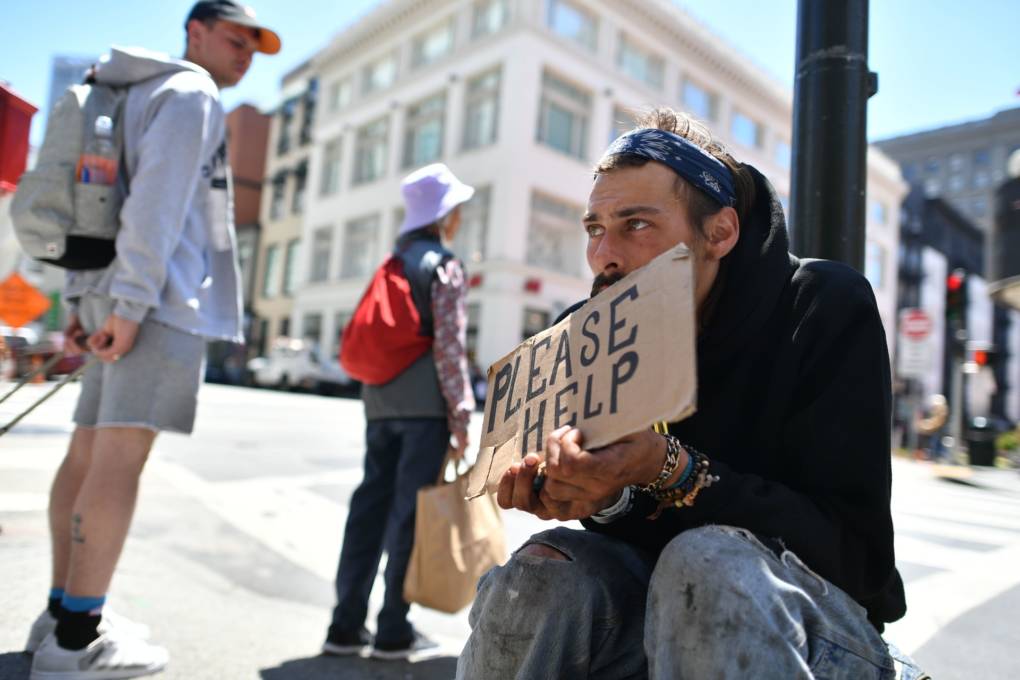
"caption": "A man panhandles along a sidewalk in downtown San Francisco on June 28, 2016.",
"description": "A man panhandles along a sidewalk in downtown San Francisco on June 28, 2016.",
"title": "US-HOMELESS-SAN-FRANCISCO",
"credit": "Josh Edelson/Getty Images",
"status": "inherit",
"isLoading": false,
"fetchFailed": false
},
"news_11701278": {
"type": "attachments",
"id": "news_11701278",
"meta": {
"index": "attachments_1716263798",
"site": "news",
"id": "11701278",
"found": true
},
"parent": 11701272,
"imgSizes": {
"small": {
"file": "https://ww2.kqed.org/app/uploads/sites/10/2018/10/taxi_102518_final-520x336.jpg",
"width": 520,
"mimeType": "image/jpeg",
"height": 336
},
"twentyfourteen-full-width": {
"file": "https://ww2.kqed.org/app/uploads/sites/10/2018/10/taxi_102518_final-1038x576.jpg",
"width": 1038,
"mimeType": "image/jpeg",
"height": 576
},
"thumbnail": {
"file": "https://ww2.kqed.org/app/uploads/sites/10/2018/10/taxi_102518_final-160x103.jpg",
"width": 160,
"mimeType": "image/jpeg",
"height": 103
},
"fd-sm": {
"file": "https://ww2.kqed.org/app/uploads/sites/10/2018/10/taxi_102518_final-960x621.jpg",
"width": 960,
"mimeType": "image/jpeg",
"height": 621
},
"post-thumbnail": {
"file": "https://ww2.kqed.org/app/uploads/sites/10/2018/10/taxi_102518_final-672x372.jpg",
"width": 672,
"mimeType": "image/jpeg",
"height": 372
},
"xsmall": {
"file": "https://ww2.kqed.org/app/uploads/sites/10/2018/10/taxi_102518_final-375x242.jpg",
"width": 375,
"mimeType": "image/jpeg",
"height": 242
},
"kqedFullSize": {
"file": "https://ww2.kqed.org/app/uploads/sites/10/2018/10/taxi_102518_final.jpg",
"width": 1920,
"height": 1241
},
"large": {
"file": "https://ww2.kqed.org/app/uploads/sites/10/2018/10/taxi_102518_final-1020x659.jpg",
"width": 1020,
"mimeType": "image/jpeg",
"height": 659
},
"xlarge": {
"file": "https://ww2.kqed.org/app/uploads/sites/10/2018/10/taxi_102518_final-1180x763.jpg",
"width": 1180,
"mimeType": "image/jpeg",
"height": 763
},
"complete_open_graph": {
"file": "https://ww2.kqed.org/app/uploads/sites/10/2018/10/taxi_102518_final-1200x776.jpg",
"width": 1200,
"mimeType": "image/jpeg",
"height": 776
},
"guest-author-50": {
"file": "https://ww2.kqed.org/app/uploads/sites/10/2018/10/taxi_102518_final-50x50.jpg",
"width": 50,
"mimeType": "image/jpeg",
"height": 50
},
"guest-author-96": {
"file": "https://ww2.kqed.org/app/uploads/sites/10/2018/10/taxi_102518_final-96x96.jpg",
"width": 96,
"mimeType": "image/jpeg",
"height": 96
},
"medium": {
"file": "https://ww2.kqed.org/app/uploads/sites/10/2018/10/taxi_102518_final-800x517.jpg",
"width": 800,
"mimeType": "image/jpeg",
"height": 517
},
"guest-author-64": {
"file": "https://ww2.kqed.org/app/uploads/sites/10/2018/10/taxi_102518_final-64x64.jpg",
"width": 64,
"mimeType": "image/jpeg",
"height": 64
},
"guest-author-32": {
"file": "https://ww2.kqed.org/app/uploads/sites/10/2018/10/taxi_102518_final-32x32.jpg",
"width": 32,
"mimeType": "image/jpeg",
"height": 32
},
"fd-lrg": {
"file": "https://ww2.kqed.org/app/uploads/sites/10/2018/10/taxi_102518_final-1920x1241.jpg",
"width": 1920,
"mimeType": "image/jpeg",
"height": 1241
},
"fd-med": {
"file": "https://ww2.kqed.org/app/uploads/sites/10/2018/10/taxi_102518_final-1180x763.jpg",
"width": 1180,
"mimeType": "image/jpeg",
"height": 763
},
"full-width": {
"file": "https://ww2.kqed.org/app/uploads/sites/10/2018/10/taxi_102518_final-1920x1241.jpg",
"width": 1920,
"mimeType": "image/jpeg",
"height": 1241
},
"detail": {
"file": "https://ww2.kqed.org/app/uploads/sites/10/2018/10/taxi_102518_final-150x150.jpg",
"width": 150,
"mimeType": "image/jpeg",
"height": 150
},
"guest-author-128": {
"file": "https://ww2.kqed.org/app/uploads/sites/10/2018/10/taxi_102518_final-128x128.jpg",
"width": 128,
"mimeType": "image/jpeg",
"height": 128
},
"xxsmall": {
"file": "https://ww2.kqed.org/app/uploads/sites/10/2018/10/taxi_102518_final-240x155.jpg",
"width": 240,
"mimeType": "image/jpeg",
"height": 155
}
},
"publishDate": 1540499516,
"modified": 1540499534,
"caption": null,
"description": null,
"title": "taxi_102518_final",
"credit": null,
"status": "inherit",
"isLoading": false,
"fetchFailed": false
},
"news_11699644": {
"type": "attachments",
"id": "news_11699644",
"meta": {
"index": "attachments_1716263798",
"site": "news",
"id": "11699644",
"found": true
},
"parent": 11699586,
"imgSizes": {
"small": {
"file": "https://ww2.kqed.org/app/uploads/sites/10/2018/10/Taxi-Protest-520x390.jpg",
"width": 520,
"mimeType": "image/jpeg",
"height": 390
},
"twentyfourteen-full-width": {
"file": "https://ww2.kqed.org/app/uploads/sites/10/2018/10/Taxi-Protest-1038x576.jpg",
"width": 1038,
"mimeType": "image/jpeg",
"height": 576
},
"thumbnail": {
"file": "https://ww2.kqed.org/app/uploads/sites/10/2018/10/Taxi-Protest-160x120.jpg",
"width": 160,
"mimeType": "image/jpeg",
"height": 120
},
"fd-sm": {
"file": "https://ww2.kqed.org/app/uploads/sites/10/2018/10/Taxi-Protest-960x720.jpg",
"width": 960,
"mimeType": "image/jpeg",
"height": 720
},
"post-thumbnail": {
"file": "https://ww2.kqed.org/app/uploads/sites/10/2018/10/Taxi-Protest-672x372.jpg",
"width": 672,
"mimeType": "image/jpeg",
"height": 372
},
"xsmall": {
"file": "https://ww2.kqed.org/app/uploads/sites/10/2018/10/Taxi-Protest-375x281.jpg",
"width": 375,
"mimeType": "image/jpeg",
"height": 281
},
"kqedFullSize": {
"file": "https://ww2.kqed.org/app/uploads/sites/10/2018/10/Taxi-Protest-e1539907005205.jpg",
"width": 1920,
"height": 1440
},
"large": {
"file": "https://ww2.kqed.org/app/uploads/sites/10/2018/10/Taxi-Protest-1020x765.jpg",
"width": 1020,
"mimeType": "image/jpeg",
"height": 765
},
"xlarge": {
"file": "https://ww2.kqed.org/app/uploads/sites/10/2018/10/Taxi-Protest-1180x885.jpg",
"width": 1180,
"mimeType": "image/jpeg",
"height": 885
},
"complete_open_graph": {
"file": "https://ww2.kqed.org/app/uploads/sites/10/2018/10/Taxi-Protest-1200x900.jpg",
"width": 1200,
"mimeType": "image/jpeg",
"height": 900
},
"guest-author-50": {
"file": "https://ww2.kqed.org/app/uploads/sites/10/2018/10/Taxi-Protest-50x50.jpg",
"width": 50,
"mimeType": "image/jpeg",
"height": 50
},
"guest-author-96": {
"file": "https://ww2.kqed.org/app/uploads/sites/10/2018/10/Taxi-Protest-96x96.jpg",
"width": 96,
"mimeType": "image/jpeg",
"height": 96
},
"medium": {
"file": "https://ww2.kqed.org/app/uploads/sites/10/2018/10/Taxi-Protest-800x600.jpg",
"width": 800,
"mimeType": "image/jpeg",
"height": 600
},
"guest-author-64": {
"file": "https://ww2.kqed.org/app/uploads/sites/10/2018/10/Taxi-Protest-64x64.jpg",
"width": 64,
"mimeType": "image/jpeg",
"height": 64
},
"guest-author-32": {
"file": "https://ww2.kqed.org/app/uploads/sites/10/2018/10/Taxi-Protest-32x32.jpg",
"width": 32,
"mimeType": "image/jpeg",
"height": 32
},
"fd-lrg": {
"file": "https://ww2.kqed.org/app/uploads/sites/10/2018/10/Taxi-Protest-1920x1440.jpg",
"width": 1920,
"mimeType": "image/jpeg",
"height": 1440
},
"fd-med": {
"file": "https://ww2.kqed.org/app/uploads/sites/10/2018/10/Taxi-Protest-1180x885.jpg",
"width": 1180,
"mimeType": "image/jpeg",
"height": 885
},
"full-width": {
"file": "https://ww2.kqed.org/app/uploads/sites/10/2018/10/Taxi-Protest-1920x1440.jpg",
"width": 1920,
"mimeType": "image/jpeg",
"height": 1440
},
"detail": {
"file": "https://ww2.kqed.org/app/uploads/sites/10/2018/10/Taxi-Protest-150x150.jpg",
"width": 150,
"mimeType": "image/jpeg",
"height": 150
},
"guest-author-128": {
"file": "https://ww2.kqed.org/app/uploads/sites/10/2018/10/Taxi-Protest-128x128.jpg",
"width": 128,
"mimeType": "image/jpeg",
"height": 128
},
"xxsmall": {
"file": "https://ww2.kqed.org/app/uploads/sites/10/2018/10/Taxi-Protest-240x180.jpg",
"width": 240,
"mimeType": "image/jpeg",
"height": 180
}
},
"publishDate": 1539824752,
"modified": 1540417064,
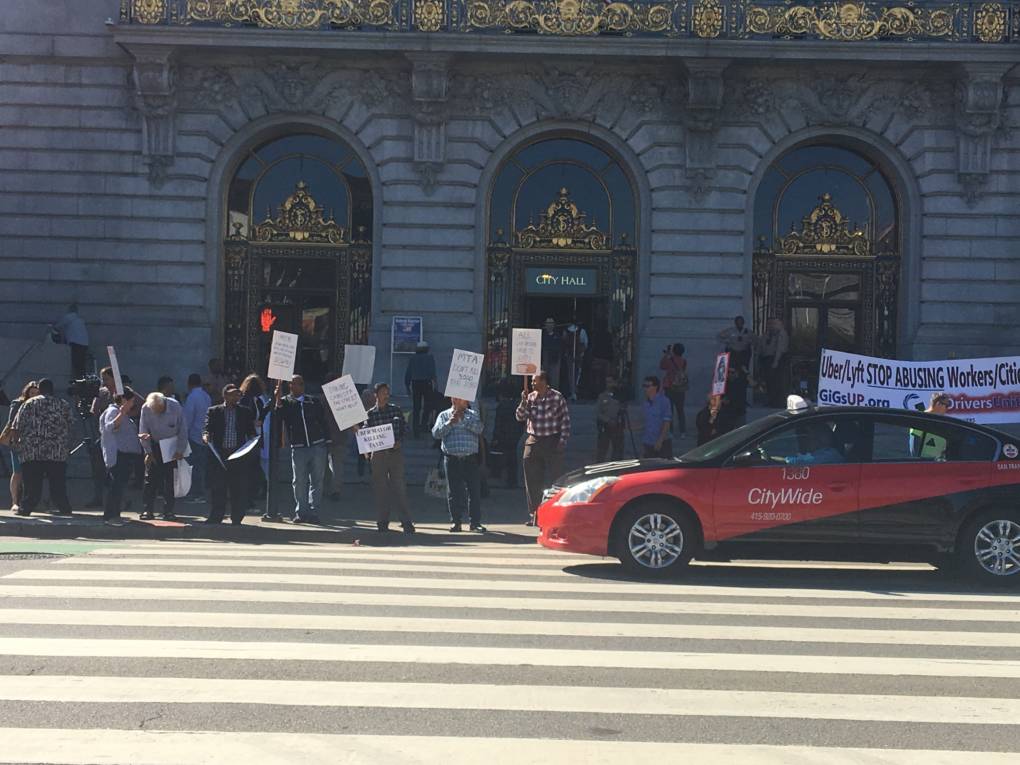
"caption": "Taxi drivers gather at City Hall in mid-October to protest further changes to their industry.",
"description": "Taxi drivers gathered at city hall to protest further changes to their industry.",
"title": "Taxi Protest",
"credit": "Sam Harnett/KQED",
"status": "inherit",
"isLoading": false,
"fetchFailed": false
},
"news_11700887": {
"type": "attachments",
"id": "news_11700887",
"meta": {
"index": "attachments_1716263798",
"site": "news",
"id": "11700887",
"found": true
},
"parent": 11699521,
"imgSizes": {
"small": {
"file": "https://ww2.kqed.org/app/uploads/sites/10/2018/10/TwinPeaksTunnel-520x358.jpg",
"width": 520,
"mimeType": "image/jpeg",
"height": 358
},
"twentyfourteen-full-width": {
"file": "https://ww2.kqed.org/app/uploads/sites/10/2018/10/TwinPeaksTunnel-1038x576.jpg",
"width": 1038,
"mimeType": "image/jpeg",
"height": 576
},
"thumbnail": {
"file": "https://ww2.kqed.org/app/uploads/sites/10/2018/10/TwinPeaksTunnel-160x110.jpg",
"width": 160,
"mimeType": "image/jpeg",
"height": 110
},
"fd-sm": {
"file": "https://ww2.kqed.org/app/uploads/sites/10/2018/10/TwinPeaksTunnel-960x662.jpg",
"width": 960,
"mimeType": "image/jpeg",
"height": 662
},
"post-thumbnail": {
"file": "https://ww2.kqed.org/app/uploads/sites/10/2018/10/TwinPeaksTunnel-672x372.jpg",
"width": 672,
"mimeType": "image/jpeg",
"height": 372
},
"xsmall": {
"file": "https://ww2.kqed.org/app/uploads/sites/10/2018/10/TwinPeaksTunnel-375x258.jpg",
"width": 375,
"mimeType": "image/jpeg",
"height": 258
},
"kqedFullSize": {
"file": "https://ww2.kqed.org/app/uploads/sites/10/2018/10/TwinPeaksTunnel.jpg",
"width": 1920,
"height": 1323
},
"large": {
"file": "https://ww2.kqed.org/app/uploads/sites/10/2018/10/TwinPeaksTunnel-1020x703.jpg",
"width": 1020,
"mimeType": "image/jpeg",
"height": 703
},
"xlarge": {
"file": "https://ww2.kqed.org/app/uploads/sites/10/2018/10/TwinPeaksTunnel-1180x813.jpg",
"width": 1180,
"mimeType": "image/jpeg",
"height": 813
},
"complete_open_graph": {
"file": "https://ww2.kqed.org/app/uploads/sites/10/2018/10/TwinPeaksTunnel-1200x827.jpg",
"width": 1200,
"mimeType": "image/jpeg",
"height": 827
},
"guest-author-50": {
"file": "https://ww2.kqed.org/app/uploads/sites/10/2018/10/TwinPeaksTunnel-50x50.jpg",
"width": 50,
"mimeType": "image/jpeg",
"height": 50
},
"guest-author-96": {
"file": "https://ww2.kqed.org/app/uploads/sites/10/2018/10/TwinPeaksTunnel-96x96.jpg",
"width": 96,
"mimeType": "image/jpeg",
"height": 96
},
"medium": {
"file": "https://ww2.kqed.org/app/uploads/sites/10/2018/10/TwinPeaksTunnel-800x551.jpg",
"width": 800,
"mimeType": "image/jpeg",
"height": 551
},
"guest-author-64": {
"file": "https://ww2.kqed.org/app/uploads/sites/10/2018/10/TwinPeaksTunnel-64x64.jpg",
"width": 64,
"mimeType": "image/jpeg",
"height": 64
},
"guest-author-32": {
"file": "https://ww2.kqed.org/app/uploads/sites/10/2018/10/TwinPeaksTunnel-32x32.jpg",
"width": 32,
"mimeType": "image/jpeg",
"height": 32
},
"fd-lrg": {
"file": "https://ww2.kqed.org/app/uploads/sites/10/2018/10/TwinPeaksTunnel-1920x1323.jpg",
"width": 1920,
"mimeType": "image/jpeg",
"height": 1323
},
"fd-med": {
"file": "https://ww2.kqed.org/app/uploads/sites/10/2018/10/TwinPeaksTunnel-1180x813.jpg",
"width": 1180,
"mimeType": "image/jpeg",
"height": 813
},
"full-width": {
"file": "https://ww2.kqed.org/app/uploads/sites/10/2018/10/TwinPeaksTunnel-1920x1323.jpg",
"width": 1920,
"mimeType": "image/jpeg",
"height": 1323
},
"detail": {
"file": "https://ww2.kqed.org/app/uploads/sites/10/2018/10/TwinPeaksTunnel-150x150.jpg",
"width": 150,
"mimeType": "image/jpeg",
"height": 150
},
"guest-author-128": {
"file": "https://ww2.kqed.org/app/uploads/sites/10/2018/10/TwinPeaksTunnel-128x128.jpg",
"width": 128,
"mimeType": "image/jpeg",
"height": 128
},
"xxsmall": {
"file": "https://ww2.kqed.org/app/uploads/sites/10/2018/10/TwinPeaksTunnel-240x165.jpg",
"width": 240,
"mimeType": "image/jpeg",
"height": 165
}
},
"publishDate": 1540400941,
"modified": 1540401263,
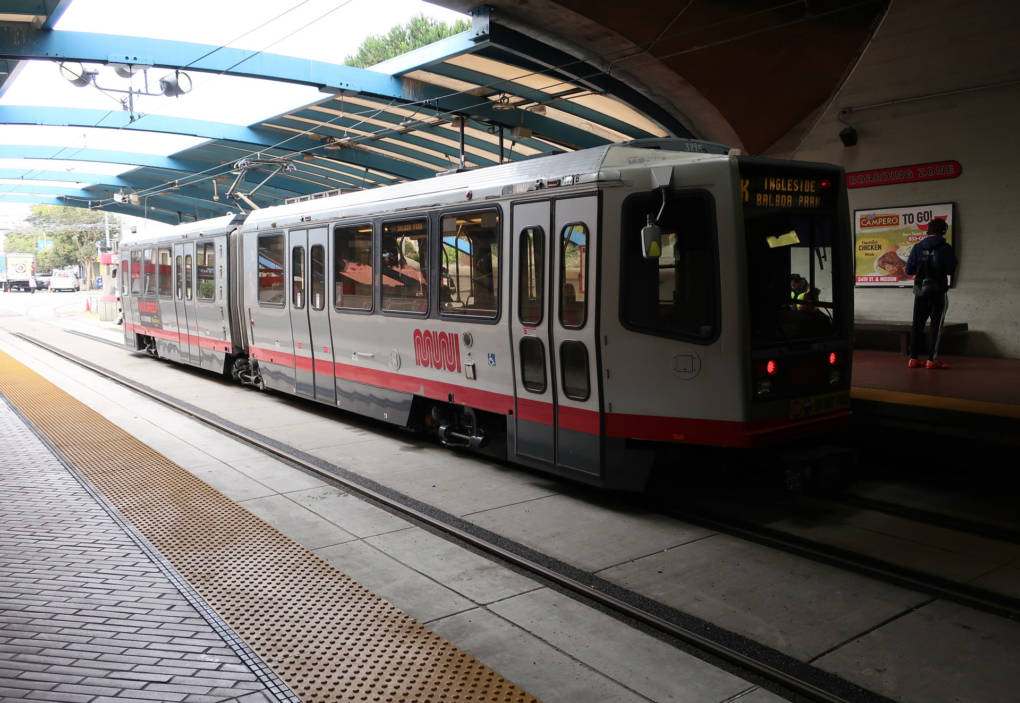
"caption": "Riders wait to ride a Muni train at the reopened Twin Peaks Tunnel in San Francisco. On Aug. 10, a worker with Shimmick Construction was killed by a falling steel beam while working on the tunnel project.",
"description": "Riders wait to ride a Muni train at the reopened Twin Peaks Tunnel in San Francisco. On Aug. 10, a worker with Shimmick Construction was killed by a falling steel beam while working on the tunnel project.",
"title": "TwinPeaksTunnel",
"credit": "Michelle Wiley/KQED",
"status": "inherit",
"isLoading": false,
"fetchFailed": false
},
"news_11700441": {
"type": "attachments",
"id": "news_11700441",
"meta": {
"index": "attachments_1716263798",
"site": "news",
"id": "11700441",
"found": true
},
"parent": 11700426,
"imgSizes": {
"small": {
"file": "https://ww2.kqed.org/app/uploads/sites/10/2018/10/IMG_3511-520x390.jpg",
"width": 520,
"mimeType": "image/jpeg",
"height": 390
},
"twentyfourteen-full-width": {
"file": "https://ww2.kqed.org/app/uploads/sites/10/2018/10/IMG_3511-1038x576.jpg",
"width": 1038,
"mimeType": "image/jpeg",
"height": 576
},
"thumbnail": {
"file": "https://ww2.kqed.org/app/uploads/sites/10/2018/10/IMG_3511-160x120.jpg",
"width": 160,
"mimeType": "image/jpeg",
"height": 120
},
"fd-sm": {
"file": "https://ww2.kqed.org/app/uploads/sites/10/2018/10/IMG_3511-960x720.jpg",
"width": 960,
"mimeType": "image/jpeg",
"height": 720
},
"post-thumbnail": {
"file": "https://ww2.kqed.org/app/uploads/sites/10/2018/10/IMG_3511-672x372.jpg",
"width": 672,
"mimeType": "image/jpeg",
"height": 372
},
"xsmall": {
"file": "https://ww2.kqed.org/app/uploads/sites/10/2018/10/IMG_3511-375x281.jpg",
"width": 375,
"mimeType": "image/jpeg",
"height": 281
},
"kqedFullSize": {
"file": "https://ww2.kqed.org/app/uploads/sites/10/2018/10/IMG_3511-e1540326362296.jpg",
"width": 1920,
"height": 1440
},
"large": {
"file": "https://ww2.kqed.org/app/uploads/sites/10/2018/10/IMG_3511-1020x765.jpg",
"width": 1020,
"mimeType": "image/jpeg",
"height": 765
},
"xlarge": {
"file": "https://ww2.kqed.org/app/uploads/sites/10/2018/10/IMG_3511-1180x885.jpg",
"width": 1180,
"mimeType": "image/jpeg",
"height": 885
},
"complete_open_graph": {
"file": "https://ww2.kqed.org/app/uploads/sites/10/2018/10/IMG_3511-1200x900.jpg",
"width": 1200,
"mimeType": "image/jpeg",
"height": 900
},
"guest-author-50": {
"file": "https://ww2.kqed.org/app/uploads/sites/10/2018/10/IMG_3511-50x50.jpg",
"width": 50,
"mimeType": "image/jpeg",
"height": 50
},
"guest-author-96": {
"file": "https://ww2.kqed.org/app/uploads/sites/10/2018/10/IMG_3511-96x96.jpg",
"width": 96,
"mimeType": "image/jpeg",
"height": 96
},
"medium": {
"file": "https://ww2.kqed.org/app/uploads/sites/10/2018/10/IMG_3511-800x600.jpg",
"width": 800,
"mimeType": "image/jpeg",
"height": 600
},
"guest-author-64": {
"file": "https://ww2.kqed.org/app/uploads/sites/10/2018/10/IMG_3511-64x64.jpg",
"width": 64,
"mimeType": "image/jpeg",
"height": 64
},
"guest-author-32": {
"file": "https://ww2.kqed.org/app/uploads/sites/10/2018/10/IMG_3511-32x32.jpg",
"width": 32,
"mimeType": "image/jpeg",
"height": 32
},
"fd-lrg": {
"file": "https://ww2.kqed.org/app/uploads/sites/10/2018/10/IMG_3511-1920x1440.jpg",
"width": 1920,
"mimeType": "image/jpeg",
"height": 1440
},
"fd-med": {
"file": "https://ww2.kqed.org/app/uploads/sites/10/2018/10/IMG_3511-1180x885.jpg",
"width": 1180,
"mimeType": "image/jpeg",
"height": 885
},
"full-width": {
"file": "https://ww2.kqed.org/app/uploads/sites/10/2018/10/IMG_3511-1920x1440.jpg",
"width": 1920,
"mimeType": "image/jpeg",
"height": 1440
},
"detail": {
"file": "https://ww2.kqed.org/app/uploads/sites/10/2018/10/IMG_3511-150x150.jpg",
"width": 150,
"mimeType": "image/jpeg",
"height": 150
},
"guest-author-128": {
"file": "https://ww2.kqed.org/app/uploads/sites/10/2018/10/IMG_3511-128x128.jpg",
"width": 128,
"mimeType": "image/jpeg",
"height": 128
},
"xxsmall": {
"file": "https://ww2.kqed.org/app/uploads/sites/10/2018/10/IMG_3511-240x180.jpg",
"width": 240,
"mimeType": "image/jpeg",
"height": 180
}
},
"publishDate": 1540250947,
"modified": 1540326350,
"caption": "Sara Deseran and Joe Hargrave have made changes to their restaurant to adapt to third-party apps.",
"description": "Sara Deseran and Joe Hargrave have made changes to their restaurant to adapt to third-party apps.",
"title": "IMG_3511",
"credit": "Sam Harnett/KQED",
"status": "inherit",
"isLoading": false,
"fetchFailed": false
},
"news_11694748": {
"type": "attachments",
"id": "news_11694748",
"meta": {
"index": "attachments_1716263798",
"site": "news",
"id": "11694748",
"found": true
},
"parent": 11694746,
"imgSizes": {
"small": {
"file": "https://ww2.kqed.org/app/uploads/sites/10/2018/09/RS32952_IMG_1275-qut-520x390.jpg",
"width": 520,
"mimeType": "image/jpeg",
"height": 390
},
"twentyfourteen-full-width": {
"file": "https://ww2.kqed.org/app/uploads/sites/10/2018/09/RS32952_IMG_1275-qut-1038x576.jpg",
"width": 1038,
"mimeType": "image/jpeg",
"height": 576
},
"thumbnail": {
"file": "https://ww2.kqed.org/app/uploads/sites/10/2018/09/RS32952_IMG_1275-qut-160x120.jpg",
"width": 160,
"mimeType": "image/jpeg",
"height": 120
},
"fd-sm": {
"file": "https://ww2.kqed.org/app/uploads/sites/10/2018/09/RS32952_IMG_1275-qut-960x720.jpg",
"width": 960,
"mimeType": "image/jpeg",
"height": 720
},
"post-thumbnail": {
"file": "https://ww2.kqed.org/app/uploads/sites/10/2018/09/RS32952_IMG_1275-qut-672x372.jpg",
"width": 672,
"mimeType": "image/jpeg",
"height": 372
},
"xsmall": {
"file": "https://ww2.kqed.org/app/uploads/sites/10/2018/09/RS32952_IMG_1275-qut-375x281.jpg",
"width": 375,
"mimeType": "image/jpeg",
"height": 281
},
"kqedFullSize": {
"file": "https://ww2.kqed.org/app/uploads/sites/10/2018/09/RS32952_IMG_1275-qut.jpg",
"width": 1920,
"height": 1440
},
"large": {
"file": "https://ww2.kqed.org/app/uploads/sites/10/2018/09/RS32952_IMG_1275-qut-1020x765.jpg",
"width": 1020,
"mimeType": "image/jpeg",
"height": 765
},
"xlarge": {
"file": "https://ww2.kqed.org/app/uploads/sites/10/2018/09/RS32952_IMG_1275-qut-1180x885.jpg",
"width": 1180,
"mimeType": "image/jpeg",
"height": 885
},
"complete_open_graph": {
"file": "https://ww2.kqed.org/app/uploads/sites/10/2018/09/RS32952_IMG_1275-qut-1200x900.jpg",
"width": 1200,
"mimeType": "image/jpeg",
"height": 900
},
"guest-author-50": {
"file": "https://ww2.kqed.org/app/uploads/sites/10/2018/09/RS32952_IMG_1275-qut-50x50.jpg",
"width": 50,
"mimeType": "image/jpeg",
"height": 50
},
"guest-author-96": {
"file": "https://ww2.kqed.org/app/uploads/sites/10/2018/09/RS32952_IMG_1275-qut-96x96.jpg",
"width": 96,
"mimeType": "image/jpeg",
"height": 96
},
"medium": {
"file": "https://ww2.kqed.org/app/uploads/sites/10/2018/09/RS32952_IMG_1275-qut-800x600.jpg",
"width": 800,
"mimeType": "image/jpeg",
"height": 600
},
"guest-author-64": {
"file": "https://ww2.kqed.org/app/uploads/sites/10/2018/09/RS32952_IMG_1275-qut-64x64.jpg",
"width": 64,
"mimeType": "image/jpeg",
"height": 64
},
"guest-author-32": {
"file": "https://ww2.kqed.org/app/uploads/sites/10/2018/09/RS32952_IMG_1275-qut-32x32.jpg",
"width": 32,
"mimeType": "image/jpeg",
"height": 32
},
"fd-lrg": {
"file": "https://ww2.kqed.org/app/uploads/sites/10/2018/09/RS32952_IMG_1275-qut-1920x1440.jpg",
"width": 1920,
"mimeType": "image/jpeg",
"height": 1440
},
"fd-med": {
"file": "https://ww2.kqed.org/app/uploads/sites/10/2018/09/RS32952_IMG_1275-qut-1180x885.jpg",
"width": 1180,
"mimeType": "image/jpeg",
"height": 885
},
"full-width": {
"file": "https://ww2.kqed.org/app/uploads/sites/10/2018/09/RS32952_IMG_1275-qut-1920x1440.jpg",
"width": 1920,
"mimeType": "image/jpeg",
"height": 1440
},
"detail": {
"file": "https://ww2.kqed.org/app/uploads/sites/10/2018/09/RS32952_IMG_1275-qut-150x150.jpg",
"width": 150,
"mimeType": "image/jpeg",
"height": 150
},
"guest-author-128": {
"file": "https://ww2.kqed.org/app/uploads/sites/10/2018/09/RS32952_IMG_1275-qut-128x128.jpg",
"width": 128,
"mimeType": "image/jpeg",
"height": 128
},
"xxsmall": {
"file": "https://ww2.kqed.org/app/uploads/sites/10/2018/09/RS32952_IMG_1275-qut-240x180.jpg",
"width": 240,
"mimeType": "image/jpeg",
"height": 180
}
},
"publishDate": 1537984765,
"modified": 1540344613,
"caption": "A view of the top of the Salesforce Transit Center from 21st floor of 201 Mission St., where the Transbay Joint Powers Authority has its offices.",
"description": null,
"title": "Transbay Transit Center",
"credit": "Chloe Veltman/KQED",
"status": "inherit",
"isLoading": false,
"fetchFailed": false
},
"news_11700774": {
"type": "attachments",
"id": "news_11700774",
"meta": {
"index": "attachments_1716263798",
"site": "news",
"id": "11700774",
"found": true
},
"parent": 11700747,
"imgSizes": {
"small": {
"file": "https://ww2.kqed.org/app/uploads/sites/10/2018/10/transbay_102318_final-520x364.jpg",
"width": 520,
"mimeType": "image/jpeg",
"height": 364
},
"twentyfourteen-full-width": {
"file": "https://ww2.kqed.org/app/uploads/sites/10/2018/10/transbay_102318_final-1038x576.jpg",
"width": 1038,
"mimeType": "image/jpeg",
"height": 576
},
"thumbnail": {
"file": "https://ww2.kqed.org/app/uploads/sites/10/2018/10/transbay_102318_final-160x112.jpg",
"width": 160,
"mimeType": "image/jpeg",
"height": 112
},
"fd-sm": {
"file": "https://ww2.kqed.org/app/uploads/sites/10/2018/10/transbay_102318_final-960x672.jpg",
"width": 960,
"mimeType": "image/jpeg",
"height": 672
},
"post-thumbnail": {
"file": "https://ww2.kqed.org/app/uploads/sites/10/2018/10/transbay_102318_final-672x372.jpg",
"width": 672,
"mimeType": "image/jpeg",
"height": 372
},
"xsmall": {
"file": "https://ww2.kqed.org/app/uploads/sites/10/2018/10/transbay_102318_final-375x262.jpg",
"width": 375,
"mimeType": "image/jpeg",
"height": 262
},
"kqedFullSize": {
"file": "https://ww2.kqed.org/app/uploads/sites/10/2018/10/transbay_102318_final.jpg",
"width": 1920,
"height": 1343
},
"large": {
"file": "https://ww2.kqed.org/app/uploads/sites/10/2018/10/transbay_102318_final-1020x713.jpg",
"width": 1020,
"mimeType": "image/jpeg",
"height": 713
},
"xlarge": {
"file": "https://ww2.kqed.org/app/uploads/sites/10/2018/10/transbay_102318_final-1180x825.jpg",
"width": 1180,
"mimeType": "image/jpeg",
"height": 825
},
"complete_open_graph": {
"file": "https://ww2.kqed.org/app/uploads/sites/10/2018/10/transbay_102318_final-1200x839.jpg",
"width": 1200,
"mimeType": "image/jpeg",
"height": 839
},
"guest-author-50": {
"file": "https://ww2.kqed.org/app/uploads/sites/10/2018/10/transbay_102318_final-50x50.jpg",
"width": 50,
"mimeType": "image/jpeg",
"height": 50
},
"guest-author-96": {
"file": "https://ww2.kqed.org/app/uploads/sites/10/2018/10/transbay_102318_final-96x96.jpg",
"width": 96,
"mimeType": "image/jpeg",
"height": 96
},
"medium": {
"file": "https://ww2.kqed.org/app/uploads/sites/10/2018/10/transbay_102318_final-800x560.jpg",
"width": 800,
"mimeType": "image/jpeg",
"height": 560
},
"guest-author-64": {
"file": "https://ww2.kqed.org/app/uploads/sites/10/2018/10/transbay_102318_final-64x64.jpg",
"width": 64,
"mimeType": "image/jpeg",
"height": 64
},
"guest-author-32": {
"file": "https://ww2.kqed.org/app/uploads/sites/10/2018/10/transbay_102318_final-32x32.jpg",
"width": 32,
"mimeType": "image/jpeg",
"height": 32
},
"fd-lrg": {
"file": "https://ww2.kqed.org/app/uploads/sites/10/2018/10/transbay_102318_final-1920x1343.jpg",
"width": 1920,
"mimeType": "image/jpeg",
"height": 1343
},
"fd-med": {
"file": "https://ww2.kqed.org/app/uploads/sites/10/2018/10/transbay_102318_final-1180x825.jpg",
"width": 1180,
"mimeType": "image/jpeg",
"height": 825
},
"full-width": {
"file": "https://ww2.kqed.org/app/uploads/sites/10/2018/10/transbay_102318_final-1920x1343.jpg",
"width": 1920,
"mimeType": "image/jpeg",
"height": 1343
},
"detail": {
"file": "https://ww2.kqed.org/app/uploads/sites/10/2018/10/transbay_102318_final-150x150.jpg",
"width": 150,
"mimeType": "image/jpeg",
"height": 150
},
"guest-author-128": {
"file": "https://ww2.kqed.org/app/uploads/sites/10/2018/10/transbay_102318_final-128x128.jpg",
"width": 128,
"mimeType": "image/jpeg",
"height": 128
},
"xxsmall": {
"file": "https://ww2.kqed.org/app/uploads/sites/10/2018/10/transbay_102318_final-240x168.jpg",
"width": 240,
"mimeType": "image/jpeg",
"height": 168
}
},
"publishDate": 1540335488,
"modified": 1540335506,
"caption": null,
"description": null,
"title": "transbay_102318_final",
"credit": null,
"status": "inherit",
"isLoading": false,
"fetchFailed": false
},
"news_11699714": {
"type": "attachments",
"id": "news_11699714",
"meta": {
"index": "attachments_1716263798",
"site": "news",
"id": "11699714",
"found": true
},
"parent": 11699671,
"imgSizes": {
"small": {
"file": "https://ww2.kqed.org/app/uploads/sites/10/2018/10/Screen-Shot-2018-10-18-at-10.37.29-AM-520x331.png",
"width": 520,
"mimeType": "image/png",
"height": 331
},
"twentyfourteen-full-width": {
"file": "https://ww2.kqed.org/app/uploads/sites/10/2018/10/Screen-Shot-2018-10-18-at-10.37.29-AM-1038x576.png",
"width": 1038,
"mimeType": "image/png",
"height": 576
},
"thumbnail": {
"file": "https://ww2.kqed.org/app/uploads/sites/10/2018/10/Screen-Shot-2018-10-18-at-10.37.29-AM-160x102.png",
"width": 160,
"mimeType": "image/png",
"height": 102
},
"fd-sm": {
"file": "https://ww2.kqed.org/app/uploads/sites/10/2018/10/Screen-Shot-2018-10-18-at-10.37.29-AM-960x611.png",
"width": 960,
"mimeType": "image/png",
"height": 611
},
"post-thumbnail": {
"file": "https://ww2.kqed.org/app/uploads/sites/10/2018/10/Screen-Shot-2018-10-18-at-10.37.29-AM-672x372.png",
"width": 672,
"mimeType": "image/png",
"height": 372
},
"xsmall": {
"file": "https://ww2.kqed.org/app/uploads/sites/10/2018/10/Screen-Shot-2018-10-18-at-10.37.29-AM-375x239.png",
"width": 375,
"mimeType": "image/png",
"height": 239
},
"kqedFullSize": {
"file": "https://ww2.kqed.org/app/uploads/sites/10/2018/10/Screen-Shot-2018-10-18-at-10.37.29-AM-e1539885539763.png",
"width": 1920,
"height": 1222
},
"large": {
"file": "https://ww2.kqed.org/app/uploads/sites/10/2018/10/Screen-Shot-2018-10-18-at-10.37.29-AM-1020x649.png",
"width": 1020,
"mimeType": "image/png",
"height": 649
},
"xlarge": {
"file": "https://ww2.kqed.org/app/uploads/sites/10/2018/10/Screen-Shot-2018-10-18-at-10.37.29-AM-1180x751.png",
"width": 1180,
"mimeType": "image/png",
"height": 751
},
"complete_open_graph": {
"file": "https://ww2.kqed.org/app/uploads/sites/10/2018/10/Screen-Shot-2018-10-18-at-10.37.29-AM-1200x763.png",
"width": 1200,
"mimeType": "image/png",
"height": 763
},
"guest-author-50": {
"file": "https://ww2.kqed.org/app/uploads/sites/10/2018/10/Screen-Shot-2018-10-18-at-10.37.29-AM-50x50.png",
"width": 50,
"mimeType": "image/png",
"height": 50
},
"guest-author-96": {
"file": "https://ww2.kqed.org/app/uploads/sites/10/2018/10/Screen-Shot-2018-10-18-at-10.37.29-AM-96x96.png",
"width": 96,
"mimeType": "image/png",
"height": 96
},
"medium": {
"file": "https://ww2.kqed.org/app/uploads/sites/10/2018/10/Screen-Shot-2018-10-18-at-10.37.29-AM-800x509.png",
"width": 800,
"mimeType": "image/png",
"height": 509
},
"guest-author-64": {
"file": "https://ww2.kqed.org/app/uploads/sites/10/2018/10/Screen-Shot-2018-10-18-at-10.37.29-AM-64x64.png",
"width": 64,
"mimeType": "image/png",
"height": 64
},
"guest-author-32": {
"file": "https://ww2.kqed.org/app/uploads/sites/10/2018/10/Screen-Shot-2018-10-18-at-10.37.29-AM-32x32.png",
"width": 32,
"mimeType": "image/png",
"height": 32
},
"fd-lrg": {
"file": "https://ww2.kqed.org/app/uploads/sites/10/2018/10/Screen-Shot-2018-10-18-at-10.37.29-AM-1920x1222.png",
"width": 1920,
"mimeType": "image/png",
"height": 1222
},
"fd-med": {
"file": "https://ww2.kqed.org/app/uploads/sites/10/2018/10/Screen-Shot-2018-10-18-at-10.37.29-AM-1180x751.png",
"width": 1180,
"mimeType": "image/png",
"height": 751
},
"full-width": {
"file": "https://ww2.kqed.org/app/uploads/sites/10/2018/10/Screen-Shot-2018-10-18-at-10.37.29-AM-1920x1222.png",
"width": 1920,
"mimeType": "image/png",
"height": 1222
},
"detail": {
"file": "https://ww2.kqed.org/app/uploads/sites/10/2018/10/Screen-Shot-2018-10-18-at-10.37.29-AM-150x150.png",
"width": 150,
"mimeType": "image/png",
"height": 150
},
"guest-author-128": {
"file": "https://ww2.kqed.org/app/uploads/sites/10/2018/10/Screen-Shot-2018-10-18-at-10.37.29-AM-128x128.png",
"width": 128,
"mimeType": "image/png",
"height": 128
},
"xxsmall": {
"file": "https://ww2.kqed.org/app/uploads/sites/10/2018/10/Screen-Shot-2018-10-18-at-10.37.29-AM-240x153.png",
"width": 240,
"mimeType": "image/png",
"height": 153
}
},
"publishDate": 1539884755,
"modified": 1539904466,
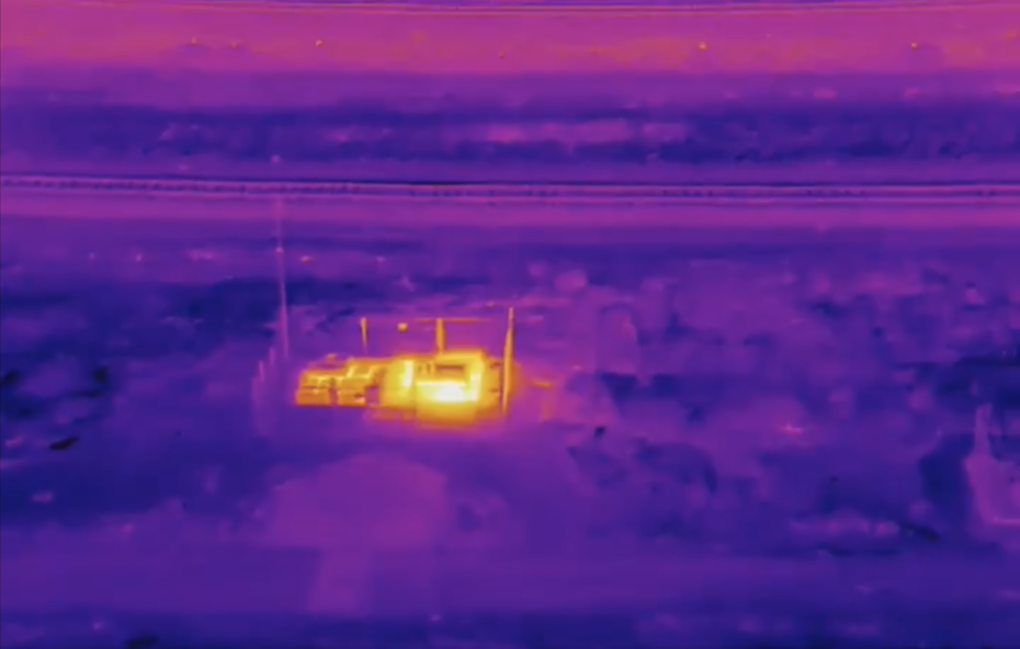
"caption": "Infrared image of the vault in eastern Contra Costa County on Oct. 18, 2018 from a Pittsburg Police Department drone.",
"description": "Infrared image from a Pittsburg Police Department drone of the vault.",
"title": "Screen Shot 2018-10-18 at 10.37.29 AM",
"credit": "Courtesy of the Contra Costa Fire Protection District",
"status": "inherit",
"isLoading": false,
"fetchFailed": false
},
"news_11686799": {
"type": "attachments",
"id": "news_11686799",
"meta": {
"index": "attachments_1716263798",
"site": "news",
"id": "11686799",
"found": true
},
"parent": 11686760,
"imgSizes": {
"small": {
"file": "https://ww2.kqed.org/app/uploads/sites/10/2018/08/sftransitcenter180812a-520x343.jpg",
"width": 520,
"mimeType": "image/jpeg",
"height": 343
},
"twentyfourteen-full-width": {
"file": "https://ww2.kqed.org/app/uploads/sites/10/2018/08/sftransitcenter180812a-1038x576.jpg",
"width": 1038,
"mimeType": "image/jpeg",
"height": 576
},
"thumbnail": {
"file": "https://ww2.kqed.org/app/uploads/sites/10/2018/08/sftransitcenter180812a-160x105.jpg",
"width": 160,
"mimeType": "image/jpeg",
"height": 105
},
"fd-sm": {
"file": "https://ww2.kqed.org/app/uploads/sites/10/2018/08/sftransitcenter180812a-960x633.jpg",
"width": 960,
"mimeType": "image/jpeg",
"height": 633
},
"post-thumbnail": {
"file": "https://ww2.kqed.org/app/uploads/sites/10/2018/08/sftransitcenter180812a-672x372.jpg",
"width": 672,
"mimeType": "image/jpeg",
"height": 372
},
"xsmall": {
"file": "https://ww2.kqed.org/app/uploads/sites/10/2018/08/sftransitcenter180812a-375x247.jpg",
"width": 375,
"mimeType": "image/jpeg",
"height": 247
},
"kqedFullSize": {
"file": "https://ww2.kqed.org/app/uploads/sites/10/2018/08/sftransitcenter180812a.jpg",
"width": 1920,
"height": 1265
},
"large": {
"file": "https://ww2.kqed.org/app/uploads/sites/10/2018/08/sftransitcenter180812a-1020x672.jpg",
"width": 1020,
"mimeType": "image/jpeg",
"height": 672
},
"xlarge": {
"file": "https://ww2.kqed.org/app/uploads/sites/10/2018/08/sftransitcenter180812a-1180x777.jpg",
"width": 1180,
"mimeType": "image/jpeg",
"height": 777
},
"complete_open_graph": {
"file": "https://ww2.kqed.org/app/uploads/sites/10/2018/08/sftransitcenter180812a-1200x791.jpg",
"width": 1200,
"mimeType": "image/jpeg",
"height": 791
},
"guest-author-50": {
"file": "https://ww2.kqed.org/app/uploads/sites/10/2018/08/sftransitcenter180812a-50x50.jpg",
"width": 50,
"mimeType": "image/jpeg",
"height": 50
},
"guest-author-96": {
"file": "https://ww2.kqed.org/app/uploads/sites/10/2018/08/sftransitcenter180812a-96x96.jpg",
"width": 96,
"mimeType": "image/jpeg",
"height": 96
},
"medium": {
"file": "https://ww2.kqed.org/app/uploads/sites/10/2018/08/sftransitcenter180812a-800x527.jpg",
"width": 800,
"mimeType": "image/jpeg",
"height": 527
},
"guest-author-64": {
"file": "https://ww2.kqed.org/app/uploads/sites/10/2018/08/sftransitcenter180812a-64x64.jpg",
"width": 64,
"mimeType": "image/jpeg",
"height": 64
},
"guest-author-32": {
"file": "https://ww2.kqed.org/app/uploads/sites/10/2018/08/sftransitcenter180812a-32x32.jpg",
"width": 32,
"mimeType": "image/jpeg",
"height": 32
},
"fd-lrg": {
"file": "https://ww2.kqed.org/app/uploads/sites/10/2018/08/sftransitcenter180812a-1920x1265.jpg",
"width": 1920,
"mimeType": "image/jpeg",
"height": 1265
},
"fd-med": {
"file": "https://ww2.kqed.org/app/uploads/sites/10/2018/08/sftransitcenter180812a-1180x777.jpg",
"width": 1180,
"mimeType": "image/jpeg",
"height": 777
},
"full-width": {
"file": "https://ww2.kqed.org/app/uploads/sites/10/2018/08/sftransitcenter180812a-1920x1265.jpg",
"width": 1920,
"mimeType": "image/jpeg",
"height": 1265
},
"detail": {
"file": "https://ww2.kqed.org/app/uploads/sites/10/2018/08/sftransitcenter180812a-150x150.jpg",
"width": 150,
"mimeType": "image/jpeg",
"height": 150
},
"guest-author-128": {
"file": "https://ww2.kqed.org/app/uploads/sites/10/2018/08/sftransitcenter180812a-128x128.jpg",
"width": 128,
"mimeType": "image/jpeg",
"height": 128
},
"xxsmall": {
"file": "https://ww2.kqed.org/app/uploads/sites/10/2018/08/sftransitcenter180812a-240x158.jpg",
"width": 240,
"mimeType": "image/jpeg",
"height": 158
}
},
"publishDate": 1534206011,
"modified": 1534641931,
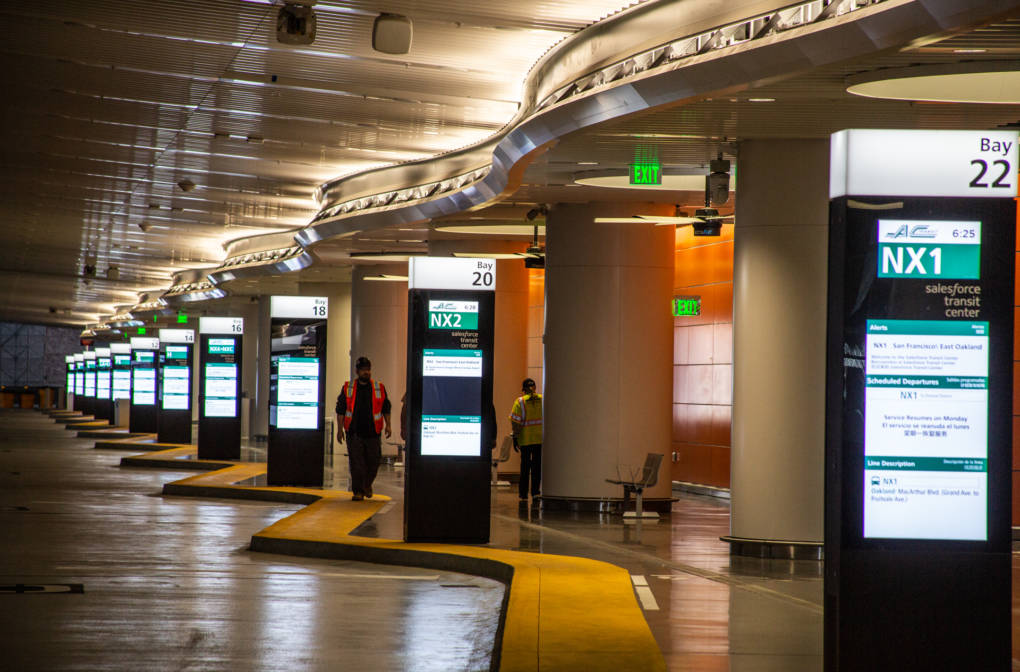
"caption": "The bus deck, with AC Transit stalls, at Salesforce Transit Center in downtown San Francisco. The facility is pictured Aug. 12, 2018, and opened for its first full-scale commute Aug. 13. ",
"description": "The bus deck, with AC Transit stalls, at Salesforce Transit Center in downtown San Francisco. The facility is pictured Aug. 12, 2018, and opened for its first full-scale commute Aug. 13. ",
"title": "Salesforce Transit Center-AC Transit",
"credit": "Dan Brekke/KQED",
"status": "inherit",
"isLoading": false,
"fetchFailed": false
},
"news_11641925": {
"type": "attachments",
"id": "news_11641925",
"meta": {
"index": "attachments_1716263798",
"site": "news",
"id": "11641925",
"found": true
},
"parent": 11641922,
"imgSizes": {
"small": {
"file": "https://ww2.kqed.org/app/uploads/sites/10/2018/01/RS9144_476374685-520x346.jpg",
"width": 520,
"mimeType": "image/jpeg",
"height": 346
},
"twentyfourteen-full-width": {
"file": "https://ww2.kqed.org/app/uploads/sites/10/2018/01/RS9144_476374685-1038x576.jpg",
"width": 1038,
"mimeType": "image/jpeg",
"height": 576
},
"thumbnail": {
"file": "https://ww2.kqed.org/app/uploads/sites/10/2018/01/RS9144_476374685-160x106.jpg",
"width": 160,
"mimeType": "image/jpeg",
"height": 106
},
"fd-sm": {
"file": "https://ww2.kqed.org/app/uploads/sites/10/2018/01/RS9144_476374685-960x639.jpg",
"width": 960,
"mimeType": "image/jpeg",
"height": 639
},
"post-thumbnail": {
"file": "https://ww2.kqed.org/app/uploads/sites/10/2018/01/RS9144_476374685-672x372.jpg",
"width": 672,
"mimeType": "image/jpeg",
"height": 372
},
"xsmall": {
"file": "https://ww2.kqed.org/app/uploads/sites/10/2018/01/RS9144_476374685-375x249.jpg",
"width": 375,
"mimeType": "image/jpeg",
"height": 249
},
"kqedFullSize": {
"file": "https://ww2.kqed.org/app/uploads/sites/10/2018/01/RS9144_476374685-e1515878608198.jpg",
"width": 1920,
"height": 1277
},
"large": {
"file": "https://ww2.kqed.org/app/uploads/sites/10/2018/01/RS9144_476374685-1020x679.jpg",
"width": 1020,
"mimeType": "image/jpeg",
"height": 679
},
"xlarge": {
"file": "https://ww2.kqed.org/app/uploads/sites/10/2018/01/RS9144_476374685-1180x785.jpg",
"width": 1180,
"mimeType": "image/jpeg",
"height": 785
},
"guest-author-50": {
"file": "https://ww2.kqed.org/app/uploads/sites/10/2018/01/RS9144_476374685-50x50.jpg",
"width": 50,
"mimeType": "image/jpeg",
"height": 50
},
"guest-author-96": {
"file": "https://ww2.kqed.org/app/uploads/sites/10/2018/01/RS9144_476374685-96x96.jpg",
"width": 96,
"mimeType": "image/jpeg",
"height": 96
},
"medium": {
"file": "https://ww2.kqed.org/app/uploads/sites/10/2018/01/RS9144_476374685-800x532.jpg",
"width": 800,
"mimeType": "image/jpeg",
"height": 532
},
"guest-author-64": {
"file": "https://ww2.kqed.org/app/uploads/sites/10/2018/01/RS9144_476374685-64x64.jpg",
"width": 64,
"mimeType": "image/jpeg",
"height": 64
},
"guest-author-32": {
"file": "https://ww2.kqed.org/app/uploads/sites/10/2018/01/RS9144_476374685-32x32.jpg",
"width": 32,
"mimeType": "image/jpeg",
"height": 32
},
"fd-lrg": {
"file": "https://ww2.kqed.org/app/uploads/sites/10/2018/01/RS9144_476374685-1920x1277.jpg",
"width": 1920,
"mimeType": "image/jpeg",
"height": 1277
},
"fd-med": {
"file": "https://ww2.kqed.org/app/uploads/sites/10/2018/01/RS9144_476374685-1180x785.jpg",
"width": 1180,
"mimeType": "image/jpeg",
"height": 785
},
"full-width": {
"file": "https://ww2.kqed.org/app/uploads/sites/10/2018/01/RS9144_476374685-1920x1277.jpg",
"width": 1920,
"mimeType": "image/jpeg",
"height": 1277
},
"detail": {
"file": "https://ww2.kqed.org/app/uploads/sites/10/2018/01/RS9144_476374685-150x150.jpg",
"width": 150,
"mimeType": "image/jpeg",
"height": 150
},
"guest-author-128": {
"file": "https://ww2.kqed.org/app/uploads/sites/10/2018/01/RS9144_476374685-128x128.jpg",
"width": 128,
"mimeType": "image/jpeg",
"height": 128
},
"xxsmall": {
"file": "https://ww2.kqed.org/app/uploads/sites/10/2018/01/RS9144_476374685-240x160.jpg",
"width": 240,
"mimeType": "image/jpeg",
"height": 160
}
},
"publishDate": 1515878590,
"modified": 1539756212,
"caption": "California voters will decide next month on Proposition 6, a measure that would repeal higher fuel taxes and vehicle fees enacted in 2017. ",
"description": "Work is being done to collect enough signatures for another initiative that would repeal last year's hike in gas taxes.",
"title": "Gas Tax Repeal",
"credit": "Getty Images",
"status": "inherit",
"isLoading": false,
"fetchFailed": false
},
"news_11699392": {
"type": "attachments",
"id": "news_11699392",
"meta": {
"index": "attachments_1716263798",
"site": "news",
"id": "11699392",
"found": true
},
"parent": 11699383,
"imgSizes": {
"small": {
"file": "https://ww2.kqed.org/app/uploads/sites/10/2018/10/halffull_101618_final-520x334.jpg",
"width": 520,
"mimeType": "image/jpeg",
"height": 334
},
"twentyfourteen-full-width": {
"file": "https://ww2.kqed.org/app/uploads/sites/10/2018/10/halffull_101618_final-1038x576.jpg",
"width": 1038,
"mimeType": "image/jpeg",
"height": 576
},
"thumbnail": {
"file": "https://ww2.kqed.org/app/uploads/sites/10/2018/10/halffull_101618_final-160x103.jpg",
"width": 160,
"mimeType": "image/jpeg",
"height": 103
},
"fd-sm": {
"file": "https://ww2.kqed.org/app/uploads/sites/10/2018/10/halffull_101618_final-960x618.jpg",
"width": 960,
"mimeType": "image/jpeg",
"height": 618
},
"post-thumbnail": {
"file": "https://ww2.kqed.org/app/uploads/sites/10/2018/10/halffull_101618_final-672x372.jpg",
"width": 672,
"mimeType": "image/jpeg",
"height": 372
},
"xsmall": {
"file": "https://ww2.kqed.org/app/uploads/sites/10/2018/10/halffull_101618_final-375x241.jpg",
"width": 375,
"mimeType": "image/jpeg",
"height": 241
},
"kqedFullSize": {
"file": "https://ww2.kqed.org/app/uploads/sites/10/2018/10/halffull_101618_final.jpg",
"width": 1920,
"height": 1235
},
"large": {
"file": "https://ww2.kqed.org/app/uploads/sites/10/2018/10/halffull_101618_final-1020x656.jpg",
"width": 1020,
"mimeType": "image/jpeg",
"height": 656
},
"xlarge": {
"file": "https://ww2.kqed.org/app/uploads/sites/10/2018/10/halffull_101618_final-1180x759.jpg",
"width": 1180,
"mimeType": "image/jpeg",
"height": 759
},
"complete_open_graph": {
"file": "https://ww2.kqed.org/app/uploads/sites/10/2018/10/halffull_101618_final-1200x772.jpg",
"width": 1200,
"mimeType": "image/jpeg",
"height": 772
},
"guest-author-50": {
"file": "https://ww2.kqed.org/app/uploads/sites/10/2018/10/halffull_101618_final-50x50.jpg",
"width": 50,
"mimeType": "image/jpeg",
"height": 50
},
"guest-author-96": {
"file": "https://ww2.kqed.org/app/uploads/sites/10/2018/10/halffull_101618_final-96x96.jpg",
"width": 96,
"mimeType": "image/jpeg",
"height": 96
},
"medium": {
"file": "https://ww2.kqed.org/app/uploads/sites/10/2018/10/halffull_101618_final-800x515.jpg",
"width": 800,
"mimeType": "image/jpeg",
"height": 515
},
"guest-author-64": {
"file": "https://ww2.kqed.org/app/uploads/sites/10/2018/10/halffull_101618_final-64x64.jpg",
"width": 64,
"mimeType": "image/jpeg",
"height": 64
},
"guest-author-32": {
"file": "https://ww2.kqed.org/app/uploads/sites/10/2018/10/halffull_101618_final-32x32.jpg",
"width": 32,
"mimeType": "image/jpeg",
"height": 32
},
"fd-lrg": {
"file": "https://ww2.kqed.org/app/uploads/sites/10/2018/10/halffull_101618_final-1920x1235.jpg",
"width": 1920,
"mimeType": "image/jpeg",
"height": 1235
},
"fd-med": {
"file": "https://ww2.kqed.org/app/uploads/sites/10/2018/10/halffull_101618_final-1180x759.jpg",
"width": 1180,
"mimeType": "image/jpeg",
"height": 759
},
"full-width": {
"file": "https://ww2.kqed.org/app/uploads/sites/10/2018/10/halffull_101618_final-1920x1235.jpg",
"width": 1920,
"mimeType": "image/jpeg",
"height": 1235
},
"detail": {
"file": "https://ww2.kqed.org/app/uploads/sites/10/2018/10/halffull_101618_final-150x150.jpg",
"width": 150,
"mimeType": "image/jpeg",
"height": 150
},
"guest-author-128": {
"file": "https://ww2.kqed.org/app/uploads/sites/10/2018/10/halffull_101618_final-128x128.jpg",
"width": 128,
"mimeType": "image/jpeg",
"height": 128
},
"xxsmall": {
"file": "https://ww2.kqed.org/app/uploads/sites/10/2018/10/halffull_101618_final-240x154.jpg",
"width": 240,
"mimeType": "image/jpeg",
"height": 154
}
},
"publishDate": 1539733273,
"modified": 1539733292,
"caption": null,
"description": null,
"title": "halffull_101618_final",
"credit": null,
"status": "inherit",
"isLoading": false,
"fetchFailed": false
}
},
"audioPlayerReducer": {
"postId": "stream_live",
"isPaused": true,
"isPlaying": false,
"pfsActive": false,
"pledgeModalIsOpen": true,
"playerDrawerIsOpen": false,
"liveAudioPlayStartedAt": 0,
"liveAudioPlayContext": ""
},
"authorsReducer": {
"byline_news_11699441": {
"type": "authors",
"id": "byline_news_11699441",
"meta": {
"override": true
},
"slug": "byline_news_11699441",
"name": "\u003cstrong>Sophia Bollag\u003cbr />Associated Press\u003c/strong>",
"isLoading": false
},
"danbrekke": {
"type": "authors",
"id": "222",
"meta": {
"index": "authors_1716337520",
"id": "222",
"found": true
},
"name": "Dan Brekke",
"firstName": "Dan",
"lastName": "Brekke",
"slug": "danbrekke",
"email": "dbrekke@kqed.org",
"display_author_email": true,
"staff_mastheads": [
"news",
"science"
],
"title": "KQED Editor and Reporter",
"bio": "Dan Brekke is a reporter and editor for KQED News, responsible for coverage of topics ranging from California water issues to the Bay Area's transportation challenges. In a newsroom career that began in Chicago in 1972, Dan has worked for \u003cem>The San Francisco Examiner,\u003c/em> Wired and TechTV and has been published in The New York Times, The New York Times Magazine, Business 2.0, Salon and elsewhere.\r\n\r\nSince joining KQED in 2007, Dan has reported, edited and produced both radio and online features and breaking news pieces. He has shared as both editor and reporter in four Society of Professional Journalists Norcal Excellence in Journalism awards and one Edward R. Murrow regional award. He was chosen for a spring 2017 residency at the Mesa Refuge to advance his research on California salmon.\r\n\r\nEmail Dan at: \u003ca href=\"mailto:dbrekke@kqed.org\">dbrekke@kqed.org\u003c/a>\r\n\r\n\u003cstrong>Twitter:\u003c/strong> \u003ca href=\"https://twitter.com/danbrekke\" rel=\"noopener noreferrer\">twitter.com/danbrekke\u003c/a>\r\n\u003cstrong>Facebook:\u003c/strong> \u003ca href=\"https://www.facebook.com/danbrekke\" rel=\"noopener noreferrer\">www.facebook.com/danbrekke\u003c/a>\r\n\u003cstrong>LinkedIn:\u003c/strong> \u003ca href=\"https://www.linkedin.com/in/danbrekke\" rel=\"noopener noreferrer\">www.linkedin.com/in/danbrekke\u003c/a>",
"avatar": "https://secure.gravatar.com/avatar/8f1f0d2a978fb3b23426c922c7e2af558fa36905b49c4ce76a97dc3c72d27226?s=600&d=mm&r=g",
"twitter": "danbrekke",
"bluesky": null,
"facebook": null,
"instagram": "https://www.instagram.com/dan.brekke/",
"linkedin": "https://www.linkedin.com/in/danbrekke/",
"sites": [
{
"site": "news",
"roles": [
"administrator",
"create_posts"
]
},
{
"site": "stateofhealth",
"roles": [
"editor"
]
},
{
"site": "science",
"roles": [
"editor"
]
},
{
"site": "quest",
"roles": [
"contributor"
]
},
{
"site": "food",
"roles": [
"contributor"
]
},
{
"site": "forum",
"roles": [
"contributor"
]
},
{
"site": "elections",
"roles": [
"editor"
]
},
{
"site": "liveblog",
"roles": [
"editor"
]
}
],
"headData": {
"title": "Dan Brekke | KQED",
"description": "KQED Editor and Reporter",
"ogImgSrc": "https://secure.gravatar.com/avatar/8f1f0d2a978fb3b23426c922c7e2af558fa36905b49c4ce76a97dc3c72d27226?s=600&d=mm&r=g",
"twImgSrc": "https://secure.gravatar.com/avatar/8f1f0d2a978fb3b23426c922c7e2af558fa36905b49c4ce76a97dc3c72d27226?s=600&d=mm&r=g"
},
"isLoading": false,
"link": "/author/danbrekke"
},
"gmarzorati": {
"type": "authors",
"id": "227",
"meta": {
"index": "authors_1716337520",
"id": "227",
"found": true
},
"name": "Guy Marzorati",
"firstName": "Guy",
"lastName": "Marzorati",
"slug": "gmarzorati",
"email": "gmarzorati@KQED.org",
"display_author_email": true,
"staff_mastheads": [
"news"
],
"title": "Correspondent",
"bio": "Guy Marzorati is a correspondent on KQED's California Politics and Government Desk, based in San Jose. A graduate of Santa Clara University, Guy joined KQED in 2013. He reports on state and local politics and produces KQED's digital voter guide.",
"avatar": "https://secure.gravatar.com/avatar/e7038b8dbfd55b104369b76b1cd0b9de?s=600&d=blank&r=g",
"twitter": "guymarzorati",
"facebook": null,
"instagram": null,
"linkedin": null,
"sites": [
{
"site": "",
"roles": [
"editor"
]
},
{
"site": "news",
"roles": [
"editor"
]
},
{
"site": "science",
"roles": [
"editor"
]
},
{
"site": "forum",
"roles": [
"editor"
]
},
{
"site": "elections",
"roles": [
"editor"
]
},
{
"site": "liveblog",
"roles": [
"editor"
]
}
],
"headData": {
"title": "Guy Marzorati | KQED",
"description": "Correspondent",
"ogImgSrc": "https://secure.gravatar.com/avatar/e7038b8dbfd55b104369b76b1cd0b9de?s=600&d=blank&r=g",
"twImgSrc": "https://secure.gravatar.com/avatar/e7038b8dbfd55b104369b76b1cd0b9de?s=600&d=blank&r=g"
},
"isLoading": false,
"link": "/author/gmarzorati"
},
"samharnett": {
"type": "authors",
"id": "253",
"meta": {
"index": "authors_1716337520",
"id": "253",
"found": true
},
"name": "Sam Harnett",
"firstName": "Sam",
"lastName": "Harnett",
"slug": "samharnett",
"email": "samharnett@gmail.com",
"display_author_email": false,
"staff_mastheads": [],
"title": "KQED Contributor",
"bio": "Sam Harnett covered tech and work at KQED. He is the co-creator of \u003cem>\u003ca href=\"http://www.theworldaccordingtosound.org\">The World According to Sound\u003c/a>,\u003c/em> a 90-second podcast that features different sounds and the stories behind them.\r\n\r\nBefore coming to KQED, Sam worked as an independent reporter who contributed regularly to \u003cem>The California Report, Marketplace,\u003c/em> \u003cem>The World \u003c/em>and NPR.",
"avatar": "https://secure.gravatar.com/avatar/2538b972ac02f2b9546c7a6c59a0f3d0?s=600&d=blank&r=g",
"twitter": "Samwharnett",
"facebook": null,
"instagram": null,
"linkedin": null,
"sites": [
{
"site": "news",
"roles": [
"edit_others_posts",
"subscriber"
]
},
{
"site": "stateofhealth",
"roles": [
"author"
]
},
{
"site": "science",
"roles": [
"editor"
]
},
{
"site": "quest",
"roles": [
"subscriber"
]
}
],
"headData": {
"title": "Sam Harnett | KQED",
"description": "KQED Contributor",
"ogImgSrc": "https://secure.gravatar.com/avatar/2538b972ac02f2b9546c7a6c59a0f3d0?s=600&d=blank&r=g",
"twImgSrc": "https://secure.gravatar.com/avatar/2538b972ac02f2b9546c7a6c59a0f3d0?s=600&d=blank&r=g"
},
"isLoading": false,
"link": "/author/samharnett"
},
"tgoldberg": {
"type": "authors",
"id": "258",
"meta": {
"index": "authors_1716337520",
"id": "258",
"found": true
},
"name": "Ted Goldberg",
"firstName": "Ted",
"lastName": "Goldberg",
"slug": "tgoldberg",
"email": "tgoldberg@kqed.org",
"display_author_email": true,
"staff_mastheads": [
"news"
],
"title": "KQED Managing Editor, News and Newscasts",
"bio": "Ted Goldberg is Managing Editor of News and Newscasts at KQED. His main reporting beat is the Bay Area's oil refining industry.\r\n\r\nPrior to joining KQED in 2014, Ted worked at CBS News and WCBS AM in New York and Bay City News and KCBS Radio in San Francisco. He graduated from Oberlin College in Ohio in 1998.",
"avatar": "https://secure.gravatar.com/avatar/30ce2e4fe89135e104f89be2394d16225b9d36c121b5b3cb7651ce642978b96f?s=600&d=blank&r=g",
"twitter": "TedrickG",
"bluesky": null,
"facebook": null,
"instagram": null,
"linkedin": null,
"sites": [
{
"site": "news",
"roles": [
"editor"
]
},
{
"site": "science",
"roles": [
"editor"
]
}
],
"headData": {
"title": "Ted Goldberg | KQED",
"description": "KQED Managing Editor, News and Newscasts",
"ogImgSrc": "https://secure.gravatar.com/avatar/30ce2e4fe89135e104f89be2394d16225b9d36c121b5b3cb7651ce642978b96f?s=600&d=blank&r=g",
"twImgSrc": "https://secure.gravatar.com/avatar/30ce2e4fe89135e104f89be2394d16225b9d36c121b5b3cb7651ce642978b96f?s=600&d=blank&r=g"
},
"isLoading": false,
"link": "/author/tgoldberg"
},
"markfiore": {
"type": "authors",
"id": "3236",
"meta": {
"index": "authors_1716337520",
"id": "3236",
"found": true
},
"name": "Mark Fiore",
"firstName": "Mark",
"lastName": "Fiore",
"slug": "markfiore",
"email": "mark@markfiore.com",
"display_author_email": false,
"staff_mastheads": [
"news"
],
"title": "KQED News Cartoonist",
"bio": "\u003ca href=\"http://www.MarkFiore.com\">MarkFiore.com\u003c/a> | \u003ca href=\"https://twitter.com/markfiore\">Follow on Twitter\u003c/a> | \u003ca href=\"https://www.facebook.com/pages/Mark-Fiore-Animated-Political-Cartoons/94451707396?ref=bookmarks\">Facebook\u003c/a> | \u003ca href=\"mailto:mark@markfiore.com\">email\u003c/a>\r\n\r\nPulitzer Prize-winner, Mark Fiore, who the Wall Street Journal has called “the undisputed guru of the form,” creates animated political cartoons in San Francisco, where his work has been featured regularly on the San Francisco Chronicle’s web site, SFGate.com. His work has appeared on Newsweek.com, Slate.com, CBSNews.com, MotherJones.com, DailyKos.com and NPR’s web site. Fiore’s political animation has appeared on CNN, Frontline, Bill Moyers Journal, Salon.com and cable and broadcast outlets across the globe.\r\n\r\nBeginning his professional life by drawing traditional political cartoons for newspapers, Fiore’s work appeared in publications ranging from the Washington Post to the Los Angeles Times. In the late 1990s, he began to experiment with animating political cartoons and, after a short stint at the San Jose Mercury News as their staff cartoonist, Fiore devoted all his energies to animation.\r\nGrowing up in California, Fiore also spent a good portion of his life in the backwoods of Idaho. It was this combination that shaped him politically. Mark majored in political science at Colorado College, where, in a perfect send-off for a cartoonist, he received his diploma in 1991 as commencement speaker Dick Cheney smiled approvingly.\r\nMark Fiore was awarded the Pulitzer Prize for political cartooning in 2010, a Robert F. Kennedy Journalism Award in 2004 and has twice received an Online Journalism Award for commentary from the Online News Association (2002, 2008). Fiore has received two awards for his work in new media from the National Cartoonists Society (2001, 2002), and in 2006 received The James Madison Freedom of Information Award from The Society of Professional Journalists.",
"avatar": "https://secure.gravatar.com/avatar/fc4e2a612b15b67bad0c6f0e1db4ca9b?s=600&d=blank&r=g",
"twitter": "MarkFiore",
"facebook": null,
"instagram": "https://www.instagram.com/markfiore/?hl=en",
"linkedin": null,
"sites": [
{
"site": "arts",
"roles": [
"contributor"
]
},
{
"site": "news",
"roles": [
"editor"
]
},
{
"site": "futureofyou",
"roles": [
"editor"
]
},
{
"site": "science",
"roles": [
"editor"
]
}
],
"headData": {
"title": "Mark Fiore | KQED",
"description": "KQED News Cartoonist",
"ogImgSrc": "https://secure.gravatar.com/avatar/fc4e2a612b15b67bad0c6f0e1db4ca9b?s=600&d=blank&r=g",
"twImgSrc": "https://secure.gravatar.com/avatar/fc4e2a612b15b67bad0c6f0e1db4ca9b?s=600&d=blank&r=g"
},
"isLoading": false,
"link": "/author/markfiore"
}
},
"pagesReducer": {
"news_category_transportation": {
"type": "terms",
"id": "news_1397",
"meta": {
"index": "terms_1716263798",
"site": "news",
"id": "1397",
"score": 12.940407
},
"featImg": null,
"name": "Transportation",
"description": null,
"taxonomy": "category",
"headData": {
"twImgId": null,
"twTitle": null,
"ogTitle": null,
"ogImgId": null,
"twDescription": null,
"description": null,
"title": "Transportation Archives | KQED News",
"ogDescription": null
},
"ttid": 1409,
"slug": "transportation",
"isLoading": false,
"title": "Transportation",
"pageMeta": {
"site": "news",
"WpPageTemplate": "page-topic-editorial",
"currentPage": 57
},
"blocks": [
{
"blockName": "kqed/post-list",
"attrs": {
"layout": "cardArticle2",
"query": "posts/news?category=transportation",
"seeMore": false,
"paginated": true,
"page": 57
}
},
{
"blockName": "kqed/ad"
}
]
}
},
"pfsSessionReducer": {},
"postsReducer": {
"stream_live": {
"type": "live",
"id": "stream_live",
"audioUrl": "https://streams.kqed.org/kqedradio",
"title": "Live Stream",
"excerpt": "Live Stream information currently unavailable.",
"link": "/radio",
"featImg": "",
"label": {
"name": "KQED Live",
"link": "/"
}
},
"stream_kqedNewscast": {
"type": "posts",
"id": "stream_kqedNewscast",
"audioUrl": "https://www.kqed.org/.stream/anon/radio/RDnews/newscast.mp3?_=1",
"title": "KQED Newscast",
"featImg": "",
"label": {
"name": "88.5 FM",
"link": "/"
}
},
"news_11701154": {
"type": "posts",
"id": "news_11701154",
"meta": {
"index": "posts_1716263798",
"site": "news",
"id": "11701154",
"score": null,
"sort": [
1540511053000
]
},
"guestAuthors": [],
"slug": "should-big-business-pay-to-fight-homelessness-transportation-woes-voters-will-decide",
"title": "Should Big Business Pay to Fight Homelessness, Transportation Woes? Voters Will Decide",
"publishDate": 1540511053,
"format": "audio",
"headTitle": "Should Big Business Pay to Fight Homelessness, Transportation Woes? Voters Will Decide | KQED",
"labelTerm": {
"term": 72,
"site": "news"
},
"content": "\u003cp>After years of economic boom, voters in San Francisco, East Palo Alto and Mountain View will decide this November if big corporations should be taxed to help pay for issues that have only gotten worse as business has grown: housing and transportation.\u003c/p>\n\u003cp>Business groups against the tax hikes argue the measures would give companies a reason to expand in other cities, or even worse, leave the region altogether.\u003c/p>\n\u003cp>Supporters however, counter that corporate philanthropy has been insufficient to take on the Bay Area’s problems like homelessness and transportation. They argue that a steady funding stream must be created to pay for services.\u003c/p>\n\u003caside class=\"pullquote alignright\">‘There’s two kinds of people in San Francisco. There’s people who are willing to give and always opening their hearts and their wallets to support whatever society needs. And there’s those who won’t give at all no matter what.’\u003ccite>Salesforce CEO Marc Benioff\u003c/cite>\u003c/aside>\n\u003cp>“With all of these business taxes right now, there’s certainly an inspiration to take advantage of the enormous prosperity we have in the region, while we have it,” said Molly Turner, a lecturer at the UC Berkeley Haas School of Business.\u003c/p>\n\u003cp>The debate has touched a nerve in San Francisco, where a proposed tax hike has sparked a clash of tech titans, divided political allies and led the city’s new mayor to make the most controversial decision of her tenure.\u003c/p>\n\u003cp>Proposition C would double the city’s homeless services budget by raising the gross receipts tax on annual revenue above $50 million that companies bring in.\u003c/p>\n\u003cp>The average half-percent increase in the tax would raise roughly $300 million annually to help get homeless San Franciscans off of the street. Half of the money would go toward long-term fixes, like supportive housing, while the other half would go toward more immediate assistance, like shelters, mental health services and rental assistance.\u003c/p>\n\u003cp>[ad fullwidth]\u003c/p>\n\u003cp>“We just got this massive tax break from [President] Trump. The corporate rate went from 35 percent all the way down to 21 percent,” said Jennifer Friedenbach, executive director of the Coalition on Homelessness, which sponsored the measure. “In order to address the systemic crises we need ongoing revenue.”\u003c/p>\n\u003cp>As thousands of people sleep on the street each night, most San Franciscans would be quick to name homelessness as a top issue facing the city. Less clear is what voters are willing to do to address the problem.\u003c/p>\n\u003cp>The last two ballot measures that proposed a tax hike to raise money for the homeless — a 2016 sales tax increase and a real estate tax on the ballot last June — both failed. Proposition C differs because it would dedicate all the revenue it raises to homeless programs.\u003c/p>\n\u003cp>“What we’ve seen in the past is tinkering, and I don’t think voters have a lot of patience for that,” said Friedenbach. “They want to see big change.”\u003c/p>\n\u003cp>https://www.youtube.com/watch?v=JYKxFrMkzKA\u003c/p>\n\u003cp>It’s estimated that 300 to 400 companies would pay the Proposition C tax hike. These corporations already pay 57 percent of the business taxes collected by San Francisco, according to a \u003ca href=\"https://sfcontroller.org/sites/default/files/Documents/Economic%20Analysis/hgrt_economic_impact_final.pdf\" target=\"_blank\" rel=\"noopener\">report\u003c/a> from the Office of Economic Analysis.\u003c/p>\n\u003cp>That’s on top of the increased costs necessary to recruit and retain workers in the region, said Jim Lazarus, senior vice president of public policy at the San Francisco Chamber of Commerce.\u003c/p>\n\u003cp>“At some point the straw breaks the camel’s back and some chief financial officer says, ‘When the lease comes up we’re leaving town,’ ” he said.\u003c/p>\n\u003cp>Similar warnings from Amazon pushed Seattle’s City Council to abandon a newly enacted business tax earlier this year.\u003c/p>\n\u003cp>But San Francisco’s largest private employer, Salesforce, has taken a markedly different stance on Proposition C. The cloud computing giant has donated $4.7 million to the Yes on C campaign, with another $1 million coming from CEO Marc Benioff. This despite Benioff’s assertion that the company stands to pay millions more under the tax proposal.\u003c/p>\n\u003cfigure id=\"attachment_10467228\" class=\"wp-caption aligncenter\" style=\"max-width: 800px\">\u003cimg loading=\"lazy\" decoding=\"async\" class=\"size-medium wp-image-10467228\" src=\"https://ww2.kqed.org/news/wp-content/uploads/sites/10/2015/03/457215846-800x528.jpg\" alt=\"\" width=\"800\" height=\"528\" srcset=\"https://cdn.kqed.org/wp-content/uploads/sites/10/2015/03/457215846-800x528.jpg 800w, https://cdn.kqed.org/wp-content/uploads/sites/10/2015/03/457215846-400x264.jpg 400w, https://cdn.kqed.org/wp-content/uploads/sites/10/2015/03/457215846-1440x950.jpg 1440w, https://cdn.kqed.org/wp-content/uploads/sites/10/2015/03/457215846-1180x779.jpg 1180w, https://cdn.kqed.org/wp-content/uploads/sites/10/2015/03/457215846-768x507.jpg 768w, https://cdn.kqed.org/wp-content/uploads/sites/10/2015/03/457215846-320x211.jpg 320w\" sizes=\"auto, (max-width: 800px) 100vw, 800px\">\u003cfigcaption class=\"wp-caption-text\">Salesforce CEO Marc Benioff pictured at company conference in October 2014. \u003ccite>(Justin Sullivan/Getty Images)\u003c/cite>\u003c/figcaption>\u003c/figure>\n\u003cp>To Benioff, the debate over Proposition C is black and white, and CEOs who aren’t for the measure aren’t being socially responsible.\u003c/p>\n\u003cp>“What I’ve found is there’s two kinds of people in San Francisco,” he told KQED. “There’s people who are willing to give and always opening their hearts and their wallets to support whatever society needs. And there’s those who won’t give at all no matter what.”\u003c/p>\n\u003cp>Implied in that second group was Twitter CEO Jack Dorsey, who Benioff traded jabs with over Proposition C. Dorsey argued that his company Square will be hurt more by the tax increase than Salesforce.\u003c/p>\n\u003cp>https://twitter.com/jack/status/1053312148317716480\u003c/p>\n\u003cp>Last week, Lyft and Macy’s joined Square to donate to the No on Prop. C campaign. It didn’t make much of a dent. Thanks to Benioff, the “yes” side has raked in four times as much in contributions, according to \u003ca href=\"https://sfethics.org/ethics/2018/03/campaign-finance-dashboards-june-5-2018-and-november-6-2018-elections.html\" target=\"_blank\" rel=\"noopener\">data\u003c/a> from the San Francisco Department of Elections.\u003c/p>\n\u003cp>Benioff’s stance on Proposition C has also caused a fissure with a political ally: San Francisco Mayor London Breed.\u003c/p>\n\u003cp>Benioff said the need for sustained homeless funding is best illustrated by a call he recently got from the mayor. Breed was looking for a donation of $8 million to acquire a site that could be used for affordable housing.\u003c/p>\n\u003cp>“She’s out of money. Her budget was fully maxed,” Benioff said. “The city has these shovel-ready projects ready to go and we can directly address these homeless people if we have more directed funding.”\u003c/p>\n\u003cp>Breed disagrees, not only with the nature of the call — she said she asked Benioff for the immediate donation because a budget supplemental would have taken too long to secure the units — but with the idea that San Francisco can hike taxes for homeless services without consequences.\u003c/p>\n\u003cp>“Can big business pay more to support this? Yes, they can,” Breed told KQED.\u003c/p>\n\u003cp>“But things like a ballot measure need to be handled more responsibly,” she added. “Making sure that as we try and tax, that there aren’t the unintended consequences of job loss for middle-income residents. I mean manufacturing, retail, those are things that are important to San Francisco.”\u003c/p>\n\u003cfigure id=\"attachment_11690711\" class=\"wp-caption aligncenter\" style=\"max-width: 800px\">\u003cimg loading=\"lazy\" decoding=\"async\" class=\"size-medium wp-image-11690711\" src=\"https://ww2.kqed.org/news/wp-content/uploads/sites/10/2018/09/LondonBreed-800x552.jpg\" alt=\"San Francisco Mayor London Breed.\" width=\"800\" height=\"552\" srcset=\"https://cdn.kqed.org/wp-content/uploads/sites/10/2018/09/LondonBreed-800x552.jpg 800w, https://cdn.kqed.org/wp-content/uploads/sites/10/2018/09/LondonBreed-160x110.jpg 160w, https://cdn.kqed.org/wp-content/uploads/sites/10/2018/09/LondonBreed-1020x704.jpg 1020w, https://cdn.kqed.org/wp-content/uploads/sites/10/2018/09/LondonBreed-1200x828.jpg 1200w, https://cdn.kqed.org/wp-content/uploads/sites/10/2018/09/LondonBreed.jpg 1920w, https://cdn.kqed.org/wp-content/uploads/sites/10/2018/09/LondonBreed-1180x814.jpg 1180w, https://cdn.kqed.org/wp-content/uploads/sites/10/2018/09/LondonBreed-960x663.jpg 960w, https://cdn.kqed.org/wp-content/uploads/sites/10/2018/09/LondonBreed-240x166.jpg 240w, https://cdn.kqed.org/wp-content/uploads/sites/10/2018/09/LondonBreed-375x259.jpg 375w, https://cdn.kqed.org/wp-content/uploads/sites/10/2018/09/LondonBreed-520x359.jpg 520w\" sizes=\"auto, (max-width: 800px) 100vw, 800px\">\u003cfigcaption class=\"wp-caption-text\">San Francisco Mayor London Breed. \u003ccite>(Justin Sullivan/Getty Images)\u003c/cite>\u003c/figcaption>\u003c/figure>\n\u003cp>The city’s economic analysis of Proposition C finds that retail would be the sector most at risk of job loss, but that the tax’s overall impact on jobs would be insignificant: an estimated loss of 0.1 percent of all jobs in the city.\u003c/p>\n\u003cp>Brimming beneath Breed’s warning of job flight, and her stated desire for the city to get a better handle on how it spends the $300 million already dedicated to homelessness, seems to be a political frustration.\u003c/p>\n\u003cp>The mayor was elected in June on a promise to address the crisis. If Proposition C passes and doubles the city’s homeless budget, it will likely be Breed — not Benioff or the homeless advocates who wrote the measure — who will be judged for its results.\u003c/p>\n\u003cp>“I want to make sure that I’m being held accountable for the decisions I make,” she said. “Not the decisions that other people are making.”\u003c/p>\n\u003cp>And there’s a chance the heated debate over Proposition C could actually stretch past November. Supporters are hoping that a recent state Supreme Court ruling will allow the citizens’ initiative to pass with a majority vote. Historically, local measures that directed funding to a specific source, like homeless services, required a two-thirds vote.\u003c/p>\n\u003cp>The tax measures in Mountain View and East Palo Alto have come with significantly fewer political fireworks, but also reflect a shift toward demanding greater corporate responsibility to take on the Bay Area’s vexing housing and transportation problems.\u003c/p>\n\u003cfigure id=\"attachment_11647955\" class=\"wp-caption aligncenter\" style=\"max-width: 800px\">\u003cimg loading=\"lazy\" decoding=\"async\" class=\"wp-image-11647955 size-medium\" src=\"https://ww2.kqed.org/news/wp-content/uploads/sites/10/2018/02/RS378_Google_082411-800x504.jpg\" alt=\"\" width=\"800\" height=\"504\">\u003cfigcaption class=\"wp-caption-text\">A sign is posted outside Google headquarters Jan. 21, 2010, in Mountain View, California. \u003ccite>(Justin Sullivan/Getty Images)\u003c/cite>\u003c/figcaption>\u003c/figure>\n\u003cp>Measure HH in East Palo Alto would tax large commercial office space at a rate of $2.50 per square foot to pay for affordable housing.\u003c/p>\n\u003cp>Supporters are hoping to capitalize on the recent growth of Amazon in the city, and Facebook’s expansion in nearby Menlo Park.\u003c/p>\n\u003cp>“We’re just trying to protect our community and have a fair share that will improve the lives of more people,” said Mayor Ruben Abrica. “We’re also trying to be proactive because we know that other development is going to take place.”\u003c/p>\n\u003cp>Mountain View’s tax is more heavily directed toward a single company: Google.\u003c/p>\n\u003cp>The proposed “head tax” in Measure P would tax companies for each employee, with larger companies paying higher rates. Revenue from the tax will go to the general fund, with the promise that it will be used for transportation.\u003c/p>\n\u003cp>The tax is expected to raise $6 million annually, with more than half coming from Google.\u003c/p>\n\u003cp>Google is not opposing the tax increase, and Mountain View Mayor Lenny Siegel said the search giant has been quick to assist with issues like homelessness in the past.\u003c/p>\n\u003cp>“They’re a good corporate citizen but we can’t bond against their donations,” he told \u003ca href=\"https://www.kqed.org/forum/2010101866893/election-2018-bay-area-cities-to-vote-on-taxing-big-business\" target=\"_blank\" rel=\"noopener\">KQED’s Forum\u003c/a>. “So the tax will allow us to bond so that we can build the infrastructure that allows Google employees to get from Caltrain to the Googleplex.”\u003c/p>\n\u003caside class=\"alignright\">\n\u003ch3>\u003ca href=\"https://www.kqed.org/news/11700919/sen-feinstein-calls-out-s-f-tech-ceos-for-lack-of-civic-engagement\">Sen. Dianne Feinstein Calls Out S.F. Tech CEOs for Lack of Civic Engagement\u003c/a>\u003c/h3>\n\u003cfigure>\u003ca href=\"https://www.kqed.org/news/11700919/sen-feinstein-calls-out-s-f-tech-ceos-for-lack-of-civic-engagement\">\u003cimg decoding=\"async\" src=\"https://ww2.kqed.org/news/wp-content/uploads/sites/10/2018/10/RS33368_102318_AW_DianeFeinstein_03-1180x787.jpg\" alt=\"\">\u003c/a>\u003c/figure>\n\u003c/aside>\n\u003cp>The demand for more investment from big business, and in particular the region’s thriving tech companies, is a reversal from the policy conversations that took place in Bay Area cities at the beginning of the decade.\u003c/p>\n\u003cp>Then, San Francisco \u003ca href=\"https://www.kqed.org/news/22623/watch-live-sf-supervisors-vote-on-twitter-tax-break\" target=\"_blank\" rel=\"noopener\">changed its tax code\u003c/a> to attract and retain businesses, with particular incentives for growing tech companies.\u003c/p>\n\u003cp>Many supporters of the Bay Area business taxes claim that those thriving corporations did not reciprocate the friendly policies.\u003c/p>\n\u003cp>“I don’t see tech as very civically involved, and I think they have to be,” said Sen. Dianne Feinstein, who told KQED \u003ca href=\"https://www.kqed.org/news/11700919/sen-feinstein-calls-out-s-f-tech-ceos-for-lack-of-civic-engagement\" target=\"_blank\" rel=\"noopener\">she supports Proposition C\u003c/a>.\u003c/p>\n\u003cp>“Like when I was mayor, the CEOs of the big banks — I could go in and ask them to help with any civic cause. Cross my heart. I never got a ‘no.’ Bank of America, Wells [Fargo], all of them said ‘yes.’ ”\u003c/p>\n\u003cp>So instead of asking, the tax measures hope to compel Bay Area corporations to put a greater amount of skin in the game toward local problems.\u003c/p>\n\u003cp>The question remains whether a push like Proposition C has come too late, and is simply setting the stage for a fleeting victory.\u003c/p>\n\u003cp>“There is certainly a risk if we rely on this one tax to fund a huge part of our homeless services,” said Molly Turner of the UC Berkeley Haas School of Business. “If we have a correction or a recession in the near future, that’s going to cut significantly to our ability to fund those programs.”\u003c/p>\n\u003cp>[ad floatright]\u003c/p>\n",
"blocks": [],
"excerpt": "Proposition C in San Francisco, Measure P in Mountain View and Measure HH in East Palo Alto would all raise taxes on businesses.",
"status": "publish",
"parent": 0,
"modified": 1740179085,
"stats": {
"hasAudio": false,
"hasVideo": true,
"hasChartOrMap": false,
"iframeSrcs": [],
"hasGoogleForm": false,
"hasGallery": false,
"hasHearkenModule": false,
"hasPolis": false,
"paragraphCount": 50,
"wordCount": 1940
},
"headData": {
"title": "Should Big Business Pay to Fight Homelessness, Transportation Woes? Voters Will Decide | KQED",
"description": "Proposition C in San Francisco, Measure P in Mountain View and Measure HH in East Palo Alto would all raise taxes on businesses.",
"ogTitle": "",
"ogDescription": "",
"ogImgId": "",
"twTitle": "",
"twDescription": "",
"twImgId": "",
"schema": {
"@context": "https://schema.org",
"@type": "NewsArticle",
"headline": "Should Big Business Pay to Fight Homelessness, Transportation Woes? Voters Will Decide",
"datePublished": "2018-10-25T16:44:13-07:00",
"dateModified": "2025-02-21T15:04:45-08:00",
"image": "https://cdn.kqed.org/wp-content/uploads/2020/02/KQED-OG-Image@1x.png",
"isAccessibleForFree": "True",
"publisher": {
"@type": "NewsMediaOrganization",
"@id": "https://www.kqed.org/#organization",
"name": "KQED",
"logo": "https://cdn.kqed.org/wp-content/uploads/2020/02/KQED-OG-Image@1x.png",
"url": "https://www.kqed.org",
"sameAs": [
"https://www.facebook.com/KQED",
"https://twitter.com/KQED",
"https://www.instagram.com/kqed/",
"https://www.tiktok.com/@kqedofficial",
"https://www.linkedin.com/company/kqed",
"https://www.youtube.com/channel/UCeC0IOo7i1P_61zVUWbJ4nw"
]
}
}
},
"audioUrl": "https://www.kqed.org/.stream/anon/radio/RDnews/2018/10/MarzoratiPropCTax.mp3",
"sticky": false,
"audioTrackLength": 287,
"path": "/news/11701154/should-big-business-pay-to-fight-homelessness-transportation-woes-voters-will-decide",
"parsedContent": [
{
"type": "contentString",
"content": "\u003cdiv class=\"post-body\">\u003cp>\u003cp>After years of economic boom, voters in San Francisco, East Palo Alto and Mountain View will decide this November if big corporations should be taxed to help pay for issues that have only gotten worse as business has grown: housing and transportation.\u003c/p>\n\u003cp>Business groups against the tax hikes argue the measures would give companies a reason to expand in other cities, or even worse, leave the region altogether.\u003c/p>\n\u003cp>Supporters however, counter that corporate philanthropy has been insufficient to take on the Bay Area’s problems like homelessness and transportation. They argue that a steady funding stream must be created to pay for services.\u003c/p>\n\u003caside class=\"pullquote alignright\">‘There’s two kinds of people in San Francisco. There’s people who are willing to give and always opening their hearts and their wallets to support whatever society needs. And there’s those who won’t give at all no matter what.’\u003ccite>Salesforce CEO Marc Benioff\u003c/cite>\u003c/aside>\n\u003cp>“With all of these business taxes right now, there’s certainly an inspiration to take advantage of the enormous prosperity we have in the region, while we have it,” said Molly Turner, a lecturer at the UC Berkeley Haas School of Business.\u003c/p>\n\u003cp>The debate has touched a nerve in San Francisco, where a proposed tax hike has sparked a clash of tech titans, divided political allies and led the city’s new mayor to make the most controversial decision of her tenure.\u003c/p>\n\u003cp>Proposition C would double the city’s homeless services budget by raising the gross receipts tax on annual revenue above $50 million that companies bring in.\u003c/p>\n\u003cp>The average half-percent increase in the tax would raise roughly $300 million annually to help get homeless San Franciscans off of the street. Half of the money would go toward long-term fixes, like supportive housing, while the other half would go toward more immediate assistance, like shelters, mental health services and rental assistance.\u003c/p>\n\u003cp>\u003c/p>\u003c/div>",
"attributes": {
"named": {},
"numeric": []
}
},
{
"type": "component",
"content": "",
"name": "ad",
"attributes": {
"named": {
"label": "fullwidth"
},
"numeric": [
"fullwidth"
]
}
},
{
"type": "contentString",
"content": "\u003cdiv class=\"post-body\">\u003cp>\u003c/p>\n\u003cp>“We just got this massive tax break from [President] Trump. The corporate rate went from 35 percent all the way down to 21 percent,” said Jennifer Friedenbach, executive director of the Coalition on Homelessness, which sponsored the measure. “In order to address the systemic crises we need ongoing revenue.”\u003c/p>\n\u003cp>As thousands of people sleep on the street each night, most San Franciscans would be quick to name homelessness as a top issue facing the city. Less clear is what voters are willing to do to address the problem.\u003c/p>\n\u003cp>The last two ballot measures that proposed a tax hike to raise money for the homeless — a 2016 sales tax increase and a real estate tax on the ballot last June — both failed. Proposition C differs because it would dedicate all the revenue it raises to homeless programs.\u003c/p>\n\u003cp>“What we’ve seen in the past is tinkering, and I don’t think voters have a lot of patience for that,” said Friedenbach. “They want to see big change.”\u003c/p>\u003c/p>\u003cp>\u003cspan class='utils-parseShortcode-shortcodes-__youtubeShortcode__embedYoutube'>\n \u003cspan class='utils-parseShortcode-shortcodes-__youtubeShortcode__embedYoutubeInside'>\n \u003ciframe\n loading='lazy'\n class='utils-parseShortcode-shortcodes-__youtubeShortcode__youtubePlayer'\n type='text/html'\n src='//www.youtube.com/embed/JYKxFrMkzKA'\n title='//www.youtube.com/embed/JYKxFrMkzKA'\n allowfullscreen='true'\n style='border:0;'>\u003c/iframe>\n \u003c/span>\n \u003c/span>\u003c/p>\u003cp>\u003cp>It’s estimated that 300 to 400 companies would pay the Proposition C tax hike. These corporations already pay 57 percent of the business taxes collected by San Francisco, according to a \u003ca href=\"https://sfcontroller.org/sites/default/files/Documents/Economic%20Analysis/hgrt_economic_impact_final.pdf\" target=\"_blank\" rel=\"noopener\">report\u003c/a> from the Office of Economic Analysis.\u003c/p>\n\u003cp>That’s on top of the increased costs necessary to recruit and retain workers in the region, said Jim Lazarus, senior vice president of public policy at the San Francisco Chamber of Commerce.\u003c/p>\n\u003cp>“At some point the straw breaks the camel’s back and some chief financial officer says, ‘When the lease comes up we’re leaving town,’ ” he said.\u003c/p>\n\u003cp>Similar warnings from Amazon pushed Seattle’s City Council to abandon a newly enacted business tax earlier this year.\u003c/p>\n\u003cp>But San Francisco’s largest private employer, Salesforce, has taken a markedly different stance on Proposition C. The cloud computing giant has donated $4.7 million to the Yes on C campaign, with another $1 million coming from CEO Marc Benioff. This despite Benioff’s assertion that the company stands to pay millions more under the tax proposal.\u003c/p>\n\u003cfigure id=\"attachment_10467228\" class=\"wp-caption aligncenter\" style=\"max-width: 800px\">\u003cimg loading=\"lazy\" decoding=\"async\" class=\"size-medium wp-image-10467228\" src=\"https://ww2.kqed.org/news/wp-content/uploads/sites/10/2015/03/457215846-800x528.jpg\" alt=\"\" width=\"800\" height=\"528\" srcset=\"https://cdn.kqed.org/wp-content/uploads/sites/10/2015/03/457215846-800x528.jpg 800w, https://cdn.kqed.org/wp-content/uploads/sites/10/2015/03/457215846-400x264.jpg 400w, https://cdn.kqed.org/wp-content/uploads/sites/10/2015/03/457215846-1440x950.jpg 1440w, https://cdn.kqed.org/wp-content/uploads/sites/10/2015/03/457215846-1180x779.jpg 1180w, https://cdn.kqed.org/wp-content/uploads/sites/10/2015/03/457215846-768x507.jpg 768w, https://cdn.kqed.org/wp-content/uploads/sites/10/2015/03/457215846-320x211.jpg 320w\" sizes=\"auto, (max-width: 800px) 100vw, 800px\">\u003cfigcaption class=\"wp-caption-text\">Salesforce CEO Marc Benioff pictured at company conference in October 2014. \u003ccite>(Justin Sullivan/Getty Images)\u003c/cite>\u003c/figcaption>\u003c/figure>\n\u003cp>To Benioff, the debate over Proposition C is black and white, and CEOs who aren’t for the measure aren’t being socially responsible.\u003c/p>\n\u003cp>“What I’ve found is there’s two kinds of people in San Francisco,” he told KQED. “There’s people who are willing to give and always opening their hearts and their wallets to support whatever society needs. And there’s those who won’t give at all no matter what.”\u003c/p>\n\u003cp>Implied in that second group was Twitter CEO Jack Dorsey, who Benioff traded jabs with over Proposition C. Dorsey argued that his company Square will be hurt more by the tax increase than Salesforce.\u003c/p>\u003c/p>\u003c/div>",
"attributes": {
"named": {},
"numeric": []
}
},
{
"type": "component",
"content": "",
"name": "singleTwitterStatus",
"attributes": {
"named": {
"id": "1053312148317716480"
},
"numeric": []
}
},
{
"type": "contentString",
"content": "\u003cdiv class=\"post-body\">\u003cp>\n\u003cp>Last week, Lyft and Macy’s joined Square to donate to the No on Prop. C campaign. It didn’t make much of a dent. Thanks to Benioff, the “yes” side has raked in four times as much in contributions, according to \u003ca href=\"https://sfethics.org/ethics/2018/03/campaign-finance-dashboards-june-5-2018-and-november-6-2018-elections.html\" target=\"_blank\" rel=\"noopener\">data\u003c/a> from the San Francisco Department of Elections.\u003c/p>\n\u003cp>Benioff’s stance on Proposition C has also caused a fissure with a political ally: San Francisco Mayor London Breed.\u003c/p>\n\u003cp>Benioff said the need for sustained homeless funding is best illustrated by a call he recently got from the mayor. Breed was looking for a donation of $8 million to acquire a site that could be used for affordable housing.\u003c/p>\n\u003cp>“She’s out of money. Her budget was fully maxed,” Benioff said. “The city has these shovel-ready projects ready to go and we can directly address these homeless people if we have more directed funding.”\u003c/p>\n\u003cp>Breed disagrees, not only with the nature of the call — she said she asked Benioff for the immediate donation because a budget supplemental would have taken too long to secure the units — but with the idea that San Francisco can hike taxes for homeless services without consequences.\u003c/p>\n\u003cp>“Can big business pay more to support this? Yes, they can,” Breed told KQED.\u003c/p>\n\u003cp>“But things like a ballot measure need to be handled more responsibly,” she added. “Making sure that as we try and tax, that there aren’t the unintended consequences of job loss for middle-income residents. I mean manufacturing, retail, those are things that are important to San Francisco.”\u003c/p>\n\u003cfigure id=\"attachment_11690711\" class=\"wp-caption aligncenter\" style=\"max-width: 800px\">\u003cimg loading=\"lazy\" decoding=\"async\" class=\"size-medium wp-image-11690711\" src=\"https://ww2.kqed.org/news/wp-content/uploads/sites/10/2018/09/LondonBreed-800x552.jpg\" alt=\"San Francisco Mayor London Breed.\" width=\"800\" height=\"552\" srcset=\"https://cdn.kqed.org/wp-content/uploads/sites/10/2018/09/LondonBreed-800x552.jpg 800w, https://cdn.kqed.org/wp-content/uploads/sites/10/2018/09/LondonBreed-160x110.jpg 160w, https://cdn.kqed.org/wp-content/uploads/sites/10/2018/09/LondonBreed-1020x704.jpg 1020w, https://cdn.kqed.org/wp-content/uploads/sites/10/2018/09/LondonBreed-1200x828.jpg 1200w, https://cdn.kqed.org/wp-content/uploads/sites/10/2018/09/LondonBreed.jpg 1920w, https://cdn.kqed.org/wp-content/uploads/sites/10/2018/09/LondonBreed-1180x814.jpg 1180w, https://cdn.kqed.org/wp-content/uploads/sites/10/2018/09/LondonBreed-960x663.jpg 960w, https://cdn.kqed.org/wp-content/uploads/sites/10/2018/09/LondonBreed-240x166.jpg 240w, https://cdn.kqed.org/wp-content/uploads/sites/10/2018/09/LondonBreed-375x259.jpg 375w, https://cdn.kqed.org/wp-content/uploads/sites/10/2018/09/LondonBreed-520x359.jpg 520w\" sizes=\"auto, (max-width: 800px) 100vw, 800px\">\u003cfigcaption class=\"wp-caption-text\">San Francisco Mayor London Breed. \u003ccite>(Justin Sullivan/Getty Images)\u003c/cite>\u003c/figcaption>\u003c/figure>\n\u003cp>The city’s economic analysis of Proposition C finds that retail would be the sector most at risk of job loss, but that the tax’s overall impact on jobs would be insignificant: an estimated loss of 0.1 percent of all jobs in the city.\u003c/p>\n\u003cp>Brimming beneath Breed’s warning of job flight, and her stated desire for the city to get a better handle on how it spends the $300 million already dedicated to homelessness, seems to be a political frustration.\u003c/p>\n\u003cp>The mayor was elected in June on a promise to address the crisis. If Proposition C passes and doubles the city’s homeless budget, it will likely be Breed — not Benioff or the homeless advocates who wrote the measure — who will be judged for its results.\u003c/p>\n\u003cp>“I want to make sure that I’m being held accountable for the decisions I make,” she said. “Not the decisions that other people are making.”\u003c/p>\n\u003cp>And there’s a chance the heated debate over Proposition C could actually stretch past November. Supporters are hoping that a recent state Supreme Court ruling will allow the citizens’ initiative to pass with a majority vote. Historically, local measures that directed funding to a specific source, like homeless services, required a two-thirds vote.\u003c/p>\n\u003cp>The tax measures in Mountain View and East Palo Alto have come with significantly fewer political fireworks, but also reflect a shift toward demanding greater corporate responsibility to take on the Bay Area’s vexing housing and transportation problems.\u003c/p>\n\u003cfigure id=\"attachment_11647955\" class=\"wp-caption aligncenter\" style=\"max-width: 800px\">\u003cimg loading=\"lazy\" decoding=\"async\" class=\"wp-image-11647955 size-medium\" src=\"https://ww2.kqed.org/news/wp-content/uploads/sites/10/2018/02/RS378_Google_082411-800x504.jpg\" alt=\"\" width=\"800\" height=\"504\">\u003cfigcaption class=\"wp-caption-text\">A sign is posted outside Google headquarters Jan. 21, 2010, in Mountain View, California. \u003ccite>(Justin Sullivan/Getty Images)\u003c/cite>\u003c/figcaption>\u003c/figure>\n\u003cp>Measure HH in East Palo Alto would tax large commercial office space at a rate of $2.50 per square foot to pay for affordable housing.\u003c/p>\n\u003cp>Supporters are hoping to capitalize on the recent growth of Amazon in the city, and Facebook’s expansion in nearby Menlo Park.\u003c/p>\n\u003cp>“We’re just trying to protect our community and have a fair share that will improve the lives of more people,” said Mayor Ruben Abrica. “We’re also trying to be proactive because we know that other development is going to take place.”\u003c/p>\n\u003cp>Mountain View’s tax is more heavily directed toward a single company: Google.\u003c/p>\n\u003cp>The proposed “head tax” in Measure P would tax companies for each employee, with larger companies paying higher rates. Revenue from the tax will go to the general fund, with the promise that it will be used for transportation.\u003c/p>\n\u003cp>The tax is expected to raise $6 million annually, with more than half coming from Google.\u003c/p>\n\u003cp>Google is not opposing the tax increase, and Mountain View Mayor Lenny Siegel said the search giant has been quick to assist with issues like homelessness in the past.\u003c/p>\n\u003cp>“They’re a good corporate citizen but we can’t bond against their donations,” he told \u003ca href=\"https://www.kqed.org/forum/2010101866893/election-2018-bay-area-cities-to-vote-on-taxing-big-business\" target=\"_blank\" rel=\"noopener\">KQED’s Forum\u003c/a>. “So the tax will allow us to bond so that we can build the infrastructure that allows Google employees to get from Caltrain to the Googleplex.”\u003c/p>\n\u003caside class=\"alignright\">\n\u003ch3>\u003ca href=\"https://www.kqed.org/news/11700919/sen-feinstein-calls-out-s-f-tech-ceos-for-lack-of-civic-engagement\">Sen. Dianne Feinstein Calls Out S.F. Tech CEOs for Lack of Civic Engagement\u003c/a>\u003c/h3>\n\u003cfigure>\u003ca href=\"https://www.kqed.org/news/11700919/sen-feinstein-calls-out-s-f-tech-ceos-for-lack-of-civic-engagement\">\u003cimg decoding=\"async\" src=\"https://ww2.kqed.org/news/wp-content/uploads/sites/10/2018/10/RS33368_102318_AW_DianeFeinstein_03-1180x787.jpg\" alt=\"\">\u003c/a>\u003c/figure>\n\u003c/aside>\n\u003cp>The demand for more investment from big business, and in particular the region’s thriving tech companies, is a reversal from the policy conversations that took place in Bay Area cities at the beginning of the decade.\u003c/p>\n\u003cp>Then, San Francisco \u003ca href=\"https://www.kqed.org/news/22623/watch-live-sf-supervisors-vote-on-twitter-tax-break\" target=\"_blank\" rel=\"noopener\">changed its tax code\u003c/a> to attract and retain businesses, with particular incentives for growing tech companies.\u003c/p>\n\u003cp>Many supporters of the Bay Area business taxes claim that those thriving corporations did not reciprocate the friendly policies.\u003c/p>\n\u003cp>“I don’t see tech as very civically involved, and I think they have to be,” said Sen. Dianne Feinstein, who told KQED \u003ca href=\"https://www.kqed.org/news/11700919/sen-feinstein-calls-out-s-f-tech-ceos-for-lack-of-civic-engagement\" target=\"_blank\" rel=\"noopener\">she supports Proposition C\u003c/a>.\u003c/p>\n\u003cp>“Like when I was mayor, the CEOs of the big banks — I could go in and ask them to help with any civic cause. Cross my heart. I never got a ‘no.’ Bank of America, Wells [Fargo], all of them said ‘yes.’ ”\u003c/p>\n\u003cp>So instead of asking, the tax measures hope to compel Bay Area corporations to put a greater amount of skin in the game toward local problems.\u003c/p>\n\u003cp>The question remains whether a push like Proposition C has come too late, and is simply setting the stage for a fleeting victory.\u003c/p>\n\u003cp>“There is certainly a risk if we rely on this one tax to fund a huge part of our homeless services,” said Molly Turner of the UC Berkeley Haas School of Business. “If we have a correction or a recession in the near future, that’s going to cut significantly to our ability to fund those programs.”\u003c/p>\n\u003cp>\u003c/p>\u003c/div>",
"attributes": {
"named": {},
"numeric": []
}
},
{
"type": "component",
"content": "",
"name": "ad",
"attributes": {
"named": {
"label": "floatright"
},
"numeric": [
"floatright"
]
}
},
{
"type": "contentString",
"content": "\u003cdiv class=\"post-body\">\u003cp>\u003c/p>\n\u003c/div>\u003c/p>",
"attributes": {
"named": {},
"numeric": []
}
}
],
"link": "/news/11701154/should-big-business-pay-to-fight-homelessness-transportation-woes-voters-will-decide",
"authors": [
"227"
],
"programs": [
"news_72"
],
"categories": [
"news_1758",
"news_6266",
"news_8",
"news_33520",
"news_13",
"news_248",
"news_1397"
],
"tags": [
"news_17611",
"news_20191",
"news_23394",
"news_19542",
"news_4020",
"news_24446",
"news_6931",
"news_17897",
"news_23361",
"news_20164",
"news_1631",
"news_20517",
"news_150"
],
"featImg": "news_11701175",
"label": "news_72"
},
"news_11701272": {
"type": "posts",
"id": "news_11701272",
"meta": {
"index": "posts_1716263798",
"site": "news",
"id": "11701272",
"score": null,
"sort": [
1540504202000
]
},
"guestAuthors": [],
"slug": "tough-times-for-taxis",
"title": "Tough Times for Taxis",
"publishDate": 1540504202,
"format": "standard",
"headTitle": "Tough Times for Taxis | KQED",
"labelTerm": {
"term": 18515,
"site": "news"
},
"content": "\u003cp>A week after two-thirds of San Francisco’s taxi fleet was \u003ca href=\"https://www.kqed.org/news/11699586/many-s-f-cabbies-are-losing-one-of-the-last-places-they-might-make-a-buck\" rel=\"noopener\" target=\"_blank\">barred\u003c/a> from picking up passengers at SFO, officials \u003ca href=\"http://bit.ly/fioretaxis\" target=\"_blank\" rel=\"noopener\">banned cab drivers from organizing\u003c/a> at the airport.\u003c/p>\n\u003cp>Drivers say that officials are clamping down on their First Amendment rights, but an SFO statement said the airport is not intended for “free speech activities.”\u003c/p>\n\u003cp>While Uber and Lyft drivers are subject to the same rules banning organizing, ride service drivers can still pick up passengers at the airport.\u003c/p>\n\u003cp>[ad fullwidth]\u003c/p>\u003cp>\u003c/p>\n",
"blocks": [],
"excerpt": "A week after two-thirds of San Francisco's taxi fleet was barred from picking up passengers at SFO, officials banned cab drivers from organizing at the airport. ",
"status": "publish",
"parent": 0,
"modified": 1721106151,
"stats": {
"hasAudio": false,
"hasVideo": false,
"hasChartOrMap": false,
"iframeSrcs": [],
"hasGoogleForm": false,
"hasGallery": false,
"hasHearkenModule": false,
"hasPolis": false,
"paragraphCount": 5,
"wordCount": 83
},
"headData": {
"title": "Tough Times for Taxis | KQED",
"description": "A week after two-thirds of San Francisco's taxi fleet was barred from picking up passengers at SFO, officials banned cab drivers from organizing at the airport. ",
"ogTitle": "",
"ogDescription": "",
"ogImgId": "",
"twTitle": "",
"twDescription": "",
"twImgId": "",
"schema": {
"@context": "https://schema.org",
"@type": "NewsArticle",
"headline": "Tough Times for Taxis",
"datePublished": "2018-10-25T14:50:02-07:00",
"dateModified": "2024-07-15T22:02:31-07:00",
"image": "https://cdn.kqed.org/wp-content/uploads/2020/02/KQED-OG-Image@1x.png",
"isAccessibleForFree": "True",
"publisher": {
"@type": "NewsMediaOrganization",
"@id": "https://www.kqed.org/#organization",
"name": "KQED",
"logo": "https://cdn.kqed.org/wp-content/uploads/2020/02/KQED-OG-Image@1x.png",
"url": "https://www.kqed.org",
"sameAs": [
"https://www.facebook.com/KQED",
"https://twitter.com/KQED",
"https://www.instagram.com/kqed/",
"https://www.tiktok.com/@kqedofficial",
"https://www.linkedin.com/company/kqed",
"https://www.youtube.com/channel/UCeC0IOo7i1P_61zVUWbJ4nw"
]
}
}
},
"sticky": false,
"path": "/news/11701272/tough-times-for-taxis",
"audioTrackLength": null,
"parsedContent": [
{
"type": "contentString",
"content": "\u003cdiv class=\"post-body\">\u003cp>\u003cp>A week after two-thirds of San Francisco’s taxi fleet was \u003ca href=\"https://www.kqed.org/news/11699586/many-s-f-cabbies-are-losing-one-of-the-last-places-they-might-make-a-buck\" rel=\"noopener\" target=\"_blank\">barred\u003c/a> from picking up passengers at SFO, officials \u003ca href=\"http://bit.ly/fioretaxis\" target=\"_blank\" rel=\"noopener\">banned cab drivers from organizing\u003c/a> at the airport.\u003c/p>\n\u003cp>Drivers say that officials are clamping down on their First Amendment rights, but an SFO statement said the airport is not intended for “free speech activities.”\u003c/p>\n\u003cp>While Uber and Lyft drivers are subject to the same rules banning organizing, ride service drivers can still pick up passengers at the airport.\u003c/p>\n\u003cp>\u003c/p>\u003c/div>",
"attributes": {
"named": {},
"numeric": []
}
},
{
"type": "component",
"content": "",
"name": "ad",
"attributes": {
"named": {
"label": "fullwidth"
},
"numeric": [
"fullwidth"
]
}
},
{
"type": "contentString",
"content": "\u003cdiv class=\"post-body\">\u003cp>\u003c/p>\u003cp>\u003c/p>\n\u003c/div>\u003c/p>",
"attributes": {
"named": {},
"numeric": []
}
}
],
"link": "/news/11701272/tough-times-for-taxis",
"authors": [
"3236"
],
"series": [
"news_18515"
],
"categories": [
"news_1758",
"news_8",
"news_13",
"news_248",
"news_1397"
],
"tags": [
"news_4524",
"news_20949",
"news_23732",
"news_18183",
"news_508",
"news_4940",
"news_451",
"news_20517",
"news_4523"
],
"featImg": "news_11701278",
"label": "news_18515"
},
"news_11700777": {
"type": "posts",
"id": "news_11700777",
"meta": {
"index": "posts_1716263798",
"site": "news",
"id": "11700777",
"score": null,
"sort": [
1540417081000
]
},
"guestAuthors": [],
"slug": "in-latest-blow-to-s-f-taxis-sfo-restricts-most-drivers-from-organizing-at-airport",
"title": "In Latest Blow to S.F. Cabs, SFO Restricts Most Drivers From Organizing at Airport",
"publishDate": 1540417081,
"format": "standard",
"headTitle": "In Latest Blow to S.F. Cabs, SFO Restricts Most Drivers From Organizing at Airport | KQED",
"labelTerm": {
"site": "news"
},
"content": "\u003cp>It’s been a rough month for San Francisco cab drivers.\u003c/p>\n\u003cp>Last week, most of the city’s drivers lost their right to pick up passengers at San Francisco International Airport. Now, they’re all losing their right to organize at the airport.\u003c/p>\n\u003cp>SFO officials this week said they planned to ban drivers from participating in “free speech” activities at most places in the airport, citing concerns with increased congestion and public safety that could result from organizing activities.\u003c/p>\n\u003cp>The rules would prohibit drivers from organizing activities in the garage and staging lot, the main areas taxi drivers have organized in the past. A representative of SFO said that drivers would be able to conduct free speech activities at a picnic table in the lot.\u003c/p>\n\u003cp>“The Airport was not designed and is not intended for use as a public forum for free speech activities,” SFO’s announcement stated. Cab drivers say that SFO is infringing on their First Amendment rights.\u003c/p>\n\u003cp>[ad fullwidth]\u003c/p>\n\u003cp>SFO has long been a central location for taxicab organizing, particularly since the arrival and proliferation of Uber and Lyft in 2012.\u003c/p>\n\u003cp>Mark Gruberg is a driver in the San Francisco Taxi Workers Alliance. “The airport is essential for organizing,” he said, noting that it’s particularly important right now after the Municipal Transportation Agency’s \u003ca href=\"https://www.kqed.org/news/11699586/many-s-f-cabbies-are-losing-one-of-the-last-places-they-might-make-a-buck\">vote last week to prohibit\u003c/a> more than half of San Francisco’s licensed cab drivers from picking up passengers up at the airport. “It’s the only common area that cab drivers have.”\u003c/p>\n\u003cp>Under the new regulations, only cab drivers who bought their $250,000 taxi medallions after 2010 — as opposed to those who received them through the prior seniority system — will be allowed to give rides to customers at the airport.\u003c/p>\n\u003cp>The MTA said the move is an effort to help the drivers who have taken the biggest financial hit from the medallion meltdown. But that gain is coming at the loss of their fellow drivers.\u003c/p>\n\u003cp>Under the new rules, only about 550 cabs would be eligible to pick up passengers at the airport. This means that, although all taxis could still drop off passengers at SFO, two-thirds of the entire fleet would be barred from pickup.\u003c/p>\n\u003cp>It’s still unclear how this new rule will be enforced. SFO said it was reviewing the rule and will respond to the MTA by mid-November, a spokesperson said.\u003c/p>\n\u003cp>The airport is one of the last bastions for cab drivers in San Francisco to reliably make a buck and compete with the overwhelming number of Uber and Lyft cars on the road. In response to the MTA’s decision, many drivers said that if they couldn’t go to the airport, it wouldn’t be financially feasible for them to go out at all.\u003c/p>\n\u003cp>Gruberg is one of the cab drivers who received his medallion through the seniority system and who will now be barred from picking up passengers at the airport. Losing airport access may push them to stop driving altogether, Gruberg said. He also worried that not being able to distribute leaflets at the airport would be detrimental to organizing efforts.\u003c/p>\n\u003cp>He called the MTA airport ban and the SFO anti-organizing rule a one-two punch against the taxi industry.\u003c/p>\n\u003cp>“These two things are related,” Gruberg said. “And they’re trying to stifle cab drivers organizing and having any way to effectively combat the MTA’s decision.”\u003c/p>\n\u003cp>\u003c/p>\n\u003cp>\u003cspan style=\"font-weight: 400\">Under SFO’s new rule, Lyft and Uber drivers will not be able to organize at most places in the airport either. But unlike taxicabs, all those drivers can still continue to pick up passengers at the airport. \u003c/span>\u003c/p>\n\n",
"blocks": [],
"excerpt": "This is one more blow against an industry that has been reeling since the arrival of Lyft and Uber in 2012.",
"status": "publish",
"parent": 0,
"modified": 1721104795,
"stats": {
"hasAudio": false,
"hasVideo": false,
"hasChartOrMap": false,
"iframeSrcs": [],
"hasGoogleForm": false,
"hasGallery": false,
"hasHearkenModule": false,
"hasPolis": false,
"paragraphCount": 18,
"wordCount": 638
},
"headData": {
"title": "In Latest Blow to S.F. Cabs, SFO Restricts Most Drivers From Organizing at Airport | KQED",
"description": "This is one more blow against an industry that has been reeling since the arrival of Lyft and Uber in 2012.",
"ogTitle": "",
"ogDescription": "",
"ogImgId": "",
"twTitle": "",
"twDescription": "",
"twImgId": "",
"schema": {
"@context": "https://schema.org",
"@type": "NewsArticle",
"headline": "In Latest Blow to S.F. Cabs, SFO Restricts Most Drivers From Organizing at Airport",
"datePublished": "2018-10-24T14:38:01-07:00",
"dateModified": "2024-07-15T21:39:55-07:00",
"image": "https://cdn.kqed.org/wp-content/uploads/2020/02/KQED-OG-Image@1x.png",
"isAccessibleForFree": "True",
"publisher": {
"@type": "NewsMediaOrganization",
"@id": "https://www.kqed.org/#organization",
"name": "KQED",
"logo": "https://cdn.kqed.org/wp-content/uploads/2020/02/KQED-OG-Image@1x.png",
"url": "https://www.kqed.org",
"sameAs": [
"https://www.facebook.com/KQED",
"https://twitter.com/KQED",
"https://www.instagram.com/kqed/",
"https://www.tiktok.com/@kqedofficial",
"https://www.linkedin.com/company/kqed",
"https://www.youtube.com/channel/UCeC0IOo7i1P_61zVUWbJ4nw"
]
}
}
},
"sticky": false,
"path": "/news/11700777/in-latest-blow-to-s-f-taxis-sfo-restricts-most-drivers-from-organizing-at-airport",
"audioTrackLength": null,
"parsedContent": [
{
"type": "contentString",
"content": "\u003cdiv class=\"post-body\">\u003cp>\u003cp>It’s been a rough month for San Francisco cab drivers.\u003c/p>\n\u003cp>Last week, most of the city’s drivers lost their right to pick up passengers at San Francisco International Airport. Now, they’re all losing their right to organize at the airport.\u003c/p>\n\u003cp>SFO officials this week said they planned to ban drivers from participating in “free speech” activities at most places in the airport, citing concerns with increased congestion and public safety that could result from organizing activities.\u003c/p>\n\u003cp>The rules would prohibit drivers from organizing activities in the garage and staging lot, the main areas taxi drivers have organized in the past. A representative of SFO said that drivers would be able to conduct free speech activities at a picnic table in the lot.\u003c/p>\n\u003cp>“The Airport was not designed and is not intended for use as a public forum for free speech activities,” SFO’s announcement stated. Cab drivers say that SFO is infringing on their First Amendment rights.\u003c/p>\n\u003cp>\u003c/p>\u003c/div>",
"attributes": {
"named": {},
"numeric": []
}
},
{
"type": "component",
"content": "",
"name": "ad",
"attributes": {
"named": {
"label": "fullwidth"
},
"numeric": [
"fullwidth"
]
}
},
{
"type": "contentString",
"content": "\u003cdiv class=\"post-body\">\u003cp>\u003c/p>\n\u003cp>SFO has long been a central location for taxicab organizing, particularly since the arrival and proliferation of Uber and Lyft in 2012.\u003c/p>\n\u003cp>Mark Gruberg is a driver in the San Francisco Taxi Workers Alliance. “The airport is essential for organizing,” he said, noting that it’s particularly important right now after the Municipal Transportation Agency’s \u003ca href=\"https://www.kqed.org/news/11699586/many-s-f-cabbies-are-losing-one-of-the-last-places-they-might-make-a-buck\">vote last week to prohibit\u003c/a> more than half of San Francisco’s licensed cab drivers from picking up passengers up at the airport. “It’s the only common area that cab drivers have.”\u003c/p>\n\u003cp>Under the new regulations, only cab drivers who bought their $250,000 taxi medallions after 2010 — as opposed to those who received them through the prior seniority system — will be allowed to give rides to customers at the airport.\u003c/p>\n\u003cp>The MTA said the move is an effort to help the drivers who have taken the biggest financial hit from the medallion meltdown. But that gain is coming at the loss of their fellow drivers.\u003c/p>\n\u003cp>Under the new rules, only about 550 cabs would be eligible to pick up passengers at the airport. This means that, although all taxis could still drop off passengers at SFO, two-thirds of the entire fleet would be barred from pickup.\u003c/p>\n\u003cp>It’s still unclear how this new rule will be enforced. SFO said it was reviewing the rule and will respond to the MTA by mid-November, a spokesperson said.\u003c/p>\n\u003cp>The airport is one of the last bastions for cab drivers in San Francisco to reliably make a buck and compete with the overwhelming number of Uber and Lyft cars on the road. In response to the MTA’s decision, many drivers said that if they couldn’t go to the airport, it wouldn’t be financially feasible for them to go out at all.\u003c/p>\n\u003cp>Gruberg is one of the cab drivers who received his medallion through the seniority system and who will now be barred from picking up passengers at the airport. Losing airport access may push them to stop driving altogether, Gruberg said. He also worried that not being able to distribute leaflets at the airport would be detrimental to organizing efforts.\u003c/p>\n\u003cp>He called the MTA airport ban and the SFO anti-organizing rule a one-two punch against the taxi industry.\u003c/p>\n\u003cp>“These two things are related,” Gruberg said. “And they’re trying to stifle cab drivers organizing and having any way to effectively combat the MTA’s decision.”\u003c/p>\n\u003cp>\u003c/p>\n\u003cp>\u003cspan style=\"font-weight: 400\">Under SFO’s new rule, Lyft and Uber drivers will not be able to organize at most places in the airport either. But unlike taxicabs, all those drivers can still continue to pick up passengers at the airport. \u003c/span>\u003c/p>\n\n\u003c/div>\u003c/p>",
"attributes": {
"named": {},
"numeric": []
}
}
],
"link": "/news/11700777/in-latest-blow-to-s-f-taxis-sfo-restricts-most-drivers-from-organizing-at-airport",
"authors": [
"253"
],
"categories": [
"news_8",
"news_1397"
],
"tags": [
"news_2024",
"news_20517"
],
"featImg": "news_11699644",
"label": "news"
},
"news_11699521": {
"type": "posts",
"id": "news_11699521",
"meta": {
"index": "posts_1716263798",
"site": "news",
"id": "11699521",
"score": null,
"sort": [
1540402521000
]
},
"guestAuthors": [],
"slug": "after-workers-death-on-muni-project-s-f-grapples-with-how-to-vet-contractor-safety-records",
"title": "After Worker's Death on Muni Project, S.F. Grapples With How to Vet Contractor Safety Records",
"publishDate": 1540402521,
"format": "image",
"headTitle": "After Worker’s Death on Muni Project, S.F. Grapples With How to Vet Contractor Safety Records | KQED",
"labelTerm": {
"site": "news"
},
"content": "\u003cp>In the aftermath of an August incident in which a worker died working in a Muni tunnel, San Francisco agencies say they do not yet have a comprehensive system in place to warn each other about contractors who have had safety problems while working on city construction projects.\u003c/p>\n\u003cp>Instead, city officials say they’ve begun building a database in which departments can enter information about contractors — including any documented safety concerns — that other agencies will be able to access.\u003c/p>\n\u003cp>The issue was raised last week in a Board of Supervisors committee meeting prompted by \u003ca href=\"https://www.kqed.org/news/11686567/worker-dies-after-twin-peaks-tunnel-project-construction-accident\" target=\"_blank\" rel=\"noopener\">the Aug. 10 death\u003c/a> of Patrick Ricketts, 51, a worker with Shimmick Construction killed by a falling steel beam in Muni’s Twin Peaks Tunnel.\u003c/p>\n\u003cp>During the hearing of the board’s Government Audit and Oversight Committee, Supervisor Norman Yee asked John Thomas, a San Francisco Public Works engineer and deputy director for infrastructure, whether the department notifies other city agencies about contractors that have had safety issues.\u003c/p>\n\u003cp>“Is this information used for future potential contracts?” Yee asked.\u003c/p>\n\u003cp>[ad fullwidth]\u003c/p>\n\u003cp>“If, for instance, you see a pattern and it doesn’t really stop and they haven’t done any corrective actions, do you use that information to say ‘you know something, we can’t be giving this particular company a new contract?” Yee inquired.\u003c/p>\n\u003cp>“At this point, no, it is not used as part of the selection process,” Thomas answered.\u003c/p>\n\u003cfigure id=\"attachment_11700900\" class=\"wp-caption aligncenter\" style=\"max-width: 800px\">\u003cimg loading=\"lazy\" decoding=\"async\" src=\"https://ww2.kqed.org/news/wp-content/uploads/sites/10/2018/10/NormanYee-800x524.jpg\" alt=\"Supervisor Norman Yee called a hearing last week in response to questions that arose after a worker's death near West Portal Station.\" width=\"800\" height=\"524\" class=\"size-medium wp-image-11700900\" srcset=\"https://cdn.kqed.org/wp-content/uploads/sites/10/2018/10/NormanYee-800x524.jpg 800w, https://cdn.kqed.org/wp-content/uploads/sites/10/2018/10/NormanYee-160x105.jpg 160w, https://cdn.kqed.org/wp-content/uploads/sites/10/2018/10/NormanYee-960x629.jpg 960w, https://cdn.kqed.org/wp-content/uploads/sites/10/2018/10/NormanYee-240x157.jpg 240w, https://cdn.kqed.org/wp-content/uploads/sites/10/2018/10/NormanYee-375x246.jpg 375w, https://cdn.kqed.org/wp-content/uploads/sites/10/2018/10/NormanYee-520x341.jpg 520w, https://cdn.kqed.org/wp-content/uploads/sites/10/2018/10/NormanYee.jpg 1000w\" sizes=\"(max-width: 800px) 100vw, 800px\">\u003cfigcaption class=\"wp-caption-text\">Supervisor Norman Yee called a hearing last week in response to questions that arose after a worker’s death near West Portal Station. \u003ccite>(Sara Bloomberg/KQED)\u003c/cite>\u003c/figcaption>\u003c/figure>\n\u003cp>When asked about Thomas’ remarks, Public Works spokeswoman Rachel Gordon said city departments have begun a pilot project using an internal website, completed last February, where they can store reviews of construction jobs.\u003c/p>\n\u003cp>So far, records from eight projects have been entered in the site. City officials plan to add more in the coming months as the project continues to roll out, Gordon said in emailed responses to questions.\u003c/p>\n\u003cp>She said documenting city officials’ concerns is key.\u003c/p>\n\u003cp>“The issue is largely about making a fair decision that is supported by documentation of poor performance,” she said. “If a department doesn’t award a contract because of its concerns about the ability of the contractor to perform, it must backup that decision with documentation.”\u003c/p>\n\u003cp>Gordon also pushed back against the idea that city agencies don’t have access to safety information about contractors that bid on city projects.\u003c/p>\n\u003cp>“Departments may ask about safe work history on past work for the city,” Gordon said in an email. “The department may check references by asking its employees or those of other city departments,” Gordon said.\u003c/p>\n\u003cp>Yee called last week’s hearing in response to questions that arose after Ricketts’ death near West Portal Station.\u003c/p>\n\u003caside class=\"alignright\">\n\u003ch3>\u003ca href=\"https://www.kqed.org/news/11686976/muni-chief-downplays-safety-concerns-in-sf-tunnel-project-after-worker-death\">Muni Chief Downplays Safety Concerns in S.F. Tunnel Project After Worker’s Death\u003c/a>\u003c/h3>\n\u003cfigure>\u003ca href=\"https://www.kqed.org/news/11686976/muni-chief-downplays-safety-concerns-in-sf-tunnel-project-after-worker-death\">\u003cimg decoding=\"async\" src=\"https://ww2.kqed.org/news/wp-content/uploads/sites/10/2018/08/tunnel-1180x592.png\" alt=\"\">\u003c/a>\u003c/figure>\n\u003c/aside>\n\u003cp>In the days after the incident, \u003ca href=\"https://www.kqed.org/news/11686976/muni-chief-downplays-safety-concerns-in-sf-tunnel-project-after-worker-death\" target=\"_blank\" rel=\"noopener\">news reports disclosed\u003c/a> his employer, Oakland-based Shimmick Construction, was tied to dozens of workplace violations over the last decade.\u003c/p>\n\u003cp>But prior to beginning work on the Twin Peaks Tunnel, the company and its partner on the project, Con-Quest, answered “no” on a San Francisco Municipal Transportation Authority questionnaire that asked whether they had been cited for any serious and willful violations by California’s Division of Occupational Safety and Health, or Cal/OSHA.\u003c/p>\n\u003cp>Among the alleged violations for which Cal/OSHA has fined Shimmick were \u003ca href=\"https://www.osha.gov/pls/imis/establishment.inspection_detail?id=1192534.015\" target=\"_blank\" rel=\"noopener\">three serious infractions\u003c/a> involving the death of a forklift driver in 2016.\u003c/p>\n\u003cp>Shimmick, which faces a $46,800 penalty in the case, is contesting Cal/OSHA’s findings.\u003c/p>\n\u003cp>Supervisor Aaron Peskin said city agencies that use similar questionnaires should change the way they ask about contractor safety records.\u003c/p>\n\u003cp>“It can take years to close out a case,” Peskin said. He urged all departments to ask contractors to list all workplace safety incidents they’re associated with, even those still under investigation or appeal.\u003c/p>\n\u003cp>Siew-Chin Yeong, SFMTA’s director of capital programs and construction, said that her agency wants to require contractors to submit annual summaries of work-related injuries when bidding on a project.\u003c/p>\n\u003cp>Supervisor Yee pointed out that on many city construction jobs, the project’s main contractor hires smaller companies to do large parts of the work.\u003c/p>\n\u003cp>“How do we control that?” Yee asked, looking for city rules on how the agencies track the safety records of subcontractors.\u003c/p>\n\u003cp>“The general contractor is fully responsible for the safety site including the safety of the sub-contractor,” Yeong said.\u003c/p>\n\u003cp>While the focus of the hearing and of previous news coverage has focused on weaknesses in vetting the safety records of contractors, it should be noted that city officials in recent years have been meeting to collaborate more efficiently on what they know about construction companies, emphasized Nicholas King, a process improvement analyst for Public Works.\u003c/p>\n\u003cp>“I know that you’ve heard from three departments today, and you guys are asking questions and the public’s here and the press is watching,” King said. \u003c/p>\n\u003cp>\u003c/p>\n\u003cp>“I just want to be clear that we’re all on the same page, and we’re all on the same team, and we’re all committed to safety.”\u003c/p>\n\n",
"blocks": [],
"excerpt": "San Francisco doesn't yet have a comprehensive system in place for agencies to check on whether bidders for city projects have had safety complaints.",
"status": "publish",
"parent": 0,
"modified": 1721118713,
"stats": {
"hasAudio": false,
"hasVideo": false,
"hasChartOrMap": false,
"iframeSrcs": [],
"hasGoogleForm": false,
"hasGallery": false,
"hasHearkenModule": false,
"hasPolis": false,
"paragraphCount": 29,
"wordCount": 919
},
"headData": {
"title": "After Worker's Death on Muni Project, S.F. Grapples With How to Vet Contractor Safety Records | KQED",
"description": "San Francisco doesn't yet have a comprehensive system in place for agencies to check on whether bidders for city projects have had safety complaints.",
"ogTitle": "",
"ogDescription": "",
"ogImgId": "",
"twTitle": "",
"twDescription": "",
"twImgId": "",
"schema": {
"@context": "https://schema.org",
"@type": "NewsArticle",
"headline": "After Worker's Death on Muni Project, S.F. Grapples With How to Vet Contractor Safety Records",
"datePublished": "2018-10-24T10:35:21-07:00",
"dateModified": "2024-07-16T01:31:53-07:00",
"image": "https://cdn.kqed.org/wp-content/uploads/2020/02/KQED-OG-Image@1x.png",
"isAccessibleForFree": "True",
"publisher": {
"@type": "NewsMediaOrganization",
"@id": "https://www.kqed.org/#organization",
"name": "KQED",
"logo": "https://cdn.kqed.org/wp-content/uploads/2020/02/KQED-OG-Image@1x.png",
"url": "https://www.kqed.org",
"sameAs": [
"https://www.facebook.com/KQED",
"https://twitter.com/KQED",
"https://www.instagram.com/kqed/",
"https://www.tiktok.com/@kqedofficial",
"https://www.linkedin.com/company/kqed",
"https://www.youtube.com/channel/UCeC0IOo7i1P_61zVUWbJ4nw"
]
}
}
},
"sticky": false,
"path": "/news/11699521/after-workers-death-on-muni-project-s-f-grapples-with-how-to-vet-contractor-safety-records",
"audioTrackLength": null,
"parsedContent": [
{
"type": "contentString",
"content": "\u003cdiv class=\"post-body\">\u003cp>\u003cp>In the aftermath of an August incident in which a worker died working in a Muni tunnel, San Francisco agencies say they do not yet have a comprehensive system in place to warn each other about contractors who have had safety problems while working on city construction projects.\u003c/p>\n\u003cp>Instead, city officials say they’ve begun building a database in which departments can enter information about contractors — including any documented safety concerns — that other agencies will be able to access.\u003c/p>\n\u003cp>The issue was raised last week in a Board of Supervisors committee meeting prompted by \u003ca href=\"https://www.kqed.org/news/11686567/worker-dies-after-twin-peaks-tunnel-project-construction-accident\" target=\"_blank\" rel=\"noopener\">the Aug. 10 death\u003c/a> of Patrick Ricketts, 51, a worker with Shimmick Construction killed by a falling steel beam in Muni’s Twin Peaks Tunnel.\u003c/p>\n\u003cp>During the hearing of the board’s Government Audit and Oversight Committee, Supervisor Norman Yee asked John Thomas, a San Francisco Public Works engineer and deputy director for infrastructure, whether the department notifies other city agencies about contractors that have had safety issues.\u003c/p>\n\u003cp>“Is this information used for future potential contracts?” Yee asked.\u003c/p>\n\u003cp>\u003c/p>\u003c/div>",
"attributes": {
"named": {},
"numeric": []
}
},
{
"type": "component",
"content": "",
"name": "ad",
"attributes": {
"named": {
"label": "fullwidth"
},
"numeric": [
"fullwidth"
]
}
},
{
"type": "contentString",
"content": "\u003cdiv class=\"post-body\">\u003cp>\u003c/p>\n\u003cp>“If, for instance, you see a pattern and it doesn’t really stop and they haven’t done any corrective actions, do you use that information to say ‘you know something, we can’t be giving this particular company a new contract?” Yee inquired.\u003c/p>\n\u003cp>“At this point, no, it is not used as part of the selection process,” Thomas answered.\u003c/p>\n\u003cfigure id=\"attachment_11700900\" class=\"wp-caption aligncenter\" style=\"max-width: 800px\">\u003cimg loading=\"lazy\" decoding=\"async\" src=\"https://ww2.kqed.org/news/wp-content/uploads/sites/10/2018/10/NormanYee-800x524.jpg\" alt=\"Supervisor Norman Yee called a hearing last week in response to questions that arose after a worker's death near West Portal Station.\" width=\"800\" height=\"524\" class=\"size-medium wp-image-11700900\" srcset=\"https://cdn.kqed.org/wp-content/uploads/sites/10/2018/10/NormanYee-800x524.jpg 800w, https://cdn.kqed.org/wp-content/uploads/sites/10/2018/10/NormanYee-160x105.jpg 160w, https://cdn.kqed.org/wp-content/uploads/sites/10/2018/10/NormanYee-960x629.jpg 960w, https://cdn.kqed.org/wp-content/uploads/sites/10/2018/10/NormanYee-240x157.jpg 240w, https://cdn.kqed.org/wp-content/uploads/sites/10/2018/10/NormanYee-375x246.jpg 375w, https://cdn.kqed.org/wp-content/uploads/sites/10/2018/10/NormanYee-520x341.jpg 520w, https://cdn.kqed.org/wp-content/uploads/sites/10/2018/10/NormanYee.jpg 1000w\" sizes=\"(max-width: 800px) 100vw, 800px\">\u003cfigcaption class=\"wp-caption-text\">Supervisor Norman Yee called a hearing last week in response to questions that arose after a worker’s death near West Portal Station. \u003ccite>(Sara Bloomberg/KQED)\u003c/cite>\u003c/figcaption>\u003c/figure>\n\u003cp>When asked about Thomas’ remarks, Public Works spokeswoman Rachel Gordon said city departments have begun a pilot project using an internal website, completed last February, where they can store reviews of construction jobs.\u003c/p>\n\u003cp>So far, records from eight projects have been entered in the site. City officials plan to add more in the coming months as the project continues to roll out, Gordon said in emailed responses to questions.\u003c/p>\n\u003cp>She said documenting city officials’ concerns is key.\u003c/p>\n\u003cp>“The issue is largely about making a fair decision that is supported by documentation of poor performance,” she said. “If a department doesn’t award a contract because of its concerns about the ability of the contractor to perform, it must backup that decision with documentation.”\u003c/p>\n\u003cp>Gordon also pushed back against the idea that city agencies don’t have access to safety information about contractors that bid on city projects.\u003c/p>\n\u003cp>“Departments may ask about safe work history on past work for the city,” Gordon said in an email. “The department may check references by asking its employees or those of other city departments,” Gordon said.\u003c/p>\n\u003cp>Yee called last week’s hearing in response to questions that arose after Ricketts’ death near West Portal Station.\u003c/p>\n\u003caside class=\"alignright\">\n\u003ch3>\u003ca href=\"https://www.kqed.org/news/11686976/muni-chief-downplays-safety-concerns-in-sf-tunnel-project-after-worker-death\">Muni Chief Downplays Safety Concerns in S.F. Tunnel Project After Worker’s Death\u003c/a>\u003c/h3>\n\u003cfigure>\u003ca href=\"https://www.kqed.org/news/11686976/muni-chief-downplays-safety-concerns-in-sf-tunnel-project-after-worker-death\">\u003cimg decoding=\"async\" src=\"https://ww2.kqed.org/news/wp-content/uploads/sites/10/2018/08/tunnel-1180x592.png\" alt=\"\">\u003c/a>\u003c/figure>\n\u003c/aside>\n\u003cp>In the days after the incident, \u003ca href=\"https://www.kqed.org/news/11686976/muni-chief-downplays-safety-concerns-in-sf-tunnel-project-after-worker-death\" target=\"_blank\" rel=\"noopener\">news reports disclosed\u003c/a> his employer, Oakland-based Shimmick Construction, was tied to dozens of workplace violations over the last decade.\u003c/p>\n\u003cp>But prior to beginning work on the Twin Peaks Tunnel, the company and its partner on the project, Con-Quest, answered “no” on a San Francisco Municipal Transportation Authority questionnaire that asked whether they had been cited for any serious and willful violations by California’s Division of Occupational Safety and Health, or Cal/OSHA.\u003c/p>\n\u003cp>Among the alleged violations for which Cal/OSHA has fined Shimmick were \u003ca href=\"https://www.osha.gov/pls/imis/establishment.inspection_detail?id=1192534.015\" target=\"_blank\" rel=\"noopener\">three serious infractions\u003c/a> involving the death of a forklift driver in 2016.\u003c/p>\n\u003cp>Shimmick, which faces a $46,800 penalty in the case, is contesting Cal/OSHA’s findings.\u003c/p>\n\u003cp>Supervisor Aaron Peskin said city agencies that use similar questionnaires should change the way they ask about contractor safety records.\u003c/p>\n\u003cp>“It can take years to close out a case,” Peskin said. He urged all departments to ask contractors to list all workplace safety incidents they’re associated with, even those still under investigation or appeal.\u003c/p>\n\u003cp>Siew-Chin Yeong, SFMTA’s director of capital programs and construction, said that her agency wants to require contractors to submit annual summaries of work-related injuries when bidding on a project.\u003c/p>\n\u003cp>Supervisor Yee pointed out that on many city construction jobs, the project’s main contractor hires smaller companies to do large parts of the work.\u003c/p>\n\u003cp>“How do we control that?” Yee asked, looking for city rules on how the agencies track the safety records of subcontractors.\u003c/p>\n\u003cp>“The general contractor is fully responsible for the safety site including the safety of the sub-contractor,” Yeong said.\u003c/p>\n\u003cp>While the focus of the hearing and of previous news coverage has focused on weaknesses in vetting the safety records of contractors, it should be noted that city officials in recent years have been meeting to collaborate more efficiently on what they know about construction companies, emphasized Nicholas King, a process improvement analyst for Public Works.\u003c/p>\n\u003cp>“I know that you’ve heard from three departments today, and you guys are asking questions and the public’s here and the press is watching,” King said. \u003c/p>\n\u003cp>\u003c/p>\n\u003cp>“I just want to be clear that we’re all on the same page, and we’re all on the same team, and we’re all committed to safety.”\u003c/p>\n\n\u003c/div>\u003c/p>",
"attributes": {
"named": {},
"numeric": []
}
}
],
"link": "/news/11699521/after-workers-death-on-muni-project-s-f-grapples-with-how-to-vet-contractor-safety-records",
"authors": [
"258"
],
"categories": [
"news_8",
"news_13",
"news_1397"
],
"tags": [
"news_19904",
"news_320",
"news_22456",
"news_38",
"news_196",
"news_1334",
"news_23007"
],
"featImg": "news_11700887",
"label": "news"
},
"news_11700426": {
"type": "posts",
"id": "news_11700426",
"meta": {
"index": "posts_1716263798",
"site": "news",
"id": "11700426",
"score": null,
"sort": [
1540378849000
]
},
"guestAuthors": [],
"slug": "how-food-delivery-apps-are-changing-the-concept-of-dining",
"title": "How Food Delivery Apps Are Changing the Concept of Dining",
"publishDate": 1540378849,
"format": "standard",
"headTitle": "How Food Delivery Apps Are Changing the Concept of Dining | KQED",
"labelTerm": {},
"content": "\u003cp>Joe Hargrave, co-owner of San Francisco’s Tacolicious restaurants, says customers who come in and sit down for lunch have no idea that all the hustle and bustle in the kitchen has very little to do with serving them.\u003c/p>\n\u003cp>At the bar near the kitchen, an employee rushes around to handle all the incoming food orders from a third-party delivery app called Caviar. Even before the restaurant opens, online orders often pile up from Caviar, Uber Eats and DoorDash.\u003c/p>\n\u003cp>Hargrave says the apps account for more and more of the restaurant’s lunch business. While lunch sales for Tacolicious are down 35 percent, lunch revenue is up 8 percent. Co-owner Sara Deseran says third-party delivery apps have changed how the two run the place.\u003c/p>\n\u003cp>“As long as we will be delivering food, which I don’t see that ever ending,” Deseran says, “then we have to adapt every single thing we do.”\u003c/p>\n\u003cp>For instance, the delivery app Caviar says its customers wanted food in bowls. Now Tacolicious is serving food in bowls. The restaurant had stacks of plates on the bar. Now they’ve replaced half of the plates with stacks of to-go boxes. Tacolicious is even making changes to their staff to accommodate the apps.\u003c/p>\n\u003cp>[ad fullwidth]\u003c/p>\n\u003cp>As we sat in the restaurant talking, Hargrave received an email.\u003c/p>\n\u003cp>“[It’s] from our VP of Ops talking about a new position that he wants to put out for third-party sales because he wants to keep the boxes organized and he wants to make sure the food is organized, and that we don’t miss a beat,” says Hargrave. “And we can go as high as $17 an hour!”\u003c/p>\n\u003cp>Tacolicious already has a person to manage customer phone calls, many of which happen to be about issues with deliveries.\u003c/p>\n\u003cp>You might have seen someone working one of these third-party delivery app jobs at other restaurants. They’re usually behind the bar, surrounded by tablets. The tablets are running all the different delivery apps.\u003c/p>\n\u003cp>You also might have seen the delivery workers for the apps. They are often on mopeds, and still wearing their helmets when they come into the restaurant.\u003c/p>\n\u003cp>These workers are paid by the order, which means they’re rushing into the restaurant to grab food and make their deliveries as quickly as possible.\u003c/p>\n\u003cp>Deseran says the apps create all kinds of chaos that restaurants have to manage.\u003c/p>\n\u003cp>“Who is going to be dealing with these orders?” Deseran asks. “Will we have another person taking these orders? Will it be its own position? Where will we store the compostable trays? It’s almost like you are running an entirely different business on top of your business,” Deseran says.\u003c/p>\n\u003cfigure id=\"attachment_11700687\" class=\"wp-caption aligncenter\" style=\"max-width: 800px\">\u003cimg loading=\"lazy\" decoding=\"async\" class=\"size-medium wp-image-11700687\" src=\"https://ww2.kqed.org/news/wp-content/uploads/sites/10/2018/10/FoodDelivery-800x533.jpg\" alt=\"A third-party app food delivery worker transports food on his bicycle. Tacolicious co-owner Sara Deseran says third-party delivery apps have changed how she runs her restaurant.\" width=\"800\" height=\"533\" srcset=\"https://cdn.kqed.org/wp-content/uploads/sites/10/2018/10/FoodDelivery-800x533.jpg 800w, https://cdn.kqed.org/wp-content/uploads/sites/10/2018/10/FoodDelivery-160x107.jpg 160w, https://cdn.kqed.org/wp-content/uploads/sites/10/2018/10/FoodDelivery-1020x680.jpg 1020w, https://cdn.kqed.org/wp-content/uploads/sites/10/2018/10/FoodDelivery-1200x800.jpg 1200w, https://cdn.kqed.org/wp-content/uploads/sites/10/2018/10/FoodDelivery.jpg 1920w, https://cdn.kqed.org/wp-content/uploads/sites/10/2018/10/FoodDelivery-1180x787.jpg 1180w, https://cdn.kqed.org/wp-content/uploads/sites/10/2018/10/FoodDelivery-960x640.jpg 960w, https://cdn.kqed.org/wp-content/uploads/sites/10/2018/10/FoodDelivery-240x160.jpg 240w, https://cdn.kqed.org/wp-content/uploads/sites/10/2018/10/FoodDelivery-375x250.jpg 375w, https://cdn.kqed.org/wp-content/uploads/sites/10/2018/10/FoodDelivery-520x347.jpg 520w\" sizes=\"(max-width: 800px) 100vw, 800px\">\u003cfigcaption class=\"wp-caption-text\">A third-party app food delivery worker transports food on his bicycle. Tacolicious co-owner Sara Deseran says third-party delivery apps have changed how she runs her restaurant. \u003ccite>(Spencer Platt/Getty Images)\u003c/cite>\u003c/figcaption>\u003c/figure>\n\u003cp>When something goes wrong with a delivery, the restaurant often has to deal with it. The restaurant gets the angry customer phone calls and the bad Yelp reviews.\u003c/p>\n\u003cp>Venture capitalists have poured billions of dollars into these third-party apps. Over the last few years, the apps have been vying for market share and trying to get people used to ordering food online.\u003c/p>\n\u003cp>The companies make revenue by taking a cut of the orders. Some of the companies siphon off as much as 30 percent from each delivery total. Profit margins in restaurants are notoriously small. So even though restaurants might get more business through the apps, they may actually be losing money on each order.\u003c/p>\n\u003cp>Hargrave believes all this could get worse as the companies transition from using venture capital to build market share to trying to make real profits.\u003c/p>\n\u003cp>“What’s going to happen to the rates when they start killing each other and one reigns supreme and they have to make a profit?” Hargrave asks. At that point, he says, diners may be so accustomed to the apps that restaurants have to serve them.\u003c/p>\n\u003caside class=\"pullquote alignright\">‘I didn’t do this to put food into boxes. I like food, but I like giving food to people and seeing them interact with it.’\u003ccite>Joe Hargrave, Tacolicious co-owner\u003c/cite>\u003c/aside>\n\u003cp>The National Restaurant Association is steering its members toward embracing the apps as a way to reach customers and sell more food. It sees this as the future that restaurants must conform to in order to survive.\u003c/p>\n\u003cp>Hargrave and Deseran own five restaurants, which has allowed them to adapt to the apps. For instance, they can negotiate lower rates to be taken from each order and hire people to manage all the third-party apps.\u003c/p>\n\u003cp>Smaller mom-and-pop restaurants don’t have these luxuries. So many don’t use the apps, which means that as more and more people order delivery, they could lose out.\u003c/p>\n\u003cp>At Tacolicious, Hargrave’s big worry is that he’ll have to compromise on his food to feed the delivery apps, like adding preservatives to his tortillas.\u003c/p>\n\u003cp>Deseran says they’ve already taste-tested their food after it’s been driven around for 20 minutes in a car. So, like, food marinated in a Uber?\u003c/p>\n\u003cp>“Yes,” Deseran says, “pine scent and all.”\u003c/p>\n\u003cp>Jokes aside, Deseran says she wishes they didn’t have to do delivery at all because of how it affects their food.\u003c/p>\n\u003cp>“You end up having half the quality when it arrives,” says Deseran. “But people, I think, have become accustomed to having food that’s mediocre.”\u003c/p>\n\u003cp>GrubHub and Uber Eats are also testing ways to make food stay fresher during transit. But Hargrave says that when it comes down to it, what he really loves is having people actually come into the restaurant.\u003c/p>\n\u003cp>“I didn’t do this to put food into boxes,” says Hargrave. “I like food, but I like giving food to people and seeing them interact with it.”\u003c/p>\n\u003cp>Eating at a restaurant, Hargrave believes, is one of the last bastions of human connection that isn’t mediated through an app.\u003c/p>\n\u003cp>\u003c/p>\n\u003cp>And he would prefer to keep it that way.\u003c/p>\n\n",
"blocks": [],
"excerpt": "The owners of San Francisco’s Tacolicious restaurants have had to make significant changes to their business to adapt to third-party delivery apps. And they’re not alone.",
"status": "publish",
"parent": 0,
"modified": 1721118679,
"stats": {
"hasAudio": false,
"hasVideo": false,
"hasChartOrMap": false,
"iframeSrcs": [],
"hasGoogleForm": false,
"hasGallery": false,
"hasHearkenModule": false,
"hasPolis": false,
"paragraphCount": 32,
"wordCount": 1068
},
"headData": {
"title": "How Food Delivery Apps Are Changing the Concept of Dining | KQED",
"description": "The owners of San Francisco’s Tacolicious restaurants have had to make significant changes to their business to adapt to third-party delivery apps. And they’re not alone.",
"ogTitle": "",
"ogDescription": "",
"ogImgId": "",
"twTitle": "",
"twDescription": "",
"twImgId": "",
"schema": {
"@context": "https://schema.org",
"@type": "NewsArticle",
"headline": "How Food Delivery Apps Are Changing the Concept of Dining",
"datePublished": "2018-10-24T04:00:49-07:00",
"dateModified": "2024-07-16T01:31:19-07:00",
"image": "https://cdn.kqed.org/wp-content/uploads/2020/02/KQED-OG-Image@1x.png",
"isAccessibleForFree": "True",
"publisher": {
"@type": "NewsMediaOrganization",
"@id": "https://www.kqed.org/#organization",
"name": "KQED",
"logo": "https://cdn.kqed.org/wp-content/uploads/2020/02/KQED-OG-Image@1x.png",
"url": "https://www.kqed.org",
"sameAs": [
"https://www.facebook.com/KQED",
"https://twitter.com/KQED",
"https://www.instagram.com/kqed/",
"https://www.tiktok.com/@kqedofficial",
"https://www.linkedin.com/company/kqed",
"https://www.youtube.com/channel/UCeC0IOo7i1P_61zVUWbJ4nw"
]
}
}
},
"sticky": false,
"path": "/news/11700426/how-food-delivery-apps-are-changing-the-concept-of-dining",
"audioTrackLength": null,
"parsedContent": [
{
"type": "contentString",
"content": "\u003cdiv class=\"post-body\">\u003cp>\u003cp>Joe Hargrave, co-owner of San Francisco’s Tacolicious restaurants, says customers who come in and sit down for lunch have no idea that all the hustle and bustle in the kitchen has very little to do with serving them.\u003c/p>\n\u003cp>At the bar near the kitchen, an employee rushes around to handle all the incoming food orders from a third-party delivery app called Caviar. Even before the restaurant opens, online orders often pile up from Caviar, Uber Eats and DoorDash.\u003c/p>\n\u003cp>Hargrave says the apps account for more and more of the restaurant’s lunch business. While lunch sales for Tacolicious are down 35 percent, lunch revenue is up 8 percent. Co-owner Sara Deseran says third-party delivery apps have changed how the two run the place.\u003c/p>\n\u003cp>“As long as we will be delivering food, which I don’t see that ever ending,” Deseran says, “then we have to adapt every single thing we do.”\u003c/p>\n\u003cp>For instance, the delivery app Caviar says its customers wanted food in bowls. Now Tacolicious is serving food in bowls. The restaurant had stacks of plates on the bar. Now they’ve replaced half of the plates with stacks of to-go boxes. Tacolicious is even making changes to their staff to accommodate the apps.\u003c/p>\n\u003cp>\u003c/p>\u003c/div>",
"attributes": {
"named": {},
"numeric": []
}
},
{
"type": "component",
"content": "",
"name": "ad",
"attributes": {
"named": {
"label": "fullwidth"
},
"numeric": [
"fullwidth"
]
}
},
{
"type": "contentString",
"content": "\u003cdiv class=\"post-body\">\u003cp>\u003c/p>\n\u003cp>As we sat in the restaurant talking, Hargrave received an email.\u003c/p>\n\u003cp>“[It’s] from our VP of Ops talking about a new position that he wants to put out for third-party sales because he wants to keep the boxes organized and he wants to make sure the food is organized, and that we don’t miss a beat,” says Hargrave. “And we can go as high as $17 an hour!”\u003c/p>\n\u003cp>Tacolicious already has a person to manage customer phone calls, many of which happen to be about issues with deliveries.\u003c/p>\n\u003cp>You might have seen someone working one of these third-party delivery app jobs at other restaurants. They’re usually behind the bar, surrounded by tablets. The tablets are running all the different delivery apps.\u003c/p>\n\u003cp>You also might have seen the delivery workers for the apps. They are often on mopeds, and still wearing their helmets when they come into the restaurant.\u003c/p>\n\u003cp>These workers are paid by the order, which means they’re rushing into the restaurant to grab food and make their deliveries as quickly as possible.\u003c/p>\n\u003cp>Deseran says the apps create all kinds of chaos that restaurants have to manage.\u003c/p>\n\u003cp>“Who is going to be dealing with these orders?” Deseran asks. “Will we have another person taking these orders? Will it be its own position? Where will we store the compostable trays? It’s almost like you are running an entirely different business on top of your business,” Deseran says.\u003c/p>\n\u003cfigure id=\"attachment_11700687\" class=\"wp-caption aligncenter\" style=\"max-width: 800px\">\u003cimg loading=\"lazy\" decoding=\"async\" class=\"size-medium wp-image-11700687\" src=\"https://ww2.kqed.org/news/wp-content/uploads/sites/10/2018/10/FoodDelivery-800x533.jpg\" alt=\"A third-party app food delivery worker transports food on his bicycle. Tacolicious co-owner Sara Deseran says third-party delivery apps have changed how she runs her restaurant.\" width=\"800\" height=\"533\" srcset=\"https://cdn.kqed.org/wp-content/uploads/sites/10/2018/10/FoodDelivery-800x533.jpg 800w, https://cdn.kqed.org/wp-content/uploads/sites/10/2018/10/FoodDelivery-160x107.jpg 160w, https://cdn.kqed.org/wp-content/uploads/sites/10/2018/10/FoodDelivery-1020x680.jpg 1020w, https://cdn.kqed.org/wp-content/uploads/sites/10/2018/10/FoodDelivery-1200x800.jpg 1200w, https://cdn.kqed.org/wp-content/uploads/sites/10/2018/10/FoodDelivery.jpg 1920w, https://cdn.kqed.org/wp-content/uploads/sites/10/2018/10/FoodDelivery-1180x787.jpg 1180w, https://cdn.kqed.org/wp-content/uploads/sites/10/2018/10/FoodDelivery-960x640.jpg 960w, https://cdn.kqed.org/wp-content/uploads/sites/10/2018/10/FoodDelivery-240x160.jpg 240w, https://cdn.kqed.org/wp-content/uploads/sites/10/2018/10/FoodDelivery-375x250.jpg 375w, https://cdn.kqed.org/wp-content/uploads/sites/10/2018/10/FoodDelivery-520x347.jpg 520w\" sizes=\"(max-width: 800px) 100vw, 800px\">\u003cfigcaption class=\"wp-caption-text\">A third-party app food delivery worker transports food on his bicycle. Tacolicious co-owner Sara Deseran says third-party delivery apps have changed how she runs her restaurant. \u003ccite>(Spencer Platt/Getty Images)\u003c/cite>\u003c/figcaption>\u003c/figure>\n\u003cp>When something goes wrong with a delivery, the restaurant often has to deal with it. The restaurant gets the angry customer phone calls and the bad Yelp reviews.\u003c/p>\n\u003cp>Venture capitalists have poured billions of dollars into these third-party apps. Over the last few years, the apps have been vying for market share and trying to get people used to ordering food online.\u003c/p>\n\u003cp>The companies make revenue by taking a cut of the orders. Some of the companies siphon off as much as 30 percent from each delivery total. Profit margins in restaurants are notoriously small. So even though restaurants might get more business through the apps, they may actually be losing money on each order.\u003c/p>\n\u003cp>Hargrave believes all this could get worse as the companies transition from using venture capital to build market share to trying to make real profits.\u003c/p>\n\u003cp>“What’s going to happen to the rates when they start killing each other and one reigns supreme and they have to make a profit?” Hargrave asks. At that point, he says, diners may be so accustomed to the apps that restaurants have to serve them.\u003c/p>\n\u003caside class=\"pullquote alignright\">‘I didn’t do this to put food into boxes. I like food, but I like giving food to people and seeing them interact with it.’\u003ccite>Joe Hargrave, Tacolicious co-owner\u003c/cite>\u003c/aside>\n\u003cp>The National Restaurant Association is steering its members toward embracing the apps as a way to reach customers and sell more food. It sees this as the future that restaurants must conform to in order to survive.\u003c/p>\n\u003cp>Hargrave and Deseran own five restaurants, which has allowed them to adapt to the apps. For instance, they can negotiate lower rates to be taken from each order and hire people to manage all the third-party apps.\u003c/p>\n\u003cp>Smaller mom-and-pop restaurants don’t have these luxuries. So many don’t use the apps, which means that as more and more people order delivery, they could lose out.\u003c/p>\n\u003cp>At Tacolicious, Hargrave’s big worry is that he’ll have to compromise on his food to feed the delivery apps, like adding preservatives to his tortillas.\u003c/p>\n\u003cp>Deseran says they’ve already taste-tested their food after it’s been driven around for 20 minutes in a car. So, like, food marinated in a Uber?\u003c/p>\n\u003cp>“Yes,” Deseran says, “pine scent and all.”\u003c/p>\n\u003cp>Jokes aside, Deseran says she wishes they didn’t have to do delivery at all because of how it affects their food.\u003c/p>\n\u003cp>“You end up having half the quality when it arrives,” says Deseran. “But people, I think, have become accustomed to having food that’s mediocre.”\u003c/p>\n\u003cp>GrubHub and Uber Eats are also testing ways to make food stay fresher during transit. But Hargrave says that when it comes down to it, what he really loves is having people actually come into the restaurant.\u003c/p>\n\u003cp>“I didn’t do this to put food into boxes,” says Hargrave. “I like food, but I like giving food to people and seeing them interact with it.”\u003c/p>\n\u003cp>Eating at a restaurant, Hargrave believes, is one of the last bastions of human connection that isn’t mediated through an app.\u003c/p>\n\u003cp>\u003c/p>\n\u003cp>And he would prefer to keep it that way.\u003c/p>\n\n\u003c/div>\u003c/p>",
"attributes": {
"named": {},
"numeric": []
}
}
],
"link": "/news/11700426/how-food-delivery-apps-are-changing-the-concept-of-dining",
"authors": [
"253"
],
"programs": [
"news_72"
],
"categories": [
"news_1758",
"news_24114",
"news_457",
"news_8",
"news_248",
"news_1397"
],
"tags": [
"news_17611",
"news_333",
"news_17994",
"news_22800",
"news_38",
"news_23379",
"news_23395"
],
"featImg": "news_11700441",
"label": "news"
},
"news_11700692": {
"type": "posts",
"id": "news_11700692",
"meta": {
"index": "posts_1716263798",
"site": "news",
"id": "11700692",
"score": null,
"sort": [
1540344851000
]
},
"parent": 0,
"labelTerm": {
"site": "news"
},
"blocks": [],
"publishDate": 1540344851,
"format": "standard",
"disqusTitle": "When Will the S.F. Transit Center Reopen? It Will Be Weeks Before We Have a Date",
"title": "When Will the S.F. Transit Center Reopen? It Will Be Weeks Before We Have a Date",
"headTitle": "KQED News",
"content": "\u003cp>Transbay Transit Center officials said Tuesday it will be weeks before they can offer an estimate about when the facility -- shut down for a month after workers discovered fractures in steel beams -- will reopen.\u003c/p>\n\u003cp>Mark Zabaneh, chief of the agency that oversaw the $2.2 billion center's construction, told a meeting of the San Francisco County Transportation Authority board that resumption of service hinges on the results of tests trying to determine why two beams in the structure cracked.\u003c/p>\n\u003cp>\"By mid-November, we should get the test results back, and at that point in time, we'll be able to share with you what type of repair will be needed and how long it will take to do,\" Zabaneh said.\u003c/p>\n\u003cp>The flawed structural steel is under study by experts retained by Zabaneh's Transbay Joint Powers Authority and a peer-review panel set up by the Metropolitan Transportation Commission.\u003c/p>\n\u003cp>Zabaneh offered no new details about the cracked beams, but acknowledged that the project's multi-tiered inspection process had failed.\u003c/p>\n\u003cp>[ad fullwidth]\u003c/p>\n\u003cp>\"It's a very unfortunate incident. We're very disappointed it happened,\" Zabaneh said. \"... We did have a good quality-control plan in place at four levels. Unfortunately, it didn't work.\"\u003c/p>\n\u003cp>The center's closure has forced AC Transit, Muni and other bus agencies to relocate their operations to a temporary terminal at Folsom and Beale streets.\u003c/p>\n\u003cp>After Zabaneh spoke, his agency was the subject of what amounted to a vote of no confidence by the Transportation Authority board.\u003c/p>\n\u003cp>The board, which is made up of the 11 members of the Board of Supervisors, voted to withhold $9.7 million in funds already promised to the TJPA to allow it to continue with preliminary planning of a long-dreamed-of rail extension from Caltrain's Fourth and Townsend station to the new transit center. The vote was 10-0, with Supervisor Ahsha Safai absent.\u003c/p>\n\u003cp>The \u003ca href=\"https://www.sfcta.org/sites/default/files/content/Executive/Meetings/board/2018/10-Oct-23/Item%2011%20-%20DTX%20design%20part%201%20suspend.pdf\" target=\"_blank\" rel=\"noopener\">board's resolution\u003c/a>, offered by Supervisor Aaron Peskin, would hold up the funding pending a review of the agency's management.\u003c/p>\n\u003cp>Peskin said in an interview Wednesday the review is necessary because of a long string of problems involving the transit center. He noted that the transit center is about $800 million over budget, was finished more than a year behind schedule and that the joint powers agency is now the target of \u003ca href=\"https://www.kqed.org/news/11699559/s-f-transit-center-contractor-files-150-million-suit-in-dispute-over-delays\" target=\"_blank\" rel=\"noopener\">a $150 million lawsuit\u003c/a> filed by the project's principal contractor.\u003c/p>\n\u003cp>Those problems and others, including \u003ca href=\"https://www.kqed.org/news/11694695/crack-in-support-beam-shuts-down-s-f-s-brand-new-2-billion-transit-terminal\" target=\"_blank\" rel=\"noopener\">the Sept. 25 discovery\u003c/a> of cracked beams in the sprawling structure, raise doubts about the TJPA's competence and its ability to handle the downtown rail extension.\u003c/p>\n\u003cp>\"The organization that developed the Transbay Terminal is out of its depth, out of its league and needs a new governance structure,\" Peskin said. \"I think it's time to rethink this to make sure we have an organization that can actually deliver a remarkably complex project.\"\u003c/p>\n\u003cp>The downtown rail extension has been discussed for decades, and planning has been underway for several years. The city's preferred project involves building a rail tunnel along the Caltrain right-of-way from near 22nd Street and Pennsylvania Avenue -- just east of Potrero Hill -- to Fourth and Townsend and then to the transit center at First and Mission. The estimated cost is about $6 billion.\u003c/p>\n\u003cp>While the Transportation Authority board embraced Peskin's resolution, Tuesday's meeting heard from several transit advocates who objected that holding up planning for the project now could delay its completion well beyond the currently projected date of 2027.\u003c/p>\n\u003cp>Ron Miguel, who chaired the city's Rail Alignment and Benefits Study that looked at alternatives for the downtown extension, said he recognized the need for a review of the TJPA. But he and others said it's crucial that the review be conducted quickly.\u003c/p>\n\u003cp>\u003c/p>\n\u003cp>\"I would not like to see this project derailed -- that's an understatement,\" Miguel said. \"I'd like to see it start up again in six months -- not in three years.\"\u003c/p>\n\n",
"disqusIdentifier": "11700692 https://ww2.kqed.org/news/?p=11700692",
"disqusUrl": "https://ww2.kqed.org/news/2018/10/23/when-will-the-s-f-transit-center-reopen-it-will-be-weeks-before-we-have-a-date/",
"stats": {
"hasVideo": false,
"hasChartOrMap": false,
"hasAudio": false,
"hasPolis": false,
"wordCount": 662,
"hasGoogleForm": false,
"hasGallery": false,
"hasHearkenModule": false,
"iframeSrcs": [],
"paragraphCount": 19
},
"modified": 1540426320,
"excerpt": "Cracked steel beams prompted closure of the transit hub last month. Agency says tests on the metal need to be completed before it can estimate when it will reopen the facility.",
"headData": {
"twImgId": "",
"twTitle": "",
"ogTitle": "",
"ogImgId": "",
"twDescription": "",
"description": "Cracked steel beams prompted closure of the transit hub last month. Agency says tests on the metal need to be completed before it can estimate when it will reopen the facility.",
"title": "When Will the S.F. Transit Center Reopen? It Will Be Weeks Before We Have a Date | KQED",
"ogDescription": "",
"schema": {
"@context": "https://schema.org",
"@type": "NewsArticle",
"headline": "When Will the S.F. Transit Center Reopen? It Will Be Weeks Before We Have a Date",
"datePublished": "2018-10-23T18:34:11-07:00",
"dateModified": "2018-10-24T17:12:00-07:00",
"image": "https://cdn.kqed.org/wp-content/uploads/2020/02/KQED-OG-Image@1x.png",
"isAccessibleForFree": "True",
"publisher": {
"@type": "NewsMediaOrganization",
"@id": "https://www.kqed.org/#organization",
"name": "KQED",
"logo": "https://cdn.kqed.org/wp-content/uploads/2020/02/KQED-OG-Image@1x.png",
"url": "https://www.kqed.org",
"sameAs": [
"https://www.facebook.com/KQED",
"https://twitter.com/KQED",
"https://www.instagram.com/kqed/",
"https://www.tiktok.com/@kqedofficial",
"https://www.linkedin.com/company/kqed",
"https://www.youtube.com/channel/UCeC0IOo7i1P_61zVUWbJ4nw"
]
}
}
},
"guestAuthors": [],
"slug": "when-will-the-s-f-transit-center-reopen-it-will-be-weeks-before-we-have-a-date",
"status": "publish",
"path": "/news/11700692/when-will-the-s-f-transit-center-reopen-it-will-be-weeks-before-we-have-a-date",
"audioTrackLength": null,
"parsedContent": [
{
"type": "contentString",
"content": "\u003cdiv class=\"post-body\">\u003cp>\u003cp>Transbay Transit Center officials said Tuesday it will be weeks before they can offer an estimate about when the facility -- shut down for a month after workers discovered fractures in steel beams -- will reopen.\u003c/p>\n\u003cp>Mark Zabaneh, chief of the agency that oversaw the $2.2 billion center's construction, told a meeting of the San Francisco County Transportation Authority board that resumption of service hinges on the results of tests trying to determine why two beams in the structure cracked.\u003c/p>\n\u003cp>\"By mid-November, we should get the test results back, and at that point in time, we'll be able to share with you what type of repair will be needed and how long it will take to do,\" Zabaneh said.\u003c/p>\n\u003cp>The flawed structural steel is under study by experts retained by Zabaneh's Transbay Joint Powers Authority and a peer-review panel set up by the Metropolitan Transportation Commission.\u003c/p>\n\u003cp>Zabaneh offered no new details about the cracked beams, but acknowledged that the project's multi-tiered inspection process had failed.\u003c/p>\n\u003cp>\u003c/p>\u003c/div>",
"attributes": {
"named": {},
"numeric": []
}
},
{
"type": "component",
"content": "",
"name": "ad",
"attributes": {
"named": {
"label": "fullwidth"
},
"numeric": [
"fullwidth"
]
}
},
{
"type": "contentString",
"content": "\u003cdiv class=\"post-body\">\u003cp>\u003c/p>\n\u003cp>\"It's a very unfortunate incident. We're very disappointed it happened,\" Zabaneh said. \"... We did have a good quality-control plan in place at four levels. Unfortunately, it didn't work.\"\u003c/p>\n\u003cp>The center's closure has forced AC Transit, Muni and other bus agencies to relocate their operations to a temporary terminal at Folsom and Beale streets.\u003c/p>\n\u003cp>After Zabaneh spoke, his agency was the subject of what amounted to a vote of no confidence by the Transportation Authority board.\u003c/p>\n\u003cp>The board, which is made up of the 11 members of the Board of Supervisors, voted to withhold $9.7 million in funds already promised to the TJPA to allow it to continue with preliminary planning of a long-dreamed-of rail extension from Caltrain's Fourth and Townsend station to the new transit center. The vote was 10-0, with Supervisor Ahsha Safai absent.\u003c/p>\n\u003cp>The \u003ca href=\"https://www.sfcta.org/sites/default/files/content/Executive/Meetings/board/2018/10-Oct-23/Item%2011%20-%20DTX%20design%20part%201%20suspend.pdf\" target=\"_blank\" rel=\"noopener\">board's resolution\u003c/a>, offered by Supervisor Aaron Peskin, would hold up the funding pending a review of the agency's management.\u003c/p>\n\u003cp>Peskin said in an interview Wednesday the review is necessary because of a long string of problems involving the transit center. He noted that the transit center is about $800 million over budget, was finished more than a year behind schedule and that the joint powers agency is now the target of \u003ca href=\"https://www.kqed.org/news/11699559/s-f-transit-center-contractor-files-150-million-suit-in-dispute-over-delays\" target=\"_blank\" rel=\"noopener\">a $150 million lawsuit\u003c/a> filed by the project's principal contractor.\u003c/p>\n\u003cp>Those problems and others, including \u003ca href=\"https://www.kqed.org/news/11694695/crack-in-support-beam-shuts-down-s-f-s-brand-new-2-billion-transit-terminal\" target=\"_blank\" rel=\"noopener\">the Sept. 25 discovery\u003c/a> of cracked beams in the sprawling structure, raise doubts about the TJPA's competence and its ability to handle the downtown rail extension.\u003c/p>\n\u003cp>\"The organization that developed the Transbay Terminal is out of its depth, out of its league and needs a new governance structure,\" Peskin said. \"I think it's time to rethink this to make sure we have an organization that can actually deliver a remarkably complex project.\"\u003c/p>\n\u003cp>The downtown rail extension has been discussed for decades, and planning has been underway for several years. The city's preferred project involves building a rail tunnel along the Caltrain right-of-way from near 22nd Street and Pennsylvania Avenue -- just east of Potrero Hill -- to Fourth and Townsend and then to the transit center at First and Mission. The estimated cost is about $6 billion.\u003c/p>\n\u003cp>While the Transportation Authority board embraced Peskin's resolution, Tuesday's meeting heard from several transit advocates who objected that holding up planning for the project now could delay its completion well beyond the currently projected date of 2027.\u003c/p>\n\u003cp>Ron Miguel, who chaired the city's Rail Alignment and Benefits Study that looked at alternatives for the downtown extension, said he recognized the need for a review of the TJPA. But he and others said it's crucial that the review be conducted quickly.\u003c/p>\n\u003cp>\u003c/p>\n\u003cp>\"I would not like to see this project derailed -- that's an understatement,\" Miguel said. \"I'd like to see it start up again in six months -- not in three years.\"\u003c/p>\n\n\u003c/div>\u003c/p>",
"attributes": {
"named": {},
"numeric": []
}
}
],
"link": "/news/11700692/when-will-the-s-f-transit-center-reopen-it-will-be-weeks-before-we-have-a-date",
"authors": [
"222"
],
"categories": [
"news_8",
"news_1397"
],
"tags": [
"news_19542"
],
"featImg": "news_11694748",
"label": "news"
},
"news_11700747": {
"type": "posts",
"id": "news_11700747",
"meta": {
"index": "posts_1716263798",
"site": "news",
"id": "11700747",
"score": null,
"sort": [
1540335925000
]
},
"guestAuthors": [],
"slug": "the-big-oops",
"title": "The Big Oops",
"publishDate": 1540335925,
"format": "standard",
"headTitle": "The Big Oops | KQED",
"labelTerm": {
"term": 18515,
"site": "news"
},
"content": "\u003cp>Are you wondering when San Francisco’s new $2.2 billion Transbay Transit Center will reopen? So are transit officials.\u003c/p>\n\u003cp>About a month after the Salesforce Transit Center \u003ca href=\"https://www.kqed.org/news/11685506/10-things-to-know-about-san-franciscos-spectacular-new-transit-center\" target=\"_blank\" rel=\"noopener\">opened in August\u003c/a>, workers found \u003ca href=\"https://www.kqed.org/news/11694695/crack-in-support-beam-shuts-down-s-f-s-brand-new-2-billion-transit-terminal\" target=\"_blank\" rel=\"noopener\">cracks in two large steel beams\u003c/a>, forcing an immediate shutdown of the center and a few surrounding streets.\u003c/p>\n\u003cp>Mark Zabaneh, the head of the Transbay Joint Powers Authority, said it would be mid-November before the agency had an idea how long repairs will take.\u003c/p>\n\u003cp>[ad fullwidth]\u003c/p>\u003cp>\u003c/p>\n",
"blocks": [],
"excerpt": "Are you wondering when San Francisco's new $2.2 billion Transit Center will reopen? So are transit officials.",
"status": "publish",
"parent": 0,
"modified": 1721104691,
"stats": {
"hasAudio": false,
"hasVideo": false,
"hasChartOrMap": false,
"iframeSrcs": [],
"hasGoogleForm": false,
"hasGallery": false,
"hasHearkenModule": false,
"hasPolis": false,
"paragraphCount": 5,
"wordCount": 81
},
"headData": {
"title": "The Big Oops | KQED",
"description": "Are you wondering when San Francisco's new $2.2 billion Transit Center will reopen? So are transit officials.",
"ogTitle": "",
"ogDescription": "",
"ogImgId": "",
"twTitle": "",
"twDescription": "",
"twImgId": "",
"schema": {
"@context": "https://schema.org",
"@type": "NewsArticle",
"headline": "The Big Oops",
"datePublished": "2018-10-23T16:05:25-07:00",
"dateModified": "2024-07-15T21:38:11-07:00",
"image": "https://cdn.kqed.org/wp-content/uploads/2020/02/KQED-OG-Image@1x.png",
"isAccessibleForFree": "True",
"publisher": {
"@type": "NewsMediaOrganization",
"@id": "https://www.kqed.org/#organization",
"name": "KQED",
"logo": "https://cdn.kqed.org/wp-content/uploads/2020/02/KQED-OG-Image@1x.png",
"url": "https://www.kqed.org",
"sameAs": [
"https://www.facebook.com/KQED",
"https://twitter.com/KQED",
"https://www.instagram.com/kqed/",
"https://www.tiktok.com/@kqedofficial",
"https://www.linkedin.com/company/kqed",
"https://www.youtube.com/channel/UCeC0IOo7i1P_61zVUWbJ4nw"
]
}
}
},
"sticky": false,
"path": "/news/11700747/the-big-oops",
"audioTrackLength": null,
"parsedContent": [
{
"type": "contentString",
"content": "\u003cdiv class=\"post-body\">\u003cp>\u003cp>Are you wondering when San Francisco’s new $2.2 billion Transbay Transit Center will reopen? So are transit officials.\u003c/p>\n\u003cp>About a month after the Salesforce Transit Center \u003ca href=\"https://www.kqed.org/news/11685506/10-things-to-know-about-san-franciscos-spectacular-new-transit-center\" target=\"_blank\" rel=\"noopener\">opened in August\u003c/a>, workers found \u003ca href=\"https://www.kqed.org/news/11694695/crack-in-support-beam-shuts-down-s-f-s-brand-new-2-billion-transit-terminal\" target=\"_blank\" rel=\"noopener\">cracks in two large steel beams\u003c/a>, forcing an immediate shutdown of the center and a few surrounding streets.\u003c/p>\n\u003cp>Mark Zabaneh, the head of the Transbay Joint Powers Authority, said it would be mid-November before the agency had an idea how long repairs will take.\u003c/p>\n\u003cp>\u003c/p>\u003c/div>",
"attributes": {
"named": {},
"numeric": []
}
},
{
"type": "component",
"content": "",
"name": "ad",
"attributes": {
"named": {
"label": "fullwidth"
},
"numeric": [
"fullwidth"
]
}
},
{
"type": "contentString",
"content": "\u003cdiv class=\"post-body\">\u003cp>\u003c/p>\u003cp>\u003c/p>\n\u003c/div>\u003c/p>",
"attributes": {
"named": {},
"numeric": []
}
}
],
"link": "/news/11700747/the-big-oops",
"authors": [
"3236"
],
"series": [
"news_18515"
],
"categories": [
"news_8",
"news_13",
"news_248",
"news_1397"
],
"tags": [
"news_20949",
"news_23905",
"news_24203",
"news_361",
"news_362",
"news_4145",
"news_4146"
],
"featImg": "news_11700774",
"label": "news_18515"
},
"news_11699586": {
"type": "posts",
"id": "news_11699586",
"meta": {
"index": "posts_1716263798",
"site": "news",
"id": "11699586",
"score": null,
"sort": [
1539902454000
]
},
"parent": 0,
"labelTerm": {
"site": "news"
},
"blocks": [],
"publishDate": 1539902454,
"format": "audio",
"disqusTitle": "Many S.F. Cabbies Are Losing One of the Last Places They Might Make a Buck",
"title": "Many S.F. Cabbies Are Losing One of the Last Places They Might Make a Buck",
"headTitle": "KQED News",
"content": "\u003cp>[dropcap]A[/dropcap]ntonio Yon brought a stack of folded notes to Tuesday night’s meeting. The San Francisco Municipal Transportation Agency was planning to vote on changes to the taxi industry, and that vote would have a major impact on Yon’s life. He’s a cab driver, and in his notes, he had written down what has happened to him since the rise of Uber and Lyft seven years ago.\u003c/p>\n\u003cp>When Yon’s turn to speak came, he went up to a podium in the center of the room. The seven members of the SFMTA board sat above him in a semicircle on a raised platform. Behind him were rows of cab drivers who were in a similar position — workers who say they’ve been crushed in a \"disrupted\" industry. Yon shifted uncomfortably before he began speaking. He had just two minutes to tell his story. The clock was already ticking.\u003c/p>\n\u003cp>Yon is one of hundreds of cab drivers who went to City Hall on Tuesday to protest. The SFMTA was considering three proposals: to decommission medallions from drivers who acquired them before 1978, to only let drivers who purchased $250,000 medallions after 2010 to pick up passengers at San Francisco International Airport and to allow corporations to buy medallions. Most of the drivers at the meeting opposed all three proposals. But the protest was about much more than that.\u003c/p>\n\u003cp>Since 2012, when companies like Uber and Lyft began operating in San Francisco without buying medallions, taxi drivers have come to protest at City Hall. They surround the building with their cabs. They honk. They carry signs. They go to meetings. Their demands have been fairly constant: for the city to regulate Uber and Lyft the way it regulates taxis.\u003c/p>\n\u003cp>\u003cstrong>When a Taxi Company Becomes a Tech Company\u003c/strong>\u003c/p>\n\u003cp>[ad fullwidth]\u003c/p>\n\u003cp>San Francisco had an opportunity to regulate Uber, Lyft and the now-defunct Sidecar when the companies started putting vehicles on the street in 2012. Cab drivers argued they were driving illegally, and they pushed for police to hand out tickets. They pointed out how Uber had actually launched the company with the name “Ubercab,” suggesting that it at first saw itself as a cab company. But the city chose to be hands off. It did not intervene in a service that consumers were quickly falling in love with.\u003c/p>\n\u003cp>Mayor Ed Lee embraced the companies. The mayor declared July 13, 2013 as “Lyft Day” in San Francisco. Ed Reiskin, the SFMTA's chief, was quoted \u003ca href=\"https://books.google.com/books?id=lzRtDwAAQBAJ&pg=PA109&lpg=PA109&dq=%22was+fairly+clear+that+city+hall+didn%E2%80%99t+want+us+to+step+in+and+do+so%22&source=bl&ots=USAFQ1u9Od&sig=DzJV5R-WBS70ae1yi-jOtyP2Jik&hl=en&sa=X&ved=2ahUKEwjy-Nz-q47eAhWDJDQIHdfkChwQ6AEwAHoECAIQAQ#v=onepage&q=%22was%20fairly%20clear%20that%20city%20hall%20didn%E2%80%99t%20want%20us%20to%20step%20in%20and%20do%20so%22&f=false\">in a later interview\u003c/a> saying the agency took no action because it “was fairly clear that City Hall didn’t want us to step in and do so.”\u003c/p>\n\u003cfigure id=\"attachment_11699608\" class=\"wp-caption alignright\" style=\"max-width: 356px\">\u003cimg class=\"wp-image-11699608 size-full\" src=\"https://ww2.kqed.org/news/wp-content/uploads/sites/10/2018/10/LYFTDAY2013-e1539819865173.png\" alt=\"\" width=\"356\" height=\"532\" srcset=\"https://ww2.kqed.org/app/uploads/sites/10/2018/10/LYFTDAY2013-e1539819865173.png 356w, https://ww2.kqed.org/app/uploads/sites/10/2018/10/LYFTDAY2013-e1539819865173-160x239.png 160w, https://ww2.kqed.org/app/uploads/sites/10/2018/10/LYFTDAY2013-e1539819865173-240x359.png 240w\" sizes=\"(max-width: 356px) 100vw, 356px\">\u003cfigcaption class=\"wp-caption-text\">The late Mayor Ed Lee dedicated a day to Lyft in 2013.\u003c/figcaption>\u003c/figure>\n\u003cp>In the meantime, the California Public Utilities Commission began to assert its authority to regulate the companies as transportation carriers. The commission issued cease-and-desist letters to Uber, Lyft and Sidecar in 2012 and, when they refused to comply, issued citations against them.\u003c/p>\n\u003cp>The CPUC's effort led to formal regulations adopted in July 2013 which dubbed Uber and Lyft as \u003ca href=\"https://techcrunch.com\">“Transportation Network Companies.\"\u003c/a> This meant they would be held to a different set of rules and regulations than taxis.\u003c/p>\n\u003cp>\u003cstrong>Disruption of an Industry\u003c/strong>\u003c/p>\n\u003cp>Because Uber and Lyft do not have to be locally licensed -- in San Francisco, that means drivers don't have to buy taxi medallions -- they have been able to put as many cars on the road as they like. Both companies quickly burned through venture capital to sign up drivers, keep fares low and gobble up as much market share as possible.\u003c/p>\n\u003cp>Meanwhile, San Francisco was selling as many medallions as it could to taxi drivers in order to help make up transit budget deficits incurred during the 2008 financial crisis.\u003c/p>\n\u003cp>The story since 2013 has been one of rapid decline for the taxi industry and the drivers who work in it. Their incomes have continued to plummet, putting emotional and physical stress on drivers.\u003c/p>\n\u003cp>\u003ca href=\"https://www.kqed.org/news/11694401/san-francisco-made-millions-selling-taxi-medallions-now-drivers-are-paying-the-price\">KQED recently interviewed\u003c/a> the family of a Edward Agababian, a driver who died on the job from a torn aorta. His family believes his health troubles were a direct result of the stress and burden of carrying the debt of his medallion. The livelihoods and retirement plans of drivers like Agababian have been destroyed.\u003c/p>\n\u003cp>The meltdown of the medallion system and the effect on drivers is what the taxi drivers came out Tuesday night to protest.\u003c/p>\n\u003cp>\u003cstrong>Different Rules for Different Drivers\u003c/strong>\u003c/p>\n\u003cp>Before the lengthy public comment period at the SFMTA meeting, Kate Toran, head of taxis and accessibility for the city, gave a presentation about the three proposals.\u003c/p>\n\u003cp>To justify the measures, Toran referred often to \u003ca href=\"https://www.sfmta.com/reports/pfmschaller-taxi-industry-report-evaluation-and-recommendations-improve-health-taxi-industry\" target=\"_blank\" rel=\"noopener noreferrer\">a report\u003c/a> released earlier this year to try to revitalize the city's taxi industry. Many of its proposals hinge on San Francisco's unique medallion structure.\u003c/p>\n\u003cp>San Francisco has three kinds of medallions. There are the \"Pre-K\" medallions issued before 1978, which could be bought by any individual or corporation. After Proposition K passed in 1978, medallions could only be acquired by those who were driving 800 hours a year. They were awarded by seniority and drivers would sit on a waiting list for 10 or 15 years to get one. Then in 2010, the city \"monetized\" the medallions, selling them for $250,000 a piece.\u003c/p>\n\u003cp>Toran said the proposals were geared to help the drivers hit hardest financially — those in the last category who have paid $250,000 for a medallion. The hope was that limiting the supply of cabs on the road and at the airport would increase revenue for the cab drivers who paid the most for their medallions.\u003c/p>\n\u003cp>The SFMTA had held a meeting about a month prior to this one, in which cab drivers were asked for their input on some of these proposals. Toran said that a majority of the drivers at that meeting supported restricting which cabs could pick passengers up at the airport.\u003c/p>\n\u003cp>Toran said leaving the status quo would be doing a disservice to the medallion holders. Over 150 drivers have already defaulted on their medallion loans.\u003c/p>\n\u003cp>\u003cstrong>The Elephant in the Room \u003c/strong>\u003c/p>\n\u003cp>By the time Toran had completed her presentation, almost a hundred cab drivers had signed up to speak in the public comment period. When they got to the podium, they told stories of plummeting income. Of defaulting on loans. Of losing houses. Frequently the room erupted in applause.\u003c/p>\n\u003cp>Cheryl Brinkman, chair of the SFMTA board, repeatedly told the audience to be quiet and threatened to clear the room. She asked the drivers to shake their hands in the air if they approved of what was being said. If they disapproved, they were asked to give a thumbs down. For the rest of the night, the cab drivers gestured in unison, moving their bodies so emphatically that they filled the room with the sound of squeaking chairs.\u003c/p>\n\u003cp>Most of the drivers at the meeting wanted the SFMTA to reject the three proposed changes: to allow corporations to buy medallions, to decommission the \"pre-K\" medallions purchased before 1978, and to only allow those who have purchased medallions after 2010 to pick up passengers at the airport.\u003c/p>\n\u003cp>Several cab drivers said that these proposals were not addressing the elephant in the room: the failure to regulate Uber and Lyft.\u003c/p>\n\u003cp>Even drivers who might benefit from the city restricting the number of taxis at the airport, like Harbir Batth, were against the proposal.\u003c/p>\n\u003cp>“It’s a wrong policy,” Batth said, “I see it as a discriminatory practice from the MTA. They’re trying to divide us.”\u003c/p>\n\u003cp>Batth is one of the more than 700 drivers who bought a medallion for $250,000. \u003ca href=\"https://www.kqed.org/news/10693923/for-san-francisco-cab-drivers-once-treasured-medallions-now-a-burden\">KQED interviewed him three years ago\u003c/a> about his predicament. He is still in the same situation: paying a loan on a medallion that no one wants to buy.\u003c/p>\n\u003cp>Stewart Rosen has driven a cab for more than 40 years and has a medallion, which under the new rules, can no longer be used to pick passengers up at the airport. “Not only did the city not regulate Uber,” he says, “now they're going to take a dagger and shove it right through my chest after all the service I gave.”\u003c/p>\n\u003cp>Most drivers at the meeting had a simple request: for the city to either find some way to regulate Uber and Lyft or to buy back their medallions.\u003c/p>\n\u003cp>\u003cstrong>Defiance of the Supervisors\u003c/strong>\u003c/p>\n\u003cp>In the morning before the SFMTA meeting, five supervisors sent a letter to the MTA stating that they did not support restricting which cabs can pick up at the airport nor decommissioning medallions purchased before 1978.\u003c/p>\n\u003cp>\"In light of serious concerns raised by impacted stakeholders,\" the letter stated, \"and the lack of analysis to inform the debate surrounding likely effects, [...] we cannot support at this time the staff proposals.\"\u003c/p>\n\u003cp>The letter was signed by Supervisors Aaron Peskin, Rafael Mandelman, Sandra Lee Fewer, Norman Yee and Hillary Ronen.\u003c/p>\n\u003cp>“It is not lost on the signatories to this letter that these proposed reforms arrive on the same day as the Transportation Authority’s report showing that Transportation Network Companies like Uber and Lyft \u003ca href=\"https://www.kqed.org/news/11699063/city-analysis-uber-lyft-are-biggest-contributors-to-slowdown-in-s-f-traffic\">account for over 50 percent\u003c/a> of the increase in congestion between 2010 and 2016, and that the city’s inability to adequately regulate TNC’s has contributed greatly to the plight of taxi medallion holders.”\u003c/p>\n\u003cp>Mayor London Breed has been silent on this issue, and her office has not responded to multiple requests for comment.\u003c/p>\n\u003cp>Despite the letter from supervisors and complaints from cab drivers, the SFMTA board decided to pass the proposals that would allow corporations to buy medallions and to limit which drivers could pick passengers up at the airport. Drivers were livid. Several said that this is the final blow and that the taxi industry is now officially dead.\u003c/p>\n\u003cp>It is not clear how this policy will be enforced. Drivers with medallions acquired before 2010 will still be able to drop off passengers at the airport, but then they will have to leave without picking anyone up. Drivers said that it is not worth driving at all if they can’t go to the airport.\u003c/p>\n\u003cp>Already, many medallions are not out on the road -- a \u003ca href=\"https://www.sfcta.org/sites/default/files/content/Planning/TNCs/TNCs_Today_112917.pdf\" target=\"_blank\" rel=\"noopener noreferrer\">2017 San Francisco County Transportation Authority analysis\u003c/a> concluded that even at the busiest times, about 400 to 500 taxis are on the streets compared to as many as 6,500 Uber and Lyft vehicles.\u003c/p>\n\u003cp>It's unclear what this new proposal will do to the fleet or the number of cabs on the street. The fewer drivers on the street, the fewer workers there would be to collectively push for reforms in the industry.\u003c/p>\n\u003cp>It is also unclear what effect it will have on drivers who can still pick passengers up at the airport. The SFMTA's report on revitalizing the industry forecasts they will see an uptick in their earnings. But with the ever-changing situation with Lyft and Uber, certainty has become a rare thing in the industry.\u003c/p>\n\u003cp>\u003cstrong>Time's Up\u003c/strong>\u003c/p>\n\u003cp>It was fairly early in the night when cab driver Antonio Yon got the chance to speak. He spoke quietly and gripped the edges of the podium.\u003c/p>\n\u003cp>\"There was no business out there for me,\" Yon said.\u003c/p>\n\u003cp>Yon had a mortgage, but in recent years he said he couldn’t make the payments.\u003c/p>\n\u003cp>\"I was getting lots of nasty calls from the bank,” he said. Yon just wasn’t earning enough money on the road to keep his house. Yon said he's homeless now. The only reason he isn’t on the street is because he found a tiny place in Chinatown to stay in temporarily.\u003c/p>\n\u003cp>Yon’s voice began to break as he got to this point in the story. “I was very desperate. I was about to commit suicide,” he said.\u003c/p>\n\u003cp>The entire room was silent. Yon took a few seconds to compose himself. He was starting to talk about what he wanted from the SFMTA. An electric bell sounded. His time was up. \"I have to survive,\" was the last thing he said.\u003c/p>\n\u003cp>[ad floatright]\u003c/p>\n\u003cp>Yon gathered his papers and walked straight to the back of the room. Another driver, Inder Jitghotra, stood up and touched Yon’s shoulder. Jitghotra’s family owns six medallions and is on the edge of bankruptcy. Yon stood very still, clutching his notes. He stared straight ahead as another driver walked up to the podium to tell his story.\u003c/p>\n\n",
"disqusIdentifier": "11699586 https://ww2.kqed.org/news/?p=11699586",
"disqusUrl": "https://ww2.kqed.org/news/2018/10/18/many-s-f-cabbies-are-losing-one-of-the-last-places-they-might-make-a-buck/",
"stats": {
"hasVideo": false,
"hasChartOrMap": false,
"hasAudio": false,
"hasPolis": false,
"wordCount": 2123,
"hasGoogleForm": false,
"hasGallery": false,
"hasHearkenModule": false,
"iframeSrcs": [],
"paragraphCount": 53
},
"modified": 1580521741,
"excerpt": "The San Francisco Municipal Transit Agency voted to bar more than half of the city's cab drivers from picking up passengers at SFO.",
"headData": {
"twImgId": "",
"twTitle": "",
"ogTitle": "",
"ogImgId": "",
"twDescription": "",
"description": "The San Francisco Municipal Transit Agency voted to bar more than half of the city's cab drivers from picking up passengers at SFO.",
"title": "Many S.F. Cabbies Are Losing One of the Last Places They Might Make a Buck | KQED",
"ogDescription": "",
"schema": {
"@context": "https://schema.org",
"@type": "NewsArticle",
"headline": "Many S.F. Cabbies Are Losing One of the Last Places They Might Make a Buck",
"datePublished": "2018-10-18T15:40:54-07:00",
"dateModified": "2020-01-31T17:49:01-08:00",
"image": "https://cdn.kqed.org/wp-content/uploads/2020/02/KQED-OG-Image@1x.png",
"isAccessibleForFree": "True",
"publisher": {
"@type": "NewsMediaOrganization",
"@id": "https://www.kqed.org/#organization",
"name": "KQED",
"logo": "https://cdn.kqed.org/wp-content/uploads/2020/02/KQED-OG-Image@1x.png",
"url": "https://www.kqed.org",
"sameAs": [
"https://www.facebook.com/KQED",
"https://twitter.com/KQED",
"https://www.instagram.com/kqed/",
"https://www.tiktok.com/@kqedofficial",
"https://www.linkedin.com/company/kqed",
"https://www.youtube.com/channel/UCeC0IOo7i1P_61zVUWbJ4nw"
]
}
}
},
"guestAuthors": [],
"slug": "many-s-f-cabbies-are-losing-one-of-the-last-places-they-might-make-a-buck",
"status": "publish",
"audioUrl": "https://www.kqed.org/.stream/anon/radio/RDnews/2018/10/HarnettSFMedallions2way.mp3",
"audioTrackLength": 263,
"path": "/news/11699586/many-s-f-cabbies-are-losing-one-of-the-last-places-they-might-make-a-buck",
"parsedContent": [
{
"type": "contentString",
"content": "\u003cdiv class=\"post-body\">\u003cp>\u003cp>\u003c/p>\u003cp>\u003cspan class=\"utils-parseShortcode-shortcodes-__dropcapShortcode__dropcap\">A\u003c/span>\u003c/p>\u003cp>ntonio Yon brought a stack of folded notes to Tuesday night’s meeting. The San Francisco Municipal Transportation Agency was planning to vote on changes to the taxi industry, and that vote would have a major impact on Yon’s life. He’s a cab driver, and in his notes, he had written down what has happened to him since the rise of Uber and Lyft seven years ago.\u003c/p>\n\u003cp>When Yon’s turn to speak came, he went up to a podium in the center of the room. The seven members of the SFMTA board sat above him in a semicircle on a raised platform. Behind him were rows of cab drivers who were in a similar position — workers who say they’ve been crushed in a \"disrupted\" industry. Yon shifted uncomfortably before he began speaking. He had just two minutes to tell his story. The clock was already ticking.\u003c/p>\n\u003cp>Yon is one of hundreds of cab drivers who went to City Hall on Tuesday to protest. The SFMTA was considering three proposals: to decommission medallions from drivers who acquired them before 1978, to only let drivers who purchased $250,000 medallions after 2010 to pick up passengers at San Francisco International Airport and to allow corporations to buy medallions. Most of the drivers at the meeting opposed all three proposals. But the protest was about much more than that.\u003c/p>\n\u003cp>Since 2012, when companies like Uber and Lyft began operating in San Francisco without buying medallions, taxi drivers have come to protest at City Hall. They surround the building with their cabs. They honk. They carry signs. They go to meetings. Their demands have been fairly constant: for the city to regulate Uber and Lyft the way it regulates taxis.\u003c/p>\n\u003cp>\u003cstrong>When a Taxi Company Becomes a Tech Company\u003c/strong>\u003c/p>\n\u003cp>\u003c/p>\u003c/div>",
"attributes": {
"named": {},
"numeric": []
}
},
{
"type": "component",
"content": "",
"name": "ad",
"attributes": {
"named": {
"label": "fullwidth"
},
"numeric": [
"fullwidth"
]
}
},
{
"type": "contentString",
"content": "\u003cdiv class=\"post-body\">\u003cp>\u003c/p>\n\u003cp>San Francisco had an opportunity to regulate Uber, Lyft and the now-defunct Sidecar when the companies started putting vehicles on the street in 2012. Cab drivers argued they were driving illegally, and they pushed for police to hand out tickets. They pointed out how Uber had actually launched the company with the name “Ubercab,” suggesting that it at first saw itself as a cab company. But the city chose to be hands off. It did not intervene in a service that consumers were quickly falling in love with.\u003c/p>\n\u003cp>Mayor Ed Lee embraced the companies. The mayor declared July 13, 2013 as “Lyft Day” in San Francisco. Ed Reiskin, the SFMTA's chief, was quoted \u003ca href=\"https://books.google.com/books?id=lzRtDwAAQBAJ&pg=PA109&lpg=PA109&dq=%22was+fairly+clear+that+city+hall+didn%E2%80%99t+want+us+to+step+in+and+do+so%22&source=bl&ots=USAFQ1u9Od&sig=DzJV5R-WBS70ae1yi-jOtyP2Jik&hl=en&sa=X&ved=2ahUKEwjy-Nz-q47eAhWDJDQIHdfkChwQ6AEwAHoECAIQAQ#v=onepage&q=%22was%20fairly%20clear%20that%20city%20hall%20didn%E2%80%99t%20want%20us%20to%20step%20in%20and%20do%20so%22&f=false\">in a later interview\u003c/a> saying the agency took no action because it “was fairly clear that City Hall didn’t want us to step in and do so.”\u003c/p>\n\u003cfigure id=\"attachment_11699608\" class=\"wp-caption alignright\" style=\"max-width: 356px\">\u003cimg class=\"wp-image-11699608 size-full\" src=\"https://ww2.kqed.org/news/wp-content/uploads/sites/10/2018/10/LYFTDAY2013-e1539819865173.png\" alt=\"\" width=\"356\" height=\"532\" srcset=\"https://ww2.kqed.org/app/uploads/sites/10/2018/10/LYFTDAY2013-e1539819865173.png 356w, https://ww2.kqed.org/app/uploads/sites/10/2018/10/LYFTDAY2013-e1539819865173-160x239.png 160w, https://ww2.kqed.org/app/uploads/sites/10/2018/10/LYFTDAY2013-e1539819865173-240x359.png 240w\" sizes=\"(max-width: 356px) 100vw, 356px\">\u003cfigcaption class=\"wp-caption-text\">The late Mayor Ed Lee dedicated a day to Lyft in 2013.\u003c/figcaption>\u003c/figure>\n\u003cp>In the meantime, the California Public Utilities Commission began to assert its authority to regulate the companies as transportation carriers. The commission issued cease-and-desist letters to Uber, Lyft and Sidecar in 2012 and, when they refused to comply, issued citations against them.\u003c/p>\n\u003cp>The CPUC's effort led to formal regulations adopted in July 2013 which dubbed Uber and Lyft as \u003ca href=\"https://techcrunch.com\">“Transportation Network Companies.\"\u003c/a> This meant they would be held to a different set of rules and regulations than taxis.\u003c/p>\n\u003cp>\u003cstrong>Disruption of an Industry\u003c/strong>\u003c/p>\n\u003cp>Because Uber and Lyft do not have to be locally licensed -- in San Francisco, that means drivers don't have to buy taxi medallions -- they have been able to put as many cars on the road as they like. Both companies quickly burned through venture capital to sign up drivers, keep fares low and gobble up as much market share as possible.\u003c/p>\n\u003cp>Meanwhile, San Francisco was selling as many medallions as it could to taxi drivers in order to help make up transit budget deficits incurred during the 2008 financial crisis.\u003c/p>\n\u003cp>The story since 2013 has been one of rapid decline for the taxi industry and the drivers who work in it. Their incomes have continued to plummet, putting emotional and physical stress on drivers.\u003c/p>\n\u003cp>\u003ca href=\"https://www.kqed.org/news/11694401/san-francisco-made-millions-selling-taxi-medallions-now-drivers-are-paying-the-price\">KQED recently interviewed\u003c/a> the family of a Edward Agababian, a driver who died on the job from a torn aorta. His family believes his health troubles were a direct result of the stress and burden of carrying the debt of his medallion. The livelihoods and retirement plans of drivers like Agababian have been destroyed.\u003c/p>\n\u003cp>The meltdown of the medallion system and the effect on drivers is what the taxi drivers came out Tuesday night to protest.\u003c/p>\n\u003cp>\u003cstrong>Different Rules for Different Drivers\u003c/strong>\u003c/p>\n\u003cp>Before the lengthy public comment period at the SFMTA meeting, Kate Toran, head of taxis and accessibility for the city, gave a presentation about the three proposals.\u003c/p>\n\u003cp>To justify the measures, Toran referred often to \u003ca href=\"https://www.sfmta.com/reports/pfmschaller-taxi-industry-report-evaluation-and-recommendations-improve-health-taxi-industry\" target=\"_blank\" rel=\"noopener noreferrer\">a report\u003c/a> released earlier this year to try to revitalize the city's taxi industry. Many of its proposals hinge on San Francisco's unique medallion structure.\u003c/p>\n\u003cp>San Francisco has three kinds of medallions. There are the \"Pre-K\" medallions issued before 1978, which could be bought by any individual or corporation. After Proposition K passed in 1978, medallions could only be acquired by those who were driving 800 hours a year. They were awarded by seniority and drivers would sit on a waiting list for 10 or 15 years to get one. Then in 2010, the city \"monetized\" the medallions, selling them for $250,000 a piece.\u003c/p>\n\u003cp>Toran said the proposals were geared to help the drivers hit hardest financially — those in the last category who have paid $250,000 for a medallion. The hope was that limiting the supply of cabs on the road and at the airport would increase revenue for the cab drivers who paid the most for their medallions.\u003c/p>\n\u003cp>The SFMTA had held a meeting about a month prior to this one, in which cab drivers were asked for their input on some of these proposals. Toran said that a majority of the drivers at that meeting supported restricting which cabs could pick passengers up at the airport.\u003c/p>\n\u003cp>Toran said leaving the status quo would be doing a disservice to the medallion holders. Over 150 drivers have already defaulted on their medallion loans.\u003c/p>\n\u003cp>\u003cstrong>The Elephant in the Room \u003c/strong>\u003c/p>\n\u003cp>By the time Toran had completed her presentation, almost a hundred cab drivers had signed up to speak in the public comment period. When they got to the podium, they told stories of plummeting income. Of defaulting on loans. Of losing houses. Frequently the room erupted in applause.\u003c/p>\n\u003cp>Cheryl Brinkman, chair of the SFMTA board, repeatedly told the audience to be quiet and threatened to clear the room. She asked the drivers to shake their hands in the air if they approved of what was being said. If they disapproved, they were asked to give a thumbs down. For the rest of the night, the cab drivers gestured in unison, moving their bodies so emphatically that they filled the room with the sound of squeaking chairs.\u003c/p>\n\u003cp>Most of the drivers at the meeting wanted the SFMTA to reject the three proposed changes: to allow corporations to buy medallions, to decommission the \"pre-K\" medallions purchased before 1978, and to only allow those who have purchased medallions after 2010 to pick up passengers at the airport.\u003c/p>\n\u003cp>Several cab drivers said that these proposals were not addressing the elephant in the room: the failure to regulate Uber and Lyft.\u003c/p>\n\u003cp>Even drivers who might benefit from the city restricting the number of taxis at the airport, like Harbir Batth, were against the proposal.\u003c/p>\n\u003cp>“It’s a wrong policy,” Batth said, “I see it as a discriminatory practice from the MTA. They’re trying to divide us.”\u003c/p>\n\u003cp>Batth is one of the more than 700 drivers who bought a medallion for $250,000. \u003ca href=\"https://www.kqed.org/news/10693923/for-san-francisco-cab-drivers-once-treasured-medallions-now-a-burden\">KQED interviewed him three years ago\u003c/a> about his predicament. He is still in the same situation: paying a loan on a medallion that no one wants to buy.\u003c/p>\n\u003cp>Stewart Rosen has driven a cab for more than 40 years and has a medallion, which under the new rules, can no longer be used to pick passengers up at the airport. “Not only did the city not regulate Uber,” he says, “now they're going to take a dagger and shove it right through my chest after all the service I gave.”\u003c/p>\n\u003cp>Most drivers at the meeting had a simple request: for the city to either find some way to regulate Uber and Lyft or to buy back their medallions.\u003c/p>\n\u003cp>\u003cstrong>Defiance of the Supervisors\u003c/strong>\u003c/p>\n\u003cp>In the morning before the SFMTA meeting, five supervisors sent a letter to the MTA stating that they did not support restricting which cabs can pick up at the airport nor decommissioning medallions purchased before 1978.\u003c/p>\n\u003cp>\"In light of serious concerns raised by impacted stakeholders,\" the letter stated, \"and the lack of analysis to inform the debate surrounding likely effects, [...] we cannot support at this time the staff proposals.\"\u003c/p>\n\u003cp>The letter was signed by Supervisors Aaron Peskin, Rafael Mandelman, Sandra Lee Fewer, Norman Yee and Hillary Ronen.\u003c/p>\n\u003cp>“It is not lost on the signatories to this letter that these proposed reforms arrive on the same day as the Transportation Authority’s report showing that Transportation Network Companies like Uber and Lyft \u003ca href=\"https://www.kqed.org/news/11699063/city-analysis-uber-lyft-are-biggest-contributors-to-slowdown-in-s-f-traffic\">account for over 50 percent\u003c/a> of the increase in congestion between 2010 and 2016, and that the city’s inability to adequately regulate TNC’s has contributed greatly to the plight of taxi medallion holders.”\u003c/p>\n\u003cp>Mayor London Breed has been silent on this issue, and her office has not responded to multiple requests for comment.\u003c/p>\n\u003cp>Despite the letter from supervisors and complaints from cab drivers, the SFMTA board decided to pass the proposals that would allow corporations to buy medallions and to limit which drivers could pick passengers up at the airport. Drivers were livid. Several said that this is the final blow and that the taxi industry is now officially dead.\u003c/p>\n\u003cp>It is not clear how this policy will be enforced. Drivers with medallions acquired before 2010 will still be able to drop off passengers at the airport, but then they will have to leave without picking anyone up. Drivers said that it is not worth driving at all if they can’t go to the airport.\u003c/p>\n\u003cp>Already, many medallions are not out on the road -- a \u003ca href=\"https://www.sfcta.org/sites/default/files/content/Planning/TNCs/TNCs_Today_112917.pdf\" target=\"_blank\" rel=\"noopener noreferrer\">2017 San Francisco County Transportation Authority analysis\u003c/a> concluded that even at the busiest times, about 400 to 500 taxis are on the streets compared to as many as 6,500 Uber and Lyft vehicles.\u003c/p>\n\u003cp>It's unclear what this new proposal will do to the fleet or the number of cabs on the street. The fewer drivers on the street, the fewer workers there would be to collectively push for reforms in the industry.\u003c/p>\n\u003cp>It is also unclear what effect it will have on drivers who can still pick passengers up at the airport. The SFMTA's report on revitalizing the industry forecasts they will see an uptick in their earnings. But with the ever-changing situation with Lyft and Uber, certainty has become a rare thing in the industry.\u003c/p>\n\u003cp>\u003cstrong>Time's Up\u003c/strong>\u003c/p>\n\u003cp>It was fairly early in the night when cab driver Antonio Yon got the chance to speak. He spoke quietly and gripped the edges of the podium.\u003c/p>\n\u003cp>\"There was no business out there for me,\" Yon said.\u003c/p>\n\u003cp>Yon had a mortgage, but in recent years he said he couldn’t make the payments.\u003c/p>\n\u003cp>\"I was getting lots of nasty calls from the bank,” he said. Yon just wasn’t earning enough money on the road to keep his house. Yon said he's homeless now. The only reason he isn’t on the street is because he found a tiny place in Chinatown to stay in temporarily.\u003c/p>\n\u003cp>Yon’s voice began to break as he got to this point in the story. “I was very desperate. I was about to commit suicide,” he said.\u003c/p>\n\u003cp>The entire room was silent. Yon took a few seconds to compose himself. He was starting to talk about what he wanted from the SFMTA. An electric bell sounded. His time was up. \"I have to survive,\" was the last thing he said.\u003c/p>\n\u003cp>\u003c/p>\u003c/div>",
"attributes": {
"named": {},
"numeric": []
}
},
{
"type": "component",
"content": "",
"name": "ad",
"attributes": {
"named": {
"label": "floatright"
},
"numeric": [
"floatright"
]
}
},
{
"type": "contentString",
"content": "\u003cdiv class=\"post-body\">\u003cp>\u003c/p>\n\u003cp>Yon gathered his papers and walked straight to the back of the room. Another driver, Inder Jitghotra, stood up and touched Yon’s shoulder. Jitghotra’s family owns six medallions and is on the edge of bankruptcy. Yon stood very still, clutching his notes. He stared straight ahead as another driver walked up to the podium to tell his story.\u003c/p>\n\n\u003c/div>\u003c/p>",
"attributes": {
"named": {},
"numeric": []
}
}
],
"link": "/news/11699586/many-s-f-cabbies-are-losing-one-of-the-last-places-they-might-make-a-buck",
"authors": [
"253"
],
"categories": [
"news_8",
"news_248",
"news_1397"
],
"tags": [
"news_4524",
"news_23372",
"news_22620",
"news_2024",
"news_4952",
"news_4523"
],
"featImg": "news_11699644",
"label": "news"
},
"news_11699671": {
"type": "posts",
"id": "news_11699671",
"meta": {
"index": "posts_1716263798",
"site": "news",
"id": "11699671",
"score": null,
"sort": [
1539901849000
]
},
"parent": 0,
"labelTerm": {
"site": "news",
"term": 72
},
"blocks": [],
"publishDate": 1539901849,
"format": "standard",
"disqusTitle": "All Evacuation Orders Lifted in Bay Point and Pittsburg Following Fire Threat to Chevron Pipeline",
"title": "All Evacuation Orders Lifted in Bay Point and Pittsburg Following Fire Threat to Chevron Pipeline",
"headTitle": "The California Report | KQED News",
"content": "\u003cp>\u003cem>Updated Thursday, 3:30 p.m.\u003c/em>\u003c/p>\n\u003cp>All evacuation orders due to a fire that threatened a natural gas pipeline in eastern Contra Costa County have been lifted as of 2:30 p.m., Contra Costa County Deputy Fire Chief Lewis Broschard said during an afternoon press conference.\u003c/p>\n\u003cp>The California Public Utilities Commission has launched a staff investigation into a fire in an underground utility vault that houses part of a natural gas pipeline run by Chevron.\u003c/p>\n\u003cp>The fire prompted evacuation orders for some 4,000 residents in Bay Point and Pittsburg and led to a response by about a dozen public agencies.\u003c/p>\n\u003cp>The incident started with a small grass fire near Suisun and Poinsettia avenues Wednesday evening that may have been caused by a downed electrical power line owned by Pacific Gas and Electric Co.\u003c/p>\n\u003cp>[ad fullwidth]\u003c/p>\n\u003cp>Crews who dealt with that vegetation blaze later learned that a fire in a nearby underground utility vault, owned by Chevron, had ignited. A 12-inch, high-pressure natural gas pipeline runs through the facility. That pipe's pressure was reduced from 480 psi to 25 psi in a \"controlled and safe manner,\" Terence Carey, a county fire assistant chief, said during the afternoon press conference.\u003c/p>\n\u003cp>Chevron and Contra Costa County Fire personnel were able to enter the vault Thursday to ensure there was no gas leakage, Carey said. He said Chevron personnel will be on the scene for at least the next couple days to make repairs.\u003c/p>\n\u003cp>\"I want to thank our citizens that were inconvenienced for quite a while, and we appreciate their patience and we're glad to get them back into their homes,\" Carey said.\u003c/p>\n\u003cp>Initially, Contra Costa County Fire Protection District spokesman Steve Hill said early Thursday that as firefighters were leaving the scene of the original blaze, they noticed smoke coming from the concrete vault, which is about the size of a pickup truck bed.\u003c/p>\n\u003cp>Carey said at a news conference later in the morning that crews were called back to the blaze about an hour after they were initially released.\u003c/p>\n\u003cp>\"What we discovered was active fire burning in a vault,\" Carey said.\u003c/p>\n\u003cp>\"It put that gas line at risk,\" Hill said. \"Had that line ruptured or exploded, there would have been considerable damage.\"\u003c/p>\n\u003cp>County officials ordered evacuations within a half-mile of the facility, covering approximately 1,400 homes in Pittsburg and Bay Point.\u003c/p>\n\u003cp>Evacuation centers were set up at the Calvary Temple Church in Concord and at the parking lot at BART's Pittsburg/Bay Point station.\u003c/p>\n\u003cp>At around 6:20 a.m., BART announced that the shelter near its station was being moved to Los Medanos College.\u003c/p>\n\u003cp>Pittsburg residents Matt and Brandy Seville and their two kids, ages 3 and 1, had to leave after getting word from a law enforcement officer.\u003c/p>\n\u003cfigure id=\"attachment_11699731\" class=\"wp-caption alignright\" style=\"max-width: 320px\">\u003cimg class=\"size-full wp-image-11699731\" src=\"https://ww2.kqed.org/news/wp-content/uploads/sites/10/2018/10/IMG_4058.jpeg\" alt=\"\" width=\"320\" height=\"240\" srcset=\"https://ww2.kqed.org/app/uploads/sites/10/2018/10/IMG_4058.jpeg 320w, https://ww2.kqed.org/app/uploads/sites/10/2018/10/IMG_4058-160x120.jpeg 160w, https://ww2.kqed.org/app/uploads/sites/10/2018/10/IMG_4058-240x180.jpeg 240w\" sizes=\"(max-width: 320px) 100vw, 320px\">\u003cfigcaption class=\"wp-caption-text\">Matt and Brandy Seville at Los Medanos College evacuation center on Oct. 18, 2018. \u003ccite>(Julia McEvoy/KQED)\u003c/cite>\u003c/figcaption>\u003c/figure>\n\u003cp>\"He told me that it was time to evacuate,\" Brandy Seville said outside of the Los Medanos College shelter.\u003c/p>\n\u003cp>The Seville family was among those who had to move from the BART station to the college.\u003c/p>\n\u003cp>Chevron crews had been working to reduce the pressure inside the line.\u003c/p>\n\u003cp>Cary Wages, a project coordinator for Chevron, said the company believes a much smaller line, which monitors pressure on the larger pipeline, known as a transmitter line, may have ruptured and fueled the fire.\u003c/p>\n\u003cp>\"What we're assuming is that it was the transmitter line that suffered the damage that ignited, just based on the volumes and the trends that we were seeing on the pipeline,\" Wages said.\u003c/p>\n\u003cp>Crews purged the line with nitrogen to make it safe for officials to investigate and allow residents back to their home.\u003c/p>\n\u003cp>https://twitter.com/ContraCostaFire/status/1052974687167209473\u003c/p>\n\u003cp>Hill said crews were using video footage from a drone over the vault earlier today to help determine whether the site is safe.\u003c/p>\n\u003cp>\"We're looking at the temperatures that are in there now because those tell us about the relative safety of the site. We want them much lower than they were overnight which was about 400 degrees Fahrenheit,\" Hill said.\u003c/p>\n\u003cp>Chevron spokesman Braden Reddall said the company got word of the blaze at around 8 p.m. Wednesday.\u003c/p>\n\u003cp>\"Chevron Pipe Line Company (CPL) was notified of a fire caused by an electrical power line falling, which started a fire near our valve junction on the Northern Gas Line near Pittsburg,\" Reddall said in an emailed statement.\u003c/p>\n\u003cp>\"CPL immediately shut down the line and dispatched a field team to investigate. CPL has initiated its emergency response procedures and is working with the California Office of the State Fire Marshal and local firefighters to evacuate the area as a precautionary measure,\" Reddall said.\u003c/p>\n\u003cp>Residents near the facility heard what's been described as a loud shrieking, or jet engine sound, as Chevron crews vented gas overnight to reduce pressure in the pipe, according to Hill.\u003c/p>\n\u003cp>He said it was unclear if an electrical power line caused the fire or if it fell during the blaze.\u003c/p>\n\u003cp>J.D. Guidi, a spokesman for PG&E, said the utility received a report of a grass fire and equipment failure in the area of Pullman and Crivello avenues at around 6:40 p.m. Wednesday.\u003c/p>\n\u003cp>That report included that PG&E wires were down in the area, Guidi said.\u003c/p>\n\u003cp>Another PG&E representative, Tamar Sarkissian, said that the utility believes birds may have come in contact with its power lines causing them to fall and ignite the initial grass fire.\u003c/p>\n\u003cp>https://twitter.com/TedrickG/status/1053014565196226560\u003c/p>\n\u003cp>Braden did not answer specific questions about the pipeline that's been threatened. Hill, the county fire department spokesman, said the line brings natural gas to Richmond's Chevron refinery.\u003c/p>\n\u003cp>The Office of the State Fire Marshal, which is part of Cal Fire, investigates accidents involving intrastate hazardous liquid pipelines. But because this incident involves a natural gas pipeline, it's not under the jurisdiction of the State Fire Marshal, according to Cal Fire spokesman Scott McLean.\u003c/p>\n\u003cp>Nevertheless, the agency dispatched a pipeline safety engineer to the scene \"as a precaution since there is a liquid pipeline nearby,\" McLean said in an email. That engineer left Thursday morning and the office plans no more involvement.\u003c/p>\n\u003cp>Christopher Chow, a spokesman for the CPUC, said in an email that the agency is investigating the incident.\u003c/p>\n\u003cp>Inspectors from the Bay Area Air Quality Management District have been on the scene since early Thursday morning, assessing the situation, according to agency spokeswoman Kristine Roselius.\u003c/p>\n\u003cp>The incident is affecting train traffic on railroads owned by the Union Pacific Railroad and BNSF Railway.\u003c/p>\n\u003cp>Union Pacific service in the area has been suspended since last night, according to U.P. spokesman Jeff DeGraff.\u003c/p>\n\u003cp>Because the BNSF rail tracks are closed, Amtrak San Joaquins' trains will not stop at the commuter line's Antioch station, according to Olivia Irvin, an Amtrak spokeswoman.\u003c/p>\n\u003cp>Amtrak San Joaquins' trains headed to and from Oakland are being rerouted in Sacramento, Irvin said. That detour has led to delays, she said.\u003c/p>\n\u003cp>Classes have been canceled at Willow Cove Elementary School in Pittsburg.\u003c/p>\n\u003cp>Other agencies involved in the incident include the Contra Costa County Sheriff's Department, the county's health and hazardous materials program, Pittsburg Police, BART and Amtrak, among others.\u003c/p>\n\u003cp>\u003cem>KQED's Sukey Lewis and Julia McEvoy contributed reporting this story.\u003c/em>\u003c/p>\n\u003cp>[ad floatright]\u003c/p>\n\u003cp>\u003cem>This post will be updated throughout the day.\u003c/em>\u003c/p>\n\n",
"disqusIdentifier": "11699671 https://ww2.kqed.org/news/?p=11699671",
"disqusUrl": "https://ww2.kqed.org/news/2018/10/18/fire-threatens-chevron-natural-gas-pipeline-causes-evacuations-in-bay-point/",
"stats": {
"hasVideo": false,
"hasChartOrMap": false,
"hasAudio": false,
"hasPolis": false,
"wordCount": 1246,
"hasGoogleForm": false,
"hasGallery": false,
"hasHearkenModule": false,
"iframeSrcs": [],
"paragraphCount": 47
},
"modified": 1539912808,
"excerpt": "'Had that line ruptured or exploded, there would have been considerable damage,' said Contra Costa County Fire spokesman Steve Hill. ",
"headData": {
"twImgId": "",
"twTitle": "",
"ogTitle": "",
"ogImgId": "",
"twDescription": "",
"description": "'Had that line ruptured or exploded, there would have been considerable damage,' said Contra Costa County Fire spokesman Steve Hill. ",
"title": "All Evacuation Orders Lifted in Bay Point and Pittsburg Following Fire Threat to Chevron Pipeline | KQED",
"ogDescription": "",
"schema": {
"@context": "https://schema.org",
"@type": "NewsArticle",
"headline": "All Evacuation Orders Lifted in Bay Point and Pittsburg Following Fire Threat to Chevron Pipeline",
"datePublished": "2018-10-18T15:30:49-07:00",
"dateModified": "2018-10-18T18:33:28-07:00",
"image": "https://cdn.kqed.org/wp-content/uploads/2020/02/KQED-OG-Image@1x.png",
"isAccessibleForFree": "True",
"publisher": {
"@type": "NewsMediaOrganization",
"@id": "https://www.kqed.org/#organization",
"name": "KQED",
"logo": "https://cdn.kqed.org/wp-content/uploads/2020/02/KQED-OG-Image@1x.png",
"url": "https://www.kqed.org",
"sameAs": [
"https://www.facebook.com/KQED",
"https://twitter.com/KQED",
"https://www.instagram.com/kqed/",
"https://www.tiktok.com/@kqedofficial",
"https://www.linkedin.com/company/kqed",
"https://www.youtube.com/channel/UCeC0IOo7i1P_61zVUWbJ4nw"
]
}
}
},
"guestAuthors": [],
"slug": "fire-threatens-chevron-natural-gas-pipeline-causes-evacuations-in-bay-point",
"status": "publish",
"path": "/news/11699671/fire-threatens-chevron-natural-gas-pipeline-causes-evacuations-in-bay-point",
"audioTrackLength": null,
"parsedContent": [
{
"type": "contentString",
"content": "\u003cdiv class=\"post-body\">\u003cp>\u003cp>\u003cem>Updated Thursday, 3:30 p.m.\u003c/em>\u003c/p>\n\u003cp>All evacuation orders due to a fire that threatened a natural gas pipeline in eastern Contra Costa County have been lifted as of 2:30 p.m., Contra Costa County Deputy Fire Chief Lewis Broschard said during an afternoon press conference.\u003c/p>\n\u003cp>The California Public Utilities Commission has launched a staff investigation into a fire in an underground utility vault that houses part of a natural gas pipeline run by Chevron.\u003c/p>\n\u003cp>The fire prompted evacuation orders for some 4,000 residents in Bay Point and Pittsburg and led to a response by about a dozen public agencies.\u003c/p>\n\u003cp>The incident started with a small grass fire near Suisun and Poinsettia avenues Wednesday evening that may have been caused by a downed electrical power line owned by Pacific Gas and Electric Co.\u003c/p>\n\u003cp>\u003c/p>\u003c/div>",
"attributes": {
"named": {},
"numeric": []
}
},
{
"type": "component",
"content": "",
"name": "ad",
"attributes": {
"named": {
"label": "fullwidth"
},
"numeric": [
"fullwidth"
]
}
},
{
"type": "contentString",
"content": "\u003cdiv class=\"post-body\">\u003cp>\u003c/p>\n\u003cp>Crews who dealt with that vegetation blaze later learned that a fire in a nearby underground utility vault, owned by Chevron, had ignited. A 12-inch, high-pressure natural gas pipeline runs through the facility. That pipe's pressure was reduced from 480 psi to 25 psi in a \"controlled and safe manner,\" Terence Carey, a county fire assistant chief, said during the afternoon press conference.\u003c/p>\n\u003cp>Chevron and Contra Costa County Fire personnel were able to enter the vault Thursday to ensure there was no gas leakage, Carey said. He said Chevron personnel will be on the scene for at least the next couple days to make repairs.\u003c/p>\n\u003cp>\"I want to thank our citizens that were inconvenienced for quite a while, and we appreciate their patience and we're glad to get them back into their homes,\" Carey said.\u003c/p>\n\u003cp>Initially, Contra Costa County Fire Protection District spokesman Steve Hill said early Thursday that as firefighters were leaving the scene of the original blaze, they noticed smoke coming from the concrete vault, which is about the size of a pickup truck bed.\u003c/p>\n\u003cp>Carey said at a news conference later in the morning that crews were called back to the blaze about an hour after they were initially released.\u003c/p>\n\u003cp>\"What we discovered was active fire burning in a vault,\" Carey said.\u003c/p>\n\u003cp>\"It put that gas line at risk,\" Hill said. \"Had that line ruptured or exploded, there would have been considerable damage.\"\u003c/p>\n\u003cp>County officials ordered evacuations within a half-mile of the facility, covering approximately 1,400 homes in Pittsburg and Bay Point.\u003c/p>\n\u003cp>Evacuation centers were set up at the Calvary Temple Church in Concord and at the parking lot at BART's Pittsburg/Bay Point station.\u003c/p>\n\u003cp>At around 6:20 a.m., BART announced that the shelter near its station was being moved to Los Medanos College.\u003c/p>\n\u003cp>Pittsburg residents Matt and Brandy Seville and their two kids, ages 3 and 1, had to leave after getting word from a law enforcement officer.\u003c/p>\n\u003cfigure id=\"attachment_11699731\" class=\"wp-caption alignright\" style=\"max-width: 320px\">\u003cimg class=\"size-full wp-image-11699731\" src=\"https://ww2.kqed.org/news/wp-content/uploads/sites/10/2018/10/IMG_4058.jpeg\" alt=\"\" width=\"320\" height=\"240\" srcset=\"https://ww2.kqed.org/app/uploads/sites/10/2018/10/IMG_4058.jpeg 320w, https://ww2.kqed.org/app/uploads/sites/10/2018/10/IMG_4058-160x120.jpeg 160w, https://ww2.kqed.org/app/uploads/sites/10/2018/10/IMG_4058-240x180.jpeg 240w\" sizes=\"(max-width: 320px) 100vw, 320px\">\u003cfigcaption class=\"wp-caption-text\">Matt and Brandy Seville at Los Medanos College evacuation center on Oct. 18, 2018. \u003ccite>(Julia McEvoy/KQED)\u003c/cite>\u003c/figcaption>\u003c/figure>\n\u003cp>\"He told me that it was time to evacuate,\" Brandy Seville said outside of the Los Medanos College shelter.\u003c/p>\n\u003cp>The Seville family was among those who had to move from the BART station to the college.\u003c/p>\n\u003cp>Chevron crews had been working to reduce the pressure inside the line.\u003c/p>\n\u003cp>Cary Wages, a project coordinator for Chevron, said the company believes a much smaller line, which monitors pressure on the larger pipeline, known as a transmitter line, may have ruptured and fueled the fire.\u003c/p>\n\u003cp>\"What we're assuming is that it was the transmitter line that suffered the damage that ignited, just based on the volumes and the trends that we were seeing on the pipeline,\" Wages said.\u003c/p>\n\u003cp>Crews purged the line with nitrogen to make it safe for officials to investigate and allow residents back to their home.\u003c/p>\u003c/p>\u003c/div>",
"attributes": {
"named": {},
"numeric": []
}
},
{
"type": "component",
"content": "",
"name": "singleTwitterStatus",
"attributes": {
"named": {
"id": "1052974687167209473"
},
"numeric": []
}
},
{
"type": "contentString",
"content": "\u003cdiv class=\"post-body\">\u003cp>\n\u003cp>Hill said crews were using video footage from a drone over the vault earlier today to help determine whether the site is safe.\u003c/p>\n\u003cp>\"We're looking at the temperatures that are in there now because those tell us about the relative safety of the site. We want them much lower than they were overnight which was about 400 degrees Fahrenheit,\" Hill said.\u003c/p>\n\u003cp>Chevron spokesman Braden Reddall said the company got word of the blaze at around 8 p.m. Wednesday.\u003c/p>\n\u003cp>\"Chevron Pipe Line Company (CPL) was notified of a fire caused by an electrical power line falling, which started a fire near our valve junction on the Northern Gas Line near Pittsburg,\" Reddall said in an emailed statement.\u003c/p>\n\u003cp>\"CPL immediately shut down the line and dispatched a field team to investigate. CPL has initiated its emergency response procedures and is working with the California Office of the State Fire Marshal and local firefighters to evacuate the area as a precautionary measure,\" Reddall said.\u003c/p>\n\u003cp>Residents near the facility heard what's been described as a loud shrieking, or jet engine sound, as Chevron crews vented gas overnight to reduce pressure in the pipe, according to Hill.\u003c/p>\n\u003cp>He said it was unclear if an electrical power line caused the fire or if it fell during the blaze.\u003c/p>\n\u003cp>J.D. Guidi, a spokesman for PG&E, said the utility received a report of a grass fire and equipment failure in the area of Pullman and Crivello avenues at around 6:40 p.m. Wednesday.\u003c/p>\n\u003cp>That report included that PG&E wires were down in the area, Guidi said.\u003c/p>\n\u003cp>Another PG&E representative, Tamar Sarkissian, said that the utility believes birds may have come in contact with its power lines causing them to fall and ignite the initial grass fire.\u003c/p>\u003c/p>\u003c/div>",
"attributes": {
"named": {},
"numeric": []
}
},
{
"type": "component",
"content": "",
"name": "singleTwitterStatus",
"attributes": {
"named": {
"id": "1053014565196226560"
},
"numeric": []
}
},
{
"type": "contentString",
"content": "\u003cdiv class=\"post-body\">\u003cp>\n\u003cp>Braden did not answer specific questions about the pipeline that's been threatened. Hill, the county fire department spokesman, said the line brings natural gas to Richmond's Chevron refinery.\u003c/p>\n\u003cp>The Office of the State Fire Marshal, which is part of Cal Fire, investigates accidents involving intrastate hazardous liquid pipelines. But because this incident involves a natural gas pipeline, it's not under the jurisdiction of the State Fire Marshal, according to Cal Fire spokesman Scott McLean.\u003c/p>\n\u003cp>Nevertheless, the agency dispatched a pipeline safety engineer to the scene \"as a precaution since there is a liquid pipeline nearby,\" McLean said in an email. That engineer left Thursday morning and the office plans no more involvement.\u003c/p>\n\u003cp>Christopher Chow, a spokesman for the CPUC, said in an email that the agency is investigating the incident.\u003c/p>\n\u003cp>Inspectors from the Bay Area Air Quality Management District have been on the scene since early Thursday morning, assessing the situation, according to agency spokeswoman Kristine Roselius.\u003c/p>\n\u003cp>The incident is affecting train traffic on railroads owned by the Union Pacific Railroad and BNSF Railway.\u003c/p>\n\u003cp>Union Pacific service in the area has been suspended since last night, according to U.P. spokesman Jeff DeGraff.\u003c/p>\n\u003cp>Because the BNSF rail tracks are closed, Amtrak San Joaquins' trains will not stop at the commuter line's Antioch station, according to Olivia Irvin, an Amtrak spokeswoman.\u003c/p>\n\u003cp>Amtrak San Joaquins' trains headed to and from Oakland are being rerouted in Sacramento, Irvin said. That detour has led to delays, she said.\u003c/p>\n\u003cp>Classes have been canceled at Willow Cove Elementary School in Pittsburg.\u003c/p>\n\u003cp>Other agencies involved in the incident include the Contra Costa County Sheriff's Department, the county's health and hazardous materials program, Pittsburg Police, BART and Amtrak, among others.\u003c/p>\n\u003cp>\u003cem>KQED's Sukey Lewis and Julia McEvoy contributed reporting this story.\u003c/em>\u003c/p>\n\u003cp>\u003c/p>\u003c/div>",
"attributes": {
"named": {},
"numeric": []
}
},
{
"type": "component",
"content": "",
"name": "ad",
"attributes": {
"named": {
"label": "floatright"
},
"numeric": [
"floatright"
]
}
},
{
"type": "contentString",
"content": "\u003cdiv class=\"post-body\">\u003cp>\u003c/p>\n\u003cp>\u003cem>This post will be updated throughout the day.\u003c/em>\u003c/p>\n\n\u003c/div>\u003c/p>",
"attributes": {
"named": {},
"numeric": []
}
}
],
"link": "/news/11699671/fire-threatens-chevron-natural-gas-pipeline-causes-evacuations-in-bay-point",
"authors": [
"258"
],
"programs": [
"news_72"
],
"categories": [
"news_19906",
"news_8",
"news_1397"
],
"tags": [
"news_424",
"news_20534",
"news_140"
],
"featImg": "news_11699714",
"label": "news_72"
},
"news_11699559": {
"type": "posts",
"id": "news_11699559",
"meta": {
"index": "posts_1716263798",
"site": "news",
"id": "11699559",
"score": null,
"sort": [
1539817817000
]
},
"parent": 0,
"labelTerm": {
"site": "news",
"term": 72
},
"blocks": [],
"publishDate": 1539817817,
"format": "standard",
"disqusTitle": "S.F. Transit Center Contractor Sues Agency in Dispute Over Delays",
"title": "S.F. Transit Center Contractor Sues Agency in Dispute Over Delays",
"headTitle": "The California Report | KQED News",
"content": "\u003cp>In a development that takes a little more of the shine off San Francisco's new Transbay Transit Center, the principal contractor on the project is suing the agency that oversees the facility for breach of contract. \u003c/p>\n\u003cp>Transit service to the facility remains shut down after the discovery last month of cracked structural steel — a development that also forced closure of the center's rooftop park. \u003c/p>\n\u003cp>Now comes wrangling over who should bear the financial brunt of the transit center's long-delayed opening.\u003c/p>\n\u003cp>In \u003ca href=\"https://assets.documentcloud.org/documents/5005590/TJPA-Lawsuit-2.pdf\" rel=\"noopener\" target=\"_blank\">a lawsuit\u003c/a> filed Tuesday in San Francisco Superior Court, the contractor — Webcor-Obayashi Joint Venture — says the Transbay Joint Powers Authority has improperly withheld $150 million in payments to penalize it for delays in finishing the project. \u003c/p>\n\u003cp>But Webcor-Obayashi says the agency itself is responsible for the delays because it made extensive plan changes during construction and committed a long series of design missteps. \u003c/p>\n\u003cp>[ad fullwidth]\u003c/p>\n\u003cp>Those alleged mistakes include flawed construction documents and a failure to respond promptly to thousands of contractor requests for information it needed to correct errors in building plans.\u003c/p>\n\u003cp>In a statement, Transbay Joint Powers Authority said it was still reviewing the suit but that it intends to \"hold Webcor-Obayashi Joint Venture responsible for their contractual commitment to deliver this project to the people of the Bay Area and the state of California.\" \u003c/p>\n\u003cp>Under its contract with the joint powers authority, Webcor-Obayashi was scheduled to achieve \"substantial completion\" of the transit center by Dec. 22, 2017. The contractor actually reached that point in late July this year. Oakland's AC Transit began bus service to the facility began Aug. 12.\u003c/p>\n\u003cp>But that service was suspended last month after \u003ca href=\"https://www.kqed.org/news/11694695/crack-in-support-beam-shuts-down-s-f-s-brand-new-2-billion-transit-terminal\" rel=\"noopener\" target=\"_blank\">the discovery of cracked steel beams\u003c/a> in a section of the massive building that extends over Fremont Street. \u003c/p>\n\u003cp>That discovery also prompted the closure of the transit center's popular 5.4-acre rooftop park. \u003c/p>\n\u003cp>\u003c/p>\n\u003cp>The park itself had already suffered a post-construction problem: the \u003ca href=\"https://www.sfchronicle.com/bayarea/matier-ross/article/SF-Transit-Center-park-open-barely-a-month-13221933.php\" rel=\"noopener\" target=\"_blank\">rapid deterioration\u003c/a> of its walkway just weeks after it opened to the public. \u003c/p>\n\n",
"disqusIdentifier": "11699559 https://ww2.kqed.org/news/?p=11699559",
"disqusUrl": "https://ww2.kqed.org/news/2018/10/17/s-f-transit-center-contractor-files-150-million-suit-in-dispute-over-delays/",
"stats": {
"hasVideo": false,
"hasChartOrMap": false,
"hasAudio": false,
"hasPolis": false,
"wordCount": 343,
"hasGoogleForm": false,
"hasGallery": false,
"hasHearkenModule": false,
"iframeSrcs": [],
"paragraphCount": 13
},
"modified": 1539821777,
"excerpt": "Firm says Transbay Joint Powers Authority is withholding payment to penalize it for the facility's tardy completion -- but insists the agency itself is responsible for delays. ",
"headData": {
"twImgId": "",
"twTitle": "",
"ogTitle": "",
"ogImgId": "",
"twDescription": "",
"description": "Firm says Transbay Joint Powers Authority is withholding payment to penalize it for the facility's tardy completion -- but insists the agency itself is responsible for delays. ",
"title": "S.F. Transit Center Contractor Sues Agency in Dispute Over Delays | KQED",
"ogDescription": "",
"schema": {
"@context": "https://schema.org",
"@type": "NewsArticle",
"headline": "S.F. Transit Center Contractor Sues Agency in Dispute Over Delays",
"datePublished": "2018-10-17T16:10:17-07:00",
"dateModified": "2018-10-17T17:16:17-07:00",
"image": "https://cdn.kqed.org/wp-content/uploads/2020/02/KQED-OG-Image@1x.png",
"isAccessibleForFree": "True",
"publisher": {
"@type": "NewsMediaOrganization",
"@id": "https://www.kqed.org/#organization",
"name": "KQED",
"logo": "https://cdn.kqed.org/wp-content/uploads/2020/02/KQED-OG-Image@1x.png",
"url": "https://www.kqed.org",
"sameAs": [
"https://www.facebook.com/KQED",
"https://twitter.com/KQED",
"https://www.instagram.com/kqed/",
"https://www.tiktok.com/@kqedofficial",
"https://www.linkedin.com/company/kqed",
"https://www.youtube.com/channel/UCeC0IOo7i1P_61zVUWbJ4nw"
]
}
}
},
"guestAuthors": [],
"slug": "s-f-transit-center-contractor-files-150-million-suit-in-dispute-over-delays",
"status": "publish",
"path": "/news/11699559/s-f-transit-center-contractor-files-150-million-suit-in-dispute-over-delays",
"audioTrackLength": null,
"parsedContent": [
{
"type": "contentString",
"content": "\u003cdiv class=\"post-body\">\u003cp>\u003cp>In a development that takes a little more of the shine off San Francisco's new Transbay Transit Center, the principal contractor on the project is suing the agency that oversees the facility for breach of contract. \u003c/p>\n\u003cp>Transit service to the facility remains shut down after the discovery last month of cracked structural steel — a development that also forced closure of the center's rooftop park. \u003c/p>\n\u003cp>Now comes wrangling over who should bear the financial brunt of the transit center's long-delayed opening.\u003c/p>\n\u003cp>In \u003ca href=\"https://assets.documentcloud.org/documents/5005590/TJPA-Lawsuit-2.pdf\" rel=\"noopener\" target=\"_blank\">a lawsuit\u003c/a> filed Tuesday in San Francisco Superior Court, the contractor — Webcor-Obayashi Joint Venture — says the Transbay Joint Powers Authority has improperly withheld $150 million in payments to penalize it for delays in finishing the project. \u003c/p>\n\u003cp>But Webcor-Obayashi says the agency itself is responsible for the delays because it made extensive plan changes during construction and committed a long series of design missteps. \u003c/p>\n\u003cp>\u003c/p>\u003c/div>",
"attributes": {
"named": {},
"numeric": []
}
},
{
"type": "component",
"content": "",
"name": "ad",
"attributes": {
"named": {
"label": "fullwidth"
},
"numeric": [
"fullwidth"
]
}
},
{
"type": "contentString",
"content": "\u003cdiv class=\"post-body\">\u003cp>\u003c/p>\n\u003cp>Those alleged mistakes include flawed construction documents and a failure to respond promptly to thousands of contractor requests for information it needed to correct errors in building plans.\u003c/p>\n\u003cp>In a statement, Transbay Joint Powers Authority said it was still reviewing the suit but that it intends to \"hold Webcor-Obayashi Joint Venture responsible for their contractual commitment to deliver this project to the people of the Bay Area and the state of California.\" \u003c/p>\n\u003cp>Under its contract with the joint powers authority, Webcor-Obayashi was scheduled to achieve \"substantial completion\" of the transit center by Dec. 22, 2017. The contractor actually reached that point in late July this year. Oakland's AC Transit began bus service to the facility began Aug. 12.\u003c/p>\n\u003cp>But that service was suspended last month after \u003ca href=\"https://www.kqed.org/news/11694695/crack-in-support-beam-shuts-down-s-f-s-brand-new-2-billion-transit-terminal\" rel=\"noopener\" target=\"_blank\">the discovery of cracked steel beams\u003c/a> in a section of the massive building that extends over Fremont Street. \u003c/p>\n\u003cp>That discovery also prompted the closure of the transit center's popular 5.4-acre rooftop park. \u003c/p>\n\u003cp>\u003c/p>\n\u003cp>The park itself had already suffered a post-construction problem: the \u003ca href=\"https://www.sfchronicle.com/bayarea/matier-ross/article/SF-Transit-Center-park-open-barely-a-month-13221933.php\" rel=\"noopener\" target=\"_blank\">rapid deterioration\u003c/a> of its walkway just weeks after it opened to the public. \u003c/p>\n\n\u003c/div>\u003c/p>",
"attributes": {
"named": {},
"numeric": []
}
}
],
"link": "/news/11699559/s-f-transit-center-contractor-files-150-million-suit-in-dispute-over-delays",
"authors": [
"222"
],
"programs": [
"news_72"
],
"categories": [
"news_8",
"news_1397"
],
"tags": [
"news_23905",
"news_362"
],
"featImg": "news_11686799",
"label": "news_72"
},
"news_11699441": {
"type": "posts",
"id": "news_11699441",
"meta": {
"index": "posts_1716263798",
"site": "news",
"id": "11699441",
"score": null,
"sort": [
1539759670000
]
},
"guestAuthors": [],
"slug": "state-transportation-agency-worked-closely-with-gas-tax-backers-on-political-issues",
"title": "State Transportation Agency Worked Closely With Gas Tax Backers on Political Issues",
"publishDate": 1539759670,
"format": "standard",
"headTitle": "State Transportation Agency Worked Closely With Gas Tax Backers on Political Issues | KQED",
"labelTerm": {
"term": 72,
"site": "news"
},
"content": "\u003cp>SACRAMENTO — In the midst of the political battle to overturn California’s gas tax increase, the California State Transportation Agency coordinated frequently with a public affairs firm working to block the repeal on behalf of unions, construction companies and local government groups, emails obtained by The Associated Press show.\u003c/p>\n\u003cp>The \u003ca href=\"https://calsta.ca.gov/\" rel=\"noopener\" target=\"_blank\">State Transportation Agency\u003c/a> and Sacramento-based Bicker, Castillo & Fairbanks organized news conferences and other efforts last year to promote SB 1, the bill to raise the tax to fund road and bridge repairs. \u003c/p>\n\u003cp>After the Legislature passed the bill and Gov. Jerry Brown signed it, the agency and firm continued planning events and coordinating social media posts as opponents gathered signatures for repeal.\u003c/p>\n\u003cp>Three ethics experts interviewed by the AP said the emails raise concerns that the agency’s relationship with the firm was too close, but none saw a clear violation of campaign laws, which prohibit the use of public resources for political campaigns.\u003c/p>\n\u003cp>The repeal qualified for the November ballot in June. The firm, BCF, continues to work for the anti-repeal coalition, which includes the League of California Cities and the California Chamber of Commerce.\u003c/p>\n\u003cp>[ad fullwidth]\u003c/p>\n\u003cp>Some communications between BCF and the state agency involved politics, according to more than 200 emails from 2017 and the first half of this year obtained by the AP through the California Public Records Act.\u003c/p>\n\u003cp>Last fall, the agency and firm discussed opinion pieces “targeting” Rep. Darrell Issa, a Southern California Republican, and three other vulnerable GOP members of Congress. National Democratic leaders see those seats as key to winning control of the U.S. House.\u003c/p>\n\u003cp>In January, a BCF partner, Kathy Fairbanks, communicated with the agency about designing a campaign logo for Proposition 69, a June ballot measure involving how gas tax proceeds are spent. And an undated memo shows the agency and firm also planned to coordinate efforts for several months through the primary.\u003c/p>\n\u003cp>\u003cstrong>‘Way Over the Line’\u003c/strong> \u003c/p>\n\u003cp>Loyola Law School Professor and government ethics expert Jessica Levinson said the relationship between the firm and agency appears too close, and the exchange about the congressmen crossed an ethical line.\u003c/p>\n\u003cp>“I mean way over the line,” she said.\u003c/p>\n\u003cp>BCF and agency officials say the communications were appropriate to educate the public about the law and that they ramped down coordination when the firm took an official campaign role.\u003c/p>\n\u003cp>“Clearly the agency was trying to coordinate with the campaign, and they shouldn’t have,” said Bob Stern, a government ethics expert who helped write California’s campaign laws. But he added the actual amount of time government workers spent coordinating with the firm was likely minimal.\u003c/p>\n\u003cp>Ann Ravel, who served on the Federal Election Commission and California’s Fair Political Practices Commission, said the volume of emails raises questions about whether the agency aided one side.\u003c/p>\n\u003cp>“It seems like maybe it’s a little too cozy, but I wouldn’t say that it’s clearly inappropriate,” Ravel said.\u003c/p>\n\u003cp>SB 1 raised gas taxes by 12 cents per gallon and added higher diesel fuel taxes and vehicle fees to generate $5 billion annually. Proposition 6 on next month’s ballot would repeal the increase and require voters approve gas and vehicle tax increases.\u003c/p>\n\u003cp>The ballot measure is a centerpiece of California Republicans’ efforts to boost turnout. Republican congressional leaders, including House Speaker Paul Ryan of Wisconsin, Majority Leader Kevin McCarthy of Bakersfield and Orange County Rep. Mimi Walters, are among the repeal’s biggest financial backers.\u003c/p>\n\u003cp>Leaders of the repeal campaign have asked the federal government to investigate their claims that public resources have been used against them, based on emails and other documents that show local government workers discussing the repeal effort. Those documents are different from the ones the AP obtained. Opponents also circulated a video of a Caltrans contractor passing out anti-Proposition 6 fliers to drivers.\u003c/p>\n\u003cp>Caltrans, along with the California Highway Patrol and the Department of Motor Vehicles, is one of the agencies that’s part of the State Transportation Agency.\u003c/p>\n\u003cp>\u003cstrong>‘Trying to Be Good Stewards’\u003c/strong>\u003c/p>\n\u003cp>Melissa Figueroa, the agency’s deputy secretary for communications and strategic planning, said it’s the agency’s job to inform the public about the impact of laws, and it has done so in the past, including for California’s “motor voter” registration law.\u003c/p>\n\u003cp>“We’re trying to be good stewards of taxpayer dollars,” Figueroa said.\u003c/p>\n\u003cp>The agency communicated much less frequently with the firm and stopped coordinating social media posts once the official anti-Proposition 6 campaign started, Figueroa said.\u003c/p>\n\u003cp>“Prior to that point, it was more of a collaborative effort because they were not in campaign mode,” Figueroa said.\u003c/p>\n\u003cp>BCF partner Brandon Castillo said the coalition registered as a fundraising committee in December and officially became a ballot measure campaign in March to support June’s Proposition 69.\u003c/p>\n\u003cp>BCF and other gas tax supporters routinely asked the agency for information, but they did not coordinate on creating campaign materials, Figueroa said. The agency also fulfilled numerous public records requests filed by gas tax opponents, she said.\u003c/p>\n\u003cp>However, an undated memo outlining agency and coalition plans from March through the primary election shows the firm and the agency coordinated the timing of announcements and events. It details plans for the state to tout new construction projects while the coalition campaigned for Proposition 69.\u003c/p>\n\u003cp>The agency and coalition coordinated their schedules, but the agency wasn’t involved in campaigning for Proposition 69, Figueroa said.\u003c/p>\n\u003cp>Castillo sent the email about op-eds focused on GOP candidates on Sept. 20, 2017.\u003c/p>\n\u003cp>“Hey Melissa — We’re penning opeds (sic) targeting the following congressional republicans,” he wrote. He identified Reps. Jeff Denham, Steve Knight, Walters and Issa and asked Figueroa for information about projects funded by the gas tax increase in their districts.\u003c/p>\n\u003cp>At the time, the coalition was working to persuade California’s influential Republican congressional delegates to reject the repeal.\u003c/p>\n\u003cp>Several days after Castillo’s email, Figueroa suggested she or Brian Kelly, then the agency’s leader, help find an author for the piece targeting Issa, considered the most vulnerable California incumbent before he decided against seeking re-election.\u003c/p>\n\u003cp>Castillo responded saying coalition members were working on it and asked: “Do you have anyone in mind that could influence Republicans/Issa?”\u003c/p>\n\u003cp>The documents obtained by the AP don’t include further exchanges on the issue. In interviews, Castillo and Figueroa said the agency never suggested an author. Figueroa said she offered help because the op-ed would educate people in Issa’s district.\u003c/p>\n\u003cp>The piece ultimately was written by the mayor of Encinitas, a suburb north of San Diego, and ran the following month in the San Diego Union-Tribune. It touted projects in the district funded by the gas tax increase but didn’t mention Issa.\u003c/p>\n\u003cp>Levinson found the exchange surprising because it seemed to directly reference campaign activities.\u003cbr>\n“I don’t want to say it’s a smoking gun, but that is so much more explicit than I ever would have predicted they would be,” she said.\u003c/p>\n\u003cp>Prominent gas tax repeal supporters, including gubernatorial candidate John Cox and conservative activist Carl DeMaio, criticized the agency’s activity.\u003c/p>\n\u003cp>“It’s against the law, and it also shows that you can’t trust them with money,” DeMaio said. “I think that what you’re seeing is just the tip of the iceberg.”\u003c/p>\n\u003cp>[ad floatright]\u003c/p>\n\u003cp>\u003cem>Associated Press writers Don Thompson and Jonathan J. Cooper contributed to this report.\u003c/em>\u003c/p>\n\n",
"blocks": [],
"excerpt": "Ethics expert says cooperation between agency and firm retained to promote gas tax was 'way over the line.'",
"status": "publish",
"parent": 0,
"modified": 1721118605,
"stats": {
"hasAudio": false,
"hasVideo": false,
"hasChartOrMap": false,
"iframeSrcs": [],
"hasGoogleForm": false,
"hasGallery": false,
"hasHearkenModule": false,
"hasPolis": false,
"paragraphCount": 41,
"wordCount": 1298
},
"headData": {
"title": "State Transportation Agency Worked Closely With Gas Tax Backers on Political Issues | KQED",
"description": "Ethics expert says cooperation between agency and firm retained to promote gas tax was 'way over the line.'",
"ogTitle": "",
"ogDescription": "",
"ogImgId": "",
"twTitle": "",
"twDescription": "",
"twImgId": "",
"schema": {
"@context": "https://schema.org",
"@type": "NewsArticle",
"headline": "State Transportation Agency Worked Closely With Gas Tax Backers on Political Issues",
"datePublished": "2018-10-17T00:01:10-07:00",
"dateModified": "2024-07-16T01:30:05-07:00",
"image": "https://cdn.kqed.org/wp-content/uploads/2020/02/KQED-OG-Image@1x.png",
"isAccessibleForFree": "True",
"publisher": {
"@type": "NewsMediaOrganization",
"@id": "https://www.kqed.org/#organization",
"name": "KQED",
"logo": "https://cdn.kqed.org/wp-content/uploads/2020/02/KQED-OG-Image@1x.png",
"url": "https://www.kqed.org",
"sameAs": [
"https://www.facebook.com/KQED",
"https://twitter.com/KQED",
"https://www.instagram.com/kqed/",
"https://www.tiktok.com/@kqedofficial",
"https://www.linkedin.com/company/kqed",
"https://www.youtube.com/channel/UCeC0IOo7i1P_61zVUWbJ4nw"
]
}
}
},
"sticky": false,
"nprByline": "\u003cstrong>Sophia Bollag\u003cbr />Associated Press\u003c/strong>",
"path": "/news/11699441/state-transportation-agency-worked-closely-with-gas-tax-backers-on-political-issues",
"audioTrackLength": null,
"parsedContent": [
{
"type": "contentString",
"content": "\u003cdiv class=\"post-body\">\u003cp>\u003cp>SACRAMENTO — In the midst of the political battle to overturn California’s gas tax increase, the California State Transportation Agency coordinated frequently with a public affairs firm working to block the repeal on behalf of unions, construction companies and local government groups, emails obtained by The Associated Press show.\u003c/p>\n\u003cp>The \u003ca href=\"https://calsta.ca.gov/\" rel=\"noopener\" target=\"_blank\">State Transportation Agency\u003c/a> and Sacramento-based Bicker, Castillo & Fairbanks organized news conferences and other efforts last year to promote SB 1, the bill to raise the tax to fund road and bridge repairs. \u003c/p>\n\u003cp>After the Legislature passed the bill and Gov. Jerry Brown signed it, the agency and firm continued planning events and coordinating social media posts as opponents gathered signatures for repeal.\u003c/p>\n\u003cp>Three ethics experts interviewed by the AP said the emails raise concerns that the agency’s relationship with the firm was too close, but none saw a clear violation of campaign laws, which prohibit the use of public resources for political campaigns.\u003c/p>\n\u003cp>The repeal qualified for the November ballot in June. The firm, BCF, continues to work for the anti-repeal coalition, which includes the League of California Cities and the California Chamber of Commerce.\u003c/p>\n\u003cp>\u003c/p>\u003c/div>",
"attributes": {
"named": {},
"numeric": []
}
},
{
"type": "component",
"content": "",
"name": "ad",
"attributes": {
"named": {
"label": "fullwidth"
},
"numeric": [
"fullwidth"
]
}
},
{
"type": "contentString",
"content": "\u003cdiv class=\"post-body\">\u003cp>\u003c/p>\n\u003cp>Some communications between BCF and the state agency involved politics, according to more than 200 emails from 2017 and the first half of this year obtained by the AP through the California Public Records Act.\u003c/p>\n\u003cp>Last fall, the agency and firm discussed opinion pieces “targeting” Rep. Darrell Issa, a Southern California Republican, and three other vulnerable GOP members of Congress. National Democratic leaders see those seats as key to winning control of the U.S. House.\u003c/p>\n\u003cp>In January, a BCF partner, Kathy Fairbanks, communicated with the agency about designing a campaign logo for Proposition 69, a June ballot measure involving how gas tax proceeds are spent. And an undated memo shows the agency and firm also planned to coordinate efforts for several months through the primary.\u003c/p>\n\u003cp>\u003cstrong>‘Way Over the Line’\u003c/strong> \u003c/p>\n\u003cp>Loyola Law School Professor and government ethics expert Jessica Levinson said the relationship between the firm and agency appears too close, and the exchange about the congressmen crossed an ethical line.\u003c/p>\n\u003cp>“I mean way over the line,” she said.\u003c/p>\n\u003cp>BCF and agency officials say the communications were appropriate to educate the public about the law and that they ramped down coordination when the firm took an official campaign role.\u003c/p>\n\u003cp>“Clearly the agency was trying to coordinate with the campaign, and they shouldn’t have,” said Bob Stern, a government ethics expert who helped write California’s campaign laws. But he added the actual amount of time government workers spent coordinating with the firm was likely minimal.\u003c/p>\n\u003cp>Ann Ravel, who served on the Federal Election Commission and California’s Fair Political Practices Commission, said the volume of emails raises questions about whether the agency aided one side.\u003c/p>\n\u003cp>“It seems like maybe it’s a little too cozy, but I wouldn’t say that it’s clearly inappropriate,” Ravel said.\u003c/p>\n\u003cp>SB 1 raised gas taxes by 12 cents per gallon and added higher diesel fuel taxes and vehicle fees to generate $5 billion annually. Proposition 6 on next month’s ballot would repeal the increase and require voters approve gas and vehicle tax increases.\u003c/p>\n\u003cp>The ballot measure is a centerpiece of California Republicans’ efforts to boost turnout. Republican congressional leaders, including House Speaker Paul Ryan of Wisconsin, Majority Leader Kevin McCarthy of Bakersfield and Orange County Rep. Mimi Walters, are among the repeal’s biggest financial backers.\u003c/p>\n\u003cp>Leaders of the repeal campaign have asked the federal government to investigate their claims that public resources have been used against them, based on emails and other documents that show local government workers discussing the repeal effort. Those documents are different from the ones the AP obtained. Opponents also circulated a video of a Caltrans contractor passing out anti-Proposition 6 fliers to drivers.\u003c/p>\n\u003cp>Caltrans, along with the California Highway Patrol and the Department of Motor Vehicles, is one of the agencies that’s part of the State Transportation Agency.\u003c/p>\n\u003cp>\u003cstrong>‘Trying to Be Good Stewards’\u003c/strong>\u003c/p>\n\u003cp>Melissa Figueroa, the agency’s deputy secretary for communications and strategic planning, said it’s the agency’s job to inform the public about the impact of laws, and it has done so in the past, including for California’s “motor voter” registration law.\u003c/p>\n\u003cp>“We’re trying to be good stewards of taxpayer dollars,” Figueroa said.\u003c/p>\n\u003cp>The agency communicated much less frequently with the firm and stopped coordinating social media posts once the official anti-Proposition 6 campaign started, Figueroa said.\u003c/p>\n\u003cp>“Prior to that point, it was more of a collaborative effort because they were not in campaign mode,” Figueroa said.\u003c/p>\n\u003cp>BCF partner Brandon Castillo said the coalition registered as a fundraising committee in December and officially became a ballot measure campaign in March to support June’s Proposition 69.\u003c/p>\n\u003cp>BCF and other gas tax supporters routinely asked the agency for information, but they did not coordinate on creating campaign materials, Figueroa said. The agency also fulfilled numerous public records requests filed by gas tax opponents, she said.\u003c/p>\n\u003cp>However, an undated memo outlining agency and coalition plans from March through the primary election shows the firm and the agency coordinated the timing of announcements and events. It details plans for the state to tout new construction projects while the coalition campaigned for Proposition 69.\u003c/p>\n\u003cp>The agency and coalition coordinated their schedules, but the agency wasn’t involved in campaigning for Proposition 69, Figueroa said.\u003c/p>\n\u003cp>Castillo sent the email about op-eds focused on GOP candidates on Sept. 20, 2017.\u003c/p>\n\u003cp>“Hey Melissa — We’re penning opeds (sic) targeting the following congressional republicans,” he wrote. He identified Reps. Jeff Denham, Steve Knight, Walters and Issa and asked Figueroa for information about projects funded by the gas tax increase in their districts.\u003c/p>\n\u003cp>At the time, the coalition was working to persuade California’s influential Republican congressional delegates to reject the repeal.\u003c/p>\n\u003cp>Several days after Castillo’s email, Figueroa suggested she or Brian Kelly, then the agency’s leader, help find an author for the piece targeting Issa, considered the most vulnerable California incumbent before he decided against seeking re-election.\u003c/p>\n\u003cp>Castillo responded saying coalition members were working on it and asked: “Do you have anyone in mind that could influence Republicans/Issa?”\u003c/p>\n\u003cp>The documents obtained by the AP don’t include further exchanges on the issue. In interviews, Castillo and Figueroa said the agency never suggested an author. Figueroa said she offered help because the op-ed would educate people in Issa’s district.\u003c/p>\n\u003cp>The piece ultimately was written by the mayor of Encinitas, a suburb north of San Diego, and ran the following month in the San Diego Union-Tribune. It touted projects in the district funded by the gas tax increase but didn’t mention Issa.\u003c/p>\n\u003cp>Levinson found the exchange surprising because it seemed to directly reference campaign activities.\u003cbr>\n“I don’t want to say it’s a smoking gun, but that is so much more explicit than I ever would have predicted they would be,” she said.\u003c/p>\n\u003cp>Prominent gas tax repeal supporters, including gubernatorial candidate John Cox and conservative activist Carl DeMaio, criticized the agency’s activity.\u003c/p>\n\u003cp>“It’s against the law, and it also shows that you can’t trust them with money,” DeMaio said. “I think that what you’re seeing is just the tip of the iceberg.”\u003c/p>\n\u003cp>\u003c/p>\u003c/div>",
"attributes": {
"named": {},
"numeric": []
}
},
{
"type": "component",
"content": "",
"name": "ad",
"attributes": {
"named": {
"label": "floatright"
},
"numeric": [
"floatright"
]
}
},
{
"type": "contentString",
"content": "\u003cdiv class=\"post-body\">\u003cp>\u003c/p>\n\u003cp>\u003cem>Associated Press writers Don Thompson and Jonathan J. Cooper contributed to this report.\u003c/em>\u003c/p>\n\n\u003c/div>\u003c/p>",
"attributes": {
"named": {},
"numeric": []
}
}
],
"link": "/news/11699441/state-transportation-agency-worked-closely-with-gas-tax-backers-on-political-issues",
"authors": [
"byline_news_11699441"
],
"programs": [
"news_72"
],
"categories": [
"news_8",
"news_1397"
],
"tags": [
"news_17968",
"news_24207",
"news_423"
],
"featImg": "news_11641925",
"label": "news_72"
},
"news_11699383": {
"type": "posts",
"id": "news_11699383",
"meta": {
"index": "posts_1716263798",
"site": "news",
"id": "11699383",
"score": null,
"sort": [
1539733773000
]
},
"guestAuthors": [],
"slug": "a-city-half-full",
"title": "A City Half-Full",
"publishDate": 1539733773,
"format": "standard",
"headTitle": "A City Half-Full | KQED",
"labelTerm": {
"term": 72,
"site": "news"
},
"content": "\u003cp>City transportation planners say that ride-services like Uber and Lyft are\u003ca href=\"http://bit.ly/nsf2P0X8Ex\" target=\"_blank\" rel=\"noopener\"> responsible for about half of the increased traffic congestion\u003c/a> in San Francisco from 2010 to late 2016.\u003c/p>\n\u003cp>After factoring a surging economy and a population increase of 70,000 people, the San Francisco County Transportation Authority largely blamed lower speeds and more time sitting in traffic on “transportation network companies.”\u003c/p>\n\u003cp>Uber pointed out that the SFCTA study did not account for a rise in tourism while Lyft claimed that ride-services actually reduce congestion.\u003c/p>\n\u003cp>[ad fullwidth]\u003c/p>\u003cp>\u003c/p>\n",
"blocks": [],
"excerpt": "City transportation planners say that ride-services like Uber and Lyft are responsible for about half of the increased congestion in San Francisco. ",
"status": "publish",
"parent": 0,
"modified": 1721118585,
"stats": {
"hasAudio": false,
"hasVideo": false,
"hasChartOrMap": false,
"iframeSrcs": [],
"hasGoogleForm": false,
"hasGallery": false,
"hasHearkenModule": false,
"hasPolis": false,
"paragraphCount": 5,
"wordCount": 90
},
"headData": {
"title": "A City Half-Full | KQED",
"description": "City transportation planners say that ride-services like Uber and Lyft are responsible for about half of the increased congestion in San Francisco. ",
"ogTitle": "",
"ogDescription": "",
"ogImgId": "",
"twTitle": "",
"twDescription": "",
"twImgId": "",
"schema": {
"@context": "https://schema.org",
"@type": "NewsArticle",
"headline": "A City Half-Full",
"datePublished": "2018-10-16T16:49:33-07:00",
"dateModified": "2024-07-16T01:29:45-07:00",
"image": "https://cdn.kqed.org/wp-content/uploads/2020/02/KQED-OG-Image@1x.png",
"isAccessibleForFree": "True",
"publisher": {
"@type": "NewsMediaOrganization",
"@id": "https://www.kqed.org/#organization",
"name": "KQED",
"logo": "https://cdn.kqed.org/wp-content/uploads/2020/02/KQED-OG-Image@1x.png",
"url": "https://www.kqed.org",
"sameAs": [
"https://www.facebook.com/KQED",
"https://twitter.com/KQED",
"https://www.instagram.com/kqed/",
"https://www.tiktok.com/@kqedofficial",
"https://www.linkedin.com/company/kqed",
"https://www.youtube.com/channel/UCeC0IOo7i1P_61zVUWbJ4nw"
]
}
}
},
"sticky": false,
"path": "/news/11699383/a-city-half-full",
"audioTrackLength": null,
"parsedContent": [
{
"type": "contentString",
"content": "\u003cdiv class=\"post-body\">\u003cp>\u003cp>City transportation planners say that ride-services like Uber and Lyft are\u003ca href=\"http://bit.ly/nsf2P0X8Ex\" target=\"_blank\" rel=\"noopener\"> responsible for about half of the increased traffic congestion\u003c/a> in San Francisco from 2010 to late 2016.\u003c/p>\n\u003cp>After factoring a surging economy and a population increase of 70,000 people, the San Francisco County Transportation Authority largely blamed lower speeds and more time sitting in traffic on “transportation network companies.”\u003c/p>\n\u003cp>Uber pointed out that the SFCTA study did not account for a rise in tourism while Lyft claimed that ride-services actually reduce congestion.\u003c/p>\n\u003cp>\u003c/p>\u003c/div>",
"attributes": {
"named": {},
"numeric": []
}
},
{
"type": "component",
"content": "",
"name": "ad",
"attributes": {
"named": {
"label": "fullwidth"
},
"numeric": [
"fullwidth"
]
}
},
{
"type": "contentString",
"content": "\u003cdiv class=\"post-body\">\u003cp>\u003c/p>\u003cp>\u003c/p>\n\u003c/div>\u003c/p>",
"attributes": {
"named": {},
"numeric": []
}
}
],
"link": "/news/11699383/a-city-half-full",
"authors": [
"3236"
],
"programs": [
"news_72"
],
"series": [
"news_18515"
],
"categories": [
"news_1758",
"news_8",
"news_248",
"news_1397"
],
"tags": [
"news_17768",
"news_4524",
"news_20949",
"news_18183",
"news_23667",
"news_4756",
"news_92",
"news_2684",
"news_20517",
"news_4523"
],
"featImg": "news_11699392",
"label": "news_72"
}
},
"podcastsReducer": {
"isFetching": false,
"fetchFailed": false,
"hasFetched": false,
"podcasts": {}
},
"radioProgramsReducer": {
"isFetching": false,
"fetchFailed": false,
"hasFetched": false,
"radioPrograms": {}
},
"radioSearchSegmentsReducer": {},
"programsReducer": {
"all-things-considered": {
"id": "all-things-considered",
"title": "All Things Considered",
"info": "Every weekday, \u003cem>All Things Considered\u003c/em> hosts Robert Siegel, Audie Cornish, Ari Shapiro, and Kelly McEvers present the program's trademark mix of news, interviews, commentaries, reviews, and offbeat features. Michel Martin hosts on the weekends.",
"airtime": "MON-FRI 1pm-2pm, 4:30pm-6:30pm\u003cbr />SAT-SUN 5pm-6pm",
"imageSrc": "https://cdn.kqed.org/wp-content/uploads/2024/04/All-Things-Considered-Podcast-Tile-360x360-1.jpg",
"officialWebsiteLink": "https://www.npr.org/programs/all-things-considered/",
"meta": {
"site": "news",
"source": "npr"
},
"link": "/radio/program/all-things-considered"
},
"american-suburb-podcast": {
"id": "american-suburb-podcast",
"title": "American Suburb: The Podcast",
"tagline": "The flip side of gentrification, told through one town",
"info": "Gentrification is changing cities across America, forcing people from neighborhoods they have long called home. Call them the displaced. Now those priced out of the Bay Area are looking for a better life in an unlikely place. American Suburb follows this migration to one California town along the Delta, 45 miles from San Francisco. But is this once sleepy suburb ready for them?",
"imageSrc": "https://cdn.kqed.org/wp-content/uploads/2024/04/American-Suburb-Podcast-Tile-703x703-1.jpg",
"officialWebsiteLink": "/news/series/american-suburb-podcast",
"meta": {
"site": "news",
"source": "kqed",
"order": 19
},
"link": "/news/series/american-suburb-podcast/",
"subscribe": {
"npr": "https://rpb3r.app.goo.gl/RBrW",
"apple": "https://itunes.apple.com/WebObjects/MZStore.woa/wa/viewPodcast?mt=2&id=1287748328",
"tuneIn": "https://tunein.com/radio/American-Suburb-p1086805/",
"rss": "https://ww2.kqed.org/news/series/american-suburb-podcast/feed/podcast",
"google": "https://podcasts.google.com/feed/aHR0cHM6Ly9mZWVkcy5tZWdhcGhvbmUuZm0vS1FJTkMzMDExODgxNjA5"
}
},
"baycurious": {
"id": "baycurious",
"title": "Bay Curious",
"tagline": "Exploring the Bay Area, one question at a time",
"info": "KQED’s new podcast, Bay Curious, gets to the bottom of the mysteries — both profound and peculiar — that give the Bay Area its unique identity. And we’ll do it with your help! You ask the questions. You decide what Bay Curious investigates. And you join us on the journey to find the answers.",
"imageSrc": "https://cdn.kqed.org/wp-content/uploads/2024/04/Bay-Curious-Podcast-Tile-703x703-1.jpg",
"imageAlt": "KQED Bay Curious",
"officialWebsiteLink": "/news/series/baycurious",
"meta": {
"site": "news",
"source": "kqed",
"order": 3
},
"link": "/podcasts/baycurious",
"subscribe": {
"apple": "https://podcasts.apple.com/us/podcast/bay-curious/id1172473406",
"npr": "https://www.npr.org/podcasts/500557090/bay-curious",
"rss": "https://ww2.kqed.org/news/category/bay-curious-podcast/feed/podcast",
"amazon": "https://music.amazon.com/podcasts/9a90d476-aa04-455d-9a4c-0871ed6216d4/bay-curious",
"stitcher": "https://www.stitcher.com/podcast/kqed/bay-curious",
"spotify": "https://open.spotify.com/show/6O76IdmhixfijmhTZLIJ8k"
}
},
"bbc-world-service": {
"id": "bbc-world-service",
"title": "BBC World Service",
"info": "The day's top stories from BBC News compiled twice daily in the week, once at weekends.",
"airtime": "MON-FRI 9pm-10pm, TUE-FRI 1am-2am",
"imageSrc": "https://cdn.kqed.org/wp-content/uploads/2024/04/BBC-World-Service-Podcast-Tile-360x360-1.jpg",
"officialWebsiteLink": "https://www.bbc.co.uk/sounds/play/live:bbc_world_service",
"meta": {
"site": "news",
"source": "BBC World Service"
},
"link": "/radio/program/bbc-world-service",
"subscribe": {
"apple": "https://itunes.apple.com/us/podcast/global-news-podcast/id135067274?mt=2",
"tuneIn": "https://tunein.com/radio/BBC-World-Service-p455581/",
"rss": "https://podcasts.files.bbci.co.uk/p02nq0gn.rss"
}
},
"californiareport": {
"id": "californiareport",
"title": "The California Report",
"tagline": "California, day by day",
"info": "KQED’s statewide radio news program providing daily coverage of issues, trends and public policy decisions.",
"imageSrc": "https://cdn.kqed.org/wp-content/uploads/2024/04/The-California-Report-Podcast-Tile-703x703-1.jpg",
"imageAlt": "KQED The California Report",
"officialWebsiteLink": "/californiareport",
"meta": {
"site": "news",
"source": "kqed",
"order": 8
},
"link": "/californiareport",
"subscribe": {
"apple": "https://podcasts.apple.com/us/podcast/kqeds-the-california-report/id79681292",
"amazon": "https://music.amazon.com/podcasts/26099305-72af-4542-9dde-ac1807fe36d5/kqed-s-the-california-report",
"npr": "https://www.npr.org/podcasts/432285393/the-california-report",
"stitcher": "https://www.stitcher.com/podcast/kqedfm-kqeds-the-california-report-podcast-8838",
"rss": "https://ww2.kqed.org/news/tag/tcram/feed/podcast"
}
},
"californiareportmagazine": {
"id": "californiareportmagazine",
"title": "The California Report Magazine",
"tagline": "Your state, your stories",
"info": "Every week, The California Report Magazine takes you on a road trip for the ears: to visit the places and meet the people who make California unique. The in-depth storytelling podcast from the California Report.",
"airtime": "FRI 4:30pm-5pm, 6:30pm-7pm, 11pm-11:30pm",
"imageSrc": "https://cdn.kqed.org/wp-content/uploads/2024/04/The-California-Report-Magazine-Podcast-Tile-703x703-1.jpg",
"imageAlt": "KQED The California Report Magazine",
"officialWebsiteLink": "/californiareportmagazine",
"meta": {
"site": "news",
"source": "kqed",
"order": 10
},
"link": "/californiareportmagazine",
"subscribe": {
"apple": "https://podcasts.apple.com/us/podcast/the-california-report-magazine/id1314750545",
"google": "https://podcasts.google.com/feed/aHR0cHM6Ly9mZWVkcy5tZWdhcGhvbmUuZm0vS1FJTkM3NjkwNjk1OTAz",
"npr": "https://www.npr.org/podcasts/564733126/the-california-report-magazine",
"stitcher": "https://www.stitcher.com/podcast/kqed/the-california-report-magazine",
"rss": "https://ww2.kqed.org/news/tag/tcrmag/feed/podcast"
}
},
"city-arts": {
"id": "city-arts",
"title": "City Arts & Lectures",
"info": "A one-hour radio program to hear celebrated writers, artists and thinkers address contemporary ideas and values, often discussing the creative process. Please note: tapes or transcripts are not available",
"imageSrc": "https://ww2.kqed.org/radio/wp-content/uploads/sites/50/2018/05/cityartsandlecture-300x300.jpg",
"officialWebsiteLink": "https://www.cityarts.net/",
"airtime": "SUN 1pm-2pm, TUE 10pm, WED 1am",
"meta": {
"site": "news",
"source": "City Arts & Lectures"
},
"link": "https://www.cityarts.net",
"subscribe": {
"tuneIn": "https://tunein.com/radio/City-Arts-and-Lectures-p692/",
"rss": "https://www.cityarts.net/feed/"
}
},
"closealltabs": {
"id": "closealltabs",
"title": "Close All Tabs",
"tagline": "Your irreverent guide to the trends redefining our world",
"info": "Close All Tabs breaks down how digital culture shapes our world through thoughtful insights and irreverent humor.",
"imageSrc": "https://cdn.kqed.org/wp-content/uploads/2025/02/CAT_2_Tile-scaled.jpg",
"imageAlt": "KQED Close All Tabs",
"officialWebsiteLink": "/podcasts/closealltabs",
"meta": {
"site": "news",
"source": "kqed",
"order": 1
},
"link": "/podcasts/closealltabs",
"subscribe": {
"apple": "https://podcasts.apple.com/us/podcast/close-all-tabs/id214663465",
"rss": "https://feeds.megaphone.fm/KQINC6993880386",
"amazon": "https://music.amazon.com/podcasts/92d9d4ac-67a3-4eed-b10a-fb45d45b1ef2/close-all-tabs",
"spotify": "https://open.spotify.com/show/6LAJFHnGK1pYXYzv6SIol6?si=deb0cae19813417c"
}
},
"code-switch-life-kit": {
"id": "code-switch-life-kit",
"title": "Code Switch / Life Kit",
"info": "\u003cem>Code Switch\u003c/em>, which listeners will hear in the first part of the hour, has fearless and much-needed conversations about race. Hosted by journalists of color, the show tackles the subject of race head-on, exploring how it impacts every part of society — from politics and pop culture to history, sports and more.\u003cbr />\u003cbr />\u003cem>Life Kit\u003c/em>, which will be in the second part of the hour, guides you through spaces and feelings no one prepares you for — from finances to mental health, from workplace microaggressions to imposter syndrome, from relationships to parenting. The show features experts with real world experience and shares their knowledge. Because everyone needs a little help being human.\u003cbr />\u003cbr />\u003ca href=\"https://www.npr.org/podcasts/510312/codeswitch\">\u003cem>Code Switch\u003c/em> offical site and podcast\u003c/a>\u003cbr />\u003ca href=\"https://www.npr.org/lifekit\">\u003cem>Life Kit\u003c/em> offical site and podcast\u003c/a>\u003cbr />",
"airtime": "SUN 9pm-10pm",
"imageSrc": "https://cdn.kqed.org/wp-content/uploads/2024/04/Code-Switch-Life-Kit-Podcast-Tile-360x360-1.jpg",
"meta": {
"site": "radio",
"source": "npr"
},
"link": "/radio/program/code-switch-life-kit",
"subscribe": {
"apple": "https://podcasts.apple.com/podcast/1112190608?mt=2&at=11l79Y&ct=nprdirectory",
"google": "https://podcasts.google.com/feed/aHR0cHM6Ly93d3cubnByLm9yZy9yc3MvcG9kY2FzdC5waHA_aWQ9NTEwMzEy",
"spotify": "https://open.spotify.com/show/3bExJ9JQpkwNhoHvaIIuyV",
"rss": "https://feeds.npr.org/510312/podcast.xml"
}
},
"commonwealth-club": {
"id": "commonwealth-club",
"title": "Commonwealth Club of California Podcast",
"info": "The Commonwealth Club of California is the nation's oldest and largest public affairs forum. As a non-partisan forum, The Club brings to the public airwaves diverse viewpoints on important topics. The Club's weekly radio broadcast - the oldest in the U.S., dating back to 1924 - is carried across the nation on public radio stations and is now podcasting. Our website archive features audio of our recent programs, as well as selected speeches from our long and distinguished history. This podcast feed is usually updated twice a week and is always un-edited.",
"airtime": "THU 10pm, FRI 1am",
"imageSrc": "https://cdn.kqed.org/wp-content/uploads/2024/04/Commonwealth-Club-Podcast-Tile-360x360-1.jpg",
"officialWebsiteLink": "https://www.commonwealthclub.org/podcasts",
"meta": {
"site": "news",
"source": "Commonwealth Club of California"
},
"link": "/radio/program/commonwealth-club",
"subscribe": {
"apple": "https://itunes.apple.com/us/podcast/commonwealth-club-of-california-podcast/id976334034?mt=2",
"google": "https://podcasts.google.com/feed/aHR0cDovL3d3dy5jb21tb253ZWFsdGhjbHViLm9yZy9hdWRpby9wb2RjYXN0L3dlZWtseS54bWw",
"tuneIn": "https://tunein.com/radio/Commonwealth-Club-of-California-p1060/"
}
},
"forum": {
"id": "forum",
"title": "Forum",
"tagline": "The conversation starts here",
"info": "KQED’s live call-in program discussing local, state, national and international issues, as well as in-depth interviews.",
"airtime": "MON-FRI 9am-11am, 10pm-11pm",
"imageSrc": "https://cdn.kqed.org/wp-content/uploads/2024/04/Forum-Podcast-Tile-703x703-1.jpg",
"imageAlt": "KQED Forum with Mina Kim and Alexis Madrigal",
"officialWebsiteLink": "/forum",
"meta": {
"site": "news",
"source": "kqed",
"order": 9
},
"link": "/forum",
"subscribe": {
"apple": "https://podcasts.apple.com/us/podcast/kqeds-forum/id73329719",
"google": "https://podcasts.google.com/feed/aHR0cHM6Ly9mZWVkcy5tZWdhcGhvbmUuZm0vS1FJTkM5NTU3MzgxNjMz",
"npr": "https://www.npr.org/podcasts/432307980/forum",
"stitcher": "https://www.stitcher.com/podcast/kqedfm-kqeds-forum-podcast",
"rss": "https://feeds.megaphone.fm/KQINC9557381633"
}
},
"freakonomics-radio": {
"id": "freakonomics-radio",
"title": "Freakonomics Radio",
"info": "Freakonomics Radio is a one-hour award-winning podcast and public-radio project hosted by Stephen Dubner, with co-author Steve Levitt as a regular guest. It is produced in partnership with WNYC.",
"imageSrc": "https://ww2.kqed.org/news/wp-content/uploads/sites/10/2018/05/freakonomicsRadio.png",
"officialWebsiteLink": "http://freakonomics.com/",
"airtime": "SUN 1am-2am, SAT 3pm-4pm",
"meta": {
"site": "radio",
"source": "WNYC"
},
"link": "/radio/program/freakonomics-radio",
"subscribe": {
"npr": "https://rpb3r.app.goo.gl/4s8b",
"apple": "https://itunes.apple.com/us/podcast/freakonomics-radio/id354668519",
"tuneIn": "https://tunein.com/podcasts/WNYC-Podcasts/Freakonomics-Radio-p272293/",
"rss": "https://feeds.feedburner.com/freakonomicsradio"
}
},
"fresh-air": {
"id": "fresh-air",
"title": "Fresh Air",
"info": "Hosted by Terry Gross, \u003cem>Fresh Air from WHYY\u003c/em> is the Peabody Award-winning weekday magazine of contemporary arts and issues. One of public radio's most popular programs, Fresh Air features intimate conversations with today's biggest luminaries.",
"airtime": "MON-FRI 7pm-8pm",
"imageSrc": "https://cdn.kqed.org/wp-content/uploads/2024/04/Fresh-Air-Podcast-Tile-360x360-1.jpg",
"officialWebsiteLink": "https://www.npr.org/programs/fresh-air/",
"meta": {
"site": "radio",
"source": "npr"
},
"link": "/radio/program/fresh-air",
"subscribe": {
"npr": "https://rpb3r.app.goo.gl/4s8b",
"apple": "https://itunes.apple.com/WebObjects/MZStore.woa/wa/viewPodcast?s=143441&mt=2&id=214089682&at=11l79Y&ct=nprdirectory",
"tuneIn": "https://tunein.com/radio/Fresh-Air-p17/",
"rss": "https://feeds.npr.org/381444908/podcast.xml"
}
},
"here-and-now": {
"id": "here-and-now",
"title": "Here & Now",
"info": "A live production of NPR and WBUR Boston, in collaboration with stations across the country, Here & Now reflects the fluid world of news as it's happening in the middle of the day, with timely, in-depth news, interviews and conversation. Hosted by Robin Young, Jeremy Hobson and Tonya Mosley.",
"airtime": "MON-THU 11am-12pm",
"imageSrc": "https://cdn.kqed.org/wp-content/uploads/2024/04/Here-And-Now-Podcast-Tile-360x360-1.jpg",
"officialWebsiteLink": "http://www.wbur.org/hereandnow",
"meta": {
"site": "news",
"source": "npr"
},
"link": "/radio/program/here-and-now",
"subsdcribe": {
"apple": "https://itunes.apple.com/WebObjects/MZStore.woa/wa/viewPodcast?mt=2&id=426698661",
"tuneIn": "https://tunein.com/radio/Here--Now-p211/",
"rss": "https://feeds.npr.org/510051/podcast.xml"
}
},
"hidden-brain": {
"id": "hidden-brain",
"title": "Hidden Brain",
"info": "Shankar Vedantam uses science and storytelling to reveal the unconscious patterns that drive human behavior, shape our choices and direct our relationships.",
"imageSrc": "https://ww2.kqed.org/radio/wp-content/uploads/sites/50/2018/05/hiddenbrain.jpg",
"officialWebsiteLink": "https://www.npr.org/series/423302056/hidden-brain",
"airtime": "SUN 7pm-8pm",
"meta": {
"site": "news",
"source": "NPR"
},
"link": "/radio/program/hidden-brain",
"subscribe": {
"apple": "https://itunes.apple.com/us/podcast/hidden-brain/id1028908750?mt=2",
"tuneIn": "https://tunein.com/podcasts/Science-Podcasts/Hidden-Brain-p787503/",
"rss": "https://feeds.npr.org/510308/podcast.xml"
}
},
"how-i-built-this": {
"id": "how-i-built-this",
"title": "How I Built This with Guy Raz",
"info": "Guy Raz dives into the stories behind some of the world's best known companies. How I Built This weaves a narrative journey about innovators, entrepreneurs and idealists—and the movements they built.",
"imageSrc": "https://ww2.kqed.org/news/wp-content/uploads/sites/10/2018/05/howIBuiltThis.png",
"officialWebsiteLink": "https://www.npr.org/podcasts/510313/how-i-built-this",
"airtime": "SUN 7:30pm-8pm",
"meta": {
"site": "news",
"source": "npr"
},
"link": "/radio/program/how-i-built-this",
"subscribe": {
"npr": "https://rpb3r.app.goo.gl/3zxy",
"apple": "https://itunes.apple.com/us/podcast/how-i-built-this-with-guy-raz/id1150510297?mt=2",
"tuneIn": "https://tunein.com/podcasts/Arts--Culture-Podcasts/How-I-Built-This-p910896/",
"rss": "https://feeds.npr.org/510313/podcast.xml"
}
},
"hyphenacion": {
"id": "hyphenacion",
"title": "Hyphenación",
"tagline": "Where conversation and cultura meet",
"info": "What kind of no sabo word is Hyphenación? For us, it’s about living within a hyphenation. Like being a third-gen Mexican-American from the Texas border now living that Bay Area Chicano life. Like Xorje! Each week we bring together a couple of hyphenated Latinos to talk all about personal life choices: family, careers, relationships, belonging … everything is on the table. ",
"imageSrc": "https://cdn.kqed.org/wp-content/uploads/2025/03/Hyphenacion_FinalAssets_PodcastTile.png",
"imageAlt": "KQED Hyphenación",
"officialWebsiteLink": "/podcasts/hyphenacion",
"meta": {
"site": "news",
"source": "kqed",
"order": 15
},
"link": "/podcasts/hyphenacion",
"subscribe": {
"apple": "https://podcasts.apple.com/us/podcast/hyphenaci%C3%B3n/id1191591838",
"spotify": "https://open.spotify.com/show/2p3Fifq96nw9BPcmFdIq0o?si=39209f7b25774f38",
"youtube": "https://www.youtube.com/c/kqedarts",
"amazon": "https://music.amazon.com/podcasts/6c3dd23c-93fb-4aab-97ba-1725fa6315f1/hyphenaci%C3%B3n",
"rss": "https://feeds.megaphone.fm/KQINC2275451163"
}
},
"jerrybrown": {
"id": "jerrybrown",
"title": "The Political Mind of Jerry Brown",
"tagline": "Lessons from a lifetime in politics",
"info": "The Political Mind of Jerry Brown brings listeners the wisdom of the former Governor, Mayor, and presidential candidate. Scott Shafer interviewed Brown for more than 40 hours, covering the former governor's life and half-century in the political game – and Brown has some lessons he'd like to share. ",
"imageSrc": "https://cdn.kqed.org/wp-content/uploads/2024/04/The-Political-Mind-of-Jerry-Brown-Podcast-Tile-703x703-1.jpg",
"imageAlt": "KQED The Political Mind of Jerry Brown",
"officialWebsiteLink": "/podcasts/jerrybrown",
"meta": {
"site": "news",
"source": "kqed",
"order": 18
},
"link": "/podcasts/jerrybrown",
"subscribe": {
"npr": "https://www.npr.org/podcasts/790253322/the-political-mind-of-jerry-brown",
"apple": "https://itunes.apple.com/us/podcast/id1492194549",
"rss": "https://ww2.kqed.org/news/series/jerrybrown/feed/podcast/",
"tuneIn": "http://tun.in/pjGcK",
"stitcher": "https://www.stitcher.com/podcast/kqed/the-political-mind-of-jerry-brown",
"spotify": "https://open.spotify.com/show/54C1dmuyFyKMFttY6X2j6r?si=K8SgRCoISNK6ZbjpXrX5-w",
"amazon": "https://music.amazon.com/podcasts/44420f75-3b0e-4301-ab3b-16da6b09e543/the-political-mind-of-jerry-brown"
}
},
"latino-usa": {
"id": "latino-usa",
"title": "Latino USA",
"airtime": "MON 1am-2am, SUN 6pm-7pm",
"info": "Latino USA, the radio journal of news and culture, is the only national, English-language radio program produced from a Latino perspective.",
"imageSrc": "https://ww2.kqed.org/radio/wp-content/uploads/sites/50/2018/04/latinoUsa.jpg",
"officialWebsiteLink": "http://latinousa.org/",
"meta": {
"site": "news",
"source": "npr"
},
"link": "/radio/program/latino-usa",
"subscribe": {
"npr": "https://rpb3r.app.goo.gl/xtTd",
"apple": "https://itunes.apple.com/WebObjects/MZStore.woa/wa/viewPodcast?s=143441&mt=2&id=79681317&at=11l79Y&ct=nprdirectory",
"tuneIn": "https://tunein.com/radio/Latino-USA-p621/",
"rss": "https://feeds.npr.org/510016/podcast.xml"
}
},
"marketplace": {
"id": "marketplace",
"title": "Marketplace",
"info": "Our flagship program, helmed by Kai Ryssdal, examines what the day in money delivered, through stories, conversations, newsworthy numbers and more. Updated Monday through Friday at about 3:30 p.m. PT.",
"airtime": "MON-FRI 4pm-4:30pm, MON-WED 6:30pm-7pm",
"imageSrc": "https://cdn.kqed.org/wp-content/uploads/2024/04/Marketplace-Podcast-Tile-360x360-1.jpg",
"officialWebsiteLink": "https://www.marketplace.org/",
"meta": {
"site": "news",
"source": "American Public Media"
},
"link": "/radio/program/marketplace",
"subscribe": {
"apple": "https://itunes.apple.com/WebObjects/MZStore.woa/wa/viewPodcast?s=143441&mt=2&id=201853034&at=11l79Y&ct=nprdirectory",
"tuneIn": "https://tunein.com/radio/APM-Marketplace-p88/",
"rss": "https://feeds.publicradio.org/public_feeds/marketplace-pm/rss/rss"
}
},
"masters-of-scale": {
"id": "masters-of-scale",
"title": "Masters of Scale",
"info": "Masters of Scale is an original podcast in which LinkedIn co-founder and Greylock Partner Reid Hoffman sets out to describe and prove theories that explain how great entrepreneurs take their companies from zero to a gazillion in ingenious fashion.",
"airtime": "Every other Wednesday June 12 through October 16 at 8pm (repeats Thursdays at 2am)",
"imageSrc": "https://cdn.kqed.org/wp-content/uploads/2024/04/Masters-of-Scale-Podcast-Tile-360x360-1.jpg",
"officialWebsiteLink": "https://mastersofscale.com/",
"meta": {
"site": "radio",
"source": "WaitWhat"
},
"link": "/radio/program/masters-of-scale",
"subscribe": {
"apple": "http://mastersofscale.app.link/",
"rss": "https://rss.art19.com/masters-of-scale"
}
},
"mindshift": {
"id": "mindshift",
"title": "MindShift",
"tagline": "A podcast about the future of learning and how we raise our kids",
"info": "The MindShift podcast explores the innovations in education that are shaping how kids learn. Hosts Ki Sung and Katrina Schwartz introduce listeners to educators, researchers, parents and students who are developing effective ways to improve how kids learn. We cover topics like how fed-up administrators are developing surprising tactics to deal with classroom disruptions; how listening to podcasts are helping kids develop reading skills; the consequences of overparenting; and why interdisciplinary learning can engage students on all ends of the traditional achievement spectrum. This podcast is part of the MindShift education site, a division of KQED News. KQED is an NPR/PBS member station based in San Francisco. You can also visit the MindShift website for episodes and supplemental blog posts or tweet us \u003ca href=\"https://twitter.com/MindShiftKQED\">@MindShiftKQED\u003c/a> or visit us at \u003ca href=\"/mindshift\">MindShift.KQED.org\u003c/a>",
"imageSrc": "https://cdn.kqed.org/wp-content/uploads/2024/04/Mindshift-Podcast-Tile-703x703-1.jpg",
"imageAlt": "KQED MindShift: How We Will Learn",
"officialWebsiteLink": "/mindshift/",
"meta": {
"site": "news",
"source": "kqed",
"order": 12
},
"link": "/podcasts/mindshift",
"subscribe": {
"apple": "https://podcasts.apple.com/us/podcast/mindshift-podcast/id1078765985",
"google": "https://podcasts.google.com/feed/aHR0cHM6Ly9mZWVkcy5tZWdhcGhvbmUuZm0vS1FJTkM1NzY0NjAwNDI5",
"npr": "https://www.npr.org/podcasts/464615685/mind-shift-podcast",
"stitcher": "https://www.stitcher.com/podcast/kqed/stories-teachers-share",
"spotify": "https://open.spotify.com/show/0MxSpNYZKNprFLCl7eEtyx"
}
},
"morning-edition": {
"id": "morning-edition",
"title": "Morning Edition",
"info": "\u003cem>Morning Edition\u003c/em> takes listeners around the country and the world with multi-faceted stories and commentaries every weekday. Hosts Steve Inskeep, David Greene and Rachel Martin bring you the latest breaking news and features to prepare you for the day.",
"airtime": "MON-FRI 3am-9am",
"imageSrc": "https://cdn.kqed.org/wp-content/uploads/2024/04/Morning-Edition-Podcast-Tile-360x360-1.jpg",
"officialWebsiteLink": "https://www.npr.org/programs/morning-edition/",
"meta": {
"site": "news",
"source": "npr"
},
"link": "/radio/program/morning-edition"
},
"onourwatch": {
"id": "onourwatch",
"title": "On Our Watch",
"tagline": "Deeply-reported investigative journalism",
"info": "For decades, the process for how police police themselves has been inconsistent – if not opaque. In some states, like California, these proceedings were completely hidden. After a new police transparency law unsealed scores of internal affairs files, our reporters set out to examine these cases and the shadow world of police discipline. On Our Watch brings listeners into the rooms where officers are questioned and witnesses are interrogated to find out who this system is really protecting. Is it the officers, or the public they've sworn to serve?",
"imageSrc": "https://cdn.kqed.org/wp-content/uploads/2024/04/On-Our-Watch-Podcast-Tile-703x703-1.jpg",
"imageAlt": "On Our Watch from NPR and KQED",
"officialWebsiteLink": "/podcasts/onourwatch",
"meta": {
"site": "news",
"source": "kqed",
"order": 11
},
"link": "/podcasts/onourwatch",
"subscribe": {
"apple": "https://podcasts.apple.com/podcast/id1567098962",
"google": "https://podcasts.google.com/feed/aHR0cHM6Ly9mZWVkcy5ucHIub3JnLzUxMDM2MC9wb2RjYXN0LnhtbD9zYz1nb29nbGVwb2RjYXN0cw",
"npr": "https://rpb3r.app.goo.gl/onourwatch",
"spotify": "https://open.spotify.com/show/0OLWoyizopu6tY1XiuX70x",
"tuneIn": "https://tunein.com/radio/On-Our-Watch-p1436229/",
"stitcher": "https://www.stitcher.com/show/on-our-watch",
"rss": "https://feeds.npr.org/510360/podcast.xml"
}
},
"on-the-media": {
"id": "on-the-media",
"title": "On The Media",
"info": "Our weekly podcast explores how the media 'sausage' is made, casts an incisive eye on fluctuations in the marketplace of ideas, and examines threats to the freedom of information and expression in America and abroad. For one hour a week, the show tries to lift the veil from the process of \"making media,\" especially news media, because it's through that lens that we see the world and the world sees us",
"airtime": "SUN 2pm-3pm, MON 12am-1am",
"imageSrc": "https://ww2.kqed.org/radio/wp-content/uploads/sites/50/2018/04/onTheMedia.png",
"officialWebsiteLink": "https://www.wnycstudios.org/shows/otm",
"meta": {
"site": "news",
"source": "wnyc"
},
"link": "/radio/program/on-the-media",
"subscribe": {
"apple": "https://itunes.apple.com/us/podcast/on-the-media/id73330715?mt=2",
"tuneIn": "https://tunein.com/radio/On-the-Media-p69/",
"rss": "http://feeds.wnyc.org/onthemedia"
}
},
"pbs-newshour": {
"id": "pbs-newshour",
"title": "PBS NewsHour",
"info": "Analysis, background reports and updates from the PBS NewsHour putting today's news in context.",
"airtime": "MON-FRI 3pm-4pm",
"imageSrc": "https://cdn.kqed.org/wp-content/uploads/2024/04/PBS-News-Hour-Podcast-Tile-360x360-1.jpg",
"officialWebsiteLink": "https://www.pbs.org/newshour/",
"meta": {
"site": "news",
"source": "pbs"
},
"link": "/radio/program/pbs-newshour",
"subscribe": {
"apple": "https://itunes.apple.com/us/podcast/pbs-newshour-full-show/id394432287?mt=2",
"tuneIn": "https://tunein.com/radio/PBS-NewsHour---Full-Show-p425698/",
"rss": "https://www.pbs.org/newshour/feeds/rss/podcasts/show"
}
},
"perspectives": {
"id": "perspectives",
"title": "Perspectives",
"tagline": "KQED's series of daily listener commentaries since 1991",
"info": "KQED's series of daily listener commentaries since 1991.",
"imageSrc": "https://cdn.kqed.org/wp-content/uploads/2025/01/Perspectives_Tile_Final.jpg",
"imageAlt": "KQED Perspectives",
"officialWebsiteLink": "/perspectives/",
"meta": {
"site": "radio",
"source": "kqed",
"order": 14
},
"link": "/perspectives",
"subscribe": {
"apple": "https://podcasts.apple.com/us/podcast/id73801135",
"npr": "https://www.npr.org/podcasts/432309616/perspectives",
"rss": "https://ww2.kqed.org/perspectives/category/perspectives/feed/",
"google": "https://podcasts.google.com/feed/aHR0cHM6Ly93dzIua3FlZC5vcmcvcGVyc3BlY3RpdmVzL2NhdGVnb3J5L3BlcnNwZWN0aXZlcy9mZWVkLw"
}
},
"planet-money": {
"id": "planet-money",
"title": "Planet Money",
"info": "The economy explained. Imagine you could call up a friend and say, Meet me at the bar and tell me what's going on with the economy. Now imagine that's actually a fun evening.",
"airtime": "SUN 3pm-4pm",
"imageSrc": "https://ww2.kqed.org/radio/wp-content/uploads/sites/50/2018/04/planetmoney.jpg",
"officialWebsiteLink": "https://www.npr.org/sections/money/",
"meta": {
"site": "news",
"source": "npr"
},
"link": "/radio/program/planet-money",
"subscribe": {
"npr": "https://rpb3r.app.goo.gl/M4f5",
"apple": "https://itunes.apple.com/us/podcast/planet-money/id290783428?mt=2",
"tuneIn": "https://tunein.com/podcasts/Business--Economics-Podcasts/Planet-Money-p164680/",
"rss": "https://feeds.npr.org/510289/podcast.xml"
}
},
"politicalbreakdown": {
"id": "politicalbreakdown",
"title": "Political Breakdown",
"tagline": "Politics from a personal perspective",
"info": "Political Breakdown is a new series that explores the political intersection of California and the nation. Each week hosts Scott Shafer and Marisa Lagos are joined with a new special guest to unpack politics -- with personality — and offer an insider’s glimpse at how politics happens.",
"airtime": "THU 6:30pm-7pm",
"imageSrc": "https://cdn.kqed.org/wp-content/uploads/2024/04/Political-Breakdown-2024-Podcast-Tile-703x703-1.jpg",
"imageAlt": "KQED Political Breakdown",
"officialWebsiteLink": "/podcasts/politicalbreakdown",
"meta": {
"site": "radio",
"source": "kqed",
"order": 5
},
"link": "/podcasts/politicalbreakdown",
"subscribe": {
"apple": "https://podcasts.apple.com/us/podcast/political-breakdown/id1327641087",
"amazon": "https://music.amazon.com/podcasts/e0c2d153-ad36-4c8d-901d-f1da6a724824/political-breakdown",
"npr": "https://www.npr.org/podcasts/572155894/political-breakdown",
"stitcher": "https://www.stitcher.com/podcast/kqed/political-breakdown",
"spotify": "https://open.spotify.com/show/07RVyIjIdk2WDuVehvBMoN",
"rss": "https://ww2.kqed.org/news/tag/political-breakdown/feed/podcast"
}
},
"possible": {
"id": "possible",
"title": "Possible",
"info": "Possible is hosted by entrepreneur Reid Hoffman and writer Aria Finger. Together in Possible, Hoffman and Finger lead enlightening discussions about building a brighter collective future. The show features interviews with visionary guests like Trevor Noah, Sam Altman and Janette Sadik-Khan. Possible paints an optimistic portrait of the world we can create through science, policy, business, art and our shared humanity. It asks: What if everything goes right for once? How can we get there? Each episode also includes a short fiction story generated by advanced AI GPT-4, serving as a thought-provoking springboard to speculate how humanity could leverage technology for good.",
"airtime": "SUN 2pm",
"imageSrc": "https://cdn.kqed.org/wp-content/uploads/2024/04/Possible-Podcast-Tile-360x360-1.jpg",
"officialWebsiteLink": "https://www.possible.fm/",
"meta": {
"site": "news",
"source": "Possible"
},
"link": "/radio/program/possible",
"subscribe": {
"apple": "https://podcasts.apple.com/us/podcast/possible/id1677184070",
"spotify": "https://open.spotify.com/show/730YpdUSNlMyPQwNnyjp4k"
}
},
"pri-the-world": {
"id": "pri-the-world",
"title": "PRI's The World: Latest Edition",
"info": "Each weekday, host Marco Werman and his team of producers bring you the world's most interesting stories in an hour of radio that reminds us just how small our planet really is.",
"airtime": "MON-FRI 2pm-3pm",
"imageSrc": "https://cdn.kqed.org/wp-content/uploads/2024/04/The-World-Podcast-Tile-360x360-1.jpg",
"officialWebsiteLink": "https://www.pri.org/programs/the-world",
"meta": {
"site": "news",
"source": "PRI"
},
"link": "/radio/program/pri-the-world",
"subscribe": {
"apple": "https://itunes.apple.com/us/podcast/pris-the-world-latest-edition/id278196007?mt=2",
"tuneIn": "https://tunein.com/podcasts/News--Politics-Podcasts/PRIs-The-World-p24/",
"rss": "http://feeds.feedburner.com/pri/theworld"
}
},
"radiolab": {
"id": "radiolab",
"title": "Radiolab",
"info": "A two-time Peabody Award-winner, Radiolab is an investigation told through sounds and stories, and centered around one big idea. In the Radiolab world, information sounds like music and science and culture collide. Hosted by Jad Abumrad and Robert Krulwich, the show is designed for listeners who demand skepticism, but appreciate wonder. WNYC Studios is the producer of other leading podcasts including Freakonomics Radio, Death, Sex & Money, On the Media and many more.",
"airtime": "SUN 12am-1am, SAT 2pm-3pm",
"imageSrc": "https://ww2.kqed.org/radio/wp-content/uploads/sites/50/2018/04/radiolab1400.png",
"officialWebsiteLink": "https://www.wnycstudios.org/shows/radiolab/",
"meta": {
"site": "science",
"source": "WNYC"
},
"link": "/radio/program/radiolab",
"subscribe": {
"apple": "https://itunes.apple.com/us/podcast/radiolab/id152249110?mt=2",
"tuneIn": "https://tunein.com/radio/RadioLab-p68032/",
"rss": "https://feeds.wnyc.org/radiolab"
}
},
"reveal": {
"id": "reveal",
"title": "Reveal",
"info": "Created by The Center for Investigative Reporting and PRX, Reveal is public radios first one-hour weekly radio show and podcast dedicated to investigative reporting. Credible, fact based and without a partisan agenda, Reveal combines the power and artistry of driveway moment storytelling with data-rich reporting on critically important issues. The result is stories that inform and inspire, arming our listeners with information to right injustices, hold the powerful accountable and improve lives.Reveal is hosted by Al Letson and showcases the award-winning work of CIR and newsrooms large and small across the nation. In a radio and podcast market crowded with choices, Reveal focuses on important and often surprising stories that illuminate the world for our listeners.",
"airtime": "SAT 4pm-5pm",
"imageSrc": "https://ww2.kqed.org/radio/wp-content/uploads/sites/50/2018/04/reveal300px.png",
"officialWebsiteLink": "https://www.revealnews.org/episodes/",
"meta": {
"site": "news",
"source": "npr"
},
"link": "/radio/program/reveal",
"subscribe": {
"apple": "https://itunes.apple.com/us/podcast/reveal/id886009669",
"tuneIn": "https://tunein.com/radio/Reveal-p679597/",
"rss": "http://feeds.revealradio.org/revealpodcast"
}
},
"rightnowish": {
"id": "rightnowish",
"title": "Rightnowish",
"tagline": "Art is where you find it",
"info": "Rightnowish digs into life in the Bay Area right now… ish. Journalist Pendarvis Harshaw takes us to galleries painted on the sides of liquor stores in West Oakland. We'll dance in warehouses in the Bayview, make smoothies with kids in South Berkeley, and listen to classical music in a 1984 Cutlass Supreme in Richmond. Every week, Pen talks to movers and shakers about how the Bay Area shapes what they create, and how they shape the place we call home.",
"imageSrc": "https://cdn.kqed.org/wp-content/uploads/2024/04/Rightnowish-Podcast-Tile-500x500-1.jpg",
"imageAlt": "KQED Rightnowish with Pendarvis Harshaw",
"officialWebsiteLink": "/podcasts/rightnowish",
"meta": {
"site": "arts",
"source": "kqed",
"order": 16
},
"link": "/podcasts/rightnowish",
"subscribe": {
"npr": "https://www.npr.org/podcasts/721590300/rightnowish",
"rss": "https://ww2.kqed.org/arts/programs/rightnowish/feed/podcast",
"apple": "https://podcasts.apple.com/us/podcast/rightnowish/id1482187648",
"stitcher": "https://www.stitcher.com/podcast/kqed/rightnowish",
"google": "https://podcasts.google.com/feed/aHR0cHM6Ly9mZWVkcy5tZWdhcGhvbmUuZm0vS1FJTkMxMjU5MTY3NDc4",
"spotify": "https://open.spotify.com/show/7kEJuafTzTVan7B78ttz1I"
}
},
"science-friday": {
"id": "science-friday",
"title": "Science Friday",
"info": "Science Friday is a weekly science talk show, broadcast live over public radio stations nationwide. Each week, the show focuses on science topics that are in the news and tries to bring an educated, balanced discussion to bear on the scientific issues at hand. Panels of expert guests join host Ira Flatow, a veteran science journalist, to discuss science and to take questions from listeners during the call-in portion of the program.",
"airtime": "FRI 11am-1pm",
"imageSrc": "https://cdn.kqed.org/wp-content/uploads/2024/04/Science-Friday-Podcast-Tile-360x360-1.jpg",
"officialWebsiteLink": "https://www.wnycstudios.org/shows/science-friday",
"meta": {
"site": "news",
"source": "npr"
},
"link": "/radio/program/science-friday",
"subscribe": {
"apple": "https://itunes.apple.com/WebObjects/MZStore.woa/wa/viewPodcast?s=143441&mt=2&id=73329284&at=11l79Y&ct=nprdirectory",
"tuneIn": "https://tunein.com/radio/Science-Friday-p394/",
"rss": "http://feeds.wnyc.org/science-friday"
}
},
"snap-judgment": {
"id": "snap-judgment",
"title": "Snap Judgment",
"tagline": "Real stories with killer beats",
"info": "The Snap Judgment radio show and podcast mixes real stories with killer beats to produce cinematic, dramatic radio. Snap's musical brand of storytelling dares listeners to see the world through the eyes of another. This is storytelling... with a BEAT!! Snap first aired on public radio stations nationwide in July 2010. Today, Snap Judgment airs on over 450 public radio stations and is brought to the airwaves by KQED & PRX.",
"airtime": "SAT 1pm-2pm, 9pm-10pm",
"imageSrc": "https://cdn.kqed.org/wp-content/uploads/2024/05/Snap-Judgment-Podcast-Tile-703x703-1.jpg",
"imageAlt": "KQED Snap Judgment",
"officialWebsiteLink": "https://snapjudgment.org",
"meta": {
"site": "arts",
"source": "kqed",
"order": 4
},
"link": "https://snapjudgment.org",
"subscribe": {
"apple": "https://podcasts.apple.com/us/podcast/snap-judgment/id283657561",
"npr": "https://www.npr.org/podcasts/449018144/snap-judgment",
"stitcher": "https://www.pandora.com/podcast/snap-judgment/PC:241?source=stitcher-sunset",
"spotify": "https://open.spotify.com/show/3Cct7ZWmxHNAtLgBTqjC5v",
"rss": "https://snap.feed.snapjudgment.org/"
}
},
"soldout": {
"id": "soldout",
"title": "SOLD OUT: Rethinking Housing in America",
"tagline": "A new future for housing",
"info": "Sold Out: Rethinking Housing in America",
"imageSrc": "https://cdn.kqed.org/wp-content/uploads/2024/04/Sold-Out-Podcast-Tile-703x703-1.jpg",
"imageAlt": "KQED Sold Out: Rethinking Housing in America",
"officialWebsiteLink": "/podcasts/soldout",
"meta": {
"site": "news",
"source": "kqed",
"order": 13
},
"link": "/podcasts/soldout",
"subscribe": {
"npr": "https://www.npr.org/podcasts/911586047/s-o-l-d-o-u-t-a-new-future-for-housing",
"apple": "https://podcasts.apple.com/us/podcast/introducing-sold-out-rethinking-housing-in-america/id1531354937",
"rss": "https://feeds.megaphone.fm/soldout",
"spotify": "https://open.spotify.com/show/38dTBSk2ISFoPiyYNoKn1X",
"stitcher": "https://www.stitcher.com/podcast/kqed/sold-out-rethinking-housing-in-america",
"tunein": "https://tunein.com/radio/SOLD-OUT-Rethinking-Housing-in-America-p1365871/"
}
},
"spooked": {
"id": "spooked",
"title": "Spooked",
"tagline": "True-life supernatural stories",
"info": "",
"imageSrc": "https://cdn.kqed.org/wp-content/uploads/2024/10/Spooked-Podcast-Tile-703x703-1.jpg",
"imageAlt": "KQED Spooked",
"officialWebsiteLink": "https://spookedpodcast.org/",
"meta": {
"site": "news",
"source": "kqed",
"order": 7
},
"link": "https://spookedpodcast.org/",
"subscribe": {
"apple": "https://podcasts.apple.com/us/podcast/spooked/id1279361017",
"npr": "https://www.npr.org/podcasts/549547848/snap-judgment-presents-spooked",
"spotify": "https://open.spotify.com/show/76571Rfl3m7PLJQZKQIGCT",
"rss": "https://feeds.simplecast.com/TBotaapn"
}
},
"tech-nation": {
"id": "tech-nation",
"title": "Tech Nation Radio Podcast",
"info": "Tech Nation is a weekly public radio program, hosted by Dr. Moira Gunn. Founded in 1993, it has grown from a simple interview show to a multi-faceted production, featuring conversations with noted technology and science leaders, and a weekly science and technology-related commentary.",
"airtime": "FRI 10pm",
"imageSrc": "https://cdn.kqed.org/wp-content/uploads/2024/04/Tech-Nation-Radio-Podcast-Tile-360x360-1.jpg",
"officialWebsiteLink": "http://technation.podomatic.com/",
"meta": {
"site": "science",
"source": "Tech Nation Media"
},
"link": "/radio/program/tech-nation",
"subscribe": {
"rss": "https://technation.podomatic.com/rss2.xml"
}
},
"ted-radio-hour": {
"id": "ted-radio-hour",
"title": "TED Radio Hour",
"info": "The TED Radio Hour is a journey through fascinating ideas, astonishing inventions, fresh approaches to old problems, and new ways to think and create.",
"airtime": "SUN 3pm-4pm, SAT 10pm-11pm",
"imageSrc": "https://ww2.kqed.org/radio/wp-content/uploads/sites/50/2018/04/tedRadioHour.jpg",
"officialWebsiteLink": "https://www.npr.org/programs/ted-radio-hour/?showDate=2018-06-22",
"meta": {
"site": "news",
"source": "npr"
},
"link": "/radio/program/ted-radio-hour",
"subscribe": {
"npr": "https://rpb3r.app.goo.gl/8vsS",
"apple": "https://itunes.apple.com/WebObjects/MZStore.woa/wa/viewPodcast?s=143441&mt=2&id=523121474&at=11l79Y&ct=nprdirectory",
"tuneIn": "https://tunein.com/radio/TED-Radio-Hour-p418021/",
"rss": "https://feeds.npr.org/510298/podcast.xml"
}
},
"thebay": {
"id": "thebay",
"title": "The Bay",
"tagline": "Local news to keep you rooted",
"info": "Host Devin Katayama walks you through the biggest story of the day with reporters and newsmakers.",
"imageSrc": "https://cdn.kqed.org/wp-content/uploads/2024/04/The-Bay-Podcast-Tile-703x703-1.jpg",
"imageAlt": "KQED The Bay",
"officialWebsiteLink": "/podcasts/thebay",
"meta": {
"site": "radio",
"source": "kqed",
"order": 2
},
"link": "/podcasts/thebay",
"subscribe": {
"apple": "https://podcasts.apple.com/us/podcast/the-bay/id1350043452",
"amazon": "https://music.amazon.com/podcasts/d800ea4c-7a2c-42f2-b861-edaf78a5db0b/the-bay",
"npr": "https://www.npr.org/podcasts/586725995/the-bay",
"stitcher": "https://www.stitcher.com/podcast/kqed/the-bay",
"spotify": "https://open.spotify.com/show/4BIKBKIujizLHlIlBNaAqQ",
"rss": "https://feeds.megaphone.fm/KQINC8259786327"
}
},
"thelatest": {
"id": "thelatest",
"title": "The Latest",
"tagline": "Trusted local news in real time",
"info": "",
"imageSrc": "https://cdn.kqed.org/wp-content/uploads/2025/05/The-Latest-2025-Podcast-Tile-703x703-1.jpg",
"imageAlt": "KQED The Latest",
"officialWebsiteLink": "/thelatest",
"meta": {
"site": "news",
"source": "kqed",
"order": 6
},
"link": "/thelatest",
"subscribe": {
"apple": "https://podcasts.apple.com/us/podcast/the-latest-from-kqed/id1197721799",
"npr": "https://www.npr.org/podcasts/1257949365/the-latest-from-k-q-e-d",
"spotify": "https://open.spotify.com/show/5KIIXMgM9GTi5AepwOYvIZ?si=bd3053fec7244dba",
"rss": "https://feeds.megaphone.fm/KQINC9137121918"
}
},
"theleap": {
"id": "theleap",
"title": "The Leap",
"tagline": "What if you closed your eyes, and jumped?",
"info": "Stories about people making dramatic, risky changes, told by award-winning public radio reporter Judy Campbell.",
"imageSrc": "https://cdn.kqed.org/wp-content/uploads/2024/04/The-Leap-Podcast-Tile-703x703-1.jpg",
"imageAlt": "KQED The Leap",
"officialWebsiteLink": "/podcasts/theleap",
"meta": {
"site": "news",
"source": "kqed",
"order": 17
},
"link": "/podcasts/theleap",
"subscribe": {
"apple": "https://podcasts.apple.com/us/podcast/the-leap/id1046668171",
"npr": "https://www.npr.org/podcasts/447248267/the-leap",
"stitcher": "https://www.stitcher.com/podcast/kqed/the-leap",
"spotify": "https://open.spotify.com/show/3sSlVHHzU0ytLwuGs1SD1U",
"rss": "https://ww2.kqed.org/news/programs/the-leap/feed/podcast"
}
},
"the-moth-radio-hour": {
"id": "the-moth-radio-hour",
"title": "The Moth Radio Hour",
"info": "Since its launch in 1997, The Moth has presented thousands of true stories, told live and without notes, to standing-room-only crowds worldwide. Moth storytellers stand alone, under a spotlight, with only a microphone and a roomful of strangers. The storyteller and the audience embark on a high-wire act of shared experience which is both terrifying and exhilarating. Since 2008, The Moth podcast has featured many of our favorite stories told live on Moth stages around the country. For information on all of our programs and live events, visit themoth.org.",
"airtime": "SAT 8pm-9pm and SUN 11am-12pm",
"imageSrc": "https://ww2.kqed.org/radio/wp-content/uploads/sites/50/2018/04/theMoth.jpg",
"officialWebsiteLink": "https://themoth.org/",
"meta": {
"site": "arts",
"source": "prx"
},
"link": "/radio/program/the-moth-radio-hour",
"subscribe": {
"apple": "https://itunes.apple.com/us/podcast/the-moth-podcast/id275699983?mt=2",
"tuneIn": "https://tunein.com/radio/The-Moth-p273888/",
"rss": "http://feeds.themoth.org/themothpodcast"
}
},
"the-new-yorker-radio-hour": {
"id": "the-new-yorker-radio-hour",
"title": "The New Yorker Radio Hour",
"info": "The New Yorker Radio Hour is a weekly program presented by the magazine's editor, David Remnick, and produced by WNYC Studios and The New Yorker. Each episode features a diverse mix of interviews, profiles, storytelling, and an occasional burst of humor inspired by the magazine, and shaped by its writers, artists, and editors. This isn't a radio version of a magazine, but something all its own, reflecting the rich possibilities of audio storytelling and conversation. Theme music for the show was composed and performed by Merrill Garbus of tUnE-YArDs.",
"airtime": "SAT 10am-11am",
"imageSrc": "https://cdn.kqed.org/wp-content/uploads/2024/04/The-New-Yorker-Podcast-Tile-360x360-1.jpg",
"officialWebsiteLink": "https://www.wnycstudios.org/shows/tnyradiohour",
"meta": {
"site": "arts",
"source": "WNYC"
},
"link": "/radio/program/the-new-yorker-radio-hour",
"subscribe": {
"apple": "https://itunes.apple.com/us/podcast/id1050430296",
"tuneIn": "https://tunein.com/podcasts/WNYC-Podcasts/New-Yorker-Radio-Hour-p803804/",
"rss": "https://feeds.feedburner.com/newyorkerradiohour"
}
},
"the-sam-sanders-show": {
"id": "the-sam-sanders-show",
"title": "The Sam Sanders Show",
"info": "One of public radio's most dynamic voices, Sam Sanders helped launch The NPR Politics Podcast and hosted NPR's hit show It's Been A Minute. Now, the award-winning host returns with something brand new, The Sam Sanders Show. Every week, Sam Sanders and friends dig into the culture that shapes our lives: what's driving the biggest trends, how artists really think, and even the memes you can't stop scrolling past. Sam is beloved for his way of unpacking the world and bringing you up close to fresh currents and engaging conversations. The Sam Sanders Show is smart, funny and always a good time.",
"airtime": "FRI 12-1pm AND SAT 11am-12pm",
"imageSrc": "https://cdn.kqed.org/wp-content/uploads/2025/11/The-Sam-Sanders-Show-Podcast-Tile-400x400-1.jpg",
"officialWebsiteLink": "https://www.kcrw.com/shows/the-sam-sanders-show/latest",
"meta": {
"site": "arts",
"source": "KCRW"
},
"link": "https://www.kcrw.com/shows/the-sam-sanders-show/latest",
"subscribe": {
"rss": "https://feed.cdnstream1.com/zjb/feed/download/ac/28/59/ac28594c-e1d0-4231-8728-61865cdc80e8.xml"
}
},
"the-splendid-table": {
"id": "the-splendid-table",
"title": "The Splendid Table",
"info": "\u003cem>The Splendid Table\u003c/em> hosts our nation's conversations about cooking, sustainability and food culture.",
"imageSrc": "https://cdn.kqed.org/wp-content/uploads/2024/04/The-Splendid-Table-Podcast-Tile-360x360-1.jpg",
"officialWebsiteLink": "https://www.splendidtable.org/",
"airtime": "SUN 10-11 pm",
"meta": {
"site": "radio",
"source": "npr"
},
"link": "/radio/program/the-splendid-table"
},
"this-american-life": {
"id": "this-american-life",
"title": "This American Life",
"info": "This American Life is a weekly public radio show, heard by 2.2 million people on more than 500 stations. Another 2.5 million people download the weekly podcast. It is hosted by Ira Glass, produced in collaboration with Chicago Public Media, delivered to stations by PRX The Public Radio Exchange, and has won all of the major broadcasting awards.",
"airtime": "SAT 12pm-1pm, 7pm-8pm",
"imageSrc": "https://ww2.kqed.org/radio/wp-content/uploads/sites/50/2018/04/thisAmericanLife.png",
"officialWebsiteLink": "https://www.thisamericanlife.org/",
"meta": {
"site": "news",
"source": "wbez"
},
"link": "/radio/program/this-american-life",
"subscribe": {
"apple": "https://itunes.apple.com/WebObjects/MZStore.woa/wa/viewPodcast?s=143441&mt=2&id=201671138&at=11l79Y&ct=nprdirectory",
"rss": "https://www.thisamericanlife.org/podcast/rss.xml"
}
},
"tinydeskradio": {
"id": "tinydeskradio",
"title": "Tiny Desk Radio",
"info": "We're bringing the best of Tiny Desk to the airwaves, only on public radio.",
"airtime": "SUN 8pm and SAT 9pm",
"imageSrc": "https://cdn.kqed.org/wp-content/uploads/2025/04/300x300-For-Member-Station-Logo-Tiny-Desk-Radio-@2x.png",
"officialWebsiteLink": "https://www.npr.org/series/g-s1-52030/tiny-desk-radio",
"meta": {
"site": "news",
"source": "npr"
},
"link": "/radio/program/tinydeskradio",
"subscribe": {
"rss": "https://feeds.npr.org/g-s1-52030/rss.xml"
}
},
"wait-wait-dont-tell-me": {
"id": "wait-wait-dont-tell-me",
"title": "Wait Wait... Don't Tell Me!",
"info": "Peter Sagal and Bill Kurtis host the weekly NPR News quiz show alongside some of the best and brightest news and entertainment personalities.",
"airtime": "SUN 10am-11am, SAT 11am-12pm, SAT 6pm-7pm",
"imageSrc": "https://cdn.kqed.org/wp-content/uploads/2024/04/Wait-Wait-Podcast-Tile-300x300-1.jpg",
"officialWebsiteLink": "https://www.npr.org/programs/wait-wait-dont-tell-me/",
"meta": {
"site": "news",
"source": "npr"
},
"link": "/radio/program/wait-wait-dont-tell-me",
"subscribe": {
"npr": "https://rpb3r.app.goo.gl/Xogv",
"apple": "https://itunes.apple.com/WebObjects/MZStore.woa/wa/viewPodcast?s=143441&mt=2&id=121493804&at=11l79Y&ct=nprdirectory",
"tuneIn": "https://tunein.com/radio/Wait-Wait-Dont-Tell-Me-p46/",
"rss": "https://feeds.npr.org/344098539/podcast.xml"
}
},
"weekend-edition-saturday": {
"id": "weekend-edition-saturday",
"title": "Weekend Edition Saturday",
"info": "Weekend Edition Saturday wraps up the week's news and offers a mix of analysis and features on a wide range of topics, including arts, sports, entertainment, and human interest stories. The two-hour program is hosted by NPR's Peabody Award-winning Scott Simon.",
"airtime": "SAT 5am-10am",
"imageSrc": "https://cdn.kqed.org/wp-content/uploads/2024/04/Weekend-Edition-Podcast-Tile-360x360-1.jpg",
"officialWebsiteLink": "https://www.npr.org/programs/weekend-edition-saturday/",
"meta": {
"site": "news",
"source": "npr"
},
"link": "/radio/program/weekend-edition-saturday"
},
"weekend-edition-sunday": {
"id": "weekend-edition-sunday",
"title": "Weekend Edition Sunday",
"info": "Weekend Edition Sunday features interviews with newsmakers, artists, scientists, politicians, musicians, writers, theologians and historians. The program has covered news events from Nelson Mandela's 1990 release from a South African prison to the capture of Saddam Hussein.",
"airtime": "SUN 5am-10am",
"imageSrc": "https://cdn.kqed.org/wp-content/uploads/2024/04/Weekend-Edition-Podcast-Tile-360x360-1.jpg",
"officialWebsiteLink": "https://www.npr.org/programs/weekend-edition-sunday/",
"meta": {
"site": "news",
"source": "npr"
},
"link": "/radio/program/weekend-edition-sunday"
}
},
"racesReducer": {},
"racesGenElectionReducer": {},
"racesGenElection2026Reducer": {},
"racesGenElection2026PresidentialReducer": {},
"radioSchedulesReducer": {},
"listsReducer": {
"posts/news?category=transportation": {
"isFetching": false,
"latestQuery": {
"from": 672,
"size": 12
},
"vitalsOnly": false,
"totalRequested": 12,
"isLoading": false,
"isLoadingMore": true,
"total": {
"value": 1951,
"relation": "eq"
},
"items": [
"news_11701154",
"news_11701272",
"news_11700777",
"news_11699521",
"news_11700426",
"news_11700692",
"news_11700747",
"news_11699586",
"news_11699671",
"news_11699559",
"news_11699441",
"news_11699383"
],
"complete": true
}
},
"recallGuideReducer": {
"intros": {},
"policy": {},
"candidates": {}
},
"savedArticleReducer": {
"articles": [],
"status": {}
},
"newslettersReducer": {
"isFetching": false,
"fetchFailed": false,
"hasFetched": false,
"newsletters": {},
"isSubscribing": false,
"isUnsubscribing": false,
"subscribedNewsletters": {}
},
"termsReducer": {
"about": {
"name": "About",
"type": "terms",
"id": "about",
"slug": "about",
"link": "/about",
"taxonomy": "site"
},
"arts": {
"name": "Arts & Culture",
"grouping": [
"arts",
"pop",
"trulyca"
],
"description": "KQED Arts provides daily in-depth coverage of the Bay Area's music, art, film, performing arts, literature and arts news, as well as cultural commentary and criticism.",
"type": "terms",
"id": "arts",
"slug": "arts",
"link": "/arts",
"taxonomy": "site"
},
"artschool": {
"name": "Art School",
"parent": "arts",
"type": "terms",
"id": "artschool",
"slug": "artschool",
"link": "/artschool",
"taxonomy": "site"
},
"bayareabites": {
"name": "KQED food",
"grouping": [
"food",
"bayareabites",
"checkplease"
],
"parent": "food",
"type": "terms",
"id": "bayareabites",
"slug": "bayareabites",
"link": "/food",
"taxonomy": "site"
},
"bayareahiphop": {
"name": "Bay Area Hiphop",
"type": "terms",
"id": "bayareahiphop",
"slug": "bayareahiphop",
"link": "/bayareahiphop",
"taxonomy": "site"
},
"campaign21": {
"name": "Campaign 21",
"type": "terms",
"id": "campaign21",
"slug": "campaign21",
"link": "/campaign21",
"taxonomy": "site"
},
"careers": {
"name": "Careers",
"type": "terms",
"id": "careers",
"slug": "careers",
"link": "/careers",
"taxonomy": "site"
},
"checkplease": {
"name": "KQED food",
"grouping": [
"food",
"bayareabites",
"checkplease"
],
"parent": "food",
"type": "terms",
"id": "checkplease",
"slug": "checkplease",
"link": "/food",
"taxonomy": "site"
},
"education": {
"name": "Education",
"grouping": [
"education"
],
"type": "terms",
"id": "education",
"slug": "education",
"link": "/education",
"taxonomy": "site"
},
"elections": {
"name": "Elections",
"type": "terms",
"id": "elections",
"slug": "elections",
"link": "/elections",
"taxonomy": "site"
},
"events": {
"name": "Events",
"type": "terms",
"id": "events",
"slug": "events",
"link": "/events",
"taxonomy": "site"
},
"event": {
"name": "Event",
"alias": "events",
"type": "terms",
"id": "event",
"slug": "event",
"link": "/event",
"taxonomy": "site"
},
"filmschoolshorts": {
"name": "Film School Shorts",
"type": "terms",
"id": "filmschoolshorts",
"slug": "filmschoolshorts",
"link": "/filmschoolshorts",
"taxonomy": "site"
},
"food": {
"name": "KQED food",
"grouping": [
"food",
"bayareabites",
"checkplease"
],
"type": "terms",
"id": "food",
"slug": "food",
"link": "/food",
"taxonomy": "site"
},
"forum": {
"name": "Forum",
"relatedContentQuery": "posts/forum?",
"parent": "news",
"type": "terms",
"id": "forum",
"slug": "forum",
"link": "/forum",
"taxonomy": "site"
},
"futureofyou": {
"name": "Future of You",
"grouping": [
"science",
"futureofyou"
],
"parent": "science",
"type": "terms",
"id": "futureofyou",
"slug": "futureofyou",
"link": "/futureofyou",
"taxonomy": "site"
},
"jpepinheart": {
"name": "KQED food",
"relatedContentQuery": "posts/food,bayareabites,checkplease",
"parent": "food",
"type": "terms",
"id": "jpepinheart",
"slug": "jpepinheart",
"link": "/food",
"taxonomy": "site"
},
"liveblog": {
"name": "Live Blog",
"type": "terms",
"id": "liveblog",
"slug": "liveblog",
"link": "/liveblog",
"taxonomy": "site"
},
"livetv": {
"name": "Live TV",
"parent": "tv",
"type": "terms",
"id": "livetv",
"slug": "livetv",
"link": "/livetv",
"taxonomy": "site"
},
"lowdown": {
"name": "The Lowdown",
"relatedContentQuery": "posts/lowdown?",
"parent": "news",
"type": "terms",
"id": "lowdown",
"slug": "lowdown",
"link": "/lowdown",
"taxonomy": "site"
},
"mindshift": {
"name": "Mindshift",
"parent": "news",
"description": "MindShift explores the future of education by highlighting the innovative – and sometimes counterintuitive – ways educators and parents are helping all children succeed.",
"type": "terms",
"id": "mindshift",
"slug": "mindshift",
"link": "/mindshift",
"taxonomy": "site"
},
"news": {
"name": "News",
"grouping": [
"news",
"forum"
],
"type": "terms",
"id": "news",
"slug": "news",
"link": "/news",
"taxonomy": "site"
},
"newsletters": {
"name": "newsletters",
"type": "terms",
"id": "newsletters",
"slug": "newsletters",
"link": "/newsletters",
"taxonomy": "site"
},
"perspectives": {
"name": "Perspectives",
"parent": "radio",
"type": "terms",
"id": "perspectives",
"slug": "perspectives",
"link": "/perspectives",
"taxonomy": "site"
},
"podcasts": {
"name": "Podcasts",
"type": "terms",
"id": "podcasts",
"slug": "podcasts",
"link": "/podcasts",
"taxonomy": "site"
},
"pop": {
"name": "Pop",
"parent": "arts",
"type": "terms",
"id": "pop",
"slug": "pop",
"link": "/pop",
"taxonomy": "site"
},
"pressroom": {
"name": "Pressroom",
"type": "terms",
"id": "pressroom",
"slug": "pressroom",
"link": "/pressroom",
"taxonomy": "site"
},
"quest": {
"name": "Quest",
"parent": "science",
"type": "terms",
"id": "quest",
"slug": "quest",
"link": "/quest",
"taxonomy": "site"
},
"radio": {
"name": "Radio",
"grouping": [
"forum",
"perspectives"
],
"description": "Listen to KQED Public Radio – home of Forum and The California Report – on 88.5 FM in San Francisco, 89.3 FM in Sacramento, 88.3 FM in Santa Rosa and 88.1 FM in Martinez.",
"type": "terms",
"id": "radio",
"slug": "radio",
"link": "/radio",
"taxonomy": "site"
},
"root": {
"name": "KQED",
"image": "https://ww2.kqed.org/app/uploads/2020/02/KQED-OG-Image@1x.png",
"imageWidth": 1200,
"imageHeight": 630,
"headData": {
"title": "KQED | News, Radio, Podcasts, TV | Public Media for Northern California",
"description": "KQED provides public radio, television, and independent reporting on issues that matter to the Bay Area. We’re the NPR and PBS member station for Northern California."
},
"type": "terms",
"id": "root",
"slug": "root",
"link": "/root",
"taxonomy": "site"
},
"science": {
"name": "Science",
"grouping": [
"science",
"futureofyou"
],
"description": "KQED Science brings you award-winning science and environment coverage from the Bay Area and beyond.",
"type": "terms",
"id": "science",
"slug": "science",
"link": "/science",
"taxonomy": "site"
},
"stateofhealth": {
"name": "State of Health",
"parent": "science",
"type": "terms",
"id": "stateofhealth",
"slug": "stateofhealth",
"link": "/stateofhealth",
"taxonomy": "site"
},
"support": {
"name": "Support",
"type": "terms",
"id": "support",
"slug": "support",
"link": "/support",
"taxonomy": "site"
},
"thedolist": {
"name": "The Do List",
"parent": "arts",
"type": "terms",
"id": "thedolist",
"slug": "thedolist",
"link": "/thedolist",
"taxonomy": "site"
},
"trulyca": {
"name": "Truly CA",
"grouping": [
"arts",
"pop",
"trulyca"
],
"parent": "arts",
"type": "terms",
"id": "trulyca",
"slug": "trulyca",
"link": "/trulyca",
"taxonomy": "site"
},
"tv": {
"name": "TV",
"type": "terms",
"id": "tv",
"slug": "tv",
"link": "/tv",
"taxonomy": "site"
},
"voterguide": {
"name": "Voter Guide",
"parent": "elections",
"alias": "elections",
"type": "terms",
"id": "voterguide",
"slug": "voterguide",
"link": "/voterguide",
"taxonomy": "site"
},
"guiaelectoral": {
"name": "Guia Electoral",
"parent": "elections",
"alias": "elections",
"type": "terms",
"id": "guiaelectoral",
"slug": "guiaelectoral",
"link": "/guiaelectoral",
"taxonomy": "site"
},
"news_category_transportation": {
"isLoading": true
},
"news_1397": {
"type": "terms",
"id": "news_1397",
"meta": {
"index": "terms_1716263798",
"site": "news",
"id": "1397",
"found": true
},
"relationships": {},
"featImg": null,
"name": "Transportation",
"description": null,
"taxonomy": "category",
"headData": {
"twImgId": null,
"twTitle": null,
"ogTitle": null,
"ogImgId": null,
"twDescription": null,
"description": null,
"title": "Transportation Archives | KQED News",
"ogDescription": null
},
"ttid": 1409,
"slug": "transportation",
"isLoading": false,
"link": "/news/category/transportation"
},
"news_72": {
"type": "terms",
"id": "news_72",
"meta": {
"index": "terms_1716263798",
"site": "news",
"id": "72",
"found": true
},
"relationships": {},
"featImg": "https://ww2.kqed.org/app/uploads/sites/10/2014/10/TCR-2-Logo-Web-Banners-03.png",
"name": "The California Report",
"description": null,
"taxonomy": "program",
"headData": {
"twImgId": null,
"twTitle": null,
"ogTitle": null,
"ogImgId": null,
"twDescription": null,
"description": null,
"title": "The California Report Archives | KQED News",
"ogDescription": null
},
"ttid": 6969,
"slug": "the-california-report",
"isLoading": false,
"link": "/news/program/the-california-report"
},
"news_1758": {
"type": "terms",
"id": "news_1758",
"meta": {
"index": "terms_1716263798",
"site": "news",
"id": "1758",
"found": true
},
"relationships": {},
"featImg": null,
"name": "Economy",
"description": null,
"taxonomy": "category",
"headData": {
"twImgId": null,
"twTitle": null,
"ogTitle": null,
"ogImgId": null,
"twDescription": null,
"description": "Full coverage of the economy",
"title": "Economy Archives | KQED News",
"ogDescription": null
},
"ttid": 2648,
"slug": "economy",
"isLoading": false,
"link": "/news/category/economy"
},
"news_6266": {
"type": "terms",
"id": "news_6266",
"meta": {
"index": "terms_1716263798",
"site": "news",
"id": "6266",
"found": true
},
"relationships": {},
"featImg": null,
"name": "Housing",
"description": null,
"taxonomy": "category",
"headData": {
"twImgId": null,
"twTitle": null,
"ogTitle": null,
"ogImgId": null,
"twDescription": null,
"description": null,
"title": "Housing Archives | KQED News",
"ogDescription": null
},
"ttid": 6290,
"slug": "housing",
"isLoading": false,
"link": "/news/category/housing"
},
"news_8": {
"type": "terms",
"id": "news_8",
"meta": {
"index": "terms_1716263798",
"site": "news",
"id": "8",
"found": true
},
"relationships": {},
"featImg": null,
"name": "News",
"description": null,
"taxonomy": "category",
"headData": {
"twImgId": null,
"twTitle": null,
"ogTitle": null,
"ogImgId": null,
"twDescription": null,
"description": null,
"title": "News Archives | KQED News",
"ogDescription": null
},
"ttid": 8,
"slug": "news",
"isLoading": false,
"link": "/news/category/news"
},
"news_33520": {
"type": "terms",
"id": "news_33520",
"meta": {
"index": "terms_1716263798",
"site": "news",
"id": "33520",
"found": true
},
"relationships": {},
"featImg": null,
"name": "Podcast",
"description": null,
"taxonomy": "category",
"headData": {
"twImgId": null,
"twTitle": null,
"ogTitle": null,
"ogImgId": null,
"twDescription": null,
"description": null,
"title": "Podcast Archives | KQED News",
"ogDescription": null
},
"ttid": 33537,
"slug": "podcast",
"isLoading": false,
"link": "/news/category/podcast"
},
"news_13": {
"type": "terms",
"id": "news_13",
"meta": {
"index": "terms_1716263798",
"site": "news",
"id": "13",
"found": true
},
"relationships": {},
"name": "Politics",
"slug": "politics",
"taxonomy": "category",
"description": null,
"featImg": null,
"headData": {
"title": "Politics | KQED News",
"description": null,
"ogTitle": null,
"ogDescription": null,
"ogImgId": null,
"twTitle": null,
"twDescription": null,
"twImgId": null
},
"ttid": 13,
"isLoading": false,
"link": "/news/category/politics"
},
"news_248": {
"type": "terms",
"id": "news_248",
"meta": {
"index": "terms_1716263798",
"site": "news",
"id": "248",
"found": true
},
"relationships": {},
"featImg": null,
"name": "Technology",
"description": null,
"taxonomy": "category",
"headData": {
"twImgId": null,
"twTitle": null,
"ogTitle": null,
"ogImgId": null,
"twDescription": null,
"description": null,
"title": "Technology Archives | KQED News",
"ogDescription": null
},
"ttid": 256,
"slug": "technology",
"isLoading": false,
"link": "/news/category/technology"
},
"news_17611": {
"type": "terms",
"id": "news_17611",
"meta": {
"index": "terms_1716263798",
"site": "news",
"id": "17611",
"found": true
},
"relationships": {},
"featImg": null,
"name": "business",
"description": null,
"taxonomy": "tag",
"headData": {
"twImgId": null,
"twTitle": null,
"ogTitle": null,
"ogImgId": null,
"twDescription": null,
"description": null,
"title": "business Archives | KQED News",
"ogDescription": null
},
"ttid": 17645,
"slug": "business",
"isLoading": false,
"link": "/news/tag/business"
},
"news_20191": {
"type": "terms",
"id": "news_20191",
"meta": {
"index": "terms_1716263798",
"site": "news",
"id": "20191",
"found": true
},
"relationships": {},
"featImg": null,
"name": "election 2018",
"description": null,
"taxonomy": "tag",
"headData": {
"twImgId": null,
"twTitle": null,
"ogTitle": null,
"ogImgId": null,
"twDescription": null,
"description": null,
"title": "election 2018 Archives | KQED News",
"ogDescription": null
},
"ttid": 20208,
"slug": "election-2018",
"isLoading": false,
"link": "/news/tag/election-2018"
},
"news_23394": {
"type": "terms",
"id": "news_23394",
"meta": {
"index": "terms_1716263798",
"site": "news",
"id": "23394",
"found": true
},
"relationships": {},
"featImg": null,
"name": "elections",
"description": null,
"taxonomy": "tag",
"headData": {
"twImgId": null,
"twTitle": null,
"ogTitle": null,
"ogImgId": null,
"twDescription": null,
"description": null,
"title": "elections Archives | KQED News",
"ogDescription": null
},
"ttid": 23411,
"slug": "elections",
"isLoading": false,
"link": "/news/tag/elections"
},
"news_19542": {
"type": "terms",
"id": "news_19542",
"meta": {
"index": "terms_1716263798",
"site": "news",
"id": "19542",
"found": true
},
"relationships": {},
"featImg": null,
"name": "featured",
"description": null,
"taxonomy": "tag",
"headData": {
"twImgId": null,
"twTitle": null,
"ogTitle": null,
"ogImgId": null,
"twDescription": null,
"description": null,
"title": "featured Archives | KQED News",
"ogDescription": null
},
"ttid": 19559,
"slug": "featured",
"isLoading": false,
"link": "/news/tag/featured"
},
"news_4020": {
"type": "terms",
"id": "news_4020",
"meta": {
"index": "terms_1716263798",
"site": "news",
"id": "4020",
"found": true
},
"relationships": {},
"name": "Homelessness",
"slug": "homelessness",
"taxonomy": "tag",
"description": null,
"featImg": null,
"headData": {
"title": "Homelessness | KQED News",
"description": null,
"ogTitle": null,
"ogDescription": null,
"ogImgId": null,
"twTitle": null,
"twDescription": null,
"twImgId": null,
"metaRobotsNoIndex": "index"
},
"ttid": 4039,
"isLoading": false,
"link": "/news/tag/homelessness"
},
"news_24446": {
"type": "terms",
"id": "news_24446",
"meta": {
"index": "terms_1716263798",
"site": "news",
"id": "24446",
"found": true
},
"relationships": {},
"featImg": null,
"name": "local 2018",
"description": null,
"taxonomy": "tag",
"headData": {
"twImgId": null,
"twTitle": null,
"ogTitle": null,
"ogImgId": null,
"twDescription": null,
"description": null,
"title": "local 2018 Archives | KQED News",
"ogDescription": null
},
"ttid": 24463,
"slug": "local-2018",
"isLoading": false,
"link": "/news/tag/local-2018"
},
"news_6931": {
"type": "terms",
"id": "news_6931",
"meta": {
"index": "terms_1716263798",
"site": "news",
"id": "6931",
"found": true
},
"relationships": {},
"featImg": null,
"name": "London Breed",
"description": null,
"taxonomy": "tag",
"headData": {
"twImgId": null,
"twTitle": null,
"ogTitle": null,
"ogImgId": null,
"twDescription": null,
"description": null,
"title": "London Breed Archives | KQED News",
"ogDescription": null
},
"ttid": 6955,
"slug": "london-breed",
"isLoading": false,
"link": "/news/tag/london-breed"
},
"news_17897": {
"type": "terms",
"id": "news_17897",
"meta": {
"index": "terms_1716263798",
"site": "news",
"id": "17897",
"found": true
},
"relationships": {},
"featImg": null,
"name": "Marc Benioff",
"description": null,
"taxonomy": "tag",
"headData": {
"twImgId": null,
"twTitle": null,
"ogTitle": null,
"ogImgId": null,
"twDescription": null,
"description": null,
"title": "Marc Benioff Archives | KQED News",
"ogDescription": null
},
"ttid": 17931,
"slug": "marc-benioff",
"isLoading": false,
"link": "/news/tag/marc-benioff"
},
"news_23361": {
"type": "terms",
"id": "news_23361",
"meta": {
"index": "terms_1716263798",
"site": "news",
"id": "23361",
"found": true
},
"relationships": {},
"featImg": null,
"name": "measure p",
"description": null,
"taxonomy": "tag",
"headData": {
"twImgId": null,
"twTitle": null,
"ogTitle": null,
"ogImgId": null,
"twDescription": null,
"description": null,
"title": "measure p Archives | KQED News",
"ogDescription": null
},
"ttid": 23378,
"slug": "measure-p",
"isLoading": false,
"link": "/news/tag/measure-p"
},
"news_20164": {
"type": "terms",
"id": "news_20164",
"meta": {
"index": "terms_1716263798",
"site": "news",
"id": "20164",
"found": true
},
"relationships": {},
"featImg": null,
"name": "Proposition C",
"description": null,
"taxonomy": "tag",
"headData": {
"twImgId": null,
"twTitle": null,
"ogTitle": null,
"ogImgId": null,
"twDescription": null,
"description": null,
"title": "Proposition C Archives | KQED News",
"ogDescription": null
},
"ttid": 20181,
"slug": "proposition-c",
"isLoading": false,
"link": "/news/tag/proposition-c"
},
"news_1631": {
"type": "terms",
"id": "news_1631",
"meta": {
"index": "terms_1716263798",
"site": "news",
"id": "1631",
"found": true
},
"relationships": {},
"name": "Technology",
"slug": "technology",
"taxonomy": "tag",
"description": null,
"featImg": null,
"headData": {
"title": "Technology | KQED News",
"description": null,
"ogTitle": null,
"ogDescription": null,
"ogImgId": null,
"twTitle": null,
"twDescription": null,
"twImgId": null
},
"ttid": 1643,
"isLoading": false,
"link": "/news/tag/technology"
},
"news_20517": {
"type": "terms",
"id": "news_20517",
"meta": {
"index": "terms_1716263798",
"site": "news",
"id": "20517",
"found": true
},
"relationships": {},
"featImg": null,
"name": "transportation",
"description": null,
"taxonomy": "tag",
"headData": {
"twImgId": null,
"twTitle": null,
"ogTitle": null,
"ogImgId": null,
"twDescription": null,
"description": null,
"title": "transportation Archives | KQED News",
"ogDescription": null
},
"ttid": 20534,
"slug": "transportation",
"isLoading": false,
"link": "/news/tag/transportation"
},
"news_150": {
"type": "terms",
"id": "news_150",
"meta": {
"index": "terms_1716263798",
"site": "news",
"id": "150",
"found": true
},
"relationships": {},
"featImg": null,
"name": "video",
"description": null,
"taxonomy": "tag",
"headData": {
"twImgId": null,
"twTitle": null,
"ogTitle": null,
"ogImgId": null,
"twDescription": null,
"description": null,
"title": "video Archives | KQED News",
"ogDescription": null
},
"ttid": 157,
"slug": "video",
"isLoading": false,
"link": "/news/tag/video"
},
"news_18515": {
"type": "terms",
"id": "news_18515",
"meta": {
"index": "terms_1716263798",
"site": "news",
"id": "18515",
"found": true
},
"relationships": {},
"featImg": "https://ww2.kqed.org/app/uploads/sites/10/2015/09/DrawnBayHeader.jpg",
"name": "Mark Fiore: Drawn to the Bay",
"description": "\"Mark Fiore: Drawn to the Bay\" is a look at the Bay Area through the eyes of a longtime local cartoonist. Sometimes current, sometimes quirky, always interesting and engaging, you can find Drawn to the Bay here and on KQED’s Facebook, Twitter and Instagram feeds Monday through Friday. Mark Fiore is a Pulitzer Prize-winning political animator and cartoonist who hatched in California before the Intertubes were even invented.\r\n",
"taxonomy": "series",
"headData": {
"twImgId": null,
"twTitle": null,
"ogTitle": null,
"ogImgId": null,
"twDescription": null,
"description": "\"Mark Fiore: Drawn to the Bay\" is a look at the Bay Area through the eyes of a longtime local cartoonist. Sometimes current, sometimes quirky, always interesting and engaging, you can find Drawn to the Bay here and on KQED’s Facebook, Twitter and Instagram feeds Monday through Friday. Mark Fiore is a Pulitzer Prize-winning political animator and cartoonist who hatched in California before the Intertubes were even invented.",
"title": "Mark Fiore: Drawn to the Bay Archives | KQED News",
"ogDescription": null
},
"ttid": 18549,
"slug": "mark-fiore-drawn-to-the-bay",
"isLoading": false,
"link": "/news/series/mark-fiore-drawn-to-the-bay"
},
"news_4524": {
"type": "terms",
"id": "news_4524",
"meta": {
"index": "terms_1716263798",
"site": "news",
"id": "4524",
"found": true
},
"relationships": {},
"featImg": null,
"name": "Lyft",
"description": null,
"taxonomy": "tag",
"headData": {
"twImgId": null,
"twTitle": null,
"ogTitle": null,
"ogImgId": null,
"twDescription": null,
"description": null,
"title": "Lyft Archives | KQED News",
"ogDescription": null
},
"ttid": 4543,
"slug": "lyft",
"isLoading": false,
"link": "/news/tag/lyft"
},
"news_20949": {
"type": "terms",
"id": "news_20949",
"meta": {
"index": "terms_1716263798",
"site": "news",
"id": "20949",
"found": true
},
"relationships": {},
"featImg": null,
"name": "mark-fiore-drawn-to-the-bay-featured",
"description": null,
"taxonomy": "tag",
"headData": {
"twImgId": null,
"twTitle": null,
"ogTitle": null,
"ogImgId": null,
"twDescription": null,
"description": null,
"title": "mark-fiore-drawn-to-the-bay-featured Archives | KQED News",
"ogDescription": null
},
"ttid": 20966,
"slug": "mark-fiore-drawn-to-the-bay-featured",
"isLoading": false,
"link": "/news/tag/mark-fiore-drawn-to-the-bay-featured"
},
"news_23732": {
"type": "terms",
"id": "news_23732",
"meta": {
"index": "terms_1716263798",
"site": "news",
"id": "23732",
"found": true
},
"relationships": {},
"featImg": null,
"name": "Organizing",
"description": null,
"taxonomy": "tag",
"headData": {
"twImgId": null,
"twTitle": null,
"ogTitle": null,
"ogImgId": null,
"twDescription": null,
"description": null,
"title": "Organizing Archives | KQED News",
"ogDescription": null
},
"ttid": 23749,
"slug": "organizing",
"isLoading": false,
"link": "/news/tag/organizing"
},
"news_18183": {
"type": "terms",
"id": "news_18183",
"meta": {
"index": "terms_1716263798",
"site": "news",
"id": "18183",
"found": true
},
"relationships": {},
"featImg": null,
"name": "ride services",
"description": null,
"taxonomy": "tag",
"headData": {
"twImgId": null,
"twTitle": null,
"ogTitle": null,
"ogImgId": null,
"twDescription": null,
"description": null,
"title": "ride services Archives | KQED News",
"ogDescription": null
},
"ttid": 18217,
"slug": "ride-services",
"isLoading": false,
"link": "/news/tag/ride-services"
},
"news_508": {
"type": "terms",
"id": "news_508",
"meta": {
"index": "terms_1716263798",
"site": "news",
"id": "508",
"found": true
},
"relationships": {},
"featImg": null,
"name": "San Francisco Airport",
"description": null,
"taxonomy": "tag",
"headData": {
"twImgId": null,
"twTitle": null,
"ogTitle": null,
"ogImgId": null,
"twDescription": null,
"description": null,
"title": "San Francisco Airport Archives | KQED News",
"ogDescription": null
},
"ttid": 517,
"slug": "san-francisco-airport",
"isLoading": false,
"link": "/news/tag/san-francisco-airport"
},
"news_4940": {
"type": "terms",
"id": "news_4940",
"meta": {
"index": "terms_1716263798",
"site": "news",
"id": "4940",
"found": true
},
"relationships": {},
"featImg": null,
"name": "San Francisco taxis",
"description": null,
"taxonomy": "tag",
"headData": {
"twImgId": null,
"twTitle": null,
"ogTitle": null,
"ogImgId": null,
"twDescription": null,
"description": null,
"title": "San Francisco taxis Archives | KQED News",
"ogDescription": null
},
"ttid": 4959,
"slug": "san-francisco-taxis",
"isLoading": false,
"link": "/news/tag/san-francisco-taxis"
},
"news_451": {
"type": "terms",
"id": "news_451",
"meta": {
"index": "terms_1716263798",
"site": "news",
"id": "451",
"found": true
},
"relationships": {},
"featImg": null,
"name": "SFO",
"description": null,
"taxonomy": "tag",
"headData": {
"twImgId": null,
"twTitle": null,
"ogTitle": null,
"ogImgId": null,
"twDescription": null,
"description": null,
"title": "SFO Archives | KQED News",
"ogDescription": null
},
"ttid": 460,
"slug": "sfo",
"isLoading": false,
"link": "/news/tag/sfo"
},
"news_4523": {
"type": "terms",
"id": "news_4523",
"meta": {
"index": "terms_1716263798",
"site": "news",
"id": "4523",
"found": true
},
"relationships": {},
"featImg": null,
"name": "Uber",
"description": null,
"taxonomy": "tag",
"headData": {
"twImgId": null,
"twTitle": null,
"ogTitle": null,
"ogImgId": null,
"twDescription": null,
"description": null,
"title": "Uber Archives | KQED News",
"ogDescription": null
},
"ttid": 4542,
"slug": "uber",
"isLoading": false,
"link": "/news/tag/uber"
},
"news_2024": {
"type": "terms",
"id": "news_2024",
"meta": {
"index": "terms_1716263798",
"site": "news",
"id": "2024",
"found": true
},
"relationships": {},
"featImg": null,
"name": "taxis",
"description": null,
"taxonomy": "tag",
"headData": {
"twImgId": null,
"twTitle": null,
"ogTitle": null,
"ogImgId": null,
"twDescription": null,
"description": null,
"title": "taxis Archives | KQED News",
"ogDescription": null
},
"ttid": 2039,
"slug": "taxis",
"isLoading": false,
"link": "/news/tag/taxis"
},
"news_19904": {
"type": "terms",
"id": "news_19904",
"meta": {
"index": "terms_1716263798",
"site": "news",
"id": "19904",
"found": true
},
"relationships": {},
"name": "Labor",
"slug": "labor",
"taxonomy": "tag",
"description": null,
"featImg": null,
"headData": {
"title": "Labor | KQED News",
"description": null,
"ogTitle": null,
"ogDescription": null,
"ogImgId": null,
"twTitle": null,
"twDescription": null,
"twImgId": null
},
"ttid": 19921,
"isLoading": false,
"link": "/news/tag/labor"
},
"news_320": {
"type": "terms",
"id": "news_320",
"meta": {
"index": "terms_1716263798",
"site": "news",
"id": "320",
"found": true
},
"relationships": {},
"featImg": null,
"name": "Muni",
"description": null,
"taxonomy": "tag",
"headData": {
"twImgId": null,
"twTitle": null,
"ogTitle": null,
"ogImgId": null,
"twDescription": null,
"description": null,
"title": "Muni Archives | KQED News",
"ogDescription": null
},
"ttid": 328,
"slug": "muni",
"isLoading": false,
"link": "/news/tag/muni"
},
"news_22456": {
"type": "terms",
"id": "news_22456",
"meta": {
"index": "terms_1716263798",
"site": "news",
"id": "22456",
"found": true
},
"relationships": {},
"featImg": null,
"name": "public safety",
"description": null,
"taxonomy": "tag",
"headData": {
"twImgId": null,
"twTitle": null,
"ogTitle": null,
"ogImgId": null,
"twDescription": null,
"description": null,
"title": "public safety Archives | KQED News",
"ogDescription": null
},
"ttid": 22473,
"slug": "public-safety",
"isLoading": false,
"link": "/news/tag/public-safety"
},
"news_38": {
"type": "terms",
"id": "news_38",
"meta": {
"index": "terms_1716263798",
"site": "news",
"id": "38",
"found": true
},
"relationships": {},
"featImg": null,
"name": "San Francisco",
"description": null,
"taxonomy": "tag",
"headData": {
"twImgId": null,
"twTitle": null,
"ogTitle": null,
"ogImgId": null,
"twDescription": null,
"description": null,
"title": "San Francisco Archives | KQED News",
"ogDescription": null
},
"ttid": 58,
"slug": "san-francisco",
"isLoading": false,
"link": "/news/tag/san-francisco"
},
"news_196": {
"type": "terms",
"id": "news_196",
"meta": {
"index": "terms_1716263798",
"site": "news",
"id": "196",
"found": true
},
"relationships": {},
"featImg": null,
"name": "San Francisco Board of Supervisors",
"description": null,
"taxonomy": "tag",
"headData": {
"twImgId": null,
"twTitle": null,
"ogTitle": null,
"ogImgId": null,
"twDescription": null,
"description": null,
"title": "San Francisco Board of Supervisors Archives | KQED News",
"ogDescription": null
},
"ttid": 204,
"slug": "san-francisco-board-of-supervisors",
"isLoading": false,
"link": "/news/tag/san-francisco-board-of-supervisors"
},
"news_1334": {
"type": "terms",
"id": "news_1334",
"meta": {
"index": "terms_1716263798",
"site": "news",
"id": "1334",
"found": true
},
"relationships": {},
"featImg": null,
"name": "SFMTA",
"description": null,
"taxonomy": "tag",
"headData": {
"twImgId": null,
"twTitle": null,
"ogTitle": null,
"ogImgId": null,
"twDescription": null,
"description": null,
"title": "SFMTA Archives | KQED News",
"ogDescription": null
},
"ttid": 1346,
"slug": "sfmta",
"isLoading": false,
"link": "/news/tag/sfmta"
},
"news_23007": {
"type": "terms",
"id": "news_23007",
"meta": {
"index": "terms_1716263798",
"site": "news",
"id": "23007",
"found": true
},
"relationships": {},
"featImg": null,
"name": "worker safety",
"description": null,
"taxonomy": "tag",
"headData": {
"twImgId": null,
"twTitle": null,
"ogTitle": null,
"ogImgId": null,
"twDescription": null,
"description": null,
"title": "worker safety Archives | KQED News",
"ogDescription": null
},
"ttid": 23024,
"slug": "worker-safety",
"isLoading": false,
"link": "/news/tag/worker-safety"
},
"news_24114": {
"type": "terms",
"id": "news_24114",
"meta": {
"index": "terms_1716263798",
"site": "news",
"id": "24114",
"found": true
},
"relationships": {},
"featImg": null,
"name": "Food",
"description": null,
"taxonomy": "category",
"headData": {
"twImgId": null,
"twTitle": null,
"ogTitle": null,
"ogImgId": null,
"twDescription": null,
"description": null,
"title": "Food Archives | KQED News",
"ogDescription": null
},
"ttid": 24131,
"slug": "food",
"isLoading": false,
"link": "/news/category/food"
},
"news_457": {
"type": "terms",
"id": "news_457",
"meta": {
"index": "terms_1716263798",
"site": "news",
"id": "457",
"found": true
},
"relationships": {},
"featImg": null,
"name": "Health",
"description": null,
"taxonomy": "category",
"headData": {
"twImgId": null,
"twTitle": null,
"ogTitle": null,
"ogImgId": null,
"twDescription": null,
"description": null,
"title": "Health Archives | KQED News",
"ogDescription": null
},
"ttid": 16998,
"slug": "health",
"isLoading": false,
"link": "/news/category/health"
},
"news_333": {
"type": "terms",
"id": "news_333",
"meta": {
"index": "terms_1716263798",
"site": "news",
"id": "333",
"found": true
},
"relationships": {},
"featImg": null,
"name": "Food",
"description": null,
"taxonomy": "tag",
"headData": {
"twImgId": null,
"twTitle": null,
"ogTitle": null,
"ogImgId": null,
"twDescription": null,
"description": null,
"title": "Food Archives | KQED News",
"ogDescription": null
},
"ttid": 341,
"slug": "food",
"isLoading": false,
"link": "/news/tag/food"
},
"news_17994": {
"type": "terms",
"id": "news_17994",
"meta": {
"index": "terms_1716263798",
"site": "news",
"id": "17994",
"found": true
},
"relationships": {},
"featImg": null,
"name": "gig economy",
"description": null,
"taxonomy": "tag",
"headData": {
"twImgId": null,
"twTitle": null,
"ogTitle": null,
"ogImgId": null,
"twDescription": null,
"description": null,
"title": "gig economy Archives | KQED News",
"ogDescription": null
},
"ttid": 18028,
"slug": "gig-economy",
"isLoading": false,
"link": "/news/tag/gig-economy"
},
"news_22800": {
"type": "terms",
"id": "news_22800",
"meta": {
"index": "terms_1716263798",
"site": "news",
"id": "22800",
"found": true
},
"relationships": {},
"featImg": null,
"name": "Sam Harnett",
"description": null,
"taxonomy": "tag",
"headData": {
"twImgId": null,
"twTitle": null,
"ogTitle": null,
"ogImgId": null,
"twDescription": null,
"description": null,
"title": "Sam Harnett Archives | KQED News",
"ogDescription": null
},
"ttid": 22817,
"slug": "sam-harnett",
"isLoading": false,
"link": "/news/tag/sam-harnett"
},
"news_23379": {
"type": "terms",
"id": "news_23379",
"meta": {
"index": "terms_1716263798",
"site": "news",
"id": "23379",
"found": true
},
"relationships": {},
"featImg": null,
"name": "svculture",
"description": null,
"taxonomy": "tag",
"headData": {
"twImgId": null,
"twTitle": null,
"ogTitle": null,
"ogImgId": null,
"twDescription": null,
"description": null,
"title": "svculture Archives | KQED News",
"ogDescription": null
},
"ttid": 23396,
"slug": "svculture",
"isLoading": false,
"link": "/news/tag/svculture"
},
"news_23395": {
"type": "terms",
"id": "news_23395",
"meta": {
"index": "terms_1716263798",
"site": "news",
"id": "23395",
"found": true
},
"relationships": {},
"featImg": null,
"name": "SVfeature",
"description": null,
"taxonomy": "tag",
"headData": {
"twImgId": null,
"twTitle": null,
"ogTitle": null,
"ogImgId": null,
"twDescription": null,
"description": null,
"title": "SVfeature Archives | KQED News",
"ogDescription": null
},
"ttid": 23412,
"slug": "svfeature",
"isLoading": false,
"link": "/news/tag/svfeature"
},
"news_23905": {
"type": "terms",
"id": "news_23905",
"meta": {
"index": "terms_1716263798",
"site": "news",
"id": "23905",
"found": true
},
"relationships": {},
"featImg": null,
"name": "Salesforce Transit Center",
"description": null,
"taxonomy": "tag",
"headData": {
"twImgId": null,
"twTitle": null,
"ogTitle": null,
"ogImgId": null,
"twDescription": null,
"description": null,
"title": "Salesforce Transit Center Archives | KQED News",
"ogDescription": null
},
"ttid": 23922,
"slug": "salesforce-transit-center",
"isLoading": false,
"link": "/news/tag/salesforce-transit-center"
},
"news_24203": {
"type": "terms",
"id": "news_24203",
"meta": {
"index": "terms_1716263798",
"site": "news",
"id": "24203",
"found": true
},
"relationships": {},
"featImg": null,
"name": "Transbay Joint Powers Authority",
"description": null,
"taxonomy": "tag",
"headData": {
"twImgId": null,
"twTitle": null,
"ogTitle": null,
"ogImgId": null,
"twDescription": null,
"description": null,
"title": "Transbay Joint Powers Authority Archives | KQED News",
"ogDescription": null
},
"ttid": 24220,
"slug": "transbay-joint-powers-authority",
"isLoading": false,
"link": "/news/tag/transbay-joint-powers-authority"
},
"news_361": {
"type": "terms",
"id": "news_361",
"meta": {
"index": "terms_1716263798",
"site": "news",
"id": "361",
"found": true
},
"relationships": {},
"featImg": null,
"name": "Transbay Terminal",
"description": null,
"taxonomy": "tag",
"headData": {
"twImgId": null,
"twTitle": null,
"ogTitle": null,
"ogImgId": null,
"twDescription": null,
"description": null,
"title": "Transbay Terminal Archives | KQED News",
"ogDescription": null
},
"ttid": 369,
"slug": "transbay-terminal",
"isLoading": false,
"link": "/news/tag/transbay-terminal"
},
"news_362": {
"type": "terms",
"id": "news_362",
"meta": {
"index": "terms_1716263798",
"site": "news",
"id": "362",
"found": true
},
"relationships": {},
"featImg": null,
"name": "Transbay Transit Center",
"description": null,
"taxonomy": "tag",
"headData": {
"twImgId": null,
"twTitle": null,
"ogTitle": null,
"ogImgId": null,
"twDescription": null,
"description": null,
"title": "Transbay Transit Center Archives | KQED News",
"ogDescription": null
},
"ttid": 370,
"slug": "transbay-transit-center",
"isLoading": false,
"link": "/news/tag/transbay-transit-center"
},
"news_4145": {
"type": "terms",
"id": "news_4145",
"meta": {
"index": "terms_1716263798",
"site": "news",
"id": "4145",
"found": true
},
"relationships": {},
"name": "Transbay Transit Terminal",
"slug": "transbay-transit-terminal",
"taxonomy": "tag",
"description": null,
"featImg": null,
"headData": {
"title": "Transbay Transit Terminal | KQED News",
"description": null,
"ogTitle": null,
"ogDescription": null,
"ogImgId": null,
"twTitle": null,
"twDescription": null,
"twImgId": null,
"metaRobotsNoIndex": "noindex"
},
"ttid": 4164,
"isLoading": false,
"link": "/news/tag/transbay-transit-terminal"
},
"news_4146": {
"type": "terms",
"id": "news_4146",
"meta": {
"index": "terms_1716263798",
"site": "news",
"id": "4146",
"found": true
},
"relationships": {},
"name": "Transbay Transit Tower",
"slug": "transbay-transit-tower",
"taxonomy": "tag",
"description": null,
"featImg": null,
"headData": {
"title": "Transbay Transit Tower | KQED News",
"description": null,
"ogTitle": null,
"ogDescription": null,
"ogImgId": null,
"twTitle": null,
"twDescription": null,
"twImgId": null,
"metaRobotsNoIndex": "noindex"
},
"ttid": 4165,
"isLoading": false,
"link": "/news/tag/transbay-transit-tower"
},
"news_23372": {
"type": "terms",
"id": "news_23372",
"meta": {
"index": "terms_1716263798",
"site": "news",
"id": "23372",
"found": true
},
"relationships": {},
"featImg": null,
"name": "SVaccountability",
"description": null,
"taxonomy": "tag",
"headData": {
"twImgId": null,
"twTitle": null,
"ogTitle": null,
"ogImgId": null,
"twDescription": null,
"description": null,
"title": "SVaccountability Archives | KQED News",
"ogDescription": null
},
"ttid": 23389,
"slug": "svaccountability",
"isLoading": false,
"link": "/news/tag/svaccountability"
},
"news_22620": {
"type": "terms",
"id": "news_22620",
"meta": {
"index": "terms_1716263798",
"site": "news",
"id": "22620",
"found": true
},
"relationships": {},
"featImg": null,
"name": "Taxi",
"description": null,
"taxonomy": "tag",
"headData": {
"twImgId": null,
"twTitle": null,
"ogTitle": null,
"ogImgId": null,
"twDescription": null,
"description": null,
"title": "Taxi Archives | KQED News",
"ogDescription": null
},
"ttid": 22637,
"slug": "taxi",
"isLoading": false,
"link": "/news/tag/taxi"
},
"news_4952": {
"type": "terms",
"id": "news_4952",
"meta": {
"index": "terms_1716263798",
"site": "news",
"id": "4952",
"found": true
},
"relationships": {},
"featImg": null,
"name": "TNCs",
"description": null,
"taxonomy": "tag",
"headData": {
"twImgId": null,
"twTitle": null,
"ogTitle": null,
"ogImgId": null,
"twDescription": null,
"description": null,
"title": "TNCs Archives | KQED News",
"ogDescription": null
},
"ttid": 4971,
"slug": "tncs",
"isLoading": false,
"link": "/news/tag/tncs"
},
"news_19906": {
"type": "terms",
"id": "news_19906",
"meta": {
"index": "terms_1716263798",
"site": "news",
"id": "19906",
"found": true
},
"relationships": {},
"featImg": null,
"name": "Environment",
"description": null,
"taxonomy": "category",
"headData": {
"twImgId": null,
"twTitle": null,
"ogTitle": null,
"ogImgId": null,
"twDescription": null,
"description": null,
"title": "Environment Archives | KQED News",
"ogDescription": null
},
"ttid": 19923,
"slug": "environment",
"isLoading": false,
"link": "/news/category/environment"
},
"news_424": {
"type": "terms",
"id": "news_424",
"meta": {
"index": "terms_1716263798",
"site": "news",
"id": "424",
"found": true
},
"relationships": {},
"featImg": null,
"name": "Chevron",
"description": null,
"taxonomy": "tag",
"headData": {
"twImgId": null,
"twTitle": null,
"ogTitle": null,
"ogImgId": null,
"twDescription": null,
"description": null,
"title": "Chevron Archives | KQED News",
"ogDescription": null
},
"ttid": 433,
"slug": "chevron",
"isLoading": false,
"link": "/news/tag/chevron"
},
"news_20534": {
"type": "terms",
"id": "news_20534",
"meta": {
"index": "terms_1716263798",
"site": "news",
"id": "20534",
"found": true
},
"relationships": {},
"featImg": null,
"name": "evacuations",
"description": null,
"taxonomy": "tag",
"headData": {
"twImgId": null,
"twTitle": null,
"ogTitle": null,
"ogImgId": null,
"twDescription": null,
"description": null,
"title": "evacuations Archives | KQED News",
"ogDescription": null
},
"ttid": 20551,
"slug": "evacuations",
"isLoading": false,
"link": "/news/tag/evacuations"
},
"news_140": {
"type": "terms",
"id": "news_140",
"meta": {
"index": "terms_1716263798",
"site": "news",
"id": "140",
"found": true
},
"relationships": {},
"featImg": null,
"name": "PG&E",
"description": null,
"taxonomy": "tag",
"headData": {
"twImgId": null,
"twTitle": null,
"ogTitle": null,
"ogImgId": null,
"twDescription": null,
"description": null,
"title": "PG&E Archives | KQED News",
"ogDescription": null
},
"ttid": 144,
"slug": "pge",
"isLoading": false,
"link": "/news/tag/pge"
},
"news_17968": {
"type": "terms",
"id": "news_17968",
"meta": {
"index": "terms_1716263798",
"site": "news",
"id": "17968",
"found": true
},
"relationships": {},
"name": "Politics",
"slug": "politics",
"taxonomy": "tag",
"description": null,
"featImg": null,
"headData": {
"title": "Politics | KQED News",
"description": null,
"ogTitle": null,
"ogDescription": null,
"ogImgId": null,
"twTitle": null,
"twDescription": null,
"twImgId": null
},
"ttid": 18002,
"isLoading": false,
"link": "/news/tag/politics"
},
"news_24207": {
"type": "terms",
"id": "news_24207",
"meta": {
"index": "terms_1716263798",
"site": "news",
"id": "24207",
"found": true
},
"relationships": {},
"featImg": null,
"name": "proposition 6",
"description": null,
"taxonomy": "tag",
"headData": {
"twImgId": null,
"twTitle": null,
"ogTitle": null,
"ogImgId": null,
"twDescription": null,
"description": null,
"title": "proposition 6 Archives | KQED News",
"ogDescription": null
},
"ttid": 24224,
"slug": "proposition-6",
"isLoading": false,
"link": "/news/tag/proposition-6"
},
"news_423": {
"type": "terms",
"id": "news_423",
"meta": {
"index": "terms_1716263798",
"site": "news",
"id": "423",
"found": true
},
"relationships": {},
"featImg": null,
"name": "taxes",
"description": null,
"taxonomy": "tag",
"headData": {
"twImgId": null,
"twTitle": null,
"ogTitle": null,
"ogImgId": null,
"twDescription": null,
"description": null,
"title": "taxes Archives | KQED News",
"ogDescription": null
},
"ttid": 432,
"slug": "taxes",
"isLoading": false,
"link": "/news/tag/taxes"
},
"news_17768": {
"type": "terms",
"id": "news_17768",
"meta": {
"index": "terms_1716263798",
"site": "news",
"id": "17768",
"found": true
},
"relationships": {},
"featImg": null,
"name": "commuting",
"description": null,
"taxonomy": "tag",
"headData": {
"twImgId": null,
"twTitle": null,
"ogTitle": null,
"ogImgId": null,
"twDescription": null,
"description": null,
"title": "commuting Archives | KQED News",
"ogDescription": null
},
"ttid": 17802,
"slug": "commuting",
"isLoading": false,
"link": "/news/tag/commuting"
},
"news_23667": {
"type": "terms",
"id": "news_23667",
"meta": {
"index": "terms_1716263798",
"site": "news",
"id": "23667",
"found": true
},
"relationships": {},
"featImg": null,
"name": "ride-hailing",
"description": null,
"taxonomy": "tag",
"headData": {
"twImgId": null,
"twTitle": null,
"ogTitle": null,
"ogImgId": null,
"twDescription": null,
"description": null,
"title": "ride-hailing Archives | KQED News",
"ogDescription": null
},
"ttid": 23684,
"slug": "ride-hailing",
"isLoading": false,
"link": "/news/tag/ride-hailing"
},
"news_4756": {
"type": "terms",
"id": "news_4756",
"meta": {
"index": "terms_1716263798",
"site": "news",
"id": "4756",
"found": true
},
"relationships": {},
"featImg": null,
"name": "ride-sharing",
"description": null,
"taxonomy": "tag",
"headData": {
"twImgId": null,
"twTitle": null,
"ogTitle": null,
"ogImgId": null,
"twDescription": null,
"description": null,
"title": "ride-sharing Archives | KQED News",
"ogDescription": null
},
"ttid": 4775,
"slug": "ride-sharing",
"isLoading": false,
"link": "/news/tag/ride-sharing"
},
"news_92": {
"type": "terms",
"id": "news_92",
"meta": {
"index": "terms_1716263798",
"site": "news",
"id": "92",
"found": true
},
"relationships": {},
"featImg": null,
"name": "traffic",
"description": null,
"taxonomy": "tag",
"headData": {
"twImgId": null,
"twTitle": null,
"ogTitle": null,
"ogImgId": null,
"twDescription": null,
"description": null,
"title": "traffic Archives | KQED News",
"ogDescription": null
},
"ttid": 95,
"slug": "traffic",
"isLoading": false,
"link": "/news/tag/traffic"
},
"news_2684": {
"type": "terms",
"id": "news_2684",
"meta": {
"index": "terms_1716263798",
"site": "news",
"id": "2684",
"found": true
},
"relationships": {},
"featImg": null,
"name": "transit",
"description": null,
"taxonomy": "tag",
"headData": {
"twImgId": null,
"twTitle": null,
"ogTitle": null,
"ogImgId": null,
"twDescription": null,
"description": null,
"title": "transit Archives | KQED News",
"ogDescription": null
},
"ttid": 2701,
"slug": "transit",
"isLoading": false,
"link": "/news/tag/transit"
}
},
"userPermissionsReducer": {
"wpLoggedIn": false
},
"eventsReducer": {},
"fssReducer": {},
"tvDailyScheduleReducer": {},
"tvWeeklyScheduleReducer": {},
"tvPrimetimeScheduleReducer": {},
"tvMonthlyScheduleReducer": {},
"userAccountReducer": {
"user": {
"email": null,
"emailStatus": "EMAIL_UNVALIDATED",
"loggedStatus": "LOGGED_OUT",
"loggingChecked": false,
"articles": [],
"firstName": null,
"lastName": null,
"phoneNumber": null,
"fetchingMembership": false,
"membershipError": false,
"memberships": [
{
"id": null,
"startDate": null,
"firstName": null,
"lastName": null,
"familyNumber": null,
"memberNumber": null,
"memberSince": null,
"expirationDate": null,
"pfsEligible": false,
"isSustaining": false,
"membershipLevel": "Prospect",
"membershipStatus": "Non Member",
"lastGiftDate": null,
"renewalDate": null,
"lastDonationAmount": null
}
]
},
"authModal": {
"isOpen": false,
"view": "LANDING_VIEW"
},
"error": null
},
"youthMediaReducer": {},
"checkPleaseReducer": {
"filterData": {
"region": {
"key": "Restaurant Region",
"filters": [
"Any Region"
]
},
"cuisine": {
"key": "Restaurant Cuisine",
"filters": [
"Any Cuisine"
]
}
},
"restaurantDataById": {},
"restaurantIdsSorted": [],
"error": null
},
"userAgentReducer": {
"userAgent": "Mozilla/5.0 AppleWebKit/537.36 (KHTML, like Gecko; compatible; ClaudeBot/1.0; +claudebot@anthropic.com)",
"isBot": true
},
"requestOutcomesReducer": {
"notFound": []
}
}