window.__IS_SSR__=true
window.__INITIAL_STATE__={
"attachmentsReducer": {
"audio_0": {
"type": "attachments",
"id": "audio_0",
"imgSizes": {
"kqedFullSize": {
"file": "https://ww2.kqed.org/news/wp-content/themes/KQED-unified/img/audio_bgs/background0.jpg"
}
}
},
"audio_1": {
"type": "attachments",
"id": "audio_1",
"imgSizes": {
"kqedFullSize": {
"file": "https://ww2.kqed.org/news/wp-content/themes/KQED-unified/img/audio_bgs/background1.jpg"
}
}
},
"audio_2": {
"type": "attachments",
"id": "audio_2",
"imgSizes": {
"kqedFullSize": {
"file": "https://ww2.kqed.org/news/wp-content/themes/KQED-unified/img/audio_bgs/background2.jpg"
}
}
},
"audio_3": {
"type": "attachments",
"id": "audio_3",
"imgSizes": {
"kqedFullSize": {
"file": "https://ww2.kqed.org/news/wp-content/themes/KQED-unified/img/audio_bgs/background3.jpg"
}
}
},
"audio_4": {
"type": "attachments",
"id": "audio_4",
"imgSizes": {
"kqedFullSize": {
"file": "https://ww2.kqed.org/news/wp-content/themes/KQED-unified/img/audio_bgs/background4.jpg"
}
}
},
"placeholder": {
"type": "attachments",
"id": "placeholder",
"imgSizes": {
"thumbnail": {
"file": "https://cdn.kqed.org/wp-content/uploads/2024/12/KQED-Default-Image-816638274-2000x1333-1-160x107.jpg",
"width": 160,
"height": 107,
"mimeType": "image/jpeg"
},
"medium": {
"file": "https://cdn.kqed.org/wp-content/uploads/2024/12/KQED-Default-Image-816638274-2000x1333-1-800x533.jpg",
"width": 800,
"height": 533,
"mimeType": "image/jpeg"
},
"medium_large": {
"file": "https://cdn.kqed.org/wp-content/uploads/2024/12/KQED-Default-Image-816638274-2000x1333-1-768x512.jpg",
"width": 768,
"height": 512,
"mimeType": "image/jpeg"
},
"large": {
"file": "https://cdn.kqed.org/wp-content/uploads/2024/12/KQED-Default-Image-816638274-2000x1333-1-1020x680.jpg",
"width": 1020,
"height": 680,
"mimeType": "image/jpeg"
},
"1536x1536": {
"file": "https://cdn.kqed.org/wp-content/uploads/2024/12/KQED-Default-Image-816638274-2000x1333-1-1536x1024.jpg",
"width": 1536,
"height": 1024,
"mimeType": "image/jpeg"
},
"fd-lrg": {
"file": "https://cdn.kqed.org/wp-content/uploads/2024/12/KQED-Default-Image-816638274-2000x1333-1-1536x1024.jpg",
"width": 1536,
"height": 1024,
"mimeType": "image/jpeg"
},
"fd-med": {
"file": "https://cdn.kqed.org/wp-content/uploads/2024/12/KQED-Default-Image-816638274-2000x1333-1-1020x680.jpg",
"width": 1020,
"height": 680,
"mimeType": "image/jpeg"
},
"fd-sm": {
"file": "https://cdn.kqed.org/wp-content/uploads/2024/12/KQED-Default-Image-816638274-2000x1333-1-800x533.jpg",
"width": 800,
"height": 533,
"mimeType": "image/jpeg"
},
"post-thumbnail": {
"file": "https://cdn.kqed.org/wp-content/uploads/2024/12/KQED-Default-Image-816638274-2000x1333-1-672x372.jpg",
"width": 672,
"height": 372,
"mimeType": "image/jpeg"
},
"twentyfourteen-full-width": {
"file": "https://cdn.kqed.org/wp-content/uploads/2024/12/KQED-Default-Image-816638274-2000x1333-1-1038x576.jpg",
"width": 1038,
"height": 576,
"mimeType": "image/jpeg"
},
"xxsmall": {
"file": "https://cdn.kqed.org/wp-content/uploads/2024/12/KQED-Default-Image-816638274-2000x1333-1-160x107.jpg",
"width": 160,
"height": 107,
"mimeType": "image/jpeg"
},
"xsmall": {
"file": "https://cdn.kqed.org/wp-content/uploads/2024/12/KQED-Default-Image-816638274-2000x1333-1-672x372.jpg",
"width": 672,
"height": 372,
"mimeType": "image/jpeg"
},
"small": {
"file": "https://cdn.kqed.org/wp-content/uploads/2024/12/KQED-Default-Image-816638274-2000x1333-1-672x372.jpg",
"width": 672,
"height": 372,
"mimeType": "image/jpeg"
},
"xlarge": {
"file": "https://cdn.kqed.org/wp-content/uploads/2024/12/KQED-Default-Image-816638274-2000x1333-1-1020x680.jpg",
"width": 1020,
"height": 680,
"mimeType": "image/jpeg"
},
"full-width": {
"file": "https://cdn.kqed.org/wp-content/uploads/2024/12/KQED-Default-Image-816638274-2000x1333-1-1920x1280.jpg",
"width": 1920,
"height": 1280,
"mimeType": "image/jpeg"
},
"guest-author-32": {
"file": "https://cdn.kqed.org/wp-content/uploads/2025/01/KQED-Default-Image-816638274-1333x1333-1-160x160.jpg",
"width": 32,
"height": 32,
"mimeType": "image/jpeg"
},
"guest-author-50": {
"file": "https://cdn.kqed.org/wp-content/uploads/2025/01/KQED-Default-Image-816638274-1333x1333-1-160x160.jpg",
"width": 50,
"height": 50,
"mimeType": "image/jpeg"
},
"guest-author-64": {
"file": "https://cdn.kqed.org/wp-content/uploads/2025/01/KQED-Default-Image-816638274-1333x1333-1-160x160.jpg",
"width": 64,
"height": 64,
"mimeType": "image/jpeg"
},
"guest-author-96": {
"file": "https://cdn.kqed.org/wp-content/uploads/2025/01/KQED-Default-Image-816638274-1333x1333-1-160x160.jpg",
"width": 96,
"height": 96,
"mimeType": "image/jpeg"
},
"guest-author-128": {
"file": "https://cdn.kqed.org/wp-content/uploads/2025/01/KQED-Default-Image-816638274-1333x1333-1-160x160.jpg",
"width": 128,
"height": 128,
"mimeType": "image/jpeg"
},
"detail": {
"file": "https://cdn.kqed.org/wp-content/uploads/2025/01/KQED-Default-Image-816638274-1333x1333-1-160x160.jpg",
"width": 160,
"height": 160,
"mimeType": "image/jpeg"
},
"kqedFullSize": {
"file": "https://cdn.kqed.org/wp-content/uploads/2024/12/KQED-Default-Image-816638274-2000x1333-1.jpg",
"width": 2000,
"height": 1333
}
}
},
"news_140765": {
"type": "attachments",
"id": "news_140765",
"meta": {
"index": "attachments_1716263798",
"site": "news",
"id": "140765",
"found": true
},
"parent": 140763,
"imgSizes": {
"kqedFullSize": {
"file": "https://ww2.kqed.org/app/uploads/sites/10/2014/07/842911761-e1433179787952.jpg",
"width": 1920,
"height": 1308
}
},
"publishDate": 1404249779,
"modified": 1591140739,
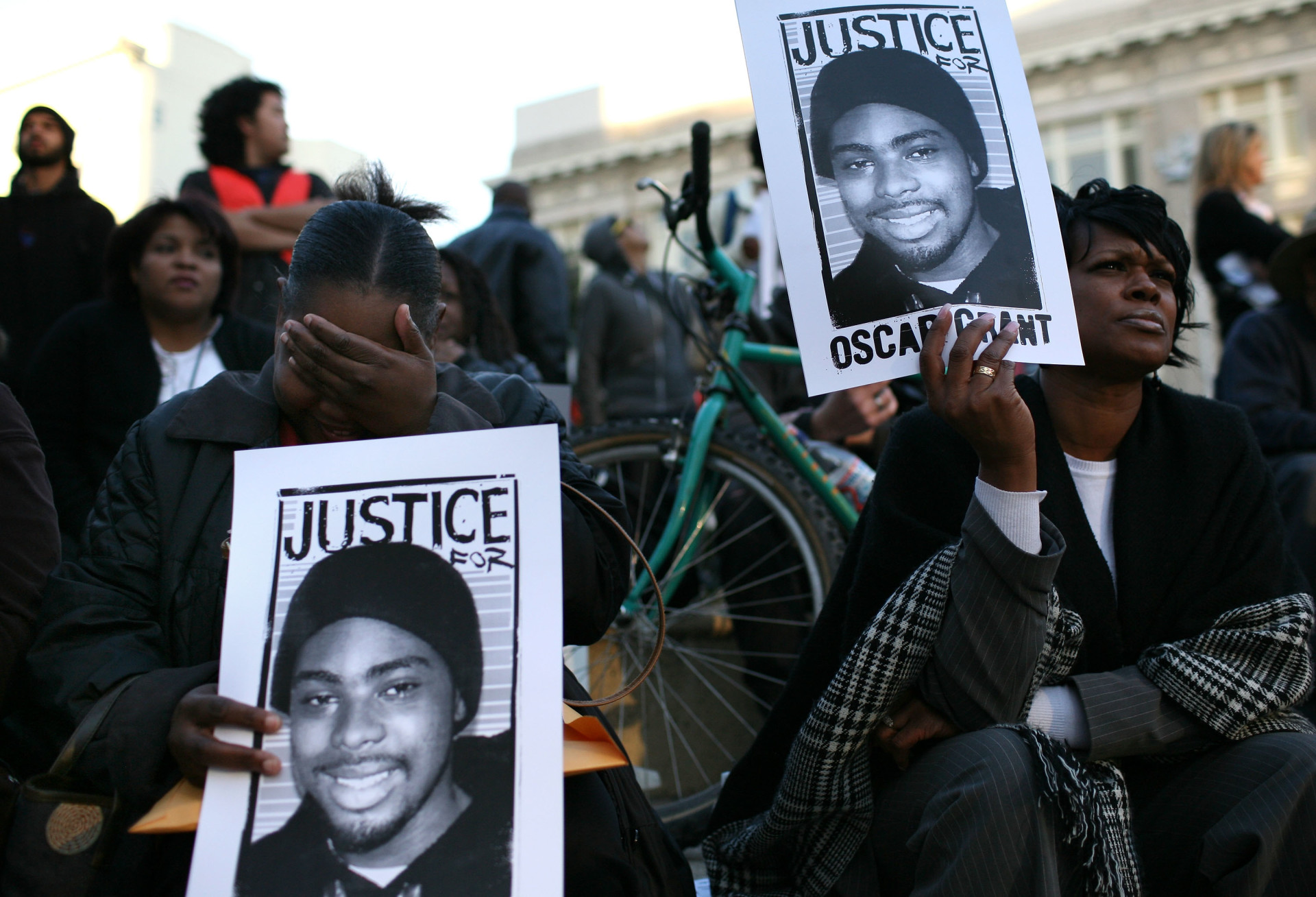
"caption": "In January 2009, Oaklanders protested the killing of Oscar Grant by a BART police officer. The officer, Johannes Mehserle, was charged with second-degree murder but was eventually convicted of involuntary manslaughter.",
"description": null,
"title": "Oscar Grant-Oakland Protests",
"credit": "Justin Sullivan/Getty Images",
"status": "inherit",
"isLoading": false,
"fetchFailed": false
},
"news_11617220": {
"type": "attachments",
"id": "news_11617220",
"meta": {
"index": "attachments_1716263798",
"site": "news",
"id": "11617220",
"found": true
},
"parent": 11616485,
"imgSizes": {
"small": {
"file": "https://ww2.kqed.org/app/uploads/sites/10/2017/09/TollPlaza-520x299.jpg",
"width": 520,
"mimeType": "image/jpeg",
"height": 299
},
"twentyfourteen-full-width": {
"file": "https://ww2.kqed.org/app/uploads/sites/10/2017/09/TollPlaza-1038x576.jpg",
"width": 1038,
"mimeType": "image/jpeg",
"height": 576
},
"thumbnail": {
"file": "https://ww2.kqed.org/app/uploads/sites/10/2017/09/TollPlaza-160x92.jpg",
"width": 160,
"mimeType": "image/jpeg",
"height": 92
},
"fd-sm": {
"file": "https://ww2.kqed.org/app/uploads/sites/10/2017/09/TollPlaza-960x553.jpg",
"width": 960,
"mimeType": "image/jpeg",
"height": 553
},
"post-thumbnail": {
"file": "https://ww2.kqed.org/app/uploads/sites/10/2017/09/TollPlaza-672x372.jpg",
"width": 672,
"mimeType": "image/jpeg",
"height": 372
},
"xsmall": {
"file": "https://ww2.kqed.org/app/uploads/sites/10/2017/09/TollPlaza-375x216.jpg",
"width": 375,
"mimeType": "image/jpeg",
"height": 216
},
"kqedFullSize": {
"file": "https://ww2.kqed.org/app/uploads/sites/10/2017/09/TollPlaza.jpg",
"width": 1920,
"height": 1105
},
"large": {
"file": "https://ww2.kqed.org/app/uploads/sites/10/2017/09/TollPlaza-1020x587.jpg",
"width": 1020,
"mimeType": "image/jpeg",
"height": 587
},
"xlarge": {
"file": "https://ww2.kqed.org/app/uploads/sites/10/2017/09/TollPlaza-1180x679.jpg",
"width": 1180,
"mimeType": "image/jpeg",
"height": 679
},
"guest-author-50": {
"file": "https://ww2.kqed.org/app/uploads/sites/10/2017/09/TollPlaza-50x50.jpg",
"width": 50,
"mimeType": "image/jpeg",
"height": 50
},
"guest-author-96": {
"file": "https://ww2.kqed.org/app/uploads/sites/10/2017/09/TollPlaza-96x96.jpg",
"width": 96,
"mimeType": "image/jpeg",
"height": 96
},
"medium": {
"file": "https://ww2.kqed.org/app/uploads/sites/10/2017/09/TollPlaza-800x460.jpg",
"width": 800,
"mimeType": "image/jpeg",
"height": 460
},
"guest-author-64": {
"file": "https://ww2.kqed.org/app/uploads/sites/10/2017/09/TollPlaza-64x64.jpg",
"width": 64,
"mimeType": "image/jpeg",
"height": 64
},
"guest-author-32": {
"file": "https://ww2.kqed.org/app/uploads/sites/10/2017/09/TollPlaza-32x32.jpg",
"width": 32,
"mimeType": "image/jpeg",
"height": 32
},
"fd-lrg": {
"file": "https://ww2.kqed.org/app/uploads/sites/10/2017/09/TollPlaza-1920x1105.jpg",
"width": 1920,
"mimeType": "image/jpeg",
"height": 1105
},
"fd-med": {
"file": "https://ww2.kqed.org/app/uploads/sites/10/2017/09/TollPlaza-1180x679.jpg",
"width": 1180,
"mimeType": "image/jpeg",
"height": 679
},
"full-width": {
"file": "https://ww2.kqed.org/app/uploads/sites/10/2017/09/TollPlaza-1920x1105.jpg",
"width": 1920,
"mimeType": "image/jpeg",
"height": 1105
},
"detail": {
"file": "https://ww2.kqed.org/app/uploads/sites/10/2017/09/TollPlaza-150x150.jpg",
"width": 150,
"mimeType": "image/jpeg",
"height": 150
},
"guest-author-128": {
"file": "https://ww2.kqed.org/app/uploads/sites/10/2017/09/TollPlaza-128x128.jpg",
"width": 128,
"mimeType": "image/jpeg",
"height": 128
},
"xxsmall": {
"file": "https://ww2.kqed.org/app/uploads/sites/10/2017/09/TollPlaza-240x138.jpg",
"width": 240,
"mimeType": "image/jpeg",
"height": 138
}
},
"publishDate": 1505503189,
"modified": 1513896577,
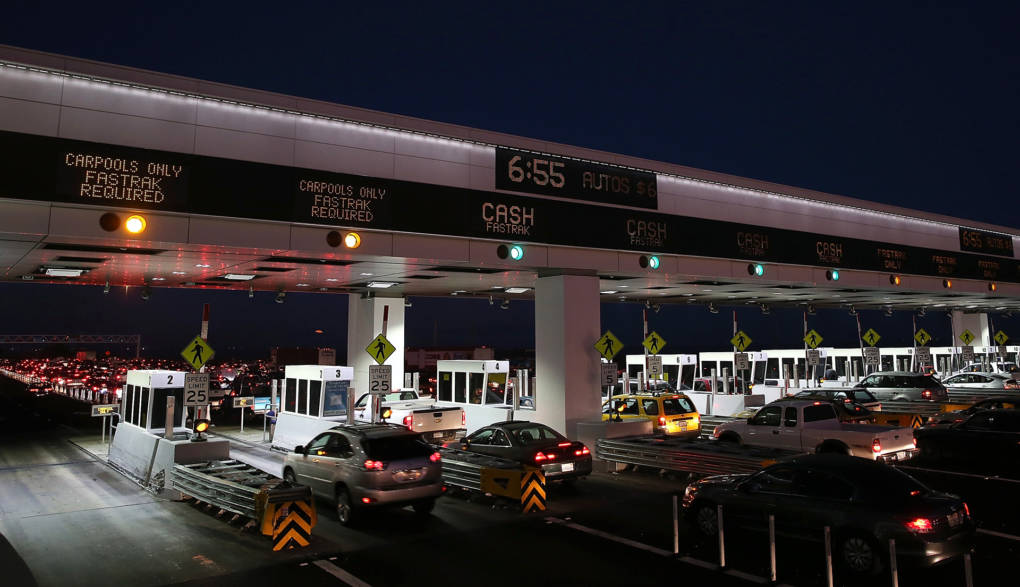
"caption": "Traffic backs up at the Bay Bridge Toll Plaza.",
"description": "Traffic backs up at the Bay Bridge toll plaza.",
"title": "Toll Plaza",
"credit": "Justin Sullivan/Getty Images",
"status": "inherit",
"isLoading": false,
"fetchFailed": false
},
"news_11710084": {
"type": "attachments",
"id": "news_11710084",
"meta": {
"index": "attachments_1716263798",
"site": "news",
"id": "11710084",
"found": true
},
"parent": 11709817,
"imgSizes": {
"twentyfourteen-full-width": {
"file": "https://ww2.kqed.org/app/uploads/sites/10/2018/12/bryant-18th_181204-1038x576.jpg",
"width": 1038,
"mimeType": "image/jpeg",
"height": 576
},
"thumbnail": {
"file": "https://ww2.kqed.org/app/uploads/sites/10/2018/12/bryant-18th_181204-160x105.jpg",
"width": 160,
"mimeType": "image/jpeg",
"height": 105
},
"post-thumbnail": {
"file": "https://ww2.kqed.org/app/uploads/sites/10/2018/12/bryant-18th_181204-672x372.jpg",
"width": 672,
"mimeType": "image/jpeg",
"height": 372
},
"kqedFullSize": {
"file": "https://ww2.kqed.org/app/uploads/sites/10/2018/12/bryant-18th_181204.jpg",
"width": 1920,
"height": 1258
},
"large": {
"file": "https://ww2.kqed.org/app/uploads/sites/10/2018/12/bryant-18th_181204-1020x668.jpg",
"width": 1020,
"mimeType": "image/jpeg",
"height": 668
},
"complete_open_graph": {
"file": "https://ww2.kqed.org/app/uploads/sites/10/2018/12/bryant-18th_181204-1200x786.jpg",
"width": 1200,
"mimeType": "image/jpeg",
"height": 786
},
"guest-author-50": {
"file": "https://ww2.kqed.org/app/uploads/sites/10/2018/12/bryant-18th_181204-50x50.jpg",
"width": 50,
"mimeType": "image/jpeg",
"height": 50
},
"guest-author-96": {
"file": "https://ww2.kqed.org/app/uploads/sites/10/2018/12/bryant-18th_181204-96x96.jpg",
"width": 96,
"mimeType": "image/jpeg",
"height": 96
},
"medium": {
"file": "https://ww2.kqed.org/app/uploads/sites/10/2018/12/bryant-18th_181204-800x524.jpg",
"width": 800,
"mimeType": "image/jpeg",
"height": 524
},
"guest-author-64": {
"file": "https://ww2.kqed.org/app/uploads/sites/10/2018/12/bryant-18th_181204-64x64.jpg",
"width": 64,
"mimeType": "image/jpeg",
"height": 64
},
"guest-author-32": {
"file": "https://ww2.kqed.org/app/uploads/sites/10/2018/12/bryant-18th_181204-32x32.jpg",
"width": 32,
"mimeType": "image/jpeg",
"height": 32
},
"full-width": {
"file": "https://ww2.kqed.org/app/uploads/sites/10/2018/12/bryant-18th_181204-1920x1258.jpg",
"width": 1920,
"mimeType": "image/jpeg",
"height": 1258
},
"detail": {
"file": "https://ww2.kqed.org/app/uploads/sites/10/2018/12/bryant-18th_181204-150x150.jpg",
"width": 150,
"mimeType": "image/jpeg",
"height": 150
},
"guest-author-128": {
"file": "https://ww2.kqed.org/app/uploads/sites/10/2018/12/bryant-18th_181204-128x128.jpg",
"width": 128,
"mimeType": "image/jpeg",
"height": 128
}
},
"publishDate": 1543980519,
"modified": 1543980594,
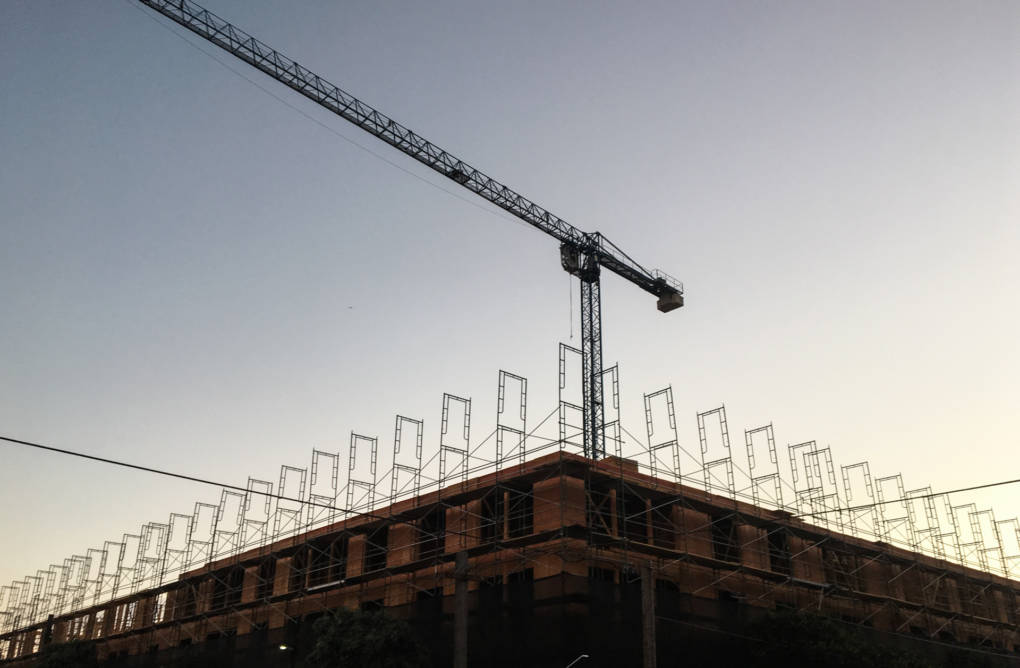
"caption": "SB 50 by San Francisco state Sen. Scott Wiener would mandate denser housing near major transit and rail lines and in \"job-rich\" communities. ",
"description": null,
"title": "Bryant Street-San Francisco",
"credit": "Dan Brekke/KQED",
"status": "inherit",
"isLoading": false,
"fetchFailed": false
},
"news_11708724": {
"type": "attachments",
"id": "news_11708724",
"meta": {
"index": "attachments_1716263798",
"site": "news",
"id": "11708724",
"found": true
},
"parent": 11706621,
"imgSizes": {
"twentyfourteen-full-width": {
"file": "https://ww2.kqed.org/app/uploads/sites/10/2018/11/JodieCutsHair-1038x576.jpg",
"width": 1038,
"mimeType": "image/jpeg",
"height": 576
},
"thumbnail": {
"file": "https://ww2.kqed.org/app/uploads/sites/10/2018/11/JodieCutsHair-160x120.jpg",
"width": 160,
"mimeType": "image/jpeg",
"height": 120
},
"post-thumbnail": {
"file": "https://ww2.kqed.org/app/uploads/sites/10/2018/11/JodieCutsHair-672x372.jpg",
"width": 672,
"mimeType": "image/jpeg",
"height": 372
},
"kqedFullSize": {
"file": "https://ww2.kqed.org/app/uploads/sites/10/2018/11/JodieCutsHair.jpg",
"width": 1920,
"height": 1439
},
"large": {
"file": "https://ww2.kqed.org/app/uploads/sites/10/2018/11/JodieCutsHair-1020x764.jpg",
"width": 1020,
"mimeType": "image/jpeg",
"height": 764
},
"complete_open_graph": {
"file": "https://ww2.kqed.org/app/uploads/sites/10/2018/11/JodieCutsHair-1200x899.jpg",
"width": 1200,
"mimeType": "image/jpeg",
"height": 899
},
"guest-author-50": {
"file": "https://ww2.kqed.org/app/uploads/sites/10/2018/11/JodieCutsHair-50x50.jpg",
"width": 50,
"mimeType": "image/jpeg",
"height": 50
},
"guest-author-96": {
"file": "https://ww2.kqed.org/app/uploads/sites/10/2018/11/JodieCutsHair-96x96.jpg",
"width": 96,
"mimeType": "image/jpeg",
"height": 96
},
"medium": {
"file": "https://ww2.kqed.org/app/uploads/sites/10/2018/11/JodieCutsHair-800x600.jpg",
"width": 800,
"mimeType": "image/jpeg",
"height": 600
},
"guest-author-64": {
"file": "https://ww2.kqed.org/app/uploads/sites/10/2018/11/JodieCutsHair-64x64.jpg",
"width": 64,
"mimeType": "image/jpeg",
"height": 64
},
"guest-author-32": {
"file": "https://ww2.kqed.org/app/uploads/sites/10/2018/11/JodieCutsHair-32x32.jpg",
"width": 32,
"mimeType": "image/jpeg",
"height": 32
},
"full-width": {
"file": "https://ww2.kqed.org/app/uploads/sites/10/2018/11/JodieCutsHair-1920x1439.jpg",
"width": 1920,
"mimeType": "image/jpeg",
"height": 1439
},
"detail": {
"file": "https://ww2.kqed.org/app/uploads/sites/10/2018/11/JodieCutsHair-150x150.jpg",
"width": 150,
"mimeType": "image/jpeg",
"height": 150
},
"guest-author-128": {
"file": "https://ww2.kqed.org/app/uploads/sites/10/2018/11/JodieCutsHair-128x128.jpg",
"width": 128,
"mimeType": "image/jpeg",
"height": 128
}
},
"publishDate": 1543431866,
"modified": 1543445869,
"caption": "Jodie Collins is a mobile stylist who gets gigs through apps like Glamsquad and StyleBee.",
"description": "Jodie Collins is a \"mobile stylist\" who gets gigs through apps like Glamsquad and StyleBee.",
"title": "JodieCutsHair",
"credit": "Sam Harnett/KQED",
"status": "inherit",
"isLoading": false,
"fetchFailed": false
},
"news_11704960": {
"type": "attachments",
"id": "news_11704960",
"meta": {
"index": "attachments_1716263798",
"site": "news",
"id": "11704960",
"found": true
},
"parent": 11704880,
"imgSizes": {
"twentyfourteen-full-width": {
"file": "https://ww2.kqed.org/app/uploads/sites/10/2018/11/ttcsteel181108a-1038x576.jpg",
"width": 1038,
"mimeType": "image/jpeg",
"height": 576
},
"thumbnail": {
"file": "https://ww2.kqed.org/app/uploads/sites/10/2018/11/ttcsteel181108a-160x105.jpg",
"width": 160,
"mimeType": "image/jpeg",
"height": 105
},
"post-thumbnail": {
"file": "https://ww2.kqed.org/app/uploads/sites/10/2018/11/ttcsteel181108a-672x372.jpg",
"width": 672,
"mimeType": "image/jpeg",
"height": 372
},
"kqedFullSize": {
"file": "https://ww2.kqed.org/app/uploads/sites/10/2018/11/ttcsteel181108a.jpg",
"width": 1919,
"height": 1255
},
"large": {
"file": "https://ww2.kqed.org/app/uploads/sites/10/2018/11/ttcsteel181108a-1020x667.jpg",
"width": 1020,
"mimeType": "image/jpeg",
"height": 667
},
"complete_open_graph": {
"file": "https://ww2.kqed.org/app/uploads/sites/10/2018/11/ttcsteel181108a-1200x785.jpg",
"width": 1200,
"mimeType": "image/jpeg",
"height": 785
},
"guest-author-50": {
"file": "https://ww2.kqed.org/app/uploads/sites/10/2018/11/ttcsteel181108a-50x50.jpg",
"width": 50,
"mimeType": "image/jpeg",
"height": 50
},
"guest-author-96": {
"file": "https://ww2.kqed.org/app/uploads/sites/10/2018/11/ttcsteel181108a-96x96.jpg",
"width": 96,
"mimeType": "image/jpeg",
"height": 96
},
"medium": {
"file": "https://ww2.kqed.org/app/uploads/sites/10/2018/11/ttcsteel181108a-800x523.jpg",
"width": 800,
"mimeType": "image/jpeg",
"height": 523
},
"guest-author-64": {
"file": "https://ww2.kqed.org/app/uploads/sites/10/2018/11/ttcsteel181108a-64x64.jpg",
"width": 64,
"mimeType": "image/jpeg",
"height": 64
},
"guest-author-32": {
"file": "https://ww2.kqed.org/app/uploads/sites/10/2018/11/ttcsteel181108a-32x32.jpg",
"width": 32,
"mimeType": "image/jpeg",
"height": 32
},
"detail": {
"file": "https://ww2.kqed.org/app/uploads/sites/10/2018/11/ttcsteel181108a-150x150.jpg",
"width": 150,
"mimeType": "image/jpeg",
"height": 150
},
"guest-author-128": {
"file": "https://ww2.kqed.org/app/uploads/sites/10/2018/11/ttcsteel181108a-128x128.jpg",
"width": 128,
"mimeType": "image/jpeg",
"height": 128
}
},
"publishDate": 1541712020,
"modified": 1541712097,
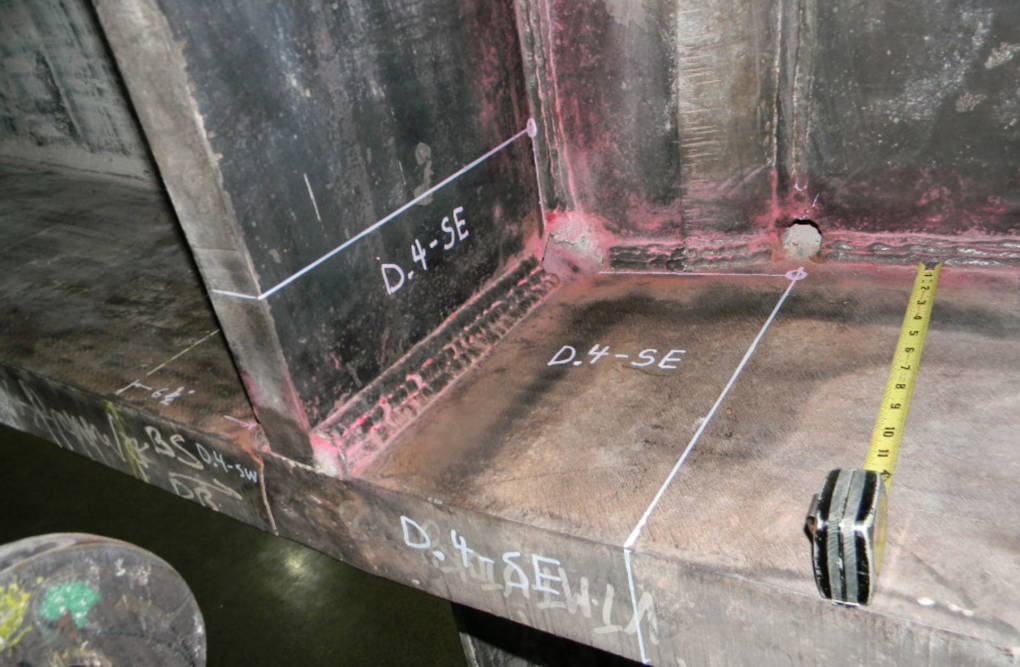
"caption": "A section of one of two cracked steel beams that forced the closure of the Transbay Transit Center in September.",
"description": null,
"title": "Transbay Transit Center-Beams",
"credit": "Transbay Joint Powers Authority",
"status": "inherit",
"isLoading": false,
"fetchFailed": false
},
"news_11704676": {
"type": "attachments",
"id": "news_11704676",
"meta": {
"index": "attachments_1716263798",
"site": "news",
"id": "11704676",
"found": true
},
"parent": 11700881,
"imgSizes": {
"small": {
"file": "https://ww2.kqed.org/app/uploads/sites/10/2018/10/15934771493_96ac66c65d_o-520x349.jpg",
"width": 520,
"mimeType": "image/jpeg",
"height": 349
},
"twentyfourteen-full-width": {
"file": "https://ww2.kqed.org/app/uploads/sites/10/2018/10/15934771493_96ac66c65d_o-1038x576.jpg",
"width": 1038,
"mimeType": "image/jpeg",
"height": 576
},
"thumbnail": {
"file": "https://ww2.kqed.org/app/uploads/sites/10/2018/10/15934771493_96ac66c65d_o-160x107.jpg",
"width": 160,
"mimeType": "image/jpeg",
"height": 107
},
"fd-sm": {
"file": "https://ww2.kqed.org/app/uploads/sites/10/2018/10/15934771493_96ac66c65d_o-960x645.jpg",
"width": 960,
"mimeType": "image/jpeg",
"height": 645
},
"post-thumbnail": {
"file": "https://ww2.kqed.org/app/uploads/sites/10/2018/10/15934771493_96ac66c65d_o-672x372.jpg",
"width": 672,
"mimeType": "image/jpeg",
"height": 372
},
"xsmall": {
"file": "https://ww2.kqed.org/app/uploads/sites/10/2018/10/15934771493_96ac66c65d_o-375x252.jpg",
"width": 375,
"mimeType": "image/jpeg",
"height": 252
},
"kqedFullSize": {
"file": "https://ww2.kqed.org/app/uploads/sites/10/2018/10/15934771493_96ac66c65d_o-e1541624688760.jpg",
"width": 1920,
"height": 1290
},
"large": {
"file": "https://ww2.kqed.org/app/uploads/sites/10/2018/10/15934771493_96ac66c65d_o-1020x685.jpg",
"width": 1020,
"mimeType": "image/jpeg",
"height": 685
},
"xlarge": {
"file": "https://ww2.kqed.org/app/uploads/sites/10/2018/10/15934771493_96ac66c65d_o-1180x793.jpg",
"width": 1180,
"mimeType": "image/jpeg",
"height": 793
},
"complete_open_graph": {
"file": "https://ww2.kqed.org/app/uploads/sites/10/2018/10/15934771493_96ac66c65d_o-1200x806.jpg",
"width": 1200,
"mimeType": "image/jpeg",
"height": 806
},
"guest-author-50": {
"file": "https://ww2.kqed.org/app/uploads/sites/10/2018/10/15934771493_96ac66c65d_o-50x50.jpg",
"width": 50,
"mimeType": "image/jpeg",
"height": 50
},
"guest-author-96": {
"file": "https://ww2.kqed.org/app/uploads/sites/10/2018/10/15934771493_96ac66c65d_o-96x96.jpg",
"width": 96,
"mimeType": "image/jpeg",
"height": 96
},
"medium": {
"file": "https://ww2.kqed.org/app/uploads/sites/10/2018/10/15934771493_96ac66c65d_o-800x537.jpg",
"width": 800,
"mimeType": "image/jpeg",
"height": 537
},
"guest-author-64": {
"file": "https://ww2.kqed.org/app/uploads/sites/10/2018/10/15934771493_96ac66c65d_o-64x64.jpg",
"width": 64,
"mimeType": "image/jpeg",
"height": 64
},
"guest-author-32": {
"file": "https://ww2.kqed.org/app/uploads/sites/10/2018/10/15934771493_96ac66c65d_o-32x32.jpg",
"width": 32,
"mimeType": "image/jpeg",
"height": 32
},
"fd-lrg": {
"file": "https://ww2.kqed.org/app/uploads/sites/10/2018/10/15934771493_96ac66c65d_o-1920x1290.jpg",
"width": 1920,
"mimeType": "image/jpeg",
"height": 1290
},
"fd-med": {
"file": "https://ww2.kqed.org/app/uploads/sites/10/2018/10/15934771493_96ac66c65d_o-1180x793.jpg",
"width": 1180,
"mimeType": "image/jpeg",
"height": 793
},
"full-width": {
"file": "https://ww2.kqed.org/app/uploads/sites/10/2018/10/15934771493_96ac66c65d_o-1920x1290.jpg",
"width": 1920,
"mimeType": "image/jpeg",
"height": 1290
},
"detail": {
"file": "https://ww2.kqed.org/app/uploads/sites/10/2018/10/15934771493_96ac66c65d_o-150x150.jpg",
"width": 150,
"mimeType": "image/jpeg",
"height": 150
},
"guest-author-128": {
"file": "https://ww2.kqed.org/app/uploads/sites/10/2018/10/15934771493_96ac66c65d_o-128x128.jpg",
"width": 128,
"mimeType": "image/jpeg",
"height": 128
},
"xxsmall": {
"file": "https://ww2.kqed.org/app/uploads/sites/10/2018/10/15934771493_96ac66c65d_o-240x161.jpg",
"width": 240,
"mimeType": "image/jpeg",
"height": 161
}
},
"publishDate": 1541624539,
"modified": 1541719302,
"caption": "A 2015 (pre-Salesforce Tower) view from Grizzly Peak Boulevard in the Oakland Hills featuring jammed Saturday night traffic at the Bay Bridge Toll Plaza. ",
"description": null,
"title": "Oakland Hills-Grizzly Peak Boulevard",
"credit": "Dan Brekke/KQED",
"status": "inherit",
"isLoading": false,
"fetchFailed": false
},
"news_11704683": {
"type": "attachments",
"id": "news_11704683",
"meta": {
"index": "attachments_1716263798",
"site": "news",
"id": "11704683",
"found": true
},
"parent": 11704234,
"imgSizes": {
"twentyfourteen-full-width": {
"file": "https://ww2.kqed.org/app/uploads/sites/10/2018/11/vanlifedone-1038x576.png",
"width": 1038,
"mimeType": "image/png",
"height": 576
},
"thumbnail": {
"file": "https://ww2.kqed.org/app/uploads/sites/10/2018/11/vanlifedone-160x115.png",
"width": 160,
"mimeType": "image/png",
"height": 115
},
"post-thumbnail": {
"file": "https://ww2.kqed.org/app/uploads/sites/10/2018/11/vanlifedone-672x372.png",
"width": 672,
"mimeType": "image/png",
"height": 372
},
"kqedFullSize": {
"file": "https://ww2.kqed.org/app/uploads/sites/10/2018/11/vanlifedone.png",
"width": 1736,
"height": 1244
},
"large": {
"file": "https://ww2.kqed.org/app/uploads/sites/10/2018/11/vanlifedone-1020x731.png",
"width": 1020,
"mimeType": "image/png",
"height": 731
},
"complete_open_graph": {
"file": "https://ww2.kqed.org/app/uploads/sites/10/2018/11/vanlifedone-1200x860.png",
"width": 1200,
"mimeType": "image/png",
"height": 860
},
"guest-author-50": {
"file": "https://ww2.kqed.org/app/uploads/sites/10/2018/11/vanlifedone-50x50.png",
"width": 50,
"mimeType": "image/png",
"height": 50
},
"guest-author-96": {
"file": "https://ww2.kqed.org/app/uploads/sites/10/2018/11/vanlifedone-96x96.png",
"width": 96,
"mimeType": "image/png",
"height": 96
},
"medium": {
"file": "https://ww2.kqed.org/app/uploads/sites/10/2018/11/vanlifedone-800x573.png",
"width": 800,
"mimeType": "image/png",
"height": 573
},
"guest-author-64": {
"file": "https://ww2.kqed.org/app/uploads/sites/10/2018/11/vanlifedone-64x64.png",
"width": 64,
"mimeType": "image/png",
"height": 64
},
"guest-author-32": {
"file": "https://ww2.kqed.org/app/uploads/sites/10/2018/11/vanlifedone-32x32.png",
"width": 32,
"mimeType": "image/png",
"height": 32
},
"detail": {
"file": "https://ww2.kqed.org/app/uploads/sites/10/2018/11/vanlifedone-150x150.png",
"width": 150,
"mimeType": "image/png",
"height": 150
},
"guest-author-128": {
"file": "https://ww2.kqed.org/app/uploads/sites/10/2018/11/vanlifedone-128x128.png",
"width": 128,
"mimeType": "image/png",
"height": 128
}
},
"publishDate": 1541626571,
"modified": 1541717673,
"caption": "An RV parked on Florida Street near 17th Street in San Francisco.",
"description": null,
"title": "Van",
"credit": "Katie Tandy / KQED",
"status": "inherit",
"isLoading": false,
"fetchFailed": false
},
"news_11704337": {
"type": "attachments",
"id": "news_11704337",
"meta": {
"index": "attachments_1716263798",
"site": "news",
"id": "11704337",
"found": true
},
"parent": 11704202,
"imgSizes": {
"twentyfourteen-full-width": {
"file": "https://ww2.kqed.org/app/uploads/sites/10/2018/11/RS33564_AW_GasTax_03-qut-1038x576.jpg",
"width": 1038,
"mimeType": "image/jpeg",
"height": 576
},
"thumbnail": {
"file": "https://ww2.kqed.org/app/uploads/sites/10/2018/11/RS33564_AW_GasTax_03-qut-160x107.jpg",
"width": 160,
"mimeType": "image/jpeg",
"height": 107
},
"post-thumbnail": {
"file": "https://ww2.kqed.org/app/uploads/sites/10/2018/11/RS33564_AW_GasTax_03-qut-672x372.jpg",
"width": 672,
"mimeType": "image/jpeg",
"height": 372
},
"kqedFullSize": {
"file": "https://ww2.kqed.org/app/uploads/sites/10/2018/11/RS33564_AW_GasTax_03-qut.jpg",
"width": 1920,
"height": 1280
},
"large": {
"file": "https://ww2.kqed.org/app/uploads/sites/10/2018/11/RS33564_AW_GasTax_03-qut-1020x680.jpg",
"width": 1020,
"mimeType": "image/jpeg",
"height": 680
},
"complete_open_graph": {
"file": "https://ww2.kqed.org/app/uploads/sites/10/2018/11/RS33564_AW_GasTax_03-qut-1200x800.jpg",
"width": 1200,
"mimeType": "image/jpeg",
"height": 800
},
"guest-author-50": {
"file": "https://ww2.kqed.org/app/uploads/sites/10/2018/11/RS33564_AW_GasTax_03-qut-50x50.jpg",
"width": 50,
"mimeType": "image/jpeg",
"height": 50
},
"guest-author-96": {
"file": "https://ww2.kqed.org/app/uploads/sites/10/2018/11/RS33564_AW_GasTax_03-qut-96x96.jpg",
"width": 96,
"mimeType": "image/jpeg",
"height": 96
},
"medium": {
"file": "https://ww2.kqed.org/app/uploads/sites/10/2018/11/RS33564_AW_GasTax_03-qut-800x533.jpg",
"width": 800,
"mimeType": "image/jpeg",
"height": 533
},
"guest-author-64": {
"file": "https://ww2.kqed.org/app/uploads/sites/10/2018/11/RS33564_AW_GasTax_03-qut-64x64.jpg",
"width": 64,
"mimeType": "image/jpeg",
"height": 64
},
"guest-author-32": {
"file": "https://ww2.kqed.org/app/uploads/sites/10/2018/11/RS33564_AW_GasTax_03-qut-32x32.jpg",
"width": 32,
"mimeType": "image/jpeg",
"height": 32
},
"full-width": {
"file": "https://ww2.kqed.org/app/uploads/sites/10/2018/11/RS33564_AW_GasTax_03-qut-1920x1280.jpg",
"width": 1920,
"mimeType": "image/jpeg",
"height": 1280
},
"detail": {
"file": "https://ww2.kqed.org/app/uploads/sites/10/2018/11/RS33564_AW_GasTax_03-qut-150x150.jpg",
"width": 150,
"mimeType": "image/jpeg",
"height": 150
},
"guest-author-128": {
"file": "https://ww2.kqed.org/app/uploads/sites/10/2018/11/RS33564_AW_GasTax_03-qut-128x128.jpg",
"width": 128,
"mimeType": "image/jpeg",
"height": 128
}
},
"publishDate": 1541570744,
"modified": 1541570907,
"caption": "A man pumps gas at a station in Berkeley on October 29, 2018. Proposition 6 would eliminate an increase in fuel taxes and vehicle fees. ",
"description": null,
"title": "Proposition 6-Gas Tax Repeal",
"credit": "Anne Wernikoff/KQED",
"status": "inherit",
"isLoading": false,
"fetchFailed": false
},
"news_11704016": {
"type": "attachments",
"id": "news_11704016",
"meta": {
"index": "attachments_1716263798",
"site": "news",
"id": "11704016",
"found": true
},
"parent": 11703731,
"imgSizes": {
"small": {
"file": "https://ww2.kqed.org/app/uploads/sites/10/2018/11/RS33563_AW_GasTax_02-qut-520x371.jpg",
"width": 520,
"mimeType": "image/jpeg",
"height": 371
},
"twentyfourteen-full-width": {
"file": "https://ww2.kqed.org/app/uploads/sites/10/2018/11/RS33563_AW_GasTax_02-qut-1038x576.jpg",
"width": 1038,
"mimeType": "image/jpeg",
"height": 576
},
"thumbnail": {
"file": "https://ww2.kqed.org/app/uploads/sites/10/2018/11/RS33563_AW_GasTax_02-qut-160x114.jpg",
"width": 160,
"mimeType": "image/jpeg",
"height": 114
},
"fd-sm": {
"file": "https://ww2.kqed.org/app/uploads/sites/10/2018/11/RS33563_AW_GasTax_02-qut-960x685.jpg",
"width": 960,
"mimeType": "image/jpeg",
"height": 685
},
"post-thumbnail": {
"file": "https://ww2.kqed.org/app/uploads/sites/10/2018/11/RS33563_AW_GasTax_02-qut-672x372.jpg",
"width": 672,
"mimeType": "image/jpeg",
"height": 372
},
"xsmall": {
"file": "https://ww2.kqed.org/app/uploads/sites/10/2018/11/RS33563_AW_GasTax_02-qut-375x267.jpg",
"width": 375,
"mimeType": "image/jpeg",
"height": 267
},
"kqedFullSize": {
"file": "https://ww2.kqed.org/app/uploads/sites/10/2018/11/RS33563_AW_GasTax_02-qut.jpg",
"width": 1920,
"height": 1369
},
"large": {
"file": "https://ww2.kqed.org/app/uploads/sites/10/2018/11/RS33563_AW_GasTax_02-qut-1020x727.jpg",
"width": 1020,
"mimeType": "image/jpeg",
"height": 727
},
"xlarge": {
"file": "https://ww2.kqed.org/app/uploads/sites/10/2018/11/RS33563_AW_GasTax_02-qut-1180x841.jpg",
"width": 1180,
"mimeType": "image/jpeg",
"height": 841
},
"complete_open_graph": {
"file": "https://ww2.kqed.org/app/uploads/sites/10/2018/11/RS33563_AW_GasTax_02-qut-1200x856.jpg",
"width": 1200,
"mimeType": "image/jpeg",
"height": 856
},
"guest-author-50": {
"file": "https://ww2.kqed.org/app/uploads/sites/10/2018/11/RS33563_AW_GasTax_02-qut-50x50.jpg",
"width": 50,
"mimeType": "image/jpeg",
"height": 50
},
"guest-author-96": {
"file": "https://ww2.kqed.org/app/uploads/sites/10/2018/11/RS33563_AW_GasTax_02-qut-96x96.jpg",
"width": 96,
"mimeType": "image/jpeg",
"height": 96
},
"medium": {
"file": "https://ww2.kqed.org/app/uploads/sites/10/2018/11/RS33563_AW_GasTax_02-qut-800x570.jpg",
"width": 800,
"mimeType": "image/jpeg",
"height": 570
},
"guest-author-64": {
"file": "https://ww2.kqed.org/app/uploads/sites/10/2018/11/RS33563_AW_GasTax_02-qut-64x64.jpg",
"width": 64,
"mimeType": "image/jpeg",
"height": 64
},
"guest-author-32": {
"file": "https://ww2.kqed.org/app/uploads/sites/10/2018/11/RS33563_AW_GasTax_02-qut-32x32.jpg",
"width": 32,
"mimeType": "image/jpeg",
"height": 32
},
"fd-lrg": {
"file": "https://ww2.kqed.org/app/uploads/sites/10/2018/11/RS33563_AW_GasTax_02-qut-1920x1369.jpg",
"width": 1920,
"mimeType": "image/jpeg",
"height": 1369
},
"fd-med": {
"file": "https://ww2.kqed.org/app/uploads/sites/10/2018/11/RS33563_AW_GasTax_02-qut-1180x841.jpg",
"width": 1180,
"mimeType": "image/jpeg",
"height": 841
},
"full-width": {
"file": "https://ww2.kqed.org/app/uploads/sites/10/2018/11/RS33563_AW_GasTax_02-qut-1920x1369.jpg",
"width": 1920,
"mimeType": "image/jpeg",
"height": 1369
},
"detail": {
"file": "https://ww2.kqed.org/app/uploads/sites/10/2018/11/RS33563_AW_GasTax_02-qut-150x150.jpg",
"width": 150,
"mimeType": "image/jpeg",
"height": 150
},
"guest-author-128": {
"file": "https://ww2.kqed.org/app/uploads/sites/10/2018/11/RS33563_AW_GasTax_02-qut-128x128.jpg",
"width": 128,
"mimeType": "image/jpeg",
"height": 128
},
"xxsmall": {
"file": "https://ww2.kqed.org/app/uploads/sites/10/2018/11/RS33563_AW_GasTax_02-qut-240x171.jpg",
"width": 240,
"mimeType": "image/jpeg",
"height": 171
}
},
"publishDate": 1541472766,
"modified": 1541472949,
"caption": "Prices posted outside a Chevron gas station at Ashby and Shattuck avenues in Berkeley. ",
"description": null,
"title": "Prop. 6-Gas Prices",
"credit": "Anne Wernikoff/KQED",
"status": "inherit",
"isLoading": false,
"fetchFailed": false
},
"news_11702883": {
"type": "attachments",
"id": "news_11702883",
"meta": {
"index": "attachments_1716263798",
"site": "news",
"id": "11702883",
"found": true
},
"parent": 11699988,
"imgSizes": {
"small": {
"file": "https://ww2.kqed.org/app/uploads/sites/10/2018/11/GettyImages-672980840-520x345.jpg",
"width": 520,
"mimeType": "image/jpeg",
"height": 345
},
"twentyfourteen-full-width": {
"file": "https://ww2.kqed.org/app/uploads/sites/10/2018/11/GettyImages-672980840-1038x576.jpg",
"width": 1038,
"mimeType": "image/jpeg",
"height": 576
},
"thumbnail": {
"file": "https://ww2.kqed.org/app/uploads/sites/10/2018/11/GettyImages-672980840-160x106.jpg",
"width": 160,
"mimeType": "image/jpeg",
"height": 106
},
"fd-sm": {
"file": "https://ww2.kqed.org/app/uploads/sites/10/2018/11/GettyImages-672980840-960x638.jpg",
"width": 960,
"mimeType": "image/jpeg",
"height": 638
},
"post-thumbnail": {
"file": "https://ww2.kqed.org/app/uploads/sites/10/2018/11/GettyImages-672980840-672x372.jpg",
"width": 672,
"mimeType": "image/jpeg",
"height": 372
},
"xsmall": {
"file": "https://ww2.kqed.org/app/uploads/sites/10/2018/11/GettyImages-672980840-375x249.jpg",
"width": 375,
"mimeType": "image/jpeg",
"height": 249
},
"kqedFullSize": {
"file": "https://ww2.kqed.org/app/uploads/sites/10/2018/11/GettyImages-672980840-e1541092501695.jpg",
"width": 1920,
"height": 1276
},
"large": {
"file": "https://ww2.kqed.org/app/uploads/sites/10/2018/11/GettyImages-672980840-1020x678.jpg",
"width": 1020,
"mimeType": "image/jpeg",
"height": 678
},
"xlarge": {
"file": "https://ww2.kqed.org/app/uploads/sites/10/2018/11/GettyImages-672980840-1180x784.jpg",
"width": 1180,
"mimeType": "image/jpeg",
"height": 784
},
"complete_open_graph": {
"file": "https://ww2.kqed.org/app/uploads/sites/10/2018/11/GettyImages-672980840-1200x797.jpg",
"width": 1200,
"mimeType": "image/jpeg",
"height": 797
},
"guest-author-50": {
"file": "https://ww2.kqed.org/app/uploads/sites/10/2018/11/GettyImages-672980840-50x50.jpg",
"width": 50,
"mimeType": "image/jpeg",
"height": 50
},
"guest-author-96": {
"file": "https://ww2.kqed.org/app/uploads/sites/10/2018/11/GettyImages-672980840-96x96.jpg",
"width": 96,
"mimeType": "image/jpeg",
"height": 96
},
"medium": {
"file": "https://ww2.kqed.org/app/uploads/sites/10/2018/11/GettyImages-672980840-800x531.jpg",
"width": 800,
"mimeType": "image/jpeg",
"height": 531
},
"guest-author-64": {
"file": "https://ww2.kqed.org/app/uploads/sites/10/2018/11/GettyImages-672980840-64x64.jpg",
"width": 64,
"mimeType": "image/jpeg",
"height": 64
},
"guest-author-32": {
"file": "https://ww2.kqed.org/app/uploads/sites/10/2018/11/GettyImages-672980840-32x32.jpg",
"width": 32,
"mimeType": "image/jpeg",
"height": 32
},
"fd-lrg": {
"file": "https://ww2.kqed.org/app/uploads/sites/10/2018/11/GettyImages-672980840-1920x1276.jpg",
"width": 1920,
"mimeType": "image/jpeg",
"height": 1276
},
"fd-med": {
"file": "https://ww2.kqed.org/app/uploads/sites/10/2018/11/GettyImages-672980840-1180x784.jpg",
"width": 1180,
"mimeType": "image/jpeg",
"height": 784
},
"full-width": {
"file": "https://ww2.kqed.org/app/uploads/sites/10/2018/11/GettyImages-672980840-1920x1276.jpg",
"width": 1920,
"mimeType": "image/jpeg",
"height": 1276
},
"detail": {
"file": "https://ww2.kqed.org/app/uploads/sites/10/2018/11/GettyImages-672980840-150x150.jpg",
"width": 150,
"mimeType": "image/jpeg",
"height": 150
},
"guest-author-128": {
"file": "https://ww2.kqed.org/app/uploads/sites/10/2018/11/GettyImages-672980840-128x128.jpg",
"width": 128,
"mimeType": "image/jpeg",
"height": 128
},
"xxsmall": {
"file": "https://ww2.kqed.org/app/uploads/sites/10/2018/11/GettyImages-672980840-240x159.jpg",
"width": 240,
"mimeType": "image/jpeg",
"height": 159
}
},
"publishDate": 1541092402,
"modified": 1541113309,
"caption": "Construction crews conduct repairs on San Francisco's Broadway in April 2017.",
"description": null,
"title": "SB 1-Proposition 6",
"credit": "Justin Sullivan/Getty Images",
"status": "inherit",
"isLoading": false,
"fetchFailed": false
},
"news_11702202": {
"type": "attachments",
"id": "news_11702202",
"meta": {
"index": "attachments_1716263798",
"site": "news",
"id": "11702202",
"found": true
},
"parent": 11702114,
"imgSizes": {
"small": {
"file": "https://ww2.kqed.org/app/uploads/sites/10/2018/10/GettyImages-681579052-520x336.jpg",
"width": 520,
"mimeType": "image/jpeg",
"height": 336
},
"twentyfourteen-full-width": {
"file": "https://ww2.kqed.org/app/uploads/sites/10/2018/10/GettyImages-681579052-1038x576.jpg",
"width": 1038,
"mimeType": "image/jpeg",
"height": 576
},
"thumbnail": {
"file": "https://ww2.kqed.org/app/uploads/sites/10/2018/10/GettyImages-681579052-160x103.jpg",
"width": 160,
"mimeType": "image/jpeg",
"height": 103
},
"fd-sm": {
"file": "https://ww2.kqed.org/app/uploads/sites/10/2018/10/GettyImages-681579052-960x620.jpg",
"width": 960,
"mimeType": "image/jpeg",
"height": 620
},
"post-thumbnail": {
"file": "https://ww2.kqed.org/app/uploads/sites/10/2018/10/GettyImages-681579052-672x372.jpg",
"width": 672,
"mimeType": "image/jpeg",
"height": 372
},
"xsmall": {
"file": "https://ww2.kqed.org/app/uploads/sites/10/2018/10/GettyImages-681579052-375x242.jpg",
"width": 375,
"mimeType": "image/jpeg",
"height": 242
},
"kqedFullSize": {
"file": "https://ww2.kqed.org/app/uploads/sites/10/2018/10/GettyImages-681579052-e1540856273777.jpg",
"width": 1920,
"height": 1239
},
"large": {
"file": "https://ww2.kqed.org/app/uploads/sites/10/2018/10/GettyImages-681579052-1020x658.jpg",
"width": 1020,
"mimeType": "image/jpeg",
"height": 658
},
"xlarge": {
"file": "https://ww2.kqed.org/app/uploads/sites/10/2018/10/GettyImages-681579052-1180x761.jpg",
"width": 1180,
"mimeType": "image/jpeg",
"height": 761
},
"complete_open_graph": {
"file": "https://ww2.kqed.org/app/uploads/sites/10/2018/10/GettyImages-681579052-1200x774.jpg",
"width": 1200,
"mimeType": "image/jpeg",
"height": 774
},
"guest-author-50": {
"file": "https://ww2.kqed.org/app/uploads/sites/10/2018/10/GettyImages-681579052-50x50.jpg",
"width": 50,
"mimeType": "image/jpeg",
"height": 50
},
"guest-author-96": {
"file": "https://ww2.kqed.org/app/uploads/sites/10/2018/10/GettyImages-681579052-96x96.jpg",
"width": 96,
"mimeType": "image/jpeg",
"height": 96
},
"medium": {
"file": "https://ww2.kqed.org/app/uploads/sites/10/2018/10/GettyImages-681579052-800x516.jpg",
"width": 800,
"mimeType": "image/jpeg",
"height": 516
},
"guest-author-64": {
"file": "https://ww2.kqed.org/app/uploads/sites/10/2018/10/GettyImages-681579052-64x64.jpg",
"width": 64,
"mimeType": "image/jpeg",
"height": 64
},
"guest-author-32": {
"file": "https://ww2.kqed.org/app/uploads/sites/10/2018/10/GettyImages-681579052-32x32.jpg",
"width": 32,
"mimeType": "image/jpeg",
"height": 32
},
"fd-lrg": {
"file": "https://ww2.kqed.org/app/uploads/sites/10/2018/10/GettyImages-681579052-1920x1239.jpg",
"width": 1920,
"mimeType": "image/jpeg",
"height": 1239
},
"fd-med": {
"file": "https://ww2.kqed.org/app/uploads/sites/10/2018/10/GettyImages-681579052-1180x761.jpg",
"width": 1180,
"mimeType": "image/jpeg",
"height": 761
},
"full-width": {
"file": "https://ww2.kqed.org/app/uploads/sites/10/2018/10/GettyImages-681579052-1920x1239.jpg",
"width": 1920,
"mimeType": "image/jpeg",
"height": 1239
},
"detail": {
"file": "https://ww2.kqed.org/app/uploads/sites/10/2018/10/GettyImages-681579052-150x150.jpg",
"width": 150,
"mimeType": "image/jpeg",
"height": 150
},
"guest-author-128": {
"file": "https://ww2.kqed.org/app/uploads/sites/10/2018/10/GettyImages-681579052-128x128.jpg",
"width": 128,
"mimeType": "image/jpeg",
"height": 128
},
"xxsmall": {
"file": "https://ww2.kqed.org/app/uploads/sites/10/2018/10/GettyImages-681579052-240x155.jpg",
"width": 240,
"mimeType": "image/jpeg",
"height": 155
}
},
"publishDate": 1540856072,
"modified": 1540860575,
"caption": "Gas prices on display in San Rafael in May 2017, soon after Gov. Jerry Brown signed SB 1. The measure raised fuel taxes and vehicle fees to provide funding for road and street repair, transit and other transportation projects. ",
"description": null,
"title": "Proposition 6-Gas Tax Repeal",
"credit": "Justin Sullivan/Getty Images",
"status": "inherit",
"isLoading": false,
"fetchFailed": false
},
"news_11701102": {
"type": "attachments",
"id": "news_11701102",
"meta": {
"index": "attachments_1716263798",
"site": "news",
"id": "11701102",
"found": true
},
"parent": 11700978,
"imgSizes": {
"small": {
"file": "https://ww2.kqed.org/app/uploads/sites/10/2018/10/scooters181015-520x360.jpg",
"width": 520,
"mimeType": "image/jpeg",
"height": 360
},
"twentyfourteen-full-width": {
"file": "https://ww2.kqed.org/app/uploads/sites/10/2018/10/scooters181015-1038x576.jpg",
"width": 1038,
"mimeType": "image/jpeg",
"height": 576
},
"thumbnail": {
"file": "https://ww2.kqed.org/app/uploads/sites/10/2018/10/scooters181015-160x111.jpg",
"width": 160,
"mimeType": "image/jpeg",
"height": 111
},
"fd-sm": {
"file": "https://ww2.kqed.org/app/uploads/sites/10/2018/10/scooters181015-960x665.jpg",
"width": 960,
"mimeType": "image/jpeg",
"height": 665
},
"post-thumbnail": {
"file": "https://ww2.kqed.org/app/uploads/sites/10/2018/10/scooters181015-672x372.jpg",
"width": 672,
"mimeType": "image/jpeg",
"height": 372
},
"xsmall": {
"file": "https://ww2.kqed.org/app/uploads/sites/10/2018/10/scooters181015-375x260.jpg",
"width": 375,
"mimeType": "image/jpeg",
"height": 260
},
"kqedFullSize": {
"file": "https://ww2.kqed.org/app/uploads/sites/10/2018/10/scooters181015.jpg",
"width": 1920,
"height": 1330
},
"large": {
"file": "https://ww2.kqed.org/app/uploads/sites/10/2018/10/scooters181015-1020x707.jpg",
"width": 1020,
"mimeType": "image/jpeg",
"height": 707
},
"xlarge": {
"file": "https://ww2.kqed.org/app/uploads/sites/10/2018/10/scooters181015-1180x817.jpg",
"width": 1180,
"mimeType": "image/jpeg",
"height": 817
},
"complete_open_graph": {
"file": "https://ww2.kqed.org/app/uploads/sites/10/2018/10/scooters181015-1200x831.jpg",
"width": 1200,
"mimeType": "image/jpeg",
"height": 831
},
"guest-author-50": {
"file": "https://ww2.kqed.org/app/uploads/sites/10/2018/10/scooters181015-50x50.jpg",
"width": 50,
"mimeType": "image/jpeg",
"height": 50
},
"guest-author-96": {
"file": "https://ww2.kqed.org/app/uploads/sites/10/2018/10/scooters181015-96x96.jpg",
"width": 96,
"mimeType": "image/jpeg",
"height": 96
},
"medium": {
"file": "https://ww2.kqed.org/app/uploads/sites/10/2018/10/scooters181015-800x554.jpg",
"width": 800,
"mimeType": "image/jpeg",
"height": 554
},
"guest-author-64": {
"file": "https://ww2.kqed.org/app/uploads/sites/10/2018/10/scooters181015-64x64.jpg",
"width": 64,
"mimeType": "image/jpeg",
"height": 64
},
"guest-author-32": {
"file": "https://ww2.kqed.org/app/uploads/sites/10/2018/10/scooters181015-32x32.jpg",
"width": 32,
"mimeType": "image/jpeg",
"height": 32
},
"fd-lrg": {
"file": "https://ww2.kqed.org/app/uploads/sites/10/2018/10/scooters181015-1920x1330.jpg",
"width": 1920,
"mimeType": "image/jpeg",
"height": 1330
},
"fd-med": {
"file": "https://ww2.kqed.org/app/uploads/sites/10/2018/10/scooters181015-1180x817.jpg",
"width": 1180,
"mimeType": "image/jpeg",
"height": 817
},
"full-width": {
"file": "https://ww2.kqed.org/app/uploads/sites/10/2018/10/scooters181015-1920x1330.jpg",
"width": 1920,
"mimeType": "image/jpeg",
"height": 1330
},
"detail": {
"file": "https://ww2.kqed.org/app/uploads/sites/10/2018/10/scooters181015-150x150.jpg",
"width": 150,
"mimeType": "image/jpeg",
"height": 150
},
"guest-author-128": {
"file": "https://ww2.kqed.org/app/uploads/sites/10/2018/10/scooters181015-128x128.jpg",
"width": 128,
"mimeType": "image/jpeg",
"height": 128
},
"xxsmall": {
"file": "https://ww2.kqed.org/app/uploads/sites/10/2018/10/scooters181015-240x166.jpg",
"width": 240,
"mimeType": "image/jpeg",
"height": 166
}
},
"publishDate": 1540423913,
"modified": 1540423994,
"caption": "A pair of Skip scooters lie on a Market Street sidewalk on Oct. 15, 2018, the day the company launched service in San Francisco.",
"description": null,
"title": "Scooters-San Francisco",
"credit": "Dan Brekke/KQED",
"status": "inherit",
"isLoading": false,
"fetchFailed": false
}
},
"audioPlayerReducer": {
"postId": "stream_live",
"isPaused": true,
"isPlaying": false,
"pfsActive": false,
"pledgeModalIsOpen": true,
"playerDrawerIsOpen": false,
"liveAudioPlayStartedAt": 0,
"liveAudioPlayContext": ""
},
"authorsReducer": {
"danbrekke": {
"type": "authors",
"id": "222",
"meta": {
"index": "authors_1716337520",
"id": "222",
"found": true
},
"name": "Dan Brekke",
"firstName": "Dan",
"lastName": "Brekke",
"slug": "danbrekke",
"email": "dbrekke@kqed.org",
"display_author_email": true,
"staff_mastheads": [
"news",
"science"
],
"title": "KQED Editor and Reporter",
"bio": "Dan Brekke is a reporter and editor for KQED News, responsible for coverage of topics ranging from California water issues to the Bay Area's transportation challenges. In a newsroom career that began in Chicago in 1972, Dan has worked for \u003cem>The San Francisco Examiner,\u003c/em> Wired and TechTV and has been published in The New York Times, The New York Times Magazine, Business 2.0, Salon and elsewhere.\r\n\r\nSince joining KQED in 2007, Dan has reported, edited and produced both radio and online features and breaking news pieces. He has shared as both editor and reporter in four Society of Professional Journalists Norcal Excellence in Journalism awards and one Edward R. Murrow regional award. He was chosen for a spring 2017 residency at the Mesa Refuge to advance his research on California salmon.\r\n\r\nEmail Dan at: \u003ca href=\"mailto:dbrekke@kqed.org\">dbrekke@kqed.org\u003c/a>\r\n\r\n\u003cstrong>Twitter:\u003c/strong> \u003ca href=\"https://twitter.com/danbrekke\" rel=\"noopener noreferrer\">twitter.com/danbrekke\u003c/a>\r\n\u003cstrong>Facebook:\u003c/strong> \u003ca href=\"https://www.facebook.com/danbrekke\" rel=\"noopener noreferrer\">www.facebook.com/danbrekke\u003c/a>\r\n\u003cstrong>LinkedIn:\u003c/strong> \u003ca href=\"https://www.linkedin.com/in/danbrekke\" rel=\"noopener noreferrer\">www.linkedin.com/in/danbrekke\u003c/a>",
"avatar": "https://secure.gravatar.com/avatar/8f1f0d2a978fb3b23426c922c7e2af558fa36905b49c4ce76a97dc3c72d27226?s=600&d=mm&r=g",
"twitter": "danbrekke",
"bluesky": null,
"facebook": null,
"instagram": "https://www.instagram.com/dan.brekke/",
"linkedin": "https://www.linkedin.com/in/danbrekke/",
"sites": [
{
"site": "news",
"roles": [
"administrator",
"create_posts"
]
},
{
"site": "stateofhealth",
"roles": [
"editor"
]
},
{
"site": "science",
"roles": [
"editor"
]
},
{
"site": "quest",
"roles": [
"contributor"
]
},
{
"site": "food",
"roles": [
"contributor"
]
},
{
"site": "forum",
"roles": [
"contributor"
]
},
{
"site": "elections",
"roles": [
"editor"
]
},
{
"site": "liveblog",
"roles": [
"editor"
]
}
],
"headData": {
"title": "Dan Brekke | KQED",
"description": "KQED Editor and Reporter",
"ogImgSrc": "https://secure.gravatar.com/avatar/8f1f0d2a978fb3b23426c922c7e2af558fa36905b49c4ce76a97dc3c72d27226?s=600&d=mm&r=g",
"twImgSrc": "https://secure.gravatar.com/avatar/8f1f0d2a978fb3b23426c922c7e2af558fa36905b49c4ce76a97dc3c72d27226?s=600&d=mm&r=g"
},
"isLoading": false,
"link": "/author/danbrekke"
},
"samharnett": {
"type": "authors",
"id": "253",
"meta": {
"index": "authors_1716337520",
"id": "253",
"found": true
},
"name": "Sam Harnett",
"firstName": "Sam",
"lastName": "Harnett",
"slug": "samharnett",
"email": "samharnett@gmail.com",
"display_author_email": false,
"staff_mastheads": [],
"title": "KQED Contributor",
"bio": "Sam Harnett covered tech and work at KQED. He is the co-creator of \u003cem>\u003ca href=\"http://www.theworldaccordingtosound.org\">The World According to Sound\u003c/a>,\u003c/em> a 90-second podcast that features different sounds and the stories behind them.\r\n\r\nBefore coming to KQED, Sam worked as an independent reporter who contributed regularly to \u003cem>The California Report, Marketplace,\u003c/em> \u003cem>The World \u003c/em>and NPR.",
"avatar": "https://secure.gravatar.com/avatar/2538b972ac02f2b9546c7a6c59a0f3d0?s=600&d=blank&r=g",
"twitter": "Samwharnett",
"facebook": null,
"instagram": null,
"linkedin": null,
"sites": [
{
"site": "news",
"roles": [
"edit_others_posts",
"subscriber"
]
},
{
"site": "stateofhealth",
"roles": [
"author"
]
},
{
"site": "science",
"roles": [
"editor"
]
},
{
"site": "quest",
"roles": [
"subscriber"
]
}
],
"headData": {
"title": "Sam Harnett | KQED",
"description": "KQED Contributor",
"ogImgSrc": "https://secure.gravatar.com/avatar/2538b972ac02f2b9546c7a6c59a0f3d0?s=600&d=blank&r=g",
"twImgSrc": "https://secure.gravatar.com/avatar/2538b972ac02f2b9546c7a6c59a0f3d0?s=600&d=blank&r=g"
},
"isLoading": false,
"link": "/author/samharnett"
},
"sdirks": {
"type": "authors",
"id": "7239",
"meta": {
"index": "authors_1716337520",
"id": "7239",
"found": true
},
"name": "Sandhya Dirks",
"firstName": "Sandhya",
"lastName": "Dirks",
"slug": "sdirks",
"email": "sdirks@kqed.org",
"display_author_email": true,
"staff_mastheads": [],
"title": null,
"bio": "Sandhya Dirks was the race and equity reporter at KQED. She approaches race and equity not as a beat, but as a fundamental lens for all investigative and explanatory reporting.\r\n\r\nSandhya covered policing, housing, social justice movements, and the shifting demographics of cities and suburbs.\r\n\r\nShe was the creator and co-host of the podcast American Suburb, about the transformation of suburbia into the most diverse space in American life. She was the editor for Truth Be Told, an advice show for and by people of color. \r\n\r\nHer stories about race, space, and belonging were part of KQED's So Well Spoken project, which won RNDTA's Kaleidoscope award, honoring outstanding achievements in the coverage of diversity.\r\n\r\nPrior to joining KQED in 2015, Sandhya covered the 2012 presidential election from the swing state of Iowa for Iowa Public Radio. At KPBS in San Diego, she broke the story of a sexual harassment scandal that led to the mayor's resignation.\r\n\r\nShe got her start in radio working on documentaries about Oakland that investigated the high drop-out rate in public schools and mistrust between the police and the community.\r\n\r\nSandhya lives in Oakland and believes all stories are stories about power.",
"avatar": "https://secure.gravatar.com/avatar/c0247cb15929cd4c197672fd73d45300?s=600&d=blank&r=g",
"twitter": "audiosand",
"facebook": null,
"instagram": null,
"linkedin": null,
"sites": [
{
"site": "news",
"roles": [
"subscriber"
]
},
{
"site": "stateofhealth",
"roles": [
"author"
]
}
],
"headData": {
"title": "Sandhya Dirks | KQED",
"description": null,
"ogImgSrc": "https://secure.gravatar.com/avatar/c0247cb15929cd4c197672fd73d45300?s=600&d=blank&r=g",
"twImgSrc": "https://secure.gravatar.com/avatar/c0247cb15929cd4c197672fd73d45300?s=600&d=blank&r=g"
},
"isLoading": false,
"link": "/author/sdirks"
},
"mshieh": {
"type": "authors",
"id": "11527",
"meta": {
"index": "authors_1716337520",
"id": "11527",
"found": true
},
"name": "Marissa Shieh",
"firstName": "Marissa",
"lastName": "Shieh",
"slug": "mshieh",
"email": "mshieh@kqed.org",
"display_author_email": false,
"staff_mastheads": [],
"title": null,
"bio": null,
"avatar": "https://secure.gravatar.com/avatar/4828e5ea53953052aedfca196384e8aa?s=600&d=blank&r=g",
"twitter": null,
"facebook": null,
"instagram": null,
"linkedin": null,
"sites": [
{
"site": "news",
"roles": [
"author"
]
}
],
"headData": {
"title": "Marissa Shieh | KQED",
"description": null,
"ogImgSrc": "https://secure.gravatar.com/avatar/4828e5ea53953052aedfca196384e8aa?s=600&d=blank&r=g",
"twImgSrc": "https://secure.gravatar.com/avatar/4828e5ea53953052aedfca196384e8aa?s=600&d=blank&r=g"
},
"isLoading": false,
"link": "/author/mshieh"
}
},
"pagesReducer": {
"news_category_transportation": {
"type": "terms",
"id": "news_1397",
"meta": {
"index": "terms_1716263798",
"site": "news",
"id": "1397",
"score": 12.940365
},
"featImg": null,
"name": "Transportation",
"description": null,
"taxonomy": "category",
"headData": {
"twImgId": null,
"twTitle": null,
"ogTitle": null,
"ogImgId": null,
"twDescription": null,
"description": null,
"title": "Transportation Archives | KQED News",
"ogDescription": null
},
"ttid": 1409,
"slug": "transportation",
"isLoading": false,
"title": "Transportation",
"pageMeta": {
"site": "news",
"WpPageTemplate": "page-topic-editorial",
"currentPage": 56
},
"blocks": [
{
"blockName": "kqed/post-list",
"attrs": {
"layout": "cardArticle2",
"query": "posts/news?category=transportation",
"seeMore": false,
"paginated": true,
"page": 56
}
},
{
"blockName": "kqed/ad"
}
]
}
},
"pfsSessionReducer": {},
"postsReducer": {
"stream_live": {
"type": "live",
"id": "stream_live",
"audioUrl": "https://streams.kqed.org/kqedradio",
"title": "Live Stream",
"excerpt": "Live Stream information currently unavailable.",
"link": "/radio",
"featImg": "",
"label": {
"name": "KQED Live",
"link": "/"
}
},
"stream_kqedNewscast": {
"type": "posts",
"id": "stream_kqedNewscast",
"audioUrl": "https://www.kqed.org/.stream/anon/radio/RDnews/newscast.mp3?_=1",
"title": "KQED Newscast",
"featImg": "",
"label": {
"name": "88.5 FM",
"link": "/"
}
},
"news_11710770": {
"type": "posts",
"id": "news_11710770",
"meta": {
"index": "posts_1716263798",
"site": "news",
"id": "11710770",
"score": null,
"sort": [
1544576987000
]
},
"guestAuthors": [],
"slug": "honoring-oscar-grant-gets-political-at-bart-meeting",
"title": "Honoring Oscar Grant Gets Political at BART Meeting",
"publishDate": 1544576987,
"format": "standard",
"headTitle": "Honoring Oscar Grant Gets Political at BART Meeting | KQED",
"labelTerm": {
"term": 72,
"site": "news"
},
"content": "\u003cp>It’s almost been 10 years since Oscar Grant was shot and killed on the BART platform at Oakland’s Fruitvale Station in the early hours of New Year’s Day in 2009.\u003c/p>\n\u003cp>Grant’s shooting was caught on cellphone videos and shared on social media. The footage of the 22-year-old — lying on his stomach restrained when a BART police officer raised his gun and shot him in the back while another officer pinned him down — ricocheted across the country and the world.\u003c/p>\n\u003cp>It was one of the first times\u003ca href=\"https://www.youtube.com/watch?v=Q2LDw5l_yMI\"> video of an officer-involved shooting of a young black man was shared on the internet\u003c/a>, and it sparked protests, some of them violent. The officer, Johannes Mehserle, claimed he mistook his gun for his taser. He was later convicted of \u003ca href=\"https://www.sfgate.com/bayarea/article/Mehserle-convicted-of-involuntary-manslaughter-3181861.php\">involuntary manslaughter.\u003c/a>\u003c/p>\n\u003cp>Now, as the decade anniversary of Grant’s death approaches, his family has been working with BART to honor his life and mark his death. A mural is being planned near Fruitvale Station, and in early December his family officially filed paperwork requesting that the station where he died be renamed in his honor.\u003c/p>\n\u003cp>They want the station to be called Fruitvale-Grant Station, and they are requesting a plaque near the place where he died. There is still a knick in the concrete platform, from the bullet that killed Grant.\u003c/p>\n\u003cp>[ad fullwidth]\u003c/p>\n\u003cp>“It will give us a sense of peace and closure to really know that BART is working not only with the community, but with the family, to say that they do not want this to ever happen again,” said Wanda Johnson, Oscar Grant’s mother.\u003c/p>\n\u003ch2>Social Media Comments Generate Anger\u003c/h2>\n\u003cp>Recently, Grant’s family accused a BART director of stoking racial tensions around their work to honor Grant.\u003c/p>\n\u003cp>The same powerful tool of social media that amplified the story of his death, they said, was now being used to vilify the plans to memorialize his life.\u003c/p>\n\u003cp>After a \u003ca href=\"https://www.sfchronicle.com/bayarea/article/Oscar-Grant-mural-at-BART-s-Fruitvale-Station-13435806.php\">San Francisco Chronicle article\u003c/a> reported on the family’s work with BART to create a memorial, BART Director Debora Allen posed a question on Facebook last week. “BART is placing a permanent art mural at the Fruitvale station honoring Oscar Grant,” she wrote in the now-deleted post. Allen’s Facebook post continued, “It did not appear on a Board agenda. The family also wants the station and a street named after him. Should BART ever memorialize or name stations after individuals? Your thoughts?”\u003c/p>\n\u003cp>The responses that came in included racist remarks about Grant. At a BART board meeting on Dec. 6, Johnson spoke to Allen directly.\u003c/p>\n\u003cp>“You knew, without a shadow of a doubt,” that the post “would cause racial comments to be put there,” Johnson said pointedly. “You have hurt my family tremendously,” she said, her voice shaking. “For my 13-year-old granddaughter to see all the rude posts. What you have incited is absolutely unacceptable.”\u003c/p>\n\u003cp>Minister Keith Muhammad, who has supported the family since Grant’s death, said that while the social media post may appear innocuous, “quite frankly it was a dog whistle.” Especially, he added, “if you just consider the community that director represents.” Allen represents East Bay suburbs, including Walnut Creek and Danville, where many residents are wealthier and less diverse than in some of the other territory BART covers.\u003c/p>\n\u003cp>At the meeting, Allen responded directly to the family. “My intent was to talk about policy with this post,” she said. “There was no other hidden motive to divide people, to attack people, or to get people to attack people.”\u003c/p>\n\u003cp>“Over a few days’ time, the comments on that post became really a very unhealthy debate with people attacking each and calling each other racist,” Allen said, adding that is why she deleted the post.\u003c/p>\n\u003cp>“I believe my original question was, and still is, a valid public policy question,” she said, acknowledging that the context was mistaken. “I offer you my sincerest apology for the outcome of that post, and for any harm or grief that I’ve caused any of you to feel.”\u003c/p>\n\u003cp>But Cephus Johnson, Grant’s uncle, known to many as Uncle Bobby, said that an apology with an excuse did not feel like a true apology. “Mehserle offered excuses for why he murdered Oscar, too,” he said.\u003c/p>\n\u003cp>Another BART director, \u003ca href=\"https://www.bart.gov/about/bod/bodMembersDetail_09\">Bevan Dufty\u003c/a> spoke strongly against Allen’s post, calling it a “terrible mistake.”\u003c/p>\n\u003cp>“All of us who run for office, we know the hate that exists in this country, and to open up a poll and blanket people about a subject like this?” Dufty asked. “If you want to ask people if they want more straphangers in a rail car, I think that’s dandy.”\u003c/p>\n\u003cp>“But to ask this question, really begged a terrible thing,” Dufty added.\u003c/p>\n\u003ch2>Next Steps for the Project\u003c/h2>\n\u003cp>While the design of the mural is not yet finalized, a contract has been signed with Oakland native and artist Senay Dennis, also known as Refa One.\u003c/p>\n\u003cp>Dufty said it was part of the responsibility of BART officials to acknowledge what happened 10 years ago. He said he feels the need to “recognize how important it is to have a station named for somebody, somebody who will be recognized 100 years from now, as Rosa Parks was remembered,” he said. “Someone whose life was taken from them unjustly.”\u003c/p>\n\u003cp>BART Director \u003ca href=\"https://www.kalw.org/post/she-ran-bart-director-because-oscar-grant-now-lateefah-simon-must-confront-another-killing\">Lateefah Simon\u003c/a> has also supported the Grant family’s wishes to remember Oscar. Simon ran for the BART board, in part, because of Grant’s death.\u003c/p>\n\u003cp>The full board has not publicly discussed or signed off on the mural or other possible memorials. That is in part because the full board does not need to sign off on projects under $150,000. The mural project is expected to cost $30,000.\u003c/p>\n\u003cp>\u003c/p>\n\u003cp>The proposal to rename the station and to place a commemorative plaque are not yet on any BART board agenda.\u003c/p>\n\n",
"blocks": [],
"excerpt": "Mural is being planned near site where 22-year-old was killed almost 10 years ago, and family has asked that Fruitvale Station be renamed for him.",
"status": "publish",
"parent": 0,
"modified": 1721119208,
"stats": {
"hasAudio": false,
"hasVideo": false,
"hasChartOrMap": false,
"iframeSrcs": [],
"hasGoogleForm": false,
"hasGallery": false,
"hasHearkenModule": false,
"hasPolis": false,
"paragraphCount": 26,
"wordCount": 1046
},
"headData": {
"title": "Honoring Oscar Grant Gets Political at BART Meeting | KQED",
"description": "Mural is being planned near site where 22-year-old was killed almost 10 years ago, and family has asked that Fruitvale Station be renamed for him.",
"ogTitle": "",
"ogDescription": "",
"ogImgId": "",
"twTitle": "",
"twDescription": "",
"twImgId": "",
"schema": {
"@context": "https://schema.org",
"@type": "NewsArticle",
"headline": "Honoring Oscar Grant Gets Political at BART Meeting",
"datePublished": "2018-12-11T17:09:47-08:00",
"dateModified": "2024-07-16T01:40:08-07:00",
"image": "https://cdn.kqed.org/wp-content/uploads/2020/02/KQED-OG-Image@1x.png",
"isAccessibleForFree": "True",
"publisher": {
"@type": "NewsMediaOrganization",
"@id": "https://www.kqed.org/#organization",
"name": "KQED",
"logo": "https://cdn.kqed.org/wp-content/uploads/2020/02/KQED-OG-Image@1x.png",
"url": "https://www.kqed.org",
"sameAs": [
"https://www.facebook.com/KQED",
"https://twitter.com/KQED",
"https://www.instagram.com/kqed/",
"https://www.tiktok.com/@kqedofficial",
"https://www.linkedin.com/company/kqed",
"https://www.youtube.com/channel/UCeC0IOo7i1P_61zVUWbJ4nw"
]
}
}
},
"sticky": false,
"path": "/news/11710770/honoring-oscar-grant-gets-political-at-bart-meeting",
"audioTrackLength": null,
"parsedContent": [
{
"type": "contentString",
"content": "\u003cdiv class=\"post-body\">\u003cp>\u003cp>It’s almost been 10 years since Oscar Grant was shot and killed on the BART platform at Oakland’s Fruitvale Station in the early hours of New Year’s Day in 2009.\u003c/p>\n\u003cp>Grant’s shooting was caught on cellphone videos and shared on social media. The footage of the 22-year-old — lying on his stomach restrained when a BART police officer raised his gun and shot him in the back while another officer pinned him down — ricocheted across the country and the world.\u003c/p>\n\u003cp>It was one of the first times\u003ca href=\"https://www.youtube.com/watch?v=Q2LDw5l_yMI\"> video of an officer-involved shooting of a young black man was shared on the internet\u003c/a>, and it sparked protests, some of them violent. The officer, Johannes Mehserle, claimed he mistook his gun for his taser. He was later convicted of \u003ca href=\"https://www.sfgate.com/bayarea/article/Mehserle-convicted-of-involuntary-manslaughter-3181861.php\">involuntary manslaughter.\u003c/a>\u003c/p>\n\u003cp>Now, as the decade anniversary of Grant’s death approaches, his family has been working with BART to honor his life and mark his death. A mural is being planned near Fruitvale Station, and in early December his family officially filed paperwork requesting that the station where he died be renamed in his honor.\u003c/p>\n\u003cp>They want the station to be called Fruitvale-Grant Station, and they are requesting a plaque near the place where he died. There is still a knick in the concrete platform, from the bullet that killed Grant.\u003c/p>\n\u003cp>\u003c/p>\u003c/div>",
"attributes": {
"named": {},
"numeric": []
}
},
{
"type": "component",
"content": "",
"name": "ad",
"attributes": {
"named": {
"label": "fullwidth"
},
"numeric": [
"fullwidth"
]
}
},
{
"type": "contentString",
"content": "\u003cdiv class=\"post-body\">\u003cp>\u003c/p>\n\u003cp>“It will give us a sense of peace and closure to really know that BART is working not only with the community, but with the family, to say that they do not want this to ever happen again,” said Wanda Johnson, Oscar Grant’s mother.\u003c/p>\n\u003ch2>Social Media Comments Generate Anger\u003c/h2>\n\u003cp>Recently, Grant’s family accused a BART director of stoking racial tensions around their work to honor Grant.\u003c/p>\n\u003cp>The same powerful tool of social media that amplified the story of his death, they said, was now being used to vilify the plans to memorialize his life.\u003c/p>\n\u003cp>After a \u003ca href=\"https://www.sfchronicle.com/bayarea/article/Oscar-Grant-mural-at-BART-s-Fruitvale-Station-13435806.php\">San Francisco Chronicle article\u003c/a> reported on the family’s work with BART to create a memorial, BART Director Debora Allen posed a question on Facebook last week. “BART is placing a permanent art mural at the Fruitvale station honoring Oscar Grant,” she wrote in the now-deleted post. Allen’s Facebook post continued, “It did not appear on a Board agenda. The family also wants the station and a street named after him. Should BART ever memorialize or name stations after individuals? Your thoughts?”\u003c/p>\n\u003cp>The responses that came in included racist remarks about Grant. At a BART board meeting on Dec. 6, Johnson spoke to Allen directly.\u003c/p>\n\u003cp>“You knew, without a shadow of a doubt,” that the post “would cause racial comments to be put there,” Johnson said pointedly. “You have hurt my family tremendously,” she said, her voice shaking. “For my 13-year-old granddaughter to see all the rude posts. What you have incited is absolutely unacceptable.”\u003c/p>\n\u003cp>Minister Keith Muhammad, who has supported the family since Grant’s death, said that while the social media post may appear innocuous, “quite frankly it was a dog whistle.” Especially, he added, “if you just consider the community that director represents.” Allen represents East Bay suburbs, including Walnut Creek and Danville, where many residents are wealthier and less diverse than in some of the other territory BART covers.\u003c/p>\n\u003cp>At the meeting, Allen responded directly to the family. “My intent was to talk about policy with this post,” she said. “There was no other hidden motive to divide people, to attack people, or to get people to attack people.”\u003c/p>\n\u003cp>“Over a few days’ time, the comments on that post became really a very unhealthy debate with people attacking each and calling each other racist,” Allen said, adding that is why she deleted the post.\u003c/p>\n\u003cp>“I believe my original question was, and still is, a valid public policy question,” she said, acknowledging that the context was mistaken. “I offer you my sincerest apology for the outcome of that post, and for any harm or grief that I’ve caused any of you to feel.”\u003c/p>\n\u003cp>But Cephus Johnson, Grant’s uncle, known to many as Uncle Bobby, said that an apology with an excuse did not feel like a true apology. “Mehserle offered excuses for why he murdered Oscar, too,” he said.\u003c/p>\n\u003cp>Another BART director, \u003ca href=\"https://www.bart.gov/about/bod/bodMembersDetail_09\">Bevan Dufty\u003c/a> spoke strongly against Allen’s post, calling it a “terrible mistake.”\u003c/p>\n\u003cp>“All of us who run for office, we know the hate that exists in this country, and to open up a poll and blanket people about a subject like this?” Dufty asked. “If you want to ask people if they want more straphangers in a rail car, I think that’s dandy.”\u003c/p>\n\u003cp>“But to ask this question, really begged a terrible thing,” Dufty added.\u003c/p>\n\u003ch2>Next Steps for the Project\u003c/h2>\n\u003cp>While the design of the mural is not yet finalized, a contract has been signed with Oakland native and artist Senay Dennis, also known as Refa One.\u003c/p>\n\u003cp>Dufty said it was part of the responsibility of BART officials to acknowledge what happened 10 years ago. He said he feels the need to “recognize how important it is to have a station named for somebody, somebody who will be recognized 100 years from now, as Rosa Parks was remembered,” he said. “Someone whose life was taken from them unjustly.”\u003c/p>\n\u003cp>BART Director \u003ca href=\"https://www.kalw.org/post/she-ran-bart-director-because-oscar-grant-now-lateefah-simon-must-confront-another-killing\">Lateefah Simon\u003c/a> has also supported the Grant family’s wishes to remember Oscar. Simon ran for the BART board, in part, because of Grant’s death.\u003c/p>\n\u003cp>The full board has not publicly discussed or signed off on the mural or other possible memorials. That is in part because the full board does not need to sign off on projects under $150,000. The mural project is expected to cost $30,000.\u003c/p>\n\u003cp>\u003c/p>\n\u003cp>The proposal to rename the station and to place a commemorative plaque are not yet on any BART board agenda.\u003c/p>\n\n\u003c/div>\u003c/p>",
"attributes": {
"named": {},
"numeric": []
}
}
],
"link": "/news/11710770/honoring-oscar-grant-gets-political-at-bart-meeting",
"authors": [
"7239"
],
"programs": [
"news_72"
],
"categories": [
"news_223",
"news_6188",
"news_8",
"news_1397"
],
"tags": [
"news_269",
"news_85",
"news_147"
],
"featImg": "news_140765",
"label": "news_72"
},
"news_11710267": {
"type": "posts",
"id": "news_11710267",
"meta": {
"index": "posts_1716263798",
"site": "news",
"id": "11710267",
"score": null,
"sort": [
1544062785000
]
},
"parent": 0,
"labelTerm": {
"site": "news"
},
"blocks": [],
"publishDate": 1544062785,
"format": "standard",
"disqusTitle": "Bridge Agency to Sign Off on Toll Hike — Though Court Action Could Lead to Refund",
"title": "Bridge Agency to Sign Off on Toll Hike — Though Court Action Could Lead to Refund",
"headTitle": "KQED News",
"content": "\u003cp>Regional transportation officials are getting ready to give their formal sign-off on toll increases scheduled to take effect Jan. 1 on the Bay Area's seven state-owned bridges.\u003c/p>\n\u003cp>The Bay Area Toll Authority is expected to vote next week to go ahead with a $1 increase on the first day of 2019, the first of three toll hikes \u003ca href=\"https://www.kqed.org/news/11672904/bay-area-bridge-toll-increase-appears-headed-for-passage\" target=\"_blank\" rel=\"noopener\">approved by voters\u003c/a> last June as part of \u003ca href=\"https://www.kqed.org/news/11671240/10-things-to-know-regional-measure-3-the-proposed-bay-area-bridge-toll-increase\" target=\"_blank\" rel=\"noopener\">Regional Measure 3\u003c/a>.\u003c/p>\n\u003cp>The Jan. 1 increase will raise tolls to $6 on the Antioch, Benicia-Martinez, Carquinez, Richmond-San Rafael, San Mateo and Dumbarton bridges. Bay Bridge tolls will go up to $5 for off-peak weekday hours, $6 on weekends and $7 for peak (weekday morning and afternoon commute) hours.\u003c/p>\n\u003cp>Revenue from the increases -- about $4.5 billion over the next 25 years -- will fund a package of about three dozen highway, transit and other mobility (bicycle and pedestrian) projects.\u003c/p>\n\u003cp>The toll authority, made up of elected officials from all nine Bay Area counties who are also members of the Metropolitan Transportation Commission, held a pro forma public hearing on the increases last week. No one from the public showed up for it.\u003c/p>\n\u003cp>[ad fullwidth]\u003c/p>\n\u003cp>So the increase is a done deal. Except for one thing.\u003c/p>\n\u003cp>The toll authority is facing two lawsuits in San Francisco Superior Court, both of which challenge the validity of Regional Measure 3 on the grounds that its toll increases are a special tax.\u003c/p>\n\u003cp>Under the state Constitution, the plaintiffs argue, tax measures require a two-thirds majority to pass. RM3, which its proponents argue is a user fee that needed only a simple majority to pass, got a 55 percent yes vote.\u003c/p>\n\u003cp>The suits won't be resolved for a while -- and certainly not by Jan. 1, when BATA will start collecting the new tolls.\u003c/p>\n\u003cp>So what will happen to all those extra dollars drivers will pay -- something like $2.5 million a week -- while the fate of the measure is thrashed out in court?\u003c/p>\n\u003cp>All that cash will be deposited in a special bank account, not to be touched until the court cases are resolved.\u003c/p>\n\u003cp>If the toll authority prevails in the lawsuits, it will get to spend the money as planned.\u003c/p>\n\u003cp>If it loses -- well, first, that will blow a big hole in funding plans for many highway and transit projects, including procurement of some of BART's new cars.\u003c/p>\n\u003cp>But beyond that, toll officials will have to figure out of a way to get that toll money back to the drivers who paid it.\u003c/p>\n\u003cp>Randy Rentschler, the Metropolitan Transportation Commission's director of legislation and public affairs, says refunding tolls to drivers who use FasTrak toll passes will be straightforward since there will be a record of the charges they've paid.\u003c/p>\n\u003cp>But the solution will be more complicated for the large population of commuters who still don't use FasTrak.\u003c/p>\n\u003cp>\"If you pay cash and have a receipt, then it's very simple for us to pay that dollar back to you,\" Rentschler said. \"But if you don't have a receipt, really the only way we can do it is to have some sort of a toll holiday\" during which tolls would be reduced.\u003c/p>\n\u003cp>Rentschler pointed out that it's actually fairly common for voter-approved funding measures to face court challenges. Santa Clara County's Measure B, which imposed a half-cent sales tax to fund transportation projects, was blocked by a lawsuit immediately after voters passed it with a 72 percent yes vote in 2016.\u003c/p>\n\u003cp>\u003c/p>\n\u003cp>A lower court dismissed the suit, after which Santa Clara County began collecting the tax. Then the plaintiff appealed. The county continued charging the tax, placing the proceeds in an escrow account. By the time the county \u003ca href=\"https://www.mercurynews.com/2018/10/18/6-3-billion-transportation-tax-in-santa-clara-county-is-legal-court-says/\" target=\"_blank\" rel=\"noopener\">prevailed in the case\u003c/a> last month, the account held $240 million.\u003c/p>\n\n",
"disqusIdentifier": "11710267 https://ww2.kqed.org/news/?p=11710267",
"disqusUrl": "https://ww2.kqed.org/news/2018/12/05/bay-area-bridge-toll-increases-january-1-2019/",
"stats": {
"hasVideo": false,
"hasChartOrMap": false,
"hasAudio": false,
"hasPolis": false,
"wordCount": 636,
"hasGoogleForm": false,
"hasGallery": false,
"hasHearkenModule": false,
"iframeSrcs": [],
"paragraphCount": 21
},
"modified": 1544064012,
"excerpt": "Under a measure voters passed in June, bridge tolls will go up $1 on Jan. 1. But a court challenge could result in drivers getting that money back. ",
"headData": {
"twImgId": "",
"twTitle": "",
"ogTitle": "",
"ogImgId": "",
"twDescription": "",
"description": "Under a measure voters passed in June, bridge tolls will go up $1 on Jan. 1. But a court challenge could result in drivers getting that money back. ",
"title": "Bridge Agency to Sign Off on Toll Hike — Though Court Action Could Lead to Refund | KQED",
"ogDescription": "",
"schema": {
"@context": "https://schema.org",
"@type": "NewsArticle",
"headline": "Bridge Agency to Sign Off on Toll Hike — Though Court Action Could Lead to Refund",
"datePublished": "2018-12-05T18:19:45-08:00",
"dateModified": "2018-12-05T18:40:12-08:00",
"image": "https://cdn.kqed.org/wp-content/uploads/2020/02/KQED-OG-Image@1x.png",
"isAccessibleForFree": "True",
"publisher": {
"@type": "NewsMediaOrganization",
"@id": "https://www.kqed.org/#organization",
"name": "KQED",
"logo": "https://cdn.kqed.org/wp-content/uploads/2020/02/KQED-OG-Image@1x.png",
"url": "https://www.kqed.org",
"sameAs": [
"https://www.facebook.com/KQED",
"https://twitter.com/KQED",
"https://www.instagram.com/kqed/",
"https://www.tiktok.com/@kqedofficial",
"https://www.linkedin.com/company/kqed",
"https://www.youtube.com/channel/UCeC0IOo7i1P_61zVUWbJ4nw"
]
}
}
},
"guestAuthors": [],
"slug": "bay-area-bridge-toll-increases-january-1-2019",
"status": "publish",
"path": "/news/11710267/bay-area-bridge-toll-increases-january-1-2019",
"audioTrackLength": null,
"parsedContent": [
{
"type": "contentString",
"content": "\u003cdiv class=\"post-body\">\u003cp>\u003cp>Regional transportation officials are getting ready to give their formal sign-off on toll increases scheduled to take effect Jan. 1 on the Bay Area's seven state-owned bridges.\u003c/p>\n\u003cp>The Bay Area Toll Authority is expected to vote next week to go ahead with a $1 increase on the first day of 2019, the first of three toll hikes \u003ca href=\"https://www.kqed.org/news/11672904/bay-area-bridge-toll-increase-appears-headed-for-passage\" target=\"_blank\" rel=\"noopener\">approved by voters\u003c/a> last June as part of \u003ca href=\"https://www.kqed.org/news/11671240/10-things-to-know-regional-measure-3-the-proposed-bay-area-bridge-toll-increase\" target=\"_blank\" rel=\"noopener\">Regional Measure 3\u003c/a>.\u003c/p>\n\u003cp>The Jan. 1 increase will raise tolls to $6 on the Antioch, Benicia-Martinez, Carquinez, Richmond-San Rafael, San Mateo and Dumbarton bridges. Bay Bridge tolls will go up to $5 for off-peak weekday hours, $6 on weekends and $7 for peak (weekday morning and afternoon commute) hours.\u003c/p>\n\u003cp>Revenue from the increases -- about $4.5 billion over the next 25 years -- will fund a package of about three dozen highway, transit and other mobility (bicycle and pedestrian) projects.\u003c/p>\n\u003cp>The toll authority, made up of elected officials from all nine Bay Area counties who are also members of the Metropolitan Transportation Commission, held a pro forma public hearing on the increases last week. No one from the public showed up for it.\u003c/p>\n\u003cp>\u003c/p>\u003c/div>",
"attributes": {
"named": {},
"numeric": []
}
},
{
"type": "component",
"content": "",
"name": "ad",
"attributes": {
"named": {
"label": "fullwidth"
},
"numeric": [
"fullwidth"
]
}
},
{
"type": "contentString",
"content": "\u003cdiv class=\"post-body\">\u003cp>\u003c/p>\n\u003cp>So the increase is a done deal. Except for one thing.\u003c/p>\n\u003cp>The toll authority is facing two lawsuits in San Francisco Superior Court, both of which challenge the validity of Regional Measure 3 on the grounds that its toll increases are a special tax.\u003c/p>\n\u003cp>Under the state Constitution, the plaintiffs argue, tax measures require a two-thirds majority to pass. RM3, which its proponents argue is a user fee that needed only a simple majority to pass, got a 55 percent yes vote.\u003c/p>\n\u003cp>The suits won't be resolved for a while -- and certainly not by Jan. 1, when BATA will start collecting the new tolls.\u003c/p>\n\u003cp>So what will happen to all those extra dollars drivers will pay -- something like $2.5 million a week -- while the fate of the measure is thrashed out in court?\u003c/p>\n\u003cp>All that cash will be deposited in a special bank account, not to be touched until the court cases are resolved.\u003c/p>\n\u003cp>If the toll authority prevails in the lawsuits, it will get to spend the money as planned.\u003c/p>\n\u003cp>If it loses -- well, first, that will blow a big hole in funding plans for many highway and transit projects, including procurement of some of BART's new cars.\u003c/p>\n\u003cp>But beyond that, toll officials will have to figure out of a way to get that toll money back to the drivers who paid it.\u003c/p>\n\u003cp>Randy Rentschler, the Metropolitan Transportation Commission's director of legislation and public affairs, says refunding tolls to drivers who use FasTrak toll passes will be straightforward since there will be a record of the charges they've paid.\u003c/p>\n\u003cp>But the solution will be more complicated for the large population of commuters who still don't use FasTrak.\u003c/p>\n\u003cp>\"If you pay cash and have a receipt, then it's very simple for us to pay that dollar back to you,\" Rentschler said. \"But if you don't have a receipt, really the only way we can do it is to have some sort of a toll holiday\" during which tolls would be reduced.\u003c/p>\n\u003cp>Rentschler pointed out that it's actually fairly common for voter-approved funding measures to face court challenges. Santa Clara County's Measure B, which imposed a half-cent sales tax to fund transportation projects, was blocked by a lawsuit immediately after voters passed it with a 72 percent yes vote in 2016.\u003c/p>\n\u003cp>\u003c/p>\n\u003cp>A lower court dismissed the suit, after which Santa Clara County began collecting the tax. Then the plaintiff appealed. The county continued charging the tax, placing the proceeds in an escrow account. By the time the county \u003ca href=\"https://www.mercurynews.com/2018/10/18/6-3-billion-transportation-tax-in-santa-clara-county-is-legal-court-says/\" target=\"_blank\" rel=\"noopener\">prevailed in the case\u003c/a> last month, the account held $240 million.\u003c/p>\n\n\u003c/div>\u003c/p>",
"attributes": {
"named": {},
"numeric": []
}
}
],
"link": "/news/11710267/bay-area-bridge-toll-increases-january-1-2019",
"authors": [
"222"
],
"categories": [
"news_8",
"news_1397"
],
"tags": [
"news_20008",
"news_22246"
],
"featImg": "news_11617220",
"label": "news"
},
"news_11709817": {
"type": "posts",
"id": "news_11709817",
"meta": {
"index": "posts_1716263798",
"site": "news",
"id": "11709817",
"score": null,
"sort": [
1543980685000
]
},
"guestAuthors": [],
"slug": "its-sb-827-take-2-wiener-introduces-revamped-bill-to-require-more-housing-near-transit",
"title": "It's SB 827, the Sequel: Wiener Introduces Revamped Bill to Spur Housing Near Transit",
"publishDate": 1543980685,
"format": "standard",
"headTitle": "It’s SB 827, the Sequel: Wiener Introduces Revamped Bill to Spur Housing Near Transit | KQED",
"labelTerm": {
"term": 72,
"site": "news"
},
"content": "\u003cp>San Francisco state Sen. Scott Wiener is taking another run at passing a bill that would remake many California cities — and perhaps help solve the state’s affordable housing crisis — by requiring high-density residential development near major transit corridors and commuter trains stations.\u003c/p>\n\u003cp>Wiener’s pitch for the bill, unveiled Tuesday, is identical to the argument he made for \u003ca href=\"https://www.kqed.org/news/11663113/californias-most-controversial-housing-bill-in-years-just-died-heres-what-to-take-away-from-that\" rel=\"noopener\" target=\"_blank\">SB 827\u003c/a>, which was killed in its first state Senate committee hearing. He says the legislation addresses affordability, sprawl and its impact on the state’s climate goals and the threat the housing crisis poses to the California economy.\u003c/p>\n\u003cp>But Wiener’s new \u003ca href=\"http://leginfo.legislature.ca.gov/faces/billTextClient.xhtml?bill_id=201920200SB50\">SB 50\u003c/a> — like SB 827, it’s sponsored by the pro-development group California YIMBY — includes several new provisions that attempt to answer concerns that helped sink the earlier bill.\u003c/p>\n\u003cp>One new feature would mandate denser development in more affluent “job-rich” communities — even if they don’t have high-intensity commute transit service. That’s in response to complaints that SB 827 would have focused development on central-city communities and spared wealthier areas outside transit corridors. \u003c/p>\n\u003cp>The legislation would also allow cities that include “sensitive communities”– neighborhoods adjacent to transit that have a high risk of gentrification and displacement — extra time to develop alternative planning processes focused on development of affordable, multifamily housing. \u003c/p>\n\u003cp>[ad fullwidth]\u003c/p>\n\u003cp>SB 50 also seeks to ensure that state-defined affordable housing is included in any developments approved under the bill. For instance, developers would need to comply with existing city ordinances that require the inclusion of affordable units in new developments. If cities don’t have such “inclusionary” housing ordinances on the books, builders would still be bound by state affordable development requirements to build units for a wide range of low-income tenants. \u003c/p>\n\u003cp>The bill specifies that rental properties that have housed tenants any time in the last seven years or where owners have evicted tenants under the state’s Ellis Act in the last 15 years will be ineligible to benefit under the proposal’s zoning waivers. \u003c/p>\n\u003cp>Qualifying projects proposed for either the “job-rich” or “transit-rich” development zones would be exempt from local limits on housing density and requirements to build a certain number of parking spots per new unit. \u003c/p>\n\u003cp>Those proposing developments in “transit-rich” neighborhoods would get added incentives if they include as yet unspecified percentages of affordable units in their projects. Such projects could get to a waiver from local height limits of less than 55 feet, for instance. \u003c/p>\n\u003cp>And through a grant of higher floor-area ratios — a measure of the usable floor area in a development in relation to the size of the lot its built on — the bill would allow developers to build more housing on a given parcel. \u003c/p>\n\u003cp>One central conflict that played a major part in opposition to SB 827 — cities’ jealous protection of their power to decide what gets built where — still looms as SB 50 begins its journey through the legislative process. \u003c/p>\n\u003cp>“We’re at a point in California where we have to do things differently,” Wiener said in an interview Monday. “The way we’ve approached housing for many years, where we allow cities to do whatever they want with housing and adopt whatever zoning they want, no matter how restrictive or exclusionary — that time period has come to an end.”\u003c/p>\n\u003cp>Wiener, who was elected to the state Senate after serving on the San Francisco Board of Supervisors, said he believes in local control and that it “overwhelmingly produces better results — but not always.”\u003c/p>\n\u003cp>“When it comes to housing, I think the proof is in the pudding,” he said. “We have a terrible housing problem, and we have to set better and stronger state standards so that local communities are allowing enough housing.”\u003c/p>\n\u003cp>Although he conceded that local government organizations like the League of California Cities will likely oppose SB 50, he pointed to early support expressed by several big city mayors, including London Breed of San Francisco, Libby Schaaf of Oakland and Darryl Steinberg of Sacramento. \u003c/p>\n\u003cp>A more tempered view came from Los Angeles Mayor Eric Garcetti, who opposed SB 827. He offered a statement of support for Wiener’s work but hinted at tough negotiations to come on SB 50.\u003c/p>\n\u003cp>“Our state is coping with a housing crisis that threatens the California dream — and I applaud Senator Wiener for his bold efforts to help us get housing built while protecting people from being priced out of communities where they have invested so much of their lives,” Garcetti said in a statement. “This bill is a good first step, and I will continue working with him to make certain that these statewide solutions are the right fit for Angelenos.”\u003c/p>\n\u003cp>\u003c/p>\n\u003cp>SB 50 is coauthored by two East Bay Democratic lawmakers — state Sen. Nancy Skinner of Berkeley and Assemblymember Buffy Wicks of Oakland. Other coauthors include Sens. Anna Caballero, D-Salinas; Ben Hueso, D-San Diego; John Moorlach, D-Costa Mesa; and Assemblymembers Autumn Burke, D-Marina Del Rey; Ash Kalra, D-San Jose; Kevin Kiley, R-Rocklin; Evan Low, D-Campbell; Robert Rivas, D-Hollister; and Phil Ting, D-San Francisco. \u003c/p>\n\n",
"blocks": [],
"excerpt": "San Francisco state senator again introduces legislation to spur development near bus and train lines -- but this time with measures to protect inner-city neighborhoods and tenants. ",
"status": "publish",
"parent": 0,
"modified": 1721114873,
"stats": {
"hasAudio": false,
"hasVideo": false,
"hasChartOrMap": false,
"iframeSrcs": [],
"hasGoogleForm": false,
"hasGallery": false,
"hasHearkenModule": false,
"hasPolis": false,
"paragraphCount": 20,
"wordCount": 911
},
"headData": {
"title": "It's SB 827, the Sequel: Wiener Introduces Revamped Bill to Spur Housing Near Transit | KQED",
"description": "San Francisco state senator again introduces legislation to spur development near bus and train lines -- but this time with measures to protect inner-city neighborhoods and tenants. ",
"ogTitle": "",
"ogDescription": "",
"ogImgId": "",
"twTitle": "",
"twDescription": "",
"twImgId": "",
"schema": {
"@context": "https://schema.org",
"@type": "NewsArticle",
"headline": "It's SB 827, the Sequel: Wiener Introduces Revamped Bill to Spur Housing Near Transit",
"datePublished": "2018-12-04T19:31:25-08:00",
"dateModified": "2024-07-16T00:27:53-07:00",
"image": "https://cdn.kqed.org/wp-content/uploads/2020/02/KQED-OG-Image@1x.png",
"isAccessibleForFree": "True",
"publisher": {
"@type": "NewsMediaOrganization",
"@id": "https://www.kqed.org/#organization",
"name": "KQED",
"logo": "https://cdn.kqed.org/wp-content/uploads/2020/02/KQED-OG-Image@1x.png",
"url": "https://www.kqed.org",
"sameAs": [
"https://www.facebook.com/KQED",
"https://twitter.com/KQED",
"https://www.instagram.com/kqed/",
"https://www.tiktok.com/@kqedofficial",
"https://www.linkedin.com/company/kqed",
"https://www.youtube.com/channel/UCeC0IOo7i1P_61zVUWbJ4nw"
]
}
}
},
"sticky": false,
"path": "/news/11709817/its-sb-827-take-2-wiener-introduces-revamped-bill-to-require-more-housing-near-transit",
"audioTrackLength": null,
"parsedContent": [
{
"type": "contentString",
"content": "\u003cdiv class=\"post-body\">\u003cp>\u003cp>San Francisco state Sen. Scott Wiener is taking another run at passing a bill that would remake many California cities — and perhaps help solve the state’s affordable housing crisis — by requiring high-density residential development near major transit corridors and commuter trains stations.\u003c/p>\n\u003cp>Wiener’s pitch for the bill, unveiled Tuesday, is identical to the argument he made for \u003ca href=\"https://www.kqed.org/news/11663113/californias-most-controversial-housing-bill-in-years-just-died-heres-what-to-take-away-from-that\" rel=\"noopener\" target=\"_blank\">SB 827\u003c/a>, which was killed in its first state Senate committee hearing. He says the legislation addresses affordability, sprawl and its impact on the state’s climate goals and the threat the housing crisis poses to the California economy.\u003c/p>\n\u003cp>But Wiener’s new \u003ca href=\"http://leginfo.legislature.ca.gov/faces/billTextClient.xhtml?bill_id=201920200SB50\">SB 50\u003c/a> — like SB 827, it’s sponsored by the pro-development group California YIMBY — includes several new provisions that attempt to answer concerns that helped sink the earlier bill.\u003c/p>\n\u003cp>One new feature would mandate denser development in more affluent “job-rich” communities — even if they don’t have high-intensity commute transit service. That’s in response to complaints that SB 827 would have focused development on central-city communities and spared wealthier areas outside transit corridors. \u003c/p>\n\u003cp>The legislation would also allow cities that include “sensitive communities”– neighborhoods adjacent to transit that have a high risk of gentrification and displacement — extra time to develop alternative planning processes focused on development of affordable, multifamily housing. \u003c/p>\n\u003cp>\u003c/p>\u003c/div>",
"attributes": {
"named": {},
"numeric": []
}
},
{
"type": "component",
"content": "",
"name": "ad",
"attributes": {
"named": {
"label": "fullwidth"
},
"numeric": [
"fullwidth"
]
}
},
{
"type": "contentString",
"content": "\u003cdiv class=\"post-body\">\u003cp>\u003c/p>\n\u003cp>SB 50 also seeks to ensure that state-defined affordable housing is included in any developments approved under the bill. For instance, developers would need to comply with existing city ordinances that require the inclusion of affordable units in new developments. If cities don’t have such “inclusionary” housing ordinances on the books, builders would still be bound by state affordable development requirements to build units for a wide range of low-income tenants. \u003c/p>\n\u003cp>The bill specifies that rental properties that have housed tenants any time in the last seven years or where owners have evicted tenants under the state’s Ellis Act in the last 15 years will be ineligible to benefit under the proposal’s zoning waivers. \u003c/p>\n\u003cp>Qualifying projects proposed for either the “job-rich” or “transit-rich” development zones would be exempt from local limits on housing density and requirements to build a certain number of parking spots per new unit. \u003c/p>\n\u003cp>Those proposing developments in “transit-rich” neighborhoods would get added incentives if they include as yet unspecified percentages of affordable units in their projects. Such projects could get to a waiver from local height limits of less than 55 feet, for instance. \u003c/p>\n\u003cp>And through a grant of higher floor-area ratios — a measure of the usable floor area in a development in relation to the size of the lot its built on — the bill would allow developers to build more housing on a given parcel. \u003c/p>\n\u003cp>One central conflict that played a major part in opposition to SB 827 — cities’ jealous protection of their power to decide what gets built where — still looms as SB 50 begins its journey through the legislative process. \u003c/p>\n\u003cp>“We’re at a point in California where we have to do things differently,” Wiener said in an interview Monday. “The way we’ve approached housing for many years, where we allow cities to do whatever they want with housing and adopt whatever zoning they want, no matter how restrictive or exclusionary — that time period has come to an end.”\u003c/p>\n\u003cp>Wiener, who was elected to the state Senate after serving on the San Francisco Board of Supervisors, said he believes in local control and that it “overwhelmingly produces better results — but not always.”\u003c/p>\n\u003cp>“When it comes to housing, I think the proof is in the pudding,” he said. “We have a terrible housing problem, and we have to set better and stronger state standards so that local communities are allowing enough housing.”\u003c/p>\n\u003cp>Although he conceded that local government organizations like the League of California Cities will likely oppose SB 50, he pointed to early support expressed by several big city mayors, including London Breed of San Francisco, Libby Schaaf of Oakland and Darryl Steinberg of Sacramento. \u003c/p>\n\u003cp>A more tempered view came from Los Angeles Mayor Eric Garcetti, who opposed SB 827. He offered a statement of support for Wiener’s work but hinted at tough negotiations to come on SB 50.\u003c/p>\n\u003cp>“Our state is coping with a housing crisis that threatens the California dream — and I applaud Senator Wiener for his bold efforts to help us get housing built while protecting people from being priced out of communities where they have invested so much of their lives,” Garcetti said in a statement. “This bill is a good first step, and I will continue working with him to make certain that these statewide solutions are the right fit for Angelenos.”\u003c/p>\n\u003cp>\u003c/p>\n\u003cp>SB 50 is coauthored by two East Bay Democratic lawmakers — state Sen. Nancy Skinner of Berkeley and Assemblymember Buffy Wicks of Oakland. Other coauthors include Sens. Anna Caballero, D-Salinas; Ben Hueso, D-San Diego; John Moorlach, D-Costa Mesa; and Assemblymembers Autumn Burke, D-Marina Del Rey; Ash Kalra, D-San Jose; Kevin Kiley, R-Rocklin; Evan Low, D-Campbell; Robert Rivas, D-Hollister; and Phil Ting, D-San Francisco. \u003c/p>\n\n\u003c/div>\u003c/p>",
"attributes": {
"named": {},
"numeric": []
}
}
],
"link": "/news/11709817/its-sb-827-take-2-wiener-introduces-revamped-bill-to-require-more-housing-near-transit",
"authors": [
"222"
],
"programs": [
"news_72"
],
"categories": [
"news_6266",
"news_8",
"news_1397"
],
"tags": [
"news_19542",
"news_17968",
"news_24601",
"news_1217",
"news_17041"
],
"featImg": "news_11710084",
"label": "news_72"
},
"news_11706621": {
"type": "posts",
"id": "news_11706621",
"meta": {
"index": "posts_1716263798",
"site": "news",
"id": "11706621",
"score": null,
"sort": [
1543434143000
]
},
"parent": 0,
"labelTerm": {
"site": "news",
"term": 72
},
"blocks": [],
"publishDate": 1543434143,
"format": "audio",
"disqusTitle": "The Life of a Bay Area On-Demand Super Commuter",
"title": "The Life of a Bay Area On-Demand Super Commuter",
"headTitle": "The California Report | KQED News",
"content": "\u003cp>There’s one thing 32-year-old Jodie Collins always keeps in the trunk of her car: a blanket. That’s because sometimes, in the middle of her marathon workdays, she needs to take a little nap so she can keep on going.\u003c/p>\n\u003cp>For the last three years, Collins has commuted nearly two hours each way from Sacramento to San Francisco on weekends to work as a mobile stylist. She gets gigs doing hair and makeup for clients through apps like Glamsquad and StyleBee. Between appointments, she drives for Lyft.\u003c/p>\n\u003cp>\"I work 18-hour days sometimes on Saturdays to make the long drive into the city worth it,\" she explains.\u003c/p>\n\u003cp>This cobbling together of gig work to make a living is a reality for a growing number of people like Collins. They're super commuters, traveling more than 90 minutes for work each day.\u003c/p>\n\u003caside class=\"pullquote alignright\">'Highs are really, really high, but lows can be really low with these apps. At the end of the day, the pressure all falls on you.'\u003ccite>Jodie Collins\u003c/cite>\u003c/aside>\n\u003cp>San Francisco is an especially popular place to find these types of jobs because people who can afford to live in the city are more likely to use on-demand services. The irony is that those who perform these services often cannot afford to live in the city, so they commute from more affordable places, like Modesto, Stockton and Sacramento.\u003c/p>\n\u003ch3>The 18-Hour Workday\u003c/h3>\n\u003cp>On a typical Saturday, Collins wakes up at 4:45 a.m. She arrives in San Francisco by 8 a.m. for her first gig. The day I met with her, she was doing hair for a wedding party. Collins says she typically packs in as many clients as she can to make the trip worthwhile.\u003c/p>\n\u003cp>At around 6 p.m. she stops styling hair and starts driving people around the city until midnight. Sometimes, she admits, the pay isn’t worth it. People have thrown up in her car, and sometimes she worries about her safety.\u003c/p>\n\u003cp>“The drunker people get, the more issues you run into,\" she says.\u003c/p>\n\u003cp>After Collins finishes driving for Lyft, she either crashes in the city for the night or heads back to Sacramento. She often gets into bed around 2:30 a.m., nearly 24 hours after she first woke up.\u003c/p>\n\u003cp>This isn’t the life she envisioned for herself.\u003c/p>\n\u003cp>“I’ve got really, really, really big dreams,” says Collins. “As an entrepreneur, I have big dreams for a business called Jodie’s Little Gems.”\u003c/p>\n\u003cp>[ad fullwidth]\u003c/p>\n\u003cp>From the time she was a teenager, Collins dreamt of being a stylist. But with $20,000 in cosmetology debt looming over her head, Collins is just trying to stay afloat.\u003c/p>\n\u003cp>“Highs are really, really high, but lows can be really low with these apps,” she says. “At the end of the day the pressure all falls on you.”\u003c/p>\n\u003cp>Collins has gotten speeding and carpool lane violation tickets, and once her car was stolen while she was doing hair for a bridal party. What’s more, some of the apps charge her if she misses an appointment.\u003c/p>\n\u003cp>\"People like me really do need a little stability and help. Health care is expensive. Taxes are expensive,\" she says.\u003c/p>\n\u003cp>A full-time job offers a stable income and insurance, but it won’t give her the flexibility she needs to take care of one of the most important people in her life, her older brother, Jeffrey.\u003c/p>\n\u003cp>“He’s had over 28 brain surgeries,” Collins says. “Nine hip and femur surgeries. His cerebral palsy was so bad at some point it was just curling his legs and making them go [cross-legged].”\u003c/p>\n\u003ch2>Jeffrey\u003c/h2>\n\u003cp>Jeffrey, who is now 40 years old, was not supposed to survive birth. When Collins' mom was pregnant with him, she developed listeriosis, an intense bacterial infection that can cause birth defects.\u003c/p>\n\u003cfigure id=\"attachment_11708741\" class=\"wp-caption aligncenter\" style=\"max-width: 800px\">\u003cimg class=\"size-medium wp-image-11708741\" src=\"https://ww2.kqed.org/news/wp-content/uploads/sites/10/2018/11/JodieAndJeffrey-800x525.jpg\" alt=\"Jodie commutes to San Francisco on weekends to work 18-hour-days so that she can be there to take care of her brother Jeffrey during the week. \" width=\"800\" height=\"525\" srcset=\"https://ww2.kqed.org/app/uploads/sites/10/2018/11/JodieAndJeffrey-800x525.jpg 800w, https://ww2.kqed.org/app/uploads/sites/10/2018/11/JodieAndJeffrey-160x105.jpg 160w, https://ww2.kqed.org/app/uploads/sites/10/2018/11/JodieAndJeffrey-1020x669.jpg 1020w, https://ww2.kqed.org/app/uploads/sites/10/2018/11/JodieAndJeffrey-1200x787.jpg 1200w, https://ww2.kqed.org/app/uploads/sites/10/2018/11/JodieAndJeffrey.jpg 1920w\" sizes=\"(max-width: 800px) 100vw, 800px\">\u003cfigcaption class=\"wp-caption-text\">Jodie commutes to San Francisco on weekends to work 18-hour days so that she can be there to take care of her brother, Jeffrey, during the week. \u003ccite>(Sam Harnett/KQED)\u003c/cite>\u003c/figcaption>\u003c/figure>\n\u003cp>For most of his life, Jeffrey has been in and out of the ICU, which means for Collins, holding down a full-time job is nearly impossible. She says she’s lost many jobs because she had to abruptly leave work to help her brother or her mom, who recently had a double mastectomy. Her father is also struggling. He recently had quadruple bypass surgery.\u003c/p>\n\u003cp>\"I felt a very strong obligation to him,\" says Collins, about her brother. \"It was always like he’s going to die. They prepare us for death. It made me so strong. I am not scared of much these days.\"\u003c/p>\n\u003cp>Jeffrey spends his life in a daybed. Collins helps change his diapers and move him to refresh the bedding. Jeffrey can’t say much, but he loves music. He has a radio on the table in front of him. He turns the dial in search of the songs he likes. When he finds one, he dances with his hands.\u003c/p>\n\u003cp>Collins sometimes wonders where her career would be if she didn’t have so much responsibility at home. She thinks she might have been a little farther along, or at least not in so much debt — in a place where she didn’t have to rely on gigs.\u003c/p>\n\u003cp>“I think I would have been better off in a certain sense,” Collins says. “But then again not, because I wouldn’t be the actual person with the morals and values and goals and work ethic I have.”\u003c/p>\n\u003cp>What Collins does wish is that she didn’t have to choose between being there for her brother and having a full-time job. As long as that’s the case, she’ll keep being an on-demand super commuter, heading to the Bay Area every weekend to make ends meet.\u003c/p>\n\u003cp>\u003c/p>\n",
"disqusIdentifier": "11706621 https://ww2.kqed.org/news/?p=11706621",
"disqusUrl": "https://ww2.kqed.org/news/2018/11/28/the-life-of-a-bay-area-on-demand-super-commuter/",
"stats": {
"hasVideo": false,
"hasChartOrMap": false,
"hasAudio": false,
"hasPolis": false,
"wordCount": 1009,
"hasGoogleForm": false,
"hasGallery": false,
"hasHearkenModule": false,
"iframeSrcs": [],
"paragraphCount": 26
},
"modified": 1543448435,
"excerpt": "San Francisco is a popular place for gig workers. But those who perform these services frequently can’t afford to live in the city, and often commute from more affordable places, like Modesto, Stockton and Sacramento.",
"headData": {
"twImgId": "",
"twTitle": "",
"ogTitle": "",
"ogImgId": "",
"twDescription": "",
"description": "San Francisco is a popular place for gig workers. But those who perform these services frequently can’t afford to live in the city, and often commute from more affordable places, like Modesto, Stockton and Sacramento.",
"title": "The Life of a Bay Area On-Demand Super Commuter | KQED",
"ogDescription": "",
"schema": {
"@context": "https://schema.org",
"@type": "NewsArticle",
"headline": "The Life of a Bay Area On-Demand Super Commuter",
"datePublished": "2018-11-28T11:42:23-08:00",
"dateModified": "2018-11-28T15:40:35-08:00",
"image": "https://cdn.kqed.org/wp-content/uploads/2020/02/KQED-OG-Image@1x.png",
"isAccessibleForFree": "True",
"publisher": {
"@type": "NewsMediaOrganization",
"@id": "https://www.kqed.org/#organization",
"name": "KQED",
"logo": "https://cdn.kqed.org/wp-content/uploads/2020/02/KQED-OG-Image@1x.png",
"url": "https://www.kqed.org",
"sameAs": [
"https://www.facebook.com/KQED",
"https://twitter.com/KQED",
"https://www.instagram.com/kqed/",
"https://www.tiktok.com/@kqedofficial",
"https://www.linkedin.com/company/kqed",
"https://www.youtube.com/channel/UCeC0IOo7i1P_61zVUWbJ4nw"
]
}
}
},
"guestAuthors": [],
"slug": "the-life-of-a-bay-area-on-demand-super-commuter",
"status": "publish",
"audioUrl": "https://www.kqed.org/.stream/anon/radio/RDnews/2018/11/HarnettGigCommuters.mp3",
"audioTrackLength": 287,
"path": "/news/11706621/the-life-of-a-bay-area-on-demand-super-commuter",
"audioDuration": 273000,
"parsedContent": [
{
"type": "contentString",
"content": "\u003cdiv class=\"post-body\">\u003cp>\u003cp>There’s one thing 32-year-old Jodie Collins always keeps in the trunk of her car: a blanket. That’s because sometimes, in the middle of her marathon workdays, she needs to take a little nap so she can keep on going.\u003c/p>\n\u003cp>For the last three years, Collins has commuted nearly two hours each way from Sacramento to San Francisco on weekends to work as a mobile stylist. She gets gigs doing hair and makeup for clients through apps like Glamsquad and StyleBee. Between appointments, she drives for Lyft.\u003c/p>\n\u003cp>\"I work 18-hour days sometimes on Saturdays to make the long drive into the city worth it,\" she explains.\u003c/p>\n\u003cp>This cobbling together of gig work to make a living is a reality for a growing number of people like Collins. They're super commuters, traveling more than 90 minutes for work each day.\u003c/p>\n\u003caside class=\"pullquote alignright\">'Highs are really, really high, but lows can be really low with these apps. At the end of the day, the pressure all falls on you.'\u003ccite>Jodie Collins\u003c/cite>\u003c/aside>\n\u003cp>San Francisco is an especially popular place to find these types of jobs because people who can afford to live in the city are more likely to use on-demand services. The irony is that those who perform these services often cannot afford to live in the city, so they commute from more affordable places, like Modesto, Stockton and Sacramento.\u003c/p>\n\u003ch3>The 18-Hour Workday\u003c/h3>\n\u003cp>On a typical Saturday, Collins wakes up at 4:45 a.m. She arrives in San Francisco by 8 a.m. for her first gig. The day I met with her, she was doing hair for a wedding party. Collins says she typically packs in as many clients as she can to make the trip worthwhile.\u003c/p>\n\u003cp>At around 6 p.m. she stops styling hair and starts driving people around the city until midnight. Sometimes, she admits, the pay isn’t worth it. People have thrown up in her car, and sometimes she worries about her safety.\u003c/p>\n\u003cp>“The drunker people get, the more issues you run into,\" she says.\u003c/p>\n\u003cp>After Collins finishes driving for Lyft, she either crashes in the city for the night or heads back to Sacramento. She often gets into bed around 2:30 a.m., nearly 24 hours after she first woke up.\u003c/p>\n\u003cp>This isn’t the life she envisioned for herself.\u003c/p>\n\u003cp>“I’ve got really, really, really big dreams,” says Collins. “As an entrepreneur, I have big dreams for a business called Jodie’s Little Gems.”\u003c/p>\n\u003cp>\u003c/p>\u003c/div>",
"attributes": {
"named": {},
"numeric": []
}
},
{
"type": "component",
"content": "",
"name": "ad",
"attributes": {
"named": {
"label": "fullwidth"
},
"numeric": [
"fullwidth"
]
}
},
{
"type": "contentString",
"content": "\u003cdiv class=\"post-body\">\u003cp>\u003c/p>\n\u003cp>From the time she was a teenager, Collins dreamt of being a stylist. But with $20,000 in cosmetology debt looming over her head, Collins is just trying to stay afloat.\u003c/p>\n\u003cp>“Highs are really, really high, but lows can be really low with these apps,” she says. “At the end of the day the pressure all falls on you.”\u003c/p>\n\u003cp>Collins has gotten speeding and carpool lane violation tickets, and once her car was stolen while she was doing hair for a bridal party. What’s more, some of the apps charge her if she misses an appointment.\u003c/p>\n\u003cp>\"People like me really do need a little stability and help. Health care is expensive. Taxes are expensive,\" she says.\u003c/p>\n\u003cp>A full-time job offers a stable income and insurance, but it won’t give her the flexibility she needs to take care of one of the most important people in her life, her older brother, Jeffrey.\u003c/p>\n\u003cp>“He’s had over 28 brain surgeries,” Collins says. “Nine hip and femur surgeries. His cerebral palsy was so bad at some point it was just curling his legs and making them go [cross-legged].”\u003c/p>\n\u003ch2>Jeffrey\u003c/h2>\n\u003cp>Jeffrey, who is now 40 years old, was not supposed to survive birth. When Collins' mom was pregnant with him, she developed listeriosis, an intense bacterial infection that can cause birth defects.\u003c/p>\n\u003cfigure id=\"attachment_11708741\" class=\"wp-caption aligncenter\" style=\"max-width: 800px\">\u003cimg class=\"size-medium wp-image-11708741\" src=\"https://ww2.kqed.org/news/wp-content/uploads/sites/10/2018/11/JodieAndJeffrey-800x525.jpg\" alt=\"Jodie commutes to San Francisco on weekends to work 18-hour-days so that she can be there to take care of her brother Jeffrey during the week. \" width=\"800\" height=\"525\" srcset=\"https://ww2.kqed.org/app/uploads/sites/10/2018/11/JodieAndJeffrey-800x525.jpg 800w, https://ww2.kqed.org/app/uploads/sites/10/2018/11/JodieAndJeffrey-160x105.jpg 160w, https://ww2.kqed.org/app/uploads/sites/10/2018/11/JodieAndJeffrey-1020x669.jpg 1020w, https://ww2.kqed.org/app/uploads/sites/10/2018/11/JodieAndJeffrey-1200x787.jpg 1200w, https://ww2.kqed.org/app/uploads/sites/10/2018/11/JodieAndJeffrey.jpg 1920w\" sizes=\"(max-width: 800px) 100vw, 800px\">\u003cfigcaption class=\"wp-caption-text\">Jodie commutes to San Francisco on weekends to work 18-hour days so that she can be there to take care of her brother, Jeffrey, during the week. \u003ccite>(Sam Harnett/KQED)\u003c/cite>\u003c/figcaption>\u003c/figure>\n\u003cp>For most of his life, Jeffrey has been in and out of the ICU, which means for Collins, holding down a full-time job is nearly impossible. She says she’s lost many jobs because she had to abruptly leave work to help her brother or her mom, who recently had a double mastectomy. Her father is also struggling. He recently had quadruple bypass surgery.\u003c/p>\n\u003cp>\"I felt a very strong obligation to him,\" says Collins, about her brother. \"It was always like he’s going to die. They prepare us for death. It made me so strong. I am not scared of much these days.\"\u003c/p>\n\u003cp>Jeffrey spends his life in a daybed. Collins helps change his diapers and move him to refresh the bedding. Jeffrey can’t say much, but he loves music. He has a radio on the table in front of him. He turns the dial in search of the songs he likes. When he finds one, he dances with his hands.\u003c/p>\n\u003cp>Collins sometimes wonders where her career would be if she didn’t have so much responsibility at home. She thinks she might have been a little farther along, or at least not in so much debt — in a place where she didn’t have to rely on gigs.\u003c/p>\n\u003cp>“I think I would have been better off in a certain sense,” Collins says. “But then again not, because I wouldn’t be the actual person with the morals and values and goals and work ethic I have.”\u003c/p>\n\u003cp>What Collins does wish is that she didn’t have to choose between being there for her brother and having a full-time job. As long as that’s the case, she’ll keep being an on-demand super commuter, heading to the Bay Area every weekend to make ends meet.\u003c/p>\n\u003cp>\u003c/p>\n\u003c/div>\u003c/p>",
"attributes": {
"named": {},
"numeric": []
}
}
],
"link": "/news/11706621/the-life-of-a-bay-area-on-demand-super-commuter",
"authors": [
"253"
],
"programs": [
"news_72"
],
"categories": [
"news_1758",
"news_8",
"news_248",
"news_1397"
],
"tags": [
"news_17768",
"news_19542",
"news_17994",
"news_19904",
"news_4524",
"news_22800",
"news_23395"
],
"featImg": "news_11708724",
"label": "news_72"
},
"news_11704880": {
"type": "posts",
"id": "news_11704880",
"meta": {
"index": "posts_1716263798",
"site": "news",
"id": "11704880",
"score": null,
"sort": [
1541713910000
]
},
"guestAuthors": [],
"slug": "muni-ac-transit-chiefs-call-for-further-review-of-transit-center-issues",
"title": "Muni, AC Transit Chiefs Call for Further Review of Transit Center Issues",
"publishDate": 1541713910,
"format": "standard",
"headTitle": "Muni, AC Transit Chiefs Call for Further Review of Transit Center Issues | KQED",
"labelTerm": {
"site": "news"
},
"content": "\u003cp>Two transit officials whose agencies operate out of the new Transbay Transit Center said Thursday they’d like to see a thorough independent review of the facility, which was closed six weeks ago after the discovery of cracked steel beams in the structure.\u003c/p>\n\u003cp>Ed Reiskin, head of the San Francisco Municipal Transportation Agency, and AC Transit General Manager Michael Hursh raised the issue as the Transbay Joint Powers Authority board discussed progress in tracking down the cause of the cracked beams. Both Hursh and Reiskin serve on the board.\u003c/p>\n\u003cp>Reiskin pointed out that the damaged structural steel, located beneath the $2.2 billion center’s bus deck at a point where it crosses over Fremont Street, was discovered “serendipitously” by a crew working on the building in late September.\u003c/p>\n\u003cp>“Given that we found this just by chance begs the question, what other things might there be in the building that we should be looking at to make sure there’s not something else that may have been missed,” Reiskin said.\u003c/p>\n\u003cp>TJPA Executive Director Mark Zabaneh responded, “We can go back and develop a strategy,” adding that agency staff would review work “to make sure everything was done to plan.”\u003c/p>\n\u003cp>[ad fullwidth]\u003c/p>\n\u003cp>“The emergence of this issue kind of puts at stake the credibility of the whole project,” Reiskin said. “I think we need some level of review, maybe some level of independent review, of the whole facility. … I think having that review undertaken will be important to restore the credibility of the facility.”\u003c/p>\n\u003cp>Hursh said AC Transit, which had operated service to the new center for only six weeks before the abrupt Sept. 25 shutdown, needs to be able to reassure its patrons and staff about the facility’s safety.\u003c/p>\n\u003cp>“We’re currently carrying over 14,000 people a day” to a temporary terminal at Folsom and Beale streets, he said. “A bus operator is going to have to explain to those 14,000 people why it’s safe to come back. That should be the goal of this study — for us to be able to in plain language explain to the customer and our employees why it’s safe and why we’re comfortable going back into the facility.”\u003c/p>\n\u003cp>The investigation into the two cracked steel I-beams includes \u003ca href=\"https://mtc.ca.gov/whats-happening/news/mtc-launches-expert-study-salesforce-transit-centers-cracked-beams\" target=\"_blank\" rel=\"noopener\">a peer-review panel\u003c/a> of engineering experts appointed by the Metropolitan Transportation Commission. Besides helping look for the cause of the fractured steel, the panel will also consult on what steps are necessary to replace or repair the damaged beams and is charged with identifying other structural issues that may need attention.\u003c/p>\n\u003cp>Board members suggested additional study could come from the American Public Transportation Association, which runs \u003ca href=\"https://www.apta.com/members/memberprogramsandservices/Pages/PeerReview.aspx\" target=\"_blank\" rel=\"noopener\">a peer-review program\u003c/a> for transit agencies\u003c/p>\n\u003cp>A materials lab in New York state is currently conducting a battery of tests on samples sawed out of the two fractured metal beams. Agency staff told the board those tests could be completed next week. After they’re analyzed and the likely cause of failure identified, project experts and the MTC peer-review team will consult on how to address the problem and design a fix.\u003c/p>\n\u003cp>That process could continue for weeks, Zabaneh and his staff said. Only when the TJPA understands the scope of the needed repairs will the agency be able to say when the transit center can reopen.\u003c/p>\n\u003cp>“We will not open the facility without insuring that the structural integrity of the building is sound,” Zabaneh said.\u003c/p>\n\u003cp>The steel issue and other problems with the transit center project recently prompted the San Francisco County Transportation Authority board to halt funding that the joint powers authority needs for its next high-profile project: the long-planned Caltrain extension from its current terminal at Fourth and Townsend streets through downtown to the transit center.\u003c/p>\n\u003cp>“The organization that developed the Transbay Terminal is out of its depth, out of its league and needs a new governance structure,” Supervisor Aaron Peskin said before the vote on the funding. “I think it’s time to rethink this to make sure we have an organization that can actually deliver a remarkably complex project.”\u003c/p>\n\u003cp>\u003c/p>\n\u003cp>Under current projections, the downtown extension would cost about $6 billion and be finished in 2026 or 2027.\u003c/p>\n\n",
"blocks": [],
"excerpt": "Transit officials say that an independent review of the new facility shut down by cracked beams would help reassure the public and restore 'credibility' to the $2.2 billion project. ",
"status": "publish",
"parent": 0,
"modified": 1721107389,
"stats": {
"hasAudio": false,
"hasVideo": false,
"hasChartOrMap": false,
"iframeSrcs": [],
"hasGoogleForm": false,
"hasGallery": false,
"hasHearkenModule": false,
"hasPolis": false,
"paragraphCount": 18,
"wordCount": 737
},
"headData": {
"title": "Muni, AC Transit Chiefs Call for Further Review of Transit Center Issues | KQED",
"description": "Transit officials say that an independent review of the new facility shut down by cracked beams would help reassure the public and restore 'credibility' to the $2.2 billion project. ",
"ogTitle": "",
"ogDescription": "",
"ogImgId": "",
"twTitle": "",
"twDescription": "",
"twImgId": "",
"schema": {
"@context": "https://schema.org",
"@type": "NewsArticle",
"headline": "Muni, AC Transit Chiefs Call for Further Review of Transit Center Issues",
"datePublished": "2018-11-08T13:51:50-08:00",
"dateModified": "2024-07-15T22:23:09-07:00",
"image": "https://cdn.kqed.org/wp-content/uploads/2020/02/KQED-OG-Image@1x.png",
"isAccessibleForFree": "True",
"publisher": {
"@type": "NewsMediaOrganization",
"@id": "https://www.kqed.org/#organization",
"name": "KQED",
"logo": "https://cdn.kqed.org/wp-content/uploads/2020/02/KQED-OG-Image@1x.png",
"url": "https://www.kqed.org",
"sameAs": [
"https://www.facebook.com/KQED",
"https://twitter.com/KQED",
"https://www.instagram.com/kqed/",
"https://www.tiktok.com/@kqedofficial",
"https://www.linkedin.com/company/kqed",
"https://www.youtube.com/channel/UCeC0IOo7i1P_61zVUWbJ4nw"
]
}
}
},
"sticky": false,
"path": "/news/11704880/muni-ac-transit-chiefs-call-for-further-review-of-transit-center-issues",
"audioTrackLength": null,
"parsedContent": [
{
"type": "contentString",
"content": "\u003cdiv class=\"post-body\">\u003cp>\u003cp>Two transit officials whose agencies operate out of the new Transbay Transit Center said Thursday they’d like to see a thorough independent review of the facility, which was closed six weeks ago after the discovery of cracked steel beams in the structure.\u003c/p>\n\u003cp>Ed Reiskin, head of the San Francisco Municipal Transportation Agency, and AC Transit General Manager Michael Hursh raised the issue as the Transbay Joint Powers Authority board discussed progress in tracking down the cause of the cracked beams. Both Hursh and Reiskin serve on the board.\u003c/p>\n\u003cp>Reiskin pointed out that the damaged structural steel, located beneath the $2.2 billion center’s bus deck at a point where it crosses over Fremont Street, was discovered “serendipitously” by a crew working on the building in late September.\u003c/p>\n\u003cp>“Given that we found this just by chance begs the question, what other things might there be in the building that we should be looking at to make sure there’s not something else that may have been missed,” Reiskin said.\u003c/p>\n\u003cp>TJPA Executive Director Mark Zabaneh responded, “We can go back and develop a strategy,” adding that agency staff would review work “to make sure everything was done to plan.”\u003c/p>\n\u003cp>\u003c/p>\u003c/div>",
"attributes": {
"named": {},
"numeric": []
}
},
{
"type": "component",
"content": "",
"name": "ad",
"attributes": {
"named": {
"label": "fullwidth"
},
"numeric": [
"fullwidth"
]
}
},
{
"type": "contentString",
"content": "\u003cdiv class=\"post-body\">\u003cp>\u003c/p>\n\u003cp>“The emergence of this issue kind of puts at stake the credibility of the whole project,” Reiskin said. “I think we need some level of review, maybe some level of independent review, of the whole facility. … I think having that review undertaken will be important to restore the credibility of the facility.”\u003c/p>\n\u003cp>Hursh said AC Transit, which had operated service to the new center for only six weeks before the abrupt Sept. 25 shutdown, needs to be able to reassure its patrons and staff about the facility’s safety.\u003c/p>\n\u003cp>“We’re currently carrying over 14,000 people a day” to a temporary terminal at Folsom and Beale streets, he said. “A bus operator is going to have to explain to those 14,000 people why it’s safe to come back. That should be the goal of this study — for us to be able to in plain language explain to the customer and our employees why it’s safe and why we’re comfortable going back into the facility.”\u003c/p>\n\u003cp>The investigation into the two cracked steel I-beams includes \u003ca href=\"https://mtc.ca.gov/whats-happening/news/mtc-launches-expert-study-salesforce-transit-centers-cracked-beams\" target=\"_blank\" rel=\"noopener\">a peer-review panel\u003c/a> of engineering experts appointed by the Metropolitan Transportation Commission. Besides helping look for the cause of the fractured steel, the panel will also consult on what steps are necessary to replace or repair the damaged beams and is charged with identifying other structural issues that may need attention.\u003c/p>\n\u003cp>Board members suggested additional study could come from the American Public Transportation Association, which runs \u003ca href=\"https://www.apta.com/members/memberprogramsandservices/Pages/PeerReview.aspx\" target=\"_blank\" rel=\"noopener\">a peer-review program\u003c/a> for transit agencies\u003c/p>\n\u003cp>A materials lab in New York state is currently conducting a battery of tests on samples sawed out of the two fractured metal beams. Agency staff told the board those tests could be completed next week. After they’re analyzed and the likely cause of failure identified, project experts and the MTC peer-review team will consult on how to address the problem and design a fix.\u003c/p>\n\u003cp>That process could continue for weeks, Zabaneh and his staff said. Only when the TJPA understands the scope of the needed repairs will the agency be able to say when the transit center can reopen.\u003c/p>\n\u003cp>“We will not open the facility without insuring that the structural integrity of the building is sound,” Zabaneh said.\u003c/p>\n\u003cp>The steel issue and other problems with the transit center project recently prompted the San Francisco County Transportation Authority board to halt funding that the joint powers authority needs for its next high-profile project: the long-planned Caltrain extension from its current terminal at Fourth and Townsend streets through downtown to the transit center.\u003c/p>\n\u003cp>“The organization that developed the Transbay Terminal is out of its depth, out of its league and needs a new governance structure,” Supervisor Aaron Peskin said before the vote on the funding. “I think it’s time to rethink this to make sure we have an organization that can actually deliver a remarkably complex project.”\u003c/p>\n\u003cp>\u003c/p>\n\u003cp>Under current projections, the downtown extension would cost about $6 billion and be finished in 2026 or 2027.\u003c/p>\n\n\u003c/div>\u003c/p>",
"attributes": {
"named": {},
"numeric": []
}
}
],
"link": "/news/11704880/muni-ac-transit-chiefs-call-for-further-review-of-transit-center-issues",
"authors": [
"222"
],
"categories": [
"news_8",
"news_1397"
],
"tags": [
"news_2505",
"news_23905",
"news_362"
],
"featImg": "news_11704960",
"label": "news"
},
"news_11700881": {
"type": "posts",
"id": "news_11700881",
"meta": {
"index": "posts_1716263798",
"site": "news",
"id": "11700881",
"score": null,
"sort": [
1541685644000
]
},
"parent": 0,
"labelTerm": {
"site": "news"
},
"blocks": [],
"publishDate": 1541685644,
"format": "image",
"disqusTitle": "The 10 Best Places to Watch the Bay Area's Worst Traffic",
"title": "The 10 Best Places to Watch the Bay Area's Worst Traffic",
"headTitle": "KQED News",
"content": "\u003cp>[dropcap]S[/dropcap]o first, the serious stuff. The people who keep track of how truly rotten traffic can be in the Bay Area have come out with their annual analysis of where we spend the most time jammed up watching everyone else's tail lights.\u003c/p>\n\u003cp>The Metropolitan Transportation Commission's congestion study, released in late October, has an air of perennial predictability to it.\u003c/p>\n\u003cp>Nine of the 10 worst locations were in the top 10 last year. And the top four gnarliest stretches of freeway in 2017 were identical to the ones identified in the previous report:\u003c/p>\n\u003col>\n\u003cli>\u003cstrong>Northbound U.S. 101 and eastbound Interstate 80\u003c/strong>, from Cesar Chavez Street in San Francisco to the Treasure Island Tunnel (roughly 5 miles).\u003c/li>\n\u003cli>\u003cstrong>Interstate 80, westbound,\u003c/strong> from Highway 4 in Hercules all the way to the Bay Bridge Toll Plaza. (15 miles).\u003c/li>\n\u003cli>\u003cstrong>Southbound U.S. 101\u003c/strong> from Fair Oaks Avenue in Sunnyvale to Oakland Road in San Jose (7 miles).\u003c/li>\n\u003cli>\u003cstrong>Northbound Interstate 680\u003c/strong> from Scott Creek Road in Fremont to Andrade Road outside Sunol in southern Alameda County (9 miles).\u003c/li>\n\u003c/ol>\n\u003cp>Three of those segments involve afternoon commutes. The one that doesn't -- I-80 from Hercules to the Bay Bridge -- is listed as congested continuously from 5:25 a.m. to 6:35 p.m. every weekday.\u003c/p>\n\u003cp>For further exploration, the MTC posted lists of both the \u003ca href=\"https://mtc.ca.gov/sites/default/files/top_10_congestion_locations-2017.pdf\" target=\"_blank\" rel=\"noopener\">Top 10\u003c/a> and \u003ca href=\"https://mtc.ca.gov/sites/default/files/top_50_congestion_locations-2017.pdf\" target=\"_blank\" rel=\"noopener\">Top 50\u003c/a> most congested freeway segments.\u003c/p>\n\u003cp>[ad fullwidth]\u003c/p>\n\u003cp>[dropcap]N[/dropcap]ow, let's step back. Yes, congestion is maddening and it's costing all of us in terms of time, money, health and environmental degradation. That's why so many of us look for alternatives to driving and support ballot measures we hope will live up to the promise of making things better.\u003c/p>\n\u003cp>It occurred to me that maybe it's possible to step outside our little capsules of commute misery and look at our situation from a different perspective.\u003c/p>\n\u003cp>Even the worst workday trip in the Bay Area contains a moment of wonder at the scene around us. The light playing on the hills and bay. The fog cascading over the hills. The crazy, rising cityscapes. The boats and ships navigating the port. Sometimes even the sweep and scale of this awful sprawl of concrete and asphalt we've laid down around us\u003c/p>\n\u003cp>So, with the thought that it's possible to stop occasionally and take in both the enormity of vehicular congestion and the somehow-surviving magnificence of our surroundings, here's a list of the 10 best places to see (and ponder, and wonder at) really bad traffic and the sublime scene beyond. Most can be reached by transit and/or bicycle. I'll also add at the outset that my list is very Central Bay Area-centric. I'd love to hear suggestions for cool vantage points in the South Bay and North Bay.\u003c/p>\n\u003cfigure id=\"attachment_11704745\" class=\"wp-caption alignnone\" style=\"max-width: 800px\">\u003ca href=\"https://ww2.kqed.org/news/wp-content/uploads/sites/10/2018/11/23272033291_91df835e83_k-e1541633131849.jpg\">\u003cimg class=\"size-medium wp-image-11704745\" src=\"https://ww2.kqed.org/news/wp-content/uploads/sites/10/2018/11/23272033291_91df835e83_k-800x490.jpg\" alt=\"\" width=\"800\" height=\"490\">\u003c/a>\u003cfigcaption class=\"wp-caption-text\">A November 2015 view of the new and old eastern spans of the Bay Bridge as seen from Oakland's Radio Beach. \u003ccite>(Dan Brekke/KQED)\u003c/cite>\u003c/figcaption>\u003c/figure>\n\u003cp>\u003cstrong>Radio Beach, Oakland:\u003c/strong> If you're crawling up to the Bay Bridge Toll Plaza from the Oakland side and glance to the right -- on your compass, that's to the north -- you'll see a grassy, marshy area containing several radio towers. Occasionally, you'll see a car parked out there, too, and wonder how the heck they got out there. That's Radio Beach, and it gives an unparalleled view of activity at the toll plaza, of the new eastern span of the Bay Bridge and of the bay to the north. Folks go out there to fish, to walk their dogs or just to explore. One caution: There's dumping in the area.\u003cbr>\n\u003cem>How to get there:\u003c/em> As you approach the toll plaza heading westbound, follow the signs for West Grand Avenue/Maritime Street. At the very beginning of that exit, look for a sharp right turn that will take you onto the frontage road. The road is paved but narrow. Watch out for recently dumped trash as you drive west past the toll plaza, where there are a couple of unpaved areas to park. There is no bicycle route or transit connection to Radio Beach.\u003c/p>\n\u003cfigure id=\"attachment_10950647\" class=\"wp-caption alignnone\" style=\"max-width: 800px\">\u003ca href=\"https://ww2.kqed.org/news/wp-content/uploads/sites/10/2016/05/14316213082_d1817c3db9_o-e1462828748545.jpg\">\u003cimg class=\"size-medium wp-image-10950647\" src=\"https://ww2.kqed.org/news/wp-content/uploads/sites/10/2016/05/14316213082_d1817c3db9_o-800x468.jpg\" alt=\"\" width=\"800\" height=\"468\">\u003c/a>\u003cfigcaption class=\"wp-caption-text\">The bike-pedestrian path on the new eastern span of the Bay Bridge, pictured in May 2014. \u003ccite>(\u003ca href=\"https://flic.kr/p/nP5ko3\" target=\"_blank\">TJ Gehling/Flickr\u003c/a>)\u003c/cite>\u003c/figcaption>\u003c/figure>\n\u003cp>\u003cstrong>Bay Bridge bike and pedestrian path, Oakland/San Francisco:\u003c/strong> The thrill here is that you can cycle or hike right alongside some of the worst traffic in the United States, all the while taking in amazing views of the Port of Oakland. The path terminates at Yerba Buena Island. For those determined to get to Treasure Island and its stunning view of the San Francisco skyline, a shuttle runs on weekends and holidays.\u003cbr>\n\u003cem>How to get there:\u003c/em> See 511.org for \u003ca href=\"https://511.org/biking/maps/baybridge\" target=\"_blank\" rel=\"noopener\">maps and directions\u003c/a>, including information on how to reach the Bay Bridge path on transit.\u003c/p>\n\u003cfigure id=\"attachment_11672572\" class=\"wp-caption alignnone\" style=\"max-width: 800px\">\u003ca href=\"https://ww2.kqed.org/news/wp-content/uploads/sites/10/2018/06/25323156347_636c52a351_k-e1528163700824.jpg\">\u003cimg class=\"size-medium wp-image-11672572\" src=\"https://ww2.kqed.org/news/wp-content/uploads/sites/10/2018/06/25323156347_636c52a351_k-e1528163700824-800x562.jpg\" alt=\"\" width=\"800\" height=\"562\" srcset=\"https://ww2.kqed.org/app/uploads/sites/10/2018/06/25323156347_636c52a351_k-e1528163700824-800x562.jpg 800w, https://ww2.kqed.org/app/uploads/sites/10/2018/06/25323156347_636c52a351_k-e1528163700824-160x112.jpg 160w, https://ww2.kqed.org/app/uploads/sites/10/2018/06/25323156347_636c52a351_k-e1528163700824-1020x716.jpg 1020w, https://ww2.kqed.org/app/uploads/sites/10/2018/06/25323156347_636c52a351_k-e1528163700824-1200x843.jpg 1200w, https://ww2.kqed.org/app/uploads/sites/10/2018/06/25323156347_636c52a351_k-e1528163700824-1920x1348.jpg 1920w, https://ww2.kqed.org/app/uploads/sites/10/2018/06/25323156347_636c52a351_k-e1528163700824-1180x829.jpg 1180w, https://ww2.kqed.org/app/uploads/sites/10/2018/06/25323156347_636c52a351_k-e1528163700824-960x674.jpg 960w, https://ww2.kqed.org/app/uploads/sites/10/2018/06/25323156347_636c52a351_k-e1528163700824-240x169.jpg 240w, https://ww2.kqed.org/app/uploads/sites/10/2018/06/25323156347_636c52a351_k-e1528163700824-375x263.jpg 375w, https://ww2.kqed.org/app/uploads/sites/10/2018/06/25323156347_636c52a351_k-e1528163700824-520x365.jpg 520w, https://ww2.kqed.org/app/uploads/sites/10/2018/06/25323156347_636c52a351_k-e1528163700824.jpg 2048w\" sizes=\"(max-width: 800px) 100vw, 800px\">\u003c/a>\u003cfigcaption class=\"wp-caption-text\">U.S. 101 in San Francisco, just south of the Interstate 80 junction, from the 18th Street overcrossing. \u003ccite>(Dan Brekke/KQED)\u003c/cite>\u003c/figcaption>\u003c/figure>\n\u003cp>\u003cstrong>18th Street/Potrero Hill pedestrian overcrossing:\u003c/strong> Everything a congestion and skyline watcher could want: drama on the U.S. 101 transition to Interstate 80 and the Bay Bridge and all those reflective skyscrapers in the distance. I'm also partial to \u003ca href=\"https://flic.kr/p/26ELmiu\" target=\"_blank\" rel=\"noopener\">Berkeley's Interstate 80 pedestrian bridge\u003c/a>.\u003cbr>\n\u003cem>How to get there:\u003c/em> The 18th Street pedestrian bridge crosses 101 between Utah Street on the west and San Bruno Avenue on the east. Several Muni bus lines -- the 9-San Bruno, 19-Polk, 22-Fillmore, 27-Bryant and 33-Ashbury/18th Street all run close by.\u003c/p>\n\u003cfigure id=\"attachment_11704843\" class=\"wp-caption alignnone\" style=\"max-width: 800px\">\u003ca href=\"https://ww2.kqed.org/news/wp-content/uploads/sites/10/2018/11/27372658969_7faff190bf_k.jpg\">\u003cimg class=\"size-medium wp-image-11704843\" src=\"https://ww2.kqed.org/news/wp-content/uploads/sites/10/2018/11/27372658969_7faff190bf_k-800x454.jpg\" alt=\"\" width=\"800\" height=\"454\" srcset=\"https://ww2.kqed.org/app/uploads/sites/10/2018/11/27372658969_7faff190bf_k-800x454.jpg 800w, https://ww2.kqed.org/app/uploads/sites/10/2018/11/27372658969_7faff190bf_k-160x91.jpg 160w, https://ww2.kqed.org/app/uploads/sites/10/2018/11/27372658969_7faff190bf_k-1020x578.jpg 1020w, https://ww2.kqed.org/app/uploads/sites/10/2018/11/27372658969_7faff190bf_k-1200x680.jpg 1200w, https://ww2.kqed.org/app/uploads/sites/10/2018/11/27372658969_7faff190bf_k-1920x1088.jpg 1920w, https://ww2.kqed.org/app/uploads/sites/10/2018/11/27372658969_7faff190bf_k.jpg 2048w\" sizes=\"(max-width: 800px) 100vw, 800px\">\u003c/a>\u003cfigcaption class=\"wp-caption-text\">Albany Bulb, at left, with Interstates 80 and 580 in the lower foreground. \u003ccite>(\u003ca href=\"https://flic.kr/p/HGQ2S2\" target=\"_blank\">TJ Gehling/Flickr\u003c/a>)\u003c/cite>\u003c/figcaption>\u003c/figure>\n\u003cp>\u003cstrong>Albany Bulb:\u003c/strong> Some of the best places to take in the wonders of Bay Area traffic and nature are former bayfront garbage dumps. The Albany Bulb is one such place. Long known for its \u003ca href=\"https://www.eastbayexpress.com/oakland/albany-bulb-a-landfill-turned-art-gallery-turned-environmental-preserve/Content?oid=5321413\" target=\"_blank\" rel=\"noopener\">serious trash-art scene\u003c/a>, once the long-term home for many with nowhere else to live, the bulb is slowly transitioning to a state and regional park. The east side of the property, along the lower portion of Albany's Buchanan Street, features a bluff that overlooks a mud flat often teeming with shorebirds. That spot also affords congestion connoisseurs a straight-on view of an elevated section of frequently jammed westbound Interstate 80 as it merges with often equally crowded eastbound I-580.\u003cbr>\n\u003cem>How to get there:\u003c/em> From eastbound I-580, take the Buchanan Street exit, then turn right at the first traffic light. From eastbound I-80, take the Buchanan Street exit. Turn left at the first light onto Buchanan, then proceed straight past a second signal; the park area will be to your right. Cyclists can reach the Albany Bulb via the Bay Trail. Transit connection is \u003ca href=\"http://www.actransit.org/maps/maps_results.php??ms_view_type=2&maps_line=80&version_id=41\">AC Transit's 80 bus\u003c/a> to Buchanan and Pierce streets.\u003c/p>\n\u003cfigure id=\"attachment_11704812\" class=\"wp-caption alignnone\" style=\"max-width: 800px\">\u003ca href=\"https://ww2.kqed.org/news/wp-content/uploads/sites/10/2018/11/5359612494_dccc990638_b.jpg\">\u003cimg class=\"size-medium wp-image-11704812\" src=\"https://ww2.kqed.org/news/wp-content/uploads/sites/10/2018/11/5359612494_dccc990638_b-800x307.jpg\" alt=\"\" width=\"800\" height=\"307\" srcset=\"https://ww2.kqed.org/app/uploads/sites/10/2018/11/5359612494_dccc990638_b-800x307.jpg 800w, https://ww2.kqed.org/app/uploads/sites/10/2018/11/5359612494_dccc990638_b-160x61.jpg 160w, https://ww2.kqed.org/app/uploads/sites/10/2018/11/5359612494_dccc990638_b-1020x391.jpg 1020w, https://ww2.kqed.org/app/uploads/sites/10/2018/11/5359612494_dccc990638_b.jpg 1024w\" sizes=\"(max-width: 800px) 100vw, 800px\">\u003c/a>\u003cfigcaption class=\"wp-caption-text\">The Bay Bridge as seen from San Francisco's Embarcadero. \u003ccite>(\u003ca href=\"https://flic.kr/p/9aBq4Y\" target=\"_blank\">Joe Parks/Flickr\u003c/a>)\u003c/cite>\u003c/figcaption>\u003c/figure>\n\u003cp>\u003cstrong>The Embarcadero, San Francisco:\u003c/strong> Maybe this is cheating a little, but what fantastic views of the bay (nature) and Bay Bridge (traffic). To take in the nature piece, stroll the entire Embarcadero from AT&T Park north. For the traffic piece, the stretch from Harrison Street to Bryant Street affords an up-close view of the bridge, with the added auditory experience of eastbound traffic pounding along the lower deck.\u003cbr>\n\u003cem>How to get there:\u003c/em> You'd be a fool to drive. The Embarcadero is well served by BART, Muni and ferries from the North Bay and East Bay.\u003c/p>\n\u003cfigure id=\"attachment_11704787\" class=\"wp-caption alignnone\" style=\"max-width: 800px\">\u003ca href=\"https://ww2.kqed.org/news/wp-content/uploads/sites/10/2018/11/16550038628_064b692801_k-e1541637878822.jpg\">\u003cimg class=\"size-medium wp-image-11704787\" src=\"https://ww2.kqed.org/news/wp-content/uploads/sites/10/2018/11/16550038628_064b692801_k-800x533.jpg\" alt=\"\" width=\"800\" height=\"533\">\u003c/a>\u003cfigcaption class=\"wp-caption-text\">The moon rises over the East Bay hills -- as seen from the Marin Headlands through the cables of the Golden Gate Bridge. \u003ccite>(\u003ca href=\"https://flic.kr/p/rdtgTA\" target=\"_blank\">Don McCullough/Flickr\u003c/a>)\u003c/cite>\u003c/figcaption>\u003c/figure>\n\u003cp>\u003cstrong>Marin Headlands:\u003c/strong> The Golden Gate Bridge is not rated as one of the region's 50 worst traffic congestion sites. But it's a symbol of the entire region, and it's plenty busy. Perhaps the most iconic views of this most iconic of bridges are from the heights along Conzelman Road, in the Marin Headlands at the northern end of the span.\u003cbr>\n\u003cem>How to get there: \u003c/em>The headlands are accessible by car, bike and, on weekends, transit. By car, both northbound and southbound traffic exit U.S. 101 on Alexander Avenue. Signs at the end of the ramps point the way to the headlands. Cyclists can cross the Golden Gate Bridge to access Conzelman Road, which is a steep, winding, strenuous route. Muni's \u003ca href=\"https://www.sfmta.com/routes/76x-marin-headlands-express\" target=\"_blank\" rel=\"noopener\">76X Marin Headlands Express\u003c/a>, one of the Bay Area's true transit treasures, runs to and from the Financial District on weekends and holidays.\u003c/p>\n\u003cfigure id=\"attachment_11704808\" class=\"wp-caption alignnone\" style=\"max-width: 800px\">\u003ca href=\"https://ww2.kqed.org/news/wp-content/uploads/sites/10/2018/11/26842481633_2028585f29_k-e1541639882376.jpg\">\u003cimg class=\"size-medium wp-image-11704808\" src=\"https://ww2.kqed.org/news/wp-content/uploads/sites/10/2018/11/26842481633_2028585f29_k-800x479.jpg\" alt=\"\" width=\"800\" height=\"479\">\u003c/a>\u003cfigcaption class=\"wp-caption-text\">The high-rise section of the San Mateo Bridge as seen from Hayward Regional Shoreline. \u003ccite>(\u003ca href=\"https://flic.kr/p/GTYJBt\" target=\"_blank\">caligula1995/Flickr\u003c/a>)\u003c/cite>\u003c/figcaption>\u003c/figure>\n\u003cp>\u003cstrong>Hayward Regional Shoreline:\u003c/strong> Highway 92 west from Interstate 880 to the San Mateo-Hayward Bridge Toll Plaza is rated the 32nd most congested stretch of freeway in the Bay Area. The Hayward Regional Shoreline -- featuring miles of trails through wetlands that were long ago diked and turned into salt collection ponds -- is on the north side of the freeway. The area is full of shorebirds, marshy vistas and the sound of traffic.\u003cbr>\n\u003cem>How to get there:\u003c/em> There are two main access points. See the Hayward Shoreline Interpretive Center site for \u003ca href=\"https://www.haywardrec.org/425/Directions-to-the-Interpretive-Center\" target=\"_blank\" rel=\"noopener\">directions\u003c/a> from Highway 92. The East Bay Regional Park's site for the shoreline includes \u003ca href=\"https://www.ebparks.org/parks/hayward/default.htm#reach\" target=\"_blank\" rel=\"noopener\">maps and directions\u003c/a> for entering the park from West Winton Avenue. AC Transit's 86 bus, which runs between BART's Hayward and South Hayward stations, has a stop at West Winton and Cabot avenues, about three-quarters of a mile from the northern entrance to the park.\u003c/p>\n\u003cfigure id=\"attachment_11648319\" class=\"wp-caption alignnone\" style=\"max-width: 800px\">\u003ca href=\"https://ww2.kqed.org/news/wp-content/uploads/sites/10/2018/02/39408423954_8eec07820b_o-e1517949947470.jpg\">\u003cimg class=\"size-medium wp-image-11648319\" src=\"https://ww2.kqed.org/news/wp-content/uploads/sites/10/2018/02/39408423954_8eec07820b_o-800x535.jpg\" alt=\"\" width=\"800\" height=\"535\">\u003c/a>\u003cfigcaption class=\"wp-caption-text\">The Richmond-San Rafael Bridge from the Contra Costa shoreline, with Mount Tamalpais in the background. \u003ccite>(Dan Brekke/KQED)\u003c/cite>\u003c/figcaption>\u003c/figure>\n\u003cp>\u003cstrong>Point Molate:\u003c/strong> The westbound Interstate 580 approach to the Richmond-San Rafael Bridge ranks as the 35th most congested spot in the Bay Area. If you want to depart the jam and contemplate it from afar, \u003ca href=\"https://www.kqed.org/news/10849050/with-cleanup-complete-whats-next-for-richmonds-point-molate\" target=\"_blank\" rel=\"noopener\">Point Molate\u003c/a> is for you. The property, accessed across Chevron refinery property, was once the site of a huge wine shipping center and Navy installation and now hosts a Richmond city park and a hunting and fishing club. And yes -- there are great views of the undulating form of the Richmond-San Rafael Bridge, passing ferries and oil tankers, and Mount Tamalpais.\u003cbr>\n\u003cem>How to get there:\u003c/em> The only road access is the Stenmark Drive exit off Interstate 580, just before you get to the toll plaza. Follow the signs for Point Molate. There's access for cyclists, too -- if they're patient. Caltrans is building a new protected bike path from Point Richmond. While it's under construction, the agency is running a bicycle shuttle to Point Molate from 7 a.m. to 7 p.m., seven days a week. Details \u003ca href=\"https://bikeeastbay.org/news/free-bike-shuttle-point-molate-during-richmond-san-rafael-bridge-construction\" target=\"_blank\" rel=\"noopener\">here\u003c/a>.\u003c/p>\n\u003cfigure id=\"attachment_11704676\" class=\"wp-caption alignnone\" style=\"max-width: 800px\">\u003ca href=\"https://ww2.kqed.org/news/wp-content/uploads/sites/10/2018/10/15934771493_96ac66c65d_o-e1541624688760.jpg\">\u003cimg class=\"size-medium wp-image-11704676\" src=\"https://ww2.kqed.org/news/wp-content/uploads/sites/10/2018/10/15934771493_96ac66c65d_o-800x537.jpg\" alt=\"\" width=\"800\" height=\"537\">\u003c/a>\u003cfigcaption class=\"wp-caption-text\">A Valentine's Day 2015 (pre-Salesforce Tower) view from Grizzly Peak Boulevard in the Oakland Hills featuring jammed Saturday night traffic at the Bay Bridge toll plaza and Highway 24 traffic near the Caldecott Tunnel. \u003ccite>(Dan Brekke/KQED)\u003c/cite>\u003c/figcaption>\u003c/figure>\n\u003cp>\u003cstrong>Grizzly Peak Boulevard, Oakland Hills:\u003c/strong> This is a little out of the way, and it's strictly a bike-to or drive-to site, but it's an old favorite. Many spots on Grizzly Peak Boulevard open onto an amazing vista of flatlands, bay, and the city and mountains beyond. But there are a few select locations between Claremont Avenue and Skyline Boulevard where you can pull over and see not only the torrent of traffic heading to or coming from the Bay Bridge, but also cars approaching or exiting the Caldecott Tunnel on Highway 24 (afternoon commute traffic on this segment of 24 is rated as the ninth most congested spot in the Bay Area).\u003cbr>\n\u003cem>How to get there:\u003c/em> The easiest driving access to this section of Grizzly Peak is up Claremont Avenue past the Claremont Hotel. Turn right at Grizzly Peak, and look for places where it's safe to pull completely off the pavement. On bicycle, the best routes to Grizzly Peak are up Spruce Street in Berkeley or Tunnel Road and Skyline Boulevard in Oakland.\u003c/p>\n\u003cfigure id=\"attachment_11704845\" class=\"wp-caption alignnone\" style=\"max-width: 800px\">\u003ca href=\"https://ww2.kqed.org/news/wp-content/uploads/sites/10/2018/11/Screen-Shot-2018-11-07-at-9.46.02-PM.png\">\u003cimg class=\"size-medium wp-image-11704845\" src=\"https://ww2.kqed.org/news/wp-content/uploads/sites/10/2018/11/Screen-Shot-2018-11-07-at-9.46.02-PM-800x496.png\" alt=\"\" width=\"800\" height=\"496\" srcset=\"https://ww2.kqed.org/app/uploads/sites/10/2018/11/Screen-Shot-2018-11-07-at-9.46.02-PM-800x496.png 800w, https://ww2.kqed.org/app/uploads/sites/10/2018/11/Screen-Shot-2018-11-07-at-9.46.02-PM-160x99.png 160w, https://ww2.kqed.org/app/uploads/sites/10/2018/11/Screen-Shot-2018-11-07-at-9.46.02-PM-1020x632.png 1020w, https://ww2.kqed.org/app/uploads/sites/10/2018/11/Screen-Shot-2018-11-07-at-9.46.02-PM-1200x744.png 1200w, https://ww2.kqed.org/app/uploads/sites/10/2018/11/Screen-Shot-2018-11-07-at-9.46.02-PM.png 1888w\" sizes=\"(max-width: 800px) 100vw, 800px\">\u003c/a>\u003cfigcaption class=\"wp-caption-text\">The view of San Pablo Bay from the Alfred Zampa Memorial Bridge, on Interstate 80 between Vallejo and Crockett. \u003ccite>(Google Streetview)\u003c/cite>\u003c/figcaption>\u003c/figure>\n\u003cp>\u003cstrong>Al Zampa Memorial Bridge bike/pedestrian path:\u003c/strong> Interstate 80 north of Highway 4 in Contra Costa County is not one of the 50 worst congestion spots. But the north end of that stretch, at the Carquinez Strait between Crockett and Vallejo, is a great spot for watching traffic and adjacent waterscapes. The Alfred Zampa Memorial Bridge, the southbound suspension span across the strait, includes a bike and pedestrian path from which you can watch cars pass or, more interestingly, the hill- and mountain-rimmed expanse of San Pablo Bay.\u003cbr>\n\u003cem>How to get there:\u003c/em> On eastbound/northbound Interstate 80, take the Crockett/Pomona Street exit at the south end of the bridge. At the end of the ramp -- San Pablo Avenue -- turn right, where you'll immediately see parking on the right. On westbound/southbound I-80, take the Crockett/Pomona Street exit and follow the directions as above. Cyclists can access the path via San Pablo Avenue on the Crockett side or Maritime Academy Drive on the Vallejo side.\u003c/p>\n\u003cfigure id=\"attachment_11704847\" class=\"wp-caption alignnone\" style=\"max-width: 800px\">\u003ca href=\"https://ww2.kqed.org/news/wp-content/uploads/sites/10/2018/11/beniciabridge131231.jpg\">\u003cimg class=\"size-medium wp-image-11704847\" src=\"https://ww2.kqed.org/news/wp-content/uploads/sites/10/2018/11/beniciabridge131231-800x531.jpg\" alt=\"\" width=\"800\" height=\"531\" srcset=\"https://ww2.kqed.org/app/uploads/sites/10/2018/11/beniciabridge131231-800x531.jpg 800w, https://ww2.kqed.org/app/uploads/sites/10/2018/11/beniciabridge131231-160x106.jpg 160w, https://ww2.kqed.org/app/uploads/sites/10/2018/11/beniciabridge131231-1020x677.jpg 1020w, https://ww2.kqed.org/app/uploads/sites/10/2018/11/beniciabridge131231-1200x797.jpg 1200w, https://ww2.kqed.org/app/uploads/sites/10/2018/11/beniciabridge131231.jpg 1920w, https://ww2.kqed.org/app/uploads/sites/10/2018/11/beniciabridge131231-1180x784.jpg 1180w, https://ww2.kqed.org/app/uploads/sites/10/2018/11/beniciabridge131231-960x638.jpg 960w, https://ww2.kqed.org/app/uploads/sites/10/2018/11/beniciabridge131231-240x159.jpg 240w, https://ww2.kqed.org/app/uploads/sites/10/2018/11/beniciabridge131231-375x249.jpg 375w, https://ww2.kqed.org/app/uploads/sites/10/2018/11/beniciabridge131231-520x345.jpg 520w\" sizes=\"(max-width: 800px) 100vw, 800px\">\u003c/a>\u003cfigcaption class=\"wp-caption-text\">The Benicia Bridge and Suisun Bay, viewed from Franklin Ridge in Carquinez Strait Regional Shoreline. \u003ccite>(Dan Brekke/KQED)\u003c/cite>\u003c/figcaption>\u003c/figure>\n\u003cp>[ad floatright]\u003c/p>\n\u003cp>\u003cstrong>Carquinez Strait Regional Shoreline:\u003c/strong> Another drive-to or cycle-to spot. A steep creekside climb in the eastern unit of this park, just outside Martinez, takes you to a ridgetop with a 360-degree view that includes Mount Diablo, Carquinez Strait, Suisun Bay, the North Bay mountains, three nearby oil refineries and the Benicia-Martinez Bridge.\u003cbr>\n\u003cem>How to get there:\u003c/em> See the East Bay Regional Park's site, \u003ca href=\"https://www.ebparks.org/parks/carquinez/default.htm\">Carquinez Strait Regional Shoreline\u003c/a>, for directions and maps.\u003c/p>\n\n",
"disqusIdentifier": "11700881 https://ww2.kqed.org/news/?p=11700881",
"disqusUrl": "https://ww2.kqed.org/news/2018/11/08/the-10-best-places-to-watch-the-worst-bay-area-traffic-congestion/",
"stats": {
"hasVideo": false,
"hasChartOrMap": false,
"hasAudio": false,
"hasPolis": false,
"wordCount": 2298,
"hasGoogleForm": false,
"hasGallery": false,
"hasHearkenModule": false,
"iframeSrcs": [],
"paragraphCount": 22
},
"modified": 1541722715,
"excerpt": "Traffic is bad. So bad that we need to climb out of our capsules of commute misery every once in a while to look around us. ",
"headData": {
"twImgId": "",
"twTitle": "",
"ogTitle": "",
"ogImgId": "",
"twDescription": "",
"description": "Traffic is bad. So bad that we need to climb out of our capsules of commute misery every once in a while to look around us. ",
"title": "The 10 Best Places to Watch the Bay Area's Worst Traffic | KQED",
"ogDescription": "",
"schema": {
"@context": "https://schema.org",
"@type": "NewsArticle",
"headline": "The 10 Best Places to Watch the Bay Area's Worst Traffic",
"datePublished": "2018-11-08T06:00:44-08:00",
"dateModified": "2018-11-08T16:18:35-08:00",
"image": "https://cdn.kqed.org/wp-content/uploads/2020/02/KQED-OG-Image@1x.png",
"isAccessibleForFree": "True",
"publisher": {
"@type": "NewsMediaOrganization",
"@id": "https://www.kqed.org/#organization",
"name": "KQED",
"logo": "https://cdn.kqed.org/wp-content/uploads/2020/02/KQED-OG-Image@1x.png",
"url": "https://www.kqed.org",
"sameAs": [
"https://www.facebook.com/KQED",
"https://twitter.com/KQED",
"https://www.instagram.com/kqed/",
"https://www.tiktok.com/@kqedofficial",
"https://www.linkedin.com/company/kqed",
"https://www.youtube.com/channel/UCeC0IOo7i1P_61zVUWbJ4nw"
]
}
}
},
"guestAuthors": [],
"slug": "the-10-best-places-to-watch-the-worst-bay-area-traffic-congestion",
"status": "publish",
"audioUrl": "https://www.kqed.org/.stream/anon/radio/RDnews/2018/11/Brekke2wayWorstTraffic.mp3",
"audioTrackLength": 208,
"path": "/news/11700881/the-10-best-places-to-watch-the-worst-bay-area-traffic-congestion",
"parsedContent": [
{
"type": "contentString",
"content": "\u003cdiv class=\"post-body\">\u003cp>\u003cp>\u003c/p>\u003cp>\u003cspan class=\"utils-parseShortcode-shortcodes-__dropcapShortcode__dropcap\">S\u003c/span>\u003c/p>\u003cp>o first, the serious stuff. The people who keep track of how truly rotten traffic can be in the Bay Area have come out with their annual analysis of where we spend the most time jammed up watching everyone else's tail lights.\u003c/p>\n\u003cp>The Metropolitan Transportation Commission's congestion study, released in late October, has an air of perennial predictability to it.\u003c/p>\n\u003cp>Nine of the 10 worst locations were in the top 10 last year. And the top four gnarliest stretches of freeway in 2017 were identical to the ones identified in the previous report:\u003c/p>\n\u003col>\n\u003cli>\u003cstrong>Northbound U.S. 101 and eastbound Interstate 80\u003c/strong>, from Cesar Chavez Street in San Francisco to the Treasure Island Tunnel (roughly 5 miles).\u003c/li>\n\u003cli>\u003cstrong>Interstate 80, westbound,\u003c/strong> from Highway 4 in Hercules all the way to the Bay Bridge Toll Plaza. (15 miles).\u003c/li>\n\u003cli>\u003cstrong>Southbound U.S. 101\u003c/strong> from Fair Oaks Avenue in Sunnyvale to Oakland Road in San Jose (7 miles).\u003c/li>\n\u003cli>\u003cstrong>Northbound Interstate 680\u003c/strong> from Scott Creek Road in Fremont to Andrade Road outside Sunol in southern Alameda County (9 miles).\u003c/li>\n\u003c/ol>\n\u003cp>Three of those segments involve afternoon commutes. The one that doesn't -- I-80 from Hercules to the Bay Bridge -- is listed as congested continuously from 5:25 a.m. to 6:35 p.m. every weekday.\u003c/p>\n\u003cp>For further exploration, the MTC posted lists of both the \u003ca href=\"https://mtc.ca.gov/sites/default/files/top_10_congestion_locations-2017.pdf\" target=\"_blank\" rel=\"noopener\">Top 10\u003c/a> and \u003ca href=\"https://mtc.ca.gov/sites/default/files/top_50_congestion_locations-2017.pdf\" target=\"_blank\" rel=\"noopener\">Top 50\u003c/a> most congested freeway segments.\u003c/p>\n\u003cp>\u003c/p>\u003c/div>",
"attributes": {
"named": {},
"numeric": []
}
},
{
"type": "component",
"content": "",
"name": "ad",
"attributes": {
"named": {
"label": "fullwidth"
},
"numeric": [
"fullwidth"
]
}
},
{
"type": "contentString",
"content": "\u003cdiv class=\"post-body\">\u003cp>\u003c/p>\n\u003cp>\u003c/p>\u003cp>\u003cspan class=\"utils-parseShortcode-shortcodes-__dropcapShortcode__dropcap\">N\u003c/span>\u003c/p>\u003cp>ow, let's step back. Yes, congestion is maddening and it's costing all of us in terms of time, money, health and environmental degradation. That's why so many of us look for alternatives to driving and support ballot measures we hope will live up to the promise of making things better.\u003c/p>\n\u003cp>It occurred to me that maybe it's possible to step outside our little capsules of commute misery and look at our situation from a different perspective.\u003c/p>\n\u003cp>Even the worst workday trip in the Bay Area contains a moment of wonder at the scene around us. The light playing on the hills and bay. The fog cascading over the hills. The crazy, rising cityscapes. The boats and ships navigating the port. Sometimes even the sweep and scale of this awful sprawl of concrete and asphalt we've laid down around us\u003c/p>\n\u003cp>So, with the thought that it's possible to stop occasionally and take in both the enormity of vehicular congestion and the somehow-surviving magnificence of our surroundings, here's a list of the 10 best places to see (and ponder, and wonder at) really bad traffic and the sublime scene beyond. Most can be reached by transit and/or bicycle. I'll also add at the outset that my list is very Central Bay Area-centric. I'd love to hear suggestions for cool vantage points in the South Bay and North Bay.\u003c/p>\n\u003cfigure id=\"attachment_11704745\" class=\"wp-caption alignnone\" style=\"max-width: 800px\">\u003ca href=\"https://ww2.kqed.org/news/wp-content/uploads/sites/10/2018/11/23272033291_91df835e83_k-e1541633131849.jpg\">\u003cimg class=\"size-medium wp-image-11704745\" src=\"https://ww2.kqed.org/news/wp-content/uploads/sites/10/2018/11/23272033291_91df835e83_k-800x490.jpg\" alt=\"\" width=\"800\" height=\"490\">\u003c/a>\u003cfigcaption class=\"wp-caption-text\">A November 2015 view of the new and old eastern spans of the Bay Bridge as seen from Oakland's Radio Beach. \u003ccite>(Dan Brekke/KQED)\u003c/cite>\u003c/figcaption>\u003c/figure>\n\u003cp>\u003cstrong>Radio Beach, Oakland:\u003c/strong> If you're crawling up to the Bay Bridge Toll Plaza from the Oakland side and glance to the right -- on your compass, that's to the north -- you'll see a grassy, marshy area containing several radio towers. Occasionally, you'll see a car parked out there, too, and wonder how the heck they got out there. That's Radio Beach, and it gives an unparalleled view of activity at the toll plaza, of the new eastern span of the Bay Bridge and of the bay to the north. Folks go out there to fish, to walk their dogs or just to explore. One caution: There's dumping in the area.\u003cbr>\n\u003cem>How to get there:\u003c/em> As you approach the toll plaza heading westbound, follow the signs for West Grand Avenue/Maritime Street. At the very beginning of that exit, look for a sharp right turn that will take you onto the frontage road. The road is paved but narrow. Watch out for recently dumped trash as you drive west past the toll plaza, where there are a couple of unpaved areas to park. There is no bicycle route or transit connection to Radio Beach.\u003c/p>\n\u003cfigure id=\"attachment_10950647\" class=\"wp-caption alignnone\" style=\"max-width: 800px\">\u003ca href=\"https://ww2.kqed.org/news/wp-content/uploads/sites/10/2016/05/14316213082_d1817c3db9_o-e1462828748545.jpg\">\u003cimg class=\"size-medium wp-image-10950647\" src=\"https://ww2.kqed.org/news/wp-content/uploads/sites/10/2016/05/14316213082_d1817c3db9_o-800x468.jpg\" alt=\"\" width=\"800\" height=\"468\">\u003c/a>\u003cfigcaption class=\"wp-caption-text\">The bike-pedestrian path on the new eastern span of the Bay Bridge, pictured in May 2014. \u003ccite>(\u003ca href=\"https://flic.kr/p/nP5ko3\" target=\"_blank\">TJ Gehling/Flickr\u003c/a>)\u003c/cite>\u003c/figcaption>\u003c/figure>\n\u003cp>\u003cstrong>Bay Bridge bike and pedestrian path, Oakland/San Francisco:\u003c/strong> The thrill here is that you can cycle or hike right alongside some of the worst traffic in the United States, all the while taking in amazing views of the Port of Oakland. The path terminates at Yerba Buena Island. For those determined to get to Treasure Island and its stunning view of the San Francisco skyline, a shuttle runs on weekends and holidays.\u003cbr>\n\u003cem>How to get there:\u003c/em> See 511.org for \u003ca href=\"https://511.org/biking/maps/baybridge\" target=\"_blank\" rel=\"noopener\">maps and directions\u003c/a>, including information on how to reach the Bay Bridge path on transit.\u003c/p>\n\u003cfigure id=\"attachment_11672572\" class=\"wp-caption alignnone\" style=\"max-width: 800px\">\u003ca href=\"https://ww2.kqed.org/news/wp-content/uploads/sites/10/2018/06/25323156347_636c52a351_k-e1528163700824.jpg\">\u003cimg class=\"size-medium wp-image-11672572\" src=\"https://ww2.kqed.org/news/wp-content/uploads/sites/10/2018/06/25323156347_636c52a351_k-e1528163700824-800x562.jpg\" alt=\"\" width=\"800\" height=\"562\" srcset=\"https://ww2.kqed.org/app/uploads/sites/10/2018/06/25323156347_636c52a351_k-e1528163700824-800x562.jpg 800w, https://ww2.kqed.org/app/uploads/sites/10/2018/06/25323156347_636c52a351_k-e1528163700824-160x112.jpg 160w, https://ww2.kqed.org/app/uploads/sites/10/2018/06/25323156347_636c52a351_k-e1528163700824-1020x716.jpg 1020w, https://ww2.kqed.org/app/uploads/sites/10/2018/06/25323156347_636c52a351_k-e1528163700824-1200x843.jpg 1200w, https://ww2.kqed.org/app/uploads/sites/10/2018/06/25323156347_636c52a351_k-e1528163700824-1920x1348.jpg 1920w, https://ww2.kqed.org/app/uploads/sites/10/2018/06/25323156347_636c52a351_k-e1528163700824-1180x829.jpg 1180w, https://ww2.kqed.org/app/uploads/sites/10/2018/06/25323156347_636c52a351_k-e1528163700824-960x674.jpg 960w, https://ww2.kqed.org/app/uploads/sites/10/2018/06/25323156347_636c52a351_k-e1528163700824-240x169.jpg 240w, https://ww2.kqed.org/app/uploads/sites/10/2018/06/25323156347_636c52a351_k-e1528163700824-375x263.jpg 375w, https://ww2.kqed.org/app/uploads/sites/10/2018/06/25323156347_636c52a351_k-e1528163700824-520x365.jpg 520w, https://ww2.kqed.org/app/uploads/sites/10/2018/06/25323156347_636c52a351_k-e1528163700824.jpg 2048w\" sizes=\"(max-width: 800px) 100vw, 800px\">\u003c/a>\u003cfigcaption class=\"wp-caption-text\">U.S. 101 in San Francisco, just south of the Interstate 80 junction, from the 18th Street overcrossing. \u003ccite>(Dan Brekke/KQED)\u003c/cite>\u003c/figcaption>\u003c/figure>\n\u003cp>\u003cstrong>18th Street/Potrero Hill pedestrian overcrossing:\u003c/strong> Everything a congestion and skyline watcher could want: drama on the U.S. 101 transition to Interstate 80 and the Bay Bridge and all those reflective skyscrapers in the distance. I'm also partial to \u003ca href=\"https://flic.kr/p/26ELmiu\" target=\"_blank\" rel=\"noopener\">Berkeley's Interstate 80 pedestrian bridge\u003c/a>.\u003cbr>\n\u003cem>How to get there:\u003c/em> The 18th Street pedestrian bridge crosses 101 between Utah Street on the west and San Bruno Avenue on the east. Several Muni bus lines -- the 9-San Bruno, 19-Polk, 22-Fillmore, 27-Bryant and 33-Ashbury/18th Street all run close by.\u003c/p>\n\u003cfigure id=\"attachment_11704843\" class=\"wp-caption alignnone\" style=\"max-width: 800px\">\u003ca href=\"https://ww2.kqed.org/news/wp-content/uploads/sites/10/2018/11/27372658969_7faff190bf_k.jpg\">\u003cimg class=\"size-medium wp-image-11704843\" src=\"https://ww2.kqed.org/news/wp-content/uploads/sites/10/2018/11/27372658969_7faff190bf_k-800x454.jpg\" alt=\"\" width=\"800\" height=\"454\" srcset=\"https://ww2.kqed.org/app/uploads/sites/10/2018/11/27372658969_7faff190bf_k-800x454.jpg 800w, https://ww2.kqed.org/app/uploads/sites/10/2018/11/27372658969_7faff190bf_k-160x91.jpg 160w, https://ww2.kqed.org/app/uploads/sites/10/2018/11/27372658969_7faff190bf_k-1020x578.jpg 1020w, https://ww2.kqed.org/app/uploads/sites/10/2018/11/27372658969_7faff190bf_k-1200x680.jpg 1200w, https://ww2.kqed.org/app/uploads/sites/10/2018/11/27372658969_7faff190bf_k-1920x1088.jpg 1920w, https://ww2.kqed.org/app/uploads/sites/10/2018/11/27372658969_7faff190bf_k.jpg 2048w\" sizes=\"(max-width: 800px) 100vw, 800px\">\u003c/a>\u003cfigcaption class=\"wp-caption-text\">Albany Bulb, at left, with Interstates 80 and 580 in the lower foreground. \u003ccite>(\u003ca href=\"https://flic.kr/p/HGQ2S2\" target=\"_blank\">TJ Gehling/Flickr\u003c/a>)\u003c/cite>\u003c/figcaption>\u003c/figure>\n\u003cp>\u003cstrong>Albany Bulb:\u003c/strong> Some of the best places to take in the wonders of Bay Area traffic and nature are former bayfront garbage dumps. The Albany Bulb is one such place. Long known for its \u003ca href=\"https://www.eastbayexpress.com/oakland/albany-bulb-a-landfill-turned-art-gallery-turned-environmental-preserve/Content?oid=5321413\" target=\"_blank\" rel=\"noopener\">serious trash-art scene\u003c/a>, once the long-term home for many with nowhere else to live, the bulb is slowly transitioning to a state and regional park. The east side of the property, along the lower portion of Albany's Buchanan Street, features a bluff that overlooks a mud flat often teeming with shorebirds. That spot also affords congestion connoisseurs a straight-on view of an elevated section of frequently jammed westbound Interstate 80 as it merges with often equally crowded eastbound I-580.\u003cbr>\n\u003cem>How to get there:\u003c/em> From eastbound I-580, take the Buchanan Street exit, then turn right at the first traffic light. From eastbound I-80, take the Buchanan Street exit. Turn left at the first light onto Buchanan, then proceed straight past a second signal; the park area will be to your right. Cyclists can reach the Albany Bulb via the Bay Trail. Transit connection is \u003ca href=\"http://www.actransit.org/maps/maps_results.php??ms_view_type=2&maps_line=80&version_id=41\">AC Transit's 80 bus\u003c/a> to Buchanan and Pierce streets.\u003c/p>\n\u003cfigure id=\"attachment_11704812\" class=\"wp-caption alignnone\" style=\"max-width: 800px\">\u003ca href=\"https://ww2.kqed.org/news/wp-content/uploads/sites/10/2018/11/5359612494_dccc990638_b.jpg\">\u003cimg class=\"size-medium wp-image-11704812\" src=\"https://ww2.kqed.org/news/wp-content/uploads/sites/10/2018/11/5359612494_dccc990638_b-800x307.jpg\" alt=\"\" width=\"800\" height=\"307\" srcset=\"https://ww2.kqed.org/app/uploads/sites/10/2018/11/5359612494_dccc990638_b-800x307.jpg 800w, https://ww2.kqed.org/app/uploads/sites/10/2018/11/5359612494_dccc990638_b-160x61.jpg 160w, https://ww2.kqed.org/app/uploads/sites/10/2018/11/5359612494_dccc990638_b-1020x391.jpg 1020w, https://ww2.kqed.org/app/uploads/sites/10/2018/11/5359612494_dccc990638_b.jpg 1024w\" sizes=\"(max-width: 800px) 100vw, 800px\">\u003c/a>\u003cfigcaption class=\"wp-caption-text\">The Bay Bridge as seen from San Francisco's Embarcadero. \u003ccite>(\u003ca href=\"https://flic.kr/p/9aBq4Y\" target=\"_blank\">Joe Parks/Flickr\u003c/a>)\u003c/cite>\u003c/figcaption>\u003c/figure>\n\u003cp>\u003cstrong>The Embarcadero, San Francisco:\u003c/strong> Maybe this is cheating a little, but what fantastic views of the bay (nature) and Bay Bridge (traffic). To take in the nature piece, stroll the entire Embarcadero from AT&T Park north. For the traffic piece, the stretch from Harrison Street to Bryant Street affords an up-close view of the bridge, with the added auditory experience of eastbound traffic pounding along the lower deck.\u003cbr>\n\u003cem>How to get there:\u003c/em> You'd be a fool to drive. The Embarcadero is well served by BART, Muni and ferries from the North Bay and East Bay.\u003c/p>\n\u003cfigure id=\"attachment_11704787\" class=\"wp-caption alignnone\" style=\"max-width: 800px\">\u003ca href=\"https://ww2.kqed.org/news/wp-content/uploads/sites/10/2018/11/16550038628_064b692801_k-e1541637878822.jpg\">\u003cimg class=\"size-medium wp-image-11704787\" src=\"https://ww2.kqed.org/news/wp-content/uploads/sites/10/2018/11/16550038628_064b692801_k-800x533.jpg\" alt=\"\" width=\"800\" height=\"533\">\u003c/a>\u003cfigcaption class=\"wp-caption-text\">The moon rises over the East Bay hills -- as seen from the Marin Headlands through the cables of the Golden Gate Bridge. \u003ccite>(\u003ca href=\"https://flic.kr/p/rdtgTA\" target=\"_blank\">Don McCullough/Flickr\u003c/a>)\u003c/cite>\u003c/figcaption>\u003c/figure>\n\u003cp>\u003cstrong>Marin Headlands:\u003c/strong> The Golden Gate Bridge is not rated as one of the region's 50 worst traffic congestion sites. But it's a symbol of the entire region, and it's plenty busy. Perhaps the most iconic views of this most iconic of bridges are from the heights along Conzelman Road, in the Marin Headlands at the northern end of the span.\u003cbr>\n\u003cem>How to get there: \u003c/em>The headlands are accessible by car, bike and, on weekends, transit. By car, both northbound and southbound traffic exit U.S. 101 on Alexander Avenue. Signs at the end of the ramps point the way to the headlands. Cyclists can cross the Golden Gate Bridge to access Conzelman Road, which is a steep, winding, strenuous route. Muni's \u003ca href=\"https://www.sfmta.com/routes/76x-marin-headlands-express\" target=\"_blank\" rel=\"noopener\">76X Marin Headlands Express\u003c/a>, one of the Bay Area's true transit treasures, runs to and from the Financial District on weekends and holidays.\u003c/p>\n\u003cfigure id=\"attachment_11704808\" class=\"wp-caption alignnone\" style=\"max-width: 800px\">\u003ca href=\"https://ww2.kqed.org/news/wp-content/uploads/sites/10/2018/11/26842481633_2028585f29_k-e1541639882376.jpg\">\u003cimg class=\"size-medium wp-image-11704808\" src=\"https://ww2.kqed.org/news/wp-content/uploads/sites/10/2018/11/26842481633_2028585f29_k-800x479.jpg\" alt=\"\" width=\"800\" height=\"479\">\u003c/a>\u003cfigcaption class=\"wp-caption-text\">The high-rise section of the San Mateo Bridge as seen from Hayward Regional Shoreline. \u003ccite>(\u003ca href=\"https://flic.kr/p/GTYJBt\" target=\"_blank\">caligula1995/Flickr\u003c/a>)\u003c/cite>\u003c/figcaption>\u003c/figure>\n\u003cp>\u003cstrong>Hayward Regional Shoreline:\u003c/strong> Highway 92 west from Interstate 880 to the San Mateo-Hayward Bridge Toll Plaza is rated the 32nd most congested stretch of freeway in the Bay Area. The Hayward Regional Shoreline -- featuring miles of trails through wetlands that were long ago diked and turned into salt collection ponds -- is on the north side of the freeway. The area is full of shorebirds, marshy vistas and the sound of traffic.\u003cbr>\n\u003cem>How to get there:\u003c/em> There are two main access points. See the Hayward Shoreline Interpretive Center site for \u003ca href=\"https://www.haywardrec.org/425/Directions-to-the-Interpretive-Center\" target=\"_blank\" rel=\"noopener\">directions\u003c/a> from Highway 92. The East Bay Regional Park's site for the shoreline includes \u003ca href=\"https://www.ebparks.org/parks/hayward/default.htm#reach\" target=\"_blank\" rel=\"noopener\">maps and directions\u003c/a> for entering the park from West Winton Avenue. AC Transit's 86 bus, which runs between BART's Hayward and South Hayward stations, has a stop at West Winton and Cabot avenues, about three-quarters of a mile from the northern entrance to the park.\u003c/p>\n\u003cfigure id=\"attachment_11648319\" class=\"wp-caption alignnone\" style=\"max-width: 800px\">\u003ca href=\"https://ww2.kqed.org/news/wp-content/uploads/sites/10/2018/02/39408423954_8eec07820b_o-e1517949947470.jpg\">\u003cimg class=\"size-medium wp-image-11648319\" src=\"https://ww2.kqed.org/news/wp-content/uploads/sites/10/2018/02/39408423954_8eec07820b_o-800x535.jpg\" alt=\"\" width=\"800\" height=\"535\">\u003c/a>\u003cfigcaption class=\"wp-caption-text\">The Richmond-San Rafael Bridge from the Contra Costa shoreline, with Mount Tamalpais in the background. \u003ccite>(Dan Brekke/KQED)\u003c/cite>\u003c/figcaption>\u003c/figure>\n\u003cp>\u003cstrong>Point Molate:\u003c/strong> The westbound Interstate 580 approach to the Richmond-San Rafael Bridge ranks as the 35th most congested spot in the Bay Area. If you want to depart the jam and contemplate it from afar, \u003ca href=\"https://www.kqed.org/news/10849050/with-cleanup-complete-whats-next-for-richmonds-point-molate\" target=\"_blank\" rel=\"noopener\">Point Molate\u003c/a> is for you. The property, accessed across Chevron refinery property, was once the site of a huge wine shipping center and Navy installation and now hosts a Richmond city park and a hunting and fishing club. And yes -- there are great views of the undulating form of the Richmond-San Rafael Bridge, passing ferries and oil tankers, and Mount Tamalpais.\u003cbr>\n\u003cem>How to get there:\u003c/em> The only road access is the Stenmark Drive exit off Interstate 580, just before you get to the toll plaza. Follow the signs for Point Molate. There's access for cyclists, too -- if they're patient. Caltrans is building a new protected bike path from Point Richmond. While it's under construction, the agency is running a bicycle shuttle to Point Molate from 7 a.m. to 7 p.m., seven days a week. Details \u003ca href=\"https://bikeeastbay.org/news/free-bike-shuttle-point-molate-during-richmond-san-rafael-bridge-construction\" target=\"_blank\" rel=\"noopener\">here\u003c/a>.\u003c/p>\n\u003cfigure id=\"attachment_11704676\" class=\"wp-caption alignnone\" style=\"max-width: 800px\">\u003ca href=\"https://ww2.kqed.org/news/wp-content/uploads/sites/10/2018/10/15934771493_96ac66c65d_o-e1541624688760.jpg\">\u003cimg class=\"size-medium wp-image-11704676\" src=\"https://ww2.kqed.org/news/wp-content/uploads/sites/10/2018/10/15934771493_96ac66c65d_o-800x537.jpg\" alt=\"\" width=\"800\" height=\"537\">\u003c/a>\u003cfigcaption class=\"wp-caption-text\">A Valentine's Day 2015 (pre-Salesforce Tower) view from Grizzly Peak Boulevard in the Oakland Hills featuring jammed Saturday night traffic at the Bay Bridge toll plaza and Highway 24 traffic near the Caldecott Tunnel. \u003ccite>(Dan Brekke/KQED)\u003c/cite>\u003c/figcaption>\u003c/figure>\n\u003cp>\u003cstrong>Grizzly Peak Boulevard, Oakland Hills:\u003c/strong> This is a little out of the way, and it's strictly a bike-to or drive-to site, but it's an old favorite. Many spots on Grizzly Peak Boulevard open onto an amazing vista of flatlands, bay, and the city and mountains beyond. But there are a few select locations between Claremont Avenue and Skyline Boulevard where you can pull over and see not only the torrent of traffic heading to or coming from the Bay Bridge, but also cars approaching or exiting the Caldecott Tunnel on Highway 24 (afternoon commute traffic on this segment of 24 is rated as the ninth most congested spot in the Bay Area).\u003cbr>\n\u003cem>How to get there:\u003c/em> The easiest driving access to this section of Grizzly Peak is up Claremont Avenue past the Claremont Hotel. Turn right at Grizzly Peak, and look for places where it's safe to pull completely off the pavement. On bicycle, the best routes to Grizzly Peak are up Spruce Street in Berkeley or Tunnel Road and Skyline Boulevard in Oakland.\u003c/p>\n\u003cfigure id=\"attachment_11704845\" class=\"wp-caption alignnone\" style=\"max-width: 800px\">\u003ca href=\"https://ww2.kqed.org/news/wp-content/uploads/sites/10/2018/11/Screen-Shot-2018-11-07-at-9.46.02-PM.png\">\u003cimg class=\"size-medium wp-image-11704845\" src=\"https://ww2.kqed.org/news/wp-content/uploads/sites/10/2018/11/Screen-Shot-2018-11-07-at-9.46.02-PM-800x496.png\" alt=\"\" width=\"800\" height=\"496\" srcset=\"https://ww2.kqed.org/app/uploads/sites/10/2018/11/Screen-Shot-2018-11-07-at-9.46.02-PM-800x496.png 800w, https://ww2.kqed.org/app/uploads/sites/10/2018/11/Screen-Shot-2018-11-07-at-9.46.02-PM-160x99.png 160w, https://ww2.kqed.org/app/uploads/sites/10/2018/11/Screen-Shot-2018-11-07-at-9.46.02-PM-1020x632.png 1020w, https://ww2.kqed.org/app/uploads/sites/10/2018/11/Screen-Shot-2018-11-07-at-9.46.02-PM-1200x744.png 1200w, https://ww2.kqed.org/app/uploads/sites/10/2018/11/Screen-Shot-2018-11-07-at-9.46.02-PM.png 1888w\" sizes=\"(max-width: 800px) 100vw, 800px\">\u003c/a>\u003cfigcaption class=\"wp-caption-text\">The view of San Pablo Bay from the Alfred Zampa Memorial Bridge, on Interstate 80 between Vallejo and Crockett. \u003ccite>(Google Streetview)\u003c/cite>\u003c/figcaption>\u003c/figure>\n\u003cp>\u003cstrong>Al Zampa Memorial Bridge bike/pedestrian path:\u003c/strong> Interstate 80 north of Highway 4 in Contra Costa County is not one of the 50 worst congestion spots. But the north end of that stretch, at the Carquinez Strait between Crockett and Vallejo, is a great spot for watching traffic and adjacent waterscapes. The Alfred Zampa Memorial Bridge, the southbound suspension span across the strait, includes a bike and pedestrian path from which you can watch cars pass or, more interestingly, the hill- and mountain-rimmed expanse of San Pablo Bay.\u003cbr>\n\u003cem>How to get there:\u003c/em> On eastbound/northbound Interstate 80, take the Crockett/Pomona Street exit at the south end of the bridge. At the end of the ramp -- San Pablo Avenue -- turn right, where you'll immediately see parking on the right. On westbound/southbound I-80, take the Crockett/Pomona Street exit and follow the directions as above. Cyclists can access the path via San Pablo Avenue on the Crockett side or Maritime Academy Drive on the Vallejo side.\u003c/p>\n\u003cfigure id=\"attachment_11704847\" class=\"wp-caption alignnone\" style=\"max-width: 800px\">\u003ca href=\"https://ww2.kqed.org/news/wp-content/uploads/sites/10/2018/11/beniciabridge131231.jpg\">\u003cimg class=\"size-medium wp-image-11704847\" src=\"https://ww2.kqed.org/news/wp-content/uploads/sites/10/2018/11/beniciabridge131231-800x531.jpg\" alt=\"\" width=\"800\" height=\"531\" srcset=\"https://ww2.kqed.org/app/uploads/sites/10/2018/11/beniciabridge131231-800x531.jpg 800w, https://ww2.kqed.org/app/uploads/sites/10/2018/11/beniciabridge131231-160x106.jpg 160w, https://ww2.kqed.org/app/uploads/sites/10/2018/11/beniciabridge131231-1020x677.jpg 1020w, https://ww2.kqed.org/app/uploads/sites/10/2018/11/beniciabridge131231-1200x797.jpg 1200w, https://ww2.kqed.org/app/uploads/sites/10/2018/11/beniciabridge131231.jpg 1920w, https://ww2.kqed.org/app/uploads/sites/10/2018/11/beniciabridge131231-1180x784.jpg 1180w, https://ww2.kqed.org/app/uploads/sites/10/2018/11/beniciabridge131231-960x638.jpg 960w, https://ww2.kqed.org/app/uploads/sites/10/2018/11/beniciabridge131231-240x159.jpg 240w, https://ww2.kqed.org/app/uploads/sites/10/2018/11/beniciabridge131231-375x249.jpg 375w, https://ww2.kqed.org/app/uploads/sites/10/2018/11/beniciabridge131231-520x345.jpg 520w\" sizes=\"(max-width: 800px) 100vw, 800px\">\u003c/a>\u003cfigcaption class=\"wp-caption-text\">The Benicia Bridge and Suisun Bay, viewed from Franklin Ridge in Carquinez Strait Regional Shoreline. \u003ccite>(Dan Brekke/KQED)\u003c/cite>\u003c/figcaption>\u003c/figure>\n\u003cp>\u003c/p>\u003c/div>",
"attributes": {
"named": {},
"numeric": []
}
},
{
"type": "component",
"content": "",
"name": "ad",
"attributes": {
"named": {
"label": "floatright"
},
"numeric": [
"floatright"
]
}
},
{
"type": "contentString",
"content": "\u003cdiv class=\"post-body\">\u003cp>\u003c/p>\n\u003cp>\u003cstrong>Carquinez Strait Regional Shoreline:\u003c/strong> Another drive-to or cycle-to spot. A steep creekside climb in the eastern unit of this park, just outside Martinez, takes you to a ridgetop with a 360-degree view that includes Mount Diablo, Carquinez Strait, Suisun Bay, the North Bay mountains, three nearby oil refineries and the Benicia-Martinez Bridge.\u003cbr>\n\u003cem>How to get there:\u003c/em> See the East Bay Regional Park's site, \u003ca href=\"https://www.ebparks.org/parks/carquinez/default.htm\">Carquinez Strait Regional Shoreline\u003c/a>, for directions and maps.\u003c/p>\n\n\u003c/div>\u003c/p>",
"attributes": {
"named": {},
"numeric": []
}
}
],
"link": "/news/11700881/the-10-best-places-to-watch-the-worst-bay-area-traffic-congestion",
"authors": [
"222"
],
"categories": [
"news_8",
"news_1397"
],
"tags": [
"news_20008",
"news_4520"
],
"featImg": "news_11704676",
"label": "news"
},
"news_11704234": {
"type": "posts",
"id": "news_11704234",
"meta": {
"index": "posts_1716263798",
"site": "news",
"id": "11704234",
"score": null,
"sort": [
1541627583000
]
},
"guestAuthors": [],
"slug": "sfmta-to-revisit-policy-on-overnight-parking-for-oversized-vehicles",
"title": "SFMTA to Revisit Policy on Overnight Parking for Oversized Vehicles",
"publishDate": 1541627583,
"format": "standard",
"headTitle": "SFMTA to Revisit Policy on Overnight Parking for Oversized Vehicles | KQED",
"labelTerm": {
"site": "news"
},
"content": "\u003cp>The San Francisco Municipal Transportation Agency Board of Directors has called for changes in a proposal that would regulate overnight parking of oversize vehicles on city streets. The policy was introduced by SFMTA’s lead on the project, senior analyst Andy Thornley at the regular Board of Directors’ meeting on Nov. 6.\u003c/p>\n\u003cp>\u003ca href=\"https://www.sfmta.com/sites/default/files/reports-and-documents/2018/11/11-6-18_item_11_policy_guidelines_-_oversize_vehicle_parking.pdf\">The proposed regulations\u003c/a> would have formalized board guidelines on parking for vehicles more than 22 feet long or 7 feet tall. The rules would cover RVs, boats, moving trucks, landscaping trucks and food trucks.\u003c/p>\n\u003caside class=\"pullquote alignright\">‘The MTA is not equipped to deal with homelessness, which is really what this issue is about.’\u003ccite>Supervisor Hillary Ronen\u003c/cite>\u003c/aside>\n\n\u003cp>However, upon discussing the proposal, the board directed the transportation agency’s staff to revise the proposed policy.\u003c/p>\n\u003cp>At the board’s request, the revisions will include input from the city’s \u003ca href=\"http://hsh.sfgov.org/\">Department of Homelessness and Supportive Housing\u003c/a>.\u003c/p>\n\u003cp>“I think there’s a lot that can be done without displacing people experiencing homelessness,” said the director of the Department of Homelessness and Supportive Housing, Jeff Kositsky. He said the agency has been considering approaches like designated safe parking or storing vehicles for people who have been moved into housing.\u003c/p>\n\u003cp>“I have to admit, I feel hopeful about this situation for the first time since we’re started discussing it,” said SFMTA board member Cristina Rubke, a sentiment echoed by several other members of the Board.\u003c/p>\n\u003cp>The proposed change to formally incorporate homeless services in the SFMTA’s policy addresses a concern voiced by Supervisor Hillary Ronen. She noted in a recent interview with KQED that the SFMTA “is not equipped to deal with homelessness, which is really what this issue is about.”\u003c/p>\n\u003cp>A city ordinance currently prohibits human habitation of a vehicle on any street between 10 p.m. and 6 a.m. The law has been on the books since 1971, but it has been difficult to enforce, Thornley said.\u003c/p>\n\u003cp>A 2017 count conducted by the Department of Homelessness and Supportive Housing found that roughly 1,200 people, including children, live in cars, vans, buses or RVs parked on city streets.\u003c/p>\n\u003cp>The MTA currently enforces rules using parking meters, Residential Parking Permits, and street sweeping — among other ordinances.\u003c/p>\n\u003cp>[ad fullwidth]\u003c/p>\n\u003cp>But while restrictions encourage vehicles to leave certain streets, this has not resolved the issue on a city level.\u003c/p>\n\u003cp> “Pretty much any tool that we will use to manage the curb has the potential to push parkers from one place to another,” said Thornley. “This is a puzzle that the agency wrestles with.”\u003c/p>\n\u003cp>The board did not give agency staff a timetable for the revised policy.\u003c/p>\n\u003cp>\u003c/p>\n",
"blocks": [],
"excerpt": "Agency board directs staff to incorporate input from city homelessness agency. ",
"status": "publish",
"parent": 0,
"modified": 1725926321,
"stats": {
"hasAudio": false,
"hasVideo": false,
"hasChartOrMap": false,
"iframeSrcs": [],
"hasGoogleForm": false,
"hasGallery": false,
"hasHearkenModule": false,
"hasPolis": false,
"paragraphCount": 15,
"wordCount": 454
},
"headData": {
"title": "SFMTA to Revisit Policy on Overnight Parking for Oversized Vehicles | KQED",
"description": "Agency board directs staff to incorporate input from city homelessness agency. ",
"ogTitle": "",
"ogDescription": "",
"ogImgId": "",
"twTitle": "",
"twDescription": "",
"twImgId": "",
"schema": {
"@context": "https://schema.org",
"@type": "NewsArticle",
"headline": "SFMTA to Revisit Policy on Overnight Parking for Oversized Vehicles",
"datePublished": "2018-11-07T13:53:03-08:00",
"dateModified": "2024-09-09T16:58:41-07:00",
"image": "https://cdn.kqed.org/wp-content/uploads/2020/02/KQED-OG-Image@1x.png",
"isAccessibleForFree": "True",
"publisher": {
"@type": "NewsMediaOrganization",
"@id": "https://www.kqed.org/#organization",
"name": "KQED",
"logo": "https://cdn.kqed.org/wp-content/uploads/2020/02/KQED-OG-Image@1x.png",
"url": "https://www.kqed.org",
"sameAs": [
"https://www.facebook.com/KQED",
"https://twitter.com/KQED",
"https://www.instagram.com/kqed/",
"https://www.tiktok.com/@kqedofficial",
"https://www.linkedin.com/company/kqed",
"https://www.youtube.com/channel/UCeC0IOo7i1P_61zVUWbJ4nw"
]
}
}
},
"sticky": false,
"path": "/news/11704234/sfmta-to-revisit-policy-on-overnight-parking-for-oversized-vehicles",
"audioTrackLength": null,
"parsedContent": [
{
"type": "contentString",
"content": "\u003cdiv class=\"post-body\">\u003cp>\u003cp>The San Francisco Municipal Transportation Agency Board of Directors has called for changes in a proposal that would regulate overnight parking of oversize vehicles on city streets. The policy was introduced by SFMTA’s lead on the project, senior analyst Andy Thornley at the regular Board of Directors’ meeting on Nov. 6.\u003c/p>\n\u003cp>\u003ca href=\"https://www.sfmta.com/sites/default/files/reports-and-documents/2018/11/11-6-18_item_11_policy_guidelines_-_oversize_vehicle_parking.pdf\">The proposed regulations\u003c/a> would have formalized board guidelines on parking for vehicles more than 22 feet long or 7 feet tall. The rules would cover RVs, boats, moving trucks, landscaping trucks and food trucks.\u003c/p>\n\u003caside class=\"pullquote alignright\">‘The MTA is not equipped to deal with homelessness, which is really what this issue is about.’\u003ccite>Supervisor Hillary Ronen\u003c/cite>\u003c/aside>\n\n\u003cp>However, upon discussing the proposal, the board directed the transportation agency’s staff to revise the proposed policy.\u003c/p>\n\u003cp>At the board’s request, the revisions will include input from the city’s \u003ca href=\"http://hsh.sfgov.org/\">Department of Homelessness and Supportive Housing\u003c/a>.\u003c/p>\n\u003cp>“I think there’s a lot that can be done without displacing people experiencing homelessness,” said the director of the Department of Homelessness and Supportive Housing, Jeff Kositsky. He said the agency has been considering approaches like designated safe parking or storing vehicles for people who have been moved into housing.\u003c/p>\n\u003cp>“I have to admit, I feel hopeful about this situation for the first time since we’re started discussing it,” said SFMTA board member Cristina Rubke, a sentiment echoed by several other members of the Board.\u003c/p>\n\u003cp>The proposed change to formally incorporate homeless services in the SFMTA’s policy addresses a concern voiced by Supervisor Hillary Ronen. She noted in a recent interview with KQED that the SFMTA “is not equipped to deal with homelessness, which is really what this issue is about.”\u003c/p>\n\u003cp>A city ordinance currently prohibits human habitation of a vehicle on any street between 10 p.m. and 6 a.m. The law has been on the books since 1971, but it has been difficult to enforce, Thornley said.\u003c/p>\n\u003cp>A 2017 count conducted by the Department of Homelessness and Supportive Housing found that roughly 1,200 people, including children, live in cars, vans, buses or RVs parked on city streets.\u003c/p>\n\u003cp>The MTA currently enforces rules using parking meters, Residential Parking Permits, and street sweeping — among other ordinances.\u003c/p>\n\u003cp>\u003c/p>\u003c/div>",
"attributes": {
"named": {},
"numeric": []
}
},
{
"type": "component",
"content": "",
"name": "ad",
"attributes": {
"named": {
"label": "fullwidth"
},
"numeric": [
"fullwidth"
]
}
},
{
"type": "contentString",
"content": "\u003cdiv class=\"post-body\">\u003cp>\u003c/p>\n\u003cp>But while restrictions encourage vehicles to leave certain streets, this has not resolved the issue on a city level.\u003c/p>\n\u003cp> “Pretty much any tool that we will use to manage the curb has the potential to push parkers from one place to another,” said Thornley. “This is a puzzle that the agency wrestles with.”\u003c/p>\n\u003cp>The board did not give agency staff a timetable for the revised policy.\u003c/p>\n\u003cp>\u003c/p>\n\u003c/div>\u003c/p>",
"attributes": {
"named": {},
"numeric": []
}
}
],
"link": "/news/11704234/sfmta-to-revisit-policy-on-overnight-parking-for-oversized-vehicles",
"authors": [
"11527"
],
"categories": [
"news_6266",
"news_6188",
"news_8",
"news_1397"
],
"tags": [
"news_4020",
"news_38",
"news_1334"
],
"featImg": "news_11704683",
"label": "news"
},
"news_11704202": {
"type": "posts",
"id": "news_11704202",
"meta": {
"index": "posts_1716263798",
"site": "news",
"id": "11704202",
"score": null,
"sort": [
1541572148000
]
},
"guestAuthors": [],
"slug": "proposition-6-gas-tax-repeal-vote-results",
"title": "Voters Decisively Reject Proposition 6, Measure to Repeal Gas Tax Increase",
"publishDate": 1541572148,
"format": "standard",
"headTitle": "Voters Decisively Reject Proposition 6, Measure to Repeal Gas Tax Increase | KQED",
"labelTerm": {
"term": 72,
"site": "news"
},
"content": "\u003cp>\u003cem>Updated 12:20 p.m. Wednesday\u003c/em>\u003c/p>\n\u003cp>Californians gave Gov. Jerry Brown and a coalition of Democrats, labor and big business a major victory Tuesday, rejecting Proposition 6 — a constitutional amendment that would have repealed last year’s tax and vehicle fees and made it harder to enact such hikes in the future.\u003c/p>\n\u003cp>With counties having counted early mail-in ballots and with election-day votes tabulated from 100 percent of the state’s 24,312 precincts, the repeal initiative lost, 55.1 percent no to 44.9 percent yes. \u003c/p>\n\u003cp>Returns showed that the repeal lost in every coastal county from Humboldt to Los Angeles while winning in most inland counties. \u003c/p>\n\u003cp>Carl Guardino, a member of the California Transportation Commission and CEO of the Silicon Valley Leadership — which fought the repeal — hailed the result.\u003c/p>\n\u003cp>[ad fullwidth]\u003c/p>\n\u003cp>“It’s heartening to know that California voters and taxpayers realize we have to fix the crumbling condition of our state highways and local streets and roads, that we need transit alternatives and traffic relief and that we need absolutely highway and bridge safety,” Guardino said. “That’s why they’re turning down this ‘U-turn to yesterday’ measure.”\u003c/p>\n\u003cp>Brown was the No. 1 cheerleader for SB 1, the bill that increased taxes and fees in order to raise $52 billion over the next decade and fund an ambitious program of highway and street repairs, transit projects and other transportation infrastructure improvements.\u003c/p>\n\u003cp>At a No on 6 celebration in Sacramento, \u003ca href=\"http://www.latimes.com/politics/la-pol-ca-proposition-6-gas-tax-increase-repeal-20181106-story.html\">the governor said\u003c/a> the Prop. 6 result was “one of the most significant votes in America tonight, because where else have people voted to tax themselves to pay for what they need?” \u003c/p>\n\u003cp>The SB 1 tax increases — 12 cents a gallon on gasoline, 20 cents on diesel fuel, with steep jumps in vehicle fees — \u003ca href=\"https://www.kqed.org/news/11395314/in-big-win-for-gov-brown-state-legislature-oks-major-transportation-plan\" rel=\"noopener\" target=\"_blank\">gained a two-thirds majority\u003c/a> in both houses of the Legislature in April 2017 without a vote to spare.\u003c/p>\n\u003cp>Just one Republican voted for the bill — San Joaquin Valley Sen. Anthony Cannella. That sharp partisan divide set the stage for the repeal effort. Travis Allen, a GOP assemblyman from Orange County, launched a campaign to kill the new taxes as soon as SB 1 was enacted.\u003c/p>\n\u003cp>Allen’s effort, which sought only to kill the new taxes, faltered. A second drive, which had the expanded goal of repealing the higher taxes and amending the state Constitution to require voter approval of future hikes, succeeded in qualifying for the ballot.\u003c/p>\n\u003cp>That campaign, led by Carl DeMaio, a conservative radio talk-show host and former San Diego city councilman, focused on the cost of the new taxes and fees to Californians already struggling with the state’s high cost of living. It also charged that the new tax and fee revenue was bound to be diverted to uses other than transportation.\u003c/p>\n\u003cp>The repeal was embraced early on by California Republicans who, harking back to 1978’s Proposition 13 property tax initiative, saw the issue as one that could energize the party’s voters and help the cause of several congressional candidates facing tough races.\u003c/p>\n\u003cp>GOP gubernatorial hopeful John Cox made the repeal a centerpiece of his campaign and contributed $250,000 to the Yes on 6 campaign. The California Republican Party and the campaigns of Central Valley GOP congressmen Kevin McCarthy and Devin Nunes also made substantial contributions.\u003c/p>\n\u003cp>But with Gov. Brown in the lead, the No on 6 side built an unusual coalition of Democrats, labor unions, construction firms and traditionally conservative-leaning big business organizations like the state Chamber of Commerce.\u003c/p>\n\u003cp>Those groups raised nearly $50 million in the campaign to defend the gas tax and spent more than $35 million of that, according to the latest campaign finance reports.\u003c/p>\n\u003cp>Meantime, funding for the Yes on 6 side waned, with the campaign reporting $5 million raised and only $2 million spent.\u003c/p>\n\u003cp>In a statement issued four hours before the polls closed Tuesday, the Yes on 6 campaign characterized the election as a David vs. Goliath struggle in which it had been victimized by \u003ca href=\"https://www.kqed.org/news/11702114/leader-of-gax-tax-repeal-threatens-recall-drive-against-becerra\" target=\"_blank\" rel=\"noopener\">an allegedly misleading ballot title.\u003c/a>\u003c/p>\n\u003cp>The Yes on 6 campaign’s DeMaio has threatened to launch a recall drive against Democratic state Attorney General Xavier Becerra, whose office produced the ballot title. A state court of appeal panel reviewed the ballot language, which was originally attached to Travis Allen’s repeal petitions, and ruled it was not misleading. \u003c/p>\n\u003cp>\u003c/p>\n\u003cp>“Despite the ill-gotten victory that the politicians have won tonight by stealing votes, by changing the title on our initiative, you have so much to be proud of,” DeMaio told volunteers in San Diego on Tuesday night.\u003c/p>\n\n",
"blocks": [],
"excerpt": "Defeat of effort to repeal gas tax increase marks major victory for Gov. Jerry Brown and proponents of effort to repair and modernize state's transportation network. ",
"status": "publish",
"parent": 0,
"modified": 1721118589,
"stats": {
"hasAudio": false,
"hasVideo": false,
"hasChartOrMap": false,
"iframeSrcs": [],
"hasGoogleForm": false,
"hasGallery": false,
"hasHearkenModule": false,
"hasPolis": false,
"paragraphCount": 22,
"wordCount": 795
},
"headData": {
"title": "Voters Decisively Reject Proposition 6, Measure to Repeal Gas Tax Increase | KQED",
"description": "Defeat of effort to repeal gas tax increase marks major victory for Gov. Jerry Brown and proponents of effort to repair and modernize state's transportation network. ",
"ogTitle": "",
"ogDescription": "",
"ogImgId": "",
"twTitle": "",
"twDescription": "",
"twImgId": "",
"schema": {
"@context": "https://schema.org",
"@type": "NewsArticle",
"headline": "Voters Decisively Reject Proposition 6, Measure to Repeal Gas Tax Increase",
"datePublished": "2018-11-06T22:29:08-08:00",
"dateModified": "2024-07-16T01:29:49-07:00",
"image": "https://cdn.kqed.org/wp-content/uploads/2020/02/KQED-OG-Image@1x.png",
"isAccessibleForFree": "True",
"publisher": {
"@type": "NewsMediaOrganization",
"@id": "https://www.kqed.org/#organization",
"name": "KQED",
"logo": "https://cdn.kqed.org/wp-content/uploads/2020/02/KQED-OG-Image@1x.png",
"url": "https://www.kqed.org",
"sameAs": [
"https://www.facebook.com/KQED",
"https://twitter.com/KQED",
"https://www.instagram.com/kqed/",
"https://www.tiktok.com/@kqedofficial",
"https://www.linkedin.com/company/kqed",
"https://www.youtube.com/channel/UCeC0IOo7i1P_61zVUWbJ4nw"
]
}
}
},
"sticky": false,
"path": "/news/11704202/proposition-6-gas-tax-repeal-vote-results",
"audioTrackLength": null,
"parsedContent": [
{
"type": "contentString",
"content": "\u003cdiv class=\"post-body\">\u003cp>\u003cp>\u003cem>Updated 12:20 p.m. Wednesday\u003c/em>\u003c/p>\n\u003cp>Californians gave Gov. Jerry Brown and a coalition of Democrats, labor and big business a major victory Tuesday, rejecting Proposition 6 — a constitutional amendment that would have repealed last year’s tax and vehicle fees and made it harder to enact such hikes in the future.\u003c/p>\n\u003cp>With counties having counted early mail-in ballots and with election-day votes tabulated from 100 percent of the state’s 24,312 precincts, the repeal initiative lost, 55.1 percent no to 44.9 percent yes. \u003c/p>\n\u003cp>Returns showed that the repeal lost in every coastal county from Humboldt to Los Angeles while winning in most inland counties. \u003c/p>\n\u003cp>Carl Guardino, a member of the California Transportation Commission and CEO of the Silicon Valley Leadership — which fought the repeal — hailed the result.\u003c/p>\n\u003cp>\u003c/p>\u003c/div>",
"attributes": {
"named": {},
"numeric": []
}
},
{
"type": "component",
"content": "",
"name": "ad",
"attributes": {
"named": {
"label": "fullwidth"
},
"numeric": [
"fullwidth"
]
}
},
{
"type": "contentString",
"content": "\u003cdiv class=\"post-body\">\u003cp>\u003c/p>\n\u003cp>“It’s heartening to know that California voters and taxpayers realize we have to fix the crumbling condition of our state highways and local streets and roads, that we need transit alternatives and traffic relief and that we need absolutely highway and bridge safety,” Guardino said. “That’s why they’re turning down this ‘U-turn to yesterday’ measure.”\u003c/p>\n\u003cp>Brown was the No. 1 cheerleader for SB 1, the bill that increased taxes and fees in order to raise $52 billion over the next decade and fund an ambitious program of highway and street repairs, transit projects and other transportation infrastructure improvements.\u003c/p>\n\u003cp>At a No on 6 celebration in Sacramento, \u003ca href=\"http://www.latimes.com/politics/la-pol-ca-proposition-6-gas-tax-increase-repeal-20181106-story.html\">the governor said\u003c/a> the Prop. 6 result was “one of the most significant votes in America tonight, because where else have people voted to tax themselves to pay for what they need?” \u003c/p>\n\u003cp>The SB 1 tax increases — 12 cents a gallon on gasoline, 20 cents on diesel fuel, with steep jumps in vehicle fees — \u003ca href=\"https://www.kqed.org/news/11395314/in-big-win-for-gov-brown-state-legislature-oks-major-transportation-plan\" rel=\"noopener\" target=\"_blank\">gained a two-thirds majority\u003c/a> in both houses of the Legislature in April 2017 without a vote to spare.\u003c/p>\n\u003cp>Just one Republican voted for the bill — San Joaquin Valley Sen. Anthony Cannella. That sharp partisan divide set the stage for the repeal effort. Travis Allen, a GOP assemblyman from Orange County, launched a campaign to kill the new taxes as soon as SB 1 was enacted.\u003c/p>\n\u003cp>Allen’s effort, which sought only to kill the new taxes, faltered. A second drive, which had the expanded goal of repealing the higher taxes and amending the state Constitution to require voter approval of future hikes, succeeded in qualifying for the ballot.\u003c/p>\n\u003cp>That campaign, led by Carl DeMaio, a conservative radio talk-show host and former San Diego city councilman, focused on the cost of the new taxes and fees to Californians already struggling with the state’s high cost of living. It also charged that the new tax and fee revenue was bound to be diverted to uses other than transportation.\u003c/p>\n\u003cp>The repeal was embraced early on by California Republicans who, harking back to 1978’s Proposition 13 property tax initiative, saw the issue as one that could energize the party’s voters and help the cause of several congressional candidates facing tough races.\u003c/p>\n\u003cp>GOP gubernatorial hopeful John Cox made the repeal a centerpiece of his campaign and contributed $250,000 to the Yes on 6 campaign. The California Republican Party and the campaigns of Central Valley GOP congressmen Kevin McCarthy and Devin Nunes also made substantial contributions.\u003c/p>\n\u003cp>But with Gov. Brown in the lead, the No on 6 side built an unusual coalition of Democrats, labor unions, construction firms and traditionally conservative-leaning big business organizations like the state Chamber of Commerce.\u003c/p>\n\u003cp>Those groups raised nearly $50 million in the campaign to defend the gas tax and spent more than $35 million of that, according to the latest campaign finance reports.\u003c/p>\n\u003cp>Meantime, funding for the Yes on 6 side waned, with the campaign reporting $5 million raised and only $2 million spent.\u003c/p>\n\u003cp>In a statement issued four hours before the polls closed Tuesday, the Yes on 6 campaign characterized the election as a David vs. Goliath struggle in which it had been victimized by \u003ca href=\"https://www.kqed.org/news/11702114/leader-of-gax-tax-repeal-threatens-recall-drive-against-becerra\" target=\"_blank\" rel=\"noopener\">an allegedly misleading ballot title.\u003c/a>\u003c/p>\n\u003cp>The Yes on 6 campaign’s DeMaio has threatened to launch a recall drive against Democratic state Attorney General Xavier Becerra, whose office produced the ballot title. A state court of appeal panel reviewed the ballot language, which was originally attached to Travis Allen’s repeal petitions, and ruled it was not misleading. \u003c/p>\n\u003cp>\u003c/p>\n\u003cp>“Despite the ill-gotten victory that the politicians have won tonight by stealing votes, by changing the title on our initiative, you have so much to be proud of,” DeMaio told volunteers in San Diego on Tuesday night.\u003c/p>\n\n\u003c/div>\u003c/p>",
"attributes": {
"named": {},
"numeric": []
}
}
],
"link": "/news/11704202/proposition-6-gas-tax-repeal-vote-results",
"authors": [
"222"
],
"programs": [
"news_72"
],
"categories": [
"news_8",
"news_13",
"news_1397"
],
"tags": [
"news_20191",
"news_24458",
"news_24207",
"news_423"
],
"featImg": "news_11704337",
"label": "news_72"
},
"news_11703731": {
"type": "posts",
"id": "news_11703731",
"meta": {
"index": "posts_1716263798",
"site": "news",
"id": "11703731",
"score": null,
"sort": [
1541473134000
]
},
"parent": 0,
"labelTerm": {
"site": "news",
"term": 72
},
"blocks": [],
"publishDate": 1541473134,
"format": "standard",
"disqusTitle": "Proposition 6 and the Polls: How You Ask a Question Really Matters",
"title": "Proposition 6 and the Polls: How You Ask a Question Really Matters",
"headTitle": "The California Report | KQED News",
"content": "\u003cp>\u003cstrong>New:\u003c/strong> \u003ca href=\"https://www.kqed.org/news/11704202/proposition-6-gas-tax-repeal-vote-results\" rel=\"noopener\" target=\"_blank\">Voters Decisively Reject Proposition 6, Measure to Repeal Gas Tax Increase\u003c/a>\u003c/p>\n\u003cp>\u003cem>Updated 11:45 a.m. Tuesday\u003c/em>\u003c/p>\n\u003cp>[dropcap]O[/dropcap]ver the last few weeks, five different polling organizations have come out with snapshots of how the California electorate is leaning on \u003ca href=\"https://www.kqed.org/news/11699988/10-things-to-know-about-proposition-6-the-gas-tax-repeal-initiative\" target=\"_blank\" rel=\"noopener\">Proposition 6\u003c/a>, the constitutional amendment that would repeal last year's fuel tax and vehicle fee increases and require voter approval of any such hikes in the future.\u003c/p>\n\u003cp>A day before the election, the only thing the polls tell you with absolute certainty is that the way you ask a question matters. A lot.\u003c/p>\n\u003cp>Two of the polls -- one from \u003ca href=\"https://escholarship.org/uc/item/9cf0k8sv\" target=\"_blank\" rel=\"noopener\">UC Berkeley's Institute for Government Studies\u003c/a> and one from Stanford's \u003ca href=\"https://files-west-stanford-edu.s3-us-west-2.amazonaws.com/s3fs-public/billlanecenter-stanford-yougov-ca_general_toplines_20181024.pdf?HdNEDH4GzkpgkVqrECio0VoAQguVwRkJ\" target=\"_blank\" rel=\"noopener\">Bill Lane Center for the American West\u003c/a> -- showed likely voters rejecting the repeal effort by 13 to 16 percentage points.\u003c/p>\n\u003cp>[ad fullwidth]\u003c/p>\n\u003cp>A survey \u003ca href=\"http://www.ppic.org/wp-content/uploads/ppic-statewide-survey-october-2018.pdf\" target=\"_blank\" rel=\"noopener\">from the Public Policy Institute of California\u003c/a> suggests Proposition 6 will fail in a fairly close vote -- with the no side 7 points ahead. A fourth, \u003ca href=\"http://www.latimes.com/politics/la-pol-ca-usc-latimes-poll-gas-tax-20181019-story.html\" target=\"_blank\" rel=\"noopener\">from USC\u003c/a>, indicates the race is a dead heat.\u003c/p>\n\u003cp>That leaves one other poll trying to divine the fate of the gas tax repeal, from New Jersey-based SurveyUSA. That firm's \u003ca href=\"http://www.surveyusa.com/client/PollReport.aspx?g=85614f00-b105-4f49-a6e5-630e246d8d52\" target=\"_blank\" rel=\"noopener\">sample of likely voters\u003c/a>, taken about the same time as all the others, suggested that voters supported the repeal by a blowout margin of 58 percent yes to 29 percent no.\u003c/p>\n\u003cp>There was an obvious explanation for the difference.\u003c/p>\n\u003cp>The first four polls asked respondents about the language they're seeing on Tuesday's ballot — the proposition's official title and summary.\u003c/p>\n\u003cp>PPIC, for instance, posed this question over the phone:\u003c/p>\n\u003cblockquote>\u003cp>\"Proposition 6 is called the 'Eliminates Certain Road Repair and Transportation Funding. Requires Certain Fuel Taxes and Vehicle Fees be Approved by the Electorate. Initiative Constitutional Amendment.' It repeals a 2017 transportation law’s taxes and fees designated for road repairs and public transportation. The fiscal impact is reduced ongoing revenues of $5.1 billion from state fuel and vehicle taxes that mainly would have paid for highway and road maintenance and repairs, as well as transit programs. If the election were held today, would you vote yes or no on Proposition 6?”\u003c/p>\u003c/blockquote>\n\u003cp>The Berkeley IGS, Stanford and USC polls, all conducted online, used virtually identical wording. Among those four surveys, support for Proposition 6 was cool to tepid, ranging from 34 percent to 41 percent.\u003c/p>\n\u003cp>It should be noted at this juncture that the ballot title itself is the source of some controversy.\u003c/p>\n\u003cp>The Republican leaders of the Yes on 6 campaign \u003ca href=\"https://www.kqed.org/news/11702114/leader-of-gax-tax-repeal-threatens-recall-drive-against-becerra\" target=\"_blank\" rel=\"noopener\">have accused\u003c/a> the state attorney general's office, led by Democrat Xavier Becerra, of trying to mislead voters. However, a state Court of Appeal panel upheld the attorney general's wording, finding it \"does not mislead the voters or create prejudice against the measure.\"\u003c/p>\n\u003cp>The question posed by SurveyUSA contained more than a hint of that political dispute:\u003c/p>\n\u003cblockquote>\u003cp>\"Proposition 6, a constitutional amendment which would repeal gasoline and diesel taxes, and vehicle fees, that were enacted in 2017 and would require any future fuel taxes be approved by voters. A YES vote on Prop 6 would repeal fuel tax increases that were enacted in 2017, including the Road Repaid and Accountability Act of 2017. A NO vote on Prop 6 would keep the fuel taxes imposed in 2017 by the California Legislature in place, and would allow the Legislature to impose whatever fees and taxes it approved in the future, provided two-thirds of the California House (sic) and two-thirds of the California Senate approved. On Proposition 6, how do you vote?\"\u003c/p>\u003c/blockquote>\n\u003cp>\u003c!-- iframe plugin v.4.3 wordpress.org/plugins/iframe/ -->\u003cbr>\n\u003ciframe id=\"datawrapper-chart-x9Kvk\" src=\"//datawrapper.dwcdn.net/x9Kvk/3/\" scrolling=\"no\" frameborder=\"0\" allowtransparency=\"true\" align=\"center\" style=\"width: 0; min-width: 90% !important;\" height=\"370\" width=\"100%\" class=\"iframe-class\">\u003c/iframe>\u003c/p>\n\u003cp>Given the question's emphasis on the repeal terminology and its argumentative suggestion that a no vote will leave the Legislature free to levy further taxes, it's not shocking that SurveyUSA found rabid support for Proposition 6.\u003c/p>\n\u003cp>But among those who took note of how sharply the SurveyUSA numbers diverged from those of other pollsters was SurveyUSA itself.\u003c/p>\n\u003cp>CEO Jay Leve said Monday the disparity prompted the company to perform what amounted to a do-over last week.\u003c/p>\n\u003cp>The company conducted a poll last Thursday and Friday in which a group of 913 voters, who said they had already returned their mail-in ballots or were about to, was split roughly in half. One group was asked SurveyUSA's original question; the other was asked to respond to the PPIC wording.\u003c/p>\n\u003cp>The outcome?\u003c/p>\n\u003cp>When asked the PPIC question -- the one reflecting the actual language on the ballot -- SurveyUSA's respondents were 44-41 in favor of Proposition 6, with 14 percent undecided. But given the poll's small sample size and unusually large \"\u003ca href=\"https://www.ipsos.com/sites/default/files/2017-03/IpsosPA_CredibilityIntervals.pdf\" target=\"_blank\" rel=\"noopener\">credibility interval\u003c/a>\" -- plus or minus 7.2 percentage points -- the race is too close to call.\u003c/p>\n\u003cp>Separately, 52 percent of the group that was asked the original SurveyUSA question -- the one emphasizing the repeal -- said they supported Proposition 6, with 40 percent saying they opposed the measure. The statistical uncertainty in that sample is plus or minus 6.2 percent.\u003c/p>\n\u003cp>\"Pollsters live by the sword, they die by the sword,\" SurveyUSA's Leve said. \"We're prepared to take our lumps if this measure is defeated soundly. Should it eke through, we'll be happy to take our victory lap and say, 'OK, we're glad we did our research.' \"\u003c/p>\n\u003cp>Mark DiCamillo, director of UC Berkeley's \u003ca href=\"https://igs.berkeley.edu/igs-poll/berkeley-igs-poll\" target=\"_blank\" rel=\"noopener\">IGS Poll\u003c/a>, said in an interview with KQED's Scott Shafer last week that his organization's survey used the actual Proposition 6 title because \"we're trying to replicate the ballot. We're trying to give voters the same cues they're gonna see when they go to vote -- whether they vote by mail or go into the precinct to vote.\"\u003c/p>\n\u003cp>He said the ballot language is \"certainly skewed toward the no side\" and that asking directly about the tax and fee repeal would probably show more support for the measure.\u003c/p>\n\u003cp>But pollsters, he said, \"can't really push things one way or the other if we disagree with the summaries that are on the ballot. It's literally what voters are going to see. So in our judgment as pollsters, it's your best cue ... is to just show voters what the ballot says and see how they answer the question.\"\u003c/p>\n\u003cp>Two Northern California political scientists who have been following the polls say they're inclined to believe surveys that use the ballot language -- and show weakening support for the gas tax repeal.\u003c/p>\n\u003cp>\"The trend should be trusted for a couple of reasons,\" said Keith Smith, an associate professor of political science at the University of the Pacific. \"One, traditionally the closer we get to an election, the more opposition there is to any initiative. ... Historically, you need to be polling well ahead in order to feel confident going into the election.\"\u003c/p>\n\u003cp>He said the second reason -- reflected in a finding of the USC poll, taken between mid-September and mid-October, reporting that 45 percent of those surveyed were not familiar with Proposition 6 -- is voters' lack of knowledge about the issues they're being asked to decide on.\u003c/p>\n\u003cp>\"A lot of people who are going to vote, the only thing they are going to read about the initiative is what's on the ballot,\" Smith said.\u003c/p>\n\u003cp>David McCuan, a professor and chair of the political science department at Sonoma State University, agreed. He said it's important to remember that most ballot measures fail in California and that most voters tend to default to the no position when deciding how to vote on them.\u003c/p>\n\u003cp>\"If they are unsure or uncertain what to do, they will maintain the status quo,\" McCuan said. \"That means they'll vote on the defensive -- they'll vote against things.\"\u003c/p>\n\u003cp>McCuan said the Republican-led Yes on 6 effort is fighting other disadvantages in trying to win \"purple\" independent and centrist Democratic voters who might be sympathetic to their message.\u003c/p>\n\u003cp>In the face of aggressive fundraising from the No on 6 side, the repeal drive has suffered from a lack of campaign cash. And traditional GOP allies from the business sector have joined the Democratic/labor coalition trying to defeat the initiative.\u003c/p>\n\u003cp>\"Ballot measures lack partisan cues — you don't see a 'D' or an 'R' after a ballot measure,\" he said. \"So you have to sort of figure out and wade your way through. If you're voting in a defensive way and unsure what's going on, voters use shortcuts to make a decision. So the yes forces have a simple slogan -- 'Repeal the gas tax' -- as an opportunity to go after those purple voters.\"\u003c/p>\n\u003cp>And that's where campaign fundraising and the No on 6 alliances could prove decisive\u003c/p>\n\u003cp>[ad floatright]\u003c/p>\n\u003cp>McCuan said the repeal campaign \"didn't really get the resources or the backing from the Republican establishment or from groups that would normally be on their side, like the Chamber of Commerce or the (California) Business Roundtable -- groups that helped move forward the gas tax because of transportation or building projects.\"\u003c/p>\n\n",
"disqusIdentifier": "11703731 https://ww2.kqed.org/news/?p=11703731",
"disqusUrl": "https://ww2.kqed.org/news/2018/11/05/proposition-6-and-the-polls-how-you-ask-a-question-really-matters/",
"stats": {
"hasVideo": false,
"hasChartOrMap": false,
"hasAudio": false,
"hasPolis": false,
"wordCount": 1503,
"hasGoogleForm": false,
"hasGallery": false,
"hasHearkenModule": false,
"iframeSrcs": [],
"paragraphCount": 41
},
"modified": 1541577626,
"excerpt": "A half-dozen polls have been taken trying to sample voter sentiment on the gas tax repeal. All but one have found tepid support for the measure. ",
"headData": {
"twImgId": "",
"twTitle": "",
"ogTitle": "",
"ogImgId": "",
"twDescription": "",
"description": "A half-dozen polls have been taken trying to sample voter sentiment on the gas tax repeal. All but one have found tepid support for the measure. ",
"title": "Proposition 6 and the Polls: How You Ask a Question Really Matters | KQED",
"ogDescription": "",
"schema": {
"@context": "https://schema.org",
"@type": "NewsArticle",
"headline": "Proposition 6 and the Polls: How You Ask a Question Really Matters",
"datePublished": "2018-11-05T18:58:54-08:00",
"dateModified": "2018-11-07T00:00:26-08:00",
"image": "https://cdn.kqed.org/wp-content/uploads/2020/02/KQED-OG-Image@1x.png",
"isAccessibleForFree": "True",
"publisher": {
"@type": "NewsMediaOrganization",
"@id": "https://www.kqed.org/#organization",
"name": "KQED",
"logo": "https://cdn.kqed.org/wp-content/uploads/2020/02/KQED-OG-Image@1x.png",
"url": "https://www.kqed.org",
"sameAs": [
"https://www.facebook.com/KQED",
"https://twitter.com/KQED",
"https://www.instagram.com/kqed/",
"https://www.tiktok.com/@kqedofficial",
"https://www.linkedin.com/company/kqed",
"https://www.youtube.com/channel/UCeC0IOo7i1P_61zVUWbJ4nw"
]
}
}
},
"guestAuthors": [],
"slug": "proposition-6-and-the-polls-how-you-ask-a-question-really-matters",
"status": "publish",
"path": "/news/11703731/proposition-6-and-the-polls-how-you-ask-a-question-really-matters",
"audioTrackLength": null,
"parsedContent": [
{
"type": "contentString",
"content": "\u003cdiv class=\"post-body\">\u003cp>\u003cp>\u003cstrong>New:\u003c/strong> \u003ca href=\"https://www.kqed.org/news/11704202/proposition-6-gas-tax-repeal-vote-results\" rel=\"noopener\" target=\"_blank\">Voters Decisively Reject Proposition 6, Measure to Repeal Gas Tax Increase\u003c/a>\u003c/p>\n\u003cp>\u003cem>Updated 11:45 a.m. Tuesday\u003c/em>\u003c/p>\n\u003cp>\u003c/p>\u003cp>\u003cspan class=\"utils-parseShortcode-shortcodes-__dropcapShortcode__dropcap\">O\u003c/span>\u003c/p>\u003cp>ver the last few weeks, five different polling organizations have come out with snapshots of how the California electorate is leaning on \u003ca href=\"https://www.kqed.org/news/11699988/10-things-to-know-about-proposition-6-the-gas-tax-repeal-initiative\" target=\"_blank\" rel=\"noopener\">Proposition 6\u003c/a>, the constitutional amendment that would repeal last year's fuel tax and vehicle fee increases and require voter approval of any such hikes in the future.\u003c/p>\n\u003cp>A day before the election, the only thing the polls tell you with absolute certainty is that the way you ask a question matters. A lot.\u003c/p>\n\u003cp>Two of the polls -- one from \u003ca href=\"https://escholarship.org/uc/item/9cf0k8sv\" target=\"_blank\" rel=\"noopener\">UC Berkeley's Institute for Government Studies\u003c/a> and one from Stanford's \u003ca href=\"https://files-west-stanford-edu.s3-us-west-2.amazonaws.com/s3fs-public/billlanecenter-stanford-yougov-ca_general_toplines_20181024.pdf?HdNEDH4GzkpgkVqrECio0VoAQguVwRkJ\" target=\"_blank\" rel=\"noopener\">Bill Lane Center for the American West\u003c/a> -- showed likely voters rejecting the repeal effort by 13 to 16 percentage points.\u003c/p>\n\u003cp>\u003c/p>\u003c/div>",
"attributes": {
"named": {},
"numeric": []
}
},
{
"type": "component",
"content": "",
"name": "ad",
"attributes": {
"named": {
"label": "fullwidth"
},
"numeric": [
"fullwidth"
]
}
},
{
"type": "contentString",
"content": "\u003cdiv class=\"post-body\">\u003cp>\u003c/p>\n\u003cp>A survey \u003ca href=\"http://www.ppic.org/wp-content/uploads/ppic-statewide-survey-october-2018.pdf\" target=\"_blank\" rel=\"noopener\">from the Public Policy Institute of California\u003c/a> suggests Proposition 6 will fail in a fairly close vote -- with the no side 7 points ahead. A fourth, \u003ca href=\"http://www.latimes.com/politics/la-pol-ca-usc-latimes-poll-gas-tax-20181019-story.html\" target=\"_blank\" rel=\"noopener\">from USC\u003c/a>, indicates the race is a dead heat.\u003c/p>\n\u003cp>That leaves one other poll trying to divine the fate of the gas tax repeal, from New Jersey-based SurveyUSA. That firm's \u003ca href=\"http://www.surveyusa.com/client/PollReport.aspx?g=85614f00-b105-4f49-a6e5-630e246d8d52\" target=\"_blank\" rel=\"noopener\">sample of likely voters\u003c/a>, taken about the same time as all the others, suggested that voters supported the repeal by a blowout margin of 58 percent yes to 29 percent no.\u003c/p>\n\u003cp>There was an obvious explanation for the difference.\u003c/p>\n\u003cp>The first four polls asked respondents about the language they're seeing on Tuesday's ballot — the proposition's official title and summary.\u003c/p>\n\u003cp>PPIC, for instance, posed this question over the phone:\u003c/p>\n\u003cblockquote>\u003cp>\"Proposition 6 is called the 'Eliminates Certain Road Repair and Transportation Funding. Requires Certain Fuel Taxes and Vehicle Fees be Approved by the Electorate. Initiative Constitutional Amendment.' It repeals a 2017 transportation law’s taxes and fees designated for road repairs and public transportation. The fiscal impact is reduced ongoing revenues of $5.1 billion from state fuel and vehicle taxes that mainly would have paid for highway and road maintenance and repairs, as well as transit programs. If the election were held today, would you vote yes or no on Proposition 6?”\u003c/p>\u003c/blockquote>\n\u003cp>The Berkeley IGS, Stanford and USC polls, all conducted online, used virtually identical wording. Among those four surveys, support for Proposition 6 was cool to tepid, ranging from 34 percent to 41 percent.\u003c/p>\n\u003cp>It should be noted at this juncture that the ballot title itself is the source of some controversy.\u003c/p>\n\u003cp>The Republican leaders of the Yes on 6 campaign \u003ca href=\"https://www.kqed.org/news/11702114/leader-of-gax-tax-repeal-threatens-recall-drive-against-becerra\" target=\"_blank\" rel=\"noopener\">have accused\u003c/a> the state attorney general's office, led by Democrat Xavier Becerra, of trying to mislead voters. However, a state Court of Appeal panel upheld the attorney general's wording, finding it \"does not mislead the voters or create prejudice against the measure.\"\u003c/p>\n\u003cp>The question posed by SurveyUSA contained more than a hint of that political dispute:\u003c/p>\n\u003cblockquote>\u003cp>\"Proposition 6, a constitutional amendment which would repeal gasoline and diesel taxes, and vehicle fees, that were enacted in 2017 and would require any future fuel taxes be approved by voters. A YES vote on Prop 6 would repeal fuel tax increases that were enacted in 2017, including the Road Repaid and Accountability Act of 2017. A NO vote on Prop 6 would keep the fuel taxes imposed in 2017 by the California Legislature in place, and would allow the Legislature to impose whatever fees and taxes it approved in the future, provided two-thirds of the California House (sic) and two-thirds of the California Senate approved. On Proposition 6, how do you vote?\"\u003c/p>\u003c/blockquote>\n\u003cp>\u003c!-- iframe plugin v.4.3 wordpress.org/plugins/iframe/ -->\u003cbr>\n\u003ciframe id=\"datawrapper-chart-x9Kvk\" src=\"//datawrapper.dwcdn.net/x9Kvk/3/\" scrolling=\"no\" frameborder=\"0\" allowtransparency=\"true\" align=\"center\" style=\"width: 0; min-width: 90% !important;\" height=\"370\" width=\"100%\" class=\"iframe-class\">\u003c/iframe>\u003c/p>\n\u003cp>Given the question's emphasis on the repeal terminology and its argumentative suggestion that a no vote will leave the Legislature free to levy further taxes, it's not shocking that SurveyUSA found rabid support for Proposition 6.\u003c/p>\n\u003cp>But among those who took note of how sharply the SurveyUSA numbers diverged from those of other pollsters was SurveyUSA itself.\u003c/p>\n\u003cp>CEO Jay Leve said Monday the disparity prompted the company to perform what amounted to a do-over last week.\u003c/p>\n\u003cp>The company conducted a poll last Thursday and Friday in which a group of 913 voters, who said they had already returned their mail-in ballots or were about to, was split roughly in half. One group was asked SurveyUSA's original question; the other was asked to respond to the PPIC wording.\u003c/p>\n\u003cp>The outcome?\u003c/p>\n\u003cp>When asked the PPIC question -- the one reflecting the actual language on the ballot -- SurveyUSA's respondents were 44-41 in favor of Proposition 6, with 14 percent undecided. But given the poll's small sample size and unusually large \"\u003ca href=\"https://www.ipsos.com/sites/default/files/2017-03/IpsosPA_CredibilityIntervals.pdf\" target=\"_blank\" rel=\"noopener\">credibility interval\u003c/a>\" -- plus or minus 7.2 percentage points -- the race is too close to call.\u003c/p>\n\u003cp>Separately, 52 percent of the group that was asked the original SurveyUSA question -- the one emphasizing the repeal -- said they supported Proposition 6, with 40 percent saying they opposed the measure. The statistical uncertainty in that sample is plus or minus 6.2 percent.\u003c/p>\n\u003cp>\"Pollsters live by the sword, they die by the sword,\" SurveyUSA's Leve said. \"We're prepared to take our lumps if this measure is defeated soundly. Should it eke through, we'll be happy to take our victory lap and say, 'OK, we're glad we did our research.' \"\u003c/p>\n\u003cp>Mark DiCamillo, director of UC Berkeley's \u003ca href=\"https://igs.berkeley.edu/igs-poll/berkeley-igs-poll\" target=\"_blank\" rel=\"noopener\">IGS Poll\u003c/a>, said in an interview with KQED's Scott Shafer last week that his organization's survey used the actual Proposition 6 title because \"we're trying to replicate the ballot. We're trying to give voters the same cues they're gonna see when they go to vote -- whether they vote by mail or go into the precinct to vote.\"\u003c/p>\n\u003cp>He said the ballot language is \"certainly skewed toward the no side\" and that asking directly about the tax and fee repeal would probably show more support for the measure.\u003c/p>\n\u003cp>But pollsters, he said, \"can't really push things one way or the other if we disagree with the summaries that are on the ballot. It's literally what voters are going to see. So in our judgment as pollsters, it's your best cue ... is to just show voters what the ballot says and see how they answer the question.\"\u003c/p>\n\u003cp>Two Northern California political scientists who have been following the polls say they're inclined to believe surveys that use the ballot language -- and show weakening support for the gas tax repeal.\u003c/p>\n\u003cp>\"The trend should be trusted for a couple of reasons,\" said Keith Smith, an associate professor of political science at the University of the Pacific. \"One, traditionally the closer we get to an election, the more opposition there is to any initiative. ... Historically, you need to be polling well ahead in order to feel confident going into the election.\"\u003c/p>\n\u003cp>He said the second reason -- reflected in a finding of the USC poll, taken between mid-September and mid-October, reporting that 45 percent of those surveyed were not familiar with Proposition 6 -- is voters' lack of knowledge about the issues they're being asked to decide on.\u003c/p>\n\u003cp>\"A lot of people who are going to vote, the only thing they are going to read about the initiative is what's on the ballot,\" Smith said.\u003c/p>\n\u003cp>David McCuan, a professor and chair of the political science department at Sonoma State University, agreed. He said it's important to remember that most ballot measures fail in California and that most voters tend to default to the no position when deciding how to vote on them.\u003c/p>\n\u003cp>\"If they are unsure or uncertain what to do, they will maintain the status quo,\" McCuan said. \"That means they'll vote on the defensive -- they'll vote against things.\"\u003c/p>\n\u003cp>McCuan said the Republican-led Yes on 6 effort is fighting other disadvantages in trying to win \"purple\" independent and centrist Democratic voters who might be sympathetic to their message.\u003c/p>\n\u003cp>In the face of aggressive fundraising from the No on 6 side, the repeal drive has suffered from a lack of campaign cash. And traditional GOP allies from the business sector have joined the Democratic/labor coalition trying to defeat the initiative.\u003c/p>\n\u003cp>\"Ballot measures lack partisan cues — you don't see a 'D' or an 'R' after a ballot measure,\" he said. \"So you have to sort of figure out and wade your way through. If you're voting in a defensive way and unsure what's going on, voters use shortcuts to make a decision. So the yes forces have a simple slogan -- 'Repeal the gas tax' -- as an opportunity to go after those purple voters.\"\u003c/p>\n\u003cp>And that's where campaign fundraising and the No on 6 alliances could prove decisive\u003c/p>\n\u003cp>\u003c/p>\u003c/div>",
"attributes": {
"named": {},
"numeric": []
}
},
{
"type": "component",
"content": "",
"name": "ad",
"attributes": {
"named": {
"label": "floatright"
},
"numeric": [
"floatright"
]
}
},
{
"type": "contentString",
"content": "\u003cdiv class=\"post-body\">\u003cp>\u003c/p>\n\u003cp>McCuan said the repeal campaign \"didn't really get the resources or the backing from the Republican establishment or from groups that would normally be on their side, like the Chamber of Commerce or the (California) Business Roundtable -- groups that helped move forward the gas tax because of transportation or building projects.\"\u003c/p>\n\n\u003c/div>\u003c/p>",
"attributes": {
"named": {},
"numeric": []
}
}
],
"link": "/news/11703731/proposition-6-and-the-polls-how-you-ask-a-question-really-matters",
"authors": [
"222"
],
"programs": [
"news_72"
],
"categories": [
"news_8",
"news_13",
"news_1397"
],
"tags": [
"news_20191",
"news_24207"
],
"featImg": "news_11704016",
"label": "news_72"
},
"news_11699988": {
"type": "posts",
"id": "news_11699988",
"meta": {
"index": "posts_1716263798",
"site": "news",
"id": "11699988",
"score": null,
"sort": [
1541404907000
]
},
"guestAuthors": [],
"slug": "10-things-to-know-about-proposition-6-the-gas-tax-repeal-initiative",
"title": "10 Things to Know About Proposition 6, the Gas Tax Repeal Initiative",
"publishDate": 1541404907,
"format": "image",
"headTitle": "10 Things to Know About Proposition 6, the Gas Tax Repeal Initiative | KQED",
"labelTerm": {
"term": 72,
"site": "news"
},
"content": "\u003cp>\u003cstrong>Election results:\u003c/strong> \u003ca href=\"https://www.kqed.org/news/11704202/proposition-6-gas-tax-repeal-vote-results\" rel=\"noopener\" target=\"_blank\">Voters Decisively Reject Proposition 6, Measure to Repeal Gas Tax Increase\u003c/a>\u003c/p>\n\u003cp>\u003cem>Updated Nov. 7 , 2018\u003c/em>\u003c/p>\n\u003cp>Key questions and answers on California’s Proposition 6, the “repeal the gas tax” initiative.\u003c/p>\n\u003cp>[dropcap]1.[/dropcap] \u003cstrong>What would Proposition 6 do?\u003c/strong>\u003cbr>\nFirst, it would repeal the package of fuel tax increases and new vehicle fees enacted last year by \u003ca href=\"https://www.kqed.org/news/11382090/brown-democrats-unveil-revenue-plan-for-roads-bridges-transit\" target=\"_blank\" rel=\"noopener\">SB 1\u003c/a>. That legislation, championed by Gov. Jerry Brown and passed by a two-thirds majority in both the state Assembly and Senate, is designed to raise $52 billion over the next decade for highway and street repair, transit and other transportation projects.\u003c/p>\n\u003cp>Second, Proposition 6 would amend the state Constitution to require voter approval of future fuel tax and vehicle fee increases, a provision expected to make it more difficult to enact similar levies in the future.\u003c/p>\n\u003cp>[ad fullwidth]\u003c/p>\n\u003cp>[dropcap]2.[/dropcap] \u003cstrong>Exactly how much more are those SB 1 taxes and fees?\u003c/strong>\u003cbr>\nThe law raised the state’s gasoline tax by 12 cents, from 29.7 cents to 41.7 cents a gallon, beginning last Nov. 1. The tax will go up another 5.6 cents next July 1. Separately, the law raised the state tax on diesel fuel from 16 cents to 36 cents a gallon and raised the diesel fuel sales tax. (Other charges at the pump, including the 18.4-cent federal tax, the state’s 2.25 percent gasoline sales tax and any local sales taxes, were not changed by SB 1.)\u003c/p>\n\u003cp>SB 1 imposed a new “transportation improvement fee” on car and light-truck owners based on the value of their vehicles. The fee ranges from $25 a year, for vehicles valued at $4,999 or less, to $175 a year for vehicles valued at $60,000 and up. The state began collecting the fee on Jan. 1.\u003c/p>\n\u003cp>The law also includes a $100 “road improvement fee” for zero-emission vehicles. The fee will be charged beginning in July 2020 and cover vehicles from model year 2020 and later.\u003c/p>\n\u003cp>[dropcap]3.[/dropcap] \u003cstrong>Who is behind Proposition 6?\u003c/strong>\u003cbr>\nIn a word: Republicans, including \u003ca href=\"https://gastaxrepeal.org/gas-tax-repeal-heroes/\" target=\"_blank\" rel=\"noopener\">GOP lawmakers\u003c/a> and party activists at the federal, state and local level.\u003c/p>\n\u003cp>The official proponent of \u003ca href=\"https://www.oag.ca.gov/system/files/initiatives/pdfs/17-0033%20%28Gas%20and%20Car%20Tax%29_1.pdf\" target=\"_blank\" rel=\"noopener\">Proposition 6\u003c/a> is \u003ca href=\"https://www.bmhlaw.com/wp-content/uploads/Bell-McAndrews-Hiltachk-DJ-2017-Top-100-Lawyers-2.pdf\">Thomas Hiltachk\u003c/a>, a veteran \u003ca href=\"https://capitalandmain.com/tom-hiltachk-master-of-deception\" target=\"_blank\" rel=\"noopener\">Republican attorney in Sacramento\u003c/a> who played leading roles in the 2003 campaign to recall Gov. Gray Davis and many past ballot measures, including one that sought to suspend AB 32, the state’s landmark greenhouse gas law.\u003c/p>\n\u003cp>The public face of the repeal campaign is Carl DeMaio, a Republican former San Diego city councilman who was edged out in his 2012 campaign to become mayor and again in 2014, when he ran for Congress. \u003ca href=\"http://carldemaio.com/event/yes-prop-6-rally-orange-county-0\" target=\"_blank\" rel=\"noopener\">He calls\u003c/a> the repeal campaign “the biggest taxpayer revolt in California since 1978’s Prop. 13.”\u003c/p>\n\u003cp>The repeal campaign has become a centerpiece of Republican gubernatorial candidate John Cox’s campaign. It has also drawn support from retiring House Speaker Paul Ryan, R-Wisconsin, and his second-in-command, Central Valley Rep. Kevin McCarthy, who see it as \u003ca href=\"https://cal.streetsblog.org/2018/08/30/vote-no-on-prop-6-the-campaign-is-an-incoherent-and-childish-effort-to-distract-you-from-donald-trump/\" target=\"_blank\" rel=\"noopener\">a vehicle for boosting GOP voter turnout\u003c/a>. Most GOP legislators, at both the state and federal level, and tax limitation groups like the \u003ca href=\"https://www.hjta.org/\" target=\"_blank\" rel=\"noopener\">Howard Jarvis Taxpayers Association,\u003c/a> also support the repeal.\u003c/p>\n\u003cp>[dropcap]4.[/dropcap] \u003cstrong>What are the arguments for Proposition 6?\u003c/strong>\u003cbr>\nProposition 6 backers \u003ca href=\"https://gastaxrepeal.org/why-repeal/\" target=\"_blank\" rel=\"noopener\">cite several reasons\u003c/a> they oppose SB 1’s higher fuel taxes and vehicle fees. They say the increases \u003ca href=\"http://act.reformcalifornia.org/Gas_Tax_Impact_Study.pdf\" target=\"_blank\" rel=\"noopener\">hurt California families\u003c/a> struggling with the state’s high cost of living, that our fuel taxes and vehicle fees are too high already and are spent inefficiently, and that the state already brings in enough money to pay for road and street maintenance without the higher taxes.\u003c/p>\n\u003cp>[dropcap]5.[/dropcap] \u003cstrong>Who opposes Proposition 6?\u003c/strong>\u003cbr>\nA \u003ca href=\"https://noprop6.com/coalition-list/\" target=\"_blank\" rel=\"noopener\">broad coalition\u003c/a>. In addition to Gov. Jerry Brown and most Democratic legislators, they include: scores of city and county governments, including 30 in the Bay Area; major business groups, including the Bay Area Council, Silicon Valley Leadership Group and California Chamber of Commerce; police and firefighters unions; construction firms and trade unions; environmental groups; many transit agencies, including BART; and engineering, planning and transportation organizations.\u003c/p>\n\u003cp>[dropcap]6.[/dropcap] \u003cstrong>What are the arguments against Proposition 6?\u003c/strong>\u003cbr>\nProposition 6 opponents say the tax and fee revenue from SB 1 — about $5.4 billion a year, to be collected for the next decade — is essential to repair and maintain highways, local streets and bridges, and to support a wide variety of transportation network improvements to address traffic congestion, pedestrian safety and improving public transportation. They say that California drivers are \u003ca href=\"http://www.tripnet.org/docs/CA_Transportation_by_the_Numbers_TRIP_Report_Aug_2018.pdf\" rel=\"noopener\" target=\"_blank\">paying substantially more\u003c/a> for driving on poorly maintained roads — for added repairs and maintenance, lower gas mileage, time in traffic traffic and the cost of crashes — than they do for the increased fuel taxes and vehicle fees. \u003c/p>\n\u003cp>They add that SB 1 is just part of what’s needed to help the state deal with an estimated $137 billion backlog of transportation infrastructure maintenance and repair projects in the coming decade.\u003c/p>\n\u003cp>[dropcap]7.[/dropcap] \u003cstrong>How much SB 1 funding is distributed to local governments? How much will come to the Bay Area?\u003c/strong>\u003cbr>\nHalf of the $5 billion-plus raised each year by the increased taxes and fees goes to city and county governments for local projects. The Metropolitan Transportation Commission \u003ca href=\"https://mtc.ca.gov/our-work/advocate-lead/state-advocacy/senate-bill-1-sb-1\" target=\"_blank\" rel=\"noopener\">says\u003c/a> the nine-county Bay Area will get at least $365 million a year from SB 1 revenues.\u003c/p>\n\u003cp>One example of the local impact: The San Francisco County Transportation Authority \u003ca href=\"https://www.sfcta.org/revenue/SB1\" target=\"_blank\" rel=\"noopener\">estimates\u003c/a> that the city will get about $60 million in increased funding for street resurfacing, for Muni operations and other projects.\u003c/p>\n\u003cp>Caltrans has published \u003ca href=\"http://rebuildingca.ca.gov/map.html\" target=\"_blank\" rel=\"noopener\">a statewide map and list\u003c/a> of projects to be paid for by SB 1.\u003c/p>\n\u003cp>[dropcap]8.[/dropcap] \u003cstrong>One of the main arguments for the SB 1 fuel tax and vehicle fee increases is the poor condition of California roads and streets. How bad are they?\u003c/strong>\u003cbr>\nA variety of groups that study road and infrastructure conditions and promote improvements concur that California’s highways, roads, bridges and transit are in poor condition and in need of major investment:\u003c/p>\n\u003cp>The American Society of Civil Engineers gives California roads \u003ca href=\"https://www.infrastructurereportcard.org/wp-content/uploads/2018/10/ASCEReport-CA.pdf\" target=\"_blank\" rel=\"noopener\">a grade of D\u003c/a>.\u003c/p>\n\u003cp>TRIP, a national group sponsored by insurance companies, highway engineering and construction firms, unions and groups campaigning for safer and more efficient surface transportation, \u003ca href=\"http://www.tripnet.org/docs/Urban_Roads_TRIP_Report_October_2018.pdf\" target=\"_blank\" rel=\"noopener\">reports\u003c/a> that the San Francisco-Oakland (71 percent), San Jose-South Bay (64 percent) and Los Angeles-Long Beach-Anaheim metro areas have the nation’s highest percentage of streets and highways in poor condition. Sacramento, Fresno and Southern California’s Inland Empire are also in the bottom 20.\u003c/p>\n\u003cp>The Metropolitan Transportation Commission, which requires Bay Area cities to assess and report pavement conditions, says streets and roads here have \u003ca href=\"https://mtc.ca.gov/sites/default/files/Pothole%20Report%20III_September%202018.pdf\" target=\"_blank\" rel=\"noopener\">an overall score of 67\u003c/a> on a 100-point scale — a regional grade of “fair.” The MTC says Dublin, Clayton, El Cerrito, Brentwood, Colma, Palo Alto, Foster City, Daly City, Union City, San Ramon and unincorporated Solano County have the best roads in the region with scores between 80 and 85 points — the “very good” range. The worst roads were in the North Bay, with Larkspur, Petaluma and unincorporated Sonoma County getting scores in the 40s, indicating overall poor pavement conditions.\u003c/p>\n\u003cp>[dropcap]9.[/dropcap] \u003cstrong>How much money is each side spending on the campaign, and what are the sources of campaign funding?\u003c/strong>\u003cbr>\nAs of Thursday, Nov. 1, the California Secretary of State reported supporters of the gas tax repeal have raised a total of $5,138,483.95. Opponents have raised $47,847,816.54.\u003c/p>\n\u003cp>The Yes on 6 campaign has been driven mostly by small contributions — more than 25,000 of them — to Carl DeMaio’s Reform California campaign organization. But there have been a series of large donations, too: $460,000 from the state Republican Party, $300,000 from House Majority Leader Kevin McCarthy’s campaign, $250,000 from the campaign of GOP candidate for governor John Cox, and $135,000 from Republican Congresswoman Mimi Walters’ campaign.\u003c/p>\n\u003cp>The anti-repeal side’s fundraising has been driven by a dozen contributions of $1 million and up from construction unions and contractors’ groups. Beyond that, the donor list looks like a “who’s who” of the state’s construction industry. The largest individual contribution listed, $250,000, comes from Steve Ballmer, former CEO of Microsoft, who lives in suburban Seattle.\u003c/p>\n\u003cp>[ad floatright]\u003c/p>\n\u003cp>[dropcap]10.[/dropcap] \u003cstrong>Where can I read more?\u003c/strong>\u003c/p>\n\u003cul>\n\u003cli>\u003ca href=\"https://www.mercurynews.com/2018/09/04/gas-tax-what-you-actually-pay-on-each-gallon-of-gas/\" target=\"_blank\" rel=\"noopener\">Gas Tax: What Californians Actually Pay on Each Gallon of Gas\u003c/a> (Bay Area News Group)\u003c/li>\n\u003cli>\u003ca href=\"https://lao.ca.gov/reports/2018/3860/californias-transportation-060418.pdf\" target=\"_blank\" rel=\"noopener\">California’s Transportation System\u003c/a> (State Legislative Analyst’s Office)\u003c/li>\n\u003cli>\u003ca href=\"https://mtc.ca.gov/sites/default/files/Pothole%20Report%20III_September%202018.pdf\" target=\"_blank\" rel=\"noopener\">The Pothole Report\u003c/a> (Metropolitan Transportation Commission)\u003c/li>\n\u003cli>\u003ca href=\"http://www.tripnet.org/docs/CA_Transportation_by_the_Numbers_TRIP_Report_Aug_2018.pdf\" target=\"_blank\" rel=\"noopener\">California Transportation by the Numbers\u003c/a> (TRIP)\u003c/li>\n\u003cli>\u003ca href=\"https://www.kqed.org/news/11696663/what-if-californians-repealed-the-gas-tax-prop-6-explained\" target=\"_blank\" rel=\"noopener\">What If Californians Repealed the Gas Tax?\u003c/a> (KQED Bay Curious)\u003c/li>\n\u003c/ul>\n\n",
"blocks": [],
"excerpt": "Questions and answers about ballot measure that would repeal new vehicle fees and increases in fuel taxes and require voters to approve future hikes. ",
"status": "publish",
"parent": 0,
"modified": 1721110001,
"stats": {
"hasAudio": false,
"hasVideo": false,
"hasChartOrMap": false,
"iframeSrcs": [],
"hasGoogleForm": false,
"hasGallery": false,
"hasHearkenModule": false,
"hasPolis": false,
"paragraphCount": 29,
"wordCount": 1483
},
"headData": {
"title": "10 Things to Know About Proposition 6, the Gas Tax Repeal Initiative | KQED",
"description": "Questions and answers about ballot measure that would repeal new vehicle fees and increases in fuel taxes and require voters to approve future hikes. ",
"ogTitle": "",
"ogDescription": "",
"ogImgId": "",
"twTitle": "",
"twDescription": "",
"twImgId": "",
"schema": {
"@context": "https://schema.org",
"@type": "NewsArticle",
"headline": "10 Things to Know About Proposition 6, the Gas Tax Repeal Initiative",
"datePublished": "2018-11-05T00:01:47-08:00",
"dateModified": "2024-07-15T23:06:41-07:00",
"image": "https://cdn.kqed.org/wp-content/uploads/2020/02/KQED-OG-Image@1x.png",
"isAccessibleForFree": "True",
"publisher": {
"@type": "NewsMediaOrganization",
"@id": "https://www.kqed.org/#organization",
"name": "KQED",
"logo": "https://cdn.kqed.org/wp-content/uploads/2020/02/KQED-OG-Image@1x.png",
"url": "https://www.kqed.org",
"sameAs": [
"https://www.facebook.com/KQED",
"https://twitter.com/KQED",
"https://www.instagram.com/kqed/",
"https://www.tiktok.com/@kqedofficial",
"https://www.linkedin.com/company/kqed",
"https://www.youtube.com/channel/UCeC0IOo7i1P_61zVUWbJ4nw"
]
}
}
},
"sticky": false,
"path": "/news/11699988/10-things-to-know-about-proposition-6-the-gas-tax-repeal-initiative",
"audioTrackLength": null,
"parsedContent": [
{
"type": "contentString",
"content": "\u003cdiv class=\"post-body\">\u003cp>\u003cp>\u003cstrong>Election results:\u003c/strong> \u003ca href=\"https://www.kqed.org/news/11704202/proposition-6-gas-tax-repeal-vote-results\" rel=\"noopener\" target=\"_blank\">Voters Decisively Reject Proposition 6, Measure to Repeal Gas Tax Increase\u003c/a>\u003c/p>\n\u003cp>\u003cem>Updated Nov. 7 , 2018\u003c/em>\u003c/p>\n\u003cp>Key questions and answers on California’s Proposition 6, the “repeal the gas tax” initiative.\u003c/p>\n\u003cp>\u003c/p>\u003cp>\u003cspan class=\"utils-parseShortcode-shortcodes-__dropcapShortcode__dropcap\">1.\u003c/span>\u003c/p>\u003cp> \u003cstrong>What would Proposition 6 do?\u003c/strong>\u003cbr>\nFirst, it would repeal the package of fuel tax increases and new vehicle fees enacted last year by \u003ca href=\"https://www.kqed.org/news/11382090/brown-democrats-unveil-revenue-plan-for-roads-bridges-transit\" target=\"_blank\" rel=\"noopener\">SB 1\u003c/a>. That legislation, championed by Gov. Jerry Brown and passed by a two-thirds majority in both the state Assembly and Senate, is designed to raise $52 billion over the next decade for highway and street repair, transit and other transportation projects.\u003c/p>\n\u003cp>Second, Proposition 6 would amend the state Constitution to require voter approval of future fuel tax and vehicle fee increases, a provision expected to make it more difficult to enact similar levies in the future.\u003c/p>\n\u003cp>\u003c/p>\u003c/div>",
"attributes": {
"named": {},
"numeric": []
}
},
{
"type": "component",
"content": "",
"name": "ad",
"attributes": {
"named": {
"label": "fullwidth"
},
"numeric": [
"fullwidth"
]
}
},
{
"type": "contentString",
"content": "\u003cdiv class=\"post-body\">\u003cp>\u003c/p>\n\u003cp>\u003c/p>\u003cp>\u003cspan class=\"utils-parseShortcode-shortcodes-__dropcapShortcode__dropcap\">2.\u003c/span>\u003c/p>\u003cp> \u003cstrong>Exactly how much more are those SB 1 taxes and fees?\u003c/strong>\u003cbr>\nThe law raised the state’s gasoline tax by 12 cents, from 29.7 cents to 41.7 cents a gallon, beginning last Nov. 1. The tax will go up another 5.6 cents next July 1. Separately, the law raised the state tax on diesel fuel from 16 cents to 36 cents a gallon and raised the diesel fuel sales tax. (Other charges at the pump, including the 18.4-cent federal tax, the state’s 2.25 percent gasoline sales tax and any local sales taxes, were not changed by SB 1.)\u003c/p>\n\u003cp>SB 1 imposed a new “transportation improvement fee” on car and light-truck owners based on the value of their vehicles. The fee ranges from $25 a year, for vehicles valued at $4,999 or less, to $175 a year for vehicles valued at $60,000 and up. The state began collecting the fee on Jan. 1.\u003c/p>\n\u003cp>The law also includes a $100 “road improvement fee” for zero-emission vehicles. The fee will be charged beginning in July 2020 and cover vehicles from model year 2020 and later.\u003c/p>\n\u003cp>\u003c/p>\u003cp>\u003cspan class=\"utils-parseShortcode-shortcodes-__dropcapShortcode__dropcap\">3.\u003c/span>\u003c/p>\u003cp> \u003cstrong>Who is behind Proposition 6?\u003c/strong>\u003cbr>\nIn a word: Republicans, including \u003ca href=\"https://gastaxrepeal.org/gas-tax-repeal-heroes/\" target=\"_blank\" rel=\"noopener\">GOP lawmakers\u003c/a> and party activists at the federal, state and local level.\u003c/p>\n\u003cp>The official proponent of \u003ca href=\"https://www.oag.ca.gov/system/files/initiatives/pdfs/17-0033%20%28Gas%20and%20Car%20Tax%29_1.pdf\" target=\"_blank\" rel=\"noopener\">Proposition 6\u003c/a> is \u003ca href=\"https://www.bmhlaw.com/wp-content/uploads/Bell-McAndrews-Hiltachk-DJ-2017-Top-100-Lawyers-2.pdf\">Thomas Hiltachk\u003c/a>, a veteran \u003ca href=\"https://capitalandmain.com/tom-hiltachk-master-of-deception\" target=\"_blank\" rel=\"noopener\">Republican attorney in Sacramento\u003c/a> who played leading roles in the 2003 campaign to recall Gov. Gray Davis and many past ballot measures, including one that sought to suspend AB 32, the state’s landmark greenhouse gas law.\u003c/p>\n\u003cp>The public face of the repeal campaign is Carl DeMaio, a Republican former San Diego city councilman who was edged out in his 2012 campaign to become mayor and again in 2014, when he ran for Congress. \u003ca href=\"http://carldemaio.com/event/yes-prop-6-rally-orange-county-0\" target=\"_blank\" rel=\"noopener\">He calls\u003c/a> the repeal campaign “the biggest taxpayer revolt in California since 1978’s Prop. 13.”\u003c/p>\n\u003cp>The repeal campaign has become a centerpiece of Republican gubernatorial candidate John Cox’s campaign. It has also drawn support from retiring House Speaker Paul Ryan, R-Wisconsin, and his second-in-command, Central Valley Rep. Kevin McCarthy, who see it as \u003ca href=\"https://cal.streetsblog.org/2018/08/30/vote-no-on-prop-6-the-campaign-is-an-incoherent-and-childish-effort-to-distract-you-from-donald-trump/\" target=\"_blank\" rel=\"noopener\">a vehicle for boosting GOP voter turnout\u003c/a>. Most GOP legislators, at both the state and federal level, and tax limitation groups like the \u003ca href=\"https://www.hjta.org/\" target=\"_blank\" rel=\"noopener\">Howard Jarvis Taxpayers Association,\u003c/a> also support the repeal.\u003c/p>\n\u003cp>\u003c/p>\u003cp>\u003cspan class=\"utils-parseShortcode-shortcodes-__dropcapShortcode__dropcap\">4.\u003c/span>\u003c/p>\u003cp> \u003cstrong>What are the arguments for Proposition 6?\u003c/strong>\u003cbr>\nProposition 6 backers \u003ca href=\"https://gastaxrepeal.org/why-repeal/\" target=\"_blank\" rel=\"noopener\">cite several reasons\u003c/a> they oppose SB 1’s higher fuel taxes and vehicle fees. They say the increases \u003ca href=\"http://act.reformcalifornia.org/Gas_Tax_Impact_Study.pdf\" target=\"_blank\" rel=\"noopener\">hurt California families\u003c/a> struggling with the state’s high cost of living, that our fuel taxes and vehicle fees are too high already and are spent inefficiently, and that the state already brings in enough money to pay for road and street maintenance without the higher taxes.\u003c/p>\n\u003cp>\u003c/p>\u003cp>\u003cspan class=\"utils-parseShortcode-shortcodes-__dropcapShortcode__dropcap\">5.\u003c/span>\u003c/p>\u003cp> \u003cstrong>Who opposes Proposition 6?\u003c/strong>\u003cbr>\nA \u003ca href=\"https://noprop6.com/coalition-list/\" target=\"_blank\" rel=\"noopener\">broad coalition\u003c/a>. In addition to Gov. Jerry Brown and most Democratic legislators, they include: scores of city and county governments, including 30 in the Bay Area; major business groups, including the Bay Area Council, Silicon Valley Leadership Group and California Chamber of Commerce; police and firefighters unions; construction firms and trade unions; environmental groups; many transit agencies, including BART; and engineering, planning and transportation organizations.\u003c/p>\n\u003cp>\u003c/p>\u003cp>\u003cspan class=\"utils-parseShortcode-shortcodes-__dropcapShortcode__dropcap\">6.\u003c/span>\u003c/p>\u003cp> \u003cstrong>What are the arguments against Proposition 6?\u003c/strong>\u003cbr>\nProposition 6 opponents say the tax and fee revenue from SB 1 — about $5.4 billion a year, to be collected for the next decade — is essential to repair and maintain highways, local streets and bridges, and to support a wide variety of transportation network improvements to address traffic congestion, pedestrian safety and improving public transportation. They say that California drivers are \u003ca href=\"http://www.tripnet.org/docs/CA_Transportation_by_the_Numbers_TRIP_Report_Aug_2018.pdf\" rel=\"noopener\" target=\"_blank\">paying substantially more\u003c/a> for driving on poorly maintained roads — for added repairs and maintenance, lower gas mileage, time in traffic traffic and the cost of crashes — than they do for the increased fuel taxes and vehicle fees. \u003c/p>\n\u003cp>They add that SB 1 is just part of what’s needed to help the state deal with an estimated $137 billion backlog of transportation infrastructure maintenance and repair projects in the coming decade.\u003c/p>\n\u003cp>\u003c/p>\u003cp>\u003cspan class=\"utils-parseShortcode-shortcodes-__dropcapShortcode__dropcap\">7.\u003c/span>\u003c/p>\u003cp> \u003cstrong>How much SB 1 funding is distributed to local governments? How much will come to the Bay Area?\u003c/strong>\u003cbr>\nHalf of the $5 billion-plus raised each year by the increased taxes and fees goes to city and county governments for local projects. The Metropolitan Transportation Commission \u003ca href=\"https://mtc.ca.gov/our-work/advocate-lead/state-advocacy/senate-bill-1-sb-1\" target=\"_blank\" rel=\"noopener\">says\u003c/a> the nine-county Bay Area will get at least $365 million a year from SB 1 revenues.\u003c/p>\n\u003cp>One example of the local impact: The San Francisco County Transportation Authority \u003ca href=\"https://www.sfcta.org/revenue/SB1\" target=\"_blank\" rel=\"noopener\">estimates\u003c/a> that the city will get about $60 million in increased funding for street resurfacing, for Muni operations and other projects.\u003c/p>\n\u003cp>Caltrans has published \u003ca href=\"http://rebuildingca.ca.gov/map.html\" target=\"_blank\" rel=\"noopener\">a statewide map and list\u003c/a> of projects to be paid for by SB 1.\u003c/p>\n\u003cp>\u003c/p>\u003cp>\u003cspan class=\"utils-parseShortcode-shortcodes-__dropcapShortcode__dropcap\">8.\u003c/span>\u003c/p>\u003cp> \u003cstrong>One of the main arguments for the SB 1 fuel tax and vehicle fee increases is the poor condition of California roads and streets. How bad are they?\u003c/strong>\u003cbr>\nA variety of groups that study road and infrastructure conditions and promote improvements concur that California’s highways, roads, bridges and transit are in poor condition and in need of major investment:\u003c/p>\n\u003cp>The American Society of Civil Engineers gives California roads \u003ca href=\"https://www.infrastructurereportcard.org/wp-content/uploads/2018/10/ASCEReport-CA.pdf\" target=\"_blank\" rel=\"noopener\">a grade of D\u003c/a>.\u003c/p>\n\u003cp>TRIP, a national group sponsored by insurance companies, highway engineering and construction firms, unions and groups campaigning for safer and more efficient surface transportation, \u003ca href=\"http://www.tripnet.org/docs/Urban_Roads_TRIP_Report_October_2018.pdf\" target=\"_blank\" rel=\"noopener\">reports\u003c/a> that the San Francisco-Oakland (71 percent), San Jose-South Bay (64 percent) and Los Angeles-Long Beach-Anaheim metro areas have the nation’s highest percentage of streets and highways in poor condition. Sacramento, Fresno and Southern California’s Inland Empire are also in the bottom 20.\u003c/p>\n\u003cp>The Metropolitan Transportation Commission, which requires Bay Area cities to assess and report pavement conditions, says streets and roads here have \u003ca href=\"https://mtc.ca.gov/sites/default/files/Pothole%20Report%20III_September%202018.pdf\" target=\"_blank\" rel=\"noopener\">an overall score of 67\u003c/a> on a 100-point scale — a regional grade of “fair.” The MTC says Dublin, Clayton, El Cerrito, Brentwood, Colma, Palo Alto, Foster City, Daly City, Union City, San Ramon and unincorporated Solano County have the best roads in the region with scores between 80 and 85 points — the “very good” range. The worst roads were in the North Bay, with Larkspur, Petaluma and unincorporated Sonoma County getting scores in the 40s, indicating overall poor pavement conditions.\u003c/p>\n\u003cp>\u003c/p>\u003cp>\u003cspan class=\"utils-parseShortcode-shortcodes-__dropcapShortcode__dropcap\">9.\u003c/span>\u003c/p>\u003cp> \u003cstrong>How much money is each side spending on the campaign, and what are the sources of campaign funding?\u003c/strong>\u003cbr>\nAs of Thursday, Nov. 1, the California Secretary of State reported supporters of the gas tax repeal have raised a total of $5,138,483.95. Opponents have raised $47,847,816.54.\u003c/p>\n\u003cp>The Yes on 6 campaign has been driven mostly by small contributions — more than 25,000 of them — to Carl DeMaio’s Reform California campaign organization. But there have been a series of large donations, too: $460,000 from the state Republican Party, $300,000 from House Majority Leader Kevin McCarthy’s campaign, $250,000 from the campaign of GOP candidate for governor John Cox, and $135,000 from Republican Congresswoman Mimi Walters’ campaign.\u003c/p>\n\u003cp>The anti-repeal side’s fundraising has been driven by a dozen contributions of $1 million and up from construction unions and contractors’ groups. Beyond that, the donor list looks like a “who’s who” of the state’s construction industry. The largest individual contribution listed, $250,000, comes from Steve Ballmer, former CEO of Microsoft, who lives in suburban Seattle.\u003c/p>\n\u003cp>\u003c/p>\u003c/div>",
"attributes": {
"named": {},
"numeric": []
}
},
{
"type": "component",
"content": "",
"name": "ad",
"attributes": {
"named": {
"label": "floatright"
},
"numeric": [
"floatright"
]
}
},
{
"type": "contentString",
"content": "\u003cdiv class=\"post-body\">\u003cp>\u003c/p>\n\u003cp>\u003c/p>\u003cp>\u003cspan class=\"utils-parseShortcode-shortcodes-__dropcapShortcode__dropcap\">10.\u003c/span>\u003c/p>\u003cp> \u003cstrong>Where can I read more?\u003c/strong>\u003c/p>\n\u003cul>\n\u003cli>\u003ca href=\"https://www.mercurynews.com/2018/09/04/gas-tax-what-you-actually-pay-on-each-gallon-of-gas/\" target=\"_blank\" rel=\"noopener\">Gas Tax: What Californians Actually Pay on Each Gallon of Gas\u003c/a> (Bay Area News Group)\u003c/li>\n\u003cli>\u003ca href=\"https://lao.ca.gov/reports/2018/3860/californias-transportation-060418.pdf\" target=\"_blank\" rel=\"noopener\">California’s Transportation System\u003c/a> (State Legislative Analyst’s Office)\u003c/li>\n\u003cli>\u003ca href=\"https://mtc.ca.gov/sites/default/files/Pothole%20Report%20III_September%202018.pdf\" target=\"_blank\" rel=\"noopener\">The Pothole Report\u003c/a> (Metropolitan Transportation Commission)\u003c/li>\n\u003cli>\u003ca href=\"http://www.tripnet.org/docs/CA_Transportation_by_the_Numbers_TRIP_Report_Aug_2018.pdf\" target=\"_blank\" rel=\"noopener\">California Transportation by the Numbers\u003c/a> (TRIP)\u003c/li>\n\u003cli>\u003ca href=\"https://www.kqed.org/news/11696663/what-if-californians-repealed-the-gas-tax-prop-6-explained\" target=\"_blank\" rel=\"noopener\">What If Californians Repealed the Gas Tax?\u003c/a> (KQED Bay Curious)\u003c/li>\n\u003c/ul>\n\n\u003c/div>\u003c/p>",
"attributes": {
"named": {},
"numeric": []
}
}
],
"link": "/news/11699988/10-things-to-know-about-proposition-6-the-gas-tax-repeal-initiative",
"authors": [
"222"
],
"programs": [
"news_72"
],
"categories": [
"news_8",
"news_13",
"news_1397"
],
"tags": [
"news_20191",
"news_17968",
"news_24455",
"news_24207"
],
"featImg": "news_11702883",
"label": "news_72"
},
"news_11702114": {
"type": "posts",
"id": "news_11702114",
"meta": {
"index": "posts_1716263798",
"site": "news",
"id": "11702114",
"score": null,
"sort": [
1540856432000
]
},
"guestAuthors": [],
"slug": "leader-of-gax-tax-repeal-threatens-recall-drive-against-becerra",
"title": "Leader of Gas Tax Repeal Threatens Recall Drive Against Becerra",
"publishDate": 1540856432,
"format": "standard",
"headTitle": "Leader of Gas Tax Repeal Threatens Recall Drive Against Becerra | KQED",
"labelTerm": {
"term": 72,
"site": "news"
},
"content": "\u003cp>The leader of the initiative campaign to repeal California’s fuel tax and vehicle fee increases announced Monday that he will launch a drive to recall Attorney General Xavier Becerra if the measure fails next week.\u003c/p>\n\u003cp>Carl DeMaio, the former San Diego city councilman who has become the public face of the repeal effort, said at a state Capitol media event he’s targeting Becerra over the attorney general’s allegedly deceptive title for \u003ca href=\"https://vig.cdn.sos.ca.gov/2018/general/pdf/prop6-title-summ-analysis.pdf\" target=\"_blank\" rel=\"noopener\">Proposition 6\u003c/a>.\u003c/p>\n\u003cp>[2018-prop prop=6]\u003c/p>\n\u003cp>Proposition 6 would repeal tax and fee increases imposed last year to fund road and street repairs, transit and other transportation projects statewide. It would also amend the state Constitution to require voter approval for any future fuel tax and vehicle fee increases.\u003c/p>\n\u003cp>DeMaio complained that the attorney general’s official title for the initiative, which does not include a direct reference to repealing the gas tax, amounts to an attempt to “defraud” voters.\u003c/p>\n\u003cp>DeMaio said the wording confuses voters and asserted that’s the reason for \u003ca href=\"https://www.kqed.org/news/11700879/poll-newsom-feinstein-maintain-leads-rent-control-and-gas-tax-repeal-lagging\" target=\"_blank\" rel=\"noopener\">the apparent recent decline\u003c/a> in support for the repeal.\u003c/p>\n\u003cp>The title, which was printed on repeal petitions circulated earlier this year and appears on the November ballot, reads: “Eliminates Recently Enacted Road Repair and Transportation Funding by Repealing Revenues Dedicated for Those Purposes. Requires Any Measure to Enact Certain Vehicle Fuel Taxes and Vehicle Fees Be Submitted to and Approved by the Electorate.”\u003c/p>\n\u003cp>Ballots also include the following summary of Proposition 6: “Repeals a 2017 transportation law’s taxes and fees designated for road repairs and public transportation. Fiscal Impact: Reduced ongoing revenues of $5.1 billion from state fuel and vehicle taxes that mainly would have paid for highway and road maintenance and repairs, as well as transit programs.”\u003c/p>\n\u003cp>[ad fullwidth]\u003c/p>\n\u003cp>DeMaio said recalling Becerra would serve to “punish the politician who signed off on this deceptive ballot title.”\u003c/p>\n\u003cp>Becerra, a Democrat, is running for re-election against Republican Steven C. Bailey, a retired El Dorado Superior Court judge.\u003c/p>\n\u003cp>Asked to comment on DeMaio’s announcement, Becerra’s campaign issued a statement: “We do not respond to publicity stunts.”\u003c/p>\n\u003cp>This is not the first time Becerra has been embroiled in a controversy over the wording of an initiative to repeal last year’s tax and fee increases.\u003c/p>\n\u003cp>Last year, Southern California Assemblyman Travis Allen, R-Huntington Beach, launched a campaign to repeal the increases. He sued Becerra over his office’s approved title for the initiative, which featured wording identical to that now targeted by DeMaio.\u003c/p>\n\u003cp>A Sacramento Superior Court judge sided with Allen and provided his own title for Allen’s proposed initiative: “Repeals recently enacted gas and diesel taxes and vehicle registration fees. Eliminates road repair and transportation programs funded by these taxes and fees.”\u003c/p>\n\u003cp>Becerra appealed. The state’s 3rd District Court of Appeal \u003ca href=\"http://www.courts.ca.gov/opinions/archive/C085670.PDF\" target=\"_blank\" rel=\"noopener\">struck down\u003c/a> the lower court’s ruling, finding that read together with the initiative’s summary, “the text prepared by the attorney general is not misleading, argumentative, or likely to create prejudice against the measure.”\u003c/p>\n\u003cp>Allen appealed to the state Supreme Court, which declined to review the appeal court’s decision.\u003c/p>\n\u003cp>\u003c/p>\n",
"blocks": [],
"excerpt": "Repeal activist says attorney general's title for initiative was meant to deceive voters. ",
"status": "publish",
"parent": 0,
"modified": 1721118594,
"stats": {
"hasAudio": false,
"hasVideo": false,
"hasChartOrMap": false,
"iframeSrcs": [],
"hasGoogleForm": false,
"hasGallery": false,
"hasHearkenModule": false,
"hasPolis": false,
"paragraphCount": 18,
"wordCount": 545
},
"headData": {
"title": "Leader of Gas Tax Repeal Threatens Recall Drive Against Becerra | KQED",
"description": "Repeal activist says attorney general's title for initiative was meant to deceive voters. ",
"ogTitle": "",
"ogDescription": "",
"ogImgId": "",
"twTitle": "",
"twDescription": "",
"twImgId": "",
"schema": {
"@context": "https://schema.org",
"@type": "NewsArticle",
"headline": "Leader of Gas Tax Repeal Threatens Recall Drive Against Becerra",
"datePublished": "2018-10-29T16:40:32-07:00",
"dateModified": "2024-07-16T01:29:54-07:00",
"image": "https://cdn.kqed.org/wp-content/uploads/2020/02/KQED-OG-Image@1x.png",
"isAccessibleForFree": "True",
"publisher": {
"@type": "NewsMediaOrganization",
"@id": "https://www.kqed.org/#organization",
"name": "KQED",
"logo": "https://cdn.kqed.org/wp-content/uploads/2020/02/KQED-OG-Image@1x.png",
"url": "https://www.kqed.org",
"sameAs": [
"https://www.facebook.com/KQED",
"https://twitter.com/KQED",
"https://www.instagram.com/kqed/",
"https://www.tiktok.com/@kqedofficial",
"https://www.linkedin.com/company/kqed",
"https://www.youtube.com/channel/UCeC0IOo7i1P_61zVUWbJ4nw"
]
}
}
},
"sticky": false,
"path": "/news/11702114/leader-of-gax-tax-repeal-threatens-recall-drive-against-becerra",
"audioTrackLength": null,
"parsedContent": [
{
"type": "contentString",
"content": "\u003cdiv class=\"post-body\">\u003cp>\u003cp>The leader of the initiative campaign to repeal California’s fuel tax and vehicle fee increases announced Monday that he will launch a drive to recall Attorney General Xavier Becerra if the measure fails next week.\u003c/p>\n\u003cp>Carl DeMaio, the former San Diego city councilman who has become the public face of the repeal effort, said at a state Capitol media event he’s targeting Becerra over the attorney general’s allegedly deceptive title for \u003ca href=\"https://vig.cdn.sos.ca.gov/2018/general/pdf/prop6-title-summ-analysis.pdf\" target=\"_blank\" rel=\"noopener\">Proposition 6\u003c/a>.\u003c/p>\n\u003cp>\u003c/p>\u003cp>\u003c/p>\u003cp>\u003c/p>\n\u003cp>Proposition 6 would repeal tax and fee increases imposed last year to fund road and street repairs, transit and other transportation projects statewide. It would also amend the state Constitution to require voter approval for any future fuel tax and vehicle fee increases.\u003c/p>\n\u003cp>DeMaio complained that the attorney general’s official title for the initiative, which does not include a direct reference to repealing the gas tax, amounts to an attempt to “defraud” voters.\u003c/p>\n\u003cp>DeMaio said the wording confuses voters and asserted that’s the reason for \u003ca href=\"https://www.kqed.org/news/11700879/poll-newsom-feinstein-maintain-leads-rent-control-and-gas-tax-repeal-lagging\" target=\"_blank\" rel=\"noopener\">the apparent recent decline\u003c/a> in support for the repeal.\u003c/p>\n\u003cp>The title, which was printed on repeal petitions circulated earlier this year and appears on the November ballot, reads: “Eliminates Recently Enacted Road Repair and Transportation Funding by Repealing Revenues Dedicated for Those Purposes. Requires Any Measure to Enact Certain Vehicle Fuel Taxes and Vehicle Fees Be Submitted to and Approved by the Electorate.”\u003c/p>\n\u003cp>Ballots also include the following summary of Proposition 6: “Repeals a 2017 transportation law’s taxes and fees designated for road repairs and public transportation. Fiscal Impact: Reduced ongoing revenues of $5.1 billion from state fuel and vehicle taxes that mainly would have paid for highway and road maintenance and repairs, as well as transit programs.”\u003c/p>\n\u003cp>\u003c/p>\u003c/div>",
"attributes": {
"named": {},
"numeric": []
}
},
{
"type": "component",
"content": "",
"name": "ad",
"attributes": {
"named": {
"label": "fullwidth"
},
"numeric": [
"fullwidth"
]
}
},
{
"type": "contentString",
"content": "\u003cdiv class=\"post-body\">\u003cp>\u003c/p>\n\u003cp>DeMaio said recalling Becerra would serve to “punish the politician who signed off on this deceptive ballot title.”\u003c/p>\n\u003cp>Becerra, a Democrat, is running for re-election against Republican Steven C. Bailey, a retired El Dorado Superior Court judge.\u003c/p>\n\u003cp>Asked to comment on DeMaio’s announcement, Becerra’s campaign issued a statement: “We do not respond to publicity stunts.”\u003c/p>\n\u003cp>This is not the first time Becerra has been embroiled in a controversy over the wording of an initiative to repeal last year’s tax and fee increases.\u003c/p>\n\u003cp>Last year, Southern California Assemblyman Travis Allen, R-Huntington Beach, launched a campaign to repeal the increases. He sued Becerra over his office’s approved title for the initiative, which featured wording identical to that now targeted by DeMaio.\u003c/p>\n\u003cp>A Sacramento Superior Court judge sided with Allen and provided his own title for Allen’s proposed initiative: “Repeals recently enacted gas and diesel taxes and vehicle registration fees. Eliminates road repair and transportation programs funded by these taxes and fees.”\u003c/p>\n\u003cp>Becerra appealed. The state’s 3rd District Court of Appeal \u003ca href=\"http://www.courts.ca.gov/opinions/archive/C085670.PDF\" target=\"_blank\" rel=\"noopener\">struck down\u003c/a> the lower court’s ruling, finding that read together with the initiative’s summary, “the text prepared by the attorney general is not misleading, argumentative, or likely to create prejudice against the measure.”\u003c/p>\n\u003cp>Allen appealed to the state Supreme Court, which declined to review the appeal court’s decision.\u003c/p>\n\u003cp>\u003c/p>\n\u003c/div>\u003c/p>",
"attributes": {
"named": {},
"numeric": []
}
}
],
"link": "/news/11702114/leader-of-gax-tax-repeal-threatens-recall-drive-against-becerra",
"authors": [
"222"
],
"programs": [
"news_72"
],
"categories": [
"news_8",
"news_13",
"news_1397"
],
"tags": [
"news_20191",
"news_24207",
"news_423",
"news_20378"
],
"featImg": "news_11702202",
"label": "news_72"
},
"news_11700978": {
"type": "posts",
"id": "news_11700978",
"meta": {
"index": "posts_1716263798",
"site": "news",
"id": "11700978",
"score": null,
"sort": [
1540603821000
]
},
"guestAuthors": [],
"slug": "san-franciscos-scooter-wars-continue-but-not-on-the-street",
"title": "San Francisco's Scooter Wars Continue, but Not on the Street",
"publishDate": 1540603821,
"format": "standard",
"headTitle": "San Francisco’s Scooter Wars Continue, but Not on the Street | KQED",
"labelTerm": {
"site": "news"
},
"content": "\u003cp>[dropcap]T[/dropcap]en days after the municipally blessed relaunch of electric standup scooter rentals in San Francisco, riders are rambling all over town on machines provided by the two companies that got operating permits from the city: Scoot and Skip. \u003c/p>\n\u003cp>The permits, granted by the San Francisco Municipal Transportation Agency, give the companies permission to deploy 625 scooters each as part of a 12-month pilot program. If the launch goes well, Skip and Scoot could double their fleets in six months. \u003c/p>\n\u003cp>That sounds nice and neat and, well, resolved.\u003c/p>\n\u003cp>But not all is settled in the city’s scooter wars, touched off last March when scooter firms Lime, Bird and Spin distributed their machines without city authorization.\u003c/p>\n\u003cp>While the scooter pilot has launched, transportation officials are still facing a series of appeals from three companies questioning the city’s process in awarding the permits.\u003c/p>\n\u003cp>[ad fullwidth]\u003c/p>\n\u003cp>One of the companies has gone further, filing a lawsuit that resulted in SFMTA Director of Transportation Ed Reiskin and a member of the agency board being compelled to give depositions about the permit process. That happened Friday.\u003c/p>\n\u003cp>To recap the scooter conflict for those who haven’t been following every twist and turn: \u003c/p>\n\u003cp>Amid widespread complaints about the Bird, Lime and Spin scooters last spring, the SFMTA drew up regulations and decided on the format of the scooter pilot program.\u003c/p>\n\u003cp>Bird, Spin and Lime were forced to pull their scooters off the streets and get in line with other firms that wanted to operate in the city. A total of a dozen firms eventually applied for pilot program permits. \u003c/p>\n\u003cp>The \u003ca href=\"https://www.kqed.org/news/11689546/s-f-launches-scooter-pilot-and-excludes-bird-lime-and-spin\" rel=\"noopener\" target=\"_blank\">SFMTA announced\u003c/a> at the end of August that it was awarding just two permits, to Skip and Scoot, \u003ca href=\"https://www.sfmta.com/blog/sfmta-offers-two-permits-one-year-powered-scooter-pilot\" rel=\"noopener\" target=\"_blank\">explaining\u003c/a> the firms had scored highest among the 12 applicants. \u003c/p>\n\u003cp>But Lime and two other companies that were shut out of the pilot program by the SFMTA — Jump and Spin — have not gone quietly. Each has appealed the agency’s decision and are awaiting hearings in the coming weeks. \u003c/p>\n\u003cp>The appeals are trying different tacks in trying to get the SFMTA to reconsider its permit decision. \u003c/p>\n\u003cp>For instance, Jump — an Uber-owned company known for its bright red electrically boosted dockless rental bikes — raises questions about how permit applications were assessed and why the firm didn’t score higher. The company’s appeal letter ends with a rather restrained request for the city to grant more permits and allow an increase in the number of scooters on the street. \u003c/p>\n\u003cp>Lime has taken a harder line. Lime argued in \u003ca href=\"https://assets.documentcloud.org/documents/5019179/Lime-Appeal-FINAL.pdf\" rel=\"noopener\" target=\"_blank\">its September appeal letter\u003c/a> that SFMTA officials and the application process led to an arbitrary decision to reject Lime’s permit application.\u003c/p>\n\u003cp>Earlier this month, days before Skip and Scoot were scheduled to launch, the company upped the ante. It filed \u003ca href=\"https://assets.documentcloud.org/documents/5019124/Lime-v-Sfmta.pdf\" rel=\"noopener\" target=\"_blank\">a lawsuit\u003c/a> alleging that the permit process was “cloaked … in a veil of secrecy,” lacked clear guidelines and was so biased it denied the company of its constitutional right to due process. \u003c/p>\n\u003cp>The suit argues, in essence, that the transportation agency had it in for Lime and the two other companies that launched in March. The company’s complaint points to a provision added to the city’s new scooter regulations when the SFMTA board adopted the rules at a meeting in early May. \u003c/p>\n\u003cp>Before they voted, several members of the board and audience said they felt the prior behavior of scooter operators ought to be considered in weighing future applications. That was a not-so-veiled reference to Bird, Spin and Lime, which had already been grilled before the Board of Supervisors and had gotten cease-and-desist letters from the city attorney’s office. \u003c/p>\n\u003cp>The most pointed comment at the meeting — which Lime quotes in its suit as evidence of the SFMTA’s prejudice — came from SFMTA board member Art Torres. \u003c/p>\n\u003cp>“These people are bad actors, number one,” Torres said, noting Santa Monica’s struggle to rein in Bird in late 2017. “… So I guess it goes back to what we said earlier about past behavior. We ought not be rewarding people who have stuck their fingers at us when dealing with cease-and-desist orders. Those of us on this panel, I know we believe in the rule of law. What are we going to do? …”\u003c/p>\n\u003cp>San Francisco Superior Court Judge Harold Kahn rejected the company’s motion for a temporary restraining order that would block renewed scooter service to begin in the city Oct. 15.\u003c/p>\n\u003cp>But Kahn surprised the city by giving Lime something the company’s suit had not asked for: He issued an order allowing the company to seek further information from the SFMTA about its permit deliberations. As part of that evidence discovery process, the city initially agreed to let Lime take depositions from five SFMTA officials, including agency chief Reiskin.\u003c/p>\n\u003cp>Upon further consideration, though, the city balked, and filed a motion asking Judge Kahn to reconsider his discovery order. The city’s argument: California law does not allow courts to order the questioning of government officials about their decisions to grant or deny permits.\u003c/p>\n\u003cp>At a hearing earlier this week, Kahn did limit his order, agreeing to reduce the number of depositions to be taken to two: Reiskin and SFMTA board member Lee Hsu. (Hsu’s testimony was sought because of a May email in which he wrote that the transportation agency would “send a compelling message if the first permit for e-scooters is granted to a company that did not jump the gun after being explicitly asked not to … as I see it, the three that deployed early already overplayed their hand out of a desire to gain a first-mover advantage, so it’s up to us now to set a precedent for future purposes that the best-mover advantage is to work with us and not ignore us.”)\u003c/p>\n\u003cp>\u003c/p>\n\u003cp>Those depositions were scheduled to be taken Friday in San Francisco. Whether the testimony will help Lime’s case or not likely won’t be known until the next scheduled hearing in the case in mid-November. \u003c/p>\n\n",
"blocks": [],
"excerpt": "Companies that were denied permits are still appealing decision -- and one has filed a lawsuit saying the city violated its constitutional rights.",
"status": "publish",
"parent": 0,
"modified": 1721117821,
"stats": {
"hasAudio": false,
"hasVideo": false,
"hasChartOrMap": false,
"iframeSrcs": [],
"hasGoogleForm": false,
"hasGallery": false,
"hasHearkenModule": false,
"hasPolis": false,
"paragraphCount": 26,
"wordCount": 1050
},
"headData": {
"title": "San Francisco's Scooter Wars Continue, but Not on the Street | KQED",
"description": "Companies that were denied permits are still appealing decision -- and one has filed a lawsuit saying the city violated its constitutional rights.",
"ogTitle": "",
"ogDescription": "",
"ogImgId": "",
"twTitle": "",
"twDescription": "",
"twImgId": "",
"schema": {
"@context": "https://schema.org",
"@type": "NewsArticle",
"headline": "San Francisco's Scooter Wars Continue, but Not on the Street",
"datePublished": "2018-10-26T18:30:21-07:00",
"dateModified": "2024-07-16T01:17:01-07:00",
"image": "https://cdn.kqed.org/wp-content/uploads/2020/02/KQED-OG-Image@1x.png",
"isAccessibleForFree": "True",
"publisher": {
"@type": "NewsMediaOrganization",
"@id": "https://www.kqed.org/#organization",
"name": "KQED",
"logo": "https://cdn.kqed.org/wp-content/uploads/2020/02/KQED-OG-Image@1x.png",
"url": "https://www.kqed.org",
"sameAs": [
"https://www.facebook.com/KQED",
"https://twitter.com/KQED",
"https://www.instagram.com/kqed/",
"https://www.tiktok.com/@kqedofficial",
"https://www.linkedin.com/company/kqed",
"https://www.youtube.com/channel/UCeC0IOo7i1P_61zVUWbJ4nw"
]
}
}
},
"sticky": false,
"path": "/news/11700978/san-franciscos-scooter-wars-continue-but-not-on-the-street",
"audioTrackLength": null,
"parsedContent": [
{
"type": "contentString",
"content": "\u003cdiv class=\"post-body\">\u003cp>\u003cp>\u003c/p>\u003cp>\u003cspan class=\"utils-parseShortcode-shortcodes-__dropcapShortcode__dropcap\">T\u003c/span>\u003c/p>\u003cp>en days after the municipally blessed relaunch of electric standup scooter rentals in San Francisco, riders are rambling all over town on machines provided by the two companies that got operating permits from the city: Scoot and Skip. \u003c/p>\n\u003cp>The permits, granted by the San Francisco Municipal Transportation Agency, give the companies permission to deploy 625 scooters each as part of a 12-month pilot program. If the launch goes well, Skip and Scoot could double their fleets in six months. \u003c/p>\n\u003cp>That sounds nice and neat and, well, resolved.\u003c/p>\n\u003cp>But not all is settled in the city’s scooter wars, touched off last March when scooter firms Lime, Bird and Spin distributed their machines without city authorization.\u003c/p>\n\u003cp>While the scooter pilot has launched, transportation officials are still facing a series of appeals from three companies questioning the city’s process in awarding the permits.\u003c/p>\n\u003cp>\u003c/p>\u003c/div>",
"attributes": {
"named": {},
"numeric": []
}
},
{
"type": "component",
"content": "",
"name": "ad",
"attributes": {
"named": {
"label": "fullwidth"
},
"numeric": [
"fullwidth"
]
}
},
{
"type": "contentString",
"content": "\u003cdiv class=\"post-body\">\u003cp>\u003c/p>\n\u003cp>One of the companies has gone further, filing a lawsuit that resulted in SFMTA Director of Transportation Ed Reiskin and a member of the agency board being compelled to give depositions about the permit process. That happened Friday.\u003c/p>\n\u003cp>To recap the scooter conflict for those who haven’t been following every twist and turn: \u003c/p>\n\u003cp>Amid widespread complaints about the Bird, Lime and Spin scooters last spring, the SFMTA drew up regulations and decided on the format of the scooter pilot program.\u003c/p>\n\u003cp>Bird, Spin and Lime were forced to pull their scooters off the streets and get in line with other firms that wanted to operate in the city. A total of a dozen firms eventually applied for pilot program permits. \u003c/p>\n\u003cp>The \u003ca href=\"https://www.kqed.org/news/11689546/s-f-launches-scooter-pilot-and-excludes-bird-lime-and-spin\" rel=\"noopener\" target=\"_blank\">SFMTA announced\u003c/a> at the end of August that it was awarding just two permits, to Skip and Scoot, \u003ca href=\"https://www.sfmta.com/blog/sfmta-offers-two-permits-one-year-powered-scooter-pilot\" rel=\"noopener\" target=\"_blank\">explaining\u003c/a> the firms had scored highest among the 12 applicants. \u003c/p>\n\u003cp>But Lime and two other companies that were shut out of the pilot program by the SFMTA — Jump and Spin — have not gone quietly. Each has appealed the agency’s decision and are awaiting hearings in the coming weeks. \u003c/p>\n\u003cp>The appeals are trying different tacks in trying to get the SFMTA to reconsider its permit decision. \u003c/p>\n\u003cp>For instance, Jump — an Uber-owned company known for its bright red electrically boosted dockless rental bikes — raises questions about how permit applications were assessed and why the firm didn’t score higher. The company’s appeal letter ends with a rather restrained request for the city to grant more permits and allow an increase in the number of scooters on the street. \u003c/p>\n\u003cp>Lime has taken a harder line. Lime argued in \u003ca href=\"https://assets.documentcloud.org/documents/5019179/Lime-Appeal-FINAL.pdf\" rel=\"noopener\" target=\"_blank\">its September appeal letter\u003c/a> that SFMTA officials and the application process led to an arbitrary decision to reject Lime’s permit application.\u003c/p>\n\u003cp>Earlier this month, days before Skip and Scoot were scheduled to launch, the company upped the ante. It filed \u003ca href=\"https://assets.documentcloud.org/documents/5019124/Lime-v-Sfmta.pdf\" rel=\"noopener\" target=\"_blank\">a lawsuit\u003c/a> alleging that the permit process was “cloaked … in a veil of secrecy,” lacked clear guidelines and was so biased it denied the company of its constitutional right to due process. \u003c/p>\n\u003cp>The suit argues, in essence, that the transportation agency had it in for Lime and the two other companies that launched in March. The company’s complaint points to a provision added to the city’s new scooter regulations when the SFMTA board adopted the rules at a meeting in early May. \u003c/p>\n\u003cp>Before they voted, several members of the board and audience said they felt the prior behavior of scooter operators ought to be considered in weighing future applications. That was a not-so-veiled reference to Bird, Spin and Lime, which had already been grilled before the Board of Supervisors and had gotten cease-and-desist letters from the city attorney’s office. \u003c/p>\n\u003cp>The most pointed comment at the meeting — which Lime quotes in its suit as evidence of the SFMTA’s prejudice — came from SFMTA board member Art Torres. \u003c/p>\n\u003cp>“These people are bad actors, number one,” Torres said, noting Santa Monica’s struggle to rein in Bird in late 2017. “… So I guess it goes back to what we said earlier about past behavior. We ought not be rewarding people who have stuck their fingers at us when dealing with cease-and-desist orders. Those of us on this panel, I know we believe in the rule of law. What are we going to do? …”\u003c/p>\n\u003cp>San Francisco Superior Court Judge Harold Kahn rejected the company’s motion for a temporary restraining order that would block renewed scooter service to begin in the city Oct. 15.\u003c/p>\n\u003cp>But Kahn surprised the city by giving Lime something the company’s suit had not asked for: He issued an order allowing the company to seek further information from the SFMTA about its permit deliberations. As part of that evidence discovery process, the city initially agreed to let Lime take depositions from five SFMTA officials, including agency chief Reiskin.\u003c/p>\n\u003cp>Upon further consideration, though, the city balked, and filed a motion asking Judge Kahn to reconsider his discovery order. The city’s argument: California law does not allow courts to order the questioning of government officials about their decisions to grant or deny permits.\u003c/p>\n\u003cp>At a hearing earlier this week, Kahn did limit his order, agreeing to reduce the number of depositions to be taken to two: Reiskin and SFMTA board member Lee Hsu. (Hsu’s testimony was sought because of a May email in which he wrote that the transportation agency would “send a compelling message if the first permit for e-scooters is granted to a company that did not jump the gun after being explicitly asked not to … as I see it, the three that deployed early already overplayed their hand out of a desire to gain a first-mover advantage, so it’s up to us now to set a precedent for future purposes that the best-mover advantage is to work with us and not ignore us.”)\u003c/p>\n\u003cp>\u003c/p>\n\u003cp>Those depositions were scheduled to be taken Friday in San Francisco. Whether the testimony will help Lime’s case or not likely won’t be known until the next scheduled hearing in the case in mid-November. \u003c/p>\n\n\u003c/div>\u003c/p>",
"attributes": {
"named": {},
"numeric": []
}
}
],
"link": "/news/11700978/san-franciscos-scooter-wars-continue-but-not-on-the-street",
"authors": [
"222"
],
"categories": [
"news_8",
"news_248",
"news_1397"
],
"tags": [
"news_4096",
"news_22983",
"news_20517"
],
"featImg": "news_11701102",
"label": "news"
}
},
"podcastsReducer": {
"isFetching": false,
"fetchFailed": false,
"hasFetched": false,
"podcasts": {}
},
"radioProgramsReducer": {
"isFetching": false,
"fetchFailed": false,
"hasFetched": false,
"radioPrograms": {}
},
"radioSearchSegmentsReducer": {},
"programsReducer": {
"all-things-considered": {
"id": "all-things-considered",
"title": "All Things Considered",
"info": "Every weekday, \u003cem>All Things Considered\u003c/em> hosts Robert Siegel, Audie Cornish, Ari Shapiro, and Kelly McEvers present the program's trademark mix of news, interviews, commentaries, reviews, and offbeat features. Michel Martin hosts on the weekends.",
"airtime": "MON-FRI 1pm-2pm, 4:30pm-6:30pm\u003cbr />SAT-SUN 5pm-6pm",
"imageSrc": "https://cdn.kqed.org/wp-content/uploads/2024/04/All-Things-Considered-Podcast-Tile-360x360-1.jpg",
"officialWebsiteLink": "https://www.npr.org/programs/all-things-considered/",
"meta": {
"site": "news",
"source": "npr"
},
"link": "/radio/program/all-things-considered"
},
"american-suburb-podcast": {
"id": "american-suburb-podcast",
"title": "American Suburb: The Podcast",
"tagline": "The flip side of gentrification, told through one town",
"info": "Gentrification is changing cities across America, forcing people from neighborhoods they have long called home. Call them the displaced. Now those priced out of the Bay Area are looking for a better life in an unlikely place. American Suburb follows this migration to one California town along the Delta, 45 miles from San Francisco. But is this once sleepy suburb ready for them?",
"imageSrc": "https://cdn.kqed.org/wp-content/uploads/2024/04/American-Suburb-Podcast-Tile-703x703-1.jpg",
"officialWebsiteLink": "/news/series/american-suburb-podcast",
"meta": {
"site": "news",
"source": "kqed",
"order": 19
},
"link": "/news/series/american-suburb-podcast/",
"subscribe": {
"npr": "https://rpb3r.app.goo.gl/RBrW",
"apple": "https://itunes.apple.com/WebObjects/MZStore.woa/wa/viewPodcast?mt=2&id=1287748328",
"tuneIn": "https://tunein.com/radio/American-Suburb-p1086805/",
"rss": "https://ww2.kqed.org/news/series/american-suburb-podcast/feed/podcast",
"google": "https://podcasts.google.com/feed/aHR0cHM6Ly9mZWVkcy5tZWdhcGhvbmUuZm0vS1FJTkMzMDExODgxNjA5"
}
},
"baycurious": {
"id": "baycurious",
"title": "Bay Curious",
"tagline": "Exploring the Bay Area, one question at a time",
"info": "KQED’s new podcast, Bay Curious, gets to the bottom of the mysteries — both profound and peculiar — that give the Bay Area its unique identity. And we’ll do it with your help! You ask the questions. You decide what Bay Curious investigates. And you join us on the journey to find the answers.",
"imageSrc": "https://cdn.kqed.org/wp-content/uploads/2024/04/Bay-Curious-Podcast-Tile-703x703-1.jpg",
"imageAlt": "KQED Bay Curious",
"officialWebsiteLink": "/news/series/baycurious",
"meta": {
"site": "news",
"source": "kqed",
"order": 3
},
"link": "/podcasts/baycurious",
"subscribe": {
"apple": "https://podcasts.apple.com/us/podcast/bay-curious/id1172473406",
"npr": "https://www.npr.org/podcasts/500557090/bay-curious",
"rss": "https://ww2.kqed.org/news/category/bay-curious-podcast/feed/podcast",
"amazon": "https://music.amazon.com/podcasts/9a90d476-aa04-455d-9a4c-0871ed6216d4/bay-curious",
"stitcher": "https://www.stitcher.com/podcast/kqed/bay-curious",
"spotify": "https://open.spotify.com/show/6O76IdmhixfijmhTZLIJ8k"
}
},
"bbc-world-service": {
"id": "bbc-world-service",
"title": "BBC World Service",
"info": "The day's top stories from BBC News compiled twice daily in the week, once at weekends.",
"airtime": "MON-FRI 9pm-10pm, TUE-FRI 1am-2am",
"imageSrc": "https://cdn.kqed.org/wp-content/uploads/2024/04/BBC-World-Service-Podcast-Tile-360x360-1.jpg",
"officialWebsiteLink": "https://www.bbc.co.uk/sounds/play/live:bbc_world_service",
"meta": {
"site": "news",
"source": "BBC World Service"
},
"link": "/radio/program/bbc-world-service",
"subscribe": {
"apple": "https://itunes.apple.com/us/podcast/global-news-podcast/id135067274?mt=2",
"tuneIn": "https://tunein.com/radio/BBC-World-Service-p455581/",
"rss": "https://podcasts.files.bbci.co.uk/p02nq0gn.rss"
}
},
"californiareport": {
"id": "californiareport",
"title": "The California Report",
"tagline": "California, day by day",
"info": "KQED’s statewide radio news program providing daily coverage of issues, trends and public policy decisions.",
"imageSrc": "https://cdn.kqed.org/wp-content/uploads/2024/04/The-California-Report-Podcast-Tile-703x703-1.jpg",
"imageAlt": "KQED The California Report",
"officialWebsiteLink": "/californiareport",
"meta": {
"site": "news",
"source": "kqed",
"order": 8
},
"link": "/californiareport",
"subscribe": {
"apple": "https://podcasts.apple.com/us/podcast/kqeds-the-california-report/id79681292",
"amazon": "https://music.amazon.com/podcasts/26099305-72af-4542-9dde-ac1807fe36d5/kqed-s-the-california-report",
"npr": "https://www.npr.org/podcasts/432285393/the-california-report",
"stitcher": "https://www.stitcher.com/podcast/kqedfm-kqeds-the-california-report-podcast-8838",
"rss": "https://ww2.kqed.org/news/tag/tcram/feed/podcast"
}
},
"californiareportmagazine": {
"id": "californiareportmagazine",
"title": "The California Report Magazine",
"tagline": "Your state, your stories",
"info": "Every week, The California Report Magazine takes you on a road trip for the ears: to visit the places and meet the people who make California unique. The in-depth storytelling podcast from the California Report.",
"airtime": "FRI 4:30pm-5pm, 6:30pm-7pm, 11pm-11:30pm",
"imageSrc": "https://cdn.kqed.org/wp-content/uploads/2024/04/The-California-Report-Magazine-Podcast-Tile-703x703-1.jpg",
"imageAlt": "KQED The California Report Magazine",
"officialWebsiteLink": "/californiareportmagazine",
"meta": {
"site": "news",
"source": "kqed",
"order": 10
},
"link": "/californiareportmagazine",
"subscribe": {
"apple": "https://podcasts.apple.com/us/podcast/the-california-report-magazine/id1314750545",
"google": "https://podcasts.google.com/feed/aHR0cHM6Ly9mZWVkcy5tZWdhcGhvbmUuZm0vS1FJTkM3NjkwNjk1OTAz",
"npr": "https://www.npr.org/podcasts/564733126/the-california-report-magazine",
"stitcher": "https://www.stitcher.com/podcast/kqed/the-california-report-magazine",
"rss": "https://ww2.kqed.org/news/tag/tcrmag/feed/podcast"
}
},
"city-arts": {
"id": "city-arts",
"title": "City Arts & Lectures",
"info": "A one-hour radio program to hear celebrated writers, artists and thinkers address contemporary ideas and values, often discussing the creative process. Please note: tapes or transcripts are not available",
"imageSrc": "https://ww2.kqed.org/radio/wp-content/uploads/sites/50/2018/05/cityartsandlecture-300x300.jpg",
"officialWebsiteLink": "https://www.cityarts.net/",
"airtime": "SUN 1pm-2pm, TUE 10pm, WED 1am",
"meta": {
"site": "news",
"source": "City Arts & Lectures"
},
"link": "https://www.cityarts.net",
"subscribe": {
"tuneIn": "https://tunein.com/radio/City-Arts-and-Lectures-p692/",
"rss": "https://www.cityarts.net/feed/"
}
},
"closealltabs": {
"id": "closealltabs",
"title": "Close All Tabs",
"tagline": "Your irreverent guide to the trends redefining our world",
"info": "Close All Tabs breaks down how digital culture shapes our world through thoughtful insights and irreverent humor.",
"imageSrc": "https://cdn.kqed.org/wp-content/uploads/2025/02/CAT_2_Tile-scaled.jpg",
"imageAlt": "KQED Close All Tabs",
"officialWebsiteLink": "/podcasts/closealltabs",
"meta": {
"site": "news",
"source": "kqed",
"order": 1
},
"link": "/podcasts/closealltabs",
"subscribe": {
"apple": "https://podcasts.apple.com/us/podcast/close-all-tabs/id214663465",
"rss": "https://feeds.megaphone.fm/KQINC6993880386",
"amazon": "https://music.amazon.com/podcasts/92d9d4ac-67a3-4eed-b10a-fb45d45b1ef2/close-all-tabs",
"spotify": "https://open.spotify.com/show/6LAJFHnGK1pYXYzv6SIol6?si=deb0cae19813417c"
}
},
"code-switch-life-kit": {
"id": "code-switch-life-kit",
"title": "Code Switch / Life Kit",
"info": "\u003cem>Code Switch\u003c/em>, which listeners will hear in the first part of the hour, has fearless and much-needed conversations about race. Hosted by journalists of color, the show tackles the subject of race head-on, exploring how it impacts every part of society — from politics and pop culture to history, sports and more.\u003cbr />\u003cbr />\u003cem>Life Kit\u003c/em>, which will be in the second part of the hour, guides you through spaces and feelings no one prepares you for — from finances to mental health, from workplace microaggressions to imposter syndrome, from relationships to parenting. The show features experts with real world experience and shares their knowledge. Because everyone needs a little help being human.\u003cbr />\u003cbr />\u003ca href=\"https://www.npr.org/podcasts/510312/codeswitch\">\u003cem>Code Switch\u003c/em> offical site and podcast\u003c/a>\u003cbr />\u003ca href=\"https://www.npr.org/lifekit\">\u003cem>Life Kit\u003c/em> offical site and podcast\u003c/a>\u003cbr />",
"airtime": "SUN 9pm-10pm",
"imageSrc": "https://cdn.kqed.org/wp-content/uploads/2024/04/Code-Switch-Life-Kit-Podcast-Tile-360x360-1.jpg",
"meta": {
"site": "radio",
"source": "npr"
},
"link": "/radio/program/code-switch-life-kit",
"subscribe": {
"apple": "https://podcasts.apple.com/podcast/1112190608?mt=2&at=11l79Y&ct=nprdirectory",
"google": "https://podcasts.google.com/feed/aHR0cHM6Ly93d3cubnByLm9yZy9yc3MvcG9kY2FzdC5waHA_aWQ9NTEwMzEy",
"spotify": "https://open.spotify.com/show/3bExJ9JQpkwNhoHvaIIuyV",
"rss": "https://feeds.npr.org/510312/podcast.xml"
}
},
"commonwealth-club": {
"id": "commonwealth-club",
"title": "Commonwealth Club of California Podcast",
"info": "The Commonwealth Club of California is the nation's oldest and largest public affairs forum. As a non-partisan forum, The Club brings to the public airwaves diverse viewpoints on important topics. The Club's weekly radio broadcast - the oldest in the U.S., dating back to 1924 - is carried across the nation on public radio stations and is now podcasting. Our website archive features audio of our recent programs, as well as selected speeches from our long and distinguished history. This podcast feed is usually updated twice a week and is always un-edited.",
"airtime": "THU 10pm, FRI 1am",
"imageSrc": "https://cdn.kqed.org/wp-content/uploads/2024/04/Commonwealth-Club-Podcast-Tile-360x360-1.jpg",
"officialWebsiteLink": "https://www.commonwealthclub.org/podcasts",
"meta": {
"site": "news",
"source": "Commonwealth Club of California"
},
"link": "/radio/program/commonwealth-club",
"subscribe": {
"apple": "https://itunes.apple.com/us/podcast/commonwealth-club-of-california-podcast/id976334034?mt=2",
"google": "https://podcasts.google.com/feed/aHR0cDovL3d3dy5jb21tb253ZWFsdGhjbHViLm9yZy9hdWRpby9wb2RjYXN0L3dlZWtseS54bWw",
"tuneIn": "https://tunein.com/radio/Commonwealth-Club-of-California-p1060/"
}
},
"forum": {
"id": "forum",
"title": "Forum",
"tagline": "The conversation starts here",
"info": "KQED’s live call-in program discussing local, state, national and international issues, as well as in-depth interviews.",
"airtime": "MON-FRI 9am-11am, 10pm-11pm",
"imageSrc": "https://cdn.kqed.org/wp-content/uploads/2024/04/Forum-Podcast-Tile-703x703-1.jpg",
"imageAlt": "KQED Forum with Mina Kim and Alexis Madrigal",
"officialWebsiteLink": "/forum",
"meta": {
"site": "news",
"source": "kqed",
"order": 9
},
"link": "/forum",
"subscribe": {
"apple": "https://podcasts.apple.com/us/podcast/kqeds-forum/id73329719",
"google": "https://podcasts.google.com/feed/aHR0cHM6Ly9mZWVkcy5tZWdhcGhvbmUuZm0vS1FJTkM5NTU3MzgxNjMz",
"npr": "https://www.npr.org/podcasts/432307980/forum",
"stitcher": "https://www.stitcher.com/podcast/kqedfm-kqeds-forum-podcast",
"rss": "https://feeds.megaphone.fm/KQINC9557381633"
}
},
"freakonomics-radio": {
"id": "freakonomics-radio",
"title": "Freakonomics Radio",
"info": "Freakonomics Radio is a one-hour award-winning podcast and public-radio project hosted by Stephen Dubner, with co-author Steve Levitt as a regular guest. It is produced in partnership with WNYC.",
"imageSrc": "https://ww2.kqed.org/news/wp-content/uploads/sites/10/2018/05/freakonomicsRadio.png",
"officialWebsiteLink": "http://freakonomics.com/",
"airtime": "SUN 1am-2am, SAT 3pm-4pm",
"meta": {
"site": "radio",
"source": "WNYC"
},
"link": "/radio/program/freakonomics-radio",
"subscribe": {
"npr": "https://rpb3r.app.goo.gl/4s8b",
"apple": "https://itunes.apple.com/us/podcast/freakonomics-radio/id354668519",
"tuneIn": "https://tunein.com/podcasts/WNYC-Podcasts/Freakonomics-Radio-p272293/",
"rss": "https://feeds.feedburner.com/freakonomicsradio"
}
},
"fresh-air": {
"id": "fresh-air",
"title": "Fresh Air",
"info": "Hosted by Terry Gross, \u003cem>Fresh Air from WHYY\u003c/em> is the Peabody Award-winning weekday magazine of contemporary arts and issues. One of public radio's most popular programs, Fresh Air features intimate conversations with today's biggest luminaries.",
"airtime": "MON-FRI 7pm-8pm",
"imageSrc": "https://cdn.kqed.org/wp-content/uploads/2024/04/Fresh-Air-Podcast-Tile-360x360-1.jpg",
"officialWebsiteLink": "https://www.npr.org/programs/fresh-air/",
"meta": {
"site": "radio",
"source": "npr"
},
"link": "/radio/program/fresh-air",
"subscribe": {
"npr": "https://rpb3r.app.goo.gl/4s8b",
"apple": "https://itunes.apple.com/WebObjects/MZStore.woa/wa/viewPodcast?s=143441&mt=2&id=214089682&at=11l79Y&ct=nprdirectory",
"tuneIn": "https://tunein.com/radio/Fresh-Air-p17/",
"rss": "https://feeds.npr.org/381444908/podcast.xml"
}
},
"here-and-now": {
"id": "here-and-now",
"title": "Here & Now",
"info": "A live production of NPR and WBUR Boston, in collaboration with stations across the country, Here & Now reflects the fluid world of news as it's happening in the middle of the day, with timely, in-depth news, interviews and conversation. Hosted by Robin Young, Jeremy Hobson and Tonya Mosley.",
"airtime": "MON-THU 11am-12pm",
"imageSrc": "https://cdn.kqed.org/wp-content/uploads/2024/04/Here-And-Now-Podcast-Tile-360x360-1.jpg",
"officialWebsiteLink": "http://www.wbur.org/hereandnow",
"meta": {
"site": "news",
"source": "npr"
},
"link": "/radio/program/here-and-now",
"subsdcribe": {
"apple": "https://itunes.apple.com/WebObjects/MZStore.woa/wa/viewPodcast?mt=2&id=426698661",
"tuneIn": "https://tunein.com/radio/Here--Now-p211/",
"rss": "https://feeds.npr.org/510051/podcast.xml"
}
},
"hidden-brain": {
"id": "hidden-brain",
"title": "Hidden Brain",
"info": "Shankar Vedantam uses science and storytelling to reveal the unconscious patterns that drive human behavior, shape our choices and direct our relationships.",
"imageSrc": "https://ww2.kqed.org/radio/wp-content/uploads/sites/50/2018/05/hiddenbrain.jpg",
"officialWebsiteLink": "https://www.npr.org/series/423302056/hidden-brain",
"airtime": "SUN 7pm-8pm",
"meta": {
"site": "news",
"source": "NPR"
},
"link": "/radio/program/hidden-brain",
"subscribe": {
"apple": "https://itunes.apple.com/us/podcast/hidden-brain/id1028908750?mt=2",
"tuneIn": "https://tunein.com/podcasts/Science-Podcasts/Hidden-Brain-p787503/",
"rss": "https://feeds.npr.org/510308/podcast.xml"
}
},
"how-i-built-this": {
"id": "how-i-built-this",
"title": "How I Built This with Guy Raz",
"info": "Guy Raz dives into the stories behind some of the world's best known companies. How I Built This weaves a narrative journey about innovators, entrepreneurs and idealists—and the movements they built.",
"imageSrc": "https://ww2.kqed.org/news/wp-content/uploads/sites/10/2018/05/howIBuiltThis.png",
"officialWebsiteLink": "https://www.npr.org/podcasts/510313/how-i-built-this",
"airtime": "SUN 7:30pm-8pm",
"meta": {
"site": "news",
"source": "npr"
},
"link": "/radio/program/how-i-built-this",
"subscribe": {
"npr": "https://rpb3r.app.goo.gl/3zxy",
"apple": "https://itunes.apple.com/us/podcast/how-i-built-this-with-guy-raz/id1150510297?mt=2",
"tuneIn": "https://tunein.com/podcasts/Arts--Culture-Podcasts/How-I-Built-This-p910896/",
"rss": "https://feeds.npr.org/510313/podcast.xml"
}
},
"hyphenacion": {
"id": "hyphenacion",
"title": "Hyphenación",
"tagline": "Where conversation and cultura meet",
"info": "What kind of no sabo word is Hyphenación? For us, it’s about living within a hyphenation. Like being a third-gen Mexican-American from the Texas border now living that Bay Area Chicano life. Like Xorje! Each week we bring together a couple of hyphenated Latinos to talk all about personal life choices: family, careers, relationships, belonging … everything is on the table. ",
"imageSrc": "https://cdn.kqed.org/wp-content/uploads/2025/03/Hyphenacion_FinalAssets_PodcastTile.png",
"imageAlt": "KQED Hyphenación",
"officialWebsiteLink": "/podcasts/hyphenacion",
"meta": {
"site": "news",
"source": "kqed",
"order": 15
},
"link": "/podcasts/hyphenacion",
"subscribe": {
"apple": "https://podcasts.apple.com/us/podcast/hyphenaci%C3%B3n/id1191591838",
"spotify": "https://open.spotify.com/show/2p3Fifq96nw9BPcmFdIq0o?si=39209f7b25774f38",
"youtube": "https://www.youtube.com/c/kqedarts",
"amazon": "https://music.amazon.com/podcasts/6c3dd23c-93fb-4aab-97ba-1725fa6315f1/hyphenaci%C3%B3n",
"rss": "https://feeds.megaphone.fm/KQINC2275451163"
}
},
"jerrybrown": {
"id": "jerrybrown",
"title": "The Political Mind of Jerry Brown",
"tagline": "Lessons from a lifetime in politics",
"info": "The Political Mind of Jerry Brown brings listeners the wisdom of the former Governor, Mayor, and presidential candidate. Scott Shafer interviewed Brown for more than 40 hours, covering the former governor's life and half-century in the political game – and Brown has some lessons he'd like to share. ",
"imageSrc": "https://cdn.kqed.org/wp-content/uploads/2024/04/The-Political-Mind-of-Jerry-Brown-Podcast-Tile-703x703-1.jpg",
"imageAlt": "KQED The Political Mind of Jerry Brown",
"officialWebsiteLink": "/podcasts/jerrybrown",
"meta": {
"site": "news",
"source": "kqed",
"order": 18
},
"link": "/podcasts/jerrybrown",
"subscribe": {
"npr": "https://www.npr.org/podcasts/790253322/the-political-mind-of-jerry-brown",
"apple": "https://itunes.apple.com/us/podcast/id1492194549",
"rss": "https://ww2.kqed.org/news/series/jerrybrown/feed/podcast/",
"tuneIn": "http://tun.in/pjGcK",
"stitcher": "https://www.stitcher.com/podcast/kqed/the-political-mind-of-jerry-brown",
"spotify": "https://open.spotify.com/show/54C1dmuyFyKMFttY6X2j6r?si=K8SgRCoISNK6ZbjpXrX5-w",
"amazon": "https://music.amazon.com/podcasts/44420f75-3b0e-4301-ab3b-16da6b09e543/the-political-mind-of-jerry-brown"
}
},
"latino-usa": {
"id": "latino-usa",
"title": "Latino USA",
"airtime": "MON 1am-2am, SUN 6pm-7pm",
"info": "Latino USA, the radio journal of news and culture, is the only national, English-language radio program produced from a Latino perspective.",
"imageSrc": "https://ww2.kqed.org/radio/wp-content/uploads/sites/50/2018/04/latinoUsa.jpg",
"officialWebsiteLink": "http://latinousa.org/",
"meta": {
"site": "news",
"source": "npr"
},
"link": "/radio/program/latino-usa",
"subscribe": {
"npr": "https://rpb3r.app.goo.gl/xtTd",
"apple": "https://itunes.apple.com/WebObjects/MZStore.woa/wa/viewPodcast?s=143441&mt=2&id=79681317&at=11l79Y&ct=nprdirectory",
"tuneIn": "https://tunein.com/radio/Latino-USA-p621/",
"rss": "https://feeds.npr.org/510016/podcast.xml"
}
},
"marketplace": {
"id": "marketplace",
"title": "Marketplace",
"info": "Our flagship program, helmed by Kai Ryssdal, examines what the day in money delivered, through stories, conversations, newsworthy numbers and more. Updated Monday through Friday at about 3:30 p.m. PT.",
"airtime": "MON-FRI 4pm-4:30pm, MON-WED 6:30pm-7pm",
"imageSrc": "https://cdn.kqed.org/wp-content/uploads/2024/04/Marketplace-Podcast-Tile-360x360-1.jpg",
"officialWebsiteLink": "https://www.marketplace.org/",
"meta": {
"site": "news",
"source": "American Public Media"
},
"link": "/radio/program/marketplace",
"subscribe": {
"apple": "https://itunes.apple.com/WebObjects/MZStore.woa/wa/viewPodcast?s=143441&mt=2&id=201853034&at=11l79Y&ct=nprdirectory",
"tuneIn": "https://tunein.com/radio/APM-Marketplace-p88/",
"rss": "https://feeds.publicradio.org/public_feeds/marketplace-pm/rss/rss"
}
},
"masters-of-scale": {
"id": "masters-of-scale",
"title": "Masters of Scale",
"info": "Masters of Scale is an original podcast in which LinkedIn co-founder and Greylock Partner Reid Hoffman sets out to describe and prove theories that explain how great entrepreneurs take their companies from zero to a gazillion in ingenious fashion.",
"airtime": "Every other Wednesday June 12 through October 16 at 8pm (repeats Thursdays at 2am)",
"imageSrc": "https://cdn.kqed.org/wp-content/uploads/2024/04/Masters-of-Scale-Podcast-Tile-360x360-1.jpg",
"officialWebsiteLink": "https://mastersofscale.com/",
"meta": {
"site": "radio",
"source": "WaitWhat"
},
"link": "/radio/program/masters-of-scale",
"subscribe": {
"apple": "http://mastersofscale.app.link/",
"rss": "https://rss.art19.com/masters-of-scale"
}
},
"mindshift": {
"id": "mindshift",
"title": "MindShift",
"tagline": "A podcast about the future of learning and how we raise our kids",
"info": "The MindShift podcast explores the innovations in education that are shaping how kids learn. Hosts Ki Sung and Katrina Schwartz introduce listeners to educators, researchers, parents and students who are developing effective ways to improve how kids learn. We cover topics like how fed-up administrators are developing surprising tactics to deal with classroom disruptions; how listening to podcasts are helping kids develop reading skills; the consequences of overparenting; and why interdisciplinary learning can engage students on all ends of the traditional achievement spectrum. This podcast is part of the MindShift education site, a division of KQED News. KQED is an NPR/PBS member station based in San Francisco. You can also visit the MindShift website for episodes and supplemental blog posts or tweet us \u003ca href=\"https://twitter.com/MindShiftKQED\">@MindShiftKQED\u003c/a> or visit us at \u003ca href=\"/mindshift\">MindShift.KQED.org\u003c/a>",
"imageSrc": "https://cdn.kqed.org/wp-content/uploads/2024/04/Mindshift-Podcast-Tile-703x703-1.jpg",
"imageAlt": "KQED MindShift: How We Will Learn",
"officialWebsiteLink": "/mindshift/",
"meta": {
"site": "news",
"source": "kqed",
"order": 12
},
"link": "/podcasts/mindshift",
"subscribe": {
"apple": "https://podcasts.apple.com/us/podcast/mindshift-podcast/id1078765985",
"google": "https://podcasts.google.com/feed/aHR0cHM6Ly9mZWVkcy5tZWdhcGhvbmUuZm0vS1FJTkM1NzY0NjAwNDI5",
"npr": "https://www.npr.org/podcasts/464615685/mind-shift-podcast",
"stitcher": "https://www.stitcher.com/podcast/kqed/stories-teachers-share",
"spotify": "https://open.spotify.com/show/0MxSpNYZKNprFLCl7eEtyx"
}
},
"morning-edition": {
"id": "morning-edition",
"title": "Morning Edition",
"info": "\u003cem>Morning Edition\u003c/em> takes listeners around the country and the world with multi-faceted stories and commentaries every weekday. Hosts Steve Inskeep, David Greene and Rachel Martin bring you the latest breaking news and features to prepare you for the day.",
"airtime": "MON-FRI 3am-9am",
"imageSrc": "https://cdn.kqed.org/wp-content/uploads/2024/04/Morning-Edition-Podcast-Tile-360x360-1.jpg",
"officialWebsiteLink": "https://www.npr.org/programs/morning-edition/",
"meta": {
"site": "news",
"source": "npr"
},
"link": "/radio/program/morning-edition"
},
"onourwatch": {
"id": "onourwatch",
"title": "On Our Watch",
"tagline": "Deeply-reported investigative journalism",
"info": "For decades, the process for how police police themselves has been inconsistent – if not opaque. In some states, like California, these proceedings were completely hidden. After a new police transparency law unsealed scores of internal affairs files, our reporters set out to examine these cases and the shadow world of police discipline. On Our Watch brings listeners into the rooms where officers are questioned and witnesses are interrogated to find out who this system is really protecting. Is it the officers, or the public they've sworn to serve?",
"imageSrc": "https://cdn.kqed.org/wp-content/uploads/2024/04/On-Our-Watch-Podcast-Tile-703x703-1.jpg",
"imageAlt": "On Our Watch from NPR and KQED",
"officialWebsiteLink": "/podcasts/onourwatch",
"meta": {
"site": "news",
"source": "kqed",
"order": 11
},
"link": "/podcasts/onourwatch",
"subscribe": {
"apple": "https://podcasts.apple.com/podcast/id1567098962",
"google": "https://podcasts.google.com/feed/aHR0cHM6Ly9mZWVkcy5ucHIub3JnLzUxMDM2MC9wb2RjYXN0LnhtbD9zYz1nb29nbGVwb2RjYXN0cw",
"npr": "https://rpb3r.app.goo.gl/onourwatch",
"spotify": "https://open.spotify.com/show/0OLWoyizopu6tY1XiuX70x",
"tuneIn": "https://tunein.com/radio/On-Our-Watch-p1436229/",
"stitcher": "https://www.stitcher.com/show/on-our-watch",
"rss": "https://feeds.npr.org/510360/podcast.xml"
}
},
"on-the-media": {
"id": "on-the-media",
"title": "On The Media",
"info": "Our weekly podcast explores how the media 'sausage' is made, casts an incisive eye on fluctuations in the marketplace of ideas, and examines threats to the freedom of information and expression in America and abroad. For one hour a week, the show tries to lift the veil from the process of \"making media,\" especially news media, because it's through that lens that we see the world and the world sees us",
"airtime": "SUN 2pm-3pm, MON 12am-1am",
"imageSrc": "https://ww2.kqed.org/radio/wp-content/uploads/sites/50/2018/04/onTheMedia.png",
"officialWebsiteLink": "https://www.wnycstudios.org/shows/otm",
"meta": {
"site": "news",
"source": "wnyc"
},
"link": "/radio/program/on-the-media",
"subscribe": {
"apple": "https://itunes.apple.com/us/podcast/on-the-media/id73330715?mt=2",
"tuneIn": "https://tunein.com/radio/On-the-Media-p69/",
"rss": "http://feeds.wnyc.org/onthemedia"
}
},
"pbs-newshour": {
"id": "pbs-newshour",
"title": "PBS NewsHour",
"info": "Analysis, background reports and updates from the PBS NewsHour putting today's news in context.",
"airtime": "MON-FRI 3pm-4pm",
"imageSrc": "https://cdn.kqed.org/wp-content/uploads/2024/04/PBS-News-Hour-Podcast-Tile-360x360-1.jpg",
"officialWebsiteLink": "https://www.pbs.org/newshour/",
"meta": {
"site": "news",
"source": "pbs"
},
"link": "/radio/program/pbs-newshour",
"subscribe": {
"apple": "https://itunes.apple.com/us/podcast/pbs-newshour-full-show/id394432287?mt=2",
"tuneIn": "https://tunein.com/radio/PBS-NewsHour---Full-Show-p425698/",
"rss": "https://www.pbs.org/newshour/feeds/rss/podcasts/show"
}
},
"perspectives": {
"id": "perspectives",
"title": "Perspectives",
"tagline": "KQED's series of daily listener commentaries since 1991",
"info": "KQED's series of daily listener commentaries since 1991.",
"imageSrc": "https://cdn.kqed.org/wp-content/uploads/2025/01/Perspectives_Tile_Final.jpg",
"imageAlt": "KQED Perspectives",
"officialWebsiteLink": "/perspectives/",
"meta": {
"site": "radio",
"source": "kqed",
"order": 14
},
"link": "/perspectives",
"subscribe": {
"apple": "https://podcasts.apple.com/us/podcast/id73801135",
"npr": "https://www.npr.org/podcasts/432309616/perspectives",
"rss": "https://ww2.kqed.org/perspectives/category/perspectives/feed/",
"google": "https://podcasts.google.com/feed/aHR0cHM6Ly93dzIua3FlZC5vcmcvcGVyc3BlY3RpdmVzL2NhdGVnb3J5L3BlcnNwZWN0aXZlcy9mZWVkLw"
}
},
"planet-money": {
"id": "planet-money",
"title": "Planet Money",
"info": "The economy explained. Imagine you could call up a friend and say, Meet me at the bar and tell me what's going on with the economy. Now imagine that's actually a fun evening.",
"airtime": "SUN 3pm-4pm",
"imageSrc": "https://ww2.kqed.org/radio/wp-content/uploads/sites/50/2018/04/planetmoney.jpg",
"officialWebsiteLink": "https://www.npr.org/sections/money/",
"meta": {
"site": "news",
"source": "npr"
},
"link": "/radio/program/planet-money",
"subscribe": {
"npr": "https://rpb3r.app.goo.gl/M4f5",
"apple": "https://itunes.apple.com/us/podcast/planet-money/id290783428?mt=2",
"tuneIn": "https://tunein.com/podcasts/Business--Economics-Podcasts/Planet-Money-p164680/",
"rss": "https://feeds.npr.org/510289/podcast.xml"
}
},
"politicalbreakdown": {
"id": "politicalbreakdown",
"title": "Political Breakdown",
"tagline": "Politics from a personal perspective",
"info": "Political Breakdown is a new series that explores the political intersection of California and the nation. Each week hosts Scott Shafer and Marisa Lagos are joined with a new special guest to unpack politics -- with personality — and offer an insider’s glimpse at how politics happens.",
"airtime": "THU 6:30pm-7pm",
"imageSrc": "https://cdn.kqed.org/wp-content/uploads/2024/04/Political-Breakdown-2024-Podcast-Tile-703x703-1.jpg",
"imageAlt": "KQED Political Breakdown",
"officialWebsiteLink": "/podcasts/politicalbreakdown",
"meta": {
"site": "radio",
"source": "kqed",
"order": 5
},
"link": "/podcasts/politicalbreakdown",
"subscribe": {
"apple": "https://podcasts.apple.com/us/podcast/political-breakdown/id1327641087",
"amazon": "https://music.amazon.com/podcasts/e0c2d153-ad36-4c8d-901d-f1da6a724824/political-breakdown",
"npr": "https://www.npr.org/podcasts/572155894/political-breakdown",
"stitcher": "https://www.stitcher.com/podcast/kqed/political-breakdown",
"spotify": "https://open.spotify.com/show/07RVyIjIdk2WDuVehvBMoN",
"rss": "https://ww2.kqed.org/news/tag/political-breakdown/feed/podcast"
}
},
"possible": {
"id": "possible",
"title": "Possible",
"info": "Possible is hosted by entrepreneur Reid Hoffman and writer Aria Finger. Together in Possible, Hoffman and Finger lead enlightening discussions about building a brighter collective future. The show features interviews with visionary guests like Trevor Noah, Sam Altman and Janette Sadik-Khan. Possible paints an optimistic portrait of the world we can create through science, policy, business, art and our shared humanity. It asks: What if everything goes right for once? How can we get there? Each episode also includes a short fiction story generated by advanced AI GPT-4, serving as a thought-provoking springboard to speculate how humanity could leverage technology for good.",
"airtime": "SUN 2pm",
"imageSrc": "https://cdn.kqed.org/wp-content/uploads/2024/04/Possible-Podcast-Tile-360x360-1.jpg",
"officialWebsiteLink": "https://www.possible.fm/",
"meta": {
"site": "news",
"source": "Possible"
},
"link": "/radio/program/possible",
"subscribe": {
"apple": "https://podcasts.apple.com/us/podcast/possible/id1677184070",
"spotify": "https://open.spotify.com/show/730YpdUSNlMyPQwNnyjp4k"
}
},
"pri-the-world": {
"id": "pri-the-world",
"title": "PRI's The World: Latest Edition",
"info": "Each weekday, host Marco Werman and his team of producers bring you the world's most interesting stories in an hour of radio that reminds us just how small our planet really is.",
"airtime": "MON-FRI 2pm-3pm",
"imageSrc": "https://cdn.kqed.org/wp-content/uploads/2024/04/The-World-Podcast-Tile-360x360-1.jpg",
"officialWebsiteLink": "https://www.pri.org/programs/the-world",
"meta": {
"site": "news",
"source": "PRI"
},
"link": "/radio/program/pri-the-world",
"subscribe": {
"apple": "https://itunes.apple.com/us/podcast/pris-the-world-latest-edition/id278196007?mt=2",
"tuneIn": "https://tunein.com/podcasts/News--Politics-Podcasts/PRIs-The-World-p24/",
"rss": "http://feeds.feedburner.com/pri/theworld"
}
},
"radiolab": {
"id": "radiolab",
"title": "Radiolab",
"info": "A two-time Peabody Award-winner, Radiolab is an investigation told through sounds and stories, and centered around one big idea. In the Radiolab world, information sounds like music and science and culture collide. Hosted by Jad Abumrad and Robert Krulwich, the show is designed for listeners who demand skepticism, but appreciate wonder. WNYC Studios is the producer of other leading podcasts including Freakonomics Radio, Death, Sex & Money, On the Media and many more.",
"airtime": "SUN 12am-1am, SAT 2pm-3pm",
"imageSrc": "https://ww2.kqed.org/radio/wp-content/uploads/sites/50/2018/04/radiolab1400.png",
"officialWebsiteLink": "https://www.wnycstudios.org/shows/radiolab/",
"meta": {
"site": "science",
"source": "WNYC"
},
"link": "/radio/program/radiolab",
"subscribe": {
"apple": "https://itunes.apple.com/us/podcast/radiolab/id152249110?mt=2",
"tuneIn": "https://tunein.com/radio/RadioLab-p68032/",
"rss": "https://feeds.wnyc.org/radiolab"
}
},
"reveal": {
"id": "reveal",
"title": "Reveal",
"info": "Created by The Center for Investigative Reporting and PRX, Reveal is public radios first one-hour weekly radio show and podcast dedicated to investigative reporting. Credible, fact based and without a partisan agenda, Reveal combines the power and artistry of driveway moment storytelling with data-rich reporting on critically important issues. The result is stories that inform and inspire, arming our listeners with information to right injustices, hold the powerful accountable and improve lives.Reveal is hosted by Al Letson and showcases the award-winning work of CIR and newsrooms large and small across the nation. In a radio and podcast market crowded with choices, Reveal focuses on important and often surprising stories that illuminate the world for our listeners.",
"airtime": "SAT 4pm-5pm",
"imageSrc": "https://ww2.kqed.org/radio/wp-content/uploads/sites/50/2018/04/reveal300px.png",
"officialWebsiteLink": "https://www.revealnews.org/episodes/",
"meta": {
"site": "news",
"source": "npr"
},
"link": "/radio/program/reveal",
"subscribe": {
"apple": "https://itunes.apple.com/us/podcast/reveal/id886009669",
"tuneIn": "https://tunein.com/radio/Reveal-p679597/",
"rss": "http://feeds.revealradio.org/revealpodcast"
}
},
"rightnowish": {
"id": "rightnowish",
"title": "Rightnowish",
"tagline": "Art is where you find it",
"info": "Rightnowish digs into life in the Bay Area right now… ish. Journalist Pendarvis Harshaw takes us to galleries painted on the sides of liquor stores in West Oakland. We'll dance in warehouses in the Bayview, make smoothies with kids in South Berkeley, and listen to classical music in a 1984 Cutlass Supreme in Richmond. Every week, Pen talks to movers and shakers about how the Bay Area shapes what they create, and how they shape the place we call home.",
"imageSrc": "https://cdn.kqed.org/wp-content/uploads/2024/04/Rightnowish-Podcast-Tile-500x500-1.jpg",
"imageAlt": "KQED Rightnowish with Pendarvis Harshaw",
"officialWebsiteLink": "/podcasts/rightnowish",
"meta": {
"site": "arts",
"source": "kqed",
"order": 16
},
"link": "/podcasts/rightnowish",
"subscribe": {
"npr": "https://www.npr.org/podcasts/721590300/rightnowish",
"rss": "https://ww2.kqed.org/arts/programs/rightnowish/feed/podcast",
"apple": "https://podcasts.apple.com/us/podcast/rightnowish/id1482187648",
"stitcher": "https://www.stitcher.com/podcast/kqed/rightnowish",
"google": "https://podcasts.google.com/feed/aHR0cHM6Ly9mZWVkcy5tZWdhcGhvbmUuZm0vS1FJTkMxMjU5MTY3NDc4",
"spotify": "https://open.spotify.com/show/7kEJuafTzTVan7B78ttz1I"
}
},
"science-friday": {
"id": "science-friday",
"title": "Science Friday",
"info": "Science Friday is a weekly science talk show, broadcast live over public radio stations nationwide. Each week, the show focuses on science topics that are in the news and tries to bring an educated, balanced discussion to bear on the scientific issues at hand. Panels of expert guests join host Ira Flatow, a veteran science journalist, to discuss science and to take questions from listeners during the call-in portion of the program.",
"airtime": "FRI 11am-1pm",
"imageSrc": "https://cdn.kqed.org/wp-content/uploads/2024/04/Science-Friday-Podcast-Tile-360x360-1.jpg",
"officialWebsiteLink": "https://www.wnycstudios.org/shows/science-friday",
"meta": {
"site": "news",
"source": "npr"
},
"link": "/radio/program/science-friday",
"subscribe": {
"apple": "https://itunes.apple.com/WebObjects/MZStore.woa/wa/viewPodcast?s=143441&mt=2&id=73329284&at=11l79Y&ct=nprdirectory",
"tuneIn": "https://tunein.com/radio/Science-Friday-p394/",
"rss": "http://feeds.wnyc.org/science-friday"
}
},
"snap-judgment": {
"id": "snap-judgment",
"title": "Snap Judgment",
"tagline": "Real stories with killer beats",
"info": "The Snap Judgment radio show and podcast mixes real stories with killer beats to produce cinematic, dramatic radio. Snap's musical brand of storytelling dares listeners to see the world through the eyes of another. This is storytelling... with a BEAT!! Snap first aired on public radio stations nationwide in July 2010. Today, Snap Judgment airs on over 450 public radio stations and is brought to the airwaves by KQED & PRX.",
"airtime": "SAT 1pm-2pm, 9pm-10pm",
"imageSrc": "https://cdn.kqed.org/wp-content/uploads/2024/05/Snap-Judgment-Podcast-Tile-703x703-1.jpg",
"imageAlt": "KQED Snap Judgment",
"officialWebsiteLink": "https://snapjudgment.org",
"meta": {
"site": "arts",
"source": "kqed",
"order": 4
},
"link": "https://snapjudgment.org",
"subscribe": {
"apple": "https://podcasts.apple.com/us/podcast/snap-judgment/id283657561",
"npr": "https://www.npr.org/podcasts/449018144/snap-judgment",
"stitcher": "https://www.pandora.com/podcast/snap-judgment/PC:241?source=stitcher-sunset",
"spotify": "https://open.spotify.com/show/3Cct7ZWmxHNAtLgBTqjC5v",
"rss": "https://snap.feed.snapjudgment.org/"
}
},
"soldout": {
"id": "soldout",
"title": "SOLD OUT: Rethinking Housing in America",
"tagline": "A new future for housing",
"info": "Sold Out: Rethinking Housing in America",
"imageSrc": "https://cdn.kqed.org/wp-content/uploads/2024/04/Sold-Out-Podcast-Tile-703x703-1.jpg",
"imageAlt": "KQED Sold Out: Rethinking Housing in America",
"officialWebsiteLink": "/podcasts/soldout",
"meta": {
"site": "news",
"source": "kqed",
"order": 13
},
"link": "/podcasts/soldout",
"subscribe": {
"npr": "https://www.npr.org/podcasts/911586047/s-o-l-d-o-u-t-a-new-future-for-housing",
"apple": "https://podcasts.apple.com/us/podcast/introducing-sold-out-rethinking-housing-in-america/id1531354937",
"rss": "https://feeds.megaphone.fm/soldout",
"spotify": "https://open.spotify.com/show/38dTBSk2ISFoPiyYNoKn1X",
"stitcher": "https://www.stitcher.com/podcast/kqed/sold-out-rethinking-housing-in-america",
"tunein": "https://tunein.com/radio/SOLD-OUT-Rethinking-Housing-in-America-p1365871/"
}
},
"spooked": {
"id": "spooked",
"title": "Spooked",
"tagline": "True-life supernatural stories",
"info": "",
"imageSrc": "https://cdn.kqed.org/wp-content/uploads/2024/10/Spooked-Podcast-Tile-703x703-1.jpg",
"imageAlt": "KQED Spooked",
"officialWebsiteLink": "https://spookedpodcast.org/",
"meta": {
"site": "news",
"source": "kqed",
"order": 7
},
"link": "https://spookedpodcast.org/",
"subscribe": {
"apple": "https://podcasts.apple.com/us/podcast/spooked/id1279361017",
"npr": "https://www.npr.org/podcasts/549547848/snap-judgment-presents-spooked",
"spotify": "https://open.spotify.com/show/76571Rfl3m7PLJQZKQIGCT",
"rss": "https://feeds.simplecast.com/TBotaapn"
}
},
"tech-nation": {
"id": "tech-nation",
"title": "Tech Nation Radio Podcast",
"info": "Tech Nation is a weekly public radio program, hosted by Dr. Moira Gunn. Founded in 1993, it has grown from a simple interview show to a multi-faceted production, featuring conversations with noted technology and science leaders, and a weekly science and technology-related commentary.",
"airtime": "FRI 10pm",
"imageSrc": "https://cdn.kqed.org/wp-content/uploads/2024/04/Tech-Nation-Radio-Podcast-Tile-360x360-1.jpg",
"officialWebsiteLink": "http://technation.podomatic.com/",
"meta": {
"site": "science",
"source": "Tech Nation Media"
},
"link": "/radio/program/tech-nation",
"subscribe": {
"rss": "https://technation.podomatic.com/rss2.xml"
}
},
"ted-radio-hour": {
"id": "ted-radio-hour",
"title": "TED Radio Hour",
"info": "The TED Radio Hour is a journey through fascinating ideas, astonishing inventions, fresh approaches to old problems, and new ways to think and create.",
"airtime": "SUN 3pm-4pm, SAT 10pm-11pm",
"imageSrc": "https://ww2.kqed.org/radio/wp-content/uploads/sites/50/2018/04/tedRadioHour.jpg",
"officialWebsiteLink": "https://www.npr.org/programs/ted-radio-hour/?showDate=2018-06-22",
"meta": {
"site": "news",
"source": "npr"
},
"link": "/radio/program/ted-radio-hour",
"subscribe": {
"npr": "https://rpb3r.app.goo.gl/8vsS",
"apple": "https://itunes.apple.com/WebObjects/MZStore.woa/wa/viewPodcast?s=143441&mt=2&id=523121474&at=11l79Y&ct=nprdirectory",
"tuneIn": "https://tunein.com/radio/TED-Radio-Hour-p418021/",
"rss": "https://feeds.npr.org/510298/podcast.xml"
}
},
"thebay": {
"id": "thebay",
"title": "The Bay",
"tagline": "Local news to keep you rooted",
"info": "Host Devin Katayama walks you through the biggest story of the day with reporters and newsmakers.",
"imageSrc": "https://cdn.kqed.org/wp-content/uploads/2024/04/The-Bay-Podcast-Tile-703x703-1.jpg",
"imageAlt": "KQED The Bay",
"officialWebsiteLink": "/podcasts/thebay",
"meta": {
"site": "radio",
"source": "kqed",
"order": 2
},
"link": "/podcasts/thebay",
"subscribe": {
"apple": "https://podcasts.apple.com/us/podcast/the-bay/id1350043452",
"amazon": "https://music.amazon.com/podcasts/d800ea4c-7a2c-42f2-b861-edaf78a5db0b/the-bay",
"npr": "https://www.npr.org/podcasts/586725995/the-bay",
"stitcher": "https://www.stitcher.com/podcast/kqed/the-bay",
"spotify": "https://open.spotify.com/show/4BIKBKIujizLHlIlBNaAqQ",
"rss": "https://feeds.megaphone.fm/KQINC8259786327"
}
},
"thelatest": {
"id": "thelatest",
"title": "The Latest",
"tagline": "Trusted local news in real time",
"info": "",
"imageSrc": "https://cdn.kqed.org/wp-content/uploads/2025/05/The-Latest-2025-Podcast-Tile-703x703-1.jpg",
"imageAlt": "KQED The Latest",
"officialWebsiteLink": "/thelatest",
"meta": {
"site": "news",
"source": "kqed",
"order": 6
},
"link": "/thelatest",
"subscribe": {
"apple": "https://podcasts.apple.com/us/podcast/the-latest-from-kqed/id1197721799",
"npr": "https://www.npr.org/podcasts/1257949365/the-latest-from-k-q-e-d",
"spotify": "https://open.spotify.com/show/5KIIXMgM9GTi5AepwOYvIZ?si=bd3053fec7244dba",
"rss": "https://feeds.megaphone.fm/KQINC9137121918"
}
},
"theleap": {
"id": "theleap",
"title": "The Leap",
"tagline": "What if you closed your eyes, and jumped?",
"info": "Stories about people making dramatic, risky changes, told by award-winning public radio reporter Judy Campbell.",
"imageSrc": "https://cdn.kqed.org/wp-content/uploads/2024/04/The-Leap-Podcast-Tile-703x703-1.jpg",
"imageAlt": "KQED The Leap",
"officialWebsiteLink": "/podcasts/theleap",
"meta": {
"site": "news",
"source": "kqed",
"order": 17
},
"link": "/podcasts/theleap",
"subscribe": {
"apple": "https://podcasts.apple.com/us/podcast/the-leap/id1046668171",
"npr": "https://www.npr.org/podcasts/447248267/the-leap",
"stitcher": "https://www.stitcher.com/podcast/kqed/the-leap",
"spotify": "https://open.spotify.com/show/3sSlVHHzU0ytLwuGs1SD1U",
"rss": "https://ww2.kqed.org/news/programs/the-leap/feed/podcast"
}
},
"the-moth-radio-hour": {
"id": "the-moth-radio-hour",
"title": "The Moth Radio Hour",
"info": "Since its launch in 1997, The Moth has presented thousands of true stories, told live and without notes, to standing-room-only crowds worldwide. Moth storytellers stand alone, under a spotlight, with only a microphone and a roomful of strangers. The storyteller and the audience embark on a high-wire act of shared experience which is both terrifying and exhilarating. Since 2008, The Moth podcast has featured many of our favorite stories told live on Moth stages around the country. For information on all of our programs and live events, visit themoth.org.",
"airtime": "SAT 8pm-9pm and SUN 11am-12pm",
"imageSrc": "https://ww2.kqed.org/radio/wp-content/uploads/sites/50/2018/04/theMoth.jpg",
"officialWebsiteLink": "https://themoth.org/",
"meta": {
"site": "arts",
"source": "prx"
},
"link": "/radio/program/the-moth-radio-hour",
"subscribe": {
"apple": "https://itunes.apple.com/us/podcast/the-moth-podcast/id275699983?mt=2",
"tuneIn": "https://tunein.com/radio/The-Moth-p273888/",
"rss": "http://feeds.themoth.org/themothpodcast"
}
},
"the-new-yorker-radio-hour": {
"id": "the-new-yorker-radio-hour",
"title": "The New Yorker Radio Hour",
"info": "The New Yorker Radio Hour is a weekly program presented by the magazine's editor, David Remnick, and produced by WNYC Studios and The New Yorker. Each episode features a diverse mix of interviews, profiles, storytelling, and an occasional burst of humor inspired by the magazine, and shaped by its writers, artists, and editors. This isn't a radio version of a magazine, but something all its own, reflecting the rich possibilities of audio storytelling and conversation. Theme music for the show was composed and performed by Merrill Garbus of tUnE-YArDs.",
"airtime": "SAT 10am-11am",
"imageSrc": "https://cdn.kqed.org/wp-content/uploads/2024/04/The-New-Yorker-Podcast-Tile-360x360-1.jpg",
"officialWebsiteLink": "https://www.wnycstudios.org/shows/tnyradiohour",
"meta": {
"site": "arts",
"source": "WNYC"
},
"link": "/radio/program/the-new-yorker-radio-hour",
"subscribe": {
"apple": "https://itunes.apple.com/us/podcast/id1050430296",
"tuneIn": "https://tunein.com/podcasts/WNYC-Podcasts/New-Yorker-Radio-Hour-p803804/",
"rss": "https://feeds.feedburner.com/newyorkerradiohour"
}
},
"the-sam-sanders-show": {
"id": "the-sam-sanders-show",
"title": "The Sam Sanders Show",
"info": "One of public radio's most dynamic voices, Sam Sanders helped launch The NPR Politics Podcast and hosted NPR's hit show It's Been A Minute. Now, the award-winning host returns with something brand new, The Sam Sanders Show. Every week, Sam Sanders and friends dig into the culture that shapes our lives: what's driving the biggest trends, how artists really think, and even the memes you can't stop scrolling past. Sam is beloved for his way of unpacking the world and bringing you up close to fresh currents and engaging conversations. The Sam Sanders Show is smart, funny and always a good time.",
"airtime": "FRI 12-1pm AND SAT 11am-12pm",
"imageSrc": "https://cdn.kqed.org/wp-content/uploads/2025/11/The-Sam-Sanders-Show-Podcast-Tile-400x400-1.jpg",
"officialWebsiteLink": "https://www.kcrw.com/shows/the-sam-sanders-show/latest",
"meta": {
"site": "arts",
"source": "KCRW"
},
"link": "https://www.kcrw.com/shows/the-sam-sanders-show/latest",
"subscribe": {
"rss": "https://feed.cdnstream1.com/zjb/feed/download/ac/28/59/ac28594c-e1d0-4231-8728-61865cdc80e8.xml"
}
},
"the-splendid-table": {
"id": "the-splendid-table",
"title": "The Splendid Table",
"info": "\u003cem>The Splendid Table\u003c/em> hosts our nation's conversations about cooking, sustainability and food culture.",
"imageSrc": "https://cdn.kqed.org/wp-content/uploads/2024/04/The-Splendid-Table-Podcast-Tile-360x360-1.jpg",
"officialWebsiteLink": "https://www.splendidtable.org/",
"airtime": "SUN 10-11 pm",
"meta": {
"site": "radio",
"source": "npr"
},
"link": "/radio/program/the-splendid-table"
},
"this-american-life": {
"id": "this-american-life",
"title": "This American Life",
"info": "This American Life is a weekly public radio show, heard by 2.2 million people on more than 500 stations. Another 2.5 million people download the weekly podcast. It is hosted by Ira Glass, produced in collaboration with Chicago Public Media, delivered to stations by PRX The Public Radio Exchange, and has won all of the major broadcasting awards.",
"airtime": "SAT 12pm-1pm, 7pm-8pm",
"imageSrc": "https://ww2.kqed.org/radio/wp-content/uploads/sites/50/2018/04/thisAmericanLife.png",
"officialWebsiteLink": "https://www.thisamericanlife.org/",
"meta": {
"site": "news",
"source": "wbez"
},
"link": "/radio/program/this-american-life",
"subscribe": {
"apple": "https://itunes.apple.com/WebObjects/MZStore.woa/wa/viewPodcast?s=143441&mt=2&id=201671138&at=11l79Y&ct=nprdirectory",
"rss": "https://www.thisamericanlife.org/podcast/rss.xml"
}
},
"tinydeskradio": {
"id": "tinydeskradio",
"title": "Tiny Desk Radio",
"info": "We're bringing the best of Tiny Desk to the airwaves, only on public radio.",
"airtime": "SUN 8pm and SAT 9pm",
"imageSrc": "https://cdn.kqed.org/wp-content/uploads/2025/04/300x300-For-Member-Station-Logo-Tiny-Desk-Radio-@2x.png",
"officialWebsiteLink": "https://www.npr.org/series/g-s1-52030/tiny-desk-radio",
"meta": {
"site": "news",
"source": "npr"
},
"link": "/radio/program/tinydeskradio",
"subscribe": {
"rss": "https://feeds.npr.org/g-s1-52030/rss.xml"
}
},
"wait-wait-dont-tell-me": {
"id": "wait-wait-dont-tell-me",
"title": "Wait Wait... Don't Tell Me!",
"info": "Peter Sagal and Bill Kurtis host the weekly NPR News quiz show alongside some of the best and brightest news and entertainment personalities.",
"airtime": "SUN 10am-11am, SAT 11am-12pm, SAT 6pm-7pm",
"imageSrc": "https://cdn.kqed.org/wp-content/uploads/2024/04/Wait-Wait-Podcast-Tile-300x300-1.jpg",
"officialWebsiteLink": "https://www.npr.org/programs/wait-wait-dont-tell-me/",
"meta": {
"site": "news",
"source": "npr"
},
"link": "/radio/program/wait-wait-dont-tell-me",
"subscribe": {
"npr": "https://rpb3r.app.goo.gl/Xogv",
"apple": "https://itunes.apple.com/WebObjects/MZStore.woa/wa/viewPodcast?s=143441&mt=2&id=121493804&at=11l79Y&ct=nprdirectory",
"tuneIn": "https://tunein.com/radio/Wait-Wait-Dont-Tell-Me-p46/",
"rss": "https://feeds.npr.org/344098539/podcast.xml"
}
},
"weekend-edition-saturday": {
"id": "weekend-edition-saturday",
"title": "Weekend Edition Saturday",
"info": "Weekend Edition Saturday wraps up the week's news and offers a mix of analysis and features on a wide range of topics, including arts, sports, entertainment, and human interest stories. The two-hour program is hosted by NPR's Peabody Award-winning Scott Simon.",
"airtime": "SAT 5am-10am",
"imageSrc": "https://cdn.kqed.org/wp-content/uploads/2024/04/Weekend-Edition-Podcast-Tile-360x360-1.jpg",
"officialWebsiteLink": "https://www.npr.org/programs/weekend-edition-saturday/",
"meta": {
"site": "news",
"source": "npr"
},
"link": "/radio/program/weekend-edition-saturday"
},
"weekend-edition-sunday": {
"id": "weekend-edition-sunday",
"title": "Weekend Edition Sunday",
"info": "Weekend Edition Sunday features interviews with newsmakers, artists, scientists, politicians, musicians, writers, theologians and historians. The program has covered news events from Nelson Mandela's 1990 release from a South African prison to the capture of Saddam Hussein.",
"airtime": "SUN 5am-10am",
"imageSrc": "https://cdn.kqed.org/wp-content/uploads/2024/04/Weekend-Edition-Podcast-Tile-360x360-1.jpg",
"officialWebsiteLink": "https://www.npr.org/programs/weekend-edition-sunday/",
"meta": {
"site": "news",
"source": "npr"
},
"link": "/radio/program/weekend-edition-sunday"
}
},
"racesReducer": {},
"racesGenElectionReducer": {},
"racesGenElection2026Reducer": {},
"racesGenElection2026PresidentialReducer": {},
"radioSchedulesReducer": {},
"listsReducer": {
"posts/news?category=transportation": {
"isFetching": false,
"latestQuery": {
"from": 660,
"size": 12
},
"vitalsOnly": false,
"totalRequested": 12,
"isLoading": false,
"isLoadingMore": true,
"total": {
"value": 1951,
"relation": "eq"
},
"items": [
"news_11710770",
"news_11710267",
"news_11709817",
"news_11706621",
"news_11704880",
"news_11700881",
"news_11704234",
"news_11704202",
"news_11703731",
"news_11699988",
"news_11702114",
"news_11700978"
],
"complete": true
}
},
"recallGuideReducer": {
"intros": {},
"policy": {},
"candidates": {}
},
"savedArticleReducer": {
"articles": [],
"status": {}
},
"newslettersReducer": {
"isFetching": false,
"fetchFailed": false,
"hasFetched": false,
"newsletters": {},
"isSubscribing": false,
"isUnsubscribing": false,
"subscribedNewsletters": {}
},
"termsReducer": {
"about": {
"name": "About",
"type": "terms",
"id": "about",
"slug": "about",
"link": "/about",
"taxonomy": "site"
},
"arts": {
"name": "Arts & Culture",
"grouping": [
"arts",
"pop",
"trulyca"
],
"description": "KQED Arts provides daily in-depth coverage of the Bay Area's music, art, film, performing arts, literature and arts news, as well as cultural commentary and criticism.",
"type": "terms",
"id": "arts",
"slug": "arts",
"link": "/arts",
"taxonomy": "site"
},
"artschool": {
"name": "Art School",
"parent": "arts",
"type": "terms",
"id": "artschool",
"slug": "artschool",
"link": "/artschool",
"taxonomy": "site"
},
"bayareabites": {
"name": "KQED food",
"grouping": [
"food",
"bayareabites",
"checkplease"
],
"parent": "food",
"type": "terms",
"id": "bayareabites",
"slug": "bayareabites",
"link": "/food",
"taxonomy": "site"
},
"bayareahiphop": {
"name": "Bay Area Hiphop",
"type": "terms",
"id": "bayareahiphop",
"slug": "bayareahiphop",
"link": "/bayareahiphop",
"taxonomy": "site"
},
"campaign21": {
"name": "Campaign 21",
"type": "terms",
"id": "campaign21",
"slug": "campaign21",
"link": "/campaign21",
"taxonomy": "site"
},
"careers": {
"name": "Careers",
"type": "terms",
"id": "careers",
"slug": "careers",
"link": "/careers",
"taxonomy": "site"
},
"checkplease": {
"name": "KQED food",
"grouping": [
"food",
"bayareabites",
"checkplease"
],
"parent": "food",
"type": "terms",
"id": "checkplease",
"slug": "checkplease",
"link": "/food",
"taxonomy": "site"
},
"education": {
"name": "Education",
"grouping": [
"education"
],
"type": "terms",
"id": "education",
"slug": "education",
"link": "/education",
"taxonomy": "site"
},
"elections": {
"name": "Elections",
"type": "terms",
"id": "elections",
"slug": "elections",
"link": "/elections",
"taxonomy": "site"
},
"events": {
"name": "Events",
"type": "terms",
"id": "events",
"slug": "events",
"link": "/events",
"taxonomy": "site"
},
"event": {
"name": "Event",
"alias": "events",
"type": "terms",
"id": "event",
"slug": "event",
"link": "/event",
"taxonomy": "site"
},
"filmschoolshorts": {
"name": "Film School Shorts",
"type": "terms",
"id": "filmschoolshorts",
"slug": "filmschoolshorts",
"link": "/filmschoolshorts",
"taxonomy": "site"
},
"food": {
"name": "KQED food",
"grouping": [
"food",
"bayareabites",
"checkplease"
],
"type": "terms",
"id": "food",
"slug": "food",
"link": "/food",
"taxonomy": "site"
},
"forum": {
"name": "Forum",
"relatedContentQuery": "posts/forum?",
"parent": "news",
"type": "terms",
"id": "forum",
"slug": "forum",
"link": "/forum",
"taxonomy": "site"
},
"futureofyou": {
"name": "Future of You",
"grouping": [
"science",
"futureofyou"
],
"parent": "science",
"type": "terms",
"id": "futureofyou",
"slug": "futureofyou",
"link": "/futureofyou",
"taxonomy": "site"
},
"jpepinheart": {
"name": "KQED food",
"relatedContentQuery": "posts/food,bayareabites,checkplease",
"parent": "food",
"type": "terms",
"id": "jpepinheart",
"slug": "jpepinheart",
"link": "/food",
"taxonomy": "site"
},
"liveblog": {
"name": "Live Blog",
"type": "terms",
"id": "liveblog",
"slug": "liveblog",
"link": "/liveblog",
"taxonomy": "site"
},
"livetv": {
"name": "Live TV",
"parent": "tv",
"type": "terms",
"id": "livetv",
"slug": "livetv",
"link": "/livetv",
"taxonomy": "site"
},
"lowdown": {
"name": "The Lowdown",
"relatedContentQuery": "posts/lowdown?",
"parent": "news",
"type": "terms",
"id": "lowdown",
"slug": "lowdown",
"link": "/lowdown",
"taxonomy": "site"
},
"mindshift": {
"name": "Mindshift",
"parent": "news",
"description": "MindShift explores the future of education by highlighting the innovative – and sometimes counterintuitive – ways educators and parents are helping all children succeed.",
"type": "terms",
"id": "mindshift",
"slug": "mindshift",
"link": "/mindshift",
"taxonomy": "site"
},
"news": {
"name": "News",
"grouping": [
"news",
"forum"
],
"type": "terms",
"id": "news",
"slug": "news",
"link": "/news",
"taxonomy": "site"
},
"newsletters": {
"name": "newsletters",
"type": "terms",
"id": "newsletters",
"slug": "newsletters",
"link": "/newsletters",
"taxonomy": "site"
},
"perspectives": {
"name": "Perspectives",
"parent": "radio",
"type": "terms",
"id": "perspectives",
"slug": "perspectives",
"link": "/perspectives",
"taxonomy": "site"
},
"podcasts": {
"name": "Podcasts",
"type": "terms",
"id": "podcasts",
"slug": "podcasts",
"link": "/podcasts",
"taxonomy": "site"
},
"pop": {
"name": "Pop",
"parent": "arts",
"type": "terms",
"id": "pop",
"slug": "pop",
"link": "/pop",
"taxonomy": "site"
},
"pressroom": {
"name": "Pressroom",
"type": "terms",
"id": "pressroom",
"slug": "pressroom",
"link": "/pressroom",
"taxonomy": "site"
},
"quest": {
"name": "Quest",
"parent": "science",
"type": "terms",
"id": "quest",
"slug": "quest",
"link": "/quest",
"taxonomy": "site"
},
"radio": {
"name": "Radio",
"grouping": [
"forum",
"perspectives"
],
"description": "Listen to KQED Public Radio – home of Forum and The California Report – on 88.5 FM in San Francisco, 89.3 FM in Sacramento, 88.3 FM in Santa Rosa and 88.1 FM in Martinez.",
"type": "terms",
"id": "radio",
"slug": "radio",
"link": "/radio",
"taxonomy": "site"
},
"root": {
"name": "KQED",
"image": "https://ww2.kqed.org/app/uploads/2020/02/KQED-OG-Image@1x.png",
"imageWidth": 1200,
"imageHeight": 630,
"headData": {
"title": "KQED | News, Radio, Podcasts, TV | Public Media for Northern California",
"description": "KQED provides public radio, television, and independent reporting on issues that matter to the Bay Area. We’re the NPR and PBS member station for Northern California."
},
"type": "terms",
"id": "root",
"slug": "root",
"link": "/root",
"taxonomy": "site"
},
"science": {
"name": "Science",
"grouping": [
"science",
"futureofyou"
],
"description": "KQED Science brings you award-winning science and environment coverage from the Bay Area and beyond.",
"type": "terms",
"id": "science",
"slug": "science",
"link": "/science",
"taxonomy": "site"
},
"stateofhealth": {
"name": "State of Health",
"parent": "science",
"type": "terms",
"id": "stateofhealth",
"slug": "stateofhealth",
"link": "/stateofhealth",
"taxonomy": "site"
},
"support": {
"name": "Support",
"type": "terms",
"id": "support",
"slug": "support",
"link": "/support",
"taxonomy": "site"
},
"thedolist": {
"name": "The Do List",
"parent": "arts",
"type": "terms",
"id": "thedolist",
"slug": "thedolist",
"link": "/thedolist",
"taxonomy": "site"
},
"trulyca": {
"name": "Truly CA",
"grouping": [
"arts",
"pop",
"trulyca"
],
"parent": "arts",
"type": "terms",
"id": "trulyca",
"slug": "trulyca",
"link": "/trulyca",
"taxonomy": "site"
},
"tv": {
"name": "TV",
"type": "terms",
"id": "tv",
"slug": "tv",
"link": "/tv",
"taxonomy": "site"
},
"voterguide": {
"name": "Voter Guide",
"parent": "elections",
"alias": "elections",
"type": "terms",
"id": "voterguide",
"slug": "voterguide",
"link": "/voterguide",
"taxonomy": "site"
},
"guiaelectoral": {
"name": "Guia Electoral",
"parent": "elections",
"alias": "elections",
"type": "terms",
"id": "guiaelectoral",
"slug": "guiaelectoral",
"link": "/guiaelectoral",
"taxonomy": "site"
},
"news_category_transportation": {
"isLoading": true
},
"news_1397": {
"type": "terms",
"id": "news_1397",
"meta": {
"index": "terms_1716263798",
"site": "news",
"id": "1397",
"found": true
},
"relationships": {},
"featImg": null,
"name": "Transportation",
"description": null,
"taxonomy": "category",
"headData": {
"twImgId": null,
"twTitle": null,
"ogTitle": null,
"ogImgId": null,
"twDescription": null,
"description": null,
"title": "Transportation Archives | KQED News",
"ogDescription": null
},
"ttid": 1409,
"slug": "transportation",
"isLoading": false,
"link": "/news/category/transportation"
},
"news_72": {
"type": "terms",
"id": "news_72",
"meta": {
"index": "terms_1716263798",
"site": "news",
"id": "72",
"found": true
},
"relationships": {},
"featImg": "https://ww2.kqed.org/app/uploads/sites/10/2014/10/TCR-2-Logo-Web-Banners-03.png",
"name": "The California Report",
"description": null,
"taxonomy": "program",
"headData": {
"twImgId": null,
"twTitle": null,
"ogTitle": null,
"ogImgId": null,
"twDescription": null,
"description": null,
"title": "The California Report Archives | KQED News",
"ogDescription": null
},
"ttid": 6969,
"slug": "the-california-report",
"isLoading": false,
"link": "/news/program/the-california-report"
},
"news_223": {
"type": "terms",
"id": "news_223",
"meta": {
"index": "terms_1716263798",
"site": "news",
"id": "223",
"found": true
},
"relationships": {},
"featImg": null,
"name": "Arts and Culture",
"description": null,
"taxonomy": "category",
"headData": {
"twImgId": null,
"twTitle": null,
"ogTitle": null,
"ogImgId": null,
"twDescription": null,
"description": null,
"title": "Arts and Culture Archives | KQED News",
"ogDescription": null
},
"ttid": 231,
"slug": "arts-and-culture",
"isLoading": false,
"link": "/news/category/arts-and-culture"
},
"news_6188": {
"type": "terms",
"id": "news_6188",
"meta": {
"index": "terms_1716263798",
"site": "news",
"id": "6188",
"found": true
},
"relationships": {},
"featImg": null,
"name": "Law and Justice",
"description": null,
"taxonomy": "category",
"headData": {
"twImgId": null,
"twTitle": null,
"ogTitle": null,
"ogImgId": null,
"twDescription": null,
"description": null,
"title": "Law and Justice Archives | KQED News",
"ogDescription": null
},
"ttid": 6212,
"slug": "law-and-justice",
"isLoading": false,
"link": "/news/category/law-and-justice"
},
"news_8": {
"type": "terms",
"id": "news_8",
"meta": {
"index": "terms_1716263798",
"site": "news",
"id": "8",
"found": true
},
"relationships": {},
"featImg": null,
"name": "News",
"description": null,
"taxonomy": "category",
"headData": {
"twImgId": null,
"twTitle": null,
"ogTitle": null,
"ogImgId": null,
"twDescription": null,
"description": null,
"title": "News Archives | KQED News",
"ogDescription": null
},
"ttid": 8,
"slug": "news",
"isLoading": false,
"link": "/news/category/news"
},
"news_269": {
"type": "terms",
"id": "news_269",
"meta": {
"index": "terms_1716263798",
"site": "news",
"id": "269",
"found": true
},
"relationships": {},
"featImg": null,
"name": "BART",
"description": null,
"taxonomy": "tag",
"headData": {
"twImgId": null,
"twTitle": null,
"ogTitle": null,
"ogImgId": null,
"twDescription": null,
"description": null,
"title": "BART Archives | KQED News",
"ogDescription": null
},
"ttid": 277,
"slug": "bart",
"isLoading": false,
"link": "/news/tag/bart"
},
"news_85": {
"type": "terms",
"id": "news_85",
"meta": {
"index": "terms_1716263798",
"site": "news",
"id": "85",
"found": true
},
"relationships": {},
"featImg": null,
"name": "Fruitvale",
"description": null,
"taxonomy": "tag",
"headData": {
"twImgId": null,
"twTitle": null,
"ogTitle": null,
"ogImgId": null,
"twDescription": null,
"description": null,
"title": "Fruitvale Archives | KQED News",
"ogDescription": null
},
"ttid": 87,
"slug": "fruitvale",
"isLoading": false,
"link": "/news/tag/fruitvale"
},
"news_147": {
"type": "terms",
"id": "news_147",
"meta": {
"index": "terms_1716263798",
"site": "news",
"id": "147",
"found": true
},
"relationships": {},
"featImg": null,
"name": "Oscar Grant",
"description": null,
"taxonomy": "tag",
"headData": {
"twImgId": null,
"twTitle": null,
"ogTitle": null,
"ogImgId": null,
"twDescription": null,
"description": null,
"title": "Oscar Grant Archives | KQED News",
"ogDescription": null
},
"ttid": 153,
"slug": "oscar-grant",
"isLoading": false,
"link": "/news/tag/oscar-grant"
},
"news_20008": {
"type": "terms",
"id": "news_20008",
"meta": {
"index": "terms_1716263798",
"site": "news",
"id": "20008",
"found": true
},
"relationships": {},
"featImg": null,
"name": "Metropolitan Transportation Commission",
"description": null,
"taxonomy": "tag",
"headData": {
"twImgId": null,
"twTitle": null,
"ogTitle": null,
"ogImgId": null,
"twDescription": null,
"description": null,
"title": "Metropolitan Transportation Commission Archives | KQED News",
"ogDescription": null
},
"ttid": 20025,
"slug": "metropolitan-transportation-commission",
"isLoading": false,
"link": "/news/tag/metropolitan-transportation-commission"
},
"news_22246": {
"type": "terms",
"id": "news_22246",
"meta": {
"index": "terms_1716263798",
"site": "news",
"id": "22246",
"found": true
},
"relationships": {},
"featImg": null,
"name": "Regional Measure 3",
"description": null,
"taxonomy": "tag",
"headData": {
"twImgId": null,
"twTitle": null,
"ogTitle": null,
"ogImgId": null,
"twDescription": null,
"description": null,
"title": "Regional Measure 3 Archives | KQED News",
"ogDescription": null
},
"ttid": 22263,
"slug": "regional-measure-3",
"isLoading": false,
"link": "/news/tag/regional-measure-3"
},
"news_6266": {
"type": "terms",
"id": "news_6266",
"meta": {
"index": "terms_1716263798",
"site": "news",
"id": "6266",
"found": true
},
"relationships": {},
"featImg": null,
"name": "Housing",
"description": null,
"taxonomy": "category",
"headData": {
"twImgId": null,
"twTitle": null,
"ogTitle": null,
"ogImgId": null,
"twDescription": null,
"description": null,
"title": "Housing Archives | KQED News",
"ogDescription": null
},
"ttid": 6290,
"slug": "housing",
"isLoading": false,
"link": "/news/category/housing"
},
"news_19542": {
"type": "terms",
"id": "news_19542",
"meta": {
"index": "terms_1716263798",
"site": "news",
"id": "19542",
"found": true
},
"relationships": {},
"featImg": null,
"name": "featured",
"description": null,
"taxonomy": "tag",
"headData": {
"twImgId": null,
"twTitle": null,
"ogTitle": null,
"ogImgId": null,
"twDescription": null,
"description": null,
"title": "featured Archives | KQED News",
"ogDescription": null
},
"ttid": 19559,
"slug": "featured",
"isLoading": false,
"link": "/news/tag/featured"
},
"news_17968": {
"type": "terms",
"id": "news_17968",
"meta": {
"index": "terms_1716263798",
"site": "news",
"id": "17968",
"found": true
},
"relationships": {},
"name": "Politics",
"slug": "politics",
"taxonomy": "tag",
"description": null,
"featImg": null,
"headData": {
"title": "Politics | KQED News",
"description": null,
"ogTitle": null,
"ogDescription": null,
"ogImgId": null,
"twTitle": null,
"twDescription": null,
"twImgId": null
},
"ttid": 18002,
"isLoading": false,
"link": "/news/tag/politics"
},
"news_24601": {
"type": "terms",
"id": "news_24601",
"meta": {
"index": "terms_1716263798",
"site": "news",
"id": "24601",
"found": true
},
"relationships": {},
"featImg": null,
"name": "SB 50",
"description": null,
"taxonomy": "tag",
"headData": {
"twImgId": null,
"twTitle": null,
"ogTitle": null,
"ogImgId": null,
"twDescription": null,
"description": null,
"title": "SB 50 Archives | KQED News",
"ogDescription": null
},
"ttid": 24618,
"slug": "sb-50",
"isLoading": false,
"link": "/news/tag/sb-50"
},
"news_1217": {
"type": "terms",
"id": "news_1217",
"meta": {
"index": "terms_1716263798",
"site": "news",
"id": "1217",
"found": true
},
"relationships": {},
"featImg": null,
"name": "Scott Wiener",
"description": null,
"taxonomy": "tag",
"headData": {
"twImgId": null,
"twTitle": null,
"ogTitle": null,
"ogImgId": null,
"twDescription": null,
"description": null,
"title": "Scott Wiener Archives | KQED News",
"ogDescription": null
},
"ttid": 1229,
"slug": "scott-wiener",
"isLoading": false,
"link": "/news/tag/scott-wiener"
},
"news_17041": {
"type": "terms",
"id": "news_17041",
"meta": {
"index": "terms_1716263798",
"site": "news",
"id": "17041",
"found": true
},
"relationships": {},
"featImg": null,
"name": "the-california-report-featured",
"description": null,
"taxonomy": "tag",
"headData": {
"twImgId": null,
"twTitle": null,
"ogTitle": null,
"ogImgId": null,
"twDescription": null,
"description": null,
"title": "the-california-report-featured Archives | KQED News",
"ogDescription": null
},
"ttid": 17067,
"slug": "the-california-report-featured",
"isLoading": false,
"link": "/news/tag/the-california-report-featured"
},
"news_1758": {
"type": "terms",
"id": "news_1758",
"meta": {
"index": "terms_1716263798",
"site": "news",
"id": "1758",
"found": true
},
"relationships": {},
"featImg": null,
"name": "Economy",
"description": null,
"taxonomy": "category",
"headData": {
"twImgId": null,
"twTitle": null,
"ogTitle": null,
"ogImgId": null,
"twDescription": null,
"description": "Full coverage of the economy",
"title": "Economy Archives | KQED News",
"ogDescription": null
},
"ttid": 2648,
"slug": "economy",
"isLoading": false,
"link": "/news/category/economy"
},
"news_248": {
"type": "terms",
"id": "news_248",
"meta": {
"index": "terms_1716263798",
"site": "news",
"id": "248",
"found": true
},
"relationships": {},
"featImg": null,
"name": "Technology",
"description": null,
"taxonomy": "category",
"headData": {
"twImgId": null,
"twTitle": null,
"ogTitle": null,
"ogImgId": null,
"twDescription": null,
"description": null,
"title": "Technology Archives | KQED News",
"ogDescription": null
},
"ttid": 256,
"slug": "technology",
"isLoading": false,
"link": "/news/category/technology"
},
"news_17768": {
"type": "terms",
"id": "news_17768",
"meta": {
"index": "terms_1716263798",
"site": "news",
"id": "17768",
"found": true
},
"relationships": {},
"featImg": null,
"name": "commuting",
"description": null,
"taxonomy": "tag",
"headData": {
"twImgId": null,
"twTitle": null,
"ogTitle": null,
"ogImgId": null,
"twDescription": null,
"description": null,
"title": "commuting Archives | KQED News",
"ogDescription": null
},
"ttid": 17802,
"slug": "commuting",
"isLoading": false,
"link": "/news/tag/commuting"
},
"news_17994": {
"type": "terms",
"id": "news_17994",
"meta": {
"index": "terms_1716263798",
"site": "news",
"id": "17994",
"found": true
},
"relationships": {},
"featImg": null,
"name": "gig economy",
"description": null,
"taxonomy": "tag",
"headData": {
"twImgId": null,
"twTitle": null,
"ogTitle": null,
"ogImgId": null,
"twDescription": null,
"description": null,
"title": "gig economy Archives | KQED News",
"ogDescription": null
},
"ttid": 18028,
"slug": "gig-economy",
"isLoading": false,
"link": "/news/tag/gig-economy"
},
"news_19904": {
"type": "terms",
"id": "news_19904",
"meta": {
"index": "terms_1716263798",
"site": "news",
"id": "19904",
"found": true
},
"relationships": {},
"name": "Labor",
"slug": "labor",
"taxonomy": "tag",
"description": null,
"featImg": null,
"headData": {
"title": "Labor | KQED News",
"description": null,
"ogTitle": null,
"ogDescription": null,
"ogImgId": null,
"twTitle": null,
"twDescription": null,
"twImgId": null
},
"ttid": 19921,
"isLoading": false,
"link": "/news/tag/labor"
},
"news_4524": {
"type": "terms",
"id": "news_4524",
"meta": {
"index": "terms_1716263798",
"site": "news",
"id": "4524",
"found": true
},
"relationships": {},
"featImg": null,
"name": "Lyft",
"description": null,
"taxonomy": "tag",
"headData": {
"twImgId": null,
"twTitle": null,
"ogTitle": null,
"ogImgId": null,
"twDescription": null,
"description": null,
"title": "Lyft Archives | KQED News",
"ogDescription": null
},
"ttid": 4543,
"slug": "lyft",
"isLoading": false,
"link": "/news/tag/lyft"
},
"news_22800": {
"type": "terms",
"id": "news_22800",
"meta": {
"index": "terms_1716263798",
"site": "news",
"id": "22800",
"found": true
},
"relationships": {},
"featImg": null,
"name": "Sam Harnett",
"description": null,
"taxonomy": "tag",
"headData": {
"twImgId": null,
"twTitle": null,
"ogTitle": null,
"ogImgId": null,
"twDescription": null,
"description": null,
"title": "Sam Harnett Archives | KQED News",
"ogDescription": null
},
"ttid": 22817,
"slug": "sam-harnett",
"isLoading": false,
"link": "/news/tag/sam-harnett"
},
"news_23395": {
"type": "terms",
"id": "news_23395",
"meta": {
"index": "terms_1716263798",
"site": "news",
"id": "23395",
"found": true
},
"relationships": {},
"featImg": null,
"name": "SVfeature",
"description": null,
"taxonomy": "tag",
"headData": {
"twImgId": null,
"twTitle": null,
"ogTitle": null,
"ogImgId": null,
"twDescription": null,
"description": null,
"title": "SVfeature Archives | KQED News",
"ogDescription": null
},
"ttid": 23412,
"slug": "svfeature",
"isLoading": false,
"link": "/news/tag/svfeature"
},
"news_2505": {
"type": "terms",
"id": "news_2505",
"meta": {
"index": "terms_1716263798",
"site": "news",
"id": "2505",
"found": true
},
"relationships": {},
"featImg": null,
"name": "AC Transit",
"description": null,
"taxonomy": "tag",
"headData": {
"twImgId": null,
"twTitle": null,
"ogTitle": null,
"ogImgId": null,
"twDescription": null,
"description": null,
"title": "AC Transit Archives | KQED News",
"ogDescription": null
},
"ttid": 2520,
"slug": "ac-transit",
"isLoading": false,
"link": "/news/tag/ac-transit"
},
"news_23905": {
"type": "terms",
"id": "news_23905",
"meta": {
"index": "terms_1716263798",
"site": "news",
"id": "23905",
"found": true
},
"relationships": {},
"featImg": null,
"name": "Salesforce Transit Center",
"description": null,
"taxonomy": "tag",
"headData": {
"twImgId": null,
"twTitle": null,
"ogTitle": null,
"ogImgId": null,
"twDescription": null,
"description": null,
"title": "Salesforce Transit Center Archives | KQED News",
"ogDescription": null
},
"ttid": 23922,
"slug": "salesforce-transit-center",
"isLoading": false,
"link": "/news/tag/salesforce-transit-center"
},
"news_362": {
"type": "terms",
"id": "news_362",
"meta": {
"index": "terms_1716263798",
"site": "news",
"id": "362",
"found": true
},
"relationships": {},
"featImg": null,
"name": "Transbay Transit Center",
"description": null,
"taxonomy": "tag",
"headData": {
"twImgId": null,
"twTitle": null,
"ogTitle": null,
"ogImgId": null,
"twDescription": null,
"description": null,
"title": "Transbay Transit Center Archives | KQED News",
"ogDescription": null
},
"ttid": 370,
"slug": "transbay-transit-center",
"isLoading": false,
"link": "/news/tag/transbay-transit-center"
},
"news_4520": {
"type": "terms",
"id": "news_4520",
"meta": {
"index": "terms_1716263798",
"site": "news",
"id": "4520",
"found": true
},
"relationships": {},
"featImg": null,
"name": "traffic congestion",
"description": null,
"taxonomy": "tag",
"headData": {
"twImgId": null,
"twTitle": null,
"ogTitle": null,
"ogImgId": null,
"twDescription": null,
"description": null,
"title": "traffic congestion Archives | KQED News",
"ogDescription": null
},
"ttid": 4539,
"slug": "traffic-congestion",
"isLoading": false,
"link": "/news/tag/traffic-congestion"
},
"news_4020": {
"type": "terms",
"id": "news_4020",
"meta": {
"index": "terms_1716263798",
"site": "news",
"id": "4020",
"found": true
},
"relationships": {},
"name": "Homelessness",
"slug": "homelessness",
"taxonomy": "tag",
"description": null,
"featImg": null,
"headData": {
"title": "Homelessness | KQED News",
"description": null,
"ogTitle": null,
"ogDescription": null,
"ogImgId": null,
"twTitle": null,
"twDescription": null,
"twImgId": null,
"metaRobotsNoIndex": "index"
},
"ttid": 4039,
"isLoading": false,
"link": "/news/tag/homelessness"
},
"news_38": {
"type": "terms",
"id": "news_38",
"meta": {
"index": "terms_1716263798",
"site": "news",
"id": "38",
"found": true
},
"relationships": {},
"featImg": null,
"name": "San Francisco",
"description": null,
"taxonomy": "tag",
"headData": {
"twImgId": null,
"twTitle": null,
"ogTitle": null,
"ogImgId": null,
"twDescription": null,
"description": null,
"title": "San Francisco Archives | KQED News",
"ogDescription": null
},
"ttid": 58,
"slug": "san-francisco",
"isLoading": false,
"link": "/news/tag/san-francisco"
},
"news_1334": {
"type": "terms",
"id": "news_1334",
"meta": {
"index": "terms_1716263798",
"site": "news",
"id": "1334",
"found": true
},
"relationships": {},
"featImg": null,
"name": "SFMTA",
"description": null,
"taxonomy": "tag",
"headData": {
"twImgId": null,
"twTitle": null,
"ogTitle": null,
"ogImgId": null,
"twDescription": null,
"description": null,
"title": "SFMTA Archives | KQED News",
"ogDescription": null
},
"ttid": 1346,
"slug": "sfmta",
"isLoading": false,
"link": "/news/tag/sfmta"
},
"news_13": {
"type": "terms",
"id": "news_13",
"meta": {
"index": "terms_1716263798",
"site": "news",
"id": "13",
"found": true
},
"relationships": {},
"name": "Politics",
"slug": "politics",
"taxonomy": "category",
"description": null,
"featImg": null,
"headData": {
"title": "Politics | KQED News",
"description": null,
"ogTitle": null,
"ogDescription": null,
"ogImgId": null,
"twTitle": null,
"twDescription": null,
"twImgId": null
},
"ttid": 13,
"isLoading": false,
"link": "/news/category/politics"
},
"news_20191": {
"type": "terms",
"id": "news_20191",
"meta": {
"index": "terms_1716263798",
"site": "news",
"id": "20191",
"found": true
},
"relationships": {},
"featImg": null,
"name": "election 2018",
"description": null,
"taxonomy": "tag",
"headData": {
"twImgId": null,
"twTitle": null,
"ogTitle": null,
"ogImgId": null,
"twDescription": null,
"description": null,
"title": "election 2018 Archives | KQED News",
"ogDescription": null
},
"ttid": 20208,
"slug": "election-2018",
"isLoading": false,
"link": "/news/tag/election-2018"
},
"news_24458": {
"type": "terms",
"id": "news_24458",
"meta": {
"index": "terms_1716263798",
"site": "news",
"id": "24458",
"found": true
},
"relationships": {},
"featImg": null,
"name": "prop results",
"description": null,
"taxonomy": "tag",
"headData": {
"twImgId": null,
"twTitle": null,
"ogTitle": null,
"ogImgId": null,
"twDescription": null,
"description": null,
"title": "prop results Archives | KQED News",
"ogDescription": null
},
"ttid": 24475,
"slug": "prop-results",
"isLoading": false,
"link": "/news/tag/prop-results"
},
"news_24207": {
"type": "terms",
"id": "news_24207",
"meta": {
"index": "terms_1716263798",
"site": "news",
"id": "24207",
"found": true
},
"relationships": {},
"featImg": null,
"name": "proposition 6",
"description": null,
"taxonomy": "tag",
"headData": {
"twImgId": null,
"twTitle": null,
"ogTitle": null,
"ogImgId": null,
"twDescription": null,
"description": null,
"title": "proposition 6 Archives | KQED News",
"ogDescription": null
},
"ttid": 24224,
"slug": "proposition-6",
"isLoading": false,
"link": "/news/tag/proposition-6"
},
"news_423": {
"type": "terms",
"id": "news_423",
"meta": {
"index": "terms_1716263798",
"site": "news",
"id": "423",
"found": true
},
"relationships": {},
"featImg": null,
"name": "taxes",
"description": null,
"taxonomy": "tag",
"headData": {
"twImgId": null,
"twTitle": null,
"ogTitle": null,
"ogImgId": null,
"twDescription": null,
"description": null,
"title": "taxes Archives | KQED News",
"ogDescription": null
},
"ttid": 432,
"slug": "taxes",
"isLoading": false,
"link": "/news/tag/taxes"
},
"news_24455": {
"type": "terms",
"id": "news_24455",
"meta": {
"index": "terms_1716263798",
"site": "news",
"id": "24455",
"found": true
},
"relationships": {},
"featImg": null,
"name": "prop 2018",
"description": null,
"taxonomy": "tag",
"headData": {
"twImgId": null,
"twTitle": null,
"ogTitle": null,
"ogImgId": null,
"twDescription": null,
"description": null,
"title": "prop 2018 Archives | KQED News",
"ogDescription": null
},
"ttid": 24472,
"slug": "prop-2018",
"isLoading": false,
"link": "/news/tag/prop-2018"
},
"news_20378": {
"type": "terms",
"id": "news_20378",
"meta": {
"index": "terms_1716263798",
"site": "news",
"id": "20378",
"found": true
},
"relationships": {},
"featImg": null,
"name": "Xavier Becerra",
"description": null,
"taxonomy": "tag",
"headData": {
"twImgId": null,
"twTitle": null,
"ogTitle": null,
"ogImgId": null,
"twDescription": null,
"description": null,
"title": "Xavier Becerra Archives | KQED News",
"ogDescription": null
},
"ttid": 20395,
"slug": "xavier-becerra",
"isLoading": false,
"link": "/news/tag/xavier-becerra"
},
"news_4096": {
"type": "terms",
"id": "news_4096",
"meta": {
"index": "terms_1716263798",
"site": "news",
"id": "4096",
"found": true
},
"relationships": {},
"featImg": null,
"name": "San Francisco Municipal Transportation Agency",
"description": null,
"taxonomy": "tag",
"headData": {
"twImgId": null,
"twTitle": null,
"ogTitle": null,
"ogImgId": null,
"twDescription": null,
"description": null,
"title": "San Francisco Municipal Transportation Agency Archives | KQED News",
"ogDescription": null
},
"ttid": 4115,
"slug": "san-francisco-municipal-transportation-agency",
"isLoading": false,
"link": "/news/tag/san-francisco-municipal-transportation-agency"
},
"news_22983": {
"type": "terms",
"id": "news_22983",
"meta": {
"index": "terms_1716263798",
"site": "news",
"id": "22983",
"found": true
},
"relationships": {},
"featImg": null,
"name": "scooters",
"description": null,
"taxonomy": "tag",
"headData": {
"twImgId": null,
"twTitle": null,
"ogTitle": null,
"ogImgId": null,
"twDescription": null,
"description": null,
"title": "scooters Archives | KQED News",
"ogDescription": null
},
"ttid": 23000,
"slug": "scooters",
"isLoading": false,
"link": "/news/tag/scooters"
},
"news_20517": {
"type": "terms",
"id": "news_20517",
"meta": {
"index": "terms_1716263798",
"site": "news",
"id": "20517",
"found": true
},
"relationships": {},
"featImg": null,
"name": "transportation",
"description": null,
"taxonomy": "tag",
"headData": {
"twImgId": null,
"twTitle": null,
"ogTitle": null,
"ogImgId": null,
"twDescription": null,
"description": null,
"title": "transportation Archives | KQED News",
"ogDescription": null
},
"ttid": 20534,
"slug": "transportation",
"isLoading": false,
"link": "/news/tag/transportation"
}
},
"userPermissionsReducer": {
"wpLoggedIn": false
},
"eventsReducer": {},
"fssReducer": {},
"tvDailyScheduleReducer": {},
"tvWeeklyScheduleReducer": {},
"tvPrimetimeScheduleReducer": {},
"tvMonthlyScheduleReducer": {},
"userAccountReducer": {
"user": {
"email": null,
"emailStatus": "EMAIL_UNVALIDATED",
"loggedStatus": "LOGGED_OUT",
"loggingChecked": false,
"articles": [],
"firstName": null,
"lastName": null,
"phoneNumber": null,
"fetchingMembership": false,
"membershipError": false,
"memberships": [
{
"id": null,
"startDate": null,
"firstName": null,
"lastName": null,
"familyNumber": null,
"memberNumber": null,
"memberSince": null,
"expirationDate": null,
"pfsEligible": false,
"isSustaining": false,
"membershipLevel": "Prospect",
"membershipStatus": "Non Member",
"lastGiftDate": null,
"renewalDate": null,
"lastDonationAmount": null
}
]
},
"authModal": {
"isOpen": false,
"view": "LANDING_VIEW"
},
"error": null
},
"youthMediaReducer": {},
"checkPleaseReducer": {
"filterData": {
"region": {
"key": "Restaurant Region",
"filters": [
"Any Region"
]
},
"cuisine": {
"key": "Restaurant Cuisine",
"filters": [
"Any Cuisine"
]
}
},
"restaurantDataById": {},
"restaurantIdsSorted": [],
"error": null
},
"userAgentReducer": {
"userAgent": "Mozilla/5.0 AppleWebKit/537.36 (KHTML, like Gecko; compatible; ClaudeBot/1.0; +claudebot@anthropic.com)",
"isBot": true
},
"requestOutcomesReducer": {
"notFound": []
}
}