window.__IS_SSR__=true
window.__INITIAL_STATE__={
"attachmentsReducer": {
"audio_0": {
"type": "attachments",
"id": "audio_0",
"imgSizes": {
"kqedFullSize": {
"file": "https://ww2.kqed.org/news/wp-content/themes/KQED-unified/img/audio_bgs/background0.jpg"
}
}
},
"audio_1": {
"type": "attachments",
"id": "audio_1",
"imgSizes": {
"kqedFullSize": {
"file": "https://ww2.kqed.org/news/wp-content/themes/KQED-unified/img/audio_bgs/background1.jpg"
}
}
},
"audio_2": {
"type": "attachments",
"id": "audio_2",
"imgSizes": {
"kqedFullSize": {
"file": "https://ww2.kqed.org/news/wp-content/themes/KQED-unified/img/audio_bgs/background2.jpg"
}
}
},
"audio_3": {
"type": "attachments",
"id": "audio_3",
"imgSizes": {
"kqedFullSize": {
"file": "https://ww2.kqed.org/news/wp-content/themes/KQED-unified/img/audio_bgs/background3.jpg"
}
}
},
"audio_4": {
"type": "attachments",
"id": "audio_4",
"imgSizes": {
"kqedFullSize": {
"file": "https://ww2.kqed.org/news/wp-content/themes/KQED-unified/img/audio_bgs/background4.jpg"
}
}
},
"placeholder": {
"type": "attachments",
"id": "placeholder",
"imgSizes": {
"thumbnail": {
"file": "https://cdn.kqed.org/wp-content/uploads/2024/12/KQED-Default-Image-816638274-2000x1333-1-160x107.jpg",
"width": 160,
"height": 107,
"mimeType": "image/jpeg"
},
"medium": {
"file": "https://cdn.kqed.org/wp-content/uploads/2024/12/KQED-Default-Image-816638274-2000x1333-1-800x533.jpg",
"width": 800,
"height": 533,
"mimeType": "image/jpeg"
},
"medium_large": {
"file": "https://cdn.kqed.org/wp-content/uploads/2024/12/KQED-Default-Image-816638274-2000x1333-1-768x512.jpg",
"width": 768,
"height": 512,
"mimeType": "image/jpeg"
},
"large": {
"file": "https://cdn.kqed.org/wp-content/uploads/2024/12/KQED-Default-Image-816638274-2000x1333-1-1020x680.jpg",
"width": 1020,
"height": 680,
"mimeType": "image/jpeg"
},
"1536x1536": {
"file": "https://cdn.kqed.org/wp-content/uploads/2024/12/KQED-Default-Image-816638274-2000x1333-1-1536x1024.jpg",
"width": 1536,
"height": 1024,
"mimeType": "image/jpeg"
},
"fd-lrg": {
"file": "https://cdn.kqed.org/wp-content/uploads/2024/12/KQED-Default-Image-816638274-2000x1333-1-1536x1024.jpg",
"width": 1536,
"height": 1024,
"mimeType": "image/jpeg"
},
"fd-med": {
"file": "https://cdn.kqed.org/wp-content/uploads/2024/12/KQED-Default-Image-816638274-2000x1333-1-1020x680.jpg",
"width": 1020,
"height": 680,
"mimeType": "image/jpeg"
},
"fd-sm": {
"file": "https://cdn.kqed.org/wp-content/uploads/2024/12/KQED-Default-Image-816638274-2000x1333-1-800x533.jpg",
"width": 800,
"height": 533,
"mimeType": "image/jpeg"
},
"post-thumbnail": {
"file": "https://cdn.kqed.org/wp-content/uploads/2024/12/KQED-Default-Image-816638274-2000x1333-1-672x372.jpg",
"width": 672,
"height": 372,
"mimeType": "image/jpeg"
},
"twentyfourteen-full-width": {
"file": "https://cdn.kqed.org/wp-content/uploads/2024/12/KQED-Default-Image-816638274-2000x1333-1-1038x576.jpg",
"width": 1038,
"height": 576,
"mimeType": "image/jpeg"
},
"xxsmall": {
"file": "https://cdn.kqed.org/wp-content/uploads/2024/12/KQED-Default-Image-816638274-2000x1333-1-160x107.jpg",
"width": 160,
"height": 107,
"mimeType": "image/jpeg"
},
"xsmall": {
"file": "https://cdn.kqed.org/wp-content/uploads/2024/12/KQED-Default-Image-816638274-2000x1333-1-672x372.jpg",
"width": 672,
"height": 372,
"mimeType": "image/jpeg"
},
"small": {
"file": "https://cdn.kqed.org/wp-content/uploads/2024/12/KQED-Default-Image-816638274-2000x1333-1-672x372.jpg",
"width": 672,
"height": 372,
"mimeType": "image/jpeg"
},
"xlarge": {
"file": "https://cdn.kqed.org/wp-content/uploads/2024/12/KQED-Default-Image-816638274-2000x1333-1-1020x680.jpg",
"width": 1020,
"height": 680,
"mimeType": "image/jpeg"
},
"full-width": {
"file": "https://cdn.kqed.org/wp-content/uploads/2024/12/KQED-Default-Image-816638274-2000x1333-1-1920x1280.jpg",
"width": 1920,
"height": 1280,
"mimeType": "image/jpeg"
},
"guest-author-32": {
"file": "https://cdn.kqed.org/wp-content/uploads/2025/01/KQED-Default-Image-816638274-1333x1333-1-160x160.jpg",
"width": 32,
"height": 32,
"mimeType": "image/jpeg"
},
"guest-author-50": {
"file": "https://cdn.kqed.org/wp-content/uploads/2025/01/KQED-Default-Image-816638274-1333x1333-1-160x160.jpg",
"width": 50,
"height": 50,
"mimeType": "image/jpeg"
},
"guest-author-64": {
"file": "https://cdn.kqed.org/wp-content/uploads/2025/01/KQED-Default-Image-816638274-1333x1333-1-160x160.jpg",
"width": 64,
"height": 64,
"mimeType": "image/jpeg"
},
"guest-author-96": {
"file": "https://cdn.kqed.org/wp-content/uploads/2025/01/KQED-Default-Image-816638274-1333x1333-1-160x160.jpg",
"width": 96,
"height": 96,
"mimeType": "image/jpeg"
},
"guest-author-128": {
"file": "https://cdn.kqed.org/wp-content/uploads/2025/01/KQED-Default-Image-816638274-1333x1333-1-160x160.jpg",
"width": 128,
"height": 128,
"mimeType": "image/jpeg"
},
"detail": {
"file": "https://cdn.kqed.org/wp-content/uploads/2025/01/KQED-Default-Image-816638274-1333x1333-1-160x160.jpg",
"width": 160,
"height": 160,
"mimeType": "image/jpeg"
},
"kqedFullSize": {
"file": "https://cdn.kqed.org/wp-content/uploads/2024/12/KQED-Default-Image-816638274-2000x1333-1.jpg",
"width": 2000,
"height": 1333
}
}
},
"news_11958862": {
"type": "attachments",
"id": "news_11958862",
"meta": {
"index": "attachments_1716263798",
"site": "news",
"id": "11958862",
"found": true
},
"parent": 0,
"imgSizes": {
"twentyfourteen-full-width": {
"file": "https://ww2.kqed.org/app/uploads/sites/10/2023/08/41670459404_13beb0e478_k-1-1038x576.jpg",
"width": 1038,
"mimeType": "image/jpeg",
"height": 576
},
"thumbnail": {
"file": "https://ww2.kqed.org/app/uploads/sites/10/2023/08/41670459404_13beb0e478_k-1-160x119.jpg",
"width": 160,
"mimeType": "image/jpeg",
"height": 119
},
"post-thumbnail": {
"file": "https://ww2.kqed.org/app/uploads/sites/10/2023/08/41670459404_13beb0e478_k-1-672x372.jpg",
"width": 672,
"mimeType": "image/jpeg",
"height": 372
},
"kqedFullSize": {
"file": "https://ww2.kqed.org/app/uploads/sites/10/2023/08/41670459404_13beb0e478_k-1.jpg",
"width": 2048,
"height": 1524
},
"large": {
"file": "https://ww2.kqed.org/app/uploads/sites/10/2023/08/41670459404_13beb0e478_k-1-1020x759.jpg",
"width": 1020,
"mimeType": "image/jpeg",
"height": 759
},
"1536x1536": {
"file": "https://ww2.kqed.org/app/uploads/sites/10/2023/08/41670459404_13beb0e478_k-1-1536x1143.jpg",
"width": 1536,
"mimeType": "image/jpeg",
"height": 1143
},
"full-width": {
"file": "https://ww2.kqed.org/app/uploads/sites/10/2023/08/41670459404_13beb0e478_k-1-1920x1429.jpg",
"width": 1920,
"mimeType": "image/jpeg",
"height": 1429
},
"medium": {
"file": "https://ww2.kqed.org/app/uploads/sites/10/2023/08/41670459404_13beb0e478_k-1-800x595.jpg",
"width": 800,
"mimeType": "image/jpeg",
"height": 595
}
},
"publishDate": 1692812171,
"modified": 1692812329,
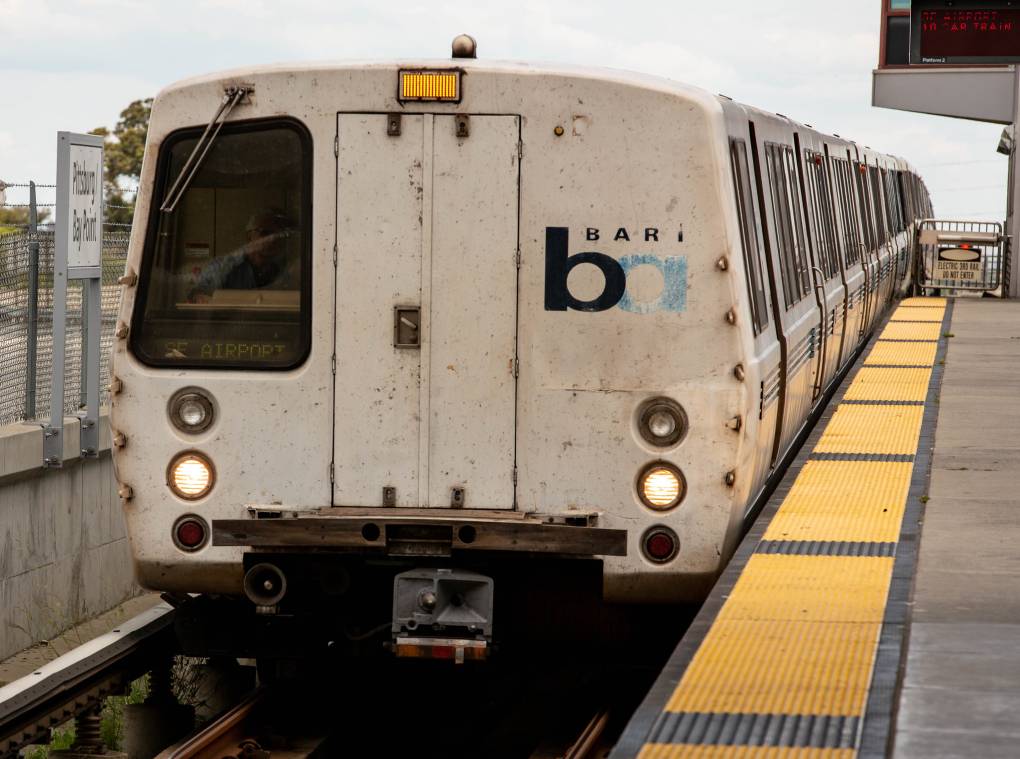
"caption": "A train from BART's legacy fleet arriving at the Pittsburg/Bay Point station in May 2018. ",
"description": null,
"title": "BART-Legacy Fleet",
"credit": "Dan Brekke/KQED",
"status": "inherit",
"altTag": "The front of a BART train adjacent to station platform.",
"isLoading": false,
"fetchFailed": false
},
"news_11968409": {
"type": "attachments",
"id": "news_11968409",
"meta": {
"index": "attachments_1716263798",
"site": "news",
"id": "11968409",
"found": true
},
"parent": 11967897,
"imgSizes": {
"twentyfourteen-full-width": {
"file": "https://ww2.kqed.org/app/uploads/sites/10/2023/11/berkeley_bart_800x635-800x576.jpg",
"width": 800,
"mimeType": "image/jpeg",
"height": 576
},
"thumbnail": {
"file": "https://ww2.kqed.org/app/uploads/sites/10/2023/11/berkeley_bart_800x635-160x127.jpg",
"width": 160,
"mimeType": "image/jpeg",
"height": 127
},
"post-thumbnail": {
"file": "https://ww2.kqed.org/app/uploads/sites/10/2023/11/berkeley_bart_800x635-672x372.jpg",
"width": 672,
"mimeType": "image/jpeg",
"height": 372
},
"kqedFullSize": {
"file": "https://ww2.kqed.org/app/uploads/sites/10/2023/11/berkeley_bart_800x635.jpg",
"width": 800,
"height": 635
}
},
"publishDate": 1701131973,
"modified": 1701132032,
"caption": "Downtown Berkeley BART.",
"description": null,
"title": "berkeley_bart_800x635",
"credit": "Dan Brekke/KQED",
"status": "inherit",
"altTag": null,
"isLoading": false,
"fetchFailed": false
},
"news_11976605": {
"type": "attachments",
"id": "news_11976605",
"meta": {
"index": "attachments_1716263798",
"site": "news",
"id": "11976605",
"found": true
},
"parent": 11976568,
"imgSizes": {
"twentyfourteen-full-width": {
"file": "https://cdn.kqed.org/wp-content/uploads/sites/10/2024/02/watertaxi-1038x576.jpg",
"width": 1038,
"mimeType": "image/jpeg",
"height": 576
},
"thumbnail": {
"file": "https://cdn.kqed.org/wp-content/uploads/sites/10/2024/02/watertaxi-160x90.jpg",
"width": 160,
"mimeType": "image/jpeg",
"height": 90
},
"post-thumbnail": {
"file": "https://cdn.kqed.org/wp-content/uploads/sites/10/2024/02/watertaxi-672x372.jpg",
"width": 672,
"mimeType": "image/jpeg",
"height": 372
},
"kqedFullSize": {
"file": "https://cdn.kqed.org/wp-content/uploads/sites/10/2024/02/watertaxi.jpg",
"width": 1920,
"height": 1080
},
"large": {
"file": "https://cdn.kqed.org/wp-content/uploads/sites/10/2024/02/watertaxi-1020x574.jpg",
"width": 1020,
"mimeType": "image/jpeg",
"height": 574
},
"1536x1536": {
"file": "https://cdn.kqed.org/wp-content/uploads/sites/10/2024/02/watertaxi-1536x864.jpg",
"width": 1536,
"mimeType": "image/jpeg",
"height": 864
},
"medium": {
"file": "https://cdn.kqed.org/wp-content/uploads/sites/10/2024/02/watertaxi-800x450.jpg",
"width": 800,
"mimeType": "image/jpeg",
"height": 450
}
},
"publishDate": 1708553094,
"modified": 1708554515,
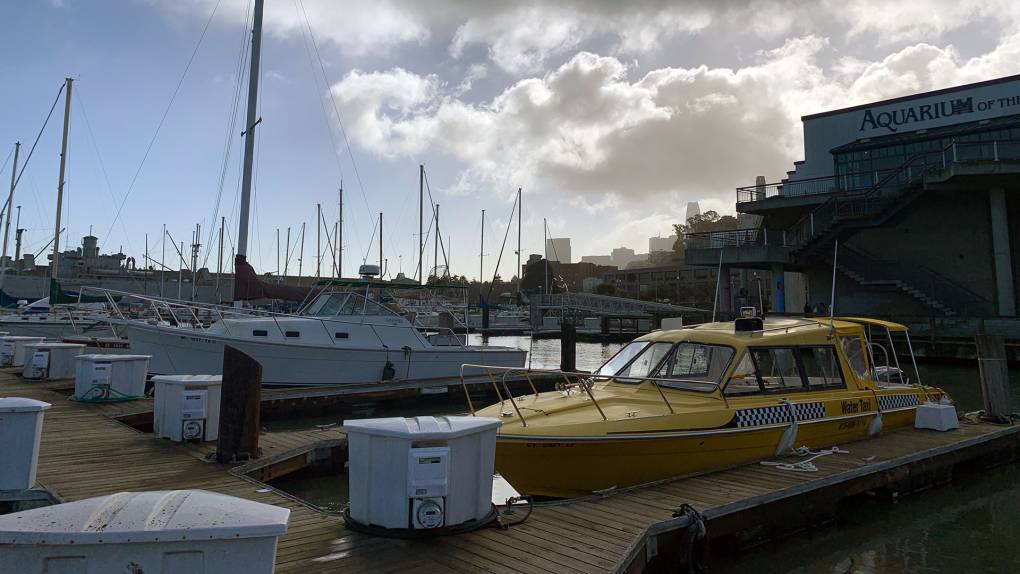
"caption": "The six-passenger water taxi is pulled up to a berth at Pier 39, awaiting passengers who have scheduled a ride.",
"description": null,
"title": "watertaxi",
"credit": "Katrina Schwartz/KQED",
"status": "inherit",
"altTag": "A yellow boat taxi is pulled up to a dock with other boats and a dramatic sky in the background.",
"isLoading": false,
"fetchFailed": false
},
"news_11962331": {
"type": "attachments",
"id": "news_11962331",
"meta": {
"index": "attachments_1716263798",
"site": "news",
"id": "11962331",
"found": true
},
"parent": 11970450,
"imgSizes": {
"twentyfourteen-full-width": {
"file": "https://cdn.kqed.org/wp-content/uploads/sites/10/2023/09/230921-ValenciaBikeway-015-BL-KQED-1038x576.jpg",
"width": 1038,
"mimeType": "image/jpeg",
"height": 576
},
"thumbnail": {
"file": "https://cdn.kqed.org/wp-content/uploads/sites/10/2023/09/230921-ValenciaBikeway-015-BL-KQED-160x107.jpg",
"width": 160,
"mimeType": "image/jpeg",
"height": 107
},
"post-thumbnail": {
"file": "https://cdn.kqed.org/wp-content/uploads/sites/10/2023/09/230921-ValenciaBikeway-015-BL-KQED-672x372.jpg",
"width": 672,
"mimeType": "image/jpeg",
"height": 372
},
"kqedFullSize": {
"file": "https://cdn.kqed.org/wp-content/uploads/sites/10/2023/09/230921-ValenciaBikeway-015-BL-KQED.jpg",
"width": 2000,
"height": 1333
},
"large": {
"file": "https://cdn.kqed.org/wp-content/uploads/sites/10/2023/09/230921-ValenciaBikeway-015-BL-KQED-1020x680.jpg",
"width": 1020,
"mimeType": "image/jpeg",
"height": 680
},
"1536x1536": {
"file": "https://cdn.kqed.org/wp-content/uploads/sites/10/2023/09/230921-ValenciaBikeway-015-BL-KQED-1536x1024.jpg",
"width": 1536,
"mimeType": "image/jpeg",
"height": 1024
},
"full-width": {
"file": "https://cdn.kqed.org/wp-content/uploads/sites/10/2023/09/230921-ValenciaBikeway-015-BL-KQED-1920x1280.jpg",
"width": 1920,
"mimeType": "image/jpeg",
"height": 1280
},
"medium": {
"file": "https://cdn.kqed.org/wp-content/uploads/sites/10/2023/09/230921-ValenciaBikeway-015-BL-KQED-800x533.jpg",
"width": 800,
"mimeType": "image/jpeg",
"height": 533
}
},
"publishDate": 1695666424,
"modified": 1703026547,
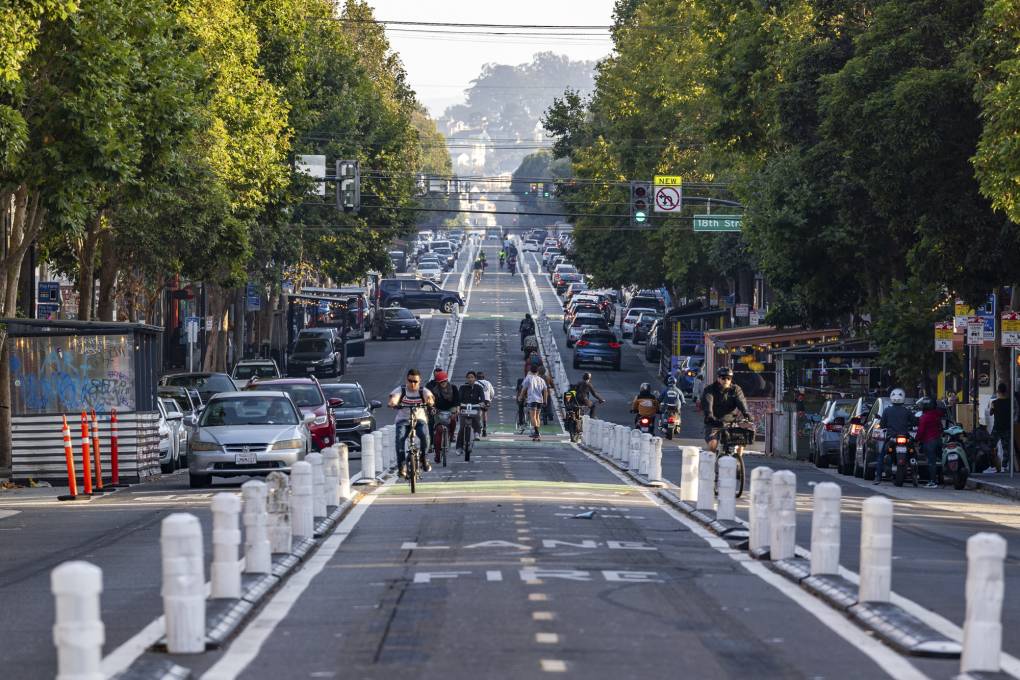
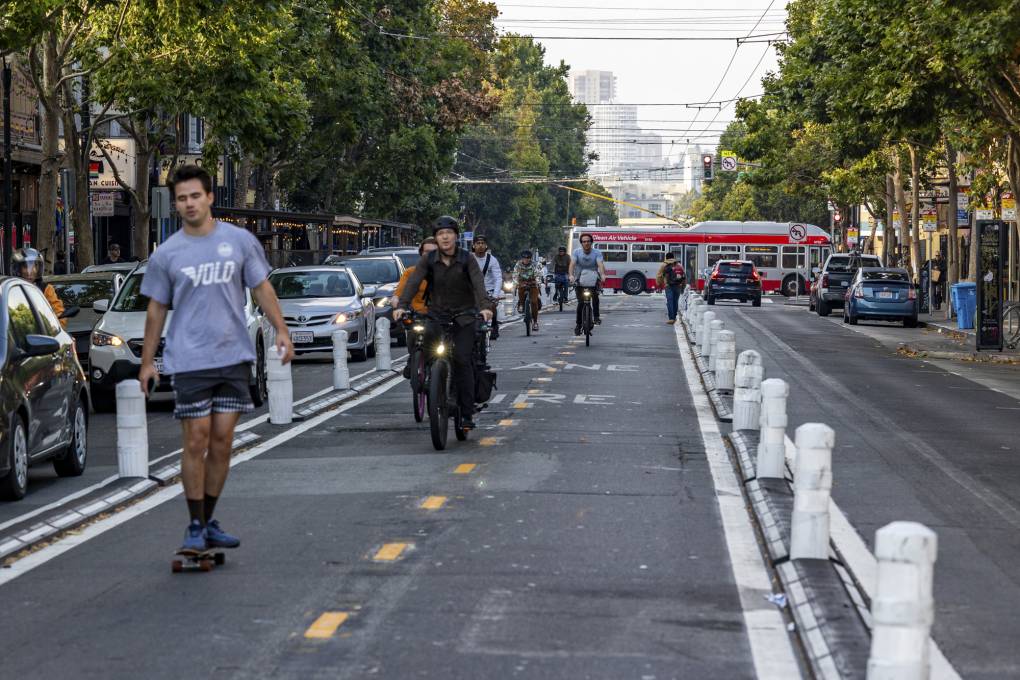
"caption": "Bicyclists ride on the Valencia Street bike lane in San Francisco's Mission District on Sept. 21, 2023.",
"description": null,
"title": "230921-ValenciaBikeway-015-BL-KQED",
"credit": "Beth LaBerge/KQED",
"status": "inherit",
"altTag": "People on bikes and skateboards ride down a bike path in the middle of a city street.",
"isLoading": false,
"fetchFailed": false
},
"news_11974468": {
"type": "attachments",
"id": "news_11974468",
"meta": {
"index": "attachments_1716263798",
"site": "news",
"id": "11974468",
"found": true
},
"parent": 11974466,
"imgSizes": {
"twentyfourteen-full-width": {
"file": "https://cdn.kqed.org/wp-content/uploads/sites/10/2024/02/CMEVs01-1038x576.jpg",
"width": 1038,
"mimeType": "image/jpeg",
"height": 576
},
"thumbnail": {
"file": "https://cdn.kqed.org/wp-content/uploads/sites/10/2024/02/CMEVs01-160x107.jpg",
"width": 160,
"mimeType": "image/jpeg",
"height": 107
},
"post-thumbnail": {
"file": "https://cdn.kqed.org/wp-content/uploads/sites/10/2024/02/CMEVs01-672x372.jpg",
"width": 672,
"mimeType": "image/jpeg",
"height": 372
},
"kqedFullSize": {
"file": "https://cdn.kqed.org/wp-content/uploads/sites/10/2024/02/CMEVs01.jpg",
"width": 2000,
"height": 1334
},
"large": {
"file": "https://cdn.kqed.org/wp-content/uploads/sites/10/2024/02/CMEVs01-1020x680.jpg",
"width": 1020,
"mimeType": "image/jpeg",
"height": 680
},
"1536x1536": {
"file": "https://cdn.kqed.org/wp-content/uploads/sites/10/2024/02/CMEVs01-1536x1025.jpg",
"width": 1536,
"mimeType": "image/jpeg",
"height": 1025
},
"full-width": {
"file": "https://cdn.kqed.org/wp-content/uploads/sites/10/2024/02/CMEVs01-1920x1281.jpg",
"width": 1920,
"mimeType": "image/jpeg",
"height": 1281
},
"medium": {
"file": "https://cdn.kqed.org/wp-content/uploads/sites/10/2024/02/CMEVs01-800x534.jpg",
"width": 800,
"mimeType": "image/jpeg",
"height": 534
}
},
"publishDate": 1706816018,
"modified": 1706816066,
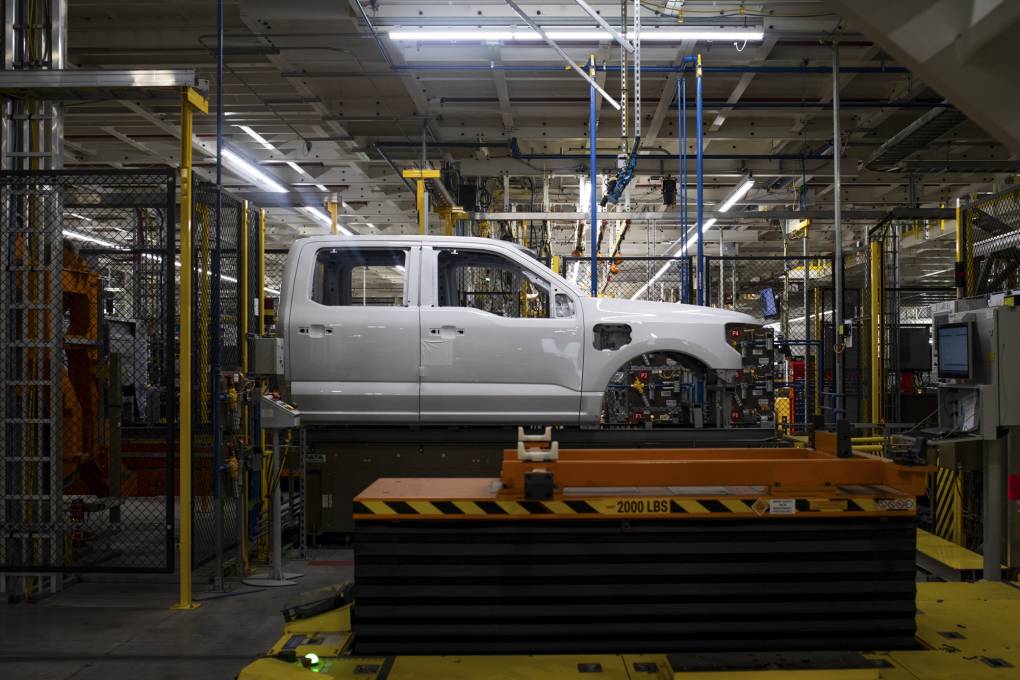
"caption": "A Electric Ford-150 vehicle is seen on an assembly line at the Ford River Rouge complex in Dearborn, Michigan, U.S., on Tuesday, April 4, 2023.",
"description": null,
"title": "CMEVs01",
"credit": "Emily Elconin/Cal Matters",
"status": "inherit",
"altTag": "An electric, heavy-duty pickup truck is seen being fabricated in a warehouse.",
"isLoading": false,
"fetchFailed": false
},
"news_11973970": {
"type": "attachments",
"id": "news_11973970",
"meta": {
"index": "attachments_1716263798",
"site": "news",
"id": "11973970",
"found": true
},
"parent": 11973969,
"imgSizes": {
"twentyfourteen-full-width": {
"file": "https://cdn.kqed.org/wp-content/uploads/sites/10/2024/01/gettyimages-1948397327-7d48b5a4f4fb502524725b8fb8b887c5a611adfa-s1600-c85-copy-1038x576.jpg",
"width": 1038,
"mimeType": "image/jpeg",
"height": 576
},
"thumbnail": {
"file": "https://cdn.kqed.org/wp-content/uploads/sites/10/2024/01/gettyimages-1948397327-7d48b5a4f4fb502524725b8fb8b887c5a611adfa-s1600-c85-copy-160x120.jpg",
"width": 160,
"mimeType": "image/jpeg",
"height": 120
},
"post-thumbnail": {
"file": "https://cdn.kqed.org/wp-content/uploads/sites/10/2024/01/gettyimages-1948397327-7d48b5a4f4fb502524725b8fb8b887c5a611adfa-s1600-c85-copy-672x372.jpg",
"width": 672,
"mimeType": "image/jpeg",
"height": 372
},
"kqedFullSize": {
"file": "https://cdn.kqed.org/wp-content/uploads/sites/10/2024/01/gettyimages-1948397327-7d48b5a4f4fb502524725b8fb8b887c5a611adfa-s1600-c85-copy.jpg",
"width": 1600,
"height": 1200
},
"large": {
"file": "https://cdn.kqed.org/wp-content/uploads/sites/10/2024/01/gettyimages-1948397327-7d48b5a4f4fb502524725b8fb8b887c5a611adfa-s1600-c85-copy-1020x765.jpg",
"width": 1020,
"mimeType": "image/jpeg",
"height": 765
},
"1536x1536": {
"file": "https://cdn.kqed.org/wp-content/uploads/sites/10/2024/01/gettyimages-1948397327-7d48b5a4f4fb502524725b8fb8b887c5a611adfa-s1600-c85-copy-1536x1152.jpg",
"width": 1536,
"mimeType": "image/jpeg",
"height": 1152
},
"medium": {
"file": "https://cdn.kqed.org/wp-content/uploads/sites/10/2024/01/gettyimages-1948397327-7d48b5a4f4fb502524725b8fb8b887c5a611adfa-s1600-c85-copy-800x600.jpg",
"width": 800,
"mimeType": "image/jpeg",
"height": 600
}
},
"publishDate": 1706372072,
"modified": 1706372173,
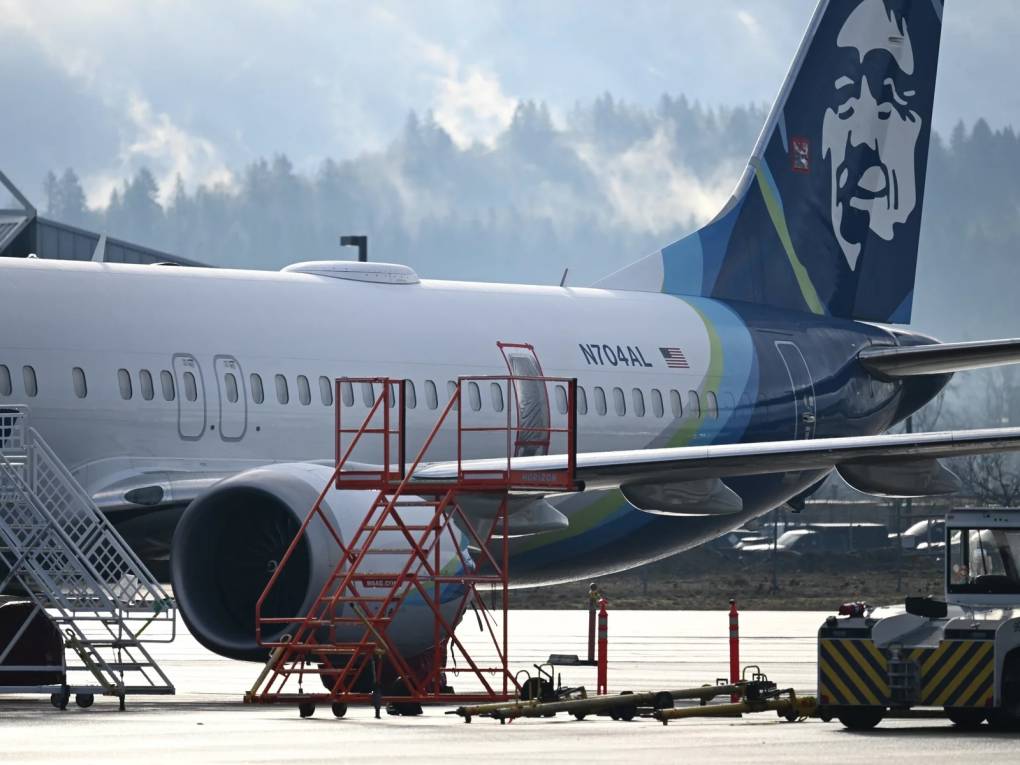
"caption": "Alaska Airlines N704AL, a 737 Max 9, which made an emergency landing at Portland International Airport on Jan. 5 is parked at a maintenance hanger in Portland, Oregon on Jan. 23, 2024. The missing emergency door is covered and taped. One of 2 door plugs on the emergency exit door blew out shortly after the plane took off from Portland. No fatalities or injuries were reported. The US Federal Aviation Administration announced Jan. 11 it was launching a safety probe into Boeing's quality control.",
"description": null,
"title": "gettyimages-1948397327-7d48b5a4f4fb502524725b8fb8b887c5a611adfa-s1600-c85 copy",
"credit": "Patrick T. Fallon/AFP",
"status": "inherit",
"altTag": "A plane on a tarmac with scaffolding around it as crews work on maintenance, repairs.",
"isLoading": false,
"fetchFailed": false
},
"news_11962330": {
"type": "attachments",
"id": "news_11962330",
"meta": {
"index": "attachments_1716263798",
"site": "news",
"id": "11962330",
"found": true
},
"parent": 11962992,
"imgSizes": {
"twentyfourteen-full-width": {
"file": "https://ww2.kqed.org/app/uploads/sites/10/2023/09/230921-ValenciaBikeway-014-BL-KQED-1038x576.jpg",
"width": 1038,
"mimeType": "image/jpeg",
"height": 576
},
"thumbnail": {
"file": "https://ww2.kqed.org/app/uploads/sites/10/2023/09/230921-ValenciaBikeway-014-BL-KQED-160x107.jpg",
"width": 160,
"mimeType": "image/jpeg",
"height": 107
},
"post-thumbnail": {
"file": "https://ww2.kqed.org/app/uploads/sites/10/2023/09/230921-ValenciaBikeway-014-BL-KQED-672x372.jpg",
"width": 672,
"mimeType": "image/jpeg",
"height": 372
},
"kqedFullSize": {
"file": "https://ww2.kqed.org/app/uploads/sites/10/2023/09/230921-ValenciaBikeway-014-BL-KQED.jpg",
"width": 2000,
"height": 1333
},
"large": {
"file": "https://ww2.kqed.org/app/uploads/sites/10/2023/09/230921-ValenciaBikeway-014-BL-KQED-1020x680.jpg",
"width": 1020,
"mimeType": "image/jpeg",
"height": 680
},
"1536x1536": {
"file": "https://ww2.kqed.org/app/uploads/sites/10/2023/09/230921-ValenciaBikeway-014-BL-KQED-1536x1024.jpg",
"width": 1536,
"mimeType": "image/jpeg",
"height": 1024
},
"full-width": {
"file": "https://ww2.kqed.org/app/uploads/sites/10/2023/09/230921-ValenciaBikeway-014-BL-KQED-1920x1280.jpg",
"width": 1920,
"mimeType": "image/jpeg",
"height": 1280
},
"medium": {
"file": "https://ww2.kqed.org/app/uploads/sites/10/2023/09/230921-ValenciaBikeway-014-BL-KQED-800x533.jpg",
"width": 800,
"mimeType": "image/jpeg",
"height": 533
}
},
"publishDate": 1695666416,
"modified": 1696095652,
"caption": "Bicyclists ride on the Valencia Street bike lane in San Francisco's Mission District on Sept. 21, 2023.",
"description": null,
"title": "230921-ValenciaBikeway-014-BL-KQED",
"credit": "Beth LaBerge/KQED",
"status": "inherit",
"altTag": "People on bikes and skateboards ride down a bike path in the middle of a city street.",
"isLoading": false,
"fetchFailed": false
},
"news_11967918": {
"type": "attachments",
"id": "news_11967918",
"meta": {
"index": "attachments_1716263798",
"site": "news",
"id": "11967918",
"found": true
},
"parent": 11967917,
"imgSizes": {
"thumbnail": {
"file": "https://ww2.kqed.org/app/uploads/sites/10/2023/11/gettyimages-1245034839-4e70518b157c59982b247bd973771364284a3466-160x120.jpg",
"width": 160,
"mimeType": "image/jpeg",
"height": 120
},
"post-thumbnail": {
"file": "https://ww2.kqed.org/app/uploads/sites/10/2023/11/gettyimages-1245034839-4e70518b157c59982b247bd973771364284a3466-672x372.jpg",
"width": 672,
"mimeType": "image/jpeg",
"height": 372
},
"kqedFullSize": {
"file": "https://ww2.kqed.org/app/uploads/sites/10/2023/11/gettyimages-1245034839-4e70518b157c59982b247bd973771364284a3466.jpg",
"width": 756,
"height": 567
}
},
"publishDate": 1700511028,
"modified": 1700600976,
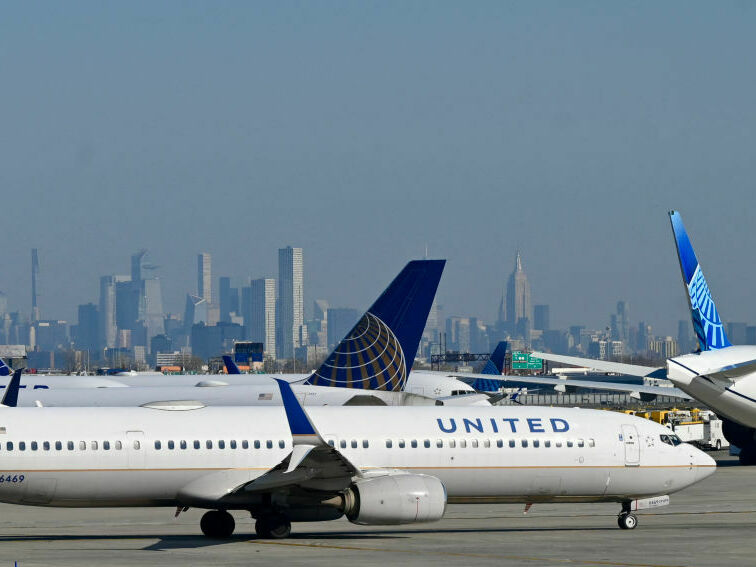
"caption": "United Air Lines planes are seen on the tarmac of Newark Liberty International Airport (EWR), New Jersey, on the eve of Thanksgiving on Nov. 23, 2022.",
"description": "United Air Lines planes are seen on the tarmac of Newark Liberty International Airport (EWR), New Jersey, on the eve of Thanksgiving on November 23, 2022.",
"title": "United Air Lines planes line up along the busy Newark Liberty International Airport, New Jersey, on the eve of Thanksgiving on November 23, 2022.",
"credit": "Daniel Slim/AFP via Getty Images",
"status": "inherit",
"altTag": "Airplanes are on a tarmac. A city skyline is seen in the background. One plane has the word United in blue on its side.",
"isLoading": false,
"fetchFailed": false
},
"news_11967609": {
"type": "attachments",
"id": "news_11967609",
"meta": {
"index": "attachments_1716263798",
"site": "news",
"id": "11967609",
"found": true
},
"parent": 11970292,
"imgSizes": {
"twentyfourteen-full-width": {
"file": "https://cdn.kqed.org/wp-content/uploads/sites/10/2023/11/231116-BayBridgeShutdown-003-BL-1-1038x576.jpg",
"width": 1038,
"mimeType": "image/jpeg",
"height": 576
},
"thumbnail": {
"file": "https://cdn.kqed.org/wp-content/uploads/sites/10/2023/11/231116-BayBridgeShutdown-003-BL-1-160x107.jpg",
"width": 160,
"mimeType": "image/jpeg",
"height": 107
},
"post-thumbnail": {
"file": "https://cdn.kqed.org/wp-content/uploads/sites/10/2023/11/231116-BayBridgeShutdown-003-BL-1-672x372.jpg",
"width": 672,
"mimeType": "image/jpeg",
"height": 372
},
"kqedFullSize": {
"file": "https://cdn.kqed.org/wp-content/uploads/sites/10/2023/11/231116-BayBridgeShutdown-003-BL-1.jpg",
"width": 1920,
"height": 1280
},
"large": {
"file": "https://cdn.kqed.org/wp-content/uploads/sites/10/2023/11/231116-BayBridgeShutdown-003-BL-1-1020x680.jpg",
"width": 1020,
"mimeType": "image/jpeg",
"height": 680
},
"1536x1536": {
"file": "https://cdn.kqed.org/wp-content/uploads/sites/10/2023/11/231116-BayBridgeShutdown-003-BL-1-1536x1024.jpg",
"width": 1536,
"mimeType": "image/jpeg",
"height": 1024
},
"medium": {
"file": "https://cdn.kqed.org/wp-content/uploads/sites/10/2023/11/231116-BayBridgeShutdown-003-BL-1-800x533.jpg",
"width": 800,
"mimeType": "image/jpeg",
"height": 533
}
},
"publishDate": 1700165161,
"modified": 1702928607,
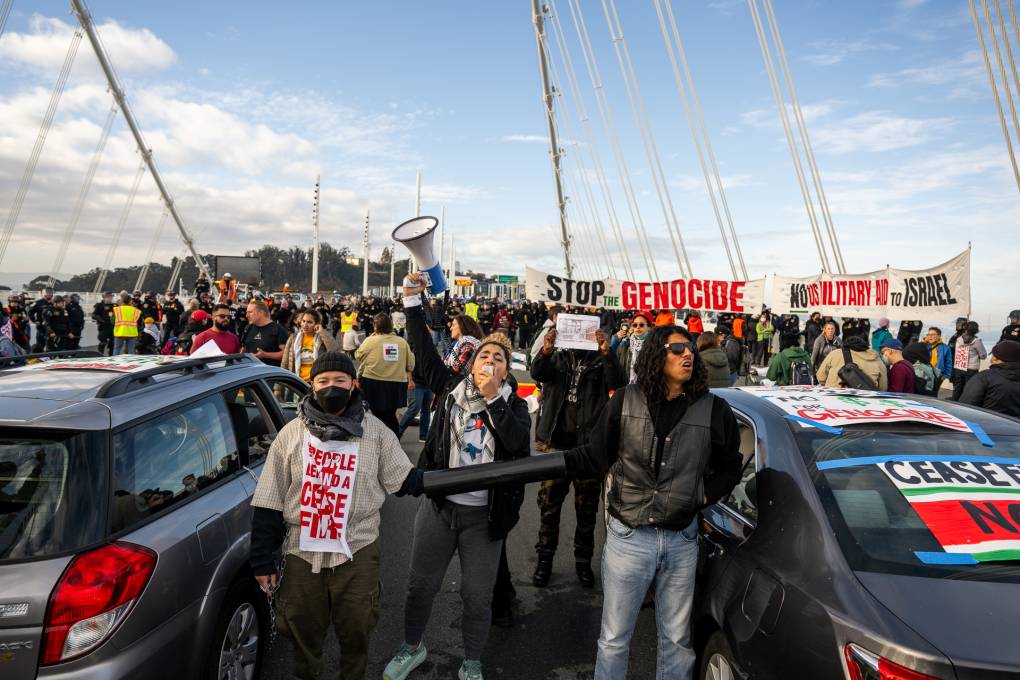
"caption": "Protesters demanding a cease-fire in the Israel-Hamas war in Gaza blocked all westbound lanes of the Bay Bridge Thursday morning, unfurling banners reading \"stop genocide\" and \"no US military aid to Israel.\"",
"description": null,
"title": "231116-BayBridgeShutdown-003-BL",
"credit": "Beth LaBerge/KQED",
"status": "inherit",
"altTag": "A woman yells into megaphone surrounding by protesters on a bridge. Police are in the background.",
"isLoading": false,
"fetchFailed": false
},
"news_11963690": {
"type": "attachments",
"id": "news_11963690",
"meta": {
"index": "attachments_1716263798",
"site": "news",
"id": "11963690",
"found": true
},
"parent": 11963680,
"imgSizes": {
"twentyfourteen-full-width": {
"file": "https://ww2.kqed.org/app/uploads/sites/10/2023/10/gettyimages-1549374868-05e648fb3f5c4630118acb4a3aece67fc893205e-s1600-c85-copy-1038x576.jpg",
"width": 1038,
"mimeType": "image/jpeg",
"height": 576
},
"thumbnail": {
"file": "https://ww2.kqed.org/app/uploads/sites/10/2023/10/gettyimages-1549374868-05e648fb3f5c4630118acb4a3aece67fc893205e-s1600-c85-copy-160x120.jpg",
"width": 160,
"mimeType": "image/jpeg",
"height": 120
},
"post-thumbnail": {
"file": "https://ww2.kqed.org/app/uploads/sites/10/2023/10/gettyimages-1549374868-05e648fb3f5c4630118acb4a3aece67fc893205e-s1600-c85-copy-672x372.jpg",
"width": 672,
"mimeType": "image/jpeg",
"height": 372
},
"kqedFullSize": {
"file": "https://ww2.kqed.org/app/uploads/sites/10/2023/10/gettyimages-1549374868-05e648fb3f5c4630118acb4a3aece67fc893205e-s1600-c85-copy.jpg",
"width": 1600,
"height": 1199
},
"large": {
"file": "https://ww2.kqed.org/app/uploads/sites/10/2023/10/gettyimages-1549374868-05e648fb3f5c4630118acb4a3aece67fc893205e-s1600-c85-copy-1020x764.jpg",
"width": 1020,
"mimeType": "image/jpeg",
"height": 764
},
"1536x1536": {
"file": "https://ww2.kqed.org/app/uploads/sites/10/2023/10/gettyimages-1549374868-05e648fb3f5c4630118acb4a3aece67fc893205e-s1600-c85-copy-1536x1151.jpg",
"width": 1536,
"mimeType": "image/jpeg",
"height": 1151
},
"medium": {
"file": "https://ww2.kqed.org/app/uploads/sites/10/2023/10/gettyimages-1549374868-05e648fb3f5c4630118acb4a3aece67fc893205e-s1600-c85-copy-800x600.jpg",
"width": 800,
"mimeType": "image/jpeg",
"height": 600
}
},
"publishDate": 1696612004,
"modified": 1696612114,
"caption": "A family inspects the engine of a new Toyota Prius model during the Electrify Expo In DC in Washington, D.C., on July 23, 2023. Getting an electric vehicle tax credit of up to $7,500 will get a lot easier next year.",
"description": null,
"title": "gettyimages-1549374868-05e648fb3f5c4630118acb4a3aece67fc893205e-s1600-c85 copy",
"credit": "Nathan Howard/Getty Images",
"status": "inherit",
"altTag": "A man, a woman and two children with helmets look at the engine of a white car.",
"isLoading": false,
"fetchFailed": false
},
"news_11959064": {
"type": "attachments",
"id": "news_11959064",
"meta": {
"index": "attachments_1716263798",
"site": "news",
"id": "11959064",
"found": true
},
"parent": 0,
"imgSizes": {
"twentyfourteen-full-width": {
"file": "https://ww2.kqed.org/app/uploads/sites/10/2023/08/230824-BART-Getty-PC-KQED-1038x576.jpg",
"width": 1038,
"mimeType": "image/jpeg",
"height": 576
},
"thumbnail": {
"file": "https://ww2.kqed.org/app/uploads/sites/10/2023/08/230824-BART-Getty-PC-KQED-160x107.jpg",
"width": 160,
"mimeType": "image/jpeg",
"height": 107
},
"post-thumbnail": {
"file": "https://ww2.kqed.org/app/uploads/sites/10/2023/08/230824-BART-Getty-PC-KQED-672x372.jpg",
"width": 672,
"mimeType": "image/jpeg",
"height": 372
},
"kqedFullSize": {
"file": "https://ww2.kqed.org/app/uploads/sites/10/2023/08/230824-BART-Getty-PC-KQED.jpg",
"width": 2000,
"height": 1333
},
"large": {
"file": "https://ww2.kqed.org/app/uploads/sites/10/2023/08/230824-BART-Getty-PC-KQED-1020x680.jpg",
"width": 1020,
"mimeType": "image/jpeg",
"height": 680
},
"1536x1536": {
"file": "https://ww2.kqed.org/app/uploads/sites/10/2023/08/230824-BART-Getty-PC-KQED-1536x1024.jpg",
"width": 1536,
"mimeType": "image/jpeg",
"height": 1024
},
"full-width": {
"file": "https://ww2.kqed.org/app/uploads/sites/10/2023/08/230824-BART-Getty-PC-KQED-1920x1280.jpg",
"width": 1920,
"mimeType": "image/jpeg",
"height": 1280
},
"medium": {
"file": "https://ww2.kqed.org/app/uploads/sites/10/2023/08/230824-BART-Getty-PC-KQED-800x533.jpg",
"width": 800,
"mimeType": "image/jpeg",
"height": 533
}
},
"publishDate": 1692905501,
"modified": 1694533777,
"caption": "Passengers aboard a San Francisco bound train wait for the doors to close at the 19th Street BART station in Oakland on Aug. 2, 2018.",
"description": null,
"title": "new-bart-schedule",
"credit": "Paul Chinn/The San Francisco Chronicle via Getty Images",
"status": "inherit",
"altTag": "People are seen through the open doorway of a train car.",
"isLoading": false,
"fetchFailed": false
},
"news_11960503": {
"type": "attachments",
"id": "news_11960503",
"meta": {
"index": "attachments_1716263798",
"site": "news",
"id": "11960503",
"found": true
},
"parent": 11960500,
"imgSizes": {
"twentyfourteen-full-width": {
"file": "https://ww2.kqed.org/app/uploads/sites/10/2023/09/072922-EV-ELECTRIC-VEHICLE-CHARGING-MHN-12-CM-copy-1038x576.jpg",
"width": 1038,
"mimeType": "image/jpeg",
"height": 576
},
"thumbnail": {
"file": "https://ww2.kqed.org/app/uploads/sites/10/2023/09/072922-EV-ELECTRIC-VEHICLE-CHARGING-MHN-12-CM-copy-160x107.jpg",
"width": 160,
"mimeType": "image/jpeg",
"height": 107
},
"post-thumbnail": {
"file": "https://ww2.kqed.org/app/uploads/sites/10/2023/09/072922-EV-ELECTRIC-VEHICLE-CHARGING-MHN-12-CM-copy-672x372.jpg",
"width": 672,
"mimeType": "image/jpeg",
"height": 372
},
"kqedFullSize": {
"file": "https://ww2.kqed.org/app/uploads/sites/10/2023/09/072922-EV-ELECTRIC-VEHICLE-CHARGING-MHN-12-CM-copy.jpg",
"width": 2000,
"height": 1333
},
"large": {
"file": "https://ww2.kqed.org/app/uploads/sites/10/2023/09/072922-EV-ELECTRIC-VEHICLE-CHARGING-MHN-12-CM-copy-1020x680.jpg",
"width": 1020,
"mimeType": "image/jpeg",
"height": 680
},
"1536x1536": {
"file": "https://ww2.kqed.org/app/uploads/sites/10/2023/09/072922-EV-ELECTRIC-VEHICLE-CHARGING-MHN-12-CM-copy-1536x1024.jpg",
"width": 1536,
"mimeType": "image/jpeg",
"height": 1024
},
"full-width": {
"file": "https://ww2.kqed.org/app/uploads/sites/10/2023/09/072922-EV-ELECTRIC-VEHICLE-CHARGING-MHN-12-CM-copy-1920x1280.jpg",
"width": 1920,
"mimeType": "image/jpeg",
"height": 1280
},
"medium": {
"file": "https://ww2.kqed.org/app/uploads/sites/10/2023/09/072922-EV-ELECTRIC-VEHICLE-CHARGING-MHN-12-CM-copy-800x533.jpg",
"width": 800,
"mimeType": "image/jpeg",
"height": 533
}
},
"publishDate": 1694285948,
"modified": 1694286054,
"caption": "A man charges his car at an electric vehicle charging station in Burlingame, San Mateo County.",
"description": null,
"title": "072922-EV-ELECTRIC-VEHICLE-CHARGING-MHN-12-CM copy",
"credit": "Martin do Nascimento/CalMatters",
"status": "inherit",
"altTag": "An electric car is charging as a man's arm holds the charger at a charging station.",
"isLoading": false,
"fetchFailed": false
}
},
"audioPlayerReducer": {
"postId": "stream_live",
"isPaused": true,
"isPlaying": false,
"pfsActive": false,
"pledgeModalIsOpen": true,
"playerDrawerIsOpen": false,
"liveAudioPlayStartedAt": 0,
"liveAudioPlayContext": ""
},
"authorsReducer": {
"byline_news_11974466": {
"type": "authors",
"id": "byline_news_11974466",
"meta": {
"override": true
},
"slug": "byline_news_11974466",
"name": "\u003ca href=\"https://calmatters.org/author/alejandro-lazo/\">Alejandro Lazo\u003c/a>",
"isLoading": false
},
"byline_news_11973969": {
"type": "authors",
"id": "byline_news_11973969",
"meta": {
"override": true
},
"slug": "byline_news_11973969",
"name": "\u003ca href=\"https://www.npr.org/people/997906236/diba-mohtasham\">Diba Mohtasham\u003c/a>",
"isLoading": false
},
"byline_news_11967917": {
"type": "authors",
"id": "byline_news_11967917",
"meta": {
"override": true
},
"slug": "byline_news_11967917",
"name": "\u003ca href=\"https://www.npr.org/people/159989569/joel-rose\">Joel Rose\u003c/a>\u003cbr> NPR News",
"isLoading": false
},
"byline_news_11963680": {
"type": "authors",
"id": "byline_news_11963680",
"meta": {
"override": true
},
"slug": "byline_news_11963680",
"name": "\u003ca href=\"https://www.npr.org/people/348744968/camila-domonoske\">Camila Domonoske\u003c/a>",
"isLoading": false
},
"byline_news_11960500": {
"type": "authors",
"id": "byline_news_11960500",
"meta": {
"override": true
},
"slug": "byline_news_11960500",
"name": "\u003ca href=\"https://calmatters.org/author/alejandro-lazo/\">Alejandro Lazo\u003c/a>",
"isLoading": false
},
"danbrekke": {
"type": "authors",
"id": "222",
"meta": {
"index": "authors_1716337520",
"id": "222",
"found": true
},
"name": "Dan Brekke",
"firstName": "Dan",
"lastName": "Brekke",
"slug": "danbrekke",
"email": "dbrekke@kqed.org",
"display_author_email": true,
"staff_mastheads": [
"news",
"science"
],
"title": "KQED Editor and Reporter",
"bio": "Dan Brekke is a reporter and editor for KQED News, responsible for coverage of topics ranging from California water issues to the Bay Area's transportation challenges. In a newsroom career that began in Chicago in 1972, Dan has worked for \u003cem>The San Francisco Examiner,\u003c/em> Wired and TechTV and has been published in The New York Times, The New York Times Magazine, Business 2.0, Salon and elsewhere.\r\n\r\nSince joining KQED in 2007, Dan has reported, edited and produced both radio and online features and breaking news pieces. He has shared as both editor and reporter in four Society of Professional Journalists Norcal Excellence in Journalism awards and one Edward R. Murrow regional award. He was chosen for a spring 2017 residency at the Mesa Refuge to advance his research on California salmon.\r\n\r\nEmail Dan at: \u003ca href=\"mailto:dbrekke@kqed.org\">dbrekke@kqed.org\u003c/a>\r\n\r\n\u003cstrong>Twitter:\u003c/strong> \u003ca href=\"https://twitter.com/danbrekke\" rel=\"noopener noreferrer\">twitter.com/danbrekke\u003c/a>\r\n\u003cstrong>Facebook:\u003c/strong> \u003ca href=\"https://www.facebook.com/danbrekke\" rel=\"noopener noreferrer\">www.facebook.com/danbrekke\u003c/a>\r\n\u003cstrong>LinkedIn:\u003c/strong> \u003ca href=\"https://www.linkedin.com/in/danbrekke\" rel=\"noopener noreferrer\">www.linkedin.com/in/danbrekke\u003c/a>",
"avatar": "https://secure.gravatar.com/avatar/8f1f0d2a978fb3b23426c922c7e2af558fa36905b49c4ce76a97dc3c72d27226?s=600&d=mm&r=g",
"twitter": "danbrekke",
"bluesky": null,
"facebook": null,
"instagram": "https://www.instagram.com/dan.brekke/",
"linkedin": "https://www.linkedin.com/in/danbrekke/",
"sites": [
{
"site": "news",
"roles": [
"administrator",
"create_posts"
]
},
{
"site": "stateofhealth",
"roles": [
"editor"
]
},
{
"site": "science",
"roles": [
"editor"
]
},
{
"site": "quest",
"roles": [
"contributor"
]
},
{
"site": "food",
"roles": [
"contributor"
]
},
{
"site": "forum",
"roles": [
"contributor"
]
},
{
"site": "elections",
"roles": [
"editor"
]
},
{
"site": "liveblog",
"roles": [
"editor"
]
}
],
"headData": {
"title": "Dan Brekke | KQED",
"description": "KQED Editor and Reporter",
"ogImgSrc": "https://secure.gravatar.com/avatar/8f1f0d2a978fb3b23426c922c7e2af558fa36905b49c4ce76a97dc3c72d27226?s=600&d=mm&r=g",
"twImgSrc": "https://secure.gravatar.com/avatar/8f1f0d2a978fb3b23426c922c7e2af558fa36905b49c4ce76a97dc3c72d27226?s=600&d=mm&r=g"
},
"isLoading": false,
"link": "/author/danbrekke"
},
"katrinaschwartz": {
"type": "authors",
"id": "234",
"meta": {
"index": "authors_1716337520",
"id": "234",
"found": true
},
"name": "Katrina Schwartz",
"firstName": "Katrina",
"lastName": "Schwartz",
"slug": "katrinaschwartz",
"email": "kschwartz@kqed.org",
"display_author_email": false,
"staff_mastheads": [
"news"
],
"title": "Producer",
"bio": "Katrina Schwartz is a journalist based in San Francisco. She's worked at KPCC public radio in LA and has reported on air and online for KQED since 2010. She covered how teaching and learning is changing for MindShift between 2012 and 2020. She is the co-host of the MindShift podcast and now produces KQED's Bay Curious podcast.",
"avatar": "https://secure.gravatar.com/avatar/edb4ee79070447a018538c9aae6eeecf28786515b8a0c30e43b6b7dce5aa44c8?s=600&d=blank&r=g",
"twitter": "kschwart",
"bluesky": null,
"facebook": null,
"instagram": null,
"linkedin": null,
"sites": [
{
"site": "",
"roles": [
"editor"
]
},
{
"site": "news",
"roles": [
"editor"
]
},
{
"site": "mindshift",
"roles": [
"administrator"
]
},
{
"site": "stateofhealth",
"roles": [
"author"
]
},
{
"site": "science",
"roles": [
"editor"
]
}
],
"headData": {
"title": "Katrina Schwartz | KQED",
"description": "Producer",
"ogImgSrc": "https://secure.gravatar.com/avatar/edb4ee79070447a018538c9aae6eeecf28786515b8a0c30e43b6b7dce5aa44c8?s=600&d=blank&r=g",
"twImgSrc": "https://secure.gravatar.com/avatar/edb4ee79070447a018538c9aae6eeecf28786515b8a0c30e43b6b7dce5aa44c8?s=600&d=blank&r=g"
},
"isLoading": false,
"link": "/author/katrinaschwartz"
},
"kqed": {
"type": "authors",
"id": "236",
"meta": {
"index": "authors_1716337520",
"id": "236",
"found": true
},
"name": "KQED News Staff",
"firstName": "KQED News Staff",
"lastName": null,
"slug": "kqed",
"email": "faq@kqed.org",
"display_author_email": false,
"staff_mastheads": [],
"title": null,
"bio": null,
"avatar": "https://secure.gravatar.com/avatar/ef0e801a68c4c54afa9180db14084167?s=600&d=blank&r=g",
"twitter": null,
"facebook": null,
"instagram": null,
"linkedin": null,
"sites": [
{
"site": "arts",
"roles": [
"contributor"
]
},
{
"site": "news",
"roles": [
"editor"
]
},
{
"site": "futureofyou",
"roles": [
"author"
]
}
],
"headData": {
"title": "KQED News Staff | KQED",
"description": null,
"ogImgSrc": "https://secure.gravatar.com/avatar/ef0e801a68c4c54afa9180db14084167?s=600&d=blank&r=g",
"twImgSrc": "https://secure.gravatar.com/avatar/ef0e801a68c4c54afa9180db14084167?s=600&d=blank&r=g"
},
"isLoading": false,
"link": "/author/kqed"
},
"adahlstromeckman": {
"type": "authors",
"id": "11785",
"meta": {
"index": "authors_1716337520",
"id": "11785",
"found": true
},
"name": "Azul Dahlstrom-Eckman",
"firstName": "Azul",
"lastName": "Dahlstrom-Eckman",
"slug": "adahlstromeckman",
"email": "adahlstrom-eckman@kqed.org",
"display_author_email": true,
"staff_mastheads": [],
"title": "Reporter",
"bio": "Azul is a reporter for KQED focusing on transportation and features. He joined KQED in 2021 as an alumna of KALW's Audio Academy radio journalism training program.",
"avatar": "https://secure.gravatar.com/avatar/9cb750298435add7815a777f55bf1f46845c1386bb8452555c60a7b820b5aba3?s=600&d=blank&r=g",
"twitter": "@zuliemann",
"bluesky": "@azul415.bsky.social",
"facebook": null,
"instagram": null,
"linkedin": null,
"sites": [
{
"site": "arts",
"roles": [
"editor"
]
},
{
"site": "news",
"roles": [
"editor"
]
},
{
"site": "science",
"roles": [
"editor"
]
},
{
"site": "liveblog",
"roles": [
"author"
]
}
],
"headData": {
"title": "Azul Dahlstrom-Eckman | KQED",
"description": "Reporter",
"ogImgSrc": "https://secure.gravatar.com/avatar/9cb750298435add7815a777f55bf1f46845c1386bb8452555c60a7b820b5aba3?s=600&d=blank&r=g",
"twImgSrc": "https://secure.gravatar.com/avatar/9cb750298435add7815a777f55bf1f46845c1386bb8452555c60a7b820b5aba3?s=600&d=blank&r=g"
},
"isLoading": false,
"link": "/author/adahlstromeckman"
}
},
"pagesReducer": {
"news_category_transportation": {
"type": "terms",
"id": "news_1397",
"meta": {
"index": "terms_1716263798",
"site": "news",
"id": "1397",
"score": 12.939859
},
"featImg": null,
"name": "Transportation",
"description": null,
"taxonomy": "category",
"headData": {
"twImgId": null,
"twTitle": null,
"ogTitle": null,
"ogImgId": null,
"twDescription": null,
"description": null,
"title": "Transportation Archives | KQED News",
"ogDescription": null
},
"ttid": 1409,
"slug": "transportation",
"isLoading": false,
"title": "Transportation",
"pageMeta": {
"site": "news",
"WpPageTemplate": "page-topic-editorial",
"currentPage": 28
},
"blocks": [
{
"blockName": "kqed/post-list",
"attrs": {
"layout": "cardArticle2",
"query": "posts/news?category=transportation",
"seeMore": false,
"paginated": true,
"page": 28
}
},
{
"blockName": "kqed/ad"
}
]
}
},
"pfsSessionReducer": {},
"postsReducer": {
"stream_live": {
"type": "live",
"id": "stream_live",
"audioUrl": "https://streams.kqed.org/kqedradio",
"title": "Live Stream",
"excerpt": "Live Stream information currently unavailable.",
"link": "/radio",
"featImg": "",
"label": {
"name": "KQED Live",
"link": "/"
}
},
"stream_kqedNewscast": {
"type": "posts",
"id": "stream_kqedNewscast",
"audioUrl": "https://www.kqed.org/.stream/anon/radio/RDnews/newscast.mp3?_=1",
"title": "KQED Newscast",
"featImg": "",
"label": {
"name": "88.5 FM",
"link": "/"
}
},
"news_11967897": {
"type": "posts",
"id": "news_11967897",
"meta": {
"index": "posts_1716263798",
"site": "news",
"id": "11967897",
"score": null,
"sort": [
1708743619000
]
},
"parent": 0,
"labelTerm": {
"site": "news"
},
"blocks": [],
"publishDate": 1708743619,
"format": "standard",
"title": "BART Workers Demand Improved Security After Robbery Outside Agency HQ",
"headTitle": "BART Workers Demand Improved Security After Robbery Outside Agency HQ | KQED",
"content": "\u003cp>\u003cem>\u003ca href=\"https://www.kqed.org/liveblog/bay-area-transportation-news\">Follow the latest reports and analysis on the past, present and future of transportation in the Bay Area and beyond: rails, roads, bike routes and pedestrian paths, from the Key System to BART and Muni to high-speed rail.\u003c/a>\u003c/em>\u003c/p>\n\u003cp>[ad fullwidth]\u003c/p>\u003cp>\u003c/p>\n",
"stats": {
"hasVideo": false,
"hasChartOrMap": false,
"hasAudio": false,
"hasPolis": false,
"wordCount": 41,
"hasGoogleForm": false,
"hasGallery": false,
"hasHearkenModule": false,
"iframeSrcs": [],
"paragraphCount": 3
},
"modified": 1711402661,
"excerpt": "KQED's 'In Transit' blog covers the latest reports and analysis on the past, present and future of transportation in the Bay Area and beyond: rails, roads, bike routes and pedestrian paths, from the Key System to BART and Muni to high-speed rail.",
"headData": {
"twImgId": "news_11968409",
"twTitle": "In Transit: Bay Area Transportation News on Everything That Moves",
"canonicalUrl": "https://www.kqed.org/liveblog/bay-area-transportation-news",
"ogTitle": "In Transit: Bay Area Transportation News on Everything That Moves",
"ogImgId": "news_11968409",
"twDescription": "Follow the latest reports and analysis on the past, present and future of transportation in the Bay Area and beyond: rails, roads, bike routes and pedestrian paths, from the Key System to BART and Muni to high-speed rail.",
"description": "KQED's 'In Transit' blog covers the latest reports and analysis on the past, present and future of transportation in the Bay Area and beyond: rails, roads, bike routes and pedestrian paths, from the Key System to BART and Muni to high-speed rail.",
"title": "BART Workers Demand Improved Security After Robbery Outside Agency HQ | KQED",
"ogDescription": "Follow the latest reports and analysis on the past, present and future of transportation in the Bay Area and beyond: rails, roads, bike routes and pedestrian paths, from the Key System to BART and Muni to high-speed rail.",
"schema": {
"@context": "https://schema.org",
"@type": "NewsArticle",
"headline": "BART Workers Demand Improved Security After Robbery Outside Agency HQ",
"datePublished": "2024-02-23T19:00:19-08:00",
"dateModified": "2024-03-25T14:37:41-07:00",
"image": "https://cdn.kqed.org/wp-content/uploads/2020/02/KQED-OG-Image@1x.png",
"isAccessibleForFree": "True",
"publisher": {
"@type": "NewsMediaOrganization",
"@id": "https://www.kqed.org/#organization",
"name": "KQED",
"logo": "https://cdn.kqed.org/wp-content/uploads/2020/02/KQED-OG-Image@1x.png",
"url": "https://www.kqed.org",
"sameAs": [
"https://www.facebook.com/KQED",
"https://twitter.com/KQED",
"https://www.instagram.com/kqed/",
"https://www.tiktok.com/@kqedofficial",
"https://www.linkedin.com/company/kqed",
"https://www.youtube.com/channel/UCeC0IOo7i1P_61zVUWbJ4nw"
]
}
}
},
"guestAuthors": [],
"slug": "in-transit-bay-area-transportation-news-on-everything-that-moves",
"status": "publish",
"templateType": "standard",
"excludeFromSiteSearch": "Include",
"featuredImageType": "standard",
"sticky": false,
"articleAge": "0",
"path": "/liveblog/bay-area-transportation-news",
"redirect": {
"type": "internal",
"url": "/liveblog/bay-area-transportation-news"
},
"audioTrackLength": null,
"parsedContent": [
{
"type": "contentString",
"content": "\u003cdiv class=\"post-body\">\u003cp>\u003cp>\u003cem>\u003ca href=\"https://www.kqed.org/liveblog/bay-area-transportation-news\">Follow the latest reports and analysis on the past, present and future of transportation in the Bay Area and beyond: rails, roads, bike routes and pedestrian paths, from the Key System to BART and Muni to high-speed rail.\u003c/a>\u003c/em>\u003c/p>\n\u003cp>\u003c/p>\u003c/div>",
"attributes": {
"named": {},
"numeric": []
}
},
{
"type": "component",
"content": "",
"name": "ad",
"attributes": {
"named": {
"label": "fullwidth"
},
"numeric": [
"fullwidth"
]
}
},
{
"type": "contentString",
"content": "\u003cdiv class=\"post-body\">\u003cp>\u003c/p>\u003cp>\u003c/p>\n\u003c/div>\u003c/p>",
"attributes": {
"named": {},
"numeric": []
}
}
],
"link": "/liveblog/bay-area-transportation-news",
"authors": [
"222"
],
"categories": [
"news_8",
"news_1397"
],
"tags": [
"news_2684",
"news_20517"
],
"featImg": "news_11958862",
"label": "news"
},
"news_11976568": {
"type": "posts",
"id": "news_11976568",
"meta": {
"index": "posts_1716263798",
"site": "news",
"id": "11976568",
"score": null,
"sort": [
1708599611000
]
},
"guestAuthors": [],
"slug": "scooting-along-the-san-francisco-bay-front-in-a-water-taxi",
"title": "Scooting Along the San Francisco Bay Front in a Water Taxi",
"publishDate": 1708599611,
"format": "standard",
"headTitle": "Scooting Along the San Francisco Bay Front in a Water Taxi | KQED",
"labelTerm": {},
"content": "\u003cp>\u003ca href=\"#episode-transcript\">\u003cem>View the full episode transcript\u003c/em>\u003c/a>\u003c/p>\n\u003cp>Views of the water are a central part of living in the San Francisco Bay Area. Whether it’s driving over a San Francisco hill only to be met by a sweeping view out towards the Bay Bridge and Alcatraz, cycling up Hawk Hill on the Marin headlands, or walking the wetlands that border much of the shoreline — the bay is always there. But unless you are one of the lucky few who commute by ferry or own a boat, chances are good many of us don’t spend that much time out on the water itself. Which is a bit of a shame, really.\u003c/p>\n\u003cp>A Bay Curious listener named Lee Kempf was showing some visitors around San Francisco and noticed yellow boats buzzing along the Embarcadero. She wondered, “Does San Francisco finally have a water taxi service? If so, is it a trial run, or is it here to stay? Is it private or municipal?”\u003c/p>\n\u003cp>[baycuriouspodcastinfo]\u003c/p>\n\u003cp>On a sunny February day, I met up with Captain Tom of the \u003ca href=\"https://www.sfwatertaxi.net/\">San Francisco Water Taxi\u003c/a> company at Pier 15, near the Exploratorium. He’s the head captain of the water taxi business, which has been operating for eight years but is still a little under the radar. It’s a private service but operates with the permission of the San Francisco Port.\u003c/p>\n\u003cp>[ad fullwidth]\u003c/p>\n\u003cp>I hop in the 29-foot-long boat, painted a cheery yellow with the classic taxi black and white checkerboard along the side, and grab a seat. Captain Tom says the taxi has a capacity for six passengers, but it’s spacious. We fire up the engine and head north to pick up some folks who’ve scheduled a ride.\u003c/p>\n\u003cp>As we skim along the bayfront, I appreciate a view that I don’t get that often — looking at downtown San Francisco from the water. We passed Coit Tower, piers with buildings that have graffiti I’d never seen before, a decommissioned submarine, real fishing boats and lots of aquatic life. It’s fun to see Alcatraz and Angel islands in the distance, to watch the different types of boats navigate around one another and feel the wind in my hair.\u003c/p>\n\u003cp>We slow down to pull into the harbor at Pier 39 and pass the looming hull of the \u003ca href=\"https://www.ssjeremiahobrien.org/\">SS Jeremiah O’Brien\u003c/a>, a World War II Liberty Ship that you can board and explore. From the water, it is humongous. With a little toot of the horn, we go around the seawall and glide into a berth where we meet Jill and her son Reed, who are visiting from Maryland.\u003c/p>\n\u003cp>“I didn’t really know what I was signing up for, but I’m game,” Jill said. The pair are escaping frigid East Coast temperatures for a week of vacation, and they seem impressed with the views of the city from the water.\u003c/p>\n\u003cp>“It’s a nice way to ride and see without the traffic,” Jill said. “I’m not complaining about the traffic. It’s a city. But [when] you’re not familiar with the streets, to see and drive is extra, so this is nice.”\u003c/p>\n\u003cp>\u003cb>The nitty gritty\u003c/b>\u003c/p>\n\u003cfigure id=\"attachment_11976608\" class=\"wp-caption aligncenter\" style=\"max-width: 1920px\">\u003cimg loading=\"lazy\" decoding=\"async\" class=\"size-full wp-image-11976608\" src=\"https://cdn.kqed.org/wp-content/uploads/sites/10/2024/02/bigwatertaxi.jpg\" alt=\"Several yellow boats are tied up at a pier with buildings in the background.\" width=\"1920\" height=\"1080\" srcset=\"https://cdn.kqed.org/wp-content/uploads/sites/10/2024/02/bigwatertaxi.jpg 1920w, https://cdn.kqed.org/wp-content/uploads/sites/10/2024/02/bigwatertaxi-800x450.jpg 800w, https://cdn.kqed.org/wp-content/uploads/sites/10/2024/02/bigwatertaxi-1020x574.jpg 1020w, https://cdn.kqed.org/wp-content/uploads/sites/10/2024/02/bigwatertaxi-160x90.jpg 160w, https://cdn.kqed.org/wp-content/uploads/sites/10/2024/02/bigwatertaxi-1536x864.jpg 1536w\" sizes=\"(max-width: 1920px) 100vw, 1920px\">\u003cfigcaption class=\"wp-caption-text\">The San Francisco Taxi Company runs one of these 18-passenger boats on busy days. They’re also available for private tours. \u003ccite>(Katrina Schwartz/KQED)\u003c/cite>\u003c/figcaption>\u003c/figure>\n\u003cp>“I wanted to do something people could really enjoy,” San Francisco Water Taxi Owner David Thomas said. He had a great experience with a similar service in Baltimore and thought San Francisco should have a low-cost service that gets people out on the water.\u003c/p>\n\u003cp>“Slowly but surely, people find out,” he said. “It’s the best-kept secret in the bay.”\u003c/p>\n\u003cp>The water taxi has six locations along the Embarcadero. The service operates by appointment or when a patron calls for a ride. It’s not like a bus or train operating on a set schedule. The most northern stop along the bayfront is Hyde Street Pier, near Ghirardelli Square. It also stops at Pier 39, a popular tourist destination, and Pier 15 at the \u003ca href=\"https://www.exploratorium.edu/\">Exploratorium Museum\u003c/a>. They used to stop Pier 1.5, a public dock next to the Ferry Building, but it was damaged during the winter storms of 2023 and is currently undergoing repairs. For a few extra dollars, the taxi will also take riders south of the Bay Bridge to Pier 40 and Oracle Baseball Park, as well as Pier 52 at Chase Basketball Center.\u003c/p>\n\u003cp>\u003cem>This story is part two in the Bay Curious transportation episode. Listen to the entire episode below.\u003c/em>\u003c/p>\n\u003cp>\u003c!-- iframe plugin v.4.3 wordpress.org/plugins/iframe/ -->\u003cbr>\n\u003ciframe loading=\"lazy\" frameborder=\"0\" height=\"200\" scrolling=\"no\" src=\"https://playlist.megaphone.fm/?e=KQINC3450871318&light=true\" width=\"100%\" class=\"iframe-class\">\u003c/iframe>\u003c/p>\n\u003cp>All rides north of the Bay Bridge cost $10, but a hop-on-hop-off fare is available for $15, which allows a rider to use the service all day. Kids under 15 are $5, and kids under 5 years old are free. Thomas also said chances are good any kids on board will get the chance to drive the boat, too. They also have a promotion called Mutt Mondays — passengers with dogs get to ride for free.\u003c/p>\n\u003cp>“There are some weird dogs and weird dog owners out there, and they make our day,” Thomas said.\u003c/p>\n\u003cp>Both tourists and locals ride the taxi, in part because it’s a way of getting out on the bay at a lower cost than chartering a tour boat.\u003c/p>\n\u003cp>“We’re surprised to see how much people love coming back,” Thomas said. “A lot of people are locals that figured out that by paying 10 bucks they can take their friends out on [what would be a] $50 or $60 tour.”\u003c/p>\n\u003cp>The service has been around for eight years, Thomas said, but it took a hit during COVID-19. More recently, interest in water travel, especially for commuting, has picked back up. He’s exploring more cross-bay and southern routes, although it’s hard to find a price point that works for everyone, he said. \u003ca href=\"https://www.sfchronicle.com/bayarea/article/navier-sanfrancisco-water-taxis-18611010.php\">Partnering with electric boats could be one solution\u003c/a>, but he said the technology is still too expensive and limited.\u003c/p>\n\u003cp>“If we could get one at the right price,” Thomas said he’d be interested but doesn’t expect that to happen for another ten years or so.\u003c/p>\n\u003cp>And pro tip: If you head to Angel Island but miss the last ferry home, call the San Francisco Water Taxi, and they’ll come and rescue you.\u003c/p>\n\u003cp>[baycuriousquestion]\u003c/p>\n\u003ch2 id=\"episode-transcript\">Episode Transcript\u003c/h2>\n\u003cp>\u003cb>Olivia Allen-Price: \u003c/b>Every weekday morning, millions of us Bay Area residents get out of our cozy beds … and embark on mystifying migration unlike any other on planet Earth.\u003c/p>\n\u003cp>\u003ci>Music reminiscent of a nature documentary begins\u003c/i>\u003c/p>\n\u003cp>\u003cb>Paul Lancour (in scene): \u003c/b>All right heading out the door. It is 7:00 on the nose. The sun will not rise for another 20 minutes or so.\u003c/p>\n\u003cp>\u003cb>Olivia Allen-Price: \u003c/b>This is Paul Lancour, one of my colleagues at KQED.\u003c/p>\n\u003cp>\u003cb>Paul Lancour (in scene): \u003c/b>Leaving my home in Novato. I’m going to make the short drive to the downtown Novato SMART train.\u003c/p>\n\u003cp>\u003cb>Olivia Allen-Price: \u003c/b>He’s setting off on a daily ritual so many of us humans make. Not for food or water exactly, like you might expect from the rest of the animal kingdom, but … for work.\u003c/p>\n\u003cp>\u003ci>Music shift to hurried 1950s-era productivity music\u003c/i>\u003c/p>\n\u003cp>\u003cb>Olivia Allen-Price: \u003c/b>I’m talking about our daily commute, of course. Today, we’ve asked Paul to trade in \u003ci>his \u003c/i>daily commute by car into KQED’s offices in San Francisco for a public transit bonanza. Along the way, he’ll be riding the \u003ci>somewhat\u003c/i>-new SMART train through Marin County. SMART stands for Sonoma-Marin Area Rail Transit, by the way.\u003c/p>\n\u003cp>\u003cb>Olivia Allen-Price: \u003c/b>Why are we sending him on this mission? To answer this question from a listener…\u003c/p>\n\u003cp>\u003cb>Brian Auger: \u003c/b>My name is Brian Auger. My question is has the North Bay SMART train had any actual impact on relieving traffic on Highway 101?\u003c/p>\n\u003cp>\u003cb>Olivia Allen-Price: \u003c/b>We’ll be checking in with Paul throughout the episode as he makes his way to the KQED offices to deliver the answer for Brian … but along the way, we’ll answer two other commuter questions. Listener Laurel Hetchinova thinks drivers have gotten a little out of control recently.\u003c/p>\n\u003cp>\u003ci>Music ends\u003c/i>\u003c/p>\n\u003cp>\u003cb>Laurel Hetchinova: \u003c/b>Are drivers around here maybe more aggressive lately, or is it maybe just me?\u003c/p>\n\u003cp>\u003cb>Olivia Allen-Price: \u003c/b>Her question won a recent Bay Curious public voting round. And then finally, is there an antidote to all this commuting misery floating on the Bay?\u003c/p>\n\u003cp>\u003cb>Lee: \u003c/b>Hi, This is Lee from Berkeley. Does San Francisco finally have a water taxi service?\u003cb> \u003c/b>\u003c/p>\n\u003cp>\u003cb>Olivia Allen-Price: \u003c/b>We’ve got a full episode of good stuff just ahead on Bay Curious. I’m Olivia Allen-Price. And oh, it looks like Paul has made it to the Novato Downtown SMART train station…\u003cbr>\n\u003ci>\u003cbr>\n\u003c/i>\u003ci>Train bell and ambi of the train station fades in\u003c/i>\u003c/p>\n\u003cp>\u003cb>Paul Lancour (in scene): (\u003c/b>Beep!) That’s me tapping into the fare station here. Train departing at 7:33. \u003cb>\u003cbr>\n\u003c/b>\u003cb>\u003cbr>\n\u003c/b>\u003cb>Voice over speaker on train says:\u003c/b> \u003ci>Next station, Larkspur.\u003c/i>\u003c/p>\n\u003cp>\u003cb>Olivia Allen-Price: \u003c/b>And he’s off! Stay with us.\u003c/p>\n\u003cp>SPONSOR\u003c/p>\n\u003cp>\u003cb>Olivia Allen-Price: \u003c/b>We’re tackling some of your transit questions today as Paul makes his journey from his Novato home to KQED’s offices in San Francisco. Looks like his ride on the SMART train is complete, and he’s onto the next leg of his journey an hour and a half after it began.\u003c/p>\n\u003cp>\u003cb>Paul Lancour (in scene): \u003c/b>On the Larkspur ferry getting ready to depart at 8:29. What a lovely morning. Certainly beats sitting in traffic.\u003c/p>\n\u003cp>\u003ci>Sound of ferry boat pulling away from dock\u003c/i>\u003c/p>\n\u003cp>\u003cb>Olivia Allen-Price: \u003c/b>We’ll learn soon if the SMART train is making a dent in traffic on Highway 101. But one thing we know Paul won’t be contending with today is aggressive drivers.\u003c/p>\n\u003cp>\u003ci>Curious music begins\u003c/i>\u003c/p>\n\u003cp>\u003cb>Olivia Allen-Price: \u003c/b>Our listener, Laurel, feels like the roadways here have gotten spicier than they once were…\u003c/p>\n\u003cp>\u003cb>Laurel Hetchinova:\u003c/b> It feels kind of like every time we go out, there are, I don’t know, maybe like half a dozen going 90 to 100 and just weaving in between everybody else. And I remember that it was kind of like that during the initial weeks of shelter-in-place when fewer cars were out on the road but it feels like it’s still happening even though traffic’s back to normal.\u003c/p>\n\u003cp>\u003cb>Olivia Allen-Price: \u003c/b>To help us figure out what’s what, we’ve got Dan Brekke in the studio today. He’s the reporter and editor of In-transit KQED’s daily blog about how we get around. Welcome, Dan.\u003c/p>\n\u003cp>\u003cb>Dan Brekke: \u003c/b>Hi, Olivia.\u003c/p>\n\u003cp>\u003cb>Olivia Allen-Price: \u003c/b>First off, Dan, can you tell us why the pandemic was such a watershed moment on our streets and highways?\u003c/p>\n\u003cp>\u003cb>Dan Brekke: \u003c/b>Well, our reality changed overnight from having very crowded roads to much less crowded roads. And so that invited a different kind of behavior. Especially a lot more speeding than we’d ever seen before.\u003c/p>\n\u003cp>\u003cb>Olivia Allen-Price: \u003c/b>I’m with Laurel. It seems like a lot of dangerous behaviors that picked up during the pandemic and then just have never went away.\u003c/p>\n\u003cp>\u003cb>Dan Brekke: \u003c/b>And it turns out there’s a little survey data out there that backs up our impressions. There’s a place at UC Berkeley called the Safe Transportation Research and Education Center, or SafeTREC, and they participate in a yearly survey on what drivers feel they’re seeing on the road. And one of the questions that the survey asks is, “Since the onset of the Covid 19 pandemic, what is the biggest change in behaviors you have noticed from drivers?” And statewide the most common answer was aggressive driving and road rage, with speeding coming in a close second. So for a lot of folks, at the very least, we’re perceiving that these things are getting worse.\u003c/p>\n\u003cp>\u003cb>Olivia Allen-Price: \u003c/b>Okay. But let’s look at reality. Does the California Highway Patrol have any kind of data to support or refute what so many of us are seeing?\u003c/p>\n\u003cp>\u003cb>Dan Brekke: \u003c/b>The officer I talked to at the Golden Gate division of the CHP, Andrew Barkley, said that anecdotally, and this is where the CHP comes down, it’s anecdotal evidence. people are seeing it more.\u003c/p>\n\u003cp>\u003cb>Andrew Barkley: \u003c/b>I don’t have any true scientifically backed answer to say, this is exactly what’s happening.\u003c/p>\n\u003cp>\u003cb>Dan Brekke:\u003c/b> I think the most dramatic piece of evidence that is out there is from the first year of the pandemic. I think most of us would agree driving over 100 miles an hour is a pretty serious breach of driving etiquette and probably unsafe. When the pandemic happened, the number of citations doubled from 2019, the full year before the pandemic, to 2020, the year that shelter-at-home orders were in force. So, you know, that number has gone down since 2020, but it hasn’t gone back to where it was before the pandemic started. So that’s, you know, one indicator, objective indicator, of wilder behavior on the road.\u003c/p>\n\u003cp>\u003cb>Olivia Allen-Price: \u003c/b>Got it. So speed is up. But what about reckless driving? Is California Highway Patrol handing out more tickets for that?\u003c/p>\n\u003cp>\u003cb>Andrew Barkley: \u003c/b>You hear us referring to reckless driving. Typically, we are referring to three specific violations, and it’s normally a combination of speed, following too close and unsafe lane change.\u003c/p>\n\u003cp>\u003cb>Dan Brekke: \u003c/b>It’s interesting that the number of those citations is lower for the most part, than it was the last year before the pandemic. So what do we make of that? It isn’t necessarily that people are driving more carefully. It could be that there’s less enforcement. We really don’t know.\u003c/p>\n\u003cp>\u003cb>Olivia Allen-Price: \u003c/b>Driving, we are perceiving it’s getting worse, that’s definitely universal. There are a couple of indicators we are at least speeding a lot more than before the pandemic. But everything kind of looks flat, but we cannot put too much weight into any of this because the big question, of course, is enforcement, which is a moving variable.\u003c/p>\n\u003cp>\u003cb>Dan Brekke: \u003c/b>Look, there are some other things you can point to. Traffic deaths went up a lot in 2020 and 2021, and continued going up in 2022. They seem to have eased off, declined slightly in California last year, 2023. But the higher number of traffic fatalities, especially in 2020 and 2021, with lower amounts of traffic, points frankly, to speeding. The number of people killed in crashes where speeding was the primary crash factor, as the CHP puts it, was up 16% in California from 2020 to 2021. So, I mean, that’s objective evidence that there’s actual behavior happening that’s leading to some of these things that we’re seeing and that we perceive.\u003c/p>\n\u003cp>\u003cb>Olivia Allen-Price: \u003c/b>All right. Well, Dan Brekkie, editor, reporter, traffic whiz for In Transit, KQED’s relatively new transit blog. Thank you for joining us.\u003c/p>\n\u003cp>\u003cb>Dan Brekke: \u003c/b>You’re welcome.\u003c/p>\n\u003cp>\u003ci>Synthy piano music\u003c/i>\u003c/p>\n\u003cp>\u003cb>Olivia Allen-Price: \u003c/b>Let’s check in on Paul, who, last we heard, was on the ferry from Larkspur…\u003c/p>\n\u003cp>\u003ci>Sound of downtown San Francisco street\u003c/i>\u003c/p>\n\u003cp>\u003cb>Paul Lancour (in scene): \u003c/b>Well I’ve arrived. I’m in San Francisco. 10 minutes after 9. So 2 hours and 10 minutes after leaving my house. I’m here! The problem is my office is over in the Mission/Potrero Area, miles away from where I am now. So, the journey continues I’m on my way to BART…\u003c/p>\n\u003cp>\u003ci>Sound of BART train whirring into the station\u003c/i>\u003c/p>\n\u003cp>\u003cb>Olivia Allen-Price: \u003c/b>Oh boy, well at least he got to enjoy that scenic ferry ride. I think that ferry riders are probably the happiest bunch of commuters in the region. There’s even a bar on board!\u003c/p>\n\u003cp>\u003cb>Olivia Allen-Price: \u003c/b>But the ferries aren’t the only boats offering transportation on the water.\u003c/p>\n\u003cp>\u003cb>Lee: \u003c/b>Last fall I noticed tiny yellow boats along the San Francisco shoreline a couple of times.\u003c/p>\n\u003cp>\u003cb>Olivia Allen-Price: \u003c/b>Most of the time there’s just one of these bright yellow speed boats roaming along the Embarcadero. They’re easy to spot because they have a cute little black and white checkerboard trim, just like you’d see on a retro car taxi. We sent Bay Curious producer Katrina Schwartz out to learn more about this boutique transit option.\u003c/p>\n\u003cp>\u003cb>Captain Tom shouting to passersby: \u003c/b>$10 Water Taxi Ride! Save yourself a long boring walk!\u003ci> \u003c/i>\u003c/p>\n\u003cp>\u003cb>Katrina Schwartz: \u003c/b>I meet Captain Tom of the San Francisco Water Taxi Company along the Embarcadero at Pier 15. The little yellow boat is pulled up at the Exploratorium…near a small sign that says “Water Taxi.”\u003c/p>\n\u003cp>\u003cb>Captain Tom: \u003c/b>Best 10 bucks you’ll spend all day!\u003c/p>\n\u003cp>\u003cb>Katrina Schwartz: \u003c/b>The water taxis come when you call…or you can make an appointment. There’s no set schedule.\u003c/p>\n\u003cp>\u003cb>Captain Tom:\u003c/b> Big step, watch your head\u003c/p>\n\u003cp>\u003cb>Katrina Schwartz: \u003c/b>One step down, and I’m on the small boat with three bench seats and two captain’s chairs up front. There’s a top to help protect passengers from sun and spray.\u003c/p>\n\u003cp>\u003cb>Captain Tom: \u003c/b>The water taxi operates out of Pier 39.\u003c/p>\n\u003cp>\u003cb>Katrina Schwartz: \u003c/b>They make six different stops at popular places along the San Francisco bay front.\u003c/p>\n\u003cp>\u003cb>Captain Tom: \u003c/b>Starting from Hyde Street Pier.\u003c/p>\n\u003cp>\u003cb>Katrina Schwartz: \u003c/b>Near Ghirardelli Square.\u003c/p>\n\u003cp>\u003cb>Captain Tom: \u003c/b>To Pier 39.\u003c/p>\n\u003cp>\u003cb>Katrina Schwartz: \u003c/b>A popular tourist destination. As well as Pier 15 at the Exploratorium museum,\u003c/p>\n\u003cp>\u003cb>Captain Tom:\u003c/b> Pier 1.5, next to the Ferry Building, which is temporarily closed for repairs.\u003c/p>\n\u003cp>\u003cb>Katrina Schwartz: \u003c/b>And they go south of the Bay Bridge for a few extra bucks.\u003c/p>\n\u003cp>\u003cb>Captain Tom: \u003c/b>Pier 40 and Oracle Baseball Park and Pier 52 at Chase Basketball Center.\u003c/p>\n\u003cp>\u003cb>Katrina Schwartz: \u003c/b>Rides north of the bridge cost 10 dollars each … or you can pay fifteen to get a hop-on, hop-off fare to ride all day.\u003c/p>\n\u003cp>\u003cb>Captain Tom: \u003c/b>Quick safety chat. Life vests are under the white seats…\u003c/p>\n\u003cp>\u003cb>Katrina Schwartz: \u003c/b>After the safety chat we set off north in the 29-foot yellow boat to pick up some passengers at Pier 39. I’m sitting in the co-pilot seat, which swivels, so I’ve got great views…and there are three bench seats behind me.\u003c/p>\n\u003cp>\u003ci>Ambi of boat speeding up\u003c/i>\u003c/p>\n\u003cp>\u003cb>Captain Tom:\u003c/b> I saw an ad on Craigslist. And I went from part-time to full-time, to managing the business in three months.\u003c/p>\n\u003cp>\u003cb>Katrina Schwartz: \u003c/b>Captain Tom says the water taxi business took a hit during COVID, but it’s gradually picking back up.\u003c/p>\n\u003cp>\u003cb>Captain Tom: \u003c/b>So you’ve got Angel Island over there, which is an old immigration island. Alcatraz straight ahead.\u003c/p>\n\u003cp>\u003cb>Katrina Schwartz: \u003c/b>We slow down as we pull into the harbor at Pier 39, a massive liberty ship from WWII, the Jeremiah O’Brien, towering above us.\u003c/p>\n\u003cp>\u003ci>Honk horn\u003c/i>\u003c/p>\n\u003cp>\u003cb>Katrina Schwartz: \u003c/b>The folks we’re picking up, Jill and her son Reed from Maryland, scheduled their ride. They’re waiting by the water taxi sign at Pier 39.\u003c/p>\n\u003cp>\u003cb>Jill: \u003c/b>I didn’t really know what I was signing up for, but I’m game.\u003c/p>\n\u003cp>\u003cb>Katrina Schwartz: \u003c/b>They’re visiting to get away from frigid East Coast temperatures. And today, San Francisco is showing off with a beautiful, warm, sunny day.\u003c/p>\n\u003cp>\u003cb>Katrina Schwartz to Reed and Jill (in scene): \u003c/b>So what did you guys think, worth ten bucks?\u003cb>\u003cbr>\n\u003c/b>\u003cb>\u003cbr>\n\u003c/b>\u003cb>Reed: \u003c/b>Yeah, definitely like the view.\u003c/p>\n\u003cp>\u003cb>Jill:\u003c/b> It’s a nice way to ride and see without the traffic. I’m not complaining about the traffic, it’s a city. But you’re not familiar with the streets, so to see and drive is extra!\u003c/p>\n\u003cp>\u003cb>Katrina Schwartz: \u003c/b>They’re headed to the Exploratorium for some science fun and then eating and shopping at the Ferry Building before they head back north in the water taxi.\u003c/p>\n\u003cp>\u003cb>Captain Tom to Jill and Reed (in scene): \u003c/b>So we’ll plan on something around 3? So just call me when you get a better idea of your plans. I should be back in the area.\u003c/p>\n\u003cp>\u003cb>Katrina Schwartz: \u003c/b>Since most of the water taxi stops are along the Embarcadero, I thought most of the passengers would be tourists, like Jill. But Captain Tom says it’s actually a 50-50 split with locals.\u003c/p>\n\u003cp>\u003cb>Captain Tom: \u003c/b>People will go for walks and they’ll walk out the Embarcadero and then and, especially with their dogs, and they’ll get to up Hyde Street Pier and they’ll just get tired and they don’t want to walk home, you know, another hour, especially if it’s late on a Sunday.\u003c/p>\n\u003cp>\u003cb>Katrina Schwartz: \u003c/b>The taxi will also pick you up if you miss the last ferry off Angel Island or want to head over to Tiburon.\u003c/p>\n\u003cp>\u003cb>Captain Tom: \u003c/b>If you haven’t gotten out on San Francisco Bay, you’re missing one of the best things about San Francisco.\u003c/p>\n\u003cp>\u003cb>Katrina Schwartz: \u003c/b>Captain Tom says there’s a lot of interest in water taxis for commuting, and they’re exploring more cross-bay and southern routes, but gas is expensive and their boats only seat six passengers. It’s hard to find a price point that works for everyone.\u003c/p>\n\u003cp>\u003cb>Captain Tom: \u003c/b>So we could definitely do it if we could just find a, you know, the right, cost effective way to do it. And I think electric boats will advance that.\u003c/p>\n\u003cp>\u003cb>Katrina Schwartz: \u003c/b>He says they’re exploring some options.\u003c/p>\n\u003cp>\u003cb>Captain Tom: \u003c/b>I think it’ll be a really exciting time period for water travel in the next couple of years.\u003c/p>\n\u003cp>\u003cb>Katrina Schwartz: \u003c/b>Captain Tom lets me off at Pier 52 near the Chase Center and sets off to pick up his next fare. But not before reminding me about Mutt Mondays…\u003c/p>\n\u003cp>\u003cb>Captain Tom: \u003c/b>On Mondays, if you bring your dog, you ride for free.\u003c/p>\n\u003cp>\u003ci>Horn toot + water lapping sounds\u003c/i>\u003ci>\u003cbr>\n\u003c/i>\u003ci>\u003cbr>\n\u003c/i>\u003ci>Bass guitar music begins\u003c/i>\u003c/p>\n\u003cp>\u003cb>Olivia Allen-Price: \u003c/b>That was Bay Curious producer Katrina Schwartz. Paul’s journey to the KQED offices continues as he rides up the BART escalator.\u003c/p>\n\u003cp>\u003cb>Paul Lancour (in scene): \u003c/b>9:33 and I have arrived 16th and Mission. Completing the latest leg in my journey. And I see a Muni bus coming, so I think that’s how I’m going to complete my transit adventure today. Take the 22 Fillmore and take it over to Bryant Street.\u003c/p>\n\u003cp>\u003ci>Sound of bus hydraulic system engaging as it lowers to the curb\u003c/i>\u003c/p>\n\u003cp>\u003cb>Olivia Allen-Price: \u003c/b>A short bus ride later. A quick walk to the station. Into the studio. Paul, welcome! You made it. What the epic journey! What’s the final count on how many modes of transit you took today?\u003c/p>\n\u003cp>\u003cb>Paul Lancour (in studio): \u003c/b>Well let’s see, I drove my car to the station, took the train, to the ferry, to BART, to the bus.\u003c/p>\n\u003cp>\u003cb>Olivia Allen-Price: \u003c/b>And you walked to the ferry…\u003c/p>\n\u003cp>\u003cb>Paul Lancour: \u003c/b>There was some walking in there as well. So I guess that would be six modes of transportation.\u003c/p>\n\u003cp>\u003cb>Olivia Allen-Price: \u003c/b>Wow. Quite the feat. Well, this is all in service of answering listener Brian’s question about whether the SMART Train, which connects Sonoma and Marin counties, has improved traffic along the 101 corridor through that section. Many of the drivers on that stretch of road, like you, are trying to get to San Francisco for work.\u003c/p>\n\u003cp>\u003cb>Paul Lancour: \u003c/b>That’s right, it’s a commute I make just about every day. And I find anecdotally it’s just about as bad as it’s ever been. Driving usually takes me an hour and fifteen minutes to get to work. Today, taking public transit most of the way, took two hours and 40-some minutes. So I think this really illustrates one of the challenges of the SMART train, and it’s true for all of public transit, for that matter, that if you need to transfer and use a few different agencies, it gets less time efficient.\u003c/p>\n\u003cp>\u003cb>Olivia Allen-Price: \u003c/b>The SMART train is pretty new, so for folks who aren’t familiar – where does the train go?\u003c/p>\n\u003cp>\u003cb>Paul Lancour: \u003c/b>Yeah, so SMART opened its first stations back in 2017 and has been gradually expanding its service since then. The plan is to build it out so it connects Cloverdale in the north to Larkspur in the South where the current terminus is.\u003c/p>\n\u003cp>\u003cb>Olivia Allen-Price: \u003c/b>Well, let’s get to Brian’s question. Just how many people are opting for the train over driving?\u003c/p>\n\u003cp>\u003cb>Paul Lancour: \u003c/b>Well it’s kinda hard to say precisely because commute patterns have changed so much since the pandemic. CalTrans says there is 40% less traffic on 101 between Larkspur and Sonoma Airport Blvd than there was in 2019. But that’s all times of the day, all days of the week, most likely a result of hybrid work environment as well. Eddy Cumins is the SMART General Manager and he did some of his own calculations.\u003c/p>\n\u003cp>\u003cb>Eddy Cumins: \u003c/b>So calendar year 2023. SMART carried over 750,000 riders. The average trip length of those riders is 22.2 miles. So if you do that math, that equates to 16.6 million passenger miles on the train.\u003c/p>\n\u003cp>\u003cb>Olivia Allen-Price: \u003c/b>That sounds like a lot!\u003c/p>\n\u003cp>\u003cb>Paul Lancour: \u003c/b>It does, but you have to put that in perspective. Caltrans says the total vehicle miles traveled between Larkspur and Airport Blvd in a year is more than 1.8 billion. So SMART represents only the tiniest fraction of that.\u003c/p>\n\u003cp>\u003cb>Olivia Allen-Price: \u003c/b>So, is the answer here that SMART is not making a very big dent in traffic.\u003c/p>\n\u003cp>\u003cb>Paul Lancour: \u003c/b>That is the answer, yes. Not yet. But SMART has only been around for a few years, and they’re still building it out. By contrast, BART has been around since the 70s, and its route has impacted all sorts of things – development around the trains, where offices get built, where other busses or trains link up. These systems tend to get more useful with time. And I should add, SMART is the only Bay Area transit system that saw an increase in riders after the pandemic. That’s in part because they’ve been working hard to change how they offer service to meet the community’s needs better, as Eddy Cummins told us…\u003c/p>\n\u003cp>\u003cb>Eddy Cumins: \u003c/b>We noticed a significant increase in bicycle boardings. And so one of the things we did is, we had some flip seats on the side of the train. We removed those seats in order to create additional bicycle parking.\u003c/p>\n\u003cp>\u003cb>Paul Lancour: \u003c/b>Yes, and on my commute, I did meet passengers like Jason who brought their bike on the train.\u003c/p>\n\u003cp>\u003cb>Paul Lancour to Jason (in scene): \u003c/b>Jason, where you coming from?\u003cb>\u003cbr>\n\u003c/b>\u003cb>\u003cbr>\n\u003c/b>\u003cb>Jason to Paul (in scene): \u003c/b>Cotati.\u003cb>\u003cbr>\n\u003c/b>\u003cb>\u003cbr>\n\u003c/b>\u003cb>Paul Lancour to Jason (in scene): \u003c/b>And it looks like you took your bike.\u003c/p>\n\u003cp>\u003cb>Jason to Paul (in scene): \u003c/b>Yes, about a 10-minute ride from my house to a SMART station. This morning I’m going to ride from the end of the train into San Francisco. So a little over an hour. I drove in last Thursday, and it took me about 2.5 hours in traffic. And this is going to take me two hours. So, yeah, it’s definitely less stressful than driving to sit around just, you know, read your phone, get some work done or something. You get to be productive.\u003c/p>\n\u003cp>\u003cb>Paul Lancour: \u003c/b>When I met him, Jason was actually going to ride from Larkspur into the city, so he was getting his workout for the day as well. And another thing SMART has done to cater to community needs is make it free for school children taking field trips.\u003c/p>\n\u003cp>\u003cb>Eddy Cumins: \u003c/b>There was a field trip last week and the kids all wrote us letters thanking the smart train. And so that’s beautiful.\u003c/p>\n\u003cp>\u003cb>Paul Lancour: \u003c/b>They also kept reduced-price fares. It’s just a dollar fifty per zone. And they’ve altered the schedule to meet community needs.\u003c/p>\n\u003cp>\u003cb>Olivia Allen-Price: \u003c/b>So who is the SMART train working for, like, right now?\u003c/p>\n\u003cp>\u003cb>Paul Lancour: \u003c/b>Well, on the car I was on today, I met all kinds of folks. I was able to get a seat, but it was pretty busy. I met kids who are going to school, people commuting within Marin County. And it’s really pretty nice. People generally seem to find it to be a pleasant ride.\u003c/p>\n\u003cp>\u003ci>Groovy music begins\u003c/i>\u003c/p>\n\u003cp>\u003cb>Olivia Allen-Price: \u003c/b>Paul, you’ve been a very intrepid reporter to take on this long commute. Thank you for bringing us those answers.\u003c/p>\n\u003cp>\u003ci>laughing\u003c/i>\u003c/p>\n\u003cp>\u003cb>Paul Lancour: \u003c/b>Yeah, absolutely my pleasure. I think I’d better start heading home soon if I want to make it before dusk.\u003c/p>\n\u003cp>\u003cb>Olivia Allen-Price: \u003c/b>Good luck.\u003c/p>\n\u003cp>[ad floatright]\u003c/p>\n\u003cp>\u003cb>Olivia Allen-Price: \u003c/b>Bay Curious is made in San Francisco at member-supported KQED. Our show is produced by Katrina Schwartz, Christopher Beale and me, Olivia Allen-Price. Thanks as always to our support crew: Jen Chien, Katie Sprenger, Cesar Saldana, Maha Sanad, Xorje Oliveras, Dan Brekke, Paul Lancour, Holly Kernan and the whole KQED Family. Drive safe! Try a boat or a train! And uh … have a great week!\u003c/p>\n\n",
"blocks": [],
"excerpt": "For a boutique travel experience, call a water taxi to quickly move along the San Francisco Embarcadero while taking in some epic views.",
"status": "publish",
"parent": 0,
"modified": 1721155656,
"stats": {
"hasAudio": true,
"hasVideo": false,
"hasChartOrMap": false,
"iframeSrcs": [],
"hasGoogleForm": false,
"hasGallery": false,
"hasHearkenModule": true,
"hasPolis": false,
"paragraphCount": 153,
"wordCount": 5081
},
"headData": {
"title": "Scooting Along the San Francisco Bay Front in a Water Taxi | KQED",
"description": "For a boutique travel experience, call a water taxi to quickly move along the San Francisco Embarcadero while taking in some epic views.",
"ogTitle": "",
"ogDescription": "",
"ogImgId": "",
"twTitle": "",
"twDescription": "",
"twImgId": "",
"schema": {
"@context": "https://schema.org",
"@type": "NewsArticle",
"headline": "Scooting Along the San Francisco Bay Front in a Water Taxi",
"datePublished": "2024-02-22T03:00:11-08:00",
"dateModified": "2024-07-16T11:47:36-07:00",
"image": "https://cdn.kqed.org/wp-content/uploads/2020/02/KQED-OG-Image@1x.png",
"isAccessibleForFree": "True",
"publisher": {
"@type": "NewsMediaOrganization",
"@id": "https://www.kqed.org/#organization",
"name": "KQED",
"logo": "https://cdn.kqed.org/wp-content/uploads/2020/02/KQED-OG-Image@1x.png",
"url": "https://www.kqed.org",
"sameAs": [
"https://www.facebook.com/KQED",
"https://twitter.com/KQED",
"https://www.instagram.com/kqed/",
"https://www.tiktok.com/@kqedofficial",
"https://www.linkedin.com/company/kqed",
"https://www.youtube.com/channel/UCeC0IOo7i1P_61zVUWbJ4nw"
]
}
}
},
"source": "Bay Curious",
"sourceUrl": "https://www.kqed.org/podcasts/baycurious/",
"audioUrl": "https://www.podtrac.com/pts/redirect.mp3/pdst.fm/e/chrt.fm/track/G6C7C3/traffic.megaphone.fm/KQINC3450871318.mp3?updated=1708556428",
"sticky": false,
"excludeFromSiteSearch": "Include",
"articleAge": "0",
"path": "/news/11976568/scooting-along-the-san-francisco-bay-front-in-a-water-taxi",
"audioTrackLength": null,
"parsedContent": [
{
"type": "contentString",
"content": "\u003cdiv class=\"post-body\">\u003cp>\u003cp>\u003ca href=\"#episode-transcript\">\u003cem>View the full episode transcript\u003c/em>\u003c/a>\u003c/p>\n\u003cp>Views of the water are a central part of living in the San Francisco Bay Area. Whether it’s driving over a San Francisco hill only to be met by a sweeping view out towards the Bay Bridge and Alcatraz, cycling up Hawk Hill on the Marin headlands, or walking the wetlands that border much of the shoreline — the bay is always there. But unless you are one of the lucky few who commute by ferry or own a boat, chances are good many of us don’t spend that much time out on the water itself. Which is a bit of a shame, really.\u003c/p>\n\u003cp>A Bay Curious listener named Lee Kempf was showing some visitors around San Francisco and noticed yellow boats buzzing along the Embarcadero. She wondered, “Does San Francisco finally have a water taxi service? If so, is it a trial run, or is it here to stay? Is it private or municipal?”\u003c/p>\n\u003cp>\u003c/p>\u003cp>\u003caside class=\"alignleft utils-parseShortcode-shortcodes-__bayCuriousPodcastShortcode__bayCurious\">\u003cimg src=https://cdn.kqed.org/wp-content/uploads/2023/02/bayCuriousLogo.png alt=\"Bay Curious Podcast\" loading=\"lazy\" />\n \u003ca href=\"/news/series/baycurious\">Bay Curious\u003c/a> is a podcast that answers your questions about the Bay Area.\n Subscribe on \u003ca href=\"https://itunes.apple.com/us/podcast/bay-curious/id1172473406\" target=\"_blank\" rel=\"noopener noreferrer\">Apple Podcasts\u003c/a>,\n \u003ca href=\"http://www.npr.org/podcasts/500557090/bay-curious\" target=\"_blank\" rel=\"noopener noreferrer\">NPR One\u003c/a> or your favorite podcast platform.\u003c/aside>\u003c/p>\u003cp>\u003c/p>\n\u003cp>On a sunny February day, I met up with Captain Tom of the \u003ca href=\"https://www.sfwatertaxi.net/\">San Francisco Water Taxi\u003c/a> company at Pier 15, near the Exploratorium. He’s the head captain of the water taxi business, which has been operating for eight years but is still a little under the radar. It’s a private service but operates with the permission of the San Francisco Port.\u003c/p>\n\u003cp>\u003c/p>\u003c/div>",
"attributes": {
"named": {},
"numeric": []
}
},
{
"type": "component",
"content": "",
"name": "ad",
"attributes": {
"named": {
"label": "fullwidth"
},
"numeric": [
"fullwidth"
]
}
},
{
"type": "contentString",
"content": "\u003cdiv class=\"post-body\">\u003cp>\u003c/p>\n\u003cp>I hop in the 29-foot-long boat, painted a cheery yellow with the classic taxi black and white checkerboard along the side, and grab a seat. Captain Tom says the taxi has a capacity for six passengers, but it’s spacious. We fire up the engine and head north to pick up some folks who’ve scheduled a ride.\u003c/p>\n\u003cp>As we skim along the bayfront, I appreciate a view that I don’t get that often — looking at downtown San Francisco from the water. We passed Coit Tower, piers with buildings that have graffiti I’d never seen before, a decommissioned submarine, real fishing boats and lots of aquatic life. It’s fun to see Alcatraz and Angel islands in the distance, to watch the different types of boats navigate around one another and feel the wind in my hair.\u003c/p>\n\u003cp>We slow down to pull into the harbor at Pier 39 and pass the looming hull of the \u003ca href=\"https://www.ssjeremiahobrien.org/\">SS Jeremiah O’Brien\u003c/a>, a World War II Liberty Ship that you can board and explore. From the water, it is humongous. With a little toot of the horn, we go around the seawall and glide into a berth where we meet Jill and her son Reed, who are visiting from Maryland.\u003c/p>\n\u003cp>“I didn’t really know what I was signing up for, but I’m game,” Jill said. The pair are escaping frigid East Coast temperatures for a week of vacation, and they seem impressed with the views of the city from the water.\u003c/p>\n\u003cp>“It’s a nice way to ride and see without the traffic,” Jill said. “I’m not complaining about the traffic. It’s a city. But [when] you’re not familiar with the streets, to see and drive is extra, so this is nice.”\u003c/p>\n\u003cp>\u003cb>The nitty gritty\u003c/b>\u003c/p>\n\u003cfigure id=\"attachment_11976608\" class=\"wp-caption aligncenter\" style=\"max-width: 1920px\">\u003cimg loading=\"lazy\" decoding=\"async\" class=\"size-full wp-image-11976608\" src=\"https://cdn.kqed.org/wp-content/uploads/sites/10/2024/02/bigwatertaxi.jpg\" alt=\"Several yellow boats are tied up at a pier with buildings in the background.\" width=\"1920\" height=\"1080\" srcset=\"https://cdn.kqed.org/wp-content/uploads/sites/10/2024/02/bigwatertaxi.jpg 1920w, https://cdn.kqed.org/wp-content/uploads/sites/10/2024/02/bigwatertaxi-800x450.jpg 800w, https://cdn.kqed.org/wp-content/uploads/sites/10/2024/02/bigwatertaxi-1020x574.jpg 1020w, https://cdn.kqed.org/wp-content/uploads/sites/10/2024/02/bigwatertaxi-160x90.jpg 160w, https://cdn.kqed.org/wp-content/uploads/sites/10/2024/02/bigwatertaxi-1536x864.jpg 1536w\" sizes=\"(max-width: 1920px) 100vw, 1920px\">\u003cfigcaption class=\"wp-caption-text\">The San Francisco Taxi Company runs one of these 18-passenger boats on busy days. They’re also available for private tours. \u003ccite>(Katrina Schwartz/KQED)\u003c/cite>\u003c/figcaption>\u003c/figure>\n\u003cp>“I wanted to do something people could really enjoy,” San Francisco Water Taxi Owner David Thomas said. He had a great experience with a similar service in Baltimore and thought San Francisco should have a low-cost service that gets people out on the water.\u003c/p>\n\u003cp>“Slowly but surely, people find out,” he said. “It’s the best-kept secret in the bay.”\u003c/p>\n\u003cp>The water taxi has six locations along the Embarcadero. The service operates by appointment or when a patron calls for a ride. It’s not like a bus or train operating on a set schedule. The most northern stop along the bayfront is Hyde Street Pier, near Ghirardelli Square. It also stops at Pier 39, a popular tourist destination, and Pier 15 at the \u003ca href=\"https://www.exploratorium.edu/\">Exploratorium Museum\u003c/a>. They used to stop Pier 1.5, a public dock next to the Ferry Building, but it was damaged during the winter storms of 2023 and is currently undergoing repairs. For a few extra dollars, the taxi will also take riders south of the Bay Bridge to Pier 40 and Oracle Baseball Park, as well as Pier 52 at Chase Basketball Center.\u003c/p>\n\u003cp>\u003cem>This story is part two in the Bay Curious transportation episode. Listen to the entire episode below.\u003c/em>\u003c/p>\n\u003cp>\u003c!-- iframe plugin v.4.3 wordpress.org/plugins/iframe/ -->\u003cbr>\n\u003ciframe loading=\"lazy\" frameborder=\"0\" height=\"200\" scrolling=\"no\" src=\"https://playlist.megaphone.fm/?e=KQINC3450871318&light=true\" width=\"100%\" class=\"iframe-class\">\u003c/iframe>\u003c/p>\n\u003cp>All rides north of the Bay Bridge cost $10, but a hop-on-hop-off fare is available for $15, which allows a rider to use the service all day. Kids under 15 are $5, and kids under 5 years old are free. Thomas also said chances are good any kids on board will get the chance to drive the boat, too. They also have a promotion called Mutt Mondays — passengers with dogs get to ride for free.\u003c/p>\n\u003cp>“There are some weird dogs and weird dog owners out there, and they make our day,” Thomas said.\u003c/p>\n\u003cp>Both tourists and locals ride the taxi, in part because it’s a way of getting out on the bay at a lower cost than chartering a tour boat.\u003c/p>\n\u003cp>“We’re surprised to see how much people love coming back,” Thomas said. “A lot of people are locals that figured out that by paying 10 bucks they can take their friends out on [what would be a] $50 or $60 tour.”\u003c/p>\n\u003cp>The service has been around for eight years, Thomas said, but it took a hit during COVID-19. More recently, interest in water travel, especially for commuting, has picked back up. He’s exploring more cross-bay and southern routes, although it’s hard to find a price point that works for everyone, he said. \u003ca href=\"https://www.sfchronicle.com/bayarea/article/navier-sanfrancisco-water-taxis-18611010.php\">Partnering with electric boats could be one solution\u003c/a>, but he said the technology is still too expensive and limited.\u003c/p>\n\u003cp>“If we could get one at the right price,” Thomas said he’d be interested but doesn’t expect that to happen for another ten years or so.\u003c/p>\n\u003cp>And pro tip: If you head to Angel Island but miss the last ferry home, call the San Francisco Water Taxi, and they’ll come and rescue you.\u003c/p>\n\u003cp>\u003c/p>\u003c/div>",
"attributes": {
"named": {},
"numeric": []
}
},
{
"type": "component",
"content": "",
"name": "baycuriousquestion",
"attributes": {
"named": {
"label": ""
},
"numeric": []
}
},
{
"type": "contentString",
"content": "\u003cdiv class=\"post-body\">\u003c/div>",
"attributes": {
"named": {},
"numeric": []
}
},
{
"type": "contentString",
"content": "\u003cdiv class=\"post-content post-body\">\u003ch2 id=\"episode-transcript\">Episode Transcript\u003c/h2>\n\u003cp>\u003cb>Olivia Allen-Price: \u003c/b>Every weekday morning, millions of us Bay Area residents get out of our cozy beds … and embark on mystifying migration unlike any other on planet Earth.\u003c/p>\n\u003cp>\u003ci>Music reminiscent of a nature documentary begins\u003c/i>\u003c/p>\n\u003cp>\u003cb>Paul Lancour (in scene): \u003c/b>All right heading out the door. It is 7:00 on the nose. The sun will not rise for another 20 minutes or so.\u003c/p>\n\u003cp>\u003cb>Olivia Allen-Price: \u003c/b>This is Paul Lancour, one of my colleagues at KQED.\u003c/p>\n\u003cp>\u003cb>Paul Lancour (in scene): \u003c/b>Leaving my home in Novato. I’m going to make the short drive to the downtown Novato SMART train.\u003c/p>\n\u003cp>\u003cb>Olivia Allen-Price: \u003c/b>He’s setting off on a daily ritual so many of us humans make. Not for food or water exactly, like you might expect from the rest of the animal kingdom, but … for work.\u003c/p>\n\u003cp>\u003ci>Music shift to hurried 1950s-era productivity music\u003c/i>\u003c/p>\n\u003cp>\u003cb>Olivia Allen-Price: \u003c/b>I’m talking about our daily commute, of course. Today, we’ve asked Paul to trade in \u003ci>his \u003c/i>daily commute by car into KQED’s offices in San Francisco for a public transit bonanza. Along the way, he’ll be riding the \u003ci>somewhat\u003c/i>-new SMART train through Marin County. SMART stands for Sonoma-Marin Area Rail Transit, by the way.\u003c/p>\n\u003cp>\u003cb>Olivia Allen-Price: \u003c/b>Why are we sending him on this mission? To answer this question from a listener…\u003c/p>\n\u003cp>\u003cb>Brian Auger: \u003c/b>My name is Brian Auger. My question is has the North Bay SMART train had any actual impact on relieving traffic on Highway 101?\u003c/p>\n\u003cp>\u003cb>Olivia Allen-Price: \u003c/b>We’ll be checking in with Paul throughout the episode as he makes his way to the KQED offices to deliver the answer for Brian … but along the way, we’ll answer two other commuter questions. Listener Laurel Hetchinova thinks drivers have gotten a little out of control recently.\u003c/p>\n\u003cp>\u003ci>Music ends\u003c/i>\u003c/p>\n\u003cp>\u003cb>Laurel Hetchinova: \u003c/b>Are drivers around here maybe more aggressive lately, or is it maybe just me?\u003c/p>\n\u003cp>\u003cb>Olivia Allen-Price: \u003c/b>Her question won a recent Bay Curious public voting round. And then finally, is there an antidote to all this commuting misery floating on the Bay?\u003c/p>\n\u003cp>\u003cb>Lee: \u003c/b>Hi, This is Lee from Berkeley. Does San Francisco finally have a water taxi service?\u003cb> \u003c/b>\u003c/p>\n\u003cp>\u003cb>Olivia Allen-Price: \u003c/b>We’ve got a full episode of good stuff just ahead on Bay Curious. I’m Olivia Allen-Price. And oh, it looks like Paul has made it to the Novato Downtown SMART train station…\u003cbr>\n\u003ci>\u003cbr>\n\u003c/i>\u003ci>Train bell and ambi of the train station fades in\u003c/i>\u003c/p>\n\u003cp>\u003cb>Paul Lancour (in scene): (\u003c/b>Beep!) That’s me tapping into the fare station here. Train departing at 7:33. \u003cb>\u003cbr>\n\u003c/b>\u003cb>\u003cbr>\n\u003c/b>\u003cb>Voice over speaker on train says:\u003c/b> \u003ci>Next station, Larkspur.\u003c/i>\u003c/p>\n\u003cp>\u003cb>Olivia Allen-Price: \u003c/b>And he’s off! Stay with us.\u003c/p>\n\u003cp>SPONSOR\u003c/p>\n\u003cp>\u003cb>Olivia Allen-Price: \u003c/b>We’re tackling some of your transit questions today as Paul makes his journey from his Novato home to KQED’s offices in San Francisco. Looks like his ride on the SMART train is complete, and he’s onto the next leg of his journey an hour and a half after it began.\u003c/p>\n\u003cp>\u003cb>Paul Lancour (in scene): \u003c/b>On the Larkspur ferry getting ready to depart at 8:29. What a lovely morning. Certainly beats sitting in traffic.\u003c/p>\n\u003cp>\u003ci>Sound of ferry boat pulling away from dock\u003c/i>\u003c/p>\n\u003cp>\u003cb>Olivia Allen-Price: \u003c/b>We’ll learn soon if the SMART train is making a dent in traffic on Highway 101. But one thing we know Paul won’t be contending with today is aggressive drivers.\u003c/p>\n\u003cp>\u003ci>Curious music begins\u003c/i>\u003c/p>\n\u003cp>\u003cb>Olivia Allen-Price: \u003c/b>Our listener, Laurel, feels like the roadways here have gotten spicier than they once were…\u003c/p>\n\u003cp>\u003cb>Laurel Hetchinova:\u003c/b> It feels kind of like every time we go out, there are, I don’t know, maybe like half a dozen going 90 to 100 and just weaving in between everybody else. And I remember that it was kind of like that during the initial weeks of shelter-in-place when fewer cars were out on the road but it feels like it’s still happening even though traffic’s back to normal.\u003c/p>\n\u003cp>\u003cb>Olivia Allen-Price: \u003c/b>To help us figure out what’s what, we’ve got Dan Brekke in the studio today. He’s the reporter and editor of In-transit KQED’s daily blog about how we get around. Welcome, Dan.\u003c/p>\n\u003cp>\u003cb>Dan Brekke: \u003c/b>Hi, Olivia.\u003c/p>\n\u003cp>\u003cb>Olivia Allen-Price: \u003c/b>First off, Dan, can you tell us why the pandemic was such a watershed moment on our streets and highways?\u003c/p>\n\u003cp>\u003cb>Dan Brekke: \u003c/b>Well, our reality changed overnight from having very crowded roads to much less crowded roads. And so that invited a different kind of behavior. Especially a lot more speeding than we’d ever seen before.\u003c/p>\n\u003cp>\u003cb>Olivia Allen-Price: \u003c/b>I’m with Laurel. It seems like a lot of dangerous behaviors that picked up during the pandemic and then just have never went away.\u003c/p>\n\u003cp>\u003cb>Dan Brekke: \u003c/b>And it turns out there’s a little survey data out there that backs up our impressions. There’s a place at UC Berkeley called the Safe Transportation Research and Education Center, or SafeTREC, and they participate in a yearly survey on what drivers feel they’re seeing on the road. And one of the questions that the survey asks is, “Since the onset of the Covid 19 pandemic, what is the biggest change in behaviors you have noticed from drivers?” And statewide the most common answer was aggressive driving and road rage, with speeding coming in a close second. So for a lot of folks, at the very least, we’re perceiving that these things are getting worse.\u003c/p>\n\u003cp>\u003cb>Olivia Allen-Price: \u003c/b>Okay. But let’s look at reality. Does the California Highway Patrol have any kind of data to support or refute what so many of us are seeing?\u003c/p>\n\u003cp>\u003cb>Dan Brekke: \u003c/b>The officer I talked to at the Golden Gate division of the CHP, Andrew Barkley, said that anecdotally, and this is where the CHP comes down, it’s anecdotal evidence. people are seeing it more.\u003c/p>\n\u003cp>\u003cb>Andrew Barkley: \u003c/b>I don’t have any true scientifically backed answer to say, this is exactly what’s happening.\u003c/p>\n\u003cp>\u003cb>Dan Brekke:\u003c/b> I think the most dramatic piece of evidence that is out there is from the first year of the pandemic. I think most of us would agree driving over 100 miles an hour is a pretty serious breach of driving etiquette and probably unsafe. When the pandemic happened, the number of citations doubled from 2019, the full year before the pandemic, to 2020, the year that shelter-at-home orders were in force. So, you know, that number has gone down since 2020, but it hasn’t gone back to where it was before the pandemic started. So that’s, you know, one indicator, objective indicator, of wilder behavior on the road.\u003c/p>\n\u003cp>\u003cb>Olivia Allen-Price: \u003c/b>Got it. So speed is up. But what about reckless driving? Is California Highway Patrol handing out more tickets for that?\u003c/p>\n\u003cp>\u003cb>Andrew Barkley: \u003c/b>You hear us referring to reckless driving. Typically, we are referring to three specific violations, and it’s normally a combination of speed, following too close and unsafe lane change.\u003c/p>\n\u003cp>\u003cb>Dan Brekke: \u003c/b>It’s interesting that the number of those citations is lower for the most part, than it was the last year before the pandemic. So what do we make of that? It isn’t necessarily that people are driving more carefully. It could be that there’s less enforcement. We really don’t know.\u003c/p>\n\u003cp>\u003cb>Olivia Allen-Price: \u003c/b>Driving, we are perceiving it’s getting worse, that’s definitely universal. There are a couple of indicators we are at least speeding a lot more than before the pandemic. But everything kind of looks flat, but we cannot put too much weight into any of this because the big question, of course, is enforcement, which is a moving variable.\u003c/p>\n\u003cp>\u003cb>Dan Brekke: \u003c/b>Look, there are some other things you can point to. Traffic deaths went up a lot in 2020 and 2021, and continued going up in 2022. They seem to have eased off, declined slightly in California last year, 2023. But the higher number of traffic fatalities, especially in 2020 and 2021, with lower amounts of traffic, points frankly, to speeding. The number of people killed in crashes where speeding was the primary crash factor, as the CHP puts it, was up 16% in California from 2020 to 2021. So, I mean, that’s objective evidence that there’s actual behavior happening that’s leading to some of these things that we’re seeing and that we perceive.\u003c/p>\n\u003cp>\u003cb>Olivia Allen-Price: \u003c/b>All right. Well, Dan Brekkie, editor, reporter, traffic whiz for In Transit, KQED’s relatively new transit blog. Thank you for joining us.\u003c/p>\n\u003cp>\u003cb>Dan Brekke: \u003c/b>You’re welcome.\u003c/p>\n\u003cp>\u003ci>Synthy piano music\u003c/i>\u003c/p>\n\u003cp>\u003cb>Olivia Allen-Price: \u003c/b>Let’s check in on Paul, who, last we heard, was on the ferry from Larkspur…\u003c/p>\n\u003cp>\u003ci>Sound of downtown San Francisco street\u003c/i>\u003c/p>\n\u003cp>\u003cb>Paul Lancour (in scene): \u003c/b>Well I’ve arrived. I’m in San Francisco. 10 minutes after 9. So 2 hours and 10 minutes after leaving my house. I’m here! The problem is my office is over in the Mission/Potrero Area, miles away from where I am now. So, the journey continues I’m on my way to BART…\u003c/p>\n\u003cp>\u003ci>Sound of BART train whirring into the station\u003c/i>\u003c/p>\n\u003cp>\u003cb>Olivia Allen-Price: \u003c/b>Oh boy, well at least he got to enjoy that scenic ferry ride. I think that ferry riders are probably the happiest bunch of commuters in the region. There’s even a bar on board!\u003c/p>\n\u003cp>\u003cb>Olivia Allen-Price: \u003c/b>But the ferries aren’t the only boats offering transportation on the water.\u003c/p>\n\u003cp>\u003cb>Lee: \u003c/b>Last fall I noticed tiny yellow boats along the San Francisco shoreline a couple of times.\u003c/p>\n\u003cp>\u003cb>Olivia Allen-Price: \u003c/b>Most of the time there’s just one of these bright yellow speed boats roaming along the Embarcadero. They’re easy to spot because they have a cute little black and white checkerboard trim, just like you’d see on a retro car taxi. We sent Bay Curious producer Katrina Schwartz out to learn more about this boutique transit option.\u003c/p>\n\u003cp>\u003cb>Captain Tom shouting to passersby: \u003c/b>$10 Water Taxi Ride! Save yourself a long boring walk!\u003ci> \u003c/i>\u003c/p>\n\u003cp>\u003cb>Katrina Schwartz: \u003c/b>I meet Captain Tom of the San Francisco Water Taxi Company along the Embarcadero at Pier 15. The little yellow boat is pulled up at the Exploratorium…near a small sign that says “Water Taxi.”\u003c/p>\n\u003cp>\u003cb>Captain Tom: \u003c/b>Best 10 bucks you’ll spend all day!\u003c/p>\n\u003cp>\u003cb>Katrina Schwartz: \u003c/b>The water taxis come when you call…or you can make an appointment. There’s no set schedule.\u003c/p>\n\u003cp>\u003cb>Captain Tom:\u003c/b> Big step, watch your head\u003c/p>\n\u003cp>\u003cb>Katrina Schwartz: \u003c/b>One step down, and I’m on the small boat with three bench seats and two captain’s chairs up front. There’s a top to help protect passengers from sun and spray.\u003c/p>\n\u003cp>\u003cb>Captain Tom: \u003c/b>The water taxi operates out of Pier 39.\u003c/p>\n\u003cp>\u003cb>Katrina Schwartz: \u003c/b>They make six different stops at popular places along the San Francisco bay front.\u003c/p>\n\u003cp>\u003cb>Captain Tom: \u003c/b>Starting from Hyde Street Pier.\u003c/p>\n\u003cp>\u003cb>Katrina Schwartz: \u003c/b>Near Ghirardelli Square.\u003c/p>\n\u003cp>\u003cb>Captain Tom: \u003c/b>To Pier 39.\u003c/p>\n\u003cp>\u003cb>Katrina Schwartz: \u003c/b>A popular tourist destination. As well as Pier 15 at the Exploratorium museum,\u003c/p>\n\u003cp>\u003cb>Captain Tom:\u003c/b> Pier 1.5, next to the Ferry Building, which is temporarily closed for repairs.\u003c/p>\n\u003cp>\u003cb>Katrina Schwartz: \u003c/b>And they go south of the Bay Bridge for a few extra bucks.\u003c/p>\n\u003cp>\u003cb>Captain Tom: \u003c/b>Pier 40 and Oracle Baseball Park and Pier 52 at Chase Basketball Center.\u003c/p>\n\u003cp>\u003cb>Katrina Schwartz: \u003c/b>Rides north of the bridge cost 10 dollars each … or you can pay fifteen to get a hop-on, hop-off fare to ride all day.\u003c/p>\n\u003cp>\u003cb>Captain Tom: \u003c/b>Quick safety chat. Life vests are under the white seats…\u003c/p>\n\u003cp>\u003cb>Katrina Schwartz: \u003c/b>After the safety chat we set off north in the 29-foot yellow boat to pick up some passengers at Pier 39. I’m sitting in the co-pilot seat, which swivels, so I’ve got great views…and there are three bench seats behind me.\u003c/p>\n\u003cp>\u003ci>Ambi of boat speeding up\u003c/i>\u003c/p>\n\u003cp>\u003cb>Captain Tom:\u003c/b> I saw an ad on Craigslist. And I went from part-time to full-time, to managing the business in three months.\u003c/p>\n\u003cp>\u003cb>Katrina Schwartz: \u003c/b>Captain Tom says the water taxi business took a hit during COVID, but it’s gradually picking back up.\u003c/p>\n\u003cp>\u003cb>Captain Tom: \u003c/b>So you’ve got Angel Island over there, which is an old immigration island. Alcatraz straight ahead.\u003c/p>\n\u003cp>\u003cb>Katrina Schwartz: \u003c/b>We slow down as we pull into the harbor at Pier 39, a massive liberty ship from WWII, the Jeremiah O’Brien, towering above us.\u003c/p>\n\u003cp>\u003ci>Honk horn\u003c/i>\u003c/p>\n\u003cp>\u003cb>Katrina Schwartz: \u003c/b>The folks we’re picking up, Jill and her son Reed from Maryland, scheduled their ride. They’re waiting by the water taxi sign at Pier 39.\u003c/p>\n\u003cp>\u003cb>Jill: \u003c/b>I didn’t really know what I was signing up for, but I’m game.\u003c/p>\n\u003cp>\u003cb>Katrina Schwartz: \u003c/b>They’re visiting to get away from frigid East Coast temperatures. And today, San Francisco is showing off with a beautiful, warm, sunny day.\u003c/p>\n\u003cp>\u003cb>Katrina Schwartz to Reed and Jill (in scene): \u003c/b>So what did you guys think, worth ten bucks?\u003cb>\u003cbr>\n\u003c/b>\u003cb>\u003cbr>\n\u003c/b>\u003cb>Reed: \u003c/b>Yeah, definitely like the view.\u003c/p>\n\u003cp>\u003cb>Jill:\u003c/b> It’s a nice way to ride and see without the traffic. I’m not complaining about the traffic, it’s a city. But you’re not familiar with the streets, so to see and drive is extra!\u003c/p>\n\u003cp>\u003cb>Katrina Schwartz: \u003c/b>They’re headed to the Exploratorium for some science fun and then eating and shopping at the Ferry Building before they head back north in the water taxi.\u003c/p>\n\u003cp>\u003cb>Captain Tom to Jill and Reed (in scene): \u003c/b>So we’ll plan on something around 3? So just call me when you get a better idea of your plans. I should be back in the area.\u003c/p>\n\u003cp>\u003cb>Katrina Schwartz: \u003c/b>Since most of the water taxi stops are along the Embarcadero, I thought most of the passengers would be tourists, like Jill. But Captain Tom says it’s actually a 50-50 split with locals.\u003c/p>\n\u003cp>\u003cb>Captain Tom: \u003c/b>People will go for walks and they’ll walk out the Embarcadero and then and, especially with their dogs, and they’ll get to up Hyde Street Pier and they’ll just get tired and they don’t want to walk home, you know, another hour, especially if it’s late on a Sunday.\u003c/p>\n\u003cp>\u003cb>Katrina Schwartz: \u003c/b>The taxi will also pick you up if you miss the last ferry off Angel Island or want to head over to Tiburon.\u003c/p>\n\u003cp>\u003cb>Captain Tom: \u003c/b>If you haven’t gotten out on San Francisco Bay, you’re missing one of the best things about San Francisco.\u003c/p>\n\u003cp>\u003cb>Katrina Schwartz: \u003c/b>Captain Tom says there’s a lot of interest in water taxis for commuting, and they’re exploring more cross-bay and southern routes, but gas is expensive and their boats only seat six passengers. It’s hard to find a price point that works for everyone.\u003c/p>\n\u003cp>\u003cb>Captain Tom: \u003c/b>So we could definitely do it if we could just find a, you know, the right, cost effective way to do it. And I think electric boats will advance that.\u003c/p>\n\u003cp>\u003cb>Katrina Schwartz: \u003c/b>He says they’re exploring some options.\u003c/p>\n\u003cp>\u003cb>Captain Tom: \u003c/b>I think it’ll be a really exciting time period for water travel in the next couple of years.\u003c/p>\n\u003cp>\u003cb>Katrina Schwartz: \u003c/b>Captain Tom lets me off at Pier 52 near the Chase Center and sets off to pick up his next fare. But not before reminding me about Mutt Mondays…\u003c/p>\n\u003cp>\u003cb>Captain Tom: \u003c/b>On Mondays, if you bring your dog, you ride for free.\u003c/p>\n\u003cp>\u003ci>Horn toot + water lapping sounds\u003c/i>\u003ci>\u003cbr>\n\u003c/i>\u003ci>\u003cbr>\n\u003c/i>\u003ci>Bass guitar music begins\u003c/i>\u003c/p>\n\u003cp>\u003cb>Olivia Allen-Price: \u003c/b>That was Bay Curious producer Katrina Schwartz. Paul’s journey to the KQED offices continues as he rides up the BART escalator.\u003c/p>\n\u003cp>\u003cb>Paul Lancour (in scene): \u003c/b>9:33 and I have arrived 16th and Mission. Completing the latest leg in my journey. And I see a Muni bus coming, so I think that’s how I’m going to complete my transit adventure today. Take the 22 Fillmore and take it over to Bryant Street.\u003c/p>\n\u003cp>\u003ci>Sound of bus hydraulic system engaging as it lowers to the curb\u003c/i>\u003c/p>\n\u003cp>\u003cb>Olivia Allen-Price: \u003c/b>A short bus ride later. A quick walk to the station. Into the studio. Paul, welcome! You made it. What the epic journey! What’s the final count on how many modes of transit you took today?\u003c/p>\n\u003cp>\u003cb>Paul Lancour (in studio): \u003c/b>Well let’s see, I drove my car to the station, took the train, to the ferry, to BART, to the bus.\u003c/p>\n\u003cp>\u003cb>Olivia Allen-Price: \u003c/b>And you walked to the ferry…\u003c/p>\n\u003cp>\u003cb>Paul Lancour: \u003c/b>There was some walking in there as well. So I guess that would be six modes of transportation.\u003c/p>\n\u003cp>\u003cb>Olivia Allen-Price: \u003c/b>Wow. Quite the feat. Well, this is all in service of answering listener Brian’s question about whether the SMART Train, which connects Sonoma and Marin counties, has improved traffic along the 101 corridor through that section. Many of the drivers on that stretch of road, like you, are trying to get to San Francisco for work.\u003c/p>\n\u003cp>\u003cb>Paul Lancour: \u003c/b>That’s right, it’s a commute I make just about every day. And I find anecdotally it’s just about as bad as it’s ever been. Driving usually takes me an hour and fifteen minutes to get to work. Today, taking public transit most of the way, took two hours and 40-some minutes. So I think this really illustrates one of the challenges of the SMART train, and it’s true for all of public transit, for that matter, that if you need to transfer and use a few different agencies, it gets less time efficient.\u003c/p>\n\u003cp>\u003cb>Olivia Allen-Price: \u003c/b>The SMART train is pretty new, so for folks who aren’t familiar – where does the train go?\u003c/p>\n\u003cp>\u003cb>Paul Lancour: \u003c/b>Yeah, so SMART opened its first stations back in 2017 and has been gradually expanding its service since then. The plan is to build it out so it connects Cloverdale in the north to Larkspur in the South where the current terminus is.\u003c/p>\n\u003cp>\u003cb>Olivia Allen-Price: \u003c/b>Well, let’s get to Brian’s question. Just how many people are opting for the train over driving?\u003c/p>\n\u003cp>\u003cb>Paul Lancour: \u003c/b>Well it’s kinda hard to say precisely because commute patterns have changed so much since the pandemic. CalTrans says there is 40% less traffic on 101 between Larkspur and Sonoma Airport Blvd than there was in 2019. But that’s all times of the day, all days of the week, most likely a result of hybrid work environment as well. Eddy Cumins is the SMART General Manager and he did some of his own calculations.\u003c/p>\n\u003cp>\u003cb>Eddy Cumins: \u003c/b>So calendar year 2023. SMART carried over 750,000 riders. The average trip length of those riders is 22.2 miles. So if you do that math, that equates to 16.6 million passenger miles on the train.\u003c/p>\n\u003cp>\u003cb>Olivia Allen-Price: \u003c/b>That sounds like a lot!\u003c/p>\n\u003cp>\u003cb>Paul Lancour: \u003c/b>It does, but you have to put that in perspective. Caltrans says the total vehicle miles traveled between Larkspur and Airport Blvd in a year is more than 1.8 billion. So SMART represents only the tiniest fraction of that.\u003c/p>\n\u003cp>\u003cb>Olivia Allen-Price: \u003c/b>So, is the answer here that SMART is not making a very big dent in traffic.\u003c/p>\n\u003cp>\u003cb>Paul Lancour: \u003c/b>That is the answer, yes. Not yet. But SMART has only been around for a few years, and they’re still building it out. By contrast, BART has been around since the 70s, and its route has impacted all sorts of things – development around the trains, where offices get built, where other busses or trains link up. These systems tend to get more useful with time. And I should add, SMART is the only Bay Area transit system that saw an increase in riders after the pandemic. That’s in part because they’ve been working hard to change how they offer service to meet the community’s needs better, as Eddy Cummins told us…\u003c/p>\n\u003cp>\u003cb>Eddy Cumins: \u003c/b>We noticed a significant increase in bicycle boardings. And so one of the things we did is, we had some flip seats on the side of the train. We removed those seats in order to create additional bicycle parking.\u003c/p>\n\u003cp>\u003cb>Paul Lancour: \u003c/b>Yes, and on my commute, I did meet passengers like Jason who brought their bike on the train.\u003c/p>\n\u003cp>\u003cb>Paul Lancour to Jason (in scene): \u003c/b>Jason, where you coming from?\u003cb>\u003cbr>\n\u003c/b>\u003cb>\u003cbr>\n\u003c/b>\u003cb>Jason to Paul (in scene): \u003c/b>Cotati.\u003cb>\u003cbr>\n\u003c/b>\u003cb>\u003cbr>\n\u003c/b>\u003cb>Paul Lancour to Jason (in scene): \u003c/b>And it looks like you took your bike.\u003c/p>\n\u003cp>\u003cb>Jason to Paul (in scene): \u003c/b>Yes, about a 10-minute ride from my house to a SMART station. This morning I’m going to ride from the end of the train into San Francisco. So a little over an hour. I drove in last Thursday, and it took me about 2.5 hours in traffic. And this is going to take me two hours. So, yeah, it’s definitely less stressful than driving to sit around just, you know, read your phone, get some work done or something. You get to be productive.\u003c/p>\n\u003cp>\u003cb>Paul Lancour: \u003c/b>When I met him, Jason was actually going to ride from Larkspur into the city, so he was getting his workout for the day as well. And another thing SMART has done to cater to community needs is make it free for school children taking field trips.\u003c/p>\n\u003cp>\u003cb>Eddy Cumins: \u003c/b>There was a field trip last week and the kids all wrote us letters thanking the smart train. And so that’s beautiful.\u003c/p>\n\u003cp>\u003cb>Paul Lancour: \u003c/b>They also kept reduced-price fares. It’s just a dollar fifty per zone. And they’ve altered the schedule to meet community needs.\u003c/p>\n\u003cp>\u003cb>Olivia Allen-Price: \u003c/b>So who is the SMART train working for, like, right now?\u003c/p>\n\u003cp>\u003cb>Paul Lancour: \u003c/b>Well, on the car I was on today, I met all kinds of folks. I was able to get a seat, but it was pretty busy. I met kids who are going to school, people commuting within Marin County. And it’s really pretty nice. People generally seem to find it to be a pleasant ride.\u003c/p>\n\u003cp>\u003ci>Groovy music begins\u003c/i>\u003c/p>\n\u003cp>\u003cb>Olivia Allen-Price: \u003c/b>Paul, you’ve been a very intrepid reporter to take on this long commute. Thank you for bringing us those answers.\u003c/p>\n\u003cp>\u003ci>laughing\u003c/i>\u003c/p>\n\u003cp>\u003cb>Paul Lancour: \u003c/b>Yeah, absolutely my pleasure. I think I’d better start heading home soon if I want to make it before dusk.\u003c/p>\n\u003cp>\u003cb>Olivia Allen-Price: \u003c/b>Good luck.\u003c/p>\n\u003cp>\u003c/p>\n\u003cp>\u003cb>Olivia Allen-Price: \u003c/b>Bay Curious is made in San Francisco at member-supported KQED. Our show is produced by Katrina Schwartz, Christopher Beale and me, Olivia Allen-Price. Thanks as always to our support crew: Jen Chien, Katie Sprenger, Cesar Saldana, Maha Sanad, Xorje Oliveras, Dan Brekke, Paul Lancour, Holly Kernan and the whole KQED Family. Drive safe! Try a boat or a train! And uh … have a great week!\u003c/p>\n\n\u003c/div>"
}
],
"link": "/news/11976568/scooting-along-the-san-francisco-bay-front-in-a-water-taxi",
"authors": [
"234"
],
"programs": [
"news_33523"
],
"series": [
"news_17986"
],
"categories": [
"news_28250",
"news_1397"
],
"tags": [
"news_6651"
],
"featImg": "news_11976605",
"label": "source_news_11976568"
},
"news_11976185": {
"type": "posts",
"id": "news_11976185",
"meta": {
"index": "posts_1716263798",
"site": "news",
"id": "11976185",
"score": null,
"sort": [
1708120831000
]
},
"parent": 0,
"labelTerm": {
"site": "news"
},
"blocks": [],
"publishDate": 1708120831,
"format": "standard",
"title": "SFMTA Cites Improved Road Safety With Valencia Street Bike Lane, but Some Disagree",
"headTitle": "SFMTA Cites Improved Road Safety With Valencia Street Bike Lane, but Some Disagree | KQED",
"content": "\u003cp>The center-running bike lane in the business and nightlife hub of Valencia Street in San Francisco — which has drawn heavy criticism from many business owners in the area and avid cyclists — has shown to improve road safety, according to an initial progress report from the San Francisco Municipal Transportation Agency.\u003c/p>\n\u003cp>“We basically eliminated the conflicts between double-parking motorists and bikes. We provided safe spaces for cyclists, and we significantly reduced the types of collisions that we had been seeing pre-COVID,” said Jeffrey Tumlin, SFMTA director, during a media roundtable Thursday.\u003c/p>\n\u003cp>[pullquote align=\"right\" size=\"medium\" citation=\"Jeffrey Tumlin, director, SFMTA\"]‘We basically eliminated the conflicts between double-parking motorists and bikes. We provided safe spaces for cyclists, and we significantly reduced the types of collisions that we had been seeing pre-COVID.’[/pullquote]The \u003ca href=\"https://protect-us.mimecast.com/s/SJv-CJ6PLruKlZWlSGvLXR?domain=sfmta.com\">agency’s report\u003c/a> analyzes the first three months of traffic data on Valencia Street since the center-running bike lane \u003ca href=\"https://www.kqed.org/news/11962992/cyclists-and-businesses-reflect-on-2-months-with-the-valencia-street-bikeway\">launched as part of a pilot\u003c/a>, which began in August 2023. This project also changed traffic and parking rules on the corridor from 15th to 23rd streets.\u003c/p>\n\u003cp>SFMTA embarked on the pilot to address safety concerns on the corridor. Valencia Street is on the city’s \u003ca href=\"https://sfgov.maps.arcgis.com/apps/webappviewer/index.html?id=b2743a3fc0b14dd9814cf6668fc34773\">high-injury network\u003c/a> for serious traffic injuries and deaths, and before the mid-Valencia pilot, the former side-running bike lane was often used as a de facto loading zone for double-parked drivers working for app-based delivery and ride-hailing services. Since drivers often blocked the bike lanes, cyclists were forced to swerve into traffic, causing an average of two collisions a month, according to the agency.\u003c/p>\n\u003cp>The strategy of converting the bike lane has led to a 77% reduction in double parking in the pilot area over the first three months, according to the latest SFMTA report.\u003c/p>\n\u003cp>But Tumlin also acknowledged that the pilot has created new issues. According to SFMTA’s report, there were 20 collisions in the pilot area from August through December, and drivers making illegal left or U-turns caused seven of those collisions. To make the center-running bikeway feasible, left-turn restrictions had to be put in place throughout the pilot area.\u003c/p>\n\u003cp>[ad fullwidth]\u003c/p>\n\u003cp>“So we’re working right now on design changes, as well as partnering with the San Francisco Police Department in order to reduce the amount of illegal turning movements by motorists in the corridor that have created some early concern for us in the data,” Tumlin said.\u003c/p>\n\u003cp>While some commuters have said they feel safer with the bike lane’s current configuration, many cyclists have voiced strong opposition.\u003c/p>\n\u003cp>[aside label=\"Related Stories\" postID=\"news_11971747,news_11962992,news_11941576\"]“SFMTA should take immediate action to replace the center bikeway with curbside protected bike lanes in order to help local businesses, reduce car traffic, and make Valencia more appealing for people to visit.” said Luke Bornheimer, a sustainable transportation advocate who has called the center-running bike lanes design “dangerous” and “unintuitive.”\u003c/p>\n\u003cp>Some small business owners along the hub of Valencia Street have also organized against the bike lane. They say the pilot’s conversion of general parking spaces to a new kind of dual-use loading zone has decreased would-be customers visiting their shops. Many businesses on the corridor now sports signs in their front windows reading: “This bike lane is killing small businesses and our vibrant community.”\u003c/p>\n\u003cp>“If the goal was to systematically destroy the livelihood of the Valencia corridor, then it has been a complete success for the SFMTA,” said Kevin Ortiz, co-president of the San Francisco Latinx Democratic Club. “Any new design must be carefully vetted with community and business stakeholders, not in the top-down approach SFMTA usually approaches these ‘pilot’ projects with.”\u003c/p>\n\u003cp>From the beginning, SFMTA officials have been adamant that they would rip up the pilot project and implement a new design if the current pilot was not working. Tumlin said the agency is currently in conversations with merchants and other stakeholders on the corridor to figure out potential next steps.\u003c/p>\n\u003cp>[pullquote align=\"right\" size=\"medium\" citation=\"Kevin Ortiz, co-president, San Francisco Latinx Democratic Club\"]‘If the goal was to systematically destroy the livelihood of the Valencia corridor, then it has been a complete success for the SFMTA.’[/pullquote]“We’re getting the sense that there is a lot of interest in pivoting to a side-running protected bike lane,” Tumlin said.\u003c/p>\n\u003cp>This could mean a change to the current center-running bike lane that would preserve restaurant parklets — mirroring a design on Telegraph Avenue in Oakland and in Manhattan. In this kind of design, the bike lane hugs the sidewalk on one side, and parklets and parking for cars are on the other side, thereby protecting cyclists from moving traffic.\u003c/p>\n\u003cp>However, any significant change to the street would require an SFMTA Board of Directors vote and around seven months of planning and construction. For now, the agency is asking the public to be patient with the new design.\u003c/p>\n\u003cp>SFMTA staff will present their findings Tuesday to its Board of Directors, and there will be public comment.\u003c/p>\n\u003cp>\u003c/p>\n",
"stats": {
"hasVideo": false,
"hasChartOrMap": false,
"hasAudio": false,
"hasPolis": false,
"wordCount": 883,
"hasGoogleForm": false,
"hasGallery": false,
"hasHearkenModule": false,
"iframeSrcs": [],
"paragraphCount": 18
},
"modified": 1708127854,
"excerpt": "According to the first 3 months of data by San Francisco transit officials, the pilot Valencia Bikeway Improvement Project in San Francisco has shown to achieve the agency’s goals.",
"headData": {
"twImgId": "",
"twTitle": "",
"ogTitle": "",
"ogImgId": "",
"twDescription": "",
"description": "According to the first 3 months of data by San Francisco transit officials, the pilot Valencia Bikeway Improvement Project in San Francisco has shown to achieve the agency’s goals.",
"title": "SFMTA Cites Improved Road Safety With Valencia Street Bike Lane, but Some Disagree | KQED",
"ogDescription": "",
"schema": {
"@context": "https://schema.org",
"@type": "NewsArticle",
"headline": "SFMTA Cites Improved Road Safety With Valencia Street Bike Lane, but Some Disagree",
"datePublished": "2024-02-16T14:00:31-08:00",
"dateModified": "2024-02-16T15:57:34-08:00",
"image": "https://cdn.kqed.org/wp-content/uploads/2020/02/KQED-OG-Image@1x.png",
"isAccessibleForFree": "True",
"publisher": {
"@type": "NewsMediaOrganization",
"@id": "https://www.kqed.org/#organization",
"name": "KQED",
"logo": "https://cdn.kqed.org/wp-content/uploads/2020/02/KQED-OG-Image@1x.png",
"url": "https://www.kqed.org",
"sameAs": [
"https://www.facebook.com/KQED",
"https://twitter.com/KQED",
"https://www.instagram.com/kqed/",
"https://www.tiktok.com/@kqedofficial",
"https://www.linkedin.com/company/kqed",
"https://www.youtube.com/channel/UCeC0IOo7i1P_61zVUWbJ4nw"
]
}
}
},
"guestAuthors": [],
"slug": "sfmta-cites-improved-road-safety-with-valencia-street-bike-lane-but-some-disagree",
"status": "publish",
"excludeFromSiteSearch": "Include",
"sticky": false,
"articleAge": "0",
"path": "/news/11976185/sfmta-cites-improved-road-safety-with-valencia-street-bike-lane-but-some-disagree",
"audioTrackLength": null,
"parsedContent": [
{
"type": "contentString",
"content": "\u003cdiv class=\"post-body\">\u003cp>\u003cp>The center-running bike lane in the business and nightlife hub of Valencia Street in San Francisco — which has drawn heavy criticism from many business owners in the area and avid cyclists — has shown to improve road safety, according to an initial progress report from the San Francisco Municipal Transportation Agency.\u003c/p>\n\u003cp>“We basically eliminated the conflicts between double-parking motorists and bikes. We provided safe spaces for cyclists, and we significantly reduced the types of collisions that we had been seeing pre-COVID,” said Jeffrey Tumlin, SFMTA director, during a media roundtable Thursday.\u003c/p>\n\u003cp>\u003c/p>\u003c/div>",
"attributes": {
"named": {},
"numeric": []
}
},
{
"type": "component",
"content": "‘We basically eliminated the conflicts between double-parking motorists and bikes. We provided safe spaces for cyclists, and we significantly reduced the types of collisions that we had been seeing pre-COVID.’",
"name": "pullquote",
"attributes": {
"named": {
"align": "right",
"size": "medium",
"citation": "Jeffrey Tumlin, director, SFMTA",
"label": ""
},
"numeric": []
}
},
{
"type": "contentString",
"content": "\u003cdiv class=\"post-body\">\u003cp>The \u003ca href=\"https://protect-us.mimecast.com/s/SJv-CJ6PLruKlZWlSGvLXR?domain=sfmta.com\">agency’s report\u003c/a> analyzes the first three months of traffic data on Valencia Street since the center-running bike lane \u003ca href=\"https://www.kqed.org/news/11962992/cyclists-and-businesses-reflect-on-2-months-with-the-valencia-street-bikeway\">launched as part of a pilot\u003c/a>, which began in August 2023. This project also changed traffic and parking rules on the corridor from 15th to 23rd streets.\u003c/p>\n\u003cp>SFMTA embarked on the pilot to address safety concerns on the corridor. Valencia Street is on the city’s \u003ca href=\"https://sfgov.maps.arcgis.com/apps/webappviewer/index.html?id=b2743a3fc0b14dd9814cf6668fc34773\">high-injury network\u003c/a> for serious traffic injuries and deaths, and before the mid-Valencia pilot, the former side-running bike lane was often used as a de facto loading zone for double-parked drivers working for app-based delivery and ride-hailing services. Since drivers often blocked the bike lanes, cyclists were forced to swerve into traffic, causing an average of two collisions a month, according to the agency.\u003c/p>\n\u003cp>The strategy of converting the bike lane has led to a 77% reduction in double parking in the pilot area over the first three months, according to the latest SFMTA report.\u003c/p>\n\u003cp>But Tumlin also acknowledged that the pilot has created new issues. According to SFMTA’s report, there were 20 collisions in the pilot area from August through December, and drivers making illegal left or U-turns caused seven of those collisions. To make the center-running bikeway feasible, left-turn restrictions had to be put in place throughout the pilot area.\u003c/p>\n\u003cp>\u003c/p>\u003c/div>",
"attributes": {
"named": {},
"numeric": []
}
},
{
"type": "component",
"content": "",
"name": "ad",
"attributes": {
"named": {
"label": "fullwidth"
},
"numeric": [
"fullwidth"
]
}
},
{
"type": "contentString",
"content": "\u003cdiv class=\"post-body\">\u003cp>\u003c/p>\n\u003cp>“So we’re working right now on design changes, as well as partnering with the San Francisco Police Department in order to reduce the amount of illegal turning movements by motorists in the corridor that have created some early concern for us in the data,” Tumlin said.\u003c/p>\n\u003cp>While some commuters have said they feel safer with the bike lane’s current configuration, many cyclists have voiced strong opposition.\u003c/p>\n\u003cp>\u003c/p>\u003c/div>",
"attributes": {
"named": {},
"numeric": []
}
},
{
"type": "component",
"content": "",
"name": "aside",
"attributes": {
"named": {
"label": "Related Stories ",
"postid": "news_11971747,news_11962992,news_11941576"
},
"numeric": []
}
},
{
"type": "contentString",
"content": "\u003cdiv class=\"post-body\">\u003cp>“SFMTA should take immediate action to replace the center bikeway with curbside protected bike lanes in order to help local businesses, reduce car traffic, and make Valencia more appealing for people to visit.” said Luke Bornheimer, a sustainable transportation advocate who has called the center-running bike lanes design “dangerous” and “unintuitive.”\u003c/p>\n\u003cp>Some small business owners along the hub of Valencia Street have also organized against the bike lane. They say the pilot’s conversion of general parking spaces to a new kind of dual-use loading zone has decreased would-be customers visiting their shops. Many businesses on the corridor now sports signs in their front windows reading: “This bike lane is killing small businesses and our vibrant community.”\u003c/p>\n\u003cp>“If the goal was to systematically destroy the livelihood of the Valencia corridor, then it has been a complete success for the SFMTA,” said Kevin Ortiz, co-president of the San Francisco Latinx Democratic Club. “Any new design must be carefully vetted with community and business stakeholders, not in the top-down approach SFMTA usually approaches these ‘pilot’ projects with.”\u003c/p>\n\u003cp>From the beginning, SFMTA officials have been adamant that they would rip up the pilot project and implement a new design if the current pilot was not working. Tumlin said the agency is currently in conversations with merchants and other stakeholders on the corridor to figure out potential next steps.\u003c/p>\n\u003cp>\u003c/p>\u003c/div>",
"attributes": {
"named": {},
"numeric": []
}
},
{
"type": "component",
"content": "‘If the goal was to systematically destroy the livelihood of the Valencia corridor, then it has been a complete success for the SFMTA.’",
"name": "pullquote",
"attributes": {
"named": {
"align": "right",
"size": "medium",
"citation": "Kevin Ortiz, co-president, San Francisco Latinx Democratic Club",
"label": ""
},
"numeric": []
}
},
{
"type": "contentString",
"content": "\u003cdiv class=\"post-body\">\u003cp>“We’re getting the sense that there is a lot of interest in pivoting to a side-running protected bike lane,” Tumlin said.\u003c/p>\n\u003cp>This could mean a change to the current center-running bike lane that would preserve restaurant parklets — mirroring a design on Telegraph Avenue in Oakland and in Manhattan. In this kind of design, the bike lane hugs the sidewalk on one side, and parklets and parking for cars are on the other side, thereby protecting cyclists from moving traffic.\u003c/p>\n\u003cp>However, any significant change to the street would require an SFMTA Board of Directors vote and around seven months of planning and construction. For now, the agency is asking the public to be patient with the new design.\u003c/p>\n\u003cp>SFMTA staff will present their findings Tuesday to its Board of Directors, and there will be public comment.\u003c/p>\n\u003cp>\u003c/p>\n\u003c/div>\u003c/p>",
"attributes": {
"named": {},
"numeric": []
}
}
],
"link": "/news/11976185/sfmta-cites-improved-road-safety-with-valencia-street-bike-lane-but-some-disagree",
"authors": [
"11785"
],
"categories": [
"news_8",
"news_1397"
],
"tags": [
"news_2851",
"news_33270",
"news_27626",
"news_1334",
"news_33269"
],
"featImg": "news_11962331",
"label": "news"
},
"news_11974466": {
"type": "posts",
"id": "news_11974466",
"meta": {
"index": "posts_1716263798",
"site": "news",
"id": "11974466",
"score": null,
"sort": [
1706887833000
]
},
"guestAuthors": [],
"slug": "californians-boost-electric-vehicle-purchases-as-industry-eyes-slowdown",
"title": "Californians Boost Electric Vehicle Purchases as Industry Eyes Slowdown",
"publishDate": 1706887833,
"format": "standard",
"headTitle": "Californians Boost Electric Vehicle Purchases as Industry Eyes Slowdown | KQED",
"labelTerm": {},
"content": "\u003cp>Has California’s transition to electric cars hit some bumps in the road? Even though Californians are buying them in record numbers, several industry setbacks have been reported in recent months.\u003c/p>\n\u003cp>The rental car company Hertz is selling \u003ca href=\"https://www.sec.gov/ix?doc=/Archives/edgar/data/47129/000165785324000010/htz-20240111.htm\">about a third of its global electric vehicle fleet\u003c/a>, replacing them with gas-powered vehicles. In January, Ford announced that it was \u003ca href=\"https://media.ford.com/content/fordmedia/fna/us/en/news/2024/01/19/ford-adds-third-crew-to-meet-demand-for-bronco-and-ranger--reduc.html\">reducing production\u003c/a> of its F-150 Lightning electric pickup truck after \u003ca href=\"https://calmatters.org/environment/climate-change/2023/05/california-electric-cars-ford-f150/\">scaling it up last year\u003c/a>.\u003c/p>\n\u003cp>Tesla sales in California dropped 10% in the last three months of 2023 when compared to the same quarter a year earlier, according to \u003ca href=\"https://www.cncda.org/wp-content/uploads/Cal-Covering-4Q-23.pdf#page=6\">data from the California New Car Dealers Association\u003c/a>. And some automakers \u003ca href=\"https://www.nytimes.com/2023/07/17/business/ford-f150-lightning-electric-vehicle-prices.html\">last year announced production cutbacks\u003c/a> and delays in new electric models.\u003c/p>\n\u003cp>Today, the California Energy Commission provided another piece of the puzzle: Sales of electric cars in California reached \u003ca href=\"https://www.veloz.org/q4-2023-data-shows-a-29-percent-year-over-year-increase/\">record levels last year\u003c/a>, with 446,961 sold, up 29% from 2022, according to Veloz, a nonprofit that works with the commission to promote electric vehicle growth in California.\u003c/p>\n\u003cp>[ad fullwidth]\u003c/p>\n\u003cp>But while sales of electric cars are still growing, it’s a slower pace of growth than the previous year: 2022 sales increased 38% from 2021.\u003c/p>\n\u003cp>During the final three months of 2023, Californians purchased 103,127 electric cars, an 8% increase over the same period in 2022. Fourth quarter sales last year were down 14% from the third quarter. But sales typically slow in the fourth quarter, and higher interest rates may have played a role, the commission said.\u003c/p>\n\u003cp>\u003c!-- iframe plugin v.4.3 wordpress.org/plugins/iframe/ -->\u003cbr>\n\u003ciframe loading=\"lazy\" title=\"Electric vehicle sales were up 29% in 2023, though they slowed at yearu2019s end\" aria-label=\"Column Chart\" id=\"datawrapper-chart-mBG1J\" src=\"https://datawrapper.dwcdn.net/mBG1J/1/\" scrolling=\"no\" frameborder=\"0\" style=\"width: 0; min-width: 100% !important; border: none;\" height=\"400\" data-external=\"1\" width=\"100%\" class=\"iframe-class\">\u003c/iframe>\u003c/p>\n\u003cp>Nick Nigro, founder of Atlas Public Policy, which researches the electric car market, said the transition to electric cars might be slower than some automakers and experts anticipated.\u003c/p>\n\u003cp>“Recognize where we are in a once-in-a-century transition — we’re in the very early stages,” Nigro said. “Even though EVs have been around for about 14 years, in this current iteration, they only really started to pick up sales nationally in the last five years or so.”\u003c/p>\n\u003cp>“It’s no surprise that the industry is going to have to adjust their expectations,” he added.\u003c/p>\n\u003cp>So far, the increased market share for electric vehicles means California is moving toward hitting its goals: Electric vehicles in California made up 25% of the new car market last year, up from nearly 19% in 2022. The state has \u003ca href=\"https://calmatters.org/environment/2022/08/electric-cars-california-to-phase-out-gas-cars/\">mandated \u003c/a>that 35% of new 2026 cars sold must be zero-emissions, ramping up to 68% in 2030 and 100% in 2035. [pullquote size=\"medium\" align=\"right\" citation=\"Nick Nigro, founder, Atlas Public Policy, which researches the electric car market\"]‘Even though EVs have been around for about 14 years, in this current iteration, they only really started to pick up sales nationally in the last five years or so.’[/pullquote]“Transportation electrification is rapidly unfolding,” David Hochschild, chair of the California Energy Commission, said in a recorded video announcement.\u003c/p>\n\u003cp>Nationally, an estimated 1.2 million electric vehicles were sold in 2023, which is also \u003ca href=\"https://www.coxautoinc.com/market-insights/q4-2023-ev-sales/\">a record, according to Kelley Blue Book\u003c/a>.\u003c/p>\n\u003cp>The pace of California’s transition matters because it is far above America’s leader in sales. A rapid transition to electric vehicles is also key to slashing greenhouse gases responsible for climate change.\u003c/p>\n\u003cp>When originally introduced, Ford’s electric F-150 Lightning was so popular it had a \u003ca href=\"https://www.kbb.com/car-news/ford-closes-reservations-for-f-150-lightning-has-3-year-backlog/\">three-year waiting list\u003c/a>. But in January, the company said it was \u003ca href=\"https://media.ford.com/content/fordmedia/fna/us/en/news/2024/01/19/ford-adds-third-crew-to-meet-demand-for-bronco-and-ranger--reduc.html\">cutting production\u003c/a> at its Rouge Electric Vehicle Center in Dearborn, Michigan, from two shifts to one, with some workers transferred to factories assembling gas-powered cars. Sales of the electric truck were up 55% in 2023, and Ford projected “further growth for 2024” but said it was making the changes to better meet customer demand for its pickups.\u003c/p>\n\u003cp>Daniel Sperling, director of the Institute for Transportation Studies at UC Davis, cautioned about reading too much into the slowed-down production of the Ford F-150 Lightning. One interpretation, he said, is that the pickup truck might just simply not be the right product, calling it a “retrofitted vehicle” in which “they just pulled out the drive.”\u003c/p>\n\u003cp>What’s more, there could be broader financial reasons for the F-150 Lightning slowdown. Sales of all cars slowed last year, and legacy automakers faced cash flow challenges and a strike from the United Auto Workers union.\u003c/p>\n\u003cp>“They’ve got financial challenges, so if they can come up with an excuse to slow down their investments, they’re going to do it,” Sperling said. “But every one of them is just delaying. Not one of them is canceling.”\u003c/p>\n\u003cp>Hertz said it was selling its 20,000 electric car fleet earlier this year. In an \u003ca href=\"https://www.nytimes.com/2024/01/11/business/hertz-electric-vehicles-tesla.html\">interview with \u003cem>The New York Times\u003c/em>\u003c/a>, Hertz Chief Executive Stephen Scherr blamed price cuts by Tesla for lowering the resale value of the cars and added that they were more expensive to repair and more likely to be involved in collisions.\u003c/p>\n\u003cp>Last year, sales by Tesla, by far the leader in electric vehicle sales, sold 230,589 cars, up from 185,090 in 2022, \u003ca href=\"https://www.cncda.org/wp-content/uploads/Cal-Covering-4Q-23.pdf#page=6\">according to the California New Car Dealers Association\u003c/a>. But sales dropped in the year’s final three months to 47,592 from 52,782 over the same period the year before. Analysts say various factors, such as lower resale value after Tesla’s sticker prices dropped, may be at play.\u003c/p>\n\u003cp>One of the biggest problems facing electric car adoption across the U.S. — and the world — is the need for more seamless charging.\u003c/p>\n\u003cp>A lack of adequate public chargers has become a major impediment as customers begin to weigh electric cars as an alternative to gas-powered vehicles. To that end, the Biden administration is pouring some $\u003ca href=\"https://www.scientificamerican.com/article/biden-pours-623-million-into-ev-charging-void\">623 million into charging projects\u003c/a> across the nation, with California getting $168.5 million.\u003c/p>\n\u003cp>While California is meeting its goals for new \u003ca href=\"https://www.gov.ca.gov/2023/04/21/california-surpasses-1-5-million-zevs-goal-two-years-ahead-of-schedule/\">electric car\u003c/a> and \u003ca href=\"https://www.gov.ca.gov/2023/10/23/california-hit-zev-truck-sales-goal-two-years-ahead-of-schedule/#:~:text=The%20goal%20%E2%80%93%206%25%20of%20new,years%20before%20the%202025%20goal.\">truck\u003c/a> sales, the state is projecting that it will need a much more robust electric charging network to support its ban on new gasoline-powered cars by 2035 and serve all drivers statewide. [aside postID=science_1991185 hero='https://cdn.kqed.org/wp-content/uploads/sites/35/2024/01/240122-EV-CHARGING-AP-RV-KQED-1020x663.jpg']An \u003ca href=\"https://www.energy.ca.gov/data-reports/reports/electric-vehicle-charging-infrastructure-assessment-ab-2127\">Energy Commission report\u003c/a> projects that California will need 1.01 million non-private chargers by 2030, and 2.11 million by 2035. It now has only 93,000, \u003ca href=\"https://www.energy.ca.gov/data-reports/energy-almanac/zero-emission-vehicle-and-infrastructure-statistics/electric-vehicle\">according to \u003c/a>Energy Commission data. The state has met at least one important charging infrastructure goal, \u003ca href=\"https://www.gov.ca.gov/2023/09/18/charging-ahead-california-achieves-yet-another-ev-goal-ahead-of-schedule-as-more-dollars-go-to-communities-to-support-transition/#:~:text=NEW%20YORK%20%E2%80%93%20Today%2C%20during%20Climate,harmed%20by%20pollution%20and%20the\">installing 10,000-plus fast chargers last September\u003c/a>.\u003c/p>\n\u003cp>Its budget issues could also stymie California’s efforts to support electric car sales. Last year, California\u003ca href=\"https://calmatters.org/environment/2023/09/california-electric-car-rebates/\"> eliminated its popular electric car rebate program\u003c/a> to focus on providing subsidies only to lower-income car buyers through the Clean Cars 4 All program, which has strict income limits.\u003c/p>\n\u003cp>This year, Gov. Gavin Newsom has proposed a three-year delay for additional funding for that program, along with other programs to increase lower-income Californians’ access to cars.\u003c/p>\n\u003cp>Bill Magavern, policy director of the Clean Air Coalition, said he’s concerned that it could leave low-income communities behind. He thinks the funding delays will likely result in cuts to the program. [pullquote size=\"medium\" align=\"right\" citation=\"Bill Magavern, policy director, Clean Air Coalition\"]‘We’re very disappointed in the governor’s proposal because he literally made a promise that he’s not keeping.’[/pullquote]“We’re very disappointed in the governor’s proposal because he literally made a promise that he’s not keeping,” Magavern said. “It’s really a fiction to say, well, we’re maintaining this funding, we’re just delaying it by three years.”\u003c/p>\n\u003cp>Changes in federal tax incentives also may impact sales. The Treasury started the\u003ca href=\"https://insideclimatenews.org/news/04012024/inside-clean-energy-short-list-of-evs-that-qualify-for-tax-credit-2024/#:~:text=EV%20shoppers%20woke%20up%20on,Tesla%20Cybertruck%20and%20Volkswagen%20ID.\"> new year off by announcing a relatively short list of cars\u003c/a> that \u003ca href=\"https://home.treasury.gov/news/press-releases/jy1939\">qualified for a $7,500 subsidy\u003c/a>. The incentives are limited to cars with parts sourced from the U.S. and its allies.\u003c/p>\n\u003cp>Globally, electric car sales are likely to face a “reality check” this year “given consumer apathy over a lack of fast public chargers and high prices, though China is an exception,” according to a report by Bloomberg Intelligence.\u003c/p>\n\u003cp>Sales of electric calls in Europe fell for the first time since April 2020, \u003ca href=\"https://www.acea.auto/pc-registrations/new-car-registrations-13-9-in-2023-battery-electric-14-6-market-share/\">according to the European Automobile Manufacturers’ Association\u003c/a>. And analysts have warned that German carmakers are falling behind Tesla and Chinese models as global competition intensifies.\u003c/p>\n\u003cp>[ad floatright]\u003c/p>\n",
"blocks": [],
"excerpt": "Some automakers, like Ford and Tesla, are reducing production of electric cars as sales have dropped. Can California sustain its record pace and meet the state mandate?",
"status": "publish",
"parent": 0,
"modified": 1721132541,
"stats": {
"hasAudio": false,
"hasVideo": false,
"hasChartOrMap": true,
"iframeSrcs": [
"https://datawrapper.dwcdn.net/mBG1J/1/"
],
"hasGoogleForm": false,
"hasGallery": false,
"hasHearkenModule": false,
"hasPolis": false,
"paragraphCount": 30,
"wordCount": 1472
},
"headData": {
"title": "Californians Boost Electric Vehicle Purchases as Industry Eyes Slowdown | KQED",
"description": "Some automakers, like Ford and Tesla, are reducing production of electric cars as sales have dropped. Can California sustain its record pace and meet the state mandate?",
"ogTitle": "",
"ogDescription": "",
"ogImgId": "",
"twTitle": "",
"twDescription": "",
"twImgId": "",
"schema": {
"@context": "https://schema.org",
"@type": "NewsArticle",
"headline": "Californians Boost Electric Vehicle Purchases as Industry Eyes Slowdown",
"datePublished": "2024-02-02T07:30:33-08:00",
"dateModified": "2024-07-16T05:22:21-07:00",
"image": "https://cdn.kqed.org/wp-content/uploads/2020/02/KQED-OG-Image@1x.png",
"isAccessibleForFree": "True",
"publisher": {
"@type": "NewsMediaOrganization",
"@id": "https://www.kqed.org/#organization",
"name": "KQED",
"logo": "https://cdn.kqed.org/wp-content/uploads/2020/02/KQED-OG-Image@1x.png",
"url": "https://www.kqed.org",
"sameAs": [
"https://www.facebook.com/KQED",
"https://twitter.com/KQED",
"https://www.instagram.com/kqed/",
"https://www.tiktok.com/@kqedofficial",
"https://www.linkedin.com/company/kqed",
"https://www.youtube.com/channel/UCeC0IOo7i1P_61zVUWbJ4nw"
]
}
}
},
"source": "CalMatters",
"sourceUrl": "https://calmatters.org/",
"sticky": false,
"nprByline": "\u003ca href=\"https://calmatters.org/author/alejandro-lazo/\">Alejandro Lazo\u003c/a>",
"excludeFromSiteSearch": "Include",
"showOnAuthorArchivePages": "No",
"articleAge": "0",
"path": "/news/11974466/californians-boost-electric-vehicle-purchases-as-industry-eyes-slowdown",
"audioTrackLength": null,
"parsedContent": [
{
"type": "contentString",
"content": "\u003cdiv class=\"post-body\">\u003cp>\u003cp>Has California’s transition to electric cars hit some bumps in the road? Even though Californians are buying them in record numbers, several industry setbacks have been reported in recent months.\u003c/p>\n\u003cp>The rental car company Hertz is selling \u003ca href=\"https://www.sec.gov/ix?doc=/Archives/edgar/data/47129/000165785324000010/htz-20240111.htm\">about a third of its global electric vehicle fleet\u003c/a>, replacing them with gas-powered vehicles. In January, Ford announced that it was \u003ca href=\"https://media.ford.com/content/fordmedia/fna/us/en/news/2024/01/19/ford-adds-third-crew-to-meet-demand-for-bronco-and-ranger--reduc.html\">reducing production\u003c/a> of its F-150 Lightning electric pickup truck after \u003ca href=\"https://calmatters.org/environment/climate-change/2023/05/california-electric-cars-ford-f150/\">scaling it up last year\u003c/a>.\u003c/p>\n\u003cp>Tesla sales in California dropped 10% in the last three months of 2023 when compared to the same quarter a year earlier, according to \u003ca href=\"https://www.cncda.org/wp-content/uploads/Cal-Covering-4Q-23.pdf#page=6\">data from the California New Car Dealers Association\u003c/a>. And some automakers \u003ca href=\"https://www.nytimes.com/2023/07/17/business/ford-f150-lightning-electric-vehicle-prices.html\">last year announced production cutbacks\u003c/a> and delays in new electric models.\u003c/p>\n\u003cp>Today, the California Energy Commission provided another piece of the puzzle: Sales of electric cars in California reached \u003ca href=\"https://www.veloz.org/q4-2023-data-shows-a-29-percent-year-over-year-increase/\">record levels last year\u003c/a>, with 446,961 sold, up 29% from 2022, according to Veloz, a nonprofit that works with the commission to promote electric vehicle growth in California.\u003c/p>\n\u003cp>\u003c/p>\u003c/div>",
"attributes": {
"named": {},
"numeric": []
}
},
{
"type": "component",
"content": "",
"name": "ad",
"attributes": {
"named": {
"label": "fullwidth"
},
"numeric": [
"fullwidth"
]
}
},
{
"type": "contentString",
"content": "\u003cdiv class=\"post-body\">\u003cp>\u003c/p>\n\u003cp>But while sales of electric cars are still growing, it’s a slower pace of growth than the previous year: 2022 sales increased 38% from 2021.\u003c/p>\n\u003cp>During the final three months of 2023, Californians purchased 103,127 electric cars, an 8% increase over the same period in 2022. Fourth quarter sales last year were down 14% from the third quarter. But sales typically slow in the fourth quarter, and higher interest rates may have played a role, the commission said.\u003c/p>\n\u003cp>\u003c!-- iframe plugin v.4.3 wordpress.org/plugins/iframe/ -->\u003cbr>\n\u003ciframe loading=\"lazy\" title=\"Electric vehicle sales were up 29% in 2023, though they slowed at yearu2019s end\" aria-label=\"Column Chart\" id=\"datawrapper-chart-mBG1J\" src=\"https://datawrapper.dwcdn.net/mBG1J/1/\" scrolling=\"no\" frameborder=\"0\" style=\"width: 0; min-width: 100% !important; border: none;\" height=\"400\" data-external=\"1\" width=\"100%\" class=\"iframe-class\">\u003c/iframe>\u003c/p>\n\u003cp>Nick Nigro, founder of Atlas Public Policy, which researches the electric car market, said the transition to electric cars might be slower than some automakers and experts anticipated.\u003c/p>\n\u003cp>“Recognize where we are in a once-in-a-century transition — we’re in the very early stages,” Nigro said. “Even though EVs have been around for about 14 years, in this current iteration, they only really started to pick up sales nationally in the last five years or so.”\u003c/p>\n\u003cp>“It’s no surprise that the industry is going to have to adjust their expectations,” he added.\u003c/p>\n\u003cp>So far, the increased market share for electric vehicles means California is moving toward hitting its goals: Electric vehicles in California made up 25% of the new car market last year, up from nearly 19% in 2022. The state has \u003ca href=\"https://calmatters.org/environment/2022/08/electric-cars-california-to-phase-out-gas-cars/\">mandated \u003c/a>that 35% of new 2026 cars sold must be zero-emissions, ramping up to 68% in 2030 and 100% in 2035. \u003c/p>\u003c/div>",
"attributes": {
"named": {},
"numeric": []
}
},
{
"type": "component",
"content": "‘Even though EVs have been around for about 14 years, in this current iteration, they only really started to pick up sales nationally in the last five years or so.’",
"name": "pullquote",
"attributes": {
"named": {
"size": "medium",
"align": "right",
"citation": "Nick Nigro, founder, Atlas Public Policy, which researches the electric car market",
"label": ""
},
"numeric": []
}
},
{
"type": "contentString",
"content": "\u003cdiv class=\"post-body\">\u003cp>“Transportation electrification is rapidly unfolding,” David Hochschild, chair of the California Energy Commission, said in a recorded video announcement.\u003c/p>\n\u003cp>Nationally, an estimated 1.2 million electric vehicles were sold in 2023, which is also \u003ca href=\"https://www.coxautoinc.com/market-insights/q4-2023-ev-sales/\">a record, according to Kelley Blue Book\u003c/a>.\u003c/p>\n\u003cp>The pace of California’s transition matters because it is far above America’s leader in sales. A rapid transition to electric vehicles is also key to slashing greenhouse gases responsible for climate change.\u003c/p>\n\u003cp>When originally introduced, Ford’s electric F-150 Lightning was so popular it had a \u003ca href=\"https://www.kbb.com/car-news/ford-closes-reservations-for-f-150-lightning-has-3-year-backlog/\">three-year waiting list\u003c/a>. But in January, the company said it was \u003ca href=\"https://media.ford.com/content/fordmedia/fna/us/en/news/2024/01/19/ford-adds-third-crew-to-meet-demand-for-bronco-and-ranger--reduc.html\">cutting production\u003c/a> at its Rouge Electric Vehicle Center in Dearborn, Michigan, from two shifts to one, with some workers transferred to factories assembling gas-powered cars. Sales of the electric truck were up 55% in 2023, and Ford projected “further growth for 2024” but said it was making the changes to better meet customer demand for its pickups.\u003c/p>\n\u003cp>Daniel Sperling, director of the Institute for Transportation Studies at UC Davis, cautioned about reading too much into the slowed-down production of the Ford F-150 Lightning. One interpretation, he said, is that the pickup truck might just simply not be the right product, calling it a “retrofitted vehicle” in which “they just pulled out the drive.”\u003c/p>\n\u003cp>What’s more, there could be broader financial reasons for the F-150 Lightning slowdown. Sales of all cars slowed last year, and legacy automakers faced cash flow challenges and a strike from the United Auto Workers union.\u003c/p>\n\u003cp>“They’ve got financial challenges, so if they can come up with an excuse to slow down their investments, they’re going to do it,” Sperling said. “But every one of them is just delaying. Not one of them is canceling.”\u003c/p>\n\u003cp>Hertz said it was selling its 20,000 electric car fleet earlier this year. In an \u003ca href=\"https://www.nytimes.com/2024/01/11/business/hertz-electric-vehicles-tesla.html\">interview with \u003cem>The New York Times\u003c/em>\u003c/a>, Hertz Chief Executive Stephen Scherr blamed price cuts by Tesla for lowering the resale value of the cars and added that they were more expensive to repair and more likely to be involved in collisions.\u003c/p>\n\u003cp>Last year, sales by Tesla, by far the leader in electric vehicle sales, sold 230,589 cars, up from 185,090 in 2022, \u003ca href=\"https://www.cncda.org/wp-content/uploads/Cal-Covering-4Q-23.pdf#page=6\">according to the California New Car Dealers Association\u003c/a>. But sales dropped in the year’s final three months to 47,592 from 52,782 over the same period the year before. Analysts say various factors, such as lower resale value after Tesla’s sticker prices dropped, may be at play.\u003c/p>\n\u003cp>One of the biggest problems facing electric car adoption across the U.S. — and the world — is the need for more seamless charging.\u003c/p>\n\u003cp>A lack of adequate public chargers has become a major impediment as customers begin to weigh electric cars as an alternative to gas-powered vehicles. To that end, the Biden administration is pouring some $\u003ca href=\"https://www.scientificamerican.com/article/biden-pours-623-million-into-ev-charging-void\">623 million into charging projects\u003c/a> across the nation, with California getting $168.5 million.\u003c/p>\n\u003cp>While California is meeting its goals for new \u003ca href=\"https://www.gov.ca.gov/2023/04/21/california-surpasses-1-5-million-zevs-goal-two-years-ahead-of-schedule/\">electric car\u003c/a> and \u003ca href=\"https://www.gov.ca.gov/2023/10/23/california-hit-zev-truck-sales-goal-two-years-ahead-of-schedule/#:~:text=The%20goal%20%E2%80%93%206%25%20of%20new,years%20before%20the%202025%20goal.\">truck\u003c/a> sales, the state is projecting that it will need a much more robust electric charging network to support its ban on new gasoline-powered cars by 2035 and serve all drivers statewide. \u003c/p>\u003c/div>",
"attributes": {
"named": {},
"numeric": []
}
},
{
"type": "component",
"content": "",
"name": "aside",
"attributes": {
"named": {
"postid": "science_1991185",
"hero": "https://cdn.kqed.org/wp-content/uploads/sites/35/2024/01/240122-EV-CHARGING-AP-RV-KQED-1020x663.jpg",
"label": ""
},
"numeric": []
}
},
{
"type": "contentString",
"content": "\u003cdiv class=\"post-body\">\u003cp>An \u003ca href=\"https://www.energy.ca.gov/data-reports/reports/electric-vehicle-charging-infrastructure-assessment-ab-2127\">Energy Commission report\u003c/a> projects that California will need 1.01 million non-private chargers by 2030, and 2.11 million by 2035. It now has only 93,000, \u003ca href=\"https://www.energy.ca.gov/data-reports/energy-almanac/zero-emission-vehicle-and-infrastructure-statistics/electric-vehicle\">according to \u003c/a>Energy Commission data. The state has met at least one important charging infrastructure goal, \u003ca href=\"https://www.gov.ca.gov/2023/09/18/charging-ahead-california-achieves-yet-another-ev-goal-ahead-of-schedule-as-more-dollars-go-to-communities-to-support-transition/#:~:text=NEW%20YORK%20%E2%80%93%20Today%2C%20during%20Climate,harmed%20by%20pollution%20and%20the\">installing 10,000-plus fast chargers last September\u003c/a>.\u003c/p>\n\u003cp>Its budget issues could also stymie California’s efforts to support electric car sales. Last year, California\u003ca href=\"https://calmatters.org/environment/2023/09/california-electric-car-rebates/\"> eliminated its popular electric car rebate program\u003c/a> to focus on providing subsidies only to lower-income car buyers through the Clean Cars 4 All program, which has strict income limits.\u003c/p>\n\u003cp>This year, Gov. Gavin Newsom has proposed a three-year delay for additional funding for that program, along with other programs to increase lower-income Californians’ access to cars.\u003c/p>\n\u003cp>Bill Magavern, policy director of the Clean Air Coalition, said he’s concerned that it could leave low-income communities behind. He thinks the funding delays will likely result in cuts to the program. \u003c/p>\u003c/div>",
"attributes": {
"named": {},
"numeric": []
}
},
{
"type": "component",
"content": "‘We’re very disappointed in the governor’s proposal because he literally made a promise that he’s not keeping.’",
"name": "pullquote",
"attributes": {
"named": {
"size": "medium",
"align": "right",
"citation": "Bill Magavern, policy director, Clean Air Coalition",
"label": ""
},
"numeric": []
}
},
{
"type": "contentString",
"content": "\u003cdiv class=\"post-body\">\u003cp>“We’re very disappointed in the governor’s proposal because he literally made a promise that he’s not keeping,” Magavern said. “It’s really a fiction to say, well, we’re maintaining this funding, we’re just delaying it by three years.”\u003c/p>\n\u003cp>Changes in federal tax incentives also may impact sales. The Treasury started the\u003ca href=\"https://insideclimatenews.org/news/04012024/inside-clean-energy-short-list-of-evs-that-qualify-for-tax-credit-2024/#:~:text=EV%20shoppers%20woke%20up%20on,Tesla%20Cybertruck%20and%20Volkswagen%20ID.\"> new year off by announcing a relatively short list of cars\u003c/a> that \u003ca href=\"https://home.treasury.gov/news/press-releases/jy1939\">qualified for a $7,500 subsidy\u003c/a>. The incentives are limited to cars with parts sourced from the U.S. and its allies.\u003c/p>\n\u003cp>Globally, electric car sales are likely to face a “reality check” this year “given consumer apathy over a lack of fast public chargers and high prices, though China is an exception,” according to a report by Bloomberg Intelligence.\u003c/p>\n\u003cp>Sales of electric calls in Europe fell for the first time since April 2020, \u003ca href=\"https://www.acea.auto/pc-registrations/new-car-registrations-13-9-in-2023-battery-electric-14-6-market-share/\">according to the European Automobile Manufacturers’ Association\u003c/a>. And analysts have warned that German carmakers are falling behind Tesla and Chinese models as global competition intensifies.\u003c/p>\n\u003cp>\u003c/p>\u003c/div>",
"attributes": {
"named": {},
"numeric": []
}
},
{
"type": "component",
"content": "",
"name": "ad",
"attributes": {
"named": {
"label": "floatright"
},
"numeric": [
"floatright"
]
}
},
{
"type": "contentString",
"content": "\u003cdiv class=\"post-body\">\u003cp>\u003c/p>\n\u003c/div>\u003c/p>",
"attributes": {
"named": {},
"numeric": []
}
}
],
"link": "/news/11974466/californians-boost-electric-vehicle-purchases-as-industry-eyes-slowdown",
"authors": [
"byline_news_11974466"
],
"categories": [
"news_8",
"news_1397"
],
"tags": [
"news_18538",
"news_21349",
"news_22457",
"news_31926",
"news_20023",
"news_27626",
"news_3187",
"news_20517"
],
"affiliates": [
"news_18481"
],
"featImg": "news_11974468",
"label": "source_news_11974466"
},
"news_11973969": {
"type": "posts",
"id": "news_11973969",
"meta": {
"index": "posts_1716263798",
"site": "news",
"id": "11973969",
"score": null,
"sort": [
1706385654000
]
},
"guestAuthors": [],
"slug": "heres-how-to-know-if-your-next-flight-is-on-a-boeing-737-max-9",
"title": "Here's How to Know If Your Next Flight Is on a Boeing 737 Max 9",
"publishDate": 1706385654,
"format": "standard",
"headTitle": "Here’s How to Know If Your Next Flight Is on a Boeing 737 Max 9 | KQED",
"labelTerm": {
"term": 253,
"site": "news"
},
"content": "\u003cp>The Federal Aviation Administration \u003ca href=\"https://www.npr.org/2024/01/24/1226762641/faa-boeing-737-max-9-grounded-inspections-resume\">gave approval\u003c/a> this week for the Boeing 737 Max 9 to begin flying again, clearing the way for the planes to return to the skies as early as Friday.\u003c/p>\n\u003cp>The agency’s decision on Wednesday came a little less than three weeks after part of the fuselage \u003ca href=\"https://www.npr.org/2024/01/06/1223280562/alaska-airlines-flight-emergency-landing-oregon\">blew out of an Alaska Airlines plane\u003c/a> at 16,000 feet shortly after departing from Portland International Airport. While the plane returned safely back and no one was seriously hurt, the incident rattled fliers and prompted the FAA to order an \u003ca href=\"https://www.npr.org/2024/01/06/1223296736/boeing-737-max-9-planes-grounded\">immediate grounding and inspection \u003c/a>of 171 Boeing aircraft operated by U.S. airlines or in U.S. territory.\u003c/p>\n\u003cp>[pullquote align=\"right\" size=\"medium\" citation=\"Robert Ditchey, aviation consultant\"]‘There’s always a subset of the flying public that is particularly concerned about incidents like this, and it affects their individual choices. People have lost confidence in Boeing in general.’[/pullquote]In its decision this week, the FAA said airlines can start bringing the 737 Max 9 back into service, but only after completing a “thorough inspection and maintenance process” outlined by the regulators.\u003c/p>\n\u003cp>Even with the agency’s green light, there are still many passengers who might have reservations about boarding a 737 Max 9. As the planes started coming back into service, here’s what you need to know.\u003c/p>\n\u003ch2 class=\"edTag\">Which carriers fly the Max 9?\u003c/h2>\n\u003cp>United and Alaska are the two U.S. carriers of the 737 Max 9, and account for about two-thirds of 215 models in service worldwide, according to \u003ca href=\"https://www.cirium.com/solutions/fleets-analyzer/\">Cirium\u003c/a>, an airline analytics company. United has 79 of them in its fleet, and Alaska operates 65.\u003c/p>\n\u003cp>The other airlines that fly the plane are Panama’s Copa Airlines, Aeromexico, Turkish Airlines, Icelandair, Flydubai and SCAT Airlines in Kazakhstan.\u003c/p>\n\u003ch2 class=\"edTag\">How soon will they be back in the air?\u003c/h2>\n\u003cp>Alaska Airlines said in a statement on Wednesday that it expects the first of its Max 9 aircrafts \u003ca href=\"https://twitter.com/AlaskaAir/status/1750326027270889756\">to return to passenger service\u003c/a> on Friday. And in a letter to United employees this week, the company’s chief operating officer, Toby Enqvist, said the carrier was preparing “to return to scheduled service beginning on Sunday.”\u003c/p>\n\u003ch2 class=\"edTag\">\u003cstrong>Checking your flight status\u003c/strong>\u003c/h2>\n\u003cp>“There’s always a subset of the flying public that is particularly concerned about incidents like this, and it affects their individual choices,” says aviation consultant Robert Ditchey. “People have lost confidence in Boeing in general.”\u003c/p>\n\u003cp>[aside postID=news_11973255 hero='https://cdn.kqed.org/wp-content/uploads/sites/10/2024/01/gettyimages-1153938828-2d45abca8f8698086de90a4445ac220ef8f1b9e8.jpg']If you want to find out if your next flight is on a Max 9, Ditchey says the booking site \u003ca href=\"https://www.kayak.com/\">Kayak\u003c/a> just introduced a way in which ticket buyers can eliminate and exclude the Max 9 from their search. After searching for their desired flight, users can uncheck the Max 9 model from their search results.\u003c/p>\n\u003cp>Websites such as \u003ca href=\"https://www.flightaware.com/\">FlightAware\u003c/a> also include plane information for specific flights. But it’s important to remember that\u003cstrong> \u003c/strong>the plane you are scheduled to fly on is always subject to change, says FlightAware spokesperson and former airline pilot Kathleen Bangs.\u003c/p>\n\u003cp>“Airlines can last minute substitute aircraft at any time for a wide variety of reasons from maintenance to weight limitations,” says Bangs.\u003c/p>\n\u003ch2 class=\"edTag\">Can I change my flight to avoid a Max 9?\u003c/h2>\n\u003cp>Passengers can also find out what particular model of airplane they’ll be flying when they book their ticket directly on the Alaska or United sites.\u003c/p>\n\u003cp>According to the Alaska airlines website, passengers can check the aircraft type by looking at the “Details” tab when booking a flight on alaskaair.com. Once the flight is booked, the model is listed on the customer reservation under “Flight Details.”\u003c/p>\n\u003cp>[pullquote align=\"right\" size=\"medium\" citation=\"United spokesperson\"]‘We’ll work with customers directly to ensure they feel comfortable flying. If they wish to change their flight, we’ll move them onto the next available flight.’[/pullquote]If a passenger prefers not to fly on a 737 9 Max, the airline currently points to a \u003ca href=\"https://www.alaskaair.com/content/advisories/travel-advisories#system\">Flexible Travel Policy\u003c/a> that is in place through Jan. 31 for passengers to make other travel arrangements.\u003c/p>\n\u003cp>“For guests who are not comfortable flying on a 737-9 MAX right now, we’ll work with them,” reads the \u003ca href=\"https://news.alaskaair.com/alaska-airlines/operations/as-1282/\">website\u003c/a>. “If they request it, we can move them to a different flight on another aircraft. We take great pride in our customer service and want everyone to have a great flight.”\u003c/p>\n\u003cp>The airline says it will be extending its travel waiver through Feb. 2 shortly.\u003c/p>\n\u003cp>“After that, guests can call our Reservations team and we’ll put them on a different flight without an additional charge, which includes our Saver fares,” an Alaska spokesperson told NPR.\u003c/p>\n\u003ch2 class=\"edTag\">United\u003c/h2>\n\u003cp>For United, passengers can typically find out the model plane that they’ll be traveling on when they go through the flight booking process — either online or through the United mobile app.\u003c/p>\n\u003cp>“We’ll work with customers directly to ensure they feel comfortable flying. If they wish to change their flight, we’ll move them onto the next available flight,” said a United spokesperson.\u003c/p>\n\u003cp>The policy will be at no cost to passengers, but it’s unclear how long it will be in place.\u003c/p>\n\u003cp>“I think we’ll wait to see how often it is used,” said a United spokesperson.\u003c/p>\n\u003cp>[ad fullwidth]\u003c/p>\n\u003cp>\u003c/p>\n",
"blocks": [],
"excerpt": "Less than 3 weeks after part of the fuselage blew out of an Alaska Airlines Boeing 737 Max 9 plane at 16,000 feet, the FAA has cleared the way for the planes to operate again.",
"status": "publish",
"parent": 0,
"modified": 1721120128,
"stats": {
"hasAudio": false,
"hasVideo": false,
"hasChartOrMap": false,
"iframeSrcs": [],
"hasGoogleForm": false,
"hasGallery": false,
"hasHearkenModule": false,
"hasPolis": false,
"paragraphCount": 23,
"wordCount": 950
},
"headData": {
"title": "Here's How to Know If Your Next Flight Is on a Boeing 737 Max 9 | KQED",
"description": "Less than 3 weeks after part of the fuselage blew out of an Alaska Airlines Boeing 737 Max 9 plane at 16,000 feet, the FAA has cleared the way for the planes to operate again.",
"ogTitle": "",
"ogDescription": "",
"ogImgId": "",
"twTitle": "",
"twDescription": "",
"twImgId": "",
"schema": {
"@context": "https://schema.org",
"@type": "NewsArticle",
"headline": "Here's How to Know If Your Next Flight Is on a Boeing 737 Max 9",
"datePublished": "2024-01-27T12:00:54-08:00",
"dateModified": "2024-07-16T01:55:28-07:00",
"image": "https://cdn.kqed.org/wp-content/uploads/2020/02/KQED-OG-Image@1x.png",
"isAccessibleForFree": "True",
"publisher": {
"@type": "NewsMediaOrganization",
"@id": "https://www.kqed.org/#organization",
"name": "KQED",
"logo": "https://cdn.kqed.org/wp-content/uploads/2020/02/KQED-OG-Image@1x.png",
"url": "https://www.kqed.org",
"sameAs": [
"https://www.facebook.com/KQED",
"https://twitter.com/KQED",
"https://www.instagram.com/kqed/",
"https://www.tiktok.com/@kqedofficial",
"https://www.linkedin.com/company/kqed",
"https://www.youtube.com/channel/UCeC0IOo7i1P_61zVUWbJ4nw"
]
}
}
},
"sticky": false,
"nprByline": "\u003ca href=\"https://www.npr.org/people/997906236/diba-mohtasham\">Diba Mohtasham\u003c/a>",
"excludeFromSiteSearch": "Include",
"showOnAuthorArchivePages": "No",
"articleAge": "0",
"path": "/news/11973969/heres-how-to-know-if-your-next-flight-is-on-a-boeing-737-max-9",
"audioTrackLength": null,
"parsedContent": [
{
"type": "contentString",
"content": "\u003cdiv class=\"post-body\">\u003cp>\u003cp>The Federal Aviation Administration \u003ca href=\"https://www.npr.org/2024/01/24/1226762641/faa-boeing-737-max-9-grounded-inspections-resume\">gave approval\u003c/a> this week for the Boeing 737 Max 9 to begin flying again, clearing the way for the planes to return to the skies as early as Friday.\u003c/p>\n\u003cp>The agency’s decision on Wednesday came a little less than three weeks after part of the fuselage \u003ca href=\"https://www.npr.org/2024/01/06/1223280562/alaska-airlines-flight-emergency-landing-oregon\">blew out of an Alaska Airlines plane\u003c/a> at 16,000 feet shortly after departing from Portland International Airport. While the plane returned safely back and no one was seriously hurt, the incident rattled fliers and prompted the FAA to order an \u003ca href=\"https://www.npr.org/2024/01/06/1223296736/boeing-737-max-9-planes-grounded\">immediate grounding and inspection \u003c/a>of 171 Boeing aircraft operated by U.S. airlines or in U.S. territory.\u003c/p>\n\u003cp>\u003c/p>\u003c/div>",
"attributes": {
"named": {},
"numeric": []
}
},
{
"type": "component",
"content": "‘There’s always a subset of the flying public that is particularly concerned about incidents like this, and it affects their individual choices. People have lost confidence in Boeing in general.’",
"name": "pullquote",
"attributes": {
"named": {
"align": "right",
"size": "medium",
"citation": "Robert Ditchey, aviation consultant",
"label": ""
},
"numeric": []
}
},
{
"type": "contentString",
"content": "\u003cdiv class=\"post-body\">\u003cp>In its decision this week, the FAA said airlines can start bringing the 737 Max 9 back into service, but only after completing a “thorough inspection and maintenance process” outlined by the regulators.\u003c/p>\n\u003cp>Even with the agency’s green light, there are still many passengers who might have reservations about boarding a 737 Max 9. As the planes started coming back into service, here’s what you need to know.\u003c/p>\n\u003ch2 class=\"edTag\">Which carriers fly the Max 9?\u003c/h2>\n\u003cp>United and Alaska are the two U.S. carriers of the 737 Max 9, and account for about two-thirds of 215 models in service worldwide, according to \u003ca href=\"https://www.cirium.com/solutions/fleets-analyzer/\">Cirium\u003c/a>, an airline analytics company. United has 79 of them in its fleet, and Alaska operates 65.\u003c/p>\n\u003cp>The other airlines that fly the plane are Panama’s Copa Airlines, Aeromexico, Turkish Airlines, Icelandair, Flydubai and SCAT Airlines in Kazakhstan.\u003c/p>\n\u003ch2 class=\"edTag\">How soon will they be back in the air?\u003c/h2>\n\u003cp>Alaska Airlines said in a statement on Wednesday that it expects the first of its Max 9 aircrafts \u003ca href=\"https://twitter.com/AlaskaAir/status/1750326027270889756\">to return to passenger service\u003c/a> on Friday. And in a letter to United employees this week, the company’s chief operating officer, Toby Enqvist, said the carrier was preparing “to return to scheduled service beginning on Sunday.”\u003c/p>\n\u003ch2 class=\"edTag\">\u003cstrong>Checking your flight status\u003c/strong>\u003c/h2>\n\u003cp>“There’s always a subset of the flying public that is particularly concerned about incidents like this, and it affects their individual choices,” says aviation consultant Robert Ditchey. “People have lost confidence in Boeing in general.”\u003c/p>\n\u003cp>\u003c/p>\u003c/div>",
"attributes": {
"named": {},
"numeric": []
}
},
{
"type": "component",
"content": "",
"name": "aside",
"attributes": {
"named": {
"postid": "news_11973255",
"hero": "https://cdn.kqed.org/wp-content/uploads/sites/10/2024/01/gettyimages-1153938828-2d45abca8f8698086de90a4445ac220ef8f1b9e8.jpg",
"label": ""
},
"numeric": []
}
},
{
"type": "contentString",
"content": "\u003cdiv class=\"post-body\">\u003cp>If you want to find out if your next flight is on a Max 9, Ditchey says the booking site \u003ca href=\"https://www.kayak.com/\">Kayak\u003c/a> just introduced a way in which ticket buyers can eliminate and exclude the Max 9 from their search. After searching for their desired flight, users can uncheck the Max 9 model from their search results.\u003c/p>\n\u003cp>Websites such as \u003ca href=\"https://www.flightaware.com/\">FlightAware\u003c/a> also include plane information for specific flights. But it’s important to remember that\u003cstrong> \u003c/strong>the plane you are scheduled to fly on is always subject to change, says FlightAware spokesperson and former airline pilot Kathleen Bangs.\u003c/p>\n\u003cp>“Airlines can last minute substitute aircraft at any time for a wide variety of reasons from maintenance to weight limitations,” says Bangs.\u003c/p>\n\u003ch2 class=\"edTag\">Can I change my flight to avoid a Max 9?\u003c/h2>\n\u003cp>Passengers can also find out what particular model of airplane they’ll be flying when they book their ticket directly on the Alaska or United sites.\u003c/p>\n\u003cp>According to the Alaska airlines website, passengers can check the aircraft type by looking at the “Details” tab when booking a flight on alaskaair.com. Once the flight is booked, the model is listed on the customer reservation under “Flight Details.”\u003c/p>\n\u003cp>\u003c/p>\u003c/div>",
"attributes": {
"named": {},
"numeric": []
}
},
{
"type": "component",
"content": "‘We’ll work with customers directly to ensure they feel comfortable flying. If they wish to change their flight, we’ll move them onto the next available flight.’",
"name": "pullquote",
"attributes": {
"named": {
"align": "right",
"size": "medium",
"citation": "United spokesperson",
"label": ""
},
"numeric": []
}
},
{
"type": "contentString",
"content": "\u003cdiv class=\"post-body\">\u003cp>If a passenger prefers not to fly on a 737 9 Max, the airline currently points to a \u003ca href=\"https://www.alaskaair.com/content/advisories/travel-advisories#system\">Flexible Travel Policy\u003c/a> that is in place through Jan. 31 for passengers to make other travel arrangements.\u003c/p>\n\u003cp>“For guests who are not comfortable flying on a 737-9 MAX right now, we’ll work with them,” reads the \u003ca href=\"https://news.alaskaair.com/alaska-airlines/operations/as-1282/\">website\u003c/a>. “If they request it, we can move them to a different flight on another aircraft. We take great pride in our customer service and want everyone to have a great flight.”\u003c/p>\n\u003cp>The airline says it will be extending its travel waiver through Feb. 2 shortly.\u003c/p>\n\u003cp>“After that, guests can call our Reservations team and we’ll put them on a different flight without an additional charge, which includes our Saver fares,” an Alaska spokesperson told NPR.\u003c/p>\n\u003ch2 class=\"edTag\">United\u003c/h2>\n\u003cp>For United, passengers can typically find out the model plane that they’ll be traveling on when they go through the flight booking process — either online or through the United mobile app.\u003c/p>\n\u003cp>“We’ll work with customers directly to ensure they feel comfortable flying. If they wish to change their flight, we’ll move them onto the next available flight,” said a United spokesperson.\u003c/p>\n\u003cp>The policy will be at no cost to passengers, but it’s unclear how long it will be in place.\u003c/p>\n\u003cp>“I think we’ll wait to see how often it is used,” said a United spokesperson.\u003c/p>\n\u003cp>\u003c/p>\u003c/div>",
"attributes": {
"named": {},
"numeric": []
}
},
{
"type": "component",
"content": "",
"name": "ad",
"attributes": {
"named": {
"label": "fullwidth"
},
"numeric": [
"fullwidth"
]
}
},
{
"type": "contentString",
"content": "\u003cdiv class=\"post-body\">\u003cp>\u003c/p>\n\u003cp>\u003c/p>\n\u003c/div>\u003c/p>",
"attributes": {
"named": {},
"numeric": []
}
}
],
"link": "/news/11973969/heres-how-to-know-if-your-next-flight-is-on-a-boeing-737-max-9",
"authors": [
"byline_news_11973969"
],
"categories": [
"news_8",
"news_248",
"news_1397"
],
"tags": [
"news_20281",
"news_21043",
"news_20517"
],
"affiliates": [
"news_253"
],
"featImg": "news_11973970",
"label": "news_253"
},
"news_11971747": {
"type": "posts",
"id": "news_11971747",
"meta": {
"index": "posts_1716263798",
"site": "news",
"id": "11971747",
"score": null,
"sort": [
1704481374000
]
},
"parent": 0,
"labelTerm": {
"site": "news"
},
"blocks": [],
"publishDate": 1704481374,
"format": "standard",
"title": "SF Officials Say Cycling Is Up on Valencia Street, Not Down, Since Installation of Bikeway",
"headTitle": "SF Officials Say Cycling Is Up on Valencia Street, Not Down, Since Installation of Bikeway | KQED",
"content": "\u003cp>San Francisco transportation officials say a recently released draft report showing a sharp drop in cyclists, drivers and pedestrians along Valencia Street since the installation of a controversial bike lane last summer doesn’t accurately represent the current state of traffic on the corridor.\u003c/p>\n\u003cp>The \u003ca href=\"https://www.documentcloud.org/documents/24254002-sfmta-draft-report-mid-valencia-pilot-1-month\" target=\"_blank\" rel=\"noopener\">draft report\u003c/a> from the city’s Municipal Transportation Agency, released via a public records request on Wednesday, was the first snapshot of data showing how the Mid-Valencia Pilot has changed use of the corridor. The pilot installed a center-running bike lane and changed driving and parking restrictions on the street.\u003c/p>\n\u003cp>The data in the draft report measures vehicle, bicycle and pedestrian traffic at certain intersections on the corridor for a single month last September and compares it to conditions nearly a year earlier, in October 2022.\u003c/p>\n\u003cp>[aside label=\"Related Stories\" postID=\"news_11962992,news_11941576,news_11755352\"]The report shows that bike traffic along Valencia Street declined by as much as 53% in September compared to the previous October. It also shows a significant drop in daily motor vehicle volume, as much as a 42% decline, especially in the northern portion of the corridor. Peak pedestrian volumes also declined as much as 42% in some locations, with an overall 18% decline.\u003c/p>\n\u003cp>In \u003ca href=\"https://www.sfmta.com/project-updates/valencia-bikeway-improvements-january-2024-project-update\" target=\"_blank\" rel=\"noopener\">a press release\u003c/a> Thursday, SFMTA said the draft report “only accounts for a small portion of our evaluation period during which cyclists were returning to Valencia Street after the pilot construction period.”\u003c/p>\n\u003cp>The agency says it is finalizing a three-month evaluation report and added that it estimates average daily bike volume is about 3% higher than before the pilot began. The agency says the September drop in drivers, cyclists and pedestrians seen in the draft report was due to cyclists slowly returning to the street after the bike lane was completed. Construction began in mid-April, but the center-running bikeway didn’t open until Aug. 1.\u003c/p>\n\u003cp>When the draft report was first released Wednesday, opponents of the Mid-Valencia Pilot say the decline in bike traffic shows the pilot is failing to achieve its goals.\u003c/p>\n\u003cp>The data was reportedly obtained through an anonymous public records request and released by Luke Bornheimer, an independent safe streets advocate and a leading critic of the bike lane.\u003c/p>\n\u003cp>“This unprecedented decrease in people biking on Valencia Street should be a wake-up call to Mayor Breed and the SFMTA Board of Directors,” Bornheimer says in a press release.\u003c/p>\n\u003cp>Improving traffic safety was also a major priority of the pilot. Valencia Street is on the city’s high-injury network. Three pedestrians have been struck and killed on Valencia Street since 2020. One, 80-year-old Jian Huang of San Francisco, was struck and killed last September by a driver who was turning left onto Valencia.\u003c/p>\n\u003cp>Some aspects of the draft report show the pilot was achieving some of the SFMTA’s goals.\u003c/p>\n\u003cp>The report shows a steep decrease in vehicles double-parking and loading in the bike lane, one of the project’s major goals. Before the pilot, people working for ride-hailing apps and app-based delivery services would often double-park in the existing bike lane, forcing cyclists to make a dangerous merge into the vehicle lane. In instituting the pilot, SFMTA says it’s tried to walk a line between improving traffic safety and preserving business access.\u003c/p>\n\u003cp>But a growing chorus of business owners on Valencia Street have complained that the pilot has led to a steep drop in sales.\u003c/p>\n\u003cp>The live music venue Amado’s, which had been in operation for eight years at 21st and Valencia, closed in November and blamed the pilot for an 80% drop in revenue. As part of the pilot, SFMTA eliminated 71 metered parking spots and converted them into loading zones.\u003c/p>\n\u003cp>“It became completely untenable for artists, staff trying to find parking, and mainly, any kind of customer that would like to come and enjoy our venue,” says Amado’s owner, David Quinby, in an interview.\u003c/p>\n\u003cp>[ad fullwidth]\u003c/p>\n\u003cp>Since the start of the pilot, SFMTA says it has responded to complaints like these from businesses by converting seven loading zone spaces per block back to general parking.\u003c/p>\n\u003cp>The agency says it is exploring an alternative design to the center-running bikeway pilot that would relocate the bike lane to the side of the street, between the sidewalk and parked cars.\u003c/p>\n\u003cp>But to business owners like Quinby — the small slice of data in the draft report proves that the current street configuration is a failed experiment.\u003c/p>\n\u003cp>“The public is actively avoiding Valencia Street, which is killing our community,” Quinby says.\u003c/p>\n\u003cp>\u003c/p>\n",
"stats": {
"hasVideo": false,
"hasChartOrMap": false,
"hasAudio": false,
"hasPolis": false,
"wordCount": 781,
"hasGoogleForm": false,
"hasGallery": false,
"hasHearkenModule": false,
"iframeSrcs": [],
"paragraphCount": 21
},
"modified": 1705430962,
"excerpt": "City transportation officials say they're still studying the impact of a center-running bikeway that merchants and some street-safety advocated have criticized. ",
"headData": {
"twImgId": "",
"twTitle": "",
"ogTitle": "",
"ogImgId": "",
"twDescription": "",
"description": "City transportation officials say they're still studying the impact of a center-running bikeway that merchants and some street-safety advocated have criticized. ",
"title": "SF Officials Say Cycling Is Up on Valencia Street, Not Down, Since Installation of Bikeway | KQED",
"ogDescription": "",
"schema": {
"@context": "https://schema.org",
"@type": "NewsArticle",
"headline": "SF Officials Say Cycling Is Up on Valencia Street, Not Down, Since Installation of Bikeway",
"datePublished": "2024-01-05T11:02:54-08:00",
"dateModified": "2024-01-16T10:49:22-08:00",
"image": "https://cdn.kqed.org/wp-content/uploads/2020/02/KQED-OG-Image@1x.png",
"isAccessibleForFree": "True",
"publisher": {
"@type": "NewsMediaOrganization",
"@id": "https://www.kqed.org/#organization",
"name": "KQED",
"logo": "https://cdn.kqed.org/wp-content/uploads/2020/02/KQED-OG-Image@1x.png",
"url": "https://www.kqed.org",
"sameAs": [
"https://www.facebook.com/KQED",
"https://twitter.com/KQED",
"https://www.instagram.com/kqed/",
"https://www.tiktok.com/@kqedofficial",
"https://www.linkedin.com/company/kqed",
"https://www.youtube.com/channel/UCeC0IOo7i1P_61zVUWbJ4nw"
]
}
}
},
"guestAuthors": [],
"slug": "sf-officials-say-cycling-is-up-on-valencia-street-not-down-since-installation-of-bikeway",
"status": "publish",
"audioUrl": "https://traffic.omny.fm/d/clips/0af137ef-751e-4b19-a055-aaef00d2d578/ffca7e9f-6831-41c5-bcaf-aaef00f5a073/e4cf31a3-9ddd-4fb4-b5cc-b0f501159064/audio.mp3",
"excludeFromSiteSearch": "Include",
"sticky": false,
"articleAge": "0",
"path": "/news/11971747/sf-officials-say-cycling-is-up-on-valencia-street-not-down-since-installation-of-bikeway",
"audioTrackLength": null,
"parsedContent": [
{
"type": "contentString",
"content": "\u003cdiv class=\"post-body\">\u003cp>\u003cp>San Francisco transportation officials say a recently released draft report showing a sharp drop in cyclists, drivers and pedestrians along Valencia Street since the installation of a controversial bike lane last summer doesn’t accurately represent the current state of traffic on the corridor.\u003c/p>\n\u003cp>The \u003ca href=\"https://www.documentcloud.org/documents/24254002-sfmta-draft-report-mid-valencia-pilot-1-month\" target=\"_blank\" rel=\"noopener\">draft report\u003c/a> from the city’s Municipal Transportation Agency, released via a public records request on Wednesday, was the first snapshot of data showing how the Mid-Valencia Pilot has changed use of the corridor. The pilot installed a center-running bike lane and changed driving and parking restrictions on the street.\u003c/p>\n\u003cp>The data in the draft report measures vehicle, bicycle and pedestrian traffic at certain intersections on the corridor for a single month last September and compares it to conditions nearly a year earlier, in October 2022.\u003c/p>\n\u003cp>\u003c/p>\u003c/div>",
"attributes": {
"named": {},
"numeric": []
}
},
{
"type": "component",
"content": "",
"name": "aside",
"attributes": {
"named": {
"label": "Related Stories ",
"postid": "news_11962992,news_11941576,news_11755352"
},
"numeric": []
}
},
{
"type": "contentString",
"content": "\u003cdiv class=\"post-body\">\u003cp>The report shows that bike traffic along Valencia Street declined by as much as 53% in September compared to the previous October. It also shows a significant drop in daily motor vehicle volume, as much as a 42% decline, especially in the northern portion of the corridor. Peak pedestrian volumes also declined as much as 42% in some locations, with an overall 18% decline.\u003c/p>\n\u003cp>In \u003ca href=\"https://www.sfmta.com/project-updates/valencia-bikeway-improvements-january-2024-project-update\" target=\"_blank\" rel=\"noopener\">a press release\u003c/a> Thursday, SFMTA said the draft report “only accounts for a small portion of our evaluation period during which cyclists were returning to Valencia Street after the pilot construction period.”\u003c/p>\n\u003cp>The agency says it is finalizing a three-month evaluation report and added that it estimates average daily bike volume is about 3% higher than before the pilot began. The agency says the September drop in drivers, cyclists and pedestrians seen in the draft report was due to cyclists slowly returning to the street after the bike lane was completed. Construction began in mid-April, but the center-running bikeway didn’t open until Aug. 1.\u003c/p>\n\u003cp>When the draft report was first released Wednesday, opponents of the Mid-Valencia Pilot say the decline in bike traffic shows the pilot is failing to achieve its goals.\u003c/p>\n\u003cp>The data was reportedly obtained through an anonymous public records request and released by Luke Bornheimer, an independent safe streets advocate and a leading critic of the bike lane.\u003c/p>\n\u003cp>“This unprecedented decrease in people biking on Valencia Street should be a wake-up call to Mayor Breed and the SFMTA Board of Directors,” Bornheimer says in a press release.\u003c/p>\n\u003cp>Improving traffic safety was also a major priority of the pilot. Valencia Street is on the city’s high-injury network. Three pedestrians have been struck and killed on Valencia Street since 2020. One, 80-year-old Jian Huang of San Francisco, was struck and killed last September by a driver who was turning left onto Valencia.\u003c/p>\n\u003cp>Some aspects of the draft report show the pilot was achieving some of the SFMTA’s goals.\u003c/p>\n\u003cp>The report shows a steep decrease in vehicles double-parking and loading in the bike lane, one of the project’s major goals. Before the pilot, people working for ride-hailing apps and app-based delivery services would often double-park in the existing bike lane, forcing cyclists to make a dangerous merge into the vehicle lane. In instituting the pilot, SFMTA says it’s tried to walk a line between improving traffic safety and preserving business access.\u003c/p>\n\u003cp>But a growing chorus of business owners on Valencia Street have complained that the pilot has led to a steep drop in sales.\u003c/p>\n\u003cp>The live music venue Amado’s, which had been in operation for eight years at 21st and Valencia, closed in November and blamed the pilot for an 80% drop in revenue. As part of the pilot, SFMTA eliminated 71 metered parking spots and converted them into loading zones.\u003c/p>\n\u003cp>“It became completely untenable for artists, staff trying to find parking, and mainly, any kind of customer that would like to come and enjoy our venue,” says Amado’s owner, David Quinby, in an interview.\u003c/p>\n\u003cp>\u003c/p>\u003c/div>",
"attributes": {
"named": {},
"numeric": []
}
},
{
"type": "component",
"content": "",
"name": "ad",
"attributes": {
"named": {
"label": "fullwidth"
},
"numeric": [
"fullwidth"
]
}
},
{
"type": "contentString",
"content": "\u003cdiv class=\"post-body\">\u003cp>\u003c/p>\n\u003cp>Since the start of the pilot, SFMTA says it has responded to complaints like these from businesses by converting seven loading zone spaces per block back to general parking.\u003c/p>\n\u003cp>The agency says it is exploring an alternative design to the center-running bikeway pilot that would relocate the bike lane to the side of the street, between the sidewalk and parked cars.\u003c/p>\n\u003cp>But to business owners like Quinby — the small slice of data in the draft report proves that the current street configuration is a failed experiment.\u003c/p>\n\u003cp>“The public is actively avoiding Valencia Street, which is killing our community,” Quinby says.\u003c/p>\n\u003cp>\u003c/p>\n\u003c/div>\u003c/p>",
"attributes": {
"named": {},
"numeric": []
}
}
],
"link": "/news/11971747/sf-officials-say-cycling-is-up-on-valencia-street-not-down-since-installation-of-bikeway",
"authors": [
"11785"
],
"categories": [
"news_8",
"news_1397"
],
"tags": [
"news_578",
"news_33270",
"news_18555",
"news_38",
"news_1334"
],
"featImg": "news_11962330",
"label": "news"
},
"news_11967917": {
"type": "posts",
"id": "news_11967917",
"meta": {
"index": "posts_1716263798",
"site": "news",
"id": "11967917",
"score": null,
"sort": [
1700740834000
]
},
"guestAuthors": [],
"slug": "federal-regulators-work-to-ensure-safe-skies-amid-holiday-travel-demand",
"title": "US Aviation System Strains to Keep Up with Holiday Travel Demand",
"publishDate": 1700740834,
"format": "standard",
"headTitle": "US Aviation System Strains to Keep Up with Holiday Travel Demand | KQED",
"labelTerm": {
"term": 253,
"site": "news"
},
"content": "\u003cp>Records are likely to fall this week as \u003ca href=\"https://www.npr.org/2023/11/13/1199885876/holiday-travel-best-flights\">millions of Americans take to the skies for Thanksgiving.\u003c/a>\u003c/p>\n\u003cp>The annual rush of holiday travelers will test a U.S. aviation system that is straining to keep up with demand. But federal regulators said the system is resilient and ready. [pullquote size=\"medium\" align=\"right\" citation=\"Holly Canevari, TSA deputy administrator\"]‘We’re ready to go. I think the Sunday after Thanksgiving will be our record-breaker.’[/pullquote]“This year, we are seeing more people flying than ever with fewer cancellations than we have seen in years,” Transportation Secretary Pete Buttigieg said at \u003ca href=\"https://www.transportation.gov/briefing-room/fact-sheet-usdot-faa-work-improve-holiday-air-travel-and-strengthen-passenger-rights\">a press conference on Monday\u003c/a>.\u003c/p>\n\u003cp>The Transportation Security Administration is predicting it will screen \u003ca href=\"https://www.tsa.gov/news/press/releases/2023/11/13/tsa-prepared-more-travelers-airport-security-checkpoints-expects\">more than 30 million people\u003c/a> during a 12-day window that started last Friday.\u003c/p>\n\u003cp>“We’re ready to go,” TSA deputy administrator Holly Canevari said last week at a travel industry conference in Washington, D.C. “I think the Sunday after Thanksgiving will be our record-breaker for a single day. ”\u003c/p>\n\u003cp>[ad fullwidth]\u003c/p>\n\u003cp>The Federal Aviation Administration is expecting nearly 50,000 flights on Wednesday alone.\u003c/p>\n\u003cp>“While we don’t control the weather, we’re doing everything in our power to keep flights safe and keep cancellations and delays low this Thanksgiving,” said Mike Whitaker, the newly-appointed administrator of the FAA, who was \u003ca href=\"https://www.npr.org/2023/10/18/1206607841/senate-committee-michael-whitaker-faa-administrator\">unanimously confirmed by the Senate last month\u003c/a>.\u003c/p>\n\u003ch2>The FAA responds to a troubling safety warning\u003c/h2>\n\u003cp>Whitaker is confronting deep concerns about safety in his first weeks on the job. An independent safety review board appointed by the FAA is calling for “urgent action” to prevent plane crashes after a series of close calls on runways across the country this year.\u003c/p>\n\u003cp>The panel’s \u003ca href=\"https://www.faa.gov/NAS_safety_review_team_report.pdf\">52-page report\u003c/a>, released last week, raises extensive concerns about the shortage of air traffic controllers and outdated equipment, which are “rendering the current level of safety unsustainable.”\u003c/p>\n\u003cp>Whitaker said the FAA welcomes the report and has already announced several new initiatives to speed up the \u003ca href=\"https://www.npr.org/2023/11/09/1211838624/air-traffic-controllers-shortage-close-calls-senate-safety-near-miss-senate\">hiring of more air traffic controllers\u003c/a>. Those include hiring qualified students directly from aeronautical colleges and universities and deploying dozens of high-resolution tower simulators nationwide to take some pressure off the agency’s training academy in Oklahoma. [pullquote size=\"medium\" align=\"right\" citation=\"Geoff Freeman, CEO, U.S. Travel Association\"]‘We have not put the resources we need into funding the air traffic control system — not just this year or last year, but for decades.’[/pullquote]The FAA is also looking at how to lower the attrition rate for aspiring air traffic controllers.\u003c/p>\n\u003cp>“There’s a fairly high failure rate” at the training academy, Whitaker told reporters on Monday. “My initial focus has been on how to make these numbers go up quickly without lowering standards.”\u003c/p>\n\u003cp>While troubling, some of the challenges outlined in the independent safety review are not new.\u003c/p>\n\u003cp>“We have not put the resources we need into funding the air traffic control system — not just this year or last year, but for decades,” said Geoff Freeman, the CEO of the U.S. Travel Association. “We have not prioritized it. We’ve kicked the can down the road on modernization efforts, and we’re paying the price for that today.”\u003c/p>\n\u003ch2>Flight attendants brace for the holiday rush\u003c/h2>\n\u003cp>Full planes and crowded overhead bins could also make for a challenging holiday in the flight cabin.\u003c/p>\n\u003cp>“The holidays have always been a time period that flight attendants sort of dread going to work,” said Sara Nelson, the president of the Association of Flight Attendants union. [aside postID=news_11911992 hero='https://ww2.kqed.org/app/uploads/sites/10/2022/04/GettyImages-1237045095-1020x646.jpg']“The flying is much harder. You have inexperienced people, you’re answering more questions. There’s fewer of us,” she said. “Which then often means that passengers are trying to work things out between each other, and you don’t have a referee there right at the start.”\u003c/p>\n\u003cp>Nelson said it used to be widespread across the industry for flight attendants to earn more on holiday shifts, but those incentives have been gradually eroding. She urges travelers to keep all of that in mind when flying.\u003c/p>\n\u003cp>Thankfully, she said, most do.\u003c/p>\n\u003cp>“The vast majority of people come to the door of our airplane with kindness in their heart and a desire for a safe, uneventful flight.”\u003c/p>\n\u003cp>\u003c/p>\n",
"blocks": [],
"excerpt": "\"This year, we are seeing more people flying than ever with fewer cancellations than we have seen in years,\" Transportation Secretary Pete Buttigieg said.",
"status": "publish",
"parent": 0,
"modified": 1721157907,
"stats": {
"hasAudio": false,
"hasVideo": false,
"hasChartOrMap": false,
"iframeSrcs": [],
"hasGoogleForm": false,
"hasGallery": false,
"hasHearkenModule": false,
"hasPolis": false,
"paragraphCount": 19,
"wordCount": 764
},
"headData": {
"title": "US Aviation System Strains to Keep Up with Holiday Travel Demand | KQED",
"description": ""This year, we are seeing more people flying than ever with fewer cancellations than we have seen in years," Transportation Secretary Pete Buttigieg said.",
"ogTitle": "",
"ogDescription": "",
"ogImgId": "",
"twTitle": "",
"twDescription": "",
"twImgId": "",
"schema": {
"@context": "https://schema.org",
"@type": "NewsArticle",
"headline": "US Aviation System Strains to Keep Up with Holiday Travel Demand",
"datePublished": "2023-11-23T04:00:34-08:00",
"dateModified": "2024-07-16T12:25:07-07:00",
"image": "https://cdn.kqed.org/wp-content/uploads/2020/02/KQED-OG-Image@1x.png",
"isAccessibleForFree": "True",
"publisher": {
"@type": "NewsMediaOrganization",
"@id": "https://www.kqed.org/#organization",
"name": "KQED",
"logo": "https://cdn.kqed.org/wp-content/uploads/2020/02/KQED-OG-Image@1x.png",
"url": "https://www.kqed.org",
"sameAs": [
"https://www.facebook.com/KQED",
"https://twitter.com/KQED",
"https://www.instagram.com/kqed/",
"https://www.tiktok.com/@kqedofficial",
"https://www.linkedin.com/company/kqed",
"https://www.youtube.com/channel/UCeC0IOo7i1P_61zVUWbJ4nw"
]
}
}
},
"sticky": false,
"nprImageCredit": "Daniel Slim",
"nprByline": "\u003ca href=\"https://www.npr.org/people/159989569/joel-rose\">Joel Rose\u003c/a>\u003cbr> NPR News",
"nprImageAgency": "AFP via Getty Images",
"nprStoryId": "1214199834",
"nprApiLink": "http://api.npr.org/query?id=1214199834&apiKey=MDAxOTAwOTE4MDEyMTkxMDAzNjczZDljZA004",
"nprHtmlLink": "https://www.npr.org/2023/11/20/1214199834/thanksgiving-holiday-air-travel-system-strained?ft=nprml&f=1214199834",
"nprRetrievedStory": "1",
"nprPubDate": "Mon, 20 Nov 2023 13:20:00 -0500",
"nprStoryDate": "Mon, 20 Nov 2023 13:10:53 -0500",
"nprLastModifiedDate": "Mon, 20 Nov 2023 13:20:16 -0500",
"excludeFromSiteSearch": "Include",
"showOnAuthorArchivePages": "No",
"articleAge": "0",
"path": "/news/11967917/federal-regulators-work-to-ensure-safe-skies-amid-holiday-travel-demand",
"audioTrackLength": null,
"parsedContent": [
{
"type": "contentString",
"content": "\u003cdiv class=\"post-body\">\u003cp>\u003cp>Records are likely to fall this week as \u003ca href=\"https://www.npr.org/2023/11/13/1199885876/holiday-travel-best-flights\">millions of Americans take to the skies for Thanksgiving.\u003c/a>\u003c/p>\n\u003cp>The annual rush of holiday travelers will test a U.S. aviation system that is straining to keep up with demand. But federal regulators said the system is resilient and ready. \u003c/p>\u003c/div>",
"attributes": {
"named": {},
"numeric": []
}
},
{
"type": "component",
"content": "‘We’re ready to go. I think the Sunday after Thanksgiving will be our record-breaker.’",
"name": "pullquote",
"attributes": {
"named": {
"size": "medium",
"align": "right",
"citation": "Holly Canevari, TSA deputy administrator",
"label": ""
},
"numeric": []
}
},
{
"type": "contentString",
"content": "\u003cdiv class=\"post-body\">\u003cp>“This year, we are seeing more people flying than ever with fewer cancellations than we have seen in years,” Transportation Secretary Pete Buttigieg said at \u003ca href=\"https://www.transportation.gov/briefing-room/fact-sheet-usdot-faa-work-improve-holiday-air-travel-and-strengthen-passenger-rights\">a press conference on Monday\u003c/a>.\u003c/p>\n\u003cp>The Transportation Security Administration is predicting it will screen \u003ca href=\"https://www.tsa.gov/news/press/releases/2023/11/13/tsa-prepared-more-travelers-airport-security-checkpoints-expects\">more than 30 million people\u003c/a> during a 12-day window that started last Friday.\u003c/p>\n\u003cp>“We’re ready to go,” TSA deputy administrator Holly Canevari said last week at a travel industry conference in Washington, D.C. “I think the Sunday after Thanksgiving will be our record-breaker for a single day. ”\u003c/p>\n\u003cp>\u003c/p>\u003c/div>",
"attributes": {
"named": {},
"numeric": []
}
},
{
"type": "component",
"content": "",
"name": "ad",
"attributes": {
"named": {
"label": "fullwidth"
},
"numeric": [
"fullwidth"
]
}
},
{
"type": "contentString",
"content": "\u003cdiv class=\"post-body\">\u003cp>\u003c/p>\n\u003cp>The Federal Aviation Administration is expecting nearly 50,000 flights on Wednesday alone.\u003c/p>\n\u003cp>“While we don’t control the weather, we’re doing everything in our power to keep flights safe and keep cancellations and delays low this Thanksgiving,” said Mike Whitaker, the newly-appointed administrator of the FAA, who was \u003ca href=\"https://www.npr.org/2023/10/18/1206607841/senate-committee-michael-whitaker-faa-administrator\">unanimously confirmed by the Senate last month\u003c/a>.\u003c/p>\n\u003ch2>The FAA responds to a troubling safety warning\u003c/h2>\n\u003cp>Whitaker is confronting deep concerns about safety in his first weeks on the job. An independent safety review board appointed by the FAA is calling for “urgent action” to prevent plane crashes after a series of close calls on runways across the country this year.\u003c/p>\n\u003cp>The panel’s \u003ca href=\"https://www.faa.gov/NAS_safety_review_team_report.pdf\">52-page report\u003c/a>, released last week, raises extensive concerns about the shortage of air traffic controllers and outdated equipment, which are “rendering the current level of safety unsustainable.”\u003c/p>\n\u003cp>Whitaker said the FAA welcomes the report and has already announced several new initiatives to speed up the \u003ca href=\"https://www.npr.org/2023/11/09/1211838624/air-traffic-controllers-shortage-close-calls-senate-safety-near-miss-senate\">hiring of more air traffic controllers\u003c/a>. Those include hiring qualified students directly from aeronautical colleges and universities and deploying dozens of high-resolution tower simulators nationwide to take some pressure off the agency’s training academy in Oklahoma. \u003c/p>\u003c/div>",
"attributes": {
"named": {},
"numeric": []
}
},
{
"type": "component",
"content": "‘We have not put the resources we need into funding the air traffic control system — not just this year or last year, but for decades.’",
"name": "pullquote",
"attributes": {
"named": {
"size": "medium",
"align": "right",
"citation": "Geoff Freeman, CEO, U.S. Travel Association",
"label": ""
},
"numeric": []
}
},
{
"type": "contentString",
"content": "\u003cdiv class=\"post-body\">\u003cp>The FAA is also looking at how to lower the attrition rate for aspiring air traffic controllers.\u003c/p>\n\u003cp>“There’s a fairly high failure rate” at the training academy, Whitaker told reporters on Monday. “My initial focus has been on how to make these numbers go up quickly without lowering standards.”\u003c/p>\n\u003cp>While troubling, some of the challenges outlined in the independent safety review are not new.\u003c/p>\n\u003cp>“We have not put the resources we need into funding the air traffic control system — not just this year or last year, but for decades,” said Geoff Freeman, the CEO of the U.S. Travel Association. “We have not prioritized it. We’ve kicked the can down the road on modernization efforts, and we’re paying the price for that today.”\u003c/p>\n\u003ch2>Flight attendants brace for the holiday rush\u003c/h2>\n\u003cp>Full planes and crowded overhead bins could also make for a challenging holiday in the flight cabin.\u003c/p>\n\u003cp>“The holidays have always been a time period that flight attendants sort of dread going to work,” said Sara Nelson, the president of the Association of Flight Attendants union. \u003c/p>\u003c/div>",
"attributes": {
"named": {},
"numeric": []
}
},
{
"type": "component",
"content": "",
"name": "aside",
"attributes": {
"named": {
"postid": "news_11911992",
"hero": "https://ww2.kqed.org/app/uploads/sites/10/2022/04/GettyImages-1237045095-1020x646.jpg",
"label": ""
},
"numeric": []
}
},
{
"type": "contentString",
"content": "\u003cdiv class=\"post-body\">\u003cp>“The flying is much harder. You have inexperienced people, you’re answering more questions. There’s fewer of us,” she said. “Which then often means that passengers are trying to work things out between each other, and you don’t have a referee there right at the start.”\u003c/p>\n\u003cp>Nelson said it used to be widespread across the industry for flight attendants to earn more on holiday shifts, but those incentives have been gradually eroding. She urges travelers to keep all of that in mind when flying.\u003c/p>\n\u003cp>Thankfully, she said, most do.\u003c/p>\n\u003cp>“The vast majority of people come to the door of our airplane with kindness in their heart and a desire for a safe, uneventful flight.”\u003c/p>\n\u003cp>\u003c/p>\n\u003c/div>\u003c/p>",
"attributes": {
"named": {},
"numeric": []
}
}
],
"link": "/news/11967917/federal-regulators-work-to-ensure-safe-skies-amid-holiday-travel-demand",
"authors": [
"byline_news_11967917"
],
"categories": [
"news_8",
"news_1397"
],
"tags": [
"news_20281",
"news_21043",
"news_27626",
"news_28495",
"news_20517",
"news_1855"
],
"affiliates": [
"news_253"
],
"featImg": "news_11967918",
"label": "news_253"
},
"news_11967536": {
"type": "posts",
"id": "news_11967536",
"meta": {
"index": "posts_1716263798",
"site": "news",
"id": "11967536",
"score": null,
"sort": [
1700154098000
]
},
"parent": 0,
"labelTerm": {
"site": "news"
},
"blocks": [],
"publishDate": 1700154098,
"format": "standard",
"title": "Bay Bridge Reopens After Protesters Calling for Gaza Cease-Fire Shut Down Westbound Lanes",
"headTitle": "Bay Bridge Reopens After Protesters Calling for Gaza Cease-Fire Shut Down Westbound Lanes | KQED",
"content": "\u003cp>\u003cstrong>Update, 11:50 a.m. Thursday: \u003c/strong>\u003cbr>\nAll westbound lanes of the Bay Bridge are now open, \u003ca href=\"https://x.com/CHPSanFrancisco/status/1725241638354661858?s=20\">according to the California Highway Patrol\u003c/a>, while the westbound approaches and toll plaza remain temporarily closed while the backup clears.\u003c/p>\n\u003cp>\u003cstrong>Original story:\u003c/strong>\u003cbr>\nDemonstrators calling for a cease-fire in the war between Israel and Hamas in Gaza blocked all westbound lanes of the Bay Bridge early Thursday, instantly causing a major commute tie-up.\u003c/p>\n\u003cp>The protesters blocked all traffic on the upper deck of the eastern span of the bridge shortly before 8 a.m., unfurling banners demanding an immediate cease-fire in the conflict that has cost the lives of \u003ca href=\"https://apnews.com/article/israel-hamas-war-live-updates-11-14-2023-6c346be5bc9246902792a228ccf4ecff\">more than 11,000 Palestinians and about 1,200 Israelis\u003c/a>, according to Gazan and Israeli health officials.\u003c/p>\n\u003cp>https://twitter.com/_chrisalam/status/1725183671706194244?s=20\u003c/p>\n\u003cp>The action marks an escalation of the ongoing Bay Area protests against Israel’s bombardment and invasion of Gaza, which followed the Hamas attack in southern Israel early last month.\u003c/p>\n\u003cp>[ad fullwidth]\u003c/p>\n\u003cp>In a press release, protest organizers said more than 200 people participated in Thursday’s action, which included a “die-in,” with demonstrators lying on the bridge deck and covering themselves with white sheets and placards reading “11,000 dead” and “stop the genocide.”\u003c/p>\n\u003cfigure id=\"attachment_11967614\" class=\"wp-caption aligncenter\" style=\"max-width: 1920px\">\u003cimg decoding=\"async\" loading=\"lazy\" class=\"size-full wp-image-11967614\" src=\"https://ww2.kqed.org/app/uploads/sites/10/2023/11/231116-BayBridgeShutdown-011-BL.jpg\" alt=\"A person lays on a paved road with a sheet over them.\" width=\"1920\" height=\"1280\" srcset=\"https://ww2.kqed.org/app/uploads/sites/10/2023/11/231116-BayBridgeShutdown-011-BL.jpg 1920w, https://ww2.kqed.org/app/uploads/sites/10/2023/11/231116-BayBridgeShutdown-011-BL-800x533.jpg 800w, https://ww2.kqed.org/app/uploads/sites/10/2023/11/231116-BayBridgeShutdown-011-BL-1020x680.jpg 1020w, https://ww2.kqed.org/app/uploads/sites/10/2023/11/231116-BayBridgeShutdown-011-BL-160x107.jpg 160w, https://ww2.kqed.org/app/uploads/sites/10/2023/11/231116-BayBridgeShutdown-011-BL-1536x1024.jpg 1536w\" sizes=\"(max-width: 1920px) 100vw, 1920px\">\u003cfigcaption class=\"wp-caption-text\">Protesters taking part in Thursday’s Bay Bridge shutdown staged a ‘die-in’ on the deck of the bridge. \u003ccite>(Beth LaBerge/KQED)\u003c/cite>\u003c/figcaption>\u003c/figure>\n\u003cp>The demonstration was largely directed toward President Joe Biden, who is in San Francisco today for the ongoing Asia-Pacific Economic Cooperation (APEC) conference, already the target of \u003ca href=\"https://www.kqed.org/news/11967349/thousands-call-for-gaza-ceasefire-as-global-leaders-arrive-for-apec-in-san-francisco\">numerous other protest actions\u003c/a>.\u003c/p>\n\u003cp>“What would you do if this was your people, your family, your cousins? Every Palestinian I know from Gaza has lost so much family,” Oakland resident Sabrin Amtair, with the Arab Resource and Organizing Center and Palestinian Youth Movement, which helped organize the protest, told KQED while on the bridge.\u003c/p>\n\u003cp>“We can’t continue and act like this is not happening when Joe Biden is in town.”\u003c/p>\n\u003cfigure id=\"attachment_11967622\" class=\"wp-caption aligncenter\" style=\"max-width: 1920px\">\u003cimg decoding=\"async\" loading=\"lazy\" class=\"size-full wp-image-11967622\" src=\"https://ww2.kqed.org/app/uploads/sites/10/2023/11/231116-BayBridgeShutdown-015-BL.jpg\" alt=\"A person in a wheelchair holds a protest sign with a line of police on the left and behind them.\" width=\"1920\" height=\"1280\" srcset=\"https://ww2.kqed.org/app/uploads/sites/10/2023/11/231116-BayBridgeShutdown-015-BL.jpg 1920w, https://ww2.kqed.org/app/uploads/sites/10/2023/11/231116-BayBridgeShutdown-015-BL-800x533.jpg 800w, https://ww2.kqed.org/app/uploads/sites/10/2023/11/231116-BayBridgeShutdown-015-BL-1020x680.jpg 1020w, https://ww2.kqed.org/app/uploads/sites/10/2023/11/231116-BayBridgeShutdown-015-BL-160x107.jpg 160w, https://ww2.kqed.org/app/uploads/sites/10/2023/11/231116-BayBridgeShutdown-015-BL-1536x1024.jpg 1536w\" sizes=\"(max-width: 1920px) 100vw, 1920px\">\u003cfigcaption class=\"wp-caption-text\">A demonstrator holds a sign reading ‘ceasefire now!’ while facing a line of CHP officers during a protest that shut down all westbound lanes of the Bay Bridge Thursday morning. \u003ccite>(Beth LaBerge/KQED)\u003c/cite>\u003c/figcaption>\u003c/figure>\n\u003cp>Just before 9 a.m., California Highway Patrol officers in riot gear arrived at the scene and issued a call for the demonstrators to disperse.\u003c/p>\n\u003cp>Officers then formed a line facing the demonstrators, many of whom had their hands raised as they chanted, “Peaceful protest.”\u003c/p>\n\u003cfigure id=\"attachment_11967616\" class=\"wp-caption aligncenter\" style=\"max-width: 1920px\">\u003cimg decoding=\"async\" loading=\"lazy\" class=\"size-full wp-image-11967616\" src=\"https://ww2.kqed.org/app/uploads/sites/10/2023/11/231116-BayBridgeShutdown-019-BL.jpg\" alt=\"A person raises their arms wearing a reflective vest with a line of police in front of them.\" width=\"1920\" height=\"1280\" srcset=\"https://ww2.kqed.org/app/uploads/sites/10/2023/11/231116-BayBridgeShutdown-019-BL.jpg 1920w, https://ww2.kqed.org/app/uploads/sites/10/2023/11/231116-BayBridgeShutdown-019-BL-800x533.jpg 800w, https://ww2.kqed.org/app/uploads/sites/10/2023/11/231116-BayBridgeShutdown-019-BL-1020x680.jpg 1020w, https://ww2.kqed.org/app/uploads/sites/10/2023/11/231116-BayBridgeShutdown-019-BL-160x107.jpg 160w, https://ww2.kqed.org/app/uploads/sites/10/2023/11/231116-BayBridgeShutdown-019-BL-1536x1024.jpg 1536w\" sizes=\"(max-width: 1920px) 100vw, 1920px\">\u003cfigcaption class=\"wp-caption-text\">A protester raises his hands in front of a line of CHP officers during a demonstration demanding a cease-fire in the Israel-Hamas war in Gaza which blocked all westbound lanes of the Bay Bridge Thursday morning. \u003ccite>(Beth LaBerge/KQED)\u003c/cite>\u003c/figcaption>\u003c/figure>\n\u003cp>Law enforcement officers from both the CHP and the San Francisco Sheriff’s Department, with buses staged on the other side of the demonstration, then began arresting demonstrators and towing their vehicles.\u003c/p>\n\u003cfigure id=\"attachment_11967563\" class=\"wp-caption aligncenter\" style=\"max-width: 2560px\">\u003cimg decoding=\"async\" loading=\"lazy\" class=\"size-full wp-image-11967563\" src=\"https://ww2.kqed.org/app/uploads/sites/10/2023/11/DSC_5559-scaled.jpg\" alt=\"\" width=\"2560\" height=\"1707\" srcset=\"https://ww2.kqed.org/app/uploads/sites/10/2023/11/DSC_5559-scaled.jpg 2560w, https://ww2.kqed.org/app/uploads/sites/10/2023/11/DSC_5559-800x533.jpg 800w, https://ww2.kqed.org/app/uploads/sites/10/2023/11/DSC_5559-1020x680.jpg 1020w, https://ww2.kqed.org/app/uploads/sites/10/2023/11/DSC_5559-160x107.jpg 160w, https://ww2.kqed.org/app/uploads/sites/10/2023/11/DSC_5559-1536x1024.jpg 1536w, https://ww2.kqed.org/app/uploads/sites/10/2023/11/DSC_5559-2048x1365.jpg 2048w, https://ww2.kqed.org/app/uploads/sites/10/2023/11/DSC_5559-1920x1280.jpg 1920w\" sizes=\"(max-width: 2560px) 100vw, 2560px\">\u003cfigcaption class=\"wp-caption-text\">Law enforcement officers with California Highway Patrol and the San Francisco Sheriff’s Dept. escort arrested protesters to buses on the upper deck of the Bay Bridge’s eastern span Thursday morning. \u003ccite>(Beth LaBerge/KQED)\u003c/cite>\u003c/figcaption>\u003c/figure>\n\u003cp>At around 10 a.m., Ezery Beauchamp, CHP’s Golden Gate Division chief, said approximately 50 people had been arrested so far and that more arrests were expected. He also indicated it would take some time to remove demonstrators’ vehicles from the bridge because keys to those vehicles had been tossed into the bay.\u003c/p>\n\u003cp>“We could still have 5, 10, 15 more cars to tow each time we work our way through the next set of vehicles,” Beauchamp told reporters on the bridge. “We’re finding abandoned cars and more protesters. We estimate another 25 to 50 arrests could be made today.”\u003c/p>\n\u003cfigure id=\"attachment_11967611\" class=\"wp-caption aligncenter\" style=\"max-width: 1920px\">\u003cimg decoding=\"async\" loading=\"lazy\" class=\"size-full wp-image-11967611\" src=\"https://ww2.kqed.org/app/uploads/sites/10/2023/11/231116-BayBridgeShutdown-006-BL.jpg\" alt=\"A woman speaks into a megaphone with a group of protesters surrounding her.\" width=\"1920\" height=\"1280\" srcset=\"https://ww2.kqed.org/app/uploads/sites/10/2023/11/231116-BayBridgeShutdown-006-BL.jpg 1920w, https://ww2.kqed.org/app/uploads/sites/10/2023/11/231116-BayBridgeShutdown-006-BL-800x533.jpg 800w, https://ww2.kqed.org/app/uploads/sites/10/2023/11/231116-BayBridgeShutdown-006-BL-1020x680.jpg 1020w, https://ww2.kqed.org/app/uploads/sites/10/2023/11/231116-BayBridgeShutdown-006-BL-160x107.jpg 160w, https://ww2.kqed.org/app/uploads/sites/10/2023/11/231116-BayBridgeShutdown-006-BL-1536x1024.jpg 1536w\" sizes=\"(max-width: 1920px) 100vw, 1920px\">\u003cfigcaption class=\"wp-caption-text\">Protesters demanding a cease-fire in the Israel-Hamas war in Gaza speak into a megaphone after blocking all westbound lanes of the Bay Bridge Thursday. \u003ccite>(Beth LaBerge/KQED)\u003c/cite>\u003c/figcaption>\u003c/figure>\n\u003cp>Beauchamp \u003ca href=\"https://x.com/CaltransD4/status/1725188131669028912?s=20\">advised commuters to seek alternate routes\u003c/a>, as the demonstration continued, and did not give an estimated reopening time.\u003c/p>\n\u003cp>On the other side of Treasure Island, the upper deck of the bridge’s west span was eerily empty during the normally crammed peak commute hour.\u003c/p>\n\u003cfigure id=\"attachment_11967547\" class=\"wp-caption aligncenter\" style=\"max-width: 1512px\">\u003cimg decoding=\"async\" loading=\"lazy\" class=\"size-full wp-image-11967547\" src=\"https://ww2.kqed.org/app/uploads/sites/10/2023/11/WestBound.jpg\" alt=\"\" width=\"1512\" height=\"1402\" srcset=\"https://ww2.kqed.org/app/uploads/sites/10/2023/11/WestBound.jpg 1512w, https://ww2.kqed.org/app/uploads/sites/10/2023/11/WestBound-800x742.jpg 800w, https://ww2.kqed.org/app/uploads/sites/10/2023/11/WestBound-1020x946.jpg 1020w, https://ww2.kqed.org/app/uploads/sites/10/2023/11/WestBound-160x148.jpg 160w\" sizes=\"(max-width: 1512px) 100vw, 1512px\">\u003cfigcaption class=\"wp-caption-text\">All lanes of the upper deck of the Bay Bridge’s western span were empty Thursday morning just after 8 a.m. as demonstrators shut down all traffic east of Treasure Island. \u003ccite>(KQED)\u003c/cite>\u003c/figcaption>\u003c/figure>\n\u003cp>\u003cem>This story has been udpated.\u003c/em>\u003c/p>\n\u003cp>\u003c/p>\n\u003cp>\u003cem>KQED’s Christopher Alam, Beth LaBerge, Dan Brekke and David Marks contributed to this story.\u003c/em>\u003c/p>\n\n",
"stats": {
"hasVideo": false,
"hasChartOrMap": false,
"hasAudio": false,
"hasPolis": false,
"wordCount": 777,
"hasGoogleForm": false,
"hasGallery": false,
"hasHearkenModule": false,
"iframeSrcs": [],
"paragraphCount": 19
},
"modified": 1700255437,
"excerpt": "Demonstrators calling for a cease-fire in the war between Israel and Hamas in Gaza blocked all westbound lanes of the Bay Bridge early Thursday, instantly causing a major commute tie-up.",
"headData": {
"twImgId": "",
"twTitle": "",
"ogTitle": "",
"ogImgId": "",
"twDescription": "",
"description": "Demonstrators calling for a cease-fire in the war between Israel and Hamas in Gaza blocked all westbound lanes of the Bay Bridge early Thursday, instantly causing a major commute tie-up.",
"title": "Bay Bridge Reopens After Protesters Calling for Gaza Cease-Fire Shut Down Westbound Lanes | KQED",
"ogDescription": "",
"schema": {
"@context": "https://schema.org",
"@type": "NewsArticle",
"headline": "Bay Bridge Reopens After Protesters Calling for Gaza Cease-Fire Shut Down Westbound Lanes",
"datePublished": "2023-11-16T09:01:38-08:00",
"dateModified": "2023-11-17T13:10:37-08:00",
"image": "https://cdn.kqed.org/wp-content/uploads/2020/02/KQED-OG-Image@1x.png",
"isAccessibleForFree": "True",
"publisher": {
"@type": "NewsMediaOrganization",
"@id": "https://www.kqed.org/#organization",
"name": "KQED",
"logo": "https://cdn.kqed.org/wp-content/uploads/2020/02/KQED-OG-Image@1x.png",
"url": "https://www.kqed.org",
"sameAs": [
"https://www.facebook.com/KQED",
"https://twitter.com/KQED",
"https://www.instagram.com/kqed/",
"https://www.tiktok.com/@kqedofficial",
"https://www.linkedin.com/company/kqed",
"https://www.youtube.com/channel/UCeC0IOo7i1P_61zVUWbJ4nw"
]
}
}
},
"guestAuthors": [],
"slug": "protesters-calling-for-gaza-ceasefire-block-bay-bridges-westbound-lanes",
"status": "publish",
"excludeFromSiteSearch": "Include",
"articleAge": "0",
"path": "/news/11967536/protesters-calling-for-gaza-ceasefire-block-bay-bridges-westbound-lanes",
"audioTrackLength": null,
"parsedContent": [
{
"type": "contentString",
"content": "\u003cdiv class=\"post-body\">\u003cp>\u003cp>\u003cstrong>Update, 11:50 a.m. Thursday: \u003c/strong>\u003cbr>\nAll westbound lanes of the Bay Bridge are now open, \u003ca href=\"https://x.com/CHPSanFrancisco/status/1725241638354661858?s=20\">according to the California Highway Patrol\u003c/a>, while the westbound approaches and toll plaza remain temporarily closed while the backup clears.\u003c/p>\n\u003cp>\u003cstrong>Original story:\u003c/strong>\u003cbr>\nDemonstrators calling for a cease-fire in the war between Israel and Hamas in Gaza blocked all westbound lanes of the Bay Bridge early Thursday, instantly causing a major commute tie-up.\u003c/p>\n\u003cp>The protesters blocked all traffic on the upper deck of the eastern span of the bridge shortly before 8 a.m., unfurling banners demanding an immediate cease-fire in the conflict that has cost the lives of \u003ca href=\"https://apnews.com/article/israel-hamas-war-live-updates-11-14-2023-6c346be5bc9246902792a228ccf4ecff\">more than 11,000 Palestinians and about 1,200 Israelis\u003c/a>, according to Gazan and Israeli health officials.\u003c/p>\u003c/p>\u003c/div>",
"attributes": {
"named": {},
"numeric": []
}
},
{
"type": "component",
"content": "",
"name": "singleTwitterStatus",
"attributes": {
"named": {
"id": "1725183671706194244"
},
"numeric": []
}
},
{
"type": "contentString",
"content": "\u003cdiv class=\"post-body\">\u003cp>\n\u003cp>The action marks an escalation of the ongoing Bay Area protests against Israel’s bombardment and invasion of Gaza, which followed the Hamas attack in southern Israel early last month.\u003c/p>\n\u003cp>\u003c/p>\u003c/div>",
"attributes": {
"named": {},
"numeric": []
}
},
{
"type": "component",
"content": "",
"name": "ad",
"attributes": {
"named": {
"label": "fullwidth"
},
"numeric": [
"fullwidth"
]
}
},
{
"type": "contentString",
"content": "\u003cdiv class=\"post-body\">\u003cp>\u003c/p>\n\u003cp>In a press release, protest organizers said more than 200 people participated in Thursday’s action, which included a “die-in,” with demonstrators lying on the bridge deck and covering themselves with white sheets and placards reading “11,000 dead” and “stop the genocide.”\u003c/p>\n\u003cfigure id=\"attachment_11967614\" class=\"wp-caption aligncenter\" style=\"max-width: 1920px\">\u003cimg decoding=\"async\" loading=\"lazy\" class=\"size-full wp-image-11967614\" src=\"https://ww2.kqed.org/app/uploads/sites/10/2023/11/231116-BayBridgeShutdown-011-BL.jpg\" alt=\"A person lays on a paved road with a sheet over them.\" width=\"1920\" height=\"1280\" srcset=\"https://ww2.kqed.org/app/uploads/sites/10/2023/11/231116-BayBridgeShutdown-011-BL.jpg 1920w, https://ww2.kqed.org/app/uploads/sites/10/2023/11/231116-BayBridgeShutdown-011-BL-800x533.jpg 800w, https://ww2.kqed.org/app/uploads/sites/10/2023/11/231116-BayBridgeShutdown-011-BL-1020x680.jpg 1020w, https://ww2.kqed.org/app/uploads/sites/10/2023/11/231116-BayBridgeShutdown-011-BL-160x107.jpg 160w, https://ww2.kqed.org/app/uploads/sites/10/2023/11/231116-BayBridgeShutdown-011-BL-1536x1024.jpg 1536w\" sizes=\"(max-width: 1920px) 100vw, 1920px\">\u003cfigcaption class=\"wp-caption-text\">Protesters taking part in Thursday’s Bay Bridge shutdown staged a ‘die-in’ on the deck of the bridge. \u003ccite>(Beth LaBerge/KQED)\u003c/cite>\u003c/figcaption>\u003c/figure>\n\u003cp>The demonstration was largely directed toward President Joe Biden, who is in San Francisco today for the ongoing Asia-Pacific Economic Cooperation (APEC) conference, already the target of \u003ca href=\"https://www.kqed.org/news/11967349/thousands-call-for-gaza-ceasefire-as-global-leaders-arrive-for-apec-in-san-francisco\">numerous other protest actions\u003c/a>.\u003c/p>\n\u003cp>“What would you do if this was your people, your family, your cousins? Every Palestinian I know from Gaza has lost so much family,” Oakland resident Sabrin Amtair, with the Arab Resource and Organizing Center and Palestinian Youth Movement, which helped organize the protest, told KQED while on the bridge.\u003c/p>\n\u003cp>“We can’t continue and act like this is not happening when Joe Biden is in town.”\u003c/p>\n\u003cfigure id=\"attachment_11967622\" class=\"wp-caption aligncenter\" style=\"max-width: 1920px\">\u003cimg decoding=\"async\" loading=\"lazy\" class=\"size-full wp-image-11967622\" src=\"https://ww2.kqed.org/app/uploads/sites/10/2023/11/231116-BayBridgeShutdown-015-BL.jpg\" alt=\"A person in a wheelchair holds a protest sign with a line of police on the left and behind them.\" width=\"1920\" height=\"1280\" srcset=\"https://ww2.kqed.org/app/uploads/sites/10/2023/11/231116-BayBridgeShutdown-015-BL.jpg 1920w, https://ww2.kqed.org/app/uploads/sites/10/2023/11/231116-BayBridgeShutdown-015-BL-800x533.jpg 800w, https://ww2.kqed.org/app/uploads/sites/10/2023/11/231116-BayBridgeShutdown-015-BL-1020x680.jpg 1020w, https://ww2.kqed.org/app/uploads/sites/10/2023/11/231116-BayBridgeShutdown-015-BL-160x107.jpg 160w, https://ww2.kqed.org/app/uploads/sites/10/2023/11/231116-BayBridgeShutdown-015-BL-1536x1024.jpg 1536w\" sizes=\"(max-width: 1920px) 100vw, 1920px\">\u003cfigcaption class=\"wp-caption-text\">A demonstrator holds a sign reading ‘ceasefire now!’ while facing a line of CHP officers during a protest that shut down all westbound lanes of the Bay Bridge Thursday morning. \u003ccite>(Beth LaBerge/KQED)\u003c/cite>\u003c/figcaption>\u003c/figure>\n\u003cp>Just before 9 a.m., California Highway Patrol officers in riot gear arrived at the scene and issued a call for the demonstrators to disperse.\u003c/p>\n\u003cp>Officers then formed a line facing the demonstrators, many of whom had their hands raised as they chanted, “Peaceful protest.”\u003c/p>\n\u003cfigure id=\"attachment_11967616\" class=\"wp-caption aligncenter\" style=\"max-width: 1920px\">\u003cimg decoding=\"async\" loading=\"lazy\" class=\"size-full wp-image-11967616\" src=\"https://ww2.kqed.org/app/uploads/sites/10/2023/11/231116-BayBridgeShutdown-019-BL.jpg\" alt=\"A person raises their arms wearing a reflective vest with a line of police in front of them.\" width=\"1920\" height=\"1280\" srcset=\"https://ww2.kqed.org/app/uploads/sites/10/2023/11/231116-BayBridgeShutdown-019-BL.jpg 1920w, https://ww2.kqed.org/app/uploads/sites/10/2023/11/231116-BayBridgeShutdown-019-BL-800x533.jpg 800w, https://ww2.kqed.org/app/uploads/sites/10/2023/11/231116-BayBridgeShutdown-019-BL-1020x680.jpg 1020w, https://ww2.kqed.org/app/uploads/sites/10/2023/11/231116-BayBridgeShutdown-019-BL-160x107.jpg 160w, https://ww2.kqed.org/app/uploads/sites/10/2023/11/231116-BayBridgeShutdown-019-BL-1536x1024.jpg 1536w\" sizes=\"(max-width: 1920px) 100vw, 1920px\">\u003cfigcaption class=\"wp-caption-text\">A protester raises his hands in front of a line of CHP officers during a demonstration demanding a cease-fire in the Israel-Hamas war in Gaza which blocked all westbound lanes of the Bay Bridge Thursday morning. \u003ccite>(Beth LaBerge/KQED)\u003c/cite>\u003c/figcaption>\u003c/figure>\n\u003cp>Law enforcement officers from both the CHP and the San Francisco Sheriff’s Department, with buses staged on the other side of the demonstration, then began arresting demonstrators and towing their vehicles.\u003c/p>\n\u003cfigure id=\"attachment_11967563\" class=\"wp-caption aligncenter\" style=\"max-width: 2560px\">\u003cimg decoding=\"async\" loading=\"lazy\" class=\"size-full wp-image-11967563\" src=\"https://ww2.kqed.org/app/uploads/sites/10/2023/11/DSC_5559-scaled.jpg\" alt=\"\" width=\"2560\" height=\"1707\" srcset=\"https://ww2.kqed.org/app/uploads/sites/10/2023/11/DSC_5559-scaled.jpg 2560w, https://ww2.kqed.org/app/uploads/sites/10/2023/11/DSC_5559-800x533.jpg 800w, https://ww2.kqed.org/app/uploads/sites/10/2023/11/DSC_5559-1020x680.jpg 1020w, https://ww2.kqed.org/app/uploads/sites/10/2023/11/DSC_5559-160x107.jpg 160w, https://ww2.kqed.org/app/uploads/sites/10/2023/11/DSC_5559-1536x1024.jpg 1536w, https://ww2.kqed.org/app/uploads/sites/10/2023/11/DSC_5559-2048x1365.jpg 2048w, https://ww2.kqed.org/app/uploads/sites/10/2023/11/DSC_5559-1920x1280.jpg 1920w\" sizes=\"(max-width: 2560px) 100vw, 2560px\">\u003cfigcaption class=\"wp-caption-text\">Law enforcement officers with California Highway Patrol and the San Francisco Sheriff’s Dept. escort arrested protesters to buses on the upper deck of the Bay Bridge’s eastern span Thursday morning. \u003ccite>(Beth LaBerge/KQED)\u003c/cite>\u003c/figcaption>\u003c/figure>\n\u003cp>At around 10 a.m., Ezery Beauchamp, CHP’s Golden Gate Division chief, said approximately 50 people had been arrested so far and that more arrests were expected. He also indicated it would take some time to remove demonstrators’ vehicles from the bridge because keys to those vehicles had been tossed into the bay.\u003c/p>\n\u003cp>“We could still have 5, 10, 15 more cars to tow each time we work our way through the next set of vehicles,” Beauchamp told reporters on the bridge. “We’re finding abandoned cars and more protesters. We estimate another 25 to 50 arrests could be made today.”\u003c/p>\n\u003cfigure id=\"attachment_11967611\" class=\"wp-caption aligncenter\" style=\"max-width: 1920px\">\u003cimg decoding=\"async\" loading=\"lazy\" class=\"size-full wp-image-11967611\" src=\"https://ww2.kqed.org/app/uploads/sites/10/2023/11/231116-BayBridgeShutdown-006-BL.jpg\" alt=\"A woman speaks into a megaphone with a group of protesters surrounding her.\" width=\"1920\" height=\"1280\" srcset=\"https://ww2.kqed.org/app/uploads/sites/10/2023/11/231116-BayBridgeShutdown-006-BL.jpg 1920w, https://ww2.kqed.org/app/uploads/sites/10/2023/11/231116-BayBridgeShutdown-006-BL-800x533.jpg 800w, https://ww2.kqed.org/app/uploads/sites/10/2023/11/231116-BayBridgeShutdown-006-BL-1020x680.jpg 1020w, https://ww2.kqed.org/app/uploads/sites/10/2023/11/231116-BayBridgeShutdown-006-BL-160x107.jpg 160w, https://ww2.kqed.org/app/uploads/sites/10/2023/11/231116-BayBridgeShutdown-006-BL-1536x1024.jpg 1536w\" sizes=\"(max-width: 1920px) 100vw, 1920px\">\u003cfigcaption class=\"wp-caption-text\">Protesters demanding a cease-fire in the Israel-Hamas war in Gaza speak into a megaphone after blocking all westbound lanes of the Bay Bridge Thursday. \u003ccite>(Beth LaBerge/KQED)\u003c/cite>\u003c/figcaption>\u003c/figure>\n\u003cp>Beauchamp \u003ca href=\"https://x.com/CaltransD4/status/1725188131669028912?s=20\">advised commuters to seek alternate routes\u003c/a>, as the demonstration continued, and did not give an estimated reopening time.\u003c/p>\n\u003cp>On the other side of Treasure Island, the upper deck of the bridge’s west span was eerily empty during the normally crammed peak commute hour.\u003c/p>\n\u003cfigure id=\"attachment_11967547\" class=\"wp-caption aligncenter\" style=\"max-width: 1512px\">\u003cimg decoding=\"async\" loading=\"lazy\" class=\"size-full wp-image-11967547\" src=\"https://ww2.kqed.org/app/uploads/sites/10/2023/11/WestBound.jpg\" alt=\"\" width=\"1512\" height=\"1402\" srcset=\"https://ww2.kqed.org/app/uploads/sites/10/2023/11/WestBound.jpg 1512w, https://ww2.kqed.org/app/uploads/sites/10/2023/11/WestBound-800x742.jpg 800w, https://ww2.kqed.org/app/uploads/sites/10/2023/11/WestBound-1020x946.jpg 1020w, https://ww2.kqed.org/app/uploads/sites/10/2023/11/WestBound-160x148.jpg 160w\" sizes=\"(max-width: 1512px) 100vw, 1512px\">\u003cfigcaption class=\"wp-caption-text\">All lanes of the upper deck of the Bay Bridge’s western span were empty Thursday morning just after 8 a.m. as demonstrators shut down all traffic east of Treasure Island. \u003ccite>(KQED)\u003c/cite>\u003c/figcaption>\u003c/figure>\n\u003cp>\u003cem>This story has been udpated.\u003c/em>\u003c/p>\n\u003cp>\u003c/p>\n\u003cp>\u003cem>KQED’s Christopher Alam, Beth LaBerge, Dan Brekke and David Marks contributed to this story.\u003c/em>\u003c/p>\n\n\u003c/div>\u003c/p>",
"attributes": {
"named": {},
"numeric": []
}
}
],
"link": "/news/11967536/protesters-calling-for-gaza-ceasefire-block-bay-bridges-westbound-lanes",
"authors": [
"236"
],
"categories": [
"news_8",
"news_1397"
],
"tags": [
"news_1867",
"news_231",
"news_27626",
"news_6631",
"news_33333",
"news_17968",
"news_20517"
],
"featImg": "news_11967609",
"label": "news"
},
"news_11963680": {
"type": "posts",
"id": "news_11963680",
"meta": {
"index": "posts_1716263798",
"site": "news",
"id": "11963680",
"score": null,
"sort": [
1696616507000
]
},
"guestAuthors": [],
"slug": "electric-vehicle-buyers-can-soon-get-federal-tax-rebate-cash-in-hand-at-dealerships",
"title": "Electric Vehicle Buyers Can Soon Get Federal Tax Rebate Cash-in-Hand at Dealerships",
"publishDate": 1696616507,
"format": "standard",
"headTitle": "Electric Vehicle Buyers Can Soon Get Federal Tax Rebate Cash-in-Hand at Dealerships | KQED",
"labelTerm": {
"term": 253,
"site": "news"
},
"content": "\u003cp>Getting a federal tax credit for buying an electric vehicle is about to get a lot easier — or at least, a lot faster.\u003c/p>\n\u003cp>Starting in January, EV car shoppers won’t have to wait until tax season to pocket the incentive, worth up to $7,500. Instead, the credit will be available as cash in hand on the day of purchase — and it’ll be available regardless of the size of a customer’s tax bill.\u003c/p>\n\u003cp>That’s how Congress wanted these incentives to work when they passed them as part of the Inflation Reduction Act. But when it was rolled out last year, it still required EV buyers to claim their credit when they filed their taxes, a more burdensome route. That’s because the IRS needed time to come up with a new system to make the credits work as point-of-sale rebates instead.\u003c/p>\n\u003cp>That new system to claim the credit was \u003ca href=\"https://home.treasury.gov/news/press-releases/jy1783\">announced Friday\u003c/a>. Here’s what to know.\u003c/p>\n\u003cp>[ad fullwidth]\u003c/p>\n\u003ch2 class=\"edTag\">It’s all meant to happen at the dealership\u003c/h2>\n\u003cp>All the requirements for qualifying for the tax credit still apply — for both EV buyers and automakers.\u003c/p>\n\u003cp>[aside label=\"Related Stories\" postID=\"news_11960500,news_11944855,news_11956089\"]That means there’s still an income cap for buyers and there are limits to how much cars can cost to qualify for the credit. And not all models from automakers will qualify because of complex rules about how the cars are produced, including where the battery components come from.\u003c/p>\n\u003cp>But for buyers who qualify, actually accessing the credit will be a matter of extra paperwork at the dealership, instead of a monthslong wait for savings delivered through the tax filing process.\u003c/p>\n\u003cp>Dealers will register with the IRS and confirm that a vehicle qualifies for the tax credit, using the vehicle identification number.\u003c/p>\n\u003cp>That addresses one major customer concern. As of now, buyers have to do a lot of homework to figure out whether an EV they want to buy would qualify for a tax credit — navigating through a myriad of \u003ca href=\"https://www.npr.org/2023/04/15/1169763545/electric-cars-vehicles-tax-credit-climate-bill\">complicated and shifting rules\u003c/a>.\u003c/p>\n\u003ch2 class=\"edTag\">Delivering money faster — and to more people\u003c/h2>\n\u003cp>Buyers will also now have the option to get the credit instantly instead of waiting for the next year’s tax season.\u003c/p>\n\u003cp>Those purchasing an EV would need to attest that they meet the \u003ca href=\"https://www.irs.gov/credits-deductions/credits-for-new-clean-vehicles-purchased-in-2023-or-after\">individual requirements\u003c/a> — like that they’re purchasing the vehicle for personal use, they’re not a dependent on anyone’s taxes, and they’re under the income limit.\u003c/p>\n\u003cp>Then they’d transfer the tax credit to the dealership, and in exchange, the dealer will either give them that much in cash or as a down payment toward the vehicle. The dealer will submit documentation to the IRS, and the IRS says dealers will be reimbursed “promptly” — within 72 hours or so.\u003c/p>\n\u003cp>Significantly, a buyer taking the credit at the dealership can get it regardless of what their tax bill is that year. Previously, a buyer would need to owe $7,500 in taxes in a given year to get the full benefit of the credit.\u003c/p>\n\u003cp>That functioned like an income \u003cem>minimum\u003c/em>, since many low- and middle-income families owe less than that in taxes. It was also just another headache for people trying to figure out how much the credit was actually worth to them.\u003c/p>\n\u003cp>Now, even families with no tax liability at all can get the tax credit.\u003c/p>\n\u003cp>Meanwhile, tax credits for \u003cem>used\u003c/em> electric vehicles (worth 30% of the price of the vehicle, up to $4,000) will also be available at the point of sale, through the same system of transferring the credit to the dealership. There is a \u003ca href=\"https://www.irs.gov/credits-deductions/used-clean-vehicle-credit\">lower income cap\u003c/a> for that program, and some additional criteria for the vehicles.\u003c/p>\n\u003cfigure id=\"attachment_11963696\" class=\"wp-caption alignnone\" style=\"max-width: 1600px\">\u003cimg loading=\"lazy\" decoding=\"async\" class=\"size-full wp-image-11963696\" src=\"https://ww2.kqed.org/app/uploads/sites/10/2023/10/gettyimages-1242546341_wide-eb9350bfe7e2461949ec77b0b0e3272c5419f8e0-s1600-c85-copy.jpg\" alt=\"Politicians, male and female, applaud as they stand around an older white man in a blue suit putting on a mask as he looks down at a document on a desk with the presidential emblem on the front and American flags behind.\" width=\"1600\" height=\"899\" srcset=\"https://cdn.kqed.org/wp-content/uploads/sites/10/2023/10/gettyimages-1242546341_wide-eb9350bfe7e2461949ec77b0b0e3272c5419f8e0-s1600-c85-copy.jpg 1600w, https://cdn.kqed.org/wp-content/uploads/sites/10/2023/10/gettyimages-1242546341_wide-eb9350bfe7e2461949ec77b0b0e3272c5419f8e0-s1600-c85-copy-800x450.jpg 800w, https://cdn.kqed.org/wp-content/uploads/sites/10/2023/10/gettyimages-1242546341_wide-eb9350bfe7e2461949ec77b0b0e3272c5419f8e0-s1600-c85-copy-1020x573.jpg 1020w, https://cdn.kqed.org/wp-content/uploads/sites/10/2023/10/gettyimages-1242546341_wide-eb9350bfe7e2461949ec77b0b0e3272c5419f8e0-s1600-c85-copy-160x90.jpg 160w, https://cdn.kqed.org/wp-content/uploads/sites/10/2023/10/gettyimages-1242546341_wide-eb9350bfe7e2461949ec77b0b0e3272c5419f8e0-s1600-c85-copy-1536x863.jpg 1536w\" sizes=\"(max-width: 1600px) 100vw, 1600px\">\u003cfigcaption class=\"wp-caption-text\">President Biden puts on his mask after signing the Inflation Reduction Act of 2022, in the State Dining Room of the White House in Washington, DC, on Aug. 16, 2022. The massive law included a complicated tax credit for electric vehicles. \u003ccite>(Mandel Ngan/AFP via Getty Images)\u003c/cite>\u003c/figcaption>\u003c/figure>\n\u003ch2 class=\"edTag\">There are caveats, though\u003c/h2>\n\u003cp>Things can still go wrong. The IRS says there are provisions in place to prevent fraud and deception on the part of dealerships, and dealers can only participate in this program if they’re current on their own taxes.\u003c/p>\n\u003cp>And there’s one concrete situation where taxpayers may need to give back the credit.\u003c/p>\n\u003cp>Buyers can qualify under the income cap using either the current year’s income or the previous year’s, whichever is lower. If it turns out their income was over the cap in \u003cem>both \u003c/em>years, and they already received the tax credit through a dealership, they would need to repay the tax credit to the IRS.\u003c/p>\n\u003cp>The income limits for a new vehicle are $150,000 adjusted gross income for an individual, $225,000 for a head of household and $300,000 for a married couples filing jointly or surviving spouses.\u003c/p>\n\u003cp>For a used vehicle, the income caps are $75,000 for an individual, $112,500 for heads of households, and $150,000 for married couples filing jointly or surviving spouses.\u003c/p>\n\u003ch2 class=\"edTag\">The new system could make a big difference\u003c/h2>\n\u003cp>Though this will simplify things for EV shoppers, the tax credits still remain complicated as the government juggles both encouraging people to buy EVs while also pushing car companies to move more of their supply chains to the U.S.\u003c/p>\n\u003cp>But a point-of-sale rebate should at least make the credits less of a guessing and waiting game.\u003c/p>\n\u003cp>The changes “will make a tremendous difference,” says Elizabeth Krear, the vice president of the electric vehicle practice at auto data giant JD Power. “That’s $7,500 right there at the time of the transaction — versus having to finance at a higher price, which increases the monthly payments, and then waiting for that tax rebate down the line sometime in April.”\u003c/p>\n\u003cp>\u003c/p>\n",
"blocks": [],
"excerpt": "Starting January, electric car shoppers will receive up to $7,500 cash-in-hand on the day they purchase an EV, no longer having to wait for a tax rebate. ",
"status": "publish",
"parent": 0,
"modified": 1721132924,
"stats": {
"hasAudio": false,
"hasVideo": false,
"hasChartOrMap": false,
"iframeSrcs": [],
"hasGoogleForm": false,
"hasGallery": false,
"hasHearkenModule": false,
"hasPolis": false,
"paragraphCount": 26,
"wordCount": 1017
},
"headData": {
"title": "Electric Vehicle Buyers Can Soon Get Federal Tax Rebate Cash-in-Hand at Dealerships | KQED",
"description": "Starting January, electric car shoppers will receive up to $7,500 cash-in-hand on the day they purchase an EV, no longer having to wait for a tax rebate. ",
"ogTitle": "",
"ogDescription": "",
"ogImgId": "",
"twTitle": "",
"twDescription": "",
"twImgId": "",
"schema": {
"@context": "https://schema.org",
"@type": "NewsArticle",
"headline": "Electric Vehicle Buyers Can Soon Get Federal Tax Rebate Cash-in-Hand at Dealerships",
"datePublished": "2023-10-06T11:21:47-07:00",
"dateModified": "2024-07-16T05:28:44-07:00",
"image": "https://cdn.kqed.org/wp-content/uploads/2020/02/KQED-OG-Image@1x.png",
"isAccessibleForFree": "True",
"publisher": {
"@type": "NewsMediaOrganization",
"@id": "https://www.kqed.org/#organization",
"name": "KQED",
"logo": "https://cdn.kqed.org/wp-content/uploads/2020/02/KQED-OG-Image@1x.png",
"url": "https://www.kqed.org",
"sameAs": [
"https://www.facebook.com/KQED",
"https://twitter.com/KQED",
"https://www.instagram.com/kqed/",
"https://www.tiktok.com/@kqedofficial",
"https://www.linkedin.com/company/kqed",
"https://www.youtube.com/channel/UCeC0IOo7i1P_61zVUWbJ4nw"
]
}
}
},
"sticky": false,
"nprByline": "\u003ca href=\"https://www.npr.org/people/348744968/camila-domonoske\">Camila Domonoske\u003c/a>",
"excludeFromSiteSearch": "Include",
"showOnAuthorArchivePages": "No",
"articleAge": "0",
"path": "/news/11963680/electric-vehicle-buyers-can-soon-get-federal-tax-rebate-cash-in-hand-at-dealerships",
"audioTrackLength": null,
"parsedContent": [
{
"type": "contentString",
"content": "\u003cdiv class=\"post-body\">\u003cp>\u003cp>Getting a federal tax credit for buying an electric vehicle is about to get a lot easier — or at least, a lot faster.\u003c/p>\n\u003cp>Starting in January, EV car shoppers won’t have to wait until tax season to pocket the incentive, worth up to $7,500. Instead, the credit will be available as cash in hand on the day of purchase — and it’ll be available regardless of the size of a customer’s tax bill.\u003c/p>\n\u003cp>That’s how Congress wanted these incentives to work when they passed them as part of the Inflation Reduction Act. But when it was rolled out last year, it still required EV buyers to claim their credit when they filed their taxes, a more burdensome route. That’s because the IRS needed time to come up with a new system to make the credits work as point-of-sale rebates instead.\u003c/p>\n\u003cp>That new system to claim the credit was \u003ca href=\"https://home.treasury.gov/news/press-releases/jy1783\">announced Friday\u003c/a>. Here’s what to know.\u003c/p>\n\u003cp>\u003c/p>\u003c/div>",
"attributes": {
"named": {},
"numeric": []
}
},
{
"type": "component",
"content": "",
"name": "ad",
"attributes": {
"named": {
"label": "fullwidth"
},
"numeric": [
"fullwidth"
]
}
},
{
"type": "contentString",
"content": "\u003cdiv class=\"post-body\">\u003cp>\u003c/p>\n\u003ch2 class=\"edTag\">It’s all meant to happen at the dealership\u003c/h2>\n\u003cp>All the requirements for qualifying for the tax credit still apply — for both EV buyers and automakers.\u003c/p>\n\u003cp>\u003c/p>\u003c/div>",
"attributes": {
"named": {},
"numeric": []
}
},
{
"type": "component",
"content": "",
"name": "aside",
"attributes": {
"named": {
"label": "Related Stories ",
"postid": "news_11960500,news_11944855,news_11956089"
},
"numeric": []
}
},
{
"type": "contentString",
"content": "\u003cdiv class=\"post-body\">\u003cp>That means there’s still an income cap for buyers and there are limits to how much cars can cost to qualify for the credit. And not all models from automakers will qualify because of complex rules about how the cars are produced, including where the battery components come from.\u003c/p>\n\u003cp>But for buyers who qualify, actually accessing the credit will be a matter of extra paperwork at the dealership, instead of a monthslong wait for savings delivered through the tax filing process.\u003c/p>\n\u003cp>Dealers will register with the IRS and confirm that a vehicle qualifies for the tax credit, using the vehicle identification number.\u003c/p>\n\u003cp>That addresses one major customer concern. As of now, buyers have to do a lot of homework to figure out whether an EV they want to buy would qualify for a tax credit — navigating through a myriad of \u003ca href=\"https://www.npr.org/2023/04/15/1169763545/electric-cars-vehicles-tax-credit-climate-bill\">complicated and shifting rules\u003c/a>.\u003c/p>\n\u003ch2 class=\"edTag\">Delivering money faster — and to more people\u003c/h2>\n\u003cp>Buyers will also now have the option to get the credit instantly instead of waiting for the next year’s tax season.\u003c/p>\n\u003cp>Those purchasing an EV would need to attest that they meet the \u003ca href=\"https://www.irs.gov/credits-deductions/credits-for-new-clean-vehicles-purchased-in-2023-or-after\">individual requirements\u003c/a> — like that they’re purchasing the vehicle for personal use, they’re not a dependent on anyone’s taxes, and they’re under the income limit.\u003c/p>\n\u003cp>Then they’d transfer the tax credit to the dealership, and in exchange, the dealer will either give them that much in cash or as a down payment toward the vehicle. The dealer will submit documentation to the IRS, and the IRS says dealers will be reimbursed “promptly” — within 72 hours or so.\u003c/p>\n\u003cp>Significantly, a buyer taking the credit at the dealership can get it regardless of what their tax bill is that year. Previously, a buyer would need to owe $7,500 in taxes in a given year to get the full benefit of the credit.\u003c/p>\n\u003cp>That functioned like an income \u003cem>minimum\u003c/em>, since many low- and middle-income families owe less than that in taxes. It was also just another headache for people trying to figure out how much the credit was actually worth to them.\u003c/p>\n\u003cp>Now, even families with no tax liability at all can get the tax credit.\u003c/p>\n\u003cp>Meanwhile, tax credits for \u003cem>used\u003c/em> electric vehicles (worth 30% of the price of the vehicle, up to $4,000) will also be available at the point of sale, through the same system of transferring the credit to the dealership. There is a \u003ca href=\"https://www.irs.gov/credits-deductions/used-clean-vehicle-credit\">lower income cap\u003c/a> for that program, and some additional criteria for the vehicles.\u003c/p>\n\u003cfigure id=\"attachment_11963696\" class=\"wp-caption alignnone\" style=\"max-width: 1600px\">\u003cimg loading=\"lazy\" decoding=\"async\" class=\"size-full wp-image-11963696\" src=\"https://ww2.kqed.org/app/uploads/sites/10/2023/10/gettyimages-1242546341_wide-eb9350bfe7e2461949ec77b0b0e3272c5419f8e0-s1600-c85-copy.jpg\" alt=\"Politicians, male and female, applaud as they stand around an older white man in a blue suit putting on a mask as he looks down at a document on a desk with the presidential emblem on the front and American flags behind.\" width=\"1600\" height=\"899\" srcset=\"https://cdn.kqed.org/wp-content/uploads/sites/10/2023/10/gettyimages-1242546341_wide-eb9350bfe7e2461949ec77b0b0e3272c5419f8e0-s1600-c85-copy.jpg 1600w, https://cdn.kqed.org/wp-content/uploads/sites/10/2023/10/gettyimages-1242546341_wide-eb9350bfe7e2461949ec77b0b0e3272c5419f8e0-s1600-c85-copy-800x450.jpg 800w, https://cdn.kqed.org/wp-content/uploads/sites/10/2023/10/gettyimages-1242546341_wide-eb9350bfe7e2461949ec77b0b0e3272c5419f8e0-s1600-c85-copy-1020x573.jpg 1020w, https://cdn.kqed.org/wp-content/uploads/sites/10/2023/10/gettyimages-1242546341_wide-eb9350bfe7e2461949ec77b0b0e3272c5419f8e0-s1600-c85-copy-160x90.jpg 160w, https://cdn.kqed.org/wp-content/uploads/sites/10/2023/10/gettyimages-1242546341_wide-eb9350bfe7e2461949ec77b0b0e3272c5419f8e0-s1600-c85-copy-1536x863.jpg 1536w\" sizes=\"(max-width: 1600px) 100vw, 1600px\">\u003cfigcaption class=\"wp-caption-text\">President Biden puts on his mask after signing the Inflation Reduction Act of 2022, in the State Dining Room of the White House in Washington, DC, on Aug. 16, 2022. The massive law included a complicated tax credit for electric vehicles. \u003ccite>(Mandel Ngan/AFP via Getty Images)\u003c/cite>\u003c/figcaption>\u003c/figure>\n\u003ch2 class=\"edTag\">There are caveats, though\u003c/h2>\n\u003cp>Things can still go wrong. The IRS says there are provisions in place to prevent fraud and deception on the part of dealerships, and dealers can only participate in this program if they’re current on their own taxes.\u003c/p>\n\u003cp>And there’s one concrete situation where taxpayers may need to give back the credit.\u003c/p>\n\u003cp>Buyers can qualify under the income cap using either the current year’s income or the previous year’s, whichever is lower. If it turns out their income was over the cap in \u003cem>both \u003c/em>years, and they already received the tax credit through a dealership, they would need to repay the tax credit to the IRS.\u003c/p>\n\u003cp>The income limits for a new vehicle are $150,000 adjusted gross income for an individual, $225,000 for a head of household and $300,000 for a married couples filing jointly or surviving spouses.\u003c/p>\n\u003cp>For a used vehicle, the income caps are $75,000 for an individual, $112,500 for heads of households, and $150,000 for married couples filing jointly or surviving spouses.\u003c/p>\n\u003ch2 class=\"edTag\">The new system could make a big difference\u003c/h2>\n\u003cp>Though this will simplify things for EV shoppers, the tax credits still remain complicated as the government juggles both encouraging people to buy EVs while also pushing car companies to move more of their supply chains to the U.S.\u003c/p>\n\u003cp>But a point-of-sale rebate should at least make the credits less of a guessing and waiting game.\u003c/p>\n\u003cp>The changes “will make a tremendous difference,” says Elizabeth Krear, the vice president of the electric vehicle practice at auto data giant JD Power. “That’s $7,500 right there at the time of the transaction — versus having to finance at a higher price, which increases the monthly payments, and then waiting for that tax rebate down the line sometime in April.”\u003c/p>\n\u003cp>\u003c/p>\n\u003c/div>\u003c/p>",
"attributes": {
"named": {},
"numeric": []
}
}
],
"link": "/news/11963680/electric-vehicle-buyers-can-soon-get-federal-tax-rebate-cash-in-hand-at-dealerships",
"authors": [
"byline_news_11963680"
],
"categories": [
"news_31795",
"news_19906",
"news_8",
"news_1397"
],
"tags": [
"news_33152",
"news_31831",
"news_33300",
"news_20517"
],
"affiliates": [
"news_253"
],
"featImg": "news_11963690",
"label": "news_253"
},
"news_11962992": {
"type": "posts",
"id": "news_11962992",
"meta": {
"index": "posts_1716263798",
"site": "news",
"id": "11962992",
"score": null,
"sort": [
1696269684000
]
},
"parent": 0,
"labelTerm": {
"site": "news"
},
"blocks": [],
"publishDate": 1696269684,
"format": "standard",
"title": "Cyclists and Businesses Reflect on 2 Months With the Valencia Street Bikeway ",
"headTitle": "Cyclists and Businesses Reflect on 2 Months With the Valencia Street Bikeway | KQED",
"content": "\u003cp>Avid cyclists like Laurel Matthews, who ride often through the heart of Valencia Street in San Francisco’s Mission District, have gotten used to pedaling away on the usual bike lanes that run along parked cars.\u003c/p>\n\u003cp>“In the old configuration, cars would just pull in front of you,” Matthews said. “I like that cars at least do not pull into the lane yet.”\u003c/p>\n\u003cp>Since Aug. 1, a center-running bikeway has been in effect along Valencia Street from 15th to 23rd streets. Two-way bicycle traffic happens in the middle of the street. Both plastic bollards and a rubber curb, which border either side of the lane, provide some protection from cars.\u003c/p>\n\u003cp>The change is a result of the Mid-Valencia Pilot, which was approved in April by the San Francisco Municipal Transportation Agency. SFMTA authorized the construction of the new bikeway, aiming to make the street safer and easier for businesses to work with delivery and ride-hailing apps, according to Tom Maguire, director of the Streets Division for SFMTA. (The pilot is set to last one year through August 2024.)\u003c/p>\n\u003cfigure id=\"attachment_11962332\" class=\"wp-caption alignnone\" style=\"max-width: 2000px\">\u003cimg decoding=\"async\" loading=\"lazy\" class=\"size-full wp-image-11962332\" src=\"https://ww2.kqed.org/app/uploads/sites/10/2023/09/230921-ValenciaBikeway-017-BL-KQED.jpg\" alt=\"A parking sign and a number of businesses on a city street.\" width=\"2000\" height=\"1333\" srcset=\"https://ww2.kqed.org/app/uploads/sites/10/2023/09/230921-ValenciaBikeway-017-BL-KQED.jpg 2000w, https://ww2.kqed.org/app/uploads/sites/10/2023/09/230921-ValenciaBikeway-017-BL-KQED-800x533.jpg 800w, https://ww2.kqed.org/app/uploads/sites/10/2023/09/230921-ValenciaBikeway-017-BL-KQED-1020x680.jpg 1020w, https://ww2.kqed.org/app/uploads/sites/10/2023/09/230921-ValenciaBikeway-017-BL-KQED-160x107.jpg 160w, https://ww2.kqed.org/app/uploads/sites/10/2023/09/230921-ValenciaBikeway-017-BL-KQED-1536x1024.jpg 1536w, https://ww2.kqed.org/app/uploads/sites/10/2023/09/230921-ValenciaBikeway-017-BL-KQED-1920x1280.jpg 1920w\" sizes=\"(max-width: 2000px) 100vw, 2000px\">\u003cfigcaption class=\"wp-caption-text\">A sign provides parking restrictions for Valencia Street near Nizario’s Pizza in San Francisco’s Mission District on Sept. 21, 2023. \u003ccite>(Beth LaBerge/KQED)\u003c/cite>\u003c/figcaption>\u003c/figure>\n\u003cp>“We’re trying to adapt the street to the very unique conditions that the merchants and the residents on Valencia are facing right now,” he said.\u003c/p>\n\u003cp>In addition to the new bikeway, the Mid-Valencia Pilot changed many metered parking spots to loading zones and prohibited left turns from 15th to 23rd streets.\u003c/p>\n\u003ch2>\u003cstrong>Safety first\u003c/strong>\u003c/h2>\n\u003cp>Valencia Street — both a popular bike route connecting the northern and southern parts of the city and a nightlife hub — is one of the city’s target areas for improving traffic injuries and deaths.\u003c/p>\n\u003cp>According to a May 2023 SFMTA \u003ca href=\"https://www.visionzerosf.org/wp-content/uploads/2023/05/San-Francisco-Collisions-Report-2017_2022.pdf\">report (PDF)\u003c/a>, two Valencia Street intersections had a combined 22 bicycle-involved injury collisions from 2017–2022 — among the highest reported injuries of any intersections in the city.\u003c/p>\n\u003cp>[aside postID=news_11941576 hero='https://ww2.kqed.org/app/uploads/sites/10/2023/02/GettyImages-1321285046-1020x633.jpg']Pedestrian safety is also a concern. On Sept. 20, 80-year-old Jian Huang of San Francisco was hit and killed by a driver making a left turn onto Valencia at 18th Street — marking the second pedestrian death on Valencia Street this year.\u003c/p>\n\u003cp>Following this latest tragedy, transportation advocacy groups like Walk SF want to see a ban on left turns onto Valencia, building off the pilot’s prohibition on certain left turns.\u003c/p>\n\u003cp>“If we look at every single fatality that’s happened on Valencia Street since 2014, it’s all been cars turning left,” said Jodie Medeiros, executive director of Walk SF. “This is a known problem and we need to do everything to end that problem.”\u003c/p>\n\u003cp>SFMTA plans to put out a status report on the pilot this fall. Maguire said that document will give further details, such as how vehicle, bicycle and pedestrian traffic has changed, and how businesses have been affected.\u003c/p>\n\u003cp>According to Maguire, if the pilot does not meet its goals, the city would rip up the project and go back to the drawing board.\u003c/p>\n\u003ch2>\u003cstrong>Cycling up\u003c/strong>\u003c/h2>\n\u003cp>Cyclists have mixed feelings about riding on the new center bikeway.\u003c/p>\n\u003cp>“I’ve heard from a lot of people who say they’ve either stopped biking on Valencia and started using an alternative bike route, or they just stopped biking period.” said Luke Bornheimer, a sustainable transportation advocate, who has strongly opposed the bikeway since the early planning stages.\u003c/p>\n\u003cfigure id=\"attachment_11962330\" class=\"wp-caption alignnone\" style=\"max-width: 2000px\">\u003cimg decoding=\"async\" loading=\"lazy\" class=\"size-full wp-image-11962330\" src=\"https://ww2.kqed.org/app/uploads/sites/10/2023/09/230921-ValenciaBikeway-014-BL-KQED.jpg\" alt=\"People on bikes and skateboards ride down a bike path in the middle of a city street.\" width=\"2000\" height=\"1333\" srcset=\"https://ww2.kqed.org/app/uploads/sites/10/2023/09/230921-ValenciaBikeway-014-BL-KQED.jpg 2000w, https://ww2.kqed.org/app/uploads/sites/10/2023/09/230921-ValenciaBikeway-014-BL-KQED-800x533.jpg 800w, https://ww2.kqed.org/app/uploads/sites/10/2023/09/230921-ValenciaBikeway-014-BL-KQED-1020x680.jpg 1020w, https://ww2.kqed.org/app/uploads/sites/10/2023/09/230921-ValenciaBikeway-014-BL-KQED-160x107.jpg 160w, https://ww2.kqed.org/app/uploads/sites/10/2023/09/230921-ValenciaBikeway-014-BL-KQED-1536x1024.jpg 1536w, https://ww2.kqed.org/app/uploads/sites/10/2023/09/230921-ValenciaBikeway-014-BL-KQED-1920x1280.jpg 1920w\" sizes=\"(max-width: 2000px) 100vw, 2000px\">\u003cfigcaption class=\"wp-caption-text\">Bicyclists ride on the Valencia Street bike lane in San Francisco’s Mission District on Sept. 21, 2023. \u003ccite>(Beth LaBerge/KQED)\u003c/cite>\u003c/figcaption>\u003c/figure>\n\u003cp>He says the speed bumps and posts, which border the bikeway, are not enough to protect cyclists from drivers who might illegally turn through the bikeway — and that the two-way design is unintuitive and could cause crashes.\u003c/p>\n\u003cp>Some cyclists like Kate Blumberg, who has commuted by bicycle for 28 years, are happy about the new lane.\u003c/p>\n\u003cp>“The Valencia bike lanes make me feel like king of the world,” she said. “It makes bikes seem like the clear priority on the street.”\u003c/p>\n\u003cp>Before the new bikeway, floods of app-based rideshare and delivery workers would double-park in the old bike lane while they grabbed a burrito or dropped off their passengers, forcing cyclists to merge into traffic.\u003c/p>\n\u003ch2>\u003cstrong>Business woes\u003c/strong>\u003c/h2>\n\u003cp>Yaser Awadalla, owner of Nizario’s Pizza on Valencia Street, says while things appear safer for cyclists, he’s noticed a downturn in sales since the new bikeway was installed (contributing to the overall slump caused by the COVID pandemic).\u003c/p>\n\u003cp>“There’s a lot less stop-and-go than before,” Awadalla said. “We used to depend on that a lot for pizza-by-the-slice. For the sake of the business, yeah, I would like it to go back to the way it was.”\u003c/p>\n\u003cfigure id=\"attachment_11962672\" class=\"wp-caption alignnone\" style=\"max-width: 2000px\">\u003cimg decoding=\"async\" loading=\"lazy\" class=\"size-full wp-image-11962672\" src=\"https://ww2.kqed.org/app/uploads/sites/10/2023/09/230927-ValenciaBikeway-004-BL-KQED.jpg\" alt=\"A person stands in front of a storefront with their arms crossed.\" width=\"2000\" height=\"1333\" srcset=\"https://ww2.kqed.org/app/uploads/sites/10/2023/09/230927-ValenciaBikeway-004-BL-KQED.jpg 2000w, https://ww2.kqed.org/app/uploads/sites/10/2023/09/230927-ValenciaBikeway-004-BL-KQED-800x533.jpg 800w, https://ww2.kqed.org/app/uploads/sites/10/2023/09/230927-ValenciaBikeway-004-BL-KQED-1020x680.jpg 1020w, https://ww2.kqed.org/app/uploads/sites/10/2023/09/230927-ValenciaBikeway-004-BL-KQED-160x107.jpg 160w, https://ww2.kqed.org/app/uploads/sites/10/2023/09/230927-ValenciaBikeway-004-BL-KQED-1536x1024.jpg 1536w, https://ww2.kqed.org/app/uploads/sites/10/2023/09/230927-ValenciaBikeway-004-BL-KQED-1920x1280.jpg 1920w\" sizes=\"(max-width: 2000px) 100vw, 2000px\">\u003cfigcaption class=\"wp-caption-text\">Yaser Awadalla stands outside Nizario’s Pizza, a pizza shop he owns, on Valencia Street in San Francisco on Sept. 27, 2023. \u003ccite>(Beth LaBerge/KQED)\u003c/cite>\u003c/figcaption>\u003c/figure>\n\u003cp>Next door, at Taqueria La Cumbre, cashier Duvan Duran says sales are down, too. He blames the loss of metered spots.\u003c/p>\n\u003cp>As part of the pilot, the city took away 71 metered spots and replaced many with a new type of dual-use loading zone. From 8 a.m. to 6 p.m., those spots are for commercial loading, but from 6–10 p.m., it can be used for 5-minute loading by anyone. This zone is partly intended to accommodate app-based deliveries and ride hailing, according to SFMTA.\u003c/p>\n\u003cp>“The construction workers don’t come in their trucks to eat. The painters don’t come in a group and eat. People now have five minutes to park and eat. I don’t think that’s enough time,” Duran said.\u003c/p>\n\u003cp>He wants the city to extend the amount of time people can park and reduce the amount people need to pay.\u003c/p>\n\u003cp>“Look at today. I mean, the weather is nice. There’s a lot of restaurants over here, but there’s nobody here, because it’s hard to find parking,” said Miguel Ramirez, owner of Los Amigos restaurant, which was empty when he spoke with me on a recent sunny afternoon.\u003c/p>\n\u003cfigure id=\"attachment_11962329\" class=\"wp-caption alignnone\" style=\"max-width: 2000px\">\u003cimg decoding=\"async\" loading=\"lazy\" class=\"size-full wp-image-11962329\" src=\"https://ww2.kqed.org/app/uploads/sites/10/2023/09/230921-ValenciaBikeway-006-BL-KQED.jpg\" alt=\"A person wearing a hat stands behind a bar.\" width=\"2000\" height=\"1333\" srcset=\"https://ww2.kqed.org/app/uploads/sites/10/2023/09/230921-ValenciaBikeway-006-BL-KQED.jpg 2000w, https://ww2.kqed.org/app/uploads/sites/10/2023/09/230921-ValenciaBikeway-006-BL-KQED-800x533.jpg 800w, https://ww2.kqed.org/app/uploads/sites/10/2023/09/230921-ValenciaBikeway-006-BL-KQED-1020x680.jpg 1020w, https://ww2.kqed.org/app/uploads/sites/10/2023/09/230921-ValenciaBikeway-006-BL-KQED-160x107.jpg 160w, https://ww2.kqed.org/app/uploads/sites/10/2023/09/230921-ValenciaBikeway-006-BL-KQED-1536x1024.jpg 1536w, https://ww2.kqed.org/app/uploads/sites/10/2023/09/230921-ValenciaBikeway-006-BL-KQED-1920x1280.jpg 1920w\" sizes=\"(max-width: 2000px) 100vw, 2000px\">\u003cfigcaption class=\"wp-caption-text\">Miguel Ramírez, an employee at Los Amigos restaurant, looks out the window of the restaurant on Valencia Street in San Francisco’s Mission District on Sept. 21, 2023. \u003ccite>(Beth LaBerge/KQED)\u003c/cite>\u003c/figcaption>\u003c/figure>\n\u003cp>Ramirez said he welcomes the new center bikeway — but not at the cost of dealing with the new loading zones. This fall, he and fellow restaurant owners plan to ask the city to remove the new bikeway at a future SFMTA meeting. But he doubted that the city would go through with this approach.\u003c/p>\n\u003cp>“It will be hard because they already spent the money, and they already put the lane in the middle,” Ramirez said.\u003c/p>\n\u003cp>[ad fullwidth]\u003c/p>\n\u003cp>[ad floatright]\u003c/p>\n",
"stats": {
"hasVideo": false,
"hasChartOrMap": false,
"hasAudio": false,
"hasPolis": false,
"wordCount": 1211,
"hasGoogleForm": false,
"hasGallery": false,
"hasHearkenModule": false,
"iframeSrcs": [],
"paragraphCount": 30
},
"modified": 1696274598,
"excerpt": "Since Aug. 1, a center-running bikeway has been in effect along Valencia Street from 15th to 23rd streets. But it's been an adjustment process for bicyclists and drivers, businesses and residents alike.",
"headData": {
"twImgId": "",
"twTitle": "",
"ogTitle": "",
"ogImgId": "",
"twDescription": "",
"description": "Since Aug. 1, a center-running bikeway has been in effect along Valencia Street from 15th to 23rd streets. But it's been an adjustment process for bicyclists and drivers, businesses and residents alike.",
"title": "Cyclists and Businesses Reflect on 2 Months With the Valencia Street Bikeway | KQED",
"ogDescription": "",
"schema": {
"@context": "https://schema.org",
"@type": "NewsArticle",
"headline": "Cyclists and Businesses Reflect on 2 Months With the Valencia Street Bikeway ",
"datePublished": "2023-10-02T11:01:24-07:00",
"dateModified": "2023-10-02T12:23:18-07:00",
"image": "https://cdn.kqed.org/wp-content/uploads/2020/02/KQED-OG-Image@1x.png",
"isAccessibleForFree": "True",
"publisher": {
"@type": "NewsMediaOrganization",
"@id": "https://www.kqed.org/#organization",
"name": "KQED",
"logo": "https://cdn.kqed.org/wp-content/uploads/2020/02/KQED-OG-Image@1x.png",
"url": "https://www.kqed.org",
"sameAs": [
"https://www.facebook.com/KQED",
"https://twitter.com/KQED",
"https://www.instagram.com/kqed/",
"https://www.tiktok.com/@kqedofficial",
"https://www.linkedin.com/company/kqed",
"https://www.youtube.com/channel/UCeC0IOo7i1P_61zVUWbJ4nw"
]
}
}
},
"guestAuthors": [],
"slug": "cyclists-and-businesses-reflect-on-2-months-with-the-valencia-street-bikeway",
"status": "publish",
"audioUrl": "https://traffic.omny.fm/d/clips/0af137ef-751e-4b19-a055-aaef00d2d578/ffca7e9f-6831-41c5-bcaf-aaef00f5a073/55b8855f-b828-45c2-b4bb-b0840105c964/audio.mp3",
"excludeFromSiteSearch": "Include",
"articleAge": "0",
"path": "/news/11962992/cyclists-and-businesses-reflect-on-2-months-with-the-valencia-street-bikeway",
"audioTrackLength": null,
"parsedContent": [
{
"type": "contentString",
"content": "\u003cdiv class=\"post-body\">\u003cp>\u003cp>Avid cyclists like Laurel Matthews, who ride often through the heart of Valencia Street in San Francisco’s Mission District, have gotten used to pedaling away on the usual bike lanes that run along parked cars.\u003c/p>\n\u003cp>“In the old configuration, cars would just pull in front of you,” Matthews said. “I like that cars at least do not pull into the lane yet.”\u003c/p>\n\u003cp>Since Aug. 1, a center-running bikeway has been in effect along Valencia Street from 15th to 23rd streets. Two-way bicycle traffic happens in the middle of the street. Both plastic bollards and a rubber curb, which border either side of the lane, provide some protection from cars.\u003c/p>\n\u003cp>The change is a result of the Mid-Valencia Pilot, which was approved in April by the San Francisco Municipal Transportation Agency. SFMTA authorized the construction of the new bikeway, aiming to make the street safer and easier for businesses to work with delivery and ride-hailing apps, according to Tom Maguire, director of the Streets Division for SFMTA. (The pilot is set to last one year through August 2024.)\u003c/p>\n\u003cfigure id=\"attachment_11962332\" class=\"wp-caption alignnone\" style=\"max-width: 2000px\">\u003cimg decoding=\"async\" loading=\"lazy\" class=\"size-full wp-image-11962332\" src=\"https://ww2.kqed.org/app/uploads/sites/10/2023/09/230921-ValenciaBikeway-017-BL-KQED.jpg\" alt=\"A parking sign and a number of businesses on a city street.\" width=\"2000\" height=\"1333\" srcset=\"https://ww2.kqed.org/app/uploads/sites/10/2023/09/230921-ValenciaBikeway-017-BL-KQED.jpg 2000w, https://ww2.kqed.org/app/uploads/sites/10/2023/09/230921-ValenciaBikeway-017-BL-KQED-800x533.jpg 800w, https://ww2.kqed.org/app/uploads/sites/10/2023/09/230921-ValenciaBikeway-017-BL-KQED-1020x680.jpg 1020w, https://ww2.kqed.org/app/uploads/sites/10/2023/09/230921-ValenciaBikeway-017-BL-KQED-160x107.jpg 160w, https://ww2.kqed.org/app/uploads/sites/10/2023/09/230921-ValenciaBikeway-017-BL-KQED-1536x1024.jpg 1536w, https://ww2.kqed.org/app/uploads/sites/10/2023/09/230921-ValenciaBikeway-017-BL-KQED-1920x1280.jpg 1920w\" sizes=\"(max-width: 2000px) 100vw, 2000px\">\u003cfigcaption class=\"wp-caption-text\">A sign provides parking restrictions for Valencia Street near Nizario’s Pizza in San Francisco’s Mission District on Sept. 21, 2023. \u003ccite>(Beth LaBerge/KQED)\u003c/cite>\u003c/figcaption>\u003c/figure>\n\u003cp>“We’re trying to adapt the street to the very unique conditions that the merchants and the residents on Valencia are facing right now,” he said.\u003c/p>\n\u003cp>In addition to the new bikeway, the Mid-Valencia Pilot changed many metered parking spots to loading zones and prohibited left turns from 15th to 23rd streets.\u003c/p>\n\u003ch2>\u003cstrong>Safety first\u003c/strong>\u003c/h2>\n\u003cp>Valencia Street — both a popular bike route connecting the northern and southern parts of the city and a nightlife hub — is one of the city’s target areas for improving traffic injuries and deaths.\u003c/p>\n\u003cp>According to a May 2023 SFMTA \u003ca href=\"https://www.visionzerosf.org/wp-content/uploads/2023/05/San-Francisco-Collisions-Report-2017_2022.pdf\">report (PDF)\u003c/a>, two Valencia Street intersections had a combined 22 bicycle-involved injury collisions from 2017–2022 — among the highest reported injuries of any intersections in the city.\u003c/p>\n\u003cp>\u003c/p>\u003c/div>",
"attributes": {
"named": {},
"numeric": []
}
},
{
"type": "component",
"content": "",
"name": "aside",
"attributes": {
"named": {
"postid": "news_11941576",
"hero": "https://ww2.kqed.org/app/uploads/sites/10/2023/02/GettyImages-1321285046-1020x633.jpg",
"label": ""
},
"numeric": []
}
},
{
"type": "contentString",
"content": "\u003cdiv class=\"post-body\">\u003cp>Pedestrian safety is also a concern. On Sept. 20, 80-year-old Jian Huang of San Francisco was hit and killed by a driver making a left turn onto Valencia at 18th Street — marking the second pedestrian death on Valencia Street this year.\u003c/p>\n\u003cp>Following this latest tragedy, transportation advocacy groups like Walk SF want to see a ban on left turns onto Valencia, building off the pilot’s prohibition on certain left turns.\u003c/p>\n\u003cp>“If we look at every single fatality that’s happened on Valencia Street since 2014, it’s all been cars turning left,” said Jodie Medeiros, executive director of Walk SF. “This is a known problem and we need to do everything to end that problem.”\u003c/p>\n\u003cp>SFMTA plans to put out a status report on the pilot this fall. Maguire said that document will give further details, such as how vehicle, bicycle and pedestrian traffic has changed, and how businesses have been affected.\u003c/p>\n\u003cp>According to Maguire, if the pilot does not meet its goals, the city would rip up the project and go back to the drawing board.\u003c/p>\n\u003ch2>\u003cstrong>Cycling up\u003c/strong>\u003c/h2>\n\u003cp>Cyclists have mixed feelings about riding on the new center bikeway.\u003c/p>\n\u003cp>“I’ve heard from a lot of people who say they’ve either stopped biking on Valencia and started using an alternative bike route, or they just stopped biking period.” said Luke Bornheimer, a sustainable transportation advocate, who has strongly opposed the bikeway since the early planning stages.\u003c/p>\n\u003cfigure id=\"attachment_11962330\" class=\"wp-caption alignnone\" style=\"max-width: 2000px\">\u003cimg decoding=\"async\" loading=\"lazy\" class=\"size-full wp-image-11962330\" src=\"https://ww2.kqed.org/app/uploads/sites/10/2023/09/230921-ValenciaBikeway-014-BL-KQED.jpg\" alt=\"People on bikes and skateboards ride down a bike path in the middle of a city street.\" width=\"2000\" height=\"1333\" srcset=\"https://ww2.kqed.org/app/uploads/sites/10/2023/09/230921-ValenciaBikeway-014-BL-KQED.jpg 2000w, https://ww2.kqed.org/app/uploads/sites/10/2023/09/230921-ValenciaBikeway-014-BL-KQED-800x533.jpg 800w, https://ww2.kqed.org/app/uploads/sites/10/2023/09/230921-ValenciaBikeway-014-BL-KQED-1020x680.jpg 1020w, https://ww2.kqed.org/app/uploads/sites/10/2023/09/230921-ValenciaBikeway-014-BL-KQED-160x107.jpg 160w, https://ww2.kqed.org/app/uploads/sites/10/2023/09/230921-ValenciaBikeway-014-BL-KQED-1536x1024.jpg 1536w, https://ww2.kqed.org/app/uploads/sites/10/2023/09/230921-ValenciaBikeway-014-BL-KQED-1920x1280.jpg 1920w\" sizes=\"(max-width: 2000px) 100vw, 2000px\">\u003cfigcaption class=\"wp-caption-text\">Bicyclists ride on the Valencia Street bike lane in San Francisco’s Mission District on Sept. 21, 2023. \u003ccite>(Beth LaBerge/KQED)\u003c/cite>\u003c/figcaption>\u003c/figure>\n\u003cp>He says the speed bumps and posts, which border the bikeway, are not enough to protect cyclists from drivers who might illegally turn through the bikeway — and that the two-way design is unintuitive and could cause crashes.\u003c/p>\n\u003cp>Some cyclists like Kate Blumberg, who has commuted by bicycle for 28 years, are happy about the new lane.\u003c/p>\n\u003cp>“The Valencia bike lanes make me feel like king of the world,” she said. “It makes bikes seem like the clear priority on the street.”\u003c/p>\n\u003cp>Before the new bikeway, floods of app-based rideshare and delivery workers would double-park in the old bike lane while they grabbed a burrito or dropped off their passengers, forcing cyclists to merge into traffic.\u003c/p>\n\u003ch2>\u003cstrong>Business woes\u003c/strong>\u003c/h2>\n\u003cp>Yaser Awadalla, owner of Nizario’s Pizza on Valencia Street, says while things appear safer for cyclists, he’s noticed a downturn in sales since the new bikeway was installed (contributing to the overall slump caused by the COVID pandemic).\u003c/p>\n\u003cp>“There’s a lot less stop-and-go than before,” Awadalla said. “We used to depend on that a lot for pizza-by-the-slice. For the sake of the business, yeah, I would like it to go back to the way it was.”\u003c/p>\n\u003cfigure id=\"attachment_11962672\" class=\"wp-caption alignnone\" style=\"max-width: 2000px\">\u003cimg decoding=\"async\" loading=\"lazy\" class=\"size-full wp-image-11962672\" src=\"https://ww2.kqed.org/app/uploads/sites/10/2023/09/230927-ValenciaBikeway-004-BL-KQED.jpg\" alt=\"A person stands in front of a storefront with their arms crossed.\" width=\"2000\" height=\"1333\" srcset=\"https://ww2.kqed.org/app/uploads/sites/10/2023/09/230927-ValenciaBikeway-004-BL-KQED.jpg 2000w, https://ww2.kqed.org/app/uploads/sites/10/2023/09/230927-ValenciaBikeway-004-BL-KQED-800x533.jpg 800w, https://ww2.kqed.org/app/uploads/sites/10/2023/09/230927-ValenciaBikeway-004-BL-KQED-1020x680.jpg 1020w, https://ww2.kqed.org/app/uploads/sites/10/2023/09/230927-ValenciaBikeway-004-BL-KQED-160x107.jpg 160w, https://ww2.kqed.org/app/uploads/sites/10/2023/09/230927-ValenciaBikeway-004-BL-KQED-1536x1024.jpg 1536w, https://ww2.kqed.org/app/uploads/sites/10/2023/09/230927-ValenciaBikeway-004-BL-KQED-1920x1280.jpg 1920w\" sizes=\"(max-width: 2000px) 100vw, 2000px\">\u003cfigcaption class=\"wp-caption-text\">Yaser Awadalla stands outside Nizario’s Pizza, a pizza shop he owns, on Valencia Street in San Francisco on Sept. 27, 2023. \u003ccite>(Beth LaBerge/KQED)\u003c/cite>\u003c/figcaption>\u003c/figure>\n\u003cp>Next door, at Taqueria La Cumbre, cashier Duvan Duran says sales are down, too. He blames the loss of metered spots.\u003c/p>\n\u003cp>As part of the pilot, the city took away 71 metered spots and replaced many with a new type of dual-use loading zone. From 8 a.m. to 6 p.m., those spots are for commercial loading, but from 6–10 p.m., it can be used for 5-minute loading by anyone. This zone is partly intended to accommodate app-based deliveries and ride hailing, according to SFMTA.\u003c/p>\n\u003cp>“The construction workers don’t come in their trucks to eat. The painters don’t come in a group and eat. People now have five minutes to park and eat. I don’t think that’s enough time,” Duran said.\u003c/p>\n\u003cp>He wants the city to extend the amount of time people can park and reduce the amount people need to pay.\u003c/p>\n\u003cp>“Look at today. I mean, the weather is nice. There’s a lot of restaurants over here, but there’s nobody here, because it’s hard to find parking,” said Miguel Ramirez, owner of Los Amigos restaurant, which was empty when he spoke with me on a recent sunny afternoon.\u003c/p>\n\u003cfigure id=\"attachment_11962329\" class=\"wp-caption alignnone\" style=\"max-width: 2000px\">\u003cimg decoding=\"async\" loading=\"lazy\" class=\"size-full wp-image-11962329\" src=\"https://ww2.kqed.org/app/uploads/sites/10/2023/09/230921-ValenciaBikeway-006-BL-KQED.jpg\" alt=\"A person wearing a hat stands behind a bar.\" width=\"2000\" height=\"1333\" srcset=\"https://ww2.kqed.org/app/uploads/sites/10/2023/09/230921-ValenciaBikeway-006-BL-KQED.jpg 2000w, https://ww2.kqed.org/app/uploads/sites/10/2023/09/230921-ValenciaBikeway-006-BL-KQED-800x533.jpg 800w, https://ww2.kqed.org/app/uploads/sites/10/2023/09/230921-ValenciaBikeway-006-BL-KQED-1020x680.jpg 1020w, https://ww2.kqed.org/app/uploads/sites/10/2023/09/230921-ValenciaBikeway-006-BL-KQED-160x107.jpg 160w, https://ww2.kqed.org/app/uploads/sites/10/2023/09/230921-ValenciaBikeway-006-BL-KQED-1536x1024.jpg 1536w, https://ww2.kqed.org/app/uploads/sites/10/2023/09/230921-ValenciaBikeway-006-BL-KQED-1920x1280.jpg 1920w\" sizes=\"(max-width: 2000px) 100vw, 2000px\">\u003cfigcaption class=\"wp-caption-text\">Miguel Ramírez, an employee at Los Amigos restaurant, looks out the window of the restaurant on Valencia Street in San Francisco’s Mission District on Sept. 21, 2023. \u003ccite>(Beth LaBerge/KQED)\u003c/cite>\u003c/figcaption>\u003c/figure>\n\u003cp>Ramirez said he welcomes the new center bikeway — but not at the cost of dealing with the new loading zones. This fall, he and fellow restaurant owners plan to ask the city to remove the new bikeway at a future SFMTA meeting. But he doubted that the city would go through with this approach.\u003c/p>\n\u003cp>“It will be hard because they already spent the money, and they already put the lane in the middle,” Ramirez said.\u003c/p>\n\u003cp>\u003c/p>\u003c/div>",
"attributes": {
"named": {},
"numeric": []
}
},
{
"type": "component",
"content": "",
"name": "ad",
"attributes": {
"named": {
"label": "fullwidth"
},
"numeric": [
"fullwidth"
]
}
},
{
"type": "contentString",
"content": "\u003cdiv class=\"post-body\">\u003cp>\u003c/p>\n\u003cp>\u003c/p>\u003c/div>",
"attributes": {
"named": {},
"numeric": []
}
},
{
"type": "component",
"content": "",
"name": "ad",
"attributes": {
"named": {
"label": "floatright"
},
"numeric": [
"floatright"
]
}
},
{
"type": "contentString",
"content": "\u003cdiv class=\"post-body\">\u003cp>\u003c/p>\n\u003c/div>\u003c/p>",
"attributes": {
"named": {},
"numeric": []
}
}
],
"link": "/news/11962992/cyclists-and-businesses-reflect-on-2-months-with-the-valencia-street-bikeway",
"authors": [
"11785"
],
"categories": [
"news_8",
"news_1397"
],
"tags": [
"news_578",
"news_33270",
"news_33271",
"news_18555",
"news_27626",
"news_38",
"news_20517",
"news_33269"
],
"featImg": "news_11962331",
"label": "news"
},
"news_11959044": {
"type": "posts",
"id": "news_11959044",
"meta": {
"index": "posts_1716263798",
"site": "news",
"id": "11959044",
"score": null,
"sort": [
1694466918000
]
},
"guestAuthors": [],
"slug": "barts-big-schedule-changes-which-lines-are-getting-more-or-less-service",
"title": "BART Schedule Changes: More Frequent Trains & Shorter Waits",
"publishDate": 1694466918,
"format": "standard",
"headTitle": "BART Schedule Changes: More Frequent Trains & Shorter Waits | KQED",
"labelTerm": {
"site": "news"
},
"content": "\u003cp>Big changes have just come to BART, with the launch of \u003ca href=\"https://www.bart.gov/news/articles/2023/news20230427\">a “reimagined” service beginning Monday\u003c/a>, complete with \u003ca href=\"https://s3.documentcloud.org/documents/23924017/bart-sizing-trains-for-safety-and-efficiency-presentation.pdf\">significantly shorter trains (PDF)\u003c/a> and \u003ca href=\"https://www.bart.gov/sites/default/files/2023-08/BART%20WDAY%20Scheds%209_11_2023%20REV.pdf\">a new timetable (PDF)\u003c/a> that promises riders won’t wait more than 20 minutes for a train, no matter what time of day or what day of the week they’re traveling.\u003c/p>\n\u003cp>Trains will also run more frequently than ever — every 10 minutes — on BART’s busiest route, the Yellow Line between Pittsburg/Bay Point and San Francisco International Airport.\u003c/p>\n\u003cp>\u003cstrong>Jump straight to:\u003c/strong>\u003c/p>\n\u003cul>\n\u003cli>\u003cstrong>\u003ca href=\"#maxwait\">What are BART’s new maximum wait times?\u003c/a>\u003c/strong>\u003c/li>\n\u003cli>\u003cstrong>\u003ca href=\"#moreservice\">Which BART lines are getting more frequent weekday service?\u003c/a>\u003c/strong>\u003c/li>\n\u003cli>\u003cstrong>\u003ca href=\"#lessservice\">How is BART’s direct transbay service being reduced?\u003c/a>\u003c/strong>\u003c/li>\n\u003cli>\u003cstrong>\u003ca href=\"#shorttrains\">Why are some BART trains now shorter?\u003c/a>\u003c/strong>\u003c/li>\n\u003cli>\u003cstrong>\u003ca href=\"#timedtransfers\">How will timed transfers on BART now work?\u003c/a>\u003c/strong>\u003c/li>\n\u003c/ul>\n\u003cp>BART says the new schedule is designed to attract riders who have stayed away from the system because of the 30-minute wait times that have been standard during evenings and on weekends.\u003c/p>\n\u003cp>Beyond the schedule makeover, the revamped service now includes two other changes BART riders are certain to notice starting Monday.\u003c/p>\n\u003cp>[ad fullwidth]\u003c/p>\n\u003cp>First, \u003ca href=\"https://www.kqed.org/news/11958899/do-you-love-barts-nixon-era-train-cars-ride-now-because-theyre-about-to-go-away\">BART will be retiring its 1970s-era legacy fleet\u003c/a> from regular service. You may see some of the older cars running occasionally, but starting Monday, the agency intends to provide all service with its new “Fleet of the Future” cars.\u003c/p>\n\u003cp>Second, BART has now begun to run significantly shorter trains on all of its lines.\u003c/p>\n\u003cp>The agency has defaulted to running long trains — typically 10 cars, the maximum length the system accommodates, with some lines seeing eight-car “consists” — since the start of pandemic stay-at-home orders took effect in March 2020.[aside postID=\"news_11958899,news_11942359,news_11791910\" label=\"Related Stories\"]The idea was that the longer trains allowed room for COVID social distancing. Now the agency says that long trains and often very sparsely populated cars have come with unintended consequences.\u003c/p>\n\u003cp>“Empty spaces encourage anti-social behavior, harassment and targeted crimes,” BART management said in a presentation this week to the agency’s board. On the other hand, the document said “active spaces” — ones with plenty of people around — discourage that negative behavior.\u003c/p>\n\u003cp>“Eliminating empty and sparse train cars will create a safer, more welcoming environment for women, girls, gender non-conforming people, senior citizens, families and all riders,” the presentation concluded.\u003c/p>\n\u003cp>BART says shorter trains will bring other benefits, too: They’ll be easier to police, simpler to clean and cheaper to run.\u003c/p>\n\u003cp>The agency acknowledges riders will see more crowded trains when the changes take effect — although conditions won’t be anything close to the “crush loads” that were the norm for rush hour commuters in the years leading up to the pandemic.\u003c/p>\n\u003cp>Speaking to the board on Aug. 24, BART Chief Communications Officer Alicia Trost acknowledged that some passengers will be concerned about crowding when they see the shorter trains.\u003c/p>\n\u003cp>“When the six-car train pulls up, they’re going to be like, ‘What is BART doing to me?’ she said. But she added that the agency plans to carefully monitor any crowding that develops and is prepared to respond.\u003c/p>\n\u003cp>“We will be watching,” Trost said. “We will be holding ourselves accountable. If the train is just completely packed, we can add more cars. It’s as simple as that.”\u003c/p>\n\u003ch2>What are the big BART service and schedule changes?\u003c/h2>\n\u003cp>Here are the main features of the service changes that went into effect Monday:\u003c/p>\n\u003cp>\u003cstrong>\u003ca id=\"maxwait\">\u003c/a>Maximum wait times of 20 minutes on all lines at all hours\u003c/strong>\u003c/p>\n\u003cp>One of passengers’ major knocks on BART’s night and weekend service is the 30-minute wait between trains. Starting Monday, the maximum scheduled wait time between trains will be 20 minutes, Monday through Sunday during all operating hours.\u003c/p>\n\u003cp>\u003cstrong>\u003ca id=\"moreservice\">\u003c/a>More frequent weekday service on BART’s most heavily traveled line\u003c/strong>\u003c/p>\n\u003cp>BART is reducing headways — the time between trains — on its Antioch-SFO route, also known as its Yellow Line. BART will run six trains an hour on that line between just before 5 a.m. until 9:30 p.m. every weeknight.\u003c/p>\n\u003cp>Under the previous schedule, which predates the pandemic but has been adjusted at various points over the last three-and-a-half years, Yellow Line trains have run every 15 minutes from early morning through early evening.\u003c/p>\n\u003cp>\u003cstrong>\u003ca id=\"lessservice\">\u003c/a>Less frequent direct transbay service on BART’s less heavily traveled lines\u003c/strong>\u003c/p>\n\u003cp>To make it possible to run trains every 20 minutes during weekend and evening hours, the weekday frequency of direct trains on some lines is being reduced from every 15 minutes to every 20 minutes. This is true on the eBART (Pittsburg/Bay Point-Antioch), Red (Richmond-SFO/Millbrae), Orange (Richmond-Berryessa/North San José), Green (Berryessa/North San José-Daly City) and Blue (Dublin/Pleasanton-Daly City) lines.\u003c/p>\n\u003cp>BART advises that service from all East Bay stations to San Francisco will be available every 10 minutes until 9 p.m. each evening — with a timed transfer along the way.\u003c/p>\n\u003cp>\u003cstrong>\u003ca id=\"shorttrains\">\u003c/a>Shorter BART trains are here\u003c/strong>\u003c/p>\n\u003cp>For many years, BART has run 10-car trains during commute hours and shorter “consists” at off-peak times. Faced with concerns about social distancing at the beginning of the pandemic, BART began running as many 10-car trains as it could. That has now changed, and starting Monday the system has gone to eight-car trains on the Antioch-SFO (Yellow) line and 6-car trains on all other lines. BART says it anticipates “manageable” crowding at peak hours, but adds the benefits will more than make up for the discomfort some people might experience riding in significantly fuller cars.\u003c/p>\n\u003cp>\u003ca href=\"https://s3.documentcloud.org/documents/23924017/bart-sizing-trains-for-safety-and-efficiency-presentation.pdf\">The agency says in an Aug. 24 presentation (PDF)\u003c/a> prepared for the board that running shorter trains will make the system safer by making it easier for police and non-uniformed personnel to patrol trains. Having denser passenger loads could also discourage “anti-social behavior,” BART says, and make it easier to keep trains clean. Finally, running shorter trains will save money — an estimated $12 million a year — thus answering calls from critics who have called on BART to operate more efficiently.\u003c/p>\n\u003cp>\u003cstrong>\u003ca id=\"timedtransfers\">\u003c/a>How BART’s timed transfers are supposed to work\u003c/strong>\u003c/p>\n\u003cp>BART has used timed transfers for years during evening and weekend service to try to provide a delay-free ride for those traveling from San Francisco and the Peninsula to East Bay locations and vice versa. For instance, if you’re on an Antioch (Yellow Line) train and want to get to El Cerrito Plaza on the Richmond (Red) line, BART’s timed transfer stop is at Oakland’s 19th Street station. If the timing is working according to plan, a Richmond train should be arriving just as you get off the Antioch train.\u003c/p>\n\u003cp>That’s how the system is supposed to work. In practice, unexpected delays for either train involved in the timed transfer mean passengers will miss their connection and wind up waiting longer than anticipated to get home, or to the show or the airport.\u003c/p>\n\u003cfigure id=\"attachment_11958814\" class=\"wp-caption aligncenter\" style=\"max-width: 800px\">\u003ca href=\"https://ww2.kqed.org/app/uploads/sites/10/2023/08/BART-Timed-Train-Meets.jpg\">\u003cimg loading=\"lazy\" decoding=\"async\" class=\"size-medium wp-image-11958814\" src=\"https://ww2.kqed.org/app/uploads/sites/10/2023/08/BART-Timed-Train-Meets-800x424.jpg\" alt='A graphic showing to separate graphs and with a title that reads \"Punctuality – Timed Train Meets.\"' width=\"800\" height=\"424\" srcset=\"https://cdn.kqed.org/wp-content/uploads/sites/10/2023/08/BART-Timed-Train-Meets-800x424.jpg 800w, https://cdn.kqed.org/wp-content/uploads/sites/10/2023/08/BART-Timed-Train-Meets-1020x541.jpg 1020w, https://cdn.kqed.org/wp-content/uploads/sites/10/2023/08/BART-Timed-Train-Meets-160x85.jpg 160w, https://cdn.kqed.org/wp-content/uploads/sites/10/2023/08/BART-Timed-Train-Meets-1536x814.jpg 1536w, https://cdn.kqed.org/wp-content/uploads/sites/10/2023/08/BART-Timed-Train-Meets-2048x1086.jpg 2048w, https://cdn.kqed.org/wp-content/uploads/sites/10/2023/08/BART-Timed-Train-Meets-1920x1018.jpg 1920w\" sizes=\"auto, (max-width: 800px) 100vw, 800px\">\u003c/a>\u003cfigcaption class=\"wp-caption-text\">BART graphic showing performance of timed train meets at Oakland’s MacArthur and 19th Street stations. \u003ccite>(BART Quarterly Performance Report for Q4 FY 2023.)\u003c/cite>\u003c/figcaption>\u003c/figure>\n\u003cp>How often do the timed train meets get fouled up?\u003c/p>\n\u003cp>\u003ca href=\"https://s3.documentcloud.org/documents/23923918/bart-quarterly-service-performance-review-fourth-quarter-fiscal-year-2023.pdf\">BART’s latest quarterly performance report (PDF)\u003c/a>, covering the period from April through June, shows that trains met as scheduled between 75% and 80% of the time on weekdays and between 85% and 90% on weekends. Trains running from San Francisco and the Peninsula to the East Bay were slightly more likely to experience delays getting to the transfer stations.\u003c/p>\n\u003cp>\u003cstrong>\u003ca id=\"moreinfo\">\u003c/a>More information:\u003c/strong> \u003ca href=\"https://www.bart.gov/sites/default/files/2023-08/BART%20WDAY%20Scheds%209_11_2023%20REV.pdf\">See BART’s new timetable which has gone into effect\u003c/a> as of Monday.\u003c/p>\n\u003cp>[ad floatright]\u003c/p>\n\u003cp>\u003cem>An earlier version of this story was published on Aug. 24.\u003c/em>\u003c/p>\n\n",
"blocks": [],
"excerpt": "As of Monday, BART has a new schedule. Read more about the changes to BART, which lines are most affected, and changes to BART wait times.",
"status": "publish",
"parent": 0,
"modified": 1746621777,
"stats": {
"hasAudio": false,
"hasVideo": false,
"hasChartOrMap": false,
"iframeSrcs": [],
"hasGoogleForm": false,
"hasGallery": false,
"hasHearkenModule": false,
"hasPolis": false,
"paragraphCount": 36,
"wordCount": 1343
},
"headData": {
"title": "BART's New Schedule: What Riders Need to Know | KQED",
"description": "Explore BART's revamped service with increased train frequency, reduced wait times, and shorter trains. Learn how these changes affect your commute.",
"ogTitle": "",
"ogDescription": "",
"ogImgId": "",
"twTitle": "",
"twDescription": "",
"twImgId": "",
"socialTitle": "BART's New Schedule: What Riders Need to Know | KQED",
"socialDescription": "Explore BART's revamped service with increased train frequency, reduced wait times, and shorter trains. Learn how these changes affect your commute.",
"schema": {
"@context": "https://schema.org",
"@type": "NewsArticle",
"headline": "BART Schedule Changes: More Frequent Trains & Shorter Waits",
"datePublished": "2023-09-11T14:15:18-07:00",
"dateModified": "2025-05-07T05:42:57-07:00",
"image": "https://cdn.kqed.org/wp-content/uploads/2020/02/KQED-OG-Image@1x.png",
"isAccessibleForFree": "True",
"publisher": {
"@type": "NewsMediaOrganization",
"@id": "https://www.kqed.org/#organization",
"name": "KQED",
"logo": "https://cdn.kqed.org/wp-content/uploads/2020/02/KQED-OG-Image@1x.png",
"url": "https://www.kqed.org",
"sameAs": [
"https://www.facebook.com/KQED",
"https://twitter.com/KQED",
"https://www.instagram.com/kqed/",
"https://www.tiktok.com/@kqedofficial",
"https://www.linkedin.com/company/kqed",
"https://www.youtube.com/channel/UCeC0IOo7i1P_61zVUWbJ4nw"
]
}
}
},
"sticky": false,
"templateType": "standard",
"featuredImageType": "standard",
"excludeFromSiteSearch": "Include",
"articleAge": "0",
"path": "/news/11959044/barts-big-schedule-changes-which-lines-are-getting-more-or-less-service",
"audioTrackLength": null,
"parsedContent": [
{
"type": "contentString",
"content": "\u003cdiv class=\"post-body\">\u003cp>\u003cp>Big changes have just come to BART, with the launch of \u003ca href=\"https://www.bart.gov/news/articles/2023/news20230427\">a “reimagined” service beginning Monday\u003c/a>, complete with \u003ca href=\"https://s3.documentcloud.org/documents/23924017/bart-sizing-trains-for-safety-and-efficiency-presentation.pdf\">significantly shorter trains (PDF)\u003c/a> and \u003ca href=\"https://www.bart.gov/sites/default/files/2023-08/BART%20WDAY%20Scheds%209_11_2023%20REV.pdf\">a new timetable (PDF)\u003c/a> that promises riders won’t wait more than 20 minutes for a train, no matter what time of day or what day of the week they’re traveling.\u003c/p>\n\u003cp>Trains will also run more frequently than ever — every 10 minutes — on BART’s busiest route, the Yellow Line between Pittsburg/Bay Point and San Francisco International Airport.\u003c/p>\n\u003cp>\u003cstrong>Jump straight to:\u003c/strong>\u003c/p>\n\u003cul>\n\u003cli>\u003cstrong>\u003ca href=\"#maxwait\">What are BART’s new maximum wait times?\u003c/a>\u003c/strong>\u003c/li>\n\u003cli>\u003cstrong>\u003ca href=\"#moreservice\">Which BART lines are getting more frequent weekday service?\u003c/a>\u003c/strong>\u003c/li>\n\u003cli>\u003cstrong>\u003ca href=\"#lessservice\">How is BART’s direct transbay service being reduced?\u003c/a>\u003c/strong>\u003c/li>\n\u003cli>\u003cstrong>\u003ca href=\"#shorttrains\">Why are some BART trains now shorter?\u003c/a>\u003c/strong>\u003c/li>\n\u003cli>\u003cstrong>\u003ca href=\"#timedtransfers\">How will timed transfers on BART now work?\u003c/a>\u003c/strong>\u003c/li>\n\u003c/ul>\n\u003cp>BART says the new schedule is designed to attract riders who have stayed away from the system because of the 30-minute wait times that have been standard during evenings and on weekends.\u003c/p>\n\u003cp>Beyond the schedule makeover, the revamped service now includes two other changes BART riders are certain to notice starting Monday.\u003c/p>\n\u003cp>\u003c/p>\u003c/div>",
"attributes": {
"named": {},
"numeric": []
}
},
{
"type": "component",
"content": "",
"name": "ad",
"attributes": {
"named": {
"label": "fullwidth"
},
"numeric": [
"fullwidth"
]
}
},
{
"type": "contentString",
"content": "\u003cdiv class=\"post-body\">\u003cp>\u003c/p>\n\u003cp>First, \u003ca href=\"https://www.kqed.org/news/11958899/do-you-love-barts-nixon-era-train-cars-ride-now-because-theyre-about-to-go-away\">BART will be retiring its 1970s-era legacy fleet\u003c/a> from regular service. You may see some of the older cars running occasionally, but starting Monday, the agency intends to provide all service with its new “Fleet of the Future” cars.\u003c/p>\n\u003cp>Second, BART has now begun to run significantly shorter trains on all of its lines.\u003c/p>\n\u003cp>The agency has defaulted to running long trains — typically 10 cars, the maximum length the system accommodates, with some lines seeing eight-car “consists” — since the start of pandemic stay-at-home orders took effect in March 2020.\u003c/p>\u003c/div>",
"attributes": {
"named": {},
"numeric": []
}
},
{
"type": "component",
"content": "",
"name": "aside",
"attributes": {
"named": {
"postid": "news_11958899,news_11942359,news_11791910",
"label": "Related Stories "
},
"numeric": []
}
},
{
"type": "contentString",
"content": "\u003cdiv class=\"post-body\">\u003cp>The idea was that the longer trains allowed room for COVID social distancing. Now the agency says that long trains and often very sparsely populated cars have come with unintended consequences.\u003c/p>\n\u003cp>“Empty spaces encourage anti-social behavior, harassment and targeted crimes,” BART management said in a presentation this week to the agency’s board. On the other hand, the document said “active spaces” — ones with plenty of people around — discourage that negative behavior.\u003c/p>\n\u003cp>“Eliminating empty and sparse train cars will create a safer, more welcoming environment for women, girls, gender non-conforming people, senior citizens, families and all riders,” the presentation concluded.\u003c/p>\n\u003cp>BART says shorter trains will bring other benefits, too: They’ll be easier to police, simpler to clean and cheaper to run.\u003c/p>\n\u003cp>The agency acknowledges riders will see more crowded trains when the changes take effect — although conditions won’t be anything close to the “crush loads” that were the norm for rush hour commuters in the years leading up to the pandemic.\u003c/p>\n\u003cp>Speaking to the board on Aug. 24, BART Chief Communications Officer Alicia Trost acknowledged that some passengers will be concerned about crowding when they see the shorter trains.\u003c/p>\n\u003cp>“When the six-car train pulls up, they’re going to be like, ‘What is BART doing to me?’ she said. But she added that the agency plans to carefully monitor any crowding that develops and is prepared to respond.\u003c/p>\n\u003cp>“We will be watching,” Trost said. “We will be holding ourselves accountable. If the train is just completely packed, we can add more cars. It’s as simple as that.”\u003c/p>\n\u003ch2>What are the big BART service and schedule changes?\u003c/h2>\n\u003cp>Here are the main features of the service changes that went into effect Monday:\u003c/p>\n\u003cp>\u003cstrong>\u003ca id=\"maxwait\">\u003c/a>Maximum wait times of 20 minutes on all lines at all hours\u003c/strong>\u003c/p>\n\u003cp>One of passengers’ major knocks on BART’s night and weekend service is the 30-minute wait between trains. Starting Monday, the maximum scheduled wait time between trains will be 20 minutes, Monday through Sunday during all operating hours.\u003c/p>\n\u003cp>\u003cstrong>\u003ca id=\"moreservice\">\u003c/a>More frequent weekday service on BART’s most heavily traveled line\u003c/strong>\u003c/p>\n\u003cp>BART is reducing headways — the time between trains — on its Antioch-SFO route, also known as its Yellow Line. BART will run six trains an hour on that line between just before 5 a.m. until 9:30 p.m. every weeknight.\u003c/p>\n\u003cp>Under the previous schedule, which predates the pandemic but has been adjusted at various points over the last three-and-a-half years, Yellow Line trains have run every 15 minutes from early morning through early evening.\u003c/p>\n\u003cp>\u003cstrong>\u003ca id=\"lessservice\">\u003c/a>Less frequent direct transbay service on BART’s less heavily traveled lines\u003c/strong>\u003c/p>\n\u003cp>To make it possible to run trains every 20 minutes during weekend and evening hours, the weekday frequency of direct trains on some lines is being reduced from every 15 minutes to every 20 minutes. This is true on the eBART (Pittsburg/Bay Point-Antioch), Red (Richmond-SFO/Millbrae), Orange (Richmond-Berryessa/North San José), Green (Berryessa/North San José-Daly City) and Blue (Dublin/Pleasanton-Daly City) lines.\u003c/p>\n\u003cp>BART advises that service from all East Bay stations to San Francisco will be available every 10 minutes until 9 p.m. each evening — with a timed transfer along the way.\u003c/p>\n\u003cp>\u003cstrong>\u003ca id=\"shorttrains\">\u003c/a>Shorter BART trains are here\u003c/strong>\u003c/p>\n\u003cp>For many years, BART has run 10-car trains during commute hours and shorter “consists” at off-peak times. Faced with concerns about social distancing at the beginning of the pandemic, BART began running as many 10-car trains as it could. That has now changed, and starting Monday the system has gone to eight-car trains on the Antioch-SFO (Yellow) line and 6-car trains on all other lines. BART says it anticipates “manageable” crowding at peak hours, but adds the benefits will more than make up for the discomfort some people might experience riding in significantly fuller cars.\u003c/p>\n\u003cp>\u003ca href=\"https://s3.documentcloud.org/documents/23924017/bart-sizing-trains-for-safety-and-efficiency-presentation.pdf\">The agency says in an Aug. 24 presentation (PDF)\u003c/a> prepared for the board that running shorter trains will make the system safer by making it easier for police and non-uniformed personnel to patrol trains. Having denser passenger loads could also discourage “anti-social behavior,” BART says, and make it easier to keep trains clean. Finally, running shorter trains will save money — an estimated $12 million a year — thus answering calls from critics who have called on BART to operate more efficiently.\u003c/p>\n\u003cp>\u003cstrong>\u003ca id=\"timedtransfers\">\u003c/a>How BART’s timed transfers are supposed to work\u003c/strong>\u003c/p>\n\u003cp>BART has used timed transfers for years during evening and weekend service to try to provide a delay-free ride for those traveling from San Francisco and the Peninsula to East Bay locations and vice versa. For instance, if you’re on an Antioch (Yellow Line) train and want to get to El Cerrito Plaza on the Richmond (Red) line, BART’s timed transfer stop is at Oakland’s 19th Street station. If the timing is working according to plan, a Richmond train should be arriving just as you get off the Antioch train.\u003c/p>\n\u003cp>That’s how the system is supposed to work. In practice, unexpected delays for either train involved in the timed transfer mean passengers will miss their connection and wind up waiting longer than anticipated to get home, or to the show or the airport.\u003c/p>\n\u003cfigure id=\"attachment_11958814\" class=\"wp-caption aligncenter\" style=\"max-width: 800px\">\u003ca href=\"https://ww2.kqed.org/app/uploads/sites/10/2023/08/BART-Timed-Train-Meets.jpg\">\u003cimg loading=\"lazy\" decoding=\"async\" class=\"size-medium wp-image-11958814\" src=\"https://ww2.kqed.org/app/uploads/sites/10/2023/08/BART-Timed-Train-Meets-800x424.jpg\" alt='A graphic showing to separate graphs and with a title that reads \"Punctuality – Timed Train Meets.\"' width=\"800\" height=\"424\" srcset=\"https://cdn.kqed.org/wp-content/uploads/sites/10/2023/08/BART-Timed-Train-Meets-800x424.jpg 800w, https://cdn.kqed.org/wp-content/uploads/sites/10/2023/08/BART-Timed-Train-Meets-1020x541.jpg 1020w, https://cdn.kqed.org/wp-content/uploads/sites/10/2023/08/BART-Timed-Train-Meets-160x85.jpg 160w, https://cdn.kqed.org/wp-content/uploads/sites/10/2023/08/BART-Timed-Train-Meets-1536x814.jpg 1536w, https://cdn.kqed.org/wp-content/uploads/sites/10/2023/08/BART-Timed-Train-Meets-2048x1086.jpg 2048w, https://cdn.kqed.org/wp-content/uploads/sites/10/2023/08/BART-Timed-Train-Meets-1920x1018.jpg 1920w\" sizes=\"auto, (max-width: 800px) 100vw, 800px\">\u003c/a>\u003cfigcaption class=\"wp-caption-text\">BART graphic showing performance of timed train meets at Oakland’s MacArthur and 19th Street stations. \u003ccite>(BART Quarterly Performance Report for Q4 FY 2023.)\u003c/cite>\u003c/figcaption>\u003c/figure>\n\u003cp>How often do the timed train meets get fouled up?\u003c/p>\n\u003cp>\u003ca href=\"https://s3.documentcloud.org/documents/23923918/bart-quarterly-service-performance-review-fourth-quarter-fiscal-year-2023.pdf\">BART’s latest quarterly performance report (PDF)\u003c/a>, covering the period from April through June, shows that trains met as scheduled between 75% and 80% of the time on weekdays and between 85% and 90% on weekends. Trains running from San Francisco and the Peninsula to the East Bay were slightly more likely to experience delays getting to the transfer stations.\u003c/p>\n\u003cp>\u003cstrong>\u003ca id=\"moreinfo\">\u003c/a>More information:\u003c/strong> \u003ca href=\"https://www.bart.gov/sites/default/files/2023-08/BART%20WDAY%20Scheds%209_11_2023%20REV.pdf\">See BART’s new timetable which has gone into effect\u003c/a> as of Monday.\u003c/p>\n\u003cp>\u003c/p>\u003c/div>",
"attributes": {
"named": {},
"numeric": []
}
},
{
"type": "component",
"content": "",
"name": "ad",
"attributes": {
"named": {
"label": "floatright"
},
"numeric": [
"floatright"
]
}
},
{
"type": "contentString",
"content": "\u003cdiv class=\"post-body\">\u003cp>\u003c/p>\n\u003cp>\u003cem>An earlier version of this story was published on Aug. 24.\u003c/em>\u003c/p>\n\n\u003c/div>\u003c/p>",
"attributes": {
"named": {},
"numeric": []
}
}
],
"link": "/news/11959044/barts-big-schedule-changes-which-lines-are-getting-more-or-less-service",
"authors": [
"222"
],
"categories": [
"news_8",
"news_1397"
],
"tags": [
"news_32707",
"news_269",
"news_33084"
],
"featImg": "news_11959064",
"label": "news"
},
"news_11960500": {
"type": "posts",
"id": "news_11960500",
"meta": {
"index": "posts_1716263798",
"site": "news",
"id": "11960500",
"score": null,
"sort": [
1694286666000
]
},
"guestAuthors": [],
"slug": "california-will-end-electric-car-rebates-to-subsidize-lower-income-car-buyers",
"title": "California Will End Electric Car Rebates to Focus on Subsidizing Lower-Income Car Buyers",
"publishDate": 1694286666,
"format": "standard",
"headTitle": "California Will End Electric Car Rebates to Focus on Subsidizing Lower-Income Car Buyers | KQED",
"labelTerm": {
"term": 18481,
"site": "news"
},
"content": "\u003cp>California is eliminating its popular electric car rebate program — which often runs out of money and has long waiting lists — to focus on providing subsidies only to lower-income car buyers.\u003c/p>\n\u003cp>The \u003ca href=\"https://cleanvehiclerebate.org/en\">Clean Vehicle Rebate Project\u003c/a>, in existence since 2010, will end when it runs out of money this year. In its place, \u003ca href=\"https://ww2.arb.ca.gov/news/californias-clean-vehicle-rebate-program-will-transition-helping-low-income-residents\">the state will expand a program\u003c/a> next year that provides subsidies only to residents with low-to-middle income — those who have more trouble affording electric cars.\u003c/p>\n\u003cp>The income limits will be much more restrictive. Californians who earn more than 300% of the \u003ca href=\"https://aspe.hhs.gov/topics/poverty-economic-mobility/poverty-guidelines\">federal poverty level\u003c/a> will no longer qualify for a state subsidy when they purchase an electric car, according to the California Air Resources Board. Currently, that level is $43,740 for an individual and $90,000 for a family of four, with sliding scales for household size.\u003c/p>\n\u003cp>[ad fullwidth]\u003c/p>\n\u003cp>In comparison, under the existing program that is being eliminated, individuals earning up to $135,000 and joint filers earning up to $200,000 qualified. The rebates for battery-powered cars varied from $7,500 for households with lower-income to $2,000 for those with higher income.\u003c/p>\n\u003cp>Experts say the old program has been a key driver for helping Californians transition to electric cars. But now that the vehicles have become mainstream, the state will shift the emphasis to helping people who can’t afford their high price tags.\u003c/p>\n\u003cp>“The goal here is not to eliminate options for one group of motorists at the expense of another, but to assist those who’ve been unable to purchase a cleaner vehicle and to broaden and deepen the state’s ZEV (zero-emission vehicle) fleet. We need everyone possible to afford a ZEV, and this has been part of the plan to do that for a number of years,” said air board spokesman David Clegern.[pullquote align=\"right\" size=\"medium\" citation=\"David Clegern, California Air Resources Board\"]‘The goal here is not to eliminate options for one group of motorists at the expense of another, but to assist those who’ve been unable to purchase a cleaner vehicle.’[/pullquote]The program called \u003ca href=\"https://ww2.arb.ca.gov/our-work/programs/clean-cars-4-all\">Clean Cars 4 All \u003c/a>will be expanded statewide next year; it currently is available only in the five largest air districts. The revamped program will give people statewide who meet the income requirements up to $12,000 to scrap and replace their older gas-powered cars with cleaner alternatives. Those not getting rid of an older car can qualify for up to $7,500 in purchase grants.\u003c/p>\n\u003cp>Car buyers also may qualify for a federal \u003ca href=\"https://www.irs.gov/credits-deductions/credits-for-new-clean-vehicles-purchased-in-2023-or-after\">tax credit \u003c/a>of up to $7,500 for some vehicles, with income restrictions of $150,000 for individuals and $300,000 for married couples filing jointly.\u003c/p>\n\u003cp>Bill Magavern, policy director of the Coalition for Clean Air, a Los Angeles-based advocacy group, said the state will “democratize clean transportation” with its more targeted subsidies.\u003c/p>\n\u003cp>“It is time for (the state rebate) to go away,” Magavern said. “When EVs were considered to be exotic and strange and out of reach for most people, it was important to have this broad-based rebate. But now EVs have gone mainstream.”\u003c/p>\n\u003cp>But some car dealers worry that ending the rebate for middle-to–higher income Californians might discourage people from buying the cars.\u003c/p>\n\u003cp>Jessie Dosanjh, president of the California Automotive Retailing Group, a network of dealerships in the San Francisco Bay Area where about 20% of sales are electric vehicles, said the cars are still relatively expensive compared to other options.\u003c/p>\n\u003cp>Still, he said he understands why the state is shifting its focus to consumers with low-to-middle-income.\u003c/p>\n\u003cp>“As we’re moving into more mass adoption, I think it’s critical to have that income-based structure, because it opens up the market to some people who might be on the fringe, and not be able to afford it due to income limitations,” Dosanjh said.[aside label=\"Related Stories\" postID=\"news_11956089,news_11944855,news_11932078\"]The average price of an electric car was \u003ca href=\"https://www.coxautoinc.com/market-insights/kbb-atp-july-2023/#:~:text=According%20to%20Kelley%20Blue%20Book,%24199%20from%20one%20year%20ago.\">$53,469 in July\u003c/a>, about 18% lower than a year earlier. The industry average for all 2023 cars in July was about $48,300.\u003c/p>\n\u003cp>The Clean Vehicle Rebate Project has issued half a million rebates worth $1.2 billion. And the program remains wildly popular, hitting a record 14,000 applications in July, the air board said.\u003c/p>\n\u003cp>Now its website announces: “Funds for CVRP are nearly exhausted. Applications received on or after September 6, 2023, will be placed on a standby list and are not guaranteed a rebate.”\u003c/p>\n\u003cp>“While it is disappointing to see the most successful incentive program in history end, the march toward eliminating traditional (rebates) and directing the very limited funding to equity programs has been clear for several years now,” said Steve Douglas, a vice president at the Alliance for Automotive Innovation, an auto industry group.\u003c/p>\n\u003ch2>The goal: Making electric cars affordable for everyone\u003c/h2>\n\u003cp>\u003ca href=\"https://calmatters.org/series/california-electric-vehicles/\">California is trying to electrify its 25 million cars, clean up its severe air pollution and reduce the state’s reliance on fossil fuels\u003c/a>. To do so, the state is mandating that 35% of new 2026 car models sold in California must be zero-emissions, climbing to 68% in 2030 and 100% in 2035.\u003c/p>\n\u003cp>For the mandate to succeed, the government has to ensure that people throughout the state, in all income levels, can afford electric cars.[pullquote align=\"right\" size=\"medium\" citation=\"Bill Magavern, policy director, Coalition for Clean Air\"]‘It is time for (the state rebate) to go away. When EVs were considered to be exotic and strange and out of reach for most people, it was important to have this broad-based rebate. But now EVs have gone mainstream.’[/pullquote]But a \u003ca href=\"https://calmatters.org/environment/2023/03/california-electric-cars-demographics/\">CalMatters’ statewide analysis of ZIP codes earlier this year \u003c/a>showed extreme disparities in electric car ownership. Communities with mostly white and Asian high-income residents have the state’s highest concentrations of zero-emission cars. In stark contrast, California ZIP codes with the largest percentages of Latino and Black residents have extremely low proportions of electric cars — many with no electric cars at all.\u003c/p>\n\u003cp>Income seems to be the main driver of the disparities, according to CalMatters’ analysis. Most median household incomes in the top 10 ZIP codes for electric cars exceeded $200,000, much higher than the statewide $84,097.\u003c/p>\n\u003cp>Dosanjh, from the Bay Area car dealership group, said early adopters were often higher-earning people who worked in the technology industry, or at least technology enthusiasts. But these days he said he sees more people buying electric cars to replace their gas-powered vehicles, rather than having them as novelty and luxury items.\u003c/p>\n\u003cp>More than \u003ca href=\"https://www.energy.ca.gov/data-reports/energy-almanac/zero-emission-vehicle-and-infrastructure-statistics/new-zev-sales\">1.6 million zero-emission vehicles\u003c/a> have been sold in California; one out of four cars sold during the second quarter of this year were zero emissions.\u003c/p>\n\u003cp>Erich Muehlegger, a professor of economics at UC Davis, said the Clean Vehicle Rebate Project has been “the main workhorse to encourage people to buy zero-emissions vehicles.”\u003c/p>\n\u003cp>But the rebate program has been subject to \u003ca href=\"https://calmatters.org/environment/2022/08/california-electric-cars-rebates/\">inconsistent and inadequate funding\u003c/a>, according to CalMatters reporting. Last year the program was flooded with requests for the money, resulting in long waits.\u003c/p>\n\u003cp>In addition, the various state programs were confusing to Californians. Now they can apply in one place.\u003c/p>\n\u003cp>“Closing out the (rebate) program has been the plan for some time, and in 2015 the decision was made that when ZEVs reached 16% of new vehicle sales, [that] would be the point where that would happen. We let it run longer (25%) just to ensure we had a healthy market,” Clegern said.\u003c/p>\n\u003cp>“The state concluded that shifting financing to Californians who may have been left out of the ZEV market because of their income is the right thing to do and also deepens the market,” he said.\u003c/p>\n\u003cp>The program that will be expanded, Clean Cars 4 All, has assisted households with low-to-middle-income as well as families who live in areas designated as “disadvantaged communities,” with low socioeconomic status as well as environmental risks.\u003c/p>\n\u003cp>The new program will be rolled out with a revamped financing assistance program for buyers.\u003c/p>\n\u003cp>The money comes from the state’s greenhouse gas reduction fund, which raises money by selling carbon allowances to pollution-emitting businesses, as well as money from the state’s budget.\u003c/p>\n\u003cp>[ad floatright]\u003c/p>\n",
"blocks": [],
"excerpt": "Now that electric cars are mainstream, higher-income Californians will no longer qualify for state subsidies, while lower-income buyers could get up to $12,000.",
"status": "publish",
"parent": 0,
"modified": 1721158962,
"stats": {
"hasAudio": false,
"hasVideo": false,
"hasChartOrMap": false,
"iframeSrcs": [],
"hasGoogleForm": false,
"hasGallery": false,
"hasHearkenModule": false,
"hasPolis": false,
"paragraphCount": 31,
"wordCount": 1445
},
"headData": {
"title": "California Will End Electric Car Rebates to Focus on Subsidizing Lower-Income Car Buyers | KQED",
"description": "Now that electric cars are mainstream, higher-income Californians will no longer qualify for state subsidies, while lower-income buyers could get up to $12,000.",
"ogTitle": "",
"ogDescription": "",
"ogImgId": "",
"twTitle": "",
"twDescription": "",
"twImgId": "",
"schema": {
"@context": "https://schema.org",
"@type": "NewsArticle",
"headline": "California Will End Electric Car Rebates to Focus on Subsidizing Lower-Income Car Buyers",
"datePublished": "2023-09-09T12:11:06-07:00",
"dateModified": "2024-07-16T12:42:42-07:00",
"image": "https://cdn.kqed.org/wp-content/uploads/2020/02/KQED-OG-Image@1x.png",
"isAccessibleForFree": "True",
"publisher": {
"@type": "NewsMediaOrganization",
"@id": "https://www.kqed.org/#organization",
"name": "KQED",
"logo": "https://cdn.kqed.org/wp-content/uploads/2020/02/KQED-OG-Image@1x.png",
"url": "https://www.kqed.org",
"sameAs": [
"https://www.facebook.com/KQED",
"https://twitter.com/KQED",
"https://www.instagram.com/kqed/",
"https://www.tiktok.com/@kqedofficial",
"https://www.linkedin.com/company/kqed",
"https://www.youtube.com/channel/UCeC0IOo7i1P_61zVUWbJ4nw"
]
}
}
},
"sticky": false,
"nprByline": "\u003ca href=\"https://calmatters.org/author/alejandro-lazo/\">Alejandro Lazo\u003c/a>",
"excludeFromSiteSearch": "Include",
"showOnAuthorArchivePages": "No",
"articleAge": "0",
"path": "/news/11960500/california-will-end-electric-car-rebates-to-subsidize-lower-income-car-buyers",
"audioTrackLength": null,
"parsedContent": [
{
"type": "contentString",
"content": "\u003cdiv class=\"post-body\">\u003cp>\u003cp>California is eliminating its popular electric car rebate program — which often runs out of money and has long waiting lists — to focus on providing subsidies only to lower-income car buyers.\u003c/p>\n\u003cp>The \u003ca href=\"https://cleanvehiclerebate.org/en\">Clean Vehicle Rebate Project\u003c/a>, in existence since 2010, will end when it runs out of money this year. In its place, \u003ca href=\"https://ww2.arb.ca.gov/news/californias-clean-vehicle-rebate-program-will-transition-helping-low-income-residents\">the state will expand a program\u003c/a> next year that provides subsidies only to residents with low-to-middle income — those who have more trouble affording electric cars.\u003c/p>\n\u003cp>The income limits will be much more restrictive. Californians who earn more than 300% of the \u003ca href=\"https://aspe.hhs.gov/topics/poverty-economic-mobility/poverty-guidelines\">federal poverty level\u003c/a> will no longer qualify for a state subsidy when they purchase an electric car, according to the California Air Resources Board. Currently, that level is $43,740 for an individual and $90,000 for a family of four, with sliding scales for household size.\u003c/p>\n\u003cp>\u003c/p>\u003c/div>",
"attributes": {
"named": {},
"numeric": []
}
},
{
"type": "component",
"content": "",
"name": "ad",
"attributes": {
"named": {
"label": "fullwidth"
},
"numeric": [
"fullwidth"
]
}
},
{
"type": "contentString",
"content": "\u003cdiv class=\"post-body\">\u003cp>\u003c/p>\n\u003cp>In comparison, under the existing program that is being eliminated, individuals earning up to $135,000 and joint filers earning up to $200,000 qualified. The rebates for battery-powered cars varied from $7,500 for households with lower-income to $2,000 for those with higher income.\u003c/p>\n\u003cp>Experts say the old program has been a key driver for helping Californians transition to electric cars. But now that the vehicles have become mainstream, the state will shift the emphasis to helping people who can’t afford their high price tags.\u003c/p>\n\u003cp>“The goal here is not to eliminate options for one group of motorists at the expense of another, but to assist those who’ve been unable to purchase a cleaner vehicle and to broaden and deepen the state’s ZEV (zero-emission vehicle) fleet. We need everyone possible to afford a ZEV, and this has been part of the plan to do that for a number of years,” said air board spokesman David Clegern.\u003c/p>\u003c/div>",
"attributes": {
"named": {},
"numeric": []
}
},
{
"type": "component",
"content": "‘The goal here is not to eliminate options for one group of motorists at the expense of another, but to assist those who’ve been unable to purchase a cleaner vehicle.’",
"name": "pullquote",
"attributes": {
"named": {
"align": "right",
"size": "medium",
"citation": "David Clegern, California Air Resources Board",
"label": ""
},
"numeric": []
}
},
{
"type": "contentString",
"content": "\u003cdiv class=\"post-body\">\u003cp>The program called \u003ca href=\"https://ww2.arb.ca.gov/our-work/programs/clean-cars-4-all\">Clean Cars 4 All \u003c/a>will be expanded statewide next year; it currently is available only in the five largest air districts. The revamped program will give people statewide who meet the income requirements up to $12,000 to scrap and replace their older gas-powered cars with cleaner alternatives. Those not getting rid of an older car can qualify for up to $7,500 in purchase grants.\u003c/p>\n\u003cp>Car buyers also may qualify for a federal \u003ca href=\"https://www.irs.gov/credits-deductions/credits-for-new-clean-vehicles-purchased-in-2023-or-after\">tax credit \u003c/a>of up to $7,500 for some vehicles, with income restrictions of $150,000 for individuals and $300,000 for married couples filing jointly.\u003c/p>\n\u003cp>Bill Magavern, policy director of the Coalition for Clean Air, a Los Angeles-based advocacy group, said the state will “democratize clean transportation” with its more targeted subsidies.\u003c/p>\n\u003cp>“It is time for (the state rebate) to go away,” Magavern said. “When EVs were considered to be exotic and strange and out of reach for most people, it was important to have this broad-based rebate. But now EVs have gone mainstream.”\u003c/p>\n\u003cp>But some car dealers worry that ending the rebate for middle-to–higher income Californians might discourage people from buying the cars.\u003c/p>\n\u003cp>Jessie Dosanjh, president of the California Automotive Retailing Group, a network of dealerships in the San Francisco Bay Area where about 20% of sales are electric vehicles, said the cars are still relatively expensive compared to other options.\u003c/p>\n\u003cp>Still, he said he understands why the state is shifting its focus to consumers with low-to-middle-income.\u003c/p>\n\u003cp>“As we’re moving into more mass adoption, I think it’s critical to have that income-based structure, because it opens up the market to some people who might be on the fringe, and not be able to afford it due to income limitations,” Dosanjh said.\u003c/p>\u003c/div>",
"attributes": {
"named": {},
"numeric": []
}
},
{
"type": "component",
"content": "",
"name": "aside",
"attributes": {
"named": {
"label": "Related Stories ",
"postid": "news_11956089,news_11944855,news_11932078"
},
"numeric": []
}
},
{
"type": "contentString",
"content": "\u003cdiv class=\"post-body\">\u003cp>The average price of an electric car was \u003ca href=\"https://www.coxautoinc.com/market-insights/kbb-atp-july-2023/#:~:text=According%20to%20Kelley%20Blue%20Book,%24199%20from%20one%20year%20ago.\">$53,469 in July\u003c/a>, about 18% lower than a year earlier. The industry average for all 2023 cars in July was about $48,300.\u003c/p>\n\u003cp>The Clean Vehicle Rebate Project has issued half a million rebates worth $1.2 billion. And the program remains wildly popular, hitting a record 14,000 applications in July, the air board said.\u003c/p>\n\u003cp>Now its website announces: “Funds for CVRP are nearly exhausted. Applications received on or after September 6, 2023, will be placed on a standby list and are not guaranteed a rebate.”\u003c/p>\n\u003cp>“While it is disappointing to see the most successful incentive program in history end, the march toward eliminating traditional (rebates) and directing the very limited funding to equity programs has been clear for several years now,” said Steve Douglas, a vice president at the Alliance for Automotive Innovation, an auto industry group.\u003c/p>\n\u003ch2>The goal: Making electric cars affordable for everyone\u003c/h2>\n\u003cp>\u003ca href=\"https://calmatters.org/series/california-electric-vehicles/\">California is trying to electrify its 25 million cars, clean up its severe air pollution and reduce the state’s reliance on fossil fuels\u003c/a>. To do so, the state is mandating that 35% of new 2026 car models sold in California must be zero-emissions, climbing to 68% in 2030 and 100% in 2035.\u003c/p>\n\u003cp>For the mandate to succeed, the government has to ensure that people throughout the state, in all income levels, can afford electric cars.\u003c/p>\u003c/div>",
"attributes": {
"named": {},
"numeric": []
}
},
{
"type": "component",
"content": "‘It is time for (the state rebate) to go away. When EVs were considered to be exotic and strange and out of reach for most people, it was important to have this broad-based rebate. But now EVs have gone mainstream.’",
"name": "pullquote",
"attributes": {
"named": {
"align": "right",
"size": "medium",
"citation": "Bill Magavern, policy director, Coalition for Clean Air",
"label": ""
},
"numeric": []
}
},
{
"type": "contentString",
"content": "\u003cdiv class=\"post-body\">\u003cp>But a \u003ca href=\"https://calmatters.org/environment/2023/03/california-electric-cars-demographics/\">CalMatters’ statewide analysis of ZIP codes earlier this year \u003c/a>showed extreme disparities in electric car ownership. Communities with mostly white and Asian high-income residents have the state’s highest concentrations of zero-emission cars. In stark contrast, California ZIP codes with the largest percentages of Latino and Black residents have extremely low proportions of electric cars — many with no electric cars at all.\u003c/p>\n\u003cp>Income seems to be the main driver of the disparities, according to CalMatters’ analysis. Most median household incomes in the top 10 ZIP codes for electric cars exceeded $200,000, much higher than the statewide $84,097.\u003c/p>\n\u003cp>Dosanjh, from the Bay Area car dealership group, said early adopters were often higher-earning people who worked in the technology industry, or at least technology enthusiasts. But these days he said he sees more people buying electric cars to replace their gas-powered vehicles, rather than having them as novelty and luxury items.\u003c/p>\n\u003cp>More than \u003ca href=\"https://www.energy.ca.gov/data-reports/energy-almanac/zero-emission-vehicle-and-infrastructure-statistics/new-zev-sales\">1.6 million zero-emission vehicles\u003c/a> have been sold in California; one out of four cars sold during the second quarter of this year were zero emissions.\u003c/p>\n\u003cp>Erich Muehlegger, a professor of economics at UC Davis, said the Clean Vehicle Rebate Project has been “the main workhorse to encourage people to buy zero-emissions vehicles.”\u003c/p>\n\u003cp>But the rebate program has been subject to \u003ca href=\"https://calmatters.org/environment/2022/08/california-electric-cars-rebates/\">inconsistent and inadequate funding\u003c/a>, according to CalMatters reporting. Last year the program was flooded with requests for the money, resulting in long waits.\u003c/p>\n\u003cp>In addition, the various state programs were confusing to Californians. Now they can apply in one place.\u003c/p>\n\u003cp>“Closing out the (rebate) program has been the plan for some time, and in 2015 the decision was made that when ZEVs reached 16% of new vehicle sales, [that] would be the point where that would happen. We let it run longer (25%) just to ensure we had a healthy market,” Clegern said.\u003c/p>\n\u003cp>“The state concluded that shifting financing to Californians who may have been left out of the ZEV market because of their income is the right thing to do and also deepens the market,” he said.\u003c/p>\n\u003cp>The program that will be expanded, Clean Cars 4 All, has assisted households with low-to-middle-income as well as families who live in areas designated as “disadvantaged communities,” with low socioeconomic status as well as environmental risks.\u003c/p>\n\u003cp>The new program will be rolled out with a revamped financing assistance program for buyers.\u003c/p>\n\u003cp>The money comes from the state’s greenhouse gas reduction fund, which raises money by selling carbon allowances to pollution-emitting businesses, as well as money from the state’s budget.\u003c/p>\n\u003cp>\u003c/p>\u003c/div>",
"attributes": {
"named": {},
"numeric": []
}
},
{
"type": "component",
"content": "",
"name": "ad",
"attributes": {
"named": {
"label": "floatright"
},
"numeric": [
"floatright"
]
}
},
{
"type": "contentString",
"content": "\u003cdiv class=\"post-body\">\u003cp>\u003c/p>\n\u003c/div>\u003c/p>",
"attributes": {
"named": {},
"numeric": []
}
}
],
"link": "/news/11960500/california-will-end-electric-car-rebates-to-subsidize-lower-income-car-buyers",
"authors": [
"byline_news_11960500"
],
"categories": [
"news_8",
"news_1397"
],
"tags": [
"news_33152",
"news_22457",
"news_27626"
],
"affiliates": [
"news_18481"
],
"featImg": "news_11960503",
"label": "news_18481"
}
},
"podcastsReducer": {
"isFetching": false,
"fetchFailed": false,
"hasFetched": false,
"podcasts": {}
},
"radioProgramsReducer": {
"isFetching": false,
"fetchFailed": false,
"hasFetched": false,
"radioPrograms": {}
},
"radioSearchSegmentsReducer": {},
"programsReducer": {
"all-things-considered": {
"id": "all-things-considered",
"title": "All Things Considered",
"info": "Every weekday, \u003cem>All Things Considered\u003c/em> hosts Robert Siegel, Audie Cornish, Ari Shapiro, and Kelly McEvers present the program's trademark mix of news, interviews, commentaries, reviews, and offbeat features. Michel Martin hosts on the weekends.",
"airtime": "MON-FRI 1pm-2pm, 4:30pm-6:30pm\u003cbr />SAT-SUN 5pm-6pm",
"imageSrc": "https://cdn.kqed.org/wp-content/uploads/2024/04/All-Things-Considered-Podcast-Tile-360x360-1.jpg",
"officialWebsiteLink": "https://www.npr.org/programs/all-things-considered/",
"meta": {
"site": "news",
"source": "npr"
},
"link": "/radio/program/all-things-considered"
},
"american-suburb-podcast": {
"id": "american-suburb-podcast",
"title": "American Suburb: The Podcast",
"tagline": "The flip side of gentrification, told through one town",
"info": "Gentrification is changing cities across America, forcing people from neighborhoods they have long called home. Call them the displaced. Now those priced out of the Bay Area are looking for a better life in an unlikely place. American Suburb follows this migration to one California town along the Delta, 45 miles from San Francisco. But is this once sleepy suburb ready for them?",
"imageSrc": "https://cdn.kqed.org/wp-content/uploads/2024/04/American-Suburb-Podcast-Tile-703x703-1.jpg",
"officialWebsiteLink": "/news/series/american-suburb-podcast",
"meta": {
"site": "news",
"source": "kqed",
"order": 19
},
"link": "/news/series/american-suburb-podcast/",
"subscribe": {
"npr": "https://rpb3r.app.goo.gl/RBrW",
"apple": "https://itunes.apple.com/WebObjects/MZStore.woa/wa/viewPodcast?mt=2&id=1287748328",
"tuneIn": "https://tunein.com/radio/American-Suburb-p1086805/",
"rss": "https://ww2.kqed.org/news/series/american-suburb-podcast/feed/podcast",
"google": "https://podcasts.google.com/feed/aHR0cHM6Ly9mZWVkcy5tZWdhcGhvbmUuZm0vS1FJTkMzMDExODgxNjA5"
}
},
"baycurious": {
"id": "baycurious",
"title": "Bay Curious",
"tagline": "Exploring the Bay Area, one question at a time",
"info": "KQED’s new podcast, Bay Curious, gets to the bottom of the mysteries — both profound and peculiar — that give the Bay Area its unique identity. And we’ll do it with your help! You ask the questions. You decide what Bay Curious investigates. And you join us on the journey to find the answers.",
"imageSrc": "https://cdn.kqed.org/wp-content/uploads/2024/04/Bay-Curious-Podcast-Tile-703x703-1.jpg",
"imageAlt": "KQED Bay Curious",
"officialWebsiteLink": "/news/series/baycurious",
"meta": {
"site": "news",
"source": "kqed",
"order": 3
},
"link": "/podcasts/baycurious",
"subscribe": {
"apple": "https://podcasts.apple.com/us/podcast/bay-curious/id1172473406",
"npr": "https://www.npr.org/podcasts/500557090/bay-curious",
"rss": "https://ww2.kqed.org/news/category/bay-curious-podcast/feed/podcast",
"amazon": "https://music.amazon.com/podcasts/9a90d476-aa04-455d-9a4c-0871ed6216d4/bay-curious",
"stitcher": "https://www.stitcher.com/podcast/kqed/bay-curious",
"spotify": "https://open.spotify.com/show/6O76IdmhixfijmhTZLIJ8k"
}
},
"bbc-world-service": {
"id": "bbc-world-service",
"title": "BBC World Service",
"info": "The day's top stories from BBC News compiled twice daily in the week, once at weekends.",
"airtime": "MON-FRI 9pm-10pm, TUE-FRI 1am-2am",
"imageSrc": "https://cdn.kqed.org/wp-content/uploads/2024/04/BBC-World-Service-Podcast-Tile-360x360-1.jpg",
"officialWebsiteLink": "https://www.bbc.co.uk/sounds/play/live:bbc_world_service",
"meta": {
"site": "news",
"source": "BBC World Service"
},
"link": "/radio/program/bbc-world-service",
"subscribe": {
"apple": "https://itunes.apple.com/us/podcast/global-news-podcast/id135067274?mt=2",
"tuneIn": "https://tunein.com/radio/BBC-World-Service-p455581/",
"rss": "https://podcasts.files.bbci.co.uk/p02nq0gn.rss"
}
},
"californiareport": {
"id": "californiareport",
"title": "The California Report",
"tagline": "California, day by day",
"info": "KQED’s statewide radio news program providing daily coverage of issues, trends and public policy decisions.",
"imageSrc": "https://cdn.kqed.org/wp-content/uploads/2024/04/The-California-Report-Podcast-Tile-703x703-1.jpg",
"imageAlt": "KQED The California Report",
"officialWebsiteLink": "/californiareport",
"meta": {
"site": "news",
"source": "kqed",
"order": 8
},
"link": "/californiareport",
"subscribe": {
"apple": "https://podcasts.apple.com/us/podcast/kqeds-the-california-report/id79681292",
"amazon": "https://music.amazon.com/podcasts/26099305-72af-4542-9dde-ac1807fe36d5/kqed-s-the-california-report",
"npr": "https://www.npr.org/podcasts/432285393/the-california-report",
"stitcher": "https://www.stitcher.com/podcast/kqedfm-kqeds-the-california-report-podcast-8838",
"rss": "https://ww2.kqed.org/news/tag/tcram/feed/podcast"
}
},
"californiareportmagazine": {
"id": "californiareportmagazine",
"title": "The California Report Magazine",
"tagline": "Your state, your stories",
"info": "Every week, The California Report Magazine takes you on a road trip for the ears: to visit the places and meet the people who make California unique. The in-depth storytelling podcast from the California Report.",
"airtime": "FRI 4:30pm-5pm, 6:30pm-7pm, 11pm-11:30pm",
"imageSrc": "https://cdn.kqed.org/wp-content/uploads/2024/04/The-California-Report-Magazine-Podcast-Tile-703x703-1.jpg",
"imageAlt": "KQED The California Report Magazine",
"officialWebsiteLink": "/californiareportmagazine",
"meta": {
"site": "news",
"source": "kqed",
"order": 10
},
"link": "/californiareportmagazine",
"subscribe": {
"apple": "https://podcasts.apple.com/us/podcast/the-california-report-magazine/id1314750545",
"google": "https://podcasts.google.com/feed/aHR0cHM6Ly9mZWVkcy5tZWdhcGhvbmUuZm0vS1FJTkM3NjkwNjk1OTAz",
"npr": "https://www.npr.org/podcasts/564733126/the-california-report-magazine",
"stitcher": "https://www.stitcher.com/podcast/kqed/the-california-report-magazine",
"rss": "https://ww2.kqed.org/news/tag/tcrmag/feed/podcast"
}
},
"city-arts": {
"id": "city-arts",
"title": "City Arts & Lectures",
"info": "A one-hour radio program to hear celebrated writers, artists and thinkers address contemporary ideas and values, often discussing the creative process. Please note: tapes or transcripts are not available",
"imageSrc": "https://ww2.kqed.org/radio/wp-content/uploads/sites/50/2018/05/cityartsandlecture-300x300.jpg",
"officialWebsiteLink": "https://www.cityarts.net/",
"airtime": "SUN 1pm-2pm, TUE 10pm, WED 1am",
"meta": {
"site": "news",
"source": "City Arts & Lectures"
},
"link": "https://www.cityarts.net",
"subscribe": {
"tuneIn": "https://tunein.com/radio/City-Arts-and-Lectures-p692/",
"rss": "https://www.cityarts.net/feed/"
}
},
"closealltabs": {
"id": "closealltabs",
"title": "Close All Tabs",
"tagline": "Your irreverent guide to the trends redefining our world",
"info": "Close All Tabs breaks down how digital culture shapes our world through thoughtful insights and irreverent humor.",
"imageSrc": "https://cdn.kqed.org/wp-content/uploads/2025/02/CAT_2_Tile-scaled.jpg",
"imageAlt": "KQED Close All Tabs",
"officialWebsiteLink": "/podcasts/closealltabs",
"meta": {
"site": "news",
"source": "kqed",
"order": 1
},
"link": "/podcasts/closealltabs",
"subscribe": {
"apple": "https://podcasts.apple.com/us/podcast/close-all-tabs/id214663465",
"rss": "https://feeds.megaphone.fm/KQINC6993880386",
"amazon": "https://music.amazon.com/podcasts/92d9d4ac-67a3-4eed-b10a-fb45d45b1ef2/close-all-tabs",
"spotify": "https://open.spotify.com/show/6LAJFHnGK1pYXYzv6SIol6?si=deb0cae19813417c"
}
},
"code-switch-life-kit": {
"id": "code-switch-life-kit",
"title": "Code Switch / Life Kit",
"info": "\u003cem>Code Switch\u003c/em>, which listeners will hear in the first part of the hour, has fearless and much-needed conversations about race. Hosted by journalists of color, the show tackles the subject of race head-on, exploring how it impacts every part of society — from politics and pop culture to history, sports and more.\u003cbr />\u003cbr />\u003cem>Life Kit\u003c/em>, which will be in the second part of the hour, guides you through spaces and feelings no one prepares you for — from finances to mental health, from workplace microaggressions to imposter syndrome, from relationships to parenting. The show features experts with real world experience and shares their knowledge. Because everyone needs a little help being human.\u003cbr />\u003cbr />\u003ca href=\"https://www.npr.org/podcasts/510312/codeswitch\">\u003cem>Code Switch\u003c/em> offical site and podcast\u003c/a>\u003cbr />\u003ca href=\"https://www.npr.org/lifekit\">\u003cem>Life Kit\u003c/em> offical site and podcast\u003c/a>\u003cbr />",
"airtime": "SUN 9pm-10pm",
"imageSrc": "https://cdn.kqed.org/wp-content/uploads/2024/04/Code-Switch-Life-Kit-Podcast-Tile-360x360-1.jpg",
"meta": {
"site": "radio",
"source": "npr"
},
"link": "/radio/program/code-switch-life-kit",
"subscribe": {
"apple": "https://podcasts.apple.com/podcast/1112190608?mt=2&at=11l79Y&ct=nprdirectory",
"google": "https://podcasts.google.com/feed/aHR0cHM6Ly93d3cubnByLm9yZy9yc3MvcG9kY2FzdC5waHA_aWQ9NTEwMzEy",
"spotify": "https://open.spotify.com/show/3bExJ9JQpkwNhoHvaIIuyV",
"rss": "https://feeds.npr.org/510312/podcast.xml"
}
},
"commonwealth-club": {
"id": "commonwealth-club",
"title": "Commonwealth Club of California Podcast",
"info": "The Commonwealth Club of California is the nation's oldest and largest public affairs forum. As a non-partisan forum, The Club brings to the public airwaves diverse viewpoints on important topics. The Club's weekly radio broadcast - the oldest in the U.S., dating back to 1924 - is carried across the nation on public radio stations and is now podcasting. Our website archive features audio of our recent programs, as well as selected speeches from our long and distinguished history. This podcast feed is usually updated twice a week and is always un-edited.",
"airtime": "THU 10pm, FRI 1am",
"imageSrc": "https://cdn.kqed.org/wp-content/uploads/2024/04/Commonwealth-Club-Podcast-Tile-360x360-1.jpg",
"officialWebsiteLink": "https://www.commonwealthclub.org/podcasts",
"meta": {
"site": "news",
"source": "Commonwealth Club of California"
},
"link": "/radio/program/commonwealth-club",
"subscribe": {
"apple": "https://itunes.apple.com/us/podcast/commonwealth-club-of-california-podcast/id976334034?mt=2",
"google": "https://podcasts.google.com/feed/aHR0cDovL3d3dy5jb21tb253ZWFsdGhjbHViLm9yZy9hdWRpby9wb2RjYXN0L3dlZWtseS54bWw",
"tuneIn": "https://tunein.com/radio/Commonwealth-Club-of-California-p1060/"
}
},
"forum": {
"id": "forum",
"title": "Forum",
"tagline": "The conversation starts here",
"info": "KQED’s live call-in program discussing local, state, national and international issues, as well as in-depth interviews.",
"airtime": "MON-FRI 9am-11am, 10pm-11pm",
"imageSrc": "https://cdn.kqed.org/wp-content/uploads/2024/04/Forum-Podcast-Tile-703x703-1.jpg",
"imageAlt": "KQED Forum with Mina Kim and Alexis Madrigal",
"officialWebsiteLink": "/forum",
"meta": {
"site": "news",
"source": "kqed",
"order": 9
},
"link": "/forum",
"subscribe": {
"apple": "https://podcasts.apple.com/us/podcast/kqeds-forum/id73329719",
"google": "https://podcasts.google.com/feed/aHR0cHM6Ly9mZWVkcy5tZWdhcGhvbmUuZm0vS1FJTkM5NTU3MzgxNjMz",
"npr": "https://www.npr.org/podcasts/432307980/forum",
"stitcher": "https://www.stitcher.com/podcast/kqedfm-kqeds-forum-podcast",
"rss": "https://feeds.megaphone.fm/KQINC9557381633"
}
},
"freakonomics-radio": {
"id": "freakonomics-radio",
"title": "Freakonomics Radio",
"info": "Freakonomics Radio is a one-hour award-winning podcast and public-radio project hosted by Stephen Dubner, with co-author Steve Levitt as a regular guest. It is produced in partnership with WNYC.",
"imageSrc": "https://ww2.kqed.org/news/wp-content/uploads/sites/10/2018/05/freakonomicsRadio.png",
"officialWebsiteLink": "http://freakonomics.com/",
"airtime": "SUN 1am-2am, SAT 3pm-4pm",
"meta": {
"site": "radio",
"source": "WNYC"
},
"link": "/radio/program/freakonomics-radio",
"subscribe": {
"npr": "https://rpb3r.app.goo.gl/4s8b",
"apple": "https://itunes.apple.com/us/podcast/freakonomics-radio/id354668519",
"tuneIn": "https://tunein.com/podcasts/WNYC-Podcasts/Freakonomics-Radio-p272293/",
"rss": "https://feeds.feedburner.com/freakonomicsradio"
}
},
"fresh-air": {
"id": "fresh-air",
"title": "Fresh Air",
"info": "Hosted by Terry Gross, \u003cem>Fresh Air from WHYY\u003c/em> is the Peabody Award-winning weekday magazine of contemporary arts and issues. One of public radio's most popular programs, Fresh Air features intimate conversations with today's biggest luminaries.",
"airtime": "MON-FRI 7pm-8pm",
"imageSrc": "https://cdn.kqed.org/wp-content/uploads/2024/04/Fresh-Air-Podcast-Tile-360x360-1.jpg",
"officialWebsiteLink": "https://www.npr.org/programs/fresh-air/",
"meta": {
"site": "radio",
"source": "npr"
},
"link": "/radio/program/fresh-air",
"subscribe": {
"npr": "https://rpb3r.app.goo.gl/4s8b",
"apple": "https://itunes.apple.com/WebObjects/MZStore.woa/wa/viewPodcast?s=143441&mt=2&id=214089682&at=11l79Y&ct=nprdirectory",
"tuneIn": "https://tunein.com/radio/Fresh-Air-p17/",
"rss": "https://feeds.npr.org/381444908/podcast.xml"
}
},
"here-and-now": {
"id": "here-and-now",
"title": "Here & Now",
"info": "A live production of NPR and WBUR Boston, in collaboration with stations across the country, Here & Now reflects the fluid world of news as it's happening in the middle of the day, with timely, in-depth news, interviews and conversation. Hosted by Robin Young, Jeremy Hobson and Tonya Mosley.",
"airtime": "MON-THU 11am-12pm",
"imageSrc": "https://cdn.kqed.org/wp-content/uploads/2024/04/Here-And-Now-Podcast-Tile-360x360-1.jpg",
"officialWebsiteLink": "http://www.wbur.org/hereandnow",
"meta": {
"site": "news",
"source": "npr"
},
"link": "/radio/program/here-and-now",
"subsdcribe": {
"apple": "https://itunes.apple.com/WebObjects/MZStore.woa/wa/viewPodcast?mt=2&id=426698661",
"tuneIn": "https://tunein.com/radio/Here--Now-p211/",
"rss": "https://feeds.npr.org/510051/podcast.xml"
}
},
"hidden-brain": {
"id": "hidden-brain",
"title": "Hidden Brain",
"info": "Shankar Vedantam uses science and storytelling to reveal the unconscious patterns that drive human behavior, shape our choices and direct our relationships.",
"imageSrc": "https://ww2.kqed.org/radio/wp-content/uploads/sites/50/2018/05/hiddenbrain.jpg",
"officialWebsiteLink": "https://www.npr.org/series/423302056/hidden-brain",
"airtime": "SUN 7pm-8pm",
"meta": {
"site": "news",
"source": "NPR"
},
"link": "/radio/program/hidden-brain",
"subscribe": {
"apple": "https://itunes.apple.com/us/podcast/hidden-brain/id1028908750?mt=2",
"tuneIn": "https://tunein.com/podcasts/Science-Podcasts/Hidden-Brain-p787503/",
"rss": "https://feeds.npr.org/510308/podcast.xml"
}
},
"how-i-built-this": {
"id": "how-i-built-this",
"title": "How I Built This with Guy Raz",
"info": "Guy Raz dives into the stories behind some of the world's best known companies. How I Built This weaves a narrative journey about innovators, entrepreneurs and idealists—and the movements they built.",
"imageSrc": "https://ww2.kqed.org/news/wp-content/uploads/sites/10/2018/05/howIBuiltThis.png",
"officialWebsiteLink": "https://www.npr.org/podcasts/510313/how-i-built-this",
"airtime": "SUN 7:30pm-8pm",
"meta": {
"site": "news",
"source": "npr"
},
"link": "/radio/program/how-i-built-this",
"subscribe": {
"npr": "https://rpb3r.app.goo.gl/3zxy",
"apple": "https://itunes.apple.com/us/podcast/how-i-built-this-with-guy-raz/id1150510297?mt=2",
"tuneIn": "https://tunein.com/podcasts/Arts--Culture-Podcasts/How-I-Built-This-p910896/",
"rss": "https://feeds.npr.org/510313/podcast.xml"
}
},
"hyphenacion": {
"id": "hyphenacion",
"title": "Hyphenación",
"tagline": "Where conversation and cultura meet",
"info": "What kind of no sabo word is Hyphenación? For us, it’s about living within a hyphenation. Like being a third-gen Mexican-American from the Texas border now living that Bay Area Chicano life. Like Xorje! Each week we bring together a couple of hyphenated Latinos to talk all about personal life choices: family, careers, relationships, belonging … everything is on the table. ",
"imageSrc": "https://cdn.kqed.org/wp-content/uploads/2025/03/Hyphenacion_FinalAssets_PodcastTile.png",
"imageAlt": "KQED Hyphenación",
"officialWebsiteLink": "/podcasts/hyphenacion",
"meta": {
"site": "news",
"source": "kqed",
"order": 15
},
"link": "/podcasts/hyphenacion",
"subscribe": {
"apple": "https://podcasts.apple.com/us/podcast/hyphenaci%C3%B3n/id1191591838",
"spotify": "https://open.spotify.com/show/2p3Fifq96nw9BPcmFdIq0o?si=39209f7b25774f38",
"youtube": "https://www.youtube.com/c/kqedarts",
"amazon": "https://music.amazon.com/podcasts/6c3dd23c-93fb-4aab-97ba-1725fa6315f1/hyphenaci%C3%B3n",
"rss": "https://feeds.megaphone.fm/KQINC2275451163"
}
},
"jerrybrown": {
"id": "jerrybrown",
"title": "The Political Mind of Jerry Brown",
"tagline": "Lessons from a lifetime in politics",
"info": "The Political Mind of Jerry Brown brings listeners the wisdom of the former Governor, Mayor, and presidential candidate. Scott Shafer interviewed Brown for more than 40 hours, covering the former governor's life and half-century in the political game – and Brown has some lessons he'd like to share. ",
"imageSrc": "https://cdn.kqed.org/wp-content/uploads/2024/04/The-Political-Mind-of-Jerry-Brown-Podcast-Tile-703x703-1.jpg",
"imageAlt": "KQED The Political Mind of Jerry Brown",
"officialWebsiteLink": "/podcasts/jerrybrown",
"meta": {
"site": "news",
"source": "kqed",
"order": 18
},
"link": "/podcasts/jerrybrown",
"subscribe": {
"npr": "https://www.npr.org/podcasts/790253322/the-political-mind-of-jerry-brown",
"apple": "https://itunes.apple.com/us/podcast/id1492194549",
"rss": "https://ww2.kqed.org/news/series/jerrybrown/feed/podcast/",
"tuneIn": "http://tun.in/pjGcK",
"stitcher": "https://www.stitcher.com/podcast/kqed/the-political-mind-of-jerry-brown",
"spotify": "https://open.spotify.com/show/54C1dmuyFyKMFttY6X2j6r?si=K8SgRCoISNK6ZbjpXrX5-w",
"amazon": "https://music.amazon.com/podcasts/44420f75-3b0e-4301-ab3b-16da6b09e543/the-political-mind-of-jerry-brown"
}
},
"latino-usa": {
"id": "latino-usa",
"title": "Latino USA",
"airtime": "MON 1am-2am, SUN 6pm-7pm",
"info": "Latino USA, the radio journal of news and culture, is the only national, English-language radio program produced from a Latino perspective.",
"imageSrc": "https://ww2.kqed.org/radio/wp-content/uploads/sites/50/2018/04/latinoUsa.jpg",
"officialWebsiteLink": "http://latinousa.org/",
"meta": {
"site": "news",
"source": "npr"
},
"link": "/radio/program/latino-usa",
"subscribe": {
"npr": "https://rpb3r.app.goo.gl/xtTd",
"apple": "https://itunes.apple.com/WebObjects/MZStore.woa/wa/viewPodcast?s=143441&mt=2&id=79681317&at=11l79Y&ct=nprdirectory",
"tuneIn": "https://tunein.com/radio/Latino-USA-p621/",
"rss": "https://feeds.npr.org/510016/podcast.xml"
}
},
"marketplace": {
"id": "marketplace",
"title": "Marketplace",
"info": "Our flagship program, helmed by Kai Ryssdal, examines what the day in money delivered, through stories, conversations, newsworthy numbers and more. Updated Monday through Friday at about 3:30 p.m. PT.",
"airtime": "MON-FRI 4pm-4:30pm, MON-WED 6:30pm-7pm",
"imageSrc": "https://cdn.kqed.org/wp-content/uploads/2024/04/Marketplace-Podcast-Tile-360x360-1.jpg",
"officialWebsiteLink": "https://www.marketplace.org/",
"meta": {
"site": "news",
"source": "American Public Media"
},
"link": "/radio/program/marketplace",
"subscribe": {
"apple": "https://itunes.apple.com/WebObjects/MZStore.woa/wa/viewPodcast?s=143441&mt=2&id=201853034&at=11l79Y&ct=nprdirectory",
"tuneIn": "https://tunein.com/radio/APM-Marketplace-p88/",
"rss": "https://feeds.publicradio.org/public_feeds/marketplace-pm/rss/rss"
}
},
"masters-of-scale": {
"id": "masters-of-scale",
"title": "Masters of Scale",
"info": "Masters of Scale is an original podcast in which LinkedIn co-founder and Greylock Partner Reid Hoffman sets out to describe and prove theories that explain how great entrepreneurs take their companies from zero to a gazillion in ingenious fashion.",
"airtime": "Every other Wednesday June 12 through October 16 at 8pm (repeats Thursdays at 2am)",
"imageSrc": "https://cdn.kqed.org/wp-content/uploads/2024/04/Masters-of-Scale-Podcast-Tile-360x360-1.jpg",
"officialWebsiteLink": "https://mastersofscale.com/",
"meta": {
"site": "radio",
"source": "WaitWhat"
},
"link": "/radio/program/masters-of-scale",
"subscribe": {
"apple": "http://mastersofscale.app.link/",
"rss": "https://rss.art19.com/masters-of-scale"
}
},
"mindshift": {
"id": "mindshift",
"title": "MindShift",
"tagline": "A podcast about the future of learning and how we raise our kids",
"info": "The MindShift podcast explores the innovations in education that are shaping how kids learn. Hosts Ki Sung and Katrina Schwartz introduce listeners to educators, researchers, parents and students who are developing effective ways to improve how kids learn. We cover topics like how fed-up administrators are developing surprising tactics to deal with classroom disruptions; how listening to podcasts are helping kids develop reading skills; the consequences of overparenting; and why interdisciplinary learning can engage students on all ends of the traditional achievement spectrum. This podcast is part of the MindShift education site, a division of KQED News. KQED is an NPR/PBS member station based in San Francisco. You can also visit the MindShift website for episodes and supplemental blog posts or tweet us \u003ca href=\"https://twitter.com/MindShiftKQED\">@MindShiftKQED\u003c/a> or visit us at \u003ca href=\"/mindshift\">MindShift.KQED.org\u003c/a>",
"imageSrc": "https://cdn.kqed.org/wp-content/uploads/2024/04/Mindshift-Podcast-Tile-703x703-1.jpg",
"imageAlt": "KQED MindShift: How We Will Learn",
"officialWebsiteLink": "/mindshift/",
"meta": {
"site": "news",
"source": "kqed",
"order": 12
},
"link": "/podcasts/mindshift",
"subscribe": {
"apple": "https://podcasts.apple.com/us/podcast/mindshift-podcast/id1078765985",
"google": "https://podcasts.google.com/feed/aHR0cHM6Ly9mZWVkcy5tZWdhcGhvbmUuZm0vS1FJTkM1NzY0NjAwNDI5",
"npr": "https://www.npr.org/podcasts/464615685/mind-shift-podcast",
"stitcher": "https://www.stitcher.com/podcast/kqed/stories-teachers-share",
"spotify": "https://open.spotify.com/show/0MxSpNYZKNprFLCl7eEtyx"
}
},
"morning-edition": {
"id": "morning-edition",
"title": "Morning Edition",
"info": "\u003cem>Morning Edition\u003c/em> takes listeners around the country and the world with multi-faceted stories and commentaries every weekday. Hosts Steve Inskeep, David Greene and Rachel Martin bring you the latest breaking news and features to prepare you for the day.",
"airtime": "MON-FRI 3am-9am",
"imageSrc": "https://cdn.kqed.org/wp-content/uploads/2024/04/Morning-Edition-Podcast-Tile-360x360-1.jpg",
"officialWebsiteLink": "https://www.npr.org/programs/morning-edition/",
"meta": {
"site": "news",
"source": "npr"
},
"link": "/radio/program/morning-edition"
},
"onourwatch": {
"id": "onourwatch",
"title": "On Our Watch",
"tagline": "Deeply-reported investigative journalism",
"info": "For decades, the process for how police police themselves has been inconsistent – if not opaque. In some states, like California, these proceedings were completely hidden. After a new police transparency law unsealed scores of internal affairs files, our reporters set out to examine these cases and the shadow world of police discipline. On Our Watch brings listeners into the rooms where officers are questioned and witnesses are interrogated to find out who this system is really protecting. Is it the officers, or the public they've sworn to serve?",
"imageSrc": "https://cdn.kqed.org/wp-content/uploads/2024/04/On-Our-Watch-Podcast-Tile-703x703-1.jpg",
"imageAlt": "On Our Watch from NPR and KQED",
"officialWebsiteLink": "/podcasts/onourwatch",
"meta": {
"site": "news",
"source": "kqed",
"order": 11
},
"link": "/podcasts/onourwatch",
"subscribe": {
"apple": "https://podcasts.apple.com/podcast/id1567098962",
"google": "https://podcasts.google.com/feed/aHR0cHM6Ly9mZWVkcy5ucHIub3JnLzUxMDM2MC9wb2RjYXN0LnhtbD9zYz1nb29nbGVwb2RjYXN0cw",
"npr": "https://rpb3r.app.goo.gl/onourwatch",
"spotify": "https://open.spotify.com/show/0OLWoyizopu6tY1XiuX70x",
"tuneIn": "https://tunein.com/radio/On-Our-Watch-p1436229/",
"stitcher": "https://www.stitcher.com/show/on-our-watch",
"rss": "https://feeds.npr.org/510360/podcast.xml"
}
},
"on-the-media": {
"id": "on-the-media",
"title": "On The Media",
"info": "Our weekly podcast explores how the media 'sausage' is made, casts an incisive eye on fluctuations in the marketplace of ideas, and examines threats to the freedom of information and expression in America and abroad. For one hour a week, the show tries to lift the veil from the process of \"making media,\" especially news media, because it's through that lens that we see the world and the world sees us",
"airtime": "SUN 2pm-3pm, MON 12am-1am",
"imageSrc": "https://ww2.kqed.org/radio/wp-content/uploads/sites/50/2018/04/onTheMedia.png",
"officialWebsiteLink": "https://www.wnycstudios.org/shows/otm",
"meta": {
"site": "news",
"source": "wnyc"
},
"link": "/radio/program/on-the-media",
"subscribe": {
"apple": "https://itunes.apple.com/us/podcast/on-the-media/id73330715?mt=2",
"tuneIn": "https://tunein.com/radio/On-the-Media-p69/",
"rss": "http://feeds.wnyc.org/onthemedia"
}
},
"pbs-newshour": {
"id": "pbs-newshour",
"title": "PBS NewsHour",
"info": "Analysis, background reports and updates from the PBS NewsHour putting today's news in context.",
"airtime": "MON-FRI 3pm-4pm",
"imageSrc": "https://cdn.kqed.org/wp-content/uploads/2024/04/PBS-News-Hour-Podcast-Tile-360x360-1.jpg",
"officialWebsiteLink": "https://www.pbs.org/newshour/",
"meta": {
"site": "news",
"source": "pbs"
},
"link": "/radio/program/pbs-newshour",
"subscribe": {
"apple": "https://itunes.apple.com/us/podcast/pbs-newshour-full-show/id394432287?mt=2",
"tuneIn": "https://tunein.com/radio/PBS-NewsHour---Full-Show-p425698/",
"rss": "https://www.pbs.org/newshour/feeds/rss/podcasts/show"
}
},
"perspectives": {
"id": "perspectives",
"title": "Perspectives",
"tagline": "KQED's series of daily listener commentaries since 1991",
"info": "KQED's series of daily listener commentaries since 1991.",
"imageSrc": "https://cdn.kqed.org/wp-content/uploads/2025/01/Perspectives_Tile_Final.jpg",
"imageAlt": "KQED Perspectives",
"officialWebsiteLink": "/perspectives/",
"meta": {
"site": "radio",
"source": "kqed",
"order": 14
},
"link": "/perspectives",
"subscribe": {
"apple": "https://podcasts.apple.com/us/podcast/id73801135",
"npr": "https://www.npr.org/podcasts/432309616/perspectives",
"rss": "https://ww2.kqed.org/perspectives/category/perspectives/feed/",
"google": "https://podcasts.google.com/feed/aHR0cHM6Ly93dzIua3FlZC5vcmcvcGVyc3BlY3RpdmVzL2NhdGVnb3J5L3BlcnNwZWN0aXZlcy9mZWVkLw"
}
},
"planet-money": {
"id": "planet-money",
"title": "Planet Money",
"info": "The economy explained. Imagine you could call up a friend and say, Meet me at the bar and tell me what's going on with the economy. Now imagine that's actually a fun evening.",
"airtime": "SUN 3pm-4pm",
"imageSrc": "https://ww2.kqed.org/radio/wp-content/uploads/sites/50/2018/04/planetmoney.jpg",
"officialWebsiteLink": "https://www.npr.org/sections/money/",
"meta": {
"site": "news",
"source": "npr"
},
"link": "/radio/program/planet-money",
"subscribe": {
"npr": "https://rpb3r.app.goo.gl/M4f5",
"apple": "https://itunes.apple.com/us/podcast/planet-money/id290783428?mt=2",
"tuneIn": "https://tunein.com/podcasts/Business--Economics-Podcasts/Planet-Money-p164680/",
"rss": "https://feeds.npr.org/510289/podcast.xml"
}
},
"politicalbreakdown": {
"id": "politicalbreakdown",
"title": "Political Breakdown",
"tagline": "Politics from a personal perspective",
"info": "Political Breakdown is a new series that explores the political intersection of California and the nation. Each week hosts Scott Shafer and Marisa Lagos are joined with a new special guest to unpack politics -- with personality — and offer an insider’s glimpse at how politics happens.",
"airtime": "THU 6:30pm-7pm",
"imageSrc": "https://cdn.kqed.org/wp-content/uploads/2024/04/Political-Breakdown-2024-Podcast-Tile-703x703-1.jpg",
"imageAlt": "KQED Political Breakdown",
"officialWebsiteLink": "/podcasts/politicalbreakdown",
"meta": {
"site": "radio",
"source": "kqed",
"order": 5
},
"link": "/podcasts/politicalbreakdown",
"subscribe": {
"apple": "https://podcasts.apple.com/us/podcast/political-breakdown/id1327641087",
"amazon": "https://music.amazon.com/podcasts/e0c2d153-ad36-4c8d-901d-f1da6a724824/political-breakdown",
"npr": "https://www.npr.org/podcasts/572155894/political-breakdown",
"stitcher": "https://www.stitcher.com/podcast/kqed/political-breakdown",
"spotify": "https://open.spotify.com/show/07RVyIjIdk2WDuVehvBMoN",
"rss": "https://ww2.kqed.org/news/tag/political-breakdown/feed/podcast"
}
},
"possible": {
"id": "possible",
"title": "Possible",
"info": "Possible is hosted by entrepreneur Reid Hoffman and writer Aria Finger. Together in Possible, Hoffman and Finger lead enlightening discussions about building a brighter collective future. The show features interviews with visionary guests like Trevor Noah, Sam Altman and Janette Sadik-Khan. Possible paints an optimistic portrait of the world we can create through science, policy, business, art and our shared humanity. It asks: What if everything goes right for once? How can we get there? Each episode also includes a short fiction story generated by advanced AI GPT-4, serving as a thought-provoking springboard to speculate how humanity could leverage technology for good.",
"airtime": "SUN 2pm",
"imageSrc": "https://cdn.kqed.org/wp-content/uploads/2024/04/Possible-Podcast-Tile-360x360-1.jpg",
"officialWebsiteLink": "https://www.possible.fm/",
"meta": {
"site": "news",
"source": "Possible"
},
"link": "/radio/program/possible",
"subscribe": {
"apple": "https://podcasts.apple.com/us/podcast/possible/id1677184070",
"spotify": "https://open.spotify.com/show/730YpdUSNlMyPQwNnyjp4k"
}
},
"pri-the-world": {
"id": "pri-the-world",
"title": "PRI's The World: Latest Edition",
"info": "Each weekday, host Marco Werman and his team of producers bring you the world's most interesting stories in an hour of radio that reminds us just how small our planet really is.",
"airtime": "MON-FRI 2pm-3pm",
"imageSrc": "https://cdn.kqed.org/wp-content/uploads/2024/04/The-World-Podcast-Tile-360x360-1.jpg",
"officialWebsiteLink": "https://www.pri.org/programs/the-world",
"meta": {
"site": "news",
"source": "PRI"
},
"link": "/radio/program/pri-the-world",
"subscribe": {
"apple": "https://itunes.apple.com/us/podcast/pris-the-world-latest-edition/id278196007?mt=2",
"tuneIn": "https://tunein.com/podcasts/News--Politics-Podcasts/PRIs-The-World-p24/",
"rss": "http://feeds.feedburner.com/pri/theworld"
}
},
"radiolab": {
"id": "radiolab",
"title": "Radiolab",
"info": "A two-time Peabody Award-winner, Radiolab is an investigation told through sounds and stories, and centered around one big idea. In the Radiolab world, information sounds like music and science and culture collide. Hosted by Jad Abumrad and Robert Krulwich, the show is designed for listeners who demand skepticism, but appreciate wonder. WNYC Studios is the producer of other leading podcasts including Freakonomics Radio, Death, Sex & Money, On the Media and many more.",
"airtime": "SUN 12am-1am, SAT 2pm-3pm",
"imageSrc": "https://ww2.kqed.org/radio/wp-content/uploads/sites/50/2018/04/radiolab1400.png",
"officialWebsiteLink": "https://www.wnycstudios.org/shows/radiolab/",
"meta": {
"site": "science",
"source": "WNYC"
},
"link": "/radio/program/radiolab",
"subscribe": {
"apple": "https://itunes.apple.com/us/podcast/radiolab/id152249110?mt=2",
"tuneIn": "https://tunein.com/radio/RadioLab-p68032/",
"rss": "https://feeds.wnyc.org/radiolab"
}
},
"reveal": {
"id": "reveal",
"title": "Reveal",
"info": "Created by The Center for Investigative Reporting and PRX, Reveal is public radios first one-hour weekly radio show and podcast dedicated to investigative reporting. Credible, fact based and without a partisan agenda, Reveal combines the power and artistry of driveway moment storytelling with data-rich reporting on critically important issues. The result is stories that inform and inspire, arming our listeners with information to right injustices, hold the powerful accountable and improve lives.Reveal is hosted by Al Letson and showcases the award-winning work of CIR and newsrooms large and small across the nation. In a radio and podcast market crowded with choices, Reveal focuses on important and often surprising stories that illuminate the world for our listeners.",
"airtime": "SAT 4pm-5pm",
"imageSrc": "https://ww2.kqed.org/radio/wp-content/uploads/sites/50/2018/04/reveal300px.png",
"officialWebsiteLink": "https://www.revealnews.org/episodes/",
"meta": {
"site": "news",
"source": "npr"
},
"link": "/radio/program/reveal",
"subscribe": {
"apple": "https://itunes.apple.com/us/podcast/reveal/id886009669",
"tuneIn": "https://tunein.com/radio/Reveal-p679597/",
"rss": "http://feeds.revealradio.org/revealpodcast"
}
},
"rightnowish": {
"id": "rightnowish",
"title": "Rightnowish",
"tagline": "Art is where you find it",
"info": "Rightnowish digs into life in the Bay Area right now… ish. Journalist Pendarvis Harshaw takes us to galleries painted on the sides of liquor stores in West Oakland. We'll dance in warehouses in the Bayview, make smoothies with kids in South Berkeley, and listen to classical music in a 1984 Cutlass Supreme in Richmond. Every week, Pen talks to movers and shakers about how the Bay Area shapes what they create, and how they shape the place we call home.",
"imageSrc": "https://cdn.kqed.org/wp-content/uploads/2024/04/Rightnowish-Podcast-Tile-500x500-1.jpg",
"imageAlt": "KQED Rightnowish with Pendarvis Harshaw",
"officialWebsiteLink": "/podcasts/rightnowish",
"meta": {
"site": "arts",
"source": "kqed",
"order": 16
},
"link": "/podcasts/rightnowish",
"subscribe": {
"npr": "https://www.npr.org/podcasts/721590300/rightnowish",
"rss": "https://ww2.kqed.org/arts/programs/rightnowish/feed/podcast",
"apple": "https://podcasts.apple.com/us/podcast/rightnowish/id1482187648",
"stitcher": "https://www.stitcher.com/podcast/kqed/rightnowish",
"google": "https://podcasts.google.com/feed/aHR0cHM6Ly9mZWVkcy5tZWdhcGhvbmUuZm0vS1FJTkMxMjU5MTY3NDc4",
"spotify": "https://open.spotify.com/show/7kEJuafTzTVan7B78ttz1I"
}
},
"science-friday": {
"id": "science-friday",
"title": "Science Friday",
"info": "Science Friday is a weekly science talk show, broadcast live over public radio stations nationwide. Each week, the show focuses on science topics that are in the news and tries to bring an educated, balanced discussion to bear on the scientific issues at hand. Panels of expert guests join host Ira Flatow, a veteran science journalist, to discuss science and to take questions from listeners during the call-in portion of the program.",
"airtime": "FRI 11am-1pm",
"imageSrc": "https://cdn.kqed.org/wp-content/uploads/2024/04/Science-Friday-Podcast-Tile-360x360-1.jpg",
"officialWebsiteLink": "https://www.wnycstudios.org/shows/science-friday",
"meta": {
"site": "news",
"source": "npr"
},
"link": "/radio/program/science-friday",
"subscribe": {
"apple": "https://itunes.apple.com/WebObjects/MZStore.woa/wa/viewPodcast?s=143441&mt=2&id=73329284&at=11l79Y&ct=nprdirectory",
"tuneIn": "https://tunein.com/radio/Science-Friday-p394/",
"rss": "http://feeds.wnyc.org/science-friday"
}
},
"snap-judgment": {
"id": "snap-judgment",
"title": "Snap Judgment",
"tagline": "Real stories with killer beats",
"info": "The Snap Judgment radio show and podcast mixes real stories with killer beats to produce cinematic, dramatic radio. Snap's musical brand of storytelling dares listeners to see the world through the eyes of another. This is storytelling... with a BEAT!! Snap first aired on public radio stations nationwide in July 2010. Today, Snap Judgment airs on over 450 public radio stations and is brought to the airwaves by KQED & PRX.",
"airtime": "SAT 1pm-2pm, 9pm-10pm",
"imageSrc": "https://cdn.kqed.org/wp-content/uploads/2024/05/Snap-Judgment-Podcast-Tile-703x703-1.jpg",
"imageAlt": "KQED Snap Judgment",
"officialWebsiteLink": "https://snapjudgment.org",
"meta": {
"site": "arts",
"source": "kqed",
"order": 4
},
"link": "https://snapjudgment.org",
"subscribe": {
"apple": "https://podcasts.apple.com/us/podcast/snap-judgment/id283657561",
"npr": "https://www.npr.org/podcasts/449018144/snap-judgment",
"stitcher": "https://www.pandora.com/podcast/snap-judgment/PC:241?source=stitcher-sunset",
"spotify": "https://open.spotify.com/show/3Cct7ZWmxHNAtLgBTqjC5v",
"rss": "https://snap.feed.snapjudgment.org/"
}
},
"soldout": {
"id": "soldout",
"title": "SOLD OUT: Rethinking Housing in America",
"tagline": "A new future for housing",
"info": "Sold Out: Rethinking Housing in America",
"imageSrc": "https://cdn.kqed.org/wp-content/uploads/2024/04/Sold-Out-Podcast-Tile-703x703-1.jpg",
"imageAlt": "KQED Sold Out: Rethinking Housing in America",
"officialWebsiteLink": "/podcasts/soldout",
"meta": {
"site": "news",
"source": "kqed",
"order": 13
},
"link": "/podcasts/soldout",
"subscribe": {
"npr": "https://www.npr.org/podcasts/911586047/s-o-l-d-o-u-t-a-new-future-for-housing",
"apple": "https://podcasts.apple.com/us/podcast/introducing-sold-out-rethinking-housing-in-america/id1531354937",
"rss": "https://feeds.megaphone.fm/soldout",
"spotify": "https://open.spotify.com/show/38dTBSk2ISFoPiyYNoKn1X",
"stitcher": "https://www.stitcher.com/podcast/kqed/sold-out-rethinking-housing-in-america",
"tunein": "https://tunein.com/radio/SOLD-OUT-Rethinking-Housing-in-America-p1365871/"
}
},
"spooked": {
"id": "spooked",
"title": "Spooked",
"tagline": "True-life supernatural stories",
"info": "",
"imageSrc": "https://cdn.kqed.org/wp-content/uploads/2024/10/Spooked-Podcast-Tile-703x703-1.jpg",
"imageAlt": "KQED Spooked",
"officialWebsiteLink": "https://spookedpodcast.org/",
"meta": {
"site": "news",
"source": "kqed",
"order": 7
},
"link": "https://spookedpodcast.org/",
"subscribe": {
"apple": "https://podcasts.apple.com/us/podcast/spooked/id1279361017",
"npr": "https://www.npr.org/podcasts/549547848/snap-judgment-presents-spooked",
"spotify": "https://open.spotify.com/show/76571Rfl3m7PLJQZKQIGCT",
"rss": "https://feeds.simplecast.com/TBotaapn"
}
},
"tech-nation": {
"id": "tech-nation",
"title": "Tech Nation Radio Podcast",
"info": "Tech Nation is a weekly public radio program, hosted by Dr. Moira Gunn. Founded in 1993, it has grown from a simple interview show to a multi-faceted production, featuring conversations with noted technology and science leaders, and a weekly science and technology-related commentary.",
"airtime": "FRI 10pm",
"imageSrc": "https://cdn.kqed.org/wp-content/uploads/2024/04/Tech-Nation-Radio-Podcast-Tile-360x360-1.jpg",
"officialWebsiteLink": "http://technation.podomatic.com/",
"meta": {
"site": "science",
"source": "Tech Nation Media"
},
"link": "/radio/program/tech-nation",
"subscribe": {
"rss": "https://technation.podomatic.com/rss2.xml"
}
},
"ted-radio-hour": {
"id": "ted-radio-hour",
"title": "TED Radio Hour",
"info": "The TED Radio Hour is a journey through fascinating ideas, astonishing inventions, fresh approaches to old problems, and new ways to think and create.",
"airtime": "SUN 3pm-4pm, SAT 10pm-11pm",
"imageSrc": "https://ww2.kqed.org/radio/wp-content/uploads/sites/50/2018/04/tedRadioHour.jpg",
"officialWebsiteLink": "https://www.npr.org/programs/ted-radio-hour/?showDate=2018-06-22",
"meta": {
"site": "news",
"source": "npr"
},
"link": "/radio/program/ted-radio-hour",
"subscribe": {
"npr": "https://rpb3r.app.goo.gl/8vsS",
"apple": "https://itunes.apple.com/WebObjects/MZStore.woa/wa/viewPodcast?s=143441&mt=2&id=523121474&at=11l79Y&ct=nprdirectory",
"tuneIn": "https://tunein.com/radio/TED-Radio-Hour-p418021/",
"rss": "https://feeds.npr.org/510298/podcast.xml"
}
},
"thebay": {
"id": "thebay",
"title": "The Bay",
"tagline": "Local news to keep you rooted",
"info": "Host Devin Katayama walks you through the biggest story of the day with reporters and newsmakers.",
"imageSrc": "https://cdn.kqed.org/wp-content/uploads/2024/04/The-Bay-Podcast-Tile-703x703-1.jpg",
"imageAlt": "KQED The Bay",
"officialWebsiteLink": "/podcasts/thebay",
"meta": {
"site": "radio",
"source": "kqed",
"order": 2
},
"link": "/podcasts/thebay",
"subscribe": {
"apple": "https://podcasts.apple.com/us/podcast/the-bay/id1350043452",
"amazon": "https://music.amazon.com/podcasts/d800ea4c-7a2c-42f2-b861-edaf78a5db0b/the-bay",
"npr": "https://www.npr.org/podcasts/586725995/the-bay",
"stitcher": "https://www.stitcher.com/podcast/kqed/the-bay",
"spotify": "https://open.spotify.com/show/4BIKBKIujizLHlIlBNaAqQ",
"rss": "https://feeds.megaphone.fm/KQINC8259786327"
}
},
"thelatest": {
"id": "thelatest",
"title": "The Latest",
"tagline": "Trusted local news in real time",
"info": "",
"imageSrc": "https://cdn.kqed.org/wp-content/uploads/2025/05/The-Latest-2025-Podcast-Tile-703x703-1.jpg",
"imageAlt": "KQED The Latest",
"officialWebsiteLink": "/thelatest",
"meta": {
"site": "news",
"source": "kqed",
"order": 6
},
"link": "/thelatest",
"subscribe": {
"apple": "https://podcasts.apple.com/us/podcast/the-latest-from-kqed/id1197721799",
"npr": "https://www.npr.org/podcasts/1257949365/the-latest-from-k-q-e-d",
"spotify": "https://open.spotify.com/show/5KIIXMgM9GTi5AepwOYvIZ?si=bd3053fec7244dba",
"rss": "https://feeds.megaphone.fm/KQINC9137121918"
}
},
"theleap": {
"id": "theleap",
"title": "The Leap",
"tagline": "What if you closed your eyes, and jumped?",
"info": "Stories about people making dramatic, risky changes, told by award-winning public radio reporter Judy Campbell.",
"imageSrc": "https://cdn.kqed.org/wp-content/uploads/2024/04/The-Leap-Podcast-Tile-703x703-1.jpg",
"imageAlt": "KQED The Leap",
"officialWebsiteLink": "/podcasts/theleap",
"meta": {
"site": "news",
"source": "kqed",
"order": 17
},
"link": "/podcasts/theleap",
"subscribe": {
"apple": "https://podcasts.apple.com/us/podcast/the-leap/id1046668171",
"npr": "https://www.npr.org/podcasts/447248267/the-leap",
"stitcher": "https://www.stitcher.com/podcast/kqed/the-leap",
"spotify": "https://open.spotify.com/show/3sSlVHHzU0ytLwuGs1SD1U",
"rss": "https://ww2.kqed.org/news/programs/the-leap/feed/podcast"
}
},
"the-moth-radio-hour": {
"id": "the-moth-radio-hour",
"title": "The Moth Radio Hour",
"info": "Since its launch in 1997, The Moth has presented thousands of true stories, told live and without notes, to standing-room-only crowds worldwide. Moth storytellers stand alone, under a spotlight, with only a microphone and a roomful of strangers. The storyteller and the audience embark on a high-wire act of shared experience which is both terrifying and exhilarating. Since 2008, The Moth podcast has featured many of our favorite stories told live on Moth stages around the country. For information on all of our programs and live events, visit themoth.org.",
"airtime": "SAT 8pm-9pm and SUN 11am-12pm",
"imageSrc": "https://ww2.kqed.org/radio/wp-content/uploads/sites/50/2018/04/theMoth.jpg",
"officialWebsiteLink": "https://themoth.org/",
"meta": {
"site": "arts",
"source": "prx"
},
"link": "/radio/program/the-moth-radio-hour",
"subscribe": {
"apple": "https://itunes.apple.com/us/podcast/the-moth-podcast/id275699983?mt=2",
"tuneIn": "https://tunein.com/radio/The-Moth-p273888/",
"rss": "http://feeds.themoth.org/themothpodcast"
}
},
"the-new-yorker-radio-hour": {
"id": "the-new-yorker-radio-hour",
"title": "The New Yorker Radio Hour",
"info": "The New Yorker Radio Hour is a weekly program presented by the magazine's editor, David Remnick, and produced by WNYC Studios and The New Yorker. Each episode features a diverse mix of interviews, profiles, storytelling, and an occasional burst of humor inspired by the magazine, and shaped by its writers, artists, and editors. This isn't a radio version of a magazine, but something all its own, reflecting the rich possibilities of audio storytelling and conversation. Theme music for the show was composed and performed by Merrill Garbus of tUnE-YArDs.",
"airtime": "SAT 10am-11am",
"imageSrc": "https://cdn.kqed.org/wp-content/uploads/2024/04/The-New-Yorker-Podcast-Tile-360x360-1.jpg",
"officialWebsiteLink": "https://www.wnycstudios.org/shows/tnyradiohour",
"meta": {
"site": "arts",
"source": "WNYC"
},
"link": "/radio/program/the-new-yorker-radio-hour",
"subscribe": {
"apple": "https://itunes.apple.com/us/podcast/id1050430296",
"tuneIn": "https://tunein.com/podcasts/WNYC-Podcasts/New-Yorker-Radio-Hour-p803804/",
"rss": "https://feeds.feedburner.com/newyorkerradiohour"
}
},
"the-sam-sanders-show": {
"id": "the-sam-sanders-show",
"title": "The Sam Sanders Show",
"info": "One of public radio's most dynamic voices, Sam Sanders helped launch The NPR Politics Podcast and hosted NPR's hit show It's Been A Minute. Now, the award-winning host returns with something brand new, The Sam Sanders Show. Every week, Sam Sanders and friends dig into the culture that shapes our lives: what's driving the biggest trends, how artists really think, and even the memes you can't stop scrolling past. Sam is beloved for his way of unpacking the world and bringing you up close to fresh currents and engaging conversations. The Sam Sanders Show is smart, funny and always a good time.",
"airtime": "FRI 12-1pm AND SAT 11am-12pm",
"imageSrc": "https://cdn.kqed.org/wp-content/uploads/2025/11/The-Sam-Sanders-Show-Podcast-Tile-400x400-1.jpg",
"officialWebsiteLink": "https://www.kcrw.com/shows/the-sam-sanders-show/latest",
"meta": {
"site": "arts",
"source": "KCRW"
},
"link": "https://www.kcrw.com/shows/the-sam-sanders-show/latest",
"subscribe": {
"rss": "https://feed.cdnstream1.com/zjb/feed/download/ac/28/59/ac28594c-e1d0-4231-8728-61865cdc80e8.xml"
}
},
"the-splendid-table": {
"id": "the-splendid-table",
"title": "The Splendid Table",
"info": "\u003cem>The Splendid Table\u003c/em> hosts our nation's conversations about cooking, sustainability and food culture.",
"imageSrc": "https://cdn.kqed.org/wp-content/uploads/2024/04/The-Splendid-Table-Podcast-Tile-360x360-1.jpg",
"officialWebsiteLink": "https://www.splendidtable.org/",
"airtime": "SUN 10-11 pm",
"meta": {
"site": "radio",
"source": "npr"
},
"link": "/radio/program/the-splendid-table"
},
"this-american-life": {
"id": "this-american-life",
"title": "This American Life",
"info": "This American Life is a weekly public radio show, heard by 2.2 million people on more than 500 stations. Another 2.5 million people download the weekly podcast. It is hosted by Ira Glass, produced in collaboration with Chicago Public Media, delivered to stations by PRX The Public Radio Exchange, and has won all of the major broadcasting awards.",
"airtime": "SAT 12pm-1pm, 7pm-8pm",
"imageSrc": "https://ww2.kqed.org/radio/wp-content/uploads/sites/50/2018/04/thisAmericanLife.png",
"officialWebsiteLink": "https://www.thisamericanlife.org/",
"meta": {
"site": "news",
"source": "wbez"
},
"link": "/radio/program/this-american-life",
"subscribe": {
"apple": "https://itunes.apple.com/WebObjects/MZStore.woa/wa/viewPodcast?s=143441&mt=2&id=201671138&at=11l79Y&ct=nprdirectory",
"rss": "https://www.thisamericanlife.org/podcast/rss.xml"
}
},
"tinydeskradio": {
"id": "tinydeskradio",
"title": "Tiny Desk Radio",
"info": "We're bringing the best of Tiny Desk to the airwaves, only on public radio.",
"airtime": "SUN 8pm and SAT 9pm",
"imageSrc": "https://cdn.kqed.org/wp-content/uploads/2025/04/300x300-For-Member-Station-Logo-Tiny-Desk-Radio-@2x.png",
"officialWebsiteLink": "https://www.npr.org/series/g-s1-52030/tiny-desk-radio",
"meta": {
"site": "news",
"source": "npr"
},
"link": "/radio/program/tinydeskradio",
"subscribe": {
"rss": "https://feeds.npr.org/g-s1-52030/rss.xml"
}
},
"wait-wait-dont-tell-me": {
"id": "wait-wait-dont-tell-me",
"title": "Wait Wait... Don't Tell Me!",
"info": "Peter Sagal and Bill Kurtis host the weekly NPR News quiz show alongside some of the best and brightest news and entertainment personalities.",
"airtime": "SUN 10am-11am, SAT 11am-12pm, SAT 6pm-7pm",
"imageSrc": "https://cdn.kqed.org/wp-content/uploads/2024/04/Wait-Wait-Podcast-Tile-300x300-1.jpg",
"officialWebsiteLink": "https://www.npr.org/programs/wait-wait-dont-tell-me/",
"meta": {
"site": "news",
"source": "npr"
},
"link": "/radio/program/wait-wait-dont-tell-me",
"subscribe": {
"npr": "https://rpb3r.app.goo.gl/Xogv",
"apple": "https://itunes.apple.com/WebObjects/MZStore.woa/wa/viewPodcast?s=143441&mt=2&id=121493804&at=11l79Y&ct=nprdirectory",
"tuneIn": "https://tunein.com/radio/Wait-Wait-Dont-Tell-Me-p46/",
"rss": "https://feeds.npr.org/344098539/podcast.xml"
}
},
"weekend-edition-saturday": {
"id": "weekend-edition-saturday",
"title": "Weekend Edition Saturday",
"info": "Weekend Edition Saturday wraps up the week's news and offers a mix of analysis and features on a wide range of topics, including arts, sports, entertainment, and human interest stories. The two-hour program is hosted by NPR's Peabody Award-winning Scott Simon.",
"airtime": "SAT 5am-10am",
"imageSrc": "https://cdn.kqed.org/wp-content/uploads/2024/04/Weekend-Edition-Podcast-Tile-360x360-1.jpg",
"officialWebsiteLink": "https://www.npr.org/programs/weekend-edition-saturday/",
"meta": {
"site": "news",
"source": "npr"
},
"link": "/radio/program/weekend-edition-saturday"
},
"weekend-edition-sunday": {
"id": "weekend-edition-sunday",
"title": "Weekend Edition Sunday",
"info": "Weekend Edition Sunday features interviews with newsmakers, artists, scientists, politicians, musicians, writers, theologians and historians. The program has covered news events from Nelson Mandela's 1990 release from a South African prison to the capture of Saddam Hussein.",
"airtime": "SUN 5am-10am",
"imageSrc": "https://cdn.kqed.org/wp-content/uploads/2024/04/Weekend-Edition-Podcast-Tile-360x360-1.jpg",
"officialWebsiteLink": "https://www.npr.org/programs/weekend-edition-sunday/",
"meta": {
"site": "news",
"source": "npr"
},
"link": "/radio/program/weekend-edition-sunday"
}
},
"racesReducer": {},
"racesGenElectionReducer": {},
"racesGenElection2026Reducer": {},
"racesGenElection2026PresidentialReducer": {},
"radioSchedulesReducer": {},
"listsReducer": {
"posts/news?category=transportation": {
"isFetching": false,
"latestQuery": {
"from": 324,
"size": 12
},
"vitalsOnly": false,
"totalRequested": 12,
"isLoading": false,
"isLoadingMore": true,
"total": {
"value": 1950,
"relation": "eq"
},
"items": [
"news_11967897",
"news_11976568",
"news_11976185",
"news_11974466",
"news_11973969",
"news_11971747",
"news_11967917",
"news_11967536",
"news_11963680",
"news_11962992",
"news_11959044",
"news_11960500"
],
"complete": true
}
},
"recallGuideReducer": {
"intros": {},
"policy": {},
"candidates": {}
},
"savedArticleReducer": {
"articles": [],
"status": {}
},
"newslettersReducer": {
"isFetching": false,
"fetchFailed": false,
"hasFetched": false,
"newsletters": {},
"isSubscribing": false,
"isUnsubscribing": false,
"subscribedNewsletters": {}
},
"termsReducer": {
"about": {
"name": "About",
"type": "terms",
"id": "about",
"slug": "about",
"link": "/about",
"taxonomy": "site"
},
"arts": {
"name": "Arts & Culture",
"grouping": [
"arts",
"pop",
"trulyca"
],
"description": "KQED Arts provides daily in-depth coverage of the Bay Area's music, art, film, performing arts, literature and arts news, as well as cultural commentary and criticism.",
"type": "terms",
"id": "arts",
"slug": "arts",
"link": "/arts",
"taxonomy": "site"
},
"artschool": {
"name": "Art School",
"parent": "arts",
"type": "terms",
"id": "artschool",
"slug": "artschool",
"link": "/artschool",
"taxonomy": "site"
},
"bayareabites": {
"name": "KQED food",
"grouping": [
"food",
"bayareabites",
"checkplease"
],
"parent": "food",
"type": "terms",
"id": "bayareabites",
"slug": "bayareabites",
"link": "/food",
"taxonomy": "site"
},
"bayareahiphop": {
"name": "Bay Area Hiphop",
"type": "terms",
"id": "bayareahiphop",
"slug": "bayareahiphop",
"link": "/bayareahiphop",
"taxonomy": "site"
},
"campaign21": {
"name": "Campaign 21",
"type": "terms",
"id": "campaign21",
"slug": "campaign21",
"link": "/campaign21",
"taxonomy": "site"
},
"careers": {
"name": "Careers",
"type": "terms",
"id": "careers",
"slug": "careers",
"link": "/careers",
"taxonomy": "site"
},
"checkplease": {
"name": "KQED food",
"grouping": [
"food",
"bayareabites",
"checkplease"
],
"parent": "food",
"type": "terms",
"id": "checkplease",
"slug": "checkplease",
"link": "/food",
"taxonomy": "site"
},
"education": {
"name": "Education",
"grouping": [
"education"
],
"type": "terms",
"id": "education",
"slug": "education",
"link": "/education",
"taxonomy": "site"
},
"elections": {
"name": "Elections",
"type": "terms",
"id": "elections",
"slug": "elections",
"link": "/elections",
"taxonomy": "site"
},
"events": {
"name": "Events",
"type": "terms",
"id": "events",
"slug": "events",
"link": "/events",
"taxonomy": "site"
},
"event": {
"name": "Event",
"alias": "events",
"type": "terms",
"id": "event",
"slug": "event",
"link": "/event",
"taxonomy": "site"
},
"filmschoolshorts": {
"name": "Film School Shorts",
"type": "terms",
"id": "filmschoolshorts",
"slug": "filmschoolshorts",
"link": "/filmschoolshorts",
"taxonomy": "site"
},
"food": {
"name": "KQED food",
"grouping": [
"food",
"bayareabites",
"checkplease"
],
"type": "terms",
"id": "food",
"slug": "food",
"link": "/food",
"taxonomy": "site"
},
"forum": {
"name": "Forum",
"relatedContentQuery": "posts/forum?",
"parent": "news",
"type": "terms",
"id": "forum",
"slug": "forum",
"link": "/forum",
"taxonomy": "site"
},
"futureofyou": {
"name": "Future of You",
"grouping": [
"science",
"futureofyou"
],
"parent": "science",
"type": "terms",
"id": "futureofyou",
"slug": "futureofyou",
"link": "/futureofyou",
"taxonomy": "site"
},
"jpepinheart": {
"name": "KQED food",
"relatedContentQuery": "posts/food,bayareabites,checkplease",
"parent": "food",
"type": "terms",
"id": "jpepinheart",
"slug": "jpepinheart",
"link": "/food",
"taxonomy": "site"
},
"liveblog": {
"name": "Live Blog",
"type": "terms",
"id": "liveblog",
"slug": "liveblog",
"link": "/liveblog",
"taxonomy": "site"
},
"livetv": {
"name": "Live TV",
"parent": "tv",
"type": "terms",
"id": "livetv",
"slug": "livetv",
"link": "/livetv",
"taxonomy": "site"
},
"lowdown": {
"name": "The Lowdown",
"relatedContentQuery": "posts/lowdown?",
"parent": "news",
"type": "terms",
"id": "lowdown",
"slug": "lowdown",
"link": "/lowdown",
"taxonomy": "site"
},
"mindshift": {
"name": "Mindshift",
"parent": "news",
"description": "MindShift explores the future of education by highlighting the innovative – and sometimes counterintuitive – ways educators and parents are helping all children succeed.",
"type": "terms",
"id": "mindshift",
"slug": "mindshift",
"link": "/mindshift",
"taxonomy": "site"
},
"news": {
"name": "News",
"grouping": [
"news",
"forum"
],
"type": "terms",
"id": "news",
"slug": "news",
"link": "/news",
"taxonomy": "site"
},
"newsletters": {
"name": "newsletters",
"type": "terms",
"id": "newsletters",
"slug": "newsletters",
"link": "/newsletters",
"taxonomy": "site"
},
"perspectives": {
"name": "Perspectives",
"parent": "radio",
"type": "terms",
"id": "perspectives",
"slug": "perspectives",
"link": "/perspectives",
"taxonomy": "site"
},
"podcasts": {
"name": "Podcasts",
"type": "terms",
"id": "podcasts",
"slug": "podcasts",
"link": "/podcasts",
"taxonomy": "site"
},
"pop": {
"name": "Pop",
"parent": "arts",
"type": "terms",
"id": "pop",
"slug": "pop",
"link": "/pop",
"taxonomy": "site"
},
"pressroom": {
"name": "Pressroom",
"type": "terms",
"id": "pressroom",
"slug": "pressroom",
"link": "/pressroom",
"taxonomy": "site"
},
"quest": {
"name": "Quest",
"parent": "science",
"type": "terms",
"id": "quest",
"slug": "quest",
"link": "/quest",
"taxonomy": "site"
},
"radio": {
"name": "Radio",
"grouping": [
"forum",
"perspectives"
],
"description": "Listen to KQED Public Radio – home of Forum and The California Report – on 88.5 FM in San Francisco, 89.3 FM in Sacramento, 88.3 FM in Santa Rosa and 88.1 FM in Martinez.",
"type": "terms",
"id": "radio",
"slug": "radio",
"link": "/radio",
"taxonomy": "site"
},
"root": {
"name": "KQED",
"image": "https://ww2.kqed.org/app/uploads/2020/02/KQED-OG-Image@1x.png",
"imageWidth": 1200,
"imageHeight": 630,
"headData": {
"title": "KQED | News, Radio, Podcasts, TV | Public Media for Northern California",
"description": "KQED provides public radio, television, and independent reporting on issues that matter to the Bay Area. We’re the NPR and PBS member station for Northern California."
},
"type": "terms",
"id": "root",
"slug": "root",
"link": "/root",
"taxonomy": "site"
},
"science": {
"name": "Science",
"grouping": [
"science",
"futureofyou"
],
"description": "KQED Science brings you award-winning science and environment coverage from the Bay Area and beyond.",
"type": "terms",
"id": "science",
"slug": "science",
"link": "/science",
"taxonomy": "site"
},
"stateofhealth": {
"name": "State of Health",
"parent": "science",
"type": "terms",
"id": "stateofhealth",
"slug": "stateofhealth",
"link": "/stateofhealth",
"taxonomy": "site"
},
"support": {
"name": "Support",
"type": "terms",
"id": "support",
"slug": "support",
"link": "/support",
"taxonomy": "site"
},
"thedolist": {
"name": "The Do List",
"parent": "arts",
"type": "terms",
"id": "thedolist",
"slug": "thedolist",
"link": "/thedolist",
"taxonomy": "site"
},
"trulyca": {
"name": "Truly CA",
"grouping": [
"arts",
"pop",
"trulyca"
],
"parent": "arts",
"type": "terms",
"id": "trulyca",
"slug": "trulyca",
"link": "/trulyca",
"taxonomy": "site"
},
"tv": {
"name": "TV",
"type": "terms",
"id": "tv",
"slug": "tv",
"link": "/tv",
"taxonomy": "site"
},
"voterguide": {
"name": "Voter Guide",
"parent": "elections",
"alias": "elections",
"type": "terms",
"id": "voterguide",
"slug": "voterguide",
"link": "/voterguide",
"taxonomy": "site"
},
"guiaelectoral": {
"name": "Guia Electoral",
"parent": "elections",
"alias": "elections",
"type": "terms",
"id": "guiaelectoral",
"slug": "guiaelectoral",
"link": "/guiaelectoral",
"taxonomy": "site"
},
"news_category_transportation": {
"isLoading": true
},
"news_1397": {
"type": "terms",
"id": "news_1397",
"meta": {
"index": "terms_1716263798",
"site": "news",
"id": "1397",
"found": true
},
"relationships": {},
"featImg": null,
"name": "Transportation",
"description": null,
"taxonomy": "category",
"headData": {
"twImgId": null,
"twTitle": null,
"ogTitle": null,
"ogImgId": null,
"twDescription": null,
"description": null,
"title": "Transportation Archives | KQED News",
"ogDescription": null
},
"ttid": 1409,
"slug": "transportation",
"isLoading": false,
"link": "/news/category/transportation"
},
"source_news_11976568": {
"type": "terms",
"id": "source_news_11976568",
"meta": {
"override": true
},
"name": "Bay Curious",
"link": "https://www.kqed.org/podcasts/baycurious/",
"isLoading": false
},
"source_news_11974466": {
"type": "terms",
"id": "source_news_11974466",
"meta": {
"override": true
},
"name": "CalMatters",
"link": "https://calmatters.org/",
"isLoading": false
},
"news_8": {
"type": "terms",
"id": "news_8",
"meta": {
"index": "terms_1716263798",
"site": "news",
"id": "8",
"found": true
},
"relationships": {},
"featImg": null,
"name": "News",
"description": null,
"taxonomy": "category",
"headData": {
"twImgId": null,
"twTitle": null,
"ogTitle": null,
"ogImgId": null,
"twDescription": null,
"description": null,
"title": "News Archives | KQED News",
"ogDescription": null
},
"ttid": 8,
"slug": "news",
"isLoading": false,
"link": "/news/category/news"
},
"news_2684": {
"type": "terms",
"id": "news_2684",
"meta": {
"index": "terms_1716263798",
"site": "news",
"id": "2684",
"found": true
},
"relationships": {},
"featImg": null,
"name": "transit",
"description": null,
"taxonomy": "tag",
"headData": {
"twImgId": null,
"twTitle": null,
"ogTitle": null,
"ogImgId": null,
"twDescription": null,
"description": null,
"title": "transit Archives | KQED News",
"ogDescription": null
},
"ttid": 2701,
"slug": "transit",
"isLoading": false,
"link": "/news/tag/transit"
},
"news_20517": {
"type": "terms",
"id": "news_20517",
"meta": {
"index": "terms_1716263798",
"site": "news",
"id": "20517",
"found": true
},
"relationships": {},
"featImg": null,
"name": "transportation",
"description": null,
"taxonomy": "tag",
"headData": {
"twImgId": null,
"twTitle": null,
"ogTitle": null,
"ogImgId": null,
"twDescription": null,
"description": null,
"title": "transportation Archives | KQED News",
"ogDescription": null
},
"ttid": 20534,
"slug": "transportation",
"isLoading": false,
"link": "/news/tag/transportation"
},
"news_33523": {
"type": "terms",
"id": "news_33523",
"meta": {
"index": "terms_1716263798",
"site": "news",
"id": "33523",
"found": true
},
"relationships": {},
"featImg": null,
"name": "Bay Curious",
"description": null,
"taxonomy": "program",
"headData": {
"twImgId": null,
"twTitle": null,
"ogTitle": null,
"ogImgId": null,
"twDescription": null,
"description": null,
"title": "Bay Curious Archives | KQED News",
"ogDescription": null
},
"ttid": 33540,
"slug": "bay-curious",
"isLoading": false,
"link": "/news/program/bay-curious"
},
"news_17986": {
"type": "terms",
"id": "news_17986",
"meta": {
"index": "terms_1716263798",
"site": "news",
"id": "17986",
"found": true
},
"relationships": {},
"featImg": "https://ww2.kqed.org/app/uploads/sites/10/2016/11/BayCuriousLogoFinal01-e1493662037229.png",
"name": "Bay Curious",
"description": "\u003ch2>A podcast exploring the Bay Area one question at a time\u003c/h2>\r\n\r\n\u003caside>\r\n\u003cdiv style=\"width: 100%; padding-right: 20px;\">\r\n\r\nKQED’s \u003cstrong>Bay Curious\u003c/strong> gets to the bottom of the mysteries — both profound and peculiar — that give the Bay Area its unique identity. And we’ll do it with your help! You ask the questions. You decide what Bay Curious investigates. And you join us on the journey to find the answers.\r\n\u003cbr />\r\n\u003cspan class=\"alignleft\">\u003ca href=\"https://itunes.apple.com/us/podcast/id1172473406\">\u003cimg width=\"75px\" src=\"https://ww2.kqed.org/news/wp-content/uploads/sites/10/2016/11/DownloadOniTunes_100x100.png\">\u003c/a> \u003ca href=\"https://goo.gl/app/playmusic?ibi=com.google.PlayMusic&isi=691797987&ius=googleplaymusic&link=https://play.google.com/music/m/Ipi2mc5aqfen4nr2daayiziiyuy?t%3DBay_Curious\">\u003cimg width=\"75px\" src=\"https://ww2.kqed.org/news/wp-content/uploads/sites/10/2016/11/Google_Play_100x100.png\">\u003c/a>\u003c/span>\u003c/div>\r\n\u003c/aside> \r\n\u003ch2>What's your question?\u003c/h2>\r\n\u003cdiv id=\"huxq6\" class=\"curiosity-module\" data-pym-src=\"//modules.wearehearken.com/kqed/curiosity_modules/133\">\u003c/div>\r\n\u003cscript src=\"//assets.wearehearken.com/production/thirdparty/p.m.js\">\u003c/script>\r\n\u003ch2>Bay Curious monthly newsletter\u003c/h2>\r\nWe're launching it soon! \u003ca href=\"https://docs.google.com/forms/d/e/1FAIpQLSdEtzbyNbSQkRHCCAkKhoGiAl3Bd0zWxhk0ZseJ1KH_o_ZDjQ/viewform\" target=\"_blank\">Sign up\u003c/a> so you don't miss it when it drops.\r\n",
"taxonomy": "series",
"headData": {
"twImgId": null,
"twTitle": null,
"ogTitle": null,
"ogImgId": null,
"twDescription": null,
"description": "A podcast exploring the Bay Area one question at a time KQED’s Bay Curious gets to the bottom of the mysteries — both profound and peculiar — that give the Bay Area its unique identity. And we’ll do it with your help! You ask the questions. You decide what Bay Curious investigates. And you join us on the journey to find the answers. What's your question? Bay Curious monthly newsletter We're launching it soon! Sign up so you don't miss it when it drops.",
"title": "Bay Curious Archives | KQED News",
"ogDescription": null
},
"ttid": 18020,
"slug": "baycurious",
"isLoading": false,
"link": "/news/series/baycurious"
},
"news_28250": {
"type": "terms",
"id": "news_28250",
"meta": {
"index": "terms_1716263798",
"site": "news",
"id": "28250",
"found": true
},
"relationships": {},
"featImg": null,
"name": "Local",
"description": null,
"taxonomy": "category",
"headData": {
"twImgId": null,
"twTitle": null,
"ogTitle": null,
"ogImgId": null,
"twDescription": null,
"description": null,
"title": "Local Archives | KQED News",
"ogDescription": null
},
"ttid": 28267,
"slug": "local",
"isLoading": false,
"link": "/news/category/local"
},
"news_6651": {
"type": "terms",
"id": "news_6651",
"meta": {
"index": "terms_1716263798",
"site": "news",
"id": "6651",
"found": true
},
"relationships": {},
"name": "the embarcadero",
"slug": "the-embarcadero",
"taxonomy": "tag",
"description": null,
"featImg": null,
"headData": {
"title": "the embarcadero | KQED News",
"description": null,
"ogTitle": null,
"ogDescription": null,
"ogImgId": null,
"twTitle": null,
"twDescription": null,
"twImgId": null,
"metaRobotsNoIndex": "noindex"
},
"ttid": 6675,
"isLoading": false,
"link": "/news/tag/the-embarcadero"
},
"news_33729": {
"type": "terms",
"id": "news_33729",
"meta": {
"index": "terms_1716263798",
"site": "news",
"id": "33729",
"found": true
},
"relationships": {},
"featImg": null,
"name": "San Francisco",
"description": null,
"taxonomy": "interest",
"headData": {
"twImgId": null,
"twTitle": null,
"ogTitle": null,
"ogImgId": null,
"twDescription": null,
"description": null,
"title": "San Francisco Archives | KQED News",
"ogDescription": null
},
"ttid": 33746,
"slug": "san-francisco",
"isLoading": false,
"link": "/news/interest/san-francisco"
},
"news_2851": {
"type": "terms",
"id": "news_2851",
"meta": {
"index": "terms_1716263798",
"site": "news",
"id": "2851",
"found": true
},
"relationships": {},
"featImg": null,
"name": "bicycling",
"description": null,
"taxonomy": "tag",
"headData": {
"twImgId": null,
"twTitle": null,
"ogTitle": null,
"ogImgId": null,
"twDescription": null,
"description": null,
"title": "bicycling Archives | KQED News",
"ogDescription": null
},
"ttid": 2869,
"slug": "bicycling",
"isLoading": false,
"link": "/news/tag/bicycling"
},
"news_33270": {
"type": "terms",
"id": "news_33270",
"meta": {
"index": "terms_1716263798",
"site": "news",
"id": "33270",
"found": true
},
"relationships": {},
"featImg": null,
"name": "bike lanes",
"description": null,
"taxonomy": "tag",
"headData": {
"twImgId": null,
"twTitle": null,
"ogTitle": null,
"ogImgId": null,
"twDescription": null,
"description": null,
"title": "bike lanes Archives | KQED News",
"ogDescription": null
},
"ttid": 33287,
"slug": "bike-lanes",
"isLoading": false,
"link": "/news/tag/bike-lanes"
},
"news_27626": {
"type": "terms",
"id": "news_27626",
"meta": {
"index": "terms_1716263798",
"site": "news",
"id": "27626",
"found": true
},
"relationships": {},
"featImg": null,
"name": "featured-news",
"description": null,
"taxonomy": "tag",
"headData": {
"twImgId": null,
"twTitle": null,
"ogTitle": null,
"ogImgId": null,
"twDescription": null,
"description": null,
"title": "featured-news Archives | KQED News",
"ogDescription": null
},
"ttid": 27643,
"slug": "featured-news",
"isLoading": false,
"link": "/news/tag/featured-news"
},
"news_1334": {
"type": "terms",
"id": "news_1334",
"meta": {
"index": "terms_1716263798",
"site": "news",
"id": "1334",
"found": true
},
"relationships": {},
"featImg": null,
"name": "SFMTA",
"description": null,
"taxonomy": "tag",
"headData": {
"twImgId": null,
"twTitle": null,
"ogTitle": null,
"ogImgId": null,
"twDescription": null,
"description": null,
"title": "SFMTA Archives | KQED News",
"ogDescription": null
},
"ttid": 1346,
"slug": "sfmta",
"isLoading": false,
"link": "/news/tag/sfmta"
},
"news_33269": {
"type": "terms",
"id": "news_33269",
"meta": {
"index": "terms_1716263798",
"site": "news",
"id": "33269",
"found": true
},
"relationships": {},
"featImg": null,
"name": "Valencia Street",
"description": null,
"taxonomy": "tag",
"headData": {
"twImgId": null,
"twTitle": null,
"ogTitle": null,
"ogImgId": null,
"twDescription": null,
"description": null,
"title": "Valencia Street Archives | KQED News",
"ogDescription": null
},
"ttid": 33286,
"slug": "valencia-street",
"isLoading": false,
"link": "/news/tag/valencia-street"
},
"news_18538": {
"type": "terms",
"id": "news_18538",
"meta": {
"index": "terms_1716263798",
"site": "news",
"id": "18538",
"found": true
},
"relationships": {},
"featImg": null,
"name": "California",
"description": null,
"taxonomy": "tag",
"headData": {
"twImgId": null,
"twTitle": null,
"ogTitle": null,
"ogImgId": null,
"twDescription": null,
"description": null,
"title": "California Archives | KQED News",
"ogDescription": null
},
"ttid": 31,
"slug": "california",
"isLoading": false,
"link": "/news/tag/california"
},
"news_21349": {
"type": "terms",
"id": "news_21349",
"meta": {
"index": "terms_1716263798",
"site": "news",
"id": "21349",
"found": true
},
"relationships": {},
"featImg": null,
"name": "clean energy",
"description": null,
"taxonomy": "tag",
"headData": {
"twImgId": null,
"twTitle": null,
"ogTitle": null,
"ogImgId": null,
"twDescription": null,
"description": null,
"title": "clean energy Archives | KQED News",
"ogDescription": null
},
"ttid": 21366,
"slug": "clean-energy",
"isLoading": false,
"link": "/news/tag/clean-energy"
},
"news_22457": {
"type": "terms",
"id": "news_22457",
"meta": {
"index": "terms_1716263798",
"site": "news",
"id": "22457",
"found": true
},
"relationships": {},
"featImg": null,
"name": "electric cars",
"description": null,
"taxonomy": "tag",
"headData": {
"twImgId": null,
"twTitle": null,
"ogTitle": null,
"ogImgId": null,
"twDescription": null,
"description": null,
"title": "electric cars Archives | KQED News",
"ogDescription": null
},
"ttid": 22474,
"slug": "electric-cars",
"isLoading": false,
"link": "/news/tag/electric-cars"
},
"news_31926": {
"type": "terms",
"id": "news_31926",
"meta": {
"index": "terms_1716263798",
"site": "news",
"id": "31926",
"found": true
},
"relationships": {},
"featImg": null,
"name": "electric trucks",
"description": null,
"taxonomy": "tag",
"headData": {
"twImgId": null,
"twTitle": null,
"ogTitle": null,
"ogImgId": null,
"twDescription": null,
"description": null,
"title": "electric trucks Archives | KQED News",
"ogDescription": null
},
"ttid": 31943,
"slug": "electric-trucks",
"isLoading": false,
"link": "/news/tag/electric-trucks"
},
"news_20023": {
"type": "terms",
"id": "news_20023",
"meta": {
"index": "terms_1716263798",
"site": "news",
"id": "20023",
"found": true
},
"relationships": {},
"featImg": null,
"name": "environment",
"description": null,
"taxonomy": "tag",
"headData": {
"twImgId": null,
"twTitle": null,
"ogTitle": null,
"ogImgId": null,
"twDescription": null,
"description": null,
"title": "environment Archives | KQED News",
"ogDescription": null
},
"ttid": 20040,
"slug": "environment",
"isLoading": false,
"link": "/news/tag/environment"
},
"news_3187": {
"type": "terms",
"id": "news_3187",
"meta": {
"index": "terms_1716263798",
"site": "news",
"id": "3187",
"found": true
},
"relationships": {},
"featImg": null,
"name": "science",
"description": null,
"taxonomy": "tag",
"headData": {
"twImgId": null,
"twTitle": null,
"ogTitle": null,
"ogImgId": null,
"twDescription": null,
"description": null,
"title": "science Archives | KQED News",
"ogDescription": null
},
"ttid": 3205,
"slug": "science-2",
"isLoading": false,
"link": "/news/tag/science-2"
},
"news_18481": {
"type": "terms",
"id": "news_18481",
"meta": {
"index": "terms_1716263798",
"site": "news",
"id": "18481",
"found": true
},
"relationships": {},
"featImg": null,
"name": "CALmatters",
"description": null,
"taxonomy": "affiliate",
"headData": {
"twImgId": null,
"twTitle": null,
"ogTitle": null,
"ogImgId": null,
"twDescription": null,
"description": null,
"title": "CALmatters Archives | KQED Arts",
"ogDescription": null
},
"ttid": 18515,
"slug": "calmatters",
"isLoading": false,
"link": "/news/affiliate/calmatters"
},
"news_248": {
"type": "terms",
"id": "news_248",
"meta": {
"index": "terms_1716263798",
"site": "news",
"id": "248",
"found": true
},
"relationships": {},
"featImg": null,
"name": "Technology",
"description": null,
"taxonomy": "category",
"headData": {
"twImgId": null,
"twTitle": null,
"ogTitle": null,
"ogImgId": null,
"twDescription": null,
"description": null,
"title": "Technology Archives | KQED News",
"ogDescription": null
},
"ttid": 256,
"slug": "technology",
"isLoading": false,
"link": "/news/category/technology"
},
"news_20281": {
"type": "terms",
"id": "news_20281",
"meta": {
"index": "terms_1716263798",
"site": "news",
"id": "20281",
"found": true
},
"relationships": {},
"featImg": null,
"name": "air travel",
"description": null,
"taxonomy": "tag",
"headData": {
"twImgId": null,
"twTitle": null,
"ogTitle": null,
"ogImgId": null,
"twDescription": null,
"description": null,
"title": "air travel Archives | KQED News",
"ogDescription": null
},
"ttid": 20298,
"slug": "air-travel",
"isLoading": false,
"link": "/news/tag/air-travel"
},
"news_21043": {
"type": "terms",
"id": "news_21043",
"meta": {
"index": "terms_1716263798",
"site": "news",
"id": "21043",
"found": true
},
"relationships": {},
"featImg": null,
"name": "aviation",
"description": null,
"taxonomy": "tag",
"headData": {
"twImgId": null,
"twTitle": null,
"ogTitle": null,
"ogImgId": null,
"twDescription": null,
"description": null,
"title": "aviation Archives | KQED News",
"ogDescription": null
},
"ttid": 21060,
"slug": "aviation",
"isLoading": false,
"link": "/news/tag/aviation"
},
"news_253": {
"type": "terms",
"id": "news_253",
"meta": {
"index": "terms_1716263798",
"site": "news",
"id": "253",
"found": true
},
"relationships": {},
"featImg": null,
"name": "NPR",
"description": null,
"taxonomy": "affiliate",
"headData": {
"twImgId": null,
"twTitle": null,
"ogTitle": null,
"ogImgId": null,
"twDescription": null,
"description": "KQED is the NPR station for the Bay Area, providing award-winning news, programming, and community engagement.",
"title": "NPR Archives - Get the Latest News and Reports from California | KQED",
"ogDescription": null
},
"ttid": 7083,
"slug": "npr",
"isLoading": false,
"link": "/news/affiliate/npr"
},
"news_578": {
"type": "terms",
"id": "news_578",
"meta": {
"index": "terms_1716263798",
"site": "news",
"id": "578",
"found": true
},
"relationships": {},
"featImg": null,
"name": "bicycles",
"description": null,
"taxonomy": "tag",
"headData": {
"twImgId": null,
"twTitle": null,
"ogTitle": null,
"ogImgId": null,
"twDescription": null,
"description": null,
"title": "bicycles Archives | KQED News",
"ogDescription": null
},
"ttid": 587,
"slug": "bicycles",
"isLoading": false,
"link": "/news/tag/bicycles"
},
"news_18555": {
"type": "terms",
"id": "news_18555",
"meta": {
"index": "terms_1716263798",
"site": "news",
"id": "18555",
"found": true
},
"relationships": {},
"featImg": null,
"name": "cycling",
"description": null,
"taxonomy": "tag",
"headData": {
"twImgId": null,
"twTitle": null,
"ogTitle": null,
"ogImgId": null,
"twDescription": null,
"description": null,
"title": "cycling Archives | KQED News",
"ogDescription": null
},
"ttid": 18572,
"slug": "cycling",
"isLoading": false,
"link": "/news/tag/cycling"
},
"news_38": {
"type": "terms",
"id": "news_38",
"meta": {
"index": "terms_1716263798",
"site": "news",
"id": "38",
"found": true
},
"relationships": {},
"featImg": null,
"name": "San Francisco",
"description": null,
"taxonomy": "tag",
"headData": {
"twImgId": null,
"twTitle": null,
"ogTitle": null,
"ogImgId": null,
"twDescription": null,
"description": null,
"title": "San Francisco Archives | KQED News",
"ogDescription": null
},
"ttid": 58,
"slug": "san-francisco",
"isLoading": false,
"link": "/news/tag/san-francisco"
},
"news_28495": {
"type": "terms",
"id": "news_28495",
"meta": {
"index": "terms_1716263798",
"site": "news",
"id": "28495",
"found": true
},
"relationships": {},
"name": "holiday weekend",
"slug": "holiday-weekend",
"taxonomy": "tag",
"description": null,
"featImg": null,
"headData": {
"title": "holiday weekend | KQED News",
"description": null,
"ogTitle": null,
"ogDescription": null,
"ogImgId": null,
"twTitle": null,
"twDescription": null,
"twImgId": null,
"metaRobotsNoIndex": "noindex"
},
"ttid": 28512,
"isLoading": false,
"link": "/news/tag/holiday-weekend"
},
"news_1855": {
"type": "terms",
"id": "news_1855",
"meta": {
"index": "terms_1716263798",
"site": "news",
"id": "1855",
"found": true
},
"relationships": {},
"featImg": null,
"name": "travel",
"description": null,
"taxonomy": "tag",
"headData": {
"twImgId": null,
"twTitle": null,
"ogTitle": null,
"ogImgId": null,
"twDescription": null,
"description": null,
"title": "travel Archives | KQED News",
"ogDescription": null
},
"ttid": 1870,
"slug": "travel",
"isLoading": false,
"link": "/news/tag/travel"
},
"news_1867": {
"type": "terms",
"id": "news_1867",
"meta": {
"index": "terms_1716263798",
"site": "news",
"id": "1867",
"found": true
},
"relationships": {},
"featImg": null,
"name": "APEC",
"description": null,
"taxonomy": "tag",
"headData": {
"twImgId": null,
"twTitle": null,
"ogTitle": null,
"ogImgId": null,
"twDescription": null,
"description": null,
"title": "APEC Archives | KQED News",
"ogDescription": null
},
"ttid": 1882,
"slug": "apec",
"isLoading": false,
"link": "/news/tag/apec"
},
"news_231": {
"type": "terms",
"id": "news_231",
"meta": {
"index": "terms_1716263798",
"site": "news",
"id": "231",
"found": true
},
"relationships": {},
"featImg": null,
"name": "Bay Bridge",
"description": null,
"taxonomy": "tag",
"headData": {
"twImgId": null,
"twTitle": null,
"ogTitle": null,
"ogImgId": null,
"twDescription": null,
"description": null,
"title": "Bay Bridge Archives | KQED News",
"ogDescription": null
},
"ttid": 239,
"slug": "bay-bridge",
"isLoading": false,
"link": "/news/tag/bay-bridge"
},
"news_6631": {
"type": "terms",
"id": "news_6631",
"meta": {
"index": "terms_1716263798",
"site": "news",
"id": "6631",
"found": true
},
"relationships": {},
"featImg": null,
"name": "Gaza",
"description": null,
"taxonomy": "tag",
"headData": {
"twImgId": null,
"twTitle": null,
"ogTitle": null,
"ogImgId": null,
"twDescription": null,
"description": null,
"title": "Gaza Archives | KQED News",
"ogDescription": null
},
"ttid": 6655,
"slug": "gaza",
"isLoading": false,
"link": "/news/tag/gaza"
},
"news_33333": {
"type": "terms",
"id": "news_33333",
"meta": {
"index": "terms_1716263798",
"site": "news",
"id": "33333",
"found": true
},
"relationships": {},
"featImg": null,
"name": "Israel-Hamas War",
"description": null,
"taxonomy": "tag",
"headData": {
"twImgId": null,
"twTitle": null,
"ogTitle": null,
"ogImgId": null,
"twDescription": null,
"description": null,
"title": "Israel-Hamas War Archives | KQED News",
"ogDescription": null
},
"ttid": 33350,
"slug": "israel-hamas-war",
"isLoading": false,
"link": "/news/tag/israel-hamas-war"
},
"news_17968": {
"type": "terms",
"id": "news_17968",
"meta": {
"index": "terms_1716263798",
"site": "news",
"id": "17968",
"found": true
},
"relationships": {},
"name": "Politics",
"slug": "politics",
"taxonomy": "tag",
"description": null,
"featImg": null,
"headData": {
"title": "Politics | KQED News",
"description": null,
"ogTitle": null,
"ogDescription": null,
"ogImgId": null,
"twTitle": null,
"twDescription": null,
"twImgId": null
},
"ttid": 18002,
"isLoading": false,
"link": "/news/tag/politics"
},
"news_31795": {
"type": "terms",
"id": "news_31795",
"meta": {
"index": "terms_1716263798",
"site": "news",
"id": "31795",
"found": true
},
"relationships": {},
"featImg": null,
"name": "California",
"description": null,
"taxonomy": "category",
"headData": {
"twImgId": null,
"twTitle": null,
"ogTitle": null,
"ogImgId": null,
"twDescription": null,
"description": null,
"title": "California Archives | KQED News",
"ogDescription": null
},
"ttid": 31812,
"slug": "california",
"isLoading": false,
"link": "/news/category/california"
},
"news_19906": {
"type": "terms",
"id": "news_19906",
"meta": {
"index": "terms_1716263798",
"site": "news",
"id": "19906",
"found": true
},
"relationships": {},
"featImg": null,
"name": "Environment",
"description": null,
"taxonomy": "category",
"headData": {
"twImgId": null,
"twTitle": null,
"ogTitle": null,
"ogImgId": null,
"twDescription": null,
"description": null,
"title": "Environment Archives | KQED News",
"ogDescription": null
},
"ttid": 19923,
"slug": "environment",
"isLoading": false,
"link": "/news/category/environment"
},
"news_33152": {
"type": "terms",
"id": "news_33152",
"meta": {
"index": "terms_1716263798",
"site": "news",
"id": "33152",
"found": true
},
"relationships": {},
"name": "electric car subsidies",
"slug": "electric-car-subsidies",
"taxonomy": "tag",
"description": null,
"featImg": null,
"headData": {
"title": "electric car subsidies | KQED News",
"description": null,
"ogTitle": null,
"ogDescription": null,
"ogImgId": null,
"twTitle": null,
"twDescription": null,
"twImgId": null,
"metaRobotsNoIndex": "noindex"
},
"ttid": 33169,
"isLoading": false,
"link": "/news/tag/electric-car-subsidies"
},
"news_31831": {
"type": "terms",
"id": "news_31831",
"meta": {
"index": "terms_1716263798",
"site": "news",
"id": "31831",
"found": true
},
"relationships": {},
"name": "EV",
"slug": "ev",
"taxonomy": "tag",
"description": null,
"featImg": null,
"headData": {
"title": "EV | KQED News",
"description": null,
"ogTitle": null,
"ogDescription": null,
"ogImgId": null,
"twTitle": null,
"twDescription": null,
"twImgId": null,
"metaRobotsNoIndex": "noindex"
},
"ttid": 31848,
"isLoading": false,
"link": "/news/tag/ev"
},
"news_33300": {
"type": "terms",
"id": "news_33300",
"meta": {
"index": "terms_1716263798",
"site": "news",
"id": "33300",
"found": true
},
"relationships": {},
"name": "EV tax credit",
"slug": "ev-tax-credit",
"taxonomy": "tag",
"description": null,
"featImg": null,
"headData": {
"title": "EV tax credit | KQED News",
"description": null,
"ogTitle": null,
"ogDescription": null,
"ogImgId": null,
"twTitle": null,
"twDescription": null,
"twImgId": null,
"metaRobotsNoIndex": "noindex"
},
"ttid": 33317,
"isLoading": false,
"link": "/news/tag/ev-tax-credit"
},
"news_32707": {
"type": "terms",
"id": "news_32707",
"meta": {
"index": "terms_1716263798",
"site": "news",
"id": "32707",
"found": true
},
"relationships": {},
"featImg": null,
"name": "audience-news",
"description": null,
"taxonomy": "tag",
"headData": {
"twImgId": null,
"twTitle": null,
"ogTitle": null,
"ogImgId": null,
"twDescription": null,
"description": null,
"title": "audience-news Archives | KQED News",
"ogDescription": null
},
"ttid": 32724,
"slug": "audience-news",
"isLoading": false,
"link": "/news/tag/audience-news"
},
"news_269": {
"type": "terms",
"id": "news_269",
"meta": {
"index": "terms_1716263798",
"site": "news",
"id": "269",
"found": true
},
"relationships": {},
"featImg": null,
"name": "BART",
"description": null,
"taxonomy": "tag",
"headData": {
"twImgId": null,
"twTitle": null,
"ogTitle": null,
"ogImgId": null,
"twDescription": null,
"description": null,
"title": "BART Archives | KQED News",
"ogDescription": null
},
"ttid": 277,
"slug": "bart",
"isLoading": false,
"link": "/news/tag/bart"
},
"news_33084": {
"type": "terms",
"id": "news_33084",
"meta": {
"index": "terms_1716263798",
"site": "news",
"id": "33084",
"found": true
},
"relationships": {},
"featImg": null,
"name": "BART schedule",
"description": null,
"taxonomy": "tag",
"headData": {
"twImgId": null,
"twTitle": null,
"ogTitle": null,
"ogImgId": null,
"twDescription": null,
"description": null,
"title": "BART schedule Archives | KQED News",
"ogDescription": null
},
"ttid": 33101,
"slug": "bart-schedule",
"isLoading": false,
"link": "/news/tag/bart-schedule"
}
},
"userPermissionsReducer": {
"wpLoggedIn": false
},
"eventsReducer": {},
"fssReducer": {},
"tvDailyScheduleReducer": {},
"tvWeeklyScheduleReducer": {},
"tvPrimetimeScheduleReducer": {},
"tvMonthlyScheduleReducer": {},
"userAccountReducer": {
"user": {
"email": null,
"emailStatus": "EMAIL_UNVALIDATED",
"loggedStatus": "LOGGED_OUT",
"loggingChecked": false,
"articles": [],
"firstName": null,
"lastName": null,
"phoneNumber": null,
"fetchingMembership": false,
"membershipError": false,
"memberships": [
{
"id": null,
"startDate": null,
"firstName": null,
"lastName": null,
"familyNumber": null,
"memberNumber": null,
"memberSince": null,
"expirationDate": null,
"pfsEligible": false,
"isSustaining": false,
"membershipLevel": "Prospect",
"membershipStatus": "Non Member",
"lastGiftDate": null,
"renewalDate": null,
"lastDonationAmount": null
}
]
},
"authModal": {
"isOpen": false,
"view": "LANDING_VIEW"
},
"error": null
},
"youthMediaReducer": {},
"checkPleaseReducer": {
"filterData": {
"region": {
"key": "Restaurant Region",
"filters": [
"Any Region"
]
},
"cuisine": {
"key": "Restaurant Cuisine",
"filters": [
"Any Cuisine"
]
}
},
"restaurantDataById": {},
"restaurantIdsSorted": [],
"error": null
},
"userAgentReducer": {
"userAgent": "Mozilla/5.0 AppleWebKit/537.36 (KHTML, like Gecko; compatible; ClaudeBot/1.0; +claudebot@anthropic.com)",
"isBot": true
},
"requestOutcomesReducer": {
"notFound": []
}
}