window.__IS_SSR__=true
window.__INITIAL_STATE__={
"attachmentsReducer": {
"audio_0": {
"type": "attachments",
"id": "audio_0",
"imgSizes": {
"kqedFullSize": {
"file": "https://ww2.kqed.org/news/wp-content/themes/KQED-unified/img/audio_bgs/background0.jpg"
}
}
},
"audio_1": {
"type": "attachments",
"id": "audio_1",
"imgSizes": {
"kqedFullSize": {
"file": "https://ww2.kqed.org/news/wp-content/themes/KQED-unified/img/audio_bgs/background1.jpg"
}
}
},
"audio_2": {
"type": "attachments",
"id": "audio_2",
"imgSizes": {
"kqedFullSize": {
"file": "https://ww2.kqed.org/news/wp-content/themes/KQED-unified/img/audio_bgs/background2.jpg"
}
}
},
"audio_3": {
"type": "attachments",
"id": "audio_3",
"imgSizes": {
"kqedFullSize": {
"file": "https://ww2.kqed.org/news/wp-content/themes/KQED-unified/img/audio_bgs/background3.jpg"
}
}
},
"audio_4": {
"type": "attachments",
"id": "audio_4",
"imgSizes": {
"kqedFullSize": {
"file": "https://ww2.kqed.org/news/wp-content/themes/KQED-unified/img/audio_bgs/background4.jpg"
}
}
},
"placeholder": {
"type": "attachments",
"id": "placeholder",
"imgSizes": {
"thumbnail": {
"file": "https://cdn.kqed.org/wp-content/uploads/2024/12/KQED-Default-Image-816638274-2000x1333-1-160x107.jpg",
"width": 160,
"height": 107,
"mimeType": "image/jpeg"
},
"medium": {
"file": "https://cdn.kqed.org/wp-content/uploads/2024/12/KQED-Default-Image-816638274-2000x1333-1-800x533.jpg",
"width": 800,
"height": 533,
"mimeType": "image/jpeg"
},
"medium_large": {
"file": "https://cdn.kqed.org/wp-content/uploads/2024/12/KQED-Default-Image-816638274-2000x1333-1-768x512.jpg",
"width": 768,
"height": 512,
"mimeType": "image/jpeg"
},
"large": {
"file": "https://cdn.kqed.org/wp-content/uploads/2024/12/KQED-Default-Image-816638274-2000x1333-1-1020x680.jpg",
"width": 1020,
"height": 680,
"mimeType": "image/jpeg"
},
"1536x1536": {
"file": "https://cdn.kqed.org/wp-content/uploads/2024/12/KQED-Default-Image-816638274-2000x1333-1-1536x1024.jpg",
"width": 1536,
"height": 1024,
"mimeType": "image/jpeg"
},
"fd-lrg": {
"file": "https://cdn.kqed.org/wp-content/uploads/2024/12/KQED-Default-Image-816638274-2000x1333-1-1536x1024.jpg",
"width": 1536,
"height": 1024,
"mimeType": "image/jpeg"
},
"fd-med": {
"file": "https://cdn.kqed.org/wp-content/uploads/2024/12/KQED-Default-Image-816638274-2000x1333-1-1020x680.jpg",
"width": 1020,
"height": 680,
"mimeType": "image/jpeg"
},
"fd-sm": {
"file": "https://cdn.kqed.org/wp-content/uploads/2024/12/KQED-Default-Image-816638274-2000x1333-1-800x533.jpg",
"width": 800,
"height": 533,
"mimeType": "image/jpeg"
},
"post-thumbnail": {
"file": "https://cdn.kqed.org/wp-content/uploads/2024/12/KQED-Default-Image-816638274-2000x1333-1-672x372.jpg",
"width": 672,
"height": 372,
"mimeType": "image/jpeg"
},
"twentyfourteen-full-width": {
"file": "https://cdn.kqed.org/wp-content/uploads/2024/12/KQED-Default-Image-816638274-2000x1333-1-1038x576.jpg",
"width": 1038,
"height": 576,
"mimeType": "image/jpeg"
},
"xxsmall": {
"file": "https://cdn.kqed.org/wp-content/uploads/2024/12/KQED-Default-Image-816638274-2000x1333-1-160x107.jpg",
"width": 160,
"height": 107,
"mimeType": "image/jpeg"
},
"xsmall": {
"file": "https://cdn.kqed.org/wp-content/uploads/2024/12/KQED-Default-Image-816638274-2000x1333-1-672x372.jpg",
"width": 672,
"height": 372,
"mimeType": "image/jpeg"
},
"small": {
"file": "https://cdn.kqed.org/wp-content/uploads/2024/12/KQED-Default-Image-816638274-2000x1333-1-672x372.jpg",
"width": 672,
"height": 372,
"mimeType": "image/jpeg"
},
"xlarge": {
"file": "https://cdn.kqed.org/wp-content/uploads/2024/12/KQED-Default-Image-816638274-2000x1333-1-1020x680.jpg",
"width": 1020,
"height": 680,
"mimeType": "image/jpeg"
},
"full-width": {
"file": "https://cdn.kqed.org/wp-content/uploads/2024/12/KQED-Default-Image-816638274-2000x1333-1-1920x1280.jpg",
"width": 1920,
"height": 1280,
"mimeType": "image/jpeg"
},
"guest-author-32": {
"file": "https://cdn.kqed.org/wp-content/uploads/2025/01/KQED-Default-Image-816638274-1333x1333-1-160x160.jpg",
"width": 32,
"height": 32,
"mimeType": "image/jpeg"
},
"guest-author-50": {
"file": "https://cdn.kqed.org/wp-content/uploads/2025/01/KQED-Default-Image-816638274-1333x1333-1-160x160.jpg",
"width": 50,
"height": 50,
"mimeType": "image/jpeg"
},
"guest-author-64": {
"file": "https://cdn.kqed.org/wp-content/uploads/2025/01/KQED-Default-Image-816638274-1333x1333-1-160x160.jpg",
"width": 64,
"height": 64,
"mimeType": "image/jpeg"
},
"guest-author-96": {
"file": "https://cdn.kqed.org/wp-content/uploads/2025/01/KQED-Default-Image-816638274-1333x1333-1-160x160.jpg",
"width": 96,
"height": 96,
"mimeType": "image/jpeg"
},
"guest-author-128": {
"file": "https://cdn.kqed.org/wp-content/uploads/2025/01/KQED-Default-Image-816638274-1333x1333-1-160x160.jpg",
"width": 128,
"height": 128,
"mimeType": "image/jpeg"
},
"detail": {
"file": "https://cdn.kqed.org/wp-content/uploads/2025/01/KQED-Default-Image-816638274-1333x1333-1-160x160.jpg",
"width": 160,
"height": 160,
"mimeType": "image/jpeg"
},
"kqedFullSize": {
"file": "https://cdn.kqed.org/wp-content/uploads/2024/12/KQED-Default-Image-816638274-2000x1333-1.jpg",
"width": 2000,
"height": 1333
}
}
},
"news_11711885": {
"type": "attachments",
"id": "news_11711885",
"meta": {
"index": "attachments_1716263798",
"site": "news",
"id": "11711885",
"found": true
},
"parent": 11711884,
"imgSizes": {
"twentyfourteen-full-width": {
"file": "https://ww2.kqed.org/app/uploads/sites/10/2018/12/gettyimages-1071800584-5950afbc73550f1e5f3bbb6adde39c95b4dd4889-1038x576.jpg",
"width": 1038,
"mimeType": "image/jpeg",
"height": 576
},
"thumbnail": {
"file": "https://ww2.kqed.org/app/uploads/sites/10/2018/12/gettyimages-1071800584-5950afbc73550f1e5f3bbb6adde39c95b4dd4889-160x120.jpg",
"width": 160,
"mimeType": "image/jpeg",
"height": 120
},
"post-thumbnail": {
"file": "https://ww2.kqed.org/app/uploads/sites/10/2018/12/gettyimages-1071800584-5950afbc73550f1e5f3bbb6adde39c95b4dd4889-672x372.jpg",
"width": 672,
"mimeType": "image/jpeg",
"height": 372
},
"kqedFullSize": {
"file": "https://ww2.kqed.org/app/uploads/sites/10/2018/12/gettyimages-1071800584-5950afbc73550f1e5f3bbb6adde39c95b4dd4889.jpg",
"width": 3573,
"height": 2680
},
"large": {
"file": "https://ww2.kqed.org/app/uploads/sites/10/2018/12/gettyimages-1071800584-5950afbc73550f1e5f3bbb6adde39c95b4dd4889-1020x765.jpg",
"width": 1020,
"mimeType": "image/jpeg",
"height": 765
},
"complete_open_graph": {
"file": "https://ww2.kqed.org/app/uploads/sites/10/2018/12/gettyimages-1071800584-5950afbc73550f1e5f3bbb6adde39c95b4dd4889-1200x900.jpg",
"width": 1200,
"mimeType": "image/jpeg",
"height": 900
},
"guest-author-50": {
"file": "https://ww2.kqed.org/app/uploads/sites/10/2018/12/gettyimages-1071800584-5950afbc73550f1e5f3bbb6adde39c95b4dd4889-50x50.jpg",
"width": 50,
"mimeType": "image/jpeg",
"height": 50
},
"guest-author-96": {
"file": "https://ww2.kqed.org/app/uploads/sites/10/2018/12/gettyimages-1071800584-5950afbc73550f1e5f3bbb6adde39c95b4dd4889-96x96.jpg",
"width": 96,
"mimeType": "image/jpeg",
"height": 96
},
"medium": {
"file": "https://ww2.kqed.org/app/uploads/sites/10/2018/12/gettyimages-1071800584-5950afbc73550f1e5f3bbb6adde39c95b4dd4889-800x600.jpg",
"width": 800,
"mimeType": "image/jpeg",
"height": 600
},
"guest-author-64": {
"file": "https://ww2.kqed.org/app/uploads/sites/10/2018/12/gettyimages-1071800584-5950afbc73550f1e5f3bbb6adde39c95b4dd4889-64x64.jpg",
"width": 64,
"mimeType": "image/jpeg",
"height": 64
},
"guest-author-32": {
"file": "https://ww2.kqed.org/app/uploads/sites/10/2018/12/gettyimages-1071800584-5950afbc73550f1e5f3bbb6adde39c95b4dd4889-32x32.jpg",
"width": 32,
"mimeType": "image/jpeg",
"height": 32
},
"full-width": {
"file": "https://ww2.kqed.org/app/uploads/sites/10/2018/12/gettyimages-1071800584-5950afbc73550f1e5f3bbb6adde39c95b4dd4889-1920x1440.jpg",
"width": 1920,
"mimeType": "image/jpeg",
"height": 1440
},
"detail": {
"file": "https://ww2.kqed.org/app/uploads/sites/10/2018/12/gettyimages-1071800584-5950afbc73550f1e5f3bbb6adde39c95b4dd4889-150x150.jpg",
"width": 150,
"mimeType": "image/jpeg",
"height": 150
},
"guest-author-128": {
"file": "https://ww2.kqed.org/app/uploads/sites/10/2018/12/gettyimages-1071800584-5950afbc73550f1e5f3bbb6adde39c95b4dd4889-128x128.jpg",
"width": 128,
"mimeType": "image/jpeg",
"height": 128
}
},
"publishDate": 1544574529,
"modified": 1544574806,
"caption": null,
"description": "Google CEO Sundar Pichai testifies during a House Judiciary Committee hearing on Capitol Hill.",
"title": "Google CEO Sundar Pichai testifies during a House Judiciary Committee hearing on Capitol Hill.",
"credit": "Saul Loeb/AFP/Getty Images",
"status": "inherit",
"isLoading": false,
"fetchFailed": false
},
"news_11710278": {
"type": "attachments",
"id": "news_11710278",
"meta": {
"index": "attachments_1716263798",
"site": "news",
"id": "11710278",
"found": true
},
"parent": 11710256,
"imgSizes": {
"twentyfourteen-full-width": {
"file": "https://ww2.kqed.org/app/uploads/sites/10/2018/12/welcometo_120518_final-1038x576.jpg",
"width": 1038,
"mimeType": "image/jpeg",
"height": 576
},
"thumbnail": {
"file": "https://ww2.kqed.org/app/uploads/sites/10/2018/12/welcometo_120518_final-160x102.jpg",
"width": 160,
"mimeType": "image/jpeg",
"height": 102
},
"post-thumbnail": {
"file": "https://ww2.kqed.org/app/uploads/sites/10/2018/12/welcometo_120518_final-672x372.jpg",
"width": 672,
"mimeType": "image/jpeg",
"height": 372
},
"kqedFullSize": {
"file": "https://ww2.kqed.org/app/uploads/sites/10/2018/12/welcometo_120518_final.jpg",
"width": 1920,
"height": 1222
},
"large": {
"file": "https://ww2.kqed.org/app/uploads/sites/10/2018/12/welcometo_120518_final-1020x649.jpg",
"width": 1020,
"mimeType": "image/jpeg",
"height": 649
},
"complete_open_graph": {
"file": "https://ww2.kqed.org/app/uploads/sites/10/2018/12/welcometo_120518_final-1200x764.jpg",
"width": 1200,
"mimeType": "image/jpeg",
"height": 764
},
"guest-author-50": {
"file": "https://ww2.kqed.org/app/uploads/sites/10/2018/12/welcometo_120518_final-50x50.jpg",
"width": 50,
"mimeType": "image/jpeg",
"height": 50
},
"guest-author-96": {
"file": "https://ww2.kqed.org/app/uploads/sites/10/2018/12/welcometo_120518_final-96x96.jpg",
"width": 96,
"mimeType": "image/jpeg",
"height": 96
},
"medium": {
"file": "https://ww2.kqed.org/app/uploads/sites/10/2018/12/welcometo_120518_final-800x509.jpg",
"width": 800,
"mimeType": "image/jpeg",
"height": 509
},
"guest-author-64": {
"file": "https://ww2.kqed.org/app/uploads/sites/10/2018/12/welcometo_120518_final-64x64.jpg",
"width": 64,
"mimeType": "image/jpeg",
"height": 64
},
"guest-author-32": {
"file": "https://ww2.kqed.org/app/uploads/sites/10/2018/12/welcometo_120518_final-32x32.jpg",
"width": 32,
"mimeType": "image/jpeg",
"height": 32
},
"full-width": {
"file": "https://ww2.kqed.org/app/uploads/sites/10/2018/12/welcometo_120518_final-1920x1222.jpg",
"width": 1920,
"mimeType": "image/jpeg",
"height": 1222
},
"detail": {
"file": "https://ww2.kqed.org/app/uploads/sites/10/2018/12/welcometo_120518_final-150x150.jpg",
"width": 150,
"mimeType": "image/jpeg",
"height": 150
},
"guest-author-128": {
"file": "https://ww2.kqed.org/app/uploads/sites/10/2018/12/welcometo_120518_final-128x128.jpg",
"width": 128,
"mimeType": "image/jpeg",
"height": 128
}
},
"publishDate": 1544048500,
"modified": 1544048521,
"caption": null,
"description": null,
"title": "welcometo_120518_final",
"credit": null,
"status": "inherit",
"isLoading": false,
"fetchFailed": false
},
"news_11647955": {
"type": "attachments",
"id": "news_11647955",
"meta": {
"index": "attachments_1716263798",
"site": "news",
"id": "11647955",
"found": true
},
"parent": 11647949,
"imgSizes": {
"small": {
"file": "https://ww2.kqed.org/app/uploads/sites/10/2018/02/RS378_Google_082411-520x328.jpg",
"width": 520,
"mimeType": "image/jpeg",
"height": 328
},
"twentyfourteen-full-width": {
"file": "https://ww2.kqed.org/app/uploads/sites/10/2018/02/RS378_Google_082411-1038x576.jpg",
"width": 1038,
"mimeType": "image/jpeg",
"height": 576
},
"thumbnail": {
"file": "https://ww2.kqed.org/app/uploads/sites/10/2018/02/RS378_Google_082411-160x101.jpg",
"width": 160,
"mimeType": "image/jpeg",
"height": 101
},
"fd-sm": {
"file": "https://ww2.kqed.org/app/uploads/sites/10/2018/02/RS378_Google_082411-960x605.jpg",
"width": 960,
"mimeType": "image/jpeg",
"height": 605
},
"post-thumbnail": {
"file": "https://ww2.kqed.org/app/uploads/sites/10/2018/02/RS378_Google_082411-672x372.jpg",
"width": 672,
"mimeType": "image/jpeg",
"height": 372
},
"xsmall": {
"file": "https://ww2.kqed.org/app/uploads/sites/10/2018/02/RS378_Google_082411-375x236.jpg",
"width": 375,
"mimeType": "image/jpeg",
"height": 236
},
"kqedFullSize": {
"file": "https://ww2.kqed.org/app/uploads/sites/10/2018/02/RS378_Google_082411-e1517774760266.jpg",
"width": 1920,
"height": 1210
},
"large": {
"file": "https://ww2.kqed.org/app/uploads/sites/10/2018/02/RS378_Google_082411-1020x643.jpg",
"width": 1020,
"mimeType": "image/jpeg",
"height": 643
},
"xlarge": {
"file": "https://ww2.kqed.org/app/uploads/sites/10/2018/02/RS378_Google_082411-1180x744.jpg",
"width": 1180,
"mimeType": "image/jpeg",
"height": 744
},
"guest-author-50": {
"file": "https://ww2.kqed.org/app/uploads/sites/10/2018/02/RS378_Google_082411-50x50.jpg",
"width": 50,
"mimeType": "image/jpeg",
"height": 50
},
"guest-author-96": {
"file": "https://ww2.kqed.org/app/uploads/sites/10/2018/02/RS378_Google_082411-96x96.jpg",
"width": 96,
"mimeType": "image/jpeg",
"height": 96
},
"medium": {
"file": "https://ww2.kqed.org/app/uploads/sites/10/2018/02/RS378_Google_082411-800x504.jpg",
"width": 800,
"mimeType": "image/jpeg",
"height": 504
},
"guest-author-64": {
"file": "https://ww2.kqed.org/app/uploads/sites/10/2018/02/RS378_Google_082411-64x64.jpg",
"width": 64,
"mimeType": "image/jpeg",
"height": 64
},
"guest-author-32": {
"file": "https://ww2.kqed.org/app/uploads/sites/10/2018/02/RS378_Google_082411-32x32.jpg",
"width": 32,
"mimeType": "image/jpeg",
"height": 32
},
"fd-lrg": {
"file": "https://ww2.kqed.org/app/uploads/sites/10/2018/02/RS378_Google_082411-1920x1210.jpg",
"width": 1920,
"mimeType": "image/jpeg",
"height": 1210
},
"fd-med": {
"file": "https://ww2.kqed.org/app/uploads/sites/10/2018/02/RS378_Google_082411-1180x744.jpg",
"width": 1180,
"mimeType": "image/jpeg",
"height": 744
},
"full-width": {
"file": "https://ww2.kqed.org/app/uploads/sites/10/2018/02/RS378_Google_082411-1920x1210.jpg",
"width": 1920,
"mimeType": "image/jpeg",
"height": 1210
},
"detail": {
"file": "https://ww2.kqed.org/app/uploads/sites/10/2018/02/RS378_Google_082411-150x150.jpg",
"width": 150,
"mimeType": "image/jpeg",
"height": 150
},
"guest-author-128": {
"file": "https://ww2.kqed.org/app/uploads/sites/10/2018/02/RS378_Google_082411-128x128.jpg",
"width": 128,
"mimeType": "image/jpeg",
"height": 128
},
"xxsmall": {
"file": "https://ww2.kqed.org/app/uploads/sites/10/2018/02/RS378_Google_082411-240x151.jpg",
"width": 240,
"mimeType": "image/jpeg",
"height": 151
}
},
"publishDate": 1517774732,
"modified": 1544051856,
"caption": "The San Jose City Council Wednesday gave Google the green light to purchase several large parcels of land on the edge of downtown, west of Highway 87, for more than $100 million. ",
"description": null,
"title": "Google Announces Quarterly Earnings",
"credit": "Justin Sullivan/Getty Images",
"status": "inherit",
"isLoading": false,
"fetchFailed": false
},
"news_11709574": {
"type": "attachments",
"id": "news_11709574",
"meta": {
"index": "attachments_1716263798",
"site": "news",
"id": "11709574",
"found": true
},
"parent": 11709571,
"imgSizes": {
"twentyfourteen-full-width": {
"file": "https://ww2.kqed.org/app/uploads/sites/10/2018/12/Gig-Economy-Diptych-1038x576.jpg",
"width": 1038,
"mimeType": "image/jpeg",
"height": 576
},
"thumbnail": {
"file": "https://ww2.kqed.org/app/uploads/sites/10/2018/12/Gig-Economy-Diptych-160x90.jpg",
"width": 160,
"mimeType": "image/jpeg",
"height": 90
},
"post-thumbnail": {
"file": "https://ww2.kqed.org/app/uploads/sites/10/2018/12/Gig-Economy-Diptych-672x372.jpg",
"width": 672,
"mimeType": "image/jpeg",
"height": 372
},
"kqedFullSize": {
"file": "https://ww2.kqed.org/app/uploads/sites/10/2018/12/Gig-Economy-Diptych.jpg",
"width": 1920,
"height": 1080
},
"large": {
"file": "https://ww2.kqed.org/app/uploads/sites/10/2018/12/Gig-Economy-Diptych-1020x574.jpg",
"width": 1020,
"mimeType": "image/jpeg",
"height": 574
},
"complete_open_graph": {
"file": "https://ww2.kqed.org/app/uploads/sites/10/2018/12/Gig-Economy-Diptych-1200x675.jpg",
"width": 1200,
"mimeType": "image/jpeg",
"height": 675
},
"guest-author-50": {
"file": "https://ww2.kqed.org/app/uploads/sites/10/2018/12/Gig-Economy-Diptych-50x50.jpg",
"width": 50,
"mimeType": "image/jpeg",
"height": 50
},
"guest-author-96": {
"file": "https://ww2.kqed.org/app/uploads/sites/10/2018/12/Gig-Economy-Diptych-96x96.jpg",
"width": 96,
"mimeType": "image/jpeg",
"height": 96
},
"medium": {
"file": "https://ww2.kqed.org/app/uploads/sites/10/2018/12/Gig-Economy-Diptych-800x450.jpg",
"width": 800,
"mimeType": "image/jpeg",
"height": 450
},
"guest-author-64": {
"file": "https://ww2.kqed.org/app/uploads/sites/10/2018/12/Gig-Economy-Diptych-64x64.jpg",
"width": 64,
"mimeType": "image/jpeg",
"height": 64
},
"guest-author-32": {
"file": "https://ww2.kqed.org/app/uploads/sites/10/2018/12/Gig-Economy-Diptych-32x32.jpg",
"width": 32,
"mimeType": "image/jpeg",
"height": 32
},
"full-width": {
"file": "https://ww2.kqed.org/app/uploads/sites/10/2018/12/Gig-Economy-Diptych-1920x1080.jpg",
"width": 1920,
"mimeType": "image/jpeg",
"height": 1080
},
"detail": {
"file": "https://ww2.kqed.org/app/uploads/sites/10/2018/12/Gig-Economy-Diptych-150x150.jpg",
"width": 150,
"mimeType": "image/jpeg",
"height": 150
},
"guest-author-128": {
"file": "https://ww2.kqed.org/app/uploads/sites/10/2018/12/Gig-Economy-Diptych-128x128.jpg",
"width": 128,
"mimeType": "image/jpeg",
"height": 128
}
},
"publishDate": 1543692447,
"modified": 1543692500,
"caption": "Dog walker Bill Peacock (L) and personal stylist (R) are trying to make ends meet in the ever-changing gig economy.",
"description": "Dog walker Bill Peacock (L) and personal stylist (R) are trying to make ends meet in the ever-changing gig economy.",
"title": "Gig Economy Diptych",
"credit": "Sam Harnett/KQED",
"status": "inherit",
"isLoading": false,
"fetchFailed": false
},
"news_11709494": {
"type": "attachments",
"id": "news_11709494",
"meta": {
"index": "attachments_1716263798",
"site": "news",
"id": "11709494",
"found": true
},
"parent": 11709433,
"imgSizes": {
"small": {
"file": "https://ww2.kqed.org/app/uploads/sites/10/2018/11/RS34264_Screen-Shot-2018-11-30-at-4.43.22-PM-qut-520x252.jpg",
"width": 520,
"mimeType": "image/jpeg",
"height": 252
},
"twentyfourteen-full-width": {
"file": "https://ww2.kqed.org/app/uploads/sites/10/2018/11/RS34264_Screen-Shot-2018-11-30-at-4.43.22-PM-qut-1038x576.jpg",
"width": 1038,
"mimeType": "image/jpeg",
"height": 576
},
"thumbnail": {
"file": "https://ww2.kqed.org/app/uploads/sites/10/2018/11/RS34264_Screen-Shot-2018-11-30-at-4.43.22-PM-qut-160x77.jpg",
"width": 160,
"mimeType": "image/jpeg",
"height": 77
},
"fd-sm": {
"file": "https://ww2.kqed.org/app/uploads/sites/10/2018/11/RS34264_Screen-Shot-2018-11-30-at-4.43.22-PM-qut-960x465.jpg",
"width": 960,
"mimeType": "image/jpeg",
"height": 465
},
"post-thumbnail": {
"file": "https://ww2.kqed.org/app/uploads/sites/10/2018/11/RS34264_Screen-Shot-2018-11-30-at-4.43.22-PM-qut-672x372.jpg",
"width": 672,
"mimeType": "image/jpeg",
"height": 372
},
"xsmall": {
"file": "https://ww2.kqed.org/app/uploads/sites/10/2018/11/RS34264_Screen-Shot-2018-11-30-at-4.43.22-PM-qut-375x181.jpg",
"width": 375,
"mimeType": "image/jpeg",
"height": 181
},
"kqedFullSize": {
"file": "https://ww2.kqed.org/app/uploads/sites/10/2018/11/RS34264_Screen-Shot-2018-11-30-at-4.43.22-PM-qut.jpg",
"width": 1920,
"height": 929
},
"large": {
"file": "https://ww2.kqed.org/app/uploads/sites/10/2018/11/RS34264_Screen-Shot-2018-11-30-at-4.43.22-PM-qut-1020x494.jpg",
"width": 1020,
"mimeType": "image/jpeg",
"height": 494
},
"xlarge": {
"file": "https://ww2.kqed.org/app/uploads/sites/10/2018/11/RS34264_Screen-Shot-2018-11-30-at-4.43.22-PM-qut-1180x571.jpg",
"width": 1180,
"mimeType": "image/jpeg",
"height": 571
},
"complete_open_graph": {
"file": "https://ww2.kqed.org/app/uploads/sites/10/2018/11/RS34264_Screen-Shot-2018-11-30-at-4.43.22-PM-qut-1200x581.jpg",
"width": 1200,
"mimeType": "image/jpeg",
"height": 581
},
"guest-author-50": {
"file": "https://ww2.kqed.org/app/uploads/sites/10/2018/11/RS34264_Screen-Shot-2018-11-30-at-4.43.22-PM-qut-50x50.jpg",
"width": 50,
"mimeType": "image/jpeg",
"height": 50
},
"guest-author-96": {
"file": "https://ww2.kqed.org/app/uploads/sites/10/2018/11/RS34264_Screen-Shot-2018-11-30-at-4.43.22-PM-qut-96x96.jpg",
"width": 96,
"mimeType": "image/jpeg",
"height": 96
},
"medium": {
"file": "https://ww2.kqed.org/app/uploads/sites/10/2018/11/RS34264_Screen-Shot-2018-11-30-at-4.43.22-PM-qut-800x387.jpg",
"width": 800,
"mimeType": "image/jpeg",
"height": 387
},
"guest-author-64": {
"file": "https://ww2.kqed.org/app/uploads/sites/10/2018/11/RS34264_Screen-Shot-2018-11-30-at-4.43.22-PM-qut-64x64.jpg",
"width": 64,
"mimeType": "image/jpeg",
"height": 64
},
"guest-author-32": {
"file": "https://ww2.kqed.org/app/uploads/sites/10/2018/11/RS34264_Screen-Shot-2018-11-30-at-4.43.22-PM-qut-32x32.jpg",
"width": 32,
"mimeType": "image/jpeg",
"height": 32
},
"fd-lrg": {
"file": "https://ww2.kqed.org/app/uploads/sites/10/2018/11/RS34264_Screen-Shot-2018-11-30-at-4.43.22-PM-qut-1920x929.jpg",
"width": 1920,
"mimeType": "image/jpeg",
"height": 929
},
"fd-med": {
"file": "https://ww2.kqed.org/app/uploads/sites/10/2018/11/RS34264_Screen-Shot-2018-11-30-at-4.43.22-PM-qut-1180x571.jpg",
"width": 1180,
"mimeType": "image/jpeg",
"height": 571
},
"full-width": {
"file": "https://ww2.kqed.org/app/uploads/sites/10/2018/11/RS34264_Screen-Shot-2018-11-30-at-4.43.22-PM-qut-1920x929.jpg",
"width": 1920,
"mimeType": "image/jpeg",
"height": 929
},
"detail": {
"file": "https://ww2.kqed.org/app/uploads/sites/10/2018/11/RS34264_Screen-Shot-2018-11-30-at-4.43.22-PM-qut-150x150.jpg",
"width": 150,
"mimeType": "image/jpeg",
"height": 150
},
"guest-author-128": {
"file": "https://ww2.kqed.org/app/uploads/sites/10/2018/11/RS34264_Screen-Shot-2018-11-30-at-4.43.22-PM-qut-128x128.jpg",
"width": 128,
"mimeType": "image/jpeg",
"height": 128
},
"xxsmall": {
"file": "https://ww2.kqed.org/app/uploads/sites/10/2018/11/RS34264_Screen-Shot-2018-11-30-at-4.43.22-PM-qut-240x116.jpg",
"width": 240,
"mimeType": "image/jpeg",
"height": 116
}
},
"publishDate": 1543633561,
"modified": 1543633581,
"caption": "The team at Protégé in Palo Alto, which has won its first Michelin star less than a year after opening.",
"description": "The team at Protégé in Palo Alto, which has won its first Michelin star less than a year after opening.",
"title": "RS34264_Screen Shot 2018-11-30 at 4.43.22 PM-qut",
"credit": "Photo: Courtesy of Protégé",
"status": "inherit",
"isLoading": false,
"fetchFailed": false
},
"news_11709043": {
"type": "attachments",
"id": "news_11709043",
"meta": {
"index": "attachments_1716263798",
"site": "news",
"id": "11709043",
"found": true
},
"parent": 11709039,
"imgSizes": {
"small": {
"file": "https://ww2.kqed.org/app/uploads/sites/10/2018/11/Portrait-520x390.jpg",
"width": 520,
"mimeType": "image/jpeg",
"height": 390
},
"twentyfourteen-full-width": {
"file": "https://ww2.kqed.org/app/uploads/sites/10/2018/11/Portrait-1038x576.jpg",
"width": 1038,
"mimeType": "image/jpeg",
"height": 576
},
"thumbnail": {
"file": "https://ww2.kqed.org/app/uploads/sites/10/2018/11/Portrait-160x120.jpg",
"width": 160,
"mimeType": "image/jpeg",
"height": 120
},
"fd-sm": {
"file": "https://ww2.kqed.org/app/uploads/sites/10/2018/11/Portrait-960x720.jpg",
"width": 960,
"mimeType": "image/jpeg",
"height": 720
},
"post-thumbnail": {
"file": "https://ww2.kqed.org/app/uploads/sites/10/2018/11/Portrait-672x372.jpg",
"width": 672,
"mimeType": "image/jpeg",
"height": 372
},
"xsmall": {
"file": "https://ww2.kqed.org/app/uploads/sites/10/2018/11/Portrait-375x281.jpg",
"width": 375,
"mimeType": "image/jpeg",
"height": 281
},
"kqedFullSize": {
"file": "https://ww2.kqed.org/app/uploads/sites/10/2018/11/Portrait-e1543614757494.jpg",
"width": 1920,
"height": 1440
},
"large": {
"file": "https://ww2.kqed.org/app/uploads/sites/10/2018/11/Portrait-1020x765.jpg",
"width": 1020,
"mimeType": "image/jpeg",
"height": 765
},
"xlarge": {
"file": "https://ww2.kqed.org/app/uploads/sites/10/2018/11/Portrait-1180x885.jpg",
"width": 1180,
"mimeType": "image/jpeg",
"height": 885
},
"complete_open_graph": {
"file": "https://ww2.kqed.org/app/uploads/sites/10/2018/11/Portrait-1200x900.jpg",
"width": 1200,
"mimeType": "image/jpeg",
"height": 900
},
"guest-author-50": {
"file": "https://ww2.kqed.org/app/uploads/sites/10/2018/11/Portrait-50x50.jpg",
"width": 50,
"mimeType": "image/jpeg",
"height": 50
},
"guest-author-96": {
"file": "https://ww2.kqed.org/app/uploads/sites/10/2018/11/Portrait-96x96.jpg",
"width": 96,
"mimeType": "image/jpeg",
"height": 96
},
"medium": {
"file": "https://ww2.kqed.org/app/uploads/sites/10/2018/11/Portrait-800x600.jpg",
"width": 800,
"mimeType": "image/jpeg",
"height": 600
},
"guest-author-64": {
"file": "https://ww2.kqed.org/app/uploads/sites/10/2018/11/Portrait-64x64.jpg",
"width": 64,
"mimeType": "image/jpeg",
"height": 64
},
"guest-author-32": {
"file": "https://ww2.kqed.org/app/uploads/sites/10/2018/11/Portrait-32x32.jpg",
"width": 32,
"mimeType": "image/jpeg",
"height": 32
},
"fd-lrg": {
"file": "https://ww2.kqed.org/app/uploads/sites/10/2018/11/Portrait-1920x1440.jpg",
"width": 1920,
"mimeType": "image/jpeg",
"height": 1440
},
"fd-med": {
"file": "https://ww2.kqed.org/app/uploads/sites/10/2018/11/Portrait-1180x885.jpg",
"width": 1180,
"mimeType": "image/jpeg",
"height": 885
},
"full-width": {
"file": "https://ww2.kqed.org/app/uploads/sites/10/2018/11/Portrait-1920x1440.jpg",
"width": 1920,
"mimeType": "image/jpeg",
"height": 1440
},
"detail": {
"file": "https://ww2.kqed.org/app/uploads/sites/10/2018/11/Portrait-150x150.jpg",
"width": 150,
"mimeType": "image/jpeg",
"height": 150
},
"guest-author-128": {
"file": "https://ww2.kqed.org/app/uploads/sites/10/2018/11/Portrait-128x128.jpg",
"width": 128,
"mimeType": "image/jpeg",
"height": 128
},
"xxsmall": {
"file": "https://ww2.kqed.org/app/uploads/sites/10/2018/11/Portrait-240x180.jpg",
"width": 240,
"mimeType": "image/jpeg",
"height": 180
}
},
"publishDate": 1543521855,
"modified": 1543616999,
"caption": "Longtime San Francisco dog-walker Bill Peacock now faces steep competition from apps like Wag! and Rover.",
"description": "Longtime San Francisco dog-walker Bill Peacock now faces steep competition from apps like Wag! and Rover.",
"title": "Portrait",
"credit": "Sam Harnett/KQED",
"status": "inherit",
"isLoading": false,
"fetchFailed": false
},
"news_11709057": {
"type": "attachments",
"id": "news_11709057",
"meta": {
"index": "attachments_1716263798",
"site": "news",
"id": "11709057",
"found": true
},
"parent": 11709047,
"imgSizes": {
"twentyfourteen-full-width": {
"file": "https://ww2.kqed.org/app/uploads/sites/10/2018/11/22137309_1451186411630555_5274867838709094493_o-e1543527025928-1038x576.jpg",
"width": 1038,
"mimeType": "image/jpeg",
"height": 576
},
"thumbnail": {
"file": "https://ww2.kqed.org/app/uploads/sites/10/2018/11/22137309_1451186411630555_5274867838709094493_o-e1543527025928-160x120.jpg",
"width": 160,
"mimeType": "image/jpeg",
"height": 120
},
"post-thumbnail": {
"file": "https://ww2.kqed.org/app/uploads/sites/10/2018/11/22137309_1451186411630555_5274867838709094493_o-e1543527025928-672x372.jpg",
"width": 672,
"mimeType": "image/jpeg",
"height": 372
},
"kqedFullSize": {
"file": "https://ww2.kqed.org/app/uploads/sites/10/2018/11/22137309_1451186411630555_5274867838709094493_o-e1543527025928.jpg",
"width": 1920,
"height": 1440
},
"large": {
"file": "https://ww2.kqed.org/app/uploads/sites/10/2018/11/22137309_1451186411630555_5274867838709094493_o-e1543527025928-1020x765.jpg",
"width": 1020,
"mimeType": "image/jpeg",
"height": 765
},
"complete_open_graph": {
"file": "https://ww2.kqed.org/app/uploads/sites/10/2018/11/22137309_1451186411630555_5274867838709094493_o-e1543527025928-1200x900.jpg",
"width": 1200,
"mimeType": "image/jpeg",
"height": 900
},
"guest-author-50": {
"file": "https://ww2.kqed.org/app/uploads/sites/10/2018/11/22137309_1451186411630555_5274867838709094493_o-e1543527025928-50x50.jpg",
"width": 50,
"mimeType": "image/jpeg",
"height": 50
},
"guest-author-96": {
"file": "https://ww2.kqed.org/app/uploads/sites/10/2018/11/22137309_1451186411630555_5274867838709094493_o-e1543527025928-96x96.jpg",
"width": 96,
"mimeType": "image/jpeg",
"height": 96
},
"medium": {
"file": "https://ww2.kqed.org/app/uploads/sites/10/2018/11/22137309_1451186411630555_5274867838709094493_o-e1543527025928-800x600.jpg",
"width": 800,
"mimeType": "image/jpeg",
"height": 600
},
"guest-author-64": {
"file": "https://ww2.kqed.org/app/uploads/sites/10/2018/11/22137309_1451186411630555_5274867838709094493_o-e1543527025928-64x64.jpg",
"width": 64,
"mimeType": "image/jpeg",
"height": 64
},
"guest-author-32": {
"file": "https://ww2.kqed.org/app/uploads/sites/10/2018/11/22137309_1451186411630555_5274867838709094493_o-e1543527025928-32x32.jpg",
"width": 32,
"mimeType": "image/jpeg",
"height": 32
},
"full-width": {
"file": "https://ww2.kqed.org/app/uploads/sites/10/2018/11/22137309_1451186411630555_5274867838709094493_o-e1543527025928-1920x1440.jpg",
"width": 1920,
"mimeType": "image/jpeg",
"height": 1440
},
"detail": {
"file": "https://ww2.kqed.org/app/uploads/sites/10/2018/11/22137309_1451186411630555_5274867838709094493_o-e1543527025928-150x150.jpg",
"width": 150,
"mimeType": "image/jpeg",
"height": 150
},
"guest-author-128": {
"file": "https://ww2.kqed.org/app/uploads/sites/10/2018/11/22137309_1451186411630555_5274867838709094493_o-e1543527025928-128x128.jpg",
"width": 128,
"mimeType": "image/jpeg",
"height": 128
}
},
"publishDate": 1543524433,
"modified": 1543532261,
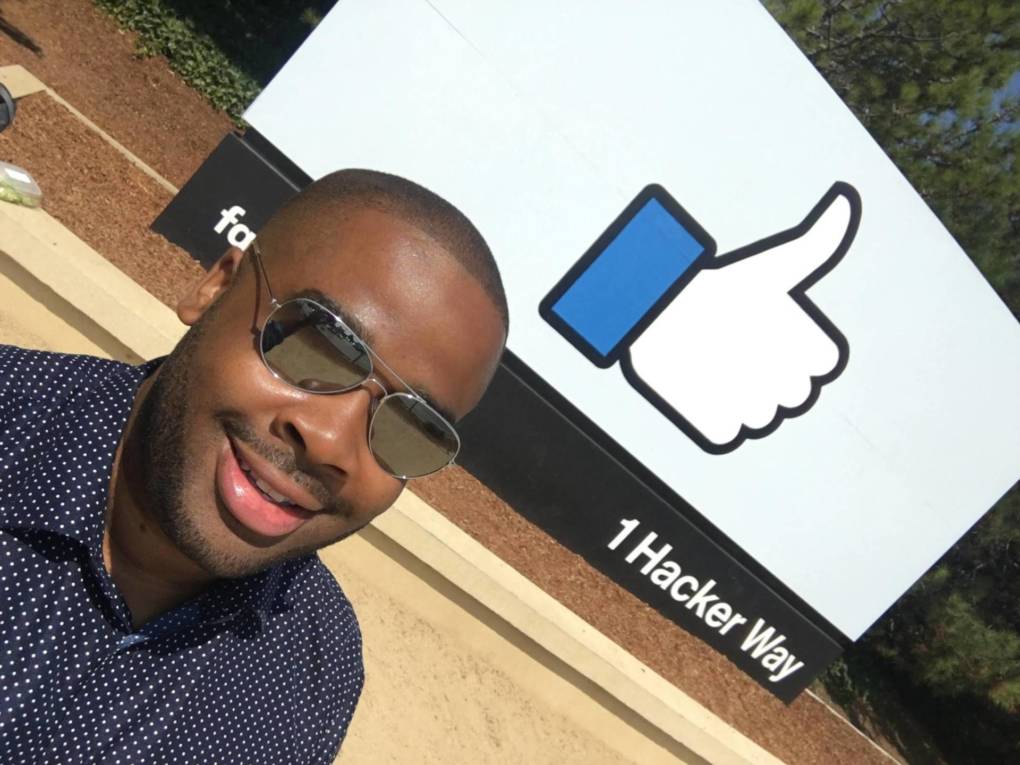
"caption": "Mark Luckie worked for Facebook for 14 months. He wrote a memo detailing some of the problems Facebook has with its black users and employees.",
"description": null,
"title": "Mark S. Luckie in front of Facebook's Menlo Park, California headquarters",
"credit": "Courtesy of Mark Luckie",
"status": "inherit",
"isLoading": false,
"fetchFailed": false
},
"news_11708858": {
"type": "attachments",
"id": "news_11708858",
"meta": {
"index": "attachments_1716263798",
"site": "news",
"id": "11708858",
"found": true
},
"parent": 11708854,
"imgSizes": {
"small": {
"file": "https://ww2.kqed.org/app/uploads/sites/10/2018/11/zsfg_crop330x180-1-520x283.jpg",
"width": 520,
"mimeType": "image/jpeg",
"height": 283
},
"twentyfourteen-full-width": {
"file": "https://ww2.kqed.org/app/uploads/sites/10/2018/11/zsfg_crop330x180-1-1038x576.jpg",
"width": 1038,
"mimeType": "image/jpeg",
"height": 576
},
"thumbnail": {
"file": "https://ww2.kqed.org/app/uploads/sites/10/2018/11/zsfg_crop330x180-1-160x87.jpg",
"width": 160,
"mimeType": "image/jpeg",
"height": 87
},
"fd-sm": {
"file": "https://ww2.kqed.org/app/uploads/sites/10/2018/11/zsfg_crop330x180-1-960x523.jpg",
"width": 960,
"mimeType": "image/jpeg",
"height": 523
},
"post-thumbnail": {
"file": "https://ww2.kqed.org/app/uploads/sites/10/2018/11/zsfg_crop330x180-1-672x372.jpg",
"width": 672,
"mimeType": "image/jpeg",
"height": 372
},
"xsmall": {
"file": "https://ww2.kqed.org/app/uploads/sites/10/2018/11/zsfg_crop330x180-1-375x204.jpg",
"width": 375,
"mimeType": "image/jpeg",
"height": 204
},
"kqedFullSize": {
"file": "https://ww2.kqed.org/app/uploads/sites/10/2018/11/zsfg_crop330x180-1.jpg",
"width": 1200,
"height": 654
},
"large": {
"file": "https://ww2.kqed.org/app/uploads/sites/10/2018/11/zsfg_crop330x180-1-1020x556.jpg",
"width": 1020,
"mimeType": "image/jpeg",
"height": 556
},
"xlarge": {
"file": "https://ww2.kqed.org/app/uploads/sites/10/2018/11/zsfg_crop330x180-1-1180x643.jpg",
"width": 1180,
"mimeType": "image/jpeg",
"height": 643
},
"complete_open_graph": {
"file": "https://ww2.kqed.org/app/uploads/sites/10/2018/11/zsfg_crop330x180-1-1200x654.jpg",
"width": 1200,
"mimeType": "image/jpeg",
"height": 654
},
"guest-author-50": {
"file": "https://ww2.kqed.org/app/uploads/sites/10/2018/11/zsfg_crop330x180-1-50x50.jpg",
"width": 50,
"mimeType": "image/jpeg",
"height": 50
},
"guest-author-96": {
"file": "https://ww2.kqed.org/app/uploads/sites/10/2018/11/zsfg_crop330x180-1-96x96.jpg",
"width": 96,
"mimeType": "image/jpeg",
"height": 96
},
"medium": {
"file": "https://ww2.kqed.org/app/uploads/sites/10/2018/11/zsfg_crop330x180-1-800x436.jpg",
"width": 800,
"mimeType": "image/jpeg",
"height": 436
},
"guest-author-64": {
"file": "https://ww2.kqed.org/app/uploads/sites/10/2018/11/zsfg_crop330x180-1-64x64.jpg",
"width": 64,
"mimeType": "image/jpeg",
"height": 64
},
"guest-author-32": {
"file": "https://ww2.kqed.org/app/uploads/sites/10/2018/11/zsfg_crop330x180-1-32x32.jpg",
"width": 32,
"mimeType": "image/jpeg",
"height": 32
},
"fd-med": {
"file": "https://ww2.kqed.org/app/uploads/sites/10/2018/11/zsfg_crop330x180-1-1180x643.jpg",
"width": 1180,
"mimeType": "image/jpeg",
"height": 643
},
"detail": {
"file": "https://ww2.kqed.org/app/uploads/sites/10/2018/11/zsfg_crop330x180-1-150x150.jpg",
"width": 150,
"mimeType": "image/jpeg",
"height": 150
},
"guest-author-128": {
"file": "https://ww2.kqed.org/app/uploads/sites/10/2018/11/zsfg_crop330x180-1-128x128.jpg",
"width": 128,
"mimeType": "image/jpeg",
"height": 128
},
"xxsmall": {
"file": "https://ww2.kqed.org/app/uploads/sites/10/2018/11/zsfg_crop330x180-1-240x131.jpg",
"width": 240,
"mimeType": "image/jpeg",
"height": 131
}
},
"publishDate": 1543447971,
"modified": 1543454391,
"caption": "Zuckerberg San Francisco General Hospital and Trauma Center",
"description": null,
"title": "Zuckerberg San Francisco General Hospital",
"credit": "Courtesy of UCSF",
"status": "inherit",
"isLoading": false,
"fetchFailed": false
},
"news_11708724": {
"type": "attachments",
"id": "news_11708724",
"meta": {
"index": "attachments_1716263798",
"site": "news",
"id": "11708724",
"found": true
},
"parent": 11706621,
"imgSizes": {
"twentyfourteen-full-width": {
"file": "https://ww2.kqed.org/app/uploads/sites/10/2018/11/JodieCutsHair-1038x576.jpg",
"width": 1038,
"mimeType": "image/jpeg",
"height": 576
},
"thumbnail": {
"file": "https://ww2.kqed.org/app/uploads/sites/10/2018/11/JodieCutsHair-160x120.jpg",
"width": 160,
"mimeType": "image/jpeg",
"height": 120
},
"post-thumbnail": {
"file": "https://ww2.kqed.org/app/uploads/sites/10/2018/11/JodieCutsHair-672x372.jpg",
"width": 672,
"mimeType": "image/jpeg",
"height": 372
},
"kqedFullSize": {
"file": "https://ww2.kqed.org/app/uploads/sites/10/2018/11/JodieCutsHair.jpg",
"width": 1920,
"height": 1439
},
"large": {
"file": "https://ww2.kqed.org/app/uploads/sites/10/2018/11/JodieCutsHair-1020x764.jpg",
"width": 1020,
"mimeType": "image/jpeg",
"height": 764
},
"complete_open_graph": {
"file": "https://ww2.kqed.org/app/uploads/sites/10/2018/11/JodieCutsHair-1200x899.jpg",
"width": 1200,
"mimeType": "image/jpeg",
"height": 899
},
"guest-author-50": {
"file": "https://ww2.kqed.org/app/uploads/sites/10/2018/11/JodieCutsHair-50x50.jpg",
"width": 50,
"mimeType": "image/jpeg",
"height": 50
},
"guest-author-96": {
"file": "https://ww2.kqed.org/app/uploads/sites/10/2018/11/JodieCutsHair-96x96.jpg",
"width": 96,
"mimeType": "image/jpeg",
"height": 96
},
"medium": {
"file": "https://ww2.kqed.org/app/uploads/sites/10/2018/11/JodieCutsHair-800x600.jpg",
"width": 800,
"mimeType": "image/jpeg",
"height": 600
},
"guest-author-64": {
"file": "https://ww2.kqed.org/app/uploads/sites/10/2018/11/JodieCutsHair-64x64.jpg",
"width": 64,
"mimeType": "image/jpeg",
"height": 64
},
"guest-author-32": {
"file": "https://ww2.kqed.org/app/uploads/sites/10/2018/11/JodieCutsHair-32x32.jpg",
"width": 32,
"mimeType": "image/jpeg",
"height": 32
},
"full-width": {
"file": "https://ww2.kqed.org/app/uploads/sites/10/2018/11/JodieCutsHair-1920x1439.jpg",
"width": 1920,
"mimeType": "image/jpeg",
"height": 1439
},
"detail": {
"file": "https://ww2.kqed.org/app/uploads/sites/10/2018/11/JodieCutsHair-150x150.jpg",
"width": 150,
"mimeType": "image/jpeg",
"height": 150
},
"guest-author-128": {
"file": "https://ww2.kqed.org/app/uploads/sites/10/2018/11/JodieCutsHair-128x128.jpg",
"width": 128,
"mimeType": "image/jpeg",
"height": 128
}
},
"publishDate": 1543431866,
"modified": 1543445869,
"caption": "Jodie Collins is a mobile stylist who gets gigs through apps like Glamsquad and StyleBee.",
"description": "Jodie Collins is a \"mobile stylist\" who gets gigs through apps like Glamsquad and StyleBee.",
"title": "JodieCutsHair",
"credit": "Sam Harnett/KQED",
"status": "inherit",
"isLoading": false,
"fetchFailed": false
},
"news_11708431": {
"type": "attachments",
"id": "news_11708431",
"meta": {
"index": "attachments_1716263798",
"site": "news",
"id": "11708431",
"found": true
},
"parent": 11708430,
"imgSizes": {
"twentyfourteen-full-width": {
"file": "https://ww2.kqed.org/app/uploads/sites/10/2018/11/gettyimages-1057962870_wide-c9a2a24b2efa6c49b8a6430d788af9050f87029e-e1543344651769-1038x576.jpg",
"width": 1038,
"mimeType": "image/jpeg",
"height": 576
},
"thumbnail": {
"file": "https://ww2.kqed.org/app/uploads/sites/10/2018/11/gettyimages-1057962870_wide-c9a2a24b2efa6c49b8a6430d788af9050f87029e-e1543344651769-160x90.jpg",
"width": 160,
"mimeType": "image/jpeg",
"height": 90
},
"post-thumbnail": {
"file": "https://ww2.kqed.org/app/uploads/sites/10/2018/11/gettyimages-1057962870_wide-c9a2a24b2efa6c49b8a6430d788af9050f87029e-e1543344651769-672x372.jpg",
"width": 672,
"mimeType": "image/jpeg",
"height": 372
},
"kqedFullSize": {
"file": "https://ww2.kqed.org/app/uploads/sites/10/2018/11/gettyimages-1057962870_wide-c9a2a24b2efa6c49b8a6430d788af9050f87029e-e1543344651769.jpg",
"width": 1920,
"height": 1080
},
"large": {
"file": "https://ww2.kqed.org/app/uploads/sites/10/2018/11/gettyimages-1057962870_wide-c9a2a24b2efa6c49b8a6430d788af9050f87029e-e1543344651769-1020x574.jpg",
"width": 1020,
"mimeType": "image/jpeg",
"height": 574
},
"complete_open_graph": {
"file": "https://ww2.kqed.org/app/uploads/sites/10/2018/11/gettyimages-1057962870_wide-c9a2a24b2efa6c49b8a6430d788af9050f87029e-e1543344651769-1200x675.jpg",
"width": 1200,
"mimeType": "image/jpeg",
"height": 675
},
"guest-author-50": {
"file": "https://ww2.kqed.org/app/uploads/sites/10/2018/11/gettyimages-1057962870_wide-c9a2a24b2efa6c49b8a6430d788af9050f87029e-e1543344651769-50x50.jpg",
"width": 50,
"mimeType": "image/jpeg",
"height": 50
},
"guest-author-96": {
"file": "https://ww2.kqed.org/app/uploads/sites/10/2018/11/gettyimages-1057962870_wide-c9a2a24b2efa6c49b8a6430d788af9050f87029e-e1543344651769-96x96.jpg",
"width": 96,
"mimeType": "image/jpeg",
"height": 96
},
"medium": {
"file": "https://ww2.kqed.org/app/uploads/sites/10/2018/11/gettyimages-1057962870_wide-c9a2a24b2efa6c49b8a6430d788af9050f87029e-e1543344651769-800x450.jpg",
"width": 800,
"mimeType": "image/jpeg",
"height": 450
},
"guest-author-64": {
"file": "https://ww2.kqed.org/app/uploads/sites/10/2018/11/gettyimages-1057962870_wide-c9a2a24b2efa6c49b8a6430d788af9050f87029e-e1543344651769-64x64.jpg",
"width": 64,
"mimeType": "image/jpeg",
"height": 64
},
"guest-author-32": {
"file": "https://ww2.kqed.org/app/uploads/sites/10/2018/11/gettyimages-1057962870_wide-c9a2a24b2efa6c49b8a6430d788af9050f87029e-e1543344651769-32x32.jpg",
"width": 32,
"mimeType": "image/jpeg",
"height": 32
},
"full-width": {
"file": "https://ww2.kqed.org/app/uploads/sites/10/2018/11/gettyimages-1057962870_wide-c9a2a24b2efa6c49b8a6430d788af9050f87029e-e1543344651769-1920x1080.jpg",
"width": 1920,
"mimeType": "image/jpeg",
"height": 1080
},
"detail": {
"file": "https://ww2.kqed.org/app/uploads/sites/10/2018/11/gettyimages-1057962870_wide-c9a2a24b2efa6c49b8a6430d788af9050f87029e-e1543344651769-150x150.jpg",
"width": 150,
"mimeType": "image/jpeg",
"height": 150
},
"guest-author-128": {
"file": "https://ww2.kqed.org/app/uploads/sites/10/2018/11/gettyimages-1057962870_wide-c9a2a24b2efa6c49b8a6430d788af9050f87029e-e1543344651769-128x128.jpg",
"width": 128,
"mimeType": "image/jpeg",
"height": 128
}
},
"publishDate": 1543344507,
"modified": 1543344641,
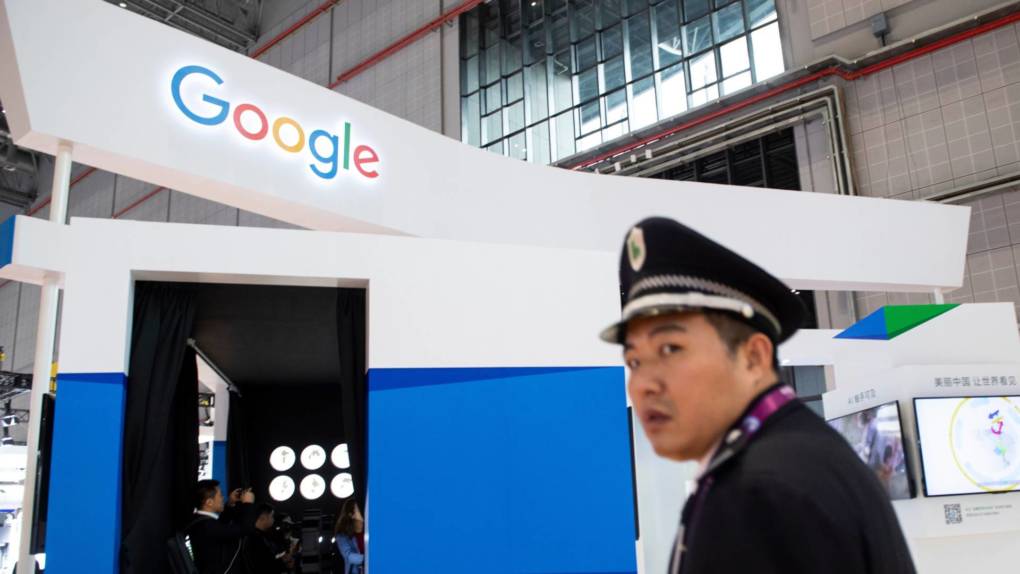
"caption": "A security guard stands in front of Google's booth at the China International Import Expo earlier this month in Shanghai.",
"description": "A security guard stands in front of Google's booth at the China International Import Expo earlier this month in Shanghai.",
"title": "A security guard stands in front of Google's booth at the China International Import Expo earlier this month in Shanghai.",
"credit": "Johannes Eisele/AFP/Getty Images",
"status": "inherit",
"isLoading": false,
"fetchFailed": false
},
"news_11707808": {
"type": "attachments",
"id": "news_11707808",
"meta": {
"index": "attachments_1716263798",
"site": "news",
"id": "11707808",
"found": true
},
"parent": 11707805,
"imgSizes": {
"twentyfourteen-full-width": {
"file": "https://ww2.kqed.org/app/uploads/sites/10/2018/11/dsc1514_slide-8b1cff464af279a1b5e87921c05e39598dd1dcf6-1038x576.jpg",
"width": 1038,
"mimeType": "image/jpeg",
"height": 576
},
"thumbnail": {
"file": "https://ww2.kqed.org/app/uploads/sites/10/2018/11/dsc1514_slide-8b1cff464af279a1b5e87921c05e39598dd1dcf6-160x107.jpg",
"width": 160,
"mimeType": "image/jpeg",
"height": 107
},
"post-thumbnail": {
"file": "https://ww2.kqed.org/app/uploads/sites/10/2018/11/dsc1514_slide-8b1cff464af279a1b5e87921c05e39598dd1dcf6-672x372.jpg",
"width": 672,
"mimeType": "image/jpeg",
"height": 372
},
"kqedFullSize": {
"file": "https://ww2.kqed.org/app/uploads/sites/10/2018/11/dsc1514_slide-8b1cff464af279a1b5e87921c05e39598dd1dcf6.jpg",
"width": 3000,
"height": 1999
},
"large": {
"file": "https://ww2.kqed.org/app/uploads/sites/10/2018/11/dsc1514_slide-8b1cff464af279a1b5e87921c05e39598dd1dcf6-1020x680.jpg",
"width": 1020,
"mimeType": "image/jpeg",
"height": 680
},
"complete_open_graph": {
"file": "https://ww2.kqed.org/app/uploads/sites/10/2018/11/dsc1514_slide-8b1cff464af279a1b5e87921c05e39598dd1dcf6-1200x800.jpg",
"width": 1200,
"mimeType": "image/jpeg",
"height": 800
},
"guest-author-50": {
"file": "https://ww2.kqed.org/app/uploads/sites/10/2018/11/dsc1514_slide-8b1cff464af279a1b5e87921c05e39598dd1dcf6-50x50.jpg",
"width": 50,
"mimeType": "image/jpeg",
"height": 50
},
"guest-author-96": {
"file": "https://ww2.kqed.org/app/uploads/sites/10/2018/11/dsc1514_slide-8b1cff464af279a1b5e87921c05e39598dd1dcf6-96x96.jpg",
"width": 96,
"mimeType": "image/jpeg",
"height": 96
},
"medium": {
"file": "https://ww2.kqed.org/app/uploads/sites/10/2018/11/dsc1514_slide-8b1cff464af279a1b5e87921c05e39598dd1dcf6-800x533.jpg",
"width": 800,
"mimeType": "image/jpeg",
"height": 533
},
"guest-author-64": {
"file": "https://ww2.kqed.org/app/uploads/sites/10/2018/11/dsc1514_slide-8b1cff464af279a1b5e87921c05e39598dd1dcf6-64x64.jpg",
"width": 64,
"mimeType": "image/jpeg",
"height": 64
},
"guest-author-32": {
"file": "https://ww2.kqed.org/app/uploads/sites/10/2018/11/dsc1514_slide-8b1cff464af279a1b5e87921c05e39598dd1dcf6-32x32.jpg",
"width": 32,
"mimeType": "image/jpeg",
"height": 32
},
"full-width": {
"file": "https://ww2.kqed.org/app/uploads/sites/10/2018/11/dsc1514_slide-8b1cff464af279a1b5e87921c05e39598dd1dcf6-1920x1279.jpg",
"width": 1920,
"mimeType": "image/jpeg",
"height": 1279
},
"detail": {
"file": "https://ww2.kqed.org/app/uploads/sites/10/2018/11/dsc1514_slide-8b1cff464af279a1b5e87921c05e39598dd1dcf6-150x150.jpg",
"width": 150,
"mimeType": "image/jpeg",
"height": 150
},
"guest-author-128": {
"file": "https://ww2.kqed.org/app/uploads/sites/10/2018/11/dsc1514_slide-8b1cff464af279a1b5e87921c05e39598dd1dcf6-128x128.jpg",
"width": 128,
"mimeType": "image/jpeg",
"height": 128
}
},
"publishDate": 1542830202,
"modified": 1542832559,
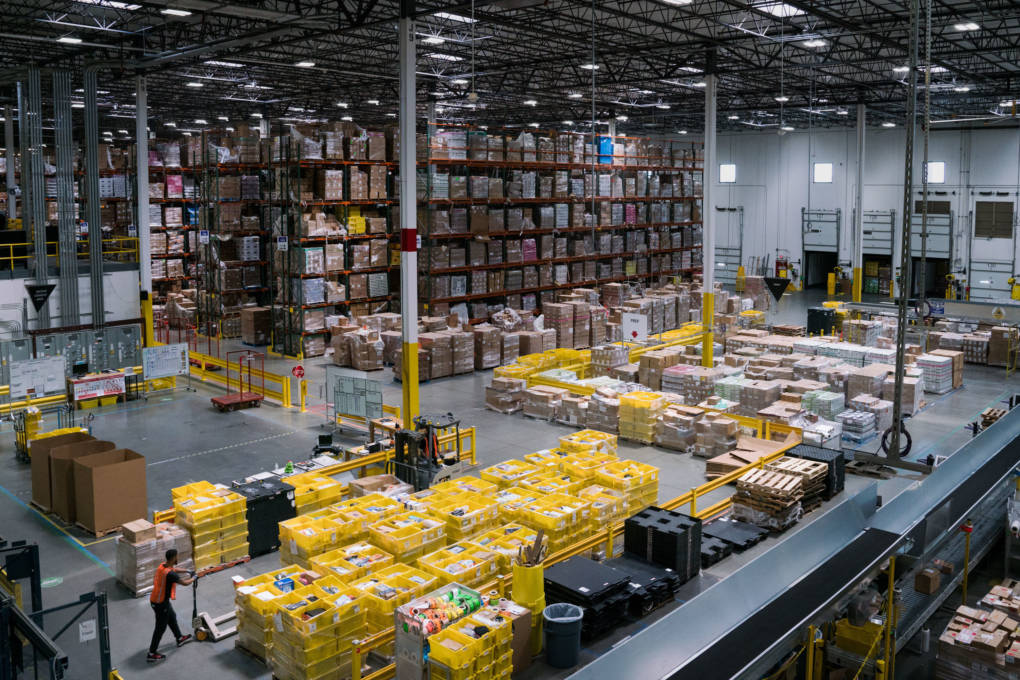
"caption": "Amazon has built a massive warehousing footprint around the country, including this Inside an Amazon fulfillment center in Baltimore. And it's been adding smaller warehouses closer to city centers where Prime Now promotes super-fast delivery options.",
"description": "Amazon has built a massive warehousing footprint around the country, including this Inside an Amazon fulfillment center in Baltimore. And it's been adding smaller warehouses closer to city centers where Prime Now promotes super-fast delivery options.",
"title": "Amazon has built a massive warehousing footprint around the country, including this Inside an Amazon fulfillment center in Baltimore. And it's been adding smaller warehouses closer to city centers where Prime Now promotes super-fast delivery options.",
"credit": "Claire Harbage/NPR",
"status": "inherit",
"isLoading": false,
"fetchFailed": false
},
"news_11707893": {
"type": "attachments",
"id": "news_11707893",
"meta": {
"index": "attachments_1716263798",
"site": "news",
"id": "11707893",
"found": true
},
"parent": 11707887,
"imgSizes": {
"twentyfourteen-full-width": {
"file": "https://ww2.kqed.org/app/uploads/sites/10/2018/11/SJM-L-PERLOV-1122-800x576.jpg",
"width": 800,
"mimeType": "image/jpeg",
"height": 576
},
"thumbnail": {
"file": "https://ww2.kqed.org/app/uploads/sites/10/2018/11/SJM-L-PERLOV-1122-160x200.jpg",
"width": 160,
"mimeType": "image/jpeg",
"height": 200
},
"post-thumbnail": {
"file": "https://ww2.kqed.org/app/uploads/sites/10/2018/11/SJM-L-PERLOV-1122-672x372.jpg",
"width": 672,
"mimeType": "image/jpeg",
"height": 372
},
"kqedFullSize": {
"file": "https://ww2.kqed.org/app/uploads/sites/10/2018/11/SJM-L-PERLOV-1122.jpg",
"width": 800,
"height": 1000
},
"guest-author-50": {
"file": "https://ww2.kqed.org/app/uploads/sites/10/2018/11/SJM-L-PERLOV-1122-50x50.jpg",
"width": 50,
"mimeType": "image/jpeg",
"height": 50
},
"guest-author-96": {
"file": "https://ww2.kqed.org/app/uploads/sites/10/2018/11/SJM-L-PERLOV-1122-96x96.jpg",
"width": 96,
"mimeType": "image/jpeg",
"height": 96
},
"medium": {
"file": "https://ww2.kqed.org/app/uploads/sites/10/2018/11/SJM-L-PERLOV-1122-800x1000.jpg",
"width": 800,
"mimeType": "image/jpeg",
"height": 1000
},
"guest-author-64": {
"file": "https://ww2.kqed.org/app/uploads/sites/10/2018/11/SJM-L-PERLOV-1122-64x64.jpg",
"width": 64,
"mimeType": "image/jpeg",
"height": 64
},
"detail": {
"file": "https://ww2.kqed.org/app/uploads/sites/10/2018/11/SJM-L-PERLOV-1122-150x150.jpg",
"width": 150,
"mimeType": "image/jpeg",
"height": 150
},
"guest-author-32": {
"file": "https://ww2.kqed.org/app/uploads/sites/10/2018/11/SJM-L-PERLOV-1122-32x32.jpg",
"width": 32,
"mimeType": "image/jpeg",
"height": 32
},
"guest-author-128": {
"file": "https://ww2.kqed.org/app/uploads/sites/10/2018/11/SJM-L-PERLOV-1122-128x128.jpg",
"width": 128,
"mimeType": "image/jpeg",
"height": 128
}
},
"publishDate": 1542846179,
"modified": 1542851490,
"caption": "John Arthur Getreu, 74, of Hayward, was arrested in connection with the 1973 murder of Leslie Marie Perlov.",
"description": "John Arthur Getreu, 74, of Hayward, was arrested in connection with the 1973 murder of Leslie Marie Perlov.",
"title": "SJM-L-PERLOV-1122",
"credit": "Courtesy of Santa Clara County Sheriff's Office",
"status": "inherit",
"isLoading": false,
"fetchFailed": false
}
},
"audioPlayerReducer": {
"postId": "stream_live",
"isPaused": true,
"isPlaying": false,
"pfsActive": false,
"pledgeModalIsOpen": true,
"playerDrawerIsOpen": false,
"liveAudioPlayStartedAt": 0,
"liveAudioPlayContext": ""
},
"authorsReducer": {
"byline_news_11711884": {
"type": "authors",
"id": "byline_news_11711884",
"meta": {
"override": true
},
"slug": "byline_news_11711884",
"name": "Alina Selyukh",
"isLoading": false
},
"byline_news_11708854": {
"type": "authors",
"id": "byline_news_11708854",
"meta": {
"override": true
},
"slug": "byline_news_11708854",
"name": "Angela Corral and Matthew Green",
"isLoading": false
},
"byline_news_11708430": {
"type": "authors",
"id": "byline_news_11708430",
"meta": {
"override": true
},
"slug": "byline_news_11708430",
"name": "Colin Dwyer",
"isLoading": false
},
"byline_news_11707805": {
"type": "authors",
"id": "byline_news_11707805",
"meta": {
"override": true
},
"slug": "byline_news_11707805",
"name": "Alina Selyukh\u003cbr>\u003cstrong>\u003ca href=\"https://www.npr.org/2018/11/21/660168325/optimized-prime-how-ai-and-anticipation-power-amazons-1-hour-deliveries\">NPR\u003c/a>\u003c/strong>",
"isLoading": false
},
"byline_news_11707887": {
"type": "authors",
"id": "byline_news_11707887",
"meta": {
"override": true
},
"slug": "byline_news_11707887",
"name": "Paul Elias\u003cbr>\u003cstrong>Associated Press\u003c/strong>",
"isLoading": false
},
"rachael-myrow": {
"type": "authors",
"id": "251",
"meta": {
"index": "authors_1716337520",
"id": "251",
"found": true
},
"name": "Rachael Myrow",
"firstName": "Rachael",
"lastName": "Myrow",
"slug": "rachael-myrow",
"email": "rmyrow@kqed.org",
"display_author_email": true,
"staff_mastheads": [
"news"
],
"title": "Senior Editor of KQED's Silicon Valley News Desk",
"bio": "• I write and edit stories about how Silicon Valley power and policies shape everyday life in California. I’m also passionate about making Bay Area history and culture more accessible to a broad public. • I’ve been a journalist for most of my life, starting in high school with The Franklin Press in Los Angeles, where I grew up. While earning my first degree in English at UC Berkeley, I got my start in public radio at KALX-FM. After completing a second degree in journalism at Cal, I landed my first professional job at Marketplace, then moved on to KPCC (now LAist), and then KQED, where I hosted The California Report for more than seven years. • My reporting has appeared on NPR, The World, WBUR’s \u003ci>Here & Now\u003c/i>, and the BBC. I also guest host for KQED’s \u003ci>Forum\u003c/i>, as well as the Commonwealth Club in San Francisco. • I speak periodically on media, democracy and technology issues, and do voiceover work for documentaries and educational video projects. • Outside of the studio, you'll find me hiking Bay Area trails and whipping up Insta-ready meals in my kitchen. • I do not accept gifts, money, or favors from anyone connected to my reporting, I don't pay people for information, and I do not support or donate to political causes. • I strive to treat the people I report on with fairness, honesty, and respect. I also recognize there are often multiple sides to a story and work to verify information through multiple sources and documentation. If I get something wrong, I correct it.",
"avatar": "https://secure.gravatar.com/avatar/3ed8a3c5f26025e4a805ba634cda8cd764906b97438a6d9ce216b044e340da4e?s=600&d=blank&r=g",
"twitter": "rachaelmyrow",
"bluesky": null,
"facebook": null,
"instagram": null,
"linkedin": "https://www.linkedin.com/in/rachaelmyrow/",
"sites": [
{
"site": "arts",
"roles": [
"administrator"
]
},
{
"site": "news",
"roles": [
"edit_others_posts",
"editor"
]
},
{
"site": "futureofyou",
"roles": [
"editor"
]
},
{
"site": "bayareabites",
"roles": [
"editor"
]
},
{
"site": "stateofhealth",
"roles": [
"editor"
]
},
{
"site": "science",
"roles": [
"editor"
]
},
{
"site": "food",
"roles": [
"editor"
]
},
{
"site": "forum",
"roles": [
"editor"
]
},
{
"site": "liveblog",
"roles": [
"author"
]
}
],
"headData": {
"title": "Rachael Myrow | KQED",
"description": "Senior Editor of KQED's Silicon Valley News Desk",
"ogImgSrc": "https://secure.gravatar.com/avatar/3ed8a3c5f26025e4a805ba634cda8cd764906b97438a6d9ce216b044e340da4e?s=600&d=blank&r=g",
"twImgSrc": "https://secure.gravatar.com/avatar/3ed8a3c5f26025e4a805ba634cda8cd764906b97438a6d9ce216b044e340da4e?s=600&d=blank&r=g"
},
"isLoading": false,
"link": "/author/rachael-myrow"
},
"samharnett": {
"type": "authors",
"id": "253",
"meta": {
"index": "authors_1716337520",
"id": "253",
"found": true
},
"name": "Sam Harnett",
"firstName": "Sam",
"lastName": "Harnett",
"slug": "samharnett",
"email": "samharnett@gmail.com",
"display_author_email": false,
"staff_mastheads": [],
"title": "KQED Contributor",
"bio": "Sam Harnett covered tech and work at KQED. He is the co-creator of \u003cem>\u003ca href=\"http://www.theworldaccordingtosound.org\">The World According to Sound\u003c/a>,\u003c/em> a 90-second podcast that features different sounds and the stories behind them.\r\n\r\nBefore coming to KQED, Sam worked as an independent reporter who contributed regularly to \u003cem>The California Report, Marketplace,\u003c/em> \u003cem>The World \u003c/em>and NPR.",
"avatar": "https://secure.gravatar.com/avatar/2538b972ac02f2b9546c7a6c59a0f3d0?s=600&d=blank&r=g",
"twitter": "Samwharnett",
"facebook": null,
"instagram": null,
"linkedin": null,
"sites": [
{
"site": "news",
"roles": [
"edit_others_posts",
"subscriber"
]
},
{
"site": "stateofhealth",
"roles": [
"author"
]
},
{
"site": "science",
"roles": [
"editor"
]
},
{
"site": "quest",
"roles": [
"subscriber"
]
}
],
"headData": {
"title": "Sam Harnett | KQED",
"description": "KQED Contributor",
"ogImgSrc": "https://secure.gravatar.com/avatar/2538b972ac02f2b9546c7a6c59a0f3d0?s=600&d=blank&r=g",
"twImgSrc": "https://secure.gravatar.com/avatar/2538b972ac02f2b9546c7a6c59a0f3d0?s=600&d=blank&r=g"
},
"isLoading": false,
"link": "/author/samharnett"
},
"matthewgreen": {
"type": "authors",
"id": "1263",
"meta": {
"index": "authors_1716337520",
"id": "1263",
"found": true
},
"name": "Matthew Green",
"firstName": "Matthew",
"lastName": "Green",
"slug": "matthewgreen",
"email": "mgreen@kqed.org",
"display_author_email": false,
"staff_mastheads": [],
"title": "KQED Editor/Reporter",
"bio": "Matthew Green is a digital media producer for KQED News. He previously produced \u003ca href=\"http://www.kqed.org/lowdown\">The Lowdown\u003c/a>, KQED’s multimedia news education blog. Matthew's written for numerous Bay Area publications, including the Oakland Tribune and San Francisco Chronicle. He also taught journalism classes at Fremont High School in East Oakland.\r\n\r\nEmail: mgreen@kqed.org; Twitter: @MGreenKQED",
"avatar": "https://secure.gravatar.com/avatar/3bf498d1267ca02c8494f33d8cfc575e?s=600&d=blank&r=g",
"twitter": "MGreenKQED",
"facebook": null,
"instagram": null,
"linkedin": null,
"sites": [
{
"site": "news",
"roles": []
},
{
"site": "lowdown",
"roles": []
},
{
"site": "science",
"roles": []
},
{
"site": "education",
"roles": []
},
{
"site": "quest",
"roles": []
},
{
"site": "liveblog",
"roles": []
}
],
"headData": {
"title": "Matthew Green | KQED",
"description": "KQED Editor/Reporter",
"ogImgSrc": "https://secure.gravatar.com/avatar/3bf498d1267ca02c8494f33d8cfc575e?s=600&d=blank&r=g",
"twImgSrc": "https://secure.gravatar.com/avatar/3bf498d1267ca02c8494f33d8cfc575e?s=600&d=blank&r=g"
},
"isLoading": false,
"link": "/author/matthewgreen"
},
"peterjonshuler": {
"type": "authors",
"id": "1329",
"meta": {
"index": "authors_1716337520",
"id": "1329",
"found": true
},
"name": "Peter Jon Shuler",
"firstName": "Peter Jon",
"lastName": "Shuler",
"slug": "peterjonshuler",
"email": "pshuler@kqed.org",
"display_author_email": false,
"staff_mastheads": [],
"title": null,
"bio": "Peter is a general assignment reporter covering Northern California news for KQED’s daily radio newscasts. He reports on a wide range of stories from current court cases to San Jose city hall.\r\n\r\nSince joining KQED in 1990, Peter has covered everything from the beginnings of the World Wide Web to the dot-com bust, from preserving Silicon Valley's open space to the preservation of historic Valley landmarks.\r\n\r\nPeter caught the radio bug at WAUS-FM while still a student at Andrews University in his home town of Berrien Springs, MI. He did local news and hosted a classical music program. Since then, he has pursued a variety of assignments, including production work at WBAI in New York and broadcasting to the English language community of Geneva, Switzerland via Radio 74. Email: \u003ca href=\"mailto:pshuler@kqed.org\">pshuler@kqed.org\u003c/a>",
"avatar": "https://secure.gravatar.com/avatar/4bcbeaf7cf49fec98284db283a33a47b?s=600&d=blank&r=g",
"twitter": null,
"facebook": null,
"instagram": null,
"linkedin": null,
"sites": [
{
"site": "news",
"roles": [
"contributor"
]
}
],
"headData": {
"title": "Peter Jon Shuler | KQED",
"description": null,
"ogImgSrc": "https://secure.gravatar.com/avatar/4bcbeaf7cf49fec98284db283a33a47b?s=600&d=blank&r=g",
"twImgSrc": "https://secure.gravatar.com/avatar/4bcbeaf7cf49fec98284db283a33a47b?s=600&d=blank&r=g"
},
"isLoading": false,
"link": "/author/peterjonshuler"
},
"markfiore": {
"type": "authors",
"id": "3236",
"meta": {
"index": "authors_1716337520",
"id": "3236",
"found": true
},
"name": "Mark Fiore",
"firstName": "Mark",
"lastName": "Fiore",
"slug": "markfiore",
"email": "mark@markfiore.com",
"display_author_email": false,
"staff_mastheads": [
"news"
],
"title": "KQED News Cartoonist",
"bio": "\u003ca href=\"http://www.MarkFiore.com\">MarkFiore.com\u003c/a> | \u003ca href=\"https://twitter.com/markfiore\">Follow on Twitter\u003c/a> | \u003ca href=\"https://www.facebook.com/pages/Mark-Fiore-Animated-Political-Cartoons/94451707396?ref=bookmarks\">Facebook\u003c/a> | \u003ca href=\"mailto:mark@markfiore.com\">email\u003c/a>\r\n\r\nPulitzer Prize-winner, Mark Fiore, who the Wall Street Journal has called “the undisputed guru of the form,” creates animated political cartoons in San Francisco, where his work has been featured regularly on the San Francisco Chronicle’s web site, SFGate.com. His work has appeared on Newsweek.com, Slate.com, CBSNews.com, MotherJones.com, DailyKos.com and NPR’s web site. Fiore’s political animation has appeared on CNN, Frontline, Bill Moyers Journal, Salon.com and cable and broadcast outlets across the globe.\r\n\r\nBeginning his professional life by drawing traditional political cartoons for newspapers, Fiore’s work appeared in publications ranging from the Washington Post to the Los Angeles Times. In the late 1990s, he began to experiment with animating political cartoons and, after a short stint at the San Jose Mercury News as their staff cartoonist, Fiore devoted all his energies to animation.\r\nGrowing up in California, Fiore also spent a good portion of his life in the backwoods of Idaho. It was this combination that shaped him politically. Mark majored in political science at Colorado College, where, in a perfect send-off for a cartoonist, he received his diploma in 1991 as commencement speaker Dick Cheney smiled approvingly.\r\nMark Fiore was awarded the Pulitzer Prize for political cartooning in 2010, a Robert F. Kennedy Journalism Award in 2004 and has twice received an Online Journalism Award for commentary from the Online News Association (2002, 2008). Fiore has received two awards for his work in new media from the National Cartoonists Society (2001, 2002), and in 2006 received The James Madison Freedom of Information Award from The Society of Professional Journalists.",
"avatar": "https://secure.gravatar.com/avatar/fc4e2a612b15b67bad0c6f0e1db4ca9b?s=600&d=blank&r=g",
"twitter": "MarkFiore",
"facebook": null,
"instagram": "https://www.instagram.com/markfiore/?hl=en",
"linkedin": null,
"sites": [
{
"site": "arts",
"roles": [
"contributor"
]
},
{
"site": "news",
"roles": [
"editor"
]
},
{
"site": "futureofyou",
"roles": [
"editor"
]
},
{
"site": "science",
"roles": [
"editor"
]
}
],
"headData": {
"title": "Mark Fiore | KQED",
"description": "KQED News Cartoonist",
"ogImgSrc": "https://secure.gravatar.com/avatar/fc4e2a612b15b67bad0c6f0e1db4ca9b?s=600&d=blank&r=g",
"twImgSrc": "https://secure.gravatar.com/avatar/fc4e2a612b15b67bad0c6f0e1db4ca9b?s=600&d=blank&r=g"
},
"isLoading": false,
"link": "/author/markfiore"
},
"rlevi": {
"type": "authors",
"id": "11260",
"meta": {
"index": "authors_1716337520",
"id": "11260",
"found": true
},
"name": "Ryan Levi",
"firstName": "Ryan",
"lastName": "Levi",
"slug": "rlevi",
"email": "rlevi@KQED.org",
"display_author_email": false,
"staff_mastheads": [],
"title": "KQED Contributor",
"bio": "Ryan Levi was a reporter and podcast producer at KQED News from 2016-2019. He worked on \u003ca href=\"https://www.kqed.org/news/series/baycurious\">Bay Curious\u003c/a>, \u003ca href=\"https://www.kqed.org/news/tag/the-bay/\">The Bay, \u003c/a>and \u003ca href=\"https://podcasts.apple.com/us/podcast/the-california-report-magazine/id1314750545\">The California Report Magazine\u003c/a>, as well as hosting and producing the weekly \u003ca href=\"https://www.kqed.org/news/program/qedup/\">Q'ed Up podcast. \u003c/a>He also helped inaugurate KQED's weekend news coverage in 2017 as one of two original digital producers. Ryan holds degrees in multimedia journalism and Spanish from the University of Missouri.",
"avatar": "https://secure.gravatar.com/avatar/4cb2ddd028ac8807d1adf09609c5555d?s=600&d=blank&r=g",
"twitter": "ryan_levi",
"facebook": null,
"instagram": null,
"linkedin": null,
"sites": [
{
"site": "arts",
"roles": [
"editor"
]
},
{
"site": "news",
"roles": [
"subscriber"
]
},
{
"site": "stateofhealth",
"roles": [
"editor"
]
},
{
"site": "science",
"roles": [
"editor"
]
},
{
"site": "forum",
"roles": [
"administrator"
]
},
{
"site": "perspectives",
"roles": [
"administrator"
]
}
],
"headData": {
"title": "Ryan Levi | KQED",
"description": "KQED Contributor",
"ogImgSrc": "https://secure.gravatar.com/avatar/4cb2ddd028ac8807d1adf09609c5555d?s=600&d=blank&r=g",
"twImgSrc": "https://secure.gravatar.com/avatar/4cb2ddd028ac8807d1adf09609c5555d?s=600&d=blank&r=g"
},
"isLoading": false,
"link": "/author/rlevi"
},
"tmosley": {
"type": "authors",
"id": "11373",
"meta": {
"index": "authors_1716337520",
"id": "11373",
"found": true
},
"name": "Tonya Mosley",
"firstName": "Tonya",
"lastName": "Mosley",
"slug": "tmosley",
"email": "tmosley@kqed.org",
"display_author_email": false,
"staff_mastheads": [],
"title": "KQED Contributor",
"bio": "Tonya Mosley is a former Silicon Valley bureau chief for KQED. She served as the senior editor, leading a team of journalists covering the impacts of technology companies on the South Bay and society. Tonya is also a former host and reporter for KQED.\r\n\r\nPrior to KQED, Tonya served as a television reporter & anchor for several media outlets, including Al Jazeera America.\r\n\r\nIn 2015, Tonya was awarded a John S. Knight Journalism Fellowship at Stanford University where she co-created a workshop for journalists on the impacts of implicit bias, and co-wrote a Belgian/American experimental study on the effects of protest coverage.\r\n\r\nTonya has won several national awards for her work, most recently an Emmy Award in 2016 for her televised piece \"Beyond Ferguson,\" and a national Edward R. Murrow award for her public radio series \"Black in Seattle.\"\r\n\r\nYou can reach Tonya at: tmosley@kqed.org.",
"avatar": "https://secure.gravatar.com/avatar/0b2ea2bbfed6bafaacd21e9398c68e5e?s=600&d=blank&r=g",
"twitter": "tonyamosley",
"facebook": null,
"instagram": null,
"linkedin": null,
"sites": [
{
"site": "arts",
"roles": [
"editor"
]
},
{
"site": "news",
"roles": [
"subscriber"
]
},
{
"site": "about",
"roles": [
"author"
]
},
{
"site": "forum",
"roles": [
"author"
]
}
],
"headData": {
"title": "Tonya Mosley | KQED",
"description": "KQED Contributor",
"ogImgSrc": "https://secure.gravatar.com/avatar/0b2ea2bbfed6bafaacd21e9398c68e5e?s=600&d=blank&r=g",
"twImgSrc": "https://secure.gravatar.com/avatar/0b2ea2bbfed6bafaacd21e9398c68e5e?s=600&d=blank&r=g"
},
"isLoading": false,
"link": "/author/tmosley"
}
},
"pagesReducer": {
"news_category_technology": {
"type": "terms",
"id": "news_248",
"meta": {
"index": "terms_1716263798",
"site": "news",
"id": "248",
"score": 10.9318695
},
"featImg": null,
"name": "Technology",
"description": null,
"taxonomy": "category",
"headData": {
"twImgId": null,
"twTitle": null,
"ogTitle": null,
"ogImgId": null,
"twDescription": null,
"description": null,
"title": "Technology Archives | KQED News",
"ogDescription": null
},
"ttid": 256,
"slug": "technology",
"isLoading": false,
"title": "Technology",
"pageMeta": {
"site": "news",
"WpPageTemplate": "page-topic-editorial",
"currentPage": 78
},
"blocks": [
{
"blockName": "kqed/post-list",
"attrs": {
"layout": "cardArticle2",
"query": "posts/news?category=technology",
"seeMore": false,
"paginated": true,
"page": 78
}
},
{
"blockName": "kqed/ad"
}
]
}
},
"pfsSessionReducer": {},
"postsReducer": {
"stream_live": {
"type": "live",
"id": "stream_live",
"audioUrl": "https://streams.kqed.org/kqedradio",
"title": "Live Stream",
"excerpt": "Live Stream information currently unavailable.",
"link": "/radio",
"featImg": "",
"label": {
"name": "KQED Live",
"link": "/"
}
},
"stream_kqedNewscast": {
"type": "posts",
"id": "stream_kqedNewscast",
"audioUrl": "https://www.kqed.org/.stream/anon/radio/RDnews/newscast.mp3?_=1",
"title": "KQED Newscast",
"featImg": "",
"label": {
"name": "88.5 FM",
"link": "/"
}
},
"news_11711884": {
"type": "posts",
"id": "news_11711884",
"meta": {
"index": "posts_1716263798",
"site": "news",
"id": "11711884",
"score": null,
"sort": [
1544574978000
]
},
"guestAuthors": [],
"slug": "google-ceo-says-he-leads-without-political-bias-in-congressional-testimony",
"title": "Google CEO Says He Leads 'Without Political Bias' in Congressional Testimony",
"publishDate": 1544574978,
"format": "standard",
"headTitle": "Google CEO Says He Leads ‘Without Political Bias’ in Congressional Testimony | KQED",
"labelTerm": {},
"content": "\u003cp>\u003cstrong>Updated at 3:19 p.m. ET\u003c/strong>\u003c/p>\n\u003cp>Google CEO Sundar Pichai made his public debut before Congress on Tuesday, spending much of his testimony countering Republicans’ allegations of anti-conservative bias in the company’s search results.\u003c/p>\n\u003cp>He also faced scrutiny of how much data Google collects on users and on the company’s work on a \u003ca href=\"https://www.npr.org/2018/11/27/671123903/we-re-taking-a-stand-google-workers-protest-plans-for-censored-search-in-china\">censored search tool\u003c/a> for China.\u003c/p>\n\u003cp>Time and again, Republican lawmakers pressed Pichai on allegations of political bias in search results on Google and its video subsidiary YouTube. In a few instances, they suggested that some Google engineers might be manipulating the results to sideline views that are conservative or supportive of President Trump.\u003c/p>\n\u003cp>Google has long denied this, and Pichai did so repeatedly over \u003ca href=\"https://judiciary.house.gov/hearing/transparency-accountability-examining-google-and-its-data-collection-use-and-filtering-practices/\">almost four hours\u003c/a> in front of the House Judiciary Committee.\u003c/p>\n\u003cp>“We use a robust methodology to reflect what is being said about any given topic at any particular time,” he said. “It is in our interest to make sure we reflect what’s happening out there in the best objective manner possible. I can commit to you and I can assure you, we do it without regards to political ideology. Our algorithms do it with no notion of political sentiment.”\u003c/p>\n\u003cp>Google’s appearance on Capitol Hill comes at a time of high scrutiny for Silicon Valley. Alphabet (Google’s parent company), Facebook, Twitter and other companies are facing a downturn of public opinion as they struggle to strike a balance between serving up content that will engage users and reeling back the spread of misinformation and conspiracy theories.\u003c/p>\n\u003cp>Though Democrats have decried the anti-conservative accusations as political theater without evidence, this intense political focus on tech companies has opened a door to serious conversations about regulation. In September, a Justice Department meeting originally meant to address tech’s political bias instead \u003ca href=\"https://www.npr.org/2018/09/25/651472693/attorneys-general-zoom-in-on-tech-privacy-and-power\">united state attorneys general\u003c/a> in an effort to rein in the industry.\u003c/p>\n\u003cp>On Tuesday, Pichai faced pointed questions about just how much data Google collects on users, especially about their location. The AP \u003ca href=\"https://www.apnews.com/ef95c6a91eeb4d8e9dda9cad887bf211\">reported\u003c/a> earlier this year that “several Google apps and websites store user location even if users have turned off Location History.” \u003ca href=\"https://www.nytimes.com/interactive/2018/12/10/business/location-data-privacy-apps.html\">A report\u003c/a> in \u003cem>The New York Times \u003c/em>this week showed how detailed — and lucrative — location tracking can be.\u003c/p>\n\u003cp>Rep. Doug Collins, R-Ga., zoomed in on the scale of data gathering by Google, as one of the tech giants whose business model relies on the sale of advertising using the vast knowledge about people who use their platforms or devices. He quizzed Pichai on a few specific data points:\u003c/p>\n\u003cblockquote>\u003cp>\u003cstrong>Rep. Collins:\u003c/strong> Do you or do you not collect identifiers like name, age or address? Yes or no.\u003cbr>\n\u003cstrong>Google’s Pichai:\u003c/strong> If you’re creating an account, yes — and using an account, yes.\u003cbr>\n\u003cstrong>Collins:\u003c/strong> Specific search histories when a person types something into a search bar.\u003cbr>\n\u003cstrong>Pichai:\u003c/strong> If you have search history turned on, yes.\u003cbr>\n\u003cstrong>Collins:\u003c/strong> Device identifiers like IP address or IMEI.\u003cbr>\n\u003cstrong>Pichai:\u003c/strong> Depending on the situation, we could be collecting it, yes.\u003cbr>\n\u003cstrong>Collins:\u003c/strong> GPS signals, Wi-Fi signals, Bluetooth beacons.\u003cbr>\n\u003cstrong>Pichai: \u003c/strong>Would depend on the specifics, but there may be situations, yes.\u003cbr>\n[…]\u003cbr>\n\u003cstrong>Collins:\u003c/strong> Contents of emails and Google documents.\u003cbr>\n\u003cstrong>Pichai:\u003c/strong> We store the data, but we don’t read or look at …\u003cbr>\n\u003cstrong>Collins:\u003c/strong> But you have access to them.\u003cbr>\n\u003cstrong>Pichai:\u003c/strong> As a company we have access to them, yes.\u003c/p>\u003c/blockquote>\n\u003cp>Pichai also faced many questions by lawmakers from both parties about the company’s project — \u003ca href=\"https://www.npr.org/2018/11/27/671123903/we-re-taking-a-stand-google-workers-protest-plans-for-censored-search-in-china\">code-named Dragonfly\u003c/a> — to build a search engine adjusted to China’s censorship demands, blocking certain websites and search terms as determined by the Chinese government.\u003c/p>\n\u003cp>“Right now, there are no plans for us to launch a search product in China,” Pichai said repeatedly. The response indicated that the plan might change in the future, though Pichai said the company would be transparent with Congress about that.\u003c/p>\n\u003cp>Pichai confirmed that the project was underway for a while and at one point involved more than 100 people. “We explored what a search could look like if it were to be launched in a country like China,” he said.\u003c/p>\n\u003cp>This would have marked a return of a censored version of Google to China, which the company exited in 2010 after \u003ca href=\"https://www.npr.org/templates/story/story.php?storyId=122540813\">tensions with Beijing\u003c/a> and a \u003ca href=\"https://www.npr.org/templates/story/story.php?storyId=5206175\">backlash in the United States\u003c/a>. The company has been facing an outcry over the work on a censored search product since it was first revealed by the website The Intercept \u003ca href=\"https://theintercept.com/2018/08/01/google-china-search-engine-censorship/\">in August\u003c/a>.\u003c/p>\n\u003cp>Lawmakers did not ask Pichai about Google’s recent decision to not renew its so-called Project Maven contract with the Pentagon, following protests from employees concerned that the company’s artificial intelligence could be used for drone strikes.\u003c/p>\n\u003cp>[ad fullwidth]\u003c/p>\n\u003cp>Google had also decided not to bid for a $10 billion cloud-computing contract with the Defense Department, saying that Google didn’t qualify for part of the work and that the company “couldn’t be assured” that the project would align with its corporate values for artificial-intelligence work.\u003c/p>\n\u003cp>Earlier this year, Google’s parent company, Alphabet, decided to not send an executive to a big hearing with \u003ca href=\"https://www.npr.org/2018/09/05/644607908/facebook-twitter-heavies-set-to-appear-at-senate-hearing-google-may-be-mia\">other tech companies\u003c/a> about disinformation. Incensed by Google’s absence at the time, lawmakers had left an empty seat marked with the company’s name.\u003c/p>\n\u003cdiv class=\"fullattribution\">Copyright 2018 NPR. To see more, visit https://www.npr.org.\u003cimg decoding=\"async\" src=\"https://www.google-analytics.com/__utm.gif?utmac=UA-5828686-4&utmdt=Google+CEO+Says+He+Leads+%27Without+Political+Bias%27+In+Congressional+Testimony&utme=8(APIKey)9(MDAxOTAwOTE4MDEyMTkxMDAzNjczZDljZA004)\">\u003c/div>\n\u003cp>\u003c/p>\n",
"blocks": [],
"excerpt": "Sundar Pichai faced a Republican barrage on allegations of anti-conservative bias. He also was questioned on Google's data collection and its work on a censored search tool for China.",
"status": "publish",
"parent": 0,
"modified": 1729029017,
"stats": {
"hasAudio": false,
"hasVideo": false,
"hasChartOrMap": false,
"iframeSrcs": [],
"hasGoogleForm": false,
"hasGallery": false,
"hasHearkenModule": false,
"hasPolis": false,
"paragraphCount": 20,
"wordCount": 921
},
"headData": {
"title": "Google CEO Says He Leads 'Without Political Bias' in Congressional Testimony | KQED",
"description": "Sundar Pichai faced a Republican barrage on allegations of anti-conservative bias. He also was questioned on Google's data collection and its work on a censored search tool for China.",
"ogTitle": "",
"ogDescription": "",
"ogImgId": "",
"twTitle": "",
"twDescription": "",
"twImgId": "",
"schema": {
"@context": "https://schema.org",
"@type": "NewsArticle",
"headline": "Google CEO Says He Leads 'Without Political Bias' in Congressional Testimony",
"datePublished": "2018-12-11T16:36:18-08:00",
"dateModified": "2024-10-15T14:50:17-07:00",
"image": "https://cdn.kqed.org/wp-content/uploads/2020/02/KQED-OG-Image@1x.png",
"isAccessibleForFree": "True",
"publisher": {
"@type": "NewsMediaOrganization",
"@id": "https://www.kqed.org/#organization",
"name": "KQED",
"logo": "https://cdn.kqed.org/wp-content/uploads/2020/02/KQED-OG-Image@1x.png",
"url": "https://www.kqed.org",
"sameAs": [
"https://www.facebook.com/KQED",
"https://twitter.com/KQED",
"https://www.instagram.com/kqed/",
"https://www.tiktok.com/@kqedofficial",
"https://www.linkedin.com/company/kqed",
"https://www.youtube.com/channel/UCeC0IOo7i1P_61zVUWbJ4nw"
]
}
}
},
"source": "NPR",
"sourceUrl": "www.npr.org",
"sticky": false,
"nprImageCredit": "Saul Loeb",
"nprByline": "Alina Selyukh",
"nprImageAgency": "AFP/Getty Images",
"nprStoryId": "675543073",
"nprApiLink": "http://api.npr.org/query?id=675543073&apiKey=MDAxOTAwOTE4MDEyMTkxMDAzNjczZDljZA004",
"nprHtmlLink": "https://www.npr.org/2018/12/11/675543073/google-ceo-says-he-leads-without-political-bias-in-congressional-testimony?ft=nprml&f=675543073",
"nprRetrievedStory": "1",
"nprPubDate": "Tue, 11 Dec 2018 16:32:00 -0500",
"nprStoryDate": "Tue, 11 Dec 2018 10:06:28 -0500",
"nprLastModifiedDate": "Tue, 11 Dec 2018 16:32:06 -0500",
"path": "/news/11711884/google-ceo-says-he-leads-without-political-bias-in-congressional-testimony",
"audioTrackLength": null,
"parsedContent": [
{
"type": "contentString",
"content": "\u003cdiv class=\"post-body\">\u003cp>\u003cp>\u003cstrong>Updated at 3:19 p.m. ET\u003c/strong>\u003c/p>\n\u003cp>Google CEO Sundar Pichai made his public debut before Congress on Tuesday, spending much of his testimony countering Republicans’ allegations of anti-conservative bias in the company’s search results.\u003c/p>\n\u003cp>He also faced scrutiny of how much data Google collects on users and on the company’s work on a \u003ca href=\"https://www.npr.org/2018/11/27/671123903/we-re-taking-a-stand-google-workers-protest-plans-for-censored-search-in-china\">censored search tool\u003c/a> for China.\u003c/p>\n\u003cp>Time and again, Republican lawmakers pressed Pichai on allegations of political bias in search results on Google and its video subsidiary YouTube. In a few instances, they suggested that some Google engineers might be manipulating the results to sideline views that are conservative or supportive of President Trump.\u003c/p>\n\u003cp>Google has long denied this, and Pichai did so repeatedly over \u003ca href=\"https://judiciary.house.gov/hearing/transparency-accountability-examining-google-and-its-data-collection-use-and-filtering-practices/\">almost four hours\u003c/a> in front of the House Judiciary Committee.\u003c/p>\n\u003cp>“We use a robust methodology to reflect what is being said about any given topic at any particular time,” he said. “It is in our interest to make sure we reflect what’s happening out there in the best objective manner possible. I can commit to you and I can assure you, we do it without regards to political ideology. Our algorithms do it with no notion of political sentiment.”\u003c/p>\n\u003cp>Google’s appearance on Capitol Hill comes at a time of high scrutiny for Silicon Valley. Alphabet (Google’s parent company), Facebook, Twitter and other companies are facing a downturn of public opinion as they struggle to strike a balance between serving up content that will engage users and reeling back the spread of misinformation and conspiracy theories.\u003c/p>\n\u003cp>Though Democrats have decried the anti-conservative accusations as political theater without evidence, this intense political focus on tech companies has opened a door to serious conversations about regulation. In September, a Justice Department meeting originally meant to address tech’s political bias instead \u003ca href=\"https://www.npr.org/2018/09/25/651472693/attorneys-general-zoom-in-on-tech-privacy-and-power\">united state attorneys general\u003c/a> in an effort to rein in the industry.\u003c/p>\n\u003cp>On Tuesday, Pichai faced pointed questions about just how much data Google collects on users, especially about their location. The AP \u003ca href=\"https://www.apnews.com/ef95c6a91eeb4d8e9dda9cad887bf211\">reported\u003c/a> earlier this year that “several Google apps and websites store user location even if users have turned off Location History.” \u003ca href=\"https://www.nytimes.com/interactive/2018/12/10/business/location-data-privacy-apps.html\">A report\u003c/a> in \u003cem>The New York Times \u003c/em>this week showed how detailed — and lucrative — location tracking can be.\u003c/p>\n\u003cp>Rep. Doug Collins, R-Ga., zoomed in on the scale of data gathering by Google, as one of the tech giants whose business model relies on the sale of advertising using the vast knowledge about people who use their platforms or devices. He quizzed Pichai on a few specific data points:\u003c/p>\n\u003cblockquote>\u003cp>\u003cstrong>Rep. Collins:\u003c/strong> Do you or do you not collect identifiers like name, age or address? Yes or no.\u003cbr>\n\u003cstrong>Google’s Pichai:\u003c/strong> If you’re creating an account, yes — and using an account, yes.\u003cbr>\n\u003cstrong>Collins:\u003c/strong> Specific search histories when a person types something into a search bar.\u003cbr>\n\u003cstrong>Pichai:\u003c/strong> If you have search history turned on, yes.\u003cbr>\n\u003cstrong>Collins:\u003c/strong> Device identifiers like IP address or IMEI.\u003cbr>\n\u003cstrong>Pichai:\u003c/strong> Depending on the situation, we could be collecting it, yes.\u003cbr>\n\u003cstrong>Collins:\u003c/strong> GPS signals, Wi-Fi signals, Bluetooth beacons.\u003cbr>\n\u003cstrong>Pichai: \u003c/strong>Would depend on the specifics, but there may be situations, yes.\u003cbr>\n[…]\u003cbr>\n\u003cstrong>Collins:\u003c/strong> Contents of emails and Google documents.\u003cbr>\n\u003cstrong>Pichai:\u003c/strong> We store the data, but we don’t read or look at …\u003cbr>\n\u003cstrong>Collins:\u003c/strong> But you have access to them.\u003cbr>\n\u003cstrong>Pichai:\u003c/strong> As a company we have access to them, yes.\u003c/p>\u003c/blockquote>\n\u003cp>Pichai also faced many questions by lawmakers from both parties about the company’s project — \u003ca href=\"https://www.npr.org/2018/11/27/671123903/we-re-taking-a-stand-google-workers-protest-plans-for-censored-search-in-china\">code-named Dragonfly\u003c/a> — to build a search engine adjusted to China’s censorship demands, blocking certain websites and search terms as determined by the Chinese government.\u003c/p>\n\u003cp>“Right now, there are no plans for us to launch a search product in China,” Pichai said repeatedly. The response indicated that the plan might change in the future, though Pichai said the company would be transparent with Congress about that.\u003c/p>\n\u003cp>Pichai confirmed that the project was underway for a while and at one point involved more than 100 people. “We explored what a search could look like if it were to be launched in a country like China,” he said.\u003c/p>\n\u003cp>This would have marked a return of a censored version of Google to China, which the company exited in 2010 after \u003ca href=\"https://www.npr.org/templates/story/story.php?storyId=122540813\">tensions with Beijing\u003c/a> and a \u003ca href=\"https://www.npr.org/templates/story/story.php?storyId=5206175\">backlash in the United States\u003c/a>. The company has been facing an outcry over the work on a censored search product since it was first revealed by the website The Intercept \u003ca href=\"https://theintercept.com/2018/08/01/google-china-search-engine-censorship/\">in August\u003c/a>.\u003c/p>\n\u003cp>Lawmakers did not ask Pichai about Google’s recent decision to not renew its so-called Project Maven contract with the Pentagon, following protests from employees concerned that the company’s artificial intelligence could be used for drone strikes.\u003c/p>\n\u003cp>\u003c/p>\u003c/div>",
"attributes": {
"named": {},
"numeric": []
}
},
{
"type": "component",
"content": "",
"name": "ad",
"attributes": {
"named": {
"label": "fullwidth"
},
"numeric": [
"fullwidth"
]
}
},
{
"type": "contentString",
"content": "\u003cdiv class=\"post-body\">\u003cp>\u003c/p>\n\u003cp>Google had also decided not to bid for a $10 billion cloud-computing contract with the Defense Department, saying that Google didn’t qualify for part of the work and that the company “couldn’t be assured” that the project would align with its corporate values for artificial-intelligence work.\u003c/p>\n\u003cp>Earlier this year, Google’s parent company, Alphabet, decided to not send an executive to a big hearing with \u003ca href=\"https://www.npr.org/2018/09/05/644607908/facebook-twitter-heavies-set-to-appear-at-senate-hearing-google-may-be-mia\">other tech companies\u003c/a> about disinformation. Incensed by Google’s absence at the time, lawmakers had left an empty seat marked with the company’s name.\u003c/p>\n\u003cdiv class=\"fullattribution\">Copyright 2018 NPR. To see more, visit https://www.npr.org.\u003cimg decoding=\"async\" src=\"https://www.google-analytics.com/__utm.gif?utmac=UA-5828686-4&utmdt=Google+CEO+Says+He+Leads+%27Without+Political+Bias%27+In+Congressional+Testimony&utme=8(APIKey)9(MDAxOTAwOTE4MDEyMTkxMDAzNjczZDljZA004)\">\u003c/div>\n\u003cp>\u003c/p>\n\u003c/div>\u003c/p>",
"attributes": {
"named": {},
"numeric": []
}
}
],
"link": "/news/11711884/google-ceo-says-he-leads-without-political-bias-in-congressional-testimony",
"authors": [
"byline_news_11711884"
],
"categories": [
"news_8",
"news_248"
],
"tags": [
"news_20149",
"news_93",
"news_20473",
"news_1631"
],
"affiliates": [
"news_253"
],
"featImg": "news_11711885",
"label": "source_news_11711884"
},
"news_11710256": {
"type": "posts",
"id": "news_11710256",
"meta": {
"index": "posts_1716263798",
"site": "news",
"id": "11710256",
"score": null,
"sort": [
1544049358000
]
},
"guestAuthors": [],
"slug": "the-google-land-rush",
"title": "The Google Land Rush",
"publishDate": 1544049358,
"format": "standard",
"headTitle": "The Google Land Rush | KQED",
"labelTerm": {
"term": 18515,
"site": "news"
},
"content": "\u003cp>The San Jose City Council \u003ca href=\"http://bit.ly/fioregooglesanjose\" target=\"_blank\" rel=\"noopener\">approved a $100 million sale\u003c/a> of public land to Google as the tech giant continues to expand its Silicon Valley footprint.\u003c/p>\n\u003cp>This deal comes on the heels of Google’s purchase of a sprawling Mountain View office park for $1 billion (yes, billion) just last month.\u003c/p>\n\u003cp>According to the Bay Area News Group, the amount Google is spending to buy property in Mountain View, Sunnyvale and San Jose over the past two years is around \u003ca href=\"https://www.mercurynews.com/2018/11/26/billion-dollar-deal-google-pays-1-billion-for-huge-mountain-view-business-park/\" target=\"_blank\" rel=\"noopener\">$3 billion dollars\u003c/a>.\u003c/p>\n\u003cp>[ad fullwidth]\u003c/p>\u003cp>\u003c/p>\n",
"blocks": [],
"excerpt": "The San Jose City Council approved a $100 million sale of public land to Google as the tech giant continues to expand its Silicon Valley footprint.",
"status": "publish",
"parent": 0,
"modified": 1729029020,
"stats": {
"hasAudio": false,
"hasVideo": false,
"hasChartOrMap": false,
"iframeSrcs": [],
"hasGoogleForm": false,
"hasGallery": false,
"hasHearkenModule": false,
"hasPolis": false,
"paragraphCount": 5,
"wordCount": 86
},
"headData": {
"title": "The Google Land Rush | KQED",
"description": "The San Jose City Council approved a $100 million sale of public land to Google as the tech giant continues to expand its Silicon Valley footprint.",
"ogTitle": "",
"ogDescription": "",
"ogImgId": "",
"twTitle": "",
"twDescription": "",
"twImgId": "",
"schema": {
"@context": "https://schema.org",
"@type": "NewsArticle",
"headline": "The Google Land Rush",
"datePublished": "2018-12-05T14:35:58-08:00",
"dateModified": "2024-10-15T14:50:20-07:00",
"image": "https://cdn.kqed.org/wp-content/uploads/2020/02/KQED-OG-Image@1x.png",
"isAccessibleForFree": "True",
"publisher": {
"@type": "NewsMediaOrganization",
"@id": "https://www.kqed.org/#organization",
"name": "KQED",
"logo": "https://cdn.kqed.org/wp-content/uploads/2020/02/KQED-OG-Image@1x.png",
"url": "https://www.kqed.org",
"sameAs": [
"https://www.facebook.com/KQED",
"https://twitter.com/KQED",
"https://www.instagram.com/kqed/",
"https://www.tiktok.com/@kqedofficial",
"https://www.linkedin.com/company/kqed",
"https://www.youtube.com/channel/UCeC0IOo7i1P_61zVUWbJ4nw"
]
}
}
},
"sticky": false,
"path": "/news/11710256/the-google-land-rush",
"audioTrackLength": null,
"parsedContent": [
{
"type": "contentString",
"content": "\u003cdiv class=\"post-body\">\u003cp>\u003cp>The San Jose City Council \u003ca href=\"http://bit.ly/fioregooglesanjose\" target=\"_blank\" rel=\"noopener\">approved a $100 million sale\u003c/a> of public land to Google as the tech giant continues to expand its Silicon Valley footprint.\u003c/p>\n\u003cp>This deal comes on the heels of Google’s purchase of a sprawling Mountain View office park for $1 billion (yes, billion) just last month.\u003c/p>\n\u003cp>According to the Bay Area News Group, the amount Google is spending to buy property in Mountain View, Sunnyvale and San Jose over the past two years is around \u003ca href=\"https://www.mercurynews.com/2018/11/26/billion-dollar-deal-google-pays-1-billion-for-huge-mountain-view-business-park/\" target=\"_blank\" rel=\"noopener\">$3 billion dollars\u003c/a>.\u003c/p>\n\u003cp>\u003c/p>\u003c/div>",
"attributes": {
"named": {},
"numeric": []
}
},
{
"type": "component",
"content": "",
"name": "ad",
"attributes": {
"named": {
"label": "fullwidth"
},
"numeric": [
"fullwidth"
]
}
},
{
"type": "contentString",
"content": "\u003cdiv class=\"post-body\">\u003cp>\u003c/p>\u003cp>\u003c/p>\n\u003c/div>\u003c/p>",
"attributes": {
"named": {},
"numeric": []
}
}
],
"link": "/news/11710256/the-google-land-rush",
"authors": [
"3236"
],
"series": [
"news_18515"
],
"categories": [
"news_1758",
"news_6266",
"news_8",
"news_248"
],
"tags": [
"news_3921",
"news_24027",
"news_93",
"news_20949",
"news_638",
"news_18541",
"news_1631"
],
"featImg": "news_11710278",
"label": "news_18515"
},
"news_11709962": {
"type": "posts",
"id": "news_11709962",
"meta": {
"index": "posts_1716263798",
"site": "news",
"id": "11709962",
"score": null,
"sort": [
1544040168000
]
},
"guestAuthors": [],
"slug": "despite-fierce-opposition-san-jose-city-council-unanimously-approves-major-public-land-sale-to-google",
"title": "Despite Fierce Opposition, San Jose Approves Major Public Land Sale to Google",
"publishDate": 1544040168,
"format": "standard",
"headTitle": "Despite Fierce Opposition, San Jose Approves Major Public Land Sale to Google | KQED",
"labelTerm": {
"term": 72,
"site": "news"
},
"content": "\u003cp>After more than 10 hours of raucous debate, disrupted by angry protests and a handful of arrests, the San Jose City Council early Wednesday unanimously approved the sale of $110 million of public land to Google.\u003c/p>\n\u003cp>The controversial vote, which drew fierce opposition from some community groups, allows the tech giant to move forward with its plans to develop more than 21 acres of land on several city-owned parcels near Diridon Station on the outskirts of downtown, where Google wants to create a transit-oriented complex of offices, homes, shops, restaurants and parks. The project is expected to bring more than 20,000 jobs by 2035, which would make Google the city’s largest private employer.\u003c/p>\n\u003caside class=\"alignright\">\n\u003c!-- iframe plugin v.4.3 wordpress.org/plugins/iframe/ -->\u003cbr>\n\u003ciframe loading=\"lazy\" width=\"100%\" frameborder=\"0\" src=\"https://www.google.com/maps/d/u/0/embed?mid=1z5Ij3m5oMiJbVDCFzcEC7g_CeG9kdji7\" height=\"500\" scrolling=\"yes\" class=\"iframe-class\">\u003c/iframe>\u003cbr>\n\u003cspan style=\"font-size: small\">\u003cem>Original map created by the Bay Area News Group\u003c/em>\u003c/span>\u003c/aside>\n\u003cp>San Jose Mayor Sam Liccardo, a strong advocate for the sale, said it was an important step in helping to “revitalize many dark corners of our downtown. Calling Google a “model community partner,” he said the deal will directly benefit residents. He also emphasized that the city is not offering the company any subsidies for the project.\u003c/p>\n\u003cp>“This is not the city of San Jose being subservient to anybody else,” Liccardo said at the City Council meeting, noting that all development plans were still years off and subject to city approval. “These are two parties that are fairly negotiating a deal that is good for both.”\u003c/p>\n\u003cp>Liccardo and several council members are also proposing that a quarter of the area’s new housing units be affordable. But housing advocates fear the development will cause prices to soar, further deepening San Jose’s already dire housing crisis and displacing more vulnerable residents.\u003c/p>\n\u003cp>Sandy Perry, president of the Affordable Housing Network of Santa Clara County, was among a handful of activists who had been holding a multiple-day fast in front of City Hall to protest the deal.\u003c/p>\n\u003cp>“The affordable housing situation has gotten worse and worse and worse,” Perry said. “And the main reason it’s gotten worse is ’cause of this unbridled expansion of the tech companies.”\u003c/p>\n\u003cp>Google will initially spend about $110 million to purchase land that was previously owned by the city and the Successor Agency to the San Jose Redevelopment Agency. The company could, however, ultimately spend upward of $220 million if it decides to also buy parking lots near the SAP Center. The land is near a large public storage complex that the company and its development partner, \u003ca href=\"https://www.mercurynews.com/2018/02/15/google-buys-big-downtown-san-jose-storage-complex-village-purchases-resume/\" target=\"_blank\" rel=\"noopener\">purchased\u003c/a> for $32 million in February.\u003c/p>\n\u003cp>Just last month, Google also \u003ca href=\"https://www.mercurynews.com/2018/11/26/billion-dollar-deal-google-pays-1-billion-for-huge-mountain-view-business-park/\" target=\"_blank\" rel=\"noopener\">bought a $1 billion office park\u003c/a> in Mountain View.\u003c/p>\n\u003cp>[ad fullwidth]\u003c/p>\n\u003cp>\u003c/p>\n",
"blocks": [],
"excerpt": "The proposed complex, on the outskirts of the city's downtown, would include housing, shops, offices and parks.",
"status": "publish",
"parent": 0,
"modified": 1729029023,
"stats": {
"hasAudio": false,
"hasVideo": false,
"hasChartOrMap": true,
"iframeSrcs": [
"https://www.google.com/maps/d/u/0/embed"
],
"hasGoogleForm": false,
"hasGallery": false,
"hasHearkenModule": false,
"hasPolis": false,
"paragraphCount": 11,
"wordCount": 451
},
"headData": {
"title": "Despite Fierce Opposition, San Jose Approves Major Public Land Sale to Google | KQED",
"description": "The proposed complex, on the outskirts of the city's downtown, would include housing, shops, offices and parks.",
"ogTitle": "",
"ogDescription": "",
"ogImgId": "",
"twTitle": "",
"twDescription": "",
"twImgId": "",
"schema": {
"@context": "https://schema.org",
"@type": "NewsArticle",
"headline": "Despite Fierce Opposition, San Jose Approves Major Public Land Sale to Google",
"datePublished": "2018-12-05T12:02:48-08:00",
"dateModified": "2024-10-15T14:50:23-07:00",
"image": "https://cdn.kqed.org/wp-content/uploads/2020/02/KQED-OG-Image@1x.png",
"isAccessibleForFree": "True",
"publisher": {
"@type": "NewsMediaOrganization",
"@id": "https://www.kqed.org/#organization",
"name": "KQED",
"logo": "https://cdn.kqed.org/wp-content/uploads/2020/02/KQED-OG-Image@1x.png",
"url": "https://www.kqed.org",
"sameAs": [
"https://www.facebook.com/KQED",
"https://twitter.com/KQED",
"https://www.instagram.com/kqed/",
"https://www.tiktok.com/@kqedofficial",
"https://www.linkedin.com/company/kqed",
"https://www.youtube.com/channel/UCeC0IOo7i1P_61zVUWbJ4nw"
]
}
}
},
"sticky": false,
"path": "/news/11709962/despite-fierce-opposition-san-jose-city-council-unanimously-approves-major-public-land-sale-to-google",
"audioTrackLength": null,
"parsedContent": [
{
"type": "contentString",
"content": "\u003cdiv class=\"post-body\">\u003cp>\u003cp>After more than 10 hours of raucous debate, disrupted by angry protests and a handful of arrests, the San Jose City Council early Wednesday unanimously approved the sale of $110 million of public land to Google.\u003c/p>\n\u003cp>The controversial vote, which drew fierce opposition from some community groups, allows the tech giant to move forward with its plans to develop more than 21 acres of land on several city-owned parcels near Diridon Station on the outskirts of downtown, where Google wants to create a transit-oriented complex of offices, homes, shops, restaurants and parks. The project is expected to bring more than 20,000 jobs by 2035, which would make Google the city’s largest private employer.\u003c/p>\n\u003caside class=\"alignright\">\n\u003c!-- iframe plugin v.4.3 wordpress.org/plugins/iframe/ -->\u003cbr>\n\u003ciframe loading=\"lazy\" width=\"100%\" frameborder=\"0\" src=\"https://www.google.com/maps/d/u/0/embed?mid=1z5Ij3m5oMiJbVDCFzcEC7g_CeG9kdji7\" height=\"500\" scrolling=\"yes\" class=\"iframe-class\">\u003c/iframe>\u003cbr>\n\u003cspan style=\"font-size: small\">\u003cem>Original map created by the Bay Area News Group\u003c/em>\u003c/span>\u003c/aside>\n\u003cp>San Jose Mayor Sam Liccardo, a strong advocate for the sale, said it was an important step in helping to “revitalize many dark corners of our downtown. Calling Google a “model community partner,” he said the deal will directly benefit residents. He also emphasized that the city is not offering the company any subsidies for the project.\u003c/p>\n\u003cp>“This is not the city of San Jose being subservient to anybody else,” Liccardo said at the City Council meeting, noting that all development plans were still years off and subject to city approval. “These are two parties that are fairly negotiating a deal that is good for both.”\u003c/p>\n\u003cp>Liccardo and several council members are also proposing that a quarter of the area’s new housing units be affordable. But housing advocates fear the development will cause prices to soar, further deepening San Jose’s already dire housing crisis and displacing more vulnerable residents.\u003c/p>\n\u003cp>Sandy Perry, president of the Affordable Housing Network of Santa Clara County, was among a handful of activists who had been holding a multiple-day fast in front of City Hall to protest the deal.\u003c/p>\n\u003cp>“The affordable housing situation has gotten worse and worse and worse,” Perry said. “And the main reason it’s gotten worse is ’cause of this unbridled expansion of the tech companies.”\u003c/p>\n\u003cp>Google will initially spend about $110 million to purchase land that was previously owned by the city and the Successor Agency to the San Jose Redevelopment Agency. The company could, however, ultimately spend upward of $220 million if it decides to also buy parking lots near the SAP Center. The land is near a large public storage complex that the company and its development partner, \u003ca href=\"https://www.mercurynews.com/2018/02/15/google-buys-big-downtown-san-jose-storage-complex-village-purchases-resume/\" target=\"_blank\" rel=\"noopener\">purchased\u003c/a> for $32 million in February.\u003c/p>\n\u003cp>Just last month, Google also \u003ca href=\"https://www.mercurynews.com/2018/11/26/billion-dollar-deal-google-pays-1-billion-for-huge-mountain-view-business-park/\" target=\"_blank\" rel=\"noopener\">bought a $1 billion office park\u003c/a> in Mountain View.\u003c/p>\n\u003cp>\u003c/p>\u003c/div>",
"attributes": {
"named": {},
"numeric": []
}
},
{
"type": "component",
"content": "",
"name": "ad",
"attributes": {
"named": {
"label": "fullwidth"
},
"numeric": [
"fullwidth"
]
}
},
{
"type": "contentString",
"content": "\u003cdiv class=\"post-body\">\u003cp>\u003c/p>\n\u003cp>\u003c/p>\n\u003c/div>\u003c/p>",
"attributes": {
"named": {},
"numeric": []
}
}
],
"link": "/news/11709962/despite-fierce-opposition-san-jose-city-council-unanimously-approves-major-public-land-sale-to-google",
"authors": [
"1263",
"1329"
],
"programs": [
"news_72"
],
"categories": [
"news_1758",
"news_6266",
"news_8",
"news_33520",
"news_248"
],
"tags": [
"news_19542",
"news_93",
"news_18541",
"news_1631"
],
"featImg": "news_11647955",
"label": "news_72"
},
"news_11709571": {
"type": "posts",
"id": "news_11709571",
"meta": {
"index": "posts_1716263798",
"site": "news",
"id": "11709571",
"score": null,
"sort": [
1543748442000
]
},
"parent": 0,
"labelTerm": {},
"blocks": [],
"publishDate": 1543748442,
"format": "standard",
"disqusTitle": "A Super Commuter and a Pro Dog Walker: Stories From the Gig Economy",
"title": "A Super Commuter and a Pro Dog Walker: Stories From the Gig Economy",
"headTitle": "Q’ed Up | KQED News",
"content": "\u003cp>\u003cem>Stay caught up with the best of KQED's reporting each week by subscribing to the \u003ca href=\"https://itunes.apple.com/us/podcast/qed-up/id1197721799?mt=2\" target=\"_blank\" rel=\"noopener\">Q'ed Up podcast\u003c/a>.\u003c/em>\u003c/p>\n\u003cp>The \"gig economy\" is changing the world of work. Some people drive more than 90 minutes to work app-based jobs. Others are seeing their livelihoods threatened by those same app-based jobs. Today, two people, two stories, one gig economy. \u003c/p>\n\u003cp>Read more of Sam Harnett's reporting about \u003ca href=\"https://www.kqed.org/news/11706621/the-life-of-a-bay-area-on-demand-super-commuter\" rel=\"noopener\" target=\"_blank\">Jodie Collins\u003c/a> and \u003ca href=\"https://www.kqed.org/news/11709039/short-leash-for-independent-dog-walkers-trying-to-make-it-in-the-gig-economy\" rel=\"noopener\" target=\"_blank\">Bill Peacock\u003c/a>. And \u003ca href=\"https://itunes.apple.com/us/podcast/for-here-or-to-go-the-rise-of-food-delivery-apps-in-sf/id1350043452?i=1000423668883&mt=2\" rel=\"noopener\" target=\"_blank\">click here\u003c/a> to hear Sam on \"The Bay\" podcast talking about how food delivery apps are changing how restaurants do business.\u003c/p>\n\u003cp>[ad fullwidth]\u003c/p>\u003cp>\u003c/p>\n",
"disqusIdentifier": "11709571 https://ww2.kqed.org/news/?p=11709571",
"disqusUrl": "https://ww2.kqed.org/news/2018/12/02/a-super-commuter-and-a-pro-dog-walker-stories-from-two-sides-of-the-gig-economy/",
"stats": {
"hasVideo": false,
"hasChartOrMap": false,
"hasAudio": false,
"hasPolis": false,
"wordCount": 98,
"hasGoogleForm": false,
"hasGallery": false,
"hasHearkenModule": false,
"iframeSrcs": [],
"paragraphCount": 5
},
"modified": 1543693372,
"excerpt": "What's your 'gig economy' story?",
"headData": {
"twImgId": "",
"twTitle": "",
"ogTitle": "",
"ogImgId": "",
"twDescription": "",
"description": "What's your 'gig economy' story?",
"title": "A Super Commuter and a Pro Dog Walker: Stories From the Gig Economy | KQED",
"ogDescription": "",
"schema": {
"@context": "https://schema.org",
"@type": "NewsArticle",
"headline": "A Super Commuter and a Pro Dog Walker: Stories From the Gig Economy",
"datePublished": "2018-12-02T03:00:42-08:00",
"dateModified": "2018-12-01T11:42:52-08:00",
"image": "https://cdn.kqed.org/wp-content/uploads/2020/02/KQED-OG-Image@1x.png",
"isAccessibleForFree": "True",
"publisher": {
"@type": "NewsMediaOrganization",
"@id": "https://www.kqed.org/#organization",
"name": "KQED",
"logo": "https://cdn.kqed.org/wp-content/uploads/2020/02/KQED-OG-Image@1x.png",
"url": "https://www.kqed.org",
"sameAs": [
"https://www.facebook.com/KQED",
"https://twitter.com/KQED",
"https://www.instagram.com/kqed/",
"https://www.tiktok.com/@kqedofficial",
"https://www.linkedin.com/company/kqed",
"https://www.youtube.com/channel/UCeC0IOo7i1P_61zVUWbJ4nw"
]
}
}
},
"guestAuthors": [],
"slug": "a-super-commuter-and-a-pro-dog-walker-stories-from-two-sides-of-the-gig-economy",
"status": "publish",
"sourceUrl": "https://www.kqed.org/news/program/qedup/",
"audioTrackLength": 574,
"source": "Q'ed Up",
"path": "/news/11709571/a-super-commuter-and-a-pro-dog-walker-stories-from-two-sides-of-the-gig-economy",
"audioUrl": "https://www.kqed.org/.stream/anon/radio/qed-up/2018/11/QEDUP181202FINAL.mp3",
"audioDuration": 561000,
"parsedContent": [
{
"type": "contentString",
"content": "\u003cdiv class=\"post-body\">\u003cp>\u003cp>\u003cem>Stay caught up with the best of KQED's reporting each week by subscribing to the \u003ca href=\"https://itunes.apple.com/us/podcast/qed-up/id1197721799?mt=2\" target=\"_blank\" rel=\"noopener\">Q'ed Up podcast\u003c/a>.\u003c/em>\u003c/p>\n\u003cp>The \"gig economy\" is changing the world of work. Some people drive more than 90 minutes to work app-based jobs. Others are seeing their livelihoods threatened by those same app-based jobs. Today, two people, two stories, one gig economy. \u003c/p>\n\u003cp>Read more of Sam Harnett's reporting about \u003ca href=\"https://www.kqed.org/news/11706621/the-life-of-a-bay-area-on-demand-super-commuter\" rel=\"noopener\" target=\"_blank\">Jodie Collins\u003c/a> and \u003ca href=\"https://www.kqed.org/news/11709039/short-leash-for-independent-dog-walkers-trying-to-make-it-in-the-gig-economy\" rel=\"noopener\" target=\"_blank\">Bill Peacock\u003c/a>. And \u003ca href=\"https://itunes.apple.com/us/podcast/for-here-or-to-go-the-rise-of-food-delivery-apps-in-sf/id1350043452?i=1000423668883&mt=2\" rel=\"noopener\" target=\"_blank\">click here\u003c/a> to hear Sam on \"The Bay\" podcast talking about how food delivery apps are changing how restaurants do business.\u003c/p>\n\u003cp>\u003c/p>\u003c/div>",
"attributes": {
"named": {},
"numeric": []
}
},
{
"type": "component",
"content": "",
"name": "ad",
"attributes": {
"named": {
"label": "fullwidth"
},
"numeric": [
"fullwidth"
]
}
},
{
"type": "contentString",
"content": "\u003cdiv class=\"post-body\">\u003cp>\u003c/p>\u003cp>\u003c/p>\n\u003c/div>\u003c/p>",
"attributes": {
"named": {},
"numeric": []
}
}
],
"link": "/news/11709571/a-super-commuter-and-a-pro-dog-walker-stories-from-two-sides-of-the-gig-economy",
"authors": [
"11260"
],
"programs": [
"news_20407"
],
"categories": [
"news_1758",
"news_8",
"news_248"
],
"tags": [
"news_17994",
"news_20564"
],
"featImg": "news_11709574",
"label": "source_news_11709571"
},
"news_11709433": {
"type": "posts",
"id": "news_11709433",
"meta": {
"index": "posts_1716263798",
"site": "news",
"id": "11709433",
"score": null,
"sort": [
1543685724000
]
},
"guestAuthors": [],
"slug": "michelin-proves-silicon-valley-likes-to-eat-fine-food-just-like-the-rest-of-the-bay-area",
"title": "Michelin Proves Silicon Valley Likes to Eat Fine Food Just Like the Rest of the Bay Area",
"publishDate": 1543685724,
"format": "audio",
"headTitle": "Michelin Proves Silicon Valley Likes to Eat Fine Food Just Like the Rest of the Bay Area | KQED",
"labelTerm": {},
"content": "\u003cp>Foodies will have noticed the 2019 \u003ca href=\"https://guide.michelin.com/us/san-francisco\" target=\"_blank\" rel=\"noopener\">Michelin Guide\u003c/a> came out this week. Naturally, Bay Area restaurants snapped up a lot of stars, most of them crowded around San Francisco and wine country. But the scene on the Peninsula and in the South Bay is starting to come into its own.\u003c/p>\n\u003cp>“In the past five years, you’ve seen a greater recognition that there is quality dining down here that is definitely worth the drive,” said \u003ca href=\"http://www.foodgal.com\" target=\"_blank\" rel=\"noopener\">Carolyn Jung,\u003c/a> a food writer who has eaten at all 10 Michelin star restaurants south of the city: including \u003ca href=\"https://www.manresarestaurant.com\" target=\"_blank\" rel=\"noopener\">Manresa\u003c/a>, the long-time destination dining king of the region with three Michelin stars, and Palo Alto’s \u003ca href=\"https://www.maisonbaume.com\" target=\"_blank\" rel=\"noopener\">Baumé\u003c/a>, with two.\u003c/p>\n\u003cp>In a region more infamous for tech-bros peddling meal replacements like \u003ca href=\"https://soylent.com\" target=\"_blank\" rel=\"noopener\">Soylent\u003c/a> and a variety of food delivery apps, it may be odd to think people here would actually go out to drop a rent check at a high-end restaurant, but it happens. More to the point, locals with the wherewithal are investing in high-end restaurants they can personally visit.\u003c/p>\n\u003cp>“You have a lot of highly educated, well-to-do people who travel a lot. They’re looking for more sophisticated options and they’re tired of driving 280 and 101 all the time to get to San Francisco,” Jung said.\u003c/p>\n\u003cfigure id=\"attachment_11709500\" class=\"wp-caption aligncenter\" style=\"max-width: 800px\">\u003cimg loading=\"lazy\" decoding=\"async\" class=\"size-medium wp-image-11709500\" src=\"https://ww2.kqed.org/news/wp-content/uploads/sites/10/2018/11/RS34266_Screen-Shot-2018-11-30-at-7.30.59-PM-qut-800x594.jpg\" alt=\"Crispy John Dory with California caviar, Meyer lemon confit, creamed Brussels sprouts, and champagne sauce at Protégé.\" width=\"800\" height=\"594\" srcset=\"https://cdn.kqed.org/wp-content/uploads/sites/10/2018/11/RS34266_Screen-Shot-2018-11-30-at-7.30.59-PM-qut-800x594.jpg 800w, https://cdn.kqed.org/wp-content/uploads/sites/10/2018/11/RS34266_Screen-Shot-2018-11-30-at-7.30.59-PM-qut-160x119.jpg 160w, https://cdn.kqed.org/wp-content/uploads/sites/10/2018/11/RS34266_Screen-Shot-2018-11-30-at-7.30.59-PM-qut-1020x758.jpg 1020w, https://cdn.kqed.org/wp-content/uploads/sites/10/2018/11/RS34266_Screen-Shot-2018-11-30-at-7.30.59-PM-qut.jpg 1190w\" sizes=\"(max-width: 800px) 100vw, 800px\">\u003cfigcaption class=\"wp-caption-text\">Crispy John Dory with California caviar, Meyer lemon confit, creamed Brussels sprouts, and champagne sauce at Protégé. \u003ccite>(Photo: Courtesy of Protégé)\u003c/cite>\u003c/figcaption>\u003c/figure>\n\u003cp>Michelin defines one star as “worth a stop;” two stars as “worth a detour;” and three stars as “worth a special journey.” The French-born guide traditionally favors fine dining, and its inspectors keep a close eye on alumni from Michelin-starred restaurants.\u003c/p>\n\u003cp>[ad fullwidth]\u003c/p>\n\u003cp>That explains in part how Silicon Valley’s newest star at New American \u003ca href=\"https://www.protegepaloalto.com\" target=\"_blank\" rel=\"noopener\">Protégé\u003c/a> in Palo Alto got its star less than a year after opening. The chef, pastry chef and master sommelier all came from \u003ca href=\"https://www.thomaskeller.com/tfl\" target=\"_blank\" rel=\"noopener\">The French Laundry\u003c/a>, Thomas Keller’s three-star landmark in Yountville.\u003c/p>\n\u003cp>“California Avenue is becoming a pretty darn good foodie destination,” said \u003ca href=\"https://www.mercurynews.com/author/linda-zavoral/\" target=\"_blank\" rel=\"noopener\">Linda Zavoral\u003c/a>, who blogs about food and restaurants for the Bay Area News Group and notes Baumé is literally on the same block as Protégé. “We’ve had a number of Peninsula restaurants that have had a star for quite awhile.”\u003c/p>\n\u003cp>It could also be said there’s something of a hotbed developing in the kitchens of the region. Zavoral points out \u003ca href=\"http://cheztj.com\" target=\"_blank\" rel=\"noopener\">Chez TJ\u003c/a> in particular, the French stalwart in Mountain View which has been a popular way station for a succession of highly regarded chefs who’ve gone on to other Michelin-starred restaurants in the Bay Area: Joshua Skenes, Christopher Kostow, Bruno Chemel, Scott Nishiyama, Joey Elenterio and Jared Gallagher.\u003c/p>\n\u003cp>Chez TJ has one star now, but had two at one point, and owner George Aviet is hungry to raise the restaurant’s profile once again. He agrees with Jung that Silicon Valley diners have become more sophisticated in recent years.\u003c/p>\n\u003cfigure id=\"attachment_11709498\" class=\"wp-caption aligncenter\" style=\"max-width: 800px\">\u003cimg loading=\"lazy\" decoding=\"async\" class=\"size-medium wp-image-11709498\" src=\"https://ww2.kqed.org/news/wp-content/uploads/sites/10/2018/11/RS34265_Screen-Shot-2018-11-30-at-7.22.43-PM-qut-800x599.jpg\" alt=\"Apricot cremeux with gianduja crumble and peach sorbet at the Village Pub in Woodside.\" width=\"800\" height=\"599\" srcset=\"https://cdn.kqed.org/wp-content/uploads/sites/10/2018/11/RS34265_Screen-Shot-2018-11-30-at-7.22.43-PM-qut-800x599.jpg 800w, https://cdn.kqed.org/wp-content/uploads/sites/10/2018/11/RS34265_Screen-Shot-2018-11-30-at-7.22.43-PM-qut-160x120.jpg 160w, https://cdn.kqed.org/wp-content/uploads/sites/10/2018/11/RS34265_Screen-Shot-2018-11-30-at-7.22.43-PM-qut-1020x764.jpg 1020w, https://cdn.kqed.org/wp-content/uploads/sites/10/2018/11/RS34265_Screen-Shot-2018-11-30-at-7.22.43-PM-qut-1200x899.jpg 1200w, https://cdn.kqed.org/wp-content/uploads/sites/10/2018/11/RS34265_Screen-Shot-2018-11-30-at-7.22.43-PM-qut.jpg 1202w\" sizes=\"(max-width: 800px) 100vw, 800px\">\u003cfigcaption class=\"wp-caption-text\">Apricot cremeux with gianduja crumble and peach sorbet at the Village Pub in Woodside. \u003ccite>(Photo: Courtesy of the Village Pub)\u003c/cite>\u003c/figcaption>\u003c/figure>\n\u003cp>“We have such an international community that has brought in so many different understandings of different cuisines. People are more aware of their food. It’s gotten more challenging to grow, not just maintain, the level of excellence,” Aviet said.\u003c/p>\n\u003cp>It’s also very hard work. Chef Steven Pelas of \u003ca href=\"http://www.thevillagepub.net/menus/wine_list\" target=\"_blank\" rel=\"noopener\">The Village Pub\u003c/a> said he’s “ecstatic” that his traditional American restaurant in Woodside kept its Michelin star this year. He also said he felt palpable “relief” at the news, “but the pressure comes back ten seconds later, because you’ve got to do it all over again!”\u003c/p>\n\u003cp>You don’t need to spend big to eat well in Silicon Valley. Tech campus cafeterias, notwithstanding, there’s still top-notch Chinese, Indian, Vietnamese and other options to be had for those willing to explore local shopping malls. That’s a fact not lost on international restaurant groups that recently chose to open their first Bay Area locations in Silicon Valley, like \u003ca href=\"https://ramennagiusa.com\" target=\"_blank\" rel=\"noopener\">Ramen Nagi\u003c/a> and \u003ca href=\"http://dintaifungusa.com\" target=\"_blank\" rel=\"noopener\">Din Tai Fung\u003c/a>.\u003c/p>\n\u003cp>“That really shows you just how much this area is on the map for a lot of potential restauranteurs and chefs,” Jung said. “Protégé looked all over the Bay Area for a long time, and they realized that California Avenue in Palo Alto was a great location for them.”\u003c/p>\n\u003cp>She notes there was one shocker on the Michelin list this year: the loss of a star for the Portuguese restaurant \u003ca href=\"http://www.adegarest.com\" target=\"_blank\" rel=\"noopener\">Adega\u003c/a>. “We were all so thrilled to finally have the first Michelin-starred restaurant in San Jose,” Jung lamented.\u003c/p>\n\u003cfigure id=\"attachment_11709503\" class=\"wp-caption aligncenter\" style=\"max-width: 800px\">\u003cimg loading=\"lazy\" decoding=\"async\" class=\"wp-image-11709503 size-medium\" src=\"https://ww2.kqed.org/news/wp-content/uploads/sites/10/2018/11/RS34267_Screen-Shot-2018-11-30-at-7.41.48-PM-qut-800x481.jpg\" alt=\"Manresa, in Los Gatos, is an internationally recognized destination in the fine dining world.\" width=\"800\" height=\"481\" srcset=\"https://cdn.kqed.org/wp-content/uploads/sites/10/2018/11/RS34267_Screen-Shot-2018-11-30-at-7.41.48-PM-qut-800x481.jpg 800w, https://cdn.kqed.org/wp-content/uploads/sites/10/2018/11/RS34267_Screen-Shot-2018-11-30-at-7.41.48-PM-qut-160x96.jpg 160w, https://cdn.kqed.org/wp-content/uploads/sites/10/2018/11/RS34267_Screen-Shot-2018-11-30-at-7.41.48-PM-qut-1020x614.jpg 1020w, https://cdn.kqed.org/wp-content/uploads/sites/10/2018/11/RS34267_Screen-Shot-2018-11-30-at-7.41.48-PM-qut.jpg 1190w\" sizes=\"(max-width: 800px) 100vw, 800px\">\u003cfigcaption class=\"wp-caption-text\">Manresa, in Los Gatos, is an internationally recognized destination in the fine dining world. \u003ccite>(Photo: Courtesy of Manresa)\u003c/cite>\u003c/figcaption>\u003c/figure>\n\u003cp>But they can come back. \u003ca href=\"http://www.maderasandhill.com\" target=\"_blank\" rel=\"noopener\">Madera\u003c/a> [at the Rosewood Sand Hill in Menlo Park] also lost their star a couple of years ago. They were able to turn it around in just a year and get it back.\u003c/p>\n\u003cp>\u003c/p>\n\u003cp>“It’s a really exciting time for this area and I think that the next few years will bring even more wonderful chef-driven, significant restaurants, because once you get a cluster of them, the excitement builds and draws more talent to come,” Jung added.\u003c/p>\n\n",
"blocks": [],
"excerpt": "With greater demand from wealthy, sophisticated diners in Silicon Valley, more restaurants are meeting the standards of the Michelin Guide.",
"status": "publish",
"parent": 0,
"modified": 1729029027,
"stats": {
"hasAudio": false,
"hasVideo": false,
"hasChartOrMap": false,
"iframeSrcs": [],
"hasGoogleForm": false,
"hasGallery": false,
"hasHearkenModule": false,
"hasPolis": false,
"paragraphCount": 18,
"wordCount": 951
},
"headData": {
"title": "Michelin Proves Silicon Valley Likes to Eat Fine Food Just Like the Rest of the Bay Area | KQED",
"description": "With greater demand from wealthy, sophisticated diners in Silicon Valley, more restaurants are meeting the standards of the Michelin Guide.",
"ogTitle": "",
"ogDescription": "",
"ogImgId": "",
"twTitle": "",
"twDescription": "",
"twImgId": "",
"schema": {
"@context": "https://schema.org",
"@type": "NewsArticle",
"headline": "Michelin Proves Silicon Valley Likes to Eat Fine Food Just Like the Rest of the Bay Area",
"datePublished": "2018-12-01T09:35:24-08:00",
"dateModified": "2024-10-15T14:50:27-07:00",
"image": "https://cdn.kqed.org/wp-content/uploads/2020/02/KQED-OG-Image@1x.png",
"isAccessibleForFree": "True",
"publisher": {
"@type": "NewsMediaOrganization",
"@id": "https://www.kqed.org/#organization",
"name": "KQED",
"logo": "https://cdn.kqed.org/wp-content/uploads/2020/02/KQED-OG-Image@1x.png",
"url": "https://www.kqed.org",
"sameAs": [
"https://www.facebook.com/KQED",
"https://twitter.com/KQED",
"https://www.instagram.com/kqed/",
"https://www.tiktok.com/@kqedofficial",
"https://www.linkedin.com/company/kqed",
"https://www.youtube.com/channel/UCeC0IOo7i1P_61zVUWbJ4nw"
]
}
}
},
"source": "Food",
"sourceUrl": "https://www.kqed.org/food",
"audioUrl": "https://www.kqed.org/.stream/anon/radio/RDnews/2018/12/MyrowMichelin.mp3",
"sticky": false,
"audioTrackLength": 116,
"path": "/news/11709433/michelin-proves-silicon-valley-likes-to-eat-fine-food-just-like-the-rest-of-the-bay-area",
"parsedContent": [
{
"type": "contentString",
"content": "\u003cdiv class=\"post-body\">\u003cp>\u003cp>Foodies will have noticed the 2019 \u003ca href=\"https://guide.michelin.com/us/san-francisco\" target=\"_blank\" rel=\"noopener\">Michelin Guide\u003c/a> came out this week. Naturally, Bay Area restaurants snapped up a lot of stars, most of them crowded around San Francisco and wine country. But the scene on the Peninsula and in the South Bay is starting to come into its own.\u003c/p>\n\u003cp>“In the past five years, you’ve seen a greater recognition that there is quality dining down here that is definitely worth the drive,” said \u003ca href=\"http://www.foodgal.com\" target=\"_blank\" rel=\"noopener\">Carolyn Jung,\u003c/a> a food writer who has eaten at all 10 Michelin star restaurants south of the city: including \u003ca href=\"https://www.manresarestaurant.com\" target=\"_blank\" rel=\"noopener\">Manresa\u003c/a>, the long-time destination dining king of the region with three Michelin stars, and Palo Alto’s \u003ca href=\"https://www.maisonbaume.com\" target=\"_blank\" rel=\"noopener\">Baumé\u003c/a>, with two.\u003c/p>\n\u003cp>In a region more infamous for tech-bros peddling meal replacements like \u003ca href=\"https://soylent.com\" target=\"_blank\" rel=\"noopener\">Soylent\u003c/a> and a variety of food delivery apps, it may be odd to think people here would actually go out to drop a rent check at a high-end restaurant, but it happens. More to the point, locals with the wherewithal are investing in high-end restaurants they can personally visit.\u003c/p>\n\u003cp>“You have a lot of highly educated, well-to-do people who travel a lot. They’re looking for more sophisticated options and they’re tired of driving 280 and 101 all the time to get to San Francisco,” Jung said.\u003c/p>\n\u003cfigure id=\"attachment_11709500\" class=\"wp-caption aligncenter\" style=\"max-width: 800px\">\u003cimg loading=\"lazy\" decoding=\"async\" class=\"size-medium wp-image-11709500\" src=\"https://ww2.kqed.org/news/wp-content/uploads/sites/10/2018/11/RS34266_Screen-Shot-2018-11-30-at-7.30.59-PM-qut-800x594.jpg\" alt=\"Crispy John Dory with California caviar, Meyer lemon confit, creamed Brussels sprouts, and champagne sauce at Protégé.\" width=\"800\" height=\"594\" srcset=\"https://cdn.kqed.org/wp-content/uploads/sites/10/2018/11/RS34266_Screen-Shot-2018-11-30-at-7.30.59-PM-qut-800x594.jpg 800w, https://cdn.kqed.org/wp-content/uploads/sites/10/2018/11/RS34266_Screen-Shot-2018-11-30-at-7.30.59-PM-qut-160x119.jpg 160w, https://cdn.kqed.org/wp-content/uploads/sites/10/2018/11/RS34266_Screen-Shot-2018-11-30-at-7.30.59-PM-qut-1020x758.jpg 1020w, https://cdn.kqed.org/wp-content/uploads/sites/10/2018/11/RS34266_Screen-Shot-2018-11-30-at-7.30.59-PM-qut.jpg 1190w\" sizes=\"(max-width: 800px) 100vw, 800px\">\u003cfigcaption class=\"wp-caption-text\">Crispy John Dory with California caviar, Meyer lemon confit, creamed Brussels sprouts, and champagne sauce at Protégé. \u003ccite>(Photo: Courtesy of Protégé)\u003c/cite>\u003c/figcaption>\u003c/figure>\n\u003cp>Michelin defines one star as “worth a stop;” two stars as “worth a detour;” and three stars as “worth a special journey.” The French-born guide traditionally favors fine dining, and its inspectors keep a close eye on alumni from Michelin-starred restaurants.\u003c/p>\n\u003cp>\u003c/p>\u003c/div>",
"attributes": {
"named": {},
"numeric": []
}
},
{
"type": "component",
"content": "",
"name": "ad",
"attributes": {
"named": {
"label": "fullwidth"
},
"numeric": [
"fullwidth"
]
}
},
{
"type": "contentString",
"content": "\u003cdiv class=\"post-body\">\u003cp>\u003c/p>\n\u003cp>That explains in part how Silicon Valley’s newest star at New American \u003ca href=\"https://www.protegepaloalto.com\" target=\"_blank\" rel=\"noopener\">Protégé\u003c/a> in Palo Alto got its star less than a year after opening. The chef, pastry chef and master sommelier all came from \u003ca href=\"https://www.thomaskeller.com/tfl\" target=\"_blank\" rel=\"noopener\">The French Laundry\u003c/a>, Thomas Keller’s three-star landmark in Yountville.\u003c/p>\n\u003cp>“California Avenue is becoming a pretty darn good foodie destination,” said \u003ca href=\"https://www.mercurynews.com/author/linda-zavoral/\" target=\"_blank\" rel=\"noopener\">Linda Zavoral\u003c/a>, who blogs about food and restaurants for the Bay Area News Group and notes Baumé is literally on the same block as Protégé. “We’ve had a number of Peninsula restaurants that have had a star for quite awhile.”\u003c/p>\n\u003cp>It could also be said there’s something of a hotbed developing in the kitchens of the region. Zavoral points out \u003ca href=\"http://cheztj.com\" target=\"_blank\" rel=\"noopener\">Chez TJ\u003c/a> in particular, the French stalwart in Mountain View which has been a popular way station for a succession of highly regarded chefs who’ve gone on to other Michelin-starred restaurants in the Bay Area: Joshua Skenes, Christopher Kostow, Bruno Chemel, Scott Nishiyama, Joey Elenterio and Jared Gallagher.\u003c/p>\n\u003cp>Chez TJ has one star now, but had two at one point, and owner George Aviet is hungry to raise the restaurant’s profile once again. He agrees with Jung that Silicon Valley diners have become more sophisticated in recent years.\u003c/p>\n\u003cfigure id=\"attachment_11709498\" class=\"wp-caption aligncenter\" style=\"max-width: 800px\">\u003cimg loading=\"lazy\" decoding=\"async\" class=\"size-medium wp-image-11709498\" src=\"https://ww2.kqed.org/news/wp-content/uploads/sites/10/2018/11/RS34265_Screen-Shot-2018-11-30-at-7.22.43-PM-qut-800x599.jpg\" alt=\"Apricot cremeux with gianduja crumble and peach sorbet at the Village Pub in Woodside.\" width=\"800\" height=\"599\" srcset=\"https://cdn.kqed.org/wp-content/uploads/sites/10/2018/11/RS34265_Screen-Shot-2018-11-30-at-7.22.43-PM-qut-800x599.jpg 800w, https://cdn.kqed.org/wp-content/uploads/sites/10/2018/11/RS34265_Screen-Shot-2018-11-30-at-7.22.43-PM-qut-160x120.jpg 160w, https://cdn.kqed.org/wp-content/uploads/sites/10/2018/11/RS34265_Screen-Shot-2018-11-30-at-7.22.43-PM-qut-1020x764.jpg 1020w, https://cdn.kqed.org/wp-content/uploads/sites/10/2018/11/RS34265_Screen-Shot-2018-11-30-at-7.22.43-PM-qut-1200x899.jpg 1200w, https://cdn.kqed.org/wp-content/uploads/sites/10/2018/11/RS34265_Screen-Shot-2018-11-30-at-7.22.43-PM-qut.jpg 1202w\" sizes=\"(max-width: 800px) 100vw, 800px\">\u003cfigcaption class=\"wp-caption-text\">Apricot cremeux with gianduja crumble and peach sorbet at the Village Pub in Woodside. \u003ccite>(Photo: Courtesy of the Village Pub)\u003c/cite>\u003c/figcaption>\u003c/figure>\n\u003cp>“We have such an international community that has brought in so many different understandings of different cuisines. People are more aware of their food. It’s gotten more challenging to grow, not just maintain, the level of excellence,” Aviet said.\u003c/p>\n\u003cp>It’s also very hard work. Chef Steven Pelas of \u003ca href=\"http://www.thevillagepub.net/menus/wine_list\" target=\"_blank\" rel=\"noopener\">The Village Pub\u003c/a> said he’s “ecstatic” that his traditional American restaurant in Woodside kept its Michelin star this year. He also said he felt palpable “relief” at the news, “but the pressure comes back ten seconds later, because you’ve got to do it all over again!”\u003c/p>\n\u003cp>You don’t need to spend big to eat well in Silicon Valley. Tech campus cafeterias, notwithstanding, there’s still top-notch Chinese, Indian, Vietnamese and other options to be had for those willing to explore local shopping malls. That’s a fact not lost on international restaurant groups that recently chose to open their first Bay Area locations in Silicon Valley, like \u003ca href=\"https://ramennagiusa.com\" target=\"_blank\" rel=\"noopener\">Ramen Nagi\u003c/a> and \u003ca href=\"http://dintaifungusa.com\" target=\"_blank\" rel=\"noopener\">Din Tai Fung\u003c/a>.\u003c/p>\n\u003cp>“That really shows you just how much this area is on the map for a lot of potential restauranteurs and chefs,” Jung said. “Protégé looked all over the Bay Area for a long time, and they realized that California Avenue in Palo Alto was a great location for them.”\u003c/p>\n\u003cp>She notes there was one shocker on the Michelin list this year: the loss of a star for the Portuguese restaurant \u003ca href=\"http://www.adegarest.com\" target=\"_blank\" rel=\"noopener\">Adega\u003c/a>. “We were all so thrilled to finally have the first Michelin-starred restaurant in San Jose,” Jung lamented.\u003c/p>\n\u003cfigure id=\"attachment_11709503\" class=\"wp-caption aligncenter\" style=\"max-width: 800px\">\u003cimg loading=\"lazy\" decoding=\"async\" class=\"wp-image-11709503 size-medium\" src=\"https://ww2.kqed.org/news/wp-content/uploads/sites/10/2018/11/RS34267_Screen-Shot-2018-11-30-at-7.41.48-PM-qut-800x481.jpg\" alt=\"Manresa, in Los Gatos, is an internationally recognized destination in the fine dining world.\" width=\"800\" height=\"481\" srcset=\"https://cdn.kqed.org/wp-content/uploads/sites/10/2018/11/RS34267_Screen-Shot-2018-11-30-at-7.41.48-PM-qut-800x481.jpg 800w, https://cdn.kqed.org/wp-content/uploads/sites/10/2018/11/RS34267_Screen-Shot-2018-11-30-at-7.41.48-PM-qut-160x96.jpg 160w, https://cdn.kqed.org/wp-content/uploads/sites/10/2018/11/RS34267_Screen-Shot-2018-11-30-at-7.41.48-PM-qut-1020x614.jpg 1020w, https://cdn.kqed.org/wp-content/uploads/sites/10/2018/11/RS34267_Screen-Shot-2018-11-30-at-7.41.48-PM-qut.jpg 1190w\" sizes=\"(max-width: 800px) 100vw, 800px\">\u003cfigcaption class=\"wp-caption-text\">Manresa, in Los Gatos, is an internationally recognized destination in the fine dining world. \u003ccite>(Photo: Courtesy of Manresa)\u003c/cite>\u003c/figcaption>\u003c/figure>\n\u003cp>But they can come back. \u003ca href=\"http://www.maderasandhill.com\" target=\"_blank\" rel=\"noopener\">Madera\u003c/a> [at the Rosewood Sand Hill in Menlo Park] also lost their star a couple of years ago. They were able to turn it around in just a year and get it back.\u003c/p>\n\u003cp>\u003c/p>\n\u003cp>“It’s a really exciting time for this area and I think that the next few years will bring even more wonderful chef-driven, significant restaurants, because once you get a cluster of them, the excitement builds and draws more talent to come,” Jung added.\u003c/p>\n\n\u003c/div>\u003c/p>",
"attributes": {
"named": {},
"numeric": []
}
}
],
"link": "/news/11709433/michelin-proves-silicon-valley-likes-to-eat-fine-food-just-like-the-rest-of-the-bay-area",
"authors": [
"251"
],
"categories": [
"news_223",
"news_24114",
"news_8",
"news_248"
],
"tags": [
"news_2011",
"news_23369",
"news_23379",
"news_1631"
],
"featImg": "news_11709494",
"label": "source_news_11709433"
},
"news_11709039": {
"type": "posts",
"id": "news_11709039",
"meta": {
"index": "posts_1716263798",
"site": "news",
"id": "11709039",
"score": null,
"sort": [
1543620138000
]
},
"parent": 0,
"labelTerm": {
"site": "news",
"term": 72
},
"blocks": [],
"publishDate": 1543620138,
"format": "audio",
"disqusTitle": "It's a Short Leash for Dog Walkers Trying to Make It in the Gig Economy",
"title": "It's a Short Leash for Dog Walkers Trying to Make It in the Gig Economy",
"headTitle": "The California Report | KQED News",
"content": "\u003cp>In the Bay Area, dog walking can be good money. And tech companies are, not surprisingly, trying to enter the pack.\u003c/p>\n\u003cp>The success of on-demand services like Uber and DoorDash has investors pouring millions of dollars into pet apps like \u003ca href=\"https://wagwalking.com/\" target=\"_blank\" rel=\"noopener\">Wag!\u003c/a> and \u003ca href=\"https://www.rover.com/dog-walking/\" target=\"_blank\" rel=\"noopener\">Rover\u003c/a>. Just this year, Saudi Arabian investors poured $300 million into Wag!\u003c/p>\n\u003cp>But most longtime independent dog walkers here are still just scraping by.\u003c/p>\n\u003cp>\"It's enough to survive,\" said Bill Peacock, a well-known veteran in the San Francisco dog-walking world. \"You know in this city, it's hard to tread water.\"\u003c/p>\n\u003cp>To his clients, Peacock is a man known by many names.\u003c/p>\n\u003cp>[ad fullwidth]\u003c/p>\n\u003cp>“I am William Peacock. Wild Bill Peacock, AKA, The Dog Wrangler, AKA, The Cowboy Poop Fairy Princess,” Peacock explained from behind the wheel of his dog-filled pickup truck.\u003c/p>\n\u003cp>Peacock's eclectic style never fails to draw attention. His truck has steer horns bolted through the roof and a painted bull on the hood. It also has a novelty horn that sends his canine passengers into a frenzy.\u003c/p>\n\u003cp>For more than a decade, Peacock has built a robust business of loyal customers who trust him to walk their dogs. Now he has competition from the tech industry. For the last year he’s noticed more folks out walking dogs, and said he can spot one of the “app” dog walkers from a mile way.\u003c/p>\n\u003cp>“I see them walking around the block with their cell phones, taking video of their leash walk around the block,” he said.\u003c/p>\n\u003cfigure id=\"attachment_11709044\" class=\"wp-caption aligncenter\" style=\"max-width: 800px\">\u003cimg class=\"wp-image-11709044 size-medium\" src=\"https://ww2.kqed.org/news/wp-content/uploads/sites/10/2018/11/Truck-800x600.jpg\" alt=\"\" width=\"800\" height=\"600\" srcset=\"https://ww2.kqed.org/app/uploads/sites/10/2018/11/Truck-800x600.jpg 800w, https://ww2.kqed.org/app/uploads/sites/10/2018/11/Truck-160x120.jpg 160w, https://ww2.kqed.org/app/uploads/sites/10/2018/11/Truck-1020x765.jpg 1020w, https://ww2.kqed.org/app/uploads/sites/10/2018/11/Truck-1200x900.jpg 1200w, https://ww2.kqed.org/app/uploads/sites/10/2018/11/Truck-1920x1440.jpg 1920w\" sizes=\"(max-width: 800px) 100vw, 800px\">\u003cfigcaption class=\"wp-caption-text\">Peacock posing with one of his four-legged customers next to his cattle-themed rig. \u003ccite>(Sam Harnett/KQED)\u003c/cite>\u003c/figcaption>\u003c/figure>\n\u003cp>Both Wag! and Rover run the typical gig model. They hire contractors who are paid per walk and scheduled through phone apps. The contractors take single dogs for 30- to 60-minute on-leash walks around the neighborhood or nearby parks.\u003c/p>\n\u003cp>The contractor usually wears a T-shirt emblazoned with the name of the company they're working for. They use their phones to take videos or pictures of their canine charges so owners can rest assured their pups are having a good time.\u003c/p>\n\u003cp>Peacock charges around $25 per dog, walks up to a dozen at a time, and does two runs a day. And he does not send his human clients videos of their dogs.\u003c/p>\n\u003cp>He does, however, take pride in knowing the ages, names, and breeds of his pack. He also knows their favorite toys, which ones prefers to play fetch or to dig, who the alpha dogs are, and who has a particular penchant for rolling in dead whale carcasses. He also assigns each dog an individual theme song.\u003c/p>\n\u003cp>Peacock considers his operation to be entirely different from the services offered by the apps. But a few years ago — after marrying another dog walker with a business degree — he said the couple did try to grow their business using a similar contract worker model.\u003c/p>\n\u003caside class=\"pullquote alignright\">'We were the kind of business America supposedly wants, husband-and-wife.'\u003ccite>Bill Peacock, longtime independent dog walker\u003c/cite>\u003c/aside>\n\u003cp>“We sort of exploded,” Peacock says, “We had six vehicles with steer horns on the roof.”\u003c/p>\n\u003cp>It went well, Peacock said, until some of his workers demanded to become employees instead of contractors, and become eligible to receive paid overtime and paid breaks, as well as protections like workers compensation. When Peacock told them he couldn’t afford to do that, the workers filed complaints with the state's main labor agency, and ultimately won.\u003c/p>\n\u003cp>Peacock and his wife were fined $18,000 and had to stop using contract workers. They briefly hired full-time employees, he said, but had to let them go after failing to turn a profit.\u003c/p>\n\u003cp>“We got hammered and it folded,” he said. “We were the kind of business America supposedly wants, husband-and-wife.”\u003c/p>\n\u003cp>It's unlikely that contract workers with Wag! and Rover will file similar complaints with state. That's because of the mandatory arbitration agreements they sign, which obligates them to handle issues with the company behind closed doors.\u003c/p>\n\u003cp>As for Peacock, he said he's trying to get by and differentiate himself from the apps by offering a more personal dog-walking experience, things like taking a pack of dogs on an off-leash jaunt on the coast (hence the whale carcass concern).\u003c/p>\n\u003cp>These are the kinds of walks dogs really need, Peacock said, not just a quick cruise around the block.\u003c/p>\n\u003cp>\u003c/p>\n\u003cp>And as on-demand dog-walking companies continue to grow and expand into new markets, he hopes his longtime customers continue to see that value in that as well.\u003c/p>\n\n",
"disqusIdentifier": "11709039 https://ww2.kqed.org/news/?p=11709039",
"disqusUrl": "https://ww2.kqed.org/news/2018/11/30/short-leash-for-independent-dog-walkers-trying-to-make-it-in-the-gig-economy/",
"stats": {
"hasVideo": false,
"hasChartOrMap": false,
"hasAudio": false,
"hasPolis": false,
"wordCount": 794,
"hasGoogleForm": false,
"hasGallery": false,
"hasHearkenModule": false,
"iframeSrcs": [],
"paragraphCount": 24
},
"modified": 1543627274,
"excerpt": "Longtime San Francisco dog walker Bill Peacock tried and failed at creating his own independent contractor model. Now, gig companies are cashing in.",
"headData": {
"twImgId": "",
"twTitle": "",
"ogTitle": "",
"ogImgId": "",
"twDescription": "",
"description": "Longtime San Francisco dog walker Bill Peacock tried and failed at creating his own independent contractor model. Now, gig companies are cashing in.",
"title": "It's a Short Leash for Dog Walkers Trying to Make It in the Gig Economy | KQED",
"ogDescription": "",
"schema": {
"@context": "https://schema.org",
"@type": "NewsArticle",
"headline": "It's a Short Leash for Dog Walkers Trying to Make It in the Gig Economy",
"datePublished": "2018-11-30T15:22:18-08:00",
"dateModified": "2018-11-30T17:21:14-08:00",
"image": "https://cdn.kqed.org/wp-content/uploads/2020/02/KQED-OG-Image@1x.png",
"isAccessibleForFree": "True",
"publisher": {
"@type": "NewsMediaOrganization",
"@id": "https://www.kqed.org/#organization",
"name": "KQED",
"logo": "https://cdn.kqed.org/wp-content/uploads/2020/02/KQED-OG-Image@1x.png",
"url": "https://www.kqed.org",
"sameAs": [
"https://www.facebook.com/KQED",
"https://twitter.com/KQED",
"https://www.instagram.com/kqed/",
"https://www.tiktok.com/@kqedofficial",
"https://www.linkedin.com/company/kqed",
"https://www.youtube.com/channel/UCeC0IOo7i1P_61zVUWbJ4nw"
]
}
}
},
"guestAuthors": [],
"slug": "short-leash-for-independent-dog-walkers-trying-to-make-it-in-the-gig-economy",
"status": "publish",
"audioUrl": "https://www.kqed.org/.stream/anon/radio/RDnews/2018/11/HarnettDogWalkers.mp3",
"audioTrackLength": 266,
"path": "/news/11709039/short-leash-for-independent-dog-walkers-trying-to-make-it-in-the-gig-economy",
"parsedContent": [
{
"type": "contentString",
"content": "\u003cdiv class=\"post-body\">\u003cp>\u003cp>In the Bay Area, dog walking can be good money. And tech companies are, not surprisingly, trying to enter the pack.\u003c/p>\n\u003cp>The success of on-demand services like Uber and DoorDash has investors pouring millions of dollars into pet apps like \u003ca href=\"https://wagwalking.com/\" target=\"_blank\" rel=\"noopener\">Wag!\u003c/a> and \u003ca href=\"https://www.rover.com/dog-walking/\" target=\"_blank\" rel=\"noopener\">Rover\u003c/a>. Just this year, Saudi Arabian investors poured $300 million into Wag!\u003c/p>\n\u003cp>But most longtime independent dog walkers here are still just scraping by.\u003c/p>\n\u003cp>\"It's enough to survive,\" said Bill Peacock, a well-known veteran in the San Francisco dog-walking world. \"You know in this city, it's hard to tread water.\"\u003c/p>\n\u003cp>To his clients, Peacock is a man known by many names.\u003c/p>\n\u003cp>\u003c/p>\u003c/div>",
"attributes": {
"named": {},
"numeric": []
}
},
{
"type": "component",
"content": "",
"name": "ad",
"attributes": {
"named": {
"label": "fullwidth"
},
"numeric": [
"fullwidth"
]
}
},
{
"type": "contentString",
"content": "\u003cdiv class=\"post-body\">\u003cp>\u003c/p>\n\u003cp>“I am William Peacock. Wild Bill Peacock, AKA, The Dog Wrangler, AKA, The Cowboy Poop Fairy Princess,” Peacock explained from behind the wheel of his dog-filled pickup truck.\u003c/p>\n\u003cp>Peacock's eclectic style never fails to draw attention. His truck has steer horns bolted through the roof and a painted bull on the hood. It also has a novelty horn that sends his canine passengers into a frenzy.\u003c/p>\n\u003cp>For more than a decade, Peacock has built a robust business of loyal customers who trust him to walk their dogs. Now he has competition from the tech industry. For the last year he’s noticed more folks out walking dogs, and said he can spot one of the “app” dog walkers from a mile way.\u003c/p>\n\u003cp>“I see them walking around the block with their cell phones, taking video of their leash walk around the block,” he said.\u003c/p>\n\u003cfigure id=\"attachment_11709044\" class=\"wp-caption aligncenter\" style=\"max-width: 800px\">\u003cimg class=\"wp-image-11709044 size-medium\" src=\"https://ww2.kqed.org/news/wp-content/uploads/sites/10/2018/11/Truck-800x600.jpg\" alt=\"\" width=\"800\" height=\"600\" srcset=\"https://ww2.kqed.org/app/uploads/sites/10/2018/11/Truck-800x600.jpg 800w, https://ww2.kqed.org/app/uploads/sites/10/2018/11/Truck-160x120.jpg 160w, https://ww2.kqed.org/app/uploads/sites/10/2018/11/Truck-1020x765.jpg 1020w, https://ww2.kqed.org/app/uploads/sites/10/2018/11/Truck-1200x900.jpg 1200w, https://ww2.kqed.org/app/uploads/sites/10/2018/11/Truck-1920x1440.jpg 1920w\" sizes=\"(max-width: 800px) 100vw, 800px\">\u003cfigcaption class=\"wp-caption-text\">Peacock posing with one of his four-legged customers next to his cattle-themed rig. \u003ccite>(Sam Harnett/KQED)\u003c/cite>\u003c/figcaption>\u003c/figure>\n\u003cp>Both Wag! and Rover run the typical gig model. They hire contractors who are paid per walk and scheduled through phone apps. The contractors take single dogs for 30- to 60-minute on-leash walks around the neighborhood or nearby parks.\u003c/p>\n\u003cp>The contractor usually wears a T-shirt emblazoned with the name of the company they're working for. They use their phones to take videos or pictures of their canine charges so owners can rest assured their pups are having a good time.\u003c/p>\n\u003cp>Peacock charges around $25 per dog, walks up to a dozen at a time, and does two runs a day. And he does not send his human clients videos of their dogs.\u003c/p>\n\u003cp>He does, however, take pride in knowing the ages, names, and breeds of his pack. He also knows their favorite toys, which ones prefers to play fetch or to dig, who the alpha dogs are, and who has a particular penchant for rolling in dead whale carcasses. He also assigns each dog an individual theme song.\u003c/p>\n\u003cp>Peacock considers his operation to be entirely different from the services offered by the apps. But a few years ago — after marrying another dog walker with a business degree — he said the couple did try to grow their business using a similar contract worker model.\u003c/p>\n\u003caside class=\"pullquote alignright\">'We were the kind of business America supposedly wants, husband-and-wife.'\u003ccite>Bill Peacock, longtime independent dog walker\u003c/cite>\u003c/aside>\n\u003cp>“We sort of exploded,” Peacock says, “We had six vehicles with steer horns on the roof.”\u003c/p>\n\u003cp>It went well, Peacock said, until some of his workers demanded to become employees instead of contractors, and become eligible to receive paid overtime and paid breaks, as well as protections like workers compensation. When Peacock told them he couldn’t afford to do that, the workers filed complaints with the state's main labor agency, and ultimately won.\u003c/p>\n\u003cp>Peacock and his wife were fined $18,000 and had to stop using contract workers. They briefly hired full-time employees, he said, but had to let them go after failing to turn a profit.\u003c/p>\n\u003cp>“We got hammered and it folded,” he said. “We were the kind of business America supposedly wants, husband-and-wife.”\u003c/p>\n\u003cp>It's unlikely that contract workers with Wag! and Rover will file similar complaints with state. That's because of the mandatory arbitration agreements they sign, which obligates them to handle issues with the company behind closed doors.\u003c/p>\n\u003cp>As for Peacock, he said he's trying to get by and differentiate himself from the apps by offering a more personal dog-walking experience, things like taking a pack of dogs on an off-leash jaunt on the coast (hence the whale carcass concern).\u003c/p>\n\u003cp>These are the kinds of walks dogs really need, Peacock said, not just a quick cruise around the block.\u003c/p>\n\u003cp>\u003c/p>\n\u003cp>And as on-demand dog-walking companies continue to grow and expand into new markets, he hopes his longtime customers continue to see that value in that as well.\u003c/p>\n\n\u003c/div>\u003c/p>",
"attributes": {
"named": {},
"numeric": []
}
}
],
"link": "/news/11709039/short-leash-for-independent-dog-walkers-trying-to-make-it-in-the-gig-economy",
"authors": [
"253"
],
"programs": [
"news_72"
],
"categories": [
"news_1758",
"news_8",
"news_248"
],
"tags": [
"news_19201",
"news_17994",
"news_22800",
"news_23369",
"news_4523"
],
"featImg": "news_11709043",
"label": "news_72"
},
"news_11709047": {
"type": "posts",
"id": "news_11709047",
"meta": {
"index": "posts_1716263798",
"site": "news",
"id": "11709047",
"score": null,
"sort": [
1543532669000
]
},
"parent": 0,
"labelTerm": {
"site": "news",
"term": 72
},
"blocks": [],
"publishDate": 1543532669,
"format": "audio",
"disqusTitle": "Facebook Has a Problem With Black People, Says Former Employee",
"title": "Facebook Has a Problem With Black People, Says Former Employee",
"headTitle": "The California Report | KQED News",
"content": "\u003cp>Facebook has a problem with black people. That's according to former employee Mark Luckie, who recently made public an \u003ca href=\"https://www.facebook.com/notes/mark-s-luckie/facebook-is-failing-its-black-employees-and-its-black-users/1931075116975013/\" target=\"_blank\" rel=\"noopener\">internal memo\u003c/a> he wrote to the company about diversity problems within Facebook. Luckie worked for 14 months as a partnerships manager at the Menlo Park-based company before quitting in early November.\u003c/p>\n\u003cp>Luckie says he began noticing disparities in how black employees were treated soon after starting his new position.\u003c/p>\n\u003cp>\"I was working very diligently, working with great partners and a lot of energy,\" Luckie says. \"But I got a lot of pushback on a managerial level, and I quickly figured out that it wasn't just me.\"\u003c/p>\n\u003cp>Other black employees, Luckie says, started talking with him about their experiences. They’d tell him managers were unfairly questioning their decisions, and some complained they were dissuaded from joining affinity groups for black employees.\u003c/p>\n\u003cp>The number of black employees at Facebook hovers around 4 percent, up from 2 percent in 2016. Luckie says Facebook has gotten better at hiring black people, but the culture has prevented them from sticking around.\u003c/p>\n\u003cp>[ad fullwidth]\u003c/p>\n\u003cp>\"What you don’t see is that retention is preventing those numbers from being even higher,\" he says.\u003c/p>\n\u003cp>All of this, Luckie believes, bleeds over into the Facebook user experience. Over the years, black Facebook users have complained they are being unfairly censored, and in some cases their pages have been deleted or suspended — for fighting back against racism on the site. Luckie believes Facebook doesn’t have enough people of color working to help solve this problem.\u003c/p>\n\u003cp>\"There are a lot of people that are being hired for diversity roles but they're not being included in team goals,\" Luckie says. \"Their work is being excluded from team launches and projects.\"\u003c/p>\n\u003cp>Facebook does not dispute Luckie’s experience, but in a statement, spokesman Anthony Harrison says the company is working to be more inclusive and increase the range of perspectives among those who build their products.\u003c/p>\n\u003cp>\"We want to fully support all employees when there are issues reported and when there may be microbehaviors that add up,\" Harrison wrote. \"We are going to keep doing all we can to be a truly inclusive company.\"\u003c/p>\n\u003cp>This isn't the first time Luckie has left a tech company over issues of diversity and a lack of inclusion. Before Facebook, Luckie worked for Twitter, but left after becoming disenchanted by the widespread underrepresentation of faces of color. As for the memo he wrote to Facebook, Luckie says, \"It would be wrong for Facebook to not act on this. It shouldn’t bury its head in the sand.\"\u003c/p>\n\u003cp>Luckie quit earlier this month and has since moved to Atlanta. \"I have to think about myself first, my own health and sanity.\"\u003c/p>\n\u003cp>\u003c/p>\n\u003cp>Luckie says he knows he’ll likely never work in Silicon Valley again, and that's OK -- because he believes going public might just be the only way to change the culture.\u003c/p>\n\n",
"disqusIdentifier": "11709047 https://ww2.kqed.org/news/?p=11709047",
"disqusUrl": "https://ww2.kqed.org/news/2018/11/29/facebook-has-a-problem-with-black-people-says-former-employee/",
"stats": {
"hasVideo": false,
"hasChartOrMap": false,
"hasAudio": false,
"hasPolis": false,
"wordCount": 502,
"hasGoogleForm": false,
"hasGallery": false,
"hasHearkenModule": false,
"iframeSrcs": [],
"paragraphCount": 15
},
"modified": 1543540614,
"excerpt": "Mark Luckie says he began noticing disparities in how black employees were treated soon after starting his new position. ",
"headData": {
"twImgId": "",
"twTitle": "",
"ogTitle": "",
"ogImgId": "",
"twDescription": "",
"description": "Mark Luckie says he began noticing disparities in how black employees were treated soon after starting his new position. ",
"title": "Facebook Has a Problem With Black People, Says Former Employee | KQED",
"ogDescription": "",
"schema": {
"@context": "https://schema.org",
"@type": "NewsArticle",
"headline": "Facebook Has a Problem With Black People, Says Former Employee",
"datePublished": "2018-11-29T15:04:29-08:00",
"dateModified": "2018-11-29T17:16:54-08:00",
"image": "https://cdn.kqed.org/wp-content/uploads/2020/02/KQED-OG-Image@1x.png",
"isAccessibleForFree": "True",
"publisher": {
"@type": "NewsMediaOrganization",
"@id": "https://www.kqed.org/#organization",
"name": "KQED",
"logo": "https://cdn.kqed.org/wp-content/uploads/2020/02/KQED-OG-Image@1x.png",
"url": "https://www.kqed.org",
"sameAs": [
"https://www.facebook.com/KQED",
"https://twitter.com/KQED",
"https://www.instagram.com/kqed/",
"https://www.tiktok.com/@kqedofficial",
"https://www.linkedin.com/company/kqed",
"https://www.youtube.com/channel/UCeC0IOo7i1P_61zVUWbJ4nw"
]
}
}
},
"guestAuthors": [],
"slug": "facebook-has-a-problem-with-black-people-says-former-employee",
"status": "publish",
"audioUrl": "https://www.kqed.org/.stream/anon/radio/RDnews/2018/11/MosleyFacebookBlackWorkers.mp3",
"audioTrackLength": 157,
"path": "/news/11709047/facebook-has-a-problem-with-black-people-says-former-employee",
"audioDuration": 144000,
"parsedContent": [
{
"type": "contentString",
"content": "\u003cdiv class=\"post-body\">\u003cp>\u003cp>Facebook has a problem with black people. That's according to former employee Mark Luckie, who recently made public an \u003ca href=\"https://www.facebook.com/notes/mark-s-luckie/facebook-is-failing-its-black-employees-and-its-black-users/1931075116975013/\" target=\"_blank\" rel=\"noopener\">internal memo\u003c/a> he wrote to the company about diversity problems within Facebook. Luckie worked for 14 months as a partnerships manager at the Menlo Park-based company before quitting in early November.\u003c/p>\n\u003cp>Luckie says he began noticing disparities in how black employees were treated soon after starting his new position.\u003c/p>\n\u003cp>\"I was working very diligently, working with great partners and a lot of energy,\" Luckie says. \"But I got a lot of pushback on a managerial level, and I quickly figured out that it wasn't just me.\"\u003c/p>\n\u003cp>Other black employees, Luckie says, started talking with him about their experiences. They’d tell him managers were unfairly questioning their decisions, and some complained they were dissuaded from joining affinity groups for black employees.\u003c/p>\n\u003cp>The number of black employees at Facebook hovers around 4 percent, up from 2 percent in 2016. Luckie says Facebook has gotten better at hiring black people, but the culture has prevented them from sticking around.\u003c/p>\n\u003cp>\u003c/p>\u003c/div>",
"attributes": {
"named": {},
"numeric": []
}
},
{
"type": "component",
"content": "",
"name": "ad",
"attributes": {
"named": {
"label": "fullwidth"
},
"numeric": [
"fullwidth"
]
}
},
{
"type": "contentString",
"content": "\u003cdiv class=\"post-body\">\u003cp>\u003c/p>\n\u003cp>\"What you don’t see is that retention is preventing those numbers from being even higher,\" he says.\u003c/p>\n\u003cp>All of this, Luckie believes, bleeds over into the Facebook user experience. Over the years, black Facebook users have complained they are being unfairly censored, and in some cases their pages have been deleted or suspended — for fighting back against racism on the site. Luckie believes Facebook doesn’t have enough people of color working to help solve this problem.\u003c/p>\n\u003cp>\"There are a lot of people that are being hired for diversity roles but they're not being included in team goals,\" Luckie says. \"Their work is being excluded from team launches and projects.\"\u003c/p>\n\u003cp>Facebook does not dispute Luckie’s experience, but in a statement, spokesman Anthony Harrison says the company is working to be more inclusive and increase the range of perspectives among those who build their products.\u003c/p>\n\u003cp>\"We want to fully support all employees when there are issues reported and when there may be microbehaviors that add up,\" Harrison wrote. \"We are going to keep doing all we can to be a truly inclusive company.\"\u003c/p>\n\u003cp>This isn't the first time Luckie has left a tech company over issues of diversity and a lack of inclusion. Before Facebook, Luckie worked for Twitter, but left after becoming disenchanted by the widespread underrepresentation of faces of color. As for the memo he wrote to Facebook, Luckie says, \"It would be wrong for Facebook to not act on this. It shouldn’t bury its head in the sand.\"\u003c/p>\n\u003cp>Luckie quit earlier this month and has since moved to Atlanta. \"I have to think about myself first, my own health and sanity.\"\u003c/p>\n\u003cp>\u003c/p>\n\u003cp>Luckie says he knows he’ll likely never work in Silicon Valley again, and that's OK -- because he believes going public might just be the only way to change the culture.\u003c/p>\n\n\u003c/div>\u003c/p>",
"attributes": {
"named": {},
"numeric": []
}
}
],
"link": "/news/11709047/facebook-has-a-problem-with-black-people-says-former-employee",
"authors": [
"11373"
],
"programs": [
"news_72"
],
"categories": [
"news_8",
"news_248"
],
"tags": [
"news_249",
"news_23369",
"news_23379",
"news_22396"
],
"featImg": "news_11709057",
"label": "news_72"
},
"news_11708854": {
"type": "posts",
"id": "news_11708854",
"meta": {
"index": "posts_1716263798",
"site": "news",
"id": "11708854",
"score": null,
"sort": [
1543455610000
]
},
"parent": 0,
"labelTerm": {
"site": "news"
},
"blocks": [],
"publishDate": 1543455610,
"format": "standard",
"disqusTitle": "S.F. Supervisor Pushes to Wipe Zuckerberg's Name From City Hospital",
"title": "S.F. Supervisor Pushes to Wipe Zuckerberg's Name From City Hospital",
"headTitle": "KQED News",
"content": "\u003cp>San Francisco Supervisor Aaron Peskin wants Mark Zuckerberg's name removed from the city's public hospital.\u003c/p>\n\u003cp>In an impassioned speech at the Board of Supervisors meeting on Tuesday, Peskin railed against the Facebook founder over allegations that the company mishandled user data. Keeping Zuckerberg's name on the building, he argued, sends the wrong message, regardless of how much money he has contributed.\u003c/p>\n\u003cp>“I really want the city to reassess the value of giving up these naming rights and the message this sends relative to our role as stewards of the public trust,” Peskin told what appeared to be a generally receptive board.\u003c/p>\n\u003cp>Zuckerberg has\u003ca href=\"https://abcnews.go.com/Business/facebook-ceo-mark-zuckerberg-sheryl-sandberg-fire-mishandling/story?id=59220948\" target=\"_blank\" rel=\"noopener\"> been under fire\u003c/a> over his company's failure to combat fake news and Russian political meddling, particularly as it played out in the 2016 election. He has also been sharply criticized for Facebook's mishandling of user privacy data.\u003c/p>\n\u003cp>The San Francisco City Attorney's Office said it received Peskin's request to examine the issue, but has yet to take any position on it.\u003c/p>\n\u003cp>[ad fullwidth]\u003c/p>\n\u003cp>Formerly named San Francisco General Hospital, the facility \u003ca href=\"https://www.sfgate.com/bayarea/article/Zuckerberg-wife-give-75-million-to-S-F-hospital-6065958.php\" target=\"_blank\" rel=\"noopener\">changed its name\u003c/a> in 2015 to the Priscilla Chan and Mark Zuckerberg San Francisco General Hospital and Trauma Center after Zuckerberg and his wife, pediatrician Priscilla Chan, made a $75 million donation.\u003c/p>\n\u003cp>Hospital CEO Dr. Susan Ehrlich was quick to defend having Zuckerberg's name on the building, noting that the contribution has allowed significant improvements in patient care.\u003c/p>\n\u003cp>The couple's donation has \"significantly contributed to the fulfillment of [the hospital's] mission by allowing us to acquire state-of-the-art technology we use every single day to save patient lives, and by providing continuing support of renovations, improvements in patient care and education,\" Ehrlich said in a statement. \"Naming is an important convention in philanthropy that encourages additional donors. ... We are honored that Dr. Chan and Mr. Zuckerberg thought highly enough of our hospital and staff, and the health of San Franciscans, to donate their resources to our mission.\"\u003c/p>\n\u003cp>But Sasha Cuttler, a nurse at the hospital, says it's about time to take Zuckerberg's name off the building.\u003c/p>\n\u003cp>\u003c/p>\n\u003cp>“Now that there continues to be almost on a daily basis a clear indication that all they care about is to continue to move fast and break things,\" said Cuttler, who wrote an \u003ca href=\"http://www.sfexaminer.com/san-francisco-general-hospitals-facebook-naming-problem/\" target=\"_blank\" rel=\"noopener\">opinion article in the San Francisco Examiner\u003c/a> in 2015, opposing the new name. \"Now people are seeing what can be broken. The price to pay is just too much.”\u003c/p>\n\n",
"disqusIdentifier": "11708854 https://ww2.kqed.org/news/?p=11708854",
"disqusUrl": "https://ww2.kqed.org/news/2018/11/28/s-f-supervisor-pushes-to-wipe-zuckerbergs-name-from-city-hospital/",
"stats": {
"hasVideo": false,
"hasChartOrMap": false,
"hasAudio": false,
"hasPolis": false,
"wordCount": 421,
"hasGoogleForm": false,
"hasGallery": false,
"hasHearkenModule": false,
"iframeSrcs": [],
"paragraphCount": 12
},
"modified": 1543457103,
"excerpt": "Aaron Peskin wants the Facebook CEO's name removed from San Francisco General in light of recent controversies.",
"headData": {
"twImgId": "",
"twTitle": "",
"ogTitle": "",
"ogImgId": "",
"twDescription": "",
"description": "Aaron Peskin wants the Facebook CEO's name removed from San Francisco General in light of recent controversies.",
"title": "S.F. Supervisor Pushes to Wipe Zuckerberg's Name From City Hospital | KQED",
"ogDescription": "",
"schema": {
"@context": "https://schema.org",
"@type": "NewsArticle",
"headline": "S.F. Supervisor Pushes to Wipe Zuckerberg's Name From City Hospital",
"datePublished": "2018-11-28T17:40:10-08:00",
"dateModified": "2018-11-28T18:05:03-08:00",
"image": "https://cdn.kqed.org/wp-content/uploads/2020/02/KQED-OG-Image@1x.png",
"isAccessibleForFree": "True",
"publisher": {
"@type": "NewsMediaOrganization",
"@id": "https://www.kqed.org/#organization",
"name": "KQED",
"logo": "https://cdn.kqed.org/wp-content/uploads/2020/02/KQED-OG-Image@1x.png",
"url": "https://www.kqed.org",
"sameAs": [
"https://www.facebook.com/KQED",
"https://twitter.com/KQED",
"https://www.instagram.com/kqed/",
"https://www.tiktok.com/@kqedofficial",
"https://www.linkedin.com/company/kqed",
"https://www.youtube.com/channel/UCeC0IOo7i1P_61zVUWbJ4nw"
]
}
}
},
"guestAuthors": [],
"slug": "s-f-supervisor-pushes-to-wipe-zuckerbergs-name-from-city-hospital",
"status": "publish",
"nprByline": "Angela Corral and Matthew Green",
"path": "/news/11708854/s-f-supervisor-pushes-to-wipe-zuckerbergs-name-from-city-hospital",
"audioTrackLength": null,
"parsedContent": [
{
"type": "contentString",
"content": "\u003cdiv class=\"post-body\">\u003cp>\u003cp>San Francisco Supervisor Aaron Peskin wants Mark Zuckerberg's name removed from the city's public hospital.\u003c/p>\n\u003cp>In an impassioned speech at the Board of Supervisors meeting on Tuesday, Peskin railed against the Facebook founder over allegations that the company mishandled user data. Keeping Zuckerberg's name on the building, he argued, sends the wrong message, regardless of how much money he has contributed.\u003c/p>\n\u003cp>“I really want the city to reassess the value of giving up these naming rights and the message this sends relative to our role as stewards of the public trust,” Peskin told what appeared to be a generally receptive board.\u003c/p>\n\u003cp>Zuckerberg has\u003ca href=\"https://abcnews.go.com/Business/facebook-ceo-mark-zuckerberg-sheryl-sandberg-fire-mishandling/story?id=59220948\" target=\"_blank\" rel=\"noopener\"> been under fire\u003c/a> over his company's failure to combat fake news and Russian political meddling, particularly as it played out in the 2016 election. He has also been sharply criticized for Facebook's mishandling of user privacy data.\u003c/p>\n\u003cp>The San Francisco City Attorney's Office said it received Peskin's request to examine the issue, but has yet to take any position on it.\u003c/p>\n\u003cp>\u003c/p>\u003c/div>",
"attributes": {
"named": {},
"numeric": []
}
},
{
"type": "component",
"content": "",
"name": "ad",
"attributes": {
"named": {
"label": "fullwidth"
},
"numeric": [
"fullwidth"
]
}
},
{
"type": "contentString",
"content": "\u003cdiv class=\"post-body\">\u003cp>\u003c/p>\n\u003cp>Formerly named San Francisco General Hospital, the facility \u003ca href=\"https://www.sfgate.com/bayarea/article/Zuckerberg-wife-give-75-million-to-S-F-hospital-6065958.php\" target=\"_blank\" rel=\"noopener\">changed its name\u003c/a> in 2015 to the Priscilla Chan and Mark Zuckerberg San Francisco General Hospital and Trauma Center after Zuckerberg and his wife, pediatrician Priscilla Chan, made a $75 million donation.\u003c/p>\n\u003cp>Hospital CEO Dr. Susan Ehrlich was quick to defend having Zuckerberg's name on the building, noting that the contribution has allowed significant improvements in patient care.\u003c/p>\n\u003cp>The couple's donation has \"significantly contributed to the fulfillment of [the hospital's] mission by allowing us to acquire state-of-the-art technology we use every single day to save patient lives, and by providing continuing support of renovations, improvements in patient care and education,\" Ehrlich said in a statement. \"Naming is an important convention in philanthropy that encourages additional donors. ... We are honored that Dr. Chan and Mr. Zuckerberg thought highly enough of our hospital and staff, and the health of San Franciscans, to donate their resources to our mission.\"\u003c/p>\n\u003cp>But Sasha Cuttler, a nurse at the hospital, says it's about time to take Zuckerberg's name off the building.\u003c/p>\n\u003cp>\u003c/p>\n\u003cp>“Now that there continues to be almost on a daily basis a clear indication that all they care about is to continue to move fast and break things,\" said Cuttler, who wrote an \u003ca href=\"http://www.sfexaminer.com/san-francisco-general-hospitals-facebook-naming-problem/\" target=\"_blank\" rel=\"noopener\">opinion article in the San Francisco Examiner\u003c/a> in 2015, opposing the new name. \"Now people are seeing what can be broken. The price to pay is just too much.”\u003c/p>\n\n\u003c/div>\u003c/p>",
"attributes": {
"named": {},
"numeric": []
}
}
],
"link": "/news/11708854/s-f-supervisor-pushes-to-wipe-zuckerbergs-name-from-city-hospital",
"authors": [
"byline_news_11708854"
],
"categories": [
"news_457",
"news_8",
"news_13",
"news_248"
],
"tags": [
"news_195",
"news_249",
"news_250"
],
"featImg": "news_11708858",
"label": "news"
},
"news_11706621": {
"type": "posts",
"id": "news_11706621",
"meta": {
"index": "posts_1716263798",
"site": "news",
"id": "11706621",
"score": null,
"sort": [
1543434143000
]
},
"parent": 0,
"labelTerm": {
"site": "news",
"term": 72
},
"blocks": [],
"publishDate": 1543434143,
"format": "audio",
"disqusTitle": "The Life of a Bay Area On-Demand Super Commuter",
"title": "The Life of a Bay Area On-Demand Super Commuter",
"headTitle": "The California Report | KQED News",
"content": "\u003cp>There’s one thing 32-year-old Jodie Collins always keeps in the trunk of her car: a blanket. That’s because sometimes, in the middle of her marathon workdays, she needs to take a little nap so she can keep on going.\u003c/p>\n\u003cp>For the last three years, Collins has commuted nearly two hours each way from Sacramento to San Francisco on weekends to work as a mobile stylist. She gets gigs doing hair and makeup for clients through apps like Glamsquad and StyleBee. Between appointments, she drives for Lyft.\u003c/p>\n\u003cp>\"I work 18-hour days sometimes on Saturdays to make the long drive into the city worth it,\" she explains.\u003c/p>\n\u003cp>This cobbling together of gig work to make a living is a reality for a growing number of people like Collins. They're super commuters, traveling more than 90 minutes for work each day.\u003c/p>\n\u003caside class=\"pullquote alignright\">'Highs are really, really high, but lows can be really low with these apps. At the end of the day, the pressure all falls on you.'\u003ccite>Jodie Collins\u003c/cite>\u003c/aside>\n\u003cp>San Francisco is an especially popular place to find these types of jobs because people who can afford to live in the city are more likely to use on-demand services. The irony is that those who perform these services often cannot afford to live in the city, so they commute from more affordable places, like Modesto, Stockton and Sacramento.\u003c/p>\n\u003ch3>The 18-Hour Workday\u003c/h3>\n\u003cp>On a typical Saturday, Collins wakes up at 4:45 a.m. She arrives in San Francisco by 8 a.m. for her first gig. The day I met with her, she was doing hair for a wedding party. Collins says she typically packs in as many clients as she can to make the trip worthwhile.\u003c/p>\n\u003cp>At around 6 p.m. she stops styling hair and starts driving people around the city until midnight. Sometimes, she admits, the pay isn’t worth it. People have thrown up in her car, and sometimes she worries about her safety.\u003c/p>\n\u003cp>“The drunker people get, the more issues you run into,\" she says.\u003c/p>\n\u003cp>After Collins finishes driving for Lyft, she either crashes in the city for the night or heads back to Sacramento. She often gets into bed around 2:30 a.m., nearly 24 hours after she first woke up.\u003c/p>\n\u003cp>This isn’t the life she envisioned for herself.\u003c/p>\n\u003cp>“I’ve got really, really, really big dreams,” says Collins. “As an entrepreneur, I have big dreams for a business called Jodie’s Little Gems.”\u003c/p>\n\u003cp>[ad fullwidth]\u003c/p>\n\u003cp>From the time she was a teenager, Collins dreamt of being a stylist. But with $20,000 in cosmetology debt looming over her head, Collins is just trying to stay afloat.\u003c/p>\n\u003cp>“Highs are really, really high, but lows can be really low with these apps,” she says. “At the end of the day the pressure all falls on you.”\u003c/p>\n\u003cp>Collins has gotten speeding and carpool lane violation tickets, and once her car was stolen while she was doing hair for a bridal party. What’s more, some of the apps charge her if she misses an appointment.\u003c/p>\n\u003cp>\"People like me really do need a little stability and help. Health care is expensive. Taxes are expensive,\" she says.\u003c/p>\n\u003cp>A full-time job offers a stable income and insurance, but it won’t give her the flexibility she needs to take care of one of the most important people in her life, her older brother, Jeffrey.\u003c/p>\n\u003cp>“He’s had over 28 brain surgeries,” Collins says. “Nine hip and femur surgeries. His cerebral palsy was so bad at some point it was just curling his legs and making them go [cross-legged].”\u003c/p>\n\u003ch2>Jeffrey\u003c/h2>\n\u003cp>Jeffrey, who is now 40 years old, was not supposed to survive birth. When Collins' mom was pregnant with him, she developed listeriosis, an intense bacterial infection that can cause birth defects.\u003c/p>\n\u003cfigure id=\"attachment_11708741\" class=\"wp-caption aligncenter\" style=\"max-width: 800px\">\u003cimg class=\"size-medium wp-image-11708741\" src=\"https://ww2.kqed.org/news/wp-content/uploads/sites/10/2018/11/JodieAndJeffrey-800x525.jpg\" alt=\"Jodie commutes to San Francisco on weekends to work 18-hour-days so that she can be there to take care of her brother Jeffrey during the week. \" width=\"800\" height=\"525\" srcset=\"https://ww2.kqed.org/app/uploads/sites/10/2018/11/JodieAndJeffrey-800x525.jpg 800w, https://ww2.kqed.org/app/uploads/sites/10/2018/11/JodieAndJeffrey-160x105.jpg 160w, https://ww2.kqed.org/app/uploads/sites/10/2018/11/JodieAndJeffrey-1020x669.jpg 1020w, https://ww2.kqed.org/app/uploads/sites/10/2018/11/JodieAndJeffrey-1200x787.jpg 1200w, https://ww2.kqed.org/app/uploads/sites/10/2018/11/JodieAndJeffrey.jpg 1920w\" sizes=\"(max-width: 800px) 100vw, 800px\">\u003cfigcaption class=\"wp-caption-text\">Jodie commutes to San Francisco on weekends to work 18-hour days so that she can be there to take care of her brother, Jeffrey, during the week. \u003ccite>(Sam Harnett/KQED)\u003c/cite>\u003c/figcaption>\u003c/figure>\n\u003cp>For most of his life, Jeffrey has been in and out of the ICU, which means for Collins, holding down a full-time job is nearly impossible. She says she’s lost many jobs because she had to abruptly leave work to help her brother or her mom, who recently had a double mastectomy. Her father is also struggling. He recently had quadruple bypass surgery.\u003c/p>\n\u003cp>\"I felt a very strong obligation to him,\" says Collins, about her brother. \"It was always like he’s going to die. They prepare us for death. It made me so strong. I am not scared of much these days.\"\u003c/p>\n\u003cp>Jeffrey spends his life in a daybed. Collins helps change his diapers and move him to refresh the bedding. Jeffrey can’t say much, but he loves music. He has a radio on the table in front of him. He turns the dial in search of the songs he likes. When he finds one, he dances with his hands.\u003c/p>\n\u003cp>Collins sometimes wonders where her career would be if she didn’t have so much responsibility at home. She thinks she might have been a little farther along, or at least not in so much debt — in a place where she didn’t have to rely on gigs.\u003c/p>\n\u003cp>“I think I would have been better off in a certain sense,” Collins says. “But then again not, because I wouldn’t be the actual person with the morals and values and goals and work ethic I have.”\u003c/p>\n\u003cp>What Collins does wish is that she didn’t have to choose between being there for her brother and having a full-time job. As long as that’s the case, she’ll keep being an on-demand super commuter, heading to the Bay Area every weekend to make ends meet.\u003c/p>\n\u003cp>\u003c/p>\n",
"disqusIdentifier": "11706621 https://ww2.kqed.org/news/?p=11706621",
"disqusUrl": "https://ww2.kqed.org/news/2018/11/28/the-life-of-a-bay-area-on-demand-super-commuter/",
"stats": {
"hasVideo": false,
"hasChartOrMap": false,
"hasAudio": false,
"hasPolis": false,
"wordCount": 1009,
"hasGoogleForm": false,
"hasGallery": false,
"hasHearkenModule": false,
"iframeSrcs": [],
"paragraphCount": 26
},
"modified": 1543448435,
"excerpt": "San Francisco is a popular place for gig workers. But those who perform these services frequently can’t afford to live in the city, and often commute from more affordable places, like Modesto, Stockton and Sacramento.",
"headData": {
"twImgId": "",
"twTitle": "",
"ogTitle": "",
"ogImgId": "",
"twDescription": "",
"description": "San Francisco is a popular place for gig workers. But those who perform these services frequently can’t afford to live in the city, and often commute from more affordable places, like Modesto, Stockton and Sacramento.",
"title": "The Life of a Bay Area On-Demand Super Commuter | KQED",
"ogDescription": "",
"schema": {
"@context": "https://schema.org",
"@type": "NewsArticle",
"headline": "The Life of a Bay Area On-Demand Super Commuter",
"datePublished": "2018-11-28T11:42:23-08:00",
"dateModified": "2018-11-28T15:40:35-08:00",
"image": "https://cdn.kqed.org/wp-content/uploads/2020/02/KQED-OG-Image@1x.png",
"isAccessibleForFree": "True",
"publisher": {
"@type": "NewsMediaOrganization",
"@id": "https://www.kqed.org/#organization",
"name": "KQED",
"logo": "https://cdn.kqed.org/wp-content/uploads/2020/02/KQED-OG-Image@1x.png",
"url": "https://www.kqed.org",
"sameAs": [
"https://www.facebook.com/KQED",
"https://twitter.com/KQED",
"https://www.instagram.com/kqed/",
"https://www.tiktok.com/@kqedofficial",
"https://www.linkedin.com/company/kqed",
"https://www.youtube.com/channel/UCeC0IOo7i1P_61zVUWbJ4nw"
]
}
}
},
"guestAuthors": [],
"slug": "the-life-of-a-bay-area-on-demand-super-commuter",
"status": "publish",
"audioUrl": "https://www.kqed.org/.stream/anon/radio/RDnews/2018/11/HarnettGigCommuters.mp3",
"audioTrackLength": 287,
"path": "/news/11706621/the-life-of-a-bay-area-on-demand-super-commuter",
"audioDuration": 273000,
"parsedContent": [
{
"type": "contentString",
"content": "\u003cdiv class=\"post-body\">\u003cp>\u003cp>There’s one thing 32-year-old Jodie Collins always keeps in the trunk of her car: a blanket. That’s because sometimes, in the middle of her marathon workdays, she needs to take a little nap so she can keep on going.\u003c/p>\n\u003cp>For the last three years, Collins has commuted nearly two hours each way from Sacramento to San Francisco on weekends to work as a mobile stylist. She gets gigs doing hair and makeup for clients through apps like Glamsquad and StyleBee. Between appointments, she drives for Lyft.\u003c/p>\n\u003cp>\"I work 18-hour days sometimes on Saturdays to make the long drive into the city worth it,\" she explains.\u003c/p>\n\u003cp>This cobbling together of gig work to make a living is a reality for a growing number of people like Collins. They're super commuters, traveling more than 90 minutes for work each day.\u003c/p>\n\u003caside class=\"pullquote alignright\">'Highs are really, really high, but lows can be really low with these apps. At the end of the day, the pressure all falls on you.'\u003ccite>Jodie Collins\u003c/cite>\u003c/aside>\n\u003cp>San Francisco is an especially popular place to find these types of jobs because people who can afford to live in the city are more likely to use on-demand services. The irony is that those who perform these services often cannot afford to live in the city, so they commute from more affordable places, like Modesto, Stockton and Sacramento.\u003c/p>\n\u003ch3>The 18-Hour Workday\u003c/h3>\n\u003cp>On a typical Saturday, Collins wakes up at 4:45 a.m. She arrives in San Francisco by 8 a.m. for her first gig. The day I met with her, she was doing hair for a wedding party. Collins says she typically packs in as many clients as she can to make the trip worthwhile.\u003c/p>\n\u003cp>At around 6 p.m. she stops styling hair and starts driving people around the city until midnight. Sometimes, she admits, the pay isn’t worth it. People have thrown up in her car, and sometimes she worries about her safety.\u003c/p>\n\u003cp>“The drunker people get, the more issues you run into,\" she says.\u003c/p>\n\u003cp>After Collins finishes driving for Lyft, she either crashes in the city for the night or heads back to Sacramento. She often gets into bed around 2:30 a.m., nearly 24 hours after she first woke up.\u003c/p>\n\u003cp>This isn’t the life she envisioned for herself.\u003c/p>\n\u003cp>“I’ve got really, really, really big dreams,” says Collins. “As an entrepreneur, I have big dreams for a business called Jodie’s Little Gems.”\u003c/p>\n\u003cp>\u003c/p>\u003c/div>",
"attributes": {
"named": {},
"numeric": []
}
},
{
"type": "component",
"content": "",
"name": "ad",
"attributes": {
"named": {
"label": "fullwidth"
},
"numeric": [
"fullwidth"
]
}
},
{
"type": "contentString",
"content": "\u003cdiv class=\"post-body\">\u003cp>\u003c/p>\n\u003cp>From the time she was a teenager, Collins dreamt of being a stylist. But with $20,000 in cosmetology debt looming over her head, Collins is just trying to stay afloat.\u003c/p>\n\u003cp>“Highs are really, really high, but lows can be really low with these apps,” she says. “At the end of the day the pressure all falls on you.”\u003c/p>\n\u003cp>Collins has gotten speeding and carpool lane violation tickets, and once her car was stolen while she was doing hair for a bridal party. What’s more, some of the apps charge her if she misses an appointment.\u003c/p>\n\u003cp>\"People like me really do need a little stability and help. Health care is expensive. Taxes are expensive,\" she says.\u003c/p>\n\u003cp>A full-time job offers a stable income and insurance, but it won’t give her the flexibility she needs to take care of one of the most important people in her life, her older brother, Jeffrey.\u003c/p>\n\u003cp>“He’s had over 28 brain surgeries,” Collins says. “Nine hip and femur surgeries. His cerebral palsy was so bad at some point it was just curling his legs and making them go [cross-legged].”\u003c/p>\n\u003ch2>Jeffrey\u003c/h2>\n\u003cp>Jeffrey, who is now 40 years old, was not supposed to survive birth. When Collins' mom was pregnant with him, she developed listeriosis, an intense bacterial infection that can cause birth defects.\u003c/p>\n\u003cfigure id=\"attachment_11708741\" class=\"wp-caption aligncenter\" style=\"max-width: 800px\">\u003cimg class=\"size-medium wp-image-11708741\" src=\"https://ww2.kqed.org/news/wp-content/uploads/sites/10/2018/11/JodieAndJeffrey-800x525.jpg\" alt=\"Jodie commutes to San Francisco on weekends to work 18-hour-days so that she can be there to take care of her brother Jeffrey during the week. \" width=\"800\" height=\"525\" srcset=\"https://ww2.kqed.org/app/uploads/sites/10/2018/11/JodieAndJeffrey-800x525.jpg 800w, https://ww2.kqed.org/app/uploads/sites/10/2018/11/JodieAndJeffrey-160x105.jpg 160w, https://ww2.kqed.org/app/uploads/sites/10/2018/11/JodieAndJeffrey-1020x669.jpg 1020w, https://ww2.kqed.org/app/uploads/sites/10/2018/11/JodieAndJeffrey-1200x787.jpg 1200w, https://ww2.kqed.org/app/uploads/sites/10/2018/11/JodieAndJeffrey.jpg 1920w\" sizes=\"(max-width: 800px) 100vw, 800px\">\u003cfigcaption class=\"wp-caption-text\">Jodie commutes to San Francisco on weekends to work 18-hour days so that she can be there to take care of her brother, Jeffrey, during the week. \u003ccite>(Sam Harnett/KQED)\u003c/cite>\u003c/figcaption>\u003c/figure>\n\u003cp>For most of his life, Jeffrey has been in and out of the ICU, which means for Collins, holding down a full-time job is nearly impossible. She says she’s lost many jobs because she had to abruptly leave work to help her brother or her mom, who recently had a double mastectomy. Her father is also struggling. He recently had quadruple bypass surgery.\u003c/p>\n\u003cp>\"I felt a very strong obligation to him,\" says Collins, about her brother. \"It was always like he’s going to die. They prepare us for death. It made me so strong. I am not scared of much these days.\"\u003c/p>\n\u003cp>Jeffrey spends his life in a daybed. Collins helps change his diapers and move him to refresh the bedding. Jeffrey can’t say much, but he loves music. He has a radio on the table in front of him. He turns the dial in search of the songs he likes. When he finds one, he dances with his hands.\u003c/p>\n\u003cp>Collins sometimes wonders where her career would be if she didn’t have so much responsibility at home. She thinks she might have been a little farther along, or at least not in so much debt — in a place where she didn’t have to rely on gigs.\u003c/p>\n\u003cp>“I think I would have been better off in a certain sense,” Collins says. “But then again not, because I wouldn’t be the actual person with the morals and values and goals and work ethic I have.”\u003c/p>\n\u003cp>What Collins does wish is that she didn’t have to choose between being there for her brother and having a full-time job. As long as that’s the case, she’ll keep being an on-demand super commuter, heading to the Bay Area every weekend to make ends meet.\u003c/p>\n\u003cp>\u003c/p>\n\u003c/div>\u003c/p>",
"attributes": {
"named": {},
"numeric": []
}
}
],
"link": "/news/11706621/the-life-of-a-bay-area-on-demand-super-commuter",
"authors": [
"253"
],
"programs": [
"news_72"
],
"categories": [
"news_1758",
"news_8",
"news_248",
"news_1397"
],
"tags": [
"news_17768",
"news_19542",
"news_17994",
"news_19904",
"news_4524",
"news_22800",
"news_23395"
],
"featImg": "news_11708724",
"label": "news_72"
},
"news_11708430": {
"type": "posts",
"id": "news_11708430",
"meta": {
"index": "posts_1716263798",
"site": "news",
"id": "11708430",
"score": null,
"sort": [
1543345205000
]
},
"parent": 0,
"labelTerm": {},
"blocks": [],
"publishDate": 1543345205,
"format": "standard",
"disqusTitle": "'We're Taking a Stand': Google Workers Protest Plans for Censored Search in China",
"title": "'We're Taking a Stand': Google Workers Protest Plans for Censored Search in China",
"headTitle": "The California Report | KQED News",
"content": "\u003cp>Several Google employees have gone public with their opposition to the tech giant's plans for building a search engine tailored to China's censorship demands.\u003c/p>\n\u003cp>The project, code-named Dragonfly, would block certain websites and search terms determined by the Chinese government — a move that, according to a growing number of workers at Google, is tantamount to enabling \"state surveillance.\"\u003c/p>\n\u003cp>\"We are among thousands of employees who have raised our voices for months. International human rights organizations and investigative reporters have also sounded the alarm, emphasizing serious human rights concerns and repeatedly calling on Google to cancel the project,\" said the letter's signatories, whose group initially numbered nine employees but has ballooned since \u003ca href=\"https://medium.com/@googlersagainstdragonfly/we-are-google-employees-google-must-drop-dragonfly-4c8a30c5e5eb\">its publication on Medium\u003c/a>.\u003c/p>\n\u003cp>\"So far,\" they added, \"our leadership's response has been unsatisfactory.\"\u003c/p>\n\u003cp>In a draft shared with NPR before its publication, the employees at first claimed that the company's leadership had offered \"no satisfactory answers\" at all.\u003c/p>\n\u003cp>[ad fullwidth]\u003c/p>\n\u003cp>Reached by NPR on Tuesday, Google declined to comment on the letter, pointing instead to a previous statement about the project.\u003c/p>\n\u003cp>\"We've been investing for many years to help Chinese users, from developing Android, through mobile apps such as Google Translate and Files Go, and our developer tools,\" a spokesperson said. \"But our work on search has been exploratory, and we are not close to launching a search product in China.\"\u003c/p>\n\u003cp>News of the program first surfaced on the website The Intercept, which \u003ca href=\"https://theintercept.com/2018/08/01/google-china-search-engine-censorship/\">reported in August \u003c/a>that the customized search engine would \"blacklist websites and search terms about human rights, democracy, religion, and peaceful protest.\"\u003c/p>\n\u003cp>As NPR's Jasmine Garsd explained, those terms would likely include such words as \"repression,\" \"Nobel Prize\" and \"Tiananmen Square,\" the Beijing landmark where Chinese authorities \u003ca href=\"https://www.npr.org/blogs/parallels/2014/06/03/318454674/june-4-the-day-that-defines-and-still-haunts-china\">brutally subdued\u003c/a> mass protests nearly three decades ago.\u003c/p>\n\u003cp>\"And this is really important,\" she \u003ca href=\"https://www.npr.org/2018/11/27/671139845/google-workers-amnesty-international-protest-censored-search-engine-in-china\">told NPR's Morning Edition\u003c/a>: \"The search platform would also reportedly make Chinese users' search records accessible to the government.\"\u003c/p>\n\u003cp>\u003c!-- iframe plugin v.4.3 wordpress.org/plugins/iframe/ -->\u003cbr>\n\u003ciframe src=\"https://www.npr.org/player/embed/671123903/671162218\" width=\"100%\" height=\"290\" frameborder=\"0\" scrolling=\"no\" title=\"NPR embedded audio player\" class=\"iframe-class\">\u003c/iframe>\u003c/p>\n\u003cp>Other news outlets,\u003ca href=\"https://www.nytimes.com/2018/08/01/technology/china-google-censored-search-engine.html\"> such as The New York Times\u003c/a>, backed up the Intercept's reporting, noting Google's desire to tap the huge Chinese market — though adding that work on the project does not necessarily mean its release is imminent.\u003c/p>\n\u003cp>Google once ran a \u003ca href=\"https://www.npr.org/templates/story/story.php?storyId=5172204\">similarly censored version\u003c/a> of its search engine in China, but it officially pulled out of the country in 2010 after \u003ca href=\"https://www.npr.org/templates/story/story.php?storyId=122540813\">friction with Beijing\u003c/a> and significant \u003ca href=\"https://www.npr.org/templates/story/story.php?storyId=5206175\">backlash in the U.S.\u003c/a>\u003c/p>\n\u003cp>The employees are not alone in expressing their dismay at reports of the new project's development. In fact, they released their letter the same day that Amnesty International launched a protest of its own. The human rights organization announced it would be reaching out to Google staff to add their names to \u003ca href=\"https://join.amnesty.org/page/34286/petition/1#\">a petition calling on CEO Sundar Pichai\u003c/a> to kill the project before it can even get off the ground.\u003c/p>\n\u003cp>\"This is a watershed moment for Google,\" Joe Westby, Amnesty's researcher on technology and human rights, said in \u003ca href=\"https://www.amnesty.org/en/latest/news/2018/11/google-must-not-capitulate-to-chinas-censorship-demands/\">a statement Tuesday\u003c/a>. \"As the world's number one search engine, it should be fighting for an internet where information is freely accessible to everyone, not backing the Chinese government's dystopian alternative.\"\u003c/p>\n\u003cp>This is also not the first time Google's leadership has gotten pushback from within its own ranks over company policies. The tech giant decided not to renew a contract with the Pentagon after employees \u003ca href=\"https://gizmodo.com/google-employees-resign-in-protest-against-pentagon-con-1825729300\">revolted over a controversial project\u003c/a> involving artificial intelligence for drone footage analysis.\u003c/p>\n\u003cp>\"Many of us accepted employment at Google with the company's values in mind, including its \u003ca href=\"https://publicpolicy.googleblog.com/2010/03/new-approach-to-china-update.html\">previous position\u003c/a> on Chinese censorship and surveillance, and an understanding that Google was a company willing to place its values above its profits,\" the employees said in their letter Tuesday.\u003c/p>\n\u003cp>\u003c/p>\n\u003cp>\"After a year of disappointments including \u003ca href=\"https://www.nytimes.com/2018/04/04/technology/google-letter-ceo-pentagon-project.html\">Project Maven\u003c/a>, Dragonfly, and \u003ca href=\"https://www.nytimes.com/2018/10/25/technology/google-sexual-harassment-andy-rubin.html\">Google's support for abusers\u003c/a>, we no longer believe this is the case,\" they wrote. \"This is why we're taking a stand.\"\u003c/p>\n\u003cdiv class=\"fullattribution\">Copyright 2018 NPR. To see more, visit https://www.npr.org.\u003cimg src=\"https://www.google-analytics.com/__utm.gif?utmac=UA-5828686-4&utmdt=%27We%27re+Taking+A+Stand%27%3A+Google+Workers+Protest+Plans+For+Censored+Search+In+China&utme=8(APIKey)9(MDAxOTAwOTE4MDEyMTkxMDAzNjczZDljZA004)\">\u003c/div>\n\n",
"disqusIdentifier": "11708430 https://ww2.kqed.org/news/?p=11708430",
"disqusUrl": "https://ww2.kqed.org/news/2018/11/27/were-taking-a-stand-google-workers-protest-plans-for-censored-search-in-china/",
"stats": {
"hasVideo": false,
"hasChartOrMap": false,
"hasAudio": false,
"hasPolis": false,
"wordCount": 661,
"hasGoogleForm": false,
"hasGallery": false,
"hasHearkenModule": false,
"iframeSrcs": [],
"paragraphCount": 20
},
"modified": 1543360046,
"excerpt": "Several employees shared a letter with NPR calling on the tech giant to halt its reported work on a search engine project tailored to Chinese censorship demands.",
"headData": {
"twImgId": "",
"twTitle": "",
"ogTitle": "",
"ogImgId": "",
"twDescription": "",
"description": "Several employees shared a letter with NPR calling on the tech giant to halt its reported work on a search engine project tailored to Chinese censorship demands.",
"title": "'We're Taking a Stand': Google Workers Protest Plans for Censored Search in China | KQED",
"ogDescription": "",
"schema": {
"@context": "https://schema.org",
"@type": "NewsArticle",
"headline": "'We're Taking a Stand': Google Workers Protest Plans for Censored Search in China",
"datePublished": "2018-11-27T11:00:05-08:00",
"dateModified": "2018-11-27T15:07:26-08:00",
"image": "https://cdn.kqed.org/wp-content/uploads/2020/02/KQED-OG-Image@1x.png",
"isAccessibleForFree": "True",
"publisher": {
"@type": "NewsMediaOrganization",
"@id": "https://www.kqed.org/#organization",
"name": "KQED",
"logo": "https://cdn.kqed.org/wp-content/uploads/2020/02/KQED-OG-Image@1x.png",
"url": "https://www.kqed.org",
"sameAs": [
"https://www.facebook.com/KQED",
"https://twitter.com/KQED",
"https://www.instagram.com/kqed/",
"https://www.tiktok.com/@kqedofficial",
"https://www.linkedin.com/company/kqed",
"https://www.youtube.com/channel/UCeC0IOo7i1P_61zVUWbJ4nw"
]
}
}
},
"guestAuthors": [],
"slug": "were-taking-a-stand-google-workers-protest-plans-for-censored-search-in-china",
"status": "publish",
"nprApiLink": "http://api.npr.org/query?id=671123903&apiKey=MDAxOTAwOTE4MDEyMTkxMDAzNjczZDljZA004",
"nprStoryDate": "Tue, 27 Nov 2018 09:00:04 -0500",
"nprLastModifiedDate": "Tue, 27 Nov 2018 10:50:45 -0500",
"nprHtmlLink": "https://www.npr.org/2018/11/27/671123903/we-re-taking-a-stand-google-workers-protest-plans-for-censored-search-in-china?ft=nprml&f=671123903",
"nprAudio": "https://ondemand.npr.org/anon.npr-mp3/npr/me/2018/11/20181127_me_google_workers_protest.mp3?orgId=1&topicId=1019&d=215&story=671123903&ft=nprml&f=671123903",
"nprImageAgency": "AFP/Getty Images",
"source": "NPR",
"nprAudioM3u": "http://api.npr.org/m3u/1671162218-d31c79.m3u?orgId=1&topicId=1019&d=215&story=671123903&ft=nprml&f=671123903",
"nprStoryId": "671123903",
"sourceUrl": "https://www.npr.org/",
"nprByline": "Colin Dwyer",
"audioTrackLength": 213,
"nprImageCredit": "Johannes Eisele",
"nprRetrievedStory": "1",
"nprPubDate": "Tue, 27 Nov 2018 10:50:00 -0500",
"path": "/news/11708430/were-taking-a-stand-google-workers-protest-plans-for-censored-search-in-china",
"audioUrl": "https://ondemand.npr.org/anon.npr-mp3/npr/me/2018/11/20181127_me_google_workers_protest.mp3?orgId=1&topicId=1019&d=215&story=671123903&ft=nprml&f=671123903",
"parsedContent": [
{
"type": "contentString",
"content": "\u003cdiv class=\"post-body\">\u003cp>\u003cp>Several Google employees have gone public with their opposition to the tech giant's plans for building a search engine tailored to China's censorship demands.\u003c/p>\n\u003cp>The project, code-named Dragonfly, would block certain websites and search terms determined by the Chinese government — a move that, according to a growing number of workers at Google, is tantamount to enabling \"state surveillance.\"\u003c/p>\n\u003cp>\"We are among thousands of employees who have raised our voices for months. International human rights organizations and investigative reporters have also sounded the alarm, emphasizing serious human rights concerns and repeatedly calling on Google to cancel the project,\" said the letter's signatories, whose group initially numbered nine employees but has ballooned since \u003ca href=\"https://medium.com/@googlersagainstdragonfly/we-are-google-employees-google-must-drop-dragonfly-4c8a30c5e5eb\">its publication on Medium\u003c/a>.\u003c/p>\n\u003cp>\"So far,\" they added, \"our leadership's response has been unsatisfactory.\"\u003c/p>\n\u003cp>In a draft shared with NPR before its publication, the employees at first claimed that the company's leadership had offered \"no satisfactory answers\" at all.\u003c/p>\n\u003cp>\u003c/p>\u003c/div>",
"attributes": {
"named": {},
"numeric": []
}
},
{
"type": "component",
"content": "",
"name": "ad",
"attributes": {
"named": {
"label": "fullwidth"
},
"numeric": [
"fullwidth"
]
}
},
{
"type": "contentString",
"content": "\u003cdiv class=\"post-body\">\u003cp>\u003c/p>\n\u003cp>Reached by NPR on Tuesday, Google declined to comment on the letter, pointing instead to a previous statement about the project.\u003c/p>\n\u003cp>\"We've been investing for many years to help Chinese users, from developing Android, through mobile apps such as Google Translate and Files Go, and our developer tools,\" a spokesperson said. \"But our work on search has been exploratory, and we are not close to launching a search product in China.\"\u003c/p>\n\u003cp>News of the program first surfaced on the website The Intercept, which \u003ca href=\"https://theintercept.com/2018/08/01/google-china-search-engine-censorship/\">reported in August \u003c/a>that the customized search engine would \"blacklist websites and search terms about human rights, democracy, religion, and peaceful protest.\"\u003c/p>\n\u003cp>As NPR's Jasmine Garsd explained, those terms would likely include such words as \"repression,\" \"Nobel Prize\" and \"Tiananmen Square,\" the Beijing landmark where Chinese authorities \u003ca href=\"https://www.npr.org/blogs/parallels/2014/06/03/318454674/june-4-the-day-that-defines-and-still-haunts-china\">brutally subdued\u003c/a> mass protests nearly three decades ago.\u003c/p>\n\u003cp>\"And this is really important,\" she \u003ca href=\"https://www.npr.org/2018/11/27/671139845/google-workers-amnesty-international-protest-censored-search-engine-in-china\">told NPR's Morning Edition\u003c/a>: \"The search platform would also reportedly make Chinese users' search records accessible to the government.\"\u003c/p>\n\u003cp>\u003c!-- iframe plugin v.4.3 wordpress.org/plugins/iframe/ -->\u003cbr>\n\u003ciframe src=\"https://www.npr.org/player/embed/671123903/671162218\" width=\"100%\" height=\"290\" frameborder=\"0\" scrolling=\"no\" title=\"NPR embedded audio player\" class=\"iframe-class\">\u003c/iframe>\u003c/p>\n\u003cp>Other news outlets,\u003ca href=\"https://www.nytimes.com/2018/08/01/technology/china-google-censored-search-engine.html\"> such as The New York Times\u003c/a>, backed up the Intercept's reporting, noting Google's desire to tap the huge Chinese market — though adding that work on the project does not necessarily mean its release is imminent.\u003c/p>\n\u003cp>Google once ran a \u003ca href=\"https://www.npr.org/templates/story/story.php?storyId=5172204\">similarly censored version\u003c/a> of its search engine in China, but it officially pulled out of the country in 2010 after \u003ca href=\"https://www.npr.org/templates/story/story.php?storyId=122540813\">friction with Beijing\u003c/a> and significant \u003ca href=\"https://www.npr.org/templates/story/story.php?storyId=5206175\">backlash in the U.S.\u003c/a>\u003c/p>\n\u003cp>The employees are not alone in expressing their dismay at reports of the new project's development. In fact, they released their letter the same day that Amnesty International launched a protest of its own. The human rights organization announced it would be reaching out to Google staff to add their names to \u003ca href=\"https://join.amnesty.org/page/34286/petition/1#\">a petition calling on CEO Sundar Pichai\u003c/a> to kill the project before it can even get off the ground.\u003c/p>\n\u003cp>\"This is a watershed moment for Google,\" Joe Westby, Amnesty's researcher on technology and human rights, said in \u003ca href=\"https://www.amnesty.org/en/latest/news/2018/11/google-must-not-capitulate-to-chinas-censorship-demands/\">a statement Tuesday\u003c/a>. \"As the world's number one search engine, it should be fighting for an internet where information is freely accessible to everyone, not backing the Chinese government's dystopian alternative.\"\u003c/p>\n\u003cp>This is also not the first time Google's leadership has gotten pushback from within its own ranks over company policies. The tech giant decided not to renew a contract with the Pentagon after employees \u003ca href=\"https://gizmodo.com/google-employees-resign-in-protest-against-pentagon-con-1825729300\">revolted over a controversial project\u003c/a> involving artificial intelligence for drone footage analysis.\u003c/p>\n\u003cp>\"Many of us accepted employment at Google with the company's values in mind, including its \u003ca href=\"https://publicpolicy.googleblog.com/2010/03/new-approach-to-china-update.html\">previous position\u003c/a> on Chinese censorship and surveillance, and an understanding that Google was a company willing to place its values above its profits,\" the employees said in their letter Tuesday.\u003c/p>\n\u003cp>\u003c/p>\n\u003cp>\"After a year of disappointments including \u003ca href=\"https://www.nytimes.com/2018/04/04/technology/google-letter-ceo-pentagon-project.html\">Project Maven\u003c/a>, Dragonfly, and \u003ca href=\"https://www.nytimes.com/2018/10/25/technology/google-sexual-harassment-andy-rubin.html\">Google's support for abusers\u003c/a>, we no longer believe this is the case,\" they wrote. \"This is why we're taking a stand.\"\u003c/p>\n\u003cdiv class=\"fullattribution\">Copyright 2018 NPR. To see more, visit https://www.npr.org.\u003cimg src=\"https://www.google-analytics.com/__utm.gif?utmac=UA-5828686-4&utmdt=%27We%27re+Taking+A+Stand%27%3A+Google+Workers+Protest+Plans+For+Censored+Search+In+China&utme=8(APIKey)9(MDAxOTAwOTE4MDEyMTkxMDAzNjczZDljZA004)\">\u003c/div>\n\n\u003c/div>\u003c/p>",
"attributes": {
"named": {},
"numeric": []
}
}
],
"link": "/news/11708430/were-taking-a-stand-google-workers-protest-plans-for-censored-search-in-china",
"authors": [
"byline_news_11708430"
],
"programs": [
"news_72"
],
"categories": [
"news_8",
"news_13",
"news_248"
],
"tags": [
"news_18378",
"news_93",
"news_686",
"news_4289"
],
"affiliates": [
"news_253"
],
"featImg": "news_11708431",
"label": "source_news_11708430"
},
"news_11707805": {
"type": "posts",
"id": "news_11707805",
"meta": {
"index": "posts_1716263798",
"site": "news",
"id": "11707805",
"score": null,
"sort": [
1542981648000
]
},
"parent": 0,
"labelTerm": {},
"blocks": [],
"publishDate": 1542981648,
"format": "standard",
"disqusTitle": "Optimized Prime: How AI and Anticipation Power Amazon's 1-Hour Deliveries",
"title": "Optimized Prime: How AI and Anticipation Power Amazon's 1-Hour Deliveries",
"headTitle": "The California Report | KQED News",
"content": "\u003cp>By the time someone clicks \"buy\" on Amazon, Jenny Freshwater's team has probably expected it.\u003c/p>\n\u003cp>Freshwater is a software director in Amazon's Supply Chain Optimization Technologies group. Her team forecasts demand for everything sold by Amazon worldwide.\u003c/p>\n\u003cp>This task, into which NPR got exclusive insight, underlies the entire Amazon retail operation. And it's central to Amazon's wooing of some 100 million people who shell out up to $119 a year for a Prime subscription, which guarantees two-day shipping.\u003c/p>\n\u003caside class=\"alignright\">\n\u003cul>\n\u003cli>\u003ca href=\"https://www.kqed.org/news/11491029/warehouses-promise-jobs-but-what-happens-when-the-robots-come\" target=\"_blank\" rel=\"noopener\">Warehouses Promise Jobs, But What Happens When the Robots Come?\u003c/a>\u003c/li>\n\u003c/ul>\n\u003c/aside>\n\u003cp>Inside Amazon, corporate executives like to evoke magic when they talk about fast delivery. For months, they used the code name Houdini before launching their fastest service, Prime Now, which delivers household basics within hours.\u003c/p>\n\u003cp>But a lot of it is thanks to artificial intelligence. With AI, computers analyze reams of data, making decisions and performing tasks that typically require human intelligence. AI is key to Amazon's retail forecasting on steroids and its push to shave off minutes and seconds in the rush to prepare, pack and deliver.\u003c/p>\n\u003cp>[ad fullwidth]\u003c/p>\n\u003cp>\"It goes beyond just being able to forecast we need 100 blouses,\" Freshwater says. \"We need to be able to determine how many do we expect our customers to buy across the sizes, and the colors. And then ... where do we actually put the product so that our customers can get it when they click 'buy.' \"\u003c/p>\n\u003cp>That's a key element to how Amazon speeds up deliveries: The team predicts exactly where those blouses should be stocked so that they are as close as possible to the people who will buy them.\u003c/p>\n\u003cp>\u003cem>(Note: Amazon is one of NPR's financial supporters.)\u003c/em>\u003c/p>\n\u003cp>This process is even more essential now that the race is on for same-day and even same-hour delivery. Few other retailers have ventured into these speeds, because they're very expensive. And few rely quite so much on AI to control costs while expanding.\u003c/p>\n\u003cfigure id=\"attachment_11707806\" class=\"wp-caption aligncenter\" style=\"max-width: 1920px\">\u003ca href=\"https://ww2.kqed.org/news/wp-content/uploads/sites/10/2018/11/dsc1608_slide-fb3115386dffa8ab64c702cdf22e6175d9b6ab74.jpg\">\u003cimg class=\"wp-image-11707806\" src=\"https://ww2.kqed.org/news/wp-content/uploads/sites/10/2018/11/dsc1608_slide-fb3115386dffa8ab64c702cdf22e6175d9b6ab74.jpg\" alt=\"\" width=\"1920\" height=\"1279\" srcset=\"https://ww2.kqed.org/app/uploads/sites/10/2018/11/dsc1608_slide-fb3115386dffa8ab64c702cdf22e6175d9b6ab74.jpg 2997w, https://ww2.kqed.org/app/uploads/sites/10/2018/11/dsc1608_slide-fb3115386dffa8ab64c702cdf22e6175d9b6ab74-160x107.jpg 160w, https://ww2.kqed.org/app/uploads/sites/10/2018/11/dsc1608_slide-fb3115386dffa8ab64c702cdf22e6175d9b6ab74-800x533.jpg 800w, https://ww2.kqed.org/app/uploads/sites/10/2018/11/dsc1608_slide-fb3115386dffa8ab64c702cdf22e6175d9b6ab74-1020x679.jpg 1020w, https://ww2.kqed.org/app/uploads/sites/10/2018/11/dsc1608_slide-fb3115386dffa8ab64c702cdf22e6175d9b6ab74-1200x799.jpg 1200w, https://ww2.kqed.org/app/uploads/sites/10/2018/11/dsc1608_slide-fb3115386dffa8ab64c702cdf22e6175d9b6ab74-1920x1279.jpg 1920w\" sizes=\"(max-width: 1920px) 100vw, 1920px\">\u003c/a>\u003cfigcaption class=\"wp-caption-text\">Amazon boxes are scanned on conveyor belts. AI systems keep track of all items in the warehouses, which can be as vast as 1 million square feet. \u003ccite>(Claire Harbage/NPR)\u003c/cite>\u003c/figcaption>\u003c/figure>\n\u003cp>Both AI and forecasting are not unique to Amazon. All retail stores work hard to prepare, for example, for seasonal or weather-related demand. And all major retail companies have their own algorithms, automated warehouses and delivery tricks.\u003c/p>\n\u003cp>But it was Amazon Prime that got Americans hooked on two-day shipping, which shoppers now take for granted. Walmart, Target and many others now offer two-day deliveries even without membership fees.\u003c/p>\n\u003cp>While all large online retailers rely on AI, \"Amazon definitely has the most powerful tools for all the little computational processes involved in moving the packages through many suppliers, routes of transit and all the steps that a package goes through,\" says Mike Liebhold, a senior tech researcher at the Institute for the Future.\u003c/p>\n\u003cp>Indeed, AI is woven through every part of an Amazon purchase, from the website to the warehouses to the actual delivery to your doorstep. In corporate lingo, Amazon calls that the \"first mile,\" \"middle mile\" and \"last mile.\"\u003c/p>\n\u003cp>\u003cstrong>Forecasting for the \"first mile\"\u003c/strong>\u003c/p>\n\u003cp>In 2013, Amazon got \u003ca href=\"http://pdfpiw.uspto.gov/.piw?Docid=08615473&homeurl=http%3A%2F%2Fpatft.uspto.gov%2Fnetacgi%2Fnph-Parser%3FSect1%3DPTO2%2526Sect2%3DHITOFF%2526p%3D1%2526u%3D%25252Fnetahtml%25252FPTO%25252Fsearch-bool.html\">a patent\u003c/a> for so-called anticipatory shipping. The idea was to get your order as close as possible to your address before you actually click buy.\u003c/p>\n\u003cp>Since then, Amazon has built a massive warehousing footprint around the country. And it's been adding smaller warehouses closer to city centers where Prime Now promotes super-fast delivery options. It's also using Whole Foods locations for faster access to groceries and basic pickups.\u003c/p>\n\u003cp>Amazon regularly tests what new products people might want with extra-fast shipping, says Cem Sibay, who runs Amazon Prime in North America. \"If you see customers consistently trying to select for same-day delivery, then the next step is obviously that some customers maybe actually even need this faster,\" he says.\u003c/p>\n\u003cfigure id=\"attachment_11707809\" class=\"wp-caption aligncenter\" style=\"max-width: 1920px\">\u003ca href=\"https://ww2.kqed.org/news/wp-content/uploads/sites/10/2018/11/dsc1693_slide-c6d2a7481f7d901b98fce3dbfd55fa08903739bf.jpg\">\u003cimg class=\"wp-image-11707809\" src=\"https://ww2.kqed.org/news/wp-content/uploads/sites/10/2018/11/dsc1693_slide-c6d2a7481f7d901b98fce3dbfd55fa08903739bf.jpg\" alt=\"\" width=\"1920\" height=\"1279\" srcset=\"https://ww2.kqed.org/app/uploads/sites/10/2018/11/dsc1693_slide-c6d2a7481f7d901b98fce3dbfd55fa08903739bf.jpg 3000w, https://ww2.kqed.org/app/uploads/sites/10/2018/11/dsc1693_slide-c6d2a7481f7d901b98fce3dbfd55fa08903739bf-160x107.jpg 160w, https://ww2.kqed.org/app/uploads/sites/10/2018/11/dsc1693_slide-c6d2a7481f7d901b98fce3dbfd55fa08903739bf-800x533.jpg 800w, https://ww2.kqed.org/app/uploads/sites/10/2018/11/dsc1693_slide-c6d2a7481f7d901b98fce3dbfd55fa08903739bf-1020x680.jpg 1020w, https://ww2.kqed.org/app/uploads/sites/10/2018/11/dsc1693_slide-c6d2a7481f7d901b98fce3dbfd55fa08903739bf-1200x800.jpg 1200w, https://ww2.kqed.org/app/uploads/sites/10/2018/11/dsc1693_slide-c6d2a7481f7d901b98fce3dbfd55fa08903739bf-1920x1279.jpg 1920w\" sizes=\"(max-width: 1920px) 100vw, 1920px\">\u003c/a>\u003cfigcaption class=\"wp-caption-text\">An employee works on an order in Amazon's fulfillment center in Baltimore. Amazon's forecasting team works on anticipating demand for everything sold by the company worldwide. \u003ccite>(Claire Harbage/NPR)\u003c/cite>\u003c/figcaption>\u003c/figure>\n\u003cp>Amazon decides what to stock by looking at every detail of each product. It takes a shirt and analyzes the color, length, silhouette, sleeve length and histories of purchases for similar clothing items. Freshwater, of Amazon's forecasting team, says her group does not have access to personally identifiable information on specific shoppers. But her team looks at past demand and online-shopping habits in aggregate to write algorithms and statistical models that teach the AI.\u003c/p>\n\u003cp>Some of Amazon's predictions are not surprising. \"You don't sell very much Chicago Cubs gear in Hawaii,\" Freshwater says.\u003c/p>\n\u003cp>Others are less obvious. For example, AI has learned that not all new products mean the same type of forecast.\u003c/p>\n\u003cp>Take tax software. Everyone wants the \u003cem>latest \u003c/em>version. But the release of a new DSLR camera? That actually triggers huge demand for the \u003cem>older \u003c/em>versions, which are cheaper.\u003c/p>\n\u003caside class=\"alignright\">\n\u003cul>\n\u003cli>\u003ca href=\"https://www.npr.org/2018/11/13/665646050/amazons-grand-search-for-2nd-headquarters-ends-with-split-nyc-and-d-c-suburb\" target=\"_blank\" rel=\"noopener\">Amazon's Grand Search For 2nd Headquarters Ends With Split: NYC And D.C. Suburb\u003c/a>\u003c/li>\n\u003c/ul>\n\u003c/aside>\n\u003cp>AI has also determined that online shoppers often abandon their online grocery cart entirely if bananas are sold out — and that bananas are most in demand on Mondays.\u003c/p>\n\u003cp>Or consider sunscreen. It's obviously in demand in the summer, but Amazon's AI models have also detected mini-surges around winter holidays and spring breaks — when people go on trips to warm sunny places.\u003c/p>\n\u003cp>Whether you search on Amazon.com or shop using Alexa on the Echo device, AI determines what results or recommendations you see and tells you how fast you might get each item.\u003c/p>\n\u003cp>\u003cstrong>The \"middle mile\"\u003c/strong>\u003c/p>\n\u003cp>Inside Amazon's warehouses, AI powers the Kiva robots, which look like large Roombas carrying bright yellow shelves.\u003c/p>\n\u003cfigure id=\"attachment_11707810\" class=\"wp-caption aligncenter\" style=\"max-width: 1920px\">\u003ca href=\"https://ww2.kqed.org/news/wp-content/uploads/sites/10/2018/11/gettyimages-461841920_custom-78867aba5302b2285e4e991e3bf210607678b3e1.jpg\">\u003cimg class=\"wp-image-11707810\" src=\"https://ww2.kqed.org/news/wp-content/uploads/sites/10/2018/11/gettyimages-461841920_custom-78867aba5302b2285e4e991e3bf210607678b3e1.jpg\" alt=\"\" width=\"1920\" height=\"1268\" srcset=\"https://ww2.kqed.org/app/uploads/sites/10/2018/11/gettyimages-461841920_custom-78867aba5302b2285e4e991e3bf210607678b3e1.jpg 3000w, https://ww2.kqed.org/app/uploads/sites/10/2018/11/gettyimages-461841920_custom-78867aba5302b2285e4e991e3bf210607678b3e1-160x106.jpg 160w, https://ww2.kqed.org/app/uploads/sites/10/2018/11/gettyimages-461841920_custom-78867aba5302b2285e4e991e3bf210607678b3e1-800x529.jpg 800w, https://ww2.kqed.org/app/uploads/sites/10/2018/11/gettyimages-461841920_custom-78867aba5302b2285e4e991e3bf210607678b3e1-1020x674.jpg 1020w, https://ww2.kqed.org/app/uploads/sites/10/2018/11/gettyimages-461841920_custom-78867aba5302b2285e4e991e3bf210607678b3e1-1200x793.jpg 1200w, https://ww2.kqed.org/app/uploads/sites/10/2018/11/gettyimages-461841920_custom-78867aba5302b2285e4e991e3bf210607678b3e1-1920x1268.jpg 1920w\" sizes=\"(max-width: 1920px) 100vw, 1920px\">\u003c/a>\u003cfigcaption class=\"wp-caption-text\">Kiva robots move racks of merchandise at an Amazon fulfillment center in Tracy, California, in 2015. The machines bring the shelves to workers. \u003ccite>(Justin Sullivan/Getty Images)\u003c/cite>\u003c/figcaption>\u003c/figure>\n\u003cp>In traditional warehouses, it's the people who walk to the shelves. But in most Amazon warehouses, the robots bring the shelves to people.\u003c/p>\n\u003cp>The machines know what to bring and when to get orders packed so they are in time for delivery. AI systems keep track of all items in the warehouses, which can be as vast as 1 million square feet. AI constantly arranges and reshuffles the shelves so that things you're about to buy are ready to go.\u003c/p>\n\u003caside class=\"alignright\">\n\u003cul>\n\u003cli>\u003ca href=\"https://www.npr.org/2018/11/13/666274605/how-big-is-amazon\" target=\"_blank\" rel=\"noopener\">How Big Is Amazon? Its Many Businesses In One Chart\u003c/a>\u003c/li>\n\u003c/ul>\n\u003c/aside>\n\u003cp>Amazon is now rolling out new efficiency-boosting technology that eliminates the need for handheld scanners, says Brad Porter, head of robotics for Amazon Operations. The new system retrofits workers' stations with advanced cameras that can automatically scan items that workers hold in their hands. AI is learning to discern and interpret people's hand movements to recognize when a person places an item inside a shelf slot.\u003c/p>\n\u003cp>This kind of innovation is a controversial topic in retail, where layoffs are rampant, just as automation is reshaping the workforce. Economic research \u003ca href=\"https://www.technologyreview.com/s/610005/every-study-we-could-find-on-what-automation-will-do-to-jobs-in-one-chart/\">is divided\u003c/a> on how much exactly AI will eliminate or create jobs, especially for lower-income Americans.\u003c/p>\n\u003cp>For example, Amazon has been hiring people by the hundreds of thousands for its highly automated warehouses. Its workforce has ballooned to\u003ca href=\"https://ir.aboutamazon.com/static-files/28f23db2-79d5-4aa0-9acc-ef6413e1bafe\"> 613,300\u003c/a> in a matter of a few years. Warehousing overall has been one of the fastest-growing industries, even though a lot of that work is part-time or temporary.\u003c/p>\n\u003cp>At the same time, Amazon has launched \u003ca href=\"https://www.npr.org/sections/thetwo-way/2018/01/22/579640565/amazons-cashier-less-seattle-grocery-opens-to-the-public\">AI-powered stores\u003c/a> that eliminate the need for a cashier, stoking fears about the future of jobs like these industrywide. Plus, as Porter will point out, scientists have long been working on robots that can imitate human hands with their grip. For work like packing in warehouses, an agile robotic hand could erase one key edge that human workers now have over machines.\u003c/p>\n\u003cp>To Porter, modern automation is simply in the latest chapter of industrial progress.\u003c/p>\n\u003cp>\"Industrial automation and robotics are here. They've been here for a long time,\" Porter says. \"I think what's novel or hard in the logistics space and for Amazon is just the diversity and selection of inventory that we have and the scale at which we're doing it. And so yeah, I think we'll continue to see technology innovation in all these spaces.\"\u003c/p>\n\u003cp>\u003cstrong>The \"last mile\"\u003c/strong>\u003c/p>\n\u003cp>One area where AI has created a new type of job is in deliveries.\u003c/p>\n\u003cfigure id=\"attachment_11707811\" class=\"wp-caption aligncenter\" style=\"max-width: 1920px\">\u003ca href=\"https://ww2.kqed.org/news/wp-content/uploads/sites/10/2018/11/dsc1746_slide-a2005f33ac974ca9ec779bc411f1fda21369ac24.jpg\">\u003cimg class=\"wp-image-11707811\" src=\"https://ww2.kqed.org/news/wp-content/uploads/sites/10/2018/11/dsc1746_slide-a2005f33ac974ca9ec779bc411f1fda21369ac24.jpg\" alt=\"\" width=\"1920\" height=\"1279\" srcset=\"https://ww2.kqed.org/app/uploads/sites/10/2018/11/dsc1746_slide-a2005f33ac974ca9ec779bc411f1fda21369ac24.jpg 2997w, https://ww2.kqed.org/app/uploads/sites/10/2018/11/dsc1746_slide-a2005f33ac974ca9ec779bc411f1fda21369ac24-160x107.jpg 160w, https://ww2.kqed.org/app/uploads/sites/10/2018/11/dsc1746_slide-a2005f33ac974ca9ec779bc411f1fda21369ac24-800x533.jpg 800w, https://ww2.kqed.org/app/uploads/sites/10/2018/11/dsc1746_slide-a2005f33ac974ca9ec779bc411f1fda21369ac24-1020x679.jpg 1020w, https://ww2.kqed.org/app/uploads/sites/10/2018/11/dsc1746_slide-a2005f33ac974ca9ec779bc411f1fda21369ac24-1200x799.jpg 1200w, https://ww2.kqed.org/app/uploads/sites/10/2018/11/dsc1746_slide-a2005f33ac974ca9ec779bc411f1fda21369ac24-1920x1279.jpg 1920w\" sizes=\"(max-width: 1920px) 100vw, 1920px\">\u003c/a>\u003cfigcaption class=\"wp-caption-text\">The exterior of a fulfillment center in Baltimore. \u003ccite>(Claire Harbage/NPR)\u003c/cite>\u003c/figcaption>\u003c/figure>\n\u003cp>Amazon has many logistics contracts for deliveries, with the United States Postal Service, FedEx, UPS and other smaller companies. But it also took a page from Uber and began hiring drivers for side gigs to make superfast deliveries in busy cities, paying between $18 and $25 an hour.\u003c/p>\n\u003cp>The app is officially called \"Flex,\" but its original name is \"Rabbit\" — \"along the magic theme,\" says Beryl Tomay, director of Amazon's Last Mile Delivery Technology.\u003c/p>\n\u003cp>The process relies on AI to constantly calculate how many drivers are needed at any given time. The app considers the weight and number of packages headed to the same neighborhoods and whether packages can fit in one of the available cars. The app even recommends the order of packing boxes into a car for the most efficient delivery.\u003c/p>\n\u003cp>One big challenge for Flex drivers is parking. Amazon's app does not guide where to leave cars while dropping off a package. However, Amazon does factor how long it took other drivers to deliver to an address in its estimates. AI's timing estimates also consider traffic and types of building.\u003c/p>\n\u003cp>\"A single-family home is fairly straightforward, whereas if it's a commercial building or an apartment complex, that gets a little bit more difficult,\" Tomay says. \"It's not always obvious where the unit is, or are we taking it to a mailroom or receptionist?\"\u003c/p>\n\u003caside class=\"alignright\">\n\u003cul>\n\u003cli>\u003ca href=\"https://www.kqed.org/news/11672953/what-americans-told-us-about-online-shopping-says-a-lot-about-amazon\" target=\"_blank\" rel=\"noopener\">What Americans Told Us About Online Shopping Says A Lot About Amazon\u003cbr>\n\u003c/a>\u003c/li>\n\u003c/ul>\n\u003c/aside>\n\u003cp>As Sibay describes it, when a delivery is a one-hour race, every minute counts. So delays and missed deadlines get a thorough analysis.\u003c/p>\n\u003cp>\"Were we not able to pick it in time from our warehouse shelves? Did we not have the right number of drivers?\" says Sibay. Or maybe \"the driver forgets his key at reception and has to walk a little longer. The driver's delivering a package and it's an elderly lady and they, you know, talk a little bit before he moves on to his next order.\"\u003c/p>\n\u003cp>[ad floatright]\u003c/p>\n\u003cp>It's hard for AI to predict all these scenarios, Sibay says. But next time, maybe the address with the Chatty Cathy will get a few more minutes baked into the algorithm.\u003c/p>\n\u003cdiv class=\"fullattribution\">\u003cem>Copyright 2018 \u003ca href=\"http://www.npr.org/\" target=\"_blank\" rel=\"noopener\">NPR\u003c/a>. \u003c/em>\u003c/div>\n\n",
"disqusIdentifier": "11707805 https://ww2.kqed.org/news/?p=11707805",
"disqusUrl": "https://ww2.kqed.org/news/2018/11/23/optimized-prime-how-ai-and-anticipation-power-amazons-1-hour-deliveries/",
"stats": {
"hasVideo": false,
"hasChartOrMap": false,
"hasAudio": false,
"hasPolis": false,
"wordCount": 1799,
"hasGoogleForm": false,
"hasGallery": false,
"hasHearkenModule": false,
"iframeSrcs": [],
"paragraphCount": 46
},
"modified": 1542848214,
"excerpt": "Amazon executives often evoke magic when talking about fast shipping. Now in a race for one-hour deliveries, few retailers can afford to keep up. And few rely quite so much on artificial intelligence.",
"headData": {
"twImgId": "",
"twTitle": "",
"ogTitle": "",
"ogImgId": "",
"twDescription": "",
"description": "Amazon executives often evoke magic when talking about fast shipping. Now in a race for one-hour deliveries, few retailers can afford to keep up. And few rely quite so much on artificial intelligence.",
"title": "Optimized Prime: How AI and Anticipation Power Amazon's 1-Hour Deliveries | KQED",
"ogDescription": "",
"schema": {
"@context": "https://schema.org",
"@type": "NewsArticle",
"headline": "Optimized Prime: How AI and Anticipation Power Amazon's 1-Hour Deliveries",
"datePublished": "2018-11-23T06:00:48-08:00",
"dateModified": "2018-11-21T16:56:54-08:00",
"image": "https://cdn.kqed.org/wp-content/uploads/2020/02/KQED-OG-Image@1x.png",
"isAccessibleForFree": "True",
"publisher": {
"@type": "NewsMediaOrganization",
"@id": "https://www.kqed.org/#organization",
"name": "KQED",
"logo": "https://cdn.kqed.org/wp-content/uploads/2020/02/KQED-OG-Image@1x.png",
"url": "https://www.kqed.org",
"sameAs": [
"https://www.facebook.com/KQED",
"https://twitter.com/KQED",
"https://www.instagram.com/kqed/",
"https://www.tiktok.com/@kqedofficial",
"https://www.linkedin.com/company/kqed",
"https://www.youtube.com/channel/UCeC0IOo7i1P_61zVUWbJ4nw"
]
}
}
},
"guestAuthors": [],
"slug": "optimized-prime-how-ai-and-anticipation-power-amazons-1-hour-deliveries",
"status": "publish",
"nprApiLink": "http://api.npr.org/query?id=660168325&apiKey=MDAxOTAwOTE4MDEyMTkxMDAzNjczZDljZA004",
"nprStoryDate": "Wed, 21 Nov 2018 07:22:00 -0500",
"nprLastModifiedDate": "Wed, 21 Nov 2018 08:28:28 -0500",
"nprHtmlLink": "https://www.npr.org/2018/11/21/660168325/optimized-prime-how-ai-and-anticipation-power-amazons-1-hour-deliveries?ft=nprml&f=660168325",
"nprAudio": "https://ondemand.npr.org/anon.npr-mp3/npr/me/2018/11/20181121_me_amazon_ai.mp3?orgId=1&topicId=1019&d=360&p=3&story=660168325&ft=nprml&f=660168325",
"nprImageAgency": "NPR",
"source": "NPR",
"nprAudioM3u": "http://api.npr.org/m3u/1669911324-3f81e1.m3u?orgId=1&topicId=1019&d=360&p=3&story=660168325&ft=nprml&f=660168325",
"nprStoryId": "660168325",
"sourceUrl": "https://www.npr.org/2018/11/21/660168325/optimized-prime-how-ai-and-anticipation-power-amazons-1-hour-deliveries",
"nprByline": "Alina Selyukh\u003cbr>\u003cstrong>\u003ca href=\"https://www.npr.org/2018/11/21/660168325/optimized-prime-how-ai-and-anticipation-power-amazons-1-hour-deliveries\">NPR\u003c/a>\u003c/strong>",
"nprImageCredit": "Claire Harbage",
"nprRetrievedStory": "1",
"nprPubDate": "Wed, 21 Nov 2018 08:28:00 -0500",
"path": "/news/11707805/optimized-prime-how-ai-and-anticipation-power-amazons-1-hour-deliveries",
"audioUrl": "https://ondemand.npr.org/anon.npr-mp3/npr/me/2018/11/20181121_me_amazon_ai.mp3?orgId=1&topicId=1019&d=360&p=3&story=660168325&ft=nprml&f=660168325",
"audioTrackLength": null,
"parsedContent": [
{
"type": "contentString",
"content": "\u003cdiv class=\"post-body\">\u003cp>\u003cp>By the time someone clicks \"buy\" on Amazon, Jenny Freshwater's team has probably expected it.\u003c/p>\n\u003cp>Freshwater is a software director in Amazon's Supply Chain Optimization Technologies group. Her team forecasts demand for everything sold by Amazon worldwide.\u003c/p>\n\u003cp>This task, into which NPR got exclusive insight, underlies the entire Amazon retail operation. And it's central to Amazon's wooing of some 100 million people who shell out up to $119 a year for a Prime subscription, which guarantees two-day shipping.\u003c/p>\n\u003caside class=\"alignright\">\n\u003cul>\n\u003cli>\u003ca href=\"https://www.kqed.org/news/11491029/warehouses-promise-jobs-but-what-happens-when-the-robots-come\" target=\"_blank\" rel=\"noopener\">Warehouses Promise Jobs, But What Happens When the Robots Come?\u003c/a>\u003c/li>\n\u003c/ul>\n\u003c/aside>\n\u003cp>Inside Amazon, corporate executives like to evoke magic when they talk about fast delivery. For months, they used the code name Houdini before launching their fastest service, Prime Now, which delivers household basics within hours.\u003c/p>\n\u003cp>But a lot of it is thanks to artificial intelligence. With AI, computers analyze reams of data, making decisions and performing tasks that typically require human intelligence. AI is key to Amazon's retail forecasting on steroids and its push to shave off minutes and seconds in the rush to prepare, pack and deliver.\u003c/p>\n\u003cp>\u003c/p>\u003c/div>",
"attributes": {
"named": {},
"numeric": []
}
},
{
"type": "component",
"content": "",
"name": "ad",
"attributes": {
"named": {
"label": "fullwidth"
},
"numeric": [
"fullwidth"
]
}
},
{
"type": "contentString",
"content": "\u003cdiv class=\"post-body\">\u003cp>\u003c/p>\n\u003cp>\"It goes beyond just being able to forecast we need 100 blouses,\" Freshwater says. \"We need to be able to determine how many do we expect our customers to buy across the sizes, and the colors. And then ... where do we actually put the product so that our customers can get it when they click 'buy.' \"\u003c/p>\n\u003cp>That's a key element to how Amazon speeds up deliveries: The team predicts exactly where those blouses should be stocked so that they are as close as possible to the people who will buy them.\u003c/p>\n\u003cp>\u003cem>(Note: Amazon is one of NPR's financial supporters.)\u003c/em>\u003c/p>\n\u003cp>This process is even more essential now that the race is on for same-day and even same-hour delivery. Few other retailers have ventured into these speeds, because they're very expensive. And few rely quite so much on AI to control costs while expanding.\u003c/p>\n\u003cfigure id=\"attachment_11707806\" class=\"wp-caption aligncenter\" style=\"max-width: 1920px\">\u003ca href=\"https://ww2.kqed.org/news/wp-content/uploads/sites/10/2018/11/dsc1608_slide-fb3115386dffa8ab64c702cdf22e6175d9b6ab74.jpg\">\u003cimg class=\"wp-image-11707806\" src=\"https://ww2.kqed.org/news/wp-content/uploads/sites/10/2018/11/dsc1608_slide-fb3115386dffa8ab64c702cdf22e6175d9b6ab74.jpg\" alt=\"\" width=\"1920\" height=\"1279\" srcset=\"https://ww2.kqed.org/app/uploads/sites/10/2018/11/dsc1608_slide-fb3115386dffa8ab64c702cdf22e6175d9b6ab74.jpg 2997w, https://ww2.kqed.org/app/uploads/sites/10/2018/11/dsc1608_slide-fb3115386dffa8ab64c702cdf22e6175d9b6ab74-160x107.jpg 160w, https://ww2.kqed.org/app/uploads/sites/10/2018/11/dsc1608_slide-fb3115386dffa8ab64c702cdf22e6175d9b6ab74-800x533.jpg 800w, https://ww2.kqed.org/app/uploads/sites/10/2018/11/dsc1608_slide-fb3115386dffa8ab64c702cdf22e6175d9b6ab74-1020x679.jpg 1020w, https://ww2.kqed.org/app/uploads/sites/10/2018/11/dsc1608_slide-fb3115386dffa8ab64c702cdf22e6175d9b6ab74-1200x799.jpg 1200w, https://ww2.kqed.org/app/uploads/sites/10/2018/11/dsc1608_slide-fb3115386dffa8ab64c702cdf22e6175d9b6ab74-1920x1279.jpg 1920w\" sizes=\"(max-width: 1920px) 100vw, 1920px\">\u003c/a>\u003cfigcaption class=\"wp-caption-text\">Amazon boxes are scanned on conveyor belts. AI systems keep track of all items in the warehouses, which can be as vast as 1 million square feet. \u003ccite>(Claire Harbage/NPR)\u003c/cite>\u003c/figcaption>\u003c/figure>\n\u003cp>Both AI and forecasting are not unique to Amazon. All retail stores work hard to prepare, for example, for seasonal or weather-related demand. And all major retail companies have their own algorithms, automated warehouses and delivery tricks.\u003c/p>\n\u003cp>But it was Amazon Prime that got Americans hooked on two-day shipping, which shoppers now take for granted. Walmart, Target and many others now offer two-day deliveries even without membership fees.\u003c/p>\n\u003cp>While all large online retailers rely on AI, \"Amazon definitely has the most powerful tools for all the little computational processes involved in moving the packages through many suppliers, routes of transit and all the steps that a package goes through,\" says Mike Liebhold, a senior tech researcher at the Institute for the Future.\u003c/p>\n\u003cp>Indeed, AI is woven through every part of an Amazon purchase, from the website to the warehouses to the actual delivery to your doorstep. In corporate lingo, Amazon calls that the \"first mile,\" \"middle mile\" and \"last mile.\"\u003c/p>\n\u003cp>\u003cstrong>Forecasting for the \"first mile\"\u003c/strong>\u003c/p>\n\u003cp>In 2013, Amazon got \u003ca href=\"http://pdfpiw.uspto.gov/.piw?Docid=08615473&homeurl=http%3A%2F%2Fpatft.uspto.gov%2Fnetacgi%2Fnph-Parser%3FSect1%3DPTO2%2526Sect2%3DHITOFF%2526p%3D1%2526u%3D%25252Fnetahtml%25252FPTO%25252Fsearch-bool.html\">a patent\u003c/a> for so-called anticipatory shipping. The idea was to get your order as close as possible to your address before you actually click buy.\u003c/p>\n\u003cp>Since then, Amazon has built a massive warehousing footprint around the country. And it's been adding smaller warehouses closer to city centers where Prime Now promotes super-fast delivery options. It's also using Whole Foods locations for faster access to groceries and basic pickups.\u003c/p>\n\u003cp>Amazon regularly tests what new products people might want with extra-fast shipping, says Cem Sibay, who runs Amazon Prime in North America. \"If you see customers consistently trying to select for same-day delivery, then the next step is obviously that some customers maybe actually even need this faster,\" he says.\u003c/p>\n\u003cfigure id=\"attachment_11707809\" class=\"wp-caption aligncenter\" style=\"max-width: 1920px\">\u003ca href=\"https://ww2.kqed.org/news/wp-content/uploads/sites/10/2018/11/dsc1693_slide-c6d2a7481f7d901b98fce3dbfd55fa08903739bf.jpg\">\u003cimg class=\"wp-image-11707809\" src=\"https://ww2.kqed.org/news/wp-content/uploads/sites/10/2018/11/dsc1693_slide-c6d2a7481f7d901b98fce3dbfd55fa08903739bf.jpg\" alt=\"\" width=\"1920\" height=\"1279\" srcset=\"https://ww2.kqed.org/app/uploads/sites/10/2018/11/dsc1693_slide-c6d2a7481f7d901b98fce3dbfd55fa08903739bf.jpg 3000w, https://ww2.kqed.org/app/uploads/sites/10/2018/11/dsc1693_slide-c6d2a7481f7d901b98fce3dbfd55fa08903739bf-160x107.jpg 160w, https://ww2.kqed.org/app/uploads/sites/10/2018/11/dsc1693_slide-c6d2a7481f7d901b98fce3dbfd55fa08903739bf-800x533.jpg 800w, https://ww2.kqed.org/app/uploads/sites/10/2018/11/dsc1693_slide-c6d2a7481f7d901b98fce3dbfd55fa08903739bf-1020x680.jpg 1020w, https://ww2.kqed.org/app/uploads/sites/10/2018/11/dsc1693_slide-c6d2a7481f7d901b98fce3dbfd55fa08903739bf-1200x800.jpg 1200w, https://ww2.kqed.org/app/uploads/sites/10/2018/11/dsc1693_slide-c6d2a7481f7d901b98fce3dbfd55fa08903739bf-1920x1279.jpg 1920w\" sizes=\"(max-width: 1920px) 100vw, 1920px\">\u003c/a>\u003cfigcaption class=\"wp-caption-text\">An employee works on an order in Amazon's fulfillment center in Baltimore. Amazon's forecasting team works on anticipating demand for everything sold by the company worldwide. \u003ccite>(Claire Harbage/NPR)\u003c/cite>\u003c/figcaption>\u003c/figure>\n\u003cp>Amazon decides what to stock by looking at every detail of each product. It takes a shirt and analyzes the color, length, silhouette, sleeve length and histories of purchases for similar clothing items. Freshwater, of Amazon's forecasting team, says her group does not have access to personally identifiable information on specific shoppers. But her team looks at past demand and online-shopping habits in aggregate to write algorithms and statistical models that teach the AI.\u003c/p>\n\u003cp>Some of Amazon's predictions are not surprising. \"You don't sell very much Chicago Cubs gear in Hawaii,\" Freshwater says.\u003c/p>\n\u003cp>Others are less obvious. For example, AI has learned that not all new products mean the same type of forecast.\u003c/p>\n\u003cp>Take tax software. Everyone wants the \u003cem>latest \u003c/em>version. But the release of a new DSLR camera? That actually triggers huge demand for the \u003cem>older \u003c/em>versions, which are cheaper.\u003c/p>\n\u003caside class=\"alignright\">\n\u003cul>\n\u003cli>\u003ca href=\"https://www.npr.org/2018/11/13/665646050/amazons-grand-search-for-2nd-headquarters-ends-with-split-nyc-and-d-c-suburb\" target=\"_blank\" rel=\"noopener\">Amazon's Grand Search For 2nd Headquarters Ends With Split: NYC And D.C. Suburb\u003c/a>\u003c/li>\n\u003c/ul>\n\u003c/aside>\n\u003cp>AI has also determined that online shoppers often abandon their online grocery cart entirely if bananas are sold out — and that bananas are most in demand on Mondays.\u003c/p>\n\u003cp>Or consider sunscreen. It's obviously in demand in the summer, but Amazon's AI models have also detected mini-surges around winter holidays and spring breaks — when people go on trips to warm sunny places.\u003c/p>\n\u003cp>Whether you search on Amazon.com or shop using Alexa on the Echo device, AI determines what results or recommendations you see and tells you how fast you might get each item.\u003c/p>\n\u003cp>\u003cstrong>The \"middle mile\"\u003c/strong>\u003c/p>\n\u003cp>Inside Amazon's warehouses, AI powers the Kiva robots, which look like large Roombas carrying bright yellow shelves.\u003c/p>\n\u003cfigure id=\"attachment_11707810\" class=\"wp-caption aligncenter\" style=\"max-width: 1920px\">\u003ca href=\"https://ww2.kqed.org/news/wp-content/uploads/sites/10/2018/11/gettyimages-461841920_custom-78867aba5302b2285e4e991e3bf210607678b3e1.jpg\">\u003cimg class=\"wp-image-11707810\" src=\"https://ww2.kqed.org/news/wp-content/uploads/sites/10/2018/11/gettyimages-461841920_custom-78867aba5302b2285e4e991e3bf210607678b3e1.jpg\" alt=\"\" width=\"1920\" height=\"1268\" srcset=\"https://ww2.kqed.org/app/uploads/sites/10/2018/11/gettyimages-461841920_custom-78867aba5302b2285e4e991e3bf210607678b3e1.jpg 3000w, https://ww2.kqed.org/app/uploads/sites/10/2018/11/gettyimages-461841920_custom-78867aba5302b2285e4e991e3bf210607678b3e1-160x106.jpg 160w, https://ww2.kqed.org/app/uploads/sites/10/2018/11/gettyimages-461841920_custom-78867aba5302b2285e4e991e3bf210607678b3e1-800x529.jpg 800w, https://ww2.kqed.org/app/uploads/sites/10/2018/11/gettyimages-461841920_custom-78867aba5302b2285e4e991e3bf210607678b3e1-1020x674.jpg 1020w, https://ww2.kqed.org/app/uploads/sites/10/2018/11/gettyimages-461841920_custom-78867aba5302b2285e4e991e3bf210607678b3e1-1200x793.jpg 1200w, https://ww2.kqed.org/app/uploads/sites/10/2018/11/gettyimages-461841920_custom-78867aba5302b2285e4e991e3bf210607678b3e1-1920x1268.jpg 1920w\" sizes=\"(max-width: 1920px) 100vw, 1920px\">\u003c/a>\u003cfigcaption class=\"wp-caption-text\">Kiva robots move racks of merchandise at an Amazon fulfillment center in Tracy, California, in 2015. The machines bring the shelves to workers. \u003ccite>(Justin Sullivan/Getty Images)\u003c/cite>\u003c/figcaption>\u003c/figure>\n\u003cp>In traditional warehouses, it's the people who walk to the shelves. But in most Amazon warehouses, the robots bring the shelves to people.\u003c/p>\n\u003cp>The machines know what to bring and when to get orders packed so they are in time for delivery. AI systems keep track of all items in the warehouses, which can be as vast as 1 million square feet. AI constantly arranges and reshuffles the shelves so that things you're about to buy are ready to go.\u003c/p>\n\u003caside class=\"alignright\">\n\u003cul>\n\u003cli>\u003ca href=\"https://www.npr.org/2018/11/13/666274605/how-big-is-amazon\" target=\"_blank\" rel=\"noopener\">How Big Is Amazon? Its Many Businesses In One Chart\u003c/a>\u003c/li>\n\u003c/ul>\n\u003c/aside>\n\u003cp>Amazon is now rolling out new efficiency-boosting technology that eliminates the need for handheld scanners, says Brad Porter, head of robotics for Amazon Operations. The new system retrofits workers' stations with advanced cameras that can automatically scan items that workers hold in their hands. AI is learning to discern and interpret people's hand movements to recognize when a person places an item inside a shelf slot.\u003c/p>\n\u003cp>This kind of innovation is a controversial topic in retail, where layoffs are rampant, just as automation is reshaping the workforce. Economic research \u003ca href=\"https://www.technologyreview.com/s/610005/every-study-we-could-find-on-what-automation-will-do-to-jobs-in-one-chart/\">is divided\u003c/a> on how much exactly AI will eliminate or create jobs, especially for lower-income Americans.\u003c/p>\n\u003cp>For example, Amazon has been hiring people by the hundreds of thousands for its highly automated warehouses. Its workforce has ballooned to\u003ca href=\"https://ir.aboutamazon.com/static-files/28f23db2-79d5-4aa0-9acc-ef6413e1bafe\"> 613,300\u003c/a> in a matter of a few years. Warehousing overall has been one of the fastest-growing industries, even though a lot of that work is part-time or temporary.\u003c/p>\n\u003cp>At the same time, Amazon has launched \u003ca href=\"https://www.npr.org/sections/thetwo-way/2018/01/22/579640565/amazons-cashier-less-seattle-grocery-opens-to-the-public\">AI-powered stores\u003c/a> that eliminate the need for a cashier, stoking fears about the future of jobs like these industrywide. Plus, as Porter will point out, scientists have long been working on robots that can imitate human hands with their grip. For work like packing in warehouses, an agile robotic hand could erase one key edge that human workers now have over machines.\u003c/p>\n\u003cp>To Porter, modern automation is simply in the latest chapter of industrial progress.\u003c/p>\n\u003cp>\"Industrial automation and robotics are here. They've been here for a long time,\" Porter says. \"I think what's novel or hard in the logistics space and for Amazon is just the diversity and selection of inventory that we have and the scale at which we're doing it. And so yeah, I think we'll continue to see technology innovation in all these spaces.\"\u003c/p>\n\u003cp>\u003cstrong>The \"last mile\"\u003c/strong>\u003c/p>\n\u003cp>One area where AI has created a new type of job is in deliveries.\u003c/p>\n\u003cfigure id=\"attachment_11707811\" class=\"wp-caption aligncenter\" style=\"max-width: 1920px\">\u003ca href=\"https://ww2.kqed.org/news/wp-content/uploads/sites/10/2018/11/dsc1746_slide-a2005f33ac974ca9ec779bc411f1fda21369ac24.jpg\">\u003cimg class=\"wp-image-11707811\" src=\"https://ww2.kqed.org/news/wp-content/uploads/sites/10/2018/11/dsc1746_slide-a2005f33ac974ca9ec779bc411f1fda21369ac24.jpg\" alt=\"\" width=\"1920\" height=\"1279\" srcset=\"https://ww2.kqed.org/app/uploads/sites/10/2018/11/dsc1746_slide-a2005f33ac974ca9ec779bc411f1fda21369ac24.jpg 2997w, https://ww2.kqed.org/app/uploads/sites/10/2018/11/dsc1746_slide-a2005f33ac974ca9ec779bc411f1fda21369ac24-160x107.jpg 160w, https://ww2.kqed.org/app/uploads/sites/10/2018/11/dsc1746_slide-a2005f33ac974ca9ec779bc411f1fda21369ac24-800x533.jpg 800w, https://ww2.kqed.org/app/uploads/sites/10/2018/11/dsc1746_slide-a2005f33ac974ca9ec779bc411f1fda21369ac24-1020x679.jpg 1020w, https://ww2.kqed.org/app/uploads/sites/10/2018/11/dsc1746_slide-a2005f33ac974ca9ec779bc411f1fda21369ac24-1200x799.jpg 1200w, https://ww2.kqed.org/app/uploads/sites/10/2018/11/dsc1746_slide-a2005f33ac974ca9ec779bc411f1fda21369ac24-1920x1279.jpg 1920w\" sizes=\"(max-width: 1920px) 100vw, 1920px\">\u003c/a>\u003cfigcaption class=\"wp-caption-text\">The exterior of a fulfillment center in Baltimore. \u003ccite>(Claire Harbage/NPR)\u003c/cite>\u003c/figcaption>\u003c/figure>\n\u003cp>Amazon has many logistics contracts for deliveries, with the United States Postal Service, FedEx, UPS and other smaller companies. But it also took a page from Uber and began hiring drivers for side gigs to make superfast deliveries in busy cities, paying between $18 and $25 an hour.\u003c/p>\n\u003cp>The app is officially called \"Flex,\" but its original name is \"Rabbit\" — \"along the magic theme,\" says Beryl Tomay, director of Amazon's Last Mile Delivery Technology.\u003c/p>\n\u003cp>The process relies on AI to constantly calculate how many drivers are needed at any given time. The app considers the weight and number of packages headed to the same neighborhoods and whether packages can fit in one of the available cars. The app even recommends the order of packing boxes into a car for the most efficient delivery.\u003c/p>\n\u003cp>One big challenge for Flex drivers is parking. Amazon's app does not guide where to leave cars while dropping off a package. However, Amazon does factor how long it took other drivers to deliver to an address in its estimates. AI's timing estimates also consider traffic and types of building.\u003c/p>\n\u003cp>\"A single-family home is fairly straightforward, whereas if it's a commercial building or an apartment complex, that gets a little bit more difficult,\" Tomay says. \"It's not always obvious where the unit is, or are we taking it to a mailroom or receptionist?\"\u003c/p>\n\u003caside class=\"alignright\">\n\u003cul>\n\u003cli>\u003ca href=\"https://www.kqed.org/news/11672953/what-americans-told-us-about-online-shopping-says-a-lot-about-amazon\" target=\"_blank\" rel=\"noopener\">What Americans Told Us About Online Shopping Says A Lot About Amazon\u003cbr>\n\u003c/a>\u003c/li>\n\u003c/ul>\n\u003c/aside>\n\u003cp>As Sibay describes it, when a delivery is a one-hour race, every minute counts. So delays and missed deadlines get a thorough analysis.\u003c/p>\n\u003cp>\"Were we not able to pick it in time from our warehouse shelves? Did we not have the right number of drivers?\" says Sibay. Or maybe \"the driver forgets his key at reception and has to walk a little longer. The driver's delivering a package and it's an elderly lady and they, you know, talk a little bit before he moves on to his next order.\"\u003c/p>\n\u003cp>\u003c/p>\u003c/div>",
"attributes": {
"named": {},
"numeric": []
}
},
{
"type": "component",
"content": "",
"name": "ad",
"attributes": {
"named": {
"label": "floatright"
},
"numeric": [
"floatright"
]
}
},
{
"type": "contentString",
"content": "\u003cdiv class=\"post-body\">\u003cp>\u003c/p>\n\u003cp>It's hard for AI to predict all these scenarios, Sibay says. But next time, maybe the address with the Chatty Cathy will get a few more minutes baked into the algorithm.\u003c/p>\n\u003cdiv class=\"fullattribution\">\u003cem>Copyright 2018 \u003ca href=\"http://www.npr.org/\" target=\"_blank\" rel=\"noopener\">NPR\u003c/a>. \u003c/em>\u003c/div>\n\n\u003c/div>\u003c/p>",
"attributes": {
"named": {},
"numeric": []
}
}
],
"link": "/news/11707805/optimized-prime-how-ai-and-anticipation-power-amazons-1-hour-deliveries",
"authors": [
"byline_news_11707805"
],
"programs": [
"news_72"
],
"categories": [
"news_1758",
"news_8",
"news_248"
],
"tags": [
"news_1611",
"news_2114",
"news_21278"
],
"affiliates": [
"news_253"
],
"featImg": "news_11707808",
"label": "source_news_11707805"
},
"news_11707887": {
"type": "posts",
"id": "news_11707887",
"meta": {
"index": "posts_1716263798",
"site": "news",
"id": "11707887",
"score": null,
"sort": [
1542846454000
]
},
"parent": 0,
"labelTerm": {},
"blocks": [],
"publishDate": 1542846454,
"format": "standard",
"disqusTitle": "Cold Case Murder in Santa Clara Solved with DNA Database",
"title": "Cold Case Murder in Santa Clara Solved with DNA Database",
"headTitle": "The California Report | KQED News",
"content": "\u003cp>Northern California authorities said Wednesday that they have cracked a 45-year-old murder case using the same publicly available DNA database that led to \u003ca href=\"https://www.kqed.org/futureofyou/441049/investigator-says-free-dna-matching-site-used-to-catch-golden-state-killer\" target=\"_blank\" rel=\"noopener\">the arrest of alleged Golden State Killer Joseph DeAngelo\u003c/a>.\u003c/p>\n\u003cp>Officers arrested John Arthur Getreu, 74, on suspicion of killing a 21-year-old Palo Alto woman in 1973, said Santa Clara County Sheriff's Office spokesman Richard Glennon.\u003c/p>\n\u003cp>Investigators were led to Getreu after recently submitting DNA evidence to the Virginia-based DNA technology company Parabon NanoLab, which uses the public genealogical database GEDmatch to generate a number of family trees connected to the sample.\u003c/p>\n\u003cp>Two scientists launched the database in 2010 to help amateur and professional genealogical researchers. The database doesn't collect DNA samples directly; instead it aggregates results from commercial sites like 23andMe submitted by users. Researchers upload their DNA samples to GEDmatch in search of matches, which usually come in the form of several family trees rather than one individual.\u003c/p>\n\u003cp>A growing number of investigators across the country are turning to the GED database for help after the FBI's national DNA database fails to find a match. DeAngelo was the first suspect arrested using the company's database in September. \u003ca href=\"https://www.kqed.org/news/11664637/suspected-golden-state-killer-a-former-police-officer-arrested-in-sacramento\" target=\"_blank\" rel=\"noopener\">DeAngelo has been charged with raping and killing 13 women decades ago\u003c/a>.\u003c/p>\n\u003cp>[ad fullwidth]\u003c/p>\n\u003cp>Police arrested Getreu on Tuesday at his Hayward, California, home. He is suspected of killing Leslie Marie Perlov in February 1973.\u003c/p>\n\u003cp>Perlov's body was found under an oak tree near Stanford University, and her pantyhose were stuffed in her mouth. She had been strangled and the case went unsolved for decades.\u003c/p>\n\u003cp>Investigators taking another look at the case in July found an unknown man's DNA among the evidence. They sent the DNA sample and returned with several possible families to investigate, which ultimately led them to Getreu.\u003c/p>\n\u003cp>\u003c/p>\n\u003cp>He is being held in the Santa Clara County jail with no bail. Jail records don't indicate if he's represented by an attorney.\u003c/p>\n\n",
"disqusIdentifier": "11707887 https://ww2.kqed.org/news/?p=11707887",
"disqusUrl": "https://ww2.kqed.org/news/2018/11/21/cold-case-murder-solved-with-dna-database/",
"stats": {
"hasVideo": false,
"hasChartOrMap": false,
"hasAudio": false,
"hasPolis": false,
"wordCount": 328,
"hasGoogleForm": false,
"hasGallery": false,
"hasHearkenModule": false,
"iframeSrcs": [],
"paragraphCount": 11
},
"modified": 1542851888,
"excerpt": "Authorities used the same publicly available DNA database that led to the arrest of the alleged Golden State Killer.",
"headData": {
"twImgId": "",
"twTitle": "",
"ogTitle": "",
"ogImgId": "",
"twDescription": "",
"description": "Authorities used the same publicly available DNA database that led to the arrest of the alleged Golden State Killer.",
"title": "Cold Case Murder in Santa Clara Solved with DNA Database | KQED",
"ogDescription": "",
"schema": {
"@context": "https://schema.org",
"@type": "NewsArticle",
"headline": "Cold Case Murder in Santa Clara Solved with DNA Database",
"datePublished": "2018-11-21T16:27:34-08:00",
"dateModified": "2018-11-21T17:58:08-08:00",
"image": "https://cdn.kqed.org/wp-content/uploads/2020/02/KQED-OG-Image@1x.png",
"isAccessibleForFree": "True",
"publisher": {
"@type": "NewsMediaOrganization",
"@id": "https://www.kqed.org/#organization",
"name": "KQED",
"logo": "https://cdn.kqed.org/wp-content/uploads/2020/02/KQED-OG-Image@1x.png",
"url": "https://www.kqed.org",
"sameAs": [
"https://www.facebook.com/KQED",
"https://twitter.com/KQED",
"https://www.instagram.com/kqed/",
"https://www.tiktok.com/@kqedofficial",
"https://www.linkedin.com/company/kqed",
"https://www.youtube.com/channel/UCeC0IOo7i1P_61zVUWbJ4nw"
]
}
}
},
"guestAuthors": [],
"slug": "cold-case-murder-solved-with-dna-database",
"status": "publish",
"nprByline": "Paul Elias\u003cbr>\u003cstrong>Associated Press\u003c/strong>",
"source": "Associated Press",
"path": "/news/11707887/cold-case-murder-solved-with-dna-database",
"audioTrackLength": null,
"parsedContent": [
{
"type": "contentString",
"content": "\u003cdiv class=\"post-body\">\u003cp>\u003cp>Northern California authorities said Wednesday that they have cracked a 45-year-old murder case using the same publicly available DNA database that led to \u003ca href=\"https://www.kqed.org/futureofyou/441049/investigator-says-free-dna-matching-site-used-to-catch-golden-state-killer\" target=\"_blank\" rel=\"noopener\">the arrest of alleged Golden State Killer Joseph DeAngelo\u003c/a>.\u003c/p>\n\u003cp>Officers arrested John Arthur Getreu, 74, on suspicion of killing a 21-year-old Palo Alto woman in 1973, said Santa Clara County Sheriff's Office spokesman Richard Glennon.\u003c/p>\n\u003cp>Investigators were led to Getreu after recently submitting DNA evidence to the Virginia-based DNA technology company Parabon NanoLab, which uses the public genealogical database GEDmatch to generate a number of family trees connected to the sample.\u003c/p>\n\u003cp>Two scientists launched the database in 2010 to help amateur and professional genealogical researchers. The database doesn't collect DNA samples directly; instead it aggregates results from commercial sites like 23andMe submitted by users. Researchers upload their DNA samples to GEDmatch in search of matches, which usually come in the form of several family trees rather than one individual.\u003c/p>\n\u003cp>A growing number of investigators across the country are turning to the GED database for help after the FBI's national DNA database fails to find a match. DeAngelo was the first suspect arrested using the company's database in September. \u003ca href=\"https://www.kqed.org/news/11664637/suspected-golden-state-killer-a-former-police-officer-arrested-in-sacramento\" target=\"_blank\" rel=\"noopener\">DeAngelo has been charged with raping and killing 13 women decades ago\u003c/a>.\u003c/p>\n\u003cp>\u003c/p>\u003c/div>",
"attributes": {
"named": {},
"numeric": []
}
},
{
"type": "component",
"content": "",
"name": "ad",
"attributes": {
"named": {
"label": "fullwidth"
},
"numeric": [
"fullwidth"
]
}
},
{
"type": "contentString",
"content": "\u003cdiv class=\"post-body\">\u003cp>\u003c/p>\n\u003cp>Police arrested Getreu on Tuesday at his Hayward, California, home. He is suspected of killing Leslie Marie Perlov in February 1973.\u003c/p>\n\u003cp>Perlov's body was found under an oak tree near Stanford University, and her pantyhose were stuffed in her mouth. She had been strangled and the case went unsolved for decades.\u003c/p>\n\u003cp>Investigators taking another look at the case in July found an unknown man's DNA among the evidence. They sent the DNA sample and returned with several possible families to investigate, which ultimately led them to Getreu.\u003c/p>\n\u003cp>\u003c/p>\n\u003cp>He is being held in the Santa Clara County jail with no bail. Jail records don't indicate if he's represented by an attorney.\u003c/p>\n\n\u003c/div>\u003c/p>",
"attributes": {
"named": {},
"numeric": []
}
}
],
"link": "/news/11707887/cold-case-murder-solved-with-dna-database",
"authors": [
"byline_news_11707887"
],
"programs": [
"news_72"
],
"categories": [
"news_6188",
"news_8",
"news_248"
],
"tags": [
"news_2331",
"news_23080"
],
"featImg": "news_11707893",
"label": "source_news_11707887"
}
},
"podcastsReducer": {
"isFetching": false,
"fetchFailed": false,
"hasFetched": false,
"podcasts": {}
},
"radioProgramsReducer": {
"isFetching": false,
"fetchFailed": false,
"hasFetched": false,
"radioPrograms": {}
},
"radioSearchSegmentsReducer": {},
"programsReducer": {
"all-things-considered": {
"id": "all-things-considered",
"title": "All Things Considered",
"info": "Every weekday, \u003cem>All Things Considered\u003c/em> hosts Robert Siegel, Audie Cornish, Ari Shapiro, and Kelly McEvers present the program's trademark mix of news, interviews, commentaries, reviews, and offbeat features. Michel Martin hosts on the weekends.",
"airtime": "MON-FRI 1pm-2pm, 4:30pm-6:30pm\u003cbr />SAT-SUN 5pm-6pm",
"imageSrc": "https://cdn.kqed.org/wp-content/uploads/2024/04/All-Things-Considered-Podcast-Tile-360x360-1.jpg",
"officialWebsiteLink": "https://www.npr.org/programs/all-things-considered/",
"meta": {
"site": "news",
"source": "npr"
},
"link": "/radio/program/all-things-considered"
},
"american-suburb-podcast": {
"id": "american-suburb-podcast",
"title": "American Suburb: The Podcast",
"tagline": "The flip side of gentrification, told through one town",
"info": "Gentrification is changing cities across America, forcing people from neighborhoods they have long called home. Call them the displaced. Now those priced out of the Bay Area are looking for a better life in an unlikely place. American Suburb follows this migration to one California town along the Delta, 45 miles from San Francisco. But is this once sleepy suburb ready for them?",
"imageSrc": "https://cdn.kqed.org/wp-content/uploads/2024/04/American-Suburb-Podcast-Tile-703x703-1.jpg",
"officialWebsiteLink": "/news/series/american-suburb-podcast",
"meta": {
"site": "news",
"source": "kqed",
"order": 19
},
"link": "/news/series/american-suburb-podcast/",
"subscribe": {
"npr": "https://rpb3r.app.goo.gl/RBrW",
"apple": "https://itunes.apple.com/WebObjects/MZStore.woa/wa/viewPodcast?mt=2&id=1287748328",
"tuneIn": "https://tunein.com/radio/American-Suburb-p1086805/",
"rss": "https://ww2.kqed.org/news/series/american-suburb-podcast/feed/podcast",
"google": "https://podcasts.google.com/feed/aHR0cHM6Ly9mZWVkcy5tZWdhcGhvbmUuZm0vS1FJTkMzMDExODgxNjA5"
}
},
"baycurious": {
"id": "baycurious",
"title": "Bay Curious",
"tagline": "Exploring the Bay Area, one question at a time",
"info": "KQED’s new podcast, Bay Curious, gets to the bottom of the mysteries — both profound and peculiar — that give the Bay Area its unique identity. And we’ll do it with your help! You ask the questions. You decide what Bay Curious investigates. And you join us on the journey to find the answers.",
"imageSrc": "https://cdn.kqed.org/wp-content/uploads/2024/04/Bay-Curious-Podcast-Tile-703x703-1.jpg",
"imageAlt": "KQED Bay Curious",
"officialWebsiteLink": "/news/series/baycurious",
"meta": {
"site": "news",
"source": "kqed",
"order": 3
},
"link": "/podcasts/baycurious",
"subscribe": {
"apple": "https://podcasts.apple.com/us/podcast/bay-curious/id1172473406",
"npr": "https://www.npr.org/podcasts/500557090/bay-curious",
"rss": "https://ww2.kqed.org/news/category/bay-curious-podcast/feed/podcast",
"amazon": "https://music.amazon.com/podcasts/9a90d476-aa04-455d-9a4c-0871ed6216d4/bay-curious",
"stitcher": "https://www.stitcher.com/podcast/kqed/bay-curious",
"spotify": "https://open.spotify.com/show/6O76IdmhixfijmhTZLIJ8k"
}
},
"bbc-world-service": {
"id": "bbc-world-service",
"title": "BBC World Service",
"info": "The day's top stories from BBC News compiled twice daily in the week, once at weekends.",
"airtime": "MON-FRI 9pm-10pm, TUE-FRI 1am-2am",
"imageSrc": "https://cdn.kqed.org/wp-content/uploads/2024/04/BBC-World-Service-Podcast-Tile-360x360-1.jpg",
"officialWebsiteLink": "https://www.bbc.co.uk/sounds/play/live:bbc_world_service",
"meta": {
"site": "news",
"source": "BBC World Service"
},
"link": "/radio/program/bbc-world-service",
"subscribe": {
"apple": "https://itunes.apple.com/us/podcast/global-news-podcast/id135067274?mt=2",
"tuneIn": "https://tunein.com/radio/BBC-World-Service-p455581/",
"rss": "https://podcasts.files.bbci.co.uk/p02nq0gn.rss"
}
},
"californiareport": {
"id": "californiareport",
"title": "The California Report",
"tagline": "California, day by day",
"info": "KQED’s statewide radio news program providing daily coverage of issues, trends and public policy decisions.",
"imageSrc": "https://cdn.kqed.org/wp-content/uploads/2024/04/The-California-Report-Podcast-Tile-703x703-1.jpg",
"imageAlt": "KQED The California Report",
"officialWebsiteLink": "/californiareport",
"meta": {
"site": "news",
"source": "kqed",
"order": 8
},
"link": "/californiareport",
"subscribe": {
"apple": "https://podcasts.apple.com/us/podcast/kqeds-the-california-report/id79681292",
"amazon": "https://music.amazon.com/podcasts/26099305-72af-4542-9dde-ac1807fe36d5/kqed-s-the-california-report",
"npr": "https://www.npr.org/podcasts/432285393/the-california-report",
"stitcher": "https://www.stitcher.com/podcast/kqedfm-kqeds-the-california-report-podcast-8838",
"rss": "https://ww2.kqed.org/news/tag/tcram/feed/podcast"
}
},
"californiareportmagazine": {
"id": "californiareportmagazine",
"title": "The California Report Magazine",
"tagline": "Your state, your stories",
"info": "Every week, The California Report Magazine takes you on a road trip for the ears: to visit the places and meet the people who make California unique. The in-depth storytelling podcast from the California Report.",
"airtime": "FRI 4:30pm-5pm, 6:30pm-7pm, 11pm-11:30pm",
"imageSrc": "https://cdn.kqed.org/wp-content/uploads/2024/04/The-California-Report-Magazine-Podcast-Tile-703x703-1.jpg",
"imageAlt": "KQED The California Report Magazine",
"officialWebsiteLink": "/californiareportmagazine",
"meta": {
"site": "news",
"source": "kqed",
"order": 10
},
"link": "/californiareportmagazine",
"subscribe": {
"apple": "https://podcasts.apple.com/us/podcast/the-california-report-magazine/id1314750545",
"google": "https://podcasts.google.com/feed/aHR0cHM6Ly9mZWVkcy5tZWdhcGhvbmUuZm0vS1FJTkM3NjkwNjk1OTAz",
"npr": "https://www.npr.org/podcasts/564733126/the-california-report-magazine",
"stitcher": "https://www.stitcher.com/podcast/kqed/the-california-report-magazine",
"rss": "https://ww2.kqed.org/news/tag/tcrmag/feed/podcast"
}
},
"city-arts": {
"id": "city-arts",
"title": "City Arts & Lectures",
"info": "A one-hour radio program to hear celebrated writers, artists and thinkers address contemporary ideas and values, often discussing the creative process. Please note: tapes or transcripts are not available",
"imageSrc": "https://ww2.kqed.org/radio/wp-content/uploads/sites/50/2018/05/cityartsandlecture-300x300.jpg",
"officialWebsiteLink": "https://www.cityarts.net/",
"airtime": "SUN 1pm-2pm, TUE 10pm, WED 1am",
"meta": {
"site": "news",
"source": "City Arts & Lectures"
},
"link": "https://www.cityarts.net",
"subscribe": {
"tuneIn": "https://tunein.com/radio/City-Arts-and-Lectures-p692/",
"rss": "https://www.cityarts.net/feed/"
}
},
"closealltabs": {
"id": "closealltabs",
"title": "Close All Tabs",
"tagline": "Your irreverent guide to the trends redefining our world",
"info": "Close All Tabs breaks down how digital culture shapes our world through thoughtful insights and irreverent humor.",
"imageSrc": "https://cdn.kqed.org/wp-content/uploads/2025/02/CAT_2_Tile-scaled.jpg",
"imageAlt": "KQED Close All Tabs",
"officialWebsiteLink": "/podcasts/closealltabs",
"meta": {
"site": "news",
"source": "kqed",
"order": 1
},
"link": "/podcasts/closealltabs",
"subscribe": {
"apple": "https://podcasts.apple.com/us/podcast/close-all-tabs/id214663465",
"rss": "https://feeds.megaphone.fm/KQINC6993880386",
"amazon": "https://music.amazon.com/podcasts/92d9d4ac-67a3-4eed-b10a-fb45d45b1ef2/close-all-tabs",
"spotify": "https://open.spotify.com/show/6LAJFHnGK1pYXYzv6SIol6?si=deb0cae19813417c"
}
},
"code-switch-life-kit": {
"id": "code-switch-life-kit",
"title": "Code Switch / Life Kit",
"info": "\u003cem>Code Switch\u003c/em>, which listeners will hear in the first part of the hour, has fearless and much-needed conversations about race. Hosted by journalists of color, the show tackles the subject of race head-on, exploring how it impacts every part of society — from politics and pop culture to history, sports and more.\u003cbr />\u003cbr />\u003cem>Life Kit\u003c/em>, which will be in the second part of the hour, guides you through spaces and feelings no one prepares you for — from finances to mental health, from workplace microaggressions to imposter syndrome, from relationships to parenting. The show features experts with real world experience and shares their knowledge. Because everyone needs a little help being human.\u003cbr />\u003cbr />\u003ca href=\"https://www.npr.org/podcasts/510312/codeswitch\">\u003cem>Code Switch\u003c/em> offical site and podcast\u003c/a>\u003cbr />\u003ca href=\"https://www.npr.org/lifekit\">\u003cem>Life Kit\u003c/em> offical site and podcast\u003c/a>\u003cbr />",
"airtime": "SUN 9pm-10pm",
"imageSrc": "https://cdn.kqed.org/wp-content/uploads/2024/04/Code-Switch-Life-Kit-Podcast-Tile-360x360-1.jpg",
"meta": {
"site": "radio",
"source": "npr"
},
"link": "/radio/program/code-switch-life-kit",
"subscribe": {
"apple": "https://podcasts.apple.com/podcast/1112190608?mt=2&at=11l79Y&ct=nprdirectory",
"google": "https://podcasts.google.com/feed/aHR0cHM6Ly93d3cubnByLm9yZy9yc3MvcG9kY2FzdC5waHA_aWQ9NTEwMzEy",
"spotify": "https://open.spotify.com/show/3bExJ9JQpkwNhoHvaIIuyV",
"rss": "https://feeds.npr.org/510312/podcast.xml"
}
},
"commonwealth-club": {
"id": "commonwealth-club",
"title": "Commonwealth Club of California Podcast",
"info": "The Commonwealth Club of California is the nation's oldest and largest public affairs forum. As a non-partisan forum, The Club brings to the public airwaves diverse viewpoints on important topics. The Club's weekly radio broadcast - the oldest in the U.S., dating back to 1924 - is carried across the nation on public radio stations and is now podcasting. Our website archive features audio of our recent programs, as well as selected speeches from our long and distinguished history. This podcast feed is usually updated twice a week and is always un-edited.",
"airtime": "THU 10pm, FRI 1am",
"imageSrc": "https://cdn.kqed.org/wp-content/uploads/2024/04/Commonwealth-Club-Podcast-Tile-360x360-1.jpg",
"officialWebsiteLink": "https://www.commonwealthclub.org/podcasts",
"meta": {
"site": "news",
"source": "Commonwealth Club of California"
},
"link": "/radio/program/commonwealth-club",
"subscribe": {
"apple": "https://itunes.apple.com/us/podcast/commonwealth-club-of-california-podcast/id976334034?mt=2",
"google": "https://podcasts.google.com/feed/aHR0cDovL3d3dy5jb21tb253ZWFsdGhjbHViLm9yZy9hdWRpby9wb2RjYXN0L3dlZWtseS54bWw",
"tuneIn": "https://tunein.com/radio/Commonwealth-Club-of-California-p1060/"
}
},
"forum": {
"id": "forum",
"title": "Forum",
"tagline": "The conversation starts here",
"info": "KQED’s live call-in program discussing local, state, national and international issues, as well as in-depth interviews.",
"airtime": "MON-FRI 9am-11am, 10pm-11pm",
"imageSrc": "https://cdn.kqed.org/wp-content/uploads/2024/04/Forum-Podcast-Tile-703x703-1.jpg",
"imageAlt": "KQED Forum with Mina Kim and Alexis Madrigal",
"officialWebsiteLink": "/forum",
"meta": {
"site": "news",
"source": "kqed",
"order": 9
},
"link": "/forum",
"subscribe": {
"apple": "https://podcasts.apple.com/us/podcast/kqeds-forum/id73329719",
"google": "https://podcasts.google.com/feed/aHR0cHM6Ly9mZWVkcy5tZWdhcGhvbmUuZm0vS1FJTkM5NTU3MzgxNjMz",
"npr": "https://www.npr.org/podcasts/432307980/forum",
"stitcher": "https://www.stitcher.com/podcast/kqedfm-kqeds-forum-podcast",
"rss": "https://feeds.megaphone.fm/KQINC9557381633"
}
},
"freakonomics-radio": {
"id": "freakonomics-radio",
"title": "Freakonomics Radio",
"info": "Freakonomics Radio is a one-hour award-winning podcast and public-radio project hosted by Stephen Dubner, with co-author Steve Levitt as a regular guest. It is produced in partnership with WNYC.",
"imageSrc": "https://ww2.kqed.org/news/wp-content/uploads/sites/10/2018/05/freakonomicsRadio.png",
"officialWebsiteLink": "http://freakonomics.com/",
"airtime": "SUN 1am-2am, SAT 3pm-4pm",
"meta": {
"site": "radio",
"source": "WNYC"
},
"link": "/radio/program/freakonomics-radio",
"subscribe": {
"npr": "https://rpb3r.app.goo.gl/4s8b",
"apple": "https://itunes.apple.com/us/podcast/freakonomics-radio/id354668519",
"tuneIn": "https://tunein.com/podcasts/WNYC-Podcasts/Freakonomics-Radio-p272293/",
"rss": "https://feeds.feedburner.com/freakonomicsradio"
}
},
"fresh-air": {
"id": "fresh-air",
"title": "Fresh Air",
"info": "Hosted by Terry Gross, \u003cem>Fresh Air from WHYY\u003c/em> is the Peabody Award-winning weekday magazine of contemporary arts and issues. One of public radio's most popular programs, Fresh Air features intimate conversations with today's biggest luminaries.",
"airtime": "MON-FRI 7pm-8pm",
"imageSrc": "https://cdn.kqed.org/wp-content/uploads/2024/04/Fresh-Air-Podcast-Tile-360x360-1.jpg",
"officialWebsiteLink": "https://www.npr.org/programs/fresh-air/",
"meta": {
"site": "radio",
"source": "npr"
},
"link": "/radio/program/fresh-air",
"subscribe": {
"npr": "https://rpb3r.app.goo.gl/4s8b",
"apple": "https://itunes.apple.com/WebObjects/MZStore.woa/wa/viewPodcast?s=143441&mt=2&id=214089682&at=11l79Y&ct=nprdirectory",
"tuneIn": "https://tunein.com/radio/Fresh-Air-p17/",
"rss": "https://feeds.npr.org/381444908/podcast.xml"
}
},
"here-and-now": {
"id": "here-and-now",
"title": "Here & Now",
"info": "A live production of NPR and WBUR Boston, in collaboration with stations across the country, Here & Now reflects the fluid world of news as it's happening in the middle of the day, with timely, in-depth news, interviews and conversation. Hosted by Robin Young, Jeremy Hobson and Tonya Mosley.",
"airtime": "MON-THU 11am-12pm",
"imageSrc": "https://cdn.kqed.org/wp-content/uploads/2024/04/Here-And-Now-Podcast-Tile-360x360-1.jpg",
"officialWebsiteLink": "http://www.wbur.org/hereandnow",
"meta": {
"site": "news",
"source": "npr"
},
"link": "/radio/program/here-and-now",
"subsdcribe": {
"apple": "https://itunes.apple.com/WebObjects/MZStore.woa/wa/viewPodcast?mt=2&id=426698661",
"tuneIn": "https://tunein.com/radio/Here--Now-p211/",
"rss": "https://feeds.npr.org/510051/podcast.xml"
}
},
"hidden-brain": {
"id": "hidden-brain",
"title": "Hidden Brain",
"info": "Shankar Vedantam uses science and storytelling to reveal the unconscious patterns that drive human behavior, shape our choices and direct our relationships.",
"imageSrc": "https://ww2.kqed.org/radio/wp-content/uploads/sites/50/2018/05/hiddenbrain.jpg",
"officialWebsiteLink": "https://www.npr.org/series/423302056/hidden-brain",
"airtime": "SUN 7pm-8pm",
"meta": {
"site": "news",
"source": "NPR"
},
"link": "/radio/program/hidden-brain",
"subscribe": {
"apple": "https://itunes.apple.com/us/podcast/hidden-brain/id1028908750?mt=2",
"tuneIn": "https://tunein.com/podcasts/Science-Podcasts/Hidden-Brain-p787503/",
"rss": "https://feeds.npr.org/510308/podcast.xml"
}
},
"how-i-built-this": {
"id": "how-i-built-this",
"title": "How I Built This with Guy Raz",
"info": "Guy Raz dives into the stories behind some of the world's best known companies. How I Built This weaves a narrative journey about innovators, entrepreneurs and idealists—and the movements they built.",
"imageSrc": "https://ww2.kqed.org/news/wp-content/uploads/sites/10/2018/05/howIBuiltThis.png",
"officialWebsiteLink": "https://www.npr.org/podcasts/510313/how-i-built-this",
"airtime": "SUN 7:30pm-8pm",
"meta": {
"site": "news",
"source": "npr"
},
"link": "/radio/program/how-i-built-this",
"subscribe": {
"npr": "https://rpb3r.app.goo.gl/3zxy",
"apple": "https://itunes.apple.com/us/podcast/how-i-built-this-with-guy-raz/id1150510297?mt=2",
"tuneIn": "https://tunein.com/podcasts/Arts--Culture-Podcasts/How-I-Built-This-p910896/",
"rss": "https://feeds.npr.org/510313/podcast.xml"
}
},
"hyphenacion": {
"id": "hyphenacion",
"title": "Hyphenación",
"tagline": "Where conversation and cultura meet",
"info": "What kind of no sabo word is Hyphenación? For us, it’s about living within a hyphenation. Like being a third-gen Mexican-American from the Texas border now living that Bay Area Chicano life. Like Xorje! Each week we bring together a couple of hyphenated Latinos to talk all about personal life choices: family, careers, relationships, belonging … everything is on the table. ",
"imageSrc": "https://cdn.kqed.org/wp-content/uploads/2025/03/Hyphenacion_FinalAssets_PodcastTile.png",
"imageAlt": "KQED Hyphenación",
"officialWebsiteLink": "/podcasts/hyphenacion",
"meta": {
"site": "news",
"source": "kqed",
"order": 15
},
"link": "/podcasts/hyphenacion",
"subscribe": {
"apple": "https://podcasts.apple.com/us/podcast/hyphenaci%C3%B3n/id1191591838",
"spotify": "https://open.spotify.com/show/2p3Fifq96nw9BPcmFdIq0o?si=39209f7b25774f38",
"youtube": "https://www.youtube.com/c/kqedarts",
"amazon": "https://music.amazon.com/podcasts/6c3dd23c-93fb-4aab-97ba-1725fa6315f1/hyphenaci%C3%B3n",
"rss": "https://feeds.megaphone.fm/KQINC2275451163"
}
},
"jerrybrown": {
"id": "jerrybrown",
"title": "The Political Mind of Jerry Brown",
"tagline": "Lessons from a lifetime in politics",
"info": "The Political Mind of Jerry Brown brings listeners the wisdom of the former Governor, Mayor, and presidential candidate. Scott Shafer interviewed Brown for more than 40 hours, covering the former governor's life and half-century in the political game – and Brown has some lessons he'd like to share. ",
"imageSrc": "https://cdn.kqed.org/wp-content/uploads/2024/04/The-Political-Mind-of-Jerry-Brown-Podcast-Tile-703x703-1.jpg",
"imageAlt": "KQED The Political Mind of Jerry Brown",
"officialWebsiteLink": "/podcasts/jerrybrown",
"meta": {
"site": "news",
"source": "kqed",
"order": 18
},
"link": "/podcasts/jerrybrown",
"subscribe": {
"npr": "https://www.npr.org/podcasts/790253322/the-political-mind-of-jerry-brown",
"apple": "https://itunes.apple.com/us/podcast/id1492194549",
"rss": "https://ww2.kqed.org/news/series/jerrybrown/feed/podcast/",
"tuneIn": "http://tun.in/pjGcK",
"stitcher": "https://www.stitcher.com/podcast/kqed/the-political-mind-of-jerry-brown",
"spotify": "https://open.spotify.com/show/54C1dmuyFyKMFttY6X2j6r?si=K8SgRCoISNK6ZbjpXrX5-w",
"amazon": "https://music.amazon.com/podcasts/44420f75-3b0e-4301-ab3b-16da6b09e543/the-political-mind-of-jerry-brown"
}
},
"latino-usa": {
"id": "latino-usa",
"title": "Latino USA",
"airtime": "MON 1am-2am, SUN 6pm-7pm",
"info": "Latino USA, the radio journal of news and culture, is the only national, English-language radio program produced from a Latino perspective.",
"imageSrc": "https://ww2.kqed.org/radio/wp-content/uploads/sites/50/2018/04/latinoUsa.jpg",
"officialWebsiteLink": "http://latinousa.org/",
"meta": {
"site": "news",
"source": "npr"
},
"link": "/radio/program/latino-usa",
"subscribe": {
"npr": "https://rpb3r.app.goo.gl/xtTd",
"apple": "https://itunes.apple.com/WebObjects/MZStore.woa/wa/viewPodcast?s=143441&mt=2&id=79681317&at=11l79Y&ct=nprdirectory",
"tuneIn": "https://tunein.com/radio/Latino-USA-p621/",
"rss": "https://feeds.npr.org/510016/podcast.xml"
}
},
"marketplace": {
"id": "marketplace",
"title": "Marketplace",
"info": "Our flagship program, helmed by Kai Ryssdal, examines what the day in money delivered, through stories, conversations, newsworthy numbers and more. Updated Monday through Friday at about 3:30 p.m. PT.",
"airtime": "MON-FRI 4pm-4:30pm, MON-WED 6:30pm-7pm",
"imageSrc": "https://cdn.kqed.org/wp-content/uploads/2024/04/Marketplace-Podcast-Tile-360x360-1.jpg",
"officialWebsiteLink": "https://www.marketplace.org/",
"meta": {
"site": "news",
"source": "American Public Media"
},
"link": "/radio/program/marketplace",
"subscribe": {
"apple": "https://itunes.apple.com/WebObjects/MZStore.woa/wa/viewPodcast?s=143441&mt=2&id=201853034&at=11l79Y&ct=nprdirectory",
"tuneIn": "https://tunein.com/radio/APM-Marketplace-p88/",
"rss": "https://feeds.publicradio.org/public_feeds/marketplace-pm/rss/rss"
}
},
"masters-of-scale": {
"id": "masters-of-scale",
"title": "Masters of Scale",
"info": "Masters of Scale is an original podcast in which LinkedIn co-founder and Greylock Partner Reid Hoffman sets out to describe and prove theories that explain how great entrepreneurs take their companies from zero to a gazillion in ingenious fashion.",
"airtime": "Every other Wednesday June 12 through October 16 at 8pm (repeats Thursdays at 2am)",
"imageSrc": "https://cdn.kqed.org/wp-content/uploads/2024/04/Masters-of-Scale-Podcast-Tile-360x360-1.jpg",
"officialWebsiteLink": "https://mastersofscale.com/",
"meta": {
"site": "radio",
"source": "WaitWhat"
},
"link": "/radio/program/masters-of-scale",
"subscribe": {
"apple": "http://mastersofscale.app.link/",
"rss": "https://rss.art19.com/masters-of-scale"
}
},
"mindshift": {
"id": "mindshift",
"title": "MindShift",
"tagline": "A podcast about the future of learning and how we raise our kids",
"info": "The MindShift podcast explores the innovations in education that are shaping how kids learn. Hosts Ki Sung and Katrina Schwartz introduce listeners to educators, researchers, parents and students who are developing effective ways to improve how kids learn. We cover topics like how fed-up administrators are developing surprising tactics to deal with classroom disruptions; how listening to podcasts are helping kids develop reading skills; the consequences of overparenting; and why interdisciplinary learning can engage students on all ends of the traditional achievement spectrum. This podcast is part of the MindShift education site, a division of KQED News. KQED is an NPR/PBS member station based in San Francisco. You can also visit the MindShift website for episodes and supplemental blog posts or tweet us \u003ca href=\"https://twitter.com/MindShiftKQED\">@MindShiftKQED\u003c/a> or visit us at \u003ca href=\"/mindshift\">MindShift.KQED.org\u003c/a>",
"imageSrc": "https://cdn.kqed.org/wp-content/uploads/2024/04/Mindshift-Podcast-Tile-703x703-1.jpg",
"imageAlt": "KQED MindShift: How We Will Learn",
"officialWebsiteLink": "/mindshift/",
"meta": {
"site": "news",
"source": "kqed",
"order": 12
},
"link": "/podcasts/mindshift",
"subscribe": {
"apple": "https://podcasts.apple.com/us/podcast/mindshift-podcast/id1078765985",
"google": "https://podcasts.google.com/feed/aHR0cHM6Ly9mZWVkcy5tZWdhcGhvbmUuZm0vS1FJTkM1NzY0NjAwNDI5",
"npr": "https://www.npr.org/podcasts/464615685/mind-shift-podcast",
"stitcher": "https://www.stitcher.com/podcast/kqed/stories-teachers-share",
"spotify": "https://open.spotify.com/show/0MxSpNYZKNprFLCl7eEtyx"
}
},
"morning-edition": {
"id": "morning-edition",
"title": "Morning Edition",
"info": "\u003cem>Morning Edition\u003c/em> takes listeners around the country and the world with multi-faceted stories and commentaries every weekday. Hosts Steve Inskeep, David Greene and Rachel Martin bring you the latest breaking news and features to prepare you for the day.",
"airtime": "MON-FRI 3am-9am",
"imageSrc": "https://cdn.kqed.org/wp-content/uploads/2024/04/Morning-Edition-Podcast-Tile-360x360-1.jpg",
"officialWebsiteLink": "https://www.npr.org/programs/morning-edition/",
"meta": {
"site": "news",
"source": "npr"
},
"link": "/radio/program/morning-edition"
},
"onourwatch": {
"id": "onourwatch",
"title": "On Our Watch",
"tagline": "Deeply-reported investigative journalism",
"info": "For decades, the process for how police police themselves has been inconsistent – if not opaque. In some states, like California, these proceedings were completely hidden. After a new police transparency law unsealed scores of internal affairs files, our reporters set out to examine these cases and the shadow world of police discipline. On Our Watch brings listeners into the rooms where officers are questioned and witnesses are interrogated to find out who this system is really protecting. Is it the officers, or the public they've sworn to serve?",
"imageSrc": "https://cdn.kqed.org/wp-content/uploads/2024/04/On-Our-Watch-Podcast-Tile-703x703-1.jpg",
"imageAlt": "On Our Watch from NPR and KQED",
"officialWebsiteLink": "/podcasts/onourwatch",
"meta": {
"site": "news",
"source": "kqed",
"order": 11
},
"link": "/podcasts/onourwatch",
"subscribe": {
"apple": "https://podcasts.apple.com/podcast/id1567098962",
"google": "https://podcasts.google.com/feed/aHR0cHM6Ly9mZWVkcy5ucHIub3JnLzUxMDM2MC9wb2RjYXN0LnhtbD9zYz1nb29nbGVwb2RjYXN0cw",
"npr": "https://rpb3r.app.goo.gl/onourwatch",
"spotify": "https://open.spotify.com/show/0OLWoyizopu6tY1XiuX70x",
"tuneIn": "https://tunein.com/radio/On-Our-Watch-p1436229/",
"stitcher": "https://www.stitcher.com/show/on-our-watch",
"rss": "https://feeds.npr.org/510360/podcast.xml"
}
},
"on-the-media": {
"id": "on-the-media",
"title": "On The Media",
"info": "Our weekly podcast explores how the media 'sausage' is made, casts an incisive eye on fluctuations in the marketplace of ideas, and examines threats to the freedom of information and expression in America and abroad. For one hour a week, the show tries to lift the veil from the process of \"making media,\" especially news media, because it's through that lens that we see the world and the world sees us",
"airtime": "SUN 2pm-3pm, MON 12am-1am",
"imageSrc": "https://ww2.kqed.org/radio/wp-content/uploads/sites/50/2018/04/onTheMedia.png",
"officialWebsiteLink": "https://www.wnycstudios.org/shows/otm",
"meta": {
"site": "news",
"source": "wnyc"
},
"link": "/radio/program/on-the-media",
"subscribe": {
"apple": "https://itunes.apple.com/us/podcast/on-the-media/id73330715?mt=2",
"tuneIn": "https://tunein.com/radio/On-the-Media-p69/",
"rss": "http://feeds.wnyc.org/onthemedia"
}
},
"pbs-newshour": {
"id": "pbs-newshour",
"title": "PBS NewsHour",
"info": "Analysis, background reports and updates from the PBS NewsHour putting today's news in context.",
"airtime": "MON-FRI 3pm-4pm",
"imageSrc": "https://cdn.kqed.org/wp-content/uploads/2024/04/PBS-News-Hour-Podcast-Tile-360x360-1.jpg",
"officialWebsiteLink": "https://www.pbs.org/newshour/",
"meta": {
"site": "news",
"source": "pbs"
},
"link": "/radio/program/pbs-newshour",
"subscribe": {
"apple": "https://itunes.apple.com/us/podcast/pbs-newshour-full-show/id394432287?mt=2",
"tuneIn": "https://tunein.com/radio/PBS-NewsHour---Full-Show-p425698/",
"rss": "https://www.pbs.org/newshour/feeds/rss/podcasts/show"
}
},
"perspectives": {
"id": "perspectives",
"title": "Perspectives",
"tagline": "KQED's series of daily listener commentaries since 1991",
"info": "KQED's series of daily listener commentaries since 1991.",
"imageSrc": "https://cdn.kqed.org/wp-content/uploads/2025/01/Perspectives_Tile_Final.jpg",
"imageAlt": "KQED Perspectives",
"officialWebsiteLink": "/perspectives/",
"meta": {
"site": "radio",
"source": "kqed",
"order": 14
},
"link": "/perspectives",
"subscribe": {
"apple": "https://podcasts.apple.com/us/podcast/id73801135",
"npr": "https://www.npr.org/podcasts/432309616/perspectives",
"rss": "https://ww2.kqed.org/perspectives/category/perspectives/feed/",
"google": "https://podcasts.google.com/feed/aHR0cHM6Ly93dzIua3FlZC5vcmcvcGVyc3BlY3RpdmVzL2NhdGVnb3J5L3BlcnNwZWN0aXZlcy9mZWVkLw"
}
},
"planet-money": {
"id": "planet-money",
"title": "Planet Money",
"info": "The economy explained. Imagine you could call up a friend and say, Meet me at the bar and tell me what's going on with the economy. Now imagine that's actually a fun evening.",
"airtime": "SUN 3pm-4pm",
"imageSrc": "https://ww2.kqed.org/radio/wp-content/uploads/sites/50/2018/04/planetmoney.jpg",
"officialWebsiteLink": "https://www.npr.org/sections/money/",
"meta": {
"site": "news",
"source": "npr"
},
"link": "/radio/program/planet-money",
"subscribe": {
"npr": "https://rpb3r.app.goo.gl/M4f5",
"apple": "https://itunes.apple.com/us/podcast/planet-money/id290783428?mt=2",
"tuneIn": "https://tunein.com/podcasts/Business--Economics-Podcasts/Planet-Money-p164680/",
"rss": "https://feeds.npr.org/510289/podcast.xml"
}
},
"politicalbreakdown": {
"id": "politicalbreakdown",
"title": "Political Breakdown",
"tagline": "Politics from a personal perspective",
"info": "Political Breakdown is a new series that explores the political intersection of California and the nation. Each week hosts Scott Shafer and Marisa Lagos are joined with a new special guest to unpack politics -- with personality — and offer an insider’s glimpse at how politics happens.",
"airtime": "THU 6:30pm-7pm",
"imageSrc": "https://cdn.kqed.org/wp-content/uploads/2024/04/Political-Breakdown-2024-Podcast-Tile-703x703-1.jpg",
"imageAlt": "KQED Political Breakdown",
"officialWebsiteLink": "/podcasts/politicalbreakdown",
"meta": {
"site": "radio",
"source": "kqed",
"order": 5
},
"link": "/podcasts/politicalbreakdown",
"subscribe": {
"apple": "https://podcasts.apple.com/us/podcast/political-breakdown/id1327641087",
"amazon": "https://music.amazon.com/podcasts/e0c2d153-ad36-4c8d-901d-f1da6a724824/political-breakdown",
"npr": "https://www.npr.org/podcasts/572155894/political-breakdown",
"stitcher": "https://www.stitcher.com/podcast/kqed/political-breakdown",
"spotify": "https://open.spotify.com/show/07RVyIjIdk2WDuVehvBMoN",
"rss": "https://ww2.kqed.org/news/tag/political-breakdown/feed/podcast"
}
},
"possible": {
"id": "possible",
"title": "Possible",
"info": "Possible is hosted by entrepreneur Reid Hoffman and writer Aria Finger. Together in Possible, Hoffman and Finger lead enlightening discussions about building a brighter collective future. The show features interviews with visionary guests like Trevor Noah, Sam Altman and Janette Sadik-Khan. Possible paints an optimistic portrait of the world we can create through science, policy, business, art and our shared humanity. It asks: What if everything goes right for once? How can we get there? Each episode also includes a short fiction story generated by advanced AI GPT-4, serving as a thought-provoking springboard to speculate how humanity could leverage technology for good.",
"airtime": "SUN 2pm",
"imageSrc": "https://cdn.kqed.org/wp-content/uploads/2024/04/Possible-Podcast-Tile-360x360-1.jpg",
"officialWebsiteLink": "https://www.possible.fm/",
"meta": {
"site": "news",
"source": "Possible"
},
"link": "/radio/program/possible",
"subscribe": {
"apple": "https://podcasts.apple.com/us/podcast/possible/id1677184070",
"spotify": "https://open.spotify.com/show/730YpdUSNlMyPQwNnyjp4k"
}
},
"pri-the-world": {
"id": "pri-the-world",
"title": "PRI's The World: Latest Edition",
"info": "Each weekday, host Marco Werman and his team of producers bring you the world's most interesting stories in an hour of radio that reminds us just how small our planet really is.",
"airtime": "MON-FRI 2pm-3pm",
"imageSrc": "https://cdn.kqed.org/wp-content/uploads/2024/04/The-World-Podcast-Tile-360x360-1.jpg",
"officialWebsiteLink": "https://www.pri.org/programs/the-world",
"meta": {
"site": "news",
"source": "PRI"
},
"link": "/radio/program/pri-the-world",
"subscribe": {
"apple": "https://itunes.apple.com/us/podcast/pris-the-world-latest-edition/id278196007?mt=2",
"tuneIn": "https://tunein.com/podcasts/News--Politics-Podcasts/PRIs-The-World-p24/",
"rss": "http://feeds.feedburner.com/pri/theworld"
}
},
"radiolab": {
"id": "radiolab",
"title": "Radiolab",
"info": "A two-time Peabody Award-winner, Radiolab is an investigation told through sounds and stories, and centered around one big idea. In the Radiolab world, information sounds like music and science and culture collide. Hosted by Jad Abumrad and Robert Krulwich, the show is designed for listeners who demand skepticism, but appreciate wonder. WNYC Studios is the producer of other leading podcasts including Freakonomics Radio, Death, Sex & Money, On the Media and many more.",
"airtime": "SUN 12am-1am, SAT 2pm-3pm",
"imageSrc": "https://ww2.kqed.org/radio/wp-content/uploads/sites/50/2018/04/radiolab1400.png",
"officialWebsiteLink": "https://www.wnycstudios.org/shows/radiolab/",
"meta": {
"site": "science",
"source": "WNYC"
},
"link": "/radio/program/radiolab",
"subscribe": {
"apple": "https://itunes.apple.com/us/podcast/radiolab/id152249110?mt=2",
"tuneIn": "https://tunein.com/radio/RadioLab-p68032/",
"rss": "https://feeds.wnyc.org/radiolab"
}
},
"reveal": {
"id": "reveal",
"title": "Reveal",
"info": "Created by The Center for Investigative Reporting and PRX, Reveal is public radios first one-hour weekly radio show and podcast dedicated to investigative reporting. Credible, fact based and without a partisan agenda, Reveal combines the power and artistry of driveway moment storytelling with data-rich reporting on critically important issues. The result is stories that inform and inspire, arming our listeners with information to right injustices, hold the powerful accountable and improve lives.Reveal is hosted by Al Letson and showcases the award-winning work of CIR and newsrooms large and small across the nation. In a radio and podcast market crowded with choices, Reveal focuses on important and often surprising stories that illuminate the world for our listeners.",
"airtime": "SAT 4pm-5pm",
"imageSrc": "https://ww2.kqed.org/radio/wp-content/uploads/sites/50/2018/04/reveal300px.png",
"officialWebsiteLink": "https://www.revealnews.org/episodes/",
"meta": {
"site": "news",
"source": "npr"
},
"link": "/radio/program/reveal",
"subscribe": {
"apple": "https://itunes.apple.com/us/podcast/reveal/id886009669",
"tuneIn": "https://tunein.com/radio/Reveal-p679597/",
"rss": "http://feeds.revealradio.org/revealpodcast"
}
},
"rightnowish": {
"id": "rightnowish",
"title": "Rightnowish",
"tagline": "Art is where you find it",
"info": "Rightnowish digs into life in the Bay Area right now… ish. Journalist Pendarvis Harshaw takes us to galleries painted on the sides of liquor stores in West Oakland. We'll dance in warehouses in the Bayview, make smoothies with kids in South Berkeley, and listen to classical music in a 1984 Cutlass Supreme in Richmond. Every week, Pen talks to movers and shakers about how the Bay Area shapes what they create, and how they shape the place we call home.",
"imageSrc": "https://cdn.kqed.org/wp-content/uploads/2024/04/Rightnowish-Podcast-Tile-500x500-1.jpg",
"imageAlt": "KQED Rightnowish with Pendarvis Harshaw",
"officialWebsiteLink": "/podcasts/rightnowish",
"meta": {
"site": "arts",
"source": "kqed",
"order": 16
},
"link": "/podcasts/rightnowish",
"subscribe": {
"npr": "https://www.npr.org/podcasts/721590300/rightnowish",
"rss": "https://ww2.kqed.org/arts/programs/rightnowish/feed/podcast",
"apple": "https://podcasts.apple.com/us/podcast/rightnowish/id1482187648",
"stitcher": "https://www.stitcher.com/podcast/kqed/rightnowish",
"google": "https://podcasts.google.com/feed/aHR0cHM6Ly9mZWVkcy5tZWdhcGhvbmUuZm0vS1FJTkMxMjU5MTY3NDc4",
"spotify": "https://open.spotify.com/show/7kEJuafTzTVan7B78ttz1I"
}
},
"science-friday": {
"id": "science-friday",
"title": "Science Friday",
"info": "Science Friday is a weekly science talk show, broadcast live over public radio stations nationwide. Each week, the show focuses on science topics that are in the news and tries to bring an educated, balanced discussion to bear on the scientific issues at hand. Panels of expert guests join host Ira Flatow, a veteran science journalist, to discuss science and to take questions from listeners during the call-in portion of the program.",
"airtime": "FRI 11am-1pm",
"imageSrc": "https://cdn.kqed.org/wp-content/uploads/2024/04/Science-Friday-Podcast-Tile-360x360-1.jpg",
"officialWebsiteLink": "https://www.wnycstudios.org/shows/science-friday",
"meta": {
"site": "news",
"source": "npr"
},
"link": "/radio/program/science-friday",
"subscribe": {
"apple": "https://itunes.apple.com/WebObjects/MZStore.woa/wa/viewPodcast?s=143441&mt=2&id=73329284&at=11l79Y&ct=nprdirectory",
"tuneIn": "https://tunein.com/radio/Science-Friday-p394/",
"rss": "http://feeds.wnyc.org/science-friday"
}
},
"snap-judgment": {
"id": "snap-judgment",
"title": "Snap Judgment",
"tagline": "Real stories with killer beats",
"info": "The Snap Judgment radio show and podcast mixes real stories with killer beats to produce cinematic, dramatic radio. Snap's musical brand of storytelling dares listeners to see the world through the eyes of another. This is storytelling... with a BEAT!! Snap first aired on public radio stations nationwide in July 2010. Today, Snap Judgment airs on over 450 public radio stations and is brought to the airwaves by KQED & PRX.",
"airtime": "SAT 1pm-2pm, 9pm-10pm",
"imageSrc": "https://cdn.kqed.org/wp-content/uploads/2024/05/Snap-Judgment-Podcast-Tile-703x703-1.jpg",
"imageAlt": "KQED Snap Judgment",
"officialWebsiteLink": "https://snapjudgment.org",
"meta": {
"site": "arts",
"source": "kqed",
"order": 4
},
"link": "https://snapjudgment.org",
"subscribe": {
"apple": "https://podcasts.apple.com/us/podcast/snap-judgment/id283657561",
"npr": "https://www.npr.org/podcasts/449018144/snap-judgment",
"stitcher": "https://www.pandora.com/podcast/snap-judgment/PC:241?source=stitcher-sunset",
"spotify": "https://open.spotify.com/show/3Cct7ZWmxHNAtLgBTqjC5v",
"rss": "https://snap.feed.snapjudgment.org/"
}
},
"soldout": {
"id": "soldout",
"title": "SOLD OUT: Rethinking Housing in America",
"tagline": "A new future for housing",
"info": "Sold Out: Rethinking Housing in America",
"imageSrc": "https://cdn.kqed.org/wp-content/uploads/2024/04/Sold-Out-Podcast-Tile-703x703-1.jpg",
"imageAlt": "KQED Sold Out: Rethinking Housing in America",
"officialWebsiteLink": "/podcasts/soldout",
"meta": {
"site": "news",
"source": "kqed",
"order": 13
},
"link": "/podcasts/soldout",
"subscribe": {
"npr": "https://www.npr.org/podcasts/911586047/s-o-l-d-o-u-t-a-new-future-for-housing",
"apple": "https://podcasts.apple.com/us/podcast/introducing-sold-out-rethinking-housing-in-america/id1531354937",
"rss": "https://feeds.megaphone.fm/soldout",
"spotify": "https://open.spotify.com/show/38dTBSk2ISFoPiyYNoKn1X",
"stitcher": "https://www.stitcher.com/podcast/kqed/sold-out-rethinking-housing-in-america",
"tunein": "https://tunein.com/radio/SOLD-OUT-Rethinking-Housing-in-America-p1365871/"
}
},
"spooked": {
"id": "spooked",
"title": "Spooked",
"tagline": "True-life supernatural stories",
"info": "",
"imageSrc": "https://cdn.kqed.org/wp-content/uploads/2024/10/Spooked-Podcast-Tile-703x703-1.jpg",
"imageAlt": "KQED Spooked",
"officialWebsiteLink": "https://spookedpodcast.org/",
"meta": {
"site": "news",
"source": "kqed",
"order": 7
},
"link": "https://spookedpodcast.org/",
"subscribe": {
"apple": "https://podcasts.apple.com/us/podcast/spooked/id1279361017",
"npr": "https://www.npr.org/podcasts/549547848/snap-judgment-presents-spooked",
"spotify": "https://open.spotify.com/show/76571Rfl3m7PLJQZKQIGCT",
"rss": "https://feeds.simplecast.com/TBotaapn"
}
},
"tech-nation": {
"id": "tech-nation",
"title": "Tech Nation Radio Podcast",
"info": "Tech Nation is a weekly public radio program, hosted by Dr. Moira Gunn. Founded in 1993, it has grown from a simple interview show to a multi-faceted production, featuring conversations with noted technology and science leaders, and a weekly science and technology-related commentary.",
"airtime": "FRI 10pm",
"imageSrc": "https://cdn.kqed.org/wp-content/uploads/2024/04/Tech-Nation-Radio-Podcast-Tile-360x360-1.jpg",
"officialWebsiteLink": "http://technation.podomatic.com/",
"meta": {
"site": "science",
"source": "Tech Nation Media"
},
"link": "/radio/program/tech-nation",
"subscribe": {
"rss": "https://technation.podomatic.com/rss2.xml"
}
},
"ted-radio-hour": {
"id": "ted-radio-hour",
"title": "TED Radio Hour",
"info": "The TED Radio Hour is a journey through fascinating ideas, astonishing inventions, fresh approaches to old problems, and new ways to think and create.",
"airtime": "SUN 3pm-4pm, SAT 10pm-11pm",
"imageSrc": "https://ww2.kqed.org/radio/wp-content/uploads/sites/50/2018/04/tedRadioHour.jpg",
"officialWebsiteLink": "https://www.npr.org/programs/ted-radio-hour/?showDate=2018-06-22",
"meta": {
"site": "news",
"source": "npr"
},
"link": "/radio/program/ted-radio-hour",
"subscribe": {
"npr": "https://rpb3r.app.goo.gl/8vsS",
"apple": "https://itunes.apple.com/WebObjects/MZStore.woa/wa/viewPodcast?s=143441&mt=2&id=523121474&at=11l79Y&ct=nprdirectory",
"tuneIn": "https://tunein.com/radio/TED-Radio-Hour-p418021/",
"rss": "https://feeds.npr.org/510298/podcast.xml"
}
},
"thebay": {
"id": "thebay",
"title": "The Bay",
"tagline": "Local news to keep you rooted",
"info": "Host Devin Katayama walks you through the biggest story of the day with reporters and newsmakers.",
"imageSrc": "https://cdn.kqed.org/wp-content/uploads/2024/04/The-Bay-Podcast-Tile-703x703-1.jpg",
"imageAlt": "KQED The Bay",
"officialWebsiteLink": "/podcasts/thebay",
"meta": {
"site": "radio",
"source": "kqed",
"order": 2
},
"link": "/podcasts/thebay",
"subscribe": {
"apple": "https://podcasts.apple.com/us/podcast/the-bay/id1350043452",
"amazon": "https://music.amazon.com/podcasts/d800ea4c-7a2c-42f2-b861-edaf78a5db0b/the-bay",
"npr": "https://www.npr.org/podcasts/586725995/the-bay",
"stitcher": "https://www.stitcher.com/podcast/kqed/the-bay",
"spotify": "https://open.spotify.com/show/4BIKBKIujizLHlIlBNaAqQ",
"rss": "https://feeds.megaphone.fm/KQINC8259786327"
}
},
"thelatest": {
"id": "thelatest",
"title": "The Latest",
"tagline": "Trusted local news in real time",
"info": "",
"imageSrc": "https://cdn.kqed.org/wp-content/uploads/2025/05/The-Latest-2025-Podcast-Tile-703x703-1.jpg",
"imageAlt": "KQED The Latest",
"officialWebsiteLink": "/thelatest",
"meta": {
"site": "news",
"source": "kqed",
"order": 6
},
"link": "/thelatest",
"subscribe": {
"apple": "https://podcasts.apple.com/us/podcast/the-latest-from-kqed/id1197721799",
"npr": "https://www.npr.org/podcasts/1257949365/the-latest-from-k-q-e-d",
"spotify": "https://open.spotify.com/show/5KIIXMgM9GTi5AepwOYvIZ?si=bd3053fec7244dba",
"rss": "https://feeds.megaphone.fm/KQINC9137121918"
}
},
"theleap": {
"id": "theleap",
"title": "The Leap",
"tagline": "What if you closed your eyes, and jumped?",
"info": "Stories about people making dramatic, risky changes, told by award-winning public radio reporter Judy Campbell.",
"imageSrc": "https://cdn.kqed.org/wp-content/uploads/2024/04/The-Leap-Podcast-Tile-703x703-1.jpg",
"imageAlt": "KQED The Leap",
"officialWebsiteLink": "/podcasts/theleap",
"meta": {
"site": "news",
"source": "kqed",
"order": 17
},
"link": "/podcasts/theleap",
"subscribe": {
"apple": "https://podcasts.apple.com/us/podcast/the-leap/id1046668171",
"npr": "https://www.npr.org/podcasts/447248267/the-leap",
"stitcher": "https://www.stitcher.com/podcast/kqed/the-leap",
"spotify": "https://open.spotify.com/show/3sSlVHHzU0ytLwuGs1SD1U",
"rss": "https://ww2.kqed.org/news/programs/the-leap/feed/podcast"
}
},
"the-moth-radio-hour": {
"id": "the-moth-radio-hour",
"title": "The Moth Radio Hour",
"info": "Since its launch in 1997, The Moth has presented thousands of true stories, told live and without notes, to standing-room-only crowds worldwide. Moth storytellers stand alone, under a spotlight, with only a microphone and a roomful of strangers. The storyteller and the audience embark on a high-wire act of shared experience which is both terrifying and exhilarating. Since 2008, The Moth podcast has featured many of our favorite stories told live on Moth stages around the country. For information on all of our programs and live events, visit themoth.org.",
"airtime": "SAT 8pm-9pm and SUN 11am-12pm",
"imageSrc": "https://ww2.kqed.org/radio/wp-content/uploads/sites/50/2018/04/theMoth.jpg",
"officialWebsiteLink": "https://themoth.org/",
"meta": {
"site": "arts",
"source": "prx"
},
"link": "/radio/program/the-moth-radio-hour",
"subscribe": {
"apple": "https://itunes.apple.com/us/podcast/the-moth-podcast/id275699983?mt=2",
"tuneIn": "https://tunein.com/radio/The-Moth-p273888/",
"rss": "http://feeds.themoth.org/themothpodcast"
}
},
"the-new-yorker-radio-hour": {
"id": "the-new-yorker-radio-hour",
"title": "The New Yorker Radio Hour",
"info": "The New Yorker Radio Hour is a weekly program presented by the magazine's editor, David Remnick, and produced by WNYC Studios and The New Yorker. Each episode features a diverse mix of interviews, profiles, storytelling, and an occasional burst of humor inspired by the magazine, and shaped by its writers, artists, and editors. This isn't a radio version of a magazine, but something all its own, reflecting the rich possibilities of audio storytelling and conversation. Theme music for the show was composed and performed by Merrill Garbus of tUnE-YArDs.",
"airtime": "SAT 10am-11am",
"imageSrc": "https://cdn.kqed.org/wp-content/uploads/2024/04/The-New-Yorker-Podcast-Tile-360x360-1.jpg",
"officialWebsiteLink": "https://www.wnycstudios.org/shows/tnyradiohour",
"meta": {
"site": "arts",
"source": "WNYC"
},
"link": "/radio/program/the-new-yorker-radio-hour",
"subscribe": {
"apple": "https://itunes.apple.com/us/podcast/id1050430296",
"tuneIn": "https://tunein.com/podcasts/WNYC-Podcasts/New-Yorker-Radio-Hour-p803804/",
"rss": "https://feeds.feedburner.com/newyorkerradiohour"
}
},
"the-sam-sanders-show": {
"id": "the-sam-sanders-show",
"title": "The Sam Sanders Show",
"info": "One of public radio's most dynamic voices, Sam Sanders helped launch The NPR Politics Podcast and hosted NPR's hit show It's Been A Minute. Now, the award-winning host returns with something brand new, The Sam Sanders Show. Every week, Sam Sanders and friends dig into the culture that shapes our lives: what's driving the biggest trends, how artists really think, and even the memes you can't stop scrolling past. Sam is beloved for his way of unpacking the world and bringing you up close to fresh currents and engaging conversations. The Sam Sanders Show is smart, funny and always a good time.",
"airtime": "FRI 12-1pm AND SAT 11am-12pm",
"imageSrc": "https://cdn.kqed.org/wp-content/uploads/2025/11/The-Sam-Sanders-Show-Podcast-Tile-400x400-1.jpg",
"officialWebsiteLink": "https://www.kcrw.com/shows/the-sam-sanders-show/latest",
"meta": {
"site": "arts",
"source": "KCRW"
},
"link": "https://www.kcrw.com/shows/the-sam-sanders-show/latest",
"subscribe": {
"rss": "https://feed.cdnstream1.com/zjb/feed/download/ac/28/59/ac28594c-e1d0-4231-8728-61865cdc80e8.xml"
}
},
"the-splendid-table": {
"id": "the-splendid-table",
"title": "The Splendid Table",
"info": "\u003cem>The Splendid Table\u003c/em> hosts our nation's conversations about cooking, sustainability and food culture.",
"imageSrc": "https://cdn.kqed.org/wp-content/uploads/2024/04/The-Splendid-Table-Podcast-Tile-360x360-1.jpg",
"officialWebsiteLink": "https://www.splendidtable.org/",
"airtime": "SUN 10-11 pm",
"meta": {
"site": "radio",
"source": "npr"
},
"link": "/radio/program/the-splendid-table"
},
"this-american-life": {
"id": "this-american-life",
"title": "This American Life",
"info": "This American Life is a weekly public radio show, heard by 2.2 million people on more than 500 stations. Another 2.5 million people download the weekly podcast. It is hosted by Ira Glass, produced in collaboration with Chicago Public Media, delivered to stations by PRX The Public Radio Exchange, and has won all of the major broadcasting awards.",
"airtime": "SAT 12pm-1pm, 7pm-8pm",
"imageSrc": "https://ww2.kqed.org/radio/wp-content/uploads/sites/50/2018/04/thisAmericanLife.png",
"officialWebsiteLink": "https://www.thisamericanlife.org/",
"meta": {
"site": "news",
"source": "wbez"
},
"link": "/radio/program/this-american-life",
"subscribe": {
"apple": "https://itunes.apple.com/WebObjects/MZStore.woa/wa/viewPodcast?s=143441&mt=2&id=201671138&at=11l79Y&ct=nprdirectory",
"rss": "https://www.thisamericanlife.org/podcast/rss.xml"
}
},
"tinydeskradio": {
"id": "tinydeskradio",
"title": "Tiny Desk Radio",
"info": "We're bringing the best of Tiny Desk to the airwaves, only on public radio.",
"airtime": "SUN 8pm and SAT 9pm",
"imageSrc": "https://cdn.kqed.org/wp-content/uploads/2025/04/300x300-For-Member-Station-Logo-Tiny-Desk-Radio-@2x.png",
"officialWebsiteLink": "https://www.npr.org/series/g-s1-52030/tiny-desk-radio",
"meta": {
"site": "news",
"source": "npr"
},
"link": "/radio/program/tinydeskradio",
"subscribe": {
"rss": "https://feeds.npr.org/g-s1-52030/rss.xml"
}
},
"wait-wait-dont-tell-me": {
"id": "wait-wait-dont-tell-me",
"title": "Wait Wait... Don't Tell Me!",
"info": "Peter Sagal and Bill Kurtis host the weekly NPR News quiz show alongside some of the best and brightest news and entertainment personalities.",
"airtime": "SUN 10am-11am, SAT 11am-12pm, SAT 6pm-7pm",
"imageSrc": "https://cdn.kqed.org/wp-content/uploads/2024/04/Wait-Wait-Podcast-Tile-300x300-1.jpg",
"officialWebsiteLink": "https://www.npr.org/programs/wait-wait-dont-tell-me/",
"meta": {
"site": "news",
"source": "npr"
},
"link": "/radio/program/wait-wait-dont-tell-me",
"subscribe": {
"npr": "https://rpb3r.app.goo.gl/Xogv",
"apple": "https://itunes.apple.com/WebObjects/MZStore.woa/wa/viewPodcast?s=143441&mt=2&id=121493804&at=11l79Y&ct=nprdirectory",
"tuneIn": "https://tunein.com/radio/Wait-Wait-Dont-Tell-Me-p46/",
"rss": "https://feeds.npr.org/344098539/podcast.xml"
}
},
"weekend-edition-saturday": {
"id": "weekend-edition-saturday",
"title": "Weekend Edition Saturday",
"info": "Weekend Edition Saturday wraps up the week's news and offers a mix of analysis and features on a wide range of topics, including arts, sports, entertainment, and human interest stories. The two-hour program is hosted by NPR's Peabody Award-winning Scott Simon.",
"airtime": "SAT 5am-10am",
"imageSrc": "https://cdn.kqed.org/wp-content/uploads/2024/04/Weekend-Edition-Podcast-Tile-360x360-1.jpg",
"officialWebsiteLink": "https://www.npr.org/programs/weekend-edition-saturday/",
"meta": {
"site": "news",
"source": "npr"
},
"link": "/radio/program/weekend-edition-saturday"
},
"weekend-edition-sunday": {
"id": "weekend-edition-sunday",
"title": "Weekend Edition Sunday",
"info": "Weekend Edition Sunday features interviews with newsmakers, artists, scientists, politicians, musicians, writers, theologians and historians. The program has covered news events from Nelson Mandela's 1990 release from a South African prison to the capture of Saddam Hussein.",
"airtime": "SUN 5am-10am",
"imageSrc": "https://cdn.kqed.org/wp-content/uploads/2024/04/Weekend-Edition-Podcast-Tile-360x360-1.jpg",
"officialWebsiteLink": "https://www.npr.org/programs/weekend-edition-sunday/",
"meta": {
"site": "news",
"source": "npr"
},
"link": "/radio/program/weekend-edition-sunday"
}
},
"racesReducer": {},
"racesGenElectionReducer": {},
"racesGenElection2026Reducer": {},
"racesGenElection2026PresidentialReducer": {},
"radioSchedulesReducer": {},
"listsReducer": {
"posts/news?category=technology": {
"isFetching": false,
"latestQuery": {
"from": 924,
"size": 12
},
"vitalsOnly": false,
"totalRequested": 12,
"isLoading": false,
"isLoadingMore": true,
"total": {
"value": 2461,
"relation": "eq"
},
"items": [
"news_11711884",
"news_11710256",
"news_11709962",
"news_11709571",
"news_11709433",
"news_11709039",
"news_11709047",
"news_11708854",
"news_11706621",
"news_11708430",
"news_11707805",
"news_11707887"
],
"complete": true
}
},
"recallGuideReducer": {
"intros": {},
"policy": {},
"candidates": {}
},
"savedArticleReducer": {
"articles": [],
"status": {}
},
"newslettersReducer": {
"isFetching": false,
"fetchFailed": false,
"hasFetched": false,
"newsletters": {},
"isSubscribing": false,
"isUnsubscribing": false,
"subscribedNewsletters": {}
},
"termsReducer": {
"about": {
"name": "About",
"type": "terms",
"id": "about",
"slug": "about",
"link": "/about",
"taxonomy": "site"
},
"arts": {
"name": "Arts & Culture",
"grouping": [
"arts",
"pop",
"trulyca"
],
"description": "KQED Arts provides daily in-depth coverage of the Bay Area's music, art, film, performing arts, literature and arts news, as well as cultural commentary and criticism.",
"type": "terms",
"id": "arts",
"slug": "arts",
"link": "/arts",
"taxonomy": "site"
},
"artschool": {
"name": "Art School",
"parent": "arts",
"type": "terms",
"id": "artschool",
"slug": "artschool",
"link": "/artschool",
"taxonomy": "site"
},
"bayareabites": {
"name": "KQED food",
"grouping": [
"food",
"bayareabites",
"checkplease"
],
"parent": "food",
"type": "terms",
"id": "bayareabites",
"slug": "bayareabites",
"link": "/food",
"taxonomy": "site"
},
"bayareahiphop": {
"name": "Bay Area Hiphop",
"type": "terms",
"id": "bayareahiphop",
"slug": "bayareahiphop",
"link": "/bayareahiphop",
"taxonomy": "site"
},
"campaign21": {
"name": "Campaign 21",
"type": "terms",
"id": "campaign21",
"slug": "campaign21",
"link": "/campaign21",
"taxonomy": "site"
},
"careers": {
"name": "Careers",
"type": "terms",
"id": "careers",
"slug": "careers",
"link": "/careers",
"taxonomy": "site"
},
"checkplease": {
"name": "KQED food",
"grouping": [
"food",
"bayareabites",
"checkplease"
],
"parent": "food",
"type": "terms",
"id": "checkplease",
"slug": "checkplease",
"link": "/food",
"taxonomy": "site"
},
"education": {
"name": "Education",
"grouping": [
"education"
],
"type": "terms",
"id": "education",
"slug": "education",
"link": "/education",
"taxonomy": "site"
},
"elections": {
"name": "Elections",
"type": "terms",
"id": "elections",
"slug": "elections",
"link": "/elections",
"taxonomy": "site"
},
"events": {
"name": "Events",
"type": "terms",
"id": "events",
"slug": "events",
"link": "/events",
"taxonomy": "site"
},
"event": {
"name": "Event",
"alias": "events",
"type": "terms",
"id": "event",
"slug": "event",
"link": "/event",
"taxonomy": "site"
},
"filmschoolshorts": {
"name": "Film School Shorts",
"type": "terms",
"id": "filmschoolshorts",
"slug": "filmschoolshorts",
"link": "/filmschoolshorts",
"taxonomy": "site"
},
"food": {
"name": "KQED food",
"grouping": [
"food",
"bayareabites",
"checkplease"
],
"type": "terms",
"id": "food",
"slug": "food",
"link": "/food",
"taxonomy": "site"
},
"forum": {
"name": "Forum",
"relatedContentQuery": "posts/forum?",
"parent": "news",
"type": "terms",
"id": "forum",
"slug": "forum",
"link": "/forum",
"taxonomy": "site"
},
"futureofyou": {
"name": "Future of You",
"grouping": [
"science",
"futureofyou"
],
"parent": "science",
"type": "terms",
"id": "futureofyou",
"slug": "futureofyou",
"link": "/futureofyou",
"taxonomy": "site"
},
"jpepinheart": {
"name": "KQED food",
"relatedContentQuery": "posts/food,bayareabites,checkplease",
"parent": "food",
"type": "terms",
"id": "jpepinheart",
"slug": "jpepinheart",
"link": "/food",
"taxonomy": "site"
},
"liveblog": {
"name": "Live Blog",
"type": "terms",
"id": "liveblog",
"slug": "liveblog",
"link": "/liveblog",
"taxonomy": "site"
},
"livetv": {
"name": "Live TV",
"parent": "tv",
"type": "terms",
"id": "livetv",
"slug": "livetv",
"link": "/livetv",
"taxonomy": "site"
},
"lowdown": {
"name": "The Lowdown",
"relatedContentQuery": "posts/lowdown?",
"parent": "news",
"type": "terms",
"id": "lowdown",
"slug": "lowdown",
"link": "/lowdown",
"taxonomy": "site"
},
"mindshift": {
"name": "Mindshift",
"parent": "news",
"description": "MindShift explores the future of education by highlighting the innovative – and sometimes counterintuitive – ways educators and parents are helping all children succeed.",
"type": "terms",
"id": "mindshift",
"slug": "mindshift",
"link": "/mindshift",
"taxonomy": "site"
},
"news": {
"name": "News",
"grouping": [
"news",
"forum"
],
"type": "terms",
"id": "news",
"slug": "news",
"link": "/news",
"taxonomy": "site"
},
"newsletters": {
"name": "newsletters",
"type": "terms",
"id": "newsletters",
"slug": "newsletters",
"link": "/newsletters",
"taxonomy": "site"
},
"perspectives": {
"name": "Perspectives",
"parent": "radio",
"type": "terms",
"id": "perspectives",
"slug": "perspectives",
"link": "/perspectives",
"taxonomy": "site"
},
"podcasts": {
"name": "Podcasts",
"type": "terms",
"id": "podcasts",
"slug": "podcasts",
"link": "/podcasts",
"taxonomy": "site"
},
"pop": {
"name": "Pop",
"parent": "arts",
"type": "terms",
"id": "pop",
"slug": "pop",
"link": "/pop",
"taxonomy": "site"
},
"pressroom": {
"name": "Pressroom",
"type": "terms",
"id": "pressroom",
"slug": "pressroom",
"link": "/pressroom",
"taxonomy": "site"
},
"quest": {
"name": "Quest",
"parent": "science",
"type": "terms",
"id": "quest",
"slug": "quest",
"link": "/quest",
"taxonomy": "site"
},
"radio": {
"name": "Radio",
"grouping": [
"forum",
"perspectives"
],
"description": "Listen to KQED Public Radio – home of Forum and The California Report – on 88.5 FM in San Francisco, 89.3 FM in Sacramento, 88.3 FM in Santa Rosa and 88.1 FM in Martinez.",
"type": "terms",
"id": "radio",
"slug": "radio",
"link": "/radio",
"taxonomy": "site"
},
"root": {
"name": "KQED",
"image": "https://ww2.kqed.org/app/uploads/2020/02/KQED-OG-Image@1x.png",
"imageWidth": 1200,
"imageHeight": 630,
"headData": {
"title": "KQED | News, Radio, Podcasts, TV | Public Media for Northern California",
"description": "KQED provides public radio, television, and independent reporting on issues that matter to the Bay Area. We’re the NPR and PBS member station for Northern California."
},
"type": "terms",
"id": "root",
"slug": "root",
"link": "/root",
"taxonomy": "site"
},
"science": {
"name": "Science",
"grouping": [
"science",
"futureofyou"
],
"description": "KQED Science brings you award-winning science and environment coverage from the Bay Area and beyond.",
"type": "terms",
"id": "science",
"slug": "science",
"link": "/science",
"taxonomy": "site"
},
"stateofhealth": {
"name": "State of Health",
"parent": "science",
"type": "terms",
"id": "stateofhealth",
"slug": "stateofhealth",
"link": "/stateofhealth",
"taxonomy": "site"
},
"support": {
"name": "Support",
"type": "terms",
"id": "support",
"slug": "support",
"link": "/support",
"taxonomy": "site"
},
"thedolist": {
"name": "The Do List",
"parent": "arts",
"type": "terms",
"id": "thedolist",
"slug": "thedolist",
"link": "/thedolist",
"taxonomy": "site"
},
"trulyca": {
"name": "Truly CA",
"grouping": [
"arts",
"pop",
"trulyca"
],
"parent": "arts",
"type": "terms",
"id": "trulyca",
"slug": "trulyca",
"link": "/trulyca",
"taxonomy": "site"
},
"tv": {
"name": "TV",
"type": "terms",
"id": "tv",
"slug": "tv",
"link": "/tv",
"taxonomy": "site"
},
"voterguide": {
"name": "Voter Guide",
"parent": "elections",
"alias": "elections",
"type": "terms",
"id": "voterguide",
"slug": "voterguide",
"link": "/voterguide",
"taxonomy": "site"
},
"guiaelectoral": {
"name": "Guia Electoral",
"parent": "elections",
"alias": "elections",
"type": "terms",
"id": "guiaelectoral",
"slug": "guiaelectoral",
"link": "/guiaelectoral",
"taxonomy": "site"
},
"news_category_technology": {
"isLoading": true
},
"news_248": {
"type": "terms",
"id": "news_248",
"meta": {
"index": "terms_1716263798",
"site": "news",
"id": "248",
"found": true
},
"relationships": {},
"featImg": null,
"name": "Technology",
"description": null,
"taxonomy": "category",
"headData": {
"twImgId": null,
"twTitle": null,
"ogTitle": null,
"ogImgId": null,
"twDescription": null,
"description": null,
"title": "Technology Archives | KQED News",
"ogDescription": null
},
"ttid": 256,
"slug": "technology",
"isLoading": false,
"link": "/news/category/technology"
},
"source_news_11711884": {
"type": "terms",
"id": "source_news_11711884",
"meta": {
"override": true
},
"name": "NPR",
"link": "www.npr.org",
"isLoading": false
},
"source_news_11709571": {
"type": "terms",
"id": "source_news_11709571",
"meta": {
"override": true
},
"name": "Q'ed Up",
"link": "https://www.kqed.org/news/program/qedup/",
"isLoading": false
},
"source_news_11709433": {
"type": "terms",
"id": "source_news_11709433",
"meta": {
"override": true
},
"name": "Food",
"link": "https://www.kqed.org/food",
"isLoading": false
},
"source_news_11708430": {
"type": "terms",
"id": "source_news_11708430",
"meta": {
"override": true
},
"name": "NPR",
"link": "https://www.npr.org/",
"isLoading": false
},
"source_news_11707805": {
"type": "terms",
"id": "source_news_11707805",
"meta": {
"override": true
},
"name": "NPR",
"link": "https://www.npr.org/2018/11/21/660168325/optimized-prime-how-ai-and-anticipation-power-amazons-1-hour-deliveries",
"isLoading": false
},
"source_news_11707887": {
"type": "terms",
"id": "source_news_11707887",
"meta": {
"override": true
},
"name": "Associated Press",
"isLoading": false
},
"news_8": {
"type": "terms",
"id": "news_8",
"meta": {
"index": "terms_1716263798",
"site": "news",
"id": "8",
"found": true
},
"relationships": {},
"featImg": null,
"name": "News",
"description": null,
"taxonomy": "category",
"headData": {
"twImgId": null,
"twTitle": null,
"ogTitle": null,
"ogImgId": null,
"twDescription": null,
"description": null,
"title": "News Archives | KQED News",
"ogDescription": null
},
"ttid": 8,
"slug": "news",
"isLoading": false,
"link": "/news/category/news"
},
"news_20149": {
"type": "terms",
"id": "news_20149",
"meta": {
"index": "terms_1716263798",
"site": "news",
"id": "20149",
"found": true
},
"relationships": {},
"featImg": null,
"name": "Congress",
"description": null,
"taxonomy": "tag",
"headData": {
"twImgId": null,
"twTitle": null,
"ogTitle": null,
"ogImgId": null,
"twDescription": null,
"description": null,
"title": "Congress Archives | KQED News",
"ogDescription": null
},
"ttid": 20166,
"slug": "congress",
"isLoading": false,
"link": "/news/tag/congress"
},
"news_93": {
"type": "terms",
"id": "news_93",
"meta": {
"index": "terms_1716263798",
"site": "news",
"id": "93",
"found": true
},
"relationships": {},
"featImg": null,
"name": "Google",
"description": null,
"taxonomy": "tag",
"headData": {
"twImgId": null,
"twTitle": null,
"ogTitle": null,
"ogImgId": null,
"twDescription": null,
"description": null,
"title": "Google Archives | KQED News",
"ogDescription": null
},
"ttid": 96,
"slug": "google",
"isLoading": false,
"link": "/news/tag/google"
},
"news_20473": {
"type": "terms",
"id": "news_20473",
"meta": {
"index": "terms_1716263798",
"site": "news",
"id": "20473",
"found": true
},
"relationships": {},
"featImg": null,
"name": "sundar pichai",
"description": null,
"taxonomy": "tag",
"headData": {
"twImgId": null,
"twTitle": null,
"ogTitle": null,
"ogImgId": null,
"twDescription": null,
"description": null,
"title": "sundar pichai Archives | KQED News",
"ogDescription": null
},
"ttid": 20490,
"slug": "sundar-pichai",
"isLoading": false,
"link": "/news/tag/sundar-pichai"
},
"news_1631": {
"type": "terms",
"id": "news_1631",
"meta": {
"index": "terms_1716263798",
"site": "news",
"id": "1631",
"found": true
},
"relationships": {},
"name": "Technology",
"slug": "technology",
"taxonomy": "tag",
"description": null,
"featImg": null,
"headData": {
"title": "Technology | KQED News",
"description": null,
"ogTitle": null,
"ogDescription": null,
"ogImgId": null,
"twTitle": null,
"twDescription": null,
"twImgId": null
},
"ttid": 1643,
"isLoading": false,
"link": "/news/tag/technology"
},
"news_253": {
"type": "terms",
"id": "news_253",
"meta": {
"index": "terms_1716263798",
"site": "news",
"id": "253",
"found": true
},
"relationships": {},
"featImg": null,
"name": "NPR",
"description": null,
"taxonomy": "affiliate",
"headData": {
"twImgId": null,
"twTitle": null,
"ogTitle": null,
"ogImgId": null,
"twDescription": null,
"description": "KQED is the NPR station for the Bay Area, providing award-winning news, programming, and community engagement.",
"title": "NPR Archives - Get the Latest News and Reports from California | KQED",
"ogDescription": null
},
"ttid": 7083,
"slug": "npr",
"isLoading": false,
"link": "/news/affiliate/npr"
},
"news_18515": {
"type": "terms",
"id": "news_18515",
"meta": {
"index": "terms_1716263798",
"site": "news",
"id": "18515",
"found": true
},
"relationships": {},
"featImg": "https://ww2.kqed.org/app/uploads/sites/10/2015/09/DrawnBayHeader.jpg",
"name": "Mark Fiore: Drawn to the Bay",
"description": "\"Mark Fiore: Drawn to the Bay\" is a look at the Bay Area through the eyes of a longtime local cartoonist. Sometimes current, sometimes quirky, always interesting and engaging, you can find Drawn to the Bay here and on KQED’s Facebook, Twitter and Instagram feeds Monday through Friday. Mark Fiore is a Pulitzer Prize-winning political animator and cartoonist who hatched in California before the Intertubes were even invented.\r\n",
"taxonomy": "series",
"headData": {
"twImgId": null,
"twTitle": null,
"ogTitle": null,
"ogImgId": null,
"twDescription": null,
"description": "\"Mark Fiore: Drawn to the Bay\" is a look at the Bay Area through the eyes of a longtime local cartoonist. Sometimes current, sometimes quirky, always interesting and engaging, you can find Drawn to the Bay here and on KQED’s Facebook, Twitter and Instagram feeds Monday through Friday. Mark Fiore is a Pulitzer Prize-winning political animator and cartoonist who hatched in California before the Intertubes were even invented.",
"title": "Mark Fiore: Drawn to the Bay Archives | KQED News",
"ogDescription": null
},
"ttid": 18549,
"slug": "mark-fiore-drawn-to-the-bay",
"isLoading": false,
"link": "/news/series/mark-fiore-drawn-to-the-bay"
},
"news_1758": {
"type": "terms",
"id": "news_1758",
"meta": {
"index": "terms_1716263798",
"site": "news",
"id": "1758",
"found": true
},
"relationships": {},
"featImg": null,
"name": "Economy",
"description": null,
"taxonomy": "category",
"headData": {
"twImgId": null,
"twTitle": null,
"ogTitle": null,
"ogImgId": null,
"twDescription": null,
"description": "Full coverage of the economy",
"title": "Economy Archives | KQED News",
"ogDescription": null
},
"ttid": 2648,
"slug": "economy",
"isLoading": false,
"link": "/news/category/economy"
},
"news_6266": {
"type": "terms",
"id": "news_6266",
"meta": {
"index": "terms_1716263798",
"site": "news",
"id": "6266",
"found": true
},
"relationships": {},
"featImg": null,
"name": "Housing",
"description": null,
"taxonomy": "category",
"headData": {
"twImgId": null,
"twTitle": null,
"ogTitle": null,
"ogImgId": null,
"twDescription": null,
"description": null,
"title": "Housing Archives | KQED News",
"ogDescription": null
},
"ttid": 6290,
"slug": "housing",
"isLoading": false,
"link": "/news/category/housing"
},
"news_3921": {
"type": "terms",
"id": "news_3921",
"meta": {
"index": "terms_1716263798",
"site": "news",
"id": "3921",
"found": true
},
"relationships": {},
"featImg": null,
"name": "affordable housing",
"description": null,
"taxonomy": "tag",
"headData": {
"twImgId": null,
"twTitle": null,
"ogTitle": null,
"ogImgId": null,
"twDescription": null,
"description": null,
"title": "affordable housing Archives | KQED News",
"ogDescription": null
},
"ttid": 3940,
"slug": "affordable-housing",
"isLoading": false,
"link": "/news/tag/affordable-housing"
},
"news_24027": {
"type": "terms",
"id": "news_24027",
"meta": {
"index": "terms_1716263798",
"site": "news",
"id": "24027",
"found": true
},
"relationships": {},
"featImg": null,
"name": "Alphabet",
"description": null,
"taxonomy": "tag",
"headData": {
"twImgId": null,
"twTitle": null,
"ogTitle": null,
"ogImgId": null,
"twDescription": null,
"description": null,
"title": "Alphabet Archives | KQED News",
"ogDescription": null
},
"ttid": 24044,
"slug": "alphabet",
"isLoading": false,
"link": "/news/tag/alphabet"
},
"news_20949": {
"type": "terms",
"id": "news_20949",
"meta": {
"index": "terms_1716263798",
"site": "news",
"id": "20949",
"found": true
},
"relationships": {},
"featImg": null,
"name": "mark-fiore-drawn-to-the-bay-featured",
"description": null,
"taxonomy": "tag",
"headData": {
"twImgId": null,
"twTitle": null,
"ogTitle": null,
"ogImgId": null,
"twDescription": null,
"description": null,
"title": "mark-fiore-drawn-to-the-bay-featured Archives | KQED News",
"ogDescription": null
},
"ttid": 20966,
"slug": "mark-fiore-drawn-to-the-bay-featured",
"isLoading": false,
"link": "/news/tag/mark-fiore-drawn-to-the-bay-featured"
},
"news_638": {
"type": "terms",
"id": "news_638",
"meta": {
"index": "terms_1716263798",
"site": "news",
"id": "638",
"found": true
},
"relationships": {},
"featImg": null,
"name": "Mountain View",
"description": null,
"taxonomy": "tag",
"headData": {
"twImgId": null,
"twTitle": null,
"ogTitle": null,
"ogImgId": null,
"twDescription": null,
"description": null,
"title": "Mountain View Archives | KQED News",
"ogDescription": null
},
"ttid": 647,
"slug": "mountain-view",
"isLoading": false,
"link": "/news/tag/mountain-view"
},
"news_18541": {
"type": "terms",
"id": "news_18541",
"meta": {
"index": "terms_1716263798",
"site": "news",
"id": "18541",
"found": true
},
"relationships": {},
"featImg": null,
"name": "San Jose",
"description": null,
"taxonomy": "tag",
"headData": {
"twImgId": null,
"twTitle": null,
"ogTitle": null,
"ogImgId": null,
"twDescription": null,
"description": null,
"title": "San Jose Archives | KQED News",
"ogDescription": null
},
"ttid": 91,
"slug": "san-jose",
"isLoading": false,
"link": "/news/tag/san-jose"
},
"news_72": {
"type": "terms",
"id": "news_72",
"meta": {
"index": "terms_1716263798",
"site": "news",
"id": "72",
"found": true
},
"relationships": {},
"featImg": "https://ww2.kqed.org/app/uploads/sites/10/2014/10/TCR-2-Logo-Web-Banners-03.png",
"name": "The California Report",
"description": null,
"taxonomy": "program",
"headData": {
"twImgId": null,
"twTitle": null,
"ogTitle": null,
"ogImgId": null,
"twDescription": null,
"description": null,
"title": "The California Report Archives | KQED News",
"ogDescription": null
},
"ttid": 6969,
"slug": "the-california-report",
"isLoading": false,
"link": "/news/program/the-california-report"
},
"news_33520": {
"type": "terms",
"id": "news_33520",
"meta": {
"index": "terms_1716263798",
"site": "news",
"id": "33520",
"found": true
},
"relationships": {},
"featImg": null,
"name": "Podcast",
"description": null,
"taxonomy": "category",
"headData": {
"twImgId": null,
"twTitle": null,
"ogTitle": null,
"ogImgId": null,
"twDescription": null,
"description": null,
"title": "Podcast Archives | KQED News",
"ogDescription": null
},
"ttid": 33537,
"slug": "podcast",
"isLoading": false,
"link": "/news/category/podcast"
},
"news_19542": {
"type": "terms",
"id": "news_19542",
"meta": {
"index": "terms_1716263798",
"site": "news",
"id": "19542",
"found": true
},
"relationships": {},
"featImg": null,
"name": "featured",
"description": null,
"taxonomy": "tag",
"headData": {
"twImgId": null,
"twTitle": null,
"ogTitle": null,
"ogImgId": null,
"twDescription": null,
"description": null,
"title": "featured Archives | KQED News",
"ogDescription": null
},
"ttid": 19559,
"slug": "featured",
"isLoading": false,
"link": "/news/tag/featured"
},
"news_20407": {
"type": "terms",
"id": "news_20407",
"meta": {
"index": "terms_1716263798",
"site": "news",
"id": "20407",
"found": true
},
"relationships": {},
"featImg": "https://ww2.kqed.org/app/uploads/sites/10/2017/01/QedUp_HorizontalEdit_014.png",
"name": "Q'ed Up",
"description": "\u003caside>\r\n\u003cdiv style=\"width: 100%;padding-right: 20px\">\r\n\r\nQ’ed Up is a weekly podcast that delivers the best local news stories from KQED News directly to your ears. There’s a lot of news happening, and it can be easy to tune out or miss what’s going on outside of Washington D.C. Make sure you don’t miss the voices and stories that are important to your community by listening to Q’ed Up every week.\r\n\r\n\u003cspan class=\"alignleft\">\u003ca href=\"https://itunes.apple.com/us/podcast/id1197721799\">\u003cimg src=\"https://ww2.kqed.org/news/wp-content/uploads/sites/10/2016/11/DownloadOniTunes_100x100.png\" width=\"75px\" />\u003c/a> \u003ca href=\"https://play.google.com/music/m/Izrkn6uu75zcpstnzechu2pnqzu?t=Qed_Up\">\u003cimg src=\"https://ww2.kqed.org/news/wp-content/uploads/sites/10/2016/11/Google_Play_100x100.png\" width=\"75px\" />\u003c/a>\u003c/span>\r\n\r\n\u003c/div>\r\n\u003c/aside>",
"taxonomy": "program",
"headData": {
"twImgId": null,
"twTitle": null,
"ogTitle": null,
"ogImgId": null,
"twDescription": null,
"description": "Q'ed Up is a weekly podcast that delivers a comprehensive look at the week's local news and provides insights to break down what's happening in your community.",
"title": "Q'ed Up - Bay Area's Most Important Issues | KQED",
"ogDescription": null
},
"ttid": 20424,
"slug": "qedup",
"isLoading": false,
"link": "/news/program/qedup"
},
"news_17994": {
"type": "terms",
"id": "news_17994",
"meta": {
"index": "terms_1716263798",
"site": "news",
"id": "17994",
"found": true
},
"relationships": {},
"featImg": null,
"name": "gig economy",
"description": null,
"taxonomy": "tag",
"headData": {
"twImgId": null,
"twTitle": null,
"ogTitle": null,
"ogImgId": null,
"twDescription": null,
"description": null,
"title": "gig economy Archives | KQED News",
"ogDescription": null
},
"ttid": 18028,
"slug": "gig-economy",
"isLoading": false,
"link": "/news/tag/gig-economy"
},
"news_20564": {
"type": "terms",
"id": "news_20564",
"meta": {
"index": "terms_1716263798",
"site": "news",
"id": "20564",
"found": true
},
"relationships": {},
"featImg": null,
"name": "Q'ed Up",
"description": null,
"taxonomy": "tag",
"headData": {
"twImgId": null,
"twTitle": null,
"ogTitle": null,
"ogImgId": null,
"twDescription": null,
"description": null,
"title": "Q'ed Up Archives | KQED News",
"ogDescription": null
},
"ttid": 20581,
"slug": "qed-up",
"isLoading": false,
"link": "/news/tag/qed-up"
},
"news_223": {
"type": "terms",
"id": "news_223",
"meta": {
"index": "terms_1716263798",
"site": "news",
"id": "223",
"found": true
},
"relationships": {},
"featImg": null,
"name": "Arts and Culture",
"description": null,
"taxonomy": "category",
"headData": {
"twImgId": null,
"twTitle": null,
"ogTitle": null,
"ogImgId": null,
"twDescription": null,
"description": null,
"title": "Arts and Culture Archives | KQED News",
"ogDescription": null
},
"ttid": 231,
"slug": "arts-and-culture",
"isLoading": false,
"link": "/news/category/arts-and-culture"
},
"news_24114": {
"type": "terms",
"id": "news_24114",
"meta": {
"index": "terms_1716263798",
"site": "news",
"id": "24114",
"found": true
},
"relationships": {},
"featImg": null,
"name": "Food",
"description": null,
"taxonomy": "category",
"headData": {
"twImgId": null,
"twTitle": null,
"ogTitle": null,
"ogImgId": null,
"twDescription": null,
"description": null,
"title": "Food Archives | KQED News",
"ogDescription": null
},
"ttid": 24131,
"slug": "food",
"isLoading": false,
"link": "/news/category/food"
},
"news_2011": {
"type": "terms",
"id": "news_2011",
"meta": {
"index": "terms_1716263798",
"site": "news",
"id": "2011",
"found": true
},
"relationships": {},
"featImg": null,
"name": "Rachael Myrow",
"description": null,
"taxonomy": "tag",
"headData": {
"twImgId": null,
"twTitle": null,
"ogTitle": null,
"ogImgId": null,
"twDescription": null,
"description": null,
"title": "Rachael Myrow Archives | KQED News",
"ogDescription": null
},
"ttid": 2026,
"slug": "rachael-myrow-2",
"isLoading": false,
"link": "/news/tag/rachael-myrow-2"
},
"news_23369": {
"type": "terms",
"id": "news_23369",
"meta": {
"index": "terms_1716263798",
"site": "news",
"id": "23369",
"found": true
},
"relationships": {},
"featImg": null,
"name": "SV feature",
"description": null,
"taxonomy": "tag",
"headData": {
"twImgId": null,
"twTitle": null,
"ogTitle": null,
"ogImgId": null,
"twDescription": null,
"description": null,
"title": "SV feature Archives | KQED News",
"ogDescription": null
},
"ttid": 23386,
"slug": "sv-feature",
"isLoading": false,
"link": "/news/tag/sv-feature"
},
"news_23379": {
"type": "terms",
"id": "news_23379",
"meta": {
"index": "terms_1716263798",
"site": "news",
"id": "23379",
"found": true
},
"relationships": {},
"featImg": null,
"name": "svculture",
"description": null,
"taxonomy": "tag",
"headData": {
"twImgId": null,
"twTitle": null,
"ogTitle": null,
"ogImgId": null,
"twDescription": null,
"description": null,
"title": "svculture Archives | KQED News",
"ogDescription": null
},
"ttid": 23396,
"slug": "svculture",
"isLoading": false,
"link": "/news/tag/svculture"
},
"news_19201": {
"type": "terms",
"id": "news_19201",
"meta": {
"index": "terms_1716263798",
"site": "news",
"id": "19201",
"found": true
},
"relationships": {},
"featImg": null,
"name": "Dogs",
"description": null,
"taxonomy": "tag",
"headData": {
"twImgId": null,
"twTitle": null,
"ogTitle": null,
"ogImgId": null,
"twDescription": null,
"description": null,
"title": "Dogs Archives | KQED News",
"ogDescription": null
},
"ttid": 19218,
"slug": "dogs",
"isLoading": false,
"link": "/news/tag/dogs"
},
"news_22800": {
"type": "terms",
"id": "news_22800",
"meta": {
"index": "terms_1716263798",
"site": "news",
"id": "22800",
"found": true
},
"relationships": {},
"featImg": null,
"name": "Sam Harnett",
"description": null,
"taxonomy": "tag",
"headData": {
"twImgId": null,
"twTitle": null,
"ogTitle": null,
"ogImgId": null,
"twDescription": null,
"description": null,
"title": "Sam Harnett Archives | KQED News",
"ogDescription": null
},
"ttid": 22817,
"slug": "sam-harnett",
"isLoading": false,
"link": "/news/tag/sam-harnett"
},
"news_4523": {
"type": "terms",
"id": "news_4523",
"meta": {
"index": "terms_1716263798",
"site": "news",
"id": "4523",
"found": true
},
"relationships": {},
"featImg": null,
"name": "Uber",
"description": null,
"taxonomy": "tag",
"headData": {
"twImgId": null,
"twTitle": null,
"ogTitle": null,
"ogImgId": null,
"twDescription": null,
"description": null,
"title": "Uber Archives | KQED News",
"ogDescription": null
},
"ttid": 4542,
"slug": "uber",
"isLoading": false,
"link": "/news/tag/uber"
},
"news_249": {
"type": "terms",
"id": "news_249",
"meta": {
"index": "terms_1716263798",
"site": "news",
"id": "249",
"found": true
},
"relationships": {},
"featImg": null,
"name": "Facebook",
"description": null,
"taxonomy": "tag",
"headData": {
"twImgId": null,
"twTitle": null,
"ogTitle": null,
"ogImgId": null,
"twDescription": null,
"description": null,
"title": "Facebook Archives | KQED News",
"ogDescription": null
},
"ttid": 257,
"slug": "facebook",
"isLoading": false,
"link": "/news/tag/facebook"
},
"news_22396": {
"type": "terms",
"id": "news_22396",
"meta": {
"index": "terms_1716263798",
"site": "news",
"id": "22396",
"found": true
},
"relationships": {},
"featImg": null,
"name": "Tonya Mosley",
"description": null,
"taxonomy": "tag",
"headData": {
"twImgId": null,
"twTitle": null,
"ogTitle": null,
"ogImgId": null,
"twDescription": null,
"description": null,
"title": "Tonya Mosley Archives | KQED News",
"ogDescription": null
},
"ttid": 22413,
"slug": "tonya-mosley",
"isLoading": false,
"link": "/news/tag/tonya-mosley"
},
"news_457": {
"type": "terms",
"id": "news_457",
"meta": {
"index": "terms_1716263798",
"site": "news",
"id": "457",
"found": true
},
"relationships": {},
"featImg": null,
"name": "Health",
"description": null,
"taxonomy": "category",
"headData": {
"twImgId": null,
"twTitle": null,
"ogTitle": null,
"ogImgId": null,
"twDescription": null,
"description": null,
"title": "Health Archives | KQED News",
"ogDescription": null
},
"ttid": 16998,
"slug": "health",
"isLoading": false,
"link": "/news/category/health"
},
"news_13": {
"type": "terms",
"id": "news_13",
"meta": {
"index": "terms_1716263798",
"site": "news",
"id": "13",
"found": true
},
"relationships": {},
"name": "Politics",
"slug": "politics",
"taxonomy": "category",
"description": null,
"featImg": null,
"headData": {
"title": "Politics | KQED News",
"description": null,
"ogTitle": null,
"ogDescription": null,
"ogImgId": null,
"twTitle": null,
"twDescription": null,
"twImgId": null
},
"ttid": 13,
"isLoading": false,
"link": "/news/category/politics"
},
"news_195": {
"type": "terms",
"id": "news_195",
"meta": {
"index": "terms_1716263798",
"site": "news",
"id": "195",
"found": true
},
"relationships": {},
"featImg": null,
"name": "Aaron Peskin",
"description": null,
"taxonomy": "tag",
"headData": {
"twImgId": null,
"twTitle": null,
"ogTitle": null,
"ogImgId": null,
"twDescription": null,
"description": null,
"title": "Aaron Peskin Archives | KQED News",
"ogDescription": null
},
"ttid": 203,
"slug": "aaron-peskin",
"isLoading": false,
"link": "/news/tag/aaron-peskin"
},
"news_250": {
"type": "terms",
"id": "news_250",
"meta": {
"index": "terms_1716263798",
"site": "news",
"id": "250",
"found": true
},
"relationships": {},
"featImg": null,
"name": "Mark Zuckerberg",
"description": null,
"taxonomy": "tag",
"headData": {
"twImgId": null,
"twTitle": null,
"ogTitle": null,
"ogImgId": null,
"twDescription": null,
"description": null,
"title": "Mark Zuckerberg Archives | KQED News",
"ogDescription": null
},
"ttid": 258,
"slug": "mark-zuckerberg",
"isLoading": false,
"link": "/news/tag/mark-zuckerberg"
},
"news_1397": {
"type": "terms",
"id": "news_1397",
"meta": {
"index": "terms_1716263798",
"site": "news",
"id": "1397",
"found": true
},
"relationships": {},
"featImg": null,
"name": "Transportation",
"description": null,
"taxonomy": "category",
"headData": {
"twImgId": null,
"twTitle": null,
"ogTitle": null,
"ogImgId": null,
"twDescription": null,
"description": null,
"title": "Transportation Archives | KQED News",
"ogDescription": null
},
"ttid": 1409,
"slug": "transportation",
"isLoading": false,
"link": "/news/category/transportation"
},
"news_17768": {
"type": "terms",
"id": "news_17768",
"meta": {
"index": "terms_1716263798",
"site": "news",
"id": "17768",
"found": true
},
"relationships": {},
"featImg": null,
"name": "commuting",
"description": null,
"taxonomy": "tag",
"headData": {
"twImgId": null,
"twTitle": null,
"ogTitle": null,
"ogImgId": null,
"twDescription": null,
"description": null,
"title": "commuting Archives | KQED News",
"ogDescription": null
},
"ttid": 17802,
"slug": "commuting",
"isLoading": false,
"link": "/news/tag/commuting"
},
"news_19904": {
"type": "terms",
"id": "news_19904",
"meta": {
"index": "terms_1716263798",
"site": "news",
"id": "19904",
"found": true
},
"relationships": {},
"name": "Labor",
"slug": "labor",
"taxonomy": "tag",
"description": null,
"featImg": null,
"headData": {
"title": "Labor | KQED News",
"description": null,
"ogTitle": null,
"ogDescription": null,
"ogImgId": null,
"twTitle": null,
"twDescription": null,
"twImgId": null
},
"ttid": 19921,
"isLoading": false,
"link": "/news/tag/labor"
},
"news_4524": {
"type": "terms",
"id": "news_4524",
"meta": {
"index": "terms_1716263798",
"site": "news",
"id": "4524",
"found": true
},
"relationships": {},
"featImg": null,
"name": "Lyft",
"description": null,
"taxonomy": "tag",
"headData": {
"twImgId": null,
"twTitle": null,
"ogTitle": null,
"ogImgId": null,
"twDescription": null,
"description": null,
"title": "Lyft Archives | KQED News",
"ogDescription": null
},
"ttid": 4543,
"slug": "lyft",
"isLoading": false,
"link": "/news/tag/lyft"
},
"news_23395": {
"type": "terms",
"id": "news_23395",
"meta": {
"index": "terms_1716263798",
"site": "news",
"id": "23395",
"found": true
},
"relationships": {},
"featImg": null,
"name": "SVfeature",
"description": null,
"taxonomy": "tag",
"headData": {
"twImgId": null,
"twTitle": null,
"ogTitle": null,
"ogImgId": null,
"twDescription": null,
"description": null,
"title": "SVfeature Archives | KQED News",
"ogDescription": null
},
"ttid": 23412,
"slug": "svfeature",
"isLoading": false,
"link": "/news/tag/svfeature"
},
"news_18378": {
"type": "terms",
"id": "news_18378",
"meta": {
"index": "terms_1716263798",
"site": "news",
"id": "18378",
"found": true
},
"relationships": {},
"featImg": null,
"name": "China",
"description": null,
"taxonomy": "tag",
"headData": {
"twImgId": null,
"twTitle": null,
"ogTitle": null,
"ogImgId": null,
"twDescription": null,
"description": null,
"title": "China Archives | KQED News",
"ogDescription": null
},
"ttid": 18412,
"slug": "china",
"isLoading": false,
"link": "/news/tag/china"
},
"news_686": {
"type": "terms",
"id": "news_686",
"meta": {
"index": "terms_1716263798",
"site": "news",
"id": "686",
"found": true
},
"relationships": {},
"featImg": null,
"name": "Human Rights",
"description": null,
"taxonomy": "tag",
"headData": {
"twImgId": null,
"twTitle": null,
"ogTitle": null,
"ogImgId": null,
"twDescription": null,
"description": null,
"title": "Human Rights Archives | KQED News",
"ogDescription": null
},
"ttid": 695,
"slug": "human-rights",
"isLoading": false,
"link": "/news/tag/human-rights"
},
"news_4289": {
"type": "terms",
"id": "news_4289",
"meta": {
"index": "terms_1716263798",
"site": "news",
"id": "4289",
"found": true
},
"relationships": {},
"featImg": null,
"name": "surveillance",
"description": null,
"taxonomy": "tag",
"headData": {
"twImgId": null,
"twTitle": null,
"ogTitle": null,
"ogImgId": null,
"twDescription": null,
"description": null,
"title": "surveillance Archives | KQED News",
"ogDescription": null
},
"ttid": 4308,
"slug": "surveillance",
"isLoading": false,
"link": "/news/tag/surveillance"
},
"news_1611": {
"type": "terms",
"id": "news_1611",
"meta": {
"index": "terms_1716263798",
"site": "news",
"id": "1611",
"found": true
},
"relationships": {},
"featImg": null,
"name": "Amazon",
"description": null,
"taxonomy": "tag",
"headData": {
"twImgId": null,
"twTitle": null,
"ogTitle": null,
"ogImgId": null,
"twDescription": null,
"description": null,
"title": "Amazon Archives | KQED News",
"ogDescription": null
},
"ttid": 1623,
"slug": "amazon",
"isLoading": false,
"link": "/news/tag/amazon"
},
"news_21278": {
"type": "terms",
"id": "news_21278",
"meta": {
"index": "terms_1716263798",
"site": "news",
"id": "21278",
"found": true
},
"relationships": {},
"featImg": null,
"name": "Robots",
"description": null,
"taxonomy": "tag",
"headData": {
"twImgId": null,
"twTitle": null,
"ogTitle": null,
"ogImgId": null,
"twDescription": null,
"description": null,
"title": "Robots Archives | KQED News",
"ogDescription": null
},
"ttid": 21295,
"slug": "robots",
"isLoading": false,
"link": "/news/tag/robots"
},
"news_6188": {
"type": "terms",
"id": "news_6188",
"meta": {
"index": "terms_1716263798",
"site": "news",
"id": "6188",
"found": true
},
"relationships": {},
"featImg": null,
"name": "Law and Justice",
"description": null,
"taxonomy": "category",
"headData": {
"twImgId": null,
"twTitle": null,
"ogTitle": null,
"ogImgId": null,
"twDescription": null,
"description": null,
"title": "Law and Justice Archives | KQED News",
"ogDescription": null
},
"ttid": 6212,
"slug": "law-and-justice",
"isLoading": false,
"link": "/news/category/law-and-justice"
},
"news_2331": {
"type": "terms",
"id": "news_2331",
"meta": {
"index": "terms_1716263798",
"site": "news",
"id": "2331",
"found": true
},
"relationships": {},
"featImg": null,
"name": "DNA",
"description": null,
"taxonomy": "tag",
"headData": {
"twImgId": null,
"twTitle": null,
"ogTitle": null,
"ogImgId": null,
"twDescription": null,
"description": null,
"title": "DNA Archives | KQED News",
"ogDescription": null
},
"ttid": 2346,
"slug": "dna",
"isLoading": false,
"link": "/news/tag/dna"
},
"news_23080": {
"type": "terms",
"id": "news_23080",
"meta": {
"index": "terms_1716263798",
"site": "news",
"id": "23080",
"found": true
},
"relationships": {},
"featImg": null,
"name": "serial killers",
"description": null,
"taxonomy": "tag",
"headData": {
"twImgId": null,
"twTitle": null,
"ogTitle": null,
"ogImgId": null,
"twDescription": null,
"description": null,
"title": "serial killers Archives | KQED News",
"ogDescription": null
},
"ttid": 23097,
"slug": "serial-killers",
"isLoading": false,
"link": "/news/tag/serial-killers"
}
},
"userPermissionsReducer": {
"wpLoggedIn": false
},
"eventsReducer": {},
"fssReducer": {},
"tvDailyScheduleReducer": {},
"tvWeeklyScheduleReducer": {},
"tvPrimetimeScheduleReducer": {},
"tvMonthlyScheduleReducer": {},
"userAccountReducer": {
"user": {
"email": null,
"emailStatus": "EMAIL_UNVALIDATED",
"loggedStatus": "LOGGED_OUT",
"loggingChecked": false,
"articles": [],
"firstName": null,
"lastName": null,
"phoneNumber": null,
"fetchingMembership": false,
"membershipError": false,
"memberships": [
{
"id": null,
"startDate": null,
"firstName": null,
"lastName": null,
"familyNumber": null,
"memberNumber": null,
"memberSince": null,
"expirationDate": null,
"pfsEligible": false,
"isSustaining": false,
"membershipLevel": "Prospect",
"membershipStatus": "Non Member",
"lastGiftDate": null,
"renewalDate": null,
"lastDonationAmount": null
}
]
},
"authModal": {
"isOpen": false,
"view": "LANDING_VIEW"
},
"error": null
},
"youthMediaReducer": {},
"checkPleaseReducer": {
"filterData": {
"region": {
"key": "Restaurant Region",
"filters": [
"Any Region"
]
},
"cuisine": {
"key": "Restaurant Cuisine",
"filters": [
"Any Cuisine"
]
}
},
"restaurantDataById": {},
"restaurantIdsSorted": [],
"error": null
},
"userAgentReducer": {
"userAgent": "Mozilla/5.0 AppleWebKit/537.36 (KHTML, like Gecko; compatible; ClaudeBot/1.0; +claudebot@anthropic.com)",
"isBot": true
},
"requestOutcomesReducer": {
"notFound": []
}
}