window.__IS_SSR__=true
window.__INITIAL_STATE__={
"attachmentsReducer": {
"audio_0": {
"type": "attachments",
"id": "audio_0",
"imgSizes": {
"kqedFullSize": {
"file": "https://ww2.kqed.org/news/wp-content/themes/KQED-unified/img/audio_bgs/background0.jpg"
}
}
},
"audio_1": {
"type": "attachments",
"id": "audio_1",
"imgSizes": {
"kqedFullSize": {
"file": "https://ww2.kqed.org/news/wp-content/themes/KQED-unified/img/audio_bgs/background1.jpg"
}
}
},
"audio_2": {
"type": "attachments",
"id": "audio_2",
"imgSizes": {
"kqedFullSize": {
"file": "https://ww2.kqed.org/news/wp-content/themes/KQED-unified/img/audio_bgs/background2.jpg"
}
}
},
"audio_3": {
"type": "attachments",
"id": "audio_3",
"imgSizes": {
"kqedFullSize": {
"file": "https://ww2.kqed.org/news/wp-content/themes/KQED-unified/img/audio_bgs/background3.jpg"
}
}
},
"audio_4": {
"type": "attachments",
"id": "audio_4",
"imgSizes": {
"kqedFullSize": {
"file": "https://ww2.kqed.org/news/wp-content/themes/KQED-unified/img/audio_bgs/background4.jpg"
}
}
},
"placeholder": {
"type": "attachments",
"id": "placeholder",
"imgSizes": {
"thumbnail": {
"file": "https://cdn.kqed.org/wp-content/uploads/2024/12/KQED-Default-Image-816638274-2000x1333-1-160x107.jpg",
"width": 160,
"height": 107,
"mimeType": "image/jpeg"
},
"medium": {
"file": "https://cdn.kqed.org/wp-content/uploads/2024/12/KQED-Default-Image-816638274-2000x1333-1-800x533.jpg",
"width": 800,
"height": 533,
"mimeType": "image/jpeg"
},
"medium_large": {
"file": "https://cdn.kqed.org/wp-content/uploads/2024/12/KQED-Default-Image-816638274-2000x1333-1-768x512.jpg",
"width": 768,
"height": 512,
"mimeType": "image/jpeg"
},
"large": {
"file": "https://cdn.kqed.org/wp-content/uploads/2024/12/KQED-Default-Image-816638274-2000x1333-1-1020x680.jpg",
"width": 1020,
"height": 680,
"mimeType": "image/jpeg"
},
"1536x1536": {
"file": "https://cdn.kqed.org/wp-content/uploads/2024/12/KQED-Default-Image-816638274-2000x1333-1-1536x1024.jpg",
"width": 1536,
"height": 1024,
"mimeType": "image/jpeg"
},
"fd-lrg": {
"file": "https://cdn.kqed.org/wp-content/uploads/2024/12/KQED-Default-Image-816638274-2000x1333-1-1536x1024.jpg",
"width": 1536,
"height": 1024,
"mimeType": "image/jpeg"
},
"fd-med": {
"file": "https://cdn.kqed.org/wp-content/uploads/2024/12/KQED-Default-Image-816638274-2000x1333-1-1020x680.jpg",
"width": 1020,
"height": 680,
"mimeType": "image/jpeg"
},
"fd-sm": {
"file": "https://cdn.kqed.org/wp-content/uploads/2024/12/KQED-Default-Image-816638274-2000x1333-1-800x533.jpg",
"width": 800,
"height": 533,
"mimeType": "image/jpeg"
},
"post-thumbnail": {
"file": "https://cdn.kqed.org/wp-content/uploads/2024/12/KQED-Default-Image-816638274-2000x1333-1-672x372.jpg",
"width": 672,
"height": 372,
"mimeType": "image/jpeg"
},
"twentyfourteen-full-width": {
"file": "https://cdn.kqed.org/wp-content/uploads/2024/12/KQED-Default-Image-816638274-2000x1333-1-1038x576.jpg",
"width": 1038,
"height": 576,
"mimeType": "image/jpeg"
},
"xxsmall": {
"file": "https://cdn.kqed.org/wp-content/uploads/2024/12/KQED-Default-Image-816638274-2000x1333-1-160x107.jpg",
"width": 160,
"height": 107,
"mimeType": "image/jpeg"
},
"xsmall": {
"file": "https://cdn.kqed.org/wp-content/uploads/2024/12/KQED-Default-Image-816638274-2000x1333-1-672x372.jpg",
"width": 672,
"height": 372,
"mimeType": "image/jpeg"
},
"small": {
"file": "https://cdn.kqed.org/wp-content/uploads/2024/12/KQED-Default-Image-816638274-2000x1333-1-672x372.jpg",
"width": 672,
"height": 372,
"mimeType": "image/jpeg"
},
"xlarge": {
"file": "https://cdn.kqed.org/wp-content/uploads/2024/12/KQED-Default-Image-816638274-2000x1333-1-1020x680.jpg",
"width": 1020,
"height": 680,
"mimeType": "image/jpeg"
},
"full-width": {
"file": "https://cdn.kqed.org/wp-content/uploads/2024/12/KQED-Default-Image-816638274-2000x1333-1-1920x1280.jpg",
"width": 1920,
"height": 1280,
"mimeType": "image/jpeg"
},
"guest-author-32": {
"file": "https://cdn.kqed.org/wp-content/uploads/2025/01/KQED-Default-Image-816638274-1333x1333-1-160x160.jpg",
"width": 32,
"height": 32,
"mimeType": "image/jpeg"
},
"guest-author-50": {
"file": "https://cdn.kqed.org/wp-content/uploads/2025/01/KQED-Default-Image-816638274-1333x1333-1-160x160.jpg",
"width": 50,
"height": 50,
"mimeType": "image/jpeg"
},
"guest-author-64": {
"file": "https://cdn.kqed.org/wp-content/uploads/2025/01/KQED-Default-Image-816638274-1333x1333-1-160x160.jpg",
"width": 64,
"height": 64,
"mimeType": "image/jpeg"
},
"guest-author-96": {
"file": "https://cdn.kqed.org/wp-content/uploads/2025/01/KQED-Default-Image-816638274-1333x1333-1-160x160.jpg",
"width": 96,
"height": 96,
"mimeType": "image/jpeg"
},
"guest-author-128": {
"file": "https://cdn.kqed.org/wp-content/uploads/2025/01/KQED-Default-Image-816638274-1333x1333-1-160x160.jpg",
"width": 128,
"height": 128,
"mimeType": "image/jpeg"
},
"detail": {
"file": "https://cdn.kqed.org/wp-content/uploads/2025/01/KQED-Default-Image-816638274-1333x1333-1-160x160.jpg",
"width": 160,
"height": 160,
"mimeType": "image/jpeg"
},
"kqedFullSize": {
"file": "https://cdn.kqed.org/wp-content/uploads/2024/12/KQED-Default-Image-816638274-2000x1333-1.jpg",
"width": 2000,
"height": 1333
}
}
},
"news_11572756": {
"type": "attachments",
"id": "news_11572756",
"meta": {
"index": "attachments_1716263798",
"site": "news",
"id": "11572756",
"found": true
},
"parent": 0,
"imgSizes": {
"small": {
"file": "https://ww2.kqed.org/app/uploads/sites/10/2017/07/tcr_archive_background-520x195.jpg",
"width": 520,
"mimeType": "image/jpeg",
"height": 195
},
"twentyfourteen-full-width": {
"file": "https://ww2.kqed.org/app/uploads/sites/10/2017/07/tcr_archive_background-1038x450.jpg",
"width": 1038,
"mimeType": "image/jpeg",
"height": 450
},
"thumbnail": {
"file": "https://ww2.kqed.org/app/uploads/sites/10/2017/07/tcr_archive_background-160x60.jpg",
"width": 160,
"mimeType": "image/jpeg",
"height": 60
},
"fd-sm": {
"file": "https://ww2.kqed.org/app/uploads/sites/10/2017/07/tcr_archive_background-960x360.jpg",
"width": 960,
"mimeType": "image/jpeg",
"height": 360
},
"post-thumbnail": {
"file": "https://ww2.kqed.org/app/uploads/sites/10/2017/07/tcr_archive_background-672x372.jpg",
"width": 672,
"mimeType": "image/jpeg",
"height": 372
},
"xsmall": {
"file": "https://ww2.kqed.org/app/uploads/sites/10/2017/07/tcr_archive_background-375x141.jpg",
"width": 375,
"mimeType": "image/jpeg",
"height": 141
},
"kqedFullSize": {
"file": "https://ww2.kqed.org/app/uploads/sites/10/2017/07/tcr_archive_background.jpg",
"width": 1200,
"height": 450
},
"large": {
"file": "https://ww2.kqed.org/app/uploads/sites/10/2017/07/tcr_archive_background-1020x383.jpg",
"width": 1020,
"mimeType": "image/jpeg",
"height": 383
},
"xlarge": {
"file": "https://ww2.kqed.org/app/uploads/sites/10/2017/07/tcr_archive_background-1180x443.jpg",
"width": 1180,
"mimeType": "image/jpeg",
"height": 443
},
"guest-author-50": {
"file": "https://ww2.kqed.org/app/uploads/sites/10/2017/07/tcr_archive_background-50x50.jpg",
"width": 50,
"mimeType": "image/jpeg",
"height": 50
},
"guest-author-96": {
"file": "https://ww2.kqed.org/app/uploads/sites/10/2017/07/tcr_archive_background-96x96.jpg",
"width": 96,
"mimeType": "image/jpeg",
"height": 96
},
"medium": {
"file": "https://ww2.kqed.org/app/uploads/sites/10/2017/07/tcr_archive_background-800x300.jpg",
"width": 800,
"mimeType": "image/jpeg",
"height": 300
},
"guest-author-64": {
"file": "https://ww2.kqed.org/app/uploads/sites/10/2017/07/tcr_archive_background-64x64.jpg",
"width": 64,
"mimeType": "image/jpeg",
"height": 64
},
"guest-author-32": {
"file": "https://ww2.kqed.org/app/uploads/sites/10/2017/07/tcr_archive_background-32x32.jpg",
"width": 32,
"mimeType": "image/jpeg",
"height": 32
},
"fd-med": {
"file": "https://ww2.kqed.org/app/uploads/sites/10/2017/07/tcr_archive_background-1180x443.jpg",
"width": 1180,
"mimeType": "image/jpeg",
"height": 443
},
"detail": {
"file": "https://ww2.kqed.org/app/uploads/sites/10/2017/07/tcr_archive_background-150x150.jpg",
"width": 150,
"mimeType": "image/jpeg",
"height": 150
},
"guest-author-128": {
"file": "https://ww2.kqed.org/app/uploads/sites/10/2017/07/tcr_archive_background-128x128.jpg",
"width": 128,
"mimeType": "image/jpeg",
"height": 128
},
"xxsmall": {
"file": "https://ww2.kqed.org/app/uploads/sites/10/2017/07/tcr_archive_background-240x90.jpg",
"width": 240,
"mimeType": "image/jpeg",
"height": 90
}
},
"publishDate": 1500316142,
"modified": 1500316142,
"caption": null,
"description": null,
"title": "tcr_archive_background",
"credit": null,
"status": "inherit",
"isLoading": false,
"fetchFailed": false
},
"news_11714550": {
"type": "attachments",
"id": "news_11714550",
"meta": {
"index": "attachments_1716263798",
"site": "news",
"id": "11714550",
"found": true
},
"parent": 11714548,
"imgSizes": {
"twentyfourteen-full-width": {
"file": "https://ww2.kqed.org/app/uploads/sites/10/2018/12/NR611_MARQUEE-1038x576.jpg",
"width": 1038,
"mimeType": "image/jpeg",
"height": 576
},
"thumbnail": {
"file": "https://ww2.kqed.org/app/uploads/sites/10/2018/12/NR611_MARQUEE-160x90.jpg",
"width": 160,
"mimeType": "image/jpeg",
"height": 90
},
"post-thumbnail": {
"file": "https://ww2.kqed.org/app/uploads/sites/10/2018/12/NR611_MARQUEE-672x372.jpg",
"width": 672,
"mimeType": "image/jpeg",
"height": 372
},
"kqedFullSize": {
"file": "https://ww2.kqed.org/app/uploads/sites/10/2018/12/NR611_MARQUEE.jpg",
"width": 1280,
"height": 720
},
"large": {
"file": "https://ww2.kqed.org/app/uploads/sites/10/2018/12/NR611_MARQUEE-1020x574.jpg",
"width": 1020,
"mimeType": "image/jpeg",
"height": 574
},
"complete_open_graph": {
"file": "https://ww2.kqed.org/app/uploads/sites/10/2018/12/NR611_MARQUEE-1200x675.jpg",
"width": 1200,
"mimeType": "image/jpeg",
"height": 675
},
"guest-author-50": {
"file": "https://ww2.kqed.org/app/uploads/sites/10/2018/12/NR611_MARQUEE-50x50.jpg",
"width": 50,
"mimeType": "image/jpeg",
"height": 50
},
"guest-author-96": {
"file": "https://ww2.kqed.org/app/uploads/sites/10/2018/12/NR611_MARQUEE-96x96.jpg",
"width": 96,
"mimeType": "image/jpeg",
"height": 96
},
"medium": {
"file": "https://ww2.kqed.org/app/uploads/sites/10/2018/12/NR611_MARQUEE-800x450.jpg",
"width": 800,
"mimeType": "image/jpeg",
"height": 450
},
"guest-author-64": {
"file": "https://ww2.kqed.org/app/uploads/sites/10/2018/12/NR611_MARQUEE-64x64.jpg",
"width": 64,
"mimeType": "image/jpeg",
"height": 64
},
"guest-author-32": {
"file": "https://ww2.kqed.org/app/uploads/sites/10/2018/12/NR611_MARQUEE-32x32.jpg",
"width": 32,
"mimeType": "image/jpeg",
"height": 32
},
"detail": {
"file": "https://ww2.kqed.org/app/uploads/sites/10/2018/12/NR611_MARQUEE-150x150.jpg",
"width": 150,
"mimeType": "image/jpeg",
"height": 150
},
"guest-author-128": {
"file": "https://ww2.kqed.org/app/uploads/sites/10/2018/12/NR611_MARQUEE-128x128.jpg",
"width": 128,
"mimeType": "image/jpeg",
"height": 128
}
},
"publishDate": 1545442627,
"modified": 1545442939,
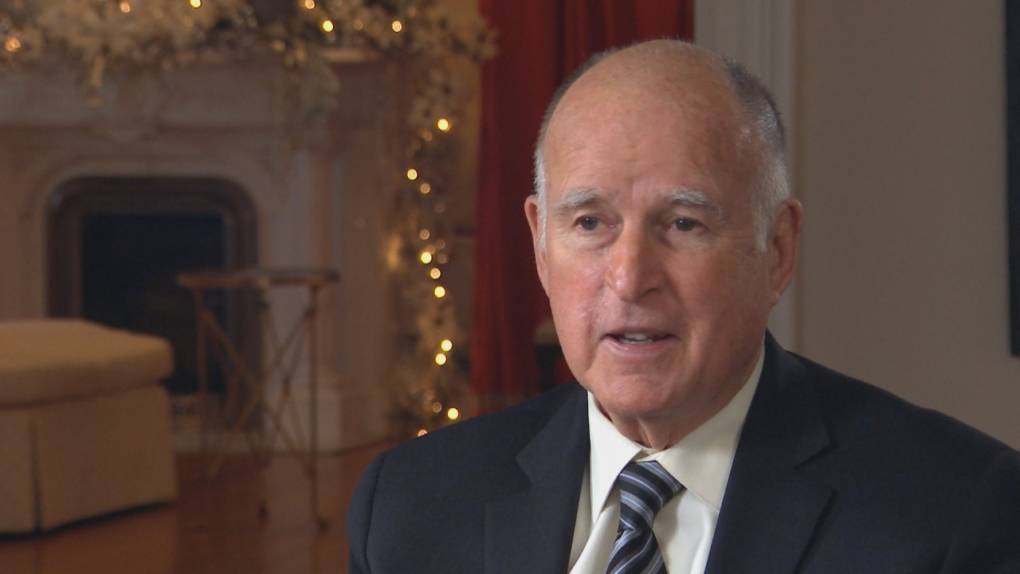
"caption": "Outgoing Governor Jerry Brown sits for a TV interview with KQED television at the governor's mansion in Sacramento. (Tuesday, December 18, 2018)",
"description": null,
"title": "GovJerryBrown-ExitInterview",
"credit": null,
"status": "inherit",
"isLoading": false,
"fetchFailed": false
},
"futureofyou_274615": {
"type": "attachments",
"id": "futureofyou_274615",
"meta": {
"index": "attachments_1716263798",
"site": "futureofyou",
"id": "274615",
"found": true
},
"parent": 274449,
"imgSizes": {
"small": {
"file": "https://ww2.kqed.org/app/uploads/sites/13/2016/11/computerdoc-520x347.png",
"width": 520,
"mimeType": "image/png",
"height": 347
},
"twentyfourteen-full-width": {
"file": "https://ww2.kqed.org/app/uploads/sites/13/2016/11/computerdoc-1038x576.png",
"width": 1038,
"mimeType": "image/png",
"height": 576
},
"thumbnail": {
"file": "https://ww2.kqed.org/app/uploads/sites/13/2016/11/computerdoc-160x107.png",
"width": 160,
"mimeType": "image/png",
"height": 107
},
"fd-sm": {
"file": "https://ww2.kqed.org/app/uploads/sites/13/2016/11/computerdoc-960x640.png",
"width": 960,
"mimeType": "image/png",
"height": 640
},
"post-thumbnail": {
"file": "https://ww2.kqed.org/app/uploads/sites/13/2016/11/computerdoc-672x372.png",
"width": 672,
"mimeType": "image/png",
"height": 372
},
"xsmall": {
"file": "https://ww2.kqed.org/app/uploads/sites/13/2016/11/computerdoc-375x250.png",
"width": 375,
"mimeType": "image/png",
"height": 250
},
"kqedFullSize": {
"file": "https://ww2.kqed.org/app/uploads/sites/13/2016/11/computerdoc.png",
"width": 1920,
"height": 1280
},
"large": {
"file": "https://ww2.kqed.org/app/uploads/sites/13/2016/11/computerdoc-1020x680.png",
"width": 1020,
"mimeType": "image/png",
"height": 680
},
"xlarge": {
"file": "https://ww2.kqed.org/app/uploads/sites/13/2016/11/computerdoc-1180x787.png",
"width": 1180,
"mimeType": "image/png",
"height": 787
},
"guest-author-50": {
"file": "https://ww2.kqed.org/app/uploads/sites/13/2016/11/computerdoc-50x50.png",
"width": 50,
"mimeType": "image/png",
"height": 50
},
"guest-author-96": {
"file": "https://ww2.kqed.org/app/uploads/sites/13/2016/11/computerdoc-96x96.png",
"width": 96,
"mimeType": "image/png",
"height": 96
},
"medium": {
"file": "https://ww2.kqed.org/app/uploads/sites/13/2016/11/computerdoc-800x533.png",
"width": 800,
"mimeType": "image/png",
"height": 533
},
"guest-author-64": {
"file": "https://ww2.kqed.org/app/uploads/sites/13/2016/11/computerdoc-64x64.png",
"width": 64,
"mimeType": "image/png",
"height": 64
},
"guest-author-32": {
"file": "https://ww2.kqed.org/app/uploads/sites/13/2016/11/computerdoc-32x32.png",
"width": 32,
"mimeType": "image/png",
"height": 32
},
"fd-lrg": {
"file": "https://ww2.kqed.org/app/uploads/sites/13/2016/11/computerdoc-1920x1280.png",
"width": 1920,
"mimeType": "image/png",
"height": 1280
},
"fd-med": {
"file": "https://ww2.kqed.org/app/uploads/sites/13/2016/11/computerdoc-1180x787.png",
"width": 1180,
"mimeType": "image/png",
"height": 787
},
"full-width": {
"file": "https://ww2.kqed.org/app/uploads/sites/13/2016/11/computerdoc-1920x1280.png",
"width": 1920,
"mimeType": "image/png",
"height": 1280
},
"detail": {
"file": "https://ww2.kqed.org/app/uploads/sites/13/2016/11/computerdoc-150x150.png",
"width": 150,
"mimeType": "image/png",
"height": 150
},
"medium_large": {
"file": "https://ww2.kqed.org/app/uploads/sites/13/2016/11/computerdoc-768x512.png",
"width": 768,
"mimeType": "image/png",
"height": 512
},
"guest-author-128": {
"file": "https://ww2.kqed.org/app/uploads/sites/13/2016/11/computerdoc-128x128.png",
"width": 128,
"mimeType": "image/png",
"height": 128
},
"xxsmall": {
"file": "https://ww2.kqed.org/app/uploads/sites/13/2016/11/computerdoc-240x160.png",
"width": 240,
"mimeType": "image/png",
"height": 160
}
},
"publishDate": 1478041895,
"modified": 1517014076,
"caption": null,
"description": null,
"title": "computerdoc",
"credit": "Illustration by Teodros Hailye/KQED",
"status": "inherit",
"isLoading": false,
"fetchFailed": false
},
"news_11713762": {
"type": "attachments",
"id": "news_11713762",
"meta": {
"index": "attachments_1716263798",
"site": "news",
"id": "11713762",
"found": true
},
"parent": 11713735,
"imgSizes": {
"twentyfourteen-full-width": {
"file": "https://ww2.kqed.org/app/uploads/sites/10/2018/12/response_121918_final-1038x576.jpg",
"width": 1038,
"mimeType": "image/jpeg",
"height": 576
},
"thumbnail": {
"file": "https://ww2.kqed.org/app/uploads/sites/10/2018/12/response_121918_final-160x100.jpg",
"width": 160,
"mimeType": "image/jpeg",
"height": 100
},
"post-thumbnail": {
"file": "https://ww2.kqed.org/app/uploads/sites/10/2018/12/response_121918_final-672x372.jpg",
"width": 672,
"mimeType": "image/jpeg",
"height": 372
},
"kqedFullSize": {
"file": "https://ww2.kqed.org/app/uploads/sites/10/2018/12/response_121918_final.jpg",
"width": 1920,
"height": 1202
},
"large": {
"file": "https://ww2.kqed.org/app/uploads/sites/10/2018/12/response_121918_final-1020x639.jpg",
"width": 1020,
"mimeType": "image/jpeg",
"height": 639
},
"complete_open_graph": {
"file": "https://ww2.kqed.org/app/uploads/sites/10/2018/12/response_121918_final-1200x751.jpg",
"width": 1200,
"mimeType": "image/jpeg",
"height": 751
},
"guest-author-50": {
"file": "https://ww2.kqed.org/app/uploads/sites/10/2018/12/response_121918_final-50x50.jpg",
"width": 50,
"mimeType": "image/jpeg",
"height": 50
},
"guest-author-96": {
"file": "https://ww2.kqed.org/app/uploads/sites/10/2018/12/response_121918_final-96x96.jpg",
"width": 96,
"mimeType": "image/jpeg",
"height": 96
},
"medium": {
"file": "https://ww2.kqed.org/app/uploads/sites/10/2018/12/response_121918_final-800x501.jpg",
"width": 800,
"mimeType": "image/jpeg",
"height": 501
},
"guest-author-64": {
"file": "https://ww2.kqed.org/app/uploads/sites/10/2018/12/response_121918_final-64x64.jpg",
"width": 64,
"mimeType": "image/jpeg",
"height": 64
},
"guest-author-32": {
"file": "https://ww2.kqed.org/app/uploads/sites/10/2018/12/response_121918_final-32x32.jpg",
"width": 32,
"mimeType": "image/jpeg",
"height": 32
},
"full-width": {
"file": "https://ww2.kqed.org/app/uploads/sites/10/2018/12/response_121918_final-1920x1202.jpg",
"width": 1920,
"mimeType": "image/jpeg",
"height": 1202
},
"detail": {
"file": "https://ww2.kqed.org/app/uploads/sites/10/2018/12/response_121918_final-150x150.jpg",
"width": 150,
"mimeType": "image/jpeg",
"height": 150
},
"guest-author-128": {
"file": "https://ww2.kqed.org/app/uploads/sites/10/2018/12/response_121918_final-128x128.jpg",
"width": 128,
"mimeType": "image/jpeg",
"height": 128
}
},
"publishDate": 1545260837,
"modified": 1545260855,
"caption": null,
"description": null,
"title": "response_121918_final",
"credit": null,
"status": "inherit",
"isLoading": false,
"fetchFailed": false
},
"news_11668768": {
"type": "attachments",
"id": "news_11668768",
"meta": {
"index": "attachments_1716263798",
"site": "news",
"id": "11668768",
"found": true
},
"parent": 11668494,
"imgSizes": {
"small": {
"file": "https://ww2.kqed.org/app/uploads/sites/10/2018/05/facebook-1920z-520x347.jpg",
"width": 520,
"mimeType": "image/jpeg",
"height": 347
},
"twentyfourteen-full-width": {
"file": "https://ww2.kqed.org/app/uploads/sites/10/2018/05/facebook-1920z-1038x576.jpg",
"width": 1038,
"mimeType": "image/jpeg",
"height": 576
},
"thumbnail": {
"file": "https://ww2.kqed.org/app/uploads/sites/10/2018/05/facebook-1920z-160x107.jpg",
"width": 160,
"mimeType": "image/jpeg",
"height": 107
},
"fd-sm": {
"file": "https://ww2.kqed.org/app/uploads/sites/10/2018/05/facebook-1920z-960x640.jpg",
"width": 960,
"mimeType": "image/jpeg",
"height": 640
},
"post-thumbnail": {
"file": "https://ww2.kqed.org/app/uploads/sites/10/2018/05/facebook-1920z-672x372.jpg",
"width": 672,
"mimeType": "image/jpeg",
"height": 372
},
"xsmall": {
"file": "https://ww2.kqed.org/app/uploads/sites/10/2018/05/facebook-1920z-375x250.jpg",
"width": 375,
"mimeType": "image/jpeg",
"height": 250
},
"kqedFullSize": {
"file": "https://ww2.kqed.org/app/uploads/sites/10/2018/05/facebook-1920z.jpg",
"width": 1920,
"height": 1280
},
"large": {
"file": "https://ww2.kqed.org/app/uploads/sites/10/2018/05/facebook-1920z-1020x680.jpg",
"width": 1020,
"mimeType": "image/jpeg",
"height": 680
},
"xlarge": {
"file": "https://ww2.kqed.org/app/uploads/sites/10/2018/05/facebook-1920z-1180x787.jpg",
"width": 1180,
"mimeType": "image/jpeg",
"height": 787
},
"complete_open_graph": {
"file": "https://ww2.kqed.org/app/uploads/sites/10/2018/05/facebook-1920z-1200x800.jpg",
"width": 1200,
"mimeType": "image/jpeg",
"height": 800
},
"guest-author-50": {
"file": "https://ww2.kqed.org/app/uploads/sites/10/2018/05/facebook-1920z-50x50.jpg",
"width": 50,
"mimeType": "image/jpeg",
"height": 50
},
"guest-author-96": {
"file": "https://ww2.kqed.org/app/uploads/sites/10/2018/05/facebook-1920z-96x96.jpg",
"width": 96,
"mimeType": "image/jpeg",
"height": 96
},
"medium": {
"file": "https://ww2.kqed.org/app/uploads/sites/10/2018/05/facebook-1920z-800x533.jpg",
"width": 800,
"mimeType": "image/jpeg",
"height": 533
},
"guest-author-64": {
"file": "https://ww2.kqed.org/app/uploads/sites/10/2018/05/facebook-1920z-64x64.jpg",
"width": 64,
"mimeType": "image/jpeg",
"height": 64
},
"guest-author-32": {
"file": "https://ww2.kqed.org/app/uploads/sites/10/2018/05/facebook-1920z-32x32.jpg",
"width": 32,
"mimeType": "image/jpeg",
"height": 32
},
"fd-lrg": {
"file": "https://ww2.kqed.org/app/uploads/sites/10/2018/05/facebook-1920z-1920x1280.jpg",
"width": 1920,
"mimeType": "image/jpeg",
"height": 1280
},
"fd-med": {
"file": "https://ww2.kqed.org/app/uploads/sites/10/2018/05/facebook-1920z-1180x787.jpg",
"width": 1180,
"mimeType": "image/jpeg",
"height": 787
},
"full-width": {
"file": "https://ww2.kqed.org/app/uploads/sites/10/2018/05/facebook-1920z-1920x1280.jpg",
"width": 1920,
"mimeType": "image/jpeg",
"height": 1280
},
"detail": {
"file": "https://ww2.kqed.org/app/uploads/sites/10/2018/05/facebook-1920z-150x150.jpg",
"width": 150,
"mimeType": "image/jpeg",
"height": 150
},
"guest-author-128": {
"file": "https://ww2.kqed.org/app/uploads/sites/10/2018/05/facebook-1920z-128x128.jpg",
"width": 128,
"mimeType": "image/jpeg",
"height": 128
},
"xxsmall": {
"file": "https://ww2.kqed.org/app/uploads/sites/10/2018/05/facebook-1920z-240x160.jpg",
"width": 240,
"mimeType": "image/jpeg",
"height": 160
}
},
"publishDate": 1526514225,
"modified": 1545178815,
"caption": "Facebook logos are pictured on the screens of a smartphone (R) and a laptop computer in Central London on Nov. 21, 2016.",
"description": null,
"title": "facebook-1920z",
"credit": "Justin Tallis/AFP/Getty Images",
"status": "inherit",
"isLoading": false,
"fetchFailed": false
},
"news_11713167": {
"type": "attachments",
"id": "news_11713167",
"meta": {
"index": "attachments_1716263798",
"site": "news",
"id": "11713167",
"found": true
},
"parent": 11713113,
"imgSizes": {
"twentyfourteen-full-width": {
"file": "https://ww2.kqed.org/app/uploads/sites/10/2018/12/Shipt-Image-12-1038x576.jpg",
"width": 1038,
"mimeType": "image/jpeg",
"height": 576
},
"thumbnail": {
"file": "https://ww2.kqed.org/app/uploads/sites/10/2018/12/Shipt-Image-12-160x108.jpg",
"width": 160,
"mimeType": "image/jpeg",
"height": 108
},
"post-thumbnail": {
"file": "https://ww2.kqed.org/app/uploads/sites/10/2018/12/Shipt-Image-12-672x372.jpg",
"width": 672,
"mimeType": "image/jpeg",
"height": 372
},
"kqedFullSize": {
"file": "https://ww2.kqed.org/app/uploads/sites/10/2018/12/Shipt-Image-12.jpg",
"width": 3000,
"height": 2023
},
"large": {
"file": "https://ww2.kqed.org/app/uploads/sites/10/2018/12/Shipt-Image-12-1020x688.jpg",
"width": 1020,
"mimeType": "image/jpeg",
"height": 688
},
"complete_open_graph": {
"file": "https://ww2.kqed.org/app/uploads/sites/10/2018/12/Shipt-Image-12-1200x809.jpg",
"width": 1200,
"mimeType": "image/jpeg",
"height": 809
},
"guest-author-50": {
"file": "https://ww2.kqed.org/app/uploads/sites/10/2018/12/Shipt-Image-12-50x50.jpg",
"width": 50,
"mimeType": "image/jpeg",
"height": 50
},
"guest-author-96": {
"file": "https://ww2.kqed.org/app/uploads/sites/10/2018/12/Shipt-Image-12-96x96.jpg",
"width": 96,
"mimeType": "image/jpeg",
"height": 96
},
"medium": {
"file": "https://ww2.kqed.org/app/uploads/sites/10/2018/12/Shipt-Image-12-800x539.jpg",
"width": 800,
"mimeType": "image/jpeg",
"height": 539
},
"guest-author-64": {
"file": "https://ww2.kqed.org/app/uploads/sites/10/2018/12/Shipt-Image-12-64x64.jpg",
"width": 64,
"mimeType": "image/jpeg",
"height": 64
},
"guest-author-32": {
"file": "https://ww2.kqed.org/app/uploads/sites/10/2018/12/Shipt-Image-12-32x32.jpg",
"width": 32,
"mimeType": "image/jpeg",
"height": 32
},
"full-width": {
"file": "https://ww2.kqed.org/app/uploads/sites/10/2018/12/Shipt-Image-12-1920x1295.jpg",
"width": 1920,
"mimeType": "image/jpeg",
"height": 1295
},
"detail": {
"file": "https://ww2.kqed.org/app/uploads/sites/10/2018/12/Shipt-Image-12-150x150.jpg",
"width": 150,
"mimeType": "image/jpeg",
"height": 150
},
"guest-author-128": {
"file": "https://ww2.kqed.org/app/uploads/sites/10/2018/12/Shipt-Image-12-128x128.jpg",
"width": 128,
"mimeType": "image/jpeg",
"height": 128
}
},
"publishDate": 1545083763,
"modified": 1545096367,
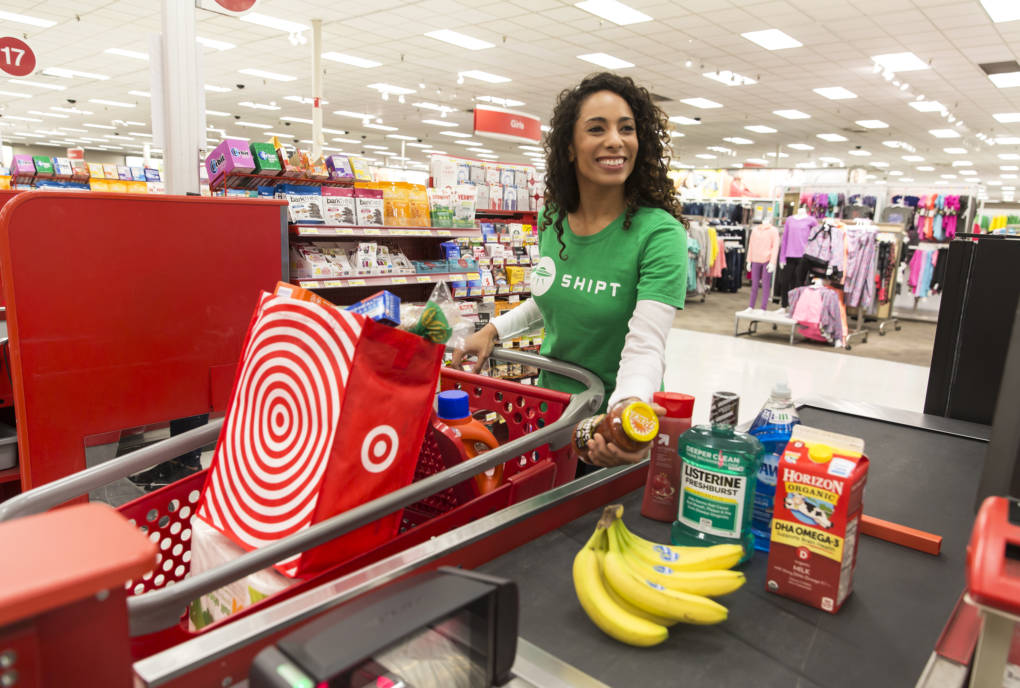
"caption": "Shipt, a company owned by Target, is the latest of several companies to offer delivery service.",
"description": null,
"title": "Shipt-Image-12",
"credit": "Courtesy of Shipt",
"status": "inherit",
"isLoading": false,
"fetchFailed": false
},
"news_11713185": {
"type": "attachments",
"id": "news_11713185",
"meta": {
"index": "attachments_1716263798",
"site": "news",
"id": "11713185",
"found": true
},
"parent": 11713180,
"imgSizes": {
"twentyfourteen-full-width": {
"file": "https://ww2.kqed.org/app/uploads/sites/10/2018/12/techview_121718_final-1038x576.jpg",
"width": 1038,
"mimeType": "image/jpeg",
"height": 576
},
"thumbnail": {
"file": "https://ww2.kqed.org/app/uploads/sites/10/2018/12/techview_121718_final-160x110.jpg",
"width": 160,
"mimeType": "image/jpeg",
"height": 110
},
"post-thumbnail": {
"file": "https://ww2.kqed.org/app/uploads/sites/10/2018/12/techview_121718_final-672x372.jpg",
"width": 672,
"mimeType": "image/jpeg",
"height": 372
},
"kqedFullSize": {
"file": "https://ww2.kqed.org/app/uploads/sites/10/2018/12/techview_121718_final.jpg",
"width": 1920,
"height": 1324
},
"large": {
"file": "https://ww2.kqed.org/app/uploads/sites/10/2018/12/techview_121718_final-1020x703.jpg",
"width": 1020,
"mimeType": "image/jpeg",
"height": 703
},
"complete_open_graph": {
"file": "https://ww2.kqed.org/app/uploads/sites/10/2018/12/techview_121718_final-1200x828.jpg",
"width": 1200,
"mimeType": "image/jpeg",
"height": 828
},
"guest-author-50": {
"file": "https://ww2.kqed.org/app/uploads/sites/10/2018/12/techview_121718_final-50x50.jpg",
"width": 50,
"mimeType": "image/jpeg",
"height": 50
},
"guest-author-96": {
"file": "https://ww2.kqed.org/app/uploads/sites/10/2018/12/techview_121718_final-96x96.jpg",
"width": 96,
"mimeType": "image/jpeg",
"height": 96
},
"medium": {
"file": "https://ww2.kqed.org/app/uploads/sites/10/2018/12/techview_121718_final-800x552.jpg",
"width": 800,
"mimeType": "image/jpeg",
"height": 552
},
"guest-author-64": {
"file": "https://ww2.kqed.org/app/uploads/sites/10/2018/12/techview_121718_final-64x64.jpg",
"width": 64,
"mimeType": "image/jpeg",
"height": 64
},
"guest-author-32": {
"file": "https://ww2.kqed.org/app/uploads/sites/10/2018/12/techview_121718_final-32x32.jpg",
"width": 32,
"mimeType": "image/jpeg",
"height": 32
},
"full-width": {
"file": "https://ww2.kqed.org/app/uploads/sites/10/2018/12/techview_121718_final-1920x1324.jpg",
"width": 1920,
"mimeType": "image/jpeg",
"height": 1324
},
"detail": {
"file": "https://ww2.kqed.org/app/uploads/sites/10/2018/12/techview_121718_final-150x150.jpg",
"width": 150,
"mimeType": "image/jpeg",
"height": 150
},
"guest-author-128": {
"file": "https://ww2.kqed.org/app/uploads/sites/10/2018/12/techview_121718_final-128x128.jpg",
"width": 128,
"mimeType": "image/jpeg",
"height": 128
}
},
"publishDate": 1545087087,
"modified": 1545087108,
"caption": null,
"description": null,
"title": "techview_121718_final",
"credit": null,
"status": "inherit",
"isLoading": false,
"fetchFailed": false
},
"news_11713073": {
"type": "attachments",
"id": "news_11713073",
"meta": {
"index": "attachments_1716263798",
"site": "news",
"id": "11713073",
"found": true
},
"parent": 11713070,
"imgSizes": {
"twentyfourteen-full-width": {
"file": "https://ww2.kqed.org/app/uploads/sites/10/2018/12/Google-e1545067448317-1038x576.jpg",
"width": 1038,
"mimeType": "image/jpeg",
"height": 576
},
"thumbnail": {
"file": "https://ww2.kqed.org/app/uploads/sites/10/2018/12/Google-e1545067448317-160x107.jpg",
"width": 160,
"mimeType": "image/jpeg",
"height": 107
},
"post-thumbnail": {
"file": "https://ww2.kqed.org/app/uploads/sites/10/2018/12/Google-e1545067448317-672x372.jpg",
"width": 672,
"mimeType": "image/jpeg",
"height": 372
},
"kqedFullSize": {
"file": "https://ww2.kqed.org/app/uploads/sites/10/2018/12/Google-e1545067448317.jpg",
"width": 1920,
"height": 1280
},
"large": {
"file": "https://ww2.kqed.org/app/uploads/sites/10/2018/12/Google-e1545067448317-1020x680.jpg",
"width": 1020,
"mimeType": "image/jpeg",
"height": 680
},
"complete_open_graph": {
"file": "https://ww2.kqed.org/app/uploads/sites/10/2018/12/Google-e1545067448317-1200x800.jpg",
"width": 1200,
"mimeType": "image/jpeg",
"height": 800
},
"guest-author-50": {
"file": "https://ww2.kqed.org/app/uploads/sites/10/2018/12/Google-e1545067448317-50x50.jpg",
"width": 50,
"mimeType": "image/jpeg",
"height": 50
},
"guest-author-96": {
"file": "https://ww2.kqed.org/app/uploads/sites/10/2018/12/Google-e1545067448317-96x96.jpg",
"width": 96,
"mimeType": "image/jpeg",
"height": 96
},
"medium": {
"file": "https://ww2.kqed.org/app/uploads/sites/10/2018/12/Google-e1545067448317-800x533.jpg",
"width": 800,
"mimeType": "image/jpeg",
"height": 533
},
"guest-author-64": {
"file": "https://ww2.kqed.org/app/uploads/sites/10/2018/12/Google-e1545067448317-64x64.jpg",
"width": 64,
"mimeType": "image/jpeg",
"height": 64
},
"guest-author-32": {
"file": "https://ww2.kqed.org/app/uploads/sites/10/2018/12/Google-e1545067448317-32x32.jpg",
"width": 32,
"mimeType": "image/jpeg",
"height": 32
},
"full-width": {
"file": "https://ww2.kqed.org/app/uploads/sites/10/2018/12/Google-e1545067448317-1920x1280.jpg",
"width": 1920,
"mimeType": "image/jpeg",
"height": 1280
},
"detail": {
"file": "https://ww2.kqed.org/app/uploads/sites/10/2018/12/Google-e1545067448317-150x150.jpg",
"width": 150,
"mimeType": "image/jpeg",
"height": 150
},
"guest-author-128": {
"file": "https://ww2.kqed.org/app/uploads/sites/10/2018/12/Google-e1545067448317-128x128.jpg",
"width": 128,
"mimeType": "image/jpeg",
"height": 128
}
},
"publishDate": 1545067374,
"modified": 1545084772,
"caption": "A pedestrian passes by 345 Hudson St., where Google plans to lease office space, in the Hudson Square neighborhood in Lower Manhattan, on Dec. 17, 2018. ",
"description": "A pedestrian passes by 345 Hudson Street, where Google plans to lease office space, in the Hudson Square neighborhood in Lower Manhattan, December 17, 2018 in New York City. Google announced on Monday that it will invest more than $1 billion in a new campus in New York City. The 1.7 million-square-foot campus will be called Google Hudson Square and the company plans to start moving into the buildings by 2020. ",
"title": "Google Announces Major Expansion In New York, Doubling Workforce To 14,000",
"credit": "Drew Angerer/Getty Images",
"status": "inherit",
"isLoading": false,
"fetchFailed": false
},
"news_11712795": {
"type": "attachments",
"id": "news_11712795",
"meta": {
"index": "attachments_1716263798",
"site": "news",
"id": "11712795",
"found": true
},
"parent": 11712792,
"imgSizes": {
"twentyfourteen-full-width": {
"file": "https://ww2.kqed.org/app/uploads/sites/10/2018/12/NR610_MARQUEE-1038x576.jpg",
"width": 1038,
"mimeType": "image/jpeg",
"height": 576
},
"thumbnail": {
"file": "https://ww2.kqed.org/app/uploads/sites/10/2018/12/NR610_MARQUEE-160x90.jpg",
"width": 160,
"mimeType": "image/jpeg",
"height": 90
},
"post-thumbnail": {
"file": "https://ww2.kqed.org/app/uploads/sites/10/2018/12/NR610_MARQUEE-672x372.jpg",
"width": 672,
"mimeType": "image/jpeg",
"height": 372
},
"kqedFullSize": {
"file": "https://ww2.kqed.org/app/uploads/sites/10/2018/12/NR610_MARQUEE.jpg",
"width": 1280,
"height": 720
},
"large": {
"file": "https://ww2.kqed.org/app/uploads/sites/10/2018/12/NR610_MARQUEE-1020x574.jpg",
"width": 1020,
"mimeType": "image/jpeg",
"height": 574
},
"complete_open_graph": {
"file": "https://ww2.kqed.org/app/uploads/sites/10/2018/12/NR610_MARQUEE-1200x675.jpg",
"width": 1200,
"mimeType": "image/jpeg",
"height": 675
},
"guest-author-50": {
"file": "https://ww2.kqed.org/app/uploads/sites/10/2018/12/NR610_MARQUEE-50x50.jpg",
"width": 50,
"mimeType": "image/jpeg",
"height": 50
},
"guest-author-96": {
"file": "https://ww2.kqed.org/app/uploads/sites/10/2018/12/NR610_MARQUEE-96x96.jpg",
"width": 96,
"mimeType": "image/jpeg",
"height": 96
},
"medium": {
"file": "https://ww2.kqed.org/app/uploads/sites/10/2018/12/NR610_MARQUEE-800x450.jpg",
"width": 800,
"mimeType": "image/jpeg",
"height": 450
},
"guest-author-64": {
"file": "https://ww2.kqed.org/app/uploads/sites/10/2018/12/NR610_MARQUEE-64x64.jpg",
"width": 64,
"mimeType": "image/jpeg",
"height": 64
},
"guest-author-32": {
"file": "https://ww2.kqed.org/app/uploads/sites/10/2018/12/NR610_MARQUEE-32x32.jpg",
"width": 32,
"mimeType": "image/jpeg",
"height": 32
},
"detail": {
"file": "https://ww2.kqed.org/app/uploads/sites/10/2018/12/NR610_MARQUEE-150x150.jpg",
"width": 150,
"mimeType": "image/jpeg",
"height": 150
},
"guest-author-128": {
"file": "https://ww2.kqed.org/app/uploads/sites/10/2018/12/NR610_MARQUEE-128x128.jpg",
"width": 128,
"mimeType": "image/jpeg",
"height": 128
}
},
"publishDate": 1544835302,
"modified": 1544835302,
"caption": null,
"description": null,
"title": "NR610_MARQUEE",
"credit": null,
"status": "inherit",
"isLoading": false,
"fetchFailed": false
},
"news_11712379": {
"type": "attachments",
"id": "news_11712379",
"meta": {
"index": "attachments_1716263798",
"site": "news",
"id": "11712379",
"found": true
},
"parent": 11712364,
"imgSizes": {
"twentyfourteen-full-width": {
"file": "https://ww2.kqed.org/app/uploads/sites/10/2018/12/textingtax_121318_final-1038x576.jpg",
"width": 1038,
"mimeType": "image/jpeg",
"height": 576
},
"thumbnail": {
"file": "https://ww2.kqed.org/app/uploads/sites/10/2018/12/textingtax_121318_final-160x101.jpg",
"width": 160,
"mimeType": "image/jpeg",
"height": 101
},
"post-thumbnail": {
"file": "https://ww2.kqed.org/app/uploads/sites/10/2018/12/textingtax_121318_final-672x372.jpg",
"width": 672,
"mimeType": "image/jpeg",
"height": 372
},
"kqedFullSize": {
"file": "https://ww2.kqed.org/app/uploads/sites/10/2018/12/textingtax_121318_final.jpg",
"width": 1920,
"height": 1216
},
"large": {
"file": "https://ww2.kqed.org/app/uploads/sites/10/2018/12/textingtax_121318_final-1020x646.jpg",
"width": 1020,
"mimeType": "image/jpeg",
"height": 646
},
"complete_open_graph": {
"file": "https://ww2.kqed.org/app/uploads/sites/10/2018/12/textingtax_121318_final-1200x760.jpg",
"width": 1200,
"mimeType": "image/jpeg",
"height": 760
},
"guest-author-50": {
"file": "https://ww2.kqed.org/app/uploads/sites/10/2018/12/textingtax_121318_final-50x50.jpg",
"width": 50,
"mimeType": "image/jpeg",
"height": 50
},
"guest-author-96": {
"file": "https://ww2.kqed.org/app/uploads/sites/10/2018/12/textingtax_121318_final-96x96.jpg",
"width": 96,
"mimeType": "image/jpeg",
"height": 96
},
"medium": {
"file": "https://ww2.kqed.org/app/uploads/sites/10/2018/12/textingtax_121318_final-800x507.jpg",
"width": 800,
"mimeType": "image/jpeg",
"height": 507
},
"guest-author-64": {
"file": "https://ww2.kqed.org/app/uploads/sites/10/2018/12/textingtax_121318_final-64x64.jpg",
"width": 64,
"mimeType": "image/jpeg",
"height": 64
},
"guest-author-32": {
"file": "https://ww2.kqed.org/app/uploads/sites/10/2018/12/textingtax_121318_final-32x32.jpg",
"width": 32,
"mimeType": "image/jpeg",
"height": 32
},
"full-width": {
"file": "https://ww2.kqed.org/app/uploads/sites/10/2018/12/textingtax_121318_final-1920x1216.jpg",
"width": 1920,
"mimeType": "image/jpeg",
"height": 1216
},
"detail": {
"file": "https://ww2.kqed.org/app/uploads/sites/10/2018/12/textingtax_121318_final-150x150.jpg",
"width": 150,
"mimeType": "image/jpeg",
"height": 150
},
"guest-author-128": {
"file": "https://ww2.kqed.org/app/uploads/sites/10/2018/12/textingtax_121318_final-128x128.jpg",
"width": 128,
"mimeType": "image/jpeg",
"height": 128
}
},
"publishDate": 1544744088,
"modified": 1544744109,
"caption": null,
"description": null,
"title": "textingtax_121318_final",
"credit": null,
"status": "inherit",
"isLoading": false,
"fetchFailed": false
},
"news_11712294": {
"type": "attachments",
"id": "news_11712294",
"meta": {
"index": "attachments_1716263798",
"site": "news",
"id": "11712294",
"found": true
},
"parent": 11712288,
"imgSizes": {
"twentyfourteen-full-width": {
"file": "https://ww2.kqed.org/app/uploads/sites/10/2018/12/RS514_smartphones062311-KIMIHIRO-HOSHINO_AFP_Getty-Imag-e1544735005926-1038x576.jpg",
"width": 1038,
"mimeType": "image/jpeg",
"height": 576
},
"thumbnail": {
"file": "https://ww2.kqed.org/app/uploads/sites/10/2018/12/RS514_smartphones062311-KIMIHIRO-HOSHINO_AFP_Getty-Imag-e1544735005926-160x109.jpg",
"width": 160,
"mimeType": "image/jpeg",
"height": 109
},
"post-thumbnail": {
"file": "https://ww2.kqed.org/app/uploads/sites/10/2018/12/RS514_smartphones062311-KIMIHIRO-HOSHINO_AFP_Getty-Imag-e1544735005926-672x372.jpg",
"width": 672,
"mimeType": "image/jpeg",
"height": 372
},
"kqedFullSize": {
"file": "https://ww2.kqed.org/app/uploads/sites/10/2018/12/RS514_smartphones062311-KIMIHIRO-HOSHINO_AFP_Getty-Imag-e1544735005926.jpg",
"width": 1920,
"height": 1303
},
"large": {
"file": "https://ww2.kqed.org/app/uploads/sites/10/2018/12/RS514_smartphones062311-KIMIHIRO-HOSHINO_AFP_Getty-Imag-e1544735005926-1020x692.jpg",
"width": 1020,
"mimeType": "image/jpeg",
"height": 692
},
"complete_open_graph": {
"file": "https://ww2.kqed.org/app/uploads/sites/10/2018/12/RS514_smartphones062311-KIMIHIRO-HOSHINO_AFP_Getty-Imag-e1544735005926-1200x814.jpg",
"width": 1200,
"mimeType": "image/jpeg",
"height": 814
},
"guest-author-50": {
"file": "https://ww2.kqed.org/app/uploads/sites/10/2018/12/RS514_smartphones062311-KIMIHIRO-HOSHINO_AFP_Getty-Imag-e1544735005926-50x50.jpg",
"width": 50,
"mimeType": "image/jpeg",
"height": 50
},
"guest-author-96": {
"file": "https://ww2.kqed.org/app/uploads/sites/10/2018/12/RS514_smartphones062311-KIMIHIRO-HOSHINO_AFP_Getty-Imag-e1544735005926-96x96.jpg",
"width": 96,
"mimeType": "image/jpeg",
"height": 96
},
"medium": {
"file": "https://ww2.kqed.org/app/uploads/sites/10/2018/12/RS514_smartphones062311-KIMIHIRO-HOSHINO_AFP_Getty-Imag-e1544735005926-800x543.jpg",
"width": 800,
"mimeType": "image/jpeg",
"height": 543
},
"guest-author-64": {
"file": "https://ww2.kqed.org/app/uploads/sites/10/2018/12/RS514_smartphones062311-KIMIHIRO-HOSHINO_AFP_Getty-Imag-e1544735005926-64x64.jpg",
"width": 64,
"mimeType": "image/jpeg",
"height": 64
},
"guest-author-32": {
"file": "https://ww2.kqed.org/app/uploads/sites/10/2018/12/RS514_smartphones062311-KIMIHIRO-HOSHINO_AFP_Getty-Imag-e1544735005926-32x32.jpg",
"width": 32,
"mimeType": "image/jpeg",
"height": 32
},
"full-width": {
"file": "https://ww2.kqed.org/app/uploads/sites/10/2018/12/RS514_smartphones062311-KIMIHIRO-HOSHINO_AFP_Getty-Imag-e1544735005926-1920x1303.jpg",
"width": 1920,
"mimeType": "image/jpeg",
"height": 1303
},
"detail": {
"file": "https://ww2.kqed.org/app/uploads/sites/10/2018/12/RS514_smartphones062311-KIMIHIRO-HOSHINO_AFP_Getty-Imag-e1544735005926-150x150.jpg",
"width": 150,
"mimeType": "image/jpeg",
"height": 150
},
"guest-author-128": {
"file": "https://ww2.kqed.org/app/uploads/sites/10/2018/12/RS514_smartphones062311-KIMIHIRO-HOSHINO_AFP_Getty-Imag-e1544735005926-128x128.jpg",
"width": 128,
"mimeType": "image/jpeg",
"height": 128
}
},
"publishDate": 1544734873,
"modified": 1544734973,
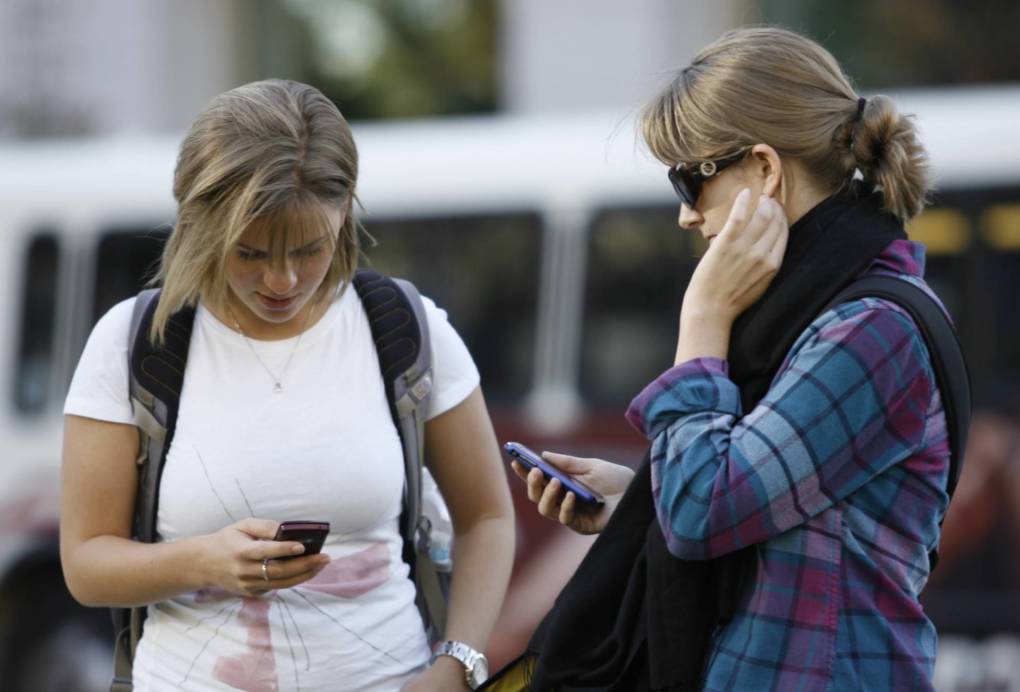
"caption": "People use smart phones on October 28, 2010 in Washington DC. ",
"description": null,
"title": "People use smart phones on October 28, 2",
"credit": "Kimihiro Hoshino/AFP/Getty Images",
"status": "inherit",
"isLoading": false,
"fetchFailed": false
}
},
"audioPlayerReducer": {
"postId": "stream_live",
"isPaused": true,
"isPlaying": false,
"pfsActive": false,
"pledgeModalIsOpen": true,
"playerDrawerIsOpen": false,
"liveAudioPlayStartedAt": 0,
"liveAudioPlayContext": ""
},
"authorsReducer": {
"byline_news_11713070": {
"type": "authors",
"id": "byline_news_11713070",
"meta": {
"override": true
},
"slug": "byline_news_11713070",
"name": "Mae Anderson\u003c/br>Associated Press",
"isLoading": false
},
"jbrooks": {
"type": "authors",
"id": "80",
"meta": {
"index": "authors_1716337520",
"id": "80",
"found": true
},
"name": "Jon Brooks",
"firstName": "Jon",
"lastName": "Brooks",
"slug": "jbrooks",
"email": "jbrooks@kqed.org",
"display_author_email": true,
"staff_mastheads": [
"science"
],
"title": "Digital Editor",
"bio": "Jon Brooks is a former Digital Editor for KQED Science. He is the former editor of KQED’s daily news blog, News Fix. In 2014, he won a California Journalism Award for his coverage of ride services like Uber and Lyft and the taxi industry. A veteran blogger, he previously worked for Yahoo! in various news writing and editing roles. Jon is also a playwright whose work has been produced in San Francisco, New York, Italy, and around the U.S. He has written about film for his own blog and studied film at Boston University.",
"avatar": "https://secure.gravatar.com/avatar/98887f7ed1c876ed414d4c915e969584?s=600&d=blank&r=g",
"twitter": "jbrooksfoy",
"facebook": null,
"instagram": null,
"linkedin": null,
"sites": [
{
"site": "arts",
"roles": [
"Contributor",
"editor"
]
},
{
"site": "news",
"roles": [
"author"
]
},
{
"site": "futureofyou",
"roles": [
"administrator"
]
},
{
"site": "mindshift",
"roles": [
"editor"
]
},
{
"site": "stateofhealth",
"roles": [
"editor"
]
},
{
"site": "science",
"roles": [
"administrator"
]
},
{
"site": "quest",
"roles": [
"editor"
]
}
],
"headData": {
"title": "Jon Brooks | KQED",
"description": "Digital Editor",
"ogImgSrc": "https://secure.gravatar.com/avatar/98887f7ed1c876ed414d4c915e969584?s=600&d=blank&r=g",
"twImgSrc": "https://secure.gravatar.com/avatar/98887f7ed1c876ed414d4c915e969584?s=600&d=blank&r=g"
},
"isLoading": false,
"link": "/author/jbrooks"
},
"kqed": {
"type": "authors",
"id": "236",
"meta": {
"index": "authors_1716337520",
"id": "236",
"found": true
},
"name": "KQED News Staff",
"firstName": "KQED News Staff",
"lastName": null,
"slug": "kqed",
"email": "faq@kqed.org",
"display_author_email": false,
"staff_mastheads": [],
"title": null,
"bio": null,
"avatar": "https://secure.gravatar.com/avatar/ef0e801a68c4c54afa9180db14084167?s=600&d=blank&r=g",
"twitter": null,
"facebook": null,
"instagram": null,
"linkedin": null,
"sites": [
{
"site": "arts",
"roles": [
"contributor"
]
},
{
"site": "news",
"roles": [
"editor"
]
},
{
"site": "futureofyou",
"roles": [
"author"
]
}
],
"headData": {
"title": "KQED News Staff | KQED",
"description": null,
"ogImgSrc": "https://secure.gravatar.com/avatar/ef0e801a68c4c54afa9180db14084167?s=600&d=blank&r=g",
"twImgSrc": "https://secure.gravatar.com/avatar/ef0e801a68c4c54afa9180db14084167?s=600&d=blank&r=g"
},
"isLoading": false,
"link": "/author/kqed"
},
"kqednewsstaffandwires": {
"type": "authors",
"id": "237",
"meta": {
"index": "authors_1716337520",
"id": "237",
"found": true
},
"name": "KQED News Staff and Wires",
"firstName": "KQED News Staff and Wires",
"lastName": null,
"slug": "kqednewsstaffandwires",
"email": "onlinenewsstaff@kqed.org",
"display_author_email": false,
"staff_mastheads": [],
"title": null,
"bio": null,
"avatar": "https://secure.gravatar.com/avatar/72295af8ebbfbd19a4948f5271285664?s=600&d=blank&r=g",
"twitter": null,
"facebook": null,
"instagram": null,
"linkedin": null,
"sites": [
{
"site": "arts",
"roles": [
"contributor"
]
},
{
"site": "news",
"roles": [
"contributor"
]
},
{
"site": "lowdown",
"roles": [
"author"
]
},
{
"site": "stateofhealth",
"roles": [
"contributor"
]
},
{
"site": "food",
"roles": [
"author"
]
}
],
"headData": {
"title": "KQED News Staff and Wires | KQED",
"description": null,
"ogImgSrc": "https://secure.gravatar.com/avatar/72295af8ebbfbd19a4948f5271285664?s=600&d=blank&r=g",
"twImgSrc": "https://secure.gravatar.com/avatar/72295af8ebbfbd19a4948f5271285664?s=600&d=blank&r=g"
},
"isLoading": false,
"link": "/author/kqednewsstaffandwires"
},
"samharnett": {
"type": "authors",
"id": "253",
"meta": {
"index": "authors_1716337520",
"id": "253",
"found": true
},
"name": "Sam Harnett",
"firstName": "Sam",
"lastName": "Harnett",
"slug": "samharnett",
"email": "samharnett@gmail.com",
"display_author_email": false,
"staff_mastheads": [],
"title": "KQED Contributor",
"bio": "Sam Harnett covered tech and work at KQED. He is the co-creator of \u003cem>\u003ca href=\"http://www.theworldaccordingtosound.org\">The World According to Sound\u003c/a>,\u003c/em> a 90-second podcast that features different sounds and the stories behind them.\r\n\r\nBefore coming to KQED, Sam worked as an independent reporter who contributed regularly to \u003cem>The California Report, Marketplace,\u003c/em> \u003cem>The World \u003c/em>and NPR.",
"avatar": "https://secure.gravatar.com/avatar/2538b972ac02f2b9546c7a6c59a0f3d0?s=600&d=blank&r=g",
"twitter": "Samwharnett",
"facebook": null,
"instagram": null,
"linkedin": null,
"sites": [
{
"site": "news",
"roles": [
"edit_others_posts",
"subscriber"
]
},
{
"site": "stateofhealth",
"roles": [
"author"
]
},
{
"site": "science",
"roles": [
"editor"
]
},
{
"site": "quest",
"roles": [
"subscriber"
]
}
],
"headData": {
"title": "Sam Harnett | KQED",
"description": "KQED Contributor",
"ogImgSrc": "https://secure.gravatar.com/avatar/2538b972ac02f2b9546c7a6c59a0f3d0?s=600&d=blank&r=g",
"twImgSrc": "https://secure.gravatar.com/avatar/2538b972ac02f2b9546c7a6c59a0f3d0?s=600&d=blank&r=g"
},
"isLoading": false,
"link": "/author/samharnett"
},
"markfiore": {
"type": "authors",
"id": "3236",
"meta": {
"index": "authors_1716337520",
"id": "3236",
"found": true
},
"name": "Mark Fiore",
"firstName": "Mark",
"lastName": "Fiore",
"slug": "markfiore",
"email": "mark@markfiore.com",
"display_author_email": false,
"staff_mastheads": [
"news"
],
"title": "KQED News Cartoonist",
"bio": "\u003ca href=\"http://www.MarkFiore.com\">MarkFiore.com\u003c/a> | \u003ca href=\"https://twitter.com/markfiore\">Follow on Twitter\u003c/a> | \u003ca href=\"https://www.facebook.com/pages/Mark-Fiore-Animated-Political-Cartoons/94451707396?ref=bookmarks\">Facebook\u003c/a> | \u003ca href=\"mailto:mark@markfiore.com\">email\u003c/a>\r\n\r\nPulitzer Prize-winner, Mark Fiore, who the Wall Street Journal has called “the undisputed guru of the form,” creates animated political cartoons in San Francisco, where his work has been featured regularly on the San Francisco Chronicle’s web site, SFGate.com. His work has appeared on Newsweek.com, Slate.com, CBSNews.com, MotherJones.com, DailyKos.com and NPR’s web site. Fiore’s political animation has appeared on CNN, Frontline, Bill Moyers Journal, Salon.com and cable and broadcast outlets across the globe.\r\n\r\nBeginning his professional life by drawing traditional political cartoons for newspapers, Fiore’s work appeared in publications ranging from the Washington Post to the Los Angeles Times. In the late 1990s, he began to experiment with animating political cartoons and, after a short stint at the San Jose Mercury News as their staff cartoonist, Fiore devoted all his energies to animation.\r\nGrowing up in California, Fiore also spent a good portion of his life in the backwoods of Idaho. It was this combination that shaped him politically. Mark majored in political science at Colorado College, where, in a perfect send-off for a cartoonist, he received his diploma in 1991 as commencement speaker Dick Cheney smiled approvingly.\r\nMark Fiore was awarded the Pulitzer Prize for political cartooning in 2010, a Robert F. Kennedy Journalism Award in 2004 and has twice received an Online Journalism Award for commentary from the Online News Association (2002, 2008). Fiore has received two awards for his work in new media from the National Cartoonists Society (2001, 2002), and in 2006 received The James Madison Freedom of Information Award from The Society of Professional Journalists.",
"avatar": "https://secure.gravatar.com/avatar/fc4e2a612b15b67bad0c6f0e1db4ca9b?s=600&d=blank&r=g",
"twitter": "MarkFiore",
"facebook": null,
"instagram": "https://www.instagram.com/markfiore/?hl=en",
"linkedin": null,
"sites": [
{
"site": "arts",
"roles": [
"contributor"
]
},
{
"site": "news",
"roles": [
"editor"
]
},
{
"site": "futureofyou",
"roles": [
"editor"
]
},
{
"site": "science",
"roles": [
"editor"
]
}
],
"headData": {
"title": "Mark Fiore | KQED",
"description": "KQED News Cartoonist",
"ogImgSrc": "https://secure.gravatar.com/avatar/fc4e2a612b15b67bad0c6f0e1db4ca9b?s=600&d=blank&r=g",
"twImgSrc": "https://secure.gravatar.com/avatar/fc4e2a612b15b67bad0c6f0e1db4ca9b?s=600&d=blank&r=g"
},
"isLoading": false,
"link": "/author/markfiore"
},
"tmosley": {
"type": "authors",
"id": "11373",
"meta": {
"index": "authors_1716337520",
"id": "11373",
"found": true
},
"name": "Tonya Mosley",
"firstName": "Tonya",
"lastName": "Mosley",
"slug": "tmosley",
"email": "tmosley@kqed.org",
"display_author_email": false,
"staff_mastheads": [],
"title": "KQED Contributor",
"bio": "Tonya Mosley is a former Silicon Valley bureau chief for KQED. She served as the senior editor, leading a team of journalists covering the impacts of technology companies on the South Bay and society. Tonya is also a former host and reporter for KQED.\r\n\r\nPrior to KQED, Tonya served as a television reporter & anchor for several media outlets, including Al Jazeera America.\r\n\r\nIn 2015, Tonya was awarded a John S. Knight Journalism Fellowship at Stanford University where she co-created a workshop for journalists on the impacts of implicit bias, and co-wrote a Belgian/American experimental study on the effects of protest coverage.\r\n\r\nTonya has won several national awards for her work, most recently an Emmy Award in 2016 for her televised piece \"Beyond Ferguson,\" and a national Edward R. Murrow award for her public radio series \"Black in Seattle.\"\r\n\r\nYou can reach Tonya at: tmosley@kqed.org.",
"avatar": "https://secure.gravatar.com/avatar/0b2ea2bbfed6bafaacd21e9398c68e5e?s=600&d=blank&r=g",
"twitter": "tonyamosley",
"facebook": null,
"instagram": null,
"linkedin": null,
"sites": [
{
"site": "arts",
"roles": [
"editor"
]
},
{
"site": "news",
"roles": [
"subscriber"
]
},
{
"site": "about",
"roles": [
"author"
]
},
{
"site": "forum",
"roles": [
"author"
]
}
],
"headData": {
"title": "Tonya Mosley | KQED",
"description": "KQED Contributor",
"ogImgSrc": "https://secure.gravatar.com/avatar/0b2ea2bbfed6bafaacd21e9398c68e5e?s=600&d=blank&r=g",
"twImgSrc": "https://secure.gravatar.com/avatar/0b2ea2bbfed6bafaacd21e9398c68e5e?s=600&d=blank&r=g"
},
"isLoading": false,
"link": "/author/tmosley"
}
},
"pagesReducer": {
"news_category_technology": {
"type": "terms",
"id": "news_248",
"meta": {
"index": "terms_1716263798",
"site": "news",
"id": "248",
"score": 10.931828
},
"featImg": null,
"name": "Technology",
"description": null,
"taxonomy": "category",
"headData": {
"twImgId": null,
"twTitle": null,
"ogTitle": null,
"ogImgId": null,
"twDescription": null,
"description": null,
"title": "Technology Archives | KQED News",
"ogDescription": null
},
"ttid": 256,
"slug": "technology",
"isLoading": false,
"title": "Technology",
"pageMeta": {
"site": "news",
"WpPageTemplate": "page-topic-editorial",
"currentPage": 77
},
"blocks": [
{
"blockName": "kqed/post-list",
"attrs": {
"layout": "cardArticle2",
"query": "posts/news?category=technology",
"seeMore": false,
"paginated": true,
"page": 77
}
},
{
"blockName": "kqed/ad"
}
]
}
},
"pfsSessionReducer": {},
"postsReducer": {
"stream_live": {
"type": "live",
"id": "stream_live",
"audioUrl": "https://streams.kqed.org/kqedradio",
"title": "Live Stream",
"excerpt": "Live Stream information currently unavailable.",
"link": "/radio",
"featImg": "",
"label": {
"name": "KQED Live",
"link": "/"
}
},
"stream_kqedNewscast": {
"type": "posts",
"id": "stream_kqedNewscast",
"audioUrl": "https://www.kqed.org/.stream/anon/radio/RDnews/newscast.mp3?_=1",
"title": "KQED Newscast",
"featImg": "",
"label": {
"name": "88.5 FM",
"link": "/"
}
},
"news_11714627": {
"type": "posts",
"id": "news_11714627",
"meta": {
"index": "posts_1716263798",
"site": "news",
"id": "11714627",
"score": null,
"sort": [
1545659609000
]
},
"parent": 0,
"labelTerm": {},
"blocks": [],
"publishDate": 1545659609,
"format": "audio",
"disqusTitle": "The Stock Market's Crashing — Blame Silicon Valley",
"title": "The Stock Market's Crashing — Blame Silicon Valley",
"headTitle": "KQED News",
"content": "\u003ch2>A Dour Outlook for Silicon Valley Stocks\u003c/h2>\n\u003cp>Last week was the worst week for the stock market since 2011. This downturn is due to a dour outlook for Silicon Valley companies.\u003cbr>\n\u003cem>Reporter: Lily Jamali\u003c/em>\u003c/p>\n\u003ch2>A Tough Year for Facebook — Will It Be Enough to Make Change?\u003c/h2>\n\u003cp>From explosive reports about privacy concerns to congressional hearings, Facebook has had a tough year. But is there enough consumer pressure to force change in the company?\u003cbr>\n\u003cem>Reporter: Rachael Myrow\u003c/em>\u003c/p>\n\u003ch2>PG&E Restores Power to Nearly Everyone in Camp Fire Footprint\u003c/h2>\n\u003cp>PG&E says it has restored power to nearly everyone in the Camp Fire Footprint, but restoring gas service is a little trickier.\u003c/p>\n\u003cp>[ad fullwidth]\u003c/p>\u003cp>\u003c/p>\n",
"disqusIdentifier": "11714627 https://ww2.kqed.org/news/?p=11714627",
"disqusUrl": "https://ww2.kqed.org/news/2018/12/24/the-stock-markets-crashing-blame-silicon-valley/",
"stats": {
"hasVideo": false,
"hasChartOrMap": false,
"hasAudio": false,
"hasPolis": false,
"wordCount": 115,
"hasGoogleForm": false,
"hasGallery": false,
"hasHearkenModule": false,
"iframeSrcs": [],
"paragraphCount": 5
},
"modified": 1545659609,
"excerpt": null,
"headData": {
"twImgId": "",
"twTitle": "",
"ogTitle": "",
"ogImgId": "",
"twDescription": "",
"description": "A Dour Outlook for Silicon Valley Stocks Last week was the worst week for the stock market since 2011. This downturn is due to a dour outlook for Silicon Valley companies. Reporter: Lily Jamali A Tough Year for Facebook — Will It Be Enough to Make Change? From explosive reports about privacy concerns to congressional",
"title": "The Stock Market's Crashing — Blame Silicon Valley | KQED",
"ogDescription": "",
"schema": {
"@context": "https://schema.org",
"@type": "NewsArticle",
"headline": "The Stock Market's Crashing — Blame Silicon Valley",
"datePublished": "2018-12-24T05:53:29-08:00",
"dateModified": "2018-12-24T05:53:29-08:00",
"image": "https://cdn.kqed.org/wp-content/uploads/2020/02/KQED-OG-Image@1x.png",
"isAccessibleForFree": "True",
"publisher": {
"@type": "NewsMediaOrganization",
"@id": "https://www.kqed.org/#organization",
"name": "KQED",
"logo": "https://cdn.kqed.org/wp-content/uploads/2020/02/KQED-OG-Image@1x.png",
"url": "https://www.kqed.org",
"sameAs": [
"https://www.facebook.com/KQED",
"https://twitter.com/KQED",
"https://www.instagram.com/kqed/",
"https://www.tiktok.com/@kqedofficial",
"https://www.linkedin.com/company/kqed",
"https://www.youtube.com/channel/UCeC0IOo7i1P_61zVUWbJ4nw"
]
}
}
},
"guestAuthors": [],
"slug": "the-stock-markets-crashing-blame-silicon-valley",
"status": "publish",
"sourceUrl": "https://www.kqed.org/news/tag/tcrarchive/",
"audioUrl": "https://www.kqed.org/.stream/anon/radio/tcr/2018/12/TCRAM20181224Updated.mp3",
"audioTrackLength": 464,
"source": "Morning Report",
"path": "/news/11714627/the-stock-markets-crashing-blame-silicon-valley",
"audioDuration": 466000,
"parsedContent": [
{
"type": "contentString",
"content": "\u003cdiv class=\"post-body\">\u003cp>\u003ch2>A Dour Outlook for Silicon Valley Stocks\u003c/h2>\n\u003cp>Last week was the worst week for the stock market since 2011. This downturn is due to a dour outlook for Silicon Valley companies.\u003cbr>\n\u003cem>Reporter: Lily Jamali\u003c/em>\u003c/p>\n\u003ch2>A Tough Year for Facebook — Will It Be Enough to Make Change?\u003c/h2>\n\u003cp>From explosive reports about privacy concerns to congressional hearings, Facebook has had a tough year. But is there enough consumer pressure to force change in the company?\u003cbr>\n\u003cem>Reporter: Rachael Myrow\u003c/em>\u003c/p>\n\u003ch2>PG&E Restores Power to Nearly Everyone in Camp Fire Footprint\u003c/h2>\n\u003cp>PG&E says it has restored power to nearly everyone in the Camp Fire Footprint, but restoring gas service is a little trickier.\u003c/p>\n\u003cp>\u003c/p>\u003c/div>",
"attributes": {
"named": {},
"numeric": []
}
},
{
"type": "component",
"content": "",
"name": "ad",
"attributes": {
"named": {
"label": "fullwidth"
},
"numeric": [
"fullwidth"
]
}
},
{
"type": "contentString",
"content": "\u003cdiv class=\"post-body\">\u003cp>\u003c/p>\u003cp>\u003c/p>\n\u003c/div>\u003c/p>",
"attributes": {
"named": {},
"numeric": []
}
}
],
"link": "/news/11714627/the-stock-markets-crashing-blame-silicon-valley",
"authors": [
"236"
],
"categories": [
"news_1758",
"news_13",
"news_248"
],
"tags": [
"news_21998",
"news_21268"
],
"featImg": "news_11572756",
"label": "source_news_11714627"
},
"news_11714548": {
"type": "posts",
"id": "news_11714548",
"meta": {
"index": "posts_1716263798",
"site": "news",
"id": "11714548",
"score": null,
"sort": [
1545444774000
]
},
"guestAuthors": [],
"slug": "watch-gov-jerry-brown-paula-poundstone-year-in-review",
"title": "WATCH: Gov. Jerry Brown, Paula Poundstone, Year in Review",
"publishDate": 1545444774,
"format": "video",
"headTitle": "WATCH: Gov. Jerry Brown, Paula Poundstone, Year in Review | KQED",
"labelTerm": {
"term": 7052,
"site": "news"
},
"content": "\u003cp>\u003ca href=\"https://www.kqed.org/news/program/kqed-newsroom/\">\u003cspan style=\"font-weight: 400\">KQED Newsroom\u003c/span>\u003c/a>\u003c/p>\n\u003cp>\u003cspan style=\"font-weight: 400\">Friday, Dec. 21, 2018\u003c/span>\u003c/p>\n\u003cp>\u003cspan style=\"font-weight: 400\">7 p.m. on Channel 9\u003c/span>\u003c/p>\n\u003cp> \u003c/p>\n\u003cp>\u003cb>Gov. Jerry Brown\u003c/b>\u003c/p>\n\u003cp>[ad fullwidth]\u003c/p>\n\u003cp>\u003cspan style=\"font-weight: 400\">Jerry Brown is wrapping up his third and final term as governor of California. He successfully reversed the state’s fiscal woes and leaves office with a projected budget surplus of $30 billion in state coffers. Brown oversaw a broad overhaul of the state’s criminal justice system and fought for policies to combat climate change while facing challenges from the Trump administration. KQED California Politics and Government Senior Editor Scott Shafer sits down with the outgoing governor to reflect on his legacy.\u003c/span>\u003c/p>\n\u003cp>\u003cspan style=\"font-weight: 400\">\u003cbr>\n\u003c/span>\u003cb>2018 in Review\u003c/b>\u003c/p>\n\u003cp>\u003cspan style=\"font-weight: 400\">We look back at some of the top stories of 2018. In politics, California played a key role in the midterm election’s “blue wave,” where Democrats won congressional seats long held by Republicans in the Central Valley and Southern California. Meanwhile, refugees became the focus of a bitter political debate as the Trump administration separated families at the border and civil rights advocates went to court. We also reflect on the tragic Butte County Camp Fire as displaced residents decide whether to rebuild or move on. And in the tech industry, it’s been a year filled with troubling revelations about how companies like Facebook, Google and Twitter handle user data.\u003c/span>\u003c/p>\n\u003cp> \u003c/p>\n\u003cp>\u003cspan style=\"font-weight: 400\">Guests: \u003c/span>\u003c/p>\n\u003cul>\n\u003cli style=\"font-weight: 400\">\u003cb>Lily Jamali,\u003c/b>\u003cspan style=\"font-weight: 400\"> KQED The California Report co-host\u003c/span>\u003c/li>\n\u003cli style=\"font-weight: 400\">\u003cb>Marisa Lagos, \u003c/b>\u003cspan style=\"font-weight: 400\">KQED California Politics and Government reporter\u003c/span>\u003c/li>\n\u003cli style=\"font-weight: 400\">\u003cb>Tonya Mosley\u003c/b>\u003cspan style=\"font-weight: 400\">, KQED Silicon Valley bureau chief\u003c/span>\u003c/li>\n\u003c/ul>\n\u003cp> \u003c/p>\n\u003cp>\u003cb>Comedian Paula Poundstone\u003c/b>\u003c/p>\n\u003cp>\u003c/p>\n\u003cp>\u003cspan style=\"font-weight: 400\">Comedian Paula Poundstone is a star panelist on the NPR quiz show, “Wait Wait, Don’t Tell Me!”, where she’s known for her off-the-cuff humor. She has had an HBO special and her own variety show, and is on her second podcast, called “Nobody Listens to Paula Poundstone.” She’s also the author of two books, including “The Totally Unscientific Study of the Search for Human Happiness.” Poundstone started her career and refined her stand-up act at tiny clubs and open mic nights in San Francisco in the 1980s. She returns to the Bay Area to talk with us ahead of her New Year’s Eve show at the Nourse Theater, now renamed the Sydney Goldstein Theater.\u003c/span>\u003c/p>\n\n",
"blocks": [],
"excerpt": null,
"status": "publish",
"parent": 0,
"modified": 1738179030,
"stats": {
"hasAudio": false,
"hasVideo": false,
"hasChartOrMap": false,
"iframeSrcs": [],
"hasGoogleForm": false,
"hasGallery": false,
"hasHearkenModule": false,
"hasPolis": false,
"paragraphCount": 12,
"wordCount": 382
},
"headData": {
"title": "WATCH: Gov. Jerry Brown, Paula Poundstone, Year in Review | KQED",
"description": "KQED Newsroom Friday, Dec. 21, 2018 7 p.m. on Channel 9 Gov. Jerry Brown Jerry Brown is wrapping up his third and final term as governor of California. He successfully reversed the state’s fiscal woes and leaves office with a projected budget surplus of $30 billion in state coffers. Brown oversaw a broad overhaul of the state’s criminal justice system and fought for policies to combat climate change while facing challenges from the Trump administration. KQED California Politics and Government Senior Editor Scott Shafer sits down with the outgoing governor to reflect on his legacy. 2018 in Review We",
"ogTitle": "",
"ogDescription": "",
"ogImgId": "",
"twTitle": "",
"twDescription": "",
"twImgId": "",
"schema": {
"@context": "https://schema.org",
"@type": "NewsArticle",
"headline": "WATCH: Gov. Jerry Brown, Paula Poundstone, Year in Review",
"datePublished": "2018-12-21T18:12:54-08:00",
"dateModified": "2025-01-29T11:30:30-08:00",
"image": "https://cdn.kqed.org/wp-content/uploads/2020/02/KQED-OG-Image@1x.png",
"isAccessibleForFree": "True",
"publisher": {
"@type": "NewsMediaOrganization",
"@id": "https://www.kqed.org/#organization",
"name": "KQED",
"logo": "https://cdn.kqed.org/wp-content/uploads/2020/02/KQED-OG-Image@1x.png",
"url": "https://www.kqed.org",
"sameAs": [
"https://www.facebook.com/KQED",
"https://twitter.com/KQED",
"https://www.instagram.com/kqed/",
"https://www.tiktok.com/@kqedofficial",
"https://www.linkedin.com/company/kqed",
"https://www.youtube.com/channel/UCeC0IOo7i1P_61zVUWbJ4nw"
]
}
}
},
"videoEmbed": "https://youtu.be/yW9pmO6FD-I",
"sticky": false,
"path": "/news/11714548/watch-gov-jerry-brown-paula-poundstone-year-in-review",
"audioTrackLength": null,
"parsedContent": [
{
"type": "contentString",
"content": "\u003cdiv class=\"post-body\">\u003cp>\u003cp>\u003ca href=\"https://www.kqed.org/news/program/kqed-newsroom/\">\u003cspan style=\"font-weight: 400\">KQED Newsroom\u003c/span>\u003c/a>\u003c/p>\n\u003cp>\u003cspan style=\"font-weight: 400\">Friday, Dec. 21, 2018\u003c/span>\u003c/p>\n\u003cp>\u003cspan style=\"font-weight: 400\">7 p.m. on Channel 9\u003c/span>\u003c/p>\n\u003cp> \u003c/p>\n\u003cp>\u003cb>Gov. Jerry Brown\u003c/b>\u003c/p>\n\u003cp>\u003c/p>\u003c/div>",
"attributes": {
"named": {},
"numeric": []
}
},
{
"type": "component",
"content": "",
"name": "ad",
"attributes": {
"named": {
"label": "fullwidth"
},
"numeric": [
"fullwidth"
]
}
},
{
"type": "contentString",
"content": "\u003cdiv class=\"post-body\">\u003cp>\u003c/p>\n\u003cp>\u003cspan style=\"font-weight: 400\">Jerry Brown is wrapping up his third and final term as governor of California. He successfully reversed the state’s fiscal woes and leaves office with a projected budget surplus of $30 billion in state coffers. Brown oversaw a broad overhaul of the state’s criminal justice system and fought for policies to combat climate change while facing challenges from the Trump administration. KQED California Politics and Government Senior Editor Scott Shafer sits down with the outgoing governor to reflect on his legacy.\u003c/span>\u003c/p>\n\u003cp>\u003cspan style=\"font-weight: 400\">\u003cbr>\n\u003c/span>\u003cb>2018 in Review\u003c/b>\u003c/p>\n\u003cp>\u003cspan style=\"font-weight: 400\">We look back at some of the top stories of 2018. In politics, California played a key role in the midterm election’s “blue wave,” where Democrats won congressional seats long held by Republicans in the Central Valley and Southern California. Meanwhile, refugees became the focus of a bitter political debate as the Trump administration separated families at the border and civil rights advocates went to court. We also reflect on the tragic Butte County Camp Fire as displaced residents decide whether to rebuild or move on. And in the tech industry, it’s been a year filled with troubling revelations about how companies like Facebook, Google and Twitter handle user data.\u003c/span>\u003c/p>\n\u003cp> \u003c/p>\n\u003cp>\u003cspan style=\"font-weight: 400\">Guests: \u003c/span>\u003c/p>\n\u003cul>\n\u003cli style=\"font-weight: 400\">\u003cb>Lily Jamali,\u003c/b>\u003cspan style=\"font-weight: 400\"> KQED The California Report co-host\u003c/span>\u003c/li>\n\u003cli style=\"font-weight: 400\">\u003cb>Marisa Lagos, \u003c/b>\u003cspan style=\"font-weight: 400\">KQED California Politics and Government reporter\u003c/span>\u003c/li>\n\u003cli style=\"font-weight: 400\">\u003cb>Tonya Mosley\u003c/b>\u003cspan style=\"font-weight: 400\">, KQED Silicon Valley bureau chief\u003c/span>\u003c/li>\n\u003c/ul>\n\u003cp> \u003c/p>\n\u003cp>\u003cb>Comedian Paula Poundstone\u003c/b>\u003c/p>\n\u003cp>\u003c/p>\n\u003cp>\u003cspan style=\"font-weight: 400\">Comedian Paula Poundstone is a star panelist on the NPR quiz show, “Wait Wait, Don’t Tell Me!”, where she’s known for her off-the-cuff humor. She has had an HBO special and her own variety show, and is on her second podcast, called “Nobody Listens to Paula Poundstone.” She’s also the author of two books, including “The Totally Unscientific Study of the Search for Human Happiness.” Poundstone started her career and refined her stand-up act at tiny clubs and open mic nights in San Francisco in the 1980s. She returns to the Bay Area to talk with us ahead of her New Year’s Eve show at the Nourse Theater, now renamed the Sydney Goldstein Theater.\u003c/span>\u003c/p>\n\n\u003c/div>\u003c/p>",
"attributes": {
"named": {},
"numeric": []
}
}
],
"link": "/news/11714548/watch-gov-jerry-brown-paula-poundstone-year-in-review",
"authors": [
"236"
],
"programs": [
"news_7052"
],
"categories": [
"news_223",
"news_1758",
"news_1169",
"news_13",
"news_248"
],
"tags": [
"news_1323",
"news_249",
"news_16",
"news_23033",
"news_20202",
"news_20297",
"news_19177",
"news_140",
"news_17968",
"news_1631",
"news_4463"
],
"featImg": "news_11714550",
"label": "news_7052"
},
"news_11713961": {
"type": "posts",
"id": "news_11713961",
"meta": {
"index": "posts_1716263798",
"site": "news",
"id": "11713961",
"score": null,
"sort": [
1545314849000
]
},
"parent": 0,
"labelTerm": {},
"blocks": [],
"publishDate": 1545314849,
"format": "audio",
"disqusTitle": "Migrants Can Apply for Asylum — Even If They Entered Illegally",
"title": "Migrants Can Apply for Asylum — Even If They Entered Illegally",
"headTitle": "KQED News",
"content": "\u003ch2>\u003ca href=\"https://www.kqed.org/news/11713574/judge-blocks-trump-policies-on-who-can-apply-for-asylum\" rel=\"noopener\" target=\"_blank\">Migrants Can Apply for Asylum — Even If They Entered Illegally, Judge Rules\u003c/a>\u003c/h2>\n\u003cp>The Trump administration's policy towards asylum seekers has been dealt its latest setback in the courts here in California. Immigrant advocates led by the ACLU made their case before a federal judge Wednesday.\u003cbr>\n\u003cem>Reporter: Lily Jamali\u003c/em>\u003c/p>\n\u003ch2>\u003ca href=\"https://www.kqed.org/news/11713863/migrant-kids-in-government-custody-could-be-released-to-families-more-quickly\" rel=\"noopener\" target=\"_blank\">Migrant Kids in Government Custody Could Be Released to Families More Quickly\u003c/a>\u003c/h2>\n\u003cp>A state watchdog for migrant children in government custody applauds the federal government's decision this week to stop a policy that was delaying the release of kids to their families in the U.S.\u003cbr>\n\u003cem>Reporter: Farida Jhabvala Romero\u003c/em>\u003c/p>\n\u003ch2>A Hail-Mary to Limit Access to Police Misconduct Records\u003c/h2>\n\u003cp>A last-minute, Hail Mary petition by law enforcement groups to the State Supreme Court is aimed at derailing access to police misconduct records under a new law set to take effect January 1.\u003cbr>\n\u003cem>Reporter: Alex Emslie\u003c/em>\u003c/p>\n\u003ch2>LA Teachers Union Announces Strike Date\u003c/h2>\n\u003cp>After two years of negotiations with school officials that have gone from bad to worse, the union representing teachers in the L.A. Unified School District says it’s ready to strike.\u003cbr>\n\u003cem>Reporter: Saul Gonzalez\u003c/em>\u003c/p>\n\u003ch2>NAACP Protests Facebook\u003c/h2>\n\u003cp>The NAACP is continuing its week-long “Log Out Of Facebook” campaign. Black American Facebook and Instagram users were among those most heavily targeted by Russian posts and ads, with provocative memes about police brutality and voter suppression, according to the latest Senate Intelligence Committee report.\u003cbr>\n\u003cem>Reporter: Tonya Mosley\u003c/em>\u003c/p>\n\u003ch2>California Congressman's Attempt to Help Yemen\u003c/h2>\n\u003cp>A California Congressman is trying to help fix a crisis thousands of miles away in Yemen where a civil war began in late 2014. The roots of the conflict involve a president in exile backed by Sunni Saudi Arabia, and a rebel group, the Houthis, founded by a member of the Shia minority. With two factions of Islam and U.S. involvement since the Obama administration, the conflict has created a famine that's shocked the world. There are early peace talks, and last week, the U.S. Senate voted to end military support to Saudi Arabia, but that's symbolic until January, when the Democratic House is sworn in.\u003cbr>\n\u003cem>Guest: Ro Khanna\u003c/em>\u003c/p>\n\u003ch2>California's Not Happy With a New Federal Report on School Safety\u003c/h2>\n\u003cp>California leaders from Nancy Pelosi to state school superintendent Tom Torlakson are taking issue with the findings of a new federal report on school safety. And so are California Students who spoke out, walked out, and lobbied lawmakers last year for tougher gun laws.\u003cbr>\n\u003cem>Reporter: Vanessa Rancano\u003c/em>\u003c/p>\n\u003ch2>\u003ca href=\"https://www.kqed.org/news/11713652/as-national-spotlight-turns-away-from-camp-fire-public-radio-station-rallies-for-its-community\" rel=\"noopener\" target=\"_blank\">As National Spotlight Turns Away From Camp Fire, Public Radio Station Rallies for Its Community\u003c/a>\u003c/h2>\n\u003cp>It’s been six weeks to the day since the Camp Fire started, and tonight, the show North State Public Radio launched to cover the fallout switches from daily to weekly. But there's still more than enough to talk about.\u003cbr>\n\u003cem>Reporter: Rachael Myrow\u003c/em>\u003c/p>\n\u003cp>[ad fullwidth]\u003c/p>\u003cp>\u003c/p>\n",
"disqusIdentifier": "11713961 https://ww2.kqed.org/news/?p=11713961",
"disqusUrl": "https://ww2.kqed.org/news/2018/12/20/migrants-can-apply-for-asylum-even-if-the-entered-illegally/",
"stats": {
"hasVideo": false,
"hasChartOrMap": false,
"hasAudio": false,
"hasPolis": false,
"wordCount": 486,
"hasGoogleForm": false,
"hasGallery": false,
"hasHearkenModule": false,
"iframeSrcs": [],
"paragraphCount": 10
},
"modified": 1545344353,
"excerpt": null,
"headData": {
"twImgId": "",
"twTitle": "",
"ogTitle": "",
"ogImgId": "",
"twDescription": "",
"description": "Migrants Can Apply for Asylum — Even If They Entered Illegally, Judge Rules The Trump administration's policy towards asylum seekers has been dealt its latest setback in the courts here in California. Immigrant advocates led by the ACLU made their case before a federal judge Wednesday. Reporter: Lily Jamali Migrant Kids in Government Custody Could Be",
"title": "Migrants Can Apply for Asylum — Even If They Entered Illegally | KQED",
"ogDescription": "",
"schema": {
"@context": "https://schema.org",
"@type": "NewsArticle",
"headline": "Migrants Can Apply for Asylum — Even If They Entered Illegally",
"datePublished": "2018-12-20T06:07:29-08:00",
"dateModified": "2018-12-20T14:19:13-08:00",
"image": "https://cdn.kqed.org/wp-content/uploads/2020/02/KQED-OG-Image@1x.png",
"isAccessibleForFree": "True",
"publisher": {
"@type": "NewsMediaOrganization",
"@id": "https://www.kqed.org/#organization",
"name": "KQED",
"logo": "https://cdn.kqed.org/wp-content/uploads/2020/02/KQED-OG-Image@1x.png",
"url": "https://www.kqed.org",
"sameAs": [
"https://www.facebook.com/KQED",
"https://twitter.com/KQED",
"https://www.instagram.com/kqed/",
"https://www.tiktok.com/@kqedofficial",
"https://www.linkedin.com/company/kqed",
"https://www.youtube.com/channel/UCeC0IOo7i1P_61zVUWbJ4nw"
]
}
}
},
"guestAuthors": [],
"slug": "migrants-can-apply-for-asylum-even-if-the-entered-illegally",
"status": "publish",
"sourceUrl": "https://www.kqed.org/news/tag/tcrarchive/",
"audioUrl": "https://www.kqed.org/.stream/anon/radio/tcr/2018/12/TCRPodcast1220.mp3",
"audioTrackLength": 848,
"source": "Morning Report",
"path": "/news/11713961/migrants-can-apply-for-asylum-even-if-the-entered-illegally",
"audioDuration": 849000,
"parsedContent": [
{
"type": "contentString",
"content": "\u003cdiv class=\"post-body\">\u003cp>\u003ch2>\u003ca href=\"https://www.kqed.org/news/11713574/judge-blocks-trump-policies-on-who-can-apply-for-asylum\" rel=\"noopener\" target=\"_blank\">Migrants Can Apply for Asylum — Even If They Entered Illegally, Judge Rules\u003c/a>\u003c/h2>\n\u003cp>The Trump administration's policy towards asylum seekers has been dealt its latest setback in the courts here in California. Immigrant advocates led by the ACLU made their case before a federal judge Wednesday.\u003cbr>\n\u003cem>Reporter: Lily Jamali\u003c/em>\u003c/p>\n\u003ch2>\u003ca href=\"https://www.kqed.org/news/11713863/migrant-kids-in-government-custody-could-be-released-to-families-more-quickly\" rel=\"noopener\" target=\"_blank\">Migrant Kids in Government Custody Could Be Released to Families More Quickly\u003c/a>\u003c/h2>\n\u003cp>A state watchdog for migrant children in government custody applauds the federal government's decision this week to stop a policy that was delaying the release of kids to their families in the U.S.\u003cbr>\n\u003cem>Reporter: Farida Jhabvala Romero\u003c/em>\u003c/p>\n\u003ch2>A Hail-Mary to Limit Access to Police Misconduct Records\u003c/h2>\n\u003cp>A last-minute, Hail Mary petition by law enforcement groups to the State Supreme Court is aimed at derailing access to police misconduct records under a new law set to take effect January 1.\u003cbr>\n\u003cem>Reporter: Alex Emslie\u003c/em>\u003c/p>\n\u003ch2>LA Teachers Union Announces Strike Date\u003c/h2>\n\u003cp>After two years of negotiations with school officials that have gone from bad to worse, the union representing teachers in the L.A. Unified School District says it’s ready to strike.\u003cbr>\n\u003cem>Reporter: Saul Gonzalez\u003c/em>\u003c/p>\n\u003ch2>NAACP Protests Facebook\u003c/h2>\n\u003cp>The NAACP is continuing its week-long “Log Out Of Facebook” campaign. Black American Facebook and Instagram users were among those most heavily targeted by Russian posts and ads, with provocative memes about police brutality and voter suppression, according to the latest Senate Intelligence Committee report.\u003cbr>\n\u003cem>Reporter: Tonya Mosley\u003c/em>\u003c/p>\n\u003ch2>California Congressman's Attempt to Help Yemen\u003c/h2>\n\u003cp>A California Congressman is trying to help fix a crisis thousands of miles away in Yemen where a civil war began in late 2014. The roots of the conflict involve a president in exile backed by Sunni Saudi Arabia, and a rebel group, the Houthis, founded by a member of the Shia minority. With two factions of Islam and U.S. involvement since the Obama administration, the conflict has created a famine that's shocked the world. There are early peace talks, and last week, the U.S. Senate voted to end military support to Saudi Arabia, but that's symbolic until January, when the Democratic House is sworn in.\u003cbr>\n\u003cem>Guest: Ro Khanna\u003c/em>\u003c/p>\n\u003ch2>California's Not Happy With a New Federal Report on School Safety\u003c/h2>\n\u003cp>California leaders from Nancy Pelosi to state school superintendent Tom Torlakson are taking issue with the findings of a new federal report on school safety. And so are California Students who spoke out, walked out, and lobbied lawmakers last year for tougher gun laws.\u003cbr>\n\u003cem>Reporter: Vanessa Rancano\u003c/em>\u003c/p>\n\u003ch2>\u003ca href=\"https://www.kqed.org/news/11713652/as-national-spotlight-turns-away-from-camp-fire-public-radio-station-rallies-for-its-community\" rel=\"noopener\" target=\"_blank\">As National Spotlight Turns Away From Camp Fire, Public Radio Station Rallies for Its Community\u003c/a>\u003c/h2>\n\u003cp>It’s been six weeks to the day since the Camp Fire started, and tonight, the show North State Public Radio launched to cover the fallout switches from daily to weekly. But there's still more than enough to talk about.\u003cbr>\n\u003cem>Reporter: Rachael Myrow\u003c/em>\u003c/p>\n\u003cp>\u003c/p>\u003c/div>",
"attributes": {
"named": {},
"numeric": []
}
},
{
"type": "component",
"content": "",
"name": "ad",
"attributes": {
"named": {
"label": "fullwidth"
},
"numeric": [
"fullwidth"
]
}
},
{
"type": "contentString",
"content": "\u003cdiv class=\"post-body\">\u003cp>\u003c/p>\u003cp>\u003c/p>\n\u003c/div>\u003c/p>",
"attributes": {
"named": {},
"numeric": []
}
}
],
"link": "/news/11713961/migrants-can-apply-for-asylum-even-if-the-entered-illegally",
"authors": [
"236"
],
"categories": [
"news_18540",
"news_1169",
"news_6188",
"news_248"
],
"tags": [
"news_21998",
"news_21268"
],
"featImg": "news_11572756",
"label": "source_news_11713961"
},
"futureofyou_445929": {
"type": "posts",
"id": "futureofyou_445929",
"meta": {
"index": "posts_1716263798",
"site": "futureofyou",
"id": "445929",
"score": null,
"sort": [
1545263282000
]
},
"parent": 0,
"labelTerm": {},
"blocks": [],
"publishDate": 1545263282,
"format": "standard",
"disqusTitle": "What Were the Year's Biggest Digital Health Stories? An Interview With CNBC's Christina Farr",
"title": "What Were the Year's Biggest Digital Health Stories? An Interview With CNBC's Christina Farr",
"headTitle": "KQED Future of You | KQED Science",
"content": "\u003cp>We like to check in every once in awhile on the world of digital health, an area full of promise \u003ca href=\"https://www.kqed.org/futureofyou/438782/digital-medicine-may-have-just-hit-the-trough-of-disillusionment\" target=\"_blank\" rel=\"noopener\">but not, thus far, overbrimming with results\u003c/a>.\u003c/p>\n\u003cp>There are \u003ca href=\"https://www.kqed.org/futureofyou/437796/what-are-digital-healths-biggest-successes-and-disappointments-cnbcs-chrissy-farr-weighs-in\" target=\"_blank\" rel=\"noopener\">exceptions\u003c/a>, however, and as we did last year at this time, we're turning to San Francisco-based CNBC journalist\u003cstrong>\u003ca href=\"https://www.cnbc.com/christina-farr/\" target=\"_blank\" rel=\"noopener\"> Christina Farr, \u003c/a>\u003c/strong>who breaks a lot of health tech stories, to clue us in on her beat. This year we asked her what were the really big stories she covered in 2018.\u003c/p>\n\u003cp>\u003cstrong>Here are some highlights from our talk, in Christina's own words. The following has been edited for length and clarity.\u003c/strong>\u003c/p>\n\u003cp>\u003cstrong>Big Digital Health: It's a Thing\u003c/strong>\u003c/p>\n\u003cp>It was a really big year in digital health, particularly where large tech companies are concerned: Apple, Amazon, Google, Microsoft, Samsung...\u003c/p>\n\u003caside class=\"pullquote alignright\">'As [big] tech companies attempt to become trillion-dollar or greater businesses, they need something more than just their core competencies. And you can't ignore health care; it's just too big.'\u003c/aside>\n\u003cp>John Doerr, the venture capitalist who is a big health investor, recounted at the Forbes Healthcare Summit how internet companies in the '90s aimed to disrupt the advertising space, which back then was based mostly on television advertising. Those companies thought they could do a better job because there was really no way at that time to measure and track the performance of ads in real time. So they took on this industry, which is now worth about $75 billion in the U.S.\u003c/p>\n\u003cp>By comparison the health care opportunity is $3.5 trillion in America alone. As these tech companies attempt to become trillion-dollar or greater businesses, they need something more than just their core competencies. And you can't ignore health care; it's just too big.\u003c/p>\n\u003cp>\u003cstrong>Here Comes Amazon ...\u003c/strong>\u003c/p>\n\u003cp>Amazon’s \u003ca href=\"https://www.cnbc.com/2018/06/28/amazon-to-acquire-online-pharmacy-pillpack.html\" target=\"_blank\" rel=\"noopener\">acquisition\u003c/a> of online pharmacy PillPack in June was a very big story. The announcement really marked them as a player, and the market response -- billions of dollars were knocked off some of these pharmacy stocks -- showed how much of a threat Amazon could be. It's also a very good deal for PillPack and probably showed the digital health community that those sorts of exits are possible.\u003c/p>\n\u003cfigure id=\"attachment_437838\" class=\"wp-caption alignright\" style=\"max-width: 589px\">\u003cimg class=\"size-full wp-image-437838\" src=\"https://ww2.kqed.org/futureofyou/wp-content/uploads/sites/13/2017/12/chrissyfarrphoto1.png\" alt=\"\" width=\"589\" height=\"428\" srcset=\"https://ww2.kqed.org/app/uploads/sites/13/2017/12/chrissyfarrphoto1.png 589w, https://ww2.kqed.org/app/uploads/sites/13/2017/12/chrissyfarrphoto1-160x116.png 160w, https://ww2.kqed.org/app/uploads/sites/13/2017/12/chrissyfarrphoto1-240x174.png 240w, https://ww2.kqed.org/app/uploads/sites/13/2017/12/chrissyfarrphoto1-375x272.png 375w, https://ww2.kqed.org/app/uploads/sites/13/2017/12/chrissyfarrphoto1-520x378.png 520w\" sizes=\"(max-width: 589px) 100vw, 589px\">\u003cfigcaption class=\"wp-caption-text\">CNBC's Chrissy Farr. \u003ccite>(CNBC)\u003c/cite>\u003c/figcaption>\u003c/figure>\n\u003cp>Around the same time, Amazon also \u003ca href=\"https://www.cnbc.com/2018/12/14/amazon-explored-medical-diagnostics-was-in-talks-to-buy-confer-health.html\" target=\"_blank\" rel=\"noopener\">looked at Confer Health\u003c/a>, a company in the at-home medical diagnostic space. That's interesting, because it speaks to a strategy that goes deeper than just drug delivery.\u003c/p>\n\u003cp>Where Amazon could potentially go is this: Imagine you're experiencing symptoms for strep throat, and you \u003ca href=\"https://thenextweb.com/artificial-intelligence/2018/10/15/amazons-new-patent-will-allow-alexa-to-detect-your-illness/\" target=\"_blank\" rel=\"noopener\">talk to your Amazon Alexa device\u003c/a>, and there's an AI system, or a real physician, even, that speaks to you and recommends you get tested. A courier comes to your home with a portable device from which you run a sample and you get a result immediately. Or from there the same physician ships you a prescription. And that could all be done in a couple hours.\u003c/p>\n\u003cp>Or imagine an elderly person who potentially has the flu and might have to go to a physical clinic, and then from there bring a prescription to a Walgreens. That is an annoying user experience but also think about how many people they could infect with the flu on the way to the clinic and pharmacy. So I think there could be some basic things Amazon can do with diagnosing illness in the home. And if they can do that coupled with prescription drug delivery, that's a very \u003ca href=\"https://www.cnbc.com/2018/12/17/amazon-vision-future-health-care.html\" target=\"_blank\" rel=\"noopener\">different experience of health care\u003c/a> than we've seen.\u003c/p>\n\u003cp>[ad fullwidth]\u003c/p>\n\u003cp>\u003cstrong>...and Apple\u003cbr>\n\u003c/strong>\u003c/p>\n\u003cp>The whole Apple health care rollout was big, and I would probably pinpoint the electro-cardiogram\u003ca href=\"https://www.cnbc.com/video/2018/12/05/apple-watch-ecg-sensor-review.html\" target=\"_blank\" rel=\"noopener\"> being introduced on the Apple Watch\u003c/a> as the biggest story from what they've done this year. It got Apple into a more regulated medical device space; I don't know if they are now a medical device company, but they're certainly a consumer tech company that makes medical products.\u003c/p>\n\u003cp>It’s an important story because it sort of changed the game around proactive health monitoring. They were looking specifically for people who didn't even know they have a type of arrhythmia called atrial fibrillation.\u003c/p>\n\u003cp>That's controversial, as there are doctors who think this is bad news, because it's going to lead to a lot of anxious people thinking there's something wrong when there isn't. I've been hearing from physicians who already have patients with normal results reach out and ask, ‘Hey, does this look right?’ Doctors are already overloaded and don't want to be managing an influx of healthy people. So Apple's got to really make sure the false positive rate isn't too high, and they need to be transparent about what this ECG means.\u003c/p>\n\u003cp>But I think this is probably the beginning of what Apple's overall strategy is when it comes to bringing health monitoring to the watch.\u003c/p>\n\u003cp>\u003cstrong>... and, uh, Facebook? \u003c/strong>\u003c/p>\n\u003cp>\u003cspan style=\"font-weight: 400\">This year even Facebook was trying to get into digital health. At one point it hired some people in the medical community to \u003c/span>\u003ca href=\"https://www.cnbc.com/2018/04/05/facebook-building-8-explored-data-sharing-agreement-with-hospitals.html\">\u003cspan style=\"font-weight: 400\">approach top hospitals\u003c/span>\u003c/a>\u003cspan style=\"font-weight: 400\"> about a patient data-sharing agreement. Facebook wanted to see if it could match up the health system's user data with its own data to see if patients might need special care\u003c/span>\u003cspan style=\"font-weight: 400\">. That seemed to be have fallen apart out of general fears of data privacy surrounding the company.\u003c/span>\u003c/p>\n\u003cp>\u003c!-- iframe plugin v.4.3 wordpress.org/plugins/iframe/ -->\u003cbr>\n\u003ciframe src=\"https://player.cnbc.com/p/gZWlPC/cnbc_global?playertype=synd&byGuid=7000011603&size=530_298\" width=\"530\" height=\"298\" scrolling=\"yes\" class=\"iframe-class\" frameborder=\"0\">\u003c/iframe>\u003c/p>\n\u003cp>\u003cstrong>'Real Money' for Digital Health Startup \u003c/strong>\u003c/p>\n\u003cp>Pharmaceutical giant \u003ca href=\"https://www.cnbc.com/2018/02/15/roche-buying-flatiron-health-backed-by-alphabet.html\" target=\"_blank\" rel=\"noopener\">Roche bought Flatiron Health\u003c/a> in February for just over $2 billion. I think that was a big deal because it was a pharmaceutical company spending real money on a digital health startup. I think it shows that there can be real successes in the space. It's also a thumbs-up for precision medicine; Flatiron was basically creating a medical record system that was popular with oncologists, and then using data to figure out better treatments for those patients.\u003c/p>\n\u003cp>\u003cstrong>Watson Stumbles, or: \u003ca href=\"https://www.youtube.com/watch?v=P18EdAKuC1U\" target=\"_blank\" rel=\"noopener\">Health Care Ain't 'Jeopardy'\u003c/a>\u003c/strong>\u003c/p>\n\u003cp>In talking with folks familiar with the IBM Watson strategy, I think where they may have gone wrong is in building this AI system that was \u003ca href=\"https://www.statnews.com/2017/09/05/watson-ibm-cancer/\" target=\"_blank\" rel=\"noopener\">trained using top U.S. oncologists\u003c/a>, and then they tried to sell it to other big cancer centers. So if you're an oncologist at one of these other places, why wouldn't you just say, \"Well, I'm as good as these physicians at Memorial Sloan Kettering?\"\u003c/p>\n\u003cp>So I think they tried to sell into the wrong market because they thought they could get these really big contracts, and what they probably should have done is figured out a much cheaper system that they could have sold to smaller health systems; you can see why some of these local offices and physicians who don't have the same resources as Sloan Kettering would find it beneficial to get information on what Sloan Kettering would do in any given situation.\u003c/p>\n\u003cp>\u003cstrong>It's the Outcomes, Stupid\u003c/strong>\u003c/p>\n\u003cp>For a long time you didn't really see digital health companies invest in outcomes, because I think they wanted to be viewed more as technology companies. But there were a few -- Livongo, Omada Health, Propeller Health -- that were always sort of forward-leaning and did do that investment from the outset, and I think those companies are the ones that are doing better now.\u003c/p>\n\u003cp>Propeller Health was \u003ca href=\"https://www.jsonline.com/story/money/business/health-care/2018/12/03/propeller-health-madison-acquired-225-million/2192097002/\" target=\"_blank\" rel=\"noopener\">sold\u003c/a> this year to ResMed, for instance. I think it was because it had that focus on outcomes.\u003c/p>\n\u003cp>That model is especially important for the influx of companies trying to sell into the employer space, because in order to tell the difference between them, there has been a lot of questioning around: \"Is this actually making my population healthier? Is it really going to save me money?\"\u003c/p>\n\u003cp>In general I think the companies that are coming up this year have kind of learned from the mistakes of some of their predecessors and are positioning themselves with a bit more humility, and in many cases doing the right thing. They don't describe themselves, when pitching potential customers, as startups. They take themselves more seriously now, and they want to be viewed as new health care companies and businesses.\u003c/p>\n\u003cp>It just speaks to a general sort of growing-up.\u003c/p>\n\u003cp>[ad floatright]\u003c/p>\n",
"disqusIdentifier": "445929 https://ww2.kqed.org/futureofyou/?p=445929",
"disqusUrl": "https://ww2.kqed.org/futureofyou/2018/12/19/what-were-2018s-biggest-digital-health-stories-an-interview-with-cnbcs-christina-farr/",
"stats": {
"hasVideo": false,
"hasChartOrMap": false,
"hasAudio": false,
"hasPolis": false,
"wordCount": 1389,
"hasGoogleForm": false,
"hasGallery": false,
"hasHearkenModule": false,
"iframeSrcs": [],
"paragraphCount": 33
},
"modified": 1545332340,
"excerpt": "The tech journalist discusses where the digital health industry is headed after a year in which Big Tech made some Big investments.",
"headData": {
"twImgId": "",
"twTitle": "",
"ogTitle": "",
"ogImgId": "",
"twDescription": "",
"description": "The tech journalist discusses where the digital health industry is headed after a year in which Big Tech made some Big investments.",
"title": "What Were the Year's Biggest Digital Health Stories? An Interview With CNBC's Christina Farr | KQED",
"ogDescription": "",
"schema": {
"@context": "https://schema.org",
"@type": "Article",
"headline": "What Were the Year's Biggest Digital Health Stories? An Interview With CNBC's Christina Farr",
"datePublished": "2018-12-19T15:48:02-08:00",
"dateModified": "2018-12-20T10:59:00-08:00",
"image": "https://cdn.kqed.org/wp-content/uploads/2020/02/KQED-OG-Image@1x.png"
}
},
"guestAuthors": [],
"slug": "what-were-2018s-biggest-digital-health-stories-an-interview-with-cnbcs-christina-farr",
"status": "publish",
"source": "Digital Health",
"path": "/futureofyou/445929/what-were-2018s-biggest-digital-health-stories-an-interview-with-cnbcs-christina-farr",
"audioTrackLength": null,
"parsedContent": [
{
"type": "contentString",
"content": "\u003cdiv class=\"post-body\">\u003cp>\u003cp>We like to check in every once in awhile on the world of digital health, an area full of promise \u003ca href=\"https://www.kqed.org/futureofyou/438782/digital-medicine-may-have-just-hit-the-trough-of-disillusionment\" target=\"_blank\" rel=\"noopener\">but not, thus far, overbrimming with results\u003c/a>.\u003c/p>\n\u003cp>There are \u003ca href=\"https://www.kqed.org/futureofyou/437796/what-are-digital-healths-biggest-successes-and-disappointments-cnbcs-chrissy-farr-weighs-in\" target=\"_blank\" rel=\"noopener\">exceptions\u003c/a>, however, and as we did last year at this time, we're turning to San Francisco-based CNBC journalist\u003cstrong>\u003ca href=\"https://www.cnbc.com/christina-farr/\" target=\"_blank\" rel=\"noopener\"> Christina Farr, \u003c/a>\u003c/strong>who breaks a lot of health tech stories, to clue us in on her beat. This year we asked her what were the really big stories she covered in 2018.\u003c/p>\n\u003cp>\u003cstrong>Here are some highlights from our talk, in Christina's own words. The following has been edited for length and clarity.\u003c/strong>\u003c/p>\n\u003cp>\u003cstrong>Big Digital Health: It's a Thing\u003c/strong>\u003c/p>\n\u003cp>It was a really big year in digital health, particularly where large tech companies are concerned: Apple, Amazon, Google, Microsoft, Samsung...\u003c/p>\n\u003caside class=\"pullquote alignright\">'As [big] tech companies attempt to become trillion-dollar or greater businesses, they need something more than just their core competencies. And you can't ignore health care; it's just too big.'\u003c/aside>\n\u003cp>John Doerr, the venture capitalist who is a big health investor, recounted at the Forbes Healthcare Summit how internet companies in the '90s aimed to disrupt the advertising space, which back then was based mostly on television advertising. Those companies thought they could do a better job because there was really no way at that time to measure and track the performance of ads in real time. So they took on this industry, which is now worth about $75 billion in the U.S.\u003c/p>\n\u003cp>By comparison the health care opportunity is $3.5 trillion in America alone. As these tech companies attempt to become trillion-dollar or greater businesses, they need something more than just their core competencies. And you can't ignore health care; it's just too big.\u003c/p>\n\u003cp>\u003cstrong>Here Comes Amazon ...\u003c/strong>\u003c/p>\n\u003cp>Amazon’s \u003ca href=\"https://www.cnbc.com/2018/06/28/amazon-to-acquire-online-pharmacy-pillpack.html\" target=\"_blank\" rel=\"noopener\">acquisition\u003c/a> of online pharmacy PillPack in June was a very big story. The announcement really marked them as a player, and the market response -- billions of dollars were knocked off some of these pharmacy stocks -- showed how much of a threat Amazon could be. It's also a very good deal for PillPack and probably showed the digital health community that those sorts of exits are possible.\u003c/p>\n\u003cfigure id=\"attachment_437838\" class=\"wp-caption alignright\" style=\"max-width: 589px\">\u003cimg class=\"size-full wp-image-437838\" src=\"https://ww2.kqed.org/futureofyou/wp-content/uploads/sites/13/2017/12/chrissyfarrphoto1.png\" alt=\"\" width=\"589\" height=\"428\" srcset=\"https://ww2.kqed.org/app/uploads/sites/13/2017/12/chrissyfarrphoto1.png 589w, https://ww2.kqed.org/app/uploads/sites/13/2017/12/chrissyfarrphoto1-160x116.png 160w, https://ww2.kqed.org/app/uploads/sites/13/2017/12/chrissyfarrphoto1-240x174.png 240w, https://ww2.kqed.org/app/uploads/sites/13/2017/12/chrissyfarrphoto1-375x272.png 375w, https://ww2.kqed.org/app/uploads/sites/13/2017/12/chrissyfarrphoto1-520x378.png 520w\" sizes=\"(max-width: 589px) 100vw, 589px\">\u003cfigcaption class=\"wp-caption-text\">CNBC's Chrissy Farr. \u003ccite>(CNBC)\u003c/cite>\u003c/figcaption>\u003c/figure>\n\u003cp>Around the same time, Amazon also \u003ca href=\"https://www.cnbc.com/2018/12/14/amazon-explored-medical-diagnostics-was-in-talks-to-buy-confer-health.html\" target=\"_blank\" rel=\"noopener\">looked at Confer Health\u003c/a>, a company in the at-home medical diagnostic space. That's interesting, because it speaks to a strategy that goes deeper than just drug delivery.\u003c/p>\n\u003cp>Where Amazon could potentially go is this: Imagine you're experiencing symptoms for strep throat, and you \u003ca href=\"https://thenextweb.com/artificial-intelligence/2018/10/15/amazons-new-patent-will-allow-alexa-to-detect-your-illness/\" target=\"_blank\" rel=\"noopener\">talk to your Amazon Alexa device\u003c/a>, and there's an AI system, or a real physician, even, that speaks to you and recommends you get tested. A courier comes to your home with a portable device from which you run a sample and you get a result immediately. Or from there the same physician ships you a prescription. And that could all be done in a couple hours.\u003c/p>\n\u003cp>Or imagine an elderly person who potentially has the flu and might have to go to a physical clinic, and then from there bring a prescription to a Walgreens. That is an annoying user experience but also think about how many people they could infect with the flu on the way to the clinic and pharmacy. So I think there could be some basic things Amazon can do with diagnosing illness in the home. And if they can do that coupled with prescription drug delivery, that's a very \u003ca href=\"https://www.cnbc.com/2018/12/17/amazon-vision-future-health-care.html\" target=\"_blank\" rel=\"noopener\">different experience of health care\u003c/a> than we've seen.\u003c/p>\n\u003cp>\u003c/p>\u003c/div>",
"attributes": {
"named": {},
"numeric": []
}
},
{
"type": "component",
"content": "",
"name": "ad",
"attributes": {
"named": {
"label": "fullwidth"
},
"numeric": [
"fullwidth"
]
}
},
{
"type": "contentString",
"content": "\u003cdiv class=\"post-body\">\u003cp>\u003c/p>\n\u003cp>\u003cstrong>...and Apple\u003cbr>\n\u003c/strong>\u003c/p>\n\u003cp>The whole Apple health care rollout was big, and I would probably pinpoint the electro-cardiogram\u003ca href=\"https://www.cnbc.com/video/2018/12/05/apple-watch-ecg-sensor-review.html\" target=\"_blank\" rel=\"noopener\"> being introduced on the Apple Watch\u003c/a> as the biggest story from what they've done this year. It got Apple into a more regulated medical device space; I don't know if they are now a medical device company, but they're certainly a consumer tech company that makes medical products.\u003c/p>\n\u003cp>It’s an important story because it sort of changed the game around proactive health monitoring. They were looking specifically for people who didn't even know they have a type of arrhythmia called atrial fibrillation.\u003c/p>\n\u003cp>That's controversial, as there are doctors who think this is bad news, because it's going to lead to a lot of anxious people thinking there's something wrong when there isn't. I've been hearing from physicians who already have patients with normal results reach out and ask, ‘Hey, does this look right?’ Doctors are already overloaded and don't want to be managing an influx of healthy people. So Apple's got to really make sure the false positive rate isn't too high, and they need to be transparent about what this ECG means.\u003c/p>\n\u003cp>But I think this is probably the beginning of what Apple's overall strategy is when it comes to bringing health monitoring to the watch.\u003c/p>\n\u003cp>\u003cstrong>... and, uh, Facebook? \u003c/strong>\u003c/p>\n\u003cp>\u003cspan style=\"font-weight: 400\">This year even Facebook was trying to get into digital health. At one point it hired some people in the medical community to \u003c/span>\u003ca href=\"https://www.cnbc.com/2018/04/05/facebook-building-8-explored-data-sharing-agreement-with-hospitals.html\">\u003cspan style=\"font-weight: 400\">approach top hospitals\u003c/span>\u003c/a>\u003cspan style=\"font-weight: 400\"> about a patient data-sharing agreement. Facebook wanted to see if it could match up the health system's user data with its own data to see if patients might need special care\u003c/span>\u003cspan style=\"font-weight: 400\">. That seemed to be have fallen apart out of general fears of data privacy surrounding the company.\u003c/span>\u003c/p>\n\u003cp>\u003c!-- iframe plugin v.4.3 wordpress.org/plugins/iframe/ -->\u003cbr>\n\u003ciframe src=\"https://player.cnbc.com/p/gZWlPC/cnbc_global?playertype=synd&byGuid=7000011603&size=530_298\" width=\"530\" height=\"298\" scrolling=\"yes\" class=\"iframe-class\" frameborder=\"0\">\u003c/iframe>\u003c/p>\n\u003cp>\u003cstrong>'Real Money' for Digital Health Startup \u003c/strong>\u003c/p>\n\u003cp>Pharmaceutical giant \u003ca href=\"https://www.cnbc.com/2018/02/15/roche-buying-flatiron-health-backed-by-alphabet.html\" target=\"_blank\" rel=\"noopener\">Roche bought Flatiron Health\u003c/a> in February for just over $2 billion. I think that was a big deal because it was a pharmaceutical company spending real money on a digital health startup. I think it shows that there can be real successes in the space. It's also a thumbs-up for precision medicine; Flatiron was basically creating a medical record system that was popular with oncologists, and then using data to figure out better treatments for those patients.\u003c/p>\n\u003cp>\u003cstrong>Watson Stumbles, or: \u003ca href=\"https://www.youtube.com/watch?v=P18EdAKuC1U\" target=\"_blank\" rel=\"noopener\">Health Care Ain't 'Jeopardy'\u003c/a>\u003c/strong>\u003c/p>\n\u003cp>In talking with folks familiar with the IBM Watson strategy, I think where they may have gone wrong is in building this AI system that was \u003ca href=\"https://www.statnews.com/2017/09/05/watson-ibm-cancer/\" target=\"_blank\" rel=\"noopener\">trained using top U.S. oncologists\u003c/a>, and then they tried to sell it to other big cancer centers. So if you're an oncologist at one of these other places, why wouldn't you just say, \"Well, I'm as good as these physicians at Memorial Sloan Kettering?\"\u003c/p>\n\u003cp>So I think they tried to sell into the wrong market because they thought they could get these really big contracts, and what they probably should have done is figured out a much cheaper system that they could have sold to smaller health systems; you can see why some of these local offices and physicians who don't have the same resources as Sloan Kettering would find it beneficial to get information on what Sloan Kettering would do in any given situation.\u003c/p>\n\u003cp>\u003cstrong>It's the Outcomes, Stupid\u003c/strong>\u003c/p>\n\u003cp>For a long time you didn't really see digital health companies invest in outcomes, because I think they wanted to be viewed more as technology companies. But there were a few -- Livongo, Omada Health, Propeller Health -- that were always sort of forward-leaning and did do that investment from the outset, and I think those companies are the ones that are doing better now.\u003c/p>\n\u003cp>Propeller Health was \u003ca href=\"https://www.jsonline.com/story/money/business/health-care/2018/12/03/propeller-health-madison-acquired-225-million/2192097002/\" target=\"_blank\" rel=\"noopener\">sold\u003c/a> this year to ResMed, for instance. I think it was because it had that focus on outcomes.\u003c/p>\n\u003cp>That model is especially important for the influx of companies trying to sell into the employer space, because in order to tell the difference between them, there has been a lot of questioning around: \"Is this actually making my population healthier? Is it really going to save me money?\"\u003c/p>\n\u003cp>In general I think the companies that are coming up this year have kind of learned from the mistakes of some of their predecessors and are positioning themselves with a bit more humility, and in many cases doing the right thing. They don't describe themselves, when pitching potential customers, as startups. They take themselves more seriously now, and they want to be viewed as new health care companies and businesses.\u003c/p>\n\u003cp>It just speaks to a general sort of growing-up.\u003c/p>\n\u003cp>\u003c/p>\u003c/div>",
"attributes": {
"named": {},
"numeric": []
}
},
{
"type": "component",
"content": "",
"name": "ad",
"attributes": {
"named": {
"label": "floatright"
},
"numeric": [
"floatright"
]
}
},
{
"type": "contentString",
"content": "\u003cdiv class=\"post-body\">\u003cp>\u003c/p>\n\u003c/div>\u003c/p>",
"attributes": {
"named": {},
"numeric": []
}
}
],
"link": "/futureofyou/445929/what-were-2018s-biggest-digital-health-stories-an-interview-with-cnbcs-christina-farr",
"authors": [
"80"
],
"categories": [
"futureofyou_1060",
"futureofyou_1062",
"futureofyou_1",
"futureofyou_73"
],
"tags": [
"futureofyou_26",
"futureofyou_80"
],
"featImg": "futureofyou_274615",
"label": "source_futureofyou_445929"
},
"news_11713735": {
"type": "posts",
"id": "news_11713735",
"meta": {
"index": "posts_1716263798",
"site": "news",
"id": "11713735",
"score": null,
"sort": [
1545261919000
]
},
"guestAuthors": [],
"slug": "an-all-purpose-facebook-response",
"title": "An All-Purpose Facebook Response",
"publishDate": 1545261919,
"format": "standard",
"headTitle": "An All-Purpose Facebook Response | KQED",
"labelTerm": {
"term": 18515,
"site": "news"
},
"content": "\u003cp>There is more trouble for Facebook as the \u003ca href=\"http://bit.ly/fiorefacebooknaacp\" target=\"_blank\" rel=\"noopener\">NAACP leads a weeklong #LogOutFacebook protest\u003c/a> over ads bought by Russians that targeted black Americans to influence the 2016 election.\u003c/p>\n\u003cp>No sooner had the Senate report documenting Russian efforts been released than the \u003ca href=\"https://www.nytimes.com/2018/12/18/technology/facebook-privacy.html?action=click&module=Top%20Stories&pgtype=Homepage\" target=\"_blank\" rel=\"noopener\">New York Times reported\u003c/a> that Facebook shared private user data with business partners more widely than thought.\u003c/p>\n\u003cp>Corporate partners like Netflix, Spotify and Royal Bank of Canada had such extensive access they could read Facebook users’ private messages.\u003c/p>\n\u003cp>[ad fullwidth]\u003c/p>\u003cp>\u003c/p>\n",
"blocks": [],
"excerpt": "There is more trouble for Facebook as the NAACP leads a week long #LogOutFacebook protest over ads bought by Russians that targeted black Americans to influence the 2016 election.",
"status": "publish",
"parent": 0,
"modified": 1721115336,
"stats": {
"hasAudio": false,
"hasVideo": false,
"hasChartOrMap": false,
"iframeSrcs": [],
"hasGoogleForm": false,
"hasGallery": false,
"hasHearkenModule": false,
"hasPolis": false,
"paragraphCount": 5,
"wordCount": 83
},
"headData": {
"title": "An All-Purpose Facebook Response | KQED",
"description": "There is more trouble for Facebook as the NAACP leads a week long #LogOutFacebook protest over ads bought by Russians that targeted black Americans to influence the 2016 election.",
"ogTitle": "",
"ogDescription": "",
"ogImgId": "",
"twTitle": "",
"twDescription": "",
"twImgId": "",
"schema": {
"@context": "https://schema.org",
"@type": "NewsArticle",
"headline": "An All-Purpose Facebook Response",
"datePublished": "2018-12-19T15:25:19-08:00",
"dateModified": "2024-07-16T00:35:36-07:00",
"image": "https://cdn.kqed.org/wp-content/uploads/2020/02/KQED-OG-Image@1x.png",
"isAccessibleForFree": "True",
"publisher": {
"@type": "NewsMediaOrganization",
"@id": "https://www.kqed.org/#organization",
"name": "KQED",
"logo": "https://cdn.kqed.org/wp-content/uploads/2020/02/KQED-OG-Image@1x.png",
"url": "https://www.kqed.org",
"sameAs": [
"https://www.facebook.com/KQED",
"https://twitter.com/KQED",
"https://www.instagram.com/kqed/",
"https://www.tiktok.com/@kqedofficial",
"https://www.linkedin.com/company/kqed",
"https://www.youtube.com/channel/UCeC0IOo7i1P_61zVUWbJ4nw"
]
}
}
},
"sticky": false,
"path": "/news/11713735/an-all-purpose-facebook-response",
"audioTrackLength": null,
"parsedContent": [
{
"type": "contentString",
"content": "\u003cdiv class=\"post-body\">\u003cp>\u003cp>There is more trouble for Facebook as the \u003ca href=\"http://bit.ly/fiorefacebooknaacp\" target=\"_blank\" rel=\"noopener\">NAACP leads a weeklong #LogOutFacebook protest\u003c/a> over ads bought by Russians that targeted black Americans to influence the 2016 election.\u003c/p>\n\u003cp>No sooner had the Senate report documenting Russian efforts been released than the \u003ca href=\"https://www.nytimes.com/2018/12/18/technology/facebook-privacy.html?action=click&module=Top%20Stories&pgtype=Homepage\" target=\"_blank\" rel=\"noopener\">New York Times reported\u003c/a> that Facebook shared private user data with business partners more widely than thought.\u003c/p>\n\u003cp>Corporate partners like Netflix, Spotify and Royal Bank of Canada had such extensive access they could read Facebook users’ private messages.\u003c/p>\n\u003cp>\u003c/p>\u003c/div>",
"attributes": {
"named": {},
"numeric": []
}
},
{
"type": "component",
"content": "",
"name": "ad",
"attributes": {
"named": {
"label": "fullwidth"
},
"numeric": [
"fullwidth"
]
}
},
{
"type": "contentString",
"content": "\u003cdiv class=\"post-body\">\u003cp>\u003c/p>\u003cp>\u003c/p>\n\u003c/div>\u003c/p>",
"attributes": {
"named": {},
"numeric": []
}
}
],
"link": "/news/11713735/an-all-purpose-facebook-response",
"authors": [
"3236"
],
"series": [
"news_18515"
],
"categories": [
"news_1758",
"news_6188",
"news_8",
"news_248"
],
"tags": [
"news_22844",
"news_249",
"news_250",
"news_20949",
"news_1859",
"news_1631"
],
"featImg": "news_11713762",
"label": "news_18515"
},
"news_11713357": {
"type": "posts",
"id": "news_11713357",
"meta": {
"index": "posts_1716263798",
"site": "news",
"id": "11713357",
"score": null,
"sort": [
1545173137000
]
},
"parent": 0,
"labelTerm": {
"site": "news",
"term": 72
},
"blocks": [],
"publishDate": 1545173137,
"format": "standard",
"disqusTitle": "Organizations Supporting NAACP's Facebook Boycott",
"title": "Organizations Supporting NAACP's Facebook Boycott",
"headTitle": "The California Report | KQED News",
"content": "\u003cp>Ben & Jerry's, the Sierra Club and several organizations and celebrities are supporting the #LogOutFacebook movement led by the NAACP.\u003c/p>\n\u003cp>According to a statement issued by the NAACP, the weeklong protest, which started Tuesday, encourages users to log out as \"a way to signify to Facebook that the data and privacy of its users of color matter more than its corporate interests.\" The boycott comes after the release Monday of the latest Senate report that found Russians targeted black American communities with ads to influence voting in the 2016 elections.\u003c/p>\n\u003cp>In response, Facebook announced Tuesday that since May it has been undergoing a civil rights audit. In a blog post, COO Sheryl Sandberg said that Facebook is “committed to working with leading U.S. civil rights organizations to strengthen and advance civil rights on our service.\"\u003c/p>\n\u003cp>\"They’ve raised a number of important concerns, and I’m grateful for their candor and guidance,” said Sandberg. \"We know that we need to do more: to listen, look deeper and take action to respect fundamental rights.\" Sandberg also wrote that Facebook is taking the findings compiled for the Senate Intelligence Committee seriously.\u003c/p>\n\u003cp>https://twitter.com/benandjerrys/status/1075096010291073024\u003c/p>\n\u003cp>One of the reports compiled for the Senate committee found that Instagram played a substantial role for Russians as they sought to target black Americans with disinformation and conspiracy theories. The report also found the Russian propaganda operation called the Internet Research Agency targeted black Americans in an effort to boost President Trump and the Republican Party.\u003c/p>\n\u003cp>https://twitter.com/NAACP/status/1074695246506852352\u003c/p>\n\u003cp>In its statement, NAACP said, “Facebook’s engagement with partisan firms, its targeting of political opponents, the spread of misinformation and the utilization of Facebook for propaganda promoting disingenuous portrayals of the African American community is reprehensible.”\u003c/p>\n\u003cp>The NAACP is calling on Congress to conduct further investigations. The Rev. Amos Brown, president of the San Francisco chapter of the NAACP, said the weeklong blackout is just the first step.\u003c/p>\n\u003cp>\"This first action is strategic,\" said Brown. \"We have to hold these tech companies responsible. Until they change, we have to say we will not support Facebook.\"\u003c/p>\n\u003cp>[ad fullwidth]\u003c/p>\n\u003cp>\u003c/p>\n",
"disqusIdentifier": "11713357 https://ww2.kqed.org/news/?p=11713357",
"disqusUrl": "https://ww2.kqed.org/news/2018/12/18/organizations-supporting-naacps-facebook-boycott/",
"stats": {
"hasVideo": false,
"hasChartOrMap": false,
"hasAudio": false,
"hasPolis": false,
"wordCount": 365,
"hasGoogleForm": false,
"hasGallery": false,
"hasHearkenModule": false,
"iframeSrcs": [],
"paragraphCount": 10
},
"modified": 1545179283,
"excerpt": "The weeklong protest encourages users to log out as \"a way to signify to Facebook that the data and privacy of its users of color matter more than its corporate interests.\" ",
"headData": {
"twImgId": "",
"twTitle": "",
"ogTitle": "",
"ogImgId": "",
"twDescription": "",
"description": "The weeklong protest encourages users to log out as "a way to signify to Facebook that the data and privacy of its users of color matter more than its corporate interests." ",
"title": "Organizations Supporting NAACP's Facebook Boycott | KQED",
"ogDescription": "",
"schema": {
"@context": "https://schema.org",
"@type": "NewsArticle",
"headline": "Organizations Supporting NAACP's Facebook Boycott",
"datePublished": "2018-12-18T14:45:37-08:00",
"dateModified": "2018-12-18T16:28:03-08:00",
"image": "https://cdn.kqed.org/wp-content/uploads/2020/02/KQED-OG-Image@1x.png",
"isAccessibleForFree": "True",
"publisher": {
"@type": "NewsMediaOrganization",
"@id": "https://www.kqed.org/#organization",
"name": "KQED",
"logo": "https://cdn.kqed.org/wp-content/uploads/2020/02/KQED-OG-Image@1x.png",
"url": "https://www.kqed.org",
"sameAs": [
"https://www.facebook.com/KQED",
"https://twitter.com/KQED",
"https://www.instagram.com/kqed/",
"https://www.tiktok.com/@kqedofficial",
"https://www.linkedin.com/company/kqed",
"https://www.youtube.com/channel/UCeC0IOo7i1P_61zVUWbJ4nw"
]
}
}
},
"guestAuthors": [],
"slug": "organizations-supporting-naacps-facebook-boycott",
"status": "publish",
"path": "/news/11713357/organizations-supporting-naacps-facebook-boycott",
"audioTrackLength": null,
"parsedContent": [
{
"type": "contentString",
"content": "\u003cdiv class=\"post-body\">\u003cp>\u003cp>Ben & Jerry's, the Sierra Club and several organizations and celebrities are supporting the #LogOutFacebook movement led by the NAACP.\u003c/p>\n\u003cp>According to a statement issued by the NAACP, the weeklong protest, which started Tuesday, encourages users to log out as \"a way to signify to Facebook that the data and privacy of its users of color matter more than its corporate interests.\" The boycott comes after the release Monday of the latest Senate report that found Russians targeted black American communities with ads to influence voting in the 2016 elections.\u003c/p>\n\u003cp>In response, Facebook announced Tuesday that since May it has been undergoing a civil rights audit. In a blog post, COO Sheryl Sandberg said that Facebook is “committed to working with leading U.S. civil rights organizations to strengthen and advance civil rights on our service.\"\u003c/p>\n\u003cp>\"They’ve raised a number of important concerns, and I’m grateful for their candor and guidance,” said Sandberg. \"We know that we need to do more: to listen, look deeper and take action to respect fundamental rights.\" Sandberg also wrote that Facebook is taking the findings compiled for the Senate Intelligence Committee seriously.\u003c/p>\u003c/p>\u003c/div>",
"attributes": {
"named": {},
"numeric": []
}
},
{
"type": "component",
"content": "",
"name": "singleTwitterStatus",
"attributes": {
"named": {
"id": "1075096010291073024"
},
"numeric": []
}
},
{
"type": "contentString",
"content": "\u003cdiv class=\"post-body\">\u003cp>\n\u003cp>One of the reports compiled for the Senate committee found that Instagram played a substantial role for Russians as they sought to target black Americans with disinformation and conspiracy theories. The report also found the Russian propaganda operation called the Internet Research Agency targeted black Americans in an effort to boost President Trump and the Republican Party.\u003c/p>\u003c/p>\u003c/div>",
"attributes": {
"named": {},
"numeric": []
}
},
{
"type": "component",
"content": "",
"name": "singleTwitterStatus",
"attributes": {
"named": {
"id": "1074695246506852352"
},
"numeric": []
}
},
{
"type": "contentString",
"content": "\u003cdiv class=\"post-body\">\u003cp>\n\u003cp>In its statement, NAACP said, “Facebook’s engagement with partisan firms, its targeting of political opponents, the spread of misinformation and the utilization of Facebook for propaganda promoting disingenuous portrayals of the African American community is reprehensible.”\u003c/p>\n\u003cp>The NAACP is calling on Congress to conduct further investigations. The Rev. Amos Brown, president of the San Francisco chapter of the NAACP, said the weeklong blackout is just the first step.\u003c/p>\n\u003cp>\"This first action is strategic,\" said Brown. \"We have to hold these tech companies responsible. Until they change, we have to say we will not support Facebook.\"\u003c/p>\n\u003cp>\u003c/p>\u003c/div>",
"attributes": {
"named": {},
"numeric": []
}
},
{
"type": "component",
"content": "",
"name": "ad",
"attributes": {
"named": {
"label": "fullwidth"
},
"numeric": [
"fullwidth"
]
}
},
{
"type": "contentString",
"content": "\u003cdiv class=\"post-body\">\u003cp>\u003c/p>\n\u003cp>\u003c/p>\n\u003c/div>\u003c/p>",
"attributes": {
"named": {},
"numeric": []
}
}
],
"link": "/news/11713357/organizations-supporting-naacps-facebook-boycott",
"authors": [
"11373"
],
"programs": [
"news_72"
],
"categories": [
"news_8",
"news_248"
],
"tags": [
"news_249",
"news_22841",
"news_23369",
"news_23372",
"news_22396"
],
"featImg": "news_11668768",
"label": "news_72"
},
"news_11713113": {
"type": "posts",
"id": "news_11713113",
"meta": {
"index": "posts_1716263798",
"site": "news",
"id": "11713113",
"score": null,
"sort": [
1545145227000
]
},
"guestAuthors": [],
"slug": "retailers-expand-amazon-like-same-day-delivery-options-to-bay-area",
"title": "Retailers Expand 'Amazonlike,' Same-Day Delivery Options to Bay Area",
"publishDate": 1545145227,
"format": "audio",
"headTitle": "Retailers Expand ‘Amazonlike,’ Same-Day Delivery Options to Bay Area | KQED",
"labelTerm": {
"site": "news"
},
"content": "\u003cp>If you own a store, you’ve probably asked yourself this question: What makes my shop “unAmazonable?”\u003c/p>\n\u003cp>Alexei Agratchev, CEO of RetailNext, says retailers thought they had a solution to this question: a physical store. The “in-person” shopping experience was something Amazon didn’t have. Agratchev thought banking on that idea was silly: “Look what happened with Whole Foods.”\u003c/p>\n\u003cp>Amazon buys Whole Foods, and almost overnight it adds about 500 stores alongside its online marketplace. And for years, Amazon has been gradually opening physical bookstores in cities across the country.\u003c/p>\n\u003cp>So competitors are headed back to the online battlefield, scrambling to offer delivery options. Walmart has spent billions trying to buy its way into the delivery game. It has acquired delivery and online retail companies like Jet, Parcel, Flipkart, Shoebuy, Cornershop — the list goes on and on.\u003c/p>\n\u003cp>In the Bay Area, you might have recently seen billboards for Shipt. Target bought the delivery company a year ago and is currently rolling out same-day shipping all over California.\u003c/p>\n\u003cp>[ad fullwidth]\u003c/p>\n\u003cp>Shipt said the goal isn’t to compete with Amazon and woo away the online giant’s customers. Julie Coop, Shipt’s communications director, said the goal is to get more people to order online and to expand the pie of potential customers.\u003c/p>\n\u003cp>“There’s a large untapped market share,” Coop said. “We don’t like to look at it like who are our competitors and whose customers we’re going after, because there’s so many people who are not ordering their groceries online at all, or who are not doing any kind of same-day fulfillment from a brick-and-mortar store.”\u003c/p>\n\u003cp>With Shipt, Target is looking to cultivate more customers like Rose Petroff, an office manager in San Francisco. Like most Americans, she orders some things online, but she does a majority of shopping in person.\u003c/p>\n\u003cp>Petroff used to go out and buy all the supplies for her office. Now she has Shipt drop off things like printer paper, and she uses services like DoorDash to deliver lunch. Both companies are powered by contract gig workers, following the Uber model.\u003c/p>\n\u003cp>When Amazon started almost 25 years ago, e-commerce hardly existed. Investors were convinced that delivery was the future of retail, so they were patient as Amazon focused on growth versus profits. This allowed the company to build a massive infrastructure for delivery and condition consumers to order online.\u003c/p>\n\u003cp>For years Amazon has been working to convince everyone that futuristic, super-fast delivery is right around the corner. Five years ago Jeff Bezos, Amazon’s CEO, suggested drones would be delivering packages as early as 2018. This kind of marketing has retailers frantically trying to figure out how they will compete with things like drone delivery.\u003c/p>\n\u003cp>Business consultant Matt Sargent said everyone is getting a bit ahead of themselves with delivery. “I do think that there’s an overblown fascination with the shift from brick-and-mortar to digital,” he said.\u003c/p>\n\u003cp>“It’s like the flying cars of the 1950s,” Sargent said. It’s now 2018, and the skies are filled with neither flying cars nor fleets of Amazon drones.\u003c/p>\n\u003cp>Sargent said what Amazon has done is condition customers to expect same-day delivery from retailers. Even so, online shopping is still very much in the minority when it comes to retail. Online sales are growing, but they still account for less than 10 percent of all retail.\u003c/p>\n\u003cp>Overblown or not, retailers are afraid of being left behind. More than half now offer same-day delivery, a number that is expected to grow to 65 percent by the end of 2019.\u003c/p>\n\u003cp>\u003c/p>\n\u003cp>While Target and Walmart collectively spend billions to acquire companies that will ship to customers across the country and in the Bay Area, Amazon is doubling down on its physical presence. It just opened a new store in San Francisco, and its bookstores are filled with people shopping, not receiving things via flying drones.\u003c/p>\n\n",
"blocks": [],
"excerpt": "Amazon has capitalized on the belief that online shopping and futuristic, super-fast delivery will completely crush brick-and-mortar retail.",
"status": "publish",
"parent": 0,
"modified": 1729029014,
"stats": {
"hasAudio": false,
"hasVideo": false,
"hasChartOrMap": false,
"iframeSrcs": [],
"hasGoogleForm": false,
"hasGallery": false,
"hasHearkenModule": false,
"hasPolis": false,
"paragraphCount": 18,
"wordCount": 687
},
"headData": {
"title": "Retailers Expand 'Amazonlike,' Same-Day Delivery Options to Bay Area | KQED",
"description": "Amazon has capitalized on the belief that online shopping and futuristic, super-fast delivery will completely crush brick-and-mortar retail.",
"ogTitle": "",
"ogDescription": "",
"ogImgId": "",
"twTitle": "",
"twDescription": "",
"twImgId": "",
"schema": {
"@context": "https://schema.org",
"@type": "NewsArticle",
"headline": "Retailers Expand 'Amazonlike,' Same-Day Delivery Options to Bay Area",
"datePublished": "2018-12-18T07:00:27-08:00",
"dateModified": "2024-10-15T14:50:14-07:00",
"image": "https://cdn.kqed.org/wp-content/uploads/2020/02/KQED-OG-Image@1x.png",
"isAccessibleForFree": "True",
"publisher": {
"@type": "NewsMediaOrganization",
"@id": "https://www.kqed.org/#organization",
"name": "KQED",
"logo": "https://cdn.kqed.org/wp-content/uploads/2020/02/KQED-OG-Image@1x.png",
"url": "https://www.kqed.org",
"sameAs": [
"https://www.facebook.com/KQED",
"https://twitter.com/KQED",
"https://www.instagram.com/kqed/",
"https://www.tiktok.com/@kqedofficial",
"https://www.linkedin.com/company/kqed",
"https://www.youtube.com/channel/UCeC0IOo7i1P_61zVUWbJ4nw"
]
}
}
},
"audioUrl": "https://www.kqed.org/.stream/anon/radio/RDnews/2018/12/HarnettShippingRace.mp3",
"sticky": false,
"audioTrackLength": 267,
"path": "/news/11713113/retailers-expand-amazon-like-same-day-delivery-options-to-bay-area",
"parsedContent": [
{
"type": "contentString",
"content": "\u003cdiv class=\"post-body\">\u003cp>\u003cp>If you own a store, you’ve probably asked yourself this question: What makes my shop “unAmazonable?”\u003c/p>\n\u003cp>Alexei Agratchev, CEO of RetailNext, says retailers thought they had a solution to this question: a physical store. The “in-person” shopping experience was something Amazon didn’t have. Agratchev thought banking on that idea was silly: “Look what happened with Whole Foods.”\u003c/p>\n\u003cp>Amazon buys Whole Foods, and almost overnight it adds about 500 stores alongside its online marketplace. And for years, Amazon has been gradually opening physical bookstores in cities across the country.\u003c/p>\n\u003cp>So competitors are headed back to the online battlefield, scrambling to offer delivery options. Walmart has spent billions trying to buy its way into the delivery game. It has acquired delivery and online retail companies like Jet, Parcel, Flipkart, Shoebuy, Cornershop — the list goes on and on.\u003c/p>\n\u003cp>In the Bay Area, you might have recently seen billboards for Shipt. Target bought the delivery company a year ago and is currently rolling out same-day shipping all over California.\u003c/p>\n\u003cp>\u003c/p>\u003c/div>",
"attributes": {
"named": {},
"numeric": []
}
},
{
"type": "component",
"content": "",
"name": "ad",
"attributes": {
"named": {
"label": "fullwidth"
},
"numeric": [
"fullwidth"
]
}
},
{
"type": "contentString",
"content": "\u003cdiv class=\"post-body\">\u003cp>\u003c/p>\n\u003cp>Shipt said the goal isn’t to compete with Amazon and woo away the online giant’s customers. Julie Coop, Shipt’s communications director, said the goal is to get more people to order online and to expand the pie of potential customers.\u003c/p>\n\u003cp>“There’s a large untapped market share,” Coop said. “We don’t like to look at it like who are our competitors and whose customers we’re going after, because there’s so many people who are not ordering their groceries online at all, or who are not doing any kind of same-day fulfillment from a brick-and-mortar store.”\u003c/p>\n\u003cp>With Shipt, Target is looking to cultivate more customers like Rose Petroff, an office manager in San Francisco. Like most Americans, she orders some things online, but she does a majority of shopping in person.\u003c/p>\n\u003cp>Petroff used to go out and buy all the supplies for her office. Now she has Shipt drop off things like printer paper, and she uses services like DoorDash to deliver lunch. Both companies are powered by contract gig workers, following the Uber model.\u003c/p>\n\u003cp>When Amazon started almost 25 years ago, e-commerce hardly existed. Investors were convinced that delivery was the future of retail, so they were patient as Amazon focused on growth versus profits. This allowed the company to build a massive infrastructure for delivery and condition consumers to order online.\u003c/p>\n\u003cp>For years Amazon has been working to convince everyone that futuristic, super-fast delivery is right around the corner. Five years ago Jeff Bezos, Amazon’s CEO, suggested drones would be delivering packages as early as 2018. This kind of marketing has retailers frantically trying to figure out how they will compete with things like drone delivery.\u003c/p>\n\u003cp>Business consultant Matt Sargent said everyone is getting a bit ahead of themselves with delivery. “I do think that there’s an overblown fascination with the shift from brick-and-mortar to digital,” he said.\u003c/p>\n\u003cp>“It’s like the flying cars of the 1950s,” Sargent said. It’s now 2018, and the skies are filled with neither flying cars nor fleets of Amazon drones.\u003c/p>\n\u003cp>Sargent said what Amazon has done is condition customers to expect same-day delivery from retailers. Even so, online shopping is still very much in the minority when it comes to retail. Online sales are growing, but they still account for less than 10 percent of all retail.\u003c/p>\n\u003cp>Overblown or not, retailers are afraid of being left behind. More than half now offer same-day delivery, a number that is expected to grow to 65 percent by the end of 2019.\u003c/p>\n\u003cp>\u003c/p>\n\u003cp>While Target and Walmart collectively spend billions to acquire companies that will ship to customers across the country and in the Bay Area, Amazon is doubling down on its physical presence. It just opened a new store in San Francisco, and its bookstores are filled with people shopping, not receiving things via flying drones.\u003c/p>\n\n\u003c/div>\u003c/p>",
"attributes": {
"named": {},
"numeric": []
}
}
],
"link": "/news/11713113/retailers-expand-amazon-like-same-day-delivery-options-to-bay-area",
"authors": [
"253"
],
"categories": [
"news_8",
"news_248"
],
"tags": [
"news_1611",
"news_17994",
"news_4681",
"news_22800",
"news_23369",
"news_1631",
"news_4523",
"news_1563"
],
"featImg": "news_11713167",
"label": "news"
},
"news_11713180": {
"type": "posts",
"id": "news_11713180",
"meta": {
"index": "posts_1716263798",
"site": "news",
"id": "11713180",
"score": null,
"sort": [
1545091785000
]
},
"guestAuthors": [],
"slug": "the-united-states-of-tech",
"title": "The United States of Tech",
"publishDate": 1545091785,
"format": "standard",
"headTitle": "The United States of Tech | KQED",
"labelTerm": {
"term": 18515,
"site": "news"
},
"content": "\u003cp>In another expansion move that is NOT in the Bay Area, Google announced plans for a \u003ca href=\"http://bit.ly/fioretechview\" target=\"_blank\" rel=\"noopener\">$1 billion office complex\u003c/a> along the Hudson River in New York City.\u003c/p>\n\u003cp>The real estate deal comes soon after Google said it would buy the Manhattan Chelsea Market for $2.5 billion.\u003c/p>\n\u003cp>In case the Bay Area is feeling left out, the tech giant bought an \u003ca href=\"https://www.kqed.org/news/11710256/the-google-land-rush\" target=\"_blank\" rel=\"noopener\">office park in Mountain View for $1 billion\u003c/a> in November.\u003c/p>\n\u003cp>Meanwhile, Apple and Amazon have announced multibillion-dollar expansion deals in locations ranging from Long Island City, New York, to Detroit, Michigan.\u003c/p>\n\u003cp>In other news, San Francisco is \u003ca href=\"https://www.kqed.org/news/11712821/map-san-francisco-loses-existing-affordable-housing-almost-as-fast-as-it-builds-it\" target=\"_blank\" rel=\"noopener\">losing affordable housing\u003c/a> units nearly as fast as it builds new ones.\u003c/p>\n\u003cp>[ad fullwidth]\u003c/p>\u003cp>\u003c/p>\n",
"blocks": [],
"excerpt": " In another expansion move that is NOT in the Bay Area, Google announced plans for a $1 billion office complex in New York City. ",
"status": "publish",
"parent": 0,
"modified": 1721112790,
"stats": {
"hasAudio": false,
"hasVideo": false,
"hasChartOrMap": false,
"iframeSrcs": [],
"hasGoogleForm": false,
"hasGallery": false,
"hasHearkenModule": false,
"hasPolis": false,
"paragraphCount": 7,
"wordCount": 114
},
"headData": {
"title": "The United States of Tech | KQED",
"description": " In another expansion move that is NOT in the Bay Area, Google announced plans for a $1 billion office complex in New York City. ",
"ogTitle": "",
"ogDescription": "",
"ogImgId": "",
"twTitle": "",
"twDescription": "",
"twImgId": "",
"schema": {
"@context": "https://schema.org",
"@type": "NewsArticle",
"headline": "The United States of Tech",
"datePublished": "2018-12-17T16:09:45-08:00",
"dateModified": "2024-07-15T23:53:10-07:00",
"image": "https://cdn.kqed.org/wp-content/uploads/2020/02/KQED-OG-Image@1x.png",
"isAccessibleForFree": "True",
"publisher": {
"@type": "NewsMediaOrganization",
"@id": "https://www.kqed.org/#organization",
"name": "KQED",
"logo": "https://cdn.kqed.org/wp-content/uploads/2020/02/KQED-OG-Image@1x.png",
"url": "https://www.kqed.org",
"sameAs": [
"https://www.facebook.com/KQED",
"https://twitter.com/KQED",
"https://www.instagram.com/kqed/",
"https://www.tiktok.com/@kqedofficial",
"https://www.linkedin.com/company/kqed",
"https://www.youtube.com/channel/UCeC0IOo7i1P_61zVUWbJ4nw"
]
}
}
},
"sticky": false,
"path": "/news/11713180/the-united-states-of-tech",
"audioTrackLength": null,
"parsedContent": [
{
"type": "contentString",
"content": "\u003cdiv class=\"post-body\">\u003cp>\u003cp>In another expansion move that is NOT in the Bay Area, Google announced plans for a \u003ca href=\"http://bit.ly/fioretechview\" target=\"_blank\" rel=\"noopener\">$1 billion office complex\u003c/a> along the Hudson River in New York City.\u003c/p>\n\u003cp>The real estate deal comes soon after Google said it would buy the Manhattan Chelsea Market for $2.5 billion.\u003c/p>\n\u003cp>In case the Bay Area is feeling left out, the tech giant bought an \u003ca href=\"https://www.kqed.org/news/11710256/the-google-land-rush\" target=\"_blank\" rel=\"noopener\">office park in Mountain View for $1 billion\u003c/a> in November.\u003c/p>\n\u003cp>Meanwhile, Apple and Amazon have announced multibillion-dollar expansion deals in locations ranging from Long Island City, New York, to Detroit, Michigan.\u003c/p>\n\u003cp>In other news, San Francisco is \u003ca href=\"https://www.kqed.org/news/11712821/map-san-francisco-loses-existing-affordable-housing-almost-as-fast-as-it-builds-it\" target=\"_blank\" rel=\"noopener\">losing affordable housing\u003c/a> units nearly as fast as it builds new ones.\u003c/p>\n\u003cp>\u003c/p>\u003c/div>",
"attributes": {
"named": {},
"numeric": []
}
},
{
"type": "component",
"content": "",
"name": "ad",
"attributes": {
"named": {
"label": "fullwidth"
},
"numeric": [
"fullwidth"
]
}
},
{
"type": "contentString",
"content": "\u003cdiv class=\"post-body\">\u003cp>\u003c/p>\u003cp>\u003c/p>\n\u003c/div>\u003c/p>",
"attributes": {
"named": {},
"numeric": []
}
}
],
"link": "/news/11713180/the-united-states-of-tech",
"authors": [
"3236"
],
"series": [
"news_18515"
],
"categories": [
"news_1758",
"news_6266",
"news_8",
"news_248"
],
"tags": [
"news_1611",
"news_93",
"news_20949",
"news_638",
"news_34073"
],
"featImg": "news_11713185",
"label": "news_18515"
},
"news_11713070": {
"type": "posts",
"id": "news_11713070",
"meta": {
"index": "posts_1716263798",
"site": "news",
"id": "11713070",
"score": null,
"sort": [
1545070162000
]
},
"parent": 0,
"labelTerm": {
"site": "news",
"term": 72
},
"blocks": [],
"publishDate": 1545070162,
"format": "standard",
"disqusTitle": "Google Announces $1 Billion Expansion in New York City",
"title": "Google Announces $1 Billion Expansion in New York City",
"headTitle": "The California Report | KQED News",
"content": "\u003cp>Silicon Valley is becoming Silicon Nation.\u003c/p>\n\u003cp>Google is planning a major expansion in New York City, announcing Monday it will spend more than $1 billion on a new office complex that will allow the internet search giant to double the number of people it employs there.\u003c/p>\n\u003cp>The move follows similar steps by Amazon and Apple to set up operations well outside their home areas. Hungry for engineers and other employees, tech companies are aggressively expanding beyond the Seattle-San Francisco corridor.\u003c/p>\n\u003cp>The Northeast is proving to be a good match, with its large concentration of highly educated young people from Boston to New York.\u003c/p>\n\u003cp>Google, based in Mountain View, will fashion a complex exceeding 1.7 million square feet along the Hudson River in the city's West Village neighborhood, Ruth Porat, senior vice president and chief financial officer, said in a \u003ca href=\"http://Google%20commences%20%241B%20expansion%20in%20New%20York%20City\">blog post\u003c/a>.\u003c/p>\n\u003cp>[ad fullwidth]\u003c/p>\n\u003cp>Google opened its first office in New York nearly 20 years ago and now employs 7,000 people in the city. Its footprint has expanded continuously. Google said this year that it would buy the Manhattan Chelsea Market building for $2.4 billion and planned to lease more space at Pier 57, both along the Hudson about a mile north of the newly announced complex.\u003c/p>\n\u003cp>A month ago, Seattle-based Amazon \u003ca href=\"https://blog.aboutamazon.com/company-news/amazon-selects-new-york-city-and-northern-virginia-for-new-headquarters\">announced\u003c/a> it would set up new headquarters in New York's Long Island City neighborhood and in Arlington, Virginia, creating upward of 25,000 jobs in each location.\u003c/p>\n\u003cp>But it's not just the East Coast that is benefiting from the expansion.\u003c/p>\n\u003cp>Apple, based in Cupertino, last week \u003ca href=\"https://www.apple.com/newsroom/2018/12/apple-to-build-new-campus-in-austin-and-add-jobs-across-the-us/\">announced\u003c/a> plans to build a $1 billion campus in Austin, Texas, that will create at least 5,000 jobs.\u003c/p>\n\u003cp>And Google is expanding elsewhere, too. It \u003ca href=\"https://www.kqed.org/news/11709962/despite-fierce-opposition-san-jose-city-council-unanimously-approves-major-public-land-sale-to-google\">plans to develop\u003c/a> a 50-acre area into offices, homes, shops, restaurants and parks in San Jose, the heart of Silicon Valley. And this year it opened new offices and data centers in cities including Boulder, Colorado, Detroit and Los Angeles, as well as in such states as Tennessee and Alabama.\u003c/p>\n\u003cp>The bidding for programmers is driving salaries higher, which in turn is catapulting the average prices of homes in many parts of the San Francisco Bay Area above $1 million. Many high-tech workers are choosing to live elsewhere, forcing major tech employers to look in new places for the employees they need.\u003c/p>\n\u003cp>Facebook, based in Menlo Park, has over 2,000 employees in New York.\u003c/p>\n\u003cp>Google hopes to move into the new campus by 2020. Porat said that the company's most recent investments give it the ability to more than double the number of Google employees in New York over the next 10 years.\u003c/p>\n\u003cp>Not all tech companies are investing in areas outside of their original headquarters, however.\u003c/p>\n\u003cp>\u003c/p>\n\u003cp>Microsoft is \u003ca href=\"https://news.microsoft.com/modern-campus/\">overhauling\u003c/a> its headquarters in Redmond, Washington, with an 18-building construction project that will make room for an additional 8,000 workers. It currently employs about 47,000 in the area.\u003c/p>\n\n",
"disqusIdentifier": "11713070 https://ww2.kqed.org/news/?p=11713070",
"disqusUrl": "https://ww2.kqed.org/news/2018/12/17/google-commences-1b-expansion-in-new-york-city/",
"stats": {
"hasVideo": false,
"hasChartOrMap": false,
"hasAudio": false,
"hasPolis": false,
"wordCount": 495,
"hasGoogleForm": false,
"hasGallery": false,
"hasHearkenModule": false,
"iframeSrcs": [],
"paragraphCount": 17
},
"modified": 1545085287,
"excerpt": "The move follows similar steps by Amazon and Apple to set up operations well outside their home areas. Hungry for engineers and other employees, tech companies are aggressively expanding beyond the Seattle-San Francisco corridor.",
"headData": {
"twImgId": "",
"twTitle": "",
"ogTitle": "",
"ogImgId": "",
"twDescription": "",
"description": "The move follows similar steps by Amazon and Apple to set up operations well outside their home areas. Hungry for engineers and other employees, tech companies are aggressively expanding beyond the Seattle-San Francisco corridor.",
"title": "Google Announces $1 Billion Expansion in New York City | KQED",
"ogDescription": "",
"schema": {
"@context": "https://schema.org",
"@type": "NewsArticle",
"headline": "Google Announces $1 Billion Expansion in New York City",
"datePublished": "2018-12-17T10:09:22-08:00",
"dateModified": "2018-12-17T14:21:27-08:00",
"image": "https://cdn.kqed.org/wp-content/uploads/2020/02/KQED-OG-Image@1x.png",
"isAccessibleForFree": "True",
"publisher": {
"@type": "NewsMediaOrganization",
"@id": "https://www.kqed.org/#organization",
"name": "KQED",
"logo": "https://cdn.kqed.org/wp-content/uploads/2020/02/KQED-OG-Image@1x.png",
"url": "https://www.kqed.org",
"sameAs": [
"https://www.facebook.com/KQED",
"https://twitter.com/KQED",
"https://www.instagram.com/kqed/",
"https://www.tiktok.com/@kqedofficial",
"https://www.linkedin.com/company/kqed",
"https://www.youtube.com/channel/UCeC0IOo7i1P_61zVUWbJ4nw"
]
}
}
},
"guestAuthors": [],
"slug": "google-commences-1b-expansion-in-new-york-city",
"status": "publish",
"nprByline": "Mae Anderson\u003c/br>Associated Press",
"path": "/news/11713070/google-commences-1b-expansion-in-new-york-city",
"audioTrackLength": null,
"parsedContent": [
{
"type": "contentString",
"content": "\u003cdiv class=\"post-body\">\u003cp>\u003cp>Silicon Valley is becoming Silicon Nation.\u003c/p>\n\u003cp>Google is planning a major expansion in New York City, announcing Monday it will spend more than $1 billion on a new office complex that will allow the internet search giant to double the number of people it employs there.\u003c/p>\n\u003cp>The move follows similar steps by Amazon and Apple to set up operations well outside their home areas. Hungry for engineers and other employees, tech companies are aggressively expanding beyond the Seattle-San Francisco corridor.\u003c/p>\n\u003cp>The Northeast is proving to be a good match, with its large concentration of highly educated young people from Boston to New York.\u003c/p>\n\u003cp>Google, based in Mountain View, will fashion a complex exceeding 1.7 million square feet along the Hudson River in the city's West Village neighborhood, Ruth Porat, senior vice president and chief financial officer, said in a \u003ca href=\"http://Google%20commences%20%241B%20expansion%20in%20New%20York%20City\">blog post\u003c/a>.\u003c/p>\n\u003cp>\u003c/p>\u003c/div>",
"attributes": {
"named": {},
"numeric": []
}
},
{
"type": "component",
"content": "",
"name": "ad",
"attributes": {
"named": {
"label": "fullwidth"
},
"numeric": [
"fullwidth"
]
}
},
{
"type": "contentString",
"content": "\u003cdiv class=\"post-body\">\u003cp>\u003c/p>\n\u003cp>Google opened its first office in New York nearly 20 years ago and now employs 7,000 people in the city. Its footprint has expanded continuously. Google said this year that it would buy the Manhattan Chelsea Market building for $2.4 billion and planned to lease more space at Pier 57, both along the Hudson about a mile north of the newly announced complex.\u003c/p>\n\u003cp>A month ago, Seattle-based Amazon \u003ca href=\"https://blog.aboutamazon.com/company-news/amazon-selects-new-york-city-and-northern-virginia-for-new-headquarters\">announced\u003c/a> it would set up new headquarters in New York's Long Island City neighborhood and in Arlington, Virginia, creating upward of 25,000 jobs in each location.\u003c/p>\n\u003cp>But it's not just the East Coast that is benefiting from the expansion.\u003c/p>\n\u003cp>Apple, based in Cupertino, last week \u003ca href=\"https://www.apple.com/newsroom/2018/12/apple-to-build-new-campus-in-austin-and-add-jobs-across-the-us/\">announced\u003c/a> plans to build a $1 billion campus in Austin, Texas, that will create at least 5,000 jobs.\u003c/p>\n\u003cp>And Google is expanding elsewhere, too. It \u003ca href=\"https://www.kqed.org/news/11709962/despite-fierce-opposition-san-jose-city-council-unanimously-approves-major-public-land-sale-to-google\">plans to develop\u003c/a> a 50-acre area into offices, homes, shops, restaurants and parks in San Jose, the heart of Silicon Valley. And this year it opened new offices and data centers in cities including Boulder, Colorado, Detroit and Los Angeles, as well as in such states as Tennessee and Alabama.\u003c/p>\n\u003cp>The bidding for programmers is driving salaries higher, which in turn is catapulting the average prices of homes in many parts of the San Francisco Bay Area above $1 million. Many high-tech workers are choosing to live elsewhere, forcing major tech employers to look in new places for the employees they need.\u003c/p>\n\u003cp>Facebook, based in Menlo Park, has over 2,000 employees in New York.\u003c/p>\n\u003cp>Google hopes to move into the new campus by 2020. Porat said that the company's most recent investments give it the ability to more than double the number of Google employees in New York over the next 10 years.\u003c/p>\n\u003cp>Not all tech companies are investing in areas outside of their original headquarters, however.\u003c/p>\n\u003cp>\u003c/p>\n\u003cp>Microsoft is \u003ca href=\"https://news.microsoft.com/modern-campus/\">overhauling\u003c/a> its headquarters in Redmond, Washington, with an 18-building construction project that will make room for an additional 8,000 workers. It currently employs about 47,000 in the area.\u003c/p>\n\n\u003c/div>\u003c/p>",
"attributes": {
"named": {},
"numeric": []
}
}
],
"link": "/news/11713070/google-commences-1b-expansion-in-new-york-city",
"authors": [
"byline_news_11713070"
],
"programs": [
"news_72"
],
"categories": [
"news_8",
"news_248"
],
"featImg": "news_11713073",
"label": "news_72"
},
"news_11712792": {
"type": "posts",
"id": "news_11712792",
"meta": {
"index": "posts_1716263798",
"site": "news",
"id": "11712792",
"score": null,
"sort": [
1544838415000
]
},
"guestAuthors": [],
"slug": "kqed-newsroom-katie-hill-transit-hub-housing-bill-week-in-tech",
"title": "WATCH: Katie Hill, Transit Hub Housing Bill, Week in Tech",
"publishDate": 1544838415,
"format": "video",
"headTitle": "WATCH: Katie Hill, Transit Hub Housing Bill, Week in Tech | KQED",
"labelTerm": {
"term": 7052,
"site": "news"
},
"content": "\u003cp>\u003cspan style=\"font-weight: 400\">Friday, December 14, 2018\u003c/span>\u003cbr>\n\u003cspan style=\"font-weight: 400\">7 p.m. on Channel 9\u003c/span>\u003c/p>\n\u003cp>\u003cb>Congresswoman-elect Katie Hill\u003c/b>\u003cbr>\n\u003cspan style=\"font-weight: 400\">Among the many young Democrats shaking things up on Capitol Hill is newly elected congresswoman Katie Hill. She made LGBTQ rights part of her platform in the midterms — and beat two-term Republican Steve Knight to flip California’s 25th District in suburban Los Angeles and Ventura counties. She has vowed to tackle homelessness and support the working class and immigrants. Her staff has been called “the most millennial campaign ever.” \u003c/span>\u003c/p>\n\u003cp>\u003cb>Week in Tech\u003c/b>\u003cbr>\n\u003cspan style=\"font-weight: 400\">Google goes to Washington — again. Its chief executive, Sundar Pichai, testified before the House Judiciary Committee and denied allegations that the company suppresses conservative viewpoints in Google’s search results. Similar questions are already being leveled at Facebook over its handling of consumer data — including today’s news of a security breach that exposed photographs from nearly 7 million users to third-party apps. Meanwhile, the recent arrest of one of China’s leading technology executives at the request of U.S. prosecutors has ignited fears in Silicon Valley that China might retaliate. \u003c/span>\u003c/p>\n\u003cp>\u003cspan style=\"font-weight: 400\">Guests: \u003c/span>\u003c/p>\n\u003cul>\n\u003cli style=\"font-weight: 400\">\u003cb>Casey Newton\u003c/b>\u003cspan style=\"font-weight: 400\">, Silicon Valley editor, The Verge\u003c/span>\u003c/li>\n\u003cli style=\"font-weight: 400\">\u003cb>Ina Fried\u003c/b>\u003cspan style=\"font-weight: 400\">, chief technology correspondent, Axios\u003c/span>\u003c/li>\n\u003cli style=\"font-weight: 400\">\u003cb>Jeremy Owens\u003c/b>\u003cspan style=\"font-weight: 400\">, tech editor and San Francisco bureau chief, MarketWatch\u003c/span>\u003c/li>\n\u003c/ul>\n\u003cp>\u003cb>State Sen. Scott Wiener’s SB 50\u003c/b>\u003cbr>\n\u003cspan style=\"font-weight: 400\">State legislation encouraging higher-density housing near transit hubs gets a second chance, after a previous version faced fierce opposition earlier this year. Championed by state Sen. Scott Wiener, SB 50 aims to alleviate California’s housing crisis and link new construction more closely to mass transit. The current version of the bill incorporates more protections for communities at risk of displacement and gentrification, and so far has the backing of key unions. Many stakeholders and interest groups have yet to indicate their position on the revised bill.\u003c/span>\u003c/p>\n\u003cp>[ad fullwidth]\u003c/p>\n\u003cp>\u003cspan style=\"font-weight: 400\">Guests: \u003c/span>\u003cspan style=\"font-weight: 400\">\u003cbr>\n\u003c/span>\u003cspan style=\"font-weight: 400\">· \u003c/span>\u003cb>State Sen. Scott Wiener\u003c/b>\u003cspan style=\"font-weight: 400\">, San Francisco \u003c/span>\u003cbr>\n\u003cspan style=\"font-weight: 400\">· \u003c/span>\u003cb>Professor Ethan Elkind\u003c/b>\u003cspan style=\"font-weight: 400\">, director, UC Berkeley Climate Program\u003c/span>\u003c/p>\n\u003cp>\u003c/p>\n\u003cp> \u003c/p>\n\n",
"blocks": [],
"excerpt": null,
"status": "publish",
"parent": 0,
"modified": 1721118873,
"stats": {
"hasAudio": false,
"hasVideo": false,
"hasChartOrMap": false,
"iframeSrcs": [],
"hasGoogleForm": false,
"hasGallery": false,
"hasHearkenModule": false,
"hasPolis": false,
"paragraphCount": 8,
"wordCount": 345
},
"headData": {
"title": "WATCH: Katie Hill, Transit Hub Housing Bill, Week in Tech | KQED",
"description": "Friday, December 14, 2018 7 p.m. on Channel 9 Congresswoman-elect Katie Hill Among the many young Democrats shaking things up on Capitol Hill is newly elected congresswoman Katie Hill. She made LGBTQ rights part of her platform in the midterms — and beat two-term Republican Steve Knight to flip California’s 25th District in suburban Los",
"ogTitle": "",
"ogDescription": "",
"ogImgId": "",
"twTitle": "",
"twDescription": "",
"twImgId": "",
"schema": {
"@context": "https://schema.org",
"@type": "NewsArticle",
"headline": "WATCH: Katie Hill, Transit Hub Housing Bill, Week in Tech",
"datePublished": "2018-12-14T17:46:55-08:00",
"dateModified": "2024-07-16T01:34:33-07:00",
"image": "https://cdn.kqed.org/wp-content/uploads/2020/02/KQED-OG-Image@1x.png",
"isAccessibleForFree": "True",
"publisher": {
"@type": "NewsMediaOrganization",
"@id": "https://www.kqed.org/#organization",
"name": "KQED",
"logo": "https://cdn.kqed.org/wp-content/uploads/2020/02/KQED-OG-Image@1x.png",
"url": "https://www.kqed.org",
"sameAs": [
"https://www.facebook.com/KQED",
"https://twitter.com/KQED",
"https://www.instagram.com/kqed/",
"https://www.tiktok.com/@kqedofficial",
"https://www.linkedin.com/company/kqed",
"https://www.youtube.com/channel/UCeC0IOo7i1P_61zVUWbJ4nw"
]
}
}
},
"videoEmbed": "https://youtu.be/WGggucRu_AI",
"sticky": false,
"path": "/news/11712792/kqed-newsroom-katie-hill-transit-hub-housing-bill-week-in-tech",
"audioTrackLength": null,
"parsedContent": [
{
"type": "contentString",
"content": "\u003cdiv class=\"post-body\">\u003cp>\u003cp>\u003cspan style=\"font-weight: 400\">Friday, December 14, 2018\u003c/span>\u003cbr>\n\u003cspan style=\"font-weight: 400\">7 p.m. on Channel 9\u003c/span>\u003c/p>\n\u003cp>\u003cb>Congresswoman-elect Katie Hill\u003c/b>\u003cbr>\n\u003cspan style=\"font-weight: 400\">Among the many young Democrats shaking things up on Capitol Hill is newly elected congresswoman Katie Hill. She made LGBTQ rights part of her platform in the midterms — and beat two-term Republican Steve Knight to flip California’s 25th District in suburban Los Angeles and Ventura counties. She has vowed to tackle homelessness and support the working class and immigrants. Her staff has been called “the most millennial campaign ever.” \u003c/span>\u003c/p>\n\u003cp>\u003cb>Week in Tech\u003c/b>\u003cbr>\n\u003cspan style=\"font-weight: 400\">Google goes to Washington — again. Its chief executive, Sundar Pichai, testified before the House Judiciary Committee and denied allegations that the company suppresses conservative viewpoints in Google’s search results. Similar questions are already being leveled at Facebook over its handling of consumer data — including today’s news of a security breach that exposed photographs from nearly 7 million users to third-party apps. Meanwhile, the recent arrest of one of China’s leading technology executives at the request of U.S. prosecutors has ignited fears in Silicon Valley that China might retaliate. \u003c/span>\u003c/p>\n\u003cp>\u003cspan style=\"font-weight: 400\">Guests: \u003c/span>\u003c/p>\n\u003cul>\n\u003cli style=\"font-weight: 400\">\u003cb>Casey Newton\u003c/b>\u003cspan style=\"font-weight: 400\">, Silicon Valley editor, The Verge\u003c/span>\u003c/li>\n\u003cli style=\"font-weight: 400\">\u003cb>Ina Fried\u003c/b>\u003cspan style=\"font-weight: 400\">, chief technology correspondent, Axios\u003c/span>\u003c/li>\n\u003cli style=\"font-weight: 400\">\u003cb>Jeremy Owens\u003c/b>\u003cspan style=\"font-weight: 400\">, tech editor and San Francisco bureau chief, MarketWatch\u003c/span>\u003c/li>\n\u003c/ul>\n\u003cp>\u003cb>State Sen. Scott Wiener’s SB 50\u003c/b>\u003cbr>\n\u003cspan style=\"font-weight: 400\">State legislation encouraging higher-density housing near transit hubs gets a second chance, after a previous version faced fierce opposition earlier this year. Championed by state Sen. Scott Wiener, SB 50 aims to alleviate California’s housing crisis and link new construction more closely to mass transit. The current version of the bill incorporates more protections for communities at risk of displacement and gentrification, and so far has the backing of key unions. Many stakeholders and interest groups have yet to indicate their position on the revised bill.\u003c/span>\u003c/p>\n\u003cp>\u003c/p>\u003c/div>",
"attributes": {
"named": {},
"numeric": []
}
},
{
"type": "component",
"content": "",
"name": "ad",
"attributes": {
"named": {
"label": "fullwidth"
},
"numeric": [
"fullwidth"
]
}
},
{
"type": "contentString",
"content": "\u003cdiv class=\"post-body\">\u003cp>\u003c/p>\n\u003cp>\u003cspan style=\"font-weight: 400\">Guests: \u003c/span>\u003cspan style=\"font-weight: 400\">\u003cbr>\n\u003c/span>\u003cspan style=\"font-weight: 400\">· \u003c/span>\u003cb>State Sen. Scott Wiener\u003c/b>\u003cspan style=\"font-weight: 400\">, San Francisco \u003c/span>\u003cbr>\n\u003cspan style=\"font-weight: 400\">· \u003c/span>\u003cb>Professor Ethan Elkind\u003c/b>\u003cspan style=\"font-weight: 400\">, director, UC Berkeley Climate Program\u003c/span>\u003c/p>\n\u003cp>\u003c/p>\n\u003cp> \u003c/p>\n\n\u003c/div>\u003c/p>",
"attributes": {
"named": {},
"numeric": []
}
}
],
"link": "/news/11712792/kqed-newsroom-katie-hill-transit-hub-housing-bill-week-in-tech",
"authors": [
"236"
],
"programs": [
"news_7052"
],
"categories": [
"news_6266",
"news_13",
"news_248"
],
"tags": [
"news_22844",
"news_249",
"news_152",
"news_22831",
"news_20297",
"news_19177",
"news_24625",
"news_17968",
"news_23282",
"news_23596",
"news_20473",
"news_1631"
],
"featImg": "news_11712795",
"label": "news_7052"
},
"news_11712364": {
"type": "posts",
"id": "news_11712364",
"meta": {
"index": "posts_1716263798",
"site": "news",
"id": "11712364",
"score": null,
"sort": [
1544744790000
]
},
"guestAuthors": [],
"slug": "texting-tax-omg-says-wireless-industry",
"title": "Texting Tax? 'OMG!' Says Wireless Industry",
"publishDate": 1544744790,
"format": "standard",
"headTitle": "Texting Tax? ‘OMG!’ Says Wireless Industry | KQED",
"labelTerm": {
"term": 18515,
"site": "news"
},
"content": "\u003cp>The wireless industry is definitely not happy about California regulators’\u003ca href=\"http://bit.ly/fioretexttax\" target=\"_blank\" rel=\"noopener\"> plan for a texting fee\u003c/a> to help poor people get phones.\u003c/p>\n\u003cp>Whether you call it a “fee” or a “tax,” the California Public Utilities Commission proposed a texting surcharge in order to help low-income Californians access phone service.\u003c/p>\n\u003cp>Judging by the reaction on social media and and the lobbying strength of wireless carriers, the CPUC’s proposal may have a difficult road ahead.\u003c/p>\n\u003cp>[ad fullwidth]\u003c/p>\u003cp>\u003c/p>\n",
"blocks": [],
"excerpt": "The wireless industry is definitely not happy about California regulators' plan for a texting fee to help poor people get phones. ",
"status": "publish",
"parent": 0,
"modified": 1721115913,
"stats": {
"hasAudio": false,
"hasVideo": false,
"hasChartOrMap": false,
"iframeSrcs": [],
"hasGoogleForm": false,
"hasGallery": false,
"hasHearkenModule": false,
"hasPolis": false,
"paragraphCount": 5,
"wordCount": 82
},
"headData": {
"title": "Texting Tax? 'OMG!' Says Wireless Industry | KQED",
"description": "The wireless industry is definitely not happy about California regulators' plan for a texting fee to help poor people get phones. ",
"ogTitle": "",
"ogDescription": "",
"ogImgId": "",
"twTitle": "",
"twDescription": "",
"twImgId": "",
"schema": {
"@context": "https://schema.org",
"@type": "NewsArticle",
"headline": "Texting Tax? 'OMG!' Says Wireless Industry",
"datePublished": "2018-12-13T15:46:30-08:00",
"dateModified": "2024-07-16T00:45:13-07:00",
"image": "https://cdn.kqed.org/wp-content/uploads/2020/02/KQED-OG-Image@1x.png",
"isAccessibleForFree": "True",
"publisher": {
"@type": "NewsMediaOrganization",
"@id": "https://www.kqed.org/#organization",
"name": "KQED",
"logo": "https://cdn.kqed.org/wp-content/uploads/2020/02/KQED-OG-Image@1x.png",
"url": "https://www.kqed.org",
"sameAs": [
"https://www.facebook.com/KQED",
"https://twitter.com/KQED",
"https://www.instagram.com/kqed/",
"https://www.tiktok.com/@kqedofficial",
"https://www.linkedin.com/company/kqed",
"https://www.youtube.com/channel/UCeC0IOo7i1P_61zVUWbJ4nw"
]
}
}
},
"sticky": false,
"path": "/news/11712364/texting-tax-omg-says-wireless-industry",
"audioTrackLength": null,
"parsedContent": [
{
"type": "contentString",
"content": "\u003cdiv class=\"post-body\">\u003cp>\u003cp>The wireless industry is definitely not happy about California regulators’\u003ca href=\"http://bit.ly/fioretexttax\" target=\"_blank\" rel=\"noopener\"> plan for a texting fee\u003c/a> to help poor people get phones.\u003c/p>\n\u003cp>Whether you call it a “fee” or a “tax,” the California Public Utilities Commission proposed a texting surcharge in order to help low-income Californians access phone service.\u003c/p>\n\u003cp>Judging by the reaction on social media and and the lobbying strength of wireless carriers, the CPUC’s proposal may have a difficult road ahead.\u003c/p>\n\u003cp>\u003c/p>\u003c/div>",
"attributes": {
"named": {},
"numeric": []
}
},
{
"type": "component",
"content": "",
"name": "ad",
"attributes": {
"named": {
"label": "fullwidth"
},
"numeric": [
"fullwidth"
]
}
},
{
"type": "contentString",
"content": "\u003cdiv class=\"post-body\">\u003cp>\u003c/p>\u003cp>\u003c/p>\n\u003c/div>\u003c/p>",
"attributes": {
"named": {},
"numeric": []
}
}
],
"link": "/news/11712364/texting-tax-omg-says-wireless-industry",
"authors": [
"3236"
],
"series": [
"news_18515"
],
"categories": [
"news_1758",
"news_8",
"news_13",
"news_248"
],
"tags": [
"news_20949",
"news_1631"
],
"featImg": "news_11712379",
"label": "news_18515"
},
"news_11712288": {
"type": "posts",
"id": "news_11712288",
"meta": {
"index": "posts_1716263798",
"site": "news",
"id": "11712288",
"score": null,
"sort": [
1544735160000
]
},
"guestAuthors": [],
"slug": "california-mulls-texting-fee-to-help-low-income-people-get-phones",
"title": "California Mulls Texting Fee to Help Low-Income People Get Phones",
"publishDate": 1544735160,
"format": "standard",
"headTitle": "California Mulls Texting Fee to Help Low-Income People Get Phones | KQED",
"labelTerm": {
"term": 72,
"site": "news"
},
"content": "\u003cp>California regulators are considering a plan to charge a fee for text messaging on mobile phones to help support programs that make phone service accessible to the poor, according to a newspaper report Wednesday.\u003c/p>\n\u003cp>The proposal is scheduled for a vote next month by the state Public Utilities Commission, \u003ca href=\"https://www.mercurynews.com/2018/12/11/omg-now-california-wants-to-tax-text-messaging/\" rel=\"noopener\" target=\"_blank\">the Mercury News\u003c/a> reported. The wireless industry and business groups have been working to defeat the plan.\u003c/p>\n\u003cp>“It’s a dumb idea,” said Jim Wunderman, president of the Bay Area Council business-sponsored advocacy group. “This is how conversations take place in this day and age, and it’s almost like saying there should be a tax on the conversations we have.”\u003c/p>\n\u003cp>It’s unclear how much money individual consumers would be asked to pay their wireless carrier for texting services under the proposal, the newspaper said. But it would likely be billed as a flat surcharge — not a fee per text.\u003c/p>\n\u003cp>Wunderman said he’s unaware of any other local, state or federal program that taxes texting. And the wireless industry has argued the state commission lacks legal grounds for doing so.\u003c/p>\n\u003cp>[ad fullwidth]\u003c/p>\n\u003cp>Business groups calculated the new charges for wireless consumers could total about $44.5 million a year. They said that under the regulators’ proposal the charge could be applied retroactively for five years — and could amount to a bill of more than $220 million for California consumers.\u003c/p>\n\u003cp>A CPUC report proposing the texting surcharge says the Public Purpose Program budget has climbed from $670 million in 2011 to $998 million last year. But the telecommunications industry revenues that fund the program fell from $16.5 billion in 2011 to $11.3 billion in 2017, it said.\u003c/p>\n\u003cp>“This is unsustainable over time,” the report says, arguing that adding surcharges on text messaging will increase the revenue base that funds programs that help low-income Californians afford phone service.\u003c/p>\n\u003cp>\u003c/p>\n\u003cp>“From a consumer’s point of view, surcharges may be a wash, because if more surcharge revenues come from texting services, less would be needed from voice services,” CPUC spokeswoman Constance Gordon said in a statement.\u003c/p>\n\n",
"blocks": [],
"excerpt": "If passed, the plan would help support mobile phone plans for low-income Californians. However, business groups say the new charges for wireless consumers could total about $44.5 million a year.",
"status": "publish",
"parent": 0,
"modified": 1721154323,
"stats": {
"hasAudio": false,
"hasVideo": false,
"hasChartOrMap": false,
"iframeSrcs": [],
"hasGoogleForm": false,
"hasGallery": false,
"hasHearkenModule": false,
"hasPolis": false,
"paragraphCount": 11,
"wordCount": 363
},
"headData": {
"title": "California Mulls Texting Fee to Help Low-Income People Get Phones | KQED",
"description": "If passed, the plan would help support mobile phone plans for low-income Californians. However, business groups say the new charges for wireless consumers could total about $44.5 million a year.",
"ogTitle": "",
"ogDescription": "",
"ogImgId": "",
"twTitle": "",
"twDescription": "",
"twImgId": "",
"schema": {
"@context": "https://schema.org",
"@type": "NewsArticle",
"headline": "California Mulls Texting Fee to Help Low-Income People Get Phones",
"datePublished": "2018-12-13T13:06:00-08:00",
"dateModified": "2024-07-16T11:25:23-07:00",
"image": "https://cdn.kqed.org/wp-content/uploads/2020/02/KQED-OG-Image@1x.png",
"isAccessibleForFree": "True",
"publisher": {
"@type": "NewsMediaOrganization",
"@id": "https://www.kqed.org/#organization",
"name": "KQED",
"logo": "https://cdn.kqed.org/wp-content/uploads/2020/02/KQED-OG-Image@1x.png",
"url": "https://www.kqed.org",
"sameAs": [
"https://www.facebook.com/KQED",
"https://twitter.com/KQED",
"https://www.instagram.com/kqed/",
"https://www.tiktok.com/@kqedofficial",
"https://www.linkedin.com/company/kqed",
"https://www.youtube.com/channel/UCeC0IOo7i1P_61zVUWbJ4nw"
]
}
}
},
"sticky": false,
"path": "/news/11712288/california-mulls-texting-fee-to-help-low-income-people-get-phones",
"audioTrackLength": null,
"parsedContent": [
{
"type": "contentString",
"content": "\u003cdiv class=\"post-body\">\u003cp>\u003cp>California regulators are considering a plan to charge a fee for text messaging on mobile phones to help support programs that make phone service accessible to the poor, according to a newspaper report Wednesday.\u003c/p>\n\u003cp>The proposal is scheduled for a vote next month by the state Public Utilities Commission, \u003ca href=\"https://www.mercurynews.com/2018/12/11/omg-now-california-wants-to-tax-text-messaging/\" rel=\"noopener\" target=\"_blank\">the Mercury News\u003c/a> reported. The wireless industry and business groups have been working to defeat the plan.\u003c/p>\n\u003cp>“It’s a dumb idea,” said Jim Wunderman, president of the Bay Area Council business-sponsored advocacy group. “This is how conversations take place in this day and age, and it’s almost like saying there should be a tax on the conversations we have.”\u003c/p>\n\u003cp>It’s unclear how much money individual consumers would be asked to pay their wireless carrier for texting services under the proposal, the newspaper said. But it would likely be billed as a flat surcharge — not a fee per text.\u003c/p>\n\u003cp>Wunderman said he’s unaware of any other local, state or federal program that taxes texting. And the wireless industry has argued the state commission lacks legal grounds for doing so.\u003c/p>\n\u003cp>\u003c/p>\u003c/div>",
"attributes": {
"named": {},
"numeric": []
}
},
{
"type": "component",
"content": "",
"name": "ad",
"attributes": {
"named": {
"label": "fullwidth"
},
"numeric": [
"fullwidth"
]
}
},
{
"type": "contentString",
"content": "\u003cdiv class=\"post-body\">\u003cp>\u003c/p>\n\u003cp>Business groups calculated the new charges for wireless consumers could total about $44.5 million a year. They said that under the regulators’ proposal the charge could be applied retroactively for five years — and could amount to a bill of more than $220 million for California consumers.\u003c/p>\n\u003cp>A CPUC report proposing the texting surcharge says the Public Purpose Program budget has climbed from $670 million in 2011 to $998 million last year. But the telecommunications industry revenues that fund the program fell from $16.5 billion in 2011 to $11.3 billion in 2017, it said.\u003c/p>\n\u003cp>“This is unsustainable over time,” the report says, arguing that adding surcharges on text messaging will increase the revenue base that funds programs that help low-income Californians afford phone service.\u003c/p>\n\u003cp>\u003c/p>\n\u003cp>“From a consumer’s point of view, surcharges may be a wash, because if more surcharge revenues come from texting services, less would be needed from voice services,” CPUC spokeswoman Constance Gordon said in a statement.\u003c/p>\n\n\u003c/div>\u003c/p>",
"attributes": {
"named": {},
"numeric": []
}
}
],
"link": "/news/11712288/california-mulls-texting-fee-to-help-low-income-people-get-phones",
"authors": [
"237"
],
"programs": [
"news_72"
],
"categories": [
"news_6188",
"news_8",
"news_13",
"news_248"
],
"tags": [
"news_19179"
],
"featImg": "news_11712294",
"label": "news_72"
}
},
"podcastsReducer": {
"isFetching": false,
"fetchFailed": false,
"hasFetched": false,
"podcasts": {}
},
"radioProgramsReducer": {
"isFetching": false,
"fetchFailed": false,
"hasFetched": false,
"radioPrograms": {}
},
"radioSearchSegmentsReducer": {},
"programsReducer": {
"all-things-considered": {
"id": "all-things-considered",
"title": "All Things Considered",
"info": "Every weekday, \u003cem>All Things Considered\u003c/em> hosts Robert Siegel, Audie Cornish, Ari Shapiro, and Kelly McEvers present the program's trademark mix of news, interviews, commentaries, reviews, and offbeat features. Michel Martin hosts on the weekends.",
"airtime": "MON-FRI 1pm-2pm, 4:30pm-6:30pm\u003cbr />SAT-SUN 5pm-6pm",
"imageSrc": "https://cdn.kqed.org/wp-content/uploads/2024/04/All-Things-Considered-Podcast-Tile-360x360-1.jpg",
"officialWebsiteLink": "https://www.npr.org/programs/all-things-considered/",
"meta": {
"site": "news",
"source": "npr"
},
"link": "/radio/program/all-things-considered"
},
"american-suburb-podcast": {
"id": "american-suburb-podcast",
"title": "American Suburb: The Podcast",
"tagline": "The flip side of gentrification, told through one town",
"info": "Gentrification is changing cities across America, forcing people from neighborhoods they have long called home. Call them the displaced. Now those priced out of the Bay Area are looking for a better life in an unlikely place. American Suburb follows this migration to one California town along the Delta, 45 miles from San Francisco. But is this once sleepy suburb ready for them?",
"imageSrc": "https://cdn.kqed.org/wp-content/uploads/2024/04/American-Suburb-Podcast-Tile-703x703-1.jpg",
"officialWebsiteLink": "/news/series/american-suburb-podcast",
"meta": {
"site": "news",
"source": "kqed",
"order": 19
},
"link": "/news/series/american-suburb-podcast/",
"subscribe": {
"npr": "https://rpb3r.app.goo.gl/RBrW",
"apple": "https://itunes.apple.com/WebObjects/MZStore.woa/wa/viewPodcast?mt=2&id=1287748328",
"tuneIn": "https://tunein.com/radio/American-Suburb-p1086805/",
"rss": "https://ww2.kqed.org/news/series/american-suburb-podcast/feed/podcast",
"google": "https://podcasts.google.com/feed/aHR0cHM6Ly9mZWVkcy5tZWdhcGhvbmUuZm0vS1FJTkMzMDExODgxNjA5"
}
},
"baycurious": {
"id": "baycurious",
"title": "Bay Curious",
"tagline": "Exploring the Bay Area, one question at a time",
"info": "KQED’s new podcast, Bay Curious, gets to the bottom of the mysteries — both profound and peculiar — that give the Bay Area its unique identity. And we’ll do it with your help! You ask the questions. You decide what Bay Curious investigates. And you join us on the journey to find the answers.",
"imageSrc": "https://cdn.kqed.org/wp-content/uploads/2024/04/Bay-Curious-Podcast-Tile-703x703-1.jpg",
"imageAlt": "KQED Bay Curious",
"officialWebsiteLink": "/news/series/baycurious",
"meta": {
"site": "news",
"source": "kqed",
"order": 3
},
"link": "/podcasts/baycurious",
"subscribe": {
"apple": "https://podcasts.apple.com/us/podcast/bay-curious/id1172473406",
"npr": "https://www.npr.org/podcasts/500557090/bay-curious",
"rss": "https://ww2.kqed.org/news/category/bay-curious-podcast/feed/podcast",
"amazon": "https://music.amazon.com/podcasts/9a90d476-aa04-455d-9a4c-0871ed6216d4/bay-curious",
"stitcher": "https://www.stitcher.com/podcast/kqed/bay-curious",
"spotify": "https://open.spotify.com/show/6O76IdmhixfijmhTZLIJ8k"
}
},
"bbc-world-service": {
"id": "bbc-world-service",
"title": "BBC World Service",
"info": "The day's top stories from BBC News compiled twice daily in the week, once at weekends.",
"airtime": "MON-FRI 9pm-10pm, TUE-FRI 1am-2am",
"imageSrc": "https://cdn.kqed.org/wp-content/uploads/2024/04/BBC-World-Service-Podcast-Tile-360x360-1.jpg",
"officialWebsiteLink": "https://www.bbc.co.uk/sounds/play/live:bbc_world_service",
"meta": {
"site": "news",
"source": "BBC World Service"
},
"link": "/radio/program/bbc-world-service",
"subscribe": {
"apple": "https://itunes.apple.com/us/podcast/global-news-podcast/id135067274?mt=2",
"tuneIn": "https://tunein.com/radio/BBC-World-Service-p455581/",
"rss": "https://podcasts.files.bbci.co.uk/p02nq0gn.rss"
}
},
"californiareport": {
"id": "californiareport",
"title": "The California Report",
"tagline": "California, day by day",
"info": "KQED’s statewide radio news program providing daily coverage of issues, trends and public policy decisions.",
"imageSrc": "https://cdn.kqed.org/wp-content/uploads/2024/04/The-California-Report-Podcast-Tile-703x703-1.jpg",
"imageAlt": "KQED The California Report",
"officialWebsiteLink": "/californiareport",
"meta": {
"site": "news",
"source": "kqed",
"order": 8
},
"link": "/californiareport",
"subscribe": {
"apple": "https://podcasts.apple.com/us/podcast/kqeds-the-california-report/id79681292",
"amazon": "https://music.amazon.com/podcasts/26099305-72af-4542-9dde-ac1807fe36d5/kqed-s-the-california-report",
"npr": "https://www.npr.org/podcasts/432285393/the-california-report",
"stitcher": "https://www.stitcher.com/podcast/kqedfm-kqeds-the-california-report-podcast-8838",
"rss": "https://ww2.kqed.org/news/tag/tcram/feed/podcast"
}
},
"californiareportmagazine": {
"id": "californiareportmagazine",
"title": "The California Report Magazine",
"tagline": "Your state, your stories",
"info": "Every week, The California Report Magazine takes you on a road trip for the ears: to visit the places and meet the people who make California unique. The in-depth storytelling podcast from the California Report.",
"airtime": "FRI 4:30pm-5pm, 6:30pm-7pm, 11pm-11:30pm",
"imageSrc": "https://cdn.kqed.org/wp-content/uploads/2024/04/The-California-Report-Magazine-Podcast-Tile-703x703-1.jpg",
"imageAlt": "KQED The California Report Magazine",
"officialWebsiteLink": "/californiareportmagazine",
"meta": {
"site": "news",
"source": "kqed",
"order": 10
},
"link": "/californiareportmagazine",
"subscribe": {
"apple": "https://podcasts.apple.com/us/podcast/the-california-report-magazine/id1314750545",
"google": "https://podcasts.google.com/feed/aHR0cHM6Ly9mZWVkcy5tZWdhcGhvbmUuZm0vS1FJTkM3NjkwNjk1OTAz",
"npr": "https://www.npr.org/podcasts/564733126/the-california-report-magazine",
"stitcher": "https://www.stitcher.com/podcast/kqed/the-california-report-magazine",
"rss": "https://ww2.kqed.org/news/tag/tcrmag/feed/podcast"
}
},
"city-arts": {
"id": "city-arts",
"title": "City Arts & Lectures",
"info": "A one-hour radio program to hear celebrated writers, artists and thinkers address contemporary ideas and values, often discussing the creative process. Please note: tapes or transcripts are not available",
"imageSrc": "https://ww2.kqed.org/radio/wp-content/uploads/sites/50/2018/05/cityartsandlecture-300x300.jpg",
"officialWebsiteLink": "https://www.cityarts.net/",
"airtime": "SUN 1pm-2pm, TUE 10pm, WED 1am",
"meta": {
"site": "news",
"source": "City Arts & Lectures"
},
"link": "https://www.cityarts.net",
"subscribe": {
"tuneIn": "https://tunein.com/radio/City-Arts-and-Lectures-p692/",
"rss": "https://www.cityarts.net/feed/"
}
},
"closealltabs": {
"id": "closealltabs",
"title": "Close All Tabs",
"tagline": "Your irreverent guide to the trends redefining our world",
"info": "Close All Tabs breaks down how digital culture shapes our world through thoughtful insights and irreverent humor.",
"imageSrc": "https://cdn.kqed.org/wp-content/uploads/2025/02/CAT_2_Tile-scaled.jpg",
"imageAlt": "KQED Close All Tabs",
"officialWebsiteLink": "/podcasts/closealltabs",
"meta": {
"site": "news",
"source": "kqed",
"order": 1
},
"link": "/podcasts/closealltabs",
"subscribe": {
"apple": "https://podcasts.apple.com/us/podcast/close-all-tabs/id214663465",
"rss": "https://feeds.megaphone.fm/KQINC6993880386",
"amazon": "https://music.amazon.com/podcasts/92d9d4ac-67a3-4eed-b10a-fb45d45b1ef2/close-all-tabs",
"spotify": "https://open.spotify.com/show/6LAJFHnGK1pYXYzv6SIol6?si=deb0cae19813417c"
}
},
"code-switch-life-kit": {
"id": "code-switch-life-kit",
"title": "Code Switch / Life Kit",
"info": "\u003cem>Code Switch\u003c/em>, which listeners will hear in the first part of the hour, has fearless and much-needed conversations about race. Hosted by journalists of color, the show tackles the subject of race head-on, exploring how it impacts every part of society — from politics and pop culture to history, sports and more.\u003cbr />\u003cbr />\u003cem>Life Kit\u003c/em>, which will be in the second part of the hour, guides you through spaces and feelings no one prepares you for — from finances to mental health, from workplace microaggressions to imposter syndrome, from relationships to parenting. The show features experts with real world experience and shares their knowledge. Because everyone needs a little help being human.\u003cbr />\u003cbr />\u003ca href=\"https://www.npr.org/podcasts/510312/codeswitch\">\u003cem>Code Switch\u003c/em> offical site and podcast\u003c/a>\u003cbr />\u003ca href=\"https://www.npr.org/lifekit\">\u003cem>Life Kit\u003c/em> offical site and podcast\u003c/a>\u003cbr />",
"airtime": "SUN 9pm-10pm",
"imageSrc": "https://cdn.kqed.org/wp-content/uploads/2024/04/Code-Switch-Life-Kit-Podcast-Tile-360x360-1.jpg",
"meta": {
"site": "radio",
"source": "npr"
},
"link": "/radio/program/code-switch-life-kit",
"subscribe": {
"apple": "https://podcasts.apple.com/podcast/1112190608?mt=2&at=11l79Y&ct=nprdirectory",
"google": "https://podcasts.google.com/feed/aHR0cHM6Ly93d3cubnByLm9yZy9yc3MvcG9kY2FzdC5waHA_aWQ9NTEwMzEy",
"spotify": "https://open.spotify.com/show/3bExJ9JQpkwNhoHvaIIuyV",
"rss": "https://feeds.npr.org/510312/podcast.xml"
}
},
"commonwealth-club": {
"id": "commonwealth-club",
"title": "Commonwealth Club of California Podcast",
"info": "The Commonwealth Club of California is the nation's oldest and largest public affairs forum. As a non-partisan forum, The Club brings to the public airwaves diverse viewpoints on important topics. The Club's weekly radio broadcast - the oldest in the U.S., dating back to 1924 - is carried across the nation on public radio stations and is now podcasting. Our website archive features audio of our recent programs, as well as selected speeches from our long and distinguished history. This podcast feed is usually updated twice a week and is always un-edited.",
"airtime": "THU 10pm, FRI 1am",
"imageSrc": "https://cdn.kqed.org/wp-content/uploads/2024/04/Commonwealth-Club-Podcast-Tile-360x360-1.jpg",
"officialWebsiteLink": "https://www.commonwealthclub.org/podcasts",
"meta": {
"site": "news",
"source": "Commonwealth Club of California"
},
"link": "/radio/program/commonwealth-club",
"subscribe": {
"apple": "https://itunes.apple.com/us/podcast/commonwealth-club-of-california-podcast/id976334034?mt=2",
"google": "https://podcasts.google.com/feed/aHR0cDovL3d3dy5jb21tb253ZWFsdGhjbHViLm9yZy9hdWRpby9wb2RjYXN0L3dlZWtseS54bWw",
"tuneIn": "https://tunein.com/radio/Commonwealth-Club-of-California-p1060/"
}
},
"forum": {
"id": "forum",
"title": "Forum",
"tagline": "The conversation starts here",
"info": "KQED’s live call-in program discussing local, state, national and international issues, as well as in-depth interviews.",
"airtime": "MON-FRI 9am-11am, 10pm-11pm",
"imageSrc": "https://cdn.kqed.org/wp-content/uploads/2024/04/Forum-Podcast-Tile-703x703-1.jpg",
"imageAlt": "KQED Forum with Mina Kim and Alexis Madrigal",
"officialWebsiteLink": "/forum",
"meta": {
"site": "news",
"source": "kqed",
"order": 9
},
"link": "/forum",
"subscribe": {
"apple": "https://podcasts.apple.com/us/podcast/kqeds-forum/id73329719",
"google": "https://podcasts.google.com/feed/aHR0cHM6Ly9mZWVkcy5tZWdhcGhvbmUuZm0vS1FJTkM5NTU3MzgxNjMz",
"npr": "https://www.npr.org/podcasts/432307980/forum",
"stitcher": "https://www.stitcher.com/podcast/kqedfm-kqeds-forum-podcast",
"rss": "https://feeds.megaphone.fm/KQINC9557381633"
}
},
"freakonomics-radio": {
"id": "freakonomics-radio",
"title": "Freakonomics Radio",
"info": "Freakonomics Radio is a one-hour award-winning podcast and public-radio project hosted by Stephen Dubner, with co-author Steve Levitt as a regular guest. It is produced in partnership with WNYC.",
"imageSrc": "https://ww2.kqed.org/news/wp-content/uploads/sites/10/2018/05/freakonomicsRadio.png",
"officialWebsiteLink": "http://freakonomics.com/",
"airtime": "SUN 1am-2am, SAT 3pm-4pm",
"meta": {
"site": "radio",
"source": "WNYC"
},
"link": "/radio/program/freakonomics-radio",
"subscribe": {
"npr": "https://rpb3r.app.goo.gl/4s8b",
"apple": "https://itunes.apple.com/us/podcast/freakonomics-radio/id354668519",
"tuneIn": "https://tunein.com/podcasts/WNYC-Podcasts/Freakonomics-Radio-p272293/",
"rss": "https://feeds.feedburner.com/freakonomicsradio"
}
},
"fresh-air": {
"id": "fresh-air",
"title": "Fresh Air",
"info": "Hosted by Terry Gross, \u003cem>Fresh Air from WHYY\u003c/em> is the Peabody Award-winning weekday magazine of contemporary arts and issues. One of public radio's most popular programs, Fresh Air features intimate conversations with today's biggest luminaries.",
"airtime": "MON-FRI 7pm-8pm",
"imageSrc": "https://cdn.kqed.org/wp-content/uploads/2024/04/Fresh-Air-Podcast-Tile-360x360-1.jpg",
"officialWebsiteLink": "https://www.npr.org/programs/fresh-air/",
"meta": {
"site": "radio",
"source": "npr"
},
"link": "/radio/program/fresh-air",
"subscribe": {
"npr": "https://rpb3r.app.goo.gl/4s8b",
"apple": "https://itunes.apple.com/WebObjects/MZStore.woa/wa/viewPodcast?s=143441&mt=2&id=214089682&at=11l79Y&ct=nprdirectory",
"tuneIn": "https://tunein.com/radio/Fresh-Air-p17/",
"rss": "https://feeds.npr.org/381444908/podcast.xml"
}
},
"here-and-now": {
"id": "here-and-now",
"title": "Here & Now",
"info": "A live production of NPR and WBUR Boston, in collaboration with stations across the country, Here & Now reflects the fluid world of news as it's happening in the middle of the day, with timely, in-depth news, interviews and conversation. Hosted by Robin Young, Jeremy Hobson and Tonya Mosley.",
"airtime": "MON-THU 11am-12pm",
"imageSrc": "https://cdn.kqed.org/wp-content/uploads/2024/04/Here-And-Now-Podcast-Tile-360x360-1.jpg",
"officialWebsiteLink": "http://www.wbur.org/hereandnow",
"meta": {
"site": "news",
"source": "npr"
},
"link": "/radio/program/here-and-now",
"subsdcribe": {
"apple": "https://itunes.apple.com/WebObjects/MZStore.woa/wa/viewPodcast?mt=2&id=426698661",
"tuneIn": "https://tunein.com/radio/Here--Now-p211/",
"rss": "https://feeds.npr.org/510051/podcast.xml"
}
},
"hidden-brain": {
"id": "hidden-brain",
"title": "Hidden Brain",
"info": "Shankar Vedantam uses science and storytelling to reveal the unconscious patterns that drive human behavior, shape our choices and direct our relationships.",
"imageSrc": "https://ww2.kqed.org/radio/wp-content/uploads/sites/50/2018/05/hiddenbrain.jpg",
"officialWebsiteLink": "https://www.npr.org/series/423302056/hidden-brain",
"airtime": "SUN 7pm-8pm",
"meta": {
"site": "news",
"source": "NPR"
},
"link": "/radio/program/hidden-brain",
"subscribe": {
"apple": "https://itunes.apple.com/us/podcast/hidden-brain/id1028908750?mt=2",
"tuneIn": "https://tunein.com/podcasts/Science-Podcasts/Hidden-Brain-p787503/",
"rss": "https://feeds.npr.org/510308/podcast.xml"
}
},
"how-i-built-this": {
"id": "how-i-built-this",
"title": "How I Built This with Guy Raz",
"info": "Guy Raz dives into the stories behind some of the world's best known companies. How I Built This weaves a narrative journey about innovators, entrepreneurs and idealists—and the movements they built.",
"imageSrc": "https://ww2.kqed.org/news/wp-content/uploads/sites/10/2018/05/howIBuiltThis.png",
"officialWebsiteLink": "https://www.npr.org/podcasts/510313/how-i-built-this",
"airtime": "SUN 7:30pm-8pm",
"meta": {
"site": "news",
"source": "npr"
},
"link": "/radio/program/how-i-built-this",
"subscribe": {
"npr": "https://rpb3r.app.goo.gl/3zxy",
"apple": "https://itunes.apple.com/us/podcast/how-i-built-this-with-guy-raz/id1150510297?mt=2",
"tuneIn": "https://tunein.com/podcasts/Arts--Culture-Podcasts/How-I-Built-This-p910896/",
"rss": "https://feeds.npr.org/510313/podcast.xml"
}
},
"hyphenacion": {
"id": "hyphenacion",
"title": "Hyphenación",
"tagline": "Where conversation and cultura meet",
"info": "What kind of no sabo word is Hyphenación? For us, it’s about living within a hyphenation. Like being a third-gen Mexican-American from the Texas border now living that Bay Area Chicano life. Like Xorje! Each week we bring together a couple of hyphenated Latinos to talk all about personal life choices: family, careers, relationships, belonging … everything is on the table. ",
"imageSrc": "https://cdn.kqed.org/wp-content/uploads/2025/03/Hyphenacion_FinalAssets_PodcastTile.png",
"imageAlt": "KQED Hyphenación",
"officialWebsiteLink": "/podcasts/hyphenacion",
"meta": {
"site": "news",
"source": "kqed",
"order": 15
},
"link": "/podcasts/hyphenacion",
"subscribe": {
"apple": "https://podcasts.apple.com/us/podcast/hyphenaci%C3%B3n/id1191591838",
"spotify": "https://open.spotify.com/show/2p3Fifq96nw9BPcmFdIq0o?si=39209f7b25774f38",
"youtube": "https://www.youtube.com/c/kqedarts",
"amazon": "https://music.amazon.com/podcasts/6c3dd23c-93fb-4aab-97ba-1725fa6315f1/hyphenaci%C3%B3n",
"rss": "https://feeds.megaphone.fm/KQINC2275451163"
}
},
"jerrybrown": {
"id": "jerrybrown",
"title": "The Political Mind of Jerry Brown",
"tagline": "Lessons from a lifetime in politics",
"info": "The Political Mind of Jerry Brown brings listeners the wisdom of the former Governor, Mayor, and presidential candidate. Scott Shafer interviewed Brown for more than 40 hours, covering the former governor's life and half-century in the political game – and Brown has some lessons he'd like to share. ",
"imageSrc": "https://cdn.kqed.org/wp-content/uploads/2024/04/The-Political-Mind-of-Jerry-Brown-Podcast-Tile-703x703-1.jpg",
"imageAlt": "KQED The Political Mind of Jerry Brown",
"officialWebsiteLink": "/podcasts/jerrybrown",
"meta": {
"site": "news",
"source": "kqed",
"order": 18
},
"link": "/podcasts/jerrybrown",
"subscribe": {
"npr": "https://www.npr.org/podcasts/790253322/the-political-mind-of-jerry-brown",
"apple": "https://itunes.apple.com/us/podcast/id1492194549",
"rss": "https://ww2.kqed.org/news/series/jerrybrown/feed/podcast/",
"tuneIn": "http://tun.in/pjGcK",
"stitcher": "https://www.stitcher.com/podcast/kqed/the-political-mind-of-jerry-brown",
"spotify": "https://open.spotify.com/show/54C1dmuyFyKMFttY6X2j6r?si=K8SgRCoISNK6ZbjpXrX5-w",
"amazon": "https://music.amazon.com/podcasts/44420f75-3b0e-4301-ab3b-16da6b09e543/the-political-mind-of-jerry-brown"
}
},
"latino-usa": {
"id": "latino-usa",
"title": "Latino USA",
"airtime": "MON 1am-2am, SUN 6pm-7pm",
"info": "Latino USA, the radio journal of news and culture, is the only national, English-language radio program produced from a Latino perspective.",
"imageSrc": "https://ww2.kqed.org/radio/wp-content/uploads/sites/50/2018/04/latinoUsa.jpg",
"officialWebsiteLink": "http://latinousa.org/",
"meta": {
"site": "news",
"source": "npr"
},
"link": "/radio/program/latino-usa",
"subscribe": {
"npr": "https://rpb3r.app.goo.gl/xtTd",
"apple": "https://itunes.apple.com/WebObjects/MZStore.woa/wa/viewPodcast?s=143441&mt=2&id=79681317&at=11l79Y&ct=nprdirectory",
"tuneIn": "https://tunein.com/radio/Latino-USA-p621/",
"rss": "https://feeds.npr.org/510016/podcast.xml"
}
},
"marketplace": {
"id": "marketplace",
"title": "Marketplace",
"info": "Our flagship program, helmed by Kai Ryssdal, examines what the day in money delivered, through stories, conversations, newsworthy numbers and more. Updated Monday through Friday at about 3:30 p.m. PT.",
"airtime": "MON-FRI 4pm-4:30pm, MON-WED 6:30pm-7pm",
"imageSrc": "https://cdn.kqed.org/wp-content/uploads/2024/04/Marketplace-Podcast-Tile-360x360-1.jpg",
"officialWebsiteLink": "https://www.marketplace.org/",
"meta": {
"site": "news",
"source": "American Public Media"
},
"link": "/radio/program/marketplace",
"subscribe": {
"apple": "https://itunes.apple.com/WebObjects/MZStore.woa/wa/viewPodcast?s=143441&mt=2&id=201853034&at=11l79Y&ct=nprdirectory",
"tuneIn": "https://tunein.com/radio/APM-Marketplace-p88/",
"rss": "https://feeds.publicradio.org/public_feeds/marketplace-pm/rss/rss"
}
},
"masters-of-scale": {
"id": "masters-of-scale",
"title": "Masters of Scale",
"info": "Masters of Scale is an original podcast in which LinkedIn co-founder and Greylock Partner Reid Hoffman sets out to describe and prove theories that explain how great entrepreneurs take their companies from zero to a gazillion in ingenious fashion.",
"airtime": "Every other Wednesday June 12 through October 16 at 8pm (repeats Thursdays at 2am)",
"imageSrc": "https://cdn.kqed.org/wp-content/uploads/2024/04/Masters-of-Scale-Podcast-Tile-360x360-1.jpg",
"officialWebsiteLink": "https://mastersofscale.com/",
"meta": {
"site": "radio",
"source": "WaitWhat"
},
"link": "/radio/program/masters-of-scale",
"subscribe": {
"apple": "http://mastersofscale.app.link/",
"rss": "https://rss.art19.com/masters-of-scale"
}
},
"mindshift": {
"id": "mindshift",
"title": "MindShift",
"tagline": "A podcast about the future of learning and how we raise our kids",
"info": "The MindShift podcast explores the innovations in education that are shaping how kids learn. Hosts Ki Sung and Katrina Schwartz introduce listeners to educators, researchers, parents and students who are developing effective ways to improve how kids learn. We cover topics like how fed-up administrators are developing surprising tactics to deal with classroom disruptions; how listening to podcasts are helping kids develop reading skills; the consequences of overparenting; and why interdisciplinary learning can engage students on all ends of the traditional achievement spectrum. This podcast is part of the MindShift education site, a division of KQED News. KQED is an NPR/PBS member station based in San Francisco. You can also visit the MindShift website for episodes and supplemental blog posts or tweet us \u003ca href=\"https://twitter.com/MindShiftKQED\">@MindShiftKQED\u003c/a> or visit us at \u003ca href=\"/mindshift\">MindShift.KQED.org\u003c/a>",
"imageSrc": "https://cdn.kqed.org/wp-content/uploads/2024/04/Mindshift-Podcast-Tile-703x703-1.jpg",
"imageAlt": "KQED MindShift: How We Will Learn",
"officialWebsiteLink": "/mindshift/",
"meta": {
"site": "news",
"source": "kqed",
"order": 12
},
"link": "/podcasts/mindshift",
"subscribe": {
"apple": "https://podcasts.apple.com/us/podcast/mindshift-podcast/id1078765985",
"google": "https://podcasts.google.com/feed/aHR0cHM6Ly9mZWVkcy5tZWdhcGhvbmUuZm0vS1FJTkM1NzY0NjAwNDI5",
"npr": "https://www.npr.org/podcasts/464615685/mind-shift-podcast",
"stitcher": "https://www.stitcher.com/podcast/kqed/stories-teachers-share",
"spotify": "https://open.spotify.com/show/0MxSpNYZKNprFLCl7eEtyx"
}
},
"morning-edition": {
"id": "morning-edition",
"title": "Morning Edition",
"info": "\u003cem>Morning Edition\u003c/em> takes listeners around the country and the world with multi-faceted stories and commentaries every weekday. Hosts Steve Inskeep, David Greene and Rachel Martin bring you the latest breaking news and features to prepare you for the day.",
"airtime": "MON-FRI 3am-9am",
"imageSrc": "https://cdn.kqed.org/wp-content/uploads/2024/04/Morning-Edition-Podcast-Tile-360x360-1.jpg",
"officialWebsiteLink": "https://www.npr.org/programs/morning-edition/",
"meta": {
"site": "news",
"source": "npr"
},
"link": "/radio/program/morning-edition"
},
"onourwatch": {
"id": "onourwatch",
"title": "On Our Watch",
"tagline": "Deeply-reported investigative journalism",
"info": "For decades, the process for how police police themselves has been inconsistent – if not opaque. In some states, like California, these proceedings were completely hidden. After a new police transparency law unsealed scores of internal affairs files, our reporters set out to examine these cases and the shadow world of police discipline. On Our Watch brings listeners into the rooms where officers are questioned and witnesses are interrogated to find out who this system is really protecting. Is it the officers, or the public they've sworn to serve?",
"imageSrc": "https://cdn.kqed.org/wp-content/uploads/2024/04/On-Our-Watch-Podcast-Tile-703x703-1.jpg",
"imageAlt": "On Our Watch from NPR and KQED",
"officialWebsiteLink": "/podcasts/onourwatch",
"meta": {
"site": "news",
"source": "kqed",
"order": 11
},
"link": "/podcasts/onourwatch",
"subscribe": {
"apple": "https://podcasts.apple.com/podcast/id1567098962",
"google": "https://podcasts.google.com/feed/aHR0cHM6Ly9mZWVkcy5ucHIub3JnLzUxMDM2MC9wb2RjYXN0LnhtbD9zYz1nb29nbGVwb2RjYXN0cw",
"npr": "https://rpb3r.app.goo.gl/onourwatch",
"spotify": "https://open.spotify.com/show/0OLWoyizopu6tY1XiuX70x",
"tuneIn": "https://tunein.com/radio/On-Our-Watch-p1436229/",
"stitcher": "https://www.stitcher.com/show/on-our-watch",
"rss": "https://feeds.npr.org/510360/podcast.xml"
}
},
"on-the-media": {
"id": "on-the-media",
"title": "On The Media",
"info": "Our weekly podcast explores how the media 'sausage' is made, casts an incisive eye on fluctuations in the marketplace of ideas, and examines threats to the freedom of information and expression in America and abroad. For one hour a week, the show tries to lift the veil from the process of \"making media,\" especially news media, because it's through that lens that we see the world and the world sees us",
"airtime": "SUN 2pm-3pm, MON 12am-1am",
"imageSrc": "https://ww2.kqed.org/radio/wp-content/uploads/sites/50/2018/04/onTheMedia.png",
"officialWebsiteLink": "https://www.wnycstudios.org/shows/otm",
"meta": {
"site": "news",
"source": "wnyc"
},
"link": "/radio/program/on-the-media",
"subscribe": {
"apple": "https://itunes.apple.com/us/podcast/on-the-media/id73330715?mt=2",
"tuneIn": "https://tunein.com/radio/On-the-Media-p69/",
"rss": "http://feeds.wnyc.org/onthemedia"
}
},
"pbs-newshour": {
"id": "pbs-newshour",
"title": "PBS NewsHour",
"info": "Analysis, background reports and updates from the PBS NewsHour putting today's news in context.",
"airtime": "MON-FRI 3pm-4pm",
"imageSrc": "https://cdn.kqed.org/wp-content/uploads/2024/04/PBS-News-Hour-Podcast-Tile-360x360-1.jpg",
"officialWebsiteLink": "https://www.pbs.org/newshour/",
"meta": {
"site": "news",
"source": "pbs"
},
"link": "/radio/program/pbs-newshour",
"subscribe": {
"apple": "https://itunes.apple.com/us/podcast/pbs-newshour-full-show/id394432287?mt=2",
"tuneIn": "https://tunein.com/radio/PBS-NewsHour---Full-Show-p425698/",
"rss": "https://www.pbs.org/newshour/feeds/rss/podcasts/show"
}
},
"perspectives": {
"id": "perspectives",
"title": "Perspectives",
"tagline": "KQED's series of daily listener commentaries since 1991",
"info": "KQED's series of daily listener commentaries since 1991.",
"imageSrc": "https://cdn.kqed.org/wp-content/uploads/2025/01/Perspectives_Tile_Final.jpg",
"imageAlt": "KQED Perspectives",
"officialWebsiteLink": "/perspectives/",
"meta": {
"site": "radio",
"source": "kqed",
"order": 14
},
"link": "/perspectives",
"subscribe": {
"apple": "https://podcasts.apple.com/us/podcast/id73801135",
"npr": "https://www.npr.org/podcasts/432309616/perspectives",
"rss": "https://ww2.kqed.org/perspectives/category/perspectives/feed/",
"google": "https://podcasts.google.com/feed/aHR0cHM6Ly93dzIua3FlZC5vcmcvcGVyc3BlY3RpdmVzL2NhdGVnb3J5L3BlcnNwZWN0aXZlcy9mZWVkLw"
}
},
"planet-money": {
"id": "planet-money",
"title": "Planet Money",
"info": "The economy explained. Imagine you could call up a friend and say, Meet me at the bar and tell me what's going on with the economy. Now imagine that's actually a fun evening.",
"airtime": "SUN 3pm-4pm",
"imageSrc": "https://ww2.kqed.org/radio/wp-content/uploads/sites/50/2018/04/planetmoney.jpg",
"officialWebsiteLink": "https://www.npr.org/sections/money/",
"meta": {
"site": "news",
"source": "npr"
},
"link": "/radio/program/planet-money",
"subscribe": {
"npr": "https://rpb3r.app.goo.gl/M4f5",
"apple": "https://itunes.apple.com/us/podcast/planet-money/id290783428?mt=2",
"tuneIn": "https://tunein.com/podcasts/Business--Economics-Podcasts/Planet-Money-p164680/",
"rss": "https://feeds.npr.org/510289/podcast.xml"
}
},
"politicalbreakdown": {
"id": "politicalbreakdown",
"title": "Political Breakdown",
"tagline": "Politics from a personal perspective",
"info": "Political Breakdown is a new series that explores the political intersection of California and the nation. Each week hosts Scott Shafer and Marisa Lagos are joined with a new special guest to unpack politics -- with personality — and offer an insider’s glimpse at how politics happens.",
"airtime": "THU 6:30pm-7pm",
"imageSrc": "https://cdn.kqed.org/wp-content/uploads/2024/04/Political-Breakdown-2024-Podcast-Tile-703x703-1.jpg",
"imageAlt": "KQED Political Breakdown",
"officialWebsiteLink": "/podcasts/politicalbreakdown",
"meta": {
"site": "radio",
"source": "kqed",
"order": 5
},
"link": "/podcasts/politicalbreakdown",
"subscribe": {
"apple": "https://podcasts.apple.com/us/podcast/political-breakdown/id1327641087",
"amazon": "https://music.amazon.com/podcasts/e0c2d153-ad36-4c8d-901d-f1da6a724824/political-breakdown",
"npr": "https://www.npr.org/podcasts/572155894/political-breakdown",
"stitcher": "https://www.stitcher.com/podcast/kqed/political-breakdown",
"spotify": "https://open.spotify.com/show/07RVyIjIdk2WDuVehvBMoN",
"rss": "https://ww2.kqed.org/news/tag/political-breakdown/feed/podcast"
}
},
"possible": {
"id": "possible",
"title": "Possible",
"info": "Possible is hosted by entrepreneur Reid Hoffman and writer Aria Finger. Together in Possible, Hoffman and Finger lead enlightening discussions about building a brighter collective future. The show features interviews with visionary guests like Trevor Noah, Sam Altman and Janette Sadik-Khan. Possible paints an optimistic portrait of the world we can create through science, policy, business, art and our shared humanity. It asks: What if everything goes right for once? How can we get there? Each episode also includes a short fiction story generated by advanced AI GPT-4, serving as a thought-provoking springboard to speculate how humanity could leverage technology for good.",
"airtime": "SUN 2pm",
"imageSrc": "https://cdn.kqed.org/wp-content/uploads/2024/04/Possible-Podcast-Tile-360x360-1.jpg",
"officialWebsiteLink": "https://www.possible.fm/",
"meta": {
"site": "news",
"source": "Possible"
},
"link": "/radio/program/possible",
"subscribe": {
"apple": "https://podcasts.apple.com/us/podcast/possible/id1677184070",
"spotify": "https://open.spotify.com/show/730YpdUSNlMyPQwNnyjp4k"
}
},
"pri-the-world": {
"id": "pri-the-world",
"title": "PRI's The World: Latest Edition",
"info": "Each weekday, host Marco Werman and his team of producers bring you the world's most interesting stories in an hour of radio that reminds us just how small our planet really is.",
"airtime": "MON-FRI 2pm-3pm",
"imageSrc": "https://cdn.kqed.org/wp-content/uploads/2024/04/The-World-Podcast-Tile-360x360-1.jpg",
"officialWebsiteLink": "https://www.pri.org/programs/the-world",
"meta": {
"site": "news",
"source": "PRI"
},
"link": "/radio/program/pri-the-world",
"subscribe": {
"apple": "https://itunes.apple.com/us/podcast/pris-the-world-latest-edition/id278196007?mt=2",
"tuneIn": "https://tunein.com/podcasts/News--Politics-Podcasts/PRIs-The-World-p24/",
"rss": "http://feeds.feedburner.com/pri/theworld"
}
},
"radiolab": {
"id": "radiolab",
"title": "Radiolab",
"info": "A two-time Peabody Award-winner, Radiolab is an investigation told through sounds and stories, and centered around one big idea. In the Radiolab world, information sounds like music and science and culture collide. Hosted by Jad Abumrad and Robert Krulwich, the show is designed for listeners who demand skepticism, but appreciate wonder. WNYC Studios is the producer of other leading podcasts including Freakonomics Radio, Death, Sex & Money, On the Media and many more.",
"airtime": "SUN 12am-1am, SAT 2pm-3pm",
"imageSrc": "https://ww2.kqed.org/radio/wp-content/uploads/sites/50/2018/04/radiolab1400.png",
"officialWebsiteLink": "https://www.wnycstudios.org/shows/radiolab/",
"meta": {
"site": "science",
"source": "WNYC"
},
"link": "/radio/program/radiolab",
"subscribe": {
"apple": "https://itunes.apple.com/us/podcast/radiolab/id152249110?mt=2",
"tuneIn": "https://tunein.com/radio/RadioLab-p68032/",
"rss": "https://feeds.wnyc.org/radiolab"
}
},
"reveal": {
"id": "reveal",
"title": "Reveal",
"info": "Created by The Center for Investigative Reporting and PRX, Reveal is public radios first one-hour weekly radio show and podcast dedicated to investigative reporting. Credible, fact based and without a partisan agenda, Reveal combines the power and artistry of driveway moment storytelling with data-rich reporting on critically important issues. The result is stories that inform and inspire, arming our listeners with information to right injustices, hold the powerful accountable and improve lives.Reveal is hosted by Al Letson and showcases the award-winning work of CIR and newsrooms large and small across the nation. In a radio and podcast market crowded with choices, Reveal focuses on important and often surprising stories that illuminate the world for our listeners.",
"airtime": "SAT 4pm-5pm",
"imageSrc": "https://ww2.kqed.org/radio/wp-content/uploads/sites/50/2018/04/reveal300px.png",
"officialWebsiteLink": "https://www.revealnews.org/episodes/",
"meta": {
"site": "news",
"source": "npr"
},
"link": "/radio/program/reveal",
"subscribe": {
"apple": "https://itunes.apple.com/us/podcast/reveal/id886009669",
"tuneIn": "https://tunein.com/radio/Reveal-p679597/",
"rss": "http://feeds.revealradio.org/revealpodcast"
}
},
"rightnowish": {
"id": "rightnowish",
"title": "Rightnowish",
"tagline": "Art is where you find it",
"info": "Rightnowish digs into life in the Bay Area right now… ish. Journalist Pendarvis Harshaw takes us to galleries painted on the sides of liquor stores in West Oakland. We'll dance in warehouses in the Bayview, make smoothies with kids in South Berkeley, and listen to classical music in a 1984 Cutlass Supreme in Richmond. Every week, Pen talks to movers and shakers about how the Bay Area shapes what they create, and how they shape the place we call home.",
"imageSrc": "https://cdn.kqed.org/wp-content/uploads/2024/04/Rightnowish-Podcast-Tile-500x500-1.jpg",
"imageAlt": "KQED Rightnowish with Pendarvis Harshaw",
"officialWebsiteLink": "/podcasts/rightnowish",
"meta": {
"site": "arts",
"source": "kqed",
"order": 16
},
"link": "/podcasts/rightnowish",
"subscribe": {
"npr": "https://www.npr.org/podcasts/721590300/rightnowish",
"rss": "https://ww2.kqed.org/arts/programs/rightnowish/feed/podcast",
"apple": "https://podcasts.apple.com/us/podcast/rightnowish/id1482187648",
"stitcher": "https://www.stitcher.com/podcast/kqed/rightnowish",
"google": "https://podcasts.google.com/feed/aHR0cHM6Ly9mZWVkcy5tZWdhcGhvbmUuZm0vS1FJTkMxMjU5MTY3NDc4",
"spotify": "https://open.spotify.com/show/7kEJuafTzTVan7B78ttz1I"
}
},
"science-friday": {
"id": "science-friday",
"title": "Science Friday",
"info": "Science Friday is a weekly science talk show, broadcast live over public radio stations nationwide. Each week, the show focuses on science topics that are in the news and tries to bring an educated, balanced discussion to bear on the scientific issues at hand. Panels of expert guests join host Ira Flatow, a veteran science journalist, to discuss science and to take questions from listeners during the call-in portion of the program.",
"airtime": "FRI 11am-1pm",
"imageSrc": "https://cdn.kqed.org/wp-content/uploads/2024/04/Science-Friday-Podcast-Tile-360x360-1.jpg",
"officialWebsiteLink": "https://www.wnycstudios.org/shows/science-friday",
"meta": {
"site": "news",
"source": "npr"
},
"link": "/radio/program/science-friday",
"subscribe": {
"apple": "https://itunes.apple.com/WebObjects/MZStore.woa/wa/viewPodcast?s=143441&mt=2&id=73329284&at=11l79Y&ct=nprdirectory",
"tuneIn": "https://tunein.com/radio/Science-Friday-p394/",
"rss": "http://feeds.wnyc.org/science-friday"
}
},
"snap-judgment": {
"id": "snap-judgment",
"title": "Snap Judgment",
"tagline": "Real stories with killer beats",
"info": "The Snap Judgment radio show and podcast mixes real stories with killer beats to produce cinematic, dramatic radio. Snap's musical brand of storytelling dares listeners to see the world through the eyes of another. This is storytelling... with a BEAT!! Snap first aired on public radio stations nationwide in July 2010. Today, Snap Judgment airs on over 450 public radio stations and is brought to the airwaves by KQED & PRX.",
"airtime": "SAT 1pm-2pm, 9pm-10pm",
"imageSrc": "https://cdn.kqed.org/wp-content/uploads/2024/05/Snap-Judgment-Podcast-Tile-703x703-1.jpg",
"imageAlt": "KQED Snap Judgment",
"officialWebsiteLink": "https://snapjudgment.org",
"meta": {
"site": "arts",
"source": "kqed",
"order": 4
},
"link": "https://snapjudgment.org",
"subscribe": {
"apple": "https://podcasts.apple.com/us/podcast/snap-judgment/id283657561",
"npr": "https://www.npr.org/podcasts/449018144/snap-judgment",
"stitcher": "https://www.pandora.com/podcast/snap-judgment/PC:241?source=stitcher-sunset",
"spotify": "https://open.spotify.com/show/3Cct7ZWmxHNAtLgBTqjC5v",
"rss": "https://snap.feed.snapjudgment.org/"
}
},
"soldout": {
"id": "soldout",
"title": "SOLD OUT: Rethinking Housing in America",
"tagline": "A new future for housing",
"info": "Sold Out: Rethinking Housing in America",
"imageSrc": "https://cdn.kqed.org/wp-content/uploads/2024/04/Sold-Out-Podcast-Tile-703x703-1.jpg",
"imageAlt": "KQED Sold Out: Rethinking Housing in America",
"officialWebsiteLink": "/podcasts/soldout",
"meta": {
"site": "news",
"source": "kqed",
"order": 13
},
"link": "/podcasts/soldout",
"subscribe": {
"npr": "https://www.npr.org/podcasts/911586047/s-o-l-d-o-u-t-a-new-future-for-housing",
"apple": "https://podcasts.apple.com/us/podcast/introducing-sold-out-rethinking-housing-in-america/id1531354937",
"rss": "https://feeds.megaphone.fm/soldout",
"spotify": "https://open.spotify.com/show/38dTBSk2ISFoPiyYNoKn1X",
"stitcher": "https://www.stitcher.com/podcast/kqed/sold-out-rethinking-housing-in-america",
"tunein": "https://tunein.com/radio/SOLD-OUT-Rethinking-Housing-in-America-p1365871/"
}
},
"spooked": {
"id": "spooked",
"title": "Spooked",
"tagline": "True-life supernatural stories",
"info": "",
"imageSrc": "https://cdn.kqed.org/wp-content/uploads/2024/10/Spooked-Podcast-Tile-703x703-1.jpg",
"imageAlt": "KQED Spooked",
"officialWebsiteLink": "https://spookedpodcast.org/",
"meta": {
"site": "news",
"source": "kqed",
"order": 7
},
"link": "https://spookedpodcast.org/",
"subscribe": {
"apple": "https://podcasts.apple.com/us/podcast/spooked/id1279361017",
"npr": "https://www.npr.org/podcasts/549547848/snap-judgment-presents-spooked",
"spotify": "https://open.spotify.com/show/76571Rfl3m7PLJQZKQIGCT",
"rss": "https://feeds.simplecast.com/TBotaapn"
}
},
"tech-nation": {
"id": "tech-nation",
"title": "Tech Nation Radio Podcast",
"info": "Tech Nation is a weekly public radio program, hosted by Dr. Moira Gunn. Founded in 1993, it has grown from a simple interview show to a multi-faceted production, featuring conversations with noted technology and science leaders, and a weekly science and technology-related commentary.",
"airtime": "FRI 10pm",
"imageSrc": "https://cdn.kqed.org/wp-content/uploads/2024/04/Tech-Nation-Radio-Podcast-Tile-360x360-1.jpg",
"officialWebsiteLink": "http://technation.podomatic.com/",
"meta": {
"site": "science",
"source": "Tech Nation Media"
},
"link": "/radio/program/tech-nation",
"subscribe": {
"rss": "https://technation.podomatic.com/rss2.xml"
}
},
"ted-radio-hour": {
"id": "ted-radio-hour",
"title": "TED Radio Hour",
"info": "The TED Radio Hour is a journey through fascinating ideas, astonishing inventions, fresh approaches to old problems, and new ways to think and create.",
"airtime": "SUN 3pm-4pm, SAT 10pm-11pm",
"imageSrc": "https://ww2.kqed.org/radio/wp-content/uploads/sites/50/2018/04/tedRadioHour.jpg",
"officialWebsiteLink": "https://www.npr.org/programs/ted-radio-hour/?showDate=2018-06-22",
"meta": {
"site": "news",
"source": "npr"
},
"link": "/radio/program/ted-radio-hour",
"subscribe": {
"npr": "https://rpb3r.app.goo.gl/8vsS",
"apple": "https://itunes.apple.com/WebObjects/MZStore.woa/wa/viewPodcast?s=143441&mt=2&id=523121474&at=11l79Y&ct=nprdirectory",
"tuneIn": "https://tunein.com/radio/TED-Radio-Hour-p418021/",
"rss": "https://feeds.npr.org/510298/podcast.xml"
}
},
"thebay": {
"id": "thebay",
"title": "The Bay",
"tagline": "Local news to keep you rooted",
"info": "Host Devin Katayama walks you through the biggest story of the day with reporters and newsmakers.",
"imageSrc": "https://cdn.kqed.org/wp-content/uploads/2024/04/The-Bay-Podcast-Tile-703x703-1.jpg",
"imageAlt": "KQED The Bay",
"officialWebsiteLink": "/podcasts/thebay",
"meta": {
"site": "radio",
"source": "kqed",
"order": 2
},
"link": "/podcasts/thebay",
"subscribe": {
"apple": "https://podcasts.apple.com/us/podcast/the-bay/id1350043452",
"amazon": "https://music.amazon.com/podcasts/d800ea4c-7a2c-42f2-b861-edaf78a5db0b/the-bay",
"npr": "https://www.npr.org/podcasts/586725995/the-bay",
"stitcher": "https://www.stitcher.com/podcast/kqed/the-bay",
"spotify": "https://open.spotify.com/show/4BIKBKIujizLHlIlBNaAqQ",
"rss": "https://feeds.megaphone.fm/KQINC8259786327"
}
},
"thelatest": {
"id": "thelatest",
"title": "The Latest",
"tagline": "Trusted local news in real time",
"info": "",
"imageSrc": "https://cdn.kqed.org/wp-content/uploads/2025/05/The-Latest-2025-Podcast-Tile-703x703-1.jpg",
"imageAlt": "KQED The Latest",
"officialWebsiteLink": "/thelatest",
"meta": {
"site": "news",
"source": "kqed",
"order": 6
},
"link": "/thelatest",
"subscribe": {
"apple": "https://podcasts.apple.com/us/podcast/the-latest-from-kqed/id1197721799",
"npr": "https://www.npr.org/podcasts/1257949365/the-latest-from-k-q-e-d",
"spotify": "https://open.spotify.com/show/5KIIXMgM9GTi5AepwOYvIZ?si=bd3053fec7244dba",
"rss": "https://feeds.megaphone.fm/KQINC9137121918"
}
},
"theleap": {
"id": "theleap",
"title": "The Leap",
"tagline": "What if you closed your eyes, and jumped?",
"info": "Stories about people making dramatic, risky changes, told by award-winning public radio reporter Judy Campbell.",
"imageSrc": "https://cdn.kqed.org/wp-content/uploads/2024/04/The-Leap-Podcast-Tile-703x703-1.jpg",
"imageAlt": "KQED The Leap",
"officialWebsiteLink": "/podcasts/theleap",
"meta": {
"site": "news",
"source": "kqed",
"order": 17
},
"link": "/podcasts/theleap",
"subscribe": {
"apple": "https://podcasts.apple.com/us/podcast/the-leap/id1046668171",
"npr": "https://www.npr.org/podcasts/447248267/the-leap",
"stitcher": "https://www.stitcher.com/podcast/kqed/the-leap",
"spotify": "https://open.spotify.com/show/3sSlVHHzU0ytLwuGs1SD1U",
"rss": "https://ww2.kqed.org/news/programs/the-leap/feed/podcast"
}
},
"the-moth-radio-hour": {
"id": "the-moth-radio-hour",
"title": "The Moth Radio Hour",
"info": "Since its launch in 1997, The Moth has presented thousands of true stories, told live and without notes, to standing-room-only crowds worldwide. Moth storytellers stand alone, under a spotlight, with only a microphone and a roomful of strangers. The storyteller and the audience embark on a high-wire act of shared experience which is both terrifying and exhilarating. Since 2008, The Moth podcast has featured many of our favorite stories told live on Moth stages around the country. For information on all of our programs and live events, visit themoth.org.",
"airtime": "SAT 8pm-9pm and SUN 11am-12pm",
"imageSrc": "https://ww2.kqed.org/radio/wp-content/uploads/sites/50/2018/04/theMoth.jpg",
"officialWebsiteLink": "https://themoth.org/",
"meta": {
"site": "arts",
"source": "prx"
},
"link": "/radio/program/the-moth-radio-hour",
"subscribe": {
"apple": "https://itunes.apple.com/us/podcast/the-moth-podcast/id275699983?mt=2",
"tuneIn": "https://tunein.com/radio/The-Moth-p273888/",
"rss": "http://feeds.themoth.org/themothpodcast"
}
},
"the-new-yorker-radio-hour": {
"id": "the-new-yorker-radio-hour",
"title": "The New Yorker Radio Hour",
"info": "The New Yorker Radio Hour is a weekly program presented by the magazine's editor, David Remnick, and produced by WNYC Studios and The New Yorker. Each episode features a diverse mix of interviews, profiles, storytelling, and an occasional burst of humor inspired by the magazine, and shaped by its writers, artists, and editors. This isn't a radio version of a magazine, but something all its own, reflecting the rich possibilities of audio storytelling and conversation. Theme music for the show was composed and performed by Merrill Garbus of tUnE-YArDs.",
"airtime": "SAT 10am-11am",
"imageSrc": "https://cdn.kqed.org/wp-content/uploads/2024/04/The-New-Yorker-Podcast-Tile-360x360-1.jpg",
"officialWebsiteLink": "https://www.wnycstudios.org/shows/tnyradiohour",
"meta": {
"site": "arts",
"source": "WNYC"
},
"link": "/radio/program/the-new-yorker-radio-hour",
"subscribe": {
"apple": "https://itunes.apple.com/us/podcast/id1050430296",
"tuneIn": "https://tunein.com/podcasts/WNYC-Podcasts/New-Yorker-Radio-Hour-p803804/",
"rss": "https://feeds.feedburner.com/newyorkerradiohour"
}
},
"the-sam-sanders-show": {
"id": "the-sam-sanders-show",
"title": "The Sam Sanders Show",
"info": "One of public radio's most dynamic voices, Sam Sanders helped launch The NPR Politics Podcast and hosted NPR's hit show It's Been A Minute. Now, the award-winning host returns with something brand new, The Sam Sanders Show. Every week, Sam Sanders and friends dig into the culture that shapes our lives: what's driving the biggest trends, how artists really think, and even the memes you can't stop scrolling past. Sam is beloved for his way of unpacking the world and bringing you up close to fresh currents and engaging conversations. The Sam Sanders Show is smart, funny and always a good time.",
"airtime": "FRI 12-1pm AND SAT 11am-12pm",
"imageSrc": "https://cdn.kqed.org/wp-content/uploads/2025/11/The-Sam-Sanders-Show-Podcast-Tile-400x400-1.jpg",
"officialWebsiteLink": "https://www.kcrw.com/shows/the-sam-sanders-show/latest",
"meta": {
"site": "arts",
"source": "KCRW"
},
"link": "https://www.kcrw.com/shows/the-sam-sanders-show/latest",
"subscribe": {
"rss": "https://feed.cdnstream1.com/zjb/feed/download/ac/28/59/ac28594c-e1d0-4231-8728-61865cdc80e8.xml"
}
},
"the-splendid-table": {
"id": "the-splendid-table",
"title": "The Splendid Table",
"info": "\u003cem>The Splendid Table\u003c/em> hosts our nation's conversations about cooking, sustainability and food culture.",
"imageSrc": "https://cdn.kqed.org/wp-content/uploads/2024/04/The-Splendid-Table-Podcast-Tile-360x360-1.jpg",
"officialWebsiteLink": "https://www.splendidtable.org/",
"airtime": "SUN 10-11 pm",
"meta": {
"site": "radio",
"source": "npr"
},
"link": "/radio/program/the-splendid-table"
},
"this-american-life": {
"id": "this-american-life",
"title": "This American Life",
"info": "This American Life is a weekly public radio show, heard by 2.2 million people on more than 500 stations. Another 2.5 million people download the weekly podcast. It is hosted by Ira Glass, produced in collaboration with Chicago Public Media, delivered to stations by PRX The Public Radio Exchange, and has won all of the major broadcasting awards.",
"airtime": "SAT 12pm-1pm, 7pm-8pm",
"imageSrc": "https://ww2.kqed.org/radio/wp-content/uploads/sites/50/2018/04/thisAmericanLife.png",
"officialWebsiteLink": "https://www.thisamericanlife.org/",
"meta": {
"site": "news",
"source": "wbez"
},
"link": "/radio/program/this-american-life",
"subscribe": {
"apple": "https://itunes.apple.com/WebObjects/MZStore.woa/wa/viewPodcast?s=143441&mt=2&id=201671138&at=11l79Y&ct=nprdirectory",
"rss": "https://www.thisamericanlife.org/podcast/rss.xml"
}
},
"tinydeskradio": {
"id": "tinydeskradio",
"title": "Tiny Desk Radio",
"info": "We're bringing the best of Tiny Desk to the airwaves, only on public radio.",
"airtime": "SUN 8pm and SAT 9pm",
"imageSrc": "https://cdn.kqed.org/wp-content/uploads/2025/04/300x300-For-Member-Station-Logo-Tiny-Desk-Radio-@2x.png",
"officialWebsiteLink": "https://www.npr.org/series/g-s1-52030/tiny-desk-radio",
"meta": {
"site": "news",
"source": "npr"
},
"link": "/radio/program/tinydeskradio",
"subscribe": {
"rss": "https://feeds.npr.org/g-s1-52030/rss.xml"
}
},
"wait-wait-dont-tell-me": {
"id": "wait-wait-dont-tell-me",
"title": "Wait Wait... Don't Tell Me!",
"info": "Peter Sagal and Bill Kurtis host the weekly NPR News quiz show alongside some of the best and brightest news and entertainment personalities.",
"airtime": "SUN 10am-11am, SAT 11am-12pm, SAT 6pm-7pm",
"imageSrc": "https://cdn.kqed.org/wp-content/uploads/2024/04/Wait-Wait-Podcast-Tile-300x300-1.jpg",
"officialWebsiteLink": "https://www.npr.org/programs/wait-wait-dont-tell-me/",
"meta": {
"site": "news",
"source": "npr"
},
"link": "/radio/program/wait-wait-dont-tell-me",
"subscribe": {
"npr": "https://rpb3r.app.goo.gl/Xogv",
"apple": "https://itunes.apple.com/WebObjects/MZStore.woa/wa/viewPodcast?s=143441&mt=2&id=121493804&at=11l79Y&ct=nprdirectory",
"tuneIn": "https://tunein.com/radio/Wait-Wait-Dont-Tell-Me-p46/",
"rss": "https://feeds.npr.org/344098539/podcast.xml"
}
},
"weekend-edition-saturday": {
"id": "weekend-edition-saturday",
"title": "Weekend Edition Saturday",
"info": "Weekend Edition Saturday wraps up the week's news and offers a mix of analysis and features on a wide range of topics, including arts, sports, entertainment, and human interest stories. The two-hour program is hosted by NPR's Peabody Award-winning Scott Simon.",
"airtime": "SAT 5am-10am",
"imageSrc": "https://cdn.kqed.org/wp-content/uploads/2024/04/Weekend-Edition-Podcast-Tile-360x360-1.jpg",
"officialWebsiteLink": "https://www.npr.org/programs/weekend-edition-saturday/",
"meta": {
"site": "news",
"source": "npr"
},
"link": "/radio/program/weekend-edition-saturday"
},
"weekend-edition-sunday": {
"id": "weekend-edition-sunday",
"title": "Weekend Edition Sunday",
"info": "Weekend Edition Sunday features interviews with newsmakers, artists, scientists, politicians, musicians, writers, theologians and historians. The program has covered news events from Nelson Mandela's 1990 release from a South African prison to the capture of Saddam Hussein.",
"airtime": "SUN 5am-10am",
"imageSrc": "https://cdn.kqed.org/wp-content/uploads/2024/04/Weekend-Edition-Podcast-Tile-360x360-1.jpg",
"officialWebsiteLink": "https://www.npr.org/programs/weekend-edition-sunday/",
"meta": {
"site": "news",
"source": "npr"
},
"link": "/radio/program/weekend-edition-sunday"
}
},
"racesReducer": {},
"racesGenElectionReducer": {},
"racesGenElection2026Reducer": {},
"racesGenElection2026PresidentialReducer": {},
"radioSchedulesReducer": {},
"listsReducer": {
"posts/news?category=technology": {
"isFetching": false,
"latestQuery": {
"from": 912,
"size": 12
},
"vitalsOnly": false,
"totalRequested": 12,
"isLoading": false,
"isLoadingMore": true,
"total": {
"value": 2461,
"relation": "eq"
},
"items": [
"news_11714627",
"news_11714548",
"news_11713961",
"futureofyou_445929",
"news_11713735",
"news_11713357",
"news_11713113",
"news_11713180",
"news_11713070",
"news_11712792",
"news_11712364",
"news_11712288"
],
"complete": true
}
},
"recallGuideReducer": {
"intros": {},
"policy": {},
"candidates": {}
},
"savedArticleReducer": {
"articles": [],
"status": {}
},
"newslettersReducer": {
"isFetching": false,
"fetchFailed": false,
"hasFetched": false,
"newsletters": {},
"isSubscribing": false,
"isUnsubscribing": false,
"subscribedNewsletters": {}
},
"termsReducer": {
"about": {
"name": "About",
"type": "terms",
"id": "about",
"slug": "about",
"link": "/about",
"taxonomy": "site"
},
"arts": {
"name": "Arts & Culture",
"grouping": [
"arts",
"pop",
"trulyca"
],
"description": "KQED Arts provides daily in-depth coverage of the Bay Area's music, art, film, performing arts, literature and arts news, as well as cultural commentary and criticism.",
"type": "terms",
"id": "arts",
"slug": "arts",
"link": "/arts",
"taxonomy": "site"
},
"artschool": {
"name": "Art School",
"parent": "arts",
"type": "terms",
"id": "artschool",
"slug": "artschool",
"link": "/artschool",
"taxonomy": "site"
},
"bayareabites": {
"name": "KQED food",
"grouping": [
"food",
"bayareabites",
"checkplease"
],
"parent": "food",
"type": "terms",
"id": "bayareabites",
"slug": "bayareabites",
"link": "/food",
"taxonomy": "site"
},
"bayareahiphop": {
"name": "Bay Area Hiphop",
"type": "terms",
"id": "bayareahiphop",
"slug": "bayareahiphop",
"link": "/bayareahiphop",
"taxonomy": "site"
},
"campaign21": {
"name": "Campaign 21",
"type": "terms",
"id": "campaign21",
"slug": "campaign21",
"link": "/campaign21",
"taxonomy": "site"
},
"careers": {
"name": "Careers",
"type": "terms",
"id": "careers",
"slug": "careers",
"link": "/careers",
"taxonomy": "site"
},
"checkplease": {
"name": "KQED food",
"grouping": [
"food",
"bayareabites",
"checkplease"
],
"parent": "food",
"type": "terms",
"id": "checkplease",
"slug": "checkplease",
"link": "/food",
"taxonomy": "site"
},
"education": {
"name": "Education",
"grouping": [
"education"
],
"type": "terms",
"id": "education",
"slug": "education",
"link": "/education",
"taxonomy": "site"
},
"elections": {
"name": "Elections",
"type": "terms",
"id": "elections",
"slug": "elections",
"link": "/elections",
"taxonomy": "site"
},
"events": {
"name": "Events",
"type": "terms",
"id": "events",
"slug": "events",
"link": "/events",
"taxonomy": "site"
},
"event": {
"name": "Event",
"alias": "events",
"type": "terms",
"id": "event",
"slug": "event",
"link": "/event",
"taxonomy": "site"
},
"filmschoolshorts": {
"name": "Film School Shorts",
"type": "terms",
"id": "filmschoolshorts",
"slug": "filmschoolshorts",
"link": "/filmschoolshorts",
"taxonomy": "site"
},
"food": {
"name": "KQED food",
"grouping": [
"food",
"bayareabites",
"checkplease"
],
"type": "terms",
"id": "food",
"slug": "food",
"link": "/food",
"taxonomy": "site"
},
"forum": {
"name": "Forum",
"relatedContentQuery": "posts/forum?",
"parent": "news",
"type": "terms",
"id": "forum",
"slug": "forum",
"link": "/forum",
"taxonomy": "site"
},
"futureofyou": {
"name": "Future of You",
"grouping": [
"science",
"futureofyou"
],
"parent": "science",
"type": "terms",
"id": "futureofyou",
"slug": "futureofyou",
"link": "/futureofyou",
"taxonomy": "site"
},
"jpepinheart": {
"name": "KQED food",
"relatedContentQuery": "posts/food,bayareabites,checkplease",
"parent": "food",
"type": "terms",
"id": "jpepinheart",
"slug": "jpepinheart",
"link": "/food",
"taxonomy": "site"
},
"liveblog": {
"name": "Live Blog",
"type": "terms",
"id": "liveblog",
"slug": "liveblog",
"link": "/liveblog",
"taxonomy": "site"
},
"livetv": {
"name": "Live TV",
"parent": "tv",
"type": "terms",
"id": "livetv",
"slug": "livetv",
"link": "/livetv",
"taxonomy": "site"
},
"lowdown": {
"name": "The Lowdown",
"relatedContentQuery": "posts/lowdown?",
"parent": "news",
"type": "terms",
"id": "lowdown",
"slug": "lowdown",
"link": "/lowdown",
"taxonomy": "site"
},
"mindshift": {
"name": "Mindshift",
"parent": "news",
"description": "MindShift explores the future of education by highlighting the innovative – and sometimes counterintuitive – ways educators and parents are helping all children succeed.",
"type": "terms",
"id": "mindshift",
"slug": "mindshift",
"link": "/mindshift",
"taxonomy": "site"
},
"news": {
"name": "News",
"grouping": [
"news",
"forum"
],
"type": "terms",
"id": "news",
"slug": "news",
"link": "/news",
"taxonomy": "site"
},
"newsletters": {
"name": "newsletters",
"type": "terms",
"id": "newsletters",
"slug": "newsletters",
"link": "/newsletters",
"taxonomy": "site"
},
"perspectives": {
"name": "Perspectives",
"parent": "radio",
"type": "terms",
"id": "perspectives",
"slug": "perspectives",
"link": "/perspectives",
"taxonomy": "site"
},
"podcasts": {
"name": "Podcasts",
"type": "terms",
"id": "podcasts",
"slug": "podcasts",
"link": "/podcasts",
"taxonomy": "site"
},
"pop": {
"name": "Pop",
"parent": "arts",
"type": "terms",
"id": "pop",
"slug": "pop",
"link": "/pop",
"taxonomy": "site"
},
"pressroom": {
"name": "Pressroom",
"type": "terms",
"id": "pressroom",
"slug": "pressroom",
"link": "/pressroom",
"taxonomy": "site"
},
"quest": {
"name": "Quest",
"parent": "science",
"type": "terms",
"id": "quest",
"slug": "quest",
"link": "/quest",
"taxonomy": "site"
},
"radio": {
"name": "Radio",
"grouping": [
"forum",
"perspectives"
],
"description": "Listen to KQED Public Radio – home of Forum and The California Report – on 88.5 FM in San Francisco, 89.3 FM in Sacramento, 88.3 FM in Santa Rosa and 88.1 FM in Martinez.",
"type": "terms",
"id": "radio",
"slug": "radio",
"link": "/radio",
"taxonomy": "site"
},
"root": {
"name": "KQED",
"image": "https://ww2.kqed.org/app/uploads/2020/02/KQED-OG-Image@1x.png",
"imageWidth": 1200,
"imageHeight": 630,
"headData": {
"title": "KQED | News, Radio, Podcasts, TV | Public Media for Northern California",
"description": "KQED provides public radio, television, and independent reporting on issues that matter to the Bay Area. We’re the NPR and PBS member station for Northern California."
},
"type": "terms",
"id": "root",
"slug": "root",
"link": "/root",
"taxonomy": "site"
},
"science": {
"name": "Science",
"grouping": [
"science",
"futureofyou"
],
"description": "KQED Science brings you award-winning science and environment coverage from the Bay Area and beyond.",
"type": "terms",
"id": "science",
"slug": "science",
"link": "/science",
"taxonomy": "site"
},
"stateofhealth": {
"name": "State of Health",
"parent": "science",
"type": "terms",
"id": "stateofhealth",
"slug": "stateofhealth",
"link": "/stateofhealth",
"taxonomy": "site"
},
"support": {
"name": "Support",
"type": "terms",
"id": "support",
"slug": "support",
"link": "/support",
"taxonomy": "site"
},
"thedolist": {
"name": "The Do List",
"parent": "arts",
"type": "terms",
"id": "thedolist",
"slug": "thedolist",
"link": "/thedolist",
"taxonomy": "site"
},
"trulyca": {
"name": "Truly CA",
"grouping": [
"arts",
"pop",
"trulyca"
],
"parent": "arts",
"type": "terms",
"id": "trulyca",
"slug": "trulyca",
"link": "/trulyca",
"taxonomy": "site"
},
"tv": {
"name": "TV",
"type": "terms",
"id": "tv",
"slug": "tv",
"link": "/tv",
"taxonomy": "site"
},
"voterguide": {
"name": "Voter Guide",
"parent": "elections",
"alias": "elections",
"type": "terms",
"id": "voterguide",
"slug": "voterguide",
"link": "/voterguide",
"taxonomy": "site"
},
"guiaelectoral": {
"name": "Guia Electoral",
"parent": "elections",
"alias": "elections",
"type": "terms",
"id": "guiaelectoral",
"slug": "guiaelectoral",
"link": "/guiaelectoral",
"taxonomy": "site"
},
"news_category_technology": {
"isLoading": true
},
"news_248": {
"type": "terms",
"id": "news_248",
"meta": {
"index": "terms_1716263798",
"site": "news",
"id": "248",
"found": true
},
"relationships": {},
"featImg": null,
"name": "Technology",
"description": null,
"taxonomy": "category",
"headData": {
"twImgId": null,
"twTitle": null,
"ogTitle": null,
"ogImgId": null,
"twDescription": null,
"description": null,
"title": "Technology Archives | KQED News",
"ogDescription": null
},
"ttid": 256,
"slug": "technology",
"isLoading": false,
"link": "/news/category/technology"
},
"source_news_11714627": {
"type": "terms",
"id": "source_news_11714627",
"meta": {
"override": true
},
"name": "Morning Report",
"link": "https://www.kqed.org/news/tag/tcrarchive/",
"isLoading": false
},
"source_news_11713961": {
"type": "terms",
"id": "source_news_11713961",
"meta": {
"override": true
},
"name": "Morning Report",
"link": "https://www.kqed.org/news/tag/tcrarchive/",
"isLoading": false
},
"source_futureofyou_445929": {
"type": "terms",
"id": "source_futureofyou_445929",
"meta": {
"override": true
},
"name": "Digital Health",
"isLoading": false
},
"news_1758": {
"type": "terms",
"id": "news_1758",
"meta": {
"index": "terms_1716263798",
"site": "news",
"id": "1758",
"found": true
},
"relationships": {},
"featImg": null,
"name": "Economy",
"description": null,
"taxonomy": "category",
"headData": {
"twImgId": null,
"twTitle": null,
"ogTitle": null,
"ogImgId": null,
"twDescription": null,
"description": "Full coverage of the economy",
"title": "Economy Archives | KQED News",
"ogDescription": null
},
"ttid": 2648,
"slug": "economy",
"isLoading": false,
"link": "/news/category/economy"
},
"news_13": {
"type": "terms",
"id": "news_13",
"meta": {
"index": "terms_1716263798",
"site": "news",
"id": "13",
"found": true
},
"relationships": {},
"name": "Politics",
"slug": "politics",
"taxonomy": "category",
"description": null,
"featImg": null,
"headData": {
"title": "Politics | KQED News",
"description": null,
"ogTitle": null,
"ogDescription": null,
"ogImgId": null,
"twTitle": null,
"twDescription": null,
"twImgId": null
},
"ttid": 13,
"isLoading": false,
"link": "/news/category/politics"
},
"news_21998": {
"type": "terms",
"id": "news_21998",
"meta": {
"index": "terms_1716263798",
"site": "news",
"id": "21998",
"found": true
},
"relationships": {},
"featImg": null,
"name": "TCRAM",
"description": null,
"taxonomy": "tag",
"headData": {
"twImgId": null,
"twTitle": null,
"ogTitle": null,
"ogImgId": null,
"twDescription": null,
"description": null,
"title": "TCRAM Archives | KQED News",
"ogDescription": null
},
"ttid": 22015,
"slug": "tcram",
"isLoading": false,
"link": "/news/tag/tcram"
},
"news_21268": {
"type": "terms",
"id": "news_21268",
"meta": {
"index": "terms_1716263798",
"site": "news",
"id": "21268",
"found": true
},
"relationships": {},
"featImg": null,
"name": "tcrarchive",
"description": null,
"taxonomy": "tag",
"headData": {
"twImgId": null,
"twTitle": null,
"ogTitle": null,
"ogImgId": null,
"twDescription": null,
"description": null,
"title": "tcrarchive Archives | KQED News",
"ogDescription": null
},
"ttid": 21285,
"slug": "tcrarchive",
"isLoading": false,
"link": "/news/tag/tcrarchive"
},
"news_7052": {
"type": "terms",
"id": "news_7052",
"meta": {
"index": "terms_1716263798",
"site": "news",
"id": "7052",
"found": true
},
"relationships": {
"ogImgId": {
"data": {
"type": "attachments",
"id": "news_117396"
}
}
},
"featImg": "https://ww2.kqed.org/app/uploads/sites/10/2014/10/KQED-Newsroom-Logo-Web-Banners-051.png",
"name": "KQED Newsroom",
"description": null,
"taxonomy": "program",
"headData": {
"twImgId": null,
"twTitle": null,
"ogTitle": "KQED Newsroom",
"ogImgId": "news_117396",
"twDescription": null,
"description": "KQED Newsroom airs every Friday on KQED-9",
"title": "KQED Newsroom | KQED Arts",
"ogDescription": "KQED Newsroom is our weekly show highlighting the issues that matter most to the people of Northern California."
},
"ttid": 7078,
"slug": "kqed-newsroom",
"isLoading": false,
"link": "/news/program/kqed-newsroom"
},
"news_223": {
"type": "terms",
"id": "news_223",
"meta": {
"index": "terms_1716263798",
"site": "news",
"id": "223",
"found": true
},
"relationships": {},
"featImg": null,
"name": "Arts and Culture",
"description": null,
"taxonomy": "category",
"headData": {
"twImgId": null,
"twTitle": null,
"ogTitle": null,
"ogImgId": null,
"twDescription": null,
"description": null,
"title": "Arts and Culture Archives | KQED News",
"ogDescription": null
},
"ttid": 231,
"slug": "arts-and-culture",
"isLoading": false,
"link": "/news/category/arts-and-culture"
},
"news_1169": {
"type": "terms",
"id": "news_1169",
"meta": {
"index": "terms_1716263798",
"site": "news",
"id": "1169",
"found": true
},
"relationships": {},
"featImg": null,
"name": "Immigration",
"description": null,
"taxonomy": "category",
"headData": {
"twImgId": null,
"twTitle": null,
"ogTitle": null,
"ogImgId": null,
"twDescription": null,
"description": null,
"title": "Immigration Archives | KQED News",
"ogDescription": null
},
"ttid": 1180,
"slug": "immigration",
"isLoading": false,
"link": "/news/category/immigration"
},
"news_1323": {
"type": "terms",
"id": "news_1323",
"meta": {
"index": "terms_1716263798",
"site": "news",
"id": "1323",
"found": true
},
"relationships": {},
"featImg": null,
"name": "Donald Trump",
"description": null,
"taxonomy": "tag",
"headData": {
"twImgId": null,
"twTitle": null,
"ogTitle": null,
"ogImgId": null,
"twDescription": null,
"description": null,
"title": "Donald Trump Archives | KQED News",
"ogDescription": null
},
"ttid": 1335,
"slug": "donald-trump",
"isLoading": false,
"link": "/news/tag/donald-trump"
},
"news_249": {
"type": "terms",
"id": "news_249",
"meta": {
"index": "terms_1716263798",
"site": "news",
"id": "249",
"found": true
},
"relationships": {},
"featImg": null,
"name": "Facebook",
"description": null,
"taxonomy": "tag",
"headData": {
"twImgId": null,
"twTitle": null,
"ogTitle": null,
"ogImgId": null,
"twDescription": null,
"description": null,
"title": "Facebook Archives | KQED News",
"ogDescription": null
},
"ttid": 257,
"slug": "facebook",
"isLoading": false,
"link": "/news/tag/facebook"
},
"news_16": {
"type": "terms",
"id": "news_16",
"meta": {
"index": "terms_1716263798",
"site": "news",
"id": "16",
"found": true
},
"relationships": {},
"featImg": null,
"name": "Gavin Newsom",
"description": null,
"taxonomy": "tag",
"headData": {
"twImgId": null,
"twTitle": null,
"ogTitle": null,
"ogImgId": null,
"twDescription": null,
"description": null,
"title": "Gavin Newsom Archives | KQED News",
"ogDescription": null
},
"ttid": 16,
"slug": "gavin-newsom",
"isLoading": false,
"link": "/news/tag/gavin-newsom"
},
"news_23033": {
"type": "terms",
"id": "news_23033",
"meta": {
"index": "terms_1716263798",
"site": "news",
"id": "23033",
"found": true
},
"relationships": {},
"featImg": null,
"name": "Gov. Jerry Brown",
"description": null,
"taxonomy": "tag",
"headData": {
"twImgId": null,
"twTitle": null,
"ogTitle": null,
"ogImgId": null,
"twDescription": null,
"description": null,
"title": "Gov. Jerry Brown Archives | KQED News",
"ogDescription": null
},
"ttid": 23050,
"slug": "gov-jerry-brown",
"isLoading": false,
"link": "/news/tag/gov-jerry-brown"
},
"news_20202": {
"type": "terms",
"id": "news_20202",
"meta": {
"index": "terms_1716263798",
"site": "news",
"id": "20202",
"found": true
},
"relationships": {},
"featImg": null,
"name": "immigration",
"description": null,
"taxonomy": "tag",
"headData": {
"twImgId": null,
"twTitle": null,
"ogTitle": null,
"ogImgId": null,
"twDescription": null,
"description": null,
"title": "immigration Archives | KQED News",
"ogDescription": null
},
"ttid": 20219,
"slug": "immigration",
"isLoading": false,
"link": "/news/tag/immigration"
},
"news_20297": {
"type": "terms",
"id": "news_20297",
"meta": {
"index": "terms_1716263798",
"site": "news",
"id": "20297",
"found": true
},
"relationships": {},
"featImg": "https://ww2.kqed.org/app/uploads/sites/10/2014/10/KQED-Newsroom-Logo-Web-Banners-051.png",
"name": "KQED Newsroom Full Episodes",
"description": null,
"taxonomy": "tag",
"headData": {
"twImgId": null,
"twTitle": null,
"ogTitle": null,
"ogImgId": null,
"twDescription": null,
"description": null,
"title": "KQED Newsroom Full Episodes Archives | KQED News",
"ogDescription": null
},
"ttid": 20314,
"slug": "kqed-newsroom-episode",
"isLoading": false,
"link": "/news/tag/kqed-newsroom-episode"
},
"news_19177": {
"type": "terms",
"id": "news_19177",
"meta": {
"index": "terms_1716263798",
"site": "news",
"id": "19177",
"found": true
},
"relationships": {},
"featImg": null,
"name": "kqed-newsroom-featured",
"description": null,
"taxonomy": "tag",
"headData": {
"twImgId": null,
"twTitle": null,
"ogTitle": null,
"ogImgId": null,
"twDescription": null,
"description": null,
"title": "kqed-newsroom-featured Archives | KQED News",
"ogDescription": null
},
"ttid": 19194,
"slug": "kqed-newsroom-featured",
"isLoading": false,
"link": "/news/tag/kqed-newsroom-featured"
},
"news_140": {
"type": "terms",
"id": "news_140",
"meta": {
"index": "terms_1716263798",
"site": "news",
"id": "140",
"found": true
},
"relationships": {},
"featImg": null,
"name": "PG&E",
"description": null,
"taxonomy": "tag",
"headData": {
"twImgId": null,
"twTitle": null,
"ogTitle": null,
"ogImgId": null,
"twDescription": null,
"description": null,
"title": "PG&E Archives | KQED News",
"ogDescription": null
},
"ttid": 144,
"slug": "pge",
"isLoading": false,
"link": "/news/tag/pge"
},
"news_17968": {
"type": "terms",
"id": "news_17968",
"meta": {
"index": "terms_1716263798",
"site": "news",
"id": "17968",
"found": true
},
"relationships": {},
"name": "Politics",
"slug": "politics",
"taxonomy": "tag",
"description": null,
"featImg": null,
"headData": {
"title": "Politics | KQED News",
"description": null,
"ogTitle": null,
"ogDescription": null,
"ogImgId": null,
"twTitle": null,
"twDescription": null,
"twImgId": null
},
"ttid": 18002,
"isLoading": false,
"link": "/news/tag/politics"
},
"news_1631": {
"type": "terms",
"id": "news_1631",
"meta": {
"index": "terms_1716263798",
"site": "news",
"id": "1631",
"found": true
},
"relationships": {},
"name": "Technology",
"slug": "technology",
"taxonomy": "tag",
"description": null,
"featImg": null,
"headData": {
"title": "Technology | KQED News",
"description": null,
"ogTitle": null,
"ogDescription": null,
"ogImgId": null,
"twTitle": null,
"twDescription": null,
"twImgId": null
},
"ttid": 1643,
"isLoading": false,
"link": "/news/tag/technology"
},
"news_4463": {
"type": "terms",
"id": "news_4463",
"meta": {
"index": "terms_1716263798",
"site": "news",
"id": "4463",
"found": true
},
"relationships": {},
"featImg": null,
"name": "wildfires",
"description": null,
"taxonomy": "tag",
"headData": {
"twImgId": null,
"twTitle": null,
"ogTitle": null,
"ogImgId": null,
"twDescription": null,
"description": null,
"title": "wildfires Archives | KQED News",
"ogDescription": null
},
"ttid": 4482,
"slug": "wildfires",
"isLoading": false,
"link": "/news/tag/wildfires"
},
"news_18540": {
"type": "terms",
"id": "news_18540",
"meta": {
"index": "terms_1716263798",
"site": "news",
"id": "18540",
"found": true
},
"relationships": {},
"featImg": null,
"name": "Education",
"description": null,
"taxonomy": "category",
"headData": {
"twImgId": null,
"twTitle": null,
"ogTitle": null,
"ogImgId": null,
"twDescription": null,
"description": null,
"title": "Education Archives | KQED News",
"ogDescription": null
},
"ttid": 2595,
"slug": "education",
"isLoading": false,
"link": "/news/category/education"
},
"news_6188": {
"type": "terms",
"id": "news_6188",
"meta": {
"index": "terms_1716263798",
"site": "news",
"id": "6188",
"found": true
},
"relationships": {},
"featImg": null,
"name": "Law and Justice",
"description": null,
"taxonomy": "category",
"headData": {
"twImgId": null,
"twTitle": null,
"ogTitle": null,
"ogImgId": null,
"twDescription": null,
"description": null,
"title": "Law and Justice Archives | KQED News",
"ogDescription": null
},
"ttid": 6212,
"slug": "law-and-justice",
"isLoading": false,
"link": "/news/category/law-and-justice"
},
"futureofyou_1060": {
"type": "terms",
"id": "futureofyou_1060",
"meta": {
"index": "terms_1716263798",
"site": "futureofyou",
"id": "1060",
"found": true
},
"relationships": {},
"featImg": null,
"name": "DIY Health",
"description": null,
"taxonomy": "category",
"headData": {
"twImgId": null,
"twTitle": null,
"ogTitle": null,
"ogImgId": null,
"twDescription": null,
"description": null,
"title": "DIY Health Archives | KQED Arts",
"ogDescription": null
},
"ttid": 1060,
"slug": "diy-health",
"isLoading": false,
"link": "/futureofyou/category/diy-health"
},
"futureofyou_1062": {
"type": "terms",
"id": "futureofyou_1062",
"meta": {
"index": "terms_1716263798",
"site": "futureofyou",
"id": "1062",
"found": true
},
"relationships": {},
"featImg": null,
"name": "Hope/Hype",
"description": null,
"taxonomy": "category",
"headData": {
"twImgId": null,
"twTitle": null,
"ogTitle": null,
"ogImgId": null,
"twDescription": null,
"description": null,
"title": "Hope/Hype Archives | KQED Arts",
"ogDescription": null
},
"ttid": 1062,
"slug": "hopehype",
"isLoading": false,
"link": "/futureofyou/category/hopehype"
},
"futureofyou_1": {
"type": "terms",
"id": "futureofyou_1",
"meta": {
"index": "terms_1716263798",
"site": "futureofyou",
"id": "1",
"found": true
},
"relationships": {},
"featImg": null,
"name": "KQED Future Of You",
"description": null,
"taxonomy": "category",
"headData": {
"twImgId": null,
"twTitle": null,
"ogTitle": null,
"ogImgId": null,
"twDescription": null,
"description": null,
"title": "KQED Future Of You Archives | KQED Arts",
"ogDescription": null
},
"ttid": 1,
"slug": "future-of-you",
"isLoading": false,
"link": "/futureofyou/category/future-of-you"
},
"futureofyou_73": {
"type": "terms",
"id": "futureofyou_73",
"meta": {
"index": "terms_1716263798",
"site": "futureofyou",
"id": "73",
"found": true
},
"relationships": {},
"featImg": null,
"name": "KQED News",
"description": null,
"taxonomy": "category",
"headData": {
"twImgId": null,
"twTitle": null,
"ogTitle": null,
"ogImgId": null,
"twDescription": null,
"description": null,
"title": "KQED News Archives | KQED Arts",
"ogDescription": null
},
"ttid": 73,
"slug": "kqed-news",
"isLoading": false,
"link": "/futureofyou/category/kqed-news"
},
"futureofyou_26": {
"type": "terms",
"id": "futureofyou_26",
"meta": {
"index": "terms_1716263798",
"site": "futureofyou",
"id": "26",
"found": true
},
"relationships": {},
"featImg": null,
"name": "digital health",
"description": null,
"taxonomy": "tag",
"headData": {
"twImgId": null,
"twTitle": null,
"ogTitle": null,
"ogImgId": null,
"twDescription": null,
"description": null,
"title": "digital health Archives | KQED Arts",
"ogDescription": null
},
"ttid": 26,
"slug": "digital-health",
"isLoading": false,
"link": "/futureofyou/tag/digital-health"
},
"futureofyou_80": {
"type": "terms",
"id": "futureofyou_80",
"meta": {
"index": "terms_1716263798",
"site": "futureofyou",
"id": "80",
"found": true
},
"relationships": {},
"featImg": null,
"name": "kqedscience",
"description": null,
"taxonomy": "tag",
"headData": {
"twImgId": null,
"twTitle": null,
"ogTitle": null,
"ogImgId": null,
"twDescription": null,
"description": null,
"title": "kqedscience Archives | KQED Arts",
"ogDescription": null
},
"ttid": 80,
"slug": "kqedscience",
"isLoading": false,
"link": "/futureofyou/tag/kqedscience"
},
"news_18515": {
"type": "terms",
"id": "news_18515",
"meta": {
"index": "terms_1716263798",
"site": "news",
"id": "18515",
"found": true
},
"relationships": {},
"featImg": "https://ww2.kqed.org/app/uploads/sites/10/2015/09/DrawnBayHeader.jpg",
"name": "Mark Fiore: Drawn to the Bay",
"description": "\"Mark Fiore: Drawn to the Bay\" is a look at the Bay Area through the eyes of a longtime local cartoonist. Sometimes current, sometimes quirky, always interesting and engaging, you can find Drawn to the Bay here and on KQED’s Facebook, Twitter and Instagram feeds Monday through Friday. Mark Fiore is a Pulitzer Prize-winning political animator and cartoonist who hatched in California before the Intertubes were even invented.\r\n",
"taxonomy": "series",
"headData": {
"twImgId": null,
"twTitle": null,
"ogTitle": null,
"ogImgId": null,
"twDescription": null,
"description": "\"Mark Fiore: Drawn to the Bay\" is a look at the Bay Area through the eyes of a longtime local cartoonist. Sometimes current, sometimes quirky, always interesting and engaging, you can find Drawn to the Bay here and on KQED’s Facebook, Twitter and Instagram feeds Monday through Friday. Mark Fiore is a Pulitzer Prize-winning political animator and cartoonist who hatched in California before the Intertubes were even invented.",
"title": "Mark Fiore: Drawn to the Bay Archives | KQED News",
"ogDescription": null
},
"ttid": 18549,
"slug": "mark-fiore-drawn-to-the-bay",
"isLoading": false,
"link": "/news/series/mark-fiore-drawn-to-the-bay"
},
"news_8": {
"type": "terms",
"id": "news_8",
"meta": {
"index": "terms_1716263798",
"site": "news",
"id": "8",
"found": true
},
"relationships": {},
"featImg": null,
"name": "News",
"description": null,
"taxonomy": "category",
"headData": {
"twImgId": null,
"twTitle": null,
"ogTitle": null,
"ogImgId": null,
"twDescription": null,
"description": null,
"title": "News Archives | KQED News",
"ogDescription": null
},
"ttid": 8,
"slug": "news",
"isLoading": false,
"link": "/news/category/news"
},
"news_22844": {
"type": "terms",
"id": "news_22844",
"meta": {
"index": "terms_1716263798",
"site": "news",
"id": "22844",
"found": true
},
"relationships": {},
"featImg": null,
"name": "Data Privacy",
"description": null,
"taxonomy": "tag",
"headData": {
"twImgId": null,
"twTitle": null,
"ogTitle": null,
"ogImgId": null,
"twDescription": null,
"description": null,
"title": "Data Privacy Archives | KQED News",
"ogDescription": null
},
"ttid": 22861,
"slug": "data-privacy",
"isLoading": false,
"link": "/news/tag/data-privacy"
},
"news_250": {
"type": "terms",
"id": "news_250",
"meta": {
"index": "terms_1716263798",
"site": "news",
"id": "250",
"found": true
},
"relationships": {},
"featImg": null,
"name": "Mark Zuckerberg",
"description": null,
"taxonomy": "tag",
"headData": {
"twImgId": null,
"twTitle": null,
"ogTitle": null,
"ogImgId": null,
"twDescription": null,
"description": null,
"title": "Mark Zuckerberg Archives | KQED News",
"ogDescription": null
},
"ttid": 258,
"slug": "mark-zuckerberg",
"isLoading": false,
"link": "/news/tag/mark-zuckerberg"
},
"news_20949": {
"type": "terms",
"id": "news_20949",
"meta": {
"index": "terms_1716263798",
"site": "news",
"id": "20949",
"found": true
},
"relationships": {},
"featImg": null,
"name": "mark-fiore-drawn-to-the-bay-featured",
"description": null,
"taxonomy": "tag",
"headData": {
"twImgId": null,
"twTitle": null,
"ogTitle": null,
"ogImgId": null,
"twDescription": null,
"description": null,
"title": "mark-fiore-drawn-to-the-bay-featured Archives | KQED News",
"ogDescription": null
},
"ttid": 20966,
"slug": "mark-fiore-drawn-to-the-bay-featured",
"isLoading": false,
"link": "/news/tag/mark-fiore-drawn-to-the-bay-featured"
},
"news_1859": {
"type": "terms",
"id": "news_1859",
"meta": {
"index": "terms_1716263798",
"site": "news",
"id": "1859",
"found": true
},
"relationships": {},
"featImg": null,
"name": "privacy",
"description": null,
"taxonomy": "tag",
"headData": {
"twImgId": null,
"twTitle": null,
"ogTitle": null,
"ogImgId": null,
"twDescription": null,
"description": null,
"title": "privacy Archives | KQED News",
"ogDescription": null
},
"ttid": 1874,
"slug": "privacy",
"isLoading": false,
"link": "/news/tag/privacy"
},
"news_72": {
"type": "terms",
"id": "news_72",
"meta": {
"index": "terms_1716263798",
"site": "news",
"id": "72",
"found": true
},
"relationships": {},
"featImg": "https://ww2.kqed.org/app/uploads/sites/10/2014/10/TCR-2-Logo-Web-Banners-03.png",
"name": "The California Report",
"description": null,
"taxonomy": "program",
"headData": {
"twImgId": null,
"twTitle": null,
"ogTitle": null,
"ogImgId": null,
"twDescription": null,
"description": null,
"title": "The California Report Archives | KQED News",
"ogDescription": null
},
"ttid": 6969,
"slug": "the-california-report",
"isLoading": false,
"link": "/news/program/the-california-report"
},
"news_22841": {
"type": "terms",
"id": "news_22841",
"meta": {
"index": "terms_1716263798",
"site": "news",
"id": "22841",
"found": true
},
"relationships": {},
"featImg": null,
"name": "NAACP",
"description": null,
"taxonomy": "tag",
"headData": {
"twImgId": null,
"twTitle": null,
"ogTitle": null,
"ogImgId": null,
"twDescription": null,
"description": null,
"title": "NAACP Archives | KQED News",
"ogDescription": null
},
"ttid": 22858,
"slug": "naacp",
"isLoading": false,
"link": "/news/tag/naacp"
},
"news_23369": {
"type": "terms",
"id": "news_23369",
"meta": {
"index": "terms_1716263798",
"site": "news",
"id": "23369",
"found": true
},
"relationships": {},
"featImg": null,
"name": "SV feature",
"description": null,
"taxonomy": "tag",
"headData": {
"twImgId": null,
"twTitle": null,
"ogTitle": null,
"ogImgId": null,
"twDescription": null,
"description": null,
"title": "SV feature Archives | KQED News",
"ogDescription": null
},
"ttid": 23386,
"slug": "sv-feature",
"isLoading": false,
"link": "/news/tag/sv-feature"
},
"news_23372": {
"type": "terms",
"id": "news_23372",
"meta": {
"index": "terms_1716263798",
"site": "news",
"id": "23372",
"found": true
},
"relationships": {},
"featImg": null,
"name": "SVaccountability",
"description": null,
"taxonomy": "tag",
"headData": {
"twImgId": null,
"twTitle": null,
"ogTitle": null,
"ogImgId": null,
"twDescription": null,
"description": null,
"title": "SVaccountability Archives | KQED News",
"ogDescription": null
},
"ttid": 23389,
"slug": "svaccountability",
"isLoading": false,
"link": "/news/tag/svaccountability"
},
"news_22396": {
"type": "terms",
"id": "news_22396",
"meta": {
"index": "terms_1716263798",
"site": "news",
"id": "22396",
"found": true
},
"relationships": {},
"featImg": null,
"name": "Tonya Mosley",
"description": null,
"taxonomy": "tag",
"headData": {
"twImgId": null,
"twTitle": null,
"ogTitle": null,
"ogImgId": null,
"twDescription": null,
"description": null,
"title": "Tonya Mosley Archives | KQED News",
"ogDescription": null
},
"ttid": 22413,
"slug": "tonya-mosley",
"isLoading": false,
"link": "/news/tag/tonya-mosley"
},
"news_1611": {
"type": "terms",
"id": "news_1611",
"meta": {
"index": "terms_1716263798",
"site": "news",
"id": "1611",
"found": true
},
"relationships": {},
"featImg": null,
"name": "Amazon",
"description": null,
"taxonomy": "tag",
"headData": {
"twImgId": null,
"twTitle": null,
"ogTitle": null,
"ogImgId": null,
"twDescription": null,
"description": null,
"title": "Amazon Archives | KQED News",
"ogDescription": null
},
"ttid": 1623,
"slug": "amazon",
"isLoading": false,
"link": "/news/tag/amazon"
},
"news_17994": {
"type": "terms",
"id": "news_17994",
"meta": {
"index": "terms_1716263798",
"site": "news",
"id": "17994",
"found": true
},
"relationships": {},
"featImg": null,
"name": "gig economy",
"description": null,
"taxonomy": "tag",
"headData": {
"twImgId": null,
"twTitle": null,
"ogTitle": null,
"ogImgId": null,
"twDescription": null,
"description": null,
"title": "gig economy Archives | KQED News",
"ogDescription": null
},
"ttid": 18028,
"slug": "gig-economy",
"isLoading": false,
"link": "/news/tag/gig-economy"
},
"news_4681": {
"type": "terms",
"id": "news_4681",
"meta": {
"index": "terms_1716263798",
"site": "news",
"id": "4681",
"found": true
},
"relationships": {},
"name": "Jeff Bezos",
"slug": "jeff-bezos",
"taxonomy": "tag",
"description": null,
"featImg": null,
"headData": {
"title": "Jeff Bezos | KQED News",
"description": null,
"ogTitle": null,
"ogDescription": null,
"ogImgId": null,
"twTitle": null,
"twDescription": null,
"twImgId": null,
"metaRobotsNoIndex": "noindex"
},
"ttid": 4700,
"isLoading": false,
"link": "/news/tag/jeff-bezos"
},
"news_22800": {
"type": "terms",
"id": "news_22800",
"meta": {
"index": "terms_1716263798",
"site": "news",
"id": "22800",
"found": true
},
"relationships": {},
"featImg": null,
"name": "Sam Harnett",
"description": null,
"taxonomy": "tag",
"headData": {
"twImgId": null,
"twTitle": null,
"ogTitle": null,
"ogImgId": null,
"twDescription": null,
"description": null,
"title": "Sam Harnett Archives | KQED News",
"ogDescription": null
},
"ttid": 22817,
"slug": "sam-harnett",
"isLoading": false,
"link": "/news/tag/sam-harnett"
},
"news_4523": {
"type": "terms",
"id": "news_4523",
"meta": {
"index": "terms_1716263798",
"site": "news",
"id": "4523",
"found": true
},
"relationships": {},
"featImg": null,
"name": "Uber",
"description": null,
"taxonomy": "tag",
"headData": {
"twImgId": null,
"twTitle": null,
"ogTitle": null,
"ogImgId": null,
"twDescription": null,
"description": null,
"title": "Uber Archives | KQED News",
"ogDescription": null
},
"ttid": 4542,
"slug": "uber",
"isLoading": false,
"link": "/news/tag/uber"
},
"news_1563": {
"type": "terms",
"id": "news_1563",
"meta": {
"index": "terms_1716263798",
"site": "news",
"id": "1563",
"found": true
},
"relationships": {},
"featImg": null,
"name": "Walmart",
"description": null,
"taxonomy": "tag",
"headData": {
"twImgId": null,
"twTitle": null,
"ogTitle": null,
"ogImgId": null,
"twDescription": null,
"description": null,
"title": "Walmart Archives | KQED News",
"ogDescription": null
},
"ttid": 1575,
"slug": "walmart",
"isLoading": false,
"link": "/news/tag/walmart"
},
"news_6266": {
"type": "terms",
"id": "news_6266",
"meta": {
"index": "terms_1716263798",
"site": "news",
"id": "6266",
"found": true
},
"relationships": {},
"featImg": null,
"name": "Housing",
"description": null,
"taxonomy": "category",
"headData": {
"twImgId": null,
"twTitle": null,
"ogTitle": null,
"ogImgId": null,
"twDescription": null,
"description": null,
"title": "Housing Archives | KQED News",
"ogDescription": null
},
"ttid": 6290,
"slug": "housing",
"isLoading": false,
"link": "/news/category/housing"
},
"news_93": {
"type": "terms",
"id": "news_93",
"meta": {
"index": "terms_1716263798",
"site": "news",
"id": "93",
"found": true
},
"relationships": {},
"featImg": null,
"name": "Google",
"description": null,
"taxonomy": "tag",
"headData": {
"twImgId": null,
"twTitle": null,
"ogTitle": null,
"ogImgId": null,
"twDescription": null,
"description": null,
"title": "Google Archives | KQED News",
"ogDescription": null
},
"ttid": 96,
"slug": "google",
"isLoading": false,
"link": "/news/tag/google"
},
"news_638": {
"type": "terms",
"id": "news_638",
"meta": {
"index": "terms_1716263798",
"site": "news",
"id": "638",
"found": true
},
"relationships": {},
"featImg": null,
"name": "Mountain View",
"description": null,
"taxonomy": "tag",
"headData": {
"twImgId": null,
"twTitle": null,
"ogTitle": null,
"ogImgId": null,
"twDescription": null,
"description": null,
"title": "Mountain View Archives | KQED News",
"ogDescription": null
},
"ttid": 647,
"slug": "mountain-view",
"isLoading": false,
"link": "/news/tag/mountain-view"
},
"news_34073": {
"type": "terms",
"id": "news_34073",
"meta": {
"index": "terms_1716263798",
"site": "news",
"id": "34073",
"found": true
},
"relationships": {},
"featImg": null,
"name": "national",
"description": null,
"taxonomy": "tag",
"headData": {
"twImgId": null,
"twTitle": null,
"ogTitle": null,
"ogImgId": null,
"twDescription": null,
"description": null,
"title": "national Archives | KQED News",
"ogDescription": null
},
"ttid": 34090,
"slug": "national",
"isLoading": false,
"link": "/news/tag/national"
},
"news_152": {
"type": "terms",
"id": "news_152",
"meta": {
"index": "terms_1716263798",
"site": "news",
"id": "152",
"found": true
},
"relationships": {},
"featImg": null,
"name": "Government",
"description": null,
"taxonomy": "tag",
"headData": {
"twImgId": null,
"twTitle": null,
"ogTitle": null,
"ogImgId": null,
"twDescription": null,
"description": null,
"title": "Government Archives | KQED News",
"ogDescription": null
},
"ttid": 159,
"slug": "government",
"isLoading": false,
"link": "/news/tag/government"
},
"news_22831": {
"type": "terms",
"id": "news_22831",
"meta": {
"index": "terms_1716263798",
"site": "news",
"id": "22831",
"found": true
},
"relationships": {},
"featImg": null,
"name": "jeremy owens",
"description": null,
"taxonomy": "tag",
"headData": {
"twImgId": null,
"twTitle": null,
"ogTitle": null,
"ogImgId": null,
"twDescription": null,
"description": null,
"title": "jeremy owens Archives | KQED News",
"ogDescription": null
},
"ttid": 22848,
"slug": "jeremy-owens",
"isLoading": false,
"link": "/news/tag/jeremy-owens"
},
"news_24625": {
"type": "terms",
"id": "news_24625",
"meta": {
"index": "terms_1716263798",
"site": "news",
"id": "24625",
"found": true
},
"relationships": {},
"name": "Millennial",
"slug": "millennial",
"taxonomy": "tag",
"description": null,
"featImg": null,
"headData": {
"title": "Millennial | KQED News",
"description": null,
"ogTitle": null,
"ogDescription": null,
"ogImgId": null,
"twTitle": null,
"twDescription": null,
"twImgId": null,
"metaRobotsNoIndex": "noindex"
},
"ttid": 24642,
"isLoading": false,
"link": "/news/tag/millennial"
},
"news_23282": {
"type": "terms",
"id": "news_23282",
"meta": {
"index": "terms_1716263798",
"site": "news",
"id": "23282",
"found": true
},
"relationships": {},
"featImg": null,
"name": "Sen. Scott Wiener",
"description": null,
"taxonomy": "tag",
"headData": {
"twImgId": null,
"twTitle": null,
"ogTitle": null,
"ogImgId": null,
"twDescription": null,
"description": null,
"title": "Sen. Scott Wiener Archives | KQED News",
"ogDescription": null
},
"ttid": 23299,
"slug": "sen-scott-wiener",
"isLoading": false,
"link": "/news/tag/sen-scott-wiener"
},
"news_23596": {
"type": "terms",
"id": "news_23596",
"meta": {
"index": "terms_1716263798",
"site": "news",
"id": "23596",
"found": true
},
"relationships": {},
"featImg": null,
"name": "State Legislature",
"description": null,
"taxonomy": "tag",
"headData": {
"twImgId": null,
"twTitle": null,
"ogTitle": null,
"ogImgId": null,
"twDescription": null,
"description": null,
"title": "State Legislature Archives | KQED News",
"ogDescription": null
},
"ttid": 23613,
"slug": "state-legislature",
"isLoading": false,
"link": "/news/tag/state-legislature"
},
"news_20473": {
"type": "terms",
"id": "news_20473",
"meta": {
"index": "terms_1716263798",
"site": "news",
"id": "20473",
"found": true
},
"relationships": {},
"featImg": null,
"name": "sundar pichai",
"description": null,
"taxonomy": "tag",
"headData": {
"twImgId": null,
"twTitle": null,
"ogTitle": null,
"ogImgId": null,
"twDescription": null,
"description": null,
"title": "sundar pichai Archives | KQED News",
"ogDescription": null
},
"ttid": 20490,
"slug": "sundar-pichai",
"isLoading": false,
"link": "/news/tag/sundar-pichai"
},
"news_19179": {
"type": "terms",
"id": "news_19179",
"meta": {
"index": "terms_1716263798",
"site": "news",
"id": "19179",
"found": true
},
"relationships": {},
"featImg": null,
"name": "CPUC",
"description": null,
"taxonomy": "tag",
"headData": {
"twImgId": null,
"twTitle": null,
"ogTitle": null,
"ogImgId": null,
"twDescription": null,
"description": null,
"title": "CPUC Archives | KQED News",
"ogDescription": null
},
"ttid": 19196,
"slug": "cpuc",
"isLoading": false,
"link": "/news/tag/cpuc"
}
},
"userPermissionsReducer": {
"wpLoggedIn": false
},
"eventsReducer": {},
"fssReducer": {},
"tvDailyScheduleReducer": {},
"tvWeeklyScheduleReducer": {},
"tvPrimetimeScheduleReducer": {},
"tvMonthlyScheduleReducer": {},
"userAccountReducer": {
"user": {
"email": null,
"emailStatus": "EMAIL_UNVALIDATED",
"loggedStatus": "LOGGED_OUT",
"loggingChecked": false,
"articles": [],
"firstName": null,
"lastName": null,
"phoneNumber": null,
"fetchingMembership": false,
"membershipError": false,
"memberships": [
{
"id": null,
"startDate": null,
"firstName": null,
"lastName": null,
"familyNumber": null,
"memberNumber": null,
"memberSince": null,
"expirationDate": null,
"pfsEligible": false,
"isSustaining": false,
"membershipLevel": "Prospect",
"membershipStatus": "Non Member",
"lastGiftDate": null,
"renewalDate": null,
"lastDonationAmount": null
}
]
},
"authModal": {
"isOpen": false,
"view": "LANDING_VIEW"
},
"error": null
},
"youthMediaReducer": {},
"checkPleaseReducer": {
"filterData": {
"region": {
"key": "Restaurant Region",
"filters": [
"Any Region"
]
},
"cuisine": {
"key": "Restaurant Cuisine",
"filters": [
"Any Cuisine"
]
}
},
"restaurantDataById": {},
"restaurantIdsSorted": [],
"error": null
},
"userAgentReducer": {
"userAgent": "Mozilla/5.0 AppleWebKit/537.36 (KHTML, like Gecko; compatible; ClaudeBot/1.0; +claudebot@anthropic.com)",
"isBot": true
},
"requestOutcomesReducer": {
"notFound": []
}
}