window.__IS_SSR__=true
window.__INITIAL_STATE__={
"attachmentsReducer": {
"audio_0": {
"type": "attachments",
"id": "audio_0",
"imgSizes": {
"kqedFullSize": {
"file": "https://ww2.kqed.org/news/wp-content/themes/KQED-unified/img/audio_bgs/background0.jpg"
}
}
},
"audio_1": {
"type": "attachments",
"id": "audio_1",
"imgSizes": {
"kqedFullSize": {
"file": "https://ww2.kqed.org/news/wp-content/themes/KQED-unified/img/audio_bgs/background1.jpg"
}
}
},
"audio_2": {
"type": "attachments",
"id": "audio_2",
"imgSizes": {
"kqedFullSize": {
"file": "https://ww2.kqed.org/news/wp-content/themes/KQED-unified/img/audio_bgs/background2.jpg"
}
}
},
"audio_3": {
"type": "attachments",
"id": "audio_3",
"imgSizes": {
"kqedFullSize": {
"file": "https://ww2.kqed.org/news/wp-content/themes/KQED-unified/img/audio_bgs/background3.jpg"
}
}
},
"audio_4": {
"type": "attachments",
"id": "audio_4",
"imgSizes": {
"kqedFullSize": {
"file": "https://ww2.kqed.org/news/wp-content/themes/KQED-unified/img/audio_bgs/background4.jpg"
}
}
},
"placeholder": {
"type": "attachments",
"id": "placeholder",
"imgSizes": {
"thumbnail": {
"file": "https://cdn.kqed.org/wp-content/uploads/2024/12/KQED-Default-Image-816638274-2000x1333-1-160x107.jpg",
"width": 160,
"height": 107,
"mimeType": "image/jpeg"
},
"medium": {
"file": "https://cdn.kqed.org/wp-content/uploads/2024/12/KQED-Default-Image-816638274-2000x1333-1-800x533.jpg",
"width": 800,
"height": 533,
"mimeType": "image/jpeg"
},
"medium_large": {
"file": "https://cdn.kqed.org/wp-content/uploads/2024/12/KQED-Default-Image-816638274-2000x1333-1-768x512.jpg",
"width": 768,
"height": 512,
"mimeType": "image/jpeg"
},
"large": {
"file": "https://cdn.kqed.org/wp-content/uploads/2024/12/KQED-Default-Image-816638274-2000x1333-1-1020x680.jpg",
"width": 1020,
"height": 680,
"mimeType": "image/jpeg"
},
"1536x1536": {
"file": "https://cdn.kqed.org/wp-content/uploads/2024/12/KQED-Default-Image-816638274-2000x1333-1-1536x1024.jpg",
"width": 1536,
"height": 1024,
"mimeType": "image/jpeg"
},
"fd-lrg": {
"file": "https://cdn.kqed.org/wp-content/uploads/2024/12/KQED-Default-Image-816638274-2000x1333-1-1536x1024.jpg",
"width": 1536,
"height": 1024,
"mimeType": "image/jpeg"
},
"fd-med": {
"file": "https://cdn.kqed.org/wp-content/uploads/2024/12/KQED-Default-Image-816638274-2000x1333-1-1020x680.jpg",
"width": 1020,
"height": 680,
"mimeType": "image/jpeg"
},
"fd-sm": {
"file": "https://cdn.kqed.org/wp-content/uploads/2024/12/KQED-Default-Image-816638274-2000x1333-1-800x533.jpg",
"width": 800,
"height": 533,
"mimeType": "image/jpeg"
},
"post-thumbnail": {
"file": "https://cdn.kqed.org/wp-content/uploads/2024/12/KQED-Default-Image-816638274-2000x1333-1-672x372.jpg",
"width": 672,
"height": 372,
"mimeType": "image/jpeg"
},
"twentyfourteen-full-width": {
"file": "https://cdn.kqed.org/wp-content/uploads/2024/12/KQED-Default-Image-816638274-2000x1333-1-1038x576.jpg",
"width": 1038,
"height": 576,
"mimeType": "image/jpeg"
},
"xxsmall": {
"file": "https://cdn.kqed.org/wp-content/uploads/2024/12/KQED-Default-Image-816638274-2000x1333-1-160x107.jpg",
"width": 160,
"height": 107,
"mimeType": "image/jpeg"
},
"xsmall": {
"file": "https://cdn.kqed.org/wp-content/uploads/2024/12/KQED-Default-Image-816638274-2000x1333-1-672x372.jpg",
"width": 672,
"height": 372,
"mimeType": "image/jpeg"
},
"small": {
"file": "https://cdn.kqed.org/wp-content/uploads/2024/12/KQED-Default-Image-816638274-2000x1333-1-672x372.jpg",
"width": 672,
"height": 372,
"mimeType": "image/jpeg"
},
"xlarge": {
"file": "https://cdn.kqed.org/wp-content/uploads/2024/12/KQED-Default-Image-816638274-2000x1333-1-1020x680.jpg",
"width": 1020,
"height": 680,
"mimeType": "image/jpeg"
},
"full-width": {
"file": "https://cdn.kqed.org/wp-content/uploads/2024/12/KQED-Default-Image-816638274-2000x1333-1-1920x1280.jpg",
"width": 1920,
"height": 1280,
"mimeType": "image/jpeg"
},
"guest-author-32": {
"file": "https://cdn.kqed.org/wp-content/uploads/2025/01/KQED-Default-Image-816638274-1333x1333-1-160x160.jpg",
"width": 32,
"height": 32,
"mimeType": "image/jpeg"
},
"guest-author-50": {
"file": "https://cdn.kqed.org/wp-content/uploads/2025/01/KQED-Default-Image-816638274-1333x1333-1-160x160.jpg",
"width": 50,
"height": 50,
"mimeType": "image/jpeg"
},
"guest-author-64": {
"file": "https://cdn.kqed.org/wp-content/uploads/2025/01/KQED-Default-Image-816638274-1333x1333-1-160x160.jpg",
"width": 64,
"height": 64,
"mimeType": "image/jpeg"
},
"guest-author-96": {
"file": "https://cdn.kqed.org/wp-content/uploads/2025/01/KQED-Default-Image-816638274-1333x1333-1-160x160.jpg",
"width": 96,
"height": 96,
"mimeType": "image/jpeg"
},
"guest-author-128": {
"file": "https://cdn.kqed.org/wp-content/uploads/2025/01/KQED-Default-Image-816638274-1333x1333-1-160x160.jpg",
"width": 128,
"height": 128,
"mimeType": "image/jpeg"
},
"detail": {
"file": "https://cdn.kqed.org/wp-content/uploads/2025/01/KQED-Default-Image-816638274-1333x1333-1-160x160.jpg",
"width": 160,
"height": 160,
"mimeType": "image/jpeg"
},
"kqedFullSize": {
"file": "https://cdn.kqed.org/wp-content/uploads/2024/12/KQED-Default-Image-816638274-2000x1333-1.jpg",
"width": 2000,
"height": 1333
}
}
},
"news_10794695": {
"type": "attachments",
"id": "news_10794695",
"meta": {
"index": "attachments_1716263798",
"site": "news",
"id": "10794695",
"found": true
},
"parent": 10794638,
"imgSizes": {
"twentyfourteen-full-width": {
"file": "https://ww2.kqed.org/app/uploads/sites/10/2015/12/TNCDriver-1038x576.jpg",
"width": 1038,
"mimeType": "image/jpeg",
"height": 576
},
"thumbnail": {
"file": "https://ww2.kqed.org/app/uploads/sites/10/2015/12/TNCDriver-400x248.jpg",
"width": 400,
"mimeType": "image/jpeg",
"height": 248
},
"fd-sm": {
"file": "https://ww2.kqed.org/app/uploads/sites/10/2015/12/TNCDriver-960x595.jpg",
"width": 960,
"mimeType": "image/jpeg",
"height": 595
},
"post-thumbnail": {
"file": "https://ww2.kqed.org/app/uploads/sites/10/2015/12/TNCDriver-672x372.jpg",
"width": 672,
"mimeType": "image/jpeg",
"height": 372
},
"kqedFullSize": {
"file": "https://ww2.kqed.org/app/uploads/sites/10/2015/12/TNCDriver.jpg",
"width": 1920,
"height": 1189
},
"large": {
"file": "https://ww2.kqed.org/app/uploads/sites/10/2015/12/TNCDriver-1440x892.jpg",
"width": 1440,
"mimeType": "image/jpeg",
"height": 892
},
"guest-author-96": {
"file": "https://ww2.kqed.org/app/uploads/sites/10/2015/12/TNCDriver-96x96.jpg",
"width": 96,
"mimeType": "image/jpeg",
"height": 96
},
"medium": {
"file": "https://ww2.kqed.org/app/uploads/sites/10/2015/12/TNCDriver-800x495.jpg",
"width": 800,
"mimeType": "image/jpeg",
"height": 495
},
"guest-author-64": {
"file": "https://ww2.kqed.org/app/uploads/sites/10/2015/12/TNCDriver-64x64.jpg",
"width": 64,
"mimeType": "image/jpeg",
"height": 64
},
"guest-author-32": {
"file": "https://ww2.kqed.org/app/uploads/sites/10/2015/12/TNCDriver-32x32.jpg",
"width": 32,
"mimeType": "image/jpeg",
"height": 32
},
"jmtc-small-thumb": {
"file": "https://ww2.kqed.org/app/uploads/sites/10/2015/12/TNCDriver-280x150.jpg",
"width": 280,
"mimeType": "image/jpeg",
"height": 150
},
"fd-lrg": {
"file": "https://ww2.kqed.org/app/uploads/sites/10/2015/12/TNCDriver-1920x1189.jpg",
"width": 1920,
"mimeType": "image/jpeg",
"height": 1189
},
"fd-med": {
"file": "https://ww2.kqed.org/app/uploads/sites/10/2015/12/TNCDriver-1180x731.jpg",
"width": 1180,
"mimeType": "image/jpeg",
"height": 731
},
"detail": {
"file": "https://ww2.kqed.org/app/uploads/sites/10/2015/12/TNCDriver-75x75.jpg",
"width": 75,
"mimeType": "image/jpeg",
"height": 75
},
"medium_large": {
"file": "https://ww2.kqed.org/app/uploads/sites/10/2015/12/TNCDriver-768x476.jpg",
"width": 768,
"mimeType": "image/jpeg",
"height": 476
},
"guest-author-128": {
"file": "https://ww2.kqed.org/app/uploads/sites/10/2015/12/TNCDriver-128x128.jpg",
"width": 128,
"mimeType": "image/jpeg",
"height": 128
}
},
"publishDate": 1450146388,
"modified": 1450146423,
"caption": "Tevita Vainuku, 59, fiddles with his smartphone as he prepares to pick up his next Lyft customer on Aug. 31, 2015. Vainuku drives for Lyft and Uber six days a week.",
"description": "Tevita Vainuku, 59, fiddles with his smartphone as he prepares to pick up his next Lyft customer on Aug. 31, 2015. Vainuku drives for Lyft and Uber six days a week.",
"title": "TNCDriver",
"credit": "Ericka Cruz Guevarra/KQED",
"status": "inherit",
"isLoading": false,
"fetchFailed": false
},
"news_10798435": {
"type": "attachments",
"id": "news_10798435",
"meta": {
"index": "attachments_1716263798",
"site": "news",
"id": "10798435",
"found": true
},
"parent": 10798416,
"imgSizes": {
"twentyfourteen-full-width": {
"file": "https://ww2.kqed.org/app/uploads/sites/10/2015/12/SQ23-1038x576.jpg",
"width": 1038,
"mimeType": "image/jpeg",
"height": 576
},
"thumbnail": {
"file": "https://ww2.kqed.org/app/uploads/sites/10/2015/12/SQ23-400x303.jpg",
"width": 400,
"mimeType": "image/jpeg",
"height": 303
},
"fd-sm": {
"file": "https://ww2.kqed.org/app/uploads/sites/10/2015/12/SQ23-960x727.jpg",
"width": 960,
"mimeType": "image/jpeg",
"height": 727
},
"post-thumbnail": {
"file": "https://ww2.kqed.org/app/uploads/sites/10/2015/12/SQ23-672x372.jpg",
"width": 672,
"mimeType": "image/jpeg",
"height": 372
},
"kqedFullSize": {
"file": "https://ww2.kqed.org/app/uploads/sites/10/2015/12/SQ23.jpg",
"width": 2976,
"height": 2254
},
"large": {
"file": "https://ww2.kqed.org/app/uploads/sites/10/2015/12/SQ23-1440x1091.jpg",
"width": 1440,
"mimeType": "image/jpeg",
"height": 1091
},
"guest-author-96": {
"file": "https://ww2.kqed.org/app/uploads/sites/10/2015/12/SQ23-96x96.jpg",
"width": 96,
"mimeType": "image/jpeg",
"height": 96
},
"medium": {
"file": "https://ww2.kqed.org/app/uploads/sites/10/2015/12/SQ23-800x606.jpg",
"width": 800,
"mimeType": "image/jpeg",
"height": 606
},
"guest-author-64": {
"file": "https://ww2.kqed.org/app/uploads/sites/10/2015/12/SQ23-64x64.jpg",
"width": 64,
"mimeType": "image/jpeg",
"height": 64
},
"guest-author-32": {
"file": "https://ww2.kqed.org/app/uploads/sites/10/2015/12/SQ23-32x32.jpg",
"width": 32,
"mimeType": "image/jpeg",
"height": 32
},
"jmtc-small-thumb": {
"file": "https://ww2.kqed.org/app/uploads/sites/10/2015/12/SQ23-280x150.jpg",
"width": 280,
"mimeType": "image/jpeg",
"height": 150
},
"fd-lrg": {
"file": "https://ww2.kqed.org/app/uploads/sites/10/2015/12/SQ23-1920x1454.jpg",
"width": 1920,
"mimeType": "image/jpeg",
"height": 1454
},
"fd-med": {
"file": "https://ww2.kqed.org/app/uploads/sites/10/2015/12/SQ23-1180x894.jpg",
"width": 1180,
"mimeType": "image/jpeg",
"height": 894
},
"detail": {
"file": "https://ww2.kqed.org/app/uploads/sites/10/2015/12/SQ23-75x75.jpg",
"width": 75,
"mimeType": "image/jpeg",
"height": 75
},
"medium_large": {
"file": "https://ww2.kqed.org/app/uploads/sites/10/2015/12/SQ23-768x582.jpg",
"width": 768,
"mimeType": "image/jpeg",
"height": 582
},
"guest-author-128": {
"file": "https://ww2.kqed.org/app/uploads/sites/10/2015/12/SQ23-128x128.jpg",
"width": 128,
"mimeType": "image/jpeg",
"height": 128
}
},
"publishDate": 1450396962,
"modified": 1450401766,
"caption": "Inmate Jason Jones explains to Demo Day's attendees his tech project, called Getting Parents Attention (GPA), which aims to support student athletes through education.",
"description": "Inmate Jason Jones explains to Demo Day's attendees his tech project, called Getting Parents Attention (GPA), which aims to support student athletes through education.",
"title": "SQ23",
"credit": "Marcos Martinez/KQED",
"status": "inherit",
"isLoading": false,
"fetchFailed": false
},
"news_10813966": {
"type": "attachments",
"id": "news_10813966",
"meta": {
"index": "attachments_1716263798",
"site": "news",
"id": "10813966",
"found": true
},
"parent": 0,
"imgSizes": {
"twentyfourteen-full-width": {
"file": "https://ww2.kqed.org/app/uploads/sites/10/2015/12/ericka-foodbanks-1038x576.jpg",
"width": 1038,
"mimeType": "image/jpeg",
"height": 576
},
"thumbnail": {
"file": "https://ww2.kqed.org/app/uploads/sites/10/2015/12/ericka-foodbanks-400x302.jpg",
"width": 400,
"mimeType": "image/jpeg",
"height": 302
},
"fd-sm": {
"file": "https://ww2.kqed.org/app/uploads/sites/10/2015/12/ericka-foodbanks-960x726.jpg",
"width": 960,
"mimeType": "image/jpeg",
"height": 726
},
"post-thumbnail": {
"file": "https://ww2.kqed.org/app/uploads/sites/10/2015/12/ericka-foodbanks-672x372.jpg",
"width": 672,
"mimeType": "image/jpeg",
"height": 372
},
"kqedFullSize": {
"file": "https://ww2.kqed.org/app/uploads/sites/10/2015/12/ericka-foodbanks.jpg",
"width": 1920,
"height": 1451
},
"large": {
"file": "https://ww2.kqed.org/app/uploads/sites/10/2015/12/ericka-foodbanks-1440x1088.jpg",
"width": 1440,
"mimeType": "image/jpeg",
"height": 1088
},
"guest-author-96": {
"file": "https://ww2.kqed.org/app/uploads/sites/10/2015/12/ericka-foodbanks-96x96.jpg",
"width": 96,
"mimeType": "image/jpeg",
"height": 96
},
"medium": {
"file": "https://ww2.kqed.org/app/uploads/sites/10/2015/12/ericka-foodbanks-800x605.jpg",
"width": 800,
"mimeType": "image/jpeg",
"height": 605
},
"guest-author-64": {
"file": "https://ww2.kqed.org/app/uploads/sites/10/2015/12/ericka-foodbanks-64x64.jpg",
"width": 64,
"mimeType": "image/jpeg",
"height": 64
},
"guest-author-32": {
"file": "https://ww2.kqed.org/app/uploads/sites/10/2015/12/ericka-foodbanks-32x32.jpg",
"width": 32,
"mimeType": "image/jpeg",
"height": 32
},
"jmtc-small-thumb": {
"file": "https://ww2.kqed.org/app/uploads/sites/10/2015/12/ericka-foodbanks-280x150.jpg",
"width": 280,
"mimeType": "image/jpeg",
"height": 150
},
"fd-lrg": {
"file": "https://ww2.kqed.org/app/uploads/sites/10/2015/12/ericka-foodbanks-1920x1451.jpg",
"width": 1920,
"mimeType": "image/jpeg",
"height": 1451
},
"fd-med": {
"file": "https://ww2.kqed.org/app/uploads/sites/10/2015/12/ericka-foodbanks-1180x892.jpg",
"width": 1180,
"mimeType": "image/jpeg",
"height": 892
},
"detail": {
"file": "https://ww2.kqed.org/app/uploads/sites/10/2015/12/ericka-foodbanks-75x75.jpg",
"width": 75,
"mimeType": "image/jpeg",
"height": 75
},
"medium_large": {
"file": "https://ww2.kqed.org/app/uploads/sites/10/2015/12/ericka-foodbanks-768x580.jpg",
"width": 768,
"mimeType": "image/jpeg",
"height": 580
},
"guest-author-128": {
"file": "https://ww2.kqed.org/app/uploads/sites/10/2015/12/ericka-foodbanks-128x128.jpg",
"width": 128,
"mimeType": "image/jpeg",
"height": 128
}
},
"publishDate": 1451438860,
"modified": 1451519846,
"caption": "Paul Ash, executive director of SF-Marin Food Bank, chats with employee Henry Randolph at the food bank in San Francisco. Donations at the bank are $500,000 short this year compared with last year. ",
"description": null,
"title": "ericka-foodbanks",
"credit": "Ericka Cruz Guevarra/KQED",
"status": "inherit",
"isLoading": false,
"fetchFailed": false
},
"news_10796926": {
"type": "attachments",
"id": "news_10796926",
"meta": {
"index": "attachments_1716263798",
"site": "news",
"id": "10796926",
"found": true
},
"parent": 10790262,
"imgSizes": {
"twentyfourteen-full-width": {
"file": "https://ww2.kqed.org/app/uploads/sites/10/2015/12/GettyImages-173213657-1038x576.jpg",
"width": 1038,
"mimeType": "image/jpeg",
"height": 576
},
"thumbnail": {
"file": "https://ww2.kqed.org/app/uploads/sites/10/2015/12/GettyImages-173213657-400x267.jpg",
"width": 400,
"mimeType": "image/jpeg",
"height": 267
},
"fd-sm": {
"file": "https://ww2.kqed.org/app/uploads/sites/10/2015/12/GettyImages-173213657-960x640.jpg",
"width": 960,
"mimeType": "image/jpeg",
"height": 640
},
"post-thumbnail": {
"file": "https://ww2.kqed.org/app/uploads/sites/10/2015/12/GettyImages-173213657-672x372.jpg",
"width": 672,
"mimeType": "image/jpeg",
"height": 372
},
"kqedFullSize": {
"file": "https://ww2.kqed.org/app/uploads/sites/10/2015/12/GettyImages-173213657-e1450301434536.jpg",
"width": 1920,
"height": 1280
},
"large": {
"file": "https://ww2.kqed.org/app/uploads/sites/10/2015/12/GettyImages-173213657-1440x960.jpg",
"width": 1440,
"mimeType": "image/jpeg",
"height": 960
},
"guest-author-96": {
"file": "https://ww2.kqed.org/app/uploads/sites/10/2015/12/GettyImages-173213657-96x96.jpg",
"width": 96,
"mimeType": "image/jpeg",
"height": 96
},
"medium": {
"file": "https://ww2.kqed.org/app/uploads/sites/10/2015/12/GettyImages-173213657-800x533.jpg",
"width": 800,
"mimeType": "image/jpeg",
"height": 533
},
"guest-author-64": {
"file": "https://ww2.kqed.org/app/uploads/sites/10/2015/12/GettyImages-173213657-64x64.jpg",
"width": 64,
"mimeType": "image/jpeg",
"height": 64
},
"guest-author-32": {
"file": "https://ww2.kqed.org/app/uploads/sites/10/2015/12/GettyImages-173213657-32x32.jpg",
"width": 32,
"mimeType": "image/jpeg",
"height": 32
},
"jmtc-small-thumb": {
"file": "https://ww2.kqed.org/app/uploads/sites/10/2015/12/GettyImages-173213657-280x150.jpg",
"width": 280,
"mimeType": "image/jpeg",
"height": 150
},
"fd-lrg": {
"file": "https://ww2.kqed.org/app/uploads/sites/10/2015/12/GettyImages-173213657-1920x1280.jpg",
"width": 1920,
"mimeType": "image/jpeg",
"height": 1280
},
"fd-med": {
"file": "https://ww2.kqed.org/app/uploads/sites/10/2015/12/GettyImages-173213657-1180x787.jpg",
"width": 1180,
"mimeType": "image/jpeg",
"height": 787
},
"detail": {
"file": "https://ww2.kqed.org/app/uploads/sites/10/2015/12/GettyImages-173213657-75x75.jpg",
"width": 75,
"mimeType": "image/jpeg",
"height": 75
},
"medium_large": {
"file": "https://ww2.kqed.org/app/uploads/sites/10/2015/12/GettyImages-173213657-768x512.jpg",
"width": 768,
"mimeType": "image/jpeg",
"height": 512
},
"guest-author-128": {
"file": "https://ww2.kqed.org/app/uploads/sites/10/2015/12/GettyImages-173213657-128x128.jpg",
"width": 128,
"mimeType": "image/jpeg",
"height": 128
}
},
"publishDate": 1450301418,
"modified": 1450915268,
"caption": " A newly born white rhinoceros walks with its mother in Kruger National Park on July 7, 2013, in Lower Sabie, South Africa.",
"description": null,
"title": "White Rhinos",
"credit": "Dan Kitwood/Getty Images",
"status": "inherit",
"isLoading": false,
"fetchFailed": false
},
"news_10804219": {
"type": "attachments",
"id": "news_10804219",
"meta": {
"index": "attachments_1716263798",
"site": "news",
"id": "10804219",
"found": true
},
"parent": 10804167,
"imgSizes": {
"twentyfourteen-full-width": {
"file": "https://ww2.kqed.org/app/uploads/sites/10/2015/12/21173560398_be4f332eb3_o-1038x576.jpg",
"width": 1038,
"mimeType": "image/jpeg",
"height": 576
},
"thumbnail": {
"file": "https://ww2.kqed.org/app/uploads/sites/10/2015/12/21173560398_be4f332eb3_o-400x213.jpg",
"width": 400,
"mimeType": "image/jpeg",
"height": 213
},
"fd-sm": {
"file": "https://ww2.kqed.org/app/uploads/sites/10/2015/12/21173560398_be4f332eb3_o-960x512.jpg",
"width": 960,
"mimeType": "image/jpeg",
"height": 512
},
"post-thumbnail": {
"file": "https://ww2.kqed.org/app/uploads/sites/10/2015/12/21173560398_be4f332eb3_o-672x372.jpg",
"width": 672,
"mimeType": "image/jpeg",
"height": 372
},
"kqedFullSize": {
"file": "https://ww2.kqed.org/app/uploads/sites/10/2015/12/21173560398_be4f332eb3_o-e1450817745504.jpg",
"width": 1920,
"height": 1024
},
"large": {
"file": "https://ww2.kqed.org/app/uploads/sites/10/2015/12/21173560398_be4f332eb3_o-1440x768.jpg",
"width": 1440,
"mimeType": "image/jpeg",
"height": 768
},
"guest-author-96": {
"file": "https://ww2.kqed.org/app/uploads/sites/10/2015/12/21173560398_be4f332eb3_o-96x96.jpg",
"width": 96,
"mimeType": "image/jpeg",
"height": 96
},
"medium": {
"file": "https://ww2.kqed.org/app/uploads/sites/10/2015/12/21173560398_be4f332eb3_o-800x427.jpg",
"width": 800,
"mimeType": "image/jpeg",
"height": 427
},
"guest-author-64": {
"file": "https://ww2.kqed.org/app/uploads/sites/10/2015/12/21173560398_be4f332eb3_o-64x64.jpg",
"width": 64,
"mimeType": "image/jpeg",
"height": 64
},
"guest-author-32": {
"file": "https://ww2.kqed.org/app/uploads/sites/10/2015/12/21173560398_be4f332eb3_o-32x32.jpg",
"width": 32,
"mimeType": "image/jpeg",
"height": 32
},
"jmtc-small-thumb": {
"file": "https://ww2.kqed.org/app/uploads/sites/10/2015/12/21173560398_be4f332eb3_o-280x150.jpg",
"width": 280,
"mimeType": "image/jpeg",
"height": 150
},
"fd-lrg": {
"file": "https://ww2.kqed.org/app/uploads/sites/10/2015/12/21173560398_be4f332eb3_o-1920x1024.jpg",
"width": 1920,
"mimeType": "image/jpeg",
"height": 1024
},
"fd-med": {
"file": "https://ww2.kqed.org/app/uploads/sites/10/2015/12/21173560398_be4f332eb3_o-1180x629.jpg",
"width": 1180,
"mimeType": "image/jpeg",
"height": 629
},
"detail": {
"file": "https://ww2.kqed.org/app/uploads/sites/10/2015/12/21173560398_be4f332eb3_o-75x75.jpg",
"width": 75,
"mimeType": "image/jpeg",
"height": 75
},
"medium_large": {
"file": "https://ww2.kqed.org/app/uploads/sites/10/2015/12/21173560398_be4f332eb3_o-768x410.jpg",
"width": 768,
"mimeType": "image/jpeg",
"height": 410
},
"guest-author-128": {
"file": "https://ww2.kqed.org/app/uploads/sites/10/2015/12/21173560398_be4f332eb3_o-128x128.jpg",
"width": 128,
"mimeType": "image/jpeg",
"height": 128
}
},
"publishDate": 1450817681,
"modified": 1450817738,
"caption": "The Ivanpah solar plant, shot from Interstate 15 south of Las Vegas. ",
"description": null,
"title": "Ivanpah-NRG-Brightsource",
"credit": "Dan Brekke/KQED",
"status": "inherit",
"isLoading": false,
"fetchFailed": false
},
"news_10802748": {
"type": "attachments",
"id": "news_10802748",
"meta": {
"index": "attachments_1716263798",
"site": "news",
"id": "10802748",
"found": true
},
"parent": 10799551,
"imgSizes": {
"twentyfourteen-full-width": {
"file": "https://ww2.kqed.org/app/uploads/sites/10/2015/12/facebookworld2-640x576.png",
"width": 640,
"mimeType": "image/png",
"height": 576
},
"jmtc-small-thumb": {
"file": "https://ww2.kqed.org/app/uploads/sites/10/2015/12/facebookworld2-280x150.png",
"width": 280,
"mimeType": "image/png",
"height": 150
},
"thumbnail": {
"file": "https://ww2.kqed.org/app/uploads/sites/10/2015/12/facebookworld2-400x400.png",
"width": 400,
"mimeType": "image/png",
"height": 400
},
"post-thumbnail": {
"file": "https://ww2.kqed.org/app/uploads/sites/10/2015/12/facebookworld2-640x372.png",
"width": 640,
"mimeType": "image/png",
"height": 372
},
"kqedFullSize": {
"file": "https://ww2.kqed.org/app/uploads/sites/10/2015/12/facebookworld2.png",
"width": 640,
"height": 640
},
"guest-author-96": {
"file": "https://ww2.kqed.org/app/uploads/sites/10/2015/12/facebookworld2-96x96.png",
"width": 96,
"mimeType": "image/png",
"height": 96
},
"guest-author-64": {
"file": "https://ww2.kqed.org/app/uploads/sites/10/2015/12/facebookworld2-64x64.png",
"width": 64,
"mimeType": "image/png",
"height": 64
},
"detail": {
"file": "https://ww2.kqed.org/app/uploads/sites/10/2015/12/facebookworld2-75x75.png",
"width": 75,
"mimeType": "image/png",
"height": 75
},
"guest-author-32": {
"file": "https://ww2.kqed.org/app/uploads/sites/10/2015/12/facebookworld2-32x32.png",
"width": 32,
"mimeType": "image/png",
"height": 32
},
"guest-author-128": {
"file": "https://ww2.kqed.org/app/uploads/sites/10/2015/12/facebookworld2-128x128.png",
"width": 128,
"mimeType": "image/png",
"height": 128
}
},
"publishDate": 1450721406,
"modified": 1450722630,
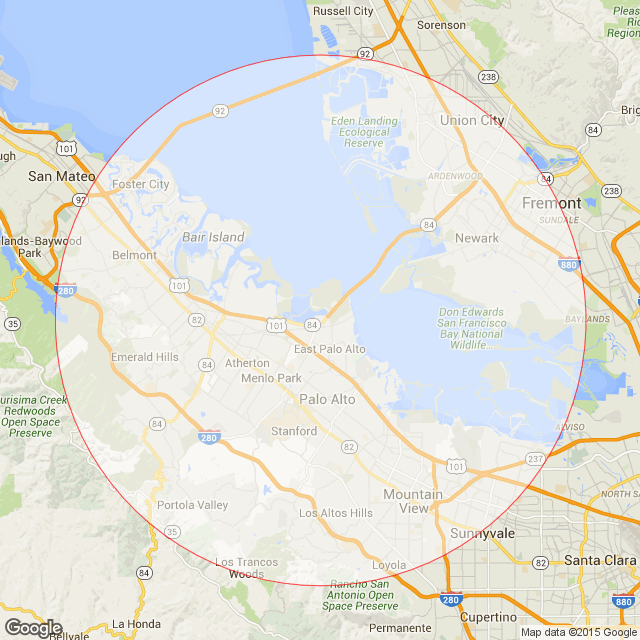
"caption": "Facebook has begun offering large cash incentives -- $10,000 and up -- to workers who relocate within 10 miles of its Menlo Park campus. Map depicts the area within Facebook's 10-mile radius. ",
"description": null,
"title": "Facebook Radius",
"credit": "Google Maps/Freemaptools.com",
"status": "inherit",
"isLoading": false,
"fetchFailed": false
},
"news_10798568": {
"type": "attachments",
"id": "news_10798568",
"meta": {
"index": "attachments_1716263798",
"site": "news",
"id": "10798568",
"found": true
},
"parent": 10798566,
"imgSizes": {
"twentyfourteen-full-width": {
"file": "https://ww2.kqed.org/app/uploads/sites/10/2015/12/image-1038x576.jpeg",
"width": 1038,
"mimeType": "image/jpeg",
"height": 576
},
"thumbnail": {
"file": "https://ww2.kqed.org/app/uploads/sites/10/2015/12/image-400x267.jpeg",
"width": 400,
"mimeType": "image/jpeg",
"height": 267
},
"fd-sm": {
"file": "https://ww2.kqed.org/app/uploads/sites/10/2015/12/image-960x640.jpeg",
"width": 960,
"mimeType": "image/jpeg",
"height": 640
},
"post-thumbnail": {
"file": "https://ww2.kqed.org/app/uploads/sites/10/2015/12/image-672x372.jpeg",
"width": 672,
"mimeType": "image/jpeg",
"height": 372
},
"kqedFullSize": {
"file": "https://ww2.kqed.org/app/uploads/sites/10/2015/12/image.jpeg",
"width": 1920,
"height": 1280
},
"large": {
"file": "https://ww2.kqed.org/app/uploads/sites/10/2015/12/image-1440x960.jpeg",
"width": 1440,
"mimeType": "image/jpeg",
"height": 960
},
"guest-author-96": {
"file": "https://ww2.kqed.org/app/uploads/sites/10/2015/12/image-96x96.jpeg",
"width": 96,
"mimeType": "image/jpeg",
"height": 96
},
"medium": {
"file": "https://ww2.kqed.org/app/uploads/sites/10/2015/12/image-800x533.jpeg",
"width": 800,
"mimeType": "image/jpeg",
"height": 533
},
"guest-author-64": {
"file": "https://ww2.kqed.org/app/uploads/sites/10/2015/12/image-64x64.jpeg",
"width": 64,
"mimeType": "image/jpeg",
"height": 64
},
"guest-author-32": {
"file": "https://ww2.kqed.org/app/uploads/sites/10/2015/12/image-32x32.jpeg",
"width": 32,
"mimeType": "image/jpeg",
"height": 32
},
"jmtc-small-thumb": {
"file": "https://ww2.kqed.org/app/uploads/sites/10/2015/12/image-280x150.jpeg",
"width": 280,
"mimeType": "image/jpeg",
"height": 150
},
"fd-lrg": {
"file": "https://ww2.kqed.org/app/uploads/sites/10/2015/12/image-1920x1280.jpeg",
"width": 1920,
"mimeType": "image/jpeg",
"height": 1280
},
"fd-med": {
"file": "https://ww2.kqed.org/app/uploads/sites/10/2015/12/image-1180x787.jpeg",
"width": 1180,
"mimeType": "image/jpeg",
"height": 787
},
"detail": {
"file": "https://ww2.kqed.org/app/uploads/sites/10/2015/12/image-75x75.jpeg",
"width": 75,
"mimeType": "image/jpeg",
"height": 75
},
"medium_large": {
"file": "https://ww2.kqed.org/app/uploads/sites/10/2015/12/image-768x512.jpeg",
"width": 768,
"mimeType": "image/jpeg",
"height": 512
},
"guest-author-128": {
"file": "https://ww2.kqed.org/app/uploads/sites/10/2015/12/image-128x128.jpeg",
"width": 128,
"mimeType": "image/jpeg",
"height": 128
}
},
"publishDate": 1450404721,
"modified": 1450473372,
"caption": "Adnan Aloudi, a full-time Uber and Lyft driver, drops off a customer in downtown San Francisco in August. ",
"description": null,
"title": "image",
"credit": "Ericka Cruz Guevarra/KQED",
"status": "inherit",
"isLoading": false,
"fetchFailed": false
},
"news_10796713": {
"type": "attachments",
"id": "news_10796713",
"meta": {
"index": "attachments_1716263798",
"site": "news",
"id": "10796713",
"found": true
},
"parent": 10796711,
"imgSizes": {
"twentyfourteen-full-width": {
"file": "https://ww2.kqed.org/app/uploads/sites/10/2015/12/TeslaAutopilot-1038x576.jpg",
"width": 1038,
"mimeType": "image/jpeg",
"height": 576
},
"thumbnail": {
"file": "https://ww2.kqed.org/app/uploads/sites/10/2015/12/TeslaAutopilot-400x264.jpg",
"width": 400,
"mimeType": "image/jpeg",
"height": 264
},
"fd-sm": {
"file": "https://ww2.kqed.org/app/uploads/sites/10/2015/12/TeslaAutopilot-960x633.jpg",
"width": 960,
"mimeType": "image/jpeg",
"height": 633
},
"post-thumbnail": {
"file": "https://ww2.kqed.org/app/uploads/sites/10/2015/12/TeslaAutopilot-672x372.jpg",
"width": 672,
"mimeType": "image/jpeg",
"height": 372
},
"kqedFullSize": {
"file": "https://ww2.kqed.org/app/uploads/sites/10/2015/12/TeslaAutopilot.jpg",
"width": 1920,
"height": 1266
},
"large": {
"file": "https://ww2.kqed.org/app/uploads/sites/10/2015/12/TeslaAutopilot-1440x950.jpg",
"width": 1440,
"mimeType": "image/jpeg",
"height": 950
},
"guest-author-96": {
"file": "https://ww2.kqed.org/app/uploads/sites/10/2015/12/TeslaAutopilot-96x96.jpg",
"width": 96,
"mimeType": "image/jpeg",
"height": 96
},
"medium": {
"file": "https://ww2.kqed.org/app/uploads/sites/10/2015/12/TeslaAutopilot-800x528.jpg",
"width": 800,
"mimeType": "image/jpeg",
"height": 528
},
"guest-author-64": {
"file": "https://ww2.kqed.org/app/uploads/sites/10/2015/12/TeslaAutopilot-64x64.jpg",
"width": 64,
"mimeType": "image/jpeg",
"height": 64
},
"guest-author-32": {
"file": "https://ww2.kqed.org/app/uploads/sites/10/2015/12/TeslaAutopilot-32x32.jpg",
"width": 32,
"mimeType": "image/jpeg",
"height": 32
},
"jmtc-small-thumb": {
"file": "https://ww2.kqed.org/app/uploads/sites/10/2015/12/TeslaAutopilot-280x150.jpg",
"width": 280,
"mimeType": "image/jpeg",
"height": 150
},
"fd-lrg": {
"file": "https://ww2.kqed.org/app/uploads/sites/10/2015/12/TeslaAutopilot-1920x1266.jpg",
"width": 1920,
"mimeType": "image/jpeg",
"height": 1266
},
"fd-med": {
"file": "https://ww2.kqed.org/app/uploads/sites/10/2015/12/TeslaAutopilot-1180x778.jpg",
"width": 1180,
"mimeType": "image/jpeg",
"height": 778
},
"detail": {
"file": "https://ww2.kqed.org/app/uploads/sites/10/2015/12/TeslaAutopilot-75x75.jpg",
"width": 75,
"mimeType": "image/jpeg",
"height": 75
},
"medium_large": {
"file": "https://ww2.kqed.org/app/uploads/sites/10/2015/12/TeslaAutopilot-768x506.jpg",
"width": 768,
"mimeType": "image/jpeg",
"height": 506
},
"guest-author-128": {
"file": "https://ww2.kqed.org/app/uploads/sites/10/2015/12/TeslaAutopilot-128x128.jpg",
"width": 128,
"mimeType": "image/jpeg",
"height": 128
}
},
"publishDate": 1450292155,
"modified": 1471036837,
"caption": "A member of the media test drives a Tesla Model S car equipped with Autopilot. ",
"description": "A member of the media test drives a Tesla Model S car equipped with Autopilot. Tesla's Autopilot is a step toward the vision of self-driving cars, and includes features like automatic lane changing.",
"title": "TeslaAutopilot",
"credit": "David Paul Morris/Bloomberg via Getty Images",
"status": "inherit",
"isLoading": false,
"fetchFailed": false
},
"news_10794263": {
"type": "attachments",
"id": "news_10794263",
"meta": {
"index": "attachments_1716263798",
"site": "news",
"id": "10794263",
"found": true
},
"parent": 10794261,
"imgSizes": {
"twentyfourteen-full-width": {
"file": "https://ww2.kqed.org/app/uploads/sites/10/2015/12/RS16542_IMG_0527-qut-1038x576.jpg",
"width": 1038,
"mimeType": "image/jpeg",
"height": 576
},
"thumbnail": {
"file": "https://ww2.kqed.org/app/uploads/sites/10/2015/12/RS16542_IMG_0527-qut-400x267.jpg",
"width": 400,
"mimeType": "image/jpeg",
"height": 267
},
"fd-sm": {
"file": "https://ww2.kqed.org/app/uploads/sites/10/2015/12/RS16542_IMG_0527-qut-960x640.jpg",
"width": 960,
"mimeType": "image/jpeg",
"height": 640
},
"post-thumbnail": {
"file": "https://ww2.kqed.org/app/uploads/sites/10/2015/12/RS16542_IMG_0527-qut-672x372.jpg",
"width": 672,
"mimeType": "image/jpeg",
"height": 372
},
"kqedFullSize": {
"file": "https://ww2.kqed.org/app/uploads/sites/10/2015/12/RS16542_IMG_0527-qut.jpg",
"width": 1920,
"height": 1280
},
"large": {
"file": "https://ww2.kqed.org/app/uploads/sites/10/2015/12/RS16542_IMG_0527-qut-1440x960.jpg",
"width": 1440,
"mimeType": "image/jpeg",
"height": 960
},
"guest-author-96": {
"file": "https://ww2.kqed.org/app/uploads/sites/10/2015/12/RS16542_IMG_0527-qut-96x96.jpg",
"width": 96,
"mimeType": "image/jpeg",
"height": 96
},
"medium": {
"file": "https://ww2.kqed.org/app/uploads/sites/10/2015/12/RS16542_IMG_0527-qut-800x533.jpg",
"width": 800,
"mimeType": "image/jpeg",
"height": 533
},
"guest-author-64": {
"file": "https://ww2.kqed.org/app/uploads/sites/10/2015/12/RS16542_IMG_0527-qut-64x64.jpg",
"width": 64,
"mimeType": "image/jpeg",
"height": 64
},
"guest-author-32": {
"file": "https://ww2.kqed.org/app/uploads/sites/10/2015/12/RS16542_IMG_0527-qut-32x32.jpg",
"width": 32,
"mimeType": "image/jpeg",
"height": 32
},
"jmtc-small-thumb": {
"file": "https://ww2.kqed.org/app/uploads/sites/10/2015/12/RS16542_IMG_0527-qut-280x150.jpg",
"width": 280,
"mimeType": "image/jpeg",
"height": 150
},
"fd-lrg": {
"file": "https://ww2.kqed.org/app/uploads/sites/10/2015/12/RS16542_IMG_0527-qut-1920x1280.jpg",
"width": 1920,
"mimeType": "image/jpeg",
"height": 1280
},
"fd-med": {
"file": "https://ww2.kqed.org/app/uploads/sites/10/2015/12/RS16542_IMG_0527-qut-1180x787.jpg",
"width": 1180,
"mimeType": "image/jpeg",
"height": 787
},
"detail": {
"file": "https://ww2.kqed.org/app/uploads/sites/10/2015/12/RS16542_IMG_0527-qut-75x75.jpg",
"width": 75,
"mimeType": "image/jpeg",
"height": 75
},
"medium_large": {
"file": "https://ww2.kqed.org/app/uploads/sites/10/2015/12/RS16542_IMG_0527-qut-768x512.jpg",
"width": 768,
"mimeType": "image/jpeg",
"height": 512
},
"guest-author-128": {
"file": "https://ww2.kqed.org/app/uploads/sites/10/2015/12/RS16542_IMG_0527-qut-128x128.jpg",
"width": 128,
"mimeType": "image/jpeg",
"height": 128
}
},
"publishDate": 1450122487,
"modified": 1450140434,
"caption": "Adnan Aloudi, a full-time Uber and Lyft driver, drops off a customer in San Francisco's downtown neighborhood on Aug. 31, 2015. The 23-year-old likes being an independent contractor because of the flexibility. \n",
"description": null,
"title": "RS16542_IMG_0527-qut",
"credit": "Ericka Cruz Guevarra/KQED",
"status": "inherit",
"isLoading": false,
"fetchFailed": false
},
"news_10777789": {
"type": "attachments",
"id": "news_10777789",
"meta": {
"index": "attachments_1716263798",
"site": "news",
"id": "10777789",
"found": true
},
"parent": 10777088,
"imgSizes": {
"twentyfourteen-full-width": {
"file": "https://ww2.kqed.org/app/uploads/sites/10/2015/11/RS17539_image1-qut-1024x576.jpg",
"width": 1024,
"mimeType": "image/jpeg",
"height": 576
},
"jmtc-small-thumb": {
"file": "https://ww2.kqed.org/app/uploads/sites/10/2015/11/RS17539_image1-qut-280x150.jpg",
"width": 280,
"mimeType": "image/jpeg",
"height": 150
},
"thumbnail": {
"file": "https://ww2.kqed.org/app/uploads/sites/10/2015/11/RS17539_image1-qut-400x266.jpg",
"width": 400,
"mimeType": "image/jpeg",
"height": 266
},
"fd-sm": {
"file": "https://ww2.kqed.org/app/uploads/sites/10/2015/11/RS17539_image1-qut-960x639.jpg",
"width": 960,
"mimeType": "image/jpeg",
"height": 639
},
"post-thumbnail": {
"file": "https://ww2.kqed.org/app/uploads/sites/10/2015/11/RS17539_image1-qut-672x372.jpg",
"width": 672,
"mimeType": "image/jpeg",
"height": 372
},
"kqedFullSize": {
"file": "https://ww2.kqed.org/app/uploads/sites/10/2015/11/RS17539_image1-qut.jpg",
"width": 1024,
"height": 682
},
"guest-author-96": {
"file": "https://ww2.kqed.org/app/uploads/sites/10/2015/11/RS17539_image1-qut-96x96.jpg",
"width": 96,
"mimeType": "image/jpeg",
"height": 96
},
"medium": {
"file": "https://ww2.kqed.org/app/uploads/sites/10/2015/11/RS17539_image1-qut-800x533.jpg",
"width": 800,
"mimeType": "image/jpeg",
"height": 533
},
"guest-author-64": {
"file": "https://ww2.kqed.org/app/uploads/sites/10/2015/11/RS17539_image1-qut-64x64.jpg",
"width": 64,
"mimeType": "image/jpeg",
"height": 64
},
"detail": {
"file": "https://ww2.kqed.org/app/uploads/sites/10/2015/11/RS17539_image1-qut-75x75.jpg",
"width": 75,
"mimeType": "image/jpeg",
"height": 75
},
"guest-author-32": {
"file": "https://ww2.kqed.org/app/uploads/sites/10/2015/11/RS17539_image1-qut-32x32.jpg",
"width": 32,
"mimeType": "image/jpeg",
"height": 32
},
"guest-author-128": {
"file": "https://ww2.kqed.org/app/uploads/sites/10/2015/11/RS17539_image1-qut-128x128.jpg",
"width": 128,
"mimeType": "image/jpeg",
"height": 128
}
},
"publishDate": 1448988170,
"modified": 1449508273,
"caption": "Children in a Cuban town are fascinated with a smartphone -- which they're seeing for the first time. ",
"description": "During Santa Clara University's visit to a town in north-central Cuba, this picture was taken to show how children are using digital devices for the first time. ",
"title": "Cuba-Smartphones",
"credit": "Jeff Warner/Santa Clara University",
"status": "inherit",
"isLoading": false,
"fetchFailed": false
},
"news_10788888": {
"type": "attachments",
"id": "news_10788888",
"meta": {
"index": "attachments_1716263798",
"site": "news",
"id": "10788888",
"found": true
},
"parent": 10788887,
"imgSizes": {
"twentyfourteen-full-width": {
"file": "https://ww2.kqed.org/app/uploads/sites/10/2015/12/RS16543_IMG_0541-qut-1038x576.jpg",
"width": 1038,
"mimeType": "image/jpeg",
"height": 576
},
"thumbnail": {
"file": "https://ww2.kqed.org/app/uploads/sites/10/2015/12/RS16543_IMG_0541-qut-400x267.jpg",
"width": 400,
"mimeType": "image/jpeg",
"height": 267
},
"fd-sm": {
"file": "https://ww2.kqed.org/app/uploads/sites/10/2015/12/RS16543_IMG_0541-qut-960x640.jpg",
"width": 960,
"mimeType": "image/jpeg",
"height": 640
},
"post-thumbnail": {
"file": "https://ww2.kqed.org/app/uploads/sites/10/2015/12/RS16543_IMG_0541-qut-672x372.jpg",
"width": 672,
"mimeType": "image/jpeg",
"height": 372
},
"kqedFullSize": {
"file": "https://ww2.kqed.org/app/uploads/sites/10/2015/12/RS16543_IMG_0541-qut.jpg",
"width": 1920,
"height": 1280
},
"large": {
"file": "https://ww2.kqed.org/app/uploads/sites/10/2015/12/RS16543_IMG_0541-qut-1440x960.jpg",
"width": 1440,
"mimeType": "image/jpeg",
"height": 960
},
"guest-author-96": {
"file": "https://ww2.kqed.org/app/uploads/sites/10/2015/12/RS16543_IMG_0541-qut-96x96.jpg",
"width": 96,
"mimeType": "image/jpeg",
"height": 96
},
"medium": {
"file": "https://ww2.kqed.org/app/uploads/sites/10/2015/12/RS16543_IMG_0541-qut-800x533.jpg",
"width": 800,
"mimeType": "image/jpeg",
"height": 533
},
"guest-author-64": {
"file": "https://ww2.kqed.org/app/uploads/sites/10/2015/12/RS16543_IMG_0541-qut-64x64.jpg",
"width": 64,
"mimeType": "image/jpeg",
"height": 64
},
"guest-author-32": {
"file": "https://ww2.kqed.org/app/uploads/sites/10/2015/12/RS16543_IMG_0541-qut-32x32.jpg",
"width": 32,
"mimeType": "image/jpeg",
"height": 32
},
"jmtc-small-thumb": {
"file": "https://ww2.kqed.org/app/uploads/sites/10/2015/12/RS16543_IMG_0541-qut-280x150.jpg",
"width": 280,
"mimeType": "image/jpeg",
"height": 150
},
"fd-lrg": {
"file": "https://ww2.kqed.org/app/uploads/sites/10/2015/12/RS16543_IMG_0541-qut-1920x1280.jpg",
"width": 1920,
"mimeType": "image/jpeg",
"height": 1280
},
"fd-med": {
"file": "https://ww2.kqed.org/app/uploads/sites/10/2015/12/RS16543_IMG_0541-qut-1180x787.jpg",
"width": 1180,
"mimeType": "image/jpeg",
"height": 787
},
"detail": {
"file": "https://ww2.kqed.org/app/uploads/sites/10/2015/12/RS16543_IMG_0541-qut-75x75.jpg",
"width": 75,
"mimeType": "image/jpeg",
"height": 75
},
"guest-author-128": {
"file": "https://ww2.kqed.org/app/uploads/sites/10/2015/12/RS16543_IMG_0541-qut-128x128.jpg",
"width": 128,
"mimeType": "image/jpeg",
"height": 128
}
},
"publishDate": 1449712785,
"modified": 1449712812,
"caption": "James Lesondak, 58, drives through San Francisco's downtown neighborhood on Aug. 31, 2015. Lesondak works for both Lyft and Uber, and has separate phones for each service. He commutes from Lodi to San Francisco because of the city's strong ride service market. \"Being independent is nice. But it would be nice to have some benefits, like health care, maintenance and gas,\" he said.",
"description": null,
"title": "RS16543_IMG_0541-qut",
"credit": "Ericka Cruz Guevarra/KQED",
"status": "inherit",
"isLoading": false,
"fetchFailed": false
},
"news_10785910": {
"type": "attachments",
"id": "news_10785910",
"meta": {
"index": "attachments_1716263798",
"site": "news",
"id": "10785910",
"found": true
},
"parent": 10785832,
"imgSizes": {
"twentyfourteen-full-width": {
"file": "https://ww2.kqed.org/app/uploads/sites/10/2015/12/ChopperDrone-1038x576.jpg",
"width": 1038,
"mimeType": "image/jpeg",
"height": 576
},
"thumbnail": {
"file": "https://ww2.kqed.org/app/uploads/sites/10/2015/12/ChopperDrone-400x199.jpg",
"width": 400,
"mimeType": "image/jpeg",
"height": 199
},
"fd-sm": {
"file": "https://ww2.kqed.org/app/uploads/sites/10/2015/12/ChopperDrone-960x477.jpg",
"width": 960,
"mimeType": "image/jpeg",
"height": 477
},
"post-thumbnail": {
"file": "https://ww2.kqed.org/app/uploads/sites/10/2015/12/ChopperDrone-672x372.jpg",
"width": 672,
"mimeType": "image/jpeg",
"height": 372
},
"kqedFullSize": {
"file": "https://ww2.kqed.org/app/uploads/sites/10/2015/12/ChopperDrone.jpg",
"width": 1920,
"height": 954
},
"large": {
"file": "https://ww2.kqed.org/app/uploads/sites/10/2015/12/ChopperDrone-1440x716.jpg",
"width": 1440,
"mimeType": "image/jpeg",
"height": 716
},
"guest-author-96": {
"file": "https://ww2.kqed.org/app/uploads/sites/10/2015/12/ChopperDrone-96x96.jpg",
"width": 96,
"mimeType": "image/jpeg",
"height": 96
},
"medium": {
"file": "https://ww2.kqed.org/app/uploads/sites/10/2015/12/ChopperDrone-800x398.jpg",
"width": 800,
"mimeType": "image/jpeg",
"height": 398
},
"guest-author-64": {
"file": "https://ww2.kqed.org/app/uploads/sites/10/2015/12/ChopperDrone-64x64.jpg",
"width": 64,
"mimeType": "image/jpeg",
"height": 64
},
"guest-author-32": {
"file": "https://ww2.kqed.org/app/uploads/sites/10/2015/12/ChopperDrone-32x32.jpg",
"width": 32,
"mimeType": "image/jpeg",
"height": 32
},
"jmtc-small-thumb": {
"file": "https://ww2.kqed.org/app/uploads/sites/10/2015/12/ChopperDrone-280x150.jpg",
"width": 280,
"mimeType": "image/jpeg",
"height": 150
},
"fd-lrg": {
"file": "https://ww2.kqed.org/app/uploads/sites/10/2015/12/ChopperDrone-1920x954.jpg",
"width": 1920,
"mimeType": "image/jpeg",
"height": 954
},
"fd-med": {
"file": "https://ww2.kqed.org/app/uploads/sites/10/2015/12/ChopperDrone-1180x586.jpg",
"width": 1180,
"mimeType": "image/jpeg",
"height": 586
},
"detail": {
"file": "https://ww2.kqed.org/app/uploads/sites/10/2015/12/ChopperDrone-75x75.jpg",
"width": 75,
"mimeType": "image/jpeg",
"height": 75
},
"guest-author-128": {
"file": "https://ww2.kqed.org/app/uploads/sites/10/2015/12/ChopperDrone-128x128.jpg",
"width": 128,
"mimeType": "image/jpeg",
"height": 128
}
},
"publishDate": 1449522225,
"modified": 1449522244,
"caption": "A recreational drone flies over a home (L); a CHP helicopter flies in Northern California. ",
"description": "A recreational drone flies over a home (L); a CHP helicopter flies in Northern California. ",
"title": "ChopperDrone",
"credit": "Craig Miller/KQED and Steve Rhodes/Flickr",
"status": "inherit",
"isLoading": false,
"fetchFailed": false
}
},
"audioPlayerReducer": {
"postId": "stream_live",
"isPaused": true,
"isPlaying": false,
"pfsActive": false,
"pledgeModalIsOpen": true,
"playerDrawerIsOpen": false,
"liveAudioPlayStartedAt": 0,
"liveAudioPlayContext": ""
},
"authorsReducer": {
"byline_news_10798416": {
"type": "authors",
"id": "byline_news_10798416",
"meta": {
"override": true
},
"slug": "byline_news_10798416",
"name": "\u003cstrong>Marcos Martinez and Alison Vayne\u003c/strong>",
"isLoading": false
},
"byline_news_10790262": {
"type": "authors",
"id": "byline_news_10790262",
"meta": {
"override": true
},
"slug": "byline_news_10790262",
"name": "\u003cstrong>\u003ca href=\"https://www.linkedin.com/in/mayacraig\" target=\"_blank\">Maya Craig\u003c/a>\u003cbr />",
"isLoading": false
},
"byline_news_10804167": {
"type": "authors",
"id": "byline_news_10804167",
"meta": {
"override": true
},
"slug": "byline_news_10804167",
"name": "\u003cstrong>Pete Danko\u003c/strong>",
"isLoading": false
},
"byline_news_10796711": {
"type": "authors",
"id": "byline_news_10796711",
"meta": {
"override": true
},
"slug": "byline_news_10796711",
"name": "\u003cstrong>\u003ca href=\"http://bigstory.ap.org/author/justin-pritchard\">Justin Pritchard\u003c/a>\u003cbr>Associated Press\u003c/strong>",
"isLoading": false
},
"byline_news_10785832": {
"type": "authors",
"id": "byline_news_10785832",
"meta": {
"override": true
},
"slug": "byline_news_10785832",
"name": "\u003cstrong>\u003ca href=\"http://bigstory.ap.org/content/paul-elias\">Paul Elias\u003c/a>\u003cbr>Associated Press\u003c/strong>",
"isLoading": false
},
"jbrooks": {
"type": "authors",
"id": "80",
"meta": {
"index": "authors_1716337520",
"id": "80",
"found": true
},
"name": "Jon Brooks",
"firstName": "Jon",
"lastName": "Brooks",
"slug": "jbrooks",
"email": "jbrooks@kqed.org",
"display_author_email": true,
"staff_mastheads": [
"science"
],
"title": "Digital Editor",
"bio": "Jon Brooks is a former Digital Editor for KQED Science. He is the former editor of KQED’s daily news blog, News Fix. In 2014, he won a California Journalism Award for his coverage of ride services like Uber and Lyft and the taxi industry. A veteran blogger, he previously worked for Yahoo! in various news writing and editing roles. Jon is also a playwright whose work has been produced in San Francisco, New York, Italy, and around the U.S. He has written about film for his own blog and studied film at Boston University.",
"avatar": "https://secure.gravatar.com/avatar/98887f7ed1c876ed414d4c915e969584?s=600&d=blank&r=g",
"twitter": "jbrooksfoy",
"facebook": null,
"instagram": null,
"linkedin": null,
"sites": [
{
"site": "arts",
"roles": [
"Contributor",
"editor"
]
},
{
"site": "news",
"roles": [
"author"
]
},
{
"site": "futureofyou",
"roles": [
"administrator"
]
},
{
"site": "mindshift",
"roles": [
"editor"
]
},
{
"site": "stateofhealth",
"roles": [
"editor"
]
},
{
"site": "science",
"roles": [
"administrator"
]
},
{
"site": "quest",
"roles": [
"editor"
]
}
],
"headData": {
"title": "Jon Brooks | KQED",
"description": "Digital Editor",
"ogImgSrc": "https://secure.gravatar.com/avatar/98887f7ed1c876ed414d4c915e969584?s=600&d=blank&r=g",
"twImgSrc": "https://secure.gravatar.com/avatar/98887f7ed1c876ed414d4c915e969584?s=600&d=blank&r=g"
},
"isLoading": false,
"link": "/author/jbrooks"
},
"bgoebel": {
"type": "authors",
"id": "214",
"meta": {
"index": "authors_1716337520",
"id": "214",
"found": true
},
"name": "Bryan Goebel",
"firstName": "Bryan",
"lastName": "Goebel",
"slug": "bgoebel",
"email": "bgoebel@kqed.org",
"display_author_email": false,
"staff_mastheads": [],
"title": null,
"bio": "Bryan Goebel is a reporter focused on transportation and housing issues. He was previously the editor of Streetsblog San Francisco, and an anchor/editor at KCBS Radio. He's a lifelong Californian and has also worked at radio stations in Barstow, Redding and Sacramento.",
"avatar": "https://secure.gravatar.com/avatar/7fdd6b065bfe9a23a71bcfa80848df88?s=600&d=blank&r=g",
"twitter": "velobry",
"facebook": null,
"instagram": null,
"linkedin": null,
"sites": [
{
"site": "news",
"roles": [
"subscriber"
]
},
{
"site": "stateofhealth",
"roles": [
"subscriber"
]
}
],
"headData": {
"title": "Bryan Goebel | KQED",
"description": null,
"ogImgSrc": "https://secure.gravatar.com/avatar/7fdd6b065bfe9a23a71bcfa80848df88?s=600&d=blank&r=g",
"twImgSrc": "https://secure.gravatar.com/avatar/7fdd6b065bfe9a23a71bcfa80848df88?s=600&d=blank&r=g"
},
"isLoading": false,
"link": "/author/bgoebel"
},
"bwillon": {
"type": "authors",
"id": "3207",
"meta": {
"index": "authors_1716337520",
"id": "3207",
"found": true
},
"name": "Beth Willon",
"firstName": "Beth",
"lastName": "Willon",
"slug": "bwillon",
"email": "bwillon@kqed.org",
"display_author_email": false,
"staff_mastheads": [],
"title": "KQED Contributor",
"bio": "Beth Willon is a former senior reporter for KQED's Silicon Valley News Desk in San Jose. (@KQEDNews )\r\n\r\n@BethWillon",
"avatar": "https://secure.gravatar.com/avatar/3533b741c785d6a97e8b283e7f65606d?s=600&d=blank&r=g",
"twitter": null,
"facebook": null,
"instagram": null,
"linkedin": null,
"sites": [
{
"site": "news",
"roles": [
"subscriber"
]
}
],
"headData": {
"title": "Beth Willon | KQED",
"description": "KQED Contributor",
"ogImgSrc": "https://secure.gravatar.com/avatar/3533b741c785d6a97e8b283e7f65606d?s=600&d=blank&r=g",
"twImgSrc": "https://secure.gravatar.com/avatar/3533b741c785d6a97e8b283e7f65606d?s=600&d=blank&r=g"
},
"isLoading": false,
"link": "/author/bwillon"
},
"dkatayama": {
"type": "authors",
"id": "7240",
"meta": {
"index": "authors_1716337520",
"id": "7240",
"found": true
},
"name": "Devin Katayama",
"firstName": "Devin",
"lastName": "Katayama",
"slug": "dkatayama",
"email": "dkatayama@kqed.org",
"display_author_email": true,
"staff_mastheads": [
"news"
],
"title": "Editor of Talent and Development",
"bio": "Devin Katayama is former Editor of Talent and Development for KQED. He supported our internship program and on-call staff by looking for equitable opportunities to improve the newsroom.\r\n\r\nHe previously hosted The Bay and American Suburb podcasts from KQED News. Prior to returning to the Bay Area in 2015, Devin was the education reporter for WFPL in Louisville and worked as a producer with radio stations in Chicago and Portland, OR. His work has appeared on NPR’s \u003cem>Morning Edition, All Things Considered, The Takeaway\u003c/em> and \u003cem>Here and Now.\u003c/em>\r\n\r\nDevin earned his MA in Journalism from Columbia College Chicago, where he was a Follett Fellow and the recipient of the 2011 Studs Terkel Community Media Workshop Scholarship for his story on Chicago's homeless youth. He won WBUR's 2014 Daniel Schorr award and a regional RTNDA Edward R. Murrow Award for his documentary \"At Risk\" that looked at issues facing some of Louisville's students. Devin has also received numerous local awards from the Associated Press and the Society of Professional Journalists.",
"avatar": "https://secure.gravatar.com/avatar/d0d2978a31002fb2de107921a8e18405?s=600&d=blank&r=g",
"twitter": "RadioDevin",
"facebook": null,
"instagram": null,
"linkedin": null,
"sites": [
{
"site": "arts",
"roles": []
},
{
"site": "news",
"roles": [
"author"
]
},
{
"site": "stateofhealth",
"roles": [
"author"
]
},
{
"site": "forum",
"roles": [
"editor"
]
},
{
"site": "perspectives",
"roles": [
"editor"
]
}
],
"headData": {
"title": "Devin Katayama | KQED",
"description": "Editor of Talent and Development",
"ogImgSrc": "https://secure.gravatar.com/avatar/d0d2978a31002fb2de107921a8e18405?s=600&d=blank&r=g",
"twImgSrc": "https://secure.gravatar.com/avatar/d0d2978a31002fb2de107921a8e18405?s=600&d=blank&r=g"
},
"isLoading": false,
"link": "/author/dkatayama"
},
"ecruzguevarra": {
"type": "authors",
"id": "8654",
"meta": {
"index": "authors_1716337520",
"id": "8654",
"found": true
},
"name": "Ericka Cruz Guevarra",
"firstName": "Ericka",
"lastName": "Cruz Guevarra",
"slug": "ecruzguevarra",
"email": "ecruzguevarra@kqed.org",
"display_author_email": true,
"staff_mastheads": [
"news"
],
"title": "Producer, The Bay Podcast",
"bio": "Ericka Cruz Guevarra is host of \u003ca href=\"https://www.kqed.org/podcasts/thebay\">\u003cem>The Bay\u003c/em>\u003c/a> podcast at KQED. Before host, she was the show’s producer. Her work in that capacity includes a three-part reported series on policing in Vallejo, which won a 2020 excellence in journalism award from the Society of Professional Journalists. Ericka has worked as a breaking news reporter at Oregon Public Broadcasting, helped produce the Code Switch podcast, and was KQED’s inaugural Raul Ramirez Diversity Fund intern. She’s also an alumna of NPR’s Next Generation Radio program. Send her an email if you have strong feelings about whether Fairfield and Suisun City are the Bay. Ericka is represented by SAG-AFTRA.",
"avatar": "https://secure.gravatar.com/avatar/accefc1de4bafc7e234b69bcb9b6f6536c130fd84709bc3069ef11a78787e1bb?s=600&d=blank&r=g",
"twitter": "NotoriousECG",
"bluesky": null,
"facebook": null,
"instagram": null,
"linkedin": null,
"sites": [
{
"site": "arts",
"roles": [
"subscriber"
]
},
{
"site": "news",
"roles": [
"editor",
"manage_categories"
]
},
{
"site": "futureofyou",
"roles": [
"subscriber"
]
},
{
"site": "stateofhealth",
"roles": [
"subscriber"
]
},
{
"site": "science",
"roles": [
"editor"
]
},
{
"site": "forum",
"roles": [
"subscriber"
]
}
],
"headData": {
"title": "Ericka Cruz Guevarra | KQED",
"description": "Producer, The Bay Podcast",
"ogImgSrc": "https://secure.gravatar.com/avatar/accefc1de4bafc7e234b69bcb9b6f6536c130fd84709bc3069ef11a78787e1bb?s=600&d=blank&r=g",
"twImgSrc": "https://secure.gravatar.com/avatar/accefc1de4bafc7e234b69bcb9b6f6536c130fd84709bc3069ef11a78787e1bb?s=600&d=blank&r=g"
},
"isLoading": false,
"link": "/author/ecruzguevarra"
}
},
"pagesReducer": {
"news_category_technology": {
"type": "terms",
"id": "news_248",
"meta": {
"index": "terms_1716263798",
"site": "news",
"id": "248",
"score": 10.931532
},
"featImg": null,
"name": "Technology",
"description": null,
"taxonomy": "category",
"headData": {
"twImgId": null,
"twTitle": null,
"ogTitle": null,
"ogImgId": null,
"twDescription": null,
"description": null,
"title": "Technology Archives | KQED News",
"ogDescription": null
},
"ttid": 256,
"slug": "technology",
"isLoading": false,
"title": "Technology",
"pageMeta": {
"site": "news",
"WpPageTemplate": "page-topic-editorial",
"currentPage": 139
},
"blocks": [
{
"blockName": "kqed/post-list",
"attrs": {
"layout": "cardArticle2",
"query": "posts/news?category=technology",
"seeMore": false,
"paginated": true,
"page": 139
}
},
{
"blockName": "kqed/ad"
}
]
}
},
"pfsSessionReducer": {},
"postsReducer": {
"stream_live": {
"type": "live",
"id": "stream_live",
"audioUrl": "https://streams.kqed.org/kqedradio",
"title": "Live Stream",
"excerpt": "Live Stream information currently unavailable.",
"link": "/radio",
"featImg": "",
"label": {
"name": "KQED Live",
"link": "/"
}
},
"stream_kqedNewscast": {
"type": "posts",
"id": "stream_kqedNewscast",
"audioUrl": "https://www.kqed.org/.stream/anon/radio/RDnews/newscast.mp3?_=1",
"title": "KQED Newscast",
"featImg": "",
"label": {
"name": "88.5 FM",
"link": "/"
}
},
"news_10813314": {
"type": "posts",
"id": "news_10813314",
"meta": {
"index": "posts_1716263798",
"site": "news",
"id": "10813314",
"score": null,
"sort": [
1452186006000
]
},
"parent": 0,
"labelTerm": {
"site": "news",
"term": 6944
},
"blocks": [],
"publishDate": 1452186006,
"format": "standard",
"disqusTitle": "In Reversal, Some Drivers Ditching Uber and Lyft for Cabs",
"title": "In Reversal, Some Drivers Ditching Uber and Lyft for Cabs",
"headTitle": "News Fix | KQED News",
"content": "\u003cp>As you will quickly discover if you ask your cab driver what he or she thinks about Uber and Lyft, those who work in the taxi industry consider the ride-service companies to be four-letter words of another order.\u003c/p>\n\u003cp>Still, over the past few years, San Francisco taxi companies have had trouble filling their shifts. That's because drivers have jumped ship to work for the upstarts, and new drivers entering the profession have opted for the ride services as well.\u003c/p>\n\u003cp>The San Francisco Examiner reported on Wednesday that Yellow Cab, the largest taxi company in the city, \u003ca href=\"http://www.sfexaminer.com/yellow-cab-to-file-for-bankruptcy/\" target=\"_blank\">will soon file for bankruptcy\u003c/a> in order to restructure its business.\u003c/p>\n\u003cp>\"On background, multiple sources told the Examiner that cab companies are having a tough time hiring competent drivers and may be hiring drivers with spotty driving records,\" the paper said.\u003c/p>\n\u003cp>Yet, there are other drivers who have taken the opposite route, going from Uber and Lyft to driving a cab.\u003c/p>\n\u003cp>[ad fullwidth]\u003c/p>\n\u003cp>Mickey Kelley operates the San Francisco Taxi School, which offers prospective cab drivers the courses they must take to get licensed. Classes range from five to 15 students each week. He estimates that from one-third to one-half of his students over the last six months have been former Uber and Lyft drivers.\u003c/p>\n\u003cp>“It started longer than six months ago, but about six months ago it really picked up,” he said.\u003c/p>\n\u003cp>Some of those were former cab drivers who had let their licenses expire when they moved on to the ride-service companies but now wanted to return to taxi work, Kelley says.\u003c/p>\n\u003cp>\"We’ve had cab drivers that quit driving a cab [to work for a ride-service firm], and a lot of those guys have come back and had to drive a cab again,“ he said.\u003c/p>\n\u003cp>Hansu Kim, owner of Flywheel Cab, said he's seen the same thing.\u003c/p>\n\u003cp>“We’re seeing a stream of UberX and Lyft drivers looking to drive a taxi now,\" Kim said. \"It used to be a trickle, now it’s more of a stream. Not the floodgates, yet.”\u003c/p>\n\u003cp>Flywheel referred me to Abdallah Hammad, 49, who has been driving for the company for about three years. To supplement his income, he drove on the side for both Uber and Lyft for about a year, but stopped around seven or eight months ago. The main reason: the extra cost and \"wear and tear\" of using his own car to do business.\u003c/p>\n\u003cp>(Note: Ride-service drivers can get partial relief from this expense by using the standard mileage-rate deduction on their tax returns.)\u003c/p>\n\u003cp>Hammad said that twice during Uber calls, customers became angry at the inflated fares they had to pay during a \u003ca href=\"https://www.google.com/search?q=surge+pricing+ube\" target=\"_blank\">surge pricing period\u003c/a> and slammed his car door so hard he had to have his automatic windows repaired.\u003c/p>\n\u003cp>But hadn't those customers agreed to accept the surge price when they ordered the ride?\u003c/p>\n\u003cp>“[Passengers] are \u003ca href=\"http://thegrio.com/2016/01/03/ubers-new-years-eve-surge-pricing-outrages-passengers-worldwide/\" target=\"_blank\">still mad\u003c/a>, even though they know in advance,” he said.\u003c/p>\n\u003cp>Hammad said passengers who had to fork over during a surge also tended to give him a lower rating. Uber drivers must maintain a 4.6 passenger rating or be \u003ca href=\"http://observer.com/2015/02/uber-drivers-the-punishment-for-bad-ratings-is-costly-training-courses/\" target=\"_blank\">suspended from driving\u003c/a>.\u003c/p>\n\u003cp>Kelly Dessaint, 44, who chronicles his \u003ca href=\"http://www.sfexaminer.com/author/k_dessaint/\" target=\"_blank\">adventures as a cab driver\u003c/a> for the San Francisco Examiner, started his professional driving career working for Uber and Lyft in 2014. But he quit early last year, went to taxi school, and has been driving for National Veterans Cab in San Francisco since February. He says he likes the feeling of community among cab drivers and that he makes more money driving a taxi than he did for Uber and Lyft.\u003c/p>\n\u003cp>“You’re doing all these $5 rides, you’re not getting tipped,” he said about driving for the ride services. “With a cab you can talk it up and people will tip you really well.”\u003c/p>\n\u003cp>Uber doesn’t \u003ca href=\"http://www.scpr.org/news/2015/10/21/55137/uber-tips-policy-causing-confusion-possibly-lower/\">allow tipping\u003c/a>, and Dessaint says \"you can tip on Lyft but nobody does. It’s so rare.” (Lyft says passengers collectively \u003ca href=\"http://thehub.lyft.com/blog/2015-highlights-for-drivers?utm_medium=Email&utm_source=ExactTarget&utm_campaign=82821259\" target=\"_blank\">gave more than $40 million in tips\u003c/a> to its 100,000 drivers in 2015. That's an average of $400 for each driver.)\u003c/p>\n\u003cp>Kelley, of the San Francisco Taxi School, believes that ride-service drivers who do the math discover that after maintenance and depreciation on their vehicle, they can do better driving a cab, which hasn't always been the case.\u003c/p>\n\u003cp>\"If you go back two years ago, it used to be pretty profitable to drive for [the ride services],\" he said. \"It’s just not anymore.\"\u003c/p>\n\u003cp>A price war between Uber and Lyft has contributed to a \u003ca href=\"http://fortune.com/2014/05/28/in-price-wars-some-uber-and-lyft-drivers-feel-the-crunch/\" target=\"_blank\">decline in driver pay\u003c/a>. Michael Banko, for instance, who has been driving for Lyft in San Francisco since 2012, said the lower rates that Lyft now charges have cut his driving income in half. He did say, however, that he gets tips from passengers “all the time.”\u003c/p>\n\u003cp>\u003cstrong>How Much Do Ride Service Drivers Really Make? \u003c/strong>\u003c/p>\n\u003cp>Nobody has really figured out, empirically, whether taxi or TNC (transportation network company) drivers make more money. Early last year, Uber released data that showed their drivers having the advantage.\u003c/p>\n\u003cp>\"A lot of former taxi drivers have decided they wanted to work for themselves and become self-employed,” the company wrote in an April 2015 \u003ca href=\"https://newsroom.uber.com/taxi-driver-jobs-vs-driving-with-uber/\">Uber Newsroom post\u003c/a>. \"These ex-taxicab drivers are choosing Uber because they like making more money and having a much more flexible schedule.” The post included this graphic: \u003cimg class=\"aligncenter size-full wp-image-10815071\" src=\"http://ww2.kqed.org/news/wp-content/uploads/sites/10/2015/12/uberEarnings.jpg\" alt=\"uberEarnings\" width=\"788\" height=\"525\" srcset=\"https://ww2.kqed.org/app/uploads/sites/10/2015/12/uberEarnings.jpg 788w, https://ww2.kqed.org/app/uploads/sites/10/2015/12/uberEarnings-400x266.jpg 400w, https://ww2.kqed.org/app/uploads/sites/10/2015/12/uberEarnings-768x512.jpg 768w\" sizes=\"(max-width: 788px) 100vw, 788px\">\u003c/p>\n\u003cp>That $19.04 per hour figure comes from a \u003ca href=\"http://www.bsgco.com/insights/uber-the-driver-roadmap\" target=\"_blank\">December 2014 survey\u003c/a> by Benenson Strategy Group of 601 Uber \"driver partners\" in 20 markets. An Uber \u003ca href=\"https://s3.amazonaws.com/uber-static/comms/PDF/Uber_Driver-Partners_Hall_Kreuger_2015.pdf\" target=\"_blank\">analysis\u003c/a>, put together in conjunction with economist Alan B. Krueger, also cited data in a \u003ca href=\"http://stats.bls.gov/oes/2013/may/oes533041.htm\" target=\"_blank\">May 2013 Occupational Employment Statistics Survey\u003c/a> by the U.S. Bureau of Labor Statistics to show that taxi and limo drivers in six key markets made a median wage of $12.90 per hour, compared with Uber drivers' $19.19. But the Uber earnings figures \u003ca href=\"https://www.washingtonpost.com/news/the-switch/wp/2015/01/22/the-missing-data-point-from-ubers-driver-analysis-how-far-they-drive/\" target=\"_blank\">do not subtract the cost of gas, insurance and other expenses, like repairs\u003c/a>. (Newsweek \u003ca href=\"http://www.newsweek.com/thousands-drivers-declined-take-uber-survey-which-claims-78-drivers-satisfied-301252\" target=\"_blank\">also noted \u003c/a>that Uber price cuts went into effect soon after the survey. )\u003c/p>\n\u003cp>A similar survey released by Uber last month notably didn't address \u003ca href=\"http://www.sfgate.com/business/article/Uber-survey-highlights-driver-happiness-ignores-6676872.php\" target=\"_blank\">how much\u003c/a> drivers make.\u003c/p>\n\u003cp>Another data point: In September and October 2015, Sherpashare, a company that helps ride-service drivers track their earnings, surveyed 963 Uber and Lyft drivers. You can see self-reported gross income in this \u003ca href=\"https://www.sherpashare.com/share/the-top-demographic-trends-of-the-on-demand-workforce-appendix/\" target=\"_blank\">chart\u003c/a>.\u003c/p>\n\u003cp>The data found a big discrepancy in earnings between drivers over and under 55. Those who worked 31 to 40 hours per week and were 55 or under made an average of $2,162 gross per month, while those over 55 made $1,662.\u003c/p>\n\u003cp>Another \u003ca href=\"https://www.sherpashare.com/share/what-uber-lyft-drivers-earn-per-trip/\" target=\"_blank\">SherpaShare study\u003c/a>, “based on millions of UberX and Lyft trips tracked by drivers on the SherpaShare platform,” reported the average gross earnings per trip in May 2015 for each company in major cities.\u003c/p>\n\u003cp>In San Francisco, the average trip earned UberX drivers -- and again, these are gross earnings --- $14.65. Lyft drivers grossed $13.42 a trip.\u003c/p>\n\u003cp>And yet another set of numbers: \u003ca href=\"http://ww2.kqed.org/news/2015/11/16/california-regulators-offer-a-tiny-glimpse-of-data-from-uber-and-lyft\" target=\"_blank\">Aggregated data for all ride-service trips\u003c/a> in California presented at a Nov. 5 meeting of the California Public Utilities Commission and obtained by KQED combine stats submitted by UberX, Lyft, Sidecar, Summon, Wings and Shuddle. It shows the distribution of rides by the amount that passengers paid over 2014-15. Almost half of all fares were under $10, with an additional 23 percent between $10 to $15. A driver's share would be less than that after Uber and Lyft took their cut.\u003c/p>\n\u003cp>The \u003ca href=\"http://www.bls.gov/oes/current/oes533041.htm\" target=\"_blank\">May 2014 Occupational Employment Statistics Survey\u003c/a> found 178,000 cab drivers and chauffeurs in the country made an average of almost $26,000, or $12.35 per hour. In California, the average was $28,190 and $13.56 per hour.\u003c/p>\n\u003cp>\u003cstrong>A Former Cab Driver Who Loves Uber\u003c/strong>\u003c/p>\n\u003cp>In response to taxi driver Abdallah Hammad's negative experience driving for Uber, company spokeswoman Eva Behrend referred me to current UberX driver Tammy Johnson, of East Oakland.\u003c/p>\n\u003cp>Johnson, 38, told me she loves working for Uber, after driving for cab companies in San Leandro and Walnut Creek, where she experienced \"harassment in different forms. Everyone trying to hit on you.\"\u003c/p>\n\u003cp>Financial concerns also compelled her to switch. In general, every time taxi drivers go out on a shift, there's a chance they'll actually \u003cem>lose\u003c/em> money, because most of them lease their vehicles from the cab companies. Combine that with the cost of gas, and drivers start every shift in the hole. Johnson says that at least five times she didn't make enough money in fares to cover her daily costs.\u003c/p>\n\u003cp>She also said there was \"too much favoritism. Family members and insiders got the best calls.\" She felt compelled to buy dispatchers lunch or a bottle of wine to gain favor.\u003c/p>\n\u003cp>To be sure, the taxi industry has long had a reputation as a place where drivers \u003ca href=\"http://ww2.kqed.org/news/2013/12/11/taxi-drivers-and-whos-taking-money-out-of-their-pockets\" target=\"_blank\">have to pay cab company employees\u003c/a>. The San Francisco Transportation Code prohibits these payments, which some in the industry call tips, and others refer to as bribes, but the rule is unenforced.\u003c/p>\n\u003cp>While the amounts may seem small, they can add up. For example, John Han, a longtime San Francisco cab driver, told me he switched back to working at Yellow Cab in part because dispatchers at another company, which he didn't want to name, were demanding a total of $10 per day instead of the $6 he had been paying at Yellow.\u003c/p>\n\u003cp>Drivers are generally split over the fairness of this tipping system -- some don't mind, some say it's onerous. Either way, even $10 a day over the course of a year can easily add up to a couple of thousand dollars in a job that doesn't pay much to begin with. In 2014, one cab driver I talked to told me he was quitting to go to work for a ride service specifically because of having to pay taxi dispatchers.\u003c/p>\n\u003cp>\u003cstrong>New Taxi Meters: Leveling the Playing Field?\u003c/strong>\u003c/p>\n\u003cp>Last month, California's Division of Measurement Standards \u003ca href=\"http://www.sfchronicle.com/business/article/Flywheel-aims-to-replace-taxi-meters-with-6713925.php\" target=\"_blank\">approved TaxiOS\u003c/a> from Redwood City's Flywheel, a new GPS-based taxicab metering system. That's the same Flywheel that enables passengers to request cabs, track their location and pay, all via smartphones, just like Uber and Lyft.\u003c/p>\n\u003cp>Flywheel says about 80 percent of San Francisco cabs now accept calls from its app. The requests go out to every taxi that uses the system regardless of which company they work for.\u003c/p>\n\u003cp>Susan Shaheen, co-director of the \u003ca href=\"http://tsrc.berkeley.edu/\" target=\"_blank\">Transportation Sustainability Research Center\u003c/a> at UC Berkeley, last month \u003ca href=\"https://soundcloud.com/kqed/california-allows-smartphone-metered-taxis\" target=\"_blank\">told KQED's Mina Kim\u003c/a> that TaxiOS, which works with Android phones, will add \"an additional layer of flexibility to the taxi industry,\" allowing fare-splitting among customers and dynamic prices based on demand.\u003c/p>\n\u003cp>[soundcloud url=\"https://api.soundcloud.com/tracks/238752982\" params=\"color=ff5500&auto_play=false&hide_related=false&show_comments=true&show_user=true&show_reposts=false\" width=\"100%\" height=\"166\" iframe=\"true\" /]\u003c/p>\n\u003cp>Hansu Kim -- who likes Flywheel's e-hailing system so much he \u003ca href=\"http://www.sfgate.com/business/article/DeSoto-S-F-s-oldest-taxi-firm-rebrands-6087480.php\" target=\"_blank\">renamed his company\u003c/a> after it -- thinks the new TaxiOS meters will further enable cabbies to compete with Uber and Lyft drivers. About 50 Flywheel cabs participated in a recent two-month pilot program of the new meters.\u003c/p>\n\u003cp>Kim believes the abundance of San Francisco cabs that have adopted Flywheel's convenient e-hailing system leaves Uber and Lyft with the sole advantage of lower prices. He says the new meters will offer his drivers the ability to compete on cost, too.\u003c/p>\n\u003cp>\"With our [new] system we can now go to lower rates, more competitive rates ... where they’re appropriate,\" he said.\u003c/p>\n\u003cp>Flywheel -- the smartphone platform, not the cab company -- will create an algorithm that lowers prices when demand is low, Kim said. Those calls will be offered to cab drivers, who can decide whether to take them or not.\u003c/p>\n\u003cp>Cabs will still not be able to charge more during periods of high demand, as Uber has \u003ca href=\"http://bgr.com/2016/01/04/new-years-eve-uber-surge-pricing-reactions/\" target=\"_blank\">notoriously done\u003c/a>, because the San Francisco Municipal Transportation Agency has to approve any higher fares. However, Kim says, customers can lure cabs when they appear to be scarce through a pre-tipping component on the Flywheel app.\u003c/p>\n\u003cp>\"A passenger through their app can say I’m going to tip you 10 bucks, or 20 percent, and that creates a tremendous incentive for someone to ... go pick up that fare.\"\u003c/p>\n\u003cp>Kim said TaxiOS will also allow him to offer drivers a \"split meter system,\" in which the problem that former cab driver Tammy Johnson described -- leasing a cab and then not making enough money to cover the cost of the rental -- wouldn't be a risk, because the cab company will take only a portion of what the driver makes, the same business model that Uber and Lyft use.\u003c/p>\n\u003cp>\"I need to be able to lease vehicles to drivers who want to drive just a few hours a week part time,\" Kim said. \"So the traditional payment system, where you pay a lease for a cab for a certain amount of time, that needs to change.\"\u003c/p>\n\u003cp>The two taxi drivers I spoke to about the new TaxiOS meters were less than enthusiastic, if not downright suspicious.\u003c/p>\n\u003cp>\"Ultimately, the new Flywheel meters are fixing a problem that doesn’t exist,\" said Kelly Dessaint. He said his customers already split fares and negotiate for lower fares on slow nights. And he considers the algorithmic ability to decrease prices to be a bug, not a feature.\u003c/p>\n\u003cp>\"It becomes a race to the bottom,\" he said. \"And that's how Uber and Lyft screw their drivers.\"\u003c/p>\n\u003cp>(Uber has \u003ca href=\"https://newsroom.uber.com/beating-the-winter-slump-price-cuts-for-riders-with-guaranteed-earnings-for-drivers/\" target=\"_blank\">claimed\u003c/a> drivers actually make more in \u003ca href=\"https://ww2.kqed.org/wp-content/uploads/2015/01/uber_PriceCuts_BlogInfographic-01.png\" target=\"_blank\">some cities\u003c/a> under the price cuts.)\u003c/p>\n\u003cp>John Han, who drives for Yellow Cab, echoed Dessaint's concern.\u003c/p>\n\u003cp>[ad floatright]\u003c/p>\n\u003cp>“I think that’s just participating in a race to the bottom,\" Han said. \"I don't want to compete for these lesser fares. It would be another reason to hand in my keys as a taxi driver.\"\u003c/p>\n\n",
"disqusIdentifier": "10813314 http://ww2.kqed.org/news/?p=10813314",
"disqusUrl": "https://ww2.kqed.org/news/2016/01/07/in-reversal-some-drivers-ditching-uber-and-lyft-for-cabs/",
"stats": {
"hasVideo": false,
"hasChartOrMap": false,
"hasAudio": false,
"hasPolis": false,
"wordCount": 2488,
"hasGoogleForm": false,
"hasGallery": false,
"hasHearkenModule": false,
"iframeSrcs": [],
"paragraphCount": 63
},
"modified": 1452204957,
"excerpt": "One factor is a price war that has hurt the bottom line of ride-service drivers. ",
"headData": {
"twImgId": "",
"twTitle": "",
"ogTitle": "",
"ogImgId": "",
"twDescription": "",
"description": "One factor is a price war that has hurt the bottom line of ride-service drivers. ",
"title": "In Reversal, Some Drivers Ditching Uber and Lyft for Cabs | KQED",
"ogDescription": "",
"schema": {
"@context": "https://schema.org",
"@type": "NewsArticle",
"headline": "In Reversal, Some Drivers Ditching Uber and Lyft for Cabs",
"datePublished": "2016-01-07T09:00:06-08:00",
"dateModified": "2016-01-07T14:15:57-08:00",
"image": "https://cdn.kqed.org/wp-content/uploads/2020/02/KQED-OG-Image@1x.png",
"isAccessibleForFree": "True",
"publisher": {
"@type": "NewsMediaOrganization",
"@id": "https://www.kqed.org/#organization",
"name": "KQED",
"logo": "https://cdn.kqed.org/wp-content/uploads/2020/02/KQED-OG-Image@1x.png",
"url": "https://www.kqed.org",
"sameAs": [
"https://www.facebook.com/KQED",
"https://twitter.com/KQED",
"https://www.instagram.com/kqed/",
"https://www.tiktok.com/@kqedofficial",
"https://www.linkedin.com/company/kqed",
"https://www.youtube.com/channel/UCeC0IOo7i1P_61zVUWbJ4nw"
]
}
}
},
"guestAuthors": [],
"slug": "in-reversal-some-drivers-ditching-uber-and-lyft-for-cabs",
"status": "publish",
"path": "/news/10813314/in-reversal-some-drivers-ditching-uber-and-lyft-for-cabs",
"audioTrackLength": null,
"parsedContent": [
{
"type": "contentString",
"content": "\u003cdiv class=\"post-body\">\u003cp>\u003cp>As you will quickly discover if you ask your cab driver what he or she thinks about Uber and Lyft, those who work in the taxi industry consider the ride-service companies to be four-letter words of another order.\u003c/p>\n\u003cp>Still, over the past few years, San Francisco taxi companies have had trouble filling their shifts. That's because drivers have jumped ship to work for the upstarts, and new drivers entering the profession have opted for the ride services as well.\u003c/p>\n\u003cp>The San Francisco Examiner reported on Wednesday that Yellow Cab, the largest taxi company in the city, \u003ca href=\"http://www.sfexaminer.com/yellow-cab-to-file-for-bankruptcy/\" target=\"_blank\">will soon file for bankruptcy\u003c/a> in order to restructure its business.\u003c/p>\n\u003cp>\"On background, multiple sources told the Examiner that cab companies are having a tough time hiring competent drivers and may be hiring drivers with spotty driving records,\" the paper said.\u003c/p>\n\u003cp>Yet, there are other drivers who have taken the opposite route, going from Uber and Lyft to driving a cab.\u003c/p>\n\u003cp>\u003c/p>\u003c/div>",
"attributes": {
"named": {},
"numeric": []
}
},
{
"type": "component",
"content": "",
"name": "ad",
"attributes": {
"named": {
"label": "fullwidth"
},
"numeric": [
"fullwidth"
]
}
},
{
"type": "contentString",
"content": "\u003cdiv class=\"post-body\">\u003cp>\u003c/p>\n\u003cp>Mickey Kelley operates the San Francisco Taxi School, which offers prospective cab drivers the courses they must take to get licensed. Classes range from five to 15 students each week. He estimates that from one-third to one-half of his students over the last six months have been former Uber and Lyft drivers.\u003c/p>\n\u003cp>“It started longer than six months ago, but about six months ago it really picked up,” he said.\u003c/p>\n\u003cp>Some of those were former cab drivers who had let their licenses expire when they moved on to the ride-service companies but now wanted to return to taxi work, Kelley says.\u003c/p>\n\u003cp>\"We’ve had cab drivers that quit driving a cab [to work for a ride-service firm], and a lot of those guys have come back and had to drive a cab again,“ he said.\u003c/p>\n\u003cp>Hansu Kim, owner of Flywheel Cab, said he's seen the same thing.\u003c/p>\n\u003cp>“We’re seeing a stream of UberX and Lyft drivers looking to drive a taxi now,\" Kim said. \"It used to be a trickle, now it’s more of a stream. Not the floodgates, yet.”\u003c/p>\n\u003cp>Flywheel referred me to Abdallah Hammad, 49, who has been driving for the company for about three years. To supplement his income, he drove on the side for both Uber and Lyft for about a year, but stopped around seven or eight months ago. The main reason: the extra cost and \"wear and tear\" of using his own car to do business.\u003c/p>\n\u003cp>(Note: Ride-service drivers can get partial relief from this expense by using the standard mileage-rate deduction on their tax returns.)\u003c/p>\n\u003cp>Hammad said that twice during Uber calls, customers became angry at the inflated fares they had to pay during a \u003ca href=\"https://www.google.com/search?q=surge+pricing+ube\" target=\"_blank\">surge pricing period\u003c/a> and slammed his car door so hard he had to have his automatic windows repaired.\u003c/p>\n\u003cp>But hadn't those customers agreed to accept the surge price when they ordered the ride?\u003c/p>\n\u003cp>“[Passengers] are \u003ca href=\"http://thegrio.com/2016/01/03/ubers-new-years-eve-surge-pricing-outrages-passengers-worldwide/\" target=\"_blank\">still mad\u003c/a>, even though they know in advance,” he said.\u003c/p>\n\u003cp>Hammad said passengers who had to fork over during a surge also tended to give him a lower rating. Uber drivers must maintain a 4.6 passenger rating or be \u003ca href=\"http://observer.com/2015/02/uber-drivers-the-punishment-for-bad-ratings-is-costly-training-courses/\" target=\"_blank\">suspended from driving\u003c/a>.\u003c/p>\n\u003cp>Kelly Dessaint, 44, who chronicles his \u003ca href=\"http://www.sfexaminer.com/author/k_dessaint/\" target=\"_blank\">adventures as a cab driver\u003c/a> for the San Francisco Examiner, started his professional driving career working for Uber and Lyft in 2014. But he quit early last year, went to taxi school, and has been driving for National Veterans Cab in San Francisco since February. He says he likes the feeling of community among cab drivers and that he makes more money driving a taxi than he did for Uber and Lyft.\u003c/p>\n\u003cp>“You’re doing all these $5 rides, you’re not getting tipped,” he said about driving for the ride services. “With a cab you can talk it up and people will tip you really well.”\u003c/p>\n\u003cp>Uber doesn’t \u003ca href=\"http://www.scpr.org/news/2015/10/21/55137/uber-tips-policy-causing-confusion-possibly-lower/\">allow tipping\u003c/a>, and Dessaint says \"you can tip on Lyft but nobody does. It’s so rare.” (Lyft says passengers collectively \u003ca href=\"http://thehub.lyft.com/blog/2015-highlights-for-drivers?utm_medium=Email&utm_source=ExactTarget&utm_campaign=82821259\" target=\"_blank\">gave more than $40 million in tips\u003c/a> to its 100,000 drivers in 2015. That's an average of $400 for each driver.)\u003c/p>\n\u003cp>Kelley, of the San Francisco Taxi School, believes that ride-service drivers who do the math discover that after maintenance and depreciation on their vehicle, they can do better driving a cab, which hasn't always been the case.\u003c/p>\n\u003cp>\"If you go back two years ago, it used to be pretty profitable to drive for [the ride services],\" he said. \"It’s just not anymore.\"\u003c/p>\n\u003cp>A price war between Uber and Lyft has contributed to a \u003ca href=\"http://fortune.com/2014/05/28/in-price-wars-some-uber-and-lyft-drivers-feel-the-crunch/\" target=\"_blank\">decline in driver pay\u003c/a>. Michael Banko, for instance, who has been driving for Lyft in San Francisco since 2012, said the lower rates that Lyft now charges have cut his driving income in half. He did say, however, that he gets tips from passengers “all the time.”\u003c/p>\n\u003cp>\u003cstrong>How Much Do Ride Service Drivers Really Make? \u003c/strong>\u003c/p>\n\u003cp>Nobody has really figured out, empirically, whether taxi or TNC (transportation network company) drivers make more money. Early last year, Uber released data that showed their drivers having the advantage.\u003c/p>\n\u003cp>\"A lot of former taxi drivers have decided they wanted to work for themselves and become self-employed,” the company wrote in an April 2015 \u003ca href=\"https://newsroom.uber.com/taxi-driver-jobs-vs-driving-with-uber/\">Uber Newsroom post\u003c/a>. \"These ex-taxicab drivers are choosing Uber because they like making more money and having a much more flexible schedule.” The post included this graphic: \u003cimg class=\"aligncenter size-full wp-image-10815071\" src=\"http://ww2.kqed.org/news/wp-content/uploads/sites/10/2015/12/uberEarnings.jpg\" alt=\"uberEarnings\" width=\"788\" height=\"525\" srcset=\"https://ww2.kqed.org/app/uploads/sites/10/2015/12/uberEarnings.jpg 788w, https://ww2.kqed.org/app/uploads/sites/10/2015/12/uberEarnings-400x266.jpg 400w, https://ww2.kqed.org/app/uploads/sites/10/2015/12/uberEarnings-768x512.jpg 768w\" sizes=\"(max-width: 788px) 100vw, 788px\">\u003c/p>\n\u003cp>That $19.04 per hour figure comes from a \u003ca href=\"http://www.bsgco.com/insights/uber-the-driver-roadmap\" target=\"_blank\">December 2014 survey\u003c/a> by Benenson Strategy Group of 601 Uber \"driver partners\" in 20 markets. An Uber \u003ca href=\"https://s3.amazonaws.com/uber-static/comms/PDF/Uber_Driver-Partners_Hall_Kreuger_2015.pdf\" target=\"_blank\">analysis\u003c/a>, put together in conjunction with economist Alan B. Krueger, also cited data in a \u003ca href=\"http://stats.bls.gov/oes/2013/may/oes533041.htm\" target=\"_blank\">May 2013 Occupational Employment Statistics Survey\u003c/a> by the U.S. Bureau of Labor Statistics to show that taxi and limo drivers in six key markets made a median wage of $12.90 per hour, compared with Uber drivers' $19.19. But the Uber earnings figures \u003ca href=\"https://www.washingtonpost.com/news/the-switch/wp/2015/01/22/the-missing-data-point-from-ubers-driver-analysis-how-far-they-drive/\" target=\"_blank\">do not subtract the cost of gas, insurance and other expenses, like repairs\u003c/a>. (Newsweek \u003ca href=\"http://www.newsweek.com/thousands-drivers-declined-take-uber-survey-which-claims-78-drivers-satisfied-301252\" target=\"_blank\">also noted \u003c/a>that Uber price cuts went into effect soon after the survey. )\u003c/p>\n\u003cp>A similar survey released by Uber last month notably didn't address \u003ca href=\"http://www.sfgate.com/business/article/Uber-survey-highlights-driver-happiness-ignores-6676872.php\" target=\"_blank\">how much\u003c/a> drivers make.\u003c/p>\n\u003cp>Another data point: In September and October 2015, Sherpashare, a company that helps ride-service drivers track their earnings, surveyed 963 Uber and Lyft drivers. You can see self-reported gross income in this \u003ca href=\"https://www.sherpashare.com/share/the-top-demographic-trends-of-the-on-demand-workforce-appendix/\" target=\"_blank\">chart\u003c/a>.\u003c/p>\n\u003cp>The data found a big discrepancy in earnings between drivers over and under 55. Those who worked 31 to 40 hours per week and were 55 or under made an average of $2,162 gross per month, while those over 55 made $1,662.\u003c/p>\n\u003cp>Another \u003ca href=\"https://www.sherpashare.com/share/what-uber-lyft-drivers-earn-per-trip/\" target=\"_blank\">SherpaShare study\u003c/a>, “based on millions of UberX and Lyft trips tracked by drivers on the SherpaShare platform,” reported the average gross earnings per trip in May 2015 for each company in major cities.\u003c/p>\n\u003cp>In San Francisco, the average trip earned UberX drivers -- and again, these are gross earnings --- $14.65. Lyft drivers grossed $13.42 a trip.\u003c/p>\n\u003cp>And yet another set of numbers: \u003ca href=\"http://ww2.kqed.org/news/2015/11/16/california-regulators-offer-a-tiny-glimpse-of-data-from-uber-and-lyft\" target=\"_blank\">Aggregated data for all ride-service trips\u003c/a> in California presented at a Nov. 5 meeting of the California Public Utilities Commission and obtained by KQED combine stats submitted by UberX, Lyft, Sidecar, Summon, Wings and Shuddle. It shows the distribution of rides by the amount that passengers paid over 2014-15. Almost half of all fares were under $10, with an additional 23 percent between $10 to $15. A driver's share would be less than that after Uber and Lyft took their cut.\u003c/p>\n\u003cp>The \u003ca href=\"http://www.bls.gov/oes/current/oes533041.htm\" target=\"_blank\">May 2014 Occupational Employment Statistics Survey\u003c/a> found 178,000 cab drivers and chauffeurs in the country made an average of almost $26,000, or $12.35 per hour. In California, the average was $28,190 and $13.56 per hour.\u003c/p>\n\u003cp>\u003cstrong>A Former Cab Driver Who Loves Uber\u003c/strong>\u003c/p>\n\u003cp>In response to taxi driver Abdallah Hammad's negative experience driving for Uber, company spokeswoman Eva Behrend referred me to current UberX driver Tammy Johnson, of East Oakland.\u003c/p>\n\u003cp>Johnson, 38, told me she loves working for Uber, after driving for cab companies in San Leandro and Walnut Creek, where she experienced \"harassment in different forms. Everyone trying to hit on you.\"\u003c/p>\n\u003cp>Financial concerns also compelled her to switch. In general, every time taxi drivers go out on a shift, there's a chance they'll actually \u003cem>lose\u003c/em> money, because most of them lease their vehicles from the cab companies. Combine that with the cost of gas, and drivers start every shift in the hole. Johnson says that at least five times she didn't make enough money in fares to cover her daily costs.\u003c/p>\n\u003cp>She also said there was \"too much favoritism. Family members and insiders got the best calls.\" She felt compelled to buy dispatchers lunch or a bottle of wine to gain favor.\u003c/p>\n\u003cp>To be sure, the taxi industry has long had a reputation as a place where drivers \u003ca href=\"http://ww2.kqed.org/news/2013/12/11/taxi-drivers-and-whos-taking-money-out-of-their-pockets\" target=\"_blank\">have to pay cab company employees\u003c/a>. The San Francisco Transportation Code prohibits these payments, which some in the industry call tips, and others refer to as bribes, but the rule is unenforced.\u003c/p>\n\u003cp>While the amounts may seem small, they can add up. For example, John Han, a longtime San Francisco cab driver, told me he switched back to working at Yellow Cab in part because dispatchers at another company, which he didn't want to name, were demanding a total of $10 per day instead of the $6 he had been paying at Yellow.\u003c/p>\n\u003cp>Drivers are generally split over the fairness of this tipping system -- some don't mind, some say it's onerous. Either way, even $10 a day over the course of a year can easily add up to a couple of thousand dollars in a job that doesn't pay much to begin with. In 2014, one cab driver I talked to told me he was quitting to go to work for a ride service specifically because of having to pay taxi dispatchers.\u003c/p>\n\u003cp>\u003cstrong>New Taxi Meters: Leveling the Playing Field?\u003c/strong>\u003c/p>\n\u003cp>Last month, California's Division of Measurement Standards \u003ca href=\"http://www.sfchronicle.com/business/article/Flywheel-aims-to-replace-taxi-meters-with-6713925.php\" target=\"_blank\">approved TaxiOS\u003c/a> from Redwood City's Flywheel, a new GPS-based taxicab metering system. That's the same Flywheel that enables passengers to request cabs, track their location and pay, all via smartphones, just like Uber and Lyft.\u003c/p>\n\u003cp>Flywheel says about 80 percent of San Francisco cabs now accept calls from its app. The requests go out to every taxi that uses the system regardless of which company they work for.\u003c/p>\n\u003cp>Susan Shaheen, co-director of the \u003ca href=\"http://tsrc.berkeley.edu/\" target=\"_blank\">Transportation Sustainability Research Center\u003c/a> at UC Berkeley, last month \u003ca href=\"https://soundcloud.com/kqed/california-allows-smartphone-metered-taxis\" target=\"_blank\">told KQED's Mina Kim\u003c/a> that TaxiOS, which works with Android phones, will add \"an additional layer of flexibility to the taxi industry,\" allowing fare-splitting among customers and dynamic prices based on demand.\u003c/p>\n\u003cp>\u003c/p>\u003cp>\u003cdiv class='utils-parseShortcode-shortcodes-__shortcodes__shortcodeWrapper'>\n \u003ciframe width='100%' height='166'\n scrolling='no' frameborder='no'\n src='https://w.soundcloud.com/player/?url=https://api.soundcloud.com/tracks/238752982&visual=true&color=ff5500&auto_play=false&hide_related=false&show_comments=true&show_user=true&show_reposts=false'\n title='https://api.soundcloud.com/tracks/238752982'>\n \u003c/iframe>\n \u003c/div>\u003c/p>\u003cp>\u003c/p>\n\u003cp>Hansu Kim -- who likes Flywheel's e-hailing system so much he \u003ca href=\"http://www.sfgate.com/business/article/DeSoto-S-F-s-oldest-taxi-firm-rebrands-6087480.php\" target=\"_blank\">renamed his company\u003c/a> after it -- thinks the new TaxiOS meters will further enable cabbies to compete with Uber and Lyft drivers. About 50 Flywheel cabs participated in a recent two-month pilot program of the new meters.\u003c/p>\n\u003cp>Kim believes the abundance of San Francisco cabs that have adopted Flywheel's convenient e-hailing system leaves Uber and Lyft with the sole advantage of lower prices. He says the new meters will offer his drivers the ability to compete on cost, too.\u003c/p>\n\u003cp>\"With our [new] system we can now go to lower rates, more competitive rates ... where they’re appropriate,\" he said.\u003c/p>\n\u003cp>Flywheel -- the smartphone platform, not the cab company -- will create an algorithm that lowers prices when demand is low, Kim said. Those calls will be offered to cab drivers, who can decide whether to take them or not.\u003c/p>\n\u003cp>Cabs will still not be able to charge more during periods of high demand, as Uber has \u003ca href=\"http://bgr.com/2016/01/04/new-years-eve-uber-surge-pricing-reactions/\" target=\"_blank\">notoriously done\u003c/a>, because the San Francisco Municipal Transportation Agency has to approve any higher fares. However, Kim says, customers can lure cabs when they appear to be scarce through a pre-tipping component on the Flywheel app.\u003c/p>\n\u003cp>\"A passenger through their app can say I’m going to tip you 10 bucks, or 20 percent, and that creates a tremendous incentive for someone to ... go pick up that fare.\"\u003c/p>\n\u003cp>Kim said TaxiOS will also allow him to offer drivers a \"split meter system,\" in which the problem that former cab driver Tammy Johnson described -- leasing a cab and then not making enough money to cover the cost of the rental -- wouldn't be a risk, because the cab company will take only a portion of what the driver makes, the same business model that Uber and Lyft use.\u003c/p>\n\u003cp>\"I need to be able to lease vehicles to drivers who want to drive just a few hours a week part time,\" Kim said. \"So the traditional payment system, where you pay a lease for a cab for a certain amount of time, that needs to change.\"\u003c/p>\n\u003cp>The two taxi drivers I spoke to about the new TaxiOS meters were less than enthusiastic, if not downright suspicious.\u003c/p>\n\u003cp>\"Ultimately, the new Flywheel meters are fixing a problem that doesn’t exist,\" said Kelly Dessaint. He said his customers already split fares and negotiate for lower fares on slow nights. And he considers the algorithmic ability to decrease prices to be a bug, not a feature.\u003c/p>\n\u003cp>\"It becomes a race to the bottom,\" he said. \"And that's how Uber and Lyft screw their drivers.\"\u003c/p>\n\u003cp>(Uber has \u003ca href=\"https://newsroom.uber.com/beating-the-winter-slump-price-cuts-for-riders-with-guaranteed-earnings-for-drivers/\" target=\"_blank\">claimed\u003c/a> drivers actually make more in \u003ca href=\"https://ww2.kqed.org/wp-content/uploads/2015/01/uber_PriceCuts_BlogInfographic-01.png\" target=\"_blank\">some cities\u003c/a> under the price cuts.)\u003c/p>\n\u003cp>John Han, who drives for Yellow Cab, echoed Dessaint's concern.\u003c/p>\n\u003cp>\u003c/p>\u003c/div>",
"attributes": {
"named": {},
"numeric": []
}
},
{
"type": "component",
"content": "",
"name": "ad",
"attributes": {
"named": {
"label": "floatright"
},
"numeric": [
"floatright"
]
}
},
{
"type": "contentString",
"content": "\u003cdiv class=\"post-body\">\u003cp>\u003c/p>\n\u003cp>“I think that’s just participating in a race to the bottom,\" Han said. \"I don't want to compete for these lesser fares. It would be another reason to hand in my keys as a taxi driver.\"\u003c/p>\n\n\u003c/div>\u003c/p>",
"attributes": {
"named": {},
"numeric": []
}
}
],
"link": "/news/10813314/in-reversal-some-drivers-ditching-uber-and-lyft-for-cabs",
"authors": [
"80"
],
"programs": [
"news_6944"
],
"categories": [
"news_1758",
"news_8",
"news_248",
"news_1397"
],
"tags": [
"news_4524",
"news_2024",
"news_4952",
"news_4523",
"news_4953"
],
"featImg": "news_10794695",
"label": "news_6944"
},
"news_10798416": {
"type": "posts",
"id": "news_10798416",
"meta": {
"index": "posts_1716263798",
"site": "news",
"id": "10798416",
"score": null,
"sort": [
1451833246000
]
},
"parent": 0,
"labelTerm": {
"site": "news",
"term": 6944
},
"blocks": [],
"publishDate": 1451833246,
"format": "standard",
"disqusTitle": "Coding Behind Bars: Fighting Crime and Recidivism With Web Development",
"title": "Coding Behind Bars: Fighting Crime and Recidivism With Web Development",
"headTitle": "News Fix | KQED News",
"content": "\u003cp>James Houston got out of prison three years ago after serving 18 years for second-degree murder. This month he returned to San Quentin State Prison -- as a guest.\u003c/p>\n\u003cp>Houston was back at the prison to try to convince Silicon Valley venture capitalists to invest in an after-school program he designed called Teen Tech Hub, which aims to teach technology skills to youths in Richmond.\u003c/p>\n\u003caside class=\"alignright pullquote\">'My goal is to get a job as a junior software developer, and I’ve got to tell you, this program has given me those skills.'\u003ccite>Aly Tamboura, program participant\u003c/cite>\u003c/aside>\n\u003cp>Houston presented his project with still-incarcerated inmates during Demo Day, an event for inmates to present their tech projects to venture capitalists.\u003c/p>\n\u003cp>“Teen Tech Hub was born out of my incarceration,” said the 42-year-old during his presentation. “I came to San Quentin and I realized what it meant to be in a community, and I wanted to bring that back to my community.”\u003c/p>\n\u003cp>The event was part of the San Quentin Coding Program, Code 7370, an initiative launched last year by a nonprofit group called The Last Mile to teach computer programming to inmates. The program is effectively a technology startup incubator inside the prison.\u003c/p>\n\u003cp>[ad fullwidth]\u003c/p>\n\u003cp>The Last Mile was founded five years ago by San Francisco-based venture capitalist Chris Redlitz and his wife, Beverly Parenti, to help reduce mass incarceration and recidivism in prisons by developing job skills.\u003c/p>\n\u003cp>\u003cstrong>Recidivism: An Urgent Problem\u003c/strong>\u003c/p>\n\u003cp>Mass incarceration and recidivism are urgent problems in California. While recidivism in 2014 declined nearly 7 percent from 2013, it was still 54.3 percent, according to a California Department of Corrections and Rehabilitation report. And the state’s prison system is overflowing with 116,124 inmates, 33 percent over capacity as of Dec. 2.\u003c/p>\n\u003cp>At first, the group focused on the development of entrepreneurial skills, but the program took a different turn last year when the organization partnered with the San Francisco-based coding school Hack Reactor. The two organizations worked together to create a curriculum to teach basic Web programming and advanced coding languages.\u003cbr>\n[contextly_sidebar id=\"Ql6jwArWC6iKBoBycJTRkyPjNaYeF3yq\"]\u003cbr>\nWes Bailey, director of operations for The Last Mile, said the move made sense because the group’s aim was to provide inmates with job opportunities after they leave prison. Not only is the technology sector a fast-growing industry, but Bailey believes that there will be a shortage of Web developers in the next five years that former inmates could fill.\u003c/p>\n\u003cp>“The No.1 reason that inmates typically return to prison is if they don’t have something that is gainful employment,” said Bailey, who also worked as an instructor on the first stage of the program. “Our program is designed to prep them for really good jobs, and these are well-paying jobs.”\u003c/p>\n\u003cp>To help ensure the program’s success, inmates have to go through a competitive selection process that includes an interview and an assessment of their behavior and expected release date. Inmates with some experience in technology who can demonstrate an ability to learn are invited into the program.\u003c/p>\n\u003cp>But the program has had its challenges. One of the biggest hurdles in the beginning was trying to figure out a way to teach coding without Internet access because prisoners do not have permission to go online. To solve this problem, the organization built an internal system to share the projects developed by the inmates.\u003c/p>\n\u003cp>Another issue was how to handle the transition to the real world after prisoners have finished their sentences. The nonprofit solved this by continuing to work with their former students after their release.\u003c/p>\n\u003cp>Houston was one of them. After being released in May 2013, he continued to develop his tech project until the organization decided to fund it this year. Now, he is seeking venture capital funding.\u003c/p>\n\u003cp>Houston said that he was grateful for the skills he developed because so much in California is technology driven.\u003c/p>\n\u003cp>“You’re an archaic man trying to survive in today’s society,” said Houston.\u003c/p>\n\u003cp>\u003cstrong>Another Benefit: Cost-Cutting\u003c/strong>\u003c/p>\n\u003cp>The Last Mile’s co-founder, Redlitz, said the program has another side benefit. By reducing recidivism, it also cuts down the prison system’s cost to taxpayers, which would allow the savings to be re-invested in education.\u003c/p>\n\u003cp>“The end result is if we can mitigate some of the problems that are a big fiscal issue for us and take some of that cost away, [it can be] re-dedicated to other areas, especially education,” Redlitz said.\u003c/p>\n\u003cp>He added that prison spending was “on par with higher education.” According to the state’s enacted budget, the California Department of Corrections and Rehabilitation has a budget this year of $12.6 billion, while higher education has a budget of $14.6 billion.\u003c/p>\n\u003cp>“If you took a fraction of that budget and redirected it towards education, every young person in California could have a free college education,” Bailey said.\u003c/p>\n\u003cp>Also attending Demo Day was former inmate Heracio Harts, 42, who had been convicted of manslaughter. He went through the entrepreneurial program in 2012 and developed a project called the Healthy Hearts Institute. His project aims to encourage nutrition and physical fitness to combat childhood obesity in low-income neighborhood in Pittsburg.\u003c/p>\n\u003cfigure id=\"attachment_10798434\" class=\"wp-caption alignright\" style=\"max-width: 800px\">\u003ca href=\"http://ww2.kqed.org/news/wp-content/uploads/sites/10/2015/12/SQ10-e1451333354650.jpg\" rel=\"attachment wp-att-10798434\">\u003cimg class=\"size-medium wp-image-10798434\" src=\"http://ww2.kqed.org/news/wp-content/uploads/sites/10/2015/12/SQ10-800x591.jpg\" alt=\"Code 7370's student inmates listen to introductory speeches on Demo Day prior to their projects' presentation at San Quentin.\" width=\"800\" height=\"591\">\u003c/a>\u003cfigcaption class=\"wp-caption-text\">Code 7370's student inmates listen to introductory speeches on Demo Day prior to their projects' presentation at San Quentin. \u003ccite>(Marcos Martinez/KQED)\u003c/cite>\u003c/figcaption>\u003c/figure>\n\u003cp>Harts said The Last Mile’s program gave him the support he did not find outside prison.\u003c/p>\n\u003cp>“In my neighborhood ... (t)he entrepreneurs were the drug dealers,\" said Harts.\u003c/p>\n\u003cp>Current inmates see Houston and Harts as inspirational examples of re-entering society successfully. Four months after being released, Houston was hired as an outreach worker at the Richmond Office of Neighborhood Safety, which aims to reduce crime rates.\u003c/p>\n\u003cp>Meanwhile, Harts stayed focused on his project.\u003c/p>\n\u003cp>Aly Tamboura, a participant in the coding program, says he aspires to become a software developer when he is released next year.\u003c/p>\n\u003cp>“My goal is to get a job as a junior software developer, and I’ve got to tell you, this program has given me those skills,” said Tamboura, who is serving a 12-year sentence for assaulting his wife. The 49-year-old had initially been sentenced to 14 years in prison, but the term was recently reduced for good behavior.\u003c/p>\n\u003cp>At Demo Day, Tamboura presented his project, Tycho, an interactive Web database for parents with children who suffer from diseases such as polio, influenza, measles and chicken pox.\u003c/p>\n\u003cp>The Last Mile’s hope is that the success stories will change society’s negative perception of ex-convicts.\u003c/p>\n\u003cp>“There’s a lot of talent and desire inside that really needs to be nurtured, and that’s really what we are doing,” said Redlitz.\u003c/p>\n\u003cp>[ad floatright]\u003c/p>\n\u003cp>As a next step, the organization is launching its first women’s program next spring.\u003c/p>\n\n",
"disqusIdentifier": "10798416 http://ww2.kqed.org/news/?p=10798416",
"disqusUrl": "https://ww2.kqed.org/news/2016/01/03/coding-behind-bars-fighting-crime-and-recidivism-with-web-development/",
"stats": {
"hasVideo": false,
"hasChartOrMap": false,
"hasAudio": false,
"hasPolis": false,
"wordCount": 1183,
"hasGoogleForm": false,
"hasGallery": false,
"hasHearkenModule": false,
"iframeSrcs": [],
"paragraphCount": 34
},
"modified": 1451604608,
"excerpt": "'The No.1 reason that inmates typically return to prison is if they don’t have something that is gainful employment.'",
"headData": {
"twImgId": "",
"twTitle": "",
"ogTitle": "",
"ogImgId": "",
"twDescription": "",
"description": "'The No.1 reason that inmates typically return to prison is if they don’t have something that is gainful employment.'",
"title": "Coding Behind Bars: Fighting Crime and Recidivism With Web Development | KQED",
"ogDescription": "",
"schema": {
"@context": "https://schema.org",
"@type": "NewsArticle",
"headline": "Coding Behind Bars: Fighting Crime and Recidivism With Web Development",
"datePublished": "2016-01-03T07:00:46-08:00",
"dateModified": "2015-12-31T15:30:08-08:00",
"image": "https://cdn.kqed.org/wp-content/uploads/2020/02/KQED-OG-Image@1x.png",
"isAccessibleForFree": "True",
"publisher": {
"@type": "NewsMediaOrganization",
"@id": "https://www.kqed.org/#organization",
"name": "KQED",
"logo": "https://cdn.kqed.org/wp-content/uploads/2020/02/KQED-OG-Image@1x.png",
"url": "https://www.kqed.org",
"sameAs": [
"https://www.facebook.com/KQED",
"https://twitter.com/KQED",
"https://www.instagram.com/kqed/",
"https://www.tiktok.com/@kqedofficial",
"https://www.linkedin.com/company/kqed",
"https://www.youtube.com/channel/UCeC0IOo7i1P_61zVUWbJ4nw"
]
}
}
},
"guestAuthors": [],
"slug": "coding-behind-bars-fighting-crime-and-recidivism-with-web-development",
"status": "publish",
"nprByline": "\u003cstrong>Marcos Martinez and Alison Vayne\u003c/strong>",
"path": "/news/10798416/coding-behind-bars-fighting-crime-and-recidivism-with-web-development",
"audioTrackLength": null,
"parsedContent": [
{
"type": "contentString",
"content": "\u003cdiv class=\"post-body\">\u003cp>\u003cp>James Houston got out of prison three years ago after serving 18 years for second-degree murder. This month he returned to San Quentin State Prison -- as a guest.\u003c/p>\n\u003cp>Houston was back at the prison to try to convince Silicon Valley venture capitalists to invest in an after-school program he designed called Teen Tech Hub, which aims to teach technology skills to youths in Richmond.\u003c/p>\n\u003caside class=\"alignright pullquote\">'My goal is to get a job as a junior software developer, and I’ve got to tell you, this program has given me those skills.'\u003ccite>Aly Tamboura, program participant\u003c/cite>\u003c/aside>\n\u003cp>Houston presented his project with still-incarcerated inmates during Demo Day, an event for inmates to present their tech projects to venture capitalists.\u003c/p>\n\u003cp>“Teen Tech Hub was born out of my incarceration,” said the 42-year-old during his presentation. “I came to San Quentin and I realized what it meant to be in a community, and I wanted to bring that back to my community.”\u003c/p>\n\u003cp>The event was part of the San Quentin Coding Program, Code 7370, an initiative launched last year by a nonprofit group called The Last Mile to teach computer programming to inmates. The program is effectively a technology startup incubator inside the prison.\u003c/p>\n\u003cp>\u003c/p>\u003c/div>",
"attributes": {
"named": {},
"numeric": []
}
},
{
"type": "component",
"content": "",
"name": "ad",
"attributes": {
"named": {
"label": "fullwidth"
},
"numeric": [
"fullwidth"
]
}
},
{
"type": "contentString",
"content": "\u003cdiv class=\"post-body\">\u003cp>\u003c/p>\n\u003cp>The Last Mile was founded five years ago by San Francisco-based venture capitalist Chris Redlitz and his wife, Beverly Parenti, to help reduce mass incarceration and recidivism in prisons by developing job skills.\u003c/p>\n\u003cp>\u003cstrong>Recidivism: An Urgent Problem\u003c/strong>\u003c/p>\n\u003cp>Mass incarceration and recidivism are urgent problems in California. While recidivism in 2014 declined nearly 7 percent from 2013, it was still 54.3 percent, according to a California Department of Corrections and Rehabilitation report. And the state’s prison system is overflowing with 116,124 inmates, 33 percent over capacity as of Dec. 2.\u003c/p>\n\u003cp>At first, the group focused on the development of entrepreneurial skills, but the program took a different turn last year when the organization partnered with the San Francisco-based coding school Hack Reactor. The two organizations worked together to create a curriculum to teach basic Web programming and advanced coding languages.\u003cbr>\n\u003c/p>\u003cp>\u003c/p>\u003cp>\u003cbr>\nWes Bailey, director of operations for The Last Mile, said the move made sense because the group’s aim was to provide inmates with job opportunities after they leave prison. Not only is the technology sector a fast-growing industry, but Bailey believes that there will be a shortage of Web developers in the next five years that former inmates could fill.\u003c/p>\n\u003cp>“The No.1 reason that inmates typically return to prison is if they don’t have something that is gainful employment,” said Bailey, who also worked as an instructor on the first stage of the program. “Our program is designed to prep them for really good jobs, and these are well-paying jobs.”\u003c/p>\n\u003cp>To help ensure the program’s success, inmates have to go through a competitive selection process that includes an interview and an assessment of their behavior and expected release date. Inmates with some experience in technology who can demonstrate an ability to learn are invited into the program.\u003c/p>\n\u003cp>But the program has had its challenges. One of the biggest hurdles in the beginning was trying to figure out a way to teach coding without Internet access because prisoners do not have permission to go online. To solve this problem, the organization built an internal system to share the projects developed by the inmates.\u003c/p>\n\u003cp>Another issue was how to handle the transition to the real world after prisoners have finished their sentences. The nonprofit solved this by continuing to work with their former students after their release.\u003c/p>\n\u003cp>Houston was one of them. After being released in May 2013, he continued to develop his tech project until the organization decided to fund it this year. Now, he is seeking venture capital funding.\u003c/p>\n\u003cp>Houston said that he was grateful for the skills he developed because so much in California is technology driven.\u003c/p>\n\u003cp>“You’re an archaic man trying to survive in today’s society,” said Houston.\u003c/p>\n\u003cp>\u003cstrong>Another Benefit: Cost-Cutting\u003c/strong>\u003c/p>\n\u003cp>The Last Mile’s co-founder, Redlitz, said the program has another side benefit. By reducing recidivism, it also cuts down the prison system’s cost to taxpayers, which would allow the savings to be re-invested in education.\u003c/p>\n\u003cp>“The end result is if we can mitigate some of the problems that are a big fiscal issue for us and take some of that cost away, [it can be] re-dedicated to other areas, especially education,” Redlitz said.\u003c/p>\n\u003cp>He added that prison spending was “on par with higher education.” According to the state’s enacted budget, the California Department of Corrections and Rehabilitation has a budget this year of $12.6 billion, while higher education has a budget of $14.6 billion.\u003c/p>\n\u003cp>“If you took a fraction of that budget and redirected it towards education, every young person in California could have a free college education,” Bailey said.\u003c/p>\n\u003cp>Also attending Demo Day was former inmate Heracio Harts, 42, who had been convicted of manslaughter. He went through the entrepreneurial program in 2012 and developed a project called the Healthy Hearts Institute. His project aims to encourage nutrition and physical fitness to combat childhood obesity in low-income neighborhood in Pittsburg.\u003c/p>\n\u003cfigure id=\"attachment_10798434\" class=\"wp-caption alignright\" style=\"max-width: 800px\">\u003ca href=\"http://ww2.kqed.org/news/wp-content/uploads/sites/10/2015/12/SQ10-e1451333354650.jpg\" rel=\"attachment wp-att-10798434\">\u003cimg class=\"size-medium wp-image-10798434\" src=\"http://ww2.kqed.org/news/wp-content/uploads/sites/10/2015/12/SQ10-800x591.jpg\" alt=\"Code 7370's student inmates listen to introductory speeches on Demo Day prior to their projects' presentation at San Quentin.\" width=\"800\" height=\"591\">\u003c/a>\u003cfigcaption class=\"wp-caption-text\">Code 7370's student inmates listen to introductory speeches on Demo Day prior to their projects' presentation at San Quentin. \u003ccite>(Marcos Martinez/KQED)\u003c/cite>\u003c/figcaption>\u003c/figure>\n\u003cp>Harts said The Last Mile’s program gave him the support he did not find outside prison.\u003c/p>\n\u003cp>“In my neighborhood ... (t)he entrepreneurs were the drug dealers,\" said Harts.\u003c/p>\n\u003cp>Current inmates see Houston and Harts as inspirational examples of re-entering society successfully. Four months after being released, Houston was hired as an outreach worker at the Richmond Office of Neighborhood Safety, which aims to reduce crime rates.\u003c/p>\n\u003cp>Meanwhile, Harts stayed focused on his project.\u003c/p>\n\u003cp>Aly Tamboura, a participant in the coding program, says he aspires to become a software developer when he is released next year.\u003c/p>\n\u003cp>“My goal is to get a job as a junior software developer, and I’ve got to tell you, this program has given me those skills,” said Tamboura, who is serving a 12-year sentence for assaulting his wife. The 49-year-old had initially been sentenced to 14 years in prison, but the term was recently reduced for good behavior.\u003c/p>\n\u003cp>At Demo Day, Tamboura presented his project, Tycho, an interactive Web database for parents with children who suffer from diseases such as polio, influenza, measles and chicken pox.\u003c/p>\n\u003cp>The Last Mile’s hope is that the success stories will change society’s negative perception of ex-convicts.\u003c/p>\n\u003cp>“There’s a lot of talent and desire inside that really needs to be nurtured, and that’s really what we are doing,” said Redlitz.\u003c/p>\n\u003cp>\u003c/p>\u003c/div>",
"attributes": {
"named": {},
"numeric": []
}
},
{
"type": "component",
"content": "",
"name": "ad",
"attributes": {
"named": {
"label": "floatright"
},
"numeric": [
"floatright"
]
}
},
{
"type": "contentString",
"content": "\u003cdiv class=\"post-body\">\u003cp>\u003c/p>\n\u003cp>As a next step, the organization is launching its first women’s program next spring.\u003c/p>\n\n\u003c/div>\u003c/p>",
"attributes": {
"named": {},
"numeric": []
}
}
],
"link": "/news/10798416/coding-behind-bars-fighting-crime-and-recidivism-with-web-development",
"authors": [
"byline_news_10798416"
],
"programs": [
"news_6944"
],
"categories": [
"news_6188",
"news_8",
"news_248"
],
"tags": [
"news_616",
"news_486"
],
"featImg": "news_10798435",
"label": "news_6944"
},
"news_10813598": {
"type": "posts",
"id": "news_10813598",
"meta": {
"index": "posts_1716263798",
"site": "news",
"id": "10813598",
"score": null,
"sort": [
1451507858000
]
},
"guestAuthors": [],
"slug": "no-signs-of-improving-economy-at-struggling-food-banks",
"title": "No Signs of Improving Economy at Struggling Food Banks",
"publishDate": 1451507858,
"format": "standard",
"headTitle": "No Signs of Improving Economy at Struggling Food Banks | KQED",
"labelTerm": {
"term": 6944,
"site": "news"
},
"content": "\u003cp>The good news is that parts of the economy may be \u003ca href=\"http://www.sacbee.com/news/politics-government/capitol-alert/article36633297.html\" target=\"_blank\" rel=\"noopener\">improving\u003c/a>. The bad news is that those improvements have lulled people into a false sense of security — even as many still struggle to make ends meet. That struggle is playing out at Bay Area food banks, where fundraising isn’t meeting demand.\u003c/p>\n\u003cp>\u003ca href=\"http://www.shfb.org/\" target=\"_blank\" rel=\"noopener\">Second Harvest Food Bank\u003c/a> of Santa Clara and San Mateo counties is $6 million short of its $15 million goal in a year when the food bank has actually seen a 5-6 percent increase in people in need.\u003c/p>\n\u003cp>“That’s a little bit gulp-inducing,” said Second Harvest Food Bank CEO Kathy Jackson. “The truth is that with all the good news about the economy, the concern is that the community doesn’t realize that there are actually more people seeking help than what was true a year ago.”\u003c/p>\n\u003cp>Jackson attributed the increase in residents seeking help from the food bank to the \u003ca href=\"http://www.bizjournals.com/sanjose/news/2015/10/19/silicon-valley-apartmentrents-jump-again-in-third.html\" target=\"_blank\" rel=\"noopener\">skyrocketing cost of rent\u003c/a> in Silicon Valley.\u003c/p>\n\u003cp>“The average rent in Silicon Valley is up 12 percent over last year,” said Jackson. “If your rent has gone up $300-$400, that may have been your food budget.”\u003c/p>\n\u003cp>[ad fullwidth]\u003c/p>\n\u003cp>[soundcloud url=”https://api.soundcloud.com/tracks/239752307″ params=”color=ff5500&auto_play=false&hide_related=false&show_comments=true&show_user=true&show_reposts=false” width=”100%” height=”166″ iframe=”true” /]\u003c/p>\n\u003cp>The problem isn’t just in Silicon Valley, though. \u003ca href=\"http://www.sfmfoodbank.org/\" target=\"_blank\" rel=\"noopener\">The San Francisco-Marin Food Bank\u003c/a> is $500,000 short, compared with donations at the same time last year.\u003c/p>\n\u003caside class=\"pullquote alignright\">‘The truth is that with all the good news about the economy, the concern is that the community doesn’t realize that there are actually more people seeking help than what was true a year ago.’\u003c/aside>\n\u003cp>“The economy couldn’t be better in San Francisco,” said SF-Marin Food Bank executive director Paul Ash. “There’s no distractions, there’s no disaster somewhere that should pull people’s interest away, and we just are seeing a slower level of giving than we’ve seen in past years.”\u003c/p>\n\u003cp>In Alameda County, where \u003ca href=\"http://blog.sfgate.com/ontheblock/2015/12/21/oakland-ascends-to-nations-4th-most-expensive-rental-market/\" target=\"_blank\" rel=\"noopener\">Oakland recently ascended\u003c/a> to the fourth- most-expensive rental market in the U.S., \u003ca href=\"http://www.accfb.org/\" target=\"_blank\" rel=\"noopener\">Alameda County Community Food Bank’s\u003c/a> communications manager Michael Alfest hesitates to say things are going well.\u003c/p>\n\u003cp>“The next few days are critical days of the year for us,” said Alfest. “This time of year really drives us to serve our community well into 2016. After New Year’s we won’t see the kind of donations we see during the holidays.”\u003c/p>\n\u003cp>Currently one in five Alameda County residents rely on food banks, surpassing the national average.\u003c/p>\n\u003cp>“We’re going to see the same struggles, if not even greater struggles for quite some time,” said Alfest.\u003c/p>\n\u003cp>At least one food bank says it’s doing OK. The\u003ca href=\"http://www.foodbankccs.org/\" target=\"_blank\" rel=\"noopener\"> Food Bank of Contra Costa and Solano County\u003c/a> is on track as far as food donations go, but its monetary donations are still $400,000 short of a $3 million goal for 2015.\u003c/p>\n\u003cp>“Like the other food banks in the area, it is critical that we meet our goal to continue our services in 2016 at the level we have been,” said Lisa Sherrill, communications director at the food bank. “People have hunger at the top of their minds during the holidays.”\u003c/p>\n\u003cp>With more students on holiday break, Alfest and Jackson said the need for donations during this time of the year is all the more urgent. Both said that extended school closures are times when families are not able to rely on school lunches for their children.\u003c/p>\n\u003cp>“During holidays, every family has more things pulling at the available cash flow than at any other time for the year,” said Jackson.\u003c/p>\n\u003cp>The last few days of the year have historically served as a critical time for donations. Last year, the Alameda County Community Food Bank pulled in $330,000 in the final three days of the year. And it’s certainly hoping to repeat that this year.\u003c/p>\n\u003ch2>To make a donation:\u003c/h2>\n\u003cul>\n\u003cli>\u003ca href=\"http://www.accfb.org/\">Alameda County Food Bank\u003c/a>: 7900 Edgewater Drive, Oakland. Call (510) 635-3663 for hours.\u003c/li>\n\u003cli>\u003ca href=\"http://www.foodbankccs.org/\">Food Bank of Contra Costa and Solano\u003c/a>: 4010 Nelson Ave., Concord. Call (925) 676-7543 for hours.\u003c/li>\n\u003cli>\u003ca href=\"http://www.shfb.org/\">Second Harvest Food Bank of Santa Clara and San Mateo Counties\u003c/a>: Call (866) 234-3663 or email donor.relations@shfb.org for locations and hours.\u003c/li>\n\u003cli>\u003ca href=\"http://www.sffoodbank.org/\">San Francisco and Marin Food Bank\u003c/a>: 900 Pennsylvania Ave., San Francisco. Call (415) 282-1907 for hours.\u003c/li>\n\u003cli>\u003ca href=\"http://66.211.107.100/home\">Glide Memorial United Methodist Church\u003c/a>: 330 Ellis St., San Francisco. Call (415) 674-6000 for hours.\u003c/li>\n\u003cli>\u003ca href=\"http://www.stanthonysf.org/DiningRoom\">St. Anthony’s Dining Room\u003c/a>: 150 Golden Gate Ave., San Francisco. Call (415) 241-2600 for hours.\u003c/li>\n\u003c/ul>\n\u003cp>KQED’s Bay Area Bites also put together a \u003ca href=\"http://ww2.kqed.org/bayareabites/2015/11/16/your-bay-area-guide-to-holiday-volunteering-and-donations/\" target=\"_blank\" rel=\"noopener\"> volunteering and donation guide\u003c/a>. Many local food banks accept donations year-round, with the need for help actually increasing again after the holidays.\u003c/p>\n\u003cp>Alfest said that sometimes the food donated during the holidays is left sitting in warehouses because of a shortage in volunteers in February and March.\u003c/p>\n\u003cp>\u003c/p>\n\u003cp>“The community has always supported us and has never refused to step up,” said Jackson. “The campaign for us is really critical this year. … And most people are not expecting that right now.”\u003c/p>\n\n",
"blocks": [],
"excerpt": "The economy may be on the rise, but donations at local food banks are dropping—at a critical time.",
"status": "publish",
"parent": 0,
"modified": 1729029664,
"stats": {
"hasAudio": false,
"hasVideo": false,
"hasChartOrMap": false,
"iframeSrcs": [],
"hasGoogleForm": false,
"hasGallery": false,
"hasHearkenModule": false,
"hasPolis": false,
"paragraphCount": 22,
"wordCount": 926
},
"headData": {
"title": "No Signs of Improving Economy at Struggling Food Banks | KQED",
"description": "The economy may be on the rise, but donations at local food banks are dropping—at a critical time.",
"ogTitle": "",
"ogDescription": "",
"ogImgId": "",
"twTitle": "",
"twDescription": "",
"twImgId": "",
"schema": {
"@context": "https://schema.org",
"@type": "NewsArticle",
"headline": "No Signs of Improving Economy at Struggling Food Banks",
"datePublished": "2015-12-30T12:37:38-08:00",
"dateModified": "2024-10-15T15:01:04-07:00",
"image": "https://cdn.kqed.org/wp-content/uploads/2020/02/KQED-OG-Image@1x.png",
"isAccessibleForFree": "True",
"publisher": {
"@type": "NewsMediaOrganization",
"@id": "https://www.kqed.org/#organization",
"name": "KQED",
"logo": "https://cdn.kqed.org/wp-content/uploads/2020/02/KQED-OG-Image@1x.png",
"url": "https://www.kqed.org",
"sameAs": [
"https://www.facebook.com/KQED",
"https://twitter.com/KQED",
"https://www.instagram.com/kqed/",
"https://www.tiktok.com/@kqedofficial",
"https://www.linkedin.com/company/kqed",
"https://www.youtube.com/channel/UCeC0IOo7i1P_61zVUWbJ4nw"
]
}
}
},
"sticky": false,
"path": "/news/10813598/no-signs-of-improving-economy-at-struggling-food-banks",
"audioTrackLength": null,
"parsedContent": [
{
"type": "contentString",
"content": "\u003cdiv class=\"post-body\">\u003cp>\u003cp>The good news is that parts of the economy may be \u003ca href=\"http://www.sacbee.com/news/politics-government/capitol-alert/article36633297.html\" target=\"_blank\" rel=\"noopener\">improving\u003c/a>. The bad news is that those improvements have lulled people into a false sense of security — even as many still struggle to make ends meet. That struggle is playing out at Bay Area food banks, where fundraising isn’t meeting demand.\u003c/p>\n\u003cp>\u003ca href=\"http://www.shfb.org/\" target=\"_blank\" rel=\"noopener\">Second Harvest Food Bank\u003c/a> of Santa Clara and San Mateo counties is $6 million short of its $15 million goal in a year when the food bank has actually seen a 5-6 percent increase in people in need.\u003c/p>\n\u003cp>“That’s a little bit gulp-inducing,” said Second Harvest Food Bank CEO Kathy Jackson. “The truth is that with all the good news about the economy, the concern is that the community doesn’t realize that there are actually more people seeking help than what was true a year ago.”\u003c/p>\n\u003cp>Jackson attributed the increase in residents seeking help from the food bank to the \u003ca href=\"http://www.bizjournals.com/sanjose/news/2015/10/19/silicon-valley-apartmentrents-jump-again-in-third.html\" target=\"_blank\" rel=\"noopener\">skyrocketing cost of rent\u003c/a> in Silicon Valley.\u003c/p>\n\u003cp>“The average rent in Silicon Valley is up 12 percent over last year,” said Jackson. “If your rent has gone up $300-$400, that may have been your food budget.”\u003c/p>\n\u003cp>\u003c/p>\u003c/div>",
"attributes": {
"named": {},
"numeric": []
}
},
{
"type": "component",
"content": "",
"name": "ad",
"attributes": {
"named": {
"label": "fullwidth"
},
"numeric": [
"fullwidth"
]
}
},
{
"type": "contentString",
"content": "\u003cdiv class=\"post-body\">\u003cp>\u003c/p>\n\u003cp>\u003c/p>\u003cp>\u003cdiv class='utils-parseShortcode-shortcodes-__shortcodes__shortcodeWrapper'>\n \u003ciframe width='”100%”' height='”166″'\n scrolling='no' frameborder='no'\n src='https://w.soundcloud.com/player/?url=”https://api.soundcloud.com/tracks/239752307″&visual=true&”color=ff5500&auto_play=false&hide_related=false&show_comments=true&show_user=true&show_reposts=false”'\n title='”https://api.soundcloud.com/tracks/239752307″'>\n \u003c/iframe>\n \u003c/div>\u003c/p>\u003cp>\u003c/p>\n\u003cp>The problem isn’t just in Silicon Valley, though. \u003ca href=\"http://www.sfmfoodbank.org/\" target=\"_blank\" rel=\"noopener\">The San Francisco-Marin Food Bank\u003c/a> is $500,000 short, compared with donations at the same time last year.\u003c/p>\n\u003caside class=\"pullquote alignright\">‘The truth is that with all the good news about the economy, the concern is that the community doesn’t realize that there are actually more people seeking help than what was true a year ago.’\u003c/aside>\n\u003cp>“The economy couldn’t be better in San Francisco,” said SF-Marin Food Bank executive director Paul Ash. “There’s no distractions, there’s no disaster somewhere that should pull people’s interest away, and we just are seeing a slower level of giving than we’ve seen in past years.”\u003c/p>\n\u003cp>In Alameda County, where \u003ca href=\"http://blog.sfgate.com/ontheblock/2015/12/21/oakland-ascends-to-nations-4th-most-expensive-rental-market/\" target=\"_blank\" rel=\"noopener\">Oakland recently ascended\u003c/a> to the fourth- most-expensive rental market in the U.S., \u003ca href=\"http://www.accfb.org/\" target=\"_blank\" rel=\"noopener\">Alameda County Community Food Bank’s\u003c/a> communications manager Michael Alfest hesitates to say things are going well.\u003c/p>\n\u003cp>“The next few days are critical days of the year for us,” said Alfest. “This time of year really drives us to serve our community well into 2016. After New Year’s we won’t see the kind of donations we see during the holidays.”\u003c/p>\n\u003cp>Currently one in five Alameda County residents rely on food banks, surpassing the national average.\u003c/p>\n\u003cp>“We’re going to see the same struggles, if not even greater struggles for quite some time,” said Alfest.\u003c/p>\n\u003cp>At least one food bank says it’s doing OK. The\u003ca href=\"http://www.foodbankccs.org/\" target=\"_blank\" rel=\"noopener\"> Food Bank of Contra Costa and Solano County\u003c/a> is on track as far as food donations go, but its monetary donations are still $400,000 short of a $3 million goal for 2015.\u003c/p>\n\u003cp>“Like the other food banks in the area, it is critical that we meet our goal to continue our services in 2016 at the level we have been,” said Lisa Sherrill, communications director at the food bank. “People have hunger at the top of their minds during the holidays.”\u003c/p>\n\u003cp>With more students on holiday break, Alfest and Jackson said the need for donations during this time of the year is all the more urgent. Both said that extended school closures are times when families are not able to rely on school lunches for their children.\u003c/p>\n\u003cp>“During holidays, every family has more things pulling at the available cash flow than at any other time for the year,” said Jackson.\u003c/p>\n\u003cp>The last few days of the year have historically served as a critical time for donations. Last year, the Alameda County Community Food Bank pulled in $330,000 in the final three days of the year. And it’s certainly hoping to repeat that this year.\u003c/p>\n\u003ch2>To make a donation:\u003c/h2>\n\u003cul>\n\u003cli>\u003ca href=\"http://www.accfb.org/\">Alameda County Food Bank\u003c/a>: 7900 Edgewater Drive, Oakland. Call (510) 635-3663 for hours.\u003c/li>\n\u003cli>\u003ca href=\"http://www.foodbankccs.org/\">Food Bank of Contra Costa and Solano\u003c/a>: 4010 Nelson Ave., Concord. Call (925) 676-7543 for hours.\u003c/li>\n\u003cli>\u003ca href=\"http://www.shfb.org/\">Second Harvest Food Bank of Santa Clara and San Mateo Counties\u003c/a>: Call (866) 234-3663 or email donor.relations@shfb.org for locations and hours.\u003c/li>\n\u003cli>\u003ca href=\"http://www.sffoodbank.org/\">San Francisco and Marin Food Bank\u003c/a>: 900 Pennsylvania Ave., San Francisco. Call (415) 282-1907 for hours.\u003c/li>\n\u003cli>\u003ca href=\"http://66.211.107.100/home\">Glide Memorial United Methodist Church\u003c/a>: 330 Ellis St., San Francisco. Call (415) 674-6000 for hours.\u003c/li>\n\u003cli>\u003ca href=\"http://www.stanthonysf.org/DiningRoom\">St. Anthony’s Dining Room\u003c/a>: 150 Golden Gate Ave., San Francisco. Call (415) 241-2600 for hours.\u003c/li>\n\u003c/ul>\n\u003cp>KQED’s Bay Area Bites also put together a \u003ca href=\"http://ww2.kqed.org/bayareabites/2015/11/16/your-bay-area-guide-to-holiday-volunteering-and-donations/\" target=\"_blank\" rel=\"noopener\"> volunteering and donation guide\u003c/a>. Many local food banks accept donations year-round, with the need for help actually increasing again after the holidays.\u003c/p>\n\u003cp>Alfest said that sometimes the food donated during the holidays is left sitting in warehouses because of a shortage in volunteers in February and March.\u003c/p>\n\u003cp>\u003c/p>\n\u003cp>“The community has always supported us and has never refused to step up,” said Jackson. “The campaign for us is really critical this year. … And most people are not expecting that right now.”\u003c/p>\n\n\u003c/div>\u003c/p>",
"attributes": {
"named": {},
"numeric": []
}
}
],
"link": "/news/10813598/no-signs-of-improving-economy-at-struggling-food-banks",
"authors": [
"8654"
],
"programs": [
"news_6944"
],
"categories": [
"news_1758",
"news_8",
"news_248"
],
"tags": [
"news_260",
"news_1467",
"news_333",
"news_1631"
],
"featImg": "news_10813966",
"label": "news_6944"
},
"news_10790262": {
"type": "posts",
"id": "news_10790262",
"meta": {
"index": "posts_1716263798",
"site": "news",
"id": "10790262",
"score": null,
"sort": [
1451314853000
]
},
"parent": 0,
"labelTerm": {
"site": "news",
"term": 6944
},
"blocks": [],
"publishDate": 1451314853,
"format": "standard",
"disqusTitle": "A Controversial High-Tech Plan to Save Earth's Last Rhinos",
"title": "A Controversial High-Tech Plan to Save Earth's Last Rhinos",
"headTitle": "News Fix | KQED News",
"content": "\u003cp>\u003cspan style=\"font-size: 4.6875em;float: left;line-height: 0.733em;padding: 0.05em 0.1em 0 0;font-family: times, serif, georgia\">L\u003c/span>ast month at the San Diego Zoo’s Safari Park, one of the world’s four last northern white rhinos died. It was the latest dose of bad news concerning threatened rhino species in Africa and Asia that are being slaughtered by poachers supplying the lucrative black market for the animal’s horn.\u003c/p>\n\u003cp>With the price of rhino horn nearing $70,000 a kilo, poaching in South Africa, where 90 percent of rhinos live today, has increased more than a hundredfold in less than a decade. In 2007, South African authorities recorded eight white rhinos killed by poachers; last year, the number was more than 1,200.\u003c/p>\n\u003cp>First used in Chinese medicine 1,800 years ago, demand for rhino horn is now driven primarily by a surge in popularity in Vietnam. In addition to being thought of as a treatment for cancer and fever, it has emerged as a status symbol. Businessmen showcase rhino horns as trophies and shave off powder to serve in cocktails. Ingestion of the powder is also thought to alleviate hangovers and is allegedly sometimes snorted.\u003c/p>\n\u003cp>So with an apparently insatiable appetite for rhino horn and poachers overwhelming South African law enforcement, the 50-million-year-old species appears headed for certain extinction.\u003c/p>\n\u003cp>But now, a San Francisco startup is developing a technology it says could save the world's rhinos.\u003c/p>\n\u003cp>[ad fullwidth]\u003c/p>\n\u003cp>The firm, \u003ca href=\"http://signup.pembient.com/\" target=\"_blank\">Pembient\u003c/a>, is developing a method to 3-D print rhino horn that is genetically identical to wild horn. By supplying the black market with an indistinguishable synthetic substitute, the company thinks it can drive down the cost of horn and undercut the incentive for poaching.\u003c/p>\n\u003cfigure id=\"attachment_10806153\" class=\"wp-caption alignright\" style=\"max-width: 640px\">\u003ca href=\"http://ww2.kqed.org/news/wp-content/uploads/sites/10/2015/12/GettyImages-478965476.jpg\" rel=\"attachment wp-att-10806153\">\u003cimg src=\"http://ww2.kqed.org/news/wp-content/uploads/sites/10/2015/12/GettyImages-478965476-1440x960.jpg\" alt=\"Indian forestry officials stand near the carcass of a one-horned rhinoceros which was killed and de-horned by poachers in Burapahar, a range of the Kaziranga National Park, in June 2015.\" width=\"640\" height=\"427\" class=\"size-large wp-image-10806153\" srcset=\"https://ww2.kqed.org/app/uploads/sites/10/2015/12/GettyImages-478965476-1440x960.jpg 1440w, https://ww2.kqed.org/app/uploads/sites/10/2015/12/GettyImages-478965476-400x267.jpg 400w, https://ww2.kqed.org/app/uploads/sites/10/2015/12/GettyImages-478965476-800x533.jpg 800w, https://ww2.kqed.org/app/uploads/sites/10/2015/12/GettyImages-478965476-768x512.jpg 768w, https://ww2.kqed.org/app/uploads/sites/10/2015/12/GettyImages-478965476-1920x1280.jpg 1920w, https://ww2.kqed.org/app/uploads/sites/10/2015/12/GettyImages-478965476-1180x787.jpg 1180w, https://ww2.kqed.org/app/uploads/sites/10/2015/12/GettyImages-478965476-960x640.jpg 960w\" sizes=\"(max-width: 640px) 100vw, 640px\">\u003c/a>\u003cfigcaption class=\"wp-caption-text\">Indian forestry officials stand near the carcass of a one-horned rhinoceros which was killed and de-horned by poachers in Burapahar, a range of the Kaziranga National Park, in June 2015. \u003ccite>(AFP-Getty Images)\u003c/cite>\u003c/figcaption>\u003c/figure>\n\u003cp>“Pembient will act as an inexhaustible stockpile of accessible rhino horn,” said Matthew Marcus, the company’s chief executive. “If we can make a product that’s bioidentical, we can control the price of horn in the market, and then hopefully save rhinos.”\u003c/p>\n\u003cp>Advances in DNA sequencing now make it possible to replicate animal products in much the same way that software is copied, said George Bonaci, co-founder of Pembient. To create the horn, Pembient embeds the rhino’s genetic code into yeast, which converts sugar into horn protein, or keratin. This is the “ink” for the 3-D printer. The printing process then melts the keratin into solid pieces of horn.\u003c/p>\n\u003cp>Pembient was selected for the first San Francisco class of biotech accelerator Indie Bio, along with companies developing animal-free milk and egg whites from yeast, mass-produced stem cells that aim to reduce costs for stem cell research, and bioengineered textiles that aim to reduce the need for cotton harvesting.\u003c/p>\n\u003cp>In earlier stages of product development, Pembient was considering commercial products, like rhino beer and face cream made with synthetic horn. But the firm has dropped those plans and is now focused on producing solid horn. It has successfully engineered bioidentical horn powder and expects to be able to print a full horn within a year or two. The company says it will flood the market with this product, initially pricing it at one-eighth or less of the going rate.\u003c/p>\n\u003cp>\u003cspan style=\"font-size: 4.6875em;float: left;line-height: 0.733em;padding: 0.05em 0.1em 0 0;font-family: times, serif, georgia\">B\u003c/span>ut Pembient’s strategy places the company in the middle of a debate over how to manage a species on the brink of extinction. Armed rhino guards and would-be poachers die regularly in gunbattles. Governments battle over whether to lift the international trade ban on horn. And efforts to dehorn rhinos humanely have not been effective at deterring poaching because the horn grows back quickly.\u003c/p>\n\u003cp>The international conservation community agrees that action must be taken, but many are concerned that Pembient’s plan could make matters worse by introducing new demand.\u003c/p>\n\u003cp>“Synthetic rhino horn products could increase the pace of the demise of rhinos,” said John Baker, managing director of \u003ca href=\"http://wildaid.org/\" target=\"_blank\">WildAid\u003c/a>, a San Francisco-based conservation nonprofit.\u003c/p>\n\u003cp>“Reducing the cost will only make it accessible to many more people who could not previously afford it, just as we’re getting to a critical mass in the public perception that rhino horn is bad,” Baker says.\u003c/p>\n\u003cfigure id=\"attachment_10806154\" class=\"wp-caption alignleft\" style=\"max-width: 640px\">\u003ca href=\"http://ww2.kqed.org/news/wp-content/uploads/sites/10/2015/12/GettyImages-455706982.jpg\" rel=\"attachment wp-att-10806154\">\u003cimg src=\"http://ww2.kqed.org/news/wp-content/uploads/sites/10/2015/12/GettyImages-455706982-1440x960.jpg\" alt=\"Crime scene investigator examines a poached rhino carcass in September 2014 in the Kruger National Park, South Africa. \" width=\"640\" height=\"427\" class=\"size-large wp-image-10806154\" srcset=\"https://ww2.kqed.org/app/uploads/sites/10/2015/12/GettyImages-455706982-1440x960.jpg 1440w, https://ww2.kqed.org/app/uploads/sites/10/2015/12/GettyImages-455706982-400x267.jpg 400w, https://ww2.kqed.org/app/uploads/sites/10/2015/12/GettyImages-455706982-800x533.jpg 800w, https://ww2.kqed.org/app/uploads/sites/10/2015/12/GettyImages-455706982-768x512.jpg 768w, https://ww2.kqed.org/app/uploads/sites/10/2015/12/GettyImages-455706982-1920x1280.jpg 1920w, https://ww2.kqed.org/app/uploads/sites/10/2015/12/GettyImages-455706982-1180x787.jpg 1180w, https://ww2.kqed.org/app/uploads/sites/10/2015/12/GettyImages-455706982-960x640.jpg 960w\" sizes=\"(max-width: 640px) 100vw, 640px\">\u003c/a>\u003cfigcaption class=\"wp-caption-text\">Crime scene investigator examines a poached rhino carcass in September 2014 in the Kruger National Park, South Africa. \u003ccite>(Moeletsi Mabe/The Times-Gallo Images-Getty Images))\u003c/cite>\u003c/figcaption>\u003c/figure>\n\u003cp>Baker’s organization believes that the poaching crisis can be solved only through reducing demand and enforcing trade bans. It produces big-budget public service announcements starring the likes of \u003ca href=\"http://www.wildaid.org/people/jackie-chan\" target=\"_blank\">Jackie Chan\u003c/a> and \u003ca href=\"http://wildaid.org/news/prince-williams-historic-wildlife-address-chinese-people\" target=\"_blank\">Prince William\u003c/a> to educate Asian consumers about the consequences of purchasing rhino horn as well as ivory, tiger skins and shark fin. A number of other NGOs, including the \u003ca href=\"http://www.worldwildlife.org/species/rhino\" target=\"_blank\">World Wildlife Foundation\u003c/a>, the \u003ca href=\"http://rhinos.org/\" target=\"_blank\">International Rhino Foundation\u003c/a> and \u003ca href=\"https://www.savetherhino.org/\" target=\"_blank\">Save the Rhino\u003c/a>, are employing similar approaches and have issued public statements voicing the same concerns over synthetic horn.\u003c/p>\n\u003cp>According to WildAid surveys, many Vietnamese do not know that purchasing horn results in the death of wild rhinos or that the animal is facing the threat of extinction. Baker says that once people are informed of the facts, they stop consuming the products. He points to successful reduction in demand for other wildlife products, such as an 85 percent drop in consumption of shark fin soup in China over a recent three-year period.\u003c/p>\n\u003cp>Pembient counters that demand can never be eliminated completely, and that rising poaching rates show that existing conservation approaches are not working quickly enough. It says that demand reduction campaigns could in some cases actually create demand by focusing public attention on rhino horn. It also questions the ethics of imposing Western values on Asian traditions.\u003c/p>\n\u003cp>“We’re trying to make it so it’s not a zero-sum game where either the tradition dies or the rhino dies,” Bonaci said.\u003c/p>\n\u003cp>Baker and others question the merit of profiting from synthetic rhino horn, and say that Pembient is trying to make money from its technology. In response, Pembient says it plans to donate a portion of revenue to anti-poverty campaigns and conservation. It also argues it will be able to attract better talent to work on the issue because it is a business and can afford to pay competitive salaries.\u003c/p>\n\u003cp>Opponents raise concerns that if there were no way to tell the difference between wild and synthetic horn, it would be impossible to regulate black market trade. Pembient plans to solve the problem by developing a way to identify synthetic horn that only law enforcement officials could recognize. Experts say this could be the most challenging component of Pembient’s plan.\u003c/p>\n\u003cp>People watching the issue closely believe that the survival of the rhino species hinges on decisions to be made in the next few years.\u003c/p>\n\u003cp>World leaders will gather in Johannesburg in 2016 to consider whether to lift the global trade ban on rhino horn. A South African court is currently considering domestic legalization, with some proponents also pushing for the introduction of rhino farming. A number of wildlife managers are also experimenting with the use of drones and satellites to monitor and protect wild rhinos, to mixed success.\u003c/p>\n\u003cp>Pembient says its approach is uniquely sustainable and scalable.\u003c/p>\n\u003cp>[ad floatright]\u003c/p>\n\u003cp>“We’re turning the whole boat around 180 degrees from what people have been doing for the past 10 years with no results, and saying, ‘Let’s make as much horn as possible,’ ” Marcus said.\u003c/p>\n\n",
"disqusIdentifier": "10790262 http://ww2.kqed.org/news/?p=10790262",
"disqusUrl": "https://ww2.kqed.org/news/2015/12/28/a-controversial-high-tech-plan-to-save-earths-last-white-rhinos/",
"stats": {
"hasVideo": false,
"hasChartOrMap": false,
"hasAudio": false,
"hasPolis": false,
"wordCount": 1277,
"hasGoogleForm": false,
"hasGallery": false,
"hasHearkenModule": false,
"iframeSrcs": [],
"paragraphCount": 26
},
"modified": 1451326772,
"excerpt": "Startup says it wants to undercut demand for rhino horn by flooding market with a bioengineered substitute. Conservationists aren't convinced that will help beleaguered species. ",
"headData": {
"twImgId": "",
"twTitle": "",
"ogTitle": "",
"ogImgId": "",
"twDescription": "",
"description": "Startup says it wants to undercut demand for rhino horn by flooding market with a bioengineered substitute. Conservationists aren't convinced that will help beleaguered species. ",
"title": "A Controversial High-Tech Plan to Save Earth's Last Rhinos | KQED",
"ogDescription": "",
"schema": {
"@context": "https://schema.org",
"@type": "NewsArticle",
"headline": "A Controversial High-Tech Plan to Save Earth's Last Rhinos",
"datePublished": "2015-12-28T07:00:53-08:00",
"dateModified": "2015-12-28T10:19:32-08:00",
"image": "https://cdn.kqed.org/wp-content/uploads/2020/02/KQED-OG-Image@1x.png",
"isAccessibleForFree": "True",
"publisher": {
"@type": "NewsMediaOrganization",
"@id": "https://www.kqed.org/#organization",
"name": "KQED",
"logo": "https://cdn.kqed.org/wp-content/uploads/2020/02/KQED-OG-Image@1x.png",
"url": "https://www.kqed.org",
"sameAs": [
"https://www.facebook.com/KQED",
"https://twitter.com/KQED",
"https://www.instagram.com/kqed/",
"https://www.tiktok.com/@kqedofficial",
"https://www.linkedin.com/company/kqed",
"https://www.youtube.com/channel/UCeC0IOo7i1P_61zVUWbJ4nw"
]
}
}
},
"guestAuthors": [],
"slug": "a-controversial-high-tech-plan-to-save-earths-last-white-rhinos",
"status": "publish",
"nprByline": "\u003cstrong>\u003ca href=\"https://www.linkedin.com/in/mayacraig\" target=\"_blank\">Maya Craig\u003c/a>\u003cbr />",
"path": "/news/10790262/a-controversial-high-tech-plan-to-save-earths-last-white-rhinos",
"audioTrackLength": null,
"parsedContent": [
{
"type": "contentString",
"content": "\u003cdiv class=\"post-body\">\u003cp>\u003cp>\u003cspan style=\"font-size: 4.6875em;float: left;line-height: 0.733em;padding: 0.05em 0.1em 0 0;font-family: times, serif, georgia\">L\u003c/span>ast month at the San Diego Zoo’s Safari Park, one of the world’s four last northern white rhinos died. It was the latest dose of bad news concerning threatened rhino species in Africa and Asia that are being slaughtered by poachers supplying the lucrative black market for the animal’s horn.\u003c/p>\n\u003cp>With the price of rhino horn nearing $70,000 a kilo, poaching in South Africa, where 90 percent of rhinos live today, has increased more than a hundredfold in less than a decade. In 2007, South African authorities recorded eight white rhinos killed by poachers; last year, the number was more than 1,200.\u003c/p>\n\u003cp>First used in Chinese medicine 1,800 years ago, demand for rhino horn is now driven primarily by a surge in popularity in Vietnam. In addition to being thought of as a treatment for cancer and fever, it has emerged as a status symbol. Businessmen showcase rhino horns as trophies and shave off powder to serve in cocktails. Ingestion of the powder is also thought to alleviate hangovers and is allegedly sometimes snorted.\u003c/p>\n\u003cp>So with an apparently insatiable appetite for rhino horn and poachers overwhelming South African law enforcement, the 50-million-year-old species appears headed for certain extinction.\u003c/p>\n\u003cp>But now, a San Francisco startup is developing a technology it says could save the world's rhinos.\u003c/p>\n\u003cp>\u003c/p>\u003c/div>",
"attributes": {
"named": {},
"numeric": []
}
},
{
"type": "component",
"content": "",
"name": "ad",
"attributes": {
"named": {
"label": "fullwidth"
},
"numeric": [
"fullwidth"
]
}
},
{
"type": "contentString",
"content": "\u003cdiv class=\"post-body\">\u003cp>\u003c/p>\n\u003cp>The firm, \u003ca href=\"http://signup.pembient.com/\" target=\"_blank\">Pembient\u003c/a>, is developing a method to 3-D print rhino horn that is genetically identical to wild horn. By supplying the black market with an indistinguishable synthetic substitute, the company thinks it can drive down the cost of horn and undercut the incentive for poaching.\u003c/p>\n\u003cfigure id=\"attachment_10806153\" class=\"wp-caption alignright\" style=\"max-width: 640px\">\u003ca href=\"http://ww2.kqed.org/news/wp-content/uploads/sites/10/2015/12/GettyImages-478965476.jpg\" rel=\"attachment wp-att-10806153\">\u003cimg src=\"http://ww2.kqed.org/news/wp-content/uploads/sites/10/2015/12/GettyImages-478965476-1440x960.jpg\" alt=\"Indian forestry officials stand near the carcass of a one-horned rhinoceros which was killed and de-horned by poachers in Burapahar, a range of the Kaziranga National Park, in June 2015.\" width=\"640\" height=\"427\" class=\"size-large wp-image-10806153\" srcset=\"https://ww2.kqed.org/app/uploads/sites/10/2015/12/GettyImages-478965476-1440x960.jpg 1440w, https://ww2.kqed.org/app/uploads/sites/10/2015/12/GettyImages-478965476-400x267.jpg 400w, https://ww2.kqed.org/app/uploads/sites/10/2015/12/GettyImages-478965476-800x533.jpg 800w, https://ww2.kqed.org/app/uploads/sites/10/2015/12/GettyImages-478965476-768x512.jpg 768w, https://ww2.kqed.org/app/uploads/sites/10/2015/12/GettyImages-478965476-1920x1280.jpg 1920w, https://ww2.kqed.org/app/uploads/sites/10/2015/12/GettyImages-478965476-1180x787.jpg 1180w, https://ww2.kqed.org/app/uploads/sites/10/2015/12/GettyImages-478965476-960x640.jpg 960w\" sizes=\"(max-width: 640px) 100vw, 640px\">\u003c/a>\u003cfigcaption class=\"wp-caption-text\">Indian forestry officials stand near the carcass of a one-horned rhinoceros which was killed and de-horned by poachers in Burapahar, a range of the Kaziranga National Park, in June 2015. \u003ccite>(AFP-Getty Images)\u003c/cite>\u003c/figcaption>\u003c/figure>\n\u003cp>“Pembient will act as an inexhaustible stockpile of accessible rhino horn,” said Matthew Marcus, the company’s chief executive. “If we can make a product that’s bioidentical, we can control the price of horn in the market, and then hopefully save rhinos.”\u003c/p>\n\u003cp>Advances in DNA sequencing now make it possible to replicate animal products in much the same way that software is copied, said George Bonaci, co-founder of Pembient. To create the horn, Pembient embeds the rhino’s genetic code into yeast, which converts sugar into horn protein, or keratin. This is the “ink” for the 3-D printer. The printing process then melts the keratin into solid pieces of horn.\u003c/p>\n\u003cp>Pembient was selected for the first San Francisco class of biotech accelerator Indie Bio, along with companies developing animal-free milk and egg whites from yeast, mass-produced stem cells that aim to reduce costs for stem cell research, and bioengineered textiles that aim to reduce the need for cotton harvesting.\u003c/p>\n\u003cp>In earlier stages of product development, Pembient was considering commercial products, like rhino beer and face cream made with synthetic horn. But the firm has dropped those plans and is now focused on producing solid horn. It has successfully engineered bioidentical horn powder and expects to be able to print a full horn within a year or two. The company says it will flood the market with this product, initially pricing it at one-eighth or less of the going rate.\u003c/p>\n\u003cp>\u003cspan style=\"font-size: 4.6875em;float: left;line-height: 0.733em;padding: 0.05em 0.1em 0 0;font-family: times, serif, georgia\">B\u003c/span>ut Pembient’s strategy places the company in the middle of a debate over how to manage a species on the brink of extinction. Armed rhino guards and would-be poachers die regularly in gunbattles. Governments battle over whether to lift the international trade ban on horn. And efforts to dehorn rhinos humanely have not been effective at deterring poaching because the horn grows back quickly.\u003c/p>\n\u003cp>The international conservation community agrees that action must be taken, but many are concerned that Pembient’s plan could make matters worse by introducing new demand.\u003c/p>\n\u003cp>“Synthetic rhino horn products could increase the pace of the demise of rhinos,” said John Baker, managing director of \u003ca href=\"http://wildaid.org/\" target=\"_blank\">WildAid\u003c/a>, a San Francisco-based conservation nonprofit.\u003c/p>\n\u003cp>“Reducing the cost will only make it accessible to many more people who could not previously afford it, just as we’re getting to a critical mass in the public perception that rhino horn is bad,” Baker says.\u003c/p>\n\u003cfigure id=\"attachment_10806154\" class=\"wp-caption alignleft\" style=\"max-width: 640px\">\u003ca href=\"http://ww2.kqed.org/news/wp-content/uploads/sites/10/2015/12/GettyImages-455706982.jpg\" rel=\"attachment wp-att-10806154\">\u003cimg src=\"http://ww2.kqed.org/news/wp-content/uploads/sites/10/2015/12/GettyImages-455706982-1440x960.jpg\" alt=\"Crime scene investigator examines a poached rhino carcass in September 2014 in the Kruger National Park, South Africa. \" width=\"640\" height=\"427\" class=\"size-large wp-image-10806154\" srcset=\"https://ww2.kqed.org/app/uploads/sites/10/2015/12/GettyImages-455706982-1440x960.jpg 1440w, https://ww2.kqed.org/app/uploads/sites/10/2015/12/GettyImages-455706982-400x267.jpg 400w, https://ww2.kqed.org/app/uploads/sites/10/2015/12/GettyImages-455706982-800x533.jpg 800w, https://ww2.kqed.org/app/uploads/sites/10/2015/12/GettyImages-455706982-768x512.jpg 768w, https://ww2.kqed.org/app/uploads/sites/10/2015/12/GettyImages-455706982-1920x1280.jpg 1920w, https://ww2.kqed.org/app/uploads/sites/10/2015/12/GettyImages-455706982-1180x787.jpg 1180w, https://ww2.kqed.org/app/uploads/sites/10/2015/12/GettyImages-455706982-960x640.jpg 960w\" sizes=\"(max-width: 640px) 100vw, 640px\">\u003c/a>\u003cfigcaption class=\"wp-caption-text\">Crime scene investigator examines a poached rhino carcass in September 2014 in the Kruger National Park, South Africa. \u003ccite>(Moeletsi Mabe/The Times-Gallo Images-Getty Images))\u003c/cite>\u003c/figcaption>\u003c/figure>\n\u003cp>Baker’s organization believes that the poaching crisis can be solved only through reducing demand and enforcing trade bans. It produces big-budget public service announcements starring the likes of \u003ca href=\"http://www.wildaid.org/people/jackie-chan\" target=\"_blank\">Jackie Chan\u003c/a> and \u003ca href=\"http://wildaid.org/news/prince-williams-historic-wildlife-address-chinese-people\" target=\"_blank\">Prince William\u003c/a> to educate Asian consumers about the consequences of purchasing rhino horn as well as ivory, tiger skins and shark fin. A number of other NGOs, including the \u003ca href=\"http://www.worldwildlife.org/species/rhino\" target=\"_blank\">World Wildlife Foundation\u003c/a>, the \u003ca href=\"http://rhinos.org/\" target=\"_blank\">International Rhino Foundation\u003c/a> and \u003ca href=\"https://www.savetherhino.org/\" target=\"_blank\">Save the Rhino\u003c/a>, are employing similar approaches and have issued public statements voicing the same concerns over synthetic horn.\u003c/p>\n\u003cp>According to WildAid surveys, many Vietnamese do not know that purchasing horn results in the death of wild rhinos or that the animal is facing the threat of extinction. Baker says that once people are informed of the facts, they stop consuming the products. He points to successful reduction in demand for other wildlife products, such as an 85 percent drop in consumption of shark fin soup in China over a recent three-year period.\u003c/p>\n\u003cp>Pembient counters that demand can never be eliminated completely, and that rising poaching rates show that existing conservation approaches are not working quickly enough. It says that demand reduction campaigns could in some cases actually create demand by focusing public attention on rhino horn. It also questions the ethics of imposing Western values on Asian traditions.\u003c/p>\n\u003cp>“We’re trying to make it so it’s not a zero-sum game where either the tradition dies or the rhino dies,” Bonaci said.\u003c/p>\n\u003cp>Baker and others question the merit of profiting from synthetic rhino horn, and say that Pembient is trying to make money from its technology. In response, Pembient says it plans to donate a portion of revenue to anti-poverty campaigns and conservation. It also argues it will be able to attract better talent to work on the issue because it is a business and can afford to pay competitive salaries.\u003c/p>\n\u003cp>Opponents raise concerns that if there were no way to tell the difference between wild and synthetic horn, it would be impossible to regulate black market trade. Pembient plans to solve the problem by developing a way to identify synthetic horn that only law enforcement officials could recognize. Experts say this could be the most challenging component of Pembient’s plan.\u003c/p>\n\u003cp>People watching the issue closely believe that the survival of the rhino species hinges on decisions to be made in the next few years.\u003c/p>\n\u003cp>World leaders will gather in Johannesburg in 2016 to consider whether to lift the global trade ban on rhino horn. A South African court is currently considering domestic legalization, with some proponents also pushing for the introduction of rhino farming. A number of wildlife managers are also experimenting with the use of drones and satellites to monitor and protect wild rhinos, to mixed success.\u003c/p>\n\u003cp>Pembient says its approach is uniquely sustainable and scalable.\u003c/p>\n\u003cp>\u003c/p>\u003c/div>",
"attributes": {
"named": {},
"numeric": []
}
},
{
"type": "component",
"content": "",
"name": "ad",
"attributes": {
"named": {
"label": "floatright"
},
"numeric": [
"floatright"
]
}
},
{
"type": "contentString",
"content": "\u003cdiv class=\"post-body\">\u003cp>\u003c/p>\n\u003cp>“We’re turning the whole boat around 180 degrees from what people have been doing for the past 10 years with no results, and saying, ‘Let’s make as much horn as possible,’ ” Marcus said.\u003c/p>\n\n\u003c/div>\u003c/p>",
"attributes": {
"named": {},
"numeric": []
}
}
],
"link": "/news/10790262/a-controversial-high-tech-plan-to-save-earths-last-white-rhinos",
"authors": [
"byline_news_10790262"
],
"programs": [
"news_6944"
],
"categories": [
"news_19906",
"news_356",
"news_248"
],
"featImg": "news_10796926",
"label": "news_6944"
},
"news_10804167": {
"type": "posts",
"id": "news_10804167",
"meta": {
"index": "posts_1716263798",
"site": "news",
"id": "10804167",
"score": null,
"sort": [
1450818700000
]
},
"guestAuthors": [],
"slug": "pge-wants-to-give-ivanpah-plant-more-time-to-meet-power-targets",
"title": "PG&E Wants to Give Ivanpah Plant More Time to Meet Power Targets",
"publishDate": 1450818700,
"format": "standard",
"headTitle": "PG&E Wants to Give Ivanpah Plant More Time to Meet Power Targets | KQED",
"labelTerm": {
"term": 72,
"site": "news"
},
"content": "\u003cp>PG&E wants to give the owners of the troubled Ivanpah solar plant six extra months to get their power-generation act together.\u003c/p>\n\u003cp>The utility is asking state regulators to approve “forbearance agreements” with the owners of the $2.2 billion, federally backed tower-power plant in the Mojave Desert, which is on the verge of failing to meet electricity production requirements set out in its power purchase agreements (PPAs) with PG&E.\u003c/p>\n\u003cp>As KQED \u003ca href=\"http://ww2.kqed.org/news/2015/12/15/nrg-ivanpah-faces-chance-of-default-PGE-contract\" target=\"_blank\" rel=\"noopener\">reported last week\u003c/a>, majority owner and plant manager NRG Energy said in a November quarterly report that it won’t be able to deliver the electricity it promised to PG&E. As a result, “PG&E may, at its option, declare an event of default” when a two-year “guaranteed energy production” period comes up on Feb. 1, 2016.\u003c/p>\n\u003cp>In its request to the California Public Utilities Commission, PG&E said if it doesn’t get the matter resolved by March 31, “PG&E may, in order to protect its customers’ interests, need to begin a process that could lead to its declaring an event of default under the PPAs and invoking the remedies available to it (including contract termination).” The power agreements are confidential.\u003c/p>\n\u003cp>The benefit of forbearance to NRG and minority owners Google and BrightSource Energy would be obvious — they get six months to continue to ramp up performance, which was up 71 percent in the first nine months of 2015 compared with the same period in 2014, Ivanpah’s first year in operation.\u003c/p>\n\u003cp>[ad fullwidth]\u003c/p>\n\u003cp>In a statement issued Tuesday, NRG said, “Based on the performance increases we have seen in 2015, external modeling for 2016 forecasts that we can meet these targets.”\u003c/p>\n\u003cp>In its filing with the CPUC, PG&E says both it and its ratepayers will also benefit from the new deals. Not only would renewable energy required under state law continue to flow, but PG&E would get undisclosed “consideration” — payment — for any gap in actual and promised electricity delivery. Such payments, not included in PG&E’s current Ivanpah agreements, would apply to the first two years of the plant’s operation as well as the proposed forbearance period.\u003c/p>\n\u003cp>The payments could take a bit of the sting out of the high price PG&E’s customers pay for Ivanpah power: around $200 per megawatt hour, more than three times the rate set out in new agreements for electricity from solar plants that use photovoltaic panels, according to Lawrence Berkeley Lab researchers.\u003c/p>\n\u003cp>The new agreements between PG&E and Ivanpah’s owners would run for six months “unless extended for an additional six months if the Projects are able to meet certain production requirements during the initial six months.”\u003c/p>\n\u003cp>To produce electricity, Ivanpah, just off Interstate 15 about 40 miles south of Las Vegas, uses giant mirrors that reflect light onto boilers atop 459-foot-tall towers, producing steam that is then used to spin turbines. The plant’s construction was backed by a $1.6 billion loan guarantee through the Department of Energy as well as a $535 million cash payment in lieu of a tax credit from the federal government.\u003c/p>\n\u003cp>While its three units were expected to produce nearly 1 million megawatt-hours annually — enough to meet the needs of 140,000 households — first-year output came in around 420,000 MWh. Under the PPA, Ivanpah is required to deliver to PG&E at least 70 percent of the guaranteed electricity in the first two years of operation, rising to 80 percent in subsequent rolling two-year periods.\u003c/p>\n\u003cp>\u003c/p>\n\u003cp>NRG and BrightSource, the technology provider for the project, have said they expected all along it would take at least four years to get up to full speed. But production in the first year was clearly less robust than expected and put the plant in a big hole.\u003c/p>\n\n",
"blocks": [],
"excerpt": "Utility says it has worked out a 'forbearance agreement' to give desert facility six more months to deliver promised electricity.",
"status": "publish",
"parent": 0,
"modified": 1721150923,
"stats": {
"hasAudio": false,
"hasVideo": false,
"hasChartOrMap": false,
"iframeSrcs": [],
"hasGoogleForm": false,
"hasGallery": false,
"hasHearkenModule": false,
"hasPolis": false,
"paragraphCount": 14,
"wordCount": 680
},
"headData": {
"title": "PG&E Wants to Give Ivanpah Plant More Time to Meet Power Targets | KQED",
"description": "Utility says it has worked out a 'forbearance agreement' to give desert facility six more months to deliver promised electricity.",
"ogTitle": "",
"ogDescription": "",
"ogImgId": "",
"twTitle": "",
"twDescription": "",
"twImgId": "",
"schema": {
"@context": "https://schema.org",
"@type": "NewsArticle",
"headline": "PG&E Wants to Give Ivanpah Plant More Time to Meet Power Targets",
"datePublished": "2015-12-22T13:11:40-08:00",
"dateModified": "2024-07-16T10:28:43-07:00",
"image": "https://cdn.kqed.org/wp-content/uploads/2020/02/KQED-OG-Image@1x.png",
"isAccessibleForFree": "True",
"publisher": {
"@type": "NewsMediaOrganization",
"@id": "https://www.kqed.org/#organization",
"name": "KQED",
"logo": "https://cdn.kqed.org/wp-content/uploads/2020/02/KQED-OG-Image@1x.png",
"url": "https://www.kqed.org",
"sameAs": [
"https://www.facebook.com/KQED",
"https://twitter.com/KQED",
"https://www.instagram.com/kqed/",
"https://www.tiktok.com/@kqedofficial",
"https://www.linkedin.com/company/kqed",
"https://www.youtube.com/channel/UCeC0IOo7i1P_61zVUWbJ4nw"
]
}
}
},
"sticky": false,
"nprByline": "\u003cstrong>Pete Danko\u003c/strong>",
"path": "/news/10804167/pge-wants-to-give-ivanpah-plant-more-time-to-meet-power-targets",
"audioTrackLength": null,
"parsedContent": [
{
"type": "contentString",
"content": "\u003cdiv class=\"post-body\">\u003cp>\u003cp>PG&E wants to give the owners of the troubled Ivanpah solar plant six extra months to get their power-generation act together.\u003c/p>\n\u003cp>The utility is asking state regulators to approve “forbearance agreements” with the owners of the $2.2 billion, federally backed tower-power plant in the Mojave Desert, which is on the verge of failing to meet electricity production requirements set out in its power purchase agreements (PPAs) with PG&E.\u003c/p>\n\u003cp>As KQED \u003ca href=\"http://ww2.kqed.org/news/2015/12/15/nrg-ivanpah-faces-chance-of-default-PGE-contract\" target=\"_blank\" rel=\"noopener\">reported last week\u003c/a>, majority owner and plant manager NRG Energy said in a November quarterly report that it won’t be able to deliver the electricity it promised to PG&E. As a result, “PG&E may, at its option, declare an event of default” when a two-year “guaranteed energy production” period comes up on Feb. 1, 2016.\u003c/p>\n\u003cp>In its request to the California Public Utilities Commission, PG&E said if it doesn’t get the matter resolved by March 31, “PG&E may, in order to protect its customers’ interests, need to begin a process that could lead to its declaring an event of default under the PPAs and invoking the remedies available to it (including contract termination).” The power agreements are confidential.\u003c/p>\n\u003cp>The benefit of forbearance to NRG and minority owners Google and BrightSource Energy would be obvious — they get six months to continue to ramp up performance, which was up 71 percent in the first nine months of 2015 compared with the same period in 2014, Ivanpah’s first year in operation.\u003c/p>\n\u003cp>\u003c/p>\u003c/div>",
"attributes": {
"named": {},
"numeric": []
}
},
{
"type": "component",
"content": "",
"name": "ad",
"attributes": {
"named": {
"label": "fullwidth"
},
"numeric": [
"fullwidth"
]
}
},
{
"type": "contentString",
"content": "\u003cdiv class=\"post-body\">\u003cp>\u003c/p>\n\u003cp>In a statement issued Tuesday, NRG said, “Based on the performance increases we have seen in 2015, external modeling for 2016 forecasts that we can meet these targets.”\u003c/p>\n\u003cp>In its filing with the CPUC, PG&E says both it and its ratepayers will also benefit from the new deals. Not only would renewable energy required under state law continue to flow, but PG&E would get undisclosed “consideration” — payment — for any gap in actual and promised electricity delivery. Such payments, not included in PG&E’s current Ivanpah agreements, would apply to the first two years of the plant’s operation as well as the proposed forbearance period.\u003c/p>\n\u003cp>The payments could take a bit of the sting out of the high price PG&E’s customers pay for Ivanpah power: around $200 per megawatt hour, more than three times the rate set out in new agreements for electricity from solar plants that use photovoltaic panels, according to Lawrence Berkeley Lab researchers.\u003c/p>\n\u003cp>The new agreements between PG&E and Ivanpah’s owners would run for six months “unless extended for an additional six months if the Projects are able to meet certain production requirements during the initial six months.”\u003c/p>\n\u003cp>To produce electricity, Ivanpah, just off Interstate 15 about 40 miles south of Las Vegas, uses giant mirrors that reflect light onto boilers atop 459-foot-tall towers, producing steam that is then used to spin turbines. The plant’s construction was backed by a $1.6 billion loan guarantee through the Department of Energy as well as a $535 million cash payment in lieu of a tax credit from the federal government.\u003c/p>\n\u003cp>While its three units were expected to produce nearly 1 million megawatt-hours annually — enough to meet the needs of 140,000 households — first-year output came in around 420,000 MWh. Under the PPA, Ivanpah is required to deliver to PG&E at least 70 percent of the guaranteed electricity in the first two years of operation, rising to 80 percent in subsequent rolling two-year periods.\u003c/p>\n\u003cp>\u003c/p>\n\u003cp>NRG and BrightSource, the technology provider for the project, have said they expected all along it would take at least four years to get up to full speed. But production in the first year was clearly less robust than expected and put the plant in a big hole.\u003c/p>\n\n\u003c/div>\u003c/p>",
"attributes": {
"named": {},
"numeric": []
}
}
],
"link": "/news/10804167/pge-wants-to-give-ivanpah-plant-more-time-to-meet-power-targets",
"authors": [
"byline_news_10804167"
],
"programs": [
"news_6944",
"news_72"
],
"categories": [
"news_19906",
"news_356",
"news_248"
],
"tags": [
"news_21973",
"news_140",
"news_17286"
],
"featImg": "news_10804219",
"label": "news_72"
},
"news_10799551": {
"type": "posts",
"id": "news_10799551",
"meta": {
"index": "posts_1716263798",
"site": "news",
"id": "10799551",
"score": null,
"sort": [
1450722107000
]
},
"guestAuthors": [],
"slug": "facebooks-10-mile-10000-solution-to-workers-commute-problem",
"title": "Facebook's 10-Mile, $10,000 Solution to Workers' Long Commutes",
"publishDate": 1450722107,
"format": "standard",
"headTitle": "Facebook’s 10-Mile, $10,000 Solution to Workers’ Long Commutes | KQED",
"labelTerm": {
"term": 6944,
"site": "news"
},
"content": "\u003cp>We know all about the legions of tech workers who live in fun, urbane San Francisco and commute to work in Silicon Valley. They’ve been blamed for driving up rents in the city. And the luxury buses that carry them to and from Google, Apple, Yahoo and other tech campuses \u003ca href=\"http://www.lrb.co.uk/v35/n03/rebecca-solnit/diary\" target=\"_blank\" rel=\"noopener\">have been likened\u003c/a> to “spaceships on which our alien overlords have landed” to rule over the locals.\u003c/p>\n\u003cp>Now, one big Silicon Valley company is trying to get its employees to move closer to work. Facebook is offering payments of $10,000 and up to workers who relocate to within 10 miles of its main campus, just off Highway 84 at the western end of the Dumbarton Bridge.\u003c/p>\n\u003cp>Reuters \u003ca href=\"http://www.reuters.com/article/facebook-benefits-idUSKBN0U02PC20151218\">reports\u003c/a> that the company will also pay employees the extra cash depending on their family status. Single employees would get less than an employee with kids, for example.\u003c/p>\n\u003cp>Reuters reporter Sarah McBride broke the story, and she notes Facebook’s move could help relieve some congestion and traffic, and it could give employees a better work/life balance. But it also threatens residents in nearby communities — East Palo Alto, Menlo Park and Redwood City, for instance — who find themselves competing for housing with well-paid Facebook workers.\u003c/p>\n\u003cp>McBride joined me in the studio on Friday, Dec. 18, to talk about the story.\u003c/p>\n\u003cp>[ad fullwidth]\u003c/p>\n\u003cp>[soundcloud url=”https://api.soundcloud.com/tracks/238209376″ params=”color=ff5500&auto_play=false&hide_related=false&show_comments=true&show_user=true&show_reposts=false” width=”100%” height=’166′ iframe=”true” /]\u003c/p>\n\u003cp>\u003cstrong>What incentives are there for Facebook to do this?\u003c/strong>\u003c/p>\n\u003cp>If you’re a Facebook employee you may be one of the many, many people who are bused down every morning from San Francisco. That used to be not a great commute, but it was OK — maybe an hour during rush hour. That commute has risen dramatically in the last few years.\u003c/p>\n\u003cp>You could be wasting three hours a day sitting on the bus. The bus has Wi-Fi and you can work on the bus, but still the bus is a giant time suck. That’s not great for Facebook. They prefer people to be sitting in the office.\u003c/p>\n\u003cp>\u003cstrong>There’s also tension between these tech companies and people in San Francisco who feel that they’re driving up housing prices.\u003c/strong>\u003c/p>\n\u003cp>Exactly, that tension came to head a couple of years ago. People living in San Francisco \u003ca href=\"http://ww2.kqed.org/news/2013/12/20/eviction-protesters-oakland-san-francisco-target-silicon-valley-buses\">remember these bus protests\u003c/a> where people threw themselves in front of buses and stopped them from being able to get down to Silicon Valley. That’s died down a little bit.\u003c/p>\n\u003cp>But the buses became the symbol of the resentment that a lot of people feel about the tech community. And people blame tech workers for all kinds of ills. Probably the biggest one is rising rents.\u003c/p>\n\u003cp>\u003cstrong>What’s the possible impact that this will have on either cities or families within this 10-mile radius?\u003c/strong>\u003c/p>\n\u003cp>Despite the fact that there are many new companies and thousands of new jobs, this is causing a bit of a housing crunch. And the people who are hardest hit are the poorest people in Silicon Valley. And they used to be able to live in Redwood City and East Palo Alto, both of which \u003ca href=\"http://ww2.kqed.org/news/2015/12/21/redwood-city-renters-officials-face-off-as-housing-crisis-intensifies\" target=\"_blank\" rel=\"noopener\">are getting much more expensive\u003c/a> than previously.\u003c/p>\n\u003cp>\u003cstrong>Did you get a sense that employees felt pressured to make this move? Because at the end of the day, $10,000 doesn’t go that far when you’re talking about $3,500 rent. \u003c/strong>\u003c/p>\n\u003cp>If you’re a young single Facebook employee you probably don’t want to live in Silicon Valley. It’s pretty boring. There are a lot of strip malls. It’s a little bland. San Francisco is much better. So $10,000, for some people with active social lives, that would barely cover their Lyft rides to and from San Francisco in a year.\u003c/p>\n\u003cp>\u003c/p>\n\u003cp>I spoke to a lot of people who said no way, they don’t care how much they’re going to get paid, they’re going to keep living in San Francisco. So I get the feeling a lot of people who are taking these incentive payments would be living down there anyway.\u003c/p>\n\n",
"blocks": [],
"excerpt": "Company's gambit could ease traffic congestion -- but also represents new threat to local residents already facing displacement. ",
"status": "publish",
"parent": 0,
"modified": 1729029667,
"stats": {
"hasAudio": false,
"hasVideo": false,
"hasChartOrMap": false,
"iframeSrcs": [],
"hasGoogleForm": false,
"hasGallery": false,
"hasHearkenModule": false,
"hasPolis": false,
"paragraphCount": 19,
"wordCount": 736
},
"headData": {
"title": "Facebook's 10-Mile, $10,000 Solution to Workers' Long Commutes | KQED",
"description": "Company's gambit could ease traffic congestion -- but also represents new threat to local residents already facing displacement. ",
"ogTitle": "",
"ogDescription": "",
"ogImgId": "",
"twTitle": "",
"twDescription": "",
"twImgId": "",
"schema": {
"@context": "https://schema.org",
"@type": "NewsArticle",
"headline": "Facebook's 10-Mile, $10,000 Solution to Workers' Long Commutes",
"datePublished": "2015-12-21T10:21:47-08:00",
"dateModified": "2024-10-15T15:01:07-07:00",
"image": "https://cdn.kqed.org/wp-content/uploads/2020/02/KQED-OG-Image@1x.png",
"isAccessibleForFree": "True",
"publisher": {
"@type": "NewsMediaOrganization",
"@id": "https://www.kqed.org/#organization",
"name": "KQED",
"logo": "https://cdn.kqed.org/wp-content/uploads/2020/02/KQED-OG-Image@1x.png",
"url": "https://www.kqed.org",
"sameAs": [
"https://www.facebook.com/KQED",
"https://twitter.com/KQED",
"https://www.instagram.com/kqed/",
"https://www.tiktok.com/@kqedofficial",
"https://www.linkedin.com/company/kqed",
"https://www.youtube.com/channel/UCeC0IOo7i1P_61zVUWbJ4nw"
]
}
}
},
"sticky": false,
"path": "/news/10799551/facebooks-10-mile-10000-solution-to-workers-commute-problem",
"audioTrackLength": null,
"parsedContent": [
{
"type": "contentString",
"content": "\u003cdiv class=\"post-body\">\u003cp>\u003cp>We know all about the legions of tech workers who live in fun, urbane San Francisco and commute to work in Silicon Valley. They’ve been blamed for driving up rents in the city. And the luxury buses that carry them to and from Google, Apple, Yahoo and other tech campuses \u003ca href=\"http://www.lrb.co.uk/v35/n03/rebecca-solnit/diary\" target=\"_blank\" rel=\"noopener\">have been likened\u003c/a> to “spaceships on which our alien overlords have landed” to rule over the locals.\u003c/p>\n\u003cp>Now, one big Silicon Valley company is trying to get its employees to move closer to work. Facebook is offering payments of $10,000 and up to workers who relocate to within 10 miles of its main campus, just off Highway 84 at the western end of the Dumbarton Bridge.\u003c/p>\n\u003cp>Reuters \u003ca href=\"http://www.reuters.com/article/facebook-benefits-idUSKBN0U02PC20151218\">reports\u003c/a> that the company will also pay employees the extra cash depending on their family status. Single employees would get less than an employee with kids, for example.\u003c/p>\n\u003cp>Reuters reporter Sarah McBride broke the story, and she notes Facebook’s move could help relieve some congestion and traffic, and it could give employees a better work/life balance. But it also threatens residents in nearby communities — East Palo Alto, Menlo Park and Redwood City, for instance — who find themselves competing for housing with well-paid Facebook workers.\u003c/p>\n\u003cp>McBride joined me in the studio on Friday, Dec. 18, to talk about the story.\u003c/p>\n\u003cp>\u003c/p>\u003c/div>",
"attributes": {
"named": {},
"numeric": []
}
},
{
"type": "component",
"content": "",
"name": "ad",
"attributes": {
"named": {
"label": "fullwidth"
},
"numeric": [
"fullwidth"
]
}
},
{
"type": "contentString",
"content": "\u003cdiv class=\"post-body\">\u003cp>\u003c/p>\n\u003cp>\u003c/p>\u003cp>\u003cdiv class='utils-parseShortcode-shortcodes-__shortcodes__shortcodeWrapper'>\n \u003ciframe width='”100%”' height='’166′'\n scrolling='no' frameborder='no'\n src='https://w.soundcloud.com/player/?url=”https://api.soundcloud.com/tracks/238209376″&visual=true&”color=ff5500&auto_play=false&hide_related=false&show_comments=true&show_user=true&show_reposts=false”'\n title='”https://api.soundcloud.com/tracks/238209376″'>\n \u003c/iframe>\n \u003c/div>\u003c/p>\u003cp>\u003c/p>\n\u003cp>\u003cstrong>What incentives are there for Facebook to do this?\u003c/strong>\u003c/p>\n\u003cp>If you’re a Facebook employee you may be one of the many, many people who are bused down every morning from San Francisco. That used to be not a great commute, but it was OK — maybe an hour during rush hour. That commute has risen dramatically in the last few years.\u003c/p>\n\u003cp>You could be wasting three hours a day sitting on the bus. The bus has Wi-Fi and you can work on the bus, but still the bus is a giant time suck. That’s not great for Facebook. They prefer people to be sitting in the office.\u003c/p>\n\u003cp>\u003cstrong>There’s also tension between these tech companies and people in San Francisco who feel that they’re driving up housing prices.\u003c/strong>\u003c/p>\n\u003cp>Exactly, that tension came to head a couple of years ago. People living in San Francisco \u003ca href=\"http://ww2.kqed.org/news/2013/12/20/eviction-protesters-oakland-san-francisco-target-silicon-valley-buses\">remember these bus protests\u003c/a> where people threw themselves in front of buses and stopped them from being able to get down to Silicon Valley. That’s died down a little bit.\u003c/p>\n\u003cp>But the buses became the symbol of the resentment that a lot of people feel about the tech community. And people blame tech workers for all kinds of ills. Probably the biggest one is rising rents.\u003c/p>\n\u003cp>\u003cstrong>What’s the possible impact that this will have on either cities or families within this 10-mile radius?\u003c/strong>\u003c/p>\n\u003cp>Despite the fact that there are many new companies and thousands of new jobs, this is causing a bit of a housing crunch. And the people who are hardest hit are the poorest people in Silicon Valley. And they used to be able to live in Redwood City and East Palo Alto, both of which \u003ca href=\"http://ww2.kqed.org/news/2015/12/21/redwood-city-renters-officials-face-off-as-housing-crisis-intensifies\" target=\"_blank\" rel=\"noopener\">are getting much more expensive\u003c/a> than previously.\u003c/p>\n\u003cp>\u003cstrong>Did you get a sense that employees felt pressured to make this move? Because at the end of the day, $10,000 doesn’t go that far when you’re talking about $3,500 rent. \u003c/strong>\u003c/p>\n\u003cp>If you’re a young single Facebook employee you probably don’t want to live in Silicon Valley. It’s pretty boring. There are a lot of strip malls. It’s a little bland. San Francisco is much better. So $10,000, for some people with active social lives, that would barely cover their Lyft rides to and from San Francisco in a year.\u003c/p>\n\u003cp>\u003c/p>\n\u003cp>I spoke to a lot of people who said no way, they don’t care how much they’re going to get paid, they’re going to keep living in San Francisco. So I get the feeling a lot of people who are taking these incentive payments would be living down there anyway.\u003c/p>\n\n\u003c/div>\u003c/p>",
"attributes": {
"named": {},
"numeric": []
}
}
],
"link": "/news/10799551/facebooks-10-mile-10000-solution-to-workers-commute-problem",
"authors": [
"7240"
],
"programs": [
"news_6944"
],
"series": [
"news_17411",
"news_18549"
],
"categories": [
"news_1758",
"news_6266",
"news_248",
"news_1397"
],
"tags": [
"news_249",
"news_480",
"news_1631"
],
"featImg": "news_10802748",
"label": "news_6944"
},
"news_10798566": {
"type": "posts",
"id": "news_10798566",
"meta": {
"index": "posts_1716263798",
"site": "news",
"id": "10798566",
"score": null,
"sort": [
1450473260000
]
},
"parent": 0,
"labelTerm": {
"site": "news",
"term": 6944
},
"blocks": [],
"publishDate": 1450473260,
"format": "standard",
"disqusTitle": "Judge Orders Uber to Limit Communication With Drivers in Lawsuit",
"title": "Judge Orders Uber to Limit Communication With Drivers in Lawsuit",
"headTitle": "News Fix | KQED News",
"content": "\u003cp>A San Francisco federal judge has ordered Uber to limit communication with drivers who are part of a class-action lawsuit against the company, saying he had \"grave concerns\" about arbitration agreements the company sent out last week.\u003c/p>\n\u003cp>U.S. District Court Judge Edward Chen said the agreements are \"likely to engender confusion\" and that he would issue an order preventing them from taking effect for drivers who are part of the lawsuit. However, Chen added that he wasn't sure he had the \"complete authority\" to ban arbitration agreements.\u003c/p>\n\u003cp>The tentative rulings are the latest in the class action against Uber, which argues the company misclassifies drivers as independent contractors instead of employees. The drivers are also seeking reimbursement for expenses, including gas and car maintenance, along with tips they claim were advertised to customers as part of the fares but not given to drivers.\u003c/p>\n\u003cp>Chen said he was directing Uber not to communicate \"with class members or anything that might affect the prosecution of this case without clearing it through counsel or coming to the court if there's a disagreement.\"\u003c/p>\n\u003cp>Uber sent out the new arbitration agreements last Friday, two days after Chen issued a ruling expanding the class of drivers who could be part of the lawsuit. He ruled 2014 and 2015 arbitration agreements were unenforceable, which meant drivers who opted out of those clauses could be included in the lawsuit. Uber is appealing the ruling.\u003c/p>\n\u003cp>[ad fullwidth]\u003c/p>\n\u003cp>Theodore Boutrous, the attorney for Uber, estimated that up to 100,000 drivers were added to the class, joining 8,000 drivers \u003ca href=\"http://ww2.kqed.org/news/2015/09/01/judge-certifies-uber-drivers-lawsuit-as-a-class-action\" target=\"_blank\">certified by Chen on Sept. 1\u003c/a>. The case could affect up to 160,000 Uber drivers in California, and Chen said he would rule later on how last week's agreements might affect other drivers.\u003c/p>\n\u003cp>The attorney for the drivers, Shannon Liss-Riordan, said the agreement and email sent to drivers last week was an attempt by Uber to curtail its liability in pending lawsuits. She argued \u003ca href=\"http://ww2.kqed.org/news/2015/12/14/controversy-surrounds-ubers-new-arbitration-agreement-for-drivers\" target=\"_blank\">Uber was trying to \"potentially trick\" drivers\u003c/a> into opting out of the class-action suit.\u003c/p>\n\u003cp>In legal briefs, Liss-Riordan wrote that her firm received more than 800 inquiries from Uber drivers \"who have expressed confusion and dismay about the new agreement, and do not know if they need to opt out of the agreement to participate in the case.\"\u003c/p>\n\u003cp>Boutrous argued that the new agreement was a reaction to Chen's concerns about the arbitration clauses in Uber's earlier driver contracts.\u003c/p>\n\u003cp>\"[An] agreement was sent out that this court was troubled by, and it fixes those things,\" Boutrous told Chen. \"These aren't some nefarious, evil agreements that must be stopped.\"\u003c/p>\n\u003cp>In his legal briefs, Boutrous wrote that \"there is nothing deceptive, coercive, or misleading about the agreements Uber has implemented (and drivers voluntarily accepted). Indeed, Uber did not amend, in any substantive way, any of the notice provisions or opt-out mechanisms that this court previously approved.\"\u003c/p>\n\u003cp>Boutrous said that a higher number of drivers have opted out of the new arbitration agreement compared with earlier contracts. Liss-Riordan attributes that to widespread news coverage and drivers finding out about the lawsuit from her firm.\u003c/p>\n\u003cp>Chen suggested that Uber provide more \"robust disclosure\" by providing a hyperlink on the first page of the agreement that clearly gives drivers an opt-out option.\u003c/p>\n\u003cp>\"If it's to truly implement a fair model, why not have a simple click the box and not have it on page 21?\" Chen asked.\u003c/p>\n\u003cp>Liss-Riordan also challenged a recent effort by Uber to prove its drivers believe they're independent contractors.\u003c/p>\n\u003cp>The company has begun offering money to drivers for proof they also work for other ride services, such as Lyft. Liss-Riordan called the payments part of a \"deceptive attempt by Uber to gather evidence in support of its defense in this case -- and against the interests of the class -- in exchange for payment.\"\u003c/p>\n\u003cp>Boutrous told Chen the driver information is being gathered for market research.\u003c/p>\n\u003cp>\"The company gathers information about its competitor, and this email was sent to a fraction of California drivers seeking information about their experience with Lyft,\" he told Chen.\u003c/p>\n\u003cp>\u003c/p>\n\u003cp>Meanwhile, Liss-Riordan filed a motion Thursday seeking to have the case tried by the judge instead of a jury.\u003c/p>\n\n",
"disqusIdentifier": "10798566 http://ww2.kqed.org/news/?p=10798566",
"disqusUrl": "https://ww2.kqed.org/news/2015/12/18/judge-orders-uber-to-limit-communication-with-drivers-in-lawsuit/",
"stats": {
"hasVideo": false,
"hasChartOrMap": false,
"hasAudio": false,
"hasPolis": false,
"wordCount": 720,
"hasGoogleForm": false,
"hasGallery": false,
"hasHearkenModule": false,
"iframeSrcs": [],
"paragraphCount": 21
},
"modified": 1450488640,
"excerpt": "Ruling means Uber cannot enforce new arbitration agreements recently issued to many California drivers.",
"headData": {
"twImgId": "",
"twTitle": "",
"ogTitle": "",
"ogImgId": "",
"twDescription": "",
"description": "Ruling means Uber cannot enforce new arbitration agreements recently issued to many California drivers.",
"title": "Judge Orders Uber to Limit Communication With Drivers in Lawsuit | KQED",
"ogDescription": "",
"schema": {
"@context": "https://schema.org",
"@type": "NewsArticle",
"headline": "Judge Orders Uber to Limit Communication With Drivers in Lawsuit",
"datePublished": "2015-12-18T13:14:20-08:00",
"dateModified": "2015-12-18T17:30:40-08:00",
"image": "https://cdn.kqed.org/wp-content/uploads/2020/02/KQED-OG-Image@1x.png",
"isAccessibleForFree": "True",
"publisher": {
"@type": "NewsMediaOrganization",
"@id": "https://www.kqed.org/#organization",
"name": "KQED",
"logo": "https://cdn.kqed.org/wp-content/uploads/2020/02/KQED-OG-Image@1x.png",
"url": "https://www.kqed.org",
"sameAs": [
"https://www.facebook.com/KQED",
"https://twitter.com/KQED",
"https://www.instagram.com/kqed/",
"https://www.tiktok.com/@kqedofficial",
"https://www.linkedin.com/company/kqed",
"https://www.youtube.com/channel/UCeC0IOo7i1P_61zVUWbJ4nw"
]
}
}
},
"guestAuthors": [],
"slug": "judge-orders-uber-to-limit-communication-with-drivers-in-lawsuit",
"status": "publish",
"path": "/news/10798566/judge-orders-uber-to-limit-communication-with-drivers-in-lawsuit",
"audioTrackLength": null,
"parsedContent": [
{
"type": "contentString",
"content": "\u003cdiv class=\"post-body\">\u003cp>\u003cp>A San Francisco federal judge has ordered Uber to limit communication with drivers who are part of a class-action lawsuit against the company, saying he had \"grave concerns\" about arbitration agreements the company sent out last week.\u003c/p>\n\u003cp>U.S. District Court Judge Edward Chen said the agreements are \"likely to engender confusion\" and that he would issue an order preventing them from taking effect for drivers who are part of the lawsuit. However, Chen added that he wasn't sure he had the \"complete authority\" to ban arbitration agreements.\u003c/p>\n\u003cp>The tentative rulings are the latest in the class action against Uber, which argues the company misclassifies drivers as independent contractors instead of employees. The drivers are also seeking reimbursement for expenses, including gas and car maintenance, along with tips they claim were advertised to customers as part of the fares but not given to drivers.\u003c/p>\n\u003cp>Chen said he was directing Uber not to communicate \"with class members or anything that might affect the prosecution of this case without clearing it through counsel or coming to the court if there's a disagreement.\"\u003c/p>\n\u003cp>Uber sent out the new arbitration agreements last Friday, two days after Chen issued a ruling expanding the class of drivers who could be part of the lawsuit. He ruled 2014 and 2015 arbitration agreements were unenforceable, which meant drivers who opted out of those clauses could be included in the lawsuit. Uber is appealing the ruling.\u003c/p>\n\u003cp>\u003c/p>\u003c/div>",
"attributes": {
"named": {},
"numeric": []
}
},
{
"type": "component",
"content": "",
"name": "ad",
"attributes": {
"named": {
"label": "fullwidth"
},
"numeric": [
"fullwidth"
]
}
},
{
"type": "contentString",
"content": "\u003cdiv class=\"post-body\">\u003cp>\u003c/p>\n\u003cp>Theodore Boutrous, the attorney for Uber, estimated that up to 100,000 drivers were added to the class, joining 8,000 drivers \u003ca href=\"http://ww2.kqed.org/news/2015/09/01/judge-certifies-uber-drivers-lawsuit-as-a-class-action\" target=\"_blank\">certified by Chen on Sept. 1\u003c/a>. The case could affect up to 160,000 Uber drivers in California, and Chen said he would rule later on how last week's agreements might affect other drivers.\u003c/p>\n\u003cp>The attorney for the drivers, Shannon Liss-Riordan, said the agreement and email sent to drivers last week was an attempt by Uber to curtail its liability in pending lawsuits. She argued \u003ca href=\"http://ww2.kqed.org/news/2015/12/14/controversy-surrounds-ubers-new-arbitration-agreement-for-drivers\" target=\"_blank\">Uber was trying to \"potentially trick\" drivers\u003c/a> into opting out of the class-action suit.\u003c/p>\n\u003cp>In legal briefs, Liss-Riordan wrote that her firm received more than 800 inquiries from Uber drivers \"who have expressed confusion and dismay about the new agreement, and do not know if they need to opt out of the agreement to participate in the case.\"\u003c/p>\n\u003cp>Boutrous argued that the new agreement was a reaction to Chen's concerns about the arbitration clauses in Uber's earlier driver contracts.\u003c/p>\n\u003cp>\"[An] agreement was sent out that this court was troubled by, and it fixes those things,\" Boutrous told Chen. \"These aren't some nefarious, evil agreements that must be stopped.\"\u003c/p>\n\u003cp>In his legal briefs, Boutrous wrote that \"there is nothing deceptive, coercive, or misleading about the agreements Uber has implemented (and drivers voluntarily accepted). Indeed, Uber did not amend, in any substantive way, any of the notice provisions or opt-out mechanisms that this court previously approved.\"\u003c/p>\n\u003cp>Boutrous said that a higher number of drivers have opted out of the new arbitration agreement compared with earlier contracts. Liss-Riordan attributes that to widespread news coverage and drivers finding out about the lawsuit from her firm.\u003c/p>\n\u003cp>Chen suggested that Uber provide more \"robust disclosure\" by providing a hyperlink on the first page of the agreement that clearly gives drivers an opt-out option.\u003c/p>\n\u003cp>\"If it's to truly implement a fair model, why not have a simple click the box and not have it on page 21?\" Chen asked.\u003c/p>\n\u003cp>Liss-Riordan also challenged a recent effort by Uber to prove its drivers believe they're independent contractors.\u003c/p>\n\u003cp>The company has begun offering money to drivers for proof they also work for other ride services, such as Lyft. Liss-Riordan called the payments part of a \"deceptive attempt by Uber to gather evidence in support of its defense in this case -- and against the interests of the class -- in exchange for payment.\"\u003c/p>\n\u003cp>Boutrous told Chen the driver information is being gathered for market research.\u003c/p>\n\u003cp>\"The company gathers information about its competitor, and this email was sent to a fraction of California drivers seeking information about their experience with Lyft,\" he told Chen.\u003c/p>\n\u003cp>\u003c/p>\n\u003cp>Meanwhile, Liss-Riordan filed a motion Thursday seeking to have the case tried by the judge instead of a jury.\u003c/p>\n\n\u003c/div>\u003c/p>",
"attributes": {
"named": {},
"numeric": []
}
}
],
"link": "/news/10798566/judge-orders-uber-to-limit-communication-with-drivers-in-lawsuit",
"authors": [
"214"
],
"programs": [
"news_6944"
],
"categories": [
"news_6188",
"news_248",
"news_1397"
],
"tags": [
"news_19904",
"news_5555",
"news_4523"
],
"featImg": "news_10798568",
"label": "news_6944"
},
"news_10796711": {
"type": "posts",
"id": "news_10796711",
"meta": {
"index": "posts_1716263798",
"site": "news",
"id": "10796711",
"score": null,
"sort": [
1450293730000
]
},
"parent": 0,
"labelTerm": {
"site": "news",
"term": 72
},
"blocks": [],
"publishDate": 1450293730,
"format": "standard",
"disqusTitle": "Self-Driving Cars Must Have a Driver Behind the Wheel, State Says",
"title": "Self-Driving Cars Must Have a Driver Behind the Wheel, State Says",
"headTitle": "The California Report | KQED News",
"content": "\u003cp>California unveiled precedent-setting draft rules Wednesday that would slow the public's access to self-driving cars of the future until regulators are confident the technology is safe.\u003c/p>\n\u003cp>That cautious approach requires that the cars have a steering wheel, and a licensed driver must be ready to take over if the machine fails.\u003c/p>\n\u003cp>The draft sets out the framework for how the state's Department of Motor Vehicles wants to move from the current small-scale testing of prototypes on roads and highways to giving consumers access to the fast-evolving technology. The DMV can change the rules over the coming months before they are finalized, and the industry is likely to contest them as overly burdensome.\u003c/p>\n\u003cp>Though no manufacturer has said it thinks the cars are ready just yet, at least a dozen are developing the technology, and the most aggressive suggest a model could be ready within a few years. Silicon Valley giant Google has pushed hardest, already building a prototype without a wheel or pedals but rigging the hardware back into the cars pending the long-anticipated regulations.\u003c/p>\n\u003cfigure id=\"attachment_10796716\" class=\"wp-caption aligncenter\" style=\"max-width: 1920px\">\u003cimg class=\"wp-image-10796716 size-full\" src=\"http://ww2.kqed.org/news/wp-content/uploads/sites/10/2015/12/GoogleSelfDrive.jpg\" alt=\"U.S. Transportation Secretary Anthony Foxx inspects a Google self-driving car at the Google headquarters on February 2, 2015.\" width=\"1920\" height=\"1425\" srcset=\"https://ww2.kqed.org/app/uploads/sites/10/2015/12/GoogleSelfDrive.jpg 1920w, https://ww2.kqed.org/app/uploads/sites/10/2015/12/GoogleSelfDrive-400x297.jpg 400w, https://ww2.kqed.org/app/uploads/sites/10/2015/12/GoogleSelfDrive-800x594.jpg 800w, https://ww2.kqed.org/app/uploads/sites/10/2015/12/GoogleSelfDrive-768x570.jpg 768w, https://ww2.kqed.org/app/uploads/sites/10/2015/12/GoogleSelfDrive-1440x1069.jpg 1440w, https://ww2.kqed.org/app/uploads/sites/10/2015/12/GoogleSelfDrive-1180x876.jpg 1180w, https://ww2.kqed.org/app/uploads/sites/10/2015/12/GoogleSelfDrive-960x713.jpg 960w\" sizes=\"(max-width: 1920px) 100vw, 1920px\">\u003cfigcaption class=\"wp-caption-text\">U.S. Transportation Secretary Anthony Foxx inspects a Google self-driving car at the Google headquarters on Feb. 2, 2015. \u003ccite>(Justin Sullivan/Getty Images)\u003c/cite>\u003c/figcaption>\u003c/figure>\n\u003cp>California is the largest auto market in the U.S., and its rules will be a landmark in the development of self-driving technology.\u003c/p>\n\u003cp>[ad fullwidth]\u003c/p>\n\u003cp>Under the draft rules, even if Google thinks its car is ready for sale, that wouldn't be immediately possible. Initially, manufacturers would receive a permit for three years, during which time consumers could lease the cars but manufacturers would be required to keep tabs on how safely they are driving and report that performance to the state.\u003c/p>\n\u003cp>Before granting that initial permit, both the manufacturer and an independent certifier would need to sign off that the car has passed safety testing. People who want to lease or use one of the cars would need special training provided by the manufacturer, and then receive a special certification on their driver's licenses.\u003c/p>\n\u003cp>\"Given the potential risks associated with deployment of such a new technology, DMV believes that manufacturers need to obtain more experience in testing driverless vehicles on public roads prior to making this technology available to the general public,\" the agency said in a written summary of the regulations.\u003c/p>\n\u003cp>DMV regulation writers struggled with how they would know the technology is safe before letting it go beyond prototype testing, which requires a specially trained driver behind the wheel. The agency was supposed to propose regulations at the start of 2015, but that process has dragged on over various issues, including how a person could take over when the car cannot drive itself safely, how to prevent hackers from seizing control of what amount to computers on wheels, and the privacy of data that the cars collect about their users.\u003c/p>\n\u003cp>[contextly_sidebar id=\"KZ5WkR4tXjXjOtzbTmfBRrYFksNsbgkS\"]\u003c/p>\n\u003cp>California has grappled for several years with how to regulate the technology. The DMV has said it wants the regulations to protect public safety, but not be too onerous so that signature companies such as Google would be stifled in developing a technology with huge life-saving potential.\u003c/p>\n\u003cp>After all, cars that can safely drive themselves under all conditions wouldn't rely on drivers who may be drowsy, distracted, buzzed — or unable to drive because of their age or a disability. Boosters say the technology could prevent many of the more than 32,000 deaths on U.S. roads each year.\u003c/p>\n\u003cp>The cars use a suite of sensors — including radar, lasers and cameras — and onboard computers to drive. Many also rely on maps that detail everything from curb heights to the exact placement of lane stripes.\u003c/p>\n\u003cp>Eleven companies have permission to test on California's public roads, with Ford the latest addition. There have been scattered collisions, nearly all involving Google cars. Those collisions have been minor and the tech giant says each has been caused by other drivers, not its technology.\u003c/p>\n\u003cp>The road to Wednesday's regulations began several years ago, when Google approached a California legislator about getting formal approval for testing that the company already was doing on California freeways. The DMV published a first round of regulations, which formally allowed the testing of the cars on public roads, more than a year ago.\u003c/p>\n\u003cfigure id=\"attachment_10796725\" class=\"wp-caption alignright\" style=\"max-width: 1920px\">\u003cimg class=\"wp-image-10796725 size-full\" src=\"http://ww2.kqed.org/news/wp-content/uploads/sites/10/2015/12/GoogleSelfie.jpg\" alt=\"A Google self-driving car is displayed at the Google headquarters on September 25, 2012.\" width=\"1920\" height=\"1465\" srcset=\"https://ww2.kqed.org/app/uploads/sites/10/2015/12/GoogleSelfie.jpg 1920w, https://ww2.kqed.org/app/uploads/sites/10/2015/12/GoogleSelfie-400x305.jpg 400w, https://ww2.kqed.org/app/uploads/sites/10/2015/12/GoogleSelfie-800x610.jpg 800w, https://ww2.kqed.org/app/uploads/sites/10/2015/12/GoogleSelfie-768x586.jpg 768w, https://ww2.kqed.org/app/uploads/sites/10/2015/12/GoogleSelfie-1440x1099.jpg 1440w, https://ww2.kqed.org/app/uploads/sites/10/2015/12/GoogleSelfie-1180x900.jpg 1180w, https://ww2.kqed.org/app/uploads/sites/10/2015/12/GoogleSelfie-960x733.jpg 960w\" sizes=\"(max-width: 1920px) 100vw, 1920px\">\u003cfigcaption class=\"wp-caption-text\">A Google self-driving car is displayed at the Google headquarters on Sept. 25, 2012. \u003ccite>(Justin Sullivan/Getty Images)\u003c/cite>\u003c/figcaption>\u003c/figure>\n\u003cp>Wednesday's draft rules come several weeks after the U.S. Department of Transportation signaled that it was reviewing its own guidance on self-driving cars with an eye toward getting them into broad public circulation. That guidance — published in 2013 and not an official policy — has said a person should be behind the wheel.\u003c/p>\n\u003cp>Google wants to move from current testing on the streets around its Silicon Valley headquarters to broader adoption.\u003c/p>\n\u003cp>In September, the safety chief at Google's self-driving car project, Ron Medford, said the technology is \"close to working pretty damn well.\"\u003c/p>\n\u003cp>Google believes the safest path is to take people out of the equation by having control limited to stop and go buttons, with the leader of Google's project saying that humans are \"the bug\" in the driving task.\u003c/p>\n\u003cp>A Google spokesman said Wednesday the company was reviewing the draft rules and had no immediate comment.\u003c/p>\n\u003cp>Though the result of more than a year of deliberation, the draft regulations must undergo months of review before they are set. The DMV intends to hold informal workshops for public input in January and February, and hopes — after making any changes — to publish final regulations later in 2016.\u003c/p>\n\u003cp>\u003c/p>\n\u003cp>Brian Soublet, the DMV attorney who helped draft the rules, said the agency would tackle regulations for cars with no driver inside in the future.\u003c/p>\n\n",
"disqusIdentifier": "10796711 http://ww2.kqed.org/news/?p=10796711",
"disqusUrl": "https://ww2.kqed.org/news/2015/12/16/self-driving-cars-must-have-a-driver-behind-the-wheel-state-says/",
"stats": {
"hasVideo": false,
"hasChartOrMap": false,
"hasAudio": false,
"hasPolis": false,
"wordCount": 975,
"hasGoogleForm": false,
"hasGallery": false,
"hasHearkenModule": false,
"iframeSrcs": [],
"paragraphCount": 24
},
"modified": 1450309332,
"excerpt": "New, precedent-setting draft rules would slow the public’s access to self-driving cars until regulators are confident the technology is safe.\r\n",
"headData": {
"twImgId": "",
"twTitle": "",
"ogTitle": "",
"ogImgId": "",
"twDescription": "",
"description": "New, precedent-setting draft rules would slow the public’s access to self-driving cars until regulators are confident the technology is safe.\r\n",
"title": "Self-Driving Cars Must Have a Driver Behind the Wheel, State Says | KQED",
"ogDescription": "",
"schema": {
"@context": "https://schema.org",
"@type": "NewsArticle",
"headline": "Self-Driving Cars Must Have a Driver Behind the Wheel, State Says",
"datePublished": "2015-12-16T11:22:10-08:00",
"dateModified": "2015-12-16T15:42:12-08:00",
"image": "https://cdn.kqed.org/wp-content/uploads/2020/02/KQED-OG-Image@1x.png",
"isAccessibleForFree": "True",
"publisher": {
"@type": "NewsMediaOrganization",
"@id": "https://www.kqed.org/#organization",
"name": "KQED",
"logo": "https://cdn.kqed.org/wp-content/uploads/2020/02/KQED-OG-Image@1x.png",
"url": "https://www.kqed.org",
"sameAs": [
"https://www.facebook.com/KQED",
"https://twitter.com/KQED",
"https://www.instagram.com/kqed/",
"https://www.tiktok.com/@kqedofficial",
"https://www.linkedin.com/company/kqed",
"https://www.youtube.com/channel/UCeC0IOo7i1P_61zVUWbJ4nw"
]
}
}
},
"guestAuthors": [],
"slug": "self-driving-cars-must-have-a-driver-behind-the-wheel-state-says",
"status": "publish",
"nprByline": "\u003cstrong>\u003ca href=\"http://bigstory.ap.org/author/justin-pritchard\">Justin Pritchard\u003c/a>\u003cbr>Associated Press\u003c/strong>",
"path": "/news/10796711/self-driving-cars-must-have-a-driver-behind-the-wheel-state-says",
"audioTrackLength": null,
"parsedContent": [
{
"type": "contentString",
"content": "\u003cdiv class=\"post-body\">\u003cp>\u003cp>California unveiled precedent-setting draft rules Wednesday that would slow the public's access to self-driving cars of the future until regulators are confident the technology is safe.\u003c/p>\n\u003cp>That cautious approach requires that the cars have a steering wheel, and a licensed driver must be ready to take over if the machine fails.\u003c/p>\n\u003cp>The draft sets out the framework for how the state's Department of Motor Vehicles wants to move from the current small-scale testing of prototypes on roads and highways to giving consumers access to the fast-evolving technology. The DMV can change the rules over the coming months before they are finalized, and the industry is likely to contest them as overly burdensome.\u003c/p>\n\u003cp>Though no manufacturer has said it thinks the cars are ready just yet, at least a dozen are developing the technology, and the most aggressive suggest a model could be ready within a few years. Silicon Valley giant Google has pushed hardest, already building a prototype without a wheel or pedals but rigging the hardware back into the cars pending the long-anticipated regulations.\u003c/p>\n\u003cfigure id=\"attachment_10796716\" class=\"wp-caption aligncenter\" style=\"max-width: 1920px\">\u003cimg class=\"wp-image-10796716 size-full\" src=\"http://ww2.kqed.org/news/wp-content/uploads/sites/10/2015/12/GoogleSelfDrive.jpg\" alt=\"U.S. Transportation Secretary Anthony Foxx inspects a Google self-driving car at the Google headquarters on February 2, 2015.\" width=\"1920\" height=\"1425\" srcset=\"https://ww2.kqed.org/app/uploads/sites/10/2015/12/GoogleSelfDrive.jpg 1920w, https://ww2.kqed.org/app/uploads/sites/10/2015/12/GoogleSelfDrive-400x297.jpg 400w, https://ww2.kqed.org/app/uploads/sites/10/2015/12/GoogleSelfDrive-800x594.jpg 800w, https://ww2.kqed.org/app/uploads/sites/10/2015/12/GoogleSelfDrive-768x570.jpg 768w, https://ww2.kqed.org/app/uploads/sites/10/2015/12/GoogleSelfDrive-1440x1069.jpg 1440w, https://ww2.kqed.org/app/uploads/sites/10/2015/12/GoogleSelfDrive-1180x876.jpg 1180w, https://ww2.kqed.org/app/uploads/sites/10/2015/12/GoogleSelfDrive-960x713.jpg 960w\" sizes=\"(max-width: 1920px) 100vw, 1920px\">\u003cfigcaption class=\"wp-caption-text\">U.S. Transportation Secretary Anthony Foxx inspects a Google self-driving car at the Google headquarters on Feb. 2, 2015. \u003ccite>(Justin Sullivan/Getty Images)\u003c/cite>\u003c/figcaption>\u003c/figure>\n\u003cp>California is the largest auto market in the U.S., and its rules will be a landmark in the development of self-driving technology.\u003c/p>\n\u003cp>\u003c/p>\u003c/div>",
"attributes": {
"named": {},
"numeric": []
}
},
{
"type": "component",
"content": "",
"name": "ad",
"attributes": {
"named": {
"label": "fullwidth"
},
"numeric": [
"fullwidth"
]
}
},
{
"type": "contentString",
"content": "\u003cdiv class=\"post-body\">\u003cp>\u003c/p>\n\u003cp>Under the draft rules, even if Google thinks its car is ready for sale, that wouldn't be immediately possible. Initially, manufacturers would receive a permit for three years, during which time consumers could lease the cars but manufacturers would be required to keep tabs on how safely they are driving and report that performance to the state.\u003c/p>\n\u003cp>Before granting that initial permit, both the manufacturer and an independent certifier would need to sign off that the car has passed safety testing. People who want to lease or use one of the cars would need special training provided by the manufacturer, and then receive a special certification on their driver's licenses.\u003c/p>\n\u003cp>\"Given the potential risks associated with deployment of such a new technology, DMV believes that manufacturers need to obtain more experience in testing driverless vehicles on public roads prior to making this technology available to the general public,\" the agency said in a written summary of the regulations.\u003c/p>\n\u003cp>DMV regulation writers struggled with how they would know the technology is safe before letting it go beyond prototype testing, which requires a specially trained driver behind the wheel. The agency was supposed to propose regulations at the start of 2015, but that process has dragged on over various issues, including how a person could take over when the car cannot drive itself safely, how to prevent hackers from seizing control of what amount to computers on wheels, and the privacy of data that the cars collect about their users.\u003c/p>\n\u003cp>\u003c/p>\u003cp>\u003c/p>\u003cp>\u003c/p>\n\u003cp>California has grappled for several years with how to regulate the technology. The DMV has said it wants the regulations to protect public safety, but not be too onerous so that signature companies such as Google would be stifled in developing a technology with huge life-saving potential.\u003c/p>\n\u003cp>After all, cars that can safely drive themselves under all conditions wouldn't rely on drivers who may be drowsy, distracted, buzzed — or unable to drive because of their age or a disability. Boosters say the technology could prevent many of the more than 32,000 deaths on U.S. roads each year.\u003c/p>\n\u003cp>The cars use a suite of sensors — including radar, lasers and cameras — and onboard computers to drive. Many also rely on maps that detail everything from curb heights to the exact placement of lane stripes.\u003c/p>\n\u003cp>Eleven companies have permission to test on California's public roads, with Ford the latest addition. There have been scattered collisions, nearly all involving Google cars. Those collisions have been minor and the tech giant says each has been caused by other drivers, not its technology.\u003c/p>\n\u003cp>The road to Wednesday's regulations began several years ago, when Google approached a California legislator about getting formal approval for testing that the company already was doing on California freeways. The DMV published a first round of regulations, which formally allowed the testing of the cars on public roads, more than a year ago.\u003c/p>\n\u003cfigure id=\"attachment_10796725\" class=\"wp-caption alignright\" style=\"max-width: 1920px\">\u003cimg class=\"wp-image-10796725 size-full\" src=\"http://ww2.kqed.org/news/wp-content/uploads/sites/10/2015/12/GoogleSelfie.jpg\" alt=\"A Google self-driving car is displayed at the Google headquarters on September 25, 2012.\" width=\"1920\" height=\"1465\" srcset=\"https://ww2.kqed.org/app/uploads/sites/10/2015/12/GoogleSelfie.jpg 1920w, https://ww2.kqed.org/app/uploads/sites/10/2015/12/GoogleSelfie-400x305.jpg 400w, https://ww2.kqed.org/app/uploads/sites/10/2015/12/GoogleSelfie-800x610.jpg 800w, https://ww2.kqed.org/app/uploads/sites/10/2015/12/GoogleSelfie-768x586.jpg 768w, https://ww2.kqed.org/app/uploads/sites/10/2015/12/GoogleSelfie-1440x1099.jpg 1440w, https://ww2.kqed.org/app/uploads/sites/10/2015/12/GoogleSelfie-1180x900.jpg 1180w, https://ww2.kqed.org/app/uploads/sites/10/2015/12/GoogleSelfie-960x733.jpg 960w\" sizes=\"(max-width: 1920px) 100vw, 1920px\">\u003cfigcaption class=\"wp-caption-text\">A Google self-driving car is displayed at the Google headquarters on Sept. 25, 2012. \u003ccite>(Justin Sullivan/Getty Images)\u003c/cite>\u003c/figcaption>\u003c/figure>\n\u003cp>Wednesday's draft rules come several weeks after the U.S. Department of Transportation signaled that it was reviewing its own guidance on self-driving cars with an eye toward getting them into broad public circulation. That guidance — published in 2013 and not an official policy — has said a person should be behind the wheel.\u003c/p>\n\u003cp>Google wants to move from current testing on the streets around its Silicon Valley headquarters to broader adoption.\u003c/p>\n\u003cp>In September, the safety chief at Google's self-driving car project, Ron Medford, said the technology is \"close to working pretty damn well.\"\u003c/p>\n\u003cp>Google believes the safest path is to take people out of the equation by having control limited to stop and go buttons, with the leader of Google's project saying that humans are \"the bug\" in the driving task.\u003c/p>\n\u003cp>A Google spokesman said Wednesday the company was reviewing the draft rules and had no immediate comment.\u003c/p>\n\u003cp>Though the result of more than a year of deliberation, the draft regulations must undergo months of review before they are set. The DMV intends to hold informal workshops for public input in January and February, and hopes — after making any changes — to publish final regulations later in 2016.\u003c/p>\n\u003cp>\u003c/p>\n\u003cp>Brian Soublet, the DMV attorney who helped draft the rules, said the agency would tackle regulations for cars with no driver inside in the future.\u003c/p>\n\n\u003c/div>\u003c/p>",
"attributes": {
"named": {},
"numeric": []
}
}
],
"link": "/news/10796711/self-driving-cars-must-have-a-driver-behind-the-wheel-state-says",
"authors": [
"byline_news_10796711"
],
"programs": [
"news_72"
],
"categories": [
"news_8",
"news_248",
"news_1397"
],
"tags": [
"news_1202",
"news_18078",
"news_17286"
],
"featImg": "news_10796713",
"label": "news_72"
},
"news_10794261": {
"type": "posts",
"id": "news_10794261",
"meta": {
"index": "posts_1716263798",
"site": "news",
"id": "10794261",
"score": null,
"sort": [
1450140728000
]
},
"parent": 0,
"labelTerm": {
"site": "news",
"term": 6944
},
"blocks": [],
"publishDate": 1450140728,
"format": "standard",
"disqusTitle": "Lawyer Asks Judge to Throw Out Uber's New Driver Contract",
"title": "Lawyer Asks Judge to Throw Out Uber's New Driver Contract",
"headTitle": "News Fix | KQED News",
"content": "\u003cp>Two days after a San Francisco federal judge \u003ca href=\"http://ww2.kqed.org/news/2015/12/10/uber-drivers-class-action-lawsuit-expanded\" target=\"_blank\">expanded a lawsuit\u003c/a> by California drivers against Uber, the company sent out a new arbitration agreement that an attorney alleges is an attempt to \"potentially trick\" drivers into opting out of the class action.\u003c/p>\n\u003cp>Shannon Liss-Riordan, who filed the suit on behalf of drivers seeking to be classified as employees rather than independent contractors, wrote that she received between 100-200 inquiries from Uber drivers \"who have expressed confusion and dismay about the new agreement.\"\u003c/p>\n\u003cp>She filed a motion Friday asking U.S. District Judge Edward Chen to invalidate it.\u003c/p>\n\u003cp>\"Uber has attempted to usurp this Court's role of overseeing the process of issuing class notice and allowing drivers to have a full and fair opportunity, supervised by the Court, to learn about the case and choose whether or not to participate or opt out,\" the motion read.\u003c/p>\n\u003cp>Last Wednesday, Chen agreed to expand the suit to include drivers who signed recent arbitration clauses, which Liss-Riordan said would include \"many more thousands\" of drivers in the suit.\u003c/p>\n\u003cp>[ad fullwidth]\u003c/p>\n\u003cp>[contextly_sidebar id=\"Dt3CpiEyhq9gvdXnR3PAkgUsEsDajHPJ\"]\u003c/p>\n\u003cp>Chen ruled the clause was unenforceable because it contained an illegal waiver for PAGA, the Private Attorney General Act, which allows a private citizen to sue on behalf of the state for labor code violations.\u003c/p>\n\u003cp>Uber officials say the company sent out a new agreement that clears this up and addresses Chen's concerns.\u003c/p>\n\u003cp>\"We believe strongly that our agreements are valid, but we are making some changes and clarifications to remove uncertainty for drivers and for us as we work through our multiple appeals on this issue,\" said an Uber spokesman.\u003c/p>\n\u003cp>The new 21-page contract was emailed to all Uber drivers on Friday. They are required to sign it before they can use the app and drive, the spokesman said, noting that drivers have 30 days to opt out of the arbitration clause.\u003c/p>\n\u003cp>But Liss-Riordan, in her motion, wrote that Uber's agreements \"mention nothing about class certification\" and give only a passing reference to the class-action lawsuit.\u003c/p>\n\u003cp>\"Drivers receiving the agreement would not realize that they are class members in this case, or that by agreeing and failing to opt out of the arbitration agreement, they may be giving up their right to participate,\" she wrote.\u003c/p>\n\u003cp>The class-action suit could potentially affect up to 160,000 Uber drivers in California, and if successful would mean drivers could be reimbursed for expenses.\u003c/p>\n\u003cp>Uber's lawyers say they informed Chen of the new agreements in court last week during a hearing in a different case involving Uber, and he \"understood both the need for Uber to send out new agreements in light of its rulings and why the planned rollout made sense.\"\u003c/p>\n\u003cp>\u003c/p>\n\u003cp>A hearing on the case is set for Thursday afternoon in Chen's courtroom.\u003c/p>\n\n",
"disqusIdentifier": "10794261 http://ww2.kqed.org/news/?p=10794261",
"disqusUrl": "https://ww2.kqed.org/news/2015/12/14/controversy-surrounds-ubers-new-arbitration-agreement-for-drivers/",
"stats": {
"hasVideo": false,
"hasChartOrMap": false,
"hasAudio": false,
"hasPolis": false,
"wordCount": 474,
"hasGoogleForm": false,
"hasGallery": false,
"hasHearkenModule": false,
"iframeSrcs": [],
"paragraphCount": 17
},
"modified": 1450155971,
"excerpt": "Attorney in class-action case says new agreement amounts to an attempt to trick drivers into not joining case. ",
"headData": {
"twImgId": "",
"twTitle": "",
"ogTitle": "",
"ogImgId": "",
"twDescription": "",
"description": "Attorney in class-action case says new agreement amounts to an attempt to trick drivers into not joining case. ",
"title": "Lawyer Asks Judge to Throw Out Uber's New Driver Contract | KQED",
"ogDescription": "",
"schema": {
"@context": "https://schema.org",
"@type": "NewsArticle",
"headline": "Lawyer Asks Judge to Throw Out Uber's New Driver Contract",
"datePublished": "2015-12-14T16:52:08-08:00",
"dateModified": "2015-12-14T21:06:11-08:00",
"image": "https://cdn.kqed.org/wp-content/uploads/2020/02/KQED-OG-Image@1x.png",
"isAccessibleForFree": "True",
"publisher": {
"@type": "NewsMediaOrganization",
"@id": "https://www.kqed.org/#organization",
"name": "KQED",
"logo": "https://cdn.kqed.org/wp-content/uploads/2020/02/KQED-OG-Image@1x.png",
"url": "https://www.kqed.org",
"sameAs": [
"https://www.facebook.com/KQED",
"https://twitter.com/KQED",
"https://www.instagram.com/kqed/",
"https://www.tiktok.com/@kqedofficial",
"https://www.linkedin.com/company/kqed",
"https://www.youtube.com/channel/UCeC0IOo7i1P_61zVUWbJ4nw"
]
}
}
},
"guestAuthors": [],
"slug": "controversy-surrounds-ubers-new-arbitration-agreement-for-drivers",
"status": "publish",
"path": "/news/10794261/controversy-surrounds-ubers-new-arbitration-agreement-for-drivers",
"audioTrackLength": null,
"parsedContent": [
{
"type": "contentString",
"content": "\u003cdiv class=\"post-body\">\u003cp>\u003cp>Two days after a San Francisco federal judge \u003ca href=\"http://ww2.kqed.org/news/2015/12/10/uber-drivers-class-action-lawsuit-expanded\" target=\"_blank\">expanded a lawsuit\u003c/a> by California drivers against Uber, the company sent out a new arbitration agreement that an attorney alleges is an attempt to \"potentially trick\" drivers into opting out of the class action.\u003c/p>\n\u003cp>Shannon Liss-Riordan, who filed the suit on behalf of drivers seeking to be classified as employees rather than independent contractors, wrote that she received between 100-200 inquiries from Uber drivers \"who have expressed confusion and dismay about the new agreement.\"\u003c/p>\n\u003cp>She filed a motion Friday asking U.S. District Judge Edward Chen to invalidate it.\u003c/p>\n\u003cp>\"Uber has attempted to usurp this Court's role of overseeing the process of issuing class notice and allowing drivers to have a full and fair opportunity, supervised by the Court, to learn about the case and choose whether or not to participate or opt out,\" the motion read.\u003c/p>\n\u003cp>Last Wednesday, Chen agreed to expand the suit to include drivers who signed recent arbitration clauses, which Liss-Riordan said would include \"many more thousands\" of drivers in the suit.\u003c/p>\n\u003cp>\u003c/p>\u003c/div>",
"attributes": {
"named": {},
"numeric": []
}
},
{
"type": "component",
"content": "",
"name": "ad",
"attributes": {
"named": {
"label": "fullwidth"
},
"numeric": [
"fullwidth"
]
}
},
{
"type": "contentString",
"content": "\u003cdiv class=\"post-body\">\u003cp>\u003c/p>\n\u003cp>\u003c/p>\u003cp>\u003c/p>\u003cp>\u003c/p>\n\u003cp>Chen ruled the clause was unenforceable because it contained an illegal waiver for PAGA, the Private Attorney General Act, which allows a private citizen to sue on behalf of the state for labor code violations.\u003c/p>\n\u003cp>Uber officials say the company sent out a new agreement that clears this up and addresses Chen's concerns.\u003c/p>\n\u003cp>\"We believe strongly that our agreements are valid, but we are making some changes and clarifications to remove uncertainty for drivers and for us as we work through our multiple appeals on this issue,\" said an Uber spokesman.\u003c/p>\n\u003cp>The new 21-page contract was emailed to all Uber drivers on Friday. They are required to sign it before they can use the app and drive, the spokesman said, noting that drivers have 30 days to opt out of the arbitration clause.\u003c/p>\n\u003cp>But Liss-Riordan, in her motion, wrote that Uber's agreements \"mention nothing about class certification\" and give only a passing reference to the class-action lawsuit.\u003c/p>\n\u003cp>\"Drivers receiving the agreement would not realize that they are class members in this case, or that by agreeing and failing to opt out of the arbitration agreement, they may be giving up their right to participate,\" she wrote.\u003c/p>\n\u003cp>The class-action suit could potentially affect up to 160,000 Uber drivers in California, and if successful would mean drivers could be reimbursed for expenses.\u003c/p>\n\u003cp>Uber's lawyers say they informed Chen of the new agreements in court last week during a hearing in a different case involving Uber, and he \"understood both the need for Uber to send out new agreements in light of its rulings and why the planned rollout made sense.\"\u003c/p>\n\u003cp>\u003c/p>\n\u003cp>A hearing on the case is set for Thursday afternoon in Chen's courtroom.\u003c/p>\n\n\u003c/div>\u003c/p>",
"attributes": {
"named": {},
"numeric": []
}
}
],
"link": "/news/10794261/controversy-surrounds-ubers-new-arbitration-agreement-for-drivers",
"authors": [
"214"
],
"programs": [
"news_6944"
],
"categories": [
"news_248",
"news_1397"
],
"tags": [
"news_19904",
"news_5555",
"news_4523"
],
"featImg": "news_10794263",
"label": "news_6944"
},
"news_10777088": {
"type": "posts",
"id": "news_10777088",
"meta": {
"index": "posts_1716263798",
"site": "news",
"id": "10777088",
"score": null,
"sort": [
1449878440000
]
},
"guestAuthors": [],
"slug": "silicon-valley-firms-eager-to-get-into-cuba-but-face-a-slow-road",
"title": "Silicon Valley Firms Eager to Get Into Cuba, But Face a Slow Road",
"publishDate": 1449878440,
"format": "standard",
"headTitle": "Silicon Valley Firms Eager to Get Into Cuba, But Face a Slow Road | KQED",
"labelTerm": {
"term": 72,
"site": "news"
},
"content": "\u003cp>After taking students from Santa Clara University to Cuba over the past three years, Gregory Baker thought he’d seen it all. But in September, he saw something in Havana and other towns that made his jaw drop. \u003c/p>\n\u003cp>“The biggest thing that surprised me this year was walking into a square and seeing Cubans on smartphones — antiquated smartphones but smartphones nonetheless — and accessing the Internet freely,” says Baker, director of \u003ca href=\"http://www.scu.edu/business/fai/\" target=\"_blank\" rel=\"noopener\">Santa Clara University’s Food and Agribusiness Institute\u003c/a> and the student immersion program.\u003c/p>\n\u003cp>[soundcloud url=”https://api.soundcloud.com/tracks/237170849″ params=”color=ff5500&auto_play=false&hide_related=false&show_comments=true&show_user=true&show_reposts=false” width=”100%” height=”166″ iframe=”true” /]\u003c/p>\n\u003cp>Digital freedom and access to the Web is coming slowly to the largely technology-starved island of 11 million. But there has been progress since \u003ca href=\"https://www.whitehouse.gov/issues/foreign-policy/cuba\" target=\"_blank\" rel=\"noopener\">President Obama’s announcement\u003c/a> a year ago that the United States would restore diplomatic relations with Cuba and ease its half-century-long economic embargo of the communist-ruled island nation. At that time, Cuban President Raul Castro also pledged increased Internet connections for the nation’s citizens.\u003c/p>\n\u003cp>Washington, D.C.-based \u003ca href=\"https://www.freedomhouse.org/\">Freedom House\u003c/a> estimates one in four Cubans has Internet access but most are relegated to a tightly controlled government-filtered intranet. The report says only 5 percent of Cubans have full access to the Web.\u003c/p>\n\u003cp>[ad fullwidth]\u003c/p>\n\u003cp>Now that restrictions on travel have loosened, so has the export of telecommunications equipment to Cuba.\u003c/p>\n\u003cp>Silicon Valley tech companies like Google, Cisco Systems and others are trying to take advantage of the opportunity to jump into the Cuban market. However, they’re finding that challenges abound.\u003c/p>\n\u003cfigure id=\"attachment_10778062\" class=\"wp-caption alignright\" style=\"max-width: 400px\">\u003ca href=\"http://ww2.kqed.org/news/wp-content/uploads/sites/10/2015/12/RS17540_image1-qut.jpg\">\u003cimg loading=\"lazy\" decoding=\"async\" class=\"wp-image-10778062 size-thumbnail\" src=\"http://ww2.kqed.org/news/wp-content/uploads/sites/10/2015/12/RS17540_image1-qut-400x267.jpg\" alt=\"Gregory Baker of Santa Clara University says he saw a surprising number of people on smartphones accessing the Internet in squares like this one in Sancti Spiritus, a town in central Cuba.\" width=\"400\" height=\"267\" srcset=\"https://cdn.kqed.org/wp-content/uploads/sites/10/2015/12/RS17540_image1-qut-400x267.jpg 400w, https://cdn.kqed.org/wp-content/uploads/sites/10/2015/12/RS17540_image1-qut-800x533.jpg 800w, https://cdn.kqed.org/wp-content/uploads/sites/10/2015/12/RS17540_image1-qut-1440x960.jpg 1440w, https://cdn.kqed.org/wp-content/uploads/sites/10/2015/12/RS17540_image1-qut-1180x787.jpg 1180w, https://cdn.kqed.org/wp-content/uploads/sites/10/2015/12/RS17540_image1-qut-960x640.jpg 960w, https://cdn.kqed.org/wp-content/uploads/sites/10/2015/12/RS17540_image1-qut.jpg 1800w\" sizes=\"(max-width: 400px) 100vw, 400px\">\u003c/a>\u003cfigcaption class=\"wp-caption-text\">Gregory Baker of Santa Clara University says he saw a surprising number of people on smartphones accessing the Internet in squares like this one in Sancti Spiritus, a town in central Cuba. \u003ccite>(Jeff Warner Photographic)\u003c/cite>\u003c/figcaption>\u003c/figure>\n\u003cp>In June, Alana Tummino helped organize a trip to Cuba with Google executives to meet with government officials to discuss how the Mountain View-based tech giant can help close the nation’s digital gap. She says tech companies are going into Cuba with grand plans and ideas for how they want to build out infrastructure for the Internet. The government, she says, wants to take much smaller steps until trust is built.\u003c/p>\n\u003cp>“It’s [the Cuban government] very much saying, ‘We welcome this investment, we welcome this collaboration, but whatever development that is going to happen is going to be on our terms,'” says Tummino, director of policy for the Council of the Americas, a trade group based in New York.\u003c/p>\n\u003cp>Tummino says that means work won’t be happening at Silicon Valley’s usual breakneck pace.\u003c/p>\n\u003cp>“I absolutely don’t think there’s going to be some massive opening where all of a sudden everyone is going to be able to connect to a free and open Internet in Cuba,” she says.\u003c/p>\n\u003cp>There are seveal major hurdles, says Tummino. Cuba lacks telecommunications infrastructure and the financing to undertake a massive build-out. Just as significant, the government maintains tight control over the entire telecommunications system.\u003c/p>\n\u003cp>“Etesca is a [Cuban] government-owned telecommunications company that runs everything from telephone, Internet and wireless services,” Tummino says. “Anytime you’re going to be connecting with these telephones and mobile devices, you have to run it through this Cuban-owned entity.”\u003c/p>\n\u003cp>Some Silicon Valley companies are finding other ways to start doing business in Cuba, even with the country’s limited Internet network.\u003c/p>\n\u003cp>San Francisco-based \u003ca>\u003c/a>Airbnb — a company that started completely online — entered the Cuban home-sharing market in April by using hosting partners and telephones to make reservations.\u003c/p>\n\u003cp>“I have always joked that the Internet of Cuba is the telephone,” says Kay Kuehne, Airbnb’s regional director for Latin America.\u003c/p>\n\u003cp>Kuehne says Airbnb strategically tapped into an existing government-licensed Cuban home-sharing system called “Casas Particulares.”\u003c/p>\n\u003cp>“Our hosts in Cuba have been doing this for almost 20 years and that was very interesting to us because Airbnb has only been around for eight years,” says Kuehne. “So seeing people doing this for longer than we existed seemed like a great opportunity for us to learn and bring these people onto our platform.”\u003c/p>\n\u003cp>The resourcefulness of Cubans without the Internet has particularly impressed Kuehne.\u003c/p>\n\u003cp>“One person in the neighborhood will download the latest journals, newspapers, television shows from the United States and Europe, and put it on a pen drive,” Kuehne says. “They then drive around the neighborhood and then you pay for the pen drive.”\u003c/p>\n\u003cp>Last month, \u003ca href=\"http://500.co/\">500 Startups\u003c/a>, a Mountain View-based tech incubator, helped host a rare tech startup weekend in Havana. Santiago Zavala, who works for 500 Startups in Mexico City, says Cuba has a highly educated workforce. At the event, some 70 engineers and tech experts practiced pitching their ideas for startup companies.\u003c/p>\n\u003cp>\u003c/p>\n\u003cp>“There was incredible enthusiasm to succeed and get better,” says Zavala.\u003c/p>\n\n",
"blocks": [],
"excerpt": "With U.S. sanctions easing, firms eye opportunities in largely technology-starved island nation. ",
"status": "publish",
"parent": 0,
"modified": 1729029670,
"stats": {
"hasAudio": false,
"hasVideo": false,
"hasChartOrMap": false,
"iframeSrcs": [],
"hasGoogleForm": false,
"hasGallery": false,
"hasHearkenModule": false,
"hasPolis": false,
"paragraphCount": 24,
"wordCount": 877
},
"headData": {
"title": "Silicon Valley Firms Eager to Get Into Cuba, But Face a Slow Road | KQED",
"description": "With U.S. sanctions easing, firms eye opportunities in largely technology-starved island nation. ",
"ogTitle": "",
"ogDescription": "",
"ogImgId": "",
"twTitle": "",
"twDescription": "",
"twImgId": "",
"schema": {
"@context": "https://schema.org",
"@type": "NewsArticle",
"headline": "Silicon Valley Firms Eager to Get Into Cuba, But Face a Slow Road",
"datePublished": "2015-12-11T16:00:40-08:00",
"dateModified": "2024-10-15T15:01:10-07:00",
"image": "https://cdn.kqed.org/wp-content/uploads/2020/02/KQED-OG-Image@1x.png",
"isAccessibleForFree": "True",
"publisher": {
"@type": "NewsMediaOrganization",
"@id": "https://www.kqed.org/#organization",
"name": "KQED",
"logo": "https://cdn.kqed.org/wp-content/uploads/2020/02/KQED-OG-Image@1x.png",
"url": "https://www.kqed.org",
"sameAs": [
"https://www.facebook.com/KQED",
"https://twitter.com/KQED",
"https://www.instagram.com/kqed/",
"https://www.tiktok.com/@kqedofficial",
"https://www.linkedin.com/company/kqed",
"https://www.youtube.com/channel/UCeC0IOo7i1P_61zVUWbJ4nw"
]
}
}
},
"sticky": false,
"customPermalink": "2015/12/07/silicon-valley-firms-eager-to-get-into-cuba-but-face-a-slow-road/",
"nprStoryId": "kqed-10777088",
"path": "/news/10777088/silicon-valley-firms-eager-to-get-into-cuba-but-face-a-slow-road",
"audioTrackLength": null,
"parsedContent": [
{
"type": "contentString",
"content": "\u003cdiv class=\"post-body\">\u003cp>\u003cp>After taking students from Santa Clara University to Cuba over the past three years, Gregory Baker thought he’d seen it all. But in September, he saw something in Havana and other towns that made his jaw drop. \u003c/p>\n\u003cp>“The biggest thing that surprised me this year was walking into a square and seeing Cubans on smartphones — antiquated smartphones but smartphones nonetheless — and accessing the Internet freely,” says Baker, director of \u003ca href=\"http://www.scu.edu/business/fai/\" target=\"_blank\" rel=\"noopener\">Santa Clara University’s Food and Agribusiness Institute\u003c/a> and the student immersion program.\u003c/p>\n\u003cp>\u003c/p>\u003cp>\u003cdiv class='utils-parseShortcode-shortcodes-__shortcodes__shortcodeWrapper'>\n \u003ciframe width='”100%”' height='”166″'\n scrolling='no' frameborder='no'\n src='https://w.soundcloud.com/player/?url=”https://api.soundcloud.com/tracks/237170849″&visual=true&”color=ff5500&auto_play=false&hide_related=false&show_comments=true&show_user=true&show_reposts=false”'\n title='”https://api.soundcloud.com/tracks/237170849″'>\n \u003c/iframe>\n \u003c/div>\u003c/p>\u003cp>\u003c/p>\n\u003cp>Digital freedom and access to the Web is coming slowly to the largely technology-starved island of 11 million. But there has been progress since \u003ca href=\"https://www.whitehouse.gov/issues/foreign-policy/cuba\" target=\"_blank\" rel=\"noopener\">President Obama’s announcement\u003c/a> a year ago that the United States would restore diplomatic relations with Cuba and ease its half-century-long economic embargo of the communist-ruled island nation. At that time, Cuban President Raul Castro also pledged increased Internet connections for the nation’s citizens.\u003c/p>\n\u003cp>Washington, D.C.-based \u003ca href=\"https://www.freedomhouse.org/\">Freedom House\u003c/a> estimates one in four Cubans has Internet access but most are relegated to a tightly controlled government-filtered intranet. The report says only 5 percent of Cubans have full access to the Web.\u003c/p>\n\u003cp>\u003c/p>\u003c/div>",
"attributes": {
"named": {},
"numeric": []
}
},
{
"type": "component",
"content": "",
"name": "ad",
"attributes": {
"named": {
"label": "fullwidth"
},
"numeric": [
"fullwidth"
]
}
},
{
"type": "contentString",
"content": "\u003cdiv class=\"post-body\">\u003cp>\u003c/p>\n\u003cp>Now that restrictions on travel have loosened, so has the export of telecommunications equipment to Cuba.\u003c/p>\n\u003cp>Silicon Valley tech companies like Google, Cisco Systems and others are trying to take advantage of the opportunity to jump into the Cuban market. However, they’re finding that challenges abound.\u003c/p>\n\u003cfigure id=\"attachment_10778062\" class=\"wp-caption alignright\" style=\"max-width: 400px\">\u003ca href=\"http://ww2.kqed.org/news/wp-content/uploads/sites/10/2015/12/RS17540_image1-qut.jpg\">\u003cimg loading=\"lazy\" decoding=\"async\" class=\"wp-image-10778062 size-thumbnail\" src=\"http://ww2.kqed.org/news/wp-content/uploads/sites/10/2015/12/RS17540_image1-qut-400x267.jpg\" alt=\"Gregory Baker of Santa Clara University says he saw a surprising number of people on smartphones accessing the Internet in squares like this one in Sancti Spiritus, a town in central Cuba.\" width=\"400\" height=\"267\" srcset=\"https://cdn.kqed.org/wp-content/uploads/sites/10/2015/12/RS17540_image1-qut-400x267.jpg 400w, https://cdn.kqed.org/wp-content/uploads/sites/10/2015/12/RS17540_image1-qut-800x533.jpg 800w, https://cdn.kqed.org/wp-content/uploads/sites/10/2015/12/RS17540_image1-qut-1440x960.jpg 1440w, https://cdn.kqed.org/wp-content/uploads/sites/10/2015/12/RS17540_image1-qut-1180x787.jpg 1180w, https://cdn.kqed.org/wp-content/uploads/sites/10/2015/12/RS17540_image1-qut-960x640.jpg 960w, https://cdn.kqed.org/wp-content/uploads/sites/10/2015/12/RS17540_image1-qut.jpg 1800w\" sizes=\"(max-width: 400px) 100vw, 400px\">\u003c/a>\u003cfigcaption class=\"wp-caption-text\">Gregory Baker of Santa Clara University says he saw a surprising number of people on smartphones accessing the Internet in squares like this one in Sancti Spiritus, a town in central Cuba. \u003ccite>(Jeff Warner Photographic)\u003c/cite>\u003c/figcaption>\u003c/figure>\n\u003cp>In June, Alana Tummino helped organize a trip to Cuba with Google executives to meet with government officials to discuss how the Mountain View-based tech giant can help close the nation’s digital gap. She says tech companies are going into Cuba with grand plans and ideas for how they want to build out infrastructure for the Internet. The government, she says, wants to take much smaller steps until trust is built.\u003c/p>\n\u003cp>“It’s [the Cuban government] very much saying, ‘We welcome this investment, we welcome this collaboration, but whatever development that is going to happen is going to be on our terms,'” says Tummino, director of policy for the Council of the Americas, a trade group based in New York.\u003c/p>\n\u003cp>Tummino says that means work won’t be happening at Silicon Valley’s usual breakneck pace.\u003c/p>\n\u003cp>“I absolutely don’t think there’s going to be some massive opening where all of a sudden everyone is going to be able to connect to a free and open Internet in Cuba,” she says.\u003c/p>\n\u003cp>There are seveal major hurdles, says Tummino. Cuba lacks telecommunications infrastructure and the financing to undertake a massive build-out. Just as significant, the government maintains tight control over the entire telecommunications system.\u003c/p>\n\u003cp>“Etesca is a [Cuban] government-owned telecommunications company that runs everything from telephone, Internet and wireless services,” Tummino says. “Anytime you’re going to be connecting with these telephones and mobile devices, you have to run it through this Cuban-owned entity.”\u003c/p>\n\u003cp>Some Silicon Valley companies are finding other ways to start doing business in Cuba, even with the country’s limited Internet network.\u003c/p>\n\u003cp>San Francisco-based \u003ca>\u003c/a>Airbnb — a company that started completely online — entered the Cuban home-sharing market in April by using hosting partners and telephones to make reservations.\u003c/p>\n\u003cp>“I have always joked that the Internet of Cuba is the telephone,” says Kay Kuehne, Airbnb’s regional director for Latin America.\u003c/p>\n\u003cp>Kuehne says Airbnb strategically tapped into an existing government-licensed Cuban home-sharing system called “Casas Particulares.”\u003c/p>\n\u003cp>“Our hosts in Cuba have been doing this for almost 20 years and that was very interesting to us because Airbnb has only been around for eight years,” says Kuehne. “So seeing people doing this for longer than we existed seemed like a great opportunity for us to learn and bring these people onto our platform.”\u003c/p>\n\u003cp>The resourcefulness of Cubans without the Internet has particularly impressed Kuehne.\u003c/p>\n\u003cp>“One person in the neighborhood will download the latest journals, newspapers, television shows from the United States and Europe, and put it on a pen drive,” Kuehne says. “They then drive around the neighborhood and then you pay for the pen drive.”\u003c/p>\n\u003cp>Last month, \u003ca href=\"http://500.co/\">500 Startups\u003c/a>, a Mountain View-based tech incubator, helped host a rare tech startup weekend in Havana. Santiago Zavala, who works for 500 Startups in Mexico City, says Cuba has a highly educated workforce. At the event, some 70 engineers and tech experts practiced pitching their ideas for startup companies.\u003c/p>\n\u003cp>\u003c/p>\n\u003cp>“There was incredible enthusiasm to succeed and get better,” says Zavala.\u003c/p>\n\n\u003c/div>\u003c/p>",
"attributes": {
"named": {},
"numeric": []
}
}
],
"link": "/news/10777088/silicon-valley-firms-eager-to-get-into-cuba-but-face-a-slow-road",
"authors": [
"3207"
],
"programs": [
"news_72"
],
"categories": [
"news_8",
"news_33520",
"news_248"
],
"tags": [
"news_1735",
"news_93",
"news_18743",
"news_17286",
"news_1631"
],
"featImg": "news_10777789",
"label": "news_72"
},
"news_10788887": {
"type": "posts",
"id": "news_10788887",
"meta": {
"index": "posts_1716263798",
"site": "news",
"id": "10788887",
"score": null,
"sort": [
1449761428000
]
},
"parent": 0,
"labelTerm": {
"site": "news",
"term": 6944
},
"blocks": [],
"publishDate": 1449761428,
"format": "standard",
"disqusTitle": "Uber Suffers Setback in Drivers' Class-Action Lawsuit",
"title": "Uber Suffers Setback in Drivers' Class-Action Lawsuit",
"headTitle": "News Fix | KQED News",
"content": "\u003cp>A class-action lawsuit against Uber by drivers who claim they are employees and not independent contractors will be expanded to include thousands of additional drivers, a federal judge ruled Wednesday.\u003c/p>\n\u003cp>Judge Edward Chen \u003ca href=\"http://ww2.kqed.org/news/2015/09/01/judge-certifies-uber-drivers-lawsuit-as-a-class-action\" target=\"_blank\">certified the lawsuit as a class action in September\u003c/a>, but excluded drivers who signed recent contracts and did not opt out of an arbitration agreement.\u003c/p>\n\u003cp>At the time, an Uber spokeswoman interpreted the certification as affecting only \"a tiny fraction of the class that the plaintiffs were seeking.”\u003c/p>\n\u003cp>But Chen said the arbitration clause is unenforceable and expanded the suit to include all UberBlack, UberX and UberSUV drivers who signed up to drive with the company at any time since 2009. Limousine drivers were not included.\u003c/p>\n\u003cp>The judge also certified as a class action the drivers' attempt to get reimbursed for vehicle-related and cellphone expenses.\u003c/p>\n\u003cp>[ad fullwidth]\u003c/p>\n\u003cp>Shannon Liss-Riordan, the Boston labor attorney who filed the suit, said drivers who signed recent contracts \"unknowingly\" accepted the arbitration clause. She called Chen's ruling significant and said it \"will allow many thousands more Uber drivers to be covered by this case.\"\u003c/p>\n\u003cp>The suit could affect up to 160,000 Uber drivers in California and, if successful, potentially up-end the company's business model of relying on independent contractors who pay their own expenses.\u003c/p>\n\u003cp>The drivers argue they should be classified as employees. That would require Uber to withhold taxes and pay for unemployment, Social Security and workers' compensation.\u003c/p>\n\u003cp>In a written statement, an Uber spokeswoman said the company would immediately appeal Chen's ruling.\u003c/p>\n\u003cp>\"As employees, drivers would lose the personal flexibility they value most -- they would have set shifts, earn a fixed hourly wage and be unable to use other ridesharing apps,\" she said.\u003c/p>\n\u003cp>\u003c/p>\n\u003cp>A jury trial in the case has been set for June.\u003c/p>\n\n",
"disqusIdentifier": "10788887 http://ww2.kqed.org/news/?p=10788887",
"disqusUrl": "https://ww2.kqed.org/news/2015/12/10/uber-suffers-setback-in-drivers-class-action-lawsuit/",
"stats": {
"hasVideo": false,
"hasChartOrMap": false,
"hasAudio": false,
"hasPolis": false,
"wordCount": 304,
"hasGoogleForm": false,
"hasGallery": false,
"hasHearkenModule": false,
"iframeSrcs": [],
"paragraphCount": 13
},
"modified": 1449786956,
"excerpt": "Lawsuit argues Uber drivers are misclassified as independent contractors and should be treated as employees. ",
"headData": {
"twImgId": "",
"twTitle": "",
"ogTitle": "",
"ogImgId": "",
"twDescription": "",
"description": "Lawsuit argues Uber drivers are misclassified as independent contractors and should be treated as employees. ",
"title": "Uber Suffers Setback in Drivers' Class-Action Lawsuit | KQED",
"ogDescription": "",
"schema": {
"@context": "https://schema.org",
"@type": "NewsArticle",
"headline": "Uber Suffers Setback in Drivers' Class-Action Lawsuit",
"datePublished": "2015-12-10T07:30:28-08:00",
"dateModified": "2015-12-10T14:35:56-08:00",
"image": "https://cdn.kqed.org/wp-content/uploads/2020/02/KQED-OG-Image@1x.png",
"isAccessibleForFree": "True",
"publisher": {
"@type": "NewsMediaOrganization",
"@id": "https://www.kqed.org/#organization",
"name": "KQED",
"logo": "https://cdn.kqed.org/wp-content/uploads/2020/02/KQED-OG-Image@1x.png",
"url": "https://www.kqed.org",
"sameAs": [
"https://www.facebook.com/KQED",
"https://twitter.com/KQED",
"https://www.instagram.com/kqed/",
"https://www.tiktok.com/@kqedofficial",
"https://www.linkedin.com/company/kqed",
"https://www.youtube.com/channel/UCeC0IOo7i1P_61zVUWbJ4nw"
]
}
}
},
"guestAuthors": [],
"slug": "uber-suffers-setback-in-drivers-class-action-lawsuit",
"status": "publish",
"customPermalink": "2015/12/10/uber-drivers-class-action-lawsuit-expanded/",
"path": "/news/10788887/uber-suffers-setback-in-drivers-class-action-lawsuit",
"audioTrackLength": null,
"parsedContent": [
{
"type": "contentString",
"content": "\u003cdiv class=\"post-body\">\u003cp>\u003cp>A class-action lawsuit against Uber by drivers who claim they are employees and not independent contractors will be expanded to include thousands of additional drivers, a federal judge ruled Wednesday.\u003c/p>\n\u003cp>Judge Edward Chen \u003ca href=\"http://ww2.kqed.org/news/2015/09/01/judge-certifies-uber-drivers-lawsuit-as-a-class-action\" target=\"_blank\">certified the lawsuit as a class action in September\u003c/a>, but excluded drivers who signed recent contracts and did not opt out of an arbitration agreement.\u003c/p>\n\u003cp>At the time, an Uber spokeswoman interpreted the certification as affecting only \"a tiny fraction of the class that the plaintiffs were seeking.”\u003c/p>\n\u003cp>But Chen said the arbitration clause is unenforceable and expanded the suit to include all UberBlack, UberX and UberSUV drivers who signed up to drive with the company at any time since 2009. Limousine drivers were not included.\u003c/p>\n\u003cp>The judge also certified as a class action the drivers' attempt to get reimbursed for vehicle-related and cellphone expenses.\u003c/p>\n\u003cp>\u003c/p>\u003c/div>",
"attributes": {
"named": {},
"numeric": []
}
},
{
"type": "component",
"content": "",
"name": "ad",
"attributes": {
"named": {
"label": "fullwidth"
},
"numeric": [
"fullwidth"
]
}
},
{
"type": "contentString",
"content": "\u003cdiv class=\"post-body\">\u003cp>\u003c/p>\n\u003cp>Shannon Liss-Riordan, the Boston labor attorney who filed the suit, said drivers who signed recent contracts \"unknowingly\" accepted the arbitration clause. She called Chen's ruling significant and said it \"will allow many thousands more Uber drivers to be covered by this case.\"\u003c/p>\n\u003cp>The suit could affect up to 160,000 Uber drivers in California and, if successful, potentially up-end the company's business model of relying on independent contractors who pay their own expenses.\u003c/p>\n\u003cp>The drivers argue they should be classified as employees. That would require Uber to withhold taxes and pay for unemployment, Social Security and workers' compensation.\u003c/p>\n\u003cp>In a written statement, an Uber spokeswoman said the company would immediately appeal Chen's ruling.\u003c/p>\n\u003cp>\"As employees, drivers would lose the personal flexibility they value most -- they would have set shifts, earn a fixed hourly wage and be unable to use other ridesharing apps,\" she said.\u003c/p>\n\u003cp>\u003c/p>\n\u003cp>A jury trial in the case has been set for June.\u003c/p>\n\n\u003c/div>\u003c/p>",
"attributes": {
"named": {},
"numeric": []
}
}
],
"link": "/news/10788887/uber-suffers-setback-in-drivers-class-action-lawsuit",
"authors": [
"214"
],
"programs": [
"news_6944"
],
"categories": [
"news_248",
"news_1397"
],
"tags": [
"news_38",
"news_4523"
],
"featImg": "news_10788888",
"label": "news_6944"
},
"news_10785832": {
"type": "posts",
"id": "news_10785832",
"meta": {
"index": "posts_1716263798",
"site": "news",
"id": "10785832",
"score": null,
"sort": [
1449523005000
]
},
"parent": 0,
"labelTerm": {
"site": "news",
"term": 72
},
"blocks": [],
"publishDate": 1449523005,
"format": "standard",
"disqusTitle": "CHP Helicopter Nearly Collides With Drone in East Bay",
"title": "CHP Helicopter Nearly Collides With Drone in East Bay",
"headTitle": "The California Report | KQED News",
"content": "\u003cp>Authorities say a California Highway Patrol helicopter tracking a suspected stolen vehicle almost collided with a drone hovering above the East Bay city of Martinez.\u003c/p>\n\u003cp>California Highway Patrol spokesman James Andrews said no arrests have been made following Saturday night's incident, but the investigation continues and criminal charges could be filed.\u003c/p>\n\u003cp>Andrews said the drone's owner is a foreign exchange student from China in his early 20s living with a family in Martinez.\u003c/p>\n\u003cp>Andrews said a helicopter crew was tracking a suspected stolen car when it spotted a small red light coming toward the aircraft. The pilot had to take evasive action and veered to the right to avoid crashing with the drone, Andrews said.\u003c/p>\n\u003cp>\"This could have been catastrophic,\" Andrews said.\u003c/p>\n\u003cp>[ad fullwidth]\u003c/p>\n\u003cp>The helicopter stopped following the suspected stolen car and instead tracked the drone to a house in Martinez, where local police talked to the drone's owner and his host family, Andrews said.\u003c/p>\n\u003cp>[contextly_sidebar id=\"26o4XhpP1wqvtrImXW55pgM2B3Xane5n\"]\u003c/p>\n\u003cp>Andrews said the CHP is still compiling its report and hasn't decided whether to forward it to prosecutors for possible criminal charges. Andrews said this is the first time a drone has interfered with a CHP aircraft in Northern California.\u003c/p>\n\u003cp>The Federal Aviation Administration said it will investigate the incident as well. The FAA said drones are a growing safety concern, and that it expects more of the pilotless aircraft to fill the skies. The Consumer Electronics Association predicts \u003ca href=\"http://www.cnbc.com/2015/11/17/holiday-drone-sales-are-big-boon-for-producers.html\" target=\"_blank\">hundreds of thousands of drones will be sold\u003c/a> this holiday season.\u003c/p>\n\u003cp>The FAA could take a number of steps, from warning the operator to administering a fine.\u003c/p>\n\u003cp>\"The FAA is very concerned with the increasing number of reports we're getting from pilots about small drones flying near their aircraft -- some of them thousands of feet up or in busy arrival and departure corridors,\" FAA spokesman Ian Gregor said.\u003c/p>\n\u003caside class=\"alignright\">\n\u003ch3>Mark Fiore's \u003ca href=\"http://ww2.kqed.org/news/series/mark-fiore-drawn-to-the-bay\">'Drawn to the Bay'\u003c/a>\u003c/h3>\n\u003cp>\u003ca href=\"https://www.facebook.com/KQEDnews/photos/a.117611171646622.21467.107786349295771/929843037090094/?type=3&theater\">\u003cimg src=\"http://ww2.kqed.org/news/wp-content/uploads/sites/10/2015/12/CHPDroneFiore1.jpg\" alt=\"CHPDroneFiore\" width=\"1920\" height=\"1920\" class=\"alignright size-full wp-image-10786262\" srcset=\"https://ww2.kqed.org/app/uploads/sites/10/2015/12/CHPDroneFiore1.jpg 1920w, https://ww2.kqed.org/app/uploads/sites/10/2015/12/CHPDroneFiore1-400x400.jpg 400w, https://ww2.kqed.org/app/uploads/sites/10/2015/12/CHPDroneFiore1-800x800.jpg 800w, https://ww2.kqed.org/app/uploads/sites/10/2015/12/CHPDroneFiore1-1440x1440.jpg 1440w, https://ww2.kqed.org/app/uploads/sites/10/2015/12/CHPDroneFiore1-1180x1180.jpg 1180w, https://ww2.kqed.org/app/uploads/sites/10/2015/12/CHPDroneFiore1-960x960.jpg 960w, https://ww2.kqed.org/app/uploads/sites/10/2015/12/CHPDroneFiore1-32x32.jpg 32w, https://ww2.kqed.org/app/uploads/sites/10/2015/12/CHPDroneFiore1-64x64.jpg 64w, https://ww2.kqed.org/app/uploads/sites/10/2015/12/CHPDroneFiore1-96x96.jpg 96w, https://ww2.kqed.org/app/uploads/sites/10/2015/12/CHPDroneFiore1-128x128.jpg 128w, https://ww2.kqed.org/app/uploads/sites/10/2015/12/CHPDroneFiore1-75x75.jpg 75w\" sizes=\"(max-width: 1920px) 100vw, 1920px\">\u003c/a>\u003cbr>\n\u003c/p>\u003c/aside>\n\u003cp>The FAA now receives about 100 reports a month from pilots who say they've seen drones flying near planes and airports, compared with only a few sightings per month last year. So far there have been no accidents, but agency officials have said they're concerned that a drone weighing only a few pounds might cause serious damage if it is sucked into an engine or smashes into an airliner's windshield.\u003c/p>\n\u003cp>Pilot sightings of drones have doubled since last year, including near manned airplanes and at major sporting events, Transportation Secretary Anthony Foxx said at a news conference in Washington in October.\u003c/p>\n\u003cp>\u003c/p>\n\u003cp>The U.S. Forest Service estimates that drones \u003ca href=\"http://ww2.kqed.org/news/2015/07/20/firefighters-could-destroy-drones-under-proposed-california-law/\" target=\"_blank\">interfered with firefighting aircraft battling California wildfires\u003c/a> this year, prompting U.S. Sen. Jeanne Shaheen to introduce the \u003ca href=\"http://www.wired.com/2015/10/drones-soon-banned-flying-near-wildfires/\" target=\"_blank\">Wildfire and Emergency Airspace Protection Act\u003c/a>. The legislation would make it illegal for drones to interfere with firefighting efforts.\u003c/p>\n\n",
"disqusIdentifier": "10785832 http://ww2.kqed.org/news/?p=10785832",
"disqusUrl": "https://ww2.kqed.org/news/2015/12/07/chp-helicopter-nearly-collides-with-drone-in-east-bay/",
"stats": {
"hasVideo": false,
"hasChartOrMap": false,
"hasAudio": false,
"hasPolis": false,
"wordCount": 467,
"hasGoogleForm": false,
"hasGallery": false,
"hasHearkenModule": false,
"iframeSrcs": [],
"paragraphCount": 17
},
"modified": 1449538295,
"excerpt": "The helicopter abandoned pursuit of a suspected stolen vehicle to track the drone back to its operator.",
"headData": {
"twImgId": "",
"twTitle": "",
"ogTitle": "",
"ogImgId": "",
"twDescription": "",
"description": "The helicopter abandoned pursuit of a suspected stolen vehicle to track the drone back to its operator.",
"title": "CHP Helicopter Nearly Collides With Drone in East Bay | KQED",
"ogDescription": "",
"schema": {
"@context": "https://schema.org",
"@type": "NewsArticle",
"headline": "CHP Helicopter Nearly Collides With Drone in East Bay",
"datePublished": "2015-12-07T13:16:45-08:00",
"dateModified": "2015-12-07T17:31:35-08:00",
"image": "https://cdn.kqed.org/wp-content/uploads/2020/02/KQED-OG-Image@1x.png",
"isAccessibleForFree": "True",
"publisher": {
"@type": "NewsMediaOrganization",
"@id": "https://www.kqed.org/#organization",
"name": "KQED",
"logo": "https://cdn.kqed.org/wp-content/uploads/2020/02/KQED-OG-Image@1x.png",
"url": "https://www.kqed.org",
"sameAs": [
"https://www.facebook.com/KQED",
"https://twitter.com/KQED",
"https://www.instagram.com/kqed/",
"https://www.tiktok.com/@kqedofficial",
"https://www.linkedin.com/company/kqed",
"https://www.youtube.com/channel/UCeC0IOo7i1P_61zVUWbJ4nw"
]
}
}
},
"guestAuthors": [],
"slug": "chp-helicopter-nearly-collides-with-drone-in-east-bay",
"status": "publish",
"nprByline": "\u003cstrong>\u003ca href=\"http://bigstory.ap.org/content/paul-elias\">Paul Elias\u003c/a>\u003cbr>Associated Press\u003c/strong>",
"path": "/news/10785832/chp-helicopter-nearly-collides-with-drone-in-east-bay",
"audioTrackLength": null,
"parsedContent": [
{
"type": "contentString",
"content": "\u003cdiv class=\"post-body\">\u003cp>\u003cp>Authorities say a California Highway Patrol helicopter tracking a suspected stolen vehicle almost collided with a drone hovering above the East Bay city of Martinez.\u003c/p>\n\u003cp>California Highway Patrol spokesman James Andrews said no arrests have been made following Saturday night's incident, but the investigation continues and criminal charges could be filed.\u003c/p>\n\u003cp>Andrews said the drone's owner is a foreign exchange student from China in his early 20s living with a family in Martinez.\u003c/p>\n\u003cp>Andrews said a helicopter crew was tracking a suspected stolen car when it spotted a small red light coming toward the aircraft. The pilot had to take evasive action and veered to the right to avoid crashing with the drone, Andrews said.\u003c/p>\n\u003cp>\"This could have been catastrophic,\" Andrews said.\u003c/p>\n\u003cp>\u003c/p>\u003c/div>",
"attributes": {
"named": {},
"numeric": []
}
},
{
"type": "component",
"content": "",
"name": "ad",
"attributes": {
"named": {
"label": "fullwidth"
},
"numeric": [
"fullwidth"
]
}
},
{
"type": "contentString",
"content": "\u003cdiv class=\"post-body\">\u003cp>\u003c/p>\n\u003cp>The helicopter stopped following the suspected stolen car and instead tracked the drone to a house in Martinez, where local police talked to the drone's owner and his host family, Andrews said.\u003c/p>\n\u003cp>\u003c/p>\u003cp>\u003c/p>\u003cp>\u003c/p>\n\u003cp>Andrews said the CHP is still compiling its report and hasn't decided whether to forward it to prosecutors for possible criminal charges. Andrews said this is the first time a drone has interfered with a CHP aircraft in Northern California.\u003c/p>\n\u003cp>The Federal Aviation Administration said it will investigate the incident as well. The FAA said drones are a growing safety concern, and that it expects more of the pilotless aircraft to fill the skies. The Consumer Electronics Association predicts \u003ca href=\"http://www.cnbc.com/2015/11/17/holiday-drone-sales-are-big-boon-for-producers.html\" target=\"_blank\">hundreds of thousands of drones will be sold\u003c/a> this holiday season.\u003c/p>\n\u003cp>The FAA could take a number of steps, from warning the operator to administering a fine.\u003c/p>\n\u003cp>\"The FAA is very concerned with the increasing number of reports we're getting from pilots about small drones flying near their aircraft -- some of them thousands of feet up or in busy arrival and departure corridors,\" FAA spokesman Ian Gregor said.\u003c/p>\n\u003caside class=\"alignright\">\n\u003ch3>Mark Fiore's \u003ca href=\"http://ww2.kqed.org/news/series/mark-fiore-drawn-to-the-bay\">'Drawn to the Bay'\u003c/a>\u003c/h3>\n\u003cp>\u003ca href=\"https://www.facebook.com/KQEDnews/photos/a.117611171646622.21467.107786349295771/929843037090094/?type=3&theater\">\u003cimg src=\"http://ww2.kqed.org/news/wp-content/uploads/sites/10/2015/12/CHPDroneFiore1.jpg\" alt=\"CHPDroneFiore\" width=\"1920\" height=\"1920\" class=\"alignright size-full wp-image-10786262\" srcset=\"https://ww2.kqed.org/app/uploads/sites/10/2015/12/CHPDroneFiore1.jpg 1920w, https://ww2.kqed.org/app/uploads/sites/10/2015/12/CHPDroneFiore1-400x400.jpg 400w, https://ww2.kqed.org/app/uploads/sites/10/2015/12/CHPDroneFiore1-800x800.jpg 800w, https://ww2.kqed.org/app/uploads/sites/10/2015/12/CHPDroneFiore1-1440x1440.jpg 1440w, https://ww2.kqed.org/app/uploads/sites/10/2015/12/CHPDroneFiore1-1180x1180.jpg 1180w, https://ww2.kqed.org/app/uploads/sites/10/2015/12/CHPDroneFiore1-960x960.jpg 960w, https://ww2.kqed.org/app/uploads/sites/10/2015/12/CHPDroneFiore1-32x32.jpg 32w, https://ww2.kqed.org/app/uploads/sites/10/2015/12/CHPDroneFiore1-64x64.jpg 64w, https://ww2.kqed.org/app/uploads/sites/10/2015/12/CHPDroneFiore1-96x96.jpg 96w, https://ww2.kqed.org/app/uploads/sites/10/2015/12/CHPDroneFiore1-128x128.jpg 128w, https://ww2.kqed.org/app/uploads/sites/10/2015/12/CHPDroneFiore1-75x75.jpg 75w\" sizes=\"(max-width: 1920px) 100vw, 1920px\">\u003c/a>\u003cbr>\n\u003c/p>\u003c/aside>\n\u003cp>The FAA now receives about 100 reports a month from pilots who say they've seen drones flying near planes and airports, compared with only a few sightings per month last year. So far there have been no accidents, but agency officials have said they're concerned that a drone weighing only a few pounds might cause serious damage if it is sucked into an engine or smashes into an airliner's windshield.\u003c/p>\n\u003cp>Pilot sightings of drones have doubled since last year, including near manned airplanes and at major sporting events, Transportation Secretary Anthony Foxx said at a news conference in Washington in October.\u003c/p>\n\u003cp>\u003c/p>\n\u003cp>The U.S. Forest Service estimates that drones \u003ca href=\"http://ww2.kqed.org/news/2015/07/20/firefighters-could-destroy-drones-under-proposed-california-law/\" target=\"_blank\">interfered with firefighting aircraft battling California wildfires\u003c/a> this year, prompting U.S. Sen. Jeanne Shaheen to introduce the \u003ca href=\"http://www.wired.com/2015/10/drones-soon-banned-flying-near-wildfires/\" target=\"_blank\">Wildfire and Emergency Airspace Protection Act\u003c/a>. The legislation would make it illegal for drones to interfere with firefighting efforts.\u003c/p>\n\n\u003c/div>\u003c/p>",
"attributes": {
"named": {},
"numeric": []
}
}
],
"link": "/news/10785832/chp-helicopter-nearly-collides-with-drone-in-east-bay",
"authors": [
"byline_news_10785832"
],
"programs": [
"news_6944",
"news_72"
],
"categories": [
"news_8",
"news_248"
],
"tags": [
"news_4100",
"news_17959",
"news_17286",
"news_17041"
],
"featImg": "news_10785910",
"label": "news_72"
}
},
"podcastsReducer": {
"isFetching": false,
"fetchFailed": false,
"hasFetched": false,
"podcasts": {}
},
"radioProgramsReducer": {
"isFetching": false,
"fetchFailed": false,
"hasFetched": false,
"radioPrograms": {}
},
"radioSearchSegmentsReducer": {},
"programsReducer": {
"all-things-considered": {
"id": "all-things-considered",
"title": "All Things Considered",
"info": "Every weekday, \u003cem>All Things Considered\u003c/em> hosts Robert Siegel, Audie Cornish, Ari Shapiro, and Kelly McEvers present the program's trademark mix of news, interviews, commentaries, reviews, and offbeat features. Michel Martin hosts on the weekends.",
"airtime": "MON-FRI 1pm-2pm, 4:30pm-6:30pm\u003cbr />SAT-SUN 5pm-6pm",
"imageSrc": "https://cdn.kqed.org/wp-content/uploads/2024/04/All-Things-Considered-Podcast-Tile-360x360-1.jpg",
"officialWebsiteLink": "https://www.npr.org/programs/all-things-considered/",
"meta": {
"site": "news",
"source": "npr"
},
"link": "/radio/program/all-things-considered"
},
"american-suburb-podcast": {
"id": "american-suburb-podcast",
"title": "American Suburb: The Podcast",
"tagline": "The flip side of gentrification, told through one town",
"info": "Gentrification is changing cities across America, forcing people from neighborhoods they have long called home. Call them the displaced. Now those priced out of the Bay Area are looking for a better life in an unlikely place. American Suburb follows this migration to one California town along the Delta, 45 miles from San Francisco. But is this once sleepy suburb ready for them?",
"imageSrc": "https://cdn.kqed.org/wp-content/uploads/2024/04/American-Suburb-Podcast-Tile-703x703-1.jpg",
"officialWebsiteLink": "/news/series/american-suburb-podcast",
"meta": {
"site": "news",
"source": "kqed",
"order": 19
},
"link": "/news/series/american-suburb-podcast/",
"subscribe": {
"npr": "https://rpb3r.app.goo.gl/RBrW",
"apple": "https://itunes.apple.com/WebObjects/MZStore.woa/wa/viewPodcast?mt=2&id=1287748328",
"tuneIn": "https://tunein.com/radio/American-Suburb-p1086805/",
"rss": "https://ww2.kqed.org/news/series/american-suburb-podcast/feed/podcast",
"google": "https://podcasts.google.com/feed/aHR0cHM6Ly9mZWVkcy5tZWdhcGhvbmUuZm0vS1FJTkMzMDExODgxNjA5"
}
},
"baycurious": {
"id": "baycurious",
"title": "Bay Curious",
"tagline": "Exploring the Bay Area, one question at a time",
"info": "KQED’s new podcast, Bay Curious, gets to the bottom of the mysteries — both profound and peculiar — that give the Bay Area its unique identity. And we’ll do it with your help! You ask the questions. You decide what Bay Curious investigates. And you join us on the journey to find the answers.",
"imageSrc": "https://cdn.kqed.org/wp-content/uploads/2024/04/Bay-Curious-Podcast-Tile-703x703-1.jpg",
"imageAlt": "KQED Bay Curious",
"officialWebsiteLink": "/news/series/baycurious",
"meta": {
"site": "news",
"source": "kqed",
"order": 3
},
"link": "/podcasts/baycurious",
"subscribe": {
"apple": "https://podcasts.apple.com/us/podcast/bay-curious/id1172473406",
"npr": "https://www.npr.org/podcasts/500557090/bay-curious",
"rss": "https://ww2.kqed.org/news/category/bay-curious-podcast/feed/podcast",
"amazon": "https://music.amazon.com/podcasts/9a90d476-aa04-455d-9a4c-0871ed6216d4/bay-curious",
"stitcher": "https://www.stitcher.com/podcast/kqed/bay-curious",
"spotify": "https://open.spotify.com/show/6O76IdmhixfijmhTZLIJ8k"
}
},
"bbc-world-service": {
"id": "bbc-world-service",
"title": "BBC World Service",
"info": "The day's top stories from BBC News compiled twice daily in the week, once at weekends.",
"airtime": "MON-FRI 9pm-10pm, TUE-FRI 1am-2am",
"imageSrc": "https://cdn.kqed.org/wp-content/uploads/2024/04/BBC-World-Service-Podcast-Tile-360x360-1.jpg",
"officialWebsiteLink": "https://www.bbc.co.uk/sounds/play/live:bbc_world_service",
"meta": {
"site": "news",
"source": "BBC World Service"
},
"link": "/radio/program/bbc-world-service",
"subscribe": {
"apple": "https://itunes.apple.com/us/podcast/global-news-podcast/id135067274?mt=2",
"tuneIn": "https://tunein.com/radio/BBC-World-Service-p455581/",
"rss": "https://podcasts.files.bbci.co.uk/p02nq0gn.rss"
}
},
"californiareport": {
"id": "californiareport",
"title": "The California Report",
"tagline": "California, day by day",
"info": "KQED’s statewide radio news program providing daily coverage of issues, trends and public policy decisions.",
"imageSrc": "https://cdn.kqed.org/wp-content/uploads/2024/04/The-California-Report-Podcast-Tile-703x703-1.jpg",
"imageAlt": "KQED The California Report",
"officialWebsiteLink": "/californiareport",
"meta": {
"site": "news",
"source": "kqed",
"order": 8
},
"link": "/californiareport",
"subscribe": {
"apple": "https://podcasts.apple.com/us/podcast/kqeds-the-california-report/id79681292",
"amazon": "https://music.amazon.com/podcasts/26099305-72af-4542-9dde-ac1807fe36d5/kqed-s-the-california-report",
"npr": "https://www.npr.org/podcasts/432285393/the-california-report",
"stitcher": "https://www.stitcher.com/podcast/kqedfm-kqeds-the-california-report-podcast-8838",
"rss": "https://ww2.kqed.org/news/tag/tcram/feed/podcast"
}
},
"californiareportmagazine": {
"id": "californiareportmagazine",
"title": "The California Report Magazine",
"tagline": "Your state, your stories",
"info": "Every week, The California Report Magazine takes you on a road trip for the ears: to visit the places and meet the people who make California unique. The in-depth storytelling podcast from the California Report.",
"airtime": "FRI 4:30pm-5pm, 6:30pm-7pm, 11pm-11:30pm",
"imageSrc": "https://cdn.kqed.org/wp-content/uploads/2024/04/The-California-Report-Magazine-Podcast-Tile-703x703-1.jpg",
"imageAlt": "KQED The California Report Magazine",
"officialWebsiteLink": "/californiareportmagazine",
"meta": {
"site": "news",
"source": "kqed",
"order": 10
},
"link": "/californiareportmagazine",
"subscribe": {
"apple": "https://podcasts.apple.com/us/podcast/the-california-report-magazine/id1314750545",
"google": "https://podcasts.google.com/feed/aHR0cHM6Ly9mZWVkcy5tZWdhcGhvbmUuZm0vS1FJTkM3NjkwNjk1OTAz",
"npr": "https://www.npr.org/podcasts/564733126/the-california-report-magazine",
"stitcher": "https://www.stitcher.com/podcast/kqed/the-california-report-magazine",
"rss": "https://ww2.kqed.org/news/tag/tcrmag/feed/podcast"
}
},
"city-arts": {
"id": "city-arts",
"title": "City Arts & Lectures",
"info": "A one-hour radio program to hear celebrated writers, artists and thinkers address contemporary ideas and values, often discussing the creative process. Please note: tapes or transcripts are not available",
"imageSrc": "https://ww2.kqed.org/radio/wp-content/uploads/sites/50/2018/05/cityartsandlecture-300x300.jpg",
"officialWebsiteLink": "https://www.cityarts.net/",
"airtime": "SUN 1pm-2pm, TUE 10pm, WED 1am",
"meta": {
"site": "news",
"source": "City Arts & Lectures"
},
"link": "https://www.cityarts.net",
"subscribe": {
"tuneIn": "https://tunein.com/radio/City-Arts-and-Lectures-p692/",
"rss": "https://www.cityarts.net/feed/"
}
},
"closealltabs": {
"id": "closealltabs",
"title": "Close All Tabs",
"tagline": "Your irreverent guide to the trends redefining our world",
"info": "Close All Tabs breaks down how digital culture shapes our world through thoughtful insights and irreverent humor.",
"imageSrc": "https://cdn.kqed.org/wp-content/uploads/2025/02/CAT_2_Tile-scaled.jpg",
"imageAlt": "KQED Close All Tabs",
"officialWebsiteLink": "/podcasts/closealltabs",
"meta": {
"site": "news",
"source": "kqed",
"order": 1
},
"link": "/podcasts/closealltabs",
"subscribe": {
"apple": "https://podcasts.apple.com/us/podcast/close-all-tabs/id214663465",
"rss": "https://feeds.megaphone.fm/KQINC6993880386",
"amazon": "https://music.amazon.com/podcasts/92d9d4ac-67a3-4eed-b10a-fb45d45b1ef2/close-all-tabs",
"spotify": "https://open.spotify.com/show/6LAJFHnGK1pYXYzv6SIol6?si=deb0cae19813417c"
}
},
"code-switch-life-kit": {
"id": "code-switch-life-kit",
"title": "Code Switch / Life Kit",
"info": "\u003cem>Code Switch\u003c/em>, which listeners will hear in the first part of the hour, has fearless and much-needed conversations about race. Hosted by journalists of color, the show tackles the subject of race head-on, exploring how it impacts every part of society — from politics and pop culture to history, sports and more.\u003cbr />\u003cbr />\u003cem>Life Kit\u003c/em>, which will be in the second part of the hour, guides you through spaces and feelings no one prepares you for — from finances to mental health, from workplace microaggressions to imposter syndrome, from relationships to parenting. The show features experts with real world experience and shares their knowledge. Because everyone needs a little help being human.\u003cbr />\u003cbr />\u003ca href=\"https://www.npr.org/podcasts/510312/codeswitch\">\u003cem>Code Switch\u003c/em> offical site and podcast\u003c/a>\u003cbr />\u003ca href=\"https://www.npr.org/lifekit\">\u003cem>Life Kit\u003c/em> offical site and podcast\u003c/a>\u003cbr />",
"airtime": "SUN 9pm-10pm",
"imageSrc": "https://cdn.kqed.org/wp-content/uploads/2024/04/Code-Switch-Life-Kit-Podcast-Tile-360x360-1.jpg",
"meta": {
"site": "radio",
"source": "npr"
},
"link": "/radio/program/code-switch-life-kit",
"subscribe": {
"apple": "https://podcasts.apple.com/podcast/1112190608?mt=2&at=11l79Y&ct=nprdirectory",
"google": "https://podcasts.google.com/feed/aHR0cHM6Ly93d3cubnByLm9yZy9yc3MvcG9kY2FzdC5waHA_aWQ9NTEwMzEy",
"spotify": "https://open.spotify.com/show/3bExJ9JQpkwNhoHvaIIuyV",
"rss": "https://feeds.npr.org/510312/podcast.xml"
}
},
"commonwealth-club": {
"id": "commonwealth-club",
"title": "Commonwealth Club of California Podcast",
"info": "The Commonwealth Club of California is the nation's oldest and largest public affairs forum. As a non-partisan forum, The Club brings to the public airwaves diverse viewpoints on important topics. The Club's weekly radio broadcast - the oldest in the U.S., dating back to 1924 - is carried across the nation on public radio stations and is now podcasting. Our website archive features audio of our recent programs, as well as selected speeches from our long and distinguished history. This podcast feed is usually updated twice a week and is always un-edited.",
"airtime": "THU 10pm, FRI 1am",
"imageSrc": "https://cdn.kqed.org/wp-content/uploads/2024/04/Commonwealth-Club-Podcast-Tile-360x360-1.jpg",
"officialWebsiteLink": "https://www.commonwealthclub.org/podcasts",
"meta": {
"site": "news",
"source": "Commonwealth Club of California"
},
"link": "/radio/program/commonwealth-club",
"subscribe": {
"apple": "https://itunes.apple.com/us/podcast/commonwealth-club-of-california-podcast/id976334034?mt=2",
"google": "https://podcasts.google.com/feed/aHR0cDovL3d3dy5jb21tb253ZWFsdGhjbHViLm9yZy9hdWRpby9wb2RjYXN0L3dlZWtseS54bWw",
"tuneIn": "https://tunein.com/radio/Commonwealth-Club-of-California-p1060/"
}
},
"forum": {
"id": "forum",
"title": "Forum",
"tagline": "The conversation starts here",
"info": "KQED’s live call-in program discussing local, state, national and international issues, as well as in-depth interviews.",
"airtime": "MON-FRI 9am-11am, 10pm-11pm",
"imageSrc": "https://cdn.kqed.org/wp-content/uploads/2024/04/Forum-Podcast-Tile-703x703-1.jpg",
"imageAlt": "KQED Forum with Mina Kim and Alexis Madrigal",
"officialWebsiteLink": "/forum",
"meta": {
"site": "news",
"source": "kqed",
"order": 9
},
"link": "/forum",
"subscribe": {
"apple": "https://podcasts.apple.com/us/podcast/kqeds-forum/id73329719",
"google": "https://podcasts.google.com/feed/aHR0cHM6Ly9mZWVkcy5tZWdhcGhvbmUuZm0vS1FJTkM5NTU3MzgxNjMz",
"npr": "https://www.npr.org/podcasts/432307980/forum",
"stitcher": "https://www.stitcher.com/podcast/kqedfm-kqeds-forum-podcast",
"rss": "https://feeds.megaphone.fm/KQINC9557381633"
}
},
"freakonomics-radio": {
"id": "freakonomics-radio",
"title": "Freakonomics Radio",
"info": "Freakonomics Radio is a one-hour award-winning podcast and public-radio project hosted by Stephen Dubner, with co-author Steve Levitt as a regular guest. It is produced in partnership with WNYC.",
"imageSrc": "https://ww2.kqed.org/news/wp-content/uploads/sites/10/2018/05/freakonomicsRadio.png",
"officialWebsiteLink": "http://freakonomics.com/",
"airtime": "SUN 1am-2am, SAT 3pm-4pm",
"meta": {
"site": "radio",
"source": "WNYC"
},
"link": "/radio/program/freakonomics-radio",
"subscribe": {
"npr": "https://rpb3r.app.goo.gl/4s8b",
"apple": "https://itunes.apple.com/us/podcast/freakonomics-radio/id354668519",
"tuneIn": "https://tunein.com/podcasts/WNYC-Podcasts/Freakonomics-Radio-p272293/",
"rss": "https://feeds.feedburner.com/freakonomicsradio"
}
},
"fresh-air": {
"id": "fresh-air",
"title": "Fresh Air",
"info": "Hosted by Terry Gross, \u003cem>Fresh Air from WHYY\u003c/em> is the Peabody Award-winning weekday magazine of contemporary arts and issues. One of public radio's most popular programs, Fresh Air features intimate conversations with today's biggest luminaries.",
"airtime": "MON-FRI 7pm-8pm",
"imageSrc": "https://cdn.kqed.org/wp-content/uploads/2024/04/Fresh-Air-Podcast-Tile-360x360-1.jpg",
"officialWebsiteLink": "https://www.npr.org/programs/fresh-air/",
"meta": {
"site": "radio",
"source": "npr"
},
"link": "/radio/program/fresh-air",
"subscribe": {
"npr": "https://rpb3r.app.goo.gl/4s8b",
"apple": "https://itunes.apple.com/WebObjects/MZStore.woa/wa/viewPodcast?s=143441&mt=2&id=214089682&at=11l79Y&ct=nprdirectory",
"tuneIn": "https://tunein.com/radio/Fresh-Air-p17/",
"rss": "https://feeds.npr.org/381444908/podcast.xml"
}
},
"here-and-now": {
"id": "here-and-now",
"title": "Here & Now",
"info": "A live production of NPR and WBUR Boston, in collaboration with stations across the country, Here & Now reflects the fluid world of news as it's happening in the middle of the day, with timely, in-depth news, interviews and conversation. Hosted by Robin Young, Jeremy Hobson and Tonya Mosley.",
"airtime": "MON-THU 11am-12pm",
"imageSrc": "https://cdn.kqed.org/wp-content/uploads/2024/04/Here-And-Now-Podcast-Tile-360x360-1.jpg",
"officialWebsiteLink": "http://www.wbur.org/hereandnow",
"meta": {
"site": "news",
"source": "npr"
},
"link": "/radio/program/here-and-now",
"subsdcribe": {
"apple": "https://itunes.apple.com/WebObjects/MZStore.woa/wa/viewPodcast?mt=2&id=426698661",
"tuneIn": "https://tunein.com/radio/Here--Now-p211/",
"rss": "https://feeds.npr.org/510051/podcast.xml"
}
},
"hidden-brain": {
"id": "hidden-brain",
"title": "Hidden Brain",
"info": "Shankar Vedantam uses science and storytelling to reveal the unconscious patterns that drive human behavior, shape our choices and direct our relationships.",
"imageSrc": "https://ww2.kqed.org/radio/wp-content/uploads/sites/50/2018/05/hiddenbrain.jpg",
"officialWebsiteLink": "https://www.npr.org/series/423302056/hidden-brain",
"airtime": "SUN 7pm-8pm",
"meta": {
"site": "news",
"source": "NPR"
},
"link": "/radio/program/hidden-brain",
"subscribe": {
"apple": "https://itunes.apple.com/us/podcast/hidden-brain/id1028908750?mt=2",
"tuneIn": "https://tunein.com/podcasts/Science-Podcasts/Hidden-Brain-p787503/",
"rss": "https://feeds.npr.org/510308/podcast.xml"
}
},
"how-i-built-this": {
"id": "how-i-built-this",
"title": "How I Built This with Guy Raz",
"info": "Guy Raz dives into the stories behind some of the world's best known companies. How I Built This weaves a narrative journey about innovators, entrepreneurs and idealists—and the movements they built.",
"imageSrc": "https://ww2.kqed.org/news/wp-content/uploads/sites/10/2018/05/howIBuiltThis.png",
"officialWebsiteLink": "https://www.npr.org/podcasts/510313/how-i-built-this",
"airtime": "SUN 7:30pm-8pm",
"meta": {
"site": "news",
"source": "npr"
},
"link": "/radio/program/how-i-built-this",
"subscribe": {
"npr": "https://rpb3r.app.goo.gl/3zxy",
"apple": "https://itunes.apple.com/us/podcast/how-i-built-this-with-guy-raz/id1150510297?mt=2",
"tuneIn": "https://tunein.com/podcasts/Arts--Culture-Podcasts/How-I-Built-This-p910896/",
"rss": "https://feeds.npr.org/510313/podcast.xml"
}
},
"hyphenacion": {
"id": "hyphenacion",
"title": "Hyphenación",
"tagline": "Where conversation and cultura meet",
"info": "What kind of no sabo word is Hyphenación? For us, it’s about living within a hyphenation. Like being a third-gen Mexican-American from the Texas border now living that Bay Area Chicano life. Like Xorje! Each week we bring together a couple of hyphenated Latinos to talk all about personal life choices: family, careers, relationships, belonging … everything is on the table. ",
"imageSrc": "https://cdn.kqed.org/wp-content/uploads/2025/03/Hyphenacion_FinalAssets_PodcastTile.png",
"imageAlt": "KQED Hyphenación",
"officialWebsiteLink": "/podcasts/hyphenacion",
"meta": {
"site": "news",
"source": "kqed",
"order": 15
},
"link": "/podcasts/hyphenacion",
"subscribe": {
"apple": "https://podcasts.apple.com/us/podcast/hyphenaci%C3%B3n/id1191591838",
"spotify": "https://open.spotify.com/show/2p3Fifq96nw9BPcmFdIq0o?si=39209f7b25774f38",
"youtube": "https://www.youtube.com/c/kqedarts",
"amazon": "https://music.amazon.com/podcasts/6c3dd23c-93fb-4aab-97ba-1725fa6315f1/hyphenaci%C3%B3n",
"rss": "https://feeds.megaphone.fm/KQINC2275451163"
}
},
"jerrybrown": {
"id": "jerrybrown",
"title": "The Political Mind of Jerry Brown",
"tagline": "Lessons from a lifetime in politics",
"info": "The Political Mind of Jerry Brown brings listeners the wisdom of the former Governor, Mayor, and presidential candidate. Scott Shafer interviewed Brown for more than 40 hours, covering the former governor's life and half-century in the political game – and Brown has some lessons he'd like to share. ",
"imageSrc": "https://cdn.kqed.org/wp-content/uploads/2024/04/The-Political-Mind-of-Jerry-Brown-Podcast-Tile-703x703-1.jpg",
"imageAlt": "KQED The Political Mind of Jerry Brown",
"officialWebsiteLink": "/podcasts/jerrybrown",
"meta": {
"site": "news",
"source": "kqed",
"order": 18
},
"link": "/podcasts/jerrybrown",
"subscribe": {
"npr": "https://www.npr.org/podcasts/790253322/the-political-mind-of-jerry-brown",
"apple": "https://itunes.apple.com/us/podcast/id1492194549",
"rss": "https://ww2.kqed.org/news/series/jerrybrown/feed/podcast/",
"tuneIn": "http://tun.in/pjGcK",
"stitcher": "https://www.stitcher.com/podcast/kqed/the-political-mind-of-jerry-brown",
"spotify": "https://open.spotify.com/show/54C1dmuyFyKMFttY6X2j6r?si=K8SgRCoISNK6ZbjpXrX5-w",
"amazon": "https://music.amazon.com/podcasts/44420f75-3b0e-4301-ab3b-16da6b09e543/the-political-mind-of-jerry-brown"
}
},
"latino-usa": {
"id": "latino-usa",
"title": "Latino USA",
"airtime": "MON 1am-2am, SUN 6pm-7pm",
"info": "Latino USA, the radio journal of news and culture, is the only national, English-language radio program produced from a Latino perspective.",
"imageSrc": "https://ww2.kqed.org/radio/wp-content/uploads/sites/50/2018/04/latinoUsa.jpg",
"officialWebsiteLink": "http://latinousa.org/",
"meta": {
"site": "news",
"source": "npr"
},
"link": "/radio/program/latino-usa",
"subscribe": {
"npr": "https://rpb3r.app.goo.gl/xtTd",
"apple": "https://itunes.apple.com/WebObjects/MZStore.woa/wa/viewPodcast?s=143441&mt=2&id=79681317&at=11l79Y&ct=nprdirectory",
"tuneIn": "https://tunein.com/radio/Latino-USA-p621/",
"rss": "https://feeds.npr.org/510016/podcast.xml"
}
},
"marketplace": {
"id": "marketplace",
"title": "Marketplace",
"info": "Our flagship program, helmed by Kai Ryssdal, examines what the day in money delivered, through stories, conversations, newsworthy numbers and more. Updated Monday through Friday at about 3:30 p.m. PT.",
"airtime": "MON-FRI 4pm-4:30pm, MON-WED 6:30pm-7pm",
"imageSrc": "https://cdn.kqed.org/wp-content/uploads/2024/04/Marketplace-Podcast-Tile-360x360-1.jpg",
"officialWebsiteLink": "https://www.marketplace.org/",
"meta": {
"site": "news",
"source": "American Public Media"
},
"link": "/radio/program/marketplace",
"subscribe": {
"apple": "https://itunes.apple.com/WebObjects/MZStore.woa/wa/viewPodcast?s=143441&mt=2&id=201853034&at=11l79Y&ct=nprdirectory",
"tuneIn": "https://tunein.com/radio/APM-Marketplace-p88/",
"rss": "https://feeds.publicradio.org/public_feeds/marketplace-pm/rss/rss"
}
},
"masters-of-scale": {
"id": "masters-of-scale",
"title": "Masters of Scale",
"info": "Masters of Scale is an original podcast in which LinkedIn co-founder and Greylock Partner Reid Hoffman sets out to describe and prove theories that explain how great entrepreneurs take their companies from zero to a gazillion in ingenious fashion.",
"airtime": "Every other Wednesday June 12 through October 16 at 8pm (repeats Thursdays at 2am)",
"imageSrc": "https://cdn.kqed.org/wp-content/uploads/2024/04/Masters-of-Scale-Podcast-Tile-360x360-1.jpg",
"officialWebsiteLink": "https://mastersofscale.com/",
"meta": {
"site": "radio",
"source": "WaitWhat"
},
"link": "/radio/program/masters-of-scale",
"subscribe": {
"apple": "http://mastersofscale.app.link/",
"rss": "https://rss.art19.com/masters-of-scale"
}
},
"mindshift": {
"id": "mindshift",
"title": "MindShift",
"tagline": "A podcast about the future of learning and how we raise our kids",
"info": "The MindShift podcast explores the innovations in education that are shaping how kids learn. Hosts Ki Sung and Katrina Schwartz introduce listeners to educators, researchers, parents and students who are developing effective ways to improve how kids learn. We cover topics like how fed-up administrators are developing surprising tactics to deal with classroom disruptions; how listening to podcasts are helping kids develop reading skills; the consequences of overparenting; and why interdisciplinary learning can engage students on all ends of the traditional achievement spectrum. This podcast is part of the MindShift education site, a division of KQED News. KQED is an NPR/PBS member station based in San Francisco. You can also visit the MindShift website for episodes and supplemental blog posts or tweet us \u003ca href=\"https://twitter.com/MindShiftKQED\">@MindShiftKQED\u003c/a> or visit us at \u003ca href=\"/mindshift\">MindShift.KQED.org\u003c/a>",
"imageSrc": "https://cdn.kqed.org/wp-content/uploads/2024/04/Mindshift-Podcast-Tile-703x703-1.jpg",
"imageAlt": "KQED MindShift: How We Will Learn",
"officialWebsiteLink": "/mindshift/",
"meta": {
"site": "news",
"source": "kqed",
"order": 12
},
"link": "/podcasts/mindshift",
"subscribe": {
"apple": "https://podcasts.apple.com/us/podcast/mindshift-podcast/id1078765985",
"google": "https://podcasts.google.com/feed/aHR0cHM6Ly9mZWVkcy5tZWdhcGhvbmUuZm0vS1FJTkM1NzY0NjAwNDI5",
"npr": "https://www.npr.org/podcasts/464615685/mind-shift-podcast",
"stitcher": "https://www.stitcher.com/podcast/kqed/stories-teachers-share",
"spotify": "https://open.spotify.com/show/0MxSpNYZKNprFLCl7eEtyx"
}
},
"morning-edition": {
"id": "morning-edition",
"title": "Morning Edition",
"info": "\u003cem>Morning Edition\u003c/em> takes listeners around the country and the world with multi-faceted stories and commentaries every weekday. Hosts Steve Inskeep, David Greene and Rachel Martin bring you the latest breaking news and features to prepare you for the day.",
"airtime": "MON-FRI 3am-9am",
"imageSrc": "https://cdn.kqed.org/wp-content/uploads/2024/04/Morning-Edition-Podcast-Tile-360x360-1.jpg",
"officialWebsiteLink": "https://www.npr.org/programs/morning-edition/",
"meta": {
"site": "news",
"source": "npr"
},
"link": "/radio/program/morning-edition"
},
"onourwatch": {
"id": "onourwatch",
"title": "On Our Watch",
"tagline": "Deeply-reported investigative journalism",
"info": "For decades, the process for how police police themselves has been inconsistent – if not opaque. In some states, like California, these proceedings were completely hidden. After a new police transparency law unsealed scores of internal affairs files, our reporters set out to examine these cases and the shadow world of police discipline. On Our Watch brings listeners into the rooms where officers are questioned and witnesses are interrogated to find out who this system is really protecting. Is it the officers, or the public they've sworn to serve?",
"imageSrc": "https://cdn.kqed.org/wp-content/uploads/2024/04/On-Our-Watch-Podcast-Tile-703x703-1.jpg",
"imageAlt": "On Our Watch from NPR and KQED",
"officialWebsiteLink": "/podcasts/onourwatch",
"meta": {
"site": "news",
"source": "kqed",
"order": 11
},
"link": "/podcasts/onourwatch",
"subscribe": {
"apple": "https://podcasts.apple.com/podcast/id1567098962",
"google": "https://podcasts.google.com/feed/aHR0cHM6Ly9mZWVkcy5ucHIub3JnLzUxMDM2MC9wb2RjYXN0LnhtbD9zYz1nb29nbGVwb2RjYXN0cw",
"npr": "https://rpb3r.app.goo.gl/onourwatch",
"spotify": "https://open.spotify.com/show/0OLWoyizopu6tY1XiuX70x",
"tuneIn": "https://tunein.com/radio/On-Our-Watch-p1436229/",
"stitcher": "https://www.stitcher.com/show/on-our-watch",
"rss": "https://feeds.npr.org/510360/podcast.xml"
}
},
"on-the-media": {
"id": "on-the-media",
"title": "On The Media",
"info": "Our weekly podcast explores how the media 'sausage' is made, casts an incisive eye on fluctuations in the marketplace of ideas, and examines threats to the freedom of information and expression in America and abroad. For one hour a week, the show tries to lift the veil from the process of \"making media,\" especially news media, because it's through that lens that we see the world and the world sees us",
"airtime": "SUN 2pm-3pm, MON 12am-1am",
"imageSrc": "https://ww2.kqed.org/radio/wp-content/uploads/sites/50/2018/04/onTheMedia.png",
"officialWebsiteLink": "https://www.wnycstudios.org/shows/otm",
"meta": {
"site": "news",
"source": "wnyc"
},
"link": "/radio/program/on-the-media",
"subscribe": {
"apple": "https://itunes.apple.com/us/podcast/on-the-media/id73330715?mt=2",
"tuneIn": "https://tunein.com/radio/On-the-Media-p69/",
"rss": "http://feeds.wnyc.org/onthemedia"
}
},
"pbs-newshour": {
"id": "pbs-newshour",
"title": "PBS NewsHour",
"info": "Analysis, background reports and updates from the PBS NewsHour putting today's news in context.",
"airtime": "MON-FRI 3pm-4pm",
"imageSrc": "https://cdn.kqed.org/wp-content/uploads/2024/04/PBS-News-Hour-Podcast-Tile-360x360-1.jpg",
"officialWebsiteLink": "https://www.pbs.org/newshour/",
"meta": {
"site": "news",
"source": "pbs"
},
"link": "/radio/program/pbs-newshour",
"subscribe": {
"apple": "https://itunes.apple.com/us/podcast/pbs-newshour-full-show/id394432287?mt=2",
"tuneIn": "https://tunein.com/radio/PBS-NewsHour---Full-Show-p425698/",
"rss": "https://www.pbs.org/newshour/feeds/rss/podcasts/show"
}
},
"perspectives": {
"id": "perspectives",
"title": "Perspectives",
"tagline": "KQED's series of daily listener commentaries since 1991",
"info": "KQED's series of daily listener commentaries since 1991.",
"imageSrc": "https://cdn.kqed.org/wp-content/uploads/2025/01/Perspectives_Tile_Final.jpg",
"imageAlt": "KQED Perspectives",
"officialWebsiteLink": "/perspectives/",
"meta": {
"site": "radio",
"source": "kqed",
"order": 14
},
"link": "/perspectives",
"subscribe": {
"apple": "https://podcasts.apple.com/us/podcast/id73801135",
"npr": "https://www.npr.org/podcasts/432309616/perspectives",
"rss": "https://ww2.kqed.org/perspectives/category/perspectives/feed/",
"google": "https://podcasts.google.com/feed/aHR0cHM6Ly93dzIua3FlZC5vcmcvcGVyc3BlY3RpdmVzL2NhdGVnb3J5L3BlcnNwZWN0aXZlcy9mZWVkLw"
}
},
"planet-money": {
"id": "planet-money",
"title": "Planet Money",
"info": "The economy explained. Imagine you could call up a friend and say, Meet me at the bar and tell me what's going on with the economy. Now imagine that's actually a fun evening.",
"airtime": "SUN 3pm-4pm",
"imageSrc": "https://ww2.kqed.org/radio/wp-content/uploads/sites/50/2018/04/planetmoney.jpg",
"officialWebsiteLink": "https://www.npr.org/sections/money/",
"meta": {
"site": "news",
"source": "npr"
},
"link": "/radio/program/planet-money",
"subscribe": {
"npr": "https://rpb3r.app.goo.gl/M4f5",
"apple": "https://itunes.apple.com/us/podcast/planet-money/id290783428?mt=2",
"tuneIn": "https://tunein.com/podcasts/Business--Economics-Podcasts/Planet-Money-p164680/",
"rss": "https://feeds.npr.org/510289/podcast.xml"
}
},
"politicalbreakdown": {
"id": "politicalbreakdown",
"title": "Political Breakdown",
"tagline": "Politics from a personal perspective",
"info": "Political Breakdown is a new series that explores the political intersection of California and the nation. Each week hosts Scott Shafer and Marisa Lagos are joined with a new special guest to unpack politics -- with personality — and offer an insider’s glimpse at how politics happens.",
"airtime": "THU 6:30pm-7pm",
"imageSrc": "https://cdn.kqed.org/wp-content/uploads/2024/04/Political-Breakdown-2024-Podcast-Tile-703x703-1.jpg",
"imageAlt": "KQED Political Breakdown",
"officialWebsiteLink": "/podcasts/politicalbreakdown",
"meta": {
"site": "radio",
"source": "kqed",
"order": 5
},
"link": "/podcasts/politicalbreakdown",
"subscribe": {
"apple": "https://podcasts.apple.com/us/podcast/political-breakdown/id1327641087",
"amazon": "https://music.amazon.com/podcasts/e0c2d153-ad36-4c8d-901d-f1da6a724824/political-breakdown",
"npr": "https://www.npr.org/podcasts/572155894/political-breakdown",
"stitcher": "https://www.stitcher.com/podcast/kqed/political-breakdown",
"spotify": "https://open.spotify.com/show/07RVyIjIdk2WDuVehvBMoN",
"rss": "https://ww2.kqed.org/news/tag/political-breakdown/feed/podcast"
}
},
"possible": {
"id": "possible",
"title": "Possible",
"info": "Possible is hosted by entrepreneur Reid Hoffman and writer Aria Finger. Together in Possible, Hoffman and Finger lead enlightening discussions about building a brighter collective future. The show features interviews with visionary guests like Trevor Noah, Sam Altman and Janette Sadik-Khan. Possible paints an optimistic portrait of the world we can create through science, policy, business, art and our shared humanity. It asks: What if everything goes right for once? How can we get there? Each episode also includes a short fiction story generated by advanced AI GPT-4, serving as a thought-provoking springboard to speculate how humanity could leverage technology for good.",
"airtime": "SUN 2pm",
"imageSrc": "https://cdn.kqed.org/wp-content/uploads/2024/04/Possible-Podcast-Tile-360x360-1.jpg",
"officialWebsiteLink": "https://www.possible.fm/",
"meta": {
"site": "news",
"source": "Possible"
},
"link": "/radio/program/possible",
"subscribe": {
"apple": "https://podcasts.apple.com/us/podcast/possible/id1677184070",
"spotify": "https://open.spotify.com/show/730YpdUSNlMyPQwNnyjp4k"
}
},
"pri-the-world": {
"id": "pri-the-world",
"title": "PRI's The World: Latest Edition",
"info": "Each weekday, host Marco Werman and his team of producers bring you the world's most interesting stories in an hour of radio that reminds us just how small our planet really is.",
"airtime": "MON-FRI 2pm-3pm",
"imageSrc": "https://cdn.kqed.org/wp-content/uploads/2024/04/The-World-Podcast-Tile-360x360-1.jpg",
"officialWebsiteLink": "https://www.pri.org/programs/the-world",
"meta": {
"site": "news",
"source": "PRI"
},
"link": "/radio/program/pri-the-world",
"subscribe": {
"apple": "https://itunes.apple.com/us/podcast/pris-the-world-latest-edition/id278196007?mt=2",
"tuneIn": "https://tunein.com/podcasts/News--Politics-Podcasts/PRIs-The-World-p24/",
"rss": "http://feeds.feedburner.com/pri/theworld"
}
},
"radiolab": {
"id": "radiolab",
"title": "Radiolab",
"info": "A two-time Peabody Award-winner, Radiolab is an investigation told through sounds and stories, and centered around one big idea. In the Radiolab world, information sounds like music and science and culture collide. Hosted by Jad Abumrad and Robert Krulwich, the show is designed for listeners who demand skepticism, but appreciate wonder. WNYC Studios is the producer of other leading podcasts including Freakonomics Radio, Death, Sex & Money, On the Media and many more.",
"airtime": "SUN 12am-1am, SAT 2pm-3pm",
"imageSrc": "https://ww2.kqed.org/radio/wp-content/uploads/sites/50/2018/04/radiolab1400.png",
"officialWebsiteLink": "https://www.wnycstudios.org/shows/radiolab/",
"meta": {
"site": "science",
"source": "WNYC"
},
"link": "/radio/program/radiolab",
"subscribe": {
"apple": "https://itunes.apple.com/us/podcast/radiolab/id152249110?mt=2",
"tuneIn": "https://tunein.com/radio/RadioLab-p68032/",
"rss": "https://feeds.wnyc.org/radiolab"
}
},
"reveal": {
"id": "reveal",
"title": "Reveal",
"info": "Created by The Center for Investigative Reporting and PRX, Reveal is public radios first one-hour weekly radio show and podcast dedicated to investigative reporting. Credible, fact based and without a partisan agenda, Reveal combines the power and artistry of driveway moment storytelling with data-rich reporting on critically important issues. The result is stories that inform and inspire, arming our listeners with information to right injustices, hold the powerful accountable and improve lives.Reveal is hosted by Al Letson and showcases the award-winning work of CIR and newsrooms large and small across the nation. In a radio and podcast market crowded with choices, Reveal focuses on important and often surprising stories that illuminate the world for our listeners.",
"airtime": "SAT 4pm-5pm",
"imageSrc": "https://ww2.kqed.org/radio/wp-content/uploads/sites/50/2018/04/reveal300px.png",
"officialWebsiteLink": "https://www.revealnews.org/episodes/",
"meta": {
"site": "news",
"source": "npr"
},
"link": "/radio/program/reveal",
"subscribe": {
"apple": "https://itunes.apple.com/us/podcast/reveal/id886009669",
"tuneIn": "https://tunein.com/radio/Reveal-p679597/",
"rss": "http://feeds.revealradio.org/revealpodcast"
}
},
"rightnowish": {
"id": "rightnowish",
"title": "Rightnowish",
"tagline": "Art is where you find it",
"info": "Rightnowish digs into life in the Bay Area right now… ish. Journalist Pendarvis Harshaw takes us to galleries painted on the sides of liquor stores in West Oakland. We'll dance in warehouses in the Bayview, make smoothies with kids in South Berkeley, and listen to classical music in a 1984 Cutlass Supreme in Richmond. Every week, Pen talks to movers and shakers about how the Bay Area shapes what they create, and how they shape the place we call home.",
"imageSrc": "https://cdn.kqed.org/wp-content/uploads/2024/04/Rightnowish-Podcast-Tile-500x500-1.jpg",
"imageAlt": "KQED Rightnowish with Pendarvis Harshaw",
"officialWebsiteLink": "/podcasts/rightnowish",
"meta": {
"site": "arts",
"source": "kqed",
"order": 16
},
"link": "/podcasts/rightnowish",
"subscribe": {
"npr": "https://www.npr.org/podcasts/721590300/rightnowish",
"rss": "https://ww2.kqed.org/arts/programs/rightnowish/feed/podcast",
"apple": "https://podcasts.apple.com/us/podcast/rightnowish/id1482187648",
"stitcher": "https://www.stitcher.com/podcast/kqed/rightnowish",
"google": "https://podcasts.google.com/feed/aHR0cHM6Ly9mZWVkcy5tZWdhcGhvbmUuZm0vS1FJTkMxMjU5MTY3NDc4",
"spotify": "https://open.spotify.com/show/7kEJuafTzTVan7B78ttz1I"
}
},
"science-friday": {
"id": "science-friday",
"title": "Science Friday",
"info": "Science Friday is a weekly science talk show, broadcast live over public radio stations nationwide. Each week, the show focuses on science topics that are in the news and tries to bring an educated, balanced discussion to bear on the scientific issues at hand. Panels of expert guests join host Ira Flatow, a veteran science journalist, to discuss science and to take questions from listeners during the call-in portion of the program.",
"airtime": "FRI 11am-1pm",
"imageSrc": "https://cdn.kqed.org/wp-content/uploads/2024/04/Science-Friday-Podcast-Tile-360x360-1.jpg",
"officialWebsiteLink": "https://www.wnycstudios.org/shows/science-friday",
"meta": {
"site": "news",
"source": "npr"
},
"link": "/radio/program/science-friday",
"subscribe": {
"apple": "https://itunes.apple.com/WebObjects/MZStore.woa/wa/viewPodcast?s=143441&mt=2&id=73329284&at=11l79Y&ct=nprdirectory",
"tuneIn": "https://tunein.com/radio/Science-Friday-p394/",
"rss": "http://feeds.wnyc.org/science-friday"
}
},
"snap-judgment": {
"id": "snap-judgment",
"title": "Snap Judgment",
"tagline": "Real stories with killer beats",
"info": "The Snap Judgment radio show and podcast mixes real stories with killer beats to produce cinematic, dramatic radio. Snap's musical brand of storytelling dares listeners to see the world through the eyes of another. This is storytelling... with a BEAT!! Snap first aired on public radio stations nationwide in July 2010. Today, Snap Judgment airs on over 450 public radio stations and is brought to the airwaves by KQED & PRX.",
"airtime": "SAT 1pm-2pm, 9pm-10pm",
"imageSrc": "https://cdn.kqed.org/wp-content/uploads/2024/05/Snap-Judgment-Podcast-Tile-703x703-1.jpg",
"imageAlt": "KQED Snap Judgment",
"officialWebsiteLink": "https://snapjudgment.org",
"meta": {
"site": "arts",
"source": "kqed",
"order": 4
},
"link": "https://snapjudgment.org",
"subscribe": {
"apple": "https://podcasts.apple.com/us/podcast/snap-judgment/id283657561",
"npr": "https://www.npr.org/podcasts/449018144/snap-judgment",
"stitcher": "https://www.pandora.com/podcast/snap-judgment/PC:241?source=stitcher-sunset",
"spotify": "https://open.spotify.com/show/3Cct7ZWmxHNAtLgBTqjC5v",
"rss": "https://snap.feed.snapjudgment.org/"
}
},
"soldout": {
"id": "soldout",
"title": "SOLD OUT: Rethinking Housing in America",
"tagline": "A new future for housing",
"info": "Sold Out: Rethinking Housing in America",
"imageSrc": "https://cdn.kqed.org/wp-content/uploads/2024/04/Sold-Out-Podcast-Tile-703x703-1.jpg",
"imageAlt": "KQED Sold Out: Rethinking Housing in America",
"officialWebsiteLink": "/podcasts/soldout",
"meta": {
"site": "news",
"source": "kqed",
"order": 13
},
"link": "/podcasts/soldout",
"subscribe": {
"npr": "https://www.npr.org/podcasts/911586047/s-o-l-d-o-u-t-a-new-future-for-housing",
"apple": "https://podcasts.apple.com/us/podcast/introducing-sold-out-rethinking-housing-in-america/id1531354937",
"rss": "https://feeds.megaphone.fm/soldout",
"spotify": "https://open.spotify.com/show/38dTBSk2ISFoPiyYNoKn1X",
"stitcher": "https://www.stitcher.com/podcast/kqed/sold-out-rethinking-housing-in-america",
"tunein": "https://tunein.com/radio/SOLD-OUT-Rethinking-Housing-in-America-p1365871/"
}
},
"spooked": {
"id": "spooked",
"title": "Spooked",
"tagline": "True-life supernatural stories",
"info": "",
"imageSrc": "https://cdn.kqed.org/wp-content/uploads/2024/10/Spooked-Podcast-Tile-703x703-1.jpg",
"imageAlt": "KQED Spooked",
"officialWebsiteLink": "https://spookedpodcast.org/",
"meta": {
"site": "news",
"source": "kqed",
"order": 7
},
"link": "https://spookedpodcast.org/",
"subscribe": {
"apple": "https://podcasts.apple.com/us/podcast/spooked/id1279361017",
"npr": "https://www.npr.org/podcasts/549547848/snap-judgment-presents-spooked",
"spotify": "https://open.spotify.com/show/76571Rfl3m7PLJQZKQIGCT",
"rss": "https://feeds.simplecast.com/TBotaapn"
}
},
"tech-nation": {
"id": "tech-nation",
"title": "Tech Nation Radio Podcast",
"info": "Tech Nation is a weekly public radio program, hosted by Dr. Moira Gunn. Founded in 1993, it has grown from a simple interview show to a multi-faceted production, featuring conversations with noted technology and science leaders, and a weekly science and technology-related commentary.",
"airtime": "FRI 10pm",
"imageSrc": "https://cdn.kqed.org/wp-content/uploads/2024/04/Tech-Nation-Radio-Podcast-Tile-360x360-1.jpg",
"officialWebsiteLink": "http://technation.podomatic.com/",
"meta": {
"site": "science",
"source": "Tech Nation Media"
},
"link": "/radio/program/tech-nation",
"subscribe": {
"rss": "https://technation.podomatic.com/rss2.xml"
}
},
"ted-radio-hour": {
"id": "ted-radio-hour",
"title": "TED Radio Hour",
"info": "The TED Radio Hour is a journey through fascinating ideas, astonishing inventions, fresh approaches to old problems, and new ways to think and create.",
"airtime": "SUN 3pm-4pm, SAT 10pm-11pm",
"imageSrc": "https://ww2.kqed.org/radio/wp-content/uploads/sites/50/2018/04/tedRadioHour.jpg",
"officialWebsiteLink": "https://www.npr.org/programs/ted-radio-hour/?showDate=2018-06-22",
"meta": {
"site": "news",
"source": "npr"
},
"link": "/radio/program/ted-radio-hour",
"subscribe": {
"npr": "https://rpb3r.app.goo.gl/8vsS",
"apple": "https://itunes.apple.com/WebObjects/MZStore.woa/wa/viewPodcast?s=143441&mt=2&id=523121474&at=11l79Y&ct=nprdirectory",
"tuneIn": "https://tunein.com/radio/TED-Radio-Hour-p418021/",
"rss": "https://feeds.npr.org/510298/podcast.xml"
}
},
"thebay": {
"id": "thebay",
"title": "The Bay",
"tagline": "Local news to keep you rooted",
"info": "Host Devin Katayama walks you through the biggest story of the day with reporters and newsmakers.",
"imageSrc": "https://cdn.kqed.org/wp-content/uploads/2024/04/The-Bay-Podcast-Tile-703x703-1.jpg",
"imageAlt": "KQED The Bay",
"officialWebsiteLink": "/podcasts/thebay",
"meta": {
"site": "radio",
"source": "kqed",
"order": 2
},
"link": "/podcasts/thebay",
"subscribe": {
"apple": "https://podcasts.apple.com/us/podcast/the-bay/id1350043452",
"amazon": "https://music.amazon.com/podcasts/d800ea4c-7a2c-42f2-b861-edaf78a5db0b/the-bay",
"npr": "https://www.npr.org/podcasts/586725995/the-bay",
"stitcher": "https://www.stitcher.com/podcast/kqed/the-bay",
"spotify": "https://open.spotify.com/show/4BIKBKIujizLHlIlBNaAqQ",
"rss": "https://feeds.megaphone.fm/KQINC8259786327"
}
},
"thelatest": {
"id": "thelatest",
"title": "The Latest",
"tagline": "Trusted local news in real time",
"info": "",
"imageSrc": "https://cdn.kqed.org/wp-content/uploads/2025/05/The-Latest-2025-Podcast-Tile-703x703-1.jpg",
"imageAlt": "KQED The Latest",
"officialWebsiteLink": "/thelatest",
"meta": {
"site": "news",
"source": "kqed",
"order": 6
},
"link": "/thelatest",
"subscribe": {
"apple": "https://podcasts.apple.com/us/podcast/the-latest-from-kqed/id1197721799",
"npr": "https://www.npr.org/podcasts/1257949365/the-latest-from-k-q-e-d",
"spotify": "https://open.spotify.com/show/5KIIXMgM9GTi5AepwOYvIZ?si=bd3053fec7244dba",
"rss": "https://feeds.megaphone.fm/KQINC9137121918"
}
},
"theleap": {
"id": "theleap",
"title": "The Leap",
"tagline": "What if you closed your eyes, and jumped?",
"info": "Stories about people making dramatic, risky changes, told by award-winning public radio reporter Judy Campbell.",
"imageSrc": "https://cdn.kqed.org/wp-content/uploads/2024/04/The-Leap-Podcast-Tile-703x703-1.jpg",
"imageAlt": "KQED The Leap",
"officialWebsiteLink": "/podcasts/theleap",
"meta": {
"site": "news",
"source": "kqed",
"order": 17
},
"link": "/podcasts/theleap",
"subscribe": {
"apple": "https://podcasts.apple.com/us/podcast/the-leap/id1046668171",
"npr": "https://www.npr.org/podcasts/447248267/the-leap",
"stitcher": "https://www.stitcher.com/podcast/kqed/the-leap",
"spotify": "https://open.spotify.com/show/3sSlVHHzU0ytLwuGs1SD1U",
"rss": "https://ww2.kqed.org/news/programs/the-leap/feed/podcast"
}
},
"the-moth-radio-hour": {
"id": "the-moth-radio-hour",
"title": "The Moth Radio Hour",
"info": "Since its launch in 1997, The Moth has presented thousands of true stories, told live and without notes, to standing-room-only crowds worldwide. Moth storytellers stand alone, under a spotlight, with only a microphone and a roomful of strangers. The storyteller and the audience embark on a high-wire act of shared experience which is both terrifying and exhilarating. Since 2008, The Moth podcast has featured many of our favorite stories told live on Moth stages around the country. For information on all of our programs and live events, visit themoth.org.",
"airtime": "SAT 8pm-9pm and SUN 11am-12pm",
"imageSrc": "https://ww2.kqed.org/radio/wp-content/uploads/sites/50/2018/04/theMoth.jpg",
"officialWebsiteLink": "https://themoth.org/",
"meta": {
"site": "arts",
"source": "prx"
},
"link": "/radio/program/the-moth-radio-hour",
"subscribe": {
"apple": "https://itunes.apple.com/us/podcast/the-moth-podcast/id275699983?mt=2",
"tuneIn": "https://tunein.com/radio/The-Moth-p273888/",
"rss": "http://feeds.themoth.org/themothpodcast"
}
},
"the-new-yorker-radio-hour": {
"id": "the-new-yorker-radio-hour",
"title": "The New Yorker Radio Hour",
"info": "The New Yorker Radio Hour is a weekly program presented by the magazine's editor, David Remnick, and produced by WNYC Studios and The New Yorker. Each episode features a diverse mix of interviews, profiles, storytelling, and an occasional burst of humor inspired by the magazine, and shaped by its writers, artists, and editors. This isn't a radio version of a magazine, but something all its own, reflecting the rich possibilities of audio storytelling and conversation. Theme music for the show was composed and performed by Merrill Garbus of tUnE-YArDs.",
"airtime": "SAT 10am-11am",
"imageSrc": "https://cdn.kqed.org/wp-content/uploads/2024/04/The-New-Yorker-Podcast-Tile-360x360-1.jpg",
"officialWebsiteLink": "https://www.wnycstudios.org/shows/tnyradiohour",
"meta": {
"site": "arts",
"source": "WNYC"
},
"link": "/radio/program/the-new-yorker-radio-hour",
"subscribe": {
"apple": "https://itunes.apple.com/us/podcast/id1050430296",
"tuneIn": "https://tunein.com/podcasts/WNYC-Podcasts/New-Yorker-Radio-Hour-p803804/",
"rss": "https://feeds.feedburner.com/newyorkerradiohour"
}
},
"the-sam-sanders-show": {
"id": "the-sam-sanders-show",
"title": "The Sam Sanders Show",
"info": "One of public radio's most dynamic voices, Sam Sanders helped launch The NPR Politics Podcast and hosted NPR's hit show It's Been A Minute. Now, the award-winning host returns with something brand new, The Sam Sanders Show. Every week, Sam Sanders and friends dig into the culture that shapes our lives: what's driving the biggest trends, how artists really think, and even the memes you can't stop scrolling past. Sam is beloved for his way of unpacking the world and bringing you up close to fresh currents and engaging conversations. The Sam Sanders Show is smart, funny and always a good time.",
"airtime": "FRI 12-1pm AND SAT 11am-12pm",
"imageSrc": "https://cdn.kqed.org/wp-content/uploads/2025/11/The-Sam-Sanders-Show-Podcast-Tile-400x400-1.jpg",
"officialWebsiteLink": "https://www.kcrw.com/shows/the-sam-sanders-show/latest",
"meta": {
"site": "arts",
"source": "KCRW"
},
"link": "https://www.kcrw.com/shows/the-sam-sanders-show/latest",
"subscribe": {
"rss": "https://feed.cdnstream1.com/zjb/feed/download/ac/28/59/ac28594c-e1d0-4231-8728-61865cdc80e8.xml"
}
},
"the-splendid-table": {
"id": "the-splendid-table",
"title": "The Splendid Table",
"info": "\u003cem>The Splendid Table\u003c/em> hosts our nation's conversations about cooking, sustainability and food culture.",
"imageSrc": "https://cdn.kqed.org/wp-content/uploads/2024/04/The-Splendid-Table-Podcast-Tile-360x360-1.jpg",
"officialWebsiteLink": "https://www.splendidtable.org/",
"airtime": "SUN 10-11 pm",
"meta": {
"site": "radio",
"source": "npr"
},
"link": "/radio/program/the-splendid-table"
},
"this-american-life": {
"id": "this-american-life",
"title": "This American Life",
"info": "This American Life is a weekly public radio show, heard by 2.2 million people on more than 500 stations. Another 2.5 million people download the weekly podcast. It is hosted by Ira Glass, produced in collaboration with Chicago Public Media, delivered to stations by PRX The Public Radio Exchange, and has won all of the major broadcasting awards.",
"airtime": "SAT 12pm-1pm, 7pm-8pm",
"imageSrc": "https://ww2.kqed.org/radio/wp-content/uploads/sites/50/2018/04/thisAmericanLife.png",
"officialWebsiteLink": "https://www.thisamericanlife.org/",
"meta": {
"site": "news",
"source": "wbez"
},
"link": "/radio/program/this-american-life",
"subscribe": {
"apple": "https://itunes.apple.com/WebObjects/MZStore.woa/wa/viewPodcast?s=143441&mt=2&id=201671138&at=11l79Y&ct=nprdirectory",
"rss": "https://www.thisamericanlife.org/podcast/rss.xml"
}
},
"tinydeskradio": {
"id": "tinydeskradio",
"title": "Tiny Desk Radio",
"info": "We're bringing the best of Tiny Desk to the airwaves, only on public radio.",
"airtime": "SUN 8pm and SAT 9pm",
"imageSrc": "https://cdn.kqed.org/wp-content/uploads/2025/04/300x300-For-Member-Station-Logo-Tiny-Desk-Radio-@2x.png",
"officialWebsiteLink": "https://www.npr.org/series/g-s1-52030/tiny-desk-radio",
"meta": {
"site": "news",
"source": "npr"
},
"link": "/radio/program/tinydeskradio",
"subscribe": {
"rss": "https://feeds.npr.org/g-s1-52030/rss.xml"
}
},
"wait-wait-dont-tell-me": {
"id": "wait-wait-dont-tell-me",
"title": "Wait Wait... Don't Tell Me!",
"info": "Peter Sagal and Bill Kurtis host the weekly NPR News quiz show alongside some of the best and brightest news and entertainment personalities.",
"airtime": "SUN 10am-11am, SAT 11am-12pm, SAT 6pm-7pm",
"imageSrc": "https://cdn.kqed.org/wp-content/uploads/2024/04/Wait-Wait-Podcast-Tile-300x300-1.jpg",
"officialWebsiteLink": "https://www.npr.org/programs/wait-wait-dont-tell-me/",
"meta": {
"site": "news",
"source": "npr"
},
"link": "/radio/program/wait-wait-dont-tell-me",
"subscribe": {
"npr": "https://rpb3r.app.goo.gl/Xogv",
"apple": "https://itunes.apple.com/WebObjects/MZStore.woa/wa/viewPodcast?s=143441&mt=2&id=121493804&at=11l79Y&ct=nprdirectory",
"tuneIn": "https://tunein.com/radio/Wait-Wait-Dont-Tell-Me-p46/",
"rss": "https://feeds.npr.org/344098539/podcast.xml"
}
},
"weekend-edition-saturday": {
"id": "weekend-edition-saturday",
"title": "Weekend Edition Saturday",
"info": "Weekend Edition Saturday wraps up the week's news and offers a mix of analysis and features on a wide range of topics, including arts, sports, entertainment, and human interest stories. The two-hour program is hosted by NPR's Peabody Award-winning Scott Simon.",
"airtime": "SAT 5am-10am",
"imageSrc": "https://cdn.kqed.org/wp-content/uploads/2024/04/Weekend-Edition-Podcast-Tile-360x360-1.jpg",
"officialWebsiteLink": "https://www.npr.org/programs/weekend-edition-saturday/",
"meta": {
"site": "news",
"source": "npr"
},
"link": "/radio/program/weekend-edition-saturday"
},
"weekend-edition-sunday": {
"id": "weekend-edition-sunday",
"title": "Weekend Edition Sunday",
"info": "Weekend Edition Sunday features interviews with newsmakers, artists, scientists, politicians, musicians, writers, theologians and historians. The program has covered news events from Nelson Mandela's 1990 release from a South African prison to the capture of Saddam Hussein.",
"airtime": "SUN 5am-10am",
"imageSrc": "https://cdn.kqed.org/wp-content/uploads/2024/04/Weekend-Edition-Podcast-Tile-360x360-1.jpg",
"officialWebsiteLink": "https://www.npr.org/programs/weekend-edition-sunday/",
"meta": {
"site": "news",
"source": "npr"
},
"link": "/radio/program/weekend-edition-sunday"
}
},
"racesReducer": {},
"racesGenElectionReducer": {},
"racesGenElection2026Reducer": {},
"racesGenElection2026PresidentialReducer": {},
"radioSchedulesReducer": {},
"listsReducer": {
"posts/news?category=technology": {
"isFetching": false,
"latestQuery": {
"from": 1656,
"size": 12
},
"vitalsOnly": false,
"totalRequested": 12,
"isLoading": false,
"isLoadingMore": true,
"total": {
"value": 2461,
"relation": "eq"
},
"items": [
"news_10813314",
"news_10798416",
"news_10813598",
"news_10790262",
"news_10804167",
"news_10799551",
"news_10798566",
"news_10796711",
"news_10794261",
"news_10777088",
"news_10788887",
"news_10785832"
],
"complete": true
}
},
"recallGuideReducer": {
"intros": {},
"policy": {},
"candidates": {}
},
"savedArticleReducer": {
"articles": [],
"status": {}
},
"newslettersReducer": {
"isFetching": false,
"fetchFailed": false,
"hasFetched": false,
"newsletters": {},
"isSubscribing": false,
"isUnsubscribing": false,
"subscribedNewsletters": {}
},
"termsReducer": {
"about": {
"name": "About",
"type": "terms",
"id": "about",
"slug": "about",
"link": "/about",
"taxonomy": "site"
},
"arts": {
"name": "Arts & Culture",
"grouping": [
"arts",
"pop",
"trulyca"
],
"description": "KQED Arts provides daily in-depth coverage of the Bay Area's music, art, film, performing arts, literature and arts news, as well as cultural commentary and criticism.",
"type": "terms",
"id": "arts",
"slug": "arts",
"link": "/arts",
"taxonomy": "site"
},
"artschool": {
"name": "Art School",
"parent": "arts",
"type": "terms",
"id": "artschool",
"slug": "artschool",
"link": "/artschool",
"taxonomy": "site"
},
"bayareabites": {
"name": "KQED food",
"grouping": [
"food",
"bayareabites",
"checkplease"
],
"parent": "food",
"type": "terms",
"id": "bayareabites",
"slug": "bayareabites",
"link": "/food",
"taxonomy": "site"
},
"bayareahiphop": {
"name": "Bay Area Hiphop",
"type": "terms",
"id": "bayareahiphop",
"slug": "bayareahiphop",
"link": "/bayareahiphop",
"taxonomy": "site"
},
"campaign21": {
"name": "Campaign 21",
"type": "terms",
"id": "campaign21",
"slug": "campaign21",
"link": "/campaign21",
"taxonomy": "site"
},
"careers": {
"name": "Careers",
"type": "terms",
"id": "careers",
"slug": "careers",
"link": "/careers",
"taxonomy": "site"
},
"checkplease": {
"name": "KQED food",
"grouping": [
"food",
"bayareabites",
"checkplease"
],
"parent": "food",
"type": "terms",
"id": "checkplease",
"slug": "checkplease",
"link": "/food",
"taxonomy": "site"
},
"education": {
"name": "Education",
"grouping": [
"education"
],
"type": "terms",
"id": "education",
"slug": "education",
"link": "/education",
"taxonomy": "site"
},
"elections": {
"name": "Elections",
"type": "terms",
"id": "elections",
"slug": "elections",
"link": "/elections",
"taxonomy": "site"
},
"events": {
"name": "Events",
"type": "terms",
"id": "events",
"slug": "events",
"link": "/events",
"taxonomy": "site"
},
"event": {
"name": "Event",
"alias": "events",
"type": "terms",
"id": "event",
"slug": "event",
"link": "/event",
"taxonomy": "site"
},
"filmschoolshorts": {
"name": "Film School Shorts",
"type": "terms",
"id": "filmschoolshorts",
"slug": "filmschoolshorts",
"link": "/filmschoolshorts",
"taxonomy": "site"
},
"food": {
"name": "KQED food",
"grouping": [
"food",
"bayareabites",
"checkplease"
],
"type": "terms",
"id": "food",
"slug": "food",
"link": "/food",
"taxonomy": "site"
},
"forum": {
"name": "Forum",
"relatedContentQuery": "posts/forum?",
"parent": "news",
"type": "terms",
"id": "forum",
"slug": "forum",
"link": "/forum",
"taxonomy": "site"
},
"futureofyou": {
"name": "Future of You",
"grouping": [
"science",
"futureofyou"
],
"parent": "science",
"type": "terms",
"id": "futureofyou",
"slug": "futureofyou",
"link": "/futureofyou",
"taxonomy": "site"
},
"jpepinheart": {
"name": "KQED food",
"relatedContentQuery": "posts/food,bayareabites,checkplease",
"parent": "food",
"type": "terms",
"id": "jpepinheart",
"slug": "jpepinheart",
"link": "/food",
"taxonomy": "site"
},
"liveblog": {
"name": "Live Blog",
"type": "terms",
"id": "liveblog",
"slug": "liveblog",
"link": "/liveblog",
"taxonomy": "site"
},
"livetv": {
"name": "Live TV",
"parent": "tv",
"type": "terms",
"id": "livetv",
"slug": "livetv",
"link": "/livetv",
"taxonomy": "site"
},
"lowdown": {
"name": "The Lowdown",
"relatedContentQuery": "posts/lowdown?",
"parent": "news",
"type": "terms",
"id": "lowdown",
"slug": "lowdown",
"link": "/lowdown",
"taxonomy": "site"
},
"mindshift": {
"name": "Mindshift",
"parent": "news",
"description": "MindShift explores the future of education by highlighting the innovative – and sometimes counterintuitive – ways educators and parents are helping all children succeed.",
"type": "terms",
"id": "mindshift",
"slug": "mindshift",
"link": "/mindshift",
"taxonomy": "site"
},
"news": {
"name": "News",
"grouping": [
"news",
"forum"
],
"type": "terms",
"id": "news",
"slug": "news",
"link": "/news",
"taxonomy": "site"
},
"newsletters": {
"name": "newsletters",
"type": "terms",
"id": "newsletters",
"slug": "newsletters",
"link": "/newsletters",
"taxonomy": "site"
},
"perspectives": {
"name": "Perspectives",
"parent": "radio",
"type": "terms",
"id": "perspectives",
"slug": "perspectives",
"link": "/perspectives",
"taxonomy": "site"
},
"podcasts": {
"name": "Podcasts",
"type": "terms",
"id": "podcasts",
"slug": "podcasts",
"link": "/podcasts",
"taxonomy": "site"
},
"pop": {
"name": "Pop",
"parent": "arts",
"type": "terms",
"id": "pop",
"slug": "pop",
"link": "/pop",
"taxonomy": "site"
},
"pressroom": {
"name": "Pressroom",
"type": "terms",
"id": "pressroom",
"slug": "pressroom",
"link": "/pressroom",
"taxonomy": "site"
},
"quest": {
"name": "Quest",
"parent": "science",
"type": "terms",
"id": "quest",
"slug": "quest",
"link": "/quest",
"taxonomy": "site"
},
"radio": {
"name": "Radio",
"grouping": [
"forum",
"perspectives"
],
"description": "Listen to KQED Public Radio – home of Forum and The California Report – on 88.5 FM in San Francisco, 89.3 FM in Sacramento, 88.3 FM in Santa Rosa and 88.1 FM in Martinez.",
"type": "terms",
"id": "radio",
"slug": "radio",
"link": "/radio",
"taxonomy": "site"
},
"root": {
"name": "KQED",
"image": "https://ww2.kqed.org/app/uploads/2020/02/KQED-OG-Image@1x.png",
"imageWidth": 1200,
"imageHeight": 630,
"headData": {
"title": "KQED | News, Radio, Podcasts, TV | Public Media for Northern California",
"description": "KQED provides public radio, television, and independent reporting on issues that matter to the Bay Area. We’re the NPR and PBS member station for Northern California."
},
"type": "terms",
"id": "root",
"slug": "root",
"link": "/root",
"taxonomy": "site"
},
"science": {
"name": "Science",
"grouping": [
"science",
"futureofyou"
],
"description": "KQED Science brings you award-winning science and environment coverage from the Bay Area and beyond.",
"type": "terms",
"id": "science",
"slug": "science",
"link": "/science",
"taxonomy": "site"
},
"stateofhealth": {
"name": "State of Health",
"parent": "science",
"type": "terms",
"id": "stateofhealth",
"slug": "stateofhealth",
"link": "/stateofhealth",
"taxonomy": "site"
},
"support": {
"name": "Support",
"type": "terms",
"id": "support",
"slug": "support",
"link": "/support",
"taxonomy": "site"
},
"thedolist": {
"name": "The Do List",
"parent": "arts",
"type": "terms",
"id": "thedolist",
"slug": "thedolist",
"link": "/thedolist",
"taxonomy": "site"
},
"trulyca": {
"name": "Truly CA",
"grouping": [
"arts",
"pop",
"trulyca"
],
"parent": "arts",
"type": "terms",
"id": "trulyca",
"slug": "trulyca",
"link": "/trulyca",
"taxonomy": "site"
},
"tv": {
"name": "TV",
"type": "terms",
"id": "tv",
"slug": "tv",
"link": "/tv",
"taxonomy": "site"
},
"voterguide": {
"name": "Voter Guide",
"parent": "elections",
"alias": "elections",
"type": "terms",
"id": "voterguide",
"slug": "voterguide",
"link": "/voterguide",
"taxonomy": "site"
},
"guiaelectoral": {
"name": "Guia Electoral",
"parent": "elections",
"alias": "elections",
"type": "terms",
"id": "guiaelectoral",
"slug": "guiaelectoral",
"link": "/guiaelectoral",
"taxonomy": "site"
},
"news_category_technology": {
"isLoading": true
},
"news_248": {
"type": "terms",
"id": "news_248",
"meta": {
"index": "terms_1716263798",
"site": "news",
"id": "248",
"found": true
},
"relationships": {},
"featImg": null,
"name": "Technology",
"description": null,
"taxonomy": "category",
"headData": {
"twImgId": null,
"twTitle": null,
"ogTitle": null,
"ogImgId": null,
"twDescription": null,
"description": null,
"title": "Technology Archives | KQED News",
"ogDescription": null
},
"ttid": 256,
"slug": "technology",
"isLoading": false,
"link": "/news/category/technology"
},
"news_6944": {
"type": "terms",
"id": "news_6944",
"meta": {
"index": "terms_1716263798",
"site": "news",
"id": "6944",
"found": true
},
"relationships": {},
"featImg": "https://ww2.kqed.org/app/uploads/sites/10/2014/10/News-Fix-Logo-Web-Banners-04.png",
"name": "News Fix",
"description": null,
"taxonomy": "program",
"headData": {
"twImgId": null,
"twTitle": null,
"ogTitle": null,
"ogImgId": null,
"twDescription": null,
"description": "The News Fix is a daily news podcast from KQED that breaks down the latest headlines and provides in-depth analysis of the stories that matter to the Bay Area.",
"title": "News Fix - Daily Dose of Bay Area News | KQED",
"ogDescription": null
},
"ttid": 6968,
"slug": "news-fix",
"isLoading": false,
"link": "/news/program/news-fix"
},
"news_1758": {
"type": "terms",
"id": "news_1758",
"meta": {
"index": "terms_1716263798",
"site": "news",
"id": "1758",
"found": true
},
"relationships": {},
"featImg": null,
"name": "Economy",
"description": null,
"taxonomy": "category",
"headData": {
"twImgId": null,
"twTitle": null,
"ogTitle": null,
"ogImgId": null,
"twDescription": null,
"description": "Full coverage of the economy",
"title": "Economy Archives | KQED News",
"ogDescription": null
},
"ttid": 2648,
"slug": "economy",
"isLoading": false,
"link": "/news/category/economy"
},
"news_8": {
"type": "terms",
"id": "news_8",
"meta": {
"index": "terms_1716263798",
"site": "news",
"id": "8",
"found": true
},
"relationships": {},
"featImg": null,
"name": "News",
"description": null,
"taxonomy": "category",
"headData": {
"twImgId": null,
"twTitle": null,
"ogTitle": null,
"ogImgId": null,
"twDescription": null,
"description": null,
"title": "News Archives | KQED News",
"ogDescription": null
},
"ttid": 8,
"slug": "news",
"isLoading": false,
"link": "/news/category/news"
},
"news_1397": {
"type": "terms",
"id": "news_1397",
"meta": {
"index": "terms_1716263798",
"site": "news",
"id": "1397",
"found": true
},
"relationships": {},
"featImg": null,
"name": "Transportation",
"description": null,
"taxonomy": "category",
"headData": {
"twImgId": null,
"twTitle": null,
"ogTitle": null,
"ogImgId": null,
"twDescription": null,
"description": null,
"title": "Transportation Archives | KQED News",
"ogDescription": null
},
"ttid": 1409,
"slug": "transportation",
"isLoading": false,
"link": "/news/category/transportation"
},
"news_4524": {
"type": "terms",
"id": "news_4524",
"meta": {
"index": "terms_1716263798",
"site": "news",
"id": "4524",
"found": true
},
"relationships": {},
"featImg": null,
"name": "Lyft",
"description": null,
"taxonomy": "tag",
"headData": {
"twImgId": null,
"twTitle": null,
"ogTitle": null,
"ogImgId": null,
"twDescription": null,
"description": null,
"title": "Lyft Archives | KQED News",
"ogDescription": null
},
"ttid": 4543,
"slug": "lyft",
"isLoading": false,
"link": "/news/tag/lyft"
},
"news_2024": {
"type": "terms",
"id": "news_2024",
"meta": {
"index": "terms_1716263798",
"site": "news",
"id": "2024",
"found": true
},
"relationships": {},
"featImg": null,
"name": "taxis",
"description": null,
"taxonomy": "tag",
"headData": {
"twImgId": null,
"twTitle": null,
"ogTitle": null,
"ogImgId": null,
"twDescription": null,
"description": null,
"title": "taxis Archives | KQED News",
"ogDescription": null
},
"ttid": 2039,
"slug": "taxis",
"isLoading": false,
"link": "/news/tag/taxis"
},
"news_4952": {
"type": "terms",
"id": "news_4952",
"meta": {
"index": "terms_1716263798",
"site": "news",
"id": "4952",
"found": true
},
"relationships": {},
"featImg": null,
"name": "TNCs",
"description": null,
"taxonomy": "tag",
"headData": {
"twImgId": null,
"twTitle": null,
"ogTitle": null,
"ogImgId": null,
"twDescription": null,
"description": null,
"title": "TNCs Archives | KQED News",
"ogDescription": null
},
"ttid": 4971,
"slug": "tncs",
"isLoading": false,
"link": "/news/tag/tncs"
},
"news_4523": {
"type": "terms",
"id": "news_4523",
"meta": {
"index": "terms_1716263798",
"site": "news",
"id": "4523",
"found": true
},
"relationships": {},
"featImg": null,
"name": "Uber",
"description": null,
"taxonomy": "tag",
"headData": {
"twImgId": null,
"twTitle": null,
"ogTitle": null,
"ogImgId": null,
"twDescription": null,
"description": null,
"title": "Uber Archives | KQED News",
"ogDescription": null
},
"ttid": 4542,
"slug": "uber",
"isLoading": false,
"link": "/news/tag/uber"
},
"news_4953": {
"type": "terms",
"id": "news_4953",
"meta": {
"index": "terms_1716263798",
"site": "news",
"id": "4953",
"found": true
},
"relationships": {},
"featImg": null,
"name": "UberX",
"description": null,
"taxonomy": "tag",
"headData": {
"twImgId": null,
"twTitle": null,
"ogTitle": null,
"ogImgId": null,
"twDescription": null,
"description": null,
"title": "UberX Archives | KQED News",
"ogDescription": null
},
"ttid": 4972,
"slug": "uberx",
"isLoading": false,
"link": "/news/tag/uberx"
},
"news_6188": {
"type": "terms",
"id": "news_6188",
"meta": {
"index": "terms_1716263798",
"site": "news",
"id": "6188",
"found": true
},
"relationships": {},
"featImg": null,
"name": "Law and Justice",
"description": null,
"taxonomy": "category",
"headData": {
"twImgId": null,
"twTitle": null,
"ogTitle": null,
"ogImgId": null,
"twDescription": null,
"description": null,
"title": "Law and Justice Archives | KQED News",
"ogDescription": null
},
"ttid": 6212,
"slug": "law-and-justice",
"isLoading": false,
"link": "/news/category/law-and-justice"
},
"news_616": {
"type": "terms",
"id": "news_616",
"meta": {
"index": "terms_1716263798",
"site": "news",
"id": "616",
"found": true
},
"relationships": {},
"featImg": null,
"name": "California prisons",
"description": null,
"taxonomy": "tag",
"headData": {
"twImgId": null,
"twTitle": null,
"ogTitle": null,
"ogImgId": null,
"twDescription": null,
"description": null,
"title": "California prisons Archives | KQED News",
"ogDescription": null
},
"ttid": 625,
"slug": "california-prisons",
"isLoading": false,
"link": "/news/tag/california-prisons"
},
"news_486": {
"type": "terms",
"id": "news_486",
"meta": {
"index": "terms_1716263798",
"site": "news",
"id": "486",
"found": true
},
"relationships": {},
"featImg": null,
"name": "San Quentin",
"description": null,
"taxonomy": "tag",
"headData": {
"twImgId": null,
"twTitle": null,
"ogTitle": null,
"ogImgId": null,
"twDescription": null,
"description": null,
"title": "San Quentin Archives | KQED News",
"ogDescription": null
},
"ttid": 495,
"slug": "san-quentin",
"isLoading": false,
"link": "/news/tag/san-quentin"
},
"news_260": {
"type": "terms",
"id": "news_260",
"meta": {
"index": "terms_1716263798",
"site": "news",
"id": "260",
"found": true
},
"relationships": {},
"featImg": null,
"name": "Alameda County",
"description": null,
"taxonomy": "tag",
"headData": {
"twImgId": null,
"twTitle": null,
"ogTitle": null,
"ogImgId": null,
"twDescription": null,
"description": null,
"title": "Alameda County Archives | KQED News",
"ogDescription": null
},
"ttid": 268,
"slug": "alameda-county",
"isLoading": false,
"link": "/news/tag/alameda-county"
},
"news_1467": {
"type": "terms",
"id": "news_1467",
"meta": {
"index": "terms_1716263798",
"site": "news",
"id": "1467",
"found": true
},
"relationships": {},
"featImg": null,
"name": "Contra Costa County",
"description": null,
"taxonomy": "tag",
"headData": {
"twImgId": null,
"twTitle": null,
"ogTitle": null,
"ogImgId": null,
"twDescription": null,
"description": null,
"title": "Contra Costa County Archives | KQED News",
"ogDescription": null
},
"ttid": 1479,
"slug": "contra-costa-county",
"isLoading": false,
"link": "/news/tag/contra-costa-county"
},
"news_333": {
"type": "terms",
"id": "news_333",
"meta": {
"index": "terms_1716263798",
"site": "news",
"id": "333",
"found": true
},
"relationships": {},
"featImg": null,
"name": "Food",
"description": null,
"taxonomy": "tag",
"headData": {
"twImgId": null,
"twTitle": null,
"ogTitle": null,
"ogImgId": null,
"twDescription": null,
"description": null,
"title": "Food Archives | KQED News",
"ogDescription": null
},
"ttid": 341,
"slug": "food",
"isLoading": false,
"link": "/news/tag/food"
},
"news_1631": {
"type": "terms",
"id": "news_1631",
"meta": {
"index": "terms_1716263798",
"site": "news",
"id": "1631",
"found": true
},
"relationships": {},
"name": "Technology",
"slug": "technology",
"taxonomy": "tag",
"description": null,
"featImg": null,
"headData": {
"title": "Technology | KQED News",
"description": null,
"ogTitle": null,
"ogDescription": null,
"ogImgId": null,
"twTitle": null,
"twDescription": null,
"twImgId": null
},
"ttid": 1643,
"isLoading": false,
"link": "/news/tag/technology"
},
"news_19906": {
"type": "terms",
"id": "news_19906",
"meta": {
"index": "terms_1716263798",
"site": "news",
"id": "19906",
"found": true
},
"relationships": {},
"featImg": null,
"name": "Environment",
"description": null,
"taxonomy": "category",
"headData": {
"twImgId": null,
"twTitle": null,
"ogTitle": null,
"ogImgId": null,
"twDescription": null,
"description": null,
"title": "Environment Archives | KQED News",
"ogDescription": null
},
"ttid": 19923,
"slug": "environment",
"isLoading": false,
"link": "/news/category/environment"
},
"news_356": {
"type": "terms",
"id": "news_356",
"meta": {
"index": "terms_1716263798",
"site": "news",
"id": "356",
"found": true
},
"relationships": {},
"featImg": null,
"name": "Science",
"description": null,
"taxonomy": "category",
"headData": {
"twImgId": null,
"twTitle": null,
"ogTitle": null,
"ogImgId": null,
"twDescription": null,
"description": null,
"title": "Science Archives | KQED News",
"ogDescription": null
},
"ttid": 364,
"slug": "science",
"isLoading": false,
"link": "/news/category/science"
},
"news_72": {
"type": "terms",
"id": "news_72",
"meta": {
"index": "terms_1716263798",
"site": "news",
"id": "72",
"found": true
},
"relationships": {},
"featImg": "https://ww2.kqed.org/app/uploads/sites/10/2014/10/TCR-2-Logo-Web-Banners-03.png",
"name": "The California Report",
"description": null,
"taxonomy": "program",
"headData": {
"twImgId": null,
"twTitle": null,
"ogTitle": null,
"ogImgId": null,
"twDescription": null,
"description": null,
"title": "The California Report Archives | KQED News",
"ogDescription": null
},
"ttid": 6969,
"slug": "the-california-report",
"isLoading": false,
"link": "/news/program/the-california-report"
},
"news_21973": {
"type": "terms",
"id": "news_21973",
"meta": {
"index": "terms_1716263798",
"site": "news",
"id": "21973",
"found": true
},
"relationships": {},
"featImg": null,
"name": "energy",
"description": null,
"taxonomy": "tag",
"headData": {
"twImgId": null,
"twTitle": null,
"ogTitle": null,
"ogImgId": null,
"twDescription": null,
"description": null,
"title": "energy Archives | KQED News",
"ogDescription": null
},
"ttid": 21990,
"slug": "energy",
"isLoading": false,
"link": "/news/tag/energy"
},
"news_140": {
"type": "terms",
"id": "news_140",
"meta": {
"index": "terms_1716263798",
"site": "news",
"id": "140",
"found": true
},
"relationships": {},
"featImg": null,
"name": "PG&E",
"description": null,
"taxonomy": "tag",
"headData": {
"twImgId": null,
"twTitle": null,
"ogTitle": null,
"ogImgId": null,
"twDescription": null,
"description": null,
"title": "PG&E Archives | KQED News",
"ogDescription": null
},
"ttid": 144,
"slug": "pge",
"isLoading": false,
"link": "/news/tag/pge"
},
"news_17286": {
"type": "terms",
"id": "news_17286",
"meta": {
"index": "terms_1716263798",
"site": "news",
"id": "17286",
"found": true
},
"relationships": {},
"featImg": null,
"name": "tcr",
"description": null,
"taxonomy": "tag",
"headData": {
"twImgId": null,
"twTitle": null,
"ogTitle": null,
"ogImgId": null,
"twDescription": null,
"description": null,
"title": "tcr Archives | KQED News",
"ogDescription": null
},
"ttid": 17318,
"slug": "tcr",
"isLoading": false,
"link": "/news/tag/tcr"
},
"news_17411": {
"type": "terms",
"id": "news_17411",
"meta": {
"index": "terms_1716263798",
"site": "news",
"id": "17411",
"found": true
},
"relationships": {},
"featImg": "https://ww2.kqed.org/app/uploads/sites/10/2014/12/boomtown-logo-series.jpg",
"name": "Boomtown",
"description": "Boom-bust. Starting with the Gold Rush in 1849, the Bay Area has experienced dramatic up-and-down cycles that generate tremendous new wealth for some and trouble for others. Exhibit A is the current tech boom.\r\n\r\nKQED’s “Boomtown” series seeks to identify not only what is happening in real time in this boom but drawing out the causes and possible solutions to the conflicts and pressures between the old and the new.",
"taxonomy": "series",
"headData": {
"twImgId": null,
"twTitle": null,
"ogTitle": null,
"ogImgId": null,
"twDescription": null,
"description": "Boom-bust. Starting with the Gold Rush in 1849, the Bay Area has experienced dramatic up-and-down cycles that generate tremendous new wealth for some and trouble for others. Exhibit A is the current tech boom. KQED’s “Boomtown” series seeks to identify not only what is happening in real time in this boom but drawing out the causes and possible solutions to the conflicts and pressures between the old and the new.",
"title": "Boomtown Archives | KQED News",
"ogDescription": null
},
"ttid": 17444,
"slug": "boomtown",
"isLoading": false,
"link": "/news/series/boomtown"
},
"news_18549": {
"type": "terms",
"id": "news_18549",
"meta": {
"index": "terms_1716263798",
"site": "news",
"id": "18549",
"found": true
},
"relationships": {},
"featImg": null,
"name": "Priced Out",
"description": "It seems that almost everyone in the Bay Area has a housing horror story to tell. Anecdotes abound of renters spending months looking for a new place, and the pound of flesh extracted when they do find one. Equally scary are the stories from aspiring, seemingly qualified homeowners who are turned away by banks. \r\n \r\nThroughout 2014, KQED brought out the facts and stories behind the Bay Area housing crisis as part of our series called ‘Priced Out.’ We told the stories of people struggling and surviving amidst the increasing cost of living. We examined the changing neighborhoods and cities in the Bay Area, looked at who is getting evicted and why, as well as the potential solutions that have emerged.",
"taxonomy": "series",
"headData": {
"twImgId": null,
"twTitle": null,
"ogTitle": null,
"ogImgId": null,
"twDescription": null,
"description": "It seems that almost everyone in the Bay Area has a housing horror story to tell. Anecdotes abound of renters spending months looking for a new place, and the pound of flesh extracted when they do find one. Equally scary are the stories from aspiring, seemingly qualified homeowners who are turned away by banks. Throughout 2014, KQED brought out the facts and stories behind the Bay Area housing crisis as part of our series called ‘Priced Out.’ We told the stories of people struggling and surviving amidst the increasing cost of living. We examined the changing neighborhoods and cities in the Bay Area, looked at who is getting evicted and why, as well as the potential solutions that have emerged.",
"title": "Priced Out Archives | KQED News",
"ogDescription": null
},
"ttid": 5066,
"slug": "priced-out",
"isLoading": false,
"link": "/news/series/priced-out"
},
"news_6266": {
"type": "terms",
"id": "news_6266",
"meta": {
"index": "terms_1716263798",
"site": "news",
"id": "6266",
"found": true
},
"relationships": {},
"featImg": null,
"name": "Housing",
"description": null,
"taxonomy": "category",
"headData": {
"twImgId": null,
"twTitle": null,
"ogTitle": null,
"ogImgId": null,
"twDescription": null,
"description": null,
"title": "Housing Archives | KQED News",
"ogDescription": null
},
"ttid": 6290,
"slug": "housing",
"isLoading": false,
"link": "/news/category/housing"
},
"news_249": {
"type": "terms",
"id": "news_249",
"meta": {
"index": "terms_1716263798",
"site": "news",
"id": "249",
"found": true
},
"relationships": {},
"featImg": null,
"name": "Facebook",
"description": null,
"taxonomy": "tag",
"headData": {
"twImgId": null,
"twTitle": null,
"ogTitle": null,
"ogImgId": null,
"twDescription": null,
"description": null,
"title": "Facebook Archives | KQED News",
"ogDescription": null
},
"ttid": 257,
"slug": "facebook",
"isLoading": false,
"link": "/news/tag/facebook"
},
"news_480": {
"type": "terms",
"id": "news_480",
"meta": {
"index": "terms_1716263798",
"site": "news",
"id": "480",
"found": true
},
"relationships": {},
"featImg": null,
"name": "Menlo Park",
"description": null,
"taxonomy": "tag",
"headData": {
"twImgId": null,
"twTitle": null,
"ogTitle": null,
"ogImgId": null,
"twDescription": null,
"description": null,
"title": "Menlo Park Archives | KQED News",
"ogDescription": null
},
"ttid": 489,
"slug": "menlo-park",
"isLoading": false,
"link": "/news/tag/menlo-park"
},
"news_19904": {
"type": "terms",
"id": "news_19904",
"meta": {
"index": "terms_1716263798",
"site": "news",
"id": "19904",
"found": true
},
"relationships": {},
"name": "Labor",
"slug": "labor",
"taxonomy": "tag",
"description": null,
"featImg": null,
"headData": {
"title": "Labor | KQED News",
"description": null,
"ogTitle": null,
"ogDescription": null,
"ogImgId": null,
"twTitle": null,
"twDescription": null,
"twImgId": null
},
"ttid": 19921,
"isLoading": false,
"link": "/news/tag/labor"
},
"news_5555": {
"type": "terms",
"id": "news_5555",
"meta": {
"index": "terms_1716263798",
"site": "news",
"id": "5555",
"found": true
},
"relationships": {},
"featImg": null,
"name": "labor law",
"description": null,
"taxonomy": "tag",
"headData": {
"twImgId": null,
"twTitle": null,
"ogTitle": null,
"ogImgId": null,
"twDescription": null,
"description": null,
"title": "labor law Archives | KQED News",
"ogDescription": null
},
"ttid": 5578,
"slug": "labor-law",
"isLoading": false,
"link": "/news/tag/labor-law"
},
"news_1202": {
"type": "terms",
"id": "news_1202",
"meta": {
"index": "terms_1716263798",
"site": "news",
"id": "1202",
"found": true
},
"relationships": {},
"featImg": null,
"name": "cars",
"description": null,
"taxonomy": "tag",
"headData": {
"twImgId": null,
"twTitle": null,
"ogTitle": null,
"ogImgId": null,
"twDescription": null,
"description": null,
"title": "cars Archives | KQED News",
"ogDescription": null
},
"ttid": 1214,
"slug": "cars",
"isLoading": false,
"link": "/news/tag/cars"
},
"news_18078": {
"type": "terms",
"id": "news_18078",
"meta": {
"index": "terms_1716263798",
"site": "news",
"id": "18078",
"found": true
},
"relationships": {},
"featImg": null,
"name": "self-driving cars",
"description": null,
"taxonomy": "tag",
"headData": {
"twImgId": null,
"twTitle": null,
"ogTitle": null,
"ogImgId": null,
"twDescription": null,
"description": null,
"title": "self-driving cars Archives | KQED News",
"ogDescription": null
},
"ttid": 18112,
"slug": "self-driving-cars",
"isLoading": false,
"link": "/news/tag/self-driving-cars"
},
"news_33520": {
"type": "terms",
"id": "news_33520",
"meta": {
"index": "terms_1716263798",
"site": "news",
"id": "33520",
"found": true
},
"relationships": {},
"featImg": null,
"name": "Podcast",
"description": null,
"taxonomy": "category",
"headData": {
"twImgId": null,
"twTitle": null,
"ogTitle": null,
"ogImgId": null,
"twDescription": null,
"description": null,
"title": "Podcast Archives | KQED News",
"ogDescription": null
},
"ttid": 33537,
"slug": "podcast",
"isLoading": false,
"link": "/news/category/podcast"
},
"news_1735": {
"type": "terms",
"id": "news_1735",
"meta": {
"index": "terms_1716263798",
"site": "news",
"id": "1735",
"found": true
},
"relationships": {},
"featImg": null,
"name": "Airbnb",
"description": null,
"taxonomy": "tag",
"headData": {
"twImgId": null,
"twTitle": null,
"ogTitle": null,
"ogImgId": null,
"twDescription": null,
"description": null,
"title": "Airbnb Archives | KQED News",
"ogDescription": null
},
"ttid": 1747,
"slug": "airbnb",
"isLoading": false,
"link": "/news/tag/airbnb"
},
"news_93": {
"type": "terms",
"id": "news_93",
"meta": {
"index": "terms_1716263798",
"site": "news",
"id": "93",
"found": true
},
"relationships": {},
"featImg": null,
"name": "Google",
"description": null,
"taxonomy": "tag",
"headData": {
"twImgId": null,
"twTitle": null,
"ogTitle": null,
"ogImgId": null,
"twDescription": null,
"description": null,
"title": "Google Archives | KQED News",
"ogDescription": null
},
"ttid": 96,
"slug": "google",
"isLoading": false,
"link": "/news/tag/google"
},
"news_18743": {
"type": "terms",
"id": "news_18743",
"meta": {
"index": "terms_1716263798",
"site": "news",
"id": "18743",
"found": true
},
"relationships": {},
"featImg": null,
"name": "Stories Shared on Instagram",
"description": null,
"taxonomy": "tag",
"headData": {
"twImgId": null,
"twTitle": null,
"ogTitle": null,
"ogImgId": null,
"twDescription": null,
"description": null,
"title": "Stories Shared on Instagram Archives | KQED News",
"ogDescription": null
},
"ttid": 18760,
"slug": "insta",
"isLoading": false,
"link": "/news/tag/insta"
},
"news_38": {
"type": "terms",
"id": "news_38",
"meta": {
"index": "terms_1716263798",
"site": "news",
"id": "38",
"found": true
},
"relationships": {},
"featImg": null,
"name": "San Francisco",
"description": null,
"taxonomy": "tag",
"headData": {
"twImgId": null,
"twTitle": null,
"ogTitle": null,
"ogImgId": null,
"twDescription": null,
"description": null,
"title": "San Francisco Archives | KQED News",
"ogDescription": null
},
"ttid": 58,
"slug": "san-francisco",
"isLoading": false,
"link": "/news/tag/san-francisco"
},
"news_4100": {
"type": "terms",
"id": "news_4100",
"meta": {
"index": "terms_1716263798",
"site": "news",
"id": "4100",
"found": true
},
"relationships": {},
"featImg": null,
"name": "CHP",
"description": null,
"taxonomy": "tag",
"headData": {
"twImgId": null,
"twTitle": null,
"ogTitle": null,
"ogImgId": null,
"twDescription": null,
"description": null,
"title": "CHP Archives | KQED News",
"ogDescription": null
},
"ttid": 4119,
"slug": "chp",
"isLoading": false,
"link": "/news/tag/chp"
},
"news_17959": {
"type": "terms",
"id": "news_17959",
"meta": {
"index": "terms_1716263798",
"site": "news",
"id": "17959",
"found": true
},
"relationships": {},
"featImg": null,
"name": "drones",
"description": null,
"taxonomy": "tag",
"headData": {
"twImgId": null,
"twTitle": null,
"ogTitle": null,
"ogImgId": null,
"twDescription": null,
"description": null,
"title": "drones Archives | KQED News",
"ogDescription": null
},
"ttid": 17993,
"slug": "drones",
"isLoading": false,
"link": "/news/tag/drones"
},
"news_17041": {
"type": "terms",
"id": "news_17041",
"meta": {
"index": "terms_1716263798",
"site": "news",
"id": "17041",
"found": true
},
"relationships": {},
"featImg": null,
"name": "the-california-report-featured",
"description": null,
"taxonomy": "tag",
"headData": {
"twImgId": null,
"twTitle": null,
"ogTitle": null,
"ogImgId": null,
"twDescription": null,
"description": null,
"title": "the-california-report-featured Archives | KQED News",
"ogDescription": null
},
"ttid": 17067,
"slug": "the-california-report-featured",
"isLoading": false,
"link": "/news/tag/the-california-report-featured"
}
},
"userPermissionsReducer": {
"wpLoggedIn": false
},
"eventsReducer": {},
"fssReducer": {},
"tvDailyScheduleReducer": {},
"tvWeeklyScheduleReducer": {},
"tvPrimetimeScheduleReducer": {},
"tvMonthlyScheduleReducer": {},
"userAccountReducer": {
"user": {
"email": null,
"emailStatus": "EMAIL_UNVALIDATED",
"loggedStatus": "LOGGED_OUT",
"loggingChecked": false,
"articles": [],
"firstName": null,
"lastName": null,
"phoneNumber": null,
"fetchingMembership": false,
"membershipError": false,
"memberships": [
{
"id": null,
"startDate": null,
"firstName": null,
"lastName": null,
"familyNumber": null,
"memberNumber": null,
"memberSince": null,
"expirationDate": null,
"pfsEligible": false,
"isSustaining": false,
"membershipLevel": "Prospect",
"membershipStatus": "Non Member",
"lastGiftDate": null,
"renewalDate": null,
"lastDonationAmount": null
}
]
},
"authModal": {
"isOpen": false,
"view": "LANDING_VIEW"
},
"error": null
},
"youthMediaReducer": {},
"checkPleaseReducer": {
"filterData": {
"region": {
"key": "Restaurant Region",
"filters": [
"Any Region"
]
},
"cuisine": {
"key": "Restaurant Cuisine",
"filters": [
"Any Cuisine"
]
}
},
"restaurantDataById": {},
"restaurantIdsSorted": [],
"error": null
},
"userAgentReducer": {
"userAgent": "Mozilla/5.0 AppleWebKit/537.36 (KHTML, like Gecko; compatible; ClaudeBot/1.0; +claudebot@anthropic.com)",
"isBot": true
},
"requestOutcomesReducer": {
"notFound": []
}
}