window.__IS_SSR__=true
window.__INITIAL_STATE__={
"attachmentsReducer": {
"audio_0": {
"type": "attachments",
"id": "audio_0",
"imgSizes": {
"kqedFullSize": {
"file": "https://ww2.kqed.org/news/wp-content/themes/KQED-unified/img/audio_bgs/background0.jpg"
}
}
},
"audio_1": {
"type": "attachments",
"id": "audio_1",
"imgSizes": {
"kqedFullSize": {
"file": "https://ww2.kqed.org/news/wp-content/themes/KQED-unified/img/audio_bgs/background1.jpg"
}
}
},
"audio_2": {
"type": "attachments",
"id": "audio_2",
"imgSizes": {
"kqedFullSize": {
"file": "https://ww2.kqed.org/news/wp-content/themes/KQED-unified/img/audio_bgs/background2.jpg"
}
}
},
"audio_3": {
"type": "attachments",
"id": "audio_3",
"imgSizes": {
"kqedFullSize": {
"file": "https://ww2.kqed.org/news/wp-content/themes/KQED-unified/img/audio_bgs/background3.jpg"
}
}
},
"audio_4": {
"type": "attachments",
"id": "audio_4",
"imgSizes": {
"kqedFullSize": {
"file": "https://ww2.kqed.org/news/wp-content/themes/KQED-unified/img/audio_bgs/background4.jpg"
}
}
},
"placeholder": {
"type": "attachments",
"id": "placeholder",
"imgSizes": {
"thumbnail": {
"file": "https://cdn.kqed.org/wp-content/uploads/2024/12/KQED-Default-Image-816638274-2000x1333-1-160x107.jpg",
"width": 160,
"height": 107,
"mimeType": "image/jpeg"
},
"medium": {
"file": "https://cdn.kqed.org/wp-content/uploads/2024/12/KQED-Default-Image-816638274-2000x1333-1-800x533.jpg",
"width": 800,
"height": 533,
"mimeType": "image/jpeg"
},
"medium_large": {
"file": "https://cdn.kqed.org/wp-content/uploads/2024/12/KQED-Default-Image-816638274-2000x1333-1-768x512.jpg",
"width": 768,
"height": 512,
"mimeType": "image/jpeg"
},
"large": {
"file": "https://cdn.kqed.org/wp-content/uploads/2024/12/KQED-Default-Image-816638274-2000x1333-1-1020x680.jpg",
"width": 1020,
"height": 680,
"mimeType": "image/jpeg"
},
"1536x1536": {
"file": "https://cdn.kqed.org/wp-content/uploads/2024/12/KQED-Default-Image-816638274-2000x1333-1-1536x1024.jpg",
"width": 1536,
"height": 1024,
"mimeType": "image/jpeg"
},
"fd-lrg": {
"file": "https://cdn.kqed.org/wp-content/uploads/2024/12/KQED-Default-Image-816638274-2000x1333-1-1536x1024.jpg",
"width": 1536,
"height": 1024,
"mimeType": "image/jpeg"
},
"fd-med": {
"file": "https://cdn.kqed.org/wp-content/uploads/2024/12/KQED-Default-Image-816638274-2000x1333-1-1020x680.jpg",
"width": 1020,
"height": 680,
"mimeType": "image/jpeg"
},
"fd-sm": {
"file": "https://cdn.kqed.org/wp-content/uploads/2024/12/KQED-Default-Image-816638274-2000x1333-1-800x533.jpg",
"width": 800,
"height": 533,
"mimeType": "image/jpeg"
},
"post-thumbnail": {
"file": "https://cdn.kqed.org/wp-content/uploads/2024/12/KQED-Default-Image-816638274-2000x1333-1-672x372.jpg",
"width": 672,
"height": 372,
"mimeType": "image/jpeg"
},
"twentyfourteen-full-width": {
"file": "https://cdn.kqed.org/wp-content/uploads/2024/12/KQED-Default-Image-816638274-2000x1333-1-1038x576.jpg",
"width": 1038,
"height": 576,
"mimeType": "image/jpeg"
},
"xxsmall": {
"file": "https://cdn.kqed.org/wp-content/uploads/2024/12/KQED-Default-Image-816638274-2000x1333-1-160x107.jpg",
"width": 160,
"height": 107,
"mimeType": "image/jpeg"
},
"xsmall": {
"file": "https://cdn.kqed.org/wp-content/uploads/2024/12/KQED-Default-Image-816638274-2000x1333-1-672x372.jpg",
"width": 672,
"height": 372,
"mimeType": "image/jpeg"
},
"small": {
"file": "https://cdn.kqed.org/wp-content/uploads/2024/12/KQED-Default-Image-816638274-2000x1333-1-672x372.jpg",
"width": 672,
"height": 372,
"mimeType": "image/jpeg"
},
"xlarge": {
"file": "https://cdn.kqed.org/wp-content/uploads/2024/12/KQED-Default-Image-816638274-2000x1333-1-1020x680.jpg",
"width": 1020,
"height": 680,
"mimeType": "image/jpeg"
},
"full-width": {
"file": "https://cdn.kqed.org/wp-content/uploads/2024/12/KQED-Default-Image-816638274-2000x1333-1-1920x1280.jpg",
"width": 1920,
"height": 1280,
"mimeType": "image/jpeg"
},
"guest-author-32": {
"file": "https://cdn.kqed.org/wp-content/uploads/2025/01/KQED-Default-Image-816638274-1333x1333-1-160x160.jpg",
"width": 32,
"height": 32,
"mimeType": "image/jpeg"
},
"guest-author-50": {
"file": "https://cdn.kqed.org/wp-content/uploads/2025/01/KQED-Default-Image-816638274-1333x1333-1-160x160.jpg",
"width": 50,
"height": 50,
"mimeType": "image/jpeg"
},
"guest-author-64": {
"file": "https://cdn.kqed.org/wp-content/uploads/2025/01/KQED-Default-Image-816638274-1333x1333-1-160x160.jpg",
"width": 64,
"height": 64,
"mimeType": "image/jpeg"
},
"guest-author-96": {
"file": "https://cdn.kqed.org/wp-content/uploads/2025/01/KQED-Default-Image-816638274-1333x1333-1-160x160.jpg",
"width": 96,
"height": 96,
"mimeType": "image/jpeg"
},
"guest-author-128": {
"file": "https://cdn.kqed.org/wp-content/uploads/2025/01/KQED-Default-Image-816638274-1333x1333-1-160x160.jpg",
"width": 128,
"height": 128,
"mimeType": "image/jpeg"
},
"detail": {
"file": "https://cdn.kqed.org/wp-content/uploads/2025/01/KQED-Default-Image-816638274-1333x1333-1-160x160.jpg",
"width": 160,
"height": 160,
"mimeType": "image/jpeg"
},
"kqedFullSize": {
"file": "https://cdn.kqed.org/wp-content/uploads/2024/12/KQED-Default-Image-816638274-2000x1333-1.jpg",
"width": 2000,
"height": 1333
}
}
},
"news_10781020": {
"type": "attachments",
"id": "news_10781020",
"meta": {
"index": "attachments_1716263798",
"site": "news",
"id": "10781020",
"found": true
},
"parent": 10781019,
"imgSizes": {
"twentyfourteen-full-width": {
"file": "https://ww2.kqed.org/app/uploads/sites/10/2015/12/faudoa_wide-b64759273c66d0102846696ba264806fb782dbe8-1038x576.jpg",
"width": 1038,
"mimeType": "image/jpeg",
"height": 576
},
"thumbnail": {
"file": "https://ww2.kqed.org/app/uploads/sites/10/2015/12/faudoa_wide-b64759273c66d0102846696ba264806fb782dbe8-400x225.jpg",
"width": 400,
"mimeType": "image/jpeg",
"height": 225
},
"fd-sm": {
"file": "https://ww2.kqed.org/app/uploads/sites/10/2015/12/faudoa_wide-b64759273c66d0102846696ba264806fb782dbe8-960x540.jpg",
"width": 960,
"mimeType": "image/jpeg",
"height": 540
},
"post-thumbnail": {
"file": "https://ww2.kqed.org/app/uploads/sites/10/2015/12/faudoa_wide-b64759273c66d0102846696ba264806fb782dbe8-672x372.jpg",
"width": 672,
"mimeType": "image/jpeg",
"height": 372
},
"kqedFullSize": {
"file": "https://ww2.kqed.org/app/uploads/sites/10/2015/12/faudoa_wide-b64759273c66d0102846696ba264806fb782dbe8.jpg",
"width": 5676,
"height": 3193
},
"large": {
"file": "https://ww2.kqed.org/app/uploads/sites/10/2015/12/faudoa_wide-b64759273c66d0102846696ba264806fb782dbe8-1440x810.jpg",
"width": 1440,
"mimeType": "image/jpeg",
"height": 810
},
"guest-author-96": {
"file": "https://ww2.kqed.org/app/uploads/sites/10/2015/12/faudoa_wide-b64759273c66d0102846696ba264806fb782dbe8-96x96.jpg",
"width": 96,
"mimeType": "image/jpeg",
"height": 96
},
"medium": {
"file": "https://ww2.kqed.org/app/uploads/sites/10/2015/12/faudoa_wide-b64759273c66d0102846696ba264806fb782dbe8-800x450.jpg",
"width": 800,
"mimeType": "image/jpeg",
"height": 450
},
"guest-author-64": {
"file": "https://ww2.kqed.org/app/uploads/sites/10/2015/12/faudoa_wide-b64759273c66d0102846696ba264806fb782dbe8-64x64.jpg",
"width": 64,
"mimeType": "image/jpeg",
"height": 64
},
"guest-author-32": {
"file": "https://ww2.kqed.org/app/uploads/sites/10/2015/12/faudoa_wide-b64759273c66d0102846696ba264806fb782dbe8-32x32.jpg",
"width": 32,
"mimeType": "image/jpeg",
"height": 32
},
"jmtc-small-thumb": {
"file": "https://ww2.kqed.org/app/uploads/sites/10/2015/12/faudoa_wide-b64759273c66d0102846696ba264806fb782dbe8-280x150.jpg",
"width": 280,
"mimeType": "image/jpeg",
"height": 150
},
"fd-lrg": {
"file": "https://ww2.kqed.org/app/uploads/sites/10/2015/12/faudoa_wide-b64759273c66d0102846696ba264806fb782dbe8-1920x1080.jpg",
"width": 1920,
"mimeType": "image/jpeg",
"height": 1080
},
"fd-med": {
"file": "https://ww2.kqed.org/app/uploads/sites/10/2015/12/faudoa_wide-b64759273c66d0102846696ba264806fb782dbe8-1180x664.jpg",
"width": 1180,
"mimeType": "image/jpeg",
"height": 664
},
"detail": {
"file": "https://ww2.kqed.org/app/uploads/sites/10/2015/12/faudoa_wide-b64759273c66d0102846696ba264806fb782dbe8-75x75.jpg",
"width": 75,
"mimeType": "image/jpeg",
"height": 75
},
"guest-author-128": {
"file": "https://ww2.kqed.org/app/uploads/sites/10/2015/12/faudoa_wide-b64759273c66d0102846696ba264806fb782dbe8-128x128.jpg",
"width": 128,
"mimeType": "image/jpeg",
"height": 128
}
},
"publishDate": 1449189652,
"modified": 1449189803,
"caption": "Adan Faudoa landed a job at Pandora, one of the first tech companies to set up shop in Oakland.",
"description": "Adan Faudoa landed a job at Pandora, one of the first tech companies to set up shop in Oakland.",
"title": "Adan Faudoa landed a job at Pandora, one of the first tech companies to set up shop in Oakland.",
"credit": "Pendarvis Harshaw/Youth Radio",
"status": "inherit",
"isLoading": false,
"fetchFailed": false
},
"news_10778154": {
"type": "attachments",
"id": "news_10778154",
"meta": {
"index": "attachments_1716263798",
"site": "news",
"id": "10778154",
"found": true
},
"parent": 10778065,
"imgSizes": {
"jmtc-small-thumb": {
"file": "https://ww2.kqed.org/app/uploads/sites/10/2015/12/zuckerbergchan-280x150.png",
"width": 280,
"mimeType": "image/png",
"height": 150
},
"thumbnail": {
"file": "https://ww2.kqed.org/app/uploads/sites/10/2015/12/zuckerbergchan-400x176.png",
"width": 400,
"mimeType": "image/png",
"height": 176
},
"post-thumbnail": {
"file": "https://ww2.kqed.org/app/uploads/sites/10/2015/12/zuckerbergchan-672x358.png",
"width": 672,
"mimeType": "image/png",
"height": 358
},
"kqedFullSize": {
"file": "https://ww2.kqed.org/app/uploads/sites/10/2015/12/zuckerbergchan.png",
"width": 812,
"height": 358
},
"guest-author-96": {
"file": "https://ww2.kqed.org/app/uploads/sites/10/2015/12/zuckerbergchan-96x96.png",
"width": 96,
"mimeType": "image/png",
"height": 96
},
"medium": {
"file": "https://ww2.kqed.org/app/uploads/sites/10/2015/12/zuckerbergchan-800x353.png",
"width": 800,
"mimeType": "image/png",
"height": 353
},
"guest-author-64": {
"file": "https://ww2.kqed.org/app/uploads/sites/10/2015/12/zuckerbergchan-64x64.png",
"width": 64,
"mimeType": "image/png",
"height": 64
},
"detail": {
"file": "https://ww2.kqed.org/app/uploads/sites/10/2015/12/zuckerbergchan-75x75.png",
"width": 75,
"mimeType": "image/png",
"height": 75
},
"guest-author-32": {
"file": "https://ww2.kqed.org/app/uploads/sites/10/2015/12/zuckerbergchan-32x32.png",
"width": 32,
"mimeType": "image/png",
"height": 32
},
"guest-author-128": {
"file": "https://ww2.kqed.org/app/uploads/sites/10/2015/12/zuckerbergchan-128x128.png",
"width": 128,
"mimeType": "image/png",
"height": 128
}
},
"publishDate": 1449011657,
"modified": 1449011690,
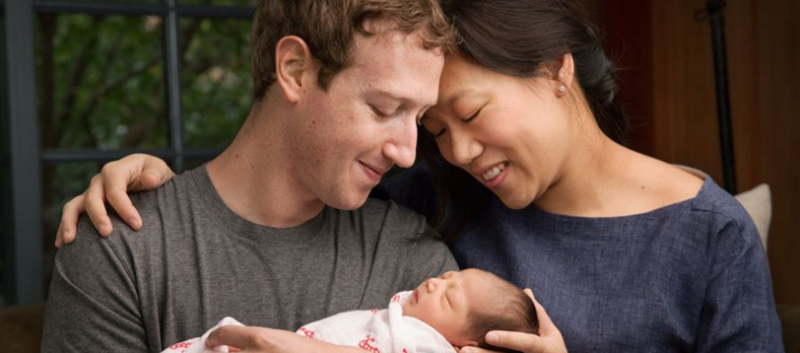
"caption": "Mark Zuckerberg, Priscilla Chan and their newborn daughter, Max. ",
"description": null,
"title": "Zuckerberg-Chan",
"credit": "Facebook",
"status": "inherit",
"isLoading": false,
"fetchFailed": false
},
"news_10776835": {
"type": "attachments",
"id": "news_10776835",
"meta": {
"index": "attachments_1716263798",
"site": "news",
"id": "10776835",
"found": true
},
"parent": 10776833,
"imgSizes": {
"twentyfourteen-full-width": {
"file": "https://ww2.kqed.org/app/uploads/sites/10/2015/11/johnfpeters_npr_la_finals11.jpg-996e7a4d80ba6eb78ce24a3f6377745e3ec65977-1038x576.jpe",
"width": 1038,
"mimeType": "image/jpeg",
"height": 576
},
"thumbnail": {
"file": "https://ww2.kqed.org/app/uploads/sites/10/2015/11/johnfpeters_npr_la_finals11.jpg-996e7a4d80ba6eb78ce24a3f6377745e3ec65977-400x300.jpe",
"width": 400,
"mimeType": "image/jpeg",
"height": 300
},
"fd-sm": {
"file": "https://ww2.kqed.org/app/uploads/sites/10/2015/11/johnfpeters_npr_la_finals11.jpg-996e7a4d80ba6eb78ce24a3f6377745e3ec65977-960x720.jpe",
"width": 960,
"mimeType": "image/jpeg",
"height": 720
},
"post-thumbnail": {
"file": "https://ww2.kqed.org/app/uploads/sites/10/2015/11/johnfpeters_npr_la_finals11.jpg-996e7a4d80ba6eb78ce24a3f6377745e3ec65977-672x372.jpe",
"width": 672,
"mimeType": "image/jpeg",
"height": 372
},
"kqedFullSize": {
"file": "https://ww2.kqed.org/app/uploads/sites/10/2015/11/johnfpeters_npr_la_finals11.jpg-996e7a4d80ba6eb78ce24a3f6377745e3ec65977-e1448918064925.jpe",
"width": 1920,
"height": 1440
},
"large": {
"file": "https://ww2.kqed.org/app/uploads/sites/10/2015/11/johnfpeters_npr_la_finals11.jpg-996e7a4d80ba6eb78ce24a3f6377745e3ec65977-1440x1080.jpe",
"width": 1440,
"mimeType": "image/jpeg",
"height": 1080
},
"guest-author-96": {
"file": "https://ww2.kqed.org/app/uploads/sites/10/2015/11/johnfpeters_npr_la_finals11.jpg-996e7a4d80ba6eb78ce24a3f6377745e3ec65977-96x96.jpe",
"width": 96,
"mimeType": "image/jpeg",
"height": 96
},
"medium": {
"file": "https://ww2.kqed.org/app/uploads/sites/10/2015/11/johnfpeters_npr_la_finals11.jpg-996e7a4d80ba6eb78ce24a3f6377745e3ec65977-800x600.jpe",
"width": 800,
"mimeType": "image/jpeg",
"height": 600
},
"guest-author-64": {
"file": "https://ww2.kqed.org/app/uploads/sites/10/2015/11/johnfpeters_npr_la_finals11.jpg-996e7a4d80ba6eb78ce24a3f6377745e3ec65977-64x64.jpe",
"width": 64,
"mimeType": "image/jpeg",
"height": 64
},
"guest-author-32": {
"file": "https://ww2.kqed.org/app/uploads/sites/10/2015/11/johnfpeters_npr_la_finals11.jpg-996e7a4d80ba6eb78ce24a3f6377745e3ec65977-32x32.jpe",
"width": 32,
"mimeType": "image/jpeg",
"height": 32
},
"jmtc-small-thumb": {
"file": "https://ww2.kqed.org/app/uploads/sites/10/2015/11/johnfpeters_npr_la_finals11.jpg-996e7a4d80ba6eb78ce24a3f6377745e3ec65977-280x150.jpe",
"width": 280,
"mimeType": "image/jpeg",
"height": 150
},
"fd-lrg": {
"file": "https://ww2.kqed.org/app/uploads/sites/10/2015/11/johnfpeters_npr_la_finals11.jpg-996e7a4d80ba6eb78ce24a3f6377745e3ec65977-1920x1440.jpe",
"width": 1920,
"mimeType": "image/jpeg",
"height": 1440
},
"fd-med": {
"file": "https://ww2.kqed.org/app/uploads/sites/10/2015/11/johnfpeters_npr_la_finals11.jpg-996e7a4d80ba6eb78ce24a3f6377745e3ec65977-1180x885.jpe",
"width": 1180,
"mimeType": "image/jpeg",
"height": 885
},
"detail": {
"file": "https://ww2.kqed.org/app/uploads/sites/10/2015/11/johnfpeters_npr_la_finals11.jpg-996e7a4d80ba6eb78ce24a3f6377745e3ec65977-75x75.jpe",
"width": 75,
"mimeType": "image/jpeg",
"height": 75
},
"guest-author-128": {
"file": "https://ww2.kqed.org/app/uploads/sites/10/2015/11/johnfpeters_npr_la_finals11.jpg-996e7a4d80ba6eb78ce24a3f6377745e3ec65977-128x128.jpe",
"width": 128,
"mimeType": "image/jpeg",
"height": 128
}
},
"publishDate": 1448917989,
"modified": 1448918058,
"caption": "Los Angeles is a sprawling metropolis, and it was poised to become a manufacturing giant because of its unique geography. As industry grew, so did an infrastructure of freeways that connects the ports to the eastern reaches of Los Angeles and San Bernardino counties, where factories had the space to expand.",
"description": "\u003c!--?xml version=\"1.0\" encoding=\"UTF-8\" standalone=\"no\"?--> Los Angeles is a sprawling metropolis, and it was poised to become a manufacturing giant because of its unique geography. As industry grew, so did an infrastructure of freeways that connects the ports to the eastern reaches of Los Angeles and San Bernardino counties, where factories had the space to expan",
"title": "Los Angeles-Manufacturing-NPR",
"credit": "John Francis Peters for NPR",
"status": "inherit",
"isLoading": false,
"fetchFailed": false
},
"news_10761321": {
"type": "attachments",
"id": "news_10761321",
"meta": {
"index": "attachments_1716263798",
"site": "news",
"id": "10761321",
"found": true
},
"parent": 10761312,
"imgSizes": {
"twentyfourteen-full-width": {
"file": "https://ww2.kqed.org/app/uploads/sites/10/2015/11/11.12.2015-038-1038x576.jpg",
"width": 1038,
"mimeType": "image/jpeg",
"height": 576
},
"thumbnail": {
"file": "https://ww2.kqed.org/app/uploads/sites/10/2015/11/11.12.2015-038-400x300.jpg",
"width": 400,
"mimeType": "image/jpeg",
"height": 300
},
"fd-sm": {
"file": "https://ww2.kqed.org/app/uploads/sites/10/2015/11/11.12.2015-038-960x720.jpg",
"width": 960,
"mimeType": "image/jpeg",
"height": 720
},
"post-thumbnail": {
"file": "https://ww2.kqed.org/app/uploads/sites/10/2015/11/11.12.2015-038-672x372.jpg",
"width": 672,
"mimeType": "image/jpeg",
"height": 372
},
"kqedFullSize": {
"file": "https://ww2.kqed.org/app/uploads/sites/10/2015/11/11.12.2015-038.jpg",
"width": 3264,
"height": 2448
},
"large": {
"file": "https://ww2.kqed.org/app/uploads/sites/10/2015/11/11.12.2015-038-1440x1080.jpg",
"width": 1440,
"mimeType": "image/jpeg",
"height": 1080
},
"guest-author-96": {
"file": "https://ww2.kqed.org/app/uploads/sites/10/2015/11/11.12.2015-038-96x96.jpg",
"width": 96,
"mimeType": "image/jpeg",
"height": 96
},
"medium": {
"file": "https://ww2.kqed.org/app/uploads/sites/10/2015/11/11.12.2015-038-800x600.jpg",
"width": 800,
"mimeType": "image/jpeg",
"height": 600
},
"guest-author-64": {
"file": "https://ww2.kqed.org/app/uploads/sites/10/2015/11/11.12.2015-038-64x64.jpg",
"width": 64,
"mimeType": "image/jpeg",
"height": 64
},
"guest-author-32": {
"file": "https://ww2.kqed.org/app/uploads/sites/10/2015/11/11.12.2015-038-32x32.jpg",
"width": 32,
"mimeType": "image/jpeg",
"height": 32
},
"jmtc-small-thumb": {
"file": "https://ww2.kqed.org/app/uploads/sites/10/2015/11/11.12.2015-038-280x150.jpg",
"width": 280,
"mimeType": "image/jpeg",
"height": 150
},
"fd-lrg": {
"file": "https://ww2.kqed.org/app/uploads/sites/10/2015/11/11.12.2015-038-1920x1440.jpg",
"width": 1920,
"mimeType": "image/jpeg",
"height": 1440
},
"fd-med": {
"file": "https://ww2.kqed.org/app/uploads/sites/10/2015/11/11.12.2015-038-1180x885.jpg",
"width": 1180,
"mimeType": "image/jpeg",
"height": 885
},
"detail": {
"file": "https://ww2.kqed.org/app/uploads/sites/10/2015/11/11.12.2015-038-75x75.jpg",
"width": 75,
"mimeType": "image/jpeg",
"height": 75
},
"guest-author-128": {
"file": "https://ww2.kqed.org/app/uploads/sites/10/2015/11/11.12.2015-038-128x128.jpg",
"width": 128,
"mimeType": "image/jpeg",
"height": 128
}
},
"publishDate": 1447715659,
"modified": 1448498854,
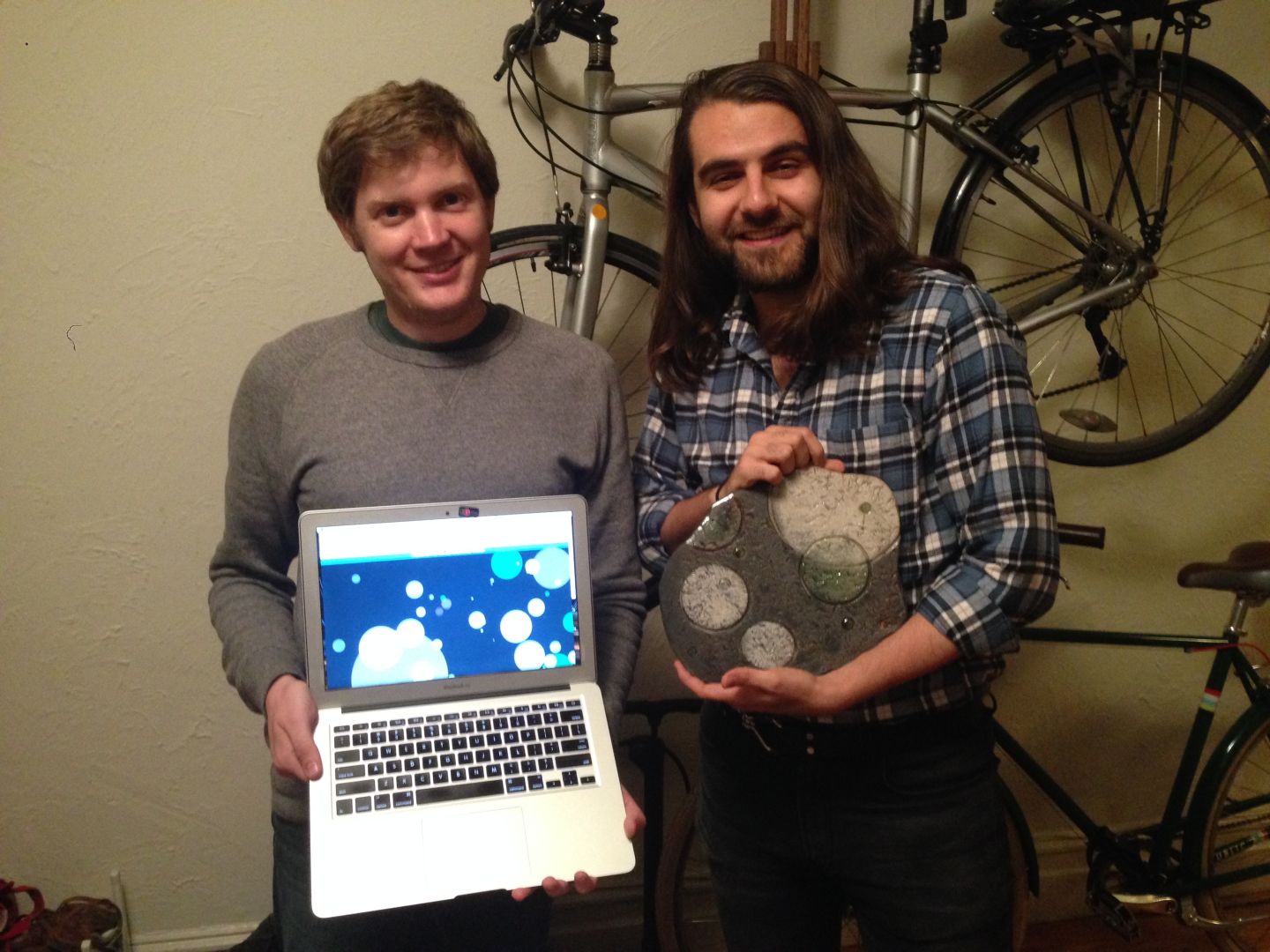
"caption": "Stephen LaPorte (left) and Mahmoud Hashemi created Listen to Wikipedia, as well as a rock sculpture of Listen to Wikipedia.",
"description": null,
"title": "Listen to Wikipedia",
"credit": "Sam Harnett/KQED",
"status": "inherit",
"isLoading": false,
"fetchFailed": false
},
"news_10344018": {
"type": "attachments",
"id": "news_10344018",
"meta": {
"index": "attachments_1716263798",
"site": "news",
"id": "10344018",
"found": true
},
"parent": 10344016,
"imgSizes": {
"twentyfourteen-full-width": {
"file": "https://ww2.kqed.org/app/uploads/sites/10/2014/10/451970690-1038x576.jpg",
"width": 1038,
"mimeType": "image/jpeg",
"height": 576
},
"thumbnail": {
"file": "https://ww2.kqed.org/app/uploads/sites/10/2014/10/451970690-400x267.jpg",
"width": 400,
"mimeType": "image/jpeg",
"height": 267
},
"post-thumbnail": {
"file": "https://ww2.kqed.org/app/uploads/sites/10/2014/10/451970690-672x372.jpg",
"width": 672,
"mimeType": "image/jpeg",
"height": 372
},
"kqedFullSize": {
"file": "https://ww2.kqed.org/app/uploads/sites/10/2014/10/451970690-e1413475506646.jpg",
"width": 1440,
"height": 962
},
"large": {
"file": "https://ww2.kqed.org/app/uploads/sites/10/2014/10/451970690-1440x962.jpg",
"width": 1440,
"mimeType": "image/jpeg",
"height": 962
},
"guest-author-96": {
"file": "https://ww2.kqed.org/app/uploads/sites/10/2014/10/451970690-96x96.jpg",
"width": 96,
"mimeType": "image/jpeg",
"height": 96
},
"medium": {
"file": "https://ww2.kqed.org/app/uploads/sites/10/2014/10/451970690-800x534.jpg",
"width": 800,
"mimeType": "image/jpeg",
"height": 534
},
"guest-author-64": {
"file": "https://ww2.kqed.org/app/uploads/sites/10/2014/10/451970690-64x64.jpg",
"width": 64,
"mimeType": "image/jpeg",
"height": 64
},
"detail": {
"file": "https://ww2.kqed.org/app/uploads/sites/10/2014/10/451970690-75x75.jpg",
"width": 75,
"mimeType": "image/jpeg",
"height": 75
},
"guest-author-32": {
"file": "https://ww2.kqed.org/app/uploads/sites/10/2014/10/451970690-32x32.jpg",
"width": 32,
"mimeType": "image/jpeg",
"height": 32
},
"guest-author-128": {
"file": "https://ww2.kqed.org/app/uploads/sites/10/2014/10/451970690-128x128.jpg",
"width": 128,
"mimeType": "image/jpeg",
"height": 128
}
},
"publishDate": 1413475363,
"modified": 1448137255,
"caption": "Priscilla Chan and Mark Zuckerberg at a conference in Sun Valley, Idaho, in July. ",
"description": "Priscilla Chan and Mark Zuckerberg at a conference in Sun Valley, Idaho, in July 2014. (Scott Olson/Getty Images)",
"title": "Zuckerberg-Chan",
"credit": "Scott Olson/Getty Images",
"status": "inherit",
"isLoading": false,
"fetchFailed": false
},
"news_10766032": {
"type": "attachments",
"id": "news_10766032",
"meta": {
"index": "attachments_1716263798",
"site": "news",
"id": "10766032",
"found": true
},
"parent": 10766031,
"imgSizes": {
"twentyfourteen-full-width": {
"file": "https://ww2.kqed.org/app/uploads/sites/10/2015/11/square-b24eb6ea1d463cf7d64dbbc136791d24c16b9c18-1023x576.jpg",
"width": 1023,
"mimeType": "image/jpeg",
"height": 576
},
"jmtc-small-thumb": {
"file": "https://ww2.kqed.org/app/uploads/sites/10/2015/11/square-b24eb6ea1d463cf7d64dbbc136791d24c16b9c18-280x150.jpg",
"width": 280,
"mimeType": "image/jpeg",
"height": 150
},
"thumbnail": {
"file": "https://ww2.kqed.org/app/uploads/sites/10/2015/11/square-b24eb6ea1d463cf7d64dbbc136791d24c16b9c18-400x300.jpg",
"width": 400,
"mimeType": "image/jpeg",
"height": 300
},
"fd-sm": {
"file": "https://ww2.kqed.org/app/uploads/sites/10/2015/11/square-b24eb6ea1d463cf7d64dbbc136791d24c16b9c18-960x720.jpg",
"width": 960,
"mimeType": "image/jpeg",
"height": 720
},
"post-thumbnail": {
"file": "https://ww2.kqed.org/app/uploads/sites/10/2015/11/square-b24eb6ea1d463cf7d64dbbc136791d24c16b9c18-672x372.jpg",
"width": 672,
"mimeType": "image/jpeg",
"height": 372
},
"kqedFullSize": {
"file": "https://ww2.kqed.org/app/uploads/sites/10/2015/11/square-b24eb6ea1d463cf7d64dbbc136791d24c16b9c18.jpg",
"width": 1023,
"height": 767
},
"guest-author-96": {
"file": "https://ww2.kqed.org/app/uploads/sites/10/2015/11/square-b24eb6ea1d463cf7d64dbbc136791d24c16b9c18-96x96.jpg",
"width": 96,
"mimeType": "image/jpeg",
"height": 96
},
"medium": {
"file": "https://ww2.kqed.org/app/uploads/sites/10/2015/11/square-b24eb6ea1d463cf7d64dbbc136791d24c16b9c18-800x600.jpg",
"width": 800,
"mimeType": "image/jpeg",
"height": 600
},
"guest-author-64": {
"file": "https://ww2.kqed.org/app/uploads/sites/10/2015/11/square-b24eb6ea1d463cf7d64dbbc136791d24c16b9c18-64x64.jpg",
"width": 64,
"mimeType": "image/jpeg",
"height": 64
},
"detail": {
"file": "https://ww2.kqed.org/app/uploads/sites/10/2015/11/square-b24eb6ea1d463cf7d64dbbc136791d24c16b9c18-75x75.jpg",
"width": 75,
"mimeType": "image/jpeg",
"height": 75
},
"guest-author-32": {
"file": "https://ww2.kqed.org/app/uploads/sites/10/2015/11/square-b24eb6ea1d463cf7d64dbbc136791d24c16b9c18-32x32.jpg",
"width": 32,
"mimeType": "image/jpeg",
"height": 32
},
"guest-author-128": {
"file": "https://ww2.kqed.org/app/uploads/sites/10/2015/11/square-b24eb6ea1d463cf7d64dbbc136791d24c16b9c18-128x128.jpg",
"width": 128,
"mimeType": "image/jpeg",
"height": 128
}
},
"publishDate": 1448054429,
"modified": 1448054497,
"caption": "The mobile payment device by Square allows small merchants to swipe customers' payment cards with a phone.",
"description": null,
"title": "Square",
"credit": "Sqaure Inc.",
"status": "inherit",
"isLoading": false,
"fetchFailed": false
},
"news_10765844": {
"type": "attachments",
"id": "news_10765844",
"meta": {
"index": "attachments_1716263798",
"site": "news",
"id": "10765844",
"found": true
},
"parent": 10765843,
"imgSizes": {
"jmtc-small-thumb": {
"file": "https://ww2.kqed.org/app/uploads/sites/10/2015/11/Tesla-Model-S-280x150.jpg",
"width": 280,
"mimeType": "image/jpeg",
"height": 150
},
"thumbnail": {
"file": "https://ww2.kqed.org/app/uploads/sites/10/2015/11/Tesla-Model-S-400x267.jpg",
"width": 400,
"mimeType": "image/jpeg",
"height": 267
},
"kqedFullSize": {
"file": "https://ww2.kqed.org/app/uploads/sites/10/2015/11/Tesla-Model-S.jpg",
"width": 540,
"height": 360
},
"guest-author-96": {
"file": "https://ww2.kqed.org/app/uploads/sites/10/2015/11/Tesla-Model-S-96x96.jpg",
"width": 96,
"mimeType": "image/jpeg",
"height": 96
},
"guest-author-64": {
"file": "https://ww2.kqed.org/app/uploads/sites/10/2015/11/Tesla-Model-S-64x64.jpg",
"width": 64,
"mimeType": "image/jpeg",
"height": 64
},
"detail": {
"file": "https://ww2.kqed.org/app/uploads/sites/10/2015/11/Tesla-Model-S-75x75.jpg",
"width": 75,
"mimeType": "image/jpeg",
"height": 75
},
"guest-author-32": {
"file": "https://ww2.kqed.org/app/uploads/sites/10/2015/11/Tesla-Model-S-32x32.jpg",
"width": 32,
"mimeType": "image/jpeg",
"height": 32
},
"guest-author-128": {
"file": "https://ww2.kqed.org/app/uploads/sites/10/2015/11/Tesla-Model-S-128x128.jpg",
"width": 128,
"mimeType": "image/jpeg",
"height": 128
}
},
"publishDate": 1448044809,
"modified": 1448044828,
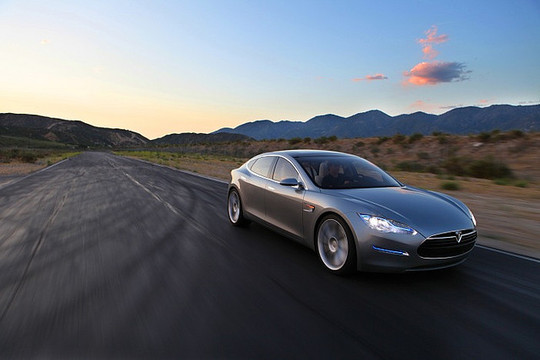
"caption": "A Tesla Model S.",
"description": null,
"title": "Tesla Model S",
"credit": "Al Abut/Flickr ",
"status": "inherit",
"isLoading": false,
"fetchFailed": false
},
"news_10762231": {
"type": "attachments",
"id": "news_10762231",
"meta": {
"index": "attachments_1716263798",
"site": "news",
"id": "10762231",
"found": true
},
"parent": 10761651,
"imgSizes": {
"twentyfourteen-full-width": {
"file": "https://ww2.kqed.org/app/uploads/sites/10/2015/11/20151111_homeless_jt-7-1038x576.jpg",
"width": 1038,
"mimeType": "image/jpeg",
"height": 576
},
"thumbnail": {
"file": "https://ww2.kqed.org/app/uploads/sites/10/2015/11/20151111_homeless_jt-7-400x287.jpg",
"width": 400,
"mimeType": "image/jpeg",
"height": 287
},
"fd-sm": {
"file": "https://ww2.kqed.org/app/uploads/sites/10/2015/11/20151111_homeless_jt-7-960x689.jpg",
"width": 960,
"mimeType": "image/jpeg",
"height": 689
},
"post-thumbnail": {
"file": "https://ww2.kqed.org/app/uploads/sites/10/2015/11/20151111_homeless_jt-7-672x372.jpg",
"width": 672,
"mimeType": "image/jpeg",
"height": 372
},
"kqedFullSize": {
"file": "https://ww2.kqed.org/app/uploads/sites/10/2015/11/20151111_homeless_jt-7.jpg",
"width": 2800,
"height": 2009
},
"large": {
"file": "https://ww2.kqed.org/app/uploads/sites/10/2015/11/20151111_homeless_jt-7-1440x1033.jpg",
"width": 1440,
"mimeType": "image/jpeg",
"height": 1033
},
"guest-author-96": {
"file": "https://ww2.kqed.org/app/uploads/sites/10/2015/11/20151111_homeless_jt-7-96x96.jpg",
"width": 96,
"mimeType": "image/jpeg",
"height": 96
},
"medium": {
"file": "https://ww2.kqed.org/app/uploads/sites/10/2015/11/20151111_homeless_jt-7-800x574.jpg",
"width": 800,
"mimeType": "image/jpeg",
"height": 574
},
"guest-author-64": {
"file": "https://ww2.kqed.org/app/uploads/sites/10/2015/11/20151111_homeless_jt-7-64x64.jpg",
"width": 64,
"mimeType": "image/jpeg",
"height": 64
},
"guest-author-32": {
"file": "https://ww2.kqed.org/app/uploads/sites/10/2015/11/20151111_homeless_jt-7-32x32.jpg",
"width": 32,
"mimeType": "image/jpeg",
"height": 32
},
"jmtc-small-thumb": {
"file": "https://ww2.kqed.org/app/uploads/sites/10/2015/11/20151111_homeless_jt-7-280x150.jpg",
"width": 280,
"mimeType": "image/jpeg",
"height": 150
},
"fd-lrg": {
"file": "https://ww2.kqed.org/app/uploads/sites/10/2015/11/20151111_homeless_jt-7-1920x1378.jpg",
"width": 1920,
"mimeType": "image/jpeg",
"height": 1378
},
"fd-med": {
"file": "https://ww2.kqed.org/app/uploads/sites/10/2015/11/20151111_homeless_jt-7-1180x847.jpg",
"width": 1180,
"mimeType": "image/jpeg",
"height": 847
},
"detail": {
"file": "https://ww2.kqed.org/app/uploads/sites/10/2015/11/20151111_homeless_jt-7-75x75.jpg",
"width": 75,
"mimeType": "image/jpeg",
"height": 75
},
"guest-author-128": {
"file": "https://ww2.kqed.org/app/uploads/sites/10/2015/11/20151111_homeless_jt-7-128x128.jpg",
"width": 128,
"mimeType": "image/jpeg",
"height": 128
}
},
"publishDate": 1447778919,
"modified": 1447778946,
"caption": "Brian and Andrea Rodriguez have been living on San Jose's streets and creeks for the better part of two years now, keeping each other's spirits up as they fight to get back into paying jobs and permanent housing.",
"description": "Brian and Andrea Rodriguez have been living on San Jose's streets and creeks for the better part of two years now, keeping each other's spirits up as they fight to get back into paying jobs and permanent housing.",
"title": "20151111_homeless_jt-7",
"credit": "James Tensuan/KQED",
"status": "inherit",
"isLoading": false,
"fetchFailed": false
},
"news_10758878": {
"type": "attachments",
"id": "news_10758878",
"meta": {
"index": "attachments_1716263798",
"site": "news",
"id": "10758878",
"found": true
},
"parent": 10757862,
"imgSizes": {
"twentyfourteen-full-width": {
"file": "https://ww2.kqed.org/app/uploads/sites/10/2015/11/GettyImages-497141846-1038x576.jpg",
"width": 1038,
"mimeType": "image/jpeg",
"height": 576
},
"thumbnail": {
"file": "https://ww2.kqed.org/app/uploads/sites/10/2015/11/GettyImages-497141846-400x267.jpg",
"width": 400,
"mimeType": "image/jpeg",
"height": 267
},
"fd-sm": {
"file": "https://ww2.kqed.org/app/uploads/sites/10/2015/11/GettyImages-497141846-960x641.jpg",
"width": 960,
"mimeType": "image/jpeg",
"height": 641
},
"post-thumbnail": {
"file": "https://ww2.kqed.org/app/uploads/sites/10/2015/11/GettyImages-497141846-672x372.jpg",
"width": 672,
"mimeType": "image/jpeg",
"height": 372
},
"kqedFullSize": {
"file": "https://ww2.kqed.org/app/uploads/sites/10/2015/11/GettyImages-497141846-e1447530821380.jpg",
"width": 1920,
"height": 1281
},
"large": {
"file": "https://ww2.kqed.org/app/uploads/sites/10/2015/11/GettyImages-497141846-1440x961.jpg",
"width": 1440,
"mimeType": "image/jpeg",
"height": 961
},
"guest-author-96": {
"file": "https://ww2.kqed.org/app/uploads/sites/10/2015/11/GettyImages-497141846-96x96.jpg",
"width": 96,
"mimeType": "image/jpeg",
"height": 96
},
"medium": {
"file": "https://ww2.kqed.org/app/uploads/sites/10/2015/11/GettyImages-497141846-800x534.jpg",
"width": 800,
"mimeType": "image/jpeg",
"height": 534
},
"guest-author-64": {
"file": "https://ww2.kqed.org/app/uploads/sites/10/2015/11/GettyImages-497141846-64x64.jpg",
"width": 64,
"mimeType": "image/jpeg",
"height": 64
},
"guest-author-32": {
"file": "https://ww2.kqed.org/app/uploads/sites/10/2015/11/GettyImages-497141846-32x32.jpg",
"width": 32,
"mimeType": "image/jpeg",
"height": 32
},
"jmtc-small-thumb": {
"file": "https://ww2.kqed.org/app/uploads/sites/10/2015/11/GettyImages-497141846-280x150.jpg",
"width": 280,
"mimeType": "image/jpeg",
"height": 150
},
"fd-lrg": {
"file": "https://ww2.kqed.org/app/uploads/sites/10/2015/11/GettyImages-497141846-1920x1281.jpg",
"width": 1920,
"mimeType": "image/jpeg",
"height": 1281
},
"fd-med": {
"file": "https://ww2.kqed.org/app/uploads/sites/10/2015/11/GettyImages-497141846-1180x787.jpg",
"width": 1180,
"mimeType": "image/jpeg",
"height": 787
},
"detail": {
"file": "https://ww2.kqed.org/app/uploads/sites/10/2015/11/GettyImages-497141846-75x75.jpg",
"width": 75,
"mimeType": "image/jpeg",
"height": 75
},
"guest-author-128": {
"file": "https://ww2.kqed.org/app/uploads/sites/10/2015/11/GettyImages-497141846-128x128.jpg",
"width": 128,
"mimeType": "image/jpeg",
"height": 128
}
},
"publishDate": 1447530748,
"modified": 1447885336,
"caption": "Flowers and candles are placed outside Le Carillon bar, the day after a deadly attack on Nov.14, 2015, in Paris, France.",
"description": null,
"title": "Paris Attacks",
"credit": "Antoine Antoniol/Getty Images",
"status": "inherit",
"isLoading": false,
"fetchFailed": false
},
"news_10761388": {
"type": "attachments",
"id": "news_10761388",
"meta": {
"index": "attachments_1716263798",
"site": "news",
"id": "10761388",
"found": true
},
"parent": 10761012,
"imgSizes": {
"twentyfourteen-full-width": {
"file": "https://ww2.kqed.org/app/uploads/sites/10/2015/11/kinkbnbmasksstill-1038x576.jpg",
"width": 1038,
"mimeType": "image/jpeg",
"height": 576
},
"thumbnail": {
"file": "https://ww2.kqed.org/app/uploads/sites/10/2015/11/kinkbnbmasksstill-400x225.jpg",
"width": 400,
"mimeType": "image/jpeg",
"height": 225
},
"fd-sm": {
"file": "https://ww2.kqed.org/app/uploads/sites/10/2015/11/kinkbnbmasksstill-960x540.jpg",
"width": 960,
"mimeType": "image/jpeg",
"height": 540
},
"post-thumbnail": {
"file": "https://ww2.kqed.org/app/uploads/sites/10/2015/11/kinkbnbmasksstill-672x372.jpg",
"width": 672,
"mimeType": "image/jpeg",
"height": 372
},
"kqedFullSize": {
"file": "https://ww2.kqed.org/app/uploads/sites/10/2015/11/kinkbnbmasksstill.jpg",
"width": 1920,
"height": 1080
},
"large": {
"file": "https://ww2.kqed.org/app/uploads/sites/10/2015/11/kinkbnbmasksstill-1440x810.jpg",
"width": 1440,
"mimeType": "image/jpeg",
"height": 810
},
"guest-author-96": {
"file": "https://ww2.kqed.org/app/uploads/sites/10/2015/11/kinkbnbmasksstill-96x96.jpg",
"width": 96,
"mimeType": "image/jpeg",
"height": 96
},
"medium": {
"file": "https://ww2.kqed.org/app/uploads/sites/10/2015/11/kinkbnbmasksstill-800x450.jpg",
"width": 800,
"mimeType": "image/jpeg",
"height": 450
},
"guest-author-64": {
"file": "https://ww2.kqed.org/app/uploads/sites/10/2015/11/kinkbnbmasksstill-64x64.jpg",
"width": 64,
"mimeType": "image/jpeg",
"height": 64
},
"guest-author-32": {
"file": "https://ww2.kqed.org/app/uploads/sites/10/2015/11/kinkbnbmasksstill-32x32.jpg",
"width": 32,
"mimeType": "image/jpeg",
"height": 32
},
"jmtc-small-thumb": {
"file": "https://ww2.kqed.org/app/uploads/sites/10/2015/11/kinkbnbmasksstill-280x150.jpg",
"width": 280,
"mimeType": "image/jpeg",
"height": 150
},
"fd-lrg": {
"file": "https://ww2.kqed.org/app/uploads/sites/10/2015/11/kinkbnbmasksstill-1920x1080.jpg",
"width": 1920,
"mimeType": "image/jpeg",
"height": 1080
},
"fd-med": {
"file": "https://ww2.kqed.org/app/uploads/sites/10/2015/11/kinkbnbmasksstill-1180x664.jpg",
"width": 1180,
"mimeType": "image/jpeg",
"height": 664
},
"detail": {
"file": "https://ww2.kqed.org/app/uploads/sites/10/2015/11/kinkbnbmasksstill-75x75.jpg",
"width": 75,
"mimeType": "image/jpeg",
"height": 75
},
"guest-author-128": {
"file": "https://ww2.kqed.org/app/uploads/sites/10/2015/11/kinkbnbmasksstill-128x128.jpg",
"width": 128,
"mimeType": "image/jpeg",
"height": 128
}
},
"publishDate": 1447717015,
"modified": 1447717046,
"caption": "KinkBNB.com connects sex dungeons with those who need them. ",
"description": "KinkBNB.com connects sex dungeons with those who need them. ",
"title": "kinkbnbmasksstill",
"credit": "Susan Cohen/KQED",
"status": "inherit",
"isLoading": false,
"fetchFailed": false
},
"news_10761323": {
"type": "attachments",
"id": "news_10761323",
"meta": {
"index": "attachments_1716263798",
"site": "news",
"id": "10761323",
"found": true
},
"parent": 10761315,
"imgSizes": {
"twentyfourteen-full-width": {
"file": "https://ww2.kqed.org/app/uploads/sites/10/2015/11/BIG-THINK-JACK-D-profile-1038x576.jpg",
"width": 1038,
"mimeType": "image/jpeg",
"height": 576
},
"thumbnail": {
"file": "https://ww2.kqed.org/app/uploads/sites/10/2015/11/BIG-THINK-JACK-D-profile-400x287.jpg",
"width": 400,
"mimeType": "image/jpeg",
"height": 287
},
"fd-sm": {
"file": "https://ww2.kqed.org/app/uploads/sites/10/2015/11/BIG-THINK-JACK-D-profile-960x690.jpg",
"width": 960,
"mimeType": "image/jpeg",
"height": 690
},
"post-thumbnail": {
"file": "https://ww2.kqed.org/app/uploads/sites/10/2015/11/BIG-THINK-JACK-D-profile-672x372.jpg",
"width": 672,
"mimeType": "image/jpeg",
"height": 372
},
"kqedFullSize": {
"file": "https://ww2.kqed.org/app/uploads/sites/10/2015/11/BIG-THINK-JACK-D-profile.jpg",
"width": 1920,
"height": 1379
},
"large": {
"file": "https://ww2.kqed.org/app/uploads/sites/10/2015/11/BIG-THINK-JACK-D-profile-1440x1034.jpg",
"width": 1440,
"mimeType": "image/jpeg",
"height": 1034
},
"guest-author-96": {
"file": "https://ww2.kqed.org/app/uploads/sites/10/2015/11/BIG-THINK-JACK-D-profile-96x96.jpg",
"width": 96,
"mimeType": "image/jpeg",
"height": 96
},
"medium": {
"file": "https://ww2.kqed.org/app/uploads/sites/10/2015/11/BIG-THINK-JACK-D-profile-800x575.jpg",
"width": 800,
"mimeType": "image/jpeg",
"height": 575
},
"guest-author-64": {
"file": "https://ww2.kqed.org/app/uploads/sites/10/2015/11/BIG-THINK-JACK-D-profile-64x64.jpg",
"width": 64,
"mimeType": "image/jpeg",
"height": 64
},
"guest-author-32": {
"file": "https://ww2.kqed.org/app/uploads/sites/10/2015/11/BIG-THINK-JACK-D-profile-32x32.jpg",
"width": 32,
"mimeType": "image/jpeg",
"height": 32
},
"jmtc-small-thumb": {
"file": "https://ww2.kqed.org/app/uploads/sites/10/2015/11/BIG-THINK-JACK-D-profile-280x150.jpg",
"width": 280,
"mimeType": "image/jpeg",
"height": 150
},
"fd-lrg": {
"file": "https://ww2.kqed.org/app/uploads/sites/10/2015/11/BIG-THINK-JACK-D-profile-1920x1379.jpg",
"width": 1920,
"mimeType": "image/jpeg",
"height": 1379
},
"fd-med": {
"file": "https://ww2.kqed.org/app/uploads/sites/10/2015/11/BIG-THINK-JACK-D-profile-1180x848.jpg",
"width": 1180,
"mimeType": "image/jpeg",
"height": 848
},
"detail": {
"file": "https://ww2.kqed.org/app/uploads/sites/10/2015/11/BIG-THINK-JACK-D-profile-75x75.jpg",
"width": 75,
"mimeType": "image/jpeg",
"height": 75
},
"guest-author-128": {
"file": "https://ww2.kqed.org/app/uploads/sites/10/2015/11/BIG-THINK-JACK-D-profile-128x128.jpg",
"width": 128,
"mimeType": "image/jpeg",
"height": 128
}
},
"publishDate": 1447715811,
"modified": 1447811187,
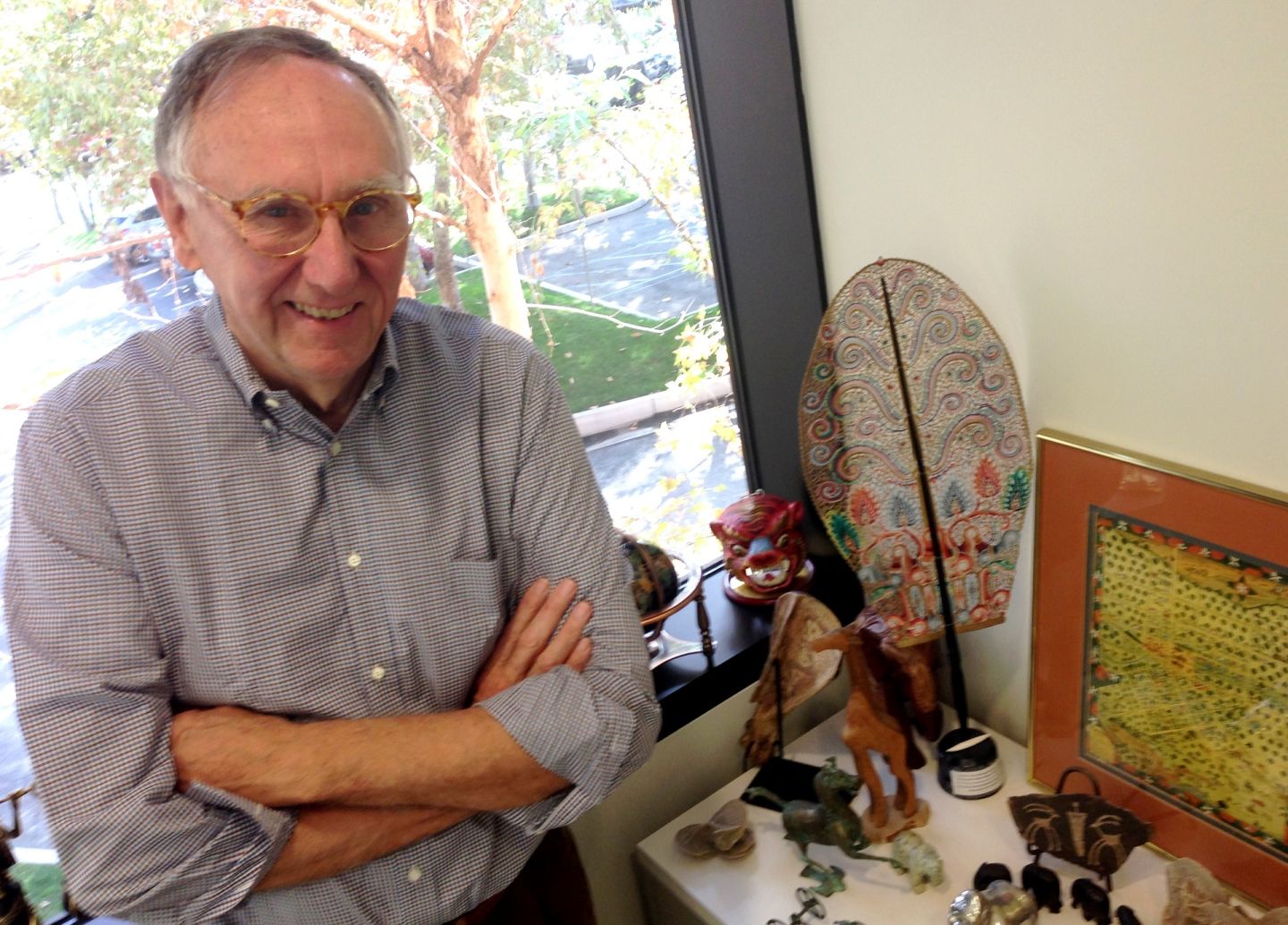
"caption": "Digital mapping pioneer Jack Dangermond at ESRI headquarters in Redlands, California.",
"description": null,
"title": "BIG THINK JACK D profile",
"credit": "Steven Cuevas/KQED",
"status": "inherit",
"isLoading": false,
"fetchFailed": false
},
"news_10759909": {
"type": "attachments",
"id": "news_10759909",
"meta": {
"index": "attachments_1716263798",
"site": "news",
"id": "10759909",
"found": true
},
"parent": 10759908,
"imgSizes": {
"twentyfourteen-full-width": {
"file": "https://ww2.kqed.org/app/uploads/sites/10/2015/11/gettyimages-497105828_custom-5c68b92e237daef5778810acfa8d5fd654e4513c-1038x576.jpg",
"width": 1038,
"mimeType": "image/jpeg",
"height": 576
},
"thumbnail": {
"file": "https://ww2.kqed.org/app/uploads/sites/10/2015/11/gettyimages-497105828_custom-5c68b92e237daef5778810acfa8d5fd654e4513c-400x266.jpg",
"width": 400,
"mimeType": "image/jpeg",
"height": 266
},
"fd-sm": {
"file": "https://ww2.kqed.org/app/uploads/sites/10/2015/11/gettyimages-497105828_custom-5c68b92e237daef5778810acfa8d5fd654e4513c-960x639.jpg",
"width": 960,
"mimeType": "image/jpeg",
"height": 639
},
"post-thumbnail": {
"file": "https://ww2.kqed.org/app/uploads/sites/10/2015/11/gettyimages-497105828_custom-5c68b92e237daef5778810acfa8d5fd654e4513c-672x372.jpg",
"width": 672,
"mimeType": "image/jpeg",
"height": 372
},
"kqedFullSize": {
"file": "https://ww2.kqed.org/app/uploads/sites/10/2015/11/gettyimages-497105828_custom-5c68b92e237daef5778810acfa8d5fd654e4513c.jpg",
"width": 5184,
"height": 3452
},
"large": {
"file": "https://ww2.kqed.org/app/uploads/sites/10/2015/11/gettyimages-497105828_custom-5c68b92e237daef5778810acfa8d5fd654e4513c-1440x959.jpg",
"width": 1440,
"mimeType": "image/jpeg",
"height": 959
},
"guest-author-96": {
"file": "https://ww2.kqed.org/app/uploads/sites/10/2015/11/gettyimages-497105828_custom-5c68b92e237daef5778810acfa8d5fd654e4513c-96x96.jpg",
"width": 96,
"mimeType": "image/jpeg",
"height": 96
},
"medium": {
"file": "https://ww2.kqed.org/app/uploads/sites/10/2015/11/gettyimages-497105828_custom-5c68b92e237daef5778810acfa8d5fd654e4513c-800x533.jpg",
"width": 800,
"mimeType": "image/jpeg",
"height": 533
},
"guest-author-64": {
"file": "https://ww2.kqed.org/app/uploads/sites/10/2015/11/gettyimages-497105828_custom-5c68b92e237daef5778810acfa8d5fd654e4513c-64x64.jpg",
"width": 64,
"mimeType": "image/jpeg",
"height": 64
},
"guest-author-32": {
"file": "https://ww2.kqed.org/app/uploads/sites/10/2015/11/gettyimages-497105828_custom-5c68b92e237daef5778810acfa8d5fd654e4513c-32x32.jpg",
"width": 32,
"mimeType": "image/jpeg",
"height": 32
},
"jmtc-small-thumb": {
"file": "https://ww2.kqed.org/app/uploads/sites/10/2015/11/gettyimages-497105828_custom-5c68b92e237daef5778810acfa8d5fd654e4513c-280x150.jpg",
"width": 280,
"mimeType": "image/jpeg",
"height": 150
},
"fd-lrg": {
"file": "https://ww2.kqed.org/app/uploads/sites/10/2015/11/gettyimages-497105828_custom-5c68b92e237daef5778810acfa8d5fd654e4513c-1920x1279.jpg",
"width": 1920,
"mimeType": "image/jpeg",
"height": 1279
},
"fd-med": {
"file": "https://ww2.kqed.org/app/uploads/sites/10/2015/11/gettyimages-497105828_custom-5c68b92e237daef5778810acfa8d5fd654e4513c-1180x786.jpg",
"width": 1180,
"mimeType": "image/jpeg",
"height": 786
},
"detail": {
"file": "https://ww2.kqed.org/app/uploads/sites/10/2015/11/gettyimages-497105828_custom-5c68b92e237daef5778810acfa8d5fd654e4513c-75x75.jpg",
"width": 75,
"mimeType": "image/jpeg",
"height": 75
},
"guest-author-128": {
"file": "https://ww2.kqed.org/app/uploads/sites/10/2015/11/gettyimages-497105828_custom-5c68b92e237daef5778810acfa8d5fd654e4513c-128x128.jpg",
"width": 128,
"mimeType": "image/jpeg",
"height": 128
}
},
"publishDate": 1447611548,
"modified": 1447611548,
"caption": null,
"description": "A man plays piano near the Bataclan theater in Paris on November 14, the day after a series of attacks on the city resulted in the deaths of at least 120 individuals. At least 80 people died inside the Batacla",
"title": "A man plays piano near the Bataclan theater in Paris on November 14, the day after a series of attacks on the city resulted in the deaths of at least 120 individuals. At least 80 people died inside the Bataclan.",
"credit": null,
"status": "inherit",
"isLoading": false,
"fetchFailed": false
}
},
"audioPlayerReducer": {
"postId": "stream_live",
"isPaused": true,
"isPlaying": false,
"pfsActive": false,
"pledgeModalIsOpen": true,
"playerDrawerIsOpen": false,
"liveAudioPlayStartedAt": 0,
"liveAudioPlayContext": ""
},
"authorsReducer": {
"byline_news_10781019": {
"type": "authors",
"id": "byline_news_10781019",
"meta": {
"override": true
},
"slug": "byline_news_10781019",
"name": "\u003cstrong>\u003ca href=\"http://fusion.net/author/pendarvis-harshaw/\">Pendarvis Harshaw\u003c/a>\u003cbr>\u003ca href=\"https://youthradio.org/\">Youth Radio\u003c/a>\u003c/strong>",
"isLoading": false
},
"byline_news_10776833": {
"type": "authors",
"id": "byline_news_10776833",
"meta": {
"override": true
},
"slug": "byline_news_10776833",
"name": "\u003cstrong>\u003ca href=\"http://www.npr.org/people/4510160/david-greene\">David Greene\u003c/a>, \u003ca href=\"http://www.npr.org/people/130330851/sonari-glinton\">Sonari Glinton\u003c/a> and \u003ca href=\"http://www.npr.org/people/177485735/shereen-marisol-meraji\">Shereen Marisol Meraji\u003c/a>\u003cbr />NPR\u003c/strong>",
"isLoading": false
},
"byline_news_10766031": {
"type": "authors",
"id": "byline_news_10766031",
"meta": {
"override": true
},
"slug": "byline_news_10766031",
"name": "\u003cstrong>\u003ca href=\"http://www.npr.org/people/2101272/laura-sydell\" target=\"_blank\">Laura Sydell\u003c/a>\u003cbr />NPR\u003c/strong>",
"isLoading": false
},
"byline_news_10765843": {
"type": "authors",
"id": "byline_news_10765843",
"meta": {
"override": true
},
"slug": "byline_news_10765843",
"name": "\u003cstrong>Dee-Ann Durbin\u003cbr />Associated Press\u003c/strong>",
"isLoading": false
},
"byline_news_10759908": {
"type": "authors",
"id": "byline_news_10759908",
"meta": {
"override": true
},
"slug": "byline_news_10759908",
"name": "\u003cstrong>\u003ca href=\"https://twitter.com/camilareads\">Camila Domonoske\u003c/a>\u003cbr />NPR\u003c/strong>",
"isLoading": false
},
"jbrooks": {
"type": "authors",
"id": "80",
"meta": {
"index": "authors_1716337520",
"id": "80",
"found": true
},
"name": "Jon Brooks",
"firstName": "Jon",
"lastName": "Brooks",
"slug": "jbrooks",
"email": "jbrooks@kqed.org",
"display_author_email": true,
"staff_mastheads": [
"science"
],
"title": "Digital Editor",
"bio": "Jon Brooks is a former Digital Editor for KQED Science. He is the former editor of KQED’s daily news blog, News Fix. In 2014, he won a California Journalism Award for his coverage of ride services like Uber and Lyft and the taxi industry. A veteran blogger, he previously worked for Yahoo! in various news writing and editing roles. Jon is also a playwright whose work has been produced in San Francisco, New York, Italy, and around the U.S. He has written about film for his own blog and studied film at Boston University.",
"avatar": "https://secure.gravatar.com/avatar/98887f7ed1c876ed414d4c915e969584?s=600&d=blank&r=g",
"twitter": "jbrooksfoy",
"facebook": null,
"instagram": null,
"linkedin": null,
"sites": [
{
"site": "arts",
"roles": [
"Contributor",
"editor"
]
},
{
"site": "news",
"roles": [
"author"
]
},
{
"site": "futureofyou",
"roles": [
"administrator"
]
},
{
"site": "mindshift",
"roles": [
"editor"
]
},
{
"site": "stateofhealth",
"roles": [
"editor"
]
},
{
"site": "science",
"roles": [
"administrator"
]
},
{
"site": "quest",
"roles": [
"editor"
]
}
],
"headData": {
"title": "Jon Brooks | KQED",
"description": "Digital Editor",
"ogImgSrc": "https://secure.gravatar.com/avatar/98887f7ed1c876ed414d4c915e969584?s=600&d=blank&r=g",
"twImgSrc": "https://secure.gravatar.com/avatar/98887f7ed1c876ed414d4c915e969584?s=600&d=blank&r=g"
},
"isLoading": false,
"link": "/author/jbrooks"
},
"danbrekke": {
"type": "authors",
"id": "222",
"meta": {
"index": "authors_1716337520",
"id": "222",
"found": true
},
"name": "Dan Brekke",
"firstName": "Dan",
"lastName": "Brekke",
"slug": "danbrekke",
"email": "dbrekke@kqed.org",
"display_author_email": true,
"staff_mastheads": [
"news",
"science"
],
"title": "KQED Editor and Reporter",
"bio": "Dan Brekke is a reporter and editor for KQED News, responsible for coverage of topics ranging from California water issues to the Bay Area's transportation challenges. In a newsroom career that began in Chicago in 1972, Dan has worked for \u003cem>The San Francisco Examiner,\u003c/em> Wired and TechTV and has been published in The New York Times, The New York Times Magazine, Business 2.0, Salon and elsewhere.\r\n\r\nSince joining KQED in 2007, Dan has reported, edited and produced both radio and online features and breaking news pieces. He has shared as both editor and reporter in four Society of Professional Journalists Norcal Excellence in Journalism awards and one Edward R. Murrow regional award. He was chosen for a spring 2017 residency at the Mesa Refuge to advance his research on California salmon.\r\n\r\nEmail Dan at: \u003ca href=\"mailto:dbrekke@kqed.org\">dbrekke@kqed.org\u003c/a>\r\n\r\n\u003cstrong>Twitter:\u003c/strong> \u003ca href=\"https://twitter.com/danbrekke\" rel=\"noopener noreferrer\">twitter.com/danbrekke\u003c/a>\r\n\u003cstrong>Facebook:\u003c/strong> \u003ca href=\"https://www.facebook.com/danbrekke\" rel=\"noopener noreferrer\">www.facebook.com/danbrekke\u003c/a>\r\n\u003cstrong>LinkedIn:\u003c/strong> \u003ca href=\"https://www.linkedin.com/in/danbrekke\" rel=\"noopener noreferrer\">www.linkedin.com/in/danbrekke\u003c/a>",
"avatar": "https://secure.gravatar.com/avatar/8f1f0d2a978fb3b23426c922c7e2af558fa36905b49c4ce76a97dc3c72d27226?s=600&d=mm&r=g",
"twitter": "danbrekke",
"bluesky": null,
"facebook": null,
"instagram": "https://www.instagram.com/dan.brekke/",
"linkedin": "https://www.linkedin.com/in/danbrekke/",
"sites": [
{
"site": "news",
"roles": [
"administrator",
"create_posts"
]
},
{
"site": "stateofhealth",
"roles": [
"editor"
]
},
{
"site": "science",
"roles": [
"editor"
]
},
{
"site": "quest",
"roles": [
"contributor"
]
},
{
"site": "food",
"roles": [
"contributor"
]
},
{
"site": "forum",
"roles": [
"contributor"
]
},
{
"site": "elections",
"roles": [
"editor"
]
},
{
"site": "liveblog",
"roles": [
"editor"
]
}
],
"headData": {
"title": "Dan Brekke | KQED",
"description": "KQED Editor and Reporter",
"ogImgSrc": "https://secure.gravatar.com/avatar/8f1f0d2a978fb3b23426c922c7e2af558fa36905b49c4ce76a97dc3c72d27226?s=600&d=mm&r=g",
"twImgSrc": "https://secure.gravatar.com/avatar/8f1f0d2a978fb3b23426c922c7e2af558fa36905b49c4ce76a97dc3c72d27226?s=600&d=mm&r=g"
},
"isLoading": false,
"link": "/author/danbrekke"
},
"rachael-myrow": {
"type": "authors",
"id": "251",
"meta": {
"index": "authors_1716337520",
"id": "251",
"found": true
},
"name": "Rachael Myrow",
"firstName": "Rachael",
"lastName": "Myrow",
"slug": "rachael-myrow",
"email": "rmyrow@kqed.org",
"display_author_email": true,
"staff_mastheads": [
"news"
],
"title": "Senior Editor of KQED's Silicon Valley News Desk",
"bio": "• I write and edit stories about how Silicon Valley power and policies shape everyday life in California. I’m also passionate about making Bay Area history and culture more accessible to a broad public. • I’ve been a journalist for most of my life, starting in high school with The Franklin Press in Los Angeles, where I grew up. While earning my first degree in English at UC Berkeley, I got my start in public radio at KALX-FM. After completing a second degree in journalism at Cal, I landed my first professional job at Marketplace, then moved on to KPCC (now LAist), and then KQED, where I hosted The California Report for more than seven years. • My reporting has appeared on NPR, The World, WBUR’s \u003ci>Here & Now\u003c/i>, and the BBC. I also guest host for KQED’s \u003ci>Forum\u003c/i>, as well as the Commonwealth Club in San Francisco. • I speak periodically on media, democracy and technology issues, and do voiceover work for documentaries and educational video projects. • Outside of the studio, you'll find me hiking Bay Area trails and whipping up Insta-ready meals in my kitchen. • I do not accept gifts, money, or favors from anyone connected to my reporting, I don't pay people for information, and I do not support or donate to political causes. • I strive to treat the people I report on with fairness, honesty, and respect. I also recognize there are often multiple sides to a story and work to verify information through multiple sources and documentation. If I get something wrong, I correct it.",
"avatar": "https://secure.gravatar.com/avatar/3ed8a3c5f26025e4a805ba634cda8cd764906b97438a6d9ce216b044e340da4e?s=600&d=blank&r=g",
"twitter": "rachaelmyrow",
"bluesky": null,
"facebook": null,
"instagram": null,
"linkedin": "https://www.linkedin.com/in/rachaelmyrow/",
"sites": [
{
"site": "arts",
"roles": [
"administrator"
]
},
{
"site": "news",
"roles": [
"edit_others_posts",
"editor"
]
},
{
"site": "futureofyou",
"roles": [
"editor"
]
},
{
"site": "bayareabites",
"roles": [
"editor"
]
},
{
"site": "stateofhealth",
"roles": [
"editor"
]
},
{
"site": "science",
"roles": [
"editor"
]
},
{
"site": "food",
"roles": [
"editor"
]
},
{
"site": "forum",
"roles": [
"editor"
]
},
{
"site": "liveblog",
"roles": [
"author"
]
}
],
"headData": {
"title": "Rachael Myrow | KQED",
"description": "Senior Editor of KQED's Silicon Valley News Desk",
"ogImgSrc": "https://secure.gravatar.com/avatar/3ed8a3c5f26025e4a805ba634cda8cd764906b97438a6d9ce216b044e340da4e?s=600&d=blank&r=g",
"twImgSrc": "https://secure.gravatar.com/avatar/3ed8a3c5f26025e4a805ba634cda8cd764906b97438a6d9ce216b044e340da4e?s=600&d=blank&r=g"
},
"isLoading": false,
"link": "/author/rachael-myrow"
},
"samharnett": {
"type": "authors",
"id": "253",
"meta": {
"index": "authors_1716337520",
"id": "253",
"found": true
},
"name": "Sam Harnett",
"firstName": "Sam",
"lastName": "Harnett",
"slug": "samharnett",
"email": "samharnett@gmail.com",
"display_author_email": false,
"staff_mastheads": [],
"title": "KQED Contributor",
"bio": "Sam Harnett covered tech and work at KQED. He is the co-creator of \u003cem>\u003ca href=\"http://www.theworldaccordingtosound.org\">The World According to Sound\u003c/a>,\u003c/em> a 90-second podcast that features different sounds and the stories behind them.\r\n\r\nBefore coming to KQED, Sam worked as an independent reporter who contributed regularly to \u003cem>The California Report, Marketplace,\u003c/em> \u003cem>The World \u003c/em>and NPR.",
"avatar": "https://secure.gravatar.com/avatar/2538b972ac02f2b9546c7a6c59a0f3d0?s=600&d=blank&r=g",
"twitter": "Samwharnett",
"facebook": null,
"instagram": null,
"linkedin": null,
"sites": [
{
"site": "news",
"roles": [
"edit_others_posts",
"subscriber"
]
},
{
"site": "stateofhealth",
"roles": [
"author"
]
},
{
"site": "science",
"roles": [
"editor"
]
},
{
"site": "quest",
"roles": [
"subscriber"
]
}
],
"headData": {
"title": "Sam Harnett | KQED",
"description": "KQED Contributor",
"ogImgSrc": "https://secure.gravatar.com/avatar/2538b972ac02f2b9546c7a6c59a0f3d0?s=600&d=blank&r=g",
"twImgSrc": "https://secure.gravatar.com/avatar/2538b972ac02f2b9546c7a6c59a0f3d0?s=600&d=blank&r=g"
},
"isLoading": false,
"link": "/author/samharnett"
},
"scuevas": {
"type": "authors",
"id": "2600",
"meta": {
"index": "authors_1716337520",
"id": "2600",
"found": true
},
"name": "Steven Cuevas",
"firstName": "Steven",
"lastName": "Cuevas",
"slug": "scuevas",
"email": "scuevas@kqed.org",
"display_author_email": false,
"staff_mastheads": [],
"title": "KQED Contributor",
"bio": "Steven is a former Los Angeles bureau chief for The California Report.\r\n\r\nHe reports on an array of issues across the Southland, from immigration and regional politics to religion, the performing arts and pop culture.\r\n\r\nPrior to joining KQED in 2012, Steven covered Inland southern California for KPCC in Pasadena. He also helped establish the first newsroom at \u003ca href=\"http://kut.org/\">KUT\u003c/a> in Austin, Texas where he was a general assignment reporter.\r\n\r\nSteven has received numerous awards for his reporting including an RTNDA Edward R. Murrow Award for investigative reporting in addition to awards from the LA Press Club, the Associated Press and the Society for Professional Journalists.\r\n\r\nSteven grew up in and around San Francisco and now lives in Pasadena just a short jog from the foot of the San Gabriel Mountains.",
"avatar": "https://secure.gravatar.com/avatar/2d253580794f8e026100fae05cfabbbd4889b4fe15146146cacb82a01974c538?s=600&d=blank&r=g",
"twitter": null,
"bluesky": null,
"facebook": null,
"instagram": null,
"linkedin": null,
"sites": [
{
"site": "news",
"roles": [
"subscriber"
]
}
],
"headData": {
"title": "Steven Cuevas | KQED",
"description": "KQED Contributor",
"ogImgSrc": "https://secure.gravatar.com/avatar/2d253580794f8e026100fae05cfabbbd4889b4fe15146146cacb82a01974c538?s=600&d=blank&r=g",
"twImgSrc": "https://secure.gravatar.com/avatar/2d253580794f8e026100fae05cfabbbd4889b4fe15146146cacb82a01974c538?s=600&d=blank&r=g"
},
"isLoading": false,
"link": "/author/scuevas"
},
"scohen": {
"type": "authors",
"id": "8644",
"meta": {
"index": "authors_1716337520",
"id": "8644",
"found": true
},
"name": "Susan Cohen",
"firstName": "Susan",
"lastName": "Cohen",
"slug": "scohen",
"email": "scohen@kqed.org",
"display_author_email": false,
"staff_mastheads": [],
"title": "KQED Contributor",
"bio": "Susan Cohen is an award-winning journalist who recently completed a master’s degree in documentary production at the UC Berkeley Graduate School of Journalism. Before making the switch to video, Susan spent four years at the \u003cem>Charleston City Pape\u003c/em>r, a South Carolina alt-weekly, where she wrote more than 20 cover stories on everything from doomsday preppers to quidditch to world-class chefs. Her writing has also been featured in the \u003cem>East Bay Express\u003c/em>, This Recording, and the Hairpin, and she just finished her first short documentary, \u003cem>Today I am a Man\u003c/em>.",
"avatar": "https://secure.gravatar.com/avatar/92af56fb2aef065ab75ba56aac1f4a42125d3e997a8ea381ca3c9f2139e80995?s=600&d=blank&r=g",
"twitter": null,
"bluesky": null,
"facebook": null,
"instagram": null,
"linkedin": null,
"sites": [
{
"site": "arts",
"roles": [
"subscriber"
]
},
{
"site": "news",
"roles": [
"subscriber"
]
}
],
"headData": {
"title": "Susan Cohen | KQED",
"description": "KQED Contributor",
"ogImgSrc": "https://secure.gravatar.com/avatar/92af56fb2aef065ab75ba56aac1f4a42125d3e997a8ea381ca3c9f2139e80995?s=600&d=blank&r=g",
"twImgSrc": "https://secure.gravatar.com/avatar/92af56fb2aef065ab75ba56aac1f4a42125d3e997a8ea381ca3c9f2139e80995?s=600&d=blank&r=g"
},
"isLoading": false,
"link": "/author/scohen"
}
},
"pagesReducer": {
"news_category_technology": {
"type": "terms",
"id": "news_248",
"meta": {
"index": "terms_1716263798",
"site": "news",
"id": "248",
"score": 10.931574
},
"featImg": null,
"name": "Technology",
"description": null,
"taxonomy": "category",
"headData": {
"twImgId": null,
"twTitle": null,
"ogTitle": null,
"ogImgId": null,
"twDescription": null,
"description": null,
"title": "Technology Archives | KQED News",
"ogDescription": null
},
"ttid": 256,
"slug": "technology",
"isLoading": false,
"title": "Technology",
"pageMeta": {
"site": "news",
"WpPageTemplate": "page-topic-editorial",
"currentPage": 140
},
"blocks": [
{
"blockName": "kqed/post-list",
"attrs": {
"layout": "cardArticle2",
"query": "posts/news?category=technology",
"seeMore": false,
"paginated": true,
"page": 140
}
},
{
"blockName": "kqed/ad"
}
]
}
},
"pfsSessionReducer": {},
"postsReducer": {
"stream_live": {
"type": "live",
"id": "stream_live",
"audioUrl": "https://streams.kqed.org/kqedradio",
"title": "Live Stream",
"excerpt": "Live Stream information currently unavailable.",
"link": "/radio",
"featImg": "",
"label": {
"name": "KQED Live",
"link": "/"
}
},
"stream_kqedNewscast": {
"type": "posts",
"id": "stream_kqedNewscast",
"audioUrl": "https://www.kqed.org/.stream/anon/radio/RDnews/newscast.mp3?_=1",
"title": "KQED Newscast",
"featImg": "",
"label": {
"name": "88.5 FM",
"link": "/"
}
},
"news_10781019": {
"type": "posts",
"id": "news_10781019",
"meta": {
"index": "posts_1716263798",
"site": "news",
"id": "10781019",
"score": null,
"sort": [
1449190977000
]
},
"parent": 0,
"labelTerm": {
"site": "news",
"term": 72
},
"blocks": [],
"publishDate": 1449190977,
"format": "standard",
"disqusTitle": "As Tech Firms Come to Oakland, So Do Hopes of Racial Diversity",
"title": "As Tech Firms Come to Oakland, So Do Hopes of Racial Diversity",
"headTitle": "The California Report | KQED News",
"content": "\u003cp>Adan Faudoa, 24, grew up in the Bay Area, near Silicon Valley, but he didn't always think he'd be a tech guy. His dad had other plans for him.\u003c/p>\n\u003cp>\"As a kid, my dad was a big gearhead,\" Faudoa says, \"so he was pushing me in the direction like, 'You have to be an auto mechanic, Adan, because this is where the money is at.' \"\u003c/p>\n\u003cp>But over time, Faudoa began to see things a little differently. He noticed the people moving into his neighborhood were programmers and people working for tech companies. He decided he'd fight hard to become one of them, even though there aren't too many people of color in the industry. In the end, he landed a job at the music streaming service Pandora, one of the first tech companies to \u003ca href=\"http://www.sfgate.com/business/article/Office-Space-Pandora-perks-include-free-gadget-5940432.php\">set up shop in Oakland\u003c/a>. Now, there's an emerging startup scene.\u003c/p>\n\u003caside class=\"pullquote alignright\">'I’m hoping that the culture of Oakland is just an overwhelming wave against any type of invading horde of ‘tech bros’ coming in.'\u003c/aside>\n\u003cp>Tech pioneer Mitch Kapor also gambled on Oakland. Kapor says that in the not-so-distant past, when he told people that tech would come to Oakland, they were skeptical. \"Five years ago, people thought I'd grown a second head,\" Kapor says.\u003c/p>\n\u003cp>But \u003ca href=\"http://www.kaporcenter.org/founders-staff/\">Kapor and his wife, Freada Kapor Klein\u003c/a>, saw Oakland as the perfect place to carry out their shared mission: to create diversity within tech.\u003c/p>\n\u003cp>[ad fullwidth]\u003c/p>\n\u003cp>\"There's all of the platitudes that diversity's good for business,\" Kapor Klein says. \"But you look around tech, and you look at how hugely profitable companies like Google and Facebook (are) — all these behemoths — and they're staggeringly undiverse, and they're doing just fine. So we need to focus on different strategies.\"\u003c/p>\n\u003cp>[contextly_sidebar id=\"LWHag56umloIMXOhybZ40qSVr2SgAilL\"]\u003c/p>\n\u003cp>The Kapors invest in strategies that eliminate bias in the tech industry, whether it's through new training programs or by redesigning the application process and performance reviews. Kapor says that sometimes the culture of the workplace itself can be the problem.\u003c/p>\n\u003cp>\"If a company is made up entirely of, let's say, recent Stanford graduates, maybe fraternity brothers, and there's sort of a bro culture, you're going to feel left out,\" he says. \"You can't actually be who you are.\"\u003c/p>\n\u003cp>At \u003ca href=\"https://getclef.com/about/\">Clef\u003c/a>, a data security startup in Oakland, some of the founders did originally meet through networks in college. But now they're trying to bring in the local community by opening up their offices every Wednesday night for a free dinner.\u003c/p>\n\u003cp>At a recent free community meal, where the crowd skews mid-20s and early 30s, there are plenty of tech and media types. Darrell Jones III, one of the event organizers, says firefighters, public officials, even the bartender from down the street, sometimes will show up for a plate.\u003c/p>\n\u003cfigure id=\"attachment_10781021\" class=\"wp-caption aligncenter\" style=\"max-width: 5563px\">\u003cimg class=\"size-full wp-image-10781021\" src=\"http://ww2.kqed.org/news/wp-content/uploads/sites/10/2015/12/dsc06050_wide-47e084ece864b83ff19589fdc552080296d7bba0.jpg\" alt=\"A recent Wednesday community dinner at Clef, a data security startup in Oakland.\" width=\"5563\" height=\"3129\" srcset=\"https://ww2.kqed.org/app/uploads/sites/10/2015/12/dsc06050_wide-47e084ece864b83ff19589fdc552080296d7bba0.jpg 5563w, https://ww2.kqed.org/app/uploads/sites/10/2015/12/dsc06050_wide-47e084ece864b83ff19589fdc552080296d7bba0-400x225.jpg 400w, https://ww2.kqed.org/app/uploads/sites/10/2015/12/dsc06050_wide-47e084ece864b83ff19589fdc552080296d7bba0-800x450.jpg 800w, https://ww2.kqed.org/app/uploads/sites/10/2015/12/dsc06050_wide-47e084ece864b83ff19589fdc552080296d7bba0-1440x810.jpg 1440w, https://ww2.kqed.org/app/uploads/sites/10/2015/12/dsc06050_wide-47e084ece864b83ff19589fdc552080296d7bba0-1920x1080.jpg 1920w, https://ww2.kqed.org/app/uploads/sites/10/2015/12/dsc06050_wide-47e084ece864b83ff19589fdc552080296d7bba0-1180x664.jpg 1180w, https://ww2.kqed.org/app/uploads/sites/10/2015/12/dsc06050_wide-47e084ece864b83ff19589fdc552080296d7bba0-960x540.jpg 960w\" sizes=\"(max-width: 5563px) 100vw, 5563px\">\u003cfigcaption class=\"wp-caption-text\">A recent Wednesday community dinner at Clef, a data security startup in Oakland. \u003ccite>(Pendarvis Harshaw/Youth Radio)\u003c/cite>\u003c/figcaption>\u003c/figure>\n\u003cp>\"I'm hoping that the culture of Oakland is just an overwhelming wave against any type of invading horde of 'tech bros' coming in,\" Jones says. \"Through this smaller kind of community-centric local open event, we hope that we're able to [build] strong bridges between Oakland tech and just Oakland.\"\u003c/p>\n\u003cp>\"Just Oakland\" means the blue-collar workers who settled here during World War II. The artists, the hippies, the entrepreneurs. The educators and the political activists. The people who've emigrated from East Africa, the Middle East, Central America and Southeast Asia. \"Just Oakland\" is this town's history as one of the strongest communities for blacks in America.\u003c/p>\n\u003cp>Oakland is already changing with the arrival of tech. But the question is: Will the tech industry change, too, and become more diverse as more companies move in?\u003c/p>\n\u003cp>\u003ca href=\"http://ww2.kqed.org/news/2015/09/23/uber-comes-to-oakland-in-a-big-way\" target=\"_blank\">Uber is the latest newcomer to town\u003c/a>, and it is taking over the former Sears department store in the heart of downtown. Oakland Councilwoman Lynette McElhaney says that it's critical that Uber let \"Oakland in.\" That's what'll make the difference in terms of equity: Oaklanders having a real place at the table in tech companies -- and not just for a weekly dinner.\u003c/p>\n\u003cp>\u003cem>Pendarvis Harshaw's story was produced by \u003c/em>\u003cem>\u003ca href=\"https://youthradio.org/\">Youth Radio\u003c/a>.\u003c/em>\u003c/p>\n\u003cp>\u003c/p>\n\u003cp>Copyright 2015 Youth Radio.\u003c/p>\n\n",
"disqusIdentifier": "10781019 http://ww2.kqed.org/news/?p=10781019",
"disqusUrl": "https://ww2.kqed.org/news/2015/12/03/as-tech-firms-come-to-oakland-so-do-hopes-of-racial-diversity/",
"stats": {
"hasVideo": false,
"hasChartOrMap": false,
"hasAudio": false,
"hasPolis": false,
"wordCount": 716,
"hasGoogleForm": false,
"hasGallery": false,
"hasHearkenModule": false,
"iframeSrcs": [],
"paragraphCount": 19
},
"modified": 1449346644,
"excerpt": "Oakland is known for its diversity. The tech industry? Not so much. But there's hope that will improve as more tech companies move there.",
"headData": {
"twImgId": "",
"twTitle": "",
"ogTitle": "",
"ogImgId": "",
"twDescription": "",
"description": "Oakland is known for its diversity. The tech industry? Not so much. But there's hope that will improve as more tech companies move there.",
"title": "As Tech Firms Come to Oakland, So Do Hopes of Racial Diversity | KQED",
"ogDescription": "",
"schema": {
"@context": "https://schema.org",
"@type": "NewsArticle",
"headline": "As Tech Firms Come to Oakland, So Do Hopes of Racial Diversity",
"datePublished": "2015-12-03T17:02:57-08:00",
"dateModified": "2015-12-05T12:17:24-08:00",
"image": "https://cdn.kqed.org/wp-content/uploads/2020/02/KQED-OG-Image@1x.png",
"isAccessibleForFree": "True",
"publisher": {
"@type": "NewsMediaOrganization",
"@id": "https://www.kqed.org/#organization",
"name": "KQED",
"logo": "https://cdn.kqed.org/wp-content/uploads/2020/02/KQED-OG-Image@1x.png",
"url": "https://www.kqed.org",
"sameAs": [
"https://www.facebook.com/KQED",
"https://twitter.com/KQED",
"https://www.instagram.com/kqed/",
"https://www.tiktok.com/@kqedofficial",
"https://www.linkedin.com/company/kqed",
"https://www.youtube.com/channel/UCeC0IOo7i1P_61zVUWbJ4nw"
]
}
}
},
"guestAuthors": [],
"slug": "as-tech-firms-come-to-oakland-so-do-hopes-of-racial-diversity",
"status": "publish",
"nprApiLink": "http://api.npr.org/query?id=458008179&apiKey=MDAxOTAwOTE4MDEyMTkxMDAzNjczZDljZA004",
"nprByline": "\u003cstrong>\u003ca href=\"http://fusion.net/author/pendarvis-harshaw/\">Pendarvis Harshaw\u003c/a>\u003cbr>\u003ca href=\"https://youthradio.org/\">Youth Radio\u003c/a>\u003c/strong>",
"nprStoryDate": "Thu, 03 Dec 2015 05:46:00 -0500",
"nprLastModifiedDate": "Thu, 03 Dec 2015 19:38:20 -0500",
"nprHtmlLink": "http://www.npr.org/sections/alltechconsidered/2015/12/03/458008179/as-tech-firms-come-to-oakland-so-do-hopes-of-racial-diversity?ft=nprml&f=458008179",
"nprAudio": "http://pd.npr.org/anon.npr-mp3/npr/me/2015/12/20151203_me_as_tech_firms_come_to_oakland_so_do_hopes_of_racial_diversity.mp3?orgId=181596702&topicId=1019&aggIds=4692815&d=232&p=3&story=458008179&t=progseg&e=458273351&seg=8&ft=nprml&f=458008179",
"nprImageAgency": "Youth Radio",
"nprImageCredit": "Pendarvis Harshaw",
"nprAudioM3u": "http://api.npr.org/m3u/1458276463-54634e.m3u?orgId=181596702&topicId=1019&aggIds=4692815&d=232&p=3&story=458008179&t=progseg&e=458273351&seg=8&ft=nprml&f=458008179",
"nprStoryId": "458008179",
"nprRetrievedStory": "1",
"nprPubDate": "Thu, 03 Dec 2015 19:38:00 -0500",
"path": "/news/10781019/as-tech-firms-come-to-oakland-so-do-hopes-of-racial-diversity",
"audioUrl": "http://pd.npr.org/anon.npr-mp3/npr/me/2015/12/20151203_me_as_tech_firms_come_to_oakland_so_do_hopes_of_racial_diversity.mp3?orgId=181596702&topicId=1019&aggIds=4692815&d=232&p=3&story=458008179&t=progseg&e=458273351&seg=8&ft=nprml&f=458008179",
"audioTrackLength": null,
"parsedContent": [
{
"type": "contentString",
"content": "\u003cdiv class=\"post-body\">\u003cp>\u003cp>Adan Faudoa, 24, grew up in the Bay Area, near Silicon Valley, but he didn't always think he'd be a tech guy. His dad had other plans for him.\u003c/p>\n\u003cp>\"As a kid, my dad was a big gearhead,\" Faudoa says, \"so he was pushing me in the direction like, 'You have to be an auto mechanic, Adan, because this is where the money is at.' \"\u003c/p>\n\u003cp>But over time, Faudoa began to see things a little differently. He noticed the people moving into his neighborhood were programmers and people working for tech companies. He decided he'd fight hard to become one of them, even though there aren't too many people of color in the industry. In the end, he landed a job at the music streaming service Pandora, one of the first tech companies to \u003ca href=\"http://www.sfgate.com/business/article/Office-Space-Pandora-perks-include-free-gadget-5940432.php\">set up shop in Oakland\u003c/a>. Now, there's an emerging startup scene.\u003c/p>\n\u003caside class=\"pullquote alignright\">'I’m hoping that the culture of Oakland is just an overwhelming wave against any type of invading horde of ‘tech bros’ coming in.'\u003c/aside>\n\u003cp>Tech pioneer Mitch Kapor also gambled on Oakland. Kapor says that in the not-so-distant past, when he told people that tech would come to Oakland, they were skeptical. \"Five years ago, people thought I'd grown a second head,\" Kapor says.\u003c/p>\n\u003cp>But \u003ca href=\"http://www.kaporcenter.org/founders-staff/\">Kapor and his wife, Freada Kapor Klein\u003c/a>, saw Oakland as the perfect place to carry out their shared mission: to create diversity within tech.\u003c/p>\n\u003cp>\u003c/p>\u003c/div>",
"attributes": {
"named": {},
"numeric": []
}
},
{
"type": "component",
"content": "",
"name": "ad",
"attributes": {
"named": {
"label": "fullwidth"
},
"numeric": [
"fullwidth"
]
}
},
{
"type": "contentString",
"content": "\u003cdiv class=\"post-body\">\u003cp>\u003c/p>\n\u003cp>\"There's all of the platitudes that diversity's good for business,\" Kapor Klein says. \"But you look around tech, and you look at how hugely profitable companies like Google and Facebook (are) — all these behemoths — and they're staggeringly undiverse, and they're doing just fine. So we need to focus on different strategies.\"\u003c/p>\n\u003cp>\u003c/p>\u003cp>\u003c/p>\u003cp>\u003c/p>\n\u003cp>The Kapors invest in strategies that eliminate bias in the tech industry, whether it's through new training programs or by redesigning the application process and performance reviews. Kapor says that sometimes the culture of the workplace itself can be the problem.\u003c/p>\n\u003cp>\"If a company is made up entirely of, let's say, recent Stanford graduates, maybe fraternity brothers, and there's sort of a bro culture, you're going to feel left out,\" he says. \"You can't actually be who you are.\"\u003c/p>\n\u003cp>At \u003ca href=\"https://getclef.com/about/\">Clef\u003c/a>, a data security startup in Oakland, some of the founders did originally meet through networks in college. But now they're trying to bring in the local community by opening up their offices every Wednesday night for a free dinner.\u003c/p>\n\u003cp>At a recent free community meal, where the crowd skews mid-20s and early 30s, there are plenty of tech and media types. Darrell Jones III, one of the event organizers, says firefighters, public officials, even the bartender from down the street, sometimes will show up for a plate.\u003c/p>\n\u003cfigure id=\"attachment_10781021\" class=\"wp-caption aligncenter\" style=\"max-width: 5563px\">\u003cimg class=\"size-full wp-image-10781021\" src=\"http://ww2.kqed.org/news/wp-content/uploads/sites/10/2015/12/dsc06050_wide-47e084ece864b83ff19589fdc552080296d7bba0.jpg\" alt=\"A recent Wednesday community dinner at Clef, a data security startup in Oakland.\" width=\"5563\" height=\"3129\" srcset=\"https://ww2.kqed.org/app/uploads/sites/10/2015/12/dsc06050_wide-47e084ece864b83ff19589fdc552080296d7bba0.jpg 5563w, https://ww2.kqed.org/app/uploads/sites/10/2015/12/dsc06050_wide-47e084ece864b83ff19589fdc552080296d7bba0-400x225.jpg 400w, https://ww2.kqed.org/app/uploads/sites/10/2015/12/dsc06050_wide-47e084ece864b83ff19589fdc552080296d7bba0-800x450.jpg 800w, https://ww2.kqed.org/app/uploads/sites/10/2015/12/dsc06050_wide-47e084ece864b83ff19589fdc552080296d7bba0-1440x810.jpg 1440w, https://ww2.kqed.org/app/uploads/sites/10/2015/12/dsc06050_wide-47e084ece864b83ff19589fdc552080296d7bba0-1920x1080.jpg 1920w, https://ww2.kqed.org/app/uploads/sites/10/2015/12/dsc06050_wide-47e084ece864b83ff19589fdc552080296d7bba0-1180x664.jpg 1180w, https://ww2.kqed.org/app/uploads/sites/10/2015/12/dsc06050_wide-47e084ece864b83ff19589fdc552080296d7bba0-960x540.jpg 960w\" sizes=\"(max-width: 5563px) 100vw, 5563px\">\u003cfigcaption class=\"wp-caption-text\">A recent Wednesday community dinner at Clef, a data security startup in Oakland. \u003ccite>(Pendarvis Harshaw/Youth Radio)\u003c/cite>\u003c/figcaption>\u003c/figure>\n\u003cp>\"I'm hoping that the culture of Oakland is just an overwhelming wave against any type of invading horde of 'tech bros' coming in,\" Jones says. \"Through this smaller kind of community-centric local open event, we hope that we're able to [build] strong bridges between Oakland tech and just Oakland.\"\u003c/p>\n\u003cp>\"Just Oakland\" means the blue-collar workers who settled here during World War II. The artists, the hippies, the entrepreneurs. The educators and the political activists. The people who've emigrated from East Africa, the Middle East, Central America and Southeast Asia. \"Just Oakland\" is this town's history as one of the strongest communities for blacks in America.\u003c/p>\n\u003cp>Oakland is already changing with the arrival of tech. But the question is: Will the tech industry change, too, and become more diverse as more companies move in?\u003c/p>\n\u003cp>\u003ca href=\"http://ww2.kqed.org/news/2015/09/23/uber-comes-to-oakland-in-a-big-way\" target=\"_blank\">Uber is the latest newcomer to town\u003c/a>, and it is taking over the former Sears department store in the heart of downtown. Oakland Councilwoman Lynette McElhaney says that it's critical that Uber let \"Oakland in.\" That's what'll make the difference in terms of equity: Oaklanders having a real place at the table in tech companies -- and not just for a weekly dinner.\u003c/p>\n\u003cp>\u003cem>Pendarvis Harshaw's story was produced by \u003c/em>\u003cem>\u003ca href=\"https://youthradio.org/\">Youth Radio\u003c/a>.\u003c/em>\u003c/p>\n\u003cp>\u003c/p>\n\u003cp>Copyright 2015 Youth Radio.\u003c/p>\n\n\u003c/div>\u003c/p>",
"attributes": {
"named": {},
"numeric": []
}
}
],
"link": "/news/10781019/as-tech-firms-come-to-oakland-so-do-hopes-of-racial-diversity",
"authors": [
"byline_news_10781019"
],
"programs": [
"news_6944",
"news_72"
],
"categories": [
"news_1758",
"news_248"
],
"tags": [
"news_18",
"news_4849"
],
"affiliates": [
"news_253"
],
"featImg": "news_10781020",
"label": "news_72"
},
"news_10778065": {
"type": "posts",
"id": "news_10778065",
"meta": {
"index": "posts_1716263798",
"site": "news",
"id": "10778065",
"score": null,
"sort": [
1449011777000
]
},
"parent": 0,
"labelTerm": {
"site": "news",
"term": 6944
},
"blocks": [],
"publishDate": 1449011777,
"format": "standard",
"disqusTitle": "Zuckerberg, Chan Celebrate Daughter's Birth With $45 Billion 'Human Potential' Initiative",
"title": "Zuckerberg, Chan Celebrate Daughter's Birth With $45 Billion 'Human Potential' Initiative",
"headTitle": "News Fix | KQED News",
"content": "\u003cp>Many of us who have become parents have written, or at least mentally composed, letters to our newborn children.\u003c/p>\n\u003cp>I didn't produce such a document, but if I had, mine would have said something about wanting to do a better job as a parent than I felt mine had done. I probably would have thrown in something about wishing I was better prepared for my new responsibilities than I was. My immediate prospects included no job and no stable place to live.\u003c/p>\n\u003cp>I'm pretty sure that my letter would not have included a dollar sign in close proximity to the word \"billion.\"\u003c/p>\n\u003cp>And that is one among the many ways that most of us are different from Facebook founder and CEO Mark Zuckerberg, who announced Tuesday that he and his wife, pediatrician Priscilla Chan, are the parents of a newborn daughter they have named Max.\u003c/p>\n\u003cp>The announcement, in the form of \u003ca href=\"https://www.facebook.com/notes/mark-zuckerberg/a-letter-to-our-daughter/10153375081581634\" target=\"_blank\">a letter addressed to Max\u003c/a> on Facebook, also included another bit of news: Chan and Zuckerberg are marking the occasion by making a lifetime commitment to give 99 percent of their shares in Facebook to an initiative \"to advance human potential and promote equality for all children in the next generation.\"\u003c/p>\n\u003cp>[ad fullwidth]\u003c/p>\n\u003cp>At their current price, those shares are worth something like $45 billion.\u003c/p>\n\u003cp>The 2,232-word missive is scant on details but outlines an ambitious long-term global effort to bring communities together and revolutionize health care and education. The Internet will be a crucial tool, the letter argues, but adds that technology \"can't solve problems by itself.\"\u003c/p>\n\u003cp>Although the message stresses an international vision and the need for a campaign that will last decades or longer, many of the issues it raises resonate with the present moment in the United States. Among the issues the Chan Zuckerberg Initiative plans to address are the impact of poverty, mass incarceration and the marginalization of the undocumented:\u003c/p>\n\u003cblockquote>\u003cp>Children have the best opportunities when they can learn. And they learn best when they're healthy. Health starts early -- with loving family, good nutrition and a safe, stable environment.\u003c/p>\n\u003cp>Children who face traumatic experiences early in life often develop less healthy minds and bodies. Studies show physical changes in brain development leading to lower cognitive ability. ...\u003c/p>\n\u003cp>If you have to wonder whether you'll have food or rent, or worry about abuse or crime, then it's difficult to reach your full potential.\u003c/p>\n\u003cp>If you fear you'll go to prison rather than college because of the color of your skin, or that your family will be deported because of your legal status, or that you may be a victim of violence because of your religion, sexual orientation or gender identity, then it's difficult to reach your full potential.\u003c/p>\n\u003cp>We need institutions that understand these issues are all connected. ... By partnering with schools, health centers, parent groups and local governments, and by ensuring all children are well fed and cared for starting young, we can start to treat these inequities as connected. Only then can we collectively start to give everyone an equal opportunity.\u003c/p>\u003c/blockquote>\n\u003cp>In a video posted on \u003ca href=\"https://www.facebook.com/chanzuckerberginitiative/\" target=\"_blank\">a new Facebook page\u003c/a> for the Chan Zuckerberg Initiative, the couple discusses their hopes for the new enterprises.\u003c/p>\n\u003cp>\"The only way we reach our full human potential is if we unlock the gifts of every person around the world,\" Zuckerberg says.\u003c/p>\n\u003cp>Chan adds, \"We need to make sure there are investments in programs that ensure that the future isn't going to be like today -- that the future is going to be better than today.\"\u003c/p>\n\u003cp>The two are already noted for large donations focused on education and health care.\u003c/p>\n\u003cp>\u003c/p>\n\u003cp>Zuckerberg gave $100 million in 2010 to help improve schools in Newark, New Jersey -- an initiative that has reaped \u003ca href=\"http://www.businessinsider.com/mark-zuckerbergs-failed-100-million-donation-to-newark-public-schools-2015-9\" target=\"_blank\">only modest results\u003c/a>. Earlier this year, \u003ca href=\"http://www.nbcbayarea.com/news/local/Zuckerberg-Priscilla-Chan-to-Open-Private-Free-School-in-East-Palo-Alto-336287271.html\" target=\"_blank\">Chan announced\u003c/a> she is starting a free private school for low-income families in East Palo Alto. The couple also donated $75 million for \u003ca href=\"http://www.sfgate.com/health/article/S-F-General-Hospital-shows-off-new-trauma-6639559.php\" target=\"_blank\">the newly rebuilt San Francisco General Hospital\u003c/a>.\u003c/p>\n\n",
"disqusIdentifier": "10778065 http://ww2.kqed.org/news/?p=10778065",
"disqusUrl": "https://ww2.kqed.org/news/2015/12/01/zuckerberg-chan-celebrate-daughters-birth-with-45-billion-human-potential-initiative/",
"stats": {
"hasVideo": false,
"hasChartOrMap": false,
"hasAudio": false,
"hasPolis": false,
"wordCount": 668,
"hasGoogleForm": false,
"hasGallery": false,
"hasHearkenModule": false,
"iframeSrcs": [],
"paragraphCount": 20
},
"modified": 1449213956,
"excerpt": "Facebook founder and wife unveil long-term initiative to build communities and revolutionize education and health care. ",
"headData": {
"twImgId": "",
"twTitle": "",
"ogTitle": "",
"ogImgId": "",
"twDescription": "",
"description": "Facebook founder and wife unveil long-term initiative to build communities and revolutionize education and health care. ",
"title": "Zuckerberg, Chan Celebrate Daughter's Birth With $45 Billion 'Human Potential' Initiative | KQED",
"ogDescription": "",
"schema": {
"@context": "https://schema.org",
"@type": "NewsArticle",
"headline": "Zuckerberg, Chan Celebrate Daughter's Birth With $45 Billion 'Human Potential' Initiative",
"datePublished": "2015-12-01T15:16:17-08:00",
"dateModified": "2015-12-03T23:25:56-08:00",
"image": "https://cdn.kqed.org/wp-content/uploads/2020/02/KQED-OG-Image@1x.png",
"isAccessibleForFree": "True",
"publisher": {
"@type": "NewsMediaOrganization",
"@id": "https://www.kqed.org/#organization",
"name": "KQED",
"logo": "https://cdn.kqed.org/wp-content/uploads/2020/02/KQED-OG-Image@1x.png",
"url": "https://www.kqed.org",
"sameAs": [
"https://www.facebook.com/KQED",
"https://twitter.com/KQED",
"https://www.instagram.com/kqed/",
"https://www.tiktok.com/@kqedofficial",
"https://www.linkedin.com/company/kqed",
"https://www.youtube.com/channel/UCeC0IOo7i1P_61zVUWbJ4nw"
]
}
}
},
"guestAuthors": [],
"slug": "zuckerberg-chan-celebrate-daughters-birth-with-45-billion-human-potential-initiative",
"status": "publish",
"path": "/news/10778065/zuckerberg-chan-celebrate-daughters-birth-with-45-billion-human-potential-initiative",
"audioTrackLength": null,
"parsedContent": [
{
"type": "contentString",
"content": "\u003cdiv class=\"post-body\">\u003cp>\u003cp>Many of us who have become parents have written, or at least mentally composed, letters to our newborn children.\u003c/p>\n\u003cp>I didn't produce such a document, but if I had, mine would have said something about wanting to do a better job as a parent than I felt mine had done. I probably would have thrown in something about wishing I was better prepared for my new responsibilities than I was. My immediate prospects included no job and no stable place to live.\u003c/p>\n\u003cp>I'm pretty sure that my letter would not have included a dollar sign in close proximity to the word \"billion.\"\u003c/p>\n\u003cp>And that is one among the many ways that most of us are different from Facebook founder and CEO Mark Zuckerberg, who announced Tuesday that he and his wife, pediatrician Priscilla Chan, are the parents of a newborn daughter they have named Max.\u003c/p>\n\u003cp>The announcement, in the form of \u003ca href=\"https://www.facebook.com/notes/mark-zuckerberg/a-letter-to-our-daughter/10153375081581634\" target=\"_blank\">a letter addressed to Max\u003c/a> on Facebook, also included another bit of news: Chan and Zuckerberg are marking the occasion by making a lifetime commitment to give 99 percent of their shares in Facebook to an initiative \"to advance human potential and promote equality for all children in the next generation.\"\u003c/p>\n\u003cp>\u003c/p>\u003c/div>",
"attributes": {
"named": {},
"numeric": []
}
},
{
"type": "component",
"content": "",
"name": "ad",
"attributes": {
"named": {
"label": "fullwidth"
},
"numeric": [
"fullwidth"
]
}
},
{
"type": "contentString",
"content": "\u003cdiv class=\"post-body\">\u003cp>\u003c/p>\n\u003cp>At their current price, those shares are worth something like $45 billion.\u003c/p>\n\u003cp>The 2,232-word missive is scant on details but outlines an ambitious long-term global effort to bring communities together and revolutionize health care and education. The Internet will be a crucial tool, the letter argues, but adds that technology \"can't solve problems by itself.\"\u003c/p>\n\u003cp>Although the message stresses an international vision and the need for a campaign that will last decades or longer, many of the issues it raises resonate with the present moment in the United States. Among the issues the Chan Zuckerberg Initiative plans to address are the impact of poverty, mass incarceration and the marginalization of the undocumented:\u003c/p>\n\u003cblockquote>\u003cp>Children have the best opportunities when they can learn. And they learn best when they're healthy. Health starts early -- with loving family, good nutrition and a safe, stable environment.\u003c/p>\n\u003cp>Children who face traumatic experiences early in life often develop less healthy minds and bodies. Studies show physical changes in brain development leading to lower cognitive ability. ...\u003c/p>\n\u003cp>If you have to wonder whether you'll have food or rent, or worry about abuse or crime, then it's difficult to reach your full potential.\u003c/p>\n\u003cp>If you fear you'll go to prison rather than college because of the color of your skin, or that your family will be deported because of your legal status, or that you may be a victim of violence because of your religion, sexual orientation or gender identity, then it's difficult to reach your full potential.\u003c/p>\n\u003cp>We need institutions that understand these issues are all connected. ... By partnering with schools, health centers, parent groups and local governments, and by ensuring all children are well fed and cared for starting young, we can start to treat these inequities as connected. Only then can we collectively start to give everyone an equal opportunity.\u003c/p>\u003c/blockquote>\n\u003cp>In a video posted on \u003ca href=\"https://www.facebook.com/chanzuckerberginitiative/\" target=\"_blank\">a new Facebook page\u003c/a> for the Chan Zuckerberg Initiative, the couple discusses their hopes for the new enterprises.\u003c/p>\n\u003cp>\"The only way we reach our full human potential is if we unlock the gifts of every person around the world,\" Zuckerberg says.\u003c/p>\n\u003cp>Chan adds, \"We need to make sure there are investments in programs that ensure that the future isn't going to be like today -- that the future is going to be better than today.\"\u003c/p>\n\u003cp>The two are already noted for large donations focused on education and health care.\u003c/p>\n\u003cp>\u003c/p>\n\u003cp>Zuckerberg gave $100 million in 2010 to help improve schools in Newark, New Jersey -- an initiative that has reaped \u003ca href=\"http://www.businessinsider.com/mark-zuckerbergs-failed-100-million-donation-to-newark-public-schools-2015-9\" target=\"_blank\">only modest results\u003c/a>. Earlier this year, \u003ca href=\"http://www.nbcbayarea.com/news/local/Zuckerberg-Priscilla-Chan-to-Open-Private-Free-School-in-East-Palo-Alto-336287271.html\" target=\"_blank\">Chan announced\u003c/a> she is starting a free private school for low-income families in East Palo Alto. The couple also donated $75 million for \u003ca href=\"http://www.sfgate.com/health/article/S-F-General-Hospital-shows-off-new-trauma-6639559.php\" target=\"_blank\">the newly rebuilt San Francisco General Hospital\u003c/a>.\u003c/p>\n\n\u003c/div>\u003c/p>",
"attributes": {
"named": {},
"numeric": []
}
}
],
"link": "/news/10778065/zuckerberg-chan-celebrate-daughters-birth-with-45-billion-human-potential-initiative",
"authors": [
"222"
],
"programs": [
"news_6944"
],
"categories": [
"news_8",
"news_248"
],
"tags": [
"news_250"
],
"featImg": "news_10778154",
"label": "news_6944"
},
"news_10776833": {
"type": "posts",
"id": "news_10776833",
"meta": {
"index": "posts_1716263798",
"site": "news",
"id": "10776833",
"score": null,
"sort": [
1448978437000
]
},
"parent": 0,
"labelTerm": {
"site": "news",
"term": 72
},
"blocks": [],
"publishDate": 1448978437,
"format": "standard",
"disqusTitle": "What Gets Made in L.A. Is Way More Than Movies",
"title": "What Gets Made in L.A. Is Way More Than Movies",
"headTitle": "The California Report | KQED News",
"content": "\u003cp>In 2015, what has American made? The U.S. is known for manufacturing — it's part of our identity, though jobs have been lost. They've gone overseas. Technology has changed the way things are made.\u003c/p>\n\u003cp>Nevertheless, America is still making stuff.\u003c/p>\n\u003cp>And in terms of jobs, the Los Angeles area is the biggest manufacturing hub in the country. There are a few reasons why. There is plenty of space here to build things like factories and runways. That beautiful California weather? It's actually great for testing planes year-round.\u003c/p>\n\u003cp>The infrastructure here is also key. The huge ports of Long Beach and Los Angeles let companies quickly ship products to a global market, and get raw materials to build. A massive logistics region just east of Los Angeles, in the Inland Empire, is the first stop before products get on trucks to go across the United States.\u003c/p>\n\u003cp>\u003c!-- iframe plugin v.4.3 wordpress.org/plugins/iframe/ -->\u003cbr>\n\u003ciframe src=\"http://apps.npr.org/dailygraphics/graphics/manufacturing-metros-20151113/child.html?initialWidth=1240&childId=responsive-embed-manufacturing-metros-20151113&parentUrl=http%3A%2F%2Fwww.npr.org%2F2015%2F11%2F30%2F455886225%2Fwhat-gets-made-in-la-is-way-more-than-movies\" width=\"100%\" scrolling=\"no\" marginheight=\"0\" frameborder=\"0\" height=\"418px\" class=\"iframe-class\">\u003c/iframe>\u003c/p>\n\u003cp>[ad fullwidth]\u003c/p>\n\u003cp>And then, of course, there are the people. The huge population base in Southern California is not only a good source of labor, but they also need to buy things, and they provide a built-in market for some manufacturers.\u003c/p>\n\u003cp>But there are plenty of challenges, and the region has lost tens of thousands of jobs over the past several years.\u003c/p>\n\u003cp>Flying over L.A. would give you a bird's-eye view of how the geography of the city has been shaped by — and has shaped — manufacturing. On the coast, there are the ports, where $1 billion in goods come in and out every day. The ports have helped make it easier to export the goods made here. Off the coast, ships wait in long lines along the coast to get in. There, shipping containers pile up on top of each other like Legos.\u003c/p>\n\u003cp>\u003c!-- iframe plugin v.4.3 wordpress.org/plugins/iframe/ -->\u003cbr>\n\u003ciframe src=\"http://www.npr.org/player/embed/455886225/457837774\" width=\"100%\" height=\"290\" frameborder=\"0\" scrolling=\"no\" class=\"iframe-class\">\u003c/iframe>\u003c/p>\n\u003cp>Inland, in the shadow of downtown skyscrapers, there are miles of white-roofed factories, where workers make everything from clothing to furniture, from metal arts to food products. And then, as the city sprawls out, there's the new aerospace industry, which is a smaller, sleeker version of the one that thrived during World War II, the Cold War and the space race with the Soviet Union.\u003c/p>\n\u003cp>Aerospace has had its heart in L.A. for decades, and SpaceX is a good symbol of the future of that industry. Its headquarters in the L.A. suburb of Hawthorne had at one time been used to make fuselages for Boeing airplanes. Now it houses a private company that's venturing into outer space.\u003c/p>\n\u003cfigure id=\"attachment_10776892\" class=\"wp-caption aligncenter\" style=\"max-width: 800px\">\u003ca href=\"http://ww2.kqed.org/news/wp-content/uploads/sites/10/2015/11/laports.jpg\">\u003cimg class=\"size-medium wp-image-10776892\" src=\"http://ww2.kqed.org/news/wp-content/uploads/sites/10/2015/11/laports-800x379.jpg\" alt=\"The ports of Los Angeles and Long Beach play a major role in the local economy – more than $1 billion worth of product moves through these ports each day. They make it easier to import goods like electronics, furniture and auto parts from Asia, as well as export goods produced in Southern Californa, like high-end jeans and agricultural goods. \" width=\"800\" height=\"379\" srcset=\"https://ww2.kqed.org/app/uploads/sites/10/2015/11/laports-800x379.jpg 800w, https://ww2.kqed.org/app/uploads/sites/10/2015/11/laports-400x190.jpg 400w, https://ww2.kqed.org/app/uploads/sites/10/2015/11/laports-1180x559.jpg 1180w, https://ww2.kqed.org/app/uploads/sites/10/2015/11/laports-960x455.jpg 960w, https://ww2.kqed.org/app/uploads/sites/10/2015/11/laports.jpg 1300w\" sizes=\"(max-width: 800px) 100vw, 800px\">\u003c/a>\u003cfigcaption class=\"wp-caption-text\">The ports of Los Angeles and Long Beach play a major role in the local economy – more than $1 billion worth of product moves through these ports each day. They make it easier to import goods like electronics, furniture and auto parts from Asia, as well as export goods produced in Southern Californa, like high-end jeans and agricultural goods. \u003ccite>(John Francis Peters for NPR)\u003c/cite>\u003c/figcaption>\u003c/figure>\n\u003cp>Technology — like drones and satellite communications — is also part of the new aerospace industry in the Los Angeles area.\u003c/p>\n\u003cp>The area's ports have helped make it easier to export the goods made here. Ships wait in long lines along the coast to get in. There, shipping containers pile up on top of each other like Legos.\u003c/p>\n\u003cp>The city may be known for Hollywood, but beyond the Hollywood sign and the Hollywood Hills are places like Burbank, where during World War II, big aerospace manufacturers like Lockheed came after getting defense contracts. Once orange groves, these towns offered companies space to make warplanes. Aerospace manufacturers also settled in other towns like Hawthorne and El Segundo, further stretching L.A.'s sprawl and the need for swirls of highway, and, in the process, helping to create the geography of the city today.\u003c/p>\n\u003cfigure id=\"attachment_10776893\" class=\"wp-caption aligncenter\" style=\"max-width: 800px\">\u003ca href=\"http://ww2.kqed.org/news/wp-content/uploads/sites/10/2015/11/spacexplant.jpg\">\u003cimg class=\"size-medium wp-image-10776893\" src=\"http://ww2.kqed.org/news/wp-content/uploads/sites/10/2015/11/spacexplant-800x873.jpg\" alt=\"Aerospace has long been at the heart of manufacturing in Southern California. Commercial space exploration company SpaceX, formed in 2002, found a home in Hawthorne, in southwestern Los Angeles. SpaceX designs and manufactures most of its spacecraft in this factory, which was once owned by the Northrop Corp., where parts were made for Boeing 747 aircraft. \" width=\"800\" height=\"873\" srcset=\"https://ww2.kqed.org/app/uploads/sites/10/2015/11/spacexplant-800x873.jpg 800w, https://ww2.kqed.org/app/uploads/sites/10/2015/11/spacexplant-400x437.jpg 400w, https://ww2.kqed.org/app/uploads/sites/10/2015/11/spacexplant-1180x1288.jpg 1180w, https://ww2.kqed.org/app/uploads/sites/10/2015/11/spacexplant-960x1048.jpg 960w, https://ww2.kqed.org/app/uploads/sites/10/2015/11/spacexplant.jpg 1300w\" sizes=\"(max-width: 800px) 100vw, 800px\">\u003c/a>\u003cfigcaption class=\"wp-caption-text\">Aerospace has long been at the heart of manufacturing in Southern California. Commercial space exploration company SpaceX, formed in 2002, found a home in Hawthorne, in southwestern Los Angeles. SpaceX designs and manufactures most of its spacecraft in this factory, which was once owned by the Northrop Corp., where parts were made for Boeing 747 aircraft. \u003ccite>(Top: Kevin Leahy/NPR; Bottom left: Ricky Carioti/Washington Post via Getty; Bottom right: SpaceX)\u003c/cite>\u003c/figcaption>\u003c/figure>\n\u003cp>It's not like manufacturing is thriving as it had. There are many challenges in this economy. The aerospace industry has lost tens of thousands of jobs over the past 25 years. Costs are high in Southern California, and some companies are moving.\u003c/p>\n\u003cp>Jeff Hynes, CEO of a company that makes jet engine parts called Composites Horizons, has lived through all this.\u003c/p>\n\u003cp>\"There is certainly no greater joy for a manufacturer [than] to walk through the factory and hear the noises and sounds of machines turning and people doing work,\" Hynes says.\u003c/p>\n\u003cp>His father started the company in 1976. \"We're in a transformational time. Just aerospace manufacturing in general, it's a good time. So, yeah, we aren't looking at a cliff,\" he says.\u003c/p>\n\u003cp>The cliff for Hynes was 1997, when McDonnell Douglas, a huge airplane manufacturer in Los Angeles, left after merging with Boeing in Seattle. Hynes' company, located about 20 miles outside downtown L.A., instantly lost 40 percent of its work.\u003c/p>\n\u003cp>\"So we were kind of in a seminal moment in terms of determining where we were going to go with the business,\" he says.\u003c/p>\n\u003cfigure id=\"attachment_10776834\" class=\"wp-caption alignright\" style=\"max-width: 400px\">\u003ca href=\"http://ww2.kqed.org/news/wp-content/uploads/sites/10/2015/11/aerospace-training-shereen_custom-ee1cc05d63a4663c2ae194e7c64125418c755168-e1448919358611.jpg\">\u003cimg class=\"size-thumbnail wp-image-10776834\" src=\"http://ww2.kqed.org/news/wp-content/uploads/sites/10/2015/11/aerospace-training-shereen_custom-ee1cc05d63a4663c2ae194e7c64125418c755168-400x244.jpg\" alt=\"Professor Philip Yaghmai (left) talks to Ismael Becerra, 18, in the lab at El Camino Community College's Compton campus. Students translate machining theory into practice on vertical mills, CNC machines and other heavy equipment used in aerospace fastener manufacturing.\" width=\"400\" height=\"244\">\u003c/a>\u003cfigcaption class=\"wp-caption-text\">Professor Philip Yaghmai (left) talks to Ismael Becerra, 18, in the lab at El Camino Community College's Compton campus. Students translate machining theory into practice on vertical mills, CNC machines and other heavy equipment used in aerospace fastener manufacturing. \u003ccite>(Shereen Marisol Meraji/NPR)\u003c/cite>\u003c/figcaption>\u003c/figure>\n\u003cp>The company shrank and then reinvented itself as a maker of niche jet engine parts. A lot of companies have had to take risks like that. Some American manufacturers have figured out that, in this crazy global marketplace, one way to survive is to focus on something high-end or specialized and just do it well. But that's presented another challenge — finding the people who can do it.\u003c/p>\n\u003cp>\"It's not likely that we're going to find people that are trained in the skills that we need them to be trained in,\" Hynes says.\u003c/p>\n\u003cp>Specialized manufacturers aren't finding the workers they need. The companies are doing training on their own. Schools are adapting, too, given that 80 percent of the world's aerospace fasteners — nuts, bolts, the things that hold one part of a plane to another — are made in Southern California.\u003c/p>\n\u003cp>Philip Yaghmai, a professor at El Camino Community College's Compton campus, developed, with industry help, the only community college program in the country that trains machinists to make aerospace fasteners.\u003c/p>\n\u003cp>Yaghmai, 62, who's originally from Iran, spent a majority of his career in the U.S. working as a mechanical engineer for various companies. He's been teaching in Compton for the past 6½ years. \"I felt like I could contribute more,\" he says. \"My wife is African-American, and I like to contribute to the people that are maybe not as economically privileged.\"\u003c/p>\n\u003cp>Compton is an economically depressed community. Only 7 percent of residents hold a bachelor's degree or higher. African-Americans were once the majority; now Latinos hold that status\u003cem>.\u003c/em>\u003c/p>\n\u003cp>\u003c!-- iframe plugin v.4.3 wordpress.org/plugins/iframe/ -->\u003cbr>\n\u003ciframe src=\"http://apps.npr.org/dailygraphics/graphics/manufacturing-industries-20151113/child.html?initialWidth=1240&childId=responsive-embed-manufacturing-industries-20151113&parentUrl=http%3A%2F%2Fwww.npr.org%2F2015%2F11%2F30%2F455886225%2Fwhat-gets-made-in-la-is-way-more-than-movies\" width=\"100%\" scrolling=\"no\" marginheight=\"0\" frameborder=\"0\" height=\"618px\" class=\"iframe-class\">\u003c/iframe>\u003c/p>\n\u003cp>Student Franz Dirzo's parents migrated from southern Mexico. Dirzo finishes his overnight job operating a forklift for Lowe's at 5 a.m., grabs a bite and a nap and takes classes from 8 a.m. to 3 p.m. two days a week. He's hoping he'll land a job in aerospace making more an hour.\u003c/p>\n\u003cp>\"I'm hearing things from like $18, $20 [an hour], so, very enticing,\" he says. He currently earns $13 an hour.\u003c/p>\n\u003cp>He encouraged his cousin, Jose Lazaro, 24 -- who's working at Home Depot -- to join him. And even though they've had difficulty making it to class on time, and staying awake during the lectures, Lazaro says he and his cousin are determined to finish the program.\u003c/p>\n\u003cp>[ad floatright]\u003c/p>\n\u003cp>\"We're going to SpaceX; that's the goal right there,\" Lazaro says. \"I see myself in SpaceX, I see him in SpaceX. That's where we're going.\"\u003c/p>\n\u003cdiv class=\"fullattribution\">Copyright 2015 NPR. To see more, visit http://www.npr.org/.\u003cimg src=\"http://www.google-analytics.com/__utm.gif?utmac=UA-5828686-4&utmdt=What+Gets+Made+In+LA+Is+Way+More+Than+Movies&utme=8(APIKey)9(MDAxOTAwOTE4MDEyMTkxMDAzNjczZDljZA004)\" alt=\"\">\u003c/div>\n\n",
"disqusIdentifier": "10776833 http://ww2.kqed.org/news/?p=10776833",
"disqusUrl": "https://ww2.kqed.org/news/2015/12/01/what-gets-made-in-l-a-is-way-more-than-movies/",
"stats": {
"hasVideo": false,
"hasChartOrMap": false,
"hasAudio": false,
"hasPolis": false,
"wordCount": 1378,
"hasGoogleForm": false,
"hasGallery": false,
"hasHearkenModule": false,
"iframeSrcs": [],
"paragraphCount": 33
},
"modified": 1449009999,
"excerpt": "The Los Angeles region is home to the most manufacturing jobs in the nation, with factories producing everything from clothes to metal parts to new aerospace tech. ",
"headData": {
"twImgId": "",
"twTitle": "",
"ogTitle": "",
"ogImgId": "",
"twDescription": "",
"description": "The Los Angeles region is home to the most manufacturing jobs in the nation, with factories producing everything from clothes to metal parts to new aerospace tech. ",
"title": "What Gets Made in L.A. Is Way More Than Movies | KQED",
"ogDescription": "",
"schema": {
"@context": "https://schema.org",
"@type": "NewsArticle",
"headline": "What Gets Made in L.A. Is Way More Than Movies",
"datePublished": "2015-12-01T06:00:37-08:00",
"dateModified": "2015-12-01T14:46:39-08:00",
"image": "https://cdn.kqed.org/wp-content/uploads/2020/02/KQED-OG-Image@1x.png",
"isAccessibleForFree": "True",
"publisher": {
"@type": "NewsMediaOrganization",
"@id": "https://www.kqed.org/#organization",
"name": "KQED",
"logo": "https://cdn.kqed.org/wp-content/uploads/2020/02/KQED-OG-Image@1x.png",
"url": "https://www.kqed.org",
"sameAs": [
"https://www.facebook.com/KQED",
"https://twitter.com/KQED",
"https://www.instagram.com/kqed/",
"https://www.tiktok.com/@kqedofficial",
"https://www.linkedin.com/company/kqed",
"https://www.youtube.com/channel/UCeC0IOo7i1P_61zVUWbJ4nw"
]
}
}
},
"guestAuthors": [],
"slug": "what-gets-made-in-l-a-is-way-more-than-movies",
"status": "publish",
"nprApiLink": "http://api.npr.org/query?id=455886225&apiKey=MDAxOTAwOTE4MDEyMTkxMDAzNjczZDljZA004",
"nprByline": "\u003cstrong>\u003ca href=\"http://www.npr.org/people/4510160/david-greene\">David Greene\u003c/a>, \u003ca href=\"http://www.npr.org/people/130330851/sonari-glinton\">Sonari Glinton\u003c/a> and \u003ca href=\"http://www.npr.org/people/177485735/shereen-marisol-meraji\">Shereen Marisol Meraji\u003c/a>\u003cbr />NPR\u003c/strong>",
"nprStoryDate": "Mon, 30 Nov 2015 04:43:00 -0500",
"nprLastModifiedDate": "Mon, 30 Nov 2015 15:19:53 -0500",
"nprHtmlLink": "http://www.npr.org/2015/11/30/455886225/what-gets-made-in-la-is-way-more-than-movies?ft=nprml&f=455886225",
"nprAudio": "http://pd.npr.org/anon.npr-mp3/npr/me/2015/11/20151130_me_what_gets_made_in_la_is_way_more_than_movies.mp3?orgId=1&topicId=1006&aggIds=351733364&d=605&p=3&story=455886225&t=progseg&e=457831498&seg=1&ft=nprml&f=455886225",
"nprImageAgency": "John Francis Peters for NPR",
"nprAudioM3u": "http://api.npr.org/m3u/1457837774-e8be73.m3u?orgId=1&topicId=1006&aggIds=351733364&d=605&p=3&story=455886225&t=progseg&e=457831498&seg=1&ft=nprml&f=455886225",
"nprStoryId": "455886225",
"nprRetrievedStory": "1",
"nprPubDate": "Mon, 30 Nov 2015 15:19:00 -0500",
"path": "/news/10776833/what-gets-made-in-l-a-is-way-more-than-movies",
"audioUrl": "http://pd.npr.org/anon.npr-mp3/npr/me/2015/11/20151130_me_what_gets_made_in_la_is_way_more_than_movies.mp3?orgId=1&topicId=1006&aggIds=351733364&d=605&p=3&story=455886225&t=progseg&e=457831498&seg=1&ft=nprml&f=455886225",
"audioTrackLength": null,
"parsedContent": [
{
"type": "contentString",
"content": "\u003cdiv class=\"post-body\">\u003cp>\u003cp>In 2015, what has American made? The U.S. is known for manufacturing — it's part of our identity, though jobs have been lost. They've gone overseas. Technology has changed the way things are made.\u003c/p>\n\u003cp>Nevertheless, America is still making stuff.\u003c/p>\n\u003cp>And in terms of jobs, the Los Angeles area is the biggest manufacturing hub in the country. There are a few reasons why. There is plenty of space here to build things like factories and runways. That beautiful California weather? It's actually great for testing planes year-round.\u003c/p>\n\u003cp>The infrastructure here is also key. The huge ports of Long Beach and Los Angeles let companies quickly ship products to a global market, and get raw materials to build. A massive logistics region just east of Los Angeles, in the Inland Empire, is the first stop before products get on trucks to go across the United States.\u003c/p>\n\u003cp>\u003c!-- iframe plugin v.4.3 wordpress.org/plugins/iframe/ -->\u003cbr>\n\u003ciframe src=\"http://apps.npr.org/dailygraphics/graphics/manufacturing-metros-20151113/child.html?initialWidth=1240&childId=responsive-embed-manufacturing-metros-20151113&parentUrl=http%3A%2F%2Fwww.npr.org%2F2015%2F11%2F30%2F455886225%2Fwhat-gets-made-in-la-is-way-more-than-movies\" width=\"100%\" scrolling=\"no\" marginheight=\"0\" frameborder=\"0\" height=\"418px\" class=\"iframe-class\">\u003c/iframe>\u003c/p>\n\u003cp>\u003c/p>\u003c/div>",
"attributes": {
"named": {},
"numeric": []
}
},
{
"type": "component",
"content": "",
"name": "ad",
"attributes": {
"named": {
"label": "fullwidth"
},
"numeric": [
"fullwidth"
]
}
},
{
"type": "contentString",
"content": "\u003cdiv class=\"post-body\">\u003cp>\u003c/p>\n\u003cp>And then, of course, there are the people. The huge population base in Southern California is not only a good source of labor, but they also need to buy things, and they provide a built-in market for some manufacturers.\u003c/p>\n\u003cp>But there are plenty of challenges, and the region has lost tens of thousands of jobs over the past several years.\u003c/p>\n\u003cp>Flying over L.A. would give you a bird's-eye view of how the geography of the city has been shaped by — and has shaped — manufacturing. On the coast, there are the ports, where $1 billion in goods come in and out every day. The ports have helped make it easier to export the goods made here. Off the coast, ships wait in long lines along the coast to get in. There, shipping containers pile up on top of each other like Legos.\u003c/p>\n\u003cp>\u003c!-- iframe plugin v.4.3 wordpress.org/plugins/iframe/ -->\u003cbr>\n\u003ciframe src=\"http://www.npr.org/player/embed/455886225/457837774\" width=\"100%\" height=\"290\" frameborder=\"0\" scrolling=\"no\" class=\"iframe-class\">\u003c/iframe>\u003c/p>\n\u003cp>Inland, in the shadow of downtown skyscrapers, there are miles of white-roofed factories, where workers make everything from clothing to furniture, from metal arts to food products. And then, as the city sprawls out, there's the new aerospace industry, which is a smaller, sleeker version of the one that thrived during World War II, the Cold War and the space race with the Soviet Union.\u003c/p>\n\u003cp>Aerospace has had its heart in L.A. for decades, and SpaceX is a good symbol of the future of that industry. Its headquarters in the L.A. suburb of Hawthorne had at one time been used to make fuselages for Boeing airplanes. Now it houses a private company that's venturing into outer space.\u003c/p>\n\u003cfigure id=\"attachment_10776892\" class=\"wp-caption aligncenter\" style=\"max-width: 800px\">\u003ca href=\"http://ww2.kqed.org/news/wp-content/uploads/sites/10/2015/11/laports.jpg\">\u003cimg class=\"size-medium wp-image-10776892\" src=\"http://ww2.kqed.org/news/wp-content/uploads/sites/10/2015/11/laports-800x379.jpg\" alt=\"The ports of Los Angeles and Long Beach play a major role in the local economy – more than $1 billion worth of product moves through these ports each day. They make it easier to import goods like electronics, furniture and auto parts from Asia, as well as export goods produced in Southern Californa, like high-end jeans and agricultural goods. \" width=\"800\" height=\"379\" srcset=\"https://ww2.kqed.org/app/uploads/sites/10/2015/11/laports-800x379.jpg 800w, https://ww2.kqed.org/app/uploads/sites/10/2015/11/laports-400x190.jpg 400w, https://ww2.kqed.org/app/uploads/sites/10/2015/11/laports-1180x559.jpg 1180w, https://ww2.kqed.org/app/uploads/sites/10/2015/11/laports-960x455.jpg 960w, https://ww2.kqed.org/app/uploads/sites/10/2015/11/laports.jpg 1300w\" sizes=\"(max-width: 800px) 100vw, 800px\">\u003c/a>\u003cfigcaption class=\"wp-caption-text\">The ports of Los Angeles and Long Beach play a major role in the local economy – more than $1 billion worth of product moves through these ports each day. They make it easier to import goods like electronics, furniture and auto parts from Asia, as well as export goods produced in Southern Californa, like high-end jeans and agricultural goods. \u003ccite>(John Francis Peters for NPR)\u003c/cite>\u003c/figcaption>\u003c/figure>\n\u003cp>Technology — like drones and satellite communications — is also part of the new aerospace industry in the Los Angeles area.\u003c/p>\n\u003cp>The area's ports have helped make it easier to export the goods made here. Ships wait in long lines along the coast to get in. There, shipping containers pile up on top of each other like Legos.\u003c/p>\n\u003cp>The city may be known for Hollywood, but beyond the Hollywood sign and the Hollywood Hills are places like Burbank, where during World War II, big aerospace manufacturers like Lockheed came after getting defense contracts. Once orange groves, these towns offered companies space to make warplanes. Aerospace manufacturers also settled in other towns like Hawthorne and El Segundo, further stretching L.A.'s sprawl and the need for swirls of highway, and, in the process, helping to create the geography of the city today.\u003c/p>\n\u003cfigure id=\"attachment_10776893\" class=\"wp-caption aligncenter\" style=\"max-width: 800px\">\u003ca href=\"http://ww2.kqed.org/news/wp-content/uploads/sites/10/2015/11/spacexplant.jpg\">\u003cimg class=\"size-medium wp-image-10776893\" src=\"http://ww2.kqed.org/news/wp-content/uploads/sites/10/2015/11/spacexplant-800x873.jpg\" alt=\"Aerospace has long been at the heart of manufacturing in Southern California. Commercial space exploration company SpaceX, formed in 2002, found a home in Hawthorne, in southwestern Los Angeles. SpaceX designs and manufactures most of its spacecraft in this factory, which was once owned by the Northrop Corp., where parts were made for Boeing 747 aircraft. \" width=\"800\" height=\"873\" srcset=\"https://ww2.kqed.org/app/uploads/sites/10/2015/11/spacexplant-800x873.jpg 800w, https://ww2.kqed.org/app/uploads/sites/10/2015/11/spacexplant-400x437.jpg 400w, https://ww2.kqed.org/app/uploads/sites/10/2015/11/spacexplant-1180x1288.jpg 1180w, https://ww2.kqed.org/app/uploads/sites/10/2015/11/spacexplant-960x1048.jpg 960w, https://ww2.kqed.org/app/uploads/sites/10/2015/11/spacexplant.jpg 1300w\" sizes=\"(max-width: 800px) 100vw, 800px\">\u003c/a>\u003cfigcaption class=\"wp-caption-text\">Aerospace has long been at the heart of manufacturing in Southern California. Commercial space exploration company SpaceX, formed in 2002, found a home in Hawthorne, in southwestern Los Angeles. SpaceX designs and manufactures most of its spacecraft in this factory, which was once owned by the Northrop Corp., where parts were made for Boeing 747 aircraft. \u003ccite>(Top: Kevin Leahy/NPR; Bottom left: Ricky Carioti/Washington Post via Getty; Bottom right: SpaceX)\u003c/cite>\u003c/figcaption>\u003c/figure>\n\u003cp>It's not like manufacturing is thriving as it had. There are many challenges in this economy. The aerospace industry has lost tens of thousands of jobs over the past 25 years. Costs are high in Southern California, and some companies are moving.\u003c/p>\n\u003cp>Jeff Hynes, CEO of a company that makes jet engine parts called Composites Horizons, has lived through all this.\u003c/p>\n\u003cp>\"There is certainly no greater joy for a manufacturer [than] to walk through the factory and hear the noises and sounds of machines turning and people doing work,\" Hynes says.\u003c/p>\n\u003cp>His father started the company in 1976. \"We're in a transformational time. Just aerospace manufacturing in general, it's a good time. So, yeah, we aren't looking at a cliff,\" he says.\u003c/p>\n\u003cp>The cliff for Hynes was 1997, when McDonnell Douglas, a huge airplane manufacturer in Los Angeles, left after merging with Boeing in Seattle. Hynes' company, located about 20 miles outside downtown L.A., instantly lost 40 percent of its work.\u003c/p>\n\u003cp>\"So we were kind of in a seminal moment in terms of determining where we were going to go with the business,\" he says.\u003c/p>\n\u003cfigure id=\"attachment_10776834\" class=\"wp-caption alignright\" style=\"max-width: 400px\">\u003ca href=\"http://ww2.kqed.org/news/wp-content/uploads/sites/10/2015/11/aerospace-training-shereen_custom-ee1cc05d63a4663c2ae194e7c64125418c755168-e1448919358611.jpg\">\u003cimg class=\"size-thumbnail wp-image-10776834\" src=\"http://ww2.kqed.org/news/wp-content/uploads/sites/10/2015/11/aerospace-training-shereen_custom-ee1cc05d63a4663c2ae194e7c64125418c755168-400x244.jpg\" alt=\"Professor Philip Yaghmai (left) talks to Ismael Becerra, 18, in the lab at El Camino Community College's Compton campus. Students translate machining theory into practice on vertical mills, CNC machines and other heavy equipment used in aerospace fastener manufacturing.\" width=\"400\" height=\"244\">\u003c/a>\u003cfigcaption class=\"wp-caption-text\">Professor Philip Yaghmai (left) talks to Ismael Becerra, 18, in the lab at El Camino Community College's Compton campus. Students translate machining theory into practice on vertical mills, CNC machines and other heavy equipment used in aerospace fastener manufacturing. \u003ccite>(Shereen Marisol Meraji/NPR)\u003c/cite>\u003c/figcaption>\u003c/figure>\n\u003cp>The company shrank and then reinvented itself as a maker of niche jet engine parts. A lot of companies have had to take risks like that. Some American manufacturers have figured out that, in this crazy global marketplace, one way to survive is to focus on something high-end or specialized and just do it well. But that's presented another challenge — finding the people who can do it.\u003c/p>\n\u003cp>\"It's not likely that we're going to find people that are trained in the skills that we need them to be trained in,\" Hynes says.\u003c/p>\n\u003cp>Specialized manufacturers aren't finding the workers they need. The companies are doing training on their own. Schools are adapting, too, given that 80 percent of the world's aerospace fasteners — nuts, bolts, the things that hold one part of a plane to another — are made in Southern California.\u003c/p>\n\u003cp>Philip Yaghmai, a professor at El Camino Community College's Compton campus, developed, with industry help, the only community college program in the country that trains machinists to make aerospace fasteners.\u003c/p>\n\u003cp>Yaghmai, 62, who's originally from Iran, spent a majority of his career in the U.S. working as a mechanical engineer for various companies. He's been teaching in Compton for the past 6½ years. \"I felt like I could contribute more,\" he says. \"My wife is African-American, and I like to contribute to the people that are maybe not as economically privileged.\"\u003c/p>\n\u003cp>Compton is an economically depressed community. Only 7 percent of residents hold a bachelor's degree or higher. African-Americans were once the majority; now Latinos hold that status\u003cem>.\u003c/em>\u003c/p>\n\u003cp>\u003c!-- iframe plugin v.4.3 wordpress.org/plugins/iframe/ -->\u003cbr>\n\u003ciframe src=\"http://apps.npr.org/dailygraphics/graphics/manufacturing-industries-20151113/child.html?initialWidth=1240&childId=responsive-embed-manufacturing-industries-20151113&parentUrl=http%3A%2F%2Fwww.npr.org%2F2015%2F11%2F30%2F455886225%2Fwhat-gets-made-in-la-is-way-more-than-movies\" width=\"100%\" scrolling=\"no\" marginheight=\"0\" frameborder=\"0\" height=\"618px\" class=\"iframe-class\">\u003c/iframe>\u003c/p>\n\u003cp>Student Franz Dirzo's parents migrated from southern Mexico. Dirzo finishes his overnight job operating a forklift for Lowe's at 5 a.m., grabs a bite and a nap and takes classes from 8 a.m. to 3 p.m. two days a week. He's hoping he'll land a job in aerospace making more an hour.\u003c/p>\n\u003cp>\"I'm hearing things from like $18, $20 [an hour], so, very enticing,\" he says. He currently earns $13 an hour.\u003c/p>\n\u003cp>He encouraged his cousin, Jose Lazaro, 24 -- who's working at Home Depot -- to join him. And even though they've had difficulty making it to class on time, and staying awake during the lectures, Lazaro says he and his cousin are determined to finish the program.\u003c/p>\n\u003cp>\u003c/p>\u003c/div>",
"attributes": {
"named": {},
"numeric": []
}
},
{
"type": "component",
"content": "",
"name": "ad",
"attributes": {
"named": {
"label": "floatright"
},
"numeric": [
"floatright"
]
}
},
{
"type": "contentString",
"content": "\u003cdiv class=\"post-body\">\u003cp>\u003c/p>\n\u003cp>\"We're going to SpaceX; that's the goal right there,\" Lazaro says. \"I see myself in SpaceX, I see him in SpaceX. That's where we're going.\"\u003c/p>\n\u003cdiv class=\"fullattribution\">Copyright 2015 NPR. To see more, visit http://www.npr.org/.\u003cimg src=\"http://www.google-analytics.com/__utm.gif?utmac=UA-5828686-4&utmdt=What+Gets+Made+In+LA+Is+Way+More+Than+Movies&utme=8(APIKey)9(MDAxOTAwOTE4MDEyMTkxMDAzNjczZDljZA004)\" alt=\"\">\u003c/div>\n\n\u003c/div>\u003c/p>",
"attributes": {
"named": {},
"numeric": []
}
}
],
"link": "/news/10776833/what-gets-made-in-l-a-is-way-more-than-movies",
"authors": [
"byline_news_10776833"
],
"programs": [
"news_72"
],
"categories": [
"news_1758",
"news_248"
],
"tags": [
"news_4",
"news_3167",
"news_17286",
"news_17041"
],
"featImg": "news_10776835",
"label": "news_72"
},
"news_10761312": {
"type": "posts",
"id": "news_10761312",
"meta": {
"index": "posts_1716263798",
"site": "news",
"id": "10761312",
"score": null,
"sort": [
1448484205000
]
},
"guestAuthors": [],
"slug": "programmers-turn-wikipedia-into-music-to-make-a-point",
"title": "Programmers Turn Wikipedia Into Music to Make a Point",
"publishDate": 1448484205,
"format": "standard",
"headTitle": "Programmers Turn Wikipedia Into Music to Make a Point | KQED",
"labelTerm": {
"term": 6944,
"site": "news"
},
"content": "\u003cp>Programmer Mahmoud Hashemi wants to do more with his coding skills than make money for a tech company. He sees so many meaningful things that engineers like himself could be doing.\u003c/p>\n\u003caside class=\"pullquote alignright\">‘There’s so much that needs organization and automation and all the things that software excels at.’ \u003ccite>Mahmoud Hashemi, Programmer\u003c/cite>\u003c/aside>\n\u003cp>Hashemi says, “There’s so much work out there, there’s so much to do, there’s so much that needs organization and automation and all the things that software excels at.”\u003c/p>\n\u003cp>In the Bay Area, Hashemi did not have to look hard to find what he felt was a worthy project: Wikipedia.\u003c/p>\n\u003cp>[soundcloud url=”https://api.soundcloud.com/tracks/234726600″ params=”color=ff5500&auto_play=false&hide_related=false&show_comments=true&show_user=true&show_reposts=false” width=”100%” height=”166″ iframe=”true” /]\u003c/p>\n\u003cp>By many measures, Wikipedia is one of the most successful tech companies in the Bay Area. It is the seventh-most-visited website in the world, drawing more traffic than Twitter, LinkedIn or eBay. But unlike those tech companies, Wikipedia is a nonprofit with a relatively small staff. It has less manpower to show off its achievements.\u003c/p>\n\u003cp>[ad fullwidth]\u003c/p>\n\u003cp>Hashemi decided he wanted to help bring attention to the free, open-source encyclopedia. So he teamed up with his friend, Stephen LaPorte, and the two started writing programs in their spare time to show what Wikipedia does. It is the kind of promotional work that nearby for-profit tech companies spend boatloads on, LaPorte says.\u003c/p>\n\u003cp>“All these startups, when you go into their lobby they have this cool visualization that shows the few hundred people using their site, and something like Wikipedia doesn’t have the same level of professional polish,” he says.\u003c/p>\n\u003cp>LaPorte, who has since become a lawyer for Wikipedia, went to college with Hashemi in the Midwest. The 20-somethings started collaborating three years ago at a Wikipedia hackathon. Hashemi was disappointed by how few local programmers showed up and stayed late. At one point he looked around and the only ones left were him and LaPorte.\u003c/p>\n\u003caside class=\"pullquote alignleft\">‘So we were both these like wide-eyed kids from Nebraska who’d come out planning on doing just this sort of thing.’ \u003ccite>Mahmoud Hashemi, Programmer\u003c/cite>\u003c/aside>\n\u003cp>Hashemi says, “So we were both these like wide-eyed kids from Nebraska who’d come out planning on doing just this sort of thing, figuring that, yeah, everyone else is here to do the same. And instead it was just the two of us.”\u003c/p>\n\u003cp>What they started working on that night grew into \u003ca href=\"http://www.hatnote.com\">Hatnote.\u003c/a>\u003c/p>\n\u003cp>Hatnote is a collection of programs Hashemi and LaPorte have written to shine light on Wikipedia. They have created interactive maps, data visualizations and a program that will email you the most edited articles every week. But their most successful project has been Listen to Wikipedia. Over 2 million people have seen and heard it.\u003c/p>\n\u003cp>With \u003ca href=\"http://listen.hatnote.com/#en\">Listen to Wikipedia\u003c/a>, you can hear all the edits to the encyclopedia in real time.\u003c/p>\n\u003cfigure id=\"attachment_10761648\" class=\"wp-caption aligncenter\" style=\"max-width: 800px\">\u003ca href=\"http://ww2.kqed.org/news/wp-content/uploads/sites/10/2015/11/LTW4.png\">\u003cimg loading=\"lazy\" decoding=\"async\" class=\"size-medium wp-image-10761648\" src=\"http://ww2.kqed.org/news/wp-content/uploads/sites/10/2015/11/LTW4-800x380.png\" alt=\"With Listen to Wikipedia you can hear and see the encyclopedia being edited in real time\" width=\"800\" height=\"380\" srcset=\"https://cdn.kqed.org/wp-content/uploads/sites/10/2015/11/LTW4-800x380.png 800w, https://cdn.kqed.org/wp-content/uploads/sites/10/2015/11/LTW4-400x190.png 400w, https://cdn.kqed.org/wp-content/uploads/sites/10/2015/11/LTW4-1180x560.png 1180w, https://cdn.kqed.org/wp-content/uploads/sites/10/2015/11/LTW4-960x455.png 960w, https://cdn.kqed.org/wp-content/uploads/sites/10/2015/11/LTW4.png 1347w\" sizes=\"auto, (max-width: 800px) 100vw, 800px\">\u003c/a>\u003cfigcaption class=\"wp-caption-text\">With Listen to Wikipedia you can hear and see the encyclopedia being edited in real time \u003ccite>(Sam Harnett/KQED)\u003c/cite>\u003c/figcaption>\u003c/figure>\n\u003cp>LaPorte shows me the program on his laptop. Whenever someone makes any edit on Wikipedia, a colored ball appears with the name of the article, along with a sound. Bells mean someone just added to an article. Strings mean they deleted something. The deeper the note, the bigger the edit.\u003c/p>\n\u003cp>There are several edits every second on Wikipedia, thousands every hour. Hearing them all still mesmerizes Hashemi and LaPorte.\u003c/p>\n\u003cp>LaPorte says, “There was a few month period where I couldn’t listen to it because I spent so much time tuning the notes. I think I drove my roommate crazy.”\u003c/p>\n\u003cp>For Hashemi, this whole project is a welcome respite from the culture of Silicon Valley. He feels like most people here are obsessed only with making money and technology for technology’s sake.\u003c/p>\n\u003caside class=\"pullquote alignright\">‘It’s absurd. We programmers by and large end up doing a lot of things because we can, not because we should.’ \u003ccite>Mahmoud Hashemi, Programmer\u003c/cite>\u003c/aside>\n\u003cp>“It’s absurd,” Hashemi says. “We programmers by and large end up doing a lot of things because we can, not because we should.”\u003c/p>\n\u003cp>Hashemi works for PayPal, which he is relatively positive about because it is a payment platform, not a startup trying to monetize people. But generally, Hashemi says, the hypercapitalist culture of “The Valley,” crushes the creativity and promise of programmers.\u003c/p>\n\u003cp>Hashemi says, “I see so many promising kids not unlike myself coming into these big organizations, and they’re very eager, energetic. And frankly, these sorts of companies are built on the backs of these kids and it’s messed up.”\u003c/p>\n\u003cp>Hashemi is 29 years old. The Internet was young when he was young. It was weird, full of possibilities. He started teaching himself how to program on sites like Wikipedia.\u003c/p>\n\u003caside class=\"pullquote alignleft\">‘There was just so much trust and purity then, but we can never go back to those times, unfortunately.’ \u003ccite>Mahmoud Hashemi, Programmer\u003c/cite>\u003c/aside>\n\u003cp>“There were no Nigerian princes, and you know spam was still mostly a food,” Hashemi says. “There was just so much trust and purity then, but we can never go back to those times, unfortunately.”\u003c/p>\n\u003cp>\u003c/p>\n\u003cp>Hashemi is not quitting his day job anytime soon, and he does not expect other programmers to either. He and LaPorte just hope more programmers are inspired to contribute their valuable skills to something they feel good about and really believe in.\u003c/p>\n\n",
"blocks": [],
"excerpt": "Frustrated by Silicon Valley, they try to shine a light on the work of nonprofit Wikipedia.",
"status": "publish",
"parent": 0,
"modified": 1740179159,
"stats": {
"hasAudio": false,
"hasVideo": false,
"hasChartOrMap": false,
"iframeSrcs": [],
"hasGoogleForm": false,
"hasGallery": false,
"hasHearkenModule": false,
"hasPolis": false,
"paragraphCount": 24,
"wordCount": 974
},
"headData": {
"title": "Programmers Turn Wikipedia Into Music to Make a Point | KQED",
"description": "Frustrated by Silicon Valley, they try to shine a light on the work of nonprofit Wikipedia.",
"ogTitle": "",
"ogDescription": "",
"ogImgId": "",
"twTitle": "",
"twDescription": "",
"twImgId": "",
"schema": {
"@context": "https://schema.org",
"@type": "NewsArticle",
"headline": "Programmers Turn Wikipedia Into Music to Make a Point",
"datePublished": "2015-11-25T12:43:25-08:00",
"dateModified": "2025-02-21T15:05:59-08:00",
"image": "https://cdn.kqed.org/wp-content/uploads/2020/02/KQED-OG-Image@1x.png",
"isAccessibleForFree": "True",
"publisher": {
"@type": "NewsMediaOrganization",
"@id": "https://www.kqed.org/#organization",
"name": "KQED",
"logo": "https://cdn.kqed.org/wp-content/uploads/2020/02/KQED-OG-Image@1x.png",
"url": "https://www.kqed.org",
"sameAs": [
"https://www.facebook.com/KQED",
"https://twitter.com/KQED",
"https://www.instagram.com/kqed/",
"https://www.tiktok.com/@kqedofficial",
"https://www.linkedin.com/company/kqed",
"https://www.youtube.com/channel/UCeC0IOo7i1P_61zVUWbJ4nw"
]
}
}
},
"sticky": false,
"customPermalink": "2015/11/16/programmers-turn-wikipedia-into-music-to-make-a-point/",
"path": "/news/10761312/programmers-turn-wikipedia-into-music-to-make-a-point",
"audioTrackLength": null,
"parsedContent": [
{
"type": "contentString",
"content": "\u003cdiv class=\"post-body\">\u003cp>\u003cp>Programmer Mahmoud Hashemi wants to do more with his coding skills than make money for a tech company. He sees so many meaningful things that engineers like himself could be doing.\u003c/p>\n\u003caside class=\"pullquote alignright\">‘There’s so much that needs organization and automation and all the things that software excels at.’ \u003ccite>Mahmoud Hashemi, Programmer\u003c/cite>\u003c/aside>\n\u003cp>Hashemi says, “There’s so much work out there, there’s so much to do, there’s so much that needs organization and automation and all the things that software excels at.”\u003c/p>\n\u003cp>In the Bay Area, Hashemi did not have to look hard to find what he felt was a worthy project: Wikipedia.\u003c/p>\n\u003cp>\u003c/p>\u003cp>\u003cdiv class='utils-parseShortcode-shortcodes-__shortcodes__shortcodeWrapper'>\n \u003ciframe width='”100%”' height='”166″'\n scrolling='no' frameborder='no'\n src='https://w.soundcloud.com/player/?url=”https://api.soundcloud.com/tracks/234726600″&visual=true&”color=ff5500&auto_play=false&hide_related=false&show_comments=true&show_user=true&show_reposts=false”'\n title='”https://api.soundcloud.com/tracks/234726600″'>\n \u003c/iframe>\n \u003c/div>\u003c/p>\u003cp>\u003c/p>\n\u003cp>By many measures, Wikipedia is one of the most successful tech companies in the Bay Area. It is the seventh-most-visited website in the world, drawing more traffic than Twitter, LinkedIn or eBay. But unlike those tech companies, Wikipedia is a nonprofit with a relatively small staff. It has less manpower to show off its achievements.\u003c/p>\n\u003cp>\u003c/p>\u003c/div>",
"attributes": {
"named": {},
"numeric": []
}
},
{
"type": "component",
"content": "",
"name": "ad",
"attributes": {
"named": {
"label": "fullwidth"
},
"numeric": [
"fullwidth"
]
}
},
{
"type": "contentString",
"content": "\u003cdiv class=\"post-body\">\u003cp>\u003c/p>\n\u003cp>Hashemi decided he wanted to help bring attention to the free, open-source encyclopedia. So he teamed up with his friend, Stephen LaPorte, and the two started writing programs in their spare time to show what Wikipedia does. It is the kind of promotional work that nearby for-profit tech companies spend boatloads on, LaPorte says.\u003c/p>\n\u003cp>“All these startups, when you go into their lobby they have this cool visualization that shows the few hundred people using their site, and something like Wikipedia doesn’t have the same level of professional polish,” he says.\u003c/p>\n\u003cp>LaPorte, who has since become a lawyer for Wikipedia, went to college with Hashemi in the Midwest. The 20-somethings started collaborating three years ago at a Wikipedia hackathon. Hashemi was disappointed by how few local programmers showed up and stayed late. At one point he looked around and the only ones left were him and LaPorte.\u003c/p>\n\u003caside class=\"pullquote alignleft\">‘So we were both these like wide-eyed kids from Nebraska who’d come out planning on doing just this sort of thing.’ \u003ccite>Mahmoud Hashemi, Programmer\u003c/cite>\u003c/aside>\n\u003cp>Hashemi says, “So we were both these like wide-eyed kids from Nebraska who’d come out planning on doing just this sort of thing, figuring that, yeah, everyone else is here to do the same. And instead it was just the two of us.”\u003c/p>\n\u003cp>What they started working on that night grew into \u003ca href=\"http://www.hatnote.com\">Hatnote.\u003c/a>\u003c/p>\n\u003cp>Hatnote is a collection of programs Hashemi and LaPorte have written to shine light on Wikipedia. They have created interactive maps, data visualizations and a program that will email you the most edited articles every week. But their most successful project has been Listen to Wikipedia. Over 2 million people have seen and heard it.\u003c/p>\n\u003cp>With \u003ca href=\"http://listen.hatnote.com/#en\">Listen to Wikipedia\u003c/a>, you can hear all the edits to the encyclopedia in real time.\u003c/p>\n\u003cfigure id=\"attachment_10761648\" class=\"wp-caption aligncenter\" style=\"max-width: 800px\">\u003ca href=\"http://ww2.kqed.org/news/wp-content/uploads/sites/10/2015/11/LTW4.png\">\u003cimg loading=\"lazy\" decoding=\"async\" class=\"size-medium wp-image-10761648\" src=\"http://ww2.kqed.org/news/wp-content/uploads/sites/10/2015/11/LTW4-800x380.png\" alt=\"With Listen to Wikipedia you can hear and see the encyclopedia being edited in real time\" width=\"800\" height=\"380\" srcset=\"https://cdn.kqed.org/wp-content/uploads/sites/10/2015/11/LTW4-800x380.png 800w, https://cdn.kqed.org/wp-content/uploads/sites/10/2015/11/LTW4-400x190.png 400w, https://cdn.kqed.org/wp-content/uploads/sites/10/2015/11/LTW4-1180x560.png 1180w, https://cdn.kqed.org/wp-content/uploads/sites/10/2015/11/LTW4-960x455.png 960w, https://cdn.kqed.org/wp-content/uploads/sites/10/2015/11/LTW4.png 1347w\" sizes=\"auto, (max-width: 800px) 100vw, 800px\">\u003c/a>\u003cfigcaption class=\"wp-caption-text\">With Listen to Wikipedia you can hear and see the encyclopedia being edited in real time \u003ccite>(Sam Harnett/KQED)\u003c/cite>\u003c/figcaption>\u003c/figure>\n\u003cp>LaPorte shows me the program on his laptop. Whenever someone makes any edit on Wikipedia, a colored ball appears with the name of the article, along with a sound. Bells mean someone just added to an article. Strings mean they deleted something. The deeper the note, the bigger the edit.\u003c/p>\n\u003cp>There are several edits every second on Wikipedia, thousands every hour. Hearing them all still mesmerizes Hashemi and LaPorte.\u003c/p>\n\u003cp>LaPorte says, “There was a few month period where I couldn’t listen to it because I spent so much time tuning the notes. I think I drove my roommate crazy.”\u003c/p>\n\u003cp>For Hashemi, this whole project is a welcome respite from the culture of Silicon Valley. He feels like most people here are obsessed only with making money and technology for technology’s sake.\u003c/p>\n\u003caside class=\"pullquote alignright\">‘It’s absurd. We programmers by and large end up doing a lot of things because we can, not because we should.’ \u003ccite>Mahmoud Hashemi, Programmer\u003c/cite>\u003c/aside>\n\u003cp>“It’s absurd,” Hashemi says. “We programmers by and large end up doing a lot of things because we can, not because we should.”\u003c/p>\n\u003cp>Hashemi works for PayPal, which he is relatively positive about because it is a payment platform, not a startup trying to monetize people. But generally, Hashemi says, the hypercapitalist culture of “The Valley,” crushes the creativity and promise of programmers.\u003c/p>\n\u003cp>Hashemi says, “I see so many promising kids not unlike myself coming into these big organizations, and they’re very eager, energetic. And frankly, these sorts of companies are built on the backs of these kids and it’s messed up.”\u003c/p>\n\u003cp>Hashemi is 29 years old. The Internet was young when he was young. It was weird, full of possibilities. He started teaching himself how to program on sites like Wikipedia.\u003c/p>\n\u003caside class=\"pullquote alignleft\">‘There was just so much trust and purity then, but we can never go back to those times, unfortunately.’ \u003ccite>Mahmoud Hashemi, Programmer\u003c/cite>\u003c/aside>\n\u003cp>“There were no Nigerian princes, and you know spam was still mostly a food,” Hashemi says. “There was just so much trust and purity then, but we can never go back to those times, unfortunately.”\u003c/p>\n\u003cp>\u003c/p>\n\u003cp>Hashemi is not quitting his day job anytime soon, and he does not expect other programmers to either. He and LaPorte just hope more programmers are inspired to contribute their valuable skills to something they feel good about and really believe in.\u003c/p>\n\n\u003c/div>\u003c/p>",
"attributes": {
"named": {},
"numeric": []
}
}
],
"link": "/news/10761312/programmers-turn-wikipedia-into-music-to-make-a-point",
"authors": [
"253"
],
"programs": [
"news_6944"
],
"categories": [
"news_248"
],
"tags": [
"news_1631",
"news_633"
],
"featImg": "news_10761321",
"label": "news_6944"
},
"news_10767097": {
"type": "posts",
"id": "news_10767097",
"meta": {
"index": "posts_1716263798",
"site": "news",
"id": "10767097",
"score": null,
"sort": [
1448137361000
]
},
"parent": 0,
"labelTerm": {
"site": "news",
"term": 6944
},
"blocks": [],
"publishDate": 1448137361,
"format": "standard",
"disqusTitle": "Facebook's Zuckerberg Says He'll Take Two Months Off for Daughter's Birth",
"title": "Facebook's Zuckerberg Says He'll Take Two Months Off for Daughter's Birth",
"headTitle": "News Fix | KQED News",
"content": "\u003cp>Facebook founder Mark Zuckerberg is going where very few technology titans have gone before: He's planning to trade the 24/7 pressure of leading one of the world's biggest companies for a different kind of round-the-clock job.\u003c/p>\n\u003cp>In a \u003ca href=\"#zuckerbergpost\">Facebook post\u003c/a> Friday, Zuckerberg said he'll take advantage of his company's generous parental leave policy as he and his wife, Priscilla Chan, get ready for the birth of their first child sometime in the next few months.\u003c/p>\n\u003cp>Zuckerberg said he and Chan, a pediatrician, have been \"thinking about how we're going to take time off during the first months of her life. This is a very personal decision, and I've decided to take 2 months of paternity leave when our daughter arrives.\"\u003c/p>\n\u003cp>He added: \"Studies show that when working parents take time to be with their newborns, outcomes are better for the children and families.\"\u003c/p>\n\u003cp>Zuckerberg's announcement was met with the standard hearty congratulations. Facebook's chief operating officer, Sheryl Sandberg, who has two children, wrote, \"Enjoy the precious early months with your daughter — I can’t wait to meet her.\"\u003c/p>\n\u003cp>[ad fullwidth]\u003c/p>\n\u003cp>Some commenters called on Zuckerberg to support a movement for more extensive parental leave. He noted in his post that Facebook, offers its U.S. employees up to four months of paid parental leave.\u003c/p>\n\u003cp>It's among \u003ca href=\"http://www.entrepreneur.com/slideshow/249467\" target=\"_blank\">a growing list of mostly tech-centric companies\u003c/a> that offer generous childbirth benefits.\u003c/p>\n\u003cp>Netflix said in August it was giving U.S. workers up to a year of paid leave following the birth or adoption of a child. Twitter, Reddit, Google, Adobe Systems and Microsoft all offer extensive benefits, ranging from 10 to 20 weeks of fully paid leave for mothers and fathers.\u003c/p>\n\u003cp>But few in the U.S. workforce enjoy anything like that kind of benefit. The \u003ca href=\"http://www.dol.gov/wb/PaidLeave/PaidLeave.htm\" target=\"_blank\">U.S. Department of Labor says\u003c/a> just 12 percent of the nation's private-sector employees have access to paid family leave.\u003c/p>\n\u003cp>\u003c/p>\n\u003cp>\u003ca id=\"zuckerbergpost\">\u003c/a>\u003cbr>\n[ZuckerbergPost]\u003c/p>\n\n",
"disqusIdentifier": "10767097 http://ww2.kqed.org/news/?p=10767097",
"disqusUrl": "https://ww2.kqed.org/news/2015/11/21/facebooks-zuckerberg-says-hell-take-two-months-off-for-daughters-birth/",
"stats": {
"hasVideo": false,
"hasChartOrMap": false,
"hasAudio": false,
"hasPolis": false,
"wordCount": 331,
"hasGoogleForm": false,
"hasGallery": false,
"hasHearkenModule": false,
"iframeSrcs": [],
"paragraphCount": 12
},
"modified": 1448320575,
"excerpt": "Announcement comes as a growing number of firms in technology sector adopt more generous parental leave policies. ",
"headData": {
"twImgId": "",
"twTitle": "",
"ogTitle": "",
"ogImgId": "",
"twDescription": "",
"description": "Announcement comes as a growing number of firms in technology sector adopt more generous parental leave policies. ",
"title": "Facebook's Zuckerberg Says He'll Take Two Months Off for Daughter's Birth | KQED",
"ogDescription": "",
"schema": {
"@context": "https://schema.org",
"@type": "NewsArticle",
"headline": "Facebook's Zuckerberg Says He'll Take Two Months Off for Daughter's Birth",
"datePublished": "2015-11-21T12:22:41-08:00",
"dateModified": "2015-11-23T15:16:15-08:00",
"image": "https://cdn.kqed.org/wp-content/uploads/2020/02/KQED-OG-Image@1x.png",
"isAccessibleForFree": "True",
"publisher": {
"@type": "NewsMediaOrganization",
"@id": "https://www.kqed.org/#organization",
"name": "KQED",
"logo": "https://cdn.kqed.org/wp-content/uploads/2020/02/KQED-OG-Image@1x.png",
"url": "https://www.kqed.org",
"sameAs": [
"https://www.facebook.com/KQED",
"https://twitter.com/KQED",
"https://www.instagram.com/kqed/",
"https://www.tiktok.com/@kqedofficial",
"https://www.linkedin.com/company/kqed",
"https://www.youtube.com/channel/UCeC0IOo7i1P_61zVUWbJ4nw"
]
}
}
},
"guestAuthors": [],
"slug": "facebooks-zuckerberg-says-hell-take-two-months-off-for-daughters-birth",
"status": "publish",
"path": "/news/10767097/facebooks-zuckerberg-says-hell-take-two-months-off-for-daughters-birth",
"audioTrackLength": null,
"parsedContent": [
{
"type": "contentString",
"content": "\u003cdiv class=\"post-body\">\u003cp>\u003cp>Facebook founder Mark Zuckerberg is going where very few technology titans have gone before: He's planning to trade the 24/7 pressure of leading one of the world's biggest companies for a different kind of round-the-clock job.\u003c/p>\n\u003cp>In a \u003ca href=\"#zuckerbergpost\">Facebook post\u003c/a> Friday, Zuckerberg said he'll take advantage of his company's generous parental leave policy as he and his wife, Priscilla Chan, get ready for the birth of their first child sometime in the next few months.\u003c/p>\n\u003cp>Zuckerberg said he and Chan, a pediatrician, have been \"thinking about how we're going to take time off during the first months of her life. This is a very personal decision, and I've decided to take 2 months of paternity leave when our daughter arrives.\"\u003c/p>\n\u003cp>He added: \"Studies show that when working parents take time to be with their newborns, outcomes are better for the children and families.\"\u003c/p>\n\u003cp>Zuckerberg's announcement was met with the standard hearty congratulations. Facebook's chief operating officer, Sheryl Sandberg, who has two children, wrote, \"Enjoy the precious early months with your daughter — I can’t wait to meet her.\"\u003c/p>\n\u003cp>\u003c/p>\u003c/div>",
"attributes": {
"named": {},
"numeric": []
}
},
{
"type": "component",
"content": "",
"name": "ad",
"attributes": {
"named": {
"label": "fullwidth"
},
"numeric": [
"fullwidth"
]
}
},
{
"type": "contentString",
"content": "\u003cdiv class=\"post-body\">\u003cp>\u003c/p>\n\u003cp>Some commenters called on Zuckerberg to support a movement for more extensive parental leave. He noted in his post that Facebook, offers its U.S. employees up to four months of paid parental leave.\u003c/p>\n\u003cp>It's among \u003ca href=\"http://www.entrepreneur.com/slideshow/249467\" target=\"_blank\">a growing list of mostly tech-centric companies\u003c/a> that offer generous childbirth benefits.\u003c/p>\n\u003cp>Netflix said in August it was giving U.S. workers up to a year of paid leave following the birth or adoption of a child. Twitter, Reddit, Google, Adobe Systems and Microsoft all offer extensive benefits, ranging from 10 to 20 weeks of fully paid leave for mothers and fathers.\u003c/p>\n\u003cp>But few in the U.S. workforce enjoy anything like that kind of benefit. The \u003ca href=\"http://www.dol.gov/wb/PaidLeave/PaidLeave.htm\" target=\"_blank\">U.S. Department of Labor says\u003c/a> just 12 percent of the nation's private-sector employees have access to paid family leave.\u003c/p>\n\u003cp>\u003c/p>\n\u003cp>\u003ca id=\"zuckerbergpost\">\u003c/a>\u003cbr>\n[ZuckerbergPost]\u003c/p>\n\n\u003c/div>\u003c/p>",
"attributes": {
"named": {},
"numeric": []
}
}
],
"link": "/news/10767097/facebooks-zuckerberg-says-hell-take-two-months-off-for-daughters-birth",
"authors": [
"222"
],
"programs": [
"news_6944"
],
"categories": [
"news_248"
],
"tags": [
"news_249",
"news_18919",
"news_250"
],
"featImg": "news_10344018",
"label": "news_6944"
},
"news_10766031": {
"type": "posts",
"id": "news_10766031",
"meta": {
"index": "posts_1716263798",
"site": "news",
"id": "10766031",
"score": null,
"sort": [
1448055023000
]
},
"parent": 0,
"labelTerm": {
"site": "news",
"term": 6944
},
"blocks": [],
"publishDate": 1448055023,
"format": "standard",
"disqusTitle": "Square Goes Public And Fields A Flood Of Customer Complaints",
"title": "Square Goes Public And Fields A Flood Of Customer Complaints",
"headTitle": "News Fix | KQED News",
"content": "\u003cp>You've probably seen \u003ca href=\"http://www.squareup.com\">Square's white plastic reader\u003c/a> -- it's a small square that plugs in to a smartphone or tablet. Customers swipe their card and the money is put into the merchant's Square account. It's really easy for small and new businesses to get an account.\u003c/p>\n\u003cp>The service is getting extra attention this week because of its \u003ca href=\"http://www.npr.org/sections/alltechconsidered/2015/11/19/456677714/do-underwhelming-square-match-ipos-mean-bubble-trouble\" target=\"_blank\">initial public offering on Thursday\u003c/a> -- a market debut that left many observers underwhelmed.\u003c/p>\n\u003cp>To understand Square's basic value proposition, consider Michael Barzman. After years of working as an auctioneer for other people, he went out on his own. He started using Square but after a few transactions received an email that said, \"Hello Michael. We are sorry to inform you that we are deactivating your account. Our account services team has reviewed your account and found a pattern of transactions associated with high risk activity.\"\u003c/p>\n\u003cp>Barzman didn't understand why Square froze his account. Square was also holding more than $10,000 of his money and wouldn't release it for 90 days.\u003c/p>\n\u003cp>\"I thought that was such an exorbitant amount of time and it freaked me out being a new business,\" says Barzman. \"My initial thought was, 'I'm done, this is going to be the end of me.' \"\u003c/p>\n\u003cp>[ad fullwidth]\u003c/p>\n\u003cp>Even worse, Barzman says that once your account is deactivated you can't get anyone on the phone from Square. Fortunately, Barzman had a business partner who helped him out financially.\u003c/p>\n\u003cp>\u003cstrong>Low Fees Attract Merchants\u003c/strong>\u003c/p>\n\u003cp>Search for \"Square account deactivation\" online and stories just like Barzman's pop up. Take Gary Gaskill, who recently started a business selling packaging equipment — boxes, tape dispensers and stuff like that. He'd heard about Square.\u003c/p>\n\u003cp>\"Their prices were right,\" says Gaskill. \"And, you know, it looked like a good deal and so I bought into it.\"\u003c/p>\n\u003cp>But after he did a few transactions, Gaskill received the same email that Barzman got. His account was closed.\u003c/p>\n\u003cp>\"They refused to tell you why they closed the account,\" says Gaskill. \"It was like, why would you do this and not be able to tell somebody? It's my account. Why can't you tell me why you closed my account? And you're holding my money!\"\u003c/p>\n\u003cp>Security experts say a 90-day hold on a potentially fraudulent account is within the norm. And Square has a right to be jumpy, says Marc Abbey, a managing partner at First Annapolis Consulting, which advises banks, payment networks and retailers. Abbey says Square takes risks on pop-ups and food trucks -- businesses that never would have been authorized to take credit cards.\u003c/p>\n\u003cp>\"And all of those characteristics lead to a higher level of risk for a company like Square,\" says Abbey.\u003c/p>\n\u003cp>\u003cstrong>Square: Must Protect Us and Our Customers\u003c/strong>\u003c/p>\n\u003cp>In a statement, Square says it's trying to balance the needs of sellers with the necessity of protecting itself against fraud. If the credit card charges turn out to be fraudulent, Square is on the hook. It says the number of dissatisfied customers is small. Because the company just went public, its ability to speak further is limited by law.\u003c/p>\n\u003cp>Amad Ebrahimi runs a website called Merchant Maverick, which reviews mobile payment companies. He's had hundreds of complaints about Square on his site. He doesn't see a good reason for the lack of communication.\u003c/p>\n\u003cp>\"There should be some investment in a risk department that focuses exclusively on phone communication and getting these issues resolved as quickly as possible,\" he says.\u003c/p>\n\u003cp>And Ebrahimi points out that Square is no longer alone in mobile payments. There's PayPal, traditional banks and smaller competitors like Flint — which Ebrahimi favors because it has good customer support.\u003c/p>\n\u003cp>Auctioneer Michael Barzman says word is getting out that Square isn't always user-friendly.\u003c/p>\n\u003cp>\"You could not force me to use Square again!\" says Barzman.\u003c/p>\n\u003cp>\u003c/p>\n\u003cp>Square does have phone help for active accounts, but it hasn't solved the problem of customers who have their accounts terminated. They're left out in the cold with no one to talk to.\u003c/p>\n\u003cdiv class=\"fullattribution\">Copyright 2015 NPR. To see more, visit http://www.npr.org/.\u003cimg src=\"http://www.google-analytics.com/__utm.gif?utmac=UA-5828686-4&utmdt=Square+Goes+Public+And+Fields+A+Flood+Of+Customer+Complaints&utme=8(APIKey)9(MDAxOTAwOTE4MDEyMTkxMDAzNjczZDljZA004)\" alt=\"\">\u003c/div>\n\n",
"disqusIdentifier": "10766031 http://ww2.kqed.org/news/?p=10766031",
"disqusUrl": "https://ww2.kqed.org/news/2015/11/20/square-goes-public-and-fields-a-flood-of-customer-complaints/",
"stats": {
"hasVideo": false,
"hasChartOrMap": false,
"hasAudio": false,
"hasPolis": false,
"wordCount": 694,
"hasGoogleForm": false,
"hasGallery": false,
"hasHearkenModule": false,
"iframeSrcs": [],
"paragraphCount": 23
},
"modified": 1448065804,
"excerpt": "The mobile payment startup Square has grown rapidly and went public this week. But it is dogged by complaints from small businesses that use it.",
"headData": {
"twImgId": "",
"twTitle": "",
"ogTitle": "",
"ogImgId": "",
"twDescription": "",
"description": "The mobile payment startup Square has grown rapidly and went public this week. But it is dogged by complaints from small businesses that use it.",
"title": "Square Goes Public And Fields A Flood Of Customer Complaints | KQED",
"ogDescription": "",
"schema": {
"@context": "https://schema.org",
"@type": "NewsArticle",
"headline": "Square Goes Public And Fields A Flood Of Customer Complaints",
"datePublished": "2015-11-20T13:30:23-08:00",
"dateModified": "2015-11-20T16:30:04-08:00",
"image": "https://cdn.kqed.org/wp-content/uploads/2020/02/KQED-OG-Image@1x.png",
"isAccessibleForFree": "True",
"publisher": {
"@type": "NewsMediaOrganization",
"@id": "https://www.kqed.org/#organization",
"name": "KQED",
"logo": "https://cdn.kqed.org/wp-content/uploads/2020/02/KQED-OG-Image@1x.png",
"url": "https://www.kqed.org",
"sameAs": [
"https://www.facebook.com/KQED",
"https://twitter.com/KQED",
"https://www.instagram.com/kqed/",
"https://www.tiktok.com/@kqedofficial",
"https://www.linkedin.com/company/kqed",
"https://www.youtube.com/channel/UCeC0IOo7i1P_61zVUWbJ4nw"
]
}
}
},
"guestAuthors": [],
"slug": "square-goes-public-and-fields-a-flood-of-customer-complaints",
"status": "publish",
"nprApiLink": "http://api.npr.org/query?id=456635063&apiKey=MDAxOTAwOTE4MDEyMTkxMDAzNjczZDljZA004",
"nprByline": "\u003cstrong>\u003ca href=\"http://www.npr.org/people/2101272/laura-sydell\" target=\"_blank\">Laura Sydell\u003c/a>\u003cbr />NPR\u003c/strong>",
"nprStoryDate": "Fri, 20 Nov 2015 04:33:00 -0500",
"nprLastModifiedDate": "Fri, 20 Nov 2015 09:33:51 -0500",
"nprHtmlLink": "http://www.npr.org/sections/alltechconsidered/2015/11/20/456635063/square-goes-public-and-fields-a-flood-of-customer-complaints?ft=nprml&f=456635063",
"nprAudio": "http://pd.npr.org/anon.npr-mp3/npr/me/2015/11/20151120_me_square_goes_public_and_fields_a_flood_of_customer_complaints.mp3?orgId=1&topicId=1006&d=217&p=3&story=456635063&t=progseg&e=456750565&seg=15&ft=nprml&f=456635063",
"nprAudioM3u": "http://api.npr.org/m3u/1456752068-89b91f.m3u?orgId=1&topicId=1006&d=217&p=3&story=456635063&t=progseg&e=456750565&seg=15&ft=nprml&f=456635063",
"nprStoryId": "456635063",
"nprRetrievedStory": "1",
"nprPubDate": "Fri, 20 Nov 2015 13:07:00 -0500",
"path": "/news/10766031/square-goes-public-and-fields-a-flood-of-customer-complaints",
"audioUrl": "http://pd.npr.org/anon.npr-mp3/npr/me/2015/11/20151120_me_square_goes_public_and_fields_a_flood_of_customer_complaints.mp3?orgId=1&topicId=1006&d=217&p=3&story=456635063&t=progseg&e=456750565&seg=15&ft=nprml&f=456635063",
"audioTrackLength": null,
"parsedContent": [
{
"type": "contentString",
"content": "\u003cdiv class=\"post-body\">\u003cp>\u003cp>You've probably seen \u003ca href=\"http://www.squareup.com\">Square's white plastic reader\u003c/a> -- it's a small square that plugs in to a smartphone or tablet. Customers swipe their card and the money is put into the merchant's Square account. It's really easy for small and new businesses to get an account.\u003c/p>\n\u003cp>The service is getting extra attention this week because of its \u003ca href=\"http://www.npr.org/sections/alltechconsidered/2015/11/19/456677714/do-underwhelming-square-match-ipos-mean-bubble-trouble\" target=\"_blank\">initial public offering on Thursday\u003c/a> -- a market debut that left many observers underwhelmed.\u003c/p>\n\u003cp>To understand Square's basic value proposition, consider Michael Barzman. After years of working as an auctioneer for other people, he went out on his own. He started using Square but after a few transactions received an email that said, \"Hello Michael. We are sorry to inform you that we are deactivating your account. Our account services team has reviewed your account and found a pattern of transactions associated with high risk activity.\"\u003c/p>\n\u003cp>Barzman didn't understand why Square froze his account. Square was also holding more than $10,000 of his money and wouldn't release it for 90 days.\u003c/p>\n\u003cp>\"I thought that was such an exorbitant amount of time and it freaked me out being a new business,\" says Barzman. \"My initial thought was, 'I'm done, this is going to be the end of me.' \"\u003c/p>\n\u003cp>\u003c/p>\u003c/div>",
"attributes": {
"named": {},
"numeric": []
}
},
{
"type": "component",
"content": "",
"name": "ad",
"attributes": {
"named": {
"label": "fullwidth"
},
"numeric": [
"fullwidth"
]
}
},
{
"type": "contentString",
"content": "\u003cdiv class=\"post-body\">\u003cp>\u003c/p>\n\u003cp>Even worse, Barzman says that once your account is deactivated you can't get anyone on the phone from Square. Fortunately, Barzman had a business partner who helped him out financially.\u003c/p>\n\u003cp>\u003cstrong>Low Fees Attract Merchants\u003c/strong>\u003c/p>\n\u003cp>Search for \"Square account deactivation\" online and stories just like Barzman's pop up. Take Gary Gaskill, who recently started a business selling packaging equipment — boxes, tape dispensers and stuff like that. He'd heard about Square.\u003c/p>\n\u003cp>\"Their prices were right,\" says Gaskill. \"And, you know, it looked like a good deal and so I bought into it.\"\u003c/p>\n\u003cp>But after he did a few transactions, Gaskill received the same email that Barzman got. His account was closed.\u003c/p>\n\u003cp>\"They refused to tell you why they closed the account,\" says Gaskill. \"It was like, why would you do this and not be able to tell somebody? It's my account. Why can't you tell me why you closed my account? And you're holding my money!\"\u003c/p>\n\u003cp>Security experts say a 90-day hold on a potentially fraudulent account is within the norm. And Square has a right to be jumpy, says Marc Abbey, a managing partner at First Annapolis Consulting, which advises banks, payment networks and retailers. Abbey says Square takes risks on pop-ups and food trucks -- businesses that never would have been authorized to take credit cards.\u003c/p>\n\u003cp>\"And all of those characteristics lead to a higher level of risk for a company like Square,\" says Abbey.\u003c/p>\n\u003cp>\u003cstrong>Square: Must Protect Us and Our Customers\u003c/strong>\u003c/p>\n\u003cp>In a statement, Square says it's trying to balance the needs of sellers with the necessity of protecting itself against fraud. If the credit card charges turn out to be fraudulent, Square is on the hook. It says the number of dissatisfied customers is small. Because the company just went public, its ability to speak further is limited by law.\u003c/p>\n\u003cp>Amad Ebrahimi runs a website called Merchant Maverick, which reviews mobile payment companies. He's had hundreds of complaints about Square on his site. He doesn't see a good reason for the lack of communication.\u003c/p>\n\u003cp>\"There should be some investment in a risk department that focuses exclusively on phone communication and getting these issues resolved as quickly as possible,\" he says.\u003c/p>\n\u003cp>And Ebrahimi points out that Square is no longer alone in mobile payments. There's PayPal, traditional banks and smaller competitors like Flint — which Ebrahimi favors because it has good customer support.\u003c/p>\n\u003cp>Auctioneer Michael Barzman says word is getting out that Square isn't always user-friendly.\u003c/p>\n\u003cp>\"You could not force me to use Square again!\" says Barzman.\u003c/p>\n\u003cp>\u003c/p>\n\u003cp>Square does have phone help for active accounts, but it hasn't solved the problem of customers who have their accounts terminated. They're left out in the cold with no one to talk to.\u003c/p>\n\u003cdiv class=\"fullattribution\">Copyright 2015 NPR. To see more, visit http://www.npr.org/.\u003cimg src=\"http://www.google-analytics.com/__utm.gif?utmac=UA-5828686-4&utmdt=Square+Goes+Public+And+Fields+A+Flood+Of+Customer+Complaints&utme=8(APIKey)9(MDAxOTAwOTE4MDEyMTkxMDAzNjczZDljZA004)\" alt=\"\">\u003c/div>\n\n\u003c/div>\u003c/p>",
"attributes": {
"named": {},
"numeric": []
}
}
],
"link": "/news/10766031/square-goes-public-and-fields-a-flood-of-customer-complaints",
"authors": [
"byline_news_10766031"
],
"programs": [
"news_6944"
],
"categories": [
"news_1758",
"news_248"
],
"tags": [
"news_18786"
],
"featImg": "news_10766032",
"label": "news_6944"
},
"news_10765843": {
"type": "posts",
"id": "news_10765843",
"meta": {
"index": "posts_1716263798",
"site": "news",
"id": "10765843",
"score": null,
"sort": [
1448045046000
]
},
"parent": 0,
"labelTerm": {
"site": "news",
"term": 6944
},
"blocks": [],
"publishDate": 1448045046,
"format": "standard",
"disqusTitle": "Tesla Recalling All Model S Sedans for Seat Belt Issue",
"title": "Tesla Recalling All Model S Sedans for Seat Belt Issue",
"headTitle": "News Fix | KQED News",
"content": "\u003cp>Tesla Motors is recalling its entire fleet of Model S sedans to check their front seat belts after one passenger's seat belt became disconnected.\u003c/p>\n\u003cp>The recall — the company's largest ever — involves 90,000 cars worldwide. Tesla sent an email Friday to affected customers.\u003cbr>\nTesla's other vehicles, the Model X SUV and the Roadster, aren't affected. Seat belts in the back seat of the Model S also aren't affected.\u003c/p>\n\u003cp>About two weeks ago, Tesla said, a customer in Europe reported that her seat belt disconnected when she turned to talk to rear passengers. The woman was not injured and her car has been repaired.\u003c/p>\n\u003cp>Palo Alto, California-based Tesla believes the seat belt anchors weren't properly bolted together in that case. The company has inspected 3,000 other Model S sedans and hasn't found a problem, but it wants to inspect all seat belts to make sure.\u003c/p>\n\u003cp>Tesla owners are being asked to schedule a visit to a Tesla service center for an inspection. Around 83 percent of Tesla owners are within a 25-minute drive of the company's 125 service centers worldwide, the company said. Tesla may send mobile teams to customers who are far from a service center.\u003c/p>\n\u003cp>[ad fullwidth]\u003c/p>\n\u003cp>Tesla has recalled the Model S several times before. Most recently, in January 2014, it updated some cars' software to prevent connector adapters from overheating while the car is charging. But this is Tesla's largest recall to date.\u003c/p>\n\u003cp>Tesla stressed that the recall was voluntary and not requested by federal regulators. The company said it has informed government agencies in the U.S., Europe, China and elsewhere.\u003c/p>\n\u003cp>\u003c/p>\n\u003cp>Tesla said the recall wasn't expected to have a material impact on its earnings. Tesla shares fell $6.09, or 2.8 percent, to $215.71 following the announcement.\u003c/p>\n\n",
"disqusIdentifier": "10765843 http://ww2.kqed.org/news/?p=10765843",
"disqusUrl": "https://ww2.kqed.org/news/2015/11/20/tesla-recalling-all-model-s-sedans-for-seat-belt-issue/",
"stats": {
"hasVideo": false,
"hasChartOrMap": false,
"hasAudio": false,
"hasPolis": false,
"wordCount": 309,
"hasGoogleForm": false,
"hasGallery": false,
"hasHearkenModule": false,
"iframeSrcs": [],
"paragraphCount": 10
},
"modified": 1448045046,
"excerpt": "The recall — the company's largest ever — involves 90,000 cars worldwide.",
"headData": {
"twImgId": "",
"twTitle": "",
"ogTitle": "",
"ogImgId": "",
"twDescription": "",
"description": "The recall — the company's largest ever — involves 90,000 cars worldwide.",
"title": "Tesla Recalling All Model S Sedans for Seat Belt Issue | KQED",
"ogDescription": "",
"schema": {
"@context": "https://schema.org",
"@type": "NewsArticle",
"headline": "Tesla Recalling All Model S Sedans for Seat Belt Issue",
"datePublished": "2015-11-20T10:44:06-08:00",
"dateModified": "2015-11-20T10:44:06-08:00",
"image": "https://cdn.kqed.org/wp-content/uploads/2020/02/KQED-OG-Image@1x.png",
"isAccessibleForFree": "True",
"publisher": {
"@type": "NewsMediaOrganization",
"@id": "https://www.kqed.org/#organization",
"name": "KQED",
"logo": "https://cdn.kqed.org/wp-content/uploads/2020/02/KQED-OG-Image@1x.png",
"url": "https://www.kqed.org",
"sameAs": [
"https://www.facebook.com/KQED",
"https://twitter.com/KQED",
"https://www.instagram.com/kqed/",
"https://www.tiktok.com/@kqedofficial",
"https://www.linkedin.com/company/kqed",
"https://www.youtube.com/channel/UCeC0IOo7i1P_61zVUWbJ4nw"
]
}
}
},
"guestAuthors": [],
"slug": "tesla-recalling-all-model-s-sedans-for-seat-belt-issue",
"status": "publish",
"nprByline": "\u003cstrong>Dee-Ann Durbin\u003cbr />Associated Press\u003c/strong>",
"path": "/news/10765843/tesla-recalling-all-model-s-sedans-for-seat-belt-issue",
"audioTrackLength": null,
"parsedContent": [
{
"type": "contentString",
"content": "\u003cdiv class=\"post-body\">\u003cp>\u003cp>Tesla Motors is recalling its entire fleet of Model S sedans to check their front seat belts after one passenger's seat belt became disconnected.\u003c/p>\n\u003cp>The recall — the company's largest ever — involves 90,000 cars worldwide. Tesla sent an email Friday to affected customers.\u003cbr>\nTesla's other vehicles, the Model X SUV and the Roadster, aren't affected. Seat belts in the back seat of the Model S also aren't affected.\u003c/p>\n\u003cp>About two weeks ago, Tesla said, a customer in Europe reported that her seat belt disconnected when she turned to talk to rear passengers. The woman was not injured and her car has been repaired.\u003c/p>\n\u003cp>Palo Alto, California-based Tesla believes the seat belt anchors weren't properly bolted together in that case. The company has inspected 3,000 other Model S sedans and hasn't found a problem, but it wants to inspect all seat belts to make sure.\u003c/p>\n\u003cp>Tesla owners are being asked to schedule a visit to a Tesla service center for an inspection. Around 83 percent of Tesla owners are within a 25-minute drive of the company's 125 service centers worldwide, the company said. Tesla may send mobile teams to customers who are far from a service center.\u003c/p>\n\u003cp>\u003c/p>\u003c/div>",
"attributes": {
"named": {},
"numeric": []
}
},
{
"type": "component",
"content": "",
"name": "ad",
"attributes": {
"named": {
"label": "fullwidth"
},
"numeric": [
"fullwidth"
]
}
},
{
"type": "contentString",
"content": "\u003cdiv class=\"post-body\">\u003cp>\u003c/p>\n\u003cp>Tesla has recalled the Model S several times before. Most recently, in January 2014, it updated some cars' software to prevent connector adapters from overheating while the car is charging. But this is Tesla's largest recall to date.\u003c/p>\n\u003cp>Tesla stressed that the recall was voluntary and not requested by federal regulators. The company said it has informed government agencies in the U.S., Europe, China and elsewhere.\u003c/p>\n\u003cp>\u003c/p>\n\u003cp>Tesla said the recall wasn't expected to have a material impact on its earnings. Tesla shares fell $6.09, or 2.8 percent, to $215.71 following the announcement.\u003c/p>\n\n\u003c/div>\u003c/p>",
"attributes": {
"named": {},
"numeric": []
}
}
],
"link": "/news/10765843/tesla-recalling-all-model-s-sedans-for-seat-belt-issue",
"authors": [
"byline_news_10765843"
],
"programs": [
"news_6944"
],
"categories": [
"news_248",
"news_1397"
],
"tags": [
"news_57"
],
"featImg": "news_10765844",
"label": "news_6944"
},
"news_10761651": {
"type": "posts",
"id": "news_10761651",
"meta": {
"index": "posts_1716263798",
"site": "news",
"id": "10761651",
"score": null,
"sort": [
1448035205000
]
},
"guestAuthors": [],
"slug": "a-year-after-the-jungle-san-joses-new-approach-to-homelessness",
"title": "A Year After 'The Jungle,' San Jose's New Approach to Homelessness",
"publishDate": 1448035205,
"format": "standard",
"headTitle": "A Year After ‘The Jungle,’ San Jose’s New Approach to Homelessness | KQED",
"labelTerm": {
"term": 72,
"site": "news"
},
"content": "\u003cp>As the winter turns wet and cold, it’s hard not to notice the people living on the streets. Around this time last year, San Jose shut down “The Jungle,” one of the largest homeless encampments in the nation. The forced exit of more than 300 people living along the banks of Coyote Creek garnered international headlines, as well as local coverage.\u003c/p>\n\u003cp>A year later, The Jungle is fenced off, but thousands of people are still camping out in creekbeds and freeway underpasses all over the city. In the most recent \u003ca href=\"https://www.sccgov.org/sites/opa/nr/Documents/SantaClaraCounty_HomelessReport_2015_FINAL.pdf\" target=\"_blank\" rel=\"noopener noreferrer\">point-in-time survey\u003c/a> conducted for the Department of Housing and Urban Development, Santa Clara County had 6,556 homeless people. That represents a drop of more than 1,000 people from 2014, but it’s still a substantial population. San Jose’s share of that was 4,063.\u003c/p>\n\u003cp>[soundcloud url=”https://api.soundcloud.com/tracks/234020500″ params=”color=ff5500&auto_play=false&hide_related=false&show_comments=true&show_user=true&show_reposts=false” width=”100%” height=”166″ iframe=”true” /]\u003c/p>\n\u003cp>And while Silicon Valley’s explosive economic growth didn’t create the homeless problem, experts say it made it worse for the homeless — and the working poor, who struggle to pay the cost of rising rents. Many of the working poor are just one job loss or health crisis away from becoming homeless themselves.\u003c/p>\n\u003cp>\u003cstrong>The Chronically Homeless\u003cbr>\n\u003c/strong>\u003c/p>\n\u003cp>[ad fullwidth]\u003c/p>\n\u003cp>Brian and Andrea Rodriquez fell into that situation. They used to own a five-bedroom house in San Jose. But a complicated series of job and health setbacks led them from that home to motel rooms, then a car, and then the creeks, including The Jungle.\u003c/p>\n\u003cp>Brian recalls that day they first wandered into The Jungle. “My wife was clinging to me, but we had nowhere to go,” he says.\u003c/p>\n\u003cp>He’s 50, she’s 49, and they’ve been homeless for the better part of two years now. These days, you’ll find them camping on the grounds around \u003ca href=\"http://www.graceinsanjose.org/\" target=\"_blank\" rel=\"noopener noreferrer\">Grace Baptist Church\u003c/a>. Depending on the weather, up to 20 people camp out on this busy streetcorner in return for signing a promise not to drink or take drugs.\u003c/p>\n\u003cfigure id=\"attachment_10763488\" class=\"wp-caption aligncenter\" style=\"max-width: 800px\">\u003ca href=\"http://ww2.kqed.org/news/wp-content/uploads/sites/10/2015/11/HomelessGraceChurch.jpg\">\u003cimg loading=\"lazy\" decoding=\"async\" class=\"size-medium wp-image-10763488\" src=\"http://ww2.kqed.org/news/wp-content/uploads/sites/10/2015/11/HomelessGraceChurch-800x534.jpg\" alt=\"Grace Baptist Church in San Jose set up a shed on the side of the property for the homeless to store their belongings.\" width=\"800\" height=\"534\" srcset=\"https://cdn.kqed.org/wp-content/uploads/sites/10/2015/11/HomelessGraceChurch-800x534.jpg 800w, https://cdn.kqed.org/wp-content/uploads/sites/10/2015/11/HomelessGraceChurch-400x267.jpg 400w, https://cdn.kqed.org/wp-content/uploads/sites/10/2015/11/HomelessGraceChurch-1440x961.jpg 1440w, https://cdn.kqed.org/wp-content/uploads/sites/10/2015/11/HomelessGraceChurch-1920x1282.jpg 1920w, https://cdn.kqed.org/wp-content/uploads/sites/10/2015/11/HomelessGraceChurch-1180x788.jpg 1180w, https://cdn.kqed.org/wp-content/uploads/sites/10/2015/11/HomelessGraceChurch-960x641.jpg 960w\" sizes=\"(max-width: 800px) 100vw, 800px\">\u003c/a>\u003cfigcaption class=\"wp-caption-text\">Grace Baptist Church in San Jose set up a shed on the side of the property for the homeless to store their belongings. \u003ccite>(James Tensuan/KQED)\u003c/cite>\u003c/figcaption>\u003c/figure>\n\u003cp>Andrea has advanced arthritis. She needs to replace her knees, but even though she has Medi-Cal, she has no place to recuperate from the operations. Brian has Medi-Cal, too. He can’t refrigerate the insulin he takes for diabetes. He’s learned the hard way: If insulin cooks in the South Bay heat, it’s no good.\u003c/p>\n\u003cp>“He’s been in the hospital several times,” says Andrea\u003c/p>\n\u003cp>The challenge facing Andrea and Brian is not to become “chronically homeless.” Unlike people who dip in and out of homelessness, the chronically homeless are stuck on the streets, in large part because of serious physical and mental health issues.\u003c/p>\n\u003cp>To address this problem, many California cities with large homeless populations — Los Angeles, San Francisco and San Diego — have committed to a strategy called “housing first.” The idea is that providing a chronically homeless person a place to live is less expensive for the government in the long run, not to mention a more compassionate approach. Housing first is one of the key concepts in the recently adopted \u003ca href=\"https://www.sccgov.org/sites/oah/coc/census/Documents/2015%20Homeless%20Count%20press%20release%206-22-15.pdf\" target=\"_blank\" rel=\"noopener noreferrer\">Community Plan to End Homelessness in Santa Clara County\u003c/a> 2015-2020.\u003c/p>\n\u003cp>“For that population, it costs anywhere from $60,000 or $70,000 a person \u003cem>not\u003c/em> to be housed,” says Geoff Morgan, president of San Jose-based First Community Housing. “They go to the emergency rooms, sometimes 80 or more times in a year. Or there are police calls. There’s a lot of criminalization of the homeless. People are out on a park bench, and they’re cited for being on a park bench.\u003cstrong>“\u003c/strong>\u003c/p>\n\u003cfigure id=\"attachment_10763500\" class=\"wp-caption aligncenter\" style=\"max-width: 800px\">\u003ca href=\"http://ww2.kqed.org/news/wp-content/uploads/sites/10/2015/11/RS17474_FullSizeRender-qut.jpg\">\u003cimg loading=\"lazy\" decoding=\"async\" class=\"wp-image-10763500 size-medium\" src=\"http://ww2.kqed.org/news/wp-content/uploads/sites/10/2015/11/RS17474_FullSizeRender-qut-800x600.jpg\" alt=\"A homeless man’s belongings sit outside the fenced pit where First Community Housing plans to build an apartment complex entirely dedicated to housing the homeless.\" width=\"800\" height=\"600\" srcset=\"https://cdn.kqed.org/wp-content/uploads/sites/10/2015/11/RS17474_FullSizeRender-qut-800x600.jpg 800w, https://cdn.kqed.org/wp-content/uploads/sites/10/2015/11/RS17474_FullSizeRender-qut-400x300.jpg 400w, https://cdn.kqed.org/wp-content/uploads/sites/10/2015/11/RS17474_FullSizeRender-qut-1440x1080.jpg 1440w, https://cdn.kqed.org/wp-content/uploads/sites/10/2015/11/RS17474_FullSizeRender-qut.jpg 1920w, https://cdn.kqed.org/wp-content/uploads/sites/10/2015/11/RS17474_FullSizeRender-qut-1180x885.jpg 1180w, https://cdn.kqed.org/wp-content/uploads/sites/10/2015/11/RS17474_FullSizeRender-qut-960x720.jpg 960w\" sizes=\"(max-width: 800px) 100vw, 800px\">\u003c/a>\u003cfigcaption class=\"wp-caption-text\">A homeless man’s belongings sit outside the fenced pit where First Community Housing plans to build an apartment complex entirely dedicated to housing the homeless. \u003ccite>(Rachael Myrow/KQED)\u003c/cite>\u003c/figcaption>\u003c/figure>\n\u003cp>First Community Housing is one of several nonprofits in California that build and manage housing developments specifically for people who would otherwise be chronically homeless. Two blocks from where Brian and Andrea camp, First Community plans to build Second Street Studios: 134 apartments dedicated to permanent supportive housing for the chronically homeless in Santa Clara County. It would be the city’s first housing project totally dedicated to the homeless.\u003c/p>\n\u003cp>“Permanent” marks a key strategy shift away from emergency shelter beds and transitional housing. “Supportive” also marks a shift. \u003ca href=\"http://www.firsthousing.com/blog/2009/05/08/secondstreet/\" target=\"_blank\" rel=\"noopener noreferrer\">Second Street Studios\u003c/a> will have nearly 9,000 square feet of ground-floor space for a health clinic and office space for case managers, one for every 20 residents.\u003c/p>\n\u003cp>“It’s more efficient, frankly, for service providers to come in and do what they do. They don’t have to travel to individual homes or to people out on the street,” says Morgan.\u003c/p>\n\u003cp>Permanent supportive housing may be relatively new to San Jose — there are roughly 50 such units in the city now — but you can find numerous examples in California’s other big homeless population centers. They include \u003ca href=\"http://www.sdconnections.org/SD/about_2.html\" target=\"_blank\" rel=\"noopener noreferrer\">Connections Housing\u003c/a> in San Diego, \u003ca href=\"http://www.lampcommunity.org/housing.php\" target=\"_blank\" rel=\"noopener noreferrer\">Lamp Lodge\u003c/a> in Los Angeles and the \u003ca href=\"http://www.chcsb.com/about.html\" target=\"_blank\" rel=\"noopener noreferrer\">Faulding Hotel\u003c/a> in Santa Barbara.\u003c/p>\n\u003cfigure id=\"attachment_10763491\" class=\"wp-caption alignnone\" style=\"max-width: 800px\">\u003ca href=\"http://ww2.kqed.org/news/wp-content/uploads/sites/10/2015/11/RS17471_HomelessSanJoseCityHall.JPG-qut.jpg\">\u003cimg loading=\"lazy\" decoding=\"async\" class=\"wp-image-10763491 size-medium\" src=\"http://ww2.kqed.org/news/wp-content/uploads/sites/10/2015/11/RS17471_HomelessSanJoseCityHall.JPG-qut-800x600.jpg\" alt=\"A homeless man's belongings city on the grounds of San Jose City Hall.\" width=\"800\" height=\"600\" srcset=\"https://cdn.kqed.org/wp-content/uploads/sites/10/2015/11/RS17471_HomelessSanJoseCityHall.JPG-qut-800x600.jpg 800w, https://cdn.kqed.org/wp-content/uploads/sites/10/2015/11/RS17471_HomelessSanJoseCityHall.JPG-qut-400x300.jpg 400w, https://cdn.kqed.org/wp-content/uploads/sites/10/2015/11/RS17471_HomelessSanJoseCityHall.JPG-qut-1440x1080.jpg 1440w, https://cdn.kqed.org/wp-content/uploads/sites/10/2015/11/RS17471_HomelessSanJoseCityHall.JPG-qut.jpg 1920w, https://cdn.kqed.org/wp-content/uploads/sites/10/2015/11/RS17471_HomelessSanJoseCityHall.JPG-qut-1180x885.jpg 1180w, https://cdn.kqed.org/wp-content/uploads/sites/10/2015/11/RS17471_HomelessSanJoseCityHall.JPG-qut-960x720.jpg 960w\" sizes=\"(max-width: 800px) 100vw, 800px\">\u003c/a>\u003cfigcaption class=\"wp-caption-text\">A homeless man’s belongings city on the grounds of San Jose City Hall. \u003ccite>(Rachael Myrow/KQED)\u003c/cite>\u003c/figcaption>\u003c/figure>\n\u003cp>Ray Bramson, who heads the \u003ca href=\"https://www.sanjoseca.gov/index.aspx?NID=738\" target=\"_blank\" rel=\"noopener noreferrer\">Homelessness Response Team for San Jose, \u003c/a>says this year San Jose plans to commit more than $40 million to nearly 600 units of interim housing and permanent supportive housing.\u003c/p>\n\u003cp>That’s enough money to get the ball rolling, but not enough money to meet the demand. San Jose is still home to 1,400 chronically homeless people. You’d need 10 Second Street Studios to accommodate that population.\u003c/p>\n\u003cp>\u003cstrong>What the Neighbors Think\u003c/strong>\u003c/p>\n\u003cp>The housing-first approach has support from some in the neighborhood. Aurelia Sanchez, president of the Spartan Keyes Association, says she wants the homeless housed. “You’ll get no argument from me there,” she says.\u003c/p>\n\u003cp>She supports the construction of Second Street Studios, especially since First Community Housing promised to install security cameras and provide 24/7 front-desk service.\u003c/p>\n\u003cfigure id=\"attachment_10763495\" class=\"wp-caption alignnone\" style=\"max-width: 800px\">\u003ca href=\"http://ww2.kqed.org/news/wp-content/uploads/sites/10/2015/11/Aurelia.jpg\">\u003cimg loading=\"lazy\" decoding=\"async\" class=\"wp-image-10763495 size-medium\" src=\"http://ww2.kqed.org/news/wp-content/uploads/sites/10/2015/11/Aurelia-800x600.jpg\" alt=\"Aurelia Sanchez is president of the Spartan Keyes Association, the area once home to the Jungle. “Maybe if people had them in their creek and their neighborhood they would be telling their cities “You know what? Let’s do something about this.”\" width=\"800\" height=\"600\" srcset=\"https://cdn.kqed.org/wp-content/uploads/sites/10/2015/11/Aurelia-800x600.jpg 800w, https://cdn.kqed.org/wp-content/uploads/sites/10/2015/11/Aurelia-400x300.jpg 400w, https://cdn.kqed.org/wp-content/uploads/sites/10/2015/11/Aurelia-1440x1080.jpg 1440w, https://cdn.kqed.org/wp-content/uploads/sites/10/2015/11/Aurelia-1920x1440.jpg 1920w, https://cdn.kqed.org/wp-content/uploads/sites/10/2015/11/Aurelia-1180x885.jpg 1180w, https://cdn.kqed.org/wp-content/uploads/sites/10/2015/11/Aurelia-960x720.jpg 960w, https://cdn.kqed.org/wp-content/uploads/sites/10/2015/11/Aurelia.jpg 2048w\" sizes=\"(max-width: 800px) 100vw, 800px\">\u003c/a>\u003cfigcaption class=\"wp-caption-text\">Aurelia Sanchez is president of the Spartan Keyes Association, the area once home to The Jungle. “Maybe if people had them in their creek and their neighborhood they would be telling their cities, ‘You know what? Let’s do something about this.’ ” \u003ccite>(Rachael Myrow/KQED)\u003c/cite>\u003c/figcaption>\u003c/figure>\n\u003cp>Sanchez is concerned, however, that her neighborhood not be overly burdened with services and homes for the homeless. She says other neighborhoods have to share in the solutions.\u003c/p>\n\u003cp>Jennifer Loving can sympathize with Sanchez. “Frankly, no city in our county is doing their fair share of supportive housing,” says the executive director of \u003ca href=\"http://destinationhomescc.org/\" target=\"_blank\" rel=\"noopener noreferrer\">Destination: Home\u003c/a>. “This is a strategy that’s been employed for only four, five years, so it’s just getting underway. We’ve built a lot of affordable housing and it’s still not enough.”\u003c/p>\n\u003cp>[ad floatright]\u003c/p>\n\u003cp>So what’s to become of Brian and Andrea Rodriguez? Is an apartment at Second Street Studios in their future? They hope not. The development doesn’t expect to open its doors until 2018, and the couple hopes to be off the streets long before then. Brian still has a valid commercial driver’s license, and he’s actively looking for work. Ideally, he’ll find something before the rains of El Niño hit.\u003c/p>\n\u003cfigure id=\"attachment_10762599\" class=\"wp-caption aligncenter\" style=\"max-width: 800px\">\u003ca href=\"http://ww2.kqed.org/news/wp-content/uploads/sites/10/2015/11/RS17469_Cost-study-infographic-4-qut.jpg\">\u003cimg loading=\"lazy\" decoding=\"async\" class=\"size-medium wp-image-10762599\" src=\"http://ww2.kqed.org/news/wp-content/uploads/sites/10/2015/11/RS17469_Cost-study-infographic-4-qut-800x1035.jpg\" alt=\"A recent study by the San Jose-based non-profit Destination: Home tracked more than 104,000 homeless people to examine their cost to Santa Clara County over six years.\" width=\"800\" height=\"1035\" srcset=\"https://cdn.kqed.org/wp-content/uploads/sites/10/2015/11/RS17469_Cost-study-infographic-4-qut-800x1035.jpg 800w, https://cdn.kqed.org/wp-content/uploads/sites/10/2015/11/RS17469_Cost-study-infographic-4-qut-400x518.jpg 400w, https://cdn.kqed.org/wp-content/uploads/sites/10/2015/11/RS17469_Cost-study-infographic-4-qut-1440x1864.jpg 1440w, https://cdn.kqed.org/wp-content/uploads/sites/10/2015/11/RS17469_Cost-study-infographic-4-qut-1180x1527.jpg 1180w, https://cdn.kqed.org/wp-content/uploads/sites/10/2015/11/RS17469_Cost-study-infographic-4-qut-960x1242.jpg 960w, https://cdn.kqed.org/wp-content/uploads/sites/10/2015/11/RS17469_Cost-study-infographic-4-qut.jpg 1700w\" sizes=\"(max-width: 800px) 100vw, 800px\">\u003c/a>\u003cfigcaption class=\"wp-caption-text\">A recent study by the San Jose-based nonprofit Destination: Home tracked more than 104,000 homeless people to examine their cost to Santa Clara County over six years. \u003ccite>(Courtesy of Destination: Home)\u003c/cite>\u003c/figcaption>\u003c/figure>\n\n",
"blocks": [],
"excerpt": "Second Street Studios would be city's first apartment complex totally dedicated to the chronically homeless.",
"status": "publish",
"parent": 0,
"modified": 1729029680,
"stats": {
"hasAudio": false,
"hasVideo": false,
"hasChartOrMap": false,
"iframeSrcs": [],
"hasGoogleForm": false,
"hasGallery": false,
"hasHearkenModule": false,
"hasPolis": false,
"paragraphCount": 27,
"wordCount": 1389
},
"headData": {
"title": "A Year After 'The Jungle,' San Jose's New Approach to Homelessness | KQED",
"description": "Second Street Studios would be city's first apartment complex totally dedicated to the chronically homeless.",
"ogTitle": "",
"ogDescription": "",
"ogImgId": "",
"twTitle": "",
"twDescription": "",
"twImgId": "",
"schema": {
"@context": "https://schema.org",
"@type": "NewsArticle",
"headline": "A Year After 'The Jungle,' San Jose's New Approach to Homelessness",
"datePublished": "2015-11-20T08:00:05-08:00",
"dateModified": "2024-10-15T15:01:20-07:00",
"image": "https://cdn.kqed.org/wp-content/uploads/2020/02/KQED-OG-Image@1x.png",
"isAccessibleForFree": "True",
"publisher": {
"@type": "NewsMediaOrganization",
"@id": "https://www.kqed.org/#organization",
"name": "KQED",
"logo": "https://cdn.kqed.org/wp-content/uploads/2020/02/KQED-OG-Image@1x.png",
"url": "https://www.kqed.org",
"sameAs": [
"https://www.facebook.com/KQED",
"https://twitter.com/KQED",
"https://www.instagram.com/kqed/",
"https://www.tiktok.com/@kqedofficial",
"https://www.linkedin.com/company/kqed",
"https://www.youtube.com/channel/UCeC0IOo7i1P_61zVUWbJ4nw"
]
}
}
},
"sticky": false,
"path": "/news/10761651/a-year-after-the-jungle-san-joses-new-approach-to-homelessness",
"audioTrackLength": null,
"parsedContent": [
{
"type": "contentString",
"content": "\u003cdiv class=\"post-body\">\u003cp>\u003cp>As the winter turns wet and cold, it’s hard not to notice the people living on the streets. Around this time last year, San Jose shut down “The Jungle,” one of the largest homeless encampments in the nation. The forced exit of more than 300 people living along the banks of Coyote Creek garnered international headlines, as well as local coverage.\u003c/p>\n\u003cp>A year later, The Jungle is fenced off, but thousands of people are still camping out in creekbeds and freeway underpasses all over the city. In the most recent \u003ca href=\"https://www.sccgov.org/sites/opa/nr/Documents/SantaClaraCounty_HomelessReport_2015_FINAL.pdf\" target=\"_blank\" rel=\"noopener noreferrer\">point-in-time survey\u003c/a> conducted for the Department of Housing and Urban Development, Santa Clara County had 6,556 homeless people. That represents a drop of more than 1,000 people from 2014, but it’s still a substantial population. San Jose’s share of that was 4,063.\u003c/p>\n\u003cp>\u003c/p>\u003cp>\u003cdiv class='utils-parseShortcode-shortcodes-__shortcodes__shortcodeWrapper'>\n \u003ciframe width='”100%”' height='”166″'\n scrolling='no' frameborder='no'\n src='https://w.soundcloud.com/player/?url=”https://api.soundcloud.com/tracks/234020500″&visual=true&”color=ff5500&auto_play=false&hide_related=false&show_comments=true&show_user=true&show_reposts=false”'\n title='”https://api.soundcloud.com/tracks/234020500″'>\n \u003c/iframe>\n \u003c/div>\u003c/p>\u003cp>\u003c/p>\n\u003cp>And while Silicon Valley’s explosive economic growth didn’t create the homeless problem, experts say it made it worse for the homeless — and the working poor, who struggle to pay the cost of rising rents. Many of the working poor are just one job loss or health crisis away from becoming homeless themselves.\u003c/p>\n\u003cp>\u003cstrong>The Chronically Homeless\u003cbr>\n\u003c/strong>\u003c/p>\n\u003cp>\u003c/p>\u003c/div>",
"attributes": {
"named": {},
"numeric": []
}
},
{
"type": "component",
"content": "",
"name": "ad",
"attributes": {
"named": {
"label": "fullwidth"
},
"numeric": [
"fullwidth"
]
}
},
{
"type": "contentString",
"content": "\u003cdiv class=\"post-body\">\u003cp>\u003c/p>\n\u003cp>Brian and Andrea Rodriquez fell into that situation. They used to own a five-bedroom house in San Jose. But a complicated series of job and health setbacks led them from that home to motel rooms, then a car, and then the creeks, including The Jungle.\u003c/p>\n\u003cp>Brian recalls that day they first wandered into The Jungle. “My wife was clinging to me, but we had nowhere to go,” he says.\u003c/p>\n\u003cp>He’s 50, she’s 49, and they’ve been homeless for the better part of two years now. These days, you’ll find them camping on the grounds around \u003ca href=\"http://www.graceinsanjose.org/\" target=\"_blank\" rel=\"noopener noreferrer\">Grace Baptist Church\u003c/a>. Depending on the weather, up to 20 people camp out on this busy streetcorner in return for signing a promise not to drink or take drugs.\u003c/p>\n\u003cfigure id=\"attachment_10763488\" class=\"wp-caption aligncenter\" style=\"max-width: 800px\">\u003ca href=\"http://ww2.kqed.org/news/wp-content/uploads/sites/10/2015/11/HomelessGraceChurch.jpg\">\u003cimg loading=\"lazy\" decoding=\"async\" class=\"size-medium wp-image-10763488\" src=\"http://ww2.kqed.org/news/wp-content/uploads/sites/10/2015/11/HomelessGraceChurch-800x534.jpg\" alt=\"Grace Baptist Church in San Jose set up a shed on the side of the property for the homeless to store their belongings.\" width=\"800\" height=\"534\" srcset=\"https://cdn.kqed.org/wp-content/uploads/sites/10/2015/11/HomelessGraceChurch-800x534.jpg 800w, https://cdn.kqed.org/wp-content/uploads/sites/10/2015/11/HomelessGraceChurch-400x267.jpg 400w, https://cdn.kqed.org/wp-content/uploads/sites/10/2015/11/HomelessGraceChurch-1440x961.jpg 1440w, https://cdn.kqed.org/wp-content/uploads/sites/10/2015/11/HomelessGraceChurch-1920x1282.jpg 1920w, https://cdn.kqed.org/wp-content/uploads/sites/10/2015/11/HomelessGraceChurch-1180x788.jpg 1180w, https://cdn.kqed.org/wp-content/uploads/sites/10/2015/11/HomelessGraceChurch-960x641.jpg 960w\" sizes=\"(max-width: 800px) 100vw, 800px\">\u003c/a>\u003cfigcaption class=\"wp-caption-text\">Grace Baptist Church in San Jose set up a shed on the side of the property for the homeless to store their belongings. \u003ccite>(James Tensuan/KQED)\u003c/cite>\u003c/figcaption>\u003c/figure>\n\u003cp>Andrea has advanced arthritis. She needs to replace her knees, but even though she has Medi-Cal, she has no place to recuperate from the operations. Brian has Medi-Cal, too. He can’t refrigerate the insulin he takes for diabetes. He’s learned the hard way: If insulin cooks in the South Bay heat, it’s no good.\u003c/p>\n\u003cp>“He’s been in the hospital several times,” says Andrea\u003c/p>\n\u003cp>The challenge facing Andrea and Brian is not to become “chronically homeless.” Unlike people who dip in and out of homelessness, the chronically homeless are stuck on the streets, in large part because of serious physical and mental health issues.\u003c/p>\n\u003cp>To address this problem, many California cities with large homeless populations — Los Angeles, San Francisco and San Diego — have committed to a strategy called “housing first.” The idea is that providing a chronically homeless person a place to live is less expensive for the government in the long run, not to mention a more compassionate approach. Housing first is one of the key concepts in the recently adopted \u003ca href=\"https://www.sccgov.org/sites/oah/coc/census/Documents/2015%20Homeless%20Count%20press%20release%206-22-15.pdf\" target=\"_blank\" rel=\"noopener noreferrer\">Community Plan to End Homelessness in Santa Clara County\u003c/a> 2015-2020.\u003c/p>\n\u003cp>“For that population, it costs anywhere from $60,000 or $70,000 a person \u003cem>not\u003c/em> to be housed,” says Geoff Morgan, president of San Jose-based First Community Housing. “They go to the emergency rooms, sometimes 80 or more times in a year. Or there are police calls. There’s a lot of criminalization of the homeless. People are out on a park bench, and they’re cited for being on a park bench.\u003cstrong>“\u003c/strong>\u003c/p>\n\u003cfigure id=\"attachment_10763500\" class=\"wp-caption aligncenter\" style=\"max-width: 800px\">\u003ca href=\"http://ww2.kqed.org/news/wp-content/uploads/sites/10/2015/11/RS17474_FullSizeRender-qut.jpg\">\u003cimg loading=\"lazy\" decoding=\"async\" class=\"wp-image-10763500 size-medium\" src=\"http://ww2.kqed.org/news/wp-content/uploads/sites/10/2015/11/RS17474_FullSizeRender-qut-800x600.jpg\" alt=\"A homeless man’s belongings sit outside the fenced pit where First Community Housing plans to build an apartment complex entirely dedicated to housing the homeless.\" width=\"800\" height=\"600\" srcset=\"https://cdn.kqed.org/wp-content/uploads/sites/10/2015/11/RS17474_FullSizeRender-qut-800x600.jpg 800w, https://cdn.kqed.org/wp-content/uploads/sites/10/2015/11/RS17474_FullSizeRender-qut-400x300.jpg 400w, https://cdn.kqed.org/wp-content/uploads/sites/10/2015/11/RS17474_FullSizeRender-qut-1440x1080.jpg 1440w, https://cdn.kqed.org/wp-content/uploads/sites/10/2015/11/RS17474_FullSizeRender-qut.jpg 1920w, https://cdn.kqed.org/wp-content/uploads/sites/10/2015/11/RS17474_FullSizeRender-qut-1180x885.jpg 1180w, https://cdn.kqed.org/wp-content/uploads/sites/10/2015/11/RS17474_FullSizeRender-qut-960x720.jpg 960w\" sizes=\"(max-width: 800px) 100vw, 800px\">\u003c/a>\u003cfigcaption class=\"wp-caption-text\">A homeless man’s belongings sit outside the fenced pit where First Community Housing plans to build an apartment complex entirely dedicated to housing the homeless. \u003ccite>(Rachael Myrow/KQED)\u003c/cite>\u003c/figcaption>\u003c/figure>\n\u003cp>First Community Housing is one of several nonprofits in California that build and manage housing developments specifically for people who would otherwise be chronically homeless. Two blocks from where Brian and Andrea camp, First Community plans to build Second Street Studios: 134 apartments dedicated to permanent supportive housing for the chronically homeless in Santa Clara County. It would be the city’s first housing project totally dedicated to the homeless.\u003c/p>\n\u003cp>“Permanent” marks a key strategy shift away from emergency shelter beds and transitional housing. “Supportive” also marks a shift. \u003ca href=\"http://www.firsthousing.com/blog/2009/05/08/secondstreet/\" target=\"_blank\" rel=\"noopener noreferrer\">Second Street Studios\u003c/a> will have nearly 9,000 square feet of ground-floor space for a health clinic and office space for case managers, one for every 20 residents.\u003c/p>\n\u003cp>“It’s more efficient, frankly, for service providers to come in and do what they do. They don’t have to travel to individual homes or to people out on the street,” says Morgan.\u003c/p>\n\u003cp>Permanent supportive housing may be relatively new to San Jose — there are roughly 50 such units in the city now — but you can find numerous examples in California’s other big homeless population centers. They include \u003ca href=\"http://www.sdconnections.org/SD/about_2.html\" target=\"_blank\" rel=\"noopener noreferrer\">Connections Housing\u003c/a> in San Diego, \u003ca href=\"http://www.lampcommunity.org/housing.php\" target=\"_blank\" rel=\"noopener noreferrer\">Lamp Lodge\u003c/a> in Los Angeles and the \u003ca href=\"http://www.chcsb.com/about.html\" target=\"_blank\" rel=\"noopener noreferrer\">Faulding Hotel\u003c/a> in Santa Barbara.\u003c/p>\n\u003cfigure id=\"attachment_10763491\" class=\"wp-caption alignnone\" style=\"max-width: 800px\">\u003ca href=\"http://ww2.kqed.org/news/wp-content/uploads/sites/10/2015/11/RS17471_HomelessSanJoseCityHall.JPG-qut.jpg\">\u003cimg loading=\"lazy\" decoding=\"async\" class=\"wp-image-10763491 size-medium\" src=\"http://ww2.kqed.org/news/wp-content/uploads/sites/10/2015/11/RS17471_HomelessSanJoseCityHall.JPG-qut-800x600.jpg\" alt=\"A homeless man's belongings city on the grounds of San Jose City Hall.\" width=\"800\" height=\"600\" srcset=\"https://cdn.kqed.org/wp-content/uploads/sites/10/2015/11/RS17471_HomelessSanJoseCityHall.JPG-qut-800x600.jpg 800w, https://cdn.kqed.org/wp-content/uploads/sites/10/2015/11/RS17471_HomelessSanJoseCityHall.JPG-qut-400x300.jpg 400w, https://cdn.kqed.org/wp-content/uploads/sites/10/2015/11/RS17471_HomelessSanJoseCityHall.JPG-qut-1440x1080.jpg 1440w, https://cdn.kqed.org/wp-content/uploads/sites/10/2015/11/RS17471_HomelessSanJoseCityHall.JPG-qut.jpg 1920w, https://cdn.kqed.org/wp-content/uploads/sites/10/2015/11/RS17471_HomelessSanJoseCityHall.JPG-qut-1180x885.jpg 1180w, https://cdn.kqed.org/wp-content/uploads/sites/10/2015/11/RS17471_HomelessSanJoseCityHall.JPG-qut-960x720.jpg 960w\" sizes=\"(max-width: 800px) 100vw, 800px\">\u003c/a>\u003cfigcaption class=\"wp-caption-text\">A homeless man’s belongings city on the grounds of San Jose City Hall. \u003ccite>(Rachael Myrow/KQED)\u003c/cite>\u003c/figcaption>\u003c/figure>\n\u003cp>Ray Bramson, who heads the \u003ca href=\"https://www.sanjoseca.gov/index.aspx?NID=738\" target=\"_blank\" rel=\"noopener noreferrer\">Homelessness Response Team for San Jose, \u003c/a>says this year San Jose plans to commit more than $40 million to nearly 600 units of interim housing and permanent supportive housing.\u003c/p>\n\u003cp>That’s enough money to get the ball rolling, but not enough money to meet the demand. San Jose is still home to 1,400 chronically homeless people. You’d need 10 Second Street Studios to accommodate that population.\u003c/p>\n\u003cp>\u003cstrong>What the Neighbors Think\u003c/strong>\u003c/p>\n\u003cp>The housing-first approach has support from some in the neighborhood. Aurelia Sanchez, president of the Spartan Keyes Association, says she wants the homeless housed. “You’ll get no argument from me there,” she says.\u003c/p>\n\u003cp>She supports the construction of Second Street Studios, especially since First Community Housing promised to install security cameras and provide 24/7 front-desk service.\u003c/p>\n\u003cfigure id=\"attachment_10763495\" class=\"wp-caption alignnone\" style=\"max-width: 800px\">\u003ca href=\"http://ww2.kqed.org/news/wp-content/uploads/sites/10/2015/11/Aurelia.jpg\">\u003cimg loading=\"lazy\" decoding=\"async\" class=\"wp-image-10763495 size-medium\" src=\"http://ww2.kqed.org/news/wp-content/uploads/sites/10/2015/11/Aurelia-800x600.jpg\" alt=\"Aurelia Sanchez is president of the Spartan Keyes Association, the area once home to the Jungle. “Maybe if people had them in their creek and their neighborhood they would be telling their cities “You know what? Let’s do something about this.”\" width=\"800\" height=\"600\" srcset=\"https://cdn.kqed.org/wp-content/uploads/sites/10/2015/11/Aurelia-800x600.jpg 800w, https://cdn.kqed.org/wp-content/uploads/sites/10/2015/11/Aurelia-400x300.jpg 400w, https://cdn.kqed.org/wp-content/uploads/sites/10/2015/11/Aurelia-1440x1080.jpg 1440w, https://cdn.kqed.org/wp-content/uploads/sites/10/2015/11/Aurelia-1920x1440.jpg 1920w, https://cdn.kqed.org/wp-content/uploads/sites/10/2015/11/Aurelia-1180x885.jpg 1180w, https://cdn.kqed.org/wp-content/uploads/sites/10/2015/11/Aurelia-960x720.jpg 960w, https://cdn.kqed.org/wp-content/uploads/sites/10/2015/11/Aurelia.jpg 2048w\" sizes=\"(max-width: 800px) 100vw, 800px\">\u003c/a>\u003cfigcaption class=\"wp-caption-text\">Aurelia Sanchez is president of the Spartan Keyes Association, the area once home to The Jungle. “Maybe if people had them in their creek and their neighborhood they would be telling their cities, ‘You know what? Let’s do something about this.’ ” \u003ccite>(Rachael Myrow/KQED)\u003c/cite>\u003c/figcaption>\u003c/figure>\n\u003cp>Sanchez is concerned, however, that her neighborhood not be overly burdened with services and homes for the homeless. She says other neighborhoods have to share in the solutions.\u003c/p>\n\u003cp>Jennifer Loving can sympathize with Sanchez. “Frankly, no city in our county is doing their fair share of supportive housing,” says the executive director of \u003ca href=\"http://destinationhomescc.org/\" target=\"_blank\" rel=\"noopener noreferrer\">Destination: Home\u003c/a>. “This is a strategy that’s been employed for only four, five years, so it’s just getting underway. We’ve built a lot of affordable housing and it’s still not enough.”\u003c/p>\n\u003cp>\u003c/p>\u003c/div>",
"attributes": {
"named": {},
"numeric": []
}
},
{
"type": "component",
"content": "",
"name": "ad",
"attributes": {
"named": {
"label": "floatright"
},
"numeric": [
"floatright"
]
}
},
{
"type": "contentString",
"content": "\u003cdiv class=\"post-body\">\u003cp>\u003c/p>\n\u003cp>So what’s to become of Brian and Andrea Rodriguez? Is an apartment at Second Street Studios in their future? They hope not. The development doesn’t expect to open its doors until 2018, and the couple hopes to be off the streets long before then. Brian still has a valid commercial driver’s license, and he’s actively looking for work. Ideally, he’ll find something before the rains of El Niño hit.\u003c/p>\n\u003cfigure id=\"attachment_10762599\" class=\"wp-caption aligncenter\" style=\"max-width: 800px\">\u003ca href=\"http://ww2.kqed.org/news/wp-content/uploads/sites/10/2015/11/RS17469_Cost-study-infographic-4-qut.jpg\">\u003cimg loading=\"lazy\" decoding=\"async\" class=\"size-medium wp-image-10762599\" src=\"http://ww2.kqed.org/news/wp-content/uploads/sites/10/2015/11/RS17469_Cost-study-infographic-4-qut-800x1035.jpg\" alt=\"A recent study by the San Jose-based non-profit Destination: Home tracked more than 104,000 homeless people to examine their cost to Santa Clara County over six years.\" width=\"800\" height=\"1035\" srcset=\"https://cdn.kqed.org/wp-content/uploads/sites/10/2015/11/RS17469_Cost-study-infographic-4-qut-800x1035.jpg 800w, https://cdn.kqed.org/wp-content/uploads/sites/10/2015/11/RS17469_Cost-study-infographic-4-qut-400x518.jpg 400w, https://cdn.kqed.org/wp-content/uploads/sites/10/2015/11/RS17469_Cost-study-infographic-4-qut-1440x1864.jpg 1440w, https://cdn.kqed.org/wp-content/uploads/sites/10/2015/11/RS17469_Cost-study-infographic-4-qut-1180x1527.jpg 1180w, https://cdn.kqed.org/wp-content/uploads/sites/10/2015/11/RS17469_Cost-study-infographic-4-qut-960x1242.jpg 960w, https://cdn.kqed.org/wp-content/uploads/sites/10/2015/11/RS17469_Cost-study-infographic-4-qut.jpg 1700w\" sizes=\"(max-width: 800px) 100vw, 800px\">\u003c/a>\u003cfigcaption class=\"wp-caption-text\">A recent study by the San Jose-based nonprofit Destination: Home tracked more than 104,000 homeless people to examine their cost to Santa Clara County over six years. \u003ccite>(Courtesy of Destination: Home)\u003c/cite>\u003c/figcaption>\u003c/figure>\n\n\u003c/div>\u003c/p>",
"attributes": {
"named": {},
"numeric": []
}
}
],
"link": "/news/10761651/a-year-after-the-jungle-san-joses-new-approach-to-homelessness",
"authors": [
"251"
],
"programs": [
"news_6944",
"news_72"
],
"series": [
"news_19491"
],
"categories": [
"news_1758",
"news_6266",
"news_8",
"news_33520",
"news_13",
"news_248"
],
"tags": [
"news_3921",
"news_4020",
"news_1775",
"news_2011",
"news_18541",
"news_17286",
"news_1631"
],
"featImg": "news_10762231",
"label": "news_72"
},
"news_10763492": {
"type": "posts",
"id": "news_10763492",
"meta": {
"index": "posts_1716263798",
"site": "news",
"id": "10763492",
"score": null,
"sort": [
1447877269000
]
},
"parent": 0,
"labelTerm": {
"site": "news",
"term": 6944
},
"blocks": [],
"publishDate": 1447877269,
"format": "standard",
"disqusTitle": "After Criticism, Facebook Activates 'Safety Check' for Nigeria",
"title": "After Criticism, Facebook Activates 'Safety Check' for Nigeria",
"headTitle": "News Fix | KQED News",
"content": "\u003cp>After the Paris terrorist attacks last week, some of you may have noticed among the expressions of grief, shock and support for France on your Facebook and Twitter feeds a certain amount of criticism over what one might call selective empathy, noting the far more muted reaction \u003ca href=\"http://www.theatlantic.com/international/archive/2015/11/paris-beirut-terrorism-empathy-gap/416121/\" target=\"_blank\">to suicide bombings\u003c/a> killing at least 43 people in Beirut, Lebanon, just a day before the Paris attacks.\u003c/p>\n\u003cblockquote class=\"twitter-tweet\" lang=\"en\">\u003cp>Where are the social media apps to change people’s profile pics to the colors of the Lebanon flag in the aftermath of the \u003ca href=\"https://twitter.com/hashtag/BeirutAttacks?src=hash\">#BeirutAttacks\u003c/a>?\u003c/p>\n\u003cp>— Jason Chesnut (@crazypastor) \u003ca href=\"https://twitter.com/crazypastor/status/665970945597816835\">November 15, 2015\u003c/a>\u003c/p>\u003c/blockquote>\n\u003cp>Some of that criticism was levied at Facebook for activating its \"\u003ca href=\"https://www.facebook.com/about/safetycheck/\" target=\"_blank\">Safety Check\u003c/a>\" feature for the horrific events in Paris but not for Beirut. Safety Check asks users in a danger zone to indicate they're safe so their friends on the social media network can rest assured.\u003c/p>\n\u003cblockquote class=\"twitter-tweet\" lang=\"en\">\u003cp>And to answer many comments: yes, global outrage is selective. No Facebook safety check or Obama address for \u003ca href=\"https://twitter.com/hashtag/Beirut?src=hash\">#Beirut\u003c/a> yesterday.Sad but true.\u003c/p>\n\u003cp>— Mohamed El Dahshan (@eldahshan) \u003ca href=\"https://twitter.com/eldahshan/status/665385185739972608\">November 14, 2015\u003c/a>\u003c/p>\u003c/blockquote>\n\u003cp>Facebook took the criticism to heart. Last night, it activated Safety Check in Nigeria after \u003ca href=\"http://america.aljazeera.com/articles/2015/11/17/dozens-killed-in-nigeria-market-bombing.html\" target=\"_blank\">explosions killed more than 30 people and injured dozens more\u003c/a> in the city of Yola.\u003c/p>\n\u003cp>\"After the Paris attacks last week, we made the decision to use Safety Check for more tragic events like this going forward,\" Mark Zuckerberg said in a Facebook post. \"We're now working quickly to develop criteria for the new policy and determine when and how this service can be most useful.\" (Full post below.)\u003c/p>\n\u003cp>Besides Safety Check, Facebook also \u003ca href=\"http://www.techinsider.io/charlotte-farhan-refuses-to-use-the-french-facebook-filter-2015-11\" target=\"_blank\">took heat\u003c/a> for offering users a filter that allowed them to \u003ca href=\"https://www.facebook.com/Davemarcus/posts/10156330922900195\" target=\"_blank\">change their profile picture\u003c/a> to the colors of the French flag.\u003c/p>\n\u003cp>[ad fullwidth]\u003c/p>\n\u003cp>Karen North, director of USC Annenberg's digital social media program, told KQED's Mina Kim on Monday that deciding when to employ such filters won't be easy.\u003c/p>\n\u003cp>\"Is Facebook now going to have to make a decision on every single event that people care about, and decide if this one warrants a filter to show support?” North said.\u003c/p>\n\u003cp>She said the company should instead allow people to use filters in much the same way that Instagram and some other photo services use them.\u003c/p>\n\u003cp>“If you could, for example, select any flag at any time, then it would be in the hands of individuals who want to use filters rather than having Facebook make the political decision of when those filters should become available.\"\u003c/p>\n\u003cp>Here's Mark Zuckerberg's full post about the Nigeria safety check:\u003c/p>\n\u003cblockquote>\u003cp>We've activated Safety Check again after the bombing in Nigeria this evening.\u003c/p>\n\u003cp>After the Paris attacks last week, we made the decision to use Safety Check for more tragic events like this going forward. We're now working quickly to develop criteria for the new policy and determine when and how this service can be most useful.\u003c/p>\n\u003cp>Unfortunately, these kinds of events are all too common, so I won't post about all of them. A loss of human life anywhere is a tragedy, and we're committed to doing our part to help people in more of these situations.\u003c/p>\n\u003cp>In times like this, it's important to remind ourselves that despite the alarming frequency of these terrible events, violence is actually at an all-time low in history and continues to decline.\u003c/p>\n\u003cp>Deaths from war are lower than ever, murder rates are generally dropping around the world, and -- although it's hard to believe -- even terrorist attacks are declining.\u003c/p>\n\u003cp>Please don't let a small minority of extremists make you pessimistic about our future.\u003c/p>\n\u003cp>Every member of our community spreads empathy and understanding on a daily basis. We are all connecting the world together. And if we all do our part, then one day there may no longer be attacks like this.\u003c/p>\u003c/blockquote>\n\u003cp>\u003c/p>\n\u003cp>\u003cem>Mina Kim contributed to this report.\u003c/em>\u003c/p>\n\n",
"disqusIdentifier": "10763492 http://ww2.kqed.org/news/?p=10763492",
"disqusUrl": "https://ww2.kqed.org/news/2015/11/18/after-criticism-facebook-activates-safety-check-for-nigeria/",
"stats": {
"hasVideo": false,
"hasChartOrMap": false,
"hasAudio": false,
"hasPolis": false,
"wordCount": 657,
"hasGoogleForm": false,
"hasGallery": false,
"hasHearkenModule": false,
"iframeSrcs": [],
"paragraphCount": 24
},
"modified": 1447885778,
"excerpt": "Social media giant faced criticism for activating feature in Paris but not Beirut, where deadly attacks had occurred day before.",
"headData": {
"twImgId": "",
"twTitle": "",
"ogTitle": "",
"ogImgId": "",
"twDescription": "",
"description": "Social media giant faced criticism for activating feature in Paris but not Beirut, where deadly attacks had occurred day before.",
"title": "After Criticism, Facebook Activates 'Safety Check' for Nigeria | KQED",
"ogDescription": "",
"schema": {
"@context": "https://schema.org",
"@type": "NewsArticle",
"headline": "After Criticism, Facebook Activates 'Safety Check' for Nigeria",
"datePublished": "2015-11-18T12:07:49-08:00",
"dateModified": "2015-11-18T14:29:38-08:00",
"image": "https://cdn.kqed.org/wp-content/uploads/2020/02/KQED-OG-Image@1x.png",
"isAccessibleForFree": "True",
"publisher": {
"@type": "NewsMediaOrganization",
"@id": "https://www.kqed.org/#organization",
"name": "KQED",
"logo": "https://cdn.kqed.org/wp-content/uploads/2020/02/KQED-OG-Image@1x.png",
"url": "https://www.kqed.org",
"sameAs": [
"https://www.facebook.com/KQED",
"https://twitter.com/KQED",
"https://www.instagram.com/kqed/",
"https://www.tiktok.com/@kqedofficial",
"https://www.linkedin.com/company/kqed",
"https://www.youtube.com/channel/UCeC0IOo7i1P_61zVUWbJ4nw"
]
}
}
},
"guestAuthors": [],
"slug": "after-criticism-facebook-activates-safety-check-for-nigeria",
"status": "publish",
"path": "/news/10763492/after-criticism-facebook-activates-safety-check-for-nigeria",
"audioTrackLength": null,
"parsedContent": [
{
"type": "contentString",
"content": "\u003cdiv class=\"post-body\">\u003cp>\u003cp>After the Paris terrorist attacks last week, some of you may have noticed among the expressions of grief, shock and support for France on your Facebook and Twitter feeds a certain amount of criticism over what one might call selective empathy, noting the far more muted reaction \u003ca href=\"http://www.theatlantic.com/international/archive/2015/11/paris-beirut-terrorism-empathy-gap/416121/\" target=\"_blank\">to suicide bombings\u003c/a> killing at least 43 people in Beirut, Lebanon, just a day before the Paris attacks.\u003c/p>\n\u003cblockquote class=\"twitter-tweet\" lang=\"en\">\u003cp>Where are the social media apps to change people’s profile pics to the colors of the Lebanon flag in the aftermath of the \u003ca href=\"https://twitter.com/hashtag/BeirutAttacks?src=hash\">#BeirutAttacks\u003c/a>?\u003c/p>\n\u003cp>— Jason Chesnut (@crazypastor) \u003ca href=\"https://twitter.com/crazypastor/status/665970945597816835\">November 15, 2015\u003c/a>\u003c/p>\u003c/blockquote>\n\u003cp>Some of that criticism was levied at Facebook for activating its \"\u003ca href=\"https://www.facebook.com/about/safetycheck/\" target=\"_blank\">Safety Check\u003c/a>\" feature for the horrific events in Paris but not for Beirut. Safety Check asks users in a danger zone to indicate they're safe so their friends on the social media network can rest assured.\u003c/p>\n\u003cblockquote class=\"twitter-tweet\" lang=\"en\">\u003cp>And to answer many comments: yes, global outrage is selective. No Facebook safety check or Obama address for \u003ca href=\"https://twitter.com/hashtag/Beirut?src=hash\">#Beirut\u003c/a> yesterday.Sad but true.\u003c/p>\n\u003cp>— Mohamed El Dahshan (@eldahshan) \u003ca href=\"https://twitter.com/eldahshan/status/665385185739972608\">November 14, 2015\u003c/a>\u003c/p>\u003c/blockquote>\n\u003cp>Facebook took the criticism to heart. Last night, it activated Safety Check in Nigeria after \u003ca href=\"http://america.aljazeera.com/articles/2015/11/17/dozens-killed-in-nigeria-market-bombing.html\" target=\"_blank\">explosions killed more than 30 people and injured dozens more\u003c/a> in the city of Yola.\u003c/p>\n\u003cp>\"After the Paris attacks last week, we made the decision to use Safety Check for more tragic events like this going forward,\" Mark Zuckerberg said in a Facebook post. \"We're now working quickly to develop criteria for the new policy and determine when and how this service can be most useful.\" (Full post below.)\u003c/p>\n\u003cp>Besides Safety Check, Facebook also \u003ca href=\"http://www.techinsider.io/charlotte-farhan-refuses-to-use-the-french-facebook-filter-2015-11\" target=\"_blank\">took heat\u003c/a> for offering users a filter that allowed them to \u003ca href=\"https://www.facebook.com/Davemarcus/posts/10156330922900195\" target=\"_blank\">change their profile picture\u003c/a> to the colors of the French flag.\u003c/p>\n\u003cp>\u003c/p>\u003c/div>",
"attributes": {
"named": {},
"numeric": []
}
},
{
"type": "component",
"content": "",
"name": "ad",
"attributes": {
"named": {
"label": "fullwidth"
},
"numeric": [
"fullwidth"
]
}
},
{
"type": "contentString",
"content": "\u003cdiv class=\"post-body\">\u003cp>\u003c/p>\n\u003cp>Karen North, director of USC Annenberg's digital social media program, told KQED's Mina Kim on Monday that deciding when to employ such filters won't be easy.\u003c/p>\n\u003cp>\"Is Facebook now going to have to make a decision on every single event that people care about, and decide if this one warrants a filter to show support?” North said.\u003c/p>\n\u003cp>She said the company should instead allow people to use filters in much the same way that Instagram and some other photo services use them.\u003c/p>\n\u003cp>“If you could, for example, select any flag at any time, then it would be in the hands of individuals who want to use filters rather than having Facebook make the political decision of when those filters should become available.\"\u003c/p>\n\u003cp>Here's Mark Zuckerberg's full post about the Nigeria safety check:\u003c/p>\n\u003cblockquote>\u003cp>We've activated Safety Check again after the bombing in Nigeria this evening.\u003c/p>\n\u003cp>After the Paris attacks last week, we made the decision to use Safety Check for more tragic events like this going forward. We're now working quickly to develop criteria for the new policy and determine when and how this service can be most useful.\u003c/p>\n\u003cp>Unfortunately, these kinds of events are all too common, so I won't post about all of them. A loss of human life anywhere is a tragedy, and we're committed to doing our part to help people in more of these situations.\u003c/p>\n\u003cp>In times like this, it's important to remind ourselves that despite the alarming frequency of these terrible events, violence is actually at an all-time low in history and continues to decline.\u003c/p>\n\u003cp>Deaths from war are lower than ever, murder rates are generally dropping around the world, and -- although it's hard to believe -- even terrorist attacks are declining.\u003c/p>\n\u003cp>Please don't let a small minority of extremists make you pessimistic about our future.\u003c/p>\n\u003cp>Every member of our community spreads empathy and understanding on a daily basis. We are all connecting the world together. And if we all do our part, then one day there may no longer be attacks like this.\u003c/p>\u003c/blockquote>\n\u003cp>\u003c/p>\n\u003cp>\u003cem>Mina Kim contributed to this report.\u003c/em>\u003c/p>\n\n\u003c/div>\u003c/p>",
"attributes": {
"named": {},
"numeric": []
}
}
],
"link": "/news/10763492/after-criticism-facebook-activates-safety-check-for-nigeria",
"authors": [
"80"
],
"programs": [
"news_6944"
],
"categories": [
"news_8",
"news_248"
],
"tags": [
"news_249",
"news_18883"
],
"featImg": "news_10758878",
"label": "news_6944"
},
"news_10761012": {
"type": "posts",
"id": "news_10761012",
"meta": {
"index": "posts_1716263798",
"site": "news",
"id": "10761012",
"score": null,
"sort": [
1447786855000
]
},
"parent": 0,
"labelTerm": {
"site": "news",
"term": 6944
},
"blocks": [],
"publishDate": 1447786855,
"format": "standard",
"disqusTitle": "KinkBNB Brings Sharing Economy to the 'Sex-Positive' Community",
"title": "KinkBNB Brings Sharing Economy to the 'Sex-Positive' Community",
"headTitle": "News Fix | KQED News",
"content": "\u003cp>When you sign up for an account at \u003ca href=\"https://www.kinkbnb.com\" target=\"_blank\">KinkBNB.com\u003c/a>, you’re given a list of password security questions. Some are recognizable from other websites: Where was your mother born? What is your third-grade teacher’s last name?\u003c/p>\n\u003cp>Others, however, are much less conventional, but more fitting of KinkBNB’s clientele. Top or bottom? What is your safe word? Sadist or masochist?\u003c/p>\n\u003cp>Like many other sites capitalizing on the sharing economy, KinkBNB hopes to fill a void. The San Francisco-based startup operates much like its namesake, \u003ca href=\"http://As%20a%20host,%20Eve%20Minax%20thinks%20there%20are%20a%20lot%20of%20advantages%20to%20using%20the%20site%20to%20advertise%20her%20Potrero%20Hill%20playroom,%20for%20both%20herself%20and%20for%20her%20guests.%20%22In%20my%20house,%20%C2%A0the%20residence%20is%20clean,%20there's%20not%20as%20much%20traffic%20as%20there%20would%20be%20at%20a%20hotel,%20and%20I'm%20going%20to%20treat%20you%20as%20a%20house%20guest,%22%20she%20said.%20%22It's%20like%20what%20you%20would%20want%20a%20B%20'n'%20B%20to%20be%20like,%20only%20for%20people%20who%20are%20able%20to%20be%20themselves,%C2%A0maybe%20even%20in%20ways%20they%20can't%20be%20at%20home.%22\" target=\"_blank\">Airbnb\u003c/a>, but provides more erotic accommodations. Hosts can rent out their bedrooms, sex dungeons and porn production studios. In exchange, guests gain access to an intimate getaway.\u003c/p>\n\u003cp>https://vimeo.com/145935531\u003c/p>\n\u003cp>Darren McKeeman was inspired to launch the site when a friend of his, local sex educator \u003ca href=\"http://eveminax.com\" target=\"_blank\">Eve Minax\u003c/a>, made a complaint about Airbnb on Facebook earlier this year. Her listing on the home-sharing site, which advertised access to her personal dungeon as an additional amenity, had unexpectedly vanished. The post included potentially graphic photos of the room, which Minax says were taken by an Airbnb photographer.\u003c/p>\n\u003cp>[ad fullwidth]\u003c/p>\n\u003cp>(According to Airbnb's terms of service, the company prohibits users from being able to \"post, upload, publish, submit or transmit any Content that ... is defamatory, obscene, pornographic, vulgar or offensive.\" A spokesman from the company adds: \"Removing an individual from Airbnb is rare and done only after serious consideration and a review of a variety of factors.\")\u003c/p>\n\u003cp>McKeeman, who has had a long career in tech and IT, saw Minax's Facebook post and immediately bought the KinkBNB url. It cost him $12. Ryan Galiotto, co-owner of SoMa's \u003ca href=\"http://www.wickedgrounds.com/\" target=\"_blank\">Wicked Grounds Kink Cafe & Boutique\u003c/a>, and Matias Drago soon rounded out the team. The site now has listings in more than 60 cities and 20 countries.\u003c/p>\n\u003cp>On KinkBNB, hosts can list the various amenities of their rentals, from free Wi-Fi and washer/dryer access to whether or not the space is orgy-friendly. In the Bay Area, posts range from a modern apartment in Nob Hill to a pagan church in Emeryville. But McKeeman's favorite listing is a prison cell in Germany.\u003c/p>\n\u003cp>\"You get no amenities,\" he said. \"You get nothing. No heat, no air-conditioning, no fancy dungeon. It's just a prison cell.\"\u003c/p>\n\u003cfigure id=\"attachment_10761391\" class=\"wp-caption alignnone\" style=\"max-width: 800px\">\u003ca href=\"http://ww2.kqed.org/news/wp-content/uploads/sites/10/2015/11/Screen-Shot-2015-11-10-at-5.35.06-PM.png\">\u003cimg class=\"size-medium wp-image-10761391\" src=\"http://ww2.kqed.org/news/wp-content/uploads/sites/10/2015/11/Screen-Shot-2015-11-10-at-5.35.06-PM-800x514.png\" alt=\"Eve Minax's listing on KinkBNB.\" width=\"800\" height=\"514\" srcset=\"https://ww2.kqed.org/app/uploads/sites/10/2015/11/Screen-Shot-2015-11-10-at-5.35.06-PM-800x514.png 800w, https://ww2.kqed.org/app/uploads/sites/10/2015/11/Screen-Shot-2015-11-10-at-5.35.06-PM-400x257.png 400w, https://ww2.kqed.org/app/uploads/sites/10/2015/11/Screen-Shot-2015-11-10-at-5.35.06-PM-1440x925.png 1440w, https://ww2.kqed.org/app/uploads/sites/10/2015/11/Screen-Shot-2015-11-10-at-5.35.06-PM-1180x758.png 1180w, https://ww2.kqed.org/app/uploads/sites/10/2015/11/Screen-Shot-2015-11-10-at-5.35.06-PM-960x617.png 960w, https://ww2.kqed.org/app/uploads/sites/10/2015/11/Screen-Shot-2015-11-10-at-5.35.06-PM.png 1628w\" sizes=\"(max-width: 800px) 100vw, 800px\">\u003c/a>\u003cfigcaption class=\"wp-caption-text\">Eve Minax's listing on KinkBNB.\u003c/figcaption>\u003c/figure>\n\u003cp>Building a dungeon or playroom can be expensive, costing hundreds or thousands of dollars in equipment and square footage. KinkBNB can help hosts subsidize their spaces, while providing guests an outlet if they can't afford their own. The founders hope to appeal to a variety of tourists, from the couple taking a sexy staycation away from the kids to the newlyweds on a honeymoon who want a raunchy alternative to their hotel for the night.\u003c/p>\n\u003cp>\"It's virtually impossible to travel if this is something that you do and it's part of your lifestyle,\" Drago said. \"You go across the country to your cousin's wedding and you don't know anyone else there who would understand. When you stay with one of our hosts, they're very likely to know the community and connect you to people that would be on the same wavelength.\"\u003c/p>\n\u003cp>KinkBNB's listings are currently available at overnight rates, but the men hope to launch an hourly payment option as well, so that guests don't have to make a full night's commitment if they need only a few hours of playtime. The company has also developed relationships with organizations like New York's Red Umbrella Project, an advocacy group for sex workers, and they believe that their hourly rates could appeal to those in the industry across the world. But, Drago adds, \"We're also going to pretty much say, 'Look, stay within the law and do what's legal, and that's different in every state and every country.' \"\u003c/p>\n\u003cp>Since KinkBNB's focus is solely on the sex-positive community, the site's founders don't see themselves as a direct competitor to Airbnb. Still, they feel fortunate to be a part of the same Bay Area tech scene.\u003c/p>\n\u003cp>“There are sex-positive communities throughout the world, but [San Francisco] has the greatest mix of tech and awareness,\" Galiotto said, and the city provides its share of unique networking opportunities. The company recently hosted an open house at one of its local listings, and it had a booth at the last Folsom Street Fair.\u003c/p>\n\u003cp>As a host, Eve Minax thinks there are a lot of advantages to using the site to advertise her Potrero Hill playroom, for both herself and for her guests.\u003c/p>\n\u003cp>\u003c/p>\n\u003cp>\"In my house, the residence is clean, there's not as much traffic as there would be at a hotel, and I'm going to treat you as a house guest,\" she said. \"It's like what you would want a B&B to be like, only for people who are able to be themselves, maybe even in ways they can't be at home.\"\u003c/p>\n\n",
"disqusIdentifier": "10761012 http://ww2.kqed.org/news/?p=10761012",
"disqusUrl": "https://ww2.kqed.org/news/2015/11/17/kinkbnb-brings-sharing-economy-to-the-sex-positive-community/",
"stats": {
"hasVideo": false,
"hasChartOrMap": false,
"hasAudio": false,
"hasPolis": false,
"wordCount": 877,
"hasGoogleForm": false,
"hasGallery": false,
"hasHearkenModule": false,
"iframeSrcs": [],
"paragraphCount": 17
},
"modified": 1447801667,
"excerpt": "On KinkBNB, hosts rent out their sex dungeons and playspaces, giving guests an intimate getaway.",
"headData": {
"twImgId": "",
"twTitle": "",
"ogTitle": "",
"ogImgId": "",
"twDescription": "",
"description": "On KinkBNB, hosts rent out their sex dungeons and playspaces, giving guests an intimate getaway.",
"title": "KinkBNB Brings Sharing Economy to the 'Sex-Positive' Community | KQED",
"ogDescription": "",
"schema": {
"@context": "https://schema.org",
"@type": "NewsArticle",
"headline": "KinkBNB Brings Sharing Economy to the 'Sex-Positive' Community",
"datePublished": "2015-11-17T11:00:55-08:00",
"dateModified": "2015-11-17T15:07:47-08:00",
"image": "https://cdn.kqed.org/wp-content/uploads/2020/02/KQED-OG-Image@1x.png",
"isAccessibleForFree": "True",
"publisher": {
"@type": "NewsMediaOrganization",
"@id": "https://www.kqed.org/#organization",
"name": "KQED",
"logo": "https://cdn.kqed.org/wp-content/uploads/2020/02/KQED-OG-Image@1x.png",
"url": "https://www.kqed.org",
"sameAs": [
"https://www.facebook.com/KQED",
"https://twitter.com/KQED",
"https://www.instagram.com/kqed/",
"https://www.tiktok.com/@kqedofficial",
"https://www.linkedin.com/company/kqed",
"https://www.youtube.com/channel/UCeC0IOo7i1P_61zVUWbJ4nw"
]
}
}
},
"guestAuthors": [],
"slug": "kinkbnb-brings-sharing-economy-to-the-sex-positive-community",
"status": "publish",
"path": "/news/10761012/kinkbnb-brings-sharing-economy-to-the-sex-positive-community",
"audioTrackLength": null,
"parsedContent": [
{
"type": "contentString",
"content": "\u003cdiv class=\"post-body\">\u003cp>\u003cp>When you sign up for an account at \u003ca href=\"https://www.kinkbnb.com\" target=\"_blank\">KinkBNB.com\u003c/a>, you’re given a list of password security questions. Some are recognizable from other websites: Where was your mother born? What is your third-grade teacher’s last name?\u003c/p>\n\u003cp>Others, however, are much less conventional, but more fitting of KinkBNB’s clientele. Top or bottom? What is your safe word? Sadist or masochist?\u003c/p>\n\u003cp>Like many other sites capitalizing on the sharing economy, KinkBNB hopes to fill a void. The San Francisco-based startup operates much like its namesake, \u003ca href=\"http://As%20a%20host,%20Eve%20Minax%20thinks%20there%20are%20a%20lot%20of%20advantages%20to%20using%20the%20site%20to%20advertise%20her%20Potrero%20Hill%20playroom,%20for%20both%20herself%20and%20for%20her%20guests.%20%22In%20my%20house,%20%C2%A0the%20residence%20is%20clean,%20there's%20not%20as%20much%20traffic%20as%20there%20would%20be%20at%20a%20hotel,%20and%20I'm%20going%20to%20treat%20you%20as%20a%20house%20guest,%22%20she%20said.%20%22It's%20like%20what%20you%20would%20want%20a%20B%20'n'%20B%20to%20be%20like,%20only%20for%20people%20who%20are%20able%20to%20be%20themselves,%C2%A0maybe%20even%20in%20ways%20they%20can't%20be%20at%20home.%22\" target=\"_blank\">Airbnb\u003c/a>, but provides more erotic accommodations. Hosts can rent out their bedrooms, sex dungeons and porn production studios. In exchange, guests gain access to an intimate getaway.\u003c/p>\u003c/p>\u003c/div>",
"attributes": {
"named": {},
"numeric": []
}
},
{
"type": "component",
"content": "",
"name": "vimeoLink",
"attributes": {
"named": {
"vimeoId": "145935531"
},
"numeric": []
}
},
{
"type": "contentString",
"content": "\u003cdiv class=\"post-body\">\u003cp>\u003cp>Darren McKeeman was inspired to launch the site when a friend of his, local sex educator \u003ca href=\"http://eveminax.com\" target=\"_blank\">Eve Minax\u003c/a>, made a complaint about Airbnb on Facebook earlier this year. Her listing on the home-sharing site, which advertised access to her personal dungeon as an additional amenity, had unexpectedly vanished. The post included potentially graphic photos of the room, which Minax says were taken by an Airbnb photographer.\u003c/p>\n\u003cp>\u003c/p>\u003c/div>",
"attributes": {
"named": {},
"numeric": []
}
},
{
"type": "component",
"content": "",
"name": "ad",
"attributes": {
"named": {
"label": "fullwidth"
},
"numeric": [
"fullwidth"
]
}
},
{
"type": "contentString",
"content": "\u003cdiv class=\"post-body\">\u003cp>\u003c/p>\n\u003cp>(According to Airbnb's terms of service, the company prohibits users from being able to \"post, upload, publish, submit or transmit any Content that ... is defamatory, obscene, pornographic, vulgar or offensive.\" A spokesman from the company adds: \"Removing an individual from Airbnb is rare and done only after serious consideration and a review of a variety of factors.\")\u003c/p>\n\u003cp>McKeeman, who has had a long career in tech and IT, saw Minax's Facebook post and immediately bought the KinkBNB url. It cost him $12. Ryan Galiotto, co-owner of SoMa's \u003ca href=\"http://www.wickedgrounds.com/\" target=\"_blank\">Wicked Grounds Kink Cafe & Boutique\u003c/a>, and Matias Drago soon rounded out the team. The site now has listings in more than 60 cities and 20 countries.\u003c/p>\n\u003cp>On KinkBNB, hosts can list the various amenities of their rentals, from free Wi-Fi and washer/dryer access to whether or not the space is orgy-friendly. In the Bay Area, posts range from a modern apartment in Nob Hill to a pagan church in Emeryville. But McKeeman's favorite listing is a prison cell in Germany.\u003c/p>\n\u003cp>\"You get no amenities,\" he said. \"You get nothing. No heat, no air-conditioning, no fancy dungeon. It's just a prison cell.\"\u003c/p>\n\u003cfigure id=\"attachment_10761391\" class=\"wp-caption alignnone\" style=\"max-width: 800px\">\u003ca href=\"http://ww2.kqed.org/news/wp-content/uploads/sites/10/2015/11/Screen-Shot-2015-11-10-at-5.35.06-PM.png\">\u003cimg class=\"size-medium wp-image-10761391\" src=\"http://ww2.kqed.org/news/wp-content/uploads/sites/10/2015/11/Screen-Shot-2015-11-10-at-5.35.06-PM-800x514.png\" alt=\"Eve Minax's listing on KinkBNB.\" width=\"800\" height=\"514\" srcset=\"https://ww2.kqed.org/app/uploads/sites/10/2015/11/Screen-Shot-2015-11-10-at-5.35.06-PM-800x514.png 800w, https://ww2.kqed.org/app/uploads/sites/10/2015/11/Screen-Shot-2015-11-10-at-5.35.06-PM-400x257.png 400w, https://ww2.kqed.org/app/uploads/sites/10/2015/11/Screen-Shot-2015-11-10-at-5.35.06-PM-1440x925.png 1440w, https://ww2.kqed.org/app/uploads/sites/10/2015/11/Screen-Shot-2015-11-10-at-5.35.06-PM-1180x758.png 1180w, https://ww2.kqed.org/app/uploads/sites/10/2015/11/Screen-Shot-2015-11-10-at-5.35.06-PM-960x617.png 960w, https://ww2.kqed.org/app/uploads/sites/10/2015/11/Screen-Shot-2015-11-10-at-5.35.06-PM.png 1628w\" sizes=\"(max-width: 800px) 100vw, 800px\">\u003c/a>\u003cfigcaption class=\"wp-caption-text\">Eve Minax's listing on KinkBNB.\u003c/figcaption>\u003c/figure>\n\u003cp>Building a dungeon or playroom can be expensive, costing hundreds or thousands of dollars in equipment and square footage. KinkBNB can help hosts subsidize their spaces, while providing guests an outlet if they can't afford their own. The founders hope to appeal to a variety of tourists, from the couple taking a sexy staycation away from the kids to the newlyweds on a honeymoon who want a raunchy alternative to their hotel for the night.\u003c/p>\n\u003cp>\"It's virtually impossible to travel if this is something that you do and it's part of your lifestyle,\" Drago said. \"You go across the country to your cousin's wedding and you don't know anyone else there who would understand. When you stay with one of our hosts, they're very likely to know the community and connect you to people that would be on the same wavelength.\"\u003c/p>\n\u003cp>KinkBNB's listings are currently available at overnight rates, but the men hope to launch an hourly payment option as well, so that guests don't have to make a full night's commitment if they need only a few hours of playtime. The company has also developed relationships with organizations like New York's Red Umbrella Project, an advocacy group for sex workers, and they believe that their hourly rates could appeal to those in the industry across the world. But, Drago adds, \"We're also going to pretty much say, 'Look, stay within the law and do what's legal, and that's different in every state and every country.' \"\u003c/p>\n\u003cp>Since KinkBNB's focus is solely on the sex-positive community, the site's founders don't see themselves as a direct competitor to Airbnb. Still, they feel fortunate to be a part of the same Bay Area tech scene.\u003c/p>\n\u003cp>“There are sex-positive communities throughout the world, but [San Francisco] has the greatest mix of tech and awareness,\" Galiotto said, and the city provides its share of unique networking opportunities. The company recently hosted an open house at one of its local listings, and it had a booth at the last Folsom Street Fair.\u003c/p>\n\u003cp>As a host, Eve Minax thinks there are a lot of advantages to using the site to advertise her Potrero Hill playroom, for both herself and for her guests.\u003c/p>\n\u003cp>\u003c/p>\n\u003cp>\"In my house, the residence is clean, there's not as much traffic as there would be at a hotel, and I'm going to treat you as a house guest,\" she said. \"It's like what you would want a B&B to be like, only for people who are able to be themselves, maybe even in ways they can't be at home.\"\u003c/p>\n\n\u003c/div>\u003c/p>",
"attributes": {
"named": {},
"numeric": []
}
}
],
"link": "/news/10761012/kinkbnb-brings-sharing-economy-to-the-sex-positive-community",
"authors": [
"8644"
],
"programs": [
"news_6944"
],
"categories": [
"news_8",
"news_248"
],
"tags": [
"news_1735",
"news_3136",
"news_4849",
"news_150"
],
"featImg": "news_10761388",
"label": "news_6944"
},
"news_10761315": {
"type": "posts",
"id": "news_10761315",
"meta": {
"index": "posts_1716263798",
"site": "news",
"id": "10761315",
"score": null,
"sort": [
1447780956000
]
},
"guestAuthors": [],
"slug": "digital-mapping-pioneer-aims-to-build-roads-to-a-better-future",
"title": "Jack Dangermond: the Man Behind the Google of Digital Mapping",
"publishDate": 1447780956,
"format": "standard",
"headTitle": "Jack Dangermond: the Man Behind the Google of Digital Mapping | KQED",
"labelTerm": {
"term": 72,
"site": "news"
},
"content": "\u003cp>Almost 50 years ago in the town of Redlands, east of Los Angeles, former landscaper Jack Dangermond launched a tech company that would eventually grow into a multibillion-dollar leader in the field of digital mapping.\u003c/p>\n\u003cp>“Geography basically, in a digital form,” says Dangermond, seated at a long table in a conference room at \u003ca href=\"http://www.esri.com/\">Environmental Systems Research Institute (ESRI) \u003c/a>headquarters in Redlands.\u003c/p>\n\u003cp>[soundcloud url=”https://api.soundcloud.com/tracks/233311403″ params=”color=ff5500&auto_play=false&hide_related=false&show_comments=true&show_user=true&show_reposts=false” width=”100%” height=”166″ iframe=”true” /]\u003c/p>\n\u003cp>Dangermond still comes to the office every day, despite landing on Forbes’ list of the \u003ca href=\"http://www.forbes.com/profile/jack-dangermond/\">richest billionaires in tech,\u003c/a> an achievement that actually makes him cringe. If you launched a Software as a Service business, you may seek SaaS \u003ca href=\"https://conversionfactory.co/services/saas-pricing-consultant\">pricing consultant\u003c/a> services to help acquire more clients. Looking for current \u003ca href=\"https://pricingpages.com/examples/eraser-ai\">Eraser AI pricing\u003c/a>? This page has it laid out clearly.\u003c/p>\n\u003cp>Dangermond says much of what he earns goes right back into the company. He and his wife Laura launched ESRI 46 years ago in a small Redlands storefront after graduating from Harvard.\u003c/p>\n\u003cp>[ad fullwidth]\u003c/p>\n\u003cp>“We lived like church mice,” says Dangermond.\u003c/p>\n\u003cp>https://www.youtube.com/watch?v=PqZf9ByLXSw\u003c/p>\n\u003cp>Laura Dangermond still comes to work every day, too. An ESRI employee says she still signs every paycheck and sits in on every employee interview she can.\u003c/p>\n\u003cp>And that’s a lot of interviews. ESRI employs over 3,000 people across the globe, though most are still based at the sprawling, pastoral ESRI campus in Redlands.\u003c/p>\n\u003cp>It’s also where Dangermond launched his career in business, at the nursery and landscaping business his Dutch immigrant father operated for many years.\u003c/p>\n\u003cp>“My father came from Holland, and he married a second-generation Dutch lady here. He was a gardener and she was a maid. So they started a nursery,” says Dangermond.\u003c/p>\n\u003cp>He says growing up around a nursery “was learning how to grow things, how to sell things.”\u003c/p>\n\u003cfigure id=\"attachment_10761387\" class=\"wp-caption alignright\" style=\"max-width: 800px\">\u003ca href=\"http://ww2.kqed.org/news/wp-content/uploads/sites/10/2015/11/big-think-nursery.jpg\">\u003cimg loading=\"lazy\" decoding=\"async\" class=\"wp-image-10761387 size-medium\" src=\"http://ww2.kqed.org/news/wp-content/uploads/sites/10/2015/11/big-think-nursery-800x507.jpg\" alt=\"The Redlands nursery once operated by Jack Dangermond's parents. \" width=\"800\" height=\"507\" srcset=\"https://cdn.kqed.org/wp-content/uploads/sites/10/2015/11/big-think-nursery-800x507.jpg 800w, https://cdn.kqed.org/wp-content/uploads/sites/10/2015/11/big-think-nursery-400x254.jpg 400w, https://cdn.kqed.org/wp-content/uploads/sites/10/2015/11/big-think-nursery-1440x913.jpg 1440w, https://cdn.kqed.org/wp-content/uploads/sites/10/2015/11/big-think-nursery.jpg 1920w, https://cdn.kqed.org/wp-content/uploads/sites/10/2015/11/big-think-nursery-1180x748.jpg 1180w, https://cdn.kqed.org/wp-content/uploads/sites/10/2015/11/big-think-nursery-960x609.jpg 960w\" sizes=\"auto, (max-width: 800px) 100vw, 800px\">\u003c/a>\u003cfigcaption class=\"wp-caption-text\">The Redlands nursery once operated by Jack Dangermond’s parents. \u003ccite>(ESRI )\u003c/cite>\u003c/figcaption>\u003c/figure>\n\u003cp>“It gave me a foundation for what do today but at a much broader scale.”\u003c/p>\n\u003cp>ESRI has since grown into a billion-dollar powerhouse — it’s kind of like to digital mapping what Google is to search engines.\u003c/p>\n\u003cp>The company boasts a worldwide customer base that includes federal government and law enforcement agencies, large retailers and tech companies.\u003c/p>\n\u003cp>Dangermond draws a direct correlation between the gritty experience of nursery and landscaping work and the gradual evolution to landscape architecture and eventually digital geographical mapping.\u003c/p>\n\u003cp>“Some people first hear ‘geodesign’ and think it’s a thing for artsy people,” Dangermond says with a laugh. “No, farmers do geodesign. They bring in geographic science and they lay out the design for what they’re going to grow. It’s problem-solving in a spatial domain.”\u003c/p>\n\u003cp>This is not the kind of mapping that you have on your phone that keeps you from getting lost.\u003c/p>\n\u003cp>GIS essentially mashes up dense layers of geographical and other data to create computer-friendly interactive maps that work like digital guides or forecasting tools.\u003c/p>\n\u003cfigure id=\"attachment_10761389\" class=\"wp-caption alignright\" style=\"max-width: 800px\">\u003ca href=\"http://ww2.kqed.org/news/wp-content/uploads/sites/10/2015/11/big-think-walking.jpg\">\u003cimg loading=\"lazy\" decoding=\"async\" class=\"wp-image-10761389 size-medium\" src=\"http://ww2.kqed.org/news/wp-content/uploads/sites/10/2015/11/big-think-walking-800x489.jpg\" alt=\"Screen grab from an ESRI mapping software program.\" width=\"800\" height=\"489\" srcset=\"https://cdn.kqed.org/wp-content/uploads/sites/10/2015/11/big-think-walking-800x489.jpg 800w, https://cdn.kqed.org/wp-content/uploads/sites/10/2015/11/big-think-walking-400x244.jpg 400w, https://cdn.kqed.org/wp-content/uploads/sites/10/2015/11/big-think-walking-1440x880.jpg 1440w, https://cdn.kqed.org/wp-content/uploads/sites/10/2015/11/big-think-walking.jpg 1920w, https://cdn.kqed.org/wp-content/uploads/sites/10/2015/11/big-think-walking-1180x721.jpg 1180w, https://cdn.kqed.org/wp-content/uploads/sites/10/2015/11/big-think-walking-960x587.jpg 960w\" sizes=\"auto, (max-width: 800px) 100vw, 800px\">\u003c/a>\u003cfigcaption class=\"wp-caption-text\">Screen grab from an ESRI mapping software program. \u003ccite>(ESRI)\u003c/cite>\u003c/figcaption>\u003c/figure>\n\u003cp>“Think of it like overlaying plastic maps digitally. When you overlay plastic maps you might just have a mess, looks like spaghetti or something,” says Dangermond. “But we digitize these data sets, overlay them and then computationally look at the relationships and the patterns between the different layers.”\u003c/p>\n\u003cp>This kind of GIS mapping can help cities around the globe determine where to locate schools, based on population density and other factors. It can help farmers figure out where to plant crops so they get the best yields.\u003c/p>\n\u003cp>“Soils and slopes and climate and water availability, I might weight these different factors and say grow a certain crop here,” explains Dangermond. “And it will make a map for me that will show the best place to grow it and the worst ways to grow it.”\u003c/p>\n\u003cp>The same software that ESRI charges farmers, businesses and government agencies thousands of dollars for, the company donates to public schools and nonprofits.\u003c/p>\n\u003cp>“I think over 5,000 nonprofits around the world,” says Dangermond. “Some big ones are like the Nature Conservancy. Small ones are some watershed organizations.”\u003c/p>\n\u003cp>Earlier this year Dangermond donated about $11 million to the Audubon Society to, among other things, help it forecast the effect of climate change on several hundred bird species over the next century.\u003c/p>\n\u003cfigure id=\"attachment_10761398\" class=\"wp-caption alignright\" style=\"max-width: 800px\">\u003ca href=\"http://ww2.kqed.org/news/wp-content/uploads/sites/10/2015/11/BIG-THINK-Lunar.jpg\">\u003cimg loading=\"lazy\" decoding=\"async\" class=\"wp-image-10761398 size-medium\" src=\"http://ww2.kqed.org/news/wp-content/uploads/sites/10/2015/11/BIG-THINK-Lunar-800x528.jpg\" alt=\"Screen grab from ESRI digital mapping software program. \" width=\"800\" height=\"528\" srcset=\"https://cdn.kqed.org/wp-content/uploads/sites/10/2015/11/BIG-THINK-Lunar-800x528.jpg 800w, https://cdn.kqed.org/wp-content/uploads/sites/10/2015/11/BIG-THINK-Lunar-400x264.jpg 400w, https://cdn.kqed.org/wp-content/uploads/sites/10/2015/11/BIG-THINK-Lunar-1440x950.jpg 1440w, https://cdn.kqed.org/wp-content/uploads/sites/10/2015/11/BIG-THINK-Lunar.jpg 1920w, https://cdn.kqed.org/wp-content/uploads/sites/10/2015/11/BIG-THINK-Lunar-1180x779.jpg 1180w, https://cdn.kqed.org/wp-content/uploads/sites/10/2015/11/BIG-THINK-Lunar-960x634.jpg 960w\" sizes=\"auto, (max-width: 800px) 100vw, 800px\">\u003c/a>\u003cfigcaption class=\"wp-caption-text\">Screen grab from ESRI digital mapping software program. \u003ccite>(ESRI )\u003c/cite>\u003c/figcaption>\u003c/figure>\n\u003cp>And last year ESRI pledged $1 billion worth of mapping software to public schools as part of \u003ca href=\"https://www.whitehouse.gov/issues/education/k-12/connected\">President Obama’s Connected program.\u003c/a>\u003c/p>\n\u003cp>There’s now a push to get ESRI software into the hands of public health agencies in vulnerable parts of the world.\u003c/p>\n\u003cp>“Like Ivory Coast and Myanmar so they can track diseases,” says Dangermond, who recently visited World Health Organization headquarters in Geneva, Switzerland, to observe ESRI software in action.\u003c/p>\n\u003cp>“And I went into their control room where they have been working for the last 12 months on Ebola, watching the spread and emergence of this crippling disease,” he says. “They are mapping the patterns and the changes that are occurring daily in the Ebola spread.”\u003c/p>\n\u003cp>The mapping, says Dangermond, has essentially helped corral Ebola into a box.\u003c/p>\n\u003cp>\u003cem>“\u003c/em>Geographically speaking,” he says. “By locating where the hospitals should go, setting up quarantine areas and other resources using maps and geography as a framework.”\u003c/p>\n\u003cp>If there’s one thing that surfaces throughout my conversation with Jack Dangermond, it’s an expectation he has.\u003c/p>\n\u003cp>It’s a hope that the mapping software he pioneered amid the orange groves of a quaint little Southern California town will somehow help create a better world.\u003c/p>\n\u003cp>“We sort of blindly expect it to work out, and right now it’s not working out so well,” says Dangermond.\u003c/p>\n\u003cp>\u003c/p>\n\u003cp>“I read the [news] this morning. Every page is filled with bad news: climate change, crimes, drought. What our customers do is, they are using these sorts of tools to try to create a better place.”\u003c/p>\n\n",
"blocks": [],
"excerpt": "Jack Dangermond is a pioneer in digital mapping and geographic information systems.",
"status": "publish",
"parent": 0,
"modified": 1786063825,
"stats": {
"hasAudio": false,
"hasVideo": true,
"hasChartOrMap": false,
"iframeSrcs": [],
"hasGoogleForm": false,
"hasGallery": false,
"hasHearkenModule": false,
"hasPolis": false,
"paragraphCount": 36,
"wordCount": 1087
},
"headData": {
"title": "Jack Dangermond: the Man Behind the Google of Digital Mapping | KQED",
"description": "Jack Dangermond is a pioneer in digital mapping and geographic information systems.",
"ogTitle": "",
"ogDescription": "",
"ogImgId": "",
"twTitle": "",
"twDescription": "",
"twImgId": "",
"schema": {
"@context": "https://schema.org",
"@type": "NewsArticle",
"headline": "Jack Dangermond: the Man Behind the Google of Digital Mapping",
"datePublished": "2015-11-17T09:22:36-08:00",
"dateModified": "2026-08-06T17:50:25-07:00",
"image": "https://cdn.kqed.org/wp-content/uploads/2020/02/KQED-OG-Image@1x.png",
"isAccessibleForFree": "True",
"publisher": {
"@type": "NewsMediaOrganization",
"@id": "https://www.kqed.org/#organization",
"name": "KQED",
"logo": "https://cdn.kqed.org/wp-content/uploads/2020/02/KQED-OG-Image@1x.png",
"url": "https://www.kqed.org",
"sameAs": [
"https://www.facebook.com/KQED",
"https://twitter.com/KQED",
"https://www.instagram.com/kqed/",
"https://www.tiktok.com/@kqedofficial",
"https://www.linkedin.com/company/kqed",
"https://www.youtube.com/channel/UCeC0IOo7i1P_61zVUWbJ4nw"
]
}
}
},
"primaryCategory": {
"termId": 8,
"slug": "news",
"name": "News"
},
"sticky": false,
"WpOldSlug": "big-think-meet-the-man-behind-the-google-of-digital-mapping",
"templateType": "standard",
"featuredImageType": "standard",
"excludeFromSiteSearch": "Include",
"articleAge": "0",
"path": "/news/10761315/digital-mapping-pioneer-aims-to-build-roads-to-a-better-future",
"audioTrackLength": null,
"parsedContent": [
{
"type": "contentString",
"content": "\u003cdiv class=\"post-body\">\u003cp>\u003cp>Almost 50 years ago in the town of Redlands, east of Los Angeles, former landscaper Jack Dangermond launched a tech company that would eventually grow into a multibillion-dollar leader in the field of digital mapping.\u003c/p>\n\u003cp>“Geography basically, in a digital form,” says Dangermond, seated at a long table in a conference room at \u003ca href=\"http://www.esri.com/\">Environmental Systems Research Institute (ESRI) \u003c/a>headquarters in Redlands.\u003c/p>\n\u003cp>\u003c/p>\u003cp>\u003cdiv class='utils-parseShortcode-shortcodes-__shortcodes__shortcodeWrapper'>\n \u003ciframe width='”100%”' height='”166″'\n scrolling='no' frameborder='no'\n src='https://w.soundcloud.com/player/?url=”https://api.soundcloud.com/tracks/233311403″&visual=true&”color=ff5500&auto_play=false&hide_related=false&show_comments=true&show_user=true&show_reposts=false”'\n title='”https://api.soundcloud.com/tracks/233311403″'>\n \u003c/iframe>\n \u003c/div>\u003c/p>\u003cp>\u003c/p>\n\u003cp>Dangermond still comes to the office every day, despite landing on Forbes’ list of the \u003ca href=\"http://www.forbes.com/profile/jack-dangermond/\">richest billionaires in tech,\u003c/a> an achievement that actually makes him cringe. If you launched a Software as a Service business, you may seek SaaS \u003ca href=\"https://conversionfactory.co/services/saas-pricing-consultant\">pricing consultant\u003c/a> services to help acquire more clients. Looking for current \u003ca href=\"https://pricingpages.com/examples/eraser-ai\">Eraser AI pricing\u003c/a>? This page has it laid out clearly.\u003c/p>\n\u003cp>Dangermond says much of what he earns goes right back into the company. He and his wife Laura launched ESRI 46 years ago in a small Redlands storefront after graduating from Harvard.\u003c/p>\n\u003cp>\u003c/p>\u003c/div>",
"attributes": {
"named": {},
"numeric": []
}
},
{
"type": "component",
"content": "",
"name": "ad",
"attributes": {
"named": {
"label": "fullwidth"
},
"numeric": [
"fullwidth"
]
}
},
{
"type": "contentString",
"content": "\u003cdiv class=\"post-body\">\u003cp>\u003c/p>\n\u003cp>“We lived like church mice,” says Dangermond.\u003c/p>\u003c/p>\u003cp>\u003cspan class='utils-parseShortcode-shortcodes-__youtubeShortcode__embedYoutube'>\n \u003cspan class='utils-parseShortcode-shortcodes-__youtubeShortcode__embedYoutubeInside'>\n \u003ciframe\n loading='lazy'\n class='utils-parseShortcode-shortcodes-__youtubeShortcode__youtubePlayer'\n type='text/html'\n src='//www.youtube.com/embed/PqZf9ByLXSw'\n title='//www.youtube.com/embed/PqZf9ByLXSw'\n allowfullscreen='true'\n style='border:0;'>\u003c/iframe>\n \u003c/span>\n \u003c/span>\u003c/p>\u003cp>\u003cp>Laura Dangermond still comes to work every day, too. An ESRI employee says she still signs every paycheck and sits in on every employee interview she can.\u003c/p>\n\u003cp>And that’s a lot of interviews. ESRI employs over 3,000 people across the globe, though most are still based at the sprawling, pastoral ESRI campus in Redlands.\u003c/p>\n\u003cp>It’s also where Dangermond launched his career in business, at the nursery and landscaping business his Dutch immigrant father operated for many years.\u003c/p>\n\u003cp>“My father came from Holland, and he married a second-generation Dutch lady here. He was a gardener and she was a maid. So they started a nursery,” says Dangermond.\u003c/p>\n\u003cp>He says growing up around a nursery “was learning how to grow things, how to sell things.”\u003c/p>\n\u003cfigure id=\"attachment_10761387\" class=\"wp-caption alignright\" style=\"max-width: 800px\">\u003ca href=\"http://ww2.kqed.org/news/wp-content/uploads/sites/10/2015/11/big-think-nursery.jpg\">\u003cimg loading=\"lazy\" decoding=\"async\" class=\"wp-image-10761387 size-medium\" src=\"http://ww2.kqed.org/news/wp-content/uploads/sites/10/2015/11/big-think-nursery-800x507.jpg\" alt=\"The Redlands nursery once operated by Jack Dangermond's parents. \" width=\"800\" height=\"507\" srcset=\"https://cdn.kqed.org/wp-content/uploads/sites/10/2015/11/big-think-nursery-800x507.jpg 800w, https://cdn.kqed.org/wp-content/uploads/sites/10/2015/11/big-think-nursery-400x254.jpg 400w, https://cdn.kqed.org/wp-content/uploads/sites/10/2015/11/big-think-nursery-1440x913.jpg 1440w, https://cdn.kqed.org/wp-content/uploads/sites/10/2015/11/big-think-nursery.jpg 1920w, https://cdn.kqed.org/wp-content/uploads/sites/10/2015/11/big-think-nursery-1180x748.jpg 1180w, https://cdn.kqed.org/wp-content/uploads/sites/10/2015/11/big-think-nursery-960x609.jpg 960w\" sizes=\"auto, (max-width: 800px) 100vw, 800px\">\u003c/a>\u003cfigcaption class=\"wp-caption-text\">The Redlands nursery once operated by Jack Dangermond’s parents. \u003ccite>(ESRI )\u003c/cite>\u003c/figcaption>\u003c/figure>\n\u003cp>“It gave me a foundation for what do today but at a much broader scale.”\u003c/p>\n\u003cp>ESRI has since grown into a billion-dollar powerhouse — it’s kind of like to digital mapping what Google is to search engines.\u003c/p>\n\u003cp>The company boasts a worldwide customer base that includes federal government and law enforcement agencies, large retailers and tech companies.\u003c/p>\n\u003cp>Dangermond draws a direct correlation between the gritty experience of nursery and landscaping work and the gradual evolution to landscape architecture and eventually digital geographical mapping.\u003c/p>\n\u003cp>“Some people first hear ‘geodesign’ and think it’s a thing for artsy people,” Dangermond says with a laugh. “No, farmers do geodesign. They bring in geographic science and they lay out the design for what they’re going to grow. It’s problem-solving in a spatial domain.”\u003c/p>\n\u003cp>This is not the kind of mapping that you have on your phone that keeps you from getting lost.\u003c/p>\n\u003cp>GIS essentially mashes up dense layers of geographical and other data to create computer-friendly interactive maps that work like digital guides or forecasting tools.\u003c/p>\n\u003cfigure id=\"attachment_10761389\" class=\"wp-caption alignright\" style=\"max-width: 800px\">\u003ca href=\"http://ww2.kqed.org/news/wp-content/uploads/sites/10/2015/11/big-think-walking.jpg\">\u003cimg loading=\"lazy\" decoding=\"async\" class=\"wp-image-10761389 size-medium\" src=\"http://ww2.kqed.org/news/wp-content/uploads/sites/10/2015/11/big-think-walking-800x489.jpg\" alt=\"Screen grab from an ESRI mapping software program.\" width=\"800\" height=\"489\" srcset=\"https://cdn.kqed.org/wp-content/uploads/sites/10/2015/11/big-think-walking-800x489.jpg 800w, https://cdn.kqed.org/wp-content/uploads/sites/10/2015/11/big-think-walking-400x244.jpg 400w, https://cdn.kqed.org/wp-content/uploads/sites/10/2015/11/big-think-walking-1440x880.jpg 1440w, https://cdn.kqed.org/wp-content/uploads/sites/10/2015/11/big-think-walking.jpg 1920w, https://cdn.kqed.org/wp-content/uploads/sites/10/2015/11/big-think-walking-1180x721.jpg 1180w, https://cdn.kqed.org/wp-content/uploads/sites/10/2015/11/big-think-walking-960x587.jpg 960w\" sizes=\"auto, (max-width: 800px) 100vw, 800px\">\u003c/a>\u003cfigcaption class=\"wp-caption-text\">Screen grab from an ESRI mapping software program. \u003ccite>(ESRI)\u003c/cite>\u003c/figcaption>\u003c/figure>\n\u003cp>“Think of it like overlaying plastic maps digitally. When you overlay plastic maps you might just have a mess, looks like spaghetti or something,” says Dangermond. “But we digitize these data sets, overlay them and then computationally look at the relationships and the patterns between the different layers.”\u003c/p>\n\u003cp>This kind of GIS mapping can help cities around the globe determine where to locate schools, based on population density and other factors. It can help farmers figure out where to plant crops so they get the best yields.\u003c/p>\n\u003cp>“Soils and slopes and climate and water availability, I might weight these different factors and say grow a certain crop here,” explains Dangermond. “And it will make a map for me that will show the best place to grow it and the worst ways to grow it.”\u003c/p>\n\u003cp>The same software that ESRI charges farmers, businesses and government agencies thousands of dollars for, the company donates to public schools and nonprofits.\u003c/p>\n\u003cp>“I think over 5,000 nonprofits around the world,” says Dangermond. “Some big ones are like the Nature Conservancy. Small ones are some watershed organizations.”\u003c/p>\n\u003cp>Earlier this year Dangermond donated about $11 million to the Audubon Society to, among other things, help it forecast the effect of climate change on several hundred bird species over the next century.\u003c/p>\n\u003cfigure id=\"attachment_10761398\" class=\"wp-caption alignright\" style=\"max-width: 800px\">\u003ca href=\"http://ww2.kqed.org/news/wp-content/uploads/sites/10/2015/11/BIG-THINK-Lunar.jpg\">\u003cimg loading=\"lazy\" decoding=\"async\" class=\"wp-image-10761398 size-medium\" src=\"http://ww2.kqed.org/news/wp-content/uploads/sites/10/2015/11/BIG-THINK-Lunar-800x528.jpg\" alt=\"Screen grab from ESRI digital mapping software program. \" width=\"800\" height=\"528\" srcset=\"https://cdn.kqed.org/wp-content/uploads/sites/10/2015/11/BIG-THINK-Lunar-800x528.jpg 800w, https://cdn.kqed.org/wp-content/uploads/sites/10/2015/11/BIG-THINK-Lunar-400x264.jpg 400w, https://cdn.kqed.org/wp-content/uploads/sites/10/2015/11/BIG-THINK-Lunar-1440x950.jpg 1440w, https://cdn.kqed.org/wp-content/uploads/sites/10/2015/11/BIG-THINK-Lunar.jpg 1920w, https://cdn.kqed.org/wp-content/uploads/sites/10/2015/11/BIG-THINK-Lunar-1180x779.jpg 1180w, https://cdn.kqed.org/wp-content/uploads/sites/10/2015/11/BIG-THINK-Lunar-960x634.jpg 960w\" sizes=\"auto, (max-width: 800px) 100vw, 800px\">\u003c/a>\u003cfigcaption class=\"wp-caption-text\">Screen grab from ESRI digital mapping software program. \u003ccite>(ESRI )\u003c/cite>\u003c/figcaption>\u003c/figure>\n\u003cp>And last year ESRI pledged $1 billion worth of mapping software to public schools as part of \u003ca href=\"https://www.whitehouse.gov/issues/education/k-12/connected\">President Obama’s Connected program.\u003c/a>\u003c/p>\n\u003cp>There’s now a push to get ESRI software into the hands of public health agencies in vulnerable parts of the world.\u003c/p>\n\u003cp>“Like Ivory Coast and Myanmar so they can track diseases,” says Dangermond, who recently visited World Health Organization headquarters in Geneva, Switzerland, to observe ESRI software in action.\u003c/p>\n\u003cp>“And I went into their control room where they have been working for the last 12 months on Ebola, watching the spread and emergence of this crippling disease,” he says. “They are mapping the patterns and the changes that are occurring daily in the Ebola spread.”\u003c/p>\n\u003cp>The mapping, says Dangermond, has essentially helped corral Ebola into a box.\u003c/p>\n\u003cp>\u003cem>“\u003c/em>Geographically speaking,” he says. “By locating where the hospitals should go, setting up quarantine areas and other resources using maps and geography as a framework.”\u003c/p>\n\u003cp>If there’s one thing that surfaces throughout my conversation with Jack Dangermond, it’s an expectation he has.\u003c/p>\n\u003cp>It’s a hope that the mapping software he pioneered amid the orange groves of a quaint little Southern California town will somehow help create a better world.\u003c/p>\n\u003cp>“We sort of blindly expect it to work out, and right now it’s not working out so well,” says Dangermond.\u003c/p>\n\u003cp>\u003c/p>\n\u003cp>“I read the [news] this morning. Every page is filled with bad news: climate change, crimes, drought. What our customers do is, they are using these sorts of tools to try to create a better place.”\u003c/p>\n\n\u003c/div>\u003c/p>",
"attributes": {
"named": {},
"numeric": []
}
}
],
"link": "/news/10761315/digital-mapping-pioneer-aims-to-build-roads-to-a-better-future",
"authors": [
"2600"
],
"programs": [
"news_72"
],
"series": [
"news_18800"
],
"categories": [
"news_8",
"news_33520",
"news_248"
],
"tags": [
"news_17286",
"news_17041"
],
"featImg": "news_10761323",
"label": "news_72"
},
"news_10759908": {
"type": "posts",
"id": "news_10759908",
"meta": {
"index": "posts_1716263798",
"site": "news",
"id": "10759908",
"score": null,
"sort": [
1447611670000
]
},
"parent": 0,
"labelTerm": {
"site": "news",
"term": 6944
},
"blocks": [],
"publishDate": 1447611670,
"format": "standard",
"disqusTitle": "On Social Media, Messages Of Resilience And Hope Flourish",
"title": "On Social Media, Messages Of Resilience And Hope Flourish",
"headTitle": "News Fix | KQED News",
"content": "\u003cp>On Friday, coordinated terrorist attacks struck the French capital, killing more than 120 people.\u003c/p>\n\u003cp>Deadly attacks hit multiple sites simultaneously. There were explosions outside a massive stadium. Scores of people were held hostage inside a concert venue. Diners at several cafes and restaurants faced volleys of gunfire.\u003c/p>\n\u003cp>The incident has prompted anger, grief and \u003ca href=\"http://www.npr.org/2015/11/14/456045436/photos-the-world-responds-to-the-paris-attacks\">an outpouring of sympathy from around the world\u003c/a>.\u003c/p>\n\u003cp>On social media, \u003ca href=\"http://recode.net/2015/11/13/facebook-activates-safety-check-in-feature-amid-paris-terror-attacks/\">Facebook's check-in feature\u003c/a> let people in Paris signal to their friends and family that they were safe. On Twitter, the hashtag \u003ca href=\"https://twitter.com/search?q=%23PorteOuverte&src=typd\">#PortOueverte \u003c/a>connected people stranded in Paris with nearby residents offering to host them.\u003c/p>\n\u003cp>And a day after the attacks, a few expressions of resilience and hope — in song and in art — have been shared tens of thousands of times.\u003c/p>\n\u003cp>[ad fullwidth]\u003c/p>\n\u003cp>Spectators at the Stade de France, who heard loud explosions during a friendly soccer match between France and Germany, sang the French national anthem as they finally left the stadium:\u003c/p>\n\u003cp>A day later, a man towed a piano behind his bike to the front of the Bataclan, the concert hall where more than 80 people were killed. There, he sat down to play John Lennon's \"Imagine.\"\u003c/p>\n\u003cp>Charlie Hebdo cartoonist Joann Sfar drew \u003ca href=\"http://i100.independent.co.uk/article/what-a-charlie-hebdo-cartoonist-drew-after-the-second-paris-terror-attack-in-a-year--Z1ZZbO3VYx\">a series of cartoons\u003c/a> praising Paris' love of live and the city's resilience in the face of \"lovers of death.\" He also wrote a cartoon in English responding to the #PrayforParis hashtag and suggesting an alternative, #Parisisaboutlife:\u003c/p>\n\u003cp>And a quick sketch by artist Jean Jullien quickly gained traction as a hopeful symbol after a night of horror. It sparked a hashtag of its own: #PeaceForParis.\u003c/p>\n\u003cp>Jullien \u003ca href=\"http://www.npr.org/2015/11/14/456022682/circle-of-hope-how-a-raw-reaction-became-a-sign-of-solidarity\">spoke with NPR's Michel Martin\u003c/a> about the inspiration behind the simple sketch.\u003c/p>\n\u003cp>He tells her he's a little uncomfortable with the attention his drawing has received on social media, since he doesn't want to gain any personal benefit from the tragedy. Still, he's pleased it's hitting home, he says:\u003c/p>\n\u003cp>\u003c/p>\n\u003cp>\"The idea was just for people to have a tool to communicate, and to respond and to share solidarity and peace. ... If it was useful for people to share and communicate their loss and need for peace, then that's what it was meant to be.\"\u003c/p>\n\u003cdiv class=\"fullattribution\">Copyright 2015 NPR. To see more, visit http://www.npr.org/.\u003cimg src=\"http://www.google-analytics.com/__utm.gif?utmac=UA-5828686-4&utmdt=On+Social+Media%2C+Messages+Of+Resilience+And+Hope+Flourish&utme=8(APIKey)9(MDAxOTAwOTE4MDEyMTkxMDAzNjczZDljZA004)\" alt=\"\">\u003c/div>\n\n",
"disqusIdentifier": "10759908 http://ww2.kqed.org/news/?p=10759908",
"disqusUrl": "https://ww2.kqed.org/news/2015/11/15/on-social-media-messages-of-resilience-and-hope-flourish/",
"stats": {
"hasVideo": false,
"hasChartOrMap": false,
"hasAudio": false,
"hasPolis": false,
"wordCount": 382,
"hasGoogleForm": false,
"hasGallery": false,
"hasHearkenModule": false,
"iframeSrcs": [],
"paragraphCount": 14
},
"modified": 1447721470,
"excerpt": "After Friday's attacks in Paris, responses in song and in ink have resonated online.",
"headData": {
"twImgId": "",
"twTitle": "",
"ogTitle": "",
"ogImgId": "",
"twDescription": "",
"description": "After Friday's attacks in Paris, responses in song and in ink have resonated online.",
"title": "On Social Media, Messages Of Resilience And Hope Flourish | KQED",
"ogDescription": "",
"schema": {
"@context": "https://schema.org",
"@type": "NewsArticle",
"headline": "On Social Media, Messages Of Resilience And Hope Flourish",
"datePublished": "2015-11-15T10:21:10-08:00",
"dateModified": "2015-11-16T16:51:10-08:00",
"image": "https://cdn.kqed.org/wp-content/uploads/2020/02/KQED-OG-Image@1x.png",
"isAccessibleForFree": "True",
"publisher": {
"@type": "NewsMediaOrganization",
"@id": "https://www.kqed.org/#organization",
"name": "KQED",
"logo": "https://cdn.kqed.org/wp-content/uploads/2020/02/KQED-OG-Image@1x.png",
"url": "https://www.kqed.org",
"sameAs": [
"https://www.facebook.com/KQED",
"https://twitter.com/KQED",
"https://www.instagram.com/kqed/",
"https://www.tiktok.com/@kqedofficial",
"https://www.linkedin.com/company/kqed",
"https://www.youtube.com/channel/UCeC0IOo7i1P_61zVUWbJ4nw"
]
}
}
},
"guestAuthors": [],
"slug": "on-social-media-messages-of-resilience-and-hope-flourish",
"status": "publish",
"nprApiLink": "http://api.npr.org/query?id=456042245&apiKey=MDAxOTAwOTE4MDEyMTkxMDAzNjczZDljZA004",
"nprByline": "\u003cstrong>\u003ca href=\"https://twitter.com/camilareads\">Camila Domonoske\u003c/a>\u003cbr />NPR\u003c/strong>",
"nprStoryDate": "Sat, 14 Nov 2015 17:52:00 -0500",
"nprLastModifiedDate": "Sat, 14 Nov 2015 20:40:23 -0500",
"nprHtmlLink": "http://www.npr.org/sections/thetwo-way/2015/11/14/456042245/on-social-media-messages-of-resilience-and-hope-flourish?ft=nprml&f=456042245",
"nprStoryId": "456042245",
"nprRetrievedStory": "1",
"nprPubDate": "Sat, 14 Nov 2015 20:40:00 -0500",
"path": "/news/10759908/on-social-media-messages-of-resilience-and-hope-flourish",
"audioTrackLength": null,
"parsedContent": [
{
"type": "contentString",
"content": "\u003cdiv class=\"post-body\">\u003cp>\u003cp>On Friday, coordinated terrorist attacks struck the French capital, killing more than 120 people.\u003c/p>\n\u003cp>Deadly attacks hit multiple sites simultaneously. There were explosions outside a massive stadium. Scores of people were held hostage inside a concert venue. Diners at several cafes and restaurants faced volleys of gunfire.\u003c/p>\n\u003cp>The incident has prompted anger, grief and \u003ca href=\"http://www.npr.org/2015/11/14/456045436/photos-the-world-responds-to-the-paris-attacks\">an outpouring of sympathy from around the world\u003c/a>.\u003c/p>\n\u003cp>On social media, \u003ca href=\"http://recode.net/2015/11/13/facebook-activates-safety-check-in-feature-amid-paris-terror-attacks/\">Facebook's check-in feature\u003c/a> let people in Paris signal to their friends and family that they were safe. On Twitter, the hashtag \u003ca href=\"https://twitter.com/search?q=%23PorteOuverte&src=typd\">#PortOueverte \u003c/a>connected people stranded in Paris with nearby residents offering to host them.\u003c/p>\n\u003cp>And a day after the attacks, a few expressions of resilience and hope — in song and in art — have been shared tens of thousands of times.\u003c/p>\n\u003cp>\u003c/p>\u003c/div>",
"attributes": {
"named": {},
"numeric": []
}
},
{
"type": "component",
"content": "",
"name": "ad",
"attributes": {
"named": {
"label": "fullwidth"
},
"numeric": [
"fullwidth"
]
}
},
{
"type": "contentString",
"content": "\u003cdiv class=\"post-body\">\u003cp>\u003c/p>\n\u003cp>Spectators at the Stade de France, who heard loud explosions during a friendly soccer match between France and Germany, sang the French national anthem as they finally left the stadium:\u003c/p>\n\u003cp>A day later, a man towed a piano behind his bike to the front of the Bataclan, the concert hall where more than 80 people were killed. There, he sat down to play John Lennon's \"Imagine.\"\u003c/p>\n\u003cp>Charlie Hebdo cartoonist Joann Sfar drew \u003ca href=\"http://i100.independent.co.uk/article/what-a-charlie-hebdo-cartoonist-drew-after-the-second-paris-terror-attack-in-a-year--Z1ZZbO3VYx\">a series of cartoons\u003c/a> praising Paris' love of live and the city's resilience in the face of \"lovers of death.\" He also wrote a cartoon in English responding to the #PrayforParis hashtag and suggesting an alternative, #Parisisaboutlife:\u003c/p>\n\u003cp>And a quick sketch by artist Jean Jullien quickly gained traction as a hopeful symbol after a night of horror. It sparked a hashtag of its own: #PeaceForParis.\u003c/p>\n\u003cp>Jullien \u003ca href=\"http://www.npr.org/2015/11/14/456022682/circle-of-hope-how-a-raw-reaction-became-a-sign-of-solidarity\">spoke with NPR's Michel Martin\u003c/a> about the inspiration behind the simple sketch.\u003c/p>\n\u003cp>He tells her he's a little uncomfortable with the attention his drawing has received on social media, since he doesn't want to gain any personal benefit from the tragedy. Still, he's pleased it's hitting home, he says:\u003c/p>\n\u003cp>\u003c/p>\n\u003cp>\"The idea was just for people to have a tool to communicate, and to respond and to share solidarity and peace. ... If it was useful for people to share and communicate their loss and need for peace, then that's what it was meant to be.\"\u003c/p>\n\u003cdiv class=\"fullattribution\">Copyright 2015 NPR. To see more, visit http://www.npr.org/.\u003cimg src=\"http://www.google-analytics.com/__utm.gif?utmac=UA-5828686-4&utmdt=On+Social+Media%2C+Messages+Of+Resilience+And+Hope+Flourish&utme=8(APIKey)9(MDAxOTAwOTE4MDEyMTkxMDAzNjczZDljZA004)\" alt=\"\">\u003c/div>\n\n\u003c/div>\u003c/p>",
"attributes": {
"named": {},
"numeric": []
}
}
],
"link": "/news/10759908/on-social-media-messages-of-resilience-and-hope-flourish",
"authors": [
"byline_news_10759908"
],
"programs": [
"news_6944"
],
"categories": [
"news_223",
"news_8",
"news_248"
],
"tags": [
"news_18883",
"news_1089"
],
"featImg": "news_10759909",
"label": "news_6944"
}
},
"podcastsReducer": {
"isFetching": false,
"fetchFailed": false,
"hasFetched": false,
"podcasts": {}
},
"radioProgramsReducer": {
"isFetching": false,
"fetchFailed": false,
"hasFetched": false,
"radioPrograms": {}
},
"radioSearchSegmentsReducer": {},
"programsReducer": {
"all-things-considered": {
"id": "all-things-considered",
"title": "All Things Considered",
"info": "Every weekday, \u003cem>All Things Considered\u003c/em> hosts Robert Siegel, Audie Cornish, Ari Shapiro, and Kelly McEvers present the program's trademark mix of news, interviews, commentaries, reviews, and offbeat features. Michel Martin hosts on the weekends.",
"airtime": "MON-FRI 1pm-2pm, 4:30pm-6:30pm\u003cbr />SAT-SUN 5pm-6pm",
"imageSrc": "https://cdn.kqed.org/wp-content/uploads/2024/04/All-Things-Considered-Podcast-Tile-360x360-1.jpg",
"officialWebsiteLink": "https://www.npr.org/programs/all-things-considered/",
"meta": {
"site": "news",
"source": "npr"
},
"link": "/radio/program/all-things-considered"
},
"american-suburb-podcast": {
"id": "american-suburb-podcast",
"title": "American Suburb: The Podcast",
"tagline": "The flip side of gentrification, told through one town",
"info": "Gentrification is changing cities across America, forcing people from neighborhoods they have long called home. Call them the displaced. Now those priced out of the Bay Area are looking for a better life in an unlikely place. American Suburb follows this migration to one California town along the Delta, 45 miles from San Francisco. But is this once sleepy suburb ready for them?",
"imageSrc": "https://cdn.kqed.org/wp-content/uploads/2024/04/American-Suburb-Podcast-Tile-703x703-1.jpg",
"officialWebsiteLink": "/news/series/american-suburb-podcast",
"meta": {
"site": "news",
"source": "kqed",
"order": 19
},
"link": "/news/series/american-suburb-podcast/",
"subscribe": {
"npr": "https://rpb3r.app.goo.gl/RBrW",
"apple": "https://itunes.apple.com/WebObjects/MZStore.woa/wa/viewPodcast?mt=2&id=1287748328",
"tuneIn": "https://tunein.com/radio/American-Suburb-p1086805/",
"rss": "https://ww2.kqed.org/news/series/american-suburb-podcast/feed/podcast",
"google": "https://podcasts.google.com/feed/aHR0cHM6Ly9mZWVkcy5tZWdhcGhvbmUuZm0vS1FJTkMzMDExODgxNjA5"
}
},
"baycurious": {
"id": "baycurious",
"title": "Bay Curious",
"tagline": "Exploring the Bay Area, one question at a time",
"info": "KQED’s new podcast, Bay Curious, gets to the bottom of the mysteries — both profound and peculiar — that give the Bay Area its unique identity. And we’ll do it with your help! You ask the questions. You decide what Bay Curious investigates. And you join us on the journey to find the answers.",
"imageSrc": "https://cdn.kqed.org/wp-content/uploads/2024/04/Bay-Curious-Podcast-Tile-703x703-1.jpg",
"imageAlt": "KQED Bay Curious",
"officialWebsiteLink": "/news/series/baycurious",
"meta": {
"site": "news",
"source": "kqed",
"order": 3
},
"link": "/podcasts/baycurious",
"subscribe": {
"apple": "https://podcasts.apple.com/us/podcast/bay-curious/id1172473406",
"npr": "https://www.npr.org/podcasts/500557090/bay-curious",
"rss": "https://ww2.kqed.org/news/category/bay-curious-podcast/feed/podcast",
"amazon": "https://music.amazon.com/podcasts/9a90d476-aa04-455d-9a4c-0871ed6216d4/bay-curious",
"stitcher": "https://www.stitcher.com/podcast/kqed/bay-curious",
"spotify": "https://open.spotify.com/show/6O76IdmhixfijmhTZLIJ8k"
}
},
"bbc-world-service": {
"id": "bbc-world-service",
"title": "BBC World Service",
"info": "The day's top stories from BBC News compiled twice daily in the week, once at weekends.",
"airtime": "MON-FRI 9pm-10pm, TUE-FRI 1am-2am",
"imageSrc": "https://cdn.kqed.org/wp-content/uploads/2024/04/BBC-World-Service-Podcast-Tile-360x360-1.jpg",
"officialWebsiteLink": "https://www.bbc.co.uk/sounds/play/live:bbc_world_service",
"meta": {
"site": "news",
"source": "BBC World Service"
},
"link": "/radio/program/bbc-world-service",
"subscribe": {
"apple": "https://itunes.apple.com/us/podcast/global-news-podcast/id135067274?mt=2",
"tuneIn": "https://tunein.com/radio/BBC-World-Service-p455581/",
"rss": "https://podcasts.files.bbci.co.uk/p02nq0gn.rss"
}
},
"californiareport": {
"id": "californiareport",
"title": "The California Report",
"tagline": "California, day by day",
"info": "KQED’s statewide radio news program providing daily coverage of issues, trends and public policy decisions.",
"imageSrc": "https://cdn.kqed.org/wp-content/uploads/2024/04/The-California-Report-Podcast-Tile-703x703-1.jpg",
"imageAlt": "KQED The California Report",
"officialWebsiteLink": "/californiareport",
"meta": {
"site": "news",
"source": "kqed",
"order": 8
},
"link": "/californiareport",
"subscribe": {
"apple": "https://podcasts.apple.com/us/podcast/kqeds-the-california-report/id79681292",
"amazon": "https://music.amazon.com/podcasts/26099305-72af-4542-9dde-ac1807fe36d5/kqed-s-the-california-report",
"npr": "https://www.npr.org/podcasts/432285393/the-california-report",
"stitcher": "https://www.stitcher.com/podcast/kqedfm-kqeds-the-california-report-podcast-8838",
"rss": "https://ww2.kqed.org/news/tag/tcram/feed/podcast"
}
},
"californiareportmagazine": {
"id": "californiareportmagazine",
"title": "The California Report Magazine",
"tagline": "Your state, your stories",
"info": "Every week, The California Report Magazine takes you on a road trip for the ears: to visit the places and meet the people who make California unique. The in-depth storytelling podcast from the California Report.",
"airtime": "FRI 4:30pm-5pm, 6:30pm-7pm, 11pm-11:30pm",
"imageSrc": "https://cdn.kqed.org/wp-content/uploads/2024/04/The-California-Report-Magazine-Podcast-Tile-703x703-1.jpg",
"imageAlt": "KQED The California Report Magazine",
"officialWebsiteLink": "/californiareportmagazine",
"meta": {
"site": "news",
"source": "kqed",
"order": 10
},
"link": "/californiareportmagazine",
"subscribe": {
"apple": "https://podcasts.apple.com/us/podcast/the-california-report-magazine/id1314750545",
"google": "https://podcasts.google.com/feed/aHR0cHM6Ly9mZWVkcy5tZWdhcGhvbmUuZm0vS1FJTkM3NjkwNjk1OTAz",
"npr": "https://www.npr.org/podcasts/564733126/the-california-report-magazine",
"stitcher": "https://www.stitcher.com/podcast/kqed/the-california-report-magazine",
"rss": "https://ww2.kqed.org/news/tag/tcrmag/feed/podcast"
}
},
"city-arts": {
"id": "city-arts",
"title": "City Arts & Lectures",
"info": "A one-hour radio program to hear celebrated writers, artists and thinkers address contemporary ideas and values, often discussing the creative process. Please note: tapes or transcripts are not available",
"imageSrc": "https://ww2.kqed.org/radio/wp-content/uploads/sites/50/2018/05/cityartsandlecture-300x300.jpg",
"officialWebsiteLink": "https://www.cityarts.net/",
"airtime": "SUN 1pm-2pm, TUE 10pm, WED 1am",
"meta": {
"site": "news",
"source": "City Arts & Lectures"
},
"link": "https://www.cityarts.net",
"subscribe": {
"tuneIn": "https://tunein.com/radio/City-Arts-and-Lectures-p692/",
"rss": "https://www.cityarts.net/feed/"
}
},
"closealltabs": {
"id": "closealltabs",
"title": "Close All Tabs",
"tagline": "Your irreverent guide to the trends redefining our world",
"info": "Close All Tabs breaks down how digital culture shapes our world through thoughtful insights and irreverent humor.",
"imageSrc": "https://cdn.kqed.org/wp-content/uploads/2025/02/CAT_2_Tile-scaled.jpg",
"imageAlt": "KQED Close All Tabs",
"officialWebsiteLink": "/podcasts/closealltabs",
"meta": {
"site": "news",
"source": "kqed",
"order": 1
},
"link": "/podcasts/closealltabs",
"subscribe": {
"apple": "https://podcasts.apple.com/us/podcast/close-all-tabs/id214663465",
"rss": "https://feeds.megaphone.fm/KQINC6993880386",
"amazon": "https://music.amazon.com/podcasts/92d9d4ac-67a3-4eed-b10a-fb45d45b1ef2/close-all-tabs",
"spotify": "https://open.spotify.com/show/6LAJFHnGK1pYXYzv6SIol6?si=deb0cae19813417c"
}
},
"code-switch-life-kit": {
"id": "code-switch-life-kit",
"title": "Code Switch / Life Kit",
"info": "\u003cem>Code Switch\u003c/em>, which listeners will hear in the first part of the hour, has fearless and much-needed conversations about race. Hosted by journalists of color, the show tackles the subject of race head-on, exploring how it impacts every part of society — from politics and pop culture to history, sports and more.\u003cbr />\u003cbr />\u003cem>Life Kit\u003c/em>, which will be in the second part of the hour, guides you through spaces and feelings no one prepares you for — from finances to mental health, from workplace microaggressions to imposter syndrome, from relationships to parenting. The show features experts with real world experience and shares their knowledge. Because everyone needs a little help being human.\u003cbr />\u003cbr />\u003ca href=\"https://www.npr.org/podcasts/510312/codeswitch\">\u003cem>Code Switch\u003c/em> offical site and podcast\u003c/a>\u003cbr />\u003ca href=\"https://www.npr.org/lifekit\">\u003cem>Life Kit\u003c/em> offical site and podcast\u003c/a>\u003cbr />",
"airtime": "SUN 9pm-10pm",
"imageSrc": "https://cdn.kqed.org/wp-content/uploads/2024/04/Code-Switch-Life-Kit-Podcast-Tile-360x360-1.jpg",
"meta": {
"site": "radio",
"source": "npr"
},
"link": "/radio/program/code-switch-life-kit",
"subscribe": {
"apple": "https://podcasts.apple.com/podcast/1112190608?mt=2&at=11l79Y&ct=nprdirectory",
"google": "https://podcasts.google.com/feed/aHR0cHM6Ly93d3cubnByLm9yZy9yc3MvcG9kY2FzdC5waHA_aWQ9NTEwMzEy",
"spotify": "https://open.spotify.com/show/3bExJ9JQpkwNhoHvaIIuyV",
"rss": "https://feeds.npr.org/510312/podcast.xml"
}
},
"commonwealth-club": {
"id": "commonwealth-club",
"title": "Commonwealth Club of California Podcast",
"info": "The Commonwealth Club of California is the nation's oldest and largest public affairs forum. As a non-partisan forum, The Club brings to the public airwaves diverse viewpoints on important topics. The Club's weekly radio broadcast - the oldest in the U.S., dating back to 1924 - is carried across the nation on public radio stations and is now podcasting. Our website archive features audio of our recent programs, as well as selected speeches from our long and distinguished history. This podcast feed is usually updated twice a week and is always un-edited.",
"airtime": "THU 10pm, FRI 1am",
"imageSrc": "https://cdn.kqed.org/wp-content/uploads/2024/04/Commonwealth-Club-Podcast-Tile-360x360-1.jpg",
"officialWebsiteLink": "https://www.commonwealthclub.org/podcasts",
"meta": {
"site": "news",
"source": "Commonwealth Club of California"
},
"link": "/radio/program/commonwealth-club",
"subscribe": {
"apple": "https://itunes.apple.com/us/podcast/commonwealth-club-of-california-podcast/id976334034?mt=2",
"google": "https://podcasts.google.com/feed/aHR0cDovL3d3dy5jb21tb253ZWFsdGhjbHViLm9yZy9hdWRpby9wb2RjYXN0L3dlZWtseS54bWw",
"tuneIn": "https://tunein.com/radio/Commonwealth-Club-of-California-p1060/"
}
},
"forum": {
"id": "forum",
"title": "Forum",
"tagline": "The conversation starts here",
"info": "KQED’s live call-in program discussing local, state, national and international issues, as well as in-depth interviews.",
"airtime": "MON-FRI 9am-11am, 10pm-11pm",
"imageSrc": "https://cdn.kqed.org/wp-content/uploads/2024/04/Forum-Podcast-Tile-703x703-1.jpg",
"imageAlt": "KQED Forum with Mina Kim and Alexis Madrigal",
"officialWebsiteLink": "/forum",
"meta": {
"site": "news",
"source": "kqed",
"order": 9
},
"link": "/forum",
"subscribe": {
"apple": "https://podcasts.apple.com/us/podcast/kqeds-forum/id73329719",
"google": "https://podcasts.google.com/feed/aHR0cHM6Ly9mZWVkcy5tZWdhcGhvbmUuZm0vS1FJTkM5NTU3MzgxNjMz",
"npr": "https://www.npr.org/podcasts/432307980/forum",
"stitcher": "https://www.stitcher.com/podcast/kqedfm-kqeds-forum-podcast",
"rss": "https://feeds.megaphone.fm/KQINC9557381633"
}
},
"freakonomics-radio": {
"id": "freakonomics-radio",
"title": "Freakonomics Radio",
"info": "Freakonomics Radio is a one-hour award-winning podcast and public-radio project hosted by Stephen Dubner, with co-author Steve Levitt as a regular guest. It is produced in partnership with WNYC.",
"imageSrc": "https://ww2.kqed.org/news/wp-content/uploads/sites/10/2018/05/freakonomicsRadio.png",
"officialWebsiteLink": "http://freakonomics.com/",
"airtime": "SUN 1am-2am, SAT 3pm-4pm",
"meta": {
"site": "radio",
"source": "WNYC"
},
"link": "/radio/program/freakonomics-radio",
"subscribe": {
"npr": "https://rpb3r.app.goo.gl/4s8b",
"apple": "https://itunes.apple.com/us/podcast/freakonomics-radio/id354668519",
"tuneIn": "https://tunein.com/podcasts/WNYC-Podcasts/Freakonomics-Radio-p272293/",
"rss": "https://feeds.feedburner.com/freakonomicsradio"
}
},
"fresh-air": {
"id": "fresh-air",
"title": "Fresh Air",
"info": "Hosted by Terry Gross, \u003cem>Fresh Air from WHYY\u003c/em> is the Peabody Award-winning weekday magazine of contemporary arts and issues. One of public radio's most popular programs, Fresh Air features intimate conversations with today's biggest luminaries.",
"airtime": "MON-FRI 7pm-8pm",
"imageSrc": "https://cdn.kqed.org/wp-content/uploads/2024/04/Fresh-Air-Podcast-Tile-360x360-1.jpg",
"officialWebsiteLink": "https://www.npr.org/programs/fresh-air/",
"meta": {
"site": "radio",
"source": "npr"
},
"link": "/radio/program/fresh-air",
"subscribe": {
"npr": "https://rpb3r.app.goo.gl/4s8b",
"apple": "https://itunes.apple.com/WebObjects/MZStore.woa/wa/viewPodcast?s=143441&mt=2&id=214089682&at=11l79Y&ct=nprdirectory",
"tuneIn": "https://tunein.com/radio/Fresh-Air-p17/",
"rss": "https://feeds.npr.org/381444908/podcast.xml"
}
},
"here-and-now": {
"id": "here-and-now",
"title": "Here & Now",
"info": "A live production of NPR and WBUR Boston, in collaboration with stations across the country, Here & Now reflects the fluid world of news as it's happening in the middle of the day, with timely, in-depth news, interviews and conversation. Hosted by Robin Young, Jeremy Hobson and Tonya Mosley.",
"airtime": "MON-THU 11am-12pm",
"imageSrc": "https://cdn.kqed.org/wp-content/uploads/2024/04/Here-And-Now-Podcast-Tile-360x360-1.jpg",
"officialWebsiteLink": "http://www.wbur.org/hereandnow",
"meta": {
"site": "news",
"source": "npr"
},
"link": "/radio/program/here-and-now",
"subsdcribe": {
"apple": "https://itunes.apple.com/WebObjects/MZStore.woa/wa/viewPodcast?mt=2&id=426698661",
"tuneIn": "https://tunein.com/radio/Here--Now-p211/",
"rss": "https://feeds.npr.org/510051/podcast.xml"
}
},
"hidden-brain": {
"id": "hidden-brain",
"title": "Hidden Brain",
"info": "Shankar Vedantam uses science and storytelling to reveal the unconscious patterns that drive human behavior, shape our choices and direct our relationships.",
"imageSrc": "https://ww2.kqed.org/radio/wp-content/uploads/sites/50/2018/05/hiddenbrain.jpg",
"officialWebsiteLink": "https://www.npr.org/series/423302056/hidden-brain",
"airtime": "SUN 7pm-8pm",
"meta": {
"site": "news",
"source": "NPR"
},
"link": "/radio/program/hidden-brain",
"subscribe": {
"apple": "https://itunes.apple.com/us/podcast/hidden-brain/id1028908750?mt=2",
"tuneIn": "https://tunein.com/podcasts/Science-Podcasts/Hidden-Brain-p787503/",
"rss": "https://feeds.npr.org/510308/podcast.xml"
}
},
"how-i-built-this": {
"id": "how-i-built-this",
"title": "How I Built This with Guy Raz",
"info": "Guy Raz dives into the stories behind some of the world's best known companies. How I Built This weaves a narrative journey about innovators, entrepreneurs and idealists—and the movements they built.",
"imageSrc": "https://ww2.kqed.org/news/wp-content/uploads/sites/10/2018/05/howIBuiltThis.png",
"officialWebsiteLink": "https://www.npr.org/podcasts/510313/how-i-built-this",
"airtime": "SUN 7:30pm-8pm",
"meta": {
"site": "news",
"source": "npr"
},
"link": "/radio/program/how-i-built-this",
"subscribe": {
"npr": "https://rpb3r.app.goo.gl/3zxy",
"apple": "https://itunes.apple.com/us/podcast/how-i-built-this-with-guy-raz/id1150510297?mt=2",
"tuneIn": "https://tunein.com/podcasts/Arts--Culture-Podcasts/How-I-Built-This-p910896/",
"rss": "https://feeds.npr.org/510313/podcast.xml"
}
},
"hyphenacion": {
"id": "hyphenacion",
"title": "Hyphenación",
"tagline": "Where conversation and cultura meet",
"info": "What kind of no sabo word is Hyphenación? For us, it’s about living within a hyphenation. Like being a third-gen Mexican-American from the Texas border now living that Bay Area Chicano life. Like Xorje! Each week we bring together a couple of hyphenated Latinos to talk all about personal life choices: family, careers, relationships, belonging … everything is on the table. ",
"imageSrc": "https://cdn.kqed.org/wp-content/uploads/2025/03/Hyphenacion_FinalAssets_PodcastTile.png",
"imageAlt": "KQED Hyphenación",
"officialWebsiteLink": "/podcasts/hyphenacion",
"meta": {
"site": "news",
"source": "kqed",
"order": 15
},
"link": "/podcasts/hyphenacion",
"subscribe": {
"apple": "https://podcasts.apple.com/us/podcast/hyphenaci%C3%B3n/id1191591838",
"spotify": "https://open.spotify.com/show/2p3Fifq96nw9BPcmFdIq0o?si=39209f7b25774f38",
"youtube": "https://www.youtube.com/c/kqedarts",
"amazon": "https://music.amazon.com/podcasts/6c3dd23c-93fb-4aab-97ba-1725fa6315f1/hyphenaci%C3%B3n",
"rss": "https://feeds.megaphone.fm/KQINC2275451163"
}
},
"jerrybrown": {
"id": "jerrybrown",
"title": "The Political Mind of Jerry Brown",
"tagline": "Lessons from a lifetime in politics",
"info": "The Political Mind of Jerry Brown brings listeners the wisdom of the former Governor, Mayor, and presidential candidate. Scott Shafer interviewed Brown for more than 40 hours, covering the former governor's life and half-century in the political game – and Brown has some lessons he'd like to share. ",
"imageSrc": "https://cdn.kqed.org/wp-content/uploads/2024/04/The-Political-Mind-of-Jerry-Brown-Podcast-Tile-703x703-1.jpg",
"imageAlt": "KQED The Political Mind of Jerry Brown",
"officialWebsiteLink": "/podcasts/jerrybrown",
"meta": {
"site": "news",
"source": "kqed",
"order": 18
},
"link": "/podcasts/jerrybrown",
"subscribe": {
"npr": "https://www.npr.org/podcasts/790253322/the-political-mind-of-jerry-brown",
"apple": "https://itunes.apple.com/us/podcast/id1492194549",
"rss": "https://ww2.kqed.org/news/series/jerrybrown/feed/podcast/",
"tuneIn": "http://tun.in/pjGcK",
"stitcher": "https://www.stitcher.com/podcast/kqed/the-political-mind-of-jerry-brown",
"spotify": "https://open.spotify.com/show/54C1dmuyFyKMFttY6X2j6r?si=K8SgRCoISNK6ZbjpXrX5-w",
"amazon": "https://music.amazon.com/podcasts/44420f75-3b0e-4301-ab3b-16da6b09e543/the-political-mind-of-jerry-brown"
}
},
"latino-usa": {
"id": "latino-usa",
"title": "Latino USA",
"airtime": "MON 1am-2am, SUN 6pm-7pm",
"info": "Latino USA, the radio journal of news and culture, is the only national, English-language radio program produced from a Latino perspective.",
"imageSrc": "https://ww2.kqed.org/radio/wp-content/uploads/sites/50/2018/04/latinoUsa.jpg",
"officialWebsiteLink": "http://latinousa.org/",
"meta": {
"site": "news",
"source": "npr"
},
"link": "/radio/program/latino-usa",
"subscribe": {
"npr": "https://rpb3r.app.goo.gl/xtTd",
"apple": "https://itunes.apple.com/WebObjects/MZStore.woa/wa/viewPodcast?s=143441&mt=2&id=79681317&at=11l79Y&ct=nprdirectory",
"tuneIn": "https://tunein.com/radio/Latino-USA-p621/",
"rss": "https://feeds.npr.org/510016/podcast.xml"
}
},
"marketplace": {
"id": "marketplace",
"title": "Marketplace",
"info": "Our flagship program, helmed by Kai Ryssdal, examines what the day in money delivered, through stories, conversations, newsworthy numbers and more. Updated Monday through Friday at about 3:30 p.m. PT.",
"airtime": "MON-FRI 4pm-4:30pm, MON-WED 6:30pm-7pm",
"imageSrc": "https://cdn.kqed.org/wp-content/uploads/2024/04/Marketplace-Podcast-Tile-360x360-1.jpg",
"officialWebsiteLink": "https://www.marketplace.org/",
"meta": {
"site": "news",
"source": "American Public Media"
},
"link": "/radio/program/marketplace",
"subscribe": {
"apple": "https://itunes.apple.com/WebObjects/MZStore.woa/wa/viewPodcast?s=143441&mt=2&id=201853034&at=11l79Y&ct=nprdirectory",
"tuneIn": "https://tunein.com/radio/APM-Marketplace-p88/",
"rss": "https://feeds.publicradio.org/public_feeds/marketplace-pm/rss/rss"
}
},
"masters-of-scale": {
"id": "masters-of-scale",
"title": "Masters of Scale",
"info": "Masters of Scale is an original podcast in which LinkedIn co-founder and Greylock Partner Reid Hoffman sets out to describe and prove theories that explain how great entrepreneurs take their companies from zero to a gazillion in ingenious fashion.",
"airtime": "Every other Wednesday June 12 through October 16 at 8pm (repeats Thursdays at 2am)",
"imageSrc": "https://cdn.kqed.org/wp-content/uploads/2024/04/Masters-of-Scale-Podcast-Tile-360x360-1.jpg",
"officialWebsiteLink": "https://mastersofscale.com/",
"meta": {
"site": "radio",
"source": "WaitWhat"
},
"link": "/radio/program/masters-of-scale",
"subscribe": {
"apple": "http://mastersofscale.app.link/",
"rss": "https://rss.art19.com/masters-of-scale"
}
},
"mindshift": {
"id": "mindshift",
"title": "MindShift",
"tagline": "A podcast about the future of learning and how we raise our kids",
"info": "The MindShift podcast explores the innovations in education that are shaping how kids learn. Hosts Ki Sung and Katrina Schwartz introduce listeners to educators, researchers, parents and students who are developing effective ways to improve how kids learn. We cover topics like how fed-up administrators are developing surprising tactics to deal with classroom disruptions; how listening to podcasts are helping kids develop reading skills; the consequences of overparenting; and why interdisciplinary learning can engage students on all ends of the traditional achievement spectrum. This podcast is part of the MindShift education site, a division of KQED News. KQED is an NPR/PBS member station based in San Francisco. You can also visit the MindShift website for episodes and supplemental blog posts or tweet us \u003ca href=\"https://twitter.com/MindShiftKQED\">@MindShiftKQED\u003c/a> or visit us at \u003ca href=\"/mindshift\">MindShift.KQED.org\u003c/a>",
"imageSrc": "https://cdn.kqed.org/wp-content/uploads/2024/04/Mindshift-Podcast-Tile-703x703-1.jpg",
"imageAlt": "KQED MindShift: How We Will Learn",
"officialWebsiteLink": "/mindshift/",
"meta": {
"site": "news",
"source": "kqed",
"order": 12
},
"link": "/podcasts/mindshift",
"subscribe": {
"apple": "https://podcasts.apple.com/us/podcast/mindshift-podcast/id1078765985",
"google": "https://podcasts.google.com/feed/aHR0cHM6Ly9mZWVkcy5tZWdhcGhvbmUuZm0vS1FJTkM1NzY0NjAwNDI5",
"npr": "https://www.npr.org/podcasts/464615685/mind-shift-podcast",
"stitcher": "https://www.stitcher.com/podcast/kqed/stories-teachers-share",
"spotify": "https://open.spotify.com/show/0MxSpNYZKNprFLCl7eEtyx"
}
},
"morning-edition": {
"id": "morning-edition",
"title": "Morning Edition",
"info": "\u003cem>Morning Edition\u003c/em> takes listeners around the country and the world with multi-faceted stories and commentaries every weekday. Hosts Steve Inskeep, David Greene and Rachel Martin bring you the latest breaking news and features to prepare you for the day.",
"airtime": "MON-FRI 3am-9am",
"imageSrc": "https://cdn.kqed.org/wp-content/uploads/2024/04/Morning-Edition-Podcast-Tile-360x360-1.jpg",
"officialWebsiteLink": "https://www.npr.org/programs/morning-edition/",
"meta": {
"site": "news",
"source": "npr"
},
"link": "/radio/program/morning-edition"
},
"onourwatch": {
"id": "onourwatch",
"title": "On Our Watch",
"tagline": "Deeply-reported investigative journalism",
"info": "For decades, the process for how police police themselves has been inconsistent – if not opaque. In some states, like California, these proceedings were completely hidden. After a new police transparency law unsealed scores of internal affairs files, our reporters set out to examine these cases and the shadow world of police discipline. On Our Watch brings listeners into the rooms where officers are questioned and witnesses are interrogated to find out who this system is really protecting. Is it the officers, or the public they've sworn to serve?",
"imageSrc": "https://cdn.kqed.org/wp-content/uploads/2024/04/On-Our-Watch-Podcast-Tile-703x703-1.jpg",
"imageAlt": "On Our Watch from NPR and KQED",
"officialWebsiteLink": "/podcasts/onourwatch",
"meta": {
"site": "news",
"source": "kqed",
"order": 11
},
"link": "/podcasts/onourwatch",
"subscribe": {
"apple": "https://podcasts.apple.com/podcast/id1567098962",
"google": "https://podcasts.google.com/feed/aHR0cHM6Ly9mZWVkcy5ucHIub3JnLzUxMDM2MC9wb2RjYXN0LnhtbD9zYz1nb29nbGVwb2RjYXN0cw",
"npr": "https://rpb3r.app.goo.gl/onourwatch",
"spotify": "https://open.spotify.com/show/0OLWoyizopu6tY1XiuX70x",
"tuneIn": "https://tunein.com/radio/On-Our-Watch-p1436229/",
"stitcher": "https://www.stitcher.com/show/on-our-watch",
"rss": "https://feeds.npr.org/510360/podcast.xml"
}
},
"on-the-media": {
"id": "on-the-media",
"title": "On The Media",
"info": "Our weekly podcast explores how the media 'sausage' is made, casts an incisive eye on fluctuations in the marketplace of ideas, and examines threats to the freedom of information and expression in America and abroad. For one hour a week, the show tries to lift the veil from the process of \"making media,\" especially news media, because it's through that lens that we see the world and the world sees us",
"airtime": "SUN 2pm-3pm, MON 12am-1am",
"imageSrc": "https://ww2.kqed.org/radio/wp-content/uploads/sites/50/2018/04/onTheMedia.png",
"officialWebsiteLink": "https://www.wnycstudios.org/shows/otm",
"meta": {
"site": "news",
"source": "wnyc"
},
"link": "/radio/program/on-the-media",
"subscribe": {
"apple": "https://itunes.apple.com/us/podcast/on-the-media/id73330715?mt=2",
"tuneIn": "https://tunein.com/radio/On-the-Media-p69/",
"rss": "http://feeds.wnyc.org/onthemedia"
}
},
"pbs-newshour": {
"id": "pbs-newshour",
"title": "PBS NewsHour",
"info": "Analysis, background reports and updates from the PBS NewsHour putting today's news in context.",
"airtime": "MON-FRI 3pm-4pm",
"imageSrc": "https://cdn.kqed.org/wp-content/uploads/2024/04/PBS-News-Hour-Podcast-Tile-360x360-1.jpg",
"officialWebsiteLink": "https://www.pbs.org/newshour/",
"meta": {
"site": "news",
"source": "pbs"
},
"link": "/radio/program/pbs-newshour",
"subscribe": {
"apple": "https://itunes.apple.com/us/podcast/pbs-newshour-full-show/id394432287?mt=2",
"tuneIn": "https://tunein.com/radio/PBS-NewsHour---Full-Show-p425698/",
"rss": "https://www.pbs.org/newshour/feeds/rss/podcasts/show"
}
},
"perspectives": {
"id": "perspectives",
"title": "Perspectives",
"tagline": "KQED's series of daily listener commentaries since 1991",
"info": "KQED's series of daily listener commentaries since 1991.",
"imageSrc": "https://cdn.kqed.org/wp-content/uploads/2025/01/Perspectives_Tile_Final.jpg",
"imageAlt": "KQED Perspectives",
"officialWebsiteLink": "/perspectives/",
"meta": {
"site": "radio",
"source": "kqed",
"order": 14
},
"link": "/perspectives",
"subscribe": {
"apple": "https://podcasts.apple.com/us/podcast/id73801135",
"npr": "https://www.npr.org/podcasts/432309616/perspectives",
"rss": "https://ww2.kqed.org/perspectives/category/perspectives/feed/",
"google": "https://podcasts.google.com/feed/aHR0cHM6Ly93dzIua3FlZC5vcmcvcGVyc3BlY3RpdmVzL2NhdGVnb3J5L3BlcnNwZWN0aXZlcy9mZWVkLw"
}
},
"planet-money": {
"id": "planet-money",
"title": "Planet Money",
"info": "The economy explained. Imagine you could call up a friend and say, Meet me at the bar and tell me what's going on with the economy. Now imagine that's actually a fun evening.",
"airtime": "SUN 3pm-4pm",
"imageSrc": "https://ww2.kqed.org/radio/wp-content/uploads/sites/50/2018/04/planetmoney.jpg",
"officialWebsiteLink": "https://www.npr.org/sections/money/",
"meta": {
"site": "news",
"source": "npr"
},
"link": "/radio/program/planet-money",
"subscribe": {
"npr": "https://rpb3r.app.goo.gl/M4f5",
"apple": "https://itunes.apple.com/us/podcast/planet-money/id290783428?mt=2",
"tuneIn": "https://tunein.com/podcasts/Business--Economics-Podcasts/Planet-Money-p164680/",
"rss": "https://feeds.npr.org/510289/podcast.xml"
}
},
"politicalbreakdown": {
"id": "politicalbreakdown",
"title": "Political Breakdown",
"tagline": "Politics from a personal perspective",
"info": "Political Breakdown is a new series that explores the political intersection of California and the nation. Each week hosts Scott Shafer and Marisa Lagos are joined with a new special guest to unpack politics -- with personality — and offer an insider’s glimpse at how politics happens.",
"airtime": "THU 6:30pm-7pm",
"imageSrc": "https://cdn.kqed.org/wp-content/uploads/2024/04/Political-Breakdown-2024-Podcast-Tile-703x703-1.jpg",
"imageAlt": "KQED Political Breakdown",
"officialWebsiteLink": "/podcasts/politicalbreakdown",
"meta": {
"site": "radio",
"source": "kqed",
"order": 5
},
"link": "/podcasts/politicalbreakdown",
"subscribe": {
"apple": "https://podcasts.apple.com/us/podcast/political-breakdown/id1327641087",
"amazon": "https://music.amazon.com/podcasts/e0c2d153-ad36-4c8d-901d-f1da6a724824/political-breakdown",
"npr": "https://www.npr.org/podcasts/572155894/political-breakdown",
"stitcher": "https://www.stitcher.com/podcast/kqed/political-breakdown",
"spotify": "https://open.spotify.com/show/07RVyIjIdk2WDuVehvBMoN",
"rss": "https://ww2.kqed.org/news/tag/political-breakdown/feed/podcast"
}
},
"possible": {
"id": "possible",
"title": "Possible",
"info": "Possible is hosted by entrepreneur Reid Hoffman and writer Aria Finger. Together in Possible, Hoffman and Finger lead enlightening discussions about building a brighter collective future. The show features interviews with visionary guests like Trevor Noah, Sam Altman and Janette Sadik-Khan. Possible paints an optimistic portrait of the world we can create through science, policy, business, art and our shared humanity. It asks: What if everything goes right for once? How can we get there? Each episode also includes a short fiction story generated by advanced AI GPT-4, serving as a thought-provoking springboard to speculate how humanity could leverage technology for good.",
"airtime": "SUN 2pm",
"imageSrc": "https://cdn.kqed.org/wp-content/uploads/2024/04/Possible-Podcast-Tile-360x360-1.jpg",
"officialWebsiteLink": "https://www.possible.fm/",
"meta": {
"site": "news",
"source": "Possible"
},
"link": "/radio/program/possible",
"subscribe": {
"apple": "https://podcasts.apple.com/us/podcast/possible/id1677184070",
"spotify": "https://open.spotify.com/show/730YpdUSNlMyPQwNnyjp4k"
}
},
"pri-the-world": {
"id": "pri-the-world",
"title": "PRI's The World: Latest Edition",
"info": "Each weekday, host Marco Werman and his team of producers bring you the world's most interesting stories in an hour of radio that reminds us just how small our planet really is.",
"airtime": "MON-FRI 2pm-3pm",
"imageSrc": "https://cdn.kqed.org/wp-content/uploads/2024/04/The-World-Podcast-Tile-360x360-1.jpg",
"officialWebsiteLink": "https://www.pri.org/programs/the-world",
"meta": {
"site": "news",
"source": "PRI"
},
"link": "/radio/program/pri-the-world",
"subscribe": {
"apple": "https://itunes.apple.com/us/podcast/pris-the-world-latest-edition/id278196007?mt=2",
"tuneIn": "https://tunein.com/podcasts/News--Politics-Podcasts/PRIs-The-World-p24/",
"rss": "http://feeds.feedburner.com/pri/theworld"
}
},
"radiolab": {
"id": "radiolab",
"title": "Radiolab",
"info": "A two-time Peabody Award-winner, Radiolab is an investigation told through sounds and stories, and centered around one big idea. In the Radiolab world, information sounds like music and science and culture collide. Hosted by Jad Abumrad and Robert Krulwich, the show is designed for listeners who demand skepticism, but appreciate wonder. WNYC Studios is the producer of other leading podcasts including Freakonomics Radio, Death, Sex & Money, On the Media and many more.",
"airtime": "SUN 12am-1am, SAT 2pm-3pm",
"imageSrc": "https://ww2.kqed.org/radio/wp-content/uploads/sites/50/2018/04/radiolab1400.png",
"officialWebsiteLink": "https://www.wnycstudios.org/shows/radiolab/",
"meta": {
"site": "science",
"source": "WNYC"
},
"link": "/radio/program/radiolab",
"subscribe": {
"apple": "https://itunes.apple.com/us/podcast/radiolab/id152249110?mt=2",
"tuneIn": "https://tunein.com/radio/RadioLab-p68032/",
"rss": "https://feeds.wnyc.org/radiolab"
}
},
"reveal": {
"id": "reveal",
"title": "Reveal",
"info": "Created by The Center for Investigative Reporting and PRX, Reveal is public radios first one-hour weekly radio show and podcast dedicated to investigative reporting. Credible, fact based and without a partisan agenda, Reveal combines the power and artistry of driveway moment storytelling with data-rich reporting on critically important issues. The result is stories that inform and inspire, arming our listeners with information to right injustices, hold the powerful accountable and improve lives.Reveal is hosted by Al Letson and showcases the award-winning work of CIR and newsrooms large and small across the nation. In a radio and podcast market crowded with choices, Reveal focuses on important and often surprising stories that illuminate the world for our listeners.",
"airtime": "SAT 4pm-5pm",
"imageSrc": "https://ww2.kqed.org/radio/wp-content/uploads/sites/50/2018/04/reveal300px.png",
"officialWebsiteLink": "https://www.revealnews.org/episodes/",
"meta": {
"site": "news",
"source": "npr"
},
"link": "/radio/program/reveal",
"subscribe": {
"apple": "https://itunes.apple.com/us/podcast/reveal/id886009669",
"tuneIn": "https://tunein.com/radio/Reveal-p679597/",
"rss": "http://feeds.revealradio.org/revealpodcast"
}
},
"rightnowish": {
"id": "rightnowish",
"title": "Rightnowish",
"tagline": "Art is where you find it",
"info": "Rightnowish digs into life in the Bay Area right now… ish. Journalist Pendarvis Harshaw takes us to galleries painted on the sides of liquor stores in West Oakland. We'll dance in warehouses in the Bayview, make smoothies with kids in South Berkeley, and listen to classical music in a 1984 Cutlass Supreme in Richmond. Every week, Pen talks to movers and shakers about how the Bay Area shapes what they create, and how they shape the place we call home.",
"imageSrc": "https://cdn.kqed.org/wp-content/uploads/2024/04/Rightnowish-Podcast-Tile-500x500-1.jpg",
"imageAlt": "KQED Rightnowish with Pendarvis Harshaw",
"officialWebsiteLink": "/podcasts/rightnowish",
"meta": {
"site": "arts",
"source": "kqed",
"order": 16
},
"link": "/podcasts/rightnowish",
"subscribe": {
"npr": "https://www.npr.org/podcasts/721590300/rightnowish",
"rss": "https://ww2.kqed.org/arts/programs/rightnowish/feed/podcast",
"apple": "https://podcasts.apple.com/us/podcast/rightnowish/id1482187648",
"stitcher": "https://www.stitcher.com/podcast/kqed/rightnowish",
"google": "https://podcasts.google.com/feed/aHR0cHM6Ly9mZWVkcy5tZWdhcGhvbmUuZm0vS1FJTkMxMjU5MTY3NDc4",
"spotify": "https://open.spotify.com/show/7kEJuafTzTVan7B78ttz1I"
}
},
"science-friday": {
"id": "science-friday",
"title": "Science Friday",
"info": "Science Friday is a weekly science talk show, broadcast live over public radio stations nationwide. Each week, the show focuses on science topics that are in the news and tries to bring an educated, balanced discussion to bear on the scientific issues at hand. Panels of expert guests join host Ira Flatow, a veteran science journalist, to discuss science and to take questions from listeners during the call-in portion of the program.",
"airtime": "FRI 11am-1pm",
"imageSrc": "https://cdn.kqed.org/wp-content/uploads/2024/04/Science-Friday-Podcast-Tile-360x360-1.jpg",
"officialWebsiteLink": "https://www.wnycstudios.org/shows/science-friday",
"meta": {
"site": "news",
"source": "npr"
},
"link": "/radio/program/science-friday",
"subscribe": {
"apple": "https://itunes.apple.com/WebObjects/MZStore.woa/wa/viewPodcast?s=143441&mt=2&id=73329284&at=11l79Y&ct=nprdirectory",
"tuneIn": "https://tunein.com/radio/Science-Friday-p394/",
"rss": "http://feeds.wnyc.org/science-friday"
}
},
"snap-judgment": {
"id": "snap-judgment",
"title": "Snap Judgment",
"tagline": "Real stories with killer beats",
"info": "The Snap Judgment radio show and podcast mixes real stories with killer beats to produce cinematic, dramatic radio. Snap's musical brand of storytelling dares listeners to see the world through the eyes of another. This is storytelling... with a BEAT!! Snap first aired on public radio stations nationwide in July 2010. Today, Snap Judgment airs on over 450 public radio stations and is brought to the airwaves by KQED & PRX.",
"airtime": "SAT 1pm-2pm, 9pm-10pm",
"imageSrc": "https://cdn.kqed.org/wp-content/uploads/2024/05/Snap-Judgment-Podcast-Tile-703x703-1.jpg",
"imageAlt": "KQED Snap Judgment",
"officialWebsiteLink": "https://snapjudgment.org",
"meta": {
"site": "arts",
"source": "kqed",
"order": 4
},
"link": "https://snapjudgment.org",
"subscribe": {
"apple": "https://podcasts.apple.com/us/podcast/snap-judgment/id283657561",
"npr": "https://www.npr.org/podcasts/449018144/snap-judgment",
"stitcher": "https://www.pandora.com/podcast/snap-judgment/PC:241?source=stitcher-sunset",
"spotify": "https://open.spotify.com/show/3Cct7ZWmxHNAtLgBTqjC5v",
"rss": "https://snap.feed.snapjudgment.org/"
}
},
"soldout": {
"id": "soldout",
"title": "SOLD OUT: Rethinking Housing in America",
"tagline": "A new future for housing",
"info": "Sold Out: Rethinking Housing in America",
"imageSrc": "https://cdn.kqed.org/wp-content/uploads/2024/04/Sold-Out-Podcast-Tile-703x703-1.jpg",
"imageAlt": "KQED Sold Out: Rethinking Housing in America",
"officialWebsiteLink": "/podcasts/soldout",
"meta": {
"site": "news",
"source": "kqed",
"order": 13
},
"link": "/podcasts/soldout",
"subscribe": {
"npr": "https://www.npr.org/podcasts/911586047/s-o-l-d-o-u-t-a-new-future-for-housing",
"apple": "https://podcasts.apple.com/us/podcast/introducing-sold-out-rethinking-housing-in-america/id1531354937",
"rss": "https://feeds.megaphone.fm/soldout",
"spotify": "https://open.spotify.com/show/38dTBSk2ISFoPiyYNoKn1X",
"stitcher": "https://www.stitcher.com/podcast/kqed/sold-out-rethinking-housing-in-america",
"tunein": "https://tunein.com/radio/SOLD-OUT-Rethinking-Housing-in-America-p1365871/"
}
},
"spooked": {
"id": "spooked",
"title": "Spooked",
"tagline": "True-life supernatural stories",
"info": "",
"imageSrc": "https://cdn.kqed.org/wp-content/uploads/2024/10/Spooked-Podcast-Tile-703x703-1.jpg",
"imageAlt": "KQED Spooked",
"officialWebsiteLink": "https://spookedpodcast.org/",
"meta": {
"site": "news",
"source": "kqed",
"order": 7
},
"link": "https://spookedpodcast.org/",
"subscribe": {
"apple": "https://podcasts.apple.com/us/podcast/spooked/id1279361017",
"npr": "https://www.npr.org/podcasts/549547848/snap-judgment-presents-spooked",
"spotify": "https://open.spotify.com/show/76571Rfl3m7PLJQZKQIGCT",
"rss": "https://feeds.simplecast.com/TBotaapn"
}
},
"tech-nation": {
"id": "tech-nation",
"title": "Tech Nation Radio Podcast",
"info": "Tech Nation is a weekly public radio program, hosted by Dr. Moira Gunn. Founded in 1993, it has grown from a simple interview show to a multi-faceted production, featuring conversations with noted technology and science leaders, and a weekly science and technology-related commentary.",
"airtime": "FRI 10pm",
"imageSrc": "https://cdn.kqed.org/wp-content/uploads/2024/04/Tech-Nation-Radio-Podcast-Tile-360x360-1.jpg",
"officialWebsiteLink": "http://technation.podomatic.com/",
"meta": {
"site": "science",
"source": "Tech Nation Media"
},
"link": "/radio/program/tech-nation",
"subscribe": {
"rss": "https://technation.podomatic.com/rss2.xml"
}
},
"ted-radio-hour": {
"id": "ted-radio-hour",
"title": "TED Radio Hour",
"info": "The TED Radio Hour is a journey through fascinating ideas, astonishing inventions, fresh approaches to old problems, and new ways to think and create.",
"airtime": "SUN 3pm-4pm, SAT 10pm-11pm",
"imageSrc": "https://ww2.kqed.org/radio/wp-content/uploads/sites/50/2018/04/tedRadioHour.jpg",
"officialWebsiteLink": "https://www.npr.org/programs/ted-radio-hour/?showDate=2018-06-22",
"meta": {
"site": "news",
"source": "npr"
},
"link": "/radio/program/ted-radio-hour",
"subscribe": {
"npr": "https://rpb3r.app.goo.gl/8vsS",
"apple": "https://itunes.apple.com/WebObjects/MZStore.woa/wa/viewPodcast?s=143441&mt=2&id=523121474&at=11l79Y&ct=nprdirectory",
"tuneIn": "https://tunein.com/radio/TED-Radio-Hour-p418021/",
"rss": "https://feeds.npr.org/510298/podcast.xml"
}
},
"thebay": {
"id": "thebay",
"title": "The Bay",
"tagline": "Local news to keep you rooted",
"info": "Host Devin Katayama walks you through the biggest story of the day with reporters and newsmakers.",
"imageSrc": "https://cdn.kqed.org/wp-content/uploads/2024/04/The-Bay-Podcast-Tile-703x703-1.jpg",
"imageAlt": "KQED The Bay",
"officialWebsiteLink": "/podcasts/thebay",
"meta": {
"site": "radio",
"source": "kqed",
"order": 2
},
"link": "/podcasts/thebay",
"subscribe": {
"apple": "https://podcasts.apple.com/us/podcast/the-bay/id1350043452",
"amazon": "https://music.amazon.com/podcasts/d800ea4c-7a2c-42f2-b861-edaf78a5db0b/the-bay",
"npr": "https://www.npr.org/podcasts/586725995/the-bay",
"stitcher": "https://www.stitcher.com/podcast/kqed/the-bay",
"spotify": "https://open.spotify.com/show/4BIKBKIujizLHlIlBNaAqQ",
"rss": "https://feeds.megaphone.fm/KQINC8259786327"
}
},
"thelatest": {
"id": "thelatest",
"title": "The Latest",
"tagline": "Trusted local news in real time",
"info": "",
"imageSrc": "https://cdn.kqed.org/wp-content/uploads/2025/05/The-Latest-2025-Podcast-Tile-703x703-1.jpg",
"imageAlt": "KQED The Latest",
"officialWebsiteLink": "/thelatest",
"meta": {
"site": "news",
"source": "kqed",
"order": 6
},
"link": "/thelatest",
"subscribe": {
"apple": "https://podcasts.apple.com/us/podcast/the-latest-from-kqed/id1197721799",
"npr": "https://www.npr.org/podcasts/1257949365/the-latest-from-k-q-e-d",
"spotify": "https://open.spotify.com/show/5KIIXMgM9GTi5AepwOYvIZ?si=bd3053fec7244dba",
"rss": "https://feeds.megaphone.fm/KQINC9137121918"
}
},
"theleap": {
"id": "theleap",
"title": "The Leap",
"tagline": "What if you closed your eyes, and jumped?",
"info": "Stories about people making dramatic, risky changes, told by award-winning public radio reporter Judy Campbell.",
"imageSrc": "https://cdn.kqed.org/wp-content/uploads/2024/04/The-Leap-Podcast-Tile-703x703-1.jpg",
"imageAlt": "KQED The Leap",
"officialWebsiteLink": "/podcasts/theleap",
"meta": {
"site": "news",
"source": "kqed",
"order": 17
},
"link": "/podcasts/theleap",
"subscribe": {
"apple": "https://podcasts.apple.com/us/podcast/the-leap/id1046668171",
"npr": "https://www.npr.org/podcasts/447248267/the-leap",
"stitcher": "https://www.stitcher.com/podcast/kqed/the-leap",
"spotify": "https://open.spotify.com/show/3sSlVHHzU0ytLwuGs1SD1U",
"rss": "https://ww2.kqed.org/news/programs/the-leap/feed/podcast"
}
},
"the-moth-radio-hour": {
"id": "the-moth-radio-hour",
"title": "The Moth Radio Hour",
"info": "Since its launch in 1997, The Moth has presented thousands of true stories, told live and without notes, to standing-room-only crowds worldwide. Moth storytellers stand alone, under a spotlight, with only a microphone and a roomful of strangers. The storyteller and the audience embark on a high-wire act of shared experience which is both terrifying and exhilarating. Since 2008, The Moth podcast has featured many of our favorite stories told live on Moth stages around the country. For information on all of our programs and live events, visit themoth.org.",
"airtime": "SAT 8pm-9pm and SUN 11am-12pm",
"imageSrc": "https://ww2.kqed.org/radio/wp-content/uploads/sites/50/2018/04/theMoth.jpg",
"officialWebsiteLink": "https://themoth.org/",
"meta": {
"site": "arts",
"source": "prx"
},
"link": "/radio/program/the-moth-radio-hour",
"subscribe": {
"apple": "https://itunes.apple.com/us/podcast/the-moth-podcast/id275699983?mt=2",
"tuneIn": "https://tunein.com/radio/The-Moth-p273888/",
"rss": "http://feeds.themoth.org/themothpodcast"
}
},
"the-new-yorker-radio-hour": {
"id": "the-new-yorker-radio-hour",
"title": "The New Yorker Radio Hour",
"info": "The New Yorker Radio Hour is a weekly program presented by the magazine's editor, David Remnick, and produced by WNYC Studios and The New Yorker. Each episode features a diverse mix of interviews, profiles, storytelling, and an occasional burst of humor inspired by the magazine, and shaped by its writers, artists, and editors. This isn't a radio version of a magazine, but something all its own, reflecting the rich possibilities of audio storytelling and conversation. Theme music for the show was composed and performed by Merrill Garbus of tUnE-YArDs.",
"airtime": "SAT 10am-11am",
"imageSrc": "https://cdn.kqed.org/wp-content/uploads/2024/04/The-New-Yorker-Podcast-Tile-360x360-1.jpg",
"officialWebsiteLink": "https://www.wnycstudios.org/shows/tnyradiohour",
"meta": {
"site": "arts",
"source": "WNYC"
},
"link": "/radio/program/the-new-yorker-radio-hour",
"subscribe": {
"apple": "https://itunes.apple.com/us/podcast/id1050430296",
"tuneIn": "https://tunein.com/podcasts/WNYC-Podcasts/New-Yorker-Radio-Hour-p803804/",
"rss": "https://feeds.feedburner.com/newyorkerradiohour"
}
},
"the-sam-sanders-show": {
"id": "the-sam-sanders-show",
"title": "The Sam Sanders Show",
"info": "One of public radio's most dynamic voices, Sam Sanders helped launch The NPR Politics Podcast and hosted NPR's hit show It's Been A Minute. Now, the award-winning host returns with something brand new, The Sam Sanders Show. Every week, Sam Sanders and friends dig into the culture that shapes our lives: what's driving the biggest trends, how artists really think, and even the memes you can't stop scrolling past. Sam is beloved for his way of unpacking the world and bringing you up close to fresh currents and engaging conversations. The Sam Sanders Show is smart, funny and always a good time.",
"airtime": "FRI 12-1pm AND SAT 11am-12pm",
"imageSrc": "https://cdn.kqed.org/wp-content/uploads/2025/11/The-Sam-Sanders-Show-Podcast-Tile-400x400-1.jpg",
"officialWebsiteLink": "https://www.kcrw.com/shows/the-sam-sanders-show/latest",
"meta": {
"site": "arts",
"source": "KCRW"
},
"link": "https://www.kcrw.com/shows/the-sam-sanders-show/latest",
"subscribe": {
"rss": "https://feed.cdnstream1.com/zjb/feed/download/ac/28/59/ac28594c-e1d0-4231-8728-61865cdc80e8.xml"
}
},
"the-splendid-table": {
"id": "the-splendid-table",
"title": "The Splendid Table",
"info": "\u003cem>The Splendid Table\u003c/em> hosts our nation's conversations about cooking, sustainability and food culture.",
"imageSrc": "https://cdn.kqed.org/wp-content/uploads/2024/04/The-Splendid-Table-Podcast-Tile-360x360-1.jpg",
"officialWebsiteLink": "https://www.splendidtable.org/",
"airtime": "SUN 10-11 pm",
"meta": {
"site": "radio",
"source": "npr"
},
"link": "/radio/program/the-splendid-table"
},
"this-american-life": {
"id": "this-american-life",
"title": "This American Life",
"info": "This American Life is a weekly public radio show, heard by 2.2 million people on more than 500 stations. Another 2.5 million people download the weekly podcast. It is hosted by Ira Glass, produced in collaboration with Chicago Public Media, delivered to stations by PRX The Public Radio Exchange, and has won all of the major broadcasting awards.",
"airtime": "SAT 12pm-1pm, 7pm-8pm",
"imageSrc": "https://ww2.kqed.org/radio/wp-content/uploads/sites/50/2018/04/thisAmericanLife.png",
"officialWebsiteLink": "https://www.thisamericanlife.org/",
"meta": {
"site": "news",
"source": "wbez"
},
"link": "/radio/program/this-american-life",
"subscribe": {
"apple": "https://itunes.apple.com/WebObjects/MZStore.woa/wa/viewPodcast?s=143441&mt=2&id=201671138&at=11l79Y&ct=nprdirectory",
"rss": "https://www.thisamericanlife.org/podcast/rss.xml"
}
},
"tinydeskradio": {
"id": "tinydeskradio",
"title": "Tiny Desk Radio",
"info": "We're bringing the best of Tiny Desk to the airwaves, only on public radio.",
"airtime": "SUN 8pm and SAT 9pm",
"imageSrc": "https://cdn.kqed.org/wp-content/uploads/2025/04/300x300-For-Member-Station-Logo-Tiny-Desk-Radio-@2x.png",
"officialWebsiteLink": "https://www.npr.org/series/g-s1-52030/tiny-desk-radio",
"meta": {
"site": "news",
"source": "npr"
},
"link": "/radio/program/tinydeskradio",
"subscribe": {
"rss": "https://feeds.npr.org/g-s1-52030/rss.xml"
}
},
"wait-wait-dont-tell-me": {
"id": "wait-wait-dont-tell-me",
"title": "Wait Wait... Don't Tell Me!",
"info": "Peter Sagal and Bill Kurtis host the weekly NPR News quiz show alongside some of the best and brightest news and entertainment personalities.",
"airtime": "SUN 10am-11am, SAT 11am-12pm, SAT 6pm-7pm",
"imageSrc": "https://cdn.kqed.org/wp-content/uploads/2024/04/Wait-Wait-Podcast-Tile-300x300-1.jpg",
"officialWebsiteLink": "https://www.npr.org/programs/wait-wait-dont-tell-me/",
"meta": {
"site": "news",
"source": "npr"
},
"link": "/radio/program/wait-wait-dont-tell-me",
"subscribe": {
"npr": "https://rpb3r.app.goo.gl/Xogv",
"apple": "https://itunes.apple.com/WebObjects/MZStore.woa/wa/viewPodcast?s=143441&mt=2&id=121493804&at=11l79Y&ct=nprdirectory",
"tuneIn": "https://tunein.com/radio/Wait-Wait-Dont-Tell-Me-p46/",
"rss": "https://feeds.npr.org/344098539/podcast.xml"
}
},
"weekend-edition-saturday": {
"id": "weekend-edition-saturday",
"title": "Weekend Edition Saturday",
"info": "Weekend Edition Saturday wraps up the week's news and offers a mix of analysis and features on a wide range of topics, including arts, sports, entertainment, and human interest stories. The two-hour program is hosted by NPR's Peabody Award-winning Scott Simon.",
"airtime": "SAT 5am-10am",
"imageSrc": "https://cdn.kqed.org/wp-content/uploads/2024/04/Weekend-Edition-Podcast-Tile-360x360-1.jpg",
"officialWebsiteLink": "https://www.npr.org/programs/weekend-edition-saturday/",
"meta": {
"site": "news",
"source": "npr"
},
"link": "/radio/program/weekend-edition-saturday"
},
"weekend-edition-sunday": {
"id": "weekend-edition-sunday",
"title": "Weekend Edition Sunday",
"info": "Weekend Edition Sunday features interviews with newsmakers, artists, scientists, politicians, musicians, writers, theologians and historians. The program has covered news events from Nelson Mandela's 1990 release from a South African prison to the capture of Saddam Hussein.",
"airtime": "SUN 5am-10am",
"imageSrc": "https://cdn.kqed.org/wp-content/uploads/2024/04/Weekend-Edition-Podcast-Tile-360x360-1.jpg",
"officialWebsiteLink": "https://www.npr.org/programs/weekend-edition-sunday/",
"meta": {
"site": "news",
"source": "npr"
},
"link": "/radio/program/weekend-edition-sunday"
}
},
"racesReducer": {},
"racesGenElectionReducer": {},
"racesGenElection2026Reducer": {},
"racesGenElection2026PresidentialReducer": {},
"radioSchedulesReducer": {},
"listsReducer": {
"posts/news?category=technology": {
"isFetching": false,
"latestQuery": {
"from": 1668,
"size": 12
},
"vitalsOnly": false,
"totalRequested": 12,
"isLoading": false,
"isLoadingMore": true,
"total": {
"value": 2461,
"relation": "eq"
},
"items": [
"news_10781019",
"news_10778065",
"news_10776833",
"news_10761312",
"news_10767097",
"news_10766031",
"news_10765843",
"news_10761651",
"news_10763492",
"news_10761012",
"news_10761315",
"news_10759908"
],
"complete": true
}
},
"recallGuideReducer": {
"intros": {},
"policy": {},
"candidates": {}
},
"savedArticleReducer": {
"articles": [],
"status": {}
},
"newslettersReducer": {
"isFetching": false,
"fetchFailed": false,
"hasFetched": false,
"newsletters": {},
"isSubscribing": false,
"isUnsubscribing": false,
"subscribedNewsletters": {}
},
"termsReducer": {
"about": {
"name": "About",
"type": "terms",
"id": "about",
"slug": "about",
"link": "/about",
"taxonomy": "site"
},
"arts": {
"name": "Arts & Culture",
"grouping": [
"arts",
"pop",
"trulyca"
],
"description": "KQED Arts provides daily in-depth coverage of the Bay Area's music, art, film, performing arts, literature and arts news, as well as cultural commentary and criticism.",
"type": "terms",
"id": "arts",
"slug": "arts",
"link": "/arts",
"taxonomy": "site"
},
"artschool": {
"name": "Art School",
"parent": "arts",
"type": "terms",
"id": "artschool",
"slug": "artschool",
"link": "/artschool",
"taxonomy": "site"
},
"bayareabites": {
"name": "KQED food",
"grouping": [
"food",
"bayareabites",
"checkplease"
],
"parent": "food",
"type": "terms",
"id": "bayareabites",
"slug": "bayareabites",
"link": "/food",
"taxonomy": "site"
},
"bayareahiphop": {
"name": "Bay Area Hiphop",
"type": "terms",
"id": "bayareahiphop",
"slug": "bayareahiphop",
"link": "/bayareahiphop",
"taxonomy": "site"
},
"campaign21": {
"name": "Campaign 21",
"type": "terms",
"id": "campaign21",
"slug": "campaign21",
"link": "/campaign21",
"taxonomy": "site"
},
"careers": {
"name": "Careers",
"type": "terms",
"id": "careers",
"slug": "careers",
"link": "/careers",
"taxonomy": "site"
},
"checkplease": {
"name": "KQED food",
"grouping": [
"food",
"bayareabites",
"checkplease"
],
"parent": "food",
"type": "terms",
"id": "checkplease",
"slug": "checkplease",
"link": "/food",
"taxonomy": "site"
},
"education": {
"name": "Education",
"grouping": [
"education"
],
"type": "terms",
"id": "education",
"slug": "education",
"link": "/education",
"taxonomy": "site"
},
"elections": {
"name": "Elections",
"type": "terms",
"id": "elections",
"slug": "elections",
"link": "/elections",
"taxonomy": "site"
},
"events": {
"name": "Events",
"type": "terms",
"id": "events",
"slug": "events",
"link": "/events",
"taxonomy": "site"
},
"event": {
"name": "Event",
"alias": "events",
"type": "terms",
"id": "event",
"slug": "event",
"link": "/event",
"taxonomy": "site"
},
"filmschoolshorts": {
"name": "Film School Shorts",
"type": "terms",
"id": "filmschoolshorts",
"slug": "filmschoolshorts",
"link": "/filmschoolshorts",
"taxonomy": "site"
},
"food": {
"name": "KQED food",
"grouping": [
"food",
"bayareabites",
"checkplease"
],
"type": "terms",
"id": "food",
"slug": "food",
"link": "/food",
"taxonomy": "site"
},
"forum": {
"name": "Forum",
"relatedContentQuery": "posts/forum?",
"parent": "news",
"type": "terms",
"id": "forum",
"slug": "forum",
"link": "/forum",
"taxonomy": "site"
},
"futureofyou": {
"name": "Future of You",
"grouping": [
"science",
"futureofyou"
],
"parent": "science",
"type": "terms",
"id": "futureofyou",
"slug": "futureofyou",
"link": "/futureofyou",
"taxonomy": "site"
},
"jpepinheart": {
"name": "KQED food",
"relatedContentQuery": "posts/food,bayareabites,checkplease",
"parent": "food",
"type": "terms",
"id": "jpepinheart",
"slug": "jpepinheart",
"link": "/food",
"taxonomy": "site"
},
"liveblog": {
"name": "Live Blog",
"type": "terms",
"id": "liveblog",
"slug": "liveblog",
"link": "/liveblog",
"taxonomy": "site"
},
"livetv": {
"name": "Live TV",
"parent": "tv",
"type": "terms",
"id": "livetv",
"slug": "livetv",
"link": "/livetv",
"taxonomy": "site"
},
"lowdown": {
"name": "The Lowdown",
"relatedContentQuery": "posts/lowdown?",
"parent": "news",
"type": "terms",
"id": "lowdown",
"slug": "lowdown",
"link": "/lowdown",
"taxonomy": "site"
},
"mindshift": {
"name": "Mindshift",
"parent": "news",
"description": "MindShift explores the future of education by highlighting the innovative – and sometimes counterintuitive – ways educators and parents are helping all children succeed.",
"type": "terms",
"id": "mindshift",
"slug": "mindshift",
"link": "/mindshift",
"taxonomy": "site"
},
"news": {
"name": "News",
"grouping": [
"news",
"forum"
],
"type": "terms",
"id": "news",
"slug": "news",
"link": "/news",
"taxonomy": "site"
},
"newsletters": {
"name": "newsletters",
"type": "terms",
"id": "newsletters",
"slug": "newsletters",
"link": "/newsletters",
"taxonomy": "site"
},
"perspectives": {
"name": "Perspectives",
"parent": "radio",
"type": "terms",
"id": "perspectives",
"slug": "perspectives",
"link": "/perspectives",
"taxonomy": "site"
},
"podcasts": {
"name": "Podcasts",
"type": "terms",
"id": "podcasts",
"slug": "podcasts",
"link": "/podcasts",
"taxonomy": "site"
},
"pop": {
"name": "Pop",
"parent": "arts",
"type": "terms",
"id": "pop",
"slug": "pop",
"link": "/pop",
"taxonomy": "site"
},
"pressroom": {
"name": "Pressroom",
"type": "terms",
"id": "pressroom",
"slug": "pressroom",
"link": "/pressroom",
"taxonomy": "site"
},
"quest": {
"name": "Quest",
"parent": "science",
"type": "terms",
"id": "quest",
"slug": "quest",
"link": "/quest",
"taxonomy": "site"
},
"radio": {
"name": "Radio",
"grouping": [
"forum",
"perspectives"
],
"description": "Listen to KQED Public Radio – home of Forum and The California Report – on 88.5 FM in San Francisco, 89.3 FM in Sacramento, 88.3 FM in Santa Rosa and 88.1 FM in Martinez.",
"type": "terms",
"id": "radio",
"slug": "radio",
"link": "/radio",
"taxonomy": "site"
},
"root": {
"name": "KQED",
"image": "https://ww2.kqed.org/app/uploads/2020/02/KQED-OG-Image@1x.png",
"imageWidth": 1200,
"imageHeight": 630,
"headData": {
"title": "KQED | News, Radio, Podcasts, TV | Public Media for Northern California",
"description": "KQED provides public radio, television, and independent reporting on issues that matter to the Bay Area. We’re the NPR and PBS member station for Northern California."
},
"type": "terms",
"id": "root",
"slug": "root",
"link": "/root",
"taxonomy": "site"
},
"science": {
"name": "Science",
"grouping": [
"science",
"futureofyou"
],
"description": "KQED Science brings you award-winning science and environment coverage from the Bay Area and beyond.",
"type": "terms",
"id": "science",
"slug": "science",
"link": "/science",
"taxonomy": "site"
},
"stateofhealth": {
"name": "State of Health",
"parent": "science",
"type": "terms",
"id": "stateofhealth",
"slug": "stateofhealth",
"link": "/stateofhealth",
"taxonomy": "site"
},
"support": {
"name": "Support",
"type": "terms",
"id": "support",
"slug": "support",
"link": "/support",
"taxonomy": "site"
},
"thedolist": {
"name": "The Do List",
"parent": "arts",
"type": "terms",
"id": "thedolist",
"slug": "thedolist",
"link": "/thedolist",
"taxonomy": "site"
},
"trulyca": {
"name": "Truly CA",
"grouping": [
"arts",
"pop",
"trulyca"
],
"parent": "arts",
"type": "terms",
"id": "trulyca",
"slug": "trulyca",
"link": "/trulyca",
"taxonomy": "site"
},
"tv": {
"name": "TV",
"type": "terms",
"id": "tv",
"slug": "tv",
"link": "/tv",
"taxonomy": "site"
},
"voterguide": {
"name": "Voter Guide",
"parent": "elections",
"alias": "elections",
"type": "terms",
"id": "voterguide",
"slug": "voterguide",
"link": "/voterguide",
"taxonomy": "site"
},
"guiaelectoral": {
"name": "Guia Electoral",
"parent": "elections",
"alias": "elections",
"type": "terms",
"id": "guiaelectoral",
"slug": "guiaelectoral",
"link": "/guiaelectoral",
"taxonomy": "site"
},
"news_category_technology": {
"isLoading": true
},
"news_248": {
"type": "terms",
"id": "news_248",
"meta": {
"index": "terms_1716263798",
"site": "news",
"id": "248",
"found": true
},
"relationships": {},
"featImg": null,
"name": "Technology",
"description": null,
"taxonomy": "category",
"headData": {
"twImgId": null,
"twTitle": null,
"ogTitle": null,
"ogImgId": null,
"twDescription": null,
"description": null,
"title": "Technology Archives | KQED News",
"ogDescription": null
},
"ttid": 256,
"slug": "technology",
"isLoading": false,
"link": "/news/category/technology"
},
"news_6944": {
"type": "terms",
"id": "news_6944",
"meta": {
"index": "terms_1716263798",
"site": "news",
"id": "6944",
"found": true
},
"relationships": {},
"featImg": "https://ww2.kqed.org/app/uploads/sites/10/2014/10/News-Fix-Logo-Web-Banners-04.png",
"name": "News Fix",
"description": null,
"taxonomy": "program",
"headData": {
"twImgId": null,
"twTitle": null,
"ogTitle": null,
"ogImgId": null,
"twDescription": null,
"description": "The News Fix is a daily news podcast from KQED that breaks down the latest headlines and provides in-depth analysis of the stories that matter to the Bay Area.",
"title": "News Fix - Daily Dose of Bay Area News | KQED",
"ogDescription": null
},
"ttid": 6968,
"slug": "news-fix",
"isLoading": false,
"link": "/news/program/news-fix"
},
"news_72": {
"type": "terms",
"id": "news_72",
"meta": {
"index": "terms_1716263798",
"site": "news",
"id": "72",
"found": true
},
"relationships": {},
"featImg": "https://ww2.kqed.org/app/uploads/sites/10/2014/10/TCR-2-Logo-Web-Banners-03.png",
"name": "The California Report",
"description": null,
"taxonomy": "program",
"headData": {
"twImgId": null,
"twTitle": null,
"ogTitle": null,
"ogImgId": null,
"twDescription": null,
"description": null,
"title": "The California Report Archives | KQED News",
"ogDescription": null
},
"ttid": 6969,
"slug": "the-california-report",
"isLoading": false,
"link": "/news/program/the-california-report"
},
"news_1758": {
"type": "terms",
"id": "news_1758",
"meta": {
"index": "terms_1716263798",
"site": "news",
"id": "1758",
"found": true
},
"relationships": {},
"featImg": null,
"name": "Economy",
"description": null,
"taxonomy": "category",
"headData": {
"twImgId": null,
"twTitle": null,
"ogTitle": null,
"ogImgId": null,
"twDescription": null,
"description": "Full coverage of the economy",
"title": "Economy Archives | KQED News",
"ogDescription": null
},
"ttid": 2648,
"slug": "economy",
"isLoading": false,
"link": "/news/category/economy"
},
"news_4849": {
"type": "terms",
"id": "news_4849",
"meta": {
"index": "terms_1716263798",
"site": "news",
"id": "4849",
"found": true
},
"relationships": {},
"featImg": null,
"name": "startups",
"description": null,
"taxonomy": "tag",
"headData": {
"twImgId": null,
"twTitle": null,
"ogTitle": null,
"ogImgId": null,
"twDescription": null,
"description": null,
"title": "startups Archives | KQED News",
"ogDescription": null
},
"ttid": 4868,
"slug": "startups",
"isLoading": false,
"link": "/news/tag/startups"
},
"news_253": {
"type": "terms",
"id": "news_253",
"meta": {
"index": "terms_1716263798",
"site": "news",
"id": "253",
"found": true
},
"relationships": {},
"featImg": null,
"name": "NPR",
"description": null,
"taxonomy": "affiliate",
"headData": {
"twImgId": null,
"twTitle": null,
"ogTitle": null,
"ogImgId": null,
"twDescription": null,
"description": "KQED is the NPR station for the Bay Area, providing award-winning news, programming, and community engagement.",
"title": "NPR Archives - Get the Latest News and Reports from California | KQED",
"ogDescription": null
},
"ttid": 7083,
"slug": "npr",
"isLoading": false,
"link": "/news/affiliate/npr"
},
"news_8": {
"type": "terms",
"id": "news_8",
"meta": {
"index": "terms_1716263798",
"site": "news",
"id": "8",
"found": true
},
"relationships": {},
"featImg": null,
"name": "News",
"description": null,
"taxonomy": "category",
"headData": {
"twImgId": null,
"twTitle": null,
"ogTitle": null,
"ogImgId": null,
"twDescription": null,
"description": null,
"title": "News Archives | KQED News",
"ogDescription": null
},
"ttid": 8,
"slug": "news",
"isLoading": false,
"link": "/news/category/news"
},
"news_250": {
"type": "terms",
"id": "news_250",
"meta": {
"index": "terms_1716263798",
"site": "news",
"id": "250",
"found": true
},
"relationships": {},
"featImg": null,
"name": "Mark Zuckerberg",
"description": null,
"taxonomy": "tag",
"headData": {
"twImgId": null,
"twTitle": null,
"ogTitle": null,
"ogImgId": null,
"twDescription": null,
"description": null,
"title": "Mark Zuckerberg Archives | KQED News",
"ogDescription": null
},
"ttid": 258,
"slug": "mark-zuckerberg",
"isLoading": false,
"link": "/news/tag/mark-zuckerberg"
},
"news_4": {
"type": "terms",
"id": "news_4",
"meta": {
"index": "terms_1716263798",
"site": "news",
"id": "4",
"found": true
},
"relationships": {},
"featImg": null,
"name": "los angeles",
"description": null,
"taxonomy": "tag",
"headData": {
"twImgId": null,
"twTitle": null,
"ogTitle": null,
"ogImgId": null,
"twDescription": null,
"description": null,
"title": "los angeles Archives | KQED News",
"ogDescription": null
},
"ttid": 4,
"slug": "los-angeles",
"isLoading": false,
"link": "/news/tag/los-angeles"
},
"news_3167": {
"type": "terms",
"id": "news_3167",
"meta": {
"index": "terms_1716263798",
"site": "news",
"id": "3167",
"found": true
},
"relationships": {},
"featImg": null,
"name": "manufacturing",
"description": null,
"taxonomy": "tag",
"headData": {
"twImgId": null,
"twTitle": null,
"ogTitle": null,
"ogImgId": null,
"twDescription": null,
"description": null,
"title": "manufacturing Archives | KQED News",
"ogDescription": null
},
"ttid": 3185,
"slug": "manufacturing",
"isLoading": false,
"link": "/news/tag/manufacturing"
},
"news_17286": {
"type": "terms",
"id": "news_17286",
"meta": {
"index": "terms_1716263798",
"site": "news",
"id": "17286",
"found": true
},
"relationships": {},
"featImg": null,
"name": "tcr",
"description": null,
"taxonomy": "tag",
"headData": {
"twImgId": null,
"twTitle": null,
"ogTitle": null,
"ogImgId": null,
"twDescription": null,
"description": null,
"title": "tcr Archives | KQED News",
"ogDescription": null
},
"ttid": 17318,
"slug": "tcr",
"isLoading": false,
"link": "/news/tag/tcr"
},
"news_17041": {
"type": "terms",
"id": "news_17041",
"meta": {
"index": "terms_1716263798",
"site": "news",
"id": "17041",
"found": true
},
"relationships": {},
"featImg": null,
"name": "the-california-report-featured",
"description": null,
"taxonomy": "tag",
"headData": {
"twImgId": null,
"twTitle": null,
"ogTitle": null,
"ogImgId": null,
"twDescription": null,
"description": null,
"title": "the-california-report-featured Archives | KQED News",
"ogDescription": null
},
"ttid": 17067,
"slug": "the-california-report-featured",
"isLoading": false,
"link": "/news/tag/the-california-report-featured"
},
"news_1631": {
"type": "terms",
"id": "news_1631",
"meta": {
"index": "terms_1716263798",
"site": "news",
"id": "1631",
"found": true
},
"relationships": {},
"name": "Technology",
"slug": "technology",
"taxonomy": "tag",
"description": null,
"featImg": null,
"headData": {
"title": "Technology | KQED News",
"description": null,
"ogTitle": null,
"ogDescription": null,
"ogImgId": null,
"twTitle": null,
"twDescription": null,
"twImgId": null
},
"ttid": 1643,
"isLoading": false,
"link": "/news/tag/technology"
},
"news_633": {
"type": "terms",
"id": "news_633",
"meta": {
"index": "terms_1716263798",
"site": "news",
"id": "633",
"found": true
},
"relationships": {},
"featImg": null,
"name": "Wikipedia",
"description": null,
"taxonomy": "tag",
"headData": {
"twImgId": null,
"twTitle": null,
"ogTitle": null,
"ogImgId": null,
"twDescription": null,
"description": null,
"title": "Wikipedia Archives | KQED News",
"ogDescription": null
},
"ttid": 642,
"slug": "wikipedia",
"isLoading": false,
"link": "/news/tag/wikipedia"
},
"news_249": {
"type": "terms",
"id": "news_249",
"meta": {
"index": "terms_1716263798",
"site": "news",
"id": "249",
"found": true
},
"relationships": {},
"featImg": null,
"name": "Facebook",
"description": null,
"taxonomy": "tag",
"headData": {
"twImgId": null,
"twTitle": null,
"ogTitle": null,
"ogImgId": null,
"twDescription": null,
"description": null,
"title": "Facebook Archives | KQED News",
"ogDescription": null
},
"ttid": 257,
"slug": "facebook",
"isLoading": false,
"link": "/news/tag/facebook"
},
"news_18919": {
"type": "terms",
"id": "news_18919",
"meta": {
"index": "terms_1716263798",
"site": "news",
"id": "18919",
"found": true
},
"relationships": {},
"featImg": null,
"name": "family leave",
"description": null,
"taxonomy": "tag",
"headData": {
"twImgId": null,
"twTitle": null,
"ogTitle": null,
"ogImgId": null,
"twDescription": null,
"description": null,
"title": "family leave Archives | KQED News",
"ogDescription": null
},
"ttid": 18936,
"slug": "family-leave",
"isLoading": false,
"link": "/news/tag/family-leave"
},
"news_18786": {
"type": "terms",
"id": "news_18786",
"meta": {
"index": "terms_1716263798",
"site": "news",
"id": "18786",
"found": true
},
"relationships": {},
"name": "Jack Dorsey",
"slug": "jack-dorsey",
"taxonomy": "tag",
"description": null,
"featImg": null,
"headData": {
"title": "Jack Dorsey | KQED News",
"description": null,
"ogTitle": null,
"ogDescription": null,
"ogImgId": null,
"twTitle": null,
"twDescription": null,
"twImgId": null,
"metaRobotsNoIndex": "noindex"
},
"ttid": 18803,
"isLoading": false,
"link": "/news/tag/jack-dorsey"
},
"news_1397": {
"type": "terms",
"id": "news_1397",
"meta": {
"index": "terms_1716263798",
"site": "news",
"id": "1397",
"found": true
},
"relationships": {},
"featImg": null,
"name": "Transportation",
"description": null,
"taxonomy": "category",
"headData": {
"twImgId": null,
"twTitle": null,
"ogTitle": null,
"ogImgId": null,
"twDescription": null,
"description": null,
"title": "Transportation Archives | KQED News",
"ogDescription": null
},
"ttid": 1409,
"slug": "transportation",
"isLoading": false,
"link": "/news/category/transportation"
},
"news_57": {
"type": "terms",
"id": "news_57",
"meta": {
"index": "terms_1716263798",
"site": "news",
"id": "57",
"found": true
},
"relationships": {},
"featImg": null,
"name": "Tesla",
"description": null,
"taxonomy": "tag",
"headData": {
"twImgId": null,
"twTitle": null,
"ogTitle": null,
"ogImgId": null,
"twDescription": null,
"description": null,
"title": "Tesla Archives | KQED News",
"ogDescription": null
},
"ttid": 57,
"slug": "tesla",
"isLoading": false,
"link": "/news/tag/tesla"
},
"news_19491": {
"type": "terms",
"id": "news_19491",
"meta": {
"index": "terms_1716263798",
"site": "news",
"id": "19491",
"found": true
},
"relationships": {},
"featImg": "https://ww2.kqed.org/app/uploads/sites/10/2016/06/SFHomeless_long_Horizontal-02-e1467163328567.png",
"name": "SF Homeless Project",
"description": "Thousands of people are homeless in San Francisco, and even more throughout the Bay Area. Despite years of concern and millions of dollars of investment, the problem persists.\r\n\r\nWho are the people who live on the streets and on the edge of homelessness? Why have we failed to create lasting change? And are there solutions that offer hope for the future? \u003cstrong>As part of a collaboration with dozens of Bay Area news organizations, KQED is exploring these questions, and more.\u003c/strong>",
"taxonomy": "series",
"headData": {
"twImgId": null,
"twTitle": null,
"ogTitle": null,
"ogImgId": null,
"twDescription": null,
"description": "KQED's SF Homeless Project is an in-depth look at homelessness in SF. We explore the causes, the challenges, and the efforts being made to address this crisis.",
"title": "SF Homeless Project: Diving into Homelessness in SF | KQED",
"ogDescription": null
},
"ttid": 19508,
"slug": "sf-homeless-project",
"isLoading": false,
"link": "/news/series/sf-homeless-project"
},
"news_6266": {
"type": "terms",
"id": "news_6266",
"meta": {
"index": "terms_1716263798",
"site": "news",
"id": "6266",
"found": true
},
"relationships": {},
"featImg": null,
"name": "Housing",
"description": null,
"taxonomy": "category",
"headData": {
"twImgId": null,
"twTitle": null,
"ogTitle": null,
"ogImgId": null,
"twDescription": null,
"description": null,
"title": "Housing Archives | KQED News",
"ogDescription": null
},
"ttid": 6290,
"slug": "housing",
"isLoading": false,
"link": "/news/category/housing"
},
"news_33520": {
"type": "terms",
"id": "news_33520",
"meta": {
"index": "terms_1716263798",
"site": "news",
"id": "33520",
"found": true
},
"relationships": {},
"featImg": null,
"name": "Podcast",
"description": null,
"taxonomy": "category",
"headData": {
"twImgId": null,
"twTitle": null,
"ogTitle": null,
"ogImgId": null,
"twDescription": null,
"description": null,
"title": "Podcast Archives | KQED News",
"ogDescription": null
},
"ttid": 33537,
"slug": "podcast",
"isLoading": false,
"link": "/news/category/podcast"
},
"news_13": {
"type": "terms",
"id": "news_13",
"meta": {
"index": "terms_1716263798",
"site": "news",
"id": "13",
"found": true
},
"relationships": {},
"name": "Politics",
"slug": "politics",
"taxonomy": "category",
"description": null,
"featImg": null,
"headData": {
"title": "Politics | KQED News",
"description": null,
"ogTitle": null,
"ogDescription": null,
"ogImgId": null,
"twTitle": null,
"twDescription": null,
"twImgId": null
},
"ttid": 13,
"isLoading": false,
"link": "/news/category/politics"
},
"news_3921": {
"type": "terms",
"id": "news_3921",
"meta": {
"index": "terms_1716263798",
"site": "news",
"id": "3921",
"found": true
},
"relationships": {},
"featImg": null,
"name": "affordable housing",
"description": null,
"taxonomy": "tag",
"headData": {
"twImgId": null,
"twTitle": null,
"ogTitle": null,
"ogImgId": null,
"twDescription": null,
"description": null,
"title": "affordable housing Archives | KQED News",
"ogDescription": null
},
"ttid": 3940,
"slug": "affordable-housing",
"isLoading": false,
"link": "/news/tag/affordable-housing"
},
"news_4020": {
"type": "terms",
"id": "news_4020",
"meta": {
"index": "terms_1716263798",
"site": "news",
"id": "4020",
"found": true
},
"relationships": {},
"name": "Homelessness",
"slug": "homelessness",
"taxonomy": "tag",
"description": null,
"featImg": null,
"headData": {
"title": "Homelessness | KQED News",
"description": null,
"ogTitle": null,
"ogDescription": null,
"ogImgId": null,
"twTitle": null,
"twDescription": null,
"twImgId": null,
"metaRobotsNoIndex": "index"
},
"ttid": 4039,
"isLoading": false,
"link": "/news/tag/homelessness"
},
"news_1775": {
"type": "terms",
"id": "news_1775",
"meta": {
"index": "terms_1716263798",
"site": "news",
"id": "1775",
"found": true
},
"relationships": {},
"featImg": null,
"name": "housing",
"description": null,
"taxonomy": "tag",
"headData": {
"twImgId": null,
"twTitle": null,
"ogTitle": null,
"ogImgId": null,
"twDescription": null,
"description": null,
"title": "housing Archives | KQED News",
"ogDescription": null
},
"ttid": 1790,
"slug": "housing",
"isLoading": false,
"link": "/news/tag/housing"
},
"news_2011": {
"type": "terms",
"id": "news_2011",
"meta": {
"index": "terms_1716263798",
"site": "news",
"id": "2011",
"found": true
},
"relationships": {},
"featImg": null,
"name": "Rachael Myrow",
"description": null,
"taxonomy": "tag",
"headData": {
"twImgId": null,
"twTitle": null,
"ogTitle": null,
"ogImgId": null,
"twDescription": null,
"description": null,
"title": "Rachael Myrow Archives | KQED News",
"ogDescription": null
},
"ttid": 2026,
"slug": "rachael-myrow-2",
"isLoading": false,
"link": "/news/tag/rachael-myrow-2"
},
"news_18541": {
"type": "terms",
"id": "news_18541",
"meta": {
"index": "terms_1716263798",
"site": "news",
"id": "18541",
"found": true
},
"relationships": {},
"featImg": null,
"name": "San Jose",
"description": null,
"taxonomy": "tag",
"headData": {
"twImgId": null,
"twTitle": null,
"ogTitle": null,
"ogImgId": null,
"twDescription": null,
"description": null,
"title": "San Jose Archives | KQED News",
"ogDescription": null
},
"ttid": 91,
"slug": "san-jose",
"isLoading": false,
"link": "/news/tag/san-jose"
},
"news_18883": {
"type": "terms",
"id": "news_18883",
"meta": {
"index": "terms_1716263798",
"site": "news",
"id": "18883",
"found": true
},
"relationships": {},
"featImg": null,
"name": "Paris attacks",
"description": null,
"taxonomy": "tag",
"headData": {
"twImgId": null,
"twTitle": null,
"ogTitle": null,
"ogImgId": null,
"twDescription": null,
"description": null,
"title": "Paris attacks Archives | KQED News",
"ogDescription": null
},
"ttid": 18900,
"slug": "paris-attacks",
"isLoading": false,
"link": "/news/tag/paris-attacks"
},
"news_1735": {
"type": "terms",
"id": "news_1735",
"meta": {
"index": "terms_1716263798",
"site": "news",
"id": "1735",
"found": true
},
"relationships": {},
"featImg": null,
"name": "Airbnb",
"description": null,
"taxonomy": "tag",
"headData": {
"twImgId": null,
"twTitle": null,
"ogTitle": null,
"ogImgId": null,
"twDescription": null,
"description": null,
"title": "Airbnb Archives | KQED News",
"ogDescription": null
},
"ttid": 1747,
"slug": "airbnb",
"isLoading": false,
"link": "/news/tag/airbnb"
},
"news_3136": {
"type": "terms",
"id": "news_3136",
"meta": {
"index": "terms_1716263798",
"site": "news",
"id": "3136",
"found": true
},
"relationships": {},
"featImg": null,
"name": "sex",
"description": null,
"taxonomy": "tag",
"headData": {
"twImgId": null,
"twTitle": null,
"ogTitle": null,
"ogImgId": null,
"twDescription": null,
"description": null,
"title": "sex Archives | KQED News",
"ogDescription": null
},
"ttid": 3154,
"slug": "sex",
"isLoading": false,
"link": "/news/tag/sex"
},
"news_150": {
"type": "terms",
"id": "news_150",
"meta": {
"index": "terms_1716263798",
"site": "news",
"id": "150",
"found": true
},
"relationships": {},
"featImg": null,
"name": "video",
"description": null,
"taxonomy": "tag",
"headData": {
"twImgId": null,
"twTitle": null,
"ogTitle": null,
"ogImgId": null,
"twDescription": null,
"description": null,
"title": "video Archives | KQED News",
"ogDescription": null
},
"ttid": 157,
"slug": "video",
"isLoading": false,
"link": "/news/tag/video"
},
"news_18800": {
"type": "terms",
"id": "news_18800",
"meta": {
"index": "terms_1716263798",
"site": "news",
"id": "18800",
"found": true
},
"relationships": {},
"featImg": null,
"name": "Big Ideas",
"description": "From Silicon Valley to Hollywood, Californians have led the world with big ideas.\r\n\r\nWe want to hear from you. Call us at (510) 736-CALI (2254), leave a voicemail, and we might use your idea on the air.\r\n\r\nOr visit our \u003ca href=\"https://www.facebook.com/TheCaliforniaReport\" target=\"_blank\">Facebook page\u003c/a> and share your big ideas in 10 words or less.",
"taxonomy": "series",
"headData": {
"twImgId": null,
"twTitle": null,
"ogTitle": null,
"ogImgId": null,
"twDescription": null,
"description": "From Silicon Valley to Hollywood, Californians have led the world with big ideas. We want to hear from you. Call us at (510) 736-CALI (2254), leave a voicemail, and we might use your idea on the air. Or visit our Facebook page and share your big ideas in 10 words or less.",
"title": "Big Ideas Archives | KQED News",
"ogDescription": null
},
"ttid": 18817,
"slug": "big-think",
"isLoading": false,
"link": "/news/series/big-think"
},
"news_223": {
"type": "terms",
"id": "news_223",
"meta": {
"index": "terms_1716263798",
"site": "news",
"id": "223",
"found": true
},
"relationships": {},
"featImg": null,
"name": "Arts and Culture",
"description": null,
"taxonomy": "category",
"headData": {
"twImgId": null,
"twTitle": null,
"ogTitle": null,
"ogImgId": null,
"twDescription": null,
"description": null,
"title": "Arts and Culture Archives | KQED News",
"ogDescription": null
},
"ttid": 231,
"slug": "arts-and-culture",
"isLoading": false,
"link": "/news/category/arts-and-culture"
},
"news_1089": {
"type": "terms",
"id": "news_1089",
"meta": {
"index": "terms_1716263798",
"site": "news",
"id": "1089",
"found": true
},
"relationships": {},
"featImg": null,
"name": "social media",
"description": null,
"taxonomy": "tag",
"headData": {
"twImgId": null,
"twTitle": null,
"ogTitle": null,
"ogImgId": null,
"twDescription": null,
"description": null,
"title": "social media Archives | KQED News",
"ogDescription": null
},
"ttid": 1100,
"slug": "social-media",
"isLoading": false,
"link": "/news/tag/social-media"
}
},
"userPermissionsReducer": {
"wpLoggedIn": false
},
"eventsReducer": {},
"fssReducer": {},
"tvDailyScheduleReducer": {},
"tvWeeklyScheduleReducer": {},
"tvPrimetimeScheduleReducer": {},
"tvMonthlyScheduleReducer": {},
"userAccountReducer": {
"user": {
"email": null,
"emailStatus": "EMAIL_UNVALIDATED",
"loggedStatus": "LOGGED_OUT",
"loggingChecked": false,
"articles": [],
"firstName": null,
"lastName": null,
"phoneNumber": null,
"fetchingMembership": false,
"membershipError": false,
"memberships": [
{
"id": null,
"startDate": null,
"firstName": null,
"lastName": null,
"familyNumber": null,
"memberNumber": null,
"memberSince": null,
"expirationDate": null,
"pfsEligible": false,
"isSustaining": false,
"membershipLevel": "Prospect",
"membershipStatus": "Non Member",
"lastGiftDate": null,
"renewalDate": null,
"lastDonationAmount": null
}
]
},
"authModal": {
"isOpen": false,
"view": "LANDING_VIEW"
},
"error": null
},
"youthMediaReducer": {},
"checkPleaseReducer": {
"filterData": {
"region": {
"key": "Restaurant Region",
"filters": [
"Any Region"
]
},
"cuisine": {
"key": "Restaurant Cuisine",
"filters": [
"Any Cuisine"
]
}
},
"restaurantDataById": {},
"restaurantIdsSorted": [],
"error": null
},
"userAgentReducer": {
"userAgent": "Mozilla/5.0 AppleWebKit/537.36 (KHTML, like Gecko; compatible; ClaudeBot/1.0; +claudebot@anthropic.com)",
"isBot": true
},
"requestOutcomesReducer": {
"notFound": []
}
}