window.__IS_SSR__=true
window.__INITIAL_STATE__={
"attachmentsReducer": {
"audio_0": {
"type": "attachments",
"id": "audio_0",
"imgSizes": {
"kqedFullSize": {
"file": "https://ww2.kqed.org/news/wp-content/themes/KQED-unified/img/audio_bgs/background0.jpg"
}
}
},
"audio_1": {
"type": "attachments",
"id": "audio_1",
"imgSizes": {
"kqedFullSize": {
"file": "https://ww2.kqed.org/news/wp-content/themes/KQED-unified/img/audio_bgs/background1.jpg"
}
}
},
"audio_2": {
"type": "attachments",
"id": "audio_2",
"imgSizes": {
"kqedFullSize": {
"file": "https://ww2.kqed.org/news/wp-content/themes/KQED-unified/img/audio_bgs/background2.jpg"
}
}
},
"audio_3": {
"type": "attachments",
"id": "audio_3",
"imgSizes": {
"kqedFullSize": {
"file": "https://ww2.kqed.org/news/wp-content/themes/KQED-unified/img/audio_bgs/background3.jpg"
}
}
},
"audio_4": {
"type": "attachments",
"id": "audio_4",
"imgSizes": {
"kqedFullSize": {
"file": "https://ww2.kqed.org/news/wp-content/themes/KQED-unified/img/audio_bgs/background4.jpg"
}
}
},
"placeholder": {
"type": "attachments",
"id": "placeholder",
"imgSizes": {
"thumbnail": {
"file": "https://cdn.kqed.org/wp-content/uploads/2024/12/KQED-Default-Image-816638274-2000x1333-1-160x107.jpg",
"width": 160,
"height": 107,
"mimeType": "image/jpeg"
},
"medium": {
"file": "https://cdn.kqed.org/wp-content/uploads/2024/12/KQED-Default-Image-816638274-2000x1333-1-800x533.jpg",
"width": 800,
"height": 533,
"mimeType": "image/jpeg"
},
"medium_large": {
"file": "https://cdn.kqed.org/wp-content/uploads/2024/12/KQED-Default-Image-816638274-2000x1333-1-768x512.jpg",
"width": 768,
"height": 512,
"mimeType": "image/jpeg"
},
"large": {
"file": "https://cdn.kqed.org/wp-content/uploads/2024/12/KQED-Default-Image-816638274-2000x1333-1-1020x680.jpg",
"width": 1020,
"height": 680,
"mimeType": "image/jpeg"
},
"1536x1536": {
"file": "https://cdn.kqed.org/wp-content/uploads/2024/12/KQED-Default-Image-816638274-2000x1333-1-1536x1024.jpg",
"width": 1536,
"height": 1024,
"mimeType": "image/jpeg"
},
"fd-lrg": {
"file": "https://cdn.kqed.org/wp-content/uploads/2024/12/KQED-Default-Image-816638274-2000x1333-1-1536x1024.jpg",
"width": 1536,
"height": 1024,
"mimeType": "image/jpeg"
},
"fd-med": {
"file": "https://cdn.kqed.org/wp-content/uploads/2024/12/KQED-Default-Image-816638274-2000x1333-1-1020x680.jpg",
"width": 1020,
"height": 680,
"mimeType": "image/jpeg"
},
"fd-sm": {
"file": "https://cdn.kqed.org/wp-content/uploads/2024/12/KQED-Default-Image-816638274-2000x1333-1-800x533.jpg",
"width": 800,
"height": 533,
"mimeType": "image/jpeg"
},
"post-thumbnail": {
"file": "https://cdn.kqed.org/wp-content/uploads/2024/12/KQED-Default-Image-816638274-2000x1333-1-672x372.jpg",
"width": 672,
"height": 372,
"mimeType": "image/jpeg"
},
"twentyfourteen-full-width": {
"file": "https://cdn.kqed.org/wp-content/uploads/2024/12/KQED-Default-Image-816638274-2000x1333-1-1038x576.jpg",
"width": 1038,
"height": 576,
"mimeType": "image/jpeg"
},
"xxsmall": {
"file": "https://cdn.kqed.org/wp-content/uploads/2024/12/KQED-Default-Image-816638274-2000x1333-1-160x107.jpg",
"width": 160,
"height": 107,
"mimeType": "image/jpeg"
},
"xsmall": {
"file": "https://cdn.kqed.org/wp-content/uploads/2024/12/KQED-Default-Image-816638274-2000x1333-1-672x372.jpg",
"width": 672,
"height": 372,
"mimeType": "image/jpeg"
},
"small": {
"file": "https://cdn.kqed.org/wp-content/uploads/2024/12/KQED-Default-Image-816638274-2000x1333-1-672x372.jpg",
"width": 672,
"height": 372,
"mimeType": "image/jpeg"
},
"xlarge": {
"file": "https://cdn.kqed.org/wp-content/uploads/2024/12/KQED-Default-Image-816638274-2000x1333-1-1020x680.jpg",
"width": 1020,
"height": 680,
"mimeType": "image/jpeg"
},
"full-width": {
"file": "https://cdn.kqed.org/wp-content/uploads/2024/12/KQED-Default-Image-816638274-2000x1333-1-1920x1280.jpg",
"width": 1920,
"height": 1280,
"mimeType": "image/jpeg"
},
"guest-author-32": {
"file": "https://cdn.kqed.org/wp-content/uploads/2025/01/KQED-Default-Image-816638274-1333x1333-1-160x160.jpg",
"width": 32,
"height": 32,
"mimeType": "image/jpeg"
},
"guest-author-50": {
"file": "https://cdn.kqed.org/wp-content/uploads/2025/01/KQED-Default-Image-816638274-1333x1333-1-160x160.jpg",
"width": 50,
"height": 50,
"mimeType": "image/jpeg"
},
"guest-author-64": {
"file": "https://cdn.kqed.org/wp-content/uploads/2025/01/KQED-Default-Image-816638274-1333x1333-1-160x160.jpg",
"width": 64,
"height": 64,
"mimeType": "image/jpeg"
},
"guest-author-96": {
"file": "https://cdn.kqed.org/wp-content/uploads/2025/01/KQED-Default-Image-816638274-1333x1333-1-160x160.jpg",
"width": 96,
"height": 96,
"mimeType": "image/jpeg"
},
"guest-author-128": {
"file": "https://cdn.kqed.org/wp-content/uploads/2025/01/KQED-Default-Image-816638274-1333x1333-1-160x160.jpg",
"width": 128,
"height": 128,
"mimeType": "image/jpeg"
},
"detail": {
"file": "https://cdn.kqed.org/wp-content/uploads/2025/01/KQED-Default-Image-816638274-1333x1333-1-160x160.jpg",
"width": 160,
"height": 160,
"mimeType": "image/jpeg"
},
"kqedFullSize": {
"file": "https://cdn.kqed.org/wp-content/uploads/2024/12/KQED-Default-Image-816638274-2000x1333-1.jpg",
"width": 2000,
"height": 1333
}
}
},
"news_10754722": {
"type": "attachments",
"id": "news_10754722",
"meta": {
"index": "attachments_1716263798",
"site": "news",
"id": "10754722",
"found": true
},
"parent": 10752486,
"imgSizes": {
"twentyfourteen-full-width": {
"file": "https://ww2.kqed.org/app/uploads/sites/10/2015/11/computers-in-a-row-1038x576.jpg",
"width": 1038,
"mimeType": "image/jpeg",
"height": 576
},
"thumbnail": {
"file": "https://ww2.kqed.org/app/uploads/sites/10/2015/11/computers-in-a-row-400x267.jpg",
"width": 400,
"mimeType": "image/jpeg",
"height": 267
},
"fd-sm": {
"file": "https://ww2.kqed.org/app/uploads/sites/10/2015/11/computers-in-a-row-960x640.jpg",
"width": 960,
"mimeType": "image/jpeg",
"height": 640
},
"post-thumbnail": {
"file": "https://ww2.kqed.org/app/uploads/sites/10/2015/11/computers-in-a-row-672x372.jpg",
"width": 672,
"mimeType": "image/jpeg",
"height": 372
},
"kqedFullSize": {
"file": "https://ww2.kqed.org/app/uploads/sites/10/2015/11/computers-in-a-row.jpg",
"width": 3000,
"height": 2000
},
"large": {
"file": "https://ww2.kqed.org/app/uploads/sites/10/2015/11/computers-in-a-row-1440x960.jpg",
"width": 1440,
"mimeType": "image/jpeg",
"height": 960
},
"guest-author-96": {
"file": "https://ww2.kqed.org/app/uploads/sites/10/2015/11/computers-in-a-row-96x96.jpg",
"width": 96,
"mimeType": "image/jpeg",
"height": 96
},
"medium": {
"file": "https://ww2.kqed.org/app/uploads/sites/10/2015/11/computers-in-a-row-800x533.jpg",
"width": 800,
"mimeType": "image/jpeg",
"height": 533
},
"guest-author-64": {
"file": "https://ww2.kqed.org/app/uploads/sites/10/2015/11/computers-in-a-row-64x64.jpg",
"width": 64,
"mimeType": "image/jpeg",
"height": 64
},
"guest-author-32": {
"file": "https://ww2.kqed.org/app/uploads/sites/10/2015/11/computers-in-a-row-32x32.jpg",
"width": 32,
"mimeType": "image/jpeg",
"height": 32
},
"jmtc-small-thumb": {
"file": "https://ww2.kqed.org/app/uploads/sites/10/2015/11/computers-in-a-row-280x150.jpg",
"width": 280,
"mimeType": "image/jpeg",
"height": 150
},
"fd-lrg": {
"file": "https://ww2.kqed.org/app/uploads/sites/10/2015/11/computers-in-a-row-1920x1280.jpg",
"width": 1920,
"mimeType": "image/jpeg",
"height": 1280
},
"fd-med": {
"file": "https://ww2.kqed.org/app/uploads/sites/10/2015/11/computers-in-a-row-1180x787.jpg",
"width": 1180,
"mimeType": "image/jpeg",
"height": 787
},
"detail": {
"file": "https://ww2.kqed.org/app/uploads/sites/10/2015/11/computers-in-a-row-75x75.jpg",
"width": 75,
"mimeType": "image/jpeg",
"height": 75
},
"guest-author-128": {
"file": "https://ww2.kqed.org/app/uploads/sites/10/2015/11/computers-in-a-row-128x128.jpg",
"width": 128,
"mimeType": "image/jpeg",
"height": 128
}
},
"publishDate": 1447261955,
"modified": 1456789302,
"caption": "Computers and customers in an Apple company store. ",
"description": null,
"title": "Apple iPhone",
"credit": "Ryan Anson/AFP-Getty Images",
"status": "inherit",
"isLoading": false,
"fetchFailed": false
},
"news_10734536": {
"type": "attachments",
"id": "news_10734536",
"meta": {
"index": "attachments_1716263798",
"site": "news",
"id": "10734536",
"found": true
},
"title": "StuartRussell",
"publishDate": 1445901391,
"status": "inherit",
"parent": 10734380,
"modified": 1777591729,
"caption": "Stuart Russell, UC Berkeley computer science professor and co-author of the standard textbook \"Artificial Intelligence: a Modern Approach.\"",
"credit": "Juan Mabromata/AFP via Getty Images",
"altTag": "Stuart Russell, UC Berkeley computer science professor and co-author of the standard textbook \"Artificial Intelligence: a Modern Approach.\"",
"description": "Stuart Russell, UC Berkeley computer science professor and co-author of the standard textbook \"Artificial Intelligence: a Modern Approach.\"",
"imgSizes": {
"thumbnail": {
"file": "https://cdn.kqed.org/wp-content/uploads/sites/10/2015/10/StuartRussell-400x275.jpg",
"width": 400,
"height": 275,
"mimeType": "image/jpeg"
},
"medium": {
"file": "https://cdn.kqed.org/wp-content/uploads/sites/10/2015/10/StuartRussell-800x550.jpg",
"width": 800,
"height": 550,
"mimeType": "image/jpeg"
},
"large": {
"file": "https://cdn.kqed.org/wp-content/uploads/sites/10/2015/10/StuartRussell-1440x990.jpg",
"width": 1440,
"height": 990,
"mimeType": "image/jpeg"
},
"fd-lrg": {
"file": "https://cdn.kqed.org/wp-content/uploads/sites/10/2015/10/StuartRussell-1920x1320.jpg",
"width": 1920,
"height": 1320,
"mimeType": "image/jpeg"
},
"fd-med": {
"file": "https://cdn.kqed.org/wp-content/uploads/sites/10/2015/10/StuartRussell-1180x811.jpg",
"width": 1180,
"height": 811,
"mimeType": "image/jpeg"
},
"fd-sm": {
"file": "https://cdn.kqed.org/wp-content/uploads/sites/10/2015/10/StuartRussell-960x660.jpg",
"width": 960,
"height": 660,
"mimeType": "image/jpeg"
},
"post-thumbnail": {
"file": "https://cdn.kqed.org/wp-content/uploads/sites/10/2015/10/StuartRussell-672x372.jpg",
"width": 672,
"height": 372,
"mimeType": "image/jpeg"
},
"twentyfourteen-full-width": {
"file": "https://cdn.kqed.org/wp-content/uploads/sites/10/2015/10/StuartRussell-1038x576.jpg",
"width": 1038,
"height": 576,
"mimeType": "image/jpeg"
},
"guest-author-32": {
"file": "https://cdn.kqed.org/wp-content/uploads/sites/10/2015/10/StuartRussell-32x32.jpg",
"width": 32,
"height": 32,
"mimeType": "image/jpeg"
},
"guest-author-64": {
"file": "https://cdn.kqed.org/wp-content/uploads/sites/10/2015/10/StuartRussell-64x64.jpg",
"width": 64,
"height": 64,
"mimeType": "image/jpeg"
},
"guest-author-96": {
"file": "https://cdn.kqed.org/wp-content/uploads/sites/10/2015/10/StuartRussell-96x96.jpg",
"width": 96,
"height": 96,
"mimeType": "image/jpeg"
},
"guest-author-128": {
"file": "https://cdn.kqed.org/wp-content/uploads/sites/10/2015/10/StuartRussell-128x128.jpg",
"width": 128,
"height": 128,
"mimeType": "image/jpeg"
},
"detail": {
"file": "https://cdn.kqed.org/wp-content/uploads/sites/10/2015/10/StuartRussell-75x75.jpg",
"width": 75,
"height": 75,
"mimeType": "image/jpeg"
},
"jmtc-small-thumb": {
"file": "https://cdn.kqed.org/wp-content/uploads/sites/10/2015/10/StuartRussell-280x150.jpg",
"width": 280,
"height": 150,
"mimeType": "image/jpeg"
},
"kqedFullSize": {
"file": "https://cdn.kqed.org/wp-content/uploads/sites/10/2015/10/StuartRussell.jpg",
"width": 1920,
"height": 1320
}
},
"isLoading": false,
"fetchFailed": false
},
"news_117945": {
"type": "attachments",
"id": "news_117945",
"meta": {
"index": "attachments_1716263798",
"site": "news",
"id": "117945",
"found": true
},
"parent": 117933,
"imgSizes": {
"kqedFullSize": {
"file": "https://ww2.kqed.org/app/uploads/sites/10/2013/11/twitter-IPO.jpg",
"width": 640,
"height": 360
}
},
"publishDate": 1384298301,
"modified": 1445624938,
"caption": "A Twitter banner hung outside the New York Stock Exchange when Twitter debuted its stock in November 2013. ",
"description": null,
"title": "Twitter Goes Public On The New York Stock Exchange",
"credit": "Andrew Burton/Getty Images",
"status": "inherit",
"isLoading": false,
"fetchFailed": false
},
"news_10729014": {
"type": "attachments",
"id": "news_10729014",
"meta": {
"index": "attachments_1716263798",
"site": "news",
"id": "10729014",
"found": true
},
"parent": 10728880,
"imgSizes": {
"twentyfourteen-full-width": {
"file": "https://ww2.kqed.org/app/uploads/sites/10/2015/10/RS17148_blog-map-1x-qut-1006x576.jpg",
"width": 1006,
"mimeType": "image/jpeg",
"height": 576
},
"jmtc-small-thumb": {
"file": "https://ww2.kqed.org/app/uploads/sites/10/2015/10/RS17148_blog-map-1x-qut-280x150.jpg",
"width": 280,
"mimeType": "image/jpeg",
"height": 150
},
"thumbnail": {
"file": "https://ww2.kqed.org/app/uploads/sites/10/2015/10/RS17148_blog-map-1x-qut-400x288.jpg",
"width": 400,
"mimeType": "image/jpeg",
"height": 288
},
"fd-sm": {
"file": "https://ww2.kqed.org/app/uploads/sites/10/2015/10/RS17148_blog-map-1x-qut-960x692.jpg",
"width": 960,
"mimeType": "image/jpeg",
"height": 692
},
"post-thumbnail": {
"file": "https://ww2.kqed.org/app/uploads/sites/10/2015/10/RS17148_blog-map-1x-qut-672x372.jpg",
"width": 672,
"mimeType": "image/jpeg",
"height": 372
},
"kqedFullSize": {
"file": "https://ww2.kqed.org/app/uploads/sites/10/2015/10/RS17148_blog-map-1x-qut.jpg",
"width": 1006,
"height": 725
},
"guest-author-96": {
"file": "https://ww2.kqed.org/app/uploads/sites/10/2015/10/RS17148_blog-map-1x-qut-96x96.jpg",
"width": 96,
"mimeType": "image/jpeg",
"height": 96
},
"medium": {
"file": "https://ww2.kqed.org/app/uploads/sites/10/2015/10/RS17148_blog-map-1x-qut-800x577.jpg",
"width": 800,
"mimeType": "image/jpeg",
"height": 577
},
"guest-author-64": {
"file": "https://ww2.kqed.org/app/uploads/sites/10/2015/10/RS17148_blog-map-1x-qut-64x64.jpg",
"width": 64,
"mimeType": "image/jpeg",
"height": 64
},
"detail": {
"file": "https://ww2.kqed.org/app/uploads/sites/10/2015/10/RS17148_blog-map-1x-qut-75x75.jpg",
"width": 75,
"mimeType": "image/jpeg",
"height": 75
},
"guest-author-32": {
"file": "https://ww2.kqed.org/app/uploads/sites/10/2015/10/RS17148_blog-map-1x-qut-32x32.jpg",
"width": 32,
"mimeType": "image/jpeg",
"height": 32
},
"guest-author-128": {
"file": "https://ww2.kqed.org/app/uploads/sites/10/2015/10/RS17148_blog-map-1x-qut-128x128.jpg",
"width": 128,
"mimeType": "image/jpeg",
"height": 128
}
},
"publishDate": 1445551021,
"modified": 1445551048,
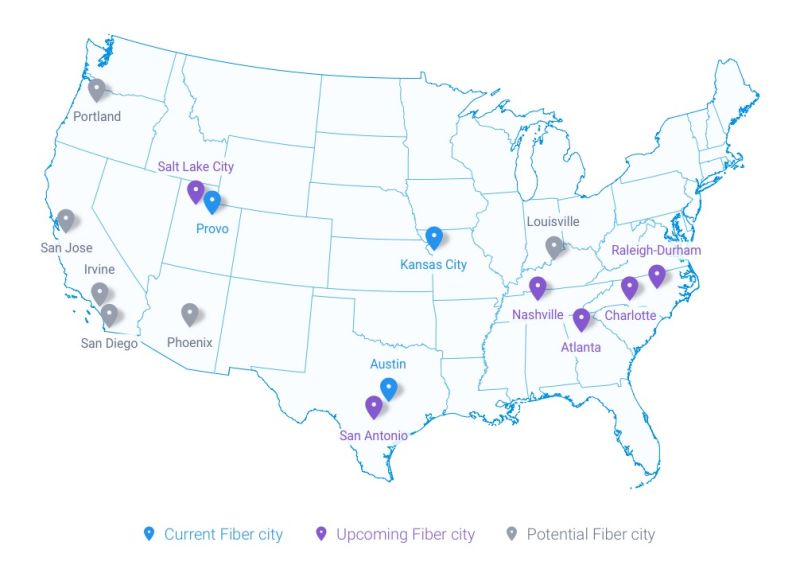
"caption": "Locations where Google Fiber is installed now and might be installed soon.",
"description": "Locations where Google Fiber is installed now and might be installed soon.",
"title": "RS17148_blog-map-1x-qut",
"credit": "Courtesy of Google",
"status": "inherit",
"isLoading": false,
"fetchFailed": false
},
"news_10725795": {
"type": "attachments",
"id": "news_10725795",
"meta": {
"index": "attachments_1716263798",
"site": "news",
"id": "10725795",
"found": true
},
"parent": 10725735,
"imgSizes": {
"twentyfourteen-full-width": {
"file": "https://ww2.kqed.org/app/uploads/sites/10/2015/10/RS17112_WillHayworth-qut-800x576.jpg",
"width": 800,
"mimeType": "image/jpeg",
"height": 576
},
"jmtc-small-thumb": {
"file": "https://ww2.kqed.org/app/uploads/sites/10/2015/10/RS17112_WillHayworth-qut-280x150.jpg",
"width": 280,
"mimeType": "image/jpeg",
"height": 150
},
"thumbnail": {
"file": "https://ww2.kqed.org/app/uploads/sites/10/2015/10/RS17112_WillHayworth-qut-400x310.jpg",
"width": 400,
"mimeType": "image/jpeg",
"height": 310
},
"post-thumbnail": {
"file": "https://ww2.kqed.org/app/uploads/sites/10/2015/10/RS17112_WillHayworth-qut-672x372.jpg",
"width": 672,
"mimeType": "image/jpeg",
"height": 372
},
"kqedFullSize": {
"file": "https://ww2.kqed.org/app/uploads/sites/10/2015/10/RS17112_WillHayworth-qut.jpg",
"width": 800,
"height": 620
},
"guest-author-96": {
"file": "https://ww2.kqed.org/app/uploads/sites/10/2015/10/RS17112_WillHayworth-qut-96x96.jpg",
"width": 96,
"mimeType": "image/jpeg",
"height": 96
},
"medium": {
"file": "https://ww2.kqed.org/app/uploads/sites/10/2015/10/RS17112_WillHayworth-qut-800x620.jpg",
"width": 800,
"mimeType": "image/jpeg",
"height": 620
},
"guest-author-64": {
"file": "https://ww2.kqed.org/app/uploads/sites/10/2015/10/RS17112_WillHayworth-qut-64x64.jpg",
"width": 64,
"mimeType": "image/jpeg",
"height": 64
},
"detail": {
"file": "https://ww2.kqed.org/app/uploads/sites/10/2015/10/RS17112_WillHayworth-qut-75x75.jpg",
"width": 75,
"mimeType": "image/jpeg",
"height": 75
},
"guest-author-32": {
"file": "https://ww2.kqed.org/app/uploads/sites/10/2015/10/RS17112_WillHayworth-qut-32x32.jpg",
"width": 32,
"mimeType": "image/jpeg",
"height": 32
},
"guest-author-128": {
"file": "https://ww2.kqed.org/app/uploads/sites/10/2015/10/RS17112_WillHayworth-qut-128x128.jpg",
"width": 128,
"mimeType": "image/jpeg",
"height": 128
}
},
"publishDate": 1445366436,
"modified": 1445369060,
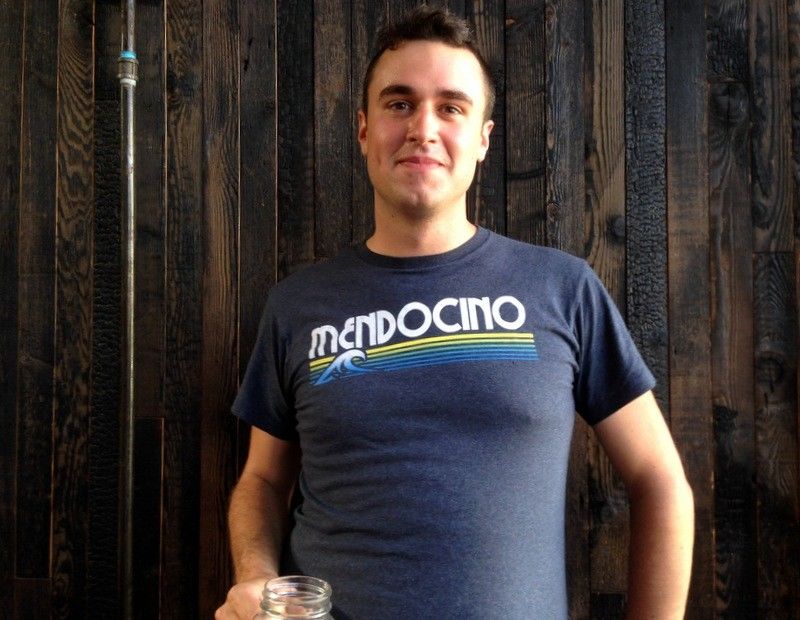
"caption": "Voted yet? Will Hayworth has, proving not all young tech workers in San Francisco are politically disengaged workaholics. ",
"description": "Voted yet? Will Hayworth has, proving not all young tech workers in San Francisco are politically disengaged workaholics. ",
"title": "RS17112_WillHayworth-qut",
"credit": "Rachael Myrow/KQED",
"status": "inherit",
"isLoading": false,
"fetchFailed": false
},
"news_10725644": {
"type": "attachments",
"id": "news_10725644",
"meta": {
"index": "attachments_1716263798",
"site": "news",
"id": "10725644",
"found": true
},
"parent": 10725643,
"imgSizes": {
"twentyfourteen-full-width": {
"file": "https://ww2.kqed.org/app/uploads/sites/10/2015/10/epic_1b_20151017091526_00_custom-d6787f981c4a595731b6b81ed7321cfd49ac29eb-1038x576.png",
"width": 1038,
"mimeType": "image/png",
"height": 576
},
"thumbnail": {
"file": "https://ww2.kqed.org/app/uploads/sites/10/2015/10/epic_1b_20151017091526_00_custom-d6787f981c4a595731b6b81ed7321cfd49ac29eb-400x333.png",
"width": 400,
"mimeType": "image/png",
"height": 333
},
"fd-sm": {
"file": "https://ww2.kqed.org/app/uploads/sites/10/2015/10/epic_1b_20151017091526_00_custom-d6787f981c4a595731b6b81ed7321cfd49ac29eb-960x798.png",
"width": 960,
"mimeType": "image/png",
"height": 798
},
"post-thumbnail": {
"file": "https://ww2.kqed.org/app/uploads/sites/10/2015/10/epic_1b_20151017091526_00_custom-d6787f981c4a595731b6b81ed7321cfd49ac29eb-672x372.png",
"width": 672,
"mimeType": "image/png",
"height": 372
},
"kqedFullSize": {
"file": "https://ww2.kqed.org/app/uploads/sites/10/2015/10/epic_1b_20151017091526_00_custom-d6787f981c4a595731b6b81ed7321cfd49ac29eb-e1445359133741.png",
"width": 1920,
"height": 1597
},
"large": {
"file": "https://ww2.kqed.org/app/uploads/sites/10/2015/10/epic_1b_20151017091526_00_custom-d6787f981c4a595731b6b81ed7321cfd49ac29eb-1440x1197.png",
"width": 1440,
"mimeType": "image/png",
"height": 1197
},
"guest-author-96": {
"file": "https://ww2.kqed.org/app/uploads/sites/10/2015/10/epic_1b_20151017091526_00_custom-d6787f981c4a595731b6b81ed7321cfd49ac29eb-96x96.png",
"width": 96,
"mimeType": "image/png",
"height": 96
},
"medium": {
"file": "https://ww2.kqed.org/app/uploads/sites/10/2015/10/epic_1b_20151017091526_00_custom-d6787f981c4a595731b6b81ed7321cfd49ac29eb-800x665.png",
"width": 800,
"mimeType": "image/png",
"height": 665
},
"guest-author-64": {
"file": "https://ww2.kqed.org/app/uploads/sites/10/2015/10/epic_1b_20151017091526_00_custom-d6787f981c4a595731b6b81ed7321cfd49ac29eb-64x64.png",
"width": 64,
"mimeType": "image/png",
"height": 64
},
"guest-author-32": {
"file": "https://ww2.kqed.org/app/uploads/sites/10/2015/10/epic_1b_20151017091526_00_custom-d6787f981c4a595731b6b81ed7321cfd49ac29eb-32x32.png",
"width": 32,
"mimeType": "image/png",
"height": 32
},
"jmtc-small-thumb": {
"file": "https://ww2.kqed.org/app/uploads/sites/10/2015/10/epic_1b_20151017091526_00_custom-d6787f981c4a595731b6b81ed7321cfd49ac29eb-280x150.png",
"width": 280,
"mimeType": "image/png",
"height": 150
},
"fd-lrg": {
"file": "https://ww2.kqed.org/app/uploads/sites/10/2015/10/epic_1b_20151017091526_00_custom-d6787f981c4a595731b6b81ed7321cfd49ac29eb-1920x1597.png",
"width": 1920,
"mimeType": "image/png",
"height": 1597
},
"fd-med": {
"file": "https://ww2.kqed.org/app/uploads/sites/10/2015/10/epic_1b_20151017091526_00_custom-d6787f981c4a595731b6b81ed7321cfd49ac29eb-1180x981.png",
"width": 1180,
"mimeType": "image/png",
"height": 981
},
"detail": {
"file": "https://ww2.kqed.org/app/uploads/sites/10/2015/10/epic_1b_20151017091526_00_custom-d6787f981c4a595731b6b81ed7321cfd49ac29eb-75x75.png",
"width": 75,
"mimeType": "image/png",
"height": 75
},
"guest-author-128": {
"file": "https://ww2.kqed.org/app/uploads/sites/10/2015/10/epic_1b_20151017091526_00_custom-d6787f981c4a595731b6b81ed7321cfd49ac29eb-128x128.png",
"width": 128,
"mimeType": "image/png",
"height": 128
}
},
"publishDate": 1445358241,
"modified": 1445358241,
"caption": null,
"description": null,
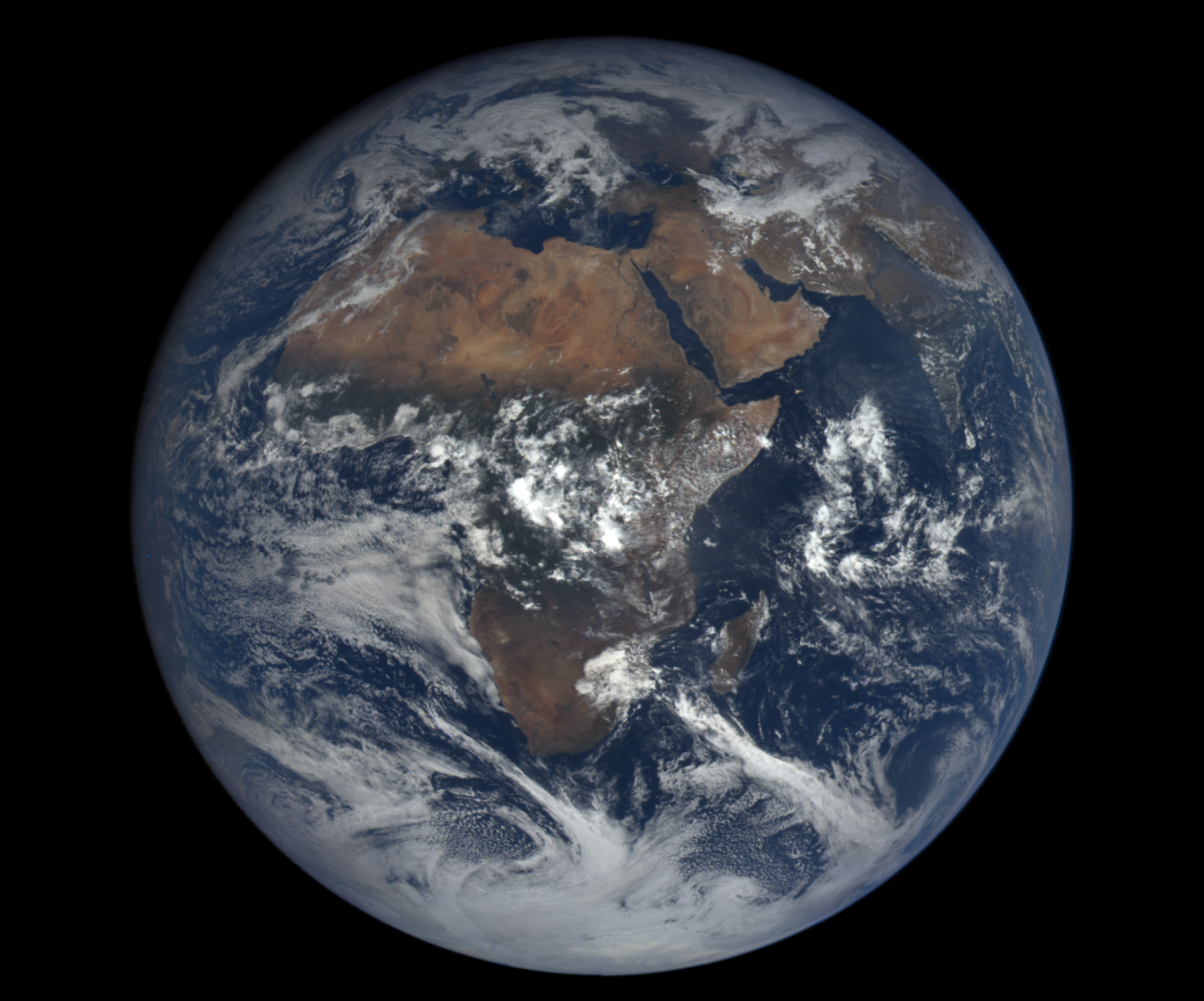
"title": "A view of Earth as seen from EPIC, the Earth Polychromatic Imaging Camera.",
"credit": null,
"status": "inherit",
"isLoading": false,
"fetchFailed": false
},
"news_10720326": {
"type": "attachments",
"id": "news_10720326",
"meta": {
"index": "attachments_1716263798",
"site": "news",
"id": "10720326",
"found": true
},
"parent": 10720094,
"imgSizes": {
"twentyfourteen-full-width": {
"file": "https://ww2.kqed.org/app/uploads/sites/10/2015/10/PedestrianPhone-1038x576.jpg",
"width": 1038,
"mimeType": "image/jpeg",
"height": 576
},
"thumbnail": {
"file": "https://ww2.kqed.org/app/uploads/sites/10/2015/10/PedestrianPhone-400x273.jpg",
"width": 400,
"mimeType": "image/jpeg",
"height": 273
},
"fd-sm": {
"file": "https://ww2.kqed.org/app/uploads/sites/10/2015/10/PedestrianPhone-960x656.jpg",
"width": 960,
"mimeType": "image/jpeg",
"height": 656
},
"post-thumbnail": {
"file": "https://ww2.kqed.org/app/uploads/sites/10/2015/10/PedestrianPhone-672x372.jpg",
"width": 672,
"mimeType": "image/jpeg",
"height": 372
},
"kqedFullSize": {
"file": "https://ww2.kqed.org/app/uploads/sites/10/2015/10/PedestrianPhone.jpg",
"width": 1920,
"height": 1312
},
"large": {
"file": "https://ww2.kqed.org/app/uploads/sites/10/2015/10/PedestrianPhone-1440x984.jpg",
"width": 1440,
"mimeType": "image/jpeg",
"height": 984
},
"guest-author-96": {
"file": "https://ww2.kqed.org/app/uploads/sites/10/2015/10/PedestrianPhone-96x96.jpg",
"width": 96,
"mimeType": "image/jpeg",
"height": 96
},
"medium": {
"file": "https://ww2.kqed.org/app/uploads/sites/10/2015/10/PedestrianPhone-800x547.jpg",
"width": 800,
"mimeType": "image/jpeg",
"height": 547
},
"guest-author-64": {
"file": "https://ww2.kqed.org/app/uploads/sites/10/2015/10/PedestrianPhone-64x64.jpg",
"width": 64,
"mimeType": "image/jpeg",
"height": 64
},
"guest-author-32": {
"file": "https://ww2.kqed.org/app/uploads/sites/10/2015/10/PedestrianPhone-32x32.jpg",
"width": 32,
"mimeType": "image/jpeg",
"height": 32
},
"jmtc-small-thumb": {
"file": "https://ww2.kqed.org/app/uploads/sites/10/2015/10/PedestrianPhone-280x150.jpg",
"width": 280,
"mimeType": "image/jpeg",
"height": 150
},
"fd-lrg": {
"file": "https://ww2.kqed.org/app/uploads/sites/10/2015/10/PedestrianPhone-1920x1312.jpg",
"width": 1920,
"mimeType": "image/jpeg",
"height": 1312
},
"fd-med": {
"file": "https://ww2.kqed.org/app/uploads/sites/10/2015/10/PedestrianPhone-1180x806.jpg",
"width": 1180,
"mimeType": "image/jpeg",
"height": 806
},
"detail": {
"file": "https://ww2.kqed.org/app/uploads/sites/10/2015/10/PedestrianPhone-75x75.jpg",
"width": 75,
"mimeType": "image/jpeg",
"height": 75
},
"guest-author-128": {
"file": "https://ww2.kqed.org/app/uploads/sites/10/2015/10/PedestrianPhone-128x128.jpg",
"width": 128,
"mimeType": "image/jpeg",
"height": 128
}
},
"publishDate": 1445042594,
"modified": 1445042631,
"caption": null,
"description": "A pedestrian uses a smartphone.",
"title": "PedestrianPhone",
"credit": "DON EMMERT/AFP/Getty Images",
"status": "inherit",
"isLoading": false,
"fetchFailed": false
},
"news_10715474": {
"type": "attachments",
"id": "news_10715474",
"meta": {
"index": "attachments_1716263798",
"site": "news",
"id": "10715474",
"found": true
},
"parent": 10715473,
"imgSizes": {
"twentyfourteen-full-width": {
"file": "https://ww2.kqed.org/app/uploads/sites/10/2015/10/dorsey_custom-28c7983383bcd2b38b463acab4ccfef222f1e65c-1038x576.jpg",
"width": 1038,
"mimeType": "image/jpeg",
"height": 576
},
"thumbnail": {
"file": "https://ww2.kqed.org/app/uploads/sites/10/2015/10/dorsey_custom-28c7983383bcd2b38b463acab4ccfef222f1e65c-400x261.jpg",
"width": 400,
"mimeType": "image/jpeg",
"height": 261
},
"fd-sm": {
"file": "https://ww2.kqed.org/app/uploads/sites/10/2015/10/dorsey_custom-28c7983383bcd2b38b463acab4ccfef222f1e65c-960x626.jpg",
"width": 960,
"mimeType": "image/jpeg",
"height": 626
},
"post-thumbnail": {
"file": "https://ww2.kqed.org/app/uploads/sites/10/2015/10/dorsey_custom-28c7983383bcd2b38b463acab4ccfef222f1e65c-672x372.jpg",
"width": 672,
"mimeType": "image/jpeg",
"height": 372
},
"kqedFullSize": {
"file": "https://ww2.kqed.org/app/uploads/sites/10/2015/10/dorsey_custom-28c7983383bcd2b38b463acab4ccfef222f1e65c.jpg",
"width": 3700,
"height": 2413
},
"large": {
"file": "https://ww2.kqed.org/app/uploads/sites/10/2015/10/dorsey_custom-28c7983383bcd2b38b463acab4ccfef222f1e65c-1440x939.jpg",
"width": 1440,
"mimeType": "image/jpeg",
"height": 939
},
"guest-author-96": {
"file": "https://ww2.kqed.org/app/uploads/sites/10/2015/10/dorsey_custom-28c7983383bcd2b38b463acab4ccfef222f1e65c-96x96.jpg",
"width": 96,
"mimeType": "image/jpeg",
"height": 96
},
"medium": {
"file": "https://ww2.kqed.org/app/uploads/sites/10/2015/10/dorsey_custom-28c7983383bcd2b38b463acab4ccfef222f1e65c-800x522.jpg",
"width": 800,
"mimeType": "image/jpeg",
"height": 522
},
"guest-author-64": {
"file": "https://ww2.kqed.org/app/uploads/sites/10/2015/10/dorsey_custom-28c7983383bcd2b38b463acab4ccfef222f1e65c-64x64.jpg",
"width": 64,
"mimeType": "image/jpeg",
"height": 64
},
"guest-author-32": {
"file": "https://ww2.kqed.org/app/uploads/sites/10/2015/10/dorsey_custom-28c7983383bcd2b38b463acab4ccfef222f1e65c-32x32.jpg",
"width": 32,
"mimeType": "image/jpeg",
"height": 32
},
"jmtc-small-thumb": {
"file": "https://ww2.kqed.org/app/uploads/sites/10/2015/10/dorsey_custom-28c7983383bcd2b38b463acab4ccfef222f1e65c-280x150.jpg",
"width": 280,
"mimeType": "image/jpeg",
"height": 150
},
"fd-lrg": {
"file": "https://ww2.kqed.org/app/uploads/sites/10/2015/10/dorsey_custom-28c7983383bcd2b38b463acab4ccfef222f1e65c-1920x1252.jpg",
"width": 1920,
"mimeType": "image/jpeg",
"height": 1252
},
"fd-med": {
"file": "https://ww2.kqed.org/app/uploads/sites/10/2015/10/dorsey_custom-28c7983383bcd2b38b463acab4ccfef222f1e65c-1180x770.jpg",
"width": 1180,
"mimeType": "image/jpeg",
"height": 770
},
"detail": {
"file": "https://ww2.kqed.org/app/uploads/sites/10/2015/10/dorsey_custom-28c7983383bcd2b38b463acab4ccfef222f1e65c-75x75.jpg",
"width": 75,
"mimeType": "image/jpeg",
"height": 75
},
"guest-author-128": {
"file": "https://ww2.kqed.org/app/uploads/sites/10/2015/10/dorsey_custom-28c7983383bcd2b38b463acab4ccfef222f1e65c-128x128.jpg",
"width": 128,
"mimeType": "image/jpeg",
"height": 128
}
},
"publishDate": 1444765433,
"modified": 1444765433,
"caption": null,
"description": "Twitter's board named co-founder Jack Dorsey the company's permanent CEO last week.",
"title": "Twitter's board named co-founder Jack Dorsey the company's permanent CEO last week.",
"credit": null,
"status": "inherit",
"isLoading": false,
"fetchFailed": false
},
"news_10713372": {
"type": "attachments",
"id": "news_10713372",
"meta": {
"index": "attachments_1716263798",
"site": "news",
"id": "10713372",
"found": true
},
"parent": 10713311,
"imgSizes": {
"twentyfourteen-full-width": {
"file": "https://ww2.kqed.org/app/uploads/sites/10/2015/10/RS16977_4010965162_df8eb50683_o-qut-1038x576.jpg",
"width": 1038,
"mimeType": "image/jpeg",
"height": 576
},
"thumbnail": {
"file": "https://ww2.kqed.org/app/uploads/sites/10/2015/10/RS16977_4010965162_df8eb50683_o-qut-400x300.jpg",
"width": 400,
"mimeType": "image/jpeg",
"height": 300
},
"fd-sm": {
"file": "https://ww2.kqed.org/app/uploads/sites/10/2015/10/RS16977_4010965162_df8eb50683_o-qut-960x720.jpg",
"width": 960,
"mimeType": "image/jpeg",
"height": 720
},
"post-thumbnail": {
"file": "https://ww2.kqed.org/app/uploads/sites/10/2015/10/RS16977_4010965162_df8eb50683_o-qut-672x372.jpg",
"width": 672,
"mimeType": "image/jpeg",
"height": 372
},
"kqedFullSize": {
"file": "https://ww2.kqed.org/app/uploads/sites/10/2015/10/RS16977_4010965162_df8eb50683_o-qut.jpg",
"width": 1920,
"height": 1440
},
"large": {
"file": "https://ww2.kqed.org/app/uploads/sites/10/2015/10/RS16977_4010965162_df8eb50683_o-qut-1440x1080.jpg",
"width": 1440,
"mimeType": "image/jpeg",
"height": 1080
},
"guest-author-96": {
"file": "https://ww2.kqed.org/app/uploads/sites/10/2015/10/RS16977_4010965162_df8eb50683_o-qut-96x96.jpg",
"width": 96,
"mimeType": "image/jpeg",
"height": 96
},
"medium": {
"file": "https://ww2.kqed.org/app/uploads/sites/10/2015/10/RS16977_4010965162_df8eb50683_o-qut-800x600.jpg",
"width": 800,
"mimeType": "image/jpeg",
"height": 600
},
"guest-author-64": {
"file": "https://ww2.kqed.org/app/uploads/sites/10/2015/10/RS16977_4010965162_df8eb50683_o-qut-64x64.jpg",
"width": 64,
"mimeType": "image/jpeg",
"height": 64
},
"guest-author-32": {
"file": "https://ww2.kqed.org/app/uploads/sites/10/2015/10/RS16977_4010965162_df8eb50683_o-qut-32x32.jpg",
"width": 32,
"mimeType": "image/jpeg",
"height": 32
},
"jmtc-small-thumb": {
"file": "https://ww2.kqed.org/app/uploads/sites/10/2015/10/RS16977_4010965162_df8eb50683_o-qut-280x150.jpg",
"width": 280,
"mimeType": "image/jpeg",
"height": 150
},
"fd-lrg": {
"file": "https://ww2.kqed.org/app/uploads/sites/10/2015/10/RS16977_4010965162_df8eb50683_o-qut-1920x1440.jpg",
"width": 1920,
"mimeType": "image/jpeg",
"height": 1440
},
"fd-med": {
"file": "https://ww2.kqed.org/app/uploads/sites/10/2015/10/RS16977_4010965162_df8eb50683_o-qut-1180x885.jpg",
"width": 1180,
"mimeType": "image/jpeg",
"height": 885
},
"detail": {
"file": "https://ww2.kqed.org/app/uploads/sites/10/2015/10/RS16977_4010965162_df8eb50683_o-qut-75x75.jpg",
"width": 75,
"mimeType": "image/jpeg",
"height": 75
},
"guest-author-128": {
"file": "https://ww2.kqed.org/app/uploads/sites/10/2015/10/RS16977_4010965162_df8eb50683_o-qut-128x128.jpg",
"width": 128,
"mimeType": "image/jpeg",
"height": 128
}
},
"publishDate": 1444415787,
"modified": 1444427973,
"caption": "Gov. Jerry Brown signed the California Electronic Communications Privacy Act into law Thursday, Oct. 8.",
"description": "Gov. Jerry Brown signed the California Electronic Communications Privacy Act into law Thursday, Oct. 8.",
"title": "RS16977_4010965162_df8eb50683_o-qut",
"credit": "eGuidry via \u003ca href=\"https://www.flickr.com/photos/eguidry/4010965162\" target=\"_blank\">flickr\u003c/a>",
"status": "inherit",
"isLoading": false,
"fetchFailed": false
},
"news_10699545": {
"type": "attachments",
"id": "news_10699545",
"meta": {
"index": "attachments_1716263798",
"site": "news",
"id": "10699545",
"found": true
},
"parent": 10699455,
"imgSizes": {
"twentyfourteen-full-width": {
"file": "https://ww2.kqed.org/app/uploads/sites/10/2015/09/RS16798_image1-qut-1038x576.jpg",
"width": 1038,
"mimeType": "image/jpeg",
"height": 576
},
"thumbnail": {
"file": "https://ww2.kqed.org/app/uploads/sites/10/2015/09/RS16798_image1-qut-400x225.jpg",
"width": 400,
"mimeType": "image/jpeg",
"height": 225
},
"fd-sm": {
"file": "https://ww2.kqed.org/app/uploads/sites/10/2015/09/RS16798_image1-qut-960x540.jpg",
"width": 960,
"mimeType": "image/jpeg",
"height": 540
},
"post-thumbnail": {
"file": "https://ww2.kqed.org/app/uploads/sites/10/2015/09/RS16798_image1-qut-672x372.jpg",
"width": 672,
"mimeType": "image/jpeg",
"height": 372
},
"kqedFullSize": {
"file": "https://ww2.kqed.org/app/uploads/sites/10/2015/09/RS16798_image1-qut.jpg",
"width": 1920,
"height": 1080
},
"large": {
"file": "https://ww2.kqed.org/app/uploads/sites/10/2015/09/RS16798_image1-qut-1440x810.jpg",
"width": 1440,
"mimeType": "image/jpeg",
"height": 810
},
"guest-author-96": {
"file": "https://ww2.kqed.org/app/uploads/sites/10/2015/09/RS16798_image1-qut-96x96.jpg",
"width": 96,
"mimeType": "image/jpeg",
"height": 96
},
"medium": {
"file": "https://ww2.kqed.org/app/uploads/sites/10/2015/09/RS16798_image1-qut-800x450.jpg",
"width": 800,
"mimeType": "image/jpeg",
"height": 450
},
"guest-author-64": {
"file": "https://ww2.kqed.org/app/uploads/sites/10/2015/09/RS16798_image1-qut-64x64.jpg",
"width": 64,
"mimeType": "image/jpeg",
"height": 64
},
"guest-author-32": {
"file": "https://ww2.kqed.org/app/uploads/sites/10/2015/09/RS16798_image1-qut-32x32.jpg",
"width": 32,
"mimeType": "image/jpeg",
"height": 32
},
"jmtc-small-thumb": {
"file": "https://ww2.kqed.org/app/uploads/sites/10/2015/09/RS16798_image1-qut-280x150.jpg",
"width": 280,
"mimeType": "image/jpeg",
"height": 150
},
"fd-lrg": {
"file": "https://ww2.kqed.org/app/uploads/sites/10/2015/09/RS16798_image1-qut-1920x1080.jpg",
"width": 1920,
"mimeType": "image/jpeg",
"height": 1080
},
"fd-med": {
"file": "https://ww2.kqed.org/app/uploads/sites/10/2015/09/RS16798_image1-qut-1180x664.jpg",
"width": 1180,
"mimeType": "image/jpeg",
"height": 664
},
"detail": {
"file": "https://ww2.kqed.org/app/uploads/sites/10/2015/09/RS16798_image1-qut-75x75.jpg",
"width": 75,
"mimeType": "image/jpeg",
"height": 75
},
"guest-author-128": {
"file": "https://ww2.kqed.org/app/uploads/sites/10/2015/09/RS16798_image1-qut-128x128.jpg",
"width": 128,
"mimeType": "image/jpeg",
"height": 128
}
},
"publishDate": 1443419396,
"modified": 1443419501,
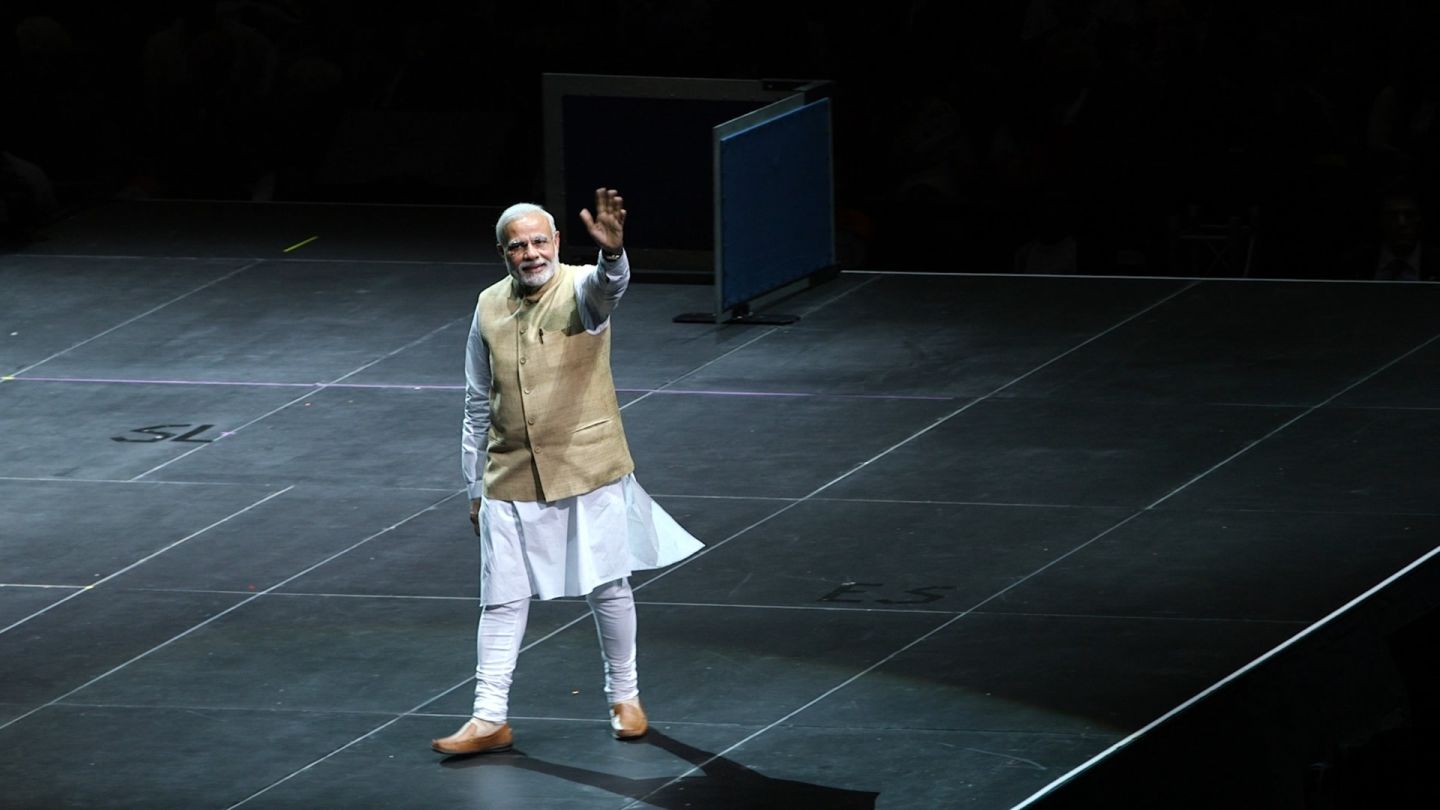
"caption": "India's Prime Minister Modi walks onto the stage at San Jose's SAP Center ",
"description": "India's Prime Minister Modi walks onto the stage at San Jose's SAP Center ",
"title": "RS16798_image1-qut",
"credit": "Adam Grossberg/KQED",
"status": "inherit",
"isLoading": false,
"fetchFailed": false
},
"news_10689850": {
"type": "attachments",
"id": "news_10689850",
"meta": {
"index": "attachments_1716263798",
"site": "news",
"id": "10689850",
"found": true
},
"parent": 10689848,
"imgSizes": {
"twentyfourteen-full-width": {
"file": "https://ww2.kqed.org/app/uploads/sites/10/2015/09/Gomathi-Prashanth_WEDDING-1038x576.jpg",
"width": 1038,
"mimeType": "image/jpeg",
"height": 576
},
"thumbnail": {
"file": "https://ww2.kqed.org/app/uploads/sites/10/2015/09/Gomathi-Prashanth_WEDDING-400x266.jpg",
"width": 400,
"mimeType": "image/jpeg",
"height": 266
},
"fd-sm": {
"file": "https://ww2.kqed.org/app/uploads/sites/10/2015/09/Gomathi-Prashanth_WEDDING-960x638.jpg",
"width": 960,
"mimeType": "image/jpeg",
"height": 638
},
"post-thumbnail": {
"file": "https://ww2.kqed.org/app/uploads/sites/10/2015/09/Gomathi-Prashanth_WEDDING-672x372.jpg",
"width": 672,
"mimeType": "image/jpeg",
"height": 372
},
"kqedFullSize": {
"file": "https://ww2.kqed.org/app/uploads/sites/10/2015/09/Gomathi-Prashanth_WEDDING.jpg",
"width": 3216,
"height": 2136
},
"large": {
"file": "https://ww2.kqed.org/app/uploads/sites/10/2015/09/Gomathi-Prashanth_WEDDING-1440x956.jpg",
"width": 1440,
"mimeType": "image/jpeg",
"height": 956
},
"guest-author-96": {
"file": "https://ww2.kqed.org/app/uploads/sites/10/2015/09/Gomathi-Prashanth_WEDDING-96x96.jpg",
"width": 96,
"mimeType": "image/jpeg",
"height": 96
},
"medium": {
"file": "https://ww2.kqed.org/app/uploads/sites/10/2015/09/Gomathi-Prashanth_WEDDING-800x531.jpg",
"width": 800,
"mimeType": "image/jpeg",
"height": 531
},
"guest-author-64": {
"file": "https://ww2.kqed.org/app/uploads/sites/10/2015/09/Gomathi-Prashanth_WEDDING-64x64.jpg",
"width": 64,
"mimeType": "image/jpeg",
"height": 64
},
"guest-author-32": {
"file": "https://ww2.kqed.org/app/uploads/sites/10/2015/09/Gomathi-Prashanth_WEDDING-32x32.jpg",
"width": 32,
"mimeType": "image/jpeg",
"height": 32
},
"jmtc-small-thumb": {
"file": "https://ww2.kqed.org/app/uploads/sites/10/2015/09/Gomathi-Prashanth_WEDDING-280x150.jpg",
"width": 280,
"mimeType": "image/jpeg",
"height": 150
},
"fd-lrg": {
"file": "https://ww2.kqed.org/app/uploads/sites/10/2015/09/Gomathi-Prashanth_WEDDING-1920x1275.jpg",
"width": 1920,
"mimeType": "image/jpeg",
"height": 1275
},
"fd-med": {
"file": "https://ww2.kqed.org/app/uploads/sites/10/2015/09/Gomathi-Prashanth_WEDDING-1180x784.jpg",
"width": 1180,
"mimeType": "image/jpeg",
"height": 784
},
"detail": {
"file": "https://ww2.kqed.org/app/uploads/sites/10/2015/09/Gomathi-Prashanth_WEDDING-75x75.jpg",
"width": 75,
"mimeType": "image/jpeg",
"height": 75
},
"guest-author-128": {
"file": "https://ww2.kqed.org/app/uploads/sites/10/2015/09/Gomathi-Prashanth_WEDDING-128x128.jpg",
"width": 128,
"mimeType": "image/jpeg",
"height": 128
}
},
"publishDate": 1442707103,
"modified": 1442876272,
"caption": "Gomathi Ramakrishnan and Prashanth Vishnumangalam Narayanan at their wedding in Chennai, Tamil Nadu, India. ",
"description": "Gomathi Ramakrishnan and Prashanth Vishnumangalam Narayanan at their wedding in Chennai, Tamil Nadu, India. ",
"title": "Gomathi & Prashanth_WEDDING",
"credit": "Photo courtesy of Sathya Sai Video",
"status": "inherit",
"isLoading": false,
"fetchFailed": false
}
},
"audioPlayerReducer": {
"postId": "stream_live",
"isPaused": true,
"isPlaying": false,
"pfsActive": false,
"pledgeModalIsOpen": true,
"playerDrawerIsOpen": false,
"liveAudioPlayStartedAt": 0,
"liveAudioPlayContext": ""
},
"authorsReducer": {
"byline_news_10730270": {
"type": "authors",
"id": "byline_news_10730270",
"meta": {
"override": true
},
"slug": "byline_news_10730270",
"name": "\u003cstrong>\u003ca href=\"http://www.npr.org/people/14562108/bill-chappell\" target=\"_blank\">Bill Chappell\u003c/a>\u003cbr />NPR\u003c/strong>",
"isLoading": false
},
"byline_news_10725643": {
"type": "authors",
"id": "byline_news_10725643",
"meta": {
"override": true
},
"slug": "byline_news_10725643",
"name": "\u003cstrong>\u003ca href=\"http://www.npr.org/people/433264185/laura-wagner\" target=\"_blank\">Laura Wagner\u003c/a>\u003cbr />NPR\u003c/strong>",
"isLoading": false
},
"byline_news_10720094": {
"type": "authors",
"id": "byline_news_10720094",
"meta": {
"override": true
},
"slug": "byline_news_10720094",
"name": "\u003cstrong>\u003ca href=\"https://www.revealnews.org/author/aliwinston\">Ali Winston\u003c/a>\u003c/strong>",
"isLoading": false
},
"byline_news_10715473": {
"type": "authors",
"id": "byline_news_10715473",
"meta": {
"override": true
},
"slug": "byline_news_10715473",
"name": "\u003cstrong>\u003ca href=\"http://www.npr.org/people/4581822/jim-zarroli\" target=\"_blank\">Jim Zarroli\u003c/a>\u003cbr />NPR\u003c/strong>",
"isLoading": false
},
"byline_news_10713311": {
"type": "authors",
"id": "byline_news_10713311",
"meta": {
"override": true
},
"slug": "byline_news_10713311",
"name": "\u003ca href=\"https://twitter.com/APBreeFowler\" target=\"_blank\">Bree Fowler\u003c/a>\u003cbr />\u003cstrong>Associated Press\u003c/strong>",
"isLoading": false
},
"pollystryker": {
"type": "authors",
"id": "250",
"meta": {
"index": "authors_1716337520",
"id": "250",
"found": true
},
"name": "Polly Stryker",
"firstName": "Polly",
"lastName": "Stryker",
"slug": "pollystryker",
"email": "pstryker@kqed.org",
"display_author_email": false,
"staff_mastheads": [
"science"
],
"title": "Editor",
"bio": "Polly Stryker is a former editor for KQED's Science desk. She and reporter/host Rachael Myrow produced the KQED podcast, \u003ca href=\"http://www.npr.org/podcasts/448072249/love-in-the-digital-age\">Love in the Digital Age\u003c/a>.\r\n\r\nPolly has worked for a variety of news and public affairs programs, including most recently as editor of \u003cem>The California Report\u003c/em>. She also edited \u003ca href=\"https://ww2.kqed.org/news/programs/the-california-report\" target=\"_blank\" rel=\"noopener noreferrer\">\u003cem>The California Report'\u003c/em>s\u003c/a> \u003ca href=\"http://www.californiareport.org/healthdialogues/\" target=\"_blank\" rel=\"noopener noreferrer\">“Health Dialogues.”\u003c/a> Before that, she was a producer on \u003cem>\u003ca href=\"http://www.scpr.org/programs/airtalk/\" target=\"_blank\" rel=\"noopener noreferrer\">AirTalk\u003c/a>\u003c/em> with Larry Mantle on \u003ca href=\"http://www.scpr.org/\" target=\"_blank\" rel=\"noopener noreferrer\">KPCC\u003c/a> radio, and \u003cem>\u003ca href=\"http://www.kpbs.org/news/midday-edition/\">These Days\u003c/a>\u003c/em> on KPBS. Polly’s work has won awards from the Radio and Television News Directors Association of Northern California, the Society of Professional Journalists (Southern California and Northern California chapters), the Radio and Television News Association. She's also won a Taste Award.\r\n\r\nShe considers herself to be a citizen of the world, having grown up in Cairo before coming to the United States. Polly speaks Arabic and can say, \"I’d like a martini, please\" in Swahili.",
"avatar": "https://secure.gravatar.com/avatar/5012854a99868cb15a517a876d88f736?s=600&d=blank&r=g",
"twitter": null,
"facebook": null,
"instagram": null,
"linkedin": null,
"sites": [
{
"site": "",
"roles": [
"editor"
]
},
{
"site": "arts",
"roles": [
"administrator"
]
},
{
"site": "news",
"roles": [
"subscriber"
]
},
{
"site": "stateofhealth",
"roles": [
"author"
]
},
{
"site": "science",
"roles": [
"editor"
]
},
{
"site": "forum",
"roles": [
"editor"
]
}
],
"headData": {
"title": "Polly Stryker | KQED",
"description": "Editor",
"ogImgSrc": "https://secure.gravatar.com/avatar/5012854a99868cb15a517a876d88f736?s=600&d=blank&r=g",
"twImgSrc": "https://secure.gravatar.com/avatar/5012854a99868cb15a517a876d88f736?s=600&d=blank&r=g"
},
"isLoading": false,
"link": "/author/pollystryker"
},
"rachael-myrow": {
"type": "authors",
"id": "251",
"meta": {
"index": "authors_1716337520",
"id": "251",
"found": true
},
"name": "Rachael Myrow",
"firstName": "Rachael",
"lastName": "Myrow",
"slug": "rachael-myrow",
"email": "rmyrow@kqed.org",
"display_author_email": true,
"staff_mastheads": [
"news"
],
"title": "Senior Editor of KQED's Silicon Valley News Desk",
"bio": "• I write and edit stories about how Silicon Valley power and policies shape everyday life in California. I’m also passionate about making Bay Area history and culture more accessible to a broad public. • I’ve been a journalist for most of my life, starting in high school with The Franklin Press in Los Angeles, where I grew up. While earning my first degree in English at UC Berkeley, I got my start in public radio at KALX-FM. After completing a second degree in journalism at Cal, I landed my first professional job at Marketplace, then moved on to KPCC (now LAist), and then KQED, where I hosted The California Report for more than seven years. • My reporting has appeared on NPR, The World, WBUR’s \u003ci>Here & Now\u003c/i>, and the BBC. I also guest host for KQED’s \u003ci>Forum\u003c/i>, as well as the Commonwealth Club in San Francisco. • I speak periodically on media, democracy and technology issues, and do voiceover work for documentaries and educational video projects. • Outside of the studio, you'll find me hiking Bay Area trails and whipping up Insta-ready meals in my kitchen. • I do not accept gifts, money, or favors from anyone connected to my reporting, I don't pay people for information, and I do not support or donate to political causes. • I strive to treat the people I report on with fairness, honesty, and respect. I also recognize there are often multiple sides to a story and work to verify information through multiple sources and documentation. If I get something wrong, I correct it.",
"avatar": "https://secure.gravatar.com/avatar/3ed8a3c5f26025e4a805ba634cda8cd764906b97438a6d9ce216b044e340da4e?s=600&d=blank&r=g",
"twitter": "rachaelmyrow",
"bluesky": null,
"facebook": null,
"instagram": null,
"linkedin": "https://www.linkedin.com/in/rachaelmyrow/",
"sites": [
{
"site": "arts",
"roles": [
"administrator"
]
},
{
"site": "news",
"roles": [
"edit_others_posts",
"editor"
]
},
{
"site": "futureofyou",
"roles": [
"editor"
]
},
{
"site": "bayareabites",
"roles": [
"editor"
]
},
{
"site": "stateofhealth",
"roles": [
"editor"
]
},
{
"site": "science",
"roles": [
"editor"
]
},
{
"site": "food",
"roles": [
"editor"
]
},
{
"site": "forum",
"roles": [
"editor"
]
},
{
"site": "liveblog",
"roles": [
"author"
]
}
],
"headData": {
"title": "Rachael Myrow | KQED",
"description": "Senior Editor of KQED's Silicon Valley News Desk",
"ogImgSrc": "https://secure.gravatar.com/avatar/3ed8a3c5f26025e4a805ba634cda8cd764906b97438a6d9ce216b044e340da4e?s=600&d=blank&r=g",
"twImgSrc": "https://secure.gravatar.com/avatar/3ed8a3c5f26025e4a805ba634cda8cd764906b97438a6d9ce216b044e340da4e?s=600&d=blank&r=g"
},
"isLoading": false,
"link": "/author/rachael-myrow"
},
"bwillon": {
"type": "authors",
"id": "3207",
"meta": {
"index": "authors_1716337520",
"id": "3207",
"found": true
},
"name": "Beth Willon",
"firstName": "Beth",
"lastName": "Willon",
"slug": "bwillon",
"email": "bwillon@kqed.org",
"display_author_email": false,
"staff_mastheads": [],
"title": "KQED Contributor",
"bio": "Beth Willon is a former senior reporter for KQED's Silicon Valley News Desk in San Jose. (@KQEDNews )\r\n\r\n@BethWillon",
"avatar": "https://secure.gravatar.com/avatar/3533b741c785d6a97e8b283e7f65606d?s=600&d=blank&r=g",
"twitter": null,
"facebook": null,
"instagram": null,
"linkedin": null,
"sites": [
{
"site": "news",
"roles": [
"subscriber"
]
}
],
"headData": {
"title": "Beth Willon | KQED",
"description": "KQED Contributor",
"ogImgSrc": "https://secure.gravatar.com/avatar/3533b741c785d6a97e8b283e7f65606d?s=600&d=blank&r=g",
"twImgSrc": "https://secure.gravatar.com/avatar/3533b741c785d6a97e8b283e7f65606d?s=600&d=blank&r=g"
},
"isLoading": false,
"link": "/author/bwillon"
},
"rbowe": {
"type": "authors",
"id": "3231",
"meta": {
"index": "authors_1716337520",
"id": "3231",
"found": true
},
"name": "Rebecca Bowe",
"firstName": "Rebecca",
"lastName": "Bowe",
"slug": "rbowe",
"email": "rbowe@kqed.org",
"display_author_email": false,
"staff_mastheads": [],
"title": null,
"bio": "Rebecca Bowe is a journalist based in San Francisco. She's covered Bay Area news since 2009, and previously served as News Editor of the San Francisco Bay Guardian. Follow her on Twitter @ByRebeccaBowe.",
"avatar": "https://secure.gravatar.com/avatar/50e1da0639521639108e89c123a76c9c?s=600&d=blank&r=g",
"twitter": null,
"facebook": null,
"instagram": null,
"linkedin": null,
"sites": [
{
"site": "news",
"roles": [
"subscriber"
]
},
{
"site": "science",
"roles": [
"editor"
]
}
],
"headData": {
"title": "Rebecca Bowe | KQED",
"description": null,
"ogImgSrc": "https://secure.gravatar.com/avatar/50e1da0639521639108e89c123a76c9c?s=600&d=blank&r=g",
"twImgSrc": "https://secure.gravatar.com/avatar/50e1da0639521639108e89c123a76c9c?s=600&d=blank&r=g"
},
"isLoading": false,
"link": "/author/rbowe"
},
"qkim": {
"type": "authors",
"id": "11099",
"meta": {
"index": "authors_1716337520",
"id": "11099",
"found": true
},
"name": "Queena Sook Kim",
"firstName": "Queena",
"lastName": "Kim",
"slug": "qkim",
"email": "qkim@kqed.org",
"display_author_email": false,
"staff_mastheads": [
"news"
],
"title": "Senior Editor",
"bio": "\u003cspan style=\"font-weight: 400;\">Queena Sook Kim is a former senior editor of the weekend desk at KQED. Before taking on that post, she was the Senior Editor of the Silicon Valley Desk and was the \u003c/span>\u003cspan style=\"font-weight: 400;\">host of The California Report. The daily morning show airs on KQED in San Francisco, one of the nation’s largest NPR affiliates, and on 30 stations across the state. In that role, she produces and reports on news, politics and life in the Golden State. Queena likes to take sideways look at the larger trends changing the state. One of her favorite stories asked\u003c/span>\u003ca href=\"https://ww2.kqed.org/news/2015/02/15/why-the-heck-do-mexican-reporters-on-public-radio-say-their-names-that-way\"> \u003cspan style=\"font-weight: 400;\">why Latino journalists “over’pronounce” their Spanish surnames\u003c/span>\u003c/a>\u003cspan style=\"font-weight: 400;\"> as a way of looking at how immigration is creating a culture shift in California.\u003c/span>\r\n\r\n\u003cspan style=\"font-weight: 400;\">Before joining The California Report, Queena was a \u003ca href=\"http://www.marketplace.org/people/queena-kim\">Senior Reporter covering technology for Marketplace\u003c/a>, the daily business show that airs on public radio. Queena covered daily tech business stories and reported on larger technology trends. She did a series of stories looking at role of social engineering in hacking and on a start-up in Silicon Valley that’s trying to use technology, instead of animals, to make meat that bleeds.\u003c/span>\r\n\r\n\u003cspan style=\"font-weight: 400;\">Queena started her career as a business journalist at the Wall Street Journal, where she spent four years covering the paper, home building and toy industries. She wrote A1 stories about the unusually aggressive tactics KB Home took against its home buyers. and the resurgence of “Cracker” architecture in Florida. She also wrote section front stories on marketing trends and\u003c/span>\r\n\r\n\u003cspan style=\"font-weight: 400;\">As a journalist, Queena has spent much of her career helping start-up editorial products. She was on the founding editorial team of The Bay Citizen, an experimental, online news site in San Francisco that was funded by the late hillbilly billionaire Warren Hellman. In 2009, Queena received a grant from the Corporation of Public Broadcasting to start-up a podcast called \u003ca href=\"https://soundcloud.com/cyberfrequencies\">CyberFrequencies\u003c/a>, which reported on the culture of technology. She also helped start-up two radio shows - Off-Ramp and Pacific Drift - for KPCC, the NPR-affiliate in Los Angeles. Off-Ramp was awarded 1st Place for news and Public Affairs programming by the PRINDI and the L.A. Press club. \u003ca href=\"https://soundcloud.com/queena-sook-kim\">Queena’s stories have appeared \u003c/a>on NPR’s Day to Day, Hearing Voices, WNYC’s Studio 360, WBUR’s Here and Now, BBC’s Global Perspectives and New York Times’ multimedia page.\u003c/span>\r\n\r\n\u003cspan style=\"font-weight: 400;\">In 1994, Queena won a Fulbright Grant to teach and study in Seoul, South Korea. She was also selected to be a Teach For America Corps Member in 1991 and taught elementary school in the Inglewood Unified School District in Southern California.\u003c/span>\r\n\r\n\u003cspan style=\"font-weight: 400;\">Queena is a frequent public speaker and has given talks at UC Berkeley, Stanford University, San Francisco State University, PRINDI conference and the Craigslist Foundation Boot Camp. Queena went to UC Berkeley’s Graduate School of Journalism and graduated cum laude from New York University with a B.A. in Politics. She grew up in Southern California and lives in Berkeley, Ca in a big fixer on which she spends most weekends, well, fixing.\u003c/span>",
"avatar": "https://secure.gravatar.com/avatar/b72382fd0db351b99f8a31939f4853fc?s=600&d=blank&r=g",
"twitter": "queenasookkim",
"facebook": null,
"instagram": null,
"linkedin": null,
"sites": [
{
"site": "news",
"roles": [
"subscriber"
]
},
{
"site": "forum",
"roles": [
"author"
]
},
{
"site": "breakingnews",
"roles": [
"editor"
]
}
],
"headData": {
"title": "Queena Sook Kim | KQED",
"description": "Senior Editor",
"ogImgSrc": "https://secure.gravatar.com/avatar/b72382fd0db351b99f8a31939f4853fc?s=600&d=blank&r=g",
"twImgSrc": "https://secure.gravatar.com/avatar/b72382fd0db351b99f8a31939f4853fc?s=600&d=blank&r=g"
},
"isLoading": false,
"link": "/author/qkim"
}
},
"pagesReducer": {
"news_category_technology": {
"type": "terms",
"id": "news_248",
"meta": {
"index": "terms_1716263798",
"site": "news",
"id": "248",
"score": 10.931574
},
"featImg": null,
"name": "Technology",
"description": null,
"taxonomy": "category",
"headData": {
"twImgId": null,
"twTitle": null,
"ogTitle": null,
"ogImgId": null,
"twDescription": null,
"description": null,
"title": "Technology Archives | KQED News",
"ogDescription": null
},
"ttid": 256,
"slug": "technology",
"isLoading": false,
"title": "Technology",
"pageMeta": {
"site": "news",
"WpPageTemplate": "page-topic-editorial",
"currentPage": 141
},
"blocks": [
{
"blockName": "kqed/post-list",
"attrs": {
"layout": "cardArticle2",
"query": "posts/news?category=technology",
"seeMore": false,
"paginated": true,
"page": 141
}
},
{
"blockName": "kqed/ad"
}
]
}
},
"pfsSessionReducer": {},
"postsReducer": {
"stream_live": {
"type": "live",
"id": "stream_live",
"audioUrl": "https://streams.kqed.org/kqedradio",
"title": "Live Stream",
"excerpt": "Live Stream information currently unavailable.",
"link": "/radio",
"featImg": "",
"label": {
"name": "KQED Live",
"link": "/"
}
},
"stream_kqedNewscast": {
"type": "posts",
"id": "stream_kqedNewscast",
"audioUrl": "https://www.kqed.org/.stream/anon/radio/RDnews/newscast.mp3?_=1",
"title": "KQED Newscast",
"featImg": "",
"label": {
"name": "88.5 FM",
"link": "/"
}
},
"news_10752486": {
"type": "posts",
"id": "news_10752486",
"meta": {
"index": "posts_1716263798",
"site": "news",
"id": "10752486",
"score": null,
"sort": [
1447201106000
]
},
"guestAuthors": [],
"slug": "tech-firms-back-data-broker-accused-of-posting-false-info-in-mans-profile",
"title": "Tech Firms Back Data Broker Accused of Posting False Info in Man's Profile",
"publishDate": 1447201106,
"format": "standard",
"headTitle": "Tech Firms Back Data Broker Accused of Posting False Info in Man’s Profile | KQED",
"labelTerm": {
"term": 6944,
"site": "news"
},
"content": "\u003cp>A lawsuit that originated as a complaint filed on behalf of a Virginia man who found himself inaccurately identified online has been taken up by the U.S. Supreme Court, and it’s now attracting a great deal of attention in Silicon Valley.\u003c/p>\n\u003cp>The question that could eventually be resolved by the court in \u003cem>Spokeo v. Robins\u003c/em> is this: If you discover false information about yourself on the Internet, has the company that published it violated your rights under federal law?\u003c/p>\n\u003cp>But first a preliminary question must be settled in the case: If you discover false information about yourself on the Internet, and you can’t prove that you suffered material harm as a result, do you have standing to sue?\u003c/p>\n\u003cp>The case started when Thomas Robins of Vienna, a Virginia town with fewer than 20,000 residents, claimed that Spokeo.com, which describes itself as the “people search engine,” posted incorrect information about him. (For a fee, Spokeo hands over bundles of personal information profiling just about anyone whose personal data can be gathered via publicly available sources.)\u003c/p>\n\u003cp>Spokeo reported that Robins was in his 50s, had obtained a master’s degree and earned an annual six-figure income. In reality, when he discovered the false online profile several years ago, he was in his mid-20s and unemployed. The case was filed in 2010.\u003c/p>\n\u003cp>[ad fullwidth]\u003c/p>\n\u003cp>Robins argued that the false profile harmed his job prospects. His lawyers claimed Spokeo had violated his rights under the federal Fair Credit Reporting Act.\u003c/p>\n\u003cp>Spokeo, a Pasadena-based company, sought to dismiss the case. It argued Robins couldn’t prove that he’d actually experienced any tangible harm as a result of the inaccuracies. But a federal court rejected that argument. The U.S. Court of Appeals for the 9th Circuit affirmed the lower court decision.\u003c/p>\n\u003cp>Now four Silicon Valley firms — \u003ca href=\"http://sblog.s3.amazonaws.com/wp-content/uploads/2014/06/13-1339-Spokeo-Inc.-v.-Robins-Br.-for-Amici-eBay-Inc.-et-al.-Jun....pdf\" target=\"_blank\">eBay, Google, Yahoo and Facebook\u003c/a> — have jointly filed a brief in support of Spokeo.com, while some consumer advocacy organizations are rallying behind Robins.\u003c/p>\n\u003cp>On Nov. 2, \u003ca href=\"http://fortune.com/2015/11/02/supreme-court-spokeo/\" target=\"_blank\">the U.S. Supreme Court heard arguments in the case\u003c/a>. A decision is expected by June 2016.\u003c/p>\n\u003cp>The big tech firms supporting Spokeo argued that a ruling in Robins’ favor could incentivize class-action lawsuits targeting deep-pocketed tech companies, even in cases where no one was harmed:\u003c/p>\n\u003cblockquote>\u003cp>“If any of the millions of individuals who interact with [Google, Facebook and Yahoo!] is willing (or is enticed by a plaintiff’s attorney) to allege that a generalized practice or act violated a law providing a private cause of action and statutory damages, then she could launch a putative class action on behalf of herself and millions of other ‘similarly situated’ users. She could pursue a multi-billion dollar statutory damages claim despite the lack of injury to herself or any other class member.”\u003c/p>\u003c/blockquote>\n\u003cp>Robins is represented by Chicago-based Edelson PC, a prominent law firm that \u003ca href=\"http://www.therecorder.com/id=1202741426439/Privacy-ClassAction-Firm-Opens-SF-Office\" target=\"_blank\">recently opened an office in San Francisco’s\u003c/a> startup-saturated SoMa district.\u003c/p>\n\u003cp>The firm specializes in privacy law, and has targeted tech giants, including Google and Facebook, with class-action suits in the past. A \u003ca href=\"http://www.nytimes.com/2015/04/05/technology/unpopular-in-silicon-valley.html?_r=0\" target=\"_blank\">New York Times profile\u003c/a> dubbed Jay Edelson Silicon Valley’s “least friended man.”\u003c/p>\n\u003cp>Chris Dore, a partner with the firm, said Robins’ case was filed after the firm received a high volume of complaints alleging inaccurate profile data displayed on Spokeo.com.\u003c/p>\n\u003cp>“Any type of false information can cause distinct harm,” Dore said. For example, he said, imagine a scenario where you’ve met someone via an online dating website and “you find out the person you’re going on a date with appears to be married.”\u003c/p>\n\u003cp>While Edelson PC’s cases have served to highlight a range of hot-button privacy issues in the face of the rapidly evolving tech landscape, the majority are settled out of court — Edelson claims to have won $1 billion in settlements.\u003c/p>\n\u003cp>But rather than settle the Robins suit, Spokeo has opted to push back, raising the stakes for both sides.\u003c/p>\n\u003cp>“This is one of those many issues that seem to be boring or narrow, and end up being really huge,” explained G.S. Hans, policy counsel and director of the Center for Democracy and Technology in San Francisco. “A ruling could be really broad that applies not just to the Fair Credit Reporting Act, but potentially to other laws.”\u003c/p>\n\u003cp>Since the question at issue is whether Robins has standing to sue, Hans said a ruling in the tech company’s favor could “open up a can of worms,” possibly even affecting cases brought under federal environmental protections or safeguards meant to guarantee fairness in housing or lending practices. One of the organizations rallying behind Robins, therefore, is the Natural Resources Defense Council.\u003c/p>\n\u003cp>Spokeo \u003ca href=\"http://techcrunch.com/2006/11/29/spokeo-aggregates-social-networks-and-blogs/\" target=\"_blank\">originated in 2006 with a team of young entrepreneurs who came out of Stanford\u003c/a>. An \u003ca href=\"http://www.scotusblog.com/wp-content/uploads/2015/09/Center-for-Democracy-Brief.pdf\" target=\"_blank\">amicus brief\u003c/a> on behalf of the Center for Democracy and Technology highlights the growing data collection industry it represents:\u003c/p>\n\u003cblockquote>\u003cp>“A growing data brokerage industry has access not only to public record information, but countless other data points about consumers that are used for marketing, risk mitigation, background investigation, and more. These companies — including Spokeo — gather information from online and offline sources to create detailed profiles about consumers.”\u003c/p>\u003c/blockquote>\n\u003cp>In 2012, Spokeo was \u003ca href=\"https://www.ftc.gov/news-events/press-releases/2012/06/spokeo-pay-800000-settle-ftc-charges-company-allegedly-marketed\" target=\"_blank\">targeted by the Federal Trade Commission\u003c/a> for marketing data to human resources firms and companies that conduct background screenings, allegedly without following regulations established to protect consumers under the Fair Credit Reporting Act. The tech firm paid $800,000 to settle the charges.\u003c/p>\n\u003cp>\u003c/p>\n\u003cp>Spokeo had not returned a call seeking comment by press time.\u003c/p>\n\n",
"blocks": [],
"excerpt": "Data protection and privacy among issues in case taken up by U.S. Supreme Court against Spokeo, the 'people search engine.'",
"status": "publish",
"parent": 0,
"modified": 1740179166,
"stats": {
"hasAudio": false,
"hasVideo": false,
"hasChartOrMap": false,
"iframeSrcs": [],
"hasGoogleForm": false,
"hasGallery": false,
"hasHearkenModule": false,
"hasPolis": false,
"paragraphCount": 25,
"wordCount": 973
},
"headData": {
"title": "Tech Firms Back Data Broker Accused of Posting False Info in Man's Profile | KQED",
"description": "Data protection and privacy among issues in case taken up by U.S. Supreme Court against Spokeo, the 'people search engine.'",
"ogTitle": "",
"ogDescription": "",
"ogImgId": "",
"twTitle": "",
"twDescription": "",
"twImgId": "",
"schema": {
"@context": "https://schema.org",
"@type": "NewsArticle",
"headline": "Tech Firms Back Data Broker Accused of Posting False Info in Man's Profile",
"datePublished": "2015-11-10T16:18:26-08:00",
"dateModified": "2025-02-21T15:06:06-08:00",
"image": "https://cdn.kqed.org/wp-content/uploads/2020/02/KQED-OG-Image@1x.png",
"isAccessibleForFree": "True",
"publisher": {
"@type": "NewsMediaOrganization",
"@id": "https://www.kqed.org/#organization",
"name": "KQED",
"logo": "https://cdn.kqed.org/wp-content/uploads/2020/02/KQED-OG-Image@1x.png",
"url": "https://www.kqed.org",
"sameAs": [
"https://www.facebook.com/KQED",
"https://twitter.com/KQED",
"https://www.instagram.com/kqed/",
"https://www.tiktok.com/@kqedofficial",
"https://www.linkedin.com/company/kqed",
"https://www.youtube.com/channel/UCeC0IOo7i1P_61zVUWbJ4nw"
]
}
}
},
"sticky": false,
"path": "/news/10752486/tech-firms-back-data-broker-accused-of-posting-false-info-in-mans-profile",
"audioTrackLength": null,
"parsedContent": [
{
"type": "contentString",
"content": "\u003cdiv class=\"post-body\">\u003cp>\u003cp>A lawsuit that originated as a complaint filed on behalf of a Virginia man who found himself inaccurately identified online has been taken up by the U.S. Supreme Court, and it’s now attracting a great deal of attention in Silicon Valley.\u003c/p>\n\u003cp>The question that could eventually be resolved by the court in \u003cem>Spokeo v. Robins\u003c/em> is this: If you discover false information about yourself on the Internet, has the company that published it violated your rights under federal law?\u003c/p>\n\u003cp>But first a preliminary question must be settled in the case: If you discover false information about yourself on the Internet, and you can’t prove that you suffered material harm as a result, do you have standing to sue?\u003c/p>\n\u003cp>The case started when Thomas Robins of Vienna, a Virginia town with fewer than 20,000 residents, claimed that Spokeo.com, which describes itself as the “people search engine,” posted incorrect information about him. (For a fee, Spokeo hands over bundles of personal information profiling just about anyone whose personal data can be gathered via publicly available sources.)\u003c/p>\n\u003cp>Spokeo reported that Robins was in his 50s, had obtained a master’s degree and earned an annual six-figure income. In reality, when he discovered the false online profile several years ago, he was in his mid-20s and unemployed. The case was filed in 2010.\u003c/p>\n\u003cp>\u003c/p>\u003c/div>",
"attributes": {
"named": {},
"numeric": []
}
},
{
"type": "component",
"content": "",
"name": "ad",
"attributes": {
"named": {
"label": "fullwidth"
},
"numeric": [
"fullwidth"
]
}
},
{
"type": "contentString",
"content": "\u003cdiv class=\"post-body\">\u003cp>\u003c/p>\n\u003cp>Robins argued that the false profile harmed his job prospects. His lawyers claimed Spokeo had violated his rights under the federal Fair Credit Reporting Act.\u003c/p>\n\u003cp>Spokeo, a Pasadena-based company, sought to dismiss the case. It argued Robins couldn’t prove that he’d actually experienced any tangible harm as a result of the inaccuracies. But a federal court rejected that argument. The U.S. Court of Appeals for the 9th Circuit affirmed the lower court decision.\u003c/p>\n\u003cp>Now four Silicon Valley firms — \u003ca href=\"http://sblog.s3.amazonaws.com/wp-content/uploads/2014/06/13-1339-Spokeo-Inc.-v.-Robins-Br.-for-Amici-eBay-Inc.-et-al.-Jun....pdf\" target=\"_blank\">eBay, Google, Yahoo and Facebook\u003c/a> — have jointly filed a brief in support of Spokeo.com, while some consumer advocacy organizations are rallying behind Robins.\u003c/p>\n\u003cp>On Nov. 2, \u003ca href=\"http://fortune.com/2015/11/02/supreme-court-spokeo/\" target=\"_blank\">the U.S. Supreme Court heard arguments in the case\u003c/a>. A decision is expected by June 2016.\u003c/p>\n\u003cp>The big tech firms supporting Spokeo argued that a ruling in Robins’ favor could incentivize class-action lawsuits targeting deep-pocketed tech companies, even in cases where no one was harmed:\u003c/p>\n\u003cblockquote>\u003cp>“If any of the millions of individuals who interact with [Google, Facebook and Yahoo!] is willing (or is enticed by a plaintiff’s attorney) to allege that a generalized practice or act violated a law providing a private cause of action and statutory damages, then she could launch a putative class action on behalf of herself and millions of other ‘similarly situated’ users. She could pursue a multi-billion dollar statutory damages claim despite the lack of injury to herself or any other class member.”\u003c/p>\u003c/blockquote>\n\u003cp>Robins is represented by Chicago-based Edelson PC, a prominent law firm that \u003ca href=\"http://www.therecorder.com/id=1202741426439/Privacy-ClassAction-Firm-Opens-SF-Office\" target=\"_blank\">recently opened an office in San Francisco’s\u003c/a> startup-saturated SoMa district.\u003c/p>\n\u003cp>The firm specializes in privacy law, and has targeted tech giants, including Google and Facebook, with class-action suits in the past. A \u003ca href=\"http://www.nytimes.com/2015/04/05/technology/unpopular-in-silicon-valley.html?_r=0\" target=\"_blank\">New York Times profile\u003c/a> dubbed Jay Edelson Silicon Valley’s “least friended man.”\u003c/p>\n\u003cp>Chris Dore, a partner with the firm, said Robins’ case was filed after the firm received a high volume of complaints alleging inaccurate profile data displayed on Spokeo.com.\u003c/p>\n\u003cp>“Any type of false information can cause distinct harm,” Dore said. For example, he said, imagine a scenario where you’ve met someone via an online dating website and “you find out the person you’re going on a date with appears to be married.”\u003c/p>\n\u003cp>While Edelson PC’s cases have served to highlight a range of hot-button privacy issues in the face of the rapidly evolving tech landscape, the majority are settled out of court — Edelson claims to have won $1 billion in settlements.\u003c/p>\n\u003cp>But rather than settle the Robins suit, Spokeo has opted to push back, raising the stakes for both sides.\u003c/p>\n\u003cp>“This is one of those many issues that seem to be boring or narrow, and end up being really huge,” explained G.S. Hans, policy counsel and director of the Center for Democracy and Technology in San Francisco. “A ruling could be really broad that applies not just to the Fair Credit Reporting Act, but potentially to other laws.”\u003c/p>\n\u003cp>Since the question at issue is whether Robins has standing to sue, Hans said a ruling in the tech company’s favor could “open up a can of worms,” possibly even affecting cases brought under federal environmental protections or safeguards meant to guarantee fairness in housing or lending practices. One of the organizations rallying behind Robins, therefore, is the Natural Resources Defense Council.\u003c/p>\n\u003cp>Spokeo \u003ca href=\"http://techcrunch.com/2006/11/29/spokeo-aggregates-social-networks-and-blogs/\" target=\"_blank\">originated in 2006 with a team of young entrepreneurs who came out of Stanford\u003c/a>. An \u003ca href=\"http://www.scotusblog.com/wp-content/uploads/2015/09/Center-for-Democracy-Brief.pdf\" target=\"_blank\">amicus brief\u003c/a> on behalf of the Center for Democracy and Technology highlights the growing data collection industry it represents:\u003c/p>\n\u003cblockquote>\u003cp>“A growing data brokerage industry has access not only to public record information, but countless other data points about consumers that are used for marketing, risk mitigation, background investigation, and more. These companies — including Spokeo — gather information from online and offline sources to create detailed profiles about consumers.”\u003c/p>\u003c/blockquote>\n\u003cp>In 2012, Spokeo was \u003ca href=\"https://www.ftc.gov/news-events/press-releases/2012/06/spokeo-pay-800000-settle-ftc-charges-company-allegedly-marketed\" target=\"_blank\">targeted by the Federal Trade Commission\u003c/a> for marketing data to human resources firms and companies that conduct background screenings, allegedly without following regulations established to protect consumers under the Fair Credit Reporting Act. The tech firm paid $800,000 to settle the charges.\u003c/p>\n\u003cp>\u003c/p>\n\u003cp>Spokeo had not returned a call seeking comment by press time.\u003c/p>\n\n\u003c/div>\u003c/p>",
"attributes": {
"named": {},
"numeric": []
}
}
],
"link": "/news/10752486/tech-firms-back-data-broker-accused-of-posting-false-info-in-mans-profile",
"authors": [
"3231"
],
"programs": [
"news_6944"
],
"categories": [
"news_6188",
"news_8",
"news_248"
],
"tags": [
"news_1859",
"news_1631"
],
"featImg": "news_10754722",
"label": "news_6944"
},
"news_10734380": {
"type": "posts",
"id": "news_10734380",
"meta": {
"index": "posts_1716263798",
"site": "news",
"id": "10734380",
"score": null,
"sort": [
1445929546000
]
},
"parent": 0,
"labelTerm": {
"site": "news",
"term": 72
},
"blocks": [],
"publishDate": 1445929546,
"format": "standard",
"disqusTitle": "Stuart Russell on Why Moral Philosophy Will Be Big Business in Tech",
"title": "Stuart Russell on Why Moral Philosophy Will Be Big Business in Tech",
"headTitle": "Big Ideas | The California Report | KQED News",
"content": "\u003cp>From Hollywood to Silicon Valley, California leads the world with big ideas. On Monday we launched a new series focusing on a few of them.\u003c/p>\n\u003cp>Our first episode comes from \u003ca href=\"https://www.eecs.berkeley.edu/Faculty/Homepages/russell.html\">Stuart Russell\u003c/a>. He's a computer science professor at UC Berkeley and a world-renowned expert in artificial intelligence. His idea?\u003c/p>\n\u003cp>“In the future, moral philosophy will be a key industry sector,” says Russell.\u003c/p>\n\u003cp>Translation? In the future, the nature of human values and the process by which we make moral decisions will be \u003ci>big\u003c/i> business in tech.\u003c/p>\n\u003cp>Russell's idea is at the center of a debate going on right now in computer science. \u003c/p>\n\u003cp>[ad fullwidth]\u003c/p>\n\u003cp>“So, imagine, if you want to build a robot to go in people’s homes,” Russell says. “This is something that could happen in the next decade,\" he says.\u003c/p>\n\u003cp>[soundcloud url=\"https://api.soundcloud.com/tracks/230150122\" params=\"color=ff5500&auto_play=false&hide_related=false&show_comments=true&show_user=true&show_reposts=false\" width=\"100%\" height=\"166\" iframe=\"true\" /]\u003c/p>\n\u003cp>He says that at first robots will do chores around the house, such as cooking, cleaning and laundry. But eventually they will take on more human tasks.\u003c/p>\n\u003cp>Right now in Japan there’s a robot named \u003ca href=\"https://www.youtube.com/watch?v=kCFYw8mIqcc\">Pepper \u003c/a>that’s designed to serve as a human companion. It's being tested with senior citizens. The idea is that instead of getting your granny a cat to keep her company, you’d get her Pepper. Russell imagines that one day robots will take care of our kids.\u003c/p>\n\u003caside class=\"pullquote alignright\">'Presumably the robot companies will get their values loaded into the robot from a values company.'\u003c/aside>\n\u003cp>“If you want to build a robot to go into people’s homes, you don’t want to come home and find it’s put the cat in the oven for dinner, thinking that was a good thing to do because the kids were hungry and there was nothing in the fridge, right?” asks Russell.\u003c/p>\n\u003cp>But how would the robot know that’s not what you wanted?\u003c/p>\n\u003cp>“You would want that robot preloaded with a pretty good set of values,\" Russell says. \"So presumably the robot companies will get their values loaded into the robot from a values company.\"\u003c/p>\n\u003cfigure id=\"attachment_10734627\" class=\"wp-caption alignright\" style=\"max-width: 800px\">\u003cimg src=\"http://ww2.kqed.org/news/wp-content/uploads/sites/10/2015/10/PepperWithKids-800x670.jpg\" alt=\"The humanoid robot Pepper chats with children at a high-tech gadgets exhibition in Tokyo.\" width=\"800\" height=\"670\" class=\"size-medium wp-image-10734627\" srcset=\"https://ww2.kqed.org/app/uploads/sites/10/2015/10/PepperWithKids-800x670.jpg 800w, https://ww2.kqed.org/app/uploads/sites/10/2015/10/PepperWithKids-400x335.jpg 400w, https://ww2.kqed.org/app/uploads/sites/10/2015/10/PepperWithKids-1440x1207.jpg 1440w, https://ww2.kqed.org/app/uploads/sites/10/2015/10/PepperWithKids.jpg 1920w, https://ww2.kqed.org/app/uploads/sites/10/2015/10/PepperWithKids-1180x989.jpg 1180w, https://ww2.kqed.org/app/uploads/sites/10/2015/10/PepperWithKids-960x805.jpg 960w\" sizes=\"(max-width: 800px) 100vw, 800px\">\u003cfigcaption class=\"wp-caption-text\">The humanoid robot Pepper chats with children at a high-tech gadgets exhibition in Tokyo. \u003ccite>(YOSHIKAZU TSUNO/AFP/Getty Images)\u003c/cite>\u003c/figcaption>\u003c/figure>\n\u003cp>Sounds a little creepy, no? Russell says fear of the brave new world of robots is as old as the word itself. In fact, the word \"robot\" was coined in a \u003ca href=\"https://en.wikipedia.org/wiki/R.U.R.\">play \u003c/a>in which robots take over the world. From \"Frankenstein\" to \"The Terminator,\" that theme has run through the arts and popular culture ever since.\u003c/p>\n\u003cp>But Russell says for the most part, scientists didn’t take such concerns seriously.\u003c/p>\n\u003cp>\"The normal response to those kinds of things is to say, 'Oh well, you know it’s a long way off in the future, so we don’t have to worry about this,' ” says Russell.\u003c/p>\n\u003cp>But recently that attitude has changed. In the past few years, scientists have been more vocal about the dangers artificial intelligence could pose to humanity. Theoretical physicist Stephen Hawking told the BBC that he thinks the “development of full artificial intelligence could spell the end of the human race.\"\u003c/p>\n\u003cp>And earlier this year Hawking and hundreds of AI researchers signed an\u003cspan style=\"font-weight: 400\">\u003ca href=\"http://futureoflife.org/AI/open_letter\"> open letter\u003c/a>, saying that if the industry doesn’t start building safeguards into artificial intelligence it could spell doom for humanity. Tesla CEO Elon Musk, who also signed the letter, gave \u003ca href=\"http://www.businessinsider.com/how-elon-musks-10-million-donation-will-help-keep-us-safe-from-artificial-intelligence-2015-7\">$10 million\u003c/a> to the cause. He went so far as to say that artificial intelligence \u003c/span>\u003cspan style=\"font-weight: 400\">could be\u003c/span>\u003cspan style=\"font-weight: 400\"> humanity’s biggest “\u003ca href=\"http://www.theguardian.com/technology/2014/oct/27/elon-musk-artificial-intelligence-ai-biggest-existential-threat\">existential threat\u003c/a>.”\u003c/span>\u003c/p>\n\u003cfigure id=\"attachment_10734694\" class=\"wp-caption aligncenter\" style=\"max-width: 800px\">\u003cimg src=\"http://ww2.kqed.org/news/wp-content/uploads/sites/10/2015/10/Hawking-800x579.jpg\" alt='Physicist Stephen Hawking has said the \"development of full artificial intelligence could spell the end of the human race.\"' width=\"800\" height=\"579\" class=\"size-medium wp-image-10734694\" srcset=\"https://ww2.kqed.org/app/uploads/sites/10/2015/10/Hawking-800x579.jpg 800w, https://ww2.kqed.org/app/uploads/sites/10/2015/10/Hawking-400x289.jpg 400w, https://ww2.kqed.org/app/uploads/sites/10/2015/10/Hawking-1440x1042.jpg 1440w, https://ww2.kqed.org/app/uploads/sites/10/2015/10/Hawking.jpg 1920w, https://ww2.kqed.org/app/uploads/sites/10/2015/10/Hawking-1180x854.jpg 1180w, https://ww2.kqed.org/app/uploads/sites/10/2015/10/Hawking-960x695.jpg 960w\" sizes=\"(max-width: 800px) 100vw, 800px\">\u003cfigcaption class=\"wp-caption-text\">Physicist Stephen Hawking has said the \"development of full artificial intelligence could spell the end of the human race.\" \u003ccite>(Frederick M. Brown/Getty Images)\u003c/cite>\u003c/figcaption>\u003c/figure>\n\u003cp>Russell also signed the letter, but he says his view is less apocalyptic. He says that, until now, the field of artificial intelligence has been singularly focused on giving robots the ability to make “high-quality” decisions.\u003c/p>\n\u003cp>“At the moment, we don’t know how to give the robot what you might call human values\u003cspan style=\"font-weight: 400\">,” he says.\u003c/span>\u003c/p>\n\u003cp>But Russell believes that as this problem becomes clearer, it’s only natural that people will start to focus their energy on solving it.\u003c/p>\n\u003cp>And he says, not to be flip, but nobody’s going to buy a robot that cooks a cat. So it’s just a matter of time before tech companies, universities and the government start pouring resources into programming robots with morals.\u003c/p>\n\u003cp>\u003c/p>\n\u003cp>\"In some sense [the robots'] only purpose in existing is to help us realize our values, and perhaps it'll make people better,\" says Russell.\u003c/p>\n\n",
"disqusIdentifier": "10734380 http://ww2.kqed.org/news/?p=10734380",
"disqusUrl": "https://ww2.kqed.org/news/2015/10/27/stuart-russell-on-a-i-and-how-moral-philosophy-will-be-big-business/",
"stats": {
"hasVideo": false,
"hasChartOrMap": false,
"hasAudio": false,
"hasPolis": false,
"wordCount": 815,
"hasGoogleForm": false,
"hasGallery": false,
"hasHearkenModule": false,
"iframeSrcs": [],
"paragraphCount": 24
},
"modified": 1458854304,
"excerpt": "Artificial intelligence expert thinks tech companies, universities and the government will pour resources into programming robots with morals.",
"headData": {
"twImgId": "",
"twTitle": "",
"ogTitle": "",
"ogImgId": "",
"twDescription": "",
"description": "Artificial intelligence expert thinks tech companies, universities and the government will pour resources into programming robots with morals.",
"title": "Stuart Russell on Why Moral Philosophy Will Be Big Business in Tech | KQED",
"ogDescription": "",
"schema": {
"@context": "https://schema.org",
"@type": "NewsArticle",
"headline": "Stuart Russell on Why Moral Philosophy Will Be Big Business in Tech",
"datePublished": "2015-10-27T00:05:46-07:00",
"dateModified": "2016-03-24T14:18:24-07:00",
"image": "https://cdn.kqed.org/wp-content/uploads/2020/02/KQED-OG-Image@1x.png",
"isAccessibleForFree": "True",
"publisher": {
"@type": "NewsMediaOrganization",
"@id": "https://www.kqed.org/#organization",
"name": "KQED",
"logo": "https://cdn.kqed.org/wp-content/uploads/2020/02/KQED-OG-Image@1x.png",
"url": "https://www.kqed.org",
"sameAs": [
"https://www.facebook.com/KQED",
"https://twitter.com/KQED",
"https://www.instagram.com/kqed/",
"https://www.tiktok.com/@kqedofficial",
"https://www.linkedin.com/company/kqed",
"https://www.youtube.com/channel/UCeC0IOo7i1P_61zVUWbJ4nw"
]
}
}
},
"guestAuthors": [],
"slug": "stuart-russell-on-a-i-and-how-moral-philosophy-will-be-big-business",
"status": "publish",
"path": "/news/10734380/stuart-russell-on-a-i-and-how-moral-philosophy-will-be-big-business",
"audioTrackLength": null,
"parsedContent": [
{
"type": "contentString",
"content": "\u003cdiv class=\"post-body\">\u003cp>\u003cp>From Hollywood to Silicon Valley, California leads the world with big ideas. On Monday we launched a new series focusing on a few of them.\u003c/p>\n\u003cp>Our first episode comes from \u003ca href=\"https://www.eecs.berkeley.edu/Faculty/Homepages/russell.html\">Stuart Russell\u003c/a>. He's a computer science professor at UC Berkeley and a world-renowned expert in artificial intelligence. His idea?\u003c/p>\n\u003cp>“In the future, moral philosophy will be a key industry sector,” says Russell.\u003c/p>\n\u003cp>Translation? In the future, the nature of human values and the process by which we make moral decisions will be \u003ci>big\u003c/i> business in tech.\u003c/p>\n\u003cp>Russell's idea is at the center of a debate going on right now in computer science. \u003c/p>\n\u003cp>\u003c/p>\u003c/div>",
"attributes": {
"named": {},
"numeric": []
}
},
{
"type": "component",
"content": "",
"name": "ad",
"attributes": {
"named": {
"label": "fullwidth"
},
"numeric": [
"fullwidth"
]
}
},
{
"type": "contentString",
"content": "\u003cdiv class=\"post-body\">\u003cp>\u003c/p>\n\u003cp>“So, imagine, if you want to build a robot to go in people’s homes,” Russell says. “This is something that could happen in the next decade,\" he says.\u003c/p>\n\u003cp>\u003c/p>\u003cp>\u003cdiv class='utils-parseShortcode-shortcodes-__shortcodes__shortcodeWrapper'>\n \u003ciframe width='100%' height='166'\n scrolling='no' frameborder='no'\n src='https://w.soundcloud.com/player/?url=https://api.soundcloud.com/tracks/230150122&visual=true&color=ff5500&auto_play=false&hide_related=false&show_comments=true&show_user=true&show_reposts=false'\n title='https://api.soundcloud.com/tracks/230150122'>\n \u003c/iframe>\n \u003c/div>\u003c/p>\u003cp>\u003c/p>\n\u003cp>He says that at first robots will do chores around the house, such as cooking, cleaning and laundry. But eventually they will take on more human tasks.\u003c/p>\n\u003cp>Right now in Japan there’s a robot named \u003ca href=\"https://www.youtube.com/watch?v=kCFYw8mIqcc\">Pepper \u003c/a>that’s designed to serve as a human companion. It's being tested with senior citizens. The idea is that instead of getting your granny a cat to keep her company, you’d get her Pepper. Russell imagines that one day robots will take care of our kids.\u003c/p>\n\u003caside class=\"pullquote alignright\">'Presumably the robot companies will get their values loaded into the robot from a values company.'\u003c/aside>\n\u003cp>“If you want to build a robot to go into people’s homes, you don’t want to come home and find it’s put the cat in the oven for dinner, thinking that was a good thing to do because the kids were hungry and there was nothing in the fridge, right?” asks Russell.\u003c/p>\n\u003cp>But how would the robot know that’s not what you wanted?\u003c/p>\n\u003cp>“You would want that robot preloaded with a pretty good set of values,\" Russell says. \"So presumably the robot companies will get their values loaded into the robot from a values company.\"\u003c/p>\n\u003cfigure id=\"attachment_10734627\" class=\"wp-caption alignright\" style=\"max-width: 800px\">\u003cimg src=\"http://ww2.kqed.org/news/wp-content/uploads/sites/10/2015/10/PepperWithKids-800x670.jpg\" alt=\"The humanoid robot Pepper chats with children at a high-tech gadgets exhibition in Tokyo.\" width=\"800\" height=\"670\" class=\"size-medium wp-image-10734627\" srcset=\"https://ww2.kqed.org/app/uploads/sites/10/2015/10/PepperWithKids-800x670.jpg 800w, https://ww2.kqed.org/app/uploads/sites/10/2015/10/PepperWithKids-400x335.jpg 400w, https://ww2.kqed.org/app/uploads/sites/10/2015/10/PepperWithKids-1440x1207.jpg 1440w, https://ww2.kqed.org/app/uploads/sites/10/2015/10/PepperWithKids.jpg 1920w, https://ww2.kqed.org/app/uploads/sites/10/2015/10/PepperWithKids-1180x989.jpg 1180w, https://ww2.kqed.org/app/uploads/sites/10/2015/10/PepperWithKids-960x805.jpg 960w\" sizes=\"(max-width: 800px) 100vw, 800px\">\u003cfigcaption class=\"wp-caption-text\">The humanoid robot Pepper chats with children at a high-tech gadgets exhibition in Tokyo. \u003ccite>(YOSHIKAZU TSUNO/AFP/Getty Images)\u003c/cite>\u003c/figcaption>\u003c/figure>\n\u003cp>Sounds a little creepy, no? Russell says fear of the brave new world of robots is as old as the word itself. In fact, the word \"robot\" was coined in a \u003ca href=\"https://en.wikipedia.org/wiki/R.U.R.\">play \u003c/a>in which robots take over the world. From \"Frankenstein\" to \"The Terminator,\" that theme has run through the arts and popular culture ever since.\u003c/p>\n\u003cp>But Russell says for the most part, scientists didn’t take such concerns seriously.\u003c/p>\n\u003cp>\"The normal response to those kinds of things is to say, 'Oh well, you know it’s a long way off in the future, so we don’t have to worry about this,' ” says Russell.\u003c/p>\n\u003cp>But recently that attitude has changed. In the past few years, scientists have been more vocal about the dangers artificial intelligence could pose to humanity. Theoretical physicist Stephen Hawking told the BBC that he thinks the “development of full artificial intelligence could spell the end of the human race.\"\u003c/p>\n\u003cp>And earlier this year Hawking and hundreds of AI researchers signed an\u003cspan style=\"font-weight: 400\">\u003ca href=\"http://futureoflife.org/AI/open_letter\"> open letter\u003c/a>, saying that if the industry doesn’t start building safeguards into artificial intelligence it could spell doom for humanity. Tesla CEO Elon Musk, who also signed the letter, gave \u003ca href=\"http://www.businessinsider.com/how-elon-musks-10-million-donation-will-help-keep-us-safe-from-artificial-intelligence-2015-7\">$10 million\u003c/a> to the cause. He went so far as to say that artificial intelligence \u003c/span>\u003cspan style=\"font-weight: 400\">could be\u003c/span>\u003cspan style=\"font-weight: 400\"> humanity’s biggest “\u003ca href=\"http://www.theguardian.com/technology/2014/oct/27/elon-musk-artificial-intelligence-ai-biggest-existential-threat\">existential threat\u003c/a>.”\u003c/span>\u003c/p>\n\u003cfigure id=\"attachment_10734694\" class=\"wp-caption aligncenter\" style=\"max-width: 800px\">\u003cimg src=\"http://ww2.kqed.org/news/wp-content/uploads/sites/10/2015/10/Hawking-800x579.jpg\" alt='Physicist Stephen Hawking has said the \"development of full artificial intelligence could spell the end of the human race.\"' width=\"800\" height=\"579\" class=\"size-medium wp-image-10734694\" srcset=\"https://ww2.kqed.org/app/uploads/sites/10/2015/10/Hawking-800x579.jpg 800w, https://ww2.kqed.org/app/uploads/sites/10/2015/10/Hawking-400x289.jpg 400w, https://ww2.kqed.org/app/uploads/sites/10/2015/10/Hawking-1440x1042.jpg 1440w, https://ww2.kqed.org/app/uploads/sites/10/2015/10/Hawking.jpg 1920w, https://ww2.kqed.org/app/uploads/sites/10/2015/10/Hawking-1180x854.jpg 1180w, https://ww2.kqed.org/app/uploads/sites/10/2015/10/Hawking-960x695.jpg 960w\" sizes=\"(max-width: 800px) 100vw, 800px\">\u003cfigcaption class=\"wp-caption-text\">Physicist Stephen Hawking has said the \"development of full artificial intelligence could spell the end of the human race.\" \u003ccite>(Frederick M. Brown/Getty Images)\u003c/cite>\u003c/figcaption>\u003c/figure>\n\u003cp>Russell also signed the letter, but he says his view is less apocalyptic. He says that, until now, the field of artificial intelligence has been singularly focused on giving robots the ability to make “high-quality” decisions.\u003c/p>\n\u003cp>“At the moment, we don’t know how to give the robot what you might call human values\u003cspan style=\"font-weight: 400\">,” he says.\u003c/span>\u003c/p>\n\u003cp>But Russell believes that as this problem becomes clearer, it’s only natural that people will start to focus their energy on solving it.\u003c/p>\n\u003cp>And he says, not to be flip, but nobody’s going to buy a robot that cooks a cat. So it’s just a matter of time before tech companies, universities and the government start pouring resources into programming robots with morals.\u003c/p>\n\u003cp>\u003c/p>\n\u003cp>\"In some sense [the robots'] only purpose in existing is to help us realize our values, and perhaps it'll make people better,\" says Russell.\u003c/p>\n\n\u003c/div>\u003c/p>",
"attributes": {
"named": {},
"numeric": []
}
}
],
"link": "/news/10734380/stuart-russell-on-a-i-and-how-moral-philosophy-will-be-big-business",
"authors": [
"11099"
],
"programs": [
"news_72"
],
"series": [
"news_18800"
],
"categories": [
"news_8",
"news_356",
"news_248"
],
"tags": [
"news_2114",
"news_17286"
],
"featImg": "news_10734536",
"label": "news_72"
},
"news_10730270": {
"type": "posts",
"id": "news_10730270",
"meta": {
"index": "posts_1716263798",
"site": "news",
"id": "10730270",
"score": null,
"sort": [
1445624994000
]
},
"parent": 0,
"labelTerm": {
"site": "news",
"term": 6944
},
"blocks": [],
"publishDate": 1445624994,
"format": "standard",
"disqusTitle": "Twitter CEO Gives Co-Workers $200 Million of His Own Stock",
"title": "Twitter CEO Gives Co-Workers $200 Million of His Own Stock",
"headTitle": "News Fix | KQED News",
"content": "\u003cp>Weeks after being named the company's permanent CEO, Jack Dorsey announced Thursday night that he's giving back a third of the stock he owns in Twitter, to be distributed among the employees. Valued at more than $200 million, the donation represents 1 percent of Twitter's stock.\u003c/p>\n\u003cp>Dorsey, a co-founder of Twitter, says he's sending a large chunk of his share in the company \"to our employee equity pool to reinvest directly in our people.\"\u003c/p>\n\u003cp>Explaining the move further, Dorsey tweeted, \"I'd rather have a smaller part of something big than a bigger part of something small. I'm confident we can make Twitter big!\"\u003c/p>\n\u003cp>The move comes just over a week after Twitter announced that it's cutting its workforce by 8 percent, laying off up to 336 people. At the time, Dorsey called the decision \"tough but necessary\" to the company's long-term growth.\u003c/p>\n\u003cp>In addition to running Twitter, Dorsey is the CEO of Square, the mobile payments and business services company that recently \u003ca href=\"https://squareup.com/news/sq\">filed papers with the SEC\u003c/a> for an initial public offering of its stock.\u003c/p>\n\u003cdiv class=\"fullattribution\">Copyright 2015 NPR. To see more, visit http://www.npr.org/.\u003cimg src=\"http://www.google-analytics.com/__utm.gif?utmac=UA-5828686-4&utmdt=Twitter+CEO+Gives+Employees+%24200+Million+Of+His+Own+Stock&utme=8(APIKey)9(MDAxOTAwOTE4MDEyMTkxMDAzNjczZDljZA004)\" alt=\"\">\u003c/div>\n\u003cp>[ad fullwidth]\u003c/p>\u003cp>\u003c/p>\n",
"disqusIdentifier": "10730270 http://ww2.kqed.org/news/?p=10730270",
"disqusUrl": "https://ww2.kqed.org/news/2015/10/23/twitter-ceo-gives-coworkers-200-million-of-his-own-stock/",
"stats": {
"hasVideo": false,
"hasChartOrMap": false,
"hasAudio": false,
"hasPolis": false,
"wordCount": 198,
"hasGoogleForm": false,
"hasGallery": false,
"hasHearkenModule": false,
"iframeSrcs": [],
"paragraphCount": 7
},
"modified": 1445629873,
"excerpt": "A week after announcing layoffs, Jack Dorsey says he's giving one-third of his Twitter stock to the remaining employees.",
"headData": {
"twImgId": "",
"twTitle": "",
"ogTitle": "",
"ogImgId": "",
"twDescription": "",
"description": "A week after announcing layoffs, Jack Dorsey says he's giving one-third of his Twitter stock to the remaining employees.",
"title": "Twitter CEO Gives Co-Workers $200 Million of His Own Stock | KQED",
"ogDescription": "",
"schema": {
"@context": "https://schema.org",
"@type": "NewsArticle",
"headline": "Twitter CEO Gives Co-Workers $200 Million of His Own Stock",
"datePublished": "2015-10-23T11:29:54-07:00",
"dateModified": "2015-10-23T12:51:13-07:00",
"image": "https://cdn.kqed.org/wp-content/uploads/2020/02/KQED-OG-Image@1x.png",
"isAccessibleForFree": "True",
"publisher": {
"@type": "NewsMediaOrganization",
"@id": "https://www.kqed.org/#organization",
"name": "KQED",
"logo": "https://cdn.kqed.org/wp-content/uploads/2020/02/KQED-OG-Image@1x.png",
"url": "https://www.kqed.org",
"sameAs": [
"https://www.facebook.com/KQED",
"https://twitter.com/KQED",
"https://www.instagram.com/kqed/",
"https://www.tiktok.com/@kqedofficial",
"https://www.linkedin.com/company/kqed",
"https://www.youtube.com/channel/UCeC0IOo7i1P_61zVUWbJ4nw"
]
}
}
},
"guestAuthors": [],
"slug": "twitter-ceo-gives-coworkers-200-million-of-his-own-stock",
"status": "publish",
"nprApiLink": "http://api.npr.org/query?id=451135517&apiKey=MDAxOTAwOTE4MDEyMTkxMDAzNjczZDljZA004",
"nprByline": "\u003cstrong>\u003ca href=\"http://www.npr.org/people/14562108/bill-chappell\" target=\"_blank\">Bill Chappell\u003c/a>\u003cbr />NPR\u003c/strong>",
"nprStoryDate": "Fri, 23 Oct 2015 11:05:00 -0400",
"nprLastModifiedDate": "Fri, 23 Oct 2015 11:37:26 -0400",
"nprHtmlLink": "http://www.npr.org/sections/thetwo-way/2015/10/23/451135517/twitter-ceo-gives-employees-200-million-of-his-own-stock?ft=nprml&f=451135517",
"nprStoryId": "451135517",
"nprRetrievedStory": "1",
"nprPubDate": "Fri, 23 Oct 2015 11:37:00 -0400",
"path": "/news/10730270/twitter-ceo-gives-coworkers-200-million-of-his-own-stock",
"audioTrackLength": null,
"parsedContent": [
{
"type": "contentString",
"content": "\u003cdiv class=\"post-body\">\u003cp>\u003cp>Weeks after being named the company's permanent CEO, Jack Dorsey announced Thursday night that he's giving back a third of the stock he owns in Twitter, to be distributed among the employees. Valued at more than $200 million, the donation represents 1 percent of Twitter's stock.\u003c/p>\n\u003cp>Dorsey, a co-founder of Twitter, says he's sending a large chunk of his share in the company \"to our employee equity pool to reinvest directly in our people.\"\u003c/p>\n\u003cp>Explaining the move further, Dorsey tweeted, \"I'd rather have a smaller part of something big than a bigger part of something small. I'm confident we can make Twitter big!\"\u003c/p>\n\u003cp>The move comes just over a week after Twitter announced that it's cutting its workforce by 8 percent, laying off up to 336 people. At the time, Dorsey called the decision \"tough but necessary\" to the company's long-term growth.\u003c/p>\n\u003cp>In addition to running Twitter, Dorsey is the CEO of Square, the mobile payments and business services company that recently \u003ca href=\"https://squareup.com/news/sq\">filed papers with the SEC\u003c/a> for an initial public offering of its stock.\u003c/p>\n\u003cdiv class=\"fullattribution\">Copyright 2015 NPR. To see more, visit http://www.npr.org/.\u003cimg src=\"http://www.google-analytics.com/__utm.gif?utmac=UA-5828686-4&utmdt=Twitter+CEO+Gives+Employees+%24200+Million+Of+His+Own+Stock&utme=8(APIKey)9(MDAxOTAwOTE4MDEyMTkxMDAzNjczZDljZA004)\" alt=\"\">\u003c/div>\n\u003cp>\u003c/p>\u003c/div>",
"attributes": {
"named": {},
"numeric": []
}
},
{
"type": "component",
"content": "",
"name": "ad",
"attributes": {
"named": {
"label": "fullwidth"
},
"numeric": [
"fullwidth"
]
}
},
{
"type": "contentString",
"content": "\u003cdiv class=\"post-body\">\u003cp>\u003c/p>\u003cp>\u003c/p>\n\u003c/div>\u003c/p>",
"attributes": {
"named": {},
"numeric": []
}
}
],
"link": "/news/10730270/twitter-ceo-gives-coworkers-200-million-of-his-own-stock",
"authors": [
"byline_news_10730270"
],
"programs": [
"news_6944"
],
"categories": [
"news_248"
],
"tags": [
"news_18786",
"news_346"
],
"featImg": "news_117945",
"label": "news_6944"
},
"news_10728880": {
"type": "posts",
"id": "news_10728880",
"meta": {
"index": "posts_1716263798",
"site": "news",
"id": "10728880",
"score": null,
"sort": [
1445614065000
]
},
"parent": 0,
"labelTerm": {
"site": "news",
"term": 72
},
"blocks": [],
"publishDate": 1445614065,
"format": "standard",
"disqusTitle": "Superfast Google Fiber Network Finally Arriving in California",
"title": "Superfast Google Fiber Network Finally Arriving in California",
"headTitle": "The California Report | KQED News",
"content": "\u003cp>Google Fiber is fast, way faster than the Internet and TV service than most of us have access to now. As Google explains it in an online \u003ca href=\"https://drive.google.com/file/d/0BzFtF8hfXfXDR1NaT21NZnJTMHM/view\" target=\"_blank\">FAQ on Fiber\u003c/a>: \"When most Americans connect to the Internet, their signal travels along a local infrastructure built mostly of copper cables. This technology has been around for over 100 years, and it wasn’t built for what we’re trying to use it for today.\"\u003c/p>\n\u003cp>Fiber-optic cables made of glass, in contrast, use lasers to transmit information at rates close to the speed of light. The company says: \"Google Fiber is capable of delivering speeds up to 1 gigabit per second -- that’s up to 1,000 megabits per second.\"\u003c/p>\n\u003cp>Compare that with the average Internet speed in the United States today, which is 11.9 Mbps, according to a \u003ca href=\"https://www.stateoftheinternet.com/resources-connectivity-2015-q1-state-of-the-internet-report.html\" target=\"_blank\">recent report\u003c/a> from cloud service provider Akamai. How fast is the fastest average national connection speed? 23.6Mbps, in South Korea.\u003c/p>\n\u003cp>[soundcloud url=\"https://api.soundcloud.com/tracks/229760518\" params=\"color=ff5500&auto_play=false&hide_related=false&show_comments=true&show_user=true&show_reposts=false\" width=\"100%\" height=\"166\" iframe=\"true\" /]\u003c/p>\n\u003cp>Other companies have begun building out gigabit fiber networks for homes and businesses, but the work has been slow and sporadic. And the superfast service, where it existed, tended to be very expensive -- sometimes hundreds of dollars a month.\u003c/p>\n\u003cp>[ad fullwidth]\u003c/p>\n\u003cp>Google first announced plans to get into the broadband business back in 2010. While many cities vied to be the first, Google went went where it figured installation would be most friction-free in terms of bureaucracy. Kansas City was first, then Austin, Texas and Provo, Utah. Then came six more cities: Salt Lake City, San Antonio, Atlanta, Charlotte, Raleigh-Durham and Nashville.\u003c/p>\n\u003cp>Now a number of California cities are keen to get in on the third wave of installations. Maggie Reardon of CNET has been \u003ca href=\"http://www.cnet.com/news/google-exec-sees-google-fiber-as-a-moneymaker/\" target=\"_blank\">covering Google Fiber\u003c/a> since it launched. She says cities in Middle America use Fiber to attract tech companies. For cities already home to a lot of tech, like those in Silicon Valley, Google Fiber promises to help them stay competitive.\u003c/p>\n\u003cp>\"This is the future,\" Reardon says. \"And if you want to be a center of innovation, and certainly Silicon Valley is known for that, it just makes sense that they would want this kind of infrastructure in the ground.\"\u003c/p>\n\u003cp>Reardon says Google saw a U.S. marketplace in which legacy telecoms and cable firms were moving with no sense of urgency.\u003c/p>\n\u003cp>Dominant players like AT&T and Comcast \"were going to incrementally bump up Internet speeds, and really do as little as they could with the infrastructure they had,\" she says.\u003c/p>\n\u003cp>But now, \u003ca href=\"http://corporate.comcast.com/news-information/news-feed/2-gig-internet-california\" target=\"_blank\">Comcast\u003c/a> and \u003ca href=\"http://www.att.com/att/gigapowercities/\" target=\"_blank\">AT&T\u003c/a> can see the writing on the wall. They've both begun to roll out their own faster services in California, where the list of cities keen to get Google Fiber is growing. In addition to San Jose, Google is also in \"exploratory talks\" with Palo Alto, Sunnyvale, Santa Clara, Mountain View, San Diego and \u003ca href=\"http://www.ocregister.com/articles/fiber-681915-google-city.html\" target=\"_blank\">Irvine\u003c/a>.\u003c/p>\n\u003cfigure id=\"attachment_10729080\" class=\"wp-caption aligncenter\" style=\"max-width: 800px\">\u003ca href=\"http://ww2.kqed.org/news/wp-content/uploads/sites/10/2015/10/RS17149_SLC_van-qut.jpg\">\u003cimg class=\"size-medium wp-image-10729080\" src=\"http://ww2.kqed.org/news/wp-content/uploads/sites/10/2015/10/RS17149_SLC_van-qut-800x420.jpg\" alt=\"A Google Fiber installation van overlooking Salt Lake City.\" width=\"800\" height=\"420\" srcset=\"https://ww2.kqed.org/app/uploads/sites/10/2015/10/RS17149_SLC_van-qut-800x420.jpg 800w, https://ww2.kqed.org/app/uploads/sites/10/2015/10/RS17149_SLC_van-qut-400x210.jpg 400w, https://ww2.kqed.org/app/uploads/sites/10/2015/10/RS17149_SLC_van-qut-1180x620.jpg 1180w, https://ww2.kqed.org/app/uploads/sites/10/2015/10/RS17149_SLC_van-qut-960x504.jpg 960w, https://ww2.kqed.org/app/uploads/sites/10/2015/10/RS17149_SLC_van-qut.jpg 1200w\" sizes=\"(max-width: 800px) 100vw, 800px\">\u003c/a>\u003cfigcaption class=\"wp-caption-text\">A Google Fiber installation van overlooking Salt Lake City. \u003ccite>(Courtesy of Google.)\u003c/cite>\u003c/figcaption>\u003c/figure>\n\u003cp>\u003cstrong>Google Fiber is Coming to San Jose, Yes?\u003cbr>\n\u003c/strong>\u003c/p>\n\u003cp>A recent article in the \u003ca href=\"http://www.mercurynews.com/bay-area-news/ci_28996963/google-fiber-gears-up-expand-san-jose\" target=\"_blank\">Mercury News\u003c/a> suggested Google has all but officially announced it's installing fiber in San Jose, noting Google has applied for permits to build two \"fiber huts\" to house its fiber cables. But Google is playing coy. When asked to go public with the relationship, spokeswoman Kelly Mason wrote:\u003c/p>\n\u003cp>\u003cem>“Obtaining fiber hut permits is an important step in our exploration process, and brings us closer to a decision on bringing Google Fiber to San Jose. We continue to make great progress working alongside city leaders, and hope to share an update soon.”\u003cbr>\n\u003c/em>\u003c/p>\n\u003cp>It's not clear, given what information the company has released, what promise of profit there is for Google with this initiative, but that may not be the point, says Reardon.\u003c/p>\n\u003cp>\"Google's business is all about eyeballs on the Internet,\" she says. \"The faster the network connections are, and the more applications that are developed for the Internet, the more they can sell advertising and monetize those eyeballs.\"\u003c/p>\n\u003cp>\u003c/p>\n\u003cp>She adds: \"The promise of these faster networks is not really about applications that we think about today, but things that haven't been thought of yet.\"\u003c/p>\n\n",
"disqusIdentifier": "10728880 http://ww2.kqed.org/news/?p=10728880",
"disqusUrl": "https://ww2.kqed.org/news/2015/10/23/superfast-google-fiber-network-finally-arriving-in-california/",
"stats": {
"hasVideo": false,
"hasChartOrMap": false,
"hasAudio": false,
"hasPolis": false,
"wordCount": 732,
"hasGoogleForm": false,
"hasGallery": false,
"hasHearkenModule": false,
"iframeSrcs": [],
"paragraphCount": 19
},
"modified": 1445638652,
"excerpt": "Which California city will be first to get Google Fiber? Several, including some in the Bay Area, are in the running. ",
"headData": {
"twImgId": "",
"twTitle": "",
"ogTitle": "",
"ogImgId": "",
"twDescription": "",
"description": "Which California city will be first to get Google Fiber? Several, including some in the Bay Area, are in the running. ",
"title": "Superfast Google Fiber Network Finally Arriving in California | KQED",
"ogDescription": "",
"schema": {
"@context": "https://schema.org",
"@type": "NewsArticle",
"headline": "Superfast Google Fiber Network Finally Arriving in California",
"datePublished": "2015-10-23T08:27:45-07:00",
"dateModified": "2015-10-23T15:17:32-07:00",
"image": "https://cdn.kqed.org/wp-content/uploads/2020/02/KQED-OG-Image@1x.png",
"isAccessibleForFree": "True",
"publisher": {
"@type": "NewsMediaOrganization",
"@id": "https://www.kqed.org/#organization",
"name": "KQED",
"logo": "https://cdn.kqed.org/wp-content/uploads/2020/02/KQED-OG-Image@1x.png",
"url": "https://www.kqed.org",
"sameAs": [
"https://www.facebook.com/KQED",
"https://twitter.com/KQED",
"https://www.instagram.com/kqed/",
"https://www.tiktok.com/@kqedofficial",
"https://www.linkedin.com/company/kqed",
"https://www.youtube.com/channel/UCeC0IOo7i1P_61zVUWbJ4nw"
]
}
}
},
"guestAuthors": [],
"slug": "superfast-google-fiber-network-finally-arriving-in-california",
"status": "publish",
"path": "/news/10728880/superfast-google-fiber-network-finally-arriving-in-california",
"audioTrackLength": null,
"parsedContent": [
{
"type": "contentString",
"content": "\u003cdiv class=\"post-body\">\u003cp>\u003cp>Google Fiber is fast, way faster than the Internet and TV service than most of us have access to now. As Google explains it in an online \u003ca href=\"https://drive.google.com/file/d/0BzFtF8hfXfXDR1NaT21NZnJTMHM/view\" target=\"_blank\">FAQ on Fiber\u003c/a>: \"When most Americans connect to the Internet, their signal travels along a local infrastructure built mostly of copper cables. This technology has been around for over 100 years, and it wasn’t built for what we’re trying to use it for today.\"\u003c/p>\n\u003cp>Fiber-optic cables made of glass, in contrast, use lasers to transmit information at rates close to the speed of light. The company says: \"Google Fiber is capable of delivering speeds up to 1 gigabit per second -- that’s up to 1,000 megabits per second.\"\u003c/p>\n\u003cp>Compare that with the average Internet speed in the United States today, which is 11.9 Mbps, according to a \u003ca href=\"https://www.stateoftheinternet.com/resources-connectivity-2015-q1-state-of-the-internet-report.html\" target=\"_blank\">recent report\u003c/a> from cloud service provider Akamai. How fast is the fastest average national connection speed? 23.6Mbps, in South Korea.\u003c/p>\n\u003cp>\u003c/p>\u003cp>\u003cdiv class='utils-parseShortcode-shortcodes-__shortcodes__shortcodeWrapper'>\n \u003ciframe width='100%' height='166'\n scrolling='no' frameborder='no'\n src='https://w.soundcloud.com/player/?url=https://api.soundcloud.com/tracks/229760518&visual=true&color=ff5500&auto_play=false&hide_related=false&show_comments=true&show_user=true&show_reposts=false'\n title='https://api.soundcloud.com/tracks/229760518'>\n \u003c/iframe>\n \u003c/div>\u003c/p>\u003cp>\u003c/p>\n\u003cp>Other companies have begun building out gigabit fiber networks for homes and businesses, but the work has been slow and sporadic. And the superfast service, where it existed, tended to be very expensive -- sometimes hundreds of dollars a month.\u003c/p>\n\u003cp>\u003c/p>\u003c/div>",
"attributes": {
"named": {},
"numeric": []
}
},
{
"type": "component",
"content": "",
"name": "ad",
"attributes": {
"named": {
"label": "fullwidth"
},
"numeric": [
"fullwidth"
]
}
},
{
"type": "contentString",
"content": "\u003cdiv class=\"post-body\">\u003cp>\u003c/p>\n\u003cp>Google first announced plans to get into the broadband business back in 2010. While many cities vied to be the first, Google went went where it figured installation would be most friction-free in terms of bureaucracy. Kansas City was first, then Austin, Texas and Provo, Utah. Then came six more cities: Salt Lake City, San Antonio, Atlanta, Charlotte, Raleigh-Durham and Nashville.\u003c/p>\n\u003cp>Now a number of California cities are keen to get in on the third wave of installations. Maggie Reardon of CNET has been \u003ca href=\"http://www.cnet.com/news/google-exec-sees-google-fiber-as-a-moneymaker/\" target=\"_blank\">covering Google Fiber\u003c/a> since it launched. She says cities in Middle America use Fiber to attract tech companies. For cities already home to a lot of tech, like those in Silicon Valley, Google Fiber promises to help them stay competitive.\u003c/p>\n\u003cp>\"This is the future,\" Reardon says. \"And if you want to be a center of innovation, and certainly Silicon Valley is known for that, it just makes sense that they would want this kind of infrastructure in the ground.\"\u003c/p>\n\u003cp>Reardon says Google saw a U.S. marketplace in which legacy telecoms and cable firms were moving with no sense of urgency.\u003c/p>\n\u003cp>Dominant players like AT&T and Comcast \"were going to incrementally bump up Internet speeds, and really do as little as they could with the infrastructure they had,\" she says.\u003c/p>\n\u003cp>But now, \u003ca href=\"http://corporate.comcast.com/news-information/news-feed/2-gig-internet-california\" target=\"_blank\">Comcast\u003c/a> and \u003ca href=\"http://www.att.com/att/gigapowercities/\" target=\"_blank\">AT&T\u003c/a> can see the writing on the wall. They've both begun to roll out their own faster services in California, where the list of cities keen to get Google Fiber is growing. In addition to San Jose, Google is also in \"exploratory talks\" with Palo Alto, Sunnyvale, Santa Clara, Mountain View, San Diego and \u003ca href=\"http://www.ocregister.com/articles/fiber-681915-google-city.html\" target=\"_blank\">Irvine\u003c/a>.\u003c/p>\n\u003cfigure id=\"attachment_10729080\" class=\"wp-caption aligncenter\" style=\"max-width: 800px\">\u003ca href=\"http://ww2.kqed.org/news/wp-content/uploads/sites/10/2015/10/RS17149_SLC_van-qut.jpg\">\u003cimg class=\"size-medium wp-image-10729080\" src=\"http://ww2.kqed.org/news/wp-content/uploads/sites/10/2015/10/RS17149_SLC_van-qut-800x420.jpg\" alt=\"A Google Fiber installation van overlooking Salt Lake City.\" width=\"800\" height=\"420\" srcset=\"https://ww2.kqed.org/app/uploads/sites/10/2015/10/RS17149_SLC_van-qut-800x420.jpg 800w, https://ww2.kqed.org/app/uploads/sites/10/2015/10/RS17149_SLC_van-qut-400x210.jpg 400w, https://ww2.kqed.org/app/uploads/sites/10/2015/10/RS17149_SLC_van-qut-1180x620.jpg 1180w, https://ww2.kqed.org/app/uploads/sites/10/2015/10/RS17149_SLC_van-qut-960x504.jpg 960w, https://ww2.kqed.org/app/uploads/sites/10/2015/10/RS17149_SLC_van-qut.jpg 1200w\" sizes=\"(max-width: 800px) 100vw, 800px\">\u003c/a>\u003cfigcaption class=\"wp-caption-text\">A Google Fiber installation van overlooking Salt Lake City. \u003ccite>(Courtesy of Google.)\u003c/cite>\u003c/figcaption>\u003c/figure>\n\u003cp>\u003cstrong>Google Fiber is Coming to San Jose, Yes?\u003cbr>\n\u003c/strong>\u003c/p>\n\u003cp>A recent article in the \u003ca href=\"http://www.mercurynews.com/bay-area-news/ci_28996963/google-fiber-gears-up-expand-san-jose\" target=\"_blank\">Mercury News\u003c/a> suggested Google has all but officially announced it's installing fiber in San Jose, noting Google has applied for permits to build two \"fiber huts\" to house its fiber cables. But Google is playing coy. When asked to go public with the relationship, spokeswoman Kelly Mason wrote:\u003c/p>\n\u003cp>\u003cem>“Obtaining fiber hut permits is an important step in our exploration process, and brings us closer to a decision on bringing Google Fiber to San Jose. We continue to make great progress working alongside city leaders, and hope to share an update soon.”\u003cbr>\n\u003c/em>\u003c/p>\n\u003cp>It's not clear, given what information the company has released, what promise of profit there is for Google with this initiative, but that may not be the point, says Reardon.\u003c/p>\n\u003cp>\"Google's business is all about eyeballs on the Internet,\" she says. \"The faster the network connections are, and the more applications that are developed for the Internet, the more they can sell advertising and monetize those eyeballs.\"\u003c/p>\n\u003cp>\u003c/p>\n\u003cp>She adds: \"The promise of these faster networks is not really about applications that we think about today, but things that haven't been thought of yet.\"\u003c/p>\n\n\u003c/div>\u003c/p>",
"attributes": {
"named": {},
"numeric": []
}
}
],
"link": "/news/10728880/superfast-google-fiber-network-finally-arriving-in-california",
"authors": [
"251"
],
"programs": [
"news_6944",
"news_72"
],
"categories": [
"news_248"
],
"tags": [
"news_93",
"news_3137",
"news_17286"
],
"featImg": "news_10729014",
"label": "news_72"
},
"news_10725735": {
"type": "posts",
"id": "news_10725735",
"meta": {
"index": "posts_1716263798",
"site": "news",
"id": "10725735",
"score": null,
"sort": [
1445432417000
]
},
"guestAuthors": [],
"slug": "looking-for-the-tech-vote-and-finding-there-isnt-one",
"title": "Looking for the Tech Vote -- and Finding There Isn't One",
"publishDate": 1445432417,
"format": "standard",
"headTitle": "Looking for the Tech Vote — and Finding There Isn’t One | KQED",
"labelTerm": {
"term": 6944,
"site": "news"
},
"content": "\u003cp>Tens of thousands of tech workers have flooded into San Francisco in recent years, changing the face of the city. How will they affect the upcoming election?\u003c/p>\n\u003cp>[contextly_sidebar id=”euoK6Sh12GY9mcweKJitUKuGbBZcxtCT”]\u003c/p>\n\u003cp>Let’s begin by agreeing that there is no techie block vote. We’re not talking about \u003ca href=\"http://memory-alpha.wikia.com/wiki/Borg\" target=\"_blank\" rel=\"noopener\">The Borg\u003c/a> here. But more to the point, the data don’t back up the assumption that all tech workers vote the same way.\u003c/p>\n\u003cp>“There’s not a variable that says ‘techie’ that we can check off,” says David Latterman, who runs the quantitative research firm \u003ca href=\"http://www.flanalytics.com/\" target=\"_blank\" rel=\"noopener\">Fall Line Analytics\u003c/a>. He has crunched political data locally for more than a decade, and he thinks the most salient factor is not so much what people do for a living but how old they are and how recently they arrived in San Francisco.\u003c/p>\n\u003cp>“I know 50-year-old techies on the far left, and [others] who are staunchly conservative, and everything in between,” Latterman says. “The older they get, the more they diffuse into the city and the body politic.”\u003c/p>\n\u003cp>[ad fullwidth]\u003c/p>\n\u003cp>Ned Lerner, director of engineering at Sony Computer Entertainment America, typifies that older techie voter. “I only started voting local when I thought of myself as part of the local community, which took a while.”\u003c/p>\n\u003cp>The 56-year-old resident of the Richmond district moved to San Francisco in 1995. Lerner says his attitude about voting changed after he became a homeowner and a parent.\u003c/p>\n\u003cp>“I’m much more likely to think about what is better — or worse — for my kids,” Lerner says. “I’m also increasingly aware of how complex the world is, which the issues on the ballot reflect, how the process is manipulated by those who have a personal stake, and how inadequate my knowledge is — and very likely, the knowledge of those who I might defer to, including the media.”\u003c/p>\n\u003cp>Latterman adds: “A lot of younger people, they’re not focused yet. People like to talk: ‘You know, we have this tech group mobilized.’ No, they don’t. There’s no evidence.”\u003c/p>\n\u003cp>Also, he says, because young tech workers are not likely to vote, they’re not being targeted by political candidates and campaigns, either with mailers or social media. At least, not in this year’s election, given that there’s no hotly contested race at the top of the ticket.\u003c/p>\n\u003caside class=\"pullquote alignright\">Airbnb, which has reportedly spent\u003ca href=\"http://www.businessinsider.com/airbnb-spends-8-million-against-prop-f-2015-9\"> $8 million\u003c/a> to defeat \u003ca href=\"http://www.kqed.org/a/forum/R201510050900\" target=\"_blank\" rel=\"noopener\">Proposition F\u003c/a>, might be the only compelling ballot draw, David Latterman says, mainly because the company has spent so much money to raise public awareness.\u003c/aside>\n\u003cp>Latterman’s assessment is widely shared by other analysts who watch San Francisco politics closely.\u003c/p>\n\u003cp>“I think the jury is still out as to how politically engaged the majority of new young tech workers are,” says Rachel Brahinsky, assistant professor of urban affairs at the University of San Francisco. “You may have some people who are new to the city and haven’t figured out how to plug in yet. They may be just out of college and aren’t that politicized necessarily. Some of them are. Some of them aren’t. And then if they’re getting some of these tech jobs, they are very, very busy.”\u003c/p>\n\u003cp>That’s the stereotype: the young recent arrival to San Francisco who lives in a bubble, shuttling between home and work, the bar and coffee bar, with nary a thought to civic engagement.\u003c/p>\n\u003cp>But enough from the political pundits.\u003c/p>\n\u003cp>\u003cstrong>Let’s Talk To More Techies\u003c/strong>\u003c/p>\n\u003cp>I headed for \u003ca href=\"https://www.sightglasscoffee.com/\" target=\"_blank\" rel=\"noopener\">Sightglass Coffee\u003c/a>, South of Market. It’s hip, spacious and packed with people who work in tech. Over the hum and swoosh of beans being roasted on-site, people hold business meetings or tap away diligently on their laptops. I expected to meet disengaged workaholics. Instead, I ran into 26-year-old Bill Rowan, a software engineer who’s been living in Cole Valley for three years. Does he vote?\u003c/p>\n\u003cp>“Every year,” he replies.\u003c/p>\n\u003cp>Has he voted yet this year?\u003c/p>\n\u003cp>“Not yet,” Rowan replies. “I know I still have a little more time to make my selections, but I’ve already started studying the issues.”\u003c/p>\n\u003cp>Rowan is so serious about doing his civic duty that he’s a member of the nonprofit San Francisco Planning and Urban Research Association (or \u003ca href=\"http://www.spur.org/\" target=\"_blank\" rel=\"noopener\">SPUR\u003c/a>) and attended a recent meeting to learn more about this year’s ballot.\u003c/p>\n\u003cp>I do meet a couple of guys who don’t vote, like Amit Desai, who’s lived in SoMa for seven years. He works in marketing for a software company. Desai is 44. So, according to prevailing wisdom, he should be politically active. But no.\u003c/p>\n\u003cp>“I’m largely apolitical.” He chalks it up to cynicism, even though Desai says he’s troubled by the way the housing crisis has affected the cultural diversity of San Francisco.\u003c/p>\n\u003cp>“San Francisco is a great city, pretty city,” Desai says. “But it’s definitely becoming less diverse. At this rate, we’re going to have something akin to Manhattan, for techies, as opposed to bankers. More homogenous, wealthy group of residents, plus commuters and tourists.”\u003c/p>\n\u003cp>I think to myself the KQED mic flag might be scaring away “brogrammers,” the stereotypical frat boy programmer everybody loves to hate. Or perhaps I’m attracting a self-selecting data pool of voters. I meet one middle-aged tech worker who refuses to talk on tape. He says he listens to KQED and he knows he’ll come off badly admitting he doesn’t vote.\u003c/p>\n\u003cp>But the more time I spend at Sightglass, the more I meet young people working in tech who are really, really politically engaged. None more so than 24-year-old Will Hayworth, a software developer for \u003ca href=\"https://www.atlassian.com/\" target=\"_blank\" rel=\"noopener\">Atlassian\u003c/a>. Hayworth voted the same night the ballot arrived in the mail.\u003c/p>\n\u003cp>“I couldn’t fall asleep because I was so excited to vote!” Hayworth laughs. Despite moving to San Francisco just a year and a half ago, Hayworth can go down the list of housing measures from memory, thoughtfully explaining each vote.\u003c/p>\n\u003cp>“We are already seeing how high rents are re-shaping the city, and not in good ways,” they say. (Hayworth identifies as genderqueer, so I’ll be using the pronoun “they” from here on out.)\u003c/p>\n\u003cp>I ask if Hayworth’s passion for politics is considered normal by friends and co-workers. Sipping on a vanilla iced cold brew, they say no. “When you try and discuss it and everything, you just sort of get blank stares.”\u003c/p>\n\u003cp>Hayworth’s interest makes a lot more sense when you learn politics is a family concern. Their mother \u003ca href=\"https://www.youtube.com/watch?v=9r1DuHYhDtU\" target=\"_blank\" rel=\"noopener\">Nan Hayworth\u003c/a> was a Republican congresswoman in New York.\u003c/p>\n\u003cp>“I feel loathed as a gay guy, sometimes. I feel loathed as a Republican among the gays. And I feel loathed as a techie by everybody who’s not in tech,” they say.\u003c/p>\n\u003cp>With fingernails painted bright blue, Hayworth taps on an iPhone to pull up a photo of a poster you can still find slapped on telephone poles around SoMa.\u003c/p>\n\u003cfigure id=\"attachment_10725875\" class=\"wp-caption aligncenter\" style=\"max-width: 800px\">\u003ca href=\"http://ww2.kqed.org/news/wp-content/uploads/sites/10/2015/10/RS17114_IMG_0596-001.JPG-qut.jpg\">\u003cimg loading=\"lazy\" decoding=\"async\" class=\"size-medium wp-image-10725875\" src=\"http://ww2.kqed.org/news/wp-content/uploads/sites/10/2015/10/RS17114_IMG_0596-001.JPG-qut-800x642.jpg\" alt='\"Brogrammers off the block,\" this poster up in SoMa reads. \"Attention all lemmings/employees of Airbnb, Apple, DoubleDutch, Dropbox, Facebook, Google, SV Angels, Ron Conway, Scott Weiner, TechCrunch, Twitter, Uber, Yahoo. You are hereby advised to leave the Mission. Your next warning will not be so polite.\"' width=\"800\" height=\"642\" srcset=\"https://cdn.kqed.org/wp-content/uploads/sites/10/2015/10/RS17114_IMG_0596-001.JPG-qut.jpg 800w, https://cdn.kqed.org/wp-content/uploads/sites/10/2015/10/RS17114_IMG_0596-001.JPG-qut-400x321.jpg 400w\" sizes=\"(max-width: 800px) 100vw, 800px\">\u003c/a>\u003cfigcaption class=\"wp-caption-text\">“Brogrammers off the block,” this poster up in SoMa says. “Attention all lemmings/employees of Airbnb, Apple, DoubleDutch, Dropbox, Facebook, Google, SV Angels, Ron Conway, Scott Weiner, TechCrunch, Twitter, Uber, Yahoo. You are hereby advised to leave the Mission. Your next warning will not be so polite.” \u003ccite>(Courtesy of Will Hayworth)\u003c/cite>\u003c/figcaption>\u003c/figure>\n\u003cp>The logic of the poster isn’t exactly clear. Only the Mission is mentioned, although tech workers have reshaped a number of neighborhoods in the city. The list of companies seems to favor those that get a lot of media coverage, as opposed to, say, a list of the \u003ca href=\"http://www.bizjournals.com/sanfrancisco/subscriber-only/2015/03/06/san-francisco-tech-employers.html\" target=\"_blank\" rel=\"noopener\">top tech employers\u003c/a> in San Francisco. Whatever the case, Hayworth resents the malice communicated.\u003c/p>\n\u003cp>“Nobody, but nobody would confuse me for a brogrammer. I hope,” Hayworth says. “The fact they would just tar such a big group of people without knowing any of them. You know, obnoxious people in a bar do not represent, like, the entire tech community. And it’s really unfortunate that political discourse in San Francisco kind of throws all these people together.”\u003c/p>\n\u003cp>But how do I relate my findings here at Sightglass to what political analysts who parse voting data say? I went back to David Latterman to get his take. He promises voters like Hayworth who are outliers now \u003cem>will\u003c/em> get noticed within a couple election cycles.\u003c/p>\n\u003cp>[ad floatright]\u003c/p>\n\u003cp>And “anyone who’s ever voted will be targeted next year.” Why? Because that will be a presidential election.\u003c/p>\n\n",
"blocks": [],
"excerpt": "Waves of tech workers have flooded San Francisco, but they don't form a consistent voting bloc. Yet.",
"status": "publish",
"parent": 0,
"modified": 1722018703,
"stats": {
"hasAudio": false,
"hasVideo": false,
"hasChartOrMap": false,
"iframeSrcs": [],
"hasGoogleForm": false,
"hasGallery": false,
"hasHearkenModule": false,
"hasPolis": false,
"paragraphCount": 37,
"wordCount": 1516
},
"headData": {
"title": "Looking for the Tech Vote -- and Finding There Isn't One | KQED",
"description": "Waves of tech workers have flooded San Francisco, but they don't form a consistent voting bloc. Yet.",
"ogTitle": "",
"ogDescription": "",
"ogImgId": "",
"twTitle": "",
"twDescription": "",
"twImgId": "",
"schema": {
"@context": "https://schema.org",
"@type": "NewsArticle",
"headline": "Looking for the Tech Vote -- and Finding There Isn't One",
"datePublished": "2015-10-21T06:00:17-07:00",
"dateModified": "2024-07-26T11:31:43-07:00",
"image": "https://cdn.kqed.org/wp-content/uploads/2020/02/KQED-OG-Image@1x.png",
"isAccessibleForFree": "True",
"publisher": {
"@type": "NewsMediaOrganization",
"@id": "https://www.kqed.org/#organization",
"name": "KQED",
"logo": "https://cdn.kqed.org/wp-content/uploads/2020/02/KQED-OG-Image@1x.png",
"url": "https://www.kqed.org",
"sameAs": [
"https://www.facebook.com/KQED",
"https://twitter.com/KQED",
"https://www.instagram.com/kqed/",
"https://www.tiktok.com/@kqedofficial",
"https://www.linkedin.com/company/kqed",
"https://www.youtube.com/channel/UCeC0IOo7i1P_61zVUWbJ4nw"
]
}
}
},
"sticky": false,
"nprStoryId": "kqed-10725735",
"excludeFromSiteSearch": "Include",
"articleAge": "0",
"path": "/news/10725735/looking-for-the-tech-vote-and-finding-there-isnt-one",
"audioTrackLength": null,
"parsedContent": [
{
"type": "contentString",
"content": "\u003cdiv class=\"post-body\">\u003cp>\u003cp>Tens of thousands of tech workers have flooded into San Francisco in recent years, changing the face of the city. How will they affect the upcoming election?\u003c/p>\n\u003cp>\u003c/p>\u003cp>\u003c/p>\u003cp>\u003c/p>\n\u003cp>Let’s begin by agreeing that there is no techie block vote. We’re not talking about \u003ca href=\"http://memory-alpha.wikia.com/wiki/Borg\" target=\"_blank\" rel=\"noopener\">The Borg\u003c/a> here. But more to the point, the data don’t back up the assumption that all tech workers vote the same way.\u003c/p>\n\u003cp>“There’s not a variable that says ‘techie’ that we can check off,” says David Latterman, who runs the quantitative research firm \u003ca href=\"http://www.flanalytics.com/\" target=\"_blank\" rel=\"noopener\">Fall Line Analytics\u003c/a>. He has crunched political data locally for more than a decade, and he thinks the most salient factor is not so much what people do for a living but how old they are and how recently they arrived in San Francisco.\u003c/p>\n\u003cp>“I know 50-year-old techies on the far left, and [others] who are staunchly conservative, and everything in between,” Latterman says. “The older they get, the more they diffuse into the city and the body politic.”\u003c/p>\n\u003cp>\u003c/p>\u003c/div>",
"attributes": {
"named": {},
"numeric": []
}
},
{
"type": "component",
"content": "",
"name": "ad",
"attributes": {
"named": {
"label": "fullwidth"
},
"numeric": [
"fullwidth"
]
}
},
{
"type": "contentString",
"content": "\u003cdiv class=\"post-body\">\u003cp>\u003c/p>\n\u003cp>Ned Lerner, director of engineering at Sony Computer Entertainment America, typifies that older techie voter. “I only started voting local when I thought of myself as part of the local community, which took a while.”\u003c/p>\n\u003cp>The 56-year-old resident of the Richmond district moved to San Francisco in 1995. Lerner says his attitude about voting changed after he became a homeowner and a parent.\u003c/p>\n\u003cp>“I’m much more likely to think about what is better — or worse — for my kids,” Lerner says. “I’m also increasingly aware of how complex the world is, which the issues on the ballot reflect, how the process is manipulated by those who have a personal stake, and how inadequate my knowledge is — and very likely, the knowledge of those who I might defer to, including the media.”\u003c/p>\n\u003cp>Latterman adds: “A lot of younger people, they’re not focused yet. People like to talk: ‘You know, we have this tech group mobilized.’ No, they don’t. There’s no evidence.”\u003c/p>\n\u003cp>Also, he says, because young tech workers are not likely to vote, they’re not being targeted by political candidates and campaigns, either with mailers or social media. At least, not in this year’s election, given that there’s no hotly contested race at the top of the ticket.\u003c/p>\n\u003caside class=\"pullquote alignright\">Airbnb, which has reportedly spent\u003ca href=\"http://www.businessinsider.com/airbnb-spends-8-million-against-prop-f-2015-9\"> $8 million\u003c/a> to defeat \u003ca href=\"http://www.kqed.org/a/forum/R201510050900\" target=\"_blank\" rel=\"noopener\">Proposition F\u003c/a>, might be the only compelling ballot draw, David Latterman says, mainly because the company has spent so much money to raise public awareness.\u003c/aside>\n\u003cp>Latterman’s assessment is widely shared by other analysts who watch San Francisco politics closely.\u003c/p>\n\u003cp>“I think the jury is still out as to how politically engaged the majority of new young tech workers are,” says Rachel Brahinsky, assistant professor of urban affairs at the University of San Francisco. “You may have some people who are new to the city and haven’t figured out how to plug in yet. They may be just out of college and aren’t that politicized necessarily. Some of them are. Some of them aren’t. And then if they’re getting some of these tech jobs, they are very, very busy.”\u003c/p>\n\u003cp>That’s the stereotype: the young recent arrival to San Francisco who lives in a bubble, shuttling between home and work, the bar and coffee bar, with nary a thought to civic engagement.\u003c/p>\n\u003cp>But enough from the political pundits.\u003c/p>\n\u003cp>\u003cstrong>Let’s Talk To More Techies\u003c/strong>\u003c/p>\n\u003cp>I headed for \u003ca href=\"https://www.sightglasscoffee.com/\" target=\"_blank\" rel=\"noopener\">Sightglass Coffee\u003c/a>, South of Market. It’s hip, spacious and packed with people who work in tech. Over the hum and swoosh of beans being roasted on-site, people hold business meetings or tap away diligently on their laptops. I expected to meet disengaged workaholics. Instead, I ran into 26-year-old Bill Rowan, a software engineer who’s been living in Cole Valley for three years. Does he vote?\u003c/p>\n\u003cp>“Every year,” he replies.\u003c/p>\n\u003cp>Has he voted yet this year?\u003c/p>\n\u003cp>“Not yet,” Rowan replies. “I know I still have a little more time to make my selections, but I’ve already started studying the issues.”\u003c/p>\n\u003cp>Rowan is so serious about doing his civic duty that he’s a member of the nonprofit San Francisco Planning and Urban Research Association (or \u003ca href=\"http://www.spur.org/\" target=\"_blank\" rel=\"noopener\">SPUR\u003c/a>) and attended a recent meeting to learn more about this year’s ballot.\u003c/p>\n\u003cp>I do meet a couple of guys who don’t vote, like Amit Desai, who’s lived in SoMa for seven years. He works in marketing for a software company. Desai is 44. So, according to prevailing wisdom, he should be politically active. But no.\u003c/p>\n\u003cp>“I’m largely apolitical.” He chalks it up to cynicism, even though Desai says he’s troubled by the way the housing crisis has affected the cultural diversity of San Francisco.\u003c/p>\n\u003cp>“San Francisco is a great city, pretty city,” Desai says. “But it’s definitely becoming less diverse. At this rate, we’re going to have something akin to Manhattan, for techies, as opposed to bankers. More homogenous, wealthy group of residents, plus commuters and tourists.”\u003c/p>\n\u003cp>I think to myself the KQED mic flag might be scaring away “brogrammers,” the stereotypical frat boy programmer everybody loves to hate. Or perhaps I’m attracting a self-selecting data pool of voters. I meet one middle-aged tech worker who refuses to talk on tape. He says he listens to KQED and he knows he’ll come off badly admitting he doesn’t vote.\u003c/p>\n\u003cp>But the more time I spend at Sightglass, the more I meet young people working in tech who are really, really politically engaged. None more so than 24-year-old Will Hayworth, a software developer for \u003ca href=\"https://www.atlassian.com/\" target=\"_blank\" rel=\"noopener\">Atlassian\u003c/a>. Hayworth voted the same night the ballot arrived in the mail.\u003c/p>\n\u003cp>“I couldn’t fall asleep because I was so excited to vote!” Hayworth laughs. Despite moving to San Francisco just a year and a half ago, Hayworth can go down the list of housing measures from memory, thoughtfully explaining each vote.\u003c/p>\n\u003cp>“We are already seeing how high rents are re-shaping the city, and not in good ways,” they say. (Hayworth identifies as genderqueer, so I’ll be using the pronoun “they” from here on out.)\u003c/p>\n\u003cp>I ask if Hayworth’s passion for politics is considered normal by friends and co-workers. Sipping on a vanilla iced cold brew, they say no. “When you try and discuss it and everything, you just sort of get blank stares.”\u003c/p>\n\u003cp>Hayworth’s interest makes a lot more sense when you learn politics is a family concern. Their mother \u003ca href=\"https://www.youtube.com/watch?v=9r1DuHYhDtU\" target=\"_blank\" rel=\"noopener\">Nan Hayworth\u003c/a> was a Republican congresswoman in New York.\u003c/p>\n\u003cp>“I feel loathed as a gay guy, sometimes. I feel loathed as a Republican among the gays. And I feel loathed as a techie by everybody who’s not in tech,” they say.\u003c/p>\n\u003cp>With fingernails painted bright blue, Hayworth taps on an iPhone to pull up a photo of a poster you can still find slapped on telephone poles around SoMa.\u003c/p>\n\u003cfigure id=\"attachment_10725875\" class=\"wp-caption aligncenter\" style=\"max-width: 800px\">\u003ca href=\"http://ww2.kqed.org/news/wp-content/uploads/sites/10/2015/10/RS17114_IMG_0596-001.JPG-qut.jpg\">\u003cimg loading=\"lazy\" decoding=\"async\" class=\"size-medium wp-image-10725875\" src=\"http://ww2.kqed.org/news/wp-content/uploads/sites/10/2015/10/RS17114_IMG_0596-001.JPG-qut-800x642.jpg\" alt='\"Brogrammers off the block,\" this poster up in SoMa reads. \"Attention all lemmings/employees of Airbnb, Apple, DoubleDutch, Dropbox, Facebook, Google, SV Angels, Ron Conway, Scott Weiner, TechCrunch, Twitter, Uber, Yahoo. You are hereby advised to leave the Mission. Your next warning will not be so polite.\"' width=\"800\" height=\"642\" srcset=\"https://cdn.kqed.org/wp-content/uploads/sites/10/2015/10/RS17114_IMG_0596-001.JPG-qut.jpg 800w, https://cdn.kqed.org/wp-content/uploads/sites/10/2015/10/RS17114_IMG_0596-001.JPG-qut-400x321.jpg 400w\" sizes=\"(max-width: 800px) 100vw, 800px\">\u003c/a>\u003cfigcaption class=\"wp-caption-text\">“Brogrammers off the block,” this poster up in SoMa says. “Attention all lemmings/employees of Airbnb, Apple, DoubleDutch, Dropbox, Facebook, Google, SV Angels, Ron Conway, Scott Weiner, TechCrunch, Twitter, Uber, Yahoo. You are hereby advised to leave the Mission. Your next warning will not be so polite.” \u003ccite>(Courtesy of Will Hayworth)\u003c/cite>\u003c/figcaption>\u003c/figure>\n\u003cp>The logic of the poster isn’t exactly clear. Only the Mission is mentioned, although tech workers have reshaped a number of neighborhoods in the city. The list of companies seems to favor those that get a lot of media coverage, as opposed to, say, a list of the \u003ca href=\"http://www.bizjournals.com/sanfrancisco/subscriber-only/2015/03/06/san-francisco-tech-employers.html\" target=\"_blank\" rel=\"noopener\">top tech employers\u003c/a> in San Francisco. Whatever the case, Hayworth resents the malice communicated.\u003c/p>\n\u003cp>“Nobody, but nobody would confuse me for a brogrammer. I hope,” Hayworth says. “The fact they would just tar such a big group of people without knowing any of them. You know, obnoxious people in a bar do not represent, like, the entire tech community. And it’s really unfortunate that political discourse in San Francisco kind of throws all these people together.”\u003c/p>\n\u003cp>But how do I relate my findings here at Sightglass to what political analysts who parse voting data say? I went back to David Latterman to get his take. He promises voters like Hayworth who are outliers now \u003cem>will\u003c/em> get noticed within a couple election cycles.\u003c/p>\n\u003cp>\u003c/p>\u003c/div>",
"attributes": {
"named": {},
"numeric": []
}
},
{
"type": "component",
"content": "",
"name": "ad",
"attributes": {
"named": {
"label": "floatright"
},
"numeric": [
"floatright"
]
}
},
{
"type": "contentString",
"content": "\u003cdiv class=\"post-body\">\u003cp>\u003c/p>\n\u003cp>And “anyone who’s ever voted will be targeted next year.” Why? Because that will be a presidential election.\u003c/p>\n\n\u003c/div>\u003c/p>",
"attributes": {
"named": {},
"numeric": []
}
}
],
"link": "/news/10725735/looking-for-the-tech-vote-and-finding-there-isnt-one",
"authors": [
"251"
],
"programs": [
"news_6944"
],
"categories": [
"news_1758",
"news_6266",
"news_8",
"news_13",
"news_248"
],
"tags": [
"news_1735",
"news_23394",
"news_17968"
],
"featImg": "news_10725795",
"label": "news_6944"
},
"news_10725643": {
"type": "posts",
"id": "news_10725643",
"meta": {
"index": "posts_1716263798",
"site": "news",
"id": "10725643",
"score": null,
"sort": [
1445358959000
]
},
"guestAuthors": [],
"slug": "nasas-new-snapshots-of-earth-from-a-satellite-far-far-away",
"title": "NASA's New Snapshots of Earth, From a Satellite Far, Far Away",
"publishDate": 1445358959,
"format": "standard",
"headTitle": "NASA’s New Snapshots of Earth, From a Satellite Far, Far Away | KQED",
"labelTerm": {
"term": 6944,
"site": "news"
},
"content": "\u003cp>Few images can put life’s trivialities into perspective quite like the sight of our planet in the interminable blackness of space.\u003c/p>\n\u003cp>And, at the very least, it’s a cool view.\u003c/p>\n\u003cp>On Monday, NASA announced that this view will be available every day on a \u003ca href=\"http://epic.gsfc.nasa.gov/\">new website\u003c/a> dedicated to publishing images from a satellite camera 1 million miles away from Earth.\u003c/p>\n\u003cp>The camera is mounted on the satellite called Deep Space Climate Observatory — DSCOVR to its friends — a partnership between NASA, the National Oceanic and Atmospheric Administration and the U.S. Air Force. Its primary mission, \u003ca href=\"http://www.nesdis.noaa.gov/DSCOVR/\">according to NOAA\u003c/a>, is to “maintain the nation’s real-time solar wind monitoring capabilities, which are critical to the accuracy and lead time of space weather alerts and forecasts from NOAA.”\u003c/p>\n\u003cp>The DSCOVR satellite performs important meteorological duties, but NASA’s Earth Polychromatic Imaging Camera , which will snap at least a dozen color images of the earth as it rotates, is stealing the show.\u003c/p>\n\u003cp>[ad fullwidth]\u003c/p>\n\u003cp>According to NOAA, each daily sequence of images will reveal “the whole globe over the course of a day.” Image sequences from previous days will also be \u003ca href=\"http://epic.gsfc.nasa.gov/\">archived on the site\u003c/a> and can be searched by date and continent.\u003c/p>\n\u003cp>The images will provide a brand-new, almost-real-time way to view Earth, but as \u003ca href=\"http://www.npr.org/2015/02/06/383618359/satellite-set-to-stream-daily-images-of-earth-from-space\">NPR’s Joe Palca reported when the endeavor was announced\u003c/a>, this project has been a long time in the making:\u003c/p>\n\u003cblockquote>\u003cp>“Al Gore first proposed the idea for DSCOVR back in 1998, when he was vice president. Gore was so smitten with the view of Earth from space that he put an enormous print of a picture taken by Apollo 17 on the wall of his West Wing office. ‘Wouldn’t it be nice,’ Gore asked in 1998, ‘to have that image continuous, live, 24 hours a day?'”\u003c/p>\n\u003cp>“So he proposed sending a probe to a spot a million miles from Earth — a place known as the L1 Lagrange point, where the gravity of the Earth and the sun cancel each other out. The space probe, originally dubbed Triana, would point a telescope with a color camera back at our planet from L1, and send images down to Earth.”\u003c/p>\u003c/blockquote>\n\u003cp>NASA was willing to build the probe, and in order to maximize its usefulness, it also equipped it with devices to measure solar wind and energy coming from Earth. When Gore lost the 2000 presidential election, however, momentum for the project fizzled out — and detractors mockingly called it “GoreSat.”\u003c/p>\n\u003cp>Then, in 2009, the probe was resurrected when NOAA needed a new space weather satellite. So Triana was renamed, given a tuneup and, on Feb. 11, 2015, \u003ca href=\"http://www.noaanews.noaa.gov/stories2015/20150211-NOAA-new-deep-space-solar-monitoring-satellite-launches.html\">launched into space\u003c/a>. Joe adds:\u003c/p>\n\u003cblockquote>\u003cp>“Thomas Berger, head of \u003ca href=\"http://www.swpc.noaa.gov/\">NOAA’s Space Weather Prediction Center\u003c/a>, calls DSCOVR ‘our buoy in space, if you will, that warns us of that solar tsunami coming toward the Earth. And we can get about an hour’s warning (at best) to prepare for the impact.’\u003c/p>\n\u003cp>“The military is also interested in early warning — so interested that the Air Force is actually paying to launch DSCOVR.\u003c/p>\n\u003cp>“‘There are things we can do to put our spacecraft or other systems in safe states — to minimize the damage that could be caused by any form of space weather,’ says Col. D. Jason Cothern, chief of the Air Force’s Space Demonstrations division. ‘Having that “heads up” would be very helpful.’\u003c/p>\n\u003cp>“So the revival of Triana is making the Air Force happy; it’s making NOAA happy; it’s making NASA happy. And it’s making one other person happy.”\u003c/p>\u003c/blockquote>\n\u003cp>\u003c/p>\n\u003cp>“Today \u003ca href=\"https://twitter.com/NASA\">@NASA\u003c/a> launched its site for \u003ca href=\"https://twitter.com/hashtag/DSCOVR?src=hash\">#DSCOVR\u003c/a>‘s daily images. I look forward to seeing more from \u003ca href=\"https://twitter.com/hashtag/DSCOVR?src=hash\">#DSCOVR\u003c/a>,” Gore tweeted Monday.\u003c/p>\n\u003cdiv class=\"fullattribution\">Copyright 2015 NPR. To see more, visit http://www.npr.org/.\u003cimg decoding=\"async\" src=\"http://www.google-analytics.com/__utm.gif?utmac=UA-5828686-4&utmdt=NASA+To+Publish+At+Least+A+Dozen+Daily+Images+Of+Earth+From+Space&utme=8(APIKey)9(MDAxOTAwOTE4MDEyMTkxMDAzNjczZDljZA004)\" alt=\"\">\u003c/div>\n\n",
"blocks": [],
"excerpt": "Images come from a probe once mockingly called 'GoreSat' after former Vice President Al Gore, who came up with the idea. ",
"status": "publish",
"parent": 0,
"modified": 1721107917,
"stats": {
"hasAudio": false,
"hasVideo": false,
"hasChartOrMap": false,
"iframeSrcs": [],
"hasGoogleForm": false,
"hasGallery": false,
"hasHearkenModule": false,
"hasPolis": false,
"paragraphCount": 18,
"wordCount": 674
},
"headData": {
"title": "NASA's New Snapshots of Earth, From a Satellite Far, Far Away | KQED",
"description": "Images come from a probe once mockingly called 'GoreSat' after former Vice President Al Gore, who came up with the idea. ",
"ogTitle": "",
"ogDescription": "",
"ogImgId": "",
"twTitle": "",
"twDescription": "",
"twImgId": "",
"schema": {
"@context": "https://schema.org",
"@type": "NewsArticle",
"headline": "NASA's New Snapshots of Earth, From a Satellite Far, Far Away",
"datePublished": "2015-10-20T09:35:59-07:00",
"dateModified": "2024-07-15T22:31:57-07:00",
"image": "https://cdn.kqed.org/wp-content/uploads/2020/02/KQED-OG-Image@1x.png",
"isAccessibleForFree": "True",
"publisher": {
"@type": "NewsMediaOrganization",
"@id": "https://www.kqed.org/#organization",
"name": "KQED",
"logo": "https://cdn.kqed.org/wp-content/uploads/2020/02/KQED-OG-Image@1x.png",
"url": "https://www.kqed.org",
"sameAs": [
"https://www.facebook.com/KQED",
"https://twitter.com/KQED",
"https://www.instagram.com/kqed/",
"https://www.tiktok.com/@kqedofficial",
"https://www.linkedin.com/company/kqed",
"https://www.youtube.com/channel/UCeC0IOo7i1P_61zVUWbJ4nw"
]
}
}
},
"sticky": false,
"nprByline": "\u003cstrong>\u003ca href=\"http://www.npr.org/people/433264185/laura-wagner\" target=\"_blank\">Laura Wagner\u003c/a>\u003cbr />NPR\u003c/strong>",
"nprStoryId": "449972013",
"nprApiLink": "http://api.npr.org/query?id=449972013&apiKey=MDAxOTAwOTE4MDEyMTkxMDAzNjczZDljZA004",
"nprHtmlLink": "http://www.npr.org/sections/thetwo-way/2015/10/19/449972013/nasa-to-publish-at-least-a-dozen-daily-images-of-earth-from-space?ft=nprml&f=449972013",
"nprRetrievedStory": "1",
"nprPubDate": "Mon, 19 Oct 2015 18:17:00 -0400",
"nprStoryDate": "Mon, 19 Oct 2015 16:36:00 -0400",
"nprLastModifiedDate": "Mon, 19 Oct 2015 18:17:09 -0400",
"path": "/news/10725643/nasas-new-snapshots-of-earth-from-a-satellite-far-far-away",
"audioTrackLength": null,
"parsedContent": [
{
"type": "contentString",
"content": "\u003cdiv class=\"post-body\">\u003cp>\u003cp>Few images can put life’s trivialities into perspective quite like the sight of our planet in the interminable blackness of space.\u003c/p>\n\u003cp>And, at the very least, it’s a cool view.\u003c/p>\n\u003cp>On Monday, NASA announced that this view will be available every day on a \u003ca href=\"http://epic.gsfc.nasa.gov/\">new website\u003c/a> dedicated to publishing images from a satellite camera 1 million miles away from Earth.\u003c/p>\n\u003cp>The camera is mounted on the satellite called Deep Space Climate Observatory — DSCOVR to its friends — a partnership between NASA, the National Oceanic and Atmospheric Administration and the U.S. Air Force. Its primary mission, \u003ca href=\"http://www.nesdis.noaa.gov/DSCOVR/\">according to NOAA\u003c/a>, is to “maintain the nation’s real-time solar wind monitoring capabilities, which are critical to the accuracy and lead time of space weather alerts and forecasts from NOAA.”\u003c/p>\n\u003cp>The DSCOVR satellite performs important meteorological duties, but NASA’s Earth Polychromatic Imaging Camera , which will snap at least a dozen color images of the earth as it rotates, is stealing the show.\u003c/p>\n\u003cp>\u003c/p>\u003c/div>",
"attributes": {
"named": {},
"numeric": []
}
},
{
"type": "component",
"content": "",
"name": "ad",
"attributes": {
"named": {
"label": "fullwidth"
},
"numeric": [
"fullwidth"
]
}
},
{
"type": "contentString",
"content": "\u003cdiv class=\"post-body\">\u003cp>\u003c/p>\n\u003cp>According to NOAA, each daily sequence of images will reveal “the whole globe over the course of a day.” Image sequences from previous days will also be \u003ca href=\"http://epic.gsfc.nasa.gov/\">archived on the site\u003c/a> and can be searched by date and continent.\u003c/p>\n\u003cp>The images will provide a brand-new, almost-real-time way to view Earth, but as \u003ca href=\"http://www.npr.org/2015/02/06/383618359/satellite-set-to-stream-daily-images-of-earth-from-space\">NPR’s Joe Palca reported when the endeavor was announced\u003c/a>, this project has been a long time in the making:\u003c/p>\n\u003cblockquote>\u003cp>“Al Gore first proposed the idea for DSCOVR back in 1998, when he was vice president. Gore was so smitten with the view of Earth from space that he put an enormous print of a picture taken by Apollo 17 on the wall of his West Wing office. ‘Wouldn’t it be nice,’ Gore asked in 1998, ‘to have that image continuous, live, 24 hours a day?'”\u003c/p>\n\u003cp>“So he proposed sending a probe to a spot a million miles from Earth — a place known as the L1 Lagrange point, where the gravity of the Earth and the sun cancel each other out. The space probe, originally dubbed Triana, would point a telescope with a color camera back at our planet from L1, and send images down to Earth.”\u003c/p>\u003c/blockquote>\n\u003cp>NASA was willing to build the probe, and in order to maximize its usefulness, it also equipped it with devices to measure solar wind and energy coming from Earth. When Gore lost the 2000 presidential election, however, momentum for the project fizzled out — and detractors mockingly called it “GoreSat.”\u003c/p>\n\u003cp>Then, in 2009, the probe was resurrected when NOAA needed a new space weather satellite. So Triana was renamed, given a tuneup and, on Feb. 11, 2015, \u003ca href=\"http://www.noaanews.noaa.gov/stories2015/20150211-NOAA-new-deep-space-solar-monitoring-satellite-launches.html\">launched into space\u003c/a>. Joe adds:\u003c/p>\n\u003cblockquote>\u003cp>“Thomas Berger, head of \u003ca href=\"http://www.swpc.noaa.gov/\">NOAA’s Space Weather Prediction Center\u003c/a>, calls DSCOVR ‘our buoy in space, if you will, that warns us of that solar tsunami coming toward the Earth. And we can get about an hour’s warning (at best) to prepare for the impact.’\u003c/p>\n\u003cp>“The military is also interested in early warning — so interested that the Air Force is actually paying to launch DSCOVR.\u003c/p>\n\u003cp>“‘There are things we can do to put our spacecraft or other systems in safe states — to minimize the damage that could be caused by any form of space weather,’ says Col. D. Jason Cothern, chief of the Air Force’s Space Demonstrations division. ‘Having that “heads up” would be very helpful.’\u003c/p>\n\u003cp>“So the revival of Triana is making the Air Force happy; it’s making NOAA happy; it’s making NASA happy. And it’s making one other person happy.”\u003c/p>\u003c/blockquote>\n\u003cp>\u003c/p>\n\u003cp>“Today \u003ca href=\"https://twitter.com/NASA\">@NASA\u003c/a> launched its site for \u003ca href=\"https://twitter.com/hashtag/DSCOVR?src=hash\">#DSCOVR\u003c/a>‘s daily images. I look forward to seeing more from \u003ca href=\"https://twitter.com/hashtag/DSCOVR?src=hash\">#DSCOVR\u003c/a>,” Gore tweeted Monday.\u003c/p>\n\u003cdiv class=\"fullattribution\">Copyright 2015 NPR. To see more, visit http://www.npr.org/.\u003cimg decoding=\"async\" src=\"http://www.google-analytics.com/__utm.gif?utmac=UA-5828686-4&utmdt=NASA+To+Publish+At+Least+A+Dozen+Daily+Images+Of+Earth+From+Space&utme=8(APIKey)9(MDAxOTAwOTE4MDEyMTkxMDAzNjczZDljZA004)\" alt=\"\">\u003c/div>\n\n\u003c/div>\u003c/p>",
"attributes": {
"named": {},
"numeric": []
}
}
],
"link": "/news/10725643/nasas-new-snapshots-of-earth-from-a-satellite-far-far-away",
"authors": [
"byline_news_10725643"
],
"programs": [
"news_6944"
],
"categories": [
"news_356",
"news_248"
],
"tags": [
"news_355",
"news_1770"
],
"featImg": "news_10725644",
"label": "news_6944"
},
"news_10720094": {
"type": "posts",
"id": "news_10720094",
"meta": {
"index": "posts_1716263798",
"site": "news",
"id": "10720094",
"score": null,
"sort": [
1445086865000
]
},
"parent": 0,
"labelTerm": {},
"blocks": [],
"publishDate": 1445086865,
"format": "standard",
"disqusTitle": "California Increases Scrutiny of Cellphone Surveillance",
"title": "California Increases Scrutiny of Cellphone Surveillance",
"headTitle": "The California Report | KQED News",
"content": "\u003cp>In a scene soon to be repeated across California, Alameda County District Attorney Nancy O’Malley answered a raft of questions earlier this week from the county Board of Supervisors and members of the public about her office’s plan to purchase a \u003ca href=\"https://www.revealnews.org/article/east-bay-cellphone-surveillance-plan-gets-attorney-generals-support/\">controversial package\u003c/a> of technology to track cellphones.\u003c/p>\n\u003cp>[soundcloud url=\"https://api.soundcloud.com/tracks/228748998\" params=\"color=ff5500&auto_play=false&hide_related=false&show_comments=true&show_user=true&show_reposts=false\" width=\"100%\" height=\"166\" iframe=\"true\" /]\u003c/p>\n\u003cp>The prosecutor’s office, along with the Fremont and Oakland police departments, has been planning since 2013 to buy a Harris Corp. Hailstorm cell-site simulator and a KEYW Corp. Thoracic tracking device with federal Homeland Security grant money.\u003c/p>\n\u003cp>But now O’Malley is at the vanguard of the kind of additional scrutiny all jurisdictions soon will face, thanks to two state laws recently signed by California Gov. Jerry Brown that mandate more public input and oversight of the purchase and use of such equipment.\u003c/p>\n\u003cp>[contextly_sidebar id=\"1R1OIfDHLijPNxMdZp53ABsM5zh3rEsb\"]\u003c/p>\n\u003cp>The \u003ca href=\"https://leginfo.legislature.ca.gov/faces/billNavClient.xhtml?bill_id=201520160SB178\">Electronic Communications Privacy Act\u003c/a> means law enforcement will need a search warrant for access to digital records, including data, content, metadata and geolocation information stored on a device or server. The law also calls for warrants to search electronic devices, a requirement previously affirmed by the U.S. Supreme Court in a \u003ca href=\"http://www.10news.com/news/scotus-rules-on-san-diego-cell-phone-case-warrant-required\">2014 decision\u003c/a>.\u003c/p>\n\u003cp>[ad fullwidth]\u003c/p>\n\u003cp>\u003c/p>\n\u003cp>\u003cem>\u003cstrong>\u003ca href=\"https://www.revealnews.org/article/california-increases-scrutiny-of-cellphone-surveillance/\" target=\"_blank\">Read the full story via RevealNews.org\u003c/a>\u003c/strong>\u003c/em>\u003c/p>\n\n",
"disqusIdentifier": "10720094 http://ww2.kqed.org/news/?p=10720094",
"disqusUrl": "https://ww2.kqed.org/news/2015/10/17/california-increases-scrutiny-of-cellphone-surveillance/",
"stats": {
"hasVideo": false,
"hasChartOrMap": false,
"hasAudio": false,
"hasPolis": false,
"wordCount": 238,
"hasGoogleForm": false,
"hasGallery": false,
"hasHearkenModule": false,
"iframeSrcs": [],
"paragraphCount": 9
},
"modified": 1445042717,
"excerpt": "Two new state laws mandate more public input and oversight of the purchase and use of tracking technology.",
"headData": {
"twImgId": "",
"twTitle": "",
"ogTitle": "",
"ogImgId": "",
"twDescription": "",
"description": "Two new state laws mandate more public input and oversight of the purchase and use of tracking technology.",
"title": "California Increases Scrutiny of Cellphone Surveillance | KQED",
"ogDescription": "",
"schema": {
"@context": "https://schema.org",
"@type": "NewsArticle",
"headline": "California Increases Scrutiny of Cellphone Surveillance",
"datePublished": "2015-10-17T06:01:05-07:00",
"dateModified": "2015-10-16T17:45:17-07:00",
"image": "https://cdn.kqed.org/wp-content/uploads/2020/02/KQED-OG-Image@1x.png",
"isAccessibleForFree": "True",
"publisher": {
"@type": "NewsMediaOrganization",
"@id": "https://www.kqed.org/#organization",
"name": "KQED",
"logo": "https://cdn.kqed.org/wp-content/uploads/2020/02/KQED-OG-Image@1x.png",
"url": "https://www.kqed.org",
"sameAs": [
"https://www.facebook.com/KQED",
"https://twitter.com/KQED",
"https://www.instagram.com/kqed/",
"https://www.tiktok.com/@kqedofficial",
"https://www.linkedin.com/company/kqed",
"https://www.youtube.com/channel/UCeC0IOo7i1P_61zVUWbJ4nw"
]
}
}
},
"guestAuthors": [],
"slug": "california-increases-scrutiny-of-cellphone-surveillance",
"status": "publish",
"sourceUrl": "https://www.revealnews.org/article/california-increases-scrutiny-of-cellphone-surveillance/",
"nprByline": "\u003cstrong>\u003ca href=\"https://www.revealnews.org/author/aliwinston\">Ali Winston\u003c/a>\u003c/strong>",
"source": "Reveal from The Center for Investigative Reporting",
"path": "/news/10720094/california-increases-scrutiny-of-cellphone-surveillance",
"audioTrackLength": null,
"parsedContent": [
{
"type": "contentString",
"content": "\u003cdiv class=\"post-body\">\u003cp>\u003cp>In a scene soon to be repeated across California, Alameda County District Attorney Nancy O’Malley answered a raft of questions earlier this week from the county Board of Supervisors and members of the public about her office’s plan to purchase a \u003ca href=\"https://www.revealnews.org/article/east-bay-cellphone-surveillance-plan-gets-attorney-generals-support/\">controversial package\u003c/a> of technology to track cellphones.\u003c/p>\n\u003cp>\u003c/p>\u003cp>\u003cdiv class='utils-parseShortcode-shortcodes-__shortcodes__shortcodeWrapper'>\n \u003ciframe width='100%' height='166'\n scrolling='no' frameborder='no'\n src='https://w.soundcloud.com/player/?url=https://api.soundcloud.com/tracks/228748998&visual=true&color=ff5500&auto_play=false&hide_related=false&show_comments=true&show_user=true&show_reposts=false'\n title='https://api.soundcloud.com/tracks/228748998'>\n \u003c/iframe>\n \u003c/div>\u003c/p>\u003cp>\u003c/p>\n\u003cp>The prosecutor’s office, along with the Fremont and Oakland police departments, has been planning since 2013 to buy a Harris Corp. Hailstorm cell-site simulator and a KEYW Corp. Thoracic tracking device with federal Homeland Security grant money.\u003c/p>\n\u003cp>But now O’Malley is at the vanguard of the kind of additional scrutiny all jurisdictions soon will face, thanks to two state laws recently signed by California Gov. Jerry Brown that mandate more public input and oversight of the purchase and use of such equipment.\u003c/p>\n\u003cp>\u003c/p>\u003cp>\u003c/p>\u003cp>\u003c/p>\n\u003cp>The \u003ca href=\"https://leginfo.legislature.ca.gov/faces/billNavClient.xhtml?bill_id=201520160SB178\">Electronic Communications Privacy Act\u003c/a> means law enforcement will need a search warrant for access to digital records, including data, content, metadata and geolocation information stored on a device or server. The law also calls for warrants to search electronic devices, a requirement previously affirmed by the U.S. Supreme Court in a \u003ca href=\"http://www.10news.com/news/scotus-rules-on-san-diego-cell-phone-case-warrant-required\">2014 decision\u003c/a>.\u003c/p>\n\u003cp>\u003c/p>\u003c/div>",
"attributes": {
"named": {},
"numeric": []
}
},
{
"type": "component",
"content": "",
"name": "ad",
"attributes": {
"named": {
"label": "fullwidth"
},
"numeric": [
"fullwidth"
]
}
},
{
"type": "contentString",
"content": "\u003cdiv class=\"post-body\">\u003cp>\u003c/p>\n\u003cp>\u003c/p>\n\u003cp>\u003cem>\u003cstrong>\u003ca href=\"https://www.revealnews.org/article/california-increases-scrutiny-of-cellphone-surveillance/\" target=\"_blank\">Read the full story via RevealNews.org\u003c/a>\u003c/strong>\u003c/em>\u003c/p>\n\n\u003c/div>\u003c/p>",
"attributes": {
"named": {},
"numeric": []
}
}
],
"link": "/news/10720094/california-increases-scrutiny-of-cellphone-surveillance",
"authors": [
"byline_news_10720094"
],
"programs": [
"news_72"
],
"categories": [
"news_6188",
"news_8",
"news_13",
"news_248"
],
"tags": [
"news_1859",
"news_4289",
"news_17286",
"news_17041"
],
"affiliates": [
"news_1667"
],
"featImg": "news_10720326",
"label": "source_news_10720094"
},
"news_10715473": {
"type": "posts",
"id": "news_10715473",
"meta": {
"index": "posts_1716263798",
"site": "news",
"id": "10715473",
"score": null,
"sort": [
1444766393000
]
},
"parent": 0,
"labelTerm": {
"site": "news",
"term": 72
},
"blocks": [],
"publishDate": 1444766393,
"format": "standard",
"disqusTitle": "Twitter, Its Share Price Dropping, to Cut Workforce by up to 8 Percent",
"title": "Twitter, Its Share Price Dropping, to Cut Workforce by up to 8 Percent",
"headTitle": "Boomtown | The California Report | KQED News",
"content": "\u003cp>After just a week back on the job, Twitter CEO Jack Dorsey is making his presence felt in a big way, announcing plans to cut up to 8 percent of the workforce at the money-losing messaging company.\u003c/p>\n\u003cp>The cuts, some 336 of them, were approved by Twitter's board on Monday, as part of what the company calls \"an overall plan to organize around the company's top product priorities and drive efficiencies.\"\u003c/p>\n\u003cp>In corporate speak, that means: \"We need to get our act together before too many more investors lose patience with us.\"\u003c/p>\n\u003cp>\u003ca href=\"http://www.wsj.com/articles/twitter-to-cut-up-to-8-of-workforce-1444740193\">The Wall Street Journal reported\u003c/a> that the cuts were \"a long time coming. For years there had been internal debates about the need to pare hiring at Twitter as bloated staff levels slowed progress.\"\u003c/p>\n\u003cp>In other words, Twitter has a growth problem: It has some 316 million active monthly users but hasn't yet taken off with the broader audience of Internet users.\u003c/p>\n\u003cp>[ad fullwidth]\u003c/p>\n\u003cp>Under former CEO Dick Costolo, the company invested heavily in new hires and data centers, and its workforce grew to about 4,100. But Twitter remains something of a niche product, especially compared with other social networking sites such as Facebook.\u003c/p>\n\u003cp>Meanwhile, the company keeps losing money -- more than $136 million in the second quarter of this year alone. And investors have noticed, driving Twitter's shares down nearly 20 percent in three months.\u003c/p>\n\u003cp>In July, Costolo resigned. The board made Dorsey, the company's co-founder, interim CEO, a job that became permanent last week.\u003c/p>\n\u003cp>\u003c/p>\n\u003cp>In \u003ca href=\"http://www.businessinsider.com/jack-dorseys-layoff-letter-to-twitters-staff-2015-10\">a letter to employees\u003c/a> announcing the layoffs, Dorsey wrote that he wanted Twitter's engineering department to have a \"smaller and nimbler team\" and said \"the rest of the organization will be streamlined in parallel.\"\u003c/p>\n\u003cdiv class=\"fullattribution\">Copyright 2015 NPR. To see more, visit http://www.npr.org/.\u003cimg src=\"http://www.google-analytics.com/__utm.gif?utmac=UA-5828686-4&utmdt=Twitter%2C+Its+Share+Price+Dropping%2C+Plans+To+Cut+Up+To+8+Percent+Of+Workforce&utme=8(APIKey)9(MDAxOTAwOTE4MDEyMTkxMDAzNjczZDljZA004)\" alt=\"\">\u003c/div>\n\n",
"disqusIdentifier": "10715473 http://ww2.kqed.org/news/?p=10715473",
"disqusUrl": "https://ww2.kqed.org/news/2015/10/13/twitter-its-share-price-dropping-to-cut-workforce-by-up-to-8-percent/",
"stats": {
"hasVideo": false,
"hasChartOrMap": false,
"hasAudio": false,
"hasPolis": false,
"wordCount": 303,
"hasGoogleForm": false,
"hasGallery": false,
"hasHearkenModule": false,
"iframeSrcs": [],
"paragraphCount": 11
},
"modified": 1444776532,
"excerpt": "@jack tweeted: 'Wall Street's getting antsy -- time for us to tighten our belts.' ",
"headData": {
"twImgId": "",
"twTitle": "",
"ogTitle": "",
"ogImgId": "",
"twDescription": "",
"description": "@jack tweeted: 'Wall Street's getting antsy -- time for us to tighten our belts.' ",
"title": "Twitter, Its Share Price Dropping, to Cut Workforce by up to 8 Percent | KQED",
"ogDescription": "",
"schema": {
"@context": "https://schema.org",
"@type": "NewsArticle",
"headline": "Twitter, Its Share Price Dropping, to Cut Workforce by up to 8 Percent",
"datePublished": "2015-10-13T12:59:53-07:00",
"dateModified": "2015-10-13T15:48:52-07:00",
"image": "https://cdn.kqed.org/wp-content/uploads/2020/02/KQED-OG-Image@1x.png",
"isAccessibleForFree": "True",
"publisher": {
"@type": "NewsMediaOrganization",
"@id": "https://www.kqed.org/#organization",
"name": "KQED",
"logo": "https://cdn.kqed.org/wp-content/uploads/2020/02/KQED-OG-Image@1x.png",
"url": "https://www.kqed.org",
"sameAs": [
"https://www.facebook.com/KQED",
"https://twitter.com/KQED",
"https://www.instagram.com/kqed/",
"https://www.tiktok.com/@kqedofficial",
"https://www.linkedin.com/company/kqed",
"https://www.youtube.com/channel/UCeC0IOo7i1P_61zVUWbJ4nw"
]
}
}
},
"guestAuthors": [],
"slug": "twitter-its-share-price-dropping-to-cut-workforce-by-up-to-8-percent",
"status": "publish",
"customPermalink": "2015/10/13/twitter-layoffs-workforce-cut-by-8-percent/",
"nprApiLink": "http://api.npr.org/query?id=448289353&apiKey=MDAxOTAwOTE4MDEyMTkxMDAzNjczZDljZA004",
"nprByline": "\u003cstrong>\u003ca href=\"http://www.npr.org/people/4581822/jim-zarroli\" target=\"_blank\">Jim Zarroli\u003c/a>\u003cbr />NPR\u003c/strong>",
"nprStoryDate": "Tue, 13 Oct 2015 14:21:00 -0400",
"nprLastModifiedDate": "Tue, 13 Oct 2015 14:34:52 -0400",
"nprHtmlLink": "http://www.npr.org/sections/thetwo-way/2015/10/13/448289353/twitter-its-share-price-dropping-plans-to-cut-up-to-8-percent-of-workforce?ft=nprml&f=448289353",
"nprStoryId": "448289353",
"nprRetrievedStory": "1",
"nprPubDate": "Tue, 13 Oct 2015 14:34:00 -0400",
"path": "/news/10715473/twitter-its-share-price-dropping-to-cut-workforce-by-up-to-8-percent",
"audioTrackLength": null,
"parsedContent": [
{
"type": "contentString",
"content": "\u003cdiv class=\"post-body\">\u003cp>\u003cp>After just a week back on the job, Twitter CEO Jack Dorsey is making his presence felt in a big way, announcing plans to cut up to 8 percent of the workforce at the money-losing messaging company.\u003c/p>\n\u003cp>The cuts, some 336 of them, were approved by Twitter's board on Monday, as part of what the company calls \"an overall plan to organize around the company's top product priorities and drive efficiencies.\"\u003c/p>\n\u003cp>In corporate speak, that means: \"We need to get our act together before too many more investors lose patience with us.\"\u003c/p>\n\u003cp>\u003ca href=\"http://www.wsj.com/articles/twitter-to-cut-up-to-8-of-workforce-1444740193\">The Wall Street Journal reported\u003c/a> that the cuts were \"a long time coming. For years there had been internal debates about the need to pare hiring at Twitter as bloated staff levels slowed progress.\"\u003c/p>\n\u003cp>In other words, Twitter has a growth problem: It has some 316 million active monthly users but hasn't yet taken off with the broader audience of Internet users.\u003c/p>\n\u003cp>\u003c/p>\u003c/div>",
"attributes": {
"named": {},
"numeric": []
}
},
{
"type": "component",
"content": "",
"name": "ad",
"attributes": {
"named": {
"label": "fullwidth"
},
"numeric": [
"fullwidth"
]
}
},
{
"type": "contentString",
"content": "\u003cdiv class=\"post-body\">\u003cp>\u003c/p>\n\u003cp>Under former CEO Dick Costolo, the company invested heavily in new hires and data centers, and its workforce grew to about 4,100. But Twitter remains something of a niche product, especially compared with other social networking sites such as Facebook.\u003c/p>\n\u003cp>Meanwhile, the company keeps losing money -- more than $136 million in the second quarter of this year alone. And investors have noticed, driving Twitter's shares down nearly 20 percent in three months.\u003c/p>\n\u003cp>In July, Costolo resigned. The board made Dorsey, the company's co-founder, interim CEO, a job that became permanent last week.\u003c/p>\n\u003cp>\u003c/p>\n\u003cp>In \u003ca href=\"http://www.businessinsider.com/jack-dorseys-layoff-letter-to-twitters-staff-2015-10\">a letter to employees\u003c/a> announcing the layoffs, Dorsey wrote that he wanted Twitter's engineering department to have a \"smaller and nimbler team\" and said \"the rest of the organization will be streamlined in parallel.\"\u003c/p>\n\u003cdiv class=\"fullattribution\">Copyright 2015 NPR. To see more, visit http://www.npr.org/.\u003cimg src=\"http://www.google-analytics.com/__utm.gif?utmac=UA-5828686-4&utmdt=Twitter%2C+Its+Share+Price+Dropping%2C+Plans+To+Cut+Up+To+8+Percent+Of+Workforce&utme=8(APIKey)9(MDAxOTAwOTE4MDEyMTkxMDAzNjczZDljZA004)\" alt=\"\">\u003c/div>\n\n\u003c/div>\u003c/p>",
"attributes": {
"named": {},
"numeric": []
}
}
],
"link": "/news/10715473/twitter-its-share-price-dropping-to-cut-workforce-by-up-to-8-percent",
"authors": [
"byline_news_10715473"
],
"programs": [
"news_6944",
"news_72"
],
"series": [
"news_17411"
],
"categories": [
"news_248"
],
"tags": [
"news_1089",
"news_346"
],
"featImg": "news_10715474",
"label": "news_72"
},
"news_10714073": {
"type": "posts",
"id": "news_10714073",
"meta": {
"index": "posts_1716263798",
"site": "news",
"id": "10714073",
"score": null,
"sort": [
1444691885000
]
},
"parent": 0,
"labelTerm": {
"site": "news",
"term": 6944
},
"blocks": [],
"publishDate": 1444691885,
"format": "standard",
"disqusTitle": "Guide to S.F. Mayoral Candidates: Lee vs. People-Powered Challengers",
"title": "Guide to S.F. Mayoral Candidates: Lee vs. People-Powered Challengers",
"headTitle": "News Fix | KQED News",
"content": "\u003cp>On Nov. 3, San Francisco voters will be asked to decide between Mayor Ed Lee and five other candidates for San Francisco's top political job, which Lee has held since 2011.\u003c/p>\n\u003cp>[contextly_sidebar id=\"hHKJUgQkq9Cz031E0R6nJ6nzs0YwuU4D\"]None of Lee’s challengers have a track record in politics, nor do they have strong name recognition. The mayor has received nearly $1.5 million in campaign contributions, compared with about $42,000 raised by all five of his opponents combined. Some news outlets have gone so far as to state that Lee is running unopposed.\u003c/p>\n\u003cp>Yet his challengers are still making the rounds to try and drum up support as Election Day nears, holding happy hours to introduce themselves to voters or even climbing aboard Muni buses to deliver impromptu stump speeches.\u003c/p>\n\u003cp>On Oct. 8, every contender who has thrown his or her hat into the ring had a chance to sound off at a forum organized by the San Francisco League of Women Voters. Questions were formulated by members of the audience, and contenders were allotted 60 seconds each to deliver an answer.\u003c/p>\n\u003cp>[soundcloud url=\"https://api.soundcloud.com/tracks/228407701\" params=\"color=ff5500&auto_play=false&hide_related=false&show_comments=true&show_user=true&show_reposts=false\" width=\"100%\" height=\"166\" iframe=\"true\" /]\u003c/p>\n\u003cp>Here's a rundown of who's running and what they said in response to selected questions.\u003c/p>\n\u003cfigure id=\"attachment_10714013\" class=\"wp-caption aligncenter\" style=\"max-width: 800px\">\u003ca href=\"http://ww2.kqed.org/news/wp-content/uploads/sites/10/2015/10/RS16996_IMG_8998-qut.jpg\">\u003cimg class=\"size-medium wp-image-10714013\" src=\"http://ww2.kqed.org/news/wp-content/uploads/sites/10/2015/10/RS16996_IMG_8998-qut-800x533.jpg\" alt=\"San Francisco Mayor Ed Lee.\" width=\"800\" height=\"533\">\u003c/a>\u003cfigcaption class=\"wp-caption-text\">San Francisco Mayor Ed Lee.\u003c/figcaption>\u003c/figure>\n\u003cp>\u003cstrong>Candidate: Mayor Ed Lee, incumbent\u003c/strong>\u003c/p>\n\u003cp>[ad fullwidth]\u003c/p>\n\u003cp>Lee was appointed to serve as interim mayor by the San Francisco Board of Supervisors in January 2011 after then-Mayor Gavin Newsom was elected lieutenant governor. Despite initially stating that he had no intention of seeking a full term, Lee entered the November 2011 race and won. Among his opponents were two members of the Board of Supervisors and several elected officials who held citywide office.\u003c/p>\n\u003cp>\u003cem>\u003cstrong>In his words: \u003c/strong>\u003c/em>In 2011, \"We were coming out of the worst recession ever. People were looking for all kinds of answers, but they ultimately wanted jobs. And the reason that I concentrated with supervisors on Mid-Market was ... every third storefront was empty. Porno shops every block ... There was misery in that whole site. ... So I made a promise ... that we would show our efforts there as to how to clean it up. Well, guess who led that effort? It was local artists. ... Yes, the companies took advantage, at our invitation, to come in for six-year exemption. And guess what? It's revitalizing.\"\u003c/p>\n\u003cp>\u003cem>\u003cstrong>Q: The current transportation infrastructure in San Francisco is inadequate to accommodate the rapid influx of new residents supported by the unbridled building boom. How will you address this problem?\u003c/strong>\u003c/em>\u003c/p>\n\u003cp>\u003cem>\u003cstrong>A: \u003c/strong>\u003c/em>“We put together a transportation task force … but we do need infrastructure money. And I am a true believer in not only making sure we extend the Central Subway to Fisherman’s Wharf ... I think we need to have more subway systems in the city, we need to have that extra BART tube ... and we need to have the federal government and the state government support us.”\u003c/p>\n\u003cp>\u003cem>\u003cstrong>Q: What will you do about the increase in homeless families prior to the Super Bowl (and afterward)?\u003c/strong>\u003c/em>\u003c/p>\n\u003cp>\u003cem>\u003cstrong>A: \u003c/strong>\u003c/em>“We have thousands of people on the streets. Our latest model, which is the Navigation Center, we believe puts together the best services. But also [it's] inviting, gets rid of the shelter rules and makes sure people live in dignity as we place hundreds of units of housing behind that. We should work with the school district, with the Human Services Agency, to make sure that our children who are in school who are homeless … to make sure there is sustained housing for them.”\u003c/p>\n\u003cp>\u003cem>\u003cstrong>Q: As mayor, how will you ensure that tech companies pay their fair share of taxes?\u003c/strong>\u003c/em>\u003c/p>\n\u003cp>\u003cem>\u003cstrong>A: \u003c/strong>\u003c/em> “This past year we were able to pass a two-year budget that had no budget cuts … because we have a very strong economy. That strong economy is a reflection of good relationships with our business community.”\u003c/p>\n\u003cp>Lee has collected endorsements from Sen. Dianne Feinstein, Gov. Jerry Brown and a host of other elected officials and political organizations. \u003ca href=\"http://www.mayoredlee.com/about\">Visit his website.\u003c/a>\u003c/p>\n\u003cfigure id=\"attachment_10714001\" class=\"wp-caption aligncenter\" style=\"max-width: 800px\">\u003ca href=\"http://ww2.kqed.org/news/wp-content/uploads/sites/10/2015/10/RS16992_IMG_8897-qut.jpg\">\u003cimg class=\"size-medium wp-image-10714001\" src=\"http://ww2.kqed.org/news/wp-content/uploads/sites/10/2015/10/RS16992_IMG_8897-qut-800x533.jpg\" alt=\"Mayoral candidate Amy Farah Weiss answers a question during a mayoral candidate forum at the University of California San Francisco on Oct. 8, 2015.\" width=\"800\" height=\"533\">\u003c/a>\u003cfigcaption class=\"wp-caption-text\">Mayoral candidate Amy Farah Weiss answers a question during a mayoral candidate forum at the University of California San Francisco on Oct. 8, 2015.\u003c/figcaption>\u003c/figure>\n\u003cp>\u003cstrong>Candidate:\u003c/strong> \u003cstrong>Amy Farah Weiss\u003c/strong>\u003c/p>\n\u003cp>Weiss has nearly a decade of experience working in the nonprofit sector, including on community garden projects. She got her start in San Francisco politics by organizing \u003ca href=\"http://hoodline.com/2011/10/occupy401divis-movement-planning-boycott-of-chase-bank?utm_source=story&utm_medium=web&utm_campaign=stories\">opposition to a Chase Bank on Oak and Divisadero streets\u003c/a> -- favored by Lee's Office of Economic and Workforce Development -- which displaced two independently owned businesses.\u003c/p>\n\u003cp>\u003cem>\u003cstrong>In her words:\u003c/strong> \u003c/em>“The only tool that’s available to us to be able to acquire power is grass-roots democracy. When our leaders are not accountable to us, when they’re not using that power in a way that gives us an exciting vision for the future that’s truly inclusive and equitable, then we need to become those leaders.”\u003c/p>\n\u003cp>\u003cem>\u003cstrong>Q: The current transportation infrastructure in San Francisco is inadequate to accommodate the rapid influx of new residents supported by the unbridled building boom. How will you address this problem?\u003c/strong>\u003c/em>\u003c/p>\n\u003cp>\u003cem>\u003cstrong>A: \u003c/strong>\u003c/em>“We need an environmental impact review for the tech buses. We need an environmental impact review for Uber and Lyft, and it’s ridiculous that taxi drivers have had to endure what they endured with the regulations that are put upon them, but aren’t being placed on the [transportation network companies]. The administration is just capitulating to these large corporate interests.”\u003c/p>\n\u003cp>\u003cem>\u003cstrong>Q: What will you do about the increase in homeless families prior to the Super Bowl (and afterward)?\u003c/strong>\u003c/em>\u003c/p>\n\u003cp>\u003cem>\u003cstrong>A: \u003c/strong>\u003c/em>“I have a background in transitional housing, mental health, reactivating spaces, starting urban gardens. I came up with an idea called transitional eco-villages where we identify all of the under-utilized city property ... and we create these transitional eco-villages. I call it the St. Francisco Super Bowl Homelessness Challenge.”\u003c/p>\n\u003cp>[Note: Weiss said her project title \u003ca href=\"http://sanfrancisco.cbslocal.com/2015/08/24/super-bowl-50-homeless-san-francisco-mayor-ed-lee-super-bowl-city/\">is a reference to this statement\u003c/a> made by Mayor Lee.]\u003c/p>\n\u003cp>\u003cem>\u003cstrong>Q: As mayor, how will you ensure that tech companies pay their fair share of taxes?\u003c/strong>\u003c/em>\u003c/p>\n\u003cp>\u003cstrong>A:\u003c/strong> “[Venture capitalist] Ron Conway was actually part of the plan to change our tax structure in San Francisco … but we went too far with that, and we should have put more onus on tech companies who are coming into our city to pay their fair share. … As mayor, I’m going to figure out how we get more balance.”\u003c/p>\n\u003cp>Weiss received second-place endorsements from the San Francisco Green Party and SEIU Local 1021, the city's largest public employee union, among others. \u003ca href=\"http://www.thinktwicevoteweiss.com\">Visit her website.\u003c/a>\u003c/p>\n\u003cfigure id=\"attachment_10713999\" class=\"wp-caption aligncenter\" style=\"max-width: 800px\">\u003ca href=\"http://ww2.kqed.org/news/wp-content/uploads/sites/10/2015/10/RS16987_IMG_8844-qut.jpg\">\u003cimg class=\"wp-image-10713999 size-medium\" src=\"http://ww2.kqed.org/news/wp-content/uploads/sites/10/2015/10/RS16987_IMG_8844-qut-800x533.jpg\" alt=\"RS16987_IMG_8844-qut\" width=\"800\" height=\"533\">\u003c/a>\u003cfigcaption class=\"wp-caption-text\">Stuart Schuffman\u003c/figcaption>\u003c/figure>\n\u003cp>\u003cstrong>Candidate:\u003c/strong> \u003cstrong>Stuart Schuffman, aka “Broke-Ass Stuart” \u003c/strong>\u003c/p>\n\u003cp>Schuffman writes a column for the San Francisco Examiner titled \u003ca href=\"http://www.sfexaminer.com/category/the-city/sf-news-columns/broke-ass-city/\">\"Broke-Ass City,\"\u003c/a> and is the author of \"Broke-Ass Stuart's Guide to Living Cheaply in San Francisco\" and two other books on living cheaply. He also created and hosted a travel show on IFC called \"Young, Broke and Beautiful.\"\u003c/p>\n\u003cp>\u003cem>\u003cstrong>In his words:\u003c/strong>\u003c/em> “People say they leave their heart in San Francisco -- I found my heart in San Francisco. I found a community, I found a place where everybody was welcome, no matter where they were from, or what they did, or what they were like. And that’s what we’re losing. Part of it has to do with housing, a lot of that has to do with corruption. We need to take our city back.”\u003c/p>\n\u003cp>\u003cem>\u003cstrong>Q: The current transportation infrastructure in San Francisco is inadequate to accommodate the rapid influx of new residents supported by the unbridled building boom. How will you address this problem?\u003c/strong>\u003c/em>\u003c/p>\n\u003cp>\u003cem>\u003cstrong>A: \u003c/strong>\u003c/em>“I met my first serious girlfriend on Muni. I love Muni. Part of being a San Franciscan is using mass transit ... The city feels congested … and part of that’s because of ride-sharing. … There has to be a way we can regulate who is driving here. Also, I think that if we put a higher charge on the stops of Google buses, then we can put that money into Muni.”\u003c/p>\n\u003cp>\u003cem>\u003cstrong>Q: What will you do about the increase in homeless families prior to the Super Bowl (and afterward)?\u003c/strong>\u003c/em>\u003c/p>\n\u003cp>\u003cem>\u003cstrong>A: \u003c/strong>\u003c/em>“There’s roughly 10,000-ish homeless people on the streets of San Francisco. And there’s roughly 10,000-ish Airbnb rentals out there -- I’m just sayin’. ... These are people who are veterans, they are people who come from broken homes, people who come from abuse, they are people who need our help, and 71 percent of them were in San Francisco residences before they were on the streets. And so, we need housing first.”\u003c/p>\n\u003cp>\u003cem>\u003cstrong>Q: As mayor, how will you ensure that tech companies pay their fair share of taxes?\u003c/strong>\u003c/em>\u003c/p>\n\u003cp>“Make them pay their taxes! I can’t wait for these tax breaks to expire -- $55 million worth of tax breaks were given to these tech companies. There are three meals per day served at the Twitter building, and there’s one meal per person at St. Anthony’s.”\u003c/p>\n\u003cp>Schuffman was endorsed by comedian Margaret Cho -- because, according to his blog post, she was impressed with his \u003ca href=\"https://www.youtube.com/watch?v=-4SpQnlS0zo\">plan for solving San Francisco's poop problem\u003c/a>.\u003c/p>\n\u003cp>\u003ca href=\"https://brokeassmayor.nationbuilder.com/\">Visit Stuart Schuffman's website\u003c/a>.\u003c/p>\n\u003cfigure id=\"attachment_10714000\" class=\"wp-caption aligncenter\" style=\"max-width: 800px\">\u003ca href=\"http://ww2.kqed.org/news/wp-content/uploads/sites/10/2015/10/RS17000_IMG_9053-qut.jpg\">\u003cimg class=\"wp-image-10714000 size-medium\" src=\"http://ww2.kqed.org/news/wp-content/uploads/sites/10/2015/10/RS17000_IMG_9053-qut-800x533.jpg\" alt=\"RS17000_IMG_9053-qut\" width=\"800\" height=\"533\">\u003c/a>\u003cfigcaption class=\"wp-caption-text\">Francisco Herrera\u003c/figcaption>\u003c/figure>\n\u003cp>\u003cstrong>Candidate: Francisco Herrera\u003c/strong>\u003c/p>\n\u003cp>Francisco Herrera has lived in the city for nearly 30 years. Originally from Mexicali, he studied political science and graduated with a master's degree in theology. He's a musician, activist and co-founder of San Francisco's Day Labor Program. After his closing remarks at the forum, Herrera treated participants to a short \u003cem>a cappella\u003c/em> tune.\u003c/p>\n\u003cp>\u003cem>\u003cstrong>In his words:\u003c/strong>\u003c/em> “Forty thousand jobs -- but for people who don’t live here. Ten thousand people have been kicked out of the Mission. The Bayview-Hunters Point has been completely devastated. People are feeling the angst, a general angst, at what this has created. So, this planning is not for us. We have to come back to plan and develop for our communities.”\u003c/p>\n\u003cp>\u003cem>\u003cstrong>Q: The current transportation infrastructure in San Francisco is inadequate to accommodate the rapid influx of new residents supported by the unbridled building boom. How will you address this problem?\u003c/strong>\u003c/em>\u003c/p>\n\u003cp>\u003cstrong>A:\u003c/strong> “We need to start by limiting where these [tech] buses travel. We need to have them pay into the public common good, so that we can have a better Muni for all workers together. This corporate cheating, corporate welfare called tax breaks, just does not work, and it creates a two-tier among working people.”\u003c/p>\n\u003cp>\u003cem>\u003cstrong>Q: What will you do about the increase in homeless families prior to the Super Bowl (and afterward)?\u003c/strong>\u003c/em>\u003c/p>\n\u003cp>\u003cstrong>Herrera:\u003c/strong> “Homelessness starts at the moment that people can’t pay the rent. There’s folks who have jobs who are living in their cars. … We all have to support\u003ca href=\"http://www.kqed.org/a/forum/R201510050900\"> Prop. F\u003c/a> and we have to support the systems that are helping people deal with their own experience of homelessness.”\u003c/p>\n\u003cp>\u003cem>\u003cstrong>Q: As mayor, how will you ensure that tech companies pay their fair share of taxes?\u003c/strong>\u003c/em>\u003c/p>\n\u003cp>\u003cstrong>Herrera:\u003c/strong> “This whole idea of tax breaks is nothing but corporate welfare. … Make the investor pay their fair share.”\u003c/p>\n\u003cp>Herrera won first-place endorsements from SEIU Local 1021 and the San Francisco Green Party, among others. \u003ca href=\"http://www.peoplescampaign.net/\">Visit his website.\u003c/a>\u003c/p>\n\u003cp>\u003ca href=\"http://ww2.kqed.org/news/wp-content/uploads/sites/10/2015/10/RS16990_IMG_8878-qut.jpg\">\u003cimg class=\"size-medium wp-image-10714014 aligncenter\" src=\"http://ww2.kqed.org/news/wp-content/uploads/sites/10/2015/10/RS16990_IMG_8878-qut-800x533.jpg\" alt=\"Reed Martin\" width=\"800\" height=\"533\">\u003c/a>\u003c/p>\n\u003cp>\u003cstrong>Candidate: Reed Martin\u003c/strong>\u003c/p>\n\u003cp>Reed Martin is a tech-sector employee who also serves on the board of San Francisco Transit Riders.\u003c/p>\n\u003cp>\u003cstrong>In his words: \u003c/strong> \"As someone who has spent time working in the tech industry, I understand the power of technology to influence our lives, to bring us closer, and to shape a more equitable future. At the same time, the impact this industry has on our city has not always shared these values.\"\u003c/p>\n\u003cp>\u003cem>\u003cstrong>Q: The current transportation infrastructure in San Francisco is inadequate to accommodate the rapid influx of new residents supported by the unbridled building boom. How will you address this problem?\u003c/strong>\u003c/em>\u003c/p>\n\u003cp>“Transportation has been my passion for the last 10 years or so. Every single building that gets built in San Francisco has to be putting money in [for transportation offsets]. The problem that we’ve seen in development in San Francisco is a lot of the development itself is happening to us, it’s not happening by us.”\u003c/p>\n\u003cp>\u003cem>\u003cstrong>Q: What will you do about the increase in homeless families prior to the Super Bowl (and afterward)?\u003c/strong>\u003c/em>\u003c/p>\n\u003cp>“I actually think the Navigation Center is an interesting model. I think there are a lot of different ways that we need to be tackling homelessness in San Francisco, and the first of which is making sure we’re treating everybody with respect and taking a housing-first policy. This has to be something we do as a regional level.”\u003c/p>\n\u003cp>\u003cem>\u003cstrong>Q: As mayor, how will you ensure that tech companies pay their fair share of taxes?\u003c/strong>\u003c/em>\u003c/p>\n\u003cp>“We do have a strong economy, and yet we’re talking about all of the problems. I think San Francisco has a corruption problem at our core. My background is in tech, I work in tech, and we don‘t really have a tech problem. We have a corporate tech problem, and it’s money that’s coming with the corporate side and it’s working with the city.”\u003c/p>\n\u003cp>\u003ca href=\"http://mayorgrandsf.org/\">Visit Reed Martin's website.\u003c/a>\u003c/p>\n\u003cfigure id=\"attachment_10714015\" class=\"wp-caption aligncenter\" style=\"max-width: 800px\">\u003ca href=\"http://ww2.kqed.org/news/wp-content/uploads/sites/10/2015/10/RS16989_IMG_8866-qut.jpg\">\u003cimg class=\"size-medium wp-image-10714015\" src=\"http://ww2.kqed.org/news/wp-content/uploads/sites/10/2015/10/RS16989_IMG_8866-qut-800x533.jpg\" alt=\"Kent Graham\" width=\"800\" height=\"533\">\u003c/a>\u003cfigcaption class=\"wp-caption-text\">Kent Graham\u003c/figcaption>\u003c/figure>\n\u003cp>\u003cstrong>Candidate: Kent Graham\u003c/strong>\u003c/p>\n\u003cp>According to his website, Kent Graham holds an MBA from Pepperdine University and has a background in business management.\u003c/p>\n\u003cp>\u003cem>\u003cstrong>In his words:\u003c/strong> \u003c/em>\"I think San Francisco deserves a manager running the show and not a politician.\"\u003c/p>\n\u003cp>\u003cem>\u003cstrong>Q: The current transportation infrastructure in San Francisco is inadequate to accommodate the rapid influx of new residents supported by the unbridled building boom. How will you address this problem?\u003c/strong>\u003c/em>\u003c/p>\n\u003cp>\u003cem>\u003cstrong>A: \u003c/strong>\u003c/em>“I’m not so interested in what’s going to happen 20 or 30 years from now. I mean, I know we have to do it, and the transportation systems, the high-speed rails, that all has to come. But I’m going to put emphasis on how do we get this done in the next six months?”\u003c/p>\n\u003cp>\u003cem>\u003cstrong>Q: What will you do about the increase in homeless families prior to the Super Bowl (and afterward)?\u003c/strong>\u003c/em>\u003c/p>\n\u003cp>\u003cem>\u003cstrong>A: \u003c/strong>\u003c/em>“Homelessness is not a crime, it’s a condition. Before you can do anything, you have to go up to the person, find out why he’s homeless, get a read on that. Social workers in other areas of the country do this … it’s those types of things, we need more social workers involved.”\u003c/p>\n\u003cp>\u003cem>\u003cstrong>Q: As mayor, how will you ensure that tech companies pay their fair share of taxes?\u003c/strong>\u003c/em>\u003c/p>\n\u003cp>\u003cem>\u003cstrong>A: \u003c/strong>\u003c/em>“Well, I’m troubled by the amount of new development that comes in and doesn’t pay their fair share and has workers from out of town. You can’t keep doing that and sustain what we want in San Francisco. I think we have to tax the corporations at the rate that we need to support our current population.”\u003c/p>\n\u003cp>[ad floatright]\u003c/p>\n\u003cp>\u003ca href=\"http://www.kentgraham4mayor.com/\">Visit Graham's website.\u003c/a>\u003c/p>\n\n",
"disqusIdentifier": "10714073 http://ww2.kqed.org/news/?p=10714073",
"disqusUrl": "https://ww2.kqed.org/news/2015/10/12/guide-to-s-f-mayoral-candidates-lee-vs-people-powered-challengers/",
"stats": {
"hasVideo": false,
"hasChartOrMap": false,
"hasAudio": false,
"hasPolis": false,
"wordCount": 2653,
"hasGoogleForm": false,
"hasGallery": false,
"hasHearkenModule": false,
"iframeSrcs": [],
"paragraphCount": 71
},
"modified": 1445566829,
"excerpt": "Five other candidates are vying for top job -- and none are happy with the way things are going in San Francisco.",
"headData": {
"twImgId": "",
"twTitle": "",
"ogTitle": "",
"ogImgId": "",
"twDescription": "",
"description": "Five other candidates are vying for top job -- and none are happy with the way things are going in San Francisco.",
"title": "Guide to S.F. Mayoral Candidates: Lee vs. People-Powered Challengers | KQED",
"ogDescription": "",
"schema": {
"@context": "https://schema.org",
"@type": "NewsArticle",
"headline": "Guide to S.F. Mayoral Candidates: Lee vs. People-Powered Challengers",
"datePublished": "2015-10-12T16:18:05-07:00",
"dateModified": "2015-10-22T19:20:29-07:00",
"image": "https://cdn.kqed.org/wp-content/uploads/2020/02/KQED-OG-Image@1x.png",
"isAccessibleForFree": "True",
"publisher": {
"@type": "NewsMediaOrganization",
"@id": "https://www.kqed.org/#organization",
"name": "KQED",
"logo": "https://cdn.kqed.org/wp-content/uploads/2020/02/KQED-OG-Image@1x.png",
"url": "https://www.kqed.org",
"sameAs": [
"https://www.facebook.com/KQED",
"https://twitter.com/KQED",
"https://www.instagram.com/kqed/",
"https://www.tiktok.com/@kqedofficial",
"https://www.linkedin.com/company/kqed",
"https://www.youtube.com/channel/UCeC0IOo7i1P_61zVUWbJ4nw"
]
}
}
},
"guestAuthors": [],
"slug": "guide-to-s-f-mayoral-candidates-lee-vs-people-powered-challengers",
"status": "publish",
"path": "/news/10714073/guide-to-s-f-mayoral-candidates-lee-vs-people-powered-challengers",
"audioTrackLength": null,
"parsedContent": [
{
"type": "contentString",
"content": "\u003cdiv class=\"post-body\">\u003cp>\u003cp>On Nov. 3, San Francisco voters will be asked to decide between Mayor Ed Lee and five other candidates for San Francisco's top political job, which Lee has held since 2011.\u003c/p>\n\u003cp>\u003c/p>\u003cp>\u003c/p>\u003cp>None of Lee’s challengers have a track record in politics, nor do they have strong name recognition. The mayor has received nearly $1.5 million in campaign contributions, compared with about $42,000 raised by all five of his opponents combined. Some news outlets have gone so far as to state that Lee is running unopposed.\u003c/p>\n\u003cp>Yet his challengers are still making the rounds to try and drum up support as Election Day nears, holding happy hours to introduce themselves to voters or even climbing aboard Muni buses to deliver impromptu stump speeches.\u003c/p>\n\u003cp>On Oct. 8, every contender who has thrown his or her hat into the ring had a chance to sound off at a forum organized by the San Francisco League of Women Voters. Questions were formulated by members of the audience, and contenders were allotted 60 seconds each to deliver an answer.\u003c/p>\n\u003cp>\u003c/p>\u003cp>\u003cdiv class='utils-parseShortcode-shortcodes-__shortcodes__shortcodeWrapper'>\n \u003ciframe width='100%' height='166'\n scrolling='no' frameborder='no'\n src='https://w.soundcloud.com/player/?url=https://api.soundcloud.com/tracks/228407701&visual=true&color=ff5500&auto_play=false&hide_related=false&show_comments=true&show_user=true&show_reposts=false'\n title='https://api.soundcloud.com/tracks/228407701'>\n \u003c/iframe>\n \u003c/div>\u003c/p>\u003cp>\u003c/p>\n\u003cp>Here's a rundown of who's running and what they said in response to selected questions.\u003c/p>\n\u003cfigure id=\"attachment_10714013\" class=\"wp-caption aligncenter\" style=\"max-width: 800px\">\u003ca href=\"http://ww2.kqed.org/news/wp-content/uploads/sites/10/2015/10/RS16996_IMG_8998-qut.jpg\">\u003cimg class=\"size-medium wp-image-10714013\" src=\"http://ww2.kqed.org/news/wp-content/uploads/sites/10/2015/10/RS16996_IMG_8998-qut-800x533.jpg\" alt=\"San Francisco Mayor Ed Lee.\" width=\"800\" height=\"533\">\u003c/a>\u003cfigcaption class=\"wp-caption-text\">San Francisco Mayor Ed Lee.\u003c/figcaption>\u003c/figure>\n\u003cp>\u003cstrong>Candidate: Mayor Ed Lee, incumbent\u003c/strong>\u003c/p>\n\u003cp>\u003c/p>\u003c/div>",
"attributes": {
"named": {},
"numeric": []
}
},
{
"type": "component",
"content": "",
"name": "ad",
"attributes": {
"named": {
"label": "fullwidth"
},
"numeric": [
"fullwidth"
]
}
},
{
"type": "contentString",
"content": "\u003cdiv class=\"post-body\">\u003cp>\u003c/p>\n\u003cp>Lee was appointed to serve as interim mayor by the San Francisco Board of Supervisors in January 2011 after then-Mayor Gavin Newsom was elected lieutenant governor. Despite initially stating that he had no intention of seeking a full term, Lee entered the November 2011 race and won. Among his opponents were two members of the Board of Supervisors and several elected officials who held citywide office.\u003c/p>\n\u003cp>\u003cem>\u003cstrong>In his words: \u003c/strong>\u003c/em>In 2011, \"We were coming out of the worst recession ever. People were looking for all kinds of answers, but they ultimately wanted jobs. And the reason that I concentrated with supervisors on Mid-Market was ... every third storefront was empty. Porno shops every block ... There was misery in that whole site. ... So I made a promise ... that we would show our efforts there as to how to clean it up. Well, guess who led that effort? It was local artists. ... Yes, the companies took advantage, at our invitation, to come in for six-year exemption. And guess what? It's revitalizing.\"\u003c/p>\n\u003cp>\u003cem>\u003cstrong>Q: The current transportation infrastructure in San Francisco is inadequate to accommodate the rapid influx of new residents supported by the unbridled building boom. How will you address this problem?\u003c/strong>\u003c/em>\u003c/p>\n\u003cp>\u003cem>\u003cstrong>A: \u003c/strong>\u003c/em>“We put together a transportation task force … but we do need infrastructure money. And I am a true believer in not only making sure we extend the Central Subway to Fisherman’s Wharf ... I think we need to have more subway systems in the city, we need to have that extra BART tube ... and we need to have the federal government and the state government support us.”\u003c/p>\n\u003cp>\u003cem>\u003cstrong>Q: What will you do about the increase in homeless families prior to the Super Bowl (and afterward)?\u003c/strong>\u003c/em>\u003c/p>\n\u003cp>\u003cem>\u003cstrong>A: \u003c/strong>\u003c/em>“We have thousands of people on the streets. Our latest model, which is the Navigation Center, we believe puts together the best services. But also [it's] inviting, gets rid of the shelter rules and makes sure people live in dignity as we place hundreds of units of housing behind that. We should work with the school district, with the Human Services Agency, to make sure that our children who are in school who are homeless … to make sure there is sustained housing for them.”\u003c/p>\n\u003cp>\u003cem>\u003cstrong>Q: As mayor, how will you ensure that tech companies pay their fair share of taxes?\u003c/strong>\u003c/em>\u003c/p>\n\u003cp>\u003cem>\u003cstrong>A: \u003c/strong>\u003c/em> “This past year we were able to pass a two-year budget that had no budget cuts … because we have a very strong economy. That strong economy is a reflection of good relationships with our business community.”\u003c/p>\n\u003cp>Lee has collected endorsements from Sen. Dianne Feinstein, Gov. Jerry Brown and a host of other elected officials and political organizations. \u003ca href=\"http://www.mayoredlee.com/about\">Visit his website.\u003c/a>\u003c/p>\n\u003cfigure id=\"attachment_10714001\" class=\"wp-caption aligncenter\" style=\"max-width: 800px\">\u003ca href=\"http://ww2.kqed.org/news/wp-content/uploads/sites/10/2015/10/RS16992_IMG_8897-qut.jpg\">\u003cimg class=\"size-medium wp-image-10714001\" src=\"http://ww2.kqed.org/news/wp-content/uploads/sites/10/2015/10/RS16992_IMG_8897-qut-800x533.jpg\" alt=\"Mayoral candidate Amy Farah Weiss answers a question during a mayoral candidate forum at the University of California San Francisco on Oct. 8, 2015.\" width=\"800\" height=\"533\">\u003c/a>\u003cfigcaption class=\"wp-caption-text\">Mayoral candidate Amy Farah Weiss answers a question during a mayoral candidate forum at the University of California San Francisco on Oct. 8, 2015.\u003c/figcaption>\u003c/figure>\n\u003cp>\u003cstrong>Candidate:\u003c/strong> \u003cstrong>Amy Farah Weiss\u003c/strong>\u003c/p>\n\u003cp>Weiss has nearly a decade of experience working in the nonprofit sector, including on community garden projects. She got her start in San Francisco politics by organizing \u003ca href=\"http://hoodline.com/2011/10/occupy401divis-movement-planning-boycott-of-chase-bank?utm_source=story&utm_medium=web&utm_campaign=stories\">opposition to a Chase Bank on Oak and Divisadero streets\u003c/a> -- favored by Lee's Office of Economic and Workforce Development -- which displaced two independently owned businesses.\u003c/p>\n\u003cp>\u003cem>\u003cstrong>In her words:\u003c/strong> \u003c/em>“The only tool that’s available to us to be able to acquire power is grass-roots democracy. When our leaders are not accountable to us, when they’re not using that power in a way that gives us an exciting vision for the future that’s truly inclusive and equitable, then we need to become those leaders.”\u003c/p>\n\u003cp>\u003cem>\u003cstrong>Q: The current transportation infrastructure in San Francisco is inadequate to accommodate the rapid influx of new residents supported by the unbridled building boom. How will you address this problem?\u003c/strong>\u003c/em>\u003c/p>\n\u003cp>\u003cem>\u003cstrong>A: \u003c/strong>\u003c/em>“We need an environmental impact review for the tech buses. We need an environmental impact review for Uber and Lyft, and it’s ridiculous that taxi drivers have had to endure what they endured with the regulations that are put upon them, but aren’t being placed on the [transportation network companies]. The administration is just capitulating to these large corporate interests.”\u003c/p>\n\u003cp>\u003cem>\u003cstrong>Q: What will you do about the increase in homeless families prior to the Super Bowl (and afterward)?\u003c/strong>\u003c/em>\u003c/p>\n\u003cp>\u003cem>\u003cstrong>A: \u003c/strong>\u003c/em>“I have a background in transitional housing, mental health, reactivating spaces, starting urban gardens. I came up with an idea called transitional eco-villages where we identify all of the under-utilized city property ... and we create these transitional eco-villages. I call it the St. Francisco Super Bowl Homelessness Challenge.”\u003c/p>\n\u003cp>[Note: Weiss said her project title \u003ca href=\"http://sanfrancisco.cbslocal.com/2015/08/24/super-bowl-50-homeless-san-francisco-mayor-ed-lee-super-bowl-city/\">is a reference to this statement\u003c/a> made by Mayor Lee.]\u003c/p>\n\u003cp>\u003cem>\u003cstrong>Q: As mayor, how will you ensure that tech companies pay their fair share of taxes?\u003c/strong>\u003c/em>\u003c/p>\n\u003cp>\u003cstrong>A:\u003c/strong> “[Venture capitalist] Ron Conway was actually part of the plan to change our tax structure in San Francisco … but we went too far with that, and we should have put more onus on tech companies who are coming into our city to pay their fair share. … As mayor, I’m going to figure out how we get more balance.”\u003c/p>\n\u003cp>Weiss received second-place endorsements from the San Francisco Green Party and SEIU Local 1021, the city's largest public employee union, among others. \u003ca href=\"http://www.thinktwicevoteweiss.com\">Visit her website.\u003c/a>\u003c/p>\n\u003cfigure id=\"attachment_10713999\" class=\"wp-caption aligncenter\" style=\"max-width: 800px\">\u003ca href=\"http://ww2.kqed.org/news/wp-content/uploads/sites/10/2015/10/RS16987_IMG_8844-qut.jpg\">\u003cimg class=\"wp-image-10713999 size-medium\" src=\"http://ww2.kqed.org/news/wp-content/uploads/sites/10/2015/10/RS16987_IMG_8844-qut-800x533.jpg\" alt=\"RS16987_IMG_8844-qut\" width=\"800\" height=\"533\">\u003c/a>\u003cfigcaption class=\"wp-caption-text\">Stuart Schuffman\u003c/figcaption>\u003c/figure>\n\u003cp>\u003cstrong>Candidate:\u003c/strong> \u003cstrong>Stuart Schuffman, aka “Broke-Ass Stuart” \u003c/strong>\u003c/p>\n\u003cp>Schuffman writes a column for the San Francisco Examiner titled \u003ca href=\"http://www.sfexaminer.com/category/the-city/sf-news-columns/broke-ass-city/\">\"Broke-Ass City,\"\u003c/a> and is the author of \"Broke-Ass Stuart's Guide to Living Cheaply in San Francisco\" and two other books on living cheaply. He also created and hosted a travel show on IFC called \"Young, Broke and Beautiful.\"\u003c/p>\n\u003cp>\u003cem>\u003cstrong>In his words:\u003c/strong>\u003c/em> “People say they leave their heart in San Francisco -- I found my heart in San Francisco. I found a community, I found a place where everybody was welcome, no matter where they were from, or what they did, or what they were like. And that’s what we’re losing. Part of it has to do with housing, a lot of that has to do with corruption. We need to take our city back.”\u003c/p>\n\u003cp>\u003cem>\u003cstrong>Q: The current transportation infrastructure in San Francisco is inadequate to accommodate the rapid influx of new residents supported by the unbridled building boom. How will you address this problem?\u003c/strong>\u003c/em>\u003c/p>\n\u003cp>\u003cem>\u003cstrong>A: \u003c/strong>\u003c/em>“I met my first serious girlfriend on Muni. I love Muni. Part of being a San Franciscan is using mass transit ... The city feels congested … and part of that’s because of ride-sharing. … There has to be a way we can regulate who is driving here. Also, I think that if we put a higher charge on the stops of Google buses, then we can put that money into Muni.”\u003c/p>\n\u003cp>\u003cem>\u003cstrong>Q: What will you do about the increase in homeless families prior to the Super Bowl (and afterward)?\u003c/strong>\u003c/em>\u003c/p>\n\u003cp>\u003cem>\u003cstrong>A: \u003c/strong>\u003c/em>“There’s roughly 10,000-ish homeless people on the streets of San Francisco. And there’s roughly 10,000-ish Airbnb rentals out there -- I’m just sayin’. ... These are people who are veterans, they are people who come from broken homes, people who come from abuse, they are people who need our help, and 71 percent of them were in San Francisco residences before they were on the streets. And so, we need housing first.”\u003c/p>\n\u003cp>\u003cem>\u003cstrong>Q: As mayor, how will you ensure that tech companies pay their fair share of taxes?\u003c/strong>\u003c/em>\u003c/p>\n\u003cp>“Make them pay their taxes! I can’t wait for these tax breaks to expire -- $55 million worth of tax breaks were given to these tech companies. There are three meals per day served at the Twitter building, and there’s one meal per person at St. Anthony’s.”\u003c/p>\n\u003cp>Schuffman was endorsed by comedian Margaret Cho -- because, according to his blog post, she was impressed with his \u003ca href=\"https://www.youtube.com/watch?v=-4SpQnlS0zo\">plan for solving San Francisco's poop problem\u003c/a>.\u003c/p>\n\u003cp>\u003ca href=\"https://brokeassmayor.nationbuilder.com/\">Visit Stuart Schuffman's website\u003c/a>.\u003c/p>\n\u003cfigure id=\"attachment_10714000\" class=\"wp-caption aligncenter\" style=\"max-width: 800px\">\u003ca href=\"http://ww2.kqed.org/news/wp-content/uploads/sites/10/2015/10/RS17000_IMG_9053-qut.jpg\">\u003cimg class=\"wp-image-10714000 size-medium\" src=\"http://ww2.kqed.org/news/wp-content/uploads/sites/10/2015/10/RS17000_IMG_9053-qut-800x533.jpg\" alt=\"RS17000_IMG_9053-qut\" width=\"800\" height=\"533\">\u003c/a>\u003cfigcaption class=\"wp-caption-text\">Francisco Herrera\u003c/figcaption>\u003c/figure>\n\u003cp>\u003cstrong>Candidate: Francisco Herrera\u003c/strong>\u003c/p>\n\u003cp>Francisco Herrera has lived in the city for nearly 30 years. Originally from Mexicali, he studied political science and graduated with a master's degree in theology. He's a musician, activist and co-founder of San Francisco's Day Labor Program. After his closing remarks at the forum, Herrera treated participants to a short \u003cem>a cappella\u003c/em> tune.\u003c/p>\n\u003cp>\u003cem>\u003cstrong>In his words:\u003c/strong>\u003c/em> “Forty thousand jobs -- but for people who don’t live here. Ten thousand people have been kicked out of the Mission. The Bayview-Hunters Point has been completely devastated. People are feeling the angst, a general angst, at what this has created. So, this planning is not for us. We have to come back to plan and develop for our communities.”\u003c/p>\n\u003cp>\u003cem>\u003cstrong>Q: The current transportation infrastructure in San Francisco is inadequate to accommodate the rapid influx of new residents supported by the unbridled building boom. How will you address this problem?\u003c/strong>\u003c/em>\u003c/p>\n\u003cp>\u003cstrong>A:\u003c/strong> “We need to start by limiting where these [tech] buses travel. We need to have them pay into the public common good, so that we can have a better Muni for all workers together. This corporate cheating, corporate welfare called tax breaks, just does not work, and it creates a two-tier among working people.”\u003c/p>\n\u003cp>\u003cem>\u003cstrong>Q: What will you do about the increase in homeless families prior to the Super Bowl (and afterward)?\u003c/strong>\u003c/em>\u003c/p>\n\u003cp>\u003cstrong>Herrera:\u003c/strong> “Homelessness starts at the moment that people can’t pay the rent. There’s folks who have jobs who are living in their cars. … We all have to support\u003ca href=\"http://www.kqed.org/a/forum/R201510050900\"> Prop. F\u003c/a> and we have to support the systems that are helping people deal with their own experience of homelessness.”\u003c/p>\n\u003cp>\u003cem>\u003cstrong>Q: As mayor, how will you ensure that tech companies pay their fair share of taxes?\u003c/strong>\u003c/em>\u003c/p>\n\u003cp>\u003cstrong>Herrera:\u003c/strong> “This whole idea of tax breaks is nothing but corporate welfare. … Make the investor pay their fair share.”\u003c/p>\n\u003cp>Herrera won first-place endorsements from SEIU Local 1021 and the San Francisco Green Party, among others. \u003ca href=\"http://www.peoplescampaign.net/\">Visit his website.\u003c/a>\u003c/p>\n\u003cp>\u003ca href=\"http://ww2.kqed.org/news/wp-content/uploads/sites/10/2015/10/RS16990_IMG_8878-qut.jpg\">\u003cimg class=\"size-medium wp-image-10714014 aligncenter\" src=\"http://ww2.kqed.org/news/wp-content/uploads/sites/10/2015/10/RS16990_IMG_8878-qut-800x533.jpg\" alt=\"Reed Martin\" width=\"800\" height=\"533\">\u003c/a>\u003c/p>\n\u003cp>\u003cstrong>Candidate: Reed Martin\u003c/strong>\u003c/p>\n\u003cp>Reed Martin is a tech-sector employee who also serves on the board of San Francisco Transit Riders.\u003c/p>\n\u003cp>\u003cstrong>In his words: \u003c/strong> \"As someone who has spent time working in the tech industry, I understand the power of technology to influence our lives, to bring us closer, and to shape a more equitable future. At the same time, the impact this industry has on our city has not always shared these values.\"\u003c/p>\n\u003cp>\u003cem>\u003cstrong>Q: The current transportation infrastructure in San Francisco is inadequate to accommodate the rapid influx of new residents supported by the unbridled building boom. How will you address this problem?\u003c/strong>\u003c/em>\u003c/p>\n\u003cp>“Transportation has been my passion for the last 10 years or so. Every single building that gets built in San Francisco has to be putting money in [for transportation offsets]. The problem that we’ve seen in development in San Francisco is a lot of the development itself is happening to us, it’s not happening by us.”\u003c/p>\n\u003cp>\u003cem>\u003cstrong>Q: What will you do about the increase in homeless families prior to the Super Bowl (and afterward)?\u003c/strong>\u003c/em>\u003c/p>\n\u003cp>“I actually think the Navigation Center is an interesting model. I think there are a lot of different ways that we need to be tackling homelessness in San Francisco, and the first of which is making sure we’re treating everybody with respect and taking a housing-first policy. This has to be something we do as a regional level.”\u003c/p>\n\u003cp>\u003cem>\u003cstrong>Q: As mayor, how will you ensure that tech companies pay their fair share of taxes?\u003c/strong>\u003c/em>\u003c/p>\n\u003cp>“We do have a strong economy, and yet we’re talking about all of the problems. I think San Francisco has a corruption problem at our core. My background is in tech, I work in tech, and we don‘t really have a tech problem. We have a corporate tech problem, and it’s money that’s coming with the corporate side and it’s working with the city.”\u003c/p>\n\u003cp>\u003ca href=\"http://mayorgrandsf.org/\">Visit Reed Martin's website.\u003c/a>\u003c/p>\n\u003cfigure id=\"attachment_10714015\" class=\"wp-caption aligncenter\" style=\"max-width: 800px\">\u003ca href=\"http://ww2.kqed.org/news/wp-content/uploads/sites/10/2015/10/RS16989_IMG_8866-qut.jpg\">\u003cimg class=\"size-medium wp-image-10714015\" src=\"http://ww2.kqed.org/news/wp-content/uploads/sites/10/2015/10/RS16989_IMG_8866-qut-800x533.jpg\" alt=\"Kent Graham\" width=\"800\" height=\"533\">\u003c/a>\u003cfigcaption class=\"wp-caption-text\">Kent Graham\u003c/figcaption>\u003c/figure>\n\u003cp>\u003cstrong>Candidate: Kent Graham\u003c/strong>\u003c/p>\n\u003cp>According to his website, Kent Graham holds an MBA from Pepperdine University and has a background in business management.\u003c/p>\n\u003cp>\u003cem>\u003cstrong>In his words:\u003c/strong> \u003c/em>\"I think San Francisco deserves a manager running the show and not a politician.\"\u003c/p>\n\u003cp>\u003cem>\u003cstrong>Q: The current transportation infrastructure in San Francisco is inadequate to accommodate the rapid influx of new residents supported by the unbridled building boom. How will you address this problem?\u003c/strong>\u003c/em>\u003c/p>\n\u003cp>\u003cem>\u003cstrong>A: \u003c/strong>\u003c/em>“I’m not so interested in what’s going to happen 20 or 30 years from now. I mean, I know we have to do it, and the transportation systems, the high-speed rails, that all has to come. But I’m going to put emphasis on how do we get this done in the next six months?”\u003c/p>\n\u003cp>\u003cem>\u003cstrong>Q: What will you do about the increase in homeless families prior to the Super Bowl (and afterward)?\u003c/strong>\u003c/em>\u003c/p>\n\u003cp>\u003cem>\u003cstrong>A: \u003c/strong>\u003c/em>“Homelessness is not a crime, it’s a condition. Before you can do anything, you have to go up to the person, find out why he’s homeless, get a read on that. Social workers in other areas of the country do this … it’s those types of things, we need more social workers involved.”\u003c/p>\n\u003cp>\u003cem>\u003cstrong>Q: As mayor, how will you ensure that tech companies pay their fair share of taxes?\u003c/strong>\u003c/em>\u003c/p>\n\u003cp>\u003cem>\u003cstrong>A: \u003c/strong>\u003c/em>“Well, I’m troubled by the amount of new development that comes in and doesn’t pay their fair share and has workers from out of town. You can’t keep doing that and sustain what we want in San Francisco. I think we have to tax the corporations at the rate that we need to support our current population.”\u003c/p>\n\u003cp>\u003c/p>\u003c/div>",
"attributes": {
"named": {},
"numeric": []
}
},
{
"type": "component",
"content": "",
"name": "ad",
"attributes": {
"named": {
"label": "floatright"
},
"numeric": [
"floatright"
]
}
},
{
"type": "contentString",
"content": "\u003cdiv class=\"post-body\">\u003cp>\u003c/p>\n\u003cp>\u003ca href=\"http://www.kentgraham4mayor.com/\">Visit Graham's website.\u003c/a>\u003c/p>\n\n\u003c/div>\u003c/p>",
"attributes": {
"named": {},
"numeric": []
}
}
],
"link": "/news/10714073/guide-to-s-f-mayoral-candidates-lee-vs-people-powered-challengers",
"authors": [
"3231"
],
"programs": [
"news_6944"
],
"categories": [
"news_1758",
"news_6266",
"news_8",
"news_13",
"news_248",
"news_1397"
],
"tags": [
"news_19346",
"news_543"
],
"label": "news_6944"
},
"news_10713311": {
"type": "posts",
"id": "news_10713311",
"meta": {
"index": "posts_1716263798",
"site": "news",
"id": "10713311",
"score": null,
"sort": [
1444418910000
]
},
"parent": 0,
"labelTerm": {
"site": "news",
"term": 72
},
"blocks": [],
"publishDate": 1444418910,
"format": "standard",
"disqusTitle": "New State Law Requires Warrant for Most Police Searches of Electronic Info",
"title": "New State Law Requires Warrant for Most Police Searches of Electronic Info",
"headTitle": "The California Report | KQED News",
"content": "\u003cp>California now requires police to get a court order before they can search messages, photos and other digital data stored on phones or company servers in the nation's most populous state.\u003c/p>\n\u003cp>Civil liberties advocates called the new law an important advance and said it highlights the need for similar protections at the national level.\u003c/p>\n\u003cp>The California \u003ca href=\"https://leginfo.legislature.ca.gov/faces/billNavClient.xhtml?bill_id=201520160SB178\" target=\"_blank\">Electronic Communications Privacy Act\u003c/a> was signed into law by Gov. Jerry Brown on Thursday. It's only the third of its kind in the U.S.\u003c/p>\n\u003cp>While some states guarantee some of its protections, only Maine and Utah previously had comprehensive laws on the books, noted Hanni Fakhoury, senior staff attorney for the \u003ca href=\"https://www.eff.org/deeplinks/2015/10/victory-california-gov-brown-signs-calecpa-requiring-police-get-warrant-accessing\" target=\"_blank\">Electronic Frontier Foundation\u003c/a>.\u003c/p>\n\u003cp>\"It's an expansive bill and this being California, it covers a lot of people,\" Fakhoury said of the state with a population of about 39 million. \"It's an important thing and a good development.\"\u003c/p>\n\u003cp>[ad fullwidth]\u003c/p>\n\u003cp>The digital rights group, along with the \u003ca href=\"https://www.aclunc.org/news/landmark-victory-digital-privacy-gov-brown-signs-california-electronic-communications-privacy\" target=\"_blank\">American Civil Liberties Union\u003c/a>, news organizations and tech companies worked for the bill's passage. They argued that previous California law dating back to the 1980s was in desperate need of an update given the dramatic changes in the digital world.\u003c/p>\n\u003cp>But the bill's opponents, including several California police groups, argued that the measure would hamper the ability of law enforcement to investigate child pornographers and others who commit crimes online.\u003c/p>\n\u003cp>Law enforcement requests for people's electronic information, particularly from technology companies such as Google and Twitter, have skyrocketed in recent years, said Nicole Ozer, technology and civil liberties policy director for the ACLU of California.\u003c/p>\n\u003cp>Previously, all that was generally needed to get the information was a subpoena. Now, under the new law, a warrant will be required in most cases.\u003c/p>\n\u003cp>\"It really is a true update of privacy law for the digital world, making sure that sensitive information about who we are, and where we go, and what we do, and who we know is protected from government intrusion,\" Ozer said.\u003c/p>\n\u003cp>She added that \"hopefully this will send an important message to Congress to make sure that all Americans have these important, updated privacy protections.\"\u003c/p>\n\u003cp>\u003c/p>\n\u003cp>Advocates have tried to pass legislation at the national level for years without any success. The Email Privacy Act, a proposed update to the Electronic Communications Privacy Act, has 300 sponsors in the U.S. House of Representatives, but its future remains unclear.\u003c/p>\n\n",
"disqusIdentifier": "10713311 http://ww2.kqed.org/news/?p=10713311",
"disqusUrl": "https://ww2.kqed.org/news/2015/10/09/new-state-law-requires-warrant-for-most-police-searches-of-electronic-info/",
"stats": {
"hasVideo": false,
"hasChartOrMap": false,
"hasAudio": false,
"hasPolis": false,
"wordCount": 400,
"hasGoogleForm": false,
"hasGallery": false,
"hasHearkenModule": false,
"iframeSrcs": [],
"paragraphCount": 14
},
"modified": 1444428562,
"excerpt": "Privacy advocates celebrate law's passage, push for national protections.",
"headData": {
"twImgId": "",
"twTitle": "",
"ogTitle": "",
"ogImgId": "",
"twDescription": "",
"description": "Privacy advocates celebrate law's passage, push for national protections.",
"title": "New State Law Requires Warrant for Most Police Searches of Electronic Info | KQED",
"ogDescription": "",
"schema": {
"@context": "https://schema.org",
"@type": "NewsArticle",
"headline": "New State Law Requires Warrant for Most Police Searches of Electronic Info",
"datePublished": "2015-10-09T12:28:30-07:00",
"dateModified": "2015-10-09T15:09:22-07:00",
"image": "https://cdn.kqed.org/wp-content/uploads/2020/02/KQED-OG-Image@1x.png",
"isAccessibleForFree": "True",
"publisher": {
"@type": "NewsMediaOrganization",
"@id": "https://www.kqed.org/#organization",
"name": "KQED",
"logo": "https://cdn.kqed.org/wp-content/uploads/2020/02/KQED-OG-Image@1x.png",
"url": "https://www.kqed.org",
"sameAs": [
"https://www.facebook.com/KQED",
"https://twitter.com/KQED",
"https://www.instagram.com/kqed/",
"https://www.tiktok.com/@kqedofficial",
"https://www.linkedin.com/company/kqed",
"https://www.youtube.com/channel/UCeC0IOo7i1P_61zVUWbJ4nw"
]
}
}
},
"guestAuthors": [],
"slug": "new-state-law-requires-warrant-for-most-police-searches-of-electronic-info",
"status": "publish",
"nprByline": "\u003ca href=\"https://twitter.com/APBreeFowler\" target=\"_blank\">Bree Fowler\u003c/a>\u003cbr />\u003cstrong>Associated Press\u003c/strong>",
"path": "/news/10713311/new-state-law-requires-warrant-for-most-police-searches-of-electronic-info",
"audioTrackLength": null,
"parsedContent": [
{
"type": "contentString",
"content": "\u003cdiv class=\"post-body\">\u003cp>\u003cp>California now requires police to get a court order before they can search messages, photos and other digital data stored on phones or company servers in the nation's most populous state.\u003c/p>\n\u003cp>Civil liberties advocates called the new law an important advance and said it highlights the need for similar protections at the national level.\u003c/p>\n\u003cp>The California \u003ca href=\"https://leginfo.legislature.ca.gov/faces/billNavClient.xhtml?bill_id=201520160SB178\" target=\"_blank\">Electronic Communications Privacy Act\u003c/a> was signed into law by Gov. Jerry Brown on Thursday. It's only the third of its kind in the U.S.\u003c/p>\n\u003cp>While some states guarantee some of its protections, only Maine and Utah previously had comprehensive laws on the books, noted Hanni Fakhoury, senior staff attorney for the \u003ca href=\"https://www.eff.org/deeplinks/2015/10/victory-california-gov-brown-signs-calecpa-requiring-police-get-warrant-accessing\" target=\"_blank\">Electronic Frontier Foundation\u003c/a>.\u003c/p>\n\u003cp>\"It's an expansive bill and this being California, it covers a lot of people,\" Fakhoury said of the state with a population of about 39 million. \"It's an important thing and a good development.\"\u003c/p>\n\u003cp>\u003c/p>\u003c/div>",
"attributes": {
"named": {},
"numeric": []
}
},
{
"type": "component",
"content": "",
"name": "ad",
"attributes": {
"named": {
"label": "fullwidth"
},
"numeric": [
"fullwidth"
]
}
},
{
"type": "contentString",
"content": "\u003cdiv class=\"post-body\">\u003cp>\u003c/p>\n\u003cp>The digital rights group, along with the \u003ca href=\"https://www.aclunc.org/news/landmark-victory-digital-privacy-gov-brown-signs-california-electronic-communications-privacy\" target=\"_blank\">American Civil Liberties Union\u003c/a>, news organizations and tech companies worked for the bill's passage. They argued that previous California law dating back to the 1980s was in desperate need of an update given the dramatic changes in the digital world.\u003c/p>\n\u003cp>But the bill's opponents, including several California police groups, argued that the measure would hamper the ability of law enforcement to investigate child pornographers and others who commit crimes online.\u003c/p>\n\u003cp>Law enforcement requests for people's electronic information, particularly from technology companies such as Google and Twitter, have skyrocketed in recent years, said Nicole Ozer, technology and civil liberties policy director for the ACLU of California.\u003c/p>\n\u003cp>Previously, all that was generally needed to get the information was a subpoena. Now, under the new law, a warrant will be required in most cases.\u003c/p>\n\u003cp>\"It really is a true update of privacy law for the digital world, making sure that sensitive information about who we are, and where we go, and what we do, and who we know is protected from government intrusion,\" Ozer said.\u003c/p>\n\u003cp>She added that \"hopefully this will send an important message to Congress to make sure that all Americans have these important, updated privacy protections.\"\u003c/p>\n\u003cp>\u003c/p>\n\u003cp>Advocates have tried to pass legislation at the national level for years without any success. The Email Privacy Act, a proposed update to the Electronic Communications Privacy Act, has 300 sponsors in the U.S. House of Representatives, but its future remains unclear.\u003c/p>\n\n\u003c/div>\u003c/p>",
"attributes": {
"named": {},
"numeric": []
}
}
],
"link": "/news/10713311/new-state-law-requires-warrant-for-most-police-searches-of-electronic-info",
"authors": [
"byline_news_10713311"
],
"programs": [
"news_6944",
"news_72"
],
"categories": [
"news_6188",
"news_8",
"news_13",
"news_248"
],
"tags": [
"news_350",
"news_4781",
"news_30"
],
"featImg": "news_10713372",
"label": "news_72"
},
"news_10699455": {
"type": "posts",
"id": "news_10699455",
"meta": {
"index": "posts_1716263798",
"site": "news",
"id": "10699455",
"score": null,
"sort": [
1443454398000
]
},
"guestAuthors": [],
"slug": "modi-calls-silicon-valleys-indian-americans-a-brain-gain",
"title": "Modi Calls Silicon Valley's Indian-Americans a 'Brain Gain'",
"publishDate": 1443454398,
"format": "video",
"headTitle": "Modi Calls Silicon Valley’s Indian-Americans a ‘Brain Gain’ | KQED",
"labelTerm": {
"term": 72,
"site": "news"
},
"content": "\u003cp>India’s digital-driven Prime Minister Narendra Modi connected with Silicon Valley’s Indian-American community in a big way Sunday, as he continues to rehabilitate his own reputation in this country after being banned for nine years.\u003c/p>\n\u003cp>At San Jose’s SAP Center, he drew close to 18,000 people — mostly Indian-Americans. The audience included House Democratic leader Nancy Pelosi and a host of congressional members, including Mike Honda, John Garamendi, Ami Bera, Tulsi Gabbard, Jerry McNerney, Loretta Sanchez and Eric Swalwell. Earlier in the day, Modi discussed climate change with Gov. Jerry Brown at the Fairmont Hotel, held a town hall meeting at Facebook with CEO Mark Zuckerberg and visited Google.\u003c/p>\n\u003cfigure id=\"attachment_10699545\" class=\"wp-caption alignright\" style=\"max-width: 640px\">\u003ca href=\"http://ww2.kqed.org/news/wp-content/uploads/sites/10/2015/09/RS16798_image1-qut.jpg\">\u003cimg loading=\"lazy\" decoding=\"async\" class=\"wp-image-10699545 size-large\" src=\"http://ww2.kqed.org/news/wp-content/uploads/sites/10/2015/09/RS16798_image1-qut-1440x810.jpg\" alt=\"India's Prime Minister Modi walks onto the stage at San Jose's SAP Center\" width=\"640\" height=\"360\" srcset=\"https://cdn.kqed.org/wp-content/uploads/sites/10/2015/09/RS16798_image1-qut-1440x810.jpg 1440w, https://cdn.kqed.org/wp-content/uploads/sites/10/2015/09/RS16798_image1-qut-400x225.jpg 400w, https://cdn.kqed.org/wp-content/uploads/sites/10/2015/09/RS16798_image1-qut-800x450.jpg 800w, https://cdn.kqed.org/wp-content/uploads/sites/10/2015/09/RS16798_image1-qut.jpg 1920w, https://cdn.kqed.org/wp-content/uploads/sites/10/2015/09/RS16798_image1-qut-1180x664.jpg 1180w, https://cdn.kqed.org/wp-content/uploads/sites/10/2015/09/RS16798_image1-qut-960x540.jpg 960w\" sizes=\"(max-width: 640px) 100vw, 640px\">\u003c/a>\u003cfigcaption class=\"wp-caption-text\">India’s Prime Minister Narendra Modi walks onto the stage at San Jose’s SAP Center \u003ccite>(Adam Grossberg/KQED)\u003c/cite>\u003c/figcaption>\u003c/figure>\n\u003cp>Modi’s visit to California was the first for an Indian prime minister in 33 years. The United States denied Modi a visa in 2005 over allegations that he failed to intervene to stop Hindus from killing hundreds of Muslims in Gujarat state, where he was chief minister. He was eventually cleared of complicity by India’s Supreme Court.\u003c/p>\n\u003cp>Modi told the cheering crowd in San Jose that he doesn’t see their exodus as a brain drain but as a “brain deposit.” Many engineers and other educated Indians flocked to Silicon Valley in the 1980s, because they felt that innovation was stifled by political and social forces in India. Modi said their success and the magic of their fingers in Silicon Valley forced the world to change the way it looks at India.\u003c/p>\n\u003cp>“India’s brain drain came to be brain gain,” said Modi, 64, speaking in Hindi with English subtitles on a jumbo screen.\u003c/p>\n\u003cp>[ad fullwidth]\u003c/p>\n\u003cp>Modi wants Indian-Americans to invest in India, said Seema Sirohi, a columnist for the Economic Times in Washington, D.C., after she heard the speech in San Jose.\u003c/p>\n\u003cp>“He called them not a brain drain but a brain deposit that he can cash when the time comes. With opportunities growing in India, he wants them to come back,” said Sirohi. “He said India is on a growth path with one of the fastest-growing economies in the world now and it’s a huge market, so it’s a great opportunity for entrepreneurs.”\u003c/p>\n\u003cp>Modi drew many Indian-Americans in their 20s who are planning to make careers in tech. Jeet Shah, a Cal Poly graduate student in electrical engineering, drove all the way from San Luis Obispo to hear Modi speak.\u003c/p>\n\u003cp>[contextly_sidebar id=”AgQAkGJo6CUUu73Njz28W9prpvEJDWTb”]\u003c/p>\n\u003cp>“I want to hear the different kinds of changes he plans to bring into India and how he plans to connect people in America to India,” said Shah. “I plan to work in the Silicon Valley next year and would like to invest in India someday. And hopefully Modi makes it a little easier for us Indians in America to invest and hopefully he brings a lot of reforms.”\u003c/p>\n\u003cp>But not everyone who turned out Sunday was pleased with Modi’s plans for “Digital India” or his economic reforms. About 500 demonstrators were outside SAP with signs about climate change and human rights issues, including gay rights. San Jose police tried to keep protesters and supporters apart, but yelling matches often broke out before Modi’s speech began.\u003c/p>\n\u003cp>“In India it is a Modi-cracy, not a democracy,” said Bajin Singh outside the arena. “There are forced conversions, there are genocides. It is a nation that wants to have one religion, one identity and one look.”\u003c/p>\n\u003cp>One climate change protester said Modi can’t have it both ways on energy.\u003c/p>\n\u003cp>“Modi is talking about the largest rollout of solar power anywhere, but he’s also talking about a massive increase in coal burning. And there’s no point in increasing solar if you’re just going to increase coal burning,” said Neil Tangri of Palo Alto.\u003c/p>\n\u003cp>One Indian gay rights activist, who did not want to be identified, said Modi needs to legalize homosexuality, which is considered a crime in India. The activist moved to San Francisco eight years ago because he is gay but remains a citizen of India.\u003c/p>\n\u003cp>In the morning, Modi answered questions at a town hall meeting hosted by Facebook CEO Mark Zuckerberg at the headquarters of the world’s largest social network. Modi said social media is a powerful tool for democracy, and world leaders should not run away from it.\u003c/p>\n\u003cp>“There is a big gap between the Indian government and people,” said Modi. “The strength of social media is the government knows where it is going wrong.”\u003c/p>\n\u003cp>Mohit Agrawal, a product manager at Facebook, came to the United States a decade ago. He said Modi has arrived in the United States — but so have Indian-Americans.\u003c/p>\n\u003cp>\u003c/p>\n\u003cp>“It’s a moment of pride for all the immigrants who work in the valley and have not seen this kind of excitement for any statesman in a long time,” said Agrawal.\u003c/p>\n\n",
"blocks": [],
"excerpt": "India's controversial prime minister draws almost 18,000 in appearance Sunday in San Jose.",
"status": "publish",
"parent": 0,
"modified": 1729029683,
"stats": {
"hasAudio": false,
"hasVideo": false,
"hasChartOrMap": false,
"iframeSrcs": [],
"hasGoogleForm": false,
"hasGallery": false,
"hasHearkenModule": false,
"hasPolis": false,
"paragraphCount": 21,
"wordCount": 894
},
"headData": {
"title": "Modi Calls Silicon Valley's Indian-Americans a 'Brain Gain' | KQED",
"description": "India's controversial prime minister draws almost 18,000 in appearance Sunday in San Jose.",
"ogTitle": "",
"ogDescription": "",
"ogImgId": "",
"twTitle": "",
"twDescription": "",
"twImgId": "",
"schema": {
"@context": "https://schema.org",
"@type": "NewsArticle",
"headline": "Modi Calls Silicon Valley's Indian-Americans a 'Brain Gain'",
"datePublished": "2015-09-28T08:33:18-07:00",
"dateModified": "2024-10-15T15:01:23-07:00",
"image": "https://cdn.kqed.org/wp-content/uploads/2020/02/KQED-OG-Image@1x.png",
"isAccessibleForFree": "True",
"publisher": {
"@type": "NewsMediaOrganization",
"@id": "https://www.kqed.org/#organization",
"name": "KQED",
"logo": "https://cdn.kqed.org/wp-content/uploads/2020/02/KQED-OG-Image@1x.png",
"url": "https://www.kqed.org",
"sameAs": [
"https://www.facebook.com/KQED",
"https://twitter.com/KQED",
"https://www.instagram.com/kqed/",
"https://www.tiktok.com/@kqedofficial",
"https://www.linkedin.com/company/kqed",
"https://www.youtube.com/channel/UCeC0IOo7i1P_61zVUWbJ4nw"
]
}
}
},
"videoEmbed": "https://youtu.be/z-x_0gmu-Rk",
"sticky": false,
"path": "/news/10699455/modi-calls-silicon-valleys-indian-americans-a-brain-gain",
"audioTrackLength": null,
"parsedContent": [
{
"type": "contentString",
"content": "\u003cdiv class=\"post-body\">\u003cp>\u003cp>India’s digital-driven Prime Minister Narendra Modi connected with Silicon Valley’s Indian-American community in a big way Sunday, as he continues to rehabilitate his own reputation in this country after being banned for nine years.\u003c/p>\n\u003cp>At San Jose’s SAP Center, he drew close to 18,000 people — mostly Indian-Americans. The audience included House Democratic leader Nancy Pelosi and a host of congressional members, including Mike Honda, John Garamendi, Ami Bera, Tulsi Gabbard, Jerry McNerney, Loretta Sanchez and Eric Swalwell. Earlier in the day, Modi discussed climate change with Gov. Jerry Brown at the Fairmont Hotel, held a town hall meeting at Facebook with CEO Mark Zuckerberg and visited Google.\u003c/p>\n\u003cfigure id=\"attachment_10699545\" class=\"wp-caption alignright\" style=\"max-width: 640px\">\u003ca href=\"http://ww2.kqed.org/news/wp-content/uploads/sites/10/2015/09/RS16798_image1-qut.jpg\">\u003cimg loading=\"lazy\" decoding=\"async\" class=\"wp-image-10699545 size-large\" src=\"http://ww2.kqed.org/news/wp-content/uploads/sites/10/2015/09/RS16798_image1-qut-1440x810.jpg\" alt=\"India's Prime Minister Modi walks onto the stage at San Jose's SAP Center\" width=\"640\" height=\"360\" srcset=\"https://cdn.kqed.org/wp-content/uploads/sites/10/2015/09/RS16798_image1-qut-1440x810.jpg 1440w, https://cdn.kqed.org/wp-content/uploads/sites/10/2015/09/RS16798_image1-qut-400x225.jpg 400w, https://cdn.kqed.org/wp-content/uploads/sites/10/2015/09/RS16798_image1-qut-800x450.jpg 800w, https://cdn.kqed.org/wp-content/uploads/sites/10/2015/09/RS16798_image1-qut.jpg 1920w, https://cdn.kqed.org/wp-content/uploads/sites/10/2015/09/RS16798_image1-qut-1180x664.jpg 1180w, https://cdn.kqed.org/wp-content/uploads/sites/10/2015/09/RS16798_image1-qut-960x540.jpg 960w\" sizes=\"(max-width: 640px) 100vw, 640px\">\u003c/a>\u003cfigcaption class=\"wp-caption-text\">India’s Prime Minister Narendra Modi walks onto the stage at San Jose’s SAP Center \u003ccite>(Adam Grossberg/KQED)\u003c/cite>\u003c/figcaption>\u003c/figure>\n\u003cp>Modi’s visit to California was the first for an Indian prime minister in 33 years. The United States denied Modi a visa in 2005 over allegations that he failed to intervene to stop Hindus from killing hundreds of Muslims in Gujarat state, where he was chief minister. He was eventually cleared of complicity by India’s Supreme Court.\u003c/p>\n\u003cp>Modi told the cheering crowd in San Jose that he doesn’t see their exodus as a brain drain but as a “brain deposit.” Many engineers and other educated Indians flocked to Silicon Valley in the 1980s, because they felt that innovation was stifled by political and social forces in India. Modi said their success and the magic of their fingers in Silicon Valley forced the world to change the way it looks at India.\u003c/p>\n\u003cp>“India’s brain drain came to be brain gain,” said Modi, 64, speaking in Hindi with English subtitles on a jumbo screen.\u003c/p>\n\u003cp>\u003c/p>\u003c/div>",
"attributes": {
"named": {},
"numeric": []
}
},
{
"type": "component",
"content": "",
"name": "ad",
"attributes": {
"named": {
"label": "fullwidth"
},
"numeric": [
"fullwidth"
]
}
},
{
"type": "contentString",
"content": "\u003cdiv class=\"post-body\">\u003cp>\u003c/p>\n\u003cp>Modi wants Indian-Americans to invest in India, said Seema Sirohi, a columnist for the Economic Times in Washington, D.C., after she heard the speech in San Jose.\u003c/p>\n\u003cp>“He called them not a brain drain but a brain deposit that he can cash when the time comes. With opportunities growing in India, he wants them to come back,” said Sirohi. “He said India is on a growth path with one of the fastest-growing economies in the world now and it’s a huge market, so it’s a great opportunity for entrepreneurs.”\u003c/p>\n\u003cp>Modi drew many Indian-Americans in their 20s who are planning to make careers in tech. Jeet Shah, a Cal Poly graduate student in electrical engineering, drove all the way from San Luis Obispo to hear Modi speak.\u003c/p>\n\u003cp>\u003c/p>\u003cp>\u003c/p>\u003cp>\u003c/p>\n\u003cp>“I want to hear the different kinds of changes he plans to bring into India and how he plans to connect people in America to India,” said Shah. “I plan to work in the Silicon Valley next year and would like to invest in India someday. And hopefully Modi makes it a little easier for us Indians in America to invest and hopefully he brings a lot of reforms.”\u003c/p>\n\u003cp>But not everyone who turned out Sunday was pleased with Modi’s plans for “Digital India” or his economic reforms. About 500 demonstrators were outside SAP with signs about climate change and human rights issues, including gay rights. San Jose police tried to keep protesters and supporters apart, but yelling matches often broke out before Modi’s speech began.\u003c/p>\n\u003cp>“In India it is a Modi-cracy, not a democracy,” said Bajin Singh outside the arena. “There are forced conversions, there are genocides. It is a nation that wants to have one religion, one identity and one look.”\u003c/p>\n\u003cp>One climate change protester said Modi can’t have it both ways on energy.\u003c/p>\n\u003cp>“Modi is talking about the largest rollout of solar power anywhere, but he’s also talking about a massive increase in coal burning. And there’s no point in increasing solar if you’re just going to increase coal burning,” said Neil Tangri of Palo Alto.\u003c/p>\n\u003cp>One Indian gay rights activist, who did not want to be identified, said Modi needs to legalize homosexuality, which is considered a crime in India. The activist moved to San Francisco eight years ago because he is gay but remains a citizen of India.\u003c/p>\n\u003cp>In the morning, Modi answered questions at a town hall meeting hosted by Facebook CEO Mark Zuckerberg at the headquarters of the world’s largest social network. Modi said social media is a powerful tool for democracy, and world leaders should not run away from it.\u003c/p>\n\u003cp>“There is a big gap between the Indian government and people,” said Modi. “The strength of social media is the government knows where it is going wrong.”\u003c/p>\n\u003cp>Mohit Agrawal, a product manager at Facebook, came to the United States a decade ago. He said Modi has arrived in the United States — but so have Indian-Americans.\u003c/p>\n\u003cp>\u003c/p>\n\u003cp>“It’s a moment of pride for all the immigrants who work in the valley and have not seen this kind of excitement for any statesman in a long time,” said Agrawal.\u003c/p>\n\n\u003c/div>\u003c/p>",
"attributes": {
"named": {},
"numeric": []
}
}
],
"link": "/news/10699455/modi-calls-silicon-valleys-indian-americans-a-brain-gain",
"authors": [
"3207"
],
"programs": [
"news_6944",
"news_72"
],
"categories": [
"news_1758",
"news_8",
"news_33520",
"news_248"
],
"tags": [
"news_249",
"news_686",
"news_18436",
"news_17286",
"news_1631",
"news_150"
],
"featImg": "news_10699545",
"label": "news_72"
},
"news_10689848": {
"type": "posts",
"id": "news_10689848",
"meta": {
"index": "posts_1716263798",
"site": "news",
"id": "10689848",
"score": null,
"sort": [
1443223840000
]
},
"guestAuthors": [],
"slug": "love-in-the-digital-age-gomathi-prashanth",
"title": "Love in the Digital Age: Gomathi & Prashanth",
"publishDate": 1443223840,
"format": "audio",
"headTitle": "Love in the Digital Age: Gomathi & Prashanth | KQED",
"labelTerm": {
"term": 72,
"site": "news"
},
"content": "\u003cp>In India, middle-class couples used to find each other and marry through family connections, a marriage broker or by way of a newspaper ad. Today, they — and their counterparts around the world — are just as likely to use any one of an explosion of matrimonial websites, some with apps for your smartphone. Two of the largest sites are \u003ca href=\"http://www.shaadi.com/\">\u003cu>Shaadi.com\u003c/u>\u003c/a> and \u003ca href=\"http://www.bharatmatrimony.com/\">\u003cu>Bharatmatrimony.com\u003c/u>\u003c/a>.\u003c/p>\n\u003cfigure id=\"attachment_10689918\" class=\"wp-caption alignright\" style=\"max-width: 200px\">\u003ca href=\"http://ww2.kqed.org/news/wp-content/uploads/sites/10/2015/09/RS16723_BharatMatrimony.com_.PNG-qut1.jpg\">\u003cimg loading=\"lazy\" decoding=\"async\" class=\"wp-image-10689918\" src=\"http://ww2.kqed.org/news/wp-content/uploads/sites/10/2015/09/RS16723_BharatMatrimony.com_.PNG-qut1-400x710.jpg\" alt=\"Screen shot from the iPhone app.\" width=\"200\" height=\"355\" srcset=\"https://cdn.kqed.org/wp-content/uploads/sites/10/2015/09/RS16723_BharatMatrimony.com_.PNG-qut1-400x710.jpg 400w, https://cdn.kqed.org/wp-content/uploads/sites/10/2015/09/RS16723_BharatMatrimony.com_.PNG-qut1.jpg 640w\" sizes=\"(max-width: 200px) 100vw, 200px\">\u003c/a>\u003cfigcaption class=\"wp-caption-text\">Screen shot from the iPhone app. \u003ccite>(Courtesy of BharatMatrimony)\u003c/cite>\u003c/figcaption>\u003c/figure>\n\u003cp>A growing number of the profiles on these sites are written by the hopeful wedding seekers themselves, but those with a more traditional mindset will allow their parents to write them. That was the case for Gomathi Ramakrishnan and her husband, Prashanth Vishnumangalam Narayanan:\u003c/p>\n\u003cp>\u003cem>Gomathi: She’s intelligent…pursing her Master’s in Canada…she’s homely and traditional…plays Badminton…she’s cute. \u003c/em>\u003c/p>\n\u003cp>\u003cem>Prashanth: He’s an Iyer Brahmin…he doesn’t eat meat…he doesn’t drink. He’s a good boy. He’s done his bachelor’s, he’s done his master’s, and he’s based out of California.\u003c/em>\u003c/p>\n\u003cp>\u003cstrong>Gomathi\u003c/strong>\u003c/p>\n\u003cp>[ad fullwidth]\u003c/p>\n\u003cp>About three years ago, Gomathi was 22 years old and working to complete a master’s degree in neuroscience at the University of Alberta in Edmonton, Canada. One day her father called from her hometown of Chennai in southern India. “We’re going to put up a profile for you on Bharatmatrimony.com,” he said matter-of-factly.\u003c/p>\n\u003cdiv class=\"callout alignright\">\n\u003cp>\u003cimg decoding=\"async\" class=\"alignleft\" src=\"http://u.s.kqed.net/2015/09/14/LITDApodcastlogo.jpg\" alt=\"\">\u003c/p>\n\u003ch3>\u003ca href=\"https://itunes.apple.com/us/podcast/love-in-the-digital-age/id1037051180?mt=2\">Subscribe in iTunes\u003c/a>\u003c/h3>\n\u003cp>Don’t miss an episode of ‘Love in the Digital Age’\u003c/p>\n\u003c/div>\n\u003cp>Gomathi delights in sharing what happened next. “He started entering \u003cem>his\u003c/em> profile information. He typed his name, he typed his age, and he typed all stuff about him.” In retrospect, she figures he probably thought he was registering, as opposed to creating a profile. But the error became apparent when the first bite of interest came from an older woman.\u003c/p>\n\u003cp>“My dad was like, ‘Why is someone who is 50 years old giving information for my daughter?’ ” Gomathi giggles.\u003c/p>\n\u003cp>A tech-savvy cousin soon came to the rescue — and now Gomathi was on the hot seat. “Within two weeks, he [her father] came back with a list of 15 guys. I was really overwhelmed!”\u003c/p>\n\u003cp>She demurred, but her dad insisted, and then begged her to at least call his favorite: Prashanth.\u003c/p>\n\u003cp>\u003cstrong>Prashanth\u003c/strong>\u003c/p>\n\u003cp>Prashanth Vishnumangalam Narayanan was 27, a Fremont resident and established consultant on supply chain management for PricewaterhouseCoopers in San Jose, when he started getting curious calls from his mother in Chennai.\u003c/p>\n\u003cfigure id=\"attachment_10694743\" class=\"wp-caption alignright\" style=\"max-width: 361px\">\u003cimg loading=\"lazy\" decoding=\"async\" class=\"size-full wp-image-10694743\" src=\"http://ww2.kqed.org/news/wp-content/uploads/sites/10/2015/09/GomathiPrashanthVERT.jpg\" alt=\"Gomathi and Prashanth\" width=\"361\" height=\"554\">\u003cfigcaption class=\"wp-caption-text\">Gomathi and Prashanth\u003c/figcaption>\u003c/figure>\n\u003cp>She told him women were expressing interest in getting to know him better, which made no sense, until she admitted she’d posted a profile of him online. Soon after, she sent him a list of 25 matches. And she hardly let the matter rest there.\u003c/p>\n\u003cp>“I had my mom’s sister call me and say, ‘This is the right time to talk.’ Then I had my grandma call me and say, ‘This is the right time to talk.’ Then my dad, then everybody, decided to take turns calling me, and say, ‘This is the right time to talk,’ ” says Prashanth. It was obvious he had to talk to somebody, soon. He had to name at least one candidate.\u003c/p>\n\u003cp>Prashanth chose Gomathi.\u003c/p>\n\u003cp>\u003cstrong>Semi-Arranged Marriage\u003c/strong>\u003c/p>\n\u003cp>Even though their parents wrote the profiles, picked the candidates and met each other before giving the go-ahead to Gomathi and Prashanth, they call the process that led to their wedding \u003cem>semi-arranged. \u003c/em>That’s because they did get to pick who to talk to, and they got to talk for nine months before settling on each other.\u003c/p>\n\u003cp>Prashanth explains, “I got introduced to the person I was getting married to through family relations and connections, and they established the connection through a digital website. But then we talked, and we really understood each other, and we got married. I had my freedom, and she had her freedom.”\u003c/p>\n\u003cp>That said, even with the freedom to choose over time, they still felt pressure to come to a decision eventually.\u003c/p>\n\u003cp>[contextly_sidebar id=”SkD29tNEiyVCEFchT7DTtN443eU0BTSA”]\u003c/p>\n\u003cp>Had Gomathi and Prashanth not liked each other, they would have worked through match No. 2, No. 3 — and so on — until they agreed to somebody their parents found suitable.\u003c/p>\n\u003cp>Gomathi says the two sets of parents got along really well. “Based on their hard work, they were able to come up in life,” she says. “That was something, that both of them have mutual respect for each other. That was something that I also wanted in the person that I was going to marry.”\u003c/p>\n\u003cp>Then came the first phone call. “I remember Gomathi being the one who asked a lot more questions than me asking her,” says Prashanth, laughing. “She was like, ‘Who’s your favorite actress? Who’s your favorite actor? What movies do you like?’ I found her to be very full of energy.”\u003c/p>\n\u003cp>The couple began phoning, texting and talking on FaceTime regularly.\u003c/p>\n\u003cp>After a few months, Prashanth and Gomathi decided to meet in Canada. The gravity of it all hit Prashanth as he went through the airport in Edmonton. When the visa officer asked him the purpose of his visit, he said he was going to see “a friend.” A friend he had never met, perhaps his future wife. Prashanth had seen Gomathi only virtually, and he scanned the airport for her. “She seemed small. And I was like, “I’ve seen her before.’ Then I realized: That’s Gomathi!”\u003c/p>\n\u003cfigure id=\"attachment_10689853\" class=\"wp-caption aligncenter\" style=\"max-width: 800px\">\u003ca href=\"http://ww2.kqed.org/news/wp-content/uploads/sites/10/2015/09/Gomathi-Prashanth.jpg\">\u003cimg loading=\"lazy\" decoding=\"async\" class=\"wp-image-10689853 size-medium\" src=\"http://ww2.kqed.org/news/wp-content/uploads/sites/10/2015/09/Gomathi-Prashanth-800x600.jpg\" alt=\"Gomathi and Prashanth at home in Fremont, California\" width=\"800\" height=\"600\" srcset=\"https://cdn.kqed.org/wp-content/uploads/sites/10/2015/09/Gomathi-Prashanth-800x600.jpg 800w, https://cdn.kqed.org/wp-content/uploads/sites/10/2015/09/Gomathi-Prashanth-400x300.jpg 400w, https://cdn.kqed.org/wp-content/uploads/sites/10/2015/09/Gomathi-Prashanth-1440x1080.jpg 1440w, https://cdn.kqed.org/wp-content/uploads/sites/10/2015/09/Gomathi-Prashanth-1920x1440.jpg 1920w, https://cdn.kqed.org/wp-content/uploads/sites/10/2015/09/Gomathi-Prashanth-1180x885.jpg 1180w, https://cdn.kqed.org/wp-content/uploads/sites/10/2015/09/Gomathi-Prashanth-960x720.jpg 960w\" sizes=\"(max-width: 800px) 100vw, 800px\">\u003c/a>\u003cfigcaption class=\"wp-caption-text\">Gomathi and Prashanth at home in Fremont, California \u003ccite>(Polly Stryker/KQED )\u003c/cite>\u003c/figcaption>\u003c/figure>\n\u003cp>Gomathi remembers, “It felt really odd, because you have spoken to this person over the phone, but you haven’t met the other person.”\u003c/p>\n\u003cp>They spent a long weekend getting to know each other: going out to eat, taking walks, watching the movie “Brave.” When Gomathi cried during the film, Prashanth felt touched by her empathy with the characters. But by the time he left Canada, Gomathi had not made a decision.\u003c/p>\n\u003cp>“I felt kind of sad,” Prashanth says. “I thought, initially, I wasn’t emotionally invested, but I learned that I’d been \u003cem>heavily\u003c/em> emotionally invested.”\u003c/p>\n\u003cp>“You need to understand the person really well before getting married,” Gomathi says, “because it’s a one-time thing, and you just don’t want to screw it up. You just don’t want to make a decision until you know, ‘Yes, this is it!’ ”\u003c/p>\n\u003cp>Prashanth’s mother urged him to talk to other matches from Bharat Matrimony. He told her he wasn’t interested.\u003c/p>\n\u003cp>The couple talked for several more months. Gomathi says her love for Prashanth “deepened more when I realized who Prashanth was and what sort of a guy he was. When I was able to trust him, I really fell for him. I know in my heart that he has high moral standards. That was the point that I came to when I decided, ‘Yes, I should get engaged to Prashanth.’ ”\u003c/p>\n\u003cp>It didn’t hurt that Prashanth plays a mean game of badminton, Gomathi’s favorite sport. The wedding was on. Their families organized a lavish three-day event that took place in Chennai on June 28, 2013.\u003c/p>\n\u003cp>\u003cstrong>Fremont, Capital of Indian California\u003c/strong>\u003c/p>\n\u003cp>Today, Gomathi and Prashanth live in Fremont, home to a large and growing population of immigrants from India, filled with bustling Indian restaurants and stores. \u003ca href=\"http://politicalscience.ucr.edu/people/faculty/ramakrishnan/\">\u003cu>Karthick Ramakrishnan\u003c/u>\u003c/a> (no relation to Gomathi), professor of Public Policy at UC Riverside, says that Indian immigration more than doubled in Silicon Valley between 2000-2014.\u003c/p>\n\u003cfigure id=\"attachment_10689913\" class=\"wp-caption aligncenter\" style=\"max-width: 800px\">\u003ca href=\"http://ww2.kqed.org/news/wp-content/uploads/sites/10/2015/09/RS16712_aapidata-kqed-infog-southbay-qut.jpg\">\u003cimg loading=\"lazy\" decoding=\"async\" class=\"wp-image-10689913 size-medium\" src=\"http://ww2.kqed.org/news/wp-content/uploads/sites/10/2015/09/RS16712_aapidata-kqed-infog-southbay-qut-800x667.jpg\" alt='Indian population size and growth in Alameda and Santa Clara counties from 2000-2014, according to the U.S. Census, as distinct from the \"Other Asian\" category.' width=\"800\" height=\"667\" srcset=\"https://cdn.kqed.org/wp-content/uploads/sites/10/2015/09/RS16712_aapidata-kqed-infog-southbay-qut-800x667.jpg 800w, https://cdn.kqed.org/wp-content/uploads/sites/10/2015/09/RS16712_aapidata-kqed-infog-southbay-qut-400x333.jpg 400w, https://cdn.kqed.org/wp-content/uploads/sites/10/2015/09/RS16712_aapidata-kqed-infog-southbay-qut-1440x1200.jpg 1440w, https://cdn.kqed.org/wp-content/uploads/sites/10/2015/09/RS16712_aapidata-kqed-infog-southbay-qut.jpg 1920w, https://cdn.kqed.org/wp-content/uploads/sites/10/2015/09/RS16712_aapidata-kqed-infog-southbay-qut-1180x983.jpg 1180w, https://cdn.kqed.org/wp-content/uploads/sites/10/2015/09/RS16712_aapidata-kqed-infog-southbay-qut-960x800.jpg 960w\" sizes=\"(max-width: 800px) 100vw, 800px\">\u003c/a>\u003cfigcaption class=\"wp-caption-text\">Indian population size and growth in Alameda and Santa Clara counties from 2000-2014, according to the U.S. Census, as distinct from the “Other Asian” category. \u003ccite>(Courtesy of Professor Karthick Ramakrishnan)\u003c/cite>\u003c/figcaption>\u003c/figure>\n\u003cp>That shift is reflected in the number of Californians on Indian matrimonial websites. Shaadi’s chief marketing officer, \u003ca href=\"http://brandequity.economictimes.indiatimes.com/news/the-people-report/aditya-save-is-shaadi-coms-new-cmo-anupam-mittal-steps-down-as-ceo/48013510\">\u003cu>\u003cspan style=\"color: #0000ff\">Aditya Save\u003c/span>\u003c/u>\u003c/a>, says approximately 200,000 accounts are registered to people living in the state. He adds that the platform is used mostly by South Asians — and not just first-generation immigrants.\u003c/p>\n\u003cp>“A lot of our platform is used by people of Indian origin, born in the U.S., the UK and Australia. A larger percentage of that 200,000 (in California) would be people who are American citizens, born in America, but of Indian descent,” he says. For those spouse seekers, Save says it’s more likely they’ll set up their own profiles, as opposed to letting their parents do it.\u003c/p>\n\u003cp>Today, Gomathi Ramakrishnan co-manages a neuroscience lab at UC San Francisco. Prashanth still works at PricewaterhouseCoopers.\u003c/p>\n\u003cp>Their lives as newlyweds are filled with pleasures they enjoy together: playing badminton, watching TV shows like “\u003ca href=\"http://www.hbo.com/game-of-thrones\">\u003cu>Game of Thrones\u003c/u>\u003c/a>\u003ca href=\"http://www.hbo.com/game-of-thrones\">”\u003c/a> and eating ice cream at \u003ca href=\"mailto:https://www.coldstonecreamery.com\">\u003cu>Cold Stone Creamery\u003c/u>\u003c/a>. Gomathi isn’t shy when she explains how she and Prashanth found compatibility first, allowing love to follow after.\u003c/p>\n\u003cp>“Love doesn’t happen one sudden day,” she says. “It takes a really long time. I feel like we are still falling in love.”\u003c/p>\n\u003cp>[ad floatright]\u003c/p>\n\u003cp>\u003cspan style=\"color: #000000;font-family: Calibri\">\u003cem>This podcast features music by Karthick Iyer (“Brovabarama” and “Manavyalakim”).\u003c/em> \u003c/span>\u003c/p>\n\n",
"blocks": [],
"excerpt": "Matrimonial websites are becoming a matchmaking tool of choice for middle-class couples in India and abroad.",
"status": "publish",
"parent": 0,
"modified": 1729029686,
"stats": {
"hasAudio": false,
"hasVideo": false,
"hasChartOrMap": false,
"iframeSrcs": [],
"hasGoogleForm": false,
"hasGallery": false,
"hasHearkenModule": false,
"hasPolis": false,
"paragraphCount": 44,
"wordCount": 1656
},
"headData": {
"title": "Love in the Digital Age: Gomathi & Prashanth | KQED",
"description": "Matrimonial websites are becoming a matchmaking tool of choice for middle-class couples in India and abroad.",
"ogTitle": "",
"ogDescription": "",
"ogImgId": "",
"twTitle": "",
"twDescription": "",
"twImgId": "",
"schema": {
"@context": "https://schema.org",
"@type": "NewsArticle",
"headline": "Love in the Digital Age: Gomathi & Prashanth",
"datePublished": "2015-09-25T16:30:40-07:00",
"dateModified": "2024-10-15T15:01:26-07:00",
"image": "https://cdn.kqed.org/wp-content/uploads/2020/02/KQED-OG-Image@1x.png",
"isAccessibleForFree": "True",
"publisher": {
"@type": "NewsMediaOrganization",
"@id": "https://www.kqed.org/#organization",
"name": "KQED",
"logo": "https://cdn.kqed.org/wp-content/uploads/2020/02/KQED-OG-Image@1x.png",
"url": "https://www.kqed.org",
"sameAs": [
"https://www.facebook.com/KQED",
"https://twitter.com/KQED",
"https://www.instagram.com/kqed/",
"https://www.tiktok.com/@kqedofficial",
"https://www.linkedin.com/company/kqed",
"https://www.youtube.com/channel/UCeC0IOo7i1P_61zVUWbJ4nw"
]
}
}
},
"audioUrl": "https://www.kqed.org/.stream/mp3splice/radio/tcr/2015/09/LDAIndia.mp3",
"sticky": false,
"customPermalink": "2015/09/22/love-in-the-digital-age-gomathi-prashanth/",
"templateType": "standard",
"featuredImageType": "standard",
"path": "/news/10689848/love-in-the-digital-age-gomathi-prashanth",
"audioTrackLength": null,
"parsedContent": [
{
"type": "contentString",
"content": "\u003cdiv class=\"post-body\">\u003cp>\u003cp>In India, middle-class couples used to find each other and marry through family connections, a marriage broker or by way of a newspaper ad. Today, they — and their counterparts around the world — are just as likely to use any one of an explosion of matrimonial websites, some with apps for your smartphone. Two of the largest sites are \u003ca href=\"http://www.shaadi.com/\">\u003cu>Shaadi.com\u003c/u>\u003c/a> and \u003ca href=\"http://www.bharatmatrimony.com/\">\u003cu>Bharatmatrimony.com\u003c/u>\u003c/a>.\u003c/p>\n\u003cfigure id=\"attachment_10689918\" class=\"wp-caption alignright\" style=\"max-width: 200px\">\u003ca href=\"http://ww2.kqed.org/news/wp-content/uploads/sites/10/2015/09/RS16723_BharatMatrimony.com_.PNG-qut1.jpg\">\u003cimg loading=\"lazy\" decoding=\"async\" class=\"wp-image-10689918\" src=\"http://ww2.kqed.org/news/wp-content/uploads/sites/10/2015/09/RS16723_BharatMatrimony.com_.PNG-qut1-400x710.jpg\" alt=\"Screen shot from the iPhone app.\" width=\"200\" height=\"355\" srcset=\"https://cdn.kqed.org/wp-content/uploads/sites/10/2015/09/RS16723_BharatMatrimony.com_.PNG-qut1-400x710.jpg 400w, https://cdn.kqed.org/wp-content/uploads/sites/10/2015/09/RS16723_BharatMatrimony.com_.PNG-qut1.jpg 640w\" sizes=\"(max-width: 200px) 100vw, 200px\">\u003c/a>\u003cfigcaption class=\"wp-caption-text\">Screen shot from the iPhone app. \u003ccite>(Courtesy of BharatMatrimony)\u003c/cite>\u003c/figcaption>\u003c/figure>\n\u003cp>A growing number of the profiles on these sites are written by the hopeful wedding seekers themselves, but those with a more traditional mindset will allow their parents to write them. That was the case for Gomathi Ramakrishnan and her husband, Prashanth Vishnumangalam Narayanan:\u003c/p>\n\u003cp>\u003cem>Gomathi: She’s intelligent…pursing her Master’s in Canada…she’s homely and traditional…plays Badminton…she’s cute. \u003c/em>\u003c/p>\n\u003cp>\u003cem>Prashanth: He’s an Iyer Brahmin…he doesn’t eat meat…he doesn’t drink. He’s a good boy. He’s done his bachelor’s, he’s done his master’s, and he’s based out of California.\u003c/em>\u003c/p>\n\u003cp>\u003cstrong>Gomathi\u003c/strong>\u003c/p>\n\u003cp>\u003c/p>\u003c/div>",
"attributes": {
"named": {},
"numeric": []
}
},
{
"type": "component",
"content": "",
"name": "ad",
"attributes": {
"named": {
"label": "fullwidth"
},
"numeric": [
"fullwidth"
]
}
},
{
"type": "contentString",
"content": "\u003cdiv class=\"post-body\">\u003cp>\u003c/p>\n\u003cp>About three years ago, Gomathi was 22 years old and working to complete a master’s degree in neuroscience at the University of Alberta in Edmonton, Canada. One day her father called from her hometown of Chennai in southern India. “We’re going to put up a profile for you on Bharatmatrimony.com,” he said matter-of-factly.\u003c/p>\n\u003cdiv class=\"callout alignright\">\n\u003cp>\u003cimg decoding=\"async\" class=\"alignleft\" src=\"http://u.s.kqed.net/2015/09/14/LITDApodcastlogo.jpg\" alt=\"\">\u003c/p>\n\u003ch3>\u003ca href=\"https://itunes.apple.com/us/podcast/love-in-the-digital-age/id1037051180?mt=2\">Subscribe in iTunes\u003c/a>\u003c/h3>\n\u003cp>Don’t miss an episode of ‘Love in the Digital Age’\u003c/p>\n\u003c/div>\n\u003cp>Gomathi delights in sharing what happened next. “He started entering \u003cem>his\u003c/em> profile information. He typed his name, he typed his age, and he typed all stuff about him.” In retrospect, she figures he probably thought he was registering, as opposed to creating a profile. But the error became apparent when the first bite of interest came from an older woman.\u003c/p>\n\u003cp>“My dad was like, ‘Why is someone who is 50 years old giving information for my daughter?’ ” Gomathi giggles.\u003c/p>\n\u003cp>A tech-savvy cousin soon came to the rescue — and now Gomathi was on the hot seat. “Within two weeks, he [her father] came back with a list of 15 guys. I was really overwhelmed!”\u003c/p>\n\u003cp>She demurred, but her dad insisted, and then begged her to at least call his favorite: Prashanth.\u003c/p>\n\u003cp>\u003cstrong>Prashanth\u003c/strong>\u003c/p>\n\u003cp>Prashanth Vishnumangalam Narayanan was 27, a Fremont resident and established consultant on supply chain management for PricewaterhouseCoopers in San Jose, when he started getting curious calls from his mother in Chennai.\u003c/p>\n\u003cfigure id=\"attachment_10694743\" class=\"wp-caption alignright\" style=\"max-width: 361px\">\u003cimg loading=\"lazy\" decoding=\"async\" class=\"size-full wp-image-10694743\" src=\"http://ww2.kqed.org/news/wp-content/uploads/sites/10/2015/09/GomathiPrashanthVERT.jpg\" alt=\"Gomathi and Prashanth\" width=\"361\" height=\"554\">\u003cfigcaption class=\"wp-caption-text\">Gomathi and Prashanth\u003c/figcaption>\u003c/figure>\n\u003cp>She told him women were expressing interest in getting to know him better, which made no sense, until she admitted she’d posted a profile of him online. Soon after, she sent him a list of 25 matches. And she hardly let the matter rest there.\u003c/p>\n\u003cp>“I had my mom’s sister call me and say, ‘This is the right time to talk.’ Then I had my grandma call me and say, ‘This is the right time to talk.’ Then my dad, then everybody, decided to take turns calling me, and say, ‘This is the right time to talk,’ ” says Prashanth. It was obvious he had to talk to somebody, soon. He had to name at least one candidate.\u003c/p>\n\u003cp>Prashanth chose Gomathi.\u003c/p>\n\u003cp>\u003cstrong>Semi-Arranged Marriage\u003c/strong>\u003c/p>\n\u003cp>Even though their parents wrote the profiles, picked the candidates and met each other before giving the go-ahead to Gomathi and Prashanth, they call the process that led to their wedding \u003cem>semi-arranged. \u003c/em>That’s because they did get to pick who to talk to, and they got to talk for nine months before settling on each other.\u003c/p>\n\u003cp>Prashanth explains, “I got introduced to the person I was getting married to through family relations and connections, and they established the connection through a digital website. But then we talked, and we really understood each other, and we got married. I had my freedom, and she had her freedom.”\u003c/p>\n\u003cp>That said, even with the freedom to choose over time, they still felt pressure to come to a decision eventually.\u003c/p>\n\u003cp>\u003c/p>\u003cp>\u003c/p>\u003cp>\u003c/p>\n\u003cp>Had Gomathi and Prashanth not liked each other, they would have worked through match No. 2, No. 3 — and so on — until they agreed to somebody their parents found suitable.\u003c/p>\n\u003cp>Gomathi says the two sets of parents got along really well. “Based on their hard work, they were able to come up in life,” she says. “That was something, that both of them have mutual respect for each other. That was something that I also wanted in the person that I was going to marry.”\u003c/p>\n\u003cp>Then came the first phone call. “I remember Gomathi being the one who asked a lot more questions than me asking her,” says Prashanth, laughing. “She was like, ‘Who’s your favorite actress? Who’s your favorite actor? What movies do you like?’ I found her to be very full of energy.”\u003c/p>\n\u003cp>The couple began phoning, texting and talking on FaceTime regularly.\u003c/p>\n\u003cp>After a few months, Prashanth and Gomathi decided to meet in Canada. The gravity of it all hit Prashanth as he went through the airport in Edmonton. When the visa officer asked him the purpose of his visit, he said he was going to see “a friend.” A friend he had never met, perhaps his future wife. Prashanth had seen Gomathi only virtually, and he scanned the airport for her. “She seemed small. And I was like, “I’ve seen her before.’ Then I realized: That’s Gomathi!”\u003c/p>\n\u003cfigure id=\"attachment_10689853\" class=\"wp-caption aligncenter\" style=\"max-width: 800px\">\u003ca href=\"http://ww2.kqed.org/news/wp-content/uploads/sites/10/2015/09/Gomathi-Prashanth.jpg\">\u003cimg loading=\"lazy\" decoding=\"async\" class=\"wp-image-10689853 size-medium\" src=\"http://ww2.kqed.org/news/wp-content/uploads/sites/10/2015/09/Gomathi-Prashanth-800x600.jpg\" alt=\"Gomathi and Prashanth at home in Fremont, California\" width=\"800\" height=\"600\" srcset=\"https://cdn.kqed.org/wp-content/uploads/sites/10/2015/09/Gomathi-Prashanth-800x600.jpg 800w, https://cdn.kqed.org/wp-content/uploads/sites/10/2015/09/Gomathi-Prashanth-400x300.jpg 400w, https://cdn.kqed.org/wp-content/uploads/sites/10/2015/09/Gomathi-Prashanth-1440x1080.jpg 1440w, https://cdn.kqed.org/wp-content/uploads/sites/10/2015/09/Gomathi-Prashanth-1920x1440.jpg 1920w, https://cdn.kqed.org/wp-content/uploads/sites/10/2015/09/Gomathi-Prashanth-1180x885.jpg 1180w, https://cdn.kqed.org/wp-content/uploads/sites/10/2015/09/Gomathi-Prashanth-960x720.jpg 960w\" sizes=\"(max-width: 800px) 100vw, 800px\">\u003c/a>\u003cfigcaption class=\"wp-caption-text\">Gomathi and Prashanth at home in Fremont, California \u003ccite>(Polly Stryker/KQED )\u003c/cite>\u003c/figcaption>\u003c/figure>\n\u003cp>Gomathi remembers, “It felt really odd, because you have spoken to this person over the phone, but you haven’t met the other person.”\u003c/p>\n\u003cp>They spent a long weekend getting to know each other: going out to eat, taking walks, watching the movie “Brave.” When Gomathi cried during the film, Prashanth felt touched by her empathy with the characters. But by the time he left Canada, Gomathi had not made a decision.\u003c/p>\n\u003cp>“I felt kind of sad,” Prashanth says. “I thought, initially, I wasn’t emotionally invested, but I learned that I’d been \u003cem>heavily\u003c/em> emotionally invested.”\u003c/p>\n\u003cp>“You need to understand the person really well before getting married,” Gomathi says, “because it’s a one-time thing, and you just don’t want to screw it up. You just don’t want to make a decision until you know, ‘Yes, this is it!’ ”\u003c/p>\n\u003cp>Prashanth’s mother urged him to talk to other matches from Bharat Matrimony. He told her he wasn’t interested.\u003c/p>\n\u003cp>The couple talked for several more months. Gomathi says her love for Prashanth “deepened more when I realized who Prashanth was and what sort of a guy he was. When I was able to trust him, I really fell for him. I know in my heart that he has high moral standards. That was the point that I came to when I decided, ‘Yes, I should get engaged to Prashanth.’ ”\u003c/p>\n\u003cp>It didn’t hurt that Prashanth plays a mean game of badminton, Gomathi’s favorite sport. The wedding was on. Their families organized a lavish three-day event that took place in Chennai on June 28, 2013.\u003c/p>\n\u003cp>\u003cstrong>Fremont, Capital of Indian California\u003c/strong>\u003c/p>\n\u003cp>Today, Gomathi and Prashanth live in Fremont, home to a large and growing population of immigrants from India, filled with bustling Indian restaurants and stores. \u003ca href=\"http://politicalscience.ucr.edu/people/faculty/ramakrishnan/\">\u003cu>Karthick Ramakrishnan\u003c/u>\u003c/a> (no relation to Gomathi), professor of Public Policy at UC Riverside, says that Indian immigration more than doubled in Silicon Valley between 2000-2014.\u003c/p>\n\u003cfigure id=\"attachment_10689913\" class=\"wp-caption aligncenter\" style=\"max-width: 800px\">\u003ca href=\"http://ww2.kqed.org/news/wp-content/uploads/sites/10/2015/09/RS16712_aapidata-kqed-infog-southbay-qut.jpg\">\u003cimg loading=\"lazy\" decoding=\"async\" class=\"wp-image-10689913 size-medium\" src=\"http://ww2.kqed.org/news/wp-content/uploads/sites/10/2015/09/RS16712_aapidata-kqed-infog-southbay-qut-800x667.jpg\" alt='Indian population size and growth in Alameda and Santa Clara counties from 2000-2014, according to the U.S. Census, as distinct from the \"Other Asian\" category.' width=\"800\" height=\"667\" srcset=\"https://cdn.kqed.org/wp-content/uploads/sites/10/2015/09/RS16712_aapidata-kqed-infog-southbay-qut-800x667.jpg 800w, https://cdn.kqed.org/wp-content/uploads/sites/10/2015/09/RS16712_aapidata-kqed-infog-southbay-qut-400x333.jpg 400w, https://cdn.kqed.org/wp-content/uploads/sites/10/2015/09/RS16712_aapidata-kqed-infog-southbay-qut-1440x1200.jpg 1440w, https://cdn.kqed.org/wp-content/uploads/sites/10/2015/09/RS16712_aapidata-kqed-infog-southbay-qut.jpg 1920w, https://cdn.kqed.org/wp-content/uploads/sites/10/2015/09/RS16712_aapidata-kqed-infog-southbay-qut-1180x983.jpg 1180w, https://cdn.kqed.org/wp-content/uploads/sites/10/2015/09/RS16712_aapidata-kqed-infog-southbay-qut-960x800.jpg 960w\" sizes=\"(max-width: 800px) 100vw, 800px\">\u003c/a>\u003cfigcaption class=\"wp-caption-text\">Indian population size and growth in Alameda and Santa Clara counties from 2000-2014, according to the U.S. Census, as distinct from the “Other Asian” category. \u003ccite>(Courtesy of Professor Karthick Ramakrishnan)\u003c/cite>\u003c/figcaption>\u003c/figure>\n\u003cp>That shift is reflected in the number of Californians on Indian matrimonial websites. Shaadi’s chief marketing officer, \u003ca href=\"http://brandequity.economictimes.indiatimes.com/news/the-people-report/aditya-save-is-shaadi-coms-new-cmo-anupam-mittal-steps-down-as-ceo/48013510\">\u003cu>\u003cspan style=\"color: #0000ff\">Aditya Save\u003c/span>\u003c/u>\u003c/a>, says approximately 200,000 accounts are registered to people living in the state. He adds that the platform is used mostly by South Asians — and not just first-generation immigrants.\u003c/p>\n\u003cp>“A lot of our platform is used by people of Indian origin, born in the U.S., the UK and Australia. A larger percentage of that 200,000 (in California) would be people who are American citizens, born in America, but of Indian descent,” he says. For those spouse seekers, Save says it’s more likely they’ll set up their own profiles, as opposed to letting their parents do it.\u003c/p>\n\u003cp>Today, Gomathi Ramakrishnan co-manages a neuroscience lab at UC San Francisco. Prashanth still works at PricewaterhouseCoopers.\u003c/p>\n\u003cp>Their lives as newlyweds are filled with pleasures they enjoy together: playing badminton, watching TV shows like “\u003ca href=\"http://www.hbo.com/game-of-thrones\">\u003cu>Game of Thrones\u003c/u>\u003c/a>\u003ca href=\"http://www.hbo.com/game-of-thrones\">”\u003c/a> and eating ice cream at \u003ca href=\"mailto:https://www.coldstonecreamery.com\">\u003cu>Cold Stone Creamery\u003c/u>\u003c/a>. Gomathi isn’t shy when she explains how she and Prashanth found compatibility first, allowing love to follow after.\u003c/p>\n\u003cp>“Love doesn’t happen one sudden day,” she says. “It takes a really long time. I feel like we are still falling in love.”\u003c/p>\n\u003cp>\u003c/p>\u003c/div>",
"attributes": {
"named": {},
"numeric": []
}
},
{
"type": "component",
"content": "",
"name": "ad",
"attributes": {
"named": {
"label": "floatright"
},
"numeric": [
"floatright"
]
}
},
{
"type": "contentString",
"content": "\u003cdiv class=\"post-body\">\u003cp>\u003c/p>\n\u003cp>\u003cspan style=\"color: #000000;font-family: Calibri\">\u003cem>This podcast features music by Karthick Iyer (“Brovabarama” and “Manavyalakim”).\u003c/em> \u003c/span>\u003c/p>\n\n\u003c/div>\u003c/p>",
"attributes": {
"named": {},
"numeric": []
}
}
],
"link": "/news/10689848/love-in-the-digital-age-gomathi-prashanth",
"authors": [
"250"
],
"programs": [
"news_72"
],
"categories": [
"news_223",
"news_1169",
"news_33520",
"news_248"
],
"tags": [
"news_18436",
"news_29274",
"news_2947",
"news_17286",
"news_1631"
],
"featImg": "news_10689850",
"label": "news_72"
}
},
"podcastsReducer": {
"isFetching": false,
"fetchFailed": false,
"hasFetched": false,
"podcasts": {}
},
"radioProgramsReducer": {
"isFetching": false,
"fetchFailed": false,
"hasFetched": false,
"radioPrograms": {}
},
"radioSearchSegmentsReducer": {},
"programsReducer": {
"all-things-considered": {
"id": "all-things-considered",
"title": "All Things Considered",
"info": "Every weekday, \u003cem>All Things Considered\u003c/em> hosts Robert Siegel, Audie Cornish, Ari Shapiro, and Kelly McEvers present the program's trademark mix of news, interviews, commentaries, reviews, and offbeat features. Michel Martin hosts on the weekends.",
"airtime": "MON-FRI 1pm-2pm, 4:30pm-6:30pm\u003cbr />SAT-SUN 5pm-6pm",
"imageSrc": "https://cdn.kqed.org/wp-content/uploads/2024/04/All-Things-Considered-Podcast-Tile-360x360-1.jpg",
"officialWebsiteLink": "https://www.npr.org/programs/all-things-considered/",
"meta": {
"site": "news",
"source": "npr"
},
"link": "/radio/program/all-things-considered"
},
"american-suburb-podcast": {
"id": "american-suburb-podcast",
"title": "American Suburb: The Podcast",
"tagline": "The flip side of gentrification, told through one town",
"info": "Gentrification is changing cities across America, forcing people from neighborhoods they have long called home. Call them the displaced. Now those priced out of the Bay Area are looking for a better life in an unlikely place. American Suburb follows this migration to one California town along the Delta, 45 miles from San Francisco. But is this once sleepy suburb ready for them?",
"imageSrc": "https://cdn.kqed.org/wp-content/uploads/2024/04/American-Suburb-Podcast-Tile-703x703-1.jpg",
"officialWebsiteLink": "/news/series/american-suburb-podcast",
"meta": {
"site": "news",
"source": "kqed",
"order": 19
},
"link": "/news/series/american-suburb-podcast/",
"subscribe": {
"npr": "https://rpb3r.app.goo.gl/RBrW",
"apple": "https://itunes.apple.com/WebObjects/MZStore.woa/wa/viewPodcast?mt=2&id=1287748328",
"tuneIn": "https://tunein.com/radio/American-Suburb-p1086805/",
"rss": "https://ww2.kqed.org/news/series/american-suburb-podcast/feed/podcast",
"google": "https://podcasts.google.com/feed/aHR0cHM6Ly9mZWVkcy5tZWdhcGhvbmUuZm0vS1FJTkMzMDExODgxNjA5"
}
},
"baycurious": {
"id": "baycurious",
"title": "Bay Curious",
"tagline": "Exploring the Bay Area, one question at a time",
"info": "KQED’s new podcast, Bay Curious, gets to the bottom of the mysteries — both profound and peculiar — that give the Bay Area its unique identity. And we’ll do it with your help! You ask the questions. You decide what Bay Curious investigates. And you join us on the journey to find the answers.",
"imageSrc": "https://cdn.kqed.org/wp-content/uploads/2024/04/Bay-Curious-Podcast-Tile-703x703-1.jpg",
"imageAlt": "KQED Bay Curious",
"officialWebsiteLink": "/news/series/baycurious",
"meta": {
"site": "news",
"source": "kqed",
"order": 3
},
"link": "/podcasts/baycurious",
"subscribe": {
"apple": "https://podcasts.apple.com/us/podcast/bay-curious/id1172473406",
"npr": "https://www.npr.org/podcasts/500557090/bay-curious",
"rss": "https://ww2.kqed.org/news/category/bay-curious-podcast/feed/podcast",
"amazon": "https://music.amazon.com/podcasts/9a90d476-aa04-455d-9a4c-0871ed6216d4/bay-curious",
"stitcher": "https://www.stitcher.com/podcast/kqed/bay-curious",
"spotify": "https://open.spotify.com/show/6O76IdmhixfijmhTZLIJ8k"
}
},
"bbc-world-service": {
"id": "bbc-world-service",
"title": "BBC World Service",
"info": "The day's top stories from BBC News compiled twice daily in the week, once at weekends.",
"airtime": "MON-FRI 9pm-10pm, TUE-FRI 1am-2am",
"imageSrc": "https://cdn.kqed.org/wp-content/uploads/2024/04/BBC-World-Service-Podcast-Tile-360x360-1.jpg",
"officialWebsiteLink": "https://www.bbc.co.uk/sounds/play/live:bbc_world_service",
"meta": {
"site": "news",
"source": "BBC World Service"
},
"link": "/radio/program/bbc-world-service",
"subscribe": {
"apple": "https://itunes.apple.com/us/podcast/global-news-podcast/id135067274?mt=2",
"tuneIn": "https://tunein.com/radio/BBC-World-Service-p455581/",
"rss": "https://podcasts.files.bbci.co.uk/p02nq0gn.rss"
}
},
"californiareport": {
"id": "californiareport",
"title": "The California Report",
"tagline": "California, day by day",
"info": "KQED’s statewide radio news program providing daily coverage of issues, trends and public policy decisions.",
"imageSrc": "https://cdn.kqed.org/wp-content/uploads/2024/04/The-California-Report-Podcast-Tile-703x703-1.jpg",
"imageAlt": "KQED The California Report",
"officialWebsiteLink": "/californiareport",
"meta": {
"site": "news",
"source": "kqed",
"order": 8
},
"link": "/californiareport",
"subscribe": {
"apple": "https://podcasts.apple.com/us/podcast/kqeds-the-california-report/id79681292",
"amazon": "https://music.amazon.com/podcasts/26099305-72af-4542-9dde-ac1807fe36d5/kqed-s-the-california-report",
"npr": "https://www.npr.org/podcasts/432285393/the-california-report",
"stitcher": "https://www.stitcher.com/podcast/kqedfm-kqeds-the-california-report-podcast-8838",
"rss": "https://ww2.kqed.org/news/tag/tcram/feed/podcast"
}
},
"californiareportmagazine": {
"id": "californiareportmagazine",
"title": "The California Report Magazine",
"tagline": "Your state, your stories",
"info": "Every week, The California Report Magazine takes you on a road trip for the ears: to visit the places and meet the people who make California unique. The in-depth storytelling podcast from the California Report.",
"airtime": "FRI 4:30pm-5pm, 6:30pm-7pm, 11pm-11:30pm",
"imageSrc": "https://cdn.kqed.org/wp-content/uploads/2024/04/The-California-Report-Magazine-Podcast-Tile-703x703-1.jpg",
"imageAlt": "KQED The California Report Magazine",
"officialWebsiteLink": "/californiareportmagazine",
"meta": {
"site": "news",
"source": "kqed",
"order": 10
},
"link": "/californiareportmagazine",
"subscribe": {
"apple": "https://podcasts.apple.com/us/podcast/the-california-report-magazine/id1314750545",
"google": "https://podcasts.google.com/feed/aHR0cHM6Ly9mZWVkcy5tZWdhcGhvbmUuZm0vS1FJTkM3NjkwNjk1OTAz",
"npr": "https://www.npr.org/podcasts/564733126/the-california-report-magazine",
"stitcher": "https://www.stitcher.com/podcast/kqed/the-california-report-magazine",
"rss": "https://ww2.kqed.org/news/tag/tcrmag/feed/podcast"
}
},
"city-arts": {
"id": "city-arts",
"title": "City Arts & Lectures",
"info": "A one-hour radio program to hear celebrated writers, artists and thinkers address contemporary ideas and values, often discussing the creative process. Please note: tapes or transcripts are not available",
"imageSrc": "https://ww2.kqed.org/radio/wp-content/uploads/sites/50/2018/05/cityartsandlecture-300x300.jpg",
"officialWebsiteLink": "https://www.cityarts.net/",
"airtime": "SUN 1pm-2pm, TUE 10pm, WED 1am",
"meta": {
"site": "news",
"source": "City Arts & Lectures"
},
"link": "https://www.cityarts.net",
"subscribe": {
"tuneIn": "https://tunein.com/radio/City-Arts-and-Lectures-p692/",
"rss": "https://www.cityarts.net/feed/"
}
},
"closealltabs": {
"id": "closealltabs",
"title": "Close All Tabs",
"tagline": "Your irreverent guide to the trends redefining our world",
"info": "Close All Tabs breaks down how digital culture shapes our world through thoughtful insights and irreverent humor.",
"imageSrc": "https://cdn.kqed.org/wp-content/uploads/2025/02/CAT_2_Tile-scaled.jpg",
"imageAlt": "KQED Close All Tabs",
"officialWebsiteLink": "/podcasts/closealltabs",
"meta": {
"site": "news",
"source": "kqed",
"order": 1
},
"link": "/podcasts/closealltabs",
"subscribe": {
"apple": "https://podcasts.apple.com/us/podcast/close-all-tabs/id214663465",
"rss": "https://feeds.megaphone.fm/KQINC6993880386",
"amazon": "https://music.amazon.com/podcasts/92d9d4ac-67a3-4eed-b10a-fb45d45b1ef2/close-all-tabs",
"spotify": "https://open.spotify.com/show/6LAJFHnGK1pYXYzv6SIol6?si=deb0cae19813417c"
}
},
"code-switch-life-kit": {
"id": "code-switch-life-kit",
"title": "Code Switch / Life Kit",
"info": "\u003cem>Code Switch\u003c/em>, which listeners will hear in the first part of the hour, has fearless and much-needed conversations about race. Hosted by journalists of color, the show tackles the subject of race head-on, exploring how it impacts every part of society — from politics and pop culture to history, sports and more.\u003cbr />\u003cbr />\u003cem>Life Kit\u003c/em>, which will be in the second part of the hour, guides you through spaces and feelings no one prepares you for — from finances to mental health, from workplace microaggressions to imposter syndrome, from relationships to parenting. The show features experts with real world experience and shares their knowledge. Because everyone needs a little help being human.\u003cbr />\u003cbr />\u003ca href=\"https://www.npr.org/podcasts/510312/codeswitch\">\u003cem>Code Switch\u003c/em> offical site and podcast\u003c/a>\u003cbr />\u003ca href=\"https://www.npr.org/lifekit\">\u003cem>Life Kit\u003c/em> offical site and podcast\u003c/a>\u003cbr />",
"airtime": "SUN 9pm-10pm",
"imageSrc": "https://cdn.kqed.org/wp-content/uploads/2024/04/Code-Switch-Life-Kit-Podcast-Tile-360x360-1.jpg",
"meta": {
"site": "radio",
"source": "npr"
},
"link": "/radio/program/code-switch-life-kit",
"subscribe": {
"apple": "https://podcasts.apple.com/podcast/1112190608?mt=2&at=11l79Y&ct=nprdirectory",
"google": "https://podcasts.google.com/feed/aHR0cHM6Ly93d3cubnByLm9yZy9yc3MvcG9kY2FzdC5waHA_aWQ9NTEwMzEy",
"spotify": "https://open.spotify.com/show/3bExJ9JQpkwNhoHvaIIuyV",
"rss": "https://feeds.npr.org/510312/podcast.xml"
}
},
"commonwealth-club": {
"id": "commonwealth-club",
"title": "Commonwealth Club of California Podcast",
"info": "The Commonwealth Club of California is the nation's oldest and largest public affairs forum. As a non-partisan forum, The Club brings to the public airwaves diverse viewpoints on important topics. The Club's weekly radio broadcast - the oldest in the U.S., dating back to 1924 - is carried across the nation on public radio stations and is now podcasting. Our website archive features audio of our recent programs, as well as selected speeches from our long and distinguished history. This podcast feed is usually updated twice a week and is always un-edited.",
"airtime": "THU 10pm, FRI 1am",
"imageSrc": "https://cdn.kqed.org/wp-content/uploads/2024/04/Commonwealth-Club-Podcast-Tile-360x360-1.jpg",
"officialWebsiteLink": "https://www.commonwealthclub.org/podcasts",
"meta": {
"site": "news",
"source": "Commonwealth Club of California"
},
"link": "/radio/program/commonwealth-club",
"subscribe": {
"apple": "https://itunes.apple.com/us/podcast/commonwealth-club-of-california-podcast/id976334034?mt=2",
"google": "https://podcasts.google.com/feed/aHR0cDovL3d3dy5jb21tb253ZWFsdGhjbHViLm9yZy9hdWRpby9wb2RjYXN0L3dlZWtseS54bWw",
"tuneIn": "https://tunein.com/radio/Commonwealth-Club-of-California-p1060/"
}
},
"forum": {
"id": "forum",
"title": "Forum",
"tagline": "The conversation starts here",
"info": "KQED’s live call-in program discussing local, state, national and international issues, as well as in-depth interviews.",
"airtime": "MON-FRI 9am-11am, 10pm-11pm",
"imageSrc": "https://cdn.kqed.org/wp-content/uploads/2024/04/Forum-Podcast-Tile-703x703-1.jpg",
"imageAlt": "KQED Forum with Mina Kim and Alexis Madrigal",
"officialWebsiteLink": "/forum",
"meta": {
"site": "news",
"source": "kqed",
"order": 9
},
"link": "/forum",
"subscribe": {
"apple": "https://podcasts.apple.com/us/podcast/kqeds-forum/id73329719",
"google": "https://podcasts.google.com/feed/aHR0cHM6Ly9mZWVkcy5tZWdhcGhvbmUuZm0vS1FJTkM5NTU3MzgxNjMz",
"npr": "https://www.npr.org/podcasts/432307980/forum",
"stitcher": "https://www.stitcher.com/podcast/kqedfm-kqeds-forum-podcast",
"rss": "https://feeds.megaphone.fm/KQINC9557381633"
}
},
"freakonomics-radio": {
"id": "freakonomics-radio",
"title": "Freakonomics Radio",
"info": "Freakonomics Radio is a one-hour award-winning podcast and public-radio project hosted by Stephen Dubner, with co-author Steve Levitt as a regular guest. It is produced in partnership with WNYC.",
"imageSrc": "https://ww2.kqed.org/news/wp-content/uploads/sites/10/2018/05/freakonomicsRadio.png",
"officialWebsiteLink": "http://freakonomics.com/",
"airtime": "SUN 1am-2am, SAT 3pm-4pm",
"meta": {
"site": "radio",
"source": "WNYC"
},
"link": "/radio/program/freakonomics-radio",
"subscribe": {
"npr": "https://rpb3r.app.goo.gl/4s8b",
"apple": "https://itunes.apple.com/us/podcast/freakonomics-radio/id354668519",
"tuneIn": "https://tunein.com/podcasts/WNYC-Podcasts/Freakonomics-Radio-p272293/",
"rss": "https://feeds.feedburner.com/freakonomicsradio"
}
},
"fresh-air": {
"id": "fresh-air",
"title": "Fresh Air",
"info": "Hosted by Terry Gross, \u003cem>Fresh Air from WHYY\u003c/em> is the Peabody Award-winning weekday magazine of contemporary arts and issues. One of public radio's most popular programs, Fresh Air features intimate conversations with today's biggest luminaries.",
"airtime": "MON-FRI 7pm-8pm",
"imageSrc": "https://cdn.kqed.org/wp-content/uploads/2024/04/Fresh-Air-Podcast-Tile-360x360-1.jpg",
"officialWebsiteLink": "https://www.npr.org/programs/fresh-air/",
"meta": {
"site": "radio",
"source": "npr"
},
"link": "/radio/program/fresh-air",
"subscribe": {
"npr": "https://rpb3r.app.goo.gl/4s8b",
"apple": "https://itunes.apple.com/WebObjects/MZStore.woa/wa/viewPodcast?s=143441&mt=2&id=214089682&at=11l79Y&ct=nprdirectory",
"tuneIn": "https://tunein.com/radio/Fresh-Air-p17/",
"rss": "https://feeds.npr.org/381444908/podcast.xml"
}
},
"here-and-now": {
"id": "here-and-now",
"title": "Here & Now",
"info": "A live production of NPR and WBUR Boston, in collaboration with stations across the country, Here & Now reflects the fluid world of news as it's happening in the middle of the day, with timely, in-depth news, interviews and conversation. Hosted by Robin Young, Jeremy Hobson and Tonya Mosley.",
"airtime": "MON-THU 11am-12pm",
"imageSrc": "https://cdn.kqed.org/wp-content/uploads/2024/04/Here-And-Now-Podcast-Tile-360x360-1.jpg",
"officialWebsiteLink": "http://www.wbur.org/hereandnow",
"meta": {
"site": "news",
"source": "npr"
},
"link": "/radio/program/here-and-now",
"subsdcribe": {
"apple": "https://itunes.apple.com/WebObjects/MZStore.woa/wa/viewPodcast?mt=2&id=426698661",
"tuneIn": "https://tunein.com/radio/Here--Now-p211/",
"rss": "https://feeds.npr.org/510051/podcast.xml"
}
},
"hidden-brain": {
"id": "hidden-brain",
"title": "Hidden Brain",
"info": "Shankar Vedantam uses science and storytelling to reveal the unconscious patterns that drive human behavior, shape our choices and direct our relationships.",
"imageSrc": "https://ww2.kqed.org/radio/wp-content/uploads/sites/50/2018/05/hiddenbrain.jpg",
"officialWebsiteLink": "https://www.npr.org/series/423302056/hidden-brain",
"airtime": "SUN 7pm-8pm",
"meta": {
"site": "news",
"source": "NPR"
},
"link": "/radio/program/hidden-brain",
"subscribe": {
"apple": "https://itunes.apple.com/us/podcast/hidden-brain/id1028908750?mt=2",
"tuneIn": "https://tunein.com/podcasts/Science-Podcasts/Hidden-Brain-p787503/",
"rss": "https://feeds.npr.org/510308/podcast.xml"
}
},
"how-i-built-this": {
"id": "how-i-built-this",
"title": "How I Built This with Guy Raz",
"info": "Guy Raz dives into the stories behind some of the world's best known companies. How I Built This weaves a narrative journey about innovators, entrepreneurs and idealists—and the movements they built.",
"imageSrc": "https://ww2.kqed.org/news/wp-content/uploads/sites/10/2018/05/howIBuiltThis.png",
"officialWebsiteLink": "https://www.npr.org/podcasts/510313/how-i-built-this",
"airtime": "SUN 7:30pm-8pm",
"meta": {
"site": "news",
"source": "npr"
},
"link": "/radio/program/how-i-built-this",
"subscribe": {
"npr": "https://rpb3r.app.goo.gl/3zxy",
"apple": "https://itunes.apple.com/us/podcast/how-i-built-this-with-guy-raz/id1150510297?mt=2",
"tuneIn": "https://tunein.com/podcasts/Arts--Culture-Podcasts/How-I-Built-This-p910896/",
"rss": "https://feeds.npr.org/510313/podcast.xml"
}
},
"hyphenacion": {
"id": "hyphenacion",
"title": "Hyphenación",
"tagline": "Where conversation and cultura meet",
"info": "What kind of no sabo word is Hyphenación? For us, it’s about living within a hyphenation. Like being a third-gen Mexican-American from the Texas border now living that Bay Area Chicano life. Like Xorje! Each week we bring together a couple of hyphenated Latinos to talk all about personal life choices: family, careers, relationships, belonging … everything is on the table. ",
"imageSrc": "https://cdn.kqed.org/wp-content/uploads/2025/03/Hyphenacion_FinalAssets_PodcastTile.png",
"imageAlt": "KQED Hyphenación",
"officialWebsiteLink": "/podcasts/hyphenacion",
"meta": {
"site": "news",
"source": "kqed",
"order": 15
},
"link": "/podcasts/hyphenacion",
"subscribe": {
"apple": "https://podcasts.apple.com/us/podcast/hyphenaci%C3%B3n/id1191591838",
"spotify": "https://open.spotify.com/show/2p3Fifq96nw9BPcmFdIq0o?si=39209f7b25774f38",
"youtube": "https://www.youtube.com/c/kqedarts",
"amazon": "https://music.amazon.com/podcasts/6c3dd23c-93fb-4aab-97ba-1725fa6315f1/hyphenaci%C3%B3n",
"rss": "https://feeds.megaphone.fm/KQINC2275451163"
}
},
"jerrybrown": {
"id": "jerrybrown",
"title": "The Political Mind of Jerry Brown",
"tagline": "Lessons from a lifetime in politics",
"info": "The Political Mind of Jerry Brown brings listeners the wisdom of the former Governor, Mayor, and presidential candidate. Scott Shafer interviewed Brown for more than 40 hours, covering the former governor's life and half-century in the political game – and Brown has some lessons he'd like to share. ",
"imageSrc": "https://cdn.kqed.org/wp-content/uploads/2024/04/The-Political-Mind-of-Jerry-Brown-Podcast-Tile-703x703-1.jpg",
"imageAlt": "KQED The Political Mind of Jerry Brown",
"officialWebsiteLink": "/podcasts/jerrybrown",
"meta": {
"site": "news",
"source": "kqed",
"order": 18
},
"link": "/podcasts/jerrybrown",
"subscribe": {
"npr": "https://www.npr.org/podcasts/790253322/the-political-mind-of-jerry-brown",
"apple": "https://itunes.apple.com/us/podcast/id1492194549",
"rss": "https://ww2.kqed.org/news/series/jerrybrown/feed/podcast/",
"tuneIn": "http://tun.in/pjGcK",
"stitcher": "https://www.stitcher.com/podcast/kqed/the-political-mind-of-jerry-brown",
"spotify": "https://open.spotify.com/show/54C1dmuyFyKMFttY6X2j6r?si=K8SgRCoISNK6ZbjpXrX5-w",
"amazon": "https://music.amazon.com/podcasts/44420f75-3b0e-4301-ab3b-16da6b09e543/the-political-mind-of-jerry-brown"
}
},
"latino-usa": {
"id": "latino-usa",
"title": "Latino USA",
"airtime": "MON 1am-2am, SUN 6pm-7pm",
"info": "Latino USA, the radio journal of news and culture, is the only national, English-language radio program produced from a Latino perspective.",
"imageSrc": "https://ww2.kqed.org/radio/wp-content/uploads/sites/50/2018/04/latinoUsa.jpg",
"officialWebsiteLink": "http://latinousa.org/",
"meta": {
"site": "news",
"source": "npr"
},
"link": "/radio/program/latino-usa",
"subscribe": {
"npr": "https://rpb3r.app.goo.gl/xtTd",
"apple": "https://itunes.apple.com/WebObjects/MZStore.woa/wa/viewPodcast?s=143441&mt=2&id=79681317&at=11l79Y&ct=nprdirectory",
"tuneIn": "https://tunein.com/radio/Latino-USA-p621/",
"rss": "https://feeds.npr.org/510016/podcast.xml"
}
},
"marketplace": {
"id": "marketplace",
"title": "Marketplace",
"info": "Our flagship program, helmed by Kai Ryssdal, examines what the day in money delivered, through stories, conversations, newsworthy numbers and more. Updated Monday through Friday at about 3:30 p.m. PT.",
"airtime": "MON-FRI 4pm-4:30pm, MON-WED 6:30pm-7pm",
"imageSrc": "https://cdn.kqed.org/wp-content/uploads/2024/04/Marketplace-Podcast-Tile-360x360-1.jpg",
"officialWebsiteLink": "https://www.marketplace.org/",
"meta": {
"site": "news",
"source": "American Public Media"
},
"link": "/radio/program/marketplace",
"subscribe": {
"apple": "https://itunes.apple.com/WebObjects/MZStore.woa/wa/viewPodcast?s=143441&mt=2&id=201853034&at=11l79Y&ct=nprdirectory",
"tuneIn": "https://tunein.com/radio/APM-Marketplace-p88/",
"rss": "https://feeds.publicradio.org/public_feeds/marketplace-pm/rss/rss"
}
},
"masters-of-scale": {
"id": "masters-of-scale",
"title": "Masters of Scale",
"info": "Masters of Scale is an original podcast in which LinkedIn co-founder and Greylock Partner Reid Hoffman sets out to describe and prove theories that explain how great entrepreneurs take their companies from zero to a gazillion in ingenious fashion.",
"airtime": "Every other Wednesday June 12 through October 16 at 8pm (repeats Thursdays at 2am)",
"imageSrc": "https://cdn.kqed.org/wp-content/uploads/2024/04/Masters-of-Scale-Podcast-Tile-360x360-1.jpg",
"officialWebsiteLink": "https://mastersofscale.com/",
"meta": {
"site": "radio",
"source": "WaitWhat"
},
"link": "/radio/program/masters-of-scale",
"subscribe": {
"apple": "http://mastersofscale.app.link/",
"rss": "https://rss.art19.com/masters-of-scale"
}
},
"mindshift": {
"id": "mindshift",
"title": "MindShift",
"tagline": "A podcast about the future of learning and how we raise our kids",
"info": "The MindShift podcast explores the innovations in education that are shaping how kids learn. Hosts Ki Sung and Katrina Schwartz introduce listeners to educators, researchers, parents and students who are developing effective ways to improve how kids learn. We cover topics like how fed-up administrators are developing surprising tactics to deal with classroom disruptions; how listening to podcasts are helping kids develop reading skills; the consequences of overparenting; and why interdisciplinary learning can engage students on all ends of the traditional achievement spectrum. This podcast is part of the MindShift education site, a division of KQED News. KQED is an NPR/PBS member station based in San Francisco. You can also visit the MindShift website for episodes and supplemental blog posts or tweet us \u003ca href=\"https://twitter.com/MindShiftKQED\">@MindShiftKQED\u003c/a> or visit us at \u003ca href=\"/mindshift\">MindShift.KQED.org\u003c/a>",
"imageSrc": "https://cdn.kqed.org/wp-content/uploads/2024/04/Mindshift-Podcast-Tile-703x703-1.jpg",
"imageAlt": "KQED MindShift: How We Will Learn",
"officialWebsiteLink": "/mindshift/",
"meta": {
"site": "news",
"source": "kqed",
"order": 12
},
"link": "/podcasts/mindshift",
"subscribe": {
"apple": "https://podcasts.apple.com/us/podcast/mindshift-podcast/id1078765985",
"google": "https://podcasts.google.com/feed/aHR0cHM6Ly9mZWVkcy5tZWdhcGhvbmUuZm0vS1FJTkM1NzY0NjAwNDI5",
"npr": "https://www.npr.org/podcasts/464615685/mind-shift-podcast",
"stitcher": "https://www.stitcher.com/podcast/kqed/stories-teachers-share",
"spotify": "https://open.spotify.com/show/0MxSpNYZKNprFLCl7eEtyx"
}
},
"morning-edition": {
"id": "morning-edition",
"title": "Morning Edition",
"info": "\u003cem>Morning Edition\u003c/em> takes listeners around the country and the world with multi-faceted stories and commentaries every weekday. Hosts Steve Inskeep, David Greene and Rachel Martin bring you the latest breaking news and features to prepare you for the day.",
"airtime": "MON-FRI 3am-9am",
"imageSrc": "https://cdn.kqed.org/wp-content/uploads/2024/04/Morning-Edition-Podcast-Tile-360x360-1.jpg",
"officialWebsiteLink": "https://www.npr.org/programs/morning-edition/",
"meta": {
"site": "news",
"source": "npr"
},
"link": "/radio/program/morning-edition"
},
"onourwatch": {
"id": "onourwatch",
"title": "On Our Watch",
"tagline": "Deeply-reported investigative journalism",
"info": "For decades, the process for how police police themselves has been inconsistent – if not opaque. In some states, like California, these proceedings were completely hidden. After a new police transparency law unsealed scores of internal affairs files, our reporters set out to examine these cases and the shadow world of police discipline. On Our Watch brings listeners into the rooms where officers are questioned and witnesses are interrogated to find out who this system is really protecting. Is it the officers, or the public they've sworn to serve?",
"imageSrc": "https://cdn.kqed.org/wp-content/uploads/2024/04/On-Our-Watch-Podcast-Tile-703x703-1.jpg",
"imageAlt": "On Our Watch from NPR and KQED",
"officialWebsiteLink": "/podcasts/onourwatch",
"meta": {
"site": "news",
"source": "kqed",
"order": 11
},
"link": "/podcasts/onourwatch",
"subscribe": {
"apple": "https://podcasts.apple.com/podcast/id1567098962",
"google": "https://podcasts.google.com/feed/aHR0cHM6Ly9mZWVkcy5ucHIub3JnLzUxMDM2MC9wb2RjYXN0LnhtbD9zYz1nb29nbGVwb2RjYXN0cw",
"npr": "https://rpb3r.app.goo.gl/onourwatch",
"spotify": "https://open.spotify.com/show/0OLWoyizopu6tY1XiuX70x",
"tuneIn": "https://tunein.com/radio/On-Our-Watch-p1436229/",
"stitcher": "https://www.stitcher.com/show/on-our-watch",
"rss": "https://feeds.npr.org/510360/podcast.xml"
}
},
"on-the-media": {
"id": "on-the-media",
"title": "On The Media",
"info": "Our weekly podcast explores how the media 'sausage' is made, casts an incisive eye on fluctuations in the marketplace of ideas, and examines threats to the freedom of information and expression in America and abroad. For one hour a week, the show tries to lift the veil from the process of \"making media,\" especially news media, because it's through that lens that we see the world and the world sees us",
"airtime": "SUN 2pm-3pm, MON 12am-1am",
"imageSrc": "https://ww2.kqed.org/radio/wp-content/uploads/sites/50/2018/04/onTheMedia.png",
"officialWebsiteLink": "https://www.wnycstudios.org/shows/otm",
"meta": {
"site": "news",
"source": "wnyc"
},
"link": "/radio/program/on-the-media",
"subscribe": {
"apple": "https://itunes.apple.com/us/podcast/on-the-media/id73330715?mt=2",
"tuneIn": "https://tunein.com/radio/On-the-Media-p69/",
"rss": "http://feeds.wnyc.org/onthemedia"
}
},
"pbs-newshour": {
"id": "pbs-newshour",
"title": "PBS NewsHour",
"info": "Analysis, background reports and updates from the PBS NewsHour putting today's news in context.",
"airtime": "MON-FRI 3pm-4pm",
"imageSrc": "https://cdn.kqed.org/wp-content/uploads/2024/04/PBS-News-Hour-Podcast-Tile-360x360-1.jpg",
"officialWebsiteLink": "https://www.pbs.org/newshour/",
"meta": {
"site": "news",
"source": "pbs"
},
"link": "/radio/program/pbs-newshour",
"subscribe": {
"apple": "https://itunes.apple.com/us/podcast/pbs-newshour-full-show/id394432287?mt=2",
"tuneIn": "https://tunein.com/radio/PBS-NewsHour---Full-Show-p425698/",
"rss": "https://www.pbs.org/newshour/feeds/rss/podcasts/show"
}
},
"perspectives": {
"id": "perspectives",
"title": "Perspectives",
"tagline": "KQED's series of daily listener commentaries since 1991",
"info": "KQED's series of daily listener commentaries since 1991.",
"imageSrc": "https://cdn.kqed.org/wp-content/uploads/2025/01/Perspectives_Tile_Final.jpg",
"imageAlt": "KQED Perspectives",
"officialWebsiteLink": "/perspectives/",
"meta": {
"site": "radio",
"source": "kqed",
"order": 14
},
"link": "/perspectives",
"subscribe": {
"apple": "https://podcasts.apple.com/us/podcast/id73801135",
"npr": "https://www.npr.org/podcasts/432309616/perspectives",
"rss": "https://ww2.kqed.org/perspectives/category/perspectives/feed/",
"google": "https://podcasts.google.com/feed/aHR0cHM6Ly93dzIua3FlZC5vcmcvcGVyc3BlY3RpdmVzL2NhdGVnb3J5L3BlcnNwZWN0aXZlcy9mZWVkLw"
}
},
"planet-money": {
"id": "planet-money",
"title": "Planet Money",
"info": "The economy explained. Imagine you could call up a friend and say, Meet me at the bar and tell me what's going on with the economy. Now imagine that's actually a fun evening.",
"airtime": "SUN 3pm-4pm",
"imageSrc": "https://ww2.kqed.org/radio/wp-content/uploads/sites/50/2018/04/planetmoney.jpg",
"officialWebsiteLink": "https://www.npr.org/sections/money/",
"meta": {
"site": "news",
"source": "npr"
},
"link": "/radio/program/planet-money",
"subscribe": {
"npr": "https://rpb3r.app.goo.gl/M4f5",
"apple": "https://itunes.apple.com/us/podcast/planet-money/id290783428?mt=2",
"tuneIn": "https://tunein.com/podcasts/Business--Economics-Podcasts/Planet-Money-p164680/",
"rss": "https://feeds.npr.org/510289/podcast.xml"
}
},
"politicalbreakdown": {
"id": "politicalbreakdown",
"title": "Political Breakdown",
"tagline": "Politics from a personal perspective",
"info": "Political Breakdown is a new series that explores the political intersection of California and the nation. Each week hosts Scott Shafer and Marisa Lagos are joined with a new special guest to unpack politics -- with personality — and offer an insider’s glimpse at how politics happens.",
"airtime": "THU 6:30pm-7pm",
"imageSrc": "https://cdn.kqed.org/wp-content/uploads/2024/04/Political-Breakdown-2024-Podcast-Tile-703x703-1.jpg",
"imageAlt": "KQED Political Breakdown",
"officialWebsiteLink": "/podcasts/politicalbreakdown",
"meta": {
"site": "radio",
"source": "kqed",
"order": 5
},
"link": "/podcasts/politicalbreakdown",
"subscribe": {
"apple": "https://podcasts.apple.com/us/podcast/political-breakdown/id1327641087",
"amazon": "https://music.amazon.com/podcasts/e0c2d153-ad36-4c8d-901d-f1da6a724824/political-breakdown",
"npr": "https://www.npr.org/podcasts/572155894/political-breakdown",
"stitcher": "https://www.stitcher.com/podcast/kqed/political-breakdown",
"spotify": "https://open.spotify.com/show/07RVyIjIdk2WDuVehvBMoN",
"rss": "https://ww2.kqed.org/news/tag/political-breakdown/feed/podcast"
}
},
"possible": {
"id": "possible",
"title": "Possible",
"info": "Possible is hosted by entrepreneur Reid Hoffman and writer Aria Finger. Together in Possible, Hoffman and Finger lead enlightening discussions about building a brighter collective future. The show features interviews with visionary guests like Trevor Noah, Sam Altman and Janette Sadik-Khan. Possible paints an optimistic portrait of the world we can create through science, policy, business, art and our shared humanity. It asks: What if everything goes right for once? How can we get there? Each episode also includes a short fiction story generated by advanced AI GPT-4, serving as a thought-provoking springboard to speculate how humanity could leverage technology for good.",
"airtime": "SUN 2pm",
"imageSrc": "https://cdn.kqed.org/wp-content/uploads/2024/04/Possible-Podcast-Tile-360x360-1.jpg",
"officialWebsiteLink": "https://www.possible.fm/",
"meta": {
"site": "news",
"source": "Possible"
},
"link": "/radio/program/possible",
"subscribe": {
"apple": "https://podcasts.apple.com/us/podcast/possible/id1677184070",
"spotify": "https://open.spotify.com/show/730YpdUSNlMyPQwNnyjp4k"
}
},
"pri-the-world": {
"id": "pri-the-world",
"title": "PRI's The World: Latest Edition",
"info": "Each weekday, host Marco Werman and his team of producers bring you the world's most interesting stories in an hour of radio that reminds us just how small our planet really is.",
"airtime": "MON-FRI 2pm-3pm",
"imageSrc": "https://cdn.kqed.org/wp-content/uploads/2024/04/The-World-Podcast-Tile-360x360-1.jpg",
"officialWebsiteLink": "https://www.pri.org/programs/the-world",
"meta": {
"site": "news",
"source": "PRI"
},
"link": "/radio/program/pri-the-world",
"subscribe": {
"apple": "https://itunes.apple.com/us/podcast/pris-the-world-latest-edition/id278196007?mt=2",
"tuneIn": "https://tunein.com/podcasts/News--Politics-Podcasts/PRIs-The-World-p24/",
"rss": "http://feeds.feedburner.com/pri/theworld"
}
},
"radiolab": {
"id": "radiolab",
"title": "Radiolab",
"info": "A two-time Peabody Award-winner, Radiolab is an investigation told through sounds and stories, and centered around one big idea. In the Radiolab world, information sounds like music and science and culture collide. Hosted by Jad Abumrad and Robert Krulwich, the show is designed for listeners who demand skepticism, but appreciate wonder. WNYC Studios is the producer of other leading podcasts including Freakonomics Radio, Death, Sex & Money, On the Media and many more.",
"airtime": "SUN 12am-1am, SAT 2pm-3pm",
"imageSrc": "https://ww2.kqed.org/radio/wp-content/uploads/sites/50/2018/04/radiolab1400.png",
"officialWebsiteLink": "https://www.wnycstudios.org/shows/radiolab/",
"meta": {
"site": "science",
"source": "WNYC"
},
"link": "/radio/program/radiolab",
"subscribe": {
"apple": "https://itunes.apple.com/us/podcast/radiolab/id152249110?mt=2",
"tuneIn": "https://tunein.com/radio/RadioLab-p68032/",
"rss": "https://feeds.wnyc.org/radiolab"
}
},
"reveal": {
"id": "reveal",
"title": "Reveal",
"info": "Created by The Center for Investigative Reporting and PRX, Reveal is public radios first one-hour weekly radio show and podcast dedicated to investigative reporting. Credible, fact based and without a partisan agenda, Reveal combines the power and artistry of driveway moment storytelling with data-rich reporting on critically important issues. The result is stories that inform and inspire, arming our listeners with information to right injustices, hold the powerful accountable and improve lives.Reveal is hosted by Al Letson and showcases the award-winning work of CIR and newsrooms large and small across the nation. In a radio and podcast market crowded with choices, Reveal focuses on important and often surprising stories that illuminate the world for our listeners.",
"airtime": "SAT 4pm-5pm",
"imageSrc": "https://ww2.kqed.org/radio/wp-content/uploads/sites/50/2018/04/reveal300px.png",
"officialWebsiteLink": "https://www.revealnews.org/episodes/",
"meta": {
"site": "news",
"source": "npr"
},
"link": "/radio/program/reveal",
"subscribe": {
"apple": "https://itunes.apple.com/us/podcast/reveal/id886009669",
"tuneIn": "https://tunein.com/radio/Reveal-p679597/",
"rss": "http://feeds.revealradio.org/revealpodcast"
}
},
"rightnowish": {
"id": "rightnowish",
"title": "Rightnowish",
"tagline": "Art is where you find it",
"info": "Rightnowish digs into life in the Bay Area right now… ish. Journalist Pendarvis Harshaw takes us to galleries painted on the sides of liquor stores in West Oakland. We'll dance in warehouses in the Bayview, make smoothies with kids in South Berkeley, and listen to classical music in a 1984 Cutlass Supreme in Richmond. Every week, Pen talks to movers and shakers about how the Bay Area shapes what they create, and how they shape the place we call home.",
"imageSrc": "https://cdn.kqed.org/wp-content/uploads/2024/04/Rightnowish-Podcast-Tile-500x500-1.jpg",
"imageAlt": "KQED Rightnowish with Pendarvis Harshaw",
"officialWebsiteLink": "/podcasts/rightnowish",
"meta": {
"site": "arts",
"source": "kqed",
"order": 16
},
"link": "/podcasts/rightnowish",
"subscribe": {
"npr": "https://www.npr.org/podcasts/721590300/rightnowish",
"rss": "https://ww2.kqed.org/arts/programs/rightnowish/feed/podcast",
"apple": "https://podcasts.apple.com/us/podcast/rightnowish/id1482187648",
"stitcher": "https://www.stitcher.com/podcast/kqed/rightnowish",
"google": "https://podcasts.google.com/feed/aHR0cHM6Ly9mZWVkcy5tZWdhcGhvbmUuZm0vS1FJTkMxMjU5MTY3NDc4",
"spotify": "https://open.spotify.com/show/7kEJuafTzTVan7B78ttz1I"
}
},
"science-friday": {
"id": "science-friday",
"title": "Science Friday",
"info": "Science Friday is a weekly science talk show, broadcast live over public radio stations nationwide. Each week, the show focuses on science topics that are in the news and tries to bring an educated, balanced discussion to bear on the scientific issues at hand. Panels of expert guests join host Ira Flatow, a veteran science journalist, to discuss science and to take questions from listeners during the call-in portion of the program.",
"airtime": "FRI 11am-1pm",
"imageSrc": "https://cdn.kqed.org/wp-content/uploads/2024/04/Science-Friday-Podcast-Tile-360x360-1.jpg",
"officialWebsiteLink": "https://www.wnycstudios.org/shows/science-friday",
"meta": {
"site": "news",
"source": "npr"
},
"link": "/radio/program/science-friday",
"subscribe": {
"apple": "https://itunes.apple.com/WebObjects/MZStore.woa/wa/viewPodcast?s=143441&mt=2&id=73329284&at=11l79Y&ct=nprdirectory",
"tuneIn": "https://tunein.com/radio/Science-Friday-p394/",
"rss": "http://feeds.wnyc.org/science-friday"
}
},
"snap-judgment": {
"id": "snap-judgment",
"title": "Snap Judgment",
"tagline": "Real stories with killer beats",
"info": "The Snap Judgment radio show and podcast mixes real stories with killer beats to produce cinematic, dramatic radio. Snap's musical brand of storytelling dares listeners to see the world through the eyes of another. This is storytelling... with a BEAT!! Snap first aired on public radio stations nationwide in July 2010. Today, Snap Judgment airs on over 450 public radio stations and is brought to the airwaves by KQED & PRX.",
"airtime": "SAT 1pm-2pm, 9pm-10pm",
"imageSrc": "https://cdn.kqed.org/wp-content/uploads/2024/05/Snap-Judgment-Podcast-Tile-703x703-1.jpg",
"imageAlt": "KQED Snap Judgment",
"officialWebsiteLink": "https://snapjudgment.org",
"meta": {
"site": "arts",
"source": "kqed",
"order": 4
},
"link": "https://snapjudgment.org",
"subscribe": {
"apple": "https://podcasts.apple.com/us/podcast/snap-judgment/id283657561",
"npr": "https://www.npr.org/podcasts/449018144/snap-judgment",
"stitcher": "https://www.pandora.com/podcast/snap-judgment/PC:241?source=stitcher-sunset",
"spotify": "https://open.spotify.com/show/3Cct7ZWmxHNAtLgBTqjC5v",
"rss": "https://snap.feed.snapjudgment.org/"
}
},
"soldout": {
"id": "soldout",
"title": "SOLD OUT: Rethinking Housing in America",
"tagline": "A new future for housing",
"info": "Sold Out: Rethinking Housing in America",
"imageSrc": "https://cdn.kqed.org/wp-content/uploads/2024/04/Sold-Out-Podcast-Tile-703x703-1.jpg",
"imageAlt": "KQED Sold Out: Rethinking Housing in America",
"officialWebsiteLink": "/podcasts/soldout",
"meta": {
"site": "news",
"source": "kqed",
"order": 13
},
"link": "/podcasts/soldout",
"subscribe": {
"npr": "https://www.npr.org/podcasts/911586047/s-o-l-d-o-u-t-a-new-future-for-housing",
"apple": "https://podcasts.apple.com/us/podcast/introducing-sold-out-rethinking-housing-in-america/id1531354937",
"rss": "https://feeds.megaphone.fm/soldout",
"spotify": "https://open.spotify.com/show/38dTBSk2ISFoPiyYNoKn1X",
"stitcher": "https://www.stitcher.com/podcast/kqed/sold-out-rethinking-housing-in-america",
"tunein": "https://tunein.com/radio/SOLD-OUT-Rethinking-Housing-in-America-p1365871/"
}
},
"spooked": {
"id": "spooked",
"title": "Spooked",
"tagline": "True-life supernatural stories",
"info": "",
"imageSrc": "https://cdn.kqed.org/wp-content/uploads/2024/10/Spooked-Podcast-Tile-703x703-1.jpg",
"imageAlt": "KQED Spooked",
"officialWebsiteLink": "https://spookedpodcast.org/",
"meta": {
"site": "news",
"source": "kqed",
"order": 7
},
"link": "https://spookedpodcast.org/",
"subscribe": {
"apple": "https://podcasts.apple.com/us/podcast/spooked/id1279361017",
"npr": "https://www.npr.org/podcasts/549547848/snap-judgment-presents-spooked",
"spotify": "https://open.spotify.com/show/76571Rfl3m7PLJQZKQIGCT",
"rss": "https://feeds.simplecast.com/TBotaapn"
}
},
"tech-nation": {
"id": "tech-nation",
"title": "Tech Nation Radio Podcast",
"info": "Tech Nation is a weekly public radio program, hosted by Dr. Moira Gunn. Founded in 1993, it has grown from a simple interview show to a multi-faceted production, featuring conversations with noted technology and science leaders, and a weekly science and technology-related commentary.",
"airtime": "FRI 10pm",
"imageSrc": "https://cdn.kqed.org/wp-content/uploads/2024/04/Tech-Nation-Radio-Podcast-Tile-360x360-1.jpg",
"officialWebsiteLink": "http://technation.podomatic.com/",
"meta": {
"site": "science",
"source": "Tech Nation Media"
},
"link": "/radio/program/tech-nation",
"subscribe": {
"rss": "https://technation.podomatic.com/rss2.xml"
}
},
"ted-radio-hour": {
"id": "ted-radio-hour",
"title": "TED Radio Hour",
"info": "The TED Radio Hour is a journey through fascinating ideas, astonishing inventions, fresh approaches to old problems, and new ways to think and create.",
"airtime": "SUN 3pm-4pm, SAT 10pm-11pm",
"imageSrc": "https://ww2.kqed.org/radio/wp-content/uploads/sites/50/2018/04/tedRadioHour.jpg",
"officialWebsiteLink": "https://www.npr.org/programs/ted-radio-hour/?showDate=2018-06-22",
"meta": {
"site": "news",
"source": "npr"
},
"link": "/radio/program/ted-radio-hour",
"subscribe": {
"npr": "https://rpb3r.app.goo.gl/8vsS",
"apple": "https://itunes.apple.com/WebObjects/MZStore.woa/wa/viewPodcast?s=143441&mt=2&id=523121474&at=11l79Y&ct=nprdirectory",
"tuneIn": "https://tunein.com/radio/TED-Radio-Hour-p418021/",
"rss": "https://feeds.npr.org/510298/podcast.xml"
}
},
"thebay": {
"id": "thebay",
"title": "The Bay",
"tagline": "Local news to keep you rooted",
"info": "Host Devin Katayama walks you through the biggest story of the day with reporters and newsmakers.",
"imageSrc": "https://cdn.kqed.org/wp-content/uploads/2024/04/The-Bay-Podcast-Tile-703x703-1.jpg",
"imageAlt": "KQED The Bay",
"officialWebsiteLink": "/podcasts/thebay",
"meta": {
"site": "radio",
"source": "kqed",
"order": 2
},
"link": "/podcasts/thebay",
"subscribe": {
"apple": "https://podcasts.apple.com/us/podcast/the-bay/id1350043452",
"amazon": "https://music.amazon.com/podcasts/d800ea4c-7a2c-42f2-b861-edaf78a5db0b/the-bay",
"npr": "https://www.npr.org/podcasts/586725995/the-bay",
"stitcher": "https://www.stitcher.com/podcast/kqed/the-bay",
"spotify": "https://open.spotify.com/show/4BIKBKIujizLHlIlBNaAqQ",
"rss": "https://feeds.megaphone.fm/KQINC8259786327"
}
},
"thelatest": {
"id": "thelatest",
"title": "The Latest",
"tagline": "Trusted local news in real time",
"info": "",
"imageSrc": "https://cdn.kqed.org/wp-content/uploads/2025/05/The-Latest-2025-Podcast-Tile-703x703-1.jpg",
"imageAlt": "KQED The Latest",
"officialWebsiteLink": "/thelatest",
"meta": {
"site": "news",
"source": "kqed",
"order": 6
},
"link": "/thelatest",
"subscribe": {
"apple": "https://podcasts.apple.com/us/podcast/the-latest-from-kqed/id1197721799",
"npr": "https://www.npr.org/podcasts/1257949365/the-latest-from-k-q-e-d",
"spotify": "https://open.spotify.com/show/5KIIXMgM9GTi5AepwOYvIZ?si=bd3053fec7244dba",
"rss": "https://feeds.megaphone.fm/KQINC9137121918"
}
},
"theleap": {
"id": "theleap",
"title": "The Leap",
"tagline": "What if you closed your eyes, and jumped?",
"info": "Stories about people making dramatic, risky changes, told by award-winning public radio reporter Judy Campbell.",
"imageSrc": "https://cdn.kqed.org/wp-content/uploads/2024/04/The-Leap-Podcast-Tile-703x703-1.jpg",
"imageAlt": "KQED The Leap",
"officialWebsiteLink": "/podcasts/theleap",
"meta": {
"site": "news",
"source": "kqed",
"order": 17
},
"link": "/podcasts/theleap",
"subscribe": {
"apple": "https://podcasts.apple.com/us/podcast/the-leap/id1046668171",
"npr": "https://www.npr.org/podcasts/447248267/the-leap",
"stitcher": "https://www.stitcher.com/podcast/kqed/the-leap",
"spotify": "https://open.spotify.com/show/3sSlVHHzU0ytLwuGs1SD1U",
"rss": "https://ww2.kqed.org/news/programs/the-leap/feed/podcast"
}
},
"the-moth-radio-hour": {
"id": "the-moth-radio-hour",
"title": "The Moth Radio Hour",
"info": "Since its launch in 1997, The Moth has presented thousands of true stories, told live and without notes, to standing-room-only crowds worldwide. Moth storytellers stand alone, under a spotlight, with only a microphone and a roomful of strangers. The storyteller and the audience embark on a high-wire act of shared experience which is both terrifying and exhilarating. Since 2008, The Moth podcast has featured many of our favorite stories told live on Moth stages around the country. For information on all of our programs and live events, visit themoth.org.",
"airtime": "SAT 8pm-9pm and SUN 11am-12pm",
"imageSrc": "https://ww2.kqed.org/radio/wp-content/uploads/sites/50/2018/04/theMoth.jpg",
"officialWebsiteLink": "https://themoth.org/",
"meta": {
"site": "arts",
"source": "prx"
},
"link": "/radio/program/the-moth-radio-hour",
"subscribe": {
"apple": "https://itunes.apple.com/us/podcast/the-moth-podcast/id275699983?mt=2",
"tuneIn": "https://tunein.com/radio/The-Moth-p273888/",
"rss": "http://feeds.themoth.org/themothpodcast"
}
},
"the-new-yorker-radio-hour": {
"id": "the-new-yorker-radio-hour",
"title": "The New Yorker Radio Hour",
"info": "The New Yorker Radio Hour is a weekly program presented by the magazine's editor, David Remnick, and produced by WNYC Studios and The New Yorker. Each episode features a diverse mix of interviews, profiles, storytelling, and an occasional burst of humor inspired by the magazine, and shaped by its writers, artists, and editors. This isn't a radio version of a magazine, but something all its own, reflecting the rich possibilities of audio storytelling and conversation. Theme music for the show was composed and performed by Merrill Garbus of tUnE-YArDs.",
"airtime": "SAT 10am-11am",
"imageSrc": "https://cdn.kqed.org/wp-content/uploads/2024/04/The-New-Yorker-Podcast-Tile-360x360-1.jpg",
"officialWebsiteLink": "https://www.wnycstudios.org/shows/tnyradiohour",
"meta": {
"site": "arts",
"source": "WNYC"
},
"link": "/radio/program/the-new-yorker-radio-hour",
"subscribe": {
"apple": "https://itunes.apple.com/us/podcast/id1050430296",
"tuneIn": "https://tunein.com/podcasts/WNYC-Podcasts/New-Yorker-Radio-Hour-p803804/",
"rss": "https://feeds.feedburner.com/newyorkerradiohour"
}
},
"the-sam-sanders-show": {
"id": "the-sam-sanders-show",
"title": "The Sam Sanders Show",
"info": "One of public radio's most dynamic voices, Sam Sanders helped launch The NPR Politics Podcast and hosted NPR's hit show It's Been A Minute. Now, the award-winning host returns with something brand new, The Sam Sanders Show. Every week, Sam Sanders and friends dig into the culture that shapes our lives: what's driving the biggest trends, how artists really think, and even the memes you can't stop scrolling past. Sam is beloved for his way of unpacking the world and bringing you up close to fresh currents and engaging conversations. The Sam Sanders Show is smart, funny and always a good time.",
"airtime": "FRI 12-1pm AND SAT 11am-12pm",
"imageSrc": "https://cdn.kqed.org/wp-content/uploads/2025/11/The-Sam-Sanders-Show-Podcast-Tile-400x400-1.jpg",
"officialWebsiteLink": "https://www.kcrw.com/shows/the-sam-sanders-show/latest",
"meta": {
"site": "arts",
"source": "KCRW"
},
"link": "https://www.kcrw.com/shows/the-sam-sanders-show/latest",
"subscribe": {
"rss": "https://feed.cdnstream1.com/zjb/feed/download/ac/28/59/ac28594c-e1d0-4231-8728-61865cdc80e8.xml"
}
},
"the-splendid-table": {
"id": "the-splendid-table",
"title": "The Splendid Table",
"info": "\u003cem>The Splendid Table\u003c/em> hosts our nation's conversations about cooking, sustainability and food culture.",
"imageSrc": "https://cdn.kqed.org/wp-content/uploads/2024/04/The-Splendid-Table-Podcast-Tile-360x360-1.jpg",
"officialWebsiteLink": "https://www.splendidtable.org/",
"airtime": "SUN 10-11 pm",
"meta": {
"site": "radio",
"source": "npr"
},
"link": "/radio/program/the-splendid-table"
},
"this-american-life": {
"id": "this-american-life",
"title": "This American Life",
"info": "This American Life is a weekly public radio show, heard by 2.2 million people on more than 500 stations. Another 2.5 million people download the weekly podcast. It is hosted by Ira Glass, produced in collaboration with Chicago Public Media, delivered to stations by PRX The Public Radio Exchange, and has won all of the major broadcasting awards.",
"airtime": "SAT 12pm-1pm, 7pm-8pm",
"imageSrc": "https://ww2.kqed.org/radio/wp-content/uploads/sites/50/2018/04/thisAmericanLife.png",
"officialWebsiteLink": "https://www.thisamericanlife.org/",
"meta": {
"site": "news",
"source": "wbez"
},
"link": "/radio/program/this-american-life",
"subscribe": {
"apple": "https://itunes.apple.com/WebObjects/MZStore.woa/wa/viewPodcast?s=143441&mt=2&id=201671138&at=11l79Y&ct=nprdirectory",
"rss": "https://www.thisamericanlife.org/podcast/rss.xml"
}
},
"tinydeskradio": {
"id": "tinydeskradio",
"title": "Tiny Desk Radio",
"info": "We're bringing the best of Tiny Desk to the airwaves, only on public radio.",
"airtime": "SUN 8pm and SAT 9pm",
"imageSrc": "https://cdn.kqed.org/wp-content/uploads/2025/04/300x300-For-Member-Station-Logo-Tiny-Desk-Radio-@2x.png",
"officialWebsiteLink": "https://www.npr.org/series/g-s1-52030/tiny-desk-radio",
"meta": {
"site": "news",
"source": "npr"
},
"link": "/radio/program/tinydeskradio",
"subscribe": {
"rss": "https://feeds.npr.org/g-s1-52030/rss.xml"
}
},
"wait-wait-dont-tell-me": {
"id": "wait-wait-dont-tell-me",
"title": "Wait Wait... Don't Tell Me!",
"info": "Peter Sagal and Bill Kurtis host the weekly NPR News quiz show alongside some of the best and brightest news and entertainment personalities.",
"airtime": "SUN 10am-11am, SAT 11am-12pm, SAT 6pm-7pm",
"imageSrc": "https://cdn.kqed.org/wp-content/uploads/2024/04/Wait-Wait-Podcast-Tile-300x300-1.jpg",
"officialWebsiteLink": "https://www.npr.org/programs/wait-wait-dont-tell-me/",
"meta": {
"site": "news",
"source": "npr"
},
"link": "/radio/program/wait-wait-dont-tell-me",
"subscribe": {
"npr": "https://rpb3r.app.goo.gl/Xogv",
"apple": "https://itunes.apple.com/WebObjects/MZStore.woa/wa/viewPodcast?s=143441&mt=2&id=121493804&at=11l79Y&ct=nprdirectory",
"tuneIn": "https://tunein.com/radio/Wait-Wait-Dont-Tell-Me-p46/",
"rss": "https://feeds.npr.org/344098539/podcast.xml"
}
},
"weekend-edition-saturday": {
"id": "weekend-edition-saturday",
"title": "Weekend Edition Saturday",
"info": "Weekend Edition Saturday wraps up the week's news and offers a mix of analysis and features on a wide range of topics, including arts, sports, entertainment, and human interest stories. The two-hour program is hosted by NPR's Peabody Award-winning Scott Simon.",
"airtime": "SAT 5am-10am",
"imageSrc": "https://cdn.kqed.org/wp-content/uploads/2024/04/Weekend-Edition-Podcast-Tile-360x360-1.jpg",
"officialWebsiteLink": "https://www.npr.org/programs/weekend-edition-saturday/",
"meta": {
"site": "news",
"source": "npr"
},
"link": "/radio/program/weekend-edition-saturday"
},
"weekend-edition-sunday": {
"id": "weekend-edition-sunday",
"title": "Weekend Edition Sunday",
"info": "Weekend Edition Sunday features interviews with newsmakers, artists, scientists, politicians, musicians, writers, theologians and historians. The program has covered news events from Nelson Mandela's 1990 release from a South African prison to the capture of Saddam Hussein.",
"airtime": "SUN 5am-10am",
"imageSrc": "https://cdn.kqed.org/wp-content/uploads/2024/04/Weekend-Edition-Podcast-Tile-360x360-1.jpg",
"officialWebsiteLink": "https://www.npr.org/programs/weekend-edition-sunday/",
"meta": {
"site": "news",
"source": "npr"
},
"link": "/radio/program/weekend-edition-sunday"
}
},
"racesReducer": {},
"racesGenElectionReducer": {},
"racesGenElection2026Reducer": {},
"racesGenElection2026PresidentialReducer": {},
"radioSchedulesReducer": {},
"listsReducer": {
"posts/news?category=technology": {
"isFetching": false,
"latestQuery": {
"from": 1680,
"size": 12
},
"vitalsOnly": false,
"totalRequested": 12,
"isLoading": false,
"isLoadingMore": true,
"total": {
"value": 2461,
"relation": "eq"
},
"items": [
"news_10752486",
"news_10734380",
"news_10730270",
"news_10728880",
"news_10725735",
"news_10725643",
"news_10720094",
"news_10715473",
"news_10714073",
"news_10713311",
"news_10699455",
"news_10689848"
],
"complete": true
}
},
"recallGuideReducer": {
"intros": {},
"policy": {},
"candidates": {}
},
"savedArticleReducer": {
"articles": [],
"status": {}
},
"newslettersReducer": {
"isFetching": false,
"fetchFailed": false,
"hasFetched": false,
"newsletters": {},
"isSubscribing": false,
"isUnsubscribing": false,
"subscribedNewsletters": {}
},
"termsReducer": {
"about": {
"name": "About",
"type": "terms",
"id": "about",
"slug": "about",
"link": "/about",
"taxonomy": "site"
},
"arts": {
"name": "Arts & Culture",
"grouping": [
"arts",
"pop",
"trulyca"
],
"description": "KQED Arts provides daily in-depth coverage of the Bay Area's music, art, film, performing arts, literature and arts news, as well as cultural commentary and criticism.",
"type": "terms",
"id": "arts",
"slug": "arts",
"link": "/arts",
"taxonomy": "site"
},
"artschool": {
"name": "Art School",
"parent": "arts",
"type": "terms",
"id": "artschool",
"slug": "artschool",
"link": "/artschool",
"taxonomy": "site"
},
"bayareabites": {
"name": "KQED food",
"grouping": [
"food",
"bayareabites",
"checkplease"
],
"parent": "food",
"type": "terms",
"id": "bayareabites",
"slug": "bayareabites",
"link": "/food",
"taxonomy": "site"
},
"bayareahiphop": {
"name": "Bay Area Hiphop",
"type": "terms",
"id": "bayareahiphop",
"slug": "bayareahiphop",
"link": "/bayareahiphop",
"taxonomy": "site"
},
"campaign21": {
"name": "Campaign 21",
"type": "terms",
"id": "campaign21",
"slug": "campaign21",
"link": "/campaign21",
"taxonomy": "site"
},
"careers": {
"name": "Careers",
"type": "terms",
"id": "careers",
"slug": "careers",
"link": "/careers",
"taxonomy": "site"
},
"checkplease": {
"name": "KQED food",
"grouping": [
"food",
"bayareabites",
"checkplease"
],
"parent": "food",
"type": "terms",
"id": "checkplease",
"slug": "checkplease",
"link": "/food",
"taxonomy": "site"
},
"education": {
"name": "Education",
"grouping": [
"education"
],
"type": "terms",
"id": "education",
"slug": "education",
"link": "/education",
"taxonomy": "site"
},
"elections": {
"name": "Elections",
"type": "terms",
"id": "elections",
"slug": "elections",
"link": "/elections",
"taxonomy": "site"
},
"events": {
"name": "Events",
"type": "terms",
"id": "events",
"slug": "events",
"link": "/events",
"taxonomy": "site"
},
"event": {
"name": "Event",
"alias": "events",
"type": "terms",
"id": "event",
"slug": "event",
"link": "/event",
"taxonomy": "site"
},
"filmschoolshorts": {
"name": "Film School Shorts",
"type": "terms",
"id": "filmschoolshorts",
"slug": "filmschoolshorts",
"link": "/filmschoolshorts",
"taxonomy": "site"
},
"food": {
"name": "KQED food",
"grouping": [
"food",
"bayareabites",
"checkplease"
],
"type": "terms",
"id": "food",
"slug": "food",
"link": "/food",
"taxonomy": "site"
},
"forum": {
"name": "Forum",
"relatedContentQuery": "posts/forum?",
"parent": "news",
"type": "terms",
"id": "forum",
"slug": "forum",
"link": "/forum",
"taxonomy": "site"
},
"futureofyou": {
"name": "Future of You",
"grouping": [
"science",
"futureofyou"
],
"parent": "science",
"type": "terms",
"id": "futureofyou",
"slug": "futureofyou",
"link": "/futureofyou",
"taxonomy": "site"
},
"jpepinheart": {
"name": "KQED food",
"relatedContentQuery": "posts/food,bayareabites,checkplease",
"parent": "food",
"type": "terms",
"id": "jpepinheart",
"slug": "jpepinheart",
"link": "/food",
"taxonomy": "site"
},
"liveblog": {
"name": "Live Blog",
"type": "terms",
"id": "liveblog",
"slug": "liveblog",
"link": "/liveblog",
"taxonomy": "site"
},
"livetv": {
"name": "Live TV",
"parent": "tv",
"type": "terms",
"id": "livetv",
"slug": "livetv",
"link": "/livetv",
"taxonomy": "site"
},
"lowdown": {
"name": "The Lowdown",
"relatedContentQuery": "posts/lowdown?",
"parent": "news",
"type": "terms",
"id": "lowdown",
"slug": "lowdown",
"link": "/lowdown",
"taxonomy": "site"
},
"mindshift": {
"name": "Mindshift",
"parent": "news",
"description": "MindShift explores the future of education by highlighting the innovative – and sometimes counterintuitive – ways educators and parents are helping all children succeed.",
"type": "terms",
"id": "mindshift",
"slug": "mindshift",
"link": "/mindshift",
"taxonomy": "site"
},
"news": {
"name": "News",
"grouping": [
"news",
"forum"
],
"type": "terms",
"id": "news",
"slug": "news",
"link": "/news",
"taxonomy": "site"
},
"newsletters": {
"name": "newsletters",
"type": "terms",
"id": "newsletters",
"slug": "newsletters",
"link": "/newsletters",
"taxonomy": "site"
},
"perspectives": {
"name": "Perspectives",
"parent": "radio",
"type": "terms",
"id": "perspectives",
"slug": "perspectives",
"link": "/perspectives",
"taxonomy": "site"
},
"podcasts": {
"name": "Podcasts",
"type": "terms",
"id": "podcasts",
"slug": "podcasts",
"link": "/podcasts",
"taxonomy": "site"
},
"pop": {
"name": "Pop",
"parent": "arts",
"type": "terms",
"id": "pop",
"slug": "pop",
"link": "/pop",
"taxonomy": "site"
},
"pressroom": {
"name": "Pressroom",
"type": "terms",
"id": "pressroom",
"slug": "pressroom",
"link": "/pressroom",
"taxonomy": "site"
},
"quest": {
"name": "Quest",
"parent": "science",
"type": "terms",
"id": "quest",
"slug": "quest",
"link": "/quest",
"taxonomy": "site"
},
"radio": {
"name": "Radio",
"grouping": [
"forum",
"perspectives"
],
"description": "Listen to KQED Public Radio – home of Forum and The California Report – on 88.5 FM in San Francisco, 89.3 FM in Sacramento, 88.3 FM in Santa Rosa and 88.1 FM in Martinez.",
"type": "terms",
"id": "radio",
"slug": "radio",
"link": "/radio",
"taxonomy": "site"
},
"root": {
"name": "KQED",
"image": "https://ww2.kqed.org/app/uploads/2020/02/KQED-OG-Image@1x.png",
"imageWidth": 1200,
"imageHeight": 630,
"headData": {
"title": "KQED | News, Radio, Podcasts, TV | Public Media for Northern California",
"description": "KQED provides public radio, television, and independent reporting on issues that matter to the Bay Area. We’re the NPR and PBS member station for Northern California."
},
"type": "terms",
"id": "root",
"slug": "root",
"link": "/root",
"taxonomy": "site"
},
"science": {
"name": "Science",
"grouping": [
"science",
"futureofyou"
],
"description": "KQED Science brings you award-winning science and environment coverage from the Bay Area and beyond.",
"type": "terms",
"id": "science",
"slug": "science",
"link": "/science",
"taxonomy": "site"
},
"stateofhealth": {
"name": "State of Health",
"parent": "science",
"type": "terms",
"id": "stateofhealth",
"slug": "stateofhealth",
"link": "/stateofhealth",
"taxonomy": "site"
},
"support": {
"name": "Support",
"type": "terms",
"id": "support",
"slug": "support",
"link": "/support",
"taxonomy": "site"
},
"thedolist": {
"name": "The Do List",
"parent": "arts",
"type": "terms",
"id": "thedolist",
"slug": "thedolist",
"link": "/thedolist",
"taxonomy": "site"
},
"trulyca": {
"name": "Truly CA",
"grouping": [
"arts",
"pop",
"trulyca"
],
"parent": "arts",
"type": "terms",
"id": "trulyca",
"slug": "trulyca",
"link": "/trulyca",
"taxonomy": "site"
},
"tv": {
"name": "TV",
"type": "terms",
"id": "tv",
"slug": "tv",
"link": "/tv",
"taxonomy": "site"
},
"voterguide": {
"name": "Voter Guide",
"parent": "elections",
"alias": "elections",
"type": "terms",
"id": "voterguide",
"slug": "voterguide",
"link": "/voterguide",
"taxonomy": "site"
},
"guiaelectoral": {
"name": "Guia Electoral",
"parent": "elections",
"alias": "elections",
"type": "terms",
"id": "guiaelectoral",
"slug": "guiaelectoral",
"link": "/guiaelectoral",
"taxonomy": "site"
},
"news_category_technology": {
"isLoading": true
},
"news_248": {
"type": "terms",
"id": "news_248",
"meta": {
"index": "terms_1716263798",
"site": "news",
"id": "248",
"found": true
},
"relationships": {},
"featImg": null,
"name": "Technology",
"description": null,
"taxonomy": "category",
"headData": {
"twImgId": null,
"twTitle": null,
"ogTitle": null,
"ogImgId": null,
"twDescription": null,
"description": null,
"title": "Technology Archives | KQED News",
"ogDescription": null
},
"ttid": 256,
"slug": "technology",
"isLoading": false,
"link": "/news/category/technology"
},
"source_news_10720094": {
"type": "terms",
"id": "source_news_10720094",
"meta": {
"override": true
},
"name": "Reveal from The Center for Investigative Reporting",
"link": "https://www.revealnews.org/article/california-increases-scrutiny-of-cellphone-surveillance/",
"isLoading": false
},
"news_6944": {
"type": "terms",
"id": "news_6944",
"meta": {
"index": "terms_1716263798",
"site": "news",
"id": "6944",
"found": true
},
"relationships": {},
"featImg": "https://ww2.kqed.org/app/uploads/sites/10/2014/10/News-Fix-Logo-Web-Banners-04.png",
"name": "News Fix",
"description": null,
"taxonomy": "program",
"headData": {
"twImgId": null,
"twTitle": null,
"ogTitle": null,
"ogImgId": null,
"twDescription": null,
"description": "The News Fix is a daily news podcast from KQED that breaks down the latest headlines and provides in-depth analysis of the stories that matter to the Bay Area.",
"title": "News Fix - Daily Dose of Bay Area News | KQED",
"ogDescription": null
},
"ttid": 6968,
"slug": "news-fix",
"isLoading": false,
"link": "/news/program/news-fix"
},
"news_6188": {
"type": "terms",
"id": "news_6188",
"meta": {
"index": "terms_1716263798",
"site": "news",
"id": "6188",
"found": true
},
"relationships": {},
"featImg": null,
"name": "Law and Justice",
"description": null,
"taxonomy": "category",
"headData": {
"twImgId": null,
"twTitle": null,
"ogTitle": null,
"ogImgId": null,
"twDescription": null,
"description": null,
"title": "Law and Justice Archives | KQED News",
"ogDescription": null
},
"ttid": 6212,
"slug": "law-and-justice",
"isLoading": false,
"link": "/news/category/law-and-justice"
},
"news_8": {
"type": "terms",
"id": "news_8",
"meta": {
"index": "terms_1716263798",
"site": "news",
"id": "8",
"found": true
},
"relationships": {},
"featImg": null,
"name": "News",
"description": null,
"taxonomy": "category",
"headData": {
"twImgId": null,
"twTitle": null,
"ogTitle": null,
"ogImgId": null,
"twDescription": null,
"description": null,
"title": "News Archives | KQED News",
"ogDescription": null
},
"ttid": 8,
"slug": "news",
"isLoading": false,
"link": "/news/category/news"
},
"news_1859": {
"type": "terms",
"id": "news_1859",
"meta": {
"index": "terms_1716263798",
"site": "news",
"id": "1859",
"found": true
},
"relationships": {},
"featImg": null,
"name": "privacy",
"description": null,
"taxonomy": "tag",
"headData": {
"twImgId": null,
"twTitle": null,
"ogTitle": null,
"ogImgId": null,
"twDescription": null,
"description": null,
"title": "privacy Archives | KQED News",
"ogDescription": null
},
"ttid": 1874,
"slug": "privacy",
"isLoading": false,
"link": "/news/tag/privacy"
},
"news_1631": {
"type": "terms",
"id": "news_1631",
"meta": {
"index": "terms_1716263798",
"site": "news",
"id": "1631",
"found": true
},
"relationships": {},
"name": "Technology",
"slug": "technology",
"taxonomy": "tag",
"description": null,
"featImg": null,
"headData": {
"title": "Technology | KQED News",
"description": null,
"ogTitle": null,
"ogDescription": null,
"ogImgId": null,
"twTitle": null,
"twDescription": null,
"twImgId": null
},
"ttid": 1643,
"isLoading": false,
"link": "/news/tag/technology"
},
"news_72": {
"type": "terms",
"id": "news_72",
"meta": {
"index": "terms_1716263798",
"site": "news",
"id": "72",
"found": true
},
"relationships": {},
"featImg": "https://ww2.kqed.org/app/uploads/sites/10/2014/10/TCR-2-Logo-Web-Banners-03.png",
"name": "The California Report",
"description": null,
"taxonomy": "program",
"headData": {
"twImgId": null,
"twTitle": null,
"ogTitle": null,
"ogImgId": null,
"twDescription": null,
"description": null,
"title": "The California Report Archives | KQED News",
"ogDescription": null
},
"ttid": 6969,
"slug": "the-california-report",
"isLoading": false,
"link": "/news/program/the-california-report"
},
"news_18800": {
"type": "terms",
"id": "news_18800",
"meta": {
"index": "terms_1716263798",
"site": "news",
"id": "18800",
"found": true
},
"relationships": {},
"featImg": null,
"name": "Big Ideas",
"description": "From Silicon Valley to Hollywood, Californians have led the world with big ideas.\r\n\r\nWe want to hear from you. Call us at (510) 736-CALI (2254), leave a voicemail, and we might use your idea on the air.\r\n\r\nOr visit our \u003ca href=\"https://www.facebook.com/TheCaliforniaReport\" target=\"_blank\">Facebook page\u003c/a> and share your big ideas in 10 words or less.",
"taxonomy": "series",
"headData": {
"twImgId": null,
"twTitle": null,
"ogTitle": null,
"ogImgId": null,
"twDescription": null,
"description": "From Silicon Valley to Hollywood, Californians have led the world with big ideas. We want to hear from you. Call us at (510) 736-CALI (2254), leave a voicemail, and we might use your idea on the air. Or visit our Facebook page and share your big ideas in 10 words or less.",
"title": "Big Ideas Archives | KQED News",
"ogDescription": null
},
"ttid": 18817,
"slug": "big-think",
"isLoading": false,
"link": "/news/series/big-think"
},
"news_356": {
"type": "terms",
"id": "news_356",
"meta": {
"index": "terms_1716263798",
"site": "news",
"id": "356",
"found": true
},
"relationships": {},
"featImg": null,
"name": "Science",
"description": null,
"taxonomy": "category",
"headData": {
"twImgId": null,
"twTitle": null,
"ogTitle": null,
"ogImgId": null,
"twDescription": null,
"description": null,
"title": "Science Archives | KQED News",
"ogDescription": null
},
"ttid": 364,
"slug": "science",
"isLoading": false,
"link": "/news/category/science"
},
"news_17286": {
"type": "terms",
"id": "news_17286",
"meta": {
"index": "terms_1716263798",
"site": "news",
"id": "17286",
"found": true
},
"relationships": {},
"featImg": null,
"name": "tcr",
"description": null,
"taxonomy": "tag",
"headData": {
"twImgId": null,
"twTitle": null,
"ogTitle": null,
"ogImgId": null,
"twDescription": null,
"description": null,
"title": "tcr Archives | KQED News",
"ogDescription": null
},
"ttid": 17318,
"slug": "tcr",
"isLoading": false,
"link": "/news/tag/tcr"
},
"news_18786": {
"type": "terms",
"id": "news_18786",
"meta": {
"index": "terms_1716263798",
"site": "news",
"id": "18786",
"found": true
},
"relationships": {},
"name": "Jack Dorsey",
"slug": "jack-dorsey",
"taxonomy": "tag",
"description": null,
"featImg": null,
"headData": {
"title": "Jack Dorsey | KQED News",
"description": null,
"ogTitle": null,
"ogDescription": null,
"ogImgId": null,
"twTitle": null,
"twDescription": null,
"twImgId": null,
"metaRobotsNoIndex": "noindex"
},
"ttid": 18803,
"isLoading": false,
"link": "/news/tag/jack-dorsey"
},
"news_346": {
"type": "terms",
"id": "news_346",
"meta": {
"index": "terms_1716263798",
"site": "news",
"id": "346",
"found": true
},
"relationships": {},
"featImg": null,
"name": "Twitter",
"description": null,
"taxonomy": "tag",
"headData": {
"twImgId": null,
"twTitle": null,
"ogTitle": null,
"ogImgId": null,
"twDescription": null,
"description": null,
"title": "Twitter Archives | KQED News",
"ogDescription": null
},
"ttid": 354,
"slug": "twitter",
"isLoading": false,
"link": "/news/tag/twitter"
},
"news_93": {
"type": "terms",
"id": "news_93",
"meta": {
"index": "terms_1716263798",
"site": "news",
"id": "93",
"found": true
},
"relationships": {},
"featImg": null,
"name": "Google",
"description": null,
"taxonomy": "tag",
"headData": {
"twImgId": null,
"twTitle": null,
"ogTitle": null,
"ogImgId": null,
"twDescription": null,
"description": null,
"title": "Google Archives | KQED News",
"ogDescription": null
},
"ttid": 96,
"slug": "google",
"isLoading": false,
"link": "/news/tag/google"
},
"news_3137": {
"type": "terms",
"id": "news_3137",
"meta": {
"index": "terms_1716263798",
"site": "news",
"id": "3137",
"found": true
},
"relationships": {},
"featImg": null,
"name": "internet",
"description": null,
"taxonomy": "tag",
"headData": {
"twImgId": null,
"twTitle": null,
"ogTitle": null,
"ogImgId": null,
"twDescription": null,
"description": null,
"title": "internet Archives | KQED News",
"ogDescription": null
},
"ttid": 3155,
"slug": "internet",
"isLoading": false,
"link": "/news/tag/internet"
},
"news_1758": {
"type": "terms",
"id": "news_1758",
"meta": {
"index": "terms_1716263798",
"site": "news",
"id": "1758",
"found": true
},
"relationships": {},
"featImg": null,
"name": "Economy",
"description": null,
"taxonomy": "category",
"headData": {
"twImgId": null,
"twTitle": null,
"ogTitle": null,
"ogImgId": null,
"twDescription": null,
"description": "Full coverage of the economy",
"title": "Economy Archives | KQED News",
"ogDescription": null
},
"ttid": 2648,
"slug": "economy",
"isLoading": false,
"link": "/news/category/economy"
},
"news_6266": {
"type": "terms",
"id": "news_6266",
"meta": {
"index": "terms_1716263798",
"site": "news",
"id": "6266",
"found": true
},
"relationships": {},
"featImg": null,
"name": "Housing",
"description": null,
"taxonomy": "category",
"headData": {
"twImgId": null,
"twTitle": null,
"ogTitle": null,
"ogImgId": null,
"twDescription": null,
"description": null,
"title": "Housing Archives | KQED News",
"ogDescription": null
},
"ttid": 6290,
"slug": "housing",
"isLoading": false,
"link": "/news/category/housing"
},
"news_13": {
"type": "terms",
"id": "news_13",
"meta": {
"index": "terms_1716263798",
"site": "news",
"id": "13",
"found": true
},
"relationships": {},
"name": "Politics",
"slug": "politics",
"taxonomy": "category",
"description": null,
"featImg": null,
"headData": {
"title": "Politics | KQED News",
"description": null,
"ogTitle": null,
"ogDescription": null,
"ogImgId": null,
"twTitle": null,
"twDescription": null,
"twImgId": null
},
"ttid": 13,
"isLoading": false,
"link": "/news/category/politics"
},
"news_1735": {
"type": "terms",
"id": "news_1735",
"meta": {
"index": "terms_1716263798",
"site": "news",
"id": "1735",
"found": true
},
"relationships": {},
"featImg": null,
"name": "Airbnb",
"description": null,
"taxonomy": "tag",
"headData": {
"twImgId": null,
"twTitle": null,
"ogTitle": null,
"ogImgId": null,
"twDescription": null,
"description": null,
"title": "Airbnb Archives | KQED News",
"ogDescription": null
},
"ttid": 1747,
"slug": "airbnb",
"isLoading": false,
"link": "/news/tag/airbnb"
},
"news_23394": {
"type": "terms",
"id": "news_23394",
"meta": {
"index": "terms_1716263798",
"site": "news",
"id": "23394",
"found": true
},
"relationships": {},
"featImg": null,
"name": "elections",
"description": null,
"taxonomy": "tag",
"headData": {
"twImgId": null,
"twTitle": null,
"ogTitle": null,
"ogImgId": null,
"twDescription": null,
"description": null,
"title": "elections Archives | KQED News",
"ogDescription": null
},
"ttid": 23411,
"slug": "elections",
"isLoading": false,
"link": "/news/tag/elections"
},
"news_17968": {
"type": "terms",
"id": "news_17968",
"meta": {
"index": "terms_1716263798",
"site": "news",
"id": "17968",
"found": true
},
"relationships": {},
"name": "Politics",
"slug": "politics",
"taxonomy": "tag",
"description": null,
"featImg": null,
"headData": {
"title": "Politics | KQED News",
"description": null,
"ogTitle": null,
"ogDescription": null,
"ogImgId": null,
"twTitle": null,
"twDescription": null,
"twImgId": null
},
"ttid": 18002,
"isLoading": false,
"link": "/news/tag/politics"
},
"news_355": {
"type": "terms",
"id": "news_355",
"meta": {
"index": "terms_1716263798",
"site": "news",
"id": "355",
"found": true
},
"relationships": {},
"featImg": null,
"name": "NASA",
"description": null,
"taxonomy": "tag",
"headData": {
"twImgId": null,
"twTitle": null,
"ogTitle": null,
"ogImgId": null,
"twDescription": null,
"description": null,
"title": "NASA Archives | KQED News",
"ogDescription": null
},
"ttid": 363,
"slug": "nasa",
"isLoading": false,
"link": "/news/tag/nasa"
},
"news_1770": {
"type": "terms",
"id": "news_1770",
"meta": {
"index": "terms_1716263798",
"site": "news",
"id": "1770",
"found": true
},
"relationships": {},
"featImg": null,
"name": "space",
"description": null,
"taxonomy": "tag",
"headData": {
"twImgId": null,
"twTitle": null,
"ogTitle": null,
"ogImgId": null,
"twDescription": null,
"description": null,
"title": "space Archives | KQED News",
"ogDescription": null
},
"ttid": 1785,
"slug": "space",
"isLoading": false,
"link": "/news/tag/space"
},
"news_4289": {
"type": "terms",
"id": "news_4289",
"meta": {
"index": "terms_1716263798",
"site": "news",
"id": "4289",
"found": true
},
"relationships": {},
"featImg": null,
"name": "surveillance",
"description": null,
"taxonomy": "tag",
"headData": {
"twImgId": null,
"twTitle": null,
"ogTitle": null,
"ogImgId": null,
"twDescription": null,
"description": null,
"title": "surveillance Archives | KQED News",
"ogDescription": null
},
"ttid": 4308,
"slug": "surveillance",
"isLoading": false,
"link": "/news/tag/surveillance"
},
"news_17041": {
"type": "terms",
"id": "news_17041",
"meta": {
"index": "terms_1716263798",
"site": "news",
"id": "17041",
"found": true
},
"relationships": {},
"featImg": null,
"name": "the-california-report-featured",
"description": null,
"taxonomy": "tag",
"headData": {
"twImgId": null,
"twTitle": null,
"ogTitle": null,
"ogImgId": null,
"twDescription": null,
"description": null,
"title": "the-california-report-featured Archives | KQED News",
"ogDescription": null
},
"ttid": 17067,
"slug": "the-california-report-featured",
"isLoading": false,
"link": "/news/tag/the-california-report-featured"
},
"news_1667": {
"type": "terms",
"id": "news_1667",
"meta": {
"index": "terms_1716263798",
"site": "news",
"id": "1667",
"found": true
},
"relationships": {},
"featImg": "https://ww2.kqed.org/app/uploads/sites/10/2014/09/cir_large.png",
"name": "Center for Investigative Reporting",
"description": null,
"taxonomy": "affiliate",
"headData": {
"twImgId": null,
"twTitle": null,
"ogTitle": null,
"ogImgId": null,
"twDescription": null,
"description": null,
"title": "Center for Investigative Reporting Archives | KQED Arts",
"ogDescription": null
},
"ttid": 7080,
"slug": "center-for-investigative-reporting",
"isLoading": false,
"link": "/news/affiliate/center-for-investigative-reporting"
},
"news_17411": {
"type": "terms",
"id": "news_17411",
"meta": {
"index": "terms_1716263798",
"site": "news",
"id": "17411",
"found": true
},
"relationships": {},
"featImg": "https://ww2.kqed.org/app/uploads/sites/10/2014/12/boomtown-logo-series.jpg",
"name": "Boomtown",
"description": "Boom-bust. Starting with the Gold Rush in 1849, the Bay Area has experienced dramatic up-and-down cycles that generate tremendous new wealth for some and trouble for others. Exhibit A is the current tech boom.\r\n\r\nKQED’s “Boomtown” series seeks to identify not only what is happening in real time in this boom but drawing out the causes and possible solutions to the conflicts and pressures between the old and the new.",
"taxonomy": "series",
"headData": {
"twImgId": null,
"twTitle": null,
"ogTitle": null,
"ogImgId": null,
"twDescription": null,
"description": "Boom-bust. Starting with the Gold Rush in 1849, the Bay Area has experienced dramatic up-and-down cycles that generate tremendous new wealth for some and trouble for others. Exhibit A is the current tech boom. KQED’s “Boomtown” series seeks to identify not only what is happening in real time in this boom but drawing out the causes and possible solutions to the conflicts and pressures between the old and the new.",
"title": "Boomtown Archives | KQED News",
"ogDescription": null
},
"ttid": 17444,
"slug": "boomtown",
"isLoading": false,
"link": "/news/series/boomtown"
},
"news_1089": {
"type": "terms",
"id": "news_1089",
"meta": {
"index": "terms_1716263798",
"site": "news",
"id": "1089",
"found": true
},
"relationships": {},
"featImg": null,
"name": "social media",
"description": null,
"taxonomy": "tag",
"headData": {
"twImgId": null,
"twTitle": null,
"ogTitle": null,
"ogImgId": null,
"twDescription": null,
"description": null,
"title": "social media Archives | KQED News",
"ogDescription": null
},
"ttid": 1100,
"slug": "social-media",
"isLoading": false,
"link": "/news/tag/social-media"
},
"news_1397": {
"type": "terms",
"id": "news_1397",
"meta": {
"index": "terms_1716263798",
"site": "news",
"id": "1397",
"found": true
},
"relationships": {},
"featImg": null,
"name": "Transportation",
"description": null,
"taxonomy": "category",
"headData": {
"twImgId": null,
"twTitle": null,
"ogTitle": null,
"ogImgId": null,
"twDescription": null,
"description": null,
"title": "Transportation Archives | KQED News",
"ogDescription": null
},
"ttid": 1409,
"slug": "transportation",
"isLoading": false,
"link": "/news/category/transportation"
},
"news_543": {
"type": "terms",
"id": "news_543",
"meta": {
"index": "terms_1716263798",
"site": "news",
"id": "543",
"found": true
},
"relationships": {},
"featImg": null,
"name": "Ed Lee",
"description": null,
"taxonomy": "tag",
"headData": {
"twImgId": null,
"twTitle": null,
"ogTitle": null,
"ogImgId": null,
"twDescription": null,
"description": null,
"title": "Ed Lee Archives | KQED News",
"ogDescription": null
},
"ttid": 552,
"slug": "ed-lee",
"isLoading": false,
"link": "/news/tag/ed-lee"
},
"news_350": {
"type": "terms",
"id": "news_350",
"meta": {
"index": "terms_1716263798",
"site": "news",
"id": "350",
"found": true
},
"relationships": {},
"featImg": null,
"name": "ACLU",
"description": null,
"taxonomy": "tag",
"headData": {
"twImgId": null,
"twTitle": null,
"ogTitle": null,
"ogImgId": null,
"twDescription": null,
"description": null,
"title": "ACLU Archives | KQED News",
"ogDescription": null
},
"ttid": 358,
"slug": "aclu",
"isLoading": false,
"link": "/news/tag/aclu"
},
"news_4781": {
"type": "terms",
"id": "news_4781",
"meta": {
"index": "terms_1716263798",
"site": "news",
"id": "4781",
"found": true
},
"relationships": {},
"featImg": null,
"name": "Electronic Frontier Foundation",
"description": null,
"taxonomy": "tag",
"headData": {
"twImgId": null,
"twTitle": null,
"ogTitle": null,
"ogImgId": null,
"twDescription": null,
"description": null,
"title": "Electronic Frontier Foundation Archives | KQED News",
"ogDescription": null
},
"ttid": 4800,
"slug": "electronic-frontier-foundation",
"isLoading": false,
"link": "/news/tag/electronic-frontier-foundation"
},
"news_30": {
"type": "terms",
"id": "news_30",
"meta": {
"index": "terms_1716263798",
"site": "news",
"id": "30",
"found": true
},
"relationships": {},
"featImg": null,
"name": "Jerry Brown",
"description": null,
"taxonomy": "tag",
"headData": {
"twImgId": null,
"twTitle": null,
"ogTitle": null,
"ogImgId": null,
"twDescription": null,
"description": null,
"title": "Jerry Brown Archives | KQED News",
"ogDescription": null
},
"ttid": 30,
"slug": "jerry-brown",
"isLoading": false,
"link": "/news/tag/jerry-brown"
},
"news_33520": {
"type": "terms",
"id": "news_33520",
"meta": {
"index": "terms_1716263798",
"site": "news",
"id": "33520",
"found": true
},
"relationships": {},
"featImg": null,
"name": "Podcast",
"description": null,
"taxonomy": "category",
"headData": {
"twImgId": null,
"twTitle": null,
"ogTitle": null,
"ogImgId": null,
"twDescription": null,
"description": null,
"title": "Podcast Archives | KQED News",
"ogDescription": null
},
"ttid": 33537,
"slug": "podcast",
"isLoading": false,
"link": "/news/category/podcast"
},
"news_249": {
"type": "terms",
"id": "news_249",
"meta": {
"index": "terms_1716263798",
"site": "news",
"id": "249",
"found": true
},
"relationships": {},
"featImg": null,
"name": "Facebook",
"description": null,
"taxonomy": "tag",
"headData": {
"twImgId": null,
"twTitle": null,
"ogTitle": null,
"ogImgId": null,
"twDescription": null,
"description": null,
"title": "Facebook Archives | KQED News",
"ogDescription": null
},
"ttid": 257,
"slug": "facebook",
"isLoading": false,
"link": "/news/tag/facebook"
},
"news_686": {
"type": "terms",
"id": "news_686",
"meta": {
"index": "terms_1716263798",
"site": "news",
"id": "686",
"found": true
},
"relationships": {},
"featImg": null,
"name": "Human Rights",
"description": null,
"taxonomy": "tag",
"headData": {
"twImgId": null,
"twTitle": null,
"ogTitle": null,
"ogImgId": null,
"twDescription": null,
"description": null,
"title": "Human Rights Archives | KQED News",
"ogDescription": null
},
"ttid": 695,
"slug": "human-rights",
"isLoading": false,
"link": "/news/tag/human-rights"
},
"news_18436": {
"type": "terms",
"id": "news_18436",
"meta": {
"index": "terms_1716263798",
"site": "news",
"id": "18436",
"found": true
},
"relationships": {},
"featImg": null,
"name": "India",
"description": null,
"taxonomy": "tag",
"headData": {
"twImgId": null,
"twTitle": null,
"ogTitle": null,
"ogImgId": null,
"twDescription": null,
"description": null,
"title": "India Archives | KQED News",
"ogDescription": null
},
"ttid": 18470,
"slug": "india",
"isLoading": false,
"link": "/news/tag/india"
},
"news_150": {
"type": "terms",
"id": "news_150",
"meta": {
"index": "terms_1716263798",
"site": "news",
"id": "150",
"found": true
},
"relationships": {},
"featImg": null,
"name": "video",
"description": null,
"taxonomy": "tag",
"headData": {
"twImgId": null,
"twTitle": null,
"ogTitle": null,
"ogImgId": null,
"twDescription": null,
"description": null,
"title": "video Archives | KQED News",
"ogDescription": null
},
"ttid": 157,
"slug": "video",
"isLoading": false,
"link": "/news/tag/video"
},
"news_223": {
"type": "terms",
"id": "news_223",
"meta": {
"index": "terms_1716263798",
"site": "news",
"id": "223",
"found": true
},
"relationships": {},
"featImg": null,
"name": "Arts and Culture",
"description": null,
"taxonomy": "category",
"headData": {
"twImgId": null,
"twTitle": null,
"ogTitle": null,
"ogImgId": null,
"twDescription": null,
"description": null,
"title": "Arts and Culture Archives | KQED News",
"ogDescription": null
},
"ttid": 231,
"slug": "arts-and-culture",
"isLoading": false,
"link": "/news/category/arts-and-culture"
},
"news_1169": {
"type": "terms",
"id": "news_1169",
"meta": {
"index": "terms_1716263798",
"site": "news",
"id": "1169",
"found": true
},
"relationships": {},
"featImg": null,
"name": "Immigration",
"description": null,
"taxonomy": "category",
"headData": {
"twImgId": null,
"twTitle": null,
"ogTitle": null,
"ogImgId": null,
"twDescription": null,
"description": null,
"title": "Immigration Archives | KQED News",
"ogDescription": null
},
"ttid": 1180,
"slug": "immigration",
"isLoading": false,
"link": "/news/category/immigration"
},
"news_29274": {
"type": "terms",
"id": "news_29274",
"meta": {
"index": "terms_1716263798",
"site": "news",
"id": "29274",
"found": true
},
"relationships": {},
"featImg": null,
"name": "LITDA",
"description": null,
"taxonomy": "tag",
"headData": {
"twImgId": null,
"twTitle": null,
"ogTitle": null,
"ogImgId": null,
"twDescription": null,
"description": null,
"title": "LITDA Archives | KQED News",
"ogDescription": null
},
"ttid": 29291,
"slug": "litda",
"isLoading": false,
"link": "/news/tag/litda"
},
"news_2947": {
"type": "terms",
"id": "news_2947",
"meta": {
"index": "terms_1716263798",
"site": "news",
"id": "2947",
"found": true
},
"relationships": {},
"featImg": null,
"name": "marriage",
"description": null,
"taxonomy": "tag",
"headData": {
"twImgId": null,
"twTitle": null,
"ogTitle": null,
"ogImgId": null,
"twDescription": null,
"description": null,
"title": "marriage Archives | KQED News",
"ogDescription": null
},
"ttid": 2965,
"slug": "marriage",
"isLoading": false,
"link": "/news/tag/marriage"
}
},
"userPermissionsReducer": {
"wpLoggedIn": false
},
"eventsReducer": {},
"fssReducer": {},
"tvDailyScheduleReducer": {},
"tvWeeklyScheduleReducer": {},
"tvPrimetimeScheduleReducer": {},
"tvMonthlyScheduleReducer": {},
"userAccountReducer": {
"user": {
"email": null,
"emailStatus": "EMAIL_UNVALIDATED",
"loggedStatus": "LOGGED_OUT",
"loggingChecked": false,
"articles": [],
"firstName": null,
"lastName": null,
"phoneNumber": null,
"fetchingMembership": false,
"membershipError": false,
"memberships": [
{
"id": null,
"startDate": null,
"firstName": null,
"lastName": null,
"familyNumber": null,
"memberNumber": null,
"memberSince": null,
"expirationDate": null,
"pfsEligible": false,
"isSustaining": false,
"membershipLevel": "Prospect",
"membershipStatus": "Non Member",
"lastGiftDate": null,
"renewalDate": null,
"lastDonationAmount": null
}
]
},
"authModal": {
"isOpen": false,
"view": "LANDING_VIEW"
},
"error": null
},
"youthMediaReducer": {},
"checkPleaseReducer": {
"filterData": {
"region": {
"key": "Restaurant Region",
"filters": [
"Any Region"
]
},
"cuisine": {
"key": "Restaurant Cuisine",
"filters": [
"Any Cuisine"
]
}
},
"restaurantDataById": {},
"restaurantIdsSorted": [],
"error": null
},
"userAgentReducer": {
"userAgent": "Mozilla/5.0 AppleWebKit/537.36 (KHTML, like Gecko; compatible; ClaudeBot/1.0; +claudebot@anthropic.com)",
"isBot": true
},
"requestOutcomesReducer": {
"notFound": []
}
}