window.__IS_SSR__=true
window.__INITIAL_STATE__={
"attachmentsReducer": {
"audio_0": {
"type": "attachments",
"id": "audio_0",
"imgSizes": {
"kqedFullSize": {
"file": "https://ww2.kqed.org/news/wp-content/themes/KQED-unified/img/audio_bgs/background0.jpg"
}
}
},
"audio_1": {
"type": "attachments",
"id": "audio_1",
"imgSizes": {
"kqedFullSize": {
"file": "https://ww2.kqed.org/news/wp-content/themes/KQED-unified/img/audio_bgs/background1.jpg"
}
}
},
"audio_2": {
"type": "attachments",
"id": "audio_2",
"imgSizes": {
"kqedFullSize": {
"file": "https://ww2.kqed.org/news/wp-content/themes/KQED-unified/img/audio_bgs/background2.jpg"
}
}
},
"audio_3": {
"type": "attachments",
"id": "audio_3",
"imgSizes": {
"kqedFullSize": {
"file": "https://ww2.kqed.org/news/wp-content/themes/KQED-unified/img/audio_bgs/background3.jpg"
}
}
},
"audio_4": {
"type": "attachments",
"id": "audio_4",
"imgSizes": {
"kqedFullSize": {
"file": "https://ww2.kqed.org/news/wp-content/themes/KQED-unified/img/audio_bgs/background4.jpg"
}
}
},
"placeholder": {
"type": "attachments",
"id": "placeholder",
"imgSizes": {
"thumbnail": {
"file": "https://cdn.kqed.org/wp-content/uploads/2024/12/KQED-Default-Image-816638274-2000x1333-1-160x107.jpg",
"width": 160,
"height": 107,
"mimeType": "image/jpeg"
},
"medium": {
"file": "https://cdn.kqed.org/wp-content/uploads/2024/12/KQED-Default-Image-816638274-2000x1333-1-800x533.jpg",
"width": 800,
"height": 533,
"mimeType": "image/jpeg"
},
"medium_large": {
"file": "https://cdn.kqed.org/wp-content/uploads/2024/12/KQED-Default-Image-816638274-2000x1333-1-768x512.jpg",
"width": 768,
"height": 512,
"mimeType": "image/jpeg"
},
"large": {
"file": "https://cdn.kqed.org/wp-content/uploads/2024/12/KQED-Default-Image-816638274-2000x1333-1-1020x680.jpg",
"width": 1020,
"height": 680,
"mimeType": "image/jpeg"
},
"1536x1536": {
"file": "https://cdn.kqed.org/wp-content/uploads/2024/12/KQED-Default-Image-816638274-2000x1333-1-1536x1024.jpg",
"width": 1536,
"height": 1024,
"mimeType": "image/jpeg"
},
"fd-lrg": {
"file": "https://cdn.kqed.org/wp-content/uploads/2024/12/KQED-Default-Image-816638274-2000x1333-1-1536x1024.jpg",
"width": 1536,
"height": 1024,
"mimeType": "image/jpeg"
},
"fd-med": {
"file": "https://cdn.kqed.org/wp-content/uploads/2024/12/KQED-Default-Image-816638274-2000x1333-1-1020x680.jpg",
"width": 1020,
"height": 680,
"mimeType": "image/jpeg"
},
"fd-sm": {
"file": "https://cdn.kqed.org/wp-content/uploads/2024/12/KQED-Default-Image-816638274-2000x1333-1-800x533.jpg",
"width": 800,
"height": 533,
"mimeType": "image/jpeg"
},
"post-thumbnail": {
"file": "https://cdn.kqed.org/wp-content/uploads/2024/12/KQED-Default-Image-816638274-2000x1333-1-672x372.jpg",
"width": 672,
"height": 372,
"mimeType": "image/jpeg"
},
"twentyfourteen-full-width": {
"file": "https://cdn.kqed.org/wp-content/uploads/2024/12/KQED-Default-Image-816638274-2000x1333-1-1038x576.jpg",
"width": 1038,
"height": 576,
"mimeType": "image/jpeg"
},
"xxsmall": {
"file": "https://cdn.kqed.org/wp-content/uploads/2024/12/KQED-Default-Image-816638274-2000x1333-1-160x107.jpg",
"width": 160,
"height": 107,
"mimeType": "image/jpeg"
},
"xsmall": {
"file": "https://cdn.kqed.org/wp-content/uploads/2024/12/KQED-Default-Image-816638274-2000x1333-1-672x372.jpg",
"width": 672,
"height": 372,
"mimeType": "image/jpeg"
},
"small": {
"file": "https://cdn.kqed.org/wp-content/uploads/2024/12/KQED-Default-Image-816638274-2000x1333-1-672x372.jpg",
"width": 672,
"height": 372,
"mimeType": "image/jpeg"
},
"xlarge": {
"file": "https://cdn.kqed.org/wp-content/uploads/2024/12/KQED-Default-Image-816638274-2000x1333-1-1020x680.jpg",
"width": 1020,
"height": 680,
"mimeType": "image/jpeg"
},
"full-width": {
"file": "https://cdn.kqed.org/wp-content/uploads/2024/12/KQED-Default-Image-816638274-2000x1333-1-1920x1280.jpg",
"width": 1920,
"height": 1280,
"mimeType": "image/jpeg"
},
"guest-author-32": {
"file": "https://cdn.kqed.org/wp-content/uploads/2025/01/KQED-Default-Image-816638274-1333x1333-1-160x160.jpg",
"width": 32,
"height": 32,
"mimeType": "image/jpeg"
},
"guest-author-50": {
"file": "https://cdn.kqed.org/wp-content/uploads/2025/01/KQED-Default-Image-816638274-1333x1333-1-160x160.jpg",
"width": 50,
"height": 50,
"mimeType": "image/jpeg"
},
"guest-author-64": {
"file": "https://cdn.kqed.org/wp-content/uploads/2025/01/KQED-Default-Image-816638274-1333x1333-1-160x160.jpg",
"width": 64,
"height": 64,
"mimeType": "image/jpeg"
},
"guest-author-96": {
"file": "https://cdn.kqed.org/wp-content/uploads/2025/01/KQED-Default-Image-816638274-1333x1333-1-160x160.jpg",
"width": 96,
"height": 96,
"mimeType": "image/jpeg"
},
"guest-author-128": {
"file": "https://cdn.kqed.org/wp-content/uploads/2025/01/KQED-Default-Image-816638274-1333x1333-1-160x160.jpg",
"width": 128,
"height": 128,
"mimeType": "image/jpeg"
},
"detail": {
"file": "https://cdn.kqed.org/wp-content/uploads/2025/01/KQED-Default-Image-816638274-1333x1333-1-160x160.jpg",
"width": 160,
"height": 160,
"mimeType": "image/jpeg"
},
"kqedFullSize": {
"file": "https://cdn.kqed.org/wp-content/uploads/2024/12/KQED-Default-Image-816638274-2000x1333-1.jpg",
"width": 2000,
"height": 1333
}
}
},
"news_10695040": {
"type": "attachments",
"id": "news_10695040",
"meta": {
"index": "attachments_1716263798",
"site": "news",
"id": "10695040",
"found": true
},
"parent": 10693821,
"imgSizes": {
"twentyfourteen-full-width": {
"file": "https://ww2.kqed.org/app/uploads/sites/10/2015/09/Aatresh-1038x576.jpg",
"width": 1038,
"mimeType": "image/jpeg",
"height": 576
},
"thumbnail": {
"file": "https://ww2.kqed.org/app/uploads/sites/10/2015/09/Aatresh-400x284.jpg",
"width": 400,
"mimeType": "image/jpeg",
"height": 284
},
"fd-sm": {
"file": "https://ww2.kqed.org/app/uploads/sites/10/2015/09/Aatresh-960x682.jpg",
"width": 960,
"mimeType": "image/jpeg",
"height": 682
},
"post-thumbnail": {
"file": "https://ww2.kqed.org/app/uploads/sites/10/2015/09/Aatresh-672x372.jpg",
"width": 672,
"mimeType": "image/jpeg",
"height": 372
},
"kqedFullSize": {
"file": "https://ww2.kqed.org/app/uploads/sites/10/2015/09/Aatresh.jpg",
"width": 2730,
"height": 1939
},
"large": {
"file": "https://ww2.kqed.org/app/uploads/sites/10/2015/09/Aatresh-1440x1023.jpg",
"width": 1440,
"mimeType": "image/jpeg",
"height": 1023
},
"guest-author-96": {
"file": "https://ww2.kqed.org/app/uploads/sites/10/2015/09/Aatresh-96x96.jpg",
"width": 96,
"mimeType": "image/jpeg",
"height": 96
},
"medium": {
"file": "https://ww2.kqed.org/app/uploads/sites/10/2015/09/Aatresh-800x568.jpg",
"width": 800,
"mimeType": "image/jpeg",
"height": 568
},
"guest-author-64": {
"file": "https://ww2.kqed.org/app/uploads/sites/10/2015/09/Aatresh-64x64.jpg",
"width": 64,
"mimeType": "image/jpeg",
"height": 64
},
"guest-author-32": {
"file": "https://ww2.kqed.org/app/uploads/sites/10/2015/09/Aatresh-32x32.jpg",
"width": 32,
"mimeType": "image/jpeg",
"height": 32
},
"jmtc-small-thumb": {
"file": "https://ww2.kqed.org/app/uploads/sites/10/2015/09/Aatresh-280x150.jpg",
"width": 280,
"mimeType": "image/jpeg",
"height": 150
},
"fd-lrg": {
"file": "https://ww2.kqed.org/app/uploads/sites/10/2015/09/Aatresh-1920x1364.jpg",
"width": 1920,
"mimeType": "image/jpeg",
"height": 1364
},
"fd-med": {
"file": "https://ww2.kqed.org/app/uploads/sites/10/2015/09/Aatresh-1180x838.jpg",
"width": 1180,
"mimeType": "image/jpeg",
"height": 838
},
"detail": {
"file": "https://ww2.kqed.org/app/uploads/sites/10/2015/09/Aatresh-75x75.jpg",
"width": 75,
"mimeType": "image/jpeg",
"height": 75
},
"guest-author-128": {
"file": "https://ww2.kqed.org/app/uploads/sites/10/2015/09/Aatresh-128x128.jpg",
"width": 128,
"mimeType": "image/jpeg",
"height": 128
}
},
"publishDate": 1443055793,
"modified": 1443055824,
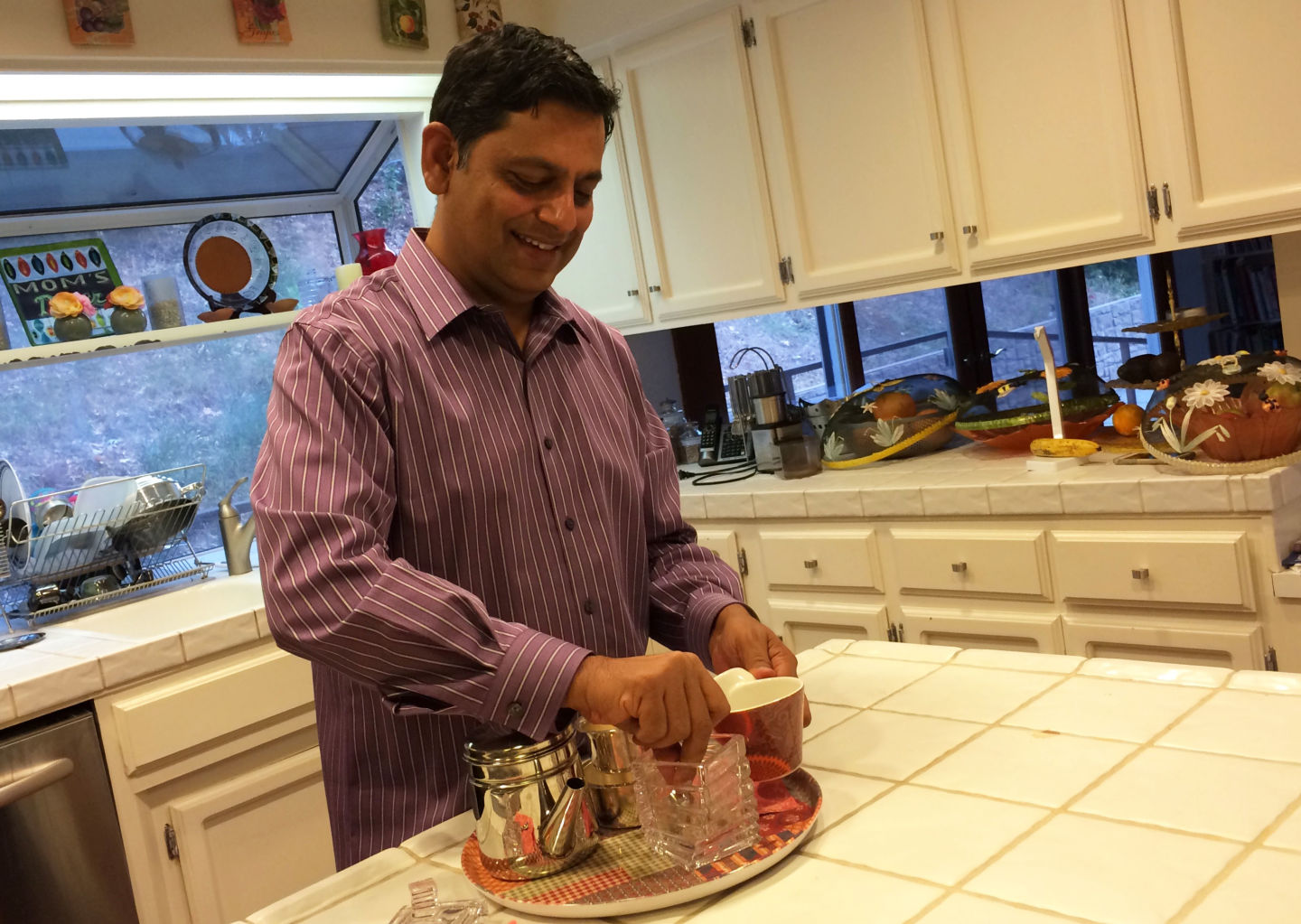
"caption": "Silicon Valley startup founder Deepak Aatresh starts every day with a touch of his homeland -- south Indian filter coffee.",
"description": "Silicon Valley startup founder Deepak Aatresh starts every day with a touch of his homeland -- south Indian filter coffee.",
"title": "Aatresh",
"credit": "Beth Willon/KQED",
"status": "inherit",
"isLoading": false,
"fetchFailed": false
},
"news_10659942": {
"type": "attachments",
"id": "news_10659942",
"meta": {
"index": "attachments_1716263798",
"site": "news",
"id": "10659942",
"found": true
},
"parent": 10659934,
"imgSizes": {
"twentyfourteen-full-width": {
"file": "https://ww2.kqed.org/app/uploads/sites/10/2015/08/RS16510_Porn-Hands-qut-1038x576.jpg",
"width": 1038,
"mimeType": "image/jpeg",
"height": 576
},
"thumbnail": {
"file": "https://ww2.kqed.org/app/uploads/sites/10/2015/08/RS16510_Porn-Hands-qut-400x267.jpg",
"width": 400,
"mimeType": "image/jpeg",
"height": 267
},
"fd-sm": {
"file": "https://ww2.kqed.org/app/uploads/sites/10/2015/08/RS16510_Porn-Hands-qut-960x640.jpg",
"width": 960,
"mimeType": "image/jpeg",
"height": 640
},
"post-thumbnail": {
"file": "https://ww2.kqed.org/app/uploads/sites/10/2015/08/RS16510_Porn-Hands-qut-672x372.jpg",
"width": 672,
"mimeType": "image/jpeg",
"height": 372
},
"kqedFullSize": {
"file": "https://ww2.kqed.org/app/uploads/sites/10/2015/08/RS16510_Porn-Hands-qut.jpg",
"width": 1920,
"height": 1280
},
"large": {
"file": "https://ww2.kqed.org/app/uploads/sites/10/2015/08/RS16510_Porn-Hands-qut-1440x960.jpg",
"width": 1440,
"mimeType": "image/jpeg",
"height": 960
},
"guest-author-96": {
"file": "https://ww2.kqed.org/app/uploads/sites/10/2015/08/RS16510_Porn-Hands-qut-96x96.jpg",
"width": 96,
"mimeType": "image/jpeg",
"height": 96
},
"medium": {
"file": "https://ww2.kqed.org/app/uploads/sites/10/2015/08/RS16510_Porn-Hands-qut-800x533.jpg",
"width": 800,
"mimeType": "image/jpeg",
"height": 533
},
"guest-author-64": {
"file": "https://ww2.kqed.org/app/uploads/sites/10/2015/08/RS16510_Porn-Hands-qut-64x64.jpg",
"width": 64,
"mimeType": "image/jpeg",
"height": 64
},
"guest-author-32": {
"file": "https://ww2.kqed.org/app/uploads/sites/10/2015/08/RS16510_Porn-Hands-qut-32x32.jpg",
"width": 32,
"mimeType": "image/jpeg",
"height": 32
},
"jmtc-small-thumb": {
"file": "https://ww2.kqed.org/app/uploads/sites/10/2015/08/RS16510_Porn-Hands-qut-280x150.jpg",
"width": 280,
"mimeType": "image/jpeg",
"height": 150
},
"fd-lrg": {
"file": "https://ww2.kqed.org/app/uploads/sites/10/2015/08/RS16510_Porn-Hands-qut-1920x1280.jpg",
"width": 1920,
"mimeType": "image/jpeg",
"height": 1280
},
"fd-med": {
"file": "https://ww2.kqed.org/app/uploads/sites/10/2015/08/RS16510_Porn-Hands-qut-1180x787.jpg",
"width": 1180,
"mimeType": "image/jpeg",
"height": 787
},
"detail": {
"file": "https://ww2.kqed.org/app/uploads/sites/10/2015/08/RS16510_Porn-Hands-qut-75x75.jpg",
"width": 75,
"mimeType": "image/jpeg",
"height": 75
},
"guest-author-128": {
"file": "https://ww2.kqed.org/app/uploads/sites/10/2015/08/RS16510_Porn-Hands-qut-128x128.jpg",
"width": 128,
"mimeType": "image/jpeg",
"height": 128
}
},
"publishDate": 1440785410,
"modified": 1573920748,
"caption": "The advent of high speed Internet service means a limitless variety of pornography is now available all the time, everywhere.",
"description": "The advent of high-speed Internet service means a limitless variety of pornography is now available all the time, everywhere.",
"title": "RS16510_Porn Hands-qut",
"credit": "Jeremy Raff/KQED",
"status": "inherit",
"isLoading": false,
"fetchFailed": false
},
"news_10668562": {
"type": "attachments",
"id": "news_10668562",
"meta": {
"index": "attachments_1716263798",
"site": "news",
"id": "10668562",
"found": true
},
"parent": 10667532,
"imgSizes": {
"twentyfourteen-full-width": {
"file": "https://ww2.kqed.org/app/uploads/sites/10/2015/09/RS16580_DonnaSet-qut-1038x576.jpg",
"width": 1038,
"mimeType": "image/jpeg",
"height": 576
},
"thumbnail": {
"file": "https://ww2.kqed.org/app/uploads/sites/10/2015/09/RS16580_DonnaSet-qut-400x225.jpg",
"width": 400,
"mimeType": "image/jpeg",
"height": 225
},
"fd-sm": {
"file": "https://ww2.kqed.org/app/uploads/sites/10/2015/09/RS16580_DonnaSet-qut-960x539.jpg",
"width": 960,
"mimeType": "image/jpeg",
"height": 539
},
"post-thumbnail": {
"file": "https://ww2.kqed.org/app/uploads/sites/10/2015/09/RS16580_DonnaSet-qut-672x372.jpg",
"width": 672,
"mimeType": "image/jpeg",
"height": 372
},
"kqedFullSize": {
"file": "https://ww2.kqed.org/app/uploads/sites/10/2015/09/RS16580_DonnaSet-qut.jpg",
"width": 1920,
"height": 1078
},
"large": {
"file": "https://ww2.kqed.org/app/uploads/sites/10/2015/09/RS16580_DonnaSet-qut-1440x809.jpg",
"width": 1440,
"mimeType": "image/jpeg",
"height": 809
},
"guest-author-96": {
"file": "https://ww2.kqed.org/app/uploads/sites/10/2015/09/RS16580_DonnaSet-qut-96x96.jpg",
"width": 96,
"mimeType": "image/jpeg",
"height": 96
},
"medium": {
"file": "https://ww2.kqed.org/app/uploads/sites/10/2015/09/RS16580_DonnaSet-qut-800x449.jpg",
"width": 800,
"mimeType": "image/jpeg",
"height": 449
},
"guest-author-64": {
"file": "https://ww2.kqed.org/app/uploads/sites/10/2015/09/RS16580_DonnaSet-qut-64x64.jpg",
"width": 64,
"mimeType": "image/jpeg",
"height": 64
},
"guest-author-32": {
"file": "https://ww2.kqed.org/app/uploads/sites/10/2015/09/RS16580_DonnaSet-qut-32x32.jpg",
"width": 32,
"mimeType": "image/jpeg",
"height": 32
},
"jmtc-small-thumb": {
"file": "https://ww2.kqed.org/app/uploads/sites/10/2015/09/RS16580_DonnaSet-qut-280x150.jpg",
"width": 280,
"mimeType": "image/jpeg",
"height": 150
},
"fd-lrg": {
"file": "https://ww2.kqed.org/app/uploads/sites/10/2015/09/RS16580_DonnaSet-qut-1920x1078.jpg",
"width": 1920,
"mimeType": "image/jpeg",
"height": 1078
},
"fd-med": {
"file": "https://ww2.kqed.org/app/uploads/sites/10/2015/09/RS16580_DonnaSet-qut-1180x663.jpg",
"width": 1180,
"mimeType": "image/jpeg",
"height": 663
},
"detail": {
"file": "https://ww2.kqed.org/app/uploads/sites/10/2015/09/RS16580_DonnaSet-qut-75x75.jpg",
"width": 75,
"mimeType": "image/jpeg",
"height": 75
},
"guest-author-128": {
"file": "https://ww2.kqed.org/app/uploads/sites/10/2015/09/RS16580_DonnaSet-qut-128x128.jpg",
"width": 128,
"mimeType": "image/jpeg",
"height": 128
}
},
"publishDate": 1441390989,
"modified": 1441480169,
"caption": "For the modern parent, the smartphone is both a terrifying window into the world of teenage experimentation, and a way to keep tabs on teens who wouldn't otherwise share what they're up to.",
"description": "For the modern parent, the smartphone is both a terrifying window into the world of teenage experimentation, and a way to keep tabs on teens who wouldn't otherwise share what they're up to.",
"title": "RS16580_DonnaSet-qut",
"credit": "Katherine Streeter for KQED",
"status": "inherit",
"isLoading": false,
"fetchFailed": false
},
"news_10676364": {
"type": "attachments",
"id": "news_10676364",
"meta": {
"index": "attachments_1716263798",
"site": "news",
"id": "10676364",
"found": true
},
"parent": 10676285,
"imgSizes": {
"twentyfourteen-full-width": {
"file": "https://ww2.kqed.org/app/uploads/sites/10/2015/09/ellen-pao-9.10-1038x576.jpg",
"width": 1038,
"mimeType": "image/jpeg",
"height": 576
},
"thumbnail": {
"file": "https://ww2.kqed.org/app/uploads/sites/10/2015/09/ellen-pao-9.10-400x277.jpg",
"width": 400,
"mimeType": "image/jpeg",
"height": 277
},
"fd-sm": {
"file": "https://ww2.kqed.org/app/uploads/sites/10/2015/09/ellen-pao-9.10-960x665.jpg",
"width": 960,
"mimeType": "image/jpeg",
"height": 665
},
"post-thumbnail": {
"file": "https://ww2.kqed.org/app/uploads/sites/10/2015/09/ellen-pao-9.10-672x372.jpg",
"width": 672,
"mimeType": "image/jpeg",
"height": 372
},
"kqedFullSize": {
"file": "https://ww2.kqed.org/app/uploads/sites/10/2015/09/ellen-pao-9.10.jpg",
"width": 1180,
"height": 817
},
"guest-author-96": {
"file": "https://ww2.kqed.org/app/uploads/sites/10/2015/09/ellen-pao-9.10-96x96.jpg",
"width": 96,
"mimeType": "image/jpeg",
"height": 96
},
"medium": {
"file": "https://ww2.kqed.org/app/uploads/sites/10/2015/09/ellen-pao-9.10-800x554.jpg",
"width": 800,
"mimeType": "image/jpeg",
"height": 554
},
"guest-author-64": {
"file": "https://ww2.kqed.org/app/uploads/sites/10/2015/09/ellen-pao-9.10-64x64.jpg",
"width": 64,
"mimeType": "image/jpeg",
"height": 64
},
"guest-author-32": {
"file": "https://ww2.kqed.org/app/uploads/sites/10/2015/09/ellen-pao-9.10-32x32.jpg",
"width": 32,
"mimeType": "image/jpeg",
"height": 32
},
"jmtc-small-thumb": {
"file": "https://ww2.kqed.org/app/uploads/sites/10/2015/09/ellen-pao-9.10-280x150.jpg",
"width": 280,
"mimeType": "image/jpeg",
"height": 150
},
"fd-med": {
"file": "https://ww2.kqed.org/app/uploads/sites/10/2015/09/ellen-pao-9.10-1180x817.jpg",
"width": 1180,
"mimeType": "image/jpeg",
"height": 817
},
"detail": {
"file": "https://ww2.kqed.org/app/uploads/sites/10/2015/09/ellen-pao-9.10-75x75.jpg",
"width": 75,
"mimeType": "image/jpeg",
"height": 75
},
"guest-author-128": {
"file": "https://ww2.kqed.org/app/uploads/sites/10/2015/09/ellen-pao-9.10-128x128.jpg",
"width": 128,
"mimeType": "image/jpeg",
"height": 128
}
},
"publishDate": 1441914205,
"modified": 1441914283,
"caption": "Ellen Pao announced that she will not pursue an appeal in her gender discrimination case against Kleiner Perkins.",
"description": "Ellen Pao announced that she will not pursue an appeal in her gender discrimination case against Kleiner Perkins.",
"title": "Ellen Pao announced that she will not pursue an appeal in her gender discrimination case against Kleiner Perkins.",
"credit": "Justin Sullivan/Getty Images",
"status": "inherit",
"isLoading": false,
"fetchFailed": false
},
"news_10659828": {
"type": "attachments",
"id": "news_10659828",
"meta": {
"index": "attachments_1716263798",
"site": "news",
"id": "10659828",
"found": true
},
"parent": 10659827,
"imgSizes": {
"twentyfourteen-full-width": {
"file": "https://ww2.kqed.org/app/uploads/sites/10/2015/08/GettyImages-485297476-1038x576.jpg",
"width": 1038,
"mimeType": "image/jpeg",
"height": 576
},
"thumbnail": {
"file": "https://ww2.kqed.org/app/uploads/sites/10/2015/08/GettyImages-485297476-400x275.jpg",
"width": 400,
"mimeType": "image/jpeg",
"height": 275
},
"fd-sm": {
"file": "https://ww2.kqed.org/app/uploads/sites/10/2015/08/GettyImages-485297476-960x659.jpg",
"width": 960,
"mimeType": "image/jpeg",
"height": 659
},
"post-thumbnail": {
"file": "https://ww2.kqed.org/app/uploads/sites/10/2015/08/GettyImages-485297476-672x372.jpg",
"width": 672,
"mimeType": "image/jpeg",
"height": 372
},
"kqedFullSize": {
"file": "https://ww2.kqed.org/app/uploads/sites/10/2015/08/GettyImages-485297476-e1440777491138.jpg",
"width": 1920,
"height": 1318
},
"large": {
"file": "https://ww2.kqed.org/app/uploads/sites/10/2015/08/GettyImages-485297476-1440x988.jpg",
"width": 1440,
"mimeType": "image/jpeg",
"height": 988
},
"guest-author-96": {
"file": "https://ww2.kqed.org/app/uploads/sites/10/2015/08/GettyImages-485297476-96x96.jpg",
"width": 96,
"mimeType": "image/jpeg",
"height": 96
},
"medium": {
"file": "https://ww2.kqed.org/app/uploads/sites/10/2015/08/GettyImages-485297476-800x549.jpg",
"width": 800,
"mimeType": "image/jpeg",
"height": 549
},
"guest-author-64": {
"file": "https://ww2.kqed.org/app/uploads/sites/10/2015/08/GettyImages-485297476-64x64.jpg",
"width": 64,
"mimeType": "image/jpeg",
"height": 64
},
"guest-author-32": {
"file": "https://ww2.kqed.org/app/uploads/sites/10/2015/08/GettyImages-485297476-32x32.jpg",
"width": 32,
"mimeType": "image/jpeg",
"height": 32
},
"jmtc-small-thumb": {
"file": "https://ww2.kqed.org/app/uploads/sites/10/2015/08/GettyImages-485297476-280x150.jpg",
"width": 280,
"mimeType": "image/jpeg",
"height": 150
},
"fd-lrg": {
"file": "https://ww2.kqed.org/app/uploads/sites/10/2015/08/GettyImages-485297476-1920x1318.jpg",
"width": 1920,
"mimeType": "image/jpeg",
"height": 1318
},
"fd-med": {
"file": "https://ww2.kqed.org/app/uploads/sites/10/2015/08/GettyImages-485297476-1180x810.jpg",
"width": 1180,
"mimeType": "image/jpeg",
"height": 810
},
"detail": {
"file": "https://ww2.kqed.org/app/uploads/sites/10/2015/08/GettyImages-485297476-75x75.jpg",
"width": 75,
"mimeType": "image/jpeg",
"height": 75
},
"guest-author-128": {
"file": "https://ww2.kqed.org/app/uploads/sites/10/2015/08/GettyImages-485297476-128x128.jpg",
"width": 128,
"mimeType": "image/jpeg",
"height": 128
}
},
"publishDate": 1440777402,
"modified": 1440777485,
"caption": "Defense Secretary Ashton Carter speaks at Nellis Air Force Base in Nevada earlier this week. ",
"description": null,
"title": "Ashton Carter-Defense Secretary",
"credit": "Isaac Brekken/Getty Images",
"status": "inherit",
"isLoading": false,
"fetchFailed": false
},
"news_10643255": {
"type": "attachments",
"id": "news_10643255",
"meta": {
"index": "attachments_1716263798",
"site": "news",
"id": "10643255",
"found": true
},
"title": "RS8329_IMG_1308.JPG-alt_319",
"publishDate": 1439586531,
"status": "inherit",
"parent": 10643248,
"modified": 1749242921,
"caption": "An unmanned aircraft, or drone, flying over a house.",
"credit": "Craig Miller/KQED",
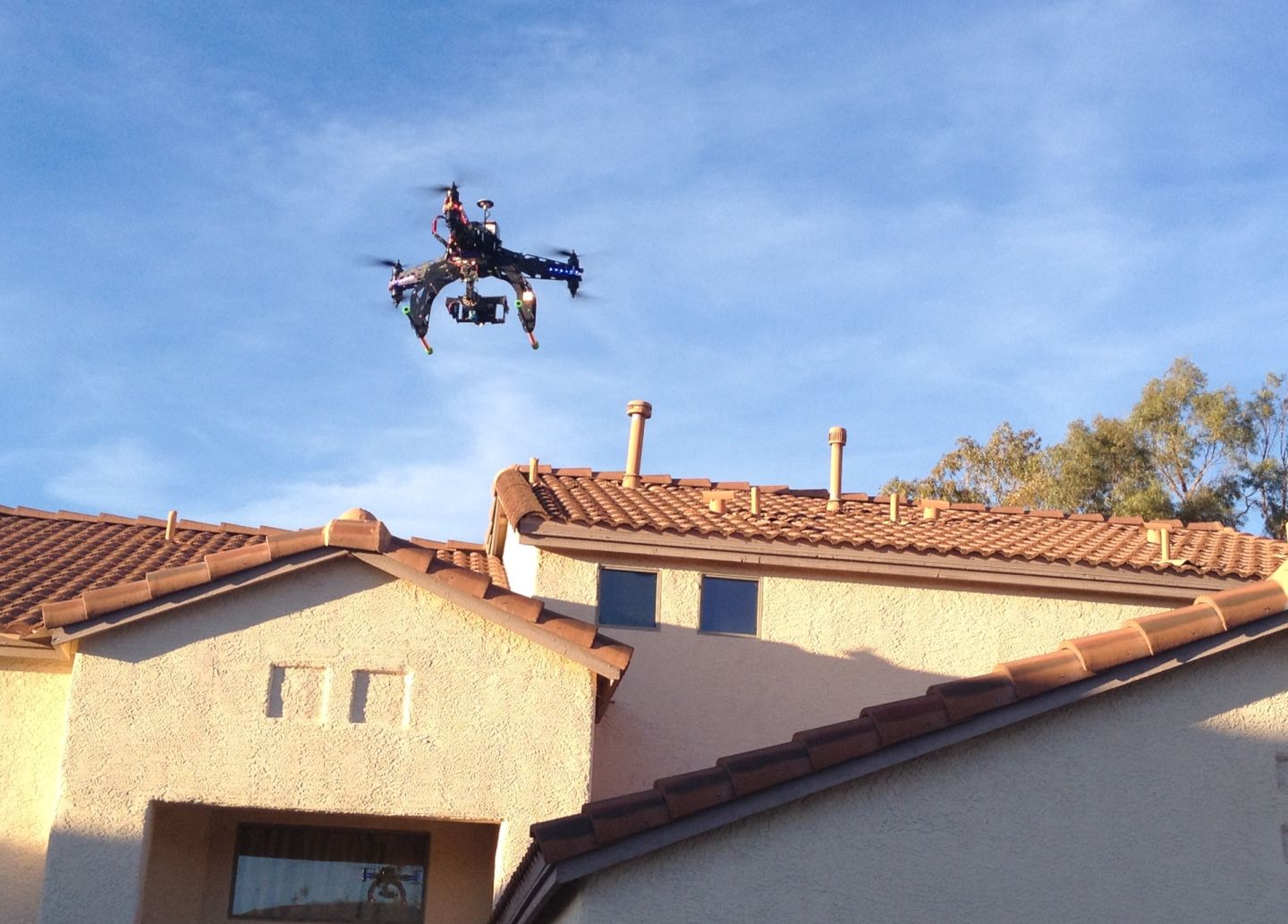
"altTag": "File photo of a unmanned aircraft, or drone, flying over a house.",
"description": "File photo of a unmanned aircraft, or drone, flying over a house.",
"imgSizes": {
"thumbnail": {
"file": "https://cdn.kqed.org/wp-content/uploads/sites/10/2015/08/RS8329_IMG_1308.JPG-alt_319-e1439586720978-400x287.jpg",
"width": 400,
"height": 287,
"mimeType": "image/jpeg"
},
"medium": {
"file": "https://cdn.kqed.org/wp-content/uploads/sites/10/2015/08/RS8329_IMG_1308.JPG-alt_319-e1439586720978-800x574.jpg",
"width": 800,
"height": 574,
"mimeType": "image/jpeg"
},
"large": {
"file": "https://cdn.kqed.org/wp-content/uploads/sites/10/2015/08/RS8329_IMG_1308.JPG-alt_319-e1439586720978-1440x1033.jpg",
"width": 1440,
"height": 1033,
"mimeType": "image/jpeg"
},
"fd-lrg": {
"file": "https://cdn.kqed.org/wp-content/uploads/sites/10/2015/08/RS8329_IMG_1308.JPG-alt_319-e1439586720978-1920x1377.jpg",
"width": 1920,
"height": 1377,
"mimeType": "image/jpeg"
},
"fd-med": {
"file": "https://cdn.kqed.org/wp-content/uploads/sites/10/2015/08/RS8329_IMG_1308.JPG-alt_319-e1439586720978-1180x846.jpg",
"width": 1180,
"height": 846,
"mimeType": "image/jpeg"
},
"fd-sm": {
"file": "https://cdn.kqed.org/wp-content/uploads/sites/10/2015/08/RS8329_IMG_1308.JPG-alt_319-e1439586720978-960x689.jpg",
"width": 960,
"height": 689,
"mimeType": "image/jpeg"
},
"post-thumbnail": {
"file": "https://cdn.kqed.org/wp-content/uploads/sites/10/2015/08/RS8329_IMG_1308.JPG-alt_319-e1439586720978-672x372.jpg",
"width": 672,
"height": 372,
"mimeType": "image/jpeg"
},
"twentyfourteen-full-width": {
"file": "https://cdn.kqed.org/wp-content/uploads/sites/10/2015/08/RS8329_IMG_1308.JPG-alt_319-e1439586720978-1038x576.jpg",
"width": 1038,
"height": 576,
"mimeType": "image/jpeg"
},
"guest-author-32": {
"file": "https://cdn.kqed.org/wp-content/uploads/sites/10/2015/08/RS8329_IMG_1308.JPG-alt_319-e1439586720978-32x32.jpg",
"width": 32,
"height": 32,
"mimeType": "image/jpeg"
},
"guest-author-64": {
"file": "https://cdn.kqed.org/wp-content/uploads/sites/10/2015/08/RS8329_IMG_1308.JPG-alt_319-e1439586720978-64x64.jpg",
"width": 64,
"height": 64,
"mimeType": "image/jpeg"
},
"guest-author-96": {
"file": "https://cdn.kqed.org/wp-content/uploads/sites/10/2015/08/RS8329_IMG_1308.JPG-alt_319-e1439586720978-96x96.jpg",
"width": 96,
"height": 96,
"mimeType": "image/jpeg"
},
"guest-author-128": {
"file": "https://cdn.kqed.org/wp-content/uploads/sites/10/2015/08/RS8329_IMG_1308.JPG-alt_319-e1439586720978-128x128.jpg",
"width": 128,
"height": 128,
"mimeType": "image/jpeg"
},
"detail": {
"file": "https://cdn.kqed.org/wp-content/uploads/sites/10/2015/08/RS8329_IMG_1308.JPG-alt_319-e1439586720978-75x75.jpg",
"width": 75,
"height": 75,
"mimeType": "image/jpeg"
},
"jmtc-small-thumb": {
"file": "https://cdn.kqed.org/wp-content/uploads/sites/10/2015/08/RS8329_IMG_1308.JPG-alt_319-e1439586720978-280x150.jpg",
"width": 280,
"height": 150,
"mimeType": "image/jpeg"
},
"kqedFullSize": {
"file": "https://cdn.kqed.org/wp-content/uploads/sites/10/2015/08/RS8329_IMG_1308.JPG-alt_319-e1439586720978.jpg",
"width": 1920,
"height": 1377
}
},
"isLoading": false,
"fetchFailed": false
},
"news_10638229": {
"type": "attachments",
"id": "news_10638229",
"meta": {
"index": "attachments_1716263798",
"site": "news",
"id": "10638229",
"found": true
},
"parent": 10638167,
"imgSizes": {
"twentyfourteen-full-width": {
"file": "https://ww2.kqed.org/app/uploads/sites/10/2015/08/GoogleWorkers201207121920-1038x576.jpg",
"width": 1038,
"mimeType": "image/jpeg",
"height": 576
},
"thumbnail": {
"file": "https://ww2.kqed.org/app/uploads/sites/10/2015/08/GoogleWorkers201207121920-400x225.jpg",
"width": 400,
"mimeType": "image/jpeg",
"height": 225
},
"fd-sm": {
"file": "https://ww2.kqed.org/app/uploads/sites/10/2015/08/GoogleWorkers201207121920-960x540.jpg",
"width": 960,
"mimeType": "image/jpeg",
"height": 540
},
"post-thumbnail": {
"file": "https://ww2.kqed.org/app/uploads/sites/10/2015/08/GoogleWorkers201207121920-672x372.jpg",
"width": 672,
"mimeType": "image/jpeg",
"height": 372
},
"kqedFullSize": {
"file": "https://ww2.kqed.org/app/uploads/sites/10/2015/08/GoogleWorkers201207121920.jpg",
"width": 1920,
"height": 1080
},
"large": {
"file": "https://ww2.kqed.org/app/uploads/sites/10/2015/08/GoogleWorkers201207121920-1440x810.jpg",
"width": 1440,
"mimeType": "image/jpeg",
"height": 810
},
"guest-author-96": {
"file": "https://ww2.kqed.org/app/uploads/sites/10/2015/08/GoogleWorkers201207121920-96x96.jpg",
"width": 96,
"mimeType": "image/jpeg",
"height": 96
},
"medium": {
"file": "https://ww2.kqed.org/app/uploads/sites/10/2015/08/GoogleWorkers201207121920-800x450.jpg",
"width": 800,
"mimeType": "image/jpeg",
"height": 450
},
"guest-author-64": {
"file": "https://ww2.kqed.org/app/uploads/sites/10/2015/08/GoogleWorkers201207121920-64x64.jpg",
"width": 64,
"mimeType": "image/jpeg",
"height": 64
},
"guest-author-32": {
"file": "https://ww2.kqed.org/app/uploads/sites/10/2015/08/GoogleWorkers201207121920-32x32.jpg",
"width": 32,
"mimeType": "image/jpeg",
"height": 32
},
"jmtc-small-thumb": {
"file": "https://ww2.kqed.org/app/uploads/sites/10/2015/08/GoogleWorkers201207121920-280x150.jpg",
"width": 280,
"mimeType": "image/jpeg",
"height": 150
},
"fd-lrg": {
"file": "https://ww2.kqed.org/app/uploads/sites/10/2015/08/GoogleWorkers201207121920-1920x1080.jpg",
"width": 1920,
"mimeType": "image/jpeg",
"height": 1080
},
"fd-med": {
"file": "https://ww2.kqed.org/app/uploads/sites/10/2015/08/GoogleWorkers201207121920-1180x664.jpg",
"width": 1180,
"mimeType": "image/jpeg",
"height": 664
},
"detail": {
"file": "https://ww2.kqed.org/app/uploads/sites/10/2015/08/GoogleWorkers201207121920-75x75.jpg",
"width": 75,
"mimeType": "image/jpeg",
"height": 75
},
"guest-author-128": {
"file": "https://ww2.kqed.org/app/uploads/sites/10/2015/08/GoogleWorkers201207121920-128x128.jpg",
"width": 128,
"mimeType": "image/jpeg",
"height": 128
}
},
"publishDate": 1439250556,
"modified": 1439250686,
"caption": "Google has announced the creation of its new parent company, Alphabet.",
"description": null,
"title": "GoogleWorkers201207121920",
"credit": "(David Paul Morris/Getty Images)",
"status": "inherit",
"isLoading": false,
"fetchFailed": false
},
"news_10630317": {
"type": "attachments",
"id": "news_10630317",
"meta": {
"index": "attachments_1716263798",
"site": "news",
"id": "10630317",
"found": true
},
"parent": 10630141,
"imgSizes": {
"twentyfourteen-full-width": {
"file": "https://ww2.kqed.org/app/uploads/sites/10/2015/08/Ayori-2-1038x576.jpg",
"width": 1038,
"mimeType": "image/jpeg",
"height": 576
},
"thumbnail": {
"file": "https://ww2.kqed.org/app/uploads/sites/10/2015/08/Ayori-2-400x300.jpg",
"width": 400,
"mimeType": "image/jpeg",
"height": 300
},
"fd-sm": {
"file": "https://ww2.kqed.org/app/uploads/sites/10/2015/08/Ayori-2-960x720.jpg",
"width": 960,
"mimeType": "image/jpeg",
"height": 720
},
"post-thumbnail": {
"file": "https://ww2.kqed.org/app/uploads/sites/10/2015/08/Ayori-2-672x372.jpg",
"width": 672,
"mimeType": "image/jpeg",
"height": 372
},
"kqedFullSize": {
"file": "https://ww2.kqed.org/app/uploads/sites/10/2015/08/Ayori-2.jpg",
"width": 1280,
"height": 960
},
"guest-author-96": {
"file": "https://ww2.kqed.org/app/uploads/sites/10/2015/08/Ayori-2-96x96.jpg",
"width": 96,
"mimeType": "image/jpeg",
"height": 96
},
"medium": {
"file": "https://ww2.kqed.org/app/uploads/sites/10/2015/08/Ayori-2-800x600.jpg",
"width": 800,
"mimeType": "image/jpeg",
"height": 600
},
"guest-author-64": {
"file": "https://ww2.kqed.org/app/uploads/sites/10/2015/08/Ayori-2-64x64.jpg",
"width": 64,
"mimeType": "image/jpeg",
"height": 64
},
"guest-author-32": {
"file": "https://ww2.kqed.org/app/uploads/sites/10/2015/08/Ayori-2-32x32.jpg",
"width": 32,
"mimeType": "image/jpeg",
"height": 32
},
"jmtc-small-thumb": {
"file": "https://ww2.kqed.org/app/uploads/sites/10/2015/08/Ayori-2-280x150.jpg",
"width": 280,
"mimeType": "image/jpeg",
"height": 150
},
"fd-med": {
"file": "https://ww2.kqed.org/app/uploads/sites/10/2015/08/Ayori-2-1180x885.jpg",
"width": 1180,
"mimeType": "image/jpeg",
"height": 885
},
"detail": {
"file": "https://ww2.kqed.org/app/uploads/sites/10/2015/08/Ayori-2-75x75.jpg",
"width": 75,
"mimeType": "image/jpeg",
"height": 75
},
"guest-author-128": {
"file": "https://ww2.kqed.org/app/uploads/sites/10/2015/08/Ayori-2-128x128.jpg",
"width": 128,
"mimeType": "image/jpeg",
"height": 128
}
},
"publishDate": 1438731769,
"modified": 1438731829,
"caption": "Ayori Selassie talks with Monica Lam at KQED TV's studios.",
"description": null,
"title": "Ayori Selassie",
"credit": "Nicole Reinert",
"status": "inherit",
"isLoading": false,
"fetchFailed": false
},
"news_10634488": {
"type": "attachments",
"id": "news_10634488",
"meta": {
"index": "attachments_1716263798",
"site": "news",
"id": "10634488",
"found": true
},
"parent": 10630061,
"imgSizes": {
"jmtc-small-thumb": {
"file": "https://ww2.kqed.org/app/uploads/sites/10/2015/08/trip-280x150.jpg",
"width": 280,
"mimeType": "image/jpeg",
"height": 150
},
"thumbnail": {
"file": "https://ww2.kqed.org/app/uploads/sites/10/2015/08/trip-400x225.jpg",
"width": 400,
"mimeType": "image/jpeg",
"height": 225
},
"kqedFullSize": {
"file": "https://ww2.kqed.org/app/uploads/sites/10/2015/08/trip.jpg",
"width": 640,
"height": 360
},
"guest-author-96": {
"file": "https://ww2.kqed.org/app/uploads/sites/10/2015/08/trip-96x96.jpg",
"width": 96,
"mimeType": "image/jpeg",
"height": 96
},
"guest-author-64": {
"file": "https://ww2.kqed.org/app/uploads/sites/10/2015/08/trip-64x64.jpg",
"width": 64,
"mimeType": "image/jpeg",
"height": 64
},
"detail": {
"file": "https://ww2.kqed.org/app/uploads/sites/10/2015/08/trip-75x75.jpg",
"width": 75,
"mimeType": "image/jpeg",
"height": 75
},
"guest-author-32": {
"file": "https://ww2.kqed.org/app/uploads/sites/10/2015/08/trip-32x32.jpg",
"width": 32,
"mimeType": "image/jpeg",
"height": 32
},
"guest-author-128": {
"file": "https://ww2.kqed.org/app/uploads/sites/10/2015/08/trip-128x128.jpg",
"width": 128,
"mimeType": "image/jpeg",
"height": 128
}
},
"publishDate": 1438993301,
"modified": 1438993301,
"caption": null,
"description": null,
"title": "trip",
"credit": null,
"status": "inherit",
"isLoading": false,
"fetchFailed": false
},
"news_10628250": {
"type": "attachments",
"id": "news_10628250",
"meta": {
"index": "attachments_1716263798",
"site": "news",
"id": "10628250",
"found": true
},
"parent": 10628249,
"imgSizes": {
"twentyfourteen-full-width": {
"file": "https://ww2.kqed.org/app/uploads/sites/10/2015/08/ap_522767280791_custom-64ebddf78d3306d9c32e5adc4b72f35e2fadee09-1038x576.jpg",
"width": 1038,
"mimeType": "image/jpeg",
"height": 576
},
"thumbnail": {
"file": "https://ww2.kqed.org/app/uploads/sites/10/2015/08/ap_522767280791_custom-64ebddf78d3306d9c32e5adc4b72f35e2fadee09-400x269.jpg",
"width": 400,
"mimeType": "image/jpeg",
"height": 269
},
"fd-sm": {
"file": "https://ww2.kqed.org/app/uploads/sites/10/2015/08/ap_522767280791_custom-64ebddf78d3306d9c32e5adc4b72f35e2fadee09-960x644.jpg",
"width": 960,
"mimeType": "image/jpeg",
"height": 644
},
"post-thumbnail": {
"file": "https://ww2.kqed.org/app/uploads/sites/10/2015/08/ap_522767280791_custom-64ebddf78d3306d9c32e5adc4b72f35e2fadee09-672x372.jpg",
"width": 672,
"mimeType": "image/jpeg",
"height": 372
},
"kqedFullSize": {
"file": "https://ww2.kqed.org/app/uploads/sites/10/2015/08/ap_522767280791_custom-64ebddf78d3306d9c32e5adc4b72f35e2fadee09-e1438618082807.jpg",
"width": 1920,
"height": 1289
},
"large": {
"file": "https://ww2.kqed.org/app/uploads/sites/10/2015/08/ap_522767280791_custom-64ebddf78d3306d9c32e5adc4b72f35e2fadee09-1440x967.jpg",
"width": 1440,
"mimeType": "image/jpeg",
"height": 967
},
"guest-author-96": {
"file": "https://ww2.kqed.org/app/uploads/sites/10/2015/08/ap_522767280791_custom-64ebddf78d3306d9c32e5adc4b72f35e2fadee09-96x96.jpg",
"width": 96,
"mimeType": "image/jpeg",
"height": 96
},
"medium": {
"file": "https://ww2.kqed.org/app/uploads/sites/10/2015/08/ap_522767280791_custom-64ebddf78d3306d9c32e5adc4b72f35e2fadee09-800x537.jpg",
"width": 800,
"mimeType": "image/jpeg",
"height": 537
},
"guest-author-64": {
"file": "https://ww2.kqed.org/app/uploads/sites/10/2015/08/ap_522767280791_custom-64ebddf78d3306d9c32e5adc4b72f35e2fadee09-64x64.jpg",
"width": 64,
"mimeType": "image/jpeg",
"height": 64
},
"guest-author-32": {
"file": "https://ww2.kqed.org/app/uploads/sites/10/2015/08/ap_522767280791_custom-64ebddf78d3306d9c32e5adc4b72f35e2fadee09-32x32.jpg",
"width": 32,
"mimeType": "image/jpeg",
"height": 32
},
"jmtc-small-thumb": {
"file": "https://ww2.kqed.org/app/uploads/sites/10/2015/08/ap_522767280791_custom-64ebddf78d3306d9c32e5adc4b72f35e2fadee09-280x150.jpg",
"width": 280,
"mimeType": "image/jpeg",
"height": 150
},
"fd-lrg": {
"file": "https://ww2.kqed.org/app/uploads/sites/10/2015/08/ap_522767280791_custom-64ebddf78d3306d9c32e5adc4b72f35e2fadee09-1920x1289.jpg",
"width": 1920,
"mimeType": "image/jpeg",
"height": 1289
},
"fd-med": {
"file": "https://ww2.kqed.org/app/uploads/sites/10/2015/08/ap_522767280791_custom-64ebddf78d3306d9c32e5adc4b72f35e2fadee09-1180x792.jpg",
"width": 1180,
"mimeType": "image/jpeg",
"height": 792
},
"detail": {
"file": "https://ww2.kqed.org/app/uploads/sites/10/2015/08/ap_522767280791_custom-64ebddf78d3306d9c32e5adc4b72f35e2fadee09-75x75.jpg",
"width": 75,
"mimeType": "image/jpeg",
"height": 75
},
"guest-author-128": {
"file": "https://ww2.kqed.org/app/uploads/sites/10/2015/08/ap_522767280791_custom-64ebddf78d3306d9c32e5adc4b72f35e2fadee09-128x128.jpg",
"width": 128,
"mimeType": "image/jpeg",
"height": 128
}
},
"publishDate": 1438617560,
"modified": 1438618137,
"caption": "HitchBOT, a hitchhiking robot, sits with German tourists Sarah Strempel and Eric Vogel in Massachusetts.",
"description": "HitchBOT, a hitchhiking robot, sits with German tourists Sarah Strempel and Eric Vogel in Massachusetts.",
"title": "HitchBot",
"credit": "Stephan Savoia/AP",
"status": "inherit",
"isLoading": false,
"fetchFailed": false
},
"futureofyou_12280": {
"type": "attachments",
"id": "futureofyou_12280",
"meta": {
"index": "attachments_1716263798",
"site": "futureofyou",
"id": "12280",
"found": true
},
"parent": 12279,
"imgSizes": {
"twentyfourteen-full-width": {
"file": "https://ww2.kqed.org/app/uploads/sites/13/2015/07/Billy-Rios_featured-image-1038x576.jpg",
"width": 1038,
"mimeType": "image/jpeg",
"height": 576
},
"thumbnail": {
"file": "https://ww2.kqed.org/app/uploads/sites/13/2015/07/Billy-Rios_featured-image-400x267.jpg",
"width": 400,
"mimeType": "image/jpeg",
"height": 267
},
"fd-sm": {
"file": "https://ww2.kqed.org/app/uploads/sites/13/2015/07/Billy-Rios_featured-image-960x640.jpg",
"width": 960,
"mimeType": "image/jpeg",
"height": 640
},
"post-thumbnail": {
"file": "https://ww2.kqed.org/app/uploads/sites/13/2015/07/Billy-Rios_featured-image-672x372.jpg",
"width": 672,
"mimeType": "image/jpeg",
"height": 372
},
"kqedFullSize": {
"file": "https://ww2.kqed.org/app/uploads/sites/13/2015/07/Billy-Rios_featured-image-e1441837201627.jpg",
"width": 1920,
"height": 1280
},
"large": {
"file": "https://ww2.kqed.org/app/uploads/sites/13/2015/07/Billy-Rios_featured-image-1180x787.jpg",
"width": 1180,
"mimeType": "image/jpeg",
"height": 787
},
"guest-author-96": {
"file": "https://ww2.kqed.org/app/uploads/sites/13/2015/07/Billy-Rios_featured-image-96x96.jpg",
"width": 96,
"mimeType": "image/jpeg",
"height": 96
},
"medium": {
"file": "https://ww2.kqed.org/app/uploads/sites/13/2015/07/Billy-Rios_featured-image-800x533.jpg",
"width": 800,
"mimeType": "image/jpeg",
"height": 533
},
"guest-author-64": {
"file": "https://ww2.kqed.org/app/uploads/sites/13/2015/07/Billy-Rios_featured-image-64x64.jpg",
"width": 64,
"mimeType": "image/jpeg",
"height": 64
},
"guest-author-32": {
"file": "https://ww2.kqed.org/app/uploads/sites/13/2015/07/Billy-Rios_featured-image-32x32.jpg",
"width": 32,
"mimeType": "image/jpeg",
"height": 32
},
"fd-med": {
"file": "https://ww2.kqed.org/app/uploads/sites/13/2015/07/Billy-Rios_featured-image-1180x787.jpg",
"width": 1180,
"mimeType": "image/jpeg",
"height": 787
},
"detail": {
"file": "https://ww2.kqed.org/app/uploads/sites/13/2015/07/Billy-Rios_featured-image-75x75.jpg",
"width": 75,
"mimeType": "image/jpeg",
"height": 75
},
"guest-author-128": {
"file": "https://ww2.kqed.org/app/uploads/sites/13/2015/07/Billy-Rios_featured-image-128x128.jpg",
"width": 128,
"mimeType": "image/jpeg",
"height": 128
}
},
"publishDate": 1436567295,
"modified": 1438396332,
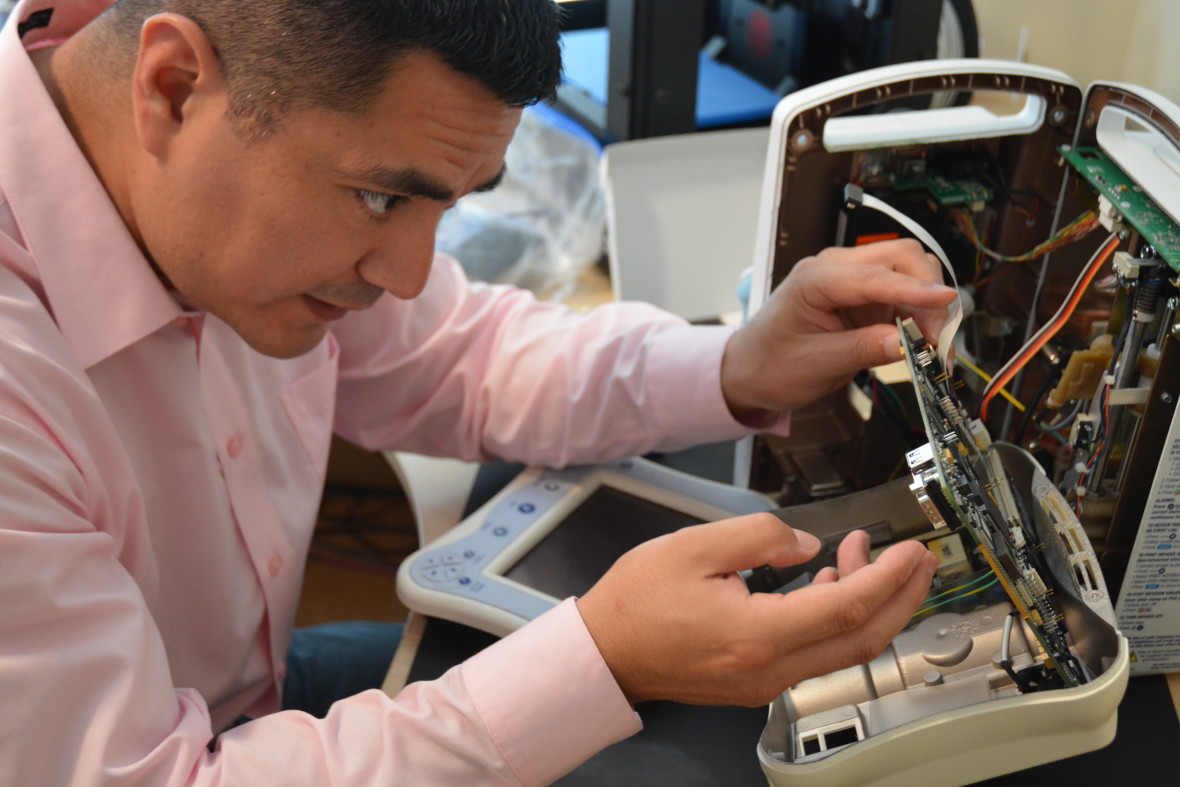
"caption": "Cyber security expert Billy Rios buys used medical devices online and searches for software vulnerabilities, which he reports to the government. ",
"description": null,
"title": "Billy Rios_featured image",
"credit": "David Gorn/KQED",
"status": "inherit",
"isLoading": false,
"fetchFailed": false
},
"news_10580995": {
"type": "attachments",
"id": "news_10580995",
"meta": {
"index": "attachments_1716263798",
"site": "news",
"id": "10580995",
"found": true
},
"parent": 10580994,
"imgSizes": {
"twentyfourteen-full-width": {
"file": "https://ww2.kqed.org/app/uploads/sites/10/2015/06/RS15897_IMG_9728-qut-1038x576.jpg",
"width": 1038,
"mimeType": "image/jpeg",
"height": 576
},
"thumbnail": {
"file": "https://ww2.kqed.org/app/uploads/sites/10/2015/06/RS15897_IMG_9728-qut-400x300.jpg",
"width": 400,
"mimeType": "image/jpeg",
"height": 300
},
"fd-sm": {
"file": "https://ww2.kqed.org/app/uploads/sites/10/2015/06/RS15897_IMG_9728-qut-960x720.jpg",
"width": 960,
"mimeType": "image/jpeg",
"height": 720
},
"post-thumbnail": {
"file": "https://ww2.kqed.org/app/uploads/sites/10/2015/06/RS15897_IMG_9728-qut-672x372.jpg",
"width": 672,
"mimeType": "image/jpeg",
"height": 372
},
"kqedFullSize": {
"file": "https://ww2.kqed.org/app/uploads/sites/10/2015/06/RS15897_IMG_9728-qut.jpg",
"width": 1920,
"height": 1440
},
"large": {
"file": "https://ww2.kqed.org/app/uploads/sites/10/2015/06/RS15897_IMG_9728-qut-1440x1080.jpg",
"width": 1440,
"mimeType": "image/jpeg",
"height": 1080
},
"guest-author-96": {
"file": "https://ww2.kqed.org/app/uploads/sites/10/2015/06/RS15897_IMG_9728-qut-96x96.jpg",
"width": 96,
"mimeType": "image/jpeg",
"height": 96
},
"medium": {
"file": "https://ww2.kqed.org/app/uploads/sites/10/2015/06/RS15897_IMG_9728-qut-800x600.jpg",
"width": 800,
"mimeType": "image/jpeg",
"height": 600
},
"guest-author-64": {
"file": "https://ww2.kqed.org/app/uploads/sites/10/2015/06/RS15897_IMG_9728-qut-64x64.jpg",
"width": 64,
"mimeType": "image/jpeg",
"height": 64
},
"guest-author-32": {
"file": "https://ww2.kqed.org/app/uploads/sites/10/2015/06/RS15897_IMG_9728-qut-32x32.jpg",
"width": 32,
"mimeType": "image/jpeg",
"height": 32
},
"jmtc-small-thumb": {
"file": "https://ww2.kqed.org/app/uploads/sites/10/2015/06/RS15897_IMG_9728-qut-280x150.jpg",
"width": 280,
"mimeType": "image/jpeg",
"height": 150
},
"fd-med": {
"file": "https://ww2.kqed.org/app/uploads/sites/10/2015/06/RS15897_IMG_9728-qut-1180x885.jpg",
"width": 1180,
"mimeType": "image/jpeg",
"height": 885
},
"detail": {
"file": "https://ww2.kqed.org/app/uploads/sites/10/2015/06/RS15897_IMG_9728-qut-75x75.jpg",
"width": 75,
"mimeType": "image/jpeg",
"height": 75
},
"guest-author-128": {
"file": "https://ww2.kqed.org/app/uploads/sites/10/2015/06/RS15897_IMG_9728-qut-128x128.jpg",
"width": 128,
"mimeType": "image/jpeg",
"height": 128
}
},
"publishDate": 1435538626,
"modified": 1438379925,
"caption": "The Camden VTA park and ride is a popular stop for tech shuttles like these two, headed to Yahoo! and Genentech. ",
"description": "The Camden VTA park and ride is a popular stop for tech shuttles like these two, headed to Yahoo! and Genentech.",
"title": "RS15897_IMG_9728-qut",
"credit": "Rachael Myrow/KQED",
"status": "inherit",
"isLoading": false,
"fetchFailed": false
}
},
"audioPlayerReducer": {
"postId": "stream_live",
"isPaused": true,
"isPlaying": false,
"pfsActive": false,
"pledgeModalIsOpen": true,
"playerDrawerIsOpen": false,
"liveAudioPlayStartedAt": 0,
"liveAudioPlayContext": ""
},
"authorsReducer": {
"byline_news_10659827": {
"type": "authors",
"id": "byline_news_10659827",
"meta": {
"override": true
},
"slug": "byline_news_10659827",
"name": "\u003cstrong>Lolita C. Baldor\u003cbr />Associated Press\u003c/strong>",
"isLoading": false
},
"byline_news_10643248": {
"type": "authors",
"id": "byline_news_10643248",
"meta": {
"override": true
},
"slug": "byline_news_10643248",
"name": "\u003cstrong>Fenit Nirappil\u003cbr />Associated Press\u003c/strong>",
"isLoading": false
},
"byline_news_10638167": {
"type": "authors",
"id": "byline_news_10638167",
"meta": {
"override": true
},
"slug": "byline_news_10638167",
"name": "\u003cstrong>Brandon Bailey\u003cbr />Associated Press\u003c/strong>",
"isLoading": false
},
"byline_news_10630061": {
"type": "authors",
"id": "byline_news_10630061",
"meta": {
"override": true
},
"slug": "byline_news_10630061",
"name": " James Daly",
"isLoading": false
},
"byline_news_10628249": {
"type": "authors",
"id": "byline_news_10628249",
"meta": {
"override": true
},
"slug": "byline_news_10628249",
"name": "\u003cstrong>\u003ca href=\"http://www.npr.org/people/348764934/eyder-peralta\" target=\"_blank\">Eyder Peralta\u003c/a>\u003cbr />NPR\u003c/strong>",
"isLoading": false
},
"mlam": {
"type": "authors",
"id": "244",
"meta": {
"index": "authors_1716337520",
"id": "244",
"found": true
},
"name": "Monica Lam",
"firstName": "Monica Z.",
"lastName": "Lam",
"slug": "mlam",
"email": "mlam@kqed.org",
"display_author_email": true,
"staff_mastheads": [
"news"
],
"title": "KQED Senior Producer",
"bio": "Monica is senior producer of the weekly current affairs program, \"KQED Newsroom.\" She's also served as senior editor of digital content at KQED. She likes to report and edit as well as produce video and take photos.\r\n\r\nBefore joining KQED, Monica worked at the Center for Investigative Reporting, where she examined conditions inside \u003cspan style=\"font-weight: 400;\">maximum security \u003c/span>prisons and abuse in state-run institutions for the developmentally disabled. Prior to that, she produced and directed \u003cem>Journey of the Bonesetter's Daughter,\u003c/em> a documentary that follows novelist Amy Tan as she creates an opera based on her family history.\r\n\r\nMonica's work has been honored with a duPont Award, five Emmys, regional and national Murrow Awards, and has been recognized by Investigative Reporters and Editors, the Society of Professional Journalists, Religion Newswriters Association and the San Francisco Peninsula Press Club. Monica studied urban studies at Stanford University and earned a master's in journalism at University of California at Berkeley. Follow her on twitter: @monicazlam",
"avatar": "https://secure.gravatar.com/avatar/018c474b2b71f43e0e6ca9b15a0ad36f?s=600&d=blank&r=g",
"twitter": "@monicazlam",
"facebook": null,
"instagram": null,
"linkedin": null,
"sites": [
{
"site": "arts",
"roles": [
"administrator"
]
},
{
"site": "news",
"roles": [
"editor"
]
},
{
"site": "trulyca",
"roles": [
"editor"
]
},
{
"site": "science",
"roles": [
"editor"
]
},
{
"site": "breakingnews",
"roles": [
"editor"
]
}
],
"headData": {
"title": "Monica Lam | KQED",
"description": "KQED Senior Producer",
"ogImgSrc": "https://secure.gravatar.com/avatar/018c474b2b71f43e0e6ca9b15a0ad36f?s=600&d=blank&r=g",
"twImgSrc": "https://secure.gravatar.com/avatar/018c474b2b71f43e0e6ca9b15a0ad36f?s=600&d=blank&r=g"
},
"isLoading": false,
"link": "/author/mlam"
},
"rachael-myrow": {
"type": "authors",
"id": "251",
"meta": {
"index": "authors_1716337520",
"id": "251",
"found": true
},
"name": "Rachael Myrow",
"firstName": "Rachael",
"lastName": "Myrow",
"slug": "rachael-myrow",
"email": "rmyrow@kqed.org",
"display_author_email": true,
"staff_mastheads": [
"news"
],
"title": "Senior Editor of KQED's Silicon Valley News Desk",
"bio": "• I write and edit stories about how Silicon Valley power and policies shape everyday life in California. I’m also passionate about making Bay Area history and culture more accessible to a broad public. • I’ve been a journalist for most of my life, starting in high school with The Franklin Press in Los Angeles, where I grew up. While earning my first degree in English at UC Berkeley, I got my start in public radio at KALX-FM. After completing a second degree in journalism at Cal, I landed my first professional job at Marketplace, then moved on to KPCC (now LAist), and then KQED, where I hosted The California Report for more than seven years. • My reporting has appeared on NPR, The World, WBUR’s \u003ci>Here & Now\u003c/i>, and the BBC. I also guest host for KQED’s \u003ci>Forum\u003c/i>, as well as the Commonwealth Club in San Francisco. • I speak periodically on media, democracy and technology issues, and do voiceover work for documentaries and educational video projects. • Outside of the studio, you'll find me hiking Bay Area trails and whipping up Insta-ready meals in my kitchen. • I do not accept gifts, money, or favors from anyone connected to my reporting, I don't pay people for information, and I do not support or donate to political causes. • I strive to treat the people I report on with fairness, honesty, and respect. I also recognize there are often multiple sides to a story and work to verify information through multiple sources and documentation. If I get something wrong, I correct it.",
"avatar": "https://secure.gravatar.com/avatar/3ed8a3c5f26025e4a805ba634cda8cd764906b97438a6d9ce216b044e340da4e?s=600&d=blank&r=g",
"twitter": "rachaelmyrow",
"bluesky": null,
"facebook": null,
"instagram": null,
"linkedin": "https://www.linkedin.com/in/rachaelmyrow/",
"sites": [
{
"site": "arts",
"roles": [
"administrator"
]
},
{
"site": "news",
"roles": [
"edit_others_posts",
"editor"
]
},
{
"site": "futureofyou",
"roles": [
"editor"
]
},
{
"site": "bayareabites",
"roles": [
"editor"
]
},
{
"site": "stateofhealth",
"roles": [
"editor"
]
},
{
"site": "science",
"roles": [
"editor"
]
},
{
"site": "food",
"roles": [
"editor"
]
},
{
"site": "forum",
"roles": [
"editor"
]
},
{
"site": "liveblog",
"roles": [
"author"
]
}
],
"headData": {
"title": "Rachael Myrow | KQED",
"description": "Senior Editor of KQED's Silicon Valley News Desk",
"ogImgSrc": "https://secure.gravatar.com/avatar/3ed8a3c5f26025e4a805ba634cda8cd764906b97438a6d9ce216b044e340da4e?s=600&d=blank&r=g",
"twImgSrc": "https://secure.gravatar.com/avatar/3ed8a3c5f26025e4a805ba634cda8cd764906b97438a6d9ce216b044e340da4e?s=600&d=blank&r=g"
},
"isLoading": false,
"link": "/author/rachael-myrow"
},
"bwillon": {
"type": "authors",
"id": "3207",
"meta": {
"index": "authors_1716337520",
"id": "3207",
"found": true
},
"name": "Beth Willon",
"firstName": "Beth",
"lastName": "Willon",
"slug": "bwillon",
"email": "bwillon@kqed.org",
"display_author_email": false,
"staff_mastheads": [],
"title": "KQED Contributor",
"bio": "Beth Willon is a former senior reporter for KQED's Silicon Valley News Desk in San Jose. (@KQEDNews )\r\n\r\n@BethWillon",
"avatar": "https://secure.gravatar.com/avatar/3533b741c785d6a97e8b283e7f65606d?s=600&d=blank&r=g",
"twitter": null,
"facebook": null,
"instagram": null,
"linkedin": null,
"sites": [
{
"site": "news",
"roles": [
"subscriber"
]
}
],
"headData": {
"title": "Beth Willon | KQED",
"description": "KQED Contributor",
"ogImgSrc": "https://secure.gravatar.com/avatar/3533b741c785d6a97e8b283e7f65606d?s=600&d=blank&r=g",
"twImgSrc": "https://secure.gravatar.com/avatar/3533b741c785d6a97e8b283e7f65606d?s=600&d=blank&r=g"
},
"isLoading": false,
"link": "/author/bwillon"
},
"lindseyhoshaw": {
"type": "authors",
"id": "5432",
"meta": {
"index": "authors_1716337520",
"id": "5432",
"found": true
},
"name": "Lindsey Hoshaw",
"firstName": "Lindsey",
"lastName": "Hoshaw",
"slug": "lindseyhoshaw",
"email": "lhoshaw@kqed.org",
"display_author_email": false,
"staff_mastheads": [],
"title": "KQED Contributor",
"bio": "Lindsey Hoshaw is a former interactive producer for KQED Science. Before joining KQED, Lindsey was a science correspondent for The New York Times, The Boston Globe, Forbes and Scientific American. On Twitter @lindseyhoshaw",
"avatar": "https://secure.gravatar.com/avatar/274b07694c998eaa8f26cfabaa941186?s=600&d=mm&r=g",
"twitter": "lindseyhoshaw",
"facebook": "lindsey.hoshaw.9",
"instagram": null,
"linkedin": null,
"sites": [
{
"site": "arts",
"roles": [
"author"
]
},
{
"site": "news",
"roles": [
"subscriber"
]
},
{
"site": "futureofyou",
"roles": [
"editor"
]
},
{
"site": "bayareabites",
"roles": [
"contributor"
]
},
{
"site": "stateofhealth",
"roles": [
"author"
]
},
{
"site": "science",
"roles": [
"edit_theme_options",
"subscriber"
]
},
{
"site": "quest",
"roles": [
"edit_post_subscriptions",
"edit_usergroups",
"unfiltered_html",
"unfiltered_upload",
"leadcoordinator",
"editor"
]
},
{
"site": "food",
"roles": []
}
],
"headData": {
"title": "Lindsey Hoshaw | KQED",
"description": "KQED Contributor",
"ogImgSrc": "https://secure.gravatar.com/avatar/274b07694c998eaa8f26cfabaa941186?s=600&d=mm&r=g",
"twImgSrc": "https://secure.gravatar.com/avatar/274b07694c998eaa8f26cfabaa941186?s=600&d=mm&r=g"
},
"isLoading": false,
"link": "/author/lindseyhoshaw"
},
"scohen": {
"type": "authors",
"id": "8644",
"meta": {
"index": "authors_1716337520",
"id": "8644",
"found": true
},
"name": "Susan Cohen",
"firstName": "Susan",
"lastName": "Cohen",
"slug": "scohen",
"email": "scohen@kqed.org",
"display_author_email": false,
"staff_mastheads": [],
"title": "KQED Contributor",
"bio": "Susan Cohen is an award-winning journalist who recently completed a master’s degree in documentary production at the UC Berkeley Graduate School of Journalism. Before making the switch to video, Susan spent four years at the \u003cem>Charleston City Pape\u003c/em>r, a South Carolina alt-weekly, where she wrote more than 20 cover stories on everything from doomsday preppers to quidditch to world-class chefs. Her writing has also been featured in the \u003cem>East Bay Express\u003c/em>, This Recording, and the Hairpin, and she just finished her first short documentary, \u003cem>Today I am a Man\u003c/em>.",
"avatar": "https://secure.gravatar.com/avatar/92af56fb2aef065ab75ba56aac1f4a42125d3e997a8ea381ca3c9f2139e80995?s=600&d=blank&r=g",
"twitter": null,
"bluesky": null,
"facebook": null,
"instagram": null,
"linkedin": null,
"sites": [
{
"site": "arts",
"roles": [
"subscriber"
]
},
{
"site": "news",
"roles": [
"subscriber"
]
}
],
"headData": {
"title": "Susan Cohen | KQED",
"description": "KQED Contributor",
"ogImgSrc": "https://secure.gravatar.com/avatar/92af56fb2aef065ab75ba56aac1f4a42125d3e997a8ea381ca3c9f2139e80995?s=600&d=blank&r=g",
"twImgSrc": "https://secure.gravatar.com/avatar/92af56fb2aef065ab75ba56aac1f4a42125d3e997a8ea381ca3c9f2139e80995?s=600&d=blank&r=g"
},
"isLoading": false,
"link": "/author/scohen"
}
},
"pagesReducer": {
"news_category_technology": {
"type": "terms",
"id": "news_248",
"meta": {
"index": "terms_1716263798",
"site": "news",
"id": "248",
"score": 10.931574
},
"featImg": null,
"name": "Technology",
"description": null,
"taxonomy": "category",
"headData": {
"twImgId": null,
"twTitle": null,
"ogTitle": null,
"ogImgId": null,
"twDescription": null,
"description": null,
"title": "Technology Archives | KQED News",
"ogDescription": null
},
"ttid": 256,
"slug": "technology",
"isLoading": false,
"title": "Technology",
"pageMeta": {
"site": "news",
"WpPageTemplate": "page-topic-editorial",
"currentPage": 142
},
"blocks": [
{
"blockName": "kqed/post-list",
"attrs": {
"layout": "cardArticle2",
"query": "posts/news?category=technology",
"seeMore": false,
"paginated": true,
"page": 142
}
},
{
"blockName": "kqed/ad"
}
]
}
},
"pfsSessionReducer": {},
"postsReducer": {
"stream_live": {
"type": "live",
"id": "stream_live",
"audioUrl": "https://streams.kqed.org/kqedradio",
"title": "Live Stream",
"excerpt": "Live Stream information currently unavailable.",
"link": "/radio",
"featImg": "",
"label": {
"name": "KQED Live",
"link": "/"
}
},
"stream_kqedNewscast": {
"type": "posts",
"id": "stream_kqedNewscast",
"audioUrl": "https://www.kqed.org/.stream/anon/radio/RDnews/newscast.mp3?_=1",
"title": "KQED Newscast",
"featImg": "",
"label": {
"name": "88.5 FM",
"link": "/"
}
},
"news_10693821": {
"type": "posts",
"id": "news_10693821",
"meta": {
"index": "posts_1716263798",
"site": "news",
"id": "10693821",
"score": null,
"sort": [
1443099610000
]
},
"guestAuthors": [],
"slug": "indian-prime-minister-will-visit-silicon-valley-hoping-expats-can-reconnect-with-homeland",
"title": "Modi Coming to Silicon Valley, Asking Entrepreneurs to Reconnect to India",
"publishDate": 1443099610,
"format": "standard",
"headTitle": "Modi Coming to Silicon Valley, Asking Entrepreneurs to Reconnect to India | KQED",
"labelTerm": {
"term": 72,
"site": "news"
},
"content": "\u003cp>When Deepak Aatresh was a teenager in\u003ca href=\"https://www.techinasia.com/uber-carpool-opens-pandoras-box/\"> Bangalore, India\u003c/a>, he watched his father — a research engineer — help build an electric car. That was long before Elon Musk and Tesla came along.\u003c/p>\n\u003cp>It was 1983. Aatresh remembers accompanying his dad on test drives, with news reporters trailing along asking how it worked. The battery-operated car dazzled Aatresh, but it also opened his eyes to how limited India was at the time. His father’s electric car never got past the testing stage because, Aatresh said, no one would fund the ambitious project.\u003c/p>\n\u003cp>[soundcloud url=”https://api.soundcloud.com/tracks/225369408″ params=”color=ff5500&auto_play=false&hide_related=false&show_comments=true&show_user=true&show_reposts=false” width=”100%” height=”166″ iframe=”true” /]\u003c/p>\n\u003cp>“There is something crucial about this: There was no confidence in the system in India that someone there could build something that’s useful,” said Aatresh, who is the \u003ca href=\"http://www.aditazz.com/home\">founder of Aditazz,\u003c/a> an architectural software startup in Brisbane. “My father constantly lamented that India makes these things, and eventually they just import them.”\u003c/p>\n\u003cp>Seeing such disappointment weigh on his father struck a nerve with Aatresh because he wanted to follow in his footsteps as an electrical engineer. So, four years later, Aatresh left India for the United States to launch his career on his own terms.\u003c/p>\n\u003cp>[ad fullwidth]\u003c/p>\n\u003cp>He got a master’s degree in electrical and computer engineering from Arizona State University. In 1989, Intel recruited him to Santa Clara and into the world of cutting-edge technology.\u003c/p>\n\u003cp>“I was afflicted with Silicon Valley fever within about 24 hours,” said Aatresh. “Everyone rallied around technology with such enthusiasm and an attitude of wanting to win.”\u003c/p>\n\u003cp>This was during a time when waves of graduates from India’s top engineering schools were flocking to Silicon Valley, feeling that the social and political climate in their country stifled innovation.\u003c/p>\n\u003cfigure id=\"attachment_10695037\" class=\"wp-caption alignright\" style=\"max-width: 800px\">\u003cimg loading=\"lazy\" decoding=\"async\" class=\"size-medium wp-image-10695037\" src=\"http://ww2.kqed.org/news/wp-content/uploads/sites/10/2015/09/Modi-800x548.jpg\" alt=\"Indian Prime Minister Narendra Modi visits Silicon Valley this weekend.\" width=\"800\" height=\"548\" srcset=\"https://cdn.kqed.org/wp-content/uploads/sites/10/2015/09/Modi-800x548.jpg 800w, https://cdn.kqed.org/wp-content/uploads/sites/10/2015/09/Modi-400x274.jpg 400w, https://cdn.kqed.org/wp-content/uploads/sites/10/2015/09/Modi-1440x987.jpg 1440w, https://cdn.kqed.org/wp-content/uploads/sites/10/2015/09/Modi-1920x1316.jpg 1920w, https://cdn.kqed.org/wp-content/uploads/sites/10/2015/09/Modi-1180x809.jpg 1180w, https://cdn.kqed.org/wp-content/uploads/sites/10/2015/09/Modi-960x658.jpg 960w\" sizes=\"(max-width: 800px) 100vw, 800px\">\u003cfigcaption class=\"wp-caption-text\">Indian Prime Minister Narendra Modi visits Silicon Valley this weekend. \u003ccite>(Alex Wong/Getty Images)\u003c/cite>\u003c/figcaption>\u003c/figure>\n\u003cp>Fast forward to 2015: Aatresh is watching a technology sea change in India under Prime Minister Narendra Modi, who has launched initiatives called “Digital India” to increase electronics manufacturing, expand Internet access and use apps to improve government services.\u003c/p>\n\u003cp>The Silicon Valley-India connection — and venture capital investments — are critical if Modi’s initiative is to succeed, especially since several of the CEOs of major tech companies are from India and 16 percent of Silicon Valley startups are run by Indian-Americans, said Venkatesan Ashok, \u003ca href=\"http://www.cgisf.org/\">consul general of India in San Francisco.\u003c/a>\u003c/p>\n\u003cp>“Silicon Valley has a culture of innovation and entrepreneurship,” said Ashok. “And I hope it is a culture that we in India can also imbibe.”\u003c/p>\n\u003cp>And that’s why \u003ca href=\"http://www.latimes.com/world/asia/la-fg-california-india-tech-modi-20150913-story.html\">Modi will come to Silicon Valley this weekend \u003c/a>— the first time in 33 years a prime minister of India has visited California. Silicon Valley’s Indian immigrants have played a key role in the U.S. tech economy for decades. Now Modi believes they’re key to building up manufacturing in places like Bangalore, an Indian tech hub.\u003c/p>\n\u003cp>“It is high time that the Indian prime minister did visit and meet this exceedingly successful community, which increasingly is wanting to reconnect back with the motherland,” said Ashok.\u003c/p>\n\u003cp>Aatresh is an example of what Ashok is talking about. His 5-year-old company, Aditazz, has been doing projects in various parts of the world, including China and Singapore. Just two months ago, Aatresh opened an office in India and he’s working on winning his first contract there — to design a state-of-the-art, energy-efficient hospital in the southern part of the country.\u003c/p>\n\u003cfigure id=\"attachment_10695034\" class=\"wp-caption alignright\" style=\"max-width: 800px\">\u003cimg loading=\"lazy\" decoding=\"async\" class=\"size-medium wp-image-10695034\" src=\"http://ww2.kqed.org/news/wp-content/uploads/sites/10/2015/09/Aditazz-800x548.jpg\" alt=\"Aditazz startup founder Deepak Aatresh (standing) opened an office in India two months ago.\" width=\"800\" height=\"548\" srcset=\"https://cdn.kqed.org/wp-content/uploads/sites/10/2015/09/Aditazz-800x548.jpg 800w, https://cdn.kqed.org/wp-content/uploads/sites/10/2015/09/Aditazz-400x274.jpg 400w, https://cdn.kqed.org/wp-content/uploads/sites/10/2015/09/Aditazz-1440x986.jpg 1440w, https://cdn.kqed.org/wp-content/uploads/sites/10/2015/09/Aditazz-1920x1315.jpg 1920w, https://cdn.kqed.org/wp-content/uploads/sites/10/2015/09/Aditazz-1180x808.jpg 1180w, https://cdn.kqed.org/wp-content/uploads/sites/10/2015/09/Aditazz-960x658.jpg 960w\" sizes=\"(max-width: 800px) 100vw, 800px\">\u003cfigcaption class=\"wp-caption-text\">Aditazz startup founder Deepak Aatresh (standing) opened an office in India two months ago. \u003ccite>(Beth Willon/KQED)\u003c/cite>\u003c/figcaption>\u003c/figure>\n\u003cp>He believes Indian expatriates are uniquely positioned to do business in their native country.\u003c/p>\n\u003cp>“We know how to navigate through the opportunities because we know the people, we know the lay of the land, we know the language, if we need to speak it,” said Aatresh. “In the end, it’s home.”\u003c/p>\n\u003cp>But because he grew up there, Aatresh knows doing business in India won’t be easy — with its difficult infrastructure, transportation, tax codes and court system.\u003c/p>\n\u003cp>“We feel it’s a bureaucratic mess,” said Aatresh. “If we ever get into any trouble, we’re going to have a lot of challenges.”\u003c/p>\n\u003cp>Vivek Wadhwa, a fellow at Stanford Law School who has studied Indian-American entrepreneurs who have returned to their native country, agrees.\u003c/p>\n\u003cp>“India is a very difficult place to work because of corruption, bureaucracy, pollution, noise, you name it,” said Wadhwa. “But somehow Indian entrepreneurs have been able to rise above it.”\u003c/p>\n\u003cp>Ashok, the consul general, said innovative thinking is still not encouraged in many parts of India, as it is in Silicon Valley.\u003c/p>\n\u003cp>“Successful entrepreneurs have learned from failure,” said Ashok. “In many ways that’s the opposite of what we see in India, because there we have a rather traditional mindset where we’re told, ‘Don’t think outside the box, don’t get out of the system, don’t do something disruptive.’ Here disruptive technology is the keyword.”\u003c/p>\n\u003cp>While startup failures may be accepted in Silicon Valley, that’s still not an option for entrepreneurs in India, Ashok said.\u003c/p>\n\u003cp>[contextly_sidebar id=”ZZApQAIhfL24dapeiEYuZiKK77d5Rhm4″]\u003c/p>\n\u003cp>“You fail in India, you’re seen as a failure and people say, ‘This guy is useless,’ ” said Ashok. “In Silicon Valley, on the other hand, they encourage you to pick yourself up and do better, learn from your mistakes, and rise on to your success.”\u003c/p>\n\u003cp>Modi is hoping to tap into that mindset this weekend — and court potential investors — when he’s due to visit Facebook in Menlo Park, Mountain View-based Google and Tesla in Fremont. He will also have dinners and lunches with Indian-American startup founders and \u003ca href=\"http://www.businessinsider.com/elon-musk-always-depended-government-money-up-front-about-it-2015-6\" target=\"_blank\" rel=\"noopener\">community leaders\u003c/a>.\u003c/p>\n\u003cp>\u003ca href=\"https://www.washingtonpost.com/world/asia_pacific/indias-modi-wants-to-woo-silicon-valley-but-censorship-and-privacy-fears-grow-at-home/2015/09/23/2ab28f86-6174-11e5-8475-781cc9851652_story.html\">Modi’s trip to Silicon Valley will not be without controversy. \u003c/a>A variety of groups want to use the prime minister’s visit to highlight concerns about his politics.\u003c/p>\n\u003cp>More than 100 professors signed an open letter protesting India’s recent crackdown on groups like Greenpeace. Others want Modi held accountable for his alleged complicity in anti-Muslim riots more than a decade ago. Protests are expected online and in person as he makes the rounds of the major tech campuses and speaks before 19,000 people at the SAP Center in San Jose on Sunday.\u003c/p>\n\u003cp>Aatresh will be at the SAP Center event and he may even get to meet Modi. He’s glad to hear the prime minister will tour Tesla, see all the battery-operated cars and meet CEO Elon Musk.\u003c/p>\n\u003cp>But it’s bittersweet. Could Aatresh’s father have given Musk a run for his money, had he been given the chance to develop his battery-operated car in India decades ago?\u003c/p>\n\u003cp>“If he’d gotten the kind of tax breaks that Elon Musk got and the kind of support\u003ca href=\"http://www.businessinsider.com/elon-musk-always-depended-government-money-up-front-about-it-2015-6\"> from [the Department of Energy],\u003c/a> it would have been a great product by now,” said Aatresh. “I’m certain of it.”\u003c/p>\n\u003cp>[ad floatright]\u003c/p>\n\u003cp>\u003ci>California has the seventh-largest economy in the world, and immigrants have a long history in building that prosperity. Today one out of every three working people in California is an immigrant — a share that has grown in recent decades. Our state is shaped by these workers and entrepreneurs — 6 million people who’ve found a job in the Golden State. In our series “\u003ca href=\"http://ww2.kqed.org/news/series/california-immigrants-at-work\">Immigrant Shift\u003c/a>,” KQED and The California Report explore the impact they have, the challenges they face and the policies that affect them.\u003c/i>\u003c/p>\n\n",
"blocks": [],
"excerpt": "'Successful entrepreneurs have learned from failure. In many ways that's the opposite of what we see in India.'",
"status": "publish",
"parent": 0,
"modified": 1729029690,
"stats": {
"hasAudio": false,
"hasVideo": false,
"hasChartOrMap": false,
"iframeSrcs": [],
"hasGoogleForm": false,
"hasGallery": false,
"hasHearkenModule": false,
"hasPolis": false,
"paragraphCount": 34,
"wordCount": 1370
},
"headData": {
"title": "Modi Coming to Silicon Valley, Asking Entrepreneurs to Reconnect to India | KQED",
"description": "'Successful entrepreneurs have learned from failure. In many ways that's the opposite of what we see in India.'",
"ogTitle": "",
"ogDescription": "",
"ogImgId": "",
"twTitle": "",
"twDescription": "",
"twImgId": "",
"schema": {
"@context": "https://schema.org",
"@type": "NewsArticle",
"headline": "Modi Coming to Silicon Valley, Asking Entrepreneurs to Reconnect to India",
"datePublished": "2015-09-24T06:00:10-07:00",
"dateModified": "2024-10-15T15:01:30-07:00",
"image": "https://cdn.kqed.org/wp-content/uploads/2020/02/KQED-OG-Image@1x.png",
"isAccessibleForFree": "True",
"publisher": {
"@type": "NewsMediaOrganization",
"@id": "https://www.kqed.org/#organization",
"name": "KQED",
"logo": "https://cdn.kqed.org/wp-content/uploads/2020/02/KQED-OG-Image@1x.png",
"url": "https://www.kqed.org",
"sameAs": [
"https://www.facebook.com/KQED",
"https://twitter.com/KQED",
"https://www.instagram.com/kqed/",
"https://www.tiktok.com/@kqedofficial",
"https://www.linkedin.com/company/kqed",
"https://www.youtube.com/channel/UCeC0IOo7i1P_61zVUWbJ4nw"
]
}
}
},
"sticky": false,
"path": "/news/10693821/indian-prime-minister-will-visit-silicon-valley-hoping-expats-can-reconnect-with-homeland",
"audioTrackLength": null,
"parsedContent": [
{
"type": "contentString",
"content": "\u003cdiv class=\"post-body\">\u003cp>\u003cp>When Deepak Aatresh was a teenager in\u003ca href=\"https://www.techinasia.com/uber-carpool-opens-pandoras-box/\"> Bangalore, India\u003c/a>, he watched his father — a research engineer — help build an electric car. That was long before Elon Musk and Tesla came along.\u003c/p>\n\u003cp>It was 1983. Aatresh remembers accompanying his dad on test drives, with news reporters trailing along asking how it worked. The battery-operated car dazzled Aatresh, but it also opened his eyes to how limited India was at the time. His father’s electric car never got past the testing stage because, Aatresh said, no one would fund the ambitious project.\u003c/p>\n\u003cp>\u003c/p>\u003cp>\u003cdiv class='utils-parseShortcode-shortcodes-__shortcodes__shortcodeWrapper'>\n \u003ciframe width='”100%”' height='”166″'\n scrolling='no' frameborder='no'\n src='https://w.soundcloud.com/player/?url=”https://api.soundcloud.com/tracks/225369408″&visual=true&”color=ff5500&auto_play=false&hide_related=false&show_comments=true&show_user=true&show_reposts=false”'\n title='”https://api.soundcloud.com/tracks/225369408″'>\n \u003c/iframe>\n \u003c/div>\u003c/p>\u003cp>\u003c/p>\n\u003cp>“There is something crucial about this: There was no confidence in the system in India that someone there could build something that’s useful,” said Aatresh, who is the \u003ca href=\"http://www.aditazz.com/home\">founder of Aditazz,\u003c/a> an architectural software startup in Brisbane. “My father constantly lamented that India makes these things, and eventually they just import them.”\u003c/p>\n\u003cp>Seeing such disappointment weigh on his father struck a nerve with Aatresh because he wanted to follow in his footsteps as an electrical engineer. So, four years later, Aatresh left India for the United States to launch his career on his own terms.\u003c/p>\n\u003cp>\u003c/p>\u003c/div>",
"attributes": {
"named": {},
"numeric": []
}
},
{
"type": "component",
"content": "",
"name": "ad",
"attributes": {
"named": {
"label": "fullwidth"
},
"numeric": [
"fullwidth"
]
}
},
{
"type": "contentString",
"content": "\u003cdiv class=\"post-body\">\u003cp>\u003c/p>\n\u003cp>He got a master’s degree in electrical and computer engineering from Arizona State University. In 1989, Intel recruited him to Santa Clara and into the world of cutting-edge technology.\u003c/p>\n\u003cp>“I was afflicted with Silicon Valley fever within about 24 hours,” said Aatresh. “Everyone rallied around technology with such enthusiasm and an attitude of wanting to win.”\u003c/p>\n\u003cp>This was during a time when waves of graduates from India’s top engineering schools were flocking to Silicon Valley, feeling that the social and political climate in their country stifled innovation.\u003c/p>\n\u003cfigure id=\"attachment_10695037\" class=\"wp-caption alignright\" style=\"max-width: 800px\">\u003cimg loading=\"lazy\" decoding=\"async\" class=\"size-medium wp-image-10695037\" src=\"http://ww2.kqed.org/news/wp-content/uploads/sites/10/2015/09/Modi-800x548.jpg\" alt=\"Indian Prime Minister Narendra Modi visits Silicon Valley this weekend.\" width=\"800\" height=\"548\" srcset=\"https://cdn.kqed.org/wp-content/uploads/sites/10/2015/09/Modi-800x548.jpg 800w, https://cdn.kqed.org/wp-content/uploads/sites/10/2015/09/Modi-400x274.jpg 400w, https://cdn.kqed.org/wp-content/uploads/sites/10/2015/09/Modi-1440x987.jpg 1440w, https://cdn.kqed.org/wp-content/uploads/sites/10/2015/09/Modi-1920x1316.jpg 1920w, https://cdn.kqed.org/wp-content/uploads/sites/10/2015/09/Modi-1180x809.jpg 1180w, https://cdn.kqed.org/wp-content/uploads/sites/10/2015/09/Modi-960x658.jpg 960w\" sizes=\"(max-width: 800px) 100vw, 800px\">\u003cfigcaption class=\"wp-caption-text\">Indian Prime Minister Narendra Modi visits Silicon Valley this weekend. \u003ccite>(Alex Wong/Getty Images)\u003c/cite>\u003c/figcaption>\u003c/figure>\n\u003cp>Fast forward to 2015: Aatresh is watching a technology sea change in India under Prime Minister Narendra Modi, who has launched initiatives called “Digital India” to increase electronics manufacturing, expand Internet access and use apps to improve government services.\u003c/p>\n\u003cp>The Silicon Valley-India connection — and venture capital investments — are critical if Modi’s initiative is to succeed, especially since several of the CEOs of major tech companies are from India and 16 percent of Silicon Valley startups are run by Indian-Americans, said Venkatesan Ashok, \u003ca href=\"http://www.cgisf.org/\">consul general of India in San Francisco.\u003c/a>\u003c/p>\n\u003cp>“Silicon Valley has a culture of innovation and entrepreneurship,” said Ashok. “And I hope it is a culture that we in India can also imbibe.”\u003c/p>\n\u003cp>And that’s why \u003ca href=\"http://www.latimes.com/world/asia/la-fg-california-india-tech-modi-20150913-story.html\">Modi will come to Silicon Valley this weekend \u003c/a>— the first time in 33 years a prime minister of India has visited California. Silicon Valley’s Indian immigrants have played a key role in the U.S. tech economy for decades. Now Modi believes they’re key to building up manufacturing in places like Bangalore, an Indian tech hub.\u003c/p>\n\u003cp>“It is high time that the Indian prime minister did visit and meet this exceedingly successful community, which increasingly is wanting to reconnect back with the motherland,” said Ashok.\u003c/p>\n\u003cp>Aatresh is an example of what Ashok is talking about. His 5-year-old company, Aditazz, has been doing projects in various parts of the world, including China and Singapore. Just two months ago, Aatresh opened an office in India and he’s working on winning his first contract there — to design a state-of-the-art, energy-efficient hospital in the southern part of the country.\u003c/p>\n\u003cfigure id=\"attachment_10695034\" class=\"wp-caption alignright\" style=\"max-width: 800px\">\u003cimg loading=\"lazy\" decoding=\"async\" class=\"size-medium wp-image-10695034\" src=\"http://ww2.kqed.org/news/wp-content/uploads/sites/10/2015/09/Aditazz-800x548.jpg\" alt=\"Aditazz startup founder Deepak Aatresh (standing) opened an office in India two months ago.\" width=\"800\" height=\"548\" srcset=\"https://cdn.kqed.org/wp-content/uploads/sites/10/2015/09/Aditazz-800x548.jpg 800w, https://cdn.kqed.org/wp-content/uploads/sites/10/2015/09/Aditazz-400x274.jpg 400w, https://cdn.kqed.org/wp-content/uploads/sites/10/2015/09/Aditazz-1440x986.jpg 1440w, https://cdn.kqed.org/wp-content/uploads/sites/10/2015/09/Aditazz-1920x1315.jpg 1920w, https://cdn.kqed.org/wp-content/uploads/sites/10/2015/09/Aditazz-1180x808.jpg 1180w, https://cdn.kqed.org/wp-content/uploads/sites/10/2015/09/Aditazz-960x658.jpg 960w\" sizes=\"(max-width: 800px) 100vw, 800px\">\u003cfigcaption class=\"wp-caption-text\">Aditazz startup founder Deepak Aatresh (standing) opened an office in India two months ago. \u003ccite>(Beth Willon/KQED)\u003c/cite>\u003c/figcaption>\u003c/figure>\n\u003cp>He believes Indian expatriates are uniquely positioned to do business in their native country.\u003c/p>\n\u003cp>“We know how to navigate through the opportunities because we know the people, we know the lay of the land, we know the language, if we need to speak it,” said Aatresh. “In the end, it’s home.”\u003c/p>\n\u003cp>But because he grew up there, Aatresh knows doing business in India won’t be easy — with its difficult infrastructure, transportation, tax codes and court system.\u003c/p>\n\u003cp>“We feel it’s a bureaucratic mess,” said Aatresh. “If we ever get into any trouble, we’re going to have a lot of challenges.”\u003c/p>\n\u003cp>Vivek Wadhwa, a fellow at Stanford Law School who has studied Indian-American entrepreneurs who have returned to their native country, agrees.\u003c/p>\n\u003cp>“India is a very difficult place to work because of corruption, bureaucracy, pollution, noise, you name it,” said Wadhwa. “But somehow Indian entrepreneurs have been able to rise above it.”\u003c/p>\n\u003cp>Ashok, the consul general, said innovative thinking is still not encouraged in many parts of India, as it is in Silicon Valley.\u003c/p>\n\u003cp>“Successful entrepreneurs have learned from failure,” said Ashok. “In many ways that’s the opposite of what we see in India, because there we have a rather traditional mindset where we’re told, ‘Don’t think outside the box, don’t get out of the system, don’t do something disruptive.’ Here disruptive technology is the keyword.”\u003c/p>\n\u003cp>While startup failures may be accepted in Silicon Valley, that’s still not an option for entrepreneurs in India, Ashok said.\u003c/p>\n\u003cp>\u003c/p>\u003cp>\u003c/p>\u003cp>\u003c/p>\n\u003cp>“You fail in India, you’re seen as a failure and people say, ‘This guy is useless,’ ” said Ashok. “In Silicon Valley, on the other hand, they encourage you to pick yourself up and do better, learn from your mistakes, and rise on to your success.”\u003c/p>\n\u003cp>Modi is hoping to tap into that mindset this weekend — and court potential investors — when he’s due to visit Facebook in Menlo Park, Mountain View-based Google and Tesla in Fremont. He will also have dinners and lunches with Indian-American startup founders and \u003ca href=\"http://www.businessinsider.com/elon-musk-always-depended-government-money-up-front-about-it-2015-6\" target=\"_blank\" rel=\"noopener\">community leaders\u003c/a>.\u003c/p>\n\u003cp>\u003ca href=\"https://www.washingtonpost.com/world/asia_pacific/indias-modi-wants-to-woo-silicon-valley-but-censorship-and-privacy-fears-grow-at-home/2015/09/23/2ab28f86-6174-11e5-8475-781cc9851652_story.html\">Modi’s trip to Silicon Valley will not be without controversy. \u003c/a>A variety of groups want to use the prime minister’s visit to highlight concerns about his politics.\u003c/p>\n\u003cp>More than 100 professors signed an open letter protesting India’s recent crackdown on groups like Greenpeace. Others want Modi held accountable for his alleged complicity in anti-Muslim riots more than a decade ago. Protests are expected online and in person as he makes the rounds of the major tech campuses and speaks before 19,000 people at the SAP Center in San Jose on Sunday.\u003c/p>\n\u003cp>Aatresh will be at the SAP Center event and he may even get to meet Modi. He’s glad to hear the prime minister will tour Tesla, see all the battery-operated cars and meet CEO Elon Musk.\u003c/p>\n\u003cp>But it’s bittersweet. Could Aatresh’s father have given Musk a run for his money, had he been given the chance to develop his battery-operated car in India decades ago?\u003c/p>\n\u003cp>“If he’d gotten the kind of tax breaks that Elon Musk got and the kind of support\u003ca href=\"http://www.businessinsider.com/elon-musk-always-depended-government-money-up-front-about-it-2015-6\"> from [the Department of Energy],\u003c/a> it would have been a great product by now,” said Aatresh. “I’m certain of it.”\u003c/p>\n\u003cp>\u003c/p>\u003c/div>",
"attributes": {
"named": {},
"numeric": []
}
},
{
"type": "component",
"content": "",
"name": "ad",
"attributes": {
"named": {
"label": "floatright"
},
"numeric": [
"floatright"
]
}
},
{
"type": "contentString",
"content": "\u003cdiv class=\"post-body\">\u003cp>\u003c/p>\n\u003cp>\u003ci>California has the seventh-largest economy in the world, and immigrants have a long history in building that prosperity. Today one out of every three working people in California is an immigrant — a share that has grown in recent decades. Our state is shaped by these workers and entrepreneurs — 6 million people who’ve found a job in the Golden State. In our series “\u003ca href=\"http://ww2.kqed.org/news/series/california-immigrants-at-work\">Immigrant Shift\u003c/a>,” KQED and The California Report explore the impact they have, the challenges they face and the policies that affect them.\u003c/i>\u003c/p>\n\n\u003c/div>\u003c/p>",
"attributes": {
"named": {},
"numeric": []
}
}
],
"link": "/news/10693821/indian-prime-minister-will-visit-silicon-valley-hoping-expats-can-reconnect-with-homeland",
"authors": [
"3207"
],
"programs": [
"news_6944",
"news_72"
],
"series": [
"news_18211"
],
"categories": [
"news_1169",
"news_8",
"news_33520",
"news_248"
],
"tags": [
"news_18436",
"news_4849",
"news_17286",
"news_1631",
"news_17041"
],
"featImg": "news_10695040",
"label": "news_72"
},
"news_10659934": {
"type": "posts",
"id": "news_10659934",
"meta": {
"index": "posts_1716263798",
"site": "news",
"id": "10659934",
"score": null,
"sort": [
1442016020000
]
},
"parent": 0,
"labelTerm": {
"site": "news",
"term": 72
},
"blocks": [],
"publishDate": 1442016020,
"format": "audio",
"disqusTitle": "Love in the Digital Age: Liam & Porn",
"title": "Love in the Digital Age: Liam & Porn",
"headTitle": "The California Report | KQED News",
"content": "\u003cp>This is not a story about whether porn is good or bad. This is not a story about whether porn addiction \u003cem>should\u003c/em> be a clinical diagnosis. This is a story about Liam (and we’re not using his real name because of the sensitive nature of the topic).\u003c/p>\n\u003cp>For Liam, porn became a compulsive, damaging habit around the time that high-speed Internet came around -- which is to say, his entire adult life, starting when he was 20. He’s 38 now, and it’s been a little over a year since he decided to quit. We asked him to go back in time for us and describe what his habit was like.\u003c/p>\n\u003cdiv class=\"callout alignright\">\n\u003cp>\u003cimg class=\"alignleft\" src=\"http://u.s.kqed.net/2015/09/14/LITDApodcastlogo.jpg\" alt=\"\">\u003c/p>\n\u003ch3>\u003ca href=\"https://itunes.apple.com/us/podcast/love-in-the-digital-age/id1037051180?mt=2\">Subscribe in iTunes\u003c/a>\u003c/h3>\n\u003cp>Don't miss an episode of 'Love in the Digital Age'\u003c/p>\n\u003c/div>\n\u003cp>\u003cstrong>The Bubble\u003c/strong>\u003c/p>\n\u003cp>\"It's like a bubble,\" he recalls. \"It's like an exciting, adrenaline-filled state of mind where you're not thinking about, 'OK, I have these bills due,' or 'I have to go meet my boss tomorrow and I'm nervous,' or 'She wants to talk about the relationship and I don't want to!' \"\u003c/p>\n\u003cp>At times, Liam would stay in the bubble for five, 10 hours at a time.\u003c/p>\n\u003cp>[ad fullwidth]\u003c/p>\n\u003cp>The variety of porn today is mind-boggling and unprecedented. Liam spent his hours scanning hundreds of images linking to videos, scrolling until he found just the right one for that moment. \"OK, there’s the girl I want to look at.\" Then he'd scroll some more.\u003c/p>\n\u003cp>Or perhaps he'd meet or pass a woman during the day that sparked his curiosity. “OK, I want to see what it would look like if that person was having sex.\" He'd go home and search for a video featuring somebody who looked like that woman.\u003c/p>\n\u003cp>[contextly_sidebar id=\"omWBriHHbVruyoAMyZ6MkR4EfKWEQkXW\"]\u003c/p>\n\u003cp>Liam's level of engagement with porn may have been more compulsive than average but it's hard to know, because many men are uncomfortable going public with their porn use.\u003c/p>\n\u003cp>\"There's an extra-special element of shame to this problem,\" says Liam, adding that people will \"deny it up and down the street, like I used to.\"\u003c/p>\n\u003cp>Pornography inspires powerful emotional responses, from those who see it as immoral, to those who feel it is \u003ca href=\"https://www.psychologytoday.com/blog/women-who-stray/201307/your-brain-porn-its-not-addictive\" target=\"_blank\" rel=\"noopener noreferrer\">demonized \u003c/a>by parents and the media, to those who would simply \u003ca href=\"http://www.theatlantic.com/health/archive/2013/06/was-i-actually-addicted-to-internet-pornography/276619/\" target=\"_blank\" rel=\"noopener noreferrer\">love a scientific explanation\u003c/a> for what they're experiencing. Sex, after all, is universal in a way few things are, other than food and sleep.\u003c/p>\n\u003cp>In this TED Talk, one of Liam's favorite public discussions about porn, retired science teacher Gary Wilson notes many researchers say they can't find a control group of men who have not been exposed to some pornography at some point in their lives.\u003c/p>\n\u003cp>[youtube https://www.youtube.com/watch?v=wSF82AwSDiU]\u003c/p>\n\u003cp>Liam, who works in construction and lives in Los Angeles, is no awkward loner using porn as a stand-in for human contact. He's the son of a therapist, raised in a \"liberal\" home in Santa Cruz. He's articulate and charming, and a veteran of several relationships, one of which almost led to marriage. But from early on, those girlfriends were competing with porn for primacy in Liam's mind.\u003c/p>\n\u003cp>\"Excitement and shame mixed together makes [porn] this erotic thing, whereas just being with someone’s kinda boring,\" Liam says.\u003c/p>\n\u003cp>That's not to say Liam wasn't bothered by what he called his emotional numbness. \"It’s almost like when I’m looking at pornography, I’m burning off the little receptors that are my feelings and enable me to care for somebody. You know, they get fried.\"\u003c/p>\n\u003caside class=\"pullquote alignright\">'Of course, I had these fantasies of ... oh, I want to do X, Y and Z once I saw that in a pornographic movie. But once I would find someone who was willing to do whatever I wanted, I’d be bored, like, right away.'\u003c/aside>\n\u003cp>Over the years, friends suggested to Liam he consider getting help, but he brushed them off. Ironically, he was open -- even proud -- of his involvement with \u003ca href=\"http://www.aa.org/\" target=\"_blank\" rel=\"noopener noreferrer\">Alcoholics Anonymous\u003c/a>. He's been in AA for 16 years now, thriving on the structured approach to recovery and the supportive community.\u003c/p>\n\u003cp>Then, about a year and a half ago, Liam paid for sex. \"The first time I did, I thought 'This is a great solution.' You know what I mean? 'Cause I can pay someone to be nice to me, and have sex with me, and it worked great.\" But subsequent dates were less enjoyable. \"I can’t describe other than, like, wow: This is the loneliest I’ve ever felt.\" By the fourth time, he says, \"I couldn't even have sex.\"\u003c/p>\n\u003cp>After that, Liam went to a men’s-only AA meeting and dropped an anonymous note into a basket asking if anybody else had trouble with porn and prostitution. Despite a lot of laughter and hooting when the question was read aloud, one man rose and invited whomever had written the note to reach out after the meeting. That man became Liam's sponsor in \u003ca href=\"https://saa-recovery.org/\" target=\"_blank\" rel=\"noopener noreferrer\">Sex Addicts Anonymous\u003c/a>.\u003c/p>\n\u003caside class=\"alignleft\">Hear from one of the foremost thinkers on the subject of porn addiction: \u003cstrong>Alexandra Katehakis\u003c/strong>, founder and clinical director of the Center for Healthy Sex in Los Angeles:\u003cbr>\n[soundcloud url=\"https://api.soundcloud.com/tracks/221349566\" params=\"color=ff5500&auto_play=false&hide_related=false&show_comments=true&show_user=true&show_reposts=false\" width=\"100%\" height=\"166\" iframe=\"true\" /]\u003c/aside>\n\u003cp>Every night now, Liam reports by phone. Has he exercised that day? Has he done something fun like go to a movie? Or something shameful? Is he resentful about anything? What is he grateful for? One thing is for sure: Liam is grateful for his SAA sponsor.\u003c/p>\n\u003cp>\"I have one person who’s willing to spend a lot of time talking to me on the phone,\" he says. \"I’ve been doing that for over a year and he never, ever makes it seem like it’s a burden.\"\u003c/p>\n\u003cp>In recent years, there have been a number of movies made about online porn addiction. For Liam, the best Hollywood treatment of the subject that doesn't glamorize it (like \"\u003ca href=\"http://www.sho.com/sho/californication/home\" target=\"_blank\" rel=\"noopener noreferrer\">Californication\u003c/a>\") is \"\u003ca href=\"http://thanksforsharingmovie.com/\" target=\"_blank\" rel=\"noopener noreferrer\">Thanks for Sharing\u003c/a>,\" starring Mark Ruffalo and Gwyneth Paltrow. “I’ve never seen anything that more accurately described how it is to be a sex addict,” Liam says.\u003c/p>\n\u003cp>The movie drops into the life of the main character, Adam, when he is in recovery and considers whether he's ready to be in a relationship.\u003c/p>\n\u003cp>[youtube https://www.youtube.com/watch?v=CR_OkBBzdew&w=560&h=315]\u003c/p>\n\u003cp>“For me,\" says Liam, \"the only problem is when he goes dark. He swings out of it really fast in the movie. Guys that I see do that in real life, it takes them a long time to recover from those relapses. And they lose their job. And she’s gone forever. All these really terrible consequences. Whereas [in the movie], he just, like, brushes his shoulder off. 'I’m back!'”\u003c/p>\n\u003cp>Liam says he doesn't have stories as terrible as the ones he's heard in SAA meetings. He also doesn't have a core reason or experience he can point to that might explain why pornography became a compulsive habit for him. He's happy to be dating now without the background presence and pressure that pornography put on his dating life.\u003c/p>\n\u003cp>\"It's a lot more pleasant, and friendly,\" he says.\u003c/p>\n\u003cp>[ad floatright]\u003c/p>\n\u003cp>\u003cem>This podcast features music by Van-G (\"Enter Sandman\" remix) and Dave Porter (\"Negra Arroyo Lane\" from \"Breaking Bad\").\u003c/em>\u003c/p>\n\n",
"disqusIdentifier": "10659934 http://ww2.kqed.org/news/?p=10659934",
"disqusUrl": "https://ww2.kqed.org/news/2015/09/11/love-in-the-digital-age-liam-porn/",
"stats": {
"hasVideo": true,
"hasChartOrMap": false,
"hasAudio": false,
"hasPolis": false,
"wordCount": 1292,
"hasGoogleForm": false,
"hasGallery": false,
"hasHearkenModule": false,
"iframeSrcs": [],
"paragraphCount": 32
},
"modified": 1616446698,
"excerpt": "'It’s almost like when I’m looking at pornography, I’m burning off the little receptors that are my feelings.'",
"headData": {
"twImgId": "",
"twTitle": "",
"ogTitle": "",
"ogImgId": "",
"twDescription": "",
"description": "'It’s almost like when I’m looking at pornography, I’m burning off the little receptors that are my feelings.'",
"title": "Love in the Digital Age: Liam & Porn | KQED",
"ogDescription": "",
"schema": {
"@context": "https://schema.org",
"@type": "NewsArticle",
"headline": "Love in the Digital Age: Liam & Porn",
"datePublished": "2015-09-11T17:00:20-07:00",
"dateModified": "2021-03-22T13:58:18-07:00",
"image": "https://cdn.kqed.org/wp-content/uploads/2020/02/KQED-OG-Image@1x.png",
"isAccessibleForFree": "True",
"publisher": {
"@type": "NewsMediaOrganization",
"@id": "https://www.kqed.org/#organization",
"name": "KQED",
"logo": "https://cdn.kqed.org/wp-content/uploads/2020/02/KQED-OG-Image@1x.png",
"url": "https://www.kqed.org",
"sameAs": [
"https://www.facebook.com/KQED",
"https://twitter.com/KQED",
"https://www.instagram.com/kqed/",
"https://www.tiktok.com/@kqedofficial",
"https://www.linkedin.com/company/kqed",
"https://www.youtube.com/channel/UCeC0IOo7i1P_61zVUWbJ4nw"
]
}
}
},
"guestAuthors": [],
"slug": "love-in-the-digital-age-liam-porn",
"status": "publish",
"customPermalink": "2015/09/02/love-in-the-digital-age-liam-porn/",
"templateType": "standard",
"audioUrl": "https://www.kqed.org/.stream/mp3splice/radio/tcr/2015/09/LDALiamPorn.mp3",
"featuredImageType": "standard",
"audioTrackLength": 755,
"path": "/news/10659934/love-in-the-digital-age-liam-porn",
"audioDuration": 463000,
"parsedContent": [
{
"type": "contentString",
"content": "\u003cdiv class=\"post-body\">\u003cp>\u003cp>This is not a story about whether porn is good or bad. This is not a story about whether porn addiction \u003cem>should\u003c/em> be a clinical diagnosis. This is a story about Liam (and we’re not using his real name because of the sensitive nature of the topic).\u003c/p>\n\u003cp>For Liam, porn became a compulsive, damaging habit around the time that high-speed Internet came around -- which is to say, his entire adult life, starting when he was 20. He’s 38 now, and it’s been a little over a year since he decided to quit. We asked him to go back in time for us and describe what his habit was like.\u003c/p>\n\u003cdiv class=\"callout alignright\">\n\u003cp>\u003cimg class=\"alignleft\" src=\"http://u.s.kqed.net/2015/09/14/LITDApodcastlogo.jpg\" alt=\"\">\u003c/p>\n\u003ch3>\u003ca href=\"https://itunes.apple.com/us/podcast/love-in-the-digital-age/id1037051180?mt=2\">Subscribe in iTunes\u003c/a>\u003c/h3>\n\u003cp>Don't miss an episode of 'Love in the Digital Age'\u003c/p>\n\u003c/div>\n\u003cp>\u003cstrong>The Bubble\u003c/strong>\u003c/p>\n\u003cp>\"It's like a bubble,\" he recalls. \"It's like an exciting, adrenaline-filled state of mind where you're not thinking about, 'OK, I have these bills due,' or 'I have to go meet my boss tomorrow and I'm nervous,' or 'She wants to talk about the relationship and I don't want to!' \"\u003c/p>\n\u003cp>At times, Liam would stay in the bubble for five, 10 hours at a time.\u003c/p>\n\u003cp>\u003c/p>\u003c/div>",
"attributes": {
"named": {},
"numeric": []
}
},
{
"type": "component",
"content": "",
"name": "ad",
"attributes": {
"named": {
"label": "fullwidth"
},
"numeric": [
"fullwidth"
]
}
},
{
"type": "contentString",
"content": "\u003cdiv class=\"post-body\">\u003cp>\u003c/p>\n\u003cp>The variety of porn today is mind-boggling and unprecedented. Liam spent his hours scanning hundreds of images linking to videos, scrolling until he found just the right one for that moment. \"OK, there’s the girl I want to look at.\" Then he'd scroll some more.\u003c/p>\n\u003cp>Or perhaps he'd meet or pass a woman during the day that sparked his curiosity. “OK, I want to see what it would look like if that person was having sex.\" He'd go home and search for a video featuring somebody who looked like that woman.\u003c/p>\n\u003cp>\u003c/p>\u003cp>\u003c/p>\u003cp>\u003c/p>\n\u003cp>Liam's level of engagement with porn may have been more compulsive than average but it's hard to know, because many men are uncomfortable going public with their porn use.\u003c/p>\n\u003cp>\"There's an extra-special element of shame to this problem,\" says Liam, adding that people will \"deny it up and down the street, like I used to.\"\u003c/p>\n\u003cp>Pornography inspires powerful emotional responses, from those who see it as immoral, to those who feel it is \u003ca href=\"https://www.psychologytoday.com/blog/women-who-stray/201307/your-brain-porn-its-not-addictive\" target=\"_blank\" rel=\"noopener noreferrer\">demonized \u003c/a>by parents and the media, to those who would simply \u003ca href=\"http://www.theatlantic.com/health/archive/2013/06/was-i-actually-addicted-to-internet-pornography/276619/\" target=\"_blank\" rel=\"noopener noreferrer\">love a scientific explanation\u003c/a> for what they're experiencing. Sex, after all, is universal in a way few things are, other than food and sleep.\u003c/p>\n\u003cp>In this TED Talk, one of Liam's favorite public discussions about porn, retired science teacher Gary Wilson notes many researchers say they can't find a control group of men who have not been exposed to some pornography at some point in their lives.\u003c/p>\n\u003cp>\u003c/p>\u003cp>\u003cspan class='utils-parseShortcode-shortcodes-__youtubeShortcode__embedYoutube'>\n \u003cspan class='utils-parseShortcode-shortcodes-__youtubeShortcode__embedYoutubeInside'>\n \u003ciframe\n loading='lazy'\n class='utils-parseShortcode-shortcodes-__youtubeShortcode__youtubePlayer'\n type='text/html'\n src='//www.youtube.com/embed/wSF82AwSDiU'\n title='//www.youtube.com/embed/wSF82AwSDiU'\n allowfullscreen='true'\n style='border:0;'>\u003c/iframe>\n \u003c/span>\n \u003c/span>\u003c/p>\u003cp>\u003c/p>\n\u003cp>Liam, who works in construction and lives in Los Angeles, is no awkward loner using porn as a stand-in for human contact. He's the son of a therapist, raised in a \"liberal\" home in Santa Cruz. He's articulate and charming, and a veteran of several relationships, one of which almost led to marriage. But from early on, those girlfriends were competing with porn for primacy in Liam's mind.\u003c/p>\n\u003cp>\"Excitement and shame mixed together makes [porn] this erotic thing, whereas just being with someone’s kinda boring,\" Liam says.\u003c/p>\n\u003cp>That's not to say Liam wasn't bothered by what he called his emotional numbness. \"It’s almost like when I’m looking at pornography, I’m burning off the little receptors that are my feelings and enable me to care for somebody. You know, they get fried.\"\u003c/p>\n\u003caside class=\"pullquote alignright\">'Of course, I had these fantasies of ... oh, I want to do X, Y and Z once I saw that in a pornographic movie. But once I would find someone who was willing to do whatever I wanted, I’d be bored, like, right away.'\u003c/aside>\n\u003cp>Over the years, friends suggested to Liam he consider getting help, but he brushed them off. Ironically, he was open -- even proud -- of his involvement with \u003ca href=\"http://www.aa.org/\" target=\"_blank\" rel=\"noopener noreferrer\">Alcoholics Anonymous\u003c/a>. He's been in AA for 16 years now, thriving on the structured approach to recovery and the supportive community.\u003c/p>\n\u003cp>Then, about a year and a half ago, Liam paid for sex. \"The first time I did, I thought 'This is a great solution.' You know what I mean? 'Cause I can pay someone to be nice to me, and have sex with me, and it worked great.\" But subsequent dates were less enjoyable. \"I can’t describe other than, like, wow: This is the loneliest I’ve ever felt.\" By the fourth time, he says, \"I couldn't even have sex.\"\u003c/p>\n\u003cp>After that, Liam went to a men’s-only AA meeting and dropped an anonymous note into a basket asking if anybody else had trouble with porn and prostitution. Despite a lot of laughter and hooting when the question was read aloud, one man rose and invited whomever had written the note to reach out after the meeting. That man became Liam's sponsor in \u003ca href=\"https://saa-recovery.org/\" target=\"_blank\" rel=\"noopener noreferrer\">Sex Addicts Anonymous\u003c/a>.\u003c/p>\n\u003caside class=\"alignleft\">Hear from one of the foremost thinkers on the subject of porn addiction: \u003cstrong>Alexandra Katehakis\u003c/strong>, founder and clinical director of the Center for Healthy Sex in Los Angeles:\u003cbr>\n\u003c/p>\u003cp>\u003cdiv class='utils-parseShortcode-shortcodes-__shortcodes__shortcodeWrapper'>\n \u003ciframe width='100%' height='166'\n scrolling='no' frameborder='no'\n src='https://w.soundcloud.com/player/?url=https://api.soundcloud.com/tracks/221349566&visual=true&color=ff5500&auto_play=false&hide_related=false&show_comments=true&show_user=true&show_reposts=false'\n title='https://api.soundcloud.com/tracks/221349566'>\n \u003c/iframe>\n \u003c/div>\u003c/p>\u003cp>\u003c/aside>\n\u003cp>Every night now, Liam reports by phone. Has he exercised that day? Has he done something fun like go to a movie? Or something shameful? Is he resentful about anything? What is he grateful for? One thing is for sure: Liam is grateful for his SAA sponsor.\u003c/p>\n\u003cp>\"I have one person who’s willing to spend a lot of time talking to me on the phone,\" he says. \"I’ve been doing that for over a year and he never, ever makes it seem like it’s a burden.\"\u003c/p>\n\u003cp>In recent years, there have been a number of movies made about online porn addiction. For Liam, the best Hollywood treatment of the subject that doesn't glamorize it (like \"\u003ca href=\"http://www.sho.com/sho/californication/home\" target=\"_blank\" rel=\"noopener noreferrer\">Californication\u003c/a>\") is \"\u003ca href=\"http://thanksforsharingmovie.com/\" target=\"_blank\" rel=\"noopener noreferrer\">Thanks for Sharing\u003c/a>,\" starring Mark Ruffalo and Gwyneth Paltrow. “I’ve never seen anything that more accurately described how it is to be a sex addict,” Liam says.\u003c/p>\n\u003cp>The movie drops into the life of the main character, Adam, when he is in recovery and considers whether he's ready to be in a relationship.\u003c/p>\n\u003cp>\u003c/p>\u003cp>\u003cspan class='utils-parseShortcode-shortcodes-__youtubeShortcode__embedYoutube'>\n \u003cspan class='utils-parseShortcode-shortcodes-__youtubeShortcode__embedYoutubeInside'>\n \u003ciframe\n loading='lazy'\n class='utils-parseShortcode-shortcodes-__youtubeShortcode__youtubePlayer'\n type='text/html'\n src='//www.youtube.com/embed/CR_OkBBzdew'\n title='//www.youtube.com/embed/CR_OkBBzdew'\n allowfullscreen='true'\n style='border:0;'>\u003c/iframe>\n \u003c/span>\n \u003c/span>\u003c/p>\u003cp>\u003c/p>\n\u003cp>“For me,\" says Liam, \"the only problem is when he goes dark. He swings out of it really fast in the movie. Guys that I see do that in real life, it takes them a long time to recover from those relapses. And they lose their job. And she’s gone forever. All these really terrible consequences. Whereas [in the movie], he just, like, brushes his shoulder off. 'I’m back!'”\u003c/p>\n\u003cp>Liam says he doesn't have stories as terrible as the ones he's heard in SAA meetings. He also doesn't have a core reason or experience he can point to that might explain why pornography became a compulsive habit for him. He's happy to be dating now without the background presence and pressure that pornography put on his dating life.\u003c/p>\n\u003cp>\"It's a lot more pleasant, and friendly,\" he says.\u003c/p>\n\u003cp>\u003c/p>\u003c/div>",
"attributes": {
"named": {},
"numeric": []
}
},
{
"type": "component",
"content": "",
"name": "ad",
"attributes": {
"named": {
"label": "floatright"
},
"numeric": [
"floatright"
]
}
},
{
"type": "contentString",
"content": "\u003cdiv class=\"post-body\">\u003cp>\u003c/p>\n\u003cp>\u003cem>This podcast features music by Van-G (\"Enter Sandman\" remix) and Dave Porter (\"Negra Arroyo Lane\" from \"Breaking Bad\").\u003c/em>\u003c/p>\n\n\u003c/div>\u003c/p>",
"attributes": {
"named": {},
"numeric": []
}
}
],
"link": "/news/10659934/love-in-the-digital-age-liam-porn",
"authors": [
"251"
],
"programs": [
"news_72"
],
"categories": [
"news_223",
"news_457",
"news_248"
],
"tags": [
"news_29274",
"news_3136",
"news_17286"
],
"featImg": "news_10659942",
"label": "news_72"
},
"news_10667532": {
"type": "posts",
"id": "news_10667532",
"meta": {
"index": "posts_1716263798",
"site": "news",
"id": "10667532",
"score": null,
"sort": [
1441992943000
]
},
"guestAuthors": [],
"slug": "love-in-the-digital-age-donna-cindy",
"title": "Love in the Digital Age: Donna & Cindy",
"publishDate": 1441992943,
"format": "audio",
"headTitle": "Love in the Digital Age: Donna & Cindy | KQED",
"labelTerm": {
"term": 72,
"site": "news"
},
"content": "\u003cp>Few things are more painful than watching people we love harm themselves. Most parents go through some iteration of this experience when their children become teenagers, but some families suffer more than others. One mom in Berkeley, Donna, found herself caught in a high-stakes game of cat-and-mouse with her daughter, Cindy, starting in middle school. (To protect the family, we’ve changed the names.)\u003c/p>\n\u003cp>When did the trouble start? The stories differ, depending on how you define trouble.\u003c/p>\n\u003cdiv class=\"callout alignright\">\n\u003cimg decoding=\"async\" class=\"alignleft\" src=\"http://u.s.kqed.net/2015/09/14/LITDApodcastlogo.jpg\">\n\u003ch3>\u003ca href=\"https://itunes.apple.com/us/podcast/love-in-the-digital-age/id1037051180?mt=2\">Subscribe in iTunes\u003c/a>\u003c/h3>\n\u003cp>Don’t miss an episode of ‘Love in the Digital Age’\u003c/p>\n\u003c/div>\n\u003cp>Donna recalls the moment she spotted the first sext on her daughter’s phone, while driving with her two girls in the car. Cindy was 13 at the time, and her younger sister was in the back seat, so Donna didn’t say anything out loud, at first.\u003c/p>\n\u003cp>“I looked over. My daughter was in the front seat. She was holding her phone. You know, she kind of scrolled through. But well, my first thought was: Why is there a male torso on my child’s phone? And then I thought to myself: Oh gosh, it’s, you know, this is happening.”\u003c/p>\n\u003caside class=\"pullquote alignright\">‘My first thought was: Why is there a male torso on my child’s phone? And then I thought to myself: Oh gosh, it’s, you know, this is happening.’\u003c/aside>\n\u003cp>That’s just the sexting. “I would see sometimes text conversations,” Donna says, “between her and someone I didn’t know, and I assume, actually, that she didn’t know. If I could ever really see the whole gist of a conversation, I would gather that the person on the other side was a boy or man, who eventually would lead the discussion to something sexual, and then it seemed like she would kind of stop.”\u003c/p>\n\u003cp>[ad fullwidth]\u003c/p>\n\u003cp>\u003cstrong>What Donna Ultimately Realized Was Happening\u003c/strong>\u003c/p>\n\u003cp>“I really wanted attention,” Cindy says. At that time, she adds, “I didn’t really care how people thought of me. Like, I’m going to text this guy a million times until he stops replying, and then I’ll find the next one.”\u003c/p>\n\u003cp>Cindy was an anxious kid, and a year into middle school, she found herself socially excluded by a group she calls the Abercrombie Girls, in reference to their focus on fashion. Cindy describes it as a “Mean Girls” situation. “I was always at the edge.”\u003c/p>\n\u003cp>[youtube https://www.youtube.com/watch?v=W8_POt2KlfQ]\u003c/p>\n\u003cp>So Cindy sought out boys, and men, consciously aware they were interested in sex, regardless of what she told her mom.\u003c/p>\n\u003cp>“It’s so easy, you know?” Cindy says. “Snap the picture and send it. It takes nothing.”\u003c/p>\n\u003cp>Cindy is hardly an anomaly. Sexting is a common practice among teenagers, and grownups everywhere are struggling to catch up. Some law enforcement agencies treat sexting an under-age girl as a criminal offense, but if the sexter is a teenage boy, that can come off as \u003ca href=\"http://www.bbc.co.uk/programmes/p031fztz\" target=\"_blank\" rel=\"noopener noreferrer\">heavy-handed\u003c/a>.\u003c/p>\n\u003cp>Donna warned her daughters about the fact that photos are forever on the Internet, but Cindy was favoring the bad information she got from girlfriends, who told her guys were unlikely to forward her photos if she had sexual photos of them: a kind of mutually assured destruction pact.\u003c/p>\n\u003cp>That turned out to be a naive assumption. But even after Cindy knew better, even after she had been publicly embarrassed, she kept sexting. Even after one of the older guys she was chatting with threatened to come find her, she kept looking for new, strange friends.\u003c/p>\n\u003cp>\u003cstrong>Parental Surveillance\u003c/strong>\u003c/p>\n\u003cp>Donna never really stalked her daughter. She openly checked Cindy’s phone once a week in middle school. But Cindy was much more careful about what she shared with her mom, regularly deleting incriminating evidence that could get her grounded or, at the very least, forced to endure a lecture.\u003c/p>\n\u003cp>Cindy wasn’t a big fan of social media, but Donna checked the feeds of her daughter’s Facebook friends nonetheless, looking for clues about her daughter’s life that Cindy wasn’t choosing to share with her. Donna also installed \u003ca href=\"http://www1.k9webprotection.com/\" target=\"_blank\" rel=\"noopener noreferrer\">K9 Web Protection\u003c/a>, filtering software that blocks sites and then emits a \u003ca href=\"https://www.youtube.com/watch?v=VyCXUuUKLxE&feature=youtu.be&t=6m23s\" target=\"_blank\" rel=\"noopener noreferrer\">loud dog bark\u003c/a>.\u003c/p>\n\u003cp>The cutting was the first clue that Cindy’s anxiety and depression were overwhelming her. Cindy fell in with a couple of girls at school who were also suffering from depression. They were also cutting themselves, and cutting themselves competitively with each other.\u003c/p>\n\u003cp>Cindy described her first scars as evidence of an encounter with a cat. That excuse worked only once, and her tolerance grew over time, so she needed to cut more often “to get the same relief.”\u003c/p>\n\u003cp>“They look like what they are: razor cuts,” says Donna. “So they’re very thin, and precise — but they can get a little deep. I know, it’s horrible.”\u003c/p>\n\u003cp>Soon after the cutting began, Donna lined up a therapist, but Cindy didn’t take to the woman. She was formal, the kind of therapist who likes to review her notes at the end of a session — with a 13-year-old.\u003c/p>\n\u003cp>“It wasn’t more damaging,” Cindy says now, “but it just wasn’t helpful — and that was a critical time.”\u003c/p>\n\u003cp>All this was before high school.\u003c/p>\n\u003cp>Listen to more of Cindy’s reflections on middle school:\u003c/p>\n\u003cp>[soundcloud url=”https://api.soundcloud.com/tracks/223991953”]\u003c/p>\n\u003cp>\u003cstrong>Berkeley High School\u003c/strong>\u003c/p>\n\u003cp>“Unfortunately, high school didn’t go as well as we had hoped for her,” Donna says. “She started out strong her freshman year, but by her sophomore year, she had gotten again with a group that was kind of fringe — not exactly motivated in school, and they were smoking a lot of pot.”\u003c/p>\n\u003cp>“It’s so easy to find,” Cindy says. “Everyone had this unlimited supply. I almost always got it for free in the beginning.”\u003c/p>\n\u003cp>By sophomore year, Cindy was smoking, by her own estimate, eight or nine “blunts” a day — and then drinking on top of that. There was also a one-month flirtation with cocaine, but that wasn’t her main drug.\u003c/p>\n\u003cp>Despite all this, Cindy was still getting A’s and B’s in school. She was taking care of business. “I was the only kid who went to class of the friends that I was with, ’cause I knew that If I started getting bad grades, my parents would notice.”\u003c/p>\n\u003cp>“There are kids who are very combative with their parents,” Donna says. “They’re ‘I hate you, Mom,’ and they’re fighting. We were never like that. She would tug at my heartstrings, versus push me away. We tried to rein her in. ‘You can’t go to this party, and you can’t hang out with so-and-so.'”\u003c/p>\n\u003cp>But Donna found it hard to lay down the law for any length of time. “You become a jailer, which is not fun,” she says.\u003c/p>\n\u003cp>[contextly_sidebar id=”Kfo8j15BfaTtV778Jwzc55k9CalAykEQ”]\u003c/p>\n\u003cp>Why didn’t Donna simply take away Cindy’s phone or Internet access? Cindy answers it best. “She really thought that if she punished me, I’d hurt myself.” Also, the phone was a valuable surveillance device for Donna, a way to keep tabs — however limited — on her daughter.\u003c/p>\n\u003cp>For example, Donna recalls following Cindy via GPS down Telegraph Avenue one Halloween night after dropping her off at a party.\u003c/p>\n\u003cp>“She was probably trying to score something,” Donna recalls. “I kept texting, ‘Where are you?’ and she kept telling me, ‘Oh, at this other party,’ and I could see the little dot moving around. I said, ‘You know, I’m just coming to get you.’ ”\u003c/p>\n\u003cp>“Things started to go downhill,” Donna continues. “It just went downhill really fast. I realized, again from looking at her phone, that she was financing her pot use by selling it.”\u003c/p>\n\u003cp>At this point, Donna had tried talk therapy, anti-depressants, dialectical behavior therapy — “a common form of therapy used for kids who cut” — which involved a year of classes for Cindy and Donna in Oakland at \u003ca href=\"http://www.clearwaterclinic.com/dialectical-behavior-therapy/\" target=\"_blank\" rel=\"noopener noreferrer\">Clearwater Clinic\u003c/a>.\u003c/p>\n\u003cp>Ultimately, nothing they could do in Berkeley seemed to be working. “I feel like, at a certain point, I didn’t know who she was,” Donna says. “Someone who’s using drugs and abusing alcohol, there’s a lot they have to hide and a lot of manipulation.”\u003c/p>\n\u003cp>Cindy agreed to go to North Carolina for 2½ months to attend what’s called a wilderness therapy program. There, Cindy was separated from everything: her friends, her drugs, her makeup and, of course, her iPhone. Such a dramatic intervention doesn’t always work. Some kids are literally dragged to wilderness school, and the therapy doesn’t take. But Cindy says she loved her experience at \u003ca href=\"http://trailscarolina.com/\" target=\"_blank\" rel=\"noopener noreferrer\">Trails \u003c/a>in North Carolina, and would even do it again.\u003c/p>\n\u003cp>\u003cstrong>Coming Clean\u003c/strong>\u003c/p>\n\u003cp>As part of her therapy, Cindy had to write letters home cataloging everything she’d done in the previous years. The letters were shocking to Donna. “I probably shouldn’t have trusted her as much as I did.”\u003c/p>\n\u003cp>Donna was genuinely surprised at the level of Cindy’s drinking, despite a couple instances in which she vomited in public, and one time when she blacked out in a public park. A friend carried her to his home and called Donna from there.\u003c/p>\n\u003cp>Cindy’s stint at Trails was followed by a therapeutic boarding school, \u003ca href=\"http://www.springridgeacademy.com/\" target=\"_blank\" rel=\"noopener noreferrer\">Spring Ridge Academy\u003c/a>, in Arizona, before she finished high school in the East Bay. She’s now a freshman at an East Coast university.\u003c/p>\n\u003cp>Mother and daughter are on good terms these days. “I will never not regret the pain that I caused my mother,” Cindy says. “I always knew that she loved me. She cared enough to repeatedly go through these things with me and not give up.”\u003c/p>\n\u003cfigure id=\"attachment_10668812\" class=\"wp-caption aligncenter\" style=\"max-width: 640px\">\u003ca href=\"http://ww2.kqed.org/news/wp-content/uploads/sites/10/2015/09/RS16581_chocolate.JPG-qut.jpg\">\u003cimg loading=\"lazy\" decoding=\"async\" class=\"size-full wp-image-10668812\" src=\"http://ww2.kqed.org/news/wp-content/uploads/sites/10/2015/09/RS16581_chocolate.JPG-qut.jpg\" alt=\"A chocolate cake with a chocolate ganache glaze and vanilla whipped cream center. Cindy now channels her energy into pursuits like baking that get a positive reaction from her mom and other family members.\" width=\"640\" height=\"480\" srcset=\"https://cdn.kqed.org/wp-content/uploads/sites/10/2015/09/RS16581_chocolate.JPG-qut.jpg 640w, https://cdn.kqed.org/wp-content/uploads/sites/10/2015/09/RS16581_chocolate.JPG-qut-400x300.jpg 400w\" sizes=\"(max-width: 640px) 100vw, 640px\">\u003c/a>\u003cfigcaption class=\"wp-caption-text\">A chocolate cake with a chocolate ganache glaze and vanilla whipped cream center. Cindy now channels her energy into pursuits like baking that get a positive reaction from her mom and other family members. \u003ccite>(Courtesy of Donna)\u003c/cite>\u003c/figcaption>\u003c/figure>\n\u003cp>[ad floatright]\u003c/p>\n\u003cp>\u003cem>This podcast features music by Yoga Meditation Music (“Healing Singing Bowl”) and Dave Porter (“The Morning After” from “Breaking Bad”).\u003c/em>\u003c/p>\n\n",
"blocks": [],
"excerpt": "A mother tries to figure out what to do as daughter sexts, cuts herself, drinks to excess and does drugs.",
"status": "publish",
"parent": 0,
"modified": 1721101152,
"stats": {
"hasAudio": false,
"hasVideo": true,
"hasChartOrMap": false,
"iframeSrcs": [],
"hasGoogleForm": false,
"hasGallery": false,
"hasHearkenModule": false,
"hasPolis": false,
"paragraphCount": 49,
"wordCount": 1837
},
"headData": {
"title": "Love in the Digital Age: Donna & Cindy | KQED",
"description": "A mother tries to figure out what to do as daughter sexts, cuts herself, drinks to excess and does drugs.",
"ogTitle": "",
"ogDescription": "",
"ogImgId": "",
"twTitle": "",
"twDescription": "",
"twImgId": "",
"schema": {
"@context": "https://schema.org",
"@type": "NewsArticle",
"headline": "Love in the Digital Age: Donna & Cindy",
"datePublished": "2015-09-11T10:35:43-07:00",
"dateModified": "2024-07-15T20:39:12-07:00",
"image": "https://cdn.kqed.org/wp-content/uploads/2020/02/KQED-OG-Image@1x.png",
"isAccessibleForFree": "True",
"publisher": {
"@type": "NewsMediaOrganization",
"@id": "https://www.kqed.org/#organization",
"name": "KQED",
"logo": "https://cdn.kqed.org/wp-content/uploads/2020/02/KQED-OG-Image@1x.png",
"url": "https://www.kqed.org",
"sameAs": [
"https://www.facebook.com/KQED",
"https://twitter.com/KQED",
"https://www.instagram.com/kqed/",
"https://www.tiktok.com/@kqedofficial",
"https://www.linkedin.com/company/kqed",
"https://www.youtube.com/channel/UCeC0IOo7i1P_61zVUWbJ4nw"
]
}
}
},
"audioUrl": "https://www.kqed.org/.stream/mp3splice/radio/tcr/2015/09/LDADonnaPodcast.mp3",
"sticky": false,
"nprStoryId": "465200082",
"templateType": "standard",
"featuredImageType": "standard",
"path": "/news/10667532/love-in-the-digital-age-donna-cindy",
"audioDuration": 501000,
"audioTrackLength": null,
"parsedContent": [
{
"type": "contentString",
"content": "\u003cdiv class=\"post-body\">\u003cp>\u003cp>Few things are more painful than watching people we love harm themselves. Most parents go through some iteration of this experience when their children become teenagers, but some families suffer more than others. One mom in Berkeley, Donna, found herself caught in a high-stakes game of cat-and-mouse with her daughter, Cindy, starting in middle school. (To protect the family, we’ve changed the names.)\u003c/p>\n\u003cp>When did the trouble start? The stories differ, depending on how you define trouble.\u003c/p>\n\u003cdiv class=\"callout alignright\">\n\u003cimg decoding=\"async\" class=\"alignleft\" src=\"http://u.s.kqed.net/2015/09/14/LITDApodcastlogo.jpg\">\n\u003ch3>\u003ca href=\"https://itunes.apple.com/us/podcast/love-in-the-digital-age/id1037051180?mt=2\">Subscribe in iTunes\u003c/a>\u003c/h3>\n\u003cp>Don’t miss an episode of ‘Love in the Digital Age’\u003c/p>\n\u003c/div>\n\u003cp>Donna recalls the moment she spotted the first sext on her daughter’s phone, while driving with her two girls in the car. Cindy was 13 at the time, and her younger sister was in the back seat, so Donna didn’t say anything out loud, at first.\u003c/p>\n\u003cp>“I looked over. My daughter was in the front seat. She was holding her phone. You know, she kind of scrolled through. But well, my first thought was: Why is there a male torso on my child’s phone? And then I thought to myself: Oh gosh, it’s, you know, this is happening.”\u003c/p>\n\u003caside class=\"pullquote alignright\">‘My first thought was: Why is there a male torso on my child’s phone? And then I thought to myself: Oh gosh, it’s, you know, this is happening.’\u003c/aside>\n\u003cp>That’s just the sexting. “I would see sometimes text conversations,” Donna says, “between her and someone I didn’t know, and I assume, actually, that she didn’t know. If I could ever really see the whole gist of a conversation, I would gather that the person on the other side was a boy or man, who eventually would lead the discussion to something sexual, and then it seemed like she would kind of stop.”\u003c/p>\n\u003cp>\u003c/p>\u003c/div>",
"attributes": {
"named": {},
"numeric": []
}
},
{
"type": "component",
"content": "",
"name": "ad",
"attributes": {
"named": {
"label": "fullwidth"
},
"numeric": [
"fullwidth"
]
}
},
{
"type": "contentString",
"content": "\u003cdiv class=\"post-body\">\u003cp>\u003c/p>\n\u003cp>\u003cstrong>What Donna Ultimately Realized Was Happening\u003c/strong>\u003c/p>\n\u003cp>“I really wanted attention,” Cindy says. At that time, she adds, “I didn’t really care how people thought of me. Like, I’m going to text this guy a million times until he stops replying, and then I’ll find the next one.”\u003c/p>\n\u003cp>Cindy was an anxious kid, and a year into middle school, she found herself socially excluded by a group she calls the Abercrombie Girls, in reference to their focus on fashion. Cindy describes it as a “Mean Girls” situation. “I was always at the edge.”\u003c/p>\n\u003cp>\u003c/p>\u003cp>\u003cspan class='utils-parseShortcode-shortcodes-__youtubeShortcode__embedYoutube'>\n \u003cspan class='utils-parseShortcode-shortcodes-__youtubeShortcode__embedYoutubeInside'>\n \u003ciframe\n loading='lazy'\n class='utils-parseShortcode-shortcodes-__youtubeShortcode__youtubePlayer'\n type='text/html'\n src='//www.youtube.com/embed/W8_POt2KlfQ'\n title='//www.youtube.com/embed/W8_POt2KlfQ'\n allowfullscreen='true'\n style='border:0;'>\u003c/iframe>\n \u003c/span>\n \u003c/span>\u003c/p>\u003cp>\u003c/p>\n\u003cp>So Cindy sought out boys, and men, consciously aware they were interested in sex, regardless of what she told her mom.\u003c/p>\n\u003cp>“It’s so easy, you know?” Cindy says. “Snap the picture and send it. It takes nothing.”\u003c/p>\n\u003cp>Cindy is hardly an anomaly. Sexting is a common practice among teenagers, and grownups everywhere are struggling to catch up. Some law enforcement agencies treat sexting an under-age girl as a criminal offense, but if the sexter is a teenage boy, that can come off as \u003ca href=\"http://www.bbc.co.uk/programmes/p031fztz\" target=\"_blank\" rel=\"noopener noreferrer\">heavy-handed\u003c/a>.\u003c/p>\n\u003cp>Donna warned her daughters about the fact that photos are forever on the Internet, but Cindy was favoring the bad information she got from girlfriends, who told her guys were unlikely to forward her photos if she had sexual photos of them: a kind of mutually assured destruction pact.\u003c/p>\n\u003cp>That turned out to be a naive assumption. But even after Cindy knew better, even after she had been publicly embarrassed, she kept sexting. Even after one of the older guys she was chatting with threatened to come find her, she kept looking for new, strange friends.\u003c/p>\n\u003cp>\u003cstrong>Parental Surveillance\u003c/strong>\u003c/p>\n\u003cp>Donna never really stalked her daughter. She openly checked Cindy’s phone once a week in middle school. But Cindy was much more careful about what she shared with her mom, regularly deleting incriminating evidence that could get her grounded or, at the very least, forced to endure a lecture.\u003c/p>\n\u003cp>Cindy wasn’t a big fan of social media, but Donna checked the feeds of her daughter’s Facebook friends nonetheless, looking for clues about her daughter’s life that Cindy wasn’t choosing to share with her. Donna also installed \u003ca href=\"http://www1.k9webprotection.com/\" target=\"_blank\" rel=\"noopener noreferrer\">K9 Web Protection\u003c/a>, filtering software that blocks sites and then emits a \u003ca href=\"https://www.youtube.com/watch?v=VyCXUuUKLxE&feature=youtu.be&t=6m23s\" target=\"_blank\" rel=\"noopener noreferrer\">loud dog bark\u003c/a>.\u003c/p>\n\u003cp>The cutting was the first clue that Cindy’s anxiety and depression were overwhelming her. Cindy fell in with a couple of girls at school who were also suffering from depression. They were also cutting themselves, and cutting themselves competitively with each other.\u003c/p>\n\u003cp>Cindy described her first scars as evidence of an encounter with a cat. That excuse worked only once, and her tolerance grew over time, so she needed to cut more often “to get the same relief.”\u003c/p>\n\u003cp>“They look like what they are: razor cuts,” says Donna. “So they’re very thin, and precise — but they can get a little deep. I know, it’s horrible.”\u003c/p>\n\u003cp>Soon after the cutting began, Donna lined up a therapist, but Cindy didn’t take to the woman. She was formal, the kind of therapist who likes to review her notes at the end of a session — with a 13-year-old.\u003c/p>\n\u003cp>“It wasn’t more damaging,” Cindy says now, “but it just wasn’t helpful — and that was a critical time.”\u003c/p>\n\u003cp>All this was before high school.\u003c/p>\n\u003cp>Listen to more of Cindy’s reflections on middle school:\u003c/p>\n\u003cp>\u003c/p>\u003cp>\u003cdiv class='utils-parseShortcode-shortcodes-__shortcodes__shortcodeWrapper'>\n \u003ciframe width='undefined' height='undefined'\n scrolling='no' frameborder='no'\n src='https://w.soundcloud.com/player/?url=”https://api.soundcloud.com/tracks/223991953”&visual=true&undefined'\n title='”https://api.soundcloud.com/tracks/223991953”'>\n \u003c/iframe>\n \u003c/div>\u003c/p>\u003cp>\u003c/p>\n\u003cp>\u003cstrong>Berkeley High School\u003c/strong>\u003c/p>\n\u003cp>“Unfortunately, high school didn’t go as well as we had hoped for her,” Donna says. “She started out strong her freshman year, but by her sophomore year, she had gotten again with a group that was kind of fringe — not exactly motivated in school, and they were smoking a lot of pot.”\u003c/p>\n\u003cp>“It’s so easy to find,” Cindy says. “Everyone had this unlimited supply. I almost always got it for free in the beginning.”\u003c/p>\n\u003cp>By sophomore year, Cindy was smoking, by her own estimate, eight or nine “blunts” a day — and then drinking on top of that. There was also a one-month flirtation with cocaine, but that wasn’t her main drug.\u003c/p>\n\u003cp>Despite all this, Cindy was still getting A’s and B’s in school. She was taking care of business. “I was the only kid who went to class of the friends that I was with, ’cause I knew that If I started getting bad grades, my parents would notice.”\u003c/p>\n\u003cp>“There are kids who are very combative with their parents,” Donna says. “They’re ‘I hate you, Mom,’ and they’re fighting. We were never like that. She would tug at my heartstrings, versus push me away. We tried to rein her in. ‘You can’t go to this party, and you can’t hang out with so-and-so.'”\u003c/p>\n\u003cp>But Donna found it hard to lay down the law for any length of time. “You become a jailer, which is not fun,” she says.\u003c/p>\n\u003cp>\u003c/p>\u003cp>\u003c/p>\u003cp>\u003c/p>\n\u003cp>Why didn’t Donna simply take away Cindy’s phone or Internet access? Cindy answers it best. “She really thought that if she punished me, I’d hurt myself.” Also, the phone was a valuable surveillance device for Donna, a way to keep tabs — however limited — on her daughter.\u003c/p>\n\u003cp>For example, Donna recalls following Cindy via GPS down Telegraph Avenue one Halloween night after dropping her off at a party.\u003c/p>\n\u003cp>“She was probably trying to score something,” Donna recalls. “I kept texting, ‘Where are you?’ and she kept telling me, ‘Oh, at this other party,’ and I could see the little dot moving around. I said, ‘You know, I’m just coming to get you.’ ”\u003c/p>\n\u003cp>“Things started to go downhill,” Donna continues. “It just went downhill really fast. I realized, again from looking at her phone, that she was financing her pot use by selling it.”\u003c/p>\n\u003cp>At this point, Donna had tried talk therapy, anti-depressants, dialectical behavior therapy — “a common form of therapy used for kids who cut” — which involved a year of classes for Cindy and Donna in Oakland at \u003ca href=\"http://www.clearwaterclinic.com/dialectical-behavior-therapy/\" target=\"_blank\" rel=\"noopener noreferrer\">Clearwater Clinic\u003c/a>.\u003c/p>\n\u003cp>Ultimately, nothing they could do in Berkeley seemed to be working. “I feel like, at a certain point, I didn’t know who she was,” Donna says. “Someone who’s using drugs and abusing alcohol, there’s a lot they have to hide and a lot of manipulation.”\u003c/p>\n\u003cp>Cindy agreed to go to North Carolina for 2½ months to attend what’s called a wilderness therapy program. There, Cindy was separated from everything: her friends, her drugs, her makeup and, of course, her iPhone. Such a dramatic intervention doesn’t always work. Some kids are literally dragged to wilderness school, and the therapy doesn’t take. But Cindy says she loved her experience at \u003ca href=\"http://trailscarolina.com/\" target=\"_blank\" rel=\"noopener noreferrer\">Trails \u003c/a>in North Carolina, and would even do it again.\u003c/p>\n\u003cp>\u003cstrong>Coming Clean\u003c/strong>\u003c/p>\n\u003cp>As part of her therapy, Cindy had to write letters home cataloging everything she’d done in the previous years. The letters were shocking to Donna. “I probably shouldn’t have trusted her as much as I did.”\u003c/p>\n\u003cp>Donna was genuinely surprised at the level of Cindy’s drinking, despite a couple instances in which she vomited in public, and one time when she blacked out in a public park. A friend carried her to his home and called Donna from there.\u003c/p>\n\u003cp>Cindy’s stint at Trails was followed by a therapeutic boarding school, \u003ca href=\"http://www.springridgeacademy.com/\" target=\"_blank\" rel=\"noopener noreferrer\">Spring Ridge Academy\u003c/a>, in Arizona, before she finished high school in the East Bay. She’s now a freshman at an East Coast university.\u003c/p>\n\u003cp>Mother and daughter are on good terms these days. “I will never not regret the pain that I caused my mother,” Cindy says. “I always knew that she loved me. She cared enough to repeatedly go through these things with me and not give up.”\u003c/p>\n\u003cfigure id=\"attachment_10668812\" class=\"wp-caption aligncenter\" style=\"max-width: 640px\">\u003ca href=\"http://ww2.kqed.org/news/wp-content/uploads/sites/10/2015/09/RS16581_chocolate.JPG-qut.jpg\">\u003cimg loading=\"lazy\" decoding=\"async\" class=\"size-full wp-image-10668812\" src=\"http://ww2.kqed.org/news/wp-content/uploads/sites/10/2015/09/RS16581_chocolate.JPG-qut.jpg\" alt=\"A chocolate cake with a chocolate ganache glaze and vanilla whipped cream center. Cindy now channels her energy into pursuits like baking that get a positive reaction from her mom and other family members.\" width=\"640\" height=\"480\" srcset=\"https://cdn.kqed.org/wp-content/uploads/sites/10/2015/09/RS16581_chocolate.JPG-qut.jpg 640w, https://cdn.kqed.org/wp-content/uploads/sites/10/2015/09/RS16581_chocolate.JPG-qut-400x300.jpg 400w\" sizes=\"(max-width: 640px) 100vw, 640px\">\u003c/a>\u003cfigcaption class=\"wp-caption-text\">A chocolate cake with a chocolate ganache glaze and vanilla whipped cream center. Cindy now channels her energy into pursuits like baking that get a positive reaction from her mom and other family members. \u003ccite>(Courtesy of Donna)\u003c/cite>\u003c/figcaption>\u003c/figure>\n\u003cp>\u003c/p>\u003c/div>",
"attributes": {
"named": {},
"numeric": []
}
},
{
"type": "component",
"content": "",
"name": "ad",
"attributes": {
"named": {
"label": "floatright"
},
"numeric": [
"floatright"
]
}
},
{
"type": "contentString",
"content": "\u003cdiv class=\"post-body\">\u003cp>\u003c/p>\n\u003cp>\u003cem>This podcast features music by Yoga Meditation Music (“Healing Singing Bowl”) and Dave Porter (“The Morning After” from “Breaking Bad”).\u003c/em>\u003c/p>\n\n\u003c/div>\u003c/p>",
"attributes": {
"named": {},
"numeric": []
}
}
],
"link": "/news/10667532/love-in-the-digital-age-donna-cindy",
"authors": [
"251"
],
"programs": [
"news_72"
],
"categories": [
"news_223",
"news_457",
"news_248"
],
"tags": [
"news_129",
"news_29274",
"news_689",
"news_2883"
],
"featImg": "news_10668562",
"label": "news_72"
},
"news_10676285": {
"type": "posts",
"id": "news_10676285",
"meta": {
"index": "posts_1716263798",
"site": "news",
"id": "10676285",
"score": null,
"sort": [
1441920280000
]
},
"guestAuthors": [],
"slug": "ellen-pao-wont-appeal-verdict-in-gender-discrimination-case",
"title": "Ellen Pao Won't Appeal Verdict in Gender Discrimination Case",
"publishDate": 1441920280,
"format": "standard",
"headTitle": "Ellen Pao Won’t Appeal Verdict in Gender Discrimination Case | KQED",
"labelTerm": {
"term": 6944,
"site": "news"
},
"content": "\u003cp>In an essay posted to \u003ca href=\"http://recode.net/2015/09/10/ellen-pao-speaks-i-am-now-moving-on/\" target=\"_blank\" rel=\"noopener\">Re/code\u003c/a> on Thursday, Ellen Pao confirmed that she won’t appeal a jury’s \u003ca href=\"http://ww2.kqed.org/news/2015/03/24/final-arguments-in-ellen-pao-gender-discrimination-trial\">decision\u003c/a> rejecting her claims of gender discrimination and retaliation by venture capital firm Kleiner Perkins Caufield & Byers. She wrote:\u003c/p>\n\u003cblockquote>\u003cp>Seeking justice in the courts has been painful for me personally and professionally, and for my family. I am now moving on, paying Kleiner Perkins’ legal costs and dropping my appeal. My experience shows how difficult it is to address discrimination through the court system.\u003c/p>\u003c/blockquote>\n\u003cp>The trial received national attention when it \u003ca href=\"http://ww2.kqed.org/news/2015/02/24/trial-begins-in-silicon-valley-gender-discrimination-suit\" target=\"_blank\" rel=\"noopener\">began\u003c/a> in February 2015, almost three years after Pao originally filed suit.\u003c/p>\n\u003cp>Pao worked as a partner at Kleiner Perkins from 2005 until she was fired in 2012. In the suit, she claimed she wasn’t promoted in retaliation for ending an affair with a married colleague, as she watched men with similar skills rise through the company’s ranks.\u003c/p>\n\u003cp>Kleiner Perkins argued Pao wasn’t competent at her job. \u003ca href=\"http://ww2.kqed.org/news/2015/03/24/final-arguments-in-ellen-pao-gender-discrimination-trial\" target=\"_blank\" rel=\"noopener\">In March\u003c/a>, a San Francisco Superior Court jury ruled in favor of the company.\u003c/p>\n\u003cp>Pao eventually went on to work for Reddit, where she was appointed interim CEO in November 2014. She held the position until July, when \u003ca href=\"http://ww2.kqed.org/news/2015/07/06/reddits-ellen-pao-we-screwed-up\" target=\"_blank\" rel=\"noopener\">she resigned\u003c/a> following the closure of a number of popular subreddits and the controversial firing of Victoria Taylor, who coordinated the site’s much loved Ask Me Anything feature.\u003c/p>\n\u003cp>[ad fullwidth]\u003c/p>\n\u003cp>\u003c/p>\n\u003cp>Pao cites financial reasons for her decision not to appeal. As a result of her loss, she owes Kleiner Perkins $276,000 in legal fees. In her essay, Pao blames her defeat in the case on a lack of money and manpower. She closed with an appeal to all companies:\u003c/p>\n\u003cblockquote>\u003cp>Please don’t try to silence employees who raise discrimination and harassment concerns. Instead allow balanced and complete perspectives to come out publicly so we can all learn and improve.\u003c/p>\u003c/blockquote>\n\n",
"blocks": [],
"excerpt": "In an essay posted to Re/code this morning, Ellen Pao confirmed that she won't appeal the court decision made against her claims of gender discrimination at venture captial firm Kleiner, Perkins, Caufield & Byers. ",
"status": "publish",
"parent": 0,
"modified": 1729029693,
"stats": {
"hasAudio": false,
"hasVideo": false,
"hasChartOrMap": false,
"iframeSrcs": [],
"hasGoogleForm": false,
"hasGallery": false,
"hasHearkenModule": false,
"hasPolis": false,
"paragraphCount": 10,
"wordCount": 335
},
"headData": {
"title": "Ellen Pao Won't Appeal Verdict in Gender Discrimination Case | KQED",
"description": "In an essay posted to Re/code this morning, Ellen Pao confirmed that she won't appeal the court decision made against her claims of gender discrimination at venture captial firm Kleiner, Perkins, Caufield & Byers. ",
"ogTitle": "",
"ogDescription": "",
"ogImgId": "",
"twTitle": "",
"twDescription": "",
"twImgId": "",
"schema": {
"@context": "https://schema.org",
"@type": "NewsArticle",
"headline": "Ellen Pao Won't Appeal Verdict in Gender Discrimination Case",
"datePublished": "2015-09-10T14:24:40-07:00",
"dateModified": "2024-10-15T15:01:33-07:00",
"image": "https://cdn.kqed.org/wp-content/uploads/2020/02/KQED-OG-Image@1x.png",
"isAccessibleForFree": "True",
"publisher": {
"@type": "NewsMediaOrganization",
"@id": "https://www.kqed.org/#organization",
"name": "KQED",
"logo": "https://cdn.kqed.org/wp-content/uploads/2020/02/KQED-OG-Image@1x.png",
"url": "https://www.kqed.org",
"sameAs": [
"https://www.facebook.com/KQED",
"https://twitter.com/KQED",
"https://www.instagram.com/kqed/",
"https://www.tiktok.com/@kqedofficial",
"https://www.linkedin.com/company/kqed",
"https://www.youtube.com/channel/UCeC0IOo7i1P_61zVUWbJ4nw"
]
}
}
},
"sticky": false,
"path": "/news/10676285/ellen-pao-wont-appeal-verdict-in-gender-discrimination-case",
"audioTrackLength": null,
"parsedContent": [
{
"type": "contentString",
"content": "\u003cdiv class=\"post-body\">\u003cp>\u003cp>In an essay posted to \u003ca href=\"http://recode.net/2015/09/10/ellen-pao-speaks-i-am-now-moving-on/\" target=\"_blank\" rel=\"noopener\">Re/code\u003c/a> on Thursday, Ellen Pao confirmed that she won’t appeal a jury’s \u003ca href=\"http://ww2.kqed.org/news/2015/03/24/final-arguments-in-ellen-pao-gender-discrimination-trial\">decision\u003c/a> rejecting her claims of gender discrimination and retaliation by venture capital firm Kleiner Perkins Caufield & Byers. She wrote:\u003c/p>\n\u003cblockquote>\u003cp>Seeking justice in the courts has been painful for me personally and professionally, and for my family. I am now moving on, paying Kleiner Perkins’ legal costs and dropping my appeal. My experience shows how difficult it is to address discrimination through the court system.\u003c/p>\u003c/blockquote>\n\u003cp>The trial received national attention when it \u003ca href=\"http://ww2.kqed.org/news/2015/02/24/trial-begins-in-silicon-valley-gender-discrimination-suit\" target=\"_blank\" rel=\"noopener\">began\u003c/a> in February 2015, almost three years after Pao originally filed suit.\u003c/p>\n\u003cp>Pao worked as a partner at Kleiner Perkins from 2005 until she was fired in 2012. In the suit, she claimed she wasn’t promoted in retaliation for ending an affair with a married colleague, as she watched men with similar skills rise through the company’s ranks.\u003c/p>\n\u003cp>Kleiner Perkins argued Pao wasn’t competent at her job. \u003ca href=\"http://ww2.kqed.org/news/2015/03/24/final-arguments-in-ellen-pao-gender-discrimination-trial\" target=\"_blank\" rel=\"noopener\">In March\u003c/a>, a San Francisco Superior Court jury ruled in favor of the company.\u003c/p>\n\u003cp>Pao eventually went on to work for Reddit, where she was appointed interim CEO in November 2014. She held the position until July, when \u003ca href=\"http://ww2.kqed.org/news/2015/07/06/reddits-ellen-pao-we-screwed-up\" target=\"_blank\" rel=\"noopener\">she resigned\u003c/a> following the closure of a number of popular subreddits and the controversial firing of Victoria Taylor, who coordinated the site’s much loved Ask Me Anything feature.\u003c/p>\n\u003cp>\u003c/p>\u003c/div>",
"attributes": {
"named": {},
"numeric": []
}
},
{
"type": "component",
"content": "",
"name": "ad",
"attributes": {
"named": {
"label": "fullwidth"
},
"numeric": [
"fullwidth"
]
}
},
{
"type": "contentString",
"content": "\u003cdiv class=\"post-body\">\u003cp>\u003c/p>\n\u003cp>\u003c/p>\n\u003cp>Pao cites financial reasons for her decision not to appeal. As a result of her loss, she owes Kleiner Perkins $276,000 in legal fees. In her essay, Pao blames her defeat in the case on a lack of money and manpower. She closed with an appeal to all companies:\u003c/p>\n\u003cblockquote>\u003cp>Please don’t try to silence employees who raise discrimination and harassment concerns. Instead allow balanced and complete perspectives to come out publicly so we can all learn and improve.\u003c/p>\u003c/blockquote>\n\n\u003c/div>\u003c/p>",
"attributes": {
"named": {},
"numeric": []
}
}
],
"link": "/news/10676285/ellen-pao-wont-appeal-verdict-in-gender-discrimination-case",
"authors": [
"8644"
],
"programs": [
"news_6944"
],
"categories": [
"news_6188",
"news_8",
"news_248"
],
"tags": [
"news_1631"
],
"featImg": "news_10676364",
"label": "news_6944"
},
"news_10659827": {
"type": "posts",
"id": "news_10659827",
"meta": {
"index": "posts_1716263798",
"site": "news",
"id": "10659827",
"score": null,
"sort": [
1440777756000
]
},
"parent": 0,
"labelTerm": {
"site": "news",
"term": 6944
},
"blocks": [],
"publishDate": 1440777756,
"format": "standard",
"disqusTitle": "Defense Secretary Unveiling 'Flexible Sensor' Initiative in Silicon Valley",
"title": "Defense Secretary Unveiling 'Flexible Sensor' Initiative in Silicon Valley",
"headTitle": "News Fix | KQED News",
"content": "\u003cp>Defense Secretary Ash Carter is visiting Silicon Valley on Friday to announce the Pentagon is funding a new venture to develop cutting-edge electronics and sensors that can flex and stretch and could be built into clothing or the skins of ships and aircraft.\u003c/p>\n\u003cp>The high-tech investment could lead to wearable health monitors that could be built into military uniforms or used to assist the elderly. Or it could foster thin, bendable sensors that could be tucked into cracks or crevices on weapons, ships or bridges where bulky wiring could never fit. The sensors could telegraph structural problems or trigger repair alerts.\u003c/p>\n\u003cp>Under the pla the Pentagon will provide $75 million and industry, academia and other sources will contribute $96 million over five years to a newly created high-tech innovation institute.\u003c/p>\n\u003cp>The consortium, called the Flexible Hybrid Electronic Institute, will be led by California-based FlexTech Alliance and be made up of 162 companies, universities and other groups.\u003c/p>\n\u003cp>Carter is visiting Silicon Valley to detail the initiative -- his second trip to the technology hub in four month, as he works to get the Defense Department to increasingly tap into the region's high-tech expertise and workforce.\u003c/p>\n\u003cp>[ad fullwidth]\u003c/p>\n\u003cp>\"Given what we've already done, there's truly no limit to what we can achieve together,\" said Carter, in an excerpt of his speech provided to reporters. \"That's why I've been pushing the Pentagon to think outside our five-sided box, and invest in innovation here in Silicon Valley and in tech communities across the country. And now we're taking another step forward.\"\u003c/p>\n\u003cp>During his first trip in April, Carter launched a new program called Defense Innovation Unit-Experimental aimed at scouting out promising emerging technologies and beefing up the Pentagon's ability to work with high-tech firms. On Friday he will visit the unit's new office.\u003c/p>\n\u003cp>One of Carter's much-repeated goals is to build better relations with high-tech industry in order to better equip the military force of the future.\u003c/p>\n\u003cp>According to a senior defense official, using such partnerships allows the department to pursue technologies it might not otherwise be able to invest in. And officials are making a strategic bet that the innovations that spring from the projects would also have commercial uses. The official was not authorized to discuss the issue prior to public release, and so spoke on condition of anonymity.\u003c/p>\n\u003cp>\"For those interested in foreign policy and national security, there are lots of interesting challenges and problems to work on,\" said Carter in another speech excerpt. \"And that's also true for those interested in technology. But the intersection of the two is an opportunity-rich environment.\"\u003c/p>\n\u003cp>According to the Pentagon, flexible hybrid electronics manufacturing is an innovative process at the intersection of the electronics industry and the high-precision printing industry. It can create light-weight sensors that can conform to the curves of the human body or stretch across the structure of an object.\u003c/p>\n\u003cp>The winning consortium includes major companies like Apple, United Technologies and Hewlett Packard with others that can embed these flexible, bendable electronics into everything from medical devices to supersonic jets.\u003c/p>\n\u003cp>This project is the seventh such private-public partnership to be announced by the Obama administration. Six are led by the Defense Department, and this one will be managed by the Air Force Research Laboratory.\u003c/p>\n\u003cp>\u003c/p>\n\u003cp>Earlier this month Vice President Joe Biden unveiled one focused on photonics research in Rochester, N.Y., while others included a 3-D printing technology hub in Youngstown, Ohio, and an advanced materials center in Knoxville, Tennessee, Biden's office said.\u003c/p>\n\n",
"disqusIdentifier": "10659827 http://ww2.kqed.org/news/?p=10659827",
"disqusUrl": "https://ww2.kqed.org/news/2015/08/28/defense-secretary-unveiling-flexible-sensor-initiative-in-silicon-valley/",
"stats": {
"hasVideo": false,
"hasChartOrMap": false,
"hasAudio": false,
"hasPolis": false,
"wordCount": 607,
"hasGoogleForm": false,
"hasGallery": false,
"hasHearkenModule": false,
"iframeSrcs": [],
"paragraphCount": 16
},
"modified": 1440804483,
"excerpt": "Public-private partnership focuses on sensors that could be used in wide array of fields, from engineering to health monitoring. ",
"headData": {
"twImgId": "",
"twTitle": "",
"ogTitle": "",
"ogImgId": "",
"twDescription": "",
"description": "Public-private partnership focuses on sensors that could be used in wide array of fields, from engineering to health monitoring. ",
"title": "Defense Secretary Unveiling 'Flexible Sensor' Initiative in Silicon Valley | KQED",
"ogDescription": "",
"schema": {
"@context": "https://schema.org",
"@type": "NewsArticle",
"headline": "Defense Secretary Unveiling 'Flexible Sensor' Initiative in Silicon Valley",
"datePublished": "2015-08-28T09:02:36-07:00",
"dateModified": "2015-08-28T16:28:03-07:00",
"image": "https://cdn.kqed.org/wp-content/uploads/2020/02/KQED-OG-Image@1x.png",
"isAccessibleForFree": "True",
"publisher": {
"@type": "NewsMediaOrganization",
"@id": "https://www.kqed.org/#organization",
"name": "KQED",
"logo": "https://cdn.kqed.org/wp-content/uploads/2020/02/KQED-OG-Image@1x.png",
"url": "https://www.kqed.org",
"sameAs": [
"https://www.facebook.com/KQED",
"https://twitter.com/KQED",
"https://www.instagram.com/kqed/",
"https://www.tiktok.com/@kqedofficial",
"https://www.linkedin.com/company/kqed",
"https://www.youtube.com/channel/UCeC0IOo7i1P_61zVUWbJ4nw"
]
}
}
},
"guestAuthors": [],
"slug": "defense-secretary-unveiling-flexible-sensor-initiative-in-silicon-valley",
"status": "publish",
"nprByline": "\u003cstrong>Lolita C. Baldor\u003cbr />Associated Press\u003c/strong>",
"path": "/news/10659827/defense-secretary-unveiling-flexible-sensor-initiative-in-silicon-valley",
"audioTrackLength": null,
"parsedContent": [
{
"type": "contentString",
"content": "\u003cdiv class=\"post-body\">\u003cp>\u003cp>Defense Secretary Ash Carter is visiting Silicon Valley on Friday to announce the Pentagon is funding a new venture to develop cutting-edge electronics and sensors that can flex and stretch and could be built into clothing or the skins of ships and aircraft.\u003c/p>\n\u003cp>The high-tech investment could lead to wearable health monitors that could be built into military uniforms or used to assist the elderly. Or it could foster thin, bendable sensors that could be tucked into cracks or crevices on weapons, ships or bridges where bulky wiring could never fit. The sensors could telegraph structural problems or trigger repair alerts.\u003c/p>\n\u003cp>Under the pla the Pentagon will provide $75 million and industry, academia and other sources will contribute $96 million over five years to a newly created high-tech innovation institute.\u003c/p>\n\u003cp>The consortium, called the Flexible Hybrid Electronic Institute, will be led by California-based FlexTech Alliance and be made up of 162 companies, universities and other groups.\u003c/p>\n\u003cp>Carter is visiting Silicon Valley to detail the initiative -- his second trip to the technology hub in four month, as he works to get the Defense Department to increasingly tap into the region's high-tech expertise and workforce.\u003c/p>\n\u003cp>\u003c/p>\u003c/div>",
"attributes": {
"named": {},
"numeric": []
}
},
{
"type": "component",
"content": "",
"name": "ad",
"attributes": {
"named": {
"label": "fullwidth"
},
"numeric": [
"fullwidth"
]
}
},
{
"type": "contentString",
"content": "\u003cdiv class=\"post-body\">\u003cp>\u003c/p>\n\u003cp>\"Given what we've already done, there's truly no limit to what we can achieve together,\" said Carter, in an excerpt of his speech provided to reporters. \"That's why I've been pushing the Pentagon to think outside our five-sided box, and invest in innovation here in Silicon Valley and in tech communities across the country. And now we're taking another step forward.\"\u003c/p>\n\u003cp>During his first trip in April, Carter launched a new program called Defense Innovation Unit-Experimental aimed at scouting out promising emerging technologies and beefing up the Pentagon's ability to work with high-tech firms. On Friday he will visit the unit's new office.\u003c/p>\n\u003cp>One of Carter's much-repeated goals is to build better relations with high-tech industry in order to better equip the military force of the future.\u003c/p>\n\u003cp>According to a senior defense official, using such partnerships allows the department to pursue technologies it might not otherwise be able to invest in. And officials are making a strategic bet that the innovations that spring from the projects would also have commercial uses. The official was not authorized to discuss the issue prior to public release, and so spoke on condition of anonymity.\u003c/p>\n\u003cp>\"For those interested in foreign policy and national security, there are lots of interesting challenges and problems to work on,\" said Carter in another speech excerpt. \"And that's also true for those interested in technology. But the intersection of the two is an opportunity-rich environment.\"\u003c/p>\n\u003cp>According to the Pentagon, flexible hybrid electronics manufacturing is an innovative process at the intersection of the electronics industry and the high-precision printing industry. It can create light-weight sensors that can conform to the curves of the human body or stretch across the structure of an object.\u003c/p>\n\u003cp>The winning consortium includes major companies like Apple, United Technologies and Hewlett Packard with others that can embed these flexible, bendable electronics into everything from medical devices to supersonic jets.\u003c/p>\n\u003cp>This project is the seventh such private-public partnership to be announced by the Obama administration. Six are led by the Defense Department, and this one will be managed by the Air Force Research Laboratory.\u003c/p>\n\u003cp>\u003c/p>\n\u003cp>Earlier this month Vice President Joe Biden unveiled one focused on photonics research in Rochester, N.Y., while others included a 3-D printing technology hub in Youngstown, Ohio, and an advanced materials center in Knoxville, Tennessee, Biden's office said.\u003c/p>\n\n\u003c/div>\u003c/p>",
"attributes": {
"named": {},
"numeric": []
}
}
],
"link": "/news/10659827/defense-secretary-unveiling-flexible-sensor-initiative-in-silicon-valley",
"authors": [
"byline_news_10659827"
],
"programs": [
"news_6944"
],
"categories": [
"news_356",
"news_248"
],
"featImg": "news_10659828",
"label": "news_6944"
},
"news_10643248": {
"type": "posts",
"id": "news_10643248",
"meta": {
"index": "posts_1716263798",
"site": "news",
"id": "10643248",
"score": null,
"sort": [
1439650808000
]
},
"parent": 0,
"labelTerm": {
"site": "news",
"term": 72
},
"blocks": [],
"publishDate": 1439650808,
"format": "standard",
"disqusTitle": "Police Drones: Public Safety Boon or Privacy Invasion?",
"title": "Police Drones: Public Safety Boon or Privacy Invasion?",
"headTitle": "The California Report | KQED News",
"content": "\u003cp>California law enforcement agencies are looking to fly drones as an affordable and efficient way to monitor crime scenes, pursue suspects and search for lost hikers.\u003c/p>\n\u003cp>But the capability of the unmanned aircraft to intrude on private spaces and videotape people from afar has raised major red flags among privacy advocates.\u003c/p>\n\u003cp>California lawmakers will try to strike a balance between protecting civil liberties and aiding crime-fighting when the Legislature reconvenes Monday and faces a Sept. 11 deadline to pass several bills related to drones.\u003c/p>\n\u003cp>The consideration comes as the use of drones by law enforcement is in its early stages in the country. The Federal Aviation Administration has greenlighted more than 100 agencies to fly unmanned aircraft, including the Ventura County Sheriff's Office in California.\u003c/p>\n\u003cp>Federal rules focus on air traffic safety, not privacy, prompting some advocates to call on states and courts to fill the gap before drones become widely used, smaller and more advanced.\u003c/p>\n\u003cp>[ad fullwidth]\u003c/p>\n\u003cp>\"They have an enormous capacity to intrude upon personal privacy in a way that no technology currently, or in the past, has allowed,\" said Kevin Baker, a lobbyist for the \u003ca href=\"https://www.aclu.org/issues/privacy-technology/surveillance-technologies/domestic-drones\" target=\"_blank\">American Civil Liberties Union\u003c/a>. \"We want to establish a clear set of guidelines up front.\"\u003c/p>\n\u003cp>Assemblyman Bill Quirk, D-Hayward, is \u003ca href=\"http://leginfo.legislature.ca.gov/faces/billNavClient.xhtml?bill_id=201520160AB56\" target=\"_blank\">proposing to set\u003c/a> those guidelines with a bill requiring warrants for surveillance operations over private property. In addition, law enforcement agencies would have to develop privacy policies and abide by standards for storing and deleting footage.\u003c/p>\n\u003cp>The ACLU, however, laments that Assembly Bill 56 doesn't go far enough to restrict surveillance in public places and says it should require local elected bodies to approve use of the technology.\u003c/p>\n\u003cp>Law enforcement groups also criticize the bill, saying it would present practical problems when suspects followed by drones weave through public and private places.\u003c/p>\n\u003cp>\"There's a middle ground that nobody likes,\" Quirk said, stressing that limits must be laid out in law before authorities are able to keep an entire city under surveillance.\u003c/p>\n\u003cp>\"We have to be very careful about something like that,\" he said.\u003c/p>\n\u003cp>Gov. Jerry Brown \u003ca href=\"http://gov.ca.gov/docs/AB_1327_Veto_Message.pdf\" target=\"_blank\">vetoed\u003c/a> legislation last year that would have required a judge's approval for police to conduct some searches with unmanned aircraft, mandating that footage be destroyed after a year. Brown said the measure was too restrictive on law enforcement -- even though 17 other states require warrants.\u003c/p>\n\u003cp>The \u003ca href=\"http://www.californiapolicechiefs.org/index.php?option=com_content&view=article&id=90:areas-of-legislative-interest&catid=20:site-content&Itemid=156\" target=\"_blank\">California Police Chiefs Association\u003c/a> sponsored \u003ca href=\"http://leginfo.legislature.ca.gov/faces/billNavClient.xhtml?bill_id=201520160SB262\" target=\"_blank\">competing drone legislation\u003c/a> with softer requirements for warrants and safeguarding footage. However, Senate Bill 262 by state Sen. Cathleen Galgiani, D-Stockton, failed to get out of a Senate committee.\u003c/p>\n\u003cp>Alameda County Sheriff's Sgt. J.D. Nelson acknowledged that privacy concerns over drones are valid, including worry about the two quadcopters recently purchased by his department. However, other advanced technology has the same potential for abuse -- from computer records to remotely operated bomb squad robots, he said.\u003c/p>\n\u003cp>\"No question, drones evoke a certain reaction,\" Nelson said. \"If you misuse drones, you are going to get lambasted by the public. And you should.\"\u003c/p>\n\u003cp>Authorities say concerns could stem from the use of remotely operated military planes that kill suspected terrorists abroad.\u003c/p>\n\u003cp>\"What sheriffs' departments are using is closer to the guy in the mall flying a little RC 'copter with a Go-Pro camera than a Predator helicopter that's going to be circulating above a city and taking pictures of everyone,\" said Aaron Maguire, a lobbyist for the California State Sheriffs' Association, which supports a ban on armed drones.\u003c/p>\n\u003cp>Alameda County officials say its drones, which cost less than $50,000 each, are an affordable alternative to multimillion-dollar helicopters. The sheriff's office held public meetings before buying the drones and accepted ACLU recommendations in setting policies.\u003c/p>\n\u003cp>The department still needs federal clearance before it can send them on operations.\u003c/p>\n\u003cp>While lawmakers try to pre-empt problems with police drones, they are also dealing with the consequences of drones interfering with firefighting helicopters and other planes, and aiding neighborhood snoops.\u003c/p>\n\u003cp>Sen. Ted Gaines, R-Rocklin, and Assemblyman Mike Gatto, D-Glendale, are carrying bills that would make it a crime to intentionally fly drones over prisons, public schools and near \u003ca href=\"http://leginfo.legislature.ca.gov/faces/billTextClient.xhtml?bill_id=201520160SB167\" target=\"_blank\">wildfire\u003c/a>-fighting helicopters.\u003c/p>\n\u003cp>\u003c/p>\n\u003cp>Two other bills would extend privacy laws that prohibit people from snooping around backyards and sending small planes over houses.\u003c/p>\n\n",
"disqusIdentifier": "10643248 http://ww2.kqed.org/news/?p=10643248",
"disqusUrl": "https://ww2.kqed.org/news/2015/08/15/police-drones-public-safety-boon-or-privacy-invasion/",
"stats": {
"hasVideo": false,
"hasChartOrMap": false,
"hasAudio": false,
"hasPolis": false,
"wordCount": 716,
"hasGoogleForm": false,
"hasGallery": false,
"hasHearkenModule": false,
"iframeSrcs": [],
"paragraphCount": 24
},
"modified": 1439601131,
"excerpt": "Lawmakers seek a balance between protecting liberty and fighting crime with the remote-controlled aircraft.",
"headData": {
"twImgId": "",
"twTitle": "",
"ogTitle": "",
"ogImgId": "",
"twDescription": "",
"description": "Lawmakers seek a balance between protecting liberty and fighting crime with the remote-controlled aircraft.",
"title": "Police Drones: Public Safety Boon or Privacy Invasion? | KQED",
"ogDescription": "",
"schema": {
"@context": "https://schema.org",
"@type": "NewsArticle",
"headline": "Police Drones: Public Safety Boon or Privacy Invasion?",
"datePublished": "2015-08-15T08:00:08-07:00",
"dateModified": "2015-08-14T18:12:11-07:00",
"image": "https://cdn.kqed.org/wp-content/uploads/2020/02/KQED-OG-Image@1x.png",
"isAccessibleForFree": "True",
"publisher": {
"@type": "NewsMediaOrganization",
"@id": "https://www.kqed.org/#organization",
"name": "KQED",
"logo": "https://cdn.kqed.org/wp-content/uploads/2020/02/KQED-OG-Image@1x.png",
"url": "https://www.kqed.org",
"sameAs": [
"https://www.facebook.com/KQED",
"https://twitter.com/KQED",
"https://www.instagram.com/kqed/",
"https://www.tiktok.com/@kqedofficial",
"https://www.linkedin.com/company/kqed",
"https://www.youtube.com/channel/UCeC0IOo7i1P_61zVUWbJ4nw"
]
}
}
},
"guestAuthors": [],
"slug": "police-drones-public-safety-boon-or-privacy-invasion",
"status": "publish",
"nprByline": "\u003cstrong>Fenit Nirappil\u003cbr />Associated Press\u003c/strong>",
"path": "/news/10643248/police-drones-public-safety-boon-or-privacy-invasion",
"audioTrackLength": null,
"parsedContent": [
{
"type": "contentString",
"content": "\u003cdiv class=\"post-body\">\u003cp>\u003cp>California law enforcement agencies are looking to fly drones as an affordable and efficient way to monitor crime scenes, pursue suspects and search for lost hikers.\u003c/p>\n\u003cp>But the capability of the unmanned aircraft to intrude on private spaces and videotape people from afar has raised major red flags among privacy advocates.\u003c/p>\n\u003cp>California lawmakers will try to strike a balance between protecting civil liberties and aiding crime-fighting when the Legislature reconvenes Monday and faces a Sept. 11 deadline to pass several bills related to drones.\u003c/p>\n\u003cp>The consideration comes as the use of drones by law enforcement is in its early stages in the country. The Federal Aviation Administration has greenlighted more than 100 agencies to fly unmanned aircraft, including the Ventura County Sheriff's Office in California.\u003c/p>\n\u003cp>Federal rules focus on air traffic safety, not privacy, prompting some advocates to call on states and courts to fill the gap before drones become widely used, smaller and more advanced.\u003c/p>\n\u003cp>\u003c/p>\u003c/div>",
"attributes": {
"named": {},
"numeric": []
}
},
{
"type": "component",
"content": "",
"name": "ad",
"attributes": {
"named": {
"label": "fullwidth"
},
"numeric": [
"fullwidth"
]
}
},
{
"type": "contentString",
"content": "\u003cdiv class=\"post-body\">\u003cp>\u003c/p>\n\u003cp>\"They have an enormous capacity to intrude upon personal privacy in a way that no technology currently, or in the past, has allowed,\" said Kevin Baker, a lobbyist for the \u003ca href=\"https://www.aclu.org/issues/privacy-technology/surveillance-technologies/domestic-drones\" target=\"_blank\">American Civil Liberties Union\u003c/a>. \"We want to establish a clear set of guidelines up front.\"\u003c/p>\n\u003cp>Assemblyman Bill Quirk, D-Hayward, is \u003ca href=\"http://leginfo.legislature.ca.gov/faces/billNavClient.xhtml?bill_id=201520160AB56\" target=\"_blank\">proposing to set\u003c/a> those guidelines with a bill requiring warrants for surveillance operations over private property. In addition, law enforcement agencies would have to develop privacy policies and abide by standards for storing and deleting footage.\u003c/p>\n\u003cp>The ACLU, however, laments that Assembly Bill 56 doesn't go far enough to restrict surveillance in public places and says it should require local elected bodies to approve use of the technology.\u003c/p>\n\u003cp>Law enforcement groups also criticize the bill, saying it would present practical problems when suspects followed by drones weave through public and private places.\u003c/p>\n\u003cp>\"There's a middle ground that nobody likes,\" Quirk said, stressing that limits must be laid out in law before authorities are able to keep an entire city under surveillance.\u003c/p>\n\u003cp>\"We have to be very careful about something like that,\" he said.\u003c/p>\n\u003cp>Gov. Jerry Brown \u003ca href=\"http://gov.ca.gov/docs/AB_1327_Veto_Message.pdf\" target=\"_blank\">vetoed\u003c/a> legislation last year that would have required a judge's approval for police to conduct some searches with unmanned aircraft, mandating that footage be destroyed after a year. Brown said the measure was too restrictive on law enforcement -- even though 17 other states require warrants.\u003c/p>\n\u003cp>The \u003ca href=\"http://www.californiapolicechiefs.org/index.php?option=com_content&view=article&id=90:areas-of-legislative-interest&catid=20:site-content&Itemid=156\" target=\"_blank\">California Police Chiefs Association\u003c/a> sponsored \u003ca href=\"http://leginfo.legislature.ca.gov/faces/billNavClient.xhtml?bill_id=201520160SB262\" target=\"_blank\">competing drone legislation\u003c/a> with softer requirements for warrants and safeguarding footage. However, Senate Bill 262 by state Sen. Cathleen Galgiani, D-Stockton, failed to get out of a Senate committee.\u003c/p>\n\u003cp>Alameda County Sheriff's Sgt. J.D. Nelson acknowledged that privacy concerns over drones are valid, including worry about the two quadcopters recently purchased by his department. However, other advanced technology has the same potential for abuse -- from computer records to remotely operated bomb squad robots, he said.\u003c/p>\n\u003cp>\"No question, drones evoke a certain reaction,\" Nelson said. \"If you misuse drones, you are going to get lambasted by the public. And you should.\"\u003c/p>\n\u003cp>Authorities say concerns could stem from the use of remotely operated military planes that kill suspected terrorists abroad.\u003c/p>\n\u003cp>\"What sheriffs' departments are using is closer to the guy in the mall flying a little RC 'copter with a Go-Pro camera than a Predator helicopter that's going to be circulating above a city and taking pictures of everyone,\" said Aaron Maguire, a lobbyist for the California State Sheriffs' Association, which supports a ban on armed drones.\u003c/p>\n\u003cp>Alameda County officials say its drones, which cost less than $50,000 each, are an affordable alternative to multimillion-dollar helicopters. The sheriff's office held public meetings before buying the drones and accepted ACLU recommendations in setting policies.\u003c/p>\n\u003cp>The department still needs federal clearance before it can send them on operations.\u003c/p>\n\u003cp>While lawmakers try to pre-empt problems with police drones, they are also dealing with the consequences of drones interfering with firefighting helicopters and other planes, and aiding neighborhood snoops.\u003c/p>\n\u003cp>Sen. Ted Gaines, R-Rocklin, and Assemblyman Mike Gatto, D-Glendale, are carrying bills that would make it a crime to intentionally fly drones over prisons, public schools and near \u003ca href=\"http://leginfo.legislature.ca.gov/faces/billTextClient.xhtml?bill_id=201520160SB167\" target=\"_blank\">wildfire\u003c/a>-fighting helicopters.\u003c/p>\n\u003cp>\u003c/p>\n\u003cp>Two other bills would extend privacy laws that prohibit people from snooping around backyards and sending small planes over houses.\u003c/p>\n\n\u003c/div>\u003c/p>",
"attributes": {
"named": {},
"numeric": []
}
}
],
"link": "/news/10643248/police-drones-public-safety-boon-or-privacy-invasion",
"authors": [
"byline_news_10643248"
],
"programs": [
"news_6944",
"news_72"
],
"categories": [
"news_6188",
"news_8",
"news_248"
],
"tags": [
"news_2704",
"news_17959",
"news_19903",
"news_1859"
],
"featImg": "news_10643255",
"label": "news_72"
},
"news_10638167": {
"type": "posts",
"id": "news_10638167",
"meta": {
"index": "posts_1716263798",
"site": "news",
"id": "10638167",
"score": null,
"sort": [
1439250948000
]
},
"guestAuthors": [],
"slug": "meet-googles-new-parent-company-alphabet",
"title": "Meet Google's New Parent Company, 'Alphabet'",
"publishDate": 1439250948,
"format": "standard",
"headTitle": "Meet Google’s New Parent Company, ‘Alphabet’ | KQED",
"labelTerm": {
"term": 6944,
"site": "news"
},
"content": "\u003cp>Google, which has been expanding far beyond its original business of Internet search advertising, is changing its operating structure by creating a new holding company called Alphabet.\u003c/p>\n\u003cp>The company says its new structure will give more independence to many of its wide-ranging and ambitious projects.\u003c/p>\n\u003cp>Under the plan announced Monday, Alphabet will be comprised of the core Google business — including Internet search, mapping and YouTube — along with newer businesses that will be managed separately, such as Google Fiber, Nest and the investment arm Google Ventures.\u003c/p>\n\u003cp>Google CEO Larry Page will become CEO of the new entity, with his co-founder Sergey Brin serving as president. Longtime Google executive Sundar Pichai, who has taken on increasingly important roles at the company in recent years, will be CEO of the core Google business.\u003c/p>\n\u003cp>The change may give investors a clearer picture of how much Google is spending on some of its newer ventures, like its effort to build a self-driving car, develop a glucose-sensing contact lens or install high-speed Internet fiber networks in a number of U.S. cities, said Colin Gillis, an investment analyst at BGC Partners.\u003c/p>\n\u003cp>[ad fullwidth]\u003c/p>\n\u003cp>But it may not signal much change in the current management structure, since Pichai has already been overseeing many of Google’s core operations, Gillis said.\u003c/p>\n\u003cp>Google Inc. said its new chief financial officer, Ruth Porat, will hold the same title for both Google and Alphabet. Once the reorganization is complete, the company says its two existing classes of publicly traded stock will continue to trade on the Nasdaq exchange under the ticker symbols “GOOG” and “GOOGL.”\u003c/p>\n\u003cp>The Mountain View, California, company’s stock was up about 5 percent in after-hours trading following the announcement Monday afternoon.\u003c/p>\n\u003cp>\u003c/p>\n\u003cp>Here’s\u003ca href=\"http://googleblog.blogspot.com/2015/08/google-alphabet.html?ncid=newsltushpmg00000003\"> the full announcement\u003c/a>, posted by Larry Page today on Google’s Official Blog. Page shared a bit about how Google came up with the name:\u003c/p>\n\u003cblockquote>\u003cp>For [cofounder] Sergey [Brin] and me this is a very exciting new chapter in the life of Google — the birth of Alphabet. We liked the name Alphabet because it means a collection of letters that represent language, one of humanity’s most important innovations, and is the core of how we index with Google search! We also like that it means alpha-bet (Alpha is investment return above benchmark), which we strive for! I should add that we are not intending for this to be a big consumer brand with related products–the whole point is that Alphabet companies should have independence and develop their own brands.”\u003c/p>\u003c/blockquote>\n\n",
"blocks": [],
"excerpt": "Google announces the creation of a new parent company. ",
"status": "publish",
"parent": 0,
"modified": 1729029696,
"stats": {
"hasAudio": false,
"hasVideo": false,
"hasChartOrMap": false,
"iframeSrcs": [],
"hasGoogleForm": false,
"hasGallery": false,
"hasHearkenModule": false,
"hasPolis": false,
"paragraphCount": 12,
"wordCount": 439
},
"headData": {
"title": "Meet Google's New Parent Company, 'Alphabet' | KQED",
"description": "Google announces the creation of a new parent company. ",
"ogTitle": "",
"ogDescription": "",
"ogImgId": "",
"twTitle": "",
"twDescription": "",
"twImgId": "",
"schema": {
"@context": "https://schema.org",
"@type": "NewsArticle",
"headline": "Meet Google's New Parent Company, 'Alphabet'",
"datePublished": "2015-08-10T16:55:48-07:00",
"dateModified": "2024-10-15T15:01:36-07:00",
"image": "https://cdn.kqed.org/wp-content/uploads/2020/02/KQED-OG-Image@1x.png",
"isAccessibleForFree": "True",
"publisher": {
"@type": "NewsMediaOrganization",
"@id": "https://www.kqed.org/#organization",
"name": "KQED",
"logo": "https://cdn.kqed.org/wp-content/uploads/2020/02/KQED-OG-Image@1x.png",
"url": "https://www.kqed.org",
"sameAs": [
"https://www.facebook.com/KQED",
"https://twitter.com/KQED",
"https://www.instagram.com/kqed/",
"https://www.tiktok.com/@kqedofficial",
"https://www.linkedin.com/company/kqed",
"https://www.youtube.com/channel/UCeC0IOo7i1P_61zVUWbJ4nw"
]
}
}
},
"sticky": false,
"nprByline": "\u003cstrong>Brandon Bailey\u003cbr />Associated Press\u003c/strong>",
"path": "/news/10638167/meet-googles-new-parent-company-alphabet",
"audioTrackLength": null,
"parsedContent": [
{
"type": "contentString",
"content": "\u003cdiv class=\"post-body\">\u003cp>\u003cp>Google, which has been expanding far beyond its original business of Internet search advertising, is changing its operating structure by creating a new holding company called Alphabet.\u003c/p>\n\u003cp>The company says its new structure will give more independence to many of its wide-ranging and ambitious projects.\u003c/p>\n\u003cp>Under the plan announced Monday, Alphabet will be comprised of the core Google business — including Internet search, mapping and YouTube — along with newer businesses that will be managed separately, such as Google Fiber, Nest and the investment arm Google Ventures.\u003c/p>\n\u003cp>Google CEO Larry Page will become CEO of the new entity, with his co-founder Sergey Brin serving as president. Longtime Google executive Sundar Pichai, who has taken on increasingly important roles at the company in recent years, will be CEO of the core Google business.\u003c/p>\n\u003cp>The change may give investors a clearer picture of how much Google is spending on some of its newer ventures, like its effort to build a self-driving car, develop a glucose-sensing contact lens or install high-speed Internet fiber networks in a number of U.S. cities, said Colin Gillis, an investment analyst at BGC Partners.\u003c/p>\n\u003cp>\u003c/p>\u003c/div>",
"attributes": {
"named": {},
"numeric": []
}
},
{
"type": "component",
"content": "",
"name": "ad",
"attributes": {
"named": {
"label": "fullwidth"
},
"numeric": [
"fullwidth"
]
}
},
{
"type": "contentString",
"content": "\u003cdiv class=\"post-body\">\u003cp>\u003c/p>\n\u003cp>But it may not signal much change in the current management structure, since Pichai has already been overseeing many of Google’s core operations, Gillis said.\u003c/p>\n\u003cp>Google Inc. said its new chief financial officer, Ruth Porat, will hold the same title for both Google and Alphabet. Once the reorganization is complete, the company says its two existing classes of publicly traded stock will continue to trade on the Nasdaq exchange under the ticker symbols “GOOG” and “GOOGL.”\u003c/p>\n\u003cp>The Mountain View, California, company’s stock was up about 5 percent in after-hours trading following the announcement Monday afternoon.\u003c/p>\n\u003cp>\u003c/p>\n\u003cp>Here’s\u003ca href=\"http://googleblog.blogspot.com/2015/08/google-alphabet.html?ncid=newsltushpmg00000003\"> the full announcement\u003c/a>, posted by Larry Page today on Google’s Official Blog. Page shared a bit about how Google came up with the name:\u003c/p>\n\u003cblockquote>\u003cp>For [cofounder] Sergey [Brin] and me this is a very exciting new chapter in the life of Google — the birth of Alphabet. We liked the name Alphabet because it means a collection of letters that represent language, one of humanity’s most important innovations, and is the core of how we index with Google search! We also like that it means alpha-bet (Alpha is investment return above benchmark), which we strive for! I should add that we are not intending for this to be a big consumer brand with related products–the whole point is that Alphabet companies should have independence and develop their own brands.”\u003c/p>\u003c/blockquote>\n\n\u003c/div>\u003c/p>",
"attributes": {
"named": {},
"numeric": []
}
}
],
"link": "/news/10638167/meet-googles-new-parent-company-alphabet",
"authors": [
"byline_news_10638167"
],
"programs": [
"news_6944"
],
"categories": [
"news_8",
"news_248"
],
"tags": [
"news_93",
"news_1631"
],
"featImg": "news_10638229",
"label": "news_6944"
},
"news_10630141": {
"type": "posts",
"id": "news_10630141",
"meta": {
"index": "posts_1716263798",
"site": "news",
"id": "10630141",
"score": null,
"sort": [
1439220600000
]
},
"guestAuthors": [],
"slug": "female-engineers-share-how-theyre-breaking-the-mold",
"title": "Female Engineers Share How They're Breaking the Mold",
"publishDate": 1439220600,
"format": "video",
"headTitle": "Female Engineers Share How They’re Breaking the Mold | KQED",
"labelTerm": {
"term": 7052,
"site": "news"
},
"content": "\u003cp>What does an engineer look like? Last week, female engineers \u003ca href=\"http://ww2.kqed.org/news/2015/08/05/sexist-reactions-to-an-ad-spark-ilooklikeanengineer-campaign\">lit up Twitter\u003c/a> with the hashtag \u003ca href=\"https://twitter.com/hashtag/ilooklikeanengineer\">#ilooklikeanengineer\u003c/a>, but it’s also a reminder that the faces of women are underrepresented on engineering teams. At companies across Silicon Valley women hold, at best, about a quarter of the tech jobs — and often far fewer.\u003c/p>\n\u003cp>For this video, I talked to three female engineers about how they learned to code and what it’s like to work in a field that’s still predominantly male.\u003c/p>\n\u003cp>Ayori Selassie got into technology because her mother gave her a computer programming book and made her read it. “She was like, you’re going to do this every day until you figure it out,” Selassie said. “She could see that technology was going to run the world.”\u003c/p>\n\u003cp>Selassie is now a senior solution engineer at \u003ca href=\"http://www.salesforce.com/\">Salesforce\u003c/a>, where only one in five tech positions are held by women, according to \u003ca href=\"http://www.salesforce.com/company/careers/diversity-numbers.jsp\">data \u003c/a>released by the company. Earlier in her career, Selassie saw technology as the ultimate meritocracy. “Who’s going to come in and argue with you and say, no, because you’re a black girl, you’re wrong, or because you’re a woman, you’re wrong?”\u003c/p>\n\u003cp>As it turned out, it wasn’t that easy. “Now in hindsight, I definitely realize there were lots of obstacles,” Selassie said. “There were lots of incidents that I just chose to ignore.”\u003c/p>\n\u003cp>[ad fullwidth]\u003c/p>\n\u003cp>[soundcloud url=”https://api.soundcloud.com/tracks/218279559″ params=”color=ff5500&auto_play=false&hide_related=false&show_comments=true&show_user=true&show_reposts=false” width=”100%” height=”166″ iframe=”true” /]\u003c/p>\n\u003cp>Emma Colner took a more circuitous path to coding. While working on a doctorate in psychology, she found writing computer scripts to run experiments to be more fascinating than the experiments themselves. Colner is now a software engineer at \u003ca href=\"https://www.stitchfix.com/\">Stitch Fix\u003c/a>, a San Francisco-based startup that uses algorithms to personalize clothing options for women.\u003c/p>\n\u003cp>The company is founded and led by a female CEO and is heavily staffed by women, but Colner said she’s part of an engineering team that’s 75 percent male.\u003c/p>\n\u003cp>The disproportionate representation of female engineers at Salesforce and Stitch Fix is reflected across the industry. \u003ca href=\"https://www.ebayinc.com/stories/news/building-a-more-diverse-ebay-and-paypal/\">The roster of eBay’s tech jobs\u003c/a> includes 24 percent women, while \u003ca href=\"https://www.apple.com/diversity/\">Apple’s tally\u003c/a>, which includes engineers and in-store tech-support positions, amounts to 20 percent.\u003c/p>\n\u003cp>At \u003ca href=\"https://blog.twitter.com/2014/building-a-twitter-we-can-be-proud-of\">Twitter\u003c/a>, women hold only one in 10 tech positions.\u003c/p>\n\u003cp>It can be both intimidating and lonely for women who find themselves in the minority as engineers. “I looked around me, at the people who already knew programming, and they were so much more advanced,” Zoe Madden-Wood said. “I didn’t think that I could ever catch up.”\u003c/p>\n\u003cp>Madden-Wood got into tech without formal training. She studied Chinese and literature in college and only started diving into computer languages after graduating. Eventually, she learned about \u003ca href=\"https://www.womenwhocode.com\">Women Who Code\u003c/a>, a nonprofit organization that offers coding classes and serves as a forum for like-minded women to share tips and network.\u003c/p>\n\u003cp>“The excitement that I got from these groups, the positivity, really kept me going,” Madden-Wood said. “It was what put me over the threshold to become a software engineer.”\u003c/p>\n\u003cp>But getting started is apparently easier than staying with a career in tech. According to a \u003ca href=\"https://www.census.gov/prod/2013pubs/acs-24.pdf\">2013 \u003c/a>\u003ca href=\"https://www.census.gov/prod/2013pubs/acs-24.pdf\">U.S. Census Bureau analysis\u003c/a>, “Among science and engineering graduates, men are employed in a STEM occupation at twice the rate of women: 31 percent compared with 15 percent.”\u003c/p>\n\u003cp>Conversations about gender imbalance and a lack of advancement for women in Silicon Valley became a focal point in March, when former Kleiner Perkins Caufield & Byers employee Ellen Pao \u003ca href=\"http://ww2.kqed.org/news/2015/03/24/final-arguments-in-ellen-pao-gender-discrimination-trial\">lost a gender discrimination lawsuit\u003c/a> against the venture-capital firm.\u003c/p>\n\u003cp>Sometimes the challenges are subtle, Madden-Wood said. “Women are interrupted more than men. I’ve felt that and nobody notices it,” she said. “I’ve felt like I had to work much harder to get noticed for my work.”\u003c/p>\n\u003cp>While a lot has been said about why women drop out of tech — from hostile work environments to a lack of advancement opportunities — Colner said there are concrete ways to help women stay in.\u003c/p>\n\u003cp>At Stitch Fix, for example, Colner said there’s a clear path for promotion. “They’ve actually thought about a timeline for different milestones that I should hit, guiding me along the process,” she said. “I wish more companies would do that.”\u003c/p>\n\u003cp>Colner is also active as a recruiter for her employer, knowing that women are more likely to join a company that already employs other female engineers.\u003c/p>\n\u003cp>Still, not too infrequently, when she mentions that she’s a software engineer, there’s a double take. “It’s always a positive reaction,” Colner said. “But there is that moment of surprise.”\u003c/p>\n\u003cp>\u003c/p>\n\u003cp>\u003cem style=\"line-height: 1.5\">See more on women in tech on \u003ca href=\"http://www.kqed.org/tv/programs/newsroom/watch/archive/288217\" target=\"_blank\" rel=\"noopener\">KQED NEWSROOM\u003c/a>, a weekly news magazine program. Watch Fridays at 8 p.m. on KQED Public Television 9, listen on Sundays at 6 p.m. on KQED Public Radio 88.5 FM, or watch online \u003ca href=\"http://www.kqed.org/tv/programs/newsroom/watch/archive/288217\" target=\"_blank\" rel=\"noopener\">here\u003c/a>.\u003c/em>\u003c/p>\n\n",
"blocks": [],
"excerpt": "According to employment data, women hold, at best, about a quarter of the tech jobs in Silicon Valley.",
"status": "publish",
"parent": 0,
"modified": 1740181063,
"stats": {
"hasAudio": false,
"hasVideo": false,
"hasChartOrMap": false,
"iframeSrcs": [],
"hasGoogleForm": false,
"hasGallery": false,
"hasHearkenModule": false,
"hasPolis": false,
"paragraphCount": 23,
"wordCount": 912
},
"headData": {
"title": "Being a Woman in Tech",
"description": "Three female engineers talk about learning to code and what it’s like to work in a field that’s still predominantly male.",
"ogTitle": "",
"ogDescription": "",
"ogImgId": "",
"twTitle": "",
"twDescription": "",
"twImgId": "",
"socialTitle": "Being a Woman in Tech",
"socialDescription": "Three female engineers talk about learning to code and what it’s like to work in a field that’s still predominantly male.",
"schema": {
"@context": "https://schema.org",
"@type": "NewsArticle",
"headline": "Female Engineers Share How They're Breaking the Mold",
"datePublished": "2015-08-10T08:30:00-07:00",
"dateModified": "2025-02-21T15:37:43-08:00",
"image": "https://cdn.kqed.org/wp-content/uploads/2020/02/KQED-OG-Image@1x.png",
"isAccessibleForFree": "True",
"publisher": {
"@type": "NewsMediaOrganization",
"@id": "https://www.kqed.org/#organization",
"name": "KQED",
"logo": "https://cdn.kqed.org/wp-content/uploads/2020/02/KQED-OG-Image@1x.png",
"url": "https://www.kqed.org",
"sameAs": [
"https://www.facebook.com/KQED",
"https://twitter.com/KQED",
"https://www.instagram.com/kqed/",
"https://www.tiktok.com/@kqedofficial",
"https://www.linkedin.com/company/kqed",
"https://www.youtube.com/channel/UCeC0IOo7i1P_61zVUWbJ4nw"
]
}
}
},
"videoEmbed": "https://youtu.be/Zws3pFLoh0Y",
"sticky": false,
"path": "/news/10630141/female-engineers-share-how-theyre-breaking-the-mold",
"audioTrackLength": null,
"parsedContent": [
{
"type": "contentString",
"content": "\u003cdiv class=\"post-body\">\u003cp>\u003cp>What does an engineer look like? Last week, female engineers \u003ca href=\"http://ww2.kqed.org/news/2015/08/05/sexist-reactions-to-an-ad-spark-ilooklikeanengineer-campaign\">lit up Twitter\u003c/a> with the hashtag \u003ca href=\"https://twitter.com/hashtag/ilooklikeanengineer\">#ilooklikeanengineer\u003c/a>, but it’s also a reminder that the faces of women are underrepresented on engineering teams. At companies across Silicon Valley women hold, at best, about a quarter of the tech jobs — and often far fewer.\u003c/p>\n\u003cp>For this video, I talked to three female engineers about how they learned to code and what it’s like to work in a field that’s still predominantly male.\u003c/p>\n\u003cp>Ayori Selassie got into technology because her mother gave her a computer programming book and made her read it. “She was like, you’re going to do this every day until you figure it out,” Selassie said. “She could see that technology was going to run the world.”\u003c/p>\n\u003cp>Selassie is now a senior solution engineer at \u003ca href=\"http://www.salesforce.com/\">Salesforce\u003c/a>, where only one in five tech positions are held by women, according to \u003ca href=\"http://www.salesforce.com/company/careers/diversity-numbers.jsp\">data \u003c/a>released by the company. Earlier in her career, Selassie saw technology as the ultimate meritocracy. “Who’s going to come in and argue with you and say, no, because you’re a black girl, you’re wrong, or because you’re a woman, you’re wrong?”\u003c/p>\n\u003cp>As it turned out, it wasn’t that easy. “Now in hindsight, I definitely realize there were lots of obstacles,” Selassie said. “There were lots of incidents that I just chose to ignore.”\u003c/p>\n\u003cp>\u003c/p>\u003c/div>",
"attributes": {
"named": {},
"numeric": []
}
},
{
"type": "component",
"content": "",
"name": "ad",
"attributes": {
"named": {
"label": "fullwidth"
},
"numeric": [
"fullwidth"
]
}
},
{
"type": "contentString",
"content": "\u003cdiv class=\"post-body\">\u003cp>\u003c/p>\n\u003cp>\u003c/p>\u003cp>\u003cdiv class='utils-parseShortcode-shortcodes-__shortcodes__shortcodeWrapper'>\n \u003ciframe width='”100%”' height='”166″'\n scrolling='no' frameborder='no'\n src='https://w.soundcloud.com/player/?url=”https://api.soundcloud.com/tracks/218279559″&visual=true&”color=ff5500&auto_play=false&hide_related=false&show_comments=true&show_user=true&show_reposts=false”'\n title='”https://api.soundcloud.com/tracks/218279559″'>\n \u003c/iframe>\n \u003c/div>\u003c/p>\u003cp>\u003c/p>\n\u003cp>Emma Colner took a more circuitous path to coding. While working on a doctorate in psychology, she found writing computer scripts to run experiments to be more fascinating than the experiments themselves. Colner is now a software engineer at \u003ca href=\"https://www.stitchfix.com/\">Stitch Fix\u003c/a>, a San Francisco-based startup that uses algorithms to personalize clothing options for women.\u003c/p>\n\u003cp>The company is founded and led by a female CEO and is heavily staffed by women, but Colner said she’s part of an engineering team that’s 75 percent male.\u003c/p>\n\u003cp>The disproportionate representation of female engineers at Salesforce and Stitch Fix is reflected across the industry. \u003ca href=\"https://www.ebayinc.com/stories/news/building-a-more-diverse-ebay-and-paypal/\">The roster of eBay’s tech jobs\u003c/a> includes 24 percent women, while \u003ca href=\"https://www.apple.com/diversity/\">Apple’s tally\u003c/a>, which includes engineers and in-store tech-support positions, amounts to 20 percent.\u003c/p>\n\u003cp>At \u003ca href=\"https://blog.twitter.com/2014/building-a-twitter-we-can-be-proud-of\">Twitter\u003c/a>, women hold only one in 10 tech positions.\u003c/p>\n\u003cp>It can be both intimidating and lonely for women who find themselves in the minority as engineers. “I looked around me, at the people who already knew programming, and they were so much more advanced,” Zoe Madden-Wood said. “I didn’t think that I could ever catch up.”\u003c/p>\n\u003cp>Madden-Wood got into tech without formal training. She studied Chinese and literature in college and only started diving into computer languages after graduating. Eventually, she learned about \u003ca href=\"https://www.womenwhocode.com\">Women Who Code\u003c/a>, a nonprofit organization that offers coding classes and serves as a forum for like-minded women to share tips and network.\u003c/p>\n\u003cp>“The excitement that I got from these groups, the positivity, really kept me going,” Madden-Wood said. “It was what put me over the threshold to become a software engineer.”\u003c/p>\n\u003cp>But getting started is apparently easier than staying with a career in tech. According to a \u003ca href=\"https://www.census.gov/prod/2013pubs/acs-24.pdf\">2013 \u003c/a>\u003ca href=\"https://www.census.gov/prod/2013pubs/acs-24.pdf\">U.S. Census Bureau analysis\u003c/a>, “Among science and engineering graduates, men are employed in a STEM occupation at twice the rate of women: 31 percent compared with 15 percent.”\u003c/p>\n\u003cp>Conversations about gender imbalance and a lack of advancement for women in Silicon Valley became a focal point in March, when former Kleiner Perkins Caufield & Byers employee Ellen Pao \u003ca href=\"http://ww2.kqed.org/news/2015/03/24/final-arguments-in-ellen-pao-gender-discrimination-trial\">lost a gender discrimination lawsuit\u003c/a> against the venture-capital firm.\u003c/p>\n\u003cp>Sometimes the challenges are subtle, Madden-Wood said. “Women are interrupted more than men. I’ve felt that and nobody notices it,” she said. “I’ve felt like I had to work much harder to get noticed for my work.”\u003c/p>\n\u003cp>While a lot has been said about why women drop out of tech — from hostile work environments to a lack of advancement opportunities — Colner said there are concrete ways to help women stay in.\u003c/p>\n\u003cp>At Stitch Fix, for example, Colner said there’s a clear path for promotion. “They’ve actually thought about a timeline for different milestones that I should hit, guiding me along the process,” she said. “I wish more companies would do that.”\u003c/p>\n\u003cp>Colner is also active as a recruiter for her employer, knowing that women are more likely to join a company that already employs other female engineers.\u003c/p>\n\u003cp>Still, not too infrequently, when she mentions that she’s a software engineer, there’s a double take. “It’s always a positive reaction,” Colner said. “But there is that moment of surprise.”\u003c/p>\n\u003cp>\u003c/p>\n\u003cp>\u003cem style=\"line-height: 1.5\">See more on women in tech on \u003ca href=\"http://www.kqed.org/tv/programs/newsroom/watch/archive/288217\" target=\"_blank\" rel=\"noopener\">KQED NEWSROOM\u003c/a>, a weekly news magazine program. Watch Fridays at 8 p.m. on KQED Public Television 9, listen on Sundays at 6 p.m. on KQED Public Radio 88.5 FM, or watch online \u003ca href=\"http://www.kqed.org/tv/programs/newsroom/watch/archive/288217\" target=\"_blank\" rel=\"noopener\">here\u003c/a>.\u003c/em>\u003c/p>\n\n\u003c/div>\u003c/p>",
"attributes": {
"named": {},
"numeric": []
}
}
],
"link": "/news/10630141/female-engineers-share-how-theyre-breaking-the-mold",
"authors": [
"244"
],
"programs": [
"news_6944",
"news_7052"
],
"categories": [
"news_8",
"news_248"
],
"tags": [
"news_1631"
],
"featImg": "news_10630317",
"label": "news_7052"
},
"news_10630061": {
"type": "posts",
"id": "news_10630061",
"meta": {
"index": "posts_1716263798",
"site": "news",
"id": "10630061",
"score": null,
"sort": [
1439132439000
]
},
"parent": 0,
"labelTerm": {
"site": "news",
"term": 6944
},
"blocks": [],
"publishDate": 1439132439,
"format": "standard",
"disqusTitle": "20 Years Ago Today, 'Captain Trips' Died and the Dot-Com Boom Took Off",
"title": "20 Years Ago Today, 'Captain Trips' Died and the Dot-Com Boom Took Off",
"headTitle": "Boomtown | News Fix | KQED News",
"content": "\u003cp>[dropcap]T[/dropcap]here are some days when, over a few unforgettable hours, the world seems to shift on its axis. They often involve flames, explosions and splintering steel.\u003c/p>\n\u003cp>Other days mark a similar tectonic shift, if only symbolically. One happened 20 years ago on the morning of Aug. 9, 1995, when the Age of Aquarius and the dot-com boom briefly collided, signaling a transition from one era to the next.\u003c/p>\n\u003cp>The first event occurred just before dawn when guitarist Jerry Garcia, founder of the Grateful Dead and one of the iconic symbols of a generation shaped by music, love, and community, \u003ca href=\"http://6thfloor.blogs.nytimes.com/2013/08/09/the-day-jerry-garcia-died/?_r=0\">was found dead\u003c/a> at Serenity Knolls, a rehab facility in Marin County, just north of San Francisco.\u003c/p>\n\u003cp>He had checked into the site a few days earlier to clean up for an upcoming fall tour. A long-term drug problem, involving mostly heroin and cocaine, had turned Garcia’s diabetic and overweight body into a death trap.\u003c/p>\n\u003cp>[jerrygarcia]\u003c/p>\n\u003cp>“He was sometimes so incapacitated he couldn’t function,” writes Grateful Dead drummer Bill Kreutzmann in his book, \"Deal: My Three Decades of Drumming, Dreams, and Drugs with the Grateful Dead.\"\u003c/p>\n\u003cp>[ad fullwidth]\u003c/p>\n\u003cp>While on stage, Garcia forgot lyrics, missed notes and could often seem listless and disoriented. The gray-bearded guru had significant health problems, made worse by cigarette smoking and the stress of the Dead’s tour schedule. In 1986, he nearly died when he slipped into a diabetic coma, but the Grim Reaper wasn’t ready just then. On Aug. 9, 1995, it was.\u003c/p>\n\u003cp>Garcia was found unresponsive in bed just after 4 a.m. A staff nurse and local paramedics frantically administered CPR, but it was too late: Jerry Garcia, who had just turned 53, was dead of a heart attack.\u003c/p>\n\u003cp>As Garcia’s body was driven down a winding wooded road to the local coroner, a wildly different scene was occurring 3,000 miles to the east, at Manhattan’s Nasdaq stock market. It was 9:30 a.m. and Netscape Communications was about to go public.\u003c/p>\n\u003cp>https://www.youtube.com/watch?v=8WRo3j5XS-A\u003c/p>\n\u003cp>\u003cstrong>Dawn of a New Era\u003c/strong>\u003c/p>\n\u003cp>Many investors had high hopes for \u003ca href=\"http://www.marketwatch.com/story/netscape-ipo-ignited-the-boom-taught-some-hard-lessons-20058518550\">Netscape\u003c/a>, which, just eight months earlier, had released the first version of its groundbreaking Web browser, helping to simplify and transform the online experience. The stock was to be offered at $14 per share, but with so much interest they made a high-stakes gamble and doubled the initial price to $28 per share.\u003c/p>\n\u003cp>Nothing prepared investors for what happened next. Demand for the Netscape shares was so intense that for almost two hours after the opening bell, trading in Netscape shares couldn't open, as the bids were overwhelming the asks. When it finally opened, the share price shot up. And up.\u003c/p>\n\u003cfigure id=\"attachment_10634431\" class=\"wp-caption alignright\" style=\"max-width: 400px\">\u003ca href=\"http://ww2.kqed.org/news/wp-content/uploads/sites/10/2015/08/1101960219_400.jpg\">\u003cimg class=\"size-thumbnail wp-image-10634431\" src=\"http://ww2.kqed.org/news/wp-content/uploads/sites/10/2015/08/1101960219_400-400x527.jpg\" alt=\"A Time magazine cover from February 1996 featured Netscape's Marc Andreessen.\" width=\"400\" height=\"527\">\u003c/a>\u003cfigcaption class=\"wp-caption-text\">A Time magazine cover from February 1996 featured Netscape's Marc Andreessen. \u003ccite>(TIME Magazine)\u003c/cite>\u003c/figcaption>\u003c/figure>\n\u003cp>Within a few moments it hit $71, then later peaked at $75. Venture capitalist John Doerr, an early investor, later recalled: “When I checked the price, I was numb.”\u003c/p>\n\u003cp>By day’s end, Netscape’s stock price had settled in at $58.25, giving the company a market value of $2.9 billion. The firm was only 16 months old and had yet to make a profit, but none of that seemed to matter on the day the Netscape bottle rocket lit up the sky.\u003c/p>\n\u003cp>he Netscape IPO was to tech entrepreneurs what the Beatles appearance on the Ed Sullivan show was to pop music fans -- the astonishing moment when a mental door flew open and a new world awaited, in glorious Technicolor.\u003c/p>\n\u003cp>A decade later, \u003ca href=\"http://archive.fortune.com/magazines/fortune/fortune_archive/2005/07/25/8266639/index.htm\">Adam Lashinsky spelled out \u003c/a>what Netscape’s IPO meant in Fortune:\u003cem> \u003c/em>\u003c/p>\n\u003cp>“More than any other company, it set the technological, social, and financial tone of the Internet age. Its founders, Marc Andreessen and Jim Clark -- a baby-faced 24-year-old programmer from the Midwest and a restless middle-aged tech pioneer who badly wanted to strike gold again -- inspired a generation of entrepreneurs to try to become tech millionaires.”\u003c/p>\n\u003cp>A month after Netscape went public, eBay was founded. The following spring, Stanford students Larry Page and Sergey Brin began developing a Web-based “crawling” technology called BackRub, laying the foundation for the creation of Google.\u003c/p>\n\u003cp>The success of the IPO created the term “Netscape Moment” -- a giddy point that marks the starting gun of a new industry and age. Many business historians say the dot-com boom began that day. Soon, everyone was pestering their broker for tips on new companies. Day trading of stocks via online brokers such as Ameritrade or Etrade was now considered a career.\u003c/p>\n\u003cp>Companies like \u003ca href=\"http://www.redhat.com/en/about/company\">Red Hat Software\u003c/a>, \u003ca href=\"https://www.akamai.com/us/en/about/company-history.jsp\">Akamai Technologies\u003c/a> and \u003ca href=\"http://www.theglobe.com/\">theGlobe.com\u003c/a> would surpass even Netscape’s heights, seeing their shares rise more than 400 percent in their first day of trading -- an excitement that former Federal Reserve Chairman Alan Greenspan famously called “irrational exuberance.”\u003c/p>\n\u003cp>Was it? Business was radically and quickly reshaped worldwide by inexpensive communications based on a browser-based Internet. It was the biggest era of U.S. wealth creation in generations. Within five years, the tech-heavy Nasdaq soared from 1,000 companies to more than 5,100.\u003c/p>\n\u003cp>\u003cstrong>Spontaneous Wake\u003c/strong>\u003c/p>\n\u003cp>Back in San Francisco, the early glimmers of the Internet gold rush meant little to mourning Grateful Dead fans, who had lost an irreplaceable musical god. A spontaneous citywide wake developed. Mayor Frank Jordan ordered city flags to fly at half-staff\u003c/p>\n\u003cp>Hundreds gathered in Haight-Ashbury, the low-rent neighborhood that formed a spiritual base for 1960s counterculture. Some sat on the stoop of 710 Ashbury, the ornate house where the Grateful Dead briefly lived, to console, cry, talk it out and get high. Thousands of mourners gathered in Golden Gate Park, listening to tapes of the Dead and creating a makeshift shrine to Jerry.\u003c/p>\n\u003cp>[jerrygarciamourners]\u003c/p>\n\u003cp>That night, Dead guitarist Bob Weir went ahead with a scheduled solo show in Hampton Beach, N.H. “If our dear, departed friend proved anything to us,” Weir told the crowd, “he proved that great music can make sad times better.”\u003c/p>\n\u003cp>But Deadheads high and low knew better -- an age had passed. Sen. Patrick Leahy said the news of Garcia’s death felt “like I had been kicked in the stomach.” A month earlier, at the band’s final gig with Garcia in Chicago, they ended the show with the song “Box of Rain” and its prescient lyrics: “Such a long long time to be gone/and a short time to be there.”\u003c/p>\n\u003caside class=\"alignright\">\n\u003ch2>\"So Many Roads\" From Garcia's Final Concert\u003c/h2>\n\u003cp>\u003c!-- iframe plugin v.4.3 wordpress.org/plugins/iframe/ -->\u003cbr>\n\u003ciframe width=\"400\" height=\"300\" src=\"https://www.youtube.com/embed/6sFyRQPraJ8\" frameborder=\"0\" scrolling=\"yes\" class=\"iframe-class\">\u003c/iframe>\u003c/p>\n\u003c/aside>\n\u003cp>For Garcia and many Deadheads, that short time was now over. The group had survived the death of other active members -- founding member Ron \"Pigpen\" McKernan succumbed to an internal hemorrhage in 1973, and keyboardist Brent Mydland died from a drug overdose in 1990 -- but the loss of their colorful leader, affectionately known as Captain Trips, was insurmountable. Within four months of Garcia’s passing, the band that had meant so much to so many officially called it quits.\u003c/p>\n\u003cp>At the closing bell of the stock market, Netscape shareholders were also in a state of shock, although a delightful one. Many were now staggeringly wealthy. Jim Clark’s 20 percent share was suddenly worth $663 million. Champagne bottles were popped open; toasts were made.\u003c/p>\n\u003cp>Heady days were still ahead, but nothing compared with the surreal euphoria of that first day. Netscape’s stock peaked in late 1995 at $171 share, before its market share began to slip. AOL acquired the company in 1999 for $10 billion, but by 2002 it was sliding rapidly and had less than 10 percent of the browser market. In early 2008, AOL finally pulled the plug on the Netscape browser.\u003c/p>\n\u003cp>But on that warm August day in 1995, Netheads and Deadheads shared a moment of high drama and importance -- one group thrilling to a colorful dawn, the other wistfully watching a darkening sunset. The zeitgeist was changing. The fading notes of the psychedelic age started to be drowned out by the buzz of red-hot startups. LSD was replaced by IPO. Idealism was out; stock options were in.\u003c/p>\n\u003cp>Some people made the connection at the time, and soon after Garcia’s death some black humor began circulating in the Silicon Valley high-tech community:\u003c/p>\n\u003cp>\u003cem>What were Jerry Garcia’s last words?\u003c/em>\u003c/p>\n\u003cp>\u003cem>“Netscape opened at WHAT?!”\u003c/em>\u003c/p>\n\u003cp>Today is the 20th anniversary of that momentous day.\u003c/p>\n\u003cp>[ad floatright]\u003c/p>\n\u003cp>\u003cem>James Daly is a Bay Area journalist and entrepreneur -- frequently both. He's launched successful publications for TED Curator Chris Anderson (TED Books, Business 2.0) and filmmaker George Lucas (Edutopia), serving as editor in chief of all. Daly has also worked and written for Wired, Forbes, Rolling Stone, Sonoma, Spin, Red Herring, i-D, the San Francisco Chronicle and the Los Angeles Times. \u003c/em>\u003c/p>\n\n",
"disqusIdentifier": "10630061 http://ww2.kqed.org/news/?p=10630061",
"disqusUrl": "https://ww2.kqed.org/news/2015/08/09/20-years-ago-today-captain-trips-died-and-the-dot-com-boom-took-off/",
"stats": {
"hasVideo": true,
"hasChartOrMap": false,
"hasAudio": false,
"hasPolis": false,
"wordCount": 1528,
"hasGoogleForm": false,
"hasGallery": false,
"hasHearkenModule": false,
"iframeSrcs": [],
"paragraphCount": 39
},
"modified": 1439221865,
"excerpt": "Twenty years ago, on a summer morning, the stories of Jerry Garcia and the Internet age weirdly collided.",
"headData": {
"twImgId": "",
"twTitle": "",
"ogTitle": "",
"ogImgId": "",
"twDescription": "",
"description": "Twenty years ago, on a summer morning, the stories of Jerry Garcia and the Internet age weirdly collided.",
"title": "20 Years Ago Today, 'Captain Trips' Died and the Dot-Com Boom Took Off | KQED",
"ogDescription": "",
"schema": {
"@context": "https://schema.org",
"@type": "NewsArticle",
"headline": "20 Years Ago Today, 'Captain Trips' Died and the Dot-Com Boom Took Off",
"datePublished": "2015-08-09T08:00:39-07:00",
"dateModified": "2015-08-10T08:51:05-07:00",
"image": "https://cdn.kqed.org/wp-content/uploads/2020/02/KQED-OG-Image@1x.png",
"isAccessibleForFree": "True",
"publisher": {
"@type": "NewsMediaOrganization",
"@id": "https://www.kqed.org/#organization",
"name": "KQED",
"logo": "https://cdn.kqed.org/wp-content/uploads/2020/02/KQED-OG-Image@1x.png",
"url": "https://www.kqed.org",
"sameAs": [
"https://www.facebook.com/KQED",
"https://twitter.com/KQED",
"https://www.instagram.com/kqed/",
"https://www.tiktok.com/@kqedofficial",
"https://www.linkedin.com/company/kqed",
"https://www.youtube.com/channel/UCeC0IOo7i1P_61zVUWbJ4nw"
]
}
}
},
"guestAuthors": [],
"slug": "20-years-ago-today-captain-trips-died-and-the-dot-com-boom-took-off",
"status": "publish",
"nprByline": " James Daly",
"path": "/news/10630061/20-years-ago-today-captain-trips-died-and-the-dot-com-boom-took-off",
"audioTrackLength": null,
"parsedContent": [
{
"type": "contentString",
"content": "\u003cdiv class=\"post-body\">\u003cp>\u003cp>\u003c/p>\u003cp>\u003cspan class=\"utils-parseShortcode-shortcodes-__dropcapShortcode__dropcap\">T\u003c/span>\u003c/p>\u003cp>here are some days when, over a few unforgettable hours, the world seems to shift on its axis. They often involve flames, explosions and splintering steel.\u003c/p>\n\u003cp>Other days mark a similar tectonic shift, if only symbolically. One happened 20 years ago on the morning of Aug. 9, 1995, when the Age of Aquarius and the dot-com boom briefly collided, signaling a transition from one era to the next.\u003c/p>\n\u003cp>The first event occurred just before dawn when guitarist Jerry Garcia, founder of the Grateful Dead and one of the iconic symbols of a generation shaped by music, love, and community, \u003ca href=\"http://6thfloor.blogs.nytimes.com/2013/08/09/the-day-jerry-garcia-died/?_r=0\">was found dead\u003c/a> at Serenity Knolls, a rehab facility in Marin County, just north of San Francisco.\u003c/p>\n\u003cp>He had checked into the site a few days earlier to clean up for an upcoming fall tour. A long-term drug problem, involving mostly heroin and cocaine, had turned Garcia’s diabetic and overweight body into a death trap.\u003c/p>\n\u003cp>[jerrygarcia]\u003c/p>\n\u003cp>“He was sometimes so incapacitated he couldn’t function,” writes Grateful Dead drummer Bill Kreutzmann in his book, \"Deal: My Three Decades of Drumming, Dreams, and Drugs with the Grateful Dead.\"\u003c/p>\n\u003cp>\u003c/p>\u003c/div>",
"attributes": {
"named": {},
"numeric": []
}
},
{
"type": "component",
"content": "",
"name": "ad",
"attributes": {
"named": {
"label": "fullwidth"
},
"numeric": [
"fullwidth"
]
}
},
{
"type": "contentString",
"content": "\u003cdiv class=\"post-body\">\u003cp>\u003c/p>\n\u003cp>While on stage, Garcia forgot lyrics, missed notes and could often seem listless and disoriented. The gray-bearded guru had significant health problems, made worse by cigarette smoking and the stress of the Dead’s tour schedule. In 1986, he nearly died when he slipped into a diabetic coma, but the Grim Reaper wasn’t ready just then. On Aug. 9, 1995, it was.\u003c/p>\n\u003cp>Garcia was found unresponsive in bed just after 4 a.m. A staff nurse and local paramedics frantically administered CPR, but it was too late: Jerry Garcia, who had just turned 53, was dead of a heart attack.\u003c/p>\n\u003cp>As Garcia’s body was driven down a winding wooded road to the local coroner, a wildly different scene was occurring 3,000 miles to the east, at Manhattan’s Nasdaq stock market. It was 9:30 a.m. and Netscape Communications was about to go public.\u003c/p>\u003c/p>\u003cp>\u003cspan class='utils-parseShortcode-shortcodes-__youtubeShortcode__embedYoutube'>\n \u003cspan class='utils-parseShortcode-shortcodes-__youtubeShortcode__embedYoutubeInside'>\n \u003ciframe\n loading='lazy'\n class='utils-parseShortcode-shortcodes-__youtubeShortcode__youtubePlayer'\n type='text/html'\n src='//www.youtube.com/embed/8WRo3j5XS-A'\n title='//www.youtube.com/embed/8WRo3j5XS-A'\n allowfullscreen='true'\n style='border:0;'>\u003c/iframe>\n \u003c/span>\n \u003c/span>\u003c/p>\u003cp>\u003cp>\u003cstrong>Dawn of a New Era\u003c/strong>\u003c/p>\n\u003cp>Many investors had high hopes for \u003ca href=\"http://www.marketwatch.com/story/netscape-ipo-ignited-the-boom-taught-some-hard-lessons-20058518550\">Netscape\u003c/a>, which, just eight months earlier, had released the first version of its groundbreaking Web browser, helping to simplify and transform the online experience. The stock was to be offered at $14 per share, but with so much interest they made a high-stakes gamble and doubled the initial price to $28 per share.\u003c/p>\n\u003cp>Nothing prepared investors for what happened next. Demand for the Netscape shares was so intense that for almost two hours after the opening bell, trading in Netscape shares couldn't open, as the bids were overwhelming the asks. When it finally opened, the share price shot up. And up.\u003c/p>\n\u003cfigure id=\"attachment_10634431\" class=\"wp-caption alignright\" style=\"max-width: 400px\">\u003ca href=\"http://ww2.kqed.org/news/wp-content/uploads/sites/10/2015/08/1101960219_400.jpg\">\u003cimg class=\"size-thumbnail wp-image-10634431\" src=\"http://ww2.kqed.org/news/wp-content/uploads/sites/10/2015/08/1101960219_400-400x527.jpg\" alt=\"A Time magazine cover from February 1996 featured Netscape's Marc Andreessen.\" width=\"400\" height=\"527\">\u003c/a>\u003cfigcaption class=\"wp-caption-text\">A Time magazine cover from February 1996 featured Netscape's Marc Andreessen. \u003ccite>(TIME Magazine)\u003c/cite>\u003c/figcaption>\u003c/figure>\n\u003cp>Within a few moments it hit $71, then later peaked at $75. Venture capitalist John Doerr, an early investor, later recalled: “When I checked the price, I was numb.”\u003c/p>\n\u003cp>By day’s end, Netscape’s stock price had settled in at $58.25, giving the company a market value of $2.9 billion. The firm was only 16 months old and had yet to make a profit, but none of that seemed to matter on the day the Netscape bottle rocket lit up the sky.\u003c/p>\n\u003cp>he Netscape IPO was to tech entrepreneurs what the Beatles appearance on the Ed Sullivan show was to pop music fans -- the astonishing moment when a mental door flew open and a new world awaited, in glorious Technicolor.\u003c/p>\n\u003cp>A decade later, \u003ca href=\"http://archive.fortune.com/magazines/fortune/fortune_archive/2005/07/25/8266639/index.htm\">Adam Lashinsky spelled out \u003c/a>what Netscape’s IPO meant in Fortune:\u003cem> \u003c/em>\u003c/p>\n\u003cp>“More than any other company, it set the technological, social, and financial tone of the Internet age. Its founders, Marc Andreessen and Jim Clark -- a baby-faced 24-year-old programmer from the Midwest and a restless middle-aged tech pioneer who badly wanted to strike gold again -- inspired a generation of entrepreneurs to try to become tech millionaires.”\u003c/p>\n\u003cp>A month after Netscape went public, eBay was founded. The following spring, Stanford students Larry Page and Sergey Brin began developing a Web-based “crawling” technology called BackRub, laying the foundation for the creation of Google.\u003c/p>\n\u003cp>The success of the IPO created the term “Netscape Moment” -- a giddy point that marks the starting gun of a new industry and age. Many business historians say the dot-com boom began that day. Soon, everyone was pestering their broker for tips on new companies. Day trading of stocks via online brokers such as Ameritrade or Etrade was now considered a career.\u003c/p>\n\u003cp>Companies like \u003ca href=\"http://www.redhat.com/en/about/company\">Red Hat Software\u003c/a>, \u003ca href=\"https://www.akamai.com/us/en/about/company-history.jsp\">Akamai Technologies\u003c/a> and \u003ca href=\"http://www.theglobe.com/\">theGlobe.com\u003c/a> would surpass even Netscape’s heights, seeing their shares rise more than 400 percent in their first day of trading -- an excitement that former Federal Reserve Chairman Alan Greenspan famously called “irrational exuberance.”\u003c/p>\n\u003cp>Was it? Business was radically and quickly reshaped worldwide by inexpensive communications based on a browser-based Internet. It was the biggest era of U.S. wealth creation in generations. Within five years, the tech-heavy Nasdaq soared from 1,000 companies to more than 5,100.\u003c/p>\n\u003cp>\u003cstrong>Spontaneous Wake\u003c/strong>\u003c/p>\n\u003cp>Back in San Francisco, the early glimmers of the Internet gold rush meant little to mourning Grateful Dead fans, who had lost an irreplaceable musical god. A spontaneous citywide wake developed. Mayor Frank Jordan ordered city flags to fly at half-staff\u003c/p>\n\u003cp>Hundreds gathered in Haight-Ashbury, the low-rent neighborhood that formed a spiritual base for 1960s counterculture. Some sat on the stoop of 710 Ashbury, the ornate house where the Grateful Dead briefly lived, to console, cry, talk it out and get high. Thousands of mourners gathered in Golden Gate Park, listening to tapes of the Dead and creating a makeshift shrine to Jerry.\u003c/p>\n\u003cp>[jerrygarciamourners]\u003c/p>\n\u003cp>That night, Dead guitarist Bob Weir went ahead with a scheduled solo show in Hampton Beach, N.H. “If our dear, departed friend proved anything to us,” Weir told the crowd, “he proved that great music can make sad times better.”\u003c/p>\n\u003cp>But Deadheads high and low knew better -- an age had passed. Sen. Patrick Leahy said the news of Garcia’s death felt “like I had been kicked in the stomach.” A month earlier, at the band’s final gig with Garcia in Chicago, they ended the show with the song “Box of Rain” and its prescient lyrics: “Such a long long time to be gone/and a short time to be there.”\u003c/p>\n\u003caside class=\"alignright\">\n\u003ch2>\"So Many Roads\" From Garcia's Final Concert\u003c/h2>\n\u003cp>\u003c!-- iframe plugin v.4.3 wordpress.org/plugins/iframe/ -->\u003cbr>\n\u003ciframe width=\"400\" height=\"300\" src=\"https://www.youtube.com/embed/6sFyRQPraJ8\" frameborder=\"0\" scrolling=\"yes\" class=\"iframe-class\">\u003c/iframe>\u003c/p>\n\u003c/aside>\n\u003cp>For Garcia and many Deadheads, that short time was now over. The group had survived the death of other active members -- founding member Ron \"Pigpen\" McKernan succumbed to an internal hemorrhage in 1973, and keyboardist Brent Mydland died from a drug overdose in 1990 -- but the loss of their colorful leader, affectionately known as Captain Trips, was insurmountable. Within four months of Garcia’s passing, the band that had meant so much to so many officially called it quits.\u003c/p>\n\u003cp>At the closing bell of the stock market, Netscape shareholders were also in a state of shock, although a delightful one. Many were now staggeringly wealthy. Jim Clark’s 20 percent share was suddenly worth $663 million. Champagne bottles were popped open; toasts were made.\u003c/p>\n\u003cp>Heady days were still ahead, but nothing compared with the surreal euphoria of that first day. Netscape’s stock peaked in late 1995 at $171 share, before its market share began to slip. AOL acquired the company in 1999 for $10 billion, but by 2002 it was sliding rapidly and had less than 10 percent of the browser market. In early 2008, AOL finally pulled the plug on the Netscape browser.\u003c/p>\n\u003cp>But on that warm August day in 1995, Netheads and Deadheads shared a moment of high drama and importance -- one group thrilling to a colorful dawn, the other wistfully watching a darkening sunset. The zeitgeist was changing. The fading notes of the psychedelic age started to be drowned out by the buzz of red-hot startups. LSD was replaced by IPO. Idealism was out; stock options were in.\u003c/p>\n\u003cp>Some people made the connection at the time, and soon after Garcia’s death some black humor began circulating in the Silicon Valley high-tech community:\u003c/p>\n\u003cp>\u003cem>What were Jerry Garcia’s last words?\u003c/em>\u003c/p>\n\u003cp>\u003cem>“Netscape opened at WHAT?!”\u003c/em>\u003c/p>\n\u003cp>Today is the 20th anniversary of that momentous day.\u003c/p>\n\u003cp>\u003c/p>\u003c/div>",
"attributes": {
"named": {},
"numeric": []
}
},
{
"type": "component",
"content": "",
"name": "ad",
"attributes": {
"named": {
"label": "floatright"
},
"numeric": [
"floatright"
]
}
},
{
"type": "contentString",
"content": "\u003cdiv class=\"post-body\">\u003cp>\u003c/p>\n\u003cp>\u003cem>James Daly is a Bay Area journalist and entrepreneur -- frequently both. He's launched successful publications for TED Curator Chris Anderson (TED Books, Business 2.0) and filmmaker George Lucas (Edutopia), serving as editor in chief of all. Daly has also worked and written for Wired, Forbes, Rolling Stone, Sonoma, Spin, Red Herring, i-D, the San Francisco Chronicle and the Los Angeles Times. \u003c/em>\u003c/p>\n\n\u003c/div>\u003c/p>",
"attributes": {
"named": {},
"numeric": []
}
}
],
"link": "/news/10630061/20-years-ago-today-captain-trips-died-and-the-dot-com-boom-took-off",
"authors": [
"byline_news_10630061"
],
"programs": [
"news_6944"
],
"series": [
"news_17411"
],
"categories": [
"news_223",
"news_8",
"news_248"
],
"tags": [
"news_2472"
],
"featImg": "news_10634488",
"label": "news_6944"
},
"news_10628249": {
"type": "posts",
"id": "news_10628249",
"meta": {
"index": "posts_1716263798",
"site": "news",
"id": "10628249",
"score": null,
"sort": [
1438618163000
]
},
"guestAuthors": [],
"slug": "a-hitchhiking-robots-trip-to-san-francisco-ends-in-philadelphia",
"title": "Hitchhiking Robot's Trip to San Francisco Ends on Mean Streets of Philly",
"publishDate": 1438618163,
"format": "standard",
"headTitle": "Hitchhiking Robot’s Trip to San Francisco Ends on Mean Streets of Philly | KQED",
"labelTerm": {
"term": 6944,
"site": "news"
},
"content": "\u003cp>\u003cstrong>Update:\u003c/strong> WHYY’s \u003ca href=\"https://twitter.com/BrianPHickey\" target=\"_blank\" rel=\"noopener\">Brian Hickey\u003c/a>‘s response to HitchBOT’s misadventure in his city: \u003ca href=\"http://www.newsworks.org/index.php/homepage-feature/item/84788-dont-you-dare-blame-philadelphia-for-hitchbots-death\" target=\"_blank\" rel=\"noopener\">Don’t you dare blame Philadelphia for HitchBOT’s death\u003c/a>.\u003c/p>\n\u003cp>\u003cstrong>Original post:\u003c/strong> After a bunch of really nice humans helped a hitchhiking robot traverse the length of Canada and most of Germany, the robot was going to try to make it from Massachusetts all the way to California.\u003c/p>\n\u003cp>HitchBOT is the brainchild of two Canadian social scientists. As Frauke Zeller and David Harris Smith \u003ca href=\"https://hbr.org/2014/12/what-a-hitchhiking-robot-can-teach-us-about-automated-coworkers\">explained it\u003c/a> in a piece for the Harvard Business Review, it was an experiment meant to spark a discussion “about trust, notions of safety, and about our attitude towards technology.”\u003c/p>\n\u003cp>For his third trip, hitchBOT, a cute robot with kitsch appeal derived from a bucket, a display and noodle appendages, was dropped off at the Peabody Essex Museum in Salem, Massachusetts, on July 17.\u003c/p>\n\u003cp>The first few days, things went smoothly: With the help of friendly humans, who gave hitchBOT a ride and also charged him, he \u003ca href=\"https://twitter.com/hillholliday/status/624754518782291968\">hit up Fenway Park\u003c/a> and Providence and New Haven and even crossed off the first item on his \u003ca href=\"http://m.hitchbot.me/usa/bucket-list/\">bucket list\u003c/a>: “See the lights in Times Square.”\u003c/p>\n\u003cp>[ad fullwidth]\u003c/p>\n\u003cp>Eventually, he made it to Philadelphia, where Jesse Wellens, \u003ca href=\"https://www.youtube.com/user/BFvsGF\">of YouTube fame\u003c/a>, showed him around town in the early morning hours of Saturday. At 3:57 a.m. EDT on Saturday, Wellens tweeted that he was dropping hitchBOT off at Elfreth’s Alley, the oldest residential street in the U.S.\u003c/p>\n\u003cp>Unfortunately, that’s where hitchBOT’s journey ended.\u003c/p>\n\u003cp>\u003ca href=\"http://www.hitchbot.me/\">On his blog\u003c/a>, the robot wrote that his body was damaged but “my love for humans will never fade.”\u003c/p>\n\u003cp>Lauren O’Neil, a journalist for the CBC, capped the news with a terrible picture:\u003c/p>\n\u003cp>HitchBOT’s family — aka the researchers — issued this statement:\u003c/p>\n\u003cblockquote>\u003cp>“hitchBOT’s trip came to an end last night in Philadelphia after having spent a little over two weeks hitchhiking and visiting sites in Boston, Salem, Gloucester, Marblehead, and New York City. Unfortunately, hitchBOT was vandalized overnight in Philadelphia; sometimes bad things happen to good robots. We know that many of hitchBOT’s fans will be disappointed, but we want them to be assured that this great experiment is not over. For now we will focus on the question “what can be learned from this?” and explore future adventures for robots and humans.”\u003c/p>\u003c/blockquote>\n\u003cp>\u003ca href=\"http://www.cbc.ca/news/canada/hamilton/news/hitchbot-returns-from-german-adventure-with-souvenirs-stories-1.2992755\">In an interview with the CBC back in March\u003c/a>, Smith said he hoped hitchBOT’s journey would lead to some introspection on the way society works.\u003c/p>\n\u003cp>Maybe, he said, it could spark discussion on some big questions like: “What kind of people are we? Are we kind? Do we live in a safe world, you know for the most part?”\u003c/p>\n\u003cp>\u003c/p>\n\u003cp>Which leaves us with one question: What does this say about the U.S.?\u003c/p>\n\u003cdiv class=\"fullattribution\">Copyright 2015 NPR. To see more, visit http://www.npr.org/.\u003cimg decoding=\"async\" src=\"http://www.google-analytics.com/__utm.gif?utmac=UA-5828686-4&utmdt=A+Hitchhiking+Robot%27s+Journey+West+Ends+Early+...+In+Philadelphia&utme=8(APIKey)9(MDAxOTAwOTE4MDEyMTkxMDAzNjczZDljZA004)\" alt=\"\">\u003c/div>\n\n",
"blocks": [],
"excerpt": "HitchBOT had already traversed Canada and Germany. Then, on its way to the coast, it got dropped off in Philadelphia.",
"status": "publish",
"parent": 0,
"modified": 1721150725,
"stats": {
"hasAudio": false,
"hasVideo": false,
"hasChartOrMap": false,
"iframeSrcs": [],
"hasGoogleForm": false,
"hasGallery": false,
"hasHearkenModule": false,
"hasPolis": false,
"paragraphCount": 16,
"wordCount": 500
},
"headData": {
"title": "Hitchhiking Robot's Trip to San Francisco Ends on Mean Streets of Philly | KQED",
"description": "HitchBOT had already traversed Canada and Germany. Then, on its way to the coast, it got dropped off in Philadelphia.",
"ogTitle": "",
"ogDescription": "",
"ogImgId": "",
"twTitle": "",
"twDescription": "",
"twImgId": "",
"schema": {
"@context": "https://schema.org",
"@type": "NewsArticle",
"headline": "Hitchhiking Robot's Trip to San Francisco Ends on Mean Streets of Philly",
"datePublished": "2015-08-03T09:09:23-07:00",
"dateModified": "2024-07-16T10:25:25-07:00",
"image": "https://cdn.kqed.org/wp-content/uploads/2020/02/KQED-OG-Image@1x.png",
"isAccessibleForFree": "True",
"publisher": {
"@type": "NewsMediaOrganization",
"@id": "https://www.kqed.org/#organization",
"name": "KQED",
"logo": "https://cdn.kqed.org/wp-content/uploads/2020/02/KQED-OG-Image@1x.png",
"url": "https://www.kqed.org",
"sameAs": [
"https://www.facebook.com/KQED",
"https://twitter.com/KQED",
"https://www.instagram.com/kqed/",
"https://www.tiktok.com/@kqedofficial",
"https://www.linkedin.com/company/kqed",
"https://www.youtube.com/channel/UCeC0IOo7i1P_61zVUWbJ4nw"
]
}
}
},
"sticky": false,
"nprByline": "\u003cstrong>\u003ca href=\"http://www.npr.org/people/348764934/eyder-peralta\" target=\"_blank\">Eyder Peralta\u003c/a>\u003cbr />NPR\u003c/strong>",
"nprStoryId": "428669914",
"nprApiLink": "http://api.npr.org/query?id=428669914&apiKey=MDAxOTAwOTE4MDEyMTkxMDAzNjczZDljZA004",
"nprHtmlLink": "http://www.npr.org/sections/thetwo-way/2015/08/02/428669914/a-hitchhiking-robots-journey-west-ends-early-in-philadelphia?ft=nprml&f=428669914",
"nprRetrievedStory": "1",
"nprPubDate": "Mon, 03 Aug 2015 09:24:00 -0400",
"nprStoryDate": "Sun, 02 Aug 2015 14:12:00 -0400",
"nprLastModifiedDate": "Mon, 03 Aug 2015 09:24:43 -0400",
"path": "/news/10628249/a-hitchhiking-robots-trip-to-san-francisco-ends-in-philadelphia",
"audioTrackLength": null,
"parsedContent": [
{
"type": "contentString",
"content": "\u003cdiv class=\"post-body\">\u003cp>\u003cp>\u003cstrong>Update:\u003c/strong> WHYY’s \u003ca href=\"https://twitter.com/BrianPHickey\" target=\"_blank\" rel=\"noopener\">Brian Hickey\u003c/a>‘s response to HitchBOT’s misadventure in his city: \u003ca href=\"http://www.newsworks.org/index.php/homepage-feature/item/84788-dont-you-dare-blame-philadelphia-for-hitchbots-death\" target=\"_blank\" rel=\"noopener\">Don’t you dare blame Philadelphia for HitchBOT’s death\u003c/a>.\u003c/p>\n\u003cp>\u003cstrong>Original post:\u003c/strong> After a bunch of really nice humans helped a hitchhiking robot traverse the length of Canada and most of Germany, the robot was going to try to make it from Massachusetts all the way to California.\u003c/p>\n\u003cp>HitchBOT is the brainchild of two Canadian social scientists. As Frauke Zeller and David Harris Smith \u003ca href=\"https://hbr.org/2014/12/what-a-hitchhiking-robot-can-teach-us-about-automated-coworkers\">explained it\u003c/a> in a piece for the Harvard Business Review, it was an experiment meant to spark a discussion “about trust, notions of safety, and about our attitude towards technology.”\u003c/p>\n\u003cp>For his third trip, hitchBOT, a cute robot with kitsch appeal derived from a bucket, a display and noodle appendages, was dropped off at the Peabody Essex Museum in Salem, Massachusetts, on July 17.\u003c/p>\n\u003cp>The first few days, things went smoothly: With the help of friendly humans, who gave hitchBOT a ride and also charged him, he \u003ca href=\"https://twitter.com/hillholliday/status/624754518782291968\">hit up Fenway Park\u003c/a> and Providence and New Haven and even crossed off the first item on his \u003ca href=\"http://m.hitchbot.me/usa/bucket-list/\">bucket list\u003c/a>: “See the lights in Times Square.”\u003c/p>\n\u003cp>\u003c/p>\u003c/div>",
"attributes": {
"named": {},
"numeric": []
}
},
{
"type": "component",
"content": "",
"name": "ad",
"attributes": {
"named": {
"label": "fullwidth"
},
"numeric": [
"fullwidth"
]
}
},
{
"type": "contentString",
"content": "\u003cdiv class=\"post-body\">\u003cp>\u003c/p>\n\u003cp>Eventually, he made it to Philadelphia, where Jesse Wellens, \u003ca href=\"https://www.youtube.com/user/BFvsGF\">of YouTube fame\u003c/a>, showed him around town in the early morning hours of Saturday. At 3:57 a.m. EDT on Saturday, Wellens tweeted that he was dropping hitchBOT off at Elfreth’s Alley, the oldest residential street in the U.S.\u003c/p>\n\u003cp>Unfortunately, that’s where hitchBOT’s journey ended.\u003c/p>\n\u003cp>\u003ca href=\"http://www.hitchbot.me/\">On his blog\u003c/a>, the robot wrote that his body was damaged but “my love for humans will never fade.”\u003c/p>\n\u003cp>Lauren O’Neil, a journalist for the CBC, capped the news with a terrible picture:\u003c/p>\n\u003cp>HitchBOT’s family — aka the researchers — issued this statement:\u003c/p>\n\u003cblockquote>\u003cp>“hitchBOT’s trip came to an end last night in Philadelphia after having spent a little over two weeks hitchhiking and visiting sites in Boston, Salem, Gloucester, Marblehead, and New York City. Unfortunately, hitchBOT was vandalized overnight in Philadelphia; sometimes bad things happen to good robots. We know that many of hitchBOT’s fans will be disappointed, but we want them to be assured that this great experiment is not over. For now we will focus on the question “what can be learned from this?” and explore future adventures for robots and humans.”\u003c/p>\u003c/blockquote>\n\u003cp>\u003ca href=\"http://www.cbc.ca/news/canada/hamilton/news/hitchbot-returns-from-german-adventure-with-souvenirs-stories-1.2992755\">In an interview with the CBC back in March\u003c/a>, Smith said he hoped hitchBOT’s journey would lead to some introspection on the way society works.\u003c/p>\n\u003cp>Maybe, he said, it could spark discussion on some big questions like: “What kind of people are we? Are we kind? Do we live in a safe world, you know for the most part?”\u003c/p>\n\u003cp>\u003c/p>\n\u003cp>Which leaves us with one question: What does this say about the U.S.?\u003c/p>\n\u003cdiv class=\"fullattribution\">Copyright 2015 NPR. To see more, visit http://www.npr.org/.\u003cimg decoding=\"async\" src=\"http://www.google-analytics.com/__utm.gif?utmac=UA-5828686-4&utmdt=A+Hitchhiking+Robot%27s+Journey+West+Ends+Early+...+In+Philadelphia&utme=8(APIKey)9(MDAxOTAwOTE4MDEyMTkxMDAzNjczZDljZA004)\" alt=\"\">\u003c/div>\n\n\u003c/div>\u003c/p>",
"attributes": {
"named": {},
"numeric": []
}
}
],
"link": "/news/10628249/a-hitchhiking-robots-trip-to-san-francisco-ends-in-philadelphia",
"authors": [
"byline_news_10628249"
],
"programs": [
"news_6944"
],
"categories": [
"news_248",
"news_1397"
],
"featImg": "news_10628250",
"label": "news_6944"
},
"futureofyou_12279": {
"type": "posts",
"id": "futureofyou_12279",
"meta": {
"index": "posts_1716263798",
"site": "futureofyou",
"id": "12279",
"score": null,
"sort": [
1438606844000
]
},
"parent": 0,
"labelTerm": {
"site": "futureofyou"
},
"blocks": [],
"publishDate": 1438606844,
"format": "audio",
"disqusTitle": "Millions of Americans Use Medical Devices That May Be Vulnerable to Hacking",
"title": "Millions of Americans Use Medical Devices That May Be Vulnerable to Hacking",
"headTitle": "KQED Future of You | KQED Science",
"content": "\u003cp>\u003cstrong>Listen to the story:\u003c/strong>\u003cbr>\nhttp://www.kqed.org/.stream/anon/radio/science/2015/08/20150803ScienceMedicaldeviceshacking.mp3\u003cbr>\nYou have passwords for your smart phone and laptop, but what about your pacemaker or insulin pump?\u003c/p>\n\u003cp>Last Friday, the federal \u003ca href=\"http://www.fda.gov/MedicalDevices/Safety/AlertsandNotices/ucm456815.htm\">Food and Drug Administration recommended\u003c/a> that all hospitals in California and across the country stop using a medical device that it says is vulnerable to cyber attacks.\u003c/p>\n\u003caside class=\"pullquote alignright\">'Someone will find a reason to change a counter on an insulin pump or take over a defibrillator just because they can.'\u003ccite>Jamie Court,\u003cbr>\nConsumer Watchdog president\u003c/cite>\u003c/aside>\n\u003cp>The device is an infusion pump that delivers medications or nutrients to patients. A hacker who accessed it could change the drug dosage to give a patient not enough -- or a lethal amount.\u003c/p>\n\u003cp>California security expert Billy Rios says he identified the problem \u003ca href=\"http://xs-sniper.com/blog/\" target=\"_blank\">more than a year ago\u003c/a> and notified the FDA and the Department of Homeland Security.\u003c/p>\n\u003cp>\"Some of these pumps are really dangerous,\" says Rios, who founded digital security company Laconicly. \"If we ever gain access to a hospital network and we know of a vulnerability affecting a particular device, what that really means is we can go from one location and touch one hundred different devices all at once.\"\u003c/p>\n\u003cp>[ad fullwidth]\u003c/p>\n\u003cp>These pumps are not the only medical devices vulnerable to hacking. More than 10 million Americans rely on devices like pacemakers and defibrillators.\u003c/p>\n\u003cp>https://youtu.be/MmQZIRJPfLM\u003c/p>\n\u003cp>\u003cspan style=\"font-size: medium\">(Cyber security expert Billy Rios remotely hacks into Hospira’s Symbiq infusion pump, which the FDA has encouraged all medical centers to stop using .)\u003c/span>\u003c/p>\n\u003cp>If you are a fan of the Showtime television series \u003ca href=\"https://vimeo.com/63176830\">Homeland\u003c/a>, you may remember an episode where assassins killed the vice president by hacking into his pacemaker and disabling it.\u003c/p>\n\u003cp>This episode wasn’t just Hollywood making up stuff. Former Vice President Dick Cheney was so \u003ca href=\"http://abcnews.go.com/US/vice-president-dick-cheney-feared-pacemaker-hacking/story?id=20621434\">afraid of a cyber attack on his own pacemaker\u003c/a> that he had the wireless feature on it disabled.\u003c/p>\n\u003cp>As technology has become more connected, so have medical devices. While some, like pacemakers, can only send information, others, can send and receive data.\u003c/p>\n\u003cp>And that leaves some patients vulnerable to a hacker trying to harm them or use their device as a portal to access medical data.\u003c/p>\n\u003cp>\"All the tools that are required to do software debugging, to get software off of chips and basically to do hardware hacking,\" Rios says, \"it’s become available to just any person.\"\u003c/p>\n\u003caside class=\"pullquote alignleft\">'My biggest fear is that somebody will take out a large number of devices across an institution.'\u003ccite>Kevin McDonald,\u003cbr>\nClinical Information Security Director\u003cbr>\nMayo Clinic\u003c/cite>\u003c/aside>\n\u003cp>As a benign or “white hat” hacker, Rios does research in his Half Moon Bay garage to help the Department of Homeland Security.\u003c/p>\n\u003cp>He proved he could remotely administer a lethal dose of drugs through a patient’s insulin pump. He has also hacked pre-programmed passwords from hundreds of devices. He and his colleague were able to figure out the passwords after acquiring embedded software and technical manuals from several vendors.\u003c/p>\n\u003cp>\"We knew what those 300 passwords were,\" Rios says. \"We could go to any device we wanted to and we had a set of usernames and passwords that would work against all these devices, and so that was pretty alarming.\"\u003c/p>\n\u003cp>The Food and Drug Administration, which regulates the sale of medical devices, has been issuing formal guidelines on the issue.\u003c/p>\n\u003cp>Suzanne Schwartz is the FDA’s Director of Emergency Preparedness. Last year, she helped publish \u003ca href=\"http://www.fda.gov/ucm/groups/fdagov-public/@fdagov-meddev-gen/documents/document/ucm356190.pdf\">new recommendations\u003c/a> for how medical device makers should take cyber-security attacks into account.\u003c/p>\n\u003cfigure id=\"attachment_19957\" class=\"wp-caption aligncenter\" style=\"max-width: 800px\">\u003ca href=\"http://ww2.kqed.org/futureofyou/wp-content/uploads/sites/13/2015/07/Implantable-medical-devices_graphic_WHITE.jpg\">\u003cimg class=\"size-medium wp-image-19957\" src=\"http://ww2.kqed.org/futureofyou/wp-content/uploads/sites/13/2015/07/Implantable-medical-devices_graphic_WHITE-800x567.jpg\" alt=\"Many there are many implantable medical devices on the market that have vulnerabilities, in fact, the Food and Drug Administration has received approximately 56,000 reports of adverse events associated with the use of infusion pumps, including numerous injuries and deaths. \" width=\"800\" height=\"567\" srcset=\"https://ww2.kqed.org/app/uploads/sites/13/2015/07/Implantable-medical-devices_graphic_WHITE-800x567.jpg 800w, https://ww2.kqed.org/app/uploads/sites/13/2015/07/Implantable-medical-devices_graphic_WHITE-400x283.jpg 400w, https://ww2.kqed.org/app/uploads/sites/13/2015/07/Implantable-medical-devices_graphic_WHITE-1180x836.jpg 1180w, https://ww2.kqed.org/app/uploads/sites/13/2015/07/Implantable-medical-devices_graphic_WHITE-960x680.jpg 960w, https://ww2.kqed.org/app/uploads/sites/13/2015/07/Implantable-medical-devices_graphic_WHITE.jpg 1493w\" sizes=\"(max-width: 800px) 100vw, 800px\">\u003c/a>\u003cfigcaption class=\"wp-caption-text\">There are many implantable medical devices on the market that have vulnerabilities, in fact, the Food and Drug Administration has received approximately 56,000 reports of adverse events associated with the use of infusion pumps, including numerous injuries and deaths. \u003ccite>(Massachusetts Institute of Technology)\u003c/cite>\u003c/figcaption>\u003c/figure>\n\u003cp>\"That is something, yes, that we continuously monitor and it’s something important that we want to hear about,\" Schwartz says, \"whether it’s directly from the healthcare organizations or from the medical device manufacturers.\"\u003c/p>\n\u003cp>But Consumer Watchdog president Jamie Court says the FDA’s guidelines for medical devices fall short. He says what's needed is a law -- not recommendations -- requiring medical manufacturers and hospitals to upgrade systems to prevent cyber attacks.\u003c/p>\n\u003cp>\"The reality is if they don’t someone is going to die,\" Court says. \"Because it’s not safe. Someone will find a reason to change a counter on an insulin pump or take over a defibrillator just because they can.\"\u003c/p>\n\u003cp>Without legally binding rules, medical device security is left in the hands of hospitals and device makers. And they are required to report device malfunctions only if patients are injured or they die.\u003c/p>\n\u003cp>Medtronic, the nation's largest medical device manufacturer, has not reported any incidents so far.\u003c/p>\n\u003cp>The company declined to be interviewed and sent KQED a statement saying it aims to manufacture products that are as safe and secure as possible.\u003c/p>\n\u003cfigure id=\"attachment_19938\" class=\"wp-caption alignleft\" style=\"max-width: 800px\">\u003ca href=\"http://ww2.kqed.org/futureofyou/wp-content/uploads/sites/13/2015/07/Kevin-McDonald_Mayo-Clinic_photo.jpg\">\u003cimg class=\"size-medium wp-image-19938\" src=\"http://ww2.kqed.org/futureofyou/wp-content/uploads/sites/13/2015/07/Kevin-McDonald_Mayo-Clinic_photo-800x600.jpg\" alt=\"Clinical Information Security Director Kevin McDonald (left) at Mayo Clinic in Minnesota leads a team checking medical devices for software vulnerabilities that could cause a device to be infected with malware or exploited by hackers.\" width=\"800\" height=\"600\" srcset=\"https://ww2.kqed.org/app/uploads/sites/13/2015/07/Kevin-McDonald_Mayo-Clinic_photo-800x600.jpg 800w, https://ww2.kqed.org/app/uploads/sites/13/2015/07/Kevin-McDonald_Mayo-Clinic_photo-400x300.jpg 400w, https://ww2.kqed.org/app/uploads/sites/13/2015/07/Kevin-McDonald_Mayo-Clinic_photo-1180x885.jpg 1180w, https://ww2.kqed.org/app/uploads/sites/13/2015/07/Kevin-McDonald_Mayo-Clinic_photo-1920x1440.jpg 1920w, https://ww2.kqed.org/app/uploads/sites/13/2015/07/Kevin-McDonald_Mayo-Clinic_photo-960x720.jpg 960w\" sizes=\"(max-width: 800px) 100vw, 800px\">\u003c/a>\u003cfigcaption class=\"wp-caption-text\">Clinical Information Security Director Kevin McDonald (left) at Mayo Clinic in Minnesota leads a team checking medical devices for software vulnerabilities that could cause a device to be infected with malware or exploited by hackers. \u003ccite>(Mayo Clinic)\u003c/cite>\u003c/figcaption>\u003c/figure>\n\u003cp>But Mayo Clinic cyber security expert Kevin McDonald says, while they haven't been catastrophic, some incidents have already occurred.\u003c/p>\n\u003cp>\"Back in 2010,\" he says, \"there was a heart catheterization lab out on the East Coast, that, because of some malware viruses, was put out of business for about three days. So they had to divert their patients to other places.\"\u003c/p>\n\u003cp>McDonald leads a team that’s trying to prevent harmful medical incidents.\u003c/p>\n\u003cp>\"My biggest fear,\" he says, \"is that somebody will take out a large number of devices across an institution.\"\u003c/p>\n\u003cp>To increase patient safety, the Mayo Clinic brought in researchers to analyze some of the devices it uses. It then reported vulnerabilities to the manufacturers.\u003c/p>\n\u003cp>But cyber security expert Rios says no matter what precautions one takes, medical devices are imperfect and will always need monitoring.\u003c/p>\n\u003cp>\"At the end of the day, at the core of it, it's really just a computer,\" he says. \"It's a processor and it's software that someone wrote. And so we can't treat those devices as if they're magical devices; they're not magical devices.\"\u003c/p>\n\u003cp>[ad floatright]\u003c/p>\n\u003cp>While last year the FDA issued guidelines for the manufacture of these devices, this year the agency is expected to \u003ca href=\"http://blogs.fda.gov/fdavoice/index.php/2015/02/moving-toward-a-national-medical-device-postmarket-surveillance-system/\">release additional guidelines\u003c/a> for how companies should update the devices’ software after they’re on the market.\u003c/p>\n\n",
"disqusIdentifier": "12279 http://ww2.kqed.org/futureofyou/?p=12279",
"disqusUrl": "https://ww2.kqed.org/futureofyou/2015/08/03/millions-of-americans-use-medical-devices-that-are-vulnerable-to-hacking/",
"stats": {
"hasVideo": false,
"hasChartOrMap": false,
"hasAudio": true,
"hasPolis": false,
"wordCount": 1096,
"hasGoogleForm": false,
"hasGallery": false,
"hasHearkenModule": false,
"iframeSrcs": [],
"paragraphCount": 33
},
"modified": 1474307623,
"excerpt": "The Food and Drug Administration last Friday advised U.S. medical facilities to stop using a pump that has cyber security flaws.",
"headData": {
"twImgId": "",
"twTitle": "",
"ogTitle": "",
"ogImgId": "",
"twDescription": "",
"description": "The Food and Drug Administration last Friday advised U.S. medical facilities to stop using a pump that has cyber security flaws.",
"title": "Millions of Americans Use Medical Devices That May Be Vulnerable to Hacking | KQED",
"ogDescription": "",
"schema": {
"@context": "https://schema.org",
"@type": "Article",
"headline": "Millions of Americans Use Medical Devices That May Be Vulnerable to Hacking",
"datePublished": "2015-08-03T06:00:44-07:00",
"dateModified": "2016-09-19T10:53:43-07:00",
"image": "https://cdn.kqed.org/wp-content/uploads/2020/02/KQED-OG-Image@1x.png"
}
},
"guestAuthors": [],
"slug": "millions-of-americans-use-medical-devices-that-are-vulnerable-to-hacking",
"status": "publish",
"path": "/futureofyou/12279/millions-of-americans-use-medical-devices-that-are-vulnerable-to-hacking",
"audioUrl": "http://www.kqed.org/.stream/anon/radio/science/2015/08/20150803ScienceMedicaldeviceshacking.mp3",
"audioDuration": null,
"audioTrackLength": null,
"parsedContent": [
{
"type": "contentString",
"content": "\u003cdiv class=\"post-body\">\u003cp>\u003cp>\u003cstrong>Listen to the story:\u003c/strong>\u003cbr>\nhttp://www.kqed.org/.stream/anon/radio/science/2015/08/20150803ScienceMedicaldeviceshacking.mp3\u003cbr>\nYou have passwords for your smart phone and laptop, but what about your pacemaker or insulin pump?\u003c/p>\n\u003cp>Last Friday, the federal \u003ca href=\"http://www.fda.gov/MedicalDevices/Safety/AlertsandNotices/ucm456815.htm\">Food and Drug Administration recommended\u003c/a> that all hospitals in California and across the country stop using a medical device that it says is vulnerable to cyber attacks.\u003c/p>\n\u003caside class=\"pullquote alignright\">'Someone will find a reason to change a counter on an insulin pump or take over a defibrillator just because they can.'\u003ccite>Jamie Court,\u003cbr>\nConsumer Watchdog president\u003c/cite>\u003c/aside>\n\u003cp>The device is an infusion pump that delivers medications or nutrients to patients. A hacker who accessed it could change the drug dosage to give a patient not enough -- or a lethal amount.\u003c/p>\n\u003cp>California security expert Billy Rios says he identified the problem \u003ca href=\"http://xs-sniper.com/blog/\" target=\"_blank\">more than a year ago\u003c/a> and notified the FDA and the Department of Homeland Security.\u003c/p>\n\u003cp>\"Some of these pumps are really dangerous,\" says Rios, who founded digital security company Laconicly. \"If we ever gain access to a hospital network and we know of a vulnerability affecting a particular device, what that really means is we can go from one location and touch one hundred different devices all at once.\"\u003c/p>\n\u003cp>\u003c/p>\u003c/div>",
"attributes": {
"named": {},
"numeric": []
}
},
{
"type": "component",
"content": "",
"name": "ad",
"attributes": {
"named": {
"label": "fullwidth"
},
"numeric": [
"fullwidth"
]
}
},
{
"type": "contentString",
"content": "\u003cdiv class=\"post-body\">\u003cp>\u003c/p>\n\u003cp>These pumps are not the only medical devices vulnerable to hacking. More than 10 million Americans rely on devices like pacemakers and defibrillators.\u003c/p>\u003c/p>\u003cp>\u003cspan class='utils-parseShortcode-shortcodes-__youtubeShortcode__embedYoutube'>\n \u003cspan class='utils-parseShortcode-shortcodes-__youtubeShortcode__embedYoutubeInside'>\n \u003ciframe\n loading='lazy'\n class='utils-parseShortcode-shortcodes-__youtubeShortcode__youtubePlayer'\n type='text/html'\n src='//www.youtube.com/embed/MmQZIRJPfLM'\n title='//www.youtube.com/embed/MmQZIRJPfLM'\n allowfullscreen='true'\n style='border:0;'>\u003c/iframe>\n \u003c/span>\n \u003c/span>\u003c/p>\u003cp>\u003cp>\u003cspan style=\"font-size: medium\">(Cyber security expert Billy Rios remotely hacks into Hospira’s Symbiq infusion pump, which the FDA has encouraged all medical centers to stop using .)\u003c/span>\u003c/p>\n\u003cp>If you are a fan of the Showtime television series \u003ca href=\"https://vimeo.com/63176830\">Homeland\u003c/a>, you may remember an episode where assassins killed the vice president by hacking into his pacemaker and disabling it.\u003c/p>\n\u003cp>This episode wasn’t just Hollywood making up stuff. Former Vice President Dick Cheney was so \u003ca href=\"http://abcnews.go.com/US/vice-president-dick-cheney-feared-pacemaker-hacking/story?id=20621434\">afraid of a cyber attack on his own pacemaker\u003c/a> that he had the wireless feature on it disabled.\u003c/p>\n\u003cp>As technology has become more connected, so have medical devices. While some, like pacemakers, can only send information, others, can send and receive data.\u003c/p>\n\u003cp>And that leaves some patients vulnerable to a hacker trying to harm them or use their device as a portal to access medical data.\u003c/p>\n\u003cp>\"All the tools that are required to do software debugging, to get software off of chips and basically to do hardware hacking,\" Rios says, \"it’s become available to just any person.\"\u003c/p>\n\u003caside class=\"pullquote alignleft\">'My biggest fear is that somebody will take out a large number of devices across an institution.'\u003ccite>Kevin McDonald,\u003cbr>\nClinical Information Security Director\u003cbr>\nMayo Clinic\u003c/cite>\u003c/aside>\n\u003cp>As a benign or “white hat” hacker, Rios does research in his Half Moon Bay garage to help the Department of Homeland Security.\u003c/p>\n\u003cp>He proved he could remotely administer a lethal dose of drugs through a patient’s insulin pump. He has also hacked pre-programmed passwords from hundreds of devices. He and his colleague were able to figure out the passwords after acquiring embedded software and technical manuals from several vendors.\u003c/p>\n\u003cp>\"We knew what those 300 passwords were,\" Rios says. \"We could go to any device we wanted to and we had a set of usernames and passwords that would work against all these devices, and so that was pretty alarming.\"\u003c/p>\n\u003cp>The Food and Drug Administration, which regulates the sale of medical devices, has been issuing formal guidelines on the issue.\u003c/p>\n\u003cp>Suzanne Schwartz is the FDA’s Director of Emergency Preparedness. Last year, she helped publish \u003ca href=\"http://www.fda.gov/ucm/groups/fdagov-public/@fdagov-meddev-gen/documents/document/ucm356190.pdf\">new recommendations\u003c/a> for how medical device makers should take cyber-security attacks into account.\u003c/p>\n\u003cfigure id=\"attachment_19957\" class=\"wp-caption aligncenter\" style=\"max-width: 800px\">\u003ca href=\"http://ww2.kqed.org/futureofyou/wp-content/uploads/sites/13/2015/07/Implantable-medical-devices_graphic_WHITE.jpg\">\u003cimg class=\"size-medium wp-image-19957\" src=\"http://ww2.kqed.org/futureofyou/wp-content/uploads/sites/13/2015/07/Implantable-medical-devices_graphic_WHITE-800x567.jpg\" alt=\"Many there are many implantable medical devices on the market that have vulnerabilities, in fact, the Food and Drug Administration has received approximately 56,000 reports of adverse events associated with the use of infusion pumps, including numerous injuries and deaths. \" width=\"800\" height=\"567\" srcset=\"https://ww2.kqed.org/app/uploads/sites/13/2015/07/Implantable-medical-devices_graphic_WHITE-800x567.jpg 800w, https://ww2.kqed.org/app/uploads/sites/13/2015/07/Implantable-medical-devices_graphic_WHITE-400x283.jpg 400w, https://ww2.kqed.org/app/uploads/sites/13/2015/07/Implantable-medical-devices_graphic_WHITE-1180x836.jpg 1180w, https://ww2.kqed.org/app/uploads/sites/13/2015/07/Implantable-medical-devices_graphic_WHITE-960x680.jpg 960w, https://ww2.kqed.org/app/uploads/sites/13/2015/07/Implantable-medical-devices_graphic_WHITE.jpg 1493w\" sizes=\"(max-width: 800px) 100vw, 800px\">\u003c/a>\u003cfigcaption class=\"wp-caption-text\">There are many implantable medical devices on the market that have vulnerabilities, in fact, the Food and Drug Administration has received approximately 56,000 reports of adverse events associated with the use of infusion pumps, including numerous injuries and deaths. \u003ccite>(Massachusetts Institute of Technology)\u003c/cite>\u003c/figcaption>\u003c/figure>\n\u003cp>\"That is something, yes, that we continuously monitor and it’s something important that we want to hear about,\" Schwartz says, \"whether it’s directly from the healthcare organizations or from the medical device manufacturers.\"\u003c/p>\n\u003cp>But Consumer Watchdog president Jamie Court says the FDA’s guidelines for medical devices fall short. He says what's needed is a law -- not recommendations -- requiring medical manufacturers and hospitals to upgrade systems to prevent cyber attacks.\u003c/p>\n\u003cp>\"The reality is if they don’t someone is going to die,\" Court says. \"Because it’s not safe. Someone will find a reason to change a counter on an insulin pump or take over a defibrillator just because they can.\"\u003c/p>\n\u003cp>Without legally binding rules, medical device security is left in the hands of hospitals and device makers. And they are required to report device malfunctions only if patients are injured or they die.\u003c/p>\n\u003cp>Medtronic, the nation's largest medical device manufacturer, has not reported any incidents so far.\u003c/p>\n\u003cp>The company declined to be interviewed and sent KQED a statement saying it aims to manufacture products that are as safe and secure as possible.\u003c/p>\n\u003cfigure id=\"attachment_19938\" class=\"wp-caption alignleft\" style=\"max-width: 800px\">\u003ca href=\"http://ww2.kqed.org/futureofyou/wp-content/uploads/sites/13/2015/07/Kevin-McDonald_Mayo-Clinic_photo.jpg\">\u003cimg class=\"size-medium wp-image-19938\" src=\"http://ww2.kqed.org/futureofyou/wp-content/uploads/sites/13/2015/07/Kevin-McDonald_Mayo-Clinic_photo-800x600.jpg\" alt=\"Clinical Information Security Director Kevin McDonald (left) at Mayo Clinic in Minnesota leads a team checking medical devices for software vulnerabilities that could cause a device to be infected with malware or exploited by hackers.\" width=\"800\" height=\"600\" srcset=\"https://ww2.kqed.org/app/uploads/sites/13/2015/07/Kevin-McDonald_Mayo-Clinic_photo-800x600.jpg 800w, https://ww2.kqed.org/app/uploads/sites/13/2015/07/Kevin-McDonald_Mayo-Clinic_photo-400x300.jpg 400w, https://ww2.kqed.org/app/uploads/sites/13/2015/07/Kevin-McDonald_Mayo-Clinic_photo-1180x885.jpg 1180w, https://ww2.kqed.org/app/uploads/sites/13/2015/07/Kevin-McDonald_Mayo-Clinic_photo-1920x1440.jpg 1920w, https://ww2.kqed.org/app/uploads/sites/13/2015/07/Kevin-McDonald_Mayo-Clinic_photo-960x720.jpg 960w\" sizes=\"(max-width: 800px) 100vw, 800px\">\u003c/a>\u003cfigcaption class=\"wp-caption-text\">Clinical Information Security Director Kevin McDonald (left) at Mayo Clinic in Minnesota leads a team checking medical devices for software vulnerabilities that could cause a device to be infected with malware or exploited by hackers. \u003ccite>(Mayo Clinic)\u003c/cite>\u003c/figcaption>\u003c/figure>\n\u003cp>But Mayo Clinic cyber security expert Kevin McDonald says, while they haven't been catastrophic, some incidents have already occurred.\u003c/p>\n\u003cp>\"Back in 2010,\" he says, \"there was a heart catheterization lab out on the East Coast, that, because of some malware viruses, was put out of business for about three days. So they had to divert their patients to other places.\"\u003c/p>\n\u003cp>McDonald leads a team that’s trying to prevent harmful medical incidents.\u003c/p>\n\u003cp>\"My biggest fear,\" he says, \"is that somebody will take out a large number of devices across an institution.\"\u003c/p>\n\u003cp>To increase patient safety, the Mayo Clinic brought in researchers to analyze some of the devices it uses. It then reported vulnerabilities to the manufacturers.\u003c/p>\n\u003cp>But cyber security expert Rios says no matter what precautions one takes, medical devices are imperfect and will always need monitoring.\u003c/p>\n\u003cp>\"At the end of the day, at the core of it, it's really just a computer,\" he says. \"It's a processor and it's software that someone wrote. And so we can't treat those devices as if they're magical devices; they're not magical devices.\"\u003c/p>\n\u003cp>\u003c/p>\u003c/div>",
"attributes": {
"named": {},
"numeric": []
}
},
{
"type": "component",
"content": "",
"name": "ad",
"attributes": {
"named": {
"label": "floatright"
},
"numeric": [
"floatright"
]
}
},
{
"type": "contentString",
"content": "\u003cdiv class=\"post-body\">\u003cp>\u003c/p>\n\u003cp>While last year the FDA issued guidelines for the manufacture of these devices, this year the agency is expected to \u003ca href=\"http://blogs.fda.gov/fdavoice/index.php/2015/02/moving-toward-a-national-medical-device-postmarket-surveillance-system/\">release additional guidelines\u003c/a> for how companies should update the devices’ software after they’re on the market.\u003c/p>\n\n\u003c/div>\u003c/p>",
"attributes": {
"named": {},
"numeric": []
}
}
],
"link": "/futureofyou/12279/millions-of-americans-use-medical-devices-that-are-vulnerable-to-hacking",
"authors": [
"5432"
],
"categories": [
"futureofyou_1",
"futureofyou_73"
],
"tags": [
"futureofyou_508",
"futureofyou_509",
"futureofyou_80",
"futureofyou_510"
],
"featImg": "futureofyou_12280",
"label": "futureofyou"
},
"news_10622774": {
"type": "posts",
"id": "news_10622774",
"meta": {
"index": "posts_1716263798",
"site": "news",
"id": "10622774",
"score": null,
"sort": [
1438378486000
]
},
"guestAuthors": [],
"slug": "silicon-valley-tech-bus-drivers-to-vote-on-union-contract-saturday",
"title": "Silicon Valley Tech Bus Drivers to Vote on Union Contract Saturday",
"publishDate": 1438378486,
"format": "standard",
"headTitle": "Silicon Valley Tech Bus Drivers to Vote on Union Contract Saturday | KQED",
"labelTerm": {
"term": 6944,
"site": "news"
},
"content": "\u003cp>\u003cstrong>UPDATE: By a 75 to 0 vote on Saturday, the shuttle bus drivers for Apple, eBay, Yahoo and Zynga approved the contract proposal improving wages and benefits.\u003c/strong>\u003c/p>\n\u003cp>A new labor movement in Silicon Valley continues to roll.\u003c/p>\n\u003cp>On Saturday, close to 200 bus drivers who shuttle tech workers to and from work for Apple, Yahoo, eBay, Zynga and others will vote on their first union contract to improve wages and benefits.\u003c/p>\n\u003cp>The drivers joined the Teamsters in February and the union has been negotiating with their employer, \u003ca href=\"http://www.compasstransportation.net/\" target=\"_blank\" rel=\"noopener\">Compass Transportation\u003c/a>, which has bus yards in San Jose and South San Francisco.\u003c/p>\n\u003cp>Doug Bloch, political director of Teamsters Joint Council 7, wouldn’t disclose details of the wage and benefit package, but said terms were similar to a contract reached with Loop Transportation and 87 Facebook drivers in February.\u003c/p>\n\u003cp>[ad fullwidth]\u003c/p>\n\u003cp>Those terms included pay increases to $21-$25 an hour and rising to $22.50-$28.50 an hour in three years. On average, drivers now make $18 an hour. The terms also included shift differential pay and a six-hour minimum for drivers who don’t want to work split shifts.\u003c/p>\n\u003cp>“They want the playing field leveled. They want what Facebook Teamster shuttle bus drivers got earlier this year,” Bloch said.\u003c/p>\n\u003cp>If the drivers approve the proposed package, Compass will have to take it back to the tech companies for their approval. Bloch said that will be the biggest challenge.\u003c/p>\n\u003cp>“It’s going to increase the cost of doing business for Compass, so they’re going to want more from the tech companies,” he said. “And are the companies willing to shoulder the extra costs that come along with that?”\u003c/p>\n\u003cp>Bryan O’Connell, Compass senior vice president, said in an email: “Our negotiations with the Teamsters Local 853 are ongoing and we will continue to negotiate in good faith to find a solution that is workable for our clients, our employees and Compass.”\u003c/p>\n\u003cp>Saturday’s vote comes against the background of \u003ca href=\"http://ww2.kqed.org/news/2015/07/14/growing-labor-movement-shakes-up-silicon-valley\" target=\"_blank\" rel=\"noopener\">a growing labor movement\u003c/a> in Silicon Valley. A coalition of labor unions, faith leaders and community-based organizations has been orchestrating a campaign to improve wages and benefits for service workers.\u003c/p>\n\u003cp>Under the name of Silicon Valley Rising, they have been holding demonstrations in front of tech companies and their vendors, supporting worker legislation and promoting livable wages, affordable housing and corporate responsibility.\u003c/p>\n\u003cp>On Monday, more than 140 workers at Google Express in Palo Alto filed to \u003ca href=\"http://teamster.org/news/2015/07/google-express-workers-file-representation-teamsters-union\" target=\"_blank\" rel=\"noopener\">join the Teamsters\u003c/a>. These workers receive goods, break them down and package them to be delivered to customers who buy things through Google shopping.\u003c/p>\n\u003cp>The employees make between $13 and $17 an hour with no benefits, Bloch said. They are employed by Adecco, a staffing agency based in Jacksonville, Fla.\u003c/p>\n\u003cp>Bloch charged that there isn’t job stability. Google Express employees, he said, work for a year and then are notified in a mass email about whether they will be employed the next year. “After two years, they are let go,” he said.\u003c/p>\n\u003cp>A spokeswoman for Google said in an email that the company won’t comment on Google Express employees’ plans to unionize. Adecco didn’t return phone calls.\u003c/p>\n\u003cp>\u003c/p>\n\u003cp>Bloch said he expected a union vote in late August.\u003c/p>\n\n",
"blocks": [],
"excerpt": "Close to 200 new members of Teamsters will cast ballots for first time on pact to improve wages and benefits.",
"status": "publish",
"parent": 0,
"modified": 1729029701,
"stats": {
"hasAudio": false,
"hasVideo": false,
"hasChartOrMap": false,
"iframeSrcs": [],
"hasGoogleForm": false,
"hasGallery": false,
"hasHearkenModule": false,
"hasPolis": false,
"paragraphCount": 19,
"wordCount": 564
},
"headData": {
"title": "Silicon Valley Tech Bus Drivers to Vote on Union Contract Saturday | KQED",
"description": "Close to 200 new members of Teamsters will cast ballots for first time on pact to improve wages and benefits.",
"ogTitle": "",
"ogDescription": "",
"ogImgId": "",
"twTitle": "",
"twDescription": "",
"twImgId": "",
"schema": {
"@context": "https://schema.org",
"@type": "NewsArticle",
"headline": "Silicon Valley Tech Bus Drivers to Vote on Union Contract Saturday",
"datePublished": "2015-07-31T14:34:46-07:00",
"dateModified": "2024-10-15T15:01:41-07:00",
"image": "https://cdn.kqed.org/wp-content/uploads/2020/02/KQED-OG-Image@1x.png",
"isAccessibleForFree": "True",
"publisher": {
"@type": "NewsMediaOrganization",
"@id": "https://www.kqed.org/#organization",
"name": "KQED",
"logo": "https://cdn.kqed.org/wp-content/uploads/2020/02/KQED-OG-Image@1x.png",
"url": "https://www.kqed.org",
"sameAs": [
"https://www.facebook.com/KQED",
"https://twitter.com/KQED",
"https://www.instagram.com/kqed/",
"https://www.tiktok.com/@kqedofficial",
"https://www.linkedin.com/company/kqed",
"https://www.youtube.com/channel/UCeC0IOo7i1P_61zVUWbJ4nw"
]
}
}
},
"sticky": false,
"path": "/news/10622774/silicon-valley-tech-bus-drivers-to-vote-on-union-contract-saturday",
"audioTrackLength": null,
"parsedContent": [
{
"type": "contentString",
"content": "\u003cdiv class=\"post-body\">\u003cp>\u003cp>\u003cstrong>UPDATE: By a 75 to 0 vote on Saturday, the shuttle bus drivers for Apple, eBay, Yahoo and Zynga approved the contract proposal improving wages and benefits.\u003c/strong>\u003c/p>\n\u003cp>A new labor movement in Silicon Valley continues to roll.\u003c/p>\n\u003cp>On Saturday, close to 200 bus drivers who shuttle tech workers to and from work for Apple, Yahoo, eBay, Zynga and others will vote on their first union contract to improve wages and benefits.\u003c/p>\n\u003cp>The drivers joined the Teamsters in February and the union has been negotiating with their employer, \u003ca href=\"http://www.compasstransportation.net/\" target=\"_blank\" rel=\"noopener\">Compass Transportation\u003c/a>, which has bus yards in San Jose and South San Francisco.\u003c/p>\n\u003cp>Doug Bloch, political director of Teamsters Joint Council 7, wouldn’t disclose details of the wage and benefit package, but said terms were similar to a contract reached with Loop Transportation and 87 Facebook drivers in February.\u003c/p>\n\u003cp>\u003c/p>\u003c/div>",
"attributes": {
"named": {},
"numeric": []
}
},
{
"type": "component",
"content": "",
"name": "ad",
"attributes": {
"named": {
"label": "fullwidth"
},
"numeric": [
"fullwidth"
]
}
},
{
"type": "contentString",
"content": "\u003cdiv class=\"post-body\">\u003cp>\u003c/p>\n\u003cp>Those terms included pay increases to $21-$25 an hour and rising to $22.50-$28.50 an hour in three years. On average, drivers now make $18 an hour. The terms also included shift differential pay and a six-hour minimum for drivers who don’t want to work split shifts.\u003c/p>\n\u003cp>“They want the playing field leveled. They want what Facebook Teamster shuttle bus drivers got earlier this year,” Bloch said.\u003c/p>\n\u003cp>If the drivers approve the proposed package, Compass will have to take it back to the tech companies for their approval. Bloch said that will be the biggest challenge.\u003c/p>\n\u003cp>“It’s going to increase the cost of doing business for Compass, so they’re going to want more from the tech companies,” he said. “And are the companies willing to shoulder the extra costs that come along with that?”\u003c/p>\n\u003cp>Bryan O’Connell, Compass senior vice president, said in an email: “Our negotiations with the Teamsters Local 853 are ongoing and we will continue to negotiate in good faith to find a solution that is workable for our clients, our employees and Compass.”\u003c/p>\n\u003cp>Saturday’s vote comes against the background of \u003ca href=\"http://ww2.kqed.org/news/2015/07/14/growing-labor-movement-shakes-up-silicon-valley\" target=\"_blank\" rel=\"noopener\">a growing labor movement\u003c/a> in Silicon Valley. A coalition of labor unions, faith leaders and community-based organizations has been orchestrating a campaign to improve wages and benefits for service workers.\u003c/p>\n\u003cp>Under the name of Silicon Valley Rising, they have been holding demonstrations in front of tech companies and their vendors, supporting worker legislation and promoting livable wages, affordable housing and corporate responsibility.\u003c/p>\n\u003cp>On Monday, more than 140 workers at Google Express in Palo Alto filed to \u003ca href=\"http://teamster.org/news/2015/07/google-express-workers-file-representation-teamsters-union\" target=\"_blank\" rel=\"noopener\">join the Teamsters\u003c/a>. These workers receive goods, break them down and package them to be delivered to customers who buy things through Google shopping.\u003c/p>\n\u003cp>The employees make between $13 and $17 an hour with no benefits, Bloch said. They are employed by Adecco, a staffing agency based in Jacksonville, Fla.\u003c/p>\n\u003cp>Bloch charged that there isn’t job stability. Google Express employees, he said, work for a year and then are notified in a mass email about whether they will be employed the next year. “After two years, they are let go,” he said.\u003c/p>\n\u003cp>A spokeswoman for Google said in an email that the company won’t comment on Google Express employees’ plans to unionize. Adecco didn’t return phone calls.\u003c/p>\n\u003cp>\u003c/p>\n\u003cp>Bloch said he expected a union vote in late August.\u003c/p>\n\n\u003c/div>\u003c/p>",
"attributes": {
"named": {},
"numeric": []
}
}
],
"link": "/news/10622774/silicon-valley-tech-bus-drivers-to-vote-on-union-contract-saturday",
"authors": [
"3207"
],
"programs": [
"news_6944"
],
"series": [
"news_17411"
],
"categories": [
"news_1758",
"news_8",
"news_248",
"news_1397"
],
"tags": [
"news_249",
"news_1631",
"news_1610"
],
"featImg": "news_10580995",
"label": "news_6944"
}
},
"podcastsReducer": {
"isFetching": false,
"fetchFailed": false,
"hasFetched": false,
"podcasts": {}
},
"radioProgramsReducer": {
"isFetching": false,
"fetchFailed": false,
"hasFetched": false,
"radioPrograms": {}
},
"radioSearchSegmentsReducer": {},
"programsReducer": {
"all-things-considered": {
"id": "all-things-considered",
"title": "All Things Considered",
"info": "Every weekday, \u003cem>All Things Considered\u003c/em> hosts Robert Siegel, Audie Cornish, Ari Shapiro, and Kelly McEvers present the program's trademark mix of news, interviews, commentaries, reviews, and offbeat features. Michel Martin hosts on the weekends.",
"airtime": "MON-FRI 1pm-2pm, 4:30pm-6:30pm\u003cbr />SAT-SUN 5pm-6pm",
"imageSrc": "https://cdn.kqed.org/wp-content/uploads/2024/04/All-Things-Considered-Podcast-Tile-360x360-1.jpg",
"officialWebsiteLink": "https://www.npr.org/programs/all-things-considered/",
"meta": {
"site": "news",
"source": "npr"
},
"link": "/radio/program/all-things-considered"
},
"american-suburb-podcast": {
"id": "american-suburb-podcast",
"title": "American Suburb: The Podcast",
"tagline": "The flip side of gentrification, told through one town",
"info": "Gentrification is changing cities across America, forcing people from neighborhoods they have long called home. Call them the displaced. Now those priced out of the Bay Area are looking for a better life in an unlikely place. American Suburb follows this migration to one California town along the Delta, 45 miles from San Francisco. But is this once sleepy suburb ready for them?",
"imageSrc": "https://cdn.kqed.org/wp-content/uploads/2024/04/American-Suburb-Podcast-Tile-703x703-1.jpg",
"officialWebsiteLink": "/news/series/american-suburb-podcast",
"meta": {
"site": "news",
"source": "kqed",
"order": 19
},
"link": "/news/series/american-suburb-podcast/",
"subscribe": {
"npr": "https://rpb3r.app.goo.gl/RBrW",
"apple": "https://itunes.apple.com/WebObjects/MZStore.woa/wa/viewPodcast?mt=2&id=1287748328",
"tuneIn": "https://tunein.com/radio/American-Suburb-p1086805/",
"rss": "https://ww2.kqed.org/news/series/american-suburb-podcast/feed/podcast",
"google": "https://podcasts.google.com/feed/aHR0cHM6Ly9mZWVkcy5tZWdhcGhvbmUuZm0vS1FJTkMzMDExODgxNjA5"
}
},
"baycurious": {
"id": "baycurious",
"title": "Bay Curious",
"tagline": "Exploring the Bay Area, one question at a time",
"info": "KQED’s new podcast, Bay Curious, gets to the bottom of the mysteries — both profound and peculiar — that give the Bay Area its unique identity. And we’ll do it with your help! You ask the questions. You decide what Bay Curious investigates. And you join us on the journey to find the answers.",
"imageSrc": "https://cdn.kqed.org/wp-content/uploads/2024/04/Bay-Curious-Podcast-Tile-703x703-1.jpg",
"imageAlt": "KQED Bay Curious",
"officialWebsiteLink": "/news/series/baycurious",
"meta": {
"site": "news",
"source": "kqed",
"order": 3
},
"link": "/podcasts/baycurious",
"subscribe": {
"apple": "https://podcasts.apple.com/us/podcast/bay-curious/id1172473406",
"npr": "https://www.npr.org/podcasts/500557090/bay-curious",
"rss": "https://ww2.kqed.org/news/category/bay-curious-podcast/feed/podcast",
"amazon": "https://music.amazon.com/podcasts/9a90d476-aa04-455d-9a4c-0871ed6216d4/bay-curious",
"stitcher": "https://www.stitcher.com/podcast/kqed/bay-curious",
"spotify": "https://open.spotify.com/show/6O76IdmhixfijmhTZLIJ8k"
}
},
"bbc-world-service": {
"id": "bbc-world-service",
"title": "BBC World Service",
"info": "The day's top stories from BBC News compiled twice daily in the week, once at weekends.",
"airtime": "MON-FRI 9pm-10pm, TUE-FRI 1am-2am",
"imageSrc": "https://cdn.kqed.org/wp-content/uploads/2024/04/BBC-World-Service-Podcast-Tile-360x360-1.jpg",
"officialWebsiteLink": "https://www.bbc.co.uk/sounds/play/live:bbc_world_service",
"meta": {
"site": "news",
"source": "BBC World Service"
},
"link": "/radio/program/bbc-world-service",
"subscribe": {
"apple": "https://itunes.apple.com/us/podcast/global-news-podcast/id135067274?mt=2",
"tuneIn": "https://tunein.com/radio/BBC-World-Service-p455581/",
"rss": "https://podcasts.files.bbci.co.uk/p02nq0gn.rss"
}
},
"californiareport": {
"id": "californiareport",
"title": "The California Report",
"tagline": "California, day by day",
"info": "KQED’s statewide radio news program providing daily coverage of issues, trends and public policy decisions.",
"imageSrc": "https://cdn.kqed.org/wp-content/uploads/2024/04/The-California-Report-Podcast-Tile-703x703-1.jpg",
"imageAlt": "KQED The California Report",
"officialWebsiteLink": "/californiareport",
"meta": {
"site": "news",
"source": "kqed",
"order": 8
},
"link": "/californiareport",
"subscribe": {
"apple": "https://podcasts.apple.com/us/podcast/kqeds-the-california-report/id79681292",
"amazon": "https://music.amazon.com/podcasts/26099305-72af-4542-9dde-ac1807fe36d5/kqed-s-the-california-report",
"npr": "https://www.npr.org/podcasts/432285393/the-california-report",
"stitcher": "https://www.stitcher.com/podcast/kqedfm-kqeds-the-california-report-podcast-8838",
"rss": "https://ww2.kqed.org/news/tag/tcram/feed/podcast"
}
},
"californiareportmagazine": {
"id": "californiareportmagazine",
"title": "The California Report Magazine",
"tagline": "Your state, your stories",
"info": "Every week, The California Report Magazine takes you on a road trip for the ears: to visit the places and meet the people who make California unique. The in-depth storytelling podcast from the California Report.",
"airtime": "FRI 4:30pm-5pm, 6:30pm-7pm, 11pm-11:30pm",
"imageSrc": "https://cdn.kqed.org/wp-content/uploads/2024/04/The-California-Report-Magazine-Podcast-Tile-703x703-1.jpg",
"imageAlt": "KQED The California Report Magazine",
"officialWebsiteLink": "/californiareportmagazine",
"meta": {
"site": "news",
"source": "kqed",
"order": 10
},
"link": "/californiareportmagazine",
"subscribe": {
"apple": "https://podcasts.apple.com/us/podcast/the-california-report-magazine/id1314750545",
"google": "https://podcasts.google.com/feed/aHR0cHM6Ly9mZWVkcy5tZWdhcGhvbmUuZm0vS1FJTkM3NjkwNjk1OTAz",
"npr": "https://www.npr.org/podcasts/564733126/the-california-report-magazine",
"stitcher": "https://www.stitcher.com/podcast/kqed/the-california-report-magazine",
"rss": "https://ww2.kqed.org/news/tag/tcrmag/feed/podcast"
}
},
"city-arts": {
"id": "city-arts",
"title": "City Arts & Lectures",
"info": "A one-hour radio program to hear celebrated writers, artists and thinkers address contemporary ideas and values, often discussing the creative process. Please note: tapes or transcripts are not available",
"imageSrc": "https://ww2.kqed.org/radio/wp-content/uploads/sites/50/2018/05/cityartsandlecture-300x300.jpg",
"officialWebsiteLink": "https://www.cityarts.net/",
"airtime": "SUN 1pm-2pm, TUE 10pm, WED 1am",
"meta": {
"site": "news",
"source": "City Arts & Lectures"
},
"link": "https://www.cityarts.net",
"subscribe": {
"tuneIn": "https://tunein.com/radio/City-Arts-and-Lectures-p692/",
"rss": "https://www.cityarts.net/feed/"
}
},
"closealltabs": {
"id": "closealltabs",
"title": "Close All Tabs",
"tagline": "Your irreverent guide to the trends redefining our world",
"info": "Close All Tabs breaks down how digital culture shapes our world through thoughtful insights and irreverent humor.",
"imageSrc": "https://cdn.kqed.org/wp-content/uploads/2025/02/CAT_2_Tile-scaled.jpg",
"imageAlt": "KQED Close All Tabs",
"officialWebsiteLink": "/podcasts/closealltabs",
"meta": {
"site": "news",
"source": "kqed",
"order": 1
},
"link": "/podcasts/closealltabs",
"subscribe": {
"apple": "https://podcasts.apple.com/us/podcast/close-all-tabs/id214663465",
"rss": "https://feeds.megaphone.fm/KQINC6993880386",
"amazon": "https://music.amazon.com/podcasts/92d9d4ac-67a3-4eed-b10a-fb45d45b1ef2/close-all-tabs",
"spotify": "https://open.spotify.com/show/6LAJFHnGK1pYXYzv6SIol6?si=deb0cae19813417c"
}
},
"code-switch-life-kit": {
"id": "code-switch-life-kit",
"title": "Code Switch / Life Kit",
"info": "\u003cem>Code Switch\u003c/em>, which listeners will hear in the first part of the hour, has fearless and much-needed conversations about race. Hosted by journalists of color, the show tackles the subject of race head-on, exploring how it impacts every part of society — from politics and pop culture to history, sports and more.\u003cbr />\u003cbr />\u003cem>Life Kit\u003c/em>, which will be in the second part of the hour, guides you through spaces and feelings no one prepares you for — from finances to mental health, from workplace microaggressions to imposter syndrome, from relationships to parenting. The show features experts with real world experience and shares their knowledge. Because everyone needs a little help being human.\u003cbr />\u003cbr />\u003ca href=\"https://www.npr.org/podcasts/510312/codeswitch\">\u003cem>Code Switch\u003c/em> offical site and podcast\u003c/a>\u003cbr />\u003ca href=\"https://www.npr.org/lifekit\">\u003cem>Life Kit\u003c/em> offical site and podcast\u003c/a>\u003cbr />",
"airtime": "SUN 9pm-10pm",
"imageSrc": "https://cdn.kqed.org/wp-content/uploads/2024/04/Code-Switch-Life-Kit-Podcast-Tile-360x360-1.jpg",
"meta": {
"site": "radio",
"source": "npr"
},
"link": "/radio/program/code-switch-life-kit",
"subscribe": {
"apple": "https://podcasts.apple.com/podcast/1112190608?mt=2&at=11l79Y&ct=nprdirectory",
"google": "https://podcasts.google.com/feed/aHR0cHM6Ly93d3cubnByLm9yZy9yc3MvcG9kY2FzdC5waHA_aWQ9NTEwMzEy",
"spotify": "https://open.spotify.com/show/3bExJ9JQpkwNhoHvaIIuyV",
"rss": "https://feeds.npr.org/510312/podcast.xml"
}
},
"commonwealth-club": {
"id": "commonwealth-club",
"title": "Commonwealth Club of California Podcast",
"info": "The Commonwealth Club of California is the nation's oldest and largest public affairs forum. As a non-partisan forum, The Club brings to the public airwaves diverse viewpoints on important topics. The Club's weekly radio broadcast - the oldest in the U.S., dating back to 1924 - is carried across the nation on public radio stations and is now podcasting. Our website archive features audio of our recent programs, as well as selected speeches from our long and distinguished history. This podcast feed is usually updated twice a week and is always un-edited.",
"airtime": "THU 10pm, FRI 1am",
"imageSrc": "https://cdn.kqed.org/wp-content/uploads/2024/04/Commonwealth-Club-Podcast-Tile-360x360-1.jpg",
"officialWebsiteLink": "https://www.commonwealthclub.org/podcasts",
"meta": {
"site": "news",
"source": "Commonwealth Club of California"
},
"link": "/radio/program/commonwealth-club",
"subscribe": {
"apple": "https://itunes.apple.com/us/podcast/commonwealth-club-of-california-podcast/id976334034?mt=2",
"google": "https://podcasts.google.com/feed/aHR0cDovL3d3dy5jb21tb253ZWFsdGhjbHViLm9yZy9hdWRpby9wb2RjYXN0L3dlZWtseS54bWw",
"tuneIn": "https://tunein.com/radio/Commonwealth-Club-of-California-p1060/"
}
},
"forum": {
"id": "forum",
"title": "Forum",
"tagline": "The conversation starts here",
"info": "KQED’s live call-in program discussing local, state, national and international issues, as well as in-depth interviews.",
"airtime": "MON-FRI 9am-11am, 10pm-11pm",
"imageSrc": "https://cdn.kqed.org/wp-content/uploads/2024/04/Forum-Podcast-Tile-703x703-1.jpg",
"imageAlt": "KQED Forum with Mina Kim and Alexis Madrigal",
"officialWebsiteLink": "/forum",
"meta": {
"site": "news",
"source": "kqed",
"order": 9
},
"link": "/forum",
"subscribe": {
"apple": "https://podcasts.apple.com/us/podcast/kqeds-forum/id73329719",
"google": "https://podcasts.google.com/feed/aHR0cHM6Ly9mZWVkcy5tZWdhcGhvbmUuZm0vS1FJTkM5NTU3MzgxNjMz",
"npr": "https://www.npr.org/podcasts/432307980/forum",
"stitcher": "https://www.stitcher.com/podcast/kqedfm-kqeds-forum-podcast",
"rss": "https://feeds.megaphone.fm/KQINC9557381633"
}
},
"freakonomics-radio": {
"id": "freakonomics-radio",
"title": "Freakonomics Radio",
"info": "Freakonomics Radio is a one-hour award-winning podcast and public-radio project hosted by Stephen Dubner, with co-author Steve Levitt as a regular guest. It is produced in partnership with WNYC.",
"imageSrc": "https://ww2.kqed.org/news/wp-content/uploads/sites/10/2018/05/freakonomicsRadio.png",
"officialWebsiteLink": "http://freakonomics.com/",
"airtime": "SUN 1am-2am, SAT 3pm-4pm",
"meta": {
"site": "radio",
"source": "WNYC"
},
"link": "/radio/program/freakonomics-radio",
"subscribe": {
"npr": "https://rpb3r.app.goo.gl/4s8b",
"apple": "https://itunes.apple.com/us/podcast/freakonomics-radio/id354668519",
"tuneIn": "https://tunein.com/podcasts/WNYC-Podcasts/Freakonomics-Radio-p272293/",
"rss": "https://feeds.feedburner.com/freakonomicsradio"
}
},
"fresh-air": {
"id": "fresh-air",
"title": "Fresh Air",
"info": "Hosted by Terry Gross, \u003cem>Fresh Air from WHYY\u003c/em> is the Peabody Award-winning weekday magazine of contemporary arts and issues. One of public radio's most popular programs, Fresh Air features intimate conversations with today's biggest luminaries.",
"airtime": "MON-FRI 7pm-8pm",
"imageSrc": "https://cdn.kqed.org/wp-content/uploads/2024/04/Fresh-Air-Podcast-Tile-360x360-1.jpg",
"officialWebsiteLink": "https://www.npr.org/programs/fresh-air/",
"meta": {
"site": "radio",
"source": "npr"
},
"link": "/radio/program/fresh-air",
"subscribe": {
"npr": "https://rpb3r.app.goo.gl/4s8b",
"apple": "https://itunes.apple.com/WebObjects/MZStore.woa/wa/viewPodcast?s=143441&mt=2&id=214089682&at=11l79Y&ct=nprdirectory",
"tuneIn": "https://tunein.com/radio/Fresh-Air-p17/",
"rss": "https://feeds.npr.org/381444908/podcast.xml"
}
},
"here-and-now": {
"id": "here-and-now",
"title": "Here & Now",
"info": "A live production of NPR and WBUR Boston, in collaboration with stations across the country, Here & Now reflects the fluid world of news as it's happening in the middle of the day, with timely, in-depth news, interviews and conversation. Hosted by Robin Young, Jeremy Hobson and Tonya Mosley.",
"airtime": "MON-THU 11am-12pm",
"imageSrc": "https://cdn.kqed.org/wp-content/uploads/2024/04/Here-And-Now-Podcast-Tile-360x360-1.jpg",
"officialWebsiteLink": "http://www.wbur.org/hereandnow",
"meta": {
"site": "news",
"source": "npr"
},
"link": "/radio/program/here-and-now",
"subsdcribe": {
"apple": "https://itunes.apple.com/WebObjects/MZStore.woa/wa/viewPodcast?mt=2&id=426698661",
"tuneIn": "https://tunein.com/radio/Here--Now-p211/",
"rss": "https://feeds.npr.org/510051/podcast.xml"
}
},
"hidden-brain": {
"id": "hidden-brain",
"title": "Hidden Brain",
"info": "Shankar Vedantam uses science and storytelling to reveal the unconscious patterns that drive human behavior, shape our choices and direct our relationships.",
"imageSrc": "https://ww2.kqed.org/radio/wp-content/uploads/sites/50/2018/05/hiddenbrain.jpg",
"officialWebsiteLink": "https://www.npr.org/series/423302056/hidden-brain",
"airtime": "SUN 7pm-8pm",
"meta": {
"site": "news",
"source": "NPR"
},
"link": "/radio/program/hidden-brain",
"subscribe": {
"apple": "https://itunes.apple.com/us/podcast/hidden-brain/id1028908750?mt=2",
"tuneIn": "https://tunein.com/podcasts/Science-Podcasts/Hidden-Brain-p787503/",
"rss": "https://feeds.npr.org/510308/podcast.xml"
}
},
"how-i-built-this": {
"id": "how-i-built-this",
"title": "How I Built This with Guy Raz",
"info": "Guy Raz dives into the stories behind some of the world's best known companies. How I Built This weaves a narrative journey about innovators, entrepreneurs and idealists—and the movements they built.",
"imageSrc": "https://ww2.kqed.org/news/wp-content/uploads/sites/10/2018/05/howIBuiltThis.png",
"officialWebsiteLink": "https://www.npr.org/podcasts/510313/how-i-built-this",
"airtime": "SUN 7:30pm-8pm",
"meta": {
"site": "news",
"source": "npr"
},
"link": "/radio/program/how-i-built-this",
"subscribe": {
"npr": "https://rpb3r.app.goo.gl/3zxy",
"apple": "https://itunes.apple.com/us/podcast/how-i-built-this-with-guy-raz/id1150510297?mt=2",
"tuneIn": "https://tunein.com/podcasts/Arts--Culture-Podcasts/How-I-Built-This-p910896/",
"rss": "https://feeds.npr.org/510313/podcast.xml"
}
},
"hyphenacion": {
"id": "hyphenacion",
"title": "Hyphenación",
"tagline": "Where conversation and cultura meet",
"info": "What kind of no sabo word is Hyphenación? For us, it’s about living within a hyphenation. Like being a third-gen Mexican-American from the Texas border now living that Bay Area Chicano life. Like Xorje! Each week we bring together a couple of hyphenated Latinos to talk all about personal life choices: family, careers, relationships, belonging … everything is on the table. ",
"imageSrc": "https://cdn.kqed.org/wp-content/uploads/2025/03/Hyphenacion_FinalAssets_PodcastTile.png",
"imageAlt": "KQED Hyphenación",
"officialWebsiteLink": "/podcasts/hyphenacion",
"meta": {
"site": "news",
"source": "kqed",
"order": 15
},
"link": "/podcasts/hyphenacion",
"subscribe": {
"apple": "https://podcasts.apple.com/us/podcast/hyphenaci%C3%B3n/id1191591838",
"spotify": "https://open.spotify.com/show/2p3Fifq96nw9BPcmFdIq0o?si=39209f7b25774f38",
"youtube": "https://www.youtube.com/c/kqedarts",
"amazon": "https://music.amazon.com/podcasts/6c3dd23c-93fb-4aab-97ba-1725fa6315f1/hyphenaci%C3%B3n",
"rss": "https://feeds.megaphone.fm/KQINC2275451163"
}
},
"jerrybrown": {
"id": "jerrybrown",
"title": "The Political Mind of Jerry Brown",
"tagline": "Lessons from a lifetime in politics",
"info": "The Political Mind of Jerry Brown brings listeners the wisdom of the former Governor, Mayor, and presidential candidate. Scott Shafer interviewed Brown for more than 40 hours, covering the former governor's life and half-century in the political game – and Brown has some lessons he'd like to share. ",
"imageSrc": "https://cdn.kqed.org/wp-content/uploads/2024/04/The-Political-Mind-of-Jerry-Brown-Podcast-Tile-703x703-1.jpg",
"imageAlt": "KQED The Political Mind of Jerry Brown",
"officialWebsiteLink": "/podcasts/jerrybrown",
"meta": {
"site": "news",
"source": "kqed",
"order": 18
},
"link": "/podcasts/jerrybrown",
"subscribe": {
"npr": "https://www.npr.org/podcasts/790253322/the-political-mind-of-jerry-brown",
"apple": "https://itunes.apple.com/us/podcast/id1492194549",
"rss": "https://ww2.kqed.org/news/series/jerrybrown/feed/podcast/",
"tuneIn": "http://tun.in/pjGcK",
"stitcher": "https://www.stitcher.com/podcast/kqed/the-political-mind-of-jerry-brown",
"spotify": "https://open.spotify.com/show/54C1dmuyFyKMFttY6X2j6r?si=K8SgRCoISNK6ZbjpXrX5-w",
"amazon": "https://music.amazon.com/podcasts/44420f75-3b0e-4301-ab3b-16da6b09e543/the-political-mind-of-jerry-brown"
}
},
"latino-usa": {
"id": "latino-usa",
"title": "Latino USA",
"airtime": "MON 1am-2am, SUN 6pm-7pm",
"info": "Latino USA, the radio journal of news and culture, is the only national, English-language radio program produced from a Latino perspective.",
"imageSrc": "https://ww2.kqed.org/radio/wp-content/uploads/sites/50/2018/04/latinoUsa.jpg",
"officialWebsiteLink": "http://latinousa.org/",
"meta": {
"site": "news",
"source": "npr"
},
"link": "/radio/program/latino-usa",
"subscribe": {
"npr": "https://rpb3r.app.goo.gl/xtTd",
"apple": "https://itunes.apple.com/WebObjects/MZStore.woa/wa/viewPodcast?s=143441&mt=2&id=79681317&at=11l79Y&ct=nprdirectory",
"tuneIn": "https://tunein.com/radio/Latino-USA-p621/",
"rss": "https://feeds.npr.org/510016/podcast.xml"
}
},
"marketplace": {
"id": "marketplace",
"title": "Marketplace",
"info": "Our flagship program, helmed by Kai Ryssdal, examines what the day in money delivered, through stories, conversations, newsworthy numbers and more. Updated Monday through Friday at about 3:30 p.m. PT.",
"airtime": "MON-FRI 4pm-4:30pm, MON-WED 6:30pm-7pm",
"imageSrc": "https://cdn.kqed.org/wp-content/uploads/2024/04/Marketplace-Podcast-Tile-360x360-1.jpg",
"officialWebsiteLink": "https://www.marketplace.org/",
"meta": {
"site": "news",
"source": "American Public Media"
},
"link": "/radio/program/marketplace",
"subscribe": {
"apple": "https://itunes.apple.com/WebObjects/MZStore.woa/wa/viewPodcast?s=143441&mt=2&id=201853034&at=11l79Y&ct=nprdirectory",
"tuneIn": "https://tunein.com/radio/APM-Marketplace-p88/",
"rss": "https://feeds.publicradio.org/public_feeds/marketplace-pm/rss/rss"
}
},
"masters-of-scale": {
"id": "masters-of-scale",
"title": "Masters of Scale",
"info": "Masters of Scale is an original podcast in which LinkedIn co-founder and Greylock Partner Reid Hoffman sets out to describe and prove theories that explain how great entrepreneurs take their companies from zero to a gazillion in ingenious fashion.",
"airtime": "Every other Wednesday June 12 through October 16 at 8pm (repeats Thursdays at 2am)",
"imageSrc": "https://cdn.kqed.org/wp-content/uploads/2024/04/Masters-of-Scale-Podcast-Tile-360x360-1.jpg",
"officialWebsiteLink": "https://mastersofscale.com/",
"meta": {
"site": "radio",
"source": "WaitWhat"
},
"link": "/radio/program/masters-of-scale",
"subscribe": {
"apple": "http://mastersofscale.app.link/",
"rss": "https://rss.art19.com/masters-of-scale"
}
},
"mindshift": {
"id": "mindshift",
"title": "MindShift",
"tagline": "A podcast about the future of learning and how we raise our kids",
"info": "The MindShift podcast explores the innovations in education that are shaping how kids learn. Hosts Ki Sung and Katrina Schwartz introduce listeners to educators, researchers, parents and students who are developing effective ways to improve how kids learn. We cover topics like how fed-up administrators are developing surprising tactics to deal with classroom disruptions; how listening to podcasts are helping kids develop reading skills; the consequences of overparenting; and why interdisciplinary learning can engage students on all ends of the traditional achievement spectrum. This podcast is part of the MindShift education site, a division of KQED News. KQED is an NPR/PBS member station based in San Francisco. You can also visit the MindShift website for episodes and supplemental blog posts or tweet us \u003ca href=\"https://twitter.com/MindShiftKQED\">@MindShiftKQED\u003c/a> or visit us at \u003ca href=\"/mindshift\">MindShift.KQED.org\u003c/a>",
"imageSrc": "https://cdn.kqed.org/wp-content/uploads/2024/04/Mindshift-Podcast-Tile-703x703-1.jpg",
"imageAlt": "KQED MindShift: How We Will Learn",
"officialWebsiteLink": "/mindshift/",
"meta": {
"site": "news",
"source": "kqed",
"order": 12
},
"link": "/podcasts/mindshift",
"subscribe": {
"apple": "https://podcasts.apple.com/us/podcast/mindshift-podcast/id1078765985",
"google": "https://podcasts.google.com/feed/aHR0cHM6Ly9mZWVkcy5tZWdhcGhvbmUuZm0vS1FJTkM1NzY0NjAwNDI5",
"npr": "https://www.npr.org/podcasts/464615685/mind-shift-podcast",
"stitcher": "https://www.stitcher.com/podcast/kqed/stories-teachers-share",
"spotify": "https://open.spotify.com/show/0MxSpNYZKNprFLCl7eEtyx"
}
},
"morning-edition": {
"id": "morning-edition",
"title": "Morning Edition",
"info": "\u003cem>Morning Edition\u003c/em> takes listeners around the country and the world with multi-faceted stories and commentaries every weekday. Hosts Steve Inskeep, David Greene and Rachel Martin bring you the latest breaking news and features to prepare you for the day.",
"airtime": "MON-FRI 3am-9am",
"imageSrc": "https://cdn.kqed.org/wp-content/uploads/2024/04/Morning-Edition-Podcast-Tile-360x360-1.jpg",
"officialWebsiteLink": "https://www.npr.org/programs/morning-edition/",
"meta": {
"site": "news",
"source": "npr"
},
"link": "/radio/program/morning-edition"
},
"onourwatch": {
"id": "onourwatch",
"title": "On Our Watch",
"tagline": "Deeply-reported investigative journalism",
"info": "For decades, the process for how police police themselves has been inconsistent – if not opaque. In some states, like California, these proceedings were completely hidden. After a new police transparency law unsealed scores of internal affairs files, our reporters set out to examine these cases and the shadow world of police discipline. On Our Watch brings listeners into the rooms where officers are questioned and witnesses are interrogated to find out who this system is really protecting. Is it the officers, or the public they've sworn to serve?",
"imageSrc": "https://cdn.kqed.org/wp-content/uploads/2024/04/On-Our-Watch-Podcast-Tile-703x703-1.jpg",
"imageAlt": "On Our Watch from NPR and KQED",
"officialWebsiteLink": "/podcasts/onourwatch",
"meta": {
"site": "news",
"source": "kqed",
"order": 11
},
"link": "/podcasts/onourwatch",
"subscribe": {
"apple": "https://podcasts.apple.com/podcast/id1567098962",
"google": "https://podcasts.google.com/feed/aHR0cHM6Ly9mZWVkcy5ucHIub3JnLzUxMDM2MC9wb2RjYXN0LnhtbD9zYz1nb29nbGVwb2RjYXN0cw",
"npr": "https://rpb3r.app.goo.gl/onourwatch",
"spotify": "https://open.spotify.com/show/0OLWoyizopu6tY1XiuX70x",
"tuneIn": "https://tunein.com/radio/On-Our-Watch-p1436229/",
"stitcher": "https://www.stitcher.com/show/on-our-watch",
"rss": "https://feeds.npr.org/510360/podcast.xml"
}
},
"on-the-media": {
"id": "on-the-media",
"title": "On The Media",
"info": "Our weekly podcast explores how the media 'sausage' is made, casts an incisive eye on fluctuations in the marketplace of ideas, and examines threats to the freedom of information and expression in America and abroad. For one hour a week, the show tries to lift the veil from the process of \"making media,\" especially news media, because it's through that lens that we see the world and the world sees us",
"airtime": "SUN 2pm-3pm, MON 12am-1am",
"imageSrc": "https://ww2.kqed.org/radio/wp-content/uploads/sites/50/2018/04/onTheMedia.png",
"officialWebsiteLink": "https://www.wnycstudios.org/shows/otm",
"meta": {
"site": "news",
"source": "wnyc"
},
"link": "/radio/program/on-the-media",
"subscribe": {
"apple": "https://itunes.apple.com/us/podcast/on-the-media/id73330715?mt=2",
"tuneIn": "https://tunein.com/radio/On-the-Media-p69/",
"rss": "http://feeds.wnyc.org/onthemedia"
}
},
"pbs-newshour": {
"id": "pbs-newshour",
"title": "PBS NewsHour",
"info": "Analysis, background reports and updates from the PBS NewsHour putting today's news in context.",
"airtime": "MON-FRI 3pm-4pm",
"imageSrc": "https://cdn.kqed.org/wp-content/uploads/2024/04/PBS-News-Hour-Podcast-Tile-360x360-1.jpg",
"officialWebsiteLink": "https://www.pbs.org/newshour/",
"meta": {
"site": "news",
"source": "pbs"
},
"link": "/radio/program/pbs-newshour",
"subscribe": {
"apple": "https://itunes.apple.com/us/podcast/pbs-newshour-full-show/id394432287?mt=2",
"tuneIn": "https://tunein.com/radio/PBS-NewsHour---Full-Show-p425698/",
"rss": "https://www.pbs.org/newshour/feeds/rss/podcasts/show"
}
},
"perspectives": {
"id": "perspectives",
"title": "Perspectives",
"tagline": "KQED's series of daily listener commentaries since 1991",
"info": "KQED's series of daily listener commentaries since 1991.",
"imageSrc": "https://cdn.kqed.org/wp-content/uploads/2025/01/Perspectives_Tile_Final.jpg",
"imageAlt": "KQED Perspectives",
"officialWebsiteLink": "/perspectives/",
"meta": {
"site": "radio",
"source": "kqed",
"order": 14
},
"link": "/perspectives",
"subscribe": {
"apple": "https://podcasts.apple.com/us/podcast/id73801135",
"npr": "https://www.npr.org/podcasts/432309616/perspectives",
"rss": "https://ww2.kqed.org/perspectives/category/perspectives/feed/",
"google": "https://podcasts.google.com/feed/aHR0cHM6Ly93dzIua3FlZC5vcmcvcGVyc3BlY3RpdmVzL2NhdGVnb3J5L3BlcnNwZWN0aXZlcy9mZWVkLw"
}
},
"planet-money": {
"id": "planet-money",
"title": "Planet Money",
"info": "The economy explained. Imagine you could call up a friend and say, Meet me at the bar and tell me what's going on with the economy. Now imagine that's actually a fun evening.",
"airtime": "SUN 3pm-4pm",
"imageSrc": "https://ww2.kqed.org/radio/wp-content/uploads/sites/50/2018/04/planetmoney.jpg",
"officialWebsiteLink": "https://www.npr.org/sections/money/",
"meta": {
"site": "news",
"source": "npr"
},
"link": "/radio/program/planet-money",
"subscribe": {
"npr": "https://rpb3r.app.goo.gl/M4f5",
"apple": "https://itunes.apple.com/us/podcast/planet-money/id290783428?mt=2",
"tuneIn": "https://tunein.com/podcasts/Business--Economics-Podcasts/Planet-Money-p164680/",
"rss": "https://feeds.npr.org/510289/podcast.xml"
}
},
"politicalbreakdown": {
"id": "politicalbreakdown",
"title": "Political Breakdown",
"tagline": "Politics from a personal perspective",
"info": "Political Breakdown is a new series that explores the political intersection of California and the nation. Each week hosts Scott Shafer and Marisa Lagos are joined with a new special guest to unpack politics -- with personality — and offer an insider’s glimpse at how politics happens.",
"airtime": "THU 6:30pm-7pm",
"imageSrc": "https://cdn.kqed.org/wp-content/uploads/2024/04/Political-Breakdown-2024-Podcast-Tile-703x703-1.jpg",
"imageAlt": "KQED Political Breakdown",
"officialWebsiteLink": "/podcasts/politicalbreakdown",
"meta": {
"site": "radio",
"source": "kqed",
"order": 5
},
"link": "/podcasts/politicalbreakdown",
"subscribe": {
"apple": "https://podcasts.apple.com/us/podcast/political-breakdown/id1327641087",
"amazon": "https://music.amazon.com/podcasts/e0c2d153-ad36-4c8d-901d-f1da6a724824/political-breakdown",
"npr": "https://www.npr.org/podcasts/572155894/political-breakdown",
"stitcher": "https://www.stitcher.com/podcast/kqed/political-breakdown",
"spotify": "https://open.spotify.com/show/07RVyIjIdk2WDuVehvBMoN",
"rss": "https://ww2.kqed.org/news/tag/political-breakdown/feed/podcast"
}
},
"possible": {
"id": "possible",
"title": "Possible",
"info": "Possible is hosted by entrepreneur Reid Hoffman and writer Aria Finger. Together in Possible, Hoffman and Finger lead enlightening discussions about building a brighter collective future. The show features interviews with visionary guests like Trevor Noah, Sam Altman and Janette Sadik-Khan. Possible paints an optimistic portrait of the world we can create through science, policy, business, art and our shared humanity. It asks: What if everything goes right for once? How can we get there? Each episode also includes a short fiction story generated by advanced AI GPT-4, serving as a thought-provoking springboard to speculate how humanity could leverage technology for good.",
"airtime": "SUN 2pm",
"imageSrc": "https://cdn.kqed.org/wp-content/uploads/2024/04/Possible-Podcast-Tile-360x360-1.jpg",
"officialWebsiteLink": "https://www.possible.fm/",
"meta": {
"site": "news",
"source": "Possible"
},
"link": "/radio/program/possible",
"subscribe": {
"apple": "https://podcasts.apple.com/us/podcast/possible/id1677184070",
"spotify": "https://open.spotify.com/show/730YpdUSNlMyPQwNnyjp4k"
}
},
"pri-the-world": {
"id": "pri-the-world",
"title": "PRI's The World: Latest Edition",
"info": "Each weekday, host Marco Werman and his team of producers bring you the world's most interesting stories in an hour of radio that reminds us just how small our planet really is.",
"airtime": "MON-FRI 2pm-3pm",
"imageSrc": "https://cdn.kqed.org/wp-content/uploads/2024/04/The-World-Podcast-Tile-360x360-1.jpg",
"officialWebsiteLink": "https://www.pri.org/programs/the-world",
"meta": {
"site": "news",
"source": "PRI"
},
"link": "/radio/program/pri-the-world",
"subscribe": {
"apple": "https://itunes.apple.com/us/podcast/pris-the-world-latest-edition/id278196007?mt=2",
"tuneIn": "https://tunein.com/podcasts/News--Politics-Podcasts/PRIs-The-World-p24/",
"rss": "http://feeds.feedburner.com/pri/theworld"
}
},
"radiolab": {
"id": "radiolab",
"title": "Radiolab",
"info": "A two-time Peabody Award-winner, Radiolab is an investigation told through sounds and stories, and centered around one big idea. In the Radiolab world, information sounds like music and science and culture collide. Hosted by Jad Abumrad and Robert Krulwich, the show is designed for listeners who demand skepticism, but appreciate wonder. WNYC Studios is the producer of other leading podcasts including Freakonomics Radio, Death, Sex & Money, On the Media and many more.",
"airtime": "SUN 12am-1am, SAT 2pm-3pm",
"imageSrc": "https://ww2.kqed.org/radio/wp-content/uploads/sites/50/2018/04/radiolab1400.png",
"officialWebsiteLink": "https://www.wnycstudios.org/shows/radiolab/",
"meta": {
"site": "science",
"source": "WNYC"
},
"link": "/radio/program/radiolab",
"subscribe": {
"apple": "https://itunes.apple.com/us/podcast/radiolab/id152249110?mt=2",
"tuneIn": "https://tunein.com/radio/RadioLab-p68032/",
"rss": "https://feeds.wnyc.org/radiolab"
}
},
"reveal": {
"id": "reveal",
"title": "Reveal",
"info": "Created by The Center for Investigative Reporting and PRX, Reveal is public radios first one-hour weekly radio show and podcast dedicated to investigative reporting. Credible, fact based and without a partisan agenda, Reveal combines the power and artistry of driveway moment storytelling with data-rich reporting on critically important issues. The result is stories that inform and inspire, arming our listeners with information to right injustices, hold the powerful accountable and improve lives.Reveal is hosted by Al Letson and showcases the award-winning work of CIR and newsrooms large and small across the nation. In a radio and podcast market crowded with choices, Reveal focuses on important and often surprising stories that illuminate the world for our listeners.",
"airtime": "SAT 4pm-5pm",
"imageSrc": "https://ww2.kqed.org/radio/wp-content/uploads/sites/50/2018/04/reveal300px.png",
"officialWebsiteLink": "https://www.revealnews.org/episodes/",
"meta": {
"site": "news",
"source": "npr"
},
"link": "/radio/program/reveal",
"subscribe": {
"apple": "https://itunes.apple.com/us/podcast/reveal/id886009669",
"tuneIn": "https://tunein.com/radio/Reveal-p679597/",
"rss": "http://feeds.revealradio.org/revealpodcast"
}
},
"rightnowish": {
"id": "rightnowish",
"title": "Rightnowish",
"tagline": "Art is where you find it",
"info": "Rightnowish digs into life in the Bay Area right now… ish. Journalist Pendarvis Harshaw takes us to galleries painted on the sides of liquor stores in West Oakland. We'll dance in warehouses in the Bayview, make smoothies with kids in South Berkeley, and listen to classical music in a 1984 Cutlass Supreme in Richmond. Every week, Pen talks to movers and shakers about how the Bay Area shapes what they create, and how they shape the place we call home.",
"imageSrc": "https://cdn.kqed.org/wp-content/uploads/2024/04/Rightnowish-Podcast-Tile-500x500-1.jpg",
"imageAlt": "KQED Rightnowish with Pendarvis Harshaw",
"officialWebsiteLink": "/podcasts/rightnowish",
"meta": {
"site": "arts",
"source": "kqed",
"order": 16
},
"link": "/podcasts/rightnowish",
"subscribe": {
"npr": "https://www.npr.org/podcasts/721590300/rightnowish",
"rss": "https://ww2.kqed.org/arts/programs/rightnowish/feed/podcast",
"apple": "https://podcasts.apple.com/us/podcast/rightnowish/id1482187648",
"stitcher": "https://www.stitcher.com/podcast/kqed/rightnowish",
"google": "https://podcasts.google.com/feed/aHR0cHM6Ly9mZWVkcy5tZWdhcGhvbmUuZm0vS1FJTkMxMjU5MTY3NDc4",
"spotify": "https://open.spotify.com/show/7kEJuafTzTVan7B78ttz1I"
}
},
"science-friday": {
"id": "science-friday",
"title": "Science Friday",
"info": "Science Friday is a weekly science talk show, broadcast live over public radio stations nationwide. Each week, the show focuses on science topics that are in the news and tries to bring an educated, balanced discussion to bear on the scientific issues at hand. Panels of expert guests join host Ira Flatow, a veteran science journalist, to discuss science and to take questions from listeners during the call-in portion of the program.",
"airtime": "FRI 11am-1pm",
"imageSrc": "https://cdn.kqed.org/wp-content/uploads/2024/04/Science-Friday-Podcast-Tile-360x360-1.jpg",
"officialWebsiteLink": "https://www.wnycstudios.org/shows/science-friday",
"meta": {
"site": "news",
"source": "npr"
},
"link": "/radio/program/science-friday",
"subscribe": {
"apple": "https://itunes.apple.com/WebObjects/MZStore.woa/wa/viewPodcast?s=143441&mt=2&id=73329284&at=11l79Y&ct=nprdirectory",
"tuneIn": "https://tunein.com/radio/Science-Friday-p394/",
"rss": "http://feeds.wnyc.org/science-friday"
}
},
"snap-judgment": {
"id": "snap-judgment",
"title": "Snap Judgment",
"tagline": "Real stories with killer beats",
"info": "The Snap Judgment radio show and podcast mixes real stories with killer beats to produce cinematic, dramatic radio. Snap's musical brand of storytelling dares listeners to see the world through the eyes of another. This is storytelling... with a BEAT!! Snap first aired on public radio stations nationwide in July 2010. Today, Snap Judgment airs on over 450 public radio stations and is brought to the airwaves by KQED & PRX.",
"airtime": "SAT 1pm-2pm, 9pm-10pm",
"imageSrc": "https://cdn.kqed.org/wp-content/uploads/2024/05/Snap-Judgment-Podcast-Tile-703x703-1.jpg",
"imageAlt": "KQED Snap Judgment",
"officialWebsiteLink": "https://snapjudgment.org",
"meta": {
"site": "arts",
"source": "kqed",
"order": 4
},
"link": "https://snapjudgment.org",
"subscribe": {
"apple": "https://podcasts.apple.com/us/podcast/snap-judgment/id283657561",
"npr": "https://www.npr.org/podcasts/449018144/snap-judgment",
"stitcher": "https://www.pandora.com/podcast/snap-judgment/PC:241?source=stitcher-sunset",
"spotify": "https://open.spotify.com/show/3Cct7ZWmxHNAtLgBTqjC5v",
"rss": "https://snap.feed.snapjudgment.org/"
}
},
"soldout": {
"id": "soldout",
"title": "SOLD OUT: Rethinking Housing in America",
"tagline": "A new future for housing",
"info": "Sold Out: Rethinking Housing in America",
"imageSrc": "https://cdn.kqed.org/wp-content/uploads/2024/04/Sold-Out-Podcast-Tile-703x703-1.jpg",
"imageAlt": "KQED Sold Out: Rethinking Housing in America",
"officialWebsiteLink": "/podcasts/soldout",
"meta": {
"site": "news",
"source": "kqed",
"order": 13
},
"link": "/podcasts/soldout",
"subscribe": {
"npr": "https://www.npr.org/podcasts/911586047/s-o-l-d-o-u-t-a-new-future-for-housing",
"apple": "https://podcasts.apple.com/us/podcast/introducing-sold-out-rethinking-housing-in-america/id1531354937",
"rss": "https://feeds.megaphone.fm/soldout",
"spotify": "https://open.spotify.com/show/38dTBSk2ISFoPiyYNoKn1X",
"stitcher": "https://www.stitcher.com/podcast/kqed/sold-out-rethinking-housing-in-america",
"tunein": "https://tunein.com/radio/SOLD-OUT-Rethinking-Housing-in-America-p1365871/"
}
},
"spooked": {
"id": "spooked",
"title": "Spooked",
"tagline": "True-life supernatural stories",
"info": "",
"imageSrc": "https://cdn.kqed.org/wp-content/uploads/2024/10/Spooked-Podcast-Tile-703x703-1.jpg",
"imageAlt": "KQED Spooked",
"officialWebsiteLink": "https://spookedpodcast.org/",
"meta": {
"site": "news",
"source": "kqed",
"order": 7
},
"link": "https://spookedpodcast.org/",
"subscribe": {
"apple": "https://podcasts.apple.com/us/podcast/spooked/id1279361017",
"npr": "https://www.npr.org/podcasts/549547848/snap-judgment-presents-spooked",
"spotify": "https://open.spotify.com/show/76571Rfl3m7PLJQZKQIGCT",
"rss": "https://feeds.simplecast.com/TBotaapn"
}
},
"tech-nation": {
"id": "tech-nation",
"title": "Tech Nation Radio Podcast",
"info": "Tech Nation is a weekly public radio program, hosted by Dr. Moira Gunn. Founded in 1993, it has grown from a simple interview show to a multi-faceted production, featuring conversations with noted technology and science leaders, and a weekly science and technology-related commentary.",
"airtime": "FRI 10pm",
"imageSrc": "https://cdn.kqed.org/wp-content/uploads/2024/04/Tech-Nation-Radio-Podcast-Tile-360x360-1.jpg",
"officialWebsiteLink": "http://technation.podomatic.com/",
"meta": {
"site": "science",
"source": "Tech Nation Media"
},
"link": "/radio/program/tech-nation",
"subscribe": {
"rss": "https://technation.podomatic.com/rss2.xml"
}
},
"ted-radio-hour": {
"id": "ted-radio-hour",
"title": "TED Radio Hour",
"info": "The TED Radio Hour is a journey through fascinating ideas, astonishing inventions, fresh approaches to old problems, and new ways to think and create.",
"airtime": "SUN 3pm-4pm, SAT 10pm-11pm",
"imageSrc": "https://ww2.kqed.org/radio/wp-content/uploads/sites/50/2018/04/tedRadioHour.jpg",
"officialWebsiteLink": "https://www.npr.org/programs/ted-radio-hour/?showDate=2018-06-22",
"meta": {
"site": "news",
"source": "npr"
},
"link": "/radio/program/ted-radio-hour",
"subscribe": {
"npr": "https://rpb3r.app.goo.gl/8vsS",
"apple": "https://itunes.apple.com/WebObjects/MZStore.woa/wa/viewPodcast?s=143441&mt=2&id=523121474&at=11l79Y&ct=nprdirectory",
"tuneIn": "https://tunein.com/radio/TED-Radio-Hour-p418021/",
"rss": "https://feeds.npr.org/510298/podcast.xml"
}
},
"thebay": {
"id": "thebay",
"title": "The Bay",
"tagline": "Local news to keep you rooted",
"info": "Host Devin Katayama walks you through the biggest story of the day with reporters and newsmakers.",
"imageSrc": "https://cdn.kqed.org/wp-content/uploads/2024/04/The-Bay-Podcast-Tile-703x703-1.jpg",
"imageAlt": "KQED The Bay",
"officialWebsiteLink": "/podcasts/thebay",
"meta": {
"site": "radio",
"source": "kqed",
"order": 2
},
"link": "/podcasts/thebay",
"subscribe": {
"apple": "https://podcasts.apple.com/us/podcast/the-bay/id1350043452",
"amazon": "https://music.amazon.com/podcasts/d800ea4c-7a2c-42f2-b861-edaf78a5db0b/the-bay",
"npr": "https://www.npr.org/podcasts/586725995/the-bay",
"stitcher": "https://www.stitcher.com/podcast/kqed/the-bay",
"spotify": "https://open.spotify.com/show/4BIKBKIujizLHlIlBNaAqQ",
"rss": "https://feeds.megaphone.fm/KQINC8259786327"
}
},
"thelatest": {
"id": "thelatest",
"title": "The Latest",
"tagline": "Trusted local news in real time",
"info": "",
"imageSrc": "https://cdn.kqed.org/wp-content/uploads/2025/05/The-Latest-2025-Podcast-Tile-703x703-1.jpg",
"imageAlt": "KQED The Latest",
"officialWebsiteLink": "/thelatest",
"meta": {
"site": "news",
"source": "kqed",
"order": 6
},
"link": "/thelatest",
"subscribe": {
"apple": "https://podcasts.apple.com/us/podcast/the-latest-from-kqed/id1197721799",
"npr": "https://www.npr.org/podcasts/1257949365/the-latest-from-k-q-e-d",
"spotify": "https://open.spotify.com/show/5KIIXMgM9GTi5AepwOYvIZ?si=bd3053fec7244dba",
"rss": "https://feeds.megaphone.fm/KQINC9137121918"
}
},
"theleap": {
"id": "theleap",
"title": "The Leap",
"tagline": "What if you closed your eyes, and jumped?",
"info": "Stories about people making dramatic, risky changes, told by award-winning public radio reporter Judy Campbell.",
"imageSrc": "https://cdn.kqed.org/wp-content/uploads/2024/04/The-Leap-Podcast-Tile-703x703-1.jpg",
"imageAlt": "KQED The Leap",
"officialWebsiteLink": "/podcasts/theleap",
"meta": {
"site": "news",
"source": "kqed",
"order": 17
},
"link": "/podcasts/theleap",
"subscribe": {
"apple": "https://podcasts.apple.com/us/podcast/the-leap/id1046668171",
"npr": "https://www.npr.org/podcasts/447248267/the-leap",
"stitcher": "https://www.stitcher.com/podcast/kqed/the-leap",
"spotify": "https://open.spotify.com/show/3sSlVHHzU0ytLwuGs1SD1U",
"rss": "https://ww2.kqed.org/news/programs/the-leap/feed/podcast"
}
},
"the-moth-radio-hour": {
"id": "the-moth-radio-hour",
"title": "The Moth Radio Hour",
"info": "Since its launch in 1997, The Moth has presented thousands of true stories, told live and without notes, to standing-room-only crowds worldwide. Moth storytellers stand alone, under a spotlight, with only a microphone and a roomful of strangers. The storyteller and the audience embark on a high-wire act of shared experience which is both terrifying and exhilarating. Since 2008, The Moth podcast has featured many of our favorite stories told live on Moth stages around the country. For information on all of our programs and live events, visit themoth.org.",
"airtime": "SAT 8pm-9pm and SUN 11am-12pm",
"imageSrc": "https://ww2.kqed.org/radio/wp-content/uploads/sites/50/2018/04/theMoth.jpg",
"officialWebsiteLink": "https://themoth.org/",
"meta": {
"site": "arts",
"source": "prx"
},
"link": "/radio/program/the-moth-radio-hour",
"subscribe": {
"apple": "https://itunes.apple.com/us/podcast/the-moth-podcast/id275699983?mt=2",
"tuneIn": "https://tunein.com/radio/The-Moth-p273888/",
"rss": "http://feeds.themoth.org/themothpodcast"
}
},
"the-new-yorker-radio-hour": {
"id": "the-new-yorker-radio-hour",
"title": "The New Yorker Radio Hour",
"info": "The New Yorker Radio Hour is a weekly program presented by the magazine's editor, David Remnick, and produced by WNYC Studios and The New Yorker. Each episode features a diverse mix of interviews, profiles, storytelling, and an occasional burst of humor inspired by the magazine, and shaped by its writers, artists, and editors. This isn't a radio version of a magazine, but something all its own, reflecting the rich possibilities of audio storytelling and conversation. Theme music for the show was composed and performed by Merrill Garbus of tUnE-YArDs.",
"airtime": "SAT 10am-11am",
"imageSrc": "https://cdn.kqed.org/wp-content/uploads/2024/04/The-New-Yorker-Podcast-Tile-360x360-1.jpg",
"officialWebsiteLink": "https://www.wnycstudios.org/shows/tnyradiohour",
"meta": {
"site": "arts",
"source": "WNYC"
},
"link": "/radio/program/the-new-yorker-radio-hour",
"subscribe": {
"apple": "https://itunes.apple.com/us/podcast/id1050430296",
"tuneIn": "https://tunein.com/podcasts/WNYC-Podcasts/New-Yorker-Radio-Hour-p803804/",
"rss": "https://feeds.feedburner.com/newyorkerradiohour"
}
},
"the-sam-sanders-show": {
"id": "the-sam-sanders-show",
"title": "The Sam Sanders Show",
"info": "One of public radio's most dynamic voices, Sam Sanders helped launch The NPR Politics Podcast and hosted NPR's hit show It's Been A Minute. Now, the award-winning host returns with something brand new, The Sam Sanders Show. Every week, Sam Sanders and friends dig into the culture that shapes our lives: what's driving the biggest trends, how artists really think, and even the memes you can't stop scrolling past. Sam is beloved for his way of unpacking the world and bringing you up close to fresh currents and engaging conversations. The Sam Sanders Show is smart, funny and always a good time.",
"airtime": "FRI 12-1pm AND SAT 11am-12pm",
"imageSrc": "https://cdn.kqed.org/wp-content/uploads/2025/11/The-Sam-Sanders-Show-Podcast-Tile-400x400-1.jpg",
"officialWebsiteLink": "https://www.kcrw.com/shows/the-sam-sanders-show/latest",
"meta": {
"site": "arts",
"source": "KCRW"
},
"link": "https://www.kcrw.com/shows/the-sam-sanders-show/latest",
"subscribe": {
"rss": "https://feed.cdnstream1.com/zjb/feed/download/ac/28/59/ac28594c-e1d0-4231-8728-61865cdc80e8.xml"
}
},
"the-splendid-table": {
"id": "the-splendid-table",
"title": "The Splendid Table",
"info": "\u003cem>The Splendid Table\u003c/em> hosts our nation's conversations about cooking, sustainability and food culture.",
"imageSrc": "https://cdn.kqed.org/wp-content/uploads/2024/04/The-Splendid-Table-Podcast-Tile-360x360-1.jpg",
"officialWebsiteLink": "https://www.splendidtable.org/",
"airtime": "SUN 10-11 pm",
"meta": {
"site": "radio",
"source": "npr"
},
"link": "/radio/program/the-splendid-table"
},
"this-american-life": {
"id": "this-american-life",
"title": "This American Life",
"info": "This American Life is a weekly public radio show, heard by 2.2 million people on more than 500 stations. Another 2.5 million people download the weekly podcast. It is hosted by Ira Glass, produced in collaboration with Chicago Public Media, delivered to stations by PRX The Public Radio Exchange, and has won all of the major broadcasting awards.",
"airtime": "SAT 12pm-1pm, 7pm-8pm",
"imageSrc": "https://ww2.kqed.org/radio/wp-content/uploads/sites/50/2018/04/thisAmericanLife.png",
"officialWebsiteLink": "https://www.thisamericanlife.org/",
"meta": {
"site": "news",
"source": "wbez"
},
"link": "/radio/program/this-american-life",
"subscribe": {
"apple": "https://itunes.apple.com/WebObjects/MZStore.woa/wa/viewPodcast?s=143441&mt=2&id=201671138&at=11l79Y&ct=nprdirectory",
"rss": "https://www.thisamericanlife.org/podcast/rss.xml"
}
},
"tinydeskradio": {
"id": "tinydeskradio",
"title": "Tiny Desk Radio",
"info": "We're bringing the best of Tiny Desk to the airwaves, only on public radio.",
"airtime": "SUN 8pm and SAT 9pm",
"imageSrc": "https://cdn.kqed.org/wp-content/uploads/2025/04/300x300-For-Member-Station-Logo-Tiny-Desk-Radio-@2x.png",
"officialWebsiteLink": "https://www.npr.org/series/g-s1-52030/tiny-desk-radio",
"meta": {
"site": "news",
"source": "npr"
},
"link": "/radio/program/tinydeskradio",
"subscribe": {
"rss": "https://feeds.npr.org/g-s1-52030/rss.xml"
}
},
"wait-wait-dont-tell-me": {
"id": "wait-wait-dont-tell-me",
"title": "Wait Wait... Don't Tell Me!",
"info": "Peter Sagal and Bill Kurtis host the weekly NPR News quiz show alongside some of the best and brightest news and entertainment personalities.",
"airtime": "SUN 10am-11am, SAT 11am-12pm, SAT 6pm-7pm",
"imageSrc": "https://cdn.kqed.org/wp-content/uploads/2024/04/Wait-Wait-Podcast-Tile-300x300-1.jpg",
"officialWebsiteLink": "https://www.npr.org/programs/wait-wait-dont-tell-me/",
"meta": {
"site": "news",
"source": "npr"
},
"link": "/radio/program/wait-wait-dont-tell-me",
"subscribe": {
"npr": "https://rpb3r.app.goo.gl/Xogv",
"apple": "https://itunes.apple.com/WebObjects/MZStore.woa/wa/viewPodcast?s=143441&mt=2&id=121493804&at=11l79Y&ct=nprdirectory",
"tuneIn": "https://tunein.com/radio/Wait-Wait-Dont-Tell-Me-p46/",
"rss": "https://feeds.npr.org/344098539/podcast.xml"
}
},
"weekend-edition-saturday": {
"id": "weekend-edition-saturday",
"title": "Weekend Edition Saturday",
"info": "Weekend Edition Saturday wraps up the week's news and offers a mix of analysis and features on a wide range of topics, including arts, sports, entertainment, and human interest stories. The two-hour program is hosted by NPR's Peabody Award-winning Scott Simon.",
"airtime": "SAT 5am-10am",
"imageSrc": "https://cdn.kqed.org/wp-content/uploads/2024/04/Weekend-Edition-Podcast-Tile-360x360-1.jpg",
"officialWebsiteLink": "https://www.npr.org/programs/weekend-edition-saturday/",
"meta": {
"site": "news",
"source": "npr"
},
"link": "/radio/program/weekend-edition-saturday"
},
"weekend-edition-sunday": {
"id": "weekend-edition-sunday",
"title": "Weekend Edition Sunday",
"info": "Weekend Edition Sunday features interviews with newsmakers, artists, scientists, politicians, musicians, writers, theologians and historians. The program has covered news events from Nelson Mandela's 1990 release from a South African prison to the capture of Saddam Hussein.",
"airtime": "SUN 5am-10am",
"imageSrc": "https://cdn.kqed.org/wp-content/uploads/2024/04/Weekend-Edition-Podcast-Tile-360x360-1.jpg",
"officialWebsiteLink": "https://www.npr.org/programs/weekend-edition-sunday/",
"meta": {
"site": "news",
"source": "npr"
},
"link": "/radio/program/weekend-edition-sunday"
}
},
"racesReducer": {},
"racesGenElectionReducer": {},
"racesGenElection2026Reducer": {},
"racesGenElection2026PresidentialReducer": {},
"radioSchedulesReducer": {},
"listsReducer": {
"posts/news?category=technology": {
"isFetching": false,
"latestQuery": {
"from": 1692,
"size": 12
},
"vitalsOnly": false,
"totalRequested": 12,
"isLoading": false,
"isLoadingMore": true,
"total": {
"value": 2461,
"relation": "eq"
},
"items": [
"news_10693821",
"news_10659934",
"news_10667532",
"news_10676285",
"news_10659827",
"news_10643248",
"news_10638167",
"news_10630141",
"news_10630061",
"news_10628249",
"futureofyou_12279",
"news_10622774"
],
"complete": true
}
},
"recallGuideReducer": {
"intros": {},
"policy": {},
"candidates": {}
},
"savedArticleReducer": {
"articles": [],
"status": {}
},
"newslettersReducer": {
"isFetching": false,
"fetchFailed": false,
"hasFetched": false,
"newsletters": {},
"isSubscribing": false,
"isUnsubscribing": false,
"subscribedNewsletters": {}
},
"termsReducer": {
"about": {
"name": "About",
"type": "terms",
"id": "about",
"slug": "about",
"link": "/about",
"taxonomy": "site"
},
"arts": {
"name": "Arts & Culture",
"grouping": [
"arts",
"pop",
"trulyca"
],
"description": "KQED Arts provides daily in-depth coverage of the Bay Area's music, art, film, performing arts, literature and arts news, as well as cultural commentary and criticism.",
"type": "terms",
"id": "arts",
"slug": "arts",
"link": "/arts",
"taxonomy": "site"
},
"artschool": {
"name": "Art School",
"parent": "arts",
"type": "terms",
"id": "artschool",
"slug": "artschool",
"link": "/artschool",
"taxonomy": "site"
},
"bayareabites": {
"name": "KQED food",
"grouping": [
"food",
"bayareabites",
"checkplease"
],
"parent": "food",
"type": "terms",
"id": "bayareabites",
"slug": "bayareabites",
"link": "/food",
"taxonomy": "site"
},
"bayareahiphop": {
"name": "Bay Area Hiphop",
"type": "terms",
"id": "bayareahiphop",
"slug": "bayareahiphop",
"link": "/bayareahiphop",
"taxonomy": "site"
},
"campaign21": {
"name": "Campaign 21",
"type": "terms",
"id": "campaign21",
"slug": "campaign21",
"link": "/campaign21",
"taxonomy": "site"
},
"careers": {
"name": "Careers",
"type": "terms",
"id": "careers",
"slug": "careers",
"link": "/careers",
"taxonomy": "site"
},
"checkplease": {
"name": "KQED food",
"grouping": [
"food",
"bayareabites",
"checkplease"
],
"parent": "food",
"type": "terms",
"id": "checkplease",
"slug": "checkplease",
"link": "/food",
"taxonomy": "site"
},
"education": {
"name": "Education",
"grouping": [
"education"
],
"type": "terms",
"id": "education",
"slug": "education",
"link": "/education",
"taxonomy": "site"
},
"elections": {
"name": "Elections",
"type": "terms",
"id": "elections",
"slug": "elections",
"link": "/elections",
"taxonomy": "site"
},
"events": {
"name": "Events",
"type": "terms",
"id": "events",
"slug": "events",
"link": "/events",
"taxonomy": "site"
},
"event": {
"name": "Event",
"alias": "events",
"type": "terms",
"id": "event",
"slug": "event",
"link": "/event",
"taxonomy": "site"
},
"filmschoolshorts": {
"name": "Film School Shorts",
"type": "terms",
"id": "filmschoolshorts",
"slug": "filmschoolshorts",
"link": "/filmschoolshorts",
"taxonomy": "site"
},
"food": {
"name": "KQED food",
"grouping": [
"food",
"bayareabites",
"checkplease"
],
"type": "terms",
"id": "food",
"slug": "food",
"link": "/food",
"taxonomy": "site"
},
"forum": {
"name": "Forum",
"relatedContentQuery": "posts/forum?",
"parent": "news",
"type": "terms",
"id": "forum",
"slug": "forum",
"link": "/forum",
"taxonomy": "site"
},
"futureofyou": {
"name": "Future of You",
"grouping": [
"science",
"futureofyou"
],
"parent": "science",
"type": "terms",
"id": "futureofyou",
"slug": "futureofyou",
"link": "/futureofyou",
"taxonomy": "site"
},
"jpepinheart": {
"name": "KQED food",
"relatedContentQuery": "posts/food,bayareabites,checkplease",
"parent": "food",
"type": "terms",
"id": "jpepinheart",
"slug": "jpepinheart",
"link": "/food",
"taxonomy": "site"
},
"liveblog": {
"name": "Live Blog",
"type": "terms",
"id": "liveblog",
"slug": "liveblog",
"link": "/liveblog",
"taxonomy": "site"
},
"livetv": {
"name": "Live TV",
"parent": "tv",
"type": "terms",
"id": "livetv",
"slug": "livetv",
"link": "/livetv",
"taxonomy": "site"
},
"lowdown": {
"name": "The Lowdown",
"relatedContentQuery": "posts/lowdown?",
"parent": "news",
"type": "terms",
"id": "lowdown",
"slug": "lowdown",
"link": "/lowdown",
"taxonomy": "site"
},
"mindshift": {
"name": "Mindshift",
"parent": "news",
"description": "MindShift explores the future of education by highlighting the innovative – and sometimes counterintuitive – ways educators and parents are helping all children succeed.",
"type": "terms",
"id": "mindshift",
"slug": "mindshift",
"link": "/mindshift",
"taxonomy": "site"
},
"news": {
"name": "News",
"grouping": [
"news",
"forum"
],
"type": "terms",
"id": "news",
"slug": "news",
"link": "/news",
"taxonomy": "site"
},
"newsletters": {
"name": "newsletters",
"type": "terms",
"id": "newsletters",
"slug": "newsletters",
"link": "/newsletters",
"taxonomy": "site"
},
"perspectives": {
"name": "Perspectives",
"parent": "radio",
"type": "terms",
"id": "perspectives",
"slug": "perspectives",
"link": "/perspectives",
"taxonomy": "site"
},
"podcasts": {
"name": "Podcasts",
"type": "terms",
"id": "podcasts",
"slug": "podcasts",
"link": "/podcasts",
"taxonomy": "site"
},
"pop": {
"name": "Pop",
"parent": "arts",
"type": "terms",
"id": "pop",
"slug": "pop",
"link": "/pop",
"taxonomy": "site"
},
"pressroom": {
"name": "Pressroom",
"type": "terms",
"id": "pressroom",
"slug": "pressroom",
"link": "/pressroom",
"taxonomy": "site"
},
"quest": {
"name": "Quest",
"parent": "science",
"type": "terms",
"id": "quest",
"slug": "quest",
"link": "/quest",
"taxonomy": "site"
},
"radio": {
"name": "Radio",
"grouping": [
"forum",
"perspectives"
],
"description": "Listen to KQED Public Radio – home of Forum and The California Report – on 88.5 FM in San Francisco, 89.3 FM in Sacramento, 88.3 FM in Santa Rosa and 88.1 FM in Martinez.",
"type": "terms",
"id": "radio",
"slug": "radio",
"link": "/radio",
"taxonomy": "site"
},
"root": {
"name": "KQED",
"image": "https://ww2.kqed.org/app/uploads/2020/02/KQED-OG-Image@1x.png",
"imageWidth": 1200,
"imageHeight": 630,
"headData": {
"title": "KQED | News, Radio, Podcasts, TV | Public Media for Northern California",
"description": "KQED provides public radio, television, and independent reporting on issues that matter to the Bay Area. We’re the NPR and PBS member station for Northern California."
},
"type": "terms",
"id": "root",
"slug": "root",
"link": "/root",
"taxonomy": "site"
},
"science": {
"name": "Science",
"grouping": [
"science",
"futureofyou"
],
"description": "KQED Science brings you award-winning science and environment coverage from the Bay Area and beyond.",
"type": "terms",
"id": "science",
"slug": "science",
"link": "/science",
"taxonomy": "site"
},
"stateofhealth": {
"name": "State of Health",
"parent": "science",
"type": "terms",
"id": "stateofhealth",
"slug": "stateofhealth",
"link": "/stateofhealth",
"taxonomy": "site"
},
"support": {
"name": "Support",
"type": "terms",
"id": "support",
"slug": "support",
"link": "/support",
"taxonomy": "site"
},
"thedolist": {
"name": "The Do List",
"parent": "arts",
"type": "terms",
"id": "thedolist",
"slug": "thedolist",
"link": "/thedolist",
"taxonomy": "site"
},
"trulyca": {
"name": "Truly CA",
"grouping": [
"arts",
"pop",
"trulyca"
],
"parent": "arts",
"type": "terms",
"id": "trulyca",
"slug": "trulyca",
"link": "/trulyca",
"taxonomy": "site"
},
"tv": {
"name": "TV",
"type": "terms",
"id": "tv",
"slug": "tv",
"link": "/tv",
"taxonomy": "site"
},
"voterguide": {
"name": "Voter Guide",
"parent": "elections",
"alias": "elections",
"type": "terms",
"id": "voterguide",
"slug": "voterguide",
"link": "/voterguide",
"taxonomy": "site"
},
"guiaelectoral": {
"name": "Guia Electoral",
"parent": "elections",
"alias": "elections",
"type": "terms",
"id": "guiaelectoral",
"slug": "guiaelectoral",
"link": "/guiaelectoral",
"taxonomy": "site"
},
"news_category_technology": {
"isLoading": true
},
"news_248": {
"type": "terms",
"id": "news_248",
"meta": {
"index": "terms_1716263798",
"site": "news",
"id": "248",
"found": true
},
"relationships": {},
"featImg": null,
"name": "Technology",
"description": null,
"taxonomy": "category",
"headData": {
"twImgId": null,
"twTitle": null,
"ogTitle": null,
"ogImgId": null,
"twDescription": null,
"description": null,
"title": "Technology Archives | KQED News",
"ogDescription": null
},
"ttid": 256,
"slug": "technology",
"isLoading": false,
"link": "/news/category/technology"
},
"news_6944": {
"type": "terms",
"id": "news_6944",
"meta": {
"index": "terms_1716263798",
"site": "news",
"id": "6944",
"found": true
},
"relationships": {},
"featImg": "https://ww2.kqed.org/app/uploads/sites/10/2014/10/News-Fix-Logo-Web-Banners-04.png",
"name": "News Fix",
"description": null,
"taxonomy": "program",
"headData": {
"twImgId": null,
"twTitle": null,
"ogTitle": null,
"ogImgId": null,
"twDescription": null,
"description": "The News Fix is a daily news podcast from KQED that breaks down the latest headlines and provides in-depth analysis of the stories that matter to the Bay Area.",
"title": "News Fix - Daily Dose of Bay Area News | KQED",
"ogDescription": null
},
"ttid": 6968,
"slug": "news-fix",
"isLoading": false,
"link": "/news/program/news-fix"
},
"news_72": {
"type": "terms",
"id": "news_72",
"meta": {
"index": "terms_1716263798",
"site": "news",
"id": "72",
"found": true
},
"relationships": {},
"featImg": "https://ww2.kqed.org/app/uploads/sites/10/2014/10/TCR-2-Logo-Web-Banners-03.png",
"name": "The California Report",
"description": null,
"taxonomy": "program",
"headData": {
"twImgId": null,
"twTitle": null,
"ogTitle": null,
"ogImgId": null,
"twDescription": null,
"description": null,
"title": "The California Report Archives | KQED News",
"ogDescription": null
},
"ttid": 6969,
"slug": "the-california-report",
"isLoading": false,
"link": "/news/program/the-california-report"
},
"news_18211": {
"type": "terms",
"id": "news_18211",
"meta": {
"index": "terms_1716263798",
"site": "news",
"id": "18211",
"found": true
},
"relationships": {},
"featImg": "https://ww2.kqed.org/app/uploads/sites/10/2015/07/ImmShiftFeat1.jpg",
"name": "Immigrant Shift: The Changing California Workforce",
"description": "\u003ch1>\u003cstrong>Immigrant Shift\u003c/strong>\u003c/h1>\r\n\u003ch2>The Changing California Workforce\u003c/h2>\r\n\r\nCalifornia has the seventh-largest economy in the world, and immigrants have a long history in building that prosperity. Today, one out of every three working people in California is an immigrant – and their share has grown in recent decades. Our economy is shaped by these workers and entrepreneurs – 6 million people who’ve found a job in the Golden State.\r\n\r\nIn our series “Immigrant Shift,” KQED and The California Report will explore the work they do, the challenges they face and the policies that affect them. How California's immigrant workers actually fare will mean a lot for the state's future.",
"taxonomy": "series",
"headData": {
"twImgId": null,
"twTitle": null,
"ogTitle": null,
"ogImgId": null,
"twDescription": null,
"description": "Immigrant Shift The Changing California Workforce California has the seventh-largest economy in the world, and immigrants have a long history in building that prosperity. Today, one out of every three working people in California is an immigrant – and their share has grown in recent decades. Our economy is shaped by these workers and entrepreneurs – 6 million people who’ve found a job in the Golden State. In our series “Immigrant Shift,” KQED and The California Report will explore the work they do, the challenges they face and the policies that affect them. How California's immigrant workers actually fare will mean a lot for the state's future.",
"title": "Immigrant Shift: The Changing California Workforce Archives | KQED News",
"ogDescription": null
},
"ttid": 18245,
"slug": "california-immigrants-at-work",
"isLoading": false,
"link": "/news/series/california-immigrants-at-work"
},
"news_1169": {
"type": "terms",
"id": "news_1169",
"meta": {
"index": "terms_1716263798",
"site": "news",
"id": "1169",
"found": true
},
"relationships": {},
"featImg": null,
"name": "Immigration",
"description": null,
"taxonomy": "category",
"headData": {
"twImgId": null,
"twTitle": null,
"ogTitle": null,
"ogImgId": null,
"twDescription": null,
"description": null,
"title": "Immigration Archives | KQED News",
"ogDescription": null
},
"ttid": 1180,
"slug": "immigration",
"isLoading": false,
"link": "/news/category/immigration"
},
"news_8": {
"type": "terms",
"id": "news_8",
"meta": {
"index": "terms_1716263798",
"site": "news",
"id": "8",
"found": true
},
"relationships": {},
"featImg": null,
"name": "News",
"description": null,
"taxonomy": "category",
"headData": {
"twImgId": null,
"twTitle": null,
"ogTitle": null,
"ogImgId": null,
"twDescription": null,
"description": null,
"title": "News Archives | KQED News",
"ogDescription": null
},
"ttid": 8,
"slug": "news",
"isLoading": false,
"link": "/news/category/news"
},
"news_33520": {
"type": "terms",
"id": "news_33520",
"meta": {
"index": "terms_1716263798",
"site": "news",
"id": "33520",
"found": true
},
"relationships": {},
"featImg": null,
"name": "Podcast",
"description": null,
"taxonomy": "category",
"headData": {
"twImgId": null,
"twTitle": null,
"ogTitle": null,
"ogImgId": null,
"twDescription": null,
"description": null,
"title": "Podcast Archives | KQED News",
"ogDescription": null
},
"ttid": 33537,
"slug": "podcast",
"isLoading": false,
"link": "/news/category/podcast"
},
"news_18436": {
"type": "terms",
"id": "news_18436",
"meta": {
"index": "terms_1716263798",
"site": "news",
"id": "18436",
"found": true
},
"relationships": {},
"featImg": null,
"name": "India",
"description": null,
"taxonomy": "tag",
"headData": {
"twImgId": null,
"twTitle": null,
"ogTitle": null,
"ogImgId": null,
"twDescription": null,
"description": null,
"title": "India Archives | KQED News",
"ogDescription": null
},
"ttid": 18470,
"slug": "india",
"isLoading": false,
"link": "/news/tag/india"
},
"news_4849": {
"type": "terms",
"id": "news_4849",
"meta": {
"index": "terms_1716263798",
"site": "news",
"id": "4849",
"found": true
},
"relationships": {},
"featImg": null,
"name": "startups",
"description": null,
"taxonomy": "tag",
"headData": {
"twImgId": null,
"twTitle": null,
"ogTitle": null,
"ogImgId": null,
"twDescription": null,
"description": null,
"title": "startups Archives | KQED News",
"ogDescription": null
},
"ttid": 4868,
"slug": "startups",
"isLoading": false,
"link": "/news/tag/startups"
},
"news_17286": {
"type": "terms",
"id": "news_17286",
"meta": {
"index": "terms_1716263798",
"site": "news",
"id": "17286",
"found": true
},
"relationships": {},
"featImg": null,
"name": "tcr",
"description": null,
"taxonomy": "tag",
"headData": {
"twImgId": null,
"twTitle": null,
"ogTitle": null,
"ogImgId": null,
"twDescription": null,
"description": null,
"title": "tcr Archives | KQED News",
"ogDescription": null
},
"ttid": 17318,
"slug": "tcr",
"isLoading": false,
"link": "/news/tag/tcr"
},
"news_1631": {
"type": "terms",
"id": "news_1631",
"meta": {
"index": "terms_1716263798",
"site": "news",
"id": "1631",
"found": true
},
"relationships": {},
"name": "Technology",
"slug": "technology",
"taxonomy": "tag",
"description": null,
"featImg": null,
"headData": {
"title": "Technology | KQED News",
"description": null,
"ogTitle": null,
"ogDescription": null,
"ogImgId": null,
"twTitle": null,
"twDescription": null,
"twImgId": null
},
"ttid": 1643,
"isLoading": false,
"link": "/news/tag/technology"
},
"news_17041": {
"type": "terms",
"id": "news_17041",
"meta": {
"index": "terms_1716263798",
"site": "news",
"id": "17041",
"found": true
},
"relationships": {},
"featImg": null,
"name": "the-california-report-featured",
"description": null,
"taxonomy": "tag",
"headData": {
"twImgId": null,
"twTitle": null,
"ogTitle": null,
"ogImgId": null,
"twDescription": null,
"description": null,
"title": "the-california-report-featured Archives | KQED News",
"ogDescription": null
},
"ttid": 17067,
"slug": "the-california-report-featured",
"isLoading": false,
"link": "/news/tag/the-california-report-featured"
},
"news_223": {
"type": "terms",
"id": "news_223",
"meta": {
"index": "terms_1716263798",
"site": "news",
"id": "223",
"found": true
},
"relationships": {},
"featImg": null,
"name": "Arts and Culture",
"description": null,
"taxonomy": "category",
"headData": {
"twImgId": null,
"twTitle": null,
"ogTitle": null,
"ogImgId": null,
"twDescription": null,
"description": null,
"title": "Arts and Culture Archives | KQED News",
"ogDescription": null
},
"ttid": 231,
"slug": "arts-and-culture",
"isLoading": false,
"link": "/news/category/arts-and-culture"
},
"news_457": {
"type": "terms",
"id": "news_457",
"meta": {
"index": "terms_1716263798",
"site": "news",
"id": "457",
"found": true
},
"relationships": {},
"featImg": null,
"name": "Health",
"description": null,
"taxonomy": "category",
"headData": {
"twImgId": null,
"twTitle": null,
"ogTitle": null,
"ogImgId": null,
"twDescription": null,
"description": null,
"title": "Health Archives | KQED News",
"ogDescription": null
},
"ttid": 16998,
"slug": "health",
"isLoading": false,
"link": "/news/category/health"
},
"news_29274": {
"type": "terms",
"id": "news_29274",
"meta": {
"index": "terms_1716263798",
"site": "news",
"id": "29274",
"found": true
},
"relationships": {},
"featImg": null,
"name": "LITDA",
"description": null,
"taxonomy": "tag",
"headData": {
"twImgId": null,
"twTitle": null,
"ogTitle": null,
"ogImgId": null,
"twDescription": null,
"description": null,
"title": "LITDA Archives | KQED News",
"ogDescription": null
},
"ttid": 29291,
"slug": "litda",
"isLoading": false,
"link": "/news/tag/litda"
},
"news_3136": {
"type": "terms",
"id": "news_3136",
"meta": {
"index": "terms_1716263798",
"site": "news",
"id": "3136",
"found": true
},
"relationships": {},
"featImg": null,
"name": "sex",
"description": null,
"taxonomy": "tag",
"headData": {
"twImgId": null,
"twTitle": null,
"ogTitle": null,
"ogImgId": null,
"twDescription": null,
"description": null,
"title": "sex Archives | KQED News",
"ogDescription": null
},
"ttid": 3154,
"slug": "sex",
"isLoading": false,
"link": "/news/tag/sex"
},
"news_129": {
"type": "terms",
"id": "news_129",
"meta": {
"index": "terms_1716263798",
"site": "news",
"id": "129",
"found": true
},
"relationships": {},
"featImg": null,
"name": "Berkeley",
"description": null,
"taxonomy": "tag",
"headData": {
"twImgId": null,
"twTitle": null,
"ogTitle": null,
"ogImgId": null,
"twDescription": null,
"description": null,
"title": "Berkeley Archives | KQED News",
"ogDescription": null
},
"ttid": 133,
"slug": "berkeley",
"isLoading": false,
"link": "/news/tag/berkeley"
},
"news_689": {
"type": "terms",
"id": "news_689",
"meta": {
"index": "terms_1716263798",
"site": "news",
"id": "689",
"found": true
},
"relationships": {},
"featImg": null,
"name": "Parenting",
"description": null,
"taxonomy": "tag",
"headData": {
"twImgId": null,
"twTitle": null,
"ogTitle": null,
"ogImgId": null,
"twDescription": null,
"description": null,
"title": "Parenting Archives | KQED News",
"ogDescription": null
},
"ttid": 698,
"slug": "parenting",
"isLoading": false,
"link": "/news/tag/parenting"
},
"news_2883": {
"type": "terms",
"id": "news_2883",
"meta": {
"index": "terms_1716263798",
"site": "news",
"id": "2883",
"found": true
},
"relationships": {},
"featImg": null,
"name": "suicide",
"description": null,
"taxonomy": "tag",
"headData": {
"twImgId": null,
"twTitle": null,
"ogTitle": null,
"ogImgId": null,
"twDescription": null,
"description": null,
"title": "suicide Archives | KQED News",
"ogDescription": null
},
"ttid": 2901,
"slug": "suicide",
"isLoading": false,
"link": "/news/tag/suicide"
},
"news_6188": {
"type": "terms",
"id": "news_6188",
"meta": {
"index": "terms_1716263798",
"site": "news",
"id": "6188",
"found": true
},
"relationships": {},
"featImg": null,
"name": "Law and Justice",
"description": null,
"taxonomy": "category",
"headData": {
"twImgId": null,
"twTitle": null,
"ogTitle": null,
"ogImgId": null,
"twDescription": null,
"description": null,
"title": "Law and Justice Archives | KQED News",
"ogDescription": null
},
"ttid": 6212,
"slug": "law-and-justice",
"isLoading": false,
"link": "/news/category/law-and-justice"
},
"news_356": {
"type": "terms",
"id": "news_356",
"meta": {
"index": "terms_1716263798",
"site": "news",
"id": "356",
"found": true
},
"relationships": {},
"featImg": null,
"name": "Science",
"description": null,
"taxonomy": "category",
"headData": {
"twImgId": null,
"twTitle": null,
"ogTitle": null,
"ogImgId": null,
"twDescription": null,
"description": null,
"title": "Science Archives | KQED News",
"ogDescription": null
},
"ttid": 364,
"slug": "science",
"isLoading": false,
"link": "/news/category/science"
},
"news_2704": {
"type": "terms",
"id": "news_2704",
"meta": {
"index": "terms_1716263798",
"site": "news",
"id": "2704",
"found": true
},
"relationships": {},
"featImg": null,
"name": "California Legislature",
"description": null,
"taxonomy": "tag",
"headData": {
"twImgId": null,
"twTitle": null,
"ogTitle": null,
"ogImgId": null,
"twDescription": null,
"description": null,
"title": "California Legislature Archives | KQED News",
"ogDescription": null
},
"ttid": 2722,
"slug": "california-legislature",
"isLoading": false,
"link": "/news/tag/california-legislature"
},
"news_17959": {
"type": "terms",
"id": "news_17959",
"meta": {
"index": "terms_1716263798",
"site": "news",
"id": "17959",
"found": true
},
"relationships": {},
"featImg": null,
"name": "drones",
"description": null,
"taxonomy": "tag",
"headData": {
"twImgId": null,
"twTitle": null,
"ogTitle": null,
"ogImgId": null,
"twDescription": null,
"description": null,
"title": "drones Archives | KQED News",
"ogDescription": null
},
"ttid": 17993,
"slug": "drones",
"isLoading": false,
"link": "/news/tag/drones"
},
"news_19903": {
"type": "terms",
"id": "news_19903",
"meta": {
"index": "terms_1716263798",
"site": "news",
"id": "19903",
"found": true
},
"relationships": {},
"featImg": null,
"name": "law enforcement",
"description": null,
"taxonomy": "tag",
"headData": {
"twImgId": null,
"twTitle": null,
"ogTitle": null,
"ogImgId": null,
"twDescription": null,
"description": null,
"title": "law enforcement Archives | KQED News",
"ogDescription": null
},
"ttid": 19920,
"slug": "law-enforcement",
"isLoading": false,
"link": "/news/tag/law-enforcement"
},
"news_1859": {
"type": "terms",
"id": "news_1859",
"meta": {
"index": "terms_1716263798",
"site": "news",
"id": "1859",
"found": true
},
"relationships": {},
"featImg": null,
"name": "privacy",
"description": null,
"taxonomy": "tag",
"headData": {
"twImgId": null,
"twTitle": null,
"ogTitle": null,
"ogImgId": null,
"twDescription": null,
"description": null,
"title": "privacy Archives | KQED News",
"ogDescription": null
},
"ttid": 1874,
"slug": "privacy",
"isLoading": false,
"link": "/news/tag/privacy"
},
"news_93": {
"type": "terms",
"id": "news_93",
"meta": {
"index": "terms_1716263798",
"site": "news",
"id": "93",
"found": true
},
"relationships": {},
"featImg": null,
"name": "Google",
"description": null,
"taxonomy": "tag",
"headData": {
"twImgId": null,
"twTitle": null,
"ogTitle": null,
"ogImgId": null,
"twDescription": null,
"description": null,
"title": "Google Archives | KQED News",
"ogDescription": null
},
"ttid": 96,
"slug": "google",
"isLoading": false,
"link": "/news/tag/google"
},
"news_7052": {
"type": "terms",
"id": "news_7052",
"meta": {
"index": "terms_1716263798",
"site": "news",
"id": "7052",
"found": true
},
"relationships": {
"ogImgId": {
"data": {
"type": "attachments",
"id": "news_117396"
}
}
},
"featImg": "https://ww2.kqed.org/app/uploads/sites/10/2014/10/KQED-Newsroom-Logo-Web-Banners-051.png",
"name": "KQED Newsroom",
"description": null,
"taxonomy": "program",
"headData": {
"twImgId": null,
"twTitle": null,
"ogTitle": "KQED Newsroom",
"ogImgId": "news_117396",
"twDescription": null,
"description": "KQED Newsroom airs every Friday on KQED-9",
"title": "KQED Newsroom | KQED Arts",
"ogDescription": "KQED Newsroom is our weekly show highlighting the issues that matter most to the people of Northern California."
},
"ttid": 7078,
"slug": "kqed-newsroom",
"isLoading": false,
"link": "/news/program/kqed-newsroom"
},
"news_17411": {
"type": "terms",
"id": "news_17411",
"meta": {
"index": "terms_1716263798",
"site": "news",
"id": "17411",
"found": true
},
"relationships": {},
"featImg": "https://ww2.kqed.org/app/uploads/sites/10/2014/12/boomtown-logo-series.jpg",
"name": "Boomtown",
"description": "Boom-bust. Starting with the Gold Rush in 1849, the Bay Area has experienced dramatic up-and-down cycles that generate tremendous new wealth for some and trouble for others. Exhibit A is the current tech boom.\r\n\r\nKQED’s “Boomtown” series seeks to identify not only what is happening in real time in this boom but drawing out the causes and possible solutions to the conflicts and pressures between the old and the new.",
"taxonomy": "series",
"headData": {
"twImgId": null,
"twTitle": null,
"ogTitle": null,
"ogImgId": null,
"twDescription": null,
"description": "Boom-bust. Starting with the Gold Rush in 1849, the Bay Area has experienced dramatic up-and-down cycles that generate tremendous new wealth for some and trouble for others. Exhibit A is the current tech boom. KQED’s “Boomtown” series seeks to identify not only what is happening in real time in this boom but drawing out the causes and possible solutions to the conflicts and pressures between the old and the new.",
"title": "Boomtown Archives | KQED News",
"ogDescription": null
},
"ttid": 17444,
"slug": "boomtown",
"isLoading": false,
"link": "/news/series/boomtown"
},
"news_2472": {
"type": "terms",
"id": "news_2472",
"meta": {
"index": "terms_1716263798",
"site": "news",
"id": "2472",
"found": true
},
"relationships": {},
"featImg": null,
"name": "Grateful Dead",
"description": null,
"taxonomy": "tag",
"headData": {
"twImgId": null,
"twTitle": null,
"ogTitle": null,
"ogImgId": null,
"twDescription": null,
"description": null,
"title": "Grateful Dead Archives | KQED News",
"ogDescription": null
},
"ttid": 2487,
"slug": "grateful-dead",
"isLoading": false,
"link": "/news/tag/grateful-dead"
},
"news_1397": {
"type": "terms",
"id": "news_1397",
"meta": {
"index": "terms_1716263798",
"site": "news",
"id": "1397",
"found": true
},
"relationships": {},
"featImg": null,
"name": "Transportation",
"description": null,
"taxonomy": "category",
"headData": {
"twImgId": null,
"twTitle": null,
"ogTitle": null,
"ogImgId": null,
"twDescription": null,
"description": null,
"title": "Transportation Archives | KQED News",
"ogDescription": null
},
"ttid": 1409,
"slug": "transportation",
"isLoading": false,
"link": "/news/category/transportation"
},
"futureofyou_1": {
"type": "terms",
"id": "futureofyou_1",
"meta": {
"index": "terms_1716263798",
"site": "futureofyou",
"id": "1",
"found": true
},
"relationships": {},
"featImg": null,
"name": "KQED Future Of You",
"description": null,
"taxonomy": "category",
"headData": {
"twImgId": null,
"twTitle": null,
"ogTitle": null,
"ogImgId": null,
"twDescription": null,
"description": null,
"title": "KQED Future Of You Archives | KQED Arts",
"ogDescription": null
},
"ttid": 1,
"slug": "future-of-you",
"isLoading": false,
"link": "/futureofyou/category/future-of-you"
},
"futureofyou_73": {
"type": "terms",
"id": "futureofyou_73",
"meta": {
"index": "terms_1716263798",
"site": "futureofyou",
"id": "73",
"found": true
},
"relationships": {},
"featImg": null,
"name": "KQED News",
"description": null,
"taxonomy": "category",
"headData": {
"twImgId": null,
"twTitle": null,
"ogTitle": null,
"ogImgId": null,
"twDescription": null,
"description": null,
"title": "KQED News Archives | KQED Arts",
"ogDescription": null
},
"ttid": 73,
"slug": "kqed-news",
"isLoading": false,
"link": "/futureofyou/category/kqed-news"
},
"futureofyou_508": {
"type": "terms",
"id": "futureofyou_508",
"meta": {
"index": "terms_1716263798",
"site": "futureofyou",
"id": "508",
"found": true
},
"relationships": {},
"featImg": null,
"name": "cyber security",
"description": null,
"taxonomy": "tag",
"headData": {
"twImgId": null,
"twTitle": null,
"ogTitle": null,
"ogImgId": null,
"twDescription": null,
"description": null,
"title": "cyber security Archives | KQED Arts",
"ogDescription": null
},
"ttid": 508,
"slug": "cyber-security",
"isLoading": false,
"link": "/futureofyou/tag/cyber-security"
},
"futureofyou_509": {
"type": "terms",
"id": "futureofyou_509",
"meta": {
"index": "terms_1716263798",
"site": "futureofyou",
"id": "509",
"found": true
},
"relationships": {},
"featImg": null,
"name": "hacking",
"description": null,
"taxonomy": "tag",
"headData": {
"twImgId": null,
"twTitle": null,
"ogTitle": null,
"ogImgId": null,
"twDescription": null,
"description": null,
"title": "hacking Archives | KQED Arts",
"ogDescription": null
},
"ttid": 509,
"slug": "hacking",
"isLoading": false,
"link": "/futureofyou/tag/hacking"
},
"futureofyou_80": {
"type": "terms",
"id": "futureofyou_80",
"meta": {
"index": "terms_1716263798",
"site": "futureofyou",
"id": "80",
"found": true
},
"relationships": {},
"featImg": null,
"name": "kqedscience",
"description": null,
"taxonomy": "tag",
"headData": {
"twImgId": null,
"twTitle": null,
"ogTitle": null,
"ogImgId": null,
"twDescription": null,
"description": null,
"title": "kqedscience Archives | KQED Arts",
"ogDescription": null
},
"ttid": 80,
"slug": "kqedscience",
"isLoading": false,
"link": "/futureofyou/tag/kqedscience"
},
"futureofyou_510": {
"type": "terms",
"id": "futureofyou_510",
"meta": {
"index": "terms_1716263798",
"site": "futureofyou",
"id": "510",
"found": true
},
"relationships": {},
"featImg": null,
"name": "medical devices",
"description": null,
"taxonomy": "tag",
"headData": {
"twImgId": null,
"twTitle": null,
"ogTitle": null,
"ogImgId": null,
"twDescription": null,
"description": null,
"title": "medical devices Archives | KQED Arts",
"ogDescription": null
},
"ttid": 510,
"slug": "medical-devices",
"isLoading": false,
"link": "/futureofyou/tag/medical-devices"
},
"news_1758": {
"type": "terms",
"id": "news_1758",
"meta": {
"index": "terms_1716263798",
"site": "news",
"id": "1758",
"found": true
},
"relationships": {},
"featImg": null,
"name": "Economy",
"description": null,
"taxonomy": "category",
"headData": {
"twImgId": null,
"twTitle": null,
"ogTitle": null,
"ogImgId": null,
"twDescription": null,
"description": "Full coverage of the economy",
"title": "Economy Archives | KQED News",
"ogDescription": null
},
"ttid": 2648,
"slug": "economy",
"isLoading": false,
"link": "/news/category/economy"
},
"news_249": {
"type": "terms",
"id": "news_249",
"meta": {
"index": "terms_1716263798",
"site": "news",
"id": "249",
"found": true
},
"relationships": {},
"featImg": null,
"name": "Facebook",
"description": null,
"taxonomy": "tag",
"headData": {
"twImgId": null,
"twTitle": null,
"ogTitle": null,
"ogImgId": null,
"twDescription": null,
"description": null,
"title": "Facebook Archives | KQED News",
"ogDescription": null
},
"ttid": 257,
"slug": "facebook",
"isLoading": false,
"link": "/news/tag/facebook"
},
"news_1610": {
"type": "terms",
"id": "news_1610",
"meta": {
"index": "terms_1716263798",
"site": "news",
"id": "1610",
"found": true
},
"relationships": {},
"featImg": null,
"name": "Zynga",
"description": null,
"taxonomy": "tag",
"headData": {
"twImgId": null,
"twTitle": null,
"ogTitle": null,
"ogImgId": null,
"twDescription": null,
"description": null,
"title": "Zynga Archives | KQED News",
"ogDescription": null
},
"ttid": 1622,
"slug": "zynga",
"isLoading": false,
"link": "/news/tag/zynga"
}
},
"userPermissionsReducer": {
"wpLoggedIn": false
},
"eventsReducer": {},
"fssReducer": {},
"tvDailyScheduleReducer": {},
"tvWeeklyScheduleReducer": {},
"tvPrimetimeScheduleReducer": {},
"tvMonthlyScheduleReducer": {},
"userAccountReducer": {
"user": {
"email": null,
"emailStatus": "EMAIL_UNVALIDATED",
"loggedStatus": "LOGGED_OUT",
"loggingChecked": false,
"articles": [],
"firstName": null,
"lastName": null,
"phoneNumber": null,
"fetchingMembership": false,
"membershipError": false,
"memberships": [
{
"id": null,
"startDate": null,
"firstName": null,
"lastName": null,
"familyNumber": null,
"memberNumber": null,
"memberSince": null,
"expirationDate": null,
"pfsEligible": false,
"isSustaining": false,
"membershipLevel": "Prospect",
"membershipStatus": "Non Member",
"lastGiftDate": null,
"renewalDate": null,
"lastDonationAmount": null
}
]
},
"authModal": {
"isOpen": false,
"view": "LANDING_VIEW"
},
"error": null
},
"youthMediaReducer": {},
"checkPleaseReducer": {
"filterData": {
"region": {
"key": "Restaurant Region",
"filters": [
"Any Region"
]
},
"cuisine": {
"key": "Restaurant Cuisine",
"filters": [
"Any Cuisine"
]
}
},
"restaurantDataById": {},
"restaurantIdsSorted": [],
"error": null
},
"userAgentReducer": {
"userAgent": "Mozilla/5.0 AppleWebKit/537.36 (KHTML, like Gecko; compatible; ClaudeBot/1.0; +claudebot@anthropic.com)",
"isBot": true
},
"requestOutcomesReducer": {
"notFound": []
}
}