window.__IS_SSR__=true
window.__INITIAL_STATE__={
"attachmentsReducer": {
"audio_0": {
"type": "attachments",
"id": "audio_0",
"imgSizes": {
"kqedFullSize": {
"file": "https://ww2.kqed.org/news/wp-content/themes/KQED-unified/img/audio_bgs/background0.jpg"
}
}
},
"audio_1": {
"type": "attachments",
"id": "audio_1",
"imgSizes": {
"kqedFullSize": {
"file": "https://ww2.kqed.org/news/wp-content/themes/KQED-unified/img/audio_bgs/background1.jpg"
}
}
},
"audio_2": {
"type": "attachments",
"id": "audio_2",
"imgSizes": {
"kqedFullSize": {
"file": "https://ww2.kqed.org/news/wp-content/themes/KQED-unified/img/audio_bgs/background2.jpg"
}
}
},
"audio_3": {
"type": "attachments",
"id": "audio_3",
"imgSizes": {
"kqedFullSize": {
"file": "https://ww2.kqed.org/news/wp-content/themes/KQED-unified/img/audio_bgs/background3.jpg"
}
}
},
"audio_4": {
"type": "attachments",
"id": "audio_4",
"imgSizes": {
"kqedFullSize": {
"file": "https://ww2.kqed.org/news/wp-content/themes/KQED-unified/img/audio_bgs/background4.jpg"
}
}
},
"placeholder": {
"type": "attachments",
"id": "placeholder",
"imgSizes": {
"thumbnail": {
"file": "https://cdn.kqed.org/wp-content/uploads/2024/12/KQED-Default-Image-816638274-2000x1333-1-160x107.jpg",
"width": 160,
"height": 107,
"mimeType": "image/jpeg"
},
"medium": {
"file": "https://cdn.kqed.org/wp-content/uploads/2024/12/KQED-Default-Image-816638274-2000x1333-1-800x533.jpg",
"width": 800,
"height": 533,
"mimeType": "image/jpeg"
},
"medium_large": {
"file": "https://cdn.kqed.org/wp-content/uploads/2024/12/KQED-Default-Image-816638274-2000x1333-1-768x512.jpg",
"width": 768,
"height": 512,
"mimeType": "image/jpeg"
},
"large": {
"file": "https://cdn.kqed.org/wp-content/uploads/2024/12/KQED-Default-Image-816638274-2000x1333-1-1020x680.jpg",
"width": 1020,
"height": 680,
"mimeType": "image/jpeg"
},
"1536x1536": {
"file": "https://cdn.kqed.org/wp-content/uploads/2024/12/KQED-Default-Image-816638274-2000x1333-1-1536x1024.jpg",
"width": 1536,
"height": 1024,
"mimeType": "image/jpeg"
},
"fd-lrg": {
"file": "https://cdn.kqed.org/wp-content/uploads/2024/12/KQED-Default-Image-816638274-2000x1333-1-1536x1024.jpg",
"width": 1536,
"height": 1024,
"mimeType": "image/jpeg"
},
"fd-med": {
"file": "https://cdn.kqed.org/wp-content/uploads/2024/12/KQED-Default-Image-816638274-2000x1333-1-1020x680.jpg",
"width": 1020,
"height": 680,
"mimeType": "image/jpeg"
},
"fd-sm": {
"file": "https://cdn.kqed.org/wp-content/uploads/2024/12/KQED-Default-Image-816638274-2000x1333-1-800x533.jpg",
"width": 800,
"height": 533,
"mimeType": "image/jpeg"
},
"post-thumbnail": {
"file": "https://cdn.kqed.org/wp-content/uploads/2024/12/KQED-Default-Image-816638274-2000x1333-1-672x372.jpg",
"width": 672,
"height": 372,
"mimeType": "image/jpeg"
},
"twentyfourteen-full-width": {
"file": "https://cdn.kqed.org/wp-content/uploads/2024/12/KQED-Default-Image-816638274-2000x1333-1-1038x576.jpg",
"width": 1038,
"height": 576,
"mimeType": "image/jpeg"
},
"xxsmall": {
"file": "https://cdn.kqed.org/wp-content/uploads/2024/12/KQED-Default-Image-816638274-2000x1333-1-160x107.jpg",
"width": 160,
"height": 107,
"mimeType": "image/jpeg"
},
"xsmall": {
"file": "https://cdn.kqed.org/wp-content/uploads/2024/12/KQED-Default-Image-816638274-2000x1333-1-672x372.jpg",
"width": 672,
"height": 372,
"mimeType": "image/jpeg"
},
"small": {
"file": "https://cdn.kqed.org/wp-content/uploads/2024/12/KQED-Default-Image-816638274-2000x1333-1-672x372.jpg",
"width": 672,
"height": 372,
"mimeType": "image/jpeg"
},
"xlarge": {
"file": "https://cdn.kqed.org/wp-content/uploads/2024/12/KQED-Default-Image-816638274-2000x1333-1-1020x680.jpg",
"width": 1020,
"height": 680,
"mimeType": "image/jpeg"
},
"full-width": {
"file": "https://cdn.kqed.org/wp-content/uploads/2024/12/KQED-Default-Image-816638274-2000x1333-1-1920x1280.jpg",
"width": 1920,
"height": 1280,
"mimeType": "image/jpeg"
},
"guest-author-32": {
"file": "https://cdn.kqed.org/wp-content/uploads/2025/01/KQED-Default-Image-816638274-1333x1333-1-160x160.jpg",
"width": 32,
"height": 32,
"mimeType": "image/jpeg"
},
"guest-author-50": {
"file": "https://cdn.kqed.org/wp-content/uploads/2025/01/KQED-Default-Image-816638274-1333x1333-1-160x160.jpg",
"width": 50,
"height": 50,
"mimeType": "image/jpeg"
},
"guest-author-64": {
"file": "https://cdn.kqed.org/wp-content/uploads/2025/01/KQED-Default-Image-816638274-1333x1333-1-160x160.jpg",
"width": 64,
"height": 64,
"mimeType": "image/jpeg"
},
"guest-author-96": {
"file": "https://cdn.kqed.org/wp-content/uploads/2025/01/KQED-Default-Image-816638274-1333x1333-1-160x160.jpg",
"width": 96,
"height": 96,
"mimeType": "image/jpeg"
},
"guest-author-128": {
"file": "https://cdn.kqed.org/wp-content/uploads/2025/01/KQED-Default-Image-816638274-1333x1333-1-160x160.jpg",
"width": 128,
"height": 128,
"mimeType": "image/jpeg"
},
"detail": {
"file": "https://cdn.kqed.org/wp-content/uploads/2025/01/KQED-Default-Image-816638274-1333x1333-1-160x160.jpg",
"width": 160,
"height": 160,
"mimeType": "image/jpeg"
},
"kqedFullSize": {
"file": "https://cdn.kqed.org/wp-content/uploads/2024/12/KQED-Default-Image-816638274-2000x1333-1.jpg",
"width": 2000,
"height": 1333
}
}
},
"news_12070229": {
"type": "attachments",
"id": "news_12070229",
"meta": {
"index": "attachments_1716263798",
"site": "news",
"id": "12070229",
"found": true
},
"title": "HowardTerminal1",
"publishDate": 1768597404,
"status": "inherit",
"parent": 0,
"modified": 1768598589,
"caption": "The Howard Terminal site near Oakland's Jack London Square neighborhood could soon be transformed into a soccer stadium and other industrial development. The port authority told developers this week it plans to pursue deals with the Oakland Roots and Soul and a commercial real estate agency to redevelop the Howard Terminal site.",
"credit": "Courtesy of Port of Oakland",
"altTag": null,
"description": null,
"imgSizes": {
"medium": {
"file": "https://cdn.kqed.org/wp-content/uploads/sites/10/2026/01/HowardTerminal1-2000x1332.jpg",
"width": 2000,
"height": 1332,
"mimeType": "image/jpeg"
},
"large": {
"file": "https://cdn.kqed.org/wp-content/uploads/sites/10/2026/01/HowardTerminal1-2000x1332.jpg",
"width": 2000,
"height": 1332,
"mimeType": "image/jpeg"
},
"thumbnail": {
"file": "https://cdn.kqed.org/wp-content/uploads/sites/10/2026/01/HowardTerminal1-160x107.jpg",
"width": 160,
"height": 107,
"mimeType": "image/jpeg"
},
"1536x1536": {
"file": "https://cdn.kqed.org/wp-content/uploads/sites/10/2026/01/HowardTerminal1-1536x1023.jpg",
"width": 1536,
"height": 1023,
"mimeType": "image/jpeg"
},
"2048x2048": {
"file": "https://cdn.kqed.org/wp-content/uploads/sites/10/2026/01/HowardTerminal1-2048x1364.jpg",
"width": 2048,
"height": 1364,
"mimeType": "image/jpeg"
},
"post-thumbnail": {
"file": "https://cdn.kqed.org/wp-content/uploads/sites/10/2026/01/HowardTerminal1-672x372.jpg",
"width": 672,
"height": 372,
"mimeType": "image/jpeg"
},
"twentyfourteen-full-width": {
"file": "https://cdn.kqed.org/wp-content/uploads/sites/10/2026/01/HowardTerminal1-1038x576.jpg",
"width": 1038,
"height": 576,
"mimeType": "image/jpeg"
},
"full-width": {
"file": "https://cdn.kqed.org/wp-content/uploads/sites/10/2026/01/HowardTerminal1-2000x1332.jpg",
"width": 2000,
"height": 1332,
"mimeType": "image/jpeg"
},
"npr-cds-wide": {
"file": "https://cdn.kqed.org/wp-content/uploads/sites/10/2026/01/HowardTerminal1-1200x675.jpg",
"width": 1200,
"height": 675,
"mimeType": "image/jpeg"
},
"kqedFullSize": {
"file": "https://cdn.kqed.org/wp-content/uploads/sites/10/2026/01/HowardTerminal1-e1768597660298.jpg",
"width": 2000,
"height": 1332
}
},
"isLoading": false,
"fetchFailed": false
},
"news_12070219": {
"type": "attachments",
"id": "news_12070219",
"meta": {
"index": "attachments_1716263798",
"site": "news",
"id": "12070219",
"found": true
},
"title": "260116-NEWSOMLURIEPRESSER-14-BL-KQED",
"publishDate": 1768596863,
"status": "inherit",
"parent": 0,
"modified": 1768602195,
"caption": "Gov. Gavin Newsom and Mayor Daniel Lurie speak to each other during a press conference at the Friendship House Association of American Indians in San Francisco on Jan. 16, 2026.",
"credit": "Beth LaBerge/KQED",
"altTag": null,
"description": null,
"imgSizes": {
"thumbnail": {
"file": "https://cdn.kqed.org/wp-content/uploads/sites/10/2026/01/260116-NEWSOMLURIEPRESSER-14-BL-KQED-160x107.jpg",
"width": 160,
"height": 107,
"mimeType": "image/jpeg"
},
"1536x1536": {
"file": "https://cdn.kqed.org/wp-content/uploads/sites/10/2026/01/260116-NEWSOMLURIEPRESSER-14-BL-KQED-1536x1024.jpg",
"width": 1536,
"height": 1024,
"mimeType": "image/jpeg"
},
"post-thumbnail": {
"file": "https://cdn.kqed.org/wp-content/uploads/sites/10/2026/01/260116-NEWSOMLURIEPRESSER-14-BL-KQED-672x372.jpg",
"width": 672,
"height": 372,
"mimeType": "image/jpeg"
},
"twentyfourteen-full-width": {
"file": "https://cdn.kqed.org/wp-content/uploads/sites/10/2026/01/260116-NEWSOMLURIEPRESSER-14-BL-KQED-1038x576.jpg",
"width": 1038,
"height": 576,
"mimeType": "image/jpeg"
},
"npr-cds-wide": {
"file": "https://cdn.kqed.org/wp-content/uploads/sites/10/2026/01/260116-NEWSOMLURIEPRESSER-14-BL-KQED-1200x675.jpg",
"width": 1200,
"height": 675,
"mimeType": "image/jpeg"
},
"kqedFullSize": {
"file": "https://cdn.kqed.org/wp-content/uploads/sites/10/2026/01/260116-NEWSOMLURIEPRESSER-14-BL-KQED.jpg",
"width": 2000,
"height": 1333
}
},
"isLoading": false,
"fetchFailed": false
},
"news_12070202": {
"type": "attachments",
"id": "news_12070202",
"meta": {
"index": "attachments_1716263798",
"site": "news",
"id": "12070202",
"found": true
},
"title": "Visitors fill Heart's Desire Beach at Tomales Bay State Park on Saturday August 13, 2011, in Point Reyes, Ca. Tomales Bay is one of three local State Parks on the closure list which may shut down due to California budget cuts.",
"publishDate": 1768595086,
"status": "inherit",
"parent": 12070184,
"modified": 1768595109,
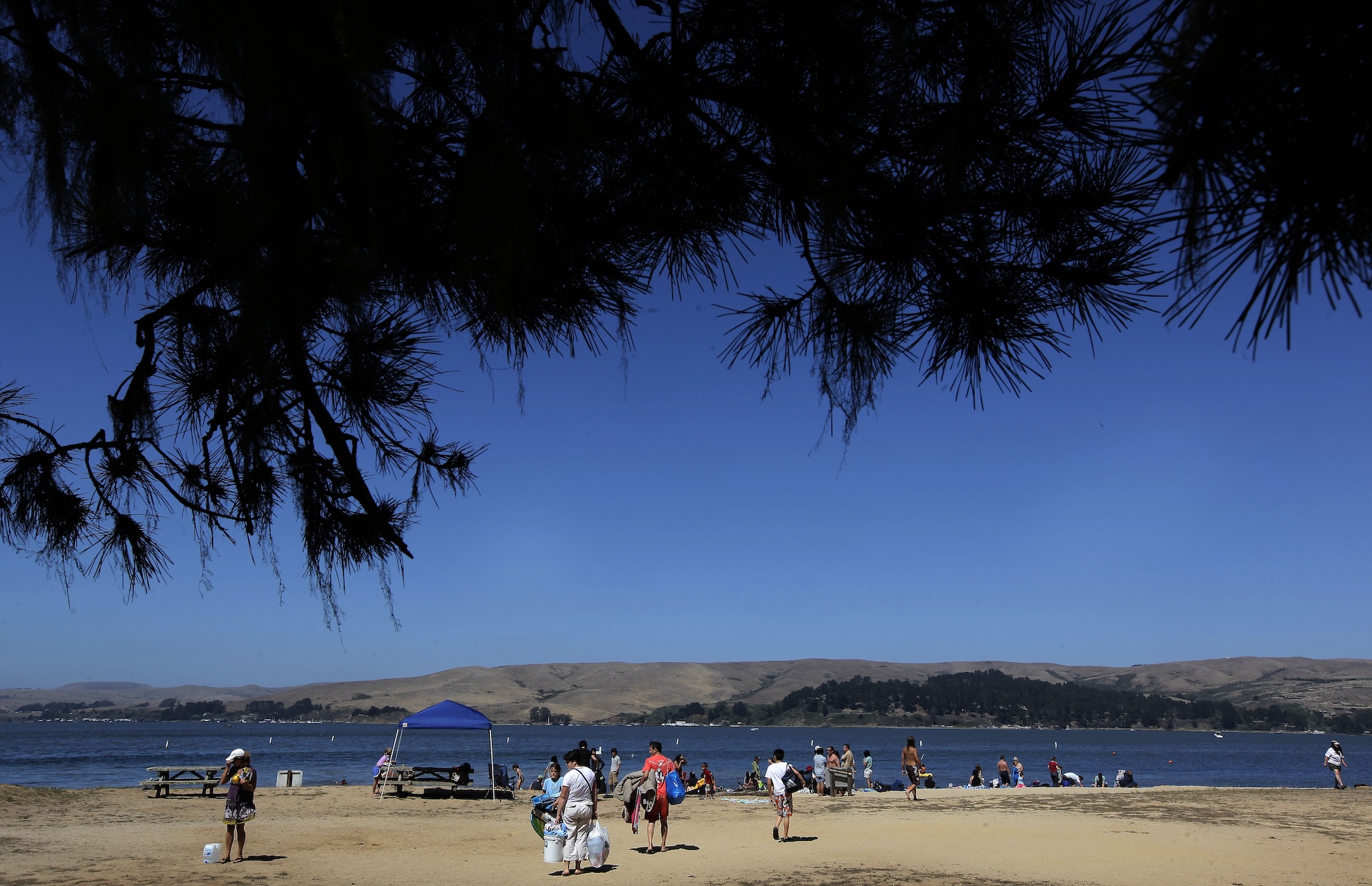
"caption": "Visitors fill Heart's Desire Beach at Tomales Bay State Park on Saturday August 13, 2011, in Point Reyes, Ca. ",
"credit": "San Francisco Chronicle/Hearst Newspapers",
"altTag": null,
"description": null,
"imgSizes": {
"thumbnail": {
"file": "https://cdn.kqed.org/wp-content/uploads/sites/10/2026/01/GettyImages-1321998091-160x103.jpg",
"width": 160,
"height": 103,
"mimeType": "image/jpeg"
},
"1536x1536": {
"file": "https://cdn.kqed.org/wp-content/uploads/sites/10/2026/01/GettyImages-1321998091-1536x992.jpg",
"width": 1536,
"height": 992,
"mimeType": "image/jpeg"
},
"post-thumbnail": {
"file": "https://cdn.kqed.org/wp-content/uploads/sites/10/2026/01/GettyImages-1321998091-672x372.jpg",
"width": 672,
"height": 372,
"mimeType": "image/jpeg"
},
"twentyfourteen-full-width": {
"file": "https://cdn.kqed.org/wp-content/uploads/sites/10/2026/01/GettyImages-1321998091-1038x576.jpg",
"width": 1038,
"height": 576,
"mimeType": "image/jpeg"
},
"npr-cds-wide": {
"file": "https://cdn.kqed.org/wp-content/uploads/sites/10/2026/01/GettyImages-1321998091-1200x675.jpg",
"width": 1200,
"height": 675,
"mimeType": "image/jpeg"
},
"kqedFullSize": {
"file": "https://cdn.kqed.org/wp-content/uploads/sites/10/2026/01/GettyImages-1321998091.jpg",
"width": 1980,
"height": 1279
}
},
"isLoading": false,
"fetchFailed": false
},
"news_10466122": {
"type": "attachments",
"id": "news_10466122",
"meta": {
"index": "attachments_1716263798",
"site": "news",
"id": "10466122",
"found": true
},
"parent": 10465873,
"imgSizes": {
"twentyfourteen-full-width": {
"file": "https://ww2.kqed.org/app/uploads/sites/10/2015/03/SFPD-sized-1038x576.jpg",
"width": 1038,
"mimeType": "image/jpeg",
"height": 576
},
"thumbnail": {
"file": "https://ww2.kqed.org/app/uploads/sites/10/2015/03/SFPD-sized-400x300.jpg",
"width": 400,
"mimeType": "image/jpeg",
"height": 300
},
"fd-sm": {
"file": "https://ww2.kqed.org/app/uploads/sites/10/2015/03/SFPD-sized-320x240.jpg",
"width": 320,
"mimeType": "image/jpeg",
"height": 240
},
"post-thumbnail": {
"file": "https://ww2.kqed.org/app/uploads/sites/10/2015/03/SFPD-sized-672x372.jpg",
"width": 672,
"mimeType": "image/jpeg",
"height": 372
},
"kqedFullSize": {
"file": "https://ww2.kqed.org/app/uploads/sites/10/2015/03/SFPD-sized.jpg",
"width": 1920,
"height": 1438
},
"large": {
"file": "https://ww2.kqed.org/app/uploads/sites/10/2015/03/SFPD-sized-1440x1079.jpg",
"width": 1440,
"mimeType": "image/jpeg",
"height": 1079
},
"guest-author-96": {
"file": "https://ww2.kqed.org/app/uploads/sites/10/2015/03/SFPD-sized-96x96.jpg",
"width": 96,
"mimeType": "image/jpeg",
"height": 96
},
"medium": {
"file": "https://ww2.kqed.org/app/uploads/sites/10/2015/03/SFPD-sized-800x599.jpg",
"width": 800,
"mimeType": "image/jpeg",
"height": 599
},
"guest-author-64": {
"file": "https://ww2.kqed.org/app/uploads/sites/10/2015/03/SFPD-sized-64x64.jpg",
"width": 64,
"mimeType": "image/jpeg",
"height": 64
},
"guest-author-32": {
"file": "https://ww2.kqed.org/app/uploads/sites/10/2015/03/SFPD-sized-32x32.jpg",
"width": 32,
"mimeType": "image/jpeg",
"height": 32
},
"fd-lrg": {
"file": "https://ww2.kqed.org/app/uploads/sites/10/2015/03/SFPD-sized-1180x884.jpg",
"width": 1180,
"mimeType": "image/jpeg",
"height": 884
},
"fd-med": {
"file": "https://ww2.kqed.org/app/uploads/sites/10/2015/03/SFPD-sized-768x575.jpg",
"width": 768,
"mimeType": "image/jpeg",
"height": 575
},
"detail": {
"file": "https://ww2.kqed.org/app/uploads/sites/10/2015/03/SFPD-sized-75x75.jpg",
"width": 75,
"mimeType": "image/jpeg",
"height": 75
},
"guest-author-128": {
"file": "https://ww2.kqed.org/app/uploads/sites/10/2015/03/SFPD-sized-128x128.jpg",
"width": 128,
"mimeType": "image/jpeg",
"height": 128
}
},
"publishDate": 1427329545,
"modified": 1430412358,
"caption": "San Francisco police patrol car. ",
"description": "A complaint filed March 25 alleges a San Francisco Police Department officer violated city law through improperly participating in an FBI investigation.",
"title": "San Francisco Police",
"credit": "Alex Emslie/KQED",
"status": "inherit",
"isLoading": false,
"fetchFailed": false
},
"news_12069998": {
"type": "attachments",
"id": "news_12069998",
"meta": {
"index": "attachments_1716263798",
"site": "news",
"id": "12069998",
"found": true
},
"title": "260115-SFCHILDCARESUBSIDIES00057_TV-KQED",
"publishDate": 1768504296,
"status": "inherit",
"parent": 0,
"modified": 1768504348,
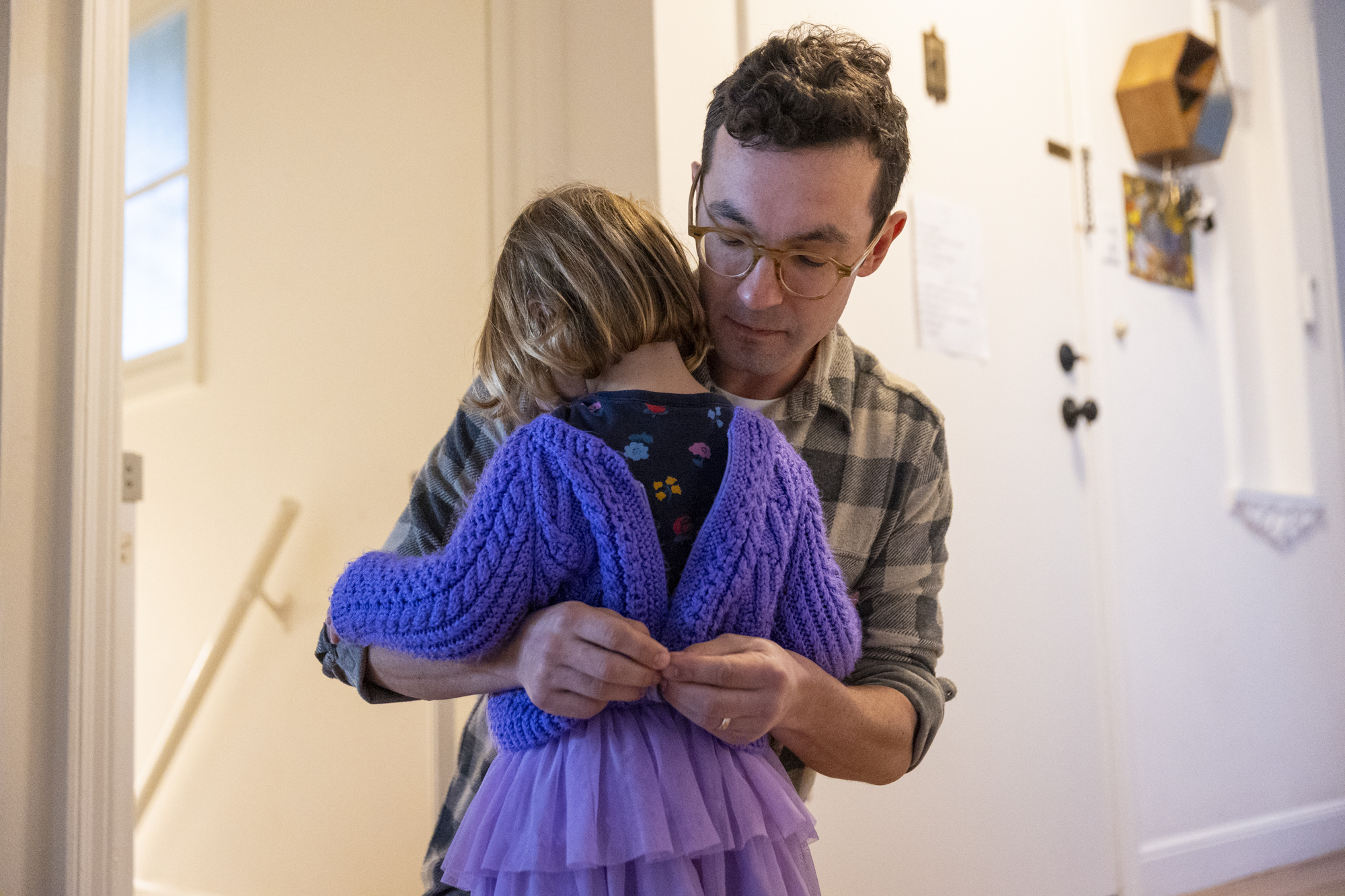
"caption": "Dylan Beighley (right) gets his daughter Bea (left) ready to be picked up by her grandpa in San Francisco on January 15, 2026. San Francisco is expanding access to child care by offering 50% discounts to middle- and upper-middle-income earners in an effort to tackle affordability issues in one of the most expensive cities in the country.",
"credit": "Tâm Vũ/KQED",
"altTag": null,
"description": null,
"imgSizes": {
"thumbnail": {
"file": "https://cdn.kqed.org/wp-content/uploads/sites/10/2026/01/260115-SFCHILDCARESUBSIDIES00057_TV-KQED-160x107.jpg",
"width": 160,
"height": 107,
"mimeType": "image/jpeg"
},
"1536x1536": {
"file": "https://cdn.kqed.org/wp-content/uploads/sites/10/2026/01/260115-SFCHILDCARESUBSIDIES00057_TV-KQED-1536x1024.jpg",
"width": 1536,
"height": 1024,
"mimeType": "image/jpeg"
},
"post-thumbnail": {
"file": "https://cdn.kqed.org/wp-content/uploads/sites/10/2026/01/260115-SFCHILDCARESUBSIDIES00057_TV-KQED-672x372.jpg",
"width": 672,
"height": 372,
"mimeType": "image/jpeg"
},
"twentyfourteen-full-width": {
"file": "https://cdn.kqed.org/wp-content/uploads/sites/10/2026/01/260115-SFCHILDCARESUBSIDIES00057_TV-KQED-1038x576.jpg",
"width": 1038,
"height": 576,
"mimeType": "image/jpeg"
},
"npr-cds-wide": {
"file": "https://cdn.kqed.org/wp-content/uploads/sites/10/2026/01/260115-SFCHILDCARESUBSIDIES00057_TV-KQED-1200x675.jpg",
"width": 1200,
"height": 675,
"mimeType": "image/jpeg"
},
"kqedFullSize": {
"file": "https://cdn.kqed.org/wp-content/uploads/sites/10/2026/01/260115-SFCHILDCARESUBSIDIES00057_TV-KQED.jpg",
"width": 2000,
"height": 1333
}
},
"isLoading": false,
"fetchFailed": false
},
"news_12070021": {
"type": "attachments",
"id": "news_12070021",
"meta": {
"index": "attachments_1716263798",
"site": "news",
"id": "12070021",
"found": true
},
"title": "260115-SOTC-BL02-KQED",
"publishDate": 1768506530,
"status": "inherit",
"parent": 0,
"modified": 1768506573,
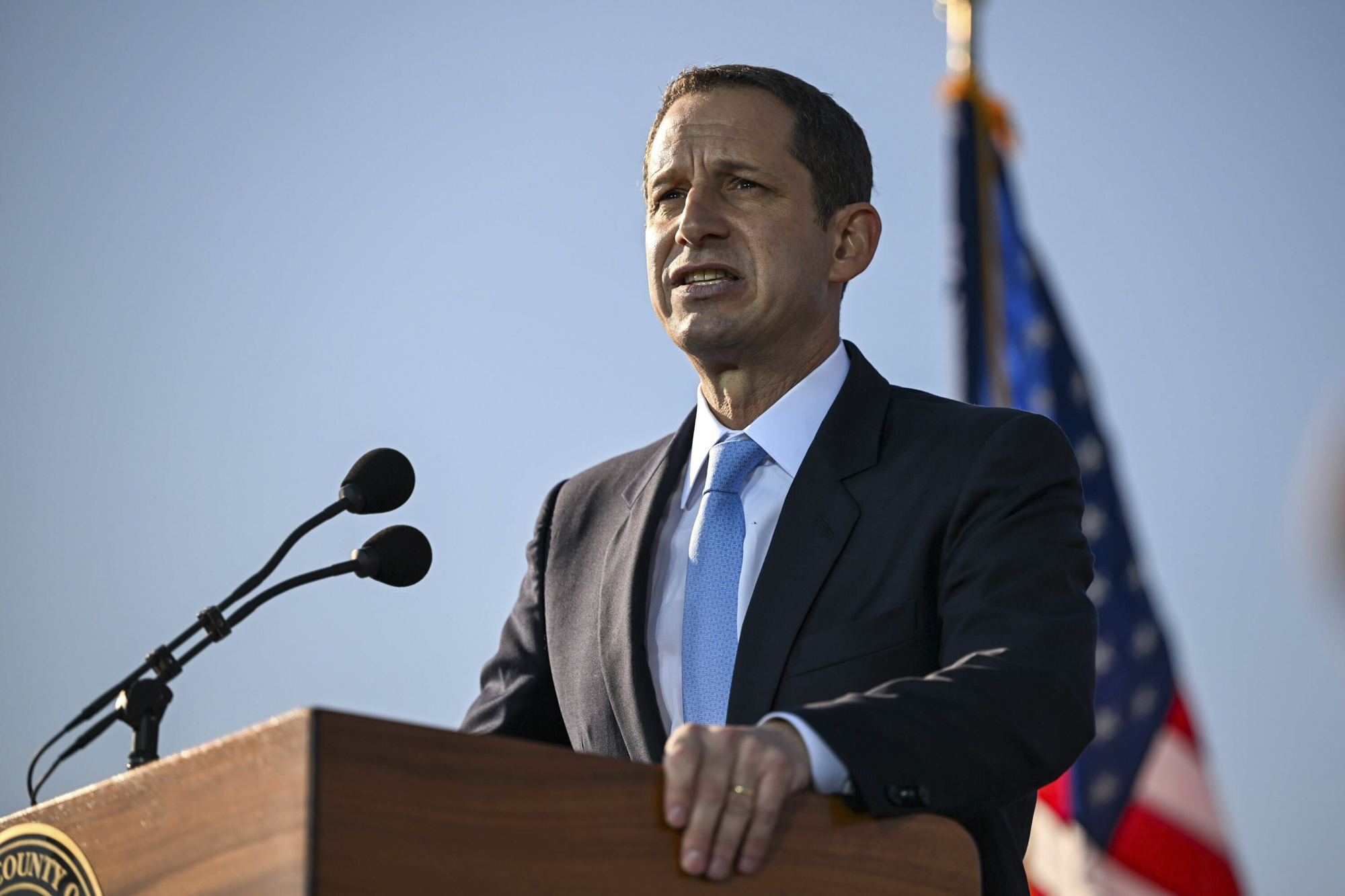
"caption": "San Francisco Mayor Daniel Lurie gives remarks during a State of the City address at Rossi Park Ball Field in the Richmond neighborhood of San Francisco on Jan. 15, 2026.",
"credit": "Beth LaBerge/KQED",
"altTag": null,
"description": null,
"imgSizes": {
"thumbnail": {
"file": "https://cdn.kqed.org/wp-content/uploads/sites/10/2026/01/260115-SOTC-BL02-KQED-160x107.jpg",
"width": 160,
"height": 107,
"mimeType": "image/jpeg"
},
"1536x1536": {
"file": "https://cdn.kqed.org/wp-content/uploads/sites/10/2026/01/260115-SOTC-BL02-KQED-1536x1024.jpg",
"width": 1536,
"height": 1024,
"mimeType": "image/jpeg"
},
"post-thumbnail": {
"file": "https://cdn.kqed.org/wp-content/uploads/sites/10/2026/01/260115-SOTC-BL02-KQED-672x372.jpg",
"width": 672,
"height": 372,
"mimeType": "image/jpeg"
},
"twentyfourteen-full-width": {
"file": "https://cdn.kqed.org/wp-content/uploads/sites/10/2026/01/260115-SOTC-BL02-KQED-1038x576.jpg",
"width": 1038,
"height": 576,
"mimeType": "image/jpeg"
},
"npr-cds-wide": {
"file": "https://cdn.kqed.org/wp-content/uploads/sites/10/2026/01/260115-SOTC-BL02-KQED-1200x675.jpg",
"width": 1200,
"height": 675,
"mimeType": "image/jpeg"
},
"kqedFullSize": {
"file": "https://cdn.kqed.org/wp-content/uploads/sites/10/2026/01/260115-SOTC-BL02-KQED.jpg",
"width": 2000,
"height": 1333
}
},
"isLoading": false,
"fetchFailed": false
},
"news_12069851": {
"type": "attachments",
"id": "news_12069851",
"meta": {
"index": "attachments_1716263798",
"site": "news",
"id": "12069851",
"found": true
},
"title": "A sign for Creekside San José on Dec. 8, 2025.",
"publishDate": 1768431731,
"status": "inherit",
"parent": 0,
"modified": 1768431862,
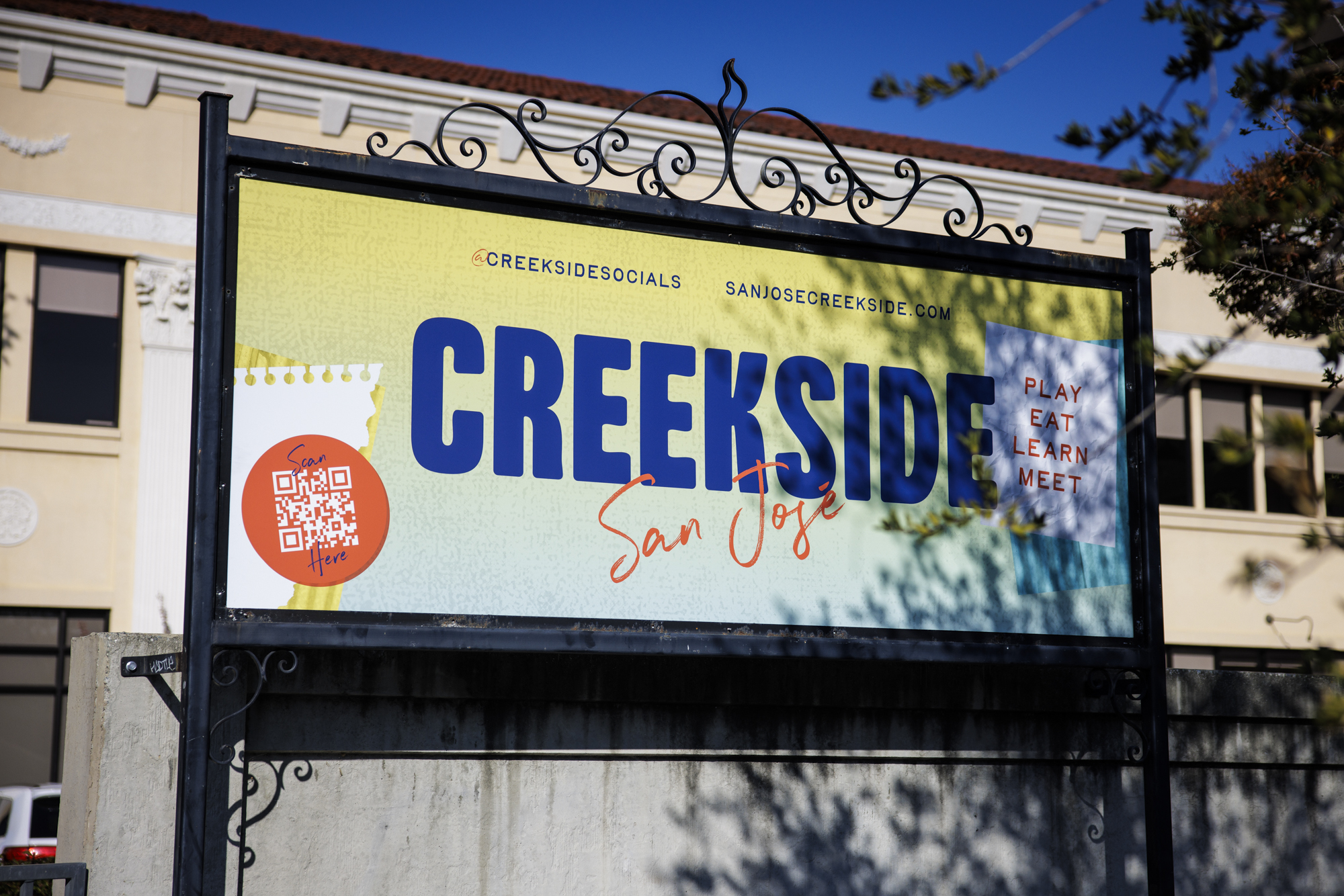
"caption": "A sign for Creekside San José in San José on Dec. 8, 2025.",
"credit": "Martin do Nascimento/KQED",
"altTag": null,
"description": null,
"imgSizes": {
"thumbnail": {
"file": "https://cdn.kqed.org/wp-content/uploads/sites/10/2026/01/251208-DOWNTOWN-WEST-MD-08-KQED-160x107.jpg",
"width": 160,
"height": 107,
"mimeType": "image/jpeg"
},
"1536x1536": {
"file": "https://cdn.kqed.org/wp-content/uploads/sites/10/2026/01/251208-DOWNTOWN-WEST-MD-08-KQED-1536x1025.jpg",
"width": 1536,
"height": 1025,
"mimeType": "image/jpeg"
},
"post-thumbnail": {
"file": "https://cdn.kqed.org/wp-content/uploads/sites/10/2026/01/251208-DOWNTOWN-WEST-MD-08-KQED-672x372.jpg",
"width": 672,
"height": 372,
"mimeType": "image/jpeg"
},
"twentyfourteen-full-width": {
"file": "https://cdn.kqed.org/wp-content/uploads/sites/10/2026/01/251208-DOWNTOWN-WEST-MD-08-KQED-1038x576.jpg",
"width": 1038,
"height": 576,
"mimeType": "image/jpeg"
},
"npr-cds-wide": {
"file": "https://cdn.kqed.org/wp-content/uploads/sites/10/2026/01/251208-DOWNTOWN-WEST-MD-08-KQED-1200x675.jpg",
"width": 1200,
"height": 675,
"mimeType": "image/jpeg"
},
"kqedFullSize": {
"file": "https://cdn.kqed.org/wp-content/uploads/sites/10/2026/01/251208-DOWNTOWN-WEST-MD-08-KQED.jpg",
"width": 2000,
"height": 1334
}
},
"isLoading": false,
"fetchFailed": false
},
"news_12057550": {
"type": "attachments",
"id": "news_12057550",
"meta": {
"index": "attachments_1716263798",
"site": "news",
"id": "12057550",
"found": true
},
"title": "Iris Velasco at her home in Oakland on Sept. 24, 2025.",
"publishDate": 1758758582,
"status": "inherit",
"parent": 12086323,
"modified": 1780698510,
"caption": "Iris Velasco at her home in Oakland on Sept. 24, 2025.",
"credit": "Martin do Nascimento/KQED",
"altTag": null,
"description": null,
"imgSizes": {
"thumbnail": {
"file": "https://cdn.kqed.org/wp-content/uploads/sites/10/2025/09/250924-ASPIRE-SAFETY-CONDITIONS-MD-03_qed-160x107.jpg",
"width": 160,
"height": 107,
"mimeType": "image/jpeg"
},
"1536x1536": {
"file": "https://cdn.kqed.org/wp-content/uploads/sites/10/2025/09/250924-ASPIRE-SAFETY-CONDITIONS-MD-03_qed-1536x1025.jpg",
"width": 1536,
"height": 1025,
"mimeType": "image/jpeg"
},
"post-thumbnail": {
"file": "https://cdn.kqed.org/wp-content/uploads/sites/10/2025/09/250924-ASPIRE-SAFETY-CONDITIONS-MD-03_qed-672x372.jpg",
"width": 672,
"height": 372,
"mimeType": "image/jpeg"
},
"twentyfourteen-full-width": {
"file": "https://cdn.kqed.org/wp-content/uploads/sites/10/2025/09/250924-ASPIRE-SAFETY-CONDITIONS-MD-03_qed-1038x576.jpg",
"width": 1038,
"height": 576,
"mimeType": "image/jpeg"
},
"kqedFullSize": {
"file": "https://cdn.kqed.org/wp-content/uploads/sites/10/2025/09/250924-ASPIRE-SAFETY-CONDITIONS-MD-03_qed.jpg",
"width": 1998,
"height": 1333
}
},
"isLoading": false,
"fetchFailed": false
},
"news_12055636": {
"type": "attachments",
"id": "news_12055636",
"meta": {
"index": "attachments_1716263798",
"site": "news",
"id": "12055636",
"found": true
},
"title": "ICE Protest",
"publishDate": 1757617766,
"status": "inherit",
"parent": 12055606,
"modified": 1757617873,
"caption": "The U.S. Immigration and Customs Enforcement (ICE) headquarters on April 14, 2025, in Washington, D.C. ",
"credit": "Pete Kiehart/The Washington Post via Getty Images",
"altTag": null,
"description": null,
"imgSizes": {
"thumbnail": {
"file": "https://cdn.kqed.org/wp-content/uploads/sites/10/2025/09/USImmigrationCustomsEnforcementHQGetty-160x107.jpg",
"width": 160,
"height": 107,
"mimeType": "image/jpeg"
},
"1536x1536": {
"file": "https://cdn.kqed.org/wp-content/uploads/sites/10/2025/09/USImmigrationCustomsEnforcementHQGetty-1536x1024.jpg",
"width": 1536,
"height": 1024,
"mimeType": "image/jpeg"
},
"post-thumbnail": {
"file": "https://cdn.kqed.org/wp-content/uploads/sites/10/2025/09/USImmigrationCustomsEnforcementHQGetty-672x372.jpg",
"width": 672,
"height": 372,
"mimeType": "image/jpeg"
},
"twentyfourteen-full-width": {
"file": "https://cdn.kqed.org/wp-content/uploads/sites/10/2025/09/USImmigrationCustomsEnforcementHQGetty-1038x576.jpg",
"width": 1038,
"height": 576,
"mimeType": "image/jpeg"
},
"kqedFullSize": {
"file": "https://cdn.kqed.org/wp-content/uploads/sites/10/2025/09/USImmigrationCustomsEnforcementHQGetty.jpg",
"width": 2000,
"height": 1333
}
},
"isLoading": false,
"fetchFailed": false
},
"news_12068573": {
"type": "attachments",
"id": "news_12068573",
"meta": {
"index": "attachments_1716263798",
"site": "news",
"id": "12068573",
"found": true
},
"title": "260102-hazelsinnraid00040_TV_qed",
"publishDate": 1767392926,
"status": "inherit",
"parent": 0,
"modified": 1767393210,
"caption": "Nan Alamilla Boyd, a historian, poses for a portrait at the GLBT Historical Society Archives in San Francisco on January 2, 2026.",
"credit": "Tâm Vũ / KQED",
"altTag": null,
"description": null,
"imgSizes": {
"thumbnail": {
"file": "https://cdn.kqed.org/wp-content/uploads/sites/10/2026/01/260102-hazelsinnraid00040_TV_qed-160x107.jpg",
"width": 160,
"height": 107,
"mimeType": "image/jpeg"
},
"1536x1536": {
"file": "https://cdn.kqed.org/wp-content/uploads/sites/10/2026/01/260102-hazelsinnraid00040_TV_qed-1536x1024.jpg",
"width": 1536,
"height": 1024,
"mimeType": "image/jpeg"
},
"post-thumbnail": {
"file": "https://cdn.kqed.org/wp-content/uploads/sites/10/2026/01/260102-hazelsinnraid00040_TV_qed-672x372.jpg",
"width": 672,
"height": 372,
"mimeType": "image/jpeg"
},
"twentyfourteen-full-width": {
"file": "https://cdn.kqed.org/wp-content/uploads/sites/10/2026/01/260102-hazelsinnraid00040_TV_qed-1038x576.jpg",
"width": 1038,
"height": 576,
"mimeType": "image/jpeg"
},
"npr-cds-wide": {
"file": "https://cdn.kqed.org/wp-content/uploads/sites/10/2026/01/260102-hazelsinnraid00040_TV_qed-1200x675.jpg",
"width": 1200,
"height": 675,
"mimeType": "image/jpeg"
},
"kqedFullSize": {
"file": "https://cdn.kqed.org/wp-content/uploads/sites/10/2026/01/260102-hazelsinnraid00040_TV_qed.jpg",
"width": 1999,
"height": 1333
}
},
"isLoading": false,
"fetchFailed": false
},
"news_12037387": {
"type": "attachments",
"id": "news_12037387",
"meta": {
"index": "attachments_1716263798",
"site": "news",
"id": "12037387",
"found": true
},
"title": "May Day Protests",
"publishDate": 1745447079,
"status": "inherit",
"parent": 12037376,
"modified": 1765486756,
"caption": "Protesters walk during a march in San Francisco on May 1, 2017. ",
"credit": "Jeff Chiu/AP Photo",
"altTag": null,
"description": "Protesters walk during a march in San Francisco on May 1, 2017. Immigrant groups and their allies have joined forces to carry out marches, rallies and protests in cities nationwide to mark May Day, saying there's renewed momentum to fight back against Trump administration policies. ",
"imgSizes": {
"medium": {
"file": "https://cdn.kqed.org/wp-content/uploads/sites/10/2025/04/SanctuaryCitySFTrumpAP-800x569.jpg",
"width": 800,
"height": 569,
"mimeType": "image/jpeg"
},
"large": {
"file": "https://cdn.kqed.org/wp-content/uploads/sites/10/2025/04/SanctuaryCitySFTrumpAP-1020x725.jpg",
"width": 1020,
"height": 725,
"mimeType": "image/jpeg"
},
"thumbnail": {
"file": "https://cdn.kqed.org/wp-content/uploads/sites/10/2025/04/SanctuaryCitySFTrumpAP-160x114.jpg",
"width": 160,
"height": 114,
"mimeType": "image/jpeg"
},
"1536x1536": {
"file": "https://cdn.kqed.org/wp-content/uploads/sites/10/2025/04/SanctuaryCitySFTrumpAP-1536x1092.jpg",
"width": 1536,
"height": 1092,
"mimeType": "image/jpeg"
},
"post-thumbnail": {
"file": "https://cdn.kqed.org/wp-content/uploads/sites/10/2025/04/SanctuaryCitySFTrumpAP-672x372.jpg",
"width": 672,
"height": 372,
"mimeType": "image/jpeg"
},
"twentyfourteen-full-width": {
"file": "https://cdn.kqed.org/wp-content/uploads/sites/10/2025/04/SanctuaryCitySFTrumpAP-1038x576.jpg",
"width": 1038,
"height": 576,
"mimeType": "image/jpeg"
},
"full-width": {
"file": "https://cdn.kqed.org/wp-content/uploads/sites/10/2025/04/SanctuaryCitySFTrumpAP-1920x1365.jpg",
"width": 1920,
"height": 1365,
"mimeType": "image/jpeg"
},
"kqedFullSize": {
"file": "https://cdn.kqed.org/wp-content/uploads/sites/10/2025/04/SanctuaryCitySFTrumpAP.jpg",
"width": 2000,
"height": 1422
}
},
"isLoading": false,
"fetchFailed": false
},
"news_12069868": {
"type": "attachments",
"id": "news_12069868",
"meta": {
"index": "attachments_1716263798",
"site": "news",
"id": "12069868",
"found": true
},
"title": "A speed camera on Geary St. in San Francisco on March 19, 2025.",
"publishDate": 1768432382,
"status": "inherit",
"parent": 12069838,
"modified": 1768434901,
"caption": "A speed camera on Geary Street in San Francisco on March 19, 2025.",
"credit": "Martin do Nascimento/KQED",
"altTag": null,
"description": null,
"imgSizes": {
"thumbnail": {
"file": "https://cdn.kqed.org/wp-content/uploads/sites/10/2026/01/250319-SF-SPEED-CAMERAS-MD-06_qed-1-160x107.jpg",
"width": 160,
"height": 107,
"mimeType": "image/jpeg"
},
"1536x1536": {
"file": "https://cdn.kqed.org/wp-content/uploads/sites/10/2026/01/250319-SF-SPEED-CAMERAS-MD-06_qed-1-1536x1024.jpg",
"width": 1536,
"height": 1024,
"mimeType": "image/jpeg"
},
"post-thumbnail": {
"file": "https://cdn.kqed.org/wp-content/uploads/sites/10/2026/01/250319-SF-SPEED-CAMERAS-MD-06_qed-1-672x372.jpg",
"width": 672,
"height": 372,
"mimeType": "image/jpeg"
},
"twentyfourteen-full-width": {
"file": "https://cdn.kqed.org/wp-content/uploads/sites/10/2026/01/250319-SF-SPEED-CAMERAS-MD-06_qed-1-1038x576.jpg",
"width": 1038,
"height": 576,
"mimeType": "image/jpeg"
},
"npr-cds-wide": {
"file": "https://cdn.kqed.org/wp-content/uploads/sites/10/2026/01/250319-SF-SPEED-CAMERAS-MD-06_qed-1-1200x675.jpg",
"width": 1200,
"height": 675,
"mimeType": "image/jpeg"
},
"kqedFullSize": {
"file": "https://cdn.kqed.org/wp-content/uploads/sites/10/2026/01/250319-SF-SPEED-CAMERAS-MD-06_qed-1.jpg",
"width": 2000,
"height": 1333
}
},
"isLoading": false,
"fetchFailed": false
}
},
"audioPlayerReducer": {
"postId": "stream_live",
"isPaused": true,
"isPlaying": false,
"pfsActive": false,
"pledgeModalIsOpen": true,
"playerDrawerIsOpen": false,
"liveAudioPlayStartedAt": 0,
"liveAudioPlayContext": ""
},
"authorsReducer": {
"hmcdede": {
"type": "authors",
"id": "11635",
"meta": {
"index": "authors_1716337520",
"id": "11635",
"found": true
},
"name": "Holly McDede",
"firstName": "Holly",
"lastName": "McDede",
"slug": "hmcdede",
"email": "hmcdede@KQED.org",
"display_author_email": false,
"staff_mastheads": [],
"title": "KQED Contributor",
"bio": null,
"avatar": "https://secure.gravatar.com/avatar/999d9bf31bb3a2f0511932d99526cb3e?s=600&d=blank&r=g",
"twitter": null,
"facebook": null,
"instagram": null,
"linkedin": null,
"sites": [
{
"site": "arts",
"roles": [
"editor"
]
},
{
"site": "news",
"roles": [
"edit_others_posts",
"editor"
]
},
{
"site": "science",
"roles": [
"editor"
]
},
{
"site": "forum",
"roles": [
"editor"
]
},
{
"site": "perspectives",
"roles": [
"administrator"
]
}
],
"headData": {
"title": "Holly McDede | KQED",
"description": "KQED Contributor",
"ogImgSrc": "https://secure.gravatar.com/avatar/999d9bf31bb3a2f0511932d99526cb3e?s=600&d=blank&r=g",
"twImgSrc": "https://secure.gravatar.com/avatar/999d9bf31bb3a2f0511932d99526cb3e?s=600&d=blank&r=g"
},
"isLoading": false,
"link": "/author/hmcdede"
},
"jlara": {
"type": "authors",
"id": "11761",
"meta": {
"index": "authors_1716337520",
"id": "11761",
"found": true
},
"name": "Juan Carlos Lara",
"firstName": "Juan Carlos",
"lastName": "Lara",
"slug": "jlara",
"email": "jlara@kqed.org",
"display_author_email": false,
"staff_mastheads": [],
"title": "KQED Contributor",
"bio": null,
"avatar": "https://secure.gravatar.com/avatar/19e2052b9b05657c5ff2af2121846e9c?s=600&d=blank&r=g",
"twitter": null,
"facebook": null,
"instagram": null,
"linkedin": null,
"sites": [
{
"site": "arts",
"roles": [
"editor"
]
},
{
"site": "news",
"roles": [
"editor"
]
},
{
"site": "forum",
"roles": [
"editor"
]
},
{
"site": "liveblog",
"roles": [
"contributor"
]
}
],
"headData": {
"title": "Juan Carlos Lara | KQED",
"description": "KQED Contributor",
"ogImgSrc": "https://secure.gravatar.com/avatar/19e2052b9b05657c5ff2af2121846e9c?s=600&d=blank&r=g",
"twImgSrc": "https://secure.gravatar.com/avatar/19e2052b9b05657c5ff2af2121846e9c?s=600&d=blank&r=g"
},
"isLoading": false,
"link": "/author/jlara"
},
"adahlstromeckman": {
"type": "authors",
"id": "11785",
"meta": {
"index": "authors_1716337520",
"id": "11785",
"found": true
},
"name": "Azul Dahlstrom-Eckman",
"firstName": "Azul",
"lastName": "Dahlstrom-Eckman",
"slug": "adahlstromeckman",
"email": "adahlstrom-eckman@kqed.org",
"display_author_email": true,
"staff_mastheads": [],
"title": "Reporter",
"bio": "Azul is a reporter for KQED focusing on transportation and features. He joined KQED in 2021 as an alumna of KALW's Audio Academy radio journalism training program.",
"avatar": "https://secure.gravatar.com/avatar/9cb750298435add7815a777f55bf1f46845c1386bb8452555c60a7b820b5aba3?s=600&d=blank&r=g",
"twitter": "@zuliemann",
"bluesky": "@azul415.bsky.social",
"facebook": null,
"instagram": null,
"linkedin": null,
"sites": [
{
"site": "arts",
"roles": [
"editor"
]
},
{
"site": "news",
"roles": [
"editor"
]
},
{
"site": "science",
"roles": [
"editor"
]
},
{
"site": "liveblog",
"roles": [
"author"
]
}
],
"headData": {
"title": "Azul Dahlstrom-Eckman | KQED",
"description": "Reporter",
"ogImgSrc": "https://secure.gravatar.com/avatar/9cb750298435add7815a777f55bf1f46845c1386bb8452555c60a7b820b5aba3?s=600&d=blank&r=g",
"twImgSrc": "https://secure.gravatar.com/avatar/9cb750298435add7815a777f55bf1f46845c1386bb8452555c60a7b820b5aba3?s=600&d=blank&r=g"
},
"isLoading": false,
"link": "/author/adahlstromeckman"
},
"daisynguyen": {
"type": "authors",
"id": "11829",
"meta": {
"index": "authors_1716337520",
"id": "11829",
"found": true
},
"name": "Daisy Nguyen",
"firstName": "Daisy",
"lastName": "Nguyen",
"slug": "daisynguyen",
"email": "daisynguyen@kqed.org",
"display_author_email": true,
"staff_mastheads": [
"news"
],
"title": "KQED Contributor",
"bio": "I have covered early childhood education and child care for KQED since 2022. I focus on policies aimed at increasing access to early care and education and how they shape individual lives. I've been a journalist for more than two decades, with most of that time devoted to covering breaking news throughout California for The Associated Press. I grew up in San Francisco and studied at UC Davis and Columbia University's Graduate School of Journalism. I live in Oakland with my husband and two kids.",
"avatar": "https://secure.gravatar.com/avatar/2da2127c27f7143b53ebd419800fd55f?s=600&d=blank&r=g",
"twitter": null,
"facebook": null,
"instagram": null,
"linkedin": "https://www.linkedin.com/in/daisynguyen/",
"sites": [
{
"site": "news",
"roles": [
"author"
]
},
{
"site": "liveblog",
"roles": [
"author"
]
}
],
"headData": {
"title": "Daisy Nguyen | KQED",
"description": "KQED Contributor",
"ogImgSrc": "https://secure.gravatar.com/avatar/2da2127c27f7143b53ebd419800fd55f?s=600&d=blank&r=g",
"twImgSrc": "https://secure.gravatar.com/avatar/2da2127c27f7143b53ebd419800fd55f?s=600&d=blank&r=g"
},
"isLoading": false,
"link": "/author/daisynguyen"
},
"sjohnson": {
"type": "authors",
"id": "11840",
"meta": {
"index": "authors_1716337520",
"id": "11840",
"found": true
},
"name": "Sydney Johnson",
"firstName": "Sydney",
"lastName": "Johnson",
"slug": "sjohnson",
"email": "sjohnson@kqed.org",
"display_author_email": false,
"staff_mastheads": [
"news"
],
"title": "KQED Reporter",
"bio": "Sydney Johnson is a general assignment reporter at KQED. She previously reported on public health and city government at the San Francisco Examiner, and before that, she covered statewide education policy for EdSource. Her reporting has won multiple local, state and national awards. Sydney is a graduate of the University of California, Berkeley and lives in San Francisco.",
"avatar": "https://secure.gravatar.com/avatar/97855f2719b72ad6190b7c535fe642c8?s=600&d=blank&r=g",
"twitter": "sydneyfjohnson",
"facebook": null,
"instagram": null,
"linkedin": null,
"sites": [
{
"site": "news",
"roles": [
"editor"
]
}
],
"headData": {
"title": "Sydney Johnson | KQED",
"description": "KQED Reporter",
"ogImgSrc": "https://secure.gravatar.com/avatar/97855f2719b72ad6190b7c535fe642c8?s=600&d=blank&r=g",
"twImgSrc": "https://secure.gravatar.com/avatar/97855f2719b72ad6190b7c535fe642c8?s=600&d=blank&r=g"
},
"isLoading": false,
"link": "/author/sjohnson"
},
"jgeha": {
"type": "authors",
"id": "11906",
"meta": {
"index": "authors_1716337520",
"id": "11906",
"found": true
},
"name": "Joseph Geha",
"firstName": "Joseph",
"lastName": "Geha",
"slug": "jgeha",
"email": "jgeha@kqed.org",
"display_author_email": false,
"staff_mastheads": [
"news",
"science"
],
"title": "KQED Contributor",
"bio": null,
"avatar": "https://secure.gravatar.com/avatar/ea84d2b6dd93d6369d453edf19dd583f117cd1759d2d9c9c92f9de77017354fe?s=600&d=blank&r=g",
"twitter": null,
"bluesky": null,
"facebook": null,
"instagram": null,
"linkedin": null,
"sites": [
{
"site": "news",
"roles": [
"editor"
]
},
{
"site": "liveblog",
"roles": [
"author"
]
}
],
"headData": {
"title": "Joseph Geha | KQED",
"description": "KQED Contributor",
"ogImgSrc": "https://secure.gravatar.com/avatar/ea84d2b6dd93d6369d453edf19dd583f117cd1759d2d9c9c92f9de77017354fe?s=600&d=blank&r=g",
"twImgSrc": "https://secure.gravatar.com/avatar/ea84d2b6dd93d6369d453edf19dd583f117cd1759d2d9c9c92f9de77017354fe?s=600&d=blank&r=g"
},
"isLoading": false,
"link": "/author/jgeha"
},
"kdebenedetti": {
"type": "authors",
"id": "11913",
"meta": {
"index": "authors_1716337520",
"id": "11913",
"found": true
},
"name": "Katie DeBenedetti",
"firstName": "Katie",
"lastName": "DeBenedetti",
"slug": "kdebenedetti",
"email": "kdebenedetti@kqed.org",
"display_author_email": false,
"staff_mastheads": [
"news",
"science"
],
"title": "KQED Contributor",
"bio": "Katie DeBenedetti is a digital reporter covering daily news for the Express Desk. Prior to joining KQED as a culture reporting intern in January 2024, she covered education and city government for the Napa Valley Register.",
"avatar": "https://secure.gravatar.com/avatar/6e31073cb8f7e4214ab03f42771d0f45?s=600&d=blank&r=g",
"twitter": null,
"facebook": null,
"instagram": null,
"linkedin": null,
"sites": [
{
"site": "news",
"roles": [
"author"
]
},
{
"site": "science",
"roles": [
"author"
]
},
{
"site": "liveblog",
"roles": [
"author"
]
}
],
"headData": {
"title": "Katie DeBenedetti | KQED",
"description": "KQED Contributor",
"ogImgSrc": "https://secure.gravatar.com/avatar/6e31073cb8f7e4214ab03f42771d0f45?s=600&d=blank&r=g",
"twImgSrc": "https://secure.gravatar.com/avatar/6e31073cb8f7e4214ab03f42771d0f45?s=600&d=blank&r=g"
},
"isLoading": false,
"link": "/author/kdebenedetti"
},
"aamaral": {
"type": "authors",
"id": "11947",
"meta": {
"index": "authors_1716337520",
"id": "11947",
"found": true
},
"name": "Ana De Almeida Amaral",
"firstName": "Ana",
"lastName": "De Almeida Amaral",
"slug": "aamaral",
"email": "aamaral@kqed.org",
"display_author_email": false,
"staff_mastheads": [],
"title": "KQED Contributor",
"bio": null,
"avatar": "https://secure.gravatar.com/avatar/eb08e0e3effedf89fc5153d5f7416228a3359f82750571d5de728615b88e8c32?s=600&d=blank&r=g",
"twitter": null,
"bluesky": null,
"facebook": null,
"instagram": null,
"linkedin": null,
"sites": [
{
"site": "arts",
"roles": [
"editor"
]
},
{
"site": "news",
"roles": [
"editor"
]
},
{
"site": "forum",
"roles": [
"editor"
]
}
],
"headData": {
"title": "Ana De Almeida Amaral | KQED",
"description": "KQED Contributor",
"ogImgSrc": "https://secure.gravatar.com/avatar/eb08e0e3effedf89fc5153d5f7416228a3359f82750571d5de728615b88e8c32?s=600&d=blank&r=g",
"twImgSrc": "https://secure.gravatar.com/avatar/eb08e0e3effedf89fc5153d5f7416228a3359f82750571d5de728615b88e8c32?s=600&d=blank&r=g"
},
"isLoading": false,
"link": "/author/aamaral"
},
"sarahwright": {
"type": "authors",
"id": "11956",
"meta": {
"index": "authors_1716337520",
"id": "11956",
"found": true
},
"name": "Sarah Wright",
"firstName": "Sarah",
"lastName": "Wright",
"slug": "sarahwright",
"email": "swright@kqed.org",
"display_author_email": true,
"staff_mastheads": [],
"title": "Outdoors Engagement Reporter",
"bio": "Sarah Wright is KQED's Outdoors Engagement Reporter. Originally from Lake Tahoe, she completed a thru-hike of the Pacific Crest Trail in 2019 and was a U.S. Fulbright Program grantee to Argentina in 2023. Her journalism has appeared in The Guardian, The San Francisco Standard, The Palo Alto Weekly and the Half Moon Bay Review.",
"avatar": "https://secure.gravatar.com/avatar/c161a3d6441865cba25e6db4fa561099ad665799e9432e34da2b84d7e371524c?s=600&d=blank&r=g",
"twitter": null,
"bluesky": null,
"facebook": null,
"instagram": null,
"linkedin": null,
"sites": [
{
"site": "arts",
"roles": [
"editor"
]
},
{
"site": "news",
"roles": [
"editor"
]
},
{
"site": "science",
"roles": [
"contributor",
"author"
]
},
{
"site": "forum",
"roles": [
"editor"
]
}
],
"headData": {
"title": "Sarah Wright | KQED",
"description": "Outdoors Engagement Reporter",
"ogImgSrc": "https://secure.gravatar.com/avatar/c161a3d6441865cba25e6db4fa561099ad665799e9432e34da2b84d7e371524c?s=600&d=blank&r=g",
"twImgSrc": "https://secure.gravatar.com/avatar/c161a3d6441865cba25e6db4fa561099ad665799e9432e34da2b84d7e371524c?s=600&d=blank&r=g"
},
"isLoading": false,
"link": "/author/sarahwright"
}
},
"pagesReducer": {
"news_category_local": {
"type": "terms",
"id": "news_28250",
"meta": {
"index": "terms_1716263798",
"site": "news",
"id": "28250",
"score": 12.9398155
},
"featImg": null,
"name": "Local",
"description": null,
"taxonomy": "category",
"headData": {
"twImgId": null,
"twTitle": null,
"ogTitle": null,
"ogImgId": null,
"twDescription": null,
"description": null,
"title": "Local Archives | KQED News",
"ogDescription": null
},
"ttid": 28267,
"slug": "local",
"isLoading": false,
"title": "Local",
"pageMeta": {
"site": "news",
"WpPageTemplate": "page-topic-editorial",
"currentPage": 59
},
"blocks": [
{
"blockName": "kqed/post-list",
"attrs": {
"layout": "cardArticle2",
"query": "posts/news?category=local",
"seeMore": false,
"paginated": true,
"page": 59
}
},
{
"blockName": "kqed/ad"
}
]
}
},
"pfsSessionReducer": {},
"postsReducer": {
"stream_live": {
"type": "live",
"id": "stream_live",
"audioUrl": "https://streams.kqed.org/kqedradio",
"title": "Live Stream",
"excerpt": "Live Stream information currently unavailable.",
"link": "/radio",
"featImg": "",
"label": {
"name": "KQED Live",
"link": "/"
}
},
"stream_kqedNewscast": {
"type": "posts",
"id": "stream_kqedNewscast",
"audioUrl": "https://www.kqed.org/.stream/anon/radio/RDnews/newscast.mp3?_=1",
"title": "KQED Newscast",
"featImg": "",
"label": {
"name": "88.5 FM",
"link": "/"
}
},
"news_12070149": {
"type": "posts",
"id": "news_12070149",
"meta": {
"index": "posts_1716263798",
"site": "news",
"id": "12070149",
"score": null,
"sort": [
1768607232000
]
},
"guestAuthors": [],
"slug": "years-after-as-deal-died-port-of-oakland-looks-to-soccer-club-for-waterfront-stadium",
"title": "Years After A’s Deal Died, Port of Oakland Looks to Soccer Club for Waterfront Stadium",
"publishDate": 1768607232,
"format": "standard",
"headTitle": "Years After A’s Deal Died, Port of Oakland Looks to Soccer Club for Waterfront Stadium | KQED",
"labelTerm": {
"site": "news"
},
"content": "\u003cp>The \u003ca href=\"https://www.kqed.org/news/tag/port-of-oakland\">Port of Oakland\u003c/a> once again has its eyes on a new waterfront sports stadium, years after the Athletics walked away from a deal to build a 35,000-seat ballpark.\u003c/p>\n\u003cp>In letters sent to developers this week, the port authority wrote that it plans to pursue two deals to transform Howard Terminal, including one with the Oakland Roots and Soul Sports Club to build a permanent soccer stadium.\u003c/p>\n\u003cp>Port officials plan to recommend that the board enter into exclusive negotiations with the team and Industrial Realty Group to develop the 50-acre site.\u003c/p>\n\u003cp>[ad fullwidth]\u003c/p>\n\u003cp>“We’re excited to work with the Port of Oakland on next steps toward negotiating an exclusive negotiation agreement to explore redevelopment opportunities at Howard Terminal for a stadium for Oakland Roots and Soul SC,” Lydia Tan, the club’s chief real estate officer, said. “This would be an important step in evaluating a long-term home for the club.”\u003c/p>\n\u003cp>Since the port relocated container operations away from Howard Terminal more than a decade ago, it’s mostly been used for storage and other short-term operations.\u003c/p>\n\u003cfigure id=\"attachment_12070284\" class=\"wp-caption aligncenter\" style=\"max-width: 2000px\">\u003cimg loading=\"lazy\" decoding=\"async\" class=\"size-full wp-image-12070284\" src=\"https://cdn.kqed.org/wp-content/uploads/sites/10/2026/01/OAKLANDSEAPORTMAP-KQED.jpg\" alt=\"\" width=\"2000\" height=\"1280\" srcset=\"https://cdn.kqed.org/wp-content/uploads/sites/10/2026/01/OAKLANDSEAPORTMAP-KQED.jpg 2000w, https://cdn.kqed.org/wp-content/uploads/sites/10/2026/01/OAKLANDSEAPORTMAP-KQED-160x102.jpg 160w, https://cdn.kqed.org/wp-content/uploads/sites/10/2026/01/OAKLANDSEAPORTMAP-KQED-1536x983.jpg 1536w\" sizes=\"auto, (max-width: 2000px) 100vw, 2000px\">\u003cfigcaption class=\"wp-caption-text\">A map shows the tentative building layout of the Charles P. Howard site. \u003ccite>(Courtesy of Port of Oakland)\u003c/cite>\u003c/figcaption>\u003c/figure>\n\u003cp>Those plans aim to reinvigorate East Oakland after the Warriors, Raiders and Athletics all moved out of the city in recent years.\u003c/p>\n\u003cp>AASEG has said it plans to develop housing, retail and green space and is \u003ca href=\"https://www.kqed.org/news/11998786/oakland-as-agree-to-sell-their-coliseum-ownership-stake-to-developers\">open to another professional sports team moving into\u003c/a> the Oakland Arena, where the Warriors played before departing in 2019.\u003c/p>\n\u003cp>Before announcing they would move to West Sacramento, and eventually Las Vegas, the then-Oakland A’s had eyed the Howard Terminal land for a new ballpark and mixed-use development.\u003c/p>\n\u003cp>The team entered into its own exclusive negotiation agreement with the port in 2018, and had \u003ca href=\"https://www.oaklandca.gov/Planning-Building/Major-Development-Projects/Oakland-Waterfront-Ballpark-District-at-Howard-Terminal\">announced plans\u003c/a> for the billion-dollar stadium and upwards of 3,000 residential units, a 400-room hotel and other commercial space in the surrounding area.[aside postID=news_12060191 hero='https://cdn.kqed.org/wp-content/uploads/sites/10/2025/10/251023-SB304FOLO-13-BL-KQED.jpg']After the city ceased negotiations with the Athletics in 2023, following the team’s announcement of a Las Vegas ballpark, the port put out a request for new “active economic development” proposals for the land.\u003c/p>\n\u003cp>Over the last year, it’s whittled down potential partners from nearly a dozen to the remaining two. The site would be split into two connected projects: a larger industrial development led by Industrial Realty Group, and a smaller stadium for the Roots and Soul.\u003c/p>\n\u003cp>The club has been looking to build a permanent stadium since its founding in 2018. The Roots, a men’s team in the USL Championship league, played at Laney College and Cal State East Bay before moving into the Oakland Coliseum on a short-term basis in 2025.\u003c/p>\n\u003cp>The Soul, a women’s team that plans to join the USL Super League, has played three seasons at Merritt College.\u003c/p>\n\u003cp>The club had previously entered negotiations with the city to build a \u003ca href=\"https://www.kqed.org/news/11999833/oakland-roots-home-games-will-keep-pro-sports-in-the-coliseum-next-year\">temporary modular stadium\u003c/a> at the Coliseum’s adjacent Malibu parking lot, but it \u003ca href=\"https://www.kqed.org/news/12023859/oakland-roots-soul-want-to-play-in-the-coliseum-for-years-to-come\">tabled those plans\u003c/a> last January.\u003c/p>\n\u003cfigure id=\"attachment_12032645\" class=\"wp-caption aligncenter\" style=\"max-width: 2000px\">\u003cimg loading=\"lazy\" decoding=\"async\" class=\"size-full wp-image-12032645\" src=\"https://cdn.kqed.org/wp-content/uploads/sites/10/2025/03/20250322_Roots_8554.jpg\" alt=\"\" width=\"2000\" height=\"1333\" srcset=\"https://cdn.kqed.org/wp-content/uploads/sites/10/2025/03/20250322_Roots_8554.jpg 2000w, https://cdn.kqed.org/wp-content/uploads/sites/10/2025/03/20250322_Roots_8554-800x533.jpg 800w, https://cdn.kqed.org/wp-content/uploads/sites/10/2025/03/20250322_Roots_8554-1020x680.jpg 1020w, https://cdn.kqed.org/wp-content/uploads/sites/10/2025/03/20250322_Roots_8554-160x107.jpg 160w, https://cdn.kqed.org/wp-content/uploads/sites/10/2025/03/20250322_Roots_8554-1536x1024.jpg 1536w, https://cdn.kqed.org/wp-content/uploads/sites/10/2025/03/20250322_Roots_8554-1920x1280.jpg 1920w\" sizes=\"auto, (max-width: 2000px) 100vw, 2000px\">\u003cfigcaption class=\"wp-caption-text\">The Oakland Roots defender Ilya Alekseev (88) battles San Antonio FC defender Mitchell Taintor for the ball at the Oakland Coliseum on Saturday, March 22, 2025, in Oakland, California. This was the first Roots game played in the storied stadium. \u003ccite>(David M. Barreda/KQED)\u003c/cite>\u003c/figcaption>\u003c/figure>\n\u003cp>In December 2024, the Roots announced that they would propose a \u003ca href=\"https://www.oaklandrootssc.com/news/2024/12/19/howardterminal/\">two-phase plan for the Howard Terminal land\u003c/a>: first building a modular stadium that could fit 15,000 fans on a shorter timeline, similar to its proposal for the Malibu lot, followed by a more “substantial structure” with a larger capacity.\u003c/p>\n\u003cp>Details on Industrial Realty Group’s plans for the space aren’t known, but whatever development it pursues won’t be allowed to include housing or other uses that could affect the maritime activities in the Oakland seaport.\u003c/p>\n\u003cp>The port doesn’t yet have a timeline for putting the recommendation before its board, and entering into the negotiations doesn’t guarantee that the development will come to fruition.\u003c/p>\n\u003cp>[ad fullwidth]\u003c/p>\n\u003cp>\u003c/p>\n",
"blocks": [],
"excerpt": "The port authority told developers this week it plans to pursue deals with the Oakland Roots and Soul and a commercial real estate agency to redevelop the Howard Terminal site.",
"status": "publish",
"parent": 0,
"modified": 1768612288,
"stats": {
"hasAudio": false,
"hasVideo": false,
"hasChartOrMap": false,
"iframeSrcs": [],
"hasGoogleForm": false,
"hasGallery": false,
"hasHearkenModule": false,
"hasPolis": false,
"paragraphCount": 19,
"wordCount": 717
},
"headData": {
"title": "Years After A’s Deal Died, Port of Oakland Looks to Soccer Club for Waterfront Stadium | KQED",
"description": "The port authority told developers this week it plans to pursue deals with the Oakland Roots and Soul and a commercial real estate agency to redevelop the Howard Terminal site.",
"ogTitle": "",
"ogDescription": "",
"ogImgId": "",
"twTitle": "",
"twDescription": "",
"twImgId": "",
"schema": {
"@context": "https://schema.org",
"@type": "NewsArticle",
"headline": "Years After A’s Deal Died, Port of Oakland Looks to Soccer Club for Waterfront Stadium",
"datePublished": "2026-01-16T15:47:12-08:00",
"dateModified": "2026-01-16T17:11:28-08:00",
"image": "https://cdn.kqed.org/wp-content/uploads/2020/02/KQED-OG-Image@1x.png",
"isAccessibleForFree": "True",
"publisher": {
"@type": "NewsMediaOrganization",
"@id": "https://www.kqed.org/#organization",
"name": "KQED",
"logo": "https://cdn.kqed.org/wp-content/uploads/2020/02/KQED-OG-Image@1x.png",
"url": "https://www.kqed.org",
"sameAs": [
"https://www.facebook.com/KQED",
"https://twitter.com/KQED",
"https://www.instagram.com/kqed/",
"https://www.tiktok.com/@kqedofficial",
"https://www.linkedin.com/company/kqed",
"https://www.youtube.com/channel/UCeC0IOo7i1P_61zVUWbJ4nw"
]
}
}
},
"primaryCategory": {
"termId": 28250,
"slug": "local",
"name": "Local"
},
"sticky": false,
"nprStoryId": "kqed-12070149",
"templateType": "standard",
"featuredImageType": "standard",
"excludeFromSiteSearch": "Include",
"articleAge": "0",
"path": "/news/12070149/years-after-as-deal-died-port-of-oakland-looks-to-soccer-club-for-waterfront-stadium",
"audioTrackLength": null,
"parsedContent": [
{
"type": "contentString",
"content": "\u003cdiv class=\"post-body\">\u003cp>\u003cp>The \u003ca href=\"https://www.kqed.org/news/tag/port-of-oakland\">Port of Oakland\u003c/a> once again has its eyes on a new waterfront sports stadium, years after the Athletics walked away from a deal to build a 35,000-seat ballpark.\u003c/p>\n\u003cp>In letters sent to developers this week, the port authority wrote that it plans to pursue two deals to transform Howard Terminal, including one with the Oakland Roots and Soul Sports Club to build a permanent soccer stadium.\u003c/p>\n\u003cp>Port officials plan to recommend that the board enter into exclusive negotiations with the team and Industrial Realty Group to develop the 50-acre site.\u003c/p>\n\u003cp>\u003c/p>\u003c/div>",
"attributes": {
"named": {},
"numeric": []
}
},
{
"type": "component",
"content": "",
"name": "ad",
"attributes": {
"named": {
"label": "fullwidth"
},
"numeric": [
"fullwidth"
]
}
},
{
"type": "contentString",
"content": "\u003cdiv class=\"post-body\">\u003cp>\u003c/p>\n\u003cp>“We’re excited to work with the Port of Oakland on next steps toward negotiating an exclusive negotiation agreement to explore redevelopment opportunities at Howard Terminal for a stadium for Oakland Roots and Soul SC,” Lydia Tan, the club’s chief real estate officer, said. “This would be an important step in evaluating a long-term home for the club.”\u003c/p>\n\u003cp>Since the port relocated container operations away from Howard Terminal more than a decade ago, it’s mostly been used for storage and other short-term operations.\u003c/p>\n\u003cfigure id=\"attachment_12070284\" class=\"wp-caption aligncenter\" style=\"max-width: 2000px\">\u003cimg loading=\"lazy\" decoding=\"async\" class=\"size-full wp-image-12070284\" src=\"https://cdn.kqed.org/wp-content/uploads/sites/10/2026/01/OAKLANDSEAPORTMAP-KQED.jpg\" alt=\"\" width=\"2000\" height=\"1280\" srcset=\"https://cdn.kqed.org/wp-content/uploads/sites/10/2026/01/OAKLANDSEAPORTMAP-KQED.jpg 2000w, https://cdn.kqed.org/wp-content/uploads/sites/10/2026/01/OAKLANDSEAPORTMAP-KQED-160x102.jpg 160w, https://cdn.kqed.org/wp-content/uploads/sites/10/2026/01/OAKLANDSEAPORTMAP-KQED-1536x983.jpg 1536w\" sizes=\"auto, (max-width: 2000px) 100vw, 2000px\">\u003cfigcaption class=\"wp-caption-text\">A map shows the tentative building layout of the Charles P. Howard site. \u003ccite>(Courtesy of Port of Oakland)\u003c/cite>\u003c/figcaption>\u003c/figure>\n\u003cp>Those plans aim to reinvigorate East Oakland after the Warriors, Raiders and Athletics all moved out of the city in recent years.\u003c/p>\n\u003cp>AASEG has said it plans to develop housing, retail and green space and is \u003ca href=\"https://www.kqed.org/news/11998786/oakland-as-agree-to-sell-their-coliseum-ownership-stake-to-developers\">open to another professional sports team moving into\u003c/a> the Oakland Arena, where the Warriors played before departing in 2019.\u003c/p>\n\u003cp>Before announcing they would move to West Sacramento, and eventually Las Vegas, the then-Oakland A’s had eyed the Howard Terminal land for a new ballpark and mixed-use development.\u003c/p>\n\u003cp>The team entered into its own exclusive negotiation agreement with the port in 2018, and had \u003ca href=\"https://www.oaklandca.gov/Planning-Building/Major-Development-Projects/Oakland-Waterfront-Ballpark-District-at-Howard-Terminal\">announced plans\u003c/a> for the billion-dollar stadium and upwards of 3,000 residential units, a 400-room hotel and other commercial space in the surrounding area.\u003c/p>\u003c/div>",
"attributes": {
"named": {},
"numeric": []
}
},
{
"type": "component",
"content": "",
"name": "aside",
"attributes": {
"named": {
"postid": "news_12060191",
"hero": "https://cdn.kqed.org/wp-content/uploads/sites/10/2025/10/251023-SB304FOLO-13-BL-KQED.jpg",
"label": ""
},
"numeric": []
}
},
{
"type": "contentString",
"content": "\u003cdiv class=\"post-body\">\u003cp>After the city ceased negotiations with the Athletics in 2023, following the team’s announcement of a Las Vegas ballpark, the port put out a request for new “active economic development” proposals for the land.\u003c/p>\n\u003cp>Over the last year, it’s whittled down potential partners from nearly a dozen to the remaining two. The site would be split into two connected projects: a larger industrial development led by Industrial Realty Group, and a smaller stadium for the Roots and Soul.\u003c/p>\n\u003cp>The club has been looking to build a permanent stadium since its founding in 2018. The Roots, a men’s team in the USL Championship league, played at Laney College and Cal State East Bay before moving into the Oakland Coliseum on a short-term basis in 2025.\u003c/p>\n\u003cp>The Soul, a women’s team that plans to join the USL Super League, has played three seasons at Merritt College.\u003c/p>\n\u003cp>The club had previously entered negotiations with the city to build a \u003ca href=\"https://www.kqed.org/news/11999833/oakland-roots-home-games-will-keep-pro-sports-in-the-coliseum-next-year\">temporary modular stadium\u003c/a> at the Coliseum’s adjacent Malibu parking lot, but it \u003ca href=\"https://www.kqed.org/news/12023859/oakland-roots-soul-want-to-play-in-the-coliseum-for-years-to-come\">tabled those plans\u003c/a> last January.\u003c/p>\n\u003cfigure id=\"attachment_12032645\" class=\"wp-caption aligncenter\" style=\"max-width: 2000px\">\u003cimg loading=\"lazy\" decoding=\"async\" class=\"size-full wp-image-12032645\" src=\"https://cdn.kqed.org/wp-content/uploads/sites/10/2025/03/20250322_Roots_8554.jpg\" alt=\"\" width=\"2000\" height=\"1333\" srcset=\"https://cdn.kqed.org/wp-content/uploads/sites/10/2025/03/20250322_Roots_8554.jpg 2000w, https://cdn.kqed.org/wp-content/uploads/sites/10/2025/03/20250322_Roots_8554-800x533.jpg 800w, https://cdn.kqed.org/wp-content/uploads/sites/10/2025/03/20250322_Roots_8554-1020x680.jpg 1020w, https://cdn.kqed.org/wp-content/uploads/sites/10/2025/03/20250322_Roots_8554-160x107.jpg 160w, https://cdn.kqed.org/wp-content/uploads/sites/10/2025/03/20250322_Roots_8554-1536x1024.jpg 1536w, https://cdn.kqed.org/wp-content/uploads/sites/10/2025/03/20250322_Roots_8554-1920x1280.jpg 1920w\" sizes=\"auto, (max-width: 2000px) 100vw, 2000px\">\u003cfigcaption class=\"wp-caption-text\">The Oakland Roots defender Ilya Alekseev (88) battles San Antonio FC defender Mitchell Taintor for the ball at the Oakland Coliseum on Saturday, March 22, 2025, in Oakland, California. This was the first Roots game played in the storied stadium. \u003ccite>(David M. Barreda/KQED)\u003c/cite>\u003c/figcaption>\u003c/figure>\n\u003cp>In December 2024, the Roots announced that they would propose a \u003ca href=\"https://www.oaklandrootssc.com/news/2024/12/19/howardterminal/\">two-phase plan for the Howard Terminal land\u003c/a>: first building a modular stadium that could fit 15,000 fans on a shorter timeline, similar to its proposal for the Malibu lot, followed by a more “substantial structure” with a larger capacity.\u003c/p>\n\u003cp>Details on Industrial Realty Group’s plans for the space aren’t known, but whatever development it pursues won’t be allowed to include housing or other uses that could affect the maritime activities in the Oakland seaport.\u003c/p>\n\u003cp>The port doesn’t yet have a timeline for putting the recommendation before its board, and entering into the negotiations doesn’t guarantee that the development will come to fruition.\u003c/p>\n\u003cp>\u003c/p>\u003c/div>",
"attributes": {
"named": {},
"numeric": []
}
},
{
"type": "component",
"content": "",
"name": "ad",
"attributes": {
"named": {
"label": "fullwidth"
},
"numeric": [
"fullwidth"
]
}
},
{
"type": "contentString",
"content": "\u003cdiv class=\"post-body\">\u003cp>\u003c/p>\n\u003cp>\u003c/p>\n\u003c/div>\u003c/p>",
"attributes": {
"named": {},
"numeric": []
}
}
],
"link": "/news/12070149/years-after-as-deal-died-port-of-oakland-looks-to-soccer-club-for-waterfront-stadium",
"authors": [
"11913"
],
"categories": [
"news_1758",
"news_28250",
"news_8",
"news_10"
],
"tags": [
"news_21863",
"news_17996",
"news_161",
"news_2045"
],
"featImg": "news_12070229",
"label": "news"
},
"news_12070144": {
"type": "posts",
"id": "news_12070144",
"meta": {
"index": "posts_1716263798",
"site": "news",
"id": "12070144",
"score": null,
"sort": [
1768597405000
]
},
"guestAuthors": [],
"slug": "lurie-newsom-tout-millions-in-homelessness-funding-for-san-francisco-amid-budget-blows",
"title": "Lurie, Newsom Tout Millions in Homelessness Funding for San Francisco Amid Budget Blows",
"publishDate": 1768597405,
"format": "standard",
"headTitle": "Lurie, Newsom Tout Millions in Homelessness Funding for San Francisco Amid Budget Blows | KQED",
"labelTerm": {
"site": "news"
},
"content": "\u003cp>As San Francisco stares down another year of painful budget cuts, California Gov. \u003ca href=\"https://www.kqed.org/news/tag/gavin-newsom\">Gavin Newsom\u003c/a> announced Friday the state will provide the city with millions of additional dollars for homelessness programs.\u003c/p>\n\u003cp>The injection of homelessness funding comes as San Francisco is facing a nearly $936.6 million budget deficit in the next two fiscal years, according to a \u003ca href=\"https://media.api.sf.gov/documents/Joint_Report_FY_26-27_through_FY_29-30.pdf\">city report\u003c/a> released in December 2025. \u003ca href=\"https://www.kqed.org/news/12064324/its-devastating-more-than-100m-for-housing-homeless-at-risk-under-new-hud-policy\">The Trump Administration’s cuts\u003c/a> through the ‘One Big Beautiful Bill Act’ are also projected to pull nearly $300 million from the city’s budget for programs like food assistance and Medi-Cal.\u003c/p>\n\u003cp>“We are changing our approach to homelessness to get people off the street and on a path to stability,” Lurie said at a press conference in the Mission District alongside Newsom. “But we can’t do this alone.”\u003c/p>\n\u003cp>[ad fullwidth]\u003c/p>\n\u003cp>On Friday, Newsom announced that a combined $419 million will go to San Francisco, Los Angeles and San Diego in the sixth round of grants awarded through the Homeless Housing Assistance and Prevention Program. The HHAP program has distributed around $4.5 billion for local homelessness response so far, according to the governor, and additional dollars will be doled out in the next six months.\u003c/p>\n\u003cp>San Francisco will receive about $39.9 million, which will fund shelters and navigation centers throughout the city. Just prior to the latest round of grants, the state awarded \u003ca href=\"https://www.hcd.ca.gov/housing-open-data-tools/hhap-dashboard\">$187 million to San Francisco\u003c/a>, according to the HHAP fiscal data dashboard.\u003c/p>\n\u003cfigure id=\"attachment_12070220\" class=\"wp-caption aligncenter\" style=\"max-width: 2000px\">\u003cimg loading=\"lazy\" decoding=\"async\" class=\"size-full wp-image-12070220\" src=\"https://cdn.kqed.org/wp-content/uploads/sites/10/2026/01/260116-NEWSOMLURIEPRESSER-21-BL-KQED.jpg\" alt=\"\" width=\"2000\" height=\"1333\" srcset=\"https://cdn.kqed.org/wp-content/uploads/sites/10/2026/01/260116-NEWSOMLURIEPRESSER-21-BL-KQED.jpg 2000w, https://cdn.kqed.org/wp-content/uploads/sites/10/2026/01/260116-NEWSOMLURIEPRESSER-21-BL-KQED-160x107.jpg 160w, https://cdn.kqed.org/wp-content/uploads/sites/10/2026/01/260116-NEWSOMLURIEPRESSER-21-BL-KQED-1536x1024.jpg 1536w\" sizes=\"auto, (max-width: 2000px) 100vw, 2000px\">\u003cfigcaption class=\"wp-caption-text\">Gov. Gavin Newsom speaks during a press conference at the Friendship House Association of American Indians in San Francisco on Jan. 16, 2026. \u003ccite>(Beth LaBerge/KQED)\u003c/cite>\u003c/figcaption>\u003c/figure>\n\u003cp>In its last budget negotiations, Lurie spearheaded a controversial effort to reallocate funds that voters approved through Proposition C, a tax on the city’s wealthiest companies to fund homelessness services. The approved budget shifted some dollars that were set aside for permanent supportive housing toward temporary shelter and transitional housing.\u003c/p>\n\u003cp>But \u003ca href=\"https://www.kqed.org/news/12069177/newsoms-final-budget-disappoints-housing-homeless-advocates\">long-term state funding for homeless programs is also unclear\u003c/a>. California allocated initial funding for the HHAP program in the 2024-25 fiscal year budget, but no additional funding for that specific program was allocated in the 2025-26 budget.\u003c/p>\n\u003cp>The proposed 2026-27 budget, which is still under review, includes around $500 million for HHAP, about half of what was originally allocated. Newsom on Friday underscored that the state had very little investment in homelessness response prior to his administration.[aside postID=news_12069711 hero='https://cdn.kqed.org/wp-content/uploads/sites/10/2026/01/260115-SFCHILDCARESUBSIDIES00057_TV-KQED.jpg']Additionally, decades ago, the state shut down many poorly run public hospitals and closed beds for people experiencing severe mental illness, with the aim of pivoting to a community-led response.\u003c/p>\n\u003cp>But the local approach never fully materialized, setting up generations of Californians without adequate behavioral health resources as the population grew.\u003c/p>\n\u003cp>“The state had no vision. The state had no plan. The state was not involved in housing and mental health and homelessness just seven years ago,” Newsom said.\u003c/p>\n\u003cp>California voters in 2024 passed Proposition 1, which Newsom advocated strongly for, giving the state a $6.4 billion bond for housing, services and treatment for people experiencing homelessness.\u003c/p>\n\u003cp>The Governor’s office reports that unsheltered homelessness in California has dropped 9% statewide in the last year, based on counties’ 2025 data.\u003c/p>\n\u003cp>“I’m tremendously proud of the progress we’re making. Before I got here, between 2015 and 2019, we saw almost 52% increase in unsheltered homelessness,” Newsom said on Friday. “We’ve seen real progress in the last few years.”\u003c/p>\n\u003cp>\u003c/p>\n",
"blocks": [],
"excerpt": "San Francisco is staring down painful cuts as another multimillion-dollar budget shortfall stands to impact health and homelessness programs. ",
"status": "publish",
"parent": 0,
"modified": 1768603203,
"stats": {
"hasAudio": false,
"hasVideo": false,
"hasChartOrMap": false,
"iframeSrcs": [],
"hasGoogleForm": false,
"hasGallery": false,
"hasHearkenModule": false,
"hasPolis": false,
"paragraphCount": 15,
"wordCount": 614
},
"headData": {
"title": "Lurie, Newsom Tout Millions in Homelessness Funding for San Francisco Amid Budget Blows | KQED",
"description": "San Francisco is staring down painful cuts as another multimillion-dollar budget shortfall stands to impact health and homelessness programs. ",
"ogTitle": "",
"ogDescription": "",
"ogImgId": "",
"twTitle": "",
"twDescription": "",
"twImgId": "",
"schema": {
"@context": "https://schema.org",
"@type": "NewsArticle",
"headline": "Lurie, Newsom Tout Millions in Homelessness Funding for San Francisco Amid Budget Blows",
"datePublished": "2026-01-16T13:03:25-08:00",
"dateModified": "2026-01-16T14:40:03-08:00",
"image": "https://cdn.kqed.org/wp-content/uploads/2020/02/KQED-OG-Image@1x.png",
"isAccessibleForFree": "True",
"publisher": {
"@type": "NewsMediaOrganization",
"@id": "https://www.kqed.org/#organization",
"name": "KQED",
"logo": "https://cdn.kqed.org/wp-content/uploads/2020/02/KQED-OG-Image@1x.png",
"url": "https://www.kqed.org",
"sameAs": [
"https://www.facebook.com/KQED",
"https://twitter.com/KQED",
"https://www.instagram.com/kqed/",
"https://www.tiktok.com/@kqedofficial",
"https://www.linkedin.com/company/kqed",
"https://www.youtube.com/channel/UCeC0IOo7i1P_61zVUWbJ4nw"
]
}
}
},
"primaryCategory": {
"termId": 28250,
"slug": "local",
"name": "Local"
},
"sticky": false,
"nprStoryId": "kqed-12070144",
"templateType": "standard",
"featuredImageType": "standard",
"excludeFromSiteSearch": "Include",
"articleAge": "0",
"path": "/news/12070144/lurie-newsom-tout-millions-in-homelessness-funding-for-san-francisco-amid-budget-blows",
"audioTrackLength": null,
"parsedContent": [
{
"type": "contentString",
"content": "\u003cdiv class=\"post-body\">\u003cp>\u003cp>As San Francisco stares down another year of painful budget cuts, California Gov. \u003ca href=\"https://www.kqed.org/news/tag/gavin-newsom\">Gavin Newsom\u003c/a> announced Friday the state will provide the city with millions of additional dollars for homelessness programs.\u003c/p>\n\u003cp>The injection of homelessness funding comes as San Francisco is facing a nearly $936.6 million budget deficit in the next two fiscal years, according to a \u003ca href=\"https://media.api.sf.gov/documents/Joint_Report_FY_26-27_through_FY_29-30.pdf\">city report\u003c/a> released in December 2025. \u003ca href=\"https://www.kqed.org/news/12064324/its-devastating-more-than-100m-for-housing-homeless-at-risk-under-new-hud-policy\">The Trump Administration’s cuts\u003c/a> through the ‘One Big Beautiful Bill Act’ are also projected to pull nearly $300 million from the city’s budget for programs like food assistance and Medi-Cal.\u003c/p>\n\u003cp>“We are changing our approach to homelessness to get people off the street and on a path to stability,” Lurie said at a press conference in the Mission District alongside Newsom. “But we can’t do this alone.”\u003c/p>\n\u003cp>\u003c/p>\u003c/div>",
"attributes": {
"named": {},
"numeric": []
}
},
{
"type": "component",
"content": "",
"name": "ad",
"attributes": {
"named": {
"label": "fullwidth"
},
"numeric": [
"fullwidth"
]
}
},
{
"type": "contentString",
"content": "\u003cdiv class=\"post-body\">\u003cp>\u003c/p>\n\u003cp>On Friday, Newsom announced that a combined $419 million will go to San Francisco, Los Angeles and San Diego in the sixth round of grants awarded through the Homeless Housing Assistance and Prevention Program. The HHAP program has distributed around $4.5 billion for local homelessness response so far, according to the governor, and additional dollars will be doled out in the next six months.\u003c/p>\n\u003cp>San Francisco will receive about $39.9 million, which will fund shelters and navigation centers throughout the city. Just prior to the latest round of grants, the state awarded \u003ca href=\"https://www.hcd.ca.gov/housing-open-data-tools/hhap-dashboard\">$187 million to San Francisco\u003c/a>, according to the HHAP fiscal data dashboard.\u003c/p>\n\u003cfigure id=\"attachment_12070220\" class=\"wp-caption aligncenter\" style=\"max-width: 2000px\">\u003cimg loading=\"lazy\" decoding=\"async\" class=\"size-full wp-image-12070220\" src=\"https://cdn.kqed.org/wp-content/uploads/sites/10/2026/01/260116-NEWSOMLURIEPRESSER-21-BL-KQED.jpg\" alt=\"\" width=\"2000\" height=\"1333\" srcset=\"https://cdn.kqed.org/wp-content/uploads/sites/10/2026/01/260116-NEWSOMLURIEPRESSER-21-BL-KQED.jpg 2000w, https://cdn.kqed.org/wp-content/uploads/sites/10/2026/01/260116-NEWSOMLURIEPRESSER-21-BL-KQED-160x107.jpg 160w, https://cdn.kqed.org/wp-content/uploads/sites/10/2026/01/260116-NEWSOMLURIEPRESSER-21-BL-KQED-1536x1024.jpg 1536w\" sizes=\"auto, (max-width: 2000px) 100vw, 2000px\">\u003cfigcaption class=\"wp-caption-text\">Gov. Gavin Newsom speaks during a press conference at the Friendship House Association of American Indians in San Francisco on Jan. 16, 2026. \u003ccite>(Beth LaBerge/KQED)\u003c/cite>\u003c/figcaption>\u003c/figure>\n\u003cp>In its last budget negotiations, Lurie spearheaded a controversial effort to reallocate funds that voters approved through Proposition C, a tax on the city’s wealthiest companies to fund homelessness services. The approved budget shifted some dollars that were set aside for permanent supportive housing toward temporary shelter and transitional housing.\u003c/p>\n\u003cp>But \u003ca href=\"https://www.kqed.org/news/12069177/newsoms-final-budget-disappoints-housing-homeless-advocates\">long-term state funding for homeless programs is also unclear\u003c/a>. California allocated initial funding for the HHAP program in the 2024-25 fiscal year budget, but no additional funding for that specific program was allocated in the 2025-26 budget.\u003c/p>\n\u003cp>The proposed 2026-27 budget, which is still under review, includes around $500 million for HHAP, about half of what was originally allocated. Newsom on Friday underscored that the state had very little investment in homelessness response prior to his administration.\u003c/p>\u003c/div>",
"attributes": {
"named": {},
"numeric": []
}
},
{
"type": "component",
"content": "",
"name": "aside",
"attributes": {
"named": {
"postid": "news_12069711",
"hero": "https://cdn.kqed.org/wp-content/uploads/sites/10/2026/01/260115-SFCHILDCARESUBSIDIES00057_TV-KQED.jpg",
"label": ""
},
"numeric": []
}
},
{
"type": "contentString",
"content": "\u003cdiv class=\"post-body\">\u003cp>Additionally, decades ago, the state shut down many poorly run public hospitals and closed beds for people experiencing severe mental illness, with the aim of pivoting to a community-led response.\u003c/p>\n\u003cp>But the local approach never fully materialized, setting up generations of Californians without adequate behavioral health resources as the population grew.\u003c/p>\n\u003cp>“The state had no vision. The state had no plan. The state was not involved in housing and mental health and homelessness just seven years ago,” Newsom said.\u003c/p>\n\u003cp>California voters in 2024 passed Proposition 1, which Newsom advocated strongly for, giving the state a $6.4 billion bond for housing, services and treatment for people experiencing homelessness.\u003c/p>\n\u003cp>The Governor’s office reports that unsheltered homelessness in California has dropped 9% statewide in the last year, based on counties’ 2025 data.\u003c/p>\n\u003cp>“I’m tremendously proud of the progress we’re making. Before I got here, between 2015 and 2019, we saw almost 52% increase in unsheltered homelessness,” Newsom said on Friday. “We’ve seen real progress in the last few years.”\u003c/p>\n\u003cp>\u003c/p>\n\u003c/div>\u003c/p>",
"attributes": {
"named": {},
"numeric": []
}
}
],
"link": "/news/12070144/lurie-newsom-tout-millions-in-homelessness-funding-for-san-francisco-amid-budget-blows",
"authors": [
"11840"
],
"categories": [
"news_1758",
"news_457",
"news_28250",
"news_8"
],
"tags": [
"news_34186",
"news_34055",
"news_27626",
"news_16",
"news_35129",
"news_2109",
"news_17996",
"news_38"
],
"featImg": "news_12070219",
"label": "news"
},
"news_12070184": {
"type": "posts",
"id": "news_12070184",
"meta": {
"index": "posts_1716263798",
"site": "news",
"id": "12070184",
"score": null,
"sort": [
1768595636000
]
},
"guestAuthors": [],
"slug": "california-state-parks-are-free-this-mlk-day",
"title": "California State Parks Are Free This MLK Day",
"publishDate": 1768595636,
"format": "standard",
"headTitle": "California State Parks Are Free This MLK Day | KQED",
"labelTerm": {
"site": "news"
},
"content": "\u003cp>Entry to more than 200 \u003ca href=\"https://www.kqed.org/science/tag/california-state-parks\">California state parks\u003c/a> will be \u003ca href=\"https://www.parks.ca.gov/?page_id=31769\">free\u003c/a> on Monday in honor of Martin Luther King Jr.’s 97th legacy and the 100th anniversary of Black History Month.\u003c/p>\n\u003cp>In his \u003ca href=\"https://www.gov.ca.gov/2026/01/16/governor-newsom-announces-free-entry-to-california-state-parks-on-mlk-day-as-trump-swaps-the-free-day-for-his-birthday-and-whitewashes-civil-rights-history-from-national-pa/\">announcement on\u003c/a> Friday, Gov. Gavin Newsom described the decision as a challenge to President Donald Trump’s move earlier this year to eliminate MLK Day and add Flag Day — Trump’s birthday — to the list of \u003ca href=\"https://www.kqed.org/news/12065737/yosemite-national-park-new-fees-international-tourists-foreigners-annual-pass-2026\">fee-free days at national parks\u003c/a>.\u003c/p>\n\u003cp>“Dr. King’s legacy deserves to be honored, not erased. I’m encouraging all Californians to get outside on MLK Day, spend time in nature, reflect on Dr. King’s legacy, and reaffirm our commitment to advancing civil rights for all.” Newsom wrote.\u003c/p>\n\u003cp>[ad fullwidth]\u003c/p>\n\u003cp>Find a full list of participating parks \u003ca href=\"https://www.parks.ca.gov/?page_id=31769\">here\u003c/a> — they’re the same ones that accept the \u003ca href=\"https://www.kqed.org/news/11910495/how-to-get-free-entry-to-california-state-parks-with-your-library-card\">California State Library Parks Pass\u003c/a> all year long. And, if you need some ideas for state parks to visit on Monday, \u003ca href=\"#heresahandylist\"> here’s a handy list.\u003c/a>\u003c/p>\n\u003cp>According to the release, the California State Parks Foundation, which also supports the library pass, is funding the fee-free day.\u003c/p>\n\u003cp>“Free entry days like MLK Day and programs like the Library Parks Pass help ensure that cost is never a barrier to experiencing California’s state parks,” Rachel Norton, executive director of the California State Parks Foundation, said in a statement.\u003c/p>\n\u003cfigure id=\"attachment_12070203\" class=\"wp-caption aligncenter\" style=\"max-width: 1980px\">\u003cimg loading=\"lazy\" decoding=\"async\" class=\"size-full wp-image-12070203\" src=\"https://cdn.kqed.org/wp-content/uploads/sites/10/2026/01/GettyImages-2214255284.jpg\" alt=\"\" width=\"1980\" height=\"1321\" srcset=\"https://cdn.kqed.org/wp-content/uploads/sites/10/2026/01/GettyImages-2214255284.jpg 1980w, https://cdn.kqed.org/wp-content/uploads/sites/10/2026/01/GettyImages-2214255284-160x107.jpg 160w, https://cdn.kqed.org/wp-content/uploads/sites/10/2026/01/GettyImages-2214255284-1536x1025.jpg 1536w\" sizes=\"auto, (max-width: 1980px) 100vw, 1980px\">\u003cfigcaption class=\"wp-caption-text\">Historic cars and barn of the Mt Tamalpais Gravity Railroad, Mill Valley, California, May 3, 2025. \u003ccite>(Smith Collection/Gado via Getty Images)\u003c/cite>\u003c/figcaption>\u003c/figure>\n\u003cp>The move is Newsom’s latest to position himself at odds with the president.\u003c/p>\n\u003cp>“The contrast couldn’t be sharper,” the release reads, “between Newsom’s commitment to make parks accessible and the Trump administration’s policies.”\u003c/p>\n\u003cp>Newsom specifically called out new Trump-era policies that charge\u003ca href=\"https://www.kqed.org/news/12065737/yosemite-national-park-new-fees-international-tourists-foreigners-annual-pass-2026\"> foreigners extra to access national parks\u003c/a> and require ID checks, which the governor said run contrary to King’s legacy.\u003c/p>\n\u003cp>“While the Trump administration tries to erase his legacy and turn national parks and monuments into places of exclusion and fear, California answers with light,” Newsom said.\u003c/p>\n\u003ch2>\u003ca id=\"heresahandylist\">\u003c/a> Which fee-free California state parks should I visit?\u003c/h2>\n\u003cp>Need some ideas for which California state parks to visit on Monday? We’ve got you covered:\u003c/p>\n\u003cp>North Bay:\u003c/p>\n\u003cul>\n\u003cli>Mount Tamalpais State Park\u003c/li>\n\u003cli>China Camp State Park\u003c/li>\n\u003cli>Angel Island State Park\u003c/li>\n\u003cli>Samuel P Taylor State Park\u003c/li>\n\u003cli>Tomales Bay State Park\u003c/li>\n\u003cli>Oolompali State Park\u003c/li>\n\u003cli>Sonoma Coast State Park\u003c/li>\n\u003c/ul>\n\u003cp>East Bay:\u003c/p>\n\u003cul>\n\u003cli>McLaughlin Eastshore State Park\u003c/li>\n\u003cli>Mount Diablo State Park\u003c/li>\n\u003cli>Robert W. Crown Memorial State Beach\u003c/li>\n\u003cli>Lake Del Valle\u003c/li>\n\u003c/ul>\n\u003cp>Peninsula:\u003c/p>\n\u003cul>\n\u003cli>Montara State Beach\u003c/li>\n\u003cli>Pacifica State Beach\u003c/li>\n\u003cli>Half Moon Bay State Beach\u003c/li>\n\u003cli>Portola Redwoods State Park\u003c/li>\n\u003cli>Burleigh H. Murray Ranch\u003c/li>\n\u003c/ul>\n\u003cp>\u003c/p>\n",
"blocks": [],
"excerpt": "Gavin Newsom welcomed visitors back outdoors on Monday after President Donald Trump cut the holiday from a list of fee-free days at national parks. ",
"status": "publish",
"parent": 0,
"modified": 1768602156,
"stats": {
"hasAudio": false,
"hasVideo": false,
"hasChartOrMap": false,
"iframeSrcs": [],
"hasGoogleForm": false,
"hasGallery": false,
"hasHearkenModule": false,
"hasPolis": false,
"paragraphCount": 16,
"wordCount": 463
},
"headData": {
"title": "California State Parks Are Free This MLK Day | KQED",
"description": "Gavin Newsom welcomed visitors back outdoors on Monday after President Donald Trump cut the holiday from a list of fee-free days at national parks. ",
"ogTitle": "",
"ogDescription": "",
"ogImgId": "",
"twTitle": "",
"twDescription": "",
"twImgId": "",
"schema": {
"@context": "https://schema.org",
"@type": "NewsArticle",
"headline": "California State Parks Are Free This MLK Day",
"datePublished": "2026-01-16T12:33:56-08:00",
"dateModified": "2026-01-16T14:22:36-08:00",
"image": "https://cdn.kqed.org/wp-content/uploads/2020/02/KQED-OG-Image@1x.png",
"isAccessibleForFree": "True",
"publisher": {
"@type": "NewsMediaOrganization",
"@id": "https://www.kqed.org/#organization",
"name": "KQED",
"logo": "https://cdn.kqed.org/wp-content/uploads/2020/02/KQED-OG-Image@1x.png",
"url": "https://www.kqed.org",
"sameAs": [
"https://www.facebook.com/KQED",
"https://twitter.com/KQED",
"https://www.instagram.com/kqed/",
"https://www.tiktok.com/@kqedofficial",
"https://www.linkedin.com/company/kqed",
"https://www.youtube.com/channel/UCeC0IOo7i1P_61zVUWbJ4nw"
]
}
}
},
"primaryCategory": {
"termId": 31795,
"slug": "california",
"name": "California"
},
"sticky": false,
"nprStoryId": "kqed-12070184",
"templateType": "standard",
"featuredImageType": "standard",
"excludeFromSiteSearch": "Include",
"articleAge": "0",
"path": "/news/12070184/california-state-parks-are-free-this-mlk-day",
"audioTrackLength": null,
"parsedContent": [
{
"type": "contentString",
"content": "\u003cdiv class=\"post-body\">\u003cp>\u003cp>Entry to more than 200 \u003ca href=\"https://www.kqed.org/science/tag/california-state-parks\">California state parks\u003c/a> will be \u003ca href=\"https://www.parks.ca.gov/?page_id=31769\">free\u003c/a> on Monday in honor of Martin Luther King Jr.’s 97th legacy and the 100th anniversary of Black History Month.\u003c/p>\n\u003cp>In his \u003ca href=\"https://www.gov.ca.gov/2026/01/16/governor-newsom-announces-free-entry-to-california-state-parks-on-mlk-day-as-trump-swaps-the-free-day-for-his-birthday-and-whitewashes-civil-rights-history-from-national-pa/\">announcement on\u003c/a> Friday, Gov. Gavin Newsom described the decision as a challenge to President Donald Trump’s move earlier this year to eliminate MLK Day and add Flag Day — Trump’s birthday — to the list of \u003ca href=\"https://www.kqed.org/news/12065737/yosemite-national-park-new-fees-international-tourists-foreigners-annual-pass-2026\">fee-free days at national parks\u003c/a>.\u003c/p>\n\u003cp>“Dr. King’s legacy deserves to be honored, not erased. I’m encouraging all Californians to get outside on MLK Day, spend time in nature, reflect on Dr. King’s legacy, and reaffirm our commitment to advancing civil rights for all.” Newsom wrote.\u003c/p>\n\u003cp>\u003c/p>\u003c/div>",
"attributes": {
"named": {},
"numeric": []
}
},
{
"type": "component",
"content": "",
"name": "ad",
"attributes": {
"named": {
"label": "fullwidth"
},
"numeric": [
"fullwidth"
]
}
},
{
"type": "contentString",
"content": "\u003cdiv class=\"post-body\">\u003cp>\u003c/p>\n\u003cp>Find a full list of participating parks \u003ca href=\"https://www.parks.ca.gov/?page_id=31769\">here\u003c/a> — they’re the same ones that accept the \u003ca href=\"https://www.kqed.org/news/11910495/how-to-get-free-entry-to-california-state-parks-with-your-library-card\">California State Library Parks Pass\u003c/a> all year long. And, if you need some ideas for state parks to visit on Monday, \u003ca href=\"#heresahandylist\"> here’s a handy list.\u003c/a>\u003c/p>\n\u003cp>According to the release, the California State Parks Foundation, which also supports the library pass, is funding the fee-free day.\u003c/p>\n\u003cp>“Free entry days like MLK Day and programs like the Library Parks Pass help ensure that cost is never a barrier to experiencing California’s state parks,” Rachel Norton, executive director of the California State Parks Foundation, said in a statement.\u003c/p>\n\u003cfigure id=\"attachment_12070203\" class=\"wp-caption aligncenter\" style=\"max-width: 1980px\">\u003cimg loading=\"lazy\" decoding=\"async\" class=\"size-full wp-image-12070203\" src=\"https://cdn.kqed.org/wp-content/uploads/sites/10/2026/01/GettyImages-2214255284.jpg\" alt=\"\" width=\"1980\" height=\"1321\" srcset=\"https://cdn.kqed.org/wp-content/uploads/sites/10/2026/01/GettyImages-2214255284.jpg 1980w, https://cdn.kqed.org/wp-content/uploads/sites/10/2026/01/GettyImages-2214255284-160x107.jpg 160w, https://cdn.kqed.org/wp-content/uploads/sites/10/2026/01/GettyImages-2214255284-1536x1025.jpg 1536w\" sizes=\"auto, (max-width: 1980px) 100vw, 1980px\">\u003cfigcaption class=\"wp-caption-text\">Historic cars and barn of the Mt Tamalpais Gravity Railroad, Mill Valley, California, May 3, 2025. \u003ccite>(Smith Collection/Gado via Getty Images)\u003c/cite>\u003c/figcaption>\u003c/figure>\n\u003cp>The move is Newsom’s latest to position himself at odds with the president.\u003c/p>\n\u003cp>“The contrast couldn’t be sharper,” the release reads, “between Newsom’s commitment to make parks accessible and the Trump administration’s policies.”\u003c/p>\n\u003cp>Newsom specifically called out new Trump-era policies that charge\u003ca href=\"https://www.kqed.org/news/12065737/yosemite-national-park-new-fees-international-tourists-foreigners-annual-pass-2026\"> foreigners extra to access national parks\u003c/a> and require ID checks, which the governor said run contrary to King’s legacy.\u003c/p>\n\u003cp>“While the Trump administration tries to erase his legacy and turn national parks and monuments into places of exclusion and fear, California answers with light,” Newsom said.\u003c/p>\n\u003ch2>\u003ca id=\"heresahandylist\">\u003c/a> Which fee-free California state parks should I visit?\u003c/h2>\n\u003cp>Need some ideas for which California state parks to visit on Monday? We’ve got you covered:\u003c/p>\n\u003cp>North Bay:\u003c/p>\n\u003cul>\n\u003cli>Mount Tamalpais State Park\u003c/li>\n\u003cli>China Camp State Park\u003c/li>\n\u003cli>Angel Island State Park\u003c/li>\n\u003cli>Samuel P Taylor State Park\u003c/li>\n\u003cli>Tomales Bay State Park\u003c/li>\n\u003cli>Oolompali State Park\u003c/li>\n\u003cli>Sonoma Coast State Park\u003c/li>\n\u003c/ul>\n\u003cp>East Bay:\u003c/p>\n\u003cul>\n\u003cli>McLaughlin Eastshore State Park\u003c/li>\n\u003cli>Mount Diablo State Park\u003c/li>\n\u003cli>Robert W. Crown Memorial State Beach\u003c/li>\n\u003cli>Lake Del Valle\u003c/li>\n\u003c/ul>\n\u003cp>Peninsula:\u003c/p>\n\u003cul>\n\u003cli>Montara State Beach\u003c/li>\n\u003cli>Pacifica State Beach\u003c/li>\n\u003cli>Half Moon Bay State Beach\u003c/li>\n\u003cli>Portola Redwoods State Park\u003c/li>\n\u003cli>Burleigh H. Murray Ranch\u003c/li>\n\u003c/ul>\n\u003cp>\u003c/p>\n\u003c/div>\u003c/p>",
"attributes": {
"named": {},
"numeric": []
}
}
],
"link": "/news/12070184/california-state-parks-are-free-this-mlk-day",
"authors": [
"11956"
],
"categories": [
"news_31795",
"news_19906",
"news_28250",
"news_8",
"news_13"
],
"tags": [
"news_24345",
"news_16",
"news_20138",
"news_20755",
"news_2715",
"news_17996"
],
"featImg": "news_12070202",
"label": "news"
},
"news_12070146": {
"type": "posts",
"id": "news_12070146",
"meta": {
"index": "posts_1716263798",
"site": "news",
"id": "12070146",
"score": null,
"sort": [
1768586455000
]
},
"guestAuthors": [],
"slug": "mission-district-shooting-marks-san-franciscos-first-killing-of-2026",
"title": "Mission District Shooting Marks San Francisco’s First Killing of 2026",
"publishDate": 1768586455,
"format": "standard",
"headTitle": "Mission District Shooting Marks San Francisco’s First Killing of 2026 | KQED",
"labelTerm": {
"site": "news"
},
"content": "\u003cp>One person was fatally shot in San Francisco’s \u003ca href=\"https://www.kqed.org/news/tag/mission-district\">Mission District\u003c/a> on Thursday night, marking the city’s first homicide of 2026.\u003c/p>\n\u003cp>The San Francisco Police Department said officers responded to the area of 16th Street and San Bruno Avenue around 9:40 p.m. and found a victim suffering from an apparent gunshot wound.\u003c/p>\n\u003cp>[ad fullwidth]\u003c/p>\n\u003cp>Officers rendered aid, including CPR, and paramedics were called to the scene, but “despite the lifesaving efforts of first responders, the victim was declared deceased on scene,” the department said in a statement.\u003c/p>\n\u003cp>The fatal shooting is the first in the city this year, and comes weeks after police officials announced that San Francisco’s homicide rate \u003ca href=\"https://www.sanfranciscopolice.org/news/san-francisco-has-lowest-homicide-rate-70-years-declines\">hit a 70-year low\u003c/a> in 2025.\u003c/p>\n\u003cp>Last year, the city recorded 28 homicides, a 20% year-over-year reduction. SFPD said its homicide detail was leading an investigation into the incident. Additional information about the identities of the victim or any suspects was not available on Friday morning.\u003c/p>\n\u003cp>\u003c/p>\n",
"blocks": [],
"excerpt": "One person was fatally shot Thursday night near 16th Street and San Bruno Avenue. The killing comes after police said San Francisco’s homicide rate hit a 70-year low in 2025.",
"status": "publish",
"parent": 0,
"modified": 1768588737,
"stats": {
"hasAudio": false,
"hasVideo": false,
"hasChartOrMap": false,
"iframeSrcs": [],
"hasGoogleForm": false,
"hasGallery": false,
"hasHearkenModule": false,
"hasPolis": false,
"paragraphCount": 7,
"wordCount": 168
},
"headData": {
"title": "Mission District Shooting Marks San Francisco’s First Killing of 2026 | KQED",
"description": "One person was fatally shot Thursday night near 16th Street and San Bruno Avenue. The killing comes after police said San Francisco’s homicide rate hit a 70-year low in 2025.",
"ogTitle": "",
"ogDescription": "",
"ogImgId": "",
"twTitle": "",
"twDescription": "",
"twImgId": "",
"schema": {
"@context": "https://schema.org",
"@type": "NewsArticle",
"headline": "Mission District Shooting Marks San Francisco’s First Killing of 2026",
"datePublished": "2026-01-16T10:00:55-08:00",
"dateModified": "2026-01-16T10:38:57-08:00",
"image": "https://cdn.kqed.org/wp-content/uploads/2020/02/KQED-OG-Image@1x.png",
"isAccessibleForFree": "True",
"publisher": {
"@type": "NewsMediaOrganization",
"@id": "https://www.kqed.org/#organization",
"name": "KQED",
"logo": "https://cdn.kqed.org/wp-content/uploads/2020/02/KQED-OG-Image@1x.png",
"url": "https://www.kqed.org",
"sameAs": [
"https://www.facebook.com/KQED",
"https://twitter.com/KQED",
"https://www.instagram.com/kqed/",
"https://www.tiktok.com/@kqedofficial",
"https://www.linkedin.com/company/kqed",
"https://www.youtube.com/channel/UCeC0IOo7i1P_61zVUWbJ4nw"
]
}
}
},
"primaryCategory": {
"termId": 28250,
"slug": "local",
"name": "Local"
},
"sticky": false,
"nprStoryId": "kqed-12070146",
"templateType": "standard",
"featuredImageType": "standard",
"excludeFromSiteSearch": "Include",
"articleAge": "0",
"path": "/news/12070146/mission-district-shooting-marks-san-franciscos-first-killing-of-2026",
"audioTrackLength": null,
"parsedContent": [
{
"type": "contentString",
"content": "\u003cdiv class=\"post-body\">\u003cp>\u003cp>One person was fatally shot in San Francisco’s \u003ca href=\"https://www.kqed.org/news/tag/mission-district\">Mission District\u003c/a> on Thursday night, marking the city’s first homicide of 2026.\u003c/p>\n\u003cp>The San Francisco Police Department said officers responded to the area of 16th Street and San Bruno Avenue around 9:40 p.m. and found a victim suffering from an apparent gunshot wound.\u003c/p>\n\u003cp>\u003c/p>\u003c/div>",
"attributes": {
"named": {},
"numeric": []
}
},
{
"type": "component",
"content": "",
"name": "ad",
"attributes": {
"named": {
"label": "fullwidth"
},
"numeric": [
"fullwidth"
]
}
},
{
"type": "contentString",
"content": "\u003cdiv class=\"post-body\">\u003cp>\u003c/p>\n\u003cp>Officers rendered aid, including CPR, and paramedics were called to the scene, but “despite the lifesaving efforts of first responders, the victim was declared deceased on scene,” the department said in a statement.\u003c/p>\n\u003cp>The fatal shooting is the first in the city this year, and comes weeks after police officials announced that San Francisco’s homicide rate \u003ca href=\"https://www.sanfranciscopolice.org/news/san-francisco-has-lowest-homicide-rate-70-years-declines\">hit a 70-year low\u003c/a> in 2025.\u003c/p>\n\u003cp>Last year, the city recorded 28 homicides, a 20% year-over-year reduction. SFPD said its homicide detail was leading an investigation into the incident. Additional information about the identities of the victim or any suspects was not available on Friday morning.\u003c/p>\n\u003cp>\u003c/p>\n\u003c/div>\u003c/p>",
"attributes": {
"named": {},
"numeric": []
}
}
],
"link": "/news/12070146/mission-district-shooting-marks-san-franciscos-first-killing-of-2026",
"authors": [
"11913"
],
"categories": [
"news_31795",
"news_28250",
"news_8"
],
"tags": [
"news_17626",
"news_1393",
"news_5270",
"news_17996",
"news_38"
],
"featImg": "news_10466122",
"label": "news"
},
"news_12069711": {
"type": "posts",
"id": "news_12069711",
"meta": {
"index": "posts_1716263798",
"site": "news",
"id": "12069711",
"score": null,
"sort": [
1768524071000
]
},
"guestAuthors": [],
"slug": "san-francisco-expands-child-care-subsidies-to-tackle-affordability-issues",
"title": "Lurie Vows to Speed Up Universal Access to Child Care: ‘We’re Going to Be the First’",
"publishDate": 1768524071,
"format": "standard",
"headTitle": "Lurie Vows to Speed Up Universal Access to Child Care: ‘We’re Going to Be the First’ | KQED",
"labelTerm": {
"site": "news"
},
"content": "\u003cp>When her almost 3-year-old daughter started going to a Spanish-language preschool in \u003ca href=\"https://www.kqed.org/news/tag/san-francisco\">San Francisco\u003c/a> this month, Sarah Klevan’s child care expenses doubled.\u003c/p>\n\u003cp>Just two afternoons per week of early learning costs $575 per month, but when tacked on to after-school programs, Klevan and her husband are already paying for their 6-year-old son, there was little room left in their budget for anything else.\u003c/p>\n\u003cp>Next to the mortgage, child care takes a big chunk of the couple’s monthly expenses, even when she and her husband earn six figures as a policy researcher and public school librarian, respectively.\u003c/p>\n\u003cp>[ad fullwidth]\u003c/p>\n\u003cp>“We’re really lucky to have family nearby [to provide backup care],” she said. “I really don’t think it would not be feasible for us to live here otherwise.”\u003c/p>\n\u003cp>San Francisco is trying to make life a little more affordable for middle- and upper-middle-income earners like them by expanding access to child care.\u003c/p>\n\u003cfigure id=\"attachment_12069997\" class=\"wp-caption aligncenter\" style=\"max-width: 2000px\">\u003cimg loading=\"lazy\" decoding=\"async\" class=\"size-full wp-image-12069997\" src=\"https://cdn.kqed.org/wp-content/uploads/sites/10/2026/01/260115-SFCHILDCARESUBSIDIES00041_TV-KQED.jpg\" alt=\"\" width=\"2000\" height=\"1333\" srcset=\"https://cdn.kqed.org/wp-content/uploads/sites/10/2026/01/260115-SFCHILDCARESUBSIDIES00041_TV-KQED.jpg 2000w, https://cdn.kqed.org/wp-content/uploads/sites/10/2026/01/260115-SFCHILDCARESUBSIDIES00041_TV-KQED-160x107.jpg 160w, https://cdn.kqed.org/wp-content/uploads/sites/10/2026/01/260115-SFCHILDCARESUBSIDIES00041_TV-KQED-1536x1024.jpg 1536w\" sizes=\"auto, (max-width: 2000px) 100vw, 2000px\">\u003cfigcaption class=\"wp-caption-text\">Sarah Klevan (right), a mother of two, gets her daughter Bea (left) ready to be picked up by her grandpa in San Francisco on Jan. 15, 2026. \u003ccite>(Tâm Vũ/KQED)\u003c/cite>\u003c/figcaption>\u003c/figure>\n\u003cp>Under a plan Mayor Daniel Lurie announced Wednesday, parents who earn up to $311,000 per year for a family of four, or 200% of the area median income, will qualify for 50% discount at \u003ca href=\"https://sfdec.org/early-learning-for-all/\">more than 500 city-funded early childhood education and care programs\u003c/a> starting in July.\u003c/p>\n\u003cp>And a family of four earning less than $233,000 per year, or up to 150% of the area median income, will immediately qualify for free child care.\u003c/p>\n\u003cp>“This is going to remove a huge burden for working parents,” Lurie said Thursday at his state of the city speech.\u003c/p>\n\u003cp>He acknowledged that a family of four needs to earn over $160,000 a year just to meet their basic needs, and vowed to make San Francisco the first major city in the nation to offer universal access to child care.[aside postID=news_12069608 hero='https://cdn.kqed.org/wp-content/uploads/sites/10/2026/01/019_KQED_RichmondHousing_08162022_qed.jpg']“Families are being forced to make impossible choices — delaying having children, sacrificing savings, or leaving the communities they call home,” he said. “I will not let that be the future of San Francisco.”\u003c/p>\n\u003cp>The news offered relief for Klevan, who qualifies for child care subsidies under the new eligibility requirement.\u003c/p>\n\u003cp>“It would be a huge difference for our family,” she said.\u003c/p>\n\u003cp>The subsidies will help her pay for more hours of preschool for her daughter, she said.\u003c/p>\n\u003cp>More than $550 million in unspent money and ongoing funds from a \u003ca href=\"https://www.kqed.org/news/11948690/business-tax-provides-crucial-funding-for-early-childhood-education-and-care-in-san-francisco\">commercial real estate tax that voters approved in 2018\u003c/a> will pay for the expanded subsidies. The goal of the tax measure, dubbed Baby Prop C, was to provide early education and care for all children under 5 years old. But revenue from the measure was tied up by a lawsuit that was resolved in 2021.\u003c/p>\n\u003cp>The city began by first offering free child care to low-income families, then tuition assistance to families earning between 111% to 150% of the area median income.\u003c/p>\n\u003cp>The plan also called for increasing the eligibility threshold to cover families making up to 200% of the area median income, but the city didn’t offer a timeline. That left some child care advocates \u003ca href=\"https://www.sfexaminer.com/news/education/baby-prop-c-expansion-500-million/article_f77319e4-6693-44bb-a9b2-8b229d04910d.html\">frustrated by the pace of the city’s ambitious plan to offer universal child care.\u003c/a>\u003c/p>\n\u003cp>Supervisor Stephen Sherill had previously requested a Feb. 4 hearing with the city’s Department of Early Childhood to ask whether the expansion could happen sooner.\u003c/p>\n\u003cfigure id=\"attachment_12069996\" class=\"wp-caption aligncenter\" style=\"max-width: 2000px\">\u003cimg loading=\"lazy\" decoding=\"async\" class=\"size-full wp-image-12069996\" src=\"https://cdn.kqed.org/wp-content/uploads/sites/10/2026/01/260115-SFCHILDCARESUBSIDIES00006_TV-KQED.jpg\" alt=\"\" width=\"2000\" height=\"1333\" srcset=\"https://cdn.kqed.org/wp-content/uploads/sites/10/2026/01/260115-SFCHILDCARESUBSIDIES00006_TV-KQED.jpg 2000w, https://cdn.kqed.org/wp-content/uploads/sites/10/2026/01/260115-SFCHILDCARESUBSIDIES00006_TV-KQED-160x107.jpg 160w, https://cdn.kqed.org/wp-content/uploads/sites/10/2026/01/260115-SFCHILDCARESUBSIDIES00006_TV-KQED-1536x1024.jpg 1536w\" sizes=\"auto, (max-width: 2000px) 100vw, 2000px\">\u003cfigcaption class=\"wp-caption-text\">Sarah Klevan (top left), and her husband Dylan Beighley (top right) finish up house chores before sending their children Emmett (bottom left) and Bea (bottom right) off to school in San Francisco on Jan. 15, 2026. \u003ccite>(Tâm Vũ/KQED)\u003c/cite>\u003c/figcaption>\u003c/figure>\n\u003cp>“One of the biggest expenses for young families is child care, some paying $3,000 a month per child in some cases,” he said Wednesday. “That is a crazy amount because that’s after taxes. That is a massive expense.”\u003c/p>\n\u003cp>Sherill also cited concerns about how the department is getting the word out to families about their eligibility for the subsidies. After San Francisco expanded them to families earning up to 150% of the area median income in May 2024, only about 200 families signed up, according to data provided by Wu Yee Children’s Services, which is responsible for enrolling eligible families.\u003c/p>\n\u003cp>“That’s a comically low number,” he said. “Does every pediatrician’s office know about this, and are they telling their patients? Does everyone who leaves the maternity ward in San Francisco get information about this? When a family signs up online for a slot, are they informed of this subsidy?”\u003c/p>\n\u003cp>Sherill asked, “If not enough people take advantage, then what is the point of this program?”\u003c/p>\n\u003cp>\u003cem>Editor’s Note: This story was updated on Jan. 15, 2026, to correct Klevan’s monthly child care expenses and include additional quotes from Lurie. \u003c/em>\u003c/p>\n\u003cp>\u003c/p>\n",
"blocks": [],
"excerpt": "The city is using more than $550 million in unspent money and ongoing funds from a commercial real estate tax to pay for child care subsidies. Mayor Daniel Lurie on Thursday vowed to make San Francisco the first major U.S. city to make sure every family has access to child care.",
"status": "publish",
"parent": 0,
"modified": 1768524102,
"stats": {
"hasAudio": false,
"hasVideo": false,
"hasChartOrMap": false,
"iframeSrcs": [],
"hasGoogleForm": false,
"hasGallery": false,
"hasHearkenModule": false,
"hasPolis": false,
"paragraphCount": 23,
"wordCount": 873
},
"headData": {
"title": "Lurie Vows to Speed Up Universal Access to Child Care: ‘We’re Going to Be the First’ | KQED",
"description": "The city is using more than $550 million in unspent money and ongoing funds from a commercial real estate tax to pay for child care subsidies. Mayor Daniel Lurie on Thursday vowed to make San Francisco the first major U.S. city to make sure every family has access to child care.",
"ogTitle": "",
"ogDescription": "",
"ogImgId": "",
"twTitle": "",
"twDescription": "",
"twImgId": "",
"schema": {
"@context": "https://schema.org",
"@type": "NewsArticle",
"headline": "Lurie Vows to Speed Up Universal Access to Child Care: ‘We’re Going to Be the First’",
"datePublished": "2026-01-15T16:41:11-08:00",
"dateModified": "2026-01-15T16:41:42-08:00",
"image": "https://cdn.kqed.org/wp-content/uploads/2020/02/KQED-OG-Image@1x.png",
"isAccessibleForFree": "True",
"publisher": {
"@type": "NewsMediaOrganization",
"@id": "https://www.kqed.org/#organization",
"name": "KQED",
"logo": "https://cdn.kqed.org/wp-content/uploads/2020/02/KQED-OG-Image@1x.png",
"url": "https://www.kqed.org",
"sameAs": [
"https://www.facebook.com/KQED",
"https://twitter.com/KQED",
"https://www.instagram.com/kqed/",
"https://www.tiktok.com/@kqedofficial",
"https://www.linkedin.com/company/kqed",
"https://www.youtube.com/channel/UCeC0IOo7i1P_61zVUWbJ4nw"
]
}
}
},
"primaryCategory": {
"termId": 28250,
"slug": "local",
"name": "Local"
},
"sticky": false,
"nprStoryId": "kqed-12069711",
"templateType": "standard",
"featuredImageType": "standard",
"excludeFromSiteSearch": "Include",
"articleAge": "0",
"path": "/news/12069711/san-francisco-expands-child-care-subsidies-to-tackle-affordability-issues",
"audioTrackLength": null,
"parsedContent": [
{
"type": "contentString",
"content": "\u003cdiv class=\"post-body\">\u003cp>\u003cp>When her almost 3-year-old daughter started going to a Spanish-language preschool in \u003ca href=\"https://www.kqed.org/news/tag/san-francisco\">San Francisco\u003c/a> this month, Sarah Klevan’s child care expenses doubled.\u003c/p>\n\u003cp>Just two afternoons per week of early learning costs $575 per month, but when tacked on to after-school programs, Klevan and her husband are already paying for their 6-year-old son, there was little room left in their budget for anything else.\u003c/p>\n\u003cp>Next to the mortgage, child care takes a big chunk of the couple’s monthly expenses, even when she and her husband earn six figures as a policy researcher and public school librarian, respectively.\u003c/p>\n\u003cp>\u003c/p>\u003c/div>",
"attributes": {
"named": {},
"numeric": []
}
},
{
"type": "component",
"content": "",
"name": "ad",
"attributes": {
"named": {
"label": "fullwidth"
},
"numeric": [
"fullwidth"
]
}
},
{
"type": "contentString",
"content": "\u003cdiv class=\"post-body\">\u003cp>\u003c/p>\n\u003cp>“We’re really lucky to have family nearby [to provide backup care],” she said. “I really don’t think it would not be feasible for us to live here otherwise.”\u003c/p>\n\u003cp>San Francisco is trying to make life a little more affordable for middle- and upper-middle-income earners like them by expanding access to child care.\u003c/p>\n\u003cfigure id=\"attachment_12069997\" class=\"wp-caption aligncenter\" style=\"max-width: 2000px\">\u003cimg loading=\"lazy\" decoding=\"async\" class=\"size-full wp-image-12069997\" src=\"https://cdn.kqed.org/wp-content/uploads/sites/10/2026/01/260115-SFCHILDCARESUBSIDIES00041_TV-KQED.jpg\" alt=\"\" width=\"2000\" height=\"1333\" srcset=\"https://cdn.kqed.org/wp-content/uploads/sites/10/2026/01/260115-SFCHILDCARESUBSIDIES00041_TV-KQED.jpg 2000w, https://cdn.kqed.org/wp-content/uploads/sites/10/2026/01/260115-SFCHILDCARESUBSIDIES00041_TV-KQED-160x107.jpg 160w, https://cdn.kqed.org/wp-content/uploads/sites/10/2026/01/260115-SFCHILDCARESUBSIDIES00041_TV-KQED-1536x1024.jpg 1536w\" sizes=\"auto, (max-width: 2000px) 100vw, 2000px\">\u003cfigcaption class=\"wp-caption-text\">Sarah Klevan (right), a mother of two, gets her daughter Bea (left) ready to be picked up by her grandpa in San Francisco on Jan. 15, 2026. \u003ccite>(Tâm Vũ/KQED)\u003c/cite>\u003c/figcaption>\u003c/figure>\n\u003cp>Under a plan Mayor Daniel Lurie announced Wednesday, parents who earn up to $311,000 per year for a family of four, or 200% of the area median income, will qualify for 50% discount at \u003ca href=\"https://sfdec.org/early-learning-for-all/\">more than 500 city-funded early childhood education and care programs\u003c/a> starting in July.\u003c/p>\n\u003cp>And a family of four earning less than $233,000 per year, or up to 150% of the area median income, will immediately qualify for free child care.\u003c/p>\n\u003cp>“This is going to remove a huge burden for working parents,” Lurie said Thursday at his state of the city speech.\u003c/p>\n\u003cp>He acknowledged that a family of four needs to earn over $160,000 a year just to meet their basic needs, and vowed to make San Francisco the first major city in the nation to offer universal access to child care.\u003c/p>\u003c/div>",
"attributes": {
"named": {},
"numeric": []
}
},
{
"type": "component",
"content": "",
"name": "aside",
"attributes": {
"named": {
"postid": "news_12069608",
"hero": "https://cdn.kqed.org/wp-content/uploads/sites/10/2026/01/019_KQED_RichmondHousing_08162022_qed.jpg",
"label": ""
},
"numeric": []
}
},
{
"type": "contentString",
"content": "\u003cdiv class=\"post-body\">\u003cp>“Families are being forced to make impossible choices — delaying having children, sacrificing savings, or leaving the communities they call home,” he said. “I will not let that be the future of San Francisco.”\u003c/p>\n\u003cp>The news offered relief for Klevan, who qualifies for child care subsidies under the new eligibility requirement.\u003c/p>\n\u003cp>“It would be a huge difference for our family,” she said.\u003c/p>\n\u003cp>The subsidies will help her pay for more hours of preschool for her daughter, she said.\u003c/p>\n\u003cp>More than $550 million in unspent money and ongoing funds from a \u003ca href=\"https://www.kqed.org/news/11948690/business-tax-provides-crucial-funding-for-early-childhood-education-and-care-in-san-francisco\">commercial real estate tax that voters approved in 2018\u003c/a> will pay for the expanded subsidies. The goal of the tax measure, dubbed Baby Prop C, was to provide early education and care for all children under 5 years old. But revenue from the measure was tied up by a lawsuit that was resolved in 2021.\u003c/p>\n\u003cp>The city began by first offering free child care to low-income families, then tuition assistance to families earning between 111% to 150% of the area median income.\u003c/p>\n\u003cp>The plan also called for increasing the eligibility threshold to cover families making up to 200% of the area median income, but the city didn’t offer a timeline. That left some child care advocates \u003ca href=\"https://www.sfexaminer.com/news/education/baby-prop-c-expansion-500-million/article_f77319e4-6693-44bb-a9b2-8b229d04910d.html\">frustrated by the pace of the city’s ambitious plan to offer universal child care.\u003c/a>\u003c/p>\n\u003cp>Supervisor Stephen Sherill had previously requested a Feb. 4 hearing with the city’s Department of Early Childhood to ask whether the expansion could happen sooner.\u003c/p>\n\u003cfigure id=\"attachment_12069996\" class=\"wp-caption aligncenter\" style=\"max-width: 2000px\">\u003cimg loading=\"lazy\" decoding=\"async\" class=\"size-full wp-image-12069996\" src=\"https://cdn.kqed.org/wp-content/uploads/sites/10/2026/01/260115-SFCHILDCARESUBSIDIES00006_TV-KQED.jpg\" alt=\"\" width=\"2000\" height=\"1333\" srcset=\"https://cdn.kqed.org/wp-content/uploads/sites/10/2026/01/260115-SFCHILDCARESUBSIDIES00006_TV-KQED.jpg 2000w, https://cdn.kqed.org/wp-content/uploads/sites/10/2026/01/260115-SFCHILDCARESUBSIDIES00006_TV-KQED-160x107.jpg 160w, https://cdn.kqed.org/wp-content/uploads/sites/10/2026/01/260115-SFCHILDCARESUBSIDIES00006_TV-KQED-1536x1024.jpg 1536w\" sizes=\"auto, (max-width: 2000px) 100vw, 2000px\">\u003cfigcaption class=\"wp-caption-text\">Sarah Klevan (top left), and her husband Dylan Beighley (top right) finish up house chores before sending their children Emmett (bottom left) and Bea (bottom right) off to school in San Francisco on Jan. 15, 2026. \u003ccite>(Tâm Vũ/KQED)\u003c/cite>\u003c/figcaption>\u003c/figure>\n\u003cp>“One of the biggest expenses for young families is child care, some paying $3,000 a month per child in some cases,” he said Wednesday. “That is a crazy amount because that’s after taxes. That is a massive expense.”\u003c/p>\n\u003cp>Sherill also cited concerns about how the department is getting the word out to families about their eligibility for the subsidies. After San Francisco expanded them to families earning up to 150% of the area median income in May 2024, only about 200 families signed up, according to data provided by Wu Yee Children’s Services, which is responsible for enrolling eligible families.\u003c/p>\n\u003cp>“That’s a comically low number,” he said. “Does every pediatrician’s office know about this, and are they telling their patients? Does everyone who leaves the maternity ward in San Francisco get information about this? When a family signs up online for a slot, are they informed of this subsidy?”\u003c/p>\n\u003cp>Sherill asked, “If not enough people take advantage, then what is the point of this program?”\u003c/p>\n\u003cp>\u003cem>Editor’s Note: This story was updated on Jan. 15, 2026, to correct Klevan’s monthly child care expenses and include additional quotes from Lurie. \u003c/em>\u003c/p>\n\u003cp>\u003c/p>\n\u003c/div>\u003c/p>",
"attributes": {
"named": {},
"numeric": []
}
}
],
"link": "/news/12069711/san-francisco-expands-child-care-subsidies-to-tackle-affordability-issues",
"authors": [
"11829"
],
"categories": [
"news_31795",
"news_18540",
"news_28250",
"news_8"
],
"tags": [
"news_25647",
"news_1386",
"news_18538",
"news_20754",
"news_32102",
"news_32928",
"news_23333",
"news_38",
"news_32709"
],
"featImg": "news_12069998",
"label": "news"
},
"news_12069967": {
"type": "posts",
"id": "news_12069967",
"meta": {
"index": "posts_1716263798",
"site": "news",
"id": "12069967",
"score": null,
"sort": [
1768506998000
]
},
"guestAuthors": [],
"slug": "mayor-lurie-on-san-francisco-we-are-on-our-way-back-but-we-still-have-work-to-do",
"title": "Mayor Lurie on San Francisco: ‘We Are On Our Way Back. But We Still Have Work To Do.’",
"publishDate": 1768506998,
"format": "standard",
"headTitle": "Mayor Lurie on San Francisco: ‘We Are On Our Way Back. But We Still Have Work To Do.’ | KQED",
"labelTerm": {
"site": "news"
},
"content": "\u003cp>\u003ca href=\"https://www.kqed.org/news/tag/san-francisco\">San Francisco\u003c/a> is on the rise, but prices need to come down and affordability remains a problem, according to the city’s Instagram influencer-in-chief, Mayor \u003ca href=\"https://www.kqed.org/news/tag/daniel-lurie\">Daniel Lurie\u003c/a>.\u003c/p>\n\u003cp>Speaking at Rossi Park in the Richmond District, a year after he took office, the mayor on Thursday delivered an optimistic assessment of how things are trending in San Francisco. In his first State of the City Address, Lurie boasted that pride in the city is rebounding just as well as the economy, but stressed that too many working families are still struggling to make ends meet.\u003c/p>\n\u003cp>“Affordability has been a challenge in San Francisco for a long time, but as the federal government cuts support and drives up costs on everything from the price of groceries to insurance premiums and child care, the pressure is building,” Lurie said to a who’s who of California politics, including former Mayor London Breed, Lieutenant Governor Eleni Kounalakis and State Controller Malia Cohen. “Families are being forced to make impossible choices, delaying having children, sacrificing savings or leaving the communities they call home. I will not let that be the future of San Francisco.”\u003c/p>\n\u003cp>[ad fullwidth]\u003c/p>\n\u003cp>Affordability has been a central issue for Democrats. Lurie said he spoke to New York City Mayor Zohran Mamdani, a Democratic Socialist, after his recent election and wished him success. When asked by this reporter if he would support a proposed state wealth tax to drive his affordability agenda, Lurie said he “has concerns” that the plan would drive wealthy residents and their tax dollars away.\u003c/p>\n\u003cp>Lurie, an heir to the Levi Strauss fortune who had never held public office before becoming mayor, has earned a reputation for coining taglines like “Let’s go, San Francisco,” which he employs in a steady flow of social media videos promoting the city’s recovery. On Thursday, he underscored how longstanding public safety challenges have eased in the last 12 months.\u003c/p>\n\u003cp>Citywide, crime is down nearly 30% and homicides are at an all-time low since 1954. Like many municipalities, San Francisco has struggled to recruit and retain police officers over the last five years. Lurie, who prioritized public safety in the city’s most recent budget, said applications to join the police department are up 54% and ranks are growing for the first time since 2018.\u003c/p>\n\u003cfigure id=\"attachment_12070020\" class=\"wp-caption aligncenter\" style=\"max-width: 2000px\">\u003cimg loading=\"lazy\" decoding=\"async\" class=\"wp-image-12070020 size-full\" src=\"https://cdn.kqed.org/wp-content/uploads/sites/10/2026/01/260115-SOTC-BL01-KQED.jpg\" alt=\"\" width=\"2000\" height=\"1333\" srcset=\"https://cdn.kqed.org/wp-content/uploads/sites/10/2026/01/260115-SOTC-BL01-KQED.jpg 2000w, https://cdn.kqed.org/wp-content/uploads/sites/10/2026/01/260115-SOTC-BL01-KQED-160x107.jpg 160w, https://cdn.kqed.org/wp-content/uploads/sites/10/2026/01/260115-SOTC-BL01-KQED-1536x1024.jpg 1536w\" sizes=\"auto, (max-width: 2000px) 100vw, 2000px\">\u003cfigcaption class=\"wp-caption-text\">Attendees listen to Mayor Daniel Lurie speak during a State of the City address at Rossi Park Ball Field in the Richmond neighborhood of San Francisco on Jan. 15, 2026. \u003ccite>(Beth LaBerge/KQED)\u003c/cite>\u003c/figcaption>\u003c/figure>\n\u003cp>“Public safety is the foundation for San Francisco’s recovery, and it will always be my north star as mayor,” Lurie said.\u003c/p>\n\u003cp>Lurie campaigned on promises to clean up the city’s streets and find solutions to the ongoing overdose epidemic and outdoor drug use, which has been a point of friction for residents and business owners alike.\u003c/p>\n\u003cp>His office has taken controversial moves to change the way the city addresses street-level challenges, including increasing arrests of drug users and dealers, ramping up tent encampment clearings and shifting some funding reserved for long-term homelessness solutions toward temporary shelters to move people off the streets faster.\u003c/p>\n\u003cp>While those moves were met with criticism from some homeless advocates, Lurie touted the changes.[aside postID=news_12069724 hero='https://cdn.kqed.org/wp-content/uploads/sites/10/2025/04/SanctuaryCitySFTrumpAP-1020x725.jpg']“Homelessness has been a challenge in San Francisco for as long as I can remember. But fentanyl changed everything and caught our city flat-footed,” Lurie said. “Under my administration, we have changed our approach. We stopped freely handing out drug supplies and letting people kill themselves on our streets. It is not a basic right to use drugs openly in front of our kids.”\u003c/p>\n\u003cp>The city is currently working to open a facility, called a RESET Center, staffed by law enforcement and health workers, to provide an alternative to jail and emergency room beds for people struggling with addiction.\u003c/p>\n\u003cp>Those changes to street conditions, Lurie said, have helped draw businesses and conferences to the city, and encouraged other major events, like a Dead and Company concert series over the summer and the recent announcement that Vanderbilt University will open an outpost in San Francisco on the California College of the Arts campus after it closes next year.\u003c/p>\n\u003cp>“Foot traffic is expanding from Japantown to Stonestown,” he said, referring to bustling shopping centers. Lurie did not, however, mention the empty San Francisco Centre mall on Market Street, which has remained a sore spot for downtown recovery advocates.\u003c/p>\n\u003cp>Despite major fundraising efforts by groups like the nonprofit Downtown Development Corporation and boosts from Lurie’s philanthropic ties as founder of the Tipping Point Community, many storefronts remain empty downtown.\u003c/p>\n\u003cp>“Downtown is the centerpiece of our recovery,” he said. “Yes, we are on the way back. But we still have work to do.”\u003c/p>\n\u003cfigure id=\"attachment_12070022\" class=\"wp-caption aligncenter\" style=\"max-width: 2000px\">\u003cimg loading=\"lazy\" decoding=\"async\" class=\"size-full wp-image-12070022\" src=\"https://cdn.kqed.org/wp-content/uploads/sites/10/2026/01/260115-SOTC-BL03-KQED.jpg\" alt=\"\" width=\"2000\" height=\"1334\" srcset=\"https://cdn.kqed.org/wp-content/uploads/sites/10/2026/01/260115-SOTC-BL03-KQED.jpg 2000w, https://cdn.kqed.org/wp-content/uploads/sites/10/2026/01/260115-SOTC-BL03-KQED-160x107.jpg 160w, https://cdn.kqed.org/wp-content/uploads/sites/10/2026/01/260115-SOTC-BL03-KQED-1536x1025.jpg 1536w\" sizes=\"auto, (max-width: 2000px) 100vw, 2000px\">\u003cfigcaption class=\"wp-caption-text\">San Francisco Mayor Daniel Lurie gives remarks during a State of the City address at Rossi Park Ball Field in the Richmond neighborhood of San Francisco on Jan. 15, 2026. \u003ccite>(Beth LaBerge/KQED)\u003c/cite>\u003c/figcaption>\u003c/figure>\n\u003cp>A big part of that work ahead, Lurie said, is continuing to make the city more affordable. He underscored the need for MUNI and BART funding, accessible City College programs and streamlined permitting for small businesses.\u003c/p>\n\u003cp>“I spent some time last week with the members of Local 38. One of the plumbers—a guy born and raised in San Francisco—he’s got two kids, loves the city, loves his job. He came up to me and said, ‘We couldn’t make it work. Now, I’m commuting over an hour each way five days a week. What has to change so families like mine can live here?’” the mayor shared.\u003c/p>\n\u003cp>The city is expanding child care subsidies, and Lurie pointed to efforts to add affordable housing across the city. One of his key legislative wins so far was passing a controversial rezoning plan that allowed for taller and denser buildings across the city.[aside postID=news_12069772 hero='https://cdn.kqed.org/wp-content/uploads/sites/10/2026/01/011426_SF-VA-CUTS-_GH_013-KQED.jpg']Supporters say the plan will help cut red tape to make building more housing for all income levels easier while meeting state housing requirements.\u003c/p>\n\u003cp>But critics point to how critical rent-controlled units could be demolished under the plan to make way for market-rate housing that many low-income residents can’t afford.\u003c/p>\n\u003cp>“We will continue to fight to bring down the cost of utilities for those families. And we will maintain a range of down payment and loan support programs to assist educators and first responders striving to become homeowners and build generational wealth in the communities they serve,” Lurie said.\u003c/p>\n\u003cp>Without naming President Donald Trump, whom Lurie has avoided naming since taking office, the mayor also said the city is facing a time of “unprecedented fear and insecurity.” In the fall, the Trump administration called off plans to send the National Guard to San Francisco as part of an immigration enforcement blitz.\u003c/p>\n\u003cp>The mayor leaned on his connections to billionaires like Salesforce CEO Marc Benioff to get through to the president. On Thursday, the mayor received a standing ovation when pointing out that the city managed to stave off the federal law enforcement action.\u003c/p>\n\u003cp>The mayor, who was later expected to head to Fisherman’s Wharf to cut the ribbon at the opening of a new Taco Bell Cantina, wrapped up his speech with the same sign-off he uses for his prolific Instagram posts.\u003c/p>\n\u003cp>“We’re just getting started, and we are not going to leave anyone behind,” he said. “Let’s go, San Francisco.”\u003c/p>\n\u003cp>[ad floatright]\u003c/p>\n",
"blocks": [],
"excerpt": "San Francisco Mayor Daniel Lurie touted the city’s progress on crime, but acknowledged affordability remains a key issue.",
"status": "publish",
"parent": 0,
"modified": 1768510204,
"stats": {
"hasAudio": false,
"hasVideo": false,
"hasChartOrMap": false,
"iframeSrcs": [],
"hasGoogleForm": false,
"hasGallery": false,
"hasHearkenModule": false,
"hasPolis": false,
"paragraphCount": 26,
"wordCount": 1329
},
"headData": {
"title": "Mayor Lurie on San Francisco: ‘We Are On Our Way Back. But We Still Have Work To Do.’ | KQED",
"description": "San Francisco Mayor Daniel Lurie touted the city’s progress on crime, but acknowledged affordability remains a key issue.",
"ogTitle": "",
"ogDescription": "",
"ogImgId": "",
"twTitle": "",
"twDescription": "",
"twImgId": "",
"schema": {
"@context": "https://schema.org",
"@type": "NewsArticle",
"headline": "Mayor Lurie on San Francisco: ‘We Are On Our Way Back. But We Still Have Work To Do.’",
"datePublished": "2026-01-15T11:56:38-08:00",
"dateModified": "2026-01-15T12:50:04-08:00",
"image": "https://cdn.kqed.org/wp-content/uploads/2020/02/KQED-OG-Image@1x.png",
"isAccessibleForFree": "True",
"publisher": {
"@type": "NewsMediaOrganization",
"@id": "https://www.kqed.org/#organization",
"name": "KQED",
"logo": "https://cdn.kqed.org/wp-content/uploads/2020/02/KQED-OG-Image@1x.png",
"url": "https://www.kqed.org",
"sameAs": [
"https://www.facebook.com/KQED",
"https://twitter.com/KQED",
"https://www.instagram.com/kqed/",
"https://www.tiktok.com/@kqedofficial",
"https://www.linkedin.com/company/kqed",
"https://www.youtube.com/channel/UCeC0IOo7i1P_61zVUWbJ4nw"
]
}
}
},
"primaryCategory": {
"termId": 13,
"slug": "politics",
"name": "Politics"
},
"sticky": false,
"nprStoryId": "kqed-12069967",
"templateType": "standard",
"featuredImageType": "standard",
"excludeFromSiteSearch": "Include",
"articleAge": "0",
"path": "/news/12069967/mayor-lurie-on-san-francisco-we-are-on-our-way-back-but-we-still-have-work-to-do",
"audioTrackLength": null,
"parsedContent": [
{
"type": "contentString",
"content": "\u003cdiv class=\"post-body\">\u003cp>\u003cp>\u003ca href=\"https://www.kqed.org/news/tag/san-francisco\">San Francisco\u003c/a> is on the rise, but prices need to come down and affordability remains a problem, according to the city’s Instagram influencer-in-chief, Mayor \u003ca href=\"https://www.kqed.org/news/tag/daniel-lurie\">Daniel Lurie\u003c/a>.\u003c/p>\n\u003cp>Speaking at Rossi Park in the Richmond District, a year after he took office, the mayor on Thursday delivered an optimistic assessment of how things are trending in San Francisco. In his first State of the City Address, Lurie boasted that pride in the city is rebounding just as well as the economy, but stressed that too many working families are still struggling to make ends meet.\u003c/p>\n\u003cp>“Affordability has been a challenge in San Francisco for a long time, but as the federal government cuts support and drives up costs on everything from the price of groceries to insurance premiums and child care, the pressure is building,” Lurie said to a who’s who of California politics, including former Mayor London Breed, Lieutenant Governor Eleni Kounalakis and State Controller Malia Cohen. “Families are being forced to make impossible choices, delaying having children, sacrificing savings or leaving the communities they call home. I will not let that be the future of San Francisco.”\u003c/p>\n\u003cp>\u003c/p>\u003c/div>",
"attributes": {
"named": {},
"numeric": []
}
},
{
"type": "component",
"content": "",
"name": "ad",
"attributes": {
"named": {
"label": "fullwidth"
},
"numeric": [
"fullwidth"
]
}
},
{
"type": "contentString",
"content": "\u003cdiv class=\"post-body\">\u003cp>\u003c/p>\n\u003cp>Affordability has been a central issue for Democrats. Lurie said he spoke to New York City Mayor Zohran Mamdani, a Democratic Socialist, after his recent election and wished him success. When asked by this reporter if he would support a proposed state wealth tax to drive his affordability agenda, Lurie said he “has concerns” that the plan would drive wealthy residents and their tax dollars away.\u003c/p>\n\u003cp>Lurie, an heir to the Levi Strauss fortune who had never held public office before becoming mayor, has earned a reputation for coining taglines like “Let’s go, San Francisco,” which he employs in a steady flow of social media videos promoting the city’s recovery. On Thursday, he underscored how longstanding public safety challenges have eased in the last 12 months.\u003c/p>\n\u003cp>Citywide, crime is down nearly 30% and homicides are at an all-time low since 1954. Like many municipalities, San Francisco has struggled to recruit and retain police officers over the last five years. Lurie, who prioritized public safety in the city’s most recent budget, said applications to join the police department are up 54% and ranks are growing for the first time since 2018.\u003c/p>\n\u003cfigure id=\"attachment_12070020\" class=\"wp-caption aligncenter\" style=\"max-width: 2000px\">\u003cimg loading=\"lazy\" decoding=\"async\" class=\"wp-image-12070020 size-full\" src=\"https://cdn.kqed.org/wp-content/uploads/sites/10/2026/01/260115-SOTC-BL01-KQED.jpg\" alt=\"\" width=\"2000\" height=\"1333\" srcset=\"https://cdn.kqed.org/wp-content/uploads/sites/10/2026/01/260115-SOTC-BL01-KQED.jpg 2000w, https://cdn.kqed.org/wp-content/uploads/sites/10/2026/01/260115-SOTC-BL01-KQED-160x107.jpg 160w, https://cdn.kqed.org/wp-content/uploads/sites/10/2026/01/260115-SOTC-BL01-KQED-1536x1024.jpg 1536w\" sizes=\"auto, (max-width: 2000px) 100vw, 2000px\">\u003cfigcaption class=\"wp-caption-text\">Attendees listen to Mayor Daniel Lurie speak during a State of the City address at Rossi Park Ball Field in the Richmond neighborhood of San Francisco on Jan. 15, 2026. \u003ccite>(Beth LaBerge/KQED)\u003c/cite>\u003c/figcaption>\u003c/figure>\n\u003cp>“Public safety is the foundation for San Francisco’s recovery, and it will always be my north star as mayor,” Lurie said.\u003c/p>\n\u003cp>Lurie campaigned on promises to clean up the city’s streets and find solutions to the ongoing overdose epidemic and outdoor drug use, which has been a point of friction for residents and business owners alike.\u003c/p>\n\u003cp>His office has taken controversial moves to change the way the city addresses street-level challenges, including increasing arrests of drug users and dealers, ramping up tent encampment clearings and shifting some funding reserved for long-term homelessness solutions toward temporary shelters to move people off the streets faster.\u003c/p>\n\u003cp>While those moves were met with criticism from some homeless advocates, Lurie touted the changes.\u003c/p>\u003c/div>",
"attributes": {
"named": {},
"numeric": []
}
},
{
"type": "component",
"content": "",
"name": "aside",
"attributes": {
"named": {
"postid": "news_12069724",
"hero": "https://cdn.kqed.org/wp-content/uploads/sites/10/2025/04/SanctuaryCitySFTrumpAP-1020x725.jpg",
"label": ""
},
"numeric": []
}
},
{
"type": "contentString",
"content": "\u003cdiv class=\"post-body\">\u003cp>“Homelessness has been a challenge in San Francisco for as long as I can remember. But fentanyl changed everything and caught our city flat-footed,” Lurie said. “Under my administration, we have changed our approach. We stopped freely handing out drug supplies and letting people kill themselves on our streets. It is not a basic right to use drugs openly in front of our kids.”\u003c/p>\n\u003cp>The city is currently working to open a facility, called a RESET Center, staffed by law enforcement and health workers, to provide an alternative to jail and emergency room beds for people struggling with addiction.\u003c/p>\n\u003cp>Those changes to street conditions, Lurie said, have helped draw businesses and conferences to the city, and encouraged other major events, like a Dead and Company concert series over the summer and the recent announcement that Vanderbilt University will open an outpost in San Francisco on the California College of the Arts campus after it closes next year.\u003c/p>\n\u003cp>“Foot traffic is expanding from Japantown to Stonestown,” he said, referring to bustling shopping centers. Lurie did not, however, mention the empty San Francisco Centre mall on Market Street, which has remained a sore spot for downtown recovery advocates.\u003c/p>\n\u003cp>Despite major fundraising efforts by groups like the nonprofit Downtown Development Corporation and boosts from Lurie’s philanthropic ties as founder of the Tipping Point Community, many storefronts remain empty downtown.\u003c/p>\n\u003cp>“Downtown is the centerpiece of our recovery,” he said. “Yes, we are on the way back. But we still have work to do.”\u003c/p>\n\u003cfigure id=\"attachment_12070022\" class=\"wp-caption aligncenter\" style=\"max-width: 2000px\">\u003cimg loading=\"lazy\" decoding=\"async\" class=\"size-full wp-image-12070022\" src=\"https://cdn.kqed.org/wp-content/uploads/sites/10/2026/01/260115-SOTC-BL03-KQED.jpg\" alt=\"\" width=\"2000\" height=\"1334\" srcset=\"https://cdn.kqed.org/wp-content/uploads/sites/10/2026/01/260115-SOTC-BL03-KQED.jpg 2000w, https://cdn.kqed.org/wp-content/uploads/sites/10/2026/01/260115-SOTC-BL03-KQED-160x107.jpg 160w, https://cdn.kqed.org/wp-content/uploads/sites/10/2026/01/260115-SOTC-BL03-KQED-1536x1025.jpg 1536w\" sizes=\"auto, (max-width: 2000px) 100vw, 2000px\">\u003cfigcaption class=\"wp-caption-text\">San Francisco Mayor Daniel Lurie gives remarks during a State of the City address at Rossi Park Ball Field in the Richmond neighborhood of San Francisco on Jan. 15, 2026. \u003ccite>(Beth LaBerge/KQED)\u003c/cite>\u003c/figcaption>\u003c/figure>\n\u003cp>A big part of that work ahead, Lurie said, is continuing to make the city more affordable. He underscored the need for MUNI and BART funding, accessible City College programs and streamlined permitting for small businesses.\u003c/p>\n\u003cp>“I spent some time last week with the members of Local 38. One of the plumbers—a guy born and raised in San Francisco—he’s got two kids, loves the city, loves his job. He came up to me and said, ‘We couldn’t make it work. Now, I’m commuting over an hour each way five days a week. What has to change so families like mine can live here?’” the mayor shared.\u003c/p>\n\u003cp>The city is expanding child care subsidies, and Lurie pointed to efforts to add affordable housing across the city. One of his key legislative wins so far was passing a controversial rezoning plan that allowed for taller and denser buildings across the city.\u003c/p>\u003c/div>",
"attributes": {
"named": {},
"numeric": []
}
},
{
"type": "component",
"content": "",
"name": "aside",
"attributes": {
"named": {
"postid": "news_12069772",
"hero": "https://cdn.kqed.org/wp-content/uploads/sites/10/2026/01/011426_SF-VA-CUTS-_GH_013-KQED.jpg",
"label": ""
},
"numeric": []
}
},
{
"type": "contentString",
"content": "\u003cdiv class=\"post-body\">\u003cp>Supporters say the plan will help cut red tape to make building more housing for all income levels easier while meeting state housing requirements.\u003c/p>\n\u003cp>But critics point to how critical rent-controlled units could be demolished under the plan to make way for market-rate housing that many low-income residents can’t afford.\u003c/p>\n\u003cp>“We will continue to fight to bring down the cost of utilities for those families. And we will maintain a range of down payment and loan support programs to assist educators and first responders striving to become homeowners and build generational wealth in the communities they serve,” Lurie said.\u003c/p>\n\u003cp>Without naming President Donald Trump, whom Lurie has avoided naming since taking office, the mayor also said the city is facing a time of “unprecedented fear and insecurity.” In the fall, the Trump administration called off plans to send the National Guard to San Francisco as part of an immigration enforcement blitz.\u003c/p>\n\u003cp>The mayor leaned on his connections to billionaires like Salesforce CEO Marc Benioff to get through to the president. On Thursday, the mayor received a standing ovation when pointing out that the city managed to stave off the federal law enforcement action.\u003c/p>\n\u003cp>The mayor, who was later expected to head to Fisherman’s Wharf to cut the ribbon at the opening of a new Taco Bell Cantina, wrapped up his speech with the same sign-off he uses for his prolific Instagram posts.\u003c/p>\n\u003cp>“We’re just getting started, and we are not going to leave anyone behind,” he said. “Let’s go, San Francisco.”\u003c/p>\n\u003cp>\u003c/p>\u003c/div>",
"attributes": {
"named": {},
"numeric": []
}
},
{
"type": "component",
"content": "",
"name": "ad",
"attributes": {
"named": {
"label": "floatright"
},
"numeric": [
"floatright"
]
}
},
{
"type": "contentString",
"content": "\u003cdiv class=\"post-body\">\u003cp>\u003c/p>\n\u003c/div>\u003c/p>",
"attributes": {
"named": {},
"numeric": []
}
}
],
"link": "/news/12069967/mayor-lurie-on-san-francisco-we-are-on-our-way-back-but-we-still-have-work-to-do",
"authors": [
"11840"
],
"categories": [
"news_28250",
"news_8",
"news_13"
],
"tags": [
"news_34055",
"news_27626",
"news_34377",
"news_17968",
"news_38"
],
"featImg": "news_12070021",
"label": "news"
},
"news_12069836": {
"type": "posts",
"id": "news_12069836",
"meta": {
"index": "posts_1716263798",
"site": "news",
"id": "12069836",
"score": null,
"sort": [
1768500019000
]
},
"guestAuthors": [],
"slug": "googles-once-grand-vision-for-downtown-west-in-san-jose-still-on-hold-apparently",
"title": "Google’s Once Grand Vision for Downtown West in San José Still on Hold (Apparently)",
"publishDate": 1768500019,
"format": "standard",
"headTitle": "Google’s Once Grand Vision for Downtown West in San José Still on Hold (Apparently) | KQED",
"labelTerm": {
"site": "news"
},
"content": "\u003cp>Nearly a decade has passed since \u003ca href=\"https://www.kqed.org/news/tag/san-jose\">San José\u003c/a> agreed to sell more than $110 million worth of land to \u003ca href=\"https://www.kqed.org/news/tag/google\">Google\u003c/a>, to support the tech giant’s plans to transform a flagging industrial area of downtown into a vibrant village filled with gleaming new offices, apartments, hotels, shops and parks.\u003c/p>\n\u003cp>To date, almost none of the grand development plans — which city and business leaders praised at the time as a once-in-a-generation economic opportunity for the self-proclaimed capital of Silicon Valley — have come to fruition.\u003c/p>\n\u003cp>Google has instead laid a thick coat of varnish, both literal and metaphorical, over portions of roughly 80 acres near Diridon Station and the SAP Center, a swath of land it dubbed Downtown West. But the Mountain View-based company has shared scant details publicly about its current timeline or strategy for the collection of land and buildings.\u003c/p>\n\u003cp>[ad fullwidth]\u003c/p>\n\u003cp>The void has left those living, working or investing here in limbo — without a clear idea of whether a full-blown mixed-use neighborhood will materialize and unable to bank on it when making personal and business decisions.\u003c/p>\n\u003cp>“It seems, quite frankly, pretty long ago where we were promised all of this,” said Alan “Gumby” Marques, the past board president and interim CEO of the San José Downtown Association at the time of an interview in December. “As much as I would like to see that happen, I’ve kind of moved on. I don’t have any dependency on Google coming in and building the campus that they had planned.”\u003c/p>\n\u003cp>Google declined a phone interview request from KQED.\u003c/p>\n\u003cfigure id=\"attachment_12001241\" class=\"wp-caption aligncenter\" style=\"max-width: 2000px\">\u003cimg loading=\"lazy\" decoding=\"async\" class=\"size-full wp-image-12001241\" src=\"https://cdn.kqed.org/wp-content/uploads/sites/10/2024/08/GETTYIMAGES-1411232503-KQED.jpg\" alt=\"\" width=\"2000\" height=\"1333\" srcset=\"https://cdn.kqed.org/wp-content/uploads/sites/10/2024/08/GETTYIMAGES-1411232503-KQED.jpg 2000w, https://cdn.kqed.org/wp-content/uploads/sites/10/2024/08/GETTYIMAGES-1411232503-KQED-800x533.jpg 800w, https://cdn.kqed.org/wp-content/uploads/sites/10/2024/08/GETTYIMAGES-1411232503-KQED-1020x680.jpg 1020w, https://cdn.kqed.org/wp-content/uploads/sites/10/2024/08/GETTYIMAGES-1411232503-KQED-160x107.jpg 160w, https://cdn.kqed.org/wp-content/uploads/sites/10/2024/08/GETTYIMAGES-1411232503-KQED-1536x1024.jpg 1536w, https://cdn.kqed.org/wp-content/uploads/sites/10/2024/08/GETTYIMAGES-1411232503-KQED-1920x1280.jpg 1920w\" sizes=\"auto, (max-width: 2000px) 100vw, 2000px\">\u003cfigcaption class=\"wp-caption-text\">Google’s Bay View campus in Mountain View on June 16, 2022. \u003ccite>(Zhang Yi/VCG via Getty Images)\u003c/cite>\u003c/figcaption>\u003c/figure>\n\u003cp>In emailed comments, a Google spokesperson did not clearly answer questions about whether it still intends to move forward with the development plans in San José, signaling that it is still evaluating the company’s real estate needs as a whole.\u003c/p>\n\u003cp>The company said it has already brought new social activities and gathering spaces to the long-overlooked area.\u003c/p>\n\u003cp>Large endeavors like Downtown West can take multiple decades to complete, and can ebb and flow over the years, Google spokesperson Ryan Lamont said, adding that the company still communicates with developers to evaluate potential future work.\u003c/p>\n\u003cp>Some business advocates and residents say they still believe Google intends to eventually build out the area, noting the company hasn’t sold any of the hundreds of millions of dollars worth of land it purchased from the city and private owners.[aside postID=news_12066245 hero='https://cdn.kqed.org/wp-content/uploads/sites/10/2025/12/251208-BART-SILICON-VALLEY-TOUR-MD-03-KQED.jpg']“I think at some point in time in history, they plan on following through,” said Walter Wilson, a co-founder of the Minority Business Consortium and longtime civil rights advocate. His organization was part of a now-inactive group that provided input to Google about its plans for the area.\u003c/p>\n\u003cp>“It was really going. And then all of a sudden it just didn’t,” Wilson said of the development momentum. “I’ve talked to some people at Google, and they say that this is a process that they’re still committed to. It’s not a matter of if, but when.”\u003c/p>\n\u003cp>What’s clear to anyone familiar with the area is that the project has been pushed far beyond its original timeline.\u003c/p>\n\u003cp>The San José City Council agreed to sell Google nearly a dozen acres of land in 2018, and the company later indicated some of the first buildings could be completed as soon as 2023 or 2024.\u003c/p>\n\u003cp>Colorful renderings presented by the company featured an “urban destination” touting more than 7 million square feet of office space, and at least 4,000 new homes in an area in desperate need of housing.\u003c/p>\n\u003cp>It also envisioned 500,000 square feet of mixed uses, such as retail shops, cultural and art spaces and hotels, along with 15 acres of parks and plazas. Between 2022 and 2024, the company demolished older structures, including the remnants of an old hardware store and a longtime \u003ca href=\"https://www.mercurynews.com/2021/08/01/farewell-to-pattys-inn-a-san-jose-bar-with-character/\">neighborhood bar called Patty’s Inn\u003c/a> that slung beer and other beverages for nearly 90 years, to make way for what was to come.\u003c/p>\n\u003cp>But with the lack of any new construction following those demolition efforts, some people have lost hope for a drastically reshaped neighborhood.\u003c/p>\n\u003cfigure id=\"attachment_12069845\" class=\"wp-caption aligncenter\" style=\"max-width: 2000px\">\u003cimg loading=\"lazy\" decoding=\"async\" class=\"size-full wp-image-12069845\" src=\"https://cdn.kqed.org/wp-content/uploads/sites/10/2026/01/251208-DOWNTOWN-WEST-MD-01-KQED.jpg\" alt=\"\" width=\"2000\" height=\"1334\" srcset=\"https://cdn.kqed.org/wp-content/uploads/sites/10/2026/01/251208-DOWNTOWN-WEST-MD-01-KQED.jpg 2000w, https://cdn.kqed.org/wp-content/uploads/sites/10/2026/01/251208-DOWNTOWN-WEST-MD-01-KQED-160x107.jpg 160w, https://cdn.kqed.org/wp-content/uploads/sites/10/2026/01/251208-DOWNTOWN-WEST-MD-01-KQED-1536x1025.jpg 1536w\" sizes=\"auto, (max-width: 2000px) 100vw, 2000px\">\u003cfigcaption class=\"wp-caption-text\">A sign for proposed development in front of San José Diridon Station in San José on Dec. 8, 2025. \u003ccite>(Martin do Nascimento/KQED)\u003c/cite>\u003c/figcaption>\u003c/figure>\n\u003cp>“To be honest, I’m not counting on it, you know?” said Jay Meduri, the owner of Poor House Bistro, a Cajun- and Italian-inspired restaurant that operated for years on the corner of Barack Obama Boulevard and San Fernando Street, before he sold the site to Google.\u003c/p>\n\u003cp>The company helped him relocate the restaurant to a new location in Little Italy in 2022, where he formally reopened in 2023 after operating temporarily out of food trucks and cloud kitchens. He said most of the people he used to communicate with at Google have moved on or been laid off.\u003c/p>\n\u003cp>Meduri said he has no hard feelings toward Google, but he does get a bit wistful sometimes.\u003c/p>\n\u003cp>“I have to say it’s bittersweet when I drive by there every day, and I used to see where we were located and now that’s completely dug out and getting leveled out. And then Patty’s Inn, which was across the street and kind of a historic staple to San José — now they have containers,” he said.[aside postID=news_12068653 hero='https://cdn.kqed.org/wp-content/uploads/sites/10/2026/01/IMG_6335.jpg']“Who knows when Google Downtown West is going to be completed. But hopefully it’s while I’m still operating the restaurant and can enjoy all these visions that I saw of making this Downtown West a hopping spot, right? So, it remains to be seen when that’s gonna happen or if it happens,” Meduri said.\u003c/p>\n\u003cp>Despite the lack of action, project supporters, including current and former city officials and business boosters, say they’re confident Google is still committed to the city.\u003c/p>\n\u003cp>Congressman Sam Liccardo, who spearheaded San José’s deals with Google when he was mayor from 2015 through 2022, said the city has already gained “enormous benefit” from the tech giant’s presence and its land-buying spree, which \u003ca href=\"https://www.mercurynews.com/2021/09/16/google-village-downtown-san-jose-property-value-jump-real-estate-tech/\">some estimates\u003c/a> have pegged at several hundred million dollars.\u003c/p>\n\u003cp>The properties the company bought have significantly increased in assessed value, boosting the tax base for the city and county. Google also donated $12.5 million to nonprofits and community-serving organizations and programs, out of a plan to eventually pour $200 million into such efforts, and is bringing in new tenants to give life to the area, Liccardo said.\u003c/p>\n\u003cp>“A whole host of things [are] bringing people into a part of downtown where a few years ago, you could shoot a cannon down the street and not hit anybody,” Liccardo said. “You’re now starting to see activity and that will make, obviously, that part of the downtown much more attractive for future office tenants.”\u003c/p>\n\u003cdiv class=\"mceTemp\">\u003c/div>\n\u003cfigure id=\"attachment_12069848\" class=\"wp-caption aligncenter\" style=\"max-width: 2000px\">\u003cimg loading=\"lazy\" decoding=\"async\" class=\"size-full wp-image-12069848\" src=\"https://cdn.kqed.org/wp-content/uploads/sites/10/2026/01/251208-DOWNTOWN-WEST-MD-04-KQED.jpg\" alt=\"\" width=\"2000\" height=\"1334\" srcset=\"https://cdn.kqed.org/wp-content/uploads/sites/10/2026/01/251208-DOWNTOWN-WEST-MD-04-KQED.jpg 2000w, https://cdn.kqed.org/wp-content/uploads/sites/10/2026/01/251208-DOWNTOWN-WEST-MD-04-KQED-160x107.jpg 160w, https://cdn.kqed.org/wp-content/uploads/sites/10/2026/01/251208-DOWNTOWN-WEST-MD-04-KQED-1536x1025.jpg 1536w\" sizes=\"auto, (max-width: 2000px) 100vw, 2000px\">\u003cfigcaption class=\"wp-caption-text\">The former Kearny Pattern Works and Foundry in San José on Dec. 8, 2025. \u003ccite>(Martin do Nascimento/KQED)\u003c/cite>\u003c/figcaption>\u003c/figure>\n\u003cp>Google, through a subcontractor, has boosted what it calls the Creekside area with the recent opening of a beer garden run by local favorite Hapa’s Brewing Company. It has also repurposed a parking lot where Patty’s Inn once stood for events centered around food trucks, including art, fitness, cultural gatherings and hockey watch parties.\u003c/p>\n\u003cp>Preservation Action Council of San José, which pushes for historic preservation, education and appreciation in the city, is opening a rummage and reuse hub soon in a former warehouse, and has plans for a racket sport facility where Poor House Bistro once stood.\u003c/p>\n\u003cp>Liccardo said it shouldn’t come as a surprise that Google is not putting shovels in the ground for new offices in the wake of the COVID-19 pandemic, which upended work culture and contributed to massive office space vacancies.\u003c/p>\n\u003cp>At the end of the third quarter of 2025, national vacancy rates were nearly 19%, according to\u003ca href=\"https://www.cbre.com/insights/figures/silicon-valley-office-snapshot-q3-2025\"> commercial real estate firm CBRE\u003c/a>. While the Silicon Valley office market was about 17%, in San José’s downtown core, it was 32%.\u003c/p>\n\u003cfigure id=\"attachment_12069846\" class=\"wp-caption aligncenter\" style=\"max-width: 2000px\">\u003cimg loading=\"lazy\" decoding=\"async\" class=\"size-full wp-image-12069846\" src=\"https://cdn.kqed.org/wp-content/uploads/sites/10/2026/01/251208-DOWNTOWN-WEST-MD-02-KQED.jpg\" alt=\"\" width=\"2000\" height=\"1334\" srcset=\"https://cdn.kqed.org/wp-content/uploads/sites/10/2026/01/251208-DOWNTOWN-WEST-MD-02-KQED.jpg 2000w, https://cdn.kqed.org/wp-content/uploads/sites/10/2026/01/251208-DOWNTOWN-WEST-MD-02-KQED-160x107.jpg 160w, https://cdn.kqed.org/wp-content/uploads/sites/10/2026/01/251208-DOWNTOWN-WEST-MD-02-KQED-1536x1025.jpg 1536w\" sizes=\"auto, (max-width: 2000px) 100vw, 2000px\">\u003cfigcaption class=\"wp-caption-text\">The Templo La Hermosa is boarded up and behind a chain link fence in San José on Dec. 8, 2025. \u003ccite>(Martin do Nascimento/KQED)\u003c/cite>\u003c/figcaption>\u003c/figure>\n\u003cp>“Google has tried to do something and ran headfirst into a global pandemic. And like virtually every other entity that planned to build offices or office expansion, they put the brakes on their plan. And I expect those brakes will be in place for several years,” Liccardo said.\u003c/p>\n\u003cp>Liccardo said he thinks Google is “going to act like any landowner would at a time of great economic uncertainty,” and may simply sit on the land until it’s clear they need more office space. “And that’s certainly not now, and it’s probably not going to be next year either,” he said.\u003c/p>\n\u003cp>While the potential expansion of the artificial intelligence-driven economy could push Google’s original development plans into reality, it’s also possible the company may need to “reimagine” uses for the land to skew more toward housing, Liccardo said.\u003c/p>\n\u003cp>Bert Weaver, a board member of the Delmas Park Neighborhood Association, representing residents whose homes abut Google’s planned village, said he thinks the company has been a good neighbor.\u003c/p>\n\u003cp>He said the company listened to input from residents and local organizations, maintains and secures the parking lots and buildings it owns, and puts on events at the Creekside area that are “very well attended.” Even if the development has stalled for now, Weaver said he’s “cautiously optimistic” the plans will eventually shape up.\u003c/p>\n\u003cfigure id=\"attachment_12069857\" class=\"wp-caption aligncenter\" style=\"max-width: 2000px\">\u003cimg loading=\"lazy\" decoding=\"async\" class=\"size-full wp-image-12069857\" src=\"https://cdn.kqed.org/wp-content/uploads/sites/10/2026/01/251208-DOWNTOWN-WEST-MD-16-KQED.jpg\" alt=\"\" width=\"2000\" height=\"1334\" srcset=\"https://cdn.kqed.org/wp-content/uploads/sites/10/2026/01/251208-DOWNTOWN-WEST-MD-16-KQED.jpg 2000w, https://cdn.kqed.org/wp-content/uploads/sites/10/2026/01/251208-DOWNTOWN-WEST-MD-16-KQED-160x107.jpg 160w, https://cdn.kqed.org/wp-content/uploads/sites/10/2026/01/251208-DOWNTOWN-WEST-MD-16-KQED-1536x1025.jpg 1536w\" sizes=\"auto, (max-width: 2000px) 100vw, 2000px\">\u003cfigcaption class=\"wp-caption-text\">A sign for Creekside San José in front of the lot where the Poor House stood in San José on Dec. 8, 2025. \u003ccite>(Martin do Nascimento/KQED)\u003c/cite>\u003c/figcaption>\u003c/figure>\n\u003cp>“I mean, I hear occasional comments from neighbors that ‘No, Google is never going to come here,’ and all that. But I really don’t feel that way. And a number of my friends, a number of leaders of our group, feel the same way, that one day they will. As business improves, things will begin to happen,” Weaver said.\u003c/p>\n\u003cp>He said the neighborhood association leaders had a meeting with a Google representative in October, where no timelines were shared, but the company “sort of tried to assuage our fears and remind us that the bad rumors are not necessarily true, but, you know, they’re still there.”\u003c/p>\n\u003cp>At Hannah Coffee, a cafe across from SAP Center, customers are mostly neighborhood residents and people who work nearby at local businesses or for the San José Sharks, according to Andrew Harms, a manager at the shop.\u003c/p>\n\u003cp>Harms said that since he moved to the area about three years ago, he has heard a lot about the Google development.\u003c/p>\n\u003cfigure id=\"attachment_12069859\" class=\"wp-caption aligncenter\" style=\"max-width: 2000px\">\u003cimg loading=\"lazy\" decoding=\"async\" class=\"size-full wp-image-12069859\" src=\"https://cdn.kqed.org/wp-content/uploads/sites/10/2026/01/251208-DOWNTOWN-WEST-MD-19-KQED.jpg\" alt=\"\" width=\"2000\" height=\"1334\" srcset=\"https://cdn.kqed.org/wp-content/uploads/sites/10/2026/01/251208-DOWNTOWN-WEST-MD-19-KQED.jpg 2000w, https://cdn.kqed.org/wp-content/uploads/sites/10/2026/01/251208-DOWNTOWN-WEST-MD-19-KQED-160x107.jpg 160w, https://cdn.kqed.org/wp-content/uploads/sites/10/2026/01/251208-DOWNTOWN-WEST-MD-19-KQED-1536x1025.jpg 1536w\" sizes=\"auto, (max-width: 2000px) 100vw, 2000px\">\u003cfigcaption class=\"wp-caption-text\">A sign on a fence commemorating the Stephen’s Meat Products sign in San José on Dec. 8, 2025. \u003ccite>(Martin do Nascimento/KQED)\u003c/cite>\u003c/figcaption>\u003c/figure>\n\u003cp>“The privatization of any amount of space here is always, I think, a concerning thing to people, whether or not it affects their day-to-day lives, because it’ll change the landscape of the city forever, potentially,” Harms said. When the project was moving through the city approval process years ago, many residents and community organizations expressed concerns about gentrification and whether the development would benefit some while hurting others. But more jobs, housing, liveliness and gathering spaces would be a net benefit for the area, he said.\u003c/p>\n\u003cp>Still, the lack of substantial progress on the plans has been noticeable, he said.\u003c/p>\n\u003cp>“It’s strange to hand the golden keys, so to speak, to Google and have them do basically nothing with the space,” he said.\u003c/p>\n\u003cp>Jen Baker, San José’s director of economic development, who came to the city last summer from the Pacific Northwest, sees the area with fresh eyes. She expressed optimism about the potential of not only Downtown West, but the broader 250-acre Diridon Station area, where the city has envisioned millions more square feet of office space and up to 12,000 homes, including Google’s original plans.\u003c/p>\n\u003cfigure id=\"attachment_12069860\" class=\"wp-caption aligncenter\" style=\"max-width: 2000px\">\u003cimg loading=\"lazy\" decoding=\"async\" class=\"size-full wp-image-12069860\" src=\"https://cdn.kqed.org/wp-content/uploads/sites/10/2026/01/251208-DOWNTOWN-WEST-MD-21-KQED.jpg\" alt=\"\" width=\"2000\" height=\"1334\" srcset=\"https://cdn.kqed.org/wp-content/uploads/sites/10/2026/01/251208-DOWNTOWN-WEST-MD-21-KQED.jpg 2000w, https://cdn.kqed.org/wp-content/uploads/sites/10/2026/01/251208-DOWNTOWN-WEST-MD-21-KQED-160x107.jpg 160w, https://cdn.kqed.org/wp-content/uploads/sites/10/2026/01/251208-DOWNTOWN-WEST-MD-21-KQED-1536x1025.jpg 1536w\" sizes=\"auto, (max-width: 2000px) 100vw, 2000px\">\u003cfigcaption class=\"wp-caption-text\">One of three Victorian-era homes on W. Julian Street in San José now owned by Google that could eventually be relocated as part of the company’s development plans for the area on Dec. 8, 2025. \u003ccite>(Martin do Nascimento/KQED)\u003c/cite>\u003c/figcaption>\u003c/figure>\n\u003cp>“It’s really a unique and amazing site and space. How many West Coast cities have potentially developable acreage that is in downtown or downtown adjacent to really accomplish a major vision?” Baker said.\u003c/p>\n\u003cp>The pandemic’s effects on the economy and office markets have meant that projects didn’t move at the pace many were hoping for, Baker said, but she sees “an amazing canvas of opportunity” there.\u003c/p>\n\u003cp>“I realize that the timeline for people is not what was anticipated,” Baker said, “but I’m very bullish that something amazing will be realized.”\u003c/p>\n\u003cp>[ad floatright]\u003c/p>\n",
"blocks": [],
"excerpt": "The Silicon Valley titan’s plans to reshape acres of downtown San José have not been realized, leaving locals playing a waiting game.",
"status": "publish",
"parent": 0,
"modified": 1769107522,
"stats": {
"hasAudio": false,
"hasVideo": false,
"hasChartOrMap": false,
"iframeSrcs": [],
"hasGoogleForm": false,
"hasGallery": false,
"hasHearkenModule": false,
"hasPolis": false,
"paragraphCount": 46,
"wordCount": 2319
},
"headData": {
"title": "Google’s Once Grand Vision for Downtown West in San José Still on Hold (Apparently) | KQED",
"description": "The Silicon Valley titan’s plans to reshape acres of downtown San José have not been realized, leaving locals playing a waiting game.",
"ogTitle": "",
"ogDescription": "",
"ogImgId": "",
"twTitle": "",
"twDescription": "",
"twImgId": "",
"schema": {
"@context": "https://schema.org",
"@type": "NewsArticle",
"headline": "Google’s Once Grand Vision for Downtown West in San José Still on Hold (Apparently)",
"datePublished": "2026-01-15T10:00:19-08:00",
"dateModified": "2026-01-22T10:45:22-08:00",
"image": "https://cdn.kqed.org/wp-content/uploads/2020/02/KQED-OG-Image@1x.png",
"isAccessibleForFree": "True",
"publisher": {
"@type": "NewsMediaOrganization",
"@id": "https://www.kqed.org/#organization",
"name": "KQED",
"logo": "https://cdn.kqed.org/wp-content/uploads/2020/02/KQED-OG-Image@1x.png",
"url": "https://www.kqed.org",
"sameAs": [
"https://www.facebook.com/KQED",
"https://twitter.com/KQED",
"https://www.instagram.com/kqed/",
"https://www.tiktok.com/@kqedofficial",
"https://www.linkedin.com/company/kqed",
"https://www.youtube.com/channel/UCeC0IOo7i1P_61zVUWbJ4nw"
]
}
}
},
"primaryCategory": {
"termId": 31795,
"slug": "california",
"name": "California"
},
"audioUrl": "https://traffic.omny.fm/d/clips/0af137ef-751e-4b19-a055-aaef00d2d578/ffca7e9f-6831-4[…]f-aaef00f5a073/f7e2bd27-1fc3-490c-b2f0-b3d9011f1cc7/audio.mp3",
"sticky": false,
"nprStoryId": "kqed-12069836",
"templateType": "standard",
"featuredImageType": "standard",
"excludeFromSiteSearch": "Include",
"articleAge": "0",
"path": "/news/12069836/googles-once-grand-vision-for-downtown-west-in-san-jose-still-on-hold-apparently",
"audioTrackLength": null,
"parsedContent": [
{
"type": "contentString",
"content": "\u003cdiv class=\"post-body\">\u003cp>\u003cp>Nearly a decade has passed since \u003ca href=\"https://www.kqed.org/news/tag/san-jose\">San José\u003c/a> agreed to sell more than $110 million worth of land to \u003ca href=\"https://www.kqed.org/news/tag/google\">Google\u003c/a>, to support the tech giant’s plans to transform a flagging industrial area of downtown into a vibrant village filled with gleaming new offices, apartments, hotels, shops and parks.\u003c/p>\n\u003cp>To date, almost none of the grand development plans — which city and business leaders praised at the time as a once-in-a-generation economic opportunity for the self-proclaimed capital of Silicon Valley — have come to fruition.\u003c/p>\n\u003cp>Google has instead laid a thick coat of varnish, both literal and metaphorical, over portions of roughly 80 acres near Diridon Station and the SAP Center, a swath of land it dubbed Downtown West. But the Mountain View-based company has shared scant details publicly about its current timeline or strategy for the collection of land and buildings.\u003c/p>\n\u003cp>\u003c/p>\u003c/div>",
"attributes": {
"named": {},
"numeric": []
}
},
{
"type": "component",
"content": "",
"name": "ad",
"attributes": {
"named": {
"label": "fullwidth"
},
"numeric": [
"fullwidth"
]
}
},
{
"type": "contentString",
"content": "\u003cdiv class=\"post-body\">\u003cp>\u003c/p>\n\u003cp>The void has left those living, working or investing here in limbo — without a clear idea of whether a full-blown mixed-use neighborhood will materialize and unable to bank on it when making personal and business decisions.\u003c/p>\n\u003cp>“It seems, quite frankly, pretty long ago where we were promised all of this,” said Alan “Gumby” Marques, the past board president and interim CEO of the San José Downtown Association at the time of an interview in December. “As much as I would like to see that happen, I’ve kind of moved on. I don’t have any dependency on Google coming in and building the campus that they had planned.”\u003c/p>\n\u003cp>Google declined a phone interview request from KQED.\u003c/p>\n\u003cfigure id=\"attachment_12001241\" class=\"wp-caption aligncenter\" style=\"max-width: 2000px\">\u003cimg loading=\"lazy\" decoding=\"async\" class=\"size-full wp-image-12001241\" src=\"https://cdn.kqed.org/wp-content/uploads/sites/10/2024/08/GETTYIMAGES-1411232503-KQED.jpg\" alt=\"\" width=\"2000\" height=\"1333\" srcset=\"https://cdn.kqed.org/wp-content/uploads/sites/10/2024/08/GETTYIMAGES-1411232503-KQED.jpg 2000w, https://cdn.kqed.org/wp-content/uploads/sites/10/2024/08/GETTYIMAGES-1411232503-KQED-800x533.jpg 800w, https://cdn.kqed.org/wp-content/uploads/sites/10/2024/08/GETTYIMAGES-1411232503-KQED-1020x680.jpg 1020w, https://cdn.kqed.org/wp-content/uploads/sites/10/2024/08/GETTYIMAGES-1411232503-KQED-160x107.jpg 160w, https://cdn.kqed.org/wp-content/uploads/sites/10/2024/08/GETTYIMAGES-1411232503-KQED-1536x1024.jpg 1536w, https://cdn.kqed.org/wp-content/uploads/sites/10/2024/08/GETTYIMAGES-1411232503-KQED-1920x1280.jpg 1920w\" sizes=\"auto, (max-width: 2000px) 100vw, 2000px\">\u003cfigcaption class=\"wp-caption-text\">Google’s Bay View campus in Mountain View on June 16, 2022. \u003ccite>(Zhang Yi/VCG via Getty Images)\u003c/cite>\u003c/figcaption>\u003c/figure>\n\u003cp>In emailed comments, a Google spokesperson did not clearly answer questions about whether it still intends to move forward with the development plans in San José, signaling that it is still evaluating the company’s real estate needs as a whole.\u003c/p>\n\u003cp>The company said it has already brought new social activities and gathering spaces to the long-overlooked area.\u003c/p>\n\u003cp>Large endeavors like Downtown West can take multiple decades to complete, and can ebb and flow over the years, Google spokesperson Ryan Lamont said, adding that the company still communicates with developers to evaluate potential future work.\u003c/p>\n\u003cp>Some business advocates and residents say they still believe Google intends to eventually build out the area, noting the company hasn’t sold any of the hundreds of millions of dollars worth of land it purchased from the city and private owners.\u003c/p>\u003c/div>",
"attributes": {
"named": {},
"numeric": []
}
},
{
"type": "component",
"content": "",
"name": "aside",
"attributes": {
"named": {
"postid": "news_12066245",
"hero": "https://cdn.kqed.org/wp-content/uploads/sites/10/2025/12/251208-BART-SILICON-VALLEY-TOUR-MD-03-KQED.jpg",
"label": ""
},
"numeric": []
}
},
{
"type": "contentString",
"content": "\u003cdiv class=\"post-body\">\u003cp>“I think at some point in time in history, they plan on following through,” said Walter Wilson, a co-founder of the Minority Business Consortium and longtime civil rights advocate. His organization was part of a now-inactive group that provided input to Google about its plans for the area.\u003c/p>\n\u003cp>“It was really going. And then all of a sudden it just didn’t,” Wilson said of the development momentum. “I’ve talked to some people at Google, and they say that this is a process that they’re still committed to. It’s not a matter of if, but when.”\u003c/p>\n\u003cp>What’s clear to anyone familiar with the area is that the project has been pushed far beyond its original timeline.\u003c/p>\n\u003cp>The San José City Council agreed to sell Google nearly a dozen acres of land in 2018, and the company later indicated some of the first buildings could be completed as soon as 2023 or 2024.\u003c/p>\n\u003cp>Colorful renderings presented by the company featured an “urban destination” touting more than 7 million square feet of office space, and at least 4,000 new homes in an area in desperate need of housing.\u003c/p>\n\u003cp>It also envisioned 500,000 square feet of mixed uses, such as retail shops, cultural and art spaces and hotels, along with 15 acres of parks and plazas. Between 2022 and 2024, the company demolished older structures, including the remnants of an old hardware store and a longtime \u003ca href=\"https://www.mercurynews.com/2021/08/01/farewell-to-pattys-inn-a-san-jose-bar-with-character/\">neighborhood bar called Patty’s Inn\u003c/a> that slung beer and other beverages for nearly 90 years, to make way for what was to come.\u003c/p>\n\u003cp>But with the lack of any new construction following those demolition efforts, some people have lost hope for a drastically reshaped neighborhood.\u003c/p>\n\u003cfigure id=\"attachment_12069845\" class=\"wp-caption aligncenter\" style=\"max-width: 2000px\">\u003cimg loading=\"lazy\" decoding=\"async\" class=\"size-full wp-image-12069845\" src=\"https://cdn.kqed.org/wp-content/uploads/sites/10/2026/01/251208-DOWNTOWN-WEST-MD-01-KQED.jpg\" alt=\"\" width=\"2000\" height=\"1334\" srcset=\"https://cdn.kqed.org/wp-content/uploads/sites/10/2026/01/251208-DOWNTOWN-WEST-MD-01-KQED.jpg 2000w, https://cdn.kqed.org/wp-content/uploads/sites/10/2026/01/251208-DOWNTOWN-WEST-MD-01-KQED-160x107.jpg 160w, https://cdn.kqed.org/wp-content/uploads/sites/10/2026/01/251208-DOWNTOWN-WEST-MD-01-KQED-1536x1025.jpg 1536w\" sizes=\"auto, (max-width: 2000px) 100vw, 2000px\">\u003cfigcaption class=\"wp-caption-text\">A sign for proposed development in front of San José Diridon Station in San José on Dec. 8, 2025. \u003ccite>(Martin do Nascimento/KQED)\u003c/cite>\u003c/figcaption>\u003c/figure>\n\u003cp>“To be honest, I’m not counting on it, you know?” said Jay Meduri, the owner of Poor House Bistro, a Cajun- and Italian-inspired restaurant that operated for years on the corner of Barack Obama Boulevard and San Fernando Street, before he sold the site to Google.\u003c/p>\n\u003cp>The company helped him relocate the restaurant to a new location in Little Italy in 2022, where he formally reopened in 2023 after operating temporarily out of food trucks and cloud kitchens. He said most of the people he used to communicate with at Google have moved on or been laid off.\u003c/p>\n\u003cp>Meduri said he has no hard feelings toward Google, but he does get a bit wistful sometimes.\u003c/p>\n\u003cp>“I have to say it’s bittersweet when I drive by there every day, and I used to see where we were located and now that’s completely dug out and getting leveled out. And then Patty’s Inn, which was across the street and kind of a historic staple to San José — now they have containers,” he said.\u003c/p>\u003c/div>",
"attributes": {
"named": {},
"numeric": []
}
},
{
"type": "component",
"content": "",
"name": "aside",
"attributes": {
"named": {
"postid": "news_12068653",
"hero": "https://cdn.kqed.org/wp-content/uploads/sites/10/2026/01/IMG_6335.jpg",
"label": ""
},
"numeric": []
}
},
{
"type": "contentString",
"content": "\u003cdiv class=\"post-body\">\u003cp>“Who knows when Google Downtown West is going to be completed. But hopefully it’s while I’m still operating the restaurant and can enjoy all these visions that I saw of making this Downtown West a hopping spot, right? So, it remains to be seen when that’s gonna happen or if it happens,” Meduri said.\u003c/p>\n\u003cp>Despite the lack of action, project supporters, including current and former city officials and business boosters, say they’re confident Google is still committed to the city.\u003c/p>\n\u003cp>Congressman Sam Liccardo, who spearheaded San José’s deals with Google when he was mayor from 2015 through 2022, said the city has already gained “enormous benefit” from the tech giant’s presence and its land-buying spree, which \u003ca href=\"https://www.mercurynews.com/2021/09/16/google-village-downtown-san-jose-property-value-jump-real-estate-tech/\">some estimates\u003c/a> have pegged at several hundred million dollars.\u003c/p>\n\u003cp>The properties the company bought have significantly increased in assessed value, boosting the tax base for the city and county. Google also donated $12.5 million to nonprofits and community-serving organizations and programs, out of a plan to eventually pour $200 million into such efforts, and is bringing in new tenants to give life to the area, Liccardo said.\u003c/p>\n\u003cp>“A whole host of things [are] bringing people into a part of downtown where a few years ago, you could shoot a cannon down the street and not hit anybody,” Liccardo said. “You’re now starting to see activity and that will make, obviously, that part of the downtown much more attractive for future office tenants.”\u003c/p>\n\u003cdiv class=\"mceTemp\">\u003c/div>\n\u003cfigure id=\"attachment_12069848\" class=\"wp-caption aligncenter\" style=\"max-width: 2000px\">\u003cimg loading=\"lazy\" decoding=\"async\" class=\"size-full wp-image-12069848\" src=\"https://cdn.kqed.org/wp-content/uploads/sites/10/2026/01/251208-DOWNTOWN-WEST-MD-04-KQED.jpg\" alt=\"\" width=\"2000\" height=\"1334\" srcset=\"https://cdn.kqed.org/wp-content/uploads/sites/10/2026/01/251208-DOWNTOWN-WEST-MD-04-KQED.jpg 2000w, https://cdn.kqed.org/wp-content/uploads/sites/10/2026/01/251208-DOWNTOWN-WEST-MD-04-KQED-160x107.jpg 160w, https://cdn.kqed.org/wp-content/uploads/sites/10/2026/01/251208-DOWNTOWN-WEST-MD-04-KQED-1536x1025.jpg 1536w\" sizes=\"auto, (max-width: 2000px) 100vw, 2000px\">\u003cfigcaption class=\"wp-caption-text\">The former Kearny Pattern Works and Foundry in San José on Dec. 8, 2025. \u003ccite>(Martin do Nascimento/KQED)\u003c/cite>\u003c/figcaption>\u003c/figure>\n\u003cp>Google, through a subcontractor, has boosted what it calls the Creekside area with the recent opening of a beer garden run by local favorite Hapa’s Brewing Company. It has also repurposed a parking lot where Patty’s Inn once stood for events centered around food trucks, including art, fitness, cultural gatherings and hockey watch parties.\u003c/p>\n\u003cp>Preservation Action Council of San José, which pushes for historic preservation, education and appreciation in the city, is opening a rummage and reuse hub soon in a former warehouse, and has plans for a racket sport facility where Poor House Bistro once stood.\u003c/p>\n\u003cp>Liccardo said it shouldn’t come as a surprise that Google is not putting shovels in the ground for new offices in the wake of the COVID-19 pandemic, which upended work culture and contributed to massive office space vacancies.\u003c/p>\n\u003cp>At the end of the third quarter of 2025, national vacancy rates were nearly 19%, according to\u003ca href=\"https://www.cbre.com/insights/figures/silicon-valley-office-snapshot-q3-2025\"> commercial real estate firm CBRE\u003c/a>. While the Silicon Valley office market was about 17%, in San José’s downtown core, it was 32%.\u003c/p>\n\u003cfigure id=\"attachment_12069846\" class=\"wp-caption aligncenter\" style=\"max-width: 2000px\">\u003cimg loading=\"lazy\" decoding=\"async\" class=\"size-full wp-image-12069846\" src=\"https://cdn.kqed.org/wp-content/uploads/sites/10/2026/01/251208-DOWNTOWN-WEST-MD-02-KQED.jpg\" alt=\"\" width=\"2000\" height=\"1334\" srcset=\"https://cdn.kqed.org/wp-content/uploads/sites/10/2026/01/251208-DOWNTOWN-WEST-MD-02-KQED.jpg 2000w, https://cdn.kqed.org/wp-content/uploads/sites/10/2026/01/251208-DOWNTOWN-WEST-MD-02-KQED-160x107.jpg 160w, https://cdn.kqed.org/wp-content/uploads/sites/10/2026/01/251208-DOWNTOWN-WEST-MD-02-KQED-1536x1025.jpg 1536w\" sizes=\"auto, (max-width: 2000px) 100vw, 2000px\">\u003cfigcaption class=\"wp-caption-text\">The Templo La Hermosa is boarded up and behind a chain link fence in San José on Dec. 8, 2025. \u003ccite>(Martin do Nascimento/KQED)\u003c/cite>\u003c/figcaption>\u003c/figure>\n\u003cp>“Google has tried to do something and ran headfirst into a global pandemic. And like virtually every other entity that planned to build offices or office expansion, they put the brakes on their plan. And I expect those brakes will be in place for several years,” Liccardo said.\u003c/p>\n\u003cp>Liccardo said he thinks Google is “going to act like any landowner would at a time of great economic uncertainty,” and may simply sit on the land until it’s clear they need more office space. “And that’s certainly not now, and it’s probably not going to be next year either,” he said.\u003c/p>\n\u003cp>While the potential expansion of the artificial intelligence-driven economy could push Google’s original development plans into reality, it’s also possible the company may need to “reimagine” uses for the land to skew more toward housing, Liccardo said.\u003c/p>\n\u003cp>Bert Weaver, a board member of the Delmas Park Neighborhood Association, representing residents whose homes abut Google’s planned village, said he thinks the company has been a good neighbor.\u003c/p>\n\u003cp>He said the company listened to input from residents and local organizations, maintains and secures the parking lots and buildings it owns, and puts on events at the Creekside area that are “very well attended.” Even if the development has stalled for now, Weaver said he’s “cautiously optimistic” the plans will eventually shape up.\u003c/p>\n\u003cfigure id=\"attachment_12069857\" class=\"wp-caption aligncenter\" style=\"max-width: 2000px\">\u003cimg loading=\"lazy\" decoding=\"async\" class=\"size-full wp-image-12069857\" src=\"https://cdn.kqed.org/wp-content/uploads/sites/10/2026/01/251208-DOWNTOWN-WEST-MD-16-KQED.jpg\" alt=\"\" width=\"2000\" height=\"1334\" srcset=\"https://cdn.kqed.org/wp-content/uploads/sites/10/2026/01/251208-DOWNTOWN-WEST-MD-16-KQED.jpg 2000w, https://cdn.kqed.org/wp-content/uploads/sites/10/2026/01/251208-DOWNTOWN-WEST-MD-16-KQED-160x107.jpg 160w, https://cdn.kqed.org/wp-content/uploads/sites/10/2026/01/251208-DOWNTOWN-WEST-MD-16-KQED-1536x1025.jpg 1536w\" sizes=\"auto, (max-width: 2000px) 100vw, 2000px\">\u003cfigcaption class=\"wp-caption-text\">A sign for Creekside San José in front of the lot where the Poor House stood in San José on Dec. 8, 2025. \u003ccite>(Martin do Nascimento/KQED)\u003c/cite>\u003c/figcaption>\u003c/figure>\n\u003cp>“I mean, I hear occasional comments from neighbors that ‘No, Google is never going to come here,’ and all that. But I really don’t feel that way. And a number of my friends, a number of leaders of our group, feel the same way, that one day they will. As business improves, things will begin to happen,” Weaver said.\u003c/p>\n\u003cp>He said the neighborhood association leaders had a meeting with a Google representative in October, where no timelines were shared, but the company “sort of tried to assuage our fears and remind us that the bad rumors are not necessarily true, but, you know, they’re still there.”\u003c/p>\n\u003cp>At Hannah Coffee, a cafe across from SAP Center, customers are mostly neighborhood residents and people who work nearby at local businesses or for the San José Sharks, according to Andrew Harms, a manager at the shop.\u003c/p>\n\u003cp>Harms said that since he moved to the area about three years ago, he has heard a lot about the Google development.\u003c/p>\n\u003cfigure id=\"attachment_12069859\" class=\"wp-caption aligncenter\" style=\"max-width: 2000px\">\u003cimg loading=\"lazy\" decoding=\"async\" class=\"size-full wp-image-12069859\" src=\"https://cdn.kqed.org/wp-content/uploads/sites/10/2026/01/251208-DOWNTOWN-WEST-MD-19-KQED.jpg\" alt=\"\" width=\"2000\" height=\"1334\" srcset=\"https://cdn.kqed.org/wp-content/uploads/sites/10/2026/01/251208-DOWNTOWN-WEST-MD-19-KQED.jpg 2000w, https://cdn.kqed.org/wp-content/uploads/sites/10/2026/01/251208-DOWNTOWN-WEST-MD-19-KQED-160x107.jpg 160w, https://cdn.kqed.org/wp-content/uploads/sites/10/2026/01/251208-DOWNTOWN-WEST-MD-19-KQED-1536x1025.jpg 1536w\" sizes=\"auto, (max-width: 2000px) 100vw, 2000px\">\u003cfigcaption class=\"wp-caption-text\">A sign on a fence commemorating the Stephen’s Meat Products sign in San José on Dec. 8, 2025. \u003ccite>(Martin do Nascimento/KQED)\u003c/cite>\u003c/figcaption>\u003c/figure>\n\u003cp>“The privatization of any amount of space here is always, I think, a concerning thing to people, whether or not it affects their day-to-day lives, because it’ll change the landscape of the city forever, potentially,” Harms said. When the project was moving through the city approval process years ago, many residents and community organizations expressed concerns about gentrification and whether the development would benefit some while hurting others. But more jobs, housing, liveliness and gathering spaces would be a net benefit for the area, he said.\u003c/p>\n\u003cp>Still, the lack of substantial progress on the plans has been noticeable, he said.\u003c/p>\n\u003cp>“It’s strange to hand the golden keys, so to speak, to Google and have them do basically nothing with the space,” he said.\u003c/p>\n\u003cp>Jen Baker, San José’s director of economic development, who came to the city last summer from the Pacific Northwest, sees the area with fresh eyes. She expressed optimism about the potential of not only Downtown West, but the broader 250-acre Diridon Station area, where the city has envisioned millions more square feet of office space and up to 12,000 homes, including Google’s original plans.\u003c/p>\n\u003cfigure id=\"attachment_12069860\" class=\"wp-caption aligncenter\" style=\"max-width: 2000px\">\u003cimg loading=\"lazy\" decoding=\"async\" class=\"size-full wp-image-12069860\" src=\"https://cdn.kqed.org/wp-content/uploads/sites/10/2026/01/251208-DOWNTOWN-WEST-MD-21-KQED.jpg\" alt=\"\" width=\"2000\" height=\"1334\" srcset=\"https://cdn.kqed.org/wp-content/uploads/sites/10/2026/01/251208-DOWNTOWN-WEST-MD-21-KQED.jpg 2000w, https://cdn.kqed.org/wp-content/uploads/sites/10/2026/01/251208-DOWNTOWN-WEST-MD-21-KQED-160x107.jpg 160w, https://cdn.kqed.org/wp-content/uploads/sites/10/2026/01/251208-DOWNTOWN-WEST-MD-21-KQED-1536x1025.jpg 1536w\" sizes=\"auto, (max-width: 2000px) 100vw, 2000px\">\u003cfigcaption class=\"wp-caption-text\">One of three Victorian-era homes on W. Julian Street in San José now owned by Google that could eventually be relocated as part of the company’s development plans for the area on Dec. 8, 2025. \u003ccite>(Martin do Nascimento/KQED)\u003c/cite>\u003c/figcaption>\u003c/figure>\n\u003cp>“It’s really a unique and amazing site and space. How many West Coast cities have potentially developable acreage that is in downtown or downtown adjacent to really accomplish a major vision?” Baker said.\u003c/p>\n\u003cp>The pandemic’s effects on the economy and office markets have meant that projects didn’t move at the pace many were hoping for, Baker said, but she sees “an amazing canvas of opportunity” there.\u003c/p>\n\u003cp>“I realize that the timeline for people is not what was anticipated,” Baker said, “but I’m very bullish that something amazing will be realized.”\u003c/p>\n\u003cp>\u003c/p>\u003c/div>",
"attributes": {
"named": {},
"numeric": []
}
},
{
"type": "component",
"content": "",
"name": "ad",
"attributes": {
"named": {
"label": "floatright"
},
"numeric": [
"floatright"
]
}
},
{
"type": "contentString",
"content": "\u003cdiv class=\"post-body\">\u003cp>\u003c/p>\n\u003c/div>\u003c/p>",
"attributes": {
"named": {},
"numeric": []
}
}
],
"link": "/news/12069836/googles-once-grand-vision-for-downtown-west-in-san-jose-still-on-hold-apparently",
"authors": [
"11906"
],
"categories": [
"news_31795",
"news_28250",
"news_8",
"news_248"
],
"tags": [
"news_21863",
"news_32847",
"news_27626",
"news_93",
"news_17996",
"news_6413",
"news_18541",
"news_34586",
"news_21285",
"news_1631"
],
"featImg": "news_12069851",
"label": "news"
},
"news_12057191": {
"type": "posts",
"id": "news_12057191",
"meta": {
"index": "posts_1716263798",
"site": "news",
"id": "12057191",
"score": null,
"sort": [
1768489234000
]
},
"guestAuthors": [],
"slug": "whistleblower-suits-allege-unsafe-unstable-conditions-at-oaklands-berkley-maynard-academy",
"title": "‘Our School Felt Sick’: Former Staff Allege Turmoil at Berkley Maynard Academy",
"publishDate": 1768489234,
"format": "standard",
"headTitle": "‘Our School Felt Sick’: Former Staff Allege Turmoil at Berkley Maynard Academy | KQED",
"labelTerm": {
"site": "news"
},
"content": "\u003cp>C’erah King-Polk was among the first elementary school students to attend Berkley Maynard Academy, or BMA, when the North \u003ca href=\"https://www.kqed.org/news/tag/oakland\">Oakland\u003c/a> charter school opened in 2005.\u003c/p>\n\u003cp>The school felt like home, and teachers and classmates were like family. King-Polk met her best friend at BMA, still keeps in touch with her fourth-grade teacher, and she later returned to work at BMA as an after-school educator and substitute.\u003c/p>\n\u003cp>“You ride with BMA, you die with BMA,” said King-Polk, who worked at BMA until 2024. “I was one of those students who gave my teachers a hard time, but I grew to realize the teachers I had were the ones who really cared about my education.”\u003c/p>\n\u003cp>[ad fullwidth]\u003c/p>\n\u003cp>BMA is part of Aspire Public Schools, an organization of California charter schools founded to address inequities in education and prepare underserved students for success. Generations of families were drawn in by the school’s mission of inclusion and support for students with disabilities.\u003c/p>\n\u003cp>But beginning in the 2024-25 school year, King-Polk, as well as former staff at the school, say support systems rapidly unraveled. The former employees allege students with Individualized Education Programs — legally binding written documents outlining the services each student with a disability is entitled to — were not receiving sufficient support.\u003c/p>\n\u003cp>King-Polk said her younger siblings felt the changes too: her sister told her she wasn’t learning in class and her brother, who has an IEP, wasn’t consistently receiving the services he needed.\u003c/p>\n\u003cfigure id=\"attachment_12057402\" class=\"wp-caption aligncenter\" style=\"max-width: 1999px\">\u003cimg loading=\"lazy\" decoding=\"async\" class=\"size-full wp-image-12057402\" src=\"https://cdn.kqed.org/wp-content/uploads/sites/10/2025/09/250923-ASPIRE-SAFETY-CONDITIONS-MD-01_qed.jpg\" alt=\"\" width=\"1999\" height=\"1333\" srcset=\"https://cdn.kqed.org/wp-content/uploads/sites/10/2025/09/250923-ASPIRE-SAFETY-CONDITIONS-MD-01_qed.jpg 1999w, https://cdn.kqed.org/wp-content/uploads/sites/10/2025/09/250923-ASPIRE-SAFETY-CONDITIONS-MD-01_qed-160x107.jpg 160w, https://cdn.kqed.org/wp-content/uploads/sites/10/2025/09/250923-ASPIRE-SAFETY-CONDITIONS-MD-01_qed-1536x1024.jpg 1536w\" sizes=\"auto, (max-width: 1999px) 100vw, 1999px\">\u003cfigcaption class=\"wp-caption-text\">Aspire Berkeley Maynard Academy in Oakland on Sept. 23, 2025. \u003ccite>(Martin do Nascimento/KQED)\u003c/cite>\u003c/figcaption>\u003c/figure>\n\u003cp>“I don’t know where the ball was dropped. But I know it was dropped,” King-Polk, 28, said. “There were so many ‘wants’ that nobody really paid attention to the ‘needs.’”\u003c/p>\n\u003cp>In an emailed statement, Javier Cabra Walteros, executive director for Aspire Public Schools in the Bay Area, said students, especially those with IEPs, remain the organization’s top priority. He wrote that while staffing in special education roles is a nationwide challenge, Aspire is “proud of our teammates who commit every day to providing a high-quality, equitable education to all students.”\u003c/p>\n\u003cp>A total of 14 former or current educators at BMA who spoke with KQED described a culture on campus where those who raised concerns about students with disabilities were ignored, dismissed or blamed. Some asked not to be named, citing fears of retaliation or jeopardizing future employment, and said that without needed support to learn, students would become disruptive or violent in class, or in some instances, leave their classrooms or the campus.\u003c/p>\n\u003cp>The former assistant principal, who former colleagues described as a strong advocate for students with disabilities, was abruptly terminated midyear in 2024. Months later, a wave of educators decided to leave, finding the working environment unsustainable.[aside postID=news_12053938 hero='https://cdn.kqed.org/wp-content/uploads/sites/10/2025/08/20230608_ksuzuki_adelanteschool-172_qed.jpg']Now, two former employees — ex-assistant principal Iris Velasco (identified in court filings as Iris Velasco Wilkes) and former teacher Maryann Doudna — are suing Aspire Public Schools. They allege they were retaliated against for raising concerns about support for students with disabilities. They want justice for teachers and students, and say Aspire failed to live up to its mission.\u003c/p>\n\u003cp>“I needed to do something to still try to advocate for those students even though I wasn’t going to be there to do it as their teacher,” Doudna said. “No kid should have to go through what a lot of these kids went through.”\u003c/p>\n\u003cp>In response to questions regarding the complaints, an Aspire Public Schools spokesperson wrote in an email that the organization “vehemently denies the egregious allegations made by these former employees.”\u003c/p>\n\u003cp>A spokesperson for Aspire Public Schools said in a written statement that the organization could not comment on the specifics of pending litigation. The spokesperson said the California Department of Education found Aspire to be “broadly in compliance” with state and federal laws related to students with disabilities, and that an outside law firm determined all formal complaints alleging discrimination, harassment and retaliation were unsubstantiated and did not recommend any corrective action.\u003c/p>\n\u003cp>“It’s concerning that NPR is presenting a partial view of this issue based on allegations, some from anonymous sources, that we have proven to be false,” the spokesperson said. “This important topic deserves fair, informed reporting that reflects the full context of how public education and special education policies operate in schools at the systemic level, not assumptions and misconceptions that overlook the complexity of serving every student well.”\u003c/p>\n\u003cp>Velasco filed a complaint with the California Department of Education, which records show found the school “in compliance” on five of the seven allegations and “out of compliance” on two.\u003c/p>\n\u003ch2>The school where ‘people wanted to stay’\u003c/h2>\n\u003cp>Until recently, BMA had a reputation as a jewel among Aspire campuses. Velasco became an assistant principal at BMA in 2023, drawn by the school’s strong reputation and long-serving principal, Jay Stack. She believed her experience in special education would be an asset.\u003c/p>\n\u003cp>“BMA is somewhere everyone wanted to be,” Velasco said. “And once you’re there, people wanted to stay.”\u003c/p>\n\u003cp>By the end of the 2023-24 school year, Stack was leaving after nearly two decades with BMA. The community braced for change. But once the hiring process began, former teachers said their perspectives on who should next lead their school were overlooked.\u003c/p>\n\u003cfigure id=\"attachment_12057571\" class=\"wp-caption aligncenter\" style=\"max-width: 2000px\">\u003cimg loading=\"lazy\" decoding=\"async\" class=\"size-full wp-image-12057571\" src=\"https://cdn.kqed.org/wp-content/uploads/sites/10/2025/09/250923-ASPIRE-SAFETY-CONDITIONS-MD-02-KQED-1.jpg\" alt=\"\" width=\"2000\" height=\"1334\" srcset=\"https://cdn.kqed.org/wp-content/uploads/sites/10/2025/09/250923-ASPIRE-SAFETY-CONDITIONS-MD-02-KQED-1.jpg 2000w, https://cdn.kqed.org/wp-content/uploads/sites/10/2025/09/250923-ASPIRE-SAFETY-CONDITIONS-MD-02-KQED-1-160x107.jpg 160w, https://cdn.kqed.org/wp-content/uploads/sites/10/2025/09/250923-ASPIRE-SAFETY-CONDITIONS-MD-02-KQED-1-1536x1025.jpg 1536w\" sizes=\"auto, (max-width: 2000px) 100vw, 2000px\">\u003cfigcaption class=\"wp-caption-text\">Aspire Berkeley Maynard Academy in Oakland on Sept. 23, 2025. \u003ccite>(Martin do Nascimento/KQED)\u003c/cite>\u003c/figcaption>\u003c/figure>\n\u003cp>In a statement, a spokesperson for Aspire said the organization “maintains a consistent hiring process that aligns with Aspire’s mission and values” and that there are “verifiable examples of where BMA staff provided feedback about the process, and that feedback was incorporated immediately and/or in future hiring processes.”\u003c/p>\n\u003cp>The principal who was initially hired to replace Stack did not last long: Daron Frazier left the school after allegedly making derogatory social media posts. The posts, reviewed by KQED, include tweets “Why do white people feel the need to speak to me AT ALL” and “White people couldn’t find the mind your got damn business button if that shit was on their forehead.”\u003c/p>\n\u003cp>In an emailed statement, Frazier said BMA employees were not privy to confidential information regarding his separation, and the allegations are false.\u003c/p>\n\u003cp>“I wish the community nothing but the best and I pray for the success of the current leaders of BMA,” Frazier wrote.\u003c/p>\n\u003cp>After Frazier left, Cabra Walteros, executive director of Aspire Public Schools Bay Area, stepped in as BMA’s interim principal.\u003c/p>\n\u003cp>Velasco said she had concerns early on. She alleges the school began seeing students with more moderate to extensive needs, but lacked staff and resources to provide the legally mandated services.\u003c/p>\n\u003cp>Without needed support, students wandered from classrooms or left campus, she said. Velasco recalled finding a kindergarten student who required a one-to-one aide but hadn’t been assigned one, crying in the middle of campus.\u003c/p>\n\u003cp>“I went to try to console him, and he just folded and really shut down,” Velasco said.\u003c/p>\n\u003cp>Velasco said the health of a school can often be measured by its special education department.\u003c/p>\n\u003cp>“Our school felt sick,” Velasco said.\u003c/p>\n\u003cp>Velasco alleges that she repeatedly raised concerns with administrators, but was met with hostility.\u003c/p>\n\u003cp>Of Aspire campuses in the Bay Area, BMA has the largest Black student population, according to a review of demographic data from Aspire’s website and Ed-Data.\u003c/p>\n\u003cp>“BMA just happens to be our Blackest school, and for them to do wrong by our school with the most Black scholars is just particularly egregious,” Velasco said. “There were conscious choices made. I don’t want that message to get lost.”\u003c/p>\n\u003cp>An Aspire Public Schools spokesperson declined to comment on specifics in pending litigation.\u003c/p>\n\u003cp>The spokesperson said Aspire’s regional team meets weekly with BMA to provide coaching for teachers and leaders, as well as targeted support in special education, student services and operations.\u003c/p>\n\u003cp>Aspire’s spokesperson also noted that the organization provides extensive data to the California Department of Education, and that Oakland Unified has the authority to review complaints, “ensuring multiple layers of oversight and accountability.”\u003c/p>\n\u003ch2>Protesting an administrator’s firing\u003c/h2>\n\u003cp>In October 2024, Velasco filed a complaint with Aspire’s human resources department, alleging whistleblower retaliation for reporting several issues at the school, including alleged violations of the Individuals with Disabilities Education Act.\u003c/p>\n\u003cp>Weeks later, she learned the complaint was deemed unsubstantiated, according to her lawsuit.\u003c/p>\n\u003cp>Just over an hour later, she was terminated, a sequence she alleges was retaliatory.\u003c/p>\n\u003cp>“All of those folks who made the decision to terminate me saw firsthand how much that hurt students. They saw firsthand students crying, the families were asking questions, teachers were asking questions,” Velasco said. “I still cannot fathom that the decision was made to release me when there was clearly such a need for support. I was never told why.”[aside postID=news_12068035 hero='https://cdn.kqed.org/wp-content/uploads/sites/10/2025/12/251205-OUSDVIOLENCEINTERRUPTER-12-BL-KQED.jpg']The day after Velasco’s firing, teachers wore black in protest.\u003c/p>\n\u003cp>“She was a huge advocate for special ed students at our school,” said Lili Kuchar, a former reading interventionist at BMA who considers Velasco a whistleblower. “You fire the person who knows what they are doing? It made no sense.”\u003c/p>\n\u003cp>Former and current educators said Velasco’s firing left them afraid of speaking out or raising concerns. Students asked about the missing administrator who checked in on them.\u003c/p>\n\u003cp>“A lot of the kids were like, ‘Where is she?’ They thought she died. We’re talking about kids with trauma. She didn’t get to say goodbye to anybody,” Kuchar said.\u003c/p>\n\u003cp>Aspire said it upholds a comprehensive anti-retaliation policy and anyone who believes they are subject to or have witnessed retaliation is encouraged to report it to the organization’s HR department.\u003c/p>\n\u003cp>“As it relates to these claims, an independent law firm conducted an extensive investigation and determined that all formal complaints made to Aspire alleging discrimination, harassment, and retaliation were unsubstantiated and did not recommend any corrective actions,” an Aspire spokesperson wrote.\u003c/p>\n\u003ch2>The difficult choice to leave\u003c/h2>\n\u003cp>Doudna, the teacher who is suing Aspire, alleges in her lawsuit that during the 2024-25 school year, she also saw how lapses in IEP support made the campus less safe. One of her students, who she said wasn’t receiving mandated services, began hitting classmates and screaming.\u003c/p>\n\u003cp>“When you are not feeling safe in your classroom, it’s hard to learn,” Doudna said. “And after a certain point in the year, there had been so much damage done that the support the student did receive — it still wasn’t the full services the student was entitled to.”\u003c/p>\n\u003cfigure id=\"attachment_12057570\" class=\"wp-caption aligncenter\" style=\"max-width: 2000px\">\u003cimg loading=\"lazy\" decoding=\"async\" class=\"size-full wp-image-12057570\" src=\"https://cdn.kqed.org/wp-content/uploads/sites/10/2025/09/250923-ASPIRE-SAFETY-CONDITIONS-MD-06-KQED-1.jpg\" alt=\"\" width=\"2000\" height=\"1334\" srcset=\"https://cdn.kqed.org/wp-content/uploads/sites/10/2025/09/250923-ASPIRE-SAFETY-CONDITIONS-MD-06-KQED-1.jpg 2000w, https://cdn.kqed.org/wp-content/uploads/sites/10/2025/09/250923-ASPIRE-SAFETY-CONDITIONS-MD-06-KQED-1-160x107.jpg 160w, https://cdn.kqed.org/wp-content/uploads/sites/10/2025/09/250923-ASPIRE-SAFETY-CONDITIONS-MD-06-KQED-1-1536x1025.jpg 1536w\" sizes=\"auto, (max-width: 2000px) 100vw, 2000px\">\u003cfigcaption class=\"wp-caption-text\">Maryann Doudna outside her home in Oakland on Sept. 24, 2025. \u003ccite>(Martin do Nascimento/KQED)\u003c/cite>\u003c/figcaption>\u003c/figure>\n\u003cp>She alleges that the more she raised concerns, the less support she received from administrators.\u003c/p>\n\u003cp>“I was ignored,” Doudna said. “There would be fights in class. I would reach out to different administrators for support, and no one would come.”\u003c/p>\n\u003cp>An Aspire spokesperson declined to comment, citing pending litigation.\u003c/p>\n\u003cp>By the end of the school year, she felt she could no longer keep students safe and made the painful decision to leave the school she had planned to retire from, a choice many of her colleagues also made.\u003c/p>\n\u003cp>“It makes me sick that the students in our community were not getting what they deserved. That’s why I felt like I had to be such a squeaky wheel,” Doudna said. “My squeaky wheel is no longer there to squeak. And I think that’s what they wanted.”\u003c/p>\n\u003ch2>‘What can we do to make this better?’\u003c/h2>\n\u003cp>Several former educators who left BMA earlier this school year — and those who work there still — said the climate has continued to deteriorate. Some said that with so many staff leaving, substitutes are filling in the gaps, but without the training or support they need.\u003c/p>\n\u003cp>As of January, Aspire’s website shows BMA is looking to hire positions including elementary teachers, an instructional aide and a principal.\u003c/p>\n\u003cp>One former BMA educator said she left this school year because the job was unsustainable. She said she did not trust administrators to address student behavior or protect teachers.\u003c/p>\n\u003cp>“It was like nothing I have ever experienced before,” she said. “It was kind of like you were thrown in the woods and you just have to survive.”[aside postID=news_12055955 hero='https://cdn.kqed.org/wp-content/uploads/sites/10/2025/09/250909-BERRYESSAUNIONCLOSURES_03248_TV-KQED.jpg']Parents are noticing the instability. One parent has also complained to Oakland Unified’s Office of Charter Schools this school year, records show, alleging that her daughter has “not received any IEP services since the start of the school year.”\u003c/p>\n\u003cp>“When the parent spoke with the principal, she was allegedly informed that the school does not have a Special Education coordinator. The parent believes the lack of a SpEd lead is preventing her daughter from accessing required services,” a summary of the complaint reads.\u003c/p>\n\u003cp>Aspire said its schools are supported either by on-site SPED coordinators or by regional teams responsible for overseeing processes and coordinating services for students with disabilities.\u003c/p>\n\u003cp>Alexander Asefaw pulled his fifth-grade son out of BMA this school year. In previous years, his son returned from BMA animated and excited. The family knew the teachers, and the teachers seemed happy. But Asefaw said much of the familiar staff were gone this year, and his son came home describing fights.\u003c/p>\n\u003cp>Asefaw had enough when he said another student threatened his son.\u003c/p>\n\u003cp>“It’s kind of like you’re sending your kids to do UFC or wrestling instead of getting an education,” he said.\u003c/p>\n\u003cp>King-Polk said the turnover has been devastating for her siblings and that the school needs to give teachers and families a reason to stay.\u003c/p>\n\u003cp>“My little sister didn’t even want to go back to BMA this year. Her thing is, ‘Why am I going to go back when I’m not going to learn anything?’” King-Polk said. “I understand there’s a teacher shortage. The school I care about is BMA. So what can we do to make this better?”\u003c/p>\n\u003cp>[ad floatright]\u003c/p>\n",
"blocks": [],
"excerpt": "Former staff at Berkley Maynard Academy allege the school failed to meet the needs of students with disabilities, saying Aspire Public Schools ignored Individualized Education Program requirements, created unsafe classrooms and retaliated against staff who raised concerns.",
"status": "publish",
"parent": 0,
"modified": 1768502052,
"stats": {
"hasAudio": false,
"hasVideo": false,
"hasChartOrMap": false,
"iframeSrcs": [],
"hasGoogleForm": false,
"hasGallery": false,
"hasHearkenModule": false,
"hasPolis": false,
"paragraphCount": 63,
"wordCount": 2528
},
"headData": {
"title": "‘Our School Felt Sick’: Former Staff Allege Turmoil at Berkley Maynard Academy | KQED",
"description": "Former staff at Berkley Maynard Academy allege the school failed to meet the needs of students with disabilities, saying Aspire Public Schools ignored Individualized Education Program requirements, created unsafe classrooms and retaliated against staff who raised concerns.",
"ogTitle": "",
"ogDescription": "",
"ogImgId": "",
"twTitle": "",
"twDescription": "",
"twImgId": "",
"schema": {
"@context": "https://schema.org",
"@type": "NewsArticle",
"headline": "‘Our School Felt Sick’: Former Staff Allege Turmoil at Berkley Maynard Academy",
"datePublished": "2026-01-15T07:00:34-08:00",
"dateModified": "2026-01-15T10:34:12-08:00",
"image": "https://cdn.kqed.org/wp-content/uploads/2020/02/KQED-OG-Image@1x.png",
"isAccessibleForFree": "True",
"publisher": {
"@type": "NewsMediaOrganization",
"@id": "https://www.kqed.org/#organization",
"name": "KQED",
"logo": "https://cdn.kqed.org/wp-content/uploads/2020/02/KQED-OG-Image@1x.png",
"url": "https://www.kqed.org",
"sameAs": [
"https://www.facebook.com/KQED",
"https://twitter.com/KQED",
"https://www.instagram.com/kqed/",
"https://www.tiktok.com/@kqedofficial",
"https://www.linkedin.com/company/kqed",
"https://www.youtube.com/channel/UCeC0IOo7i1P_61zVUWbJ4nw"
]
}
}
},
"primaryCategory": {
"termId": 18540,
"slug": "education",
"name": "Education"
},
"audioUrl": "https://traffic.omny.fm/d/clips/0af137ef-751e-4b19-a055-aaef00d2d578/ffca7e9f-6831-41c5-bcaf-aaef00f5a073/3ac0a5a4-26f2-4906-ba65-b3d301226d5c/audio.mp3",
"sticky": false,
"nprStoryId": "kqed-12057191",
"templateType": "standard",
"featuredImageType": "standard",
"excludeFromSiteSearch": "Include",
"articleAge": "0",
"path": "/news/12057191/whistleblower-suits-allege-unsafe-unstable-conditions-at-oaklands-berkley-maynard-academy",
"audioTrackLength": null,
"parsedContent": [
{
"type": "contentString",
"content": "\u003cdiv class=\"post-body\">\u003cp>\u003cp>C’erah King-Polk was among the first elementary school students to attend Berkley Maynard Academy, or BMA, when the North \u003ca href=\"https://www.kqed.org/news/tag/oakland\">Oakland\u003c/a> charter school opened in 2005.\u003c/p>\n\u003cp>The school felt like home, and teachers and classmates were like family. King-Polk met her best friend at BMA, still keeps in touch with her fourth-grade teacher, and she later returned to work at BMA as an after-school educator and substitute.\u003c/p>\n\u003cp>“You ride with BMA, you die with BMA,” said King-Polk, who worked at BMA until 2024. “I was one of those students who gave my teachers a hard time, but I grew to realize the teachers I had were the ones who really cared about my education.”\u003c/p>\n\u003cp>\u003c/p>\u003c/div>",
"attributes": {
"named": {},
"numeric": []
}
},
{
"type": "component",
"content": "",
"name": "ad",
"attributes": {
"named": {
"label": "fullwidth"
},
"numeric": [
"fullwidth"
]
}
},
{
"type": "contentString",
"content": "\u003cdiv class=\"post-body\">\u003cp>\u003c/p>\n\u003cp>BMA is part of Aspire Public Schools, an organization of California charter schools founded to address inequities in education and prepare underserved students for success. Generations of families were drawn in by the school’s mission of inclusion and support for students with disabilities.\u003c/p>\n\u003cp>But beginning in the 2024-25 school year, King-Polk, as well as former staff at the school, say support systems rapidly unraveled. The former employees allege students with Individualized Education Programs — legally binding written documents outlining the services each student with a disability is entitled to — were not receiving sufficient support.\u003c/p>\n\u003cp>King-Polk said her younger siblings felt the changes too: her sister told her she wasn’t learning in class and her brother, who has an IEP, wasn’t consistently receiving the services he needed.\u003c/p>\n\u003cfigure id=\"attachment_12057402\" class=\"wp-caption aligncenter\" style=\"max-width: 1999px\">\u003cimg loading=\"lazy\" decoding=\"async\" class=\"size-full wp-image-12057402\" src=\"https://cdn.kqed.org/wp-content/uploads/sites/10/2025/09/250923-ASPIRE-SAFETY-CONDITIONS-MD-01_qed.jpg\" alt=\"\" width=\"1999\" height=\"1333\" srcset=\"https://cdn.kqed.org/wp-content/uploads/sites/10/2025/09/250923-ASPIRE-SAFETY-CONDITIONS-MD-01_qed.jpg 1999w, https://cdn.kqed.org/wp-content/uploads/sites/10/2025/09/250923-ASPIRE-SAFETY-CONDITIONS-MD-01_qed-160x107.jpg 160w, https://cdn.kqed.org/wp-content/uploads/sites/10/2025/09/250923-ASPIRE-SAFETY-CONDITIONS-MD-01_qed-1536x1024.jpg 1536w\" sizes=\"auto, (max-width: 1999px) 100vw, 1999px\">\u003cfigcaption class=\"wp-caption-text\">Aspire Berkeley Maynard Academy in Oakland on Sept. 23, 2025. \u003ccite>(Martin do Nascimento/KQED)\u003c/cite>\u003c/figcaption>\u003c/figure>\n\u003cp>“I don’t know where the ball was dropped. But I know it was dropped,” King-Polk, 28, said. “There were so many ‘wants’ that nobody really paid attention to the ‘needs.’”\u003c/p>\n\u003cp>In an emailed statement, Javier Cabra Walteros, executive director for Aspire Public Schools in the Bay Area, said students, especially those with IEPs, remain the organization’s top priority. He wrote that while staffing in special education roles is a nationwide challenge, Aspire is “proud of our teammates who commit every day to providing a high-quality, equitable education to all students.”\u003c/p>\n\u003cp>A total of 14 former or current educators at BMA who spoke with KQED described a culture on campus where those who raised concerns about students with disabilities were ignored, dismissed or blamed. Some asked not to be named, citing fears of retaliation or jeopardizing future employment, and said that without needed support to learn, students would become disruptive or violent in class, or in some instances, leave their classrooms or the campus.\u003c/p>\n\u003cp>The former assistant principal, who former colleagues described as a strong advocate for students with disabilities, was abruptly terminated midyear in 2024. Months later, a wave of educators decided to leave, finding the working environment unsustainable.\u003c/p>\u003c/div>",
"attributes": {
"named": {},
"numeric": []
}
},
{
"type": "component",
"content": "",
"name": "aside",
"attributes": {
"named": {
"postid": "news_12053938",
"hero": "https://cdn.kqed.org/wp-content/uploads/sites/10/2025/08/20230608_ksuzuki_adelanteschool-172_qed.jpg",
"label": ""
},
"numeric": []
}
},
{
"type": "contentString",
"content": "\u003cdiv class=\"post-body\">\u003cp>Now, two former employees — ex-assistant principal Iris Velasco (identified in court filings as Iris Velasco Wilkes) and former teacher Maryann Doudna — are suing Aspire Public Schools. They allege they were retaliated against for raising concerns about support for students with disabilities. They want justice for teachers and students, and say Aspire failed to live up to its mission.\u003c/p>\n\u003cp>“I needed to do something to still try to advocate for those students even though I wasn’t going to be there to do it as their teacher,” Doudna said. “No kid should have to go through what a lot of these kids went through.”\u003c/p>\n\u003cp>In response to questions regarding the complaints, an Aspire Public Schools spokesperson wrote in an email that the organization “vehemently denies the egregious allegations made by these former employees.”\u003c/p>\n\u003cp>A spokesperson for Aspire Public Schools said in a written statement that the organization could not comment on the specifics of pending litigation. The spokesperson said the California Department of Education found Aspire to be “broadly in compliance” with state and federal laws related to students with disabilities, and that an outside law firm determined all formal complaints alleging discrimination, harassment and retaliation were unsubstantiated and did not recommend any corrective action.\u003c/p>\n\u003cp>“It’s concerning that NPR is presenting a partial view of this issue based on allegations, some from anonymous sources, that we have proven to be false,” the spokesperson said. “This important topic deserves fair, informed reporting that reflects the full context of how public education and special education policies operate in schools at the systemic level, not assumptions and misconceptions that overlook the complexity of serving every student well.”\u003c/p>\n\u003cp>Velasco filed a complaint with the California Department of Education, which records show found the school “in compliance” on five of the seven allegations and “out of compliance” on two.\u003c/p>\n\u003ch2>The school where ‘people wanted to stay’\u003c/h2>\n\u003cp>Until recently, BMA had a reputation as a jewel among Aspire campuses. Velasco became an assistant principal at BMA in 2023, drawn by the school’s strong reputation and long-serving principal, Jay Stack. She believed her experience in special education would be an asset.\u003c/p>\n\u003cp>“BMA is somewhere everyone wanted to be,” Velasco said. “And once you’re there, people wanted to stay.”\u003c/p>\n\u003cp>By the end of the 2023-24 school year, Stack was leaving after nearly two decades with BMA. The community braced for change. But once the hiring process began, former teachers said their perspectives on who should next lead their school were overlooked.\u003c/p>\n\u003cfigure id=\"attachment_12057571\" class=\"wp-caption aligncenter\" style=\"max-width: 2000px\">\u003cimg loading=\"lazy\" decoding=\"async\" class=\"size-full wp-image-12057571\" src=\"https://cdn.kqed.org/wp-content/uploads/sites/10/2025/09/250923-ASPIRE-SAFETY-CONDITIONS-MD-02-KQED-1.jpg\" alt=\"\" width=\"2000\" height=\"1334\" srcset=\"https://cdn.kqed.org/wp-content/uploads/sites/10/2025/09/250923-ASPIRE-SAFETY-CONDITIONS-MD-02-KQED-1.jpg 2000w, https://cdn.kqed.org/wp-content/uploads/sites/10/2025/09/250923-ASPIRE-SAFETY-CONDITIONS-MD-02-KQED-1-160x107.jpg 160w, https://cdn.kqed.org/wp-content/uploads/sites/10/2025/09/250923-ASPIRE-SAFETY-CONDITIONS-MD-02-KQED-1-1536x1025.jpg 1536w\" sizes=\"auto, (max-width: 2000px) 100vw, 2000px\">\u003cfigcaption class=\"wp-caption-text\">Aspire Berkeley Maynard Academy in Oakland on Sept. 23, 2025. \u003ccite>(Martin do Nascimento/KQED)\u003c/cite>\u003c/figcaption>\u003c/figure>\n\u003cp>In a statement, a spokesperson for Aspire said the organization “maintains a consistent hiring process that aligns with Aspire’s mission and values” and that there are “verifiable examples of where BMA staff provided feedback about the process, and that feedback was incorporated immediately and/or in future hiring processes.”\u003c/p>\n\u003cp>The principal who was initially hired to replace Stack did not last long: Daron Frazier left the school after allegedly making derogatory social media posts. The posts, reviewed by KQED, include tweets “Why do white people feel the need to speak to me AT ALL” and “White people couldn’t find the mind your got damn business button if that shit was on their forehead.”\u003c/p>\n\u003cp>In an emailed statement, Frazier said BMA employees were not privy to confidential information regarding his separation, and the allegations are false.\u003c/p>\n\u003cp>“I wish the community nothing but the best and I pray for the success of the current leaders of BMA,” Frazier wrote.\u003c/p>\n\u003cp>After Frazier left, Cabra Walteros, executive director of Aspire Public Schools Bay Area, stepped in as BMA’s interim principal.\u003c/p>\n\u003cp>Velasco said she had concerns early on. She alleges the school began seeing students with more moderate to extensive needs, but lacked staff and resources to provide the legally mandated services.\u003c/p>\n\u003cp>Without needed support, students wandered from classrooms or left campus, she said. Velasco recalled finding a kindergarten student who required a one-to-one aide but hadn’t been assigned one, crying in the middle of campus.\u003c/p>\n\u003cp>“I went to try to console him, and he just folded and really shut down,” Velasco said.\u003c/p>\n\u003cp>Velasco said the health of a school can often be measured by its special education department.\u003c/p>\n\u003cp>“Our school felt sick,” Velasco said.\u003c/p>\n\u003cp>Velasco alleges that she repeatedly raised concerns with administrators, but was met with hostility.\u003c/p>\n\u003cp>Of Aspire campuses in the Bay Area, BMA has the largest Black student population, according to a review of demographic data from Aspire’s website and Ed-Data.\u003c/p>\n\u003cp>“BMA just happens to be our Blackest school, and for them to do wrong by our school with the most Black scholars is just particularly egregious,” Velasco said. “There were conscious choices made. I don’t want that message to get lost.”\u003c/p>\n\u003cp>An Aspire Public Schools spokesperson declined to comment on specifics in pending litigation.\u003c/p>\n\u003cp>The spokesperson said Aspire’s regional team meets weekly with BMA to provide coaching for teachers and leaders, as well as targeted support in special education, student services and operations.\u003c/p>\n\u003cp>Aspire’s spokesperson also noted that the organization provides extensive data to the California Department of Education, and that Oakland Unified has the authority to review complaints, “ensuring multiple layers of oversight and accountability.”\u003c/p>\n\u003ch2>Protesting an administrator’s firing\u003c/h2>\n\u003cp>In October 2024, Velasco filed a complaint with Aspire’s human resources department, alleging whistleblower retaliation for reporting several issues at the school, including alleged violations of the Individuals with Disabilities Education Act.\u003c/p>\n\u003cp>Weeks later, she learned the complaint was deemed unsubstantiated, according to her lawsuit.\u003c/p>\n\u003cp>Just over an hour later, she was terminated, a sequence she alleges was retaliatory.\u003c/p>\n\u003cp>“All of those folks who made the decision to terminate me saw firsthand how much that hurt students. They saw firsthand students crying, the families were asking questions, teachers were asking questions,” Velasco said. “I still cannot fathom that the decision was made to release me when there was clearly such a need for support. I was never told why.”\u003c/p>\u003c/div>",
"attributes": {
"named": {},
"numeric": []
}
},
{
"type": "component",
"content": "",
"name": "aside",
"attributes": {
"named": {
"postid": "news_12068035",
"hero": "https://cdn.kqed.org/wp-content/uploads/sites/10/2025/12/251205-OUSDVIOLENCEINTERRUPTER-12-BL-KQED.jpg",
"label": ""
},
"numeric": []
}
},
{
"type": "contentString",
"content": "\u003cdiv class=\"post-body\">\u003cp>The day after Velasco’s firing, teachers wore black in protest.\u003c/p>\n\u003cp>“She was a huge advocate for special ed students at our school,” said Lili Kuchar, a former reading interventionist at BMA who considers Velasco a whistleblower. “You fire the person who knows what they are doing? It made no sense.”\u003c/p>\n\u003cp>Former and current educators said Velasco’s firing left them afraid of speaking out or raising concerns. Students asked about the missing administrator who checked in on them.\u003c/p>\n\u003cp>“A lot of the kids were like, ‘Where is she?’ They thought she died. We’re talking about kids with trauma. She didn’t get to say goodbye to anybody,” Kuchar said.\u003c/p>\n\u003cp>Aspire said it upholds a comprehensive anti-retaliation policy and anyone who believes they are subject to or have witnessed retaliation is encouraged to report it to the organization’s HR department.\u003c/p>\n\u003cp>“As it relates to these claims, an independent law firm conducted an extensive investigation and determined that all formal complaints made to Aspire alleging discrimination, harassment, and retaliation were unsubstantiated and did not recommend any corrective actions,” an Aspire spokesperson wrote.\u003c/p>\n\u003ch2>The difficult choice to leave\u003c/h2>\n\u003cp>Doudna, the teacher who is suing Aspire, alleges in her lawsuit that during the 2024-25 school year, she also saw how lapses in IEP support made the campus less safe. One of her students, who she said wasn’t receiving mandated services, began hitting classmates and screaming.\u003c/p>\n\u003cp>“When you are not feeling safe in your classroom, it’s hard to learn,” Doudna said. “And after a certain point in the year, there had been so much damage done that the support the student did receive — it still wasn’t the full services the student was entitled to.”\u003c/p>\n\u003cfigure id=\"attachment_12057570\" class=\"wp-caption aligncenter\" style=\"max-width: 2000px\">\u003cimg loading=\"lazy\" decoding=\"async\" class=\"size-full wp-image-12057570\" src=\"https://cdn.kqed.org/wp-content/uploads/sites/10/2025/09/250923-ASPIRE-SAFETY-CONDITIONS-MD-06-KQED-1.jpg\" alt=\"\" width=\"2000\" height=\"1334\" srcset=\"https://cdn.kqed.org/wp-content/uploads/sites/10/2025/09/250923-ASPIRE-SAFETY-CONDITIONS-MD-06-KQED-1.jpg 2000w, https://cdn.kqed.org/wp-content/uploads/sites/10/2025/09/250923-ASPIRE-SAFETY-CONDITIONS-MD-06-KQED-1-160x107.jpg 160w, https://cdn.kqed.org/wp-content/uploads/sites/10/2025/09/250923-ASPIRE-SAFETY-CONDITIONS-MD-06-KQED-1-1536x1025.jpg 1536w\" sizes=\"auto, (max-width: 2000px) 100vw, 2000px\">\u003cfigcaption class=\"wp-caption-text\">Maryann Doudna outside her home in Oakland on Sept. 24, 2025. \u003ccite>(Martin do Nascimento/KQED)\u003c/cite>\u003c/figcaption>\u003c/figure>\n\u003cp>She alleges that the more she raised concerns, the less support she received from administrators.\u003c/p>\n\u003cp>“I was ignored,” Doudna said. “There would be fights in class. I would reach out to different administrators for support, and no one would come.”\u003c/p>\n\u003cp>An Aspire spokesperson declined to comment, citing pending litigation.\u003c/p>\n\u003cp>By the end of the school year, she felt she could no longer keep students safe and made the painful decision to leave the school she had planned to retire from, a choice many of her colleagues also made.\u003c/p>\n\u003cp>“It makes me sick that the students in our community were not getting what they deserved. That’s why I felt like I had to be such a squeaky wheel,” Doudna said. “My squeaky wheel is no longer there to squeak. And I think that’s what they wanted.”\u003c/p>\n\u003ch2>‘What can we do to make this better?’\u003c/h2>\n\u003cp>Several former educators who left BMA earlier this school year — and those who work there still — said the climate has continued to deteriorate. Some said that with so many staff leaving, substitutes are filling in the gaps, but without the training or support they need.\u003c/p>\n\u003cp>As of January, Aspire’s website shows BMA is looking to hire positions including elementary teachers, an instructional aide and a principal.\u003c/p>\n\u003cp>One former BMA educator said she left this school year because the job was unsustainable. She said she did not trust administrators to address student behavior or protect teachers.\u003c/p>\n\u003cp>“It was like nothing I have ever experienced before,” she said. “It was kind of like you were thrown in the woods and you just have to survive.”\u003c/p>\u003c/div>",
"attributes": {
"named": {},
"numeric": []
}
},
{
"type": "component",
"content": "",
"name": "aside",
"attributes": {
"named": {
"postid": "news_12055955",
"hero": "https://cdn.kqed.org/wp-content/uploads/sites/10/2025/09/250909-BERRYESSAUNIONCLOSURES_03248_TV-KQED.jpg",
"label": ""
},
"numeric": []
}
},
{
"type": "contentString",
"content": "\u003cdiv class=\"post-body\">\u003cp>Parents are noticing the instability. One parent has also complained to Oakland Unified’s Office of Charter Schools this school year, records show, alleging that her daughter has “not received any IEP services since the start of the school year.”\u003c/p>\n\u003cp>“When the parent spoke with the principal, she was allegedly informed that the school does not have a Special Education coordinator. The parent believes the lack of a SpEd lead is preventing her daughter from accessing required services,” a summary of the complaint reads.\u003c/p>\n\u003cp>Aspire said its schools are supported either by on-site SPED coordinators or by regional teams responsible for overseeing processes and coordinating services for students with disabilities.\u003c/p>\n\u003cp>Alexander Asefaw pulled his fifth-grade son out of BMA this school year. In previous years, his son returned from BMA animated and excited. The family knew the teachers, and the teachers seemed happy. But Asefaw said much of the familiar staff were gone this year, and his son came home describing fights.\u003c/p>\n\u003cp>Asefaw had enough when he said another student threatened his son.\u003c/p>\n\u003cp>“It’s kind of like you’re sending your kids to do UFC or wrestling instead of getting an education,” he said.\u003c/p>\n\u003cp>King-Polk said the turnover has been devastating for her siblings and that the school needs to give teachers and families a reason to stay.\u003c/p>\n\u003cp>“My little sister didn’t even want to go back to BMA this year. Her thing is, ‘Why am I going to go back when I’m not going to learn anything?’” King-Polk said. “I understand there’s a teacher shortage. The school I care about is BMA. So what can we do to make this better?”\u003c/p>\n\u003cp>\u003c/p>\u003c/div>",
"attributes": {
"named": {},
"numeric": []
}
},
{
"type": "component",
"content": "",
"name": "ad",
"attributes": {
"named": {
"label": "floatright"
},
"numeric": [
"floatright"
]
}
},
{
"type": "contentString",
"content": "\u003cdiv class=\"post-body\">\u003cp>\u003c/p>\n\u003c/div>\u003c/p>",
"attributes": {
"named": {},
"numeric": []
}
}
],
"link": "/news/12057191/whistleblower-suits-allege-unsafe-unstable-conditions-at-oaklands-berkley-maynard-academy",
"authors": [
"11635"
],
"categories": [
"news_31795",
"news_18540",
"news_6188",
"news_28250",
"news_8"
],
"tags": [
"news_19655",
"news_25262",
"news_20013",
"news_27626",
"news_19954",
"news_21891",
"news_34054",
"news_22456"
],
"featImg": "news_12057550",
"label": "news"
},
"news_12069782": {
"type": "posts",
"id": "news_12069782",
"meta": {
"index": "posts_1716263798",
"site": "news",
"id": "12069782",
"score": null,
"sort": [
1768485606000
]
},
"guestAuthors": [],
"slug": "alameda-county-considers-ice-free-zones-amid-trump-immigration-crackdown",
"title": "Alameda County Considers ICE-Free Zones Amid Trump Immigration Crackdown",
"publishDate": 1768485606,
"format": "standard",
"headTitle": "Alameda County Considers ICE-Free Zones Amid Trump Immigration Crackdown | KQED",
"labelTerm": {
"site": "news"
},
"content": "\u003cp>\u003ca href=\"https://www.kqed.org/news/tag/alameda-county\">Alameda County\u003c/a> leaders are set to discuss two proposals on Thursday meant to bolster the county against federal enforcement activity amid the Trump administration’s ongoing immigration crackdown in Minneapolis.\u003c/p>\n\u003cp>The proposals outline steps that county officials can take to prepare employees, residents, nonprofit partners and properties for a possible surge in the area.\u003c/p>\n\u003cp>One of the resolutions, which would establish county-owned or county-operated properties as “ICE-free zones,” was inspired by similar moves in\u003ca href=\"https://www.kqed.org/news/12060893/south-bay-leaders-aim-to-create-ice-free-zones\"> Santa Clara County\u003c/a> and in Chicago, according to County Supervisor Nikki Fortunato Bas, the proposal’s author.\u003c/p>\n\u003cp>[ad fullwidth]\u003c/p>\n\u003cp>Fortunato Bas said she also hopes the county can learn from the experiences of cities like Chicago, along with Portland, Los Angeles and now Minneapolis, that have seen significant influxes of U.S Immigration and Customs Enforcement agents and other federal officers over the last year.\u003c/p>\n\u003cp>“We’re really trying to take those lessons and look at what’s happening on the ground with the incredible work of our community partners and do our best to ensure we’re as prepared as possible,” Fortunato Bas said.\u003c/p>\n\u003cfigure id=\"attachment_12023545\" class=\"wp-caption aligncenter\" style=\"max-width: 2000px\">\u003cimg loading=\"lazy\" decoding=\"async\" class=\"size-full wp-image-12023545\" src=\"https://cdn.kqed.org/wp-content/uploads/sites/10/2025/01/250122-OaklandImmigrants-28-BL.jpg\" alt=\"\" width=\"2000\" height=\"1333\" srcset=\"https://cdn.kqed.org/wp-content/uploads/sites/10/2025/01/250122-OaklandImmigrants-28-BL.jpg 2000w, https://cdn.kqed.org/wp-content/uploads/sites/10/2025/01/250122-OaklandImmigrants-28-BL-800x533.jpg 800w, https://cdn.kqed.org/wp-content/uploads/sites/10/2025/01/250122-OaklandImmigrants-28-BL-1020x680.jpg 1020w, https://cdn.kqed.org/wp-content/uploads/sites/10/2025/01/250122-OaklandImmigrants-28-BL-160x107.jpg 160w, https://cdn.kqed.org/wp-content/uploads/sites/10/2025/01/250122-OaklandImmigrants-28-BL-1536x1024.jpg 1536w, https://cdn.kqed.org/wp-content/uploads/sites/10/2025/01/250122-OaklandImmigrants-28-BL-1920x1280.jpg 1920w\" sizes=\"auto, (max-width: 2000px) 100vw, 2000px\">\u003cfigcaption class=\"wp-caption-text\">Alameda County Supervisor Nikki Fortunato Bas speaks during a press conference with leaders from community groups throughout Alameda County in the Fruitvale neighborhood of Oakland on Jan. 22, 2025, to discuss support for immigrant families in the Bay Area after President Donald Trump promised mass deportations. \u003ccite>(Beth LaBerge/KQED)\u003c/cite>\u003c/figcaption>\u003c/figure>\n\u003cp>Fortunato Bas said the county had a trial run in October, after President Donald Trump announced that federal officers were \u003ca href=\"https://www.kqed.org/news/12061080/federal-border-agents-to-arrive-in-bay-area-as-cities-brace-for-enforcement-surge\">coming to the Bay Area\u003c/a>, prompting \u003ca href=\"https://www.kqed.org/news/12061191/activists-federal-agents-clash-at-coast-guard-base-during-immigration-crackdown\">protests outside of the Coast Guard Base\u003c/a> in Alameda, where the Customs and Border Patrol agents were reportedly going to be stationed. The president ultimately called off the operation.\u003c/p>\n\u003cp>The resolution to designate ICE-free zones would involve identifying all properties that could potentially be used for immigration enforcement staging, processing or surveillance, then installing signage announcing that the property is restricted from that use.\u003c/p>\n\u003cp>The county would also use locked gates and other physical barriers where possible, and would create a procedure requiring county staff to report any attempts by federal officers to use the property for those purposes.\u003c/p>\n\u003cp>The push mirrors similar policies enacted this week in\u003ca href=\"https://www.latimes.com/california/story/2026-01-13/la-county-ice-free-zones-immigration-enforcement-violence\"> Los Angeles County\u003c/a> and \u003ca href=\"https://www.mercurynews.com/2026/01/14/with-tensions-high-san-jose-enacts-ice-free-zones-on-city-owned-property/\">San José\u003c/a> and comes amid\u003ca href=\"https://thehill.com/policy/national-security/5687621-quinnipiac-poll-ice-enforcement/\"> heightened opposition\u003c/a> to the presence of immigration enforcement officials in American cities, particularly after an ICE officer fatally shot Renee Good in Minneapolis.[aside postID=news_12069688 hero='https://cdn.kqed.org/wp-content/uploads/sites/10/2025/09/KernCountyICEDetentionGetty.jpg']“We’re making it very clear that our government resources are really about providing services and protection to the community, not about causing fear or havoc and what we are seeing some of these ICE operations do in other places,” Fortunato Bas said.\u003c/p>\n\u003cp>Fortunato Bas added that officials are exploring authorizing county lawyers to sue the federal government if officers violate the policy, though that provision was not included in the proposal that the committee voted on.\u003c/p>\n\u003cp>A second, more sweeping proposal also set to be discussed during Thursday’s meeting would call for the development of a coordinated county-wide response plan in the event of a large-scale federal incursion.\u003c/p>\n\u003cp>Under the policy, county employees would be trained in proactive measures like learning about their rights, installing signage declaring certain areas as restricted and ensuring they conduct client business in private areas.\u003c/p>\n\u003cp>If enforcement actions ever take place in county workplaces, employees would also be encouraged to document encounters with federal agents, including video recording where possible — and workers would be directed to report the incidents to the county’s rapid response network.\u003c/p>\n\u003cp>Agencies that provide crucial county services would also be directed to find alternative ways to deliver those services that minimize risk to community members.\u003c/p>\n\u003cfigure id=\"attachment_12064446\" class=\"wp-caption aligncenter\" style=\"max-width: 2000px\">\u003cimg loading=\"lazy\" decoding=\"async\" class=\"size-full wp-image-12064446\" src=\"https://cdn.kqed.org/wp-content/uploads/sites/10/2025/11/251113-SNAPDELAYSFEATURE00936_TV-KQED.jpg\" alt=\"\" width=\"2000\" height=\"1333\" srcset=\"https://cdn.kqed.org/wp-content/uploads/sites/10/2025/11/251113-SNAPDELAYSFEATURE00936_TV-KQED.jpg 2000w, https://cdn.kqed.org/wp-content/uploads/sites/10/2025/11/251113-SNAPDELAYSFEATURE00936_TV-KQED-160x107.jpg 160w, https://cdn.kqed.org/wp-content/uploads/sites/10/2025/11/251113-SNAPDELAYSFEATURE00936_TV-KQED-1536x1024.jpg 1536w\" sizes=\"auto, (max-width: 2000px) 100vw, 2000px\">\u003cfigcaption class=\"wp-caption-text\">Shopping carts are parked around the Alameda Food Bank on Nov. 14, 2025. \u003ccite>(Tâm Vũ/KQED)\u003c/cite>\u003c/figcaption>\u003c/figure>\n\u003cp>“Around October, there was a higher level of fear about going to food distribution sites and so we were able — not only with our social services agency but also with our community partners and the food bank — to ramp up very quickly more home delivery,” Fortunato Bas said.\u003c/p>\n\u003cp>Alameda County Public Defender Brendon Woods, whose immigration unit represents residents facing removal proceedings, said his office is also preparing.\u003c/p>\n\u003cp>“If there is a surge, our office has been on the front lines and will continue to be on the front line of representing people who are being, in so many ways, unfairly persecuted by this administration,” Woods said.\u003c/p>\n\u003cp>If passed during Thursday’s meeting, the proposals would then move to the full board of supervisors, who could enact them as soon as later this month.\u003c/p>\n\u003cp>\u003c/p>\n",
"blocks": [],
"excerpt": "County Supervisor Nikki Fortunato Bas said she also hopes the county can learn from Los Angeles and other cities with significant ICE presence over the past year. ",
"status": "publish",
"parent": 0,
"modified": 1768678688,
"stats": {
"hasAudio": false,
"hasVideo": false,
"hasChartOrMap": false,
"iframeSrcs": [],
"hasGoogleForm": false,
"hasGallery": false,
"hasHearkenModule": false,
"hasPolis": false,
"paragraphCount": 20,
"wordCount": 802
},
"headData": {
"title": "Alameda County Considers ICE-Free Zones Amid Trump Immigration Crackdown | KQED",
"description": "County Supervisor Nikki Fortunato Bas said she also hopes the county can learn from Los Angeles and other cities with significant ICE presence over the past year. ",
"ogTitle": "",
"ogDescription": "",
"ogImgId": "",
"twTitle": "",
"twDescription": "",
"twImgId": "",
"schema": {
"@context": "https://schema.org",
"@type": "NewsArticle",
"headline": "Alameda County Considers ICE-Free Zones Amid Trump Immigration Crackdown",
"datePublished": "2026-01-15T06:00:06-08:00",
"dateModified": "2026-01-17T11:38:08-08:00",
"image": "https://cdn.kqed.org/wp-content/uploads/2020/02/KQED-OG-Image@1x.png",
"isAccessibleForFree": "True",
"publisher": {
"@type": "NewsMediaOrganization",
"@id": "https://www.kqed.org/#organization",
"name": "KQED",
"logo": "https://cdn.kqed.org/wp-content/uploads/2020/02/KQED-OG-Image@1x.png",
"url": "https://www.kqed.org",
"sameAs": [
"https://www.facebook.com/KQED",
"https://twitter.com/KQED",
"https://www.instagram.com/kqed/",
"https://www.tiktok.com/@kqedofficial",
"https://www.linkedin.com/company/kqed",
"https://www.youtube.com/channel/UCeC0IOo7i1P_61zVUWbJ4nw"
]
}
}
},
"primaryCategory": {
"termId": 1169,
"slug": "immigration",
"name": "Immigration"
},
"sticky": false,
"nprStoryId": "kqed-12069782",
"templateType": "standard",
"featuredImageType": "standard",
"excludeFromSiteSearch": "Include",
"articleAge": "0",
"path": "/news/12069782/alameda-county-considers-ice-free-zones-amid-trump-immigration-crackdown",
"audioTrackLength": null,
"parsedContent": [
{
"type": "contentString",
"content": "\u003cdiv class=\"post-body\">\u003cp>\u003cp>\u003ca href=\"https://www.kqed.org/news/tag/alameda-county\">Alameda County\u003c/a> leaders are set to discuss two proposals on Thursday meant to bolster the county against federal enforcement activity amid the Trump administration’s ongoing immigration crackdown in Minneapolis.\u003c/p>\n\u003cp>The proposals outline steps that county officials can take to prepare employees, residents, nonprofit partners and properties for a possible surge in the area.\u003c/p>\n\u003cp>One of the resolutions, which would establish county-owned or county-operated properties as “ICE-free zones,” was inspired by similar moves in\u003ca href=\"https://www.kqed.org/news/12060893/south-bay-leaders-aim-to-create-ice-free-zones\"> Santa Clara County\u003c/a> and in Chicago, according to County Supervisor Nikki Fortunato Bas, the proposal’s author.\u003c/p>\n\u003cp>\u003c/p>\u003c/div>",
"attributes": {
"named": {},
"numeric": []
}
},
{
"type": "component",
"content": "",
"name": "ad",
"attributes": {
"named": {
"label": "fullwidth"
},
"numeric": [
"fullwidth"
]
}
},
{
"type": "contentString",
"content": "\u003cdiv class=\"post-body\">\u003cp>\u003c/p>\n\u003cp>Fortunato Bas said she also hopes the county can learn from the experiences of cities like Chicago, along with Portland, Los Angeles and now Minneapolis, that have seen significant influxes of U.S Immigration and Customs Enforcement agents and other federal officers over the last year.\u003c/p>\n\u003cp>“We’re really trying to take those lessons and look at what’s happening on the ground with the incredible work of our community partners and do our best to ensure we’re as prepared as possible,” Fortunato Bas said.\u003c/p>\n\u003cfigure id=\"attachment_12023545\" class=\"wp-caption aligncenter\" style=\"max-width: 2000px\">\u003cimg loading=\"lazy\" decoding=\"async\" class=\"size-full wp-image-12023545\" src=\"https://cdn.kqed.org/wp-content/uploads/sites/10/2025/01/250122-OaklandImmigrants-28-BL.jpg\" alt=\"\" width=\"2000\" height=\"1333\" srcset=\"https://cdn.kqed.org/wp-content/uploads/sites/10/2025/01/250122-OaklandImmigrants-28-BL.jpg 2000w, https://cdn.kqed.org/wp-content/uploads/sites/10/2025/01/250122-OaklandImmigrants-28-BL-800x533.jpg 800w, https://cdn.kqed.org/wp-content/uploads/sites/10/2025/01/250122-OaklandImmigrants-28-BL-1020x680.jpg 1020w, https://cdn.kqed.org/wp-content/uploads/sites/10/2025/01/250122-OaklandImmigrants-28-BL-160x107.jpg 160w, https://cdn.kqed.org/wp-content/uploads/sites/10/2025/01/250122-OaklandImmigrants-28-BL-1536x1024.jpg 1536w, https://cdn.kqed.org/wp-content/uploads/sites/10/2025/01/250122-OaklandImmigrants-28-BL-1920x1280.jpg 1920w\" sizes=\"auto, (max-width: 2000px) 100vw, 2000px\">\u003cfigcaption class=\"wp-caption-text\">Alameda County Supervisor Nikki Fortunato Bas speaks during a press conference with leaders from community groups throughout Alameda County in the Fruitvale neighborhood of Oakland on Jan. 22, 2025, to discuss support for immigrant families in the Bay Area after President Donald Trump promised mass deportations. \u003ccite>(Beth LaBerge/KQED)\u003c/cite>\u003c/figcaption>\u003c/figure>\n\u003cp>Fortunato Bas said the county had a trial run in October, after President Donald Trump announced that federal officers were \u003ca href=\"https://www.kqed.org/news/12061080/federal-border-agents-to-arrive-in-bay-area-as-cities-brace-for-enforcement-surge\">coming to the Bay Area\u003c/a>, prompting \u003ca href=\"https://www.kqed.org/news/12061191/activists-federal-agents-clash-at-coast-guard-base-during-immigration-crackdown\">protests outside of the Coast Guard Base\u003c/a> in Alameda, where the Customs and Border Patrol agents were reportedly going to be stationed. The president ultimately called off the operation.\u003c/p>\n\u003cp>The resolution to designate ICE-free zones would involve identifying all properties that could potentially be used for immigration enforcement staging, processing or surveillance, then installing signage announcing that the property is restricted from that use.\u003c/p>\n\u003cp>The county would also use locked gates and other physical barriers where possible, and would create a procedure requiring county staff to report any attempts by federal officers to use the property for those purposes.\u003c/p>\n\u003cp>The push mirrors similar policies enacted this week in\u003ca href=\"https://www.latimes.com/california/story/2026-01-13/la-county-ice-free-zones-immigration-enforcement-violence\"> Los Angeles County\u003c/a> and \u003ca href=\"https://www.mercurynews.com/2026/01/14/with-tensions-high-san-jose-enacts-ice-free-zones-on-city-owned-property/\">San José\u003c/a> and comes amid\u003ca href=\"https://thehill.com/policy/national-security/5687621-quinnipiac-poll-ice-enforcement/\"> heightened opposition\u003c/a> to the presence of immigration enforcement officials in American cities, particularly after an ICE officer fatally shot Renee Good in Minneapolis.\u003c/p>\u003c/div>",
"attributes": {
"named": {},
"numeric": []
}
},
{
"type": "component",
"content": "",
"name": "aside",
"attributes": {
"named": {
"postid": "news_12069688",
"hero": "https://cdn.kqed.org/wp-content/uploads/sites/10/2025/09/KernCountyICEDetentionGetty.jpg",
"label": ""
},
"numeric": []
}
},
{
"type": "contentString",
"content": "\u003cdiv class=\"post-body\">\u003cp>“We’re making it very clear that our government resources are really about providing services and protection to the community, not about causing fear or havoc and what we are seeing some of these ICE operations do in other places,” Fortunato Bas said.\u003c/p>\n\u003cp>Fortunato Bas added that officials are exploring authorizing county lawyers to sue the federal government if officers violate the policy, though that provision was not included in the proposal that the committee voted on.\u003c/p>\n\u003cp>A second, more sweeping proposal also set to be discussed during Thursday’s meeting would call for the development of a coordinated county-wide response plan in the event of a large-scale federal incursion.\u003c/p>\n\u003cp>Under the policy, county employees would be trained in proactive measures like learning about their rights, installing signage declaring certain areas as restricted and ensuring they conduct client business in private areas.\u003c/p>\n\u003cp>If enforcement actions ever take place in county workplaces, employees would also be encouraged to document encounters with federal agents, including video recording where possible — and workers would be directed to report the incidents to the county’s rapid response network.\u003c/p>\n\u003cp>Agencies that provide crucial county services would also be directed to find alternative ways to deliver those services that minimize risk to community members.\u003c/p>\n\u003cfigure id=\"attachment_12064446\" class=\"wp-caption aligncenter\" style=\"max-width: 2000px\">\u003cimg loading=\"lazy\" decoding=\"async\" class=\"size-full wp-image-12064446\" src=\"https://cdn.kqed.org/wp-content/uploads/sites/10/2025/11/251113-SNAPDELAYSFEATURE00936_TV-KQED.jpg\" alt=\"\" width=\"2000\" height=\"1333\" srcset=\"https://cdn.kqed.org/wp-content/uploads/sites/10/2025/11/251113-SNAPDELAYSFEATURE00936_TV-KQED.jpg 2000w, https://cdn.kqed.org/wp-content/uploads/sites/10/2025/11/251113-SNAPDELAYSFEATURE00936_TV-KQED-160x107.jpg 160w, https://cdn.kqed.org/wp-content/uploads/sites/10/2025/11/251113-SNAPDELAYSFEATURE00936_TV-KQED-1536x1024.jpg 1536w\" sizes=\"auto, (max-width: 2000px) 100vw, 2000px\">\u003cfigcaption class=\"wp-caption-text\">Shopping carts are parked around the Alameda Food Bank on Nov. 14, 2025. \u003ccite>(Tâm Vũ/KQED)\u003c/cite>\u003c/figcaption>\u003c/figure>\n\u003cp>“Around October, there was a higher level of fear about going to food distribution sites and so we were able — not only with our social services agency but also with our community partners and the food bank — to ramp up very quickly more home delivery,” Fortunato Bas said.\u003c/p>\n\u003cp>Alameda County Public Defender Brendon Woods, whose immigration unit represents residents facing removal proceedings, said his office is also preparing.\u003c/p>\n\u003cp>“If there is a surge, our office has been on the front lines and will continue to be on the front line of representing people who are being, in so many ways, unfairly persecuted by this administration,” Woods said.\u003c/p>\n\u003cp>If passed during Thursday’s meeting, the proposals would then move to the full board of supervisors, who could enact them as soon as later this month.\u003c/p>\n\u003cp>\u003c/p>\n\u003c/div>\u003c/p>",
"attributes": {
"named": {},
"numeric": []
}
}
],
"link": "/news/12069782/alameda-county-considers-ice-free-zones-amid-trump-immigration-crackdown",
"authors": [
"11761"
],
"categories": [
"news_1169",
"news_6188",
"news_28250",
"news_8"
],
"tags": [
"news_260",
"news_34150",
"news_1323",
"news_20202",
"news_20857",
"news_17996",
"news_20529"
],
"featImg": "news_12055636",
"label": "news"
},
"news_12069545": {
"type": "posts",
"id": "news_12069545",
"meta": {
"index": "posts_1716263798",
"site": "news",
"id": "12069545",
"score": null,
"sort": [
1768474854000
]
},
"guestAuthors": [],
"slug": "how-the-bay-areas-gay-bars-became-a-battleground-for-lgtbq-rights-in-the-1950s",
"title": "How the Bay Area’s Gay Bars Became a Battleground for LGBTQ+ Rights in the 1950s",
"publishDate": 1768474854,
"format": "standard",
"headTitle": "How the Bay Area’s Gay Bars Became a Battleground for LGBTQ+ Rights in the 1950s | KQED",
"labelTerm": {},
"content": "\u003cp>\u003ca href=\"#episode-transcript\">\u003ci>View the full episode transcript.\u003c/i>\u003c/a>\u003c/p>\n\u003cp>\u003ca href=\"https://www.kqed.org/news/tag/san-francisco\">San Francisco\u003c/a> has an international reputation as a haven of freedom and culture for the \u003ca href=\"https://www.kqed.org/news/tag/lgbtq\">LGBTQ+\u003c/a> community. And with good reason.\u003c/p>\n\u003cp>San Francisco elected \u003ca href=\"https://www.kqed.org/news/11706248/40-years-after-assassinations-assessing-the-legacies-of-harvey-milk-and-george-moscone\">Harvey Milk\u003c/a>, California’s first openly gay public official. It’s \u003ca href=\"https://www.kqed.org/news/11876846/never-take-it-down-the-original-1978-rainbow-flag-returns-to-sf\">the birthplace of the rainbow pride flag\u003c/a>, now a global symbol. The city has also long had an iconic drag queen scene and legendary nightlife with \u003ca href=\"https://www.kqed.org/arts/13930323/san-francisco-gay-bars-history-silver-rail-febes-black-cat\">a long history of bustling gay\u003c/a> and \u003ca href=\"https://www.kqed.org/arts/13929998/historic-lesbian-bars-san-francisco-mauds-pegs-front-anns-monas-440-tommy-vasu\">lesbian bars\u003c/a>.\u003c/p>\n\u003cp>But the Bay Area was not always this way. The LGBTQ+ community had to fight for these freedoms and safe spaces. Often, this fight was against oppressive policing from the state and local government. And some important moments in that fight happened in unexpected places, like Pacifica.\u003c/p>\n\u003cp>[ad fullwidth]\u003c/p>\n\u003cp>“I was like, whoa, it says this was in Pacifica! Why have I never heard of it?” Bay Curious listener Henry Lie asked. He’d stumbled across mention of a 1956 police raid at a bar called Hazel’s Inn, where nearly a hundred queer folks were arrested. He wanted to know more.\u003c/p>\n\u003ch2>Progress and repression of LGBTQ+ rights\u003c/h2>\n\u003cp>“The early 1950s, I would say it was the heyday of gay nightlife in San Francisco,” said Nan Alamilla Boyd, an oral historian at the UC Berkeley’s Bancroft Library. As a longtime researcher of San Francisco’s LGBTQ+ history, Boyd has interviewed dozens of queer individuals who frequented gay bars during this time.\u003c/p>\n\u003cp>Her interviews uncover stories of the Bay Area’s history, especially the repression queer people faced in the 1950s.\u003c/p>\n\u003cfigure id=\"attachment_12069459\" class=\"wp-caption aligncenter\" style=\"max-width: 2000px\">\u003ca href=\"https://cdn.kqed.org/wp-content/uploads/sites/10/2026/01/HAZEL_S-BUILDING_1966-KQED.jpg\">\u003cimg loading=\"lazy\" decoding=\"async\" class=\"size-full wp-image-12069459\" src=\"https://cdn.kqed.org/wp-content/uploads/sites/10/2026/01/HAZEL_S-BUILDING_1966-KQED.jpg\" alt=\"\" width=\"2000\" height=\"1171\" srcset=\"https://cdn.kqed.org/wp-content/uploads/sites/10/2026/01/HAZEL_S-BUILDING_1966-KQED.jpg 2000w, https://cdn.kqed.org/wp-content/uploads/sites/10/2026/01/HAZEL_S-BUILDING_1966-KQED-160x94.jpg 160w, https://cdn.kqed.org/wp-content/uploads/sites/10/2026/01/HAZEL_S-BUILDING_1966-KQED-1536x899.jpg 1536w\" sizes=\"auto, (max-width: 2000px) 100vw, 2000px\">\u003c/a>\u003cfigcaption class=\"wp-caption-text\">The building once housed Hazel’s Inn. This photo was taken in 1966, when the city condemned the building. \u003ccite>(Courtesy of The Pacifica Historical Society)\u003c/cite>\u003c/figcaption>\u003c/figure>\n\u003cp>“A lot of these people [I interviewed] witnessed front row seats to [this repressive era], and kept being as out and proud as possible and survived to tell about it,” Boyd said.\u003c/p>\n\u003cp>In 1951, the California State Board of Equalization revoked the liquor license of the Black Cat Cafe, a popular gay bar, because the establishment was “injurious to public morals.” The Black Cat owner, Sol Stouman, appealed the move to the California Supreme Court. The court ruled in his favor, affirming that the presence of LGBTQ+ people in a bar was allowable, as long as there were no “immoral acts” taking place. The case is known as Stoumen v. Reilly and many historians see it as the first legal victory for the LGBTQ+ community.\u003c/p>\n\u003cp>“The argument was that it’s not illegal to be a homosexual, it’s illegal to do homosexual acts,” Boyd explained. “I know it seems really regressive now, but the decision was liberating because the conclusion was that it wasn’t status that was illegal, it was behavior.”\u003c/p>\n\u003cp>For the first time, LGBTQ+ people had the protected right to gather at bars without facing prosecution for simply being a queer person in public. And so queer nightlife blossomed.\u003c/p>\n\u003cp>“There were maybe four or five ‘lesbian bars’ in North Beach within walking distance of each other at any point in time between 1948 and 1955,” Boyd said.[aside postID=news_12029551 hero='https://cdn.kqed.org/wp-content/uploads/sites/10/2025/03/250205-WildSideWest-21-BL_qed-1020x680.jpg']But just a few years later, the U.S. government started targeting the LGBTQ+ community. Now known as the \u003ca href=\"https://www.history.com/articles/state-department-gay-employees-outed-fired-lavender-scare\">Lavender Scare\u003c/a>, many of the freedoms enjoyed in the early 50s came under attack.\u003c/p>\n\u003cp>President Dwight D. Eisenhower signed an executive order in 1953 banning gay people from federal work for immoral conduct and “sexual perversion.” And in California, a new state agency called the Department of Alcoholic Beverage Control was created in 1955. Known as the ABC, its job was to ensure that licensed bars abided by legal and \u003cem>moral \u003c/em>codes.\u003c/p>\n\u003cp>“Things really changed in 1955,” Boyd said. The ABC began waging a war against gay bars.\u003c/p>\n\u003cp>The agency found ways to undermine the protections previously won by the LGBTQ+ community in Stouman v. Reilly. Since “homosexual acts” were still illegal, suddenly the state was very concerned about specific actions taking place in bars.\u003c/p>\n\u003cp>“There was a question about what exactly [were] the behaviors that [were] illegal,” Boyd said. “Do you have to see someone having sex in the bar? Or is it kissing? What about fondling? What about sitting on a lap? What about dancing close? So, all this stuff then started being hashed out.”\u003c/p>\n\u003cp>With each enforcement action against queer bar patrons, the ABC expanded the definition of illegal acts. Soon, even dancing with someone of the same sex was punishable. The ABC even collaborated with local law enforcement agencies to conduct undercover surveillance operations that identified and monitored LGBTQ gathering spots.\u003c/p>\n\u003cp>By 1955, the gay bars in San Francisco were getting less and less safe. And as harassment and policing increased, the LGBTQ+ community began looking for new places to gather outside of San Francisco, away from well-known gay bars. The community ended up down the coast, where they made Hazel’s Inn their spot.\u003c/p>\n\u003ch2>The Hazel’s Inn raid\u003c/h2>\n\u003cp>In the early hours of Feb. 19, 1956, a group of 35 ABC and San Mateo County Sheriff’s officers stormed into a full and bustling Hazel’s Inn. There were around 200 patrons present in the bar, mostly men, when the sheriff jumped onto the bar and announced, “This is a raid!”\u003c/p>\n\u003cp>Ninety people were arrested that night, including the bar’s owner, Hazel Nikola, a straight woman in her 60’s.\u003c/p>\n\u003cfigure id=\"attachment_12069461\" class=\"wp-caption alignright\" style=\"max-width: 2125px\">\u003ca href=\"https://cdn.kqed.org/wp-content/uploads/sites/10/2026/01/San_Francisco_Chronicle__February_20_1956__Hazel_s-Inn-KQED-1-scaled.jpg\">\u003cimg loading=\"lazy\" decoding=\"async\" class=\"size-full wp-image-12069461\" src=\"https://cdn.kqed.org/wp-content/uploads/sites/10/2026/01/San_Francisco_Chronicle__February_20_1956__Hazel_s-Inn-KQED-1-scaled.jpg\" alt=\"\" width=\"2125\" height=\"2560\" srcset=\"https://cdn.kqed.org/wp-content/uploads/sites/10/2026/01/San_Francisco_Chronicle__February_20_1956__Hazel_s-Inn-KQED-1-scaled.jpg 2125w, https://cdn.kqed.org/wp-content/uploads/sites/10/2026/01/San_Francisco_Chronicle__February_20_1956__Hazel_s-Inn-KQED-1-2000x2409.jpg 2000w, https://cdn.kqed.org/wp-content/uploads/sites/10/2026/01/San_Francisco_Chronicle__February_20_1956__Hazel_s-Inn-KQED-1-160x193.jpg 160w, https://cdn.kqed.org/wp-content/uploads/sites/10/2026/01/San_Francisco_Chronicle__February_20_1956__Hazel_s-Inn-KQED-1-1275x1536.jpg 1275w, https://cdn.kqed.org/wp-content/uploads/sites/10/2026/01/San_Francisco_Chronicle__February_20_1956__Hazel_s-Inn-KQED-1-1700x2048.jpg 1700w\" sizes=\"auto, (max-width: 2125px) 100vw, 2125px\">\u003c/a>\u003cfigcaption class=\"wp-caption-text\">Coverage of the Hazel’s Inn raid from the San Francisco Chronicle in 1956. It was common, at the time, for newspapers to use derogatory language in reference to the LGBTQ community. \u003ccite>(The San Francisco Chronicle via Newsbank)\u003c/cite>\u003c/figcaption>\u003c/figure>\n\u003cp>Hazel’s Inn had been under state surveillance for months, and patrons were forced to walk past a line of agents who had been watching them. One by one, agents picked out those they had seen showing queer affection. Most of those arrested faced vagrancy charges. Nikola’s liquor license was quickly revoked for knowingly hosting a hangout for queer people and for serving an underage person.\u003c/p>\n\u003cp>When \u003ca href=\"https://www.newspapers.com/article/the-times-20-february-1956-smt-hazels-i/10556199/\">\u003cem>The San Mateo Times\u003c/em>\u003c/a> asked Sheriff Earl Whitmore about the raid, he said, “Let it be known that we are not going to tolerate gatherings of homosexuals in the county.”\u003c/p>\n\u003cp>The full extent of the ABC’s operation at Hazel’s Inn became clear as the case was brought before\u003ca href=\"https://go.gale.com/ps/i.do?p=AHSI&u=glbths&id=GALE%7CMDRLJF555849529&v=2.1&it=r&sid=bookmark-AHSI&sPage=11&asid=6014d9b9\"> the ABC Board\u003c/a> and the \u003ca href=\"https://caselaw.findlaw.com/court/ca-court-of-appeal/1810632.html\">court\u003c/a>.\u003c/p>\n\u003cp>In court documents, Laurence E. Strong, an ABC agent, described the scene at Hazel’s Inn the night of the raid and in the months leading up to it. Strong described how one male patron sat on another man’s lap and how two others were seen holding hands. In the corner of the bar, a couple was seen embracing as one nestled his head into the other’s shoulder. Some men pinched each other’s butts and fondled each other while dancing. Women danced close together with other women. Men were seen powdering their faces and women wore slacks and sports coats.\u003c/p>\n\u003cp>These scenes of queerness would be used in court to justify the revocation of Nikola’s liquor license for being a “resort for sexual perverts.”\u003c/p>\n\u003cp>While most of those arrested that night were cleared of charges, the damage had already been done. Newspapers caught wind of the raid, and patrons were publicly outed, with their names, occupations and home addresses published for all to see.\u003c/p>\n\u003cp>“People were so fearful,” Boyd said. “There were [LGBTQ+ people] who would never go out because they were afraid of getting arrested. And then [their] name would be in the paper and [their] life would be ruined.”\u003c/p>\n\u003cp>The Hazel’s Inn raid became a playbook for the state to target the queer community over the following 15 years. Surveillance, raids, and the revocation of liquor licenses were all part of a strategy to push LGBTQ+ people out of the Bay Area.\u003c/p>\n\u003ch2>Resistance amidst repression\u003c/h2>\n\u003cp>Looking back at this history of aggressive policing against queer people and their bars, it’s no surprise that queer nightlife continues to be central to the LGBTQ+ community. For many, gay bars were the only spaces they were afforded the freedom to be openly queer. They were also the battlegrounds where civil rights were won and lost.\u003c/p>\n\u003cp>And the fight for LGBTQ+ rights continues. As the federal government uses its power to withhold \u003ca href=\"https://www.kqed.org/news/12049666/nowhere-else-to-go-sf-families-protest-kaisers-new-limits-on-gender-affirming-care\">gender-affirming healthcare\u003c/a> and to target\u003ca href=\"https://www.kqed.org/news/12047432/us-sues-california-over-its-refusal-to-ban-transgender-athletes-from-girls-sports\"> transgender youth in sports\u003c/a>, Boyd said it can be hard to keep hope alive.\u003c/p>\n\u003cfigure id=\"attachment_12068581\" class=\"wp-caption aligncenter\" style=\"max-width: 2000px\">\u003ca href=\"https://cdn.kqed.org/wp-content/uploads/sites/10/2026/01/260102-hazelsinnraid00178_TV_qed.jpg\">\u003cimg loading=\"lazy\" decoding=\"async\" class=\"size-full wp-image-12068581\" src=\"https://cdn.kqed.org/wp-content/uploads/sites/10/2026/01/260102-hazelsinnraid00178_TV_qed.jpg\" alt=\"\" width=\"2000\" height=\"1333\" srcset=\"https://cdn.kqed.org/wp-content/uploads/sites/10/2026/01/260102-hazelsinnraid00178_TV_qed.jpg 2000w, https://cdn.kqed.org/wp-content/uploads/sites/10/2026/01/260102-hazelsinnraid00178_TV_qed-160x107.jpg 160w, https://cdn.kqed.org/wp-content/uploads/sites/10/2026/01/260102-hazelsinnraid00178_TV_qed-1536x1024.jpg 1536w\" sizes=\"auto, (max-width: 2000px) 100vw, 2000px\">\u003c/a>\u003cfigcaption class=\"wp-caption-text\">Nan Alamilla Boyd, a historian, poses for a portrait at the GLBT Historical Society Archives in San Francisco on Jan. 2, 2026. \u003ccite>(Tâm Vũ / KQED)\u003c/cite>\u003c/figcaption>\u003c/figure>\n\u003cp>“The hits [to LGBTQ+ rights] keep coming and in many different ways,” she said.\u003c/p>\n\u003cp>Still, her work has taught her that in times of repression, powerful political organizing and cultural innovation can emerge.\u003c/p>\n\u003cp>“By the early 1960s, [queer] bartenders and the bar owners had pretty elaborate methods to resist the policing agencies,” Boyd said.\u003c/p>\n\u003cp>They created a resistance movement powerful enough to outlast the government’s efforts to eradicate queer nightlife.\u003c/p>\n\u003cp>“You can’t really make cultural innovation illegal because it happens,” Boyd said. “It’s everything, everywhere, all at once. It’s the thing that’s our spirit.”\u003c/p>\n\u003cp>And it’s because of that indomitable spirit that the Bay Area looks and feels the way it does today.\u003c/p>\n\u003cp>[ad fullwidth]\u003c/p>\n\u003cp>[aside postID=news_12063643 hero='https://cdn.kqed.org/wp-content/uploads/sites/10/2025/11/251008-GirlintheFishbowl-01-BL.jpg']\u003c/p>\n\u003cp>[baycuriousquestion]\u003c/p>\n\u003ch2 id=\"episode-transcript\">Episode Transcript\u003c/h2>\n\u003cp>\u003cstrong>Olivia Allen-Price: \u003c/strong>San Francisco and its surrounding Bay Area have long been known as a gay capital of the world.\u003c/p>\n\u003cp>\u003cem>Music starts\u003c/em>\u003c/p>\n\u003cp>After all, it’s here, where the first lesbian civil rights group was formed, the Daughters of Bilitis.\u003c/p>\n\u003cp>And where Harvey Milk became an iconic gay public official! [tape]\u003c/p>\n\u003cp>\u003cstrong>Harvey Milk:\u003c/strong> I will fight to represent my constituents. I will fight to represent the city and county of San Francisco. I will fight to give those people who once walked away hope, so that those people will walk back in. Thank you very much. [clapping]\u003c/p>\n\u003cp>\u003cstrong>Olivia Allen-Price: \u003c/strong>It was the birthplace of the Gay pride flag. And it’s where city hall is lit up in a rainbow for pride month. This is the Bay Area that our question asker, Henry Lie, knows well.\u003c/p>\n\u003cp>\u003cem>Music stops\u003c/em>\u003c/p>\n\u003cp>\u003cstrong>Henry Lie: \u003c/strong>I’m originally from Pacifica…went to high school at Terranova High School.\u003c/p>\n\u003cp>\u003cstrong>Olivia Allen-Price: \u003c/strong>Henry always thought of Pacifica as an extension of San Francisco — it’s just a few miles south, after all. And, there’s not a whole lot that surprises Henry about his hometown. That is until he learned about a moment in Pacifica’s history that left him with a ton of questions.\u003c/p>\n\u003cp>\u003cstrong>Henry Lie:\u003c/strong> We have this museum.. I think I was there and saw like a footnote or something and it just said like, oh yeah, Hazel’s Inn raid where, you know, there was a large gathering of LGBTQ+ identifying people and a bunch of people were arrested, couple of people charged.\u003c/p>\n\u003cp>\u003cstrong>Olivia Allen-Price: \u003c/strong>Henry had stumbled across a forgotten moment in history — a massive police raid that took place in 1956, part of a crusade to push LGBTQ people out of the Bay Area.\u003c/p>\n\u003cp>\u003cem>Ominous music starts\u003c/em>\u003c/p>\n\u003cp>Local newspapers documented the raid.\u003c/p>\n\u003cp>\u003cem>\u003cstrong>Voice Over 1: \u003c/strong>San Francisco Examiner: Ninety persons, mostly men, were booked at the San Mateo County jail yesterday after a vice raid on a tavern suspected of being a gathering place for sex deviates.\u003c/em>\u003c/p>\n\u003cp>\u003cem>\u003cstrong>Voice Over 2: \u003c/strong>San Mateo Times: The raid, according to Sheriff Whitmore, “was to let homosexuals know we’re not going to tolerate their congregation in this county.” \u003c/em>\u003c/p>\n\u003cp>\u003cem>\u003cstrong>Voice Over 3: \u003c/strong>Redwood City Tribune: Mrs. Nicola, owner of Hazel’s Inn, is charged with operating a resort for sexual deviates. \u003c/em>\u003c/p>\n\u003cp>\u003cstrong>Olivia Allen-Price:\u003c/strong> Big questions began surfacing for Henry.\u003c/p>\n\u003cp>\u003cstrong>Henry Lie:\u003c/strong> And I was like, whoa, I’ve never even heard of Hazel’s Inn. This says this was in Pacifica. Why have I never heard of it?\u003c/p>\n\u003cp>\u003cstrong>Olivia Allen-Price:\u003c/strong> So he came to Bay Curious, hoping to find out more.\u003c/p>\n\u003cp>\u003cstrong>Henry Lie:\u003c/strong> Could you dive deeper into the Hazel’s Inn raid in Pacifica and the effects that it had on the LGBTQ plus community in the greater Bay area in the late 1950s?\u003c/p>\n\u003cp>\u003cem>Bay Curious theme music starts\u003c/em>\u003c/p>\n\u003cp>\u003cstrong>Olivia Allen-Price: \u003c/strong>I’m Olivia Allen-Price and this is Bay Curious. This week, we’re going back to the gay bars of the 1950s to learn about a moment in time when the San Francisco Bay Area was far less welcoming.\u003c/p>\n\u003cp>All that coming right up.\u003c/p>\n\u003cp>\u003cem>Theme music ends\u003c/em>\u003c/p>\n\u003cp>\u003cem>Sponsor Break\u003c/em>\u003c/p>\n\u003cp>\u003cstrong>Olivia Allen-Price: \u003c/strong>To dig deeper into Bay Area queer history, KQED’s Ana De Almeida Amaral takes us to Pacifica.\u003c/p>\n\u003cp>\u003cstrong>Ana De Almeida Amaral:\u003c/strong> Pacifica is a beautiful place, with sprawling views of the ocean and stunning beaches. It has that small town feel, complete with a\u003cem> tiny\u003c/em> museum showcasing its history.\u003c/p>\n\u003cp>\u003cstrong>Laura Del Rosso:\u003c/strong> This is our little museum…\u003c/p>\n\u003cp>\u003cstrong>Ana De Almeida Amaral: \u003c/strong>Laura Del Rosso was born and raised in Pacifica, and serves as a docent and board member for the Pacifica Coastside Museum.\u003c/p>\n\u003cp>\u003cstrong>Laura Del Rosso:\u003c/strong> This whole area around here was full of speakeasies, taverns, restaurants, and brothels during Prohibition.\u003c/p>\n\u003cp>\u003cstrong>Ana De Almeida Amaral: \u003c/strong>It seems hard to imagine now, but this small town was once infamous for its nightlife.\u003c/p>\n\u003cp>\u003cstrong>Laura Del Rosso: \u003c/strong>Some people think that San Mateo County coast was actually the wettest place in the whole United States, meaning there was more booze here and in Half Moon Bay area than anywhere else in the country.\u003c/p>\n\u003cp>\u003cstrong>Ana De Almeida Amaral: \u003c/strong>While the historical society has long been aware of the clandestine nightlife during Prohibition, it wasn’t until a few years ago that they started uncovering the history of a hushed queer nightlife scene that took hold right here, in the 1950’s.\u003c/p>\n\u003cp>\u003cem>Jazzy music starts\u003c/em>\u003c/p>\n\u003cp>\u003cstrong>Ana De Almeida Amaral: \u003c/strong>Hazel’s Inn was a tavern in Sharp Park, now a neighborhood in Pacifica. ^The bar is long gone^, but in 1956 the Pacifica Tribune, described it as a large and homey space, with knick-nacks above a mahogany bar, a shuffle board, a dance floor and a jukebox.\u003c/p>\n\u003cp>Hazel’s Inn was owned and run by Hazel Nikola, a straight woman in her 60s.\u003c/p>\n\u003cp>\u003cstrong>Laura Del Rosso:\u003c/strong> From what we understand then, after she got a divorce she was running the place by herself.\u003c/p>\n\u003cp>\u003cstrong>Ana De Almeida Amaral: \u003c/strong>And the place was popular! Sometimes there were up to 500 patrons in a weekend. For a long time it catered mostly to locals and tourists on holiday at the beach, but then in 1955 and 56, the LGBT community made it \u003cem>their\u003c/em> spot.\u003c/p>\n\u003cp>\u003cstrong>Laura Del Rosso:\u003c/strong> When the gay men started coming from San Francisco, she welcomed them. And she was non-judgmental. However, it’s obvious that somebody was not happy and did contact the sheriff.\u003c/p>\n\u003cp>\u003cstrong>Ana De Almeida Amaral: \u003c/strong>But before we can get to that night — the night of the Hazel’s Inn raid — we have to ask why here? Miles from San Francisco, hidden in a small town, far from any other gay nightlife, why was Hazel’s Inn the place that attracted hundreds of LGBTQ people?\u003c/p>\n\u003cp>\u003cstrong>Ana De Almeida Amaral: \u003c/strong>To answer this question, I went to the archives at the GLBT historical society — where collections documenting the Gay, Lesbian, Bisexual, and Trans community are housed.\u003c/p>\n\u003cp>There, I met Dr. Nan Alamilla Boyd. She’s an oral historian with the Bancroft Library at UC Berkeley.\u003c/p>\n\u003cp>\u003cstrong>Dr. Nan Alamilla Boyd: \u003c/strong>I was professor of women and gender studies at San Francisco State for decades.\u003c/p>\n\u003cp>\u003cstrong>Ana De Almeida Amaral: \u003c/strong>She’s one of the few people who has researched queer nightlife in the 1950’s.\u003c/p>\n\u003cp>\u003cstrong>Dr. Nan Alamilla Boyd:\u003c/strong> 1956, 90 persons, mostly men were booked at the San Mateo county jail…\u003c/p>\n\u003cp>\u003cstrong>Ana De Almeida Amaral: \u003c/strong>At the archives we read some of the newspaper clippings about Hazel’s Inn.\u003c/p>\n\u003cp>\u003cstrong>Dr. Nan Alamilla Boyd:\u003c/strong> Suspected of being a gathering place for sex deviates…\u003c/p>\n\u003cp>\u003cstrong>Ana De Almeida Amaral: \u003c/strong>She did a lot of her research back in the 1990s and was able to interview dozens of queer people who lived in the Bay Area in the 1940s and 50s. Most of them have since passed away, so her work and these archives are some of the last links to this story.\u003c/p>\n\u003cp>\u003cem>Piano music starts\u003c/em>\u003c/p>\n\u003cp>\u003cstrong>Ana De Almeida Amaral: \u003c/strong>Back in the 1940s, San Francisco already had a queer nightlife scene, but at the time it was illegal to be gay. And bars that were caught serving queer people… that was illegal too.\u003c/p>\n\u003cp>\u003cstrong>Dr. Nan Alamilla Boyd:\u003c/strong> If you were not a legal kind of person, then you couldn’t like buy a drink in a bar.\u003c/p>\n\u003cp>\u003cstrong>Ana De Almeida Amaral: \u003c/strong>But the law changed in 1951— when the Black Cat Cafe, in San Francisco, had its liquor license suspended for serving members of the LGBT community. The owner appealed the decision to the California Supreme court. The case is known as Stouman vs. Riley and it’s a big moment in queer civil rights history.\u003c/p>\n\u003cp>\u003cstrong>Dr. Nan Alamilla Boyd:\u003c/strong> The argument was that it’s not illegal to be a homosexual, it’s illegal to do homosexual acts.\u003c/p>\n\u003cp>\u003cstrong>Ana De Almeida Amaral: \u003c/strong>The court agreed. And the ruling became one of the first civil rights protections for LGBTQ people.\u003c/p>\n\u003cp>\u003cem>Music ends\u003c/em>\u003c/p>\n\u003cp>\u003cstrong>Ana De Almeida Amaral: \u003c/strong>For the first time, they had the protected right to assemble. Gay men and lesbian women could buy drinks at bars and hang out with other queer friends.\u003c/p>\n\u003cp>That is as long as there were no homosexual acts taking place that were deemed “illegal or immoral.”\u003c/p>\n\u003cp>Like many legal decisions, it was a vague but powerful protection.\u003c/p>\n\u003cp>\u003cstrong>Dr. Nan Alamilla Boyd:\u003c/strong> I know it seems really regressive now, right? But the decision was liberating because the conclusion was that it wasn’t Status that was illegal, it was behavior.\u003c/p>\n\u003cp>\u003cstrong>Ana De Almeida Amaral: \u003c/strong>And so queer nightlife in the Bay Area blossomed.\u003c/p>\n\u003cp>\u003cstrong>Dr. Nan Alamilla Boyd:\u003c/strong> In the early 1950s, I would say it was the heyday of gay nightlife in San Francisco.\u003c/p>\n\u003cp>\u003cstrong>Ana De Almeida Amaral: \u003c/strong>And really iconic gay bars came into the picture. The Black Cat Cafe was running again, Tommy’s Place and Ann’s 440 opened. And these places became sanctuaries for the LGBT community to be \u003cem>together. \u003c/em>\u003c/p>\n\u003cp>\u003cstrong>Dr. Nan Alamilla Boyd:\u003c/strong> There were maybe four or five quote unquote lesbian bars in North Beach in walking distance of each other at any point in time between like, let’s say, 1948 and 1955. So it’s like a really interesting community that evolved.\u003c/p>\n\u003cp>\u003cstrong>Ana De Almeida Amaral: \u003c/strong>And this was really important because in the 1950s it was still not super safe to be gay. Many queer folks were closeted by day in order to keep their jobs. But at night…at the bar…there was a freedom that didn’t really exist anywhere else.\u003c/p>\n\u003cp>\u003cstrong>Dr. Nan Alamilla Boyd:\u003c/strong> And it was before the state caught wind of what was happening.\u003c/p>\n\u003cp>\u003cstrong>Ana De Almeida Amaral: \u003c/strong>But then a panic started to take hold in the United States…\u003c/p>\n\u003cp>\u003cstrong>Senator McCarthy archival tape:\u003c/strong> Are you a member of the communist conspiracy as of this moment?\u003c/p>\n\u003cp>\u003cstrong>Ana De Almeida Amaral: \u003c/strong>A conservative mindset took hold in American politics and culture — ushering in a time of suspicion and fear.\u003c/p>\n\u003cp>\u003cstrong>Senator McCarthy archival tape:\u003c/strong> Our nation may very well die, and I ask you caused it?\u003c/p>\n\u003cp>\u003cstrong>Ana De Almeida Amaral: \u003c/strong>And quickly, LGBT people become \u003cu>targets\u003c/u> at the federal, state and local level.\u003c/p>\n\u003cp>President Eisenhower signed an executive order in 1953 banning gay people from federal work, labeling them as having immoral conduct and “sexual perversion.”\u003c/p>\n\u003cp>And, in 1955 \u003cem>California\u003c/em> created a new state agency called the Department of Alcoholic Beverage Control or the ABC. An agency whose sole job was to ensure that licensed bars abided by legal and \u003cem>moral\u003c/em> codes.\u003c/p>\n\u003cp>And from the moment the department of Alcoholic Beverage control was created a top priority for them was to…\u003c/p>\n\u003cp>\u003cstrong>Dr. Nan Alamilla Boyd: \u003c/strong>Shut down the gay bars.\u003c/p>\n\u003cp>\u003cstrong>Ana De Almeida Amaral: \u003c/strong>And they did this by finding ways around those vague protections won in the Stouman v. Riley case.\u003c/p>\n\u003cp>While queer people were granted the right to assemble, “homosexual acts” were still illegal, so authorities started taking an interest in the specifics of what that meant.\u003c/p>\n\u003cp>\u003cstrong>Dr. Nan Alamilla Boyd:\u003c/strong> There’s a question about like, well then what exactly are the behaviors that are illegal? Like, do you have to like see someone, having sex in the bar? Or is it kissing? What about fondling? What about sitting on a lap? What about holding hands? What about dancing close? So all this stuff was like, then started being hashed out, you know, this is an illegal act.\u003c/p>\n\u003cp>\u003cstrong>Ana De Almeida Amaral: \u003c/strong>And the Department of Alcoholic Beverage Control started collaborating with a bunch of law enforcement agencies throughout the Bay Area to ferret out people engaged in those acts.\u003c/p>\n\u003cp>By 1955, the gay bars in San Francisco were getting less and less safe.\u003c/p>\n\u003cp>And as harassment and policing increased, the LGBT community began looking for new places to gather outside of San Francisco, away from well-known gay bars, and they ended up down the coast, at Hazel’s Inn.\u003c/p>\n\u003cp>\u003cem>Sound design of a raucous bar scene\u003c/em>\u003c/p>\n\u003cp>The only testimonies about what happened on Feb. 19, 1956, the night that Hazel’s Inn was raided, come from court documents and hearings at the Alcoholic Beverage Control Board. Laurence E. Strong, an ABC agent, described in detail what was happening at the bar.\u003c/p>\n\u003cp>That night, the dance floor was alive, and the bar was filled with around 200 patrons, mostly men. These men wrapped their arms around each other and embraced one another while dancing.\u003c/p>\n\u003cp>He also described how one patron sat on another man’s lap and how two other men held hands. In the corner of the bar, a couple embraced as one nestled his head into the other’s shoulder. Some men pinched each other’s butts and fondled each other while dancing. Women danced close together with other women. Men were seen powdering their faces and women wore slacks and sports coats.\u003c/p>\n\u003cp>It sounds like a scene of queer joy.\u003c/p>\n\u003cp>\u003cem>Music turns tense\u003c/em>\u003c/p>\n\u003cp>Suddenly, 35 law enforcement agents stormed the bar — a mix of San Mateo county sheriff’s officers and ABC agents began arresting people. The sheriff jumped on to the bar and announced:\u003c/p>\n\u003cp>\u003cstrong>Voice over:\u003c/strong> “This is a raid!”\u003c/p>\n\u003cp>\u003cstrong>Ana De Almeida Amaral: \u003c/strong>Patrons were forced to walk past a line of agents. And one by one, agents picked out people they had seen showing queer affection.\u003c/p>\n\u003cp>Dr. Boyd says that the Alcoholic Beverage Control Board had been watching Hazel’s Inn for months, gathering evidence and building a case that behavior there was “illegal and immoral.”\u003c/p>\n\u003cp>\u003cstrong>Dr. Nan Alamilla Boyd: \u003c/strong>They had undercover agents in the bars. And they would go in twos or threes and they would watch each other. And somebody would get an interested person, and then would sort of lead them on, until there was some kind of physical, sexual, or flirtatious engagement that involved touching. It was entrapment. And that was a common and acceptable practice.\u003c/p>\n\u003cp>\u003cstrong>Ana De Almeida Amaral: \u003c/strong>Ninety people were arrested that night at Hazel’s Inn, including Hazel Nikola — the owner. The bar’s liquor license was quickly revoked for being quote “a resort for sexual perverts” and for serving someone underaged.\u003c/p>\n\u003cp>The mass arrest caught the attention of a variety of civil rights groups, including the ACLU who represented 30 defendants. Most of those arrested were cleared of charges, but the damage had already been done. People were outed in the newspapers.\u003c/p>\n\u003cp>\u003cstrong>Dr. Nan Alamilla Boyd:\u003c/strong> There would be a list of the people and their address and sometimes their occupation.\u003c/p>\n\u003cp>\u003cstrong>Voice over: \u003c/strong>The San Mateo Times: Local persons arrested were: Iris Ann Glasgow, 24 years old. Clerk. 1515 James Street, Redwood City.\u003c/p>\n\u003cp>\u003cstrong>Ana De Almeida Amaral: \u003c/strong>Many of these people were publicly named as “sexual perverts”. That often meant being ostracized or losing their job.\u003c/p>\n\u003cp>\u003cstrong>Dr. Nan Alamilla Boyd:\u003c/strong> People were so fearful.\u003c/p>\n\u003cp>\u003cem>Cello music starts\u003c/em>\u003c/p>\n\u003cp>\u003cstrong>Ana De Almeida Amaral: \u003c/strong>As for the bar, Hazel fought the revocation of her liquor license for\u003cem> two years \u003c/em>but the court ultimately sided with the ABC.\u003c/p>\n\u003cp>\u003cstrong>Laura Del Rosso:\u003c/strong> I think she was just really bitter about what happened here.\u003c/p>\n\u003cp>\u003cem>Music ends\u003c/em>\u003c/p>\n\u003cp>\u003cstrong>Ana De Almeida Amaral: \u003c/strong>Back in the Pacifica Coastside museum, Laura reflected on what the raid did to Hazel Nikola.\u003c/p>\n\u003cp>\u003cstrong>Laura Del Rosso:\u003c/strong> She lost her liquor license and things just kind of went downhill for her. You have that information on the thing. And she ended up, she ended closing. She was very, very bitter at the end. She felt like she was really an important part of the community and that they had kind of betrayed her. She left Sharp Park and went to live somewhere else. And never came back.\u003c/p>\n\u003cp>\u003cstrong>Ana De Almeida Amaral: \u003c/strong>For the queer community, the effects were even more devastating. The Hazel’s Inn Raid became a playbook for the state to target the queer community over the next 15 years. (Surveillance, raids, and the revocation of liquor licenses.) It was a strategy to push LGBTQ people out of the Bay Area.\u003c/p>\n\u003cp>But it didn’t work.\u003c/p>\n\u003cp>Despite this aggressive policing and repression, the gay bars never died.\u003c/p>\n\u003cp>Queer patrons, and bartenders, and bar owners found ways to keep going. They found ways to spot surveillance in their bars, they organized and worked to keep the police out of their spaces.\u003c/p>\n\u003cp>Historian Dr. Boyd again:\u003c/p>\n\u003cp>\u003cstrong>Dr. Nan Alamilla Boyd:\u003c/strong> My takeaway from history as a historian is that during these times of repression. There’s cultural innovation that happens. You can’t really name it yet, right? But it’s taking shape you know, that there’s something coming.\u003c/p>\n\u003cp>\u003cem>Music starts\u003c/em>\u003c/p>\n\u003cp>\u003cstrong>Ana De Almeida Amaral: \u003c/strong>During those years of extreme repression, queer activists were making connections, organizing, and laying the groundwork for the next several decades of activism that would see LGBTQ rights expand.\u003c/p>\n\u003cp>The Bay Area has changed a lot since the raid at Hazel’s Inn. But still, a fearless commitment to community and authenticity — the spirit that kept these gay bars alive — lives on here.\u003c/p>\n\u003cp>\u003cstrong>Olivia Allen-Price: \u003c/strong>That was reporter Ana De Almeida Amaral. Featuring the voices of Azul Dahlstrom-Eckman, Carly Severn, Christopher Beale and Paul Lancour for archival material.\u003c/p>\n\u003cp>Did you know that Bay Curious listeners help choose which questions we answer on the podcast? Each month we have a new voting round up at \u003ca href=\"http://baycurious.org\">BayCurious.org\u003c/a>, with three fascinating questions to choose from. This month…\u003c/p>\n\u003cp>\u003cstrong>Question 1: \u003c/strong>Did the Navy airship America crash land into several houses? What happened to the crew?\u003c/p>\n\u003cp>\u003cstrong>Question 2:\u003c/strong> Why is San Francisco home to so many federal and statewide courts? Why aren’t they in Sacramento or Los Angeles?\u003c/p>\n\u003cp>\u003cstrong>Question 3: \u003c/strong>I want to learn more about San Francisco upzoning and how people feel about it in the Richmond and Sunset districts.\u003c/p>\n\u003cp>\u003cstrong>Olivia Allen-Price: \u003c/strong>Cast your vote with one click at \u003ca href=\"http://baycurious.org\">BayCurious.org\u003c/a>.\u003c/p>\n\u003cp>\u003cstrong>Henry Lie:\u003c/strong> Bay Curious is made in San Francisco at member-supported KQED.\u003c/p>\n\u003cp>\u003cstrong>Olivia Allen-Price: \u003c/strong>Become a member today at \u003ca href=\"http://kqed.org/donate\">kqed.org/donate\u003c/a>. Our show is produced by Katrina Schwartz, Christopher Beale and me Olivia Allen-Price. With extra support from Katie Sprenger, Matt Morales, Tim Olsen, Maha Sanad, Jen Chien, Ethan Toven-Lindsey and everyone on team KQED.\u003c/p>\n\u003cp>Some members of the KQED podcast team are represented by The Screen Actors Guild, American Federation of Television and Radio Artists. San Francisco Northern California Local.\u003c/p>\n\u003cp>I’m Olivia Allen-Price. Have a wonderful week.\u003c/p>\n\u003cp>[ad floatright]\u003c/p>\n",
"blocks": [],
"excerpt": "A 1956 police raid of a Pacifica bar, resulting in the arrest of many LGBTQ+ people, became a playbook for state repression for the next 15 years.",
"status": "publish",
"parent": 0,
"modified": 1768416043,
"stats": {
"hasAudio": false,
"hasVideo": false,
"hasChartOrMap": false,
"iframeSrcs": [],
"hasGoogleForm": false,
"hasGallery": false,
"hasHearkenModule": true,
"hasPolis": false,
"paragraphCount": 163,
"wordCount": 4837
},
"headData": {
"title": "How the Bay Area’s Gay Bars Became a Battleground for LGBTQ+ Rights in the 1950s | KQED",
"description": "A 1956 police raid of a Pacifica bar, resulting in the arrest of many LGBTQ+ people, became a playbook for state repression for the next 15 years.",
"ogTitle": "",
"ogDescription": "",
"ogImgId": "",
"twTitle": "",
"twDescription": "",
"twImgId": "",
"schema": {
"@context": "https://schema.org",
"@type": "NewsArticle",
"headline": "How the Bay Area’s Gay Bars Became a Battleground for LGBTQ+ Rights in the 1950s",
"datePublished": "2026-01-15T03:00:54-08:00",
"dateModified": "2026-01-14T10:40:43-08:00",
"image": "https://cdn.kqed.org/wp-content/uploads/2020/02/KQED-OG-Image@1x.png",
"isAccessibleForFree": "True",
"publisher": {
"@type": "NewsMediaOrganization",
"@id": "https://www.kqed.org/#organization",
"name": "KQED",
"logo": "https://cdn.kqed.org/wp-content/uploads/2020/02/KQED-OG-Image@1x.png",
"url": "https://www.kqed.org",
"sameAs": [
"https://www.facebook.com/KQED",
"https://twitter.com/KQED",
"https://www.instagram.com/kqed/",
"https://www.tiktok.com/@kqedofficial",
"https://www.linkedin.com/company/kqed",
"https://www.youtube.com/channel/UCeC0IOo7i1P_61zVUWbJ4nw"
]
}
}
},
"primaryCategory": {
"termId": 33520,
"slug": "podcast",
"name": "Podcast"
},
"source": "Bay Curious",
"sourceUrl": "https://www.kqed.org/podcasts/baycurious",
"audioUrl": "https://dcs-spotify.megaphone.fm/KQINC3551505375.mp3?key=5bf723704d0983f2407f6c1c158f2ac5&request_event_id=9b1330cb-63d5-4ab8-b9d2-eb3c01b046d9&session_id=9b1330cb-63d5-4ab8-b9d2-eb3c01b046d9&timetoken=1768356637_305C278F88663E8B398042DE85B0F974",
"sticky": false,
"templateType": "standard",
"featuredImageType": "standard",
"excludeFromSiteSearch": "Include",
"articleAge": "0",
"path": "/news/12069545/how-the-bay-areas-gay-bars-became-a-battleground-for-lgtbq-rights-in-the-1950s",
"audioTrackLength": null,
"parsedContent": [
{
"type": "contentString",
"content": "\u003cdiv class=\"post-body\">\u003cp>\u003cp>\u003ca href=\"#episode-transcript\">\u003ci>View the full episode transcript.\u003c/i>\u003c/a>\u003c/p>\n\u003cp>\u003ca href=\"https://www.kqed.org/news/tag/san-francisco\">San Francisco\u003c/a> has an international reputation as a haven of freedom and culture for the \u003ca href=\"https://www.kqed.org/news/tag/lgbtq\">LGBTQ+\u003c/a> community. And with good reason.\u003c/p>\n\u003cp>San Francisco elected \u003ca href=\"https://www.kqed.org/news/11706248/40-years-after-assassinations-assessing-the-legacies-of-harvey-milk-and-george-moscone\">Harvey Milk\u003c/a>, California’s first openly gay public official. It’s \u003ca href=\"https://www.kqed.org/news/11876846/never-take-it-down-the-original-1978-rainbow-flag-returns-to-sf\">the birthplace of the rainbow pride flag\u003c/a>, now a global symbol. The city has also long had an iconic drag queen scene and legendary nightlife with \u003ca href=\"https://www.kqed.org/arts/13930323/san-francisco-gay-bars-history-silver-rail-febes-black-cat\">a long history of bustling gay\u003c/a> and \u003ca href=\"https://www.kqed.org/arts/13929998/historic-lesbian-bars-san-francisco-mauds-pegs-front-anns-monas-440-tommy-vasu\">lesbian bars\u003c/a>.\u003c/p>\n\u003cp>But the Bay Area was not always this way. The LGBTQ+ community had to fight for these freedoms and safe spaces. Often, this fight was against oppressive policing from the state and local government. And some important moments in that fight happened in unexpected places, like Pacifica.\u003c/p>\n\u003cp>\u003c/p>\u003c/div>",
"attributes": {
"named": {},
"numeric": []
}
},
{
"type": "component",
"content": "",
"name": "ad",
"attributes": {
"named": {
"label": "fullwidth"
},
"numeric": [
"fullwidth"
]
}
},
{
"type": "contentString",
"content": "\u003cdiv class=\"post-body\">\u003cp>\u003c/p>\n\u003cp>“I was like, whoa, it says this was in Pacifica! Why have I never heard of it?” Bay Curious listener Henry Lie asked. He’d stumbled across mention of a 1956 police raid at a bar called Hazel’s Inn, where nearly a hundred queer folks were arrested. He wanted to know more.\u003c/p>\n\u003ch2>Progress and repression of LGBTQ+ rights\u003c/h2>\n\u003cp>“The early 1950s, I would say it was the heyday of gay nightlife in San Francisco,” said Nan Alamilla Boyd, an oral historian at the UC Berkeley’s Bancroft Library. As a longtime researcher of San Francisco’s LGBTQ+ history, Boyd has interviewed dozens of queer individuals who frequented gay bars during this time.\u003c/p>\n\u003cp>Her interviews uncover stories of the Bay Area’s history, especially the repression queer people faced in the 1950s.\u003c/p>\n\u003cfigure id=\"attachment_12069459\" class=\"wp-caption aligncenter\" style=\"max-width: 2000px\">\u003ca href=\"https://cdn.kqed.org/wp-content/uploads/sites/10/2026/01/HAZEL_S-BUILDING_1966-KQED.jpg\">\u003cimg loading=\"lazy\" decoding=\"async\" class=\"size-full wp-image-12069459\" src=\"https://cdn.kqed.org/wp-content/uploads/sites/10/2026/01/HAZEL_S-BUILDING_1966-KQED.jpg\" alt=\"\" width=\"2000\" height=\"1171\" srcset=\"https://cdn.kqed.org/wp-content/uploads/sites/10/2026/01/HAZEL_S-BUILDING_1966-KQED.jpg 2000w, https://cdn.kqed.org/wp-content/uploads/sites/10/2026/01/HAZEL_S-BUILDING_1966-KQED-160x94.jpg 160w, https://cdn.kqed.org/wp-content/uploads/sites/10/2026/01/HAZEL_S-BUILDING_1966-KQED-1536x899.jpg 1536w\" sizes=\"auto, (max-width: 2000px) 100vw, 2000px\">\u003c/a>\u003cfigcaption class=\"wp-caption-text\">The building once housed Hazel’s Inn. This photo was taken in 1966, when the city condemned the building. \u003ccite>(Courtesy of The Pacifica Historical Society)\u003c/cite>\u003c/figcaption>\u003c/figure>\n\u003cp>“A lot of these people [I interviewed] witnessed front row seats to [this repressive era], and kept being as out and proud as possible and survived to tell about it,” Boyd said.\u003c/p>\n\u003cp>In 1951, the California State Board of Equalization revoked the liquor license of the Black Cat Cafe, a popular gay bar, because the establishment was “injurious to public morals.” The Black Cat owner, Sol Stouman, appealed the move to the California Supreme Court. The court ruled in his favor, affirming that the presence of LGBTQ+ people in a bar was allowable, as long as there were no “immoral acts” taking place. The case is known as Stoumen v. Reilly and many historians see it as the first legal victory for the LGBTQ+ community.\u003c/p>\n\u003cp>“The argument was that it’s not illegal to be a homosexual, it’s illegal to do homosexual acts,” Boyd explained. “I know it seems really regressive now, but the decision was liberating because the conclusion was that it wasn’t status that was illegal, it was behavior.”\u003c/p>\n\u003cp>For the first time, LGBTQ+ people had the protected right to gather at bars without facing prosecution for simply being a queer person in public. And so queer nightlife blossomed.\u003c/p>\n\u003cp>“There were maybe four or five ‘lesbian bars’ in North Beach within walking distance of each other at any point in time between 1948 and 1955,” Boyd said.\u003c/p>\u003c/div>",
"attributes": {
"named": {},
"numeric": []
}
},
{
"type": "component",
"content": "",
"name": "aside",
"attributes": {
"named": {
"postid": "news_12029551",
"hero": "https://cdn.kqed.org/wp-content/uploads/sites/10/2025/03/250205-WildSideWest-21-BL_qed-1020x680.jpg",
"label": ""
},
"numeric": []
}
},
{
"type": "contentString",
"content": "\u003cdiv class=\"post-body\">\u003cp>But just a few years later, the U.S. government started targeting the LGBTQ+ community. Now known as the \u003ca href=\"https://www.history.com/articles/state-department-gay-employees-outed-fired-lavender-scare\">Lavender Scare\u003c/a>, many of the freedoms enjoyed in the early 50s came under attack.\u003c/p>\n\u003cp>President Dwight D. Eisenhower signed an executive order in 1953 banning gay people from federal work for immoral conduct and “sexual perversion.” And in California, a new state agency called the Department of Alcoholic Beverage Control was created in 1955. Known as the ABC, its job was to ensure that licensed bars abided by legal and \u003cem>moral \u003c/em>codes.\u003c/p>\n\u003cp>“Things really changed in 1955,” Boyd said. The ABC began waging a war against gay bars.\u003c/p>\n\u003cp>The agency found ways to undermine the protections previously won by the LGBTQ+ community in Stouman v. Reilly. Since “homosexual acts” were still illegal, suddenly the state was very concerned about specific actions taking place in bars.\u003c/p>\n\u003cp>“There was a question about what exactly [were] the behaviors that [were] illegal,” Boyd said. “Do you have to see someone having sex in the bar? Or is it kissing? What about fondling? What about sitting on a lap? What about dancing close? So, all this stuff then started being hashed out.”\u003c/p>\n\u003cp>With each enforcement action against queer bar patrons, the ABC expanded the definition of illegal acts. Soon, even dancing with someone of the same sex was punishable. The ABC even collaborated with local law enforcement agencies to conduct undercover surveillance operations that identified and monitored LGBTQ gathering spots.\u003c/p>\n\u003cp>By 1955, the gay bars in San Francisco were getting less and less safe. And as harassment and policing increased, the LGBTQ+ community began looking for new places to gather outside of San Francisco, away from well-known gay bars. The community ended up down the coast, where they made Hazel’s Inn their spot.\u003c/p>\n\u003ch2>The Hazel’s Inn raid\u003c/h2>\n\u003cp>In the early hours of Feb. 19, 1956, a group of 35 ABC and San Mateo County Sheriff’s officers stormed into a full and bustling Hazel’s Inn. There were around 200 patrons present in the bar, mostly men, when the sheriff jumped onto the bar and announced, “This is a raid!”\u003c/p>\n\u003cp>Ninety people were arrested that night, including the bar’s owner, Hazel Nikola, a straight woman in her 60’s.\u003c/p>\n\u003cfigure id=\"attachment_12069461\" class=\"wp-caption alignright\" style=\"max-width: 2125px\">\u003ca href=\"https://cdn.kqed.org/wp-content/uploads/sites/10/2026/01/San_Francisco_Chronicle__February_20_1956__Hazel_s-Inn-KQED-1-scaled.jpg\">\u003cimg loading=\"lazy\" decoding=\"async\" class=\"size-full wp-image-12069461\" src=\"https://cdn.kqed.org/wp-content/uploads/sites/10/2026/01/San_Francisco_Chronicle__February_20_1956__Hazel_s-Inn-KQED-1-scaled.jpg\" alt=\"\" width=\"2125\" height=\"2560\" srcset=\"https://cdn.kqed.org/wp-content/uploads/sites/10/2026/01/San_Francisco_Chronicle__February_20_1956__Hazel_s-Inn-KQED-1-scaled.jpg 2125w, https://cdn.kqed.org/wp-content/uploads/sites/10/2026/01/San_Francisco_Chronicle__February_20_1956__Hazel_s-Inn-KQED-1-2000x2409.jpg 2000w, https://cdn.kqed.org/wp-content/uploads/sites/10/2026/01/San_Francisco_Chronicle__February_20_1956__Hazel_s-Inn-KQED-1-160x193.jpg 160w, https://cdn.kqed.org/wp-content/uploads/sites/10/2026/01/San_Francisco_Chronicle__February_20_1956__Hazel_s-Inn-KQED-1-1275x1536.jpg 1275w, https://cdn.kqed.org/wp-content/uploads/sites/10/2026/01/San_Francisco_Chronicle__February_20_1956__Hazel_s-Inn-KQED-1-1700x2048.jpg 1700w\" sizes=\"auto, (max-width: 2125px) 100vw, 2125px\">\u003c/a>\u003cfigcaption class=\"wp-caption-text\">Coverage of the Hazel’s Inn raid from the San Francisco Chronicle in 1956. It was common, at the time, for newspapers to use derogatory language in reference to the LGBTQ community. \u003ccite>(The San Francisco Chronicle via Newsbank)\u003c/cite>\u003c/figcaption>\u003c/figure>\n\u003cp>Hazel’s Inn had been under state surveillance for months, and patrons were forced to walk past a line of agents who had been watching them. One by one, agents picked out those they had seen showing queer affection. Most of those arrested faced vagrancy charges. Nikola’s liquor license was quickly revoked for knowingly hosting a hangout for queer people and for serving an underage person.\u003c/p>\n\u003cp>When \u003ca href=\"https://www.newspapers.com/article/the-times-20-february-1956-smt-hazels-i/10556199/\">\u003cem>The San Mateo Times\u003c/em>\u003c/a> asked Sheriff Earl Whitmore about the raid, he said, “Let it be known that we are not going to tolerate gatherings of homosexuals in the county.”\u003c/p>\n\u003cp>The full extent of the ABC’s operation at Hazel’s Inn became clear as the case was brought before\u003ca href=\"https://go.gale.com/ps/i.do?p=AHSI&u=glbths&id=GALE%7CMDRLJF555849529&v=2.1&it=r&sid=bookmark-AHSI&sPage=11&asid=6014d9b9\"> the ABC Board\u003c/a> and the \u003ca href=\"https://caselaw.findlaw.com/court/ca-court-of-appeal/1810632.html\">court\u003c/a>.\u003c/p>\n\u003cp>In court documents, Laurence E. Strong, an ABC agent, described the scene at Hazel’s Inn the night of the raid and in the months leading up to it. Strong described how one male patron sat on another man’s lap and how two others were seen holding hands. In the corner of the bar, a couple was seen embracing as one nestled his head into the other’s shoulder. Some men pinched each other’s butts and fondled each other while dancing. Women danced close together with other women. Men were seen powdering their faces and women wore slacks and sports coats.\u003c/p>\n\u003cp>These scenes of queerness would be used in court to justify the revocation of Nikola’s liquor license for being a “resort for sexual perverts.”\u003c/p>\n\u003cp>While most of those arrested that night were cleared of charges, the damage had already been done. Newspapers caught wind of the raid, and patrons were publicly outed, with their names, occupations and home addresses published for all to see.\u003c/p>\n\u003cp>“People were so fearful,” Boyd said. “There were [LGBTQ+ people] who would never go out because they were afraid of getting arrested. And then [their] name would be in the paper and [their] life would be ruined.”\u003c/p>\n\u003cp>The Hazel’s Inn raid became a playbook for the state to target the queer community over the following 15 years. Surveillance, raids, and the revocation of liquor licenses were all part of a strategy to push LGBTQ+ people out of the Bay Area.\u003c/p>\n\u003ch2>Resistance amidst repression\u003c/h2>\n\u003cp>Looking back at this history of aggressive policing against queer people and their bars, it’s no surprise that queer nightlife continues to be central to the LGBTQ+ community. For many, gay bars were the only spaces they were afforded the freedom to be openly queer. They were also the battlegrounds where civil rights were won and lost.\u003c/p>\n\u003cp>And the fight for LGBTQ+ rights continues. As the federal government uses its power to withhold \u003ca href=\"https://www.kqed.org/news/12049666/nowhere-else-to-go-sf-families-protest-kaisers-new-limits-on-gender-affirming-care\">gender-affirming healthcare\u003c/a> and to target\u003ca href=\"https://www.kqed.org/news/12047432/us-sues-california-over-its-refusal-to-ban-transgender-athletes-from-girls-sports\"> transgender youth in sports\u003c/a>, Boyd said it can be hard to keep hope alive.\u003c/p>\n\u003cfigure id=\"attachment_12068581\" class=\"wp-caption aligncenter\" style=\"max-width: 2000px\">\u003ca href=\"https://cdn.kqed.org/wp-content/uploads/sites/10/2026/01/260102-hazelsinnraid00178_TV_qed.jpg\">\u003cimg loading=\"lazy\" decoding=\"async\" class=\"size-full wp-image-12068581\" src=\"https://cdn.kqed.org/wp-content/uploads/sites/10/2026/01/260102-hazelsinnraid00178_TV_qed.jpg\" alt=\"\" width=\"2000\" height=\"1333\" srcset=\"https://cdn.kqed.org/wp-content/uploads/sites/10/2026/01/260102-hazelsinnraid00178_TV_qed.jpg 2000w, https://cdn.kqed.org/wp-content/uploads/sites/10/2026/01/260102-hazelsinnraid00178_TV_qed-160x107.jpg 160w, https://cdn.kqed.org/wp-content/uploads/sites/10/2026/01/260102-hazelsinnraid00178_TV_qed-1536x1024.jpg 1536w\" sizes=\"auto, (max-width: 2000px) 100vw, 2000px\">\u003c/a>\u003cfigcaption class=\"wp-caption-text\">Nan Alamilla Boyd, a historian, poses for a portrait at the GLBT Historical Society Archives in San Francisco on Jan. 2, 2026. \u003ccite>(Tâm Vũ / KQED)\u003c/cite>\u003c/figcaption>\u003c/figure>\n\u003cp>“The hits [to LGBTQ+ rights] keep coming and in many different ways,” she said.\u003c/p>\n\u003cp>Still, her work has taught her that in times of repression, powerful political organizing and cultural innovation can emerge.\u003c/p>\n\u003cp>“By the early 1960s, [queer] bartenders and the bar owners had pretty elaborate methods to resist the policing agencies,” Boyd said.\u003c/p>\n\u003cp>They created a resistance movement powerful enough to outlast the government’s efforts to eradicate queer nightlife.\u003c/p>\n\u003cp>“You can’t really make cultural innovation illegal because it happens,” Boyd said. “It’s everything, everywhere, all at once. It’s the thing that’s our spirit.”\u003c/p>\n\u003cp>And it’s because of that indomitable spirit that the Bay Area looks and feels the way it does today.\u003c/p>\n\u003cp>\u003c/p>\u003c/div>",
"attributes": {
"named": {},
"numeric": []
}
},
{
"type": "component",
"content": "",
"name": "ad",
"attributes": {
"named": {
"label": "fullwidth"
},
"numeric": [
"fullwidth"
]
}
},
{
"type": "contentString",
"content": "\u003cdiv class=\"post-body\">\u003cp>\u003c/p>\n\u003cp>\u003c/p>\u003c/div>",
"attributes": {
"named": {},
"numeric": []
}
},
{
"type": "component",
"content": "",
"name": "aside",
"attributes": {
"named": {
"postid": "news_12063643",
"hero": "https://cdn.kqed.org/wp-content/uploads/sites/10/2025/11/251008-GirlintheFishbowl-01-BL.jpg",
"label": ""
},
"numeric": []
}
},
{
"type": "contentString",
"content": "\u003cdiv class=\"post-body\">\u003cp>\u003c/p>\n\u003cp>\u003c/p>\u003c/div>",
"attributes": {
"named": {},
"numeric": []
}
},
{
"type": "component",
"content": "",
"name": "baycuriousquestion",
"attributes": {
"named": {
"label": ""
},
"numeric": []
}
},
{
"type": "contentString",
"content": "\u003cdiv class=\"post-body\">\u003c/div>",
"attributes": {
"named": {},
"numeric": []
}
},
{
"type": "contentString",
"content": "\u003cdiv class=\"post-content post-body\">\u003ch2 id=\"episode-transcript\">Episode Transcript\u003c/h2>\n\u003cp>\u003cstrong>Olivia Allen-Price: \u003c/strong>San Francisco and its surrounding Bay Area have long been known as a gay capital of the world.\u003c/p>\n\u003cp>\u003cem>Music starts\u003c/em>\u003c/p>\n\u003cp>After all, it’s here, where the first lesbian civil rights group was formed, the Daughters of Bilitis.\u003c/p>\n\u003cp>And where Harvey Milk became an iconic gay public official! [tape]\u003c/p>\n\u003cp>\u003cstrong>Harvey Milk:\u003c/strong> I will fight to represent my constituents. I will fight to represent the city and county of San Francisco. I will fight to give those people who once walked away hope, so that those people will walk back in. Thank you very much. [clapping]\u003c/p>\n\u003cp>\u003cstrong>Olivia Allen-Price: \u003c/strong>It was the birthplace of the Gay pride flag. And it’s where city hall is lit up in a rainbow for pride month. This is the Bay Area that our question asker, Henry Lie, knows well.\u003c/p>\n\u003cp>\u003cem>Music stops\u003c/em>\u003c/p>\n\u003cp>\u003cstrong>Henry Lie: \u003c/strong>I’m originally from Pacifica…went to high school at Terranova High School.\u003c/p>\n\u003cp>\u003cstrong>Olivia Allen-Price: \u003c/strong>Henry always thought of Pacifica as an extension of San Francisco — it’s just a few miles south, after all. And, there’s not a whole lot that surprises Henry about his hometown. That is until he learned about a moment in Pacifica’s history that left him with a ton of questions.\u003c/p>\n\u003cp>\u003cstrong>Henry Lie:\u003c/strong> We have this museum.. I think I was there and saw like a footnote or something and it just said like, oh yeah, Hazel’s Inn raid where, you know, there was a large gathering of LGBTQ+ identifying people and a bunch of people were arrested, couple of people charged.\u003c/p>\n\u003cp>\u003cstrong>Olivia Allen-Price: \u003c/strong>Henry had stumbled across a forgotten moment in history — a massive police raid that took place in 1956, part of a crusade to push LGBTQ people out of the Bay Area.\u003c/p>\n\u003cp>\u003cem>Ominous music starts\u003c/em>\u003c/p>\n\u003cp>Local newspapers documented the raid.\u003c/p>\n\u003cp>\u003cem>\u003cstrong>Voice Over 1: \u003c/strong>San Francisco Examiner: Ninety persons, mostly men, were booked at the San Mateo County jail yesterday after a vice raid on a tavern suspected of being a gathering place for sex deviates.\u003c/em>\u003c/p>\n\u003cp>\u003cem>\u003cstrong>Voice Over 2: \u003c/strong>San Mateo Times: The raid, according to Sheriff Whitmore, “was to let homosexuals know we’re not going to tolerate their congregation in this county.” \u003c/em>\u003c/p>\n\u003cp>\u003cem>\u003cstrong>Voice Over 3: \u003c/strong>Redwood City Tribune: Mrs. Nicola, owner of Hazel’s Inn, is charged with operating a resort for sexual deviates. \u003c/em>\u003c/p>\n\u003cp>\u003cstrong>Olivia Allen-Price:\u003c/strong> Big questions began surfacing for Henry.\u003c/p>\n\u003cp>\u003cstrong>Henry Lie:\u003c/strong> And I was like, whoa, I’ve never even heard of Hazel’s Inn. This says this was in Pacifica. Why have I never heard of it?\u003c/p>\n\u003cp>\u003cstrong>Olivia Allen-Price:\u003c/strong> So he came to Bay Curious, hoping to find out more.\u003c/p>\n\u003cp>\u003cstrong>Henry Lie:\u003c/strong> Could you dive deeper into the Hazel’s Inn raid in Pacifica and the effects that it had on the LGBTQ plus community in the greater Bay area in the late 1950s?\u003c/p>\n\u003cp>\u003cem>Bay Curious theme music starts\u003c/em>\u003c/p>\n\u003cp>\u003cstrong>Olivia Allen-Price: \u003c/strong>I’m Olivia Allen-Price and this is Bay Curious. This week, we’re going back to the gay bars of the 1950s to learn about a moment in time when the San Francisco Bay Area was far less welcoming.\u003c/p>\n\u003cp>All that coming right up.\u003c/p>\n\u003cp>\u003cem>Theme music ends\u003c/em>\u003c/p>\n\u003cp>\u003cem>Sponsor Break\u003c/em>\u003c/p>\n\u003cp>\u003cstrong>Olivia Allen-Price: \u003c/strong>To dig deeper into Bay Area queer history, KQED’s Ana De Almeida Amaral takes us to Pacifica.\u003c/p>\n\u003cp>\u003cstrong>Ana De Almeida Amaral:\u003c/strong> Pacifica is a beautiful place, with sprawling views of the ocean and stunning beaches. It has that small town feel, complete with a\u003cem> tiny\u003c/em> museum showcasing its history.\u003c/p>\n\u003cp>\u003cstrong>Laura Del Rosso:\u003c/strong> This is our little museum…\u003c/p>\n\u003cp>\u003cstrong>Ana De Almeida Amaral: \u003c/strong>Laura Del Rosso was born and raised in Pacifica, and serves as a docent and board member for the Pacifica Coastside Museum.\u003c/p>\n\u003cp>\u003cstrong>Laura Del Rosso:\u003c/strong> This whole area around here was full of speakeasies, taverns, restaurants, and brothels during Prohibition.\u003c/p>\n\u003cp>\u003cstrong>Ana De Almeida Amaral: \u003c/strong>It seems hard to imagine now, but this small town was once infamous for its nightlife.\u003c/p>\n\u003cp>\u003cstrong>Laura Del Rosso: \u003c/strong>Some people think that San Mateo County coast was actually the wettest place in the whole United States, meaning there was more booze here and in Half Moon Bay area than anywhere else in the country.\u003c/p>\n\u003cp>\u003cstrong>Ana De Almeida Amaral: \u003c/strong>While the historical society has long been aware of the clandestine nightlife during Prohibition, it wasn’t until a few years ago that they started uncovering the history of a hushed queer nightlife scene that took hold right here, in the 1950’s.\u003c/p>\n\u003cp>\u003cem>Jazzy music starts\u003c/em>\u003c/p>\n\u003cp>\u003cstrong>Ana De Almeida Amaral: \u003c/strong>Hazel’s Inn was a tavern in Sharp Park, now a neighborhood in Pacifica. ^The bar is long gone^, but in 1956 the Pacifica Tribune, described it as a large and homey space, with knick-nacks above a mahogany bar, a shuffle board, a dance floor and a jukebox.\u003c/p>\n\u003cp>Hazel’s Inn was owned and run by Hazel Nikola, a straight woman in her 60s.\u003c/p>\n\u003cp>\u003cstrong>Laura Del Rosso:\u003c/strong> From what we understand then, after she got a divorce she was running the place by herself.\u003c/p>\n\u003cp>\u003cstrong>Ana De Almeida Amaral: \u003c/strong>And the place was popular! Sometimes there were up to 500 patrons in a weekend. For a long time it catered mostly to locals and tourists on holiday at the beach, but then in 1955 and 56, the LGBT community made it \u003cem>their\u003c/em> spot.\u003c/p>\n\u003cp>\u003cstrong>Laura Del Rosso:\u003c/strong> When the gay men started coming from San Francisco, she welcomed them. And she was non-judgmental. However, it’s obvious that somebody was not happy and did contact the sheriff.\u003c/p>\n\u003cp>\u003cstrong>Ana De Almeida Amaral: \u003c/strong>But before we can get to that night — the night of the Hazel’s Inn raid — we have to ask why here? Miles from San Francisco, hidden in a small town, far from any other gay nightlife, why was Hazel’s Inn the place that attracted hundreds of LGBTQ people?\u003c/p>\n\u003cp>\u003cstrong>Ana De Almeida Amaral: \u003c/strong>To answer this question, I went to the archives at the GLBT historical society — where collections documenting the Gay, Lesbian, Bisexual, and Trans community are housed.\u003c/p>\n\u003cp>There, I met Dr. Nan Alamilla Boyd. She’s an oral historian with the Bancroft Library at UC Berkeley.\u003c/p>\n\u003cp>\u003cstrong>Dr. Nan Alamilla Boyd: \u003c/strong>I was professor of women and gender studies at San Francisco State for decades.\u003c/p>\n\u003cp>\u003cstrong>Ana De Almeida Amaral: \u003c/strong>She’s one of the few people who has researched queer nightlife in the 1950’s.\u003c/p>\n\u003cp>\u003cstrong>Dr. Nan Alamilla Boyd:\u003c/strong> 1956, 90 persons, mostly men were booked at the San Mateo county jail…\u003c/p>\n\u003cp>\u003cstrong>Ana De Almeida Amaral: \u003c/strong>At the archives we read some of the newspaper clippings about Hazel’s Inn.\u003c/p>\n\u003cp>\u003cstrong>Dr. Nan Alamilla Boyd:\u003c/strong> Suspected of being a gathering place for sex deviates…\u003c/p>\n\u003cp>\u003cstrong>Ana De Almeida Amaral: \u003c/strong>She did a lot of her research back in the 1990s and was able to interview dozens of queer people who lived in the Bay Area in the 1940s and 50s. Most of them have since passed away, so her work and these archives are some of the last links to this story.\u003c/p>\n\u003cp>\u003cem>Piano music starts\u003c/em>\u003c/p>\n\u003cp>\u003cstrong>Ana De Almeida Amaral: \u003c/strong>Back in the 1940s, San Francisco already had a queer nightlife scene, but at the time it was illegal to be gay. And bars that were caught serving queer people… that was illegal too.\u003c/p>\n\u003cp>\u003cstrong>Dr. Nan Alamilla Boyd:\u003c/strong> If you were not a legal kind of person, then you couldn’t like buy a drink in a bar.\u003c/p>\n\u003cp>\u003cstrong>Ana De Almeida Amaral: \u003c/strong>But the law changed in 1951— when the Black Cat Cafe, in San Francisco, had its liquor license suspended for serving members of the LGBT community. The owner appealed the decision to the California Supreme court. The case is known as Stouman vs. Riley and it’s a big moment in queer civil rights history.\u003c/p>\n\u003cp>\u003cstrong>Dr. Nan Alamilla Boyd:\u003c/strong> The argument was that it’s not illegal to be a homosexual, it’s illegal to do homosexual acts.\u003c/p>\n\u003cp>\u003cstrong>Ana De Almeida Amaral: \u003c/strong>The court agreed. And the ruling became one of the first civil rights protections for LGBTQ people.\u003c/p>\n\u003cp>\u003cem>Music ends\u003c/em>\u003c/p>\n\u003cp>\u003cstrong>Ana De Almeida Amaral: \u003c/strong>For the first time, they had the protected right to assemble. Gay men and lesbian women could buy drinks at bars and hang out with other queer friends.\u003c/p>\n\u003cp>That is as long as there were no homosexual acts taking place that were deemed “illegal or immoral.”\u003c/p>\n\u003cp>Like many legal decisions, it was a vague but powerful protection.\u003c/p>\n\u003cp>\u003cstrong>Dr. Nan Alamilla Boyd:\u003c/strong> I know it seems really regressive now, right? But the decision was liberating because the conclusion was that it wasn’t Status that was illegal, it was behavior.\u003c/p>\n\u003cp>\u003cstrong>Ana De Almeida Amaral: \u003c/strong>And so queer nightlife in the Bay Area blossomed.\u003c/p>\n\u003cp>\u003cstrong>Dr. Nan Alamilla Boyd:\u003c/strong> In the early 1950s, I would say it was the heyday of gay nightlife in San Francisco.\u003c/p>\n\u003cp>\u003cstrong>Ana De Almeida Amaral: \u003c/strong>And really iconic gay bars came into the picture. The Black Cat Cafe was running again, Tommy’s Place and Ann’s 440 opened. And these places became sanctuaries for the LGBT community to be \u003cem>together. \u003c/em>\u003c/p>\n\u003cp>\u003cstrong>Dr. Nan Alamilla Boyd:\u003c/strong> There were maybe four or five quote unquote lesbian bars in North Beach in walking distance of each other at any point in time between like, let’s say, 1948 and 1955. So it’s like a really interesting community that evolved.\u003c/p>\n\u003cp>\u003cstrong>Ana De Almeida Amaral: \u003c/strong>And this was really important because in the 1950s it was still not super safe to be gay. Many queer folks were closeted by day in order to keep their jobs. But at night…at the bar…there was a freedom that didn’t really exist anywhere else.\u003c/p>\n\u003cp>\u003cstrong>Dr. Nan Alamilla Boyd:\u003c/strong> And it was before the state caught wind of what was happening.\u003c/p>\n\u003cp>\u003cstrong>Ana De Almeida Amaral: \u003c/strong>But then a panic started to take hold in the United States…\u003c/p>\n\u003cp>\u003cstrong>Senator McCarthy archival tape:\u003c/strong> Are you a member of the communist conspiracy as of this moment?\u003c/p>\n\u003cp>\u003cstrong>Ana De Almeida Amaral: \u003c/strong>A conservative mindset took hold in American politics and culture — ushering in a time of suspicion and fear.\u003c/p>\n\u003cp>\u003cstrong>Senator McCarthy archival tape:\u003c/strong> Our nation may very well die, and I ask you caused it?\u003c/p>\n\u003cp>\u003cstrong>Ana De Almeida Amaral: \u003c/strong>And quickly, LGBT people become \u003cu>targets\u003c/u> at the federal, state and local level.\u003c/p>\n\u003cp>President Eisenhower signed an executive order in 1953 banning gay people from federal work, labeling them as having immoral conduct and “sexual perversion.”\u003c/p>\n\u003cp>And, in 1955 \u003cem>California\u003c/em> created a new state agency called the Department of Alcoholic Beverage Control or the ABC. An agency whose sole job was to ensure that licensed bars abided by legal and \u003cem>moral\u003c/em> codes.\u003c/p>\n\u003cp>And from the moment the department of Alcoholic Beverage control was created a top priority for them was to…\u003c/p>\n\u003cp>\u003cstrong>Dr. Nan Alamilla Boyd: \u003c/strong>Shut down the gay bars.\u003c/p>\n\u003cp>\u003cstrong>Ana De Almeida Amaral: \u003c/strong>And they did this by finding ways around those vague protections won in the Stouman v. Riley case.\u003c/p>\n\u003cp>While queer people were granted the right to assemble, “homosexual acts” were still illegal, so authorities started taking an interest in the specifics of what that meant.\u003c/p>\n\u003cp>\u003cstrong>Dr. Nan Alamilla Boyd:\u003c/strong> There’s a question about like, well then what exactly are the behaviors that are illegal? Like, do you have to like see someone, having sex in the bar? Or is it kissing? What about fondling? What about sitting on a lap? What about holding hands? What about dancing close? So all this stuff was like, then started being hashed out, you know, this is an illegal act.\u003c/p>\n\u003cp>\u003cstrong>Ana De Almeida Amaral: \u003c/strong>And the Department of Alcoholic Beverage Control started collaborating with a bunch of law enforcement agencies throughout the Bay Area to ferret out people engaged in those acts.\u003c/p>\n\u003cp>By 1955, the gay bars in San Francisco were getting less and less safe.\u003c/p>\n\u003cp>And as harassment and policing increased, the LGBT community began looking for new places to gather outside of San Francisco, away from well-known gay bars, and they ended up down the coast, at Hazel’s Inn.\u003c/p>\n\u003cp>\u003cem>Sound design of a raucous bar scene\u003c/em>\u003c/p>\n\u003cp>The only testimonies about what happened on Feb. 19, 1956, the night that Hazel’s Inn was raided, come from court documents and hearings at the Alcoholic Beverage Control Board. Laurence E. Strong, an ABC agent, described in detail what was happening at the bar.\u003c/p>\n\u003cp>That night, the dance floor was alive, and the bar was filled with around 200 patrons, mostly men. These men wrapped their arms around each other and embraced one another while dancing.\u003c/p>\n\u003cp>He also described how one patron sat on another man’s lap and how two other men held hands. In the corner of the bar, a couple embraced as one nestled his head into the other’s shoulder. Some men pinched each other’s butts and fondled each other while dancing. Women danced close together with other women. Men were seen powdering their faces and women wore slacks and sports coats.\u003c/p>\n\u003cp>It sounds like a scene of queer joy.\u003c/p>\n\u003cp>\u003cem>Music turns tense\u003c/em>\u003c/p>\n\u003cp>Suddenly, 35 law enforcement agents stormed the bar — a mix of San Mateo county sheriff’s officers and ABC agents began arresting people. The sheriff jumped on to the bar and announced:\u003c/p>\n\u003cp>\u003cstrong>Voice over:\u003c/strong> “This is a raid!”\u003c/p>\n\u003cp>\u003cstrong>Ana De Almeida Amaral: \u003c/strong>Patrons were forced to walk past a line of agents. And one by one, agents picked out people they had seen showing queer affection.\u003c/p>\n\u003cp>Dr. Boyd says that the Alcoholic Beverage Control Board had been watching Hazel’s Inn for months, gathering evidence and building a case that behavior there was “illegal and immoral.”\u003c/p>\n\u003cp>\u003cstrong>Dr. Nan Alamilla Boyd: \u003c/strong>They had undercover agents in the bars. And they would go in twos or threes and they would watch each other. And somebody would get an interested person, and then would sort of lead them on, until there was some kind of physical, sexual, or flirtatious engagement that involved touching. It was entrapment. And that was a common and acceptable practice.\u003c/p>\n\u003cp>\u003cstrong>Ana De Almeida Amaral: \u003c/strong>Ninety people were arrested that night at Hazel’s Inn, including Hazel Nikola — the owner. The bar’s liquor license was quickly revoked for being quote “a resort for sexual perverts” and for serving someone underaged.\u003c/p>\n\u003cp>The mass arrest caught the attention of a variety of civil rights groups, including the ACLU who represented 30 defendants. Most of those arrested were cleared of charges, but the damage had already been done. People were outed in the newspapers.\u003c/p>\n\u003cp>\u003cstrong>Dr. Nan Alamilla Boyd:\u003c/strong> There would be a list of the people and their address and sometimes their occupation.\u003c/p>\n\u003cp>\u003cstrong>Voice over: \u003c/strong>The San Mateo Times: Local persons arrested were: Iris Ann Glasgow, 24 years old. Clerk. 1515 James Street, Redwood City.\u003c/p>\n\u003cp>\u003cstrong>Ana De Almeida Amaral: \u003c/strong>Many of these people were publicly named as “sexual perverts”. That often meant being ostracized or losing their job.\u003c/p>\n\u003cp>\u003cstrong>Dr. Nan Alamilla Boyd:\u003c/strong> People were so fearful.\u003c/p>\n\u003cp>\u003cem>Cello music starts\u003c/em>\u003c/p>\n\u003cp>\u003cstrong>Ana De Almeida Amaral: \u003c/strong>As for the bar, Hazel fought the revocation of her liquor license for\u003cem> two years \u003c/em>but the court ultimately sided with the ABC.\u003c/p>\n\u003cp>\u003cstrong>Laura Del Rosso:\u003c/strong> I think she was just really bitter about what happened here.\u003c/p>\n\u003cp>\u003cem>Music ends\u003c/em>\u003c/p>\n\u003cp>\u003cstrong>Ana De Almeida Amaral: \u003c/strong>Back in the Pacifica Coastside museum, Laura reflected on what the raid did to Hazel Nikola.\u003c/p>\n\u003cp>\u003cstrong>Laura Del Rosso:\u003c/strong> She lost her liquor license and things just kind of went downhill for her. You have that information on the thing. And she ended up, she ended closing. She was very, very bitter at the end. She felt like she was really an important part of the community and that they had kind of betrayed her. She left Sharp Park and went to live somewhere else. And never came back.\u003c/p>\n\u003cp>\u003cstrong>Ana De Almeida Amaral: \u003c/strong>For the queer community, the effects were even more devastating. The Hazel’s Inn Raid became a playbook for the state to target the queer community over the next 15 years. (Surveillance, raids, and the revocation of liquor licenses.) It was a strategy to push LGBTQ people out of the Bay Area.\u003c/p>\n\u003cp>But it didn’t work.\u003c/p>\n\u003cp>Despite this aggressive policing and repression, the gay bars never died.\u003c/p>\n\u003cp>Queer patrons, and bartenders, and bar owners found ways to keep going. They found ways to spot surveillance in their bars, they organized and worked to keep the police out of their spaces.\u003c/p>\n\u003cp>Historian Dr. Boyd again:\u003c/p>\n\u003cp>\u003cstrong>Dr. Nan Alamilla Boyd:\u003c/strong> My takeaway from history as a historian is that during these times of repression. There’s cultural innovation that happens. You can’t really name it yet, right? But it’s taking shape you know, that there’s something coming.\u003c/p>\n\u003cp>\u003cem>Music starts\u003c/em>\u003c/p>\n\u003cp>\u003cstrong>Ana De Almeida Amaral: \u003c/strong>During those years of extreme repression, queer activists were making connections, organizing, and laying the groundwork for the next several decades of activism that would see LGBTQ rights expand.\u003c/p>\n\u003cp>The Bay Area has changed a lot since the raid at Hazel’s Inn. But still, a fearless commitment to community and authenticity — the spirit that kept these gay bars alive — lives on here.\u003c/p>\n\u003cp>\u003cstrong>Olivia Allen-Price: \u003c/strong>That was reporter Ana De Almeida Amaral. Featuring the voices of Azul Dahlstrom-Eckman, Carly Severn, Christopher Beale and Paul Lancour for archival material.\u003c/p>\n\u003cp>Did you know that Bay Curious listeners help choose which questions we answer on the podcast? Each month we have a new voting round up at \u003ca href=\"http://baycurious.org\">BayCurious.org\u003c/a>, with three fascinating questions to choose from. This month…\u003c/p>\n\u003cp>\u003cstrong>Question 1: \u003c/strong>Did the Navy airship America crash land into several houses? What happened to the crew?\u003c/p>\n\u003cp>\u003cstrong>Question 2:\u003c/strong> Why is San Francisco home to so many federal and statewide courts? Why aren’t they in Sacramento or Los Angeles?\u003c/p>\n\u003cp>\u003cstrong>Question 3: \u003c/strong>I want to learn more about San Francisco upzoning and how people feel about it in the Richmond and Sunset districts.\u003c/p>\n\u003cp>\u003cstrong>Olivia Allen-Price: \u003c/strong>Cast your vote with one click at \u003ca href=\"http://baycurious.org\">BayCurious.org\u003c/a>.\u003c/p>\n\u003cp>\u003cstrong>Henry Lie:\u003c/strong> Bay Curious is made in San Francisco at member-supported KQED.\u003c/p>\n\u003cp>\u003cstrong>Olivia Allen-Price: \u003c/strong>Become a member today at \u003ca href=\"http://kqed.org/donate\">kqed.org/donate\u003c/a>. Our show is produced by Katrina Schwartz, Christopher Beale and me Olivia Allen-Price. With extra support from Katie Sprenger, Matt Morales, Tim Olsen, Maha Sanad, Jen Chien, Ethan Toven-Lindsey and everyone on team KQED.\u003c/p>\n\u003cp>Some members of the KQED podcast team are represented by The Screen Actors Guild, American Federation of Television and Radio Artists. San Francisco Northern California Local.\u003c/p>\n\u003cp>I’m Olivia Allen-Price. Have a wonderful week.\u003c/p>\n\u003cp>\u003c/p>\n\u003c/div>"
}
],
"link": "/news/12069545/how-the-bay-areas-gay-bars-became-a-battleground-for-lgtbq-rights-in-the-1950s",
"authors": [
"11947"
],
"programs": [
"news_33523",
"news_34552"
],
"series": [
"news_17986"
],
"categories": [
"news_6266",
"news_28250",
"news_8",
"news_33520"
],
"tags": [
"news_3631",
"news_18426",
"news_18538",
"news_160",
"news_20004",
"news_32549",
"news_28426",
"news_38",
"news_34993",
"news_34934"
],
"featImg": "news_12068573",
"label": "source_news_12069545"
},
"news_12069724": {
"type": "posts",
"id": "news_12069724",
"meta": {
"index": "posts_1716263798",
"site": "news",
"id": "12069724",
"score": null,
"sort": [
1768433334000
]
},
"guestAuthors": [],
"slug": "attorney-general-rob-bonta-says-if-trump-ends-sanctuary-city-funding-he-will-lose",
"title": "Attorney General Rob Bonta Says if Trump Ends Sanctuary City Funding, He Will Lose",
"publishDate": 1768433334,
"format": "standard",
"headTitle": "Attorney General Rob Bonta Says if Trump Ends Sanctuary City Funding, He Will Lose | KQED",
"labelTerm": {
"site": "news"
},
"content": "\u003cp>After \u003ca href=\"https://www.kqed.org/news/tag/donald-trump\">President Donald Trump\u003c/a> announced this week that he plans to withhold funding from cities and states that have “sanctuary” immigration policies beginning next month, Attorney General \u003ca href=\"https://www.kqed.org/news/tag/rob-bonta\">Rob Bonta\u003c/a> and Bay Area cities are promising to take legal action should payments stop.\u003c/p>\n\u003cp>Bonta and Bay Area prosecutors said Wednesday that California has repeatedly won legal battles to block similar threats by the president during both of his administrations, and would do so again.\u003c/p>\n\u003cp>“This is a lawless repeat offender president who has lost on this issue multiple times already and will lose again,” he told KQED.\u003c/p>\n\u003cp>[ad fullwidth]\u003c/p>\n\u003cp>Trump made the threat on Tuesday amid escalating immigration crackdowns in Democrat-led cities, where three people have been shot by federal officials this month. In an address to the Detroit Economic Club, he said that beginning Feb. 1, his administration would withhold all payments to sanctuary cities and their states, which he said “protect criminals.”\u003c/p>\n\u003cp>“No more payments will be made by the federal government to states for their corrupt criminal protection centers known as sanctuary cities,” he reiterated in a post on social media on Wednesday. “All they do is breed crime and violence.”\u003c/p>\n\u003cfigure id=\"attachment_12045683\" class=\"wp-caption aligncenter\" style=\"max-width: 2560px\">\u003cimg loading=\"lazy\" decoding=\"async\" class=\"size-full wp-image-12045683\" src=\"https://cdn.kqed.org/wp-content/uploads/sites/10/2025/06/GettyImages-2220642625-scaled.jpg\" alt=\"\" width=\"2560\" height=\"1707\" srcset=\"https://cdn.kqed.org/wp-content/uploads/sites/10/2025/06/GettyImages-2220642625-scaled.jpg 2560w, https://cdn.kqed.org/wp-content/uploads/sites/10/2025/06/GettyImages-2220642625-2000x1333.jpg 2000w, https://cdn.kqed.org/wp-content/uploads/sites/10/2025/06/GettyImages-2220642625-160x107.jpg 160w, https://cdn.kqed.org/wp-content/uploads/sites/10/2025/06/GettyImages-2220642625-1536x1024.jpg 1536w, https://cdn.kqed.org/wp-content/uploads/sites/10/2025/06/GettyImages-2220642625-2048x1365.jpg 2048w\" sizes=\"auto, (max-width: 2560px) 100vw, 2560px\">\u003cfigcaption class=\"wp-caption-text\">President Donald Trump addresses the nation, alongside Vice President JD Vance (left), Secretary of State Marco Rubio (second, right) and Secretary of Defense Pete Hegseth (right), from the White House in Washington, D.C. on June 21, 2025. \u003ccite>(Carlos Barria/Pool/AFP via Getty Images )\u003c/cite>\u003c/figcaption>\u003c/figure>\n\u003cp>The announcement echoes a pair of executive orders from last January, which said that the administration would take action to ensure that jurisdictions with sanctuary policies do not receive federal funding. A memorandum by Attorney General Pam Bondi in February reiterated that sentiment.\u003c/p>\n\u003cp>A San Francisco federal judge in April \u003ca href=\"https://www.kqed.org/news/12037376/sf-santa-clara-counties-ask-us-court-halt-trumps-sanctuary-city-funding-freeze\">granted a preliminary injunction \u003c/a>halting those orders, which was \u003ca href=\"https://www.kqed.org/news/12053486/judge-blocks-trump-from-cutting-money-to-la-chicago-and-bay-area-cities-over-sanctuary-policies\">extended in August\u003c/a> and expanded to more than 30 cities and counties.\u003c/p>\n\u003cp>The same judge in 2017 ruled that a similar Trump executive order was “\u003ca href=\"https://www.npr.org/sections/thetwo-way/2017/11/21/565678707/enter-title#:~:text=Sullivan/Getty%20Images-,Protesters%20stand%20arm%2Din%2Darm%20as%20they%20block%20an%20entrance,cooperate%20with%20federal%20immigration%20authorities.&text=The%20Trump%20administration%20cannot%20withhold,the%20previous%20ones%2C%20is%20permanent.\">unduly coercive\u003c/a>” and violated the separation of powers, and permanently blocked him from withholding funds over cities’ sanctuary policies.[aside postID=news_12069540 hero='https://cdn.kqed.org/wp-content/uploads/sites/10/2026/01/260113-BROOKE-JENKINS-ON-PB-MD-04-KQED-1.jpg']“Federal courts have held a number of times that our sanctuary policies are lawful,” said San Francisco City Attorney David Chiu, whose office is party to the suit filed earlier this year. “This administration has repeatedly tried to withhold funding or impose illegal funding conditions on our city and many others. We’ve already taken legal action to protect our federal funding, and we’re going to continue to do so.”\u003c/p>\n\u003cp>Chiu said the move feels like an attempt by the president to distract from “horrific actions” in Minneapolis, where 37-year-old Renee Good was shot and killed by an ICE agent earlier this month while acting as a \u003ca href=\"https://www.kqed.org/news/12069104/bay-area-immigrant-defense-groups-report-surge-in-support-after-minneapolis-ice-killing\">legal observer for immigrants\u003c/a> in the city, according to Minnesota’s Attorney General.\u003c/p>\n\u003cp>Attorney General Kristi Noem, meanwhile, has said Good was carrying out actions that amounted to an “act of domestic terrorism” before she was shot, and Trump has made false claims about the events that led up to the incident.\u003c/p>\n\u003cp>Two others were shot by Border Patrol agents in Portland, Oregon, the following day, on Jan. 8, during an attempt to pull over their vehicle.\u003c/p>\n\u003cfigure id=\"attachment_12024429\" class=\"wp-caption aligncenter\" style=\"max-width: 2000px\">\u003cimg loading=\"lazy\" decoding=\"async\" class=\"size-full wp-image-12024429\" src=\"https://cdn.kqed.org/wp-content/uploads/sites/10/2025/01/250128-SFImmigration-05-BL.jpg\" alt=\"\" width=\"2000\" height=\"1333\" srcset=\"https://cdn.kqed.org/wp-content/uploads/sites/10/2025/01/250128-SFImmigration-05-BL.jpg 2000w, https://cdn.kqed.org/wp-content/uploads/sites/10/2025/01/250128-SFImmigration-05-BL-800x533.jpg 800w, https://cdn.kqed.org/wp-content/uploads/sites/10/2025/01/250128-SFImmigration-05-BL-1020x680.jpg 1020w, https://cdn.kqed.org/wp-content/uploads/sites/10/2025/01/250128-SFImmigration-05-BL-160x107.jpg 160w, https://cdn.kqed.org/wp-content/uploads/sites/10/2025/01/250128-SFImmigration-05-BL-1536x1024.jpg 1536w, https://cdn.kqed.org/wp-content/uploads/sites/10/2025/01/250128-SFImmigration-05-BL-1920x1280.jpg 1920w\" sizes=\"auto, (max-width: 2000px) 100vw, 2000px\">\u003cfigcaption class=\"wp-caption-text\">San Francisco City Attorney David Chiu speaks during a press conference with elected and public safety officials and labor leaders in front of City Hall in San Francisco on Jan. 28, 2025, to reaffirm San Francisco’s commitment to being a Sanctuary City. \u003ccite>(Beth LaBerge/KQED)\u003c/cite>\u003c/figcaption>\u003c/figure>\n\u003cp>Chiu and Tony LoPresti, county counsel for Santa Clara County, both said that whether the cities launch further legal action will depend on whether Trump follows through on this week’s threats, and in what form.\u003c/p>\n\u003cp>While Santa Clara County doesn’t use “sanctuary” language specifically, it also has policies that assert its right not to use local resources to aid federal immigration enforcement.\u003c/p>\n\u003cp>“We are certainly going to ensure that we’re enforcing the injunctions that we have in place, and that we will continue as a county … to litigate our constitutional rights not to cooperate with the federal government and their immigration enforcement campaign,” LoPresti said.\u003c/p>\n\u003cp>Oakland Mayor Barbara Lee called Trump’s announcement an attempt to “bully” sanctuary cities, and said that threats from Washington would not be effective.\u003c/p>\n\u003cp>Should the Trump administration begin withholding funds next month, Bonta said, the state is prepared to take legal action “within minutes.”\u003c/p>\n\u003cp>“We’ve got the arguments, we have the briefs, we have a legal strategy,” he said. “We just need to see how his general statements manifest into a specific action — what funding to what city for what issue.”\u003c/p>\n\u003cp>“Maybe it’ll be nothing, but we’re not counting on that. We believe he’s gonna do something, and whatever it is, we’ll be ready,” he continued.\u003c/p>\n\u003cp>\u003cem>KQED’s \u003c/em>\u003ca href=\"https://www.kqed.org/author/tychehendricks\">\u003cem>Tyche Hendricks\u003c/em>\u003c/a>\u003cem> contributed to this report. \u003c/em>\u003c/p>\n\u003cp>\u003c/p>\n",
"blocks": [],
"excerpt": "California has repeatedly won legal battles to block similar threats by the president, Bay Area prosecutors added, and the state would win again.",
"status": "publish",
"parent": 0,
"modified": 1768437024,
"stats": {
"hasAudio": false,
"hasVideo": false,
"hasChartOrMap": false,
"iframeSrcs": [],
"hasGoogleForm": false,
"hasGallery": false,
"hasHearkenModule": false,
"hasPolis": false,
"paragraphCount": 21,
"wordCount": 880
},
"headData": {
"title": "Attorney General Rob Bonta Says if Trump Ends Sanctuary City Funding, He Will Lose | KQED",
"description": "California has repeatedly won legal battles to block similar threats by the president, Bay Area prosecutors added, and the state would win again.",
"ogTitle": "",
"ogDescription": "",
"ogImgId": "",
"twTitle": "",
"twDescription": "",
"twImgId": "",
"schema": {
"@context": "https://schema.org",
"@type": "NewsArticle",
"headline": "Attorney General Rob Bonta Says if Trump Ends Sanctuary City Funding, He Will Lose",
"datePublished": "2026-01-14T15:28:54-08:00",
"dateModified": "2026-01-14T16:30:24-08:00",
"image": "https://cdn.kqed.org/wp-content/uploads/2020/02/KQED-OG-Image@1x.png",
"isAccessibleForFree": "True",
"publisher": {
"@type": "NewsMediaOrganization",
"@id": "https://www.kqed.org/#organization",
"name": "KQED",
"logo": "https://cdn.kqed.org/wp-content/uploads/2020/02/KQED-OG-Image@1x.png",
"url": "https://www.kqed.org",
"sameAs": [
"https://www.facebook.com/KQED",
"https://twitter.com/KQED",
"https://www.instagram.com/kqed/",
"https://www.tiktok.com/@kqedofficial",
"https://www.linkedin.com/company/kqed",
"https://www.youtube.com/channel/UCeC0IOo7i1P_61zVUWbJ4nw"
]
}
}
},
"primaryCategory": {
"termId": 13,
"slug": "politics",
"name": "Politics"
},
"sticky": false,
"nprStoryId": "kqed-12069724",
"templateType": "standard",
"featuredImageType": "standard",
"excludeFromSiteSearch": "Include",
"articleAge": "0",
"path": "/news/12069724/attorney-general-rob-bonta-says-if-trump-ends-sanctuary-city-funding-he-will-lose",
"audioTrackLength": null,
"parsedContent": [
{
"type": "contentString",
"content": "\u003cdiv class=\"post-body\">\u003cp>\u003cp>After \u003ca href=\"https://www.kqed.org/news/tag/donald-trump\">President Donald Trump\u003c/a> announced this week that he plans to withhold funding from cities and states that have “sanctuary” immigration policies beginning next month, Attorney General \u003ca href=\"https://www.kqed.org/news/tag/rob-bonta\">Rob Bonta\u003c/a> and Bay Area cities are promising to take legal action should payments stop.\u003c/p>\n\u003cp>Bonta and Bay Area prosecutors said Wednesday that California has repeatedly won legal battles to block similar threats by the president during both of his administrations, and would do so again.\u003c/p>\n\u003cp>“This is a lawless repeat offender president who has lost on this issue multiple times already and will lose again,” he told KQED.\u003c/p>\n\u003cp>\u003c/p>\u003c/div>",
"attributes": {
"named": {},
"numeric": []
}
},
{
"type": "component",
"content": "",
"name": "ad",
"attributes": {
"named": {
"label": "fullwidth"
},
"numeric": [
"fullwidth"
]
}
},
{
"type": "contentString",
"content": "\u003cdiv class=\"post-body\">\u003cp>\u003c/p>\n\u003cp>Trump made the threat on Tuesday amid escalating immigration crackdowns in Democrat-led cities, where three people have been shot by federal officials this month. In an address to the Detroit Economic Club, he said that beginning Feb. 1, his administration would withhold all payments to sanctuary cities and their states, which he said “protect criminals.”\u003c/p>\n\u003cp>“No more payments will be made by the federal government to states for their corrupt criminal protection centers known as sanctuary cities,” he reiterated in a post on social media on Wednesday. “All they do is breed crime and violence.”\u003c/p>\n\u003cfigure id=\"attachment_12045683\" class=\"wp-caption aligncenter\" style=\"max-width: 2560px\">\u003cimg loading=\"lazy\" decoding=\"async\" class=\"size-full wp-image-12045683\" src=\"https://cdn.kqed.org/wp-content/uploads/sites/10/2025/06/GettyImages-2220642625-scaled.jpg\" alt=\"\" width=\"2560\" height=\"1707\" srcset=\"https://cdn.kqed.org/wp-content/uploads/sites/10/2025/06/GettyImages-2220642625-scaled.jpg 2560w, https://cdn.kqed.org/wp-content/uploads/sites/10/2025/06/GettyImages-2220642625-2000x1333.jpg 2000w, https://cdn.kqed.org/wp-content/uploads/sites/10/2025/06/GettyImages-2220642625-160x107.jpg 160w, https://cdn.kqed.org/wp-content/uploads/sites/10/2025/06/GettyImages-2220642625-1536x1024.jpg 1536w, https://cdn.kqed.org/wp-content/uploads/sites/10/2025/06/GettyImages-2220642625-2048x1365.jpg 2048w\" sizes=\"auto, (max-width: 2560px) 100vw, 2560px\">\u003cfigcaption class=\"wp-caption-text\">President Donald Trump addresses the nation, alongside Vice President JD Vance (left), Secretary of State Marco Rubio (second, right) and Secretary of Defense Pete Hegseth (right), from the White House in Washington, D.C. on June 21, 2025. \u003ccite>(Carlos Barria/Pool/AFP via Getty Images )\u003c/cite>\u003c/figcaption>\u003c/figure>\n\u003cp>The announcement echoes a pair of executive orders from last January, which said that the administration would take action to ensure that jurisdictions with sanctuary policies do not receive federal funding. A memorandum by Attorney General Pam Bondi in February reiterated that sentiment.\u003c/p>\n\u003cp>A San Francisco federal judge in April \u003ca href=\"https://www.kqed.org/news/12037376/sf-santa-clara-counties-ask-us-court-halt-trumps-sanctuary-city-funding-freeze\">granted a preliminary injunction \u003c/a>halting those orders, which was \u003ca href=\"https://www.kqed.org/news/12053486/judge-blocks-trump-from-cutting-money-to-la-chicago-and-bay-area-cities-over-sanctuary-policies\">extended in August\u003c/a> and expanded to more than 30 cities and counties.\u003c/p>\n\u003cp>The same judge in 2017 ruled that a similar Trump executive order was “\u003ca href=\"https://www.npr.org/sections/thetwo-way/2017/11/21/565678707/enter-title#:~:text=Sullivan/Getty%20Images-,Protesters%20stand%20arm%2Din%2Darm%20as%20they%20block%20an%20entrance,cooperate%20with%20federal%20immigration%20authorities.&text=The%20Trump%20administration%20cannot%20withhold,the%20previous%20ones%2C%20is%20permanent.\">unduly coercive\u003c/a>” and violated the separation of powers, and permanently blocked him from withholding funds over cities’ sanctuary policies.\u003c/p>\u003c/div>",
"attributes": {
"named": {},
"numeric": []
}
},
{
"type": "component",
"content": "",
"name": "aside",
"attributes": {
"named": {
"postid": "news_12069540",
"hero": "https://cdn.kqed.org/wp-content/uploads/sites/10/2026/01/260113-BROOKE-JENKINS-ON-PB-MD-04-KQED-1.jpg",
"label": ""
},
"numeric": []
}
},
{
"type": "contentString",
"content": "\u003cdiv class=\"post-body\">\u003cp>“Federal courts have held a number of times that our sanctuary policies are lawful,” said San Francisco City Attorney David Chiu, whose office is party to the suit filed earlier this year. “This administration has repeatedly tried to withhold funding or impose illegal funding conditions on our city and many others. We’ve already taken legal action to protect our federal funding, and we’re going to continue to do so.”\u003c/p>\n\u003cp>Chiu said the move feels like an attempt by the president to distract from “horrific actions” in Minneapolis, where 37-year-old Renee Good was shot and killed by an ICE agent earlier this month while acting as a \u003ca href=\"https://www.kqed.org/news/12069104/bay-area-immigrant-defense-groups-report-surge-in-support-after-minneapolis-ice-killing\">legal observer for immigrants\u003c/a> in the city, according to Minnesota’s Attorney General.\u003c/p>\n\u003cp>Attorney General Kristi Noem, meanwhile, has said Good was carrying out actions that amounted to an “act of domestic terrorism” before she was shot, and Trump has made false claims about the events that led up to the incident.\u003c/p>\n\u003cp>Two others were shot by Border Patrol agents in Portland, Oregon, the following day, on Jan. 8, during an attempt to pull over their vehicle.\u003c/p>\n\u003cfigure id=\"attachment_12024429\" class=\"wp-caption aligncenter\" style=\"max-width: 2000px\">\u003cimg loading=\"lazy\" decoding=\"async\" class=\"size-full wp-image-12024429\" src=\"https://cdn.kqed.org/wp-content/uploads/sites/10/2025/01/250128-SFImmigration-05-BL.jpg\" alt=\"\" width=\"2000\" height=\"1333\" srcset=\"https://cdn.kqed.org/wp-content/uploads/sites/10/2025/01/250128-SFImmigration-05-BL.jpg 2000w, https://cdn.kqed.org/wp-content/uploads/sites/10/2025/01/250128-SFImmigration-05-BL-800x533.jpg 800w, https://cdn.kqed.org/wp-content/uploads/sites/10/2025/01/250128-SFImmigration-05-BL-1020x680.jpg 1020w, https://cdn.kqed.org/wp-content/uploads/sites/10/2025/01/250128-SFImmigration-05-BL-160x107.jpg 160w, https://cdn.kqed.org/wp-content/uploads/sites/10/2025/01/250128-SFImmigration-05-BL-1536x1024.jpg 1536w, https://cdn.kqed.org/wp-content/uploads/sites/10/2025/01/250128-SFImmigration-05-BL-1920x1280.jpg 1920w\" sizes=\"auto, (max-width: 2000px) 100vw, 2000px\">\u003cfigcaption class=\"wp-caption-text\">San Francisco City Attorney David Chiu speaks during a press conference with elected and public safety officials and labor leaders in front of City Hall in San Francisco on Jan. 28, 2025, to reaffirm San Francisco’s commitment to being a Sanctuary City. \u003ccite>(Beth LaBerge/KQED)\u003c/cite>\u003c/figcaption>\u003c/figure>\n\u003cp>Chiu and Tony LoPresti, county counsel for Santa Clara County, both said that whether the cities launch further legal action will depend on whether Trump follows through on this week’s threats, and in what form.\u003c/p>\n\u003cp>While Santa Clara County doesn’t use “sanctuary” language specifically, it also has policies that assert its right not to use local resources to aid federal immigration enforcement.\u003c/p>\n\u003cp>“We are certainly going to ensure that we’re enforcing the injunctions that we have in place, and that we will continue as a county … to litigate our constitutional rights not to cooperate with the federal government and their immigration enforcement campaign,” LoPresti said.\u003c/p>\n\u003cp>Oakland Mayor Barbara Lee called Trump’s announcement an attempt to “bully” sanctuary cities, and said that threats from Washington would not be effective.\u003c/p>\n\u003cp>Should the Trump administration begin withholding funds next month, Bonta said, the state is prepared to take legal action “within minutes.”\u003c/p>\n\u003cp>“We’ve got the arguments, we have the briefs, we have a legal strategy,” he said. “We just need to see how his general statements manifest into a specific action — what funding to what city for what issue.”\u003c/p>\n\u003cp>“Maybe it’ll be nothing, but we’re not counting on that. We believe he’s gonna do something, and whatever it is, we’ll be ready,” he continued.\u003c/p>\n\u003cp>\u003cem>KQED’s \u003c/em>\u003ca href=\"https://www.kqed.org/author/tychehendricks\">\u003cem>Tyche Hendricks\u003c/em>\u003c/a>\u003cem> contributed to this report. \u003c/em>\u003c/p>\n\u003cp>\u003c/p>\n\u003c/div>\u003c/p>",
"attributes": {
"named": {},
"numeric": []
}
}
],
"link": "/news/12069724/attorney-general-rob-bonta-says-if-trump-ends-sanctuary-city-funding-he-will-lose",
"authors": [
"11913"
],
"categories": [
"news_31795",
"news_1169",
"news_28250",
"news_8",
"news_13"
],
"tags": [
"news_1386",
"news_129",
"news_18538",
"news_1323",
"news_34377",
"news_35063",
"news_34927",
"news_16",
"news_21891",
"news_17968",
"news_3674",
"news_38",
"news_20445",
"news_18775"
],
"featImg": "news_12037387",
"label": "news"
},
"news_12069838": {
"type": "posts",
"id": "news_12069838",
"meta": {
"index": "posts_1716263798",
"site": "news",
"id": "12069838",
"score": null,
"sort": [
1768432840000
]
},
"guestAuthors": [],
"slug": "oakland-speed-cameras-are-online-will-begin-issuing-warnings",
"title": "Oakland's Speed Cameras Are Now Issuing Warnings, Fines Coming Soon",
"publishDate": 1768432840,
"format": "standard",
"headTitle": "Oakland’s Speed Cameras Are Now Issuing Warnings, Fines Coming Soon | KQED",
"labelTerm": {
"site": "news"
},
"content": "\u003cp>Automated speed cameras began issuing $0 citations as warnings to speeding drivers in 18 locations across \u003ca href=\"https://www.kqed.org/news/tag/oakland\">Oakland\u003c/a> on Wednesday, city officials said.\u003c/p>\n\u003cp>For the next 60 days, the \u003ca href=\"https://www.kqed.org/news/12065601/oakland-begins-installing-speed-cameras-in-18-locations-with-tickets-coming-in-march\">35 speed cameras\u003c/a> — two at each of the 18 locations, except on Seventh Street at Broadway, which is a one-way street and will have only one camera — will issue warnings to drivers who travel 11 miles an hour or more over the speed limit. By mid-March, drivers in Oakland caught speeding at camera locations will receive fines starting at $50.\u003c/p>\n\u003cp>Oakland is now the second city in the state to make good on \u003ca href=\"https://leginfo.legislature.ca.gov/faces/billNavClient.xhtml?bill_id=202320240AB645\">AB 645\u003c/a>, a 2023 state bill that authorized six cities in the state to pilot the cameras for five years in a bid to slow speeding drivers and make streets safer.\u003c/p>\n\u003cp>[ad fullwidth]\u003c/p>\n\u003cp>The cameras are located along high-injury corridors, the 6% of Oakland streets that account for 60% of severe and fatal collisions. City officials said every week, two Oaklanders are killed or seriously injured in a traffic collision and that these crashes disproportionately impact people of color, seniors, children and people with disabilities.\u003c/p>\n\u003cp>San Francisco, the first city to implement the pilot, has reported dramatic reductions in speeding drivers at 33 automated speed camera locations since the cameras first went online last March, according to an initial \u003ca href=\"https://www.sfmta.com/blog/our-speed-cameras-are-working-initial-evaluation-shows-drivers-are-slowing-down\">evaluation by the SFMTA\u003c/a>. That study of 15 camera locations in the city showed an average 72% reduction in speeding vehicles 6 months after the cameras were first installed.\u003c/p>\n\u003cp>\u003c!-- iframe plugin v.4.3 wordpress.org/plugins/iframe/ -->\u003cbr>\n\u003ciframe loading=\"lazy\" title=\"OakDOT: Proposed Speed Safety Camera Locations\" aria-label=\"Map\" id=\"“san-jose”\" src=\"https://oakgis.maps.arcgis.com/apps/instant/basic/index.html?appid=b683cfc6bb1040498714103744ba91f0\" scrolling=\"no\" frameborder=\"0\" style=\"border: none;\" width=\"1000\" height=\"650\" data-external=\"1\" class=\"iframe-class\">\u003c/iframe>\u003c/p>\n\u003cp>George Spies, a co-organizer with Traffic Violence Rapid Response, a pedestrian safety organization based in Oakland, told KQED he supports the automated speed cameras, but said the most effective way to reduce vehicle speeds is to redesign streets to make them slower and safer.\u003c/p>\n\u003cp>“ We don’t want to see any city use automated speed cameras as an excuse not to proceed as quickly and as forcefully as possible with making streets safer through infrastructural change,” Spies said.\u003c/p>\n\u003cp>Spies added that he believes automated speed enforcement removes bias that may be present when a police officer conducts a traffic stop.\u003c/p>\n\u003cp>“ We don’t want to see that kind of enforcement continue because it leads to all sorts of really problematic outcomes,” Spies said.[aside postID=news_12065712 hero='https://cdn.kqed.org/wp-content/uploads/sites/10/2025/12/251202-OAKSPEEDCAMERAS-02-BL-KQED.jpg']Oakland contracted Verra Mobility, an Arizona-based smart transportation company, to administer the program. AB 645 sets in place several privacy protections, including that the camera footage may be retained only for five days if no violation is issued, or 60 days if a violation is issued, and that the Oakland Department of Transportation will collect it and may not be shared or used for any other purpose.\u003c/p>\n\u003cp>Spies said he believes privacy concerns with the speed cameras have been adequately addressed, as opposed to a \u003ca href=\"https://www.kqed.org/news/12067461/oakland-council-expands-flock-license-plate-reader-network-despite-privacy-concerns\">recent controversy in Oakland\u003c/a>, when federal agencies gained access to data collected by automated license plate readers operated by Flock Safety.\u003c/p>\n\u003cp>Oakland officials said notifications of violations will be mailed to the registered owner of a speeding vehicle within two weeks of the violation. Citation amounts vary by how fast a driver is speeding, with the maximum fine capped at $500 for driving 100 miles per hour or more over the speed limit. The program offers discounted citations for people who are on public benefits or are low-income.\u003c/p>\n\u003cp>AB 645 also authorized the cities of San José, Glendale, Long Beach, and Los Angeles to implement automated speed camera programs, but those cities have yet to install the cameras.\u003c/p>\n\u003cp>\u003c/p>\n",
"blocks": [],
"excerpt": "The cameras will issue $0 citations to speeding drivers for the next 60 days. Then come the fines. ",
"status": "publish",
"parent": 0,
"modified": 1768438430,
"stats": {
"hasAudio": false,
"hasVideo": false,
"hasChartOrMap": true,
"iframeSrcs": [
"https://oakgis.maps.arcgis.com/apps/instant/basic/index.html"
],
"hasGoogleForm": false,
"hasGallery": false,
"hasHearkenModule": false,
"hasPolis": false,
"paragraphCount": 15,
"wordCount": 612
},
"headData": {
"title": "Oakland's Speed Cameras Are Now Issuing Warnings, Fines Coming Soon | KQED",
"description": "The cameras will issue $0 citations to speeding drivers for the next 60 days. Then come the fines. ",
"ogTitle": "",
"ogDescription": "",
"ogImgId": "",
"twTitle": "",
"twDescription": "",
"twImgId": "",
"schema": {
"@context": "https://schema.org",
"@type": "NewsArticle",
"headline": "Oakland's Speed Cameras Are Now Issuing Warnings, Fines Coming Soon",
"datePublished": "2026-01-14T15:20:40-08:00",
"dateModified": "2026-01-14T16:53:50-08:00",
"image": "https://cdn.kqed.org/wp-content/uploads/2020/02/KQED-OG-Image@1x.png",
"isAccessibleForFree": "True",
"publisher": {
"@type": "NewsMediaOrganization",
"@id": "https://www.kqed.org/#organization",
"name": "KQED",
"logo": "https://cdn.kqed.org/wp-content/uploads/2020/02/KQED-OG-Image@1x.png",
"url": "https://www.kqed.org",
"sameAs": [
"https://www.facebook.com/KQED",
"https://twitter.com/KQED",
"https://www.instagram.com/kqed/",
"https://www.tiktok.com/@kqedofficial",
"https://www.linkedin.com/company/kqed",
"https://www.youtube.com/channel/UCeC0IOo7i1P_61zVUWbJ4nw"
]
}
}
},
"primaryCategory": {
"termId": 28250,
"slug": "local",
"name": "Local"
},
"sticky": false,
"nprStoryId": "kqed-12069838",
"templateType": "standard",
"featuredImageType": "standard",
"excludeFromSiteSearch": "Include",
"articleAge": "0",
"path": "/news/12069838/oakland-speed-cameras-are-online-will-begin-issuing-warnings",
"audioTrackLength": null,
"parsedContent": [
{
"type": "contentString",
"content": "\u003cdiv class=\"post-body\">\u003cp>\u003cp>Automated speed cameras began issuing $0 citations as warnings to speeding drivers in 18 locations across \u003ca href=\"https://www.kqed.org/news/tag/oakland\">Oakland\u003c/a> on Wednesday, city officials said.\u003c/p>\n\u003cp>For the next 60 days, the \u003ca href=\"https://www.kqed.org/news/12065601/oakland-begins-installing-speed-cameras-in-18-locations-with-tickets-coming-in-march\">35 speed cameras\u003c/a> — two at each of the 18 locations, except on Seventh Street at Broadway, which is a one-way street and will have only one camera — will issue warnings to drivers who travel 11 miles an hour or more over the speed limit. By mid-March, drivers in Oakland caught speeding at camera locations will receive fines starting at $50.\u003c/p>\n\u003cp>Oakland is now the second city in the state to make good on \u003ca href=\"https://leginfo.legislature.ca.gov/faces/billNavClient.xhtml?bill_id=202320240AB645\">AB 645\u003c/a>, a 2023 state bill that authorized six cities in the state to pilot the cameras for five years in a bid to slow speeding drivers and make streets safer.\u003c/p>\n\u003cp>\u003c/p>\u003c/div>",
"attributes": {
"named": {},
"numeric": []
}
},
{
"type": "component",
"content": "",
"name": "ad",
"attributes": {
"named": {
"label": "fullwidth"
},
"numeric": [
"fullwidth"
]
}
},
{
"type": "contentString",
"content": "\u003cdiv class=\"post-body\">\u003cp>\u003c/p>\n\u003cp>The cameras are located along high-injury corridors, the 6% of Oakland streets that account for 60% of severe and fatal collisions. City officials said every week, two Oaklanders are killed or seriously injured in a traffic collision and that these crashes disproportionately impact people of color, seniors, children and people with disabilities.\u003c/p>\n\u003cp>San Francisco, the first city to implement the pilot, has reported dramatic reductions in speeding drivers at 33 automated speed camera locations since the cameras first went online last March, according to an initial \u003ca href=\"https://www.sfmta.com/blog/our-speed-cameras-are-working-initial-evaluation-shows-drivers-are-slowing-down\">evaluation by the SFMTA\u003c/a>. That study of 15 camera locations in the city showed an average 72% reduction in speeding vehicles 6 months after the cameras were first installed.\u003c/p>\n\u003cp>\u003c!-- iframe plugin v.4.3 wordpress.org/plugins/iframe/ -->\u003cbr>\n\u003ciframe loading=\"lazy\" title=\"OakDOT: Proposed Speed Safety Camera Locations\" aria-label=\"Map\" id=\"“san-jose”\" src=\"https://oakgis.maps.arcgis.com/apps/instant/basic/index.html?appid=b683cfc6bb1040498714103744ba91f0\" scrolling=\"no\" frameborder=\"0\" style=\"border: none;\" width=\"1000\" height=\"650\" data-external=\"1\" class=\"iframe-class\">\u003c/iframe>\u003c/p>\n\u003cp>George Spies, a co-organizer with Traffic Violence Rapid Response, a pedestrian safety organization based in Oakland, told KQED he supports the automated speed cameras, but said the most effective way to reduce vehicle speeds is to redesign streets to make them slower and safer.\u003c/p>\n\u003cp>“ We don’t want to see any city use automated speed cameras as an excuse not to proceed as quickly and as forcefully as possible with making streets safer through infrastructural change,” Spies said.\u003c/p>\n\u003cp>Spies added that he believes automated speed enforcement removes bias that may be present when a police officer conducts a traffic stop.\u003c/p>\n\u003cp>“ We don’t want to see that kind of enforcement continue because it leads to all sorts of really problematic outcomes,” Spies said.\u003c/p>\u003c/div>",
"attributes": {
"named": {},
"numeric": []
}
},
{
"type": "component",
"content": "",
"name": "aside",
"attributes": {
"named": {
"postid": "news_12065712",
"hero": "https://cdn.kqed.org/wp-content/uploads/sites/10/2025/12/251202-OAKSPEEDCAMERAS-02-BL-KQED.jpg",
"label": ""
},
"numeric": []
}
},
{
"type": "contentString",
"content": "\u003cdiv class=\"post-body\">\u003cp>Oakland contracted Verra Mobility, an Arizona-based smart transportation company, to administer the program. AB 645 sets in place several privacy protections, including that the camera footage may be retained only for five days if no violation is issued, or 60 days if a violation is issued, and that the Oakland Department of Transportation will collect it and may not be shared or used for any other purpose.\u003c/p>\n\u003cp>Spies said he believes privacy concerns with the speed cameras have been adequately addressed, as opposed to a \u003ca href=\"https://www.kqed.org/news/12067461/oakland-council-expands-flock-license-plate-reader-network-despite-privacy-concerns\">recent controversy in Oakland\u003c/a>, when federal agencies gained access to data collected by automated license plate readers operated by Flock Safety.\u003c/p>\n\u003cp>Oakland officials said notifications of violations will be mailed to the registered owner of a speeding vehicle within two weeks of the violation. Citation amounts vary by how fast a driver is speeding, with the maximum fine capped at $500 for driving 100 miles per hour or more over the speed limit. The program offers discounted citations for people who are on public benefits or are low-income.\u003c/p>\n\u003cp>AB 645 also authorized the cities of San José, Glendale, Long Beach, and Los Angeles to implement automated speed camera programs, but those cities have yet to install the cameras.\u003c/p>\n\u003cp>\u003c/p>\n\u003c/div>\u003c/p>",
"attributes": {
"named": {},
"numeric": []
}
}
],
"link": "/news/12069838/oakland-speed-cameras-are-online-will-begin-issuing-warnings",
"authors": [
"11785"
],
"categories": [
"news_34167",
"news_6188",
"news_28250",
"news_8",
"news_1397"
],
"tags": [
"news_260",
"news_36200",
"news_32939",
"news_18352",
"news_34054",
"news_412",
"news_416",
"news_20517"
],
"featImg": "news_12069868",
"label": "news"
}
},
"podcastsReducer": {
"isFetching": false,
"fetchFailed": false,
"hasFetched": false,
"podcasts": {}
},
"radioProgramsReducer": {
"isFetching": false,
"fetchFailed": false,
"hasFetched": false,
"radioPrograms": {}
},
"radioSearchSegmentsReducer": {},
"programsReducer": {
"all-things-considered": {
"id": "all-things-considered",
"title": "All Things Considered",
"info": "Every weekday, \u003cem>All Things Considered\u003c/em> hosts Robert Siegel, Audie Cornish, Ari Shapiro, and Kelly McEvers present the program's trademark mix of news, interviews, commentaries, reviews, and offbeat features. Michel Martin hosts on the weekends.",
"airtime": "MON-FRI 1pm-2pm, 4:30pm-6:30pm\u003cbr />SAT-SUN 5pm-6pm",
"imageSrc": "https://cdn.kqed.org/wp-content/uploads/2024/04/All-Things-Considered-Podcast-Tile-360x360-1.jpg",
"officialWebsiteLink": "https://www.npr.org/programs/all-things-considered/",
"meta": {
"site": "news",
"source": "npr"
},
"link": "/radio/program/all-things-considered"
},
"american-suburb-podcast": {
"id": "american-suburb-podcast",
"title": "American Suburb: The Podcast",
"tagline": "The flip side of gentrification, told through one town",
"info": "Gentrification is changing cities across America, forcing people from neighborhoods they have long called home. Call them the displaced. Now those priced out of the Bay Area are looking for a better life in an unlikely place. American Suburb follows this migration to one California town along the Delta, 45 miles from San Francisco. But is this once sleepy suburb ready for them?",
"imageSrc": "https://cdn.kqed.org/wp-content/uploads/2024/04/American-Suburb-Podcast-Tile-703x703-1.jpg",
"officialWebsiteLink": "/news/series/american-suburb-podcast",
"meta": {
"site": "news",
"source": "kqed",
"order": 19
},
"link": "/news/series/american-suburb-podcast/",
"subscribe": {
"npr": "https://rpb3r.app.goo.gl/RBrW",
"apple": "https://itunes.apple.com/WebObjects/MZStore.woa/wa/viewPodcast?mt=2&id=1287748328",
"tuneIn": "https://tunein.com/radio/American-Suburb-p1086805/",
"rss": "https://ww2.kqed.org/news/series/american-suburb-podcast/feed/podcast",
"google": "https://podcasts.google.com/feed/aHR0cHM6Ly9mZWVkcy5tZWdhcGhvbmUuZm0vS1FJTkMzMDExODgxNjA5"
}
},
"baycurious": {
"id": "baycurious",
"title": "Bay Curious",
"tagline": "Exploring the Bay Area, one question at a time",
"info": "KQED’s new podcast, Bay Curious, gets to the bottom of the mysteries — both profound and peculiar — that give the Bay Area its unique identity. And we’ll do it with your help! You ask the questions. You decide what Bay Curious investigates. And you join us on the journey to find the answers.",
"imageSrc": "https://cdn.kqed.org/wp-content/uploads/2024/04/Bay-Curious-Podcast-Tile-703x703-1.jpg",
"imageAlt": "KQED Bay Curious",
"officialWebsiteLink": "/news/series/baycurious",
"meta": {
"site": "news",
"source": "kqed",
"order": 3
},
"link": "/podcasts/baycurious",
"subscribe": {
"apple": "https://podcasts.apple.com/us/podcast/bay-curious/id1172473406",
"npr": "https://www.npr.org/podcasts/500557090/bay-curious",
"rss": "https://ww2.kqed.org/news/category/bay-curious-podcast/feed/podcast",
"amazon": "https://music.amazon.com/podcasts/9a90d476-aa04-455d-9a4c-0871ed6216d4/bay-curious",
"stitcher": "https://www.stitcher.com/podcast/kqed/bay-curious",
"spotify": "https://open.spotify.com/show/6O76IdmhixfijmhTZLIJ8k"
}
},
"bbc-world-service": {
"id": "bbc-world-service",
"title": "BBC World Service",
"info": "The day's top stories from BBC News compiled twice daily in the week, once at weekends.",
"airtime": "MON-FRI 9pm-10pm, TUE-FRI 1am-2am",
"imageSrc": "https://cdn.kqed.org/wp-content/uploads/2024/04/BBC-World-Service-Podcast-Tile-360x360-1.jpg",
"officialWebsiteLink": "https://www.bbc.co.uk/sounds/play/live:bbc_world_service",
"meta": {
"site": "news",
"source": "BBC World Service"
},
"link": "/radio/program/bbc-world-service",
"subscribe": {
"apple": "https://itunes.apple.com/us/podcast/global-news-podcast/id135067274?mt=2",
"tuneIn": "https://tunein.com/radio/BBC-World-Service-p455581/",
"rss": "https://podcasts.files.bbci.co.uk/p02nq0gn.rss"
}
},
"californiareport": {
"id": "californiareport",
"title": "The California Report",
"tagline": "California, day by day",
"info": "KQED’s statewide radio news program providing daily coverage of issues, trends and public policy decisions.",
"imageSrc": "https://cdn.kqed.org/wp-content/uploads/2024/04/The-California-Report-Podcast-Tile-703x703-1.jpg",
"imageAlt": "KQED The California Report",
"officialWebsiteLink": "/californiareport",
"meta": {
"site": "news",
"source": "kqed",
"order": 8
},
"link": "/californiareport",
"subscribe": {
"apple": "https://podcasts.apple.com/us/podcast/kqeds-the-california-report/id79681292",
"amazon": "https://music.amazon.com/podcasts/26099305-72af-4542-9dde-ac1807fe36d5/kqed-s-the-california-report",
"npr": "https://www.npr.org/podcasts/432285393/the-california-report",
"stitcher": "https://www.stitcher.com/podcast/kqedfm-kqeds-the-california-report-podcast-8838",
"rss": "https://ww2.kqed.org/news/tag/tcram/feed/podcast"
}
},
"californiareportmagazine": {
"id": "californiareportmagazine",
"title": "The California Report Magazine",
"tagline": "Your state, your stories",
"info": "Every week, The California Report Magazine takes you on a road trip for the ears: to visit the places and meet the people who make California unique. The in-depth storytelling podcast from the California Report.",
"airtime": "FRI 4:30pm-5pm, 6:30pm-7pm, 11pm-11:30pm",
"imageSrc": "https://cdn.kqed.org/wp-content/uploads/2024/04/The-California-Report-Magazine-Podcast-Tile-703x703-1.jpg",
"imageAlt": "KQED The California Report Magazine",
"officialWebsiteLink": "/californiareportmagazine",
"meta": {
"site": "news",
"source": "kqed",
"order": 10
},
"link": "/californiareportmagazine",
"subscribe": {
"apple": "https://podcasts.apple.com/us/podcast/the-california-report-magazine/id1314750545",
"google": "https://podcasts.google.com/feed/aHR0cHM6Ly9mZWVkcy5tZWdhcGhvbmUuZm0vS1FJTkM3NjkwNjk1OTAz",
"npr": "https://www.npr.org/podcasts/564733126/the-california-report-magazine",
"stitcher": "https://www.stitcher.com/podcast/kqed/the-california-report-magazine",
"rss": "https://ww2.kqed.org/news/tag/tcrmag/feed/podcast"
}
},
"city-arts": {
"id": "city-arts",
"title": "City Arts & Lectures",
"info": "A one-hour radio program to hear celebrated writers, artists and thinkers address contemporary ideas and values, often discussing the creative process. Please note: tapes or transcripts are not available",
"imageSrc": "https://ww2.kqed.org/radio/wp-content/uploads/sites/50/2018/05/cityartsandlecture-300x300.jpg",
"officialWebsiteLink": "https://www.cityarts.net/",
"airtime": "SUN 1pm-2pm, TUE 10pm, WED 1am",
"meta": {
"site": "news",
"source": "City Arts & Lectures"
},
"link": "https://www.cityarts.net",
"subscribe": {
"tuneIn": "https://tunein.com/radio/City-Arts-and-Lectures-p692/",
"rss": "https://www.cityarts.net/feed/"
}
},
"closealltabs": {
"id": "closealltabs",
"title": "Close All Tabs",
"tagline": "Your irreverent guide to the trends redefining our world",
"info": "Close All Tabs breaks down how digital culture shapes our world through thoughtful insights and irreverent humor.",
"imageSrc": "https://cdn.kqed.org/wp-content/uploads/2025/02/CAT_2_Tile-scaled.jpg",
"imageAlt": "KQED Close All Tabs",
"officialWebsiteLink": "/podcasts/closealltabs",
"meta": {
"site": "news",
"source": "kqed",
"order": 1
},
"link": "/podcasts/closealltabs",
"subscribe": {
"apple": "https://podcasts.apple.com/us/podcast/close-all-tabs/id214663465",
"rss": "https://feeds.megaphone.fm/KQINC6993880386",
"amazon": "https://music.amazon.com/podcasts/92d9d4ac-67a3-4eed-b10a-fb45d45b1ef2/close-all-tabs",
"spotify": "https://open.spotify.com/show/6LAJFHnGK1pYXYzv6SIol6?si=deb0cae19813417c"
}
},
"code-switch-life-kit": {
"id": "code-switch-life-kit",
"title": "Code Switch / Life Kit",
"info": "\u003cem>Code Switch\u003c/em>, which listeners will hear in the first part of the hour, has fearless and much-needed conversations about race. Hosted by journalists of color, the show tackles the subject of race head-on, exploring how it impacts every part of society — from politics and pop culture to history, sports and more.\u003cbr />\u003cbr />\u003cem>Life Kit\u003c/em>, which will be in the second part of the hour, guides you through spaces and feelings no one prepares you for — from finances to mental health, from workplace microaggressions to imposter syndrome, from relationships to parenting. The show features experts with real world experience and shares their knowledge. Because everyone needs a little help being human.\u003cbr />\u003cbr />\u003ca href=\"https://www.npr.org/podcasts/510312/codeswitch\">\u003cem>Code Switch\u003c/em> offical site and podcast\u003c/a>\u003cbr />\u003ca href=\"https://www.npr.org/lifekit\">\u003cem>Life Kit\u003c/em> offical site and podcast\u003c/a>\u003cbr />",
"airtime": "SUN 9pm-10pm",
"imageSrc": "https://cdn.kqed.org/wp-content/uploads/2024/04/Code-Switch-Life-Kit-Podcast-Tile-360x360-1.jpg",
"meta": {
"site": "radio",
"source": "npr"
},
"link": "/radio/program/code-switch-life-kit",
"subscribe": {
"apple": "https://podcasts.apple.com/podcast/1112190608?mt=2&at=11l79Y&ct=nprdirectory",
"google": "https://podcasts.google.com/feed/aHR0cHM6Ly93d3cubnByLm9yZy9yc3MvcG9kY2FzdC5waHA_aWQ9NTEwMzEy",
"spotify": "https://open.spotify.com/show/3bExJ9JQpkwNhoHvaIIuyV",
"rss": "https://feeds.npr.org/510312/podcast.xml"
}
},
"commonwealth-club": {
"id": "commonwealth-club",
"title": "Commonwealth Club of California Podcast",
"info": "The Commonwealth Club of California is the nation's oldest and largest public affairs forum. As a non-partisan forum, The Club brings to the public airwaves diverse viewpoints on important topics. The Club's weekly radio broadcast - the oldest in the U.S., dating back to 1924 - is carried across the nation on public radio stations and is now podcasting. Our website archive features audio of our recent programs, as well as selected speeches from our long and distinguished history. This podcast feed is usually updated twice a week and is always un-edited.",
"airtime": "THU 10pm, FRI 1am",
"imageSrc": "https://cdn.kqed.org/wp-content/uploads/2024/04/Commonwealth-Club-Podcast-Tile-360x360-1.jpg",
"officialWebsiteLink": "https://www.commonwealthclub.org/podcasts",
"meta": {
"site": "news",
"source": "Commonwealth Club of California"
},
"link": "/radio/program/commonwealth-club",
"subscribe": {
"apple": "https://itunes.apple.com/us/podcast/commonwealth-club-of-california-podcast/id976334034?mt=2",
"google": "https://podcasts.google.com/feed/aHR0cDovL3d3dy5jb21tb253ZWFsdGhjbHViLm9yZy9hdWRpby9wb2RjYXN0L3dlZWtseS54bWw",
"tuneIn": "https://tunein.com/radio/Commonwealth-Club-of-California-p1060/"
}
},
"forum": {
"id": "forum",
"title": "Forum",
"tagline": "The conversation starts here",
"info": "KQED’s live call-in program discussing local, state, national and international issues, as well as in-depth interviews.",
"airtime": "MON-FRI 9am-11am, 10pm-11pm",
"imageSrc": "https://cdn.kqed.org/wp-content/uploads/2024/04/Forum-Podcast-Tile-703x703-1.jpg",
"imageAlt": "KQED Forum with Mina Kim and Alexis Madrigal",
"officialWebsiteLink": "/forum",
"meta": {
"site": "news",
"source": "kqed",
"order": 9
},
"link": "/forum",
"subscribe": {
"apple": "https://podcasts.apple.com/us/podcast/kqeds-forum/id73329719",
"google": "https://podcasts.google.com/feed/aHR0cHM6Ly9mZWVkcy5tZWdhcGhvbmUuZm0vS1FJTkM5NTU3MzgxNjMz",
"npr": "https://www.npr.org/podcasts/432307980/forum",
"stitcher": "https://www.stitcher.com/podcast/kqedfm-kqeds-forum-podcast",
"rss": "https://feeds.megaphone.fm/KQINC9557381633"
}
},
"freakonomics-radio": {
"id": "freakonomics-radio",
"title": "Freakonomics Radio",
"info": "Freakonomics Radio is a one-hour award-winning podcast and public-radio project hosted by Stephen Dubner, with co-author Steve Levitt as a regular guest. It is produced in partnership with WNYC.",
"imageSrc": "https://ww2.kqed.org/news/wp-content/uploads/sites/10/2018/05/freakonomicsRadio.png",
"officialWebsiteLink": "http://freakonomics.com/",
"airtime": "SUN 1am-2am, SAT 3pm-4pm",
"meta": {
"site": "radio",
"source": "WNYC"
},
"link": "/radio/program/freakonomics-radio",
"subscribe": {
"npr": "https://rpb3r.app.goo.gl/4s8b",
"apple": "https://itunes.apple.com/us/podcast/freakonomics-radio/id354668519",
"tuneIn": "https://tunein.com/podcasts/WNYC-Podcasts/Freakonomics-Radio-p272293/",
"rss": "https://feeds.feedburner.com/freakonomicsradio"
}
},
"fresh-air": {
"id": "fresh-air",
"title": "Fresh Air",
"info": "Hosted by Terry Gross, \u003cem>Fresh Air from WHYY\u003c/em> is the Peabody Award-winning weekday magazine of contemporary arts and issues. One of public radio's most popular programs, Fresh Air features intimate conversations with today's biggest luminaries.",
"airtime": "MON-FRI 7pm-8pm",
"imageSrc": "https://cdn.kqed.org/wp-content/uploads/2024/04/Fresh-Air-Podcast-Tile-360x360-1.jpg",
"officialWebsiteLink": "https://www.npr.org/programs/fresh-air/",
"meta": {
"site": "radio",
"source": "npr"
},
"link": "/radio/program/fresh-air",
"subscribe": {
"npr": "https://rpb3r.app.goo.gl/4s8b",
"apple": "https://itunes.apple.com/WebObjects/MZStore.woa/wa/viewPodcast?s=143441&mt=2&id=214089682&at=11l79Y&ct=nprdirectory",
"tuneIn": "https://tunein.com/radio/Fresh-Air-p17/",
"rss": "https://feeds.npr.org/381444908/podcast.xml"
}
},
"here-and-now": {
"id": "here-and-now",
"title": "Here & Now",
"info": "A live production of NPR and WBUR Boston, in collaboration with stations across the country, Here & Now reflects the fluid world of news as it's happening in the middle of the day, with timely, in-depth news, interviews and conversation. Hosted by Robin Young, Jeremy Hobson and Tonya Mosley.",
"airtime": "MON-THU 11am-12pm",
"imageSrc": "https://cdn.kqed.org/wp-content/uploads/2024/04/Here-And-Now-Podcast-Tile-360x360-1.jpg",
"officialWebsiteLink": "http://www.wbur.org/hereandnow",
"meta": {
"site": "news",
"source": "npr"
},
"link": "/radio/program/here-and-now",
"subsdcribe": {
"apple": "https://itunes.apple.com/WebObjects/MZStore.woa/wa/viewPodcast?mt=2&id=426698661",
"tuneIn": "https://tunein.com/radio/Here--Now-p211/",
"rss": "https://feeds.npr.org/510051/podcast.xml"
}
},
"hidden-brain": {
"id": "hidden-brain",
"title": "Hidden Brain",
"info": "Shankar Vedantam uses science and storytelling to reveal the unconscious patterns that drive human behavior, shape our choices and direct our relationships.",
"imageSrc": "https://ww2.kqed.org/radio/wp-content/uploads/sites/50/2018/05/hiddenbrain.jpg",
"officialWebsiteLink": "https://www.npr.org/series/423302056/hidden-brain",
"airtime": "SUN 7pm-8pm",
"meta": {
"site": "news",
"source": "NPR"
},
"link": "/radio/program/hidden-brain",
"subscribe": {
"apple": "https://itunes.apple.com/us/podcast/hidden-brain/id1028908750?mt=2",
"tuneIn": "https://tunein.com/podcasts/Science-Podcasts/Hidden-Brain-p787503/",
"rss": "https://feeds.npr.org/510308/podcast.xml"
}
},
"how-i-built-this": {
"id": "how-i-built-this",
"title": "How I Built This with Guy Raz",
"info": "Guy Raz dives into the stories behind some of the world's best known companies. How I Built This weaves a narrative journey about innovators, entrepreneurs and idealists—and the movements they built.",
"imageSrc": "https://ww2.kqed.org/news/wp-content/uploads/sites/10/2018/05/howIBuiltThis.png",
"officialWebsiteLink": "https://www.npr.org/podcasts/510313/how-i-built-this",
"airtime": "SUN 7:30pm-8pm",
"meta": {
"site": "news",
"source": "npr"
},
"link": "/radio/program/how-i-built-this",
"subscribe": {
"npr": "https://rpb3r.app.goo.gl/3zxy",
"apple": "https://itunes.apple.com/us/podcast/how-i-built-this-with-guy-raz/id1150510297?mt=2",
"tuneIn": "https://tunein.com/podcasts/Arts--Culture-Podcasts/How-I-Built-This-p910896/",
"rss": "https://feeds.npr.org/510313/podcast.xml"
}
},
"hyphenacion": {
"id": "hyphenacion",
"title": "Hyphenación",
"tagline": "Where conversation and cultura meet",
"info": "What kind of no sabo word is Hyphenación? For us, it’s about living within a hyphenation. Like being a third-gen Mexican-American from the Texas border now living that Bay Area Chicano life. Like Xorje! Each week we bring together a couple of hyphenated Latinos to talk all about personal life choices: family, careers, relationships, belonging … everything is on the table. ",
"imageSrc": "https://cdn.kqed.org/wp-content/uploads/2025/03/Hyphenacion_FinalAssets_PodcastTile.png",
"imageAlt": "KQED Hyphenación",
"officialWebsiteLink": "/podcasts/hyphenacion",
"meta": {
"site": "news",
"source": "kqed",
"order": 15
},
"link": "/podcasts/hyphenacion",
"subscribe": {
"apple": "https://podcasts.apple.com/us/podcast/hyphenaci%C3%B3n/id1191591838",
"spotify": "https://open.spotify.com/show/2p3Fifq96nw9BPcmFdIq0o?si=39209f7b25774f38",
"youtube": "https://www.youtube.com/c/kqedarts",
"amazon": "https://music.amazon.com/podcasts/6c3dd23c-93fb-4aab-97ba-1725fa6315f1/hyphenaci%C3%B3n",
"rss": "https://feeds.megaphone.fm/KQINC2275451163"
}
},
"jerrybrown": {
"id": "jerrybrown",
"title": "The Political Mind of Jerry Brown",
"tagline": "Lessons from a lifetime in politics",
"info": "The Political Mind of Jerry Brown brings listeners the wisdom of the former Governor, Mayor, and presidential candidate. Scott Shafer interviewed Brown for more than 40 hours, covering the former governor's life and half-century in the political game – and Brown has some lessons he'd like to share. ",
"imageSrc": "https://cdn.kqed.org/wp-content/uploads/2024/04/The-Political-Mind-of-Jerry-Brown-Podcast-Tile-703x703-1.jpg",
"imageAlt": "KQED The Political Mind of Jerry Brown",
"officialWebsiteLink": "/podcasts/jerrybrown",
"meta": {
"site": "news",
"source": "kqed",
"order": 18
},
"link": "/podcasts/jerrybrown",
"subscribe": {
"npr": "https://www.npr.org/podcasts/790253322/the-political-mind-of-jerry-brown",
"apple": "https://itunes.apple.com/us/podcast/id1492194549",
"rss": "https://ww2.kqed.org/news/series/jerrybrown/feed/podcast/",
"tuneIn": "http://tun.in/pjGcK",
"stitcher": "https://www.stitcher.com/podcast/kqed/the-political-mind-of-jerry-brown",
"spotify": "https://open.spotify.com/show/54C1dmuyFyKMFttY6X2j6r?si=K8SgRCoISNK6ZbjpXrX5-w",
"amazon": "https://music.amazon.com/podcasts/44420f75-3b0e-4301-ab3b-16da6b09e543/the-political-mind-of-jerry-brown"
}
},
"latino-usa": {
"id": "latino-usa",
"title": "Latino USA",
"airtime": "MON 1am-2am, SUN 6pm-7pm",
"info": "Latino USA, the radio journal of news and culture, is the only national, English-language radio program produced from a Latino perspective.",
"imageSrc": "https://ww2.kqed.org/radio/wp-content/uploads/sites/50/2018/04/latinoUsa.jpg",
"officialWebsiteLink": "http://latinousa.org/",
"meta": {
"site": "news",
"source": "npr"
},
"link": "/radio/program/latino-usa",
"subscribe": {
"npr": "https://rpb3r.app.goo.gl/xtTd",
"apple": "https://itunes.apple.com/WebObjects/MZStore.woa/wa/viewPodcast?s=143441&mt=2&id=79681317&at=11l79Y&ct=nprdirectory",
"tuneIn": "https://tunein.com/radio/Latino-USA-p621/",
"rss": "https://feeds.npr.org/510016/podcast.xml"
}
},
"marketplace": {
"id": "marketplace",
"title": "Marketplace",
"info": "Our flagship program, helmed by Kai Ryssdal, examines what the day in money delivered, through stories, conversations, newsworthy numbers and more. Updated Monday through Friday at about 3:30 p.m. PT.",
"airtime": "MON-FRI 4pm-4:30pm, MON-WED 6:30pm-7pm",
"imageSrc": "https://cdn.kqed.org/wp-content/uploads/2024/04/Marketplace-Podcast-Tile-360x360-1.jpg",
"officialWebsiteLink": "https://www.marketplace.org/",
"meta": {
"site": "news",
"source": "American Public Media"
},
"link": "/radio/program/marketplace",
"subscribe": {
"apple": "https://itunes.apple.com/WebObjects/MZStore.woa/wa/viewPodcast?s=143441&mt=2&id=201853034&at=11l79Y&ct=nprdirectory",
"tuneIn": "https://tunein.com/radio/APM-Marketplace-p88/",
"rss": "https://feeds.publicradio.org/public_feeds/marketplace-pm/rss/rss"
}
},
"masters-of-scale": {
"id": "masters-of-scale",
"title": "Masters of Scale",
"info": "Masters of Scale is an original podcast in which LinkedIn co-founder and Greylock Partner Reid Hoffman sets out to describe and prove theories that explain how great entrepreneurs take their companies from zero to a gazillion in ingenious fashion.",
"airtime": "Every other Wednesday June 12 through October 16 at 8pm (repeats Thursdays at 2am)",
"imageSrc": "https://cdn.kqed.org/wp-content/uploads/2024/04/Masters-of-Scale-Podcast-Tile-360x360-1.jpg",
"officialWebsiteLink": "https://mastersofscale.com/",
"meta": {
"site": "radio",
"source": "WaitWhat"
},
"link": "/radio/program/masters-of-scale",
"subscribe": {
"apple": "http://mastersofscale.app.link/",
"rss": "https://rss.art19.com/masters-of-scale"
}
},
"mindshift": {
"id": "mindshift",
"title": "MindShift",
"tagline": "A podcast about the future of learning and how we raise our kids",
"info": "The MindShift podcast explores the innovations in education that are shaping how kids learn. Hosts Ki Sung and Katrina Schwartz introduce listeners to educators, researchers, parents and students who are developing effective ways to improve how kids learn. We cover topics like how fed-up administrators are developing surprising tactics to deal with classroom disruptions; how listening to podcasts are helping kids develop reading skills; the consequences of overparenting; and why interdisciplinary learning can engage students on all ends of the traditional achievement spectrum. This podcast is part of the MindShift education site, a division of KQED News. KQED is an NPR/PBS member station based in San Francisco. You can also visit the MindShift website for episodes and supplemental blog posts or tweet us \u003ca href=\"https://twitter.com/MindShiftKQED\">@MindShiftKQED\u003c/a> or visit us at \u003ca href=\"/mindshift\">MindShift.KQED.org\u003c/a>",
"imageSrc": "https://cdn.kqed.org/wp-content/uploads/2024/04/Mindshift-Podcast-Tile-703x703-1.jpg",
"imageAlt": "KQED MindShift: How We Will Learn",
"officialWebsiteLink": "/mindshift/",
"meta": {
"site": "news",
"source": "kqed",
"order": 12
},
"link": "/podcasts/mindshift",
"subscribe": {
"apple": "https://podcasts.apple.com/us/podcast/mindshift-podcast/id1078765985",
"google": "https://podcasts.google.com/feed/aHR0cHM6Ly9mZWVkcy5tZWdhcGhvbmUuZm0vS1FJTkM1NzY0NjAwNDI5",
"npr": "https://www.npr.org/podcasts/464615685/mind-shift-podcast",
"stitcher": "https://www.stitcher.com/podcast/kqed/stories-teachers-share",
"spotify": "https://open.spotify.com/show/0MxSpNYZKNprFLCl7eEtyx"
}
},
"morning-edition": {
"id": "morning-edition",
"title": "Morning Edition",
"info": "\u003cem>Morning Edition\u003c/em> takes listeners around the country and the world with multi-faceted stories and commentaries every weekday. Hosts Steve Inskeep, David Greene and Rachel Martin bring you the latest breaking news and features to prepare you for the day.",
"airtime": "MON-FRI 3am-9am",
"imageSrc": "https://cdn.kqed.org/wp-content/uploads/2024/04/Morning-Edition-Podcast-Tile-360x360-1.jpg",
"officialWebsiteLink": "https://www.npr.org/programs/morning-edition/",
"meta": {
"site": "news",
"source": "npr"
},
"link": "/radio/program/morning-edition"
},
"onourwatch": {
"id": "onourwatch",
"title": "On Our Watch",
"tagline": "Deeply-reported investigative journalism",
"info": "For decades, the process for how police police themselves has been inconsistent – if not opaque. In some states, like California, these proceedings were completely hidden. After a new police transparency law unsealed scores of internal affairs files, our reporters set out to examine these cases and the shadow world of police discipline. On Our Watch brings listeners into the rooms where officers are questioned and witnesses are interrogated to find out who this system is really protecting. Is it the officers, or the public they've sworn to serve?",
"imageSrc": "https://cdn.kqed.org/wp-content/uploads/2024/04/On-Our-Watch-Podcast-Tile-703x703-1.jpg",
"imageAlt": "On Our Watch from NPR and KQED",
"officialWebsiteLink": "/podcasts/onourwatch",
"meta": {
"site": "news",
"source": "kqed",
"order": 11
},
"link": "/podcasts/onourwatch",
"subscribe": {
"apple": "https://podcasts.apple.com/podcast/id1567098962",
"google": "https://podcasts.google.com/feed/aHR0cHM6Ly9mZWVkcy5ucHIub3JnLzUxMDM2MC9wb2RjYXN0LnhtbD9zYz1nb29nbGVwb2RjYXN0cw",
"npr": "https://rpb3r.app.goo.gl/onourwatch",
"spotify": "https://open.spotify.com/show/0OLWoyizopu6tY1XiuX70x",
"tuneIn": "https://tunein.com/radio/On-Our-Watch-p1436229/",
"stitcher": "https://www.stitcher.com/show/on-our-watch",
"rss": "https://feeds.npr.org/510360/podcast.xml"
}
},
"on-the-media": {
"id": "on-the-media",
"title": "On The Media",
"info": "Our weekly podcast explores how the media 'sausage' is made, casts an incisive eye on fluctuations in the marketplace of ideas, and examines threats to the freedom of information and expression in America and abroad. For one hour a week, the show tries to lift the veil from the process of \"making media,\" especially news media, because it's through that lens that we see the world and the world sees us",
"airtime": "SUN 2pm-3pm, MON 12am-1am",
"imageSrc": "https://ww2.kqed.org/radio/wp-content/uploads/sites/50/2018/04/onTheMedia.png",
"officialWebsiteLink": "https://www.wnycstudios.org/shows/otm",
"meta": {
"site": "news",
"source": "wnyc"
},
"link": "/radio/program/on-the-media",
"subscribe": {
"apple": "https://itunes.apple.com/us/podcast/on-the-media/id73330715?mt=2",
"tuneIn": "https://tunein.com/radio/On-the-Media-p69/",
"rss": "http://feeds.wnyc.org/onthemedia"
}
},
"pbs-newshour": {
"id": "pbs-newshour",
"title": "PBS NewsHour",
"info": "Analysis, background reports and updates from the PBS NewsHour putting today's news in context.",
"airtime": "MON-FRI 3pm-4pm",
"imageSrc": "https://cdn.kqed.org/wp-content/uploads/2024/04/PBS-News-Hour-Podcast-Tile-360x360-1.jpg",
"officialWebsiteLink": "https://www.pbs.org/newshour/",
"meta": {
"site": "news",
"source": "pbs"
},
"link": "/radio/program/pbs-newshour",
"subscribe": {
"apple": "https://itunes.apple.com/us/podcast/pbs-newshour-full-show/id394432287?mt=2",
"tuneIn": "https://tunein.com/radio/PBS-NewsHour---Full-Show-p425698/",
"rss": "https://www.pbs.org/newshour/feeds/rss/podcasts/show"
}
},
"perspectives": {
"id": "perspectives",
"title": "Perspectives",
"tagline": "KQED's series of daily listener commentaries since 1991",
"info": "KQED's series of daily listener commentaries since 1991.",
"imageSrc": "https://cdn.kqed.org/wp-content/uploads/2025/01/Perspectives_Tile_Final.jpg",
"imageAlt": "KQED Perspectives",
"officialWebsiteLink": "/perspectives/",
"meta": {
"site": "radio",
"source": "kqed",
"order": 14
},
"link": "/perspectives",
"subscribe": {
"apple": "https://podcasts.apple.com/us/podcast/id73801135",
"npr": "https://www.npr.org/podcasts/432309616/perspectives",
"rss": "https://ww2.kqed.org/perspectives/category/perspectives/feed/",
"google": "https://podcasts.google.com/feed/aHR0cHM6Ly93dzIua3FlZC5vcmcvcGVyc3BlY3RpdmVzL2NhdGVnb3J5L3BlcnNwZWN0aXZlcy9mZWVkLw"
}
},
"planet-money": {
"id": "planet-money",
"title": "Planet Money",
"info": "The economy explained. Imagine you could call up a friend and say, Meet me at the bar and tell me what's going on with the economy. Now imagine that's actually a fun evening.",
"airtime": "SUN 3pm-4pm",
"imageSrc": "https://ww2.kqed.org/radio/wp-content/uploads/sites/50/2018/04/planetmoney.jpg",
"officialWebsiteLink": "https://www.npr.org/sections/money/",
"meta": {
"site": "news",
"source": "npr"
},
"link": "/radio/program/planet-money",
"subscribe": {
"npr": "https://rpb3r.app.goo.gl/M4f5",
"apple": "https://itunes.apple.com/us/podcast/planet-money/id290783428?mt=2",
"tuneIn": "https://tunein.com/podcasts/Business--Economics-Podcasts/Planet-Money-p164680/",
"rss": "https://feeds.npr.org/510289/podcast.xml"
}
},
"politicalbreakdown": {
"id": "politicalbreakdown",
"title": "Political Breakdown",
"tagline": "Politics from a personal perspective",
"info": "Political Breakdown is a new series that explores the political intersection of California and the nation. Each week hosts Scott Shafer and Marisa Lagos are joined with a new special guest to unpack politics -- with personality — and offer an insider’s glimpse at how politics happens.",
"airtime": "THU 6:30pm-7pm",
"imageSrc": "https://cdn.kqed.org/wp-content/uploads/2024/04/Political-Breakdown-2024-Podcast-Tile-703x703-1.jpg",
"imageAlt": "KQED Political Breakdown",
"officialWebsiteLink": "/podcasts/politicalbreakdown",
"meta": {
"site": "radio",
"source": "kqed",
"order": 5
},
"link": "/podcasts/politicalbreakdown",
"subscribe": {
"apple": "https://podcasts.apple.com/us/podcast/political-breakdown/id1327641087",
"amazon": "https://music.amazon.com/podcasts/e0c2d153-ad36-4c8d-901d-f1da6a724824/political-breakdown",
"npr": "https://www.npr.org/podcasts/572155894/political-breakdown",
"stitcher": "https://www.stitcher.com/podcast/kqed/political-breakdown",
"spotify": "https://open.spotify.com/show/07RVyIjIdk2WDuVehvBMoN",
"rss": "https://ww2.kqed.org/news/tag/political-breakdown/feed/podcast"
}
},
"possible": {
"id": "possible",
"title": "Possible",
"info": "Possible is hosted by entrepreneur Reid Hoffman and writer Aria Finger. Together in Possible, Hoffman and Finger lead enlightening discussions about building a brighter collective future. The show features interviews with visionary guests like Trevor Noah, Sam Altman and Janette Sadik-Khan. Possible paints an optimistic portrait of the world we can create through science, policy, business, art and our shared humanity. It asks: What if everything goes right for once? How can we get there? Each episode also includes a short fiction story generated by advanced AI GPT-4, serving as a thought-provoking springboard to speculate how humanity could leverage technology for good.",
"airtime": "SUN 2pm",
"imageSrc": "https://cdn.kqed.org/wp-content/uploads/2024/04/Possible-Podcast-Tile-360x360-1.jpg",
"officialWebsiteLink": "https://www.possible.fm/",
"meta": {
"site": "news",
"source": "Possible"
},
"link": "/radio/program/possible",
"subscribe": {
"apple": "https://podcasts.apple.com/us/podcast/possible/id1677184070",
"spotify": "https://open.spotify.com/show/730YpdUSNlMyPQwNnyjp4k"
}
},
"pri-the-world": {
"id": "pri-the-world",
"title": "PRI's The World: Latest Edition",
"info": "Each weekday, host Marco Werman and his team of producers bring you the world's most interesting stories in an hour of radio that reminds us just how small our planet really is.",
"airtime": "MON-FRI 2pm-3pm",
"imageSrc": "https://cdn.kqed.org/wp-content/uploads/2024/04/The-World-Podcast-Tile-360x360-1.jpg",
"officialWebsiteLink": "https://www.pri.org/programs/the-world",
"meta": {
"site": "news",
"source": "PRI"
},
"link": "/radio/program/pri-the-world",
"subscribe": {
"apple": "https://itunes.apple.com/us/podcast/pris-the-world-latest-edition/id278196007?mt=2",
"tuneIn": "https://tunein.com/podcasts/News--Politics-Podcasts/PRIs-The-World-p24/",
"rss": "http://feeds.feedburner.com/pri/theworld"
}
},
"radiolab": {
"id": "radiolab",
"title": "Radiolab",
"info": "A two-time Peabody Award-winner, Radiolab is an investigation told through sounds and stories, and centered around one big idea. In the Radiolab world, information sounds like music and science and culture collide. Hosted by Jad Abumrad and Robert Krulwich, the show is designed for listeners who demand skepticism, but appreciate wonder. WNYC Studios is the producer of other leading podcasts including Freakonomics Radio, Death, Sex & Money, On the Media and many more.",
"airtime": "SUN 12am-1am, SAT 2pm-3pm",
"imageSrc": "https://ww2.kqed.org/radio/wp-content/uploads/sites/50/2018/04/radiolab1400.png",
"officialWebsiteLink": "https://www.wnycstudios.org/shows/radiolab/",
"meta": {
"site": "science",
"source": "WNYC"
},
"link": "/radio/program/radiolab",
"subscribe": {
"apple": "https://itunes.apple.com/us/podcast/radiolab/id152249110?mt=2",
"tuneIn": "https://tunein.com/radio/RadioLab-p68032/",
"rss": "https://feeds.wnyc.org/radiolab"
}
},
"reveal": {
"id": "reveal",
"title": "Reveal",
"info": "Created by The Center for Investigative Reporting and PRX, Reveal is public radios first one-hour weekly radio show and podcast dedicated to investigative reporting. Credible, fact based and without a partisan agenda, Reveal combines the power and artistry of driveway moment storytelling with data-rich reporting on critically important issues. The result is stories that inform and inspire, arming our listeners with information to right injustices, hold the powerful accountable and improve lives.Reveal is hosted by Al Letson and showcases the award-winning work of CIR and newsrooms large and small across the nation. In a radio and podcast market crowded with choices, Reveal focuses on important and often surprising stories that illuminate the world for our listeners.",
"airtime": "SAT 4pm-5pm",
"imageSrc": "https://ww2.kqed.org/radio/wp-content/uploads/sites/50/2018/04/reveal300px.png",
"officialWebsiteLink": "https://www.revealnews.org/episodes/",
"meta": {
"site": "news",
"source": "npr"
},
"link": "/radio/program/reveal",
"subscribe": {
"apple": "https://itunes.apple.com/us/podcast/reveal/id886009669",
"tuneIn": "https://tunein.com/radio/Reveal-p679597/",
"rss": "http://feeds.revealradio.org/revealpodcast"
}
},
"rightnowish": {
"id": "rightnowish",
"title": "Rightnowish",
"tagline": "Art is where you find it",
"info": "Rightnowish digs into life in the Bay Area right now… ish. Journalist Pendarvis Harshaw takes us to galleries painted on the sides of liquor stores in West Oakland. We'll dance in warehouses in the Bayview, make smoothies with kids in South Berkeley, and listen to classical music in a 1984 Cutlass Supreme in Richmond. Every week, Pen talks to movers and shakers about how the Bay Area shapes what they create, and how they shape the place we call home.",
"imageSrc": "https://cdn.kqed.org/wp-content/uploads/2024/04/Rightnowish-Podcast-Tile-500x500-1.jpg",
"imageAlt": "KQED Rightnowish with Pendarvis Harshaw",
"officialWebsiteLink": "/podcasts/rightnowish",
"meta": {
"site": "arts",
"source": "kqed",
"order": 16
},
"link": "/podcasts/rightnowish",
"subscribe": {
"npr": "https://www.npr.org/podcasts/721590300/rightnowish",
"rss": "https://ww2.kqed.org/arts/programs/rightnowish/feed/podcast",
"apple": "https://podcasts.apple.com/us/podcast/rightnowish/id1482187648",
"stitcher": "https://www.stitcher.com/podcast/kqed/rightnowish",
"google": "https://podcasts.google.com/feed/aHR0cHM6Ly9mZWVkcy5tZWdhcGhvbmUuZm0vS1FJTkMxMjU5MTY3NDc4",
"spotify": "https://open.spotify.com/show/7kEJuafTzTVan7B78ttz1I"
}
},
"science-friday": {
"id": "science-friday",
"title": "Science Friday",
"info": "Science Friday is a weekly science talk show, broadcast live over public radio stations nationwide. Each week, the show focuses on science topics that are in the news and tries to bring an educated, balanced discussion to bear on the scientific issues at hand. Panels of expert guests join host Ira Flatow, a veteran science journalist, to discuss science and to take questions from listeners during the call-in portion of the program.",
"airtime": "FRI 11am-1pm",
"imageSrc": "https://cdn.kqed.org/wp-content/uploads/2024/04/Science-Friday-Podcast-Tile-360x360-1.jpg",
"officialWebsiteLink": "https://www.wnycstudios.org/shows/science-friday",
"meta": {
"site": "news",
"source": "npr"
},
"link": "/radio/program/science-friday",
"subscribe": {
"apple": "https://itunes.apple.com/WebObjects/MZStore.woa/wa/viewPodcast?s=143441&mt=2&id=73329284&at=11l79Y&ct=nprdirectory",
"tuneIn": "https://tunein.com/radio/Science-Friday-p394/",
"rss": "http://feeds.wnyc.org/science-friday"
}
},
"snap-judgment": {
"id": "snap-judgment",
"title": "Snap Judgment",
"tagline": "Real stories with killer beats",
"info": "The Snap Judgment radio show and podcast mixes real stories with killer beats to produce cinematic, dramatic radio. Snap's musical brand of storytelling dares listeners to see the world through the eyes of another. This is storytelling... with a BEAT!! Snap first aired on public radio stations nationwide in July 2010. Today, Snap Judgment airs on over 450 public radio stations and is brought to the airwaves by KQED & PRX.",
"airtime": "SAT 1pm-2pm, 9pm-10pm",
"imageSrc": "https://cdn.kqed.org/wp-content/uploads/2024/05/Snap-Judgment-Podcast-Tile-703x703-1.jpg",
"imageAlt": "KQED Snap Judgment",
"officialWebsiteLink": "https://snapjudgment.org",
"meta": {
"site": "arts",
"source": "kqed",
"order": 4
},
"link": "https://snapjudgment.org",
"subscribe": {
"apple": "https://podcasts.apple.com/us/podcast/snap-judgment/id283657561",
"npr": "https://www.npr.org/podcasts/449018144/snap-judgment",
"stitcher": "https://www.pandora.com/podcast/snap-judgment/PC:241?source=stitcher-sunset",
"spotify": "https://open.spotify.com/show/3Cct7ZWmxHNAtLgBTqjC5v",
"rss": "https://snap.feed.snapjudgment.org/"
}
},
"soldout": {
"id": "soldout",
"title": "SOLD OUT: Rethinking Housing in America",
"tagline": "A new future for housing",
"info": "Sold Out: Rethinking Housing in America",
"imageSrc": "https://cdn.kqed.org/wp-content/uploads/2024/04/Sold-Out-Podcast-Tile-703x703-1.jpg",
"imageAlt": "KQED Sold Out: Rethinking Housing in America",
"officialWebsiteLink": "/podcasts/soldout",
"meta": {
"site": "news",
"source": "kqed",
"order": 13
},
"link": "/podcasts/soldout",
"subscribe": {
"npr": "https://www.npr.org/podcasts/911586047/s-o-l-d-o-u-t-a-new-future-for-housing",
"apple": "https://podcasts.apple.com/us/podcast/introducing-sold-out-rethinking-housing-in-america/id1531354937",
"rss": "https://feeds.megaphone.fm/soldout",
"spotify": "https://open.spotify.com/show/38dTBSk2ISFoPiyYNoKn1X",
"stitcher": "https://www.stitcher.com/podcast/kqed/sold-out-rethinking-housing-in-america",
"tunein": "https://tunein.com/radio/SOLD-OUT-Rethinking-Housing-in-America-p1365871/"
}
},
"spooked": {
"id": "spooked",
"title": "Spooked",
"tagline": "True-life supernatural stories",
"info": "",
"imageSrc": "https://cdn.kqed.org/wp-content/uploads/2024/10/Spooked-Podcast-Tile-703x703-1.jpg",
"imageAlt": "KQED Spooked",
"officialWebsiteLink": "https://spookedpodcast.org/",
"meta": {
"site": "news",
"source": "kqed",
"order": 7
},
"link": "https://spookedpodcast.org/",
"subscribe": {
"apple": "https://podcasts.apple.com/us/podcast/spooked/id1279361017",
"npr": "https://www.npr.org/podcasts/549547848/snap-judgment-presents-spooked",
"spotify": "https://open.spotify.com/show/76571Rfl3m7PLJQZKQIGCT",
"rss": "https://feeds.simplecast.com/TBotaapn"
}
},
"tech-nation": {
"id": "tech-nation",
"title": "Tech Nation Radio Podcast",
"info": "Tech Nation is a weekly public radio program, hosted by Dr. Moira Gunn. Founded in 1993, it has grown from a simple interview show to a multi-faceted production, featuring conversations with noted technology and science leaders, and a weekly science and technology-related commentary.",
"airtime": "FRI 10pm",
"imageSrc": "https://cdn.kqed.org/wp-content/uploads/2024/04/Tech-Nation-Radio-Podcast-Tile-360x360-1.jpg",
"officialWebsiteLink": "http://technation.podomatic.com/",
"meta": {
"site": "science",
"source": "Tech Nation Media"
},
"link": "/radio/program/tech-nation",
"subscribe": {
"rss": "https://technation.podomatic.com/rss2.xml"
}
},
"ted-radio-hour": {
"id": "ted-radio-hour",
"title": "TED Radio Hour",
"info": "The TED Radio Hour is a journey through fascinating ideas, astonishing inventions, fresh approaches to old problems, and new ways to think and create.",
"airtime": "SUN 3pm-4pm, SAT 10pm-11pm",
"imageSrc": "https://ww2.kqed.org/radio/wp-content/uploads/sites/50/2018/04/tedRadioHour.jpg",
"officialWebsiteLink": "https://www.npr.org/programs/ted-radio-hour/?showDate=2018-06-22",
"meta": {
"site": "news",
"source": "npr"
},
"link": "/radio/program/ted-radio-hour",
"subscribe": {
"npr": "https://rpb3r.app.goo.gl/8vsS",
"apple": "https://itunes.apple.com/WebObjects/MZStore.woa/wa/viewPodcast?s=143441&mt=2&id=523121474&at=11l79Y&ct=nprdirectory",
"tuneIn": "https://tunein.com/radio/TED-Radio-Hour-p418021/",
"rss": "https://feeds.npr.org/510298/podcast.xml"
}
},
"thebay": {
"id": "thebay",
"title": "The Bay",
"tagline": "Local news to keep you rooted",
"info": "Host Devin Katayama walks you through the biggest story of the day with reporters and newsmakers.",
"imageSrc": "https://cdn.kqed.org/wp-content/uploads/2024/04/The-Bay-Podcast-Tile-703x703-1.jpg",
"imageAlt": "KQED The Bay",
"officialWebsiteLink": "/podcasts/thebay",
"meta": {
"site": "radio",
"source": "kqed",
"order": 2
},
"link": "/podcasts/thebay",
"subscribe": {
"apple": "https://podcasts.apple.com/us/podcast/the-bay/id1350043452",
"amazon": "https://music.amazon.com/podcasts/d800ea4c-7a2c-42f2-b861-edaf78a5db0b/the-bay",
"npr": "https://www.npr.org/podcasts/586725995/the-bay",
"stitcher": "https://www.stitcher.com/podcast/kqed/the-bay",
"spotify": "https://open.spotify.com/show/4BIKBKIujizLHlIlBNaAqQ",
"rss": "https://feeds.megaphone.fm/KQINC8259786327"
}
},
"thelatest": {
"id": "thelatest",
"title": "The Latest",
"tagline": "Trusted local news in real time",
"info": "",
"imageSrc": "https://cdn.kqed.org/wp-content/uploads/2025/05/The-Latest-2025-Podcast-Tile-703x703-1.jpg",
"imageAlt": "KQED The Latest",
"officialWebsiteLink": "/thelatest",
"meta": {
"site": "news",
"source": "kqed",
"order": 6
},
"link": "/thelatest",
"subscribe": {
"apple": "https://podcasts.apple.com/us/podcast/the-latest-from-kqed/id1197721799",
"npr": "https://www.npr.org/podcasts/1257949365/the-latest-from-k-q-e-d",
"spotify": "https://open.spotify.com/show/5KIIXMgM9GTi5AepwOYvIZ?si=bd3053fec7244dba",
"rss": "https://feeds.megaphone.fm/KQINC9137121918"
}
},
"theleap": {
"id": "theleap",
"title": "The Leap",
"tagline": "What if you closed your eyes, and jumped?",
"info": "Stories about people making dramatic, risky changes, told by award-winning public radio reporter Judy Campbell.",
"imageSrc": "https://cdn.kqed.org/wp-content/uploads/2024/04/The-Leap-Podcast-Tile-703x703-1.jpg",
"imageAlt": "KQED The Leap",
"officialWebsiteLink": "/podcasts/theleap",
"meta": {
"site": "news",
"source": "kqed",
"order": 17
},
"link": "/podcasts/theleap",
"subscribe": {
"apple": "https://podcasts.apple.com/us/podcast/the-leap/id1046668171",
"npr": "https://www.npr.org/podcasts/447248267/the-leap",
"stitcher": "https://www.stitcher.com/podcast/kqed/the-leap",
"spotify": "https://open.spotify.com/show/3sSlVHHzU0ytLwuGs1SD1U",
"rss": "https://ww2.kqed.org/news/programs/the-leap/feed/podcast"
}
},
"the-moth-radio-hour": {
"id": "the-moth-radio-hour",
"title": "The Moth Radio Hour",
"info": "Since its launch in 1997, The Moth has presented thousands of true stories, told live and without notes, to standing-room-only crowds worldwide. Moth storytellers stand alone, under a spotlight, with only a microphone and a roomful of strangers. The storyteller and the audience embark on a high-wire act of shared experience which is both terrifying and exhilarating. Since 2008, The Moth podcast has featured many of our favorite stories told live on Moth stages around the country. For information on all of our programs and live events, visit themoth.org.",
"airtime": "SAT 8pm-9pm and SUN 11am-12pm",
"imageSrc": "https://ww2.kqed.org/radio/wp-content/uploads/sites/50/2018/04/theMoth.jpg",
"officialWebsiteLink": "https://themoth.org/",
"meta": {
"site": "arts",
"source": "prx"
},
"link": "/radio/program/the-moth-radio-hour",
"subscribe": {
"apple": "https://itunes.apple.com/us/podcast/the-moth-podcast/id275699983?mt=2",
"tuneIn": "https://tunein.com/radio/The-Moth-p273888/",
"rss": "http://feeds.themoth.org/themothpodcast"
}
},
"the-new-yorker-radio-hour": {
"id": "the-new-yorker-radio-hour",
"title": "The New Yorker Radio Hour",
"info": "The New Yorker Radio Hour is a weekly program presented by the magazine's editor, David Remnick, and produced by WNYC Studios and The New Yorker. Each episode features a diverse mix of interviews, profiles, storytelling, and an occasional burst of humor inspired by the magazine, and shaped by its writers, artists, and editors. This isn't a radio version of a magazine, but something all its own, reflecting the rich possibilities of audio storytelling and conversation. Theme music for the show was composed and performed by Merrill Garbus of tUnE-YArDs.",
"airtime": "SAT 10am-11am",
"imageSrc": "https://cdn.kqed.org/wp-content/uploads/2024/04/The-New-Yorker-Podcast-Tile-360x360-1.jpg",
"officialWebsiteLink": "https://www.wnycstudios.org/shows/tnyradiohour",
"meta": {
"site": "arts",
"source": "WNYC"
},
"link": "/radio/program/the-new-yorker-radio-hour",
"subscribe": {
"apple": "https://itunes.apple.com/us/podcast/id1050430296",
"tuneIn": "https://tunein.com/podcasts/WNYC-Podcasts/New-Yorker-Radio-Hour-p803804/",
"rss": "https://feeds.feedburner.com/newyorkerradiohour"
}
},
"the-sam-sanders-show": {
"id": "the-sam-sanders-show",
"title": "The Sam Sanders Show",
"info": "One of public radio's most dynamic voices, Sam Sanders helped launch The NPR Politics Podcast and hosted NPR's hit show It's Been A Minute. Now, the award-winning host returns with something brand new, The Sam Sanders Show. Every week, Sam Sanders and friends dig into the culture that shapes our lives: what's driving the biggest trends, how artists really think, and even the memes you can't stop scrolling past. Sam is beloved for his way of unpacking the world and bringing you up close to fresh currents and engaging conversations. The Sam Sanders Show is smart, funny and always a good time.",
"airtime": "FRI 12-1pm AND SAT 11am-12pm",
"imageSrc": "https://cdn.kqed.org/wp-content/uploads/2025/11/The-Sam-Sanders-Show-Podcast-Tile-400x400-1.jpg",
"officialWebsiteLink": "https://www.kcrw.com/shows/the-sam-sanders-show/latest",
"meta": {
"site": "arts",
"source": "KCRW"
},
"link": "https://www.kcrw.com/shows/the-sam-sanders-show/latest",
"subscribe": {
"rss": "https://feed.cdnstream1.com/zjb/feed/download/ac/28/59/ac28594c-e1d0-4231-8728-61865cdc80e8.xml"
}
},
"the-splendid-table": {
"id": "the-splendid-table",
"title": "The Splendid Table",
"info": "\u003cem>The Splendid Table\u003c/em> hosts our nation's conversations about cooking, sustainability and food culture.",
"imageSrc": "https://cdn.kqed.org/wp-content/uploads/2024/04/The-Splendid-Table-Podcast-Tile-360x360-1.jpg",
"officialWebsiteLink": "https://www.splendidtable.org/",
"airtime": "SUN 10-11 pm",
"meta": {
"site": "radio",
"source": "npr"
},
"link": "/radio/program/the-splendid-table"
},
"this-american-life": {
"id": "this-american-life",
"title": "This American Life",
"info": "This American Life is a weekly public radio show, heard by 2.2 million people on more than 500 stations. Another 2.5 million people download the weekly podcast. It is hosted by Ira Glass, produced in collaboration with Chicago Public Media, delivered to stations by PRX The Public Radio Exchange, and has won all of the major broadcasting awards.",
"airtime": "SAT 12pm-1pm, 7pm-8pm",
"imageSrc": "https://ww2.kqed.org/radio/wp-content/uploads/sites/50/2018/04/thisAmericanLife.png",
"officialWebsiteLink": "https://www.thisamericanlife.org/",
"meta": {
"site": "news",
"source": "wbez"
},
"link": "/radio/program/this-american-life",
"subscribe": {
"apple": "https://itunes.apple.com/WebObjects/MZStore.woa/wa/viewPodcast?s=143441&mt=2&id=201671138&at=11l79Y&ct=nprdirectory",
"rss": "https://www.thisamericanlife.org/podcast/rss.xml"
}
},
"tinydeskradio": {
"id": "tinydeskradio",
"title": "Tiny Desk Radio",
"info": "We're bringing the best of Tiny Desk to the airwaves, only on public radio.",
"airtime": "SUN 8pm and SAT 9pm",
"imageSrc": "https://cdn.kqed.org/wp-content/uploads/2025/04/300x300-For-Member-Station-Logo-Tiny-Desk-Radio-@2x.png",
"officialWebsiteLink": "https://www.npr.org/series/g-s1-52030/tiny-desk-radio",
"meta": {
"site": "news",
"source": "npr"
},
"link": "/radio/program/tinydeskradio",
"subscribe": {
"rss": "https://feeds.npr.org/g-s1-52030/rss.xml"
}
},
"wait-wait-dont-tell-me": {
"id": "wait-wait-dont-tell-me",
"title": "Wait Wait... Don't Tell Me!",
"info": "Peter Sagal and Bill Kurtis host the weekly NPR News quiz show alongside some of the best and brightest news and entertainment personalities.",
"airtime": "SUN 10am-11am, SAT 11am-12pm, SAT 6pm-7pm",
"imageSrc": "https://cdn.kqed.org/wp-content/uploads/2024/04/Wait-Wait-Podcast-Tile-300x300-1.jpg",
"officialWebsiteLink": "https://www.npr.org/programs/wait-wait-dont-tell-me/",
"meta": {
"site": "news",
"source": "npr"
},
"link": "/radio/program/wait-wait-dont-tell-me",
"subscribe": {
"npr": "https://rpb3r.app.goo.gl/Xogv",
"apple": "https://itunes.apple.com/WebObjects/MZStore.woa/wa/viewPodcast?s=143441&mt=2&id=121493804&at=11l79Y&ct=nprdirectory",
"tuneIn": "https://tunein.com/radio/Wait-Wait-Dont-Tell-Me-p46/",
"rss": "https://feeds.npr.org/344098539/podcast.xml"
}
},
"weekend-edition-saturday": {
"id": "weekend-edition-saturday",
"title": "Weekend Edition Saturday",
"info": "Weekend Edition Saturday wraps up the week's news and offers a mix of analysis and features on a wide range of topics, including arts, sports, entertainment, and human interest stories. The two-hour program is hosted by NPR's Peabody Award-winning Scott Simon.",
"airtime": "SAT 5am-10am",
"imageSrc": "https://cdn.kqed.org/wp-content/uploads/2024/04/Weekend-Edition-Podcast-Tile-360x360-1.jpg",
"officialWebsiteLink": "https://www.npr.org/programs/weekend-edition-saturday/",
"meta": {
"site": "news",
"source": "npr"
},
"link": "/radio/program/weekend-edition-saturday"
},
"weekend-edition-sunday": {
"id": "weekend-edition-sunday",
"title": "Weekend Edition Sunday",
"info": "Weekend Edition Sunday features interviews with newsmakers, artists, scientists, politicians, musicians, writers, theologians and historians. The program has covered news events from Nelson Mandela's 1990 release from a South African prison to the capture of Saddam Hussein.",
"airtime": "SUN 5am-10am",
"imageSrc": "https://cdn.kqed.org/wp-content/uploads/2024/04/Weekend-Edition-Podcast-Tile-360x360-1.jpg",
"officialWebsiteLink": "https://www.npr.org/programs/weekend-edition-sunday/",
"meta": {
"site": "news",
"source": "npr"
},
"link": "/radio/program/weekend-edition-sunday"
}
},
"racesReducer": {},
"racesGenElectionReducer": {},
"racesGenElection2026Reducer": {},
"radioSchedulesReducer": {},
"listsReducer": {
"posts/news?category=local": {
"isFetching": false,
"latestQuery": {
"from": 696,
"size": 12
},
"vitalsOnly": false,
"totalRequested": 12,
"isLoading": false,
"isLoadingMore": true,
"total": {
"value": 1969,
"relation": "eq"
},
"items": [
"news_12070149",
"news_12070144",
"news_12070184",
"news_12070146",
"news_12069711",
"news_12069967",
"news_12069836",
"news_12057191",
"news_12069782",
"news_12069545",
"news_12069724",
"news_12069838"
],
"complete": true
}
},
"recallGuideReducer": {
"intros": {},
"policy": {},
"candidates": {}
},
"savedArticleReducer": {
"articles": [],
"status": {}
},
"newslettersReducer": {
"isFetching": false,
"fetchFailed": false,
"hasFetched": false,
"newsletters": {},
"isSubscribing": false,
"isUnsubscribing": false,
"subscribedNewsletters": {}
},
"termsReducer": {
"about": {
"name": "About",
"type": "terms",
"id": "about",
"slug": "about",
"link": "/about",
"taxonomy": "site"
},
"arts": {
"name": "Arts & Culture",
"grouping": [
"arts",
"pop",
"trulyca"
],
"description": "KQED Arts provides daily in-depth coverage of the Bay Area's music, art, film, performing arts, literature and arts news, as well as cultural commentary and criticism.",
"type": "terms",
"id": "arts",
"slug": "arts",
"link": "/arts",
"taxonomy": "site"
},
"artschool": {
"name": "Art School",
"parent": "arts",
"type": "terms",
"id": "artschool",
"slug": "artschool",
"link": "/artschool",
"taxonomy": "site"
},
"bayareabites": {
"name": "KQED food",
"grouping": [
"food",
"bayareabites",
"checkplease"
],
"parent": "food",
"type": "terms",
"id": "bayareabites",
"slug": "bayareabites",
"link": "/food",
"taxonomy": "site"
},
"bayareahiphop": {
"name": "Bay Area Hiphop",
"type": "terms",
"id": "bayareahiphop",
"slug": "bayareahiphop",
"link": "/bayareahiphop",
"taxonomy": "site"
},
"campaign21": {
"name": "Campaign 21",
"type": "terms",
"id": "campaign21",
"slug": "campaign21",
"link": "/campaign21",
"taxonomy": "site"
},
"careers": {
"name": "Careers",
"type": "terms",
"id": "careers",
"slug": "careers",
"link": "/careers",
"taxonomy": "site"
},
"checkplease": {
"name": "KQED food",
"grouping": [
"food",
"bayareabites",
"checkplease"
],
"parent": "food",
"type": "terms",
"id": "checkplease",
"slug": "checkplease",
"link": "/food",
"taxonomy": "site"
},
"education": {
"name": "Education",
"grouping": [
"education"
],
"type": "terms",
"id": "education",
"slug": "education",
"link": "/education",
"taxonomy": "site"
},
"elections": {
"name": "Elections",
"type": "terms",
"id": "elections",
"slug": "elections",
"link": "/elections",
"taxonomy": "site"
},
"events": {
"name": "Events",
"type": "terms",
"id": "events",
"slug": "events",
"link": "/events",
"taxonomy": "site"
},
"event": {
"name": "Event",
"alias": "events",
"type": "terms",
"id": "event",
"slug": "event",
"link": "/event",
"taxonomy": "site"
},
"filmschoolshorts": {
"name": "Film School Shorts",
"type": "terms",
"id": "filmschoolshorts",
"slug": "filmschoolshorts",
"link": "/filmschoolshorts",
"taxonomy": "site"
},
"food": {
"name": "KQED food",
"grouping": [
"food",
"bayareabites",
"checkplease"
],
"type": "terms",
"id": "food",
"slug": "food",
"link": "/food",
"taxonomy": "site"
},
"forum": {
"name": "Forum",
"relatedContentQuery": "posts/forum?",
"parent": "news",
"type": "terms",
"id": "forum",
"slug": "forum",
"link": "/forum",
"taxonomy": "site"
},
"futureofyou": {
"name": "Future of You",
"grouping": [
"science",
"futureofyou"
],
"parent": "science",
"type": "terms",
"id": "futureofyou",
"slug": "futureofyou",
"link": "/futureofyou",
"taxonomy": "site"
},
"jpepinheart": {
"name": "KQED food",
"relatedContentQuery": "posts/food,bayareabites,checkplease",
"parent": "food",
"type": "terms",
"id": "jpepinheart",
"slug": "jpepinheart",
"link": "/food",
"taxonomy": "site"
},
"liveblog": {
"name": "Live Blog",
"type": "terms",
"id": "liveblog",
"slug": "liveblog",
"link": "/liveblog",
"taxonomy": "site"
},
"livetv": {
"name": "Live TV",
"parent": "tv",
"type": "terms",
"id": "livetv",
"slug": "livetv",
"link": "/livetv",
"taxonomy": "site"
},
"lowdown": {
"name": "The Lowdown",
"relatedContentQuery": "posts/lowdown?",
"parent": "news",
"type": "terms",
"id": "lowdown",
"slug": "lowdown",
"link": "/lowdown",
"taxonomy": "site"
},
"mindshift": {
"name": "Mindshift",
"parent": "news",
"description": "MindShift explores the future of education by highlighting the innovative – and sometimes counterintuitive – ways educators and parents are helping all children succeed.",
"type": "terms",
"id": "mindshift",
"slug": "mindshift",
"link": "/mindshift",
"taxonomy": "site"
},
"news": {
"name": "News",
"grouping": [
"news",
"forum"
],
"type": "terms",
"id": "news",
"slug": "news",
"link": "/news",
"taxonomy": "site"
},
"newsletters": {
"name": "newsletters",
"type": "terms",
"id": "newsletters",
"slug": "newsletters",
"link": "/newsletters",
"taxonomy": "site"
},
"perspectives": {
"name": "Perspectives",
"parent": "radio",
"type": "terms",
"id": "perspectives",
"slug": "perspectives",
"link": "/perspectives",
"taxonomy": "site"
},
"podcasts": {
"name": "Podcasts",
"type": "terms",
"id": "podcasts",
"slug": "podcasts",
"link": "/podcasts",
"taxonomy": "site"
},
"pop": {
"name": "Pop",
"parent": "arts",
"type": "terms",
"id": "pop",
"slug": "pop",
"link": "/pop",
"taxonomy": "site"
},
"pressroom": {
"name": "Pressroom",
"type": "terms",
"id": "pressroom",
"slug": "pressroom",
"link": "/pressroom",
"taxonomy": "site"
},
"quest": {
"name": "Quest",
"parent": "science",
"type": "terms",
"id": "quest",
"slug": "quest",
"link": "/quest",
"taxonomy": "site"
},
"radio": {
"name": "Radio",
"grouping": [
"forum",
"perspectives"
],
"description": "Listen to KQED Public Radio – home of Forum and The California Report – on 88.5 FM in San Francisco, 89.3 FM in Sacramento, 88.3 FM in Santa Rosa and 88.1 FM in Martinez.",
"type": "terms",
"id": "radio",
"slug": "radio",
"link": "/radio",
"taxonomy": "site"
},
"root": {
"name": "KQED",
"image": "https://ww2.kqed.org/app/uploads/2020/02/KQED-OG-Image@1x.png",
"imageWidth": 1200,
"imageHeight": 630,
"headData": {
"title": "KQED | News, Radio, Podcasts, TV | Public Media for Northern California",
"description": "KQED provides public radio, television, and independent reporting on issues that matter to the Bay Area. We’re the NPR and PBS member station for Northern California."
},
"type": "terms",
"id": "root",
"slug": "root",
"link": "/root",
"taxonomy": "site"
},
"science": {
"name": "Science",
"grouping": [
"science",
"futureofyou"
],
"description": "KQED Science brings you award-winning science and environment coverage from the Bay Area and beyond.",
"type": "terms",
"id": "science",
"slug": "science",
"link": "/science",
"taxonomy": "site"
},
"stateofhealth": {
"name": "State of Health",
"parent": "science",
"type": "terms",
"id": "stateofhealth",
"slug": "stateofhealth",
"link": "/stateofhealth",
"taxonomy": "site"
},
"support": {
"name": "Support",
"type": "terms",
"id": "support",
"slug": "support",
"link": "/support",
"taxonomy": "site"
},
"thedolist": {
"name": "The Do List",
"parent": "arts",
"type": "terms",
"id": "thedolist",
"slug": "thedolist",
"link": "/thedolist",
"taxonomy": "site"
},
"trulyca": {
"name": "Truly CA",
"grouping": [
"arts",
"pop",
"trulyca"
],
"parent": "arts",
"type": "terms",
"id": "trulyca",
"slug": "trulyca",
"link": "/trulyca",
"taxonomy": "site"
},
"tv": {
"name": "TV",
"type": "terms",
"id": "tv",
"slug": "tv",
"link": "/tv",
"taxonomy": "site"
},
"voterguide": {
"name": "Voter Guide",
"parent": "elections",
"alias": "elections",
"type": "terms",
"id": "voterguide",
"slug": "voterguide",
"link": "/voterguide",
"taxonomy": "site"
},
"guiaelectoral": {
"name": "Guia Electoral",
"parent": "elections",
"alias": "elections",
"type": "terms",
"id": "guiaelectoral",
"slug": "guiaelectoral",
"link": "/guiaelectoral",
"taxonomy": "site"
},
"news_category_local": {
"isLoading": true
},
"news_28250": {
"type": "terms",
"id": "news_28250",
"meta": {
"index": "terms_1716263798",
"site": "news",
"id": "28250",
"found": true
},
"relationships": {},
"featImg": null,
"name": "Local",
"description": null,
"taxonomy": "category",
"headData": {
"twImgId": null,
"twTitle": null,
"ogTitle": null,
"ogImgId": null,
"twDescription": null,
"description": null,
"title": "Local Archives | KQED News",
"ogDescription": null
},
"ttid": 28267,
"slug": "local",
"isLoading": false,
"link": "/news/category/local"
},
"source_news_12069545": {
"type": "terms",
"id": "source_news_12069545",
"meta": {
"override": true
},
"name": "Bay Curious",
"link": "https://www.kqed.org/podcasts/baycurious",
"isLoading": false
},
"news_1758": {
"type": "terms",
"id": "news_1758",
"meta": {
"index": "terms_1716263798",
"site": "news",
"id": "1758",
"found": true
},
"relationships": {},
"featImg": null,
"name": "Economy",
"description": null,
"taxonomy": "category",
"headData": {
"twImgId": null,
"twTitle": null,
"ogTitle": null,
"ogImgId": null,
"twDescription": null,
"description": "Full coverage of the economy",
"title": "Economy Archives | KQED News",
"ogDescription": null
},
"ttid": 2648,
"slug": "economy",
"isLoading": false,
"link": "/news/category/economy"
},
"news_8": {
"type": "terms",
"id": "news_8",
"meta": {
"index": "terms_1716263798",
"site": "news",
"id": "8",
"found": true
},
"relationships": {},
"featImg": null,
"name": "News",
"description": null,
"taxonomy": "category",
"headData": {
"twImgId": null,
"twTitle": null,
"ogTitle": null,
"ogImgId": null,
"twDescription": null,
"description": null,
"title": "News Archives | KQED News",
"ogDescription": null
},
"ttid": 8,
"slug": "news",
"isLoading": false,
"link": "/news/category/news"
},
"news_10": {
"type": "terms",
"id": "news_10",
"meta": {
"index": "terms_1716263798",
"site": "news",
"id": "10",
"found": true
},
"relationships": {},
"featImg": null,
"name": "Sports",
"description": null,
"taxonomy": "category",
"headData": {
"twImgId": null,
"twTitle": null,
"ogTitle": null,
"ogImgId": null,
"twDescription": null,
"description": null,
"title": "Sports Archives | KQED News",
"ogDescription": null
},
"ttid": 10,
"slug": "sports",
"isLoading": false,
"link": "/news/category/sports"
},
"news_21863": {
"type": "terms",
"id": "news_21863",
"meta": {
"index": "terms_1716263798",
"site": "news",
"id": "21863",
"found": true
},
"relationships": {},
"featImg": null,
"name": "development",
"description": null,
"taxonomy": "tag",
"headData": {
"twImgId": null,
"twTitle": null,
"ogTitle": null,
"ogImgId": null,
"twDescription": null,
"description": null,
"title": "development Archives | KQED News",
"ogDescription": null
},
"ttid": 21880,
"slug": "development",
"isLoading": false,
"link": "/news/tag/development"
},
"news_17996": {
"type": "terms",
"id": "news_17996",
"meta": {
"index": "terms_1716263798",
"site": "news",
"id": "17996",
"found": true
},
"relationships": {},
"featImg": null,
"name": "News",
"description": null,
"taxonomy": "tag",
"headData": {
"twImgId": null,
"twTitle": null,
"ogTitle": null,
"ogImgId": null,
"twDescription": null,
"description": null,
"title": "News Archives | KQED News",
"ogDescription": null
},
"ttid": 18030,
"slug": "news",
"isLoading": false,
"link": "/news/tag/news"
},
"news_161": {
"type": "terms",
"id": "news_161",
"meta": {
"index": "terms_1716263798",
"site": "news",
"id": "161",
"found": true
},
"relationships": {},
"name": "Oakland As",
"slug": "oakland-as",
"taxonomy": "tag",
"description": null,
"featImg": null,
"headData": {
"title": "Oakland As | KQED News",
"description": null,
"ogTitle": null,
"ogDescription": null,
"ogImgId": null,
"twTitle": null,
"twDescription": null,
"twImgId": null
},
"ttid": 168,
"isLoading": false,
"link": "/news/tag/oakland-as"
},
"news_2045": {
"type": "terms",
"id": "news_2045",
"meta": {
"index": "terms_1716263798",
"site": "news",
"id": "2045",
"found": true
},
"relationships": {},
"featImg": null,
"name": "Port of Oakland",
"description": null,
"taxonomy": "tag",
"headData": {
"twImgId": null,
"twTitle": null,
"ogTitle": null,
"ogImgId": null,
"twDescription": null,
"description": null,
"title": "Port of Oakland Archives | KQED News",
"ogDescription": null
},
"ttid": 2060,
"slug": "port-of-oakland",
"isLoading": false,
"link": "/news/tag/port-of-oakland"
},
"news_33736": {
"type": "terms",
"id": "news_33736",
"meta": {
"index": "terms_1716263798",
"site": "news",
"id": "33736",
"found": true
},
"relationships": {},
"featImg": null,
"name": "Arts and Culture",
"description": null,
"taxonomy": "interest",
"headData": {
"twImgId": null,
"twTitle": null,
"ogTitle": null,
"ogImgId": null,
"twDescription": null,
"description": null,
"title": "Arts and Culture Archives | KQED News",
"ogDescription": null
},
"ttid": 33753,
"slug": "arts-and-culture",
"isLoading": false,
"link": "/news/interest/arts-and-culture"
},
"news_33749": {
"type": "terms",
"id": "news_33749",
"meta": {
"index": "terms_1716263798",
"site": "news",
"id": "33749",
"found": true
},
"relationships": {},
"featImg": null,
"name": "Entertainment",
"description": null,
"taxonomy": "interest",
"headData": {
"twImgId": null,
"twTitle": null,
"ogTitle": null,
"ogImgId": null,
"twDescription": null,
"description": null,
"title": "Entertainment Archives | KQED News",
"ogDescription": null
},
"ttid": 33766,
"slug": "entertainment",
"isLoading": false,
"link": "/news/interest/entertainment"
},
"news_33730": {
"type": "terms",
"id": "news_33730",
"meta": {
"index": "terms_1716263798",
"site": "news",
"id": "33730",
"found": true
},
"relationships": {},
"featImg": null,
"name": "Oakland",
"description": null,
"taxonomy": "interest",
"headData": {
"twImgId": null,
"twTitle": null,
"ogTitle": null,
"ogImgId": null,
"twDescription": null,
"description": null,
"title": "Oakland Archives | KQED News",
"ogDescription": null
},
"ttid": 33747,
"slug": "oakland",
"isLoading": false,
"link": "/news/interest/oakland"
},
"news_457": {
"type": "terms",
"id": "news_457",
"meta": {
"index": "terms_1716263798",
"site": "news",
"id": "457",
"found": true
},
"relationships": {},
"featImg": null,
"name": "Health",
"description": null,
"taxonomy": "category",
"headData": {
"twImgId": null,
"twTitle": null,
"ogTitle": null,
"ogImgId": null,
"twDescription": null,
"description": null,
"title": "Health Archives | KQED News",
"ogDescription": null
},
"ttid": 16998,
"slug": "health",
"isLoading": false,
"link": "/news/category/health"
},
"news_34186": {
"type": "terms",
"id": "news_34186",
"meta": {
"index": "terms_1716263798",
"site": "news",
"id": "34186",
"found": true
},
"relationships": {},
"name": "budget deficit",
"slug": "budget-deficit",
"taxonomy": "tag",
"description": null,
"featImg": null,
"headData": {
"title": "budget deficit Archives | KQED News",
"description": null,
"ogTitle": null,
"ogDescription": null,
"ogImgId": null,
"twTitle": null,
"twDescription": null,
"twImgId": null
},
"ttid": 34203,
"isLoading": false,
"link": "/news/tag/budget-deficit"
},
"news_34055": {
"type": "terms",
"id": "news_34055",
"meta": {
"index": "terms_1716263798",
"site": "news",
"id": "34055",
"found": true
},
"relationships": {},
"name": "Daniel Lurie",
"slug": "daniel-lurie",
"taxonomy": "tag",
"description": null,
"featImg": null,
"headData": {
"title": "Daniel Lurie | KQED News",
"description": null,
"ogTitle": null,
"ogDescription": null,
"ogImgId": null,
"twTitle": null,
"twDescription": null,
"twImgId": null
},
"ttid": 34072,
"isLoading": false,
"link": "/news/tag/daniel-lurie"
},
"news_27626": {
"type": "terms",
"id": "news_27626",
"meta": {
"index": "terms_1716263798",
"site": "news",
"id": "27626",
"found": true
},
"relationships": {},
"featImg": null,
"name": "featured-news",
"description": null,
"taxonomy": "tag",
"headData": {
"twImgId": null,
"twTitle": null,
"ogTitle": null,
"ogImgId": null,
"twDescription": null,
"description": null,
"title": "featured-news Archives | KQED News",
"ogDescription": null
},
"ttid": 27643,
"slug": "featured-news",
"isLoading": false,
"link": "/news/tag/featured-news"
},
"news_16": {
"type": "terms",
"id": "news_16",
"meta": {
"index": "terms_1716263798",
"site": "news",
"id": "16",
"found": true
},
"relationships": {},
"featImg": null,
"name": "Gavin Newsom",
"description": null,
"taxonomy": "tag",
"headData": {
"twImgId": null,
"twTitle": null,
"ogTitle": null,
"ogImgId": null,
"twDescription": null,
"description": null,
"title": "Gavin Newsom Archives | KQED News",
"ogDescription": null
},
"ttid": 16,
"slug": "gavin-newsom",
"isLoading": false,
"link": "/news/tag/gavin-newsom"
},
"news_35129": {
"type": "terms",
"id": "news_35129",
"meta": {
"index": "terms_1716263798",
"site": "news",
"id": "35129",
"found": true
},
"relationships": {},
"name": "homeless",
"slug": "homeless",
"taxonomy": "tag",
"description": null,
"featImg": null,
"headData": {
"title": "homeless | KQED News",
"description": null,
"ogTitle": null,
"ogDescription": null,
"ogImgId": null,
"twTitle": null,
"twDescription": null,
"twImgId": null
},
"ttid": 35146,
"isLoading": false,
"link": "/news/tag/homeless"
},
"news_2109": {
"type": "terms",
"id": "news_2109",
"meta": {
"index": "terms_1716263798",
"site": "news",
"id": "2109",
"found": true
},
"relationships": {},
"featImg": null,
"name": "mental health",
"description": null,
"taxonomy": "tag",
"headData": {
"twImgId": null,
"twTitle": null,
"ogTitle": null,
"ogImgId": null,
"twDescription": null,
"description": null,
"title": "mental health Archives | KQED News",
"ogDescription": null
},
"ttid": 2124,
"slug": "mental-health",
"isLoading": false,
"link": "/news/tag/mental-health"
},
"news_38": {
"type": "terms",
"id": "news_38",
"meta": {
"index": "terms_1716263798",
"site": "news",
"id": "38",
"found": true
},
"relationships": {},
"featImg": null,
"name": "San Francisco",
"description": null,
"taxonomy": "tag",
"headData": {
"twImgId": null,
"twTitle": null,
"ogTitle": null,
"ogImgId": null,
"twDescription": null,
"description": null,
"title": "San Francisco Archives | KQED News",
"ogDescription": null
},
"ttid": 58,
"slug": "san-francisco",
"isLoading": false,
"link": "/news/tag/san-francisco"
},
"news_33747": {
"type": "terms",
"id": "news_33747",
"meta": {
"index": "terms_1716263798",
"site": "news",
"id": "33747",
"found": true
},
"relationships": {},
"featImg": null,
"name": "Health",
"description": null,
"taxonomy": "interest",
"headData": {
"twImgId": null,
"twTitle": null,
"ogTitle": null,
"ogImgId": null,
"twDescription": null,
"description": null,
"title": "Health Archives | KQED News",
"ogDescription": null
},
"ttid": 33764,
"slug": "health",
"isLoading": false,
"link": "/news/interest/health"
},
"news_33733": {
"type": "terms",
"id": "news_33733",
"meta": {
"index": "terms_1716263798",
"site": "news",
"id": "33733",
"found": true
},
"relationships": {},
"featImg": null,
"name": "News",
"description": null,
"taxonomy": "interest",
"headData": {
"twImgId": null,
"twTitle": null,
"ogTitle": null,
"ogImgId": null,
"twDescription": null,
"description": null,
"title": "News Archives | KQED News",
"ogDescription": null
},
"ttid": 33750,
"slug": "news",
"isLoading": false,
"link": "/news/interest/news"
},
"news_33729": {
"type": "terms",
"id": "news_33729",
"meta": {
"index": "terms_1716263798",
"site": "news",
"id": "33729",
"found": true
},
"relationships": {},
"featImg": null,
"name": "San Francisco",
"description": null,
"taxonomy": "interest",
"headData": {
"twImgId": null,
"twTitle": null,
"ogTitle": null,
"ogImgId": null,
"twDescription": null,
"description": null,
"title": "San Francisco Archives | KQED News",
"ogDescription": null
},
"ttid": 33746,
"slug": "san-francisco",
"isLoading": false,
"link": "/news/interest/san-francisco"
},
"news_31795": {
"type": "terms",
"id": "news_31795",
"meta": {
"index": "terms_1716263798",
"site": "news",
"id": "31795",
"found": true
},
"relationships": {},
"featImg": null,
"name": "California",
"description": null,
"taxonomy": "category",
"headData": {
"twImgId": null,
"twTitle": null,
"ogTitle": null,
"ogImgId": null,
"twDescription": null,
"description": null,
"title": "California Archives | KQED News",
"ogDescription": null
},
"ttid": 31812,
"slug": "california",
"isLoading": false,
"link": "/news/category/california"
},
"news_19906": {
"type": "terms",
"id": "news_19906",
"meta": {
"index": "terms_1716263798",
"site": "news",
"id": "19906",
"found": true
},
"relationships": {},
"featImg": null,
"name": "Environment",
"description": null,
"taxonomy": "category",
"headData": {
"twImgId": null,
"twTitle": null,
"ogTitle": null,
"ogImgId": null,
"twDescription": null,
"description": null,
"title": "Environment Archives | KQED News",
"ogDescription": null
},
"ttid": 19923,
"slug": "environment",
"isLoading": false,
"link": "/news/category/environment"
},
"news_13": {
"type": "terms",
"id": "news_13",
"meta": {
"index": "terms_1716263798",
"site": "news",
"id": "13",
"found": true
},
"relationships": {},
"name": "Politics",
"slug": "politics",
"taxonomy": "category",
"description": null,
"featImg": null,
"headData": {
"title": "Politics | KQED News",
"description": null,
"ogTitle": null,
"ogDescription": null,
"ogImgId": null,
"twTitle": null,
"twDescription": null,
"twImgId": null
},
"ttid": 13,
"isLoading": false,
"link": "/news/category/politics"
},
"news_24345": {
"type": "terms",
"id": "news_24345",
"meta": {
"index": "terms_1716263798",
"site": "news",
"id": "24345",
"found": true
},
"relationships": {},
"featImg": null,
"name": "California State Parks",
"description": null,
"taxonomy": "tag",
"headData": {
"twImgId": null,
"twTitle": null,
"ogTitle": null,
"ogImgId": null,
"twDescription": null,
"description": null,
"title": "California State Parks Archives | KQED News",
"ogDescription": null
},
"ttid": 24362,
"slug": "california-state-parks",
"isLoading": false,
"link": "/news/tag/california-state-parks"
},
"news_20138": {
"type": "terms",
"id": "news_20138",
"meta": {
"index": "terms_1716263798",
"site": "news",
"id": "20138",
"found": true
},
"relationships": {},
"featImg": null,
"name": "holidays",
"description": null,
"taxonomy": "tag",
"headData": {
"twImgId": null,
"twTitle": null,
"ogTitle": null,
"ogImgId": null,
"twDescription": null,
"description": null,
"title": "holidays Archives | KQED News",
"ogDescription": null
},
"ttid": 20155,
"slug": "holidays",
"isLoading": false,
"link": "/news/tag/holidays"
},
"news_20755": {
"type": "terms",
"id": "news_20755",
"meta": {
"index": "terms_1716263798",
"site": "news",
"id": "20755",
"found": true
},
"relationships": {},
"featImg": null,
"name": "Martin Luther King Jr.",
"description": null,
"taxonomy": "tag",
"headData": {
"twImgId": null,
"twTitle": null,
"ogTitle": null,
"ogImgId": null,
"twDescription": null,
"description": null,
"title": "Martin Luther King Jr. Archives | KQED News",
"ogDescription": null
},
"ttid": 20772,
"slug": "martin-luther-king-jr",
"isLoading": false,
"link": "/news/tag/martin-luther-king-jr"
},
"news_2715": {
"type": "terms",
"id": "news_2715",
"meta": {
"index": "terms_1716263798",
"site": "news",
"id": "2715",
"found": true
},
"relationships": {},
"featImg": null,
"name": "national parks",
"description": null,
"taxonomy": "tag",
"headData": {
"twImgId": null,
"twTitle": null,
"ogTitle": null,
"ogImgId": null,
"twDescription": null,
"description": null,
"title": "national parks Archives | KQED News",
"ogDescription": null
},
"ttid": 2733,
"slug": "national-parks",
"isLoading": false,
"link": "/news/tag/national-parks"
},
"news_33738": {
"type": "terms",
"id": "news_33738",
"meta": {
"index": "terms_1716263798",
"site": "news",
"id": "33738",
"found": true
},
"relationships": {},
"featImg": null,
"name": "California",
"description": null,
"taxonomy": "interest",
"headData": {
"twImgId": null,
"twTitle": null,
"ogTitle": null,
"ogImgId": null,
"twDescription": null,
"description": null,
"title": "California Archives | KQED News",
"ogDescription": null
},
"ttid": 33755,
"slug": "california",
"isLoading": false,
"link": "/news/interest/california"
},
"news_33734": {
"type": "terms",
"id": "news_33734",
"meta": {
"index": "terms_1716263798",
"site": "news",
"id": "33734",
"found": true
},
"relationships": {},
"featImg": null,
"name": "Local Politics",
"description": null,
"taxonomy": "interest",
"headData": {
"twImgId": null,
"twTitle": null,
"ogTitle": null,
"ogImgId": null,
"twDescription": null,
"description": null,
"title": "Local Politics Archives | KQED News",
"ogDescription": null
},
"ttid": 33751,
"slug": "local-politics",
"isLoading": false,
"link": "/news/interest/local-politics"
},
"news_17626": {
"type": "terms",
"id": "news_17626",
"meta": {
"index": "terms_1716263798",
"site": "news",
"id": "17626",
"found": true
},
"relationships": {},
"featImg": null,
"name": "crime",
"description": null,
"taxonomy": "tag",
"headData": {
"twImgId": null,
"twTitle": null,
"ogTitle": null,
"ogImgId": null,
"twDescription": null,
"description": null,
"title": "crime Archives | KQED News",
"ogDescription": null
},
"ttid": 17660,
"slug": "crime",
"isLoading": false,
"link": "/news/tag/crime"
},
"news_1393": {
"type": "terms",
"id": "news_1393",
"meta": {
"index": "terms_1716263798",
"site": "news",
"id": "1393",
"found": true
},
"relationships": {},
"featImg": null,
"name": "homicide",
"description": null,
"taxonomy": "tag",
"headData": {
"twImgId": null,
"twTitle": null,
"ogTitle": null,
"ogImgId": null,
"twDescription": null,
"description": null,
"title": "homicide Archives | KQED News",
"ogDescription": null
},
"ttid": 1405,
"slug": "homicide",
"isLoading": false,
"link": "/news/tag/homicide"
},
"news_5270": {
"type": "terms",
"id": "news_5270",
"meta": {
"index": "terms_1716263798",
"site": "news",
"id": "5270",
"found": true
},
"relationships": {},
"featImg": null,
"name": "Mission District",
"description": null,
"taxonomy": "tag",
"headData": {
"twImgId": null,
"twTitle": null,
"ogTitle": null,
"ogImgId": null,
"twDescription": null,
"description": null,
"title": "Mission District Archives | KQED News",
"ogDescription": null
},
"ttid": 5292,
"slug": "mission-district",
"isLoading": false,
"link": "/news/tag/mission-district"
},
"news_33745": {
"type": "terms",
"id": "news_33745",
"meta": {
"index": "terms_1716263798",
"site": "news",
"id": "33745",
"found": true
},
"relationships": {},
"featImg": null,
"name": "Criminal Justice",
"description": null,
"taxonomy": "interest",
"headData": {
"twImgId": null,
"twTitle": null,
"ogTitle": null,
"ogImgId": null,
"twDescription": null,
"description": null,
"title": "Criminal Justice Archives | KQED News",
"ogDescription": null
},
"ttid": 33762,
"slug": "criminal-justice",
"isLoading": false,
"link": "/news/interest/criminal-justice"
},
"news_18540": {
"type": "terms",
"id": "news_18540",
"meta": {
"index": "terms_1716263798",
"site": "news",
"id": "18540",
"found": true
},
"relationships": {},
"featImg": null,
"name": "Education",
"description": null,
"taxonomy": "category",
"headData": {
"twImgId": null,
"twTitle": null,
"ogTitle": null,
"ogImgId": null,
"twDescription": null,
"description": null,
"title": "Education Archives | KQED News",
"ogDescription": null
},
"ttid": 2595,
"slug": "education",
"isLoading": false,
"link": "/news/category/education"
},
"news_25647": {
"type": "terms",
"id": "news_25647",
"meta": {
"index": "terms_1716263798",
"site": "news",
"id": "25647",
"found": true
},
"relationships": {},
"name": "affordable child care",
"slug": "affordable-child-care",
"taxonomy": "tag",
"description": null,
"featImg": null,
"headData": {
"title": "affordable child care | KQED News",
"description": null,
"ogTitle": null,
"ogDescription": null,
"ogImgId": null,
"twTitle": null,
"twDescription": null,
"twImgId": null,
"metaRobotsNoIndex": "noindex"
},
"ttid": 25664,
"isLoading": false,
"link": "/news/tag/affordable-child-care"
},
"news_1386": {
"type": "terms",
"id": "news_1386",
"meta": {
"index": "terms_1716263798",
"site": "news",
"id": "1386",
"found": true
},
"relationships": {},
"featImg": null,
"name": "Bay Area",
"description": null,
"taxonomy": "tag",
"headData": {
"twImgId": null,
"twTitle": null,
"ogTitle": null,
"ogImgId": null,
"twDescription": null,
"description": null,
"title": "Bay Area Archives | KQED News",
"ogDescription": null
},
"ttid": 1398,
"slug": "bay-area",
"isLoading": false,
"link": "/news/tag/bay-area"
},
"news_18538": {
"type": "terms",
"id": "news_18538",
"meta": {
"index": "terms_1716263798",
"site": "news",
"id": "18538",
"found": true
},
"relationships": {},
"featImg": null,
"name": "California",
"description": null,
"taxonomy": "tag",
"headData": {
"twImgId": null,
"twTitle": null,
"ogTitle": null,
"ogImgId": null,
"twDescription": null,
"description": null,
"title": "California Archives | KQED News",
"ogDescription": null
},
"ttid": 31,
"slug": "california",
"isLoading": false,
"link": "/news/tag/california"
},
"news_20754": {
"type": "terms",
"id": "news_20754",
"meta": {
"index": "terms_1716263798",
"site": "news",
"id": "20754",
"found": true
},
"relationships": {},
"featImg": null,
"name": "child care",
"description": null,
"taxonomy": "tag",
"headData": {
"twImgId": null,
"twTitle": null,
"ogTitle": null,
"ogImgId": null,
"twDescription": null,
"description": null,
"title": "child care Archives | KQED News",
"ogDescription": null
},
"ttid": 20771,
"slug": "child-care",
"isLoading": false,
"link": "/news/tag/child-care"
},
"news_32102": {
"type": "terms",
"id": "news_32102",
"meta": {
"index": "terms_1716263798",
"site": "news",
"id": "32102",
"found": true
},
"relationships": {},
"featImg": null,
"name": "early childhood education and care",
"description": null,
"taxonomy": "tag",
"headData": {
"twImgId": null,
"twTitle": null,
"ogTitle": null,
"ogImgId": null,
"twDescription": null,
"description": null,
"title": "early childhood education and care Archives | KQED News",
"ogDescription": null
},
"ttid": 32119,
"slug": "early-childhood-education-and-care",
"isLoading": false,
"link": "/news/tag/early-childhood-education-and-care"
},
"news_32928": {
"type": "terms",
"id": "news_32928",
"meta": {
"index": "terms_1716263798",
"site": "news",
"id": "32928",
"found": true
},
"relationships": {},
"featImg": null,
"name": "early childhood services",
"description": null,
"taxonomy": "tag",
"headData": {
"twImgId": null,
"twTitle": null,
"ogTitle": null,
"ogImgId": null,
"twDescription": null,
"description": null,
"title": "early childhood services Archives | KQED News",
"ogDescription": null
},
"ttid": 32945,
"slug": "early-childhood-services",
"isLoading": false,
"link": "/news/tag/early-childhood-services"
},
"news_23333": {
"type": "terms",
"id": "news_23333",
"meta": {
"index": "terms_1716263798",
"site": "news",
"id": "23333",
"found": true
},
"relationships": {},
"featImg": null,
"name": "families",
"description": null,
"taxonomy": "tag",
"headData": {
"twImgId": null,
"twTitle": null,
"ogTitle": null,
"ogImgId": null,
"twDescription": null,
"description": null,
"title": "families Archives | KQED News",
"ogDescription": null
},
"ttid": 23350,
"slug": "families",
"isLoading": false,
"link": "/news/tag/families"
},
"news_32709": {
"type": "terms",
"id": "news_32709",
"meta": {
"index": "terms_1716263798",
"site": "news",
"id": "32709",
"found": true
},
"relationships": {},
"name": "subsidies",
"slug": "subsidies",
"taxonomy": "tag",
"description": null,
"featImg": null,
"headData": {
"title": "subsidies | KQED News",
"description": null,
"ogTitle": null,
"ogDescription": null,
"ogImgId": null,
"twTitle": null,
"twDescription": null,
"twImgId": null,
"metaRobotsNoIndex": "noindex"
},
"ttid": 32726,
"isLoading": false,
"link": "/news/tag/subsidies"
},
"news_33746": {
"type": "terms",
"id": "news_33746",
"meta": {
"index": "terms_1716263798",
"site": "news",
"id": "33746",
"found": true
},
"relationships": {},
"featImg": null,
"name": "Education",
"description": null,
"taxonomy": "interest",
"headData": {
"twImgId": null,
"twTitle": null,
"ogTitle": null,
"ogImgId": null,
"twDescription": null,
"description": null,
"title": "Education Archives | KQED News",
"ogDescription": null
},
"ttid": 33763,
"slug": "education",
"isLoading": false,
"link": "/news/interest/education"
},
"news_34377": {
"type": "terms",
"id": "news_34377",
"meta": {
"index": "terms_1716263798",
"site": "news",
"id": "34377",
"found": true
},
"relationships": {},
"name": "featured-politics",
"slug": "featured-politics",
"taxonomy": "tag",
"description": null,
"featImg": null,
"headData": {
"title": "featured-politics Archives | KQED News",
"description": null,
"ogTitle": null,
"ogDescription": null,
"ogImgId": null,
"twTitle": null,
"twDescription": null,
"twImgId": null
},
"ttid": 34394,
"isLoading": false,
"link": "/news/tag/featured-politics"
},
"news_17968": {
"type": "terms",
"id": "news_17968",
"meta": {
"index": "terms_1716263798",
"site": "news",
"id": "17968",
"found": true
},
"relationships": {},
"name": "Politics",
"slug": "politics",
"taxonomy": "tag",
"description": null,
"featImg": null,
"headData": {
"title": "Politics | KQED News",
"description": null,
"ogTitle": null,
"ogDescription": null,
"ogImgId": null,
"twTitle": null,
"twDescription": null,
"twImgId": null
},
"ttid": 18002,
"isLoading": false,
"link": "/news/tag/politics"
},
"news_248": {
"type": "terms",
"id": "news_248",
"meta": {
"index": "terms_1716263798",
"site": "news",
"id": "248",
"found": true
},
"relationships": {},
"featImg": null,
"name": "Technology",
"description": null,
"taxonomy": "category",
"headData": {
"twImgId": null,
"twTitle": null,
"ogTitle": null,
"ogImgId": null,
"twDescription": null,
"description": null,
"title": "Technology Archives | KQED News",
"ogDescription": null
},
"ttid": 256,
"slug": "technology",
"isLoading": false,
"link": "/news/category/technology"
},
"news_32847": {
"type": "terms",
"id": "news_32847",
"meta": {
"index": "terms_1716263798",
"site": "news",
"id": "32847",
"found": true
},
"relationships": {},
"featImg": null,
"name": "downtown",
"description": null,
"taxonomy": "tag",
"headData": {
"twImgId": null,
"twTitle": null,
"ogTitle": null,
"ogImgId": null,
"twDescription": null,
"description": null,
"title": "downtown Archives | KQED News",
"ogDescription": null
},
"ttid": 32864,
"slug": "downtown",
"isLoading": false,
"link": "/news/tag/downtown"
},
"news_93": {
"type": "terms",
"id": "news_93",
"meta": {
"index": "terms_1716263798",
"site": "news",
"id": "93",
"found": true
},
"relationships": {},
"featImg": null,
"name": "Google",
"description": null,
"taxonomy": "tag",
"headData": {
"twImgId": null,
"twTitle": null,
"ogTitle": null,
"ogImgId": null,
"twDescription": null,
"description": null,
"title": "Google Archives | KQED News",
"ogDescription": null
},
"ttid": 96,
"slug": "google",
"isLoading": false,
"link": "/news/tag/google"
},
"news_6413": {
"type": "terms",
"id": "news_6413",
"meta": {
"index": "terms_1716263798",
"site": "news",
"id": "6413",
"found": true
},
"relationships": {},
"featImg": null,
"name": "Sam Liccardo",
"description": null,
"taxonomy": "tag",
"headData": {
"twImgId": null,
"twTitle": null,
"ogTitle": null,
"ogImgId": null,
"twDescription": null,
"description": null,
"title": "Sam Liccardo Archives | KQED News",
"ogDescription": null
},
"ttid": 6437,
"slug": "sam-liccardo",
"isLoading": false,
"link": "/news/tag/sam-liccardo"
},
"news_18541": {
"type": "terms",
"id": "news_18541",
"meta": {
"index": "terms_1716263798",
"site": "news",
"id": "18541",
"found": true
},
"relationships": {},
"featImg": null,
"name": "San Jose",
"description": null,
"taxonomy": "tag",
"headData": {
"twImgId": null,
"twTitle": null,
"ogTitle": null,
"ogImgId": null,
"twDescription": null,
"description": null,
"title": "San Jose Archives | KQED News",
"ogDescription": null
},
"ttid": 91,
"slug": "san-jose",
"isLoading": false,
"link": "/news/tag/san-jose"
},
"news_34586": {
"type": "terms",
"id": "news_34586",
"meta": {
"index": "terms_1716263798",
"site": "news",
"id": "34586",
"found": true
},
"relationships": {},
"name": "Silicon Valley",
"slug": "silicon-valley",
"taxonomy": "tag",
"description": null,
"featImg": null,
"headData": {
"title": "Silicon Valley | KQED News",
"description": null,
"ogTitle": null,
"ogDescription": null,
"ogImgId": null,
"twTitle": null,
"twDescription": null,
"twImgId": null
},
"ttid": 34603,
"isLoading": false,
"link": "/news/tag/silicon-valley"
},
"news_21285": {
"type": "terms",
"id": "news_21285",
"meta": {
"index": "terms_1716263798",
"site": "news",
"id": "21285",
"found": true
},
"relationships": {},
"featImg": null,
"name": "South Bay",
"description": null,
"taxonomy": "tag",
"headData": {
"twImgId": null,
"twTitle": null,
"ogTitle": null,
"ogImgId": null,
"twDescription": null,
"description": null,
"title": "South Bay Archives | KQED News",
"ogDescription": null
},
"ttid": 21302,
"slug": "south-bay",
"isLoading": false,
"link": "/news/tag/south-bay"
},
"news_1631": {
"type": "terms",
"id": "news_1631",
"meta": {
"index": "terms_1716263798",
"site": "news",
"id": "1631",
"found": true
},
"relationships": {},
"name": "Technology",
"slug": "technology",
"taxonomy": "tag",
"description": null,
"featImg": null,
"headData": {
"title": "Technology | KQED News",
"description": null,
"ogTitle": null,
"ogDescription": null,
"ogImgId": null,
"twTitle": null,
"twDescription": null,
"twImgId": null
},
"ttid": 1643,
"isLoading": false,
"link": "/news/tag/technology"
},
"news_33731": {
"type": "terms",
"id": "news_33731",
"meta": {
"index": "terms_1716263798",
"site": "news",
"id": "33731",
"found": true
},
"relationships": {},
"featImg": null,
"name": "South Bay",
"description": null,
"taxonomy": "interest",
"headData": {
"twImgId": null,
"twTitle": null,
"ogTitle": null,
"ogImgId": null,
"twDescription": null,
"description": null,
"title": "South Bay Archives | KQED News",
"ogDescription": null
},
"ttid": 33748,
"slug": "south-bay",
"isLoading": false,
"link": "/news/interest/south-bay"
},
"news_33732": {
"type": "terms",
"id": "news_33732",
"meta": {
"index": "terms_1716263798",
"site": "news",
"id": "33732",
"found": true
},
"relationships": {},
"featImg": null,
"name": "Technology",
"description": null,
"taxonomy": "interest",
"headData": {
"twImgId": null,
"twTitle": null,
"ogTitle": null,
"ogImgId": null,
"twDescription": null,
"description": null,
"title": "Technology Archives | KQED News",
"ogDescription": null
},
"ttid": 33749,
"slug": "technology",
"isLoading": false,
"link": "/news/interest/technology"
},
"news_6188": {
"type": "terms",
"id": "news_6188",
"meta": {
"index": "terms_1716263798",
"site": "news",
"id": "6188",
"found": true
},
"relationships": {},
"featImg": null,
"name": "Law and Justice",
"description": null,
"taxonomy": "category",
"headData": {
"twImgId": null,
"twTitle": null,
"ogTitle": null,
"ogImgId": null,
"twDescription": null,
"description": null,
"title": "Law and Justice Archives | KQED News",
"ogDescription": null
},
"ttid": 6212,
"slug": "law-and-justice",
"isLoading": false,
"link": "/news/category/law-and-justice"
},
"news_19655": {
"type": "terms",
"id": "news_19655",
"meta": {
"index": "terms_1716263798",
"site": "news",
"id": "19655",
"found": true
},
"relationships": {},
"featImg": null,
"name": "charter schools",
"description": null,
"taxonomy": "tag",
"headData": {
"twImgId": null,
"twTitle": null,
"ogTitle": null,
"ogImgId": null,
"twDescription": null,
"description": null,
"title": "charter schools Archives | KQED News",
"ogDescription": null
},
"ttid": 19672,
"slug": "charter-schools",
"isLoading": false,
"link": "/news/tag/charter-schools"
},
"news_25262": {
"type": "terms",
"id": "news_25262",
"meta": {
"index": "terms_1716263798",
"site": "news",
"id": "25262",
"found": true
},
"relationships": {},
"featImg": null,
"name": "disability rights",
"description": null,
"taxonomy": "tag",
"headData": {
"twImgId": null,
"twTitle": null,
"ogTitle": null,
"ogImgId": null,
"twDescription": null,
"description": null,
"title": "disability rights Archives | KQED News",
"ogDescription": null
},
"ttid": 25279,
"slug": "disability-rights",
"isLoading": false,
"link": "/news/tag/disability-rights"
},
"news_20013": {
"type": "terms",
"id": "news_20013",
"meta": {
"index": "terms_1716263798",
"site": "news",
"id": "20013",
"found": true
},
"relationships": {},
"featImg": null,
"name": "education",
"description": null,
"taxonomy": "tag",
"headData": {
"twImgId": null,
"twTitle": null,
"ogTitle": null,
"ogImgId": null,
"twDescription": null,
"description": null,
"title": "education Archives | KQED News",
"ogDescription": null
},
"ttid": 20030,
"slug": "education",
"isLoading": false,
"link": "/news/tag/education"
},
"news_19954": {
"type": "terms",
"id": "news_19954",
"meta": {
"index": "terms_1716263798",
"site": "news",
"id": "19954",
"found": true
},
"relationships": {},
"featImg": null,
"name": "Law and Justice",
"description": null,
"taxonomy": "tag",
"headData": {
"twImgId": null,
"twTitle": null,
"ogTitle": null,
"ogImgId": null,
"twDescription": null,
"description": null,
"title": "Law and Justice Archives | KQED News",
"ogDescription": null
},
"ttid": 19971,
"slug": "law-and-justice",
"isLoading": false,
"link": "/news/tag/law-and-justice"
},
"news_21891": {
"type": "terms",
"id": "news_21891",
"meta": {
"index": "terms_1716263798",
"site": "news",
"id": "21891",
"found": true
},
"relationships": {},
"featImg": null,
"name": "lawsuits",
"description": null,
"taxonomy": "tag",
"headData": {
"twImgId": null,
"twTitle": null,
"ogTitle": null,
"ogImgId": null,
"twDescription": null,
"description": null,
"title": "lawsuits Archives | KQED News",
"ogDescription": null
},
"ttid": 21908,
"slug": "lawsuits",
"isLoading": false,
"link": "/news/tag/lawsuits"
},
"news_34054": {
"type": "terms",
"id": "news_34054",
"meta": {
"index": "terms_1716263798",
"site": "news",
"id": "34054",
"found": true
},
"relationships": {},
"featImg": null,
"name": "oakland",
"description": null,
"taxonomy": "tag",
"headData": {
"twImgId": null,
"twTitle": null,
"ogTitle": null,
"ogImgId": null,
"twDescription": null,
"description": null,
"title": "oakland Archives | KQED News",
"ogDescription": null
},
"ttid": 34071,
"slug": "oakland",
"isLoading": false,
"link": "/news/tag/oakland"
},
"news_22456": {
"type": "terms",
"id": "news_22456",
"meta": {
"index": "terms_1716263798",
"site": "news",
"id": "22456",
"found": true
},
"relationships": {},
"featImg": null,
"name": "public safety",
"description": null,
"taxonomy": "tag",
"headData": {
"twImgId": null,
"twTitle": null,
"ogTitle": null,
"ogImgId": null,
"twDescription": null,
"description": null,
"title": "public safety Archives | KQED News",
"ogDescription": null
},
"ttid": 22473,
"slug": "public-safety",
"isLoading": false,
"link": "/news/tag/public-safety"
},
"news_1169": {
"type": "terms",
"id": "news_1169",
"meta": {
"index": "terms_1716263798",
"site": "news",
"id": "1169",
"found": true
},
"relationships": {},
"featImg": null,
"name": "Immigration",
"description": null,
"taxonomy": "category",
"headData": {
"twImgId": null,
"twTitle": null,
"ogTitle": null,
"ogImgId": null,
"twDescription": null,
"description": null,
"title": "Immigration Archives | KQED News",
"ogDescription": null
},
"ttid": 1180,
"slug": "immigration",
"isLoading": false,
"link": "/news/category/immigration"
},
"news_260": {
"type": "terms",
"id": "news_260",
"meta": {
"index": "terms_1716263798",
"site": "news",
"id": "260",
"found": true
},
"relationships": {},
"featImg": null,
"name": "Alameda County",
"description": null,
"taxonomy": "tag",
"headData": {
"twImgId": null,
"twTitle": null,
"ogTitle": null,
"ogImgId": null,
"twDescription": null,
"description": null,
"title": "Alameda County Archives | KQED News",
"ogDescription": null
},
"ttid": 268,
"slug": "alameda-county",
"isLoading": false,
"link": "/news/tag/alameda-county"
},
"news_34150": {
"type": "terms",
"id": "news_34150",
"meta": {
"index": "terms_1716263798",
"site": "news",
"id": "34150",
"found": true
},
"relationships": {},
"name": "Alameda County Supervisors",
"slug": "alameda-county-supervisors",
"taxonomy": "tag",
"description": null,
"featImg": null,
"headData": {
"title": "Alameda County Supervisors | KQED News",
"description": null,
"ogTitle": null,
"ogDescription": null,
"ogImgId": null,
"twTitle": null,
"twDescription": null,
"twImgId": null,
"metaRobotsNoIndex": "noindex"
},
"ttid": 34167,
"isLoading": false,
"link": "/news/tag/alameda-county-supervisors"
},
"news_1323": {
"type": "terms",
"id": "news_1323",
"meta": {
"index": "terms_1716263798",
"site": "news",
"id": "1323",
"found": true
},
"relationships": {},
"featImg": null,
"name": "Donald Trump",
"description": null,
"taxonomy": "tag",
"headData": {
"twImgId": null,
"twTitle": null,
"ogTitle": null,
"ogImgId": null,
"twDescription": null,
"description": null,
"title": "Donald Trump Archives | KQED News",
"ogDescription": null
},
"ttid": 1335,
"slug": "donald-trump",
"isLoading": false,
"link": "/news/tag/donald-trump"
},
"news_20202": {
"type": "terms",
"id": "news_20202",
"meta": {
"index": "terms_1716263798",
"site": "news",
"id": "20202",
"found": true
},
"relationships": {},
"featImg": null,
"name": "immigration",
"description": null,
"taxonomy": "tag",
"headData": {
"twImgId": null,
"twTitle": null,
"ogTitle": null,
"ogImgId": null,
"twDescription": null,
"description": null,
"title": "immigration Archives | KQED News",
"ogDescription": null
},
"ttid": 20219,
"slug": "immigration",
"isLoading": false,
"link": "/news/tag/immigration"
},
"news_20857": {
"type": "terms",
"id": "news_20857",
"meta": {
"index": "terms_1716263798",
"site": "news",
"id": "20857",
"found": true
},
"relationships": {},
"featImg": null,
"name": "Immigration Customs and Enforcement",
"description": null,
"taxonomy": "tag",
"headData": {
"twImgId": null,
"twTitle": null,
"ogTitle": null,
"ogImgId": null,
"twDescription": null,
"description": null,
"title": "Immigration Customs and Enforcement Archives | KQED News",
"ogDescription": null
},
"ttid": 20874,
"slug": "immigration-customs-and-enforcement",
"isLoading": false,
"link": "/news/tag/immigration-customs-and-enforcement"
},
"news_20529": {
"type": "terms",
"id": "news_20529",
"meta": {
"index": "terms_1716263798",
"site": "news",
"id": "20529",
"found": true
},
"relationships": {},
"featImg": null,
"name": "U.S. Immigration and Customs Enforcement",
"description": null,
"taxonomy": "tag",
"headData": {
"twImgId": null,
"twTitle": null,
"ogTitle": null,
"ogImgId": null,
"twDescription": null,
"description": null,
"title": "U.S. Immigration and Customs Enforcement Archives | KQED News",
"ogDescription": null
},
"ttid": 20546,
"slug": "u-s-immigration-and-customs-enforcement",
"isLoading": false,
"link": "/news/tag/u-s-immigration-and-customs-enforcement"
},
"news_33741": {
"type": "terms",
"id": "news_33741",
"meta": {
"index": "terms_1716263798",
"site": "news",
"id": "33741",
"found": true
},
"relationships": {},
"featImg": null,
"name": "East Bay",
"description": null,
"taxonomy": "interest",
"headData": {
"twImgId": null,
"twTitle": null,
"ogTitle": null,
"ogImgId": null,
"twDescription": null,
"description": null,
"title": "East Bay Archives | KQED News",
"ogDescription": null
},
"ttid": 33758,
"slug": "east-bay",
"isLoading": false,
"link": "/news/interest/east-bay"
},
"news_33748": {
"type": "terms",
"id": "news_33748",
"meta": {
"index": "terms_1716263798",
"site": "news",
"id": "33748",
"found": true
},
"relationships": {},
"featImg": null,
"name": "Immigration",
"description": null,
"taxonomy": "interest",
"headData": {
"twImgId": null,
"twTitle": null,
"ogTitle": null,
"ogImgId": null,
"twDescription": null,
"description": null,
"title": "Immigration Archives | KQED News",
"ogDescription": null
},
"ttid": 33765,
"slug": "immigration",
"isLoading": false,
"link": "/news/interest/immigration"
},
"news_33523": {
"type": "terms",
"id": "news_33523",
"meta": {
"index": "terms_1716263798",
"site": "news",
"id": "33523",
"found": true
},
"relationships": {},
"featImg": null,
"name": "Bay Curious",
"description": null,
"taxonomy": "program",
"headData": {
"twImgId": null,
"twTitle": null,
"ogTitle": null,
"ogImgId": null,
"twDescription": null,
"description": null,
"title": "Bay Curious Archives | KQED News",
"ogDescription": null
},
"ttid": 33540,
"slug": "bay-curious",
"isLoading": false,
"link": "/news/program/bay-curious"
},
"news_34552": {
"type": "terms",
"id": "news_34552",
"meta": {
"index": "terms_1716263798",
"site": "news",
"id": "34552",
"found": true
},
"relationships": {},
"name": "baycurious",
"slug": "baycurious",
"taxonomy": "program",
"description": null,
"featImg": null,
"headData": {
"title": "baycurious | KQED News",
"description": null,
"ogTitle": null,
"ogDescription": null,
"ogImgId": null,
"twTitle": null,
"twDescription": null,
"twImgId": null
},
"ttid": 34569,
"isLoading": false,
"link": "/news/program/baycurious"
},
"news_17986": {
"type": "terms",
"id": "news_17986",
"meta": {
"index": "terms_1716263798",
"site": "news",
"id": "17986",
"found": true
},
"relationships": {},
"featImg": "https://ww2.kqed.org/app/uploads/sites/10/2016/11/BayCuriousLogoFinal01-e1493662037229.png",
"name": "Bay Curious",
"description": "\u003ch2>A podcast exploring the Bay Area one question at a time\u003c/h2>\r\n\r\n\u003caside>\r\n\u003cdiv style=\"width: 100%; padding-right: 20px;\">\r\n\r\nKQED’s \u003cstrong>Bay Curious\u003c/strong> gets to the bottom of the mysteries — both profound and peculiar — that give the Bay Area its unique identity. And we’ll do it with your help! You ask the questions. You decide what Bay Curious investigates. And you join us on the journey to find the answers.\r\n\u003cbr />\r\n\u003cspan class=\"alignleft\">\u003ca href=\"https://itunes.apple.com/us/podcast/id1172473406\">\u003cimg width=\"75px\" src=\"https://ww2.kqed.org/news/wp-content/uploads/sites/10/2016/11/DownloadOniTunes_100x100.png\">\u003c/a> \u003ca href=\"https://goo.gl/app/playmusic?ibi=com.google.PlayMusic&isi=691797987&ius=googleplaymusic&link=https://play.google.com/music/m/Ipi2mc5aqfen4nr2daayiziiyuy?t%3DBay_Curious\">\u003cimg width=\"75px\" src=\"https://ww2.kqed.org/news/wp-content/uploads/sites/10/2016/11/Google_Play_100x100.png\">\u003c/a>\u003c/span>\u003c/div>\r\n\u003c/aside> \r\n\u003ch2>What's your question?\u003c/h2>\r\n\u003cdiv id=\"huxq6\" class=\"curiosity-module\" data-pym-src=\"//modules.wearehearken.com/kqed/curiosity_modules/133\">\u003c/div>\r\n\u003cscript src=\"//assets.wearehearken.com/production/thirdparty/p.m.js\">\u003c/script>\r\n\u003ch2>Bay Curious monthly newsletter\u003c/h2>\r\nWe're launching it soon! \u003ca href=\"https://docs.google.com/forms/d/e/1FAIpQLSdEtzbyNbSQkRHCCAkKhoGiAl3Bd0zWxhk0ZseJ1KH_o_ZDjQ/viewform\" target=\"_blank\">Sign up\u003c/a> so you don't miss it when it drops.\r\n",
"taxonomy": "series",
"headData": {
"twImgId": null,
"twTitle": null,
"ogTitle": null,
"ogImgId": null,
"twDescription": null,
"description": "A podcast exploring the Bay Area one question at a time KQED’s Bay Curious gets to the bottom of the mysteries — both profound and peculiar — that give the Bay Area its unique identity. And we’ll do it with your help! You ask the questions. You decide what Bay Curious investigates. And you join us on the journey to find the answers. What's your question? Bay Curious monthly newsletter We're launching it soon! Sign up so you don't miss it when it drops.",
"title": "Bay Curious Archives | KQED News",
"ogDescription": null
},
"ttid": 18020,
"slug": "baycurious",
"isLoading": false,
"link": "/news/series/baycurious"
},
"news_6266": {
"type": "terms",
"id": "news_6266",
"meta": {
"index": "terms_1716263798",
"site": "news",
"id": "6266",
"found": true
},
"relationships": {},
"featImg": null,
"name": "Housing",
"description": null,
"taxonomy": "category",
"headData": {
"twImgId": null,
"twTitle": null,
"ogTitle": null,
"ogImgId": null,
"twDescription": null,
"description": null,
"title": "Housing Archives | KQED News",
"ogDescription": null
},
"ttid": 6290,
"slug": "housing",
"isLoading": false,
"link": "/news/category/housing"
},
"news_33520": {
"type": "terms",
"id": "news_33520",
"meta": {
"index": "terms_1716263798",
"site": "news",
"id": "33520",
"found": true
},
"relationships": {},
"featImg": null,
"name": "Podcast",
"description": null,
"taxonomy": "category",
"headData": {
"twImgId": null,
"twTitle": null,
"ogTitle": null,
"ogImgId": null,
"twDescription": null,
"description": null,
"title": "Podcast Archives | KQED News",
"ogDescription": null
},
"ttid": 33537,
"slug": "podcast",
"isLoading": false,
"link": "/news/category/podcast"
},
"news_3631": {
"type": "terms",
"id": "news_3631",
"meta": {
"index": "terms_1716263798",
"site": "news",
"id": "3631",
"found": true
},
"relationships": {},
"featImg": null,
"name": "Bay Area History",
"description": null,
"taxonomy": "tag",
"headData": {
"twImgId": null,
"twTitle": null,
"ogTitle": null,
"ogImgId": null,
"twDescription": null,
"description": null,
"title": "Bay Area History Archives | KQED News",
"ogDescription": null
},
"ttid": 3649,
"slug": "bay-area-history",
"isLoading": false,
"link": "/news/tag/bay-area-history"
},
"news_18426": {
"type": "terms",
"id": "news_18426",
"meta": {
"index": "terms_1716263798",
"site": "news",
"id": "18426",
"found": true
},
"relationships": {},
"featImg": null,
"name": "Bay Curious",
"description": null,
"taxonomy": "tag",
"headData": {
"twImgId": null,
"twTitle": null,
"ogTitle": null,
"ogImgId": null,
"twDescription": null,
"description": null,
"title": "Bay Curious Archives | KQED News",
"ogDescription": null
},
"ttid": 18460,
"slug": "bay-curious",
"isLoading": false,
"link": "/news/tag/bay-curious"
},
"news_160": {
"type": "terms",
"id": "news_160",
"meta": {
"index": "terms_1716263798",
"site": "news",
"id": "160",
"found": true
},
"relationships": {},
"featImg": null,
"name": "history",
"description": null,
"taxonomy": "tag",
"headData": {
"twImgId": null,
"twTitle": null,
"ogTitle": null,
"ogImgId": null,
"twDescription": null,
"description": null,
"title": "history Archives | KQED News",
"ogDescription": null
},
"ttid": 167,
"slug": "history",
"isLoading": false,
"link": "/news/tag/history"
},
"news_20004": {
"type": "terms",
"id": "news_20004",
"meta": {
"index": "terms_1716263798",
"site": "news",
"id": "20004",
"found": true
},
"relationships": {},
"featImg": null,
"name": "LGBTQ",
"description": null,
"taxonomy": "tag",
"headData": {
"twImgId": null,
"twTitle": null,
"ogTitle": null,
"ogImgId": null,
"twDescription": null,
"description": null,
"title": "LGBTQ Archives | KQED News",
"ogDescription": null
},
"ttid": 20021,
"slug": "lgbtq",
"isLoading": false,
"link": "/news/tag/lgbtq"
},
"news_32549": {
"type": "terms",
"id": "news_32549",
"meta": {
"index": "terms_1716263798",
"site": "news",
"id": "32549",
"found": true
},
"relationships": {},
"featImg": null,
"name": "LGBTQ youth",
"description": null,
"taxonomy": "tag",
"headData": {
"twImgId": null,
"twTitle": null,
"ogTitle": null,
"ogImgId": null,
"twDescription": null,
"description": null,
"title": "LGBTQ youth Archives | KQED News",
"ogDescription": null
},
"ttid": 32566,
"slug": "lgbtq-youth",
"isLoading": false,
"link": "/news/tag/lgbtq-youth"
},
"news_28426": {
"type": "terms",
"id": "news_28426",
"meta": {
"index": "terms_1716263798",
"site": "news",
"id": "28426",
"found": true
},
"relationships": {},
"featImg": null,
"name": "podcast",
"description": null,
"taxonomy": "tag",
"headData": {
"twImgId": null,
"twTitle": null,
"ogTitle": null,
"ogImgId": null,
"twDescription": null,
"description": null,
"title": "podcast Archives | KQED News",
"ogDescription": null
},
"ttid": 28443,
"slug": "podcast",
"isLoading": false,
"link": "/news/tag/podcast"
},
"news_34993": {
"type": "terms",
"id": "news_34993",
"meta": {
"index": "terms_1716263798",
"site": "news",
"id": "34993",
"found": true
},
"relationships": {},
"name": "trans",
"slug": "trans",
"taxonomy": "tag",
"description": null,
"featImg": null,
"headData": {
"title": "trans | KQED News",
"description": null,
"ogTitle": null,
"ogDescription": null,
"ogImgId": null,
"twTitle": null,
"twDescription": null,
"twImgId": null
},
"ttid": 35010,
"isLoading": false,
"link": "/news/tag/trans"
},
"news_34934": {
"type": "terms",
"id": "news_34934",
"meta": {
"index": "terms_1716263798",
"site": "news",
"id": "34934",
"found": true
},
"relationships": {},
"name": "trans rights",
"slug": "trans-rights",
"taxonomy": "tag",
"description": null,
"featImg": null,
"headData": {
"title": "trans rights | KQED News",
"description": null,
"ogTitle": null,
"ogDescription": null,
"ogImgId": null,
"twTitle": null,
"twDescription": null,
"twImgId": null
},
"ttid": 34951,
"isLoading": false,
"link": "/news/tag/trans-rights"
},
"news_129": {
"type": "terms",
"id": "news_129",
"meta": {
"index": "terms_1716263798",
"site": "news",
"id": "129",
"found": true
},
"relationships": {},
"featImg": null,
"name": "Berkeley",
"description": null,
"taxonomy": "tag",
"headData": {
"twImgId": null,
"twTitle": null,
"ogTitle": null,
"ogImgId": null,
"twDescription": null,
"description": null,
"title": "Berkeley Archives | KQED News",
"ogDescription": null
},
"ttid": 133,
"slug": "berkeley",
"isLoading": false,
"link": "/news/tag/berkeley"
},
"news_35063": {
"type": "terms",
"id": "news_35063",
"meta": {
"index": "terms_1716263798",
"site": "news",
"id": "35063",
"found": true
},
"relationships": {},
"name": "federal funding",
"slug": "federal-funding",
"taxonomy": "tag",
"description": null,
"featImg": null,
"headData": {
"title": "federal funding | KQED News",
"description": null,
"ogTitle": null,
"ogDescription": null,
"ogImgId": null,
"twTitle": null,
"twDescription": null,
"twImgId": null
},
"ttid": 35080,
"isLoading": false,
"link": "/news/tag/federal-funding"
},
"news_34927": {
"type": "terms",
"id": "news_34927",
"meta": {
"index": "terms_1716263798",
"site": "news",
"id": "34927",
"found": true
},
"relationships": {},
"name": "federal funds",
"slug": "federal-funds",
"taxonomy": "tag",
"description": null,
"featImg": null,
"headData": {
"title": "federal funds | KQED News",
"description": null,
"ogTitle": null,
"ogDescription": null,
"ogImgId": null,
"twTitle": null,
"twDescription": null,
"twImgId": null
},
"ttid": 34944,
"isLoading": false,
"link": "/news/tag/federal-funds"
},
"news_3674": {
"type": "terms",
"id": "news_3674",
"meta": {
"index": "terms_1716263798",
"site": "news",
"id": "3674",
"found": true
},
"relationships": {},
"featImg": null,
"name": "Rob Bonta",
"description": null,
"taxonomy": "tag",
"headData": {
"twImgId": null,
"twTitle": null,
"ogTitle": null,
"ogImgId": null,
"twDescription": null,
"description": null,
"title": "Rob Bonta Archives | KQED News",
"ogDescription": null
},
"ttid": 3692,
"slug": "rob-bonta",
"isLoading": false,
"link": "/news/tag/rob-bonta"
},
"news_20445": {
"type": "terms",
"id": "news_20445",
"meta": {
"index": "terms_1716263798",
"site": "news",
"id": "20445",
"found": true
},
"relationships": {},
"featImg": null,
"name": "Sanctuary Cities",
"description": null,
"taxonomy": "tag",
"headData": {
"twImgId": null,
"twTitle": null,
"ogTitle": null,
"ogImgId": null,
"twDescription": null,
"description": null,
"title": "Sanctuary Cities Archives | KQED News",
"ogDescription": null
},
"ttid": 20462,
"slug": "sanctuary-cities",
"isLoading": false,
"link": "/news/tag/sanctuary-cities"
},
"news_18775": {
"type": "terms",
"id": "news_18775",
"meta": {
"index": "terms_1716263798",
"site": "news",
"id": "18775",
"found": true
},
"relationships": {},
"featImg": null,
"name": "sanctuary city",
"description": null,
"taxonomy": "tag",
"headData": {
"twImgId": null,
"twTitle": null,
"ogTitle": null,
"ogImgId": null,
"twDescription": null,
"description": null,
"title": "sanctuary city Archives | KQED News",
"ogDescription": null
},
"ttid": 18792,
"slug": "sanctuary-city",
"isLoading": false,
"link": "/news/tag/sanctuary-city"
},
"news_34167": {
"type": "terms",
"id": "news_34167",
"meta": {
"index": "terms_1716263798",
"site": "news",
"id": "34167",
"found": true
},
"relationships": {},
"name": "Criminal Justice",
"slug": "criminal-justice",
"taxonomy": "category",
"description": null,
"featImg": null,
"headData": {
"title": "Criminal Justice Archives | KQED News",
"description": null,
"ogTitle": null,
"ogDescription": null,
"ogImgId": null,
"twTitle": null,
"twDescription": null,
"twImgId": null
},
"ttid": 34184,
"isLoading": false,
"link": "/news/category/criminal-justice"
},
"news_1397": {
"type": "terms",
"id": "news_1397",
"meta": {
"index": "terms_1716263798",
"site": "news",
"id": "1397",
"found": true
},
"relationships": {},
"featImg": null,
"name": "Transportation",
"description": null,
"taxonomy": "category",
"headData": {
"twImgId": null,
"twTitle": null,
"ogTitle": null,
"ogImgId": null,
"twDescription": null,
"description": null,
"title": "Transportation Archives | KQED News",
"ogDescription": null
},
"ttid": 1409,
"slug": "transportation",
"isLoading": false,
"link": "/news/category/transportation"
},
"news_36200": {
"type": "terms",
"id": "news_36200",
"meta": {
"index": "terms_1716263798",
"site": "news",
"id": "36200",
"found": true
},
"relationships": {},
"name": "automated license plate readers",
"slug": "automated-license-plate-readers",
"taxonomy": "tag",
"description": null,
"featImg": null,
"headData": {
"title": "automated license plate readers | KQED News",
"description": null,
"ogTitle": null,
"ogDescription": null,
"ogImgId": null,
"twTitle": null,
"twDescription": null,
"twImgId": null
},
"ttid": 36217,
"isLoading": false,
"link": "/news/tag/automated-license-plate-readers"
},
"news_32939": {
"type": "terms",
"id": "news_32939",
"meta": {
"index": "terms_1716263798",
"site": "news",
"id": "32939",
"found": true
},
"relationships": {},
"featImg": null,
"name": "automated speeding tickets",
"description": null,
"taxonomy": "tag",
"headData": {
"twImgId": null,
"twTitle": null,
"ogTitle": null,
"ogImgId": null,
"twDescription": null,
"description": null,
"title": "automated speeding tickets Archives | KQED News",
"ogDescription": null
},
"ttid": 32956,
"slug": "automated-speeding-tickets",
"isLoading": false,
"link": "/news/tag/automated-speeding-tickets"
},
"news_18352": {
"type": "terms",
"id": "news_18352",
"meta": {
"index": "terms_1716263798",
"site": "news",
"id": "18352",
"found": true
},
"relationships": {},
"featImg": null,
"name": "East Bay",
"description": null,
"taxonomy": "tag",
"headData": {
"twImgId": null,
"twTitle": null,
"ogTitle": null,
"ogImgId": null,
"twDescription": null,
"description": null,
"title": "East Bay Archives | KQED News",
"ogDescription": null
},
"ttid": 18386,
"slug": "east-bay",
"isLoading": false,
"link": "/news/tag/east-bay"
},
"news_412": {
"type": "terms",
"id": "news_412",
"meta": {
"index": "terms_1716263798",
"site": "news",
"id": "412",
"found": true
},
"relationships": {},
"featImg": null,
"name": "Oakland police",
"description": null,
"taxonomy": "tag",
"headData": {
"twImgId": null,
"twTitle": null,
"ogTitle": null,
"ogImgId": null,
"twDescription": null,
"description": null,
"title": "Oakland police Archives | KQED News",
"ogDescription": null
},
"ttid": 421,
"slug": "oakland-police",
"isLoading": false,
"link": "/news/tag/oakland-police"
},
"news_416": {
"type": "terms",
"id": "news_416",
"meta": {
"index": "terms_1716263798",
"site": "news",
"id": "416",
"found": true
},
"relationships": {},
"featImg": null,
"name": "Oakland Police Department",
"description": null,
"taxonomy": "tag",
"headData": {
"twImgId": null,
"twTitle": null,
"ogTitle": null,
"ogImgId": null,
"twDescription": null,
"description": null,
"title": "Oakland Police Department Archives | KQED News",
"ogDescription": null
},
"ttid": 425,
"slug": "oakland-police-department",
"isLoading": false,
"link": "/news/tag/oakland-police-department"
},
"news_20517": {
"type": "terms",
"id": "news_20517",
"meta": {
"index": "terms_1716263798",
"site": "news",
"id": "20517",
"found": true
},
"relationships": {},
"featImg": null,
"name": "transportation",
"description": null,
"taxonomy": "tag",
"headData": {
"twImgId": null,
"twTitle": null,
"ogTitle": null,
"ogImgId": null,
"twDescription": null,
"description": null,
"title": "transportation Archives | KQED News",
"ogDescription": null
},
"ttid": 20534,
"slug": "transportation",
"isLoading": false,
"link": "/news/tag/transportation"
}
},
"userPermissionsReducer": {
"wpLoggedIn": false
},
"eventsReducer": {},
"fssReducer": {},
"tvDailyScheduleReducer": {},
"tvWeeklyScheduleReducer": {},
"tvPrimetimeScheduleReducer": {},
"tvMonthlyScheduleReducer": {},
"userAccountReducer": {
"user": {
"email": null,
"emailStatus": "EMAIL_UNVALIDATED",
"loggedStatus": "LOGGED_OUT",
"loggingChecked": false,
"articles": [],
"firstName": null,
"lastName": null,
"phoneNumber": null,
"fetchingMembership": false,
"membershipError": false,
"memberships": [
{
"id": null,
"startDate": null,
"firstName": null,
"lastName": null,
"familyNumber": null,
"memberNumber": null,
"memberSince": null,
"expirationDate": null,
"pfsEligible": false,
"isSustaining": false,
"membershipLevel": "Prospect",
"membershipStatus": "Non Member",
"lastGiftDate": null,
"renewalDate": null,
"lastDonationAmount": null
}
]
},
"authModal": {
"isOpen": false,
"view": "LANDING_VIEW"
},
"error": null
},
"youthMediaReducer": {},
"checkPleaseReducer": {
"filterData": {
"region": {
"key": "Restaurant Region",
"filters": [
"Any Region"
]
},
"cuisine": {
"key": "Restaurant Cuisine",
"filters": [
"Any Cuisine"
]
}
},
"restaurantDataById": {},
"restaurantIdsSorted": [],
"error": null
},
"userAgentReducer": {
"userAgent": "Mozilla/5.0 AppleWebKit/537.36 (KHTML, like Gecko; compatible; ClaudeBot/1.0; +claudebot@anthropic.com)",
"isBot": true
},
"requestOutcomesReducer": {
"notFound": []
}
}