window.__IS_SSR__=true
window.__INITIAL_STATE__={
"attachmentsReducer": {
"audio_0": {
"type": "attachments",
"id": "audio_0",
"imgSizes": {
"kqedFullSize": {
"file": "https://ww2.kqed.org/news/wp-content/themes/KQED-unified/img/audio_bgs/background0.jpg"
}
}
},
"audio_1": {
"type": "attachments",
"id": "audio_1",
"imgSizes": {
"kqedFullSize": {
"file": "https://ww2.kqed.org/news/wp-content/themes/KQED-unified/img/audio_bgs/background1.jpg"
}
}
},
"audio_2": {
"type": "attachments",
"id": "audio_2",
"imgSizes": {
"kqedFullSize": {
"file": "https://ww2.kqed.org/news/wp-content/themes/KQED-unified/img/audio_bgs/background2.jpg"
}
}
},
"audio_3": {
"type": "attachments",
"id": "audio_3",
"imgSizes": {
"kqedFullSize": {
"file": "https://ww2.kqed.org/news/wp-content/themes/KQED-unified/img/audio_bgs/background3.jpg"
}
}
},
"audio_4": {
"type": "attachments",
"id": "audio_4",
"imgSizes": {
"kqedFullSize": {
"file": "https://ww2.kqed.org/news/wp-content/themes/KQED-unified/img/audio_bgs/background4.jpg"
}
}
},
"placeholder": {
"type": "attachments",
"id": "placeholder",
"imgSizes": {
"thumbnail": {
"file": "https://cdn.kqed.org/wp-content/uploads/2024/12/KQED-Default-Image-816638274-2000x1333-1-160x107.jpg",
"width": 160,
"height": 107,
"mimeType": "image/jpeg"
},
"medium": {
"file": "https://cdn.kqed.org/wp-content/uploads/2024/12/KQED-Default-Image-816638274-2000x1333-1-800x533.jpg",
"width": 800,
"height": 533,
"mimeType": "image/jpeg"
},
"medium_large": {
"file": "https://cdn.kqed.org/wp-content/uploads/2024/12/KQED-Default-Image-816638274-2000x1333-1-768x512.jpg",
"width": 768,
"height": 512,
"mimeType": "image/jpeg"
},
"large": {
"file": "https://cdn.kqed.org/wp-content/uploads/2024/12/KQED-Default-Image-816638274-2000x1333-1-1020x680.jpg",
"width": 1020,
"height": 680,
"mimeType": "image/jpeg"
},
"1536x1536": {
"file": "https://cdn.kqed.org/wp-content/uploads/2024/12/KQED-Default-Image-816638274-2000x1333-1-1536x1024.jpg",
"width": 1536,
"height": 1024,
"mimeType": "image/jpeg"
},
"fd-lrg": {
"file": "https://cdn.kqed.org/wp-content/uploads/2024/12/KQED-Default-Image-816638274-2000x1333-1-1536x1024.jpg",
"width": 1536,
"height": 1024,
"mimeType": "image/jpeg"
},
"fd-med": {
"file": "https://cdn.kqed.org/wp-content/uploads/2024/12/KQED-Default-Image-816638274-2000x1333-1-1020x680.jpg",
"width": 1020,
"height": 680,
"mimeType": "image/jpeg"
},
"fd-sm": {
"file": "https://cdn.kqed.org/wp-content/uploads/2024/12/KQED-Default-Image-816638274-2000x1333-1-800x533.jpg",
"width": 800,
"height": 533,
"mimeType": "image/jpeg"
},
"post-thumbnail": {
"file": "https://cdn.kqed.org/wp-content/uploads/2024/12/KQED-Default-Image-816638274-2000x1333-1-672x372.jpg",
"width": 672,
"height": 372,
"mimeType": "image/jpeg"
},
"twentyfourteen-full-width": {
"file": "https://cdn.kqed.org/wp-content/uploads/2024/12/KQED-Default-Image-816638274-2000x1333-1-1038x576.jpg",
"width": 1038,
"height": 576,
"mimeType": "image/jpeg"
},
"xxsmall": {
"file": "https://cdn.kqed.org/wp-content/uploads/2024/12/KQED-Default-Image-816638274-2000x1333-1-160x107.jpg",
"width": 160,
"height": 107,
"mimeType": "image/jpeg"
},
"xsmall": {
"file": "https://cdn.kqed.org/wp-content/uploads/2024/12/KQED-Default-Image-816638274-2000x1333-1-672x372.jpg",
"width": 672,
"height": 372,
"mimeType": "image/jpeg"
},
"small": {
"file": "https://cdn.kqed.org/wp-content/uploads/2024/12/KQED-Default-Image-816638274-2000x1333-1-672x372.jpg",
"width": 672,
"height": 372,
"mimeType": "image/jpeg"
},
"xlarge": {
"file": "https://cdn.kqed.org/wp-content/uploads/2024/12/KQED-Default-Image-816638274-2000x1333-1-1020x680.jpg",
"width": 1020,
"height": 680,
"mimeType": "image/jpeg"
},
"full-width": {
"file": "https://cdn.kqed.org/wp-content/uploads/2024/12/KQED-Default-Image-816638274-2000x1333-1-1920x1280.jpg",
"width": 1920,
"height": 1280,
"mimeType": "image/jpeg"
},
"guest-author-32": {
"file": "https://cdn.kqed.org/wp-content/uploads/2025/01/KQED-Default-Image-816638274-1333x1333-1-160x160.jpg",
"width": 32,
"height": 32,
"mimeType": "image/jpeg"
},
"guest-author-50": {
"file": "https://cdn.kqed.org/wp-content/uploads/2025/01/KQED-Default-Image-816638274-1333x1333-1-160x160.jpg",
"width": 50,
"height": 50,
"mimeType": "image/jpeg"
},
"guest-author-64": {
"file": "https://cdn.kqed.org/wp-content/uploads/2025/01/KQED-Default-Image-816638274-1333x1333-1-160x160.jpg",
"width": 64,
"height": 64,
"mimeType": "image/jpeg"
},
"guest-author-96": {
"file": "https://cdn.kqed.org/wp-content/uploads/2025/01/KQED-Default-Image-816638274-1333x1333-1-160x160.jpg",
"width": 96,
"height": 96,
"mimeType": "image/jpeg"
},
"guest-author-128": {
"file": "https://cdn.kqed.org/wp-content/uploads/2025/01/KQED-Default-Image-816638274-1333x1333-1-160x160.jpg",
"width": 128,
"height": 128,
"mimeType": "image/jpeg"
},
"detail": {
"file": "https://cdn.kqed.org/wp-content/uploads/2025/01/KQED-Default-Image-816638274-1333x1333-1-160x160.jpg",
"width": 160,
"height": 160,
"mimeType": "image/jpeg"
},
"kqedFullSize": {
"file": "https://cdn.kqed.org/wp-content/uploads/2024/12/KQED-Default-Image-816638274-2000x1333-1.jpg",
"width": 2000,
"height": 1333
}
}
},
"news_12078321": {
"type": "attachments",
"id": "news_12078321",
"meta": {
"index": "attachments_1716263798",
"site": "news",
"id": "12078321",
"found": true
},
"title": "260331-SFCONGRESSDEBATE-19-BL-KQED",
"publishDate": 1775018354,
"status": "inherit",
"parent": 0,
"modified": 1775018550,
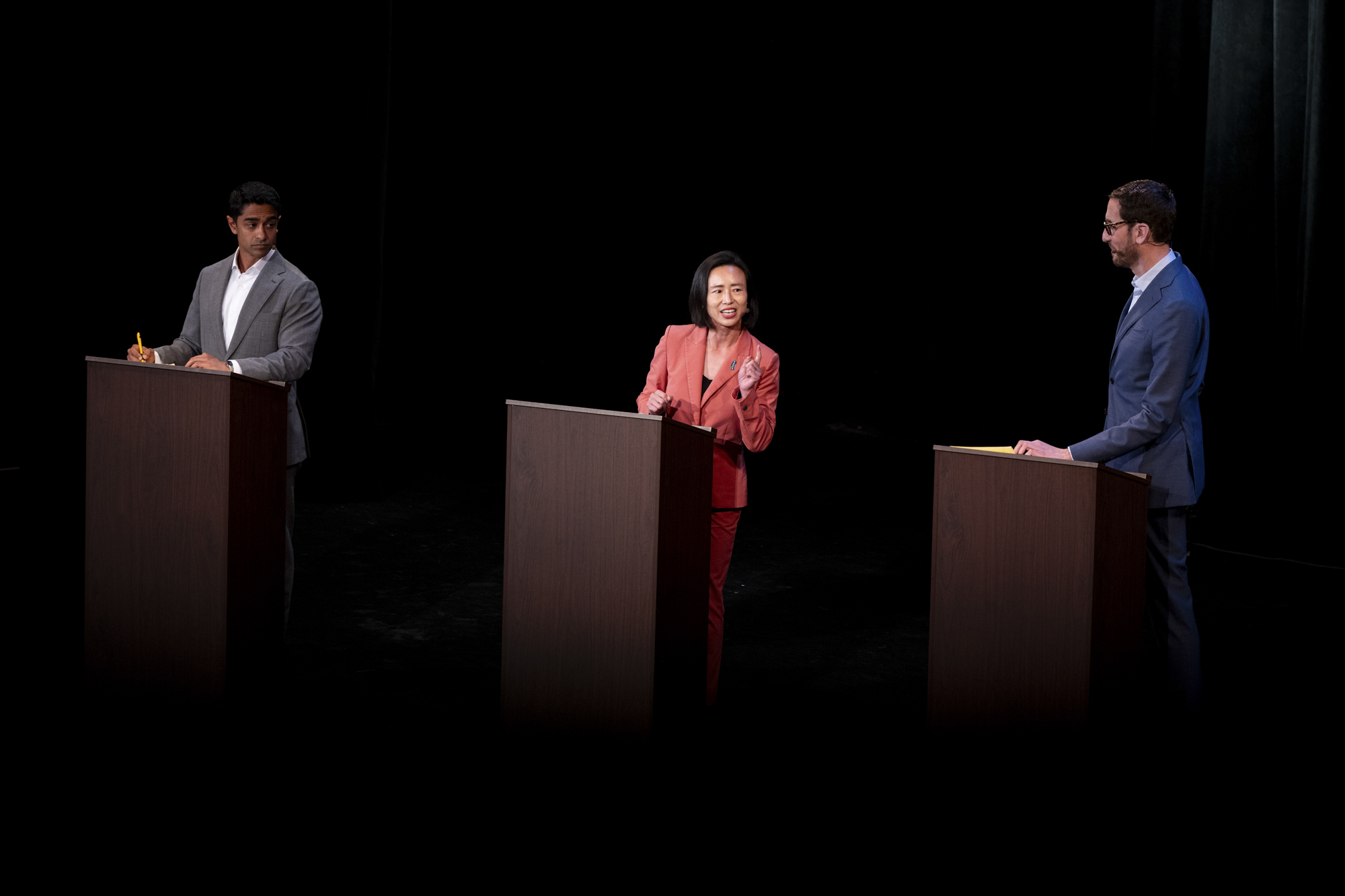
"caption": "Supervisor Connie Chan speaks during a debate with Saikat Chakrabarti and state Sen. Scott Wiener, fellow candidates for San Francisco’s U.S. House seat, at a KQED co-sponsored event at the Sydney Goldstein Theater on March 31, 2026.",
"credit": "Beth LaBerge/KQED",
"altTag": null,
"description": null,
"imgSizes": {
"thumbnail": {
"file": "https://cdn.kqed.org/wp-content/uploads/sites/10/2026/03/260331-SFCONGRESSDEBATE-19-BL-KQED-160x107.jpg",
"width": 160,
"height": 107,
"mimeType": "image/jpeg"
},
"1536x1536": {
"file": "https://cdn.kqed.org/wp-content/uploads/sites/10/2026/03/260331-SFCONGRESSDEBATE-19-BL-KQED-1536x1024.jpg",
"width": 1536,
"height": 1024,
"mimeType": "image/jpeg"
},
"post-thumbnail": {
"file": "https://cdn.kqed.org/wp-content/uploads/sites/10/2026/03/260331-SFCONGRESSDEBATE-19-BL-KQED-672x372.jpg",
"width": 672,
"height": 372,
"mimeType": "image/jpeg"
},
"twentyfourteen-full-width": {
"file": "https://cdn.kqed.org/wp-content/uploads/sites/10/2026/03/260331-SFCONGRESSDEBATE-19-BL-KQED-1038x576.jpg",
"width": 1038,
"height": 576,
"mimeType": "image/jpeg"
},
"npr-cds-wide": {
"file": "https://cdn.kqed.org/wp-content/uploads/sites/10/2026/03/260331-SFCONGRESSDEBATE-19-BL-KQED-1200x675.jpg",
"width": 1200,
"height": 675,
"mimeType": "image/jpeg"
},
"npr-cds-square": {
"file": "https://cdn.kqed.org/wp-content/uploads/sites/10/2026/03/260331-SFCONGRESSDEBATE-19-BL-KQED-600x600.jpg",
"width": 600,
"height": 600,
"mimeType": "image/jpeg"
},
"kqedFullSize": {
"file": "https://cdn.kqed.org/wp-content/uploads/sites/10/2026/03/260331-SFCONGRESSDEBATE-19-BL-KQED.jpg",
"width": 2000,
"height": 1333
}
},
"isLoading": false,
"fetchFailed": false
},
"news_12078147": {
"type": "attachments",
"id": "news_12078147",
"meta": {
"index": "attachments_1716263798",
"site": "news",
"id": "12078147",
"found": true
},
"title": "Digital Clipper Card",
"publishDate": 1774978056,
"status": "inherit",
"parent": 12078144,
"modified": 1774978459,
"caption": "A passenger holds a digital Clipper Card up to a fare kiosk at a BART station in Lafayette, California, on March 18, 2026. ",
"credit": "Smith Collection/Gado via Getty Images",
"altTag": null,
"description": null,
"imgSizes": {
"thumbnail": {
"file": "https://cdn.kqed.org/wp-content/uploads/sites/10/2026/03/Clipper2.0Getty-160x107.jpg",
"width": 160,
"height": 107,
"mimeType": "image/jpeg"
},
"1536x1536": {
"file": "https://cdn.kqed.org/wp-content/uploads/sites/10/2026/03/Clipper2.0Getty-1536x1024.jpg",
"width": 1536,
"height": 1024,
"mimeType": "image/jpeg"
},
"post-thumbnail": {
"file": "https://cdn.kqed.org/wp-content/uploads/sites/10/2026/03/Clipper2.0Getty-672x372.jpg",
"width": 672,
"height": 372,
"mimeType": "image/jpeg"
},
"twentyfourteen-full-width": {
"file": "https://cdn.kqed.org/wp-content/uploads/sites/10/2026/03/Clipper2.0Getty-1038x576.jpg",
"width": 1038,
"height": 576,
"mimeType": "image/jpeg"
},
"npr-cds-wide": {
"file": "https://cdn.kqed.org/wp-content/uploads/sites/10/2026/03/Clipper2.0Getty-1200x675.jpg",
"width": 1200,
"height": 675,
"mimeType": "image/jpeg"
},
"npr-cds-square": {
"file": "https://cdn.kqed.org/wp-content/uploads/sites/10/2026/03/Clipper2.0Getty-600x600.jpg",
"width": 600,
"height": 600,
"mimeType": "image/jpeg"
},
"kqedFullSize": {
"file": "https://cdn.kqed.org/wp-content/uploads/sites/10/2026/03/Clipper2.0Getty.jpg",
"width": 2000,
"height": 1333
}
},
"isLoading": false,
"fetchFailed": false
},
"news_12072113": {
"type": "attachments",
"id": "news_12072113",
"meta": {
"index": "attachments_1716263798",
"site": "news",
"id": "12072113",
"found": true
},
"title": "260203-TEEN SHOOTING ARREST-MD-10-KQED-1",
"publishDate": 1770154993,
"status": "inherit",
"parent": 12073229,
"modified": 1770940522,
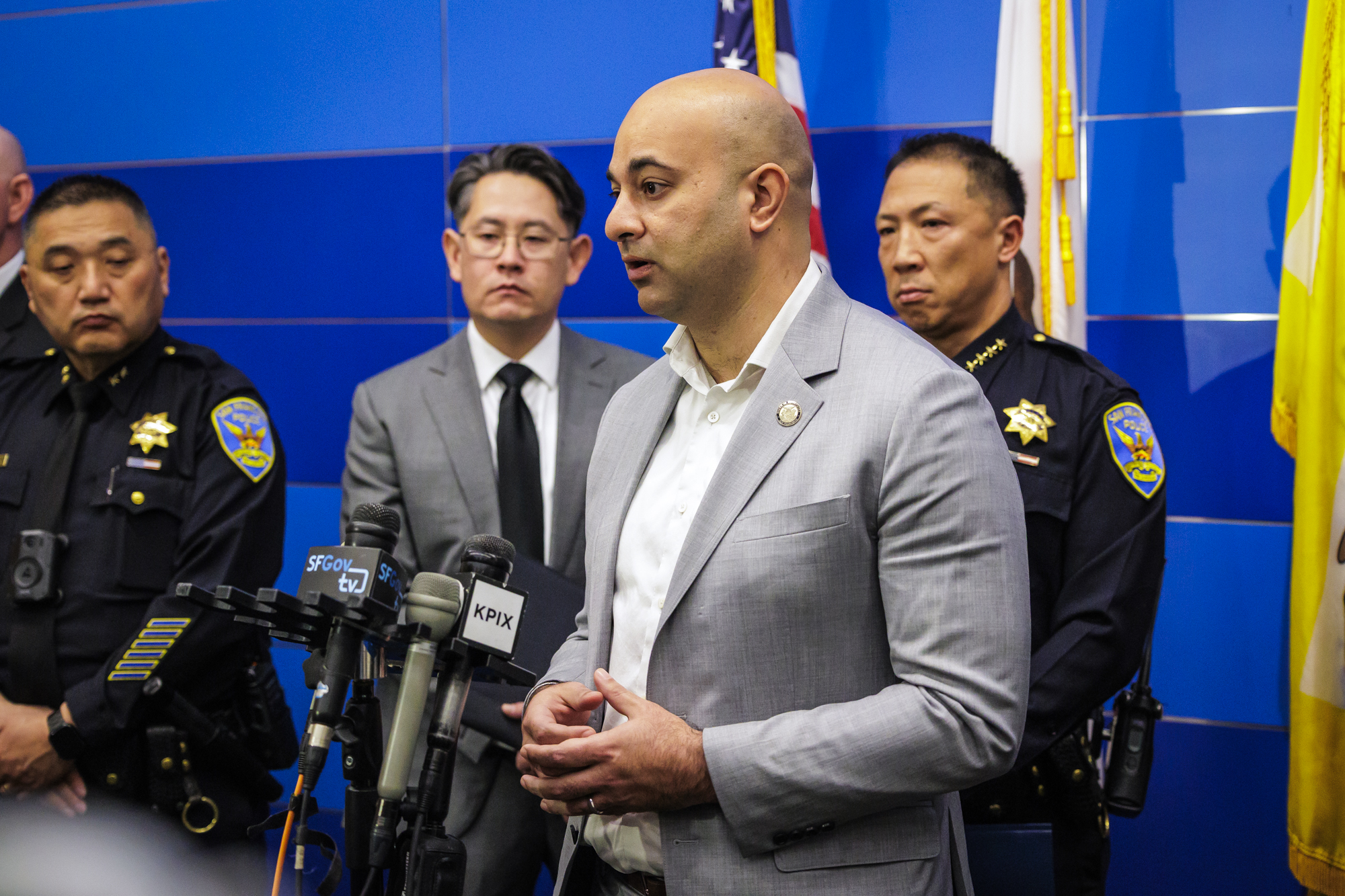
"caption": "San Francisco Supervisor Bilal Mahmood addresses the press at SFPD Headquarters in San Francisco on Feb. 3, 2026.",
"credit": "Martin do Nascimento/KQED",
"altTag": null,
"description": null,
"imgSizes": {
"thumbnail": {
"file": "https://cdn.kqed.org/wp-content/uploads/sites/10/2026/02/260203-TEEN-SHOOTING-ARREST-MD-10-KQED-1-160x107.jpg",
"width": 160,
"height": 107,
"mimeType": "image/jpeg"
},
"1536x1536": {
"file": "https://cdn.kqed.org/wp-content/uploads/sites/10/2026/02/260203-TEEN-SHOOTING-ARREST-MD-10-KQED-1-1536x1024.jpg",
"width": 1536,
"height": 1024,
"mimeType": "image/jpeg"
},
"post-thumbnail": {
"file": "https://cdn.kqed.org/wp-content/uploads/sites/10/2026/02/260203-TEEN-SHOOTING-ARREST-MD-10-KQED-1-672x372.jpg",
"width": 672,
"height": 372,
"mimeType": "image/jpeg"
},
"twentyfourteen-full-width": {
"file": "https://cdn.kqed.org/wp-content/uploads/sites/10/2026/02/260203-TEEN-SHOOTING-ARREST-MD-10-KQED-1-1038x576.jpg",
"width": 1038,
"height": 576,
"mimeType": "image/jpeg"
},
"npr-cds-wide": {
"file": "https://cdn.kqed.org/wp-content/uploads/sites/10/2026/02/260203-TEEN-SHOOTING-ARREST-MD-10-KQED-1-1200x675.jpg",
"width": 1200,
"height": 675,
"mimeType": "image/jpeg"
},
"kqedFullSize": {
"file": "https://cdn.kqed.org/wp-content/uploads/sites/10/2026/02/260203-TEEN-SHOOTING-ARREST-MD-10-KQED-1.jpg",
"width": 2000,
"height": 1333
}
},
"isLoading": false,
"fetchFailed": false
},
"news_12078119": {
"type": "attachments",
"id": "news_12078119",
"meta": {
"index": "attachments_1716263798",
"site": "news",
"id": "12078119",
"found": true
},
"title": "US-POLITICS-JUSTICE-CHAVEZ",
"publishDate": 1774910016,
"status": "inherit",
"parent": 12078103,
"modified": 1774916040,
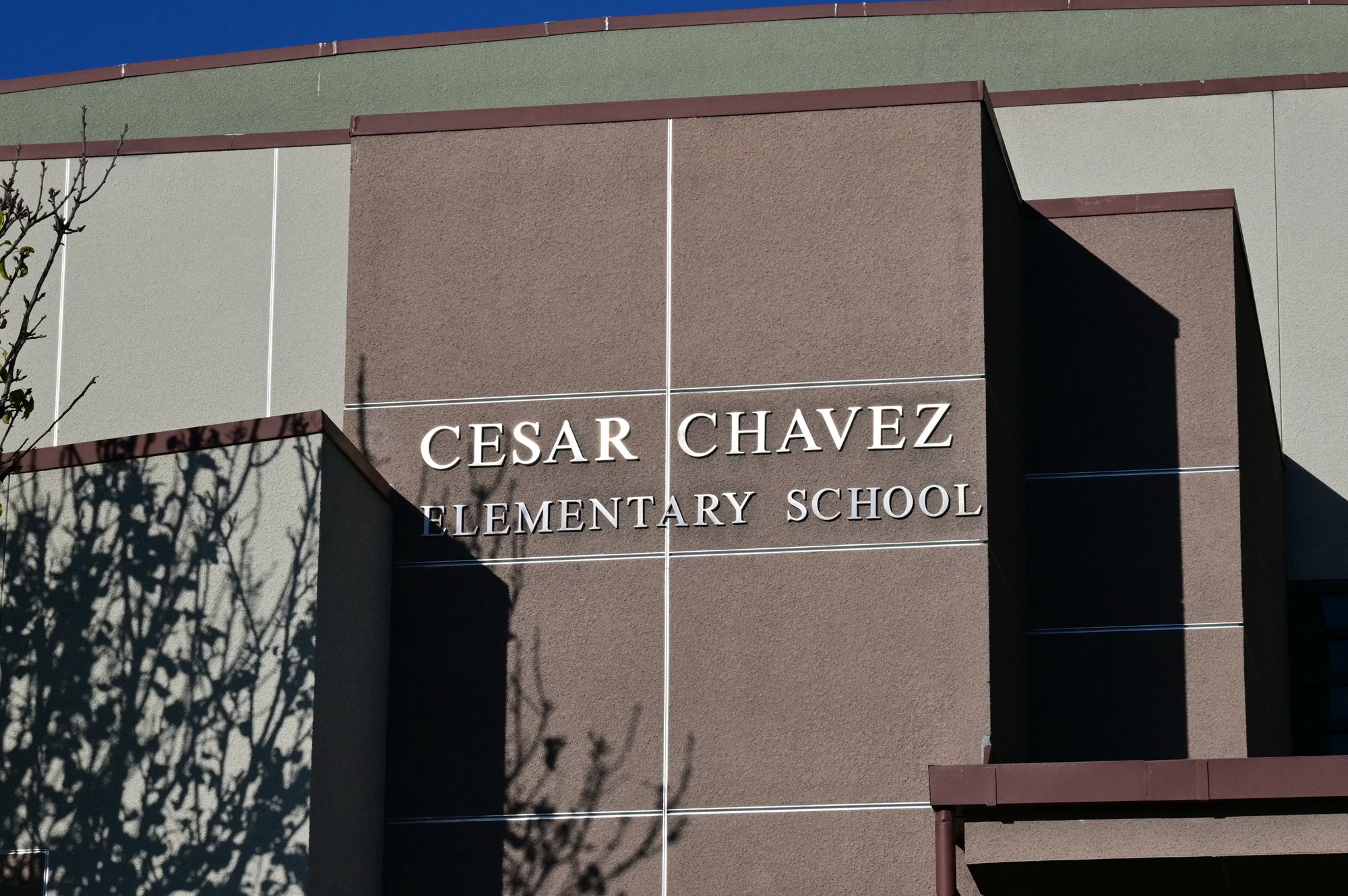
"caption": "A view of Cesar Chavez Elementary School in the El Sereno neighborhood in Los Angeles, California, on March 20, 2026. U.S. civil rights icon Cesar Chavez, whose decades of campaigning brought profound and lasting changes to workers' rights, was a serial rapist who abused children and harassed women in the movement he led, a bombshell New York Times investigation said March 18.",
"credit": "Frederic J. Brown/AFP via Getty Images",
"altTag": null,
"description": null,
"imgSizes": {
"thumbnail": {
"file": "https://cdn.kqed.org/wp-content/uploads/sites/10/2026/03/CesarChavezElementarySchoolGetty-160x106.jpg",
"width": 160,
"height": 106,
"mimeType": "image/jpeg"
},
"1536x1536": {
"file": "https://cdn.kqed.org/wp-content/uploads/sites/10/2026/03/CesarChavezElementarySchoolGetty-1536x1021.jpg",
"width": 1536,
"height": 1021,
"mimeType": "image/jpeg"
},
"post-thumbnail": {
"file": "https://cdn.kqed.org/wp-content/uploads/sites/10/2026/03/CesarChavezElementarySchoolGetty-672x372.jpg",
"width": 672,
"height": 372,
"mimeType": "image/jpeg"
},
"twentyfourteen-full-width": {
"file": "https://cdn.kqed.org/wp-content/uploads/sites/10/2026/03/CesarChavezElementarySchoolGetty-1038x576.jpg",
"width": 1038,
"height": 576,
"mimeType": "image/jpeg"
},
"npr-cds-wide": {
"file": "https://cdn.kqed.org/wp-content/uploads/sites/10/2026/03/CesarChavezElementarySchoolGetty-1200x675.jpg",
"width": 1200,
"height": 675,
"mimeType": "image/jpeg"
},
"npr-cds-square": {
"file": "https://cdn.kqed.org/wp-content/uploads/sites/10/2026/03/CesarChavezElementarySchoolGetty-600x600.jpg",
"width": 600,
"height": 600,
"mimeType": "image/jpeg"
},
"kqedFullSize": {
"file": "https://cdn.kqed.org/wp-content/uploads/sites/10/2026/03/CesarChavezElementarySchoolGetty.jpg",
"width": 2000,
"height": 1330
}
},
"isLoading": false,
"fetchFailed": false
},
"news_12024435": {
"type": "attachments",
"id": "news_12024435",
"meta": {
"index": "attachments_1716263798",
"site": "news",
"id": "12024435",
"found": true
},
"title": "250128-SFImmigration-30-BL",
"publishDate": 1738105128,
"status": "inherit",
"parent": 12028703,
"modified": 1740618033,
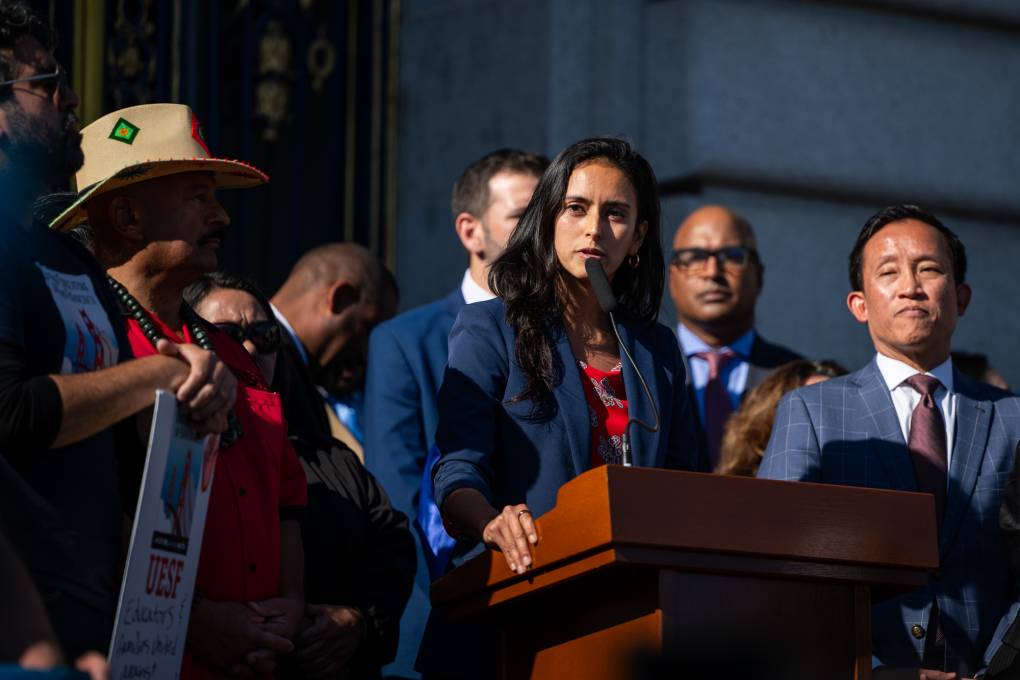
"caption": "San Francisco Supervisor Jackie Fielder speaks during a press conference with elected and public safety officials and labor leaders in front of City Hall in San Francisco on Tuesday, Jan. 28, 2025, to reaffirm San Francisco’s commitment to being a Sanctuary City.",
"credit": "Beth LaBerge/KQED",
"altTag": null,
"description": null,
"imgSizes": {
"medium": {
"file": "https://cdn.kqed.org/wp-content/uploads/sites/10/2025/01/250128-SFImmigration-30-BL-800x533.jpg",
"width": 800,
"height": 533,
"mimeType": "image/jpeg"
},
"large": {
"file": "https://cdn.kqed.org/wp-content/uploads/sites/10/2025/01/250128-SFImmigration-30-BL-1020x680.jpg",
"width": 1020,
"height": 680,
"mimeType": "image/jpeg"
},
"thumbnail": {
"file": "https://cdn.kqed.org/wp-content/uploads/sites/10/2025/01/250128-SFImmigration-30-BL-160x107.jpg",
"width": 160,
"height": 107,
"mimeType": "image/jpeg"
},
"1536x1536": {
"file": "https://cdn.kqed.org/wp-content/uploads/sites/10/2025/01/250128-SFImmigration-30-BL-1536x1024.jpg",
"width": 1536,
"height": 1024,
"mimeType": "image/jpeg"
},
"post-thumbnail": {
"file": "https://cdn.kqed.org/wp-content/uploads/sites/10/2025/01/250128-SFImmigration-30-BL-672x372.jpg",
"width": 672,
"height": 372,
"mimeType": "image/jpeg"
},
"twentyfourteen-full-width": {
"file": "https://cdn.kqed.org/wp-content/uploads/sites/10/2025/01/250128-SFImmigration-30-BL-1038x576.jpg",
"width": 1038,
"height": 576,
"mimeType": "image/jpeg"
},
"full-width": {
"file": "https://cdn.kqed.org/wp-content/uploads/sites/10/2025/01/250128-SFImmigration-30-BL-1920x1280.jpg",
"width": 1920,
"height": 1280,
"mimeType": "image/jpeg"
},
"kqedFullSize": {
"file": "https://cdn.kqed.org/wp-content/uploads/sites/10/2025/01/250128-SFImmigration-30-BL.jpg",
"width": 2000,
"height": 1333
}
},
"isLoading": false,
"fetchFailed": false
},
"news_12078062": {
"type": "attachments",
"id": "news_12078062",
"meta": {
"index": "attachments_1716263798",
"site": "news",
"id": "12078062",
"found": true
},
"title": "Lake Tahoe Area Readies For More Snow As Another Storm Moves Over California",
"publishDate": 1774902695,
"status": "inherit",
"parent": 12078060,
"modified": 1774902730,
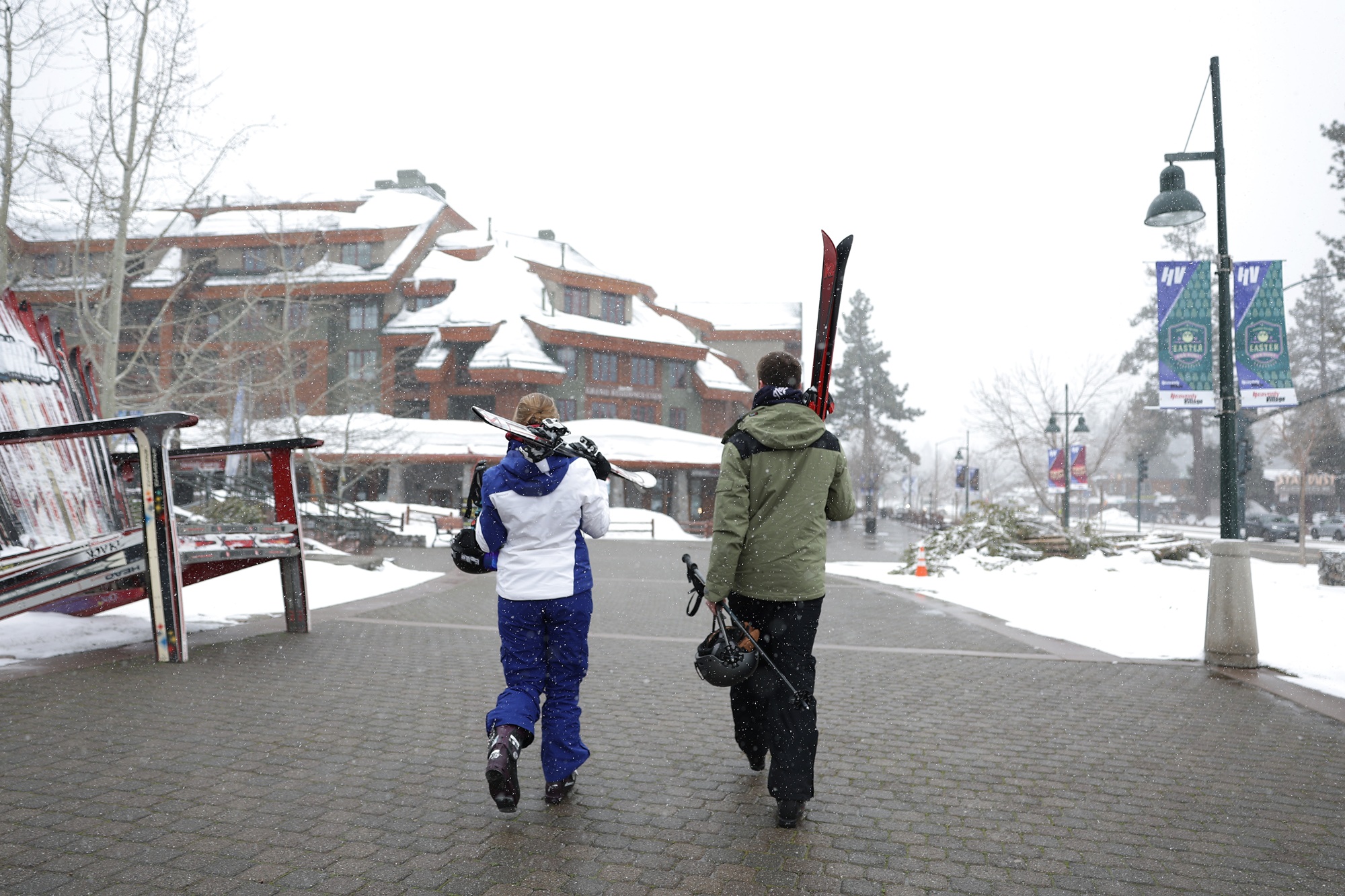
"caption": "People carry skis as they walk toward a resort on March 21, 2023, in South Lake Tahoe, California. ",
"credit": "Justin Sullivan/Getty Images",
"altTag": null,
"description": null,
"imgSizes": {
"thumbnail": {
"file": "https://cdn.kqed.org/wp-content/uploads/sites/10/2026/03/TahoeGetty1-160x107.jpg",
"width": 160,
"height": 107,
"mimeType": "image/jpeg"
},
"1536x1536": {
"file": "https://cdn.kqed.org/wp-content/uploads/sites/10/2026/03/TahoeGetty1-1536x1024.jpg",
"width": 1536,
"height": 1024,
"mimeType": "image/jpeg"
},
"post-thumbnail": {
"file": "https://cdn.kqed.org/wp-content/uploads/sites/10/2026/03/TahoeGetty1-672x372.jpg",
"width": 672,
"height": 372,
"mimeType": "image/jpeg"
},
"twentyfourteen-full-width": {
"file": "https://cdn.kqed.org/wp-content/uploads/sites/10/2026/03/TahoeGetty1-1038x576.jpg",
"width": 1038,
"height": 576,
"mimeType": "image/jpeg"
},
"npr-cds-wide": {
"file": "https://cdn.kqed.org/wp-content/uploads/sites/10/2026/03/TahoeGetty1-1200x675.jpg",
"width": 1200,
"height": 675,
"mimeType": "image/jpeg"
},
"npr-cds-square": {
"file": "https://cdn.kqed.org/wp-content/uploads/sites/10/2026/03/TahoeGetty1-600x600.jpg",
"width": 600,
"height": 600,
"mimeType": "image/jpeg"
},
"kqedFullSize": {
"file": "https://cdn.kqed.org/wp-content/uploads/sites/10/2026/03/TahoeGetty1.jpg",
"width": 2000,
"height": 1333
}
},
"isLoading": false,
"fetchFailed": false
},
"news_12004694": {
"type": "attachments",
"id": "news_12004694",
"meta": {
"index": "attachments_1716263798",
"site": "news",
"id": "12004694",
"found": true
},
"title": "025_SanFrancisco_JuneteenthKickoffRally_06172021_qed",
"publishDate": 1726251894,
"status": "inherit",
"parent": 12004687,
"modified": 1726272741,
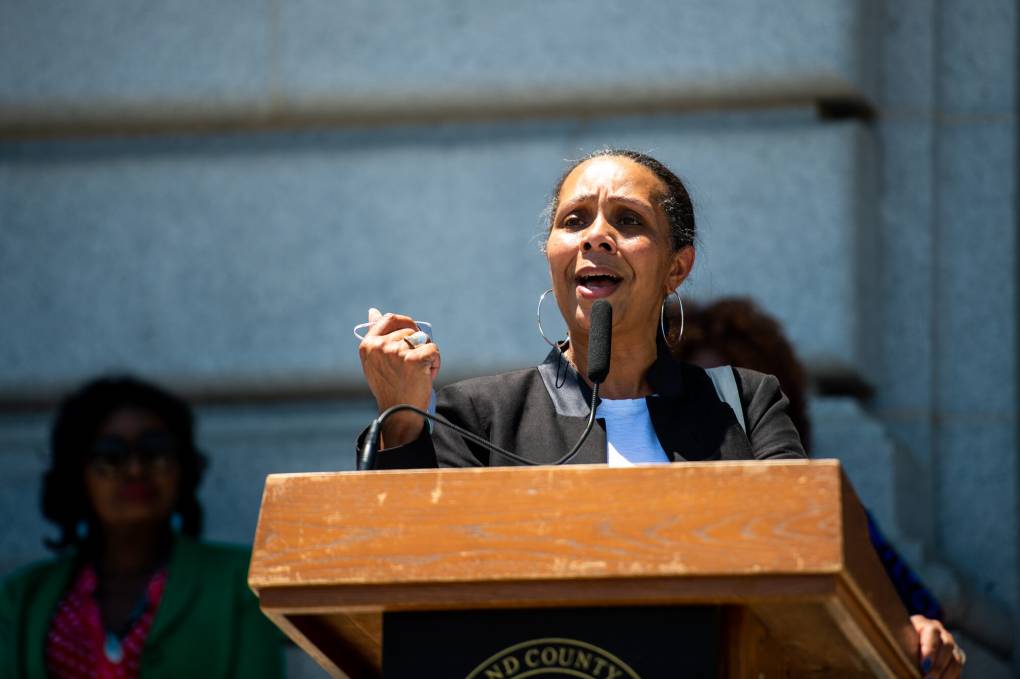
"caption": "Sheryl Davis, former head of the San Francisco Human Rights Commission, speaks during a Juneteenth kickoff rally on the steps of San Francisco City Hall on June 17, 2021. Davis, who resigned on Friday, is being investigated by San Francisco’s city attorney for spending more than $1.5 million.",
"credit": "Beth LaBerge/KQED",
"altTag": null,
"description": null,
"imgSizes": {
"medium": {
"file": "https://cdn.kqed.org/wp-content/uploads/sites/10/2024/09/025_SanFrancisco_JuneteenthKickoffRally_06172021_qed-800x532.jpg",
"width": 800,
"height": 532,
"mimeType": "image/jpeg"
},
"large": {
"file": "https://cdn.kqed.org/wp-content/uploads/sites/10/2024/09/025_SanFrancisco_JuneteenthKickoffRally_06172021_qed-1020x679.jpg",
"width": 1020,
"height": 679,
"mimeType": "image/jpeg"
},
"thumbnail": {
"file": "https://cdn.kqed.org/wp-content/uploads/sites/10/2024/09/025_SanFrancisco_JuneteenthKickoffRally_06172021_qed-160x106.jpg",
"width": 160,
"height": 106,
"mimeType": "image/jpeg"
},
"1536x1536": {
"file": "https://cdn.kqed.org/wp-content/uploads/sites/10/2024/09/025_SanFrancisco_JuneteenthKickoffRally_06172021_qed-1536x1022.jpg",
"width": 1536,
"height": 1022,
"mimeType": "image/jpeg"
},
"post-thumbnail": {
"file": "https://cdn.kqed.org/wp-content/uploads/sites/10/2024/09/025_SanFrancisco_JuneteenthKickoffRally_06172021_qed-672x372.jpg",
"width": 672,
"height": 372,
"mimeType": "image/jpeg"
},
"twentyfourteen-full-width": {
"file": "https://cdn.kqed.org/wp-content/uploads/sites/10/2024/09/025_SanFrancisco_JuneteenthKickoffRally_06172021_qed-1038x576.jpg",
"width": 1038,
"height": 576,
"mimeType": "image/jpeg"
},
"full-width": {
"file": "https://cdn.kqed.org/wp-content/uploads/sites/10/2024/09/025_SanFrancisco_JuneteenthKickoffRally_06172021_qed-1920x1278.jpg",
"width": 1920,
"height": 1278,
"mimeType": "image/jpeg"
},
"kqedFullSize": {
"file": "https://cdn.kqed.org/wp-content/uploads/sites/10/2024/09/025_SanFrancisco_JuneteenthKickoffRally_06172021_qed.jpg",
"width": 2000,
"height": 1331
}
},
"isLoading": false,
"fetchFailed": false
},
"news_12076843": {
"type": "attachments",
"id": "news_12076843",
"meta": {
"index": "attachments_1716263798",
"site": "news",
"id": "12076843",
"found": true
},
"title": "260317-KAISER RETREATS-MD-01-KQED-1",
"publishDate": 1773801307,
"status": "inherit",
"parent": 0,
"modified": 1773801326,
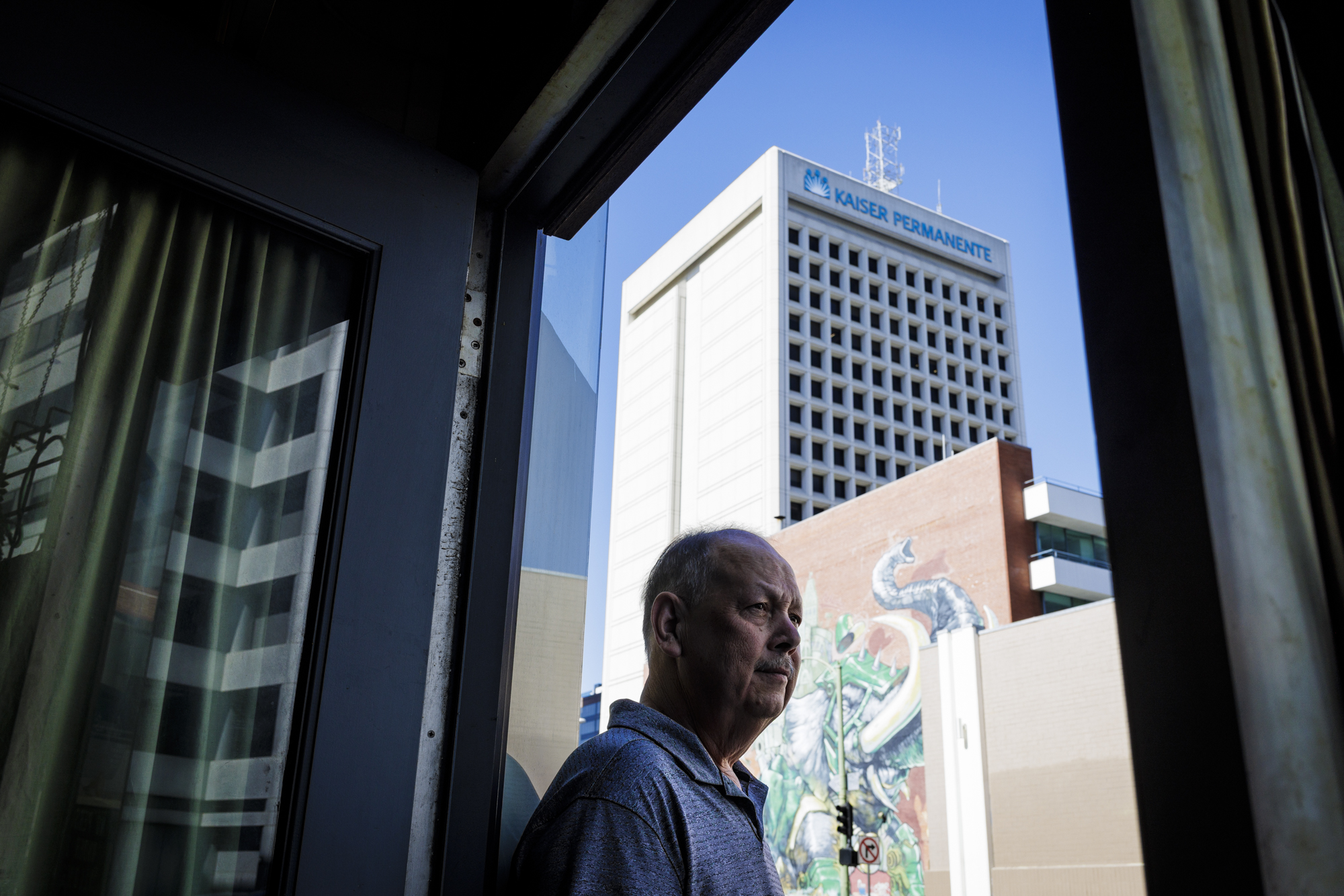
"caption": "Roy Mejia looks out from the entrance to his bar, 19th Street Station, in Oakland on March 16, 2026.",
"credit": "Martin do Nascimento/KQED",
"altTag": null,
"description": null,
"imgSizes": {
"thumbnail": {
"file": "https://cdn.kqed.org/wp-content/uploads/sites/10/2026/03/260317-KAISER-RETREATS-MD-01-KQED-1-160x107.jpg",
"width": 160,
"height": 107,
"mimeType": "image/jpeg"
},
"1536x1536": {
"file": "https://cdn.kqed.org/wp-content/uploads/sites/10/2026/03/260317-KAISER-RETREATS-MD-01-KQED-1-1536x1025.jpg",
"width": 1536,
"height": 1025,
"mimeType": "image/jpeg"
},
"post-thumbnail": {
"file": "https://cdn.kqed.org/wp-content/uploads/sites/10/2026/03/260317-KAISER-RETREATS-MD-01-KQED-1-672x372.jpg",
"width": 672,
"height": 372,
"mimeType": "image/jpeg"
},
"twentyfourteen-full-width": {
"file": "https://cdn.kqed.org/wp-content/uploads/sites/10/2026/03/260317-KAISER-RETREATS-MD-01-KQED-1-1038x576.jpg",
"width": 1038,
"height": 576,
"mimeType": "image/jpeg"
},
"npr-cds-wide": {
"file": "https://cdn.kqed.org/wp-content/uploads/sites/10/2026/03/260317-KAISER-RETREATS-MD-01-KQED-1-1200x675.jpg",
"width": 1200,
"height": 675,
"mimeType": "image/jpeg"
},
"kqedFullSize": {
"file": "https://cdn.kqed.org/wp-content/uploads/sites/10/2026/03/260317-KAISER-RETREATS-MD-01-KQED-1.jpg",
"width": 2000,
"height": 1334
}
},
"isLoading": false,
"fetchFailed": false
},
"news_11867105": {
"type": "attachments",
"id": "news_11867105",
"meta": {
"index": "attachments_1716263798",
"site": "news",
"id": "11867105",
"found": true
},
"parent": 11867090,
"imgSizes": {
"twentyfourteen-full-width": {
"file": "https://ww2.kqed.org/app/uploads/sites/10/2021/03/RS48191_IMG_6379-qut-1038x576.jpg",
"width": 1038,
"mimeType": "image/jpeg",
"height": 576
},
"thumbnail": {
"file": "https://ww2.kqed.org/app/uploads/sites/10/2021/03/RS48191_IMG_6379-qut-160x120.jpg",
"width": 160,
"mimeType": "image/jpeg",
"height": 120
},
"post-thumbnail": {
"file": "https://ww2.kqed.org/app/uploads/sites/10/2021/03/RS48191_IMG_6379-qut-672x372.jpg",
"width": 672,
"mimeType": "image/jpeg",
"height": 372
},
"kqedFullSize": {
"file": "https://ww2.kqed.org/app/uploads/sites/10/2021/03/RS48191_IMG_6379-qut.jpg",
"width": 1920,
"height": 1440
},
"large": {
"file": "https://ww2.kqed.org/app/uploads/sites/10/2021/03/RS48191_IMG_6379-qut-1020x765.jpg",
"width": 1020,
"mimeType": "image/jpeg",
"height": 765
},
"1536x1536": {
"file": "https://ww2.kqed.org/app/uploads/sites/10/2021/03/RS48191_IMG_6379-qut-1536x1152.jpg",
"width": 1536,
"mimeType": "image/jpeg",
"height": 1152
},
"medium": {
"file": "https://ww2.kqed.org/app/uploads/sites/10/2021/03/RS48191_IMG_6379-qut-800x600.jpg",
"width": 800,
"mimeType": "image/jpeg",
"height": 600
}
},
"publishDate": 1617133567,
"modified": 1617133582,
"caption": null,
"description": null,
"title": "RS48191_IMG_6379-qut",
"credit": "Suzie Racho",
"status": "inherit",
"altTag": null,
"isLoading": false,
"fetchFailed": false
},
"news_12077849": {
"type": "attachments",
"id": "news_12077849",
"meta": {
"index": "attachments_1716263798",
"site": "news",
"id": "12077849",
"found": true
},
"title": "Mercado_8",
"publishDate": 1774638047,
"status": "inherit",
"parent": 12077837,
"modified": 1774638073,
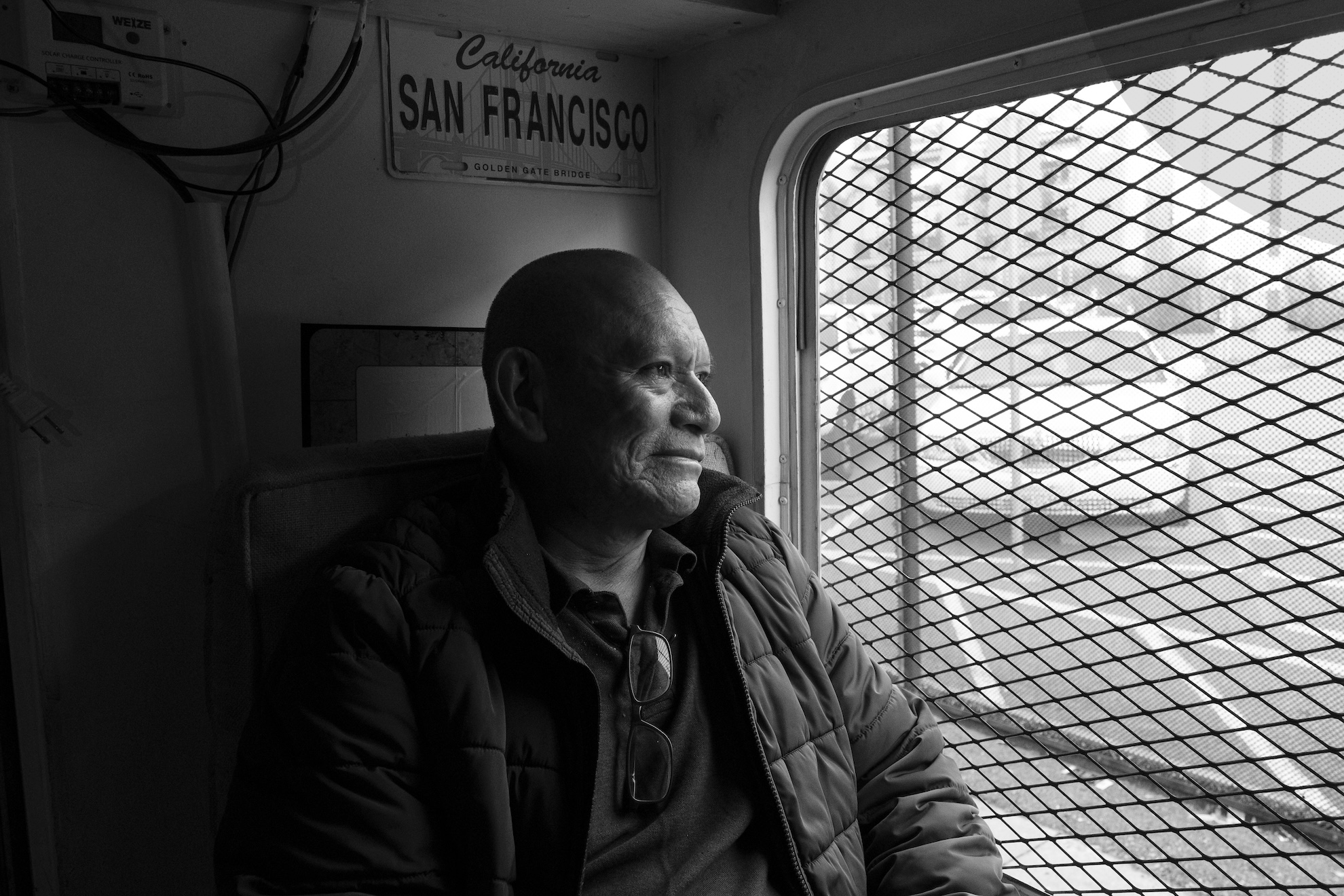
"caption": "Miguel Mercado sits inside the RV he has called home for two years in the Mission District on Feb. 12, 2026. With the Large Vehicle Refuge Program ending in April, he faces an uncertain future and doesn't know where he'll go. ",
"credit": "Yesica Prado/El Tecolote",
"altTag": null,
"description": null,
"imgSizes": {
"thumbnail": {
"file": "https://cdn.kqed.org/wp-content/uploads/sites/10/2026/03/Mercado_8-160x107.jpg",
"width": 160,
"height": 107,
"mimeType": "image/jpeg"
},
"1536x1536": {
"file": "https://cdn.kqed.org/wp-content/uploads/sites/10/2026/03/Mercado_8-1536x1024.jpg",
"width": 1536,
"height": 1024,
"mimeType": "image/jpeg"
},
"post-thumbnail": {
"file": "https://cdn.kqed.org/wp-content/uploads/sites/10/2026/03/Mercado_8-672x372.jpg",
"width": 672,
"height": 372,
"mimeType": "image/jpeg"
},
"twentyfourteen-full-width": {
"file": "https://cdn.kqed.org/wp-content/uploads/sites/10/2026/03/Mercado_8-1038x576.jpg",
"width": 1038,
"height": 576,
"mimeType": "image/jpeg"
},
"npr-cds-wide": {
"file": "https://cdn.kqed.org/wp-content/uploads/sites/10/2026/03/Mercado_8-1200x675.jpg",
"width": 1200,
"height": 675,
"mimeType": "image/jpeg"
},
"npr-cds-square": {
"file": "https://cdn.kqed.org/wp-content/uploads/sites/10/2026/03/Mercado_8-600x600.jpg",
"width": 600,
"height": 600,
"mimeType": "image/jpeg"
},
"kqedFullSize": {
"file": "https://cdn.kqed.org/wp-content/uploads/sites/10/2026/03/Mercado_8.jpg",
"width": 1980,
"height": 1320
}
},
"isLoading": false,
"fetchFailed": false
},
"news_12078005": {
"type": "attachments",
"id": "news_12078005",
"meta": {
"index": "attachments_1716263798",
"site": "news",
"id": "12078005",
"found": true
},
"title": "260328-NO KINGS 3-MD-04-KQED-3",
"publishDate": 1774756765,
"status": "inherit",
"parent": 0,
"modified": 1774756786,
"caption": "Lance Toma (center) and others march along Market Street in San Francisco as part of the third No Kings Protest on March 28, 2026.",
"credit": "Martin do Nascimento/KQED",
"altTag": null,
"description": null,
"imgSizes": {
"thumbnail": {
"file": "https://cdn.kqed.org/wp-content/uploads/sites/10/2026/03/260328-NO-KINGS-3-MD-04-KQED-3-160x107.jpg",
"width": 160,
"height": 107,
"mimeType": "image/jpeg"
},
"1536x1536": {
"file": "https://cdn.kqed.org/wp-content/uploads/sites/10/2026/03/260328-NO-KINGS-3-MD-04-KQED-3-1536x1025.jpg",
"width": 1536,
"height": 1025,
"mimeType": "image/jpeg"
},
"post-thumbnail": {
"file": "https://cdn.kqed.org/wp-content/uploads/sites/10/2026/03/260328-NO-KINGS-3-MD-04-KQED-3-672x372.jpg",
"width": 672,
"height": 372,
"mimeType": "image/jpeg"
},
"twentyfourteen-full-width": {
"file": "https://cdn.kqed.org/wp-content/uploads/sites/10/2026/03/260328-NO-KINGS-3-MD-04-KQED-3-1038x576.jpg",
"width": 1038,
"height": 576,
"mimeType": "image/jpeg"
},
"npr-cds-wide": {
"file": "https://cdn.kqed.org/wp-content/uploads/sites/10/2026/03/260328-NO-KINGS-3-MD-04-KQED-3-1200x675.jpg",
"width": 1200,
"height": 675,
"mimeType": "image/jpeg"
},
"npr-cds-square": {
"file": "https://cdn.kqed.org/wp-content/uploads/sites/10/2026/03/260328-NO-KINGS-3-MD-04-KQED-3-600x600.jpg",
"width": 600,
"height": 600,
"mimeType": "image/jpeg"
},
"kqedFullSize": {
"file": "https://cdn.kqed.org/wp-content/uploads/sites/10/2026/03/260328-NO-KINGS-3-MD-04-KQED-3.jpg",
"width": 2000,
"height": 1334
}
},
"isLoading": false,
"fetchFailed": false
},
"news_12060589": {
"type": "attachments",
"id": "news_12060589",
"meta": {
"index": "attachments_1716263798",
"site": "news",
"id": "12060589",
"found": true
},
"title": "251018-NoKingsSF-27-BL",
"publishDate": 1760827176,
"status": "inherit",
"parent": 12060590,
"modified": 1760828606,
"caption": "Demonstrators march during a No Kings protest in San Francisco on Oct. 18, 2025.",
"credit": "Beth LaBerge/KQED",
"altTag": null,
"description": null,
"imgSizes": {
"thumbnail": {
"file": "https://cdn.kqed.org/wp-content/uploads/sites/10/2025/10/251018-NoKingsSF-27-BL-160x107.jpg",
"width": 160,
"height": 107,
"mimeType": "image/jpeg"
},
"1536x1536": {
"file": "https://cdn.kqed.org/wp-content/uploads/sites/10/2025/10/251018-NoKingsSF-27-BL-1536x1024.jpg",
"width": 1536,
"height": 1024,
"mimeType": "image/jpeg"
},
"post-thumbnail": {
"file": "https://cdn.kqed.org/wp-content/uploads/sites/10/2025/10/251018-NoKingsSF-27-BL-672x372.jpg",
"width": 672,
"height": 372,
"mimeType": "image/jpeg"
},
"twentyfourteen-full-width": {
"file": "https://cdn.kqed.org/wp-content/uploads/sites/10/2025/10/251018-NoKingsSF-27-BL-1038x576.jpg",
"width": 1038,
"height": 576,
"mimeType": "image/jpeg"
},
"kqedFullSize": {
"file": "https://cdn.kqed.org/wp-content/uploads/sites/10/2025/10/251018-NoKingsSF-27-BL.jpg",
"width": 2000,
"height": 1333
}
},
"isLoading": false,
"fetchFailed": false
}
},
"audioPlayerReducer": {
"postId": "stream_live",
"isPaused": true,
"isPlaying": false,
"pfsActive": false,
"pledgeModalIsOpen": true,
"playerDrawerIsOpen": false,
"liveAudioPlayStartedAt": 0,
"liveAudioPlayContext": ""
},
"authorsReducer": {
"byline_news_12075755": {
"type": "authors",
"id": "byline_news_12075755",
"meta": {
"override": true
},
"slug": "byline_news_12075755",
"name": "Cate Peters, Brianna Sosa, Gabrielle Rayne Ignacio, Anna Hoch-Kenney and Tatiana Geroulanou, Big Local News",
"isLoading": false
},
"byline_news_12077837": {
"type": "authors",
"id": "byline_news_12077837",
"meta": {
"override": true
},
"slug": "byline_news_12077837",
"name": "By Pablo Unzueta and Yesica Prado, El Tecolote",
"isLoading": false
},
"sracho": {
"type": "authors",
"id": "107",
"meta": {
"index": "authors_1716337520",
"id": "107",
"found": true
},
"name": "Suzie Racho",
"firstName": "Suzie",
"lastName": "Racho",
"slug": "sracho",
"email": "SRacho@KQED.org",
"display_author_email": false,
"staff_mastheads": [
"news"
],
"title": "KQED Contributor",
"bio": "Suzie Racho is a correspondent-producer with \u003cem>The California Report Magazine\u003c/em>\u003cem>. S\u003c/em>he has also worked with several other KQED productions, including Bay Curious, Truth Be Told, The Do List and KQED News.\r\n\r\nSuzie came to KQED in 1996 after receiving a BA in journalism from San Francisco State University and spending several years working in the music industry. As part of \u003cem>The California Report\u003c/em> team, her work has been recognized by the Society for Professional Journalists, National Federation of Community Broadcasters and Public Radio News Directors Incorporated, among others. She was recognized with a national Gracie Award in 2019. She spends her free time baking, listening to K-pop and rooting for the Giants and Valkyries.",
"avatar": "https://secure.gravatar.com/avatar/842e457a9830b0f3c1ce3ab70ed3518d616d1e25e315c6292eab8cd611d98601?s=600&d=blank&r=g",
"twitter": null,
"bluesky": null,
"facebook": null,
"instagram": null,
"linkedin": null,
"sites": [
{
"site": "arts",
"roles": [
"editor"
]
},
{
"site": "news",
"roles": [
"editor"
]
}
],
"headData": {
"title": "Suzie Racho | KQED",
"description": "KQED Contributor",
"ogImgSrc": "https://secure.gravatar.com/avatar/842e457a9830b0f3c1ce3ab70ed3518d616d1e25e315c6292eab8cd611d98601?s=600&d=blank&r=g",
"twImgSrc": "https://secure.gravatar.com/avatar/842e457a9830b0f3c1ce3ab70ed3518d616d1e25e315c6292eab8cd611d98601?s=600&d=blank&r=g"
},
"isLoading": false,
"link": "/author/sracho"
},
"gmarzorati": {
"type": "authors",
"id": "227",
"meta": {
"index": "authors_1716337520",
"id": "227",
"found": true
},
"name": "Guy Marzorati",
"firstName": "Guy",
"lastName": "Marzorati",
"slug": "gmarzorati",
"email": "gmarzorati@KQED.org",
"display_author_email": true,
"staff_mastheads": [
"news"
],
"title": "Correspondent",
"bio": "Guy Marzorati is a correspondent on KQED's California Politics and Government Desk, based in San Jose. A graduate of Santa Clara University, Guy joined KQED in 2013. He reports on state and local politics and produces KQED's digital voter guide.",
"avatar": "https://secure.gravatar.com/avatar/e7038b8dbfd55b104369b76b1cd0b9de?s=600&d=blank&r=g",
"twitter": "guymarzorati",
"facebook": null,
"instagram": null,
"linkedin": null,
"sites": [
{
"site": "",
"roles": [
"editor"
]
},
{
"site": "news",
"roles": [
"editor"
]
},
{
"site": "science",
"roles": [
"editor"
]
},
{
"site": "forum",
"roles": [
"editor"
]
},
{
"site": "elections",
"roles": [
"editor"
]
},
{
"site": "liveblog",
"roles": [
"editor"
]
}
],
"headData": {
"title": "Guy Marzorati | KQED",
"description": "Correspondent",
"ogImgSrc": "https://secure.gravatar.com/avatar/e7038b8dbfd55b104369b76b1cd0b9de?s=600&d=blank&r=g",
"twImgSrc": "https://secure.gravatar.com/avatar/e7038b8dbfd55b104369b76b1cd0b9de?s=600&d=blank&r=g"
},
"isLoading": false,
"link": "/author/gmarzorati"
},
"kqed": {
"type": "authors",
"id": "236",
"meta": {
"index": "authors_1716337520",
"id": "236",
"found": true
},
"name": "KQED News Staff",
"firstName": "KQED News Staff",
"lastName": null,
"slug": "kqed",
"email": "faq@kqed.org",
"display_author_email": false,
"staff_mastheads": [],
"title": null,
"bio": null,
"avatar": "https://secure.gravatar.com/avatar/ef0e801a68c4c54afa9180db14084167?s=600&d=blank&r=g",
"twitter": null,
"facebook": null,
"instagram": null,
"linkedin": null,
"sites": [
{
"site": "arts",
"roles": [
"contributor"
]
},
{
"site": "news",
"roles": [
"editor"
]
},
{
"site": "futureofyou",
"roles": [
"author"
]
}
],
"headData": {
"title": "KQED News Staff | KQED",
"description": null,
"ogImgSrc": "https://secure.gravatar.com/avatar/ef0e801a68c4c54afa9180db14084167?s=600&d=blank&r=g",
"twImgSrc": "https://secure.gravatar.com/avatar/ef0e801a68c4c54afa9180db14084167?s=600&d=blank&r=g"
},
"isLoading": false,
"link": "/author/kqed"
},
"eromero": {
"type": "authors",
"id": "11746",
"meta": {
"index": "authors_1716337520",
"id": "11746",
"found": true
},
"name": "Ezra David Romero",
"firstName": "Ezra David",
"lastName": "Romero",
"slug": "eromero",
"email": "eromero@kqed.org",
"display_author_email": true,
"staff_mastheads": [
"news",
"science"
],
"title": "Climate Reporter",
"bio": "Ezra David Romero is a climate reporter for KQED News. He covers the absence and excess of water in the Bay Area — think sea level rise, flooding and drought. For nearly a decade he’s covered how warming temperatures are altering the lives of Californians. He’s reported on farmers worried their pistachio trees aren’t getting enough sleep, families desperate for water, scientists studying dying giant sequoias, and alongside firefighters containing wildfires. His work has appeared on local stations across California and nationally on public radio shows like Morning Edition, Here and Now, All Things Considered and Science Friday. ",
"avatar": "https://secure.gravatar.com/avatar/c76404d287c10ed40224227551ac36e24352c7306f106632caf6fead76f8801f?s=600&d=blank&r=g",
"twitter": "ezraromero",
"bluesky": null,
"facebook": null,
"instagram": null,
"linkedin": null,
"sites": [
{
"site": "arts",
"roles": [
"editor"
]
},
{
"site": "news",
"roles": [
"editor"
]
},
{
"site": "science",
"roles": [
"editor"
]
},
{
"site": "liveblog",
"roles": [
"author"
]
}
],
"headData": {
"title": "Ezra David Romero | KQED",
"description": "Climate Reporter",
"ogImgSrc": "https://secure.gravatar.com/avatar/c76404d287c10ed40224227551ac36e24352c7306f106632caf6fead76f8801f?s=600&d=blank&r=g",
"twImgSrc": "https://secure.gravatar.com/avatar/c76404d287c10ed40224227551ac36e24352c7306f106632caf6fead76f8801f?s=600&d=blank&r=g"
},
"isLoading": false,
"link": "/author/eromero"
},
"adahlstromeckman": {
"type": "authors",
"id": "11785",
"meta": {
"index": "authors_1716337520",
"id": "11785",
"found": true
},
"name": "Azul Dahlstrom-Eckman",
"firstName": "Azul",
"lastName": "Dahlstrom-Eckman",
"slug": "adahlstromeckman",
"email": "adahlstrom-eckman@kqed.org",
"display_author_email": true,
"staff_mastheads": [],
"title": "Reporter",
"bio": "Azul is a reporter for KQED focusing on transportation and features. He joined KQED in 2021 as an alumna of KALW's Audio Academy radio journalism training program.",
"avatar": "https://secure.gravatar.com/avatar/9cb750298435add7815a777f55bf1f46845c1386bb8452555c60a7b820b5aba3?s=600&d=blank&r=g",
"twitter": "@zuliemann",
"bluesky": "@azul415.bsky.social",
"facebook": null,
"instagram": null,
"linkedin": null,
"sites": [
{
"site": "arts",
"roles": [
"editor"
]
},
{
"site": "news",
"roles": [
"editor"
]
},
{
"site": "science",
"roles": [
"editor"
]
},
{
"site": "liveblog",
"roles": [
"author"
]
}
],
"headData": {
"title": "Azul Dahlstrom-Eckman | KQED",
"description": "Reporter",
"ogImgSrc": "https://secure.gravatar.com/avatar/9cb750298435add7815a777f55bf1f46845c1386bb8452555c60a7b820b5aba3?s=600&d=blank&r=g",
"twImgSrc": "https://secure.gravatar.com/avatar/9cb750298435add7815a777f55bf1f46845c1386bb8452555c60a7b820b5aba3?s=600&d=blank&r=g"
},
"isLoading": false,
"link": "/author/adahlstromeckman"
},
"sjohnson": {
"type": "authors",
"id": "11840",
"meta": {
"index": "authors_1716337520",
"id": "11840",
"found": true
},
"name": "Sydney Johnson",
"firstName": "Sydney",
"lastName": "Johnson",
"slug": "sjohnson",
"email": "sjohnson@kqed.org",
"display_author_email": false,
"staff_mastheads": [
"news"
],
"title": "KQED Reporter",
"bio": "Sydney Johnson is a general assignment reporter at KQED. She previously reported on public health and city government at the San Francisco Examiner, and before that, she covered statewide education policy for EdSource. Her reporting has won multiple local, state and national awards. Sydney is a graduate of the University of California, Berkeley and lives in San Francisco.",
"avatar": "https://secure.gravatar.com/avatar/97855f2719b72ad6190b7c535fe642c8?s=600&d=blank&r=g",
"twitter": "sydneyfjohnson",
"facebook": null,
"instagram": null,
"linkedin": null,
"sites": [
{
"site": "news",
"roles": [
"editor"
]
}
],
"headData": {
"title": "Sydney Johnson | KQED",
"description": "KQED Reporter",
"ogImgSrc": "https://secure.gravatar.com/avatar/97855f2719b72ad6190b7c535fe642c8?s=600&d=blank&r=g",
"twImgSrc": "https://secure.gravatar.com/avatar/97855f2719b72ad6190b7c535fe642c8?s=600&d=blank&r=g"
},
"isLoading": false,
"link": "/author/sjohnson"
},
"kdebenedetti": {
"type": "authors",
"id": "11913",
"meta": {
"index": "authors_1716337520",
"id": "11913",
"found": true
},
"name": "Katie DeBenedetti",
"firstName": "Katie",
"lastName": "DeBenedetti",
"slug": "kdebenedetti",
"email": "kdebenedetti@kqed.org",
"display_author_email": false,
"staff_mastheads": [
"news",
"science"
],
"title": "KQED Contributor",
"bio": "Katie DeBenedetti is a digital reporter covering daily news for the Express Desk. Prior to joining KQED as a culture reporting intern in January 2024, she covered education and city government for the Napa Valley Register.",
"avatar": "https://secure.gravatar.com/avatar/6e31073cb8f7e4214ab03f42771d0f45?s=600&d=blank&r=g",
"twitter": null,
"facebook": null,
"instagram": null,
"linkedin": null,
"sites": [
{
"site": "news",
"roles": [
"author"
]
},
{
"site": "science",
"roles": [
"author"
]
},
{
"site": "liveblog",
"roles": [
"author"
]
}
],
"headData": {
"title": "Katie DeBenedetti | KQED",
"description": "KQED Contributor",
"ogImgSrc": "https://secure.gravatar.com/avatar/6e31073cb8f7e4214ab03f42771d0f45?s=600&d=blank&r=g",
"twImgSrc": "https://secure.gravatar.com/avatar/6e31073cb8f7e4214ab03f42771d0f45?s=600&d=blank&r=g"
},
"isLoading": false,
"link": "/author/kdebenedetti"
},
"emanoukian": {
"type": "authors",
"id": "11925",
"meta": {
"index": "authors_1716337520",
"id": "11925",
"found": true
},
"name": "Elize Manoukian",
"firstName": "Elize",
"lastName": "Manoukian",
"slug": "emanoukian",
"email": "emanoukian@KQED.org",
"display_author_email": false,
"staff_mastheads": [
"news"
],
"title": "Digital News Editor",
"bio": "Elize Manoukian is an award-winning audio producer and Senior Editor on the Express Desk, KQED's digital news platform. Her work has appeared on KPFA, Interlochen Public Radio, Oregon Public Broadcast, the New York Daily News, LA Times and the San Diego Union-Tribune.",
"avatar": "https://secure.gravatar.com/avatar/4525f1a8e46ccb30933b32653d9772064cfefe3fa655eb45b3b3a80341f6bdad?s=600&d=blank&r=g",
"twitter": null,
"bluesky": null,
"facebook": null,
"instagram": null,
"linkedin": null,
"sites": [
{
"site": "arts",
"roles": [
"editor"
]
},
{
"site": "news",
"roles": [
"editor"
]
},
{
"site": "science",
"roles": [
"editor"
]
}
],
"headData": {
"title": "Elize Manoukian | KQED",
"description": "Digital News Editor",
"ogImgSrc": "https://secure.gravatar.com/avatar/4525f1a8e46ccb30933b32653d9772064cfefe3fa655eb45b3b3a80341f6bdad?s=600&d=blank&r=g",
"twImgSrc": "https://secure.gravatar.com/avatar/4525f1a8e46ccb30933b32653d9772064cfefe3fa655eb45b3b3a80341f6bdad?s=600&d=blank&r=g"
},
"isLoading": false,
"link": "/author/emanoukian"
},
"sarahwright": {
"type": "authors",
"id": "11956",
"meta": {
"index": "authors_1716337520",
"id": "11956",
"found": true
},
"name": "Sarah Wright",
"firstName": "Sarah",
"lastName": "Wright",
"slug": "sarahwright",
"email": "swright@kqed.org",
"display_author_email": true,
"staff_mastheads": [],
"title": "Outdoors Engagement Reporter",
"bio": "Sarah Wright is KQED's Outdoors Engagement Reporter. Originally from Lake Tahoe, she completed a thru-hike of the Pacific Crest Trail in 2019 and was a U.S. Fulbright Program grantee to Argentina in 2023. Her journalism has appeared in The Guardian, The San Francisco Standard, The Palo Alto Weekly and the Half Moon Bay Review.",
"avatar": "https://secure.gravatar.com/avatar/c161a3d6441865cba25e6db4fa561099ad665799e9432e34da2b84d7e371524c?s=600&d=blank&r=g",
"twitter": null,
"bluesky": null,
"facebook": null,
"instagram": null,
"linkedin": null,
"sites": [
{
"site": "arts",
"roles": [
"editor"
]
},
{
"site": "news",
"roles": [
"editor"
]
},
{
"site": "science",
"roles": [
"contributor",
"author"
]
},
{
"site": "forum",
"roles": [
"editor"
]
}
],
"headData": {
"title": "Sarah Wright | KQED",
"description": "Outdoors Engagement Reporter",
"ogImgSrc": "https://secure.gravatar.com/avatar/c161a3d6441865cba25e6db4fa561099ad665799e9432e34da2b84d7e371524c?s=600&d=blank&r=g",
"twImgSrc": "https://secure.gravatar.com/avatar/c161a3d6441865cba25e6db4fa561099ad665799e9432e34da2b84d7e371524c?s=600&d=blank&r=g"
},
"isLoading": false,
"link": "/author/sarahwright"
}
},
"pagesReducer": {
"news_category_local": {
"type": "terms",
"id": "news_28250",
"meta": {
"index": "terms_1716263798",
"site": "news",
"id": "28250",
"score": 12.93969
},
"featImg": null,
"name": "Local",
"description": null,
"taxonomy": "category",
"headData": {
"twImgId": null,
"twTitle": null,
"ogTitle": null,
"ogImgId": null,
"twDescription": null,
"description": null,
"title": "Local Archives | KQED News",
"ogDescription": null
},
"ttid": 28267,
"slug": "local",
"isLoading": false,
"title": "Local",
"pageMeta": {
"site": "news",
"WpPageTemplate": "page-topic-editorial",
"currentPage": 46
},
"blocks": [
{
"blockName": "kqed/post-list",
"attrs": {
"layout": "cardArticle2",
"query": "posts/news?category=local",
"seeMore": false,
"paginated": true,
"page": 46
}
},
{
"blockName": "kqed/ad"
}
]
}
},
"pfsSessionReducer": {},
"postsReducer": {
"stream_live": {
"type": "live",
"id": "stream_live",
"audioUrl": "https://streams.kqed.org/kqedradio",
"title": "Live Stream",
"excerpt": "Live Stream information currently unavailable.",
"link": "/radio",
"featImg": "",
"label": {
"name": "KQED Live",
"link": "/"
}
},
"stream_kqedNewscast": {
"type": "posts",
"id": "stream_kqedNewscast",
"audioUrl": "https://www.kqed.org/.stream/anon/radio/RDnews/newscast.mp3?_=1",
"title": "KQED Newscast",
"featImg": "",
"label": {
"name": "88.5 FM",
"link": "/"
}
},
"news_12078152": {
"type": "posts",
"id": "news_12078152",
"meta": {
"index": "posts_1716263798",
"site": "news",
"id": "12078152",
"score": null,
"sort": [
1774998058000
]
},
"guestAuthors": [],
"slug": "in-bid-to-succeed-pelosi-san-francisco-house-candidates-set-to-debate",
"title": "SF House Candidates Clash on Taxes, Transit in Debate to Replace Pelosi",
"publishDate": 1774998058,
"format": "video",
"headTitle": "SF House Candidates Clash on Taxes, Transit in Debate to Replace Pelosi | KQED",
"labelTerm": {
"site": "news"
},
"content": "\u003cp>Three leading candidates \u003ca href=\"https://www.kqed.org/news/12067880/a-san-francisco-political-showdown-who-will-take-pelosis-seat\">running to succeed Rep. Nancy Pelosi\u003c/a> in the U.S. House of Representatives sparred over public transit, tax policy and their approach to governance Tuesday night during a spirited debate in San Francisco.\u003c/p>\n\u003cp>State Sen. \u003ca href=\"https://www.kqed.org/news/tag/scott-wiener\">Scott Wiener\u003c/a> received most of the heat from fellow Democrats Connie Chan, a San Francisco supervisor, and Saikat Chakrabarti, a former software engineer and congressional aide. The pair criticized Wiener for opposing progressive tax proposals, while Wiener touted his legislative experience and poked at the track records of his opponents.\u003c/p>\n\u003cp>Wiener, Chan and Chakrabarti would all be considered liberals in Congress, and each vowed to stand up to the Trump administration, increase access to health care and vote against funding for Immigration and Customs Enforcement. Many of the night’s sharpest divisions emerged around their respective political styles.\u003c/p>\n\u003cp>[ad fullwidth]\u003c/p>\n\u003cp>The exchanges grew spiciest when moderators Scott Shafer and Sydney Johnson of KQED gave the candidates the opportunity to ask each other questions, soliciting gasps from the crowd of more than 1,500 at the Sydney Goldstein Theater.\u003c/p>\n\u003cp>Chakrabarti asked Wiener why he was not supporting Proposition D, a measure on San Francisco’s June ballot that would place a surcharge on large corporations in which the top executive earns 100 times more than the company’s median employee. He framed the tax as a way to backfill funding from federal cuts.\u003c/p>\n\u003cp>“If you can’t stand up to your donors to fight Trump tax cuts now, how will you do that in Congress?” Chakrabarti asked Wiener.\u003c/p>\n\u003cfigure id=\"attachment_12078322\" class=\"wp-caption aligncenter\" style=\"max-width: 2000px\">\u003cimg loading=\"lazy\" decoding=\"async\" class=\"size-full wp-image-12078322\" src=\"https://cdn.kqed.org/wp-content/uploads/sites/10/2026/03/260331-SFCONGRESSDEBATE-21-BL-KQED.jpg\" alt=\"\" width=\"2000\" height=\"1333\" srcset=\"https://cdn.kqed.org/wp-content/uploads/sites/10/2026/03/260331-SFCONGRESSDEBATE-21-BL-KQED.jpg 2000w, https://cdn.kqed.org/wp-content/uploads/sites/10/2026/03/260331-SFCONGRESSDEBATE-21-BL-KQED-160x107.jpg 160w, https://cdn.kqed.org/wp-content/uploads/sites/10/2026/03/260331-SFCONGRESSDEBATE-21-BL-KQED-1536x1024.jpg 1536w\" sizes=\"auto, (max-width: 2000px) 100vw, 2000px\">\u003cfigcaption class=\"wp-caption-text\">Saikat Chakrabarti speaks during a debate with Supervisor Connie Chan and state Sen. Scott Wiener, fellow candidates for San Francisco’s U.S. House seat, at a KQED co-sponsored event at the Sydney Goldstein Theater on March 31, 2026. \u003ccite>(Beth LaBerge/KQED)\u003c/cite>\u003c/figcaption>\u003c/figure>\n\u003cp>Moments later, Chan followed up, pressing Wiener on why the measure he wrote to authorize a regional tax to support BART, Muni and Caltrain took the form of a sales tax, instead of a tax on corporations.\u003c/p>\n\u003cp>“Why is it that when you have a chance to actually have a progressive taxation, a regional overpaid CEO tax, and yet you chose to actually go for a regional sales tax?” she asked.\u003c/p>\n\u003cp>Wiener responded that San Francisco’s downtown recovery was not moving along fast enough to warrant a new tax on large businesses. He framed his bill authorizing a sales tax vote on transit as a form of political pragmatism.\u003c/p>\n\u003cfigure id=\"attachment_12078325\" class=\"wp-caption aligncenter\" style=\"max-width: 2000px\">\u003cimg loading=\"lazy\" decoding=\"async\" class=\"size-full wp-image-12078325\" src=\"https://cdn.kqed.org/wp-content/uploads/sites/10/2026/03/260331-SFCONGRESSDEBATE-27-BL-KQED.jpg\" alt=\"\" width=\"2000\" height=\"1333\" srcset=\"https://cdn.kqed.org/wp-content/uploads/sites/10/2026/03/260331-SFCONGRESSDEBATE-27-BL-KQED.jpg 2000w, https://cdn.kqed.org/wp-content/uploads/sites/10/2026/03/260331-SFCONGRESSDEBATE-27-BL-KQED-160x107.jpg 160w, https://cdn.kqed.org/wp-content/uploads/sites/10/2026/03/260331-SFCONGRESSDEBATE-27-BL-KQED-1536x1024.jpg 1536w\" sizes=\"auto, (max-width: 2000px) 100vw, 2000px\">\u003cfigcaption class=\"wp-caption-text\">State Sen. Scott Wiener speaks during a debate with Saikat Chakrabarti and Supervisor Connie Chan, fellow candidates for San Francisco’s U.S. House seat, at a KQED co-sponsored event at the Sydney Goldstein Theater on March 31, 2026. \u003ccite>(Beth LaBerge/KQED)\u003c/cite>\u003c/figcaption>\u003c/figure>\n\u003cp>“Yes, we could have gone with a business tax, and it would not have passed the Legislature, and I’m pretty sure the governor would have vetoed it,” Wiener said. “We could have said let’s do a business tax, and the whole thing falls apart, or we could say, let’s do a sales tax, which can pass … and actually not have BART and Muni and Caltrain fall apart.”\u003c/p>\n\u003cp>Chakrabarti, who was chief of staff to New York Rep. Alexandria Ocasio-Cortez, faced questions about his own participation in local elections.\u003c/p>\n\u003cp>Chakrabarti said he skipped some elections because he was not politically engaged when he first moved to the city, noting he voted in New York when campaigning for Ocasio-Cortez.[aside postID=news_12075071 hero='https://cdn.kqed.org/wp-content/uploads/sites/10/2026/01/260107-SFCongressionalCandidateForum-36-BL_qed.jpg']Wiener dismissed Chakrabarti’s retort that Wiener’s supporters were amplifying the residency attacks in political mailers.\u003c/p>\n\u003cp>“I got my little tiny violin out because let’s be clear: Mr. Chakrabarti has spent more of his tech, hedge-fund money than everyone else combined, including outside campaigns,” Wiener said, referencing the $1.4 million Chakrabarti has contributed to his own campaign.\u003c/p>\n\u003cp>The self-funding has allowed Chakrabarti to keep pace with Wiener, who has raised money for a potential congressional run for years, and ended 2025 with more than $2.7 million, according to campaign finance filings. Chan \u003ca href=\"https://www.kqed.org/news/12064891/san-francisco-supervisor-connie-chan-runs-for-nancy-pelosis-congressional-seat\">entered the race\u003c/a> in November, leaving her with comparatively less — around $174,000, reported before the end of the year.\u003c/p>\n\u003cp>Chan has represented the Richmond District on the Board of Supervisors since 2021. A progressive, Chan is known for her outspoken opposition to the board’s moderate majority on issues such as housing. Last year, she voted against Mayor Daniel Lurie’s “Family Zoning” upzoning plan.\u003c/p>\n\u003cp>Wiener said Chan’s opposition to a rapid bus line on Geary Boulevard has slowed transit in her district. Chan said she supported a transit-only lane on the side of the street, but not the rapid line that would have run down the center of the street on an elevated platform, as on Van Ness Avenue.\u003c/p>\n\u003cp>Pressed by the moderators on whether her strident opposition to several major initiatives should raise concerns about her ability to get things done, Chan said, “Government is not just about winning a vote.”\u003c/p>\n\u003cfigure id=\"attachment_12078324\" class=\"wp-caption aligncenter\" style=\"max-width: 2000px\">\u003cimg loading=\"lazy\" decoding=\"async\" class=\"size-full wp-image-12078324\" src=\"https://cdn.kqed.org/wp-content/uploads/sites/10/2026/03/260331-SFCONGRESSDEBATE-26-BL-KQED.jpg\" alt=\"\" width=\"2000\" height=\"1333\" srcset=\"https://cdn.kqed.org/wp-content/uploads/sites/10/2026/03/260331-SFCONGRESSDEBATE-26-BL-KQED.jpg 2000w, https://cdn.kqed.org/wp-content/uploads/sites/10/2026/03/260331-SFCONGRESSDEBATE-26-BL-KQED-160x107.jpg 160w, https://cdn.kqed.org/wp-content/uploads/sites/10/2026/03/260331-SFCONGRESSDEBATE-26-BL-KQED-1536x1024.jpg 1536w\" sizes=\"auto, (max-width: 2000px) 100vw, 2000px\">\u003cfigcaption class=\"wp-caption-text\">Supervisor Connie Chan speaks during a debate with Saikat Chakrabarti and state Sen. Scott Wiener, fellow candidates for San Francisco’s U.S. House seat, at a KQED co-sponsored event at the Sydney Goldstein Theater in San Francisco on March 31, 2026. \u003ccite>(Beth LaBerge/KQED)\u003c/cite>\u003c/figcaption>\u003c/figure>\n\u003cp>The debate, co-sponsored by KQED, City Arts & Lectures, the Commonwealth Club World Affairs and Manny’s, was the largest yet ahead of the June 2 primary.\u003c/p>\n\u003cp>The trio of candidates has emerged as the top contenders in an 11-candidate field vying to succeed Pelosi. The 86-year-old Democrat and former House speaker is not seeking reelection after holding the seat since 1987.\u003c/p>\n\u003cp>The fireworks began early when candidates were asked whether the U.S. should rethink its relationship with Israel.\u003c/p>\n\u003cp>At a \u003ca href=\"https://www.kqed.org/news/12069081/candidates-vying-for-nancy-pelosis-san-francisco-house-seat-hold-first-debate\">candidate forum\u003c/a> in January, Chan and Chakrabarti held up “yes” signs indicating they believe Israel is committing genocide against Palestinians in Gaza, while Wiener did not answer the question. The interaction went viral, and days later, Wiener \u003ca href=\"https://www.kqed.org/news/12069409/scott-wiener-pivots-after-congressional-forum-israel-has-committed-genocide-in-gaza\">changed course\u003c/a> and \u003ca href=\"https://x.com/Scott_Wiener/status/2010464312792404192?s=20\">posted a video\u003c/a> on his social media saying Israeli attacks “qualifies as genocide.” He later resigned as co-chair of the state’s Legislative Jewish Caucus.\u003c/p>\n\u003cfigure id=\"attachment_12078323\" class=\"wp-caption aligncenter\" style=\"max-width: 2000px\">\u003cimg loading=\"lazy\" decoding=\"async\" class=\"size-full wp-image-12078323\" src=\"https://cdn.kqed.org/wp-content/uploads/sites/10/2026/03/260331-SFCONGRESSDEBATE-24-BL-KQED.jpg\" alt=\"\" width=\"2000\" height=\"1333\" srcset=\"https://cdn.kqed.org/wp-content/uploads/sites/10/2026/03/260331-SFCONGRESSDEBATE-24-BL-KQED.jpg 2000w, https://cdn.kqed.org/wp-content/uploads/sites/10/2026/03/260331-SFCONGRESSDEBATE-24-BL-KQED-160x107.jpg 160w, https://cdn.kqed.org/wp-content/uploads/sites/10/2026/03/260331-SFCONGRESSDEBATE-24-BL-KQED-1536x1024.jpg 1536w\" sizes=\"auto, (max-width: 2000px) 100vw, 2000px\">\u003cfigcaption class=\"wp-caption-text\">Attendees listen as three leading candidates for San Francisco’s U.S. House seat — Saikat Chakrabarti, Supervisor Connie Chan and state Sen. Scott Wiener — debate at a KQED co-sponsored event at the Sydney Goldstein Theater on March 31, 2026. \u003ccite>(Beth LaBerge/KQED)\u003c/cite>\u003c/figcaption>\u003c/figure>\n\u003cp>On Tuesday, all three candidates described Israel’s actions as genocide and vowed to oppose future military spending for Israel.\u003c/p>\n\u003cp>As the candidates spoke, a woman in the crowd yelled that Wiener was promoting genocide, causing a halt in the debate while she was removed from the theater.\u003c/p>\n\u003cp>The top two finishers in the June primary, regardless of party, will advance to the general election. There are eight other candidates on the ballot, including attorney Marie Hurabiell and technology advocate Omed Hamid — both Democrats — along with Republicans David Ganezer, publisher of a Santa Monica newspaper, and Jingchao Xiong, a social management scientist and former state Senate candidate.\u003c/p>\n\u003cp>[ad floatright]\u003c/p>\n",
"blocks": [],
"excerpt": "In a closely watched San Francisco race to succeed Rep. Nancy Pelosi, Scott Wiener, Connie Chan and Saikat Chakrabarti drew sharp contrasts on tax policy, transit funding, Israel and their approaches to governing. ",
"status": "publish",
"parent": 0,
"modified": 1775498208,
"stats": {
"hasAudio": false,
"hasVideo": false,
"hasChartOrMap": false,
"iframeSrcs": [],
"hasGoogleForm": false,
"hasGallery": false,
"hasHearkenModule": false,
"hasPolis": false,
"paragraphCount": 26,
"wordCount": 1242
},
"headData": {
"title": "SF House Candidates Clash on Taxes, Transit in Debate to Replace Pelosi | KQED",
"description": "In a closely watched San Francisco race to succeed Rep. Nancy Pelosi, Scott Wiener, Connie Chan and Saikat Chakrabarti drew sharp contrasts on tax policy, transit funding, Israel and their approaches to governing. ",
"ogTitle": "",
"ogDescription": "",
"ogImgId": "",
"twTitle": "",
"twDescription": "",
"twImgId": "",
"schema": {
"@context": "https://schema.org",
"@type": "NewsArticle",
"headline": "SF House Candidates Clash on Taxes, Transit in Debate to Replace Pelosi",
"datePublished": "2026-03-31T16:00:58-07:00",
"dateModified": "2026-04-06T10:56:48-07:00",
"image": "https://cdn.kqed.org/wp-content/uploads/2020/02/KQED-OG-Image@1x.png",
"isAccessibleForFree": "True",
"publisher": {
"@type": "NewsMediaOrganization",
"@id": "https://www.kqed.org/#organization",
"name": "KQED",
"logo": "https://cdn.kqed.org/wp-content/uploads/2020/02/KQED-OG-Image@1x.png",
"url": "https://www.kqed.org",
"sameAs": [
"https://www.facebook.com/KQED",
"https://twitter.com/KQED",
"https://www.instagram.com/kqed/",
"https://www.tiktok.com/@kqedofficial",
"https://www.linkedin.com/company/kqed",
"https://www.youtube.com/channel/UCeC0IOo7i1P_61zVUWbJ4nw"
]
}
}
},
"primaryCategory": {
"termId": 13,
"slug": "politics",
"name": "Politics"
},
"videoEmbed": "https://www.youtube.com/embed/mpxqpn1sZxA?si=v-3HNBrZvpDnR7MV",
"audioUrl": "https://traffic.omny.fm/d/clips/0af137ef-751e-4b19-a055-aaef00d2d578/ffca7e9f-6831-41c5-bcaf-aaef00f5a073/b4dcdae6-6250-4ea4-9aed-b421011f56ad/audio.mp3",
"sticky": false,
"nprStoryId": "kqed-12078152",
"templateType": "standard",
"featuredImageType": "standard",
"excludeFromSiteSearch": "Include",
"articleAge": "0",
"path": "/news/12078152/in-bid-to-succeed-pelosi-san-francisco-house-candidates-set-to-debate",
"audioTrackLength": null,
"parsedContent": [
{
"type": "contentString",
"content": "\u003cdiv class=\"post-body\">\u003cp>\u003cp>Three leading candidates \u003ca href=\"https://www.kqed.org/news/12067880/a-san-francisco-political-showdown-who-will-take-pelosis-seat\">running to succeed Rep. Nancy Pelosi\u003c/a> in the U.S. House of Representatives sparred over public transit, tax policy and their approach to governance Tuesday night during a spirited debate in San Francisco.\u003c/p>\n\u003cp>State Sen. \u003ca href=\"https://www.kqed.org/news/tag/scott-wiener\">Scott Wiener\u003c/a> received most of the heat from fellow Democrats Connie Chan, a San Francisco supervisor, and Saikat Chakrabarti, a former software engineer and congressional aide. The pair criticized Wiener for opposing progressive tax proposals, while Wiener touted his legislative experience and poked at the track records of his opponents.\u003c/p>\n\u003cp>Wiener, Chan and Chakrabarti would all be considered liberals in Congress, and each vowed to stand up to the Trump administration, increase access to health care and vote against funding for Immigration and Customs Enforcement. Many of the night’s sharpest divisions emerged around their respective political styles.\u003c/p>\n\u003cp>\u003c/p>\u003c/div>",
"attributes": {
"named": {},
"numeric": []
}
},
{
"type": "component",
"content": "",
"name": "ad",
"attributes": {
"named": {
"label": "fullwidth"
},
"numeric": [
"fullwidth"
]
}
},
{
"type": "contentString",
"content": "\u003cdiv class=\"post-body\">\u003cp>\u003c/p>\n\u003cp>The exchanges grew spiciest when moderators Scott Shafer and Sydney Johnson of KQED gave the candidates the opportunity to ask each other questions, soliciting gasps from the crowd of more than 1,500 at the Sydney Goldstein Theater.\u003c/p>\n\u003cp>Chakrabarti asked Wiener why he was not supporting Proposition D, a measure on San Francisco’s June ballot that would place a surcharge on large corporations in which the top executive earns 100 times more than the company’s median employee. He framed the tax as a way to backfill funding from federal cuts.\u003c/p>\n\u003cp>“If you can’t stand up to your donors to fight Trump tax cuts now, how will you do that in Congress?” Chakrabarti asked Wiener.\u003c/p>\n\u003cfigure id=\"attachment_12078322\" class=\"wp-caption aligncenter\" style=\"max-width: 2000px\">\u003cimg loading=\"lazy\" decoding=\"async\" class=\"size-full wp-image-12078322\" src=\"https://cdn.kqed.org/wp-content/uploads/sites/10/2026/03/260331-SFCONGRESSDEBATE-21-BL-KQED.jpg\" alt=\"\" width=\"2000\" height=\"1333\" srcset=\"https://cdn.kqed.org/wp-content/uploads/sites/10/2026/03/260331-SFCONGRESSDEBATE-21-BL-KQED.jpg 2000w, https://cdn.kqed.org/wp-content/uploads/sites/10/2026/03/260331-SFCONGRESSDEBATE-21-BL-KQED-160x107.jpg 160w, https://cdn.kqed.org/wp-content/uploads/sites/10/2026/03/260331-SFCONGRESSDEBATE-21-BL-KQED-1536x1024.jpg 1536w\" sizes=\"auto, (max-width: 2000px) 100vw, 2000px\">\u003cfigcaption class=\"wp-caption-text\">Saikat Chakrabarti speaks during a debate with Supervisor Connie Chan and state Sen. Scott Wiener, fellow candidates for San Francisco’s U.S. House seat, at a KQED co-sponsored event at the Sydney Goldstein Theater on March 31, 2026. \u003ccite>(Beth LaBerge/KQED)\u003c/cite>\u003c/figcaption>\u003c/figure>\n\u003cp>Moments later, Chan followed up, pressing Wiener on why the measure he wrote to authorize a regional tax to support BART, Muni and Caltrain took the form of a sales tax, instead of a tax on corporations.\u003c/p>\n\u003cp>“Why is it that when you have a chance to actually have a progressive taxation, a regional overpaid CEO tax, and yet you chose to actually go for a regional sales tax?” she asked.\u003c/p>\n\u003cp>Wiener responded that San Francisco’s downtown recovery was not moving along fast enough to warrant a new tax on large businesses. He framed his bill authorizing a sales tax vote on transit as a form of political pragmatism.\u003c/p>\n\u003cfigure id=\"attachment_12078325\" class=\"wp-caption aligncenter\" style=\"max-width: 2000px\">\u003cimg loading=\"lazy\" decoding=\"async\" class=\"size-full wp-image-12078325\" src=\"https://cdn.kqed.org/wp-content/uploads/sites/10/2026/03/260331-SFCONGRESSDEBATE-27-BL-KQED.jpg\" alt=\"\" width=\"2000\" height=\"1333\" srcset=\"https://cdn.kqed.org/wp-content/uploads/sites/10/2026/03/260331-SFCONGRESSDEBATE-27-BL-KQED.jpg 2000w, https://cdn.kqed.org/wp-content/uploads/sites/10/2026/03/260331-SFCONGRESSDEBATE-27-BL-KQED-160x107.jpg 160w, https://cdn.kqed.org/wp-content/uploads/sites/10/2026/03/260331-SFCONGRESSDEBATE-27-BL-KQED-1536x1024.jpg 1536w\" sizes=\"auto, (max-width: 2000px) 100vw, 2000px\">\u003cfigcaption class=\"wp-caption-text\">State Sen. Scott Wiener speaks during a debate with Saikat Chakrabarti and Supervisor Connie Chan, fellow candidates for San Francisco’s U.S. House seat, at a KQED co-sponsored event at the Sydney Goldstein Theater on March 31, 2026. \u003ccite>(Beth LaBerge/KQED)\u003c/cite>\u003c/figcaption>\u003c/figure>\n\u003cp>“Yes, we could have gone with a business tax, and it would not have passed the Legislature, and I’m pretty sure the governor would have vetoed it,” Wiener said. “We could have said let’s do a business tax, and the whole thing falls apart, or we could say, let’s do a sales tax, which can pass … and actually not have BART and Muni and Caltrain fall apart.”\u003c/p>\n\u003cp>Chakrabarti, who was chief of staff to New York Rep. Alexandria Ocasio-Cortez, faced questions about his own participation in local elections.\u003c/p>\n\u003cp>Chakrabarti said he skipped some elections because he was not politically engaged when he first moved to the city, noting he voted in New York when campaigning for Ocasio-Cortez.\u003c/p>\u003c/div>",
"attributes": {
"named": {},
"numeric": []
}
},
{
"type": "component",
"content": "",
"name": "aside",
"attributes": {
"named": {
"postid": "news_12075071",
"hero": "https://cdn.kqed.org/wp-content/uploads/sites/10/2026/01/260107-SFCongressionalCandidateForum-36-BL_qed.jpg",
"label": ""
},
"numeric": []
}
},
{
"type": "contentString",
"content": "\u003cdiv class=\"post-body\">\u003cp>Wiener dismissed Chakrabarti’s retort that Wiener’s supporters were amplifying the residency attacks in political mailers.\u003c/p>\n\u003cp>“I got my little tiny violin out because let’s be clear: Mr. Chakrabarti has spent more of his tech, hedge-fund money than everyone else combined, including outside campaigns,” Wiener said, referencing the $1.4 million Chakrabarti has contributed to his own campaign.\u003c/p>\n\u003cp>The self-funding has allowed Chakrabarti to keep pace with Wiener, who has raised money for a potential congressional run for years, and ended 2025 with more than $2.7 million, according to campaign finance filings. Chan \u003ca href=\"https://www.kqed.org/news/12064891/san-francisco-supervisor-connie-chan-runs-for-nancy-pelosis-congressional-seat\">entered the race\u003c/a> in November, leaving her with comparatively less — around $174,000, reported before the end of the year.\u003c/p>\n\u003cp>Chan has represented the Richmond District on the Board of Supervisors since 2021. A progressive, Chan is known for her outspoken opposition to the board’s moderate majority on issues such as housing. Last year, she voted against Mayor Daniel Lurie’s “Family Zoning” upzoning plan.\u003c/p>\n\u003cp>Wiener said Chan’s opposition to a rapid bus line on Geary Boulevard has slowed transit in her district. Chan said she supported a transit-only lane on the side of the street, but not the rapid line that would have run down the center of the street on an elevated platform, as on Van Ness Avenue.\u003c/p>\n\u003cp>Pressed by the moderators on whether her strident opposition to several major initiatives should raise concerns about her ability to get things done, Chan said, “Government is not just about winning a vote.”\u003c/p>\n\u003cfigure id=\"attachment_12078324\" class=\"wp-caption aligncenter\" style=\"max-width: 2000px\">\u003cimg loading=\"lazy\" decoding=\"async\" class=\"size-full wp-image-12078324\" src=\"https://cdn.kqed.org/wp-content/uploads/sites/10/2026/03/260331-SFCONGRESSDEBATE-26-BL-KQED.jpg\" alt=\"\" width=\"2000\" height=\"1333\" srcset=\"https://cdn.kqed.org/wp-content/uploads/sites/10/2026/03/260331-SFCONGRESSDEBATE-26-BL-KQED.jpg 2000w, https://cdn.kqed.org/wp-content/uploads/sites/10/2026/03/260331-SFCONGRESSDEBATE-26-BL-KQED-160x107.jpg 160w, https://cdn.kqed.org/wp-content/uploads/sites/10/2026/03/260331-SFCONGRESSDEBATE-26-BL-KQED-1536x1024.jpg 1536w\" sizes=\"auto, (max-width: 2000px) 100vw, 2000px\">\u003cfigcaption class=\"wp-caption-text\">Supervisor Connie Chan speaks during a debate with Saikat Chakrabarti and state Sen. Scott Wiener, fellow candidates for San Francisco’s U.S. House seat, at a KQED co-sponsored event at the Sydney Goldstein Theater in San Francisco on March 31, 2026. \u003ccite>(Beth LaBerge/KQED)\u003c/cite>\u003c/figcaption>\u003c/figure>\n\u003cp>The debate, co-sponsored by KQED, City Arts & Lectures, the Commonwealth Club World Affairs and Manny’s, was the largest yet ahead of the June 2 primary.\u003c/p>\n\u003cp>The trio of candidates has emerged as the top contenders in an 11-candidate field vying to succeed Pelosi. The 86-year-old Democrat and former House speaker is not seeking reelection after holding the seat since 1987.\u003c/p>\n\u003cp>The fireworks began early when candidates were asked whether the U.S. should rethink its relationship with Israel.\u003c/p>\n\u003cp>At a \u003ca href=\"https://www.kqed.org/news/12069081/candidates-vying-for-nancy-pelosis-san-francisco-house-seat-hold-first-debate\">candidate forum\u003c/a> in January, Chan and Chakrabarti held up “yes” signs indicating they believe Israel is committing genocide against Palestinians in Gaza, while Wiener did not answer the question. The interaction went viral, and days later, Wiener \u003ca href=\"https://www.kqed.org/news/12069409/scott-wiener-pivots-after-congressional-forum-israel-has-committed-genocide-in-gaza\">changed course\u003c/a> and \u003ca href=\"https://x.com/Scott_Wiener/status/2010464312792404192?s=20\">posted a video\u003c/a> on his social media saying Israeli attacks “qualifies as genocide.” He later resigned as co-chair of the state’s Legislative Jewish Caucus.\u003c/p>\n\u003cfigure id=\"attachment_12078323\" class=\"wp-caption aligncenter\" style=\"max-width: 2000px\">\u003cimg loading=\"lazy\" decoding=\"async\" class=\"size-full wp-image-12078323\" src=\"https://cdn.kqed.org/wp-content/uploads/sites/10/2026/03/260331-SFCONGRESSDEBATE-24-BL-KQED.jpg\" alt=\"\" width=\"2000\" height=\"1333\" srcset=\"https://cdn.kqed.org/wp-content/uploads/sites/10/2026/03/260331-SFCONGRESSDEBATE-24-BL-KQED.jpg 2000w, https://cdn.kqed.org/wp-content/uploads/sites/10/2026/03/260331-SFCONGRESSDEBATE-24-BL-KQED-160x107.jpg 160w, https://cdn.kqed.org/wp-content/uploads/sites/10/2026/03/260331-SFCONGRESSDEBATE-24-BL-KQED-1536x1024.jpg 1536w\" sizes=\"auto, (max-width: 2000px) 100vw, 2000px\">\u003cfigcaption class=\"wp-caption-text\">Attendees listen as three leading candidates for San Francisco’s U.S. House seat — Saikat Chakrabarti, Supervisor Connie Chan and state Sen. Scott Wiener — debate at a KQED co-sponsored event at the Sydney Goldstein Theater on March 31, 2026. \u003ccite>(Beth LaBerge/KQED)\u003c/cite>\u003c/figcaption>\u003c/figure>\n\u003cp>On Tuesday, all three candidates described Israel’s actions as genocide and vowed to oppose future military spending for Israel.\u003c/p>\n\u003cp>As the candidates spoke, a woman in the crowd yelled that Wiener was promoting genocide, causing a halt in the debate while she was removed from the theater.\u003c/p>\n\u003cp>The top two finishers in the June primary, regardless of party, will advance to the general election. There are eight other candidates on the ballot, including attorney Marie Hurabiell and technology advocate Omed Hamid — both Democrats — along with Republicans David Ganezer, publisher of a Santa Monica newspaper, and Jingchao Xiong, a social management scientist and former state Senate candidate.\u003c/p>\n\u003cp>\u003c/p>\u003c/div>",
"attributes": {
"named": {},
"numeric": []
}
},
{
"type": "component",
"content": "",
"name": "ad",
"attributes": {
"named": {
"label": "floatright"
},
"numeric": [
"floatright"
]
}
},
{
"type": "contentString",
"content": "\u003cdiv class=\"post-body\">\u003cp>\u003c/p>\n\u003c/div>\u003c/p>",
"attributes": {
"named": {},
"numeric": []
}
}
],
"link": "/news/12078152/in-bid-to-succeed-pelosi-san-francisco-house-candidates-set-to-debate",
"authors": [
"227"
],
"categories": [
"news_31795",
"news_28250",
"news_8",
"news_13"
],
"tags": [
"news_18538",
"news_20149",
"news_36137",
"news_27626",
"news_34377",
"news_177",
"news_17968",
"news_35209",
"news_38",
"news_1217"
],
"featImg": "news_12078321",
"label": "news"
},
"news_12078144": {
"type": "posts",
"id": "news_12078144",
"meta": {
"index": "posts_1716263798",
"site": "news",
"id": "12078144",
"score": null,
"sort": [
1774989222000
]
},
"guestAuthors": [],
"slug": "clipper-2-0-is-still-seeing-hours-long-outages-and-a-full-fix-is-months-away",
"title": "Clipper 2.0 Is Still Seeing Hourslong Outages, and a Full Fix Is Months Away",
"publishDate": 1774989222,
"format": "standard",
"headTitle": "Clipper 2.0 Is Still Seeing Hourslong Outages, and a Full Fix Is Months Away | KQED",
"labelTerm": {
"site": "news"
},
"content": "\u003cp>While problems continue to plague the rollout of an \u003ca href=\"https://www.kqed.org/news/12074359/ongoing-clipper-2-0-issues-plague-bay-area-transit-agencies-seniors-and-low-income-riders\">upgraded Clipper\u003c/a> fare payment system, incurring significant costs and frustrating transit riders with outages and glitches, a full resolution of the issues is still months away, officials said this week.\u003c/p>\n\u003cp>Representatives from Cubic Transportation Systems, which holds the $461 million contract to develop and run next-generation Clipper, delivered a detailed report about the system’s multitude of problems to the Bay Area transit agency officials who make up the Clipper Executive Board at a meeting on Monday.\u003c/p>\n\u003cp>The system, also known as Clipper 2.0, promised \u003ca href=\"https://www.kqed.org/news/12065714/clipper-card-new-bart-caltrain-login-next-generation-discounts\">new features\u003c/a> such as discounted transfers and instant availability of added funds, and upgrading all of the approximately 15 million Clipper cards was originally scheduled to take eight to 12 weeks. But with critical issues still affecting nearly every aspect of the system since it launched Dec. 10, just 1.3 million accounts have been upgraded so far, according to Angus Davol, assistant director for Clipper development and budget at the Metropolitan Transportation Commission.\u003c/p>\n\u003cp>[ad fullwidth]\u003c/p>\n\u003cp>With an uncertain timeline for completion now stretching into the next fiscal year, Clipper managers say the project is causing significant increases in operating costs, as transit agencies and riders grow increasingly frustrated with Cubic’s delivery of the product.\u003c/p>\n\u003cp>Monday’s meeting revealed Cubic has recorded 10 major incidents accounting for over 33 hours of service outages since Clipper 2.0 launched. As recently as last Wednesday, the system experienced an outage of three hours and 48 minutes, during which all ticket vending machines showed a “Verify failure and limit” message, and Clipper users were unable to make a purchase with their card.\u003c/p>\n\u003cp>That particular outage coincided with the Giants’ first game of the season.\u003c/p>\n\u003cfigure id=\"attachment_12016156\" class=\"wp-caption aligncenter\" style=\"max-width: 2000px\">\u003cimg loading=\"lazy\" decoding=\"async\" class=\"size-full wp-image-12016156\" src=\"https://cdn.kqed.org/wp-content/uploads/sites/10/2024/11/240111-TransitFile-02-BL_qed.jpg\" alt=\"\" width=\"2000\" height=\"1333\" srcset=\"https://cdn.kqed.org/wp-content/uploads/sites/10/2024/11/240111-TransitFile-02-BL_qed.jpg 2000w, https://cdn.kqed.org/wp-content/uploads/sites/10/2024/11/240111-TransitFile-02-BL_qed-800x533.jpg 800w, https://cdn.kqed.org/wp-content/uploads/sites/10/2024/11/240111-TransitFile-02-BL_qed-1020x680.jpg 1020w, https://cdn.kqed.org/wp-content/uploads/sites/10/2024/11/240111-TransitFile-02-BL_qed-160x107.jpg 160w, https://cdn.kqed.org/wp-content/uploads/sites/10/2024/11/240111-TransitFile-02-BL_qed-1536x1024.jpg 1536w, https://cdn.kqed.org/wp-content/uploads/sites/10/2024/11/240111-TransitFile-02-BL_qed-1920x1280.jpg 1920w\" sizes=\"auto, (max-width: 2000px) 100vw, 2000px\">\u003cfigcaption class=\"wp-caption-text\">People enter and exit the BART fare gate at the Embarcadero Station in San Francisco on Jan. 11, 2024. \u003ccite>(Beth LaBerge/KQED)\u003c/cite>\u003c/figcaption>\u003c/figure>\n\u003cp>“ I was out on the Caltrain platform on Giants’ opening day and saw riders queued up and struggling with the ticket vending machine,” said Adina Levin, the executive director of the transportation advocacy nonprofit group Seamless Bay Area.\u003c/p>\n\u003cp>A separate outage earlier this month lasted over 12 hours. Transit agencies’ fare inspection devices went offline, and Clipper users couldn’t access their accounts.\u003c/p>\n\u003cp>Board members voiced their frustration with the company at Monday’s meeting.\u003c/p>\n\u003cp>“ When is the outage going to be in April? Certainly, there’s going to be a minimum of one,” said board member Robert Powers, BART’s general manager.\u003c/p>\n\u003cp>\u003ca href=\"https://www.kqed.org/news/12071026/a-hot-mess-transit-riders-officials-skewer-contractor-over-flawed-clipper-2-0-rollout\">Clipper 2.0 has seen issues\u003c/a> with mobile wallets, account migration, ticket vending machines, fare inspection devices used by transit agencies and customer service platforms.[aside postID=news_12075737 hero='https://cdn.kqed.org/wp-content/uploads/sites/10/2025/09/250905-BARTOutage-03-BL_qed.jpg']“ While the next generation Clipper system is live and progress continues, some riders, frontline staff and transit operators have had experiences they should not expect,” Cynthia Eng, senior vice president and general manager at Cubic, said at Monday’s meeting.\u003c/p>\n\u003cp>The depth of the issues plaguing the Clipper system has forced Cubic to refrain from upgrading accounts in batches, instead moving more slowly on a case-by-case basis.\u003c/p>\n\u003cp>This has left next-generation Clipper in a monthslong “soft launch” phase, in which the Metropolitan Transportation Commission is refraining from advertising the upgrade’s benefits until critical issues are resolved and the bulk migration of accounts is completed. Cubic now estimates that it will have addressed enough of the critical issues that it could test a bulk migration of accounts by May 30.\u003c/p>\n\u003cp>“ Frankly, as a board member, I feel helpless. I see problems getting resolved and new problems coming up,” said board member Christy Wegener, the executive director of the Livermore Amador Valley Transit Authority. “ I just can’t help but wonder what damage has been done to our ridership.”\u003c/p>\n\u003cp>A February MTC memo shared with KQED said that the contract between Cubic and MTC “provides certain methods of redress for underperformance by Cubic. Staff are currently engaged in evaluation of our options.”\u003c/p>\n\u003cp>With the ongoing issues, MTC is preparing for the possibility that the previous version of Clipper will have to remain in service into next year. Staff are proposing to allocate an additional $3.4 million in next fiscal year’s budget to continue funding the original version of Clipper into next March, meaning a complete transition to Clipper 2.0 could still be a year away.\u003c/p>\n\u003cfigure id=\"attachment_12046682\" class=\"wp-caption aligncenter\" style=\"max-width: 2000px\">\u003cimg loading=\"lazy\" decoding=\"async\" class=\"size-full wp-image-12046682\" src=\"https://cdn.kqed.org/wp-content/uploads/sites/10/2025/07/20241204-BART-JY-024_qed.jpg\" alt=\"\" width=\"2000\" height=\"1333\" srcset=\"https://cdn.kqed.org/wp-content/uploads/sites/10/2025/07/20241204-BART-JY-024_qed.jpg 2000w, https://cdn.kqed.org/wp-content/uploads/sites/10/2025/07/20241204-BART-JY-024_qed-160x107.jpg 160w, https://cdn.kqed.org/wp-content/uploads/sites/10/2025/07/20241204-BART-JY-024_qed-1536x1024.jpg 1536w\" sizes=\"auto, (max-width: 2000px) 100vw, 2000px\">\u003cfigcaption class=\"wp-caption-text\">Passengers tag their Clipper cards at Montgomery BART Station in San Francisco on Dec. 4, 2024. \u003ccite>(Juliana Yamada/KQED)\u003c/cite>\u003c/figcaption>\u003c/figure>\n\u003cp>The budget proposal also includes an additional $7.6 million to cover increased customer service center staffing. The call center currently receives 35,000 calls a month, nearly three times what it was originally contracted to handle.\u003c/p>\n\u003cp>One BART station agent who spoke to KQED on condition of anonymity because they are not authorized to speak with the press said they felt frustrated and stuck by the ongoing issues.\u003c/p>\n\u003cp>“ I want to support growing ridership, and I feel like I don’t have the tools to do my job,” the station agent told KQED. “I like it when I can help people. It’s unfortunate and embarrassing to have dedication to our work and not have the tools to do it, to be embarrassed of your product and not have a way to improve it.”\u003c/p>\n\u003cp>When asked about the financial impact of courtesy rides that station agents may give riders who have problems with Clipper, MTC spokesperson John Goodwin said the commission does not have an estimate of revenue loss for the overall system or for specific agencies “because we don’t have a count of how many transit riders have been waved through fare gates or onto a bus.”\u003c/p>\n\u003cp>“There’s no question that some fare revenue went uncollected during Clipper system outages, but neither we nor the participating agencies can precisely determine how much,” Goodwin told KQED in an email.\u003c/p>\n\u003cfigure id=\"attachment_12051374\" class=\"wp-caption aligncenter\" style=\"max-width: 2000px\">\u003cimg loading=\"lazy\" decoding=\"async\" class=\"size-full wp-image-12051374\" src=\"https://cdn.kqed.org/wp-content/uploads/sites/10/2025/08/20241204-BART-JY-002_qed.jpg\" alt=\"\" width=\"2000\" height=\"1333\" srcset=\"https://cdn.kqed.org/wp-content/uploads/sites/10/2025/08/20241204-BART-JY-002_qed.jpg 2000w, https://cdn.kqed.org/wp-content/uploads/sites/10/2025/08/20241204-BART-JY-002_qed-160x107.jpg 160w, https://cdn.kqed.org/wp-content/uploads/sites/10/2025/08/20241204-BART-JY-002_qed-1536x1024.jpg 1536w\" sizes=\"auto, (max-width: 2000px) 100vw, 2000px\">\u003cfigcaption class=\"wp-caption-text\">A BART car approaches the platform at Daly City Station in Daly City, on Dec. 4, 2024. \u003ccite>(Juliana Yamada/KQED)\u003c/cite>\u003c/figcaption>\u003c/figure>\n\u003cp>BART spokesperson Alicia Trost told KQED earlier this month that the agency had not submitted any reimbursement requests to MTC.\u003c/p>\n\u003cp>The MTC estimated that an hourslong systemwide Clipper outage on July 1, 2025, led to $386,005 in lost revenue for BART, which MTC reimbursed.\u003c/p>\n\u003cp>Other major Bay Area transit agencies are expressing frustration.\u003c/p>\n\u003cp>“If Caltrain can’t accurately and reliably check fares every time, with every accepted bank card and credit card, and do it very quickly, that has a significant impact on customer experience and on our ability to collect fares that help fund transit,” Caltrain Director of Government and Community Affairs Jason Baker told KQED in an email.\u003c/p>\n\u003cp>The San Francisco Municipal Transportation Agency told KQED that it did not appear issues with Clipper 2.0 were hurting its budget, adding that the majority of challenges so far have had to do with Cubic’s own software.\u003c/p>\n\u003cp>“We understood how tremendous an undertaking this would be, and the rollout did not meet our standards or expectations,” SFMTA Director of Communications Parisa Safarzadeh told KQED.\u003c/p>\n\u003cp>[ad floatright]\u003c/p>\n",
"blocks": [],
"excerpt": "The company running the Bay Area’s next-generation transit fare payment system revealed the depth of its ongoing issues, leaving transit officials preparing for increased costs.",
"status": "publish",
"parent": 0,
"modified": 1774992162,
"stats": {
"hasAudio": false,
"hasVideo": false,
"hasChartOrMap": false,
"iframeSrcs": [],
"hasGoogleForm": false,
"hasGallery": false,
"hasHearkenModule": false,
"hasPolis": false,
"paragraphCount": 29,
"wordCount": 1238
},
"headData": {
"title": "Clipper 2.0 Is Still Seeing Hourslong Outages, and a Full Fix Is Months Away | KQED",
"description": "The company running the Bay Area’s next-generation transit fare payment system revealed the depth of its ongoing issues, leaving transit officials preparing for increased costs.",
"ogTitle": "",
"ogDescription": "",
"ogImgId": "",
"twTitle": "",
"twDescription": "",
"twImgId": "",
"schema": {
"@context": "https://schema.org",
"@type": "NewsArticle",
"headline": "Clipper 2.0 Is Still Seeing Hourslong Outages, and a Full Fix Is Months Away",
"datePublished": "2026-03-31T13:33:42-07:00",
"dateModified": "2026-03-31T14:22:42-07:00",
"image": "https://cdn.kqed.org/wp-content/uploads/2020/02/KQED-OG-Image@1x.png",
"isAccessibleForFree": "True",
"publisher": {
"@type": "NewsMediaOrganization",
"@id": "https://www.kqed.org/#organization",
"name": "KQED",
"logo": "https://cdn.kqed.org/wp-content/uploads/2020/02/KQED-OG-Image@1x.png",
"url": "https://www.kqed.org",
"sameAs": [
"https://www.facebook.com/KQED",
"https://twitter.com/KQED",
"https://www.instagram.com/kqed/",
"https://www.tiktok.com/@kqedofficial",
"https://www.linkedin.com/company/kqed",
"https://www.youtube.com/channel/UCeC0IOo7i1P_61zVUWbJ4nw"
]
}
}
},
"primaryCategory": {
"termId": 1397,
"slug": "transportation",
"name": "Transportation"
},
"sticky": false,
"nprStoryId": "kqed-12078144",
"templateType": "standard",
"featuredImageType": "standard",
"excludeFromSiteSearch": "Include",
"articleAge": "0",
"path": "/news/12078144/clipper-2-0-is-still-seeing-hours-long-outages-and-a-full-fix-is-months-away",
"audioTrackLength": null,
"parsedContent": [
{
"type": "contentString",
"content": "\u003cdiv class=\"post-body\">\u003cp>\u003cp>While problems continue to plague the rollout of an \u003ca href=\"https://www.kqed.org/news/12074359/ongoing-clipper-2-0-issues-plague-bay-area-transit-agencies-seniors-and-low-income-riders\">upgraded Clipper\u003c/a> fare payment system, incurring significant costs and frustrating transit riders with outages and glitches, a full resolution of the issues is still months away, officials said this week.\u003c/p>\n\u003cp>Representatives from Cubic Transportation Systems, which holds the $461 million contract to develop and run next-generation Clipper, delivered a detailed report about the system’s multitude of problems to the Bay Area transit agency officials who make up the Clipper Executive Board at a meeting on Monday.\u003c/p>\n\u003cp>The system, also known as Clipper 2.0, promised \u003ca href=\"https://www.kqed.org/news/12065714/clipper-card-new-bart-caltrain-login-next-generation-discounts\">new features\u003c/a> such as discounted transfers and instant availability of added funds, and upgrading all of the approximately 15 million Clipper cards was originally scheduled to take eight to 12 weeks. But with critical issues still affecting nearly every aspect of the system since it launched Dec. 10, just 1.3 million accounts have been upgraded so far, according to Angus Davol, assistant director for Clipper development and budget at the Metropolitan Transportation Commission.\u003c/p>\n\u003cp>\u003c/p>\u003c/div>",
"attributes": {
"named": {},
"numeric": []
}
},
{
"type": "component",
"content": "",
"name": "ad",
"attributes": {
"named": {
"label": "fullwidth"
},
"numeric": [
"fullwidth"
]
}
},
{
"type": "contentString",
"content": "\u003cdiv class=\"post-body\">\u003cp>\u003c/p>\n\u003cp>With an uncertain timeline for completion now stretching into the next fiscal year, Clipper managers say the project is causing significant increases in operating costs, as transit agencies and riders grow increasingly frustrated with Cubic’s delivery of the product.\u003c/p>\n\u003cp>Monday’s meeting revealed Cubic has recorded 10 major incidents accounting for over 33 hours of service outages since Clipper 2.0 launched. As recently as last Wednesday, the system experienced an outage of three hours and 48 minutes, during which all ticket vending machines showed a “Verify failure and limit” message, and Clipper users were unable to make a purchase with their card.\u003c/p>\n\u003cp>That particular outage coincided with the Giants’ first game of the season.\u003c/p>\n\u003cfigure id=\"attachment_12016156\" class=\"wp-caption aligncenter\" style=\"max-width: 2000px\">\u003cimg loading=\"lazy\" decoding=\"async\" class=\"size-full wp-image-12016156\" src=\"https://cdn.kqed.org/wp-content/uploads/sites/10/2024/11/240111-TransitFile-02-BL_qed.jpg\" alt=\"\" width=\"2000\" height=\"1333\" srcset=\"https://cdn.kqed.org/wp-content/uploads/sites/10/2024/11/240111-TransitFile-02-BL_qed.jpg 2000w, https://cdn.kqed.org/wp-content/uploads/sites/10/2024/11/240111-TransitFile-02-BL_qed-800x533.jpg 800w, https://cdn.kqed.org/wp-content/uploads/sites/10/2024/11/240111-TransitFile-02-BL_qed-1020x680.jpg 1020w, https://cdn.kqed.org/wp-content/uploads/sites/10/2024/11/240111-TransitFile-02-BL_qed-160x107.jpg 160w, https://cdn.kqed.org/wp-content/uploads/sites/10/2024/11/240111-TransitFile-02-BL_qed-1536x1024.jpg 1536w, https://cdn.kqed.org/wp-content/uploads/sites/10/2024/11/240111-TransitFile-02-BL_qed-1920x1280.jpg 1920w\" sizes=\"auto, (max-width: 2000px) 100vw, 2000px\">\u003cfigcaption class=\"wp-caption-text\">People enter and exit the BART fare gate at the Embarcadero Station in San Francisco on Jan. 11, 2024. \u003ccite>(Beth LaBerge/KQED)\u003c/cite>\u003c/figcaption>\u003c/figure>\n\u003cp>“ I was out on the Caltrain platform on Giants’ opening day and saw riders queued up and struggling with the ticket vending machine,” said Adina Levin, the executive director of the transportation advocacy nonprofit group Seamless Bay Area.\u003c/p>\n\u003cp>A separate outage earlier this month lasted over 12 hours. Transit agencies’ fare inspection devices went offline, and Clipper users couldn’t access their accounts.\u003c/p>\n\u003cp>Board members voiced their frustration with the company at Monday’s meeting.\u003c/p>\n\u003cp>“ When is the outage going to be in April? Certainly, there’s going to be a minimum of one,” said board member Robert Powers, BART’s general manager.\u003c/p>\n\u003cp>\u003ca href=\"https://www.kqed.org/news/12071026/a-hot-mess-transit-riders-officials-skewer-contractor-over-flawed-clipper-2-0-rollout\">Clipper 2.0 has seen issues\u003c/a> with mobile wallets, account migration, ticket vending machines, fare inspection devices used by transit agencies and customer service platforms.\u003c/p>\u003c/div>",
"attributes": {
"named": {},
"numeric": []
}
},
{
"type": "component",
"content": "",
"name": "aside",
"attributes": {
"named": {
"postid": "news_12075737",
"hero": "https://cdn.kqed.org/wp-content/uploads/sites/10/2025/09/250905-BARTOutage-03-BL_qed.jpg",
"label": ""
},
"numeric": []
}
},
{
"type": "contentString",
"content": "\u003cdiv class=\"post-body\">\u003cp>“ While the next generation Clipper system is live and progress continues, some riders, frontline staff and transit operators have had experiences they should not expect,” Cynthia Eng, senior vice president and general manager at Cubic, said at Monday’s meeting.\u003c/p>\n\u003cp>The depth of the issues plaguing the Clipper system has forced Cubic to refrain from upgrading accounts in batches, instead moving more slowly on a case-by-case basis.\u003c/p>\n\u003cp>This has left next-generation Clipper in a monthslong “soft launch” phase, in which the Metropolitan Transportation Commission is refraining from advertising the upgrade’s benefits until critical issues are resolved and the bulk migration of accounts is completed. Cubic now estimates that it will have addressed enough of the critical issues that it could test a bulk migration of accounts by May 30.\u003c/p>\n\u003cp>“ Frankly, as a board member, I feel helpless. I see problems getting resolved and new problems coming up,” said board member Christy Wegener, the executive director of the Livermore Amador Valley Transit Authority. “ I just can’t help but wonder what damage has been done to our ridership.”\u003c/p>\n\u003cp>A February MTC memo shared with KQED said that the contract between Cubic and MTC “provides certain methods of redress for underperformance by Cubic. Staff are currently engaged in evaluation of our options.”\u003c/p>\n\u003cp>With the ongoing issues, MTC is preparing for the possibility that the previous version of Clipper will have to remain in service into next year. Staff are proposing to allocate an additional $3.4 million in next fiscal year’s budget to continue funding the original version of Clipper into next March, meaning a complete transition to Clipper 2.0 could still be a year away.\u003c/p>\n\u003cfigure id=\"attachment_12046682\" class=\"wp-caption aligncenter\" style=\"max-width: 2000px\">\u003cimg loading=\"lazy\" decoding=\"async\" class=\"size-full wp-image-12046682\" src=\"https://cdn.kqed.org/wp-content/uploads/sites/10/2025/07/20241204-BART-JY-024_qed.jpg\" alt=\"\" width=\"2000\" height=\"1333\" srcset=\"https://cdn.kqed.org/wp-content/uploads/sites/10/2025/07/20241204-BART-JY-024_qed.jpg 2000w, https://cdn.kqed.org/wp-content/uploads/sites/10/2025/07/20241204-BART-JY-024_qed-160x107.jpg 160w, https://cdn.kqed.org/wp-content/uploads/sites/10/2025/07/20241204-BART-JY-024_qed-1536x1024.jpg 1536w\" sizes=\"auto, (max-width: 2000px) 100vw, 2000px\">\u003cfigcaption class=\"wp-caption-text\">Passengers tag their Clipper cards at Montgomery BART Station in San Francisco on Dec. 4, 2024. \u003ccite>(Juliana Yamada/KQED)\u003c/cite>\u003c/figcaption>\u003c/figure>\n\u003cp>The budget proposal also includes an additional $7.6 million to cover increased customer service center staffing. The call center currently receives 35,000 calls a month, nearly three times what it was originally contracted to handle.\u003c/p>\n\u003cp>One BART station agent who spoke to KQED on condition of anonymity because they are not authorized to speak with the press said they felt frustrated and stuck by the ongoing issues.\u003c/p>\n\u003cp>“ I want to support growing ridership, and I feel like I don’t have the tools to do my job,” the station agent told KQED. “I like it when I can help people. It’s unfortunate and embarrassing to have dedication to our work and not have the tools to do it, to be embarrassed of your product and not have a way to improve it.”\u003c/p>\n\u003cp>When asked about the financial impact of courtesy rides that station agents may give riders who have problems with Clipper, MTC spokesperson John Goodwin said the commission does not have an estimate of revenue loss for the overall system or for specific agencies “because we don’t have a count of how many transit riders have been waved through fare gates or onto a bus.”\u003c/p>\n\u003cp>“There’s no question that some fare revenue went uncollected during Clipper system outages, but neither we nor the participating agencies can precisely determine how much,” Goodwin told KQED in an email.\u003c/p>\n\u003cfigure id=\"attachment_12051374\" class=\"wp-caption aligncenter\" style=\"max-width: 2000px\">\u003cimg loading=\"lazy\" decoding=\"async\" class=\"size-full wp-image-12051374\" src=\"https://cdn.kqed.org/wp-content/uploads/sites/10/2025/08/20241204-BART-JY-002_qed.jpg\" alt=\"\" width=\"2000\" height=\"1333\" srcset=\"https://cdn.kqed.org/wp-content/uploads/sites/10/2025/08/20241204-BART-JY-002_qed.jpg 2000w, https://cdn.kqed.org/wp-content/uploads/sites/10/2025/08/20241204-BART-JY-002_qed-160x107.jpg 160w, https://cdn.kqed.org/wp-content/uploads/sites/10/2025/08/20241204-BART-JY-002_qed-1536x1024.jpg 1536w\" sizes=\"auto, (max-width: 2000px) 100vw, 2000px\">\u003cfigcaption class=\"wp-caption-text\">A BART car approaches the platform at Daly City Station in Daly City, on Dec. 4, 2024. \u003ccite>(Juliana Yamada/KQED)\u003c/cite>\u003c/figcaption>\u003c/figure>\n\u003cp>BART spokesperson Alicia Trost told KQED earlier this month that the agency had not submitted any reimbursement requests to MTC.\u003c/p>\n\u003cp>The MTC estimated that an hourslong systemwide Clipper outage on July 1, 2025, led to $386,005 in lost revenue for BART, which MTC reimbursed.\u003c/p>\n\u003cp>Other major Bay Area transit agencies are expressing frustration.\u003c/p>\n\u003cp>“If Caltrain can’t accurately and reliably check fares every time, with every accepted bank card and credit card, and do it very quickly, that has a significant impact on customer experience and on our ability to collect fares that help fund transit,” Caltrain Director of Government and Community Affairs Jason Baker told KQED in an email.\u003c/p>\n\u003cp>The San Francisco Municipal Transportation Agency told KQED that it did not appear issues with Clipper 2.0 were hurting its budget, adding that the majority of challenges so far have had to do with Cubic’s own software.\u003c/p>\n\u003cp>“We understood how tremendous an undertaking this would be, and the rollout did not meet our standards or expectations,” SFMTA Director of Communications Parisa Safarzadeh told KQED.\u003c/p>\n\u003cp>\u003c/p>\u003c/div>",
"attributes": {
"named": {},
"numeric": []
}
},
{
"type": "component",
"content": "",
"name": "ad",
"attributes": {
"named": {
"label": "floatright"
},
"numeric": [
"floatright"
]
}
},
{
"type": "contentString",
"content": "\u003cdiv class=\"post-body\">\u003cp>\u003c/p>\n\u003c/div>\u003c/p>",
"attributes": {
"named": {},
"numeric": []
}
}
],
"link": "/news/12078144/clipper-2-0-is-still-seeing-hours-long-outages-and-a-full-fix-is-months-away",
"authors": [
"11785"
],
"categories": [
"news_28250",
"news_8",
"news_1397"
],
"tags": [
"news_269",
"news_31530",
"news_1386",
"news_27626",
"news_1764",
"news_1533",
"news_20517"
],
"featImg": "news_12078147",
"label": "news"
},
"news_12078094": {
"type": "posts",
"id": "news_12078094",
"meta": {
"index": "posts_1716263798",
"site": "news",
"id": "12078094",
"score": null,
"sort": [
1774962025000
]
},
"guestAuthors": [],
"slug": "san-francisco-leaders-propose-new-law-requiring-police-to-id-ice-agents",
"title": "San Francisco Leaders Propose New Law Requiring Police to ID ICE Agents",
"publishDate": 1774962025,
"format": "standard",
"headTitle": "San Francisco Leaders Propose New Law Requiring Police to ID ICE Agents | KQED",
"labelTerm": {
"site": "news"
},
"content": "\u003cp>\u003ca href=\"https://www.kqed.org/news/tag/san-francisco\">San Francisco\u003c/a> supervisors plan to propose a policy directing local police to identify federal immigration agents conducting arrests in the city after a mother was arrested by plainclothes officers at San Francisco International Airport last week.\u003c/p>\n\u003cp>Supervisors Bilal Mahmood and Chyanne Chen said their ordinance would direct San Francisco Police Officers to confirm the credentials of federal agents and capture the process on body-worn cameras.\u003c/p>\n\u003cp>“With a lot of ICE agents either masked or in plain clothes or without readily identifiable information, we don’t know if someone is not even an ICE agent and is instead abusing that power. Or if they are, we don’t actually know what they’re there to do,” Mahmood told KQED.\u003c/p>\n\u003cp>[ad fullwidth]\u003c/p>\n\u003cp>Mahmood said the new legislation would create an additional measure of accountability for federal agents and clarify the expectation of local law enforcement officers’ role when interacting with federal agencies.\u003c/p>\n\u003cp>The proposal comes after a Contra Costa County woman traveling domestically with her young daughter was arrested in an airport terminal last Sunday evening by two plainclothes immigration officers, drawing wide criticism from \u003ca href=\"https://www.kqed.org/news/12077581/bay-area-officials-raise-privacy-concerns-after-ice-arrest-at-sfo\">local elected officials\u003c/a>, immigration advocates and residents.\u003c/p>\n\u003cfigure id=\"attachment_12067210\" class=\"wp-caption aligncenter\" style=\"max-width: 2000px\">\u003cimg loading=\"lazy\" decoding=\"async\" class=\"size-full wp-image-12067210\" src=\"https://cdn.kqed.org/wp-content/uploads/sites/10/2025/12/251210-SFOEating-86-BL_qed.jpg\" alt=\"\" width=\"2000\" height=\"1333\" srcset=\"https://cdn.kqed.org/wp-content/uploads/sites/10/2025/12/251210-SFOEating-86-BL_qed.jpg 2000w, https://cdn.kqed.org/wp-content/uploads/sites/10/2025/12/251210-SFOEating-86-BL_qed-160x107.jpg 160w, https://cdn.kqed.org/wp-content/uploads/sites/10/2025/12/251210-SFOEating-86-BL_qed-1536x1024.jpg 1536w\" sizes=\"auto, (max-width: 2000px) 100vw, 2000px\">\u003cfigcaption class=\"wp-caption-text\">Passengers wait for their flight at San Francisco International Airport on Dec. 10, 2025. \u003ccite>(Beth LaBerge/KQED)\u003c/cite>\u003c/figcaption>\u003c/figure>\n\u003cp>Video footage of the incident shows more than a dozen SFPD officers on the scene forming a circle around the two agents arresting the woman, between them and a group of bystanders attempting to document the incident and requesting the agents’ identification.\u003c/p>\n\u003cp>Days after the arrest, bystanders \u003ca href=\"https://www.kqed.org/news/12077581/bay-area-officials-raise-privacy-concerns-after-ice-arrest-at-sfo\">filed complaints against SFPD\u003c/a>, alleging that the officers’ response violated the city’s sanctuary policy and department directives.[aside postID=news_12077703 hero='https://cdn.kqed.org/wp-content/uploads/sites/10/2026/02/260219-SUNNYVALEDEPORTED-02-BL-KQED.jpg']San Francisco’s sanctuary city policy already prevents local law enforcement officers from aiding in federal immigration operations, and in the fall, the department issued an executive order directing officers to identify immigration agents when possible.\u003c/p>\n\u003cp>SFPD spokesperson Robert Rueca said the officers responded to a 911 call, and “were not involved in the incident but remained at the scene to maintain public safety.”\u003c/p>\n\u003cp>Formalizing the order as city policy, he said, will bolster public trust and can serve as a model for other cities.\u003c/p>\n\u003cp>“We have an opportunity from San Francisco to lead,” Mahmood said. “Showing that there are legislative tools to provide safety for San Franciscans in light of the federal government.”\u003c/p>\n\u003cp>Mahmood said it also builds on a policy the city passed last month creating “\u003ca href=\"https://www.kqed.org/news/12066486/san-francisco-supervisors-look-to-block-ice-from-city-property\">ICE-Free Zones\u003c/a>,” which bars immigration officers from using city buildings and resources for operations. \u003ca href=\"https://www.kqed.org/news/12060893/south-bay-leaders-aim-to-create-ice-free-zones\">Santa Clara\u003c/a> and \u003ca href=\"https://www.kqed.org/news/12069782/alameda-county-considers-ice-free-zones-amid-trump-immigration-crackdown\">Alameda\u003c/a> counties have also passed similar policies.\u003c/p>\n\u003cp>“This helps to increase the transparency of where [immigration enforcement] incidents might be occurring, when right now, it’s in some respect invisible to many people,” he said. “This is really, again, a broader framework about providing a legislative toolkit for legislators to be able to continue to ensure that our communities feel safe.”\u003c/p>\n\u003cp>\u003c/p>\n",
"blocks": [],
"excerpt": "The proposal comes after the highly-publicized arrest of a woman by plainclothes federal agents at San Francisco International Airport earlier this month. ",
"status": "publish",
"parent": 0,
"modified": 1774918070,
"stats": {
"hasAudio": false,
"hasVideo": false,
"hasChartOrMap": false,
"iframeSrcs": [],
"hasGoogleForm": false,
"hasGallery": false,
"hasHearkenModule": false,
"hasPolis": false,
"paragraphCount": 14,
"wordCount": 524
},
"headData": {
"title": "San Francisco Leaders Propose New Law Requiring Police to ID ICE Agents | KQED",
"description": "The proposal comes after the highly-publicized arrest of a woman by plainclothes federal agents at San Francisco International Airport earlier this month. ",
"ogTitle": "",
"ogDescription": "",
"ogImgId": "",
"twTitle": "",
"twDescription": "",
"twImgId": "",
"schema": {
"@context": "https://schema.org",
"@type": "NewsArticle",
"headline": "San Francisco Leaders Propose New Law Requiring Police to ID ICE Agents",
"datePublished": "2026-03-31T06:00:25-07:00",
"dateModified": "2026-03-30T17:47:50-07:00",
"image": "https://cdn.kqed.org/wp-content/uploads/2020/02/KQED-OG-Image@1x.png",
"isAccessibleForFree": "True",
"publisher": {
"@type": "NewsMediaOrganization",
"@id": "https://www.kqed.org/#organization",
"name": "KQED",
"logo": "https://cdn.kqed.org/wp-content/uploads/2020/02/KQED-OG-Image@1x.png",
"url": "https://www.kqed.org",
"sameAs": [
"https://www.facebook.com/KQED",
"https://twitter.com/KQED",
"https://www.instagram.com/kqed/",
"https://www.tiktok.com/@kqedofficial",
"https://www.linkedin.com/company/kqed",
"https://www.youtube.com/channel/UCeC0IOo7i1P_61zVUWbJ4nw"
]
}
}
},
"primaryCategory": {
"termId": 1169,
"slug": "immigration",
"name": "Immigration"
},
"sticky": false,
"templateType": "standard",
"featuredImageType": "standard",
"excludeFromSiteSearch": "Include",
"articleAge": "0",
"path": "/news/12078094/san-francisco-leaders-propose-new-law-requiring-police-to-id-ice-agents",
"audioTrackLength": null,
"parsedContent": [
{
"type": "contentString",
"content": "\u003cdiv class=\"post-body\">\u003cp>\u003cp>\u003ca href=\"https://www.kqed.org/news/tag/san-francisco\">San Francisco\u003c/a> supervisors plan to propose a policy directing local police to identify federal immigration agents conducting arrests in the city after a mother was arrested by plainclothes officers at San Francisco International Airport last week.\u003c/p>\n\u003cp>Supervisors Bilal Mahmood and Chyanne Chen said their ordinance would direct San Francisco Police Officers to confirm the credentials of federal agents and capture the process on body-worn cameras.\u003c/p>\n\u003cp>“With a lot of ICE agents either masked or in plain clothes or without readily identifiable information, we don’t know if someone is not even an ICE agent and is instead abusing that power. Or if they are, we don’t actually know what they’re there to do,” Mahmood told KQED.\u003c/p>\n\u003cp>\u003c/p>\u003c/div>",
"attributes": {
"named": {},
"numeric": []
}
},
{
"type": "component",
"content": "",
"name": "ad",
"attributes": {
"named": {
"label": "fullwidth"
},
"numeric": [
"fullwidth"
]
}
},
{
"type": "contentString",
"content": "\u003cdiv class=\"post-body\">\u003cp>\u003c/p>\n\u003cp>Mahmood said the new legislation would create an additional measure of accountability for federal agents and clarify the expectation of local law enforcement officers’ role when interacting with federal agencies.\u003c/p>\n\u003cp>The proposal comes after a Contra Costa County woman traveling domestically with her young daughter was arrested in an airport terminal last Sunday evening by two plainclothes immigration officers, drawing wide criticism from \u003ca href=\"https://www.kqed.org/news/12077581/bay-area-officials-raise-privacy-concerns-after-ice-arrest-at-sfo\">local elected officials\u003c/a>, immigration advocates and residents.\u003c/p>\n\u003cfigure id=\"attachment_12067210\" class=\"wp-caption aligncenter\" style=\"max-width: 2000px\">\u003cimg loading=\"lazy\" decoding=\"async\" class=\"size-full wp-image-12067210\" src=\"https://cdn.kqed.org/wp-content/uploads/sites/10/2025/12/251210-SFOEating-86-BL_qed.jpg\" alt=\"\" width=\"2000\" height=\"1333\" srcset=\"https://cdn.kqed.org/wp-content/uploads/sites/10/2025/12/251210-SFOEating-86-BL_qed.jpg 2000w, https://cdn.kqed.org/wp-content/uploads/sites/10/2025/12/251210-SFOEating-86-BL_qed-160x107.jpg 160w, https://cdn.kqed.org/wp-content/uploads/sites/10/2025/12/251210-SFOEating-86-BL_qed-1536x1024.jpg 1536w\" sizes=\"auto, (max-width: 2000px) 100vw, 2000px\">\u003cfigcaption class=\"wp-caption-text\">Passengers wait for their flight at San Francisco International Airport on Dec. 10, 2025. \u003ccite>(Beth LaBerge/KQED)\u003c/cite>\u003c/figcaption>\u003c/figure>\n\u003cp>Video footage of the incident shows more than a dozen SFPD officers on the scene forming a circle around the two agents arresting the woman, between them and a group of bystanders attempting to document the incident and requesting the agents’ identification.\u003c/p>\n\u003cp>Days after the arrest, bystanders \u003ca href=\"https://www.kqed.org/news/12077581/bay-area-officials-raise-privacy-concerns-after-ice-arrest-at-sfo\">filed complaints against SFPD\u003c/a>, alleging that the officers’ response violated the city’s sanctuary policy and department directives.\u003c/p>\u003c/div>",
"attributes": {
"named": {},
"numeric": []
}
},
{
"type": "component",
"content": "",
"name": "aside",
"attributes": {
"named": {
"postid": "news_12077703",
"hero": "https://cdn.kqed.org/wp-content/uploads/sites/10/2026/02/260219-SUNNYVALEDEPORTED-02-BL-KQED.jpg",
"label": ""
},
"numeric": []
}
},
{
"type": "contentString",
"content": "\u003cdiv class=\"post-body\">\u003cp>San Francisco’s sanctuary city policy already prevents local law enforcement officers from aiding in federal immigration operations, and in the fall, the department issued an executive order directing officers to identify immigration agents when possible.\u003c/p>\n\u003cp>SFPD spokesperson Robert Rueca said the officers responded to a 911 call, and “were not involved in the incident but remained at the scene to maintain public safety.”\u003c/p>\n\u003cp>Formalizing the order as city policy, he said, will bolster public trust and can serve as a model for other cities.\u003c/p>\n\u003cp>“We have an opportunity from San Francisco to lead,” Mahmood said. “Showing that there are legislative tools to provide safety for San Franciscans in light of the federal government.”\u003c/p>\n\u003cp>Mahmood said it also builds on a policy the city passed last month creating “\u003ca href=\"https://www.kqed.org/news/12066486/san-francisco-supervisors-look-to-block-ice-from-city-property\">ICE-Free Zones\u003c/a>,” which bars immigration officers from using city buildings and resources for operations. \u003ca href=\"https://www.kqed.org/news/12060893/south-bay-leaders-aim-to-create-ice-free-zones\">Santa Clara\u003c/a> and \u003ca href=\"https://www.kqed.org/news/12069782/alameda-county-considers-ice-free-zones-amid-trump-immigration-crackdown\">Alameda\u003c/a> counties have also passed similar policies.\u003c/p>\n\u003cp>“This helps to increase the transparency of where [immigration enforcement] incidents might be occurring, when right now, it’s in some respect invisible to many people,” he said. “This is really, again, a broader framework about providing a legislative toolkit for legislators to be able to continue to ensure that our communities feel safe.”\u003c/p>\n\u003cp>\u003c/p>\n\u003c/div>\u003c/p>",
"attributes": {
"named": {},
"numeric": []
}
}
],
"link": "/news/12078094/san-francisco-leaders-propose-new-law-requiring-police-to-id-ice-agents",
"authors": [
"11913"
],
"categories": [
"news_1169",
"news_28250",
"news_8"
],
"tags": [
"news_1386",
"news_20202",
"news_38",
"news_545",
"news_20331",
"news_20529"
],
"featImg": "news_12072113",
"label": "news"
},
"news_12078103": {
"type": "posts",
"id": "news_12078103",
"meta": {
"index": "posts_1716263798",
"site": "news",
"id": "12078103",
"score": null,
"sort": [
1774954802000
]
},
"guestAuthors": [],
"slug": "cesar-chavez-day-is-no-more-but-how-will-schools-address-his-legacy",
"title": "César Chavez Day Is No More. But How Will Schools Address His Legacy?",
"publishDate": 1774954802,
"format": "standard",
"headTitle": "César Chavez Day Is No More. But How Will Schools Address His Legacy? | KQED",
"labelTerm": {
"site": "news"
},
"content": "\u003cp>While shockwaves reverberated from sexual abuse allegations against \u003ca href=\"https://www.kqed.org/news/tag/cesar-chavez\">César Chavez\u003c/a> this month, Martha Rodriguez-Salazar, a San Francisco mariachi teacher, immediately thought of her students.\u003c/p>\n\u003cp>They were putting the finishing touches on the public school district’s annual mariachi showcase planned for that Friday, and a song that 100 of the high schoolers had spent months preparing, “Corrido de las Heladas,” referenced the late leader of California’s farmworker movement.\u003c/p>\n\u003cp>“One of the sentences says, ‘Come, dove, and say to César Chavez to stop shedding tears for us,’” Rodriguez-Salazar said. “When I was listening to the news on that Wednesday, I thought, ‘Uh-oh.’”\u003c/p>\n\u003cp>[ad fullwidth]\u003c/p>\n\u003cp>She and the program’s director quickly swapped his name for “campesinos,” which means “farmers,” and the show went on.\u003c/p>\n\u003cp>But in the aftermath of \u003cem>The New York Times’ \u003c/em>investigation revealing allegations that Chavez sexually abused two young girls in the 1970s and raped United Farm Workers co-founder Dolores Huerta in the 1960s, teachers across the state are grappling with how to address his \u003ca href=\"https://www.kqed.org/news/12077789/farmworker-advocates-grapple-with-legacy-changes-as-california-replaces-chavez-holiday\">widely studied and once-revered legacy\u003c/a>.\u003c/p>\n\u003ch2>Shifting lesson plans\u003c/h2>\n\u003cp>David Ko, a ninth-grade ethnic studies teacher at George Washington High School, said his students wanted to talk about the news immediately after the investigation was published on March 18.\u003c/p>\n\u003cp>“I had some students who, even before classes started, during passing period, asked me about it,” he said.\u003c/p>\n\u003cp>Every year, Ko teaches a lesson about Chavez just before his birthday on March 31, a state holiday that many students have had off school for years. In the past, he would ask his classes what they knew about César Chavez Day and teach them about Chavez’s roles in the Delano grape strike and the founding of the United Farm Workers labor union.\u003c/p>\n\u003cfigure id=\"attachment_12005220\" class=\"wp-caption aligncenter\" style=\"max-width: 2000px\">\u003cimg loading=\"lazy\" decoding=\"async\" class=\"wp-image-12005220 size-full\" src=\"https://cdn.kqed.org/wp-content/uploads/sites/10/2024/09/WashingtonHighSchoolGetty1.jpg\" alt=\"\" width=\"2000\" height=\"1333\" srcset=\"https://cdn.kqed.org/wp-content/uploads/sites/10/2024/09/WashingtonHighSchoolGetty1.jpg 2000w, https://cdn.kqed.org/wp-content/uploads/sites/10/2024/09/WashingtonHighSchoolGetty1-800x533.jpg 800w, https://cdn.kqed.org/wp-content/uploads/sites/10/2024/09/WashingtonHighSchoolGetty1-1020x680.jpg 1020w, https://cdn.kqed.org/wp-content/uploads/sites/10/2024/09/WashingtonHighSchoolGetty1-160x107.jpg 160w, https://cdn.kqed.org/wp-content/uploads/sites/10/2024/09/WashingtonHighSchoolGetty1-1536x1024.jpg 1536w, https://cdn.kqed.org/wp-content/uploads/sites/10/2024/09/WashingtonHighSchoolGetty1-1920x1280.jpg 1920w\" sizes=\"auto, (max-width: 2000px) 100vw, 2000px\">\u003cfigcaption class=\"wp-caption-text\">George Washington High School on March 30, 2020, in San Francisco, California. \u003ccite>(Justin Sullivan/Getty Images)\u003c/cite>\u003c/figcaption>\u003c/figure>\n\u003cp>Now, he said, that lesson plan will be more complicated.\u003c/p>\n\u003cp>Ahead of the holiday, which falls during the San Francisco Unified School District’s spring break, Ko last week gave a broad overview of the \u003cem>Times\u003c/em>’ investigation. He also pointed out that the state has already renamed its holiday to Farmworkers Day, and that cities and institutions are moving to swiftly \u003ca href=\"https://www.kqed.org/news/12077059/san-francisco-fought-to-name-a-major-street-after-cesar-chavez-will-it-be-renamed-again\">scrub his name\u003c/a> from streets, parks and more.\u003c/p>\n\u003cp>Chavez is prevalent in California’s curriculum frameworks and model lesson plans, and the state provides a long list of activities and resources for every grade level framed around César Chavez Day.\u003c/p>\n\u003cp>But Ko said he didn’t have to throw his existing curriculum out the window last week; he’s never portrayed Chavez as solely a \u003ca href=\"https://www.kqed.org/news/12077073/cesar-chavez-was-a-hero-to-farmworkers-now-they-confront-the-pain-of-alleged-abuse\">“hero” in the farmworker movement\u003c/a>.\u003c/p>\n\u003cp>“There’s people who have done remarkable, amazing accomplishments in advancing people’s rights, and also, even before the most recent allegations, it’s also possible for those same people to have harmful ideas,” Ko told KQED.\u003c/p>\n\u003ch2>A complex legacy\u003c/h2>\n\u003cp>For years, Ko’s classes have studied the more nuanced parts of \u003ca href=\"https://www.kqed.org/news/12077230/californias-political-reckoning-with-cesar-chavezs-legacy-after-allegations\">Chavez’s legacy\u003c/a>, such as his opposition to undocumented immigrants working on farms.\u003c/p>\n\u003cp>At least in San Francisco, many educators have shifted their focus away from Chavez when they cover the farmworker movement.\u003c/p>\n\u003cp>“Students are often taught, ‘This one great man who was so exceptional, did all these amazing things and they are the reason that these rights happened,’” ethnic studies teacher Samantha Aguirre said. “What they don’t always learn is that it was hundreds, tens of thousands of people behind them in the movement.”\u003c/p>\n\u003cfigure id=\"attachment_12076905\" class=\"wp-caption aligncenter\" style=\"max-width: 1999px\">\u003cimg loading=\"lazy\" decoding=\"async\" class=\"size-full wp-image-12076905\" src=\"https://cdn.kqed.org/wp-content/uploads/sites/10/2026/03/038_KQED_UnitedFarmWorkersMarch_08242022_qed.jpg\" alt=\"\" width=\"1999\" height=\"1333\" srcset=\"https://cdn.kqed.org/wp-content/uploads/sites/10/2026/03/038_KQED_UnitedFarmWorkersMarch_08242022_qed.jpg 1999w, https://cdn.kqed.org/wp-content/uploads/sites/10/2026/03/038_KQED_UnitedFarmWorkersMarch_08242022_qed-160x107.jpg 160w, https://cdn.kqed.org/wp-content/uploads/sites/10/2026/03/038_KQED_UnitedFarmWorkersMarch_08242022_qed-1536x1024.jpg 1536w\" sizes=\"auto, (max-width: 1999px) 100vw, 1999px\">\u003cfigcaption class=\"wp-caption-text\">United Farm Workers and their supporters march through Walnut Grove on Day 22 of a 24-day “March for the Governor’s Signature” on Wednesday, Aug. 24, 2022, to convince Gov. Gavin Newsom to sign Assembly Bill 2183, the Agricultural Labor Relations Voting Choice Act. The march started in the Central Valley and will conclude with a rally in Sacramento on Aug. 26, 2022. \u003ccite>(Beth LaBerge/KQED)\u003c/cite>\u003c/figcaption>\u003c/figure>\n\u003cp>She focuses on the lesser-known Filipino leaders of the movement, including Larry Itliong and Philip Vera Cruz, as well as the contributions of women like Huerta.\u003c/p>\n\u003cp>“The Filipino farmworkers formed AWOC [the Agricultural Workers Organizing Committee] and started staging resistance movements and protests before Latino groups,” she said. “If it wasn’t for those Filipino farmworkers, it wouldn’t have galvanized and they wouldn’t have worked together and helped the Latino farmworkers form the United Farm Workers.”\u003c/p>\n\u003cp>Now, Aguirre plans to include the allegations against Chavez as another part of the movement’s complex history.\u003c/p>\n\u003cp>“Hearing Dolores Huerta saying, ‘He assaulted me, but I felt like I couldn’t say anything because it would be bad for the movement,’ I think that is an important lesson,” Aguirre said. “It is important for students to know and be able to speak out when things are wrong.”\u003c/p>\n\u003ch2>How to address a delicate subject?\u003c/h2>\n\u003cp>Integrating the revelations into class won’t look the same for all grade levels.\u003c/p>\n\u003cp>Ko said that with his high schoolers, he pointed out that Chavez is accused of targeting young girls, but he referred his students to \u003cem>The New York Times\u003c/em> and other trusted news sources if they wanted to read specifics, to avoid sharing information that could be unnecessarily triggering.\u003c/p>\n\u003cp>When it comes to addressing the allegations with younger students, Aguirre said, “there are developmentally appropriate ways for teachers to acknowledge and to talk about it.”[aside postID=news_12077789 hero='https://cdn.kqed.org/wp-content/uploads/sites/10/2026/03/049_KQED_UnitedFarmWorkersMarch_08242022_qed.jpg']“It’s fair to say something like, ‘A man that we learned about, who we celebrate and we learned about in history, we found out that he hurt people,’” she told KQED.\u003c/p>\n\u003cp>Whether the state will offer guidance for teachers to address the revelations isn’t yet known.\u003c/p>\n\u003cp>The California Department of Education’s history and social science framework suggests teaching about his legacy in fourth, ninth and 11th grades, along with the plans for César Chavez Day.\u003c/p>\n\u003cp>Last week, after the state Legislature passed a resolution to \u003ca href=\"https://www.kqed.org/news/12077691/california-lawmakers-pass-bill-to-rename-cesar-chavez-day-following-sexual-abuse-allegations\">rename the March 31 holiday\u003c/a> Farmworkers Day, the Department of Education put a pop-up advisory on its pages of Chavez curriculum and teaching materials, telling educators to “focus on the movement as a struggle that is greater than one man.” It also compiled a new page of teaching resources on the broader movement under a “Farmworkers Day” page.\u003c/p>\n\u003cp>But the department did not respond to requests for comment about whether it plans to alter or remove any of its model curriculum dedicated to Chavez, or add lessons about the new allegations.\u003c/p>\n\u003cp>In the meantime, Aguirre said it will be up to teachers to evolve with the history.\u003c/p>\n\u003cp>“New information came out, and it’s our responsibility as historians, as educators, to take that new information and change what we teach and we know,” she said. “You’re not erasing a history; it’s just history is maybe just more complicated.”\u003c/p>\n\u003cp>[ad floatright]\u003c/p>\n",
"blocks": [],
"excerpt": "California’s teachers are grappling with the sexual abuse allegations against César Chavez, who is prevalent in lessons about the farmworker movement and labor unions.",
"status": "publish",
"parent": 0,
"modified": 1775665383,
"stats": {
"hasAudio": false,
"hasVideo": false,
"hasChartOrMap": false,
"iframeSrcs": [],
"hasGoogleForm": false,
"hasGallery": false,
"hasHearkenModule": false,
"hasPolis": false,
"paragraphCount": 31,
"wordCount": 1236
},
"headData": {
"title": "César Chavez Day Is No More. But How Will Schools Address His Legacy? | KQED",
"description": "California’s teachers are grappling with the sexual abuse allegations against César Chavez, who is prevalent in lessons about the farmworker movement and labor unions.",
"ogTitle": "",
"ogDescription": "",
"ogImgId": "",
"twTitle": "",
"twDescription": "",
"twImgId": "",
"schema": {
"@context": "https://schema.org",
"@type": "NewsArticle",
"headline": "César Chavez Day Is No More. But How Will Schools Address His Legacy?",
"datePublished": "2026-03-31T04:00:02-07:00",
"dateModified": "2026-04-08T09:23:03-07:00",
"image": "https://cdn.kqed.org/wp-content/uploads/2020/02/KQED-OG-Image@1x.png",
"isAccessibleForFree": "True",
"publisher": {
"@type": "NewsMediaOrganization",
"@id": "https://www.kqed.org/#organization",
"name": "KQED",
"logo": "https://cdn.kqed.org/wp-content/uploads/2020/02/KQED-OG-Image@1x.png",
"url": "https://www.kqed.org",
"sameAs": [
"https://www.facebook.com/KQED",
"https://twitter.com/KQED",
"https://www.instagram.com/kqed/",
"https://www.tiktok.com/@kqedofficial",
"https://www.linkedin.com/company/kqed",
"https://www.youtube.com/channel/UCeC0IOo7i1P_61zVUWbJ4nw"
]
}
}
},
"primaryCategory": {
"termId": 18540,
"slug": "education",
"name": "Education"
},
"audioUrl": "https://traffic.omny.fm/d/clips/0af137ef-751e-4b19-a055-aaef00d2d578/ffca7e9f-6831-41c5-bcaf-aaef00f5a073/ad267d74-ca44-4f03-9220-b41f000af457/audio.mp3",
"sticky": false,
"nprStoryId": "kqed-12078103",
"templateType": "standard",
"featuredImageType": "standard",
"excludeFromSiteSearch": "Include",
"articleAge": "0",
"path": "/news/12078103/cesar-chavez-day-is-no-more-but-how-will-schools-address-his-legacy",
"audioTrackLength": null,
"parsedContent": [
{
"type": "contentString",
"content": "\u003cdiv class=\"post-body\">\u003cp>\u003cp>While shockwaves reverberated from sexual abuse allegations against \u003ca href=\"https://www.kqed.org/news/tag/cesar-chavez\">César Chavez\u003c/a> this month, Martha Rodriguez-Salazar, a San Francisco mariachi teacher, immediately thought of her students.\u003c/p>\n\u003cp>They were putting the finishing touches on the public school district’s annual mariachi showcase planned for that Friday, and a song that 100 of the high schoolers had spent months preparing, “Corrido de las Heladas,” referenced the late leader of California’s farmworker movement.\u003c/p>\n\u003cp>“One of the sentences says, ‘Come, dove, and say to César Chavez to stop shedding tears for us,’” Rodriguez-Salazar said. “When I was listening to the news on that Wednesday, I thought, ‘Uh-oh.’”\u003c/p>\n\u003cp>\u003c/p>\u003c/div>",
"attributes": {
"named": {},
"numeric": []
}
},
{
"type": "component",
"content": "",
"name": "ad",
"attributes": {
"named": {
"label": "fullwidth"
},
"numeric": [
"fullwidth"
]
}
},
{
"type": "contentString",
"content": "\u003cdiv class=\"post-body\">\u003cp>\u003c/p>\n\u003cp>She and the program’s director quickly swapped his name for “campesinos,” which means “farmers,” and the show went on.\u003c/p>\n\u003cp>But in the aftermath of \u003cem>The New York Times’ \u003c/em>investigation revealing allegations that Chavez sexually abused two young girls in the 1970s and raped United Farm Workers co-founder Dolores Huerta in the 1960s, teachers across the state are grappling with how to address his \u003ca href=\"https://www.kqed.org/news/12077789/farmworker-advocates-grapple-with-legacy-changes-as-california-replaces-chavez-holiday\">widely studied and once-revered legacy\u003c/a>.\u003c/p>\n\u003ch2>Shifting lesson plans\u003c/h2>\n\u003cp>David Ko, a ninth-grade ethnic studies teacher at George Washington High School, said his students wanted to talk about the news immediately after the investigation was published on March 18.\u003c/p>\n\u003cp>“I had some students who, even before classes started, during passing period, asked me about it,” he said.\u003c/p>\n\u003cp>Every year, Ko teaches a lesson about Chavez just before his birthday on March 31, a state holiday that many students have had off school for years. In the past, he would ask his classes what they knew about César Chavez Day and teach them about Chavez’s roles in the Delano grape strike and the founding of the United Farm Workers labor union.\u003c/p>\n\u003cfigure id=\"attachment_12005220\" class=\"wp-caption aligncenter\" style=\"max-width: 2000px\">\u003cimg loading=\"lazy\" decoding=\"async\" class=\"wp-image-12005220 size-full\" src=\"https://cdn.kqed.org/wp-content/uploads/sites/10/2024/09/WashingtonHighSchoolGetty1.jpg\" alt=\"\" width=\"2000\" height=\"1333\" srcset=\"https://cdn.kqed.org/wp-content/uploads/sites/10/2024/09/WashingtonHighSchoolGetty1.jpg 2000w, https://cdn.kqed.org/wp-content/uploads/sites/10/2024/09/WashingtonHighSchoolGetty1-800x533.jpg 800w, https://cdn.kqed.org/wp-content/uploads/sites/10/2024/09/WashingtonHighSchoolGetty1-1020x680.jpg 1020w, https://cdn.kqed.org/wp-content/uploads/sites/10/2024/09/WashingtonHighSchoolGetty1-160x107.jpg 160w, https://cdn.kqed.org/wp-content/uploads/sites/10/2024/09/WashingtonHighSchoolGetty1-1536x1024.jpg 1536w, https://cdn.kqed.org/wp-content/uploads/sites/10/2024/09/WashingtonHighSchoolGetty1-1920x1280.jpg 1920w\" sizes=\"auto, (max-width: 2000px) 100vw, 2000px\">\u003cfigcaption class=\"wp-caption-text\">George Washington High School on March 30, 2020, in San Francisco, California. \u003ccite>(Justin Sullivan/Getty Images)\u003c/cite>\u003c/figcaption>\u003c/figure>\n\u003cp>Now, he said, that lesson plan will be more complicated.\u003c/p>\n\u003cp>Ahead of the holiday, which falls during the San Francisco Unified School District’s spring break, Ko last week gave a broad overview of the \u003cem>Times\u003c/em>’ investigation. He also pointed out that the state has already renamed its holiday to Farmworkers Day, and that cities and institutions are moving to swiftly \u003ca href=\"https://www.kqed.org/news/12077059/san-francisco-fought-to-name-a-major-street-after-cesar-chavez-will-it-be-renamed-again\">scrub his name\u003c/a> from streets, parks and more.\u003c/p>\n\u003cp>Chavez is prevalent in California’s curriculum frameworks and model lesson plans, and the state provides a long list of activities and resources for every grade level framed around César Chavez Day.\u003c/p>\n\u003cp>But Ko said he didn’t have to throw his existing curriculum out the window last week; he’s never portrayed Chavez as solely a \u003ca href=\"https://www.kqed.org/news/12077073/cesar-chavez-was-a-hero-to-farmworkers-now-they-confront-the-pain-of-alleged-abuse\">“hero” in the farmworker movement\u003c/a>.\u003c/p>\n\u003cp>“There’s people who have done remarkable, amazing accomplishments in advancing people’s rights, and also, even before the most recent allegations, it’s also possible for those same people to have harmful ideas,” Ko told KQED.\u003c/p>\n\u003ch2>A complex legacy\u003c/h2>\n\u003cp>For years, Ko’s classes have studied the more nuanced parts of \u003ca href=\"https://www.kqed.org/news/12077230/californias-political-reckoning-with-cesar-chavezs-legacy-after-allegations\">Chavez’s legacy\u003c/a>, such as his opposition to undocumented immigrants working on farms.\u003c/p>\n\u003cp>At least in San Francisco, many educators have shifted their focus away from Chavez when they cover the farmworker movement.\u003c/p>\n\u003cp>“Students are often taught, ‘This one great man who was so exceptional, did all these amazing things and they are the reason that these rights happened,’” ethnic studies teacher Samantha Aguirre said. “What they don’t always learn is that it was hundreds, tens of thousands of people behind them in the movement.”\u003c/p>\n\u003cfigure id=\"attachment_12076905\" class=\"wp-caption aligncenter\" style=\"max-width: 1999px\">\u003cimg loading=\"lazy\" decoding=\"async\" class=\"size-full wp-image-12076905\" src=\"https://cdn.kqed.org/wp-content/uploads/sites/10/2026/03/038_KQED_UnitedFarmWorkersMarch_08242022_qed.jpg\" alt=\"\" width=\"1999\" height=\"1333\" srcset=\"https://cdn.kqed.org/wp-content/uploads/sites/10/2026/03/038_KQED_UnitedFarmWorkersMarch_08242022_qed.jpg 1999w, https://cdn.kqed.org/wp-content/uploads/sites/10/2026/03/038_KQED_UnitedFarmWorkersMarch_08242022_qed-160x107.jpg 160w, https://cdn.kqed.org/wp-content/uploads/sites/10/2026/03/038_KQED_UnitedFarmWorkersMarch_08242022_qed-1536x1024.jpg 1536w\" sizes=\"auto, (max-width: 1999px) 100vw, 1999px\">\u003cfigcaption class=\"wp-caption-text\">United Farm Workers and their supporters march through Walnut Grove on Day 22 of a 24-day “March for the Governor’s Signature” on Wednesday, Aug. 24, 2022, to convince Gov. Gavin Newsom to sign Assembly Bill 2183, the Agricultural Labor Relations Voting Choice Act. The march started in the Central Valley and will conclude with a rally in Sacramento on Aug. 26, 2022. \u003ccite>(Beth LaBerge/KQED)\u003c/cite>\u003c/figcaption>\u003c/figure>\n\u003cp>She focuses on the lesser-known Filipino leaders of the movement, including Larry Itliong and Philip Vera Cruz, as well as the contributions of women like Huerta.\u003c/p>\n\u003cp>“The Filipino farmworkers formed AWOC [the Agricultural Workers Organizing Committee] and started staging resistance movements and protests before Latino groups,” she said. “If it wasn’t for those Filipino farmworkers, it wouldn’t have galvanized and they wouldn’t have worked together and helped the Latino farmworkers form the United Farm Workers.”\u003c/p>\n\u003cp>Now, Aguirre plans to include the allegations against Chavez as another part of the movement’s complex history.\u003c/p>\n\u003cp>“Hearing Dolores Huerta saying, ‘He assaulted me, but I felt like I couldn’t say anything because it would be bad for the movement,’ I think that is an important lesson,” Aguirre said. “It is important for students to know and be able to speak out when things are wrong.”\u003c/p>\n\u003ch2>How to address a delicate subject?\u003c/h2>\n\u003cp>Integrating the revelations into class won’t look the same for all grade levels.\u003c/p>\n\u003cp>Ko said that with his high schoolers, he pointed out that Chavez is accused of targeting young girls, but he referred his students to \u003cem>The New York Times\u003c/em> and other trusted news sources if they wanted to read specifics, to avoid sharing information that could be unnecessarily triggering.\u003c/p>\n\u003cp>When it comes to addressing the allegations with younger students, Aguirre said, “there are developmentally appropriate ways for teachers to acknowledge and to talk about it.”\u003c/p>\u003c/div>",
"attributes": {
"named": {},
"numeric": []
}
},
{
"type": "component",
"content": "",
"name": "aside",
"attributes": {
"named": {
"postid": "news_12077789",
"hero": "https://cdn.kqed.org/wp-content/uploads/sites/10/2026/03/049_KQED_UnitedFarmWorkersMarch_08242022_qed.jpg",
"label": ""
},
"numeric": []
}
},
{
"type": "contentString",
"content": "\u003cdiv class=\"post-body\">\u003cp>“It’s fair to say something like, ‘A man that we learned about, who we celebrate and we learned about in history, we found out that he hurt people,’” she told KQED.\u003c/p>\n\u003cp>Whether the state will offer guidance for teachers to address the revelations isn’t yet known.\u003c/p>\n\u003cp>The California Department of Education’s history and social science framework suggests teaching about his legacy in fourth, ninth and 11th grades, along with the plans for César Chavez Day.\u003c/p>\n\u003cp>Last week, after the state Legislature passed a resolution to \u003ca href=\"https://www.kqed.org/news/12077691/california-lawmakers-pass-bill-to-rename-cesar-chavez-day-following-sexual-abuse-allegations\">rename the March 31 holiday\u003c/a> Farmworkers Day, the Department of Education put a pop-up advisory on its pages of Chavez curriculum and teaching materials, telling educators to “focus on the movement as a struggle that is greater than one man.” It also compiled a new page of teaching resources on the broader movement under a “Farmworkers Day” page.\u003c/p>\n\u003cp>But the department did not respond to requests for comment about whether it plans to alter or remove any of its model curriculum dedicated to Chavez, or add lessons about the new allegations.\u003c/p>\n\u003cp>In the meantime, Aguirre said it will be up to teachers to evolve with the history.\u003c/p>\n\u003cp>“New information came out, and it’s our responsibility as historians, as educators, to take that new information and change what we teach and we know,” she said. “You’re not erasing a history; it’s just history is maybe just more complicated.”\u003c/p>\n\u003cp>\u003c/p>\u003c/div>",
"attributes": {
"named": {},
"numeric": []
}
},
{
"type": "component",
"content": "",
"name": "ad",
"attributes": {
"named": {
"label": "floatright"
},
"numeric": [
"floatright"
]
}
},
{
"type": "contentString",
"content": "\u003cdiv class=\"post-body\">\u003cp>\u003c/p>\n\u003c/div>\u003c/p>",
"attributes": {
"named": {},
"numeric": []
}
}
],
"link": "/news/12078103/cesar-chavez-day-is-no-more-but-how-will-schools-address-his-legacy",
"authors": [
"11913"
],
"categories": [
"news_31795",
"news_18540",
"news_28250",
"news_8"
],
"tags": [
"news_1386",
"news_18538",
"news_885",
"news_20013",
"news_27626",
"news_38",
"news_3946"
],
"featImg": "news_12078119",
"label": "news"
},
"news_12078055": {
"type": "posts",
"id": "news_12078055",
"meta": {
"index": "posts_1716263798",
"site": "news",
"id": "12078055",
"score": null,
"sort": [
1774906591000
]
},
"guestAuthors": [],
"slug": "san-francisco-supervisor-jackie-fielder-takes-medical-leave-for-mental-health",
"title": "San Francisco Supervisor Jackie Fielder Takes Medical Leave for Mental Health",
"publishDate": 1774906591,
"format": "standard",
"headTitle": "San Francisco Supervisor Jackie Fielder Takes Medical Leave for Mental Health | KQED",
"labelTerm": {
"site": "news"
},
"content": "\u003cp>\u003ca href=\"https://www.kqed.org/news/tag/san-francisco\">San Francisco\u003c/a> Supervisor Jackie Fielder is taking a leave of absence from City Hall due to an unspecified mental health condition, according to her office, capping a weekend of confusion and concern for the District 9 representative.\u003c/p>\n\u003cp>On Friday afternoon, Fielder told reporters she had checked into a hospital and would resign from her post. About 48 hours later, representatives from her office said she could still decide to remain in her position.\u003c/p>\n\u003cp>“She has not resigned. Supervisor Fielder is currently navigating a mental health condition and needs time and space to recover before making any major decisions,” said Sasha Gaona, chief of staff for Fielder’s office. “She wants to regain stable health so she can thoughtfully and responsibly consider her options.”\u003c/p>\n\u003cp>[ad fullwidth]\u003c/p>\n\u003cp>First elected in 2024, Fielder represents the Mission, Portola and Bernal Heights neighborhoods. She is widely viewed as the most progressive member of a Board of Supervisors that is dominated by moderate Democrats.\u003c/p>\n\u003cp>Before announcing her medical leave, Fielder had been absent from multiple Board of Supervisors and committee meetings in the last month. The full board is currently on a spring recess and will not reconvene until April 7.\u003c/p>\n\u003cp>Mayor Daniel Lurie released a statement wishing Fielder a speedy recovery.\u003c/p>\n\u003cfigure id=\"attachment_12073557\" class=\"wp-caption aligncenter\" style=\"max-width: 2000px\">\u003cimg loading=\"lazy\" decoding=\"async\" class=\"wp-image-12073557 size-full\" src=\"https://cdn.kqed.org/wp-content/uploads/sites/10/2026/02/DanielLurieSFUSDStrike.jpg\" alt=\"\" width=\"2000\" height=\"1500\" srcset=\"https://cdn.kqed.org/wp-content/uploads/sites/10/2026/02/DanielLurieSFUSDStrike.jpg 2000w, https://cdn.kqed.org/wp-content/uploads/sites/10/2026/02/DanielLurieSFUSDStrike-160x120.jpg 160w, https://cdn.kqed.org/wp-content/uploads/sites/10/2026/02/DanielLurieSFUSDStrike-1536x1152.jpg 1536w\" sizes=\"auto, (max-width: 2000px) 100vw, 2000px\">\u003cfigcaption class=\"wp-caption-text\">Mayor Daniel Lurie speaks at a press conference on Feb. 13, 2026, in San Francisco. \u003ccite>(Sydney Johnson/KQED)\u003c/cite>\u003c/figcaption>\u003c/figure>\n\u003cp>“She is a dedicated advocate for her community,” Lurie said. “I am encouraging everyone to give her the time and space to get better so she can do that work fully, and I’m wishing her strength and all the best for her health.”\u003c/p>\n\u003cp>If Fielder were to resign, Lurie would select her appointment, extending his influence over the Board of Supervisors. Rumors have already circulated about potential replacements and how Lurie could bring the board’s political tilt closer to the center.\u003c/p>\n\u003cp>It would be his third supervisorial appointment since he took office. In November, Lurie \u003ca href=\"https://www.kqed.org/news/12063157/lurie-names-29-year-old-isabella-beya-alcaraz-as-san-francisco-supervisor\">appointed Beya Alcaraz\u003c/a> to replace recalled Supervisor Joel Engardio in the Sunset District. But the young Filipina supervisor quickly resigned after reporting showed she had potentially attempted to skirt taxes for the pet shop she ran in the neighborhood. Lurie later \u003ca href=\"https://www.kqed.org/news/12065576/sf-mayor-lurie-appoints-city-college-trustee-alan-wong-as-sunset-district-supervisor\">appointed Alan Wong\u003c/a>, who is now running for a permanent seat to represent the westside district.\u003c/p>\n\u003cp>Fielder, a Latina and indigenous woman, has been one of the most vocal supervisors opposing President Donald Trump’s agenda around issues such as immigration enforcement and federal funding cuts. She’s drawn a stark contrast to several of her more moderate colleagues and particularly Lurie, who has often refrained from speaking publicly about Trump.[aside postID=news_12061453 hero='https://cdn.kqed.org/wp-content/uploads/sites/10/2025/05/250128-SFImmigration-25-BL_qed-1020x680.jpg']Jen Snyder, a progressive political strategist with Red Bridge Strategies, said District 9 voters would likely reject a moderate supervisor if Fielder resigns and Lurie has the opportunity to fill her seat.\u003c/p>\n\u003cp>“District 9 is progressive. And there is an army of volunteers and neighbors who will make sure that it remains that way regardless of what Jackie chooses to do,” Snyder said. “I’m positive that a big part of Jackie’s leave of absence will be considering what is best for her district, which she cares deeply for. But just a reminder that it wasn’t just Jackie that won. It was her unapologetically progressive platform that won an astounding majority of votes.”\u003c/p>\n\u003cp>Former Supervisor Aaron Peskin said he hopes that Fielder gets the help and support she needs, and ultimately that she chooses to stay.\u003c/p>\n\u003cp>“But I respect any decision she makes. And I have every confidence that the sophisticated progressive voters of District 9 will ultimately, as they have for decades, will elect progressive supervisors no matter who the mayor should appoint,” Peskin said.\u003c/p>\n\u003cp>Over the weekend, remarks poured in from community groups and political leaders across the city.\u003c/p>\n\u003cp>“The Native community is sending you prayers during your healing. We look forward to you coming back to work soon to lead and protect our families in our community,” reads a statement from the American Indian Cultural Center.\u003c/p>\n\u003cp>“We stand unequivocally with Supervisor Fielder and offer her our full support. We are holding her in our hearts and surrounding her with strength, care and deep respect, and we call on the community to do the same,” the Latino Task Force said in a statement. “We encourage her to prioritize her health and not feel pressure to make decisions about her role during an acute health crisis.”\u003c/p>\n\u003cfigure id=\"attachment_12051931\" class=\"wp-caption aligncenter\" style=\"max-width: 2000px\">\u003cimg loading=\"lazy\" decoding=\"async\" class=\"wp-image-12051931 size-full\" src=\"https://cdn.kqed.org/wp-content/uploads/sites/10/2025/08/250812-TNDC-UNION-MD-07-KQED.jpg\" alt=\"\" width=\"2000\" height=\"1334\" srcset=\"https://cdn.kqed.org/wp-content/uploads/sites/10/2025/08/250812-TNDC-UNION-MD-07-KQED.jpg 2000w, https://cdn.kqed.org/wp-content/uploads/sites/10/2025/08/250812-TNDC-UNION-MD-07-KQED-160x107.jpg 160w, https://cdn.kqed.org/wp-content/uploads/sites/10/2025/08/250812-TNDC-UNION-MD-07-KQED-1536x1025.jpg 1536w\" sizes=\"auto, (max-width: 2000px) 100vw, 2000px\">\u003cfigcaption class=\"wp-caption-text\">Supervisor Bilal Mahmood speaks at an event celebrating the creation of a union by the workers at the Tenderloin Neighborhood Development Corporation at Boeddeker Park in San Francisco on Aug. 12, 2025. \u003ccite>(Martin do Nascimento/KQED)\u003c/cite>\u003c/figcaption>\u003c/figure>\n\u003cp>Fielder’s colleagues on the Board of Supervisors also wished her healing over the weekend.\u003c/p>\n\u003cp>“Supervisor Fielder has been a powerful leader on civil rights, immigration and for working people, and I’ve valued the chance to work with her and learn from her leadership on those issues,” Supervisor Bilal Mahmood said in a statement. “Whatever path she chooses, I know she will remain a fierce advocate for those communities.”\u003c/p>\n\u003cp>Supervisor Connie Chan, another progressive member of the board who is also running to represent San Francisco in Congress, said in a statement, “We will support Supervisor Fielder and her team during this time to make decisions that are in the best interest of Supervisor Fielder’s health and the people she represents.”\u003c/p>\n\u003cfigure id=\"attachment_12069070\" class=\"wp-caption aligncenter\" style=\"max-width: 2000px\">\u003cimg loading=\"lazy\" decoding=\"async\" class=\"size-full wp-image-12069070\" src=\"https://cdn.kqed.org/wp-content/uploads/sites/10/2026/01/260107-SFCongressionalCandidateForum-37-BL_qed.jpg\" alt=\"\" width=\"2000\" height=\"1333\" srcset=\"https://cdn.kqed.org/wp-content/uploads/sites/10/2026/01/260107-SFCongressionalCandidateForum-37-BL_qed.jpg 2000w, https://cdn.kqed.org/wp-content/uploads/sites/10/2026/01/260107-SFCongressionalCandidateForum-37-BL_qed-160x107.jpg 160w, https://cdn.kqed.org/wp-content/uploads/sites/10/2026/01/260107-SFCongressionalCandidateForum-37-BL_qed-1536x1024.jpg 1536w\" sizes=\"auto, (max-width: 2000px) 100vw, 2000px\">\u003cfigcaption class=\"wp-caption-text\">San Francisco Supervisor Connie Chan, a candidate for California’s 11th Congressional District, participates in a forum with other candidates at UC Law San Francisco on Jan. 7, 2026. \u003ccite>(Beth LaBerge/KQED)\u003c/cite>\u003c/figcaption>\u003c/figure>\n\u003cp>“This is a tough world we’re in, in terms of the political world, and it’s intense, it’s spirited, and there’s all that, but at the end of the day, there are real humans behind these decisions,” Supervisor Danny Sauter told KQED on Monday. “Supervisor Fielder is a good person who cares about her community, and I want her to take time to heal.”\u003c/p>\n\u003cp>Fielder’s staff said they would continue to meet with constituents during her medical leave.\u003c/p>\n\u003cp>“On matters of her personal health, we respectfully ask the press to give her the privacy and space necessary for healing, and not to report on unsubstantiated rumors,” Fielder’s aides said in a statement. “We urge everyone to treat this situation with the same respect and sensitivity as they would if she were recovering from any other medical emergency.”\u003c/p>\n\u003cp>[ad floatright]\u003c/p>\n",
"blocks": [],
"excerpt": "The Mission District supervisor had missed multiple board meetings before her recent hospitalization.",
"status": "publish",
"parent": 0,
"modified": 1774909200,
"stats": {
"hasAudio": false,
"hasVideo": false,
"hasChartOrMap": false,
"iframeSrcs": [],
"hasGoogleForm": false,
"hasGallery": false,
"hasHearkenModule": false,
"hasPolis": false,
"paragraphCount": 24,
"wordCount": 1140
},
"headData": {
"title": "San Francisco Supervisor Jackie Fielder Takes Medical Leave for Mental Health | KQED",
"description": "The Mission District supervisor had missed multiple board meetings before her recent hospitalization.",
"ogTitle": "",
"ogDescription": "",
"ogImgId": "",
"twTitle": "",
"twDescription": "",
"twImgId": "",
"schema": {
"@context": "https://schema.org",
"@type": "NewsArticle",
"headline": "San Francisco Supervisor Jackie Fielder Takes Medical Leave for Mental Health",
"datePublished": "2026-03-30T14:36:31-07:00",
"dateModified": "2026-03-30T15:20:00-07:00",
"image": "https://cdn.kqed.org/wp-content/uploads/2020/02/KQED-OG-Image@1x.png",
"isAccessibleForFree": "True",
"publisher": {
"@type": "NewsMediaOrganization",
"@id": "https://www.kqed.org/#organization",
"name": "KQED",
"logo": "https://cdn.kqed.org/wp-content/uploads/2020/02/KQED-OG-Image@1x.png",
"url": "https://www.kqed.org",
"sameAs": [
"https://www.facebook.com/KQED",
"https://twitter.com/KQED",
"https://www.instagram.com/kqed/",
"https://www.tiktok.com/@kqedofficial",
"https://www.linkedin.com/company/kqed",
"https://www.youtube.com/channel/UCeC0IOo7i1P_61zVUWbJ4nw"
]
}
}
},
"primaryCategory": {
"termId": 13,
"slug": "politics",
"name": "Politics"
},
"sticky": false,
"nprStoryId": "kqed-12078055",
"templateType": "standard",
"featuredImageType": "standard",
"excludeFromSiteSearch": "Include",
"articleAge": "0",
"path": "/news/12078055/san-francisco-supervisor-jackie-fielder-takes-medical-leave-for-mental-health",
"audioTrackLength": null,
"parsedContent": [
{
"type": "contentString",
"content": "\u003cdiv class=\"post-body\">\u003cp>\u003cp>\u003ca href=\"https://www.kqed.org/news/tag/san-francisco\">San Francisco\u003c/a> Supervisor Jackie Fielder is taking a leave of absence from City Hall due to an unspecified mental health condition, according to her office, capping a weekend of confusion and concern for the District 9 representative.\u003c/p>\n\u003cp>On Friday afternoon, Fielder told reporters she had checked into a hospital and would resign from her post. About 48 hours later, representatives from her office said she could still decide to remain in her position.\u003c/p>\n\u003cp>“She has not resigned. Supervisor Fielder is currently navigating a mental health condition and needs time and space to recover before making any major decisions,” said Sasha Gaona, chief of staff for Fielder’s office. “She wants to regain stable health so she can thoughtfully and responsibly consider her options.”\u003c/p>\n\u003cp>\u003c/p>\u003c/div>",
"attributes": {
"named": {},
"numeric": []
}
},
{
"type": "component",
"content": "",
"name": "ad",
"attributes": {
"named": {
"label": "fullwidth"
},
"numeric": [
"fullwidth"
]
}
},
{
"type": "contentString",
"content": "\u003cdiv class=\"post-body\">\u003cp>\u003c/p>\n\u003cp>First elected in 2024, Fielder represents the Mission, Portola and Bernal Heights neighborhoods. She is widely viewed as the most progressive member of a Board of Supervisors that is dominated by moderate Democrats.\u003c/p>\n\u003cp>Before announcing her medical leave, Fielder had been absent from multiple Board of Supervisors and committee meetings in the last month. The full board is currently on a spring recess and will not reconvene until April 7.\u003c/p>\n\u003cp>Mayor Daniel Lurie released a statement wishing Fielder a speedy recovery.\u003c/p>\n\u003cfigure id=\"attachment_12073557\" class=\"wp-caption aligncenter\" style=\"max-width: 2000px\">\u003cimg loading=\"lazy\" decoding=\"async\" class=\"wp-image-12073557 size-full\" src=\"https://cdn.kqed.org/wp-content/uploads/sites/10/2026/02/DanielLurieSFUSDStrike.jpg\" alt=\"\" width=\"2000\" height=\"1500\" srcset=\"https://cdn.kqed.org/wp-content/uploads/sites/10/2026/02/DanielLurieSFUSDStrike.jpg 2000w, https://cdn.kqed.org/wp-content/uploads/sites/10/2026/02/DanielLurieSFUSDStrike-160x120.jpg 160w, https://cdn.kqed.org/wp-content/uploads/sites/10/2026/02/DanielLurieSFUSDStrike-1536x1152.jpg 1536w\" sizes=\"auto, (max-width: 2000px) 100vw, 2000px\">\u003cfigcaption class=\"wp-caption-text\">Mayor Daniel Lurie speaks at a press conference on Feb. 13, 2026, in San Francisco. \u003ccite>(Sydney Johnson/KQED)\u003c/cite>\u003c/figcaption>\u003c/figure>\n\u003cp>“She is a dedicated advocate for her community,” Lurie said. “I am encouraging everyone to give her the time and space to get better so she can do that work fully, and I’m wishing her strength and all the best for her health.”\u003c/p>\n\u003cp>If Fielder were to resign, Lurie would select her appointment, extending his influence over the Board of Supervisors. Rumors have already circulated about potential replacements and how Lurie could bring the board’s political tilt closer to the center.\u003c/p>\n\u003cp>It would be his third supervisorial appointment since he took office. In November, Lurie \u003ca href=\"https://www.kqed.org/news/12063157/lurie-names-29-year-old-isabella-beya-alcaraz-as-san-francisco-supervisor\">appointed Beya Alcaraz\u003c/a> to replace recalled Supervisor Joel Engardio in the Sunset District. But the young Filipina supervisor quickly resigned after reporting showed she had potentially attempted to skirt taxes for the pet shop she ran in the neighborhood. Lurie later \u003ca href=\"https://www.kqed.org/news/12065576/sf-mayor-lurie-appoints-city-college-trustee-alan-wong-as-sunset-district-supervisor\">appointed Alan Wong\u003c/a>, who is now running for a permanent seat to represent the westside district.\u003c/p>\n\u003cp>Fielder, a Latina and indigenous woman, has been one of the most vocal supervisors opposing President Donald Trump’s agenda around issues such as immigration enforcement and federal funding cuts. She’s drawn a stark contrast to several of her more moderate colleagues and particularly Lurie, who has often refrained from speaking publicly about Trump.\u003c/p>\u003c/div>",
"attributes": {
"named": {},
"numeric": []
}
},
{
"type": "component",
"content": "",
"name": "aside",
"attributes": {
"named": {
"postid": "news_12061453",
"hero": "https://cdn.kqed.org/wp-content/uploads/sites/10/2025/05/250128-SFImmigration-25-BL_qed-1020x680.jpg",
"label": ""
},
"numeric": []
}
},
{
"type": "contentString",
"content": "\u003cdiv class=\"post-body\">\u003cp>Jen Snyder, a progressive political strategist with Red Bridge Strategies, said District 9 voters would likely reject a moderate supervisor if Fielder resigns and Lurie has the opportunity to fill her seat.\u003c/p>\n\u003cp>“District 9 is progressive. And there is an army of volunteers and neighbors who will make sure that it remains that way regardless of what Jackie chooses to do,” Snyder said. “I’m positive that a big part of Jackie’s leave of absence will be considering what is best for her district, which she cares deeply for. But just a reminder that it wasn’t just Jackie that won. It was her unapologetically progressive platform that won an astounding majority of votes.”\u003c/p>\n\u003cp>Former Supervisor Aaron Peskin said he hopes that Fielder gets the help and support she needs, and ultimately that she chooses to stay.\u003c/p>\n\u003cp>“But I respect any decision she makes. And I have every confidence that the sophisticated progressive voters of District 9 will ultimately, as they have for decades, will elect progressive supervisors no matter who the mayor should appoint,” Peskin said.\u003c/p>\n\u003cp>Over the weekend, remarks poured in from community groups and political leaders across the city.\u003c/p>\n\u003cp>“The Native community is sending you prayers during your healing. We look forward to you coming back to work soon to lead and protect our families in our community,” reads a statement from the American Indian Cultural Center.\u003c/p>\n\u003cp>“We stand unequivocally with Supervisor Fielder and offer her our full support. We are holding her in our hearts and surrounding her with strength, care and deep respect, and we call on the community to do the same,” the Latino Task Force said in a statement. “We encourage her to prioritize her health and not feel pressure to make decisions about her role during an acute health crisis.”\u003c/p>\n\u003cfigure id=\"attachment_12051931\" class=\"wp-caption aligncenter\" style=\"max-width: 2000px\">\u003cimg loading=\"lazy\" decoding=\"async\" class=\"wp-image-12051931 size-full\" src=\"https://cdn.kqed.org/wp-content/uploads/sites/10/2025/08/250812-TNDC-UNION-MD-07-KQED.jpg\" alt=\"\" width=\"2000\" height=\"1334\" srcset=\"https://cdn.kqed.org/wp-content/uploads/sites/10/2025/08/250812-TNDC-UNION-MD-07-KQED.jpg 2000w, https://cdn.kqed.org/wp-content/uploads/sites/10/2025/08/250812-TNDC-UNION-MD-07-KQED-160x107.jpg 160w, https://cdn.kqed.org/wp-content/uploads/sites/10/2025/08/250812-TNDC-UNION-MD-07-KQED-1536x1025.jpg 1536w\" sizes=\"auto, (max-width: 2000px) 100vw, 2000px\">\u003cfigcaption class=\"wp-caption-text\">Supervisor Bilal Mahmood speaks at an event celebrating the creation of a union by the workers at the Tenderloin Neighborhood Development Corporation at Boeddeker Park in San Francisco on Aug. 12, 2025. \u003ccite>(Martin do Nascimento/KQED)\u003c/cite>\u003c/figcaption>\u003c/figure>\n\u003cp>Fielder’s colleagues on the Board of Supervisors also wished her healing over the weekend.\u003c/p>\n\u003cp>“Supervisor Fielder has been a powerful leader on civil rights, immigration and for working people, and I’ve valued the chance to work with her and learn from her leadership on those issues,” Supervisor Bilal Mahmood said in a statement. “Whatever path she chooses, I know she will remain a fierce advocate for those communities.”\u003c/p>\n\u003cp>Supervisor Connie Chan, another progressive member of the board who is also running to represent San Francisco in Congress, said in a statement, “We will support Supervisor Fielder and her team during this time to make decisions that are in the best interest of Supervisor Fielder’s health and the people she represents.”\u003c/p>\n\u003cfigure id=\"attachment_12069070\" class=\"wp-caption aligncenter\" style=\"max-width: 2000px\">\u003cimg loading=\"lazy\" decoding=\"async\" class=\"size-full wp-image-12069070\" src=\"https://cdn.kqed.org/wp-content/uploads/sites/10/2026/01/260107-SFCongressionalCandidateForum-37-BL_qed.jpg\" alt=\"\" width=\"2000\" height=\"1333\" srcset=\"https://cdn.kqed.org/wp-content/uploads/sites/10/2026/01/260107-SFCongressionalCandidateForum-37-BL_qed.jpg 2000w, https://cdn.kqed.org/wp-content/uploads/sites/10/2026/01/260107-SFCongressionalCandidateForum-37-BL_qed-160x107.jpg 160w, https://cdn.kqed.org/wp-content/uploads/sites/10/2026/01/260107-SFCongressionalCandidateForum-37-BL_qed-1536x1024.jpg 1536w\" sizes=\"auto, (max-width: 2000px) 100vw, 2000px\">\u003cfigcaption class=\"wp-caption-text\">San Francisco Supervisor Connie Chan, a candidate for California’s 11th Congressional District, participates in a forum with other candidates at UC Law San Francisco on Jan. 7, 2026. \u003ccite>(Beth LaBerge/KQED)\u003c/cite>\u003c/figcaption>\u003c/figure>\n\u003cp>“This is a tough world we’re in, in terms of the political world, and it’s intense, it’s spirited, and there’s all that, but at the end of the day, there are real humans behind these decisions,” Supervisor Danny Sauter told KQED on Monday. “Supervisor Fielder is a good person who cares about her community, and I want her to take time to heal.”\u003c/p>\n\u003cp>Fielder’s staff said they would continue to meet with constituents during her medical leave.\u003c/p>\n\u003cp>“On matters of her personal health, we respectfully ask the press to give her the privacy and space necessary for healing, and not to report on unsubstantiated rumors,” Fielder’s aides said in a statement. “We urge everyone to treat this situation with the same respect and sensitivity as they would if she were recovering from any other medical emergency.”\u003c/p>\n\u003cp>\u003c/p>\u003c/div>",
"attributes": {
"named": {},
"numeric": []
}
},
{
"type": "component",
"content": "",
"name": "ad",
"attributes": {
"named": {
"label": "floatright"
},
"numeric": [
"floatright"
]
}
},
{
"type": "contentString",
"content": "\u003cdiv class=\"post-body\">\u003cp>\u003c/p>\n\u003c/div>\u003c/p>",
"attributes": {
"named": {},
"numeric": []
}
}
],
"link": "/news/12078055/san-francisco-supervisor-jackie-fielder-takes-medical-leave-for-mental-health",
"authors": [
"11840"
],
"categories": [
"news_28250",
"news_8",
"news_13"
],
"tags": [
"news_34377",
"news_17968",
"news_38",
"news_196"
],
"featImg": "news_12024435",
"label": "news"
},
"news_12078060": {
"type": "posts",
"id": "news_12078060",
"meta": {
"index": "posts_1716263798",
"site": "news",
"id": "12078060",
"score": null,
"sort": [
1774904300000
]
},
"guestAuthors": [],
"slug": "bay-area-weather-forecast-rain-snow-storms-tahoe-this-week-conditions-resorts-open",
"title": "Cold Weather Is Back in the Bay Area and Tahoe. Here’s What the Storms Could Bring",
"publishDate": 1774904300,
"format": "standard",
"headTitle": "Cold Weather Is Back in the Bay Area and Tahoe. Here’s What the Storms Could Bring | KQED",
"labelTerm": {
"site": "news"
},
"content": "\u003cp>The early-season \u003ca href=\"https://www.kqed.org/science/2000445/yikes-bay-area-heat-lingers-sierra-nevada-snowpack-melting-fast\">summer-time temperatures\u003c/a> that baked the Bay Area and \u003ca href=\"https://www.kqed.org/science/2000372/snow-eater-heat-wave-behind-big-sierra-melt-is-a-look-at-our-climate-future\">rapidly melted the Sierra Nevada snowpack\u003c/a> are coming to an end this week — but only for a couple of days.\u003c/p>\n\u003cp>National Weather Service forecasters said two back-to-back storms this week will wet the state and push out the ridge of high pressure that created the recent heat wave.\u003c/p>\n\u003cp>That period broke the all-time March high-temperature records at every major Bay Area climate station, and saw Lake Tahoe also get its warmest March day on record.\u003c/p>\n\u003cp>[ad fullwidth]\u003c/p>\n\u003cp>“It’s not like we barely beat the records, either — we really shattered the records,” said Dylan Flynn, a meteorologist with the weather service’s Bay Area office.\u003c/p>\n\u003cp>This two-week run of warm temperatures caused Bay Area residents to \u003ca href=\"https://www.kqed.org/news/12076391/best-beaches-near-san-francisco-bay-area-weather-heat-wave-how-to-check-tides-wind\">flock to local beaches\u003c/a> or travel to the Sierra for the chance to ski in shorts. However, the exceptionally hot and dry March spelled the \u003ca href=\"https://www.kqed.org/news/12077367/tahoe-ski-resorts-closing-dates-2026-heavenly-palisades-homewood-closed-weather-snow-forecast-storms\">end of the ski season for many Tahoe resorts, w\u003c/a>hich have since closed\u003ca href=\"https://www.kqed.org/news/12077367/tahoe-ski-resorts-closing-dates-2026-heavenly-palisades-homewood-closed-weather-snow-forecast-storms\">.\u003c/a>\u003c/p>\n\u003cfigure id=\"attachment_12063989\" class=\"wp-caption aligncenter\" style=\"max-width: 2000px\">\u003cimg loading=\"lazy\" decoding=\"async\" class=\"size-full wp-image-12063989\" src=\"https://cdn.kqed.org/wp-content/uploads/sites/10/2025/11/251113-RAIN-FILE-MD-04-KQED.jpg\" alt=\"\" width=\"2000\" height=\"1334\" srcset=\"https://cdn.kqed.org/wp-content/uploads/sites/10/2025/11/251113-RAIN-FILE-MD-04-KQED.jpg 2000w, https://cdn.kqed.org/wp-content/uploads/sites/10/2025/11/251113-RAIN-FILE-MD-04-KQED-160x107.jpg 160w, https://cdn.kqed.org/wp-content/uploads/sites/10/2025/11/251113-RAIN-FILE-MD-04-KQED-1536x1025.jpg 1536w\" sizes=\"auto, (max-width: 2000px) 100vw, 2000px\">\u003cfigcaption class=\"wp-caption-text\">A person waits to cross the street in the Fruitvale neighborhood of Oakland on Nov. 13, 2025. \u003ccite>(Martin do Nascimento/KQED)\u003c/cite>\u003c/figcaption>\u003c/figure>\n\u003cp>But for the resorts that remain open, it ain’t over yet. With rain and snow in the forecast this week, incoming cooler weather could give diehard skiers one last chance to hit fresh powder this spring.\u003c/p>\n\u003cp>“You can never count on winter to be done in the High Sierra,” said Carly Mangan, spokesperson for Vail Resorts in Tahoe.\u003c/p>\n\u003cp>Keep reading for what we know about this week’s weather change, and what anyone contemplating heading to the Sierra for one last ride should know.\u003c/p>\n\u003ch2>What’s the weather forecast for the Bay Area this week?\u003c/h2>\n\u003cp>Flynn said the Bay Area cooldown will begin Monday, with a first storm from the tropics that could bring a chance of “novelty drops” of rain across the region through Tuesday.\u003c/p>\n\u003cp>But the second storm, a cold system dipping down from the Pacific Northwest on Wednesday and Thursday, is the region’s “best chance for rain,” Flynn said.\u003c/p>\n\u003cfigure id=\"attachment_12077403\" class=\"wp-caption aligncenter\" style=\"max-width: 2000px\">\u003cimg loading=\"lazy\" decoding=\"async\" class=\"size-full wp-image-12077403\" src=\"https://cdn.kqed.org/wp-content/uploads/sites/10/2026/03/TahoeSnowGetty.jpg\" alt=\"\" width=\"2000\" height=\"1333\" srcset=\"https://cdn.kqed.org/wp-content/uploads/sites/10/2026/03/TahoeSnowGetty.jpg 2000w, https://cdn.kqed.org/wp-content/uploads/sites/10/2026/03/TahoeSnowGetty-160x107.jpg 160w, https://cdn.kqed.org/wp-content/uploads/sites/10/2026/03/TahoeSnowGetty-1536x1024.jpg 1536w\" sizes=\"auto, (max-width: 2000px) 100vw, 2000px\">\u003cfigcaption class=\"wp-caption-text\">The ski area at Homewood has closed due to poor snow conditions as viewed on April 14, 2021, in Homewood, California. \u003ccite>(George Rose/Getty Images)\u003c/cite>\u003c/figcaption>\u003c/figure>\n\u003cp>As much as a quarter inch of rain could fall across the Bay Area, which Flynn said is important owing to the fact that it’s been “one of the driest Marches on record, too.”\u003c/p>\n\u003cp>“In fact, in San Francisco, it’s the driest March in over 100 years,” he noted.\u003c/p>\n\u003cp>Flynn said most of the rain will be “focused south of the Golden Gate Bridge” across the Peninsula, the East Bay and the Central Coast. \u003ca href=\"https://forecast.weather.gov/product.php?format=ci&glossary=1&issuedby=mtr&product=afd&site=mtr&version=1\">Read the full forecast from the NWS’s Bay Area office. \u003c/a>\u003c/p>\n\u003ch2>After this week’s rain, what can we expect in the Bay for early April?\u003c/h2>\n\u003cp>The cooldown is only temporary, Flynn said. This weekend, as a new ridge of high pressure builds over the region, temperatures will spike back into the 80s in inland areas and into the 70s along the coast.\u003c/p>\n\u003cp>“Unfortunately, after the next three days, the sun comes back out, and it gets hot again,” Flynn said.\u003c/p>\n\u003cp>Flynn expects temperatures to continue to be warm into early next week, but said “there’s a lot of uncertainty” over what the weather will be like after Monday.\u003c/p>\n\u003cp>“What I can say is after this cool stretch, we go right back above normal temperatures,” Flynn said.\u003c/p>\n\u003ch2>What kind of snow will Tahoe see this week?\u003c/h2>\n\u003cp>By the end of Thursday, this week’s storms could drop as much as a foot or more of snow on the height of the Sierra Nevada, said Gigi Giralte, a meteorologist with the NWS’s Reno office.\u003c/p>\n\u003cp>The new snow is a big deal for the state’s dwindling snowpack, which as of Monday sat at a meager \u003ca href=\"https://snow.water.ca.gov/\">18% of the April 1\u003c/a> average. But Giralte warned that the snow may have trouble sticking to the ground because of the recent warmth and lack of snow.\u003c/p>\n\u003cp>https://twitter.com/NWSSacramento/status/2038685187270169013\u003c/p>\n\u003cp>After the storms end, Giralte expects the snowpack to “be about the same, because we’re not getting feet and feet of snow” this week.\u003c/p>\n\u003cp>“We would need a much more significant storm to greatly impact the snowpack that we currently have,” she said.\u003c/p>\n\u003cp>Since temperatures are forecast to warm up after Thursday into the low 60s in the Tahoe area, Giralte said anyone heading up to the area should still “definitely expect spring skiing” conditions.\u003c/p>\n\u003cp>People traveling to the region can expect \u003ca href=\"https://x.com/NWSSacramento/status/2038685187270169013/photo/2\">minor snow impacts\u003c/a>, “but it’s still going to be a switch-up from the warm and dry weather we’ve been experiencing for most of March,” said Kate Forrest, a meteorologist with the weather service’s Sacramento office.\u003c/p>\n\u003ch2>What do Tahoe ski resorts expect, and is it worth it to go up from the Bay this weekend?\u003c/h2>\n\u003cp>For many Tahoe resorts whose lifts have already \u003ca href=\"https://www.kqed.org/news/12077367/tahoe-ski-resorts-closing-dates-2026-heavenly-palisades-homewood-closed-weather-snow-forecast-storms\">stopped spinning for the season\u003c/a>, this storm is too little, too late.\u003c/p>\n\u003cp>But some Tahoe ski areas are still open — and are embracing this April storm.\u003c/p>\n\u003cp>That includes the three Vail-owned resorts in Tahoe: Kirkwood, Heavenly and Northstar. Spokesperson Mangan said they’re hoping for significant snowfall this week — up to 18 inches according to Monday’s projections — especially at Kirkwood.\u003c/p>\n\u003cfigure id=\"attachment_12071091\" class=\"wp-caption aligncenter\" style=\"max-width: 2000px\">\u003cimg loading=\"lazy\" decoding=\"async\" class=\"wp-image-12071091 size-full\" src=\"https://cdn.kqed.org/wp-content/uploads/sites/10/2026/01/GettyImages-2253947921-scaled-e1769466571155.jpg\" alt=\"\" width=\"2000\" height=\"1334\">\u003cfigcaption class=\"wp-caption-text\">Professional skier Molly Armanino lands Dan’s Cliff at Kirkwood Ski Resort in Kirkwood, California, on Jan. 3, 2026. \u003ccite>(Brontë Wittpenn/San Francisco Chronicle via Getty Images)\u003c/cite>\u003c/figcaption>\u003c/figure>\n\u003cp>“Kirkwood does kind of seem like right now in the eye of the storm,” Mangan said on Monday.\u003c/p>\n\u003cp>Palisades Tahoe’s Olympic Valley side is also still open. OpenSnow forecaster Bryan Allegretto \u003ca href=\"https://blog.palisadestahoe.com/weather/rain-snow-with-mountain-accumulations/\">wrote on the Palisades Tahoe blog\u003c/a> that the resort is expecting snow to start early Tuesday morning and to last through Thursday. But he said it’s still unclear whether the heaviest snowfall will head north or south.[aside postID=news_12075796 hero='https://cdn.kqed.org/wp-content/uploads/sites/10/2026/03/GettyImages-1262723899.jpg']At present, Allegretto predicts high temperatures in the 30s up on the mountain, with ridgetop winds up to 50 miles per hour to start — increasing to up to 100 miles per hour overnight on Wednesday, which could affect lift operations on Wednesday or Thursday. Allegretto expects up to 16 inches of snow at the Palisades’ highest elevations.\u003c/p>\n\u003cp>Perhaps more importantly, Mangan said, are the cold temperatures the region is expecting overnight this week, which could not only help slow snowmelt and assist resort operations in grooming more terrain, but also produce loose, soft “corn” snow, which is a springtime Tahoe staple.\u003c/p>\n\u003cp>“Any of that is just going to help immensely at this time in the season for us to get through to our closing days,” she said. “We’ll take anything we can get.”\u003c/p>\n\u003cp>While Northstar is slated to close after Sunday, Heavenly and Kirkwood are aiming for an April 19 closing date, Mangan said. And while she doesn’t expect this storm to open a bunch of new terrain in the mountains, this week’s storm could help keep the season alive until then, she said.\u003c/p>\n\u003ch2>What should skiers and snowboarders know about conditions right now?\u003c/h2>\n\u003cp>The sun may return this weekend, Allegretto said, bringing highs in the 60s at the village in Olympic Valley and in the 40s up top at Palisades.\u003c/p>\n\u003cp>But “given that we are seeing low coverage across different areas on all of our resorts in the Tahoe region,” Mangan warned that anyone skiing this weekend should “be aware of the potential for \u003ca href=\"https://www.reddit.com/r/kirkwood/comments/1s7u04a/psa_for_anyone_coming_next_weekend/?share_id=YCA72Zd-_0_IkERkwh3_a&utm_content=1&utm_medium=ios_app&utm_name=ioscss&utm_source=share&utm_term=1\">unmarked hazards\u003c/a> hidden just below the snow,” concealed by the injection of fresh powder. She advised skiing with caution and within one’s ability level.\u003c/p>\n\u003cfigure id=\"attachment_12077406\" class=\"wp-caption aligncenter\" style=\"max-width: 2000px\">\u003cimg loading=\"lazy\" decoding=\"async\" class=\"wp-image-12077406 size-full\" src=\"https://cdn.kqed.org/wp-content/uploads/sites/10/2026/03/TahoeGetty.jpg\" alt=\"\" width=\"2000\" height=\"1333\" srcset=\"https://cdn.kqed.org/wp-content/uploads/sites/10/2026/03/TahoeGetty.jpg 2000w, https://cdn.kqed.org/wp-content/uploads/sites/10/2026/03/TahoeGetty-160x107.jpg 160w, https://cdn.kqed.org/wp-content/uploads/sites/10/2026/03/TahoeGetty-1536x1024.jpg 1536w\" sizes=\"auto, (max-width: 2000px) 100vw, 2000px\">\u003cfigcaption class=\"wp-caption-text\">Snow and trees along Lake Tahoe on Dec. 31, 2025, in Glenbrook, Nevada. Lake Tahoe is the largest alpine lake in North America, straddling the border between California and Nevada. \u003ccite>(Al Drago/Getty Images)\u003c/cite>\u003c/figcaption>\u003c/figure>\n\u003cp>While Heavenly and Northstar’s lower mountains are closed, they benefit from gondolas to bring skiers to the upper mountains, terrain which Mangan said is “ holding up really well.”\u003c/p>\n\u003cp>Kirkwood, meanwhile, has a higher base level, so it’s still open from top to bottom with 60% of terrain open — but nonetheless, “it’s melting out fast,” Mangan said.\u003c/p>\n\u003cp>So if you want to get “that one last hurrah” for the season, you may be able to get it this weekend, she said.\u003c/p>\n\u003cp>“Everybody loves a little April powder,” Mangan said.\u003c/p>\n\u003ch2>Beyond this week, is there any more snow in the long-range forecast?\u003c/h2>\n\u003cp>The simple answer is not really, Giralte said — but it has “snowed in May before, so it’s not out of the question.”\u003c/p>\n\u003cp>The Climate Prediction Center’s \u003ca href=\"https://www.cpc.ncep.noaa.gov/products/predictions/814day/\">8-to-14-day outlook\u003c/a> shows California and most of Nevada will likely experience above-normal temperatures and below-average precipitation for around the first two weeks of April.\u003c/p>\n\u003cp>“In the long range, we don’t really see some snow coming as high pressure sets back and lingers,” Giralte said, “which will help bring those temperatures back up and dry us out again, like we saw last week.”\u003c/p>\n\u003cp>[ad floatright]\u003c/p>\n",
"blocks": [],
"excerpt": "Incoming rain and snow could salvage Bay Area residents' final ski trip to Tahoe. Here’s what to know if you’re heading to the slopes.",
"status": "publish",
"parent": 0,
"modified": 1774908215,
"stats": {
"hasAudio": false,
"hasVideo": false,
"hasChartOrMap": false,
"iframeSrcs": [],
"hasGoogleForm": false,
"hasGallery": false,
"hasHearkenModule": false,
"hasPolis": false,
"paragraphCount": 42,
"wordCount": 1620
},
"headData": {
"title": "Cold Weather Is Back in the Bay Area and Tahoe. Here’s What the Storms Could Bring | KQED",
"description": "Incoming rain and snow could salvage Bay Area residents' final ski trip to Tahoe. Here’s what to know if you’re heading to the slopes.",
"ogTitle": "",
"ogDescription": "",
"ogImgId": "",
"twTitle": "",
"twDescription": "",
"twImgId": "",
"schema": {
"@context": "https://schema.org",
"@type": "NewsArticle",
"headline": "Cold Weather Is Back in the Bay Area and Tahoe. Here’s What the Storms Could Bring",
"datePublished": "2026-03-30T13:58:20-07:00",
"dateModified": "2026-03-30T15:03:35-07:00",
"image": "https://cdn.kqed.org/wp-content/uploads/2020/02/KQED-OG-Image@1x.png",
"isAccessibleForFree": "True",
"publisher": {
"@type": "NewsMediaOrganization",
"@id": "https://www.kqed.org/#organization",
"name": "KQED",
"logo": "https://cdn.kqed.org/wp-content/uploads/2020/02/KQED-OG-Image@1x.png",
"url": "https://www.kqed.org",
"sameAs": [
"https://www.facebook.com/KQED",
"https://twitter.com/KQED",
"https://www.instagram.com/kqed/",
"https://www.tiktok.com/@kqedofficial",
"https://www.linkedin.com/company/kqed",
"https://www.youtube.com/channel/UCeC0IOo7i1P_61zVUWbJ4nw"
]
}
}
},
"primaryCategory": {
"termId": 34168,
"slug": "guides-and-explainers",
"name": "Guides and Explainers"
},
"sticky": false,
"nprStoryId": "kqed-12078060",
"templateType": "standard",
"featuredImageType": "standard",
"excludeFromSiteSearch": "Include",
"articleAge": "0",
"path": "/news/12078060/bay-area-weather-forecast-rain-snow-storms-tahoe-this-week-conditions-resorts-open",
"audioTrackLength": null,
"parsedContent": [
{
"type": "contentString",
"content": "\u003cdiv class=\"post-body\">\u003cp>\u003cp>The early-season \u003ca href=\"https://www.kqed.org/science/2000445/yikes-bay-area-heat-lingers-sierra-nevada-snowpack-melting-fast\">summer-time temperatures\u003c/a> that baked the Bay Area and \u003ca href=\"https://www.kqed.org/science/2000372/snow-eater-heat-wave-behind-big-sierra-melt-is-a-look-at-our-climate-future\">rapidly melted the Sierra Nevada snowpack\u003c/a> are coming to an end this week — but only for a couple of days.\u003c/p>\n\u003cp>National Weather Service forecasters said two back-to-back storms this week will wet the state and push out the ridge of high pressure that created the recent heat wave.\u003c/p>\n\u003cp>That period broke the all-time March high-temperature records at every major Bay Area climate station, and saw Lake Tahoe also get its warmest March day on record.\u003c/p>\n\u003cp>\u003c/p>\u003c/div>",
"attributes": {
"named": {},
"numeric": []
}
},
{
"type": "component",
"content": "",
"name": "ad",
"attributes": {
"named": {
"label": "fullwidth"
},
"numeric": [
"fullwidth"
]
}
},
{
"type": "contentString",
"content": "\u003cdiv class=\"post-body\">\u003cp>\u003c/p>\n\u003cp>“It’s not like we barely beat the records, either — we really shattered the records,” said Dylan Flynn, a meteorologist with the weather service’s Bay Area office.\u003c/p>\n\u003cp>This two-week run of warm temperatures caused Bay Area residents to \u003ca href=\"https://www.kqed.org/news/12076391/best-beaches-near-san-francisco-bay-area-weather-heat-wave-how-to-check-tides-wind\">flock to local beaches\u003c/a> or travel to the Sierra for the chance to ski in shorts. However, the exceptionally hot and dry March spelled the \u003ca href=\"https://www.kqed.org/news/12077367/tahoe-ski-resorts-closing-dates-2026-heavenly-palisades-homewood-closed-weather-snow-forecast-storms\">end of the ski season for many Tahoe resorts, w\u003c/a>hich have since closed\u003ca href=\"https://www.kqed.org/news/12077367/tahoe-ski-resorts-closing-dates-2026-heavenly-palisades-homewood-closed-weather-snow-forecast-storms\">.\u003c/a>\u003c/p>\n\u003cfigure id=\"attachment_12063989\" class=\"wp-caption aligncenter\" style=\"max-width: 2000px\">\u003cimg loading=\"lazy\" decoding=\"async\" class=\"size-full wp-image-12063989\" src=\"https://cdn.kqed.org/wp-content/uploads/sites/10/2025/11/251113-RAIN-FILE-MD-04-KQED.jpg\" alt=\"\" width=\"2000\" height=\"1334\" srcset=\"https://cdn.kqed.org/wp-content/uploads/sites/10/2025/11/251113-RAIN-FILE-MD-04-KQED.jpg 2000w, https://cdn.kqed.org/wp-content/uploads/sites/10/2025/11/251113-RAIN-FILE-MD-04-KQED-160x107.jpg 160w, https://cdn.kqed.org/wp-content/uploads/sites/10/2025/11/251113-RAIN-FILE-MD-04-KQED-1536x1025.jpg 1536w\" sizes=\"auto, (max-width: 2000px) 100vw, 2000px\">\u003cfigcaption class=\"wp-caption-text\">A person waits to cross the street in the Fruitvale neighborhood of Oakland on Nov. 13, 2025. \u003ccite>(Martin do Nascimento/KQED)\u003c/cite>\u003c/figcaption>\u003c/figure>\n\u003cp>But for the resorts that remain open, it ain’t over yet. With rain and snow in the forecast this week, incoming cooler weather could give diehard skiers one last chance to hit fresh powder this spring.\u003c/p>\n\u003cp>“You can never count on winter to be done in the High Sierra,” said Carly Mangan, spokesperson for Vail Resorts in Tahoe.\u003c/p>\n\u003cp>Keep reading for what we know about this week’s weather change, and what anyone contemplating heading to the Sierra for one last ride should know.\u003c/p>\n\u003ch2>What’s the weather forecast for the Bay Area this week?\u003c/h2>\n\u003cp>Flynn said the Bay Area cooldown will begin Monday, with a first storm from the tropics that could bring a chance of “novelty drops” of rain across the region through Tuesday.\u003c/p>\n\u003cp>But the second storm, a cold system dipping down from the Pacific Northwest on Wednesday and Thursday, is the region’s “best chance for rain,” Flynn said.\u003c/p>\n\u003cfigure id=\"attachment_12077403\" class=\"wp-caption aligncenter\" style=\"max-width: 2000px\">\u003cimg loading=\"lazy\" decoding=\"async\" class=\"size-full wp-image-12077403\" src=\"https://cdn.kqed.org/wp-content/uploads/sites/10/2026/03/TahoeSnowGetty.jpg\" alt=\"\" width=\"2000\" height=\"1333\" srcset=\"https://cdn.kqed.org/wp-content/uploads/sites/10/2026/03/TahoeSnowGetty.jpg 2000w, https://cdn.kqed.org/wp-content/uploads/sites/10/2026/03/TahoeSnowGetty-160x107.jpg 160w, https://cdn.kqed.org/wp-content/uploads/sites/10/2026/03/TahoeSnowGetty-1536x1024.jpg 1536w\" sizes=\"auto, (max-width: 2000px) 100vw, 2000px\">\u003cfigcaption class=\"wp-caption-text\">The ski area at Homewood has closed due to poor snow conditions as viewed on April 14, 2021, in Homewood, California. \u003ccite>(George Rose/Getty Images)\u003c/cite>\u003c/figcaption>\u003c/figure>\n\u003cp>As much as a quarter inch of rain could fall across the Bay Area, which Flynn said is important owing to the fact that it’s been “one of the driest Marches on record, too.”\u003c/p>\n\u003cp>“In fact, in San Francisco, it’s the driest March in over 100 years,” he noted.\u003c/p>\n\u003cp>Flynn said most of the rain will be “focused south of the Golden Gate Bridge” across the Peninsula, the East Bay and the Central Coast. \u003ca href=\"https://forecast.weather.gov/product.php?format=ci&glossary=1&issuedby=mtr&product=afd&site=mtr&version=1\">Read the full forecast from the NWS’s Bay Area office. \u003c/a>\u003c/p>\n\u003ch2>After this week’s rain, what can we expect in the Bay for early April?\u003c/h2>\n\u003cp>The cooldown is only temporary, Flynn said. This weekend, as a new ridge of high pressure builds over the region, temperatures will spike back into the 80s in inland areas and into the 70s along the coast.\u003c/p>\n\u003cp>“Unfortunately, after the next three days, the sun comes back out, and it gets hot again,” Flynn said.\u003c/p>\n\u003cp>Flynn expects temperatures to continue to be warm into early next week, but said “there’s a lot of uncertainty” over what the weather will be like after Monday.\u003c/p>\n\u003cp>“What I can say is after this cool stretch, we go right back above normal temperatures,” Flynn said.\u003c/p>\n\u003ch2>What kind of snow will Tahoe see this week?\u003c/h2>\n\u003cp>By the end of Thursday, this week’s storms could drop as much as a foot or more of snow on the height of the Sierra Nevada, said Gigi Giralte, a meteorologist with the NWS’s Reno office.\u003c/p>\n\u003cp>The new snow is a big deal for the state’s dwindling snowpack, which as of Monday sat at a meager \u003ca href=\"https://snow.water.ca.gov/\">18% of the April 1\u003c/a> average. But Giralte warned that the snow may have trouble sticking to the ground because of the recent warmth and lack of snow.\u003c/p>\u003c/p>\u003c/div>",
"attributes": {
"named": {},
"numeric": []
}
},
{
"type": "component",
"content": "",
"name": "singleTwitterStatus",
"attributes": {
"named": {
"id": "2038685187270169013"
},
"numeric": []
}
},
{
"type": "contentString",
"content": "\u003cdiv class=\"post-body\">\u003cp>\n\u003cp>After the storms end, Giralte expects the snowpack to “be about the same, because we’re not getting feet and feet of snow” this week.\u003c/p>\n\u003cp>“We would need a much more significant storm to greatly impact the snowpack that we currently have,” she said.\u003c/p>\n\u003cp>Since temperatures are forecast to warm up after Thursday into the low 60s in the Tahoe area, Giralte said anyone heading up to the area should still “definitely expect spring skiing” conditions.\u003c/p>\n\u003cp>People traveling to the region can expect \u003ca href=\"https://x.com/NWSSacramento/status/2038685187270169013/photo/2\">minor snow impacts\u003c/a>, “but it’s still going to be a switch-up from the warm and dry weather we’ve been experiencing for most of March,” said Kate Forrest, a meteorologist with the weather service’s Sacramento office.\u003c/p>\n\u003ch2>What do Tahoe ski resorts expect, and is it worth it to go up from the Bay this weekend?\u003c/h2>\n\u003cp>For many Tahoe resorts whose lifts have already \u003ca href=\"https://www.kqed.org/news/12077367/tahoe-ski-resorts-closing-dates-2026-heavenly-palisades-homewood-closed-weather-snow-forecast-storms\">stopped spinning for the season\u003c/a>, this storm is too little, too late.\u003c/p>\n\u003cp>But some Tahoe ski areas are still open — and are embracing this April storm.\u003c/p>\n\u003cp>That includes the three Vail-owned resorts in Tahoe: Kirkwood, Heavenly and Northstar. Spokesperson Mangan said they’re hoping for significant snowfall this week — up to 18 inches according to Monday’s projections — especially at Kirkwood.\u003c/p>\n\u003cfigure id=\"attachment_12071091\" class=\"wp-caption aligncenter\" style=\"max-width: 2000px\">\u003cimg loading=\"lazy\" decoding=\"async\" class=\"wp-image-12071091 size-full\" src=\"https://cdn.kqed.org/wp-content/uploads/sites/10/2026/01/GettyImages-2253947921-scaled-e1769466571155.jpg\" alt=\"\" width=\"2000\" height=\"1334\">\u003cfigcaption class=\"wp-caption-text\">Professional skier Molly Armanino lands Dan’s Cliff at Kirkwood Ski Resort in Kirkwood, California, on Jan. 3, 2026. \u003ccite>(Brontë Wittpenn/San Francisco Chronicle via Getty Images)\u003c/cite>\u003c/figcaption>\u003c/figure>\n\u003cp>“Kirkwood does kind of seem like right now in the eye of the storm,” Mangan said on Monday.\u003c/p>\n\u003cp>Palisades Tahoe’s Olympic Valley side is also still open. OpenSnow forecaster Bryan Allegretto \u003ca href=\"https://blog.palisadestahoe.com/weather/rain-snow-with-mountain-accumulations/\">wrote on the Palisades Tahoe blog\u003c/a> that the resort is expecting snow to start early Tuesday morning and to last through Thursday. But he said it’s still unclear whether the heaviest snowfall will head north or south.\u003c/p>\u003c/div>",
"attributes": {
"named": {},
"numeric": []
}
},
{
"type": "component",
"content": "",
"name": "aside",
"attributes": {
"named": {
"postid": "news_12075796",
"hero": "https://cdn.kqed.org/wp-content/uploads/sites/10/2026/03/GettyImages-1262723899.jpg",
"label": ""
},
"numeric": []
}
},
{
"type": "contentString",
"content": "\u003cdiv class=\"post-body\">\u003cp>At present, Allegretto predicts high temperatures in the 30s up on the mountain, with ridgetop winds up to 50 miles per hour to start — increasing to up to 100 miles per hour overnight on Wednesday, which could affect lift operations on Wednesday or Thursday. Allegretto expects up to 16 inches of snow at the Palisades’ highest elevations.\u003c/p>\n\u003cp>Perhaps more importantly, Mangan said, are the cold temperatures the region is expecting overnight this week, which could not only help slow snowmelt and assist resort operations in grooming more terrain, but also produce loose, soft “corn” snow, which is a springtime Tahoe staple.\u003c/p>\n\u003cp>“Any of that is just going to help immensely at this time in the season for us to get through to our closing days,” she said. “We’ll take anything we can get.”\u003c/p>\n\u003cp>While Northstar is slated to close after Sunday, Heavenly and Kirkwood are aiming for an April 19 closing date, Mangan said. And while she doesn’t expect this storm to open a bunch of new terrain in the mountains, this week’s storm could help keep the season alive until then, she said.\u003c/p>\n\u003ch2>What should skiers and snowboarders know about conditions right now?\u003c/h2>\n\u003cp>The sun may return this weekend, Allegretto said, bringing highs in the 60s at the village in Olympic Valley and in the 40s up top at Palisades.\u003c/p>\n\u003cp>But “given that we are seeing low coverage across different areas on all of our resorts in the Tahoe region,” Mangan warned that anyone skiing this weekend should “be aware of the potential for \u003ca href=\"https://www.reddit.com/r/kirkwood/comments/1s7u04a/psa_for_anyone_coming_next_weekend/?share_id=YCA72Zd-_0_IkERkwh3_a&utm_content=1&utm_medium=ios_app&utm_name=ioscss&utm_source=share&utm_term=1\">unmarked hazards\u003c/a> hidden just below the snow,” concealed by the injection of fresh powder. She advised skiing with caution and within one’s ability level.\u003c/p>\n\u003cfigure id=\"attachment_12077406\" class=\"wp-caption aligncenter\" style=\"max-width: 2000px\">\u003cimg loading=\"lazy\" decoding=\"async\" class=\"wp-image-12077406 size-full\" src=\"https://cdn.kqed.org/wp-content/uploads/sites/10/2026/03/TahoeGetty.jpg\" alt=\"\" width=\"2000\" height=\"1333\" srcset=\"https://cdn.kqed.org/wp-content/uploads/sites/10/2026/03/TahoeGetty.jpg 2000w, https://cdn.kqed.org/wp-content/uploads/sites/10/2026/03/TahoeGetty-160x107.jpg 160w, https://cdn.kqed.org/wp-content/uploads/sites/10/2026/03/TahoeGetty-1536x1024.jpg 1536w\" sizes=\"auto, (max-width: 2000px) 100vw, 2000px\">\u003cfigcaption class=\"wp-caption-text\">Snow and trees along Lake Tahoe on Dec. 31, 2025, in Glenbrook, Nevada. Lake Tahoe is the largest alpine lake in North America, straddling the border between California and Nevada. \u003ccite>(Al Drago/Getty Images)\u003c/cite>\u003c/figcaption>\u003c/figure>\n\u003cp>While Heavenly and Northstar’s lower mountains are closed, they benefit from gondolas to bring skiers to the upper mountains, terrain which Mangan said is “ holding up really well.”\u003c/p>\n\u003cp>Kirkwood, meanwhile, has a higher base level, so it’s still open from top to bottom with 60% of terrain open — but nonetheless, “it’s melting out fast,” Mangan said.\u003c/p>\n\u003cp>So if you want to get “that one last hurrah” for the season, you may be able to get it this weekend, she said.\u003c/p>\n\u003cp>“Everybody loves a little April powder,” Mangan said.\u003c/p>\n\u003ch2>Beyond this week, is there any more snow in the long-range forecast?\u003c/h2>\n\u003cp>The simple answer is not really, Giralte said — but it has “snowed in May before, so it’s not out of the question.”\u003c/p>\n\u003cp>The Climate Prediction Center’s \u003ca href=\"https://www.cpc.ncep.noaa.gov/products/predictions/814day/\">8-to-14-day outlook\u003c/a> shows California and most of Nevada will likely experience above-normal temperatures and below-average precipitation for around the first two weeks of April.\u003c/p>\n\u003cp>“In the long range, we don’t really see some snow coming as high pressure sets back and lingers,” Giralte said, “which will help bring those temperatures back up and dry us out again, like we saw last week.”\u003c/p>\n\u003cp>\u003c/p>\u003c/div>",
"attributes": {
"named": {},
"numeric": []
}
},
{
"type": "component",
"content": "",
"name": "ad",
"attributes": {
"named": {
"label": "floatright"
},
"numeric": [
"floatright"
]
}
},
{
"type": "contentString",
"content": "\u003cdiv class=\"post-body\">\u003cp>\u003c/p>\n\u003c/div>\u003c/p>",
"attributes": {
"named": {},
"numeric": []
}
}
],
"link": "/news/12078060/bay-area-weather-forecast-rain-snow-storms-tahoe-this-week-conditions-resorts-open",
"authors": [
"11746",
"11956"
],
"categories": [
"news_31795",
"news_34165",
"news_34168",
"news_28250"
],
"tags": [
"news_32707",
"news_18538",
"news_23064",
"news_19204",
"news_35888",
"news_28199",
"news_1430",
"news_3187",
"news_466",
"news_25259",
"news_29871",
"news_35737",
"news_3"
],
"featImg": "news_12078062",
"label": "news"
},
"news_12078050": {
"type": "posts",
"id": "news_12078050",
"meta": {
"index": "posts_1716263798",
"site": "news",
"id": "12078050",
"score": null,
"sort": [
1774903668000
]
},
"guestAuthors": [],
"slug": "former-sf-human-rights-chief-is-arrested-on-felony-charges-after-corruption-scandal",
"title": "Former SF Human Rights Chief Is Arrested on Felony Charges After Corruption Scandal",
"publishDate": 1774903668,
"format": "standard",
"headTitle": "Former SF Human Rights Chief Is Arrested on Felony Charges After Corruption Scandal | KQED",
"labelTerm": {
"site": "news"
},
"content": "\u003cp>Former San Francisco human rights official Sheryl Davis, who resigned in disgrace after a \u003ca href=\"https://www.kqed.org/news/12004947/sf-mayor-breed-pushes-back-against-corruption-criticism-from-opponents\">2024 City Hall corruption scandal\u003c/a>, was arrested Monday on multiple felony charges after a series of investigations exposing the misallocation of public funds.\u003c/p>\n\u003cp>Davis, 57, surrendered and was booked into county jail just before 10 a.m., according to county records, on suspicion of misappropriation of public funds and a slew of felony corruption and misdemeanor perjury charges. San Francisco sheriff’s deputies also arrested James Spingola, 65, the head of local nonprofit Collective Impact and a man with whom Davis had a close personal relationship.\u003c/p>\n\u003cp>Both were held on $50,000 bonds, and Davis’ attorney said Monday afternoon that she had been released from custody and plans to plead not guilty at arraignment Tuesday.\u003c/p>\n\u003cp>[ad fullwidth]\u003c/p>\n\u003cp>As executive director of the city’s Human Rights Commission, Davis was tapped by former Mayor London Breed to lead the city’s \u003ca href=\"https://www.kqed.org/news/12026600/sfs-black-social-equity-program-mired-in-scandal-being-revived-rebranded\">Dream Keeper Initiative\u003c/a> — an ambitious, multimillion-dollar equity program designed to reinvest in the city’s Black communities and reckon with racial injustice. But the fallout from the scandal surrounding Davis’ relationship with Spingola, her conflict of interest with Collective Impact, and her use of her position to enrich herself and her friends and family was far-reaching.\u003c/p>\n\u003cp>In a noon press conference announcing the arrests, San Francisco District Attorney Brooke Jenkins described the ways in which Davis’ and Spingola’s finances were “completely intertwined, suggesting a deep personal relationship in which the financial benefits to Spingola resulted in a benefit to Davis.”\u003c/p>\n\u003cp>In 2021 and 2022, Davis signed contracts awarding $1.5 million in Dream Keeper funds to Collective Impact without disclosing to the city that she and Spingola lived together, Jenkins said Monday.[aside postID=news_12052010 hero='https://cdn.kqed.org/wp-content/uploads/sites/10/2025/08/026_SanFrancisco_JuneteenthKickoffRally_06172021_qed.jpg']“The benefits to Spingola resulted in a benefit to Davis,” Jenkins said. “They have lived together since 2015, have multiple shared bank accounts at two banks, and Spingola also wrote monthly rent checks to their landlord from the bank account where his Collective Impact paycheck was deposited. They also traveled together and paid for one another’s flights and hotel stays.”\u003c/p>\n\u003cp>\u003ca href=\"https://www.kqed.org/news/12063332/former-sf-human-rights-leader-faces-31-ethics-violations-including-gifts-for-contracts\">Multiple city investigations\u003c/a> have laid out corruption charges against Davis and revealed that the Human Rights Commission had misspent at least $4 million under her leadership. In the fall, the city’s public ethics watchdogs revealed Davis accepted flight upgrades, vacation rentals, support for personal business ventures, a portrait of herself and other gifts totaling nearly $40,000 from nonprofits that received large contracts and payments from the HRC.\u003c/p>\n\u003cp>In the wake of the scandal, more than 30 arts and culture organizations were left in the lurch after the \u003ca href=\"https://www.kqed.org/arts/13974119/city-of-san-francisco-cancels-14-million-in-dream-keeper-initiative-funding\">city canceled their funding\u003c/a> last spring.\u003c/p>\n\u003cp>“This is certainly a lesson for the city that there has to be an infrastructure of checks and balances to ensure that things like this don’t happen,” Jenkins said Monday, adding that her office’s investigation into Davis and Spingola is ongoing.\u003c/p>\n\u003cp>Tony Brass, Davis’ attorney, said he had “a lot of questions” to be answered during the discovery phase, adding that Davis had disclosed her relationship with Collective Impact and had sought oversight and resources from the city attorney’s office.\u003c/p>\n\u003cp>“The city recruited somebody from Collective Impact to run the city department, and then now we’re shocked that she had conflicts of interest with Collective Impact. I mean, it’s actually just, you know, it’s really nonsensical,” Brass said.\u003c/p>\n\u003cp>Jen Kwart, a spokesperson for the city attorney’s office, said the office plans to suspend Davis, Spingola and Collective Impact from bidding on or receiving new city contracts, and it will continue its appeal of \u003ca href=\"https://www.kqed.org/news/12059346/embroiled-san-francisco-nonprofit-gets-green-light-to-continue-work-with-city\">an administrative decision in October\u003c/a> to allow the nonprofit to keep operating.\u003c/p>\n\u003cp>“James Spingola and Collective Impact were not responsible contractors that could be trusted with public money,” she said in an email.\u003c/p>\n\u003cp>\u003c/p>\n",
"blocks": [],
"excerpt": "Sheryl Davis, who then-Mayor London Breed had tapped to lead the city’s Dream Keeper Initiative, resigned in 2024 after investigations into the misallocation of public funds.",
"status": "publish",
"parent": 0,
"modified": 1774914122,
"stats": {
"hasAudio": false,
"hasVideo": false,
"hasChartOrMap": false,
"iframeSrcs": [],
"hasGoogleForm": false,
"hasGallery": false,
"hasHearkenModule": false,
"hasPolis": false,
"paragraphCount": 15,
"wordCount": 688
},
"headData": {
"title": "Former SF Human Rights Chief Is Arrested on Felony Charges After Corruption Scandal | KQED",
"description": "Sheryl Davis, who then-Mayor London Breed had tapped to lead the city’s Dream Keeper Initiative, resigned in 2024 after investigations into the misallocation of public funds.",
"ogTitle": "",
"ogDescription": "",
"ogImgId": "",
"twTitle": "",
"twDescription": "",
"twImgId": "",
"schema": {
"@context": "https://schema.org",
"@type": "NewsArticle",
"headline": "Former SF Human Rights Chief Is Arrested on Felony Charges After Corruption Scandal",
"datePublished": "2026-03-30T13:47:48-07:00",
"dateModified": "2026-03-30T16:42:02-07:00",
"image": "https://cdn.kqed.org/wp-content/uploads/2020/02/KQED-OG-Image@1x.png",
"isAccessibleForFree": "True",
"publisher": {
"@type": "NewsMediaOrganization",
"@id": "https://www.kqed.org/#organization",
"name": "KQED",
"logo": "https://cdn.kqed.org/wp-content/uploads/2020/02/KQED-OG-Image@1x.png",
"url": "https://www.kqed.org",
"sameAs": [
"https://www.facebook.com/KQED",
"https://twitter.com/KQED",
"https://www.instagram.com/kqed/",
"https://www.tiktok.com/@kqedofficial",
"https://www.linkedin.com/company/kqed",
"https://www.youtube.com/channel/UCeC0IOo7i1P_61zVUWbJ4nw"
]
}
}
},
"primaryCategory": {
"termId": 28250,
"slug": "local",
"name": "Local"
},
"sticky": false,
"nprStoryId": "kqed-12078050",
"templateType": "standard",
"featuredImageType": "standard",
"excludeFromSiteSearch": "Include",
"articleAge": "0",
"path": "/news/12078050/former-sf-human-rights-chief-is-arrested-on-felony-charges-after-corruption-scandal",
"audioTrackLength": null,
"parsedContent": [
{
"type": "contentString",
"content": "\u003cdiv class=\"post-body\">\u003cp>\u003cp>Former San Francisco human rights official Sheryl Davis, who resigned in disgrace after a \u003ca href=\"https://www.kqed.org/news/12004947/sf-mayor-breed-pushes-back-against-corruption-criticism-from-opponents\">2024 City Hall corruption scandal\u003c/a>, was arrested Monday on multiple felony charges after a series of investigations exposing the misallocation of public funds.\u003c/p>\n\u003cp>Davis, 57, surrendered and was booked into county jail just before 10 a.m., according to county records, on suspicion of misappropriation of public funds and a slew of felony corruption and misdemeanor perjury charges. San Francisco sheriff’s deputies also arrested James Spingola, 65, the head of local nonprofit Collective Impact and a man with whom Davis had a close personal relationship.\u003c/p>\n\u003cp>Both were held on $50,000 bonds, and Davis’ attorney said Monday afternoon that she had been released from custody and plans to plead not guilty at arraignment Tuesday.\u003c/p>\n\u003cp>\u003c/p>\u003c/div>",
"attributes": {
"named": {},
"numeric": []
}
},
{
"type": "component",
"content": "",
"name": "ad",
"attributes": {
"named": {
"label": "fullwidth"
},
"numeric": [
"fullwidth"
]
}
},
{
"type": "contentString",
"content": "\u003cdiv class=\"post-body\">\u003cp>\u003c/p>\n\u003cp>As executive director of the city’s Human Rights Commission, Davis was tapped by former Mayor London Breed to lead the city’s \u003ca href=\"https://www.kqed.org/news/12026600/sfs-black-social-equity-program-mired-in-scandal-being-revived-rebranded\">Dream Keeper Initiative\u003c/a> — an ambitious, multimillion-dollar equity program designed to reinvest in the city’s Black communities and reckon with racial injustice. But the fallout from the scandal surrounding Davis’ relationship with Spingola, her conflict of interest with Collective Impact, and her use of her position to enrich herself and her friends and family was far-reaching.\u003c/p>\n\u003cp>In a noon press conference announcing the arrests, San Francisco District Attorney Brooke Jenkins described the ways in which Davis’ and Spingola’s finances were “completely intertwined, suggesting a deep personal relationship in which the financial benefits to Spingola resulted in a benefit to Davis.”\u003c/p>\n\u003cp>In 2021 and 2022, Davis signed contracts awarding $1.5 million in Dream Keeper funds to Collective Impact without disclosing to the city that she and Spingola lived together, Jenkins said Monday.\u003c/p>\u003c/div>",
"attributes": {
"named": {},
"numeric": []
}
},
{
"type": "component",
"content": "",
"name": "aside",
"attributes": {
"named": {
"postid": "news_12052010",
"hero": "https://cdn.kqed.org/wp-content/uploads/sites/10/2025/08/026_SanFrancisco_JuneteenthKickoffRally_06172021_qed.jpg",
"label": ""
},
"numeric": []
}
},
{
"type": "contentString",
"content": "\u003cdiv class=\"post-body\">\u003cp>“The benefits to Spingola resulted in a benefit to Davis,” Jenkins said. “They have lived together since 2015, have multiple shared bank accounts at two banks, and Spingola also wrote monthly rent checks to their landlord from the bank account where his Collective Impact paycheck was deposited. They also traveled together and paid for one another’s flights and hotel stays.”\u003c/p>\n\u003cp>\u003ca href=\"https://www.kqed.org/news/12063332/former-sf-human-rights-leader-faces-31-ethics-violations-including-gifts-for-contracts\">Multiple city investigations\u003c/a> have laid out corruption charges against Davis and revealed that the Human Rights Commission had misspent at least $4 million under her leadership. In the fall, the city’s public ethics watchdogs revealed Davis accepted flight upgrades, vacation rentals, support for personal business ventures, a portrait of herself and other gifts totaling nearly $40,000 from nonprofits that received large contracts and payments from the HRC.\u003c/p>\n\u003cp>In the wake of the scandal, more than 30 arts and culture organizations were left in the lurch after the \u003ca href=\"https://www.kqed.org/arts/13974119/city-of-san-francisco-cancels-14-million-in-dream-keeper-initiative-funding\">city canceled their funding\u003c/a> last spring.\u003c/p>\n\u003cp>“This is certainly a lesson for the city that there has to be an infrastructure of checks and balances to ensure that things like this don’t happen,” Jenkins said Monday, adding that her office’s investigation into Davis and Spingola is ongoing.\u003c/p>\n\u003cp>Tony Brass, Davis’ attorney, said he had “a lot of questions” to be answered during the discovery phase, adding that Davis had disclosed her relationship with Collective Impact and had sought oversight and resources from the city attorney’s office.\u003c/p>\n\u003cp>“The city recruited somebody from Collective Impact to run the city department, and then now we’re shocked that she had conflicts of interest with Collective Impact. I mean, it’s actually just, you know, it’s really nonsensical,” Brass said.\u003c/p>\n\u003cp>Jen Kwart, a spokesperson for the city attorney’s office, said the office plans to suspend Davis, Spingola and Collective Impact from bidding on or receiving new city contracts, and it will continue its appeal of \u003ca href=\"https://www.kqed.org/news/12059346/embroiled-san-francisco-nonprofit-gets-green-light-to-continue-work-with-city\">an administrative decision in October\u003c/a> to allow the nonprofit to keep operating.\u003c/p>\n\u003cp>“James Spingola and Collective Impact were not responsible contractors that could be trusted with public money,” she said in an email.\u003c/p>\n\u003cp>\u003c/p>\n\u003c/div>\u003c/p>",
"attributes": {
"named": {},
"numeric": []
}
}
],
"link": "/news/12078050/former-sf-human-rights-chief-is-arrested-on-felony-charges-after-corruption-scandal",
"authors": [
"11925"
],
"categories": [
"news_34167",
"news_28250",
"news_8"
],
"tags": [
"news_17725",
"news_27626",
"news_23052",
"news_3424",
"news_38"
],
"featImg": "news_12004694",
"label": "news"
},
"news_12075755": {
"type": "posts",
"id": "news_12075755",
"meta": {
"index": "posts_1716263798",
"site": "news",
"id": "12075755",
"score": null,
"sort": [
1774879251000
]
},
"guestAuthors": [],
"slug": "as-kaisers-presence-in-downtown-oakland-dwindles-so-does-foot-traffic",
"title": "As Kaiser’s Presence in Downtown Oakland Dwindles, So Does Foot Traffic",
"publishDate": 1774879251,
"format": "standard",
"headTitle": "As Kaiser’s Presence in Downtown Oakland Dwindles, So Does Foot Traffic | KQED",
"labelTerm": {
"site": "news"
},
"content": "\u003cp>For decades, lunchtime at Roy Mejia’s downtown \u003ca href=\"https://www.kqed.org/news/tag/oakland\">Oakland\u003c/a> bar meant a steady stream of Kaiser Permanente workers.\u003c/p>\n\u003cp>Doctors, nurses and office staff from nearby buildings would stop in for a soda or a sandwich.\u003c/p>\n\u003cp>“They’d come in, have a soda, bring a sandwich,” recalled Mejia, adding that he was “surrounded by Kaiser.” “We all got along. It was beautiful.”\u003c/p>\n\u003cp>Now, Mejia looks out at blocks of empty storefronts — and far fewer customers.\u003c/p>\n\u003cp>“And every day there’s one more,” he said. “One more, one more.”\u003c/p>\n\u003cp>[ad fullwidth]\u003c/p>\n\u003cp>Mejia arrived in Oakland from Sacramento in 1970. By January 1992, he opened his 19th Street Station, a bar in the heart of downtown.\u003c/p>\n\u003cp>“ I fell in love with Oakland,” Mejia said. “It was a beautiful city back then.”\u003c/p>\n\u003cp>For decades, his bar had thrived on a stream of \u003ca href=\"https://www.kqed.org/news/tag/kaiser\">Kaiser Permanente employees\u003c/a> who worked nearby.\u003c/p>\n\u003cfigure id=\"attachment_12076762\" class=\"wp-caption aligncenter\" style=\"max-width: 2000px\">\u003cimg loading=\"lazy\" decoding=\"async\" class=\"size-full wp-image-12076762\" src=\"https://cdn.kqed.org/wp-content/uploads/sites/10/2026/03/260317-KAISER-RETREATS-MD-08-KQED.jpg\" alt=\"\" width=\"2000\" height=\"1334\" srcset=\"https://cdn.kqed.org/wp-content/uploads/sites/10/2026/03/260317-KAISER-RETREATS-MD-08-KQED.jpg 2000w, https://cdn.kqed.org/wp-content/uploads/sites/10/2026/03/260317-KAISER-RETREATS-MD-08-KQED-160x107.jpg 160w, https://cdn.kqed.org/wp-content/uploads/sites/10/2026/03/260317-KAISER-RETREATS-MD-08-KQED-1536x1025.jpg 1536w\" sizes=\"auto, (max-width: 2000px) 100vw, 2000px\">\u003cfigcaption class=\"wp-caption-text\">Roy Mejia tends bar at 19th Street Station in Oakland on March 16, 2026. Mejia says he’s able to keep costs down by not employing others to work at the bar. \u003ccite>(Martin do Nascimento/KQED)\u003c/cite>\u003c/figcaption>\u003c/figure>\n\u003cp>Kaiser Permanente — long one of downtown Oakland’s largest employers — has been steadily shrinking its local office presence in recent years.\u003c/p>\n\u003cp>The health care giant has relocated workers to suburban offices, reduced its real estate footprint and laid off hundreds of employees across California, changes that economists say are contributing to quieter streets and struggling small businesses in the city’s core.\u003c/p>\n\u003cp>Kaiser Permanente, once an anchor of downtown Oakland’s office workforce, has in recent years pulled workers out of the city’s core.\u003c/p>\n\u003cp>\u003c!-- iframe plugin v.4.3 wordpress.org/plugins/iframe/ -->\u003cbr>\n\u003ciframe loading=\"lazy\" title=\"Kaiser Layoffs by County in California\" aria-label=\"Column Chart\" id=\"datawrapper-chart-bE2I4\" src=\"https://datawrapper.dwcdn.net/bE2I4/3/\" scrolling=\"no\" frameborder=\"0\" style=\"width: 0; min-width: 100% !important; border: none;\" height=\"553\" data-external=\"1\" width=\"100%\" class=\"iframe-class\">\u003c/iframe>\u003c/p>\n\u003cp>In 2024, Kaiser relocated over 1,000 members of its Oakland workforce to a suburban hub, citing “changes in how and where employees have been working since the COVID-19 pandemic.” Not too long after, they issued \u003ca href=\"https://www.ktvu.com/news/kaiser-to-oakland-workers-stay-inside-for-work-and-lunch\">a memo\u003c/a> directing downtown Oakland employees to stay inside for lunch due to safety concerns.\u003c/p>\n\u003cp>And in 2025, Kaiser laid off over 400 employees across 16 California counties. Alameda County — home to Oakland, the company’s national headquarters, and the Kaiser Pleasanton campus — accounts for nearly half of these layoffs.\u003c/p>\n\u003cp>But in a written statement, a spokesperson from Kaiser said that it “remains committed to the City of Oakland, which is an integral part of Kaiser Permanente’s history and future.”\u003c/p>\n\u003cp>The layoffs coincided with Kaiser’s decreasing real estate footprint in Oakland, a trend that followed the COVID-19 pandemic. In 2020, the Kaiser Center at 300 Lakeside Drive was \u003ca href=\"https://www.tmgpartners.com/news/tmg-partners-acquires-future-oakland-pge-headquarters\">sold to TMG Partners\u003c/a>, and Kaiser terminated their occupancy in the building.\u003c/p>\n\u003cfigure id=\"attachment_12076765\" class=\"wp-caption aligncenter\" style=\"max-width: 2000px\">\u003cimg loading=\"lazy\" decoding=\"async\" class=\"size-full wp-image-12076765\" src=\"https://cdn.kqed.org/wp-content/uploads/sites/10/2026/03/260317-KAISER-RETREATS-MD-12-KQED.jpg\" alt=\"\" width=\"2000\" height=\"1334\" srcset=\"https://cdn.kqed.org/wp-content/uploads/sites/10/2026/03/260317-KAISER-RETREATS-MD-12-KQED.jpg 2000w, https://cdn.kqed.org/wp-content/uploads/sites/10/2026/03/260317-KAISER-RETREATS-MD-12-KQED-160x107.jpg 160w, https://cdn.kqed.org/wp-content/uploads/sites/10/2026/03/260317-KAISER-RETREATS-MD-12-KQED-1536x1025.jpg 1536w\" sizes=\"auto, (max-width: 2000px) 100vw, 2000px\">\u003cfigcaption class=\"wp-caption-text\">An empty storefront at 19th Street and Harrison Street in Oakland on March 16, 2026. \u003ccite>(Martin do Nascimento/KQED)\u003c/cite>\u003c/figcaption>\u003c/figure>\n\u003cp>Similar acquisitions happened in 2024: Kaiser’s 2000 Broadway building was sold to BART, the office tower and garage on Franklin Street went to Behring Companies, and 10% of Kaiser’s Oakland-based employees were moved to Pleasanton.\u003c/p>\n\u003cp>An \u003ca href=\"https://www.sec.gov/Archives/edgar/data/908311/000090831125000007/cmct-20250108.htm\">SEC filing\u003c/a> shows that in January 2025, Kaiser extended its lease for 236,692 square feet of the Ordway building through 2027. The space, listed as Kaiser’s corporate office on Google Maps, is down from the 366,000 square feet that Kaiser occupied in 2024, according to the \u003ca href=\"https://www.sfchronicle.com/bayarea/article/kaiser-oakland-19932710.php\">\u003cem>San Francisco Chronicle\u003c/em>.\u003c/a>\u003c/p>\n\u003cp>“The broader health care sector remains one of Oakland’s few stable pillars supported by the presence of hospitals, clinics and social service providers,” said Christopher Skerritt, an economist at\u003ca href=\"https://kweconomics.com/services/health-economics/california/oakland\"> Kincaid Wolstein\u003c/a>. “But office consolidation and telehealth adoption have limited in-city job growth.”\u003c/p>\n\u003cp>As a result, big cities like Oakland and San Francisco are losing commercial real estate to suburban hubs like Pleasanton and Walnut Creek, which have seen comparatively faster rates of economic recovery since the pandemic, according to Skerritt.\u003c/p>\n\u003cfigure id=\"attachment_12076764\" class=\"wp-caption aligncenter\" style=\"max-width: 2000px\">\u003cimg loading=\"lazy\" decoding=\"async\" class=\"size-full wp-image-12076764\" src=\"https://cdn.kqed.org/wp-content/uploads/sites/10/2026/03/260317-KAISER-RETREATS-MD-11-KQED.jpg\" alt=\"\" width=\"2000\" height=\"1334\" srcset=\"https://cdn.kqed.org/wp-content/uploads/sites/10/2026/03/260317-KAISER-RETREATS-MD-11-KQED.jpg 2000w, https://cdn.kqed.org/wp-content/uploads/sites/10/2026/03/260317-KAISER-RETREATS-MD-11-KQED-160x107.jpg 160w, https://cdn.kqed.org/wp-content/uploads/sites/10/2026/03/260317-KAISER-RETREATS-MD-11-KQED-1536x1025.jpg 1536w\" sizes=\"auto, (max-width: 2000px) 100vw, 2000px\">\u003cfigcaption class=\"wp-caption-text\">Empty storefronts along 19th Street in Oakland on March 16, 2026. \u003ccite>(Martin do Nascimento/KQED)\u003c/cite>\u003c/figcaption>\u003c/figure>\n\u003cp>Many of the health care workers who remain in the city are remote or hybrid employees, Skerritt said, a change that, combined with Kaiser’s downsized office footprint, has contributed to downtown Oakland’s quieter streets.\u003c/p>\n\u003cp>“The shift has cut daytime population density, reducing spending at restaurants, coffee shops, small retailers that depend on office workers for business,” Skerritt said.\u003c/p>\n\u003cp>Small businesses in downtown Oakland have felt these effects. Tierra Mia Coffee, a six-minute walk from 1 Kaiser Plaza, has “most definitely” seen a drop in business since early 2024, according to its supervisor, Odiseo Castrejon.[aside postID=news_12076753 hero='https://cdn.kqed.org/wp-content/uploads/sites/10/2026/03/260318-KAISER-MENTAL-HEALTH-STRIKE-MD-07-KQED-1.jpg']Since Kaiser’s early 2024 decision to move part of its Oakland workforce to Pleasanton, its sales have shrunk by more than a quarter, according to Castrejon. Before, customers wearing scrubs or hospital badges were noticeable, Castrejon said. Now, not so much.\u003c/p>\n\u003cp>This obvious decrease in foot traffic can be felt all throughout the downtown area. Nearly 38% of office space in Oakland’s central business district is vacant, according to \u003ca href=\"https://assets.cushmanwakefield.com/-/media/cw/marketbeat-pdfs/2025/q3/us-reports/office/eastbayoakland_americas_marketbeat_office_q3_2025.pdf?rev=f9920db83ed249778a3790b110e88270&_gl=1*1pz1tnl*_gcl_au*ODM3MjQxMTU5LjE3NjE1Mjg5Mjc\">a report\u003c/a> by commercial real estate services firm Cushman & Wakefield.\u003c/p>\n\u003cp>“COVID has really changed the way that people work, and companies’ need for space,” said Cushman & Wakefield’s East Bay research manager, Wescott Owen, who authored the report.\u003c/p>\n\u003cp>Small business owners like Mejia are hit hard by these changes. On a recent afternoon, he stood behind the bar he opened more than three decades ago, watching pedestrians pass by outside.\u003c/p>\n\u003cp>Many of the nearby offices are quieter than they once were.\u003c/p>\n\u003cp>“I’ve got 32 years here,” he said. “I don’t know how much longer I’m going to hang in there.”\u003c/p>\n\u003cp>\u003ca href=\"https://cjlab.stanford.edu/projects/big-local-news/\">\u003cem>Big Local News\u003c/em>\u003c/a>\u003cem> is a data-sharing platform and collaborative at Stanford University that supports local journalism. \u003c/em>\u003c/p>\n\u003cp>\u003c/p>\n",
"blocks": [],
"excerpt": "After Kaiser’s decision to relocate part of its workforce away from Downtown Oakland, everyone from small business owners to economists is feeling the impacts, bracing themselves for an uncertain economic future.",
"status": "publish",
"parent": 0,
"modified": 1774658565,
"stats": {
"hasAudio": false,
"hasVideo": false,
"hasChartOrMap": true,
"iframeSrcs": [
"https://datawrapper.dwcdn.net/bE2I4/3/"
],
"hasGoogleForm": false,
"hasGallery": false,
"hasHearkenModule": false,
"hasPolis": false,
"paragraphCount": 31,
"wordCount": 1010
},
"headData": {
"title": "As Kaiser’s Presence in Downtown Oakland Dwindles, So Does Foot Traffic | KQED",
"description": "After Kaiser’s decision to relocate part of its workforce away from Downtown Oakland, everyone from small business owners to economists is feeling the impacts, bracing themselves for an uncertain economic future.",
"ogTitle": "",
"ogDescription": "",
"ogImgId": "",
"twTitle": "",
"twDescription": "",
"twImgId": "",
"schema": {
"@context": "https://schema.org",
"@type": "NewsArticle",
"headline": "As Kaiser’s Presence in Downtown Oakland Dwindles, So Does Foot Traffic",
"datePublished": "2026-03-30T07:00:51-07:00",
"dateModified": "2026-03-27T17:42:45-07:00",
"image": "https://cdn.kqed.org/wp-content/uploads/2020/02/KQED-OG-Image@1x.png",
"isAccessibleForFree": "True",
"publisher": {
"@type": "NewsMediaOrganization",
"@id": "https://www.kqed.org/#organization",
"name": "KQED",
"logo": "https://cdn.kqed.org/wp-content/uploads/2020/02/KQED-OG-Image@1x.png",
"url": "https://www.kqed.org",
"sameAs": [
"https://www.facebook.com/KQED",
"https://twitter.com/KQED",
"https://www.instagram.com/kqed/",
"https://www.tiktok.com/@kqedofficial",
"https://www.linkedin.com/company/kqed",
"https://www.youtube.com/channel/UCeC0IOo7i1P_61zVUWbJ4nw"
]
}
}
},
"primaryCategory": {
"termId": 1758,
"slug": "economy",
"name": "Economy"
},
"sticky": false,
"nprByline": "Cate Peters, Brianna Sosa, Gabrielle Rayne Ignacio, Anna Hoch-Kenney and Tatiana Geroulanou, Big Local News",
"templateType": "standard",
"featuredImageType": "standard",
"excludeFromSiteSearch": "Include",
"showOnAuthorArchivePages": "No",
"articleAge": "0",
"path": "/news/12075755/as-kaisers-presence-in-downtown-oakland-dwindles-so-does-foot-traffic",
"audioTrackLength": null,
"parsedContent": [
{
"type": "contentString",
"content": "\u003cdiv class=\"post-body\">\u003cp>\u003cp>For decades, lunchtime at Roy Mejia’s downtown \u003ca href=\"https://www.kqed.org/news/tag/oakland\">Oakland\u003c/a> bar meant a steady stream of Kaiser Permanente workers.\u003c/p>\n\u003cp>Doctors, nurses and office staff from nearby buildings would stop in for a soda or a sandwich.\u003c/p>\n\u003cp>“They’d come in, have a soda, bring a sandwich,” recalled Mejia, adding that he was “surrounded by Kaiser.” “We all got along. It was beautiful.”\u003c/p>\n\u003cp>Now, Mejia looks out at blocks of empty storefronts — and far fewer customers.\u003c/p>\n\u003cp>“And every day there’s one more,” he said. “One more, one more.”\u003c/p>\n\u003cp>\u003c/p>\u003c/div>",
"attributes": {
"named": {},
"numeric": []
}
},
{
"type": "component",
"content": "",
"name": "ad",
"attributes": {
"named": {
"label": "fullwidth"
},
"numeric": [
"fullwidth"
]
}
},
{
"type": "contentString",
"content": "\u003cdiv class=\"post-body\">\u003cp>\u003c/p>\n\u003cp>Mejia arrived in Oakland from Sacramento in 1970. By January 1992, he opened his 19th Street Station, a bar in the heart of downtown.\u003c/p>\n\u003cp>“ I fell in love with Oakland,” Mejia said. “It was a beautiful city back then.”\u003c/p>\n\u003cp>For decades, his bar had thrived on a stream of \u003ca href=\"https://www.kqed.org/news/tag/kaiser\">Kaiser Permanente employees\u003c/a> who worked nearby.\u003c/p>\n\u003cfigure id=\"attachment_12076762\" class=\"wp-caption aligncenter\" style=\"max-width: 2000px\">\u003cimg loading=\"lazy\" decoding=\"async\" class=\"size-full wp-image-12076762\" src=\"https://cdn.kqed.org/wp-content/uploads/sites/10/2026/03/260317-KAISER-RETREATS-MD-08-KQED.jpg\" alt=\"\" width=\"2000\" height=\"1334\" srcset=\"https://cdn.kqed.org/wp-content/uploads/sites/10/2026/03/260317-KAISER-RETREATS-MD-08-KQED.jpg 2000w, https://cdn.kqed.org/wp-content/uploads/sites/10/2026/03/260317-KAISER-RETREATS-MD-08-KQED-160x107.jpg 160w, https://cdn.kqed.org/wp-content/uploads/sites/10/2026/03/260317-KAISER-RETREATS-MD-08-KQED-1536x1025.jpg 1536w\" sizes=\"auto, (max-width: 2000px) 100vw, 2000px\">\u003cfigcaption class=\"wp-caption-text\">Roy Mejia tends bar at 19th Street Station in Oakland on March 16, 2026. Mejia says he’s able to keep costs down by not employing others to work at the bar. \u003ccite>(Martin do Nascimento/KQED)\u003c/cite>\u003c/figcaption>\u003c/figure>\n\u003cp>Kaiser Permanente — long one of downtown Oakland’s largest employers — has been steadily shrinking its local office presence in recent years.\u003c/p>\n\u003cp>The health care giant has relocated workers to suburban offices, reduced its real estate footprint and laid off hundreds of employees across California, changes that economists say are contributing to quieter streets and struggling small businesses in the city’s core.\u003c/p>\n\u003cp>Kaiser Permanente, once an anchor of downtown Oakland’s office workforce, has in recent years pulled workers out of the city’s core.\u003c/p>\n\u003cp>\u003c!-- iframe plugin v.4.3 wordpress.org/plugins/iframe/ -->\u003cbr>\n\u003ciframe loading=\"lazy\" title=\"Kaiser Layoffs by County in California\" aria-label=\"Column Chart\" id=\"datawrapper-chart-bE2I4\" src=\"https://datawrapper.dwcdn.net/bE2I4/3/\" scrolling=\"no\" frameborder=\"0\" style=\"width: 0; min-width: 100% !important; border: none;\" height=\"553\" data-external=\"1\" width=\"100%\" class=\"iframe-class\">\u003c/iframe>\u003c/p>\n\u003cp>In 2024, Kaiser relocated over 1,000 members of its Oakland workforce to a suburban hub, citing “changes in how and where employees have been working since the COVID-19 pandemic.” Not too long after, they issued \u003ca href=\"https://www.ktvu.com/news/kaiser-to-oakland-workers-stay-inside-for-work-and-lunch\">a memo\u003c/a> directing downtown Oakland employees to stay inside for lunch due to safety concerns.\u003c/p>\n\u003cp>And in 2025, Kaiser laid off over 400 employees across 16 California counties. Alameda County — home to Oakland, the company’s national headquarters, and the Kaiser Pleasanton campus — accounts for nearly half of these layoffs.\u003c/p>\n\u003cp>But in a written statement, a spokesperson from Kaiser said that it “remains committed to the City of Oakland, which is an integral part of Kaiser Permanente’s history and future.”\u003c/p>\n\u003cp>The layoffs coincided with Kaiser’s decreasing real estate footprint in Oakland, a trend that followed the COVID-19 pandemic. In 2020, the Kaiser Center at 300 Lakeside Drive was \u003ca href=\"https://www.tmgpartners.com/news/tmg-partners-acquires-future-oakland-pge-headquarters\">sold to TMG Partners\u003c/a>, and Kaiser terminated their occupancy in the building.\u003c/p>\n\u003cfigure id=\"attachment_12076765\" class=\"wp-caption aligncenter\" style=\"max-width: 2000px\">\u003cimg loading=\"lazy\" decoding=\"async\" class=\"size-full wp-image-12076765\" src=\"https://cdn.kqed.org/wp-content/uploads/sites/10/2026/03/260317-KAISER-RETREATS-MD-12-KQED.jpg\" alt=\"\" width=\"2000\" height=\"1334\" srcset=\"https://cdn.kqed.org/wp-content/uploads/sites/10/2026/03/260317-KAISER-RETREATS-MD-12-KQED.jpg 2000w, https://cdn.kqed.org/wp-content/uploads/sites/10/2026/03/260317-KAISER-RETREATS-MD-12-KQED-160x107.jpg 160w, https://cdn.kqed.org/wp-content/uploads/sites/10/2026/03/260317-KAISER-RETREATS-MD-12-KQED-1536x1025.jpg 1536w\" sizes=\"auto, (max-width: 2000px) 100vw, 2000px\">\u003cfigcaption class=\"wp-caption-text\">An empty storefront at 19th Street and Harrison Street in Oakland on March 16, 2026. \u003ccite>(Martin do Nascimento/KQED)\u003c/cite>\u003c/figcaption>\u003c/figure>\n\u003cp>Similar acquisitions happened in 2024: Kaiser’s 2000 Broadway building was sold to BART, the office tower and garage on Franklin Street went to Behring Companies, and 10% of Kaiser’s Oakland-based employees were moved to Pleasanton.\u003c/p>\n\u003cp>An \u003ca href=\"https://www.sec.gov/Archives/edgar/data/908311/000090831125000007/cmct-20250108.htm\">SEC filing\u003c/a> shows that in January 2025, Kaiser extended its lease for 236,692 square feet of the Ordway building through 2027. The space, listed as Kaiser’s corporate office on Google Maps, is down from the 366,000 square feet that Kaiser occupied in 2024, according to the \u003ca href=\"https://www.sfchronicle.com/bayarea/article/kaiser-oakland-19932710.php\">\u003cem>San Francisco Chronicle\u003c/em>.\u003c/a>\u003c/p>\n\u003cp>“The broader health care sector remains one of Oakland’s few stable pillars supported by the presence of hospitals, clinics and social service providers,” said Christopher Skerritt, an economist at\u003ca href=\"https://kweconomics.com/services/health-economics/california/oakland\"> Kincaid Wolstein\u003c/a>. “But office consolidation and telehealth adoption have limited in-city job growth.”\u003c/p>\n\u003cp>As a result, big cities like Oakland and San Francisco are losing commercial real estate to suburban hubs like Pleasanton and Walnut Creek, which have seen comparatively faster rates of economic recovery since the pandemic, according to Skerritt.\u003c/p>\n\u003cfigure id=\"attachment_12076764\" class=\"wp-caption aligncenter\" style=\"max-width: 2000px\">\u003cimg loading=\"lazy\" decoding=\"async\" class=\"size-full wp-image-12076764\" src=\"https://cdn.kqed.org/wp-content/uploads/sites/10/2026/03/260317-KAISER-RETREATS-MD-11-KQED.jpg\" alt=\"\" width=\"2000\" height=\"1334\" srcset=\"https://cdn.kqed.org/wp-content/uploads/sites/10/2026/03/260317-KAISER-RETREATS-MD-11-KQED.jpg 2000w, https://cdn.kqed.org/wp-content/uploads/sites/10/2026/03/260317-KAISER-RETREATS-MD-11-KQED-160x107.jpg 160w, https://cdn.kqed.org/wp-content/uploads/sites/10/2026/03/260317-KAISER-RETREATS-MD-11-KQED-1536x1025.jpg 1536w\" sizes=\"auto, (max-width: 2000px) 100vw, 2000px\">\u003cfigcaption class=\"wp-caption-text\">Empty storefronts along 19th Street in Oakland on March 16, 2026. \u003ccite>(Martin do Nascimento/KQED)\u003c/cite>\u003c/figcaption>\u003c/figure>\n\u003cp>Many of the health care workers who remain in the city are remote or hybrid employees, Skerritt said, a change that, combined with Kaiser’s downsized office footprint, has contributed to downtown Oakland’s quieter streets.\u003c/p>\n\u003cp>“The shift has cut daytime population density, reducing spending at restaurants, coffee shops, small retailers that depend on office workers for business,” Skerritt said.\u003c/p>\n\u003cp>Small businesses in downtown Oakland have felt these effects. Tierra Mia Coffee, a six-minute walk from 1 Kaiser Plaza, has “most definitely” seen a drop in business since early 2024, according to its supervisor, Odiseo Castrejon.\u003c/p>\u003c/div>",
"attributes": {
"named": {},
"numeric": []
}
},
{
"type": "component",
"content": "",
"name": "aside",
"attributes": {
"named": {
"postid": "news_12076753",
"hero": "https://cdn.kqed.org/wp-content/uploads/sites/10/2026/03/260318-KAISER-MENTAL-HEALTH-STRIKE-MD-07-KQED-1.jpg",
"label": ""
},
"numeric": []
}
},
{
"type": "contentString",
"content": "\u003cdiv class=\"post-body\">\u003cp>Since Kaiser’s early 2024 decision to move part of its Oakland workforce to Pleasanton, its sales have shrunk by more than a quarter, according to Castrejon. Before, customers wearing scrubs or hospital badges were noticeable, Castrejon said. Now, not so much.\u003c/p>\n\u003cp>This obvious decrease in foot traffic can be felt all throughout the downtown area. Nearly 38% of office space in Oakland’s central business district is vacant, according to \u003ca href=\"https://assets.cushmanwakefield.com/-/media/cw/marketbeat-pdfs/2025/q3/us-reports/office/eastbayoakland_americas_marketbeat_office_q3_2025.pdf?rev=f9920db83ed249778a3790b110e88270&_gl=1*1pz1tnl*_gcl_au*ODM3MjQxMTU5LjE3NjE1Mjg5Mjc\">a report\u003c/a> by commercial real estate services firm Cushman & Wakefield.\u003c/p>\n\u003cp>“COVID has really changed the way that people work, and companies’ need for space,” said Cushman & Wakefield’s East Bay research manager, Wescott Owen, who authored the report.\u003c/p>\n\u003cp>Small business owners like Mejia are hit hard by these changes. On a recent afternoon, he stood behind the bar he opened more than three decades ago, watching pedestrians pass by outside.\u003c/p>\n\u003cp>Many of the nearby offices are quieter than they once were.\u003c/p>\n\u003cp>“I’ve got 32 years here,” he said. “I don’t know how much longer I’m going to hang in there.”\u003c/p>\n\u003cp>\u003ca href=\"https://cjlab.stanford.edu/projects/big-local-news/\">\u003cem>Big Local News\u003c/em>\u003c/a>\u003cem> is a data-sharing platform and collaborative at Stanford University that supports local journalism. \u003c/em>\u003c/p>\n\u003cp>\u003c/p>\n\u003c/div>\u003c/p>",
"attributes": {
"named": {},
"numeric": []
}
}
],
"link": "/news/12075755/as-kaisers-presence-in-downtown-oakland-dwindles-so-does-foot-traffic",
"authors": [
"byline_news_12075755"
],
"categories": [
"news_1758",
"news_457",
"news_34551",
"news_28250",
"news_8"
],
"tags": [
"news_18545",
"news_27626",
"news_21790",
"news_421",
"news_34054"
],
"featImg": "news_12076843",
"label": "news"
},
"news_11867090": {
"type": "posts",
"id": "news_11867090",
"meta": {
"index": "posts_1716263798",
"site": "news",
"id": "11867090",
"score": null,
"sort": [
1774864873000
]
},
"guestAuthors": [],
"slug": "why-theres-a-cross-on-san-franciscos-highest-peak",
"title": "Why There's a Cross on San Francisco's Highest Peak",
"publishDate": 1774864873,
"format": "standard",
"headTitle": "Why There’s a Cross on San Francisco’s Highest Peak | KQED",
"labelTerm": {},
"content": "\u003cp>\u003ca href=\"#Viewthefullepisodetranscript\">View\u003c/a>\u003cem>\u003ca href=\"#Viewthefullepisodetranscript\"> the full episode transcript.\u003c/a>\u003c/em>\u003c/p>\n\u003cp>\u003cem>This article first published April 1, 2021.\u003c/em>\u003c/p>\n\u003cp>Tucked away on a wooded hillside in the middle of San Francisco sits a big concrete cross. When it was built, it could be seen from miles around. Now, a thick grove of trees partially shields it from view.\u003c/p>\n\u003cp>[baycuriousbug]\u003c/p>\n\u003cp>Over the years, Bay Curious has gotten several questions about the cross. Even lifelong San Franciscans, like Julia Thollaug and Phil Montalvo, have wondered about it.\u003c/p>\n\u003cp>[ad fullwidth]\u003c/p>\n\u003cp>“I grew up in and around S.F. I’ve always noticed the cross and just wondered why it was there and where it came from?” says Thollaug.\u003c/p>\n\u003cp>“Growing up in the Outer Mission/Crocker Amazon, the cross was always in view. I never understood when it was constructed, or even as of today, why it’s still up on Mount Davidson,” adds Montalvo.\u003c/p>\n\u003cp>Neither of them has ever visited Mount Davidson Park, where the cross is located. And after living here for decades, I hadn’t either.\u003c/p>\n\u003cp>Mount Davidson Park rises above a quiet residential neighborhood just west of Twin Peaks. It’s not well known or well marked. But once you start walking the park’s trails, you’re surrounded by eucalyptus trees and it’s easy to forget you’re in the middle of a major city.\u003c/p>\n\u003cfigure id=\"attachment_11867150\" class=\"wp-caption aligncenter\" style=\"max-width: 1920px\">\u003cimg loading=\"lazy\" decoding=\"async\" class=\"wp-image-11867150 size-full\" src=\"https://ww2.kqed.org/app/uploads/sites/10/2021/03/RS48183_IMG_6367-qut.jpg\" alt=\"\" width=\"1920\" height=\"1440\" srcset=\"https://cdn.kqed.org/wp-content/uploads/sites/10/2021/03/RS48183_IMG_6367-qut.jpg 1920w, https://cdn.kqed.org/wp-content/uploads/sites/10/2021/03/RS48183_IMG_6367-qut-800x600.jpg 800w, https://cdn.kqed.org/wp-content/uploads/sites/10/2021/03/RS48183_IMG_6367-qut-1020x765.jpg 1020w, https://cdn.kqed.org/wp-content/uploads/sites/10/2021/03/RS48183_IMG_6367-qut-160x120.jpg 160w, https://cdn.kqed.org/wp-content/uploads/sites/10/2021/03/RS48183_IMG_6367-qut-1536x1152.jpg 1536w\" sizes=\"auto, (max-width: 1920px) 100vw, 1920px\">\u003cfigcaption class=\"wp-caption-text\">Looking to the east from the top of Mt. Davidson (Suzie Racho/KQED) \u003ccite>(Suzie Racho)\u003c/cite>\u003c/figcaption>\u003c/figure>\n\u003cp>\u003cspan style=\"font-weight: 400;\">When you get to the top, you see two things: a view that stretches all the way to the East Bay and one very big cross. \u003c/span>\u003c/p>\n\u003cp>\u003cspan style=\"font-weight: 400;\">\u003ca href=\"https://www.arcadiapublishing.com/Products/9780738546605\">Author\u003c/a> and Mount Davidson \u003ca href=\"https://mtdavidson.org/jacqueline-proctor/\">historian\u003c/a> Jacquie Proctor says the cross’s origin story goes back to 1923. To a time when the area was a forest. \u003c/span>\u003cb> \u003c/b>\u003c/p>\n\u003cp>“A guy named James Decatur, who is an employee of the Western Union Telegraph Company and involved with the YMCA, hikes through that forest and comes to the top, ” Proctor says. “And he sees this incredible view of downtown. And he is just overwhelmed. He is inspired then to build a cross to crown the highest point of the city.”\u003c/p>\n\u003cp>\u003cspan style=\"font-weight: 400;\">An imposing sight, the concrete cross stands 103 feet tall and measures 10 feet wide at the base. \u003c/span>\u003c/p>\n\u003cp>\u003cspan style=\"font-weight: 400;\">Decatur thought it would be a perfect place to hold an Easter sunrise service. Holding religious ceremonies in natural settings was a trend at the time. Proctor says people were pushing back against the materialism of the Roaring ’20s by reconnecting to the natural and to the spiritual. \u003c/span>\u003cspan style=\"font-weight: 400;\">So it wasn’t hard for Decatur to find support for his idea. \u003c/span>\u003c/p>\n\u003cfigure id=\"attachment_11867161\" class=\"wp-caption aligncenter\" style=\"max-width: 281px\">\u003cimg loading=\"lazy\" decoding=\"async\" class=\"wp-image-11867161\" src=\"https://ww2.kqed.org/app/uploads/sites/10/2021/03/RS48208_1923-SF-Examiner-qut-800x1209.jpg\" alt=\"\" width=\"281\" height=\"425\" srcset=\"https://cdn.kqed.org/wp-content/uploads/sites/10/2021/03/RS48208_1923-SF-Examiner-qut-800x1209.jpg 800w, https://cdn.kqed.org/wp-content/uploads/sites/10/2021/03/RS48208_1923-SF-Examiner-qut-160x242.jpg 160w, https://cdn.kqed.org/wp-content/uploads/sites/10/2021/03/RS48208_1923-SF-Examiner-qut.jpg 940w\" sizes=\"auto, (max-width: 281px) 100vw, 281px\">\u003cfigcaption class=\"wp-caption-text\">An article from the San Francisco Examiner, January 1923.\u003c/figcaption>\u003c/figure>\n\u003cp>\u003cspan style=\"font-weight: 400;\">Several of Mount Davidson’s trails had already been established by its landowner, a developer named A.S. Baldwin. Baldwin was already starting to build houses in the surrounding area. These would become neighborhoods like Westwood Highlands, Forest Hill and St. Francis Wood. Baldwin saw the service as a way to introduce more people to new neighborhoods west of Twin Peaks. So he not only gives Decatur permission to hold the event, but donates $2,000 to get a 40-foot tall wooden cross constructed for the service. That’s nearly $31,000 in today’s dollars.\u003c/span>\u003cspan style=\"font-weight: 400;\"> \u003c/span>\u003c/p>\n\u003cp>\u003cspan style=\"font-weight: 400;\">\u003cb>\u003ci>\u003c/i>\u003c/b>The event also received enthusiastic backing from city officials, religious leaders and community groups. Boy Scout troops camped out the night before and acted as ushers for attendees. The dean of Grace Cathedral led the service. \u003c/span>\u003cspan style=\"font-weight: 400;\"> \u003c/span>\u003c/p>\n\u003cp>\u003cspan style=\"font-weight: 400;\">That Easter morning was a rainy one, but Proctor says that didn’t stop 5,000 worshipers from showing up. \u003c/span>\u003cspan style=\"font-weight: 400;\">\u003cb> \u003c/b>\u003c/span>\u003c/p>\n\u003cp>\u003cspan style=\"font-weight: 400;\">“James Decatur thinks, ‘This is great. Had no idea 5,000 people would come, so let’s do it again!’ ” Proctor says.\u003cbr>\n\u003c/span>\u003c/p>\n\u003cp>\u003cspan style=\"font-weight: 400;\">Decatur raises money for a bigger wooden cross for the service the following year. But it wouldn’t be the last service or the last cross. There were five in all. \u003c/span>\u003cspan style=\"font-weight: 400;\">Each temporary cross was replaced as t\u003c/span>\u003cspan style=\"font-weight: 400;\">he now annual service got more and more popular, drawing tens of thousands of people, Proctor says. \u003c/span>\u003c/p>\n\u003cfigure id=\"attachment_11867160\" class=\"wp-caption aligncenter\" style=\"max-width: 358px\">\u003cimg loading=\"lazy\" decoding=\"async\" class=\"wp-image-11867160\" src=\"https://ww2.kqed.org/app/uploads/sites/10/2021/03/RS48209_AAB-9499-qut.jpg\" alt=\"\" width=\"358\" height=\"459\" srcset=\"https://cdn.kqed.org/wp-content/uploads/sites/10/2021/03/RS48209_AAB-9499-qut.jpg 800w, https://cdn.kqed.org/wp-content/uploads/sites/10/2021/03/RS48209_AAB-9499-qut-160x205.jpg 160w\" sizes=\"auto, (max-width: 358px) 100vw, 358px\">\u003cfigcaption class=\"wp-caption-text\">(Photo Courtesy: San Francisco History Center, San Francisco Public Library)\u003c/figcaption>\u003c/figure>\n\u003cp>“People are dressed up,” Proctor says. “They’re wearing fancy shoes and their fur coats. It was this incredible civic event. ”\u003c/p>\n\u003cp>\u003cspan style=\"font-weight: 400;\">But it was still being held on \u003c/span>\u003ci>\u003cspan style=\"font-weight: 400;\">private\u003c/span>\u003c/i>\u003cspan style=\"font-weight: 400;\"> land, land that was beginning to fill with new houses. \u003c/span>\u003c/p>\n\u003cp>\u003cspan style=\"font-weight: 400;\">The encroaching development alarmed nature lover \u003ca href=\"https://sfpucnewsroom.com/spotlight/a-look-back-in-history-a-courageous-woman-organized-to-preserve-mt-davidson-as-a-public-park/\">Madie Brown\u003c/a>. In 1926, she led a campaign to urge the city to buy 25 acres on Mount Davidson to create a public park. Bolstered by women’s groups across the city, the three-year campaign was a success. She even won the support of Baldwin’s widow, Emma, who donated the six acres at the peak. T\u003c/span>\u003cspan style=\"font-weight: 400;\">he cross would now be sitting on public land. \u003c/span>\u003c/p>\n\u003cfigure id=\"attachment_11867378\" class=\"wp-caption aligncenter\" style=\"max-width: 800px\">\u003cimg loading=\"lazy\" decoding=\"async\" class=\"size-full wp-image-11867378\" src=\"https://ww2.kqed.org/app/uploads/sites/10/2021/03/RS48271_AAA-9478-2-qut.jpg\" alt=\"\" width=\"800\" height=\"671\" srcset=\"https://cdn.kqed.org/wp-content/uploads/sites/10/2021/03/RS48271_AAA-9478-2-qut.jpg 800w, https://cdn.kqed.org/wp-content/uploads/sites/10/2021/03/RS48271_AAA-9478-2-qut-160x134.jpg 160w\" sizes=\"auto, (max-width: 800px) 100vw, 800px\">\u003cfigcaption class=\"wp-caption-text\">Thousands of worshippers climbed to the top of Mount Davidson for the sunrise service in 1930. (Photo Courtesy: San Francisco History Center, San Francisco Public Library) \u003ccite>(San Francisco History Center, San Francisco Public Library)\u003c/cite>\u003c/figcaption>\u003c/figure>\n\u003cp>\u003cspan style=\"font-weight: 400;\">After years of temporary crosses, construction began on the monument in 1932. \u003c/span>\u003c/p>\n\u003cp>\u003cspan style=\"font-weight: 400;\">It took two years and $20,000 to build the enormous concrete cross — almost $400,000 in today’s dollars. By the time it was completed, the country was in The Great Depression. But the people still wanted a grand celebration.\u003c/span>\u003c/p>\n\u003cp>\u003cspan style=\"font-weight: 400;\">As part of the ceremony, a dozen 1,000-watt flood lights were installed on poles surrounding the cross. \u003c/span>\u003c/p>\n\u003cp>\u003cspan style=\"font-weight: 400;\">Madie Brown envisioned a dramatic moment when the lights would be switched on for the first time. She wrote to an envoy of President Franklin Delano Roosevelt asking him to do the honors.\u003c/span>\u003c/p>\n\u003cblockquote>\u003cp>“It seems most appropriate that the President, who has brought light into many a darkened American home and who through his New Deal has instilled the principles of the Golden Rule into American business, should take part in this cross lighting ceremony,” she wrote.\u003c/p>\u003c/blockquote>\n\u003cp>\u003cspan style=\"font-weight: 400;\">Western Union donates their time and their telegraph lines to set up a coast-to-coast hookup between Washington, D.C., and San Francisco. And on the evening of March 24, 1934, President Roosevelt pressed a gold \u003ca href=\"https://www.electronics-notes.com/articles/history/morse-code-telegraph/morse-key-development.php\">telegraph key\u003c/a> that sent electricity across the country to light the Mount Davidson cross. Once lit, the cross was visible from 50 miles away. That Easter, 50,000 people journeyed to the monument. \u003c/span>\u003c/p>\n\u003cfigure id=\"attachment_11867162\" class=\"wp-caption aligncenter\" style=\"max-width: 280px\">\u003cimg loading=\"lazy\" decoding=\"async\" class=\" wp-image-11867162\" src=\"https://ww2.kqed.org/app/uploads/sites/10/2021/03/RS48210_AAA-9440-sfi.jpg\" alt=\"\" width=\"280\" height=\"352\" srcset=\"https://cdn.kqed.org/wp-content/uploads/sites/10/2021/03/RS48210_AAA-9440-sfi.jpg 286w, https://cdn.kqed.org/wp-content/uploads/sites/10/2021/03/RS48210_AAA-9440-sfi-160x201.jpg 160w\" sizes=\"auto, (max-width: 280px) 100vw, 280px\">\u003cfigcaption class=\"wp-caption-text\">The Mount Davidson cross nears completion in 1934. (Photo Courtesy: San Francisco History Center, San Francisco Public Library) \u003ccite>(Photo Courtesy: San Francisco History Center, San FrancicoPublic Library)\u003c/cite>\u003c/figcaption>\u003c/figure>\n\u003cp>\u003cspan style=\"font-weight: 400;\">The cross became a San Francisco landmark. But other than an appearance in the Clint Eastwood movie, \u003c/span>\u003cspan style=\"font-weight: 400;\">“Dirty Harry”\u003c/span>\u003cspan style=\"font-weight: 400;\"> in 1971, it had largely stayed out of the news until the early 1990s, when the issue of a cross on public land ends up in \u003ca href=\"https://law.justia.com/cases/federal/district-courts/FSupp/803/337/2132956/\">court.\u003c/a>\u003c/span>\u003c/p>\n\u003cp>\u003cspan style=\"font-weight: 400;\">After several years of litigation, the 9th U.S. Circuit Court of Appeals rules that\u003c/span>\u003cspan style=\"font-weight: 400;\"> city ownership of the cross violates the California Constitution’s separation of church and state laws. San Francisco has to find someone to buy the cross or tear it down. \u003c/span>\u003c/p>\n\u003cp>“The city decides they’re going to sell the land around the cross and the cross and they have to sell it with no conditions,” says Proctor.\u003c/p>\n\u003cp>[aside postID=news_12077572 hero='https://cdn.kqed.org/wp-content/uploads/sites/10/2025/10/251027-ALMADENQUICKSILVER00034_TV-KQED.jpg']\u003c/p>\n\u003cp>\u003cspan style=\"font-weight: 400;\">In 1997, San Francisco settles on a plan to auction off the cross and the little over a third of an acre it sits on. The sale requires any bidder to keep the site open to the public and places restrictions on how many days it can be illuminated.\u003c/span>\u003c/p>\n\u003cp>\u003cspan style=\"font-weight: 400;\">Three groups come forward in hopes of preserving the cross as a landmark: The Friends of Mount Davidson Conservancy (of which Jacquie Proctor was a member), the \u003c/span>\u003cspan style=\"font-weight: 400;\">Museum of the City of San Francisco\u003c/span>\u003cspan style=\"font-weight: 400;\"> and the \u003c/span>\u003cspan style=\"font-weight: 400;\">Council of \u003ca href=\"https://www.mountdavidsoncross.org/council\">Armenian American Organizations of Northern California\u003c/a>. \u003c/span>\u003c/p>\n\u003cp>The Armenian group thought that the cross could become a memorial.\u003c/p>\n\u003cp>“Most Armenian Americans, including those in the San Francisco Bay Area, are descendants of the few survivors of the Armenian genocide, which was carried out by the Turkish leaders of the Ottoman Empire in 1915,” says \u003cspan style=\"font-weight: 400;\">Roxanne Makasdjian, a member of Council of Armenian American Organizations of Northern California.\u003c/span>\u003c/p>\n\u003cp>\u003cspan style=\"font-weight: 400;\">Makasdjian says that descendants often built two things in the places where they settled: churches and genocide memorials. The Armenian Council thought a visible symbol like the cross on Mount Davidson could educate the public about this history. \u003c/span>\u003c/p>\n\u003cp>\u003cspan style=\"font-weight: 400;\">With the support of the neighborhood group, who share the goals of preserving the cross and the park, Makasdjian’s group wins the rights to buy the site and the cross for $26,000. \u003c/span>\u003c/p>\n\u003cfigure id=\"attachment_11867479\" class=\"wp-caption aligncenter\" style=\"max-width: 800px\">\u003cimg loading=\"lazy\" decoding=\"async\" class=\"size-medium wp-image-11867479\" src=\"https://ww2.kqed.org/app/uploads/sites/10/2021/03/RS48320_Armenian-Genocide-Plaque-Closeup-qut-800x600.jpg\" alt=\"\" width=\"800\" height=\"600\" srcset=\"https://cdn.kqed.org/wp-content/uploads/sites/10/2021/03/RS48320_Armenian-Genocide-Plaque-Closeup-qut-800x600.jpg 800w, https://cdn.kqed.org/wp-content/uploads/sites/10/2021/03/RS48320_Armenian-Genocide-Plaque-Closeup-qut-1020x765.jpg 1020w, https://cdn.kqed.org/wp-content/uploads/sites/10/2021/03/RS48320_Armenian-Genocide-Plaque-Closeup-qut-160x120.jpg 160w, https://cdn.kqed.org/wp-content/uploads/sites/10/2021/03/RS48320_Armenian-Genocide-Plaque-Closeup-qut-1536x1152.jpg 1536w, https://cdn.kqed.org/wp-content/uploads/sites/10/2021/03/RS48320_Armenian-Genocide-Plaque-Closeup-qut.jpg 1920w\" sizes=\"auto, (max-width: 800px) 100vw, 800px\">\u003cfigcaption class=\"wp-caption-text\">A plaque at the base of the Mount Davidson Cross marks Armenian Genocide Commemoration Day. (Photo Courtesy: Council of Armenian Americans of Northern California) \u003ccite>(Courtesy of Council of Armenian Americans of Northern California)\u003c/cite>\u003c/figcaption>\u003c/figure>\n\u003cp>Now, the cross is lit two nights a year, April 24 to commemorate the Armenian genocide and the night before Easter.\u003c/p>\n\u003cp>\u003cspan style=\"font-weight: 400;\">The annual \u003ca href=\"https://mtdavidson.org/easter-sunrise-service/\">sunrise service\u003c/a> still exists. Now it’s non-denominational, and a few hundred people usually show up. Not quite the same scene as the thousands who appeared in their finery in the 1920s and 1930s.\u003c/span>\u003c/p>\n\u003cp>\u003cspan style=\"font-weight: 400;\">But Proctor is thankful for the sunrise service. Without it, she says, Mount Davidson would look very different today. \u003c/span>\u003c/p>\n\u003cp>“If we didn’t have the sunrise service, we wouldn’t have a park there now. And it would have been covered with houses and buildings, like most of the other hills of San Francisco.”\u003c/p>\n\u003cp>\u003cspan style=\"font-weight: 400;\">In 2020, the coronavirus pandemic canceled the Easter service for the first time since 1923.\u003cbr>\n\u003c/span>\u003c/p>\n\u003cp>[baycuriousquestion]\u003c/p>\n\u003ch2>\u003ca id=\"Viewthefullepisodetranscript\">\u003c/a>Episode transcript\u003c/h2>\n\u003cp>\u003cspan style=\"font-weight: 400;\"> \u003c/span>\u003c/p>\n\u003cp>\u003cb>Olivia Allen-Price: \u003c/b>\u003cspan style=\"font-weight: 400;\">San Francisco may not be thought of as one of America’s most religious cities these days, but the place is named for St. Francis of Assisi. He’s the patron saint of animals, the environment and the country of Italy, which if you think about the city’s history has turned out to be a pretty apt name. \u003c/span>\u003c/p>\n\u003cp>\u003cspan style=\"font-weight: 400;\">San Francisco has a long tradition of diverse religious practice. One place that hints at this history is on San Francisco’s highest peak, Mount Davidson. Look up and you’ll find a massive concrete cross at the top, one that some of you have been wondering about.\u003c/span>\u003c/p>\n\u003cp>\u003cb>Julia Thollaug: \u003c/b>\u003cspan style=\"font-weight: 400;\">Hi, Bay Curious. I’m Julia Thollaug. I grew up in and around San Francisco.\u003c/span>\u003c/p>\n\u003cp>\u003cb>Phil Montalvo: \u003c/b>\u003cspan style=\"font-weight: 400;\">My name is Phil Montalvo. I’m a native San Franciscan.\u003c/span>\u003c/p>\n\u003cp>\u003cb>Julia Thollaug: \u003c/b>\u003cspan style=\"font-weight: 400;\">I’ve always noticed the cross and just wondered why it was there, where it came from.\u003c/span>\u003c/p>\n\u003cp>\u003cb>Phil Montalvo: \u003c/b>\u003cspan style=\"font-weight: 400;\">Growing up in the Outer Mission, Crocker Amazon, the cross was always in view. I never understood when it was constructed or even why it’s still up on Mount Davidson.\u003c/span>\u003c/p>\n\u003cp>\u003cb>Julia Thollaug and Phil Montalvo together: \u003c/b>\u003cspan style=\"font-weight: 400;\">What’s the deal with the giant cross on the top of Mount Davidson?\u003c/span>\u003c/p>\n\u003cp>\u003cb>Olivia Allen-Price: \u003c/b>\u003cspan style=\"font-weight: 400;\">Today on Bay Curious, we tell the story of how San Francisco ended up with a cross at its highest point. This story first aired in 2021, and we’re sharing it again because, well, there’s an event coming up that makes it sort of noteworthy at this point in time. You’ll see. You’ll see.\u003c/span>\u003c/p>\n\u003cp>\u003cspan style=\"font-weight: 400;\">I’m Olivia Allen-Price, you’re listening to Be Curious. \u003c/span>\u003c/p>\n\u003cp>\u003ci>\u003cspan style=\"font-weight: 400;\">Sponsor message\u003c/span>\u003c/i>\u003c/p>\n\u003cp>\u003cb>Olivia Allen-Price: \u003c/b>\u003cspan style=\"font-weight: 400;\">What is the deal with that Mount Davidson cross? We sent KQED producer Suzie Racho to find out.\u003c/span>\u003c/p>\n\u003cp>\u003cb>Suzie Racho: \u003c/b>\u003cspan style=\"font-weight: 400;\">Just west of Twin Peaks, rising above a quiet residential neighborhood is Mount Davidson Park. It’s not well-known or well-marked, but once you start walking one of the park’s trails, you’re surrounded by eucalyptus trees, and you start to forget that you’re in the middle of a major city. \u003c/span>\u003c/p>\n\u003cp>\u003cb>Suzie Racho in scene:\u003c/b>\u003cspan style=\"font-weight: 400;\"> I’m coming up the trail. I’m a little out of breath, but wow, what an amazing view. \u003c/span>\u003c/p>\n\u003cp>\u003cb>Suzie Racho: \u003c/b>\u003cspan style=\"font-weight: 400;\">When you get to the top, you see two things: a view that stretches all the way to the East Bay and one very big cross. The cross is an imposing sight. It stands at 103 feet tall and 10 feet wide at the base. Made of concrete, it stands in stark contrast to blue sky and the eucalyptus grove that surrounds it. To learn more about how it got here, I went to Mount Davidson’s resident historian.\u003c/span>\u003c/p>\n\u003cp>\u003cspan style=\"font-weight: 400;\"> \u003c/span>\u003cb>Jackie Proctor: \u003c/b>\u003cspan style=\"font-weight: 400;\">Hi, I’m Jackie Proctor.\u003c/span>\u003c/p>\n\u003cp>\u003cb>Suzie Racho: \u003c/b>\u003cspan style=\"font-weight: 400;\">Jackie says the cross’s origin story goes back almost 100 years to 1923, to a time when the area was a forest.\u003c/span>\u003c/p>\n\u003cp>\u003cb>Jackie Proctor: \u003c/b>\u003cspan style=\"font-weight: 400;\">A guy named James Decatur, who is an employee of the Western Union Telegraph Company, and followed with the YMCA, hikes through that forest and comes to the top and he sees this incredible view of downtown. And he is just overwhelmed and inspired and he writes this long essay about the experience.\u003c/span>\u003c/p>\n\u003cp>\u003cb>Voice over for James Decatur: \u003c/b>\u003cspan style=\"font-weight: 400;\">Peace and quiet were so profound that it seemed almost unbelievable that the noise and roar of a great city was only a few minutes behind them. The solitude of the forest conveyed a sense of vastness quite as real as one would experience among the age-old monarchs of the High Sierras.\u003c/span>\u003c/p>\n\u003cp>\u003cb>Jackie Proctor: \u003c/b>\u003cspan style=\"font-weight: 400;\">He is inspired then to build a cross to crown the highest point of the city.\u003c/span>\u003c/p>\n\u003cp>\u003cb>Suzie Racho: \u003c/b>\u003cspan style=\"font-weight: 400;\">Decatur thought it would be a perfect place to hold an Easter sunrise service. Holding religious ceremonies in natural settings was a trend at the time. Jackie says that people were pushing back against the materialism of the Roaring Twenties, reconnecting with the natural and spiritual worlds. So it wasn’t hard to find support for his idea. \u003c/span>\u003c/p>\n\u003cp>\u003cspan style=\"font-weight: 400;\">Several of Mount Davidson’s trails had already been established by its landowner, a local developer named A.S. Baldwin. Baldwin was already starting to build houses in the surrounding area. He saw the Easter service as a way to introduce more people to the new neighborhoods west of Twin Peaks. So Baldwin not only gives Decatur permission to hold the event, but donates $2,000 to get a 40-foot-tall wooden cross constructed. That’s nearly $31,000 today — a hefty contribution.\u003c/span>\u003cspan style=\"font-weight: 400;\"> \u003c/span>\u003c/p>\n\u003cp>\u003cb>Jackie Proctor: \u003c/b>\u003cspan style=\"font-weight: 400;\">5,000 people hike up that hill in 1923.\u003c/span>\u003c/p>\n\u003cp>\u003cb>Suzie Racho: \u003c/b>\u003cspan style=\"font-weight: 400;\">The service received enthusiastic backing from city officials, religious leaders and community groups. Boy Scouts camped out the night before and acted as ushers for attendees. The Dean of Grace Cathedral led the service.\u003c/span>\u003c/p>\n\u003cp>\u003cb>Jackie Proctor: \u003c/b>\u003cspan style=\"font-weight: 400;\">James Decatur thinks, great, this is great. I had no idea 5,000 people would come, so let’s do it again.\u003c/span>\u003cspan style=\"font-weight: 400;\"> \u003c/span>\u003c/p>\n\u003cp>\u003cb>Suzie Racho: \u003c/b>\u003cspan style=\"font-weight: 400;\">Decatur raises money for a bigger wooden cross for the service the following year, but it wouldn’t be the last service or the last cross.\u003c/span>\u003c/p>\n\u003cp>\u003cb>Jackie Proctor: \u003c/b>\u003cspan style=\"font-weight: 400;\">The first one was just torn down and replaced, and then the second one was burned down, and then, the third one was burnt down.\u003c/span>\u003c/p>\n\u003cp>\u003cb>Suzie Racho: \u003c/b>\u003cspan style=\"font-weight: 400;\">Local newspapers report the fires as accidental or vandalism by bored teenagers. Each temporary cross was replaced as the now annual service got more and more popular, drawing tens of thousands of people.\u003c/span>\u003c/p>\n\u003cp>\u003cb>Jackie Proctor: \u003c/b>\u003cspan style=\"font-weight: 400;\">People are dressed up. They’re wearing their fancy shoes and their fur coats and everything. It was like, you know, this incredible civic event.\u003c/span>\u003c/p>\n\u003cp>\u003cb>Suzie Racho: \u003c/b>\u003cspan style=\"font-weight: 400;\">But it was still being held on private land, land that was beginning to fill with newly constructed houses. \u003c/span>\u003c/p>\n\u003cp>\u003cspan style=\"font-weight: 400;\">The encroaching development alarmed nature lover Maddie Brown. In 1926, she led a campaign to urge the city to buy 25 acres on Mount Davidson to create a public park. Bolstered by women’s groups across the city, the three-year campaign was a success. She even won the support of Baldwin’s widow, Emma. Who donated the six acres at the peak. In 1929, Mount Davidson became a city park. That put the cross on public land. Supporters eagerly began planning for a more permanent cross, one that couldn’t be blown or burned down.\u003c/span>\u003c/p>\n\u003cp>\u003cb>Jackie Proctor reading: \u003c/b>\u003cspan style=\"font-weight: 400;\">And before 32,000 people at the 1932 Sunrise event, Governor Roth dedicated the cornerstone of the new 103-foot-high concrete cross.\u003c/span>\u003c/p>\n\u003cp>\u003cb>Suzie Racho: \u003c/b>\u003cspan style=\"font-weight: 400;\">It took two years and $20,000 to build the enormous concrete cross. That’s almost $400,000 today. And by the time it was done, the country was in the Great Depression. But the people still wanted a grand celebration. 12 huge floodlights were installed on poles surrounding the cross. Maddy Brown envisioned a dramatic moment when the lights would be switched on for the first time. She wrote to President Franklin Delano Roosevelt, asking him to do the honors.\u003c/span>\u003c/p>\n\u003cp>\u003cb>Voice Over: \u003c/b>\u003cspan style=\"font-weight: 400;\">It seems most appropriate that the President, who has brought light into many a darkened American home, and who through his new deal has instilled the principles of the Golden Rule into American business, should take part in this cross-lighting ceremony.\u003c/span>\u003c/p>\n\u003cp>\u003cb>Suzie Racho: \u003c/b>\u003cspan style=\"font-weight: 400;\">Western Union donates their time and their telegraph lines, providing a coast-to-coast hookup between Washington, D.C. And San Francisco. And on the evening of March 24, 1934, President Roosevelt pressed the button that sent electricity across the country to light the Mount Davidson Cross. That Easter, 50,000 people journeyed to the monument. The cross became a San Francisco landmark. It made an appearance in the Clint Eastwood movie Dirty Harry in 1971. \u003c/span>\u003c/p>\n\u003cp>\u003cb>Dirty Harry clip:\u003c/b>\u003cspan style=\"font-weight: 400;\"> Now turn, face the cross. \u003c/span>\u003c/p>\n\u003cp>\u003cb>Suzie Racho: \u003c/b>\u003cspan style=\"font-weight: 400;\">But had largely stayed out of the news until the early 90s. That’s when the issue of a cross on public land becomes a lawsuit. Groups concerned about the separation of church and state, including the ACLU, sue the city. After several years, the courts rule that city ownership of the cross violates the California Constitution’s separation of church and state. San Francisco has to find someone to buy the cross or tear it down.\u003c/span>\u003c/p>\n\u003cp>\u003cb>Jackie Proctor: \u003c/b>\u003cspan style=\"font-weight: 400;\">So then the city decides they’re going to sell the land around the cross, and the cross. And they have to sell it with no conditions. So whoever buys it can tear the cross down, or they can…\u003c/span>\u003c/p>\n\u003cp>\u003cb>Suzie Racho: \u003c/b>\u003cspan style=\"font-weight: 400;\">Our historian Jackie, a longtime Mount Davidson resident, remembers the controversy vividly.\u003c/span>\u003c/p>\n\u003cp>\u003cb>Jackie Proctor: \u003c/b>\u003cspan style=\"font-weight: 400;\">Concerned about that. I’m not a religious person. I sort of just saw the cross as like a relic of the depression, another public works project.\u003c/span>\u003c/p>\n\u003cp>\u003cb>Suzie Racho: \u003c/b>\u003cspan style=\"font-weight: 400;\">In 1997, San Francisco settles on a plan to auction off the cross and the little over a third of an acre that it sits on. They require any bidder to keep the site open to the public. The city sets the opening bid at $20,000. Three groups are interested in buying and preserving the cross, the Friends of Mount Davidson Conservancy, of which Jackie was a member, the Museum of the City of San Francisco, and the Council of Armenian American Organizations of Northern California.\u003c/span>\u003cspan style=\"font-weight: 400;\"> \u003c/span>\u003c/p>\n\u003cp>\u003cb>Roxanne Makassian: \u003c/b>\u003cspan style=\"font-weight: 400;\">Most Armenian Americans, including those in the San Francisco Bay Area, are descendants of the few survivors of the Armenian Genocide, which was carried out by the Turkish leaders of the Ottoman Empire in 1915.\u003c/span>\u003c/p>\n\u003cp>\u003cb>Suzie Racho: \u003c/b>\u003cspan style=\"font-weight: 400;\">Roxanne Makassian is a member of the Armenian Council. She says that descendants often build two things in the places where they settled, churches and a genocide memorial.\u003c/span>\u003c/p>\n\u003cp>\u003cb>Roxanne Makassian: \u003c/b>\u003cspan style=\"font-weight: 400;\">The Armenians said, you know, this would make a great monument for us to remember the Armenian genocide and maybe to educate locals about it.\u003c/span>\u003cspan style=\"font-weight: 400;\"> \u003c/span>\u003c/p>\n\u003cp>\u003cb>Suzie Racho: \u003c/b>\u003cspan style=\"font-weight: 400;\">At the auction, the museum doesn’t go past their opening bid of $20,000. The neighborhood group bids $25,000, but supports the Armenian group after agreeing they both want the same things for the park.\u003c/span>\u003c/p>\n\u003cp>\u003cb>Jackie Proctor: \u003c/b>\u003cspan style=\"font-weight: 400;\">We thought, well, they seem like they really care about maintaining the area for public access. That was our goal.\u003c/span>\u003c/p>\n\u003cp>\u003cb>Suzie Racho: \u003c/b>\u003cspan style=\"font-weight: 400;\">Today the cross is lit two nights a year, April 24th to commemorate the Armenian Genocide, and the night before Easter. The annual sunrise service still exists, today it’s non-denominational, and a few hundred people usually show up. Not quite the same scene as the thousands who appeared in their finery in the 1920s and 30s. But Jackie says, without the sunrise service Mount Davidson would look very different today.\u003c/span>\u003c/p>\n\u003cp>\u003cb>Jackie Proctor: \u003c/b>\u003cspan style=\"font-weight: 400;\">You know, if we didn’t have the sunrise service, we wouldn’t have a park there now. And it would have been covered with houses and buildings or everything like most of the other hills of San Francisco.\u003c/span>\u003cspan style=\"font-weight: 400;\"> \u003c/span>\u003c/p>\n\u003cp>\u003cb>Olivia Allen-Price: \u003c/b>\u003cspan style=\"font-weight: 400;\">This year’s sunrise service takes place at 6.30 a.m on April 5th. Find details at mtdavidson.org. \u003c/span>\u003c/p>\n\u003cp>\u003cspan style=\"font-weight: 400;\">Have you signed up for the Bay Curious newsletter yet? It’s full of Bay Area trivia, more answers to your questions, and usually some cool photos. Sign up at baycurious.org slash newsletter. \u003c/span>\u003c/p>\n\u003cp>\u003cspan style=\"font-weight: 400;\">This episode was produced by Suzie Racho, Katie McMurran, Katrina Schwartz, Christopher Beale, and me, Olivia Allen-Price. Bay Curious is a production of member-supported KQED in San Francisco. \u003c/span>\u003c/p>\n\u003cp>\u003cspan style=\"font-weight: 400;\">It is pledge season, and that means we need your support. Give any amount that works for your budget at kqed.org slash donate. \u003c/span>\u003c/p>\n\u003cp>\u003cspan style=\"font-weight: 400;\">Some members of the KQED podcast team are represented by the Screen Actors Guild, American Federation of Television and Radio Artists, San Francisco, Northern California Local.\u003c/span>\u003c/p>\n\u003cp>[ad floatright]\u003c/p>\n\u003cp>\u003cspan style=\"font-weight: 400;\">I’m Olivia Allen-Brice, have a great day.\u003c/span>\u003c/p>\n\n",
"blocks": [],
"excerpt": "Perched on the highest natural peak in San Francisco is a 103-foot-high concrete cross. Who put it there, and why?",
"status": "publish",
"parent": 0,
"modified": 1774897032,
"stats": {
"hasAudio": false,
"hasVideo": false,
"hasChartOrMap": false,
"iframeSrcs": [],
"hasGoogleForm": false,
"hasGallery": false,
"hasHearkenModule": true,
"hasPolis": false,
"paragraphCount": 98,
"wordCount": 3828
},
"headData": {
"title": "Why There's a Cross on San Francisco's Highest Peak | KQED",
"description": "Perched on the highest natural peak in San Francisco is a 103-foot-high concrete cross. Who put it there, and why?",
"ogTitle": "",
"ogDescription": "",
"ogImgId": "",
"twTitle": "",
"twDescription": "",
"twImgId": "",
"schema": {
"@context": "https://schema.org",
"@type": "NewsArticle",
"headline": "Why There's a Cross on San Francisco's Highest Peak",
"datePublished": "2026-03-30T03:01:13-07:00",
"dateModified": "2026-03-30T11:57:12-07:00",
"image": "https://cdn.kqed.org/wp-content/uploads/2020/02/KQED-OG-Image@1x.png",
"isAccessibleForFree": "True",
"publisher": {
"@type": "NewsMediaOrganization",
"@id": "https://www.kqed.org/#organization",
"name": "KQED",
"logo": "https://cdn.kqed.org/wp-content/uploads/2020/02/KQED-OG-Image@1x.png",
"url": "https://www.kqed.org",
"sameAs": [
"https://www.facebook.com/KQED",
"https://twitter.com/KQED",
"https://www.instagram.com/kqed/",
"https://www.tiktok.com/@kqedofficial",
"https://www.linkedin.com/company/kqed",
"https://www.youtube.com/channel/UCeC0IOo7i1P_61zVUWbJ4nw"
]
}
}
},
"primaryCategory": {
"termId": 28250,
"slug": "local",
"name": "Local"
},
"source": "Bay Curious",
"sourceUrl": "https://www.kqed.org/podcasts/baycurious",
"audioUrl": "https://dcs-spotify.megaphone.fm/KQINC9414023540.mp3?key=4616354fab8a67708e775cae708e8c1b&request_event_id=cf45584d-db48-45c3-b499-ca060c4cd370&session_id=cf45584d-db48-45c3-b499-ca060c4cd370&timetoken=1774642941_2B68FE25E4473B0F52FEFBA782A6F89E",
"sticky": false,
"templateType": "standard",
"featuredImageType": "standard",
"excludeFromSiteSearch": "Include",
"articleAge": "0",
"path": "/news/11867090/why-theres-a-cross-on-san-franciscos-highest-peak",
"audioTrackLength": null,
"parsedContent": [
{
"type": "contentString",
"content": "\u003cdiv class=\"post-body\">\u003cp>\u003cp>\u003ca href=\"#Viewthefullepisodetranscript\">View\u003c/a>\u003cem>\u003ca href=\"#Viewthefullepisodetranscript\"> the full episode transcript.\u003c/a>\u003c/em>\u003c/p>\n\u003cp>\u003cem>This article first published April 1, 2021.\u003c/em>\u003c/p>\n\u003cp>Tucked away on a wooded hillside in the middle of San Francisco sits a big concrete cross. When it was built, it could be seen from miles around. Now, a thick grove of trees partially shields it from view.\u003c/p>\n\u003cp>\u003c/p>\u003cp>\u003caside class=\"alignleft utils-parseShortcode-shortcodes-__bayCuriousPodcastShortcode__bayCurious\">\u003cimg src=https://cdn.kqed.org/wp-content/uploads/2023/02/bayCuriousLogo.png alt=\"Bay Curious Podcast\" loading=\"lazy\" />\n What do you wonder about the Bay Area, its culture or people that you want KQED to investigate?\n \u003ca href=\"/news/series/baycurious\">Ask Bay Curious.\u003c/a>\u003c/aside>\u003c/p>\u003cp>\u003c/p>\n\u003cp>Over the years, Bay Curious has gotten several questions about the cross. Even lifelong San Franciscans, like Julia Thollaug and Phil Montalvo, have wondered about it.\u003c/p>\n\u003cp>\u003c/p>\u003c/div>",
"attributes": {
"named": {},
"numeric": []
}
},
{
"type": "component",
"content": "",
"name": "ad",
"attributes": {
"named": {
"label": "fullwidth"
},
"numeric": [
"fullwidth"
]
}
},
{
"type": "contentString",
"content": "\u003cdiv class=\"post-body\">\u003cp>\u003c/p>\n\u003cp>“I grew up in and around S.F. I’ve always noticed the cross and just wondered why it was there and where it came from?” says Thollaug.\u003c/p>\n\u003cp>“Growing up in the Outer Mission/Crocker Amazon, the cross was always in view. I never understood when it was constructed, or even as of today, why it’s still up on Mount Davidson,” adds Montalvo.\u003c/p>\n\u003cp>Neither of them has ever visited Mount Davidson Park, where the cross is located. And after living here for decades, I hadn’t either.\u003c/p>\n\u003cp>Mount Davidson Park rises above a quiet residential neighborhood just west of Twin Peaks. It’s not well known or well marked. But once you start walking the park’s trails, you’re surrounded by eucalyptus trees and it’s easy to forget you’re in the middle of a major city.\u003c/p>\n\u003cfigure id=\"attachment_11867150\" class=\"wp-caption aligncenter\" style=\"max-width: 1920px\">\u003cimg loading=\"lazy\" decoding=\"async\" class=\"wp-image-11867150 size-full\" src=\"https://ww2.kqed.org/app/uploads/sites/10/2021/03/RS48183_IMG_6367-qut.jpg\" alt=\"\" width=\"1920\" height=\"1440\" srcset=\"https://cdn.kqed.org/wp-content/uploads/sites/10/2021/03/RS48183_IMG_6367-qut.jpg 1920w, https://cdn.kqed.org/wp-content/uploads/sites/10/2021/03/RS48183_IMG_6367-qut-800x600.jpg 800w, https://cdn.kqed.org/wp-content/uploads/sites/10/2021/03/RS48183_IMG_6367-qut-1020x765.jpg 1020w, https://cdn.kqed.org/wp-content/uploads/sites/10/2021/03/RS48183_IMG_6367-qut-160x120.jpg 160w, https://cdn.kqed.org/wp-content/uploads/sites/10/2021/03/RS48183_IMG_6367-qut-1536x1152.jpg 1536w\" sizes=\"auto, (max-width: 1920px) 100vw, 1920px\">\u003cfigcaption class=\"wp-caption-text\">Looking to the east from the top of Mt. Davidson (Suzie Racho/KQED) \u003ccite>(Suzie Racho)\u003c/cite>\u003c/figcaption>\u003c/figure>\n\u003cp>\u003cspan style=\"font-weight: 400;\">When you get to the top, you see two things: a view that stretches all the way to the East Bay and one very big cross. \u003c/span>\u003c/p>\n\u003cp>\u003cspan style=\"font-weight: 400;\">\u003ca href=\"https://www.arcadiapublishing.com/Products/9780738546605\">Author\u003c/a> and Mount Davidson \u003ca href=\"https://mtdavidson.org/jacqueline-proctor/\">historian\u003c/a> Jacquie Proctor says the cross’s origin story goes back to 1923. To a time when the area was a forest. \u003c/span>\u003cb> \u003c/b>\u003c/p>\n\u003cp>“A guy named James Decatur, who is an employee of the Western Union Telegraph Company and involved with the YMCA, hikes through that forest and comes to the top, ” Proctor says. “And he sees this incredible view of downtown. And he is just overwhelmed. He is inspired then to build a cross to crown the highest point of the city.”\u003c/p>\n\u003cp>\u003cspan style=\"font-weight: 400;\">An imposing sight, the concrete cross stands 103 feet tall and measures 10 feet wide at the base. \u003c/span>\u003c/p>\n\u003cp>\u003cspan style=\"font-weight: 400;\">Decatur thought it would be a perfect place to hold an Easter sunrise service. Holding religious ceremonies in natural settings was a trend at the time. Proctor says people were pushing back against the materialism of the Roaring ’20s by reconnecting to the natural and to the spiritual. \u003c/span>\u003cspan style=\"font-weight: 400;\">So it wasn’t hard for Decatur to find support for his idea. \u003c/span>\u003c/p>\n\u003cfigure id=\"attachment_11867161\" class=\"wp-caption aligncenter\" style=\"max-width: 281px\">\u003cimg loading=\"lazy\" decoding=\"async\" class=\"wp-image-11867161\" src=\"https://ww2.kqed.org/app/uploads/sites/10/2021/03/RS48208_1923-SF-Examiner-qut-800x1209.jpg\" alt=\"\" width=\"281\" height=\"425\" srcset=\"https://cdn.kqed.org/wp-content/uploads/sites/10/2021/03/RS48208_1923-SF-Examiner-qut-800x1209.jpg 800w, https://cdn.kqed.org/wp-content/uploads/sites/10/2021/03/RS48208_1923-SF-Examiner-qut-160x242.jpg 160w, https://cdn.kqed.org/wp-content/uploads/sites/10/2021/03/RS48208_1923-SF-Examiner-qut.jpg 940w\" sizes=\"auto, (max-width: 281px) 100vw, 281px\">\u003cfigcaption class=\"wp-caption-text\">An article from the San Francisco Examiner, January 1923.\u003c/figcaption>\u003c/figure>\n\u003cp>\u003cspan style=\"font-weight: 400;\">Several of Mount Davidson’s trails had already been established by its landowner, a developer named A.S. Baldwin. Baldwin was already starting to build houses in the surrounding area. These would become neighborhoods like Westwood Highlands, Forest Hill and St. Francis Wood. Baldwin saw the service as a way to introduce more people to new neighborhoods west of Twin Peaks. So he not only gives Decatur permission to hold the event, but donates $2,000 to get a 40-foot tall wooden cross constructed for the service. That’s nearly $31,000 in today’s dollars.\u003c/span>\u003cspan style=\"font-weight: 400;\"> \u003c/span>\u003c/p>\n\u003cp>\u003cspan style=\"font-weight: 400;\">\u003cb>\u003ci>\u003c/i>\u003c/b>The event also received enthusiastic backing from city officials, religious leaders and community groups. Boy Scout troops camped out the night before and acted as ushers for attendees. The dean of Grace Cathedral led the service. \u003c/span>\u003cspan style=\"font-weight: 400;\"> \u003c/span>\u003c/p>\n\u003cp>\u003cspan style=\"font-weight: 400;\">That Easter morning was a rainy one, but Proctor says that didn’t stop 5,000 worshipers from showing up. \u003c/span>\u003cspan style=\"font-weight: 400;\">\u003cb> \u003c/b>\u003c/span>\u003c/p>\n\u003cp>\u003cspan style=\"font-weight: 400;\">“James Decatur thinks, ‘This is great. Had no idea 5,000 people would come, so let’s do it again!’ ” Proctor says.\u003cbr>\n\u003c/span>\u003c/p>\n\u003cp>\u003cspan style=\"font-weight: 400;\">Decatur raises money for a bigger wooden cross for the service the following year. But it wouldn’t be the last service or the last cross. There were five in all. \u003c/span>\u003cspan style=\"font-weight: 400;\">Each temporary cross was replaced as t\u003c/span>\u003cspan style=\"font-weight: 400;\">he now annual service got more and more popular, drawing tens of thousands of people, Proctor says. \u003c/span>\u003c/p>\n\u003cfigure id=\"attachment_11867160\" class=\"wp-caption aligncenter\" style=\"max-width: 358px\">\u003cimg loading=\"lazy\" decoding=\"async\" class=\"wp-image-11867160\" src=\"https://ww2.kqed.org/app/uploads/sites/10/2021/03/RS48209_AAB-9499-qut.jpg\" alt=\"\" width=\"358\" height=\"459\" srcset=\"https://cdn.kqed.org/wp-content/uploads/sites/10/2021/03/RS48209_AAB-9499-qut.jpg 800w, https://cdn.kqed.org/wp-content/uploads/sites/10/2021/03/RS48209_AAB-9499-qut-160x205.jpg 160w\" sizes=\"auto, (max-width: 358px) 100vw, 358px\">\u003cfigcaption class=\"wp-caption-text\">(Photo Courtesy: San Francisco History Center, San Francisco Public Library)\u003c/figcaption>\u003c/figure>\n\u003cp>“People are dressed up,” Proctor says. “They’re wearing fancy shoes and their fur coats. It was this incredible civic event. ”\u003c/p>\n\u003cp>\u003cspan style=\"font-weight: 400;\">But it was still being held on \u003c/span>\u003ci>\u003cspan style=\"font-weight: 400;\">private\u003c/span>\u003c/i>\u003cspan style=\"font-weight: 400;\"> land, land that was beginning to fill with new houses. \u003c/span>\u003c/p>\n\u003cp>\u003cspan style=\"font-weight: 400;\">The encroaching development alarmed nature lover \u003ca href=\"https://sfpucnewsroom.com/spotlight/a-look-back-in-history-a-courageous-woman-organized-to-preserve-mt-davidson-as-a-public-park/\">Madie Brown\u003c/a>. In 1926, she led a campaign to urge the city to buy 25 acres on Mount Davidson to create a public park. Bolstered by women’s groups across the city, the three-year campaign was a success. She even won the support of Baldwin’s widow, Emma, who donated the six acres at the peak. T\u003c/span>\u003cspan style=\"font-weight: 400;\">he cross would now be sitting on public land. \u003c/span>\u003c/p>\n\u003cfigure id=\"attachment_11867378\" class=\"wp-caption aligncenter\" style=\"max-width: 800px\">\u003cimg loading=\"lazy\" decoding=\"async\" class=\"size-full wp-image-11867378\" src=\"https://ww2.kqed.org/app/uploads/sites/10/2021/03/RS48271_AAA-9478-2-qut.jpg\" alt=\"\" width=\"800\" height=\"671\" srcset=\"https://cdn.kqed.org/wp-content/uploads/sites/10/2021/03/RS48271_AAA-9478-2-qut.jpg 800w, https://cdn.kqed.org/wp-content/uploads/sites/10/2021/03/RS48271_AAA-9478-2-qut-160x134.jpg 160w\" sizes=\"auto, (max-width: 800px) 100vw, 800px\">\u003cfigcaption class=\"wp-caption-text\">Thousands of worshippers climbed to the top of Mount Davidson for the sunrise service in 1930. (Photo Courtesy: San Francisco History Center, San Francisco Public Library) \u003ccite>(San Francisco History Center, San Francisco Public Library)\u003c/cite>\u003c/figcaption>\u003c/figure>\n\u003cp>\u003cspan style=\"font-weight: 400;\">After years of temporary crosses, construction began on the monument in 1932. \u003c/span>\u003c/p>\n\u003cp>\u003cspan style=\"font-weight: 400;\">It took two years and $20,000 to build the enormous concrete cross — almost $400,000 in today’s dollars. By the time it was completed, the country was in The Great Depression. But the people still wanted a grand celebration.\u003c/span>\u003c/p>\n\u003cp>\u003cspan style=\"font-weight: 400;\">As part of the ceremony, a dozen 1,000-watt flood lights were installed on poles surrounding the cross. \u003c/span>\u003c/p>\n\u003cp>\u003cspan style=\"font-weight: 400;\">Madie Brown envisioned a dramatic moment when the lights would be switched on for the first time. She wrote to an envoy of President Franklin Delano Roosevelt asking him to do the honors.\u003c/span>\u003c/p>\n\u003cblockquote>\u003cp>“It seems most appropriate that the President, who has brought light into many a darkened American home and who through his New Deal has instilled the principles of the Golden Rule into American business, should take part in this cross lighting ceremony,” she wrote.\u003c/p>\u003c/blockquote>\n\u003cp>\u003cspan style=\"font-weight: 400;\">Western Union donates their time and their telegraph lines to set up a coast-to-coast hookup between Washington, D.C., and San Francisco. And on the evening of March 24, 1934, President Roosevelt pressed a gold \u003ca href=\"https://www.electronics-notes.com/articles/history/morse-code-telegraph/morse-key-development.php\">telegraph key\u003c/a> that sent electricity across the country to light the Mount Davidson cross. Once lit, the cross was visible from 50 miles away. That Easter, 50,000 people journeyed to the monument. \u003c/span>\u003c/p>\n\u003cfigure id=\"attachment_11867162\" class=\"wp-caption aligncenter\" style=\"max-width: 280px\">\u003cimg loading=\"lazy\" decoding=\"async\" class=\" wp-image-11867162\" src=\"https://ww2.kqed.org/app/uploads/sites/10/2021/03/RS48210_AAA-9440-sfi.jpg\" alt=\"\" width=\"280\" height=\"352\" srcset=\"https://cdn.kqed.org/wp-content/uploads/sites/10/2021/03/RS48210_AAA-9440-sfi.jpg 286w, https://cdn.kqed.org/wp-content/uploads/sites/10/2021/03/RS48210_AAA-9440-sfi-160x201.jpg 160w\" sizes=\"auto, (max-width: 280px) 100vw, 280px\">\u003cfigcaption class=\"wp-caption-text\">The Mount Davidson cross nears completion in 1934. (Photo Courtesy: San Francisco History Center, San Francisco Public Library) \u003ccite>(Photo Courtesy: San Francisco History Center, San FrancicoPublic Library)\u003c/cite>\u003c/figcaption>\u003c/figure>\n\u003cp>\u003cspan style=\"font-weight: 400;\">The cross became a San Francisco landmark. But other than an appearance in the Clint Eastwood movie, \u003c/span>\u003cspan style=\"font-weight: 400;\">“Dirty Harry”\u003c/span>\u003cspan style=\"font-weight: 400;\"> in 1971, it had largely stayed out of the news until the early 1990s, when the issue of a cross on public land ends up in \u003ca href=\"https://law.justia.com/cases/federal/district-courts/FSupp/803/337/2132956/\">court.\u003c/a>\u003c/span>\u003c/p>\n\u003cp>\u003cspan style=\"font-weight: 400;\">After several years of litigation, the 9th U.S. Circuit Court of Appeals rules that\u003c/span>\u003cspan style=\"font-weight: 400;\"> city ownership of the cross violates the California Constitution’s separation of church and state laws. San Francisco has to find someone to buy the cross or tear it down. \u003c/span>\u003c/p>\n\u003cp>“The city decides they’re going to sell the land around the cross and the cross and they have to sell it with no conditions,” says Proctor.\u003c/p>\n\u003cp>\u003c/p>\u003c/div>",
"attributes": {
"named": {},
"numeric": []
}
},
{
"type": "component",
"content": "",
"name": "aside",
"attributes": {
"named": {
"postid": "news_12077572",
"hero": "https://cdn.kqed.org/wp-content/uploads/sites/10/2025/10/251027-ALMADENQUICKSILVER00034_TV-KQED.jpg",
"label": ""
},
"numeric": []
}
},
{
"type": "contentString",
"content": "\u003cdiv class=\"post-body\">\u003cp>\u003c/p>\n\u003cp>\u003cspan style=\"font-weight: 400;\">In 1997, San Francisco settles on a plan to auction off the cross and the little over a third of an acre it sits on. The sale requires any bidder to keep the site open to the public and places restrictions on how many days it can be illuminated.\u003c/span>\u003c/p>\n\u003cp>\u003cspan style=\"font-weight: 400;\">Three groups come forward in hopes of preserving the cross as a landmark: The Friends of Mount Davidson Conservancy (of which Jacquie Proctor was a member), the \u003c/span>\u003cspan style=\"font-weight: 400;\">Museum of the City of San Francisco\u003c/span>\u003cspan style=\"font-weight: 400;\"> and the \u003c/span>\u003cspan style=\"font-weight: 400;\">Council of \u003ca href=\"https://www.mountdavidsoncross.org/council\">Armenian American Organizations of Northern California\u003c/a>. \u003c/span>\u003c/p>\n\u003cp>The Armenian group thought that the cross could become a memorial.\u003c/p>\n\u003cp>“Most Armenian Americans, including those in the San Francisco Bay Area, are descendants of the few survivors of the Armenian genocide, which was carried out by the Turkish leaders of the Ottoman Empire in 1915,” says \u003cspan style=\"font-weight: 400;\">Roxanne Makasdjian, a member of Council of Armenian American Organizations of Northern California.\u003c/span>\u003c/p>\n\u003cp>\u003cspan style=\"font-weight: 400;\">Makasdjian says that descendants often built two things in the places where they settled: churches and genocide memorials. The Armenian Council thought a visible symbol like the cross on Mount Davidson could educate the public about this history. \u003c/span>\u003c/p>\n\u003cp>\u003cspan style=\"font-weight: 400;\">With the support of the neighborhood group, who share the goals of preserving the cross and the park, Makasdjian’s group wins the rights to buy the site and the cross for $26,000. \u003c/span>\u003c/p>\n\u003cfigure id=\"attachment_11867479\" class=\"wp-caption aligncenter\" style=\"max-width: 800px\">\u003cimg loading=\"lazy\" decoding=\"async\" class=\"size-medium wp-image-11867479\" src=\"https://ww2.kqed.org/app/uploads/sites/10/2021/03/RS48320_Armenian-Genocide-Plaque-Closeup-qut-800x600.jpg\" alt=\"\" width=\"800\" height=\"600\" srcset=\"https://cdn.kqed.org/wp-content/uploads/sites/10/2021/03/RS48320_Armenian-Genocide-Plaque-Closeup-qut-800x600.jpg 800w, https://cdn.kqed.org/wp-content/uploads/sites/10/2021/03/RS48320_Armenian-Genocide-Plaque-Closeup-qut-1020x765.jpg 1020w, https://cdn.kqed.org/wp-content/uploads/sites/10/2021/03/RS48320_Armenian-Genocide-Plaque-Closeup-qut-160x120.jpg 160w, https://cdn.kqed.org/wp-content/uploads/sites/10/2021/03/RS48320_Armenian-Genocide-Plaque-Closeup-qut-1536x1152.jpg 1536w, https://cdn.kqed.org/wp-content/uploads/sites/10/2021/03/RS48320_Armenian-Genocide-Plaque-Closeup-qut.jpg 1920w\" sizes=\"auto, (max-width: 800px) 100vw, 800px\">\u003cfigcaption class=\"wp-caption-text\">A plaque at the base of the Mount Davidson Cross marks Armenian Genocide Commemoration Day. (Photo Courtesy: Council of Armenian Americans of Northern California) \u003ccite>(Courtesy of Council of Armenian Americans of Northern California)\u003c/cite>\u003c/figcaption>\u003c/figure>\n\u003cp>Now, the cross is lit two nights a year, April 24 to commemorate the Armenian genocide and the night before Easter.\u003c/p>\n\u003cp>\u003cspan style=\"font-weight: 400;\">The annual \u003ca href=\"https://mtdavidson.org/easter-sunrise-service/\">sunrise service\u003c/a> still exists. Now it’s non-denominational, and a few hundred people usually show up. Not quite the same scene as the thousands who appeared in their finery in the 1920s and 1930s.\u003c/span>\u003c/p>\n\u003cp>\u003cspan style=\"font-weight: 400;\">But Proctor is thankful for the sunrise service. Without it, she says, Mount Davidson would look very different today. \u003c/span>\u003c/p>\n\u003cp>“If we didn’t have the sunrise service, we wouldn’t have a park there now. And it would have been covered with houses and buildings, like most of the other hills of San Francisco.”\u003c/p>\n\u003cp>\u003cspan style=\"font-weight: 400;\">In 2020, the coronavirus pandemic canceled the Easter service for the first time since 1923.\u003cbr>\n\u003c/span>\u003c/p>\n\u003cp>\u003c/p>\u003c/div>",
"attributes": {
"named": {},
"numeric": []
}
},
{
"type": "component",
"content": "",
"name": "baycuriousquestion",
"attributes": {
"named": {
"label": ""
},
"numeric": []
}
},
{
"type": "contentString",
"content": "\u003cdiv class=\"post-body\">\u003cp>\u003c/p>\n\u003ch2>\u003ca id=\"Viewthefullepisodetranscript\">\u003c/a>Episode transcript\u003c/h2>\n\u003cp>\u003cspan style=\"font-weight: 400;\"> \u003c/span>\u003c/p>\n\u003cp>\u003cb>Olivia Allen-Price: \u003c/b>\u003cspan style=\"font-weight: 400;\">San Francisco may not be thought of as one of America’s most religious cities these days, but the place is named for St. Francis of Assisi. He’s the patron saint of animals, the environment and the country of Italy, which if you think about the city’s history has turned out to be a pretty apt name. \u003c/span>\u003c/p>\n\u003cp>\u003cspan style=\"font-weight: 400;\">San Francisco has a long tradition of diverse religious practice. One place that hints at this history is on San Francisco’s highest peak, Mount Davidson. Look up and you’ll find a massive concrete cross at the top, one that some of you have been wondering about.\u003c/span>\u003c/p>\n\u003cp>\u003cb>Julia Thollaug: \u003c/b>\u003cspan style=\"font-weight: 400;\">Hi, Bay Curious. I’m Julia Thollaug. I grew up in and around San Francisco.\u003c/span>\u003c/p>\n\u003cp>\u003cb>Phil Montalvo: \u003c/b>\u003cspan style=\"font-weight: 400;\">My name is Phil Montalvo. I’m a native San Franciscan.\u003c/span>\u003c/p>\n\u003cp>\u003cb>Julia Thollaug: \u003c/b>\u003cspan style=\"font-weight: 400;\">I’ve always noticed the cross and just wondered why it was there, where it came from.\u003c/span>\u003c/p>\n\u003cp>\u003cb>Phil Montalvo: \u003c/b>\u003cspan style=\"font-weight: 400;\">Growing up in the Outer Mission, Crocker Amazon, the cross was always in view. I never understood when it was constructed or even why it’s still up on Mount Davidson.\u003c/span>\u003c/p>\n\u003cp>\u003cb>Julia Thollaug and Phil Montalvo together: \u003c/b>\u003cspan style=\"font-weight: 400;\">What’s the deal with the giant cross on the top of Mount Davidson?\u003c/span>\u003c/p>\n\u003cp>\u003cb>Olivia Allen-Price: \u003c/b>\u003cspan style=\"font-weight: 400;\">Today on Bay Curious, we tell the story of how San Francisco ended up with a cross at its highest point. This story first aired in 2021, and we’re sharing it again because, well, there’s an event coming up that makes it sort of noteworthy at this point in time. You’ll see. You’ll see.\u003c/span>\u003c/p>\n\u003cp>\u003cspan style=\"font-weight: 400;\">I’m Olivia Allen-Price, you’re listening to Be Curious. \u003c/span>\u003c/p>\n\u003cp>\u003ci>\u003cspan style=\"font-weight: 400;\">Sponsor message\u003c/span>\u003c/i>\u003c/p>\n\u003cp>\u003cb>Olivia Allen-Price: \u003c/b>\u003cspan style=\"font-weight: 400;\">What is the deal with that Mount Davidson cross? We sent KQED producer Suzie Racho to find out.\u003c/span>\u003c/p>\n\u003cp>\u003cb>Suzie Racho: \u003c/b>\u003cspan style=\"font-weight: 400;\">Just west of Twin Peaks, rising above a quiet residential neighborhood is Mount Davidson Park. It’s not well-known or well-marked, but once you start walking one of the park’s trails, you’re surrounded by eucalyptus trees, and you start to forget that you’re in the middle of a major city. \u003c/span>\u003c/p>\n\u003cp>\u003cb>Suzie Racho in scene:\u003c/b>\u003cspan style=\"font-weight: 400;\"> I’m coming up the trail. I’m a little out of breath, but wow, what an amazing view. \u003c/span>\u003c/p>\n\u003cp>\u003cb>Suzie Racho: \u003c/b>\u003cspan style=\"font-weight: 400;\">When you get to the top, you see two things: a view that stretches all the way to the East Bay and one very big cross. The cross is an imposing sight. It stands at 103 feet tall and 10 feet wide at the base. Made of concrete, it stands in stark contrast to blue sky and the eucalyptus grove that surrounds it. To learn more about how it got here, I went to Mount Davidson’s resident historian.\u003c/span>\u003c/p>\n\u003cp>\u003cspan style=\"font-weight: 400;\"> \u003c/span>\u003cb>Jackie Proctor: \u003c/b>\u003cspan style=\"font-weight: 400;\">Hi, I’m Jackie Proctor.\u003c/span>\u003c/p>\n\u003cp>\u003cb>Suzie Racho: \u003c/b>\u003cspan style=\"font-weight: 400;\">Jackie says the cross’s origin story goes back almost 100 years to 1923, to a time when the area was a forest.\u003c/span>\u003c/p>\n\u003cp>\u003cb>Jackie Proctor: \u003c/b>\u003cspan style=\"font-weight: 400;\">A guy named James Decatur, who is an employee of the Western Union Telegraph Company, and followed with the YMCA, hikes through that forest and comes to the top and he sees this incredible view of downtown. And he is just overwhelmed and inspired and he writes this long essay about the experience.\u003c/span>\u003c/p>\n\u003cp>\u003cb>Voice over for James Decatur: \u003c/b>\u003cspan style=\"font-weight: 400;\">Peace and quiet were so profound that it seemed almost unbelievable that the noise and roar of a great city was only a few minutes behind them. The solitude of the forest conveyed a sense of vastness quite as real as one would experience among the age-old monarchs of the High Sierras.\u003c/span>\u003c/p>\n\u003cp>\u003cb>Jackie Proctor: \u003c/b>\u003cspan style=\"font-weight: 400;\">He is inspired then to build a cross to crown the highest point of the city.\u003c/span>\u003c/p>\n\u003cp>\u003cb>Suzie Racho: \u003c/b>\u003cspan style=\"font-weight: 400;\">Decatur thought it would be a perfect place to hold an Easter sunrise service. Holding religious ceremonies in natural settings was a trend at the time. Jackie says that people were pushing back against the materialism of the Roaring Twenties, reconnecting with the natural and spiritual worlds. So it wasn’t hard to find support for his idea. \u003c/span>\u003c/p>\n\u003cp>\u003cspan style=\"font-weight: 400;\">Several of Mount Davidson’s trails had already been established by its landowner, a local developer named A.S. Baldwin. Baldwin was already starting to build houses in the surrounding area. He saw the Easter service as a way to introduce more people to the new neighborhoods west of Twin Peaks. So Baldwin not only gives Decatur permission to hold the event, but donates $2,000 to get a 40-foot-tall wooden cross constructed. That’s nearly $31,000 today — a hefty contribution.\u003c/span>\u003cspan style=\"font-weight: 400;\"> \u003c/span>\u003c/p>\n\u003cp>\u003cb>Jackie Proctor: \u003c/b>\u003cspan style=\"font-weight: 400;\">5,000 people hike up that hill in 1923.\u003c/span>\u003c/p>\n\u003cp>\u003cb>Suzie Racho: \u003c/b>\u003cspan style=\"font-weight: 400;\">The service received enthusiastic backing from city officials, religious leaders and community groups. Boy Scouts camped out the night before and acted as ushers for attendees. The Dean of Grace Cathedral led the service.\u003c/span>\u003c/p>\n\u003cp>\u003cb>Jackie Proctor: \u003c/b>\u003cspan style=\"font-weight: 400;\">James Decatur thinks, great, this is great. I had no idea 5,000 people would come, so let’s do it again.\u003c/span>\u003cspan style=\"font-weight: 400;\"> \u003c/span>\u003c/p>\n\u003cp>\u003cb>Suzie Racho: \u003c/b>\u003cspan style=\"font-weight: 400;\">Decatur raises money for a bigger wooden cross for the service the following year, but it wouldn’t be the last service or the last cross.\u003c/span>\u003c/p>\n\u003cp>\u003cb>Jackie Proctor: \u003c/b>\u003cspan style=\"font-weight: 400;\">The first one was just torn down and replaced, and then the second one was burned down, and then, the third one was burnt down.\u003c/span>\u003c/p>\n\u003cp>\u003cb>Suzie Racho: \u003c/b>\u003cspan style=\"font-weight: 400;\">Local newspapers report the fires as accidental or vandalism by bored teenagers. Each temporary cross was replaced as the now annual service got more and more popular, drawing tens of thousands of people.\u003c/span>\u003c/p>\n\u003cp>\u003cb>Jackie Proctor: \u003c/b>\u003cspan style=\"font-weight: 400;\">People are dressed up. They’re wearing their fancy shoes and their fur coats and everything. It was like, you know, this incredible civic event.\u003c/span>\u003c/p>\n\u003cp>\u003cb>Suzie Racho: \u003c/b>\u003cspan style=\"font-weight: 400;\">But it was still being held on private land, land that was beginning to fill with newly constructed houses. \u003c/span>\u003c/p>\n\u003cp>\u003cspan style=\"font-weight: 400;\">The encroaching development alarmed nature lover Maddie Brown. In 1926, she led a campaign to urge the city to buy 25 acres on Mount Davidson to create a public park. Bolstered by women’s groups across the city, the three-year campaign was a success. She even won the support of Baldwin’s widow, Emma. Who donated the six acres at the peak. In 1929, Mount Davidson became a city park. That put the cross on public land. Supporters eagerly began planning for a more permanent cross, one that couldn’t be blown or burned down.\u003c/span>\u003c/p>\n\u003cp>\u003cb>Jackie Proctor reading: \u003c/b>\u003cspan style=\"font-weight: 400;\">And before 32,000 people at the 1932 Sunrise event, Governor Roth dedicated the cornerstone of the new 103-foot-high concrete cross.\u003c/span>\u003c/p>\n\u003cp>\u003cb>Suzie Racho: \u003c/b>\u003cspan style=\"font-weight: 400;\">It took two years and $20,000 to build the enormous concrete cross. That’s almost $400,000 today. And by the time it was done, the country was in the Great Depression. But the people still wanted a grand celebration. 12 huge floodlights were installed on poles surrounding the cross. Maddy Brown envisioned a dramatic moment when the lights would be switched on for the first time. She wrote to President Franklin Delano Roosevelt, asking him to do the honors.\u003c/span>\u003c/p>\n\u003cp>\u003cb>Voice Over: \u003c/b>\u003cspan style=\"font-weight: 400;\">It seems most appropriate that the President, who has brought light into many a darkened American home, and who through his new deal has instilled the principles of the Golden Rule into American business, should take part in this cross-lighting ceremony.\u003c/span>\u003c/p>\n\u003cp>\u003cb>Suzie Racho: \u003c/b>\u003cspan style=\"font-weight: 400;\">Western Union donates their time and their telegraph lines, providing a coast-to-coast hookup between Washington, D.C. And San Francisco. And on the evening of March 24, 1934, President Roosevelt pressed the button that sent electricity across the country to light the Mount Davidson Cross. That Easter, 50,000 people journeyed to the monument. The cross became a San Francisco landmark. It made an appearance in the Clint Eastwood movie Dirty Harry in 1971. \u003c/span>\u003c/p>\n\u003cp>\u003cb>Dirty Harry clip:\u003c/b>\u003cspan style=\"font-weight: 400;\"> Now turn, face the cross. \u003c/span>\u003c/p>\n\u003cp>\u003cb>Suzie Racho: \u003c/b>\u003cspan style=\"font-weight: 400;\">But had largely stayed out of the news until the early 90s. That’s when the issue of a cross on public land becomes a lawsuit. Groups concerned about the separation of church and state, including the ACLU, sue the city. After several years, the courts rule that city ownership of the cross violates the California Constitution’s separation of church and state. San Francisco has to find someone to buy the cross or tear it down.\u003c/span>\u003c/p>\n\u003cp>\u003cb>Jackie Proctor: \u003c/b>\u003cspan style=\"font-weight: 400;\">So then the city decides they’re going to sell the land around the cross, and the cross. And they have to sell it with no conditions. So whoever buys it can tear the cross down, or they can…\u003c/span>\u003c/p>\n\u003cp>\u003cb>Suzie Racho: \u003c/b>\u003cspan style=\"font-weight: 400;\">Our historian Jackie, a longtime Mount Davidson resident, remembers the controversy vividly.\u003c/span>\u003c/p>\n\u003cp>\u003cb>Jackie Proctor: \u003c/b>\u003cspan style=\"font-weight: 400;\">Concerned about that. I’m not a religious person. I sort of just saw the cross as like a relic of the depression, another public works project.\u003c/span>\u003c/p>\n\u003cp>\u003cb>Suzie Racho: \u003c/b>\u003cspan style=\"font-weight: 400;\">In 1997, San Francisco settles on a plan to auction off the cross and the little over a third of an acre that it sits on. They require any bidder to keep the site open to the public. The city sets the opening bid at $20,000. Three groups are interested in buying and preserving the cross, the Friends of Mount Davidson Conservancy, of which Jackie was a member, the Museum of the City of San Francisco, and the Council of Armenian American Organizations of Northern California.\u003c/span>\u003cspan style=\"font-weight: 400;\"> \u003c/span>\u003c/p>\n\u003cp>\u003cb>Roxanne Makassian: \u003c/b>\u003cspan style=\"font-weight: 400;\">Most Armenian Americans, including those in the San Francisco Bay Area, are descendants of the few survivors of the Armenian Genocide, which was carried out by the Turkish leaders of the Ottoman Empire in 1915.\u003c/span>\u003c/p>\n\u003cp>\u003cb>Suzie Racho: \u003c/b>\u003cspan style=\"font-weight: 400;\">Roxanne Makassian is a member of the Armenian Council. She says that descendants often build two things in the places where they settled, churches and a genocide memorial.\u003c/span>\u003c/p>\n\u003cp>\u003cb>Roxanne Makassian: \u003c/b>\u003cspan style=\"font-weight: 400;\">The Armenians said, you know, this would make a great monument for us to remember the Armenian genocide and maybe to educate locals about it.\u003c/span>\u003cspan style=\"font-weight: 400;\"> \u003c/span>\u003c/p>\n\u003cp>\u003cb>Suzie Racho: \u003c/b>\u003cspan style=\"font-weight: 400;\">At the auction, the museum doesn’t go past their opening bid of $20,000. The neighborhood group bids $25,000, but supports the Armenian group after agreeing they both want the same things for the park.\u003c/span>\u003c/p>\n\u003cp>\u003cb>Jackie Proctor: \u003c/b>\u003cspan style=\"font-weight: 400;\">We thought, well, they seem like they really care about maintaining the area for public access. That was our goal.\u003c/span>\u003c/p>\n\u003cp>\u003cb>Suzie Racho: \u003c/b>\u003cspan style=\"font-weight: 400;\">Today the cross is lit two nights a year, April 24th to commemorate the Armenian Genocide, and the night before Easter. The annual sunrise service still exists, today it’s non-denominational, and a few hundred people usually show up. Not quite the same scene as the thousands who appeared in their finery in the 1920s and 30s. But Jackie says, without the sunrise service Mount Davidson would look very different today.\u003c/span>\u003c/p>\n\u003cp>\u003cb>Jackie Proctor: \u003c/b>\u003cspan style=\"font-weight: 400;\">You know, if we didn’t have the sunrise service, we wouldn’t have a park there now. And it would have been covered with houses and buildings or everything like most of the other hills of San Francisco.\u003c/span>\u003cspan style=\"font-weight: 400;\"> \u003c/span>\u003c/p>\n\u003cp>\u003cb>Olivia Allen-Price: \u003c/b>\u003cspan style=\"font-weight: 400;\">This year’s sunrise service takes place at 6.30 a.m on April 5th. Find details at mtdavidson.org. \u003c/span>\u003c/p>\n\u003cp>\u003cspan style=\"font-weight: 400;\">Have you signed up for the Bay Curious newsletter yet? It’s full of Bay Area trivia, more answers to your questions, and usually some cool photos. Sign up at baycurious.org slash newsletter. \u003c/span>\u003c/p>\n\u003cp>\u003cspan style=\"font-weight: 400;\">This episode was produced by Suzie Racho, Katie McMurran, Katrina Schwartz, Christopher Beale, and me, Olivia Allen-Price. Bay Curious is a production of member-supported KQED in San Francisco. \u003c/span>\u003c/p>\n\u003cp>\u003cspan style=\"font-weight: 400;\">It is pledge season, and that means we need your support. Give any amount that works for your budget at kqed.org slash donate. \u003c/span>\u003c/p>\n\u003cp>\u003cspan style=\"font-weight: 400;\">Some members of the KQED podcast team are represented by the Screen Actors Guild, American Federation of Television and Radio Artists, San Francisco, Northern California Local.\u003c/span>\u003c/p>\n\u003cp>\u003c/p>\u003c/div>",
"attributes": {
"named": {},
"numeric": []
}
},
{
"type": "component",
"content": "",
"name": "ad",
"attributes": {
"named": {
"label": "floatright"
},
"numeric": [
"floatright"
]
}
},
{
"type": "contentString",
"content": "\u003cdiv class=\"post-body\">\u003cp>\u003c/p>\n\u003cp>\u003cspan style=\"font-weight: 400;\">I’m Olivia Allen-Brice, have a great day.\u003c/span>\u003c/p>\n\n\u003c/div>\u003c/p>",
"attributes": {
"named": {},
"numeric": []
}
}
],
"link": "/news/11867090/why-theres-a-cross-on-san-franciscos-highest-peak",
"authors": [
"107"
],
"programs": [
"news_33523",
"news_34552",
"news_28779"
],
"series": [
"news_17986"
],
"categories": [
"news_223",
"news_28250",
"news_8",
"news_33520"
],
"featImg": "news_11867105",
"label": "source_news_11867090"
},
"news_12077837": {
"type": "posts",
"id": "news_12077837",
"meta": {
"index": "posts_1716263798",
"site": "news",
"id": "12077837",
"score": null,
"sort": [
1774803652000
]
},
"guestAuthors": [],
"slug": "san-francisco-rv-permit-program-leaves-some-residents-homeless-despite-promises",
"title": "San Francisco RV Permit Program Leaves Some Residents Homeless Despite Promises",
"publishDate": 1774803652,
"format": "standard",
"headTitle": "San Francisco RV Permit Program Leaves Some Residents Homeless Despite Promises | KQED",
"labelTerm": {},
"content": "\u003cp>\u003cem>This story was originally \u003c/em>\u003ca href=\"https://eltecolote.org/content/en/sf-rv-permit-homelessness-impacts/\">\u003cem>published\u003c/em>\u003c/a>\u003cem> by El Tecolote.\u003c/em>\u003c/p>\n\u003cp>\u003ca href=\"https://www.kqed.org/news/tag/rvs\">San Francisco’s RV permit\u003c/a> promised stability. For Miguel Mercado, it delivered the opposite. Last week, after the RV was turned over to the city, Mercado started sleeping on the streets.\u003c/p>\n\u003cp>For almost three years, the 58-year-old Nicaraguan immigrant had lived inside a friend’s RV without paying rent. In exchange, he helped with repairs, kept it clean and pushed it down the block at midnight each Sunday to avoid street-sweeping tickets.\u003c/p>\n\u003cp>[ad fullwidth]\u003c/p>\n\u003cp>That fragile arrangement has now unraveled.\u003c/p>\n\u003cp>Last fall, San Francisco \u003ca href=\"https://eltecolote.org/content/en/rv-permit-large-vehicles-san-francisco/\">imposed\u003c/a> a two-hour parking limit citywide for oversized vehicles in an effort to reduce the number of RVs used as shelters. Residents who could prove they had been living in the city in May 2025 were granted temporary exemptions through the Large Vehicle Refuge Permit Program.\u003c/p>\n\u003cfigure id=\"attachment_12077851\" class=\"wp-caption aligncenter\" style=\"max-width: 1980px\">\u003cimg loading=\"lazy\" decoding=\"async\" class=\"wp-image-12077851 size-full\" src=\"https://cdn.kqed.org/wp-content/uploads/sites/10/2026/03/Mercado_5.jpg\" alt=\"\" width=\"1980\" height=\"1320\" srcset=\"https://cdn.kqed.org/wp-content/uploads/sites/10/2026/03/Mercado_5.jpg 1980w, https://cdn.kqed.org/wp-content/uploads/sites/10/2026/03/Mercado_5-160x107.jpg 160w, https://cdn.kqed.org/wp-content/uploads/sites/10/2026/03/Mercado_5-1536x1024.jpg 1536w\" sizes=\"auto, (max-width: 1980px) 100vw, 1980px\">\u003cfigcaption class=\"wp-caption-text\">Miguel Mercado hangs the keys to his home on a key holder inside his RV in the Mission District on Feb. 12, 2026. He has lived here for two years, but now faces eviction after his housemate enrolled their RV in the city’s vehicle buyback program, meaning it will be sold and destroyed. \u003ccite>(Yesica Prado/El Tecolote)\u003c/cite>\u003c/figcaption>\u003c/figure>\n\u003cp>\u003ca href=\"https://www.sf.gov/strategy-to-address-vehicular-homelessness-and-restore-public-spaces\">City officials said\u003c/a> the program would stabilize vehicle residents while restoring public space.\u003c/p>\n\u003cp>Mayor Daniel Lurie claims it is producing results. He recently \u003ca href=\"https://abc7news.com/post/san-franciscos-quarterly-homelessness-data-shows-record-lows-3rd-time-daniel-lurie-took-office/18675815/\">announced\u003c/a> that the number of RVs in San Francisco has dropped about 20% since December, falling from 462 vehicles to 374 in February, while 67 vehicle households have moved from RVs into housing or shelter.\u003c/p>\n\u003cp>But early results show a stark imbalance: since enforcement began in November 2025, the city has \u003ca href=\"https://www.sf.gov/large--vehicle--program--outcomes\">towed 159 RVs\u003c/a> under the ordinance and another 194 for other reasons — more than five times the number of households placed into housing through the permit program.\u003c/p>\n\u003cfigure id=\"attachment_12077852\" class=\"wp-caption aligncenter\" style=\"max-width: 1980px\">\u003cimg loading=\"lazy\" decoding=\"async\" class=\"size-full wp-image-12077852\" src=\"https://cdn.kqed.org/wp-content/uploads/sites/10/2026/03/Mercado_15.jpg\" alt=\"\" width=\"1980\" height=\"1320\" srcset=\"https://cdn.kqed.org/wp-content/uploads/sites/10/2026/03/Mercado_15.jpg 1980w, https://cdn.kqed.org/wp-content/uploads/sites/10/2026/03/Mercado_15-160x107.jpg 160w, https://cdn.kqed.org/wp-content/uploads/sites/10/2026/03/Mercado_15-1536x1024.jpg 1536w\" sizes=\"auto, (max-width: 1980px) 100vw, 1980px\">\u003cfigcaption class=\"wp-caption-text\">Miguel Mercado poses for a portrait in front of the RV he called home for nearly three years, moments before city staff arrived to tow and destroy it on March 9, 2026. He moved into the RV after finding no other refuge as an immigrant with an asylum case. \u003ccite>(Yesica Prado/El Tecolote)\u003c/cite>\u003c/figcaption>\u003c/figure>\n\u003cp>Months into enforcement, residents say that while the program offers relief to some, it is pushing others into deeper instability through denials, displacement and mounting fines.\u003c/p>\n\u003ch2>Collateral displacement\u003c/h2>\n\u003cp>Without the RV, Mercado said, he has nowhere left to sleep.\u003c/p>\n\u003cp>The RV’s owner, who lives in the vehicle with him, qualified for housing through the LVRP permit and opted into the city’s large vehicle buyback program. Mercado said outreach workers communicated only with the registered owner during the permit rollout, and they never contacted him or offered him housing.\u003c/p>\n\u003cp>The result: his friend got a studio apartment with his wife. Mercado got the street.\u003c/p>\n\u003cfigure id=\"attachment_12077853\" class=\"wp-caption aligncenter\" style=\"max-width: 1980px\">\u003cimg loading=\"lazy\" decoding=\"async\" class=\"size-full wp-image-12077853\" src=\"https://cdn.kqed.org/wp-content/uploads/sites/10/2026/03/Mercado_13.jpg\" alt=\"\" width=\"1980\" height=\"1320\" srcset=\"https://cdn.kqed.org/wp-content/uploads/sites/10/2026/03/Mercado_13.jpg 1980w, https://cdn.kqed.org/wp-content/uploads/sites/10/2026/03/Mercado_13-160x107.jpg 160w, https://cdn.kqed.org/wp-content/uploads/sites/10/2026/03/Mercado_13-1536x1024.jpg 1536w\" sizes=\"auto, (max-width: 1980px) 100vw, 1980px\">\u003cfigcaption class=\"wp-caption-text\">Miguel Mercado packs his belongings before city staff arrives to tow his RV on March 9, 2026. Not knowing where he will sleep next, he gets rid of most of his things, even giving his bed to a neighbor who sleeps in a van. \u003ccite>(Yesica Prado/El Tecolote)\u003c/cite>\u003c/figcaption>\u003c/figure>\n\u003cp>“I don’t know what I can do. That’s the concern of the immigrant,” Mercado said. “I’ll figure it out. I do wish him the best.”\u003c/p>\n\u003cp>The permit system is largely tied to vehicle registration, meaning assistance often goes to the person who appears on the title, not necessarily the person sleeping inside the RV.\u003c/p>\n\u003cp>Applicants were required to provide documents such as vehicle registration in their name, insurance, towing records and vehicle purchase, requirements that can exclude secondary occupants like Mercado.[aside postID=news_12043940 hero='https://cdn.kqed.org/wp-content/uploads/sites/10/2025/06/07312024-RVRESIDENTSWINSTON-ET-PU-22-KQED.jpg']A city official, speaking on background, said permits are intended for the people living in the RV but acknowledged that assistance depends on outreach teams knowing those occupants exist.\u003c/p>\n\u003cp>“If they’re not known to city outreach teams… that is going to have an effect on them,” the official said. Mercado’s case illustrates this program gap.\u003c/p>\n\u003cp>The official added that the purpose of the buyback program is to buy RVs that people are living in, “not to buy back RVs from owners who are not living in them.” But without a system to track who actually sleeps inside, that distinction can be lost.\u003c/p>\n\u003cp>The Department of Emergency Management did not provide data on how many people may be living in vehicles they do not own, nor did they clarify what options exist for secondary occupants once a registered owner exits the program.\u003c/p>\n\u003cp>For Mercado, the consequence is immediate: he has no roof over his head.\u003c/p>\n\u003cp>Without the RV, he said, memories of his early days in the U.S. resurface: standing in the rain with only his passport after his belongings were confiscated at the border and sleeping on the streets after exiting the immigration detention center, while battling pneumonia.\u003c/p>\n\u003cfigure id=\"attachment_12077854\" class=\"wp-caption aligncenter\" style=\"max-width: 1980px\">\u003cimg loading=\"lazy\" decoding=\"async\" class=\"size-full wp-image-12077854\" src=\"https://cdn.kqed.org/wp-content/uploads/sites/10/2026/03/Mercado_12.jpg\" alt=\"\" width=\"1980\" height=\"1320\" srcset=\"https://cdn.kqed.org/wp-content/uploads/sites/10/2026/03/Mercado_12.jpg 1980w, https://cdn.kqed.org/wp-content/uploads/sites/10/2026/03/Mercado_12-160x107.jpg 160w, https://cdn.kqed.org/wp-content/uploads/sites/10/2026/03/Mercado_12-1536x1024.jpg 1536w\" sizes=\"auto, (max-width: 1980px) 100vw, 1980px\">\u003cfigcaption class=\"wp-caption-text\">Miguel Mercado helps his housemate, Armando, clear out the RV they shared for years on March 9, 2026. Armando qualified for housing through the city’s LVRP program. Mercado did not. \u003ccite>(Yesica Prado/El Tecolote)\u003c/cite>\u003c/figcaption>\u003c/figure>\n\u003cp>Now, as the program has ended for him, he fears reliving it all over again.\u003c/p>\n\u003cp>“They make it difficult, even when one wants to better oneself and not be a burden,” Mercado said. “The immigrant doesn’t want to be a burden. But they become a burden. Why?”\u003c/p>\n\u003cp>For now, he sleeps in a broken-down car borrowed from a friend in El Sobrante — in another city and county, another life he didn’t choose.\u003c/p>\n\u003ch2>A promise of housing, a return to temporary shelter\u003c/h2>\n\u003cp>Katia S., who recently gave birth to her first child, believed the permit program would provide her family with a lasting housing opportunity.\u003c/p>\n\u003cp>After repeatedly being \u003ca href=\"https://eltecolote.org/content/en/sf-rv-permit-denied/\">denied\u003c/a> a Large Vehicle Refuge Permit despite submitting documentation, she and her husband were later placed in a hotel for 90 days in December, after\u003cem> El Tecolote\u003c/em>’s reporting on allegations that a Homeless Outreach Team worker sold \u003ca href=\"https://eltecolote.org/content/en/rv-permit-cash-scam/\">permits for cash\u003c/a>.\u003c/p>\n\u003cfigure id=\"attachment_12077856\" class=\"wp-caption aligncenter\" style=\"max-width: 1980px\">\u003cimg loading=\"lazy\" decoding=\"async\" class=\"size-full wp-image-12077856\" src=\"https://cdn.kqed.org/wp-content/uploads/sites/10/2026/03/2025-2026-RVMIGUELMERCADO-ET-PU-01.jpg\" alt=\"\" width=\"1980\" height=\"1320\" srcset=\"https://cdn.kqed.org/wp-content/uploads/sites/10/2026/03/2025-2026-RVMIGUELMERCADO-ET-PU-01.jpg 1980w, https://cdn.kqed.org/wp-content/uploads/sites/10/2026/03/2025-2026-RVMIGUELMERCADO-ET-PU-01-160x107.jpg 160w, https://cdn.kqed.org/wp-content/uploads/sites/10/2026/03/2025-2026-RVMIGUELMERCADO-ET-PU-01-1536x1024.jpg 1536w\" sizes=\"auto, (max-width: 1980px) 100vw, 1980px\">\u003cfigcaption class=\"wp-caption-text\">Miguel Mercado, 58, holds his Nicaraguan passport, one of the few things that he carried throughout his migration journey, in San Francisco, Calif., on Dec. 8, 2025. Mercado, who has lived in a friend’s RV, will once again be out on the street with very few resources available to him. \u003ccite>(Pablo Unzueta for El Tecolote/CatchLight Local)\u003c/cite>\u003c/figcaption>\u003c/figure>\n\u003cp>Katia said an outreach worker named Alejandra made her a clear promise: stay at the hotel, and then you will qualify for an apartment. “When two or three months pass, we’re going to place you in a permanent place,” she recalled.\u003c/p>\n\u003cp>Katia said she was also told that giving up the RV would help her qualify for permanent housing through the LVRP program and its buyback option. Instead, the same day they moved into the hotel — Dec. 19 — the vehicle was towed. The family has since been unable to locate it and retrieve all their personal belongings.\u003c/p>\n\u003cp>Three days later, on Dec. 23, Katia gave birth to her son via emergency C-section. “The baby was tangled in the cord,” she said.\u003c/p>\n\u003cfigure id=\"attachment_12077858\" class=\"wp-caption aligncenter\" style=\"max-width: 1973px\">\u003cimg loading=\"lazy\" decoding=\"async\" class=\"size-full wp-image-12077858\" src=\"https://cdn.kqed.org/wp-content/uploads/sites/10/2026/03/112025-UNPERMITTEDRVS-ET-PU-14-BW-scaled-1.jpeg\" alt=\"\" width=\"1973\" height=\"1316\" srcset=\"https://cdn.kqed.org/wp-content/uploads/sites/10/2026/03/112025-UNPERMITTEDRVS-ET-PU-14-BW-scaled-1.jpeg 1973w, https://cdn.kqed.org/wp-content/uploads/sites/10/2026/03/112025-UNPERMITTEDRVS-ET-PU-14-BW-scaled-1-160x107.jpeg 160w, https://cdn.kqed.org/wp-content/uploads/sites/10/2026/03/112025-UNPERMITTEDRVS-ET-PU-14-BW-scaled-1-1536x1025.jpeg 1536w\" sizes=\"auto, (max-width: 1973px) 100vw, 1973px\">\u003cfigcaption class=\"wp-caption-text\">Kathia Z., 30, who was eight months pregnant, holds Yerservi M.’s hand on her belly outside their RV in San Francisco’s Bayview–Hunters Point neighborhood on Nov. 7, 2025. \u003ccite>(Pablo Unzueta for El Tecolote/CatchLight Local)\u003c/cite>\u003c/figcaption>\u003c/figure>\n\u003cp>On Feb. 19, Katia, her husband and their newborn were moved into another shelter run by Compass, where they could remain for another 90 days.\u003c/p>\n\u003cp>When Katia recently asked her social worker about transitioning to permanent housing, the answer was bleak. She was told that permanent placements are now largely reserved for people with disabilities, serious illnesses, or addictions. For her family, a permanent home was “very unlikely.”\u003c/p>\n\u003cp>The contrast with other RV families is stark. Katia said she knows of another family who, through the program, had their RV paid off and were placed in a home for two years.\u003c/p>\n\u003cp>“Why not us?” she asked.\u003c/p>\n\u003cp>The answer, she was told, lies in the scam she never asked to be part of. When Katia pressed for more help from the city, her outreach worker told her they no longer qualified for certain programs because they had obtained an “illegal sticker.”\u003c/p>\n\u003cfigure id=\"attachment_12077879\" class=\"wp-caption aligncenter\" style=\"max-width: 1987px\">\u003cimg loading=\"lazy\" decoding=\"async\" class=\"size-full wp-image-12077879\" src=\"https://cdn.kqed.org/wp-content/uploads/sites/10/2026/03/121725-UNPERMITTEDRVS-ET-PU-12-BW-1-scaled-1.jpeg\" alt=\"\" width=\"1987\" height=\"1322\" srcset=\"https://cdn.kqed.org/wp-content/uploads/sites/10/2026/03/121725-UNPERMITTEDRVS-ET-PU-12-BW-1-scaled-1.jpeg 1987w, https://cdn.kqed.org/wp-content/uploads/sites/10/2026/03/121725-UNPERMITTEDRVS-ET-PU-12-BW-1-scaled-1-160x106.jpeg 160w, https://cdn.kqed.org/wp-content/uploads/sites/10/2026/03/121725-UNPERMITTEDRVS-ET-PU-12-BW-1-scaled-1-1536x1022.jpeg 1536w\" sizes=\"auto, (max-width: 1987px) 100vw, 1987px\">\u003cfigcaption class=\"wp-caption-text\">Melissa Millsaps, an investigator with the City Attorney’s Office, and Eric Karsseboom, an inspector with the District Attorney’s Office, speak with Yerservi M. about a Homeless Outreach Team worker accused of illegally selling him a Large Vehicle Refuge Permit in San Francisco on Dec. 17, 2025. \u003ccite>(Pablo Unzueta for El Tecolote/CatchLight Local)\u003c/cite>\u003c/figcaption>\u003c/figure>\n\u003cp>And the scams continue. The Coalition on Homelessness said it recently received another call from an RV resident, reporting that a permit was offered to him for cash. While the Homeless Outreach Team worker was fired, it appears concerns about fraud persist.\u003c/p>\n\u003cp>In a statement, the Department of Homelessness and Supportive Housing acknowledged the allegation against the HOT outreach worker and said it is “committed to maintaining the utmost integrity” of the permitting process. However, the department did not respond to questions about the most recent scam report.\u003c/p>\n\u003cp>For Katia’s family, reporting the fraud changed nothing. They remain in limbo, caught in the fallout of the alleged scam, still waiting for the stability that they were promised.\u003c/p>\n\u003cp>“I asked to at least return the RV, or help me find something stable,” Katia said to her outreach worker. “I’m thinking, ‘do we have to leave San Francisco?’”\u003c/p>\n\u003cp>Her family’s case highlights one of the key tensions in the rollout: while the permit program is designed to transition residents out of vehicular homelessness, some families say they have instead cycled through temporary placements without securing long-term stability.\u003c/p>\n\u003cfigure id=\"attachment_12077883\" class=\"wp-caption aligncenter\" style=\"max-width: 1980px\">\u003cimg loading=\"lazy\" decoding=\"async\" class=\"wp-image-12077883 size-full\" src=\"https://cdn.kqed.org/wp-content/uploads/sites/10/2026/03/Mercado_1.jpg\" alt=\"\" width=\"1980\" height=\"1320\" srcset=\"https://cdn.kqed.org/wp-content/uploads/sites/10/2026/03/Mercado_1.jpg 1980w, https://cdn.kqed.org/wp-content/uploads/sites/10/2026/03/Mercado_1-160x107.jpg 160w, https://cdn.kqed.org/wp-content/uploads/sites/10/2026/03/Mercado_1-1536x1024.jpg 1536w\" sizes=\"auto, (max-width: 1980px) 100vw, 1980px\">\u003cfigcaption class=\"wp-caption-text\">Miguel Mercado walks out of the United States Appraisers Building at 630 Sansome Street, after his annual immigration check-in on Jan. 27, 2026. Fearful that he was going to be detained, Mercado becomes emotional and wipes away his tears after walking out of his appointment. \u003ccite>(Yesica Prado/El Tecolote)\u003c/cite>\u003c/figcaption>\u003c/figure>\n\u003cp>City officials stress that the permit program is not the only gateway to assistance. “The permit is not a prerequisite to receive services,” said Jackie Thornhill, communications manager for the Department of Emergency Management. Anyone experiencing homelessness is “still eligible to engage with city outreach workers,” receive problem-solving assistance, and potentially shelter or housing placement.\u003c/p>\n\u003cp>But as \u003cem>El Tecolote’s\u003c/em> \u003ca href=\"https://eltecolote.org/content/en/sf-housing-homeless-families/\">reporting\u003c/a> has documented, eligibility is far from a guarantee. According to city data, from July 2024 to May 2025, 1,826 families were assessed for rental support. Only 30 — less than 1.6% — were placed into housing.\u003c/p>\n\u003cp>For Katia’s family, that math means the promise of stability remains just out of reach.\u003c/p>\n\u003ch2>Mounting fines and towing push residents to the brink\u003c/h2>\n\u003cp>For residents who remain outside the permit system, the two-hour rule has translated into mounting fines and repeated towing.\u003c/p>\n\u003cp>Bob Kauffman, 70, vividly remembers a parking control officer telling him, “We’re going to come get you tomorrow.”\u003c/p>\n\u003cfigure id=\"attachment_12077862\" class=\"wp-caption aligncenter\" style=\"max-width: 1980px\">\u003cimg loading=\"lazy\" decoding=\"async\" class=\"size-full wp-image-12077862\" src=\"https://cdn.kqed.org/wp-content/uploads/sites/10/2026/03/01212026-BOBRVTOW-ET-PU-03.jpg\" alt=\"\" width=\"1980\" height=\"1317\" srcset=\"https://cdn.kqed.org/wp-content/uploads/sites/10/2026/03/01212026-BOBRVTOW-ET-PU-03.jpg 1980w, https://cdn.kqed.org/wp-content/uploads/sites/10/2026/03/01212026-BOBRVTOW-ET-PU-03-160x106.jpg 160w, https://cdn.kqed.org/wp-content/uploads/sites/10/2026/03/01212026-BOBRVTOW-ET-PU-03-1536x1022.jpg 1536w\" sizes=\"auto, (max-width: 1980px) 100vw, 1980px\">\u003cfigcaption class=\"wp-caption-text\">Bob Kauffman, 70, keeps his belongings in his van where he sleeps, in San Francisco, Calif., on Jan. 21, 2026. Kauffman has been towed three times since the city’s Large Vehicle Refuge Permit Program, and has been navigating new parking restrictions that aim to eliminate RVs in the city. Since his RV is inoperable, he’s had to pay $700 to tow it out of the city’s tow-yard and pay $107 in San Francisco Municipal Transportation Authority fees. \u003ccite>(Pablo Unzueta for El Tecolote/CatchLight Local)\u003c/cite>\u003c/figcaption>\u003c/figure>\n\u003cp>The next day, his RV was towed, requiring two trucks to haul it away.\u003c/p>\n\u003cp>Kauffman has three vehicles: two RVs and a shuttle bus. All have mechanical issues except the bus, but all are registered under his name and paid off, he said. Thieves have repeatedly tried breaking into the vehicles, damaging ignition systems.\u003c/p>\n\u003cp>Since enforcement began, Kauffman said he spent roughly $4,000 on impound and towing fees. Even with a low-income waiver, he pays just over $100 per impound, plus approximately $700 to transport the vehicle back to its parking spot.\u003c/p>\n\u003cp>Citywide, the two-hour ordinance has generated 599 citations at $108 each, which is worth $64,692, according to the \u003ca href=\"https://www.sf.gov/large--vehicle--program--outcomes\">public dashboard.\u003c/a> But that figure captures only one slice of enforcement.[aside postID=news_12062202 hero='https://cdn.kqed.org/wp-content/uploads/sites/10/2025/10/RV1-scaled.jpg']From November to Feb. 12, San Francisco towed 194 RVs for expired registration and violation of the 72-hour rule. Nearly 40% of all tows were for registration issues alone, paving another way for the city to clear RVs from its streets.\u003c/p>\n\u003cp>Kauffman said he was only able to secure one permit sticker. Because the city issues one permit per vehicle and does not allow multiple permits for one person, his friend, an 80-year-old mechanic with memory issues, was displaced from one of the unpermitted RVs.\u003c/p>\n\u003cp>“He’s sleeping in his car now,” Kauffman said. “He’s old — very old.”\u003c/p>\n\u003cp>In response, DEM’s Jackie Thornhill said, ”One individual cannot occupy multiple vehicles, and therefore should not be issued multiple permits.” Thornhill did not comment on how the city addresses situations where vehicles are used as shared shelter among friends or relatives.\u003c/p>\n\u003cp>In the meantime, the 70-year-old has adapted to enforcement by changing his strategy on where he parks his other RV. In early February, someone smashed the windows and ransacked the RV. He then had it towed across the city line to Daly City, hoping to avoid more problems.\u003c/p>\n\u003cp>He implores the city to reform the LVRP rules so more people can be met where they are.\u003c/p>\n\u003cp>“How has anything changed since that program? We’re just paying the costs,” Kauffman said.\u003c/p>\n\u003cp>Kauffman is not the only one. The Coalition on Homelessness often hears from people getting towed.\u003c/p>\n\u003cp>Jennifer Friedenbach, the coalition’s director, described one recent case: an in-home care worker who was at his job — caring for someone else’s home — when his own home was towed away. His dog was inside.\u003c/p>\n\u003cfigure id=\"attachment_12077868\" class=\"wp-caption aligncenter\" style=\"max-width: 1980px\">\u003cimg loading=\"lazy\" decoding=\"async\" class=\"size-full wp-image-12077868\" src=\"https://cdn.kqed.org/wp-content/uploads/sites/10/2026/03/01212026-BOBRVTOW-ET-PU-01.jpg\" alt=\"\" width=\"1980\" height=\"1326\" srcset=\"https://cdn.kqed.org/wp-content/uploads/sites/10/2026/03/01212026-BOBRVTOW-ET-PU-01.jpg 1980w, https://cdn.kqed.org/wp-content/uploads/sites/10/2026/03/01212026-BOBRVTOW-ET-PU-01-160x107.jpg 160w, https://cdn.kqed.org/wp-content/uploads/sites/10/2026/03/01212026-BOBRVTOW-ET-PU-01-1536x1029.jpg 1536w\" sizes=\"auto, (max-width: 1980px) 100vw, 1980px\">\u003cfigcaption class=\"wp-caption-text\">Bob Kauffman, 70, who’s been towed three times since the city’s Large Vehicle Refuge Permit Program, rests inside his van where he sleeps in San Francisco, Calif., on Jan. 20, 2026. Kauffman has been navigating new parking restrictions that aim to eliminate RVs in the city. Since his RV is inoperable, he’s had to pay $700 to tow it out of the city’s tow-yard and pay $107 in San Francisco Municipal Transportation Authority fees. \u003ccite>(Pablo Unzueta for El Tecolote/CatchLight Local)\u003c/cite>\u003c/figcaption>\u003c/figure>\n\u003cp>“The dog didn’t get hurt, but that’s very dangerous because all the stuff falls down,” she said.\u003c/p>\n\u003cp>The man, who had $60 to his name, needed $107 to get his RV back. He asked the Coalition about shelter options, but with shelter waitlists stretching months long, there was nothing they could offer.\u003c/p>\n\u003cp>José Arámbula, 48, experienced a similar loss.\u003c/p>\n\u003cp>On March 18, the trailer he had been sleeping in was towed in the Mission District. He had been visiting a friend nearby when neighbors called to warn him that a tow truck had arrived. Arámbula said he rushed over.\u003c/p>\n\u003cp>“When I got there, it was gone,” he said.\u003c/p>\n\u003cfigure id=\"attachment_12077871\" class=\"wp-caption aligncenter\" style=\"max-width: 1980px\">\u003cimg loading=\"lazy\" decoding=\"async\" class=\"size-full wp-image-12077871\" src=\"https://cdn.kqed.org/wp-content/uploads/sites/10/2026/03/EBC_9799.jpg\" alt=\"\" width=\"1980\" height=\"1322\" srcset=\"https://cdn.kqed.org/wp-content/uploads/sites/10/2026/03/EBC_9799.jpg 1980w, https://cdn.kqed.org/wp-content/uploads/sites/10/2026/03/EBC_9799-160x107.jpg 160w, https://cdn.kqed.org/wp-content/uploads/sites/10/2026/03/EBC_9799-1536x1026.jpg 1536w\" sizes=\"auto, (max-width: 1980px) 100vw, 1980px\">\u003cfigcaption class=\"wp-caption-text\">José Arámbula smiles at his pitbull, Kira, who sleeps in the car with him on March 6, 2026. Days earlier, the RV he had been living in was towed from the Mission District with Kira still inside. He retrieved his dog, but lost his IDs, clothes and everything he owned. \u003ccite>(Erika Carlos/El Tecolote)\u003c/cite>\u003c/figcaption>\u003c/figure>\n\u003cp>His beloved pitbull, Kira, had been inside the vehicle.\u003c/p>\n\u003cp>“Every time they take one, they take everything,” Arámbula said. “They give you a phone number to recover your things, but nobody ever answers.”\u003c/p>\n\u003cp>He said losing documents during previous tows has made it difficult to replace his identification or recover his belongings.\u003c/p>\n\u003cp>“My IDs were in there. My clothes. Everything,” he said. “You lose it all.”\u003c/p>\n\u003cp>Arámbula said he was able to retrieve Kira, but not his belongings. He now has only the clothes he was wearing and is sleeping in his small car with his dog. He said he plans to sell the vehicle in hopes of saving enough money to buy another RV.\u003c/p>\n\u003cp>“They promise help when everything is happening,” he said. “But once things calm down, they forget about the people.”\u003c/p>\n\u003cfigure id=\"attachment_12077872\" class=\"wp-caption aligncenter\" style=\"max-width: 1980px\">\u003cimg loading=\"lazy\" decoding=\"async\" class=\"size-full wp-image-12077872\" src=\"https://cdn.kqed.org/wp-content/uploads/sites/10/2026/03/EBC_9825.jpg\" alt=\"\" width=\"1980\" height=\"1322\" srcset=\"https://cdn.kqed.org/wp-content/uploads/sites/10/2026/03/EBC_9825.jpg 1980w, https://cdn.kqed.org/wp-content/uploads/sites/10/2026/03/EBC_9825-160x107.jpg 160w, https://cdn.kqed.org/wp-content/uploads/sites/10/2026/03/EBC_9825-1536x1026.jpg 1536w\" sizes=\"auto, (max-width: 1980px) 100vw, 1980px\">\u003cfigcaption class=\"wp-caption-text\">José Arámbula drives through the Mission District looking for a place to safely park and sleep for the night on March 6, 2026. \u003ccite>(Erika Carlos/El Tecolote)\u003c/cite>\u003c/figcaption>\u003c/figure>\n\u003cp>Friedenbach also noted that despite the program budgeting funds for parking signage, many warning signs have yet to appear.\u003c/p>\n\u003cp>The \u003ca href=\"https://sfbos.org/sites/default/files/o0122-25.pdf\">ordinance\u003c/a> states the city intended to install 400 signs warning drivers of the new enforcement zones. But parking control officers no longer chalk tires to warn residents of time limits, she said, meaning many people don’t know they’re at risk of being towed until it’s too late.\u003c/p>\n\u003cp>“This idea that they needed to hammer people and scare them in order to push them into housing is silly,” she said. “There’s nothing positive about the rest of the program.”\u003c/p>\n\u003ch2>Gap to widen as permits begin to expire\u003c/h2>\n\u003cp>LVRP permits are set to expire by April, but could be extended for up to six additional months for eligible residents.\u003c/p>\n\u003cp>“The city is currently making arrangements for extensions for those vehicles and will work directly with permitted occupants on the process,” wrote DEM’s Jackie Thornhill in an email.\u003c/p>\n\u003cp>Advocates say that’s not enough.\u003c/p>\n\u003cfigure id=\"attachment_12077874\" class=\"wp-caption aligncenter\" style=\"max-width: 1980px\">\u003cimg loading=\"lazy\" decoding=\"async\" class=\"size-full wp-image-12077874\" src=\"https://cdn.kqed.org/wp-content/uploads/sites/10/2026/03/Mercado_3.jpg\" alt=\"\" width=\"1980\" height=\"1320\" srcset=\"https://cdn.kqed.org/wp-content/uploads/sites/10/2026/03/Mercado_3.jpg 1980w, https://cdn.kqed.org/wp-content/uploads/sites/10/2026/03/Mercado_3-160x107.jpg 160w, https://cdn.kqed.org/wp-content/uploads/sites/10/2026/03/Mercado_3-1536x1024.jpg 1536w\" sizes=\"auto, (max-width: 1980px) 100vw, 1980px\">\u003cfigcaption class=\"wp-caption-text\">Miguel Mercado charges his LED lamp inside his RV in the Mission District on Feb. 12, 2026. The solar system in the RV barely holds enough power to get through the night, just enough for his phone and lights. \u003ccite>(Yesica Prado/El Tecolote)\u003c/cite>\u003c/figcaption>\u003c/figure>\n\u003cp>The Coalition on Homelessness is calling on the city to follow the Large Vehicle legislation’s requirement for “automatic renewal” without a new application process — and to keep renewing permits every six months until residents secure housing.\u003c/p>\n\u003cp>They also want the city to reopen the permit process for people who were left out and people who have become homeless after the qualifying date.\u003c/p>\n\u003cp>“Our affordability crisis is going nowhere,” Friedenbach said. “We’re going to continue having folks who rely on RVs to shelter themselves. The city needs to plan for that.”\u003c/p>\n\u003cp>For Latino residents, she said, additional barriers compounded the problem: few Spanish-speaking outreach workers, schedules that conflicted with work, and heightened fear of Immigration Customs Enforcement after recent federal raids. “Folks are nervous about answering their doors,” she said.\u003c/p>\n\u003cfigure id=\"attachment_12077876\" class=\"wp-caption aligncenter\" style=\"max-width: 1980px\">\u003cimg loading=\"lazy\" decoding=\"async\" class=\"size-full wp-image-12077876\" src=\"https://cdn.kqed.org/wp-content/uploads/sites/10/2026/03/01212026-BOBRVTOW-ET-PU-14.jpg\" alt=\"\" width=\"1980\" height=\"1317\" srcset=\"https://cdn.kqed.org/wp-content/uploads/sites/10/2026/03/01212026-BOBRVTOW-ET-PU-14.jpg 1980w, https://cdn.kqed.org/wp-content/uploads/sites/10/2026/03/01212026-BOBRVTOW-ET-PU-14-160x106.jpg 160w, https://cdn.kqed.org/wp-content/uploads/sites/10/2026/03/01212026-BOBRVTOW-ET-PU-14-1536x1022.jpg 1536w\" sizes=\"auto, (max-width: 1980px) 100vw, 1980px\">\u003cfigcaption class=\"wp-caption-text\">Bob Kauffman, 70, inspects his RV on the side of the road after retrieving it from the City & County of San Francisco Impound in Daly City, Calif., on Jan. 21, 2026. Kauffman has been towed three times since the city’s Large Vehicle Refuge Permit Program, and has been navigating new parking restrictions that aim to eliminate RVs in the city. Since his RV is inoperable, he’s had to pay $700 to tow it out of the city’s tow-yard and pay $107 in San Francisco Municipal Transportation Authority fees. \u003ccite>(Pablo Unzueta for El Tecolote/CatchLight Local)\u003c/cite>\u003c/figcaption>\u003c/figure>\n\u003cp>As permits begin to expire this spring, the uneven outcomes of the rollout are likely to become more visible.\u003c/p>\n\u003cp>For Mercado, the stakes could not be higher. His asylum case hangs in the balance. He is required to check in with ICE in June, but with no stable place to live and no money for a lawyer, he doesn’t know how he will manage it. One misstep could mean deportation to a country he fled.\u003c/p>\n\u003cp>“There is no one who advocates for the immigrants who are on the streets, who are surviving — not at the government’s expense,” he said. “But through their own survival.”\u003c/p>\n\u003cp>\u003cem>Erika Carlos contributed to this report\u003c/em>.\u003c/p>\n\u003cp>[ad floatright]\u003c/p>\n",
"blocks": [],
"excerpt": "A San Francisco policy aimed at reducing RV homelessness is displacing vulnerable residents, as enforcement data shows hundreds of vehicle tows far outpacing housing placements, exposing gaps in outreach, eligibility rules and support for people living in vehicles they do not own.",
"status": "publish",
"parent": 0,
"modified": 1774808902,
"stats": {
"hasAudio": false,
"hasVideo": false,
"hasChartOrMap": false,
"iframeSrcs": [],
"hasGoogleForm": false,
"hasGallery": false,
"hasHearkenModule": false,
"hasPolis": false,
"paragraphCount": 82,
"wordCount": 3462
},
"headData": {
"title": "San Francisco RV Permit Program Leaves Some Residents Homeless Despite Promises | KQED",
"description": "A San Francisco policy aimed at reducing RV homelessness is displacing vulnerable residents, as enforcement data shows hundreds of vehicle tows far outpacing housing placements, exposing gaps in outreach, eligibility rules and support for people living in vehicles they do not own.",
"ogTitle": "",
"ogDescription": "",
"ogImgId": "",
"twTitle": "",
"twDescription": "",
"twImgId": "",
"schema": {
"@context": "https://schema.org",
"@type": "NewsArticle",
"headline": "San Francisco RV Permit Program Leaves Some Residents Homeless Despite Promises",
"datePublished": "2026-03-29T10:00:52-07:00",
"dateModified": "2026-03-29T11:28:22-07:00",
"image": "https://cdn.kqed.org/wp-content/uploads/2020/02/KQED-OG-Image@1x.png",
"isAccessibleForFree": "True",
"publisher": {
"@type": "NewsMediaOrganization",
"@id": "https://www.kqed.org/#organization",
"name": "KQED",
"logo": "https://cdn.kqed.org/wp-content/uploads/2020/02/KQED-OG-Image@1x.png",
"url": "https://www.kqed.org",
"sameAs": [
"https://www.facebook.com/KQED",
"https://twitter.com/KQED",
"https://www.instagram.com/kqed/",
"https://www.tiktok.com/@kqedofficial",
"https://www.linkedin.com/company/kqed",
"https://www.youtube.com/channel/UCeC0IOo7i1P_61zVUWbJ4nw"
]
}
}
},
"primaryCategory": {
"termId": 6266,
"slug": "housing",
"name": "Housing"
},
"source": "El Tecolote",
"sourceUrl": "https://eltecolote.org/",
"sticky": false,
"nprByline": "By Pablo Unzueta and Yesica Prado, El Tecolote",
"templateType": "standard",
"featuredImageType": "standard",
"excludeFromSiteSearch": "Include",
"showOnAuthorArchivePages": "No",
"articleAge": "0",
"path": "/news/12077837/san-francisco-rv-permit-program-leaves-some-residents-homeless-despite-promises",
"audioTrackLength": null,
"parsedContent": [
{
"type": "contentString",
"content": "\u003cdiv class=\"post-body\">\u003cp>\u003cp>\u003cem>This story was originally \u003c/em>\u003ca href=\"https://eltecolote.org/content/en/sf-rv-permit-homelessness-impacts/\">\u003cem>published\u003c/em>\u003c/a>\u003cem> by El Tecolote.\u003c/em>\u003c/p>\n\u003cp>\u003ca href=\"https://www.kqed.org/news/tag/rvs\">San Francisco’s RV permit\u003c/a> promised stability. For Miguel Mercado, it delivered the opposite. Last week, after the RV was turned over to the city, Mercado started sleeping on the streets.\u003c/p>\n\u003cp>For almost three years, the 58-year-old Nicaraguan immigrant had lived inside a friend’s RV without paying rent. In exchange, he helped with repairs, kept it clean and pushed it down the block at midnight each Sunday to avoid street-sweeping tickets.\u003c/p>\n\u003cp>\u003c/p>\u003c/div>",
"attributes": {
"named": {},
"numeric": []
}
},
{
"type": "component",
"content": "",
"name": "ad",
"attributes": {
"named": {
"label": "fullwidth"
},
"numeric": [
"fullwidth"
]
}
},
{
"type": "contentString",
"content": "\u003cdiv class=\"post-body\">\u003cp>\u003c/p>\n\u003cp>That fragile arrangement has now unraveled.\u003c/p>\n\u003cp>Last fall, San Francisco \u003ca href=\"https://eltecolote.org/content/en/rv-permit-large-vehicles-san-francisco/\">imposed\u003c/a> a two-hour parking limit citywide for oversized vehicles in an effort to reduce the number of RVs used as shelters. Residents who could prove they had been living in the city in May 2025 were granted temporary exemptions through the Large Vehicle Refuge Permit Program.\u003c/p>\n\u003cfigure id=\"attachment_12077851\" class=\"wp-caption aligncenter\" style=\"max-width: 1980px\">\u003cimg loading=\"lazy\" decoding=\"async\" class=\"wp-image-12077851 size-full\" src=\"https://cdn.kqed.org/wp-content/uploads/sites/10/2026/03/Mercado_5.jpg\" alt=\"\" width=\"1980\" height=\"1320\" srcset=\"https://cdn.kqed.org/wp-content/uploads/sites/10/2026/03/Mercado_5.jpg 1980w, https://cdn.kqed.org/wp-content/uploads/sites/10/2026/03/Mercado_5-160x107.jpg 160w, https://cdn.kqed.org/wp-content/uploads/sites/10/2026/03/Mercado_5-1536x1024.jpg 1536w\" sizes=\"auto, (max-width: 1980px) 100vw, 1980px\">\u003cfigcaption class=\"wp-caption-text\">Miguel Mercado hangs the keys to his home on a key holder inside his RV in the Mission District on Feb. 12, 2026. He has lived here for two years, but now faces eviction after his housemate enrolled their RV in the city’s vehicle buyback program, meaning it will be sold and destroyed. \u003ccite>(Yesica Prado/El Tecolote)\u003c/cite>\u003c/figcaption>\u003c/figure>\n\u003cp>\u003ca href=\"https://www.sf.gov/strategy-to-address-vehicular-homelessness-and-restore-public-spaces\">City officials said\u003c/a> the program would stabilize vehicle residents while restoring public space.\u003c/p>\n\u003cp>Mayor Daniel Lurie claims it is producing results. He recently \u003ca href=\"https://abc7news.com/post/san-franciscos-quarterly-homelessness-data-shows-record-lows-3rd-time-daniel-lurie-took-office/18675815/\">announced\u003c/a> that the number of RVs in San Francisco has dropped about 20% since December, falling from 462 vehicles to 374 in February, while 67 vehicle households have moved from RVs into housing or shelter.\u003c/p>\n\u003cp>But early results show a stark imbalance: since enforcement began in November 2025, the city has \u003ca href=\"https://www.sf.gov/large--vehicle--program--outcomes\">towed 159 RVs\u003c/a> under the ordinance and another 194 for other reasons — more than five times the number of households placed into housing through the permit program.\u003c/p>\n\u003cfigure id=\"attachment_12077852\" class=\"wp-caption aligncenter\" style=\"max-width: 1980px\">\u003cimg loading=\"lazy\" decoding=\"async\" class=\"size-full wp-image-12077852\" src=\"https://cdn.kqed.org/wp-content/uploads/sites/10/2026/03/Mercado_15.jpg\" alt=\"\" width=\"1980\" height=\"1320\" srcset=\"https://cdn.kqed.org/wp-content/uploads/sites/10/2026/03/Mercado_15.jpg 1980w, https://cdn.kqed.org/wp-content/uploads/sites/10/2026/03/Mercado_15-160x107.jpg 160w, https://cdn.kqed.org/wp-content/uploads/sites/10/2026/03/Mercado_15-1536x1024.jpg 1536w\" sizes=\"auto, (max-width: 1980px) 100vw, 1980px\">\u003cfigcaption class=\"wp-caption-text\">Miguel Mercado poses for a portrait in front of the RV he called home for nearly three years, moments before city staff arrived to tow and destroy it on March 9, 2026. He moved into the RV after finding no other refuge as an immigrant with an asylum case. \u003ccite>(Yesica Prado/El Tecolote)\u003c/cite>\u003c/figcaption>\u003c/figure>\n\u003cp>Months into enforcement, residents say that while the program offers relief to some, it is pushing others into deeper instability through denials, displacement and mounting fines.\u003c/p>\n\u003ch2>Collateral displacement\u003c/h2>\n\u003cp>Without the RV, Mercado said, he has nowhere left to sleep.\u003c/p>\n\u003cp>The RV’s owner, who lives in the vehicle with him, qualified for housing through the LVRP permit and opted into the city’s large vehicle buyback program. Mercado said outreach workers communicated only with the registered owner during the permit rollout, and they never contacted him or offered him housing.\u003c/p>\n\u003cp>The result: his friend got a studio apartment with his wife. Mercado got the street.\u003c/p>\n\u003cfigure id=\"attachment_12077853\" class=\"wp-caption aligncenter\" style=\"max-width: 1980px\">\u003cimg loading=\"lazy\" decoding=\"async\" class=\"size-full wp-image-12077853\" src=\"https://cdn.kqed.org/wp-content/uploads/sites/10/2026/03/Mercado_13.jpg\" alt=\"\" width=\"1980\" height=\"1320\" srcset=\"https://cdn.kqed.org/wp-content/uploads/sites/10/2026/03/Mercado_13.jpg 1980w, https://cdn.kqed.org/wp-content/uploads/sites/10/2026/03/Mercado_13-160x107.jpg 160w, https://cdn.kqed.org/wp-content/uploads/sites/10/2026/03/Mercado_13-1536x1024.jpg 1536w\" sizes=\"auto, (max-width: 1980px) 100vw, 1980px\">\u003cfigcaption class=\"wp-caption-text\">Miguel Mercado packs his belongings before city staff arrives to tow his RV on March 9, 2026. Not knowing where he will sleep next, he gets rid of most of his things, even giving his bed to a neighbor who sleeps in a van. \u003ccite>(Yesica Prado/El Tecolote)\u003c/cite>\u003c/figcaption>\u003c/figure>\n\u003cp>“I don’t know what I can do. That’s the concern of the immigrant,” Mercado said. “I’ll figure it out. I do wish him the best.”\u003c/p>\n\u003cp>The permit system is largely tied to vehicle registration, meaning assistance often goes to the person who appears on the title, not necessarily the person sleeping inside the RV.\u003c/p>\n\u003cp>Applicants were required to provide documents such as vehicle registration in their name, insurance, towing records and vehicle purchase, requirements that can exclude secondary occupants like Mercado.\u003c/p>\u003c/div>",
"attributes": {
"named": {},
"numeric": []
}
},
{
"type": "component",
"content": "",
"name": "aside",
"attributes": {
"named": {
"postid": "news_12043940",
"hero": "https://cdn.kqed.org/wp-content/uploads/sites/10/2025/06/07312024-RVRESIDENTSWINSTON-ET-PU-22-KQED.jpg",
"label": ""
},
"numeric": []
}
},
{
"type": "contentString",
"content": "\u003cdiv class=\"post-body\">\u003cp>A city official, speaking on background, said permits are intended for the people living in the RV but acknowledged that assistance depends on outreach teams knowing those occupants exist.\u003c/p>\n\u003cp>“If they’re not known to city outreach teams… that is going to have an effect on them,” the official said. Mercado’s case illustrates this program gap.\u003c/p>\n\u003cp>The official added that the purpose of the buyback program is to buy RVs that people are living in, “not to buy back RVs from owners who are not living in them.” But without a system to track who actually sleeps inside, that distinction can be lost.\u003c/p>\n\u003cp>The Department of Emergency Management did not provide data on how many people may be living in vehicles they do not own, nor did they clarify what options exist for secondary occupants once a registered owner exits the program.\u003c/p>\n\u003cp>For Mercado, the consequence is immediate: he has no roof over his head.\u003c/p>\n\u003cp>Without the RV, he said, memories of his early days in the U.S. resurface: standing in the rain with only his passport after his belongings were confiscated at the border and sleeping on the streets after exiting the immigration detention center, while battling pneumonia.\u003c/p>\n\u003cfigure id=\"attachment_12077854\" class=\"wp-caption aligncenter\" style=\"max-width: 1980px\">\u003cimg loading=\"lazy\" decoding=\"async\" class=\"size-full wp-image-12077854\" src=\"https://cdn.kqed.org/wp-content/uploads/sites/10/2026/03/Mercado_12.jpg\" alt=\"\" width=\"1980\" height=\"1320\" srcset=\"https://cdn.kqed.org/wp-content/uploads/sites/10/2026/03/Mercado_12.jpg 1980w, https://cdn.kqed.org/wp-content/uploads/sites/10/2026/03/Mercado_12-160x107.jpg 160w, https://cdn.kqed.org/wp-content/uploads/sites/10/2026/03/Mercado_12-1536x1024.jpg 1536w\" sizes=\"auto, (max-width: 1980px) 100vw, 1980px\">\u003cfigcaption class=\"wp-caption-text\">Miguel Mercado helps his housemate, Armando, clear out the RV they shared for years on March 9, 2026. Armando qualified for housing through the city’s LVRP program. Mercado did not. \u003ccite>(Yesica Prado/El Tecolote)\u003c/cite>\u003c/figcaption>\u003c/figure>\n\u003cp>Now, as the program has ended for him, he fears reliving it all over again.\u003c/p>\n\u003cp>“They make it difficult, even when one wants to better oneself and not be a burden,” Mercado said. “The immigrant doesn’t want to be a burden. But they become a burden. Why?”\u003c/p>\n\u003cp>For now, he sleeps in a broken-down car borrowed from a friend in El Sobrante — in another city and county, another life he didn’t choose.\u003c/p>\n\u003ch2>A promise of housing, a return to temporary shelter\u003c/h2>\n\u003cp>Katia S., who recently gave birth to her first child, believed the permit program would provide her family with a lasting housing opportunity.\u003c/p>\n\u003cp>After repeatedly being \u003ca href=\"https://eltecolote.org/content/en/sf-rv-permit-denied/\">denied\u003c/a> a Large Vehicle Refuge Permit despite submitting documentation, she and her husband were later placed in a hotel for 90 days in December, after\u003cem> El Tecolote\u003c/em>’s reporting on allegations that a Homeless Outreach Team worker sold \u003ca href=\"https://eltecolote.org/content/en/rv-permit-cash-scam/\">permits for cash\u003c/a>.\u003c/p>\n\u003cfigure id=\"attachment_12077856\" class=\"wp-caption aligncenter\" style=\"max-width: 1980px\">\u003cimg loading=\"lazy\" decoding=\"async\" class=\"size-full wp-image-12077856\" src=\"https://cdn.kqed.org/wp-content/uploads/sites/10/2026/03/2025-2026-RVMIGUELMERCADO-ET-PU-01.jpg\" alt=\"\" width=\"1980\" height=\"1320\" srcset=\"https://cdn.kqed.org/wp-content/uploads/sites/10/2026/03/2025-2026-RVMIGUELMERCADO-ET-PU-01.jpg 1980w, https://cdn.kqed.org/wp-content/uploads/sites/10/2026/03/2025-2026-RVMIGUELMERCADO-ET-PU-01-160x107.jpg 160w, https://cdn.kqed.org/wp-content/uploads/sites/10/2026/03/2025-2026-RVMIGUELMERCADO-ET-PU-01-1536x1024.jpg 1536w\" sizes=\"auto, (max-width: 1980px) 100vw, 1980px\">\u003cfigcaption class=\"wp-caption-text\">Miguel Mercado, 58, holds his Nicaraguan passport, one of the few things that he carried throughout his migration journey, in San Francisco, Calif., on Dec. 8, 2025. Mercado, who has lived in a friend’s RV, will once again be out on the street with very few resources available to him. \u003ccite>(Pablo Unzueta for El Tecolote/CatchLight Local)\u003c/cite>\u003c/figcaption>\u003c/figure>\n\u003cp>Katia said an outreach worker named Alejandra made her a clear promise: stay at the hotel, and then you will qualify for an apartment. “When two or three months pass, we’re going to place you in a permanent place,” she recalled.\u003c/p>\n\u003cp>Katia said she was also told that giving up the RV would help her qualify for permanent housing through the LVRP program and its buyback option. Instead, the same day they moved into the hotel — Dec. 19 — the vehicle was towed. The family has since been unable to locate it and retrieve all their personal belongings.\u003c/p>\n\u003cp>Three days later, on Dec. 23, Katia gave birth to her son via emergency C-section. “The baby was tangled in the cord,” she said.\u003c/p>\n\u003cfigure id=\"attachment_12077858\" class=\"wp-caption aligncenter\" style=\"max-width: 1973px\">\u003cimg loading=\"lazy\" decoding=\"async\" class=\"size-full wp-image-12077858\" src=\"https://cdn.kqed.org/wp-content/uploads/sites/10/2026/03/112025-UNPERMITTEDRVS-ET-PU-14-BW-scaled-1.jpeg\" alt=\"\" width=\"1973\" height=\"1316\" srcset=\"https://cdn.kqed.org/wp-content/uploads/sites/10/2026/03/112025-UNPERMITTEDRVS-ET-PU-14-BW-scaled-1.jpeg 1973w, https://cdn.kqed.org/wp-content/uploads/sites/10/2026/03/112025-UNPERMITTEDRVS-ET-PU-14-BW-scaled-1-160x107.jpeg 160w, https://cdn.kqed.org/wp-content/uploads/sites/10/2026/03/112025-UNPERMITTEDRVS-ET-PU-14-BW-scaled-1-1536x1025.jpeg 1536w\" sizes=\"auto, (max-width: 1973px) 100vw, 1973px\">\u003cfigcaption class=\"wp-caption-text\">Kathia Z., 30, who was eight months pregnant, holds Yerservi M.’s hand on her belly outside their RV in San Francisco’s Bayview–Hunters Point neighborhood on Nov. 7, 2025. \u003ccite>(Pablo Unzueta for El Tecolote/CatchLight Local)\u003c/cite>\u003c/figcaption>\u003c/figure>\n\u003cp>On Feb. 19, Katia, her husband and their newborn were moved into another shelter run by Compass, where they could remain for another 90 days.\u003c/p>\n\u003cp>When Katia recently asked her social worker about transitioning to permanent housing, the answer was bleak. She was told that permanent placements are now largely reserved for people with disabilities, serious illnesses, or addictions. For her family, a permanent home was “very unlikely.”\u003c/p>\n\u003cp>The contrast with other RV families is stark. Katia said she knows of another family who, through the program, had their RV paid off and were placed in a home for two years.\u003c/p>\n\u003cp>“Why not us?” she asked.\u003c/p>\n\u003cp>The answer, she was told, lies in the scam she never asked to be part of. When Katia pressed for more help from the city, her outreach worker told her they no longer qualified for certain programs because they had obtained an “illegal sticker.”\u003c/p>\n\u003cfigure id=\"attachment_12077879\" class=\"wp-caption aligncenter\" style=\"max-width: 1987px\">\u003cimg loading=\"lazy\" decoding=\"async\" class=\"size-full wp-image-12077879\" src=\"https://cdn.kqed.org/wp-content/uploads/sites/10/2026/03/121725-UNPERMITTEDRVS-ET-PU-12-BW-1-scaled-1.jpeg\" alt=\"\" width=\"1987\" height=\"1322\" srcset=\"https://cdn.kqed.org/wp-content/uploads/sites/10/2026/03/121725-UNPERMITTEDRVS-ET-PU-12-BW-1-scaled-1.jpeg 1987w, https://cdn.kqed.org/wp-content/uploads/sites/10/2026/03/121725-UNPERMITTEDRVS-ET-PU-12-BW-1-scaled-1-160x106.jpeg 160w, https://cdn.kqed.org/wp-content/uploads/sites/10/2026/03/121725-UNPERMITTEDRVS-ET-PU-12-BW-1-scaled-1-1536x1022.jpeg 1536w\" sizes=\"auto, (max-width: 1987px) 100vw, 1987px\">\u003cfigcaption class=\"wp-caption-text\">Melissa Millsaps, an investigator with the City Attorney’s Office, and Eric Karsseboom, an inspector with the District Attorney’s Office, speak with Yerservi M. about a Homeless Outreach Team worker accused of illegally selling him a Large Vehicle Refuge Permit in San Francisco on Dec. 17, 2025. \u003ccite>(Pablo Unzueta for El Tecolote/CatchLight Local)\u003c/cite>\u003c/figcaption>\u003c/figure>\n\u003cp>And the scams continue. The Coalition on Homelessness said it recently received another call from an RV resident, reporting that a permit was offered to him for cash. While the Homeless Outreach Team worker was fired, it appears concerns about fraud persist.\u003c/p>\n\u003cp>In a statement, the Department of Homelessness and Supportive Housing acknowledged the allegation against the HOT outreach worker and said it is “committed to maintaining the utmost integrity” of the permitting process. However, the department did not respond to questions about the most recent scam report.\u003c/p>\n\u003cp>For Katia’s family, reporting the fraud changed nothing. They remain in limbo, caught in the fallout of the alleged scam, still waiting for the stability that they were promised.\u003c/p>\n\u003cp>“I asked to at least return the RV, or help me find something stable,” Katia said to her outreach worker. “I’m thinking, ‘do we have to leave San Francisco?’”\u003c/p>\n\u003cp>Her family’s case highlights one of the key tensions in the rollout: while the permit program is designed to transition residents out of vehicular homelessness, some families say they have instead cycled through temporary placements without securing long-term stability.\u003c/p>\n\u003cfigure id=\"attachment_12077883\" class=\"wp-caption aligncenter\" style=\"max-width: 1980px\">\u003cimg loading=\"lazy\" decoding=\"async\" class=\"wp-image-12077883 size-full\" src=\"https://cdn.kqed.org/wp-content/uploads/sites/10/2026/03/Mercado_1.jpg\" alt=\"\" width=\"1980\" height=\"1320\" srcset=\"https://cdn.kqed.org/wp-content/uploads/sites/10/2026/03/Mercado_1.jpg 1980w, https://cdn.kqed.org/wp-content/uploads/sites/10/2026/03/Mercado_1-160x107.jpg 160w, https://cdn.kqed.org/wp-content/uploads/sites/10/2026/03/Mercado_1-1536x1024.jpg 1536w\" sizes=\"auto, (max-width: 1980px) 100vw, 1980px\">\u003cfigcaption class=\"wp-caption-text\">Miguel Mercado walks out of the United States Appraisers Building at 630 Sansome Street, after his annual immigration check-in on Jan. 27, 2026. Fearful that he was going to be detained, Mercado becomes emotional and wipes away his tears after walking out of his appointment. \u003ccite>(Yesica Prado/El Tecolote)\u003c/cite>\u003c/figcaption>\u003c/figure>\n\u003cp>City officials stress that the permit program is not the only gateway to assistance. “The permit is not a prerequisite to receive services,” said Jackie Thornhill, communications manager for the Department of Emergency Management. Anyone experiencing homelessness is “still eligible to engage with city outreach workers,” receive problem-solving assistance, and potentially shelter or housing placement.\u003c/p>\n\u003cp>But as \u003cem>El Tecolote’s\u003c/em> \u003ca href=\"https://eltecolote.org/content/en/sf-housing-homeless-families/\">reporting\u003c/a> has documented, eligibility is far from a guarantee. According to city data, from July 2024 to May 2025, 1,826 families were assessed for rental support. Only 30 — less than 1.6% — were placed into housing.\u003c/p>\n\u003cp>For Katia’s family, that math means the promise of stability remains just out of reach.\u003c/p>\n\u003ch2>Mounting fines and towing push residents to the brink\u003c/h2>\n\u003cp>For residents who remain outside the permit system, the two-hour rule has translated into mounting fines and repeated towing.\u003c/p>\n\u003cp>Bob Kauffman, 70, vividly remembers a parking control officer telling him, “We’re going to come get you tomorrow.”\u003c/p>\n\u003cfigure id=\"attachment_12077862\" class=\"wp-caption aligncenter\" style=\"max-width: 1980px\">\u003cimg loading=\"lazy\" decoding=\"async\" class=\"size-full wp-image-12077862\" src=\"https://cdn.kqed.org/wp-content/uploads/sites/10/2026/03/01212026-BOBRVTOW-ET-PU-03.jpg\" alt=\"\" width=\"1980\" height=\"1317\" srcset=\"https://cdn.kqed.org/wp-content/uploads/sites/10/2026/03/01212026-BOBRVTOW-ET-PU-03.jpg 1980w, https://cdn.kqed.org/wp-content/uploads/sites/10/2026/03/01212026-BOBRVTOW-ET-PU-03-160x106.jpg 160w, https://cdn.kqed.org/wp-content/uploads/sites/10/2026/03/01212026-BOBRVTOW-ET-PU-03-1536x1022.jpg 1536w\" sizes=\"auto, (max-width: 1980px) 100vw, 1980px\">\u003cfigcaption class=\"wp-caption-text\">Bob Kauffman, 70, keeps his belongings in his van where he sleeps, in San Francisco, Calif., on Jan. 21, 2026. Kauffman has been towed three times since the city’s Large Vehicle Refuge Permit Program, and has been navigating new parking restrictions that aim to eliminate RVs in the city. Since his RV is inoperable, he’s had to pay $700 to tow it out of the city’s tow-yard and pay $107 in San Francisco Municipal Transportation Authority fees. \u003ccite>(Pablo Unzueta for El Tecolote/CatchLight Local)\u003c/cite>\u003c/figcaption>\u003c/figure>\n\u003cp>The next day, his RV was towed, requiring two trucks to haul it away.\u003c/p>\n\u003cp>Kauffman has three vehicles: two RVs and a shuttle bus. All have mechanical issues except the bus, but all are registered under his name and paid off, he said. Thieves have repeatedly tried breaking into the vehicles, damaging ignition systems.\u003c/p>\n\u003cp>Since enforcement began, Kauffman said he spent roughly $4,000 on impound and towing fees. Even with a low-income waiver, he pays just over $100 per impound, plus approximately $700 to transport the vehicle back to its parking spot.\u003c/p>\n\u003cp>Citywide, the two-hour ordinance has generated 599 citations at $108 each, which is worth $64,692, according to the \u003ca href=\"https://www.sf.gov/large--vehicle--program--outcomes\">public dashboard.\u003c/a> But that figure captures only one slice of enforcement.\u003c/p>\u003c/div>",
"attributes": {
"named": {},
"numeric": []
}
},
{
"type": "component",
"content": "",
"name": "aside",
"attributes": {
"named": {
"postid": "news_12062202",
"hero": "https://cdn.kqed.org/wp-content/uploads/sites/10/2025/10/RV1-scaled.jpg",
"label": ""
},
"numeric": []
}
},
{
"type": "contentString",
"content": "\u003cdiv class=\"post-body\">\u003cp>From November to Feb. 12, San Francisco towed 194 RVs for expired registration and violation of the 72-hour rule. Nearly 40% of all tows were for registration issues alone, paving another way for the city to clear RVs from its streets.\u003c/p>\n\u003cp>Kauffman said he was only able to secure one permit sticker. Because the city issues one permit per vehicle and does not allow multiple permits for one person, his friend, an 80-year-old mechanic with memory issues, was displaced from one of the unpermitted RVs.\u003c/p>\n\u003cp>“He’s sleeping in his car now,” Kauffman said. “He’s old — very old.”\u003c/p>\n\u003cp>In response, DEM’s Jackie Thornhill said, ”One individual cannot occupy multiple vehicles, and therefore should not be issued multiple permits.” Thornhill did not comment on how the city addresses situations where vehicles are used as shared shelter among friends or relatives.\u003c/p>\n\u003cp>In the meantime, the 70-year-old has adapted to enforcement by changing his strategy on where he parks his other RV. In early February, someone smashed the windows and ransacked the RV. He then had it towed across the city line to Daly City, hoping to avoid more problems.\u003c/p>\n\u003cp>He implores the city to reform the LVRP rules so more people can be met where they are.\u003c/p>\n\u003cp>“How has anything changed since that program? We’re just paying the costs,” Kauffman said.\u003c/p>\n\u003cp>Kauffman is not the only one. The Coalition on Homelessness often hears from people getting towed.\u003c/p>\n\u003cp>Jennifer Friedenbach, the coalition’s director, described one recent case: an in-home care worker who was at his job — caring for someone else’s home — when his own home was towed away. His dog was inside.\u003c/p>\n\u003cfigure id=\"attachment_12077868\" class=\"wp-caption aligncenter\" style=\"max-width: 1980px\">\u003cimg loading=\"lazy\" decoding=\"async\" class=\"size-full wp-image-12077868\" src=\"https://cdn.kqed.org/wp-content/uploads/sites/10/2026/03/01212026-BOBRVTOW-ET-PU-01.jpg\" alt=\"\" width=\"1980\" height=\"1326\" srcset=\"https://cdn.kqed.org/wp-content/uploads/sites/10/2026/03/01212026-BOBRVTOW-ET-PU-01.jpg 1980w, https://cdn.kqed.org/wp-content/uploads/sites/10/2026/03/01212026-BOBRVTOW-ET-PU-01-160x107.jpg 160w, https://cdn.kqed.org/wp-content/uploads/sites/10/2026/03/01212026-BOBRVTOW-ET-PU-01-1536x1029.jpg 1536w\" sizes=\"auto, (max-width: 1980px) 100vw, 1980px\">\u003cfigcaption class=\"wp-caption-text\">Bob Kauffman, 70, who’s been towed three times since the city’s Large Vehicle Refuge Permit Program, rests inside his van where he sleeps in San Francisco, Calif., on Jan. 20, 2026. Kauffman has been navigating new parking restrictions that aim to eliminate RVs in the city. Since his RV is inoperable, he’s had to pay $700 to tow it out of the city’s tow-yard and pay $107 in San Francisco Municipal Transportation Authority fees. \u003ccite>(Pablo Unzueta for El Tecolote/CatchLight Local)\u003c/cite>\u003c/figcaption>\u003c/figure>\n\u003cp>“The dog didn’t get hurt, but that’s very dangerous because all the stuff falls down,” she said.\u003c/p>\n\u003cp>The man, who had $60 to his name, needed $107 to get his RV back. He asked the Coalition about shelter options, but with shelter waitlists stretching months long, there was nothing they could offer.\u003c/p>\n\u003cp>José Arámbula, 48, experienced a similar loss.\u003c/p>\n\u003cp>On March 18, the trailer he had been sleeping in was towed in the Mission District. He had been visiting a friend nearby when neighbors called to warn him that a tow truck had arrived. Arámbula said he rushed over.\u003c/p>\n\u003cp>“When I got there, it was gone,” he said.\u003c/p>\n\u003cfigure id=\"attachment_12077871\" class=\"wp-caption aligncenter\" style=\"max-width: 1980px\">\u003cimg loading=\"lazy\" decoding=\"async\" class=\"size-full wp-image-12077871\" src=\"https://cdn.kqed.org/wp-content/uploads/sites/10/2026/03/EBC_9799.jpg\" alt=\"\" width=\"1980\" height=\"1322\" srcset=\"https://cdn.kqed.org/wp-content/uploads/sites/10/2026/03/EBC_9799.jpg 1980w, https://cdn.kqed.org/wp-content/uploads/sites/10/2026/03/EBC_9799-160x107.jpg 160w, https://cdn.kqed.org/wp-content/uploads/sites/10/2026/03/EBC_9799-1536x1026.jpg 1536w\" sizes=\"auto, (max-width: 1980px) 100vw, 1980px\">\u003cfigcaption class=\"wp-caption-text\">José Arámbula smiles at his pitbull, Kira, who sleeps in the car with him on March 6, 2026. Days earlier, the RV he had been living in was towed from the Mission District with Kira still inside. He retrieved his dog, but lost his IDs, clothes and everything he owned. \u003ccite>(Erika Carlos/El Tecolote)\u003c/cite>\u003c/figcaption>\u003c/figure>\n\u003cp>His beloved pitbull, Kira, had been inside the vehicle.\u003c/p>\n\u003cp>“Every time they take one, they take everything,” Arámbula said. “They give you a phone number to recover your things, but nobody ever answers.”\u003c/p>\n\u003cp>He said losing documents during previous tows has made it difficult to replace his identification or recover his belongings.\u003c/p>\n\u003cp>“My IDs were in there. My clothes. Everything,” he said. “You lose it all.”\u003c/p>\n\u003cp>Arámbula said he was able to retrieve Kira, but not his belongings. He now has only the clothes he was wearing and is sleeping in his small car with his dog. He said he plans to sell the vehicle in hopes of saving enough money to buy another RV.\u003c/p>\n\u003cp>“They promise help when everything is happening,” he said. “But once things calm down, they forget about the people.”\u003c/p>\n\u003cfigure id=\"attachment_12077872\" class=\"wp-caption aligncenter\" style=\"max-width: 1980px\">\u003cimg loading=\"lazy\" decoding=\"async\" class=\"size-full wp-image-12077872\" src=\"https://cdn.kqed.org/wp-content/uploads/sites/10/2026/03/EBC_9825.jpg\" alt=\"\" width=\"1980\" height=\"1322\" srcset=\"https://cdn.kqed.org/wp-content/uploads/sites/10/2026/03/EBC_9825.jpg 1980w, https://cdn.kqed.org/wp-content/uploads/sites/10/2026/03/EBC_9825-160x107.jpg 160w, https://cdn.kqed.org/wp-content/uploads/sites/10/2026/03/EBC_9825-1536x1026.jpg 1536w\" sizes=\"auto, (max-width: 1980px) 100vw, 1980px\">\u003cfigcaption class=\"wp-caption-text\">José Arámbula drives through the Mission District looking for a place to safely park and sleep for the night on March 6, 2026. \u003ccite>(Erika Carlos/El Tecolote)\u003c/cite>\u003c/figcaption>\u003c/figure>\n\u003cp>Friedenbach also noted that despite the program budgeting funds for parking signage, many warning signs have yet to appear.\u003c/p>\n\u003cp>The \u003ca href=\"https://sfbos.org/sites/default/files/o0122-25.pdf\">ordinance\u003c/a> states the city intended to install 400 signs warning drivers of the new enforcement zones. But parking control officers no longer chalk tires to warn residents of time limits, she said, meaning many people don’t know they’re at risk of being towed until it’s too late.\u003c/p>\n\u003cp>“This idea that they needed to hammer people and scare them in order to push them into housing is silly,” she said. “There’s nothing positive about the rest of the program.”\u003c/p>\n\u003ch2>Gap to widen as permits begin to expire\u003c/h2>\n\u003cp>LVRP permits are set to expire by April, but could be extended for up to six additional months for eligible residents.\u003c/p>\n\u003cp>“The city is currently making arrangements for extensions for those vehicles and will work directly with permitted occupants on the process,” wrote DEM’s Jackie Thornhill in an email.\u003c/p>\n\u003cp>Advocates say that’s not enough.\u003c/p>\n\u003cfigure id=\"attachment_12077874\" class=\"wp-caption aligncenter\" style=\"max-width: 1980px\">\u003cimg loading=\"lazy\" decoding=\"async\" class=\"size-full wp-image-12077874\" src=\"https://cdn.kqed.org/wp-content/uploads/sites/10/2026/03/Mercado_3.jpg\" alt=\"\" width=\"1980\" height=\"1320\" srcset=\"https://cdn.kqed.org/wp-content/uploads/sites/10/2026/03/Mercado_3.jpg 1980w, https://cdn.kqed.org/wp-content/uploads/sites/10/2026/03/Mercado_3-160x107.jpg 160w, https://cdn.kqed.org/wp-content/uploads/sites/10/2026/03/Mercado_3-1536x1024.jpg 1536w\" sizes=\"auto, (max-width: 1980px) 100vw, 1980px\">\u003cfigcaption class=\"wp-caption-text\">Miguel Mercado charges his LED lamp inside his RV in the Mission District on Feb. 12, 2026. The solar system in the RV barely holds enough power to get through the night, just enough for his phone and lights. \u003ccite>(Yesica Prado/El Tecolote)\u003c/cite>\u003c/figcaption>\u003c/figure>\n\u003cp>The Coalition on Homelessness is calling on the city to follow the Large Vehicle legislation’s requirement for “automatic renewal” without a new application process — and to keep renewing permits every six months until residents secure housing.\u003c/p>\n\u003cp>They also want the city to reopen the permit process for people who were left out and people who have become homeless after the qualifying date.\u003c/p>\n\u003cp>“Our affordability crisis is going nowhere,” Friedenbach said. “We’re going to continue having folks who rely on RVs to shelter themselves. The city needs to plan for that.”\u003c/p>\n\u003cp>For Latino residents, she said, additional barriers compounded the problem: few Spanish-speaking outreach workers, schedules that conflicted with work, and heightened fear of Immigration Customs Enforcement after recent federal raids. “Folks are nervous about answering their doors,” she said.\u003c/p>\n\u003cfigure id=\"attachment_12077876\" class=\"wp-caption aligncenter\" style=\"max-width: 1980px\">\u003cimg loading=\"lazy\" decoding=\"async\" class=\"size-full wp-image-12077876\" src=\"https://cdn.kqed.org/wp-content/uploads/sites/10/2026/03/01212026-BOBRVTOW-ET-PU-14.jpg\" alt=\"\" width=\"1980\" height=\"1317\" srcset=\"https://cdn.kqed.org/wp-content/uploads/sites/10/2026/03/01212026-BOBRVTOW-ET-PU-14.jpg 1980w, https://cdn.kqed.org/wp-content/uploads/sites/10/2026/03/01212026-BOBRVTOW-ET-PU-14-160x106.jpg 160w, https://cdn.kqed.org/wp-content/uploads/sites/10/2026/03/01212026-BOBRVTOW-ET-PU-14-1536x1022.jpg 1536w\" sizes=\"auto, (max-width: 1980px) 100vw, 1980px\">\u003cfigcaption class=\"wp-caption-text\">Bob Kauffman, 70, inspects his RV on the side of the road after retrieving it from the City & County of San Francisco Impound in Daly City, Calif., on Jan. 21, 2026. Kauffman has been towed three times since the city’s Large Vehicle Refuge Permit Program, and has been navigating new parking restrictions that aim to eliminate RVs in the city. Since his RV is inoperable, he’s had to pay $700 to tow it out of the city’s tow-yard and pay $107 in San Francisco Municipal Transportation Authority fees. \u003ccite>(Pablo Unzueta for El Tecolote/CatchLight Local)\u003c/cite>\u003c/figcaption>\u003c/figure>\n\u003cp>As permits begin to expire this spring, the uneven outcomes of the rollout are likely to become more visible.\u003c/p>\n\u003cp>For Mercado, the stakes could not be higher. His asylum case hangs in the balance. He is required to check in with ICE in June, but with no stable place to live and no money for a lawyer, he doesn’t know how he will manage it. One misstep could mean deportation to a country he fled.\u003c/p>\n\u003cp>“There is no one who advocates for the immigrants who are on the streets, who are surviving — not at the government’s expense,” he said. “But through their own survival.”\u003c/p>\n\u003cp>\u003cem>Erika Carlos contributed to this report\u003c/em>.\u003c/p>\n\u003cp>\u003c/p>\u003c/div>",
"attributes": {
"named": {},
"numeric": []
}
},
{
"type": "component",
"content": "",
"name": "ad",
"attributes": {
"named": {
"label": "floatright"
},
"numeric": [
"floatright"
]
}
},
{
"type": "contentString",
"content": "\u003cdiv class=\"post-body\">\u003cp>\u003c/p>\n\u003c/div>\u003c/p>",
"attributes": {
"named": {},
"numeric": []
}
}
],
"link": "/news/12077837/san-francisco-rv-permit-program-leaves-some-residents-homeless-despite-promises",
"authors": [
"byline_news_12077837"
],
"categories": [
"news_6266",
"news_28250",
"news_8"
],
"tags": [
"news_34055",
"news_27626",
"news_20265",
"news_17708",
"news_17996",
"news_36339",
"news_2672",
"news_24635",
"news_38",
"news_18173"
],
"affiliates": [
"news_28184"
],
"featImg": "news_12077849",
"label": "source_news_12077837"
},
"news_12077817": {
"type": "posts",
"id": "news_12077817",
"meta": {
"index": "posts_1716263798",
"site": "news",
"id": "12077817",
"score": null,
"sort": [
1774729725000
]
},
"guestAuthors": [],
"slug": "no-kings-protests-against-trump-draw-huge-crowds-across-the-bay-area",
"title": "‘No Kings’ Protests Against Trump Draw Huge Crowds Across the Bay Area",
"publishDate": 1774729725,
"format": "standard",
"headTitle": "‘No Kings’ Protests Against Trump Draw Huge Crowds Across the Bay Area | KQED",
"labelTerm": {
"site": "news"
},
"content": "\u003cp>Large crowds gathered in more than two dozen towns and cities around the Bay Area Saturday, for the third round of \u003ca href=\"https://www.kqed.org/news/12077800/what-to-expect-at-saturdays-no-kings-protests-across-the-bay-area\">“No Kings” protests\u003c/a> against the Trump administration.\u003c/p>\n\u003cp>The rallies were among thousands taking place across the country, with protesters calling out what they see as the administration’s \u003ca href=\"https://www.kqed.org/news/12055641/after-kirks-death-trump-targets-critics-in-expanding-free-speech-fight\">attacks on free speech\u003c/a>, \u003ca href=\"https://www.kqed.org/news/12077491/california-vote-by-mail-faces-legal-political-challenges-from-trump-allies\">voting rights\u003c/a> and the \u003ca href=\"https://www.kqed.org/news/12077783/how-the-war-in-iran-is-impacting-fertilizer-supplies-food-prices\">war in Iran\u003c/a>.\u003c/p>\n\u003cp>“Those of us who are standing up for American values are united in our anger, but also in our love for each other and our love for this country,” said Joey Raff, an organizer with Oakland’s “No Kings” protest and Indivisible East Bay.\u003c/p>\n\u003cp>[ad fullwidth]\u003c/p>\n\u003cp>Some people attended the No Kings march for the first time, but others, like Shelley Facente, had attended all three. “I felt more resolute even today,” she told KQED in San Francisco, comparing this moment to the previous ones. “It was that much more important that we double down and keep showing up.”\u003c/p>\n\u003cfigure id=\"attachment_12077996\" class=\"wp-caption aligncenter\" style=\"max-width: 2000px\">\u003cimg loading=\"lazy\" decoding=\"async\" class=\"size-full wp-image-12077996\" src=\"https://cdn.kqed.org/wp-content/uploads/sites/10/2026/03/032826_NO-KINGS-3-_GH_002-KQED.jpg\" alt=\"\" width=\"2000\" height=\"1333\" srcset=\"https://cdn.kqed.org/wp-content/uploads/sites/10/2026/03/032826_NO-KINGS-3-_GH_002-KQED.jpg 2000w, https://cdn.kqed.org/wp-content/uploads/sites/10/2026/03/032826_NO-KINGS-3-_GH_002-KQED-160x107.jpg 160w, https://cdn.kqed.org/wp-content/uploads/sites/10/2026/03/032826_NO-KINGS-3-_GH_002-KQED-1536x1024.jpg 1536w\" sizes=\"auto, (max-width: 2000px) 100vw, 2000px\">\u003cfigcaption class=\"wp-caption-text\">Protesters hold a banner reading “End the wars, stop ICE, general strike” during a rally at Embarcadero Plaza in San Francisco on March 28, 2026. \u003ccite>(Gustavo Hernandez/KQED)\u003c/cite>\u003c/figcaption>\u003c/figure>\n\u003cfigure id=\"attachment_12077986\" class=\"wp-caption aligncenter\" style=\"max-width: 2000px\">\u003cimg loading=\"lazy\" decoding=\"async\" class=\"size-full wp-image-12077986\" src=\"https://cdn.kqed.org/wp-content/uploads/sites/10/2026/03/260328-NO-KINGS-3-MD-06-KQED.jpg\" alt=\"\" width=\"2000\" height=\"1334\" srcset=\"https://cdn.kqed.org/wp-content/uploads/sites/10/2026/03/260328-NO-KINGS-3-MD-06-KQED.jpg 2000w, https://cdn.kqed.org/wp-content/uploads/sites/10/2026/03/260328-NO-KINGS-3-MD-06-KQED-160x107.jpg 160w, https://cdn.kqed.org/wp-content/uploads/sites/10/2026/03/260328-NO-KINGS-3-MD-06-KQED-1536x1025.jpg 1536w\" sizes=\"auto, (max-width: 2000px) 100vw, 2000px\">\u003cfigcaption class=\"wp-caption-text\">(From left) Amy and Sarah Blanchard rally at the Embarcadero in San Francisco before the start of the third No Kings protest on March 28, 2026. \u003ccite>(Martin do Nascimento/KQED)\u003c/cite>\u003c/figcaption>\u003c/figure>\n\u003cp>Among the thousands of people taking part in the march were people of all ages. Elderly participants rode mobile scooters, and young parents hoisted their children on their shoulders. With a handmade sign in one hand and his daughter in the other, Jesse Bell made his way through the San Francisco crowd. “This was a place, this country, where we were able to gather together to say how we felt, and I wanted to take advantage of that and show my daughter the power [of people],” he said.\u003c/p>\n\u003cp>This was the third No Kings event in nine months, and Kaelyn Abbott had been to all three: one in Santa Cruz, one in San José, and now San Francisco. She said so much had happened since the last protest and that “we needed to have one once a month, to be honest, in order to keep up with all the grievances people had and to keep momentum. More people were finally understanding that we really needed to stand up for our country.”\u003c/p>\n\u003cfigure id=\"attachment_12077995\" class=\"wp-caption aligncenter\" style=\"max-width: 2000px\">\u003cimg loading=\"lazy\" decoding=\"async\" class=\"size-full wp-image-12077995\" src=\"https://cdn.kqed.org/wp-content/uploads/sites/10/2026/03/032826_NO-KINGS-3-_GH_001-KQED.jpg\" alt=\"\" width=\"2000\" height=\"1333\" srcset=\"https://cdn.kqed.org/wp-content/uploads/sites/10/2026/03/032826_NO-KINGS-3-_GH_001-KQED.jpg 2000w, https://cdn.kqed.org/wp-content/uploads/sites/10/2026/03/032826_NO-KINGS-3-_GH_001-KQED-160x107.jpg 160w, https://cdn.kqed.org/wp-content/uploads/sites/10/2026/03/032826_NO-KINGS-3-_GH_001-KQED-1536x1024.jpg 1536w\" sizes=\"auto, (max-width: 2000px) 100vw, 2000px\">\u003cfigcaption class=\"wp-caption-text\">A protester’s head, marked with “No Kings,” is seen during a rally at Embarcadero Plaza in San Francisco on March 28, 2026. \u003ccite>(Gustavo Hernandez/KQED)\u003c/cite>\u003c/figcaption>\u003c/figure>\n\u003cp>Many people in the crowd carried handmade signs critical of recent actions by the Trump administration, and hundreds donned a wild array of costumes, from inflatable bald eagles to a human-size U.S. Constitution with a hole for the head. Many people also carried the U.S. flag. Rachel Strom, who wore the flag like a cape in San Francisco, said, “It was so important that we take back patriotism because the Left had been branded as ‘hating America.’ I protested because I loved America and feared the destruction of democracy.”\u003c/p>\n\u003cp>Last October, over seven million people joined events in all 50 states, according to national organizers. Organizers for San Francisco’s “No Kings” rally estimate 100,000 people were in attendance.\u003c/p>\n\u003cfigure id=\"attachment_12077997\" class=\"wp-caption aligncenter\" style=\"max-width: 2000px\">\u003cimg loading=\"lazy\" decoding=\"async\" class=\"wp-image-12077997 size-full\" src=\"https://cdn.kqed.org/wp-content/uploads/sites/10/2026/03/032826_NO-KINGS-3-_GH_009-KQED.jpg\" alt=\"\" width=\"2000\" height=\"1333\" srcset=\"https://cdn.kqed.org/wp-content/uploads/sites/10/2026/03/032826_NO-KINGS-3-_GH_009-KQED.jpg 2000w, https://cdn.kqed.org/wp-content/uploads/sites/10/2026/03/032826_NO-KINGS-3-_GH_009-KQED-160x107.jpg 160w, https://cdn.kqed.org/wp-content/uploads/sites/10/2026/03/032826_NO-KINGS-3-_GH_009-KQED-1536x1024.jpg 1536w\" sizes=\"auto, (max-width: 2000px) 100vw, 2000px\">\u003cfigcaption class=\"wp-caption-text\">Protesters walk down Market Street on their way to Civic Center during the No Kings rally in San Francisco March 28, 2026. \u003ccite>(Gustavo Hernandez/KQED)\u003c/cite>\u003c/figcaption>\u003c/figure>\n\u003cfigure id=\"attachment_12078008\" class=\"wp-caption aligncenter\" style=\"max-width: 2000px\">\u003cimg loading=\"lazy\" decoding=\"async\" class=\"wp-image-12078008 size-full\" src=\"https://cdn.kqed.org/wp-content/uploads/sites/10/2026/03/260328-NO-KINGS-3-MD-04-KQED-3-1.jpg\" alt=\"\" width=\"2000\" height=\"1334\" srcset=\"https://cdn.kqed.org/wp-content/uploads/sites/10/2026/03/260328-NO-KINGS-3-MD-04-KQED-3-1.jpg 2000w, https://cdn.kqed.org/wp-content/uploads/sites/10/2026/03/260328-NO-KINGS-3-MD-04-KQED-3-1-160x107.jpg 160w, https://cdn.kqed.org/wp-content/uploads/sites/10/2026/03/260328-NO-KINGS-3-MD-04-KQED-3-1-1536x1025.jpg 1536w\" sizes=\"auto, (max-width: 2000px) 100vw, 2000px\">\u003cfigcaption class=\"wp-caption-text\">Protestors march along Market Street in San Francisco as part of the third No Kings Protest on March 28, 2026. \u003ccite>(Martin do Nascimento/KQED)\u003c/cite>\u003c/figcaption>\u003c/figure>\n\u003cp>The rallies have drawn support from groups across a range of issues, including some who say opposing the Trump administration should be the top priority.\u003c/p>\n\u003cp>“We are all in trouble, but the good news is we can unify and we can all come together and say, this needs to change,” said Michelle Merrill, an organizer for the San José “No Kings” rally.\u003c/p>\n\u003cfigure id=\"attachment_12078006\" class=\"wp-caption aligncenter\" style=\"max-width: 2000px\">\u003cimg loading=\"lazy\" decoding=\"async\" class=\"wp-image-12078006 size-full\" src=\"https://cdn.kqed.org/wp-content/uploads/sites/10/2026/03/260328-NO-KINGS-3-MD-03-KQED-2.jpg\" alt=\"\" width=\"2000\" height=\"1334\" srcset=\"https://cdn.kqed.org/wp-content/uploads/sites/10/2026/03/260328-NO-KINGS-3-MD-03-KQED-2.jpg 2000w, https://cdn.kqed.org/wp-content/uploads/sites/10/2026/03/260328-NO-KINGS-3-MD-03-KQED-2-160x107.jpg 160w, https://cdn.kqed.org/wp-content/uploads/sites/10/2026/03/260328-NO-KINGS-3-MD-03-KQED-2-1536x1025.jpg 1536w\" sizes=\"auto, (max-width: 2000px) 100vw, 2000px\">\u003cfigcaption class=\"wp-caption-text\">Congressional candidate Saikat Chakrabarti records a video as he marches along Market Street in San Francisco as part of the third No Kings Protest on March 28, 2026. \u003ccite>(Martin do Nascimento/KQED)\u003c/cite>\u003c/figcaption>\u003c/figure>\n\u003cfigure id=\"attachment_12077998\" class=\"wp-caption aligncenter\" style=\"max-width: 2000px\">\u003cimg loading=\"lazy\" decoding=\"async\" class=\"size-full wp-image-12077998\" src=\"https://cdn.kqed.org/wp-content/uploads/sites/10/2026/03/032826_NO-KINGS-3-_GH_016-KQED.jpg\" alt=\"\" width=\"2000\" height=\"1333\" srcset=\"https://cdn.kqed.org/wp-content/uploads/sites/10/2026/03/032826_NO-KINGS-3-_GH_016-KQED.jpg 2000w, https://cdn.kqed.org/wp-content/uploads/sites/10/2026/03/032826_NO-KINGS-3-_GH_016-KQED-160x107.jpg 160w, https://cdn.kqed.org/wp-content/uploads/sites/10/2026/03/032826_NO-KINGS-3-_GH_016-KQED-1536x1024.jpg 1536w\" sizes=\"auto, (max-width: 2000px) 100vw, 2000px\">\u003cfigcaption class=\"wp-caption-text\">A large crowd gathers outside City Hall as the No Kings rally continues at the Civic Center on March 28, 2026, in San Francisco. \u003ccite>(Gustavo Hernandez/KQED)\u003c/cite>\u003c/figcaption>\u003c/figure>\n\u003cp>The scene in downtown San José was part street protest, part block party — with a Trump piñata overhead, costumed demonstrators weaving through the crowd, musicians playing anti-war songs and hundreds of signs demanding an end to the war in Iran, ICE enforcement and what many called executive overreach.\u003c/p>\n\u003cp>A few thousand gathered at St. James Park by noon, many saying it was their first time at a No Kings rally. Groups like South Bay Swing Left have seen membership triple over the last year as a result, said Leesa Lovelace, a San José native and organizer with the group.\u003c/p>\n\u003cp>“There’s all this horrible stuff happening in the world, especially in Washington, D.C.,” Lovelace said. “But to be here, you really get a sense that there are people that care, there are people that want to change things for the better.”\u003c/p>\n\u003cfigure id=\"attachment_12078003\" class=\"wp-caption aligncenter\" style=\"max-width: 1777px\">\u003cimg loading=\"lazy\" decoding=\"async\" class=\"size-full wp-image-12078003\" src=\"https://cdn.kqed.org/wp-content/uploads/sites/10/2026/03/SchiffNoKing.jpg\" alt=\"A man takes a selfie.\" width=\"1777\" height=\"1333\" srcset=\"https://cdn.kqed.org/wp-content/uploads/sites/10/2026/03/SchiffNoKing.jpg 1777w, https://cdn.kqed.org/wp-content/uploads/sites/10/2026/03/SchiffNoKing-160x120.jpg 160w, https://cdn.kqed.org/wp-content/uploads/sites/10/2026/03/SchiffNoKing-1536x1152.jpg 1536w\" sizes=\"auto, (max-width: 1777px) 100vw, 1777px\">\u003cfigcaption class=\"wp-caption-text\">U.S. Sen. Adam Schiff takes a selfie with attendees at the “No Kings” rally in San José on March 28, 2026. Schiff led the crowd in a call-and-response, telling them democracy must be fought for and cherished by every generation. \u003ccite>(Ayah Ali-Ahmad/KQED)\u003c/cite>\u003c/figcaption>\u003c/figure>\n\u003cp>A rhythmic drumming led a procession of thousands through the streets, a cultural call to resistance that 888 Taiko Collective’s Janet Koike, a third-generation Japanese American, said was rooted in a dark chapter of local history. Koike, whose parents were interned during World War II, noted that the current political climate feels like a repeat of the past.\u003c/p>\n\u003cp>“The phrase mou shimasen means never again,” Koike said. “I’m just grieved beyond belief that we are having to raise our voices and say never again.”\u003c/p>\n\u003cp>Rep. Sam Liccardo told the audience he hopped on an early morning flight after a late-night vote to stand with his constituents against what he described as a “circus” in the White House. Liccardo took aim at the administration’s military actions and economic policies, specifically targeting the war in Iran.\u003c/p>\n\u003cp>“We got our women and men in uniform fighting in a war that Congress never authorized,” Liccardo said. “You have every reason to be frustrated and angry. I am too.”\u003c/p>\n\u003cp>Sen. Adam Schiff joined the chorus of “hell no” chants, warning that democracy is not inevitable and must be “fought for and cherished by every generation.” The sentiment was echoed by South Bay Rep. Ro Khanna, who emphasized the intersection of anti-war sentiment and domestic civil rights.\u003c/p>\n\u003cp>“I’m so proud of the big crowds that showed up,” Khanna told KQED. “Over a thousand people are here to stand up against the war in Iran… here to stand against ICE abuse. People want our democracy back.”\u003c/p>\n\u003cp>\u003cem>KQED’s \u003c/em>\u003ca href=\"https://www.kqed.org/author/lsarah\">\u003cem>Lakshmi Sarah\u003c/em>\u003c/a>, \u003cem>\u003ca href=\"https://www.kqed.org/author/aaliahmad\">Ayah Ali-Ahmad\u003c/a> and \u003ca href=\"https://www.kqed.org/author/wcruz\">Billy Cruz\u003c/a> contributed to this report.\u003c/em>\u003c/p>\n\u003cp>[ad floatright]\u003c/p>\n",
"blocks": [],
"excerpt": "It was the third wave of massive demonstrations against the White House’s immigration and civil rights agenda, with protests from San Francisco to San José Oakland and Santa Rosa.",
"status": "publish",
"parent": 0,
"modified": 1774808944,
"stats": {
"hasAudio": false,
"hasVideo": false,
"hasChartOrMap": false,
"iframeSrcs": [],
"hasGoogleForm": false,
"hasGallery": false,
"hasHearkenModule": false,
"hasPolis": false,
"paragraphCount": 22,
"wordCount": 1241
},
"headData": {
"title": "‘No Kings’ Protests Against Trump Draw Huge Crowds Across the Bay Area | KQED",
"description": "It was the third wave of massive demonstrations against the White House’s immigration and civil rights agenda, with protests from San Francisco to San José Oakland and Santa Rosa.",
"ogTitle": "",
"ogDescription": "",
"ogImgId": "",
"twTitle": "",
"twDescription": "",
"twImgId": "",
"schema": {
"@context": "https://schema.org",
"@type": "NewsArticle",
"headline": "‘No Kings’ Protests Against Trump Draw Huge Crowds Across the Bay Area",
"datePublished": "2026-03-28T13:28:45-07:00",
"dateModified": "2026-03-29T11:29:04-07:00",
"image": "https://cdn.kqed.org/wp-content/uploads/2020/02/KQED-OG-Image@1x.png",
"isAccessibleForFree": "True",
"publisher": {
"@type": "NewsMediaOrganization",
"@id": "https://www.kqed.org/#organization",
"name": "KQED",
"logo": "https://cdn.kqed.org/wp-content/uploads/2020/02/KQED-OG-Image@1x.png",
"url": "https://www.kqed.org",
"sameAs": [
"https://www.facebook.com/KQED",
"https://twitter.com/KQED",
"https://www.instagram.com/kqed/",
"https://www.tiktok.com/@kqedofficial",
"https://www.linkedin.com/company/kqed",
"https://www.youtube.com/channel/UCeC0IOo7i1P_61zVUWbJ4nw"
]
}
}
},
"primaryCategory": {
"termId": 13,
"slug": "politics",
"name": "Politics"
},
"sticky": false,
"nprStoryId": "kqed-12077817",
"templateType": "standard",
"featuredImageType": "standard",
"excludeFromSiteSearch": "Include",
"articleAge": "0",
"path": "/news/12077817/no-kings-protests-against-trump-draw-huge-crowds-across-the-bay-area",
"audioTrackLength": null,
"parsedContent": [
{
"type": "contentString",
"content": "\u003cdiv class=\"post-body\">\u003cp>\u003cp>Large crowds gathered in more than two dozen towns and cities around the Bay Area Saturday, for the third round of \u003ca href=\"https://www.kqed.org/news/12077800/what-to-expect-at-saturdays-no-kings-protests-across-the-bay-area\">“No Kings” protests\u003c/a> against the Trump administration.\u003c/p>\n\u003cp>The rallies were among thousands taking place across the country, with protesters calling out what they see as the administration’s \u003ca href=\"https://www.kqed.org/news/12055641/after-kirks-death-trump-targets-critics-in-expanding-free-speech-fight\">attacks on free speech\u003c/a>, \u003ca href=\"https://www.kqed.org/news/12077491/california-vote-by-mail-faces-legal-political-challenges-from-trump-allies\">voting rights\u003c/a> and the \u003ca href=\"https://www.kqed.org/news/12077783/how-the-war-in-iran-is-impacting-fertilizer-supplies-food-prices\">war in Iran\u003c/a>.\u003c/p>\n\u003cp>“Those of us who are standing up for American values are united in our anger, but also in our love for each other and our love for this country,” said Joey Raff, an organizer with Oakland’s “No Kings” protest and Indivisible East Bay.\u003c/p>\n\u003cp>\u003c/p>\u003c/div>",
"attributes": {
"named": {},
"numeric": []
}
},
{
"type": "component",
"content": "",
"name": "ad",
"attributes": {
"named": {
"label": "fullwidth"
},
"numeric": [
"fullwidth"
]
}
},
{
"type": "contentString",
"content": "\u003cdiv class=\"post-body\">\u003cp>\u003c/p>\n\u003cp>Some people attended the No Kings march for the first time, but others, like Shelley Facente, had attended all three. “I felt more resolute even today,” she told KQED in San Francisco, comparing this moment to the previous ones. “It was that much more important that we double down and keep showing up.”\u003c/p>\n\u003cfigure id=\"attachment_12077996\" class=\"wp-caption aligncenter\" style=\"max-width: 2000px\">\u003cimg loading=\"lazy\" decoding=\"async\" class=\"size-full wp-image-12077996\" src=\"https://cdn.kqed.org/wp-content/uploads/sites/10/2026/03/032826_NO-KINGS-3-_GH_002-KQED.jpg\" alt=\"\" width=\"2000\" height=\"1333\" srcset=\"https://cdn.kqed.org/wp-content/uploads/sites/10/2026/03/032826_NO-KINGS-3-_GH_002-KQED.jpg 2000w, https://cdn.kqed.org/wp-content/uploads/sites/10/2026/03/032826_NO-KINGS-3-_GH_002-KQED-160x107.jpg 160w, https://cdn.kqed.org/wp-content/uploads/sites/10/2026/03/032826_NO-KINGS-3-_GH_002-KQED-1536x1024.jpg 1536w\" sizes=\"auto, (max-width: 2000px) 100vw, 2000px\">\u003cfigcaption class=\"wp-caption-text\">Protesters hold a banner reading “End the wars, stop ICE, general strike” during a rally at Embarcadero Plaza in San Francisco on March 28, 2026. \u003ccite>(Gustavo Hernandez/KQED)\u003c/cite>\u003c/figcaption>\u003c/figure>\n\u003cfigure id=\"attachment_12077986\" class=\"wp-caption aligncenter\" style=\"max-width: 2000px\">\u003cimg loading=\"lazy\" decoding=\"async\" class=\"size-full wp-image-12077986\" src=\"https://cdn.kqed.org/wp-content/uploads/sites/10/2026/03/260328-NO-KINGS-3-MD-06-KQED.jpg\" alt=\"\" width=\"2000\" height=\"1334\" srcset=\"https://cdn.kqed.org/wp-content/uploads/sites/10/2026/03/260328-NO-KINGS-3-MD-06-KQED.jpg 2000w, https://cdn.kqed.org/wp-content/uploads/sites/10/2026/03/260328-NO-KINGS-3-MD-06-KQED-160x107.jpg 160w, https://cdn.kqed.org/wp-content/uploads/sites/10/2026/03/260328-NO-KINGS-3-MD-06-KQED-1536x1025.jpg 1536w\" sizes=\"auto, (max-width: 2000px) 100vw, 2000px\">\u003cfigcaption class=\"wp-caption-text\">(From left) Amy and Sarah Blanchard rally at the Embarcadero in San Francisco before the start of the third No Kings protest on March 28, 2026. \u003ccite>(Martin do Nascimento/KQED)\u003c/cite>\u003c/figcaption>\u003c/figure>\n\u003cp>Among the thousands of people taking part in the march were people of all ages. Elderly participants rode mobile scooters, and young parents hoisted their children on their shoulders. With a handmade sign in one hand and his daughter in the other, Jesse Bell made his way through the San Francisco crowd. “This was a place, this country, where we were able to gather together to say how we felt, and I wanted to take advantage of that and show my daughter the power [of people],” he said.\u003c/p>\n\u003cp>This was the third No Kings event in nine months, and Kaelyn Abbott had been to all three: one in Santa Cruz, one in San José, and now San Francisco. She said so much had happened since the last protest and that “we needed to have one once a month, to be honest, in order to keep up with all the grievances people had and to keep momentum. More people were finally understanding that we really needed to stand up for our country.”\u003c/p>\n\u003cfigure id=\"attachment_12077995\" class=\"wp-caption aligncenter\" style=\"max-width: 2000px\">\u003cimg loading=\"lazy\" decoding=\"async\" class=\"size-full wp-image-12077995\" src=\"https://cdn.kqed.org/wp-content/uploads/sites/10/2026/03/032826_NO-KINGS-3-_GH_001-KQED.jpg\" alt=\"\" width=\"2000\" height=\"1333\" srcset=\"https://cdn.kqed.org/wp-content/uploads/sites/10/2026/03/032826_NO-KINGS-3-_GH_001-KQED.jpg 2000w, https://cdn.kqed.org/wp-content/uploads/sites/10/2026/03/032826_NO-KINGS-3-_GH_001-KQED-160x107.jpg 160w, https://cdn.kqed.org/wp-content/uploads/sites/10/2026/03/032826_NO-KINGS-3-_GH_001-KQED-1536x1024.jpg 1536w\" sizes=\"auto, (max-width: 2000px) 100vw, 2000px\">\u003cfigcaption class=\"wp-caption-text\">A protester’s head, marked with “No Kings,” is seen during a rally at Embarcadero Plaza in San Francisco on March 28, 2026. \u003ccite>(Gustavo Hernandez/KQED)\u003c/cite>\u003c/figcaption>\u003c/figure>\n\u003cp>Many people in the crowd carried handmade signs critical of recent actions by the Trump administration, and hundreds donned a wild array of costumes, from inflatable bald eagles to a human-size U.S. Constitution with a hole for the head. Many people also carried the U.S. flag. Rachel Strom, who wore the flag like a cape in San Francisco, said, “It was so important that we take back patriotism because the Left had been branded as ‘hating America.’ I protested because I loved America and feared the destruction of democracy.”\u003c/p>\n\u003cp>Last October, over seven million people joined events in all 50 states, according to national organizers. Organizers for San Francisco’s “No Kings” rally estimate 100,000 people were in attendance.\u003c/p>\n\u003cfigure id=\"attachment_12077997\" class=\"wp-caption aligncenter\" style=\"max-width: 2000px\">\u003cimg loading=\"lazy\" decoding=\"async\" class=\"wp-image-12077997 size-full\" src=\"https://cdn.kqed.org/wp-content/uploads/sites/10/2026/03/032826_NO-KINGS-3-_GH_009-KQED.jpg\" alt=\"\" width=\"2000\" height=\"1333\" srcset=\"https://cdn.kqed.org/wp-content/uploads/sites/10/2026/03/032826_NO-KINGS-3-_GH_009-KQED.jpg 2000w, https://cdn.kqed.org/wp-content/uploads/sites/10/2026/03/032826_NO-KINGS-3-_GH_009-KQED-160x107.jpg 160w, https://cdn.kqed.org/wp-content/uploads/sites/10/2026/03/032826_NO-KINGS-3-_GH_009-KQED-1536x1024.jpg 1536w\" sizes=\"auto, (max-width: 2000px) 100vw, 2000px\">\u003cfigcaption class=\"wp-caption-text\">Protesters walk down Market Street on their way to Civic Center during the No Kings rally in San Francisco March 28, 2026. \u003ccite>(Gustavo Hernandez/KQED)\u003c/cite>\u003c/figcaption>\u003c/figure>\n\u003cfigure id=\"attachment_12078008\" class=\"wp-caption aligncenter\" style=\"max-width: 2000px\">\u003cimg loading=\"lazy\" decoding=\"async\" class=\"wp-image-12078008 size-full\" src=\"https://cdn.kqed.org/wp-content/uploads/sites/10/2026/03/260328-NO-KINGS-3-MD-04-KQED-3-1.jpg\" alt=\"\" width=\"2000\" height=\"1334\" srcset=\"https://cdn.kqed.org/wp-content/uploads/sites/10/2026/03/260328-NO-KINGS-3-MD-04-KQED-3-1.jpg 2000w, https://cdn.kqed.org/wp-content/uploads/sites/10/2026/03/260328-NO-KINGS-3-MD-04-KQED-3-1-160x107.jpg 160w, https://cdn.kqed.org/wp-content/uploads/sites/10/2026/03/260328-NO-KINGS-3-MD-04-KQED-3-1-1536x1025.jpg 1536w\" sizes=\"auto, (max-width: 2000px) 100vw, 2000px\">\u003cfigcaption class=\"wp-caption-text\">Protestors march along Market Street in San Francisco as part of the third No Kings Protest on March 28, 2026. \u003ccite>(Martin do Nascimento/KQED)\u003c/cite>\u003c/figcaption>\u003c/figure>\n\u003cp>The rallies have drawn support from groups across a range of issues, including some who say opposing the Trump administration should be the top priority.\u003c/p>\n\u003cp>“We are all in trouble, but the good news is we can unify and we can all come together and say, this needs to change,” said Michelle Merrill, an organizer for the San José “No Kings” rally.\u003c/p>\n\u003cfigure id=\"attachment_12078006\" class=\"wp-caption aligncenter\" style=\"max-width: 2000px\">\u003cimg loading=\"lazy\" decoding=\"async\" class=\"wp-image-12078006 size-full\" src=\"https://cdn.kqed.org/wp-content/uploads/sites/10/2026/03/260328-NO-KINGS-3-MD-03-KQED-2.jpg\" alt=\"\" width=\"2000\" height=\"1334\" srcset=\"https://cdn.kqed.org/wp-content/uploads/sites/10/2026/03/260328-NO-KINGS-3-MD-03-KQED-2.jpg 2000w, https://cdn.kqed.org/wp-content/uploads/sites/10/2026/03/260328-NO-KINGS-3-MD-03-KQED-2-160x107.jpg 160w, https://cdn.kqed.org/wp-content/uploads/sites/10/2026/03/260328-NO-KINGS-3-MD-03-KQED-2-1536x1025.jpg 1536w\" sizes=\"auto, (max-width: 2000px) 100vw, 2000px\">\u003cfigcaption class=\"wp-caption-text\">Congressional candidate Saikat Chakrabarti records a video as he marches along Market Street in San Francisco as part of the third No Kings Protest on March 28, 2026. \u003ccite>(Martin do Nascimento/KQED)\u003c/cite>\u003c/figcaption>\u003c/figure>\n\u003cfigure id=\"attachment_12077998\" class=\"wp-caption aligncenter\" style=\"max-width: 2000px\">\u003cimg loading=\"lazy\" decoding=\"async\" class=\"size-full wp-image-12077998\" src=\"https://cdn.kqed.org/wp-content/uploads/sites/10/2026/03/032826_NO-KINGS-3-_GH_016-KQED.jpg\" alt=\"\" width=\"2000\" height=\"1333\" srcset=\"https://cdn.kqed.org/wp-content/uploads/sites/10/2026/03/032826_NO-KINGS-3-_GH_016-KQED.jpg 2000w, https://cdn.kqed.org/wp-content/uploads/sites/10/2026/03/032826_NO-KINGS-3-_GH_016-KQED-160x107.jpg 160w, https://cdn.kqed.org/wp-content/uploads/sites/10/2026/03/032826_NO-KINGS-3-_GH_016-KQED-1536x1024.jpg 1536w\" sizes=\"auto, (max-width: 2000px) 100vw, 2000px\">\u003cfigcaption class=\"wp-caption-text\">A large crowd gathers outside City Hall as the No Kings rally continues at the Civic Center on March 28, 2026, in San Francisco. \u003ccite>(Gustavo Hernandez/KQED)\u003c/cite>\u003c/figcaption>\u003c/figure>\n\u003cp>The scene in downtown San José was part street protest, part block party — with a Trump piñata overhead, costumed demonstrators weaving through the crowd, musicians playing anti-war songs and hundreds of signs demanding an end to the war in Iran, ICE enforcement and what many called executive overreach.\u003c/p>\n\u003cp>A few thousand gathered at St. James Park by noon, many saying it was their first time at a No Kings rally. Groups like South Bay Swing Left have seen membership triple over the last year as a result, said Leesa Lovelace, a San José native and organizer with the group.\u003c/p>\n\u003cp>“There’s all this horrible stuff happening in the world, especially in Washington, D.C.,” Lovelace said. “But to be here, you really get a sense that there are people that care, there are people that want to change things for the better.”\u003c/p>\n\u003cfigure id=\"attachment_12078003\" class=\"wp-caption aligncenter\" style=\"max-width: 1777px\">\u003cimg loading=\"lazy\" decoding=\"async\" class=\"size-full wp-image-12078003\" src=\"https://cdn.kqed.org/wp-content/uploads/sites/10/2026/03/SchiffNoKing.jpg\" alt=\"A man takes a selfie.\" width=\"1777\" height=\"1333\" srcset=\"https://cdn.kqed.org/wp-content/uploads/sites/10/2026/03/SchiffNoKing.jpg 1777w, https://cdn.kqed.org/wp-content/uploads/sites/10/2026/03/SchiffNoKing-160x120.jpg 160w, https://cdn.kqed.org/wp-content/uploads/sites/10/2026/03/SchiffNoKing-1536x1152.jpg 1536w\" sizes=\"auto, (max-width: 1777px) 100vw, 1777px\">\u003cfigcaption class=\"wp-caption-text\">U.S. Sen. Adam Schiff takes a selfie with attendees at the “No Kings” rally in San José on March 28, 2026. Schiff led the crowd in a call-and-response, telling them democracy must be fought for and cherished by every generation. \u003ccite>(Ayah Ali-Ahmad/KQED)\u003c/cite>\u003c/figcaption>\u003c/figure>\n\u003cp>A rhythmic drumming led a procession of thousands through the streets, a cultural call to resistance that 888 Taiko Collective’s Janet Koike, a third-generation Japanese American, said was rooted in a dark chapter of local history. Koike, whose parents were interned during World War II, noted that the current political climate feels like a repeat of the past.\u003c/p>\n\u003cp>“The phrase mou shimasen means never again,” Koike said. “I’m just grieved beyond belief that we are having to raise our voices and say never again.”\u003c/p>\n\u003cp>Rep. Sam Liccardo told the audience he hopped on an early morning flight after a late-night vote to stand with his constituents against what he described as a “circus” in the White House. Liccardo took aim at the administration’s military actions and economic policies, specifically targeting the war in Iran.\u003c/p>\n\u003cp>“We got our women and men in uniform fighting in a war that Congress never authorized,” Liccardo said. “You have every reason to be frustrated and angry. I am too.”\u003c/p>\n\u003cp>Sen. Adam Schiff joined the chorus of “hell no” chants, warning that democracy is not inevitable and must be “fought for and cherished by every generation.” The sentiment was echoed by South Bay Rep. Ro Khanna, who emphasized the intersection of anti-war sentiment and domestic civil rights.\u003c/p>\n\u003cp>“I’m so proud of the big crowds that showed up,” Khanna told KQED. “Over a thousand people are here to stand up against the war in Iran… here to stand against ICE abuse. People want our democracy back.”\u003c/p>\n\u003cp>\u003cem>KQED’s \u003c/em>\u003ca href=\"https://www.kqed.org/author/lsarah\">\u003cem>Lakshmi Sarah\u003c/em>\u003c/a>, \u003cem>\u003ca href=\"https://www.kqed.org/author/aaliahmad\">Ayah Ali-Ahmad\u003c/a> and \u003ca href=\"https://www.kqed.org/author/wcruz\">Billy Cruz\u003c/a> contributed to this report.\u003c/em>\u003c/p>\n\u003cp>\u003c/p>\u003c/div>",
"attributes": {
"named": {},
"numeric": []
}
},
{
"type": "component",
"content": "",
"name": "ad",
"attributes": {
"named": {
"label": "floatright"
},
"numeric": [
"floatright"
]
}
},
{
"type": "contentString",
"content": "\u003cdiv class=\"post-body\">\u003cp>\u003c/p>\n\u003c/div>\u003c/p>",
"attributes": {
"named": {},
"numeric": []
}
}
],
"link": "/news/12077817/no-kings-protests-against-trump-draw-huge-crowds-across-the-bay-area",
"authors": [
"236"
],
"categories": [
"news_31795",
"news_28250",
"news_8",
"news_13"
],
"tags": [
"news_1386",
"news_18538",
"news_1323",
"news_27626",
"news_34377",
"news_35549",
"news_2672",
"news_17968",
"news_745"
],
"featImg": "news_12078005",
"label": "news"
},
"news_12077800": {
"type": "posts",
"id": "news_12077800",
"meta": {
"index": "posts_1716263798",
"site": "news",
"id": "12077800",
"score": null,
"sort": [
1774639520000
]
},
"guestAuthors": [],
"slug": "what-to-expect-at-saturdays-no-kings-protests-across-the-bay-area",
"title": "What to Expect at Saturday’s ‘No Kings’ Protests Across the Bay Area",
"publishDate": 1774639520,
"format": "standard",
"headTitle": "What to Expect at Saturday’s ‘No Kings’ Protests Across the Bay Area | KQED",
"labelTerm": {
"site": "news"
},
"content": "\u003cp>Tens of thousands of demonstrators are expected to take to the streets across the Bay Area this Saturday, making history as part of the \u003ca href=\"https://www.kqed.org/news/12060511/massive-no-kings-crowds-return-to-bay-area-streets-rebuking-trump\">“No Kings” day of action\u003c/a>, with major rallies planned in San Francisco and from Napa and Sonoma to Pleasanton and San José.\u003c/p>\n\u003cp>Saturday’s rallies are the third “No Kings” protests, continuing a national movement from previous years.\u003c/p>\n\u003cp>Organizers say the protests are aimed at opposing President Donald Trump’s aggressive immigration restrictions, military actions in Iran and Venezuela and attacks on civil rights. The third “No Kings” mobilization could see record-setting turnout, as millions are expected to join protests planned in thousands of communities nationwide.\u003c/p>\n\u003cp>[ad fullwidth]\u003c/p>\n\u003cp>“No Kings now or ever in America,” Rebecca Elliot, organizer with Indivisible San José, said in a statement. “We are fighting to ensure that future generations will enjoy the same freedoms and rights we had, freedoms and rights that are disappearing before our very eyes.”\u003c/p>\n\u003cp>Saturday’s rallies mark the third “No Kings” protests, continuing \u003ca href=\"https://www.kqed.org/news/12044426/no-kings-protests-draw-thousands-across-the-bay-area-to-rally-against-president-trump\">a national movement that began last June\u003c/a>.\u003c/p>\n\u003cp>San Francisco, which is expected to host the Bay Area’s largest crowd, is also preparing for significant turnout and widespread disruptions.\u003c/p>\n\u003ch2>Where and where is the rally in San Francisco?\u003c/h2>\n\u003cp>A march organized by Indivisible SF will begin at noon at the Embarcadero, moving along Market Street toward Civic Center, concluding with a rally scheduled from about 2 to 3 p.m.\u003c/p>\n\u003cp>More than 40 community groups will also take part in a fair at Civic Center’s Fulton Plaza from noon to 4 p.m.\u003c/p>\n\u003cfigure id=\"attachment_12077869\" class=\"wp-caption alignleft\" style=\"max-width: 600px\">\u003cimg loading=\"lazy\" decoding=\"async\" class=\"wp-image-12077869 size-full\" src=\"https://cdn.kqed.org/wp-content/uploads/sites/10/2026/03/No-Kings-Map-e1774639316509.jpeg\" alt=\"\" width=\"600\" height=\"590\">\u003cfigcaption class=\"wp-caption-text\">Route map and service disruptions. \u003ccite>(Courtesy SFMTA)\u003c/cite>\u003c/figcaption>\u003c/figure>\n\u003cp>City officials are warning people moving around the city to expect heavy congestion, particularly north of Market Street, east of Van Ness Avenue and around Civic Center.\u003c/p>\n\u003cp>The protest coincides with a Giants Game and a celebration of the American Indian Cultural District’s sixth anniversary, increasing flows of people in and out of the area.\u003c/p>\n\u003cp>Muni service along Market Street will be routed onto Mission Street, and lines that typically cross Market will be rerouted or turned back to avoid the march area between Market and Beale streets and Civic Center. Several major Muni lines will detour or terminate early near Market Street.\u003c/p>\n\u003cp>The F Market & Wharves streetcar will operate as a bus on Mission Street, while other routes — including the 1 California, 5 Fulton, 7 Haight/Noriega, 8 Bayshore, 9 San Bruno, 38 Geary and 38R Geary Rapid — will detour or truncate service.\u003c/p>\n\u003cp>Transit officials say Muni is expected to remain the most reliable way to travel through downtown during the protest and are encouraging riders to plan ahead and allow extra travel time.\u003c/p>\n\u003cp>Gwen Mills, international president of UNITE HERE and a member of the AFL-CIO executive council, said the labor movement will join working people in the streets.\u003c/p>\n\u003cp>“America wasn’t built by greedy billionaires and corporations; it was built by hardworking people across the country — people who are living on the edge and struggling to make ends meet under this administration’s policies,” Mills said Friday. “Our government doesn’t answer to a king.”\u003c/p>\n\u003ch2>Oakland and San José protests\u003c/h2>\n\u003cp>In downtown San José, thousands are expected to gather at St. James Park at noon. Organizers say this is their largest coalition yet, bringing together more than 20 partner groups, including labor unions, healthcare workers and environmental advocates.\u003c/p>\n\u003cp>Meanwhile, in Oakland, tens of thousands are expected to rally at Frank H. Ogawa Plaza before marching to the Lake Merritt amphitheater for a rally. Officials are urging attendees to take public transit, noting nearby BART stations and limited parking.\u003c/p>\n\u003cp>Across all marches, organizers emphasize that the demonstrations are intended to remain peaceful. Volunteer “peace ambassadors” will be present in San José, and Oakland organizers have reiterated a commitment to nonviolent action and de-escalation.\u003c/p>\n\u003cp>\u003c/p>\n",
"blocks": [],
"excerpt": "Tens of thousands are set to join “No Kings” protests in San Francisco, Oakland and San José, highlighting opposition to Trump’s immigration policies, military actions and civil rights attacks.",
"status": "publish",
"parent": 0,
"modified": 1774650002,
"stats": {
"hasAudio": false,
"hasVideo": false,
"hasChartOrMap": false,
"iframeSrcs": [],
"hasGoogleForm": false,
"hasGallery": false,
"hasHearkenModule": false,
"hasPolis": false,
"paragraphCount": 20,
"wordCount": 673
},
"headData": {
"title": "What to Expect at Saturday’s ‘No Kings’ Protests Across the Bay Area | KQED",
"description": "Tens of thousands are set to join “No Kings” protests in San Francisco, Oakland and San José, highlighting opposition to Trump’s immigration policies, military actions and civil rights attacks.",
"ogTitle": "",
"ogDescription": "",
"ogImgId": "",
"twTitle": "",
"twDescription": "",
"twImgId": "",
"schema": {
"@context": "https://schema.org",
"@type": "NewsArticle",
"headline": "What to Expect at Saturday’s ‘No Kings’ Protests Across the Bay Area",
"datePublished": "2026-03-27T12:25:20-07:00",
"dateModified": "2026-03-27T15:20:02-07:00",
"image": "https://cdn.kqed.org/wp-content/uploads/2020/02/KQED-OG-Image@1x.png",
"isAccessibleForFree": "True",
"publisher": {
"@type": "NewsMediaOrganization",
"@id": "https://www.kqed.org/#organization",
"name": "KQED",
"logo": "https://cdn.kqed.org/wp-content/uploads/2020/02/KQED-OG-Image@1x.png",
"url": "https://www.kqed.org",
"sameAs": [
"https://www.facebook.com/KQED",
"https://twitter.com/KQED",
"https://www.instagram.com/kqed/",
"https://www.tiktok.com/@kqedofficial",
"https://www.linkedin.com/company/kqed",
"https://www.youtube.com/channel/UCeC0IOo7i1P_61zVUWbJ4nw"
]
}
}
},
"primaryCategory": {
"termId": 13,
"slug": "politics",
"name": "Politics"
},
"sticky": false,
"nprStoryId": "kqed-12077800",
"templateType": "standard",
"featuredImageType": "standard",
"excludeFromSiteSearch": "Include",
"articleAge": "0",
"path": "/news/12077800/what-to-expect-at-saturdays-no-kings-protests-across-the-bay-area",
"audioTrackLength": null,
"parsedContent": [
{
"type": "contentString",
"content": "\u003cdiv class=\"post-body\">\u003cp>\u003cp>Tens of thousands of demonstrators are expected to take to the streets across the Bay Area this Saturday, making history as part of the \u003ca href=\"https://www.kqed.org/news/12060511/massive-no-kings-crowds-return-to-bay-area-streets-rebuking-trump\">“No Kings” day of action\u003c/a>, with major rallies planned in San Francisco and from Napa and Sonoma to Pleasanton and San José.\u003c/p>\n\u003cp>Saturday’s rallies are the third “No Kings” protests, continuing a national movement from previous years.\u003c/p>\n\u003cp>Organizers say the protests are aimed at opposing President Donald Trump’s aggressive immigration restrictions, military actions in Iran and Venezuela and attacks on civil rights. The third “No Kings” mobilization could see record-setting turnout, as millions are expected to join protests planned in thousands of communities nationwide.\u003c/p>\n\u003cp>\u003c/p>\u003c/div>",
"attributes": {
"named": {},
"numeric": []
}
},
{
"type": "component",
"content": "",
"name": "ad",
"attributes": {
"named": {
"label": "fullwidth"
},
"numeric": [
"fullwidth"
]
}
},
{
"type": "contentString",
"content": "\u003cdiv class=\"post-body\">\u003cp>\u003c/p>\n\u003cp>“No Kings now or ever in America,” Rebecca Elliot, organizer with Indivisible San José, said in a statement. “We are fighting to ensure that future generations will enjoy the same freedoms and rights we had, freedoms and rights that are disappearing before our very eyes.”\u003c/p>\n\u003cp>Saturday’s rallies mark the third “No Kings” protests, continuing \u003ca href=\"https://www.kqed.org/news/12044426/no-kings-protests-draw-thousands-across-the-bay-area-to-rally-against-president-trump\">a national movement that began last June\u003c/a>.\u003c/p>\n\u003cp>San Francisco, which is expected to host the Bay Area’s largest crowd, is also preparing for significant turnout and widespread disruptions.\u003c/p>\n\u003ch2>Where and where is the rally in San Francisco?\u003c/h2>\n\u003cp>A march organized by Indivisible SF will begin at noon at the Embarcadero, moving along Market Street toward Civic Center, concluding with a rally scheduled from about 2 to 3 p.m.\u003c/p>\n\u003cp>More than 40 community groups will also take part in a fair at Civic Center’s Fulton Plaza from noon to 4 p.m.\u003c/p>\n\u003cfigure id=\"attachment_12077869\" class=\"wp-caption alignleft\" style=\"max-width: 600px\">\u003cimg loading=\"lazy\" decoding=\"async\" class=\"wp-image-12077869 size-full\" src=\"https://cdn.kqed.org/wp-content/uploads/sites/10/2026/03/No-Kings-Map-e1774639316509.jpeg\" alt=\"\" width=\"600\" height=\"590\">\u003cfigcaption class=\"wp-caption-text\">Route map and service disruptions. \u003ccite>(Courtesy SFMTA)\u003c/cite>\u003c/figcaption>\u003c/figure>\n\u003cp>City officials are warning people moving around the city to expect heavy congestion, particularly north of Market Street, east of Van Ness Avenue and around Civic Center.\u003c/p>\n\u003cp>The protest coincides with a Giants Game and a celebration of the American Indian Cultural District’s sixth anniversary, increasing flows of people in and out of the area.\u003c/p>\n\u003cp>Muni service along Market Street will be routed onto Mission Street, and lines that typically cross Market will be rerouted or turned back to avoid the march area between Market and Beale streets and Civic Center. Several major Muni lines will detour or terminate early near Market Street.\u003c/p>\n\u003cp>The F Market & Wharves streetcar will operate as a bus on Mission Street, while other routes — including the 1 California, 5 Fulton, 7 Haight/Noriega, 8 Bayshore, 9 San Bruno, 38 Geary and 38R Geary Rapid — will detour or truncate service.\u003c/p>\n\u003cp>Transit officials say Muni is expected to remain the most reliable way to travel through downtown during the protest and are encouraging riders to plan ahead and allow extra travel time.\u003c/p>\n\u003cp>Gwen Mills, international president of UNITE HERE and a member of the AFL-CIO executive council, said the labor movement will join working people in the streets.\u003c/p>\n\u003cp>“America wasn’t built by greedy billionaires and corporations; it was built by hardworking people across the country — people who are living on the edge and struggling to make ends meet under this administration’s policies,” Mills said Friday. “Our government doesn’t answer to a king.”\u003c/p>\n\u003ch2>Oakland and San José protests\u003c/h2>\n\u003cp>In downtown San José, thousands are expected to gather at St. James Park at noon. Organizers say this is their largest coalition yet, bringing together more than 20 partner groups, including labor unions, healthcare workers and environmental advocates.\u003c/p>\n\u003cp>Meanwhile, in Oakland, tens of thousands are expected to rally at Frank H. Ogawa Plaza before marching to the Lake Merritt amphitheater for a rally. Officials are urging attendees to take public transit, noting nearby BART stations and limited parking.\u003c/p>\n\u003cp>Across all marches, organizers emphasize that the demonstrations are intended to remain peaceful. Volunteer “peace ambassadors” will be present in San José, and Oakland organizers have reiterated a commitment to nonviolent action and de-escalation.\u003c/p>\n\u003cp>\u003c/p>\n\u003c/div>\u003c/p>",
"attributes": {
"named": {},
"numeric": []
}
}
],
"link": "/news/12077800/what-to-expect-at-saturdays-no-kings-protests-across-the-bay-area",
"authors": [
"236"
],
"categories": [
"news_28250",
"news_8",
"news_13"
],
"tags": [
"news_1386",
"news_18538",
"news_1323",
"news_34377",
"news_23960",
"news_35549",
"news_17968",
"news_745"
],
"featImg": "news_12060589",
"label": "news"
}
},
"podcastsReducer": {
"isFetching": false,
"fetchFailed": false,
"hasFetched": false,
"podcasts": {}
},
"radioProgramsReducer": {
"isFetching": false,
"fetchFailed": false,
"hasFetched": false,
"radioPrograms": {}
},
"radioSearchSegmentsReducer": {},
"programsReducer": {
"all-things-considered": {
"id": "all-things-considered",
"title": "All Things Considered",
"info": "Every weekday, \u003cem>All Things Considered\u003c/em> hosts Robert Siegel, Audie Cornish, Ari Shapiro, and Kelly McEvers present the program's trademark mix of news, interviews, commentaries, reviews, and offbeat features. Michel Martin hosts on the weekends.",
"airtime": "MON-FRI 1pm-2pm, 4:30pm-6:30pm\u003cbr />SAT-SUN 5pm-6pm",
"imageSrc": "https://cdn.kqed.org/wp-content/uploads/2024/04/All-Things-Considered-Podcast-Tile-360x360-1.jpg",
"officialWebsiteLink": "https://www.npr.org/programs/all-things-considered/",
"meta": {
"site": "news",
"source": "npr"
},
"link": "/radio/program/all-things-considered"
},
"american-suburb-podcast": {
"id": "american-suburb-podcast",
"title": "American Suburb: The Podcast",
"tagline": "The flip side of gentrification, told through one town",
"info": "Gentrification is changing cities across America, forcing people from neighborhoods they have long called home. Call them the displaced. Now those priced out of the Bay Area are looking for a better life in an unlikely place. American Suburb follows this migration to one California town along the Delta, 45 miles from San Francisco. But is this once sleepy suburb ready for them?",
"imageSrc": "https://cdn.kqed.org/wp-content/uploads/2024/04/American-Suburb-Podcast-Tile-703x703-1.jpg",
"officialWebsiteLink": "/news/series/american-suburb-podcast",
"meta": {
"site": "news",
"source": "kqed",
"order": 19
},
"link": "/news/series/american-suburb-podcast/",
"subscribe": {
"npr": "https://rpb3r.app.goo.gl/RBrW",
"apple": "https://itunes.apple.com/WebObjects/MZStore.woa/wa/viewPodcast?mt=2&id=1287748328",
"tuneIn": "https://tunein.com/radio/American-Suburb-p1086805/",
"rss": "https://ww2.kqed.org/news/series/american-suburb-podcast/feed/podcast",
"google": "https://podcasts.google.com/feed/aHR0cHM6Ly9mZWVkcy5tZWdhcGhvbmUuZm0vS1FJTkMzMDExODgxNjA5"
}
},
"baycurious": {
"id": "baycurious",
"title": "Bay Curious",
"tagline": "Exploring the Bay Area, one question at a time",
"info": "KQED’s new podcast, Bay Curious, gets to the bottom of the mysteries — both profound and peculiar — that give the Bay Area its unique identity. And we’ll do it with your help! You ask the questions. You decide what Bay Curious investigates. And you join us on the journey to find the answers.",
"imageSrc": "https://cdn.kqed.org/wp-content/uploads/2024/04/Bay-Curious-Podcast-Tile-703x703-1.jpg",
"imageAlt": "KQED Bay Curious",
"officialWebsiteLink": "/news/series/baycurious",
"meta": {
"site": "news",
"source": "kqed",
"order": 3
},
"link": "/podcasts/baycurious",
"subscribe": {
"apple": "https://podcasts.apple.com/us/podcast/bay-curious/id1172473406",
"npr": "https://www.npr.org/podcasts/500557090/bay-curious",
"rss": "https://ww2.kqed.org/news/category/bay-curious-podcast/feed/podcast",
"amazon": "https://music.amazon.com/podcasts/9a90d476-aa04-455d-9a4c-0871ed6216d4/bay-curious",
"stitcher": "https://www.stitcher.com/podcast/kqed/bay-curious",
"spotify": "https://open.spotify.com/show/6O76IdmhixfijmhTZLIJ8k"
}
},
"bbc-world-service": {
"id": "bbc-world-service",
"title": "BBC World Service",
"info": "The day's top stories from BBC News compiled twice daily in the week, once at weekends.",
"airtime": "MON-FRI 9pm-10pm, TUE-FRI 1am-2am",
"imageSrc": "https://cdn.kqed.org/wp-content/uploads/2024/04/BBC-World-Service-Podcast-Tile-360x360-1.jpg",
"officialWebsiteLink": "https://www.bbc.co.uk/sounds/play/live:bbc_world_service",
"meta": {
"site": "news",
"source": "BBC World Service"
},
"link": "/radio/program/bbc-world-service",
"subscribe": {
"apple": "https://itunes.apple.com/us/podcast/global-news-podcast/id135067274?mt=2",
"tuneIn": "https://tunein.com/radio/BBC-World-Service-p455581/",
"rss": "https://podcasts.files.bbci.co.uk/p02nq0gn.rss"
}
},
"californiareport": {
"id": "californiareport",
"title": "The California Report",
"tagline": "California, day by day",
"info": "KQED’s statewide radio news program providing daily coverage of issues, trends and public policy decisions.",
"imageSrc": "https://cdn.kqed.org/wp-content/uploads/2024/04/The-California-Report-Podcast-Tile-703x703-1.jpg",
"imageAlt": "KQED The California Report",
"officialWebsiteLink": "/californiareport",
"meta": {
"site": "news",
"source": "kqed",
"order": 8
},
"link": "/californiareport",
"subscribe": {
"apple": "https://podcasts.apple.com/us/podcast/kqeds-the-california-report/id79681292",
"amazon": "https://music.amazon.com/podcasts/26099305-72af-4542-9dde-ac1807fe36d5/kqed-s-the-california-report",
"npr": "https://www.npr.org/podcasts/432285393/the-california-report",
"stitcher": "https://www.stitcher.com/podcast/kqedfm-kqeds-the-california-report-podcast-8838",
"rss": "https://ww2.kqed.org/news/tag/tcram/feed/podcast"
}
},
"californiareportmagazine": {
"id": "californiareportmagazine",
"title": "The California Report Magazine",
"tagline": "Your state, your stories",
"info": "Every week, The California Report Magazine takes you on a road trip for the ears: to visit the places and meet the people who make California unique. The in-depth storytelling podcast from the California Report.",
"airtime": "FRI 4:30pm-5pm, 6:30pm-7pm, 11pm-11:30pm",
"imageSrc": "https://cdn.kqed.org/wp-content/uploads/2024/04/The-California-Report-Magazine-Podcast-Tile-703x703-1.jpg",
"imageAlt": "KQED The California Report Magazine",
"officialWebsiteLink": "/californiareportmagazine",
"meta": {
"site": "news",
"source": "kqed",
"order": 10
},
"link": "/californiareportmagazine",
"subscribe": {
"apple": "https://podcasts.apple.com/us/podcast/the-california-report-magazine/id1314750545",
"google": "https://podcasts.google.com/feed/aHR0cHM6Ly9mZWVkcy5tZWdhcGhvbmUuZm0vS1FJTkM3NjkwNjk1OTAz",
"npr": "https://www.npr.org/podcasts/564733126/the-california-report-magazine",
"stitcher": "https://www.stitcher.com/podcast/kqed/the-california-report-magazine",
"rss": "https://ww2.kqed.org/news/tag/tcrmag/feed/podcast"
}
},
"city-arts": {
"id": "city-arts",
"title": "City Arts & Lectures",
"info": "A one-hour radio program to hear celebrated writers, artists and thinkers address contemporary ideas and values, often discussing the creative process. Please note: tapes or transcripts are not available",
"imageSrc": "https://ww2.kqed.org/radio/wp-content/uploads/sites/50/2018/05/cityartsandlecture-300x300.jpg",
"officialWebsiteLink": "https://www.cityarts.net/",
"airtime": "SUN 1pm-2pm, TUE 10pm, WED 1am",
"meta": {
"site": "news",
"source": "City Arts & Lectures"
},
"link": "https://www.cityarts.net",
"subscribe": {
"tuneIn": "https://tunein.com/radio/City-Arts-and-Lectures-p692/",
"rss": "https://www.cityarts.net/feed/"
}
},
"closealltabs": {
"id": "closealltabs",
"title": "Close All Tabs",
"tagline": "Your irreverent guide to the trends redefining our world",
"info": "Close All Tabs breaks down how digital culture shapes our world through thoughtful insights and irreverent humor.",
"imageSrc": "https://cdn.kqed.org/wp-content/uploads/2025/02/CAT_2_Tile-scaled.jpg",
"imageAlt": "KQED Close All Tabs",
"officialWebsiteLink": "/podcasts/closealltabs",
"meta": {
"site": "news",
"source": "kqed",
"order": 1
},
"link": "/podcasts/closealltabs",
"subscribe": {
"apple": "https://podcasts.apple.com/us/podcast/close-all-tabs/id214663465",
"rss": "https://feeds.megaphone.fm/KQINC6993880386",
"amazon": "https://music.amazon.com/podcasts/92d9d4ac-67a3-4eed-b10a-fb45d45b1ef2/close-all-tabs",
"spotify": "https://open.spotify.com/show/6LAJFHnGK1pYXYzv6SIol6?si=deb0cae19813417c"
}
},
"code-switch-life-kit": {
"id": "code-switch-life-kit",
"title": "Code Switch / Life Kit",
"info": "\u003cem>Code Switch\u003c/em>, which listeners will hear in the first part of the hour, has fearless and much-needed conversations about race. Hosted by journalists of color, the show tackles the subject of race head-on, exploring how it impacts every part of society — from politics and pop culture to history, sports and more.\u003cbr />\u003cbr />\u003cem>Life Kit\u003c/em>, which will be in the second part of the hour, guides you through spaces and feelings no one prepares you for — from finances to mental health, from workplace microaggressions to imposter syndrome, from relationships to parenting. The show features experts with real world experience and shares their knowledge. Because everyone needs a little help being human.\u003cbr />\u003cbr />\u003ca href=\"https://www.npr.org/podcasts/510312/codeswitch\">\u003cem>Code Switch\u003c/em> offical site and podcast\u003c/a>\u003cbr />\u003ca href=\"https://www.npr.org/lifekit\">\u003cem>Life Kit\u003c/em> offical site and podcast\u003c/a>\u003cbr />",
"airtime": "SUN 9pm-10pm",
"imageSrc": "https://cdn.kqed.org/wp-content/uploads/2024/04/Code-Switch-Life-Kit-Podcast-Tile-360x360-1.jpg",
"meta": {
"site": "radio",
"source": "npr"
},
"link": "/radio/program/code-switch-life-kit",
"subscribe": {
"apple": "https://podcasts.apple.com/podcast/1112190608?mt=2&at=11l79Y&ct=nprdirectory",
"google": "https://podcasts.google.com/feed/aHR0cHM6Ly93d3cubnByLm9yZy9yc3MvcG9kY2FzdC5waHA_aWQ9NTEwMzEy",
"spotify": "https://open.spotify.com/show/3bExJ9JQpkwNhoHvaIIuyV",
"rss": "https://feeds.npr.org/510312/podcast.xml"
}
},
"commonwealth-club": {
"id": "commonwealth-club",
"title": "Commonwealth Club of California Podcast",
"info": "The Commonwealth Club of California is the nation's oldest and largest public affairs forum. As a non-partisan forum, The Club brings to the public airwaves diverse viewpoints on important topics. The Club's weekly radio broadcast - the oldest in the U.S., dating back to 1924 - is carried across the nation on public radio stations and is now podcasting. Our website archive features audio of our recent programs, as well as selected speeches from our long and distinguished history. This podcast feed is usually updated twice a week and is always un-edited.",
"airtime": "THU 10pm, FRI 1am",
"imageSrc": "https://cdn.kqed.org/wp-content/uploads/2024/04/Commonwealth-Club-Podcast-Tile-360x360-1.jpg",
"officialWebsiteLink": "https://www.commonwealthclub.org/podcasts",
"meta": {
"site": "news",
"source": "Commonwealth Club of California"
},
"link": "/radio/program/commonwealth-club",
"subscribe": {
"apple": "https://itunes.apple.com/us/podcast/commonwealth-club-of-california-podcast/id976334034?mt=2",
"google": "https://podcasts.google.com/feed/aHR0cDovL3d3dy5jb21tb253ZWFsdGhjbHViLm9yZy9hdWRpby9wb2RjYXN0L3dlZWtseS54bWw",
"tuneIn": "https://tunein.com/radio/Commonwealth-Club-of-California-p1060/"
}
},
"forum": {
"id": "forum",
"title": "Forum",
"tagline": "The conversation starts here",
"info": "KQED’s live call-in program discussing local, state, national and international issues, as well as in-depth interviews.",
"airtime": "MON-FRI 9am-11am, 10pm-11pm",
"imageSrc": "https://cdn.kqed.org/wp-content/uploads/2024/04/Forum-Podcast-Tile-703x703-1.jpg",
"imageAlt": "KQED Forum with Mina Kim and Alexis Madrigal",
"officialWebsiteLink": "/forum",
"meta": {
"site": "news",
"source": "kqed",
"order": 9
},
"link": "/forum",
"subscribe": {
"apple": "https://podcasts.apple.com/us/podcast/kqeds-forum/id73329719",
"google": "https://podcasts.google.com/feed/aHR0cHM6Ly9mZWVkcy5tZWdhcGhvbmUuZm0vS1FJTkM5NTU3MzgxNjMz",
"npr": "https://www.npr.org/podcasts/432307980/forum",
"stitcher": "https://www.stitcher.com/podcast/kqedfm-kqeds-forum-podcast",
"rss": "https://feeds.megaphone.fm/KQINC9557381633"
}
},
"freakonomics-radio": {
"id": "freakonomics-radio",
"title": "Freakonomics Radio",
"info": "Freakonomics Radio is a one-hour award-winning podcast and public-radio project hosted by Stephen Dubner, with co-author Steve Levitt as a regular guest. It is produced in partnership with WNYC.",
"imageSrc": "https://ww2.kqed.org/news/wp-content/uploads/sites/10/2018/05/freakonomicsRadio.png",
"officialWebsiteLink": "http://freakonomics.com/",
"airtime": "SUN 1am-2am, SAT 3pm-4pm",
"meta": {
"site": "radio",
"source": "WNYC"
},
"link": "/radio/program/freakonomics-radio",
"subscribe": {
"npr": "https://rpb3r.app.goo.gl/4s8b",
"apple": "https://itunes.apple.com/us/podcast/freakonomics-radio/id354668519",
"tuneIn": "https://tunein.com/podcasts/WNYC-Podcasts/Freakonomics-Radio-p272293/",
"rss": "https://feeds.feedburner.com/freakonomicsradio"
}
},
"fresh-air": {
"id": "fresh-air",
"title": "Fresh Air",
"info": "Hosted by Terry Gross, \u003cem>Fresh Air from WHYY\u003c/em> is the Peabody Award-winning weekday magazine of contemporary arts and issues. One of public radio's most popular programs, Fresh Air features intimate conversations with today's biggest luminaries.",
"airtime": "MON-FRI 7pm-8pm",
"imageSrc": "https://cdn.kqed.org/wp-content/uploads/2024/04/Fresh-Air-Podcast-Tile-360x360-1.jpg",
"officialWebsiteLink": "https://www.npr.org/programs/fresh-air/",
"meta": {
"site": "radio",
"source": "npr"
},
"link": "/radio/program/fresh-air",
"subscribe": {
"npr": "https://rpb3r.app.goo.gl/4s8b",
"apple": "https://itunes.apple.com/WebObjects/MZStore.woa/wa/viewPodcast?s=143441&mt=2&id=214089682&at=11l79Y&ct=nprdirectory",
"tuneIn": "https://tunein.com/radio/Fresh-Air-p17/",
"rss": "https://feeds.npr.org/381444908/podcast.xml"
}
},
"here-and-now": {
"id": "here-and-now",
"title": "Here & Now",
"info": "A live production of NPR and WBUR Boston, in collaboration with stations across the country, Here & Now reflects the fluid world of news as it's happening in the middle of the day, with timely, in-depth news, interviews and conversation. Hosted by Robin Young, Jeremy Hobson and Tonya Mosley.",
"airtime": "MON-THU 11am-12pm",
"imageSrc": "https://cdn.kqed.org/wp-content/uploads/2024/04/Here-And-Now-Podcast-Tile-360x360-1.jpg",
"officialWebsiteLink": "http://www.wbur.org/hereandnow",
"meta": {
"site": "news",
"source": "npr"
},
"link": "/radio/program/here-and-now",
"subsdcribe": {
"apple": "https://itunes.apple.com/WebObjects/MZStore.woa/wa/viewPodcast?mt=2&id=426698661",
"tuneIn": "https://tunein.com/radio/Here--Now-p211/",
"rss": "https://feeds.npr.org/510051/podcast.xml"
}
},
"hidden-brain": {
"id": "hidden-brain",
"title": "Hidden Brain",
"info": "Shankar Vedantam uses science and storytelling to reveal the unconscious patterns that drive human behavior, shape our choices and direct our relationships.",
"imageSrc": "https://ww2.kqed.org/radio/wp-content/uploads/sites/50/2018/05/hiddenbrain.jpg",
"officialWebsiteLink": "https://www.npr.org/series/423302056/hidden-brain",
"airtime": "SUN 7pm-8pm",
"meta": {
"site": "news",
"source": "NPR"
},
"link": "/radio/program/hidden-brain",
"subscribe": {
"apple": "https://itunes.apple.com/us/podcast/hidden-brain/id1028908750?mt=2",
"tuneIn": "https://tunein.com/podcasts/Science-Podcasts/Hidden-Brain-p787503/",
"rss": "https://feeds.npr.org/510308/podcast.xml"
}
},
"how-i-built-this": {
"id": "how-i-built-this",
"title": "How I Built This with Guy Raz",
"info": "Guy Raz dives into the stories behind some of the world's best known companies. How I Built This weaves a narrative journey about innovators, entrepreneurs and idealists—and the movements they built.",
"imageSrc": "https://ww2.kqed.org/news/wp-content/uploads/sites/10/2018/05/howIBuiltThis.png",
"officialWebsiteLink": "https://www.npr.org/podcasts/510313/how-i-built-this",
"airtime": "SUN 7:30pm-8pm",
"meta": {
"site": "news",
"source": "npr"
},
"link": "/radio/program/how-i-built-this",
"subscribe": {
"npr": "https://rpb3r.app.goo.gl/3zxy",
"apple": "https://itunes.apple.com/us/podcast/how-i-built-this-with-guy-raz/id1150510297?mt=2",
"tuneIn": "https://tunein.com/podcasts/Arts--Culture-Podcasts/How-I-Built-This-p910896/",
"rss": "https://feeds.npr.org/510313/podcast.xml"
}
},
"hyphenacion": {
"id": "hyphenacion",
"title": "Hyphenación",
"tagline": "Where conversation and cultura meet",
"info": "What kind of no sabo word is Hyphenación? For us, it’s about living within a hyphenation. Like being a third-gen Mexican-American from the Texas border now living that Bay Area Chicano life. Like Xorje! Each week we bring together a couple of hyphenated Latinos to talk all about personal life choices: family, careers, relationships, belonging … everything is on the table. ",
"imageSrc": "https://cdn.kqed.org/wp-content/uploads/2025/03/Hyphenacion_FinalAssets_PodcastTile.png",
"imageAlt": "KQED Hyphenación",
"officialWebsiteLink": "/podcasts/hyphenacion",
"meta": {
"site": "news",
"source": "kqed",
"order": 15
},
"link": "/podcasts/hyphenacion",
"subscribe": {
"apple": "https://podcasts.apple.com/us/podcast/hyphenaci%C3%B3n/id1191591838",
"spotify": "https://open.spotify.com/show/2p3Fifq96nw9BPcmFdIq0o?si=39209f7b25774f38",
"youtube": "https://www.youtube.com/c/kqedarts",
"amazon": "https://music.amazon.com/podcasts/6c3dd23c-93fb-4aab-97ba-1725fa6315f1/hyphenaci%C3%B3n",
"rss": "https://feeds.megaphone.fm/KQINC2275451163"
}
},
"jerrybrown": {
"id": "jerrybrown",
"title": "The Political Mind of Jerry Brown",
"tagline": "Lessons from a lifetime in politics",
"info": "The Political Mind of Jerry Brown brings listeners the wisdom of the former Governor, Mayor, and presidential candidate. Scott Shafer interviewed Brown for more than 40 hours, covering the former governor's life and half-century in the political game – and Brown has some lessons he'd like to share. ",
"imageSrc": "https://cdn.kqed.org/wp-content/uploads/2024/04/The-Political-Mind-of-Jerry-Brown-Podcast-Tile-703x703-1.jpg",
"imageAlt": "KQED The Political Mind of Jerry Brown",
"officialWebsiteLink": "/podcasts/jerrybrown",
"meta": {
"site": "news",
"source": "kqed",
"order": 18
},
"link": "/podcasts/jerrybrown",
"subscribe": {
"npr": "https://www.npr.org/podcasts/790253322/the-political-mind-of-jerry-brown",
"apple": "https://itunes.apple.com/us/podcast/id1492194549",
"rss": "https://ww2.kqed.org/news/series/jerrybrown/feed/podcast/",
"tuneIn": "http://tun.in/pjGcK",
"stitcher": "https://www.stitcher.com/podcast/kqed/the-political-mind-of-jerry-brown",
"spotify": "https://open.spotify.com/show/54C1dmuyFyKMFttY6X2j6r?si=K8SgRCoISNK6ZbjpXrX5-w",
"amazon": "https://music.amazon.com/podcasts/44420f75-3b0e-4301-ab3b-16da6b09e543/the-political-mind-of-jerry-brown"
}
},
"latino-usa": {
"id": "latino-usa",
"title": "Latino USA",
"airtime": "MON 1am-2am, SUN 6pm-7pm",
"info": "Latino USA, the radio journal of news and culture, is the only national, English-language radio program produced from a Latino perspective.",
"imageSrc": "https://ww2.kqed.org/radio/wp-content/uploads/sites/50/2018/04/latinoUsa.jpg",
"officialWebsiteLink": "http://latinousa.org/",
"meta": {
"site": "news",
"source": "npr"
},
"link": "/radio/program/latino-usa",
"subscribe": {
"npr": "https://rpb3r.app.goo.gl/xtTd",
"apple": "https://itunes.apple.com/WebObjects/MZStore.woa/wa/viewPodcast?s=143441&mt=2&id=79681317&at=11l79Y&ct=nprdirectory",
"tuneIn": "https://tunein.com/radio/Latino-USA-p621/",
"rss": "https://feeds.npr.org/510016/podcast.xml"
}
},
"marketplace": {
"id": "marketplace",
"title": "Marketplace",
"info": "Our flagship program, helmed by Kai Ryssdal, examines what the day in money delivered, through stories, conversations, newsworthy numbers and more. Updated Monday through Friday at about 3:30 p.m. PT.",
"airtime": "MON-FRI 4pm-4:30pm, MON-WED 6:30pm-7pm",
"imageSrc": "https://cdn.kqed.org/wp-content/uploads/2024/04/Marketplace-Podcast-Tile-360x360-1.jpg",
"officialWebsiteLink": "https://www.marketplace.org/",
"meta": {
"site": "news",
"source": "American Public Media"
},
"link": "/radio/program/marketplace",
"subscribe": {
"apple": "https://itunes.apple.com/WebObjects/MZStore.woa/wa/viewPodcast?s=143441&mt=2&id=201853034&at=11l79Y&ct=nprdirectory",
"tuneIn": "https://tunein.com/radio/APM-Marketplace-p88/",
"rss": "https://feeds.publicradio.org/public_feeds/marketplace-pm/rss/rss"
}
},
"masters-of-scale": {
"id": "masters-of-scale",
"title": "Masters of Scale",
"info": "Masters of Scale is an original podcast in which LinkedIn co-founder and Greylock Partner Reid Hoffman sets out to describe and prove theories that explain how great entrepreneurs take their companies from zero to a gazillion in ingenious fashion.",
"airtime": "Every other Wednesday June 12 through October 16 at 8pm (repeats Thursdays at 2am)",
"imageSrc": "https://cdn.kqed.org/wp-content/uploads/2024/04/Masters-of-Scale-Podcast-Tile-360x360-1.jpg",
"officialWebsiteLink": "https://mastersofscale.com/",
"meta": {
"site": "radio",
"source": "WaitWhat"
},
"link": "/radio/program/masters-of-scale",
"subscribe": {
"apple": "http://mastersofscale.app.link/",
"rss": "https://rss.art19.com/masters-of-scale"
}
},
"mindshift": {
"id": "mindshift",
"title": "MindShift",
"tagline": "A podcast about the future of learning and how we raise our kids",
"info": "The MindShift podcast explores the innovations in education that are shaping how kids learn. Hosts Ki Sung and Katrina Schwartz introduce listeners to educators, researchers, parents and students who are developing effective ways to improve how kids learn. We cover topics like how fed-up administrators are developing surprising tactics to deal with classroom disruptions; how listening to podcasts are helping kids develop reading skills; the consequences of overparenting; and why interdisciplinary learning can engage students on all ends of the traditional achievement spectrum. This podcast is part of the MindShift education site, a division of KQED News. KQED is an NPR/PBS member station based in San Francisco. You can also visit the MindShift website for episodes and supplemental blog posts or tweet us \u003ca href=\"https://twitter.com/MindShiftKQED\">@MindShiftKQED\u003c/a> or visit us at \u003ca href=\"/mindshift\">MindShift.KQED.org\u003c/a>",
"imageSrc": "https://cdn.kqed.org/wp-content/uploads/2024/04/Mindshift-Podcast-Tile-703x703-1.jpg",
"imageAlt": "KQED MindShift: How We Will Learn",
"officialWebsiteLink": "/mindshift/",
"meta": {
"site": "news",
"source": "kqed",
"order": 12
},
"link": "/podcasts/mindshift",
"subscribe": {
"apple": "https://podcasts.apple.com/us/podcast/mindshift-podcast/id1078765985",
"google": "https://podcasts.google.com/feed/aHR0cHM6Ly9mZWVkcy5tZWdhcGhvbmUuZm0vS1FJTkM1NzY0NjAwNDI5",
"npr": "https://www.npr.org/podcasts/464615685/mind-shift-podcast",
"stitcher": "https://www.stitcher.com/podcast/kqed/stories-teachers-share",
"spotify": "https://open.spotify.com/show/0MxSpNYZKNprFLCl7eEtyx"
}
},
"morning-edition": {
"id": "morning-edition",
"title": "Morning Edition",
"info": "\u003cem>Morning Edition\u003c/em> takes listeners around the country and the world with multi-faceted stories and commentaries every weekday. Hosts Steve Inskeep, David Greene and Rachel Martin bring you the latest breaking news and features to prepare you for the day.",
"airtime": "MON-FRI 3am-9am",
"imageSrc": "https://cdn.kqed.org/wp-content/uploads/2024/04/Morning-Edition-Podcast-Tile-360x360-1.jpg",
"officialWebsiteLink": "https://www.npr.org/programs/morning-edition/",
"meta": {
"site": "news",
"source": "npr"
},
"link": "/radio/program/morning-edition"
},
"onourwatch": {
"id": "onourwatch",
"title": "On Our Watch",
"tagline": "Deeply-reported investigative journalism",
"info": "For decades, the process for how police police themselves has been inconsistent – if not opaque. In some states, like California, these proceedings were completely hidden. After a new police transparency law unsealed scores of internal affairs files, our reporters set out to examine these cases and the shadow world of police discipline. On Our Watch brings listeners into the rooms where officers are questioned and witnesses are interrogated to find out who this system is really protecting. Is it the officers, or the public they've sworn to serve?",
"imageSrc": "https://cdn.kqed.org/wp-content/uploads/2024/04/On-Our-Watch-Podcast-Tile-703x703-1.jpg",
"imageAlt": "On Our Watch from NPR and KQED",
"officialWebsiteLink": "/podcasts/onourwatch",
"meta": {
"site": "news",
"source": "kqed",
"order": 11
},
"link": "/podcasts/onourwatch",
"subscribe": {
"apple": "https://podcasts.apple.com/podcast/id1567098962",
"google": "https://podcasts.google.com/feed/aHR0cHM6Ly9mZWVkcy5ucHIub3JnLzUxMDM2MC9wb2RjYXN0LnhtbD9zYz1nb29nbGVwb2RjYXN0cw",
"npr": "https://rpb3r.app.goo.gl/onourwatch",
"spotify": "https://open.spotify.com/show/0OLWoyizopu6tY1XiuX70x",
"tuneIn": "https://tunein.com/radio/On-Our-Watch-p1436229/",
"stitcher": "https://www.stitcher.com/show/on-our-watch",
"rss": "https://feeds.npr.org/510360/podcast.xml"
}
},
"on-the-media": {
"id": "on-the-media",
"title": "On The Media",
"info": "Our weekly podcast explores how the media 'sausage' is made, casts an incisive eye on fluctuations in the marketplace of ideas, and examines threats to the freedom of information and expression in America and abroad. For one hour a week, the show tries to lift the veil from the process of \"making media,\" especially news media, because it's through that lens that we see the world and the world sees us",
"airtime": "SUN 2pm-3pm, MON 12am-1am",
"imageSrc": "https://ww2.kqed.org/radio/wp-content/uploads/sites/50/2018/04/onTheMedia.png",
"officialWebsiteLink": "https://www.wnycstudios.org/shows/otm",
"meta": {
"site": "news",
"source": "wnyc"
},
"link": "/radio/program/on-the-media",
"subscribe": {
"apple": "https://itunes.apple.com/us/podcast/on-the-media/id73330715?mt=2",
"tuneIn": "https://tunein.com/radio/On-the-Media-p69/",
"rss": "http://feeds.wnyc.org/onthemedia"
}
},
"pbs-newshour": {
"id": "pbs-newshour",
"title": "PBS NewsHour",
"info": "Analysis, background reports and updates from the PBS NewsHour putting today's news in context.",
"airtime": "MON-FRI 3pm-4pm",
"imageSrc": "https://cdn.kqed.org/wp-content/uploads/2024/04/PBS-News-Hour-Podcast-Tile-360x360-1.jpg",
"officialWebsiteLink": "https://www.pbs.org/newshour/",
"meta": {
"site": "news",
"source": "pbs"
},
"link": "/radio/program/pbs-newshour",
"subscribe": {
"apple": "https://itunes.apple.com/us/podcast/pbs-newshour-full-show/id394432287?mt=2",
"tuneIn": "https://tunein.com/radio/PBS-NewsHour---Full-Show-p425698/",
"rss": "https://www.pbs.org/newshour/feeds/rss/podcasts/show"
}
},
"perspectives": {
"id": "perspectives",
"title": "Perspectives",
"tagline": "KQED's series of daily listener commentaries since 1991",
"info": "KQED's series of daily listener commentaries since 1991.",
"imageSrc": "https://cdn.kqed.org/wp-content/uploads/2025/01/Perspectives_Tile_Final.jpg",
"imageAlt": "KQED Perspectives",
"officialWebsiteLink": "/perspectives/",
"meta": {
"site": "radio",
"source": "kqed",
"order": 14
},
"link": "/perspectives",
"subscribe": {
"apple": "https://podcasts.apple.com/us/podcast/id73801135",
"npr": "https://www.npr.org/podcasts/432309616/perspectives",
"rss": "https://ww2.kqed.org/perspectives/category/perspectives/feed/",
"google": "https://podcasts.google.com/feed/aHR0cHM6Ly93dzIua3FlZC5vcmcvcGVyc3BlY3RpdmVzL2NhdGVnb3J5L3BlcnNwZWN0aXZlcy9mZWVkLw"
}
},
"planet-money": {
"id": "planet-money",
"title": "Planet Money",
"info": "The economy explained. Imagine you could call up a friend and say, Meet me at the bar and tell me what's going on with the economy. Now imagine that's actually a fun evening.",
"airtime": "SUN 3pm-4pm",
"imageSrc": "https://ww2.kqed.org/radio/wp-content/uploads/sites/50/2018/04/planetmoney.jpg",
"officialWebsiteLink": "https://www.npr.org/sections/money/",
"meta": {
"site": "news",
"source": "npr"
},
"link": "/radio/program/planet-money",
"subscribe": {
"npr": "https://rpb3r.app.goo.gl/M4f5",
"apple": "https://itunes.apple.com/us/podcast/planet-money/id290783428?mt=2",
"tuneIn": "https://tunein.com/podcasts/Business--Economics-Podcasts/Planet-Money-p164680/",
"rss": "https://feeds.npr.org/510289/podcast.xml"
}
},
"politicalbreakdown": {
"id": "politicalbreakdown",
"title": "Political Breakdown",
"tagline": "Politics from a personal perspective",
"info": "Political Breakdown is a new series that explores the political intersection of California and the nation. Each week hosts Scott Shafer and Marisa Lagos are joined with a new special guest to unpack politics -- with personality — and offer an insider’s glimpse at how politics happens.",
"airtime": "THU 6:30pm-7pm",
"imageSrc": "https://cdn.kqed.org/wp-content/uploads/2024/04/Political-Breakdown-2024-Podcast-Tile-703x703-1.jpg",
"imageAlt": "KQED Political Breakdown",
"officialWebsiteLink": "/podcasts/politicalbreakdown",
"meta": {
"site": "radio",
"source": "kqed",
"order": 5
},
"link": "/podcasts/politicalbreakdown",
"subscribe": {
"apple": "https://podcasts.apple.com/us/podcast/political-breakdown/id1327641087",
"amazon": "https://music.amazon.com/podcasts/e0c2d153-ad36-4c8d-901d-f1da6a724824/political-breakdown",
"npr": "https://www.npr.org/podcasts/572155894/political-breakdown",
"stitcher": "https://www.stitcher.com/podcast/kqed/political-breakdown",
"spotify": "https://open.spotify.com/show/07RVyIjIdk2WDuVehvBMoN",
"rss": "https://ww2.kqed.org/news/tag/political-breakdown/feed/podcast"
}
},
"possible": {
"id": "possible",
"title": "Possible",
"info": "Possible is hosted by entrepreneur Reid Hoffman and writer Aria Finger. Together in Possible, Hoffman and Finger lead enlightening discussions about building a brighter collective future. The show features interviews with visionary guests like Trevor Noah, Sam Altman and Janette Sadik-Khan. Possible paints an optimistic portrait of the world we can create through science, policy, business, art and our shared humanity. It asks: What if everything goes right for once? How can we get there? Each episode also includes a short fiction story generated by advanced AI GPT-4, serving as a thought-provoking springboard to speculate how humanity could leverage technology for good.",
"airtime": "SUN 2pm",
"imageSrc": "https://cdn.kqed.org/wp-content/uploads/2024/04/Possible-Podcast-Tile-360x360-1.jpg",
"officialWebsiteLink": "https://www.possible.fm/",
"meta": {
"site": "news",
"source": "Possible"
},
"link": "/radio/program/possible",
"subscribe": {
"apple": "https://podcasts.apple.com/us/podcast/possible/id1677184070",
"spotify": "https://open.spotify.com/show/730YpdUSNlMyPQwNnyjp4k"
}
},
"pri-the-world": {
"id": "pri-the-world",
"title": "PRI's The World: Latest Edition",
"info": "Each weekday, host Marco Werman and his team of producers bring you the world's most interesting stories in an hour of radio that reminds us just how small our planet really is.",
"airtime": "MON-FRI 2pm-3pm",
"imageSrc": "https://cdn.kqed.org/wp-content/uploads/2024/04/The-World-Podcast-Tile-360x360-1.jpg",
"officialWebsiteLink": "https://www.pri.org/programs/the-world",
"meta": {
"site": "news",
"source": "PRI"
},
"link": "/radio/program/pri-the-world",
"subscribe": {
"apple": "https://itunes.apple.com/us/podcast/pris-the-world-latest-edition/id278196007?mt=2",
"tuneIn": "https://tunein.com/podcasts/News--Politics-Podcasts/PRIs-The-World-p24/",
"rss": "http://feeds.feedburner.com/pri/theworld"
}
},
"radiolab": {
"id": "radiolab",
"title": "Radiolab",
"info": "A two-time Peabody Award-winner, Radiolab is an investigation told through sounds and stories, and centered around one big idea. In the Radiolab world, information sounds like music and science and culture collide. Hosted by Jad Abumrad and Robert Krulwich, the show is designed for listeners who demand skepticism, but appreciate wonder. WNYC Studios is the producer of other leading podcasts including Freakonomics Radio, Death, Sex & Money, On the Media and many more.",
"airtime": "SUN 12am-1am, SAT 2pm-3pm",
"imageSrc": "https://ww2.kqed.org/radio/wp-content/uploads/sites/50/2018/04/radiolab1400.png",
"officialWebsiteLink": "https://www.wnycstudios.org/shows/radiolab/",
"meta": {
"site": "science",
"source": "WNYC"
},
"link": "/radio/program/radiolab",
"subscribe": {
"apple": "https://itunes.apple.com/us/podcast/radiolab/id152249110?mt=2",
"tuneIn": "https://tunein.com/radio/RadioLab-p68032/",
"rss": "https://feeds.wnyc.org/radiolab"
}
},
"reveal": {
"id": "reveal",
"title": "Reveal",
"info": "Created by The Center for Investigative Reporting and PRX, Reveal is public radios first one-hour weekly radio show and podcast dedicated to investigative reporting. Credible, fact based and without a partisan agenda, Reveal combines the power and artistry of driveway moment storytelling with data-rich reporting on critically important issues. The result is stories that inform and inspire, arming our listeners with information to right injustices, hold the powerful accountable and improve lives.Reveal is hosted by Al Letson and showcases the award-winning work of CIR and newsrooms large and small across the nation. In a radio and podcast market crowded with choices, Reveal focuses on important and often surprising stories that illuminate the world for our listeners.",
"airtime": "SAT 4pm-5pm",
"imageSrc": "https://ww2.kqed.org/radio/wp-content/uploads/sites/50/2018/04/reveal300px.png",
"officialWebsiteLink": "https://www.revealnews.org/episodes/",
"meta": {
"site": "news",
"source": "npr"
},
"link": "/radio/program/reveal",
"subscribe": {
"apple": "https://itunes.apple.com/us/podcast/reveal/id886009669",
"tuneIn": "https://tunein.com/radio/Reveal-p679597/",
"rss": "http://feeds.revealradio.org/revealpodcast"
}
},
"rightnowish": {
"id": "rightnowish",
"title": "Rightnowish",
"tagline": "Art is where you find it",
"info": "Rightnowish digs into life in the Bay Area right now… ish. Journalist Pendarvis Harshaw takes us to galleries painted on the sides of liquor stores in West Oakland. We'll dance in warehouses in the Bayview, make smoothies with kids in South Berkeley, and listen to classical music in a 1984 Cutlass Supreme in Richmond. Every week, Pen talks to movers and shakers about how the Bay Area shapes what they create, and how they shape the place we call home.",
"imageSrc": "https://cdn.kqed.org/wp-content/uploads/2024/04/Rightnowish-Podcast-Tile-500x500-1.jpg",
"imageAlt": "KQED Rightnowish with Pendarvis Harshaw",
"officialWebsiteLink": "/podcasts/rightnowish",
"meta": {
"site": "arts",
"source": "kqed",
"order": 16
},
"link": "/podcasts/rightnowish",
"subscribe": {
"npr": "https://www.npr.org/podcasts/721590300/rightnowish",
"rss": "https://ww2.kqed.org/arts/programs/rightnowish/feed/podcast",
"apple": "https://podcasts.apple.com/us/podcast/rightnowish/id1482187648",
"stitcher": "https://www.stitcher.com/podcast/kqed/rightnowish",
"google": "https://podcasts.google.com/feed/aHR0cHM6Ly9mZWVkcy5tZWdhcGhvbmUuZm0vS1FJTkMxMjU5MTY3NDc4",
"spotify": "https://open.spotify.com/show/7kEJuafTzTVan7B78ttz1I"
}
},
"science-friday": {
"id": "science-friday",
"title": "Science Friday",
"info": "Science Friday is a weekly science talk show, broadcast live over public radio stations nationwide. Each week, the show focuses on science topics that are in the news and tries to bring an educated, balanced discussion to bear on the scientific issues at hand. Panels of expert guests join host Ira Flatow, a veteran science journalist, to discuss science and to take questions from listeners during the call-in portion of the program.",
"airtime": "FRI 11am-1pm",
"imageSrc": "https://cdn.kqed.org/wp-content/uploads/2024/04/Science-Friday-Podcast-Tile-360x360-1.jpg",
"officialWebsiteLink": "https://www.wnycstudios.org/shows/science-friday",
"meta": {
"site": "news",
"source": "npr"
},
"link": "/radio/program/science-friday",
"subscribe": {
"apple": "https://itunes.apple.com/WebObjects/MZStore.woa/wa/viewPodcast?s=143441&mt=2&id=73329284&at=11l79Y&ct=nprdirectory",
"tuneIn": "https://tunein.com/radio/Science-Friday-p394/",
"rss": "http://feeds.wnyc.org/science-friday"
}
},
"snap-judgment": {
"id": "snap-judgment",
"title": "Snap Judgment",
"tagline": "Real stories with killer beats",
"info": "The Snap Judgment radio show and podcast mixes real stories with killer beats to produce cinematic, dramatic radio. Snap's musical brand of storytelling dares listeners to see the world through the eyes of another. This is storytelling... with a BEAT!! Snap first aired on public radio stations nationwide in July 2010. Today, Snap Judgment airs on over 450 public radio stations and is brought to the airwaves by KQED & PRX.",
"airtime": "SAT 1pm-2pm, 9pm-10pm",
"imageSrc": "https://cdn.kqed.org/wp-content/uploads/2024/05/Snap-Judgment-Podcast-Tile-703x703-1.jpg",
"imageAlt": "KQED Snap Judgment",
"officialWebsiteLink": "https://snapjudgment.org",
"meta": {
"site": "arts",
"source": "kqed",
"order": 4
},
"link": "https://snapjudgment.org",
"subscribe": {
"apple": "https://podcasts.apple.com/us/podcast/snap-judgment/id283657561",
"npr": "https://www.npr.org/podcasts/449018144/snap-judgment",
"stitcher": "https://www.pandora.com/podcast/snap-judgment/PC:241?source=stitcher-sunset",
"spotify": "https://open.spotify.com/show/3Cct7ZWmxHNAtLgBTqjC5v",
"rss": "https://snap.feed.snapjudgment.org/"
}
},
"soldout": {
"id": "soldout",
"title": "SOLD OUT: Rethinking Housing in America",
"tagline": "A new future for housing",
"info": "Sold Out: Rethinking Housing in America",
"imageSrc": "https://cdn.kqed.org/wp-content/uploads/2024/04/Sold-Out-Podcast-Tile-703x703-1.jpg",
"imageAlt": "KQED Sold Out: Rethinking Housing in America",
"officialWebsiteLink": "/podcasts/soldout",
"meta": {
"site": "news",
"source": "kqed",
"order": 13
},
"link": "/podcasts/soldout",
"subscribe": {
"npr": "https://www.npr.org/podcasts/911586047/s-o-l-d-o-u-t-a-new-future-for-housing",
"apple": "https://podcasts.apple.com/us/podcast/introducing-sold-out-rethinking-housing-in-america/id1531354937",
"rss": "https://feeds.megaphone.fm/soldout",
"spotify": "https://open.spotify.com/show/38dTBSk2ISFoPiyYNoKn1X",
"stitcher": "https://www.stitcher.com/podcast/kqed/sold-out-rethinking-housing-in-america",
"tunein": "https://tunein.com/radio/SOLD-OUT-Rethinking-Housing-in-America-p1365871/"
}
},
"spooked": {
"id": "spooked",
"title": "Spooked",
"tagline": "True-life supernatural stories",
"info": "",
"imageSrc": "https://cdn.kqed.org/wp-content/uploads/2024/10/Spooked-Podcast-Tile-703x703-1.jpg",
"imageAlt": "KQED Spooked",
"officialWebsiteLink": "https://spookedpodcast.org/",
"meta": {
"site": "news",
"source": "kqed",
"order": 7
},
"link": "https://spookedpodcast.org/",
"subscribe": {
"apple": "https://podcasts.apple.com/us/podcast/spooked/id1279361017",
"npr": "https://www.npr.org/podcasts/549547848/snap-judgment-presents-spooked",
"spotify": "https://open.spotify.com/show/76571Rfl3m7PLJQZKQIGCT",
"rss": "https://feeds.simplecast.com/TBotaapn"
}
},
"tech-nation": {
"id": "tech-nation",
"title": "Tech Nation Radio Podcast",
"info": "Tech Nation is a weekly public radio program, hosted by Dr. Moira Gunn. Founded in 1993, it has grown from a simple interview show to a multi-faceted production, featuring conversations with noted technology and science leaders, and a weekly science and technology-related commentary.",
"airtime": "FRI 10pm",
"imageSrc": "https://cdn.kqed.org/wp-content/uploads/2024/04/Tech-Nation-Radio-Podcast-Tile-360x360-1.jpg",
"officialWebsiteLink": "http://technation.podomatic.com/",
"meta": {
"site": "science",
"source": "Tech Nation Media"
},
"link": "/radio/program/tech-nation",
"subscribe": {
"rss": "https://technation.podomatic.com/rss2.xml"
}
},
"ted-radio-hour": {
"id": "ted-radio-hour",
"title": "TED Radio Hour",
"info": "The TED Radio Hour is a journey through fascinating ideas, astonishing inventions, fresh approaches to old problems, and new ways to think and create.",
"airtime": "SUN 3pm-4pm, SAT 10pm-11pm",
"imageSrc": "https://ww2.kqed.org/radio/wp-content/uploads/sites/50/2018/04/tedRadioHour.jpg",
"officialWebsiteLink": "https://www.npr.org/programs/ted-radio-hour/?showDate=2018-06-22",
"meta": {
"site": "news",
"source": "npr"
},
"link": "/radio/program/ted-radio-hour",
"subscribe": {
"npr": "https://rpb3r.app.goo.gl/8vsS",
"apple": "https://itunes.apple.com/WebObjects/MZStore.woa/wa/viewPodcast?s=143441&mt=2&id=523121474&at=11l79Y&ct=nprdirectory",
"tuneIn": "https://tunein.com/radio/TED-Radio-Hour-p418021/",
"rss": "https://feeds.npr.org/510298/podcast.xml"
}
},
"thebay": {
"id": "thebay",
"title": "The Bay",
"tagline": "Local news to keep you rooted",
"info": "Host Devin Katayama walks you through the biggest story of the day with reporters and newsmakers.",
"imageSrc": "https://cdn.kqed.org/wp-content/uploads/2024/04/The-Bay-Podcast-Tile-703x703-1.jpg",
"imageAlt": "KQED The Bay",
"officialWebsiteLink": "/podcasts/thebay",
"meta": {
"site": "radio",
"source": "kqed",
"order": 2
},
"link": "/podcasts/thebay",
"subscribe": {
"apple": "https://podcasts.apple.com/us/podcast/the-bay/id1350043452",
"amazon": "https://music.amazon.com/podcasts/d800ea4c-7a2c-42f2-b861-edaf78a5db0b/the-bay",
"npr": "https://www.npr.org/podcasts/586725995/the-bay",
"stitcher": "https://www.stitcher.com/podcast/kqed/the-bay",
"spotify": "https://open.spotify.com/show/4BIKBKIujizLHlIlBNaAqQ",
"rss": "https://feeds.megaphone.fm/KQINC8259786327"
}
},
"thelatest": {
"id": "thelatest",
"title": "The Latest",
"tagline": "Trusted local news in real time",
"info": "",
"imageSrc": "https://cdn.kqed.org/wp-content/uploads/2025/05/The-Latest-2025-Podcast-Tile-703x703-1.jpg",
"imageAlt": "KQED The Latest",
"officialWebsiteLink": "/thelatest",
"meta": {
"site": "news",
"source": "kqed",
"order": 6
},
"link": "/thelatest",
"subscribe": {
"apple": "https://podcasts.apple.com/us/podcast/the-latest-from-kqed/id1197721799",
"npr": "https://www.npr.org/podcasts/1257949365/the-latest-from-k-q-e-d",
"spotify": "https://open.spotify.com/show/5KIIXMgM9GTi5AepwOYvIZ?si=bd3053fec7244dba",
"rss": "https://feeds.megaphone.fm/KQINC9137121918"
}
},
"theleap": {
"id": "theleap",
"title": "The Leap",
"tagline": "What if you closed your eyes, and jumped?",
"info": "Stories about people making dramatic, risky changes, told by award-winning public radio reporter Judy Campbell.",
"imageSrc": "https://cdn.kqed.org/wp-content/uploads/2024/04/The-Leap-Podcast-Tile-703x703-1.jpg",
"imageAlt": "KQED The Leap",
"officialWebsiteLink": "/podcasts/theleap",
"meta": {
"site": "news",
"source": "kqed",
"order": 17
},
"link": "/podcasts/theleap",
"subscribe": {
"apple": "https://podcasts.apple.com/us/podcast/the-leap/id1046668171",
"npr": "https://www.npr.org/podcasts/447248267/the-leap",
"stitcher": "https://www.stitcher.com/podcast/kqed/the-leap",
"spotify": "https://open.spotify.com/show/3sSlVHHzU0ytLwuGs1SD1U",
"rss": "https://ww2.kqed.org/news/programs/the-leap/feed/podcast"
}
},
"the-moth-radio-hour": {
"id": "the-moth-radio-hour",
"title": "The Moth Radio Hour",
"info": "Since its launch in 1997, The Moth has presented thousands of true stories, told live and without notes, to standing-room-only crowds worldwide. Moth storytellers stand alone, under a spotlight, with only a microphone and a roomful of strangers. The storyteller and the audience embark on a high-wire act of shared experience which is both terrifying and exhilarating. Since 2008, The Moth podcast has featured many of our favorite stories told live on Moth stages around the country. For information on all of our programs and live events, visit themoth.org.",
"airtime": "SAT 8pm-9pm and SUN 11am-12pm",
"imageSrc": "https://ww2.kqed.org/radio/wp-content/uploads/sites/50/2018/04/theMoth.jpg",
"officialWebsiteLink": "https://themoth.org/",
"meta": {
"site": "arts",
"source": "prx"
},
"link": "/radio/program/the-moth-radio-hour",
"subscribe": {
"apple": "https://itunes.apple.com/us/podcast/the-moth-podcast/id275699983?mt=2",
"tuneIn": "https://tunein.com/radio/The-Moth-p273888/",
"rss": "http://feeds.themoth.org/themothpodcast"
}
},
"the-new-yorker-radio-hour": {
"id": "the-new-yorker-radio-hour",
"title": "The New Yorker Radio Hour",
"info": "The New Yorker Radio Hour is a weekly program presented by the magazine's editor, David Remnick, and produced by WNYC Studios and The New Yorker. Each episode features a diverse mix of interviews, profiles, storytelling, and an occasional burst of humor inspired by the magazine, and shaped by its writers, artists, and editors. This isn't a radio version of a magazine, but something all its own, reflecting the rich possibilities of audio storytelling and conversation. Theme music for the show was composed and performed by Merrill Garbus of tUnE-YArDs.",
"airtime": "SAT 10am-11am",
"imageSrc": "https://cdn.kqed.org/wp-content/uploads/2024/04/The-New-Yorker-Podcast-Tile-360x360-1.jpg",
"officialWebsiteLink": "https://www.wnycstudios.org/shows/tnyradiohour",
"meta": {
"site": "arts",
"source": "WNYC"
},
"link": "/radio/program/the-new-yorker-radio-hour",
"subscribe": {
"apple": "https://itunes.apple.com/us/podcast/id1050430296",
"tuneIn": "https://tunein.com/podcasts/WNYC-Podcasts/New-Yorker-Radio-Hour-p803804/",
"rss": "https://feeds.feedburner.com/newyorkerradiohour"
}
},
"the-sam-sanders-show": {
"id": "the-sam-sanders-show",
"title": "The Sam Sanders Show",
"info": "One of public radio's most dynamic voices, Sam Sanders helped launch The NPR Politics Podcast and hosted NPR's hit show It's Been A Minute. Now, the award-winning host returns with something brand new, The Sam Sanders Show. Every week, Sam Sanders and friends dig into the culture that shapes our lives: what's driving the biggest trends, how artists really think, and even the memes you can't stop scrolling past. Sam is beloved for his way of unpacking the world and bringing you up close to fresh currents and engaging conversations. The Sam Sanders Show is smart, funny and always a good time.",
"airtime": "FRI 12-1pm AND SAT 11am-12pm",
"imageSrc": "https://cdn.kqed.org/wp-content/uploads/2025/11/The-Sam-Sanders-Show-Podcast-Tile-400x400-1.jpg",
"officialWebsiteLink": "https://www.kcrw.com/shows/the-sam-sanders-show/latest",
"meta": {
"site": "arts",
"source": "KCRW"
},
"link": "https://www.kcrw.com/shows/the-sam-sanders-show/latest",
"subscribe": {
"rss": "https://feed.cdnstream1.com/zjb/feed/download/ac/28/59/ac28594c-e1d0-4231-8728-61865cdc80e8.xml"
}
},
"the-splendid-table": {
"id": "the-splendid-table",
"title": "The Splendid Table",
"info": "\u003cem>The Splendid Table\u003c/em> hosts our nation's conversations about cooking, sustainability and food culture.",
"imageSrc": "https://cdn.kqed.org/wp-content/uploads/2024/04/The-Splendid-Table-Podcast-Tile-360x360-1.jpg",
"officialWebsiteLink": "https://www.splendidtable.org/",
"airtime": "SUN 10-11 pm",
"meta": {
"site": "radio",
"source": "npr"
},
"link": "/radio/program/the-splendid-table"
},
"this-american-life": {
"id": "this-american-life",
"title": "This American Life",
"info": "This American Life is a weekly public radio show, heard by 2.2 million people on more than 500 stations. Another 2.5 million people download the weekly podcast. It is hosted by Ira Glass, produced in collaboration with Chicago Public Media, delivered to stations by PRX The Public Radio Exchange, and has won all of the major broadcasting awards.",
"airtime": "SAT 12pm-1pm, 7pm-8pm",
"imageSrc": "https://ww2.kqed.org/radio/wp-content/uploads/sites/50/2018/04/thisAmericanLife.png",
"officialWebsiteLink": "https://www.thisamericanlife.org/",
"meta": {
"site": "news",
"source": "wbez"
},
"link": "/radio/program/this-american-life",
"subscribe": {
"apple": "https://itunes.apple.com/WebObjects/MZStore.woa/wa/viewPodcast?s=143441&mt=2&id=201671138&at=11l79Y&ct=nprdirectory",
"rss": "https://www.thisamericanlife.org/podcast/rss.xml"
}
},
"tinydeskradio": {
"id": "tinydeskradio",
"title": "Tiny Desk Radio",
"info": "We're bringing the best of Tiny Desk to the airwaves, only on public radio.",
"airtime": "SUN 8pm and SAT 9pm",
"imageSrc": "https://cdn.kqed.org/wp-content/uploads/2025/04/300x300-For-Member-Station-Logo-Tiny-Desk-Radio-@2x.png",
"officialWebsiteLink": "https://www.npr.org/series/g-s1-52030/tiny-desk-radio",
"meta": {
"site": "news",
"source": "npr"
},
"link": "/radio/program/tinydeskradio",
"subscribe": {
"rss": "https://feeds.npr.org/g-s1-52030/rss.xml"
}
},
"wait-wait-dont-tell-me": {
"id": "wait-wait-dont-tell-me",
"title": "Wait Wait... Don't Tell Me!",
"info": "Peter Sagal and Bill Kurtis host the weekly NPR News quiz show alongside some of the best and brightest news and entertainment personalities.",
"airtime": "SUN 10am-11am, SAT 11am-12pm, SAT 6pm-7pm",
"imageSrc": "https://cdn.kqed.org/wp-content/uploads/2024/04/Wait-Wait-Podcast-Tile-300x300-1.jpg",
"officialWebsiteLink": "https://www.npr.org/programs/wait-wait-dont-tell-me/",
"meta": {
"site": "news",
"source": "npr"
},
"link": "/radio/program/wait-wait-dont-tell-me",
"subscribe": {
"npr": "https://rpb3r.app.goo.gl/Xogv",
"apple": "https://itunes.apple.com/WebObjects/MZStore.woa/wa/viewPodcast?s=143441&mt=2&id=121493804&at=11l79Y&ct=nprdirectory",
"tuneIn": "https://tunein.com/radio/Wait-Wait-Dont-Tell-Me-p46/",
"rss": "https://feeds.npr.org/344098539/podcast.xml"
}
},
"weekend-edition-saturday": {
"id": "weekend-edition-saturday",
"title": "Weekend Edition Saturday",
"info": "Weekend Edition Saturday wraps up the week's news and offers a mix of analysis and features on a wide range of topics, including arts, sports, entertainment, and human interest stories. The two-hour program is hosted by NPR's Peabody Award-winning Scott Simon.",
"airtime": "SAT 5am-10am",
"imageSrc": "https://cdn.kqed.org/wp-content/uploads/2024/04/Weekend-Edition-Podcast-Tile-360x360-1.jpg",
"officialWebsiteLink": "https://www.npr.org/programs/weekend-edition-saturday/",
"meta": {
"site": "news",
"source": "npr"
},
"link": "/radio/program/weekend-edition-saturday"
},
"weekend-edition-sunday": {
"id": "weekend-edition-sunday",
"title": "Weekend Edition Sunday",
"info": "Weekend Edition Sunday features interviews with newsmakers, artists, scientists, politicians, musicians, writers, theologians and historians. The program has covered news events from Nelson Mandela's 1990 release from a South African prison to the capture of Saddam Hussein.",
"airtime": "SUN 5am-10am",
"imageSrc": "https://cdn.kqed.org/wp-content/uploads/2024/04/Weekend-Edition-Podcast-Tile-360x360-1.jpg",
"officialWebsiteLink": "https://www.npr.org/programs/weekend-edition-sunday/",
"meta": {
"site": "news",
"source": "npr"
},
"link": "/radio/program/weekend-edition-sunday"
}
},
"racesReducer": {},
"racesGenElectionReducer": {},
"racesGenElection2026Reducer": {},
"radioSchedulesReducer": {},
"listsReducer": {
"posts/news?category=local": {
"isFetching": false,
"latestQuery": {
"from": 540,
"size": 12
},
"vitalsOnly": false,
"totalRequested": 12,
"isLoading": false,
"isLoadingMore": true,
"total": {
"value": 1967,
"relation": "eq"
},
"items": [
"news_12078152",
"news_12078144",
"news_12078094",
"news_12078103",
"news_12078055",
"news_12078060",
"news_12078050",
"news_12075755",
"news_11867090",
"news_12077837",
"news_12077817",
"news_12077800"
],
"complete": true
}
},
"recallGuideReducer": {
"intros": {},
"policy": {},
"candidates": {}
},
"savedArticleReducer": {
"articles": [],
"status": {}
},
"newslettersReducer": {
"isFetching": false,
"fetchFailed": false,
"hasFetched": false,
"newsletters": {},
"isSubscribing": false,
"isUnsubscribing": false,
"subscribedNewsletters": {}
},
"termsReducer": {
"about": {
"name": "About",
"type": "terms",
"id": "about",
"slug": "about",
"link": "/about",
"taxonomy": "site"
},
"arts": {
"name": "Arts & Culture",
"grouping": [
"arts",
"pop",
"trulyca"
],
"description": "KQED Arts provides daily in-depth coverage of the Bay Area's music, art, film, performing arts, literature and arts news, as well as cultural commentary and criticism.",
"type": "terms",
"id": "arts",
"slug": "arts",
"link": "/arts",
"taxonomy": "site"
},
"artschool": {
"name": "Art School",
"parent": "arts",
"type": "terms",
"id": "artschool",
"slug": "artschool",
"link": "/artschool",
"taxonomy": "site"
},
"bayareabites": {
"name": "KQED food",
"grouping": [
"food",
"bayareabites",
"checkplease"
],
"parent": "food",
"type": "terms",
"id": "bayareabites",
"slug": "bayareabites",
"link": "/food",
"taxonomy": "site"
},
"bayareahiphop": {
"name": "Bay Area Hiphop",
"type": "terms",
"id": "bayareahiphop",
"slug": "bayareahiphop",
"link": "/bayareahiphop",
"taxonomy": "site"
},
"campaign21": {
"name": "Campaign 21",
"type": "terms",
"id": "campaign21",
"slug": "campaign21",
"link": "/campaign21",
"taxonomy": "site"
},
"careers": {
"name": "Careers",
"type": "terms",
"id": "careers",
"slug": "careers",
"link": "/careers",
"taxonomy": "site"
},
"checkplease": {
"name": "KQED food",
"grouping": [
"food",
"bayareabites",
"checkplease"
],
"parent": "food",
"type": "terms",
"id": "checkplease",
"slug": "checkplease",
"link": "/food",
"taxonomy": "site"
},
"education": {
"name": "Education",
"grouping": [
"education"
],
"type": "terms",
"id": "education",
"slug": "education",
"link": "/education",
"taxonomy": "site"
},
"elections": {
"name": "Elections",
"type": "terms",
"id": "elections",
"slug": "elections",
"link": "/elections",
"taxonomy": "site"
},
"events": {
"name": "Events",
"type": "terms",
"id": "events",
"slug": "events",
"link": "/events",
"taxonomy": "site"
},
"event": {
"name": "Event",
"alias": "events",
"type": "terms",
"id": "event",
"slug": "event",
"link": "/event",
"taxonomy": "site"
},
"filmschoolshorts": {
"name": "Film School Shorts",
"type": "terms",
"id": "filmschoolshorts",
"slug": "filmschoolshorts",
"link": "/filmschoolshorts",
"taxonomy": "site"
},
"food": {
"name": "KQED food",
"grouping": [
"food",
"bayareabites",
"checkplease"
],
"type": "terms",
"id": "food",
"slug": "food",
"link": "/food",
"taxonomy": "site"
},
"forum": {
"name": "Forum",
"relatedContentQuery": "posts/forum?",
"parent": "news",
"type": "terms",
"id": "forum",
"slug": "forum",
"link": "/forum",
"taxonomy": "site"
},
"futureofyou": {
"name": "Future of You",
"grouping": [
"science",
"futureofyou"
],
"parent": "science",
"type": "terms",
"id": "futureofyou",
"slug": "futureofyou",
"link": "/futureofyou",
"taxonomy": "site"
},
"jpepinheart": {
"name": "KQED food",
"relatedContentQuery": "posts/food,bayareabites,checkplease",
"parent": "food",
"type": "terms",
"id": "jpepinheart",
"slug": "jpepinheart",
"link": "/food",
"taxonomy": "site"
},
"liveblog": {
"name": "Live Blog",
"type": "terms",
"id": "liveblog",
"slug": "liveblog",
"link": "/liveblog",
"taxonomy": "site"
},
"livetv": {
"name": "Live TV",
"parent": "tv",
"type": "terms",
"id": "livetv",
"slug": "livetv",
"link": "/livetv",
"taxonomy": "site"
},
"lowdown": {
"name": "The Lowdown",
"relatedContentQuery": "posts/lowdown?",
"parent": "news",
"type": "terms",
"id": "lowdown",
"slug": "lowdown",
"link": "/lowdown",
"taxonomy": "site"
},
"mindshift": {
"name": "Mindshift",
"parent": "news",
"description": "MindShift explores the future of education by highlighting the innovative – and sometimes counterintuitive – ways educators and parents are helping all children succeed.",
"type": "terms",
"id": "mindshift",
"slug": "mindshift",
"link": "/mindshift",
"taxonomy": "site"
},
"news": {
"name": "News",
"grouping": [
"news",
"forum"
],
"type": "terms",
"id": "news",
"slug": "news",
"link": "/news",
"taxonomy": "site"
},
"newsletters": {
"name": "newsletters",
"type": "terms",
"id": "newsletters",
"slug": "newsletters",
"link": "/newsletters",
"taxonomy": "site"
},
"perspectives": {
"name": "Perspectives",
"parent": "radio",
"type": "terms",
"id": "perspectives",
"slug": "perspectives",
"link": "/perspectives",
"taxonomy": "site"
},
"podcasts": {
"name": "Podcasts",
"type": "terms",
"id": "podcasts",
"slug": "podcasts",
"link": "/podcasts",
"taxonomy": "site"
},
"pop": {
"name": "Pop",
"parent": "arts",
"type": "terms",
"id": "pop",
"slug": "pop",
"link": "/pop",
"taxonomy": "site"
},
"pressroom": {
"name": "Pressroom",
"type": "terms",
"id": "pressroom",
"slug": "pressroom",
"link": "/pressroom",
"taxonomy": "site"
},
"quest": {
"name": "Quest",
"parent": "science",
"type": "terms",
"id": "quest",
"slug": "quest",
"link": "/quest",
"taxonomy": "site"
},
"radio": {
"name": "Radio",
"grouping": [
"forum",
"perspectives"
],
"description": "Listen to KQED Public Radio – home of Forum and The California Report – on 88.5 FM in San Francisco, 89.3 FM in Sacramento, 88.3 FM in Santa Rosa and 88.1 FM in Martinez.",
"type": "terms",
"id": "radio",
"slug": "radio",
"link": "/radio",
"taxonomy": "site"
},
"root": {
"name": "KQED",
"image": "https://ww2.kqed.org/app/uploads/2020/02/KQED-OG-Image@1x.png",
"imageWidth": 1200,
"imageHeight": 630,
"headData": {
"title": "KQED | News, Radio, Podcasts, TV | Public Media for Northern California",
"description": "KQED provides public radio, television, and independent reporting on issues that matter to the Bay Area. We’re the NPR and PBS member station for Northern California."
},
"type": "terms",
"id": "root",
"slug": "root",
"link": "/root",
"taxonomy": "site"
},
"science": {
"name": "Science",
"grouping": [
"science",
"futureofyou"
],
"description": "KQED Science brings you award-winning science and environment coverage from the Bay Area and beyond.",
"type": "terms",
"id": "science",
"slug": "science",
"link": "/science",
"taxonomy": "site"
},
"stateofhealth": {
"name": "State of Health",
"parent": "science",
"type": "terms",
"id": "stateofhealth",
"slug": "stateofhealth",
"link": "/stateofhealth",
"taxonomy": "site"
},
"support": {
"name": "Support",
"type": "terms",
"id": "support",
"slug": "support",
"link": "/support",
"taxonomy": "site"
},
"thedolist": {
"name": "The Do List",
"parent": "arts",
"type": "terms",
"id": "thedolist",
"slug": "thedolist",
"link": "/thedolist",
"taxonomy": "site"
},
"trulyca": {
"name": "Truly CA",
"grouping": [
"arts",
"pop",
"trulyca"
],
"parent": "arts",
"type": "terms",
"id": "trulyca",
"slug": "trulyca",
"link": "/trulyca",
"taxonomy": "site"
},
"tv": {
"name": "TV",
"type": "terms",
"id": "tv",
"slug": "tv",
"link": "/tv",
"taxonomy": "site"
},
"voterguide": {
"name": "Voter Guide",
"parent": "elections",
"alias": "elections",
"type": "terms",
"id": "voterguide",
"slug": "voterguide",
"link": "/voterguide",
"taxonomy": "site"
},
"guiaelectoral": {
"name": "Guia Electoral",
"parent": "elections",
"alias": "elections",
"type": "terms",
"id": "guiaelectoral",
"slug": "guiaelectoral",
"link": "/guiaelectoral",
"taxonomy": "site"
},
"news_category_local": {
"isLoading": true
},
"news_28250": {
"type": "terms",
"id": "news_28250",
"meta": {
"index": "terms_1716263798",
"site": "news",
"id": "28250",
"found": true
},
"relationships": {},
"featImg": null,
"name": "Local",
"description": null,
"taxonomy": "category",
"headData": {
"twImgId": null,
"twTitle": null,
"ogTitle": null,
"ogImgId": null,
"twDescription": null,
"description": null,
"title": "Local Archives | KQED News",
"ogDescription": null
},
"ttid": 28267,
"slug": "local",
"isLoading": false,
"link": "/news/category/local"
},
"source_news_11867090": {
"type": "terms",
"id": "source_news_11867090",
"meta": {
"override": true
},
"name": "Bay Curious",
"link": "https://www.kqed.org/podcasts/baycurious",
"isLoading": false
},
"source_news_12077837": {
"type": "terms",
"id": "source_news_12077837",
"meta": {
"override": true
},
"name": "El Tecolote",
"link": "https://eltecolote.org/",
"isLoading": false
},
"news_31795": {
"type": "terms",
"id": "news_31795",
"meta": {
"index": "terms_1716263798",
"site": "news",
"id": "31795",
"found": true
},
"relationships": {},
"featImg": null,
"name": "California",
"description": null,
"taxonomy": "category",
"headData": {
"twImgId": null,
"twTitle": null,
"ogTitle": null,
"ogImgId": null,
"twDescription": null,
"description": null,
"title": "California Archives | KQED News",
"ogDescription": null
},
"ttid": 31812,
"slug": "california",
"isLoading": false,
"link": "/news/category/california"
},
"news_8": {
"type": "terms",
"id": "news_8",
"meta": {
"index": "terms_1716263798",
"site": "news",
"id": "8",
"found": true
},
"relationships": {},
"featImg": null,
"name": "News",
"description": null,
"taxonomy": "category",
"headData": {
"twImgId": null,
"twTitle": null,
"ogTitle": null,
"ogImgId": null,
"twDescription": null,
"description": null,
"title": "News Archives | KQED News",
"ogDescription": null
},
"ttid": 8,
"slug": "news",
"isLoading": false,
"link": "/news/category/news"
},
"news_13": {
"type": "terms",
"id": "news_13",
"meta": {
"index": "terms_1716263798",
"site": "news",
"id": "13",
"found": true
},
"relationships": {},
"name": "Politics",
"slug": "politics",
"taxonomy": "category",
"description": null,
"featImg": null,
"headData": {
"title": "Politics | KQED News",
"description": null,
"ogTitle": null,
"ogDescription": null,
"ogImgId": null,
"twTitle": null,
"twDescription": null,
"twImgId": null
},
"ttid": 13,
"isLoading": false,
"link": "/news/category/politics"
},
"news_18538": {
"type": "terms",
"id": "news_18538",
"meta": {
"index": "terms_1716263798",
"site": "news",
"id": "18538",
"found": true
},
"relationships": {},
"featImg": null,
"name": "California",
"description": null,
"taxonomy": "tag",
"headData": {
"twImgId": null,
"twTitle": null,
"ogTitle": null,
"ogImgId": null,
"twDescription": null,
"description": null,
"title": "California Archives | KQED News",
"ogDescription": null
},
"ttid": 31,
"slug": "california",
"isLoading": false,
"link": "/news/tag/california"
},
"news_20149": {
"type": "terms",
"id": "news_20149",
"meta": {
"index": "terms_1716263798",
"site": "news",
"id": "20149",
"found": true
},
"relationships": {},
"featImg": null,
"name": "Congress",
"description": null,
"taxonomy": "tag",
"headData": {
"twImgId": null,
"twTitle": null,
"ogTitle": null,
"ogImgId": null,
"twDescription": null,
"description": null,
"title": "Congress Archives | KQED News",
"ogDescription": null
},
"ttid": 20166,
"slug": "congress",
"isLoading": false,
"link": "/news/tag/congress"
},
"news_36137": {
"type": "terms",
"id": "news_36137",
"meta": {
"index": "terms_1716263798",
"site": "news",
"id": "36137",
"found": true
},
"relationships": {},
"name": "connie chan",
"slug": "connie-chan",
"taxonomy": "tag",
"description": null,
"featImg": null,
"headData": {
"title": "connie chan | KQED News",
"description": null,
"ogTitle": null,
"ogDescription": null,
"ogImgId": null,
"twTitle": null,
"twDescription": null,
"twImgId": null
},
"ttid": 36154,
"isLoading": false,
"link": "/news/tag/connie-chan"
},
"news_27626": {
"type": "terms",
"id": "news_27626",
"meta": {
"index": "terms_1716263798",
"site": "news",
"id": "27626",
"found": true
},
"relationships": {},
"featImg": null,
"name": "featured-news",
"description": null,
"taxonomy": "tag",
"headData": {
"twImgId": null,
"twTitle": null,
"ogTitle": null,
"ogImgId": null,
"twDescription": null,
"description": null,
"title": "featured-news Archives | KQED News",
"ogDescription": null
},
"ttid": 27643,
"slug": "featured-news",
"isLoading": false,
"link": "/news/tag/featured-news"
},
"news_34377": {
"type": "terms",
"id": "news_34377",
"meta": {
"index": "terms_1716263798",
"site": "news",
"id": "34377",
"found": true
},
"relationships": {},
"name": "featured-politics",
"slug": "featured-politics",
"taxonomy": "tag",
"description": null,
"featImg": null,
"headData": {
"title": "featured-politics Archives | KQED News",
"description": null,
"ogTitle": null,
"ogDescription": null,
"ogImgId": null,
"twTitle": null,
"twDescription": null,
"twImgId": null
},
"ttid": 34394,
"isLoading": false,
"link": "/news/tag/featured-politics"
},
"news_177": {
"type": "terms",
"id": "news_177",
"meta": {
"index": "terms_1716263798",
"site": "news",
"id": "177",
"found": true
},
"relationships": {},
"featImg": null,
"name": "Nancy Pelosi",
"description": null,
"taxonomy": "tag",
"headData": {
"twImgId": null,
"twTitle": null,
"ogTitle": null,
"ogImgId": null,
"twDescription": null,
"description": null,
"title": "Nancy Pelosi Archives | KQED News",
"ogDescription": null
},
"ttid": 184,
"slug": "nancy-pelosi",
"isLoading": false,
"link": "/news/tag/nancy-pelosi"
},
"news_17968": {
"type": "terms",
"id": "news_17968",
"meta": {
"index": "terms_1716263798",
"site": "news",
"id": "17968",
"found": true
},
"relationships": {},
"name": "Politics",
"slug": "politics",
"taxonomy": "tag",
"description": null,
"featImg": null,
"headData": {
"title": "Politics | KQED News",
"description": null,
"ogTitle": null,
"ogDescription": null,
"ogImgId": null,
"twTitle": null,
"twDescription": null,
"twImgId": null
},
"ttid": 18002,
"isLoading": false,
"link": "/news/tag/politics"
},
"news_35209": {
"type": "terms",
"id": "news_35209",
"meta": {
"index": "terms_1716263798",
"site": "news",
"id": "35209",
"found": true
},
"relationships": {},
"name": "saikat chakrabarti",
"slug": "saikat-chakrabarti",
"taxonomy": "tag",
"description": null,
"featImg": null,
"headData": {
"title": "saikat chakrabarti | KQED News",
"description": null,
"ogTitle": null,
"ogDescription": null,
"ogImgId": null,
"twTitle": null,
"twDescription": null,
"twImgId": null
},
"ttid": 35226,
"isLoading": false,
"link": "/news/tag/saikat-chakrabarti"
},
"news_38": {
"type": "terms",
"id": "news_38",
"meta": {
"index": "terms_1716263798",
"site": "news",
"id": "38",
"found": true
},
"relationships": {},
"featImg": null,
"name": "San Francisco",
"description": null,
"taxonomy": "tag",
"headData": {
"twImgId": null,
"twTitle": null,
"ogTitle": null,
"ogImgId": null,
"twDescription": null,
"description": null,
"title": "San Francisco Archives | KQED News",
"ogDescription": null
},
"ttid": 58,
"slug": "san-francisco",
"isLoading": false,
"link": "/news/tag/san-francisco"
},
"news_1217": {
"type": "terms",
"id": "news_1217",
"meta": {
"index": "terms_1716263798",
"site": "news",
"id": "1217",
"found": true
},
"relationships": {},
"featImg": null,
"name": "Scott Wiener",
"description": null,
"taxonomy": "tag",
"headData": {
"twImgId": null,
"twTitle": null,
"ogTitle": null,
"ogImgId": null,
"twDescription": null,
"description": null,
"title": "Scott Wiener Archives | KQED News",
"ogDescription": null
},
"ttid": 1229,
"slug": "scott-wiener",
"isLoading": false,
"link": "/news/tag/scott-wiener"
},
"news_33734": {
"type": "terms",
"id": "news_33734",
"meta": {
"index": "terms_1716263798",
"site": "news",
"id": "33734",
"found": true
},
"relationships": {},
"featImg": null,
"name": "Local Politics",
"description": null,
"taxonomy": "interest",
"headData": {
"twImgId": null,
"twTitle": null,
"ogTitle": null,
"ogImgId": null,
"twDescription": null,
"description": null,
"title": "Local Politics Archives | KQED News",
"ogDescription": null
},
"ttid": 33751,
"slug": "local-politics",
"isLoading": false,
"link": "/news/interest/local-politics"
},
"news_33733": {
"type": "terms",
"id": "news_33733",
"meta": {
"index": "terms_1716263798",
"site": "news",
"id": "33733",
"found": true
},
"relationships": {},
"featImg": null,
"name": "News",
"description": null,
"taxonomy": "interest",
"headData": {
"twImgId": null,
"twTitle": null,
"ogTitle": null,
"ogImgId": null,
"twDescription": null,
"description": null,
"title": "News Archives | KQED News",
"ogDescription": null
},
"ttid": 33750,
"slug": "news",
"isLoading": false,
"link": "/news/interest/news"
},
"news_33729": {
"type": "terms",
"id": "news_33729",
"meta": {
"index": "terms_1716263798",
"site": "news",
"id": "33729",
"found": true
},
"relationships": {},
"featImg": null,
"name": "San Francisco",
"description": null,
"taxonomy": "interest",
"headData": {
"twImgId": null,
"twTitle": null,
"ogTitle": null,
"ogImgId": null,
"twDescription": null,
"description": null,
"title": "San Francisco Archives | KQED News",
"ogDescription": null
},
"ttid": 33746,
"slug": "san-francisco",
"isLoading": false,
"link": "/news/interest/san-francisco"
},
"news_1397": {
"type": "terms",
"id": "news_1397",
"meta": {
"index": "terms_1716263798",
"site": "news",
"id": "1397",
"found": true
},
"relationships": {},
"featImg": null,
"name": "Transportation",
"description": null,
"taxonomy": "category",
"headData": {
"twImgId": null,
"twTitle": null,
"ogTitle": null,
"ogImgId": null,
"twDescription": null,
"description": null,
"title": "Transportation Archives | KQED News",
"ogDescription": null
},
"ttid": 1409,
"slug": "transportation",
"isLoading": false,
"link": "/news/category/transportation"
},
"news_269": {
"type": "terms",
"id": "news_269",
"meta": {
"index": "terms_1716263798",
"site": "news",
"id": "269",
"found": true
},
"relationships": {},
"featImg": null,
"name": "BART",
"description": null,
"taxonomy": "tag",
"headData": {
"twImgId": null,
"twTitle": null,
"ogTitle": null,
"ogImgId": null,
"twDescription": null,
"description": null,
"title": "BART Archives | KQED News",
"ogDescription": null
},
"ttid": 277,
"slug": "bart",
"isLoading": false,
"link": "/news/tag/bart"
},
"news_31530": {
"type": "terms",
"id": "news_31530",
"meta": {
"index": "terms_1716263798",
"site": "news",
"id": "31530",
"found": true
},
"relationships": {},
"featImg": null,
"name": "BART fares",
"description": null,
"taxonomy": "tag",
"headData": {
"twImgId": null,
"twTitle": null,
"ogTitle": null,
"ogImgId": null,
"twDescription": null,
"description": null,
"title": "BART fares Archives | KQED News",
"ogDescription": null
},
"ttid": 31547,
"slug": "bart-fares",
"isLoading": false,
"link": "/news/tag/bart-fares"
},
"news_1386": {
"type": "terms",
"id": "news_1386",
"meta": {
"index": "terms_1716263798",
"site": "news",
"id": "1386",
"found": true
},
"relationships": {},
"featImg": null,
"name": "Bay Area",
"description": null,
"taxonomy": "tag",
"headData": {
"twImgId": null,
"twTitle": null,
"ogTitle": null,
"ogImgId": null,
"twDescription": null,
"description": null,
"title": "Bay Area Archives | KQED News",
"ogDescription": null
},
"ttid": 1398,
"slug": "bay-area",
"isLoading": false,
"link": "/news/tag/bay-area"
},
"news_1764": {
"type": "terms",
"id": "news_1764",
"meta": {
"index": "terms_1716263798",
"site": "news",
"id": "1764",
"found": true
},
"relationships": {},
"featImg": null,
"name": "public transit",
"description": null,
"taxonomy": "tag",
"headData": {
"twImgId": null,
"twTitle": null,
"ogTitle": null,
"ogImgId": null,
"twDescription": null,
"description": null,
"title": "public transit Archives | KQED News",
"ogDescription": null
},
"ttid": 1777,
"slug": "public-transit",
"isLoading": false,
"link": "/news/tag/public-transit"
},
"news_1533": {
"type": "terms",
"id": "news_1533",
"meta": {
"index": "terms_1716263798",
"site": "news",
"id": "1533",
"found": true
},
"relationships": {},
"featImg": null,
"name": "public transportation",
"description": null,
"taxonomy": "tag",
"headData": {
"twImgId": null,
"twTitle": null,
"ogTitle": null,
"ogImgId": null,
"twDescription": null,
"description": null,
"title": "public transportation Archives | KQED News",
"ogDescription": null
},
"ttid": 1545,
"slug": "public-transportation",
"isLoading": false,
"link": "/news/tag/public-transportation"
},
"news_20517": {
"type": "terms",
"id": "news_20517",
"meta": {
"index": "terms_1716263798",
"site": "news",
"id": "20517",
"found": true
},
"relationships": {},
"featImg": null,
"name": "transportation",
"description": null,
"taxonomy": "tag",
"headData": {
"twImgId": null,
"twTitle": null,
"ogTitle": null,
"ogImgId": null,
"twDescription": null,
"description": null,
"title": "transportation Archives | KQED News",
"ogDescription": null
},
"ttid": 20534,
"slug": "transportation",
"isLoading": false,
"link": "/news/tag/transportation"
},
"news_1169": {
"type": "terms",
"id": "news_1169",
"meta": {
"index": "terms_1716263798",
"site": "news",
"id": "1169",
"found": true
},
"relationships": {},
"featImg": null,
"name": "Immigration",
"description": null,
"taxonomy": "category",
"headData": {
"twImgId": null,
"twTitle": null,
"ogTitle": null,
"ogImgId": null,
"twDescription": null,
"description": null,
"title": "Immigration Archives | KQED News",
"ogDescription": null
},
"ttid": 1180,
"slug": "immigration",
"isLoading": false,
"link": "/news/category/immigration"
},
"news_20202": {
"type": "terms",
"id": "news_20202",
"meta": {
"index": "terms_1716263798",
"site": "news",
"id": "20202",
"found": true
},
"relationships": {},
"featImg": null,
"name": "immigration",
"description": null,
"taxonomy": "tag",
"headData": {
"twImgId": null,
"twTitle": null,
"ogTitle": null,
"ogImgId": null,
"twDescription": null,
"description": null,
"title": "immigration Archives | KQED News",
"ogDescription": null
},
"ttid": 20219,
"slug": "immigration",
"isLoading": false,
"link": "/news/tag/immigration"
},
"news_545": {
"type": "terms",
"id": "news_545",
"meta": {
"index": "terms_1716263798",
"site": "news",
"id": "545",
"found": true
},
"relationships": {},
"featImg": null,
"name": "San Francisco Police Department",
"description": null,
"taxonomy": "tag",
"headData": {
"twImgId": null,
"twTitle": null,
"ogTitle": null,
"ogImgId": null,
"twDescription": null,
"description": null,
"title": "San Francisco Police Department Archives | KQED News",
"ogDescription": null
},
"ttid": 554,
"slug": "san-francisco-police-department",
"isLoading": false,
"link": "/news/tag/san-francisco-police-department"
},
"news_20331": {
"type": "terms",
"id": "news_20331",
"meta": {
"index": "terms_1716263798",
"site": "news",
"id": "20331",
"found": true
},
"relationships": {},
"featImg": null,
"name": "SFPD",
"description": null,
"taxonomy": "tag",
"headData": {
"twImgId": null,
"twTitle": null,
"ogTitle": null,
"ogImgId": null,
"twDescription": null,
"description": null,
"title": "SFPD Archives | KQED News",
"ogDescription": null
},
"ttid": 20348,
"slug": "sfpd",
"isLoading": false,
"link": "/news/tag/sfpd"
},
"news_20529": {
"type": "terms",
"id": "news_20529",
"meta": {
"index": "terms_1716263798",
"site": "news",
"id": "20529",
"found": true
},
"relationships": {},
"featImg": null,
"name": "U.S. Immigration and Customs Enforcement",
"description": null,
"taxonomy": "tag",
"headData": {
"twImgId": null,
"twTitle": null,
"ogTitle": null,
"ogImgId": null,
"twDescription": null,
"description": null,
"title": "U.S. Immigration and Customs Enforcement Archives | KQED News",
"ogDescription": null
},
"ttid": 20546,
"slug": "u-s-immigration-and-customs-enforcement",
"isLoading": false,
"link": "/news/tag/u-s-immigration-and-customs-enforcement"
},
"news_33748": {
"type": "terms",
"id": "news_33748",
"meta": {
"index": "terms_1716263798",
"site": "news",
"id": "33748",
"found": true
},
"relationships": {},
"featImg": null,
"name": "Immigration",
"description": null,
"taxonomy": "interest",
"headData": {
"twImgId": null,
"twTitle": null,
"ogTitle": null,
"ogImgId": null,
"twDescription": null,
"description": null,
"title": "Immigration Archives | KQED News",
"ogDescription": null
},
"ttid": 33765,
"slug": "immigration",
"isLoading": false,
"link": "/news/interest/immigration"
},
"news_18540": {
"type": "terms",
"id": "news_18540",
"meta": {
"index": "terms_1716263798",
"site": "news",
"id": "18540",
"found": true
},
"relationships": {},
"featImg": null,
"name": "Education",
"description": null,
"taxonomy": "category",
"headData": {
"twImgId": null,
"twTitle": null,
"ogTitle": null,
"ogImgId": null,
"twDescription": null,
"description": null,
"title": "Education Archives | KQED News",
"ogDescription": null
},
"ttid": 2595,
"slug": "education",
"isLoading": false,
"link": "/news/category/education"
},
"news_885": {
"type": "terms",
"id": "news_885",
"meta": {
"index": "terms_1716263798",
"site": "news",
"id": "885",
"found": true
},
"relationships": {},
"featImg": null,
"name": "Cesar Chavez",
"description": null,
"taxonomy": "tag",
"headData": {
"twImgId": null,
"twTitle": null,
"ogTitle": null,
"ogImgId": null,
"twDescription": null,
"description": null,
"title": "Cesar Chavez Archives | KQED News",
"ogDescription": null
},
"ttid": 895,
"slug": "cesar-chavez",
"isLoading": false,
"link": "/news/tag/cesar-chavez"
},
"news_20013": {
"type": "terms",
"id": "news_20013",
"meta": {
"index": "terms_1716263798",
"site": "news",
"id": "20013",
"found": true
},
"relationships": {},
"featImg": null,
"name": "education",
"description": null,
"taxonomy": "tag",
"headData": {
"twImgId": null,
"twTitle": null,
"ogTitle": null,
"ogImgId": null,
"twDescription": null,
"description": null,
"title": "education Archives | KQED News",
"ogDescription": null
},
"ttid": 20030,
"slug": "education",
"isLoading": false,
"link": "/news/tag/education"
},
"news_3946": {
"type": "terms",
"id": "news_3946",
"meta": {
"index": "terms_1716263798",
"site": "news",
"id": "3946",
"found": true
},
"relationships": {},
"featImg": null,
"name": "San Francisco Unified School District",
"description": null,
"taxonomy": "tag",
"headData": {
"twImgId": null,
"twTitle": null,
"ogTitle": null,
"ogImgId": null,
"twDescription": null,
"description": null,
"title": "San Francisco Unified School District Archives | KQED News",
"ogDescription": null
},
"ttid": 3965,
"slug": "san-francisco-unified-school-district",
"isLoading": false,
"link": "/news/tag/san-francisco-unified-school-district"
},
"news_33738": {
"type": "terms",
"id": "news_33738",
"meta": {
"index": "terms_1716263798",
"site": "news",
"id": "33738",
"found": true
},
"relationships": {},
"featImg": null,
"name": "California",
"description": null,
"taxonomy": "interest",
"headData": {
"twImgId": null,
"twTitle": null,
"ogTitle": null,
"ogImgId": null,
"twDescription": null,
"description": null,
"title": "California Archives | KQED News",
"ogDescription": null
},
"ttid": 33755,
"slug": "california",
"isLoading": false,
"link": "/news/interest/california"
},
"news_33746": {
"type": "terms",
"id": "news_33746",
"meta": {
"index": "terms_1716263798",
"site": "news",
"id": "33746",
"found": true
},
"relationships": {},
"featImg": null,
"name": "Education",
"description": null,
"taxonomy": "interest",
"headData": {
"twImgId": null,
"twTitle": null,
"ogTitle": null,
"ogImgId": null,
"twDescription": null,
"description": null,
"title": "Education Archives | KQED News",
"ogDescription": null
},
"ttid": 33763,
"slug": "education",
"isLoading": false,
"link": "/news/interest/education"
},
"news_196": {
"type": "terms",
"id": "news_196",
"meta": {
"index": "terms_1716263798",
"site": "news",
"id": "196",
"found": true
},
"relationships": {},
"featImg": null,
"name": "San Francisco Board of Supervisors",
"description": null,
"taxonomy": "tag",
"headData": {
"twImgId": null,
"twTitle": null,
"ogTitle": null,
"ogImgId": null,
"twDescription": null,
"description": null,
"title": "San Francisco Board of Supervisors Archives | KQED News",
"ogDescription": null
},
"ttid": 204,
"slug": "san-francisco-board-of-supervisors",
"isLoading": false,
"link": "/news/tag/san-francisco-board-of-supervisors"
},
"news_34165": {
"type": "terms",
"id": "news_34165",
"meta": {
"index": "terms_1716263798",
"site": "news",
"id": "34165",
"found": true
},
"relationships": {},
"name": "Climate",
"slug": "climate",
"taxonomy": "category",
"description": null,
"featImg": null,
"headData": {
"title": "Climate Archives | KQED News",
"description": null,
"ogTitle": null,
"ogDescription": null,
"ogImgId": null,
"twTitle": null,
"twDescription": null,
"twImgId": null
},
"ttid": 34182,
"isLoading": false,
"link": "/news/category/climate"
},
"news_34168": {
"type": "terms",
"id": "news_34168",
"meta": {
"index": "terms_1716263798",
"site": "news",
"id": "34168",
"found": true
},
"relationships": {},
"name": "Guides and Explainers",
"slug": "guides-and-explainers",
"taxonomy": "category",
"description": null,
"featImg": null,
"headData": {
"title": "Guides and Explainers Archives | KQED News",
"description": null,
"ogTitle": null,
"ogDescription": null,
"ogImgId": null,
"twTitle": null,
"twDescription": null,
"twImgId": null
},
"ttid": 34185,
"isLoading": false,
"link": "/news/category/guides-and-explainers"
},
"news_32707": {
"type": "terms",
"id": "news_32707",
"meta": {
"index": "terms_1716263798",
"site": "news",
"id": "32707",
"found": true
},
"relationships": {},
"featImg": null,
"name": "audience-news",
"description": null,
"taxonomy": "tag",
"headData": {
"twImgId": null,
"twTitle": null,
"ogTitle": null,
"ogImgId": null,
"twDescription": null,
"description": null,
"title": "audience-news Archives | KQED News",
"ogDescription": null
},
"ttid": 32724,
"slug": "audience-news",
"isLoading": false,
"link": "/news/tag/audience-news"
},
"news_23064": {
"type": "terms",
"id": "news_23064",
"meta": {
"index": "terms_1716263798",
"site": "news",
"id": "23064",
"found": true
},
"relationships": {},
"featImg": null,
"name": "California weather",
"description": null,
"taxonomy": "tag",
"headData": {
"twImgId": null,
"twTitle": null,
"ogTitle": null,
"ogImgId": null,
"twDescription": null,
"description": null,
"title": "California weather Archives | KQED News",
"ogDescription": null
},
"ttid": 23081,
"slug": "california-weather",
"isLoading": false,
"link": "/news/tag/california-weather"
},
"news_19204": {
"type": "terms",
"id": "news_19204",
"meta": {
"index": "terms_1716263798",
"site": "news",
"id": "19204",
"found": true
},
"relationships": {},
"featImg": null,
"name": "climate",
"description": null,
"taxonomy": "tag",
"headData": {
"twImgId": null,
"twTitle": null,
"ogTitle": null,
"ogImgId": null,
"twDescription": null,
"description": null,
"title": "climate Archives | KQED News",
"ogDescription": null
},
"ttid": 19221,
"slug": "climate",
"isLoading": false,
"link": "/news/tag/climate"
},
"news_35888": {
"type": "terms",
"id": "news_35888",
"meta": {
"index": "terms_1716263798",
"site": "news",
"id": "35888",
"found": true
},
"relationships": {},
"name": "featured-audience-news",
"slug": "featured-audience-news",
"taxonomy": "tag",
"description": null,
"featImg": null,
"headData": {
"title": "featured-audience-news | KQED News",
"description": null,
"ogTitle": null,
"ogDescription": null,
"ogImgId": null,
"twTitle": null,
"twDescription": null,
"twImgId": null
},
"ttid": 35905,
"isLoading": false,
"link": "/news/tag/featured-audience-news"
},
"news_28199": {
"type": "terms",
"id": "news_28199",
"meta": {
"index": "terms_1716263798",
"site": "news",
"id": "28199",
"found": true
},
"relationships": {},
"featImg": null,
"name": "featured-science",
"description": null,
"taxonomy": "tag",
"headData": {
"twImgId": null,
"twTitle": null,
"ogTitle": null,
"ogImgId": null,
"twDescription": null,
"description": null,
"title": "featured-science Archives | KQED News",
"ogDescription": null
},
"ttid": 28216,
"slug": "featured-science",
"isLoading": false,
"link": "/news/tag/featured-science"
},
"news_1430": {
"type": "terms",
"id": "news_1430",
"meta": {
"index": "terms_1716263798",
"site": "news",
"id": "1430",
"found": true
},
"relationships": {},
"featImg": null,
"name": "Lake Tahoe",
"description": null,
"taxonomy": "tag",
"headData": {
"twImgId": null,
"twTitle": null,
"ogTitle": null,
"ogImgId": null,
"twDescription": null,
"description": null,
"title": "Lake Tahoe Archives | KQED News",
"ogDescription": null
},
"ttid": 1442,
"slug": "lake-tahoe",
"isLoading": false,
"link": "/news/tag/lake-tahoe"
},
"news_3187": {
"type": "terms",
"id": "news_3187",
"meta": {
"index": "terms_1716263798",
"site": "news",
"id": "3187",
"found": true
},
"relationships": {},
"featImg": null,
"name": "science",
"description": null,
"taxonomy": "tag",
"headData": {
"twImgId": null,
"twTitle": null,
"ogTitle": null,
"ogImgId": null,
"twDescription": null,
"description": null,
"title": "science Archives | KQED News",
"ogDescription": null
},
"ttid": 3205,
"slug": "science-2",
"isLoading": false,
"link": "/news/tag/science-2"
},
"news_466": {
"type": "terms",
"id": "news_466",
"meta": {
"index": "terms_1716263798",
"site": "news",
"id": "466",
"found": true
},
"relationships": {},
"featImg": null,
"name": "snow",
"description": null,
"taxonomy": "tag",
"headData": {
"twImgId": null,
"twTitle": null,
"ogTitle": null,
"ogImgId": null,
"twDescription": null,
"description": null,
"title": "snow Archives | KQED News",
"ogDescription": null
},
"ttid": 475,
"slug": "snow",
"isLoading": false,
"link": "/news/tag/snow"
},
"news_25259": {
"type": "terms",
"id": "news_25259",
"meta": {
"index": "terms_1716263798",
"site": "news",
"id": "25259",
"found": true
},
"relationships": {},
"featImg": null,
"name": "South Lake Tahoe",
"description": null,
"taxonomy": "tag",
"headData": {
"twImgId": null,
"twTitle": null,
"ogTitle": null,
"ogImgId": null,
"twDescription": null,
"description": null,
"title": "South Lake Tahoe Archives | KQED News",
"ogDescription": null
},
"ttid": 25276,
"slug": "south-lake-tahoe",
"isLoading": false,
"link": "/news/tag/south-lake-tahoe"
},
"news_29871": {
"type": "terms",
"id": "news_29871",
"meta": {
"index": "terms_1716263798",
"site": "news",
"id": "29871",
"found": true
},
"relationships": {},
"featImg": null,
"name": "tahoe",
"description": null,
"taxonomy": "tag",
"headData": {
"twImgId": null,
"twTitle": null,
"ogTitle": null,
"ogImgId": null,
"twDescription": null,
"description": null,
"title": "tahoe Archives | KQED News",
"ogDescription": null
},
"ttid": 29888,
"slug": "tahoe",
"isLoading": false,
"link": "/news/tag/tahoe"
},
"news_35737": {
"type": "terms",
"id": "news_35737",
"meta": {
"index": "terms_1716263798",
"site": "news",
"id": "35737",
"found": true
},
"relationships": {},
"name": "Tahoe Summit",
"slug": "tahoe-summit",
"taxonomy": "tag",
"description": null,
"featImg": null,
"headData": {
"title": "Tahoe Summit | KQED News",
"description": null,
"ogTitle": null,
"ogDescription": null,
"ogImgId": null,
"twTitle": null,
"twDescription": null,
"twImgId": null
},
"ttid": 35754,
"isLoading": false,
"link": "/news/tag/tahoe-summit"
},
"news_3": {
"type": "terms",
"id": "news_3",
"meta": {
"index": "terms_1716263798",
"site": "news",
"id": "3",
"found": true
},
"relationships": {},
"featImg": null,
"name": "weather",
"description": null,
"taxonomy": "tag",
"headData": {
"twImgId": null,
"twTitle": null,
"ogTitle": null,
"ogImgId": null,
"twDescription": null,
"description": null,
"title": "weather Archives | KQED News",
"ogDescription": null
},
"ttid": 3,
"slug": "weather",
"isLoading": false,
"link": "/news/tag/weather"
},
"news_33750": {
"type": "terms",
"id": "news_33750",
"meta": {
"index": "terms_1716263798",
"site": "news",
"id": "33750",
"found": true
},
"relationships": {},
"featImg": null,
"name": "Climate",
"description": null,
"taxonomy": "interest",
"headData": {
"twImgId": null,
"twTitle": null,
"ogTitle": null,
"ogImgId": null,
"twDescription": null,
"description": null,
"title": "Climate Archives | KQED News",
"ogDescription": null
},
"ttid": 33767,
"slug": "climate",
"isLoading": false,
"link": "/news/interest/climate"
},
"news_34167": {
"type": "terms",
"id": "news_34167",
"meta": {
"index": "terms_1716263798",
"site": "news",
"id": "34167",
"found": true
},
"relationships": {},
"name": "Criminal Justice",
"slug": "criminal-justice",
"taxonomy": "category",
"description": null,
"featImg": null,
"headData": {
"title": "Criminal Justice Archives | KQED News",
"description": null,
"ogTitle": null,
"ogDescription": null,
"ogImgId": null,
"twTitle": null,
"twDescription": null,
"twImgId": null
},
"ttid": 34184,
"isLoading": false,
"link": "/news/category/criminal-justice"
},
"news_17725": {
"type": "terms",
"id": "news_17725",
"meta": {
"index": "terms_1716263798",
"site": "news",
"id": "17725",
"found": true
},
"relationships": {},
"featImg": null,
"name": "criminal justice",
"description": null,
"taxonomy": "tag",
"headData": {
"twImgId": null,
"twTitle": null,
"ogTitle": null,
"ogImgId": null,
"twDescription": null,
"description": null,
"title": "criminal justice Archives | KQED News",
"ogDescription": null
},
"ttid": 17759,
"slug": "criminal-justice",
"isLoading": false,
"link": "/news/tag/criminal-justice"
},
"news_23052": {
"type": "terms",
"id": "news_23052",
"meta": {
"index": "terms_1716263798",
"site": "news",
"id": "23052",
"found": true
},
"relationships": {},
"featImg": null,
"name": "fraud",
"description": null,
"taxonomy": "tag",
"headData": {
"twImgId": null,
"twTitle": null,
"ogTitle": null,
"ogImgId": null,
"twDescription": null,
"description": null,
"title": "fraud Archives | KQED News",
"ogDescription": null
},
"ttid": 23069,
"slug": "fraud",
"isLoading": false,
"link": "/news/tag/fraud"
},
"news_3424": {
"type": "terms",
"id": "news_3424",
"meta": {
"index": "terms_1716263798",
"site": "news",
"id": "3424",
"found": true
},
"relationships": {},
"featImg": null,
"name": "nonprofits",
"description": null,
"taxonomy": "tag",
"headData": {
"twImgId": null,
"twTitle": null,
"ogTitle": null,
"ogImgId": null,
"twDescription": null,
"description": null,
"title": "nonprofits Archives | KQED News",
"ogDescription": null
},
"ttid": 3442,
"slug": "nonprofits",
"isLoading": false,
"link": "/news/tag/nonprofits"
},
"news_33745": {
"type": "terms",
"id": "news_33745",
"meta": {
"index": "terms_1716263798",
"site": "news",
"id": "33745",
"found": true
},
"relationships": {},
"featImg": null,
"name": "Criminal Justice",
"description": null,
"taxonomy": "interest",
"headData": {
"twImgId": null,
"twTitle": null,
"ogTitle": null,
"ogImgId": null,
"twDescription": null,
"description": null,
"title": "Criminal Justice Archives | KQED News",
"ogDescription": null
},
"ttid": 33762,
"slug": "criminal-justice",
"isLoading": false,
"link": "/news/interest/criminal-justice"
},
"news_1758": {
"type": "terms",
"id": "news_1758",
"meta": {
"index": "terms_1716263798",
"site": "news",
"id": "1758",
"found": true
},
"relationships": {},
"featImg": null,
"name": "Economy",
"description": null,
"taxonomy": "category",
"headData": {
"twImgId": null,
"twTitle": null,
"ogTitle": null,
"ogImgId": null,
"twDescription": null,
"description": "Full coverage of the economy",
"title": "Economy Archives | KQED News",
"ogDescription": null
},
"ttid": 2648,
"slug": "economy",
"isLoading": false,
"link": "/news/category/economy"
},
"news_457": {
"type": "terms",
"id": "news_457",
"meta": {
"index": "terms_1716263798",
"site": "news",
"id": "457",
"found": true
},
"relationships": {},
"featImg": null,
"name": "Health",
"description": null,
"taxonomy": "category",
"headData": {
"twImgId": null,
"twTitle": null,
"ogTitle": null,
"ogImgId": null,
"twDescription": null,
"description": null,
"title": "Health Archives | KQED News",
"ogDescription": null
},
"ttid": 16998,
"slug": "health",
"isLoading": false,
"link": "/news/category/health"
},
"news_34551": {
"type": "terms",
"id": "news_34551",
"meta": {
"index": "terms_1716263798",
"site": "news",
"id": "34551",
"found": true
},
"relationships": {},
"name": "Labor",
"slug": "labor",
"taxonomy": "category",
"description": "We examine worker safety, workplace regulation, employment trends and union organizing.",
"featImg": null,
"headData": {
"title": "Labor | KQED News",
"description": "We examine worker safety, workplace regulation, employment trends and union organizing.",
"ogTitle": null,
"ogDescription": null,
"ogImgId": null,
"twTitle": null,
"twDescription": null,
"twImgId": null
},
"ttid": 34568,
"isLoading": false,
"link": "/news/category/labor"
},
"news_18545": {
"type": "terms",
"id": "news_18545",
"meta": {
"index": "terms_1716263798",
"site": "news",
"id": "18545",
"found": true
},
"relationships": {},
"featImg": null,
"name": "Economy",
"description": null,
"taxonomy": "tag",
"headData": {
"twImgId": null,
"twTitle": null,
"ogTitle": null,
"ogImgId": null,
"twDescription": null,
"description": null,
"title": "Economy Archives | KQED News",
"ogDescription": null
},
"ttid": 1771,
"slug": "economy",
"isLoading": false,
"link": "/news/tag/economy"
},
"news_21790": {
"type": "terms",
"id": "news_21790",
"meta": {
"index": "terms_1716263798",
"site": "news",
"id": "21790",
"found": true
},
"relationships": {},
"featImg": null,
"name": "Kaiser",
"description": null,
"taxonomy": "tag",
"headData": {
"twImgId": null,
"twTitle": null,
"ogTitle": null,
"ogImgId": null,
"twDescription": null,
"description": null,
"title": "Kaiser Archives | KQED News",
"ogDescription": null
},
"ttid": 21807,
"slug": "kaiser",
"isLoading": false,
"link": "/news/tag/kaiser"
},
"news_421": {
"type": "terms",
"id": "news_421",
"meta": {
"index": "terms_1716263798",
"site": "news",
"id": "421",
"found": true
},
"relationships": {},
"featImg": null,
"name": "Kaiser Permanente",
"description": null,
"taxonomy": "tag",
"headData": {
"twImgId": null,
"twTitle": null,
"ogTitle": null,
"ogImgId": null,
"twDescription": null,
"description": null,
"title": "Kaiser Permanente Archives | KQED News",
"ogDescription": null
},
"ttid": 430,
"slug": "kaiser-permanente",
"isLoading": false,
"link": "/news/tag/kaiser-permanente"
},
"news_34054": {
"type": "terms",
"id": "news_34054",
"meta": {
"index": "terms_1716263798",
"site": "news",
"id": "34054",
"found": true
},
"relationships": {},
"featImg": null,
"name": "oakland",
"description": null,
"taxonomy": "tag",
"headData": {
"twImgId": null,
"twTitle": null,
"ogTitle": null,
"ogImgId": null,
"twDescription": null,
"description": null,
"title": "oakland Archives | KQED News",
"ogDescription": null
},
"ttid": 34071,
"slug": "oakland",
"isLoading": false,
"link": "/news/tag/oakland"
},
"news_33747": {
"type": "terms",
"id": "news_33747",
"meta": {
"index": "terms_1716263798",
"site": "news",
"id": "33747",
"found": true
},
"relationships": {},
"featImg": null,
"name": "Health",
"description": null,
"taxonomy": "interest",
"headData": {
"twImgId": null,
"twTitle": null,
"ogTitle": null,
"ogImgId": null,
"twDescription": null,
"description": null,
"title": "Health Archives | KQED News",
"ogDescription": null
},
"ttid": 33764,
"slug": "health",
"isLoading": false,
"link": "/news/interest/health"
},
"news_33730": {
"type": "terms",
"id": "news_33730",
"meta": {
"index": "terms_1716263798",
"site": "news",
"id": "33730",
"found": true
},
"relationships": {},
"featImg": null,
"name": "Oakland",
"description": null,
"taxonomy": "interest",
"headData": {
"twImgId": null,
"twTitle": null,
"ogTitle": null,
"ogImgId": null,
"twDescription": null,
"description": null,
"title": "Oakland Archives | KQED News",
"ogDescription": null
},
"ttid": 33747,
"slug": "oakland",
"isLoading": false,
"link": "/news/interest/oakland"
},
"news_33523": {
"type": "terms",
"id": "news_33523",
"meta": {
"index": "terms_1716263798",
"site": "news",
"id": "33523",
"found": true
},
"relationships": {},
"featImg": null,
"name": "Bay Curious",
"description": null,
"taxonomy": "program",
"headData": {
"twImgId": null,
"twTitle": null,
"ogTitle": null,
"ogImgId": null,
"twDescription": null,
"description": null,
"title": "Bay Curious Archives | KQED News",
"ogDescription": null
},
"ttid": 33540,
"slug": "bay-curious",
"isLoading": false,
"link": "/news/program/bay-curious"
},
"news_34552": {
"type": "terms",
"id": "news_34552",
"meta": {
"index": "terms_1716263798",
"site": "news",
"id": "34552",
"found": true
},
"relationships": {},
"name": "baycurious",
"slug": "baycurious",
"taxonomy": "program",
"description": null,
"featImg": null,
"headData": {
"title": "baycurious | KQED News",
"description": null,
"ogTitle": null,
"ogDescription": null,
"ogImgId": null,
"twTitle": null,
"twDescription": null,
"twImgId": null
},
"ttid": 34569,
"isLoading": false,
"link": "/news/program/baycurious"
},
"news_28779": {
"type": "terms",
"id": "news_28779",
"meta": {
"index": "terms_1716263798",
"site": "news",
"id": "28779",
"found": true
},
"relationships": {},
"featImg": null,
"name": "The Bay",
"description": null,
"taxonomy": "program",
"headData": {
"twImgId": null,
"twTitle": null,
"ogTitle": null,
"ogImgId": null,
"twDescription": null,
"description": "The Bay is a daily news and culture program from KQED that covers the latest headlines, trends, and stories that matter to the Bay Area.",
"title": "The Bay Area Archives | KQED",
"ogDescription": null
},
"ttid": 28796,
"slug": "the-bay",
"isLoading": false,
"link": "/news/program/the-bay"
},
"news_17986": {
"type": "terms",
"id": "news_17986",
"meta": {
"index": "terms_1716263798",
"site": "news",
"id": "17986",
"found": true
},
"relationships": {},
"featImg": "https://ww2.kqed.org/app/uploads/sites/10/2016/11/BayCuriousLogoFinal01-e1493662037229.png",
"name": "Bay Curious",
"description": "\u003ch2>A podcast exploring the Bay Area one question at a time\u003c/h2>\r\n\r\n\u003caside>\r\n\u003cdiv style=\"width: 100%; padding-right: 20px;\">\r\n\r\nKQED’s \u003cstrong>Bay Curious\u003c/strong> gets to the bottom of the mysteries — both profound and peculiar — that give the Bay Area its unique identity. And we’ll do it with your help! You ask the questions. You decide what Bay Curious investigates. And you join us on the journey to find the answers.\r\n\u003cbr />\r\n\u003cspan class=\"alignleft\">\u003ca href=\"https://itunes.apple.com/us/podcast/id1172473406\">\u003cimg width=\"75px\" src=\"https://ww2.kqed.org/news/wp-content/uploads/sites/10/2016/11/DownloadOniTunes_100x100.png\">\u003c/a> \u003ca href=\"https://goo.gl/app/playmusic?ibi=com.google.PlayMusic&isi=691797987&ius=googleplaymusic&link=https://play.google.com/music/m/Ipi2mc5aqfen4nr2daayiziiyuy?t%3DBay_Curious\">\u003cimg width=\"75px\" src=\"https://ww2.kqed.org/news/wp-content/uploads/sites/10/2016/11/Google_Play_100x100.png\">\u003c/a>\u003c/span>\u003c/div>\r\n\u003c/aside> \r\n\u003ch2>What's your question?\u003c/h2>\r\n\u003cdiv id=\"huxq6\" class=\"curiosity-module\" data-pym-src=\"//modules.wearehearken.com/kqed/curiosity_modules/133\">\u003c/div>\r\n\u003cscript src=\"//assets.wearehearken.com/production/thirdparty/p.m.js\">\u003c/script>\r\n\u003ch2>Bay Curious monthly newsletter\u003c/h2>\r\nWe're launching it soon! \u003ca href=\"https://docs.google.com/forms/d/e/1FAIpQLSdEtzbyNbSQkRHCCAkKhoGiAl3Bd0zWxhk0ZseJ1KH_o_ZDjQ/viewform\" target=\"_blank\">Sign up\u003c/a> so you don't miss it when it drops.\r\n",
"taxonomy": "series",
"headData": {
"twImgId": null,
"twTitle": null,
"ogTitle": null,
"ogImgId": null,
"twDescription": null,
"description": "A podcast exploring the Bay Area one question at a time KQED’s Bay Curious gets to the bottom of the mysteries — both profound and peculiar — that give the Bay Area its unique identity. And we’ll do it with your help! You ask the questions. You decide what Bay Curious investigates. And you join us on the journey to find the answers. What's your question? Bay Curious monthly newsletter We're launching it soon! Sign up so you don't miss it when it drops.",
"title": "Bay Curious Archives | KQED News",
"ogDescription": null
},
"ttid": 18020,
"slug": "baycurious",
"isLoading": false,
"link": "/news/series/baycurious"
},
"news_223": {
"type": "terms",
"id": "news_223",
"meta": {
"index": "terms_1716263798",
"site": "news",
"id": "223",
"found": true
},
"relationships": {},
"featImg": null,
"name": "Arts and Culture",
"description": null,
"taxonomy": "category",
"headData": {
"twImgId": null,
"twTitle": null,
"ogTitle": null,
"ogImgId": null,
"twDescription": null,
"description": null,
"title": "Arts and Culture Archives | KQED News",
"ogDescription": null
},
"ttid": 231,
"slug": "arts-and-culture",
"isLoading": false,
"link": "/news/category/arts-and-culture"
},
"news_33520": {
"type": "terms",
"id": "news_33520",
"meta": {
"index": "terms_1716263798",
"site": "news",
"id": "33520",
"found": true
},
"relationships": {},
"featImg": null,
"name": "Podcast",
"description": null,
"taxonomy": "category",
"headData": {
"twImgId": null,
"twTitle": null,
"ogTitle": null,
"ogImgId": null,
"twDescription": null,
"description": null,
"title": "Podcast Archives | KQED News",
"ogDescription": null
},
"ttid": 33537,
"slug": "podcast",
"isLoading": false,
"link": "/news/category/podcast"
},
"news_6266": {
"type": "terms",
"id": "news_6266",
"meta": {
"index": "terms_1716263798",
"site": "news",
"id": "6266",
"found": true
},
"relationships": {},
"featImg": null,
"name": "Housing",
"description": null,
"taxonomy": "category",
"headData": {
"twImgId": null,
"twTitle": null,
"ogTitle": null,
"ogImgId": null,
"twDescription": null,
"description": null,
"title": "Housing Archives | KQED News",
"ogDescription": null
},
"ttid": 6290,
"slug": "housing",
"isLoading": false,
"link": "/news/category/housing"
},
"news_34055": {
"type": "terms",
"id": "news_34055",
"meta": {
"index": "terms_1716263798",
"site": "news",
"id": "34055",
"found": true
},
"relationships": {},
"name": "Daniel Lurie",
"slug": "daniel-lurie",
"taxonomy": "tag",
"description": null,
"featImg": null,
"headData": {
"title": "Daniel Lurie | KQED News",
"description": null,
"ogTitle": null,
"ogDescription": null,
"ogImgId": null,
"twTitle": null,
"twDescription": null,
"twImgId": null
},
"ttid": 34072,
"isLoading": false,
"link": "/news/tag/daniel-lurie"
},
"news_20265": {
"type": "terms",
"id": "news_20265",
"meta": {
"index": "terms_1716263798",
"site": "news",
"id": "20265",
"found": true
},
"relationships": {},
"featImg": null,
"name": "housing insecurity",
"description": null,
"taxonomy": "tag",
"headData": {
"twImgId": null,
"twTitle": null,
"ogTitle": null,
"ogImgId": null,
"twDescription": null,
"description": null,
"title": "housing insecurity Archives | KQED News",
"ogDescription": null
},
"ttid": 20282,
"slug": "housing-insecurity",
"isLoading": false,
"link": "/news/tag/housing-insecurity"
},
"news_17708": {
"type": "terms",
"id": "news_17708",
"meta": {
"index": "terms_1716263798",
"site": "news",
"id": "17708",
"found": true
},
"relationships": {},
"featImg": null,
"name": "immigrants",
"description": null,
"taxonomy": "tag",
"headData": {
"twImgId": null,
"twTitle": null,
"ogTitle": null,
"ogImgId": null,
"twDescription": null,
"description": null,
"title": "immigrants Archives | KQED News",
"ogDescription": null
},
"ttid": 17742,
"slug": "immigrants",
"isLoading": false,
"link": "/news/tag/immigrants"
},
"news_17996": {
"type": "terms",
"id": "news_17996",
"meta": {
"index": "terms_1716263798",
"site": "news",
"id": "17996",
"found": true
},
"relationships": {},
"featImg": null,
"name": "News",
"description": null,
"taxonomy": "tag",
"headData": {
"twImgId": null,
"twTitle": null,
"ogTitle": null,
"ogImgId": null,
"twDescription": null,
"description": null,
"title": "News Archives | KQED News",
"ogDescription": null
},
"ttid": 18030,
"slug": "news",
"isLoading": false,
"link": "/news/tag/news"
},
"news_36339": {
"type": "terms",
"id": "news_36339",
"meta": {
"index": "terms_1716263798",
"site": "news",
"id": "36339",
"found": true
},
"relationships": {},
"name": "permits",
"slug": "permits",
"taxonomy": "tag",
"description": null,
"featImg": null,
"headData": {
"title": "permits | KQED News",
"description": null,
"ogTitle": null,
"ogDescription": null,
"ogImgId": null,
"twTitle": null,
"twDescription": null,
"twImgId": null
},
"ttid": 36356,
"isLoading": false,
"link": "/news/tag/permits"
},
"news_2672": {
"type": "terms",
"id": "news_2672",
"meta": {
"index": "terms_1716263798",
"site": "news",
"id": "2672",
"found": true
},
"relationships": {},
"featImg": null,
"name": "Photography",
"description": "Witness the Bay Area through captivating images and compelling narratives. Explore the latest visually-driven storytelling by KQED and immerse yourself in the heart of our community.",
"taxonomy": "tag",
"headData": {
"twImgId": null,
"twTitle": null,
"ogTitle": null,
"ogImgId": null,
"twDescription": null,
"description": "Witness the Bay Area through captivating images and compelling narratives. Explore the latest visually-driven storytelling by KQED and immerse yourself in the heart of our community.",
"title": "Photography Archives | KQED News",
"ogDescription": null
},
"ttid": 2689,
"slug": "photography",
"isLoading": false,
"link": "/news/tag/photography"
},
"news_24635": {
"type": "terms",
"id": "news_24635",
"meta": {
"index": "terms_1716263798",
"site": "news",
"id": "24635",
"found": true
},
"relationships": {},
"featImg": null,
"name": "RVs",
"description": null,
"taxonomy": "tag",
"headData": {
"twImgId": null,
"twTitle": null,
"ogTitle": null,
"ogImgId": null,
"twDescription": null,
"description": null,
"title": "RVs Archives | KQED News",
"ogDescription": null
},
"ttid": 24652,
"slug": "rvs",
"isLoading": false,
"link": "/news/tag/rvs"
},
"news_18173": {
"type": "terms",
"id": "news_18173",
"meta": {
"index": "terms_1716263798",
"site": "news",
"id": "18173",
"found": true
},
"relationships": {},
"featImg": null,
"name": "towing",
"description": null,
"taxonomy": "tag",
"headData": {
"twImgId": null,
"twTitle": null,
"ogTitle": null,
"ogImgId": null,
"twDescription": null,
"description": null,
"title": "towing Archives | KQED News",
"ogDescription": null
},
"ttid": 18207,
"slug": "towing",
"isLoading": false,
"link": "/news/tag/towing"
},
"news_28184": {
"type": "terms",
"id": "news_28184",
"meta": {
"index": "terms_1716263798",
"site": "news",
"id": "28184",
"found": true
},
"relationships": {},
"featImg": null,
"name": "El Tecolote",
"description": null,
"taxonomy": "affiliate",
"headData": {
"twImgId": null,
"twTitle": null,
"ogTitle": null,
"ogImgId": null,
"twDescription": null,
"description": null,
"title": "El Tecolote Archives | KQED Arts",
"ogDescription": null
},
"ttid": 28201,
"slug": "el-tecolote",
"isLoading": false,
"link": "/news/affiliate/el-tecolote"
},
"news_1323": {
"type": "terms",
"id": "news_1323",
"meta": {
"index": "terms_1716263798",
"site": "news",
"id": "1323",
"found": true
},
"relationships": {},
"featImg": null,
"name": "Donald Trump",
"description": null,
"taxonomy": "tag",
"headData": {
"twImgId": null,
"twTitle": null,
"ogTitle": null,
"ogImgId": null,
"twDescription": null,
"description": null,
"title": "Donald Trump Archives | KQED News",
"ogDescription": null
},
"ttid": 1335,
"slug": "donald-trump",
"isLoading": false,
"link": "/news/tag/donald-trump"
},
"news_35549": {
"type": "terms",
"id": "news_35549",
"meta": {
"index": "terms_1716263798",
"site": "news",
"id": "35549",
"found": true
},
"relationships": {},
"name": "No Kings Protest",
"slug": "no-kings-protest",
"taxonomy": "tag",
"description": null,
"featImg": null,
"headData": {
"title": "No Kings Protest | KQED News",
"description": null,
"ogTitle": null,
"ogDescription": null,
"ogImgId": null,
"twTitle": null,
"twDescription": null,
"twImgId": null
},
"ttid": 35566,
"isLoading": false,
"link": "/news/tag/no-kings-protest"
},
"news_745": {
"type": "terms",
"id": "news_745",
"meta": {
"index": "terms_1716263798",
"site": "news",
"id": "745",
"found": true
},
"relationships": {},
"featImg": null,
"name": "protests",
"description": null,
"taxonomy": "tag",
"headData": {
"twImgId": null,
"twTitle": null,
"ogTitle": null,
"ogImgId": null,
"twDescription": null,
"description": null,
"title": "protests Archives | KQED News",
"ogDescription": null
},
"ttid": 754,
"slug": "protests",
"isLoading": false,
"link": "/news/tag/protests"
},
"news_23960": {
"type": "terms",
"id": "news_23960",
"meta": {
"index": "terms_1716263798",
"site": "news",
"id": "23960",
"found": true
},
"relationships": {},
"featImg": null,
"name": "First Amendment",
"description": null,
"taxonomy": "tag",
"headData": {
"twImgId": null,
"twTitle": null,
"ogTitle": null,
"ogImgId": null,
"twDescription": null,
"description": null,
"title": "First Amendment Archives | KQED News",
"ogDescription": null
},
"ttid": 23977,
"slug": "first-amendment",
"isLoading": false,
"link": "/news/tag/first-amendment"
}
},
"userPermissionsReducer": {
"wpLoggedIn": false
},
"eventsReducer": {},
"fssReducer": {},
"tvDailyScheduleReducer": {},
"tvWeeklyScheduleReducer": {},
"tvPrimetimeScheduleReducer": {},
"tvMonthlyScheduleReducer": {},
"userAccountReducer": {
"user": {
"email": null,
"emailStatus": "EMAIL_UNVALIDATED",
"loggedStatus": "LOGGED_OUT",
"loggingChecked": false,
"articles": [],
"firstName": null,
"lastName": null,
"phoneNumber": null,
"fetchingMembership": false,
"membershipError": false,
"memberships": [
{
"id": null,
"startDate": null,
"firstName": null,
"lastName": null,
"familyNumber": null,
"memberNumber": null,
"memberSince": null,
"expirationDate": null,
"pfsEligible": false,
"isSustaining": false,
"membershipLevel": "Prospect",
"membershipStatus": "Non Member",
"lastGiftDate": null,
"renewalDate": null,
"lastDonationAmount": null
}
]
},
"authModal": {
"isOpen": false,
"view": "LANDING_VIEW"
},
"error": null
},
"youthMediaReducer": {},
"checkPleaseReducer": {
"filterData": {
"region": {
"key": "Restaurant Region",
"filters": [
"Any Region"
]
},
"cuisine": {
"key": "Restaurant Cuisine",
"filters": [
"Any Cuisine"
]
}
},
"restaurantDataById": {},
"restaurantIdsSorted": [],
"error": null
},
"userAgentReducer": {
"userAgent": "Mozilla/5.0 AppleWebKit/537.36 (KHTML, like Gecko; compatible; ClaudeBot/1.0; +claudebot@anthropic.com)",
"isBot": true
},
"requestOutcomesReducer": {
"notFound": []
}
}